Don’t let fees distract from bank ‘elephant in the room’
BY NEIL HARTNELL Tribune Business Editor nhartnell@tribunemedia.net
BAHAMIANS must not let concerns over 20 percent-plus fee increases distract them from the true banking “elephant in the room” - the “tremendous untapped potential” for job and business creation from the near-$3.5bn locked in the country’s financial system.
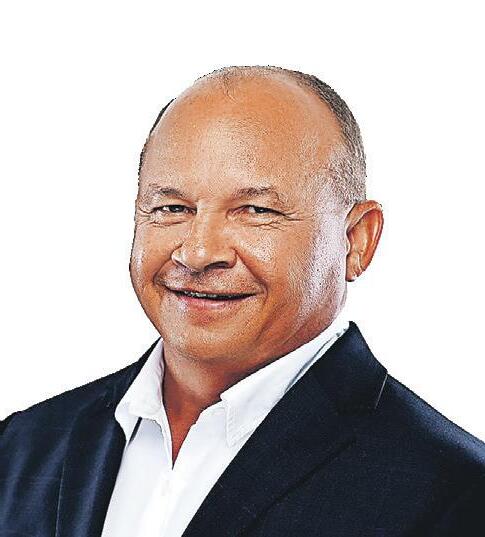
Rupert Pinder, assistant professor of economics at the University of The Bahamas (UoB), told Tribune Business that citizens must “not overlook that the banks’ primary function” is to serve as the intermediary between savers and borrowers. In this crucial function, they prudently advance the former group’s funds to the latter as loans for home purchases, construction, business start-ups and expansion and other productive purposes that grow the economy.
Warning that the controversy over rising bank fees threatens to become a sideshow, or distraction, from The Bahamas’ main banking issue - the $3.456bn in excess liquid assets, representing funds available for productive lending purposes but which remain stuck in the banking system - he urged the commercial banks to “find more creative ways” to unlock this and drive greater growth by extending credit to worthy borrowers.
Economics professor: $3.5bn surplus liquidity is real priority System’s ‘tremendous untapped potential’ must be unlocked
Fidelity chief: Lending ‘squeeze’ means no subsidy for fees
Mr Pinder also called on the banks, both the Canadian-owned trio of Royal Bank of Canada (RBC), CIBC Caribbean and Scotiabank, as well as BISX-listed Commonwealth Bank, Bank of the Bahamas and Fidelity
Abaco resort’s marina off 20% as boating still suffers
BY FAY SIMMONS Tribune Business Reporter jsimmons@tribunemedia.net
MARINA operators yesterday confirmed they are still suffering the fall-out from previously-increased boating fees despite subsequent reforms with one Abaco resort reporting business is down by as much as 20 percent this summer.
Molly McIntosh, the Bluff House Beach Resort & Marina general manager, said that while hotel rooms, restaurants and vacation villas continue to perform well, boating traffic has yet to recover to expected levels despite the Government’s April 1 creation of two new cruising permit fee categories designed to regain lost market share among short-stay visitors to the northern season.
"Our marina business is down about 15 to 20 percent. I've checked with some other marinas in Abaco and they're experiencing the same thing. That's a little concerning, but overall things are going well,” Ms McIntosh said. Her comments echo concerns raised by Stephen Kappeler, Bimini Big Game Club Resort & Marina’smanaging director, who said operators continue to see the effects of uncertainty created by last year's fee changes despite the Government later revising some of the increases following widespread backlash from the boating community.
"The fee changes came too late," sad Mr Kappeler. "They made some improvements, but the damage had already been done. People were bothered by it, or they used it as an excuse to go somewhere else."
Ms McIntosh said there does not appear to be a single explanation for the softer marina business, but believes several factors have combined to discourage some from making the crossing from Florida.
"I think it's a combination of things," she said. "We heard all the social media posts from people saying they weren't coming to
Bank (Bahamas), to strike a balance where fees are not seen as a profit-earner but adjusted to cover the costs involved in providing services to customers.
Speaking after the Central Bank’s semi-annual banking fee survey found some customer categories suffered 20 percent-plus increases during the 2025 second half, the UoB professor told this newspaper that his focus on ever-growing excess surplus liquidity as The Bahamas’ main banking issue has not shifted.
“It’s consistent with what I’ve said all along,” Mr Pinder said. “It goes right back to this excess liquidity that the banking system has above its statutory reserve requirements.”
While acknowledging that the excess liquidity figure may be closer
‘New
frontier’? 10,000 acre Long Island site seeks buyer for $25m
BY NEIL HARTNELL Tribune Business Editor nhartnell@tribunemedia.net
A LONG-touted 10,000acre development for Long Island has been listed for sale at $25m with a Bahamian realtor suggesting that airport upgrades, improved connectivity and existing infrastructure can make the destination “the new frontier”.
Mario Carey, president and chief executive of Better Homes & Gardens Real Estate MCR Bahamas, confirmed to Tribune Business that his firm has secured the listing to market the Salinas project to potential buyers after long-standing title issues associated with the property, part of the former Diamond Crystal salt mining site, were resolved and cleaned-up. He added that, with the Deadman’s Cay airport upgrades now underway, the prospect of increased airlift and improved connectivity - especially to international destinations
‘Abuse of process’ rejected in Rudy King-linked case
BY NEIL HARTNELL Tribune Business Editor nhartnell@tribunemedia.net
THE Court of Appeal yesterday ruled that a “substantial overlap” between separate legal cases cannot by itself be “an abuse of process” as it overturned the removal of a multi-million dollar asset freeze imposed on proceeds from a fraud allegedly involving flamboyant “philanthropist”, Rudolph Kermit King.
Appeal justice Bernard Turner, in a unanimous verdict backed by his two colleagues, reversed then-justice Cheryl Grant-Thompson’s now seven year-old decision to discharge an asset freeze sought by US federal prosecutors over a purported $2.289m fraud perpetrated against multinational aerospace giant, Boeing.
A portion of the fraud proceeds were alleged to have ended up in various accounts at Royal Bank of Canada
Doctors deny only minority protesting NHI pay delays
BY ANNELIA NIXON Tribune Business Reporter anixon@tribunemedia.net
BAHAMIAN doctors yesterday challenged assertions by the National Health Insurance (NHI) Authority’s deputy chairman that only a minority are complaining about delayed reimbursement as they revealed an Association has now been formed to negotiate with the scheme.
Doctors who care for the Government-run healthcare scheme’s patients confirmed the Provider Physicians Association has officially been registered, and will now seek recognition as the negotiating body for NHI providers.
Dr Denotrah Archer-Cartwright, its president, reiterated that chronic payment delays and a lack of transparency are threatening the sustainability of smaller medical practices. She said the Association was created
(RBC) Bahamas in the names of Celebrating Women International (CWI) and Celebrating Women International Investments. CWI and Mr King, who are both named as defendants, were represented before the Court of Appeal by Damien Gomez KC, the former minister of state for legal affairs, and Monique Gomez.
to give doctors a collective voice after repeated concerns over delayed reimbursements failed to produce meaningful change.
“Our association is now registered,” she said. “We are officially a physician’s union, and we will be moving to be recognised as the negotiating body moving forward for the NHI physicians and looking to empower physicians so that they can speak out.”
Her comments came after NHI deputy chair, Dr Robin Roberts, argued that the programme’s financial pressures should not overshadow what he described as a healthcare initiative performing “well beyond any expectations”.
While acknowledging the Authority is running one to two months behind on provider payments, he argued that only “a small portion” of physicians were making the issue appear larger than it is and pledged NHI would never default on its obligations.
Salinas project owner eyes Diamond Crystal exit Land title issues resolved, build-out strategy exists
Realtor: Island ‘where Exuma was 20 years ago’
- could help Long Island’s economy to take-off while also aiding his efforts to “tee up” a buyer for the Salinas site. Comparing the island to “Exuma 20 years ago”, he added that its property and
Mr Gomez yesterday said he was unable to comment when contacted by Tribune Business as he had yet to fully read the Court of Appeal’s verdict. However, the decision reaffirms the overturning of Justice Grant-Thompson’s June 19, 2019, ruling that removed the asset freeze obtained by the Attorney General’s Office at the request of US prosecutors under the Mutual Legal
RUDOLPH KERMIT KING
GOWON BOWE
RUPERT PINDER
MARIO CAREY
Shipyard passes 1.45m hours without work injury disruption
GRAND Bahama Shipyard says it has gone 1.45 million working hours without any time lost to employee injury, describing this as an another milestone in deepening its workplace safety culture.
The Shipyard, in a statement, said it surpassed the one million-hour benchmark on April 14, 2026, after going 210 consecutive working days without suffering a ‘lost time injury’. It added that the facility has maintained this performance uninterrupted, reaching 1.45m trade labour hours without any time lost to injury as at June 25.
The Shipyard said this was achieved during one of the its busiest operational periods, with projects often requiring multiple skilled trades to work together across different areas on a vessel. This, it said, requires robust health and safety systems, careful planning and a workforce committed to high standards daily.
"Our customers trust us with complex assets, our employees trust us to provide a safe workplace, and
our community trusts us to operate responsibly," said Chris Earl, Grand Bahama Shipyard’s chief executive. "Those expectations are earned through thousands of decisions made every day, often when no one is watching. Surpassing 1.45m trade labour hours without a ‘lost time injury’ reflects the choices our people continue to make that prioritise safety and the standards they hold themselves to.”
The Shipyard said its achievement represents the steady progress made through its Safety Absolute Programme, plus active safety committees, employee engagement and continuous investment in training and safety. It added that this progress has earned international recognition, with Grand Bahama Shipyard receiving a ‘merit’ in the British Safety Council International Safety Awards 2026. The award recognised the company's performance in protecting the health, safety and well-being of employees
KPMG hires former DIR executive as its tax head
KPMG (Bahamas) has hired a former senior Department of Inland Revenue executive as its director of tax.
The accounting firm, in a statement, said Patricia Jackson brings experience across tax administration, policy development, litigation and private practice at a time when the Bahamian tax system and related regulation is becoming increasingly complex.
It said Ms Jackson’s career covers both the public and private sectors. She began her legal career as a prosecutor before moving into tax enforcement, where she prosecuted tax fraud and other tax-related offences.
Following VAT’s introduction in The Bahamas, she played a key role in establishing the Department of Inland Revenue’s enforcement and compliance function, with her responsibilities later expanding to include tax policy, legislative development and tax litigation.
Ms Jackson most recently served as chair of Higgs & Johnson’s tax practice, advising domestic and international clients on a broad range of issues. KPMG said she will now work closely with its clients to help them navigate an increasingly complex tax environment, while contributing to the continued development of the firm's tax capabilities and supporting the growth of its people.
"I am excited to join KPMG at a time when tax is becoming an increasingly important business and policy issue,” Ms Jackson said. “I was particularly attracted by the opportunity to work alongside talented professionals, contribute to the growth of the firm's tax capabilities and help develop the next generation of tax advisors.
and contractors throughout the 2025 calendar year.
Grand Bahama Shipyard was selected to receive the ‘merit’ award from out of 851 recipients representing 51 countries and a broad range of industries, including construction, manufacturing, energy and utilities.
Mark Burrows, the Shipyard’s health and safety manager, said: "I don't believe there is one single reason we've reached this milestone. It's the result of a lot of small improvements brought together over time.
“We've strengthened our standards, improved our processes, invested in training, increased leadership visibility and worked hard to ensure incidents and near misses are properly investigated so that lessons are learned rather than repeated."
Mr Burrows believes one of the most meaningful indicators of progress has been the growing momentum behind employees taking ownership of safety in the workplace. "More individuals are willing to speak up,
GRAND Bahama Shipyard (GBSL) has surpassed 1.45m trade labour hours without a lost time injury (LTI). This was achieved during one of the Shipyard’s busiest operational periods with projects often requiring multiple skilled trades to work simultaneously across different areas of a vessel.
GRAND Bahama Shipyard was selected to receive a merit award out of 851 recipients representing 51 countries, and a broad range of industries including construction, manufacturing, energy and utilities. The recognition reflects the continued development of a strong safety culture that strengthens customer confidence and reinforces the Shipyard’s position as a leader in the ship repair industry
Broker’s Abaco expansion is second Bahamas office
A REAL estate brokerage has increased its Bahamas presence by opening a second office in Abaco.
bringing our global network and collaborative approach to the Abacos.”
stop work when something doesn't look right, challenge unsafe behaviours, and take responsibility not only for their own safety but for those working around them. To me, that's a far better measure of our safety culture than any statistic,” he added.
The Shipyard’s Safety Absolute programme is designed to reinforce key safety principles, and encourages employees and contractors to identify hazards, raise concerns and intervene before incidents occur. Supported by a Shipyard safety committee, the programme fosters a culture where prevention, accountability and continuous learning are shared responsibilities.
The Shipyard said it will continue investing in targeted safety training and workforce development initiatives, including confined space entry, working at height, lifting operations and mobile equipment safety, plus the continued development of supervisors and the Shipyard's emergency response team.
"Safety is not a destination,” Mr Burrows said. “There will always be lessons to learn and opportunities to improve. What gives me confidence is the commitment I see every day from our people to make tomorrow safer than today.”
Tomás Machado, a KPMG partner in The Bahamas, said: "We are pleased to welcome Patricia to KPMG. She brings a wealth of experience across tax administration, policy, legislation, dispute resolution and advisory services, as well as a deep understanding of the evolving tax landscape in The Bahamas.
“Patricia is also passionate about developing people and mentoring the next generation of professionals, which aligns strongly with our commitment to building talent and supporting our clients with practical, high-quality advice. We look forward to the contributions she will make to our firm, our clients and our people."
“I look forward to supporting clients through a rapidly-evolving tax environment and helping them achieve their business objectives with practical and commercially focused advice."
The Agency, in a statement, said its new Marsh Harbour location will be led by managing partner Danny Lowe, who also serves in the same capacity for its wider Bahamas operation. He will work alongside the firm’s managing director, Scott Ferguson, as The Agency bids to make inroads into Abaco’s second home, boating and lifestyle markets.
“Abaco represents one of the most special lifestyle markets in the Caribbean,” said Mauricio Umansky, chief executive and founder of The Agency. “Known for its world-class boating, fishing, island communities and strong second home demand, the region offers an exceptional opportunity for buyers seeking both an authentic Bahamian lifestyle and long-term value.
“With Danny Lowe and Scott Ferguson leading our presence in the market, we are proud to further expand The Agency’s presence in The Bahamas while
The Agency said it launched 27 new offices worldwide in 2025, and has plans for further expansion after growing to more than 180 locations across 17 countries. “The opening of The Agency Abaco marks an exciting next step for our growth in The Bahamas,” said James Ramsay, executive vice-president of The Agency’s franchise division.
“From Hope Town and Guana Cay, home to Baker’s Bay, one of the region’s most prestigious private club communities, to Winding Bay, Treasure Cay, Green Turtle Cay, and Man-O-War Cay, each community offers its own lifestyle and appeal.
“Danny has already established a strong foundation for The Agency in the Bahamas, and with Scott’s deep understanding of the Abaco market, this expansion positions us to serve clients across one of the country’s most compelling island destinations.”
“Abaco is unlike anywhere else in the Bahamas,”
said Mr Lowe. “This is a market built on relationships, repeat visitors, boating access and a deep appreciation for island living.
“Many of our buyers have been coming here for years, and they are looking for homes that can serve as both lifestyle investments and generational gathering places. We are excited to build on The Agency’s presence in the Bahamas, and pair our local knowledge with the brand’s international reach to better serve clients across the islands.”
Photos:Renaldo Simms/Basefoot Marketing
PATRICIA JACKSON
DANNY LOWE
Newly-opened medical lab eyes Out Island expansion
BY ANNELIA NIXON Tribune Business Reporter anixon@tribunemedia.net
A NEWLY-opened medical laboratory is already eyeing Family Island expansion after just one month in existence while also preparing to launch an exercise club as part of its push to offer more accessible healthcare services.
Regional Medlab Services, which opened on June 20, expects to expand beyond New Providence by the end of this year or early 2027 while simultaneously growing from its current four-person team to about 15 employees as demand increases.
The company, located on the second floor of the new Roker’s Gas Station in suites three and four,
specialises in laboratory testing with an emphasis on mobile healthcare services, including blood sample collection and electrocardiograms (ECGs) for patients who are bedridden, have mobility challenges or maintain busy schedules.
“Our goal is to bring healthcare to a person, no matter where they are,” Ms Woodside said, adding that the company is particularly focused on improving access for elderly residents who she believes are often underserved.
She added that Family Island expansion is a key priority, with Andros, Exuma, Eleuthera and Cat Island among the initial markets under consideration. Physical locations on those islands will likely be rolled out gradually.
“I’m looking at that coming into play between the end of this year and early 2027, Lord’s willing,” Ms Woodside said. “I am definitely looking at Andros, Exuma, Eleuthera, Cat Island. Until we can actually open facilities there, we’re definitely going to start making trips.”
As part of its expansion strategy, Regional Medlab is also broadening its range of preventative health services through the launch of an exercise club, which Ms Woodside expects to begin within the next one to two weeks at the company’s headquarters.
“We’re looking to start an exercise club,” she said. “We’re hoping that we can get that started within the next coming week, two weeks minimum… We’re
BPL system challenges ‘no excuse for hardship’
BY FAY SIMMONS Tribune Business Reporter
jsimmons@tribunemedia.net
THE Government and Bahamas Power & Light
(BPL) yesterday conceded shortcomings in both communication and grid resilience following Sunday's New Providence-wide outage, promising a comprehensive review of events and a more detailed public explanation later this week.
The response came two days after a major power disruption plunged New Providence into darkness for hours, disrupting homes, businesses, healthcare facilities and public services.
In a statement yesterday, JoBeth Coleby-Davis, minister of energy, utilities and aviation, acknowledged the widespread frustration caused by the outage, saying Bahamians have "raised fair questions" about the reliability of the country's electricity system.
"They want to know why this incident had such a wide impact. They want to know why the system remains vulnerable. They want to know what work is being done to strengthen the grid. They want to know when they will feel greater reliability in their homes and businesses," she said. "These questions deserve answers."
Mrs Coleby-Davis said she has instructed BPL to improve its communication during major outages, acknowledging that restoration efforts must be accompanied by timely public updates. "I have made clear to BPL that updates during major
service disruptions must be faster, clearer and more regular," she said. While she noted the electricity system continues to face pressure from high demand, extreme heat, severe weather and aging infrastructure, the minister added that those challenges "do not excuse the hardship experienced by the public”.
Mrs Coleby-Davis also said customers have raised concerns about damage to appliances following repeated outages and power restoration, adding that she has asked BPL to provide clear guidance on the compensation claims process. She added that she will provide a broader update on the Government's energy reforms at a media briefing scheduled for Thursday, where she intends to address efforts to improve generation, transmission, grid stability, renewable energy integration and long-term system resilience.
Meanwhile, BPL's board of directors provided its most detailed explanation yet of Sunday's outage, revealing that electricity generation remained available throughout much of the incident but could not be delivered to customers because a lightning strike damaged critical transmission infrastructure at the Blue Hills power station.
According to the Board, an "extraordinary lightning strike" caused extensive damage at a critical interface between electricity generation and the transmission network.
"Simply put, while the generation remained
available, the damage prevented the safe transfer of power from the power station to the electrical grid," the BPL Board said.
The explanation suggests Sunday's outage stemmed from a failure within the transmission system rather than a lack of generating capacity, an issue that has frequently been at the centre of BPL's operational challenges.
The Board also acknowledged concerns over BPL’s communication with customers, saying it has instructed management to review how information is shared during major outages to ensure future updates are "more frequent, clearer and better reflect restoration progress”.
In addition, BPL directors have ordered a comprehensive post-incident review that will examine physical protection systems, operational procedures, restoration strategies, network sectionalising and measures to strengthen the grid against future disruptions.
Although describing Sunday's incident as "extremely rare", the Board said every significant outage presents an opportunity to improve BPL’s resilience and response.
The statements prompted a response from Free National Movement deputy leader, Shannendon Cartwright, who criticised Prime Minister Philip Davis KC for what he described as his "deafening silence" following the blackout.
Mr Cartwright argued that while the Government has repeatedly promoted its energy reforms, Bahamians
trying to take care of the whole person.”
The initiative will require additional staffing, with Ms Woodside estimating that three employees will be needed specifically for the exercise programme.
The laboratory currently employs four, including Ms Woodside, two physicians and a phlebotomist. One physician specialises in holistic medicine while the other practices general medicine.
“We’re trying to service the whole man,” she said. “You have some persons that prefer a holistic physician… and then you have other persons that prefer the general medical doctor.”
Ms Woodside expects staffing levels to increase significantly over the next year, targeting around 15
deserve a direct explanation from the country's leader.
"The minister's statement has left more questions than answers," he said. "All the while, there has been complete silence from Prime Minister Davis on this issue.
“Every hour of silence costs a Bahamian business money. Every hour of silence costs a Bahamian family peace of mind. The Government works for the people. So speak to the people. Tell us the truth. Tell us the plan. Tell us when the lights will stay on."
The outage, which began on Sunday afternoon, left large sections of New Providence without electricity for several hours after severe weather passed through the island. BPL has said crews worked through the day and into the early hours of Monday to restore power and stabilise the system.
employees by 2027. She said recruitment is already underway. “I am in the process of sourcing, in meetings, and just seeing how we’re going to do what needs to be done. So 2027, I think, is going to be a year of a lot happening,” she added. Ms Woodside said it took about a year to transform the concept into an operating business despite several setbacks along the way.
“The vision has always been there because I’ve always had a passion for people, especially the elderly and babies,” she said. “It’s been a little bit of a rough road getting there. We’ve had some setbacks, but we’re finally on the right track now.”
Beyond diagnostic services, the company is also positioning itself as a community health education provider. Every Saturday, Regional Medlab offers free blood pressure screenings, consultations and $12 blood sugar testing in an effort to increase awareness of chronic illnesses such as diabetes and hypertension.
“We’re bringing awareness and spreading knowledge to the community one person at a time,” Ms Woodside said. “Those two things are so big in this country simply because of the way that we live, our lifestyles.”
She added that affordability remains central to the company’s business model, particularly as families prepare for the back-to-school season.
“One of the other goals is to make healthcare accessible and affordable,” Ms Woodside said. “We have single parents, especially with school about to open, school physicals, those things like that. So we’re trying to come up with contingency plans that can make these things affordable for parents.” Regional Medlab is also promoting discounted screening services on July 10 and 11, offering HIV testing for $25 and syphilis testing for $25. Walk-in patients will be accommodated without appointments at its second-floor facility above Roker’s Gas Station.
BTC expands Air wireless network through Eleuthera
THE Bahamas Telecommunications Company (BTC) has expanded its next generation fixed wireless technology to Eleuthera residents and businesses by rolling out its BTC Air Network aross the island.
Building on the prior deployment in Bimini, BTC said the Eleuthera launch reflects its continued investment in improving access to reliable, high-speed connectivity for Family Island communities and creating stronger digital foundations for growth.
“Connectivity is essential to economic growth, education, healthcare and every day life,” said Dominic Petty, BTC’s executive senior manager for Family Island technical operations.
“The launch of BTC Air in Eleuthera represents another significant milestone in our mission to deliver innovative broadband solutions throughout the country. By leveraging next generation technology, we are providing residents and businesses with access to reliable, high-speed services that support their evolving digital needs. This expansion ensures that the
community has access to the tools and services that help them move forward with confidence.”
As part of its broader plans for Eleuthera, BTC also hosted its SMB Success Forum, bringing together entrepreneurs, small business owners and industry leaders for conversations on innovation, digital transformation and business growth strategies. The forum created space for discussions on how businesses can adapt, compete and grow in an increasingly digital marketplace.
“The SMB Success Forum provided an important platform for collaboration, learning and engagement among members of the business community,” said Delmaro Duncombe, BTC’s director of B2B (business-to-business.
“As businesses continue to navigate an increasingly digital environment, BTC remains committed to providing the connectivity solutions, tools and expertise needed to help them operate more efficiently, serve their customers effectively and achieve sustainable growth.”
JOBETH COLEBY-DAVIS
Fraud freeze up and down legal system through 10-year journey
Assistance Treaty (MLAT) with The Bahamas.
She concluded that the MLAT asset freeze, which was imposed two years earlier on June 20, 2107, was “an abuse of process” because it was based on the same facts - and effectively sought to re-litigate - a previous bid to restrain the alleged Boeing fraud proceeds that was made under the domestic, separate, Proceeds of Crime Act (POCA) process.
And Justice Grant-Thompson also lifted he asset freeze on the basis that insufficient evidence had been provided to connect the various defendants to the alleged fraud. However, the Court of Appeal yesterday overturned this decision on the basis that an “overlap” between the MLAT and Proceeds of Crime Act processes does not amount to an “abuse of process” by itself.
It also found that she applied the incorrect test, adding that Justice Grant-Thompson had wrongly focused on whether the correct culprits had been identified in legal papers as opposed to whether a sufficient connection between the alleged fraud proceeds and offence was established. And, in a move that will mean this case will have passed up and down the entire Bahamian judicial system over a decade-long span, the Court of Appeal has now sent it back to the Supreme Court for its reconsideration.
This means the matter will have passed from the
Supreme Court to the Court of Appeal, and then to the London-based Privy Council, the highest court in the Bahamian judicial system. It is now coming back down, having been passed from the Privy Council to the Court of Appeal, and now to the Supreme Court again where it will finally be concluded.
For yesterday’s Court of Appeal ruling overturns a May 27, 2021, verdict that the same judicial body, albeit featuring a different three-judge panel, made in relation to the asset freeze controversy. For Appeal justice Milton Evans, in a unanimous ruling backed by his two fellow justices, refused to reinstate the asset freeze as he blasted Bahamian prosecutors for failing to resolve “inconsistency in the evidence”.
The failure to resolve discrepancies over the date when a US bank account was closed resulted in “a material non-disclosure” to both the Supreme Court and Court of Appeal that was now “too late to cure”, appeal justice Evans determined, especially given that this fact “had the potential to destroy” the entire basis for the case against Mr King, Celebrating Women International and the others, Jonathan Reid and David Valdez-Lopez.
However, that verdict was rejected by the Privy Council in September 2024, which ruled there “was an obvious error” from a typographical perspective. Noting that this was not a case where there were conflicting or competing
dates, it added that the 2015 date give for the account’s closure in the US request for judicial assistance was clearly incorrect as all other evidence revealed it was used for transactions in 2016.
As a result, it sent the matter back to the Court of Appeal which, taking its cue from the Privy Council, yesterday delivered a decision aligned with the latter rather than its own five year-old verdict. The Privy Council had also noted that, despite the length of time that has elapsed, the asset freeze has not been rendered moot or void as the disputed funds were now being held by an unnamed Bahamian law firm.
“It is alleged that the fraudsters induced Boeing to transfer $2.289m to an account in the US under their control by falsely representing that the transfer was the repayment of a deposit paid in respect of the purchase of a jet aircraft under a contract which had been cancelled. In fact, the appellant alleges the payment which had been made to Boeing had been made by Fuji Industries for unrelated purposes,” the Privy Council said of the background to the fraud.
The $2.289m was, at the alleged instruction of the perpetrators, transferred by Boeing to one of three accounts at Sun Trust Bank “over which the fraudsters had control”. The three accounts had been opened in the name of a Georgia-based company, CWI International Investments. While sharing the
same initials, the judgment did not say this entity is connected to Celebrating Women International.
“The funds were then quickly moved in nine tranches into one of the accounts Royal Bank of Canada (RBC) in The Bahamas in the name of the fourth respondent, Celebrating Women International,” the Privy Council added. The funds were switched to the RBC accounts between December 4, 2015, and January 16, 2016, via a series of cheques.
“The records also showed that between December 4, 2015, and January 16, 2016, various funds from two of the Sun Trust accounts were debited via ATM cash withdrawals and debit/credit card purchases at various locations in The Bahamas,” the Privy Council said of information provided by the US federal authorities.
“During the course of the frauds, the suspects sent a number of e-mails to Boeing and searches revealed that the IP (Internet Protocol) addresses for the relevant accounts showed that they were provided by The Bahamas Telecommunications Company (BTC), located in Nassau.” Three deposits totalling $794,400 were said to have been made into the RBC Bahamas account beneficially owned by Celebrating Women International, with other funds flowing into those of CWI Investments.
However, the Bahamas’ then-director of public prosecutions informed the Attorney General’s Office they had also sought an asset freeze over the same accounts and funds via the Proceeds of Crime Act as part of “an ongoing criminal investigation into possible criminal offences committed in The Bahamas”.
Justice Grant-Thompson dismissed the Attorney General’s subsequent MLAT freeze on the basis that it was an “abuse of process”, given that it was based on the same facts as the Proceeds of Crime Act case, and was also a “fishing expedition”.
However, the Court of Appeal, in yesterday’s verdict, said the Attorney General’s Office argued that
the Supreme Court failed to distinguish between the two separate processes behind each case.
“The appellant argued that this was a critical legal error because the MLAT proceedings were independent of the domestic criminal investigation, and the discharge of the domestic restraint order should not have prevented The Bahamas from fulfilling its treaty obligations to the US,” the Court of Appeal added.
“It was submitted that the two applications had different legal foundations in that the domestic order was brought by the Commissioner of Police to assist a Bahamian criminal investigation into offences allegedly committed within The Bahamas, with those proceedings arising from the police investigation after a suspicious transaction report was made to the Financial Intelligence Unit (FIU)…
“As such, they argue that the MLAT is intended to operate alongside domestic law and not be displaced by it. While accepting that domestic investigations may continue, domestic restraint orders may exist, but those circumstances do not prevent The Bahamas from complying with an MLAT request and therefore submit that the learned judge wrongly treated the domestic proceedings as preventing enforcement of the MLAT,” the court said of the Attorney General’s Office arguments.
“While accepting that both proceedings involved many of the same individuals, the same bank accounts and similar allegations of fraud, the appellants contend that similar facts do not amount to an abuse of process, and submit that the overlap is explained by the fact that both investigations arose from the same alleged fraud, as different legal powers may legitimately be exercised over the same facts.”
Justice Grant-Thompson, in her verdict overturning the asset freeze, ruled that it was a “re-litigation” of the Proceeds of Crime Act case. “Whilst I am loathe to find against the requesting state [the US], I must protect the bastions of the halls of justice. I find that the current MLAT application was based on the very same facts as the criminal application, with little
appreciable difference,” she wrote.
Mr King and CWI agreed that the MLAT proceedings were “misused”, arguing that they were only invoked after the Proceeds Of Crime Act domestic proceedings had “stalled through the Crown’s own delay”.
“It was submitted by the respondents that the original Proceeds Of Crime Act restraint order was never properly pursued, the interested parties were not served, about 11 months passed without the matter progressing, and that instead of repairing the Proceeds Of Crime Act proceedings, the appellant sought MLAT relief, which they say went directly to the learned judge’s finding that the MLAT application was being used to circumvent the consequences of the earlier proceedings,” they alleged.
“Ultimately, the respondents submit that the learned judge was correct in her findings, as there was evidence supporting that conclusion, and therefore the appellate court should be slow to interfere.” However, the Court of Appeal did not disagree, now finding that the judge “erred” in how she applied the relevant legal principles.
Referring to the MLAT, it said: “That statutory purpose is materially different from the purpose served by domestic restraint proceedings under Proceeds Of Crime Act.
It follows that the mere existence of substantial factual overlap between a prior Proceeds Of Crime Act application and a subsequent MLAT application cannot, without more, establish an abuse of process. Similarity of facts is not synonymous with identity of legal purpose.
“The critical question is whether the later proceedings constitute an impermissible attempt to relitigate an issue already determined or whether they invoke a distinct statutory jurisdiction for a distinct statutory purpose,” the Court of Appeal added.
“In all the circumstances of the instant case, we conclude that the learned judge approached the abuse of process issue through an analytical framework which did not sufficiently distinguish the statutory purpose of the MLAT Act from that of the earlier Proceeds Of Crime Act proceedings.”
Bank chief: Consumers ‘conflate’ fee hikes with service concerns
CREDIT - from page B1
to $2bn, rather than $5bn, when the commercial banking sector’s investments in Bahamian dollar government bonds or Bahamas Government Registered Stock (BGRS) is accounted for, he nevertheless described this number as still-high with institutions enjoying minimal to no growth in their net lending to borrowers.
“Banks are financial intermediaries, and to the extent to which banks are financial intermediaries, their primary business is lending in my view,” Mr Pinder said.
“They obviously have to be compensated for transactions and to ensure they are able to earn a fair return on investment.
“While there is a discussion and certain controversy around fees, we must not overlook that the banks’ primary function is as a go-between between borrowers and savers. I would like to see where a greater or larger proportion of the revenues generated for the banks; that there is a greater emphasis to the extent they find more
creative ways to reduce the amount of excess liquidity.
“The banks ought to be rewarded by profits to the extent to which they are able to reduce excess liquidity in the banking system. How do we address the issue of affordable housing? How do we address the issue of small and medium-sized enterprises (SMEs) having greater access to capital? Those are areas that the banks need to give greater focus to so that it accrues benefits to both job creation and benefits to the wider economy.”
Asserting that increased credit access for SMEs should remain a top policy priority, Mr Pinder asserted: “In 2026, given the amount of excess liquidity in the system, the banks should not be talking about the need to improve profitability or revenues by way of increased fees.
“That is not to suggest other areas of banking operations should be subsidising any sort of loss-making or reduced profitability. I’m not saying that. There should be adjustments to fees or prices in relation to increasing costs. I’m not discounting that. That is
an important point. There should be adjustments to fees as costs and expenses rise.
“But, looking at the data, it suggests there is tremendous untapped potential for the banking sector to collectively address excess liquidity. That’s the elephant in the room. It’s not bank fees. The critical issue is addressing the excess liquidity in the banking system. That’s where there’s significant untapped potential.”
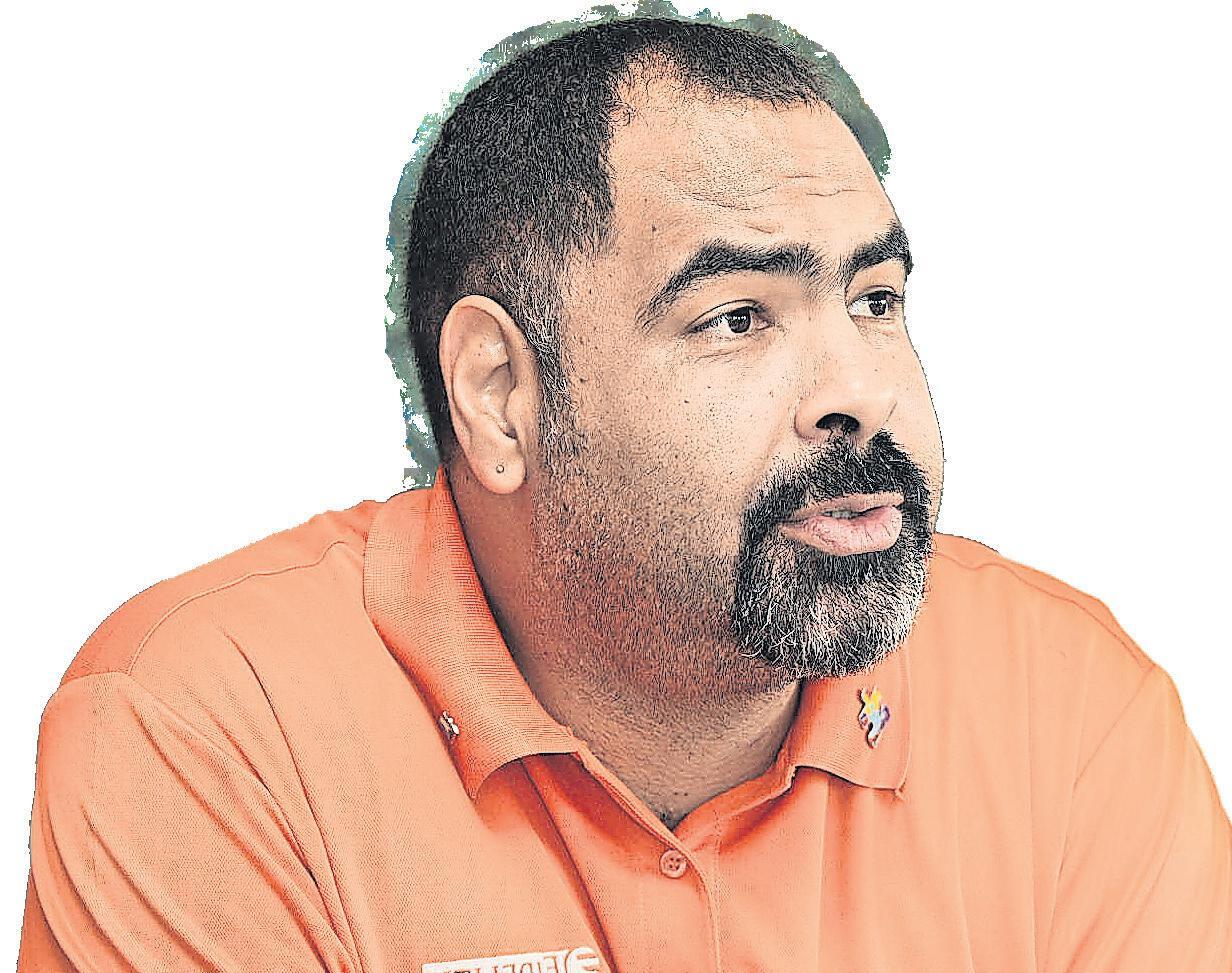
Gowon Bowe, Fidelity Bank (Bahamas) chief executive, and head of the Clearing Banks Association, said the Central Bank survey is “telling only half the story” and “needs to look at the other side of the coin” by examining the ever-increasing costs that impose pressure on the industry to raise fees. He noted that major expenses, such as staff payroll, electricity and cyber security, have all increased in recent months and years.
He also told Tribune Business that the “squeeze” on interest margins, sparked by “lethargic” credit market growth in the six years following the COVID-19
Physicians calling for more ‘predictability’ on payment
COMPENSATE - from page B1
Dr Archer-Cartwright strongly rejected that assessment, adding: “There has been a level of exploitation of physicians for some time. To say that only a small amount of people have an issue with not being paid is a really odd thing to say.
“So, every month being two months or more behind is supposed to be acceptable? Here lies our problem, because he’s a Board member, and he thinks it’s acceptable to not pay someone for two months.”
Dr Archer-Cartwright argued that the issue extends beyond physicians themselves, as their practices must continue meeting payroll, rent and other operating expenses regardless of whether NHI reimbursements arrive on time.
“When does it become a problem when people have to pay their staff every month?” she said. “They have to pay their bills every month, and they’re always two months or
more in arrears. Why is that acceptable?”
The Association has expanded from roughly 40 to 50 physicians during its formation to about 60 members, according to Dr Archer-Cartwright, although she explained it ultimately had to be registered as a union of employers rather than employees because private physicians operate independent practices. She said the organisation primarily represents smaller providers that are bearing the greatest financial strain. “We are really the smaller providers,” she said. “Maybe some of the large practices or the franchises are OK with this, but who is feeling the brunt of it? We’re almost like the underdog. We’re the one or two or three doctor practices that have made the system run.”
Dr Archer-Cartwright said physicians are seeking a more sustainable process for the NHI programme that includes on-time payments. She argued the focus should not be on how many physicians are voicing concerns publicly.
“The focus shouldn’t be the number of doctors,” she said. “The focus should be: Are you paying the doctors on time? The answer is no. Are you being completely transparent? The answer is no.”
Dr Archer-Cartwright also suggested payment delays have forced some physicians to reduce their dependence on NHI patients or abandon independent practice altogether.
“I would say some people have maybe cut down, and some people have had to close their practice and go and work for another position or larger group practice,” she said. “Maybe they had to leave their practice because they couldn’t sustain it.”
“We’re here as an organisation to empower physicians and give us the ability to negotiate something that is fair. We hope that the NHI Authority and the Ministry of Health and the Government would appreciate physicians wanting to amicably participate in the future of healthcare.”
Her position was echoed by Dr Ian Kelly, who
pandemic, has also left Bahamian commercial banks less able to subsidise fees given the reduced earnings from their core business.
And Mr Bowe said consumers - sometimes correctly, sometimes wrongly - are conflating customer service, and a perception that standards have declined as banking continually moves and evolves to automation, with rising fees and challenging whether they are receiving value for money.
The Fidelity chief, suggesting that the shift to digital banking and decline in face-to-face interactions between customers and bankers was influencing perceptions of declining service standards, said: “We have two issues that get conflated and lead to criticism. One is the perception of customer care, and customer service.
“There is a general sentiment that the quality of customer care and service has deteriorated compared to what it was in the past. Some of that is valid criticism, and some of it relates to how the way business is done has changed.” Mr
dismissed suggestions that dissatisfaction was confined to a handful of providers. “It’s not true that it’s only a few people,” he said.
Dr Arlington Lightbourne, founder and chief executive of Bahamas Wellness, said the issue was less about whether payments are delayed than whether providers can reliably predict when they will be paid.
“It’s going to be a matter of individual case-by-case circumstances,” he said. “Everybody’s cash flow situations are different. Two months may be fine for one provider, and obviously for another may be a challenge.”
He added that NHI contracts were originally structured around monthly payments, and argued physicians are entitled to expect those terms to be honoured.“There has been no change in that relationship or change in that contract, and so I think physicians have every right to expect their monies to be paid on time,” Dr Lightbourne said.
While describing himself as “a major supporter
Bowe said that referred to how digital banking is replacing personal interaction.
“What happens in some cases is that it’s a system decision, and that leaves the impression that customer service is deteriorating and, when you combine that with the fees being charged, the question is: Am I getting value for money? Because customer service is getting conflated with fees, it leads to questions in the minds of the consumer.”
However, Mr Bowe said this ignored all the costs banks incur in providing services to customers, including account and system maintenance; compliance and Know Your Customer (KYC) costs; and other administrative-type expenses that have to be covered by fees. And, given the industry’s importance to the economy as the financial intermediary between savers and borrowers, he argued that all stakeholders have a “vested interest” in the survival of the banks and services they provide.
The Fidelity Bank (Bahamas) chief executive added that the reduction in lending profits has left the
of NHI”, he said providers’ concerns are legitimate.
“I agree with Dr Roberts’ perspective that we cannot undermine the integrity of the programme,” Dr Lightbourne said. “But I also believe that physicians are justified in having concerns.”
Although only a handful of doctors may be speaking publicly, he added: “A significant percentage of the NHI physician population are in fact disappointed, and are anxious over receiving payments in a more timely manner.”
Dr Lightbourne said the Authority has kept providers informed when payments are delayed, but argued uncertainty over timing makes financial planning difficult. “My issue is the unpredictability of it,” he said. “If I know that my receivable is going to be 60 days, then I can plan for that. But if I don’t know when I’m going to be paid, I can’t plan. I can’t run my business.”
Rather than demanding immediate payment, Dr Lightbourne said physicians
industry less able to subsidise fees at levels that are below service costs. “When we look at fees, fees are but one component,” he told Tribune Business. “The lead earnings of the banks are net interest income.
“What we don’t speak about is the credit environment is lethargic. For the past six years since COVID, that has led to a greater squeeze on margins where the banks’ traditionally earned their greatest income. When interest rates were a lot higher, the banks subsidised a lot of the services they provided - teller services, foreign currency services - which were covered by other lines of business.
“As margins are squeezed, the cost becomes put under the spotlight. Do I continue to eat the cost, or do I get compensated for what I provide in services to customers?” Mr Bowe acknowledged that the banks have “done a poor job of educating consumers about why there’s a push to digital”, with some perceiving it as being implemented by “brute force”.
need certainty. “If we’re now saying on average you can expect money 45 days after the due date, then let’s put that in writing so we can plan for that.” He stressed that most physicians continue to support the national healthcare initiative despite their frustrations.
“Most physicians support NHI and what it’s trying to do, and certainly I do,” Dr Lightbourne said. “I do not want, nor would I ever, put out anything that would disparage NHI or make it seem like it’s not working… All I’m saying is that we need more predictability in when funds are going to be paid.”
‘Skyrocketing’ fuel costs, fee woes blamed for boat fall-off
SAIL - from page B1
The Bahamas, and I think some people made other plans because of that.”
Ms McIntosh also pointed to rising fuel costs and inflation in the US, adding that many of Bluff House’s marina customers are families travelling on smaller recreational boats rather than owners of large luxury yachts.
“The cost of fuel has skyrocketed, and that’s had an impact,” said Ms McIntosh. “We get a lot of smaller boats coming over
from Florida with their families, and I think those visitors have definitely been affected.” She said the resort has also tried to shield guests from rising operating costs.
“Everything has gone up,” she added. “We’ve been working very hard to keep our prices down because we want customers to keep coming back without too much sticker shock.” Ms McIntosh also questioned whether the Government missed an opportunity to restore confidence among boaters before the busy summer
season. “I think if the changes had been rolled out at the Palm Beach Boat Show in March, it could have generated more business,” she said.
“We had a lot of people asking whether the fees had changed, and when we couldn’t give them an answer, some simply said they weren’t coming.” Mr Kappeler argued that the impact extends well beyond marina occupancy, affecting restaurants, retailers and other businesses that depend on boating visitors.
“When those boats don’t come, they’re not eating in
Hopes airport, development can reverse the ‘brain drain’
real estate prices are attractive when matched against high-demand islands such as Eleuthera.
“This is a prime opportunity,” Mr Carey told this newspaper. “The title [to Salinas] is good. Long Island is the new frontier. You have a new airport, the new cruise port potentially, and it’s good to see how the developers are moving in that direction. It trickles down. Long Island, Cat Island, from a real estate perspective are pretty attractive. Everything else is so expensive - Eleuthera, Exuma.
“With the increased airlift, it will have a huge economic impact. You’ll have an airport in the north and south of Long Island. The roads are not so bad in some areas and they are fixing them. Long Island has a very solid workforce and strong fishing. Maybe Long Island is the new frontier, an up and coming location for real estate and prices are still affordable. It’s probably where Exuma was 20 years ago.”
The “cruise port” is the Calypso Cove development, targeted at southern Long Island, and for which
a Heads of Agreement was signed under the first Davis administration. However, meaningful construction and development work at the project site has yet to begin earnest.
Diamond Crystal Properties, the entity behind the proposed Salinas project, appears to have changed its plans after signalling at the 2023 Long Island Business Outlook conference that it was prepared to move ahead with its development plans.
Nina Pesavento, its president, said then that the company was optimistic its development “is poised to become the Bahamas’ signature luxury regenerative development project” once it receives all the necessary approvals to proceed.
Targeted at the site of the former Diamond Crystal salt ponds and plant in southern Long Island, it was touted as “two worldclass destinations in one”. It was to be centred on the 8,560-acre Salinas Nature Reserve, with the intention of “putting Bahamian wilderness on the map on a global scale like never before” via an eco-tourism focus.
Ms Pesavento said Salinas will also feature a small scale “eco luxury”
development component consisting of multiple boutique hotels, marinas and residential and estate lots that will be acquired by real estate buyers.
Diamond Crystal Properties is controlled by the Toronto-based Hamilton Group, which has investments in traditional equity stocks; residential resort communities; crypto currencies and a Canadian airline. It is headed by its president, David Young, whose family foundation focuses on philanthropic giving to environmental issues and causes.
However, Mr Carey said changed “dynamics” within Diamond Crystal Properties were likely to have sparked a fresh approach. He suggested that attracting the right purchaser could help reverse the “brain drain” that consistently sees an exodus of Long Island’s best and brightest talents seeking jobs and entrepreneurial opportunities in New Providence and elsewhere.
“You have Cape Santa Maria and Stella Maris on the northern end,” the Better Homes & Gardens chief said. “The development potential just fits. Prices are still attractive and there’s enough
restaurants, buying drinks, shopping in local stores or spending money throughout the community,” he said. “We lose all of that economic activity.”
Mr Kappeler added that charter vessels remain particularly affected by the current fee structure. “Those fees are so excessive that they’ve kept too many charter boats from coming,” he said. “Even though the fees were revised, it wasn’t enough to change people’s minds because they had already made other plans.”
Looking ahead, Mr Kappeler said the bookings
infrastructure for people to pay attention to.
“It [Salinas] could be a good beacon to bring Long Islanders back home, get some of the brain drain back with everyone coming to Nassau. There’s not enough to do there. Everyone’s fishing. They used to farm, but the hurricanes made that difficult with a lot of the soil getting spoiled by salt water. It’s hard to get that back.
“Long Island is a very industrious island. A lot of business owners due to Long Island’s boating history, construction, hard-working people. They will be at the cash register and show up to work on time.” Mr Carey said the Salinas niche, boutique eco-tourism model is a good fit for Long Island given the abundance of wildlife and fisheries, making bonefishing an obvious choice.
Better Homes & Gardens Real Estate MCR Bahamas, in its marketing pitch for the project, said: “The property includes approximately 1,400 acres of developable land, with government approval in principle from the Bahamas Investment Authority (BIA) for a 1,072-acre development component which offers a rare canvas for a master-planned, low-density community emphasising privacy, exclusivity and a deep connection to the surrounding natural environment.
”The Bahamas’ pro-investment framework provides meaningful advantages, including expedited approvals, duty exemptions, concessions and VAT incentives under the Hotel Encouragement Act and the Family Island Development Act. In 2024, a comprehensive master plan was completed for an 8,560-acre nature reserve, dedicated to habitat restoration, environmental renewal and immersive land and water-based recreation.” The 10,000-acre site was said to feature 12 miles of beaches.
Ms Pesavento, in addressing the 2023 Long Island Business Outlook, said: “With Salinas, we really intend to introduce a new model of sustainable development; one that has not before been seen in The Bahamas. One we have not seen in The Bahamas. Our site is approximately 10,000 acres, so it is quite large. I guess that would be an under-statement.
AI
remain sluggish heading into the latter half of the season, making the outlook for the remainder of the summer uncertain. “We’re seeing a lack of forward bookings,” Mr Kappeler said. “August is looking very concerning, and the second half of July is as well.”
Despite the softer marina business, Ms McIntosh said Bluff House’s overall performance has remained positive, aided by strong demand for accommodations plus food and beverage services.
She said the resort, which came under new ownership
“Our vision is two worldclass destinations in one. First and foremost is the Salinas Nature Reserve. The idea is for the Nature Reserve to put Bahamian wilderness on the map on a global scale like never before with walking trails, kayaking and paddle boarding recreation, and a research centre.
“Alongside of that is our proposed development site, which consists of small-scale eco-luxury hospitality experiences.”
While a master plan for the Salinas project was said to have been approved by the Bahamas Investment Authority (BIA) two years ago, it has yet to begin the process of obtaining the necessary environmental approvals - including a Certificate of Environmental Clearance (CEC) - from the Department of Environmental Planning and Protection (DEPP).
Ms Pesavento said Diamond Crystal Properties’ philanthropic arm, the Long Island Conservancy, was officially registered as a Bahamas-domiciled nonprofit to signal that the project is progressing.
The Conservancy will be led by the former head of Nature Conservancy Canada, and she added: “We have throughout the last several years in planning for the Salinas Nature Reserve been working very closely with the Bahamas National Trust.
“This is not a traditional development model or one seen throughout The Bahamas to-date. When we look at the island of Long Island that is extremely self-sufficient and has grown not depending on tourism, we have a very unique opportunity to do things differently.
“Our role in developing Salinas is not to introduce a massive resort model that has been successfully played out elsewhere. In fact, we see our role as bringing out the best of what this destination has to offer. What makes Long Island so unique is what already exists here. The question for us is how can we excavate the inherent value of the site and bring financial value to the table through that.”
Ms Pesavento said the developer aimed to achieve this by unlocking what she described as Long Island’s “sacred capital” through its own financial investment in the project. She added that the 8,500-acre Salinas
stocks sink and drag markets lower worldwide
By STAN CHOE AP Business Writer
THE roller-coaster ride for AI stocks snapped back down on Tuesday and dragged Wall Street lower.
The S&P 500 fell 0.4% even though the majority of stocks within the index rose. The drops for stocks in the artificial-intelligence industry dragged the Nasdaq composite down 1.2%, while the Dow Jones Industrial Average dropped 130 points, or 0.2%, from its record.
The weakness began in Asia, where Samsung Electronics tumbled 6.9% in Seoul. The tech giant gave a preliminary look at its performance for the second quarter, and the numbers were strong. Samsung Electronics said it expects to report its operating profit
in November 2025, is also undergoing a series of upgrades ahead of the next tourism season. Improvements include renovations to the pool and beach facilities, expanded food and beverage offerings, new equipment and plans to construct additional villas over the next several years.
“We’re really excited about next year,” Ms McIntosh said. “There are a lot of small upgrades that are going to make a big difference.”
Nature Reserve will feature lagoons, beachfront and mangrove forest, and also seek to pay homage to the location’s “cultural heritage” and past and current uses.
It was to feature a hub for boutique salt harvesting and shrimp farming, with Diamond Crystal Properties promising to consult Long Islanders on “how they desire to use part of the salt pans that remain”. Renewable energy will also be incorporated into the development, although the developer has yet to begin remediation of a site previously used for aquaculture and industrial purposes prior to its mid-1980s closure.
“We see this as critical to establishing a destination in Long Island in a way that puts the wilderness at the forefront of this destination,” the Diamond Crystal Properties president said. “Our ultimate goal is for Salinas Nature Reserve to link with a bigger marine management area. This would tie in with the Exuma Sound...
“We really do believe Salinas is poised to become The Bahamas’ signature luxury regenerative development project. We are focusing on small-scale, high-end development that we have not really seen throughout The Bahamas.
“This is a model that has been highly successful throughout Costa Rica, Mexico and parts of Central America. We’ve seen in The Bahamas the sense that conservation and development are at odds with one another. That’s the narrative we’re trying to change here.”
The Diamond Crystal site was, almost four decades ago, the main driver of Long Island’s economy, providing the biggest source of employment on the island. Diamond Crystal opened its plant in the 1970s and, after it closed due to its US parent filing for bankruptcy, was taken over by World Wide Protein (Bahamas), a shrimp farming company. That venture, too, failed with the shrimp farming closing after several years of operations in the mid-1980s. The loss of economic activity and employment opportunities has contributed to the steady depopulation of Long Island ever since.
surged roughly 1,800% from a year earlier.
Analysts called the numbers surprisingly good, but they still weren’t enough for investors after Samsung Electronics’ stock had come into the day having well more than doubled in the year so far. On Wall Street, AI stocks have been under similar pressure in recent weeks on worries that their prices shot too high and that AI may not produce enough productivity and profits to make all the investments in chips and data centers worth it.
Drops of 6.5% for Advanced Micro Devices, 9.7% for Intel and 4.7% for Micron Technology were the heaviest weights on the market. SpaceX, which owns the xAI business, fell 6.8% in
its first trading after getting included in the Nasdaq 100 index. Outside of tech, Vertex Pharmaceuticals slipped 1.4% after saying it agreed to buy Crinetics Pharmaceuticals for $85 per share in cash. Crinetics, which develops therapeutics for endocrine diseases, soared 98.7%.
Rivian Automotive dropped 18.1% after the electric vehicle company said it’s selling 75 million shares of its stock, a move that dilutes the ownership stakes of earlier shareholders. All told, the S&P 500 fell 33.58 points to 7,503.85. The Dow Jones Industrial Average dipped 130.76 to 52,925.15, and the Nasdaq composite sank 302.47 to 25,818.69.
Stocks also felt pressure from a rise in oil prices after the British military said three tankers were struck by projectiles in the Strait of Hormuz. The United States later revoked a license that had authorized the sale of Iranian oil as part an interim deal to end the fighting between the U.S. and Iran.
South Korean law targeting ‘fake news’ takes effect as journalists’ groups raise concerns
By KIM TONG-HYUNG Associated Press
SOUTH Korea began enforcing a law Tuesday that allows steep punitive damages against news outlets and social media influencers for spreading false information as journalist groups warned it could chill public discourse and invite censorship.
Journalists and civil liberties groups say the vaguely worded law fails to clearly define what information it prohibits and lacks adequate safeguards for the media, warning it could potentially discourage critical reporting about government officials, politicians and large businesses.
The law allows courts to award damages of up to five times the proven losses against news organizations and large social media channels, including YouTube creators, that circulate illegal, false or manipulated information to cause harm or generate profit.
In addition, those who distribute information more than twice after a court has confirmed it to be false or manipulated could be fined up to 1 billion won
($656,000) by the country’s media regulator. Internet companies operating large social media platforms with more than 1 million daily users are required to take measures such as removing content or suspending user accounts when they receive reports of false or fabricated information.
The law was backed by President Lee Jae Myung’s liberal Democratic Party and passed by the National Assembly in December over a boycott by the conservative opposition. The liberals, who unsuccessfully sought to pass similar legislation under previous governments, say the law is necessary to combat fake news and disinformation, which they argue is posing a growing threat to democracy by fueling division and hate speech.
The Journalists Association of Korea said the mere prospect of news organizations repeatedly facing massive damage claims or legal disputes could have an “unavoidable chilling effect.”
“Even if a law’s objective is legitimate, it could erode the foundations of
democracy if it’s enforced in a way that discourages the media and ordinary citizens from freely criticizing and scrutinizing those in power,” the group said in a statement.
The Seoul Foreign Correspondents’ Club also expressed concern about the potential impact on the work of the media and the free flow of information.
Concerns about murky online discourse
The push for the law came as Lee expressed concern about South Korea’s online discourse and information environment after
VR and gaming are adding a kick to taekwondo
By EILEEN NG Associated Press
WHEN Vietnamese athlete Nguyen Thanh Hien Linh stepped into her first virtual taekwondo competition in Singapore in 2024, she had little idea what she was doing.
“I was just kicking into the air,” recalled the 21-year-old. Despite her background as an elite national taekwondo champion, she struggled in the virtual arena with no clue on strategy, skills or how the technology worked.
Two years later, she won a gold medal at a recent virtual taekwondo competition in Malaysia and was part of a growing community of the gamified combat sport across Southeast Asia.
Once unfamiliar and experimental, virtual taekwondo is now emerging as a structured competitive discipline. Co-developed by World Taekwondo and Singapore-based technology company Refract Technologies, it combines virtual reality technology with traditional taekwondo techniques to woo tech-savvy young athletes.
Competitors wear VR headsets that transport them into a digital 3D arena, and strap motion-tracking sensors on their spine, thighs and shins. They use their bodies to control digital avatars in noncontact
virtual matches, where every fast and well-timed strike depletes the opponent’s virtual health bar. Unlike conventional taekwondo where competitors are separated by age, weight and gender, virtual taekwondo places everyone in the same digital arena.
It was showcased at Singapore’s Olympic Esports Week in 2023 and held its first World Championships in Singapore in 2024. This year, the sport will make its debut at the Asian Games in Japan, and it is expected to be included in the 2027 Southeast Asian Games in Malaysia.
A physically demanding sport without injury risk
During last month’s Malaysian competition, athletes and coaches described how the discipline is reshaping perceptions of both martial arts and gaming.
Singapore national athlete Brian Peh, 46, said he was not into gaming but joined the 2024 championship with his son out of curiosity. Both won gold and have since participated in many other local and regional games. Peh now also trains students in virtual taekwondo in his dojang, or training hall.
“I always tell parents: your kids love games. Do you want them using their hands to play, or using their
NOTICE
NOTICE is hereby given that I STERPHRON CASTRO FENELUS of McCartney Lane, New Providence, Bahamas, applying to the Minister responsible for Nationality and Citizenship, for Registration Naturalization as a citizen of The Bahamas, and that any person who knows any reason why registration/ naturalization should not be granted, should send a written and signed statement of the facts within twenty-eight days from the 8th day of July, 2026 to the Minister responsible for nationality and Citizenship, P.O. Box N-7147, Nassau, New Providence, The Bahamas.
NOTICE
NOTICE is hereby given that I LOUWENSKY PIERRE of Joan’s Heights, South Beach, New Providence, Bahamas, applying to the Minister responsible for Nationality and Citizenship, for Registration Naturalization as a citizen of The Bahamas, and that any person who knows any reason why registration/naturalization should not be granted, should send a written and signed statement of the facts within twenty-eight days from the 8th day of July, 2026 to the Minister responsible for nationality and Citizenship, P.O. Box N-7147, Nassau, New Providence, The Bahamas.
legs?” he said. “When they put on the headset and start to fight, wow, their energy is so high. They can play and play and they love it.”
Cambodian coach Vandy Yiv said more children and parents in his country are showing interest due to the low risk of injury. In a local tournament earlier this year, he said there were more participants for virtual taekwondo than traditional segments.
Many initially thought it was a video game but quickly realized it was a physically grueling combat sport. “Your whole body is moving. There is action, but no injury,” he said. Vandy said he hopes virtual taekwondo can become a medal event in the Olympic Games in the near future.
Some athletes described their initial experiences as disorienting, reporting dizziness before they adjusted to the virtual environment. Many teen players, however,
then-President Yoon Suk Yeol briefly imposed martial law in 2024. He was later impeached and removed from office. He was convicted and sentenced to life in prison for rebellion, a ruling that he appealed in February.
Yoon, who faces other criminal cases as well, has promoted unsubstantiated election fraud claims circulated on YouTube to defend his botched power grab and rally conservative supporters against the Democrats. Critics say Yoon’s campaign further polarized the country by injecting falsehoods into already bitter political
SUPPORTERS of impeached South Korean President Yoon Suk Yeol stage a rally to oppose his impeachment in Seoul, South Korea, Jan. 11, 2025. The letters read, “Impeachment is invalid.”
disputes and making compromise increasingly difficult. The Korea Media and Communications Commission has downplayed concerns that the law could be used as a tool for state censorship. It would be private operators of online platforms, not the government, deciding whether reported content qualifies as false or manipulated information, and the law exempts reporting conducted in the public interest from damages claims, the commission said last week.
Ahn Young-joon/AP
While major South Korean internet companies like Naver and Kakao have reportedly been updating their systems for reporting and handling false information in line with guidelines from the Korea Internet Self-Governance Organization, it’s unclear how major foreign platforms, like Google’s YouTube, would comply.
In a statement to The Associated Press, YouTube said it strives to balance its commitment to openness with its responsibility to protect users and will “continue to engage with relevant parties and share our longstanding investments we have in this critical work.” The company did not specify how the South Korean law would affect its policies, but encouraged users to report “potentially violative content” directly on YouTube or through its legal web form.
But Kim Hong-yeol, a professor at Seoul’s Duksung Women’s University, said the law could encourage widespread self-censorship and discourage reporting or discussions on sensitive issues. Internet companies could end up acting as online censors, adopting overly aggressive moderation policies to avoid liability and removing legitimate content in the process, Kim wrote in an article for the news website Medius.
were immediately attracted to the gamified experience. Matches consist of intense and fast-paced rounds, only a minute for each bout, and requires continuous offensive pressure.
For Nguyen, success came after she learned that virtual taekwondo requires far more than simply throwing kicks. “You have to guess first where your opponent is and move” before they do, she said.
Legal Notice
International Business Companies Act (No.45 of 2000)
Food Finance Investment Fund Ltd., SAC (the “Company”) In Voluntary Liquidation
Notice is hereby given that in accordance with Section 138 (4) of the International Business Companies Act, (No.45 of 2000) Food Finance Investment Fund Ltd., SAC (177997 B /261 SAC) is in dissolution. The date of commencement of the dissolution is June 22, 2026. Anita Veress is the Liquidator and can be contacted at Kolinplatz 8, Zug, Switzerland. All persons having claims against the above-named company are required to send their names, addresses and particulars of their debts or claims to the Liquidator before July 22, 2026.
Anita Veress Liquidator
Athletes need excellent spatial awareness
While matches take place in an immersive arena, coaches say success depends on physical conditioning as much as technical ability. Athletes still execute front kicks, turning kicks and spinning techniques, with success hinging on speed of execution rather than impact force.
“So our training is first stamina, muscle endurance, flexibility. Then we
go toward the skills, the strategies, how to fight,” Malaysian coach Henry Lee said during a recent training session at a club. “Strength … is about how fast your leg can lift and strike. Speed becomes your power.”
Lee, who is also an elite national taekwondo athlete, said he scouts for players with a strong physique and a good “game sense” — the ability to read movement and make split-second decisions inside the virtual environment. One of his students, Victoria Siow, 12, said the challenge lies in judging space she cannot physically see.
“You have to work on your mind — when to kick, how far to move,” she said during a training session. “It feels like a game and like a dream at the same time.”
For Raja Mardiah Idris, 45, who trains at the same club, virtual taekwondo has opened doors that traditional sparring no longer could. It allows older athletes and women to compete safely and on equal footing, she said Her young daughter has also embraced the sport, in a healthy alternative to digital device.
Legal Notice
Aligned Investment Partners Ltd.
INTERNATIONAL BUSINESS COMPANIES ACT (No.45 of 2000)
Notice is hereby given that in accordance with Section 138 (8) of the International Business Companies Act, No.45 of 2000, the dissolution of Aligned Investment Partners Ltd. has been completed, a Certificate of Dissolution has been issued and the Company has therefore been struck off the Register. The date of completion of the Dissolution was the 6th day of May, 2026.
Signed:
Photo:
A VIRTUAL taekwondo athlete practices at a training center in Puchong, on the outskirts of Kuala Lumpur, Malaysia, Thursday, April 23, 2026.
Photo:Vincent Thian/AP
Alexandre Koch Torres de Assis Liquidator
US airlines are redesigning travel around their highestpaying passengers
By RIO YAMAT AP Airlines and Travel Writer
THEY may arrive at the same destination, but two passengers on the same flight can have strikingly different travel experiences.
One traveler breezes through a priority security lane and heads straight to an invite-only lounge for craft cocktails and a chef-prepared meal before boarding early. A flight attendant offering a glass of champagne and a warm hand towel welcomes the passenger to a spacious seat at the front of the plane.
The other traveler stands in a line at every step — security screening, a café selling $16 sandwiches, a crowded gate — then boards with one of the final groups, hoping there’s still room for a carry-on in the overhead bin before folding into a cramped middle seat. After the cabin lights dim, sleep comes in fragments, and a travel pillow does little to ease a stiff neck.
The contrasting journeys are no accident. Since the COVID-19 pandemic, the largest U.S. airlines have pulled out all the stops to court premium passengers who are willing to pay for comfort, convenience and exclusivity. Budget-conscious travelers may notice a widening gap between the back of the plane and up front as the carriers increasingly build their businesses around selling first-class, business-class and premium-economy seats.
“We can’t win by trying to provide the cheapest. We have to be able to win by providing the best,” Delta
Air Lines CEO Ed Bastian said in a recent Fortune podcast interview. The strategy embraced by Delta and rivals American Airlines and United Airlines marks a notable evolution for an industry that spent decades making air travel more accessible.
Now, the nation’s largest carriers are reconfiguring aircraft to expand premium seating, designing new fleets with larger premium cabins and investing billions in amenities that extend the top-tier travel treatment beyond their jetliners.
But United CEO Scott Kirby has pushed back on the idea that the industry has become solely focused on chasing big spenders. He said United’s premium investments are part of a broader strategy to boost the experience of every traveler, pointing to initiatives such as seatback entertainment and improvements to the airline’s mobile app.
“We’re investing nose to tail for all customers,” Kirby said last month on financial firm Morgan Stanley’s Exceptional Leaders podcast.
Premium cabins have become airlines’ most valuable real estate
The premium playbook didn’t emerge overnight.
Airlines used to fill empty first-class seats mainly by giving their most loyal frequent flyers free upgrades. Delta rewrote the rules in the early 2010s by using sophisticated pricing tools to offer more of those seats to coach passengers who were willing to pay a little more, said Henry Harteveldt, president of travel advisory firm Atmosphere Research Group.
The strategy unlocked demand airlines hadn’t fully recognized, encouraging more travelers to trade up and laying the groundwork for today’s broader premium push.
“Travelers could and would pay for noticeably more comfort, noticeably better service, noticeably more amenities, if the price was right,” Harteveldt said.
Then came the pandemic. When business travel collapsed and Zoom replaced many corporate trips, airline analysts wondered whether carriers would once again have to lure travelers with cheap fares. Instead, eager leisure travelers proved willing to splurge on premium seats and perks, convincing airlines that demand extended well beyond the traditional business road warrior, Harteveldt said.
That confidence has only grown. Premium demand is now a fixture of quarterly earnings calls, with airline executives regularly touting premium revenue as they compete for higher-spending travelers.
“When you think about what’s different and what’s changed over the last 10 or 15 years, the premium products used to be loss leaders, and now they’re the highest-margin products,” former Delta President Glen Hauenstein said last summer. “That’s really the headline.”
Analysts say premium cabins — a category that expanded with the introduction of premium economy seats featuring more legroom and amenities at a fraction of the cost — now generate a disproportionate share of airline revenue compared with the space they take up on commercial aircraft.
Modi and Prabowo seal a deal for Indonesia to acquire India’s BrahMos missiles
By NINIEK KARMINI and ACHMAD IBRAHIM Associated Press
INDIA’S Prime Minister Narendra Modi and Indonesia’s President Prabowo Subianto sealed a major defense deal on Tuesday, allowing Jakarta to acquire the Indian BrahMos supersonic cruise missiles.
The agreement, part of over a dozen, was reached during Modi’s three-day visit to Indonesia, the first stop of his overseas visit to Indo-Pacific nations. The deal, reached a day after China test-launched a longrange ballistic missile, is expected to boost India’s defense exports and strategic cooperation between Jakarta and New Delhi.
Speaking alongside Modi after their talks at the Merdeka Palace, Indonesia’s main presidential office, Prabowo hailed Modi’s visit as a “historic milestone” in bilateral ties, saying the two countries agreed to deepen cooperation across defense, security, trade, energy, health, education and cultural exchanges.
“We are two of the world’s largest democracies. Cooperation between our countries will certainly bring benefits to the region,” Prabowo said.
Modi said ties between India and Indonesia have gained “new energy” in recent years, with the Comprehensive Strategic Partnership established in 2018 continuing to grow.
“We are making significant strides in every field, including development, security, technology, culture and education,” Modi said.
The Indian missiles are manufactured by BrahMos Aerospace Private Limited, a joint venture between India’s Defence Research and Development Organization and Russia’s NPO Mashinostroyeniya. It can be launched from landbased batteries, naval ships, submarines, and aircraft, at speeds up to three times the speed of sound.
Indonesia is the third foreign buyer of the missiles after the Philippines and Vietnam, local media said, as the BrahMos offers powerful coastal defense and anti-ship capabilities. Its high speed makes it difficult to intercept, and it can help deter hostile naval forces in strategic waterways, including areas around the South China Sea and key maritime chokepoints in Southeast Asia. The deals reached Tuesday also included an agreement to enhance maritime security cooperation as the two nations share strategic interests along key shipping routes linking the Indian and Pacific oceans.
Modi arrived in Jakarta on Monday afternoon and received a warm welcome, with his plane escorted into Indonesian airspace by three fighter jets. He was greeted on the tarmac by Prabowo at Halim Perdanakusuma Air Force Base, underscoring the importance Jakarta places on its relationship with New Delhi. Indian Ambassador to Indonesia Sandeep Chakravorty said Modi is also scheduled to address members of Indonesia’s Parliament Tuesday before attending an evening event with the Indian community in Indonesia. He said the visit reflects growing cooperation between two of Asia’s most influential democracies.
“In the recent geopolitical context, closer ties between two leaders of the Global South are very essential so that we give the message to the world that we are together and we work for each other’s strength,” Chakravorty told reporters ahead of the visit. Modi is scheduled to travel to the ancient city of Yogyakarta Wednesday, where he may announce the start of an Indian-supported restoration project at the Hindu temple of Prambanan, one of Indonesia’s most important cultural heritage sites.
NOTICE
NOTICE is hereby given that I WILTERSON GUILBAUD of East Street South Road, New Providence, Bahamas, applying to the Minister responsible for Nationality and Citizenship, for Registration Naturalization as a citizen of The Bahamas, and that any person who knows any reason why registration/ naturalization should not be granted, should send a written and signed statement of the facts within twenty-eight days from the 1ST day of July, 2026 to the Minister responsible for nationality and Citizenship, P.O. Box N-7147, Nassau, New Providence, The Bahamas.
NOTICE
NOTICE is hereby given that I, CARMITA DUBREUS of Hope Town, Abaco , Bahamas is applying to the Minister responsible for Nationality and Citizenship, for registration/naturalization as a citizen of The Bahamas, and that any person who knows any reason why registration/naturalization should not be granted, should send a written and signed statement of the facts within twenty-eight days from the 8th day of July, 2026 to the Minister responsible for nationality and Citizenship, P.O. Box N-7147, Nassau, Bahamas.
A BARTENDER pours a glass of sparkling wine at the United Club lounge, Monday, June 29, 2026, in Minneapolis, Minn.
Photo:Chris Carlson/AP
INDIA’s Prime Minister Narendra Modi, left, is greeted by Indonesia’s President Prabowo Subianto during the welcoming ceremony ahead of their meeting at Merdeka Palace in Jakarta, Indonesia, Tuesday, July 7, 2026. Photo:Achmad Ibrahim/AP