
I�LANDS around da
Students showcase creativity in poster competition
By BARBARA WALKIN barbara@ barefootmarketing.net
STUDENTS across Grand Bahama were recognised Wednesday for their creativity to promote environmental protection during the Ministry of Tourism’s Coastal Awareness Month Poster Competition awards ceremony held in the foyer of the C.A. Smith Building in downtown Freeport.
The annual competition, held as part of Coastal Awareness Month activities in April, encourages primary and junior high school students to create posters centred on environmental and marine
conservation themes.
This year, only students from Grades 4 through 6 participated, as no junior high entries were submitted.
Jermaine Johnson, coordinator and manager of the Grand Bahama Sustainable Tourism Development Department at the
Ministry of Tourism, praised the students for their passion and artistic expression.
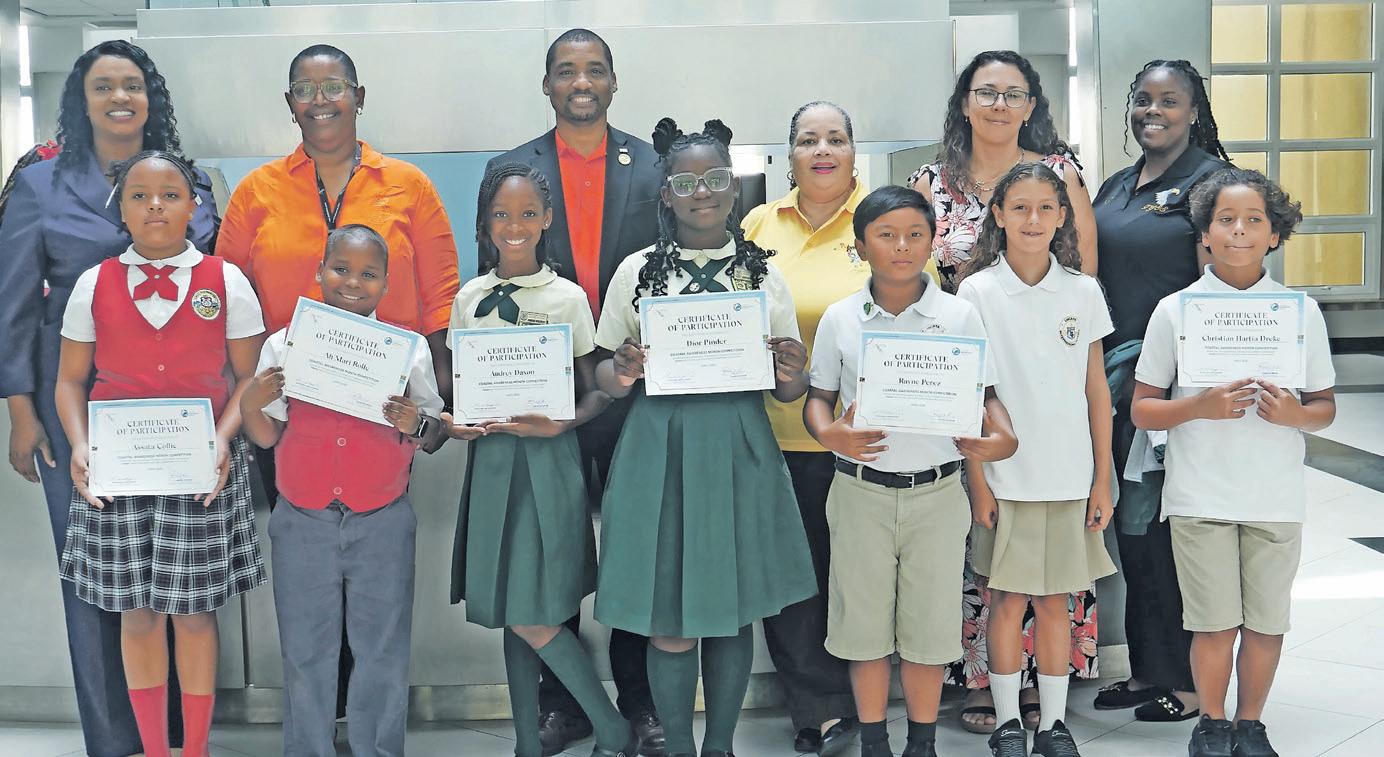
“Basically, at the back end of that month, we invite our students to share their understanding and to share their talents with the rest of our country and our island in what they perceive and understand as the importance of our oceans to them,” Mr Johnson told Around da Islands, “What you see today are the seven pieces of artwork that came out as the cream of the crop, the best of the best.”
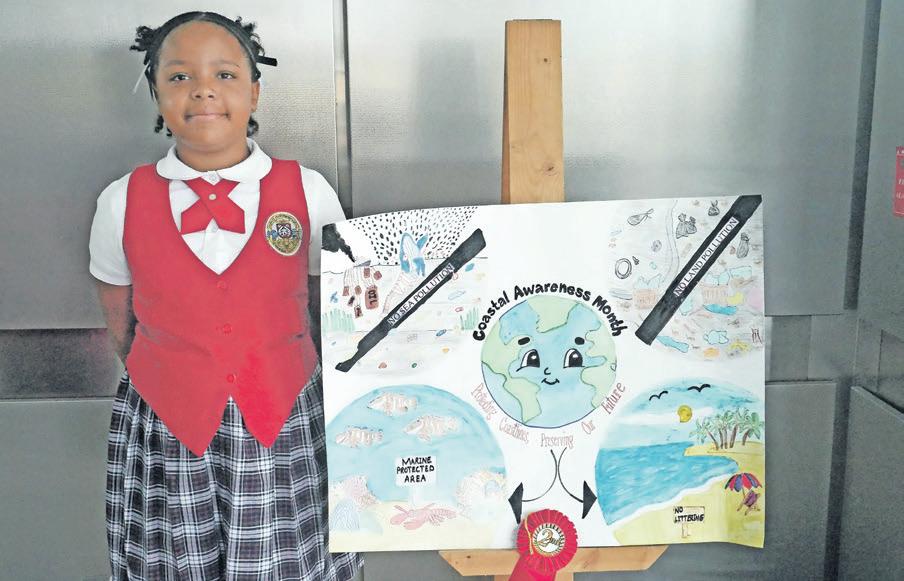
The student artwork displaying vibrantly painted ocean and beach scenes and highlighting the message of “protecting” the coastlines have already been on display in the C.A. Smith Building for two weeks and Mr Johnson explained, would continue to be exhibited throughout the island.
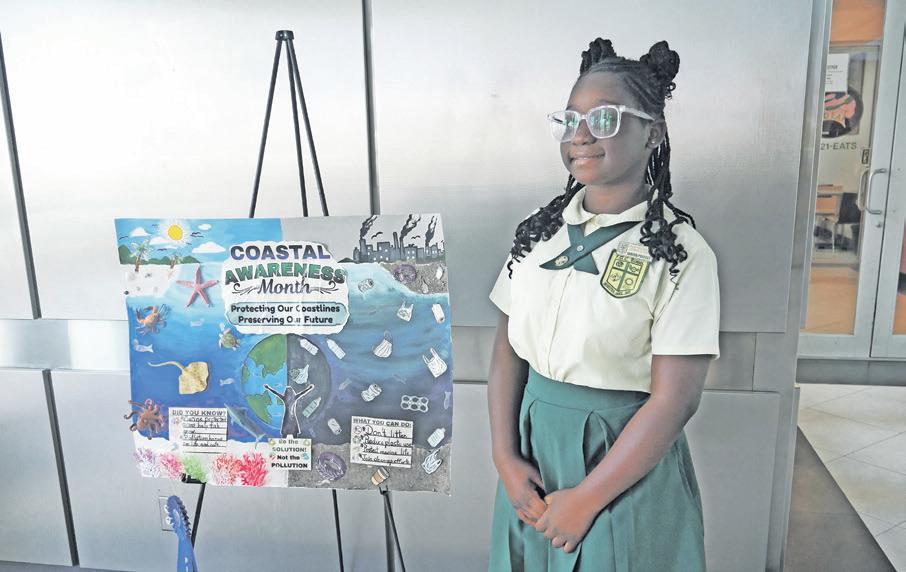
Taking first place was Grade 5 student Dior Pinder of Freeport Gospel Chapel School. Ms Pinder said she enjoyed the creative process and encouraged other students to take part in future competitions.
“I would tell them that they should still participate even if they don’t draw well,” she said when asked what advice she would give classmates who may doubt their artistic abilities. “This would be fantastic. This would be really fun to do.”
Second place winner Assata Collie, a Grade 6 student at Maurice E. Moore Primary School, said the competition was both exciting and meaningful for her family.
“My uncle spends his time working on the sea, and he told me I should actually go for it,” Ms Collie said. “Half of our family lives mostly by the sea.”
“A portion of them is going to be displayed at the airport so our visitors can see the handiwork of our students and their passion for protecting and preserving our coastlines,” he said. “The other set will be displayed at the harbour, so those persons entering or exiting through that port of entry will have the same experience.”
He added that this year’s theme, “Preserving Our Future,” highlighted the importance of sustainable practices and protecting the nation’s coastlines.
“We are extremely grateful and thankful for the artistry and the talent that you guys have displayed in protecting our coastlines,” Mr Johnson told the students at the ceremony.
She encouraged other students to be confident in themselves and their ideas.
“I would tell them not to think about what other people think, but think about what you think,” she said.
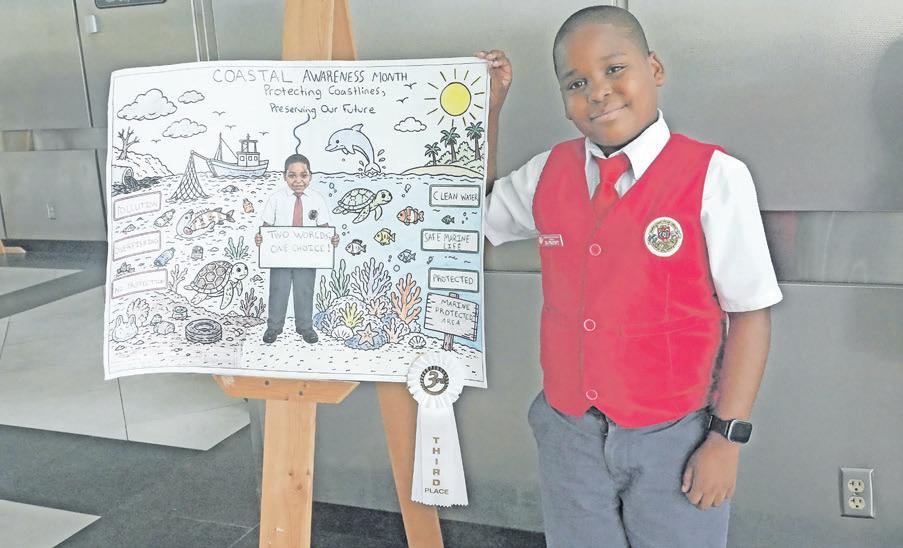
Third place winner Ah’mari Rolle, a Grade 5 student at Maurice E. Moore Primary School, said his poster was inspired by marine resources and the importance of protecting the sea.
As the certificates were presented, Karen Seymour, executive director with the Ministry of Tourism in Grand Bahama, also had words of congratulation.
“Amazing work,” Ms Seymour told the students. “I wish we could give everyone first place, but the efforts are greatly appreciated.”
“We are happy to see your interest and investment in preserving our blue land,” she added. “Stay interested, stay focused, and continue to do well.”
MINISTRY of Tourism’s Coastal Awareness Month Poster Competition winners and participants are pictured with ministry officials and teachers on Wednesday, during an awards ceremony at the C.A. Smith Building in downtown Freeport.
THIRD place winner Ah’mari Rolle, a Grade 5 student of Maurice E. Moore Primary School.
Photos: BARBARA WALKIN
FIRST place went to Grade 5 student Dior Pinder of Freeport Gospel Chapel School.
ASSATA COLLIE, a Grade 6 student of Maurice E. Moore Primary School, took second place in the competition.
Welcome...
…to Around da Islands, our weekly supplement, free with Friday’s Tribune.
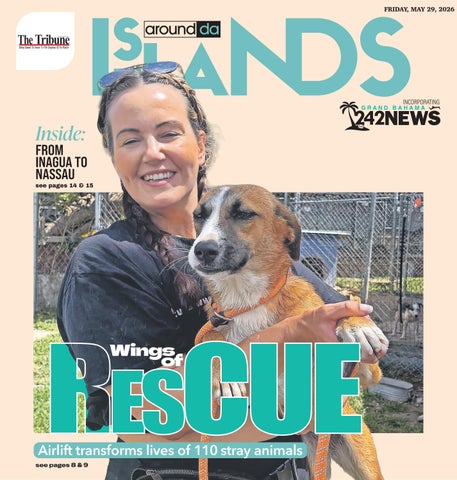
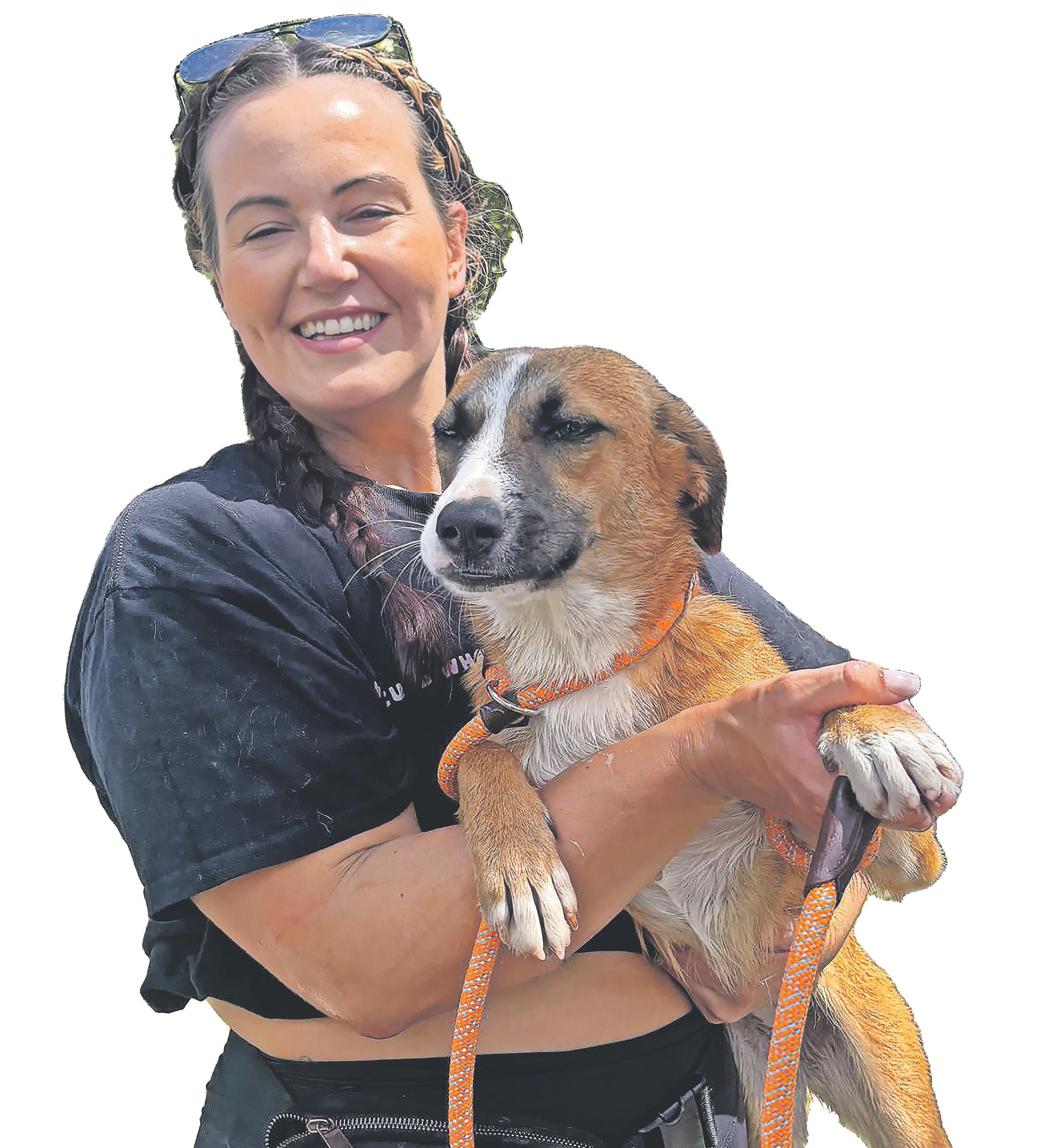
This week we focus on the heartwarming story about strays being flown from Nassau to new homes across the United States. In total,56 dogs and 54 cats left for new beginnings across Pennsylvania, Massachusetts, New Hampshire and New York - funded and coordinated by Wings of Rescue, a nonprofit that has become a vital bridge between overcrowded shelters and communities ready to adopt. If you would like to support the amazing work being done at the Bahamas Humane Society, consider making a donation or becoming a member. Details inside.
Also inside, see some of the work by students across Grand Bahama who were recognised this week for their creativity in promoting environmental protection during the Ministry of Tourism’s Coastal Awareness Month Poster Competition.
At Around da Islands, we also like to promote new businesses. What began as a small alfresco coffee stand tucked away in Matthew Town, Inagua, has now found a second home in the capital, bringing with it a taste of southern island life, coastal comfort and a deeply personal story rooted in Bahamian culture. Located on Shirley Street in Nassau, Cepigel Café has expanded from its original Astwood Street location in Inagua into a growing café brand that blends island flavours with Southern American influence. For founder Clement McIntosh, the business was never solely about what was served on the menu. It comes highly recommended so pop in and give it a try.
Every week, Around da Islands, having partnered with Grand Bahama 242, highlights news, features and developments from Grand Bahama and the Family Islands, offering a broader national perspective beyond Nassau.
And don’t forget, this is your supplement too! Send us your story ideas, features and tips – we can’t run then them all, but we’re committed to strong, fair representation from across the islands.
So come along for the ride!
From all of us here at The Tribune – The People’s Paper.
This WEEK in Around da IslandsBahamian News, Features & Culture
GRAND BAHAMA NEWS
Pg 4 — Island landmarks make science studies fun
Pg 5 — ‘Body Count’ delivers laughs, surprises and the first car on stage at Regency Theatre
Pg 6 — Little comfort in budget for GBIA
NEW PROVIDENCE FEATURES
Pg 7 — Turning music into art for Eddie Minnis songbook contest
Pgs 8 & 9 — One flight, one ‘kangaroo’ dog, and a lifeline for The Bahamas’ strays
AROUND DA ISLAND FEATURES
Pgs 10 & 11 — Tying the knot beyond Nassau -The reality behind planning a Family Island wedding
Pg 12 — Island Brainwaves
Pg 13 — Island voices on culture, community and change
Pgs 14 & 15 — From Inagua to Nassau, an alfresco coffee stand for diners to enjoy good food and conversation
Island landmarks make science studies fun
By BARBARA WALKIN barbara@ barefootmarketing.net
WHEN Hurricane Dorian ripped through The Bahamas in 2019, attention focused on the homes and businesses that were destroyed, but schools were also left in ruins, classrooms disappeared, and thousands of textbooks were lost beneath the storm’s devastation.
For many, it was another heartbreaking chapter in the country’s history. For David Ferguson, it became the spark for something bigger.
The aspiring scientist, now a doctoral pharmacy student at Howard University, saw an opportunity to rebuild what had been lost in a way that was smarter, more engaging, and uniquely Bahamian.
Four years later, that vision has become reality.
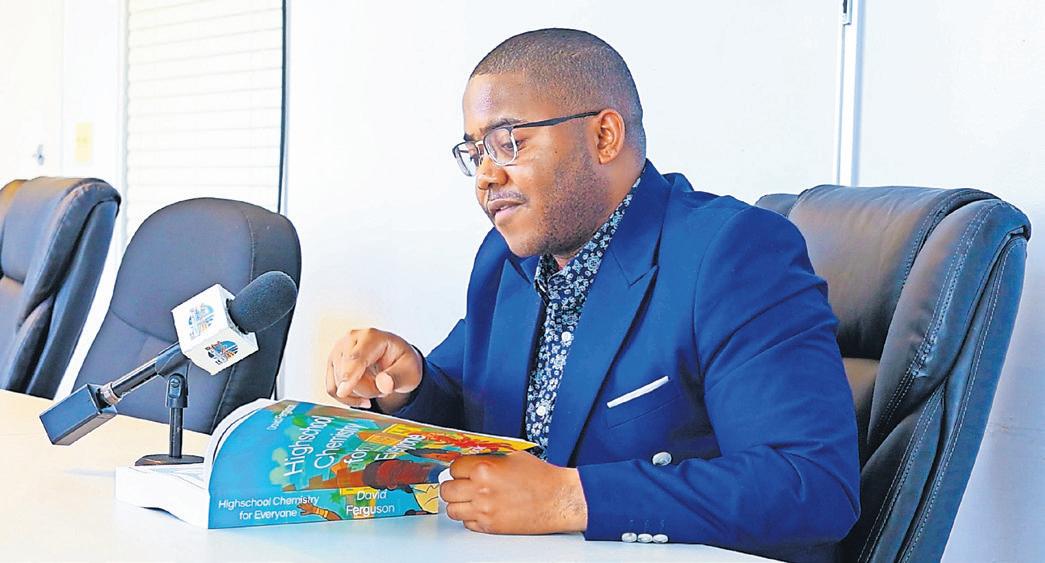
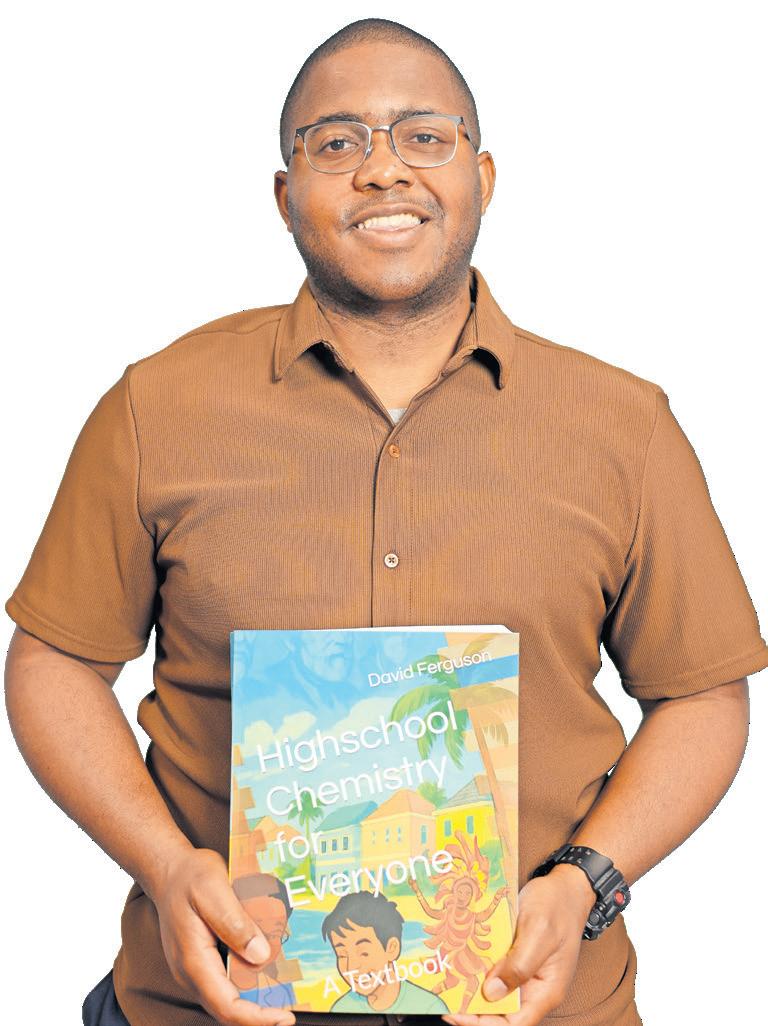
Mr Ferguson’s newly completed chemistry textbook is redefining how students prepare for the Bahamas General Certificate of Secondary Education (BGCSE) exams. Part graphic novel, part workbook, and part comprehensive curriculum guide, the book transforms chemistry from a
subject students merely memorise into an experience they can see, feel, and connect with. Lessons unfold through familiar scenes across Grand Bahama, turning everyday spaces into “memory landmarks” that make scientific concepts easier to grasp and harder to forget.
“You start in Freeport, at the grocery store near the Church of Ascension,” Mr Ferguson explained.
“The products on the shelves become a way to understand kinetic molecular theory. Then students travel to Taino Beach, even Cooper’s Castle, and everywhere they
HOWARD University
doctoral pharmacy student, David Ferguson, is thrilled to present his newly completed chemistry textbook, designed to help high school students prepare for the Bahamas General Certificate of Secondary Education (BGCSE).
go, they’re learning chemistry through the world around them.”
Designed as a complete “one-stop shop” for high school chemistry, the textbook covers the full BGCSE curriculum and pushes beyond it. Complex topics are broken
down with clear explanations, vivid illustrations, memory tools, and interactive exercises, all woven together with Bahamian culture, from Junkanoo references to iconic local landmarks.
The project has already gained extraordinary

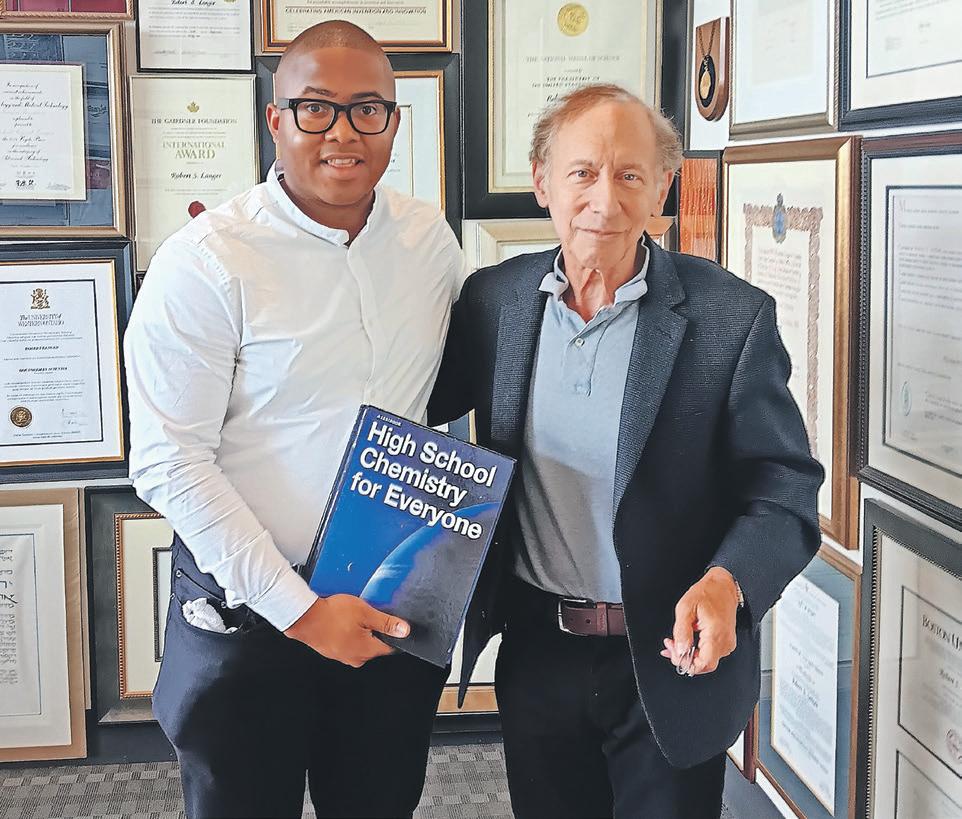
support. The foreword was contributed by Robert Langer, co-founder of Moderna and one of the most cited chemical engineers in history, along with respected Bahamian educator Ricardo Devoe. Mr Ferguson’s vision goes beyond just passing exams. He sees the book as a transformative tool to build confidence, representation, and opportunity in science. Its characters reflect diversity in gender and ethnicity, and its approach encourages students to see science not as foreign, but as part of their daily lives.
“Chemistry can be intimidating,” he said. “But when students see themselves in the narrative, when they recognise their own communities in the examples, it becomes possible. They can say, ‘I can do this.’”
Mr Ferguson’s project represents a new model for Caribbean education: one where students do not just study a subject, but experience it through the lens of their own communities.
The next step is ensuring the textbook reaches classrooms. Mr Ferguson has already presented earlier editions to the Ministry of Education and is now building awareness among parents, teachers, and community leaders. Educator Sheryl Farrington told Around da Islands: “I have read over David’s book and, as a teacher, I thoroughly enjoyed it. It made chemistry, science, simple and fun. It made me wish I were in high school again.”
She continued: “This book is full of details that students can relate to, commit to memory and, more importantly, causes them to relate to a subject they once thought was difficult. I commend David for taking this step in helping other students enjoy a subject he is invested in.”
DR Robert Langer (right), co-founder of Modern, wrote the foreword for David Ferguson's (left) chemistry book 'High School Chemistry for Everyone.' Photos: COURTESY ESOCIAL MARKETING
Island voices on culture, community and change
By JEFFARAH GIBSON Tribune Features Writer jgibson@tribunemedia.net
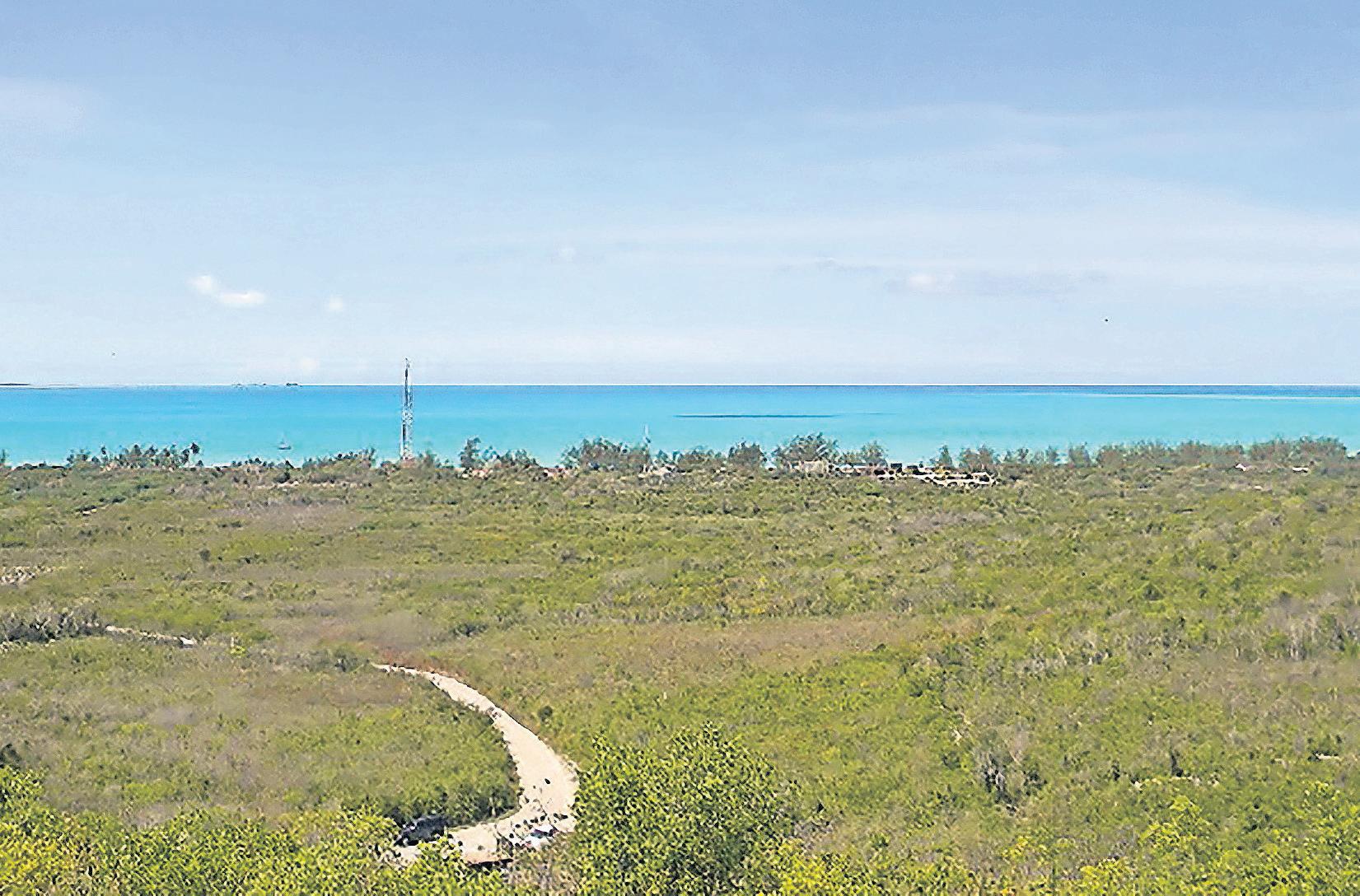
NOW that the general election has passed and conversations across the country begin shifting toward the future, many Bahamians throughout the Family Islands said they hope development will continue without losing the culture, traditions and community spirit that make each island unique.
From the quiet beauty of Acklins and Crooked Island to the tourism hubs of Eleuthera and Grand Bahama, residents said they want to see growth, but also want to ensure the heart of island life remains intact.
For Sherry, who spent much of her childhood growing up in True Blue, Crooked Island, the southern islands represent peace, culture and possibility. While she hopes to see increased development and opportunity, she said preserving and expanding the cascarilla industry is something she believes deserves greater national attention.
“Cascarilla is a part of our culture and history, and I would really love to see it continue to grow. A lot of people may not realise how important it is to the islands down south, but it has supported families for years. I would love to see more investment in transportation, tourism and opportunities connected to it because there is so much potential there.”
She added that development in Acklins and Crooked Island should include preserving the identity of the islands themselves.
“You want to see progress, but you also want to make sure the things that make the islands special are not forgotten in the process,” she said. “The beauty of island life, the traditions and the industries tied to the land all matter.”
In Eleuthera, Raquel said she hopes to see continued support for small business opportunities and tourism based entrepreneurship, particularly programmes designed to help Bahamians participate more directly in the tourism economy.
She pointed to initiatives aimed at helping residents interested in opening Airbnb style accommodations and other tourism related ventures.
“A lot of people in Eleuthera have property, ideas and dreams, but sometimes they just need a little support to get started. I was happy to see opportunities opening up for people who want to create small
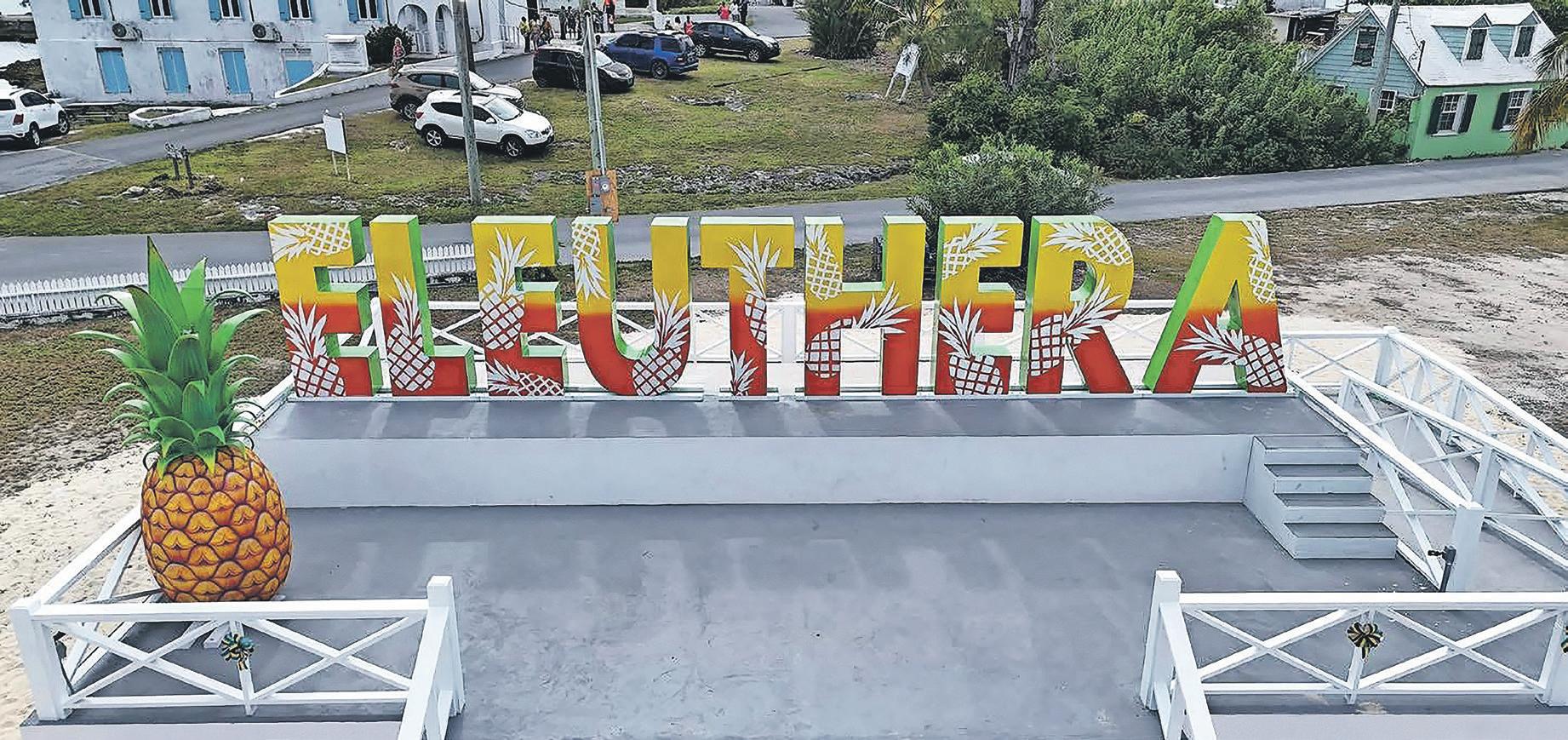
home that people fall in love with when they come here.”
Meanwhile in Grand Bahama, residents said they would like to see renewed life brought back to the island’s social and entertainment scene.
For years, Freeport was considered one of the country’s major entertainment hubs, regularly attracting concerts, nightlife and large social events. However, many residents say the atmosphere has slowed significantly in recent years.
Monique, a longtime Freeport resident, said she hopes to see the island become vibrant again.
“There was a time when if an artist came to Nassau, they were almost guaranteed to come to Freeport too. The island had energy. Restaurants stayed open later, there were more events and there was always something happening.”
She said many residents are eager to see businesses thrive again.
“I think people miss that feeling of life and excitement. People want to go out, support local businesses and enjoy themselves again. A strong social scene also helps tourism because visitors want to experience culture and nightlife too.”
tourism businesses because tourism should benefit the people who actually live on the island too.”
Raquel said maintaining the authentic charm of Eleuthera is also important as development continues.
“People visit Eleuthera because it still feels peaceful and natural. We want development, but we also want to preserve the culture and the feeling of
Over in Cat Island, residents say preserving the island’s strong sense of community remains deeply important.
Anthony, who has lived on the island for most of his life, said Cat Island still holds on to a slower pace and close community spirit that many people value.
“People still know each other here and check in on one another. You still have community gatherings, church events and traditions that bring people together. I think that sense of togetherness is something special,” he said.
He added that while development is welcomed, preserving the island’s identity matters equally.
“You never want to lose what makes an island feel like home. Progress is important, but culture matters too.”
Across the islands, many residents say they are hopeful about the future following the election season, but believe development should go hand in hand with preserving the traditions, industries and lifestyles that have shaped generations of Bahamians.

From Inagua to Nassau,
an alfresco coffee stand for diners to enjoy good food and conversation
By ALESHA CADET Tribune Features Reporter acadet@tribunemedia.net
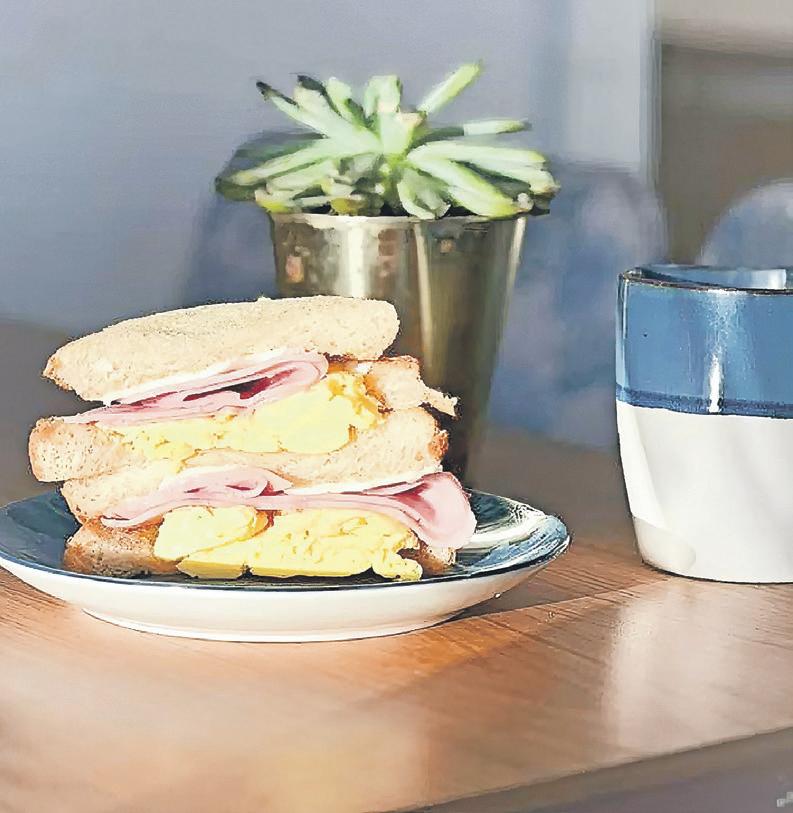
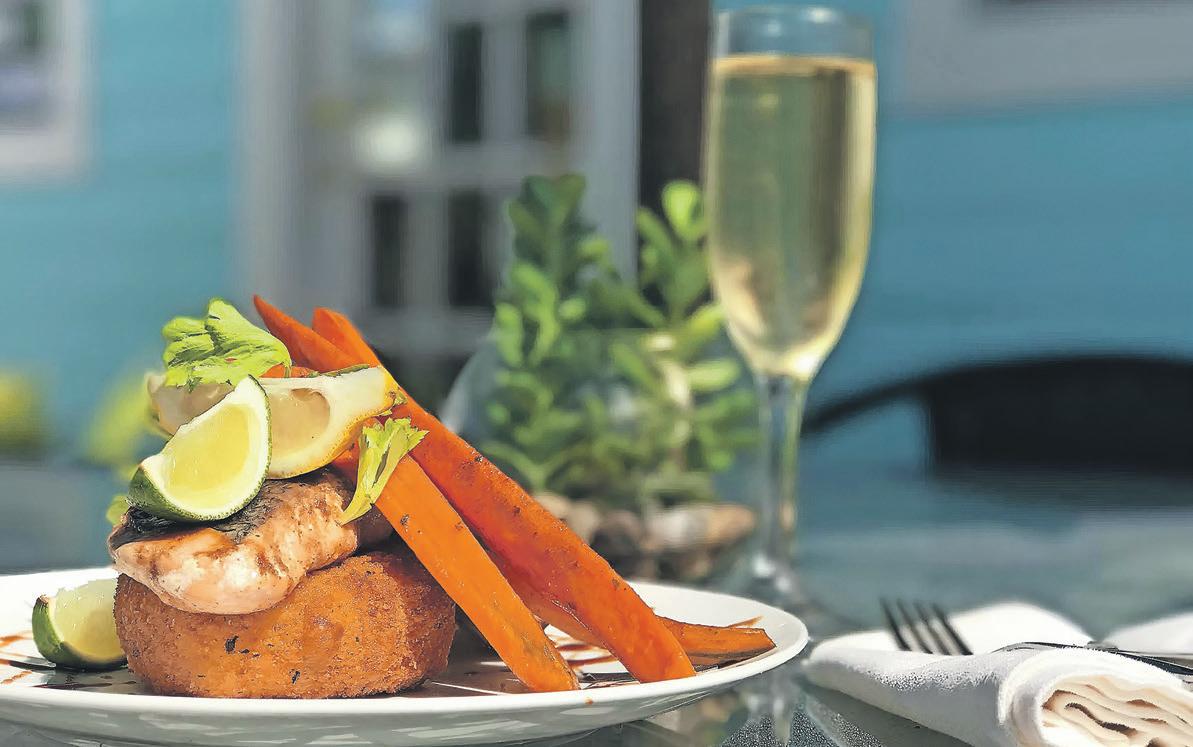
WHAT began as a small alfresco coffee stand tucked away in Matthew Town, Inagua, has now found a second home in the capital, bringing with it a taste of southern island life, coastal comfort and a deeply personal story rooted in Bahamian culture.
Now located on Shirley Street in Nassau, Cepigel Café has expanded from its original Astwood Street location in Inagua into a growing café brand that blends island flavours with Southern American influence. For founder Clement McIntosh, the business was never solely about what was served on the menu.
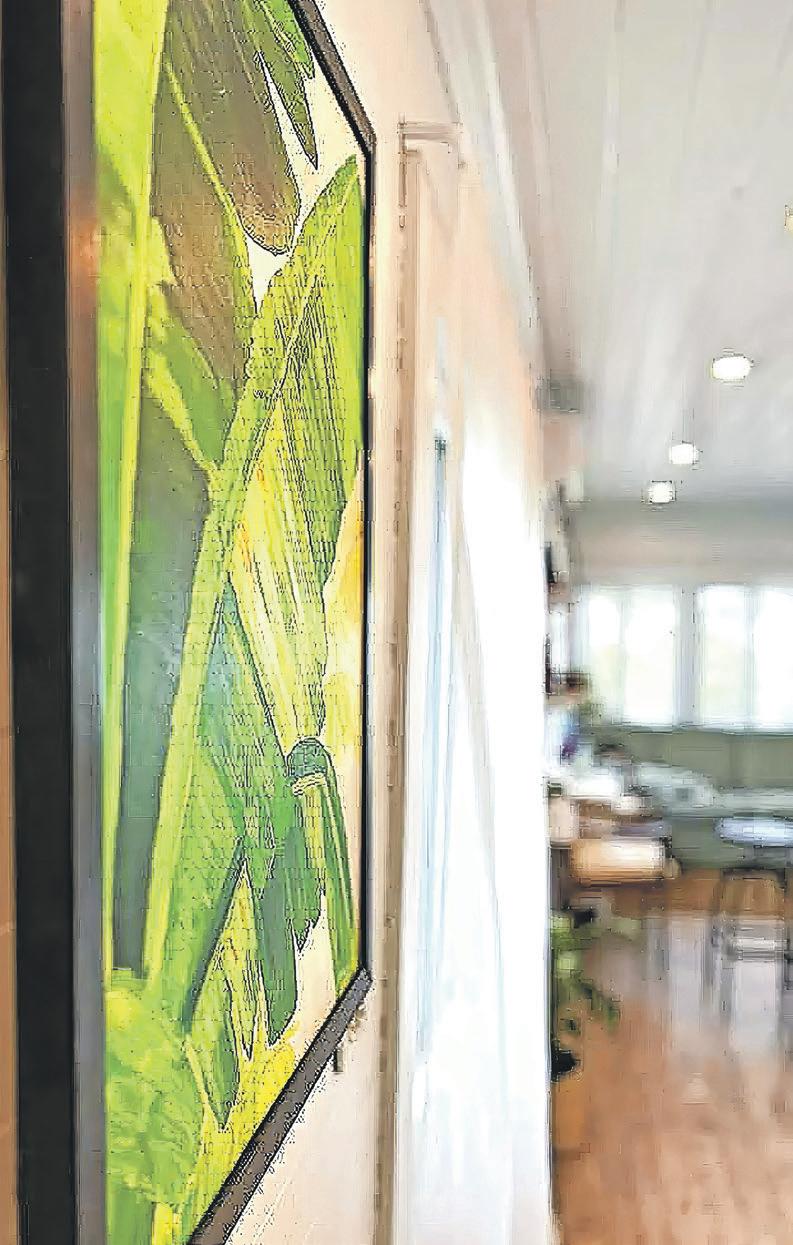
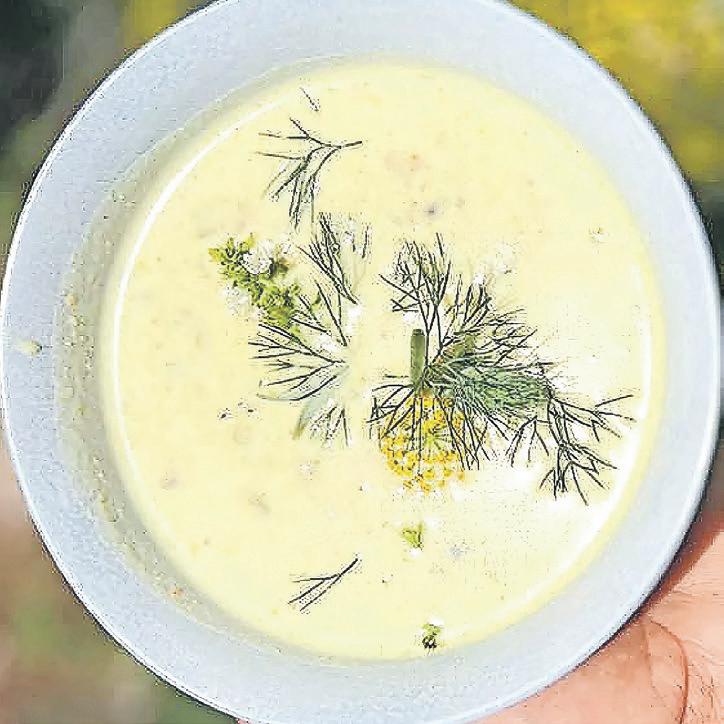

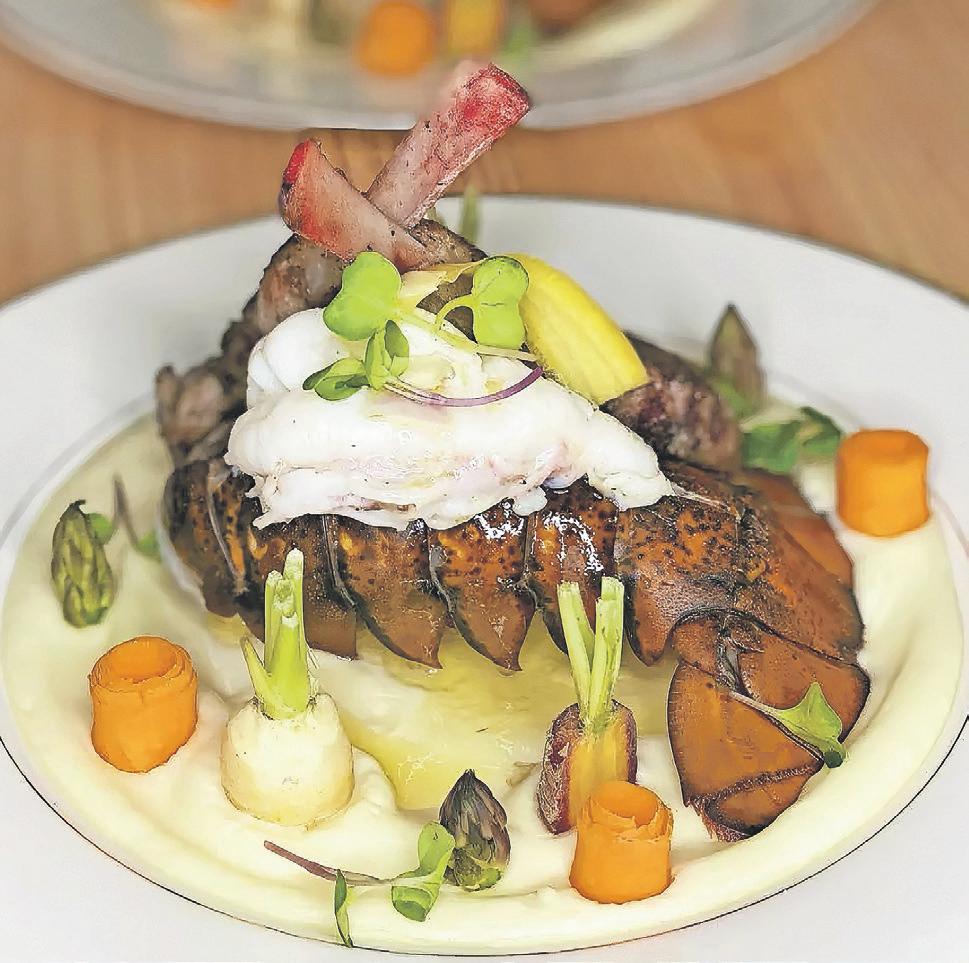
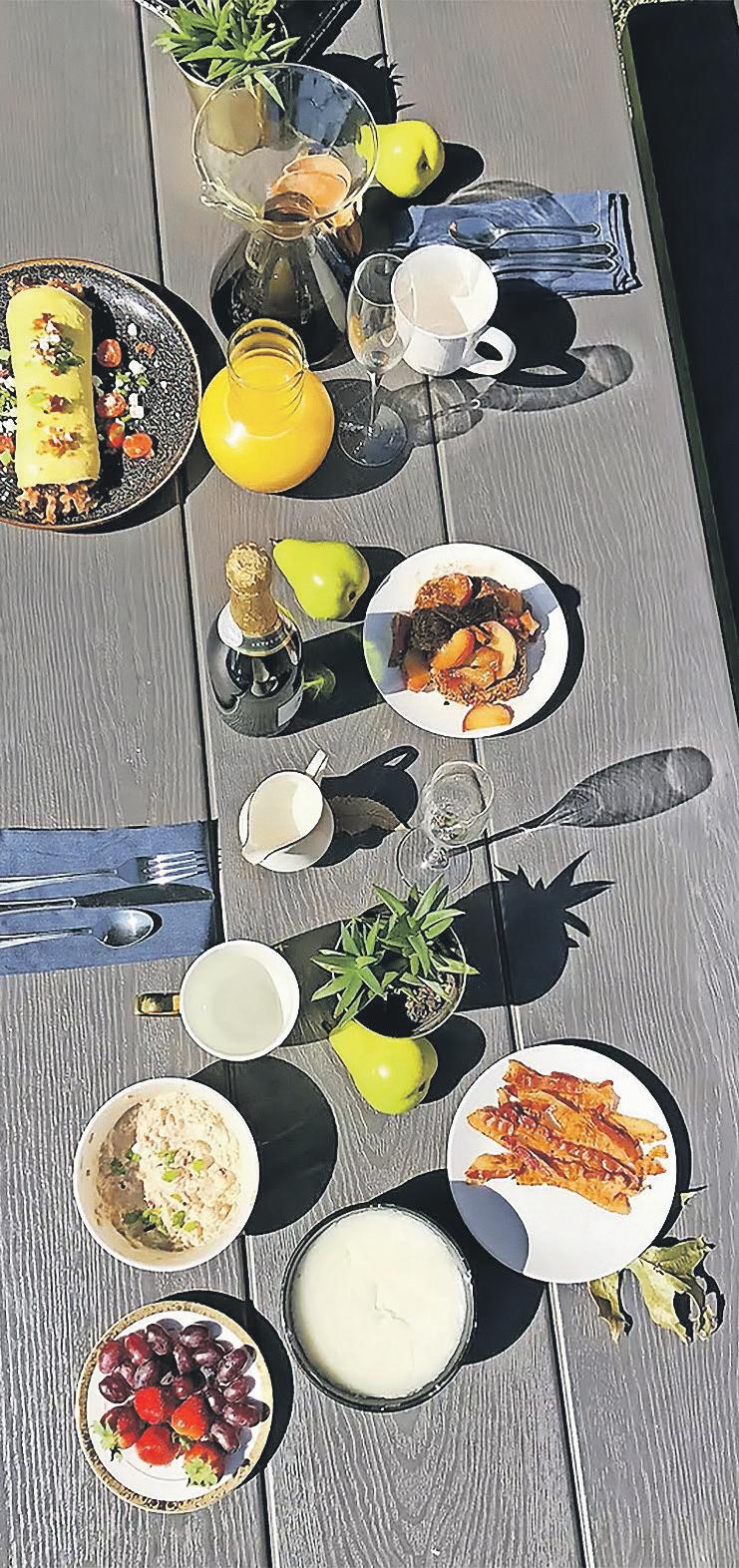
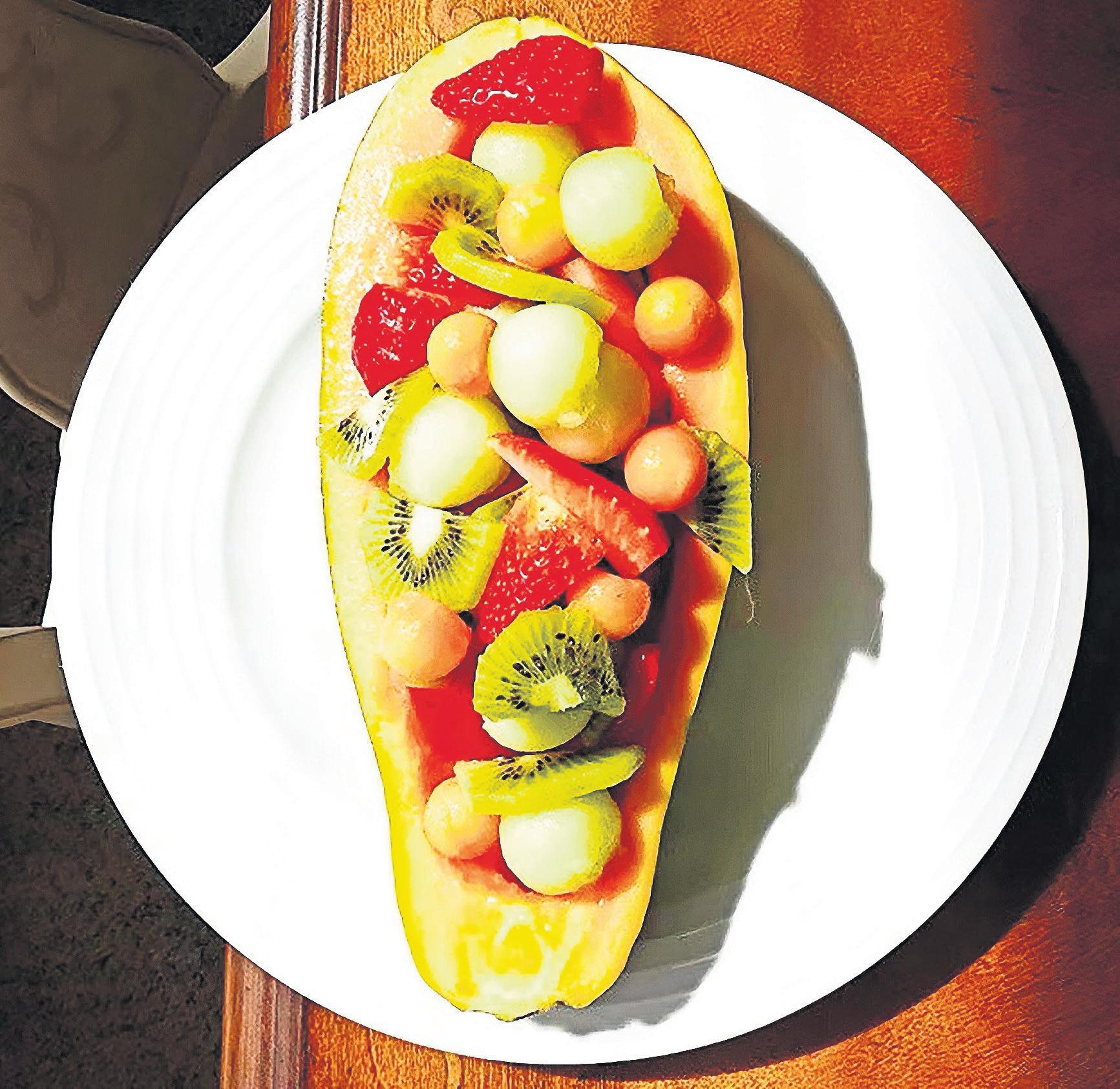
“Cepigel Café started with humble beginnings with a simple idea in mind; to provide one of the best quality coffee and freshest foods with a unique fusion to the people of Inagua,” said Clement.
He recalled opening the business in 2013 with no elaborate blueprint, just a desire to create a welcoming space where people could slow down and enjoy good food and conversation.
“In 2013, there was no big plan, just good coffee, homemade pastries, and a belief that people needed a place to slow down and connect,” he said.
Over time, that modest concept evolved into something much larger. The owner explained that Inagua itself played a major role in shaping the identity of the brand, from its hospitality to its menu offerings.
“Inagua taught us everything. We learned to work with what the island gives; native ingredients, old family recipes, and the kind of hospitality you can’t fake. Customers became regulars, regulars became family, and word spread,” said Clement.
Even after expanding into Nassau, Clement said preserving the spirit of Inagua remained a priority.
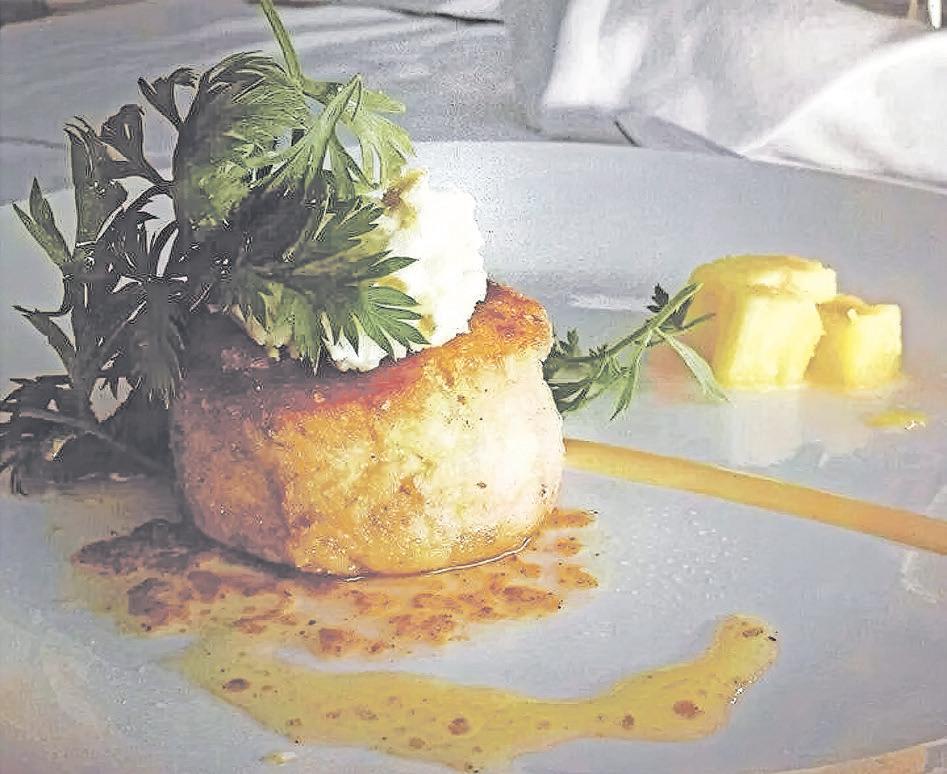
From the café’s signature light blue and white colour palette to the relaxed atmosphere and flavour-forward dishes, the goal was to recreate the feeling of home for both Inagua natives living in The Capital and visitors discovering the island’s culture for the first time.
“When we expanded to Nassau, we carried that same spirit with us. The menu grew, the team grew, but the heartbeat is still the same from 2013,” said Clement. The Nassau location has already developed a loyal following since opening its doors on Shirley Street. According to Clement, customers have gravitated toward the café’s calm setting and slower island rhythm, something he believes can often feel missing within the pace of city life.
“Stepping into Cepigel, you feel that ‘True Island Life’ right away,” he said.
“That’s exactly what we set out to create.”
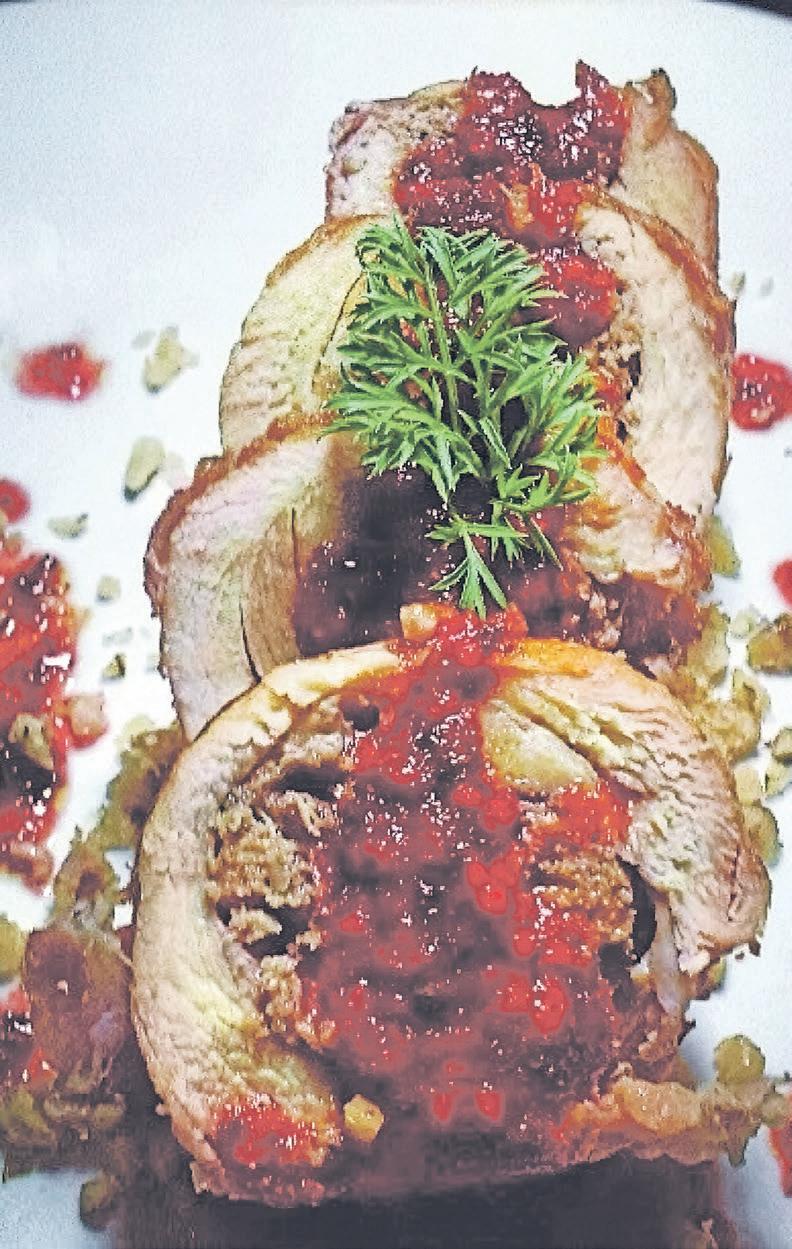
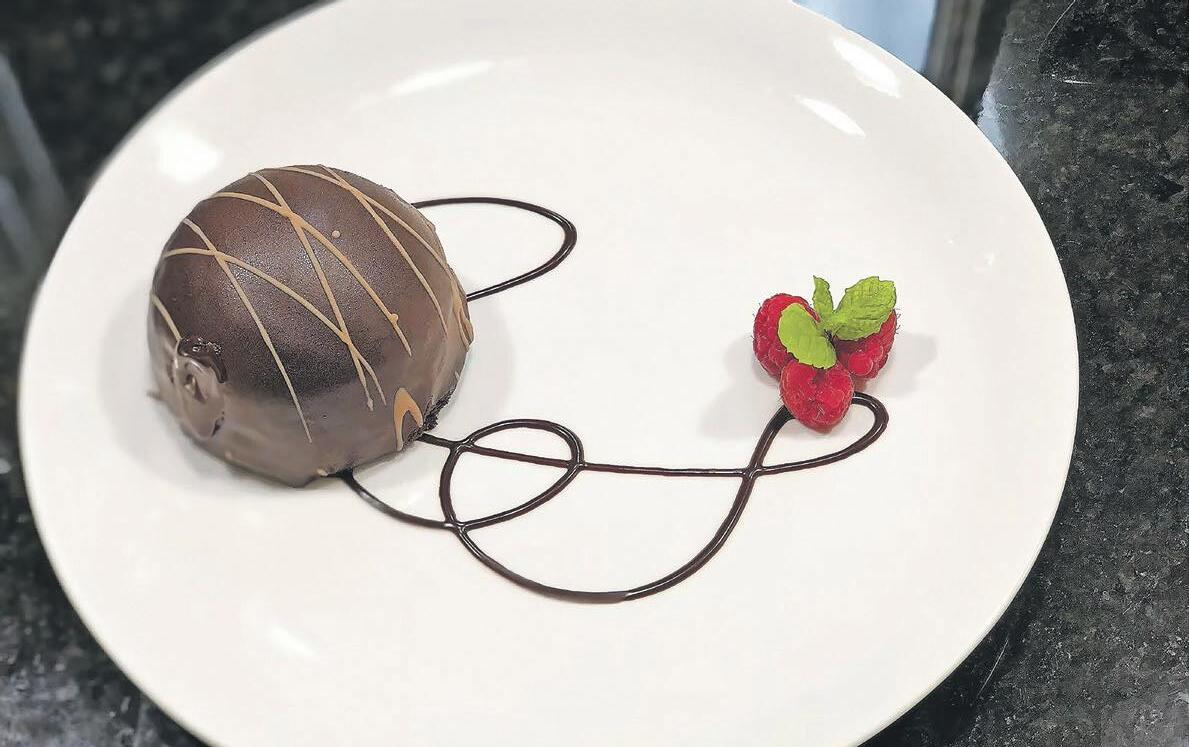
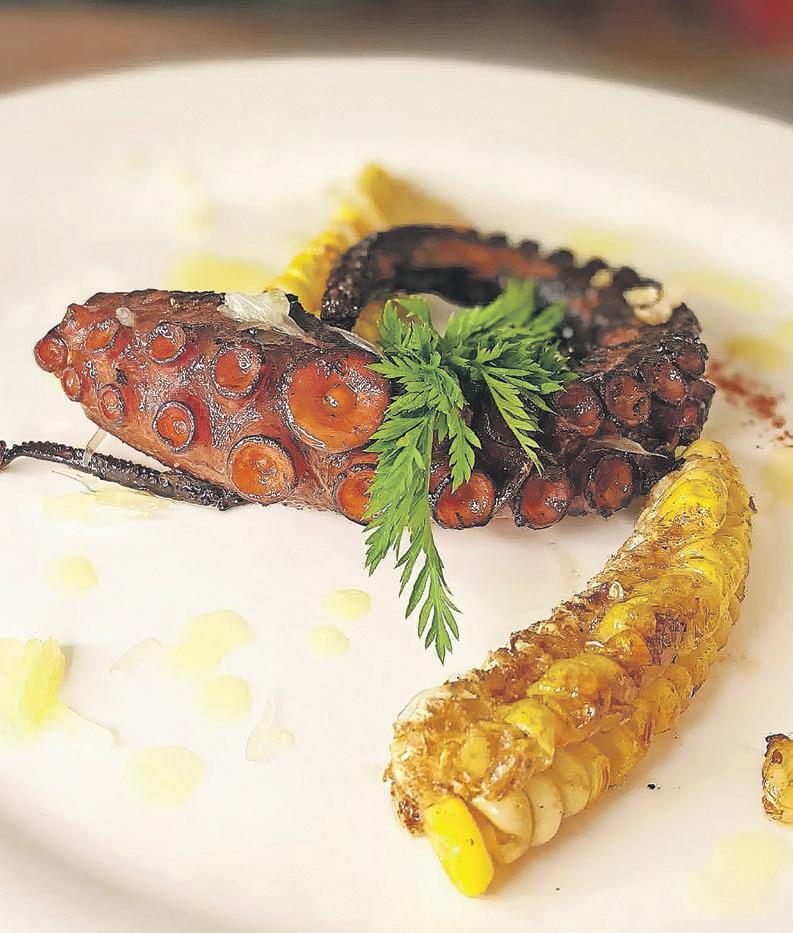
The café’s menu also reflects the story behind the business itself. Inspired by both Inagua and Mississippi, where the owners once lived after getting married, Cepigel’s dishes combine Bahamian ingredients with Southern-style cooking techniques and flavours.
“That’s where the idea of ‘South of the South’ was born,” Clement said.
The owner described the concept as a fusion of slow-simmered Bahamian seafood, fresh island produce and comforting Southern staples designed to feel both familiar and unexpected.
“So, when we say ‘South of the South,’ we mean blending the soul of the Southern USA with the laid-back vibes of the Southern Bahamas,” he said.
While many cafés focus strictly on coffee culture, Clement believes Cepigel has carved out its own lane by offering a broader culinary experience rooted in storytelling and heritage.
“What sets us apart is that we’re not a traditional café. Cepigel is a Caribbean inspired café with a Southern flair. We honour Bahamian Flavors, seafood forward cooking we grew up with in Inagua, but we’re not afraid to play,” said Clement.
That balance between innovation and authenticity continues to shape the brand as it grows. Clement noted that local ingredients and traditional cooking methods remain central to the business, even as the menu evolves creatively.
“We’ve always aimed to reimagine local dishes so they feel innovative, fun, fresh, and delicious,” he said.
Today, Cepigel Café has grown into a cultural experience that invites guests to pause, connect and experience a small piece of Inagua in the heart of Nassau.
“When you step into Cepigel, we want you to feel like you’re sitting on the beach in Inagua or “under the tree” enjoying coffee in hand, good conversation flowing, with that light, crisp island breeze around you.
If you’ve never been to Inagua, we hope you leave with a taste of it. And if you have, we hope you leave feeling like you just went back,” said Clement.
inagua and new providence features
‘Body Count’ delivers laughs, surprises and the first car on stage at Regency Theatre
By BARBARA WALKIN barbara@barefootmarketing.net
THE Freeport Players’ Guild (FPG) delivered a fast-paced mix of comedy, friendship and crime with its sold-out Bahamian play Body Count, staged May 21–24 at the Regency Theatre.
Written by President Olivia Dorsett and Ewurabena Appiah, the dark comedy centres on a single chaotic night in Freeport, where a damaged car, a suspicious chain of events and a series of questionable decisions spiral into a frantic farce. When Nikki, played by Sadé Pinder, arrives at the home of her best friend Tasha (Sherone Brown) with a problem she cannot explain, the situation quickly unravels drawing in lawyer Pamela, played by veteran actress Tempestt Bullard; nosy neighbour Miss Sybil (Loukeisha Cartwright), another investigative neighbour Pratt (Ontario Richardson), career burglar Peanut (Remardo Russell) and even police officers

“ We really wanted to push the experience,” director Preston Knowles told Around da Islands. “Every time the curtains open and people see it, they go crazy. It’s actually our favourite part.”
appearance by Bahamian comedians Jaquay “Das Quay” Adderley of New Providence and Grand Bahama’s Zhane’O “Sarge” Newbold.

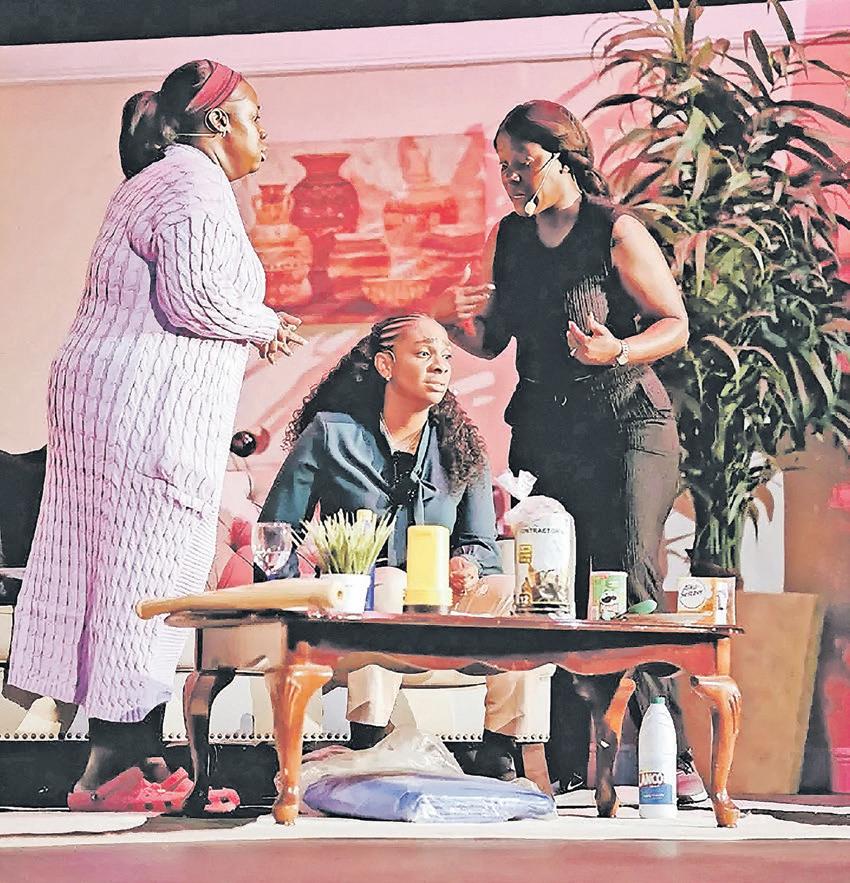





Sergeant Bethel and Constable Knowles played by Keith Russell Jr and Shantara Smith respectively, while the “body count” becomes a running joke with layered meaning. One of the production’s most talked-about features was a first for the Guild: a real car on stage, and the Thursday, May 21 opening night performance included an “unscripted side-splitting entertainment” guest
“We really wanted to push the experience,” director Preston Knowles told Around da Islands. “Every time the curtains open and people see it, they go crazy. It’s actually our favourite part.”
Mr Knowles explained that the car was sourced locally and modified for the stage. “We want to shout out Kent Motors; we got it from a junkyard, and On Site Construction. Vincent Hendfield cleaned it up and helped remove the engine, so it wasn’t too heavy. With manpower, four dollies and a
lot of faith, we got it on stage,” he said, noting that the added smoke effects enhanced the illusion of a wrecked vehicle.
Beyond the spectacle, the production was impressive for how quickly it came together. Mr Knowles revealed that the entire process, from script to stage, took just five weeks, significantly shorter than the typical eight-week timeline.
“I’m pretty pleased with what we were able to accomplish in that time,” he said.
Ms Dorsett shared that the idea emerged from a simple conversation with Ms Appiah and was written at remarkable speed. “We sat down and wrote the rest of it in about three days,” she said. “The response has been overwhelming. It’s been a long time since we’ve seen a full house for one of our own - FPG - productions.”
The play also featured creative elements including a comedic news broadcast and late-night radio segments, adding layers of humor to the unfolding chaos.
Audience response was strong, with many praising both the originality and energy of the show.
“I didn’t expect it to be that funny from start to finish. The car alone was worth it,” said Daisy Pinder. “We need more
shows like this throughout the year.”
Marcus Brown said: “It felt fresh and truly Bahamian. I’m already looking forward to the next production and hoping they do these more often.”
The production comes during a milestone period for the Guild, which is marking its 65th anniversary while continuing efforts to rebuild community engagement following recent challenges. As a volunteer-driven organization, the group continues to encourage support from the public and corporate community to sustain the arts on Grand Bahama.
Looking ahead, the Guild will host Camp Centre Stage in July which culminates in a production put on by the youngsters and the main stage season resumes in September with future shows, including larger musical productions, already in development.
For Mr Knowles, however, Body Count represents more than just a successful show. “This has been a work of joy, love and patience,” he said. “To see it all come together, from script to stage, is what it’s all about.”
Little comfort in budget for GBIA
By BARBARA WALKIN barbara@ barefootmarketing.net
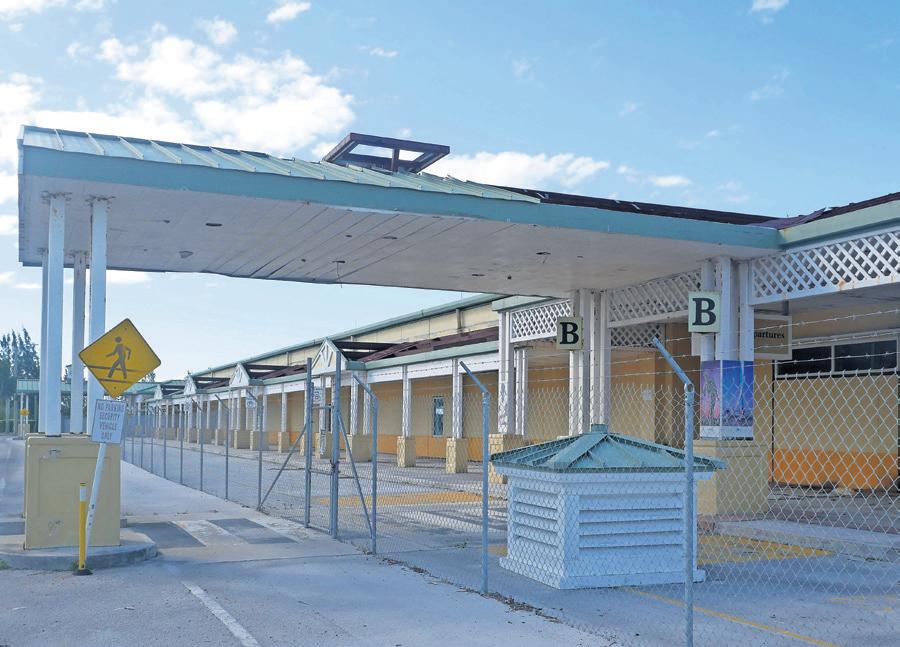
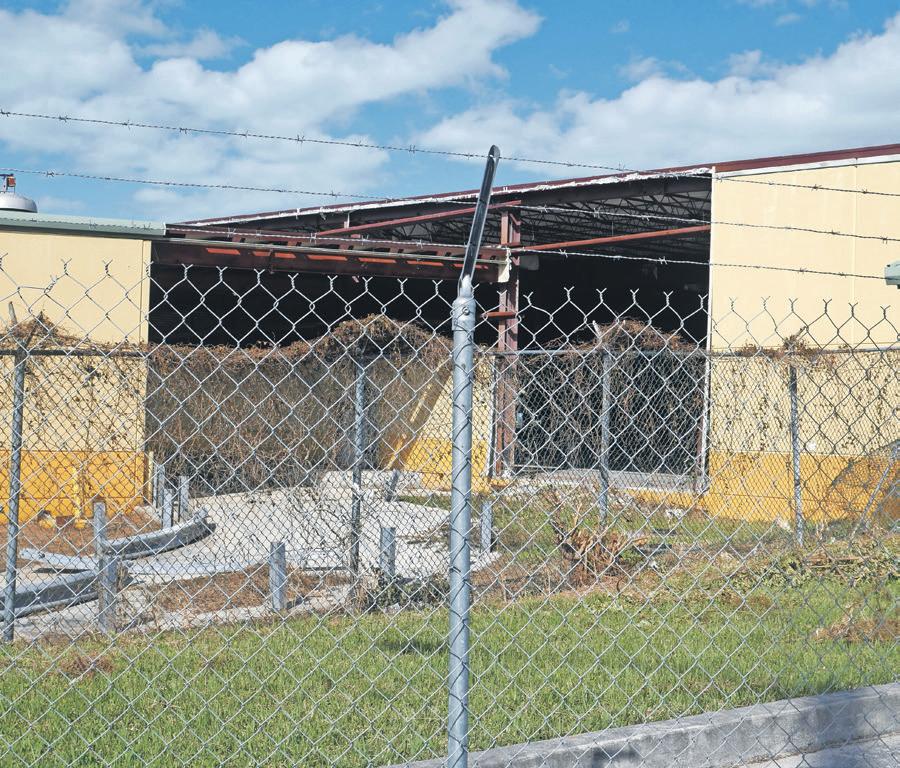
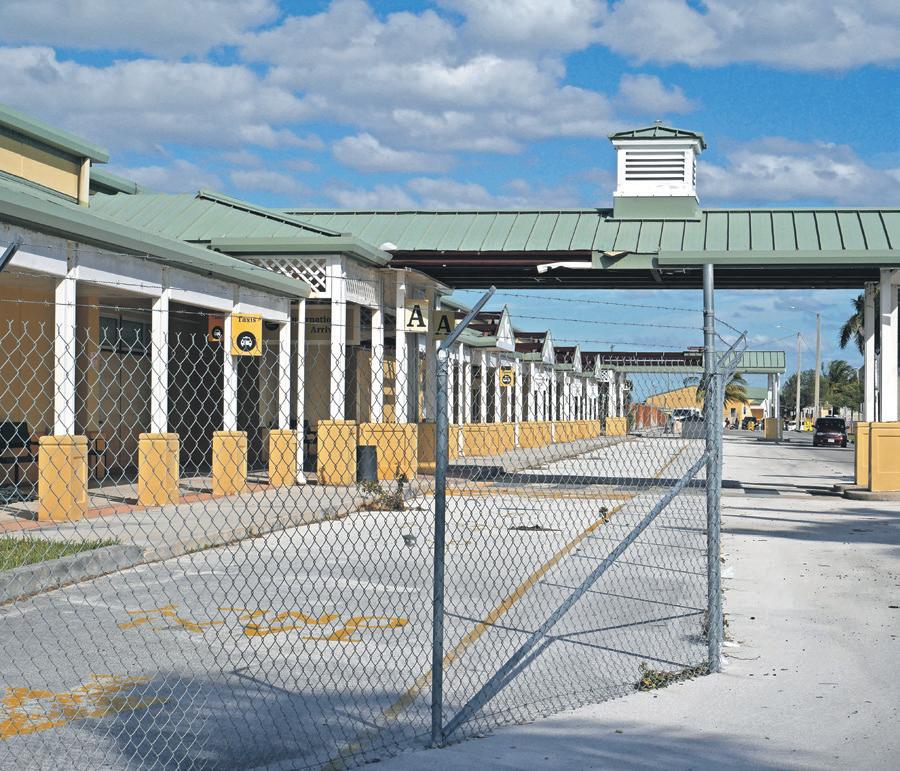
FOR the many Grand Bahamians who tuned in to this year's budget presentation with ears pricked for word on the longawaited redevelopment of Grand Bahama International Airport, the communication on Wednesday provided little reassurance.
New Minister of Finance Michael Halkitis took to the floor of the House of Assembly on May 27 to deliver the 2026-2027 budget communication, titled "A Budget that Builds on Progress." And while Grand Bahama was featured in the broader economic discussion, there were limited
specific details on the airport redevelopment.
The budget communication stated that Grand Bahama recorded particularly strong growth during the review period, buoyed in part by the launch of Carnival Cruise Line's Celebration Key in July 2025. Total arrivals to the island exceeded one million visitors during 2025, representing growth of 91.2 percent over the prior year. As of March 2026, arrivals had already reached approximately 438,000 visitors, nearly triple the comparable period in 2025, led overwhelmingly by sea traffic.
Minister Halkitis acknowledged the island’s economic trajectory and pointed to investment approvals as evidence of forward momentum. “Grand Bahama continues to attract significant investment, and this budget

reflects our commitment to sustaining that momentum,” he said.
However, on the airport specifically, the minister noted that approval had been granted for MAG Grand Bahama Ltd. “to provide airport management services for Grand Bahama International Airport, encompassing operational improvements, infrastructure support, and training for Bahamian personnel.”
But for many watching from Freeport, the budget communication offered no information on the redevelopment of the site.
Grand Bahamians had a mixed reaction.
“I’m proud of the tourism numbers, don’t get me wrong," said Freeport businesswoman Lynn Adams. “But we’ve been hearing about this airport for years now. I needed to hear a date, a phase, something I could hold on to. Instead, it was the same general talk.”
Others were more measured in their assessment, choosing to read between the lines.
“Sometimes the fact that they’re not talking about it means they’re actually doing it,” said a retiree Wellington Brown, who has lived in Freeport for more
than four decades. “I’ll wait and see. But I’m cautiously hopeful.”
Self-employed mother of three, Ruth Smith said: “I believe that this time the government will rebuild the airport. They have returned to govern, and I know the projects they’ve started will be completed.”
Young entrepreneur in the tourism sector, Maya Pinder, offered her view. “The visitor numbers are real; things are picking up in Grand Bahama. So, I believe the growth is happening. I just want the airport to match where we’re heading as a destination. Right now, that’s the missing piece.”
Around da Islands also spoke with an employee at the Grand Bahama International Airport who asked not to be named. The employee was measured in what they were prepared to share but offered a telling “snippet.”
“I can’t say much,” the employee said. “But what I can tell you is that plans are in motion and work is about to begin.”
It was a brief comment but given the years of stops and starts that have defined the airport’s redevelopment saga, even those few words carried weight, especially for taxi driver Craig Frobes, who said he is keeping his “fingers crossed.”
He said: “I hope our airport is first on the list after the budget debate.”

GRAND Bahamians tuned into the 2026-2027 Budget Communication on Wednesday to hear the government's plans for the Grand Bahama International Airport.
Photos: BARBARA WALKIN
By CARA HUNT
Tribune Features Writer
cbrennen@ tribunemedia.net
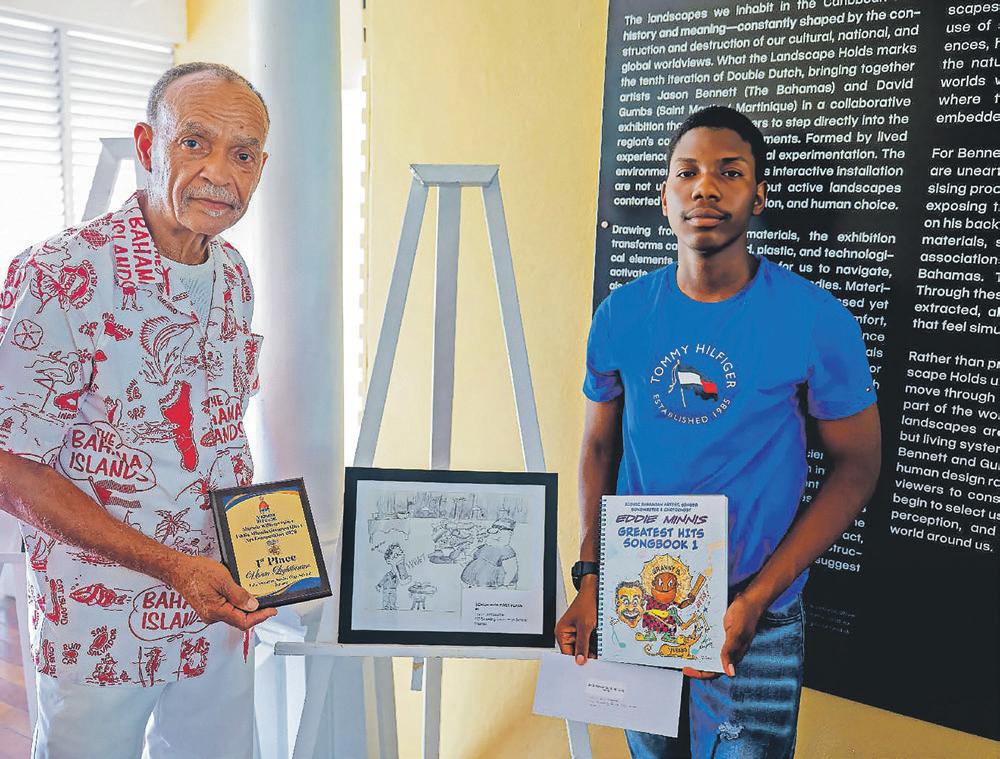
PRIMARY and high school students were invited to turn music into art in the Eddie Minnis Songbook 1 art contest.
The contest was held to commemorate the release of the talented artist and musican’s new song book – the first in a trio of books he plans to create to preserve his music for future generations.
Contestants were invited to draw their own cartoon characters based off Eddie’s songs.
The contest was open to primary, junior high and high school students from around the country.
Primary and junior high winners: third place winners received a gift
Turning music into art for Eddie Minnis songbook contest
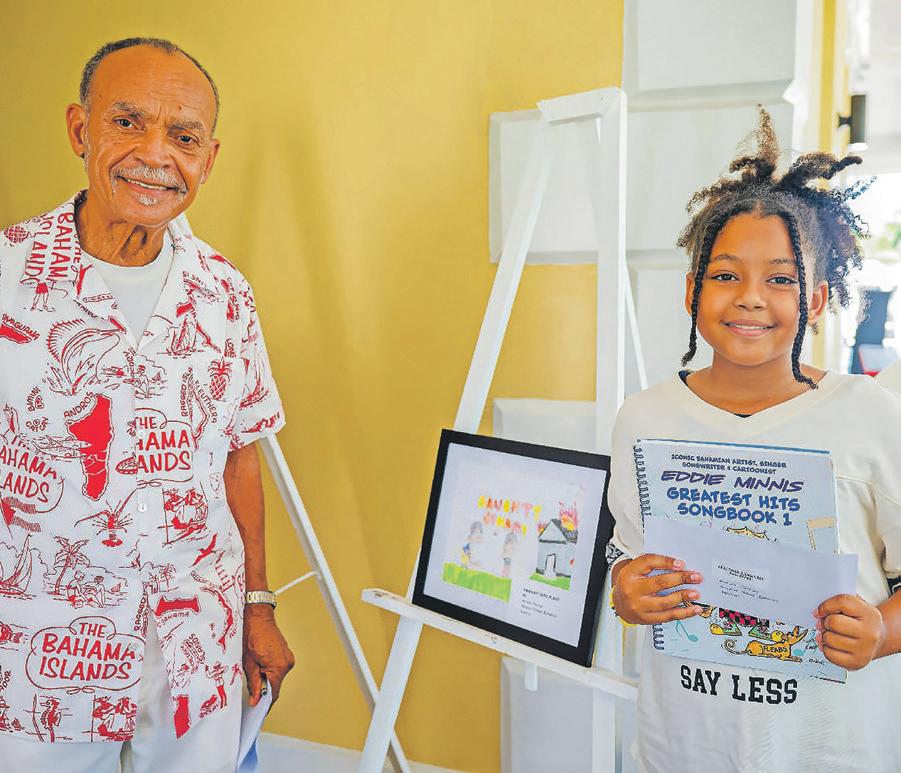
certificate for $150, second place was $250 and first place was $350.
In the senior division, the prizes were: third
place $200 dollars, second was $300 dollars and first was $400. Winners, who were announced by local

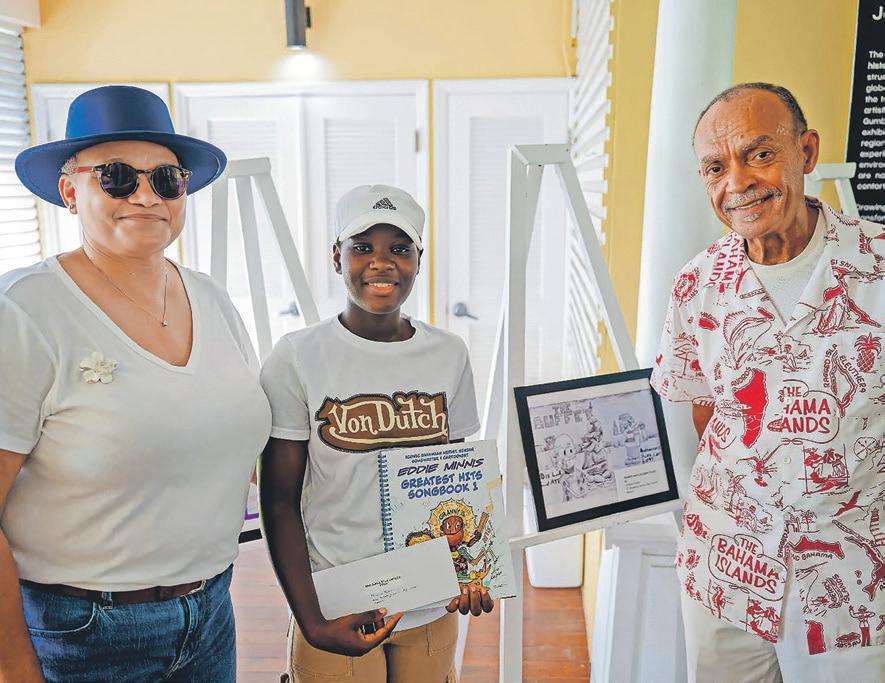
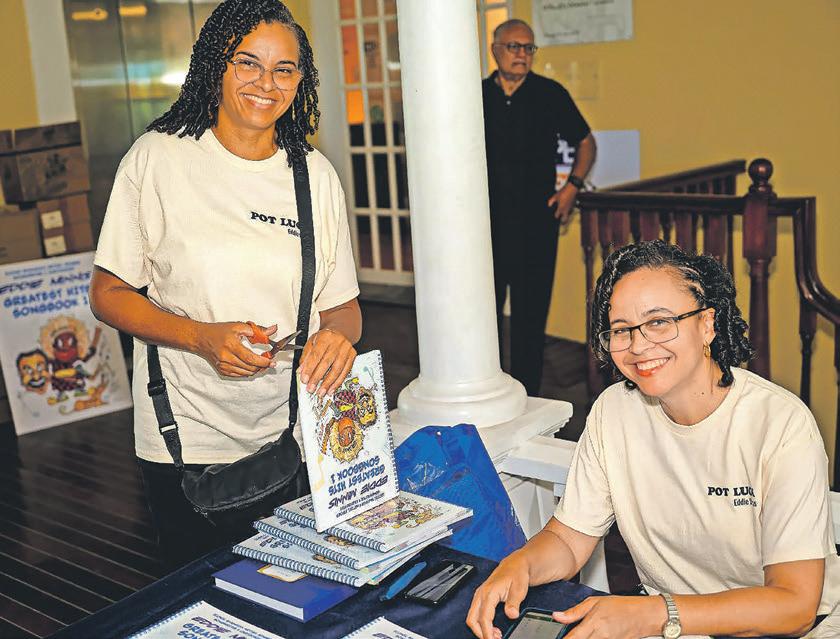
celebrity Charlie Bahama, also received an official plaque, and a signed Songbook.
Mr Minnis said he was delighted by the family island involvement with several winners coming from the islands
island accepted the prizes via zoom and expressed the joy of both teachers and students for how well they performed.
The contest was sponsored by Sherwin Williams Paint.
Art Competition Winners
SENIOR HIGH SCHOOLS
1. Usain Lightbourne
CC Sweeting Senior High School Nassau
2.Tonisha Poitier
CC Sweeting Senior High School Nassau
3.Max Hughes
Mary Star of the Sea Catholic Academy Grand Bahama
JUNIOR HIGH SCHOOLS
1. Victoria Iturri
Mary Star of the Sea Catholic Academy Grand Bahama
2. Kamari Barnett Old Bight Junior High School
Cat Island
3. Roberto Hilton Old Bight Junior High School
Cat Island
PRIMARY SCHOOLS
“Out island participation was very good and we appreciated that,” he said.
Mary Star of the Sea Catholic Academy (in Grand Bahama) walked off with two prizes and the Old Bight Cat Island Junior High, they won two prizes. He said that one of the teachers from Cat
1. Ariana Arthur
Thelma Gibson Primary School Nassau
2. Ethan Lubin
Thelma Gibson Primary School Nassau
3. Armani Sturrup Windsor School Nassau
Photos: Ridge Alcira and The National Art Gallery of The Bahamas
By KATIE DAVIES
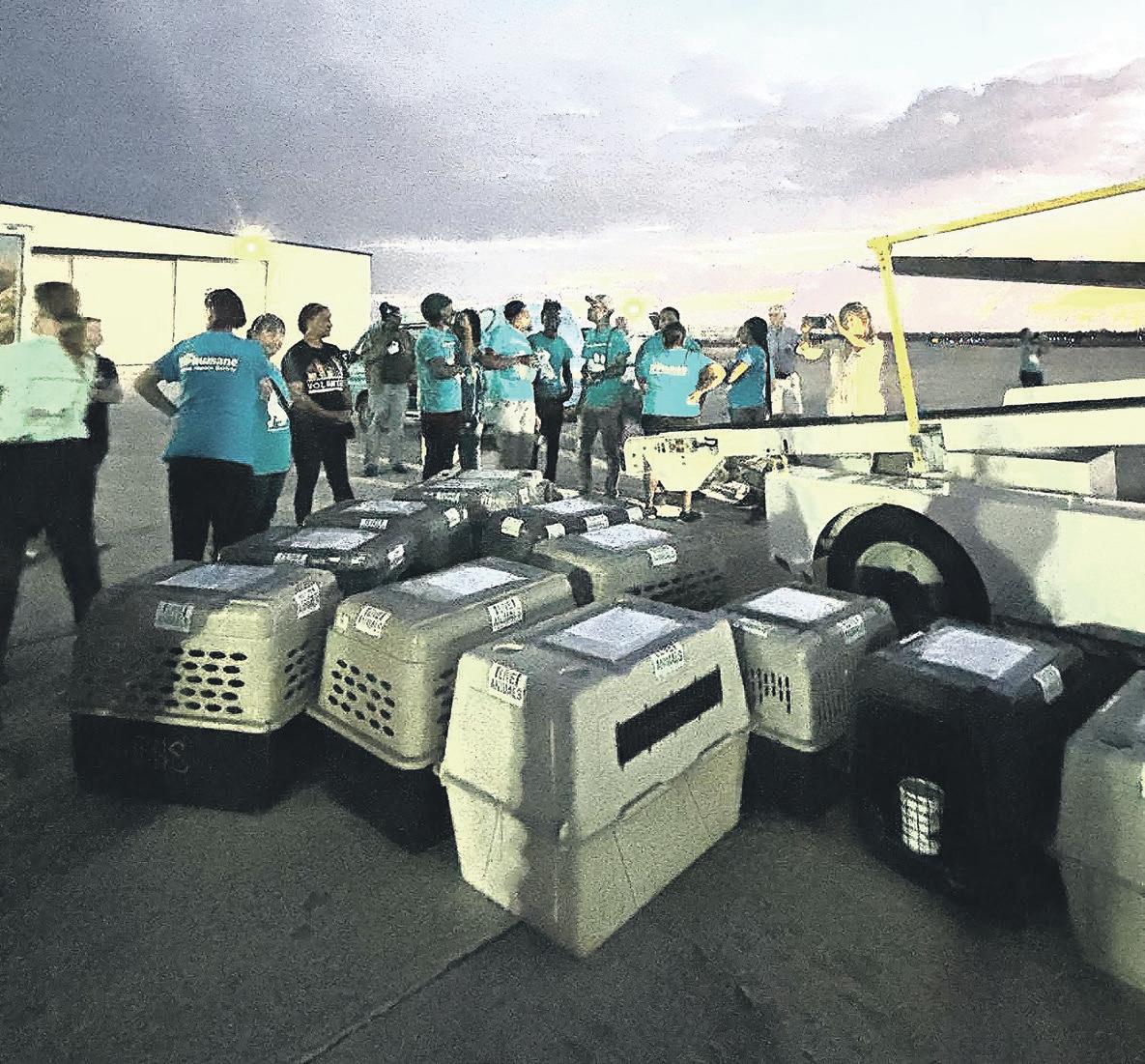
There are rescue missions, and then there are turning points. The recent airlift out of the Bahamas Humane Society was both. In a single coordinated operation, 56 stray dogs and 54 cats left Nassau for new beginnings across Pennsylvania, Massachusetts, New Hampshire and New York - where adoption demand is higher and outcomes faster than in other destinations for Bahamian strays. For most of these animals, the journey didn’t end at the airport. It ended in a home.
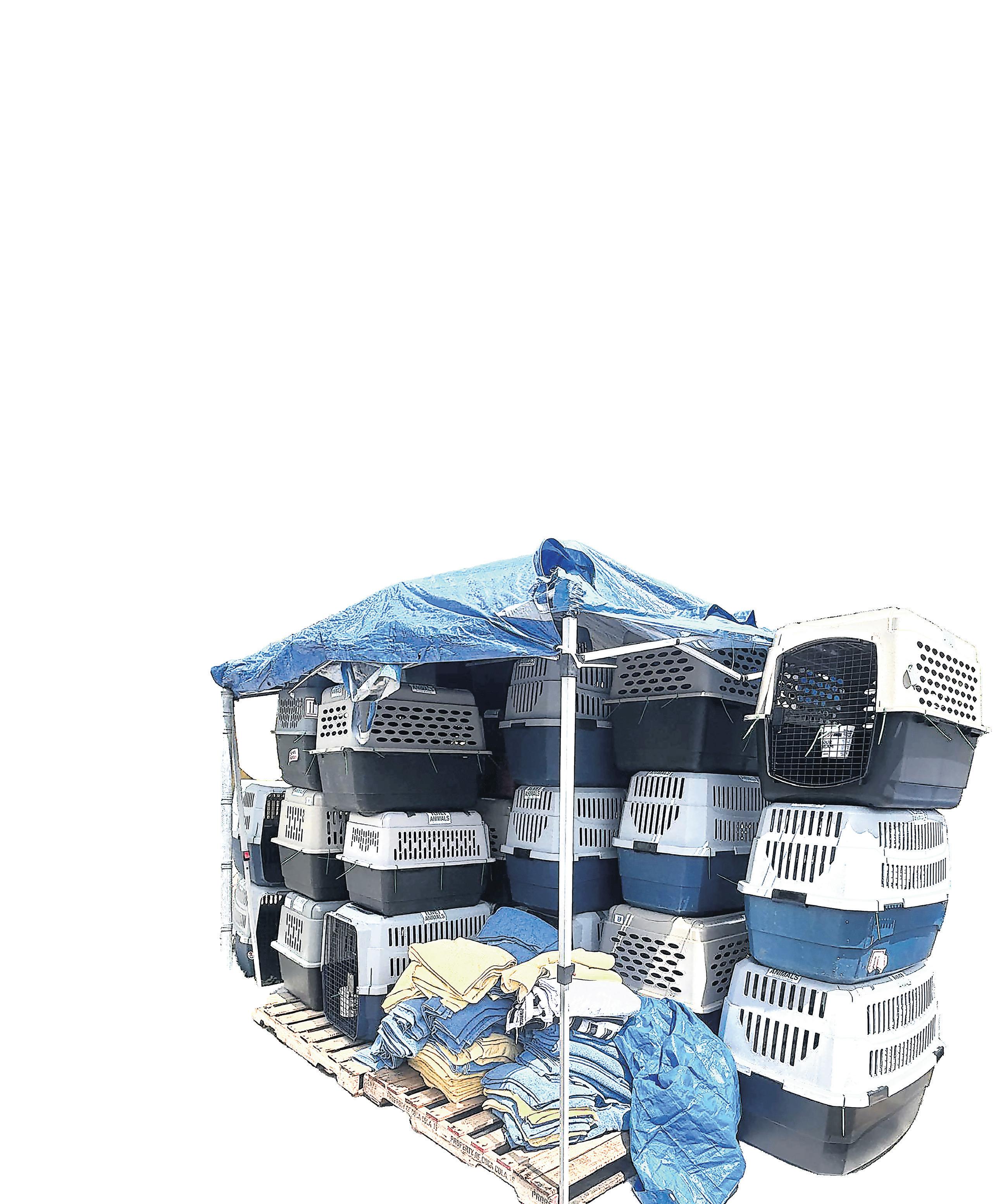
The reason for the flight is straightforward: the shelter is full. Intake has, at times, had to pause entirely. Without intervention, there is simply no space for the next animal that needs it. The response, at least on this occasion, was swift and effective.
The flight was funded and coordinated by Wings of Rescue, a nonprofit that has become a vital bridge between overcrowded shelters and communities ready to adopt. The mission also marked a milestone: their 90,000th animal rescued.
and a lifeline for The Bahamas’ strays
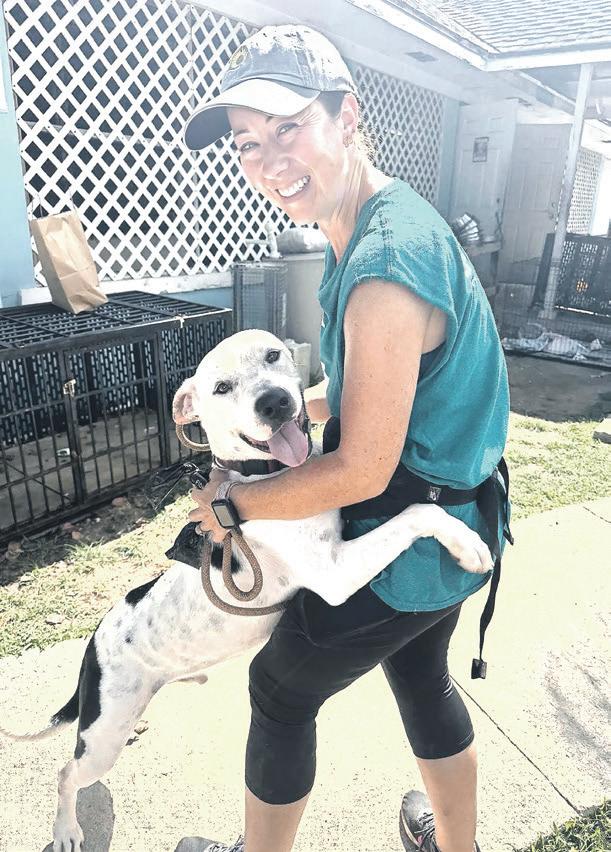
That milestone belonged to Leo. Leo is a special-needs dog who cannot walk normally, moving instead in a hop that has earned him the affectionate label of “kangaroo dog.” His journey reflects something broader about these efforts: animals with complex needs finding opportunities that simply wouldn’t exist without relocation.
Some of the dogs on this flight had been at the shelter for more than three years — a measure of how limited the local adoption pool can be.
The numbers behind the shelter put the challenge in perspective. Around 1,500 animals pass through its doors each year, many requiring medical care or rehabilitation.
Operating costs approach $1.8 million annually, while government funding covers only a fraction of that. The rest depends on donations, partnerships and community support.
Getting animals overseas is no small undertaking. It requires strict veterinary testing, extensive documentation and significant funding. Each flight is a major logistical and financial operation.
And yet, it works.
Partner rescues — including Rylie’s Rescue, Paws 4 Survival, Grammy Rose, Brockton APCSM, Dog Lover Rescue, 3 Husketeers and Brandywine Valley SPCA — ensure that animals arriving from The Bahamas are quickly assessed, placed and rehomed. It is this network that turns flights into outcomes.
Among those on the ground in Nassau ahead of departure was actor and Baywatch star David Chokachi, a flight crew leader and board member for Wings of Rescue. He and other volunteers arrived early, assembling crates, walking dogs and supporting the shelter team in the lead-up to departure.
“I’m an actor,” he said, “but more importantly one of my greatest
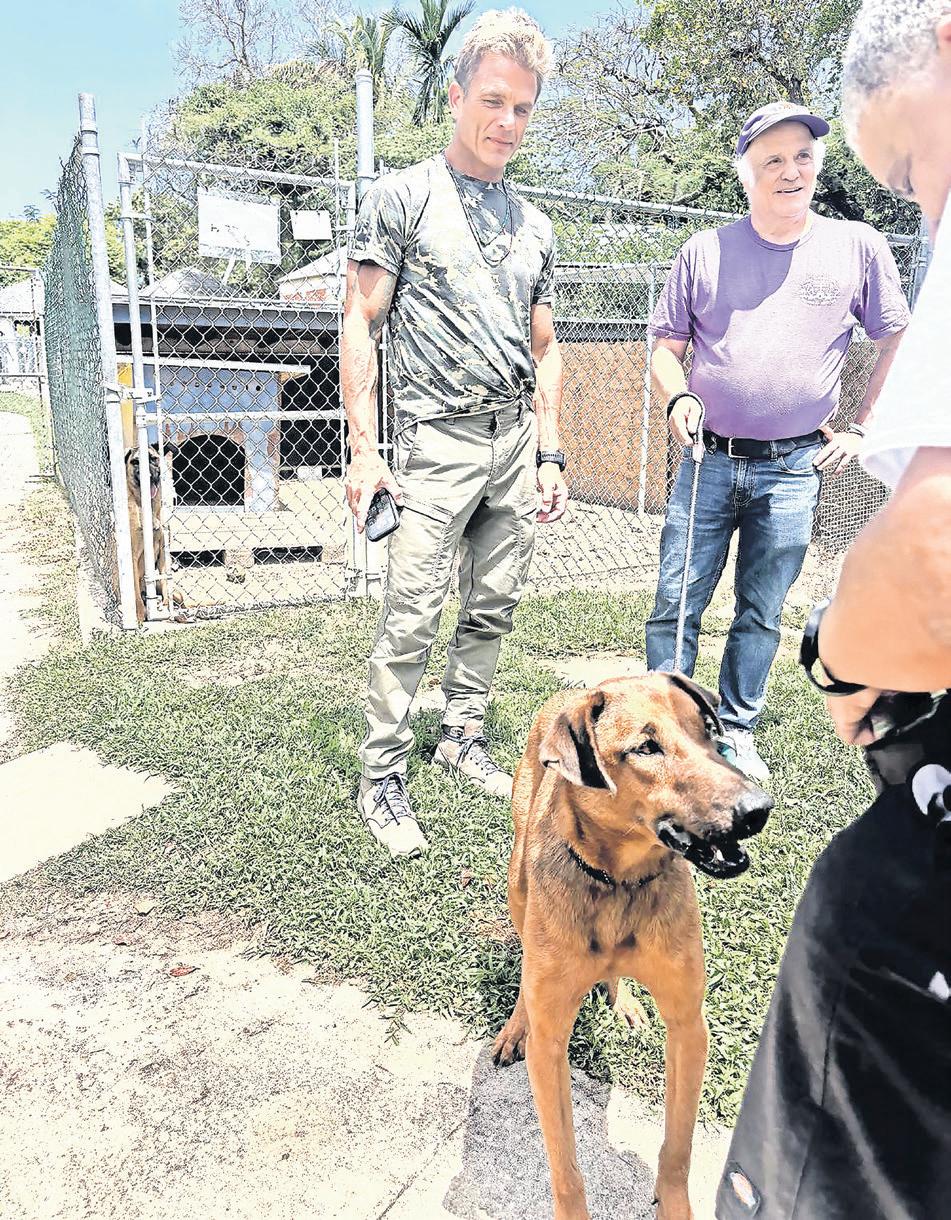
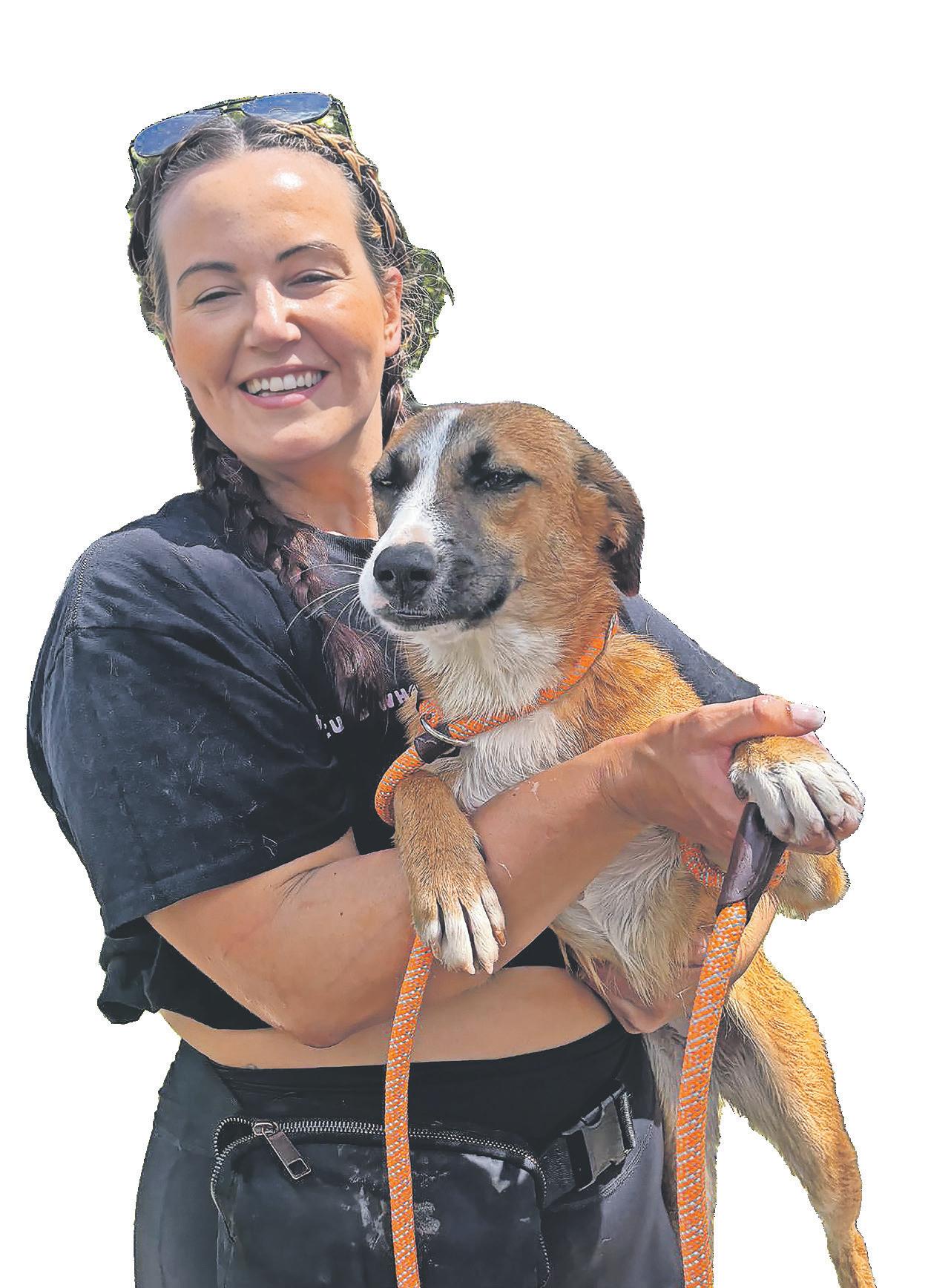
achievements has been becoming flight crew leader… and board member for Wings of Rescue, the nonprofit who flies at-risk pets to safe havens and a second chance at life.”
What strikes visitors to the shelter, even within the constraints of an overcrowded facility, is the nature of the animals themselves. Royal Bahamian Potcakes are widely known for their gentle temperament, adaptability and easy connection with people — qualities that help explain why they transition so well into homes abroad.
“As I walked from kennel to kennel,” Chokachi said, “I would put my fingers through the fencing to touch them, rub their noses and give them as much love as I could… What broke my heart was their
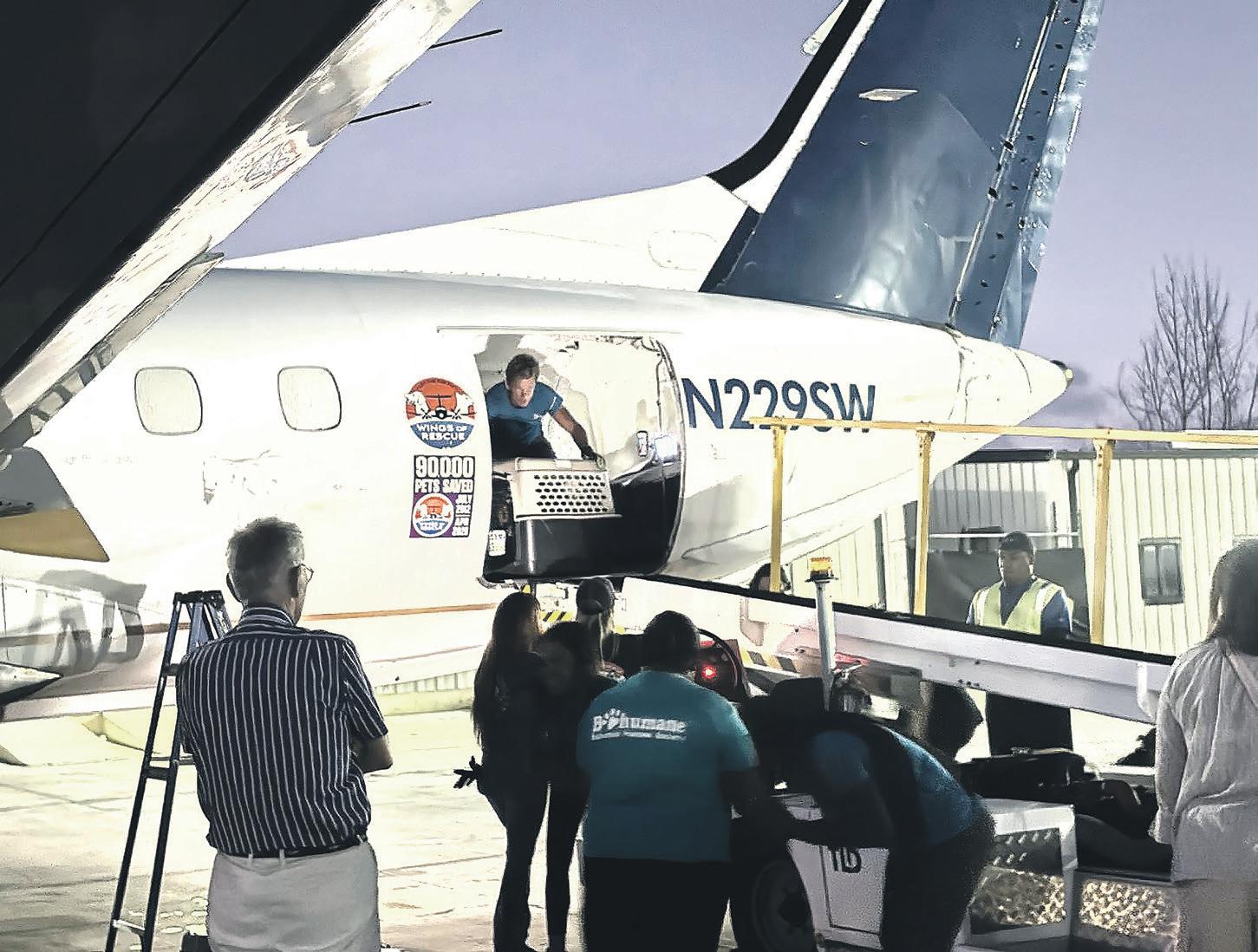
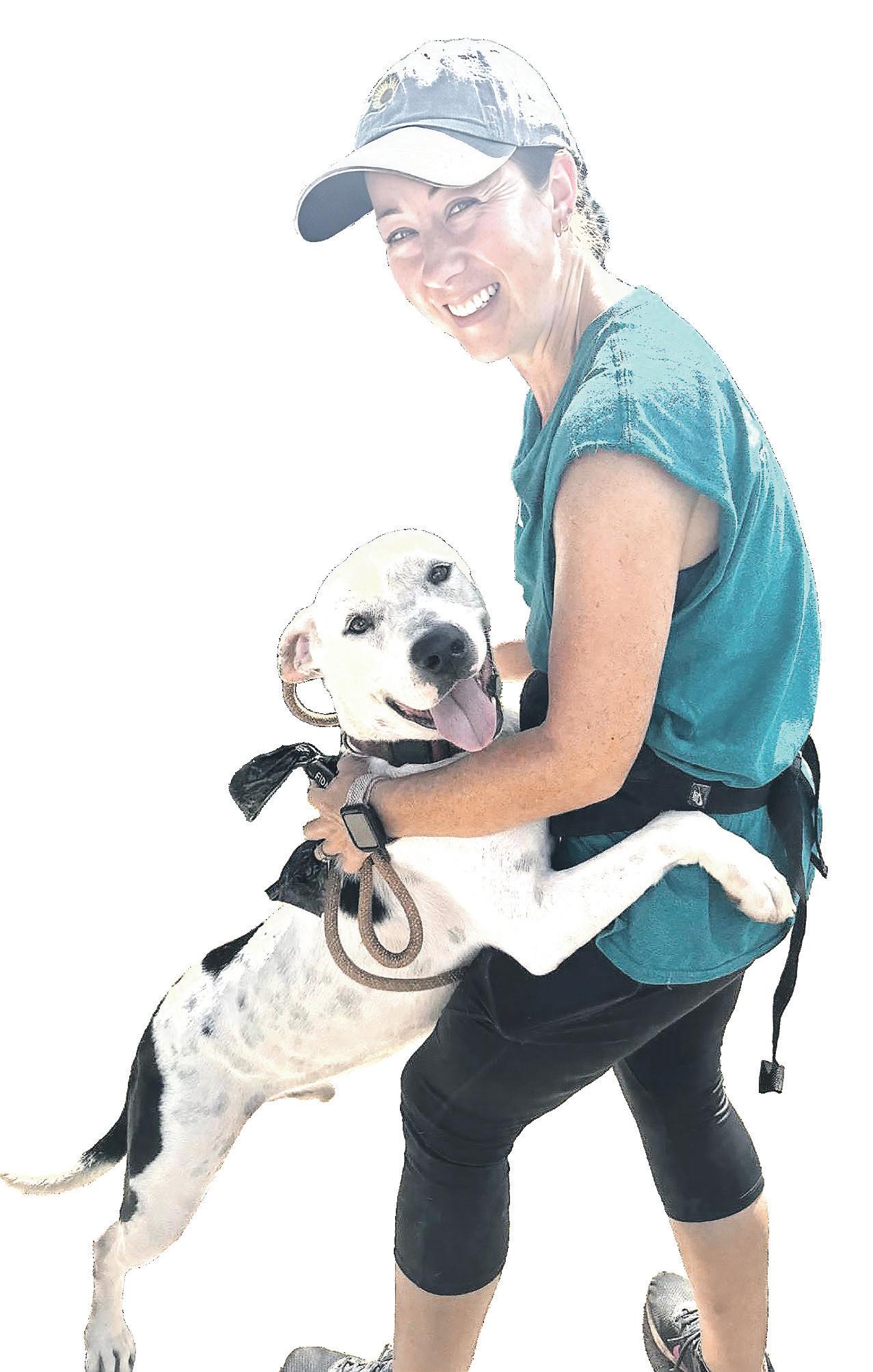
ability to remain happy, seemingly loving life in tough conditions.”
On the ground, the team continues to create moments of connection where it can.
Volunteer dog-walking days, held twice a week, give the animals time outside their kennels and a taste of ordinary life. Staff and volunteers remain focused and determined. But the situation remains urgent. The organisation is clear that increased financial support is essential — not just to maintain daily operations, but to sustain initiatives like these flights. Without it, each successful airlift risks being a short-term fix to a long-term problem.
There is momentum, at least. Wings of Rescue is exploring opportunities to increase the number of flights from The Bahamas, subject to receiving capacity at partner shelters in the United States and Canada. A potential fundraising event in South Beach, Miami is also being discussed.
This latest flight has already made a tangible difference — 110 animals moved, space created, and many of them in homes within days of landing. For Leo, the flight was a milestone. For the rest, a second chance. For the shelter, a moment of relief — and a reminder that the work is far from over.
• If you would like to support the amazing work being done at the Bahamas Humane Society, consider making a donation or becoming a member. Details can be found www.bahamashumane. org or email membership@ bahamashumane.org
The reality behind planning a Family Island wedding Tyingthe knot beyond Nassau
By JEFFARAH GIBSON Tribune Features Writer jgibson@tribunemedia.net
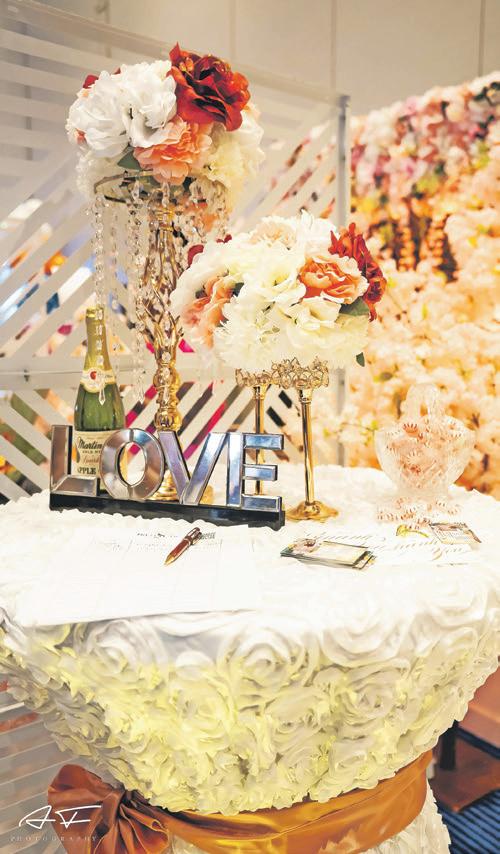
WITH summer now underway and destination weddings continuing to grow in popularity, many couples are looking beyond Nassau when it comes to tying the knot. From beachfront ceremonies in Exuma to intimate celebrations in Eleuthera and Harbour Island, the Bahamian Family Islands continue attracting couples searching for a more relaxed and scenic wedding experience. But while the final product may look effortless in photos, tourism officials said planning a successful Family Island wedding often comes down to preparation, flexibility and understanding the unique logistics that come with island events.
One of the biggest misconceptions about planning a destination wedding or major event on the Bahamian Family Islands is
assuming the process will mirror Nassau. According to Kerry Fountain, executive director of the Bahamas Out Island Promotion Board, couples who have the most successful experiences are the ones who approach Family Island weddings not simply as events, but as curated island experiences.
“Planning a wedding or major event on the Bahamian Family Islands can be one of the most memorable experiences a couple ever has. But it works best when couples treat it less like a Nassau ballroom event and more like a curated island experience.”
For many couples, one of the first and most important decisions is selecting the right island. Fountain noted that different islands naturally suit different wedding styles and guest experiences.
For upscale boutique weddings, Harbour Island, Exuma and Eleuthera remain among the strongest options. These islands have become especially popular for intimate beach ceremonies, villa buyouts and luxury destination weddings.
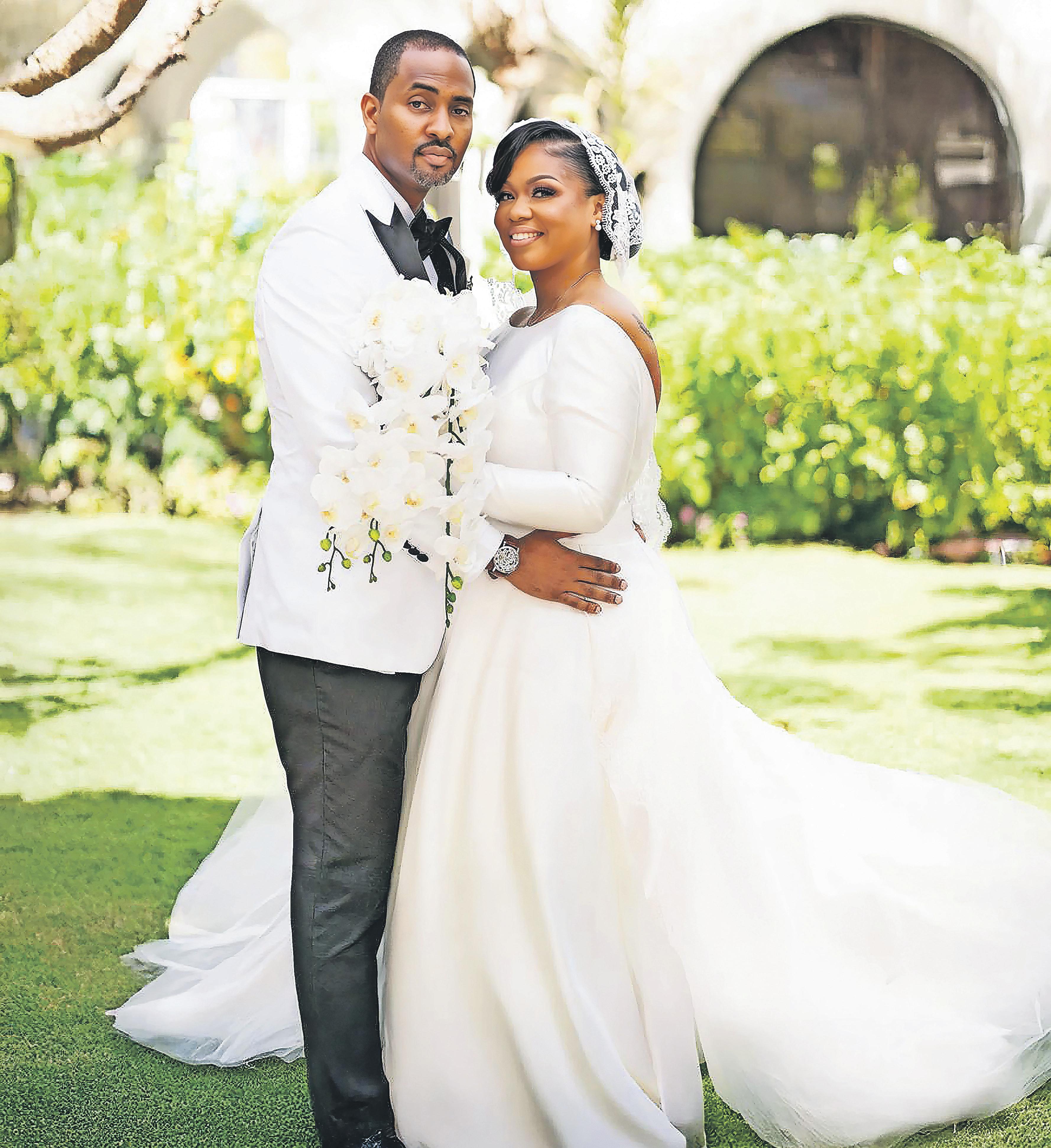

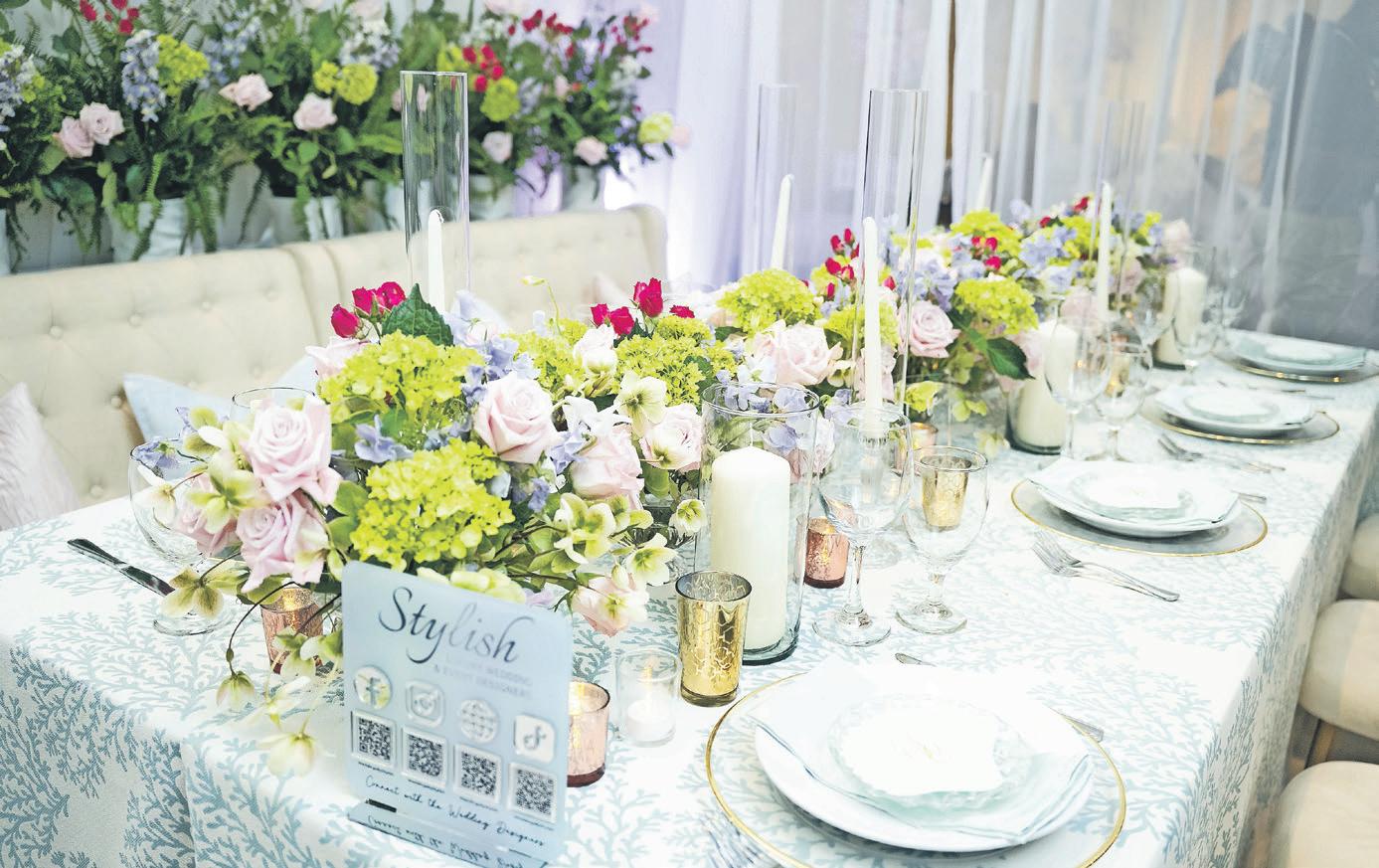
“Harbour Island in particular has become internationally known for destination weddings,” Fountain said.
careful with customization,” she said.
Photos: ANDELLO FORBES
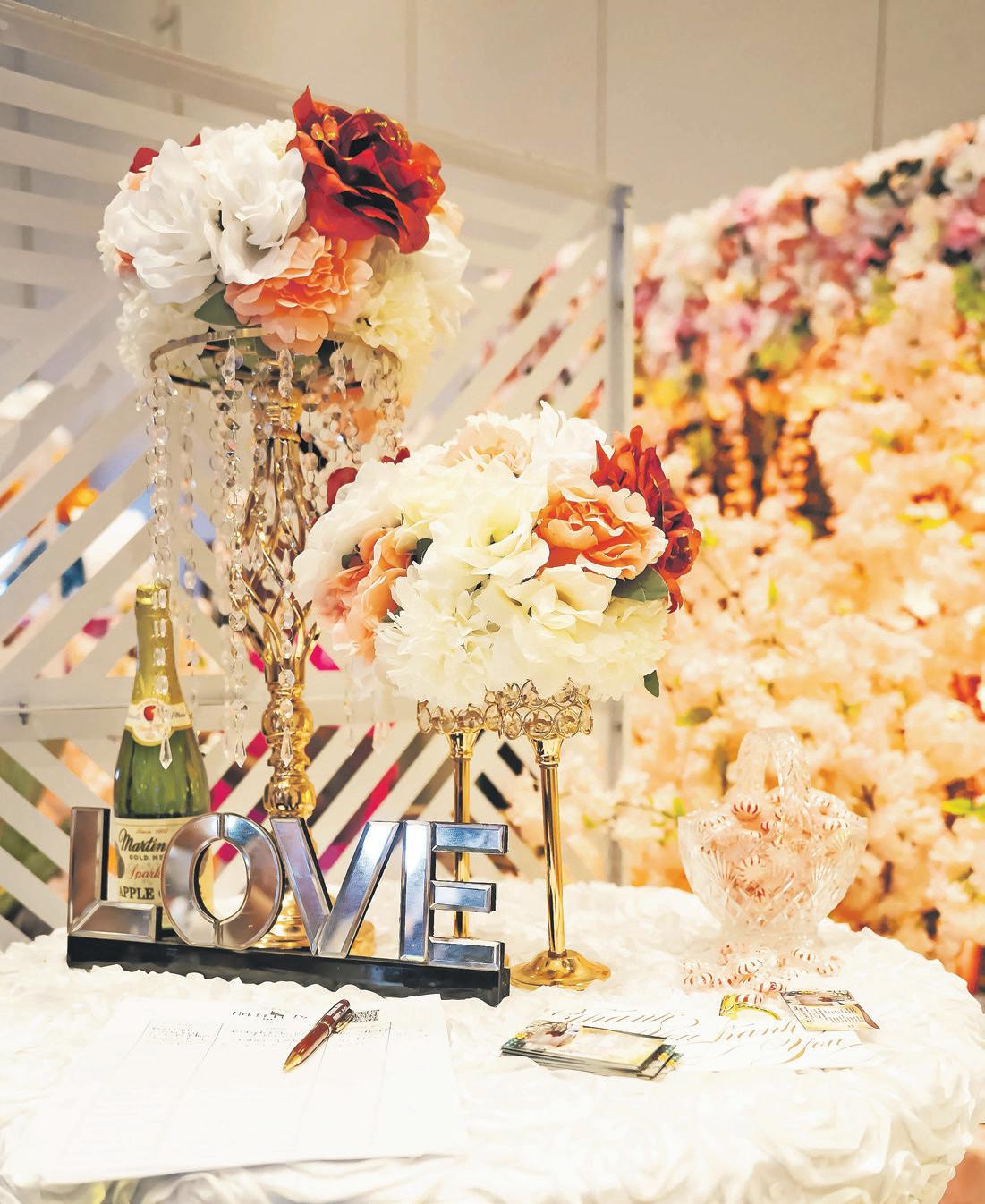
Meanwhile, Grand Bahama and Bimini continue attracting couples looking for easier guest access, particularly for visitors travelling from Florida. These islands also work well for larger family weddings and multi generational celebrations.
For couples seeking privacy and a more nature focused atmosphere, islands such as Long Island, Cat Island and Andros offer a quieter and more authentic setting, especially for smaller gatherings.
One of the biggest planning decisions couples face is whether to pursue a resort managed wedding or an independent planner led event.
Resort weddings, such as those hosted at The Ocean Club, A Four Seasons Resort, Bahamas, Fowl Cay Resort or Hilton at Resorts World Bimini, often provide built in conveniences including catering, décor, weather backup plans and guest accommodations.
“The advantage is less stress and easier coordination,” Fountain explained.
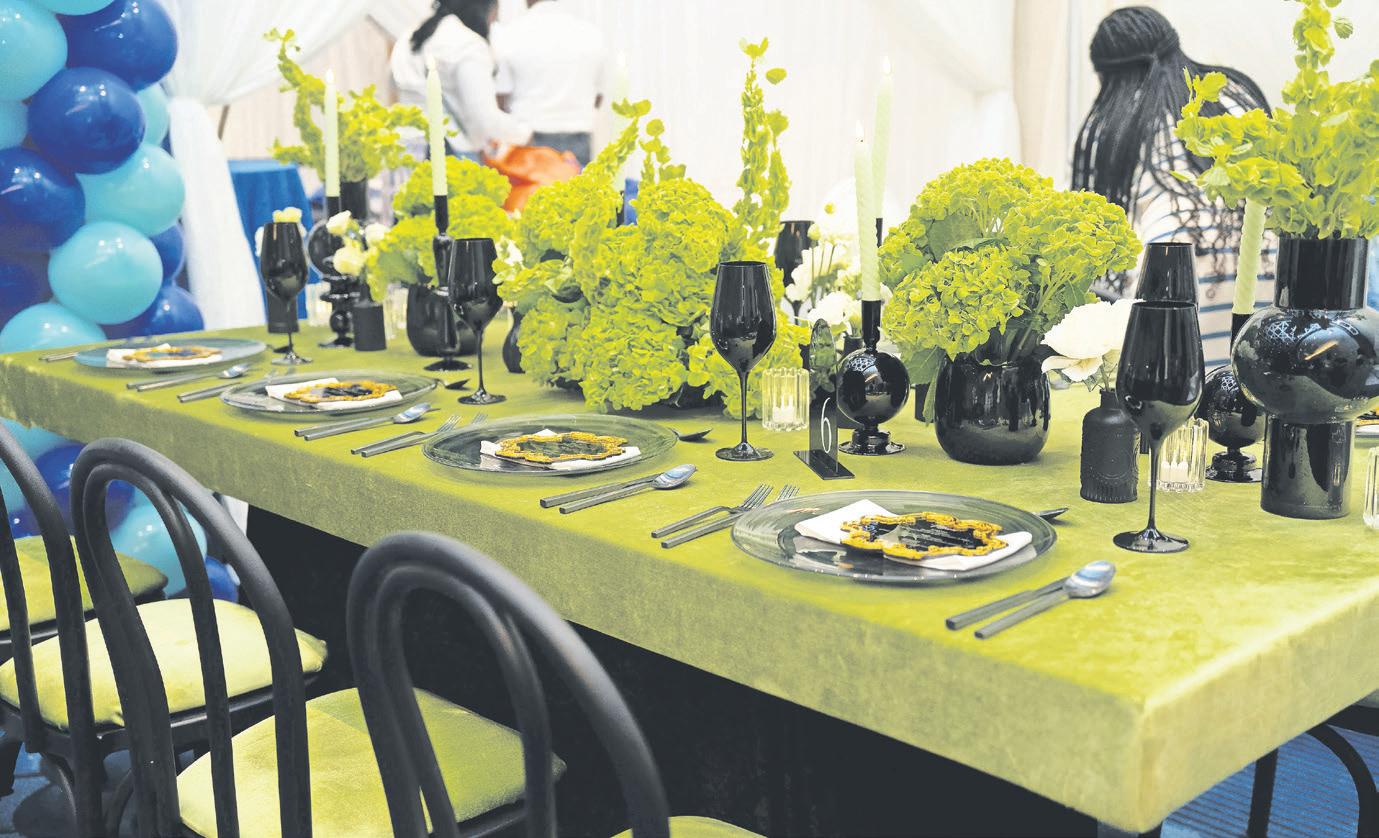
Independent weddings, on the other hand, often allow couples to create more personalized and culturally immersive experiences. Private beaches, villas, sandbars and family properties continue growing in popularity, especially among couples seeking authenticity.
Still, Fountain stressed that independent weddings require strong local planning support because Family Island logistics can quickly become complex.
“A good planner on the Family Islands is not just decorating tables,” she said. “They are solving freight timing, generator backup, boat transfers, ferry delays, rain contingency plans, vendor housing and local staffing.”
That operational experi-
“ A Family Island wedding may look simple on Instagram, but logistics can quietly become the biggest expense.”
ence, she explained, is often what couples are truly paying for.
Fountain encouraged couples to think beyond a single ceremony and instead embrace the idea of a full wedding weekend experience.
“The Family Islands are strongest when weddings become experiences,” she said.
especially important. While the summer months remain popular because of travel and vacation schedules, weather planning must be factored in early.
Fountain advised couples to simplify strategically and avoid overcomplicating décor and logistics, particularly on more remote islands.
“A Family Island wedding may look simple on Instagram, but logistics can quietly become the biggest expense,” she explained.
Among the hidden costs couples often overlook are freight shipping, inter island flights, ferry charters, generator rentals, tenting, vendor accommodations and weather contingency plans.
“The more remote the island, the more important simplicity becomes,” she said.
According to Fountain, the most memorable weddings are often the ones that feel rooted in Bahamian culture rather than overly styled for social media.
She encouraged couples to incorporate more local elements into their events, including rake and scrape music, Junkanoo entrances, straw work décor, local florals, Bahamian desserts and island inspired welcome bags.
“The weddings people remember most usually feel rooted in place rather than imported from Pinterest,” she said.
However, she did note that the tradeoff can sometimes be flexibility and personalization.
“Community feedback online consistently suggests that large mega resort weddings can feel factory like if couples are not
Many couples now incorporate welcome beach parties, fish fry nights, boat excursions, conch salad demonstrations, Junkanoo rush outs and Sunday brunches into their celebrations.
“That creates a much stronger emotional connection for guests and supports local businesses beyond just the wedding venue itself,” Fountain added.
She also pointed out that The Bahamas tourism sector continues promoting the concept of marrying on one island and honeymooning on another.
For couples planning summer weddings, preparation and flexibility become
For those navigating the legal process, Fountain noted that The Bahamas offers a relatively straightforward system for destination marriages. Couples must be in country at least one day before applying for a marriage license, and licenses generally take two business days. No blood test is required, though two witnesses are necessary. Family Island licenses can also be obtained locally through the island Administrator’s Office.
Ultimately, Fountain believes the true beauty of a Family Island wedding lies in its atmosphere rather than extravagance.
“A strong Family Island wedding is usually not about excess,” she said. “It is about atmosphere, location, intimacy and flow. The islands themselves are the luxury product.”
crYPToQUoTe
a X Y d l B a a X r is l o n g F e l l o w
one letter stands for another. in this example, used for the three l’s, X for the 2 o’s, etc. Single letters, apostrophes, the length and formation of words are all hints. each day the code letters are different.
Yesterday’s Answers