Canada Day is more than a celebration—it is a reflection of the values that bring us together as Canadians: diversity, resilience, inclusion, and community.
This special edition of The Times of Canada celebrates the people, places, and traditions that make our nation truly extraordinary. Inside, you’ll meet inspiring community leaders and public servants whose dedication is helping shape the future of our cities and neighbourhoods.
We’ve also curated a collection of Canada Day features that showcase the heart of our country—from historic forts and breathtaking destinations to unique Canadian wildlife, homegrown sports, and traditions that define our national identity. Our food section celebrates Canada’s rich culinary heritage, highlighting flavours inspired by the many cultures that call this country home.
We hope these stories inspire you to explore, appreciate, and celebrate the incredible nation we proudly call home. As we gather with family, friends, and neighbours this Canada Day, may we continue to embrace the diversity and unity that make Canada stronger together.
On behalf of everyone at The Times of Canada, I wish you a safe, joyful, and memorable Canada Day.
Sincerely,
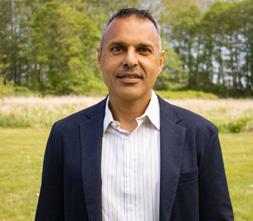
Geetanjli Sharma Editor, The Times of Canada
Our
Team
SEEMA SHARMA CEO/MANAGING DIRECTOR
SHUBHA CHAUDHURY MANAGING PARTNER
GEETANJLI SHARMA EDITOR
RICKY DESIGNER/PHOTOGRAPHER
YASHIKA WAHI ADMINISTRATIVE ASSISTANT
GITISH SINGLA WEB DESIGNER
ABHI ANEJA CREATIVE DIRECTOR
MADE IN CANADA 72 - 73
Homegrown Sports That Conquered The World HOROSCOPE 88 - 89
CHETAN SAGUE COVER PHOTOGRAPHY
Celebrating Canada’s Heritage, Diversity, and Unity Canada Day
Every year on July 1, Canadians from coast to coast celebrate Canada Day, commemorating the anniversary of Confederation in 1867, when the British North America Act united the provinces of Ontario, Quebec, Nova Scotia, and New Brunswick into one nation. Over the decades, Canada Day has evolved into a vibrant celebration of national pride, cultural diversity, and community spirit. Whether in bustling cities or quiet rural towns, Canadians come together to honour the country’s history while embracing the multicultural identity that defines modern Canada.
One of the most cherished Canada Day traditions is the display of the red and white Canadian flag. Homes,
businesses, parks, and public buildings are adorned with maple leaf flags, banners, and patriotic decorations. Many Canadians proudly wear red and white clothing, maple leaf pins, hats, face paint, or jerseys to show their love for the country. Streets and public squares become seas of national colours as communities gather to celebrate.
Community parades remain a cornerstone of Canada Day festivities. Across the country, colourful floats, marching bands, military units, community organizations, cultural associations, and local performers march through city streets. These parades celebrate Canada’s rich diversity, showcasing Indigenous traditions alongside
performances representing cultures from around the world. The parades reflect the inclusive spirit that has become one of Canada’s defining values.
Outdoor festivals and family-friendly events are another beloved tradition. Parks and waterfronts transform into lively gathering places filled with live music, cultural performances, food trucks, artisan markets, children’s activities, and interactive exhibits. Families enjoy carnival rides, face painting, inflatable playgrounds, sports tournaments, and community picnics. These events provide opportunities for neighbours to connect while celebrating together regardless of age or background.
Music has always played an important role in Canada Day celebrations. Free concerts featuring local musicians, multicultural performers, and nationally recognized artists take place throughout the country. Traditional folk music often shares the stage with rock, pop, country, Indigenous drumming, South Asian bhangra, Chinese lion dances, Ukrainian dancers, and many other cultural performances that highlight Canada’s multicultural fabric. Singing “O Canada” together remains one of the most emotional
moments of the day, reminding Canadians of the values of freedom, peace, and unity that bind the country together.
No Canada Day celebration is complete without fireworks. As darkness falls, spectacular fireworks illuminate the skies in cities and towns across the country. Families gather along waterfronts, parks, and public squares to enjoy colourful displays synchronized with patriotic music. For many Canadians, watching fireworks has become the perfect way to conclude the day’s
celebrations and create lasting memories with loved ones.
Food also plays a central role in Canada Day traditions. Community barbecues are especially popular, featuring hamburgers, hot dogs, grilled vegetables, and locally sourced produce. Canadians also enjoy regional specialties such as poutine, butter tarts, Nanaimo bars, maple syrup treats, smoked salmon, lobster rolls, bannock, fresh berries, and ice cream. Multicultural communities often add dishes from around the world, reflecting Canada’s diverse culinary landscape and reinforcing the idea that every culture contributes to the country’s identity. Sharing meals outdoors with friends and family has become one of the most treasured traditions of the holiday.
Canada Day is also an opportunity to celebrate the country’s breathtaking natural beauty. Many Canadians spend the holiday outdoors by visiting national parks, hiking trails, beaches, lakes, or campgrounds. Families organize picnics, canoe trips, kayaking adventures, cycling excursions, and backyard gatherings, taking advantage of the warm summer weather while appreciating Canada’s remarkable landscapes. Popular destinations such as Banff,
Jasper, Niagara Falls, Prince Edward Island, and the coastal shores of British Columbia welcome thousands of visitors looking to celebrate amid some of the world’s most stunning scenery.
Increasingly, Canada Day includes moments of reflection and reconciliation. Many communities recognize the histories, cultures, and contributions of First Nations, Inuit, and Métis peoples through educational exhibits, Indigenous performances, traditional ceremonies, storytelling, and cultural demonstrations. These events encourage Canadians to celebrate the country’s achievements while acknowledging its history and continuing the journey toward reconciliation, mutual respect, and understanding.
Volunteerism and community service have also become meaningful Canada Day traditions. Local organizations host charity runs, environmental clean-up projects, food drives, blood donation campaigns, and fundraising events that encourage residents to give back to their communities. These acts of service reflect Canadian
values of compassion, cooperation, generosity, and civic responsibility while strengthening neighbourhood bonds.
Canada Day has also become a time to celebrate Canadian achievements in sports, science, arts, literature, and innovation. Museums, galleries, libraries, and cultural institutions often host special exhibitions highlighting influential Canadians who have shaped the nation’s history. Schools, historical societies, and community organizations organize educational programs that allow younger generations to better understand Canada’s journey from Confederation to one of the world’s most diverse and welcoming nations.
Families reunite across generations, neighbours gather for block parties, friends meet at festivals, and visitors experience the warmth and hospitality that Canadians are known for around the world. Regardless of where they come from, people unite under the maple leaf to celebrate a shared sense of community and national pride.
For many immigrants, Canada Day carries special significance. Citizenship ceremonies held across the country welcome thousands of new Canadians who officially join the Canadian family on or around July 1. These ceremonies are often emotional occasions, symbolizing hope, opportunity, and belonging. Long-time Canadians enthusiastically welcome these new citizens, reinforcing the belief that Canada’s diversity is one of its greatest strengths. The stories of newcomers reflect the dreams and aspirations that continue to shape the country’s future.
Perhaps the greatest tradition of all is simply bringing people together. Canada Day is celebrated by Canadians of every background, faith, language, and culture.
Canada Day is more than a national holiday—it is a celebration of shared values, democratic freedoms, multiculturalism, natural beauty, and community spirit. As Canadians gather beneath waving maple leaf flags, enjoy music and fireworks, share meals with family and friends, and welcome newcomers into the nation’s story, they continue a tradition that celebrates both Canada’s remarkable past and its promising future. It is a day that honours the country’s history while looking ahead with optimism, recognizing that Canada’s greatest strength has always been its people. United by diversity, kindness, and a commitment to building inclusive communities, Canadians continue to make July 1 a joyful celebration of everything that makes their nation unique. Each Canada Day serves as a reminder that the country’s future is built on respect, unity, and the collective contributions of people from every walk of life.
A New Vision for Surrey - A City of Champions!
Happy Canada Day
Surrey is a city of champions. Not because we say so, but because of who lives here. The firefighters and nurses who work double shifts to keep us safe. The small business owners who built something from nothing, many of them in a country far from where they were born. The truck drivers, the teachers, the tradespeople, and the volunteers at every gurdwara, temple, mosque, and church. The grandparents who came here with little and raised generations who now lead in every field. You.
This city has been built, time and again, by people who refuse to quit.
To be the city we can be — the City of Champions — we have to deliver on housing, transit, healthcare, with community investment at the speed Surrey is growing. We can’t be that city if we live in fear of extortion and gangs. If we are stuck in traffic on King George Highway. If we don’t build. If we don’t have community
centres and libraries to serve our growing population. Or if we can’t afford to stay. Today, all of those things are increasingly true. They don’t have to be.
We can finish the police transition and fund our first responders properly, so that we all feel safe at home. We can build Skytrain to South Surrey via Newton, supported by a BRT network that gets us moving sooner. We can build a world-class cricket & rugby stadium and host the Commonwealth Games. We can reduce fees for families at recreation centres and City Hall. And we can protect our city from the cuts that my opponents want to make to our services, infrastructure and parks. As Surrey’s Mayor, I would refocus us on priorities. Not the past. Not petty fights. Not personal pet projects.
When you’ve been a firefighter, you tend to focus on the most burning problems first. We need to get back on track so that we can have
a city that delivers exactly what you are telling me: safe streets, fast commutes, smart investments, lower costs, and strong services. That’s change that will work for Surrey.
We have two futures in this election. In one, Surrey continues to be left behind while we burst at the seams. In the other, we step into our coming role as BC’s largest city and build accordingly. That’s the future that Imagine Surrey is offering. And it’s what we’ll deliver if you trust us with your vote.
On October 17, 2026, we can choose to stay stuck, move backwards, or step forward in a new future. Surrey, let’s take that step together. Read our plan at ImagineSurrey.ca and get involved. On October 17th, let’s deliver change that works for you and build the City of Champions.
— Mike Starchuk, Candidate for Mayor of Surrey, and Team Imagine surrey - imaginesurrey.ca
Mike Starchuk, 2026 Candidate for Mayor of Surrey
Yousef Aldabainah Surrey City Council Candidate
Margaret Mubanda Surrey City Council Candidate
William Li Surrey City Council Candidate
Kevin Wilkie Surrey City Council Candidate
Chandan Chahal Surrey City Council Candidate
Ashiyana Hanif Surrey City Council Candidate
Narima Dela Cruz Surrey City Council Candidate
Perminder Chohan Surrey City Council Candidate
Mike Starchuk Candidate, Mayor of Surrey
DYLAN KRUGER LAUNCHES ONE DELTA
Will Run for Mayor of Delta with Full Slate of Candidates
Councillor Dylan Kruger has launched his mayoral bid and the One Delta campaign, pledging a “back-to-basics” vision focused on building infrastructure, public safety, responsible spending, economic growth, and restoring trust and collaboration at City Hall.
“Delta is one of the greatest communities anywhere in Canada, and I believe our best days are still ahead of us,” said Kruger, who has served eight years on council. “We are all here because we care deeply about Delta and its future. This team has the integrity, character and experience to move our community forward together.”
One Delta’s full Council and School Board team brings together thirteen candidates from diverse backgrounds, united by a shared belief that Delta is strongest when we work together.
Dylan has noted that candidates have heard the same concern at the
doors, at community events, and in countless conversations across Delta: the incumbent mayor has become disconnected from the things that matter most to everyday residents.
“We spoke up, challenged the status quo and fought to bring the focus back to the people of Delta because public service is about serving others, not yourself,” Kruger said.
“Taxpayer dollars are not a piggy bank for international travel, and public input is not an inconvenience to be tolerated. It’s a cornerstone of our democracy.”
A lifelong Delta resident now raising his young family in the community, Kruger emphasized that the city needs leadership focused on practical results, not rhetoric. He believes leadership should reflect
the priorities of everyday residents, which is why One Delta is committed to reinstating citizen committees.
Kruger said that same approach also means planning ahead and delivering the infrastructure growing communities need.
That’s why, as part of One Delta’s forward thinking vision, Kruger unveiled plans for a new full service recreation centre in North Delta, calling it part of “a new era of infrastructure building in Delta.”
Kruger also pledged to push for the establishment of a new urgent care centre in North Delta, addressing what he described as a major gap in local health services in one of the most populous areas in the region without direct access to urgent care.
“North Delta is one of the fastestgrowing and most populated parts of the region, yet families are still forced to travel outside the community to South Delta or Surrey for urgent medical care,” said Kruger. “We need to bring health services closer to home and ensure people can access timely, reliable care when they need it most.”
He also committed to establishing Delta’s first dedicated economic development office to attract investment, expand the local tax base and create jobs.
“Delta is strategically positioned to become one of the most economically important communities in British Columbia,” said Kruger.
“But while other municipalities are actively competing for investment, Delta has been sitting
on the sidelines. That will change on day one.”
The One Delta campaign will focus on four key priorities:
Getting back to basics with core services and infrastructure
• Supporting responsible economic growth and job creation
• Investing in recreation, youth and community spaces
• Restoring transparency, collaboration and public trust at City Hall
One Delta and Dylan Kruger have drawn endorsements from former MLA and Delta councillor Scott Hamilton, former Delta School Board Chair Laura Dixon, and Bruce McDonald, a former nine-term Delta Councillor, Delta Citizen of the Year, and President of the One Delta organization.
Kruger has called on residents across Ladner, Tsawwassen and North Delta to come together around a shared vision for the future.
“It’s time,” said Kruger. “It’s time to get back to basics. It’s time for leadership that brings people together. And it’s time to believe in what Delta can become.”
The Municipal Election will be held on Saturday, October 17, 2026.
One Delta Candidates
ONE DELTA’S CANDIDATE FOR MAYOR
Dylan Kruger, Two-term Delta Councillor and Seasoned Public Affairs Professional
ONE DELTA’S CANDIDATES FOR COUNCIL
Incumbent Councillor, Senior Executive in Sales & Business Management
Interior Design Professional, Business Owner, and Community Volunteer
ONE
& Physical Literacy Expert
Former two-term Delta Councillor, Lifelong Resident and Educator
Incumbent Councillor, Former Teacher, and Financial Operations Lead
Labour Representative & Public Education
Incumbent Councillor, Local Notary Public, and Community Advocate
Incumbent Trustee, Healthcare Professional & Inclusive Education Advocate
ROD BINDER
SYLVIA BISHOP
DANIEL BOISVERT
SARAH GALLOP
JENNIFER JOHAL
PAWAN JOSHI Lawyer and Community Sports Leader
DELTA’S CANDIDATES FOR SCHOOL BOARD
JESSE BIERMAN Municipal Planner
TAMARA BISSETT-LAZA
Advocate
MASAKO GOOCH
GURINDER KAHLON Transit Professional & Grassroots Community Volunteer
DR. AMMEN DHILLON Incumbent Trustee, Vice-Chair of the Board, Clinical Counsellor & PhD Research Scientist
SURJ UPPAL Business Executive, Investor, Mentor & Youth Coach
VAL WINDSOR Four-term Incumbent Trustee, Leader in Education & Former Board Chair
ELENORE STURKO
The Voice Challenging British Columbia’s Status Quo
In the ever shifting landscape of British Columbia politics, few figures have risen as quickly — or as unapologetically — as Elenore Sturko. Bold, articulate, and deeply shaped by frontline experience, Sturko has become one of the province’s most recognizable political voices, known for speaking with conviction on issues many others approach cautiously.
But long before the legislative debates, media headlines, and political controversy, her story began in service.
After moving to B.C. and spending her teenaged years growing up in Kamloops, British Columbia, Sturko’s early career was rooted in communication and community engagement. She worked in broadcasting before joining the Royal Canadian Air Force Reserve, eventually transitioning into a career with the RCMP. Over the years, she served across British Columbia and
the Northwest Territories, gaining firsthand exposure to the realities of crime, addiction, mental health crises, and the growing pressures facing Canadian communities.
Those experiences would profoundly shape her worldview.
As a police officer and media relations spokesperson, Sturko was often placed at the intersection of public policy and human suffering. She witnessed the devastating impact of toxic drugs, homelessness, trauma, and untreated mental illness up close — not through statistics or reports, but through real people and real families.
It was this frontline perspective that ultimately propelled her into politics.
In 2022, Sturko entered provincial politics after
winning the Surrey South by election, immediately emerging as a prominent figure within British Columbia’s political sphere. While many newly elected officials spend years finding their voice, Sturko entered the Legislature with clarity, urgency, and an unmistakable presence.
Her focus was clear: public safety, mental health reform, addiction recovery, and accountability.
What quickly distinguished Sturko was her refusal to separate policy from lived experience. Rather than relying solely on political messaging, she spoke openly about her own personal struggles with PTSD and alcohol addiction following traumatic experiences during her policing career. In doing so, she brought an uncommon level of vulnerability to public life — a quality that resonated with many British Columbians navigating their own silent battles.
Her openness transformed her public image from politician to advocate.
For Sturko, leadership has never been about appearing perfect. It has been about honesty, resilience, and confronting difficult realities head on. She has consistently advocated for stronger recovery based supports, improved mental health services, and policies she believes prioritize both compassion and community safety.
At the same time, her political positions have sparked passionate debate across the province. Her stance on involuntary care, public disorder, and addiction policy has earned both strong praise and pointed criticism. Supporters view her as a leader willing to challenge failing systems and speak openly
about issues impacting everyday communities.
Critics argue that some of her approaches risk further marginalizing vulnerable populations.
Yet controversy has never appeared to deter her.
Instead, it has amplified her profile as one of British Columbia’s most outspoken and closely watched political figures.
In 2024, Sturko again made headlines after crossing the floor to join the BC Conservatives, a move that generated significant political discussion throughout the province. The decision reinforced her reputation as an independent thinker unafraid to disrupt expectations or chart her own path. Still, beyond the political narratives and media attention lies a far more personal story — one centered around family, identity, and perseverance.
As an openly gay woman, wife, and mother of three, Sturko represents a modern and evolving image of Canadian political leadership. She has spoken about the importance of inclusion, representation, and respectful dialogue, while also advocating for the ability to disagree without division. Her communication style reflects her
background in media and frontline service alike — direct, composed, and deeply human. Whether addressing the toxic drug crisis, discussing mental health reform, or navigating political criticism, she speaks with a sense of conviction shaped not by theory, but by experience.
That authenticity has become one of her defining strengths.
In an era where political figures are often carefully curated and overly scripted, Elenore Sturko stands apart as someone willing to speak candidly, challenge convention, and embrace complexity. She is not a politician shaped solely by party lines or political ambition, but by the realities she encountered long before entering public office.
Today, as British Columbia continues to grapple with some of its most urgent social challenges, Sturko remains firmly at the center of the conversation.
Whether admired, debated, or scrutinized, one thing is undeniable: Elenore Sturko has become a defining voice in modern British Columbia politics — a leader shaped by service, strengthened by adversity, and driven by a belief that meaningful change requires both courage and compassion.
LINDA ANNIS
Putting Surrey First
MAYORAL CANDIDATE
Linda Annis has dedicated her career to public service, community engagement, and enhancing public safety in Surrey. As a respected community leader and long-time advocate for residents, she has built a reputation for bringing people together to address challenges and create positive change.
For more than 13 years, Linda has served as the Executive Director of Metro Vancouver Crime Stoppers, where she has championed community involvement as a key component of public safety. Under her leadership, Crime Stoppers has received more than 140,000 anonymous tips, leading to over 8,400 arrests and the recovery of more than $500 million in stolen property and illicit drugs. Her experience has reinforced her belief that safe communities are built through strong partnerships between residents, law enforcement, and local organizations.
In 2018, Linda successfully ran for Surrey City Council, bringing her passion for community service and public safety to City Hall. Since then, she has worked to ensure residents have a strong voice in municipal decision-making while advocating for transparency, accountability, and responsible growth. She believes that meaningful engagement with residents is essential to building trust and creating policies that reflect the needs of the community.
Now, Linda is taking the next step in her public service journey by running for Mayor in the upcoming Surrey municipal election. Her vision for Surrey focuses on strengthening public safety, improving community services, supporting local businesses, and ensuring the city is prepared for future growth. She is committed to working collaboratively with residents, community organizations, and the Surrey Police Service to
build a city that is safe, inclusive, and prosperous.
Beyond her civic responsibilities, Linda remains actively involved in charitable and community organizations, including Zajac Ranch for Children and Osteoporosis Canada. She is a strong believer in volunteerism and recognizes the important role volunteers play in strengthening communities and supporting those in need.
As one of Canada’s fastest-growing cities continues to evolve, Linda Annis is committed to helping shape a future where Surrey remains a welcoming, vibrant, and secure place for families, businesses, and future generations. Through her leadership, experience, and dedication to service, she continues to make a lasting impact on the community she proudly calls home.
Meet Our Team
Linda Annis - Candidate for Mayor
First elected to Surrey City Council in 2018 and re-elected in 2022 when she topped the polls, Linda is Executive Director of Metro Vancouver Crime Stoppers and is a founding member of Save Our Streets (SOS). An active volunteer, Linda has served on the boards of Osteoporosis Canada, Zajac Ranch, Uniti, BC Sports Hall of Fame, Surrey Cares Foundation, and Surrey Arts Festival. At city hall, she has been a member of the audit, library, community services, parks, and public safety committees. Linda lives in South Surrey with her two demanding Dalmatians, Riley and Ron.
Debra Antifaev - Candidate for Council
Debra has spent more than 26 years as an advocate for children with special needs and is Director of Families for Early Autism Treatment. She was also a member of the Pacific Autism Family Network’s steering committee and is a lifelong volunteer and community fundraiser. Deb, who lives in South Surrey with her family, served on the Semiahmoo Secondary Parent Advisory Council, and was a member of the Semiahmoo Music Society.
Janet Brown - Candidate for Council
An award-winning journalist with CKNW and Global TV for more than 30 years, Janet is Director of Communications with Surrey Urban Mission. A proud hockey mom with roots in Cloverdale Minor Hockey, Janet is also a block watch captain in her Fraser Heights neighbourhood.
Mike Bose - Candidate for Council
Mike is a fourth generation Cloverdale farmer who was elected to council in 2022. A life-long advocate for Surrey agriculture and food security, Mike is chair of the Mutual Fire Insurance Company, and was a Cloverdale hockey coach for 30 years. A founder of the city’s Agriculture Advisory Committee, Mike has served on Metro Vancouver’s Agriculture Advisory Committee, Provincial Agriculture Land Commission and was president of the Surrey Farmers Institute.
Bilal Cheema - Candidate for Council
A business graduate of SFU, Bilal spent 20 years in government at both the political and public service levels, before creating his government relations and business development firm. A Surrey resident for 40 years, Bilal is a former treaty negotiator and served as Senior Advisor to the Minister of Fisheries and Oceans. He is Chair of the South Asian Community Hub and served on the Surrey Police Board until December 2025. Bilal is a recipient of the King Charles III Coronation Medal for community service.
Jasroop Gosal - Candidate for Council
Jasroop, a resident of Fleetwood, is Government Relations Manager with the BC Real Estate Association. Prior to joining the Real Estate Association, he was spokesperson and Policy and Research Manager with the Surrey Board of Trade. Jasroop earned his master’s in public policy from the University of Saskatchewan and has served on various boards and committees, including the Employment Accessibility Technical Committee, Surrey Healthier Communities Partnership, and Guildford Community Advisory Committee.
Clint Stewart - Candidate for Council
Clint, a lifelong resident of Surrey who grew up in Newton, is president of Whalley Little League, one of Canada’s most recognized baseball organizations. Deeply involved in local sports, Clint has also been a Surrey United soccer coach. Outside of sports, he has built a 27-year career with GardaWorld Cash Solutions and is a graduate of the Justice Institute’s security program.
Gagan Nahal - Candidate for Council
A political science and Asian language and culture graduate of UBC, Gagan received his law degree from the University of Leicester and was called to the British Columbia Bar in 2020. Today he is a criminal defence lawyer, and a recipient of the King Charles III Coronation Medal for his community service. Gagan and his family are part of Surrey’s Panorama Ridge neighbourhood.
Shina Vermani - Candidate for Council
Shina is a research and policy analyst with the Ministry of Post Secondary Education and Future Skills, and was an analyst with the Policing and Security Branch of the Ministry of Public Safety and Solicitor General. A resident of Newton, Shina has a Master’s in Commerce, a Bachelor’s in Education, and a postgraduate diploma in computer applications. Her career experience includes supply chain and project management, and her community work includes years of volunteering with local seniors, youth and new Canadians.
FORTS OF CANADA
Guardians of a Nation’s History
Canada’s history is etched into its landscapes, and few landmarks tell its story more vividly than its historic forts. Built by Indigenous peoples, French explorers, British soldiers, and later Canadian authorities, these fortifications were once the front lines of trade, military defence, diplomacy, and settlement. They protected valuable fur trade routes, defended colonies from invasion, served as administrative centres, and played vital roles during conflicts that shaped the nation.
Today, many of Canada’s historic forts have been carefully preserved as museums and national historic sites. They offer visitors an opportunity to step back in time and experience the country’s military heritage through reconstructed buildings, costumed interpreters, artillery demonstrations, and
archaeological discoveries. From the Atlantic coast to the Rocky Mountains, these forts stand as enduring reminders of Canada’s rich and complex past.
Fortress of Louisbourg, Nova Scotia
One of Canada’s most remarkable historic sites is the Fortress of Louisbourg on Cape Breton Island. Originally established by the French in 1713, Louisbourg became one of North America’s busiest ports and one of France’s strongest military fortifications outside Europe.
The fortress protected French fishing fleets and safeguarded access to the Gulf of St. Lawrence. However, it also became a target during the colonial wars between France and Britain. British forces captured Louisbourg in 1758 during the Seven Years’ War,
paving the way for the conquest of Quebec and eventually New France.
Today, the Fortress of Louisbourg is the largest historical reconstruction project in North America. Nearly onequarter of the original 18th-century town has been rebuilt, complete with homes, military barracks, gardens, taverns, and defensive walls. Visitors can watch historical reenactments, sample traditional French cuisine, and experience daily life as it existed over 250 years ago.
Fort Henry, Ontario
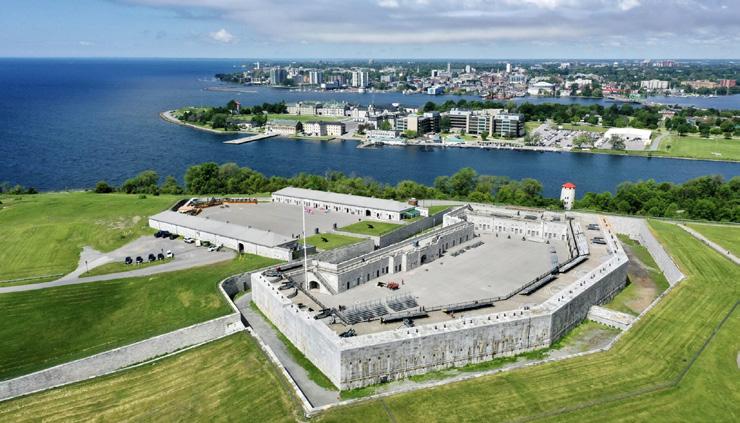
Overlooking the entrance to the Rideau Canal in Kingston, Fort Henry is one of Canada’s finest examples of 19th-century military architecture. Built by the British between 1832 and 1837 following the War of 1812, the fort was designed to defend the naval dockyard at Kingston
Fortress of Louisbourg, Nova Scotia
and protect the strategic waterway connecting the Great Lakes with the St. Lawrence River.
Interestingly, Fort Henry never fired a shot in battle. Nevertheless, its imposing limestone walls, defensive batteries, and barracks served as an important deterrent against potential American invasion.
Today, visitors can witness impressive military drills performed by the famous Fort Henry Guard, explore underground tunnels, observe musket and cannon demonstrations, and enjoy panoramic views of Kingston Harbour. The fort remains one of Ontario’s most visited historic attractions.
Fort York, Ontario
Located in downtown Toronto, Fort York marks the birthplace of modern Toronto. Established in 1793 by Lieutenant Governor John Graves Simcoe, it became the headquarters for British military operations in Upper Canada.
Fort York gained prominence during the War of 1812 when American forces attacked and occupied the settlement in 1813. Although much of the original fort was destroyed during the battle, it was later rebuilt
and continued to serve military purposes for many decades.
Today, Fort York preserves Canada’s largest collection of original War of 1812 buildings. Interactive exhibits, guided tours, historical reenactments, and educational programs help visitors understand the significance of this pivotal period in Canadian history.
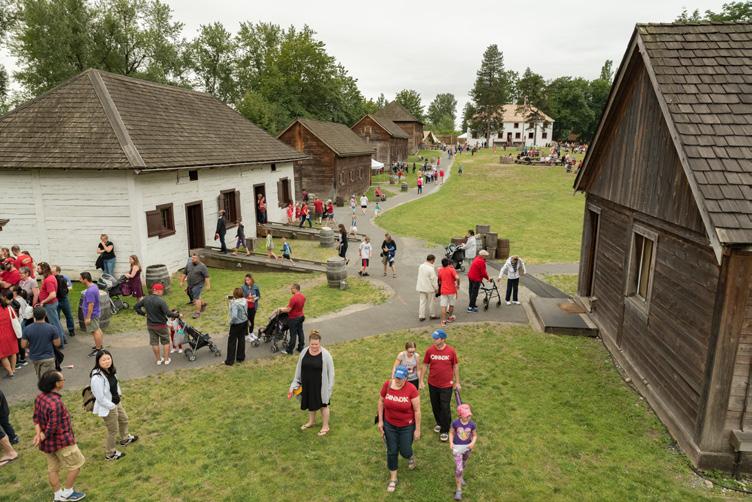
Fort Langley, British Columbia
Often called the “Birthplace of British Columbia,” Fort Langley played a central role in western Canada’s development. Established in 1827 by
the Hudson’s Bay Company along the Fraser River, the fort initially served as a fur trading post before expanding into salmon packing, farming, and gold trade.
During the Fraser River Gold Rush of 1858, Fort Langley became an important commercial centre as thousands of prospectors arrived in search of fortune. It was here that Governor James Douglas proclaimed the Colony of British Columbia, marking a defining moment in the province’s history.
Today, visitors can experience blacksmith demonstrations, gold panning, barrel making, and traditional woodworking while learning about the relationships between European traders and Indigenous communities.
Fort Wellington, Ontario
Situated in Prescott along the St. Lawrence River, Fort Wellington was constructed during the War of 1812 to protect vital shipping routes between Montreal and Kingston. The river served as Canada’s most important transportation corridor, making its defence essential.
Fort Henry, Ontario
Fort Langley, British Columbia
The fort successfully safeguarded military supplies and communications during the conflict. It was later expanded during the tensions of the 1830s and remained active well into the 19th century.
Today, Fort Wellington features original defensive structures, restored barracks, and informative exhibits that showcase the lives of British soldiers stationed there.
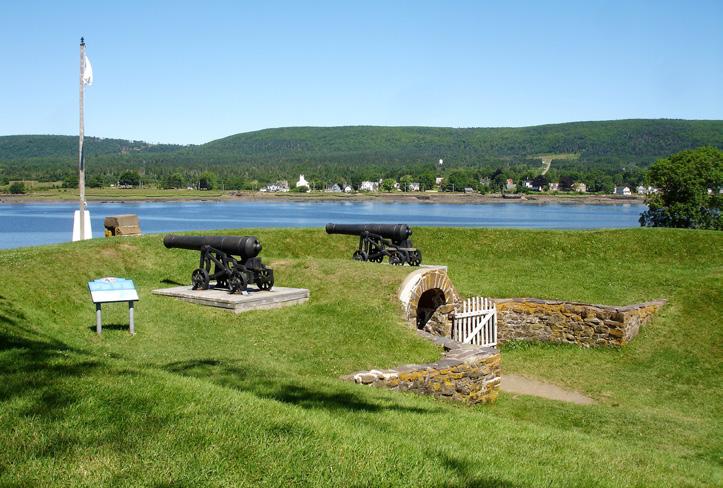
Fort Anne, Nova Scotia
Fort Anne, located in Annapolis Royal, is Canada’s oldest National Historic Site. Originally established by the French in the early 1600s as part of Port Royal, it changed hands numerous times between the French and British during decades of colonial conflict.
The fort’s unique earthen starshaped design remains largely intact, making it an outstanding example of early military engineering. Throughout its history, Fort Anne witnessed numerous battles that determined control of Acadia and shaped the future of Atlantic Canada.
Today, the site features archaeological remains, historical artifacts, and interpretive programs
that explore more than four centuries of Canadian history.
Lower Fort Garry, Manitoba
Located north of Winnipeg, Lower Fort Garry was built by the Hudson’s Bay Company in the 1830s. Unlike many military forts, it served primarily as a trading post, administrative headquarters, and agricultural centre.
Its greatest historical significance came in 1871 when Treaty No. 1 was signed between the Canadian government and several First Nations. This treaty marked the beginning of the Numbered Treaties that would shape western Canada’s development.
Visitors today can explore original stone buildings, meet costumed interpreters, and learn about the fur trade, Indigenous cultures, and early settlement in Manitoba.
Fort Battleford, Saskatchewan
Constructed in 1876, Fort Battleford served as the headquarters of the North-West Mounted Police during a transformative period in western Canadian history. It became closely associated with the North-West Resistance of 1885 led by Louis Riel.
The fort protected settlers while also serving as an important administrative centre during the expansion of Canadian governance across the Prairies.
Today, the restored fort tells stories of policing, settlement, Indigenous relations, and the events that shaped Saskatchewan’s early development.
Preserving Canada’s Military Heritage
Canada’s historic forts are more than stone walls and wooden palisades. They represent centuries of exploration, conflict, commerce, diplomacy, and cultural exchange. They also tell stories of Indigenous peoples whose lands and communities were deeply connected to these sites long before European settlement.
Today, these forts serve as living classrooms where visitors can experience history through immersive exhibits, historical reenactments, guided tours, and hands-on demonstrations. They preserve valuable artifacts while encouraging reflection on the many perspectives that have shaped Canada’s past.
Whether overlooking the Atlantic Ocean, standing beside the Great Lakes, or nestled along the Fraser River, Canada’s historic forts remain enduring symbols of resilience and nation-building. They remind us that the country’s story was forged not only through battles and treaties but also through cooperation, trade, cultural exchange, and the determination of people who helped build the Canada we know today. Visiting these remarkable sites offers a unique opportunity to connect with the nation’s heritage while appreciating the diverse histories that continue to shape Canada’s identity in the twenty-first century.
Fort Anne, Nova Scotia
Vancouver Comes Alive
THE FIFA WORLD CUP 2026 Experience Beyond the Stadium
When the FIFA World Cup arrives in a host city, football becomes much more than a game—it transforms into a citywide celebration. In the summer of 2026, Vancouver has embraced that spirit wholeheartedly, turning streets, plazas, waterfronts, and public spaces into a vibrant showcase of sport, culture, and community. While the action inside BC Place captures the world’s attention, the excitement extends far beyond the stadium walls. Everywhere you look, Vancouver has become a football festival, welcoming fans from around the globe with unforgettable experiences.
Walking through downtown Vancouver feels like stepping into a living World Cup celebration.
Streets are lined with colourful FIFA banners, giant maple leaf displays, tournament branding, and welcoming messages in multiple languages. From Vancouver International Airport to Canada Place and throughout the downtown core, visitors are greeted by decorations that celebrate not only the world’s biggest sporting event but also Canada’s hospitality and multicultural identity.
One of the city’s biggest attractions is its impressive collection of FIFA installations. Giant football sculptures, official tournament signs, illuminated landmarks, artistic murals, and interactive displays celebrating participating nations have become must-visit photo spots. Families, tourists, and football
supporters gather daily to capture memories while sharing Vancouver’s World Cup experience with audiences around the world. The FIFA Fan Festival has emerged as the heart of the celebration,
welcoming supporters regardless of whether they have match tickets. Every game day, thousands of fans wearing jerseys from every continent gather around massive high-definition screens to watch the action unfold. Every goal, save, and dramatic finish is met with thunderous cheers, creating an atmosphere that rivals the excitement inside BC Place.
Beyond live match broadcasts,
the Fan Festival offers a full day of entertainment. Local musicians, Indigenous cultural groups, DJs, multicultural dance performers, and community artists keep visitors entertained between matches. Vancouver’s incredible diversity is reflected on every stage, making the festival a true celebration of global cultures united through football.
Interactive experiences have become another highlight of the tournament. Visitors of all ages can enjoy penalty kick challenges, freestyle football demonstrations, virtual reality games, reaction contests, football trivia, and youth coaching clinics. Family zones featuring mini pitches,
face painting, and footballthemed activities provide endless entertainment for young fans while inspiring the next generation of players.
Food is another unforgettable part of Vancouver’s World Cup experience. The city’s internationally renowned culinary scene shines through dozens of food vendors offering everything from Canadian classics to Latin American, European, Asian, African, and Middle Eastern specialties. Local breweries, cafés, and dessert shops have embraced the tournament with football-inspired menus, allowing visitors to enjoy Vancouver’s diverse food culture alongside the excitement of the matches.
BC Place has naturally become the centrepiece of the tournament. On match days, the surrounding streets buzz with excitement hours before kickoff. Fans dressed in national
colours march toward the stadium singing anthems, waving flags, and exchanging scarves with supporters from opposing teams. Volunteers welcome visitors with smiles and helpful directions, reinforcing Canada’s reputation for warmth and hospitality.
The city’s transportation system has also embraced the World Cup. SkyTrain stations, buses, and transit hubs feature FIFA-themed artwork and multilingual signage guiding visitors efficiently throughout the city. Travelling to matches has become part of the experience, with trains filled with supporters singing songs, discussing predictions, and celebrating victories together.
Canada Place has become another major gathering destination during the tournament. Its spectacular waterfront setting offers breathtaking views of Burrard Inlet while hosting cultural performances, interactive
exhibits, and outdoor entertainment. Surrounded by mountains, ocean, and skyline, visitors experience a uniquely Vancouver backdrop unlike any other World Cup host city.
Across the city, businesses have enthusiastically joined the celebration. Storefronts display football-themed decorations, restaurants proudly fly flags representing competing nations, and hotels welcome international visitors with tournament-inspired experiences. Local retailers offer official merchandise alongside uniquely Canadian souvenirs, giving visitors lasting reminders of both the World Cup and British Columbia.
The excitement extends well beyond Vancouver. Across British Columbia, communities have organized vibrant FIFA World Cup watch parties, bringing supporters together to cheer on their favourite teams. Cities including Surrey,
Burnaby, Richmond, Coquitlam, Langley, Abbotsford, Victoria, and Kelowna have hosted outdoor screenings in civic plazas, parks, recreation centres, and community halls. Families gather with picnic blankets and lawn chairs while local restaurants, food trucks, and entertainers create a festive atmosphere.
The World Cup spirit has spread across Canada as well. Major cities such as Toronto, Montreal, Calgary, Edmonton, Winnipeg, Ottawa, and Halifax have organized public viewing events that attract thousands of fans. These watch parties have transformed neighbourhoods into lively football celebrations, allowing supporters without stadium tickets to experience the tournament together. Every goal is celebrated collectively, proving football’s remarkable ability to unite people regardless of nationality, language, or background.
The tournament has also highlighted Vancouver’s commitment to sustainability. Recycling stations, public transit incentives, refillable water stations, and environmentally responsible event planning demonstrate the city’s dedication to hosting a world-class event while reducing its environmental footprint. This approach complements Vancouver’s global reputation as one of the world’s greenest cities.
Art and culture have become integral parts of the World Cup experience. Public art installations explore themes of unity, diversity, teamwork, and international friendship, while Indigenous artists have created works acknowledging the traditional territories of the Musqueam, Squamish, and Tsleil-Waututh Nations. These artistic contributions provide visitors with a deeper appreciation of the region’s rich cultural heritage.
Community organizations have embraced the tournament by hosting neighbourhood football tournaments, charity matches, youth clinics, multicultural festivals, and educational programs. Schools and local football clubs have introduced activities encouraging children to
participate in sport while learning about the cultures represented in the World Cup. These grassroots initiatives ensure the tournament leaves a lasting legacy long after the final whistle.
For Vancouver’s tourism industry, the FIFA World Cup has become an extraordinary opportunity. Visitors attending matches often extend their stay to explore Stanley Park, Granville Island, Gastown, Grouse Mountain, Capilano Suspension Bridge, Whistler, and the breathtaking Sea-to-Sky Highway. Hotels, tour operators, restaurants, and local businesses have all benefited from
welcoming football fans eager to experience one of North America’s most scenic destinations.
Perhaps the tournament’s greatest achievement has been the sense of unity it has created. Fans from every continent gather peacefully, celebrating different cultures while sharing one common passion. Language barriers disappear as strangers exchange smiles, jerseys, scarves, and chants. Children play football together regardless of nationality, demonstrating why the sport is often called the world’s universal language.
As Vancouver hosts one of the greatest sporting events on the planet, it has proven that the FIFA World Cup is about far more than ninety minutes on the pitch. Through spectacular FIFA installations, colourful decorations, vibrant fan festivals, community watch parties across British Columbia and Canada, world-class entertainment, and the warmth of its people, Vancouver has created an unforgettable celebration. Long after the final match is played, the summer of 2026 will be remembered as the moment when football brought the world together on Canada’s spectacular West Coast.
YOUR TRADE CAREER WITH US START
Ace Community College stands as a powerful example of vision, resilience, and community impact Founded by Supneet Kaur, a woman of color in Canada, Ace Trades and Technical Instituite began with humble roots starting from her parents’ garage with a clear mission: to create accessible, career-focused education in the skilled trades
What started as a small initiative has now grown into a recognized institution, along with Ace Trades and Technical Institute, which provides Red Seal-aligned training to prepare students for industry-recognized certification and real-world careers From the very beginning, the focus has been on hands-on learning, job-ready skills, and practical training that directly aligns with labour market demands This approach has particularly benefited the Punjabi community, helping many individuals transition into stable, in-demand careers in trades such as electrical, construction, and technical fields Today, Ace community college and Ace Trades and Technical Institute continue to expand their impact, empowering students from diverse backgrounds to build meaningful careers With plans to grow across multiple provinces, Supneet’s vision is clear to make skilled trades education more accessible and create opportunities for communities across Canada Ace Trades and Technical Institute and Ace Community college are not just a colleges it is a story of growth, determination, and building futures from the ground up Building on this strong foundation, ACE Community College and Ace Trades and Technical Institute continue to create meaningful opportunities for students ready to step into the workforce With a focus on hands-on, industry-aligned training, the institutions are helping individuals turn ambition into real careers As they expand into new provinces, their mission remains the same to empower communities, support skilled talent, and make quality trades education accessible to all
PICTURE PERFECT CANADA
The Country’s Most Instagrammable Places
Canada isn’t just one of the world’s largest countries—it’s also one of its most photogenic. From turquoise lakes and towering mountain peaks to colourful fishing villages and vibrant city skylines, every corner of the country offers a postcardworthy backdrop. Whether you’re a professional photographer, an avid traveller, or simply someone looking for the perfect social media post, Canada is filled with destinations that deserve a place on your bucket list.
One of the country’s most photographed locations is Lake Louise in Alberta’s Rocky Mountains. Famous for its crystal-clear turquoise waters, surrounded by towering peaks and the majestic Victoria Glacier, the lake looks almost unreal.
In summer, colourful canoes glide across its calm waters, while winter transforms it into a magical frozen landscape complete with an ice castle and skating rink.
Just a short drive away lies Moraine Lake, another world-famous destination. Its brilliant blue waters, framed by the dramatic Valley of the Ten Peaks, create one of the most iconic landscapes in North America. Sunrise is particularly spectacular, as the first rays of sunlight illuminate the mountain peaks, creating unforgettable photographs.
Canada’s west coast offers another Instagram favourite—Canada Place in Vancouver. Its distinctive white sail-like roof, combined with
stunning views of Burrard Inlet, the North Shore Mountains, and the city skyline, makes it a must-visit for photographers. During sunset, the waterfront comes alive with golden reflections, while colourful cruise ships and seaplanes add extra charm to every frame.
Just beyond Vancouver lies Whistler, a destination that shines in every season. Snow-covered mountains, alpine lakes, colourful village streets, and scenic gondola rides provide endless opportunities for breathtaking photography. Whether you’re visiting during ski season or enjoying wildflower-filled hiking trails in summer, Whistler never disappoints.
Heading east, Niagara Falls remains one of Canada’s most photographed natural wonders. Millions of litres of water thunder over the falls every minute, creating dramatic mist, rainbows, and unforgettable panoramic views. Nighttime illumination and seasonal fireworks make this iconic destination even more spectacular for photographers.
For those seeking colourful urban scenery, Old Quebec City feels like stepping into a European fairytale. Cobblestone streets, charming cafés, flower-filled balconies, and centuriesold architecture create endless photo opportunities. During winter, fresh snow adds an extra layer of magic to this UNESCO World Heritage Site.
In Atlantic Canada, the picturesque fishing village of Peggy’s Cove in Nova Scotia is famous for its
historic lighthouse perched atop rugged granite rocks. Waves crashing against the coastline and brilliant sunsets have made it one of Canada’s most recognizable coastal landmarks.
Nature lovers will also fall in love with Gros Morne National Park in Newfoundland and Labrador. Towering cliffs, dramatic fjords, waterfalls, and untouched wilderness create landscapes unlike anywhere else in the country. Every hiking trail offers sweeping panoramic views that seem made for photography.
The Canadian Rockies offer countless additional gems, including Emerald Lake in British Columbia’s Yoho National Park. True to its name, the lake’s vibrant emerald-green waters reflect the surrounding forests and mountain peaks, creating breathtaking images throughout the year.
Canada Place in Vancouver
No list would be complete without mentioning Churchill, Manitoba, where photographers from around the world gather to capture polar bears, beluga whales, and the dazzling Northern Lights. During winter, dancing ribbons of green and purple light illuminate the Arctic sky, creating one of nature’s most spectacular displays.
For flower lovers, Butchart Gardens near Victoria is a visual masterpiece. With millions of blooms arranged in stunning displays, elegant fountains, and beautifully landscaped pathways, every season offers fresh photographic inspiration.
Canada’s cities also provide impressive urban skylines. Toronto’s CN Tower, Montréal’s historic Old Port, Calgary’s modern skyline, and Ottawa’s magnificent Parliament Hill each showcase a different side of Canada’s architectural beauty. During national celebrations like Canada Day, these landmarks become even more vibrant with fireworks, cultural performances, and festive decorations.
What makes Canada’s most Instagrammable places truly special is their diversity. In a single country, you can photograph glaciers, rainforests, prairies, vineyards, Arctic
tundra, charming fishing villages, bustling cosmopolitan cities, and pristine beaches. Every season transforms these destinations, offering photographers new colours, lighting, and perspectives throughout the year.
Of course, capturing beautiful images also comes with responsibility. Visitors are encouraged to stay on marked trails, respect wildlife, follow local regulations, and help preserve these remarkable places for future
generations. The best photographs are those that celebrate nature without harming it.
From sunrise over the Rocky Mountains to sunset along the Atlantic coast, Canada offers endless opportunities to fill your camera roll with unforgettable memories. Whether you’re chasing waterfalls, exploring vibrant city streets, or watching the Northern Lights dance across the Arctic sky, every journey reveals another picture-perfect destination.
Niagara Falls in Ontario
Peggy’s Cove in Nova Scotia
Toronto City in Ontario
KEERIT JUTLA Standing for What Matters
Keerit Jutla is a Canadian lawyer, business leader, and respected community advocate whose career has been defined by leadership, collaboration, and a commitment to building stronger communities. As the Chief Executive Officer of Invicta Metals, a Canadian critical minerals company founded on consentbased partnerships with Indigenous communities, Jutla is helping shape a more responsible and inclusive future for Canada’s resource sector. His leadership reflects a belief that economic growth and meaningful relationships with communities can—and should—go hand in hand.
Before joining Invicta Metals, Jutla served as Interim President and Chief Executive Officer of the Association for Mineral Exploration, where he represented one of British Columbia’s most significant industries during a period of considerable change.
He has also held senior positions within the Government of British Columbia, working across public policy, economic development, and stakeholder engagement. A lawyer by training, Jutla has spent more than a decade bringing together government, industry, Indigenous communities, and non-profit organizations to solve complex challenges through dialogue and partnership.
Beyond his professional accomplishments, Jutla has become widely recognized for something equally important—his unwavering commitment to standing against hatred and discrimination. A proud Canadian of Sikh faith, he has emerged as one of the country’s most visible allies of the Jewish community, using his voice and leadership to confront antisemitism and promote understanding across communities.
His commitment became deeply personal in the aftermath of the October 7, 2023 attacks, when incidents of antisemitism increased dramatically across Vancouver, British Columbia, and Canada. At the time, Jutla was leading a national industry association. During those difficult days, a member of his own team shared that they were afraid to tell people they were Jewish. That single conversation left a lasting impression.
Rather than remaining silent, Jutla chose to act.
He invited the Friends of Simon Wiesenthal Center to deliver antisemitism education and awareness training for his organization. The sessions opened important conversations and challenged assumptions, but they also highlighted how much education was still needed. For Jutla,
the experience reinforced a simple but powerful belief: those who question why the Jewish community deserves protection are often the very people who would benefit most from learning about the history of antisemitism and its impact.
His approach to allyship is rooted in fairness and shared humanity. Jutla believes that no individual or community should be blamed for the actions of a foreign government, nor should Canadians be expected to answer for political events taking place thousands of kilometres away. He has spoken openly about the dangers of hate-driven populism, describing it as something that benefits only a small number of people while leaving entire communities living with fear and uncertainty.
For Jutla, standing against antisemitism is not about politics— it is about protecting the dignity, safety, and rights of fellow Canadians. He rejects the notion that any cause justifies hatred or intimidation, emphasizing that no one should ever feel unsafe because of their identity or faith.
His advocacy is also inspired by history. Jutla frequently points to the longstanding relationship between Sikh and Jewish communities, highlighting moments when solidarity transcended cultural and religious differences. He has spoken about the refuge offered to Jewish communities under the Sikh Empire and the acts of compassion shown by Sikhs during the Holocaust, viewing these moments as enduring reminders that communities are strongest when they stand together in times of persecution.
These historical examples continue to shape his belief that allyship is not simply about words, but about meaningful action when others need support the most.
In recognition of his leadership and advocacy, the Jewish Federation of Greater Vancouver honoured Jutla as its 2026 Ally of the Year. The award celebrates individuals who have demonstrated exceptional commitment to combating antisemitism and strengthening
relationships between communities. For Jutla, the recognition reflects a broader principle: defending one community from hatred ultimately strengthens the dignity, security, and freedom of all Canadians.
Throughout every aspect of his work, Jutla remains guided by the Sikh values of seva, or selfless service, and sarbat da bhala, the well-being of all. These principles have shaped both his professional leadership and his commitment to building bridges between communities. Whether leading organizations, advocating for education, or speaking out against discrimination, he continues to demonstrate that true leadership is measured not only by professional success, but by the willingness to stand beside others when it matters most.
In an increasingly diverse Canada, Keerit Jutla’s example reminds us that allyship is more than a gesture— it is a responsibility. Through compassion, education, and principled leadership, he is helping foster a future where every Canadian, regardless of faith or background, can feel respected, valued, and safe.
Cloverdale Rodeo 2026 Dust, Denim & Dreams
Every May long weekend, the heart of Surrey transforms into a lively celebration of Western heritage, family fun, and community pride. In 2026, the 135th Cloverdale Country Fair and 78th Cloverdale Rodeo once again proved why it is one of British Columbia’s most beloved annual events. Drawing a record-breaking more than 82,000 visitors over five unforgettable days, this year’s festival combined thrilling rodeo action, live entertainment, delicious food, exciting midway rides, and authentic country hospitality into an experience that appealed to every generation.
Long before the first bull rider entered the arena, downtown Cloverdale had already embraced its cowboy identity. Western-themed storefronts, residents sporting cowboy hats and boots, and visitors arriving from across British Columbia and beyond created an atmosphere unlike anywhere else in the province. The Cloverdale Fairgrounds became a destination where rural traditions met modern entertainment, celebrating the rich agricultural heritage that has defined the community for well over a century.
At the centre of the celebration was BC’s biggest professional rodeo. The
Stetson Bowl came alive as some of North America’s top cowboys and cowgirls competed in crowdfavourite events including bull riding, saddle bronc riding, bareback riding, barrel racing, and other high-energy competitions. Every ride, every cheer, and every dramatic finish kept spectators on the edge of their seats, showcasing the courage, athleticism, and skill that define professional rodeo.
While the rodeo remains the headline attraction, the Country Fair offers much more than life inside the arena. Families spent entire days exploring the expansive midway,
where thrilling rides, classic carnival games, and colourful attractions delighted children and adults alike. From towering Ferris wheels to adrenaline-pumping rides and kidfriendly amusements, the midway added excitement around every corner.
Food lovers were equally spoiled for choice. More than 50 food vendors served everything from smoky barbecue and giant turkey legs to mini donuts, poutine, tacos, Asian street food, and sweet treats. Local favourites shared space with international flavours, reflecting Surrey’s multicultural community while maintaining the fair’s unmistakable country charm. Whether visitors came craving comfort food or adventurous new flavours, there was something to satisfy every appetite.
Music echoed throughout the fairgrounds from morning until night. Multiple stages featured an impressive lineup of country artists, rock bands, tribute acts, Indigenous performers, DJs, and local entertainers. A major addition in 2026 was the return of the Country Fair Kickoff Concert, featuring
popular performers including Brett Kissel and Cooper Alan, helping launch the festivities in spectacular fashion. Throughout the weekend, live performances ensured there was always another reason to stop, listen, and celebrate.
One of the highlights of the weekend was the beloved Cloverdale Rodeo Parade. More than 1,000 participants filled the streets with decorated floats, marching bands, antique vehicles, horseback riders, dancers, community organizations, and local businesses. Thousands of spectators lined the parade route, waving flags
and cheering as colourful entries celebrated the region’s Western heritage and community pride. For many families, the parade remains a cherished tradition that officially marks the beginning of the Victoria Day long weekend.
Beyond the entertainment, the fair celebrated British Columbia’s agricultural roots. The Agri Zone introduced visitors to farm animals, educational exhibits, and demonstrations that connected urban families with rural life. Children had the opportunity to meet livestock, learn about farming, and
gain a greater appreciation for the province’s agricultural community. The popular Indigenous Village also offered cultural performances, storytelling, and educational experiences that honoured the traditions and history of the First Peoples of the region.
The fairgrounds also buzzed with unique attractions beyond the rodeo arena. Lumberjack demonstrations showcased incredible strength and precision, while freestyle skateboarding competitions attracted younger audiences with gravity-defying tricks. Interactive exhibits, family entertainment, artisan vendors, and community displays ensured that every visit offered something new to discover. What truly sets the Cloverdale Rodeo apart is its strong sense
of community. Local volunteers, businesses, sponsors, and organizations work together each year to create an event that welcomes everyone. Visitors quickly discover that the Rodeo is about more than competition—it’s about neighbours reconnecting, families creating traditions, and newcomers experiencing the warmth and hospitality that define Cloverdale.
The economic impact of the event is equally impressive. Hotels, restaurants, retailers, and tourism operators throughout Surrey benefit from the thousands of visitors who travel to attend the festivities. Many extend their stay to explore nearby attractions, helping support local businesses while introducing visitors to everything the city has to offer beyond the fairgrounds.
Despite its remarkable growth, the Cloverdale Rodeo has never lost sight of its roots. Founded on agricultural traditions and community involvement, it continues
to celebrate the values of hard work, perseverance, sportsmanship, and rural heritage while embracing new entertainment and experiences for modern audiences. It is this balance between tradition and innovation that has allowed the event to thrive for generations.
The record-breaking attendance in 2026 is a testament to the event’s enduring popularity and its ability to bring people together. Families returned year after year, first-time visitors discovered a new favourite tradition, and the fairgrounds once again became the place where unforgettable memories were made.
As the final cheers echoed through the Stetson Bowl and the midway lights dimmed for another year, one thing became clear: the Cloverdale Rodeo & Country Fair is far more than a rodeo. It is a celebration of Western culture, agriculture, entertainment, and community spirit. Whether visitors came for the thrilling competitions, the music, the food, the parade, or simply the atmosphere, they left with smiles, lasting memories, and a renewed appreciation for one of British Columbia’s most iconic annual events. With yet another successful chapter in its remarkable history, the Cloverdale Rodeo continues to prove that some traditions only grow stronger with time.
Canada’s Incredible Wildlife A Journey Through Nature’s Greatest Wonderland
Stretching from the rugged Atlantic coastline to the towering Rocky Mountains and the icy Arctic tundra, Canada is home to one of the most diverse ecosystems on Earth. Covering nearly ten million square kilometres, the world’s secondlargest country provides habitat for thousands of species that thrive in forests, grasslands, wetlands, mountains, and oceans. While many of these animals can also be found in neighbouring regions, Canada remains one of the few places where visitors can witness such an extraordinary variety of wildlife in its natural habitat.
Perhaps no animal symbolizes Canada more than the beaver Declared the country’s official national animal in 1975, the
history and landscape. During the fur trade era, beaver pelts played a significant role in the nation’s economic development.
Today, these remarkable engineers continue to transform rivers and wetlands by building dams that create habitats for countless other species.
Another unmistakable Canadian icon is the moose. Towering over two metres tall and weighing as much as 700 kilograms, the moose is the largest member of the deer family. These gentle giants roam forests and wetlands across much of the country, feeding on aquatic plants, leaves, and shrubs.
Spotting a moose during a drive through Canada’s wilderness is an unforgettable experience, though motorists are always advised to remain cautious, especially at dawn and dusk.
The majestic polar bear represents the wild beauty of Canada’s Arctic. With nearly two-thirds of the world’s polar bear population living in Canada, the country is one of the best places to observe these magnificent animals in their natural environment. Churchill, Manitoba, often called the “Polar Bear Capital of the World,” attracts wildlife enthusiasts each autumn as bears gather along the shores of Hudson Bay waiting for sea ice to form.
Canada’s forests are also home to the elusive Canada lynx, recognized by its tufted ears, thick fur, and oversized paws that act like natural snowshoes. Perfectly adapted to snowy landscapes, the lynx primarily hunts snowshoe hares and remains one of the country’s most fascinating yet rarely seen predators.
In the mountainous regions of western Canada, visitors may encounter mountain goats, bighorn sheep, and the elusive wolverine. Despite its relatively small size, the wolverine is famous for its incredible strength, endurance, and fearless nature. These solitary animals inhabit remote alpine and boreal regions, making sightings exceptionally rare.
Canada’s skies are equally spectacular. The Canada goose, with its distinctive black neck and white chinstrap, has become one of the world’s most recognizable birds. Every spring and autumn, millions of geese migrate across North America in their iconic V-shaped formations. Bald eagles, snowy owls, great gray owls, and peregrine falcons also grace Canadian skies, delighting birdwatchers throughout the seasons.
Beneath the ocean’s surface lies another world of remarkable wildlife. Along the Pacific coast of British Columbia, visitors can witness migrating orcas, humpback whales, sea lions, harbour seals, and playful sea otters. On the Atlantic coast, puffins nest on rocky islands while whales—including humpbacks, minkes, and the endangered North Atlantic right whale—travel through nutrient-rich waters.
Canada is also home to one of the world’s largest remaining populations of woodland caribou, animals that have long held cultural significance for Indigenous communities. In the far north, the annual migration of barren-ground caribou ranks among the greatest
with hundreds of thousands travelling across the tundra in search of food.
Not all of Canada’s remarkable wildlife is large. Colourful butterflies, dragonflies, frogs, turtles, and countless species of songbirds contribute to the country’s rich biodiversity. Wetlands across the nation serve as critical breeding grounds for migratory birds, while old-growth forests provide refuge for rare amphibians and insects found nowhere else.
Canada’s diverse wildlife exists thanks in large part to its vast network of protected areas. More than 40 national parks and numerous provincial parks preserve millions of hectares of wilderness, allowing animals to thrive while offering visitors opportunities to experience nature responsibly. Parks such as
Conservation remains essential as climate change, habitat loss, and human activity continue to affect
Whether it’s hearing the haunting call of a loon across a quiet lake, watching salmon return to their spawning rivers, spotting a black bear foraging in a forest meadow, or witnessing a pod of orcas slicing through Pacific waters, Canada’s wildlife offers experiences unlike anywhere else in the world.
As Canadians celebrate their country’s natural beauty, its wildlife serves as a powerful reminder that the nation’s greatest treasures are often found not in cities or monuments, but in its forests, mountains, rivers, and coastlines.
Protecting these remarkable creatures ensures that Canada’s wilderness will continue to inspire wonder, adventure, and pride for generations to come.
Classic Canadian Butter Tarts
Ingredients
For the Pastry
• 21/4 cups all-purpose flour
• 1 tsp salt
• 1 cup cold unsalted butter, cubed
• 6–8 tbsp ice water
(Or use one package of ready-made pie pastry for convenience.)
For the Filling
• 1/2 cup unsalted butter, melted
• 1 cup packed brown sugar
• 2 large eggs
• 1 tsp vanilla extract
• 2 tbsp maple syrup (optional, for extra Canadian flavour)
• 2 tbsp whipping cream
• 1 tbsp white vinegar
• 1/4 tsp salt
• 1/2 cup raisins or chopped pecans (optional)
Instructions
Step 1: Prepare the Pastry
Preheat the oven to 375°F (190°C). If making homemade pastry, combine the flour and salt in a large bowl. Cut
in the cold butter until the mixture resembles coarse crumbs. Gradually add ice water, one tablespoon at a time, until the dough comes together. Wrap and refrigerate for 30 minutes.
Roll out the dough on a lightly floured surface and cut twelve 4-inch circles. Press each circle into a standard muffin tin.
Step 2: Make the Filling
In a medium bowl, whisk together the melted butter, brown sugar, eggs, vanilla, maple syrup, cream, vinegar, and salt until smooth. If desired, place a few raisins or chopped pecans into each pastry shell before pouring in the filling.
Fill each tart shell about two-thirds full, leaving room for the filling to bubble as it bakes.
Step 3: Bake
Bake for 20–25 minutes, or until the pastry is golden brown and the filling
is bubbling around the edges with a slightly soft centre.
Allow the tarts to cool in the pan for 10 minutes before carefully transferring them to a wire rack.
Tips for Perfect Butter Tarts
• For a runny centre, bake for about 20 minutes.
• For a firmer filling, bake 24–25 minutes.
• Add chopped walnuts or pecans for extra crunch.
• A splash of maple syrup enhances the authentic Canadian flavour.
• Butter tarts can be stored in an airtight container for up to four days or frozen for up to three months
Serving Suggestion
Serve slightly warm with freshly brewed coffee or tea, or pair with a scoop of vanilla ice cream for a truly indulgent Canadian dessert.
Ingredients
For the Butter Chicken
• 500 g boneless chicken thighs or breast, cut into bitesized pieces
• 2 tbsp plain yogurt
• 1 tsp ginger-garlic paste
• 1 tsp paprika
• 1/2 tsp turmeric
• 1 tsp garam masala
• Salt to taste
Butter Chicken Sauce
• 2 tbsp butter
• 1 tbsp vegetable oil
• 1 medium onion, finely chopped
• 2 cloves garlic, minced
• 1 tsp grated ginger
• 1 tsp cumin
• 1 tsp coriander powder
• 1 tsp garam masala
• 1 tsp Kashmiri chili powder (optional)
• 1 cup tomato purée
• 1/2cup heavy cream
• 1 tbsp honey or brown sugar
• Salt and black pepper to taste
• Fresh cilantro, chopped
For the Poutine
• 4 large russet potatoes, cut into fries (or 800 g frozen fries)
• 2 cups fresh cheese curds
• 1 cup hot chicken gravy
• Fresh cilantro for garnish
BUTTER CHICKEN POUTINE
Instructions
Step 1: Combine the chicken with yogurt, ginger-garlic paste, paprika, turmeric, garam masala, and salt. Mix well and refrigerate for at least 20 minutes, or up to overnight for deeper flavour.
Step 2: Heat the oil and 1 tablespoon butter in a large skillet over medium-high heat. Cook the chicken for 6–8 minutes until lightly browned and cooked through. Remove and set aside.
Step 3: In the same pan, melt the remaining butter. Sauté the onion until soft, then add the garlic and ginger. Stir in the cumin, coriander, garam masala, and chili powder, cooking for about a minute until fragrant.
Add the tomato purée and simmer for 8–10 minutes. Stir in the cream and honey, then return the chicken to the pan. Simmer for another 5–7 minutes until the sauce is rich, creamy, and coats the chicken beautifully. Finish with fresh cilantro.
Step 4: Bake, air-fry, or deep-fry the potatoes until golden brown and crispy. Season lightly with salt.
Step 5: Arrange the hot fries on a serving platter or individual bowls. Scatter the cheese curds generously over the fries so they begin to soften from the heat. Spoon hot chicken gravy over the fries, followed by generous portions of the butter chicken and its creamy sauce.
Garnish with chopped cilantro and serve immediately while the fries are crisp and the cheese curds are warm.
Ingredients
Bottom Layer
• 1/2 cup unsalted butter
• 1/4cup granulated sugar
• 5 tbsp cocoa powder
• 1 large egg, beaten
• 11/2 cups graham cracker crumbs
• 1 cup unsweetened shredded coconut
• 1/2 cup chopped walnuts or pecans (optional)
• 1 tsp vanilla extract
Middle Layer
• 1/2 cup unsalted butter, softened
• 2 tbsp custard powder (such as Bird’s Custard Powder)
• 2 cups icing (powdered) sugar
• 2–3 tbsp heavy cream or milk
• 1 tsp vanilla extract
Top Layer
• 4 oz (115 g) semi-sweet chocolate, chopped
• 2 tbsp unsalted butter
Instructions
Step 1: In a large bowl, combine the flour and salt. Beat together the egg, warm water, and oil, then gradually mix into the flour until a soft dough forms. Knead for about 8–10 minutes until smooth and elastic. Cover with a clean towel and let rest for 30 minutes.
Step 2: Boil the potatoes in salted water until fork tender, about 15 minutes. Drain well and mash with the butter
CLASSIC NANAIMO BARS
and milk until smooth. Stir in the grated cheddar cheese until melted. Season with salt, pepper, and garlic powder if using. Let the filling cool completely.
Step 3: Roll the dough to about 1/8inch (3 mm) thick. Cut circles using a 3-inch cookie cutter or drinking glass. Place 1 tablespoon of potato filling in the centre of each circle. Fold over into a half-moon shape and firmly pinch the edges to seal. Keep finished perogies covered with a towel to prevent drying.
Step 4: Bring a large pot of salted water to a gentle boil. Cook the perogies in batches for 3–4 minutes, or until they float to the surface. Remove with a slotted spoon. For extra flavour, pan-fry the boiled perogies in butter over medium heat for 2–3 minutes per side until lightly golden.
Step 5: While the perogies cook, melt the butter in a skillet and slowly cook the onions until golden brown and caramelized, about 15–20 minutes.
Tips
• Ensure the mashed potatoes are completely cool before filling the dough.
• Do not overfill the perogies, as they may burst during cooking.
• Freeze uncooked perogies on a baking sheet, then transfer to freezer bags for up to three months.
• Try adding sautéed mushrooms, smoked cheddar, or fresh dill to the filling for extra flavour.
Eating Out
Enjoy Delicious Meals Without Breaking Your Budget
Eating out is one of life’s simple joys. Whether it’s a casual lunch with friends, a romantic dinner, or exploring new cuisines during travel, restaurants provide experiences that home-cooked meals sometimes can’t match. However, eating out frequently can quickly become expensive and impact your financial goals if you’re not careful.
But don’t worry—you don’t have to give up enjoying your favorite restaurants to keep your finances healthy. The key lies in finding balance. Here’s a comprehensive guide to help you relish dining out while staying in control of your spending.
Set a Realistic Monthly Budget for Eating Out
Budgeting is the foundation of financial wellness. Start by determining how much you want to spend on dining out each month.
Look at your income and expenses, then decide on a figure that won’t derail your savings or bills.
For example, if you decide on $150 a month, that might mean eating out three to four times depending on the average cost per meal. Use budgeting apps like Mint, YNAB, or simply a spreadsheet to track this spending. This discipline ensures you enjoy without guilt or overspending.
Plan Your Dining Out Occasions
Instead of eating out spontaneously, schedule it. Decide in advance which days or events warrant dining out— maybe a Friday night treat, weekend brunch, or a date night. Planning ahead helps you mentally allocate funds and reduces the temptation of unplanned expensive meals.
For example, if you know you’re dining out Friday night, you might
pack lunch for work that day to balance your budget.
Discover Affordable and Quality Options
Eating out doesn’t always mean fine dining or expensive spots. Great food can be found in smaller, local places, food trucks, ethnic restaurants, or casual cafes that offer delicious meals at lower prices.
Try exploring weekly specials, food markets, or lunch menus, which are often more affordable than dinner offerings. This way, you enjoy variety and quality without overspending.
Use Promotions, Loyalty Programs, and Apps
Many restaurants offer discounts during off-peak hours, special deals on certain days, or loyalty rewards for frequent customers. Sign up for these programs and watch out for limited-time offers on platforms like
Groupon, OpenTable, or your favorite restaurant’s newsletter.
For example, “happy hour” drinks and appetizers can give you a taste of the restaurant’s menu at a fraction of the cost.
Be Smart About Portions and Extras
Restaurant portions can be large. Sharing dishes with friends or ordering appetizers instead of main courses can save money and reduce food waste. Also, extras like sides, drinks, and desserts add up quickly—consider skipping some or sharing to keep the bill manageable.
For example, sharing a pasta dish and ordering a side salad might satisfy you and cost less than two full entrees.
Watch Alcohol Consumption
Alcohol can easily double or triple your dining bill. If you want to indulge, limit yourself to one or two drinks or share a bottle of wine if dining with others. Alternatively, opt for water or non-alcoholic beverages to cut costs.
Remember, skipping the alcohol doesn’t diminish the meal’s enjoyment—it often helps you feel better the next day too!
Consider Paying with Cash
Paying with cash can psychologically help curb overspending. Withdraw your monthly dining out budget in cash and stick to it. Once the cash is gone, you avoid the temptation of swiping your card for extra meals or snacks.
This tactile approach makes spending feel more real and helps you become more conscious of your choices.
Balance Eating Out with Cooking at Home
One of the best ways to keep your
dining out budget healthy is to cook more meals at home. Home cooking is usually cheaper, healthier, and gives you more control over ingredients and portions.
Meal prepping can save time on busy days, reducing the urge to order takeout out of convenience. Make eating out a special treat rather than an everyday habit.
Practice Mindful Eating and Spending
Before ordering or deciding to eat out, ask yourself if you’re genuinely hungry or just seeking convenience, boredom relief, or social interaction. Mindfulness around why and when you eat out can reduce unnecessary expenses and help you develop healthier eating habits.
For instance, if it’s boredom or stress driving you to order dinner, consider alternatives like a walk or a hobby to refocus.
Review and Reflect on Your Spending
At the end of each month, review your eating out expenses. Were the meals worth the money? Did you stay within your budget? Reflecting helps you understand your patterns and make adjustments for the future.
If you find that dining out is causing stress about money, it may be time to reduce frequency or try more budget-friendly options.
Eating out should be a joyful experience—not a financial burden. By budgeting, planning, and making mindful choices, you can savor delicious meals, enjoy social moments, and maintain control over your finances.
Remember: it’s about balance, not deprivation. Treat yourself occasionally, but keep your spending aligned with your bigger financial goals.
Ingredients
For the Dough
• 3 cups all-purpose flour
• 1 tsp salt
• 1 large egg
• 1 cup warm water
• 2 tbsp vegetable oil or melted butter
For the Filling
• 3 medium Yukon Gold potatoes, peeled and diced
• 11/2 cups sharp cheddar cheese, grated
• 2 tbsp butter
• 1/4 cup milk
• Salt and black pepper to taste
• 1/2 tsp garlic powder (optional)
For Serving
• 2 large onions, thinly sliced
• 2 tbsp butter
• 6 slices bacon, cooked and crumbled (optional)
• Sour cream
• Fresh chopped chives or green onions
Instructions
Step 1: Line an 8-inch square baking pan with parchment paper.
In a saucepan over low heat, melt the butter. Stir in the sugar and cocoa powder until smooth. Gradually whisk in the beaten egg, stirring constantly for 2–3 minutes until the mixture thickens slightly. Remove from the heat
Potato & Cheddar Perogies
and stir in the vanilla, graham cracker crumbs, shredded coconut, and chopped nuts. Mix well. Press the mixture firmly and evenly into the prepared pan. Refrigerate for 20 minutes.
Step 2: Using an electric mixer, beat together the softened butter, custard powder, icing sugar, vanilla, and cream until light, smooth, and fluffy. Spread evenly over the chilled base using an offset spatula. Refrigerate for another 30 minutes until firm.
Step 3: Melt the chocolate and butter together in a heatproof bowl over simmering water or in short bursts in the microwave, stirring until smooth. Allow the chocolate to cool for 3–5 minutes, then pour it over the custard layer and spread evenly.
Before the chocolate fully sets, lightly score the surface with a sharp knife into squares. This helps prevent the chocolate from cracking when cutting. Refrigerate for at least 1–2 hours until completely firm.
Step 4: Lift the bars out of the pan using the parchment paper. Cut into squares or rectangles with a warm, sharp knife, wiping the blade clean between cuts for neat edges.
Tips
• Chill each layer before adding the next for clean, defined layers.
• Bird’s Custard Powder gives the authentic Nanaimo Bar flavour.
• 4 New England-style hot dog buns or split-top rolls
• 2 tbsp unsalted butter, softened
• 4 crisp lettuce leaves (Boston or butter lettuce)
• Lemon wedges, for serving
Optional Garnishes
• Paprika
• Fresh dill
• Extra chopped chives
Instructions
Step 1: In a large bowl, gently combine the lobster meat, mayonnaise, lemon juice, Dijon mustard, celery, chives, parsley, and lemon zest. Season with salt and black pepper. Mix carefully to keep the lobster pieces intact. Refrigerate for 10–15 minutes to allow the flavours to blend.
Classic Canadian Lobster Roll
Step 2: Spread butter on the outside of each split-top bun. Heat a skillet or griddle over medium heat and toast the buns for 2–3 minutes per side until golden brown and lightly crisp.
Step 3: Place a lettuce leaf inside each toasted bun. Generously fill each roll with the chilled lobster mixture, allowing some lobster to overflow for an authentic presentation. Sprinkle with paprika, dill, or extra chives if desired.
Step 4: Serve immediately with fresh lemon wedges on the side.
Tips
• Use fresh Atlantic Canadian lobster whenever possible for the best flavour.
• Avoid overmixing the filling to preserve the lobster’s delicate texture.
• Chill the filling before serving for a refreshing contrast with the warm toasted bun.
• For a richer Maritime-style variation, drizzle warm melted butter over the lobster before serving.
The lobster roll is one of Atlantic Canada’s signature dishes, especially during the summer lobster season. Coastal communities throughout Nova Scotia, Prince Edward Island, New Brunswick, and Newfoundland and Labrador proudly serve fresh lobster rolls using locally caught lobster, making it a must-try culinary experience for visitors exploring Canada’s Maritime provinces.
Homegrown Products That Have Won the World
Canada is known for its spectacular landscapes, welcoming communities, and rich natural resources, but it is also home to products and innovations that have made a remarkable impact around the globe. From life-saving medical discoveries to everyday household staples, Canadian-made products have earned a reputation for quality, reliability, and innovation. Many of
these items are so widely used that people are often surprised to learn they originated north of the border.
One of Canada’s sweetest exports is maple syrup. Producing nearly 70 percent of the world’s maple syrup, Canada—particularly the province of Quebec—has become synonymous with this golden delicacy. Harvested from sugar maple trees during the spring thaw, maple syrup is enjoyed worldwide on pancakes, waffles, desserts, baked goods, and even savoury dishes. It has become a symbol of Canadian culture and is among the country’s most recognizable exports.
Another world-changing Canadian contribution is insulin. In 1921, Canadian researchers Dr. Frederick Banting, Charles Best, J.J.R. Macleod, and James Collip developed the
first successful insulin treatment, revolutionizing diabetes care. Today, millions of people around the world rely on insulin every day, making it one of Canada’s most significant medical contributions to humanity.
Canada has also become a global leader in the production of canola oil. Developed by Canadian researchers in the 1970s from rapeseed, canola oil is valued for its
light flavour, versatility, and heartfriendly fat profile. It is widely used in home kitchens, restaurants, and food manufacturing across more than 100 countries, making it one of Canada’s most successful agricultural innovations.
The country’s forestry industry has given the world high-quality softwood lumber, pulp, and paper products. Canadian wood is used in homes, commercial buildings, furniture, and construction projects around the globe. Sustainably managed forests and responsible harvesting practices have helped position Canada as one of the world’s leading exporters of forest products.
Canada is equally renowned for its aerospace technology. Canadian companies manufacture aircraft components, flight simulators, satellites, and advanced transportation systems used internationally. The famous Canadarm robotic system, developed for space missions, demonstrated Canada’s engineering excellence and remains one of the nation’s proudest technological achievements.
In the world of food, ice wine has become another uniquely Canadian success story. Produced from naturally frozen grapes harvested during the winter months, Canadian ice wine is prized for its rich
sweetness and concentrated flavours. It has earned numerous international awards and is exported to wine enthusiasts around the world, particularly in Europe and Asia.
Canadian innovation extends into everyday consumer products as well. The iconic IMAX theatre system was developed in Canada and transformed the cinematic experience with its giant screens and immersive sound. Today, IMAX theatres operate in dozens of countries, offering audiences an unparalleled movie-going experience.
The technology sector has also produced globally recognized Canadian products. The BlackBerry smartphone, created by Research In Motion in Waterloo, Ontario, revolutionized mobile communication in the early 2000s. Although newer devices now dominate the market, BlackBerry paved the way for secure mobile email and business communication, leaving a lasting legacy in the technology industry.
Canada’s commitment to innovation is also evident in health and personal care products. Canadian companies manufacture highquality skincare,
nutritional supplements, medical devices, and pharmaceutical products that are trusted by consumers and healthcare professionals worldwide. Strong quality standards and rigorous safety regulations have helped build confidence in products carrying the “Made in Canada” label.
The country’s agricultural exports are equally impressive. Canadian wheat, lentils, peas, oats, blueberries, cranberries, and seafood are shipped to markets across the globe. Atlantic lobster, Pacific salmon, and sustainably harvested shellfish have earned international recognition for their exceptional quality and freshness. These exports not only strengthen Canada’s economy but also showcase the country’s rich natural resources.
Today, products bearing the Canadian maple leaf can be found in kitchens, hospitals, classrooms, construction sites, movie theatres, and even outer space. Whether it is the sweetness of maple syrup, the life-saving impact of insulin, the versatility of canola oil, or cuttingedge aerospace technology, Canadian products continue to shape industries and improve lives far beyond the nation’s borders.
Nourish Your Liver NaturallyAyurveda
For thousands of years, Ayurveda has viewed the liver as one of the body’s most vital organs—a powerhouse responsible for digestion, metabolism, detoxification, and maintaining overall vitality. While modern medicine recognizes the liver as the body’s primary detoxification organ, Ayurveda goes a step further by emphasizing that a healthy liver is essential for balanced energy, glowing skin, strong digestion, and emotional well-being. As modern lifestyles become increasingly stressful and dietary habits shift toward processed foods, supporting liver health has never been more important.
According to Ayurveda, the liver is closely associated with Pitta Dosha, the biological energy responsible for digestion, metabolism, and transformation. When Pitta is balanced, the liver efficiently processes nutrients, filters toxins, and supports healthy blood circulation. However, excessive consumption of spicy foods, alcohol, processed meals, sugary beverages, irregular eating habits, chronic stress, and lack of sleep can aggravate Pitta, placing unnecessary strain on the liver.
Unlike quick detox trends that promise overnight results, Ayurveda focuses on nurturing the liver through consistent lifestyle practices that strengthen the body’s natural cleansing processes. The goal is not simply to eliminate toxins but to improve digestion, restore balance, and support long-term wellness.
One of the fundamental Ayurvedic principles for liver health begins with digestion. The digestive fire, known as Agni, must function optimally to prevent the accumulation of Ama, or metabolic waste. When digestion weakens, toxins build up in the body and eventually burden the liver. Simple habits such as eating freshly prepared meals, avoiding overeating, chewing food thoroughly, and maintaining regular meal timings can significantly improve digestive efficiency.
Morning routines also play an important role. Drinking a glass of warm water upon waking helps stimulate digestion and supports natural
elimination. Many Ayurvedic practitioners recommend beginning the day with gentle stretching, yoga, or a short walk to encourage circulation and activate the body’s cleansing mechanisms.
Diet is perhaps the most powerful tool for maintaining liver health. Ayurveda recommends emphasizing fresh seasonal vegetables, leafy greens, whole grains, lentils, fruits, and healthy fats while limiting fried foods, refined sugar, excessive salt, and highly processed products. Bitter and astringent foods are especially valued because they naturally support liver function and help balance excess Pitta. Vegetables such as bitter gourd, spinach, kale, fenugreek leaves, and broccoli are excellent additions to a liver-friendly diet.
Hydration is equally important. Instead of sugary soft drinks or excessive caffeine, Ayurveda encourages drinking warm water or herbal infusions throughout the day. Staying properly hydrated supports digestion and assists the liver in carrying out its metabolic functions efficiently.
Several traditional Ayurvedic herbs have long been used to promote liver wellness. Bhumyamalaki (Phyllanthus niruri) is valued for supporting healthy liver function and assisting the body’s natural detoxification processes. Kutki (Picrorhiza kurroa) has traditionally been used to stimulate bile production and support digestion, while Guduchi (Tinospora cordifolia) is appreciated for its immunesupporting and antioxidant properties. Turmeric, rich in curcumin, is another well-known Ayurvedic spice that may help reduce inflammation and support overall liver health when consumed as part of a balanced diet.
Milk thistle is often discussed in modern herbal medicine for liver support. Although not traditionally Ayurvedic, many integrative practitioners combine its use with Ayurvedic principles. However, it is always advisable to consult a qualified healthcare professional before starting any herbal supplements, especially for individuals with existing liver conditions or those taking prescription medications.
Stress management also has a direct impact on liver health. Ayurveda recognizes that unresolved anger, frustration, and emotional stress can disturb Pitta Dosha, indirectly affecting liver function. Daily meditation, mindful breathing exercises, adequate sleep, and spending time in nature help calm the nervous system and promote overall balance. Even ten to fifteen minutes of deep breathing or meditation each day can contribute to better physical and emotional health.
Physical activity further complements liver wellness. Moderate exercise such as brisk walking, cycling, swimming, yoga, or dancing improves circulation, supports metabolism, and helps maintain a healthy body weight—an important factor in reducing the risk of fatty liver disease. Ayurveda recommends choosing activities that are enjoyable
and sustainable rather than overly strenuous.
While Ayurveda offers valuable guidance for maintaining liver health, it is important to remember that it should complement—not replace— modern medical care. Persistent fatigue, jaundice, abdominal pain, unexplained weight loss, dark urine, or abnormal liver function tests require prompt evaluation by a qualified healthcare provider. Early diagnosis and appropriate treatment remain essential for serious liver diseases.
In today’s fast-paced world, the liver silently works around the clock to keep the body healthy. Giving it the care it deserves through balanced Ayurvedic practices is not about following a temporary cleanse—it’s about embracing a sustainable lifestyle that supports vitality, longevity, and overall well-being for years to come.
Men’s Health After 40 Small Changes Today, Stronger Tomorrows
Turning 40 is often viewed as a milestone—a time when experience, confidence, and wisdom come together. It’s also the perfect opportunity to take a closer look at your health. While many men continue to lead active, productive lives well beyond their forties, this stage often brings subtle physical changes that deserve attention. The good news is that most age-related health risks can be reduced—or even prevented—through healthy lifestyle choices and regular medical care.
Think of your forties not as the beginning of decline, but as the beginning of smarter living.
Your Body Is Changing—And That’s Normal
As men age, the body’s metabolism naturally slows, making it easier to gain weight and harder to maintain muscle mass. Hormone levels, including testosterone, may gradually decline, and recovery after exercise may take longer than it once did. Energy levels can fluctuate, and stress from work, family responsibilities, and financial commitments may begin to take a greater toll.
These changes are normal, but they shouldn’t be ignored. Recognizing them early allows you to make adjustments that can improve your health and quality of life for decades to come.
Heart Health Comes First
Heart disease remains one of the leading health concerns for men. After the age of 40, factors such as high blood pressure, elevated cholesterol, diabetes, smoking, obesity, and a sedentary lifestyle significantly increase cardiovascular risk.
Protecting your heart starts with simple habits:
• Aim for at least 150 minutes of moderate exercise each week.
• Eat plenty of vegetables, fruits, whole grains, lean proteins, and healthy fats.
• Limit processed foods, sugary beverages, and excessive salt.
• Maintain a healthy weight.
• Avoid smoking and limit alcohol consumption.
Regular blood pressure and cholesterol checks can detect problems before symptoms appear, allowing early treatment and reducing the risk of heart attack or stroke.
Build Strength, Not Just Endurance
Many men focus on cardio but overlook strength training. After 40, muscle mass naturally declines if it’s not maintained. Strength training two or three times a week helps preserve muscle, improve bone density, increase metabolism, and reduce the risk of falls and injuries later in life.
Activities such as resistance exercises, bodyweight workouts, swimming, cycling, brisk walking, and yoga provide a balanced fitness routine that supports both physical and mental health.
Prioritize Preventive Screenings
One of the smartest health decisions men can make after 40 is scheduling regular checkups—even when they feel perfectly healthy.
Your healthcare provider may recommend screenings for:
• Blood pressure
• Cholesterol
• Blood sugar (diabetes)
• Colorectal cancer
• Skin cancer
• Vision and hearing
• Mental health
Depending on your age, family history, and individual risk factors, your doctor may also discuss prostate health and whether prostate cancer screening is appropriate for you. Early detection often leads to better outcomes, making routine medical visits one of the most valuable investments in long-term health.
Nutrition Matters More Than Ever
What worked in your twenties may no longer work after 40. Your body requires high-quality nutrition to maintain energy, muscle, and overall wellness.
Focus on:
• Lean proteins such as fish, poultry, beans, and legumes.
• Fibre-rich foods including vegetables, fruits, oats, and whole grains.
• Healthy fats from nuts, seeds, olive oil, and avocados.
• Calcium- and vitamin D-rich foods to support bone health.
• Plenty of water throughout the day.
Reducing highly processed foods and excessive sugar can improve energy levels, support weight management, and lower the risk of chronic disease.
Sleep Is Your Secret Weapon
memory.
Many men underestimate the importance of quality sleep. Yet sleep is when the body repairs muscles, regulates hormones, strengthens the immune system, and consolidates
Aim for seven to nine hours of sleep each night. Establish a regular bedtime, reduce screen time before sleep, and avoid heavy meals, caffeine, and alcohol close to bedtime. Persistent snoring, excessive daytime fatigue, or interrupted sleep may indicate sleep apnea, a common condition that should be evaluated by a healthcare professional.
Don’t Ignore Mental Health
Health isn’t just physical. Many men carry the weight of careers, finances, aging parents, and family responsibilities without talking about the emotional impact.
Stress, anxiety, depression, and burnout can affect anyone. Unfortunately, many men delay seeking help because they feel pressure to “tough it out.”
Strong mental health includes:
• Talking openly with trusted friends or family.
• Managing stress through exercise, hobbies, or meditation.
• Taking regular breaks from work.
• Seeking professional support when needed.
Looking after your mental well-being is a sign of strength—not weakness.
Keep Your Hormones in Perspective
Testosterone naturally declines with age, but not every symptom is caused by low testosterone. Fatigue, reduced muscle strength, mood changes, and decreased libido may have many possible causes,
including poor sleep, stress, obesity, or underlying medical conditions.
Rather than self-diagnosing or turning to supplements advertised online, consult your healthcare provider if you experience persistent symptoms. A proper medical evaluation can determine the most appropriate treatment.
HealthyRelationships
Strong social connections contribute significantly to overall health. Spending time with family, maintaining friendships, volunteering, or joining community groups has been linked to lower stress levels, improved mental health, and even longer life expectancy.
Good health isn’t only measured by blood tests—it’s also reflected in meaningful relationships and a balanced lifestyle.
It’s Never Too Late to Start
The choices you make after 40 can shape the next 30 or 40 years of your life. You don’t need to overhaul your lifestyle overnight. Small, consistent changes—walking a little more, eating a little healthier, scheduling regular checkups, and getting enough sleep—can produce remarkable long-term benefits.
Growing older is inevitable, but growing healthier is a choice. By investing in your physical, mental, and emotional wellbeing today, you can continue to enjoy life’s adventures with strength, confidence, and vitality.
After all, turning 40 isn’t about slowing down—it’s about becoming the healthiest version of yourself for the years that lie ahead.
Where Water Whispers Transforming Your BACKYARD into a Living Oasis
The gentle sound of flowing water has a remarkable ability to calm the mind and elevate the beauty of any outdoor space. Whether it’s a bubbling fountain, a tranquil pond, a cascading waterfall, or a winding stream, water features can transform an ordinary lawn into a peaceful retreat. More than just decorative additions, they introduce movement, texture, and life to a landscape while creating an inviting atmosphere for family, friends, and even local wildlife. As homeowners increasingly seek outdoor spaces that promote relaxation and wellness, water features have become one of the most sought-after landscaping enhancements.
One of the greatest benefits of incorporating a water feature is the sense of tranquility it creates. The soothing sound of flowing
water naturally masks unwanted background noise such as traffic, construction, or neighbourhood activity, making even a modest urban backyard feel like a secluded sanctuary. Scientific studies have shown that the sound of moving water can reduce stress levels, improve mood, and promote relaxation. Whether you’re enjoying a morning coffee, practicing yoga, reading a favourite book, or entertaining guests, the calming presence of water enhances every outdoor experience.
Homeowners today have countless options to suit virtually every budget, style, and garden size. Compact tabletop or pedestal fountains are perfect for patios, balconies, and smaller yards, requiring very little maintenance while adding elegance and charm. Decorative
urn fountains, bubbling rocks, wall-mounted waterfalls, and sleek water bowls complement modern landscape designs with clean lines and contemporary appeal. These recirculating systems consume very little water, making them both environmentally friendly and economical to operate.
For larger properties, ponds create a completely different outdoor experience. A well-designed pond becomes the centrepiece of the landscape, offering year-round beauty and attracting a variety of wildlife. Aquatic plants such as water lilies, lotus flowers, cattails, and floating hyacinths add colour and texture while helping maintain water quality. Colourful koi fish and goldfish bring movement and personality, while birds, butterflies, dragonflies, frogs, and beneficial
insects naturally gravitate toward the water, creating a thriving backyard ecosystem. Watching wildlife interact with the pond adds another layer of enjoyment and strengthens our connection with nature.
Artificial streams and cascading waterfalls introduce movement and dramatic visual appeal. Flowing over natural stone or carefully placed boulders, waterfalls create both soothing sounds and striking focal points. These features blend beautifully into gardens with ornamental grasses, shrubs, flowering perennials, and rock landscaping, giving the impression of a naturally occurring mountain stream. Combined with strategically placed LED lighting, waterfalls become spectacular features after sunset, making evening gatherings even more memorable.
Lighting plays an essential role in maximizing the beauty of water features. Underwater lights, floating LED fixtures, spotlights, and pathway lighting can dramatically change the atmosphere after dark. Reflections dancing across the water create a magical ambience that transforms the garden into an elegant outdoor living space. Smart lighting systems even allow homeowners to adjust
colours and brightness for holidays, celebrations, or everyday enjoyment.
Proper planning is essential before installing any water feature. Homeowners should carefully consider the available space, the overall landscape design, sunlight exposure, electrical access, drainage, and proximity to trees, whose falling leaves can increase maintenance. The size of the feature should complement the yard without overwhelming it. Consulting a professional landscape designer can help ensure the water feature integrates seamlessly with existing gardens, patios, and walkways.
Energy efficiency is another important consideration. Modern water features use highly efficient pumps and recirculating systems that continuously recycle the same water, minimizing waste and reducing operating costs. Solar-powered fountains have also become increasingly popular, providing an environmentally friendly option that requires little or no electrical wiring. These sustainable solutions allow homeowners to enjoy the beauty of water while
conserving valuable resources. Regular maintenance helps keep water features clean, healthy, and functioning efficiently. Simple tasks such as removing fallen leaves, checking water levels, cleaning filters, inspecting pumps, and controlling algae growth help preserve both appearance and performance. Seasonal care is particularly important in colder climates. Winterizing fountains and ponds before freezing temperatures arrive protects equipment from damage and ensures everything is ready for the following spring.
Safety should also be considered, particularly for families with young children or pets. Shallow water features, protective grates, secure edging, and proper supervision can help minimize potential risks while still allowing everyone to enjoy the beauty of the installation.
Beyond aesthetics, water features can also increase the value and appeal of a property. A professionally designed landscape with an attractive fountain or pond often creates a memorable first impression for visitors and potential buyers. Outdoor living spaces have become highly desirable, and thoughtfully integrated water features contribute to a luxurious, resort-like atmosphere that enhances curb appeal and overall property value.
Homegrown Sports That Conquered the World
Canada is celebrated around the globe for its breathtaking landscapes, multicultural communities, and love for sports. While many people instantly associate the country with ice
millions of athletes and fans. From frozen ponds to Indigenous traditions, Canada’s sporting legacy reflects innovation, resilience, and community spirit. Here are some of the most iconic sports that originated
The undisputed king of Canadian . Although stickand-ball games on ice existed in various forms for centuries, modern organized ice hockey was born in . The first recorded indoor hockey game was played on March 3, 1875, at Montreal’s Victoria Skating Rink. Standardized rules soon followed, paving the way for organized leagues and eventually the National Hockey League (NHL). Today, hockey is Canada’s official winter sport and remains deeply nation’s identity. Whether on outdoor in packed arenas, hockey continues to unite Canadians
Canada is also recognized as the , thanks to Dr. James Naismith, a Canadian physical education instructor born in Almonte, Ontario. In 1891,
while teaching in Springfield, Massachusetts, Naismith invented the game as an indoor activity to keep students active during winter. Using two peach baskets and a soccer ball, he created a sport that has grown into one of the world’s most popular games. Today, basketball is played in more than 200 countries, with Canadian stars making significant impacts in professional leagues around the world.
Another uniquely Canadian invention is lacrosse, often considered North America’s oldest organized sport. Long before European settlers arrived, Indigenous Peoples played traditional versions of lacrosse for recreation, spiritual ceremonies, conflict resolution, and community gatherings. The modern version of the sport was formalized in Canada during the 19th century, while still honouring its Indigenous roots. Recognizing its historical and cultural significance, Canada officially declared lacrosse its national summer sport in 1994.
Less well known but equally Canadian is ringette, created in 1963 by Sam Jacks in North Bay, Ontario. Designed primarily as an ice sport for girls and women, ringette uses a rubber ring instead of a puck and emphasizes skating, teamwork, and passing rather than physical contact. Today, the sport enjoys strong participation across Canada and has expanded internationally, particularly in Finland, Sweden, and the United States.
and community organizations play an essential role in nurturing future generations of athletes while reinforcing values such as teamwork, perseverance, and respect.
As Canada continues to host worldclass sporting events—including the FIFA World Cup 2026 and numerous international championships—its influence on global sport continues to grow. Yet beyond the medals and championships lies an enduring legacy of innovation. The games born on Canadian soil have crossed borders, united cultures, and inspired countless people to stay active and dream big.
Canada also introduced the exciting winter sport of five-pin bowling. Invented in 1909 by Toronto bowling alley owner Thomas F. Ryan, five-pin bowling was designed to be faster and more accessible than traditional ten-pin bowling. Using smaller balls without finger holes and five pins instead of ten, the game remains uniquely Canadian and continues to attract bowlers of all ages.
Canada has also played an important role in developing wheelchair basketball, adapting the sport after the Second World War and helping expand opportunities for athletes with disabilities. Today, Canadian Paralympians are among the world’s most respected competitors, demonstrating that sport truly belongs to everyone.
The country’s natural environment has also shaped recreational sports such as snowshoe racing, canoeing, and curling. While curling’s origins trace back to Scotland, Canada embraced and developed the sport into an international powerhouse, producing numerous Olympic and world champions. Canoeing, inspired by Indigenous technologies, became both an essential means of transportation and a competitive sport that continues to thrive nationwide.
What makes Canadian sports truly unique is their emphasis on community. Across the country, local arenas, school gyms, community centres, parks, and frozen ponds serve as gathering places where lifelong friendships are formed and young athletes discover their passions. Volunteer coaches, parents,
From the fast-paced excitement of ice hockey to the global phenomenon of basketball and the rich Indigenous heritage of lacrosse, Canada’s sporting contributions extend far beyond its borders. These homegrown games are more than recreational activities—they are symbols of the country’s history, diversity, and enduring passion for bringing people together through sport.
Beyond the Backpack
The Ultimate Family Camping Checklist for an Unforgettable Adventure
There is something magical about waking up to birdsong instead of alarm clocks, watching the sunrise peek through towering pine trees, and gathering around a crackling campfire as the stars fill the night sky. Camping is more than just a weekend getaway—it’s an opportunity to disconnect from screens, reconnect with loved ones, and create memories that last a lifetime. Whether you’re pitching your first tent or you’re a seasoned outdoor enthusiast, thoughtful preparation can turn an ordinary camping trip into an extraordinary family adventure.
Before loading the car, start with the most important item on your checklist: planning. Choose a campsite that suits your family’s experience level and the ages of your children. Consider access to washrooms, drinking water, hiking trails, playgrounds, and nearby attractions. Reserve your campsite in advance, especially during the
busy summer season, and check weather forecasts a few days before departure.
Your Home Away From Home
A comfortable campsite begins with quality shelter. Pack a tent that comfortably accommodates everyone, along with a waterproof ground tarp, rainfly, extra tent stakes, and a mallet. Even if sunshine is forecast, weather can change quickly, especially in Canada’s mountains and forests.
Each camper should have a warm sleeping bag suitable for the expected temperatures, an insulated sleeping pad or inflatable mattress, and a comfortable pillow. Extra blankets are always worth bringing for chilly evenings around the fire or unexpected cold nights.
Don’t forget a pop-up canopy or tarp to provide shade during sunny afternoons and shelter if rain arrives.
Dress for Every Forecast
One of the golden rules of camping is to dress in layers. Mornings can be cool, afternoons warm, and evenings surprisingly cold.
Pack:
• Moisture-wicking shirts
• Warm sweaters or fleece jackets
• Waterproof rain jackets
• Comfortable hiking pants
• Shorts
• Extra socks and underwear
• Pyjamas
• Sturdy hiking shoes
• Sandals or camp shoes
• Sun hats and warm beanies
Having a complete change of clothes for every family member is especially helpful when little adventurers discover muddy puddles or unexpected streams.
Camp Kitchen Essentials
Food often becomes one of the highlights of a camping trip. Plan simple meals that require minimal
preparation while still satisfying hungry campers.
Your kitchen checklist should include:
• Portable stove or barbecue
• Fuel canisters
• Matches or waterproof lighter
• Pots and frying pan
• Cooking utensils
• Plates, bowls, cups, and reusable cutlery
• Cutting board and knife
• Cooler with plenty of ice
• Water bottles
• Dish soap, sponge, and drying towel
• Garbage and recycling bags
Easy family favourites include pancakes, scrambled eggs, sandwiches, hot dogs, grilled vegetables, pasta, and foil packet dinners. Don’t forget marshmallows, chocolate, and graham crackers for classic campfire s’mores.
Safety Always Comes First
Nature is beautiful, but preparation is essential. Every family should carry a well-stocked first aid kit containing bandages, antiseptic wipes, pain relievers, tweezers, allergy medication, insect bite treatment, and any prescription medications.
Other must-have safety items include:
• Flashlights or headlamps
• Extra batteries
• Multi-tool or pocket knife
• Emergency whistle
• Portable phone charger or power bank
• Printed campground map
• Sunscreen
• Insect repellent
• Hand sanitizer
If you’re camping in bear country, always follow park guidelines regarding food storage and wildlife safety.
Entertainment Beyond Screens
One of camping’s greatest gifts is encouraging families to slow down and enjoy simple pleasures together.
Pack activities such as:
• Playing cards
• Board games
• Binoculars
• Nature guidebooks
• Soccer ball or frisbee
• Fishing gear
• Bikes
• Sketchbooks and coloured pencils
• Books for bedtime reading
Create your own scavenger hunt by challenging children to spot pinecones, butterflies, different bird species, animal tracks, or unusual rocks. These small adventures often become the stories families remember most.
Respect Nature
Great campers leave every campsite better than they found it.
Teach children the principles of Leave No Trace by:
• Picking up all garbage
• Staying on designated trails
• Respecting wildlife from a safe distance
• Never feeding animals
• Using fire pits responsibly
• Conserving water
• Protecting plants and trees
Camping becomes even more meaningful when children learn that caring for nature ensures others can enjoy it too.
Little Comforts Make a Big Difference
Some of the smallest items often become the most appreciated.
Consider packing:
• Camping chairs
• Picnic blanket
• Portable lantern
• Coffee maker or French press
• Camera
• Extra towels
• Wet wipes
• Clothesline and clips
• Small broom and dustpan for the tent
• Reusable shopping bags
These simple additions make daily camp life far more comfortable without taking up much space.
Create Moments, Not Just Memories
The best camping trips aren’t measured by how many kilometres you hike or how many attractions you visit. They’re measured by laughter around the campfire, children roasting their first marshmallow, parents sharing stories under a blanket of stars, and mornings spent sipping coffee while watching mist rise over a peaceful lake.
Leave room in your itinerary for spontaneity. Skip a scheduled activity if everyone is enjoying an afternoon by the water. Let the kids build a fort from fallen branches or spend an extra hour searching for frogs along the shoreline. Sometimes the most unforgettable moments happen when there’s no plan at all.
Camping reminds us that happiness doesn’t require luxury. A tent beneath the trees, a crackling fire, fresh air, and the company of those we love are often all we need. With the right preparation and a spirit of adventure, your family camping checklist becomes much more than a packing guide—it becomes the first step toward unforgettable memories that will be shared around dinner tables for years to come.
Feel Better, Live Better
In today’s fast-paced world, entertainment is often viewed as a way to unwind after a busy day. Whether it’s watching a favourite movie, attending a live concert, reading a novel, playing a musical instrument, enjoying a sporting event, or laughing through a comedy show, entertainment has become an integral part of our daily lives. But beyond providing enjoyment, entertainment plays a surprisingly important role in supporting our physical, mental, and emotional health.
The key lies in finding the right balance. While healthy entertainment can reduce stress and improve well-being, excessive or
unhealthy consumption can have the opposite effect.
Laughter: Nature’s Stress Reliever
One of the most immediate health benefits of entertainment comes through laughter. Watching a comedy, sharing funny stories with friends, or enjoying humorous performances triggers the release of endorphins—the body’s natural “feel-good” chemicals.
Laughter has been shown to reduce stress hormones, improve mood, relax muscles, and even support cardiovascular health by improving blood flow. It also strengthens social
connections, reminding us that happiness is often best experienced together.
As the old saying goes, laughter truly can be some of the best medicine.
Entertainment Supports Mental Health
Daily responsibilities, work deadlines, financial pressures, and family commitments can take a toll on mental well-being. Healthy forms of entertainment provide an opportunity to step away from these stressors, allowing the mind to recharge.
Reading books stimulates imagination and cognitive function. Listening to music can ease anxiety and create emotional comfort. Watching inspiring documentaries or uplifting films may offer fresh perspectives during challenging times.
Creative hobbies such as painting, photography, gardening, dancing, or learning a musical instrument engage the brain while promoting mindfulness. These activities encourage people to focus on the present moment, reducing stress and improving overall emotional balance.
Music Heals More Than the Soul
Music has long been recognized for its therapeutic effects. Slow, calming music can lower heart rate, reduce
blood pressure, and decrease stress levels. Upbeat music often increases motivation during exercise, making workouts feel more enjoyable and helping people stay physically active.
Healthcare settings
around the world increasingly use music therapy to support patients recovering from illness, surgery, stroke, and mental health conditions. For individuals living with dementia, familiar songs can stimulate memories and improve communication, demonstrating music’s remarkable connection to the human brain.
The Power of Social Entertainment Entertainment often brings people together. Family movie nights, community festivals, live theatre, concerts, sporting events, and cultural celebrations encourage social interaction—an important contributor to long-term health.
Strong social relationships have been linked to lower rates of depression, reduced stress, improved immune function, and even longer life expectancy. Shared experiences strengthen emotional bonds and create lasting memories that contribute to overall happiness.
In multicultural countries like Canada, festivals and cultural events also promote
inclusion, helping communities celebrate diversity while fostering a sense of belonging.
Active Entertainment Benefits the Body
Not all entertainment involves sitting still. Dancing, recreational sports, hiking, cycling, kayaking, and outdoor adventures combine enjoyment with physical activity.
When people enjoy what they’re doing, they’re more likely to stay active consistently. Instead of viewing exercise as a chore, active entertainment transforms movement into something fun and rewarding.
Family camping trips, community walks, beach volleyball, and neighbourhood pickleball games offer opportunities to improve cardiovascular fitness while strengthening family and community connections.
The Hidden Risks of Too Much Screen Time
While entertainment offers many benefits, moderation remains essential.
Streaming services, social media, online gaming, and endless scrolling can easily consume hours each day. Excessive screen time has been associated with sedentary lifestyles, disrupted sleep, eye strain, poor posture, and increased feelings
of anxiety or loneliness in some individuals.
Binge-watching television into the early hours can reduce sleep quality, affecting concentration, mood, and immune function. Likewise, constantly checking social media may expose individuals to unrealistic comparisons that negatively affect self-esteem.
Entertainment should enrich life— not replace real-life experiences.
Finding Digital Balance
Healthy entertainment habits begin with setting boundaries.
Simple strategies include:
• Limiting recreational screen time.
• Avoiding devices before bedtime.
• Taking regular breaks during extended viewing sessions.
• Spending time outdoors each day.
• Balancing digital entertainment with physical activities and face-toface interactions.
These small adjustments can significantly improve sleep, productivity, and overall well-being.
Entertainment Across Every Stage of Life
Entertainment benefits people of all ages.
For children, imaginative play, storytelling, music, and outdoor
games support healthy brain development, creativity, and social skills.
Teenagers often use music, sports, and creative arts to express themselves while building confidence and friendships.
Adults benefit from entertainment as a healthy way to manage stress and maintain work-life balance.
Older adults who remain engaged in hobbies, games, reading groups, music, or community activities often experience improved cognitive function, reduced loneliness, and greater emotional well-being.
Choose Entertainment That Enriches Your Life
Not all entertainment is created equal. The most beneficial forms are those that inspire learning, encourage creativity, strengthen relationships, or promote movement. Reading a captivating novel, exploring nature, attending a local theatre production,
volunteering at a community festival, learning photography, or joining a recreational sports league can all provide meaningful enjoyment while supporting both mental and physical health.
Even simple moments—playing board games with family, cooking together, or listening to favourite songs during a road trip—can become powerful contributors to emotional wellness.
The Final Act
Entertainment is far more than an escape from everyday life—it is an essential part of living well. It helps us laugh, learn, connect, move, and recharge. In a world where stress has become increasingly common, taking time to enjoy meaningful entertainment is not a luxury; it is an investment in overall health.
The healthiest lifestyle is one that embraces balance. By choosing entertainment that nourishes the mind, strengthens relationships, and encourages an active life, we create a foundation for lasting well-being.
After all, a life filled with joy, creativity, music, laughter, and shared experiences isn’t just more enjoyable—it may also be one of the healthiest ways to live.
Canada Tightens Rules for Immigration Consultants
For many families, immigrating to Canada is one of the most important decisions of their lives. Whether applying for permanent residence, a work permit, study permit, or citizenship, applicants often turn to immigration and citizenship consultants for guidance. To better protect them, the Government of Canada has introduced new regulations to strengthen oversight of the profession.
Announced by Immigration, Refugees and Citizenship Canada, the new rules will enhance the authority of the College of Immigration and Citizenship Consultants, the national regulator for licensed consultants. Most of the changes will come into effect on July 15, 2026, with additional public reporting requirements beginning in April 2027.
A key focus of the regulations is stronger consumer protection. The College will have expanded powers to investigate complaints and discipline consultants who fail to meet professional standards.
Consultants found guilty of misconduct or unethical behaviour may face increased penalties, helping ensure that applicants receive honest and reliable advice.
The new framework also establishes clearer rules for a compensation fund. This fund is designed to assist clients who suffer financial losses because of dishonest actions by licensed consultants. For newcomers investing time, money, and hope into their immigration journey, this added protection is significant.
Transparency is another major part of the reform. The College’s online public register will be expanded to provide more information about licensed consultants. This will make it easier for applicants to confirm whether a consultant is properly authorized and in good standing before hiring them.
The regulations also strengthen governance and accountability. If the College’s board is unable to fulfill its duties, the Minister of Immigration will have authority to appoint
someone temporarily to carry out those responsibilities.
These changes matter because immigration applications can be complex, emotional, and lifechanging. Fraud, misinformation, or poor advice can cause serious consequences for applicants and their families. Stronger regulation helps protect newcomers while maintaining confidence in Canada’s immigration system.
For anyone planning to apply to come to Canada, the message is simple: choose your representative carefully. Always verify that an immigration consultant is licensed through the College’s public register and rely on official government sources for accurate information.
By increasing oversight, improving transparency, and strengthening protections for clients, Canada is taking an important step toward a fairer, safer, and more trustworthy immigration process.
NOBLE EDUC ATION GROUP
Noble Education Group, a consortium comprising numerous private and public Canadian Institutions for international students With a steadfast commitment to excellence, we pave the way for success in Canadian education, offering a supportive hand to our recruitment partners or guiding students towards their academic and professional goals
MARKET PRESENCE
Mr. VISHU MEHTA
Regulated Canadian Immigration Consultant (RCIC # R514426)
Introducing Mr Vishu Mehta, a distinguished and regulated RCIC consultant with a robust background in immigration and education spanning over a decade. In 2015, he became RCIC, an embodiment of his commitment to facilitating seamless transitions for individuals seeking a new chapter in their lives.
Speak Like a True Canuck Canadian Slang Explained
Canada is known for its breathtaking landscapes, friendly people, and multicultural communities—but it also has a language all its own. While Canadians speak English and French, everyday conversations are sprinkled with uniquely Canadian words and expressions that can leave visitors scratching their heads. From coast to coast, these phrases reflect the country’s history, humour, regional diversity, and easygoing personality. Whether you’re celebrating Canada Day, planning a visit, or simply curious about Canadian culture, learning these expressions is a fun way to connect with the people who call the Great White North home.
Perhaps the most famous Canadian expression is “Eh?” Often added to the end of a sentence, it isn’t simply a catchphrase made famous by television comedians. Canadians use “eh?” to ask for agreement, confirm understanding, soften a statement, or simply keep a conversation friendly. You’ll hear phrases like, “Beautiful day, eh?” or “That was a great game, eh?” Rather than sounding strange, it reflects the polite and conversational nature Canadians are known for.
Another pair of unmistakably Canadian words are “Loonie” and “Toonie.” Canada’s one-dollar coin features the common loon, earning it the nickname “loonie.” When the two-dollar coin was introduced in 1996, Canadians naturally began calling it the “toonie”—a playful combination of “two” and “loonie.” These names are so widely accepted that you’ll rarely hear anyone refer
to them as one-dollar or two-dollar coins.
If you’re visiting Canada during the colder months, you’ll quickly learn the importance of a “toque” (pronounced “took”). This warm knitted winter hat is a wardrobe essential from coast to coast. Whether you’re skiing in Whistler, skating on the Rideau Canal, or simply shovelling snow, chances are you’ll be wearing a toque to stay warm.
Coffee culture also comes with its own vocabulary. If someone asks whether you’d like a “doubledouble,” they’re probably inviting you for coffee—not hockey practice. Popularized by Tim Hortons, Canada’s iconic coffee chain, a double-double refers to coffee with two creams and two sugars. It’s one of the country’s most recognizable coffee orders and has become part of everyday Canadian speech.
Canadians also have their own names for clothing and footwear. Athletic shoes are often called “runners” instead of sneakers or trainers. Meanwhile, in Saskatchewan, you might hear someone refer to a hooded sweatshirt as a “bunny hug.” Although the phrase sounds unusual to outsiders, it’s a long-standing regional expression that locals proudly continue to use.
Heading out for groceries or snacks? Depending on where you are, you might hear different terms for convenience stores. In Quebec,
locals often refer to them as a “dep,” short for dépanneur. Elsewhere in Canada, people usually say they’re going to the corner store or convenience store. These regional differences are part of what makes Canadian English so fascinating.
Summer in Canada introduces another pair of popular expressions: “cottage” and “cabin.” Both refer to vacation homes surrounded by lakes, forests, or mountains, though the preferred term often depends on the region. In Ontario, people commonly head to “the cottage,” while Western Canadians may spend weekends at “the cabin.” Regardless of the name, both represent one of Canada’s favourite summer traditions—escaping to nature for fishing, canoeing, campfires, and family gatherings.
Canadians also have a phrase that perfectly captures their adventurous spirit: “Give’r!” This energetic expression means to give something your best effort, whether you’re working hard, cheering at a hockey game, or tackling a challenging project. It’s often heard at sporting events, construction sites, or outdoor adventures and reflects Canada’s hardworking yet relaxed attitude toward life.
Another common Canadian phrase is “hydro.” If someone says they have to pay the hydro bill, they aren’t talking about water—they’re referring to electricity. Since many provinces generate electricity through hydroelectric power, the term “hydro” has become
Want to grab a Eh?double-double,
synonymous with electrical service, even in places where electricity comes from multiple sources.
You may also hear Canadians use the word “washroom” instead of restroom or bathroom. Whether you’re in a shopping mall, restaurant, or airport, asking for the washroom is the most common and polite way to find public facilities.
In Atlantic Canada, you might hear someone describe something as “right some good,” meaning very good or excellent. On the East Coast, expressions often reflect the region’s rich maritime traditions and warm, storytelling culture. Meanwhile, in Newfoundland and Labrador, you’ll encounter a whole vocabulary of
unique sayings that differ from the rest of the country.
Sports have also contributed to Canadian slang. Hockey fans often use expressions such as “top shelf” for a perfectly placed shot or describe someone as a “beauty,” meaning an outstanding or genuinely likeable person. These phrases have gradually made their way from the rink into everyday conversation.
What makes Canadian slang especially interesting is that it reflects the country’s multicultural identity. Indigenous languages, French, British English, immigrant communities, and regional traditions have all influenced the
way Canadians speak. As a result, language varies from province to province, giving each region its own unique flavour while still maintaining a distinctly Canadian identity.
These uniquely Canadian expressions are more than just slang—they’re part of the nation’s culture and character. They tell stories about Canada’s history, geography, and diverse communities while reflecting the friendliness and humour for which Canadians are famous. So the next time someone asks, “Want to grab a doubledouble, eh?” you’ll know exactly what they mean—and you might just sound like a true Canuck yourself.
KEEP YOUR COOL Essential Car Air Conditioner Maintenance Tips
As temperatures climb, a wellfunctioning car air conditioner becomes more than just a comfort— it’s a necessity. Whether you’re heading out on a road trip or navigating daily traffic, a properly maintained A/C system keeps the cabin cool, improves air quality, and makes every drive more enjoyable. Fortunately, regular maintenance can prevent costly repairs and ensure your air conditioner performs efficiently all summer long.
One of the simplest yet most important maintenance tasks is replacing the cabin air filter. Over time, the filter collects dust, pollen, leaves, and other debris, restricting airflow and reducing cooling efficiency. Most manufacturers recommend replacing it every 15,000 to 30,000 kilometres, though drivers in dusty environments may need more frequent replacements.
It’s also a good idea to run your air conditioner for at least 10 minutes
every week, even during winter. This keeps the compressor lubricated, prevents seals from drying out, and helps avoid refrigerant leaks that can develop when the system sits unused for long periods.
If you notice your A/C isn’t cooling as effectively as it once did, don’t automatically assume it simply needs more refrigerant. Modern air conditioning systems are sealed, so low refrigerant often indicates a leak that should be inspected and repaired by a qualified technician. Simply topping up the refrigerant without fixing the leak is only a temporary solution.
Pay attention to unusual signs such as strange noises, unpleasant odours, or weak airflow. Musty smells may indicate mould or bacteria growing in the evaporator, while rattling or squealing noises could point to worn components. Addressing these issues early can prevent larger repairs later.
Keeping the condenser clean is another often-overlooked maintenance step. Located near the front of the vehicle, the condenser can become clogged with bugs, dirt, and road debris, reducing its ability to release heat. A gentle rinse with water can help maintain optimal performance.
Finally, schedule a professional A/C inspection every couple of years, especially before the summer season. A technician can check refrigerant levels, inspect hoses and seals, test system pressure, and ensure every component is operating efficiently.
With a little preventive care, your car’s air conditioning system will deliver reliable cooling, cleaner air, and a more comfortable driving experience—no matter how hot the journey becomes.
HOROSCOPE (JUL - OCT 2026)
The months from July through October 2026 bring a season of growth, transformation, and fresh opportunities for every zodiac sign. As summer gradually transitions into fall, the planetary energies encourage us to embrace change, strengthen relationships, pursue new ambitions, and focus on personal well-being. Whether you’re seeking success in your career, harmony in your relationships, financial stability, or inner peace, the stars offer valuable guidance to help you navigate the months ahead. Let these forecasts motivate you to make confident choices, stay optimistic, and welcome every new opportunity with an open heart.
Aries (Mar 21 – Apr 19)
The months ahead bring fresh energy and exciting opportunities. July encourages you to take initiative in both your career and
personal life, making it an excellent time to launch new projects or pursue long-held ambitions. August highlights relationships, asking you to communicate openly and resolve lingering misunderstandings. September shifts your focus toward financial planning, with opportunities to increase savings or explore new income sources. October brings recognition for your hard work, and your confidence will inspire those around you. Maintain a healthy balance between work and relaxation, as your energetic nature can sometimes lead to burnout.
Taurus (Apr 20 – May 20)
Stability and steady progress define this four-month period. July offers opportunities to reconnect with family and strengthen personal relationships. August encourages self-improvement, making it a favourable time to begin a fitness
routine or learn a new skill. Financial matters improve steadily through September, but avoid unnecessary luxury purchases. October favours travel, networking, and career advancement, especially for those seeking promotions or business expansion. Patience remains your greatest strength, and consistent effort will bring lasting rewards.
Gemini (May 21 – Jun 20)
Curiosity and communication become your greatest assets this season. July brings exciting social opportunities and the chance to expand your professional network. August may present unexpected decisions regarding work or education, but your adaptability will help you succeed. September is ideal for creative projects and collaborations, while October encourages emotional healing and stronger family bonds. Keep an open
mind, but avoid overcommitting yourself. A balanced schedule will allow you to make the most of every opportunity.
Cancer (Jun 21 – Jul 22)
This period emphasizes emotional growth, home, and family. July marks the beginning of a positive cycle, bringing renewed confidence and motivation. August encourages financial responsibility and thoughtful investments. September highlights romantic relationships, with meaningful conversations strengthening existing bonds or opening doors to new connections. October brings career recognition and the possibility of leadership opportunities.
Leo (Jul 23 – Aug 22)
Your natural charisma shines brightly from July through October. July is filled with celebrations, social gatherings, and opportunities to showcase your talents. August supports career advancement and personal branding, making it an excellent time to pursue ambitious goals. September encourages learning and travel, broadening your horizons through new experiences. October brings financial stability and emotional fulfillment. Your leadership qualities inspire others, but remember to share the spotlight with those who support your journey.
Virgo (Aug 23 – Sep 22)
Practicality and organization will help you accomplish significant milestones over the coming months. July encourages you to declutter your surroundings and simplify your priorities. August favours education, skill development, and longterm planning. September brings improvements in health and overall well-being as disciplined habits begin to pay off. October highlights financial growth and rewarding partnerships. Your attention to detail will be highly valued at work, leading
to greater responsibilities and recognition.
Libra (Sep 23 – Oct 22)
Harmony returns to your life during this positive cycle. July focuses on friendships and collaborative projects that bring mutual success. August encourages romance and emotional balance, making it a favourable time to deepen meaningful relationships. September presents career opportunities that align with your long-term goals, while October brings financial gains through wise decisions and teamwork. Maintain balance between giving to others and caring for your own needs.
Scorpio (Oct 23 – Nov 21)
Transformation continues as you embrace new beginnings. July encourages you to release old habits and welcome positive change. August supports career growth, especially for those willing to take calculated risks. September enhances your intuition, helping you navigate important personal and financial decisions. October brings rewarding family moments and emotional fulfillment. Trust your inner wisdom while remaining flexible when unexpected opportunities arise.
Sagittarius (Nov 22 – Dec 21)
Adventure and optimism guide your journey through these months. July encourages travel, higher education, and personal exploration. August may introduce exciting career opportunities involving international connections or new business ventures. September strengthens friendships and community involvement, while October rewards your efforts with financial improvements and greater stability. Keep your adventurous spirit alive, but remember to follow through on commitments.
Capricorn (Dec 22 – Jan 19)
Discipline and determination continue to work in your favour. July encourages careful financial planning and long-term investments. August highlights career achievements and increased responsibilities that showcase your leadership abilities. September focuses on personal relationships, reminding you to spend quality time with loved ones. October offers recognition for your dedication and opens doors to exciting professional opportunities. Your persistence will continue to build a strong foundation for future success.
Aquarius (Jan 20 – Feb 18)
Innovation and creativity flourish during this period. July inspires fresh ideas and meaningful collaborations that could benefit your career. August supports personal growth and encourages you to pursue new interests. September strengthens romantic relationships and friendships through honest communication. October brings financial opportunities and increased confidence in your decision-making. Stay true to your unique perspective while remaining receptive to constructive feedback.
Pisces (Feb 19 – Mar 20)
Your intuition becomes especially powerful between July and October. July encourages self-reflection and emotional healing. August brings opportunities to improve your finances through careful planning and practical decisions. September favours creative expression, making it an excellent time for artists, writers, and entrepreneurs. October highlights family happiness, career progress, and renewed optimism for the future. Trust your instincts while maintaining realistic expectations, and you will find yourself moving steadily toward your goals.