Cornell University is located on the traditional homelands of the Gayogohó:nǫɁ (the Cayuga Nation). The Gayogohó:nǫɁ are members of the Haudenosaunee Confederacy, an alliance of six sovereign Nations with a historic and contemporary presence on this land. The Confederacy precedes the establishment of Cornell University, New York state, and the United States of America. We acknowledge the painful history of Gayogohó:nǫɁ dispossession, and honor the ongoing connection of Gayogohó:nǫɁ people, past and present, to these lands and waters.
As Cornell’s premier student-run fashion, art, and culture magazine, Thread aims to create a collaborative environment where Cornellians can learn to express themselves with different forms of mixed media. Thread cultivates and celebrates individuality among its members and models as well as through our partner campus groups and external organizations. We draw inspiration from students of all interests and disciplines to create a biannual publication, each showcasing a unique aspect of the human experience. Embedded within are a diverse array of perspectives and content creation we hope will continue to captivate our readers in years to come.
The biggest threat to the creative industry is the top-down process.
Maybe even to creativity itself.
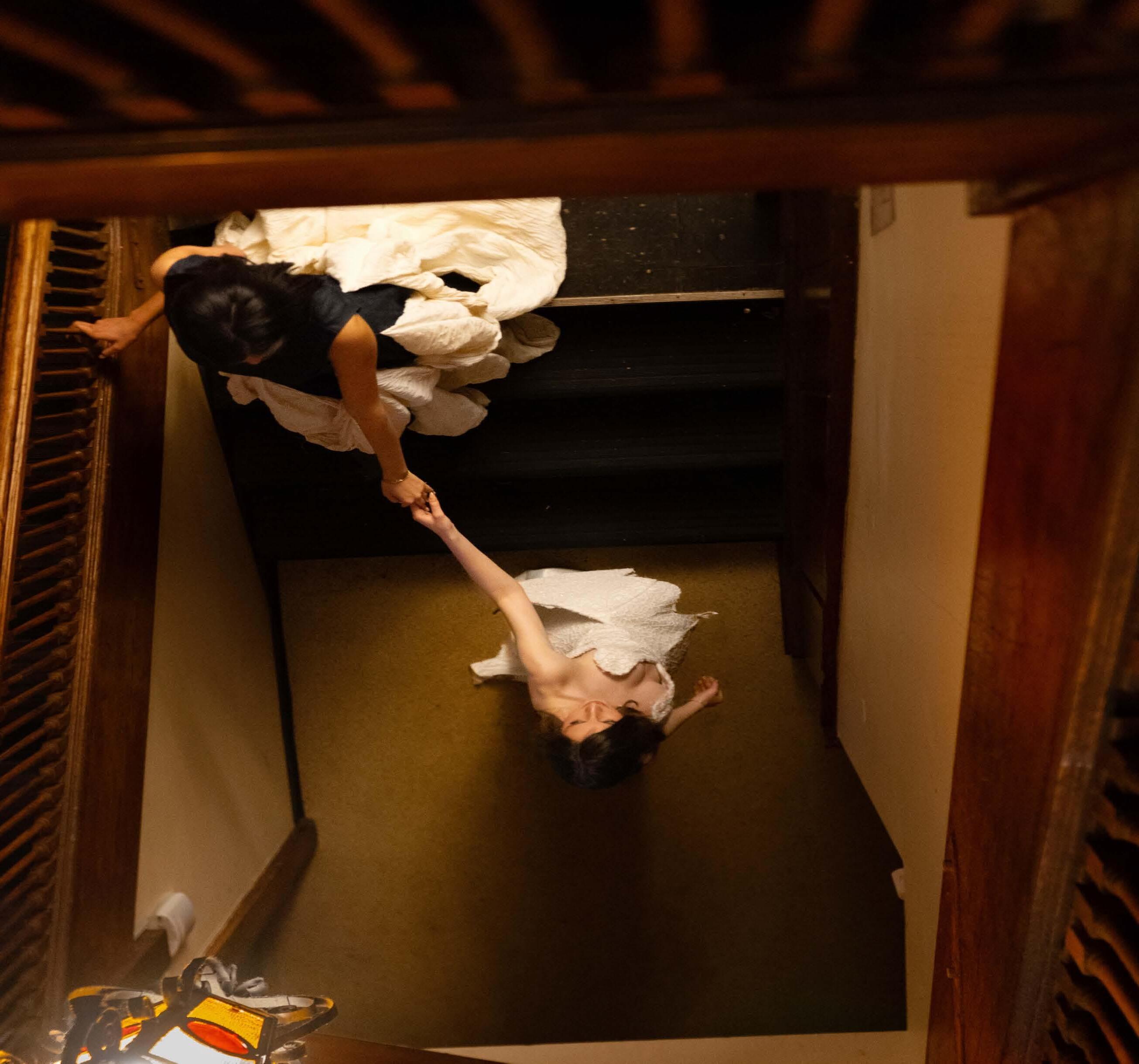
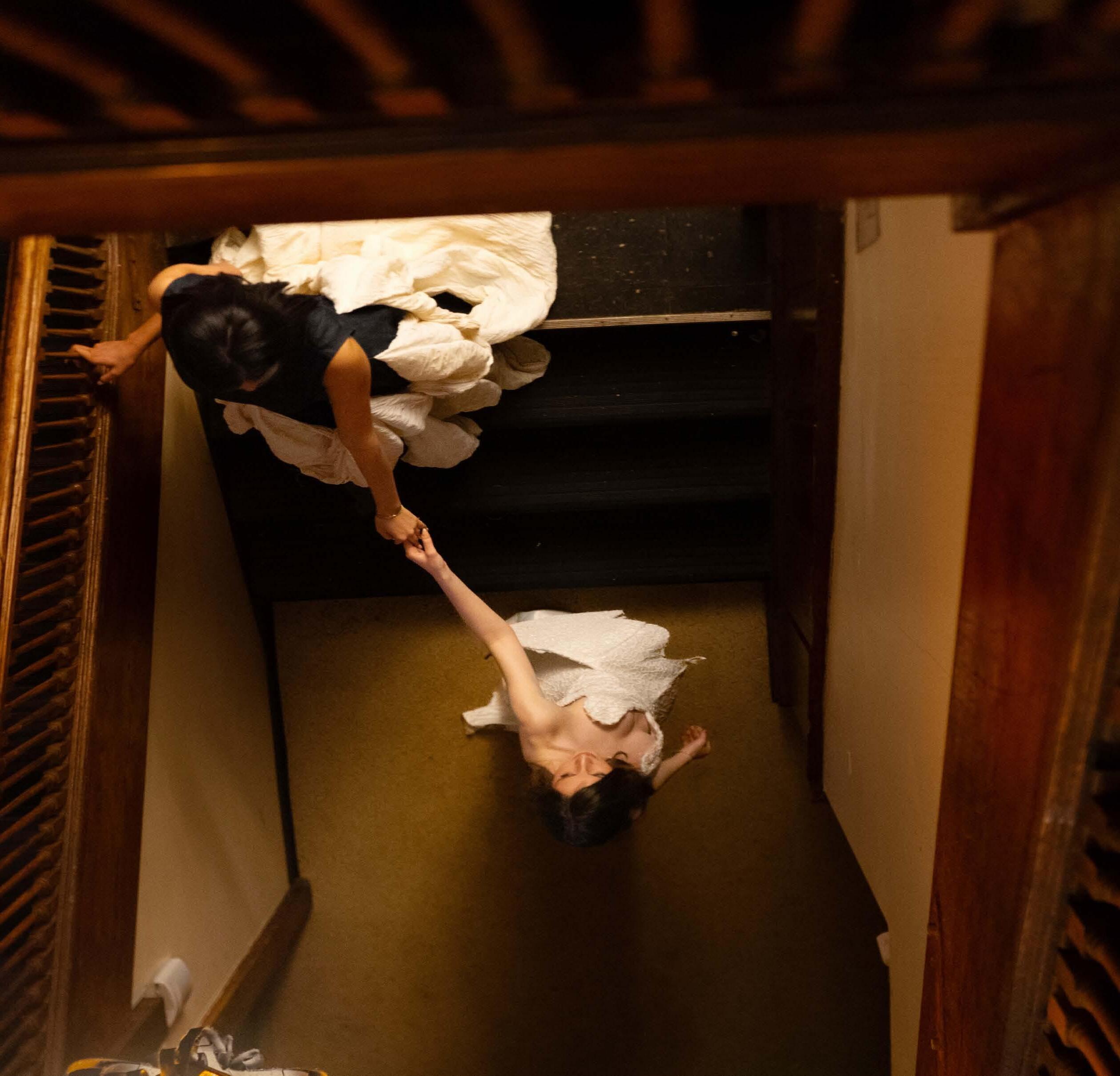
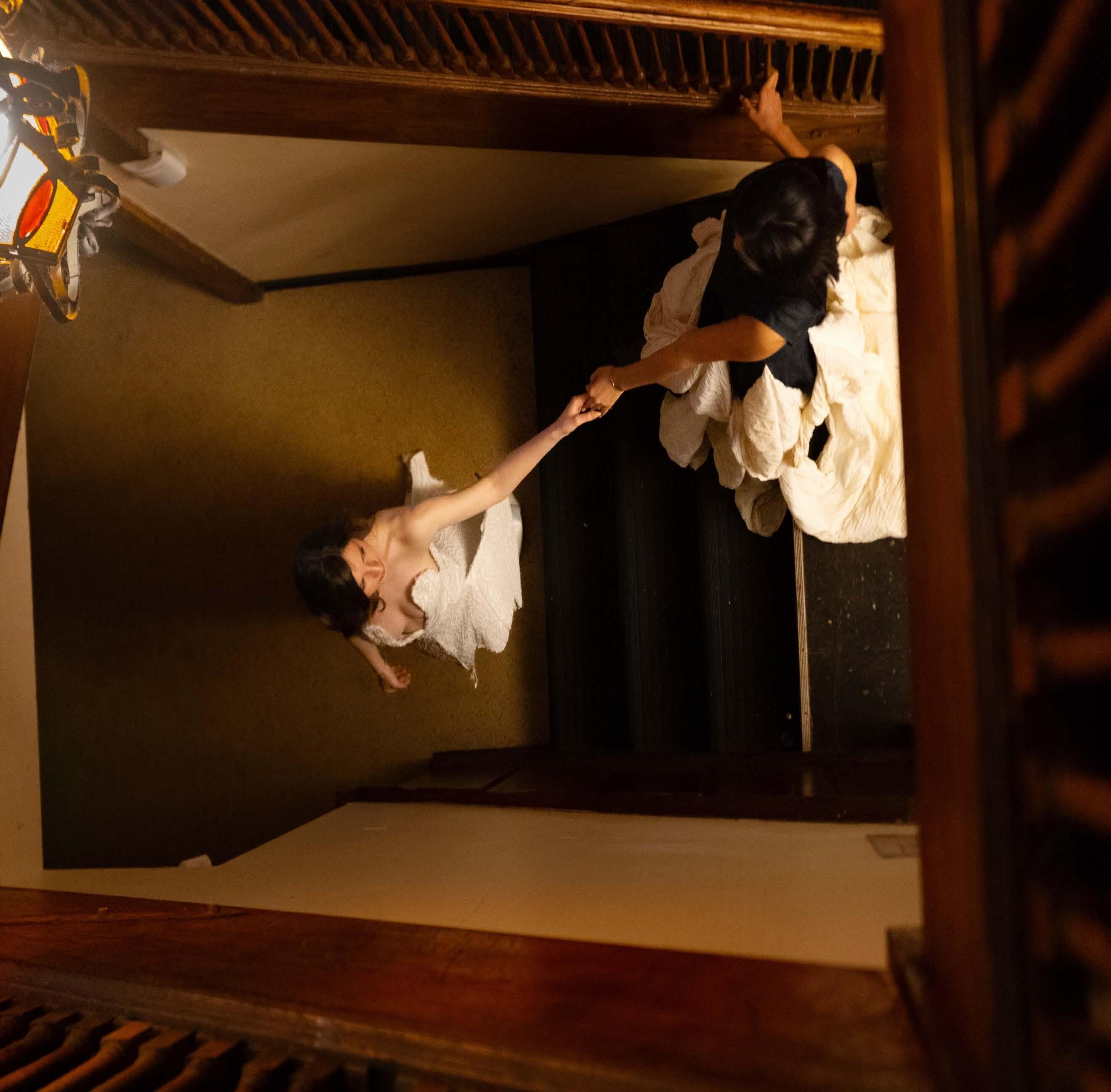
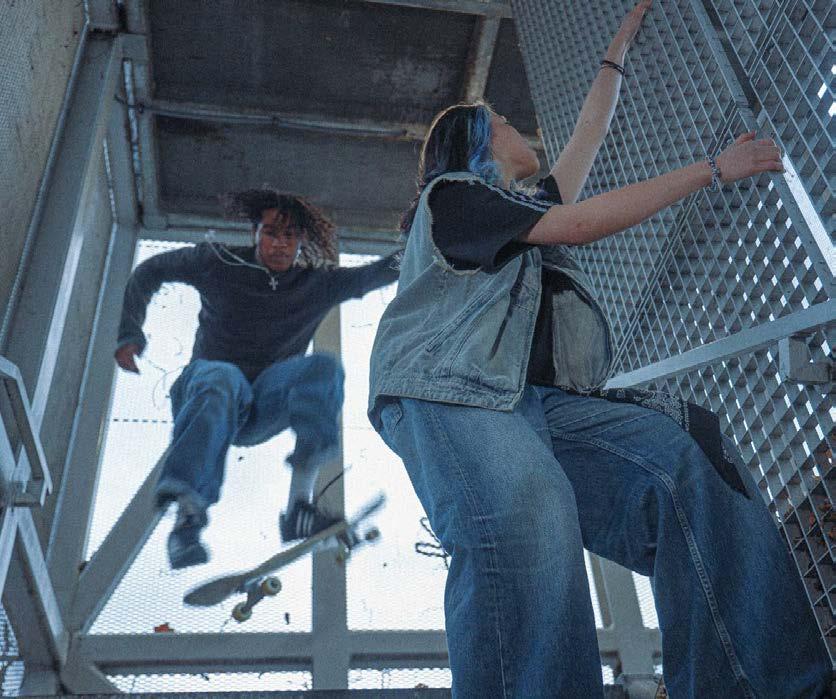
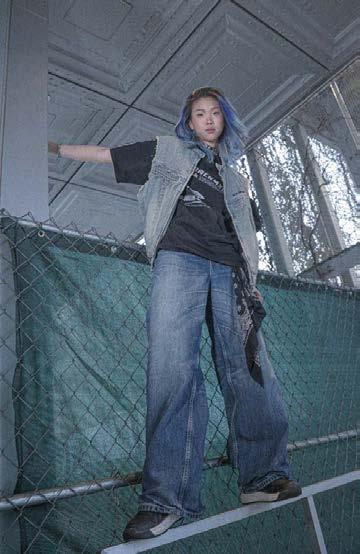
A LETTER FROM THE CREATIVE DIRECTOR PHOTOGRAPHED BY JASPER DRAKE AND JOY HUANG
EDITOR-IN-CHIEF CHRISTY LAW
CREATIVE DIRECTOR LILLIAN CASAZZA
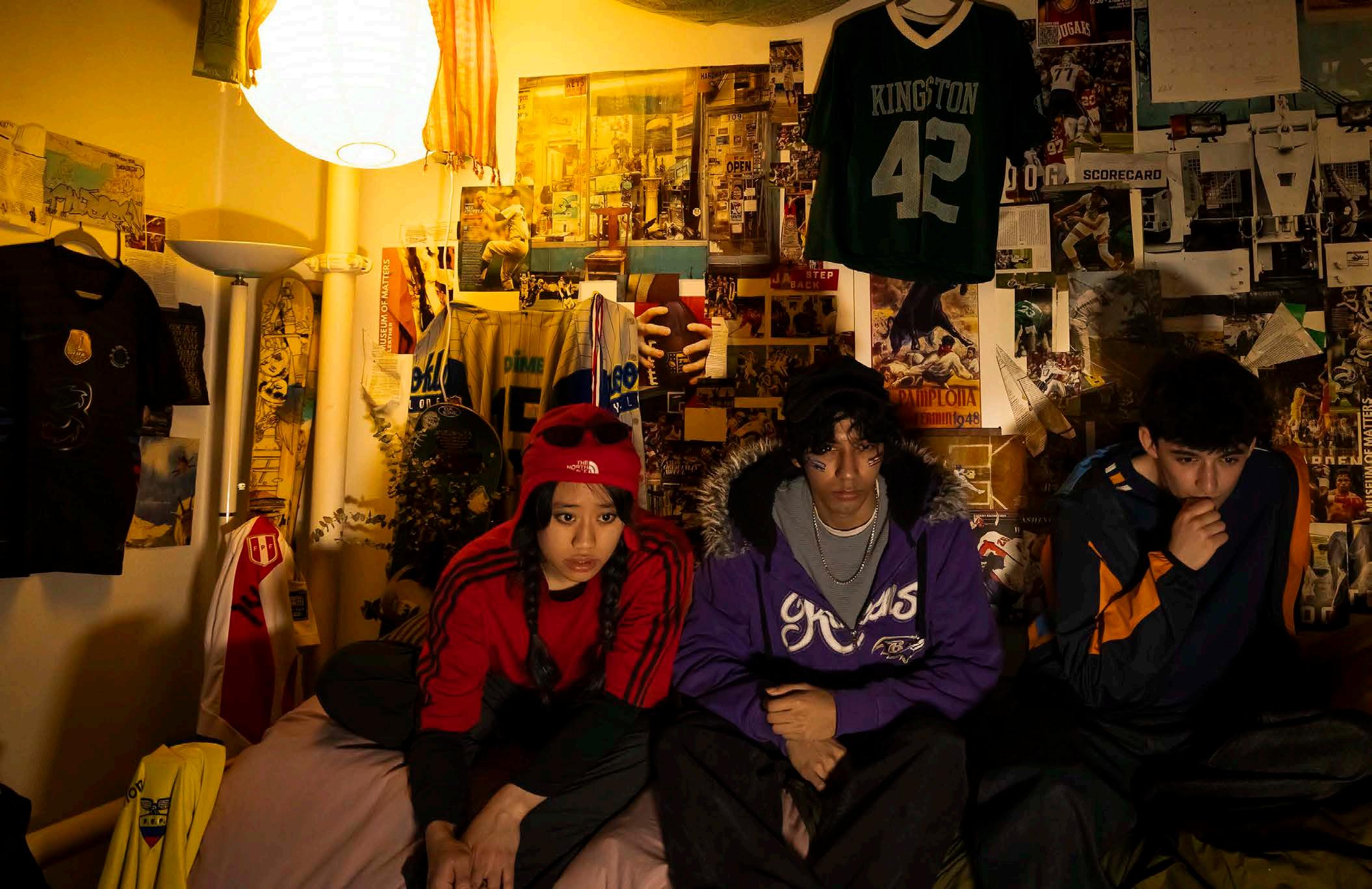
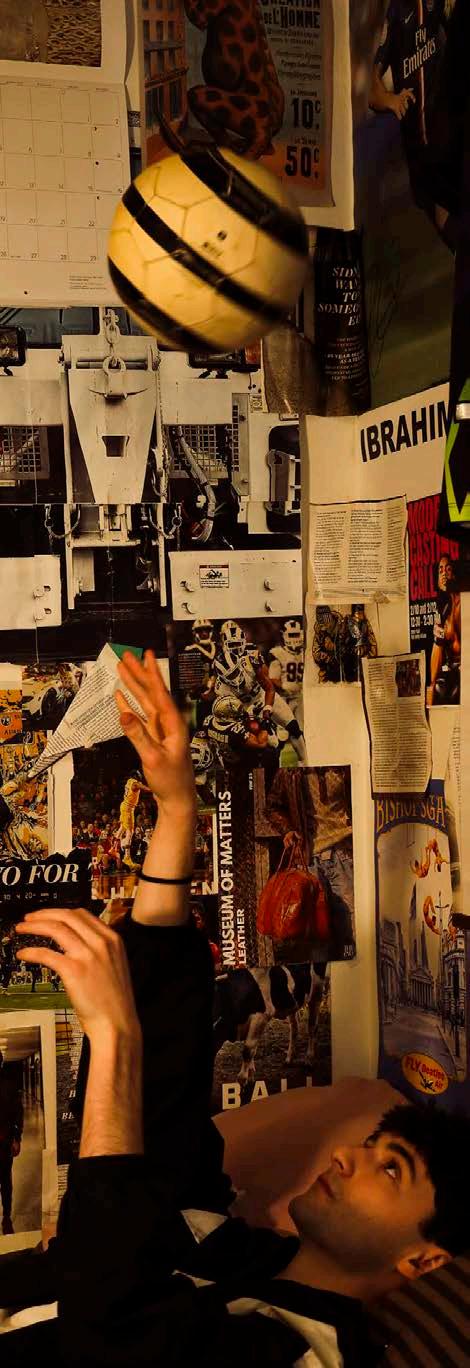
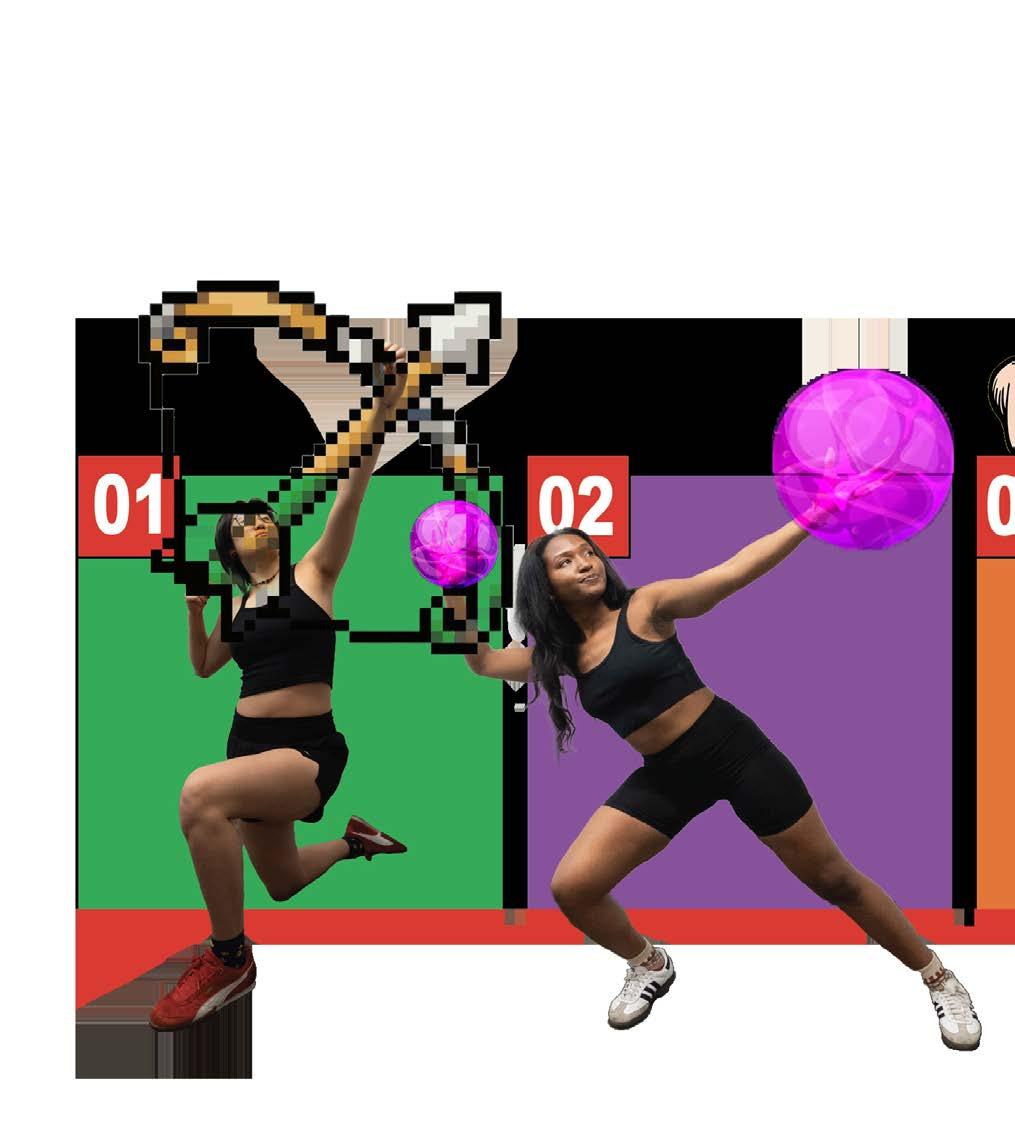
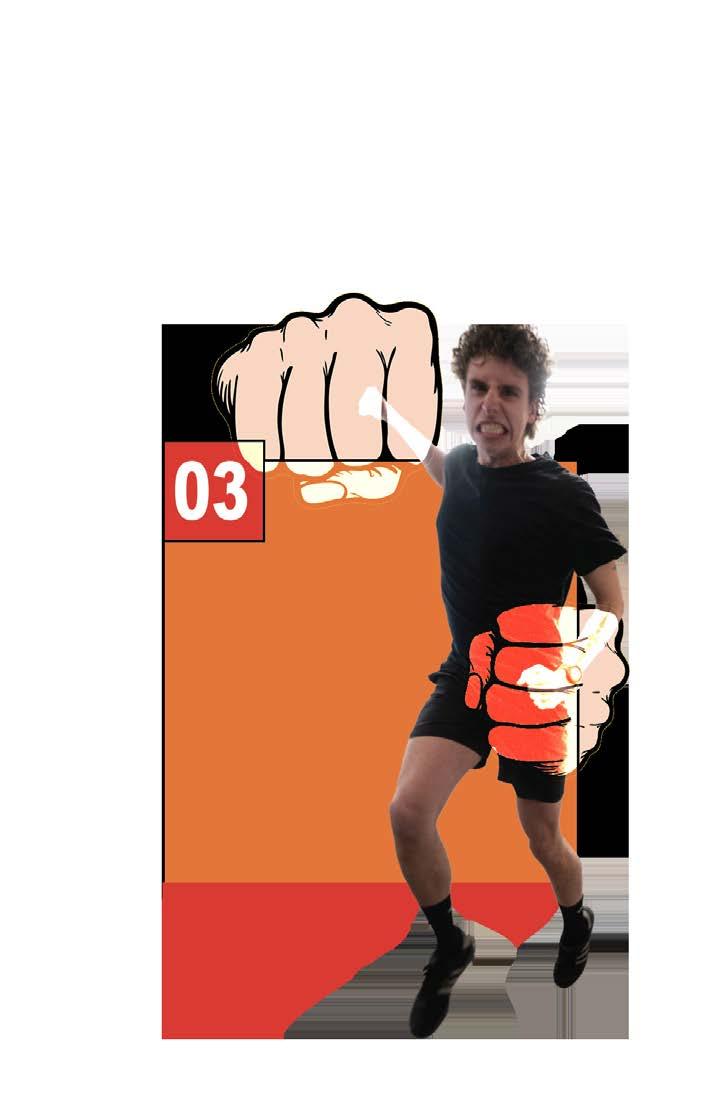
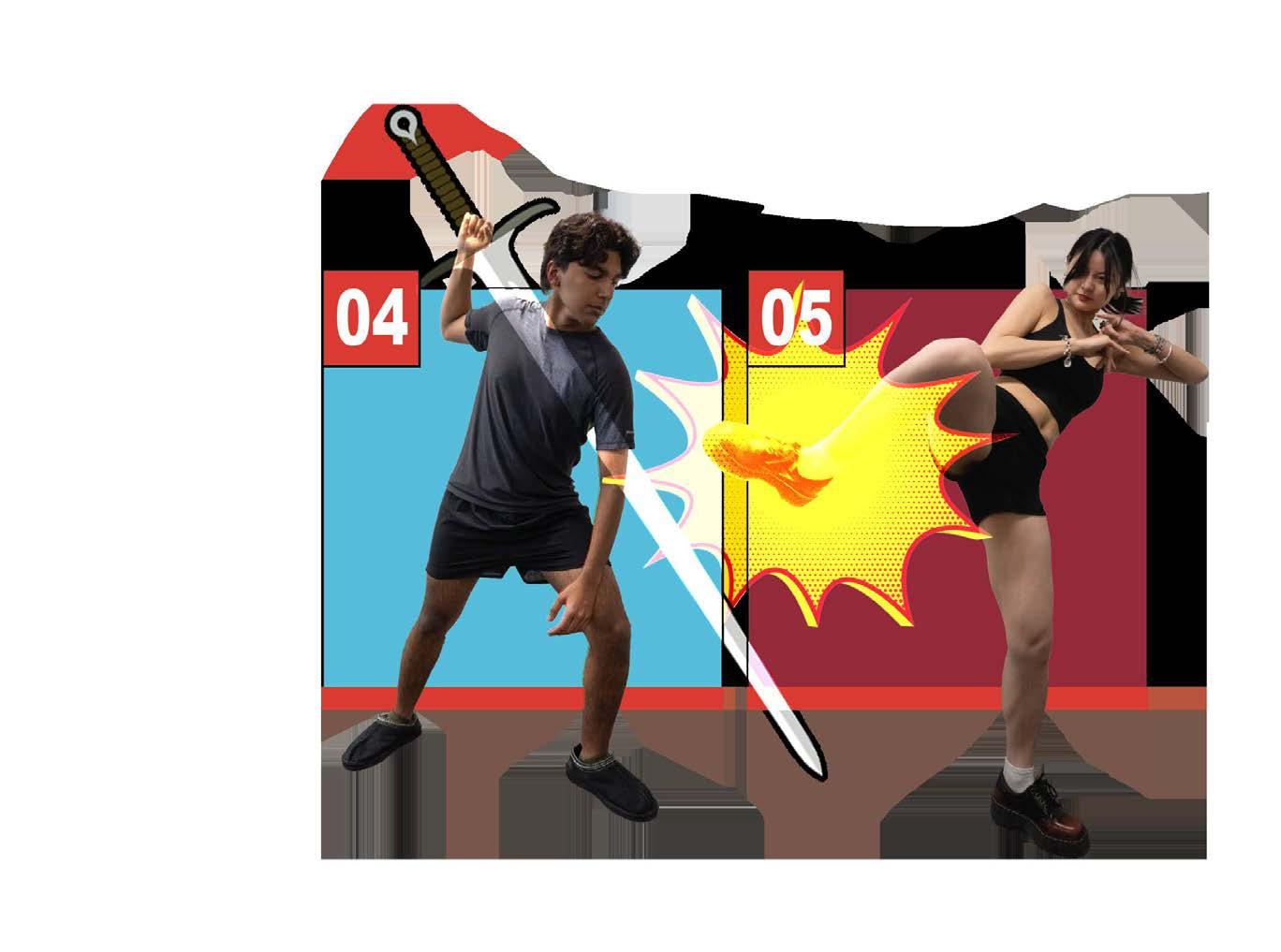
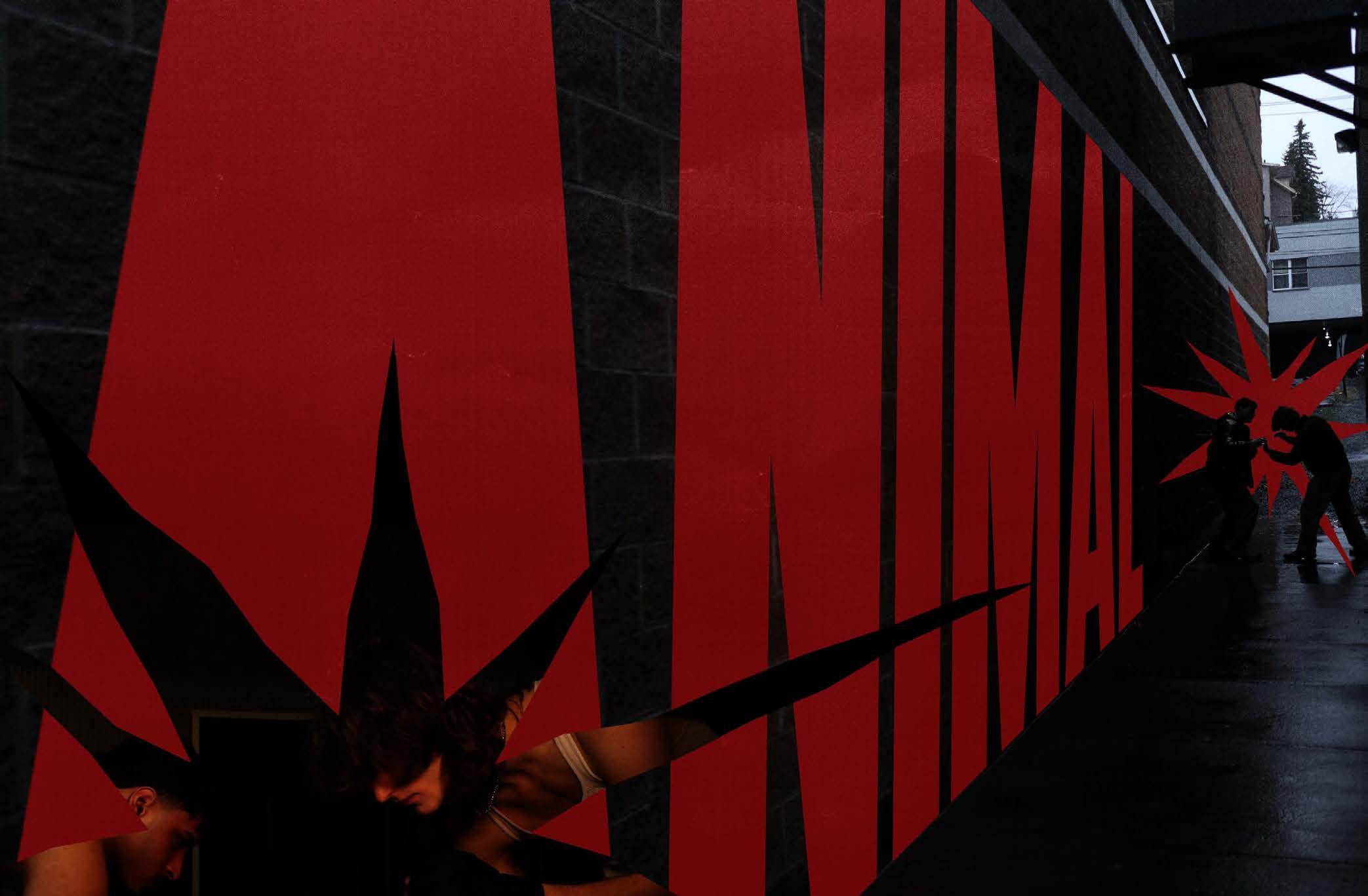
Thread has been dealing with a series of challenging, conceptual creative directions that push people to learn the creative process, specifically how to translate an idea into visuals. These semesters have often played out in a way where the Creative Director is elected for an idea, constructs a series of photoshoot concepts, and those ideas move downward to Shoot Directors to execute. Too often, that can become a trickle-down process that leaves little room for freedom of expression, where people can find themselves confused or detached from the original idea. This creative direction was about abandoning that approach. Sports became a way to test that. Sports have been in media for a long time. Arguably, most things have been done before. Shoot teams were challenged to propose and execute unique ideas where development was driven by curiosity and exploration. There were no prescribed photoshoot ideas given by myself. Shoot Directors’ roles became coordinating discussions with their teams to arrive at ideas of their own collective making. The only constraint was that the work had to engage sports in addition to fashion or culture. What emerged felt deeply like Thread, an organization that feeds on constant change and adaptation. I joined Thread my first semester here. The following semester Susanna Burr, our team, and I were entrusted to execute a shoot with the most models one team had ever worked with, five, thanks to the trust of Alexandria Fennell. The following semester, with Lilian Cao, we were once again trusted to execute the most photoshoots for one team in recent Thread history, five shoots in one weekend. Each moment felt like a quiet rebellion of what was possible. With this issue, and with the trust of Susanna and Catherine Pak for seeing the potential in this creative direction, and our Editor-in-Chief, Christy Law, for believing in it the entire way and truly trusting the process, which became something much larger. Across five teams, twenty shoots were conceived and executed, seventeen written pieces were produced, and more than one hundred models were featured. It is not just about the numbers, but what they signify. This amount of growth in one semester, while completely flipping the process around, is a testament to Thread’s potential. This magazine is a proof of concept that this backward approach does work. That authorship can be shared. That ideas can be discovered rather than assigned. That trusting the each other can lead somewhere larger than intention. Thread has always been at its best when people test what it can become. I hope we never stop doing that.
THE TEAM
CHRISTY LAW EDITOR-IN-CHIEF
LILLIAN CASAZZA CREATIVE DIRECTOR
ALANNA STEIN MANAGING DIRECTOR
ERIN YOON COMMUNICATIONS DIRECTOR
LYDIA OLIVIERI FINANCE DIRECTOR
JADEN WOLF BEAUTY DIRECTOR
VICTORIA COMPOS BEAUTY DIRECTOR
ANGELO VRDOLJAK CASTING DIRECTOR
EMMA HOGAN CONTENT CREATION DIRECTOR
WYLIE LERNER DESIGN DIRECTOR
JENNIFER KIM DESIGN DIRECTOR
EMMANUEL GADSON DESIGN DIRECTOR
RENEE WANG EVENTS DIRECTOR
JASPER DRAKE EVENTS DIRECTOR, PHOTOGRAPHY DIRECTOR
SARA GARCIA EDITORIAL DIRECTOR
JASMIN SIN EDITORIAL DIRECTOR
JUPITER BHANOT EDITORIAL DIRECTOR
MAGGIE SANDBERG FASHION DIRECTOR
MEGAN EL’ZAYYAT FASHION DIRECTOR
JOY HUANG PHOTOGRAPHY DIRECTOR
BRIAN SA WEB DIRECTOR
CATHERINE PAK SENIOR ADVISOR
LAURA GALLUP CLUB ADVISOR
BEAUTY OLYMPIA HU, VICTORIA CHOI, ROSE PETERS, HEEWON CHO, CHLOE JIANG, OLIVIA TIGNER, SOPHIE ZENG, SEAMUS McDEVITT, EESHA VETTICAL, LINDA SUN, HANNAH OBEL, KITTY ZHANG.
CONTENT CREATION ASYA WISE, CHRIS CHAN, KYLEE LEE, SAAD HASHMI, STEPHANIE ZHAO
CREATIVE AJ WEINSTEIN, JONATHAN PANAMENO HERNANDEZ, KAVITA AMIN, TAMI WENG, BRINAI ANDERSON, HENRY ZHAO, MARIELLE DAIGNAULT, SAYA TAYLOR, CHLOE CHO, DANIEL SMITH, MIRANDA LIN, TAYLA WILLIAMS, ANNABEL JUNG, TRISHA NANDAKUMAR, SURI WANG,
EDITORIAL DERRICK WANG, SAGE HUESTON, CHARLOTTE KIM, MAYA SPERLING, PATTON CADAY, SELINA CHEN, SOPHIA WU, LUCY BOYADZHYAN, MIRA NAMBIAR, VERA TAX
EVENTS EVELYN CONSOLLA, HANNAH ANTONYAK
FASHION ANTONIO ITURRALDE, BROOKE PANG, EMMA LIPPINER, ISABELLA VECKERELLI, CRETA HASKO, HANNAH LUNA, JULIA FENIGSTEIN, RUBY GOODMAN, LUCY HAURA, SOPHIE BERMAN, VIDA JONES, AMINA McCAIN, ANNAELIZABETH GALITSKY, NAMIYA BOWEN, NICK LOBZHANIDZE
PHOTOGRAPHY ADAM STEIN, SARAH HATHORN, YAHYA OZAIR, CATHERINE PAK, VIVIAN YE, ANNIE PARK, JEREMIAH JUNG, JULIA SUN, LILLIAN WANG, SOPHIA LESOKHIN, LILLY RUBINSTEIN, NATHAN BO, LINUS MEKHAYA, TERRA LI
HUDDLE UP.
TWO STEP
Mira Nambiar
chasing a feeling/ in which lungs burn red blue/ of the jersey mesh holes/ wholes consolidated oxygenated. million asphyxiations/ in the way the lungs hold/ empty.
skin burns. sweat freezes.
lactic acid fermentation/ acid is right because the limbs lengthen and contract and burn.
& the limbs/ do not belong to me. I am found only/ in the way the sun hits me/ I occur in instances in spaces electric. sonar two step.
sound and the light shape you/ show you/ it is dark until there is contact/ context dependent on being seen/ felt/ heard on him and me and you and them. on 10 spikes/ on 32 panels/ on 22 players. it’s organic synthetic collision. fission.
misinterpretation/ chromatic aberration it is not real unless it is felt/ and what you see must be contested/ contextualized. you saw his hand touch the ball, you’ll fight it to death/ because what is worth fighting for more than anything and everything/ and there is no hill to die on because/ the field is flat.
& the sky is open/ it pushes against you/ heavy now.
you are surrounded/ you are moving. there is nothing but/ him and me and you and them/ there is only forward and now/ and two steps in front/ the ball makes contact/ context/ conflict.
one two three step over under and around the ball/ all is here is all there is all is left/ there is no time/ for the thought for the second/ guess it is now sweat sharp/ sweat shape/ sharp shape. the cleats hit the/ ground it down. contact/ context/ conflict.
on the field/ the self is hole/ defined in the exterior defined in the way the air hits your skin/ hits cold hot/ hot cold/ hair raising/ hair slick/ hair wet/ hair stuck/ like glue/ glue like horses/ in the way they put them down with a broken leg/ your leg is sore not broken/ yet/ and the game hasn’t put you down/ yet/
its pick up/ up/ up and you don’t leave the game/ it retires you. the glory days are gone the youth soccer the trophies the coaches the exercises are for someone else/ there’s a future in the game/ there’s a future for the game/ there’s a future even for you/ even if some doors are closed/ shut/ locked.
but it could be forever/ that you can make that contact/ that connection that recognition. or the foot could catch and twist and tear/ swollen with fluid and you will have been put down/ but now there is still pick up/ now it is sore/ not torn/ sore and slow and old/ but the game hasn’t yet/ left.
so you live for the contact/ dying until you hit/ it.
you are still under the sun/ you are still seen/ it is dirty and it is clean.
& it is real in the way it will never be polished/ in the way your jersey doesn’t match his in the way it is the wrong shade dick’s sporting goods faded under armour logo from when you were 16 and coach told you to keep it after the season because they had new ones arriving because there will always be/ new ones.
but the goal it stands as it always did chasing a feeling red blue sends you reeling & the game hasn’t retired you yet.
Aprés Ski Culture: When Utility Becomes Costume
Vera Tax
Scraped skis, sparkling goggles, Patagonia jackets, and soggy wool socks uniformly adorn snow-sport athletes. Thick, vibrant knits, windbreaking Gore-Tex, and worn leather mittens scatter about the frosted mountainside. Specific apparel on the slopes is essential for both safety and performance. And yet, there’s an air to popular, top-notch ski attire that seems excessive, especially considering its costs in relation to purpose. To me, nothing exemplifies the duality of function and fashion quite like slope styles.
I recall, years ago, meandering down a black diamond on a pair of downhill skis. Hours of plunging through powder and sliding across icy precipices left my bones chilled and my lungs breathless. Aching to strip the layers of fabric from my skin, I couldn’t wait to relax and release the day’s exhilaration. There I sat, just twenty minutes later, in the ski lodge spa: hot chocolate in one arm, and a thick white robe draped over the other. What a luxury. Gliding down the slope of a mountain into a steaming hot tub is, indeed, as lavish as it looks.
Between designer snowsuits, ski-in and ski-out lodging, hefty lift tickets, arctic furs, and eucalyptus steam rooms, the luxury on and off the slopes is impossible to miss. Ski culture seems to operate on the core principles of relaxation and opulence.
“Après-ski” is a French term for the leisurely social activities and entertainment after a day of downhill skiing. Originating in the Alps of Europe and popularized with the rise of commercial skiing, Après-ski took off as a social sporting phenomenon. The vibrant social scene is a major driver of fashion trends, connecting the sport’s athletic nature to a luxury-laden community identity. Some trendy mountain-goers may complete their look with a high-end après-ski sweater—but don’t expect to find one for purchase under a few hundred dollars.
The après-ski fashion aesthetic has it all: tailored fit, functional layering, and a cohesion of vintage and high-tech flair. Ski culture has developed a bold, Euro-chic lookbook, including distinct pieces of high-quality construction and premium quality. Many items boast advanced insulation, like outer shells or boots
from Arc'teryx or Salomon, popular for their sleek design and high-tech fabrication. Naturally, sky-high prices accompany this combo of function and style. And there’s certainly a temptation to shop designer. How else does one fit in with such normalized extravagance? Ski sport fashion, dependent on durability and precision, requires a balance of utility and style in its design and material. These qualities in ski apparel, paired with popular brand names, aren’t cheap.
When I went skiing with my family as a child, I cared little for the aesthetics. Instead, experiential luxuries, in the form of wild adventures with my family and friends, colored my memories of the mountains. The thrill of the wind in my face and the trees rushing past felt like a special gift. I was so lucky to experience nature, this perfect, pristine landscape, in such a raw and elemental manner.
Having returned to ski settings more recently, in the loud presence of social media, I’ve caught on to the importance of fashion on the ski slopes. The wind, trees, and sky are still there and gorgeous. Now, however, my attention is drawn away from the immediate environment. Allow me to set the scene: skiers dart down the treacherous slopes, their gear reflecting the sunlight in brilliant hues. Their movement is fluid yet calculated, like dancers, whirling across a stage in long silk skirts. I watch the dynamic, colorful specks from above, transfixed by their contrast with the blank white snow. Before I swoop down the trail, I must remind myself: Right. I’m descending a mountain right now. It’s strikingly easy to forget.
The ski aesthetic is both admirable and distracting. It’s also incredibly theatrical. Ski athletes dazzle their spectators with dramatic displays of courageous feats and polished looks. Who has the capacity to think about the surrounding natural environment when a gorgeous Montcler or fur-lined Goldbergh snowsuit whooshes by? Skiing is not just a sporting event— instead, it’s a production of dauntless fashion statements and eye-catching fabrics. In a performative sense, ski fashion is almost more concerned about looking warm than it is about legitimate environmental protection. The mountainside has become a stage, and appropriate costuming plays a key role.
Ski culture, although embedded in a passion for the natural landscape, depends on the community, lifestyle, and industry beyond its terrain. I recognize the beauty and desirability of exorbitant fashion on the slopes. Yet, I wonder how normalized luxury, in the form of expensive clothing and amenities, excludes the everyday traveller from participation. And, though en vogue, how does upscale fashion distract participants from the true essence of ski culture? Perhaps skiing’s cost-prohibitive nature diverts the sport from genuine community and environmental appreciation. Which is the main event, really: the snowcapped mountains, or slopeside style?
rich man, poor man
3 Minutes of Hell
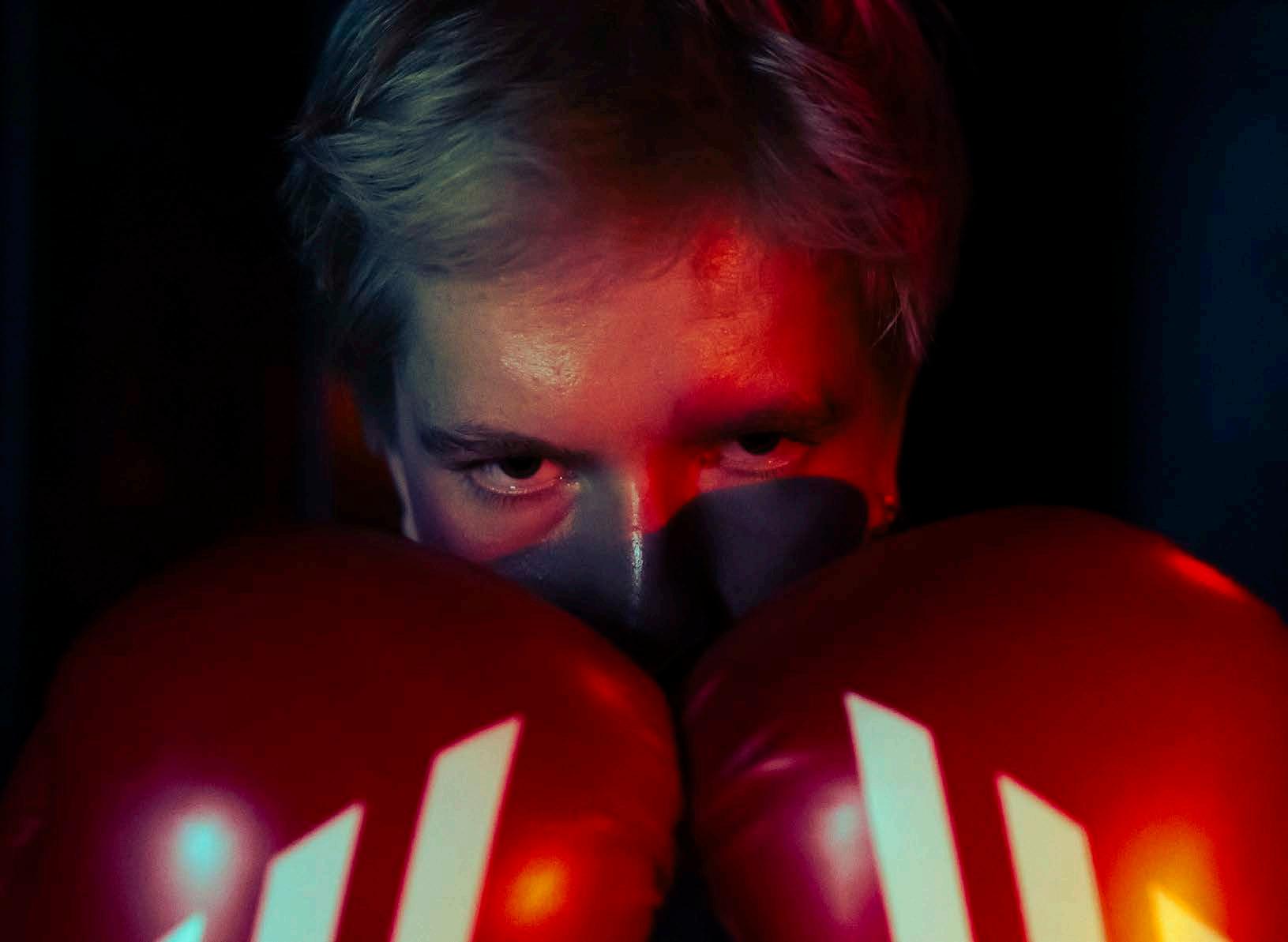
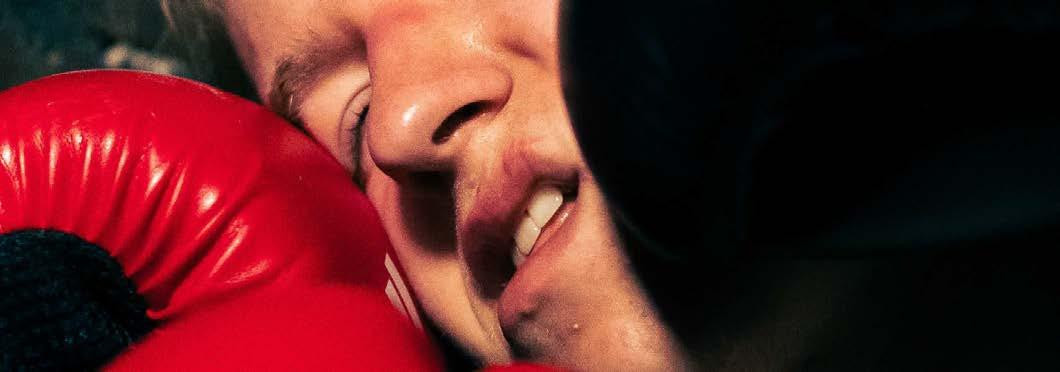
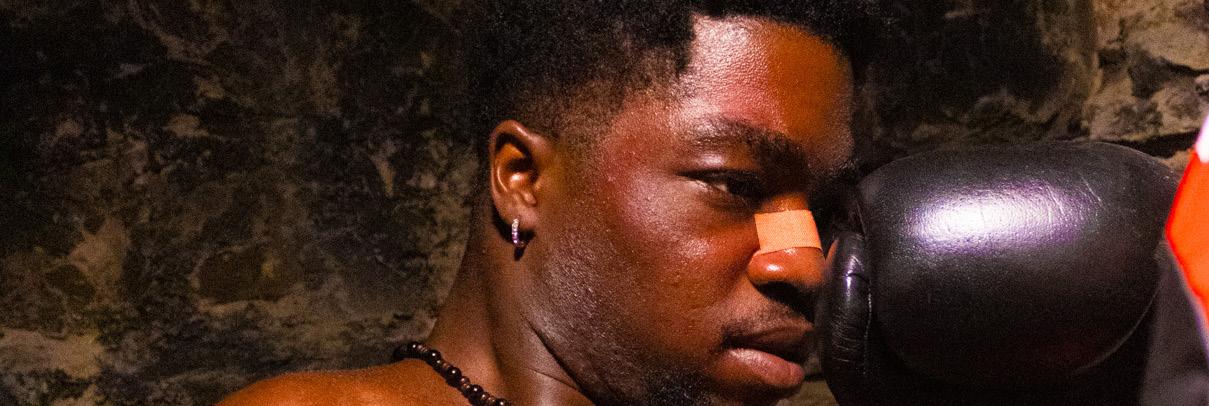
After a full day of classes, you step into Teagle Hall and come face-to-face with the sound of 1980s hard rock and roll. Survivor’s Eye of the Tiger pulses through the room alongside the rhythm of swaying heavy bags. In the corner, a little quote on the blackboard—sometimes Bruce Lee, sometimes Dr Seuss—sets the tone for high-intensity interval training, or HIIT boxing with Coach Timothy Lamey.
“There is nothing like being punched in the mouth and tasting your own blood and realizing that you need to keep going,” he says.
Timothy Andrew Lamey, 56, is a private martial arts and boxing instructor who has worked at Cornell University for 16 years. Contracted by the physical education department, he draws from his background as a lifelong martial artist and exercise physiologist with Cornell’s Wellness Program. “My original martial arts was Southeast Asian martial arts,” he says, adding that he is trained in Jeet Kune Do, Savate, Kenjitsu, Indonesian and Filipino martial arts.
For Coach Lamey, boxing isn’t just about fighting; it’s about motivating people to keep going—mentally and physically. “I’ve always wanted to empower individuals through boxing and through martial arts,” he says. “I never wanted to create an athlete.”
Lamey never saw himself as a coach, but instead grew into the profession over time, first teaching self-defence to support a local organisation against domestic abuse and gender-based violence. “When you teach somebody something, you give them a part of yourself,” he says.
Gloves snap against heavy bags as students push through another three-minute round. At the front of the room, Coach Lamey watches quietly as AC/DC blasts through the speakers. Hana Saleh, an industrial and labor relations major, never saw herself as a boxer. But at 20, she took a chance and enrolled in Coach Lamey’s PE 1350 HIIT boxing class at Cornell. Now, she describes it as “life-changing.”
“Biggest takeaway is never let your guard down. Always be prepared for the next move,” she says.
Coach Lamey’s classes cycle through a series of drills involving kicks, jabs and blitzes. “It’s just as much a mind game as it is a physical activity,” says Giulia Violetti, 20, an information science major also enrolled in Lamey’s HIIT boxing class. “You see everyone around you giving it their best, and you’re giving it your best, and the energy is just really high.”
As a craft, boxing is widely recognised as a poor man’s sport. “Because boxing, you don’t need any equipment…You need the will to survive,” Lamey says.
Boxing brings out a personality that is unique. “There’s not a whole lot of glitz and glamour. There’s not a lot of fanciness,” he says. “You come in, and you strip yourself down to bare wood, and you face the real you.”
Learning a martial art is not just about technique; it’s about the culture, too. “I’ve always
believed that a martial art should fit the person,” he says. “Don’t chase the black belt…Don’t take a martial art, looking at the end of it. Look at it as a journey that will never end.”
Inspired by his students at Cornell, Lamey recently chose to leave medicine and commit to teaching martial arts full-time. In April 2026, he opened a martial arts school and community-centred boxing gym at the Dryden Community Center in Ithaca, where he hopes to teach discipline and foster resilience beyond the classroom.
Classes cost $25, with punch-card options available. Five dollars per class goes to the community center, while the rest supports the program. As the Director of Wellness and Fitness at the Dryden Community Center, Lamey has also created a volunteer program so that participants who are unable to pay can volunteer in exchange for classes. Those with the means can additionally contribute to a scholarship fund and help cover the costs for others.
“Boxing is that silver bullet,” he says. “It is used to increase functional fitness and sometimes reverse neuromuscular disorders, such as Parkinson’s, dementia, and Alzheimer’s.”
At his school, Coach Lamey will teach an after-school community boxing youth program and Rock Steady Boxing, a program designed specifically for people with neuromuscular disorders and cancer to help improve their physical and neurological health.
“The one thing that boxing has taught me is when that bell rings, you don’t stop for anything,” Lamey says. “I can do anything for three minutes. I can endure any amount of hell for three minutes.”
ODE TO THE SPORTS FAN ODE TO THE SPORTS FAN
Where would the world of sports be without its largest, most loyal cohort: the fans. A dedication to a sports team is one of the deepest commitments many will ever make. A vow to cheer, cry, stress, and scream. To watch as your team succeeds, fails, and grows, eyes glued to the television screen. To grow alongside your team and adorn yourself in their garb; feel as your favorite childhood jersey grows tight. A fan base is a community, a family, rooted in ritual and shared goals. Not just in parking lot tailgates and crowded stadiums, fans ensure that there is a teammate in your corner all across the world.
Sage Hueston
// hello, user
// initalizing...
// system online
// scanning...
// user detected
// identity confirmed
// input recognized
// connection established
// environment loaded // syncing...
// calibration complete // ready state achieved
// press anywhere to begin
downward dog simulator
Ciao
Ciao loves to golf.
Ciao enjoys swinging their driver and hearing pure clarity upon impacting the golf ball. A good swing will get you a good 250 yards on Earth, and more than 1000 yards on the Moon; Ciao prefers the Moon. Ciao doesn’t pay to try more courses.
Ciao’s home is a 10” by 15” dugout with wall projectors that display an indiscriminate beach in 1976 Hawaii. Their bed is lofted for efficiency, and the vast majority of their room is dedicated to a full-body simulator that costs more than they would like to admit. Every morning, Ciao hoses their body down with dry air to remove any dust wedged in their skin-cracks. Then, they step into a tank filled with a non-Newtonian fluid they do not know the name of. The fluid reaches Ciao’s neck, enveloping them in embryonic body-temperature warmth. The simulator pulls down a set of lensed arms that broadcasts Ciao’s warm-up workout. Onlookers would see a naked body dreaming the vague sensation of running, their muscles twitching or shifting to the rhythm of their virtual stride.
Ciao sees green.
Sometimes… Ciao cheats.
They know it’s wrong, but even their utmost discipline bows to the call of curiosity. Ciao pulls a trick taught by a friend they no longer see.
When the roaches go to sleep, Ciao unfolds a creased, haphazardly rolled up blue plastic sheet and sets it onto their floor, its dimensions barely large enough to place an interface between them and the ground. Gradually and slowly, Ciao folds over, bringing their head as close as it will go to their knees, feeling the strain in their hamstrings. As they go down their arms hold each other with elbows bending at a ninety degree angle. And when they reach their limit, they stretch their arms to touch the ground. Ciao crawls their hands towards the other end, becoming the room’s landmark.
A gem in the decor.
Boösaule Montes.
A peak.
Hesitantly, Ciao indulges in rocking back and forth, letting their hamstrings pull more. They are afraid their hamstrings will snap like rubber bands or their hands will give out, sending them to the ground for a life-sentencing crash.
But, they hold the position.
Ciao’s breath trembles, and they can feel it coming. Persistence pushes as they rock back and forth, and every time they anticipate their legs crack with a resonance that sounds the roaches. Ciao’s gamble pays off, and they feel their legs get more fluid; the growing pain turns into pleasure. They feel a perturbation on their forehead. Breath. Perturbation. Breath. Trembling. Breath. Humid. Wet. Hot… Sweat. A single drop and Ciao bolts up.
A swift wipe off their forehead transports the droplet to the back of their palm and they stare at the transparent glisten created by an artificial sunlight’s reflection. They see it begin to roll and decide to lick it hastily. Ciao looks into the tank, sees their reflection in the non-Newtonian fluid they do not know the name of, and is ashamed.
The world
The elites flaunt the post-workout glisten of sweat on their faces; the ultimate luxury is its evaporating ephemerality. Water carelessly shed from a hard workout and freed from their backs into the air, never to be seen again. Conventional exercise simulators reabsorb all sweat into the user’s skin, but the rich have no interest in such a selfless machine.
Nature has turned on us, punishing hubris with flaming whips and breathless lungs. Yellow is heavy outside and seeing red is a sure sign of death. To look for blue means to blind yourself as the sun shines its light indiscriminately, warming terrain that has never cooled down. Green has long been extinct.
Heat killed off the unprepared and unlucky. Floods killed the rest. Mother Nature turned on her most cherished child with abuse and beat out silica tears until there was nothing left to show for its pain. Asphalt broiled the cities, so the roaches scrambled and dug deep in high places. And when the roaches closed the mountain behind them, they looked at each other with a scathing judgment.
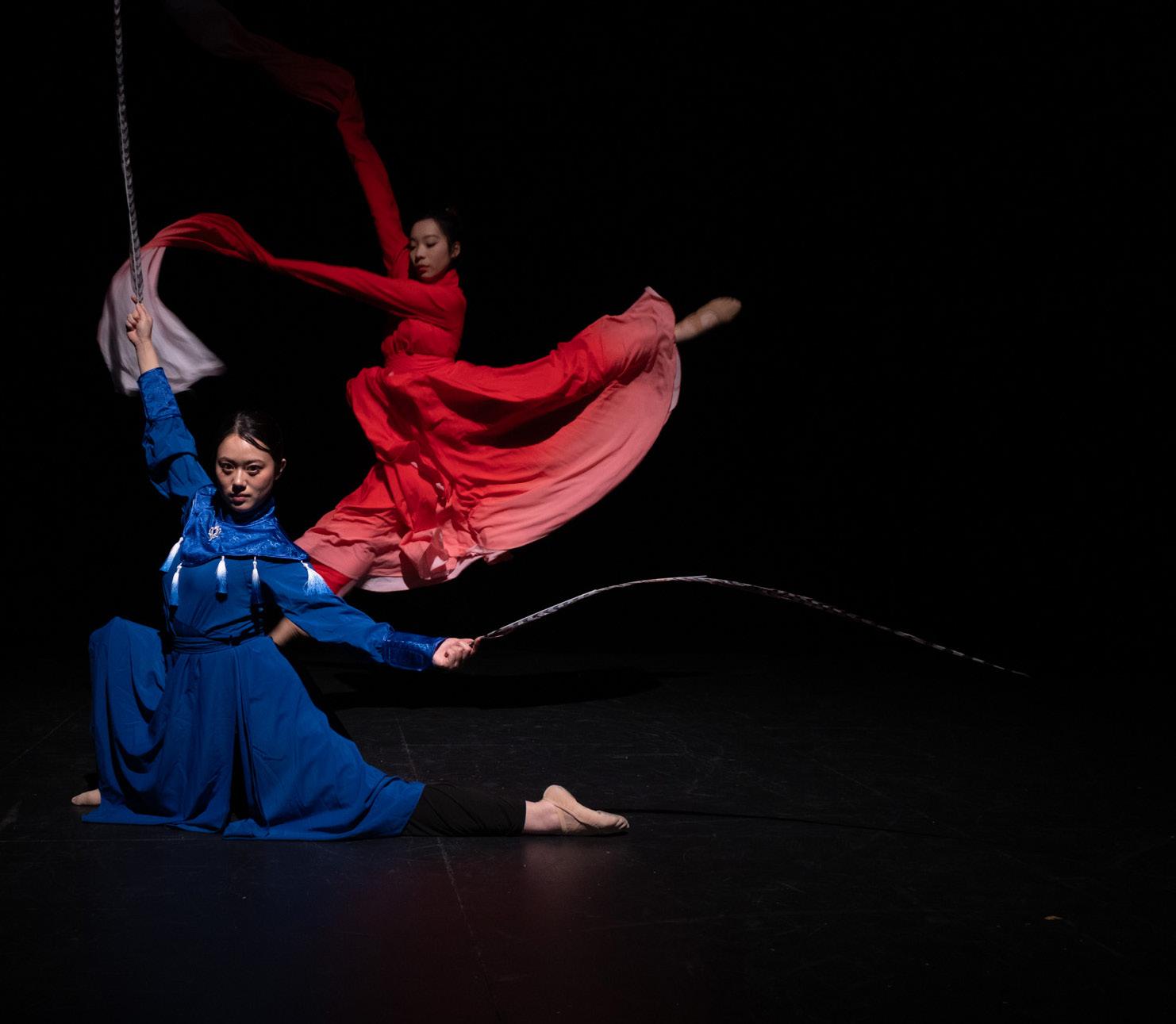
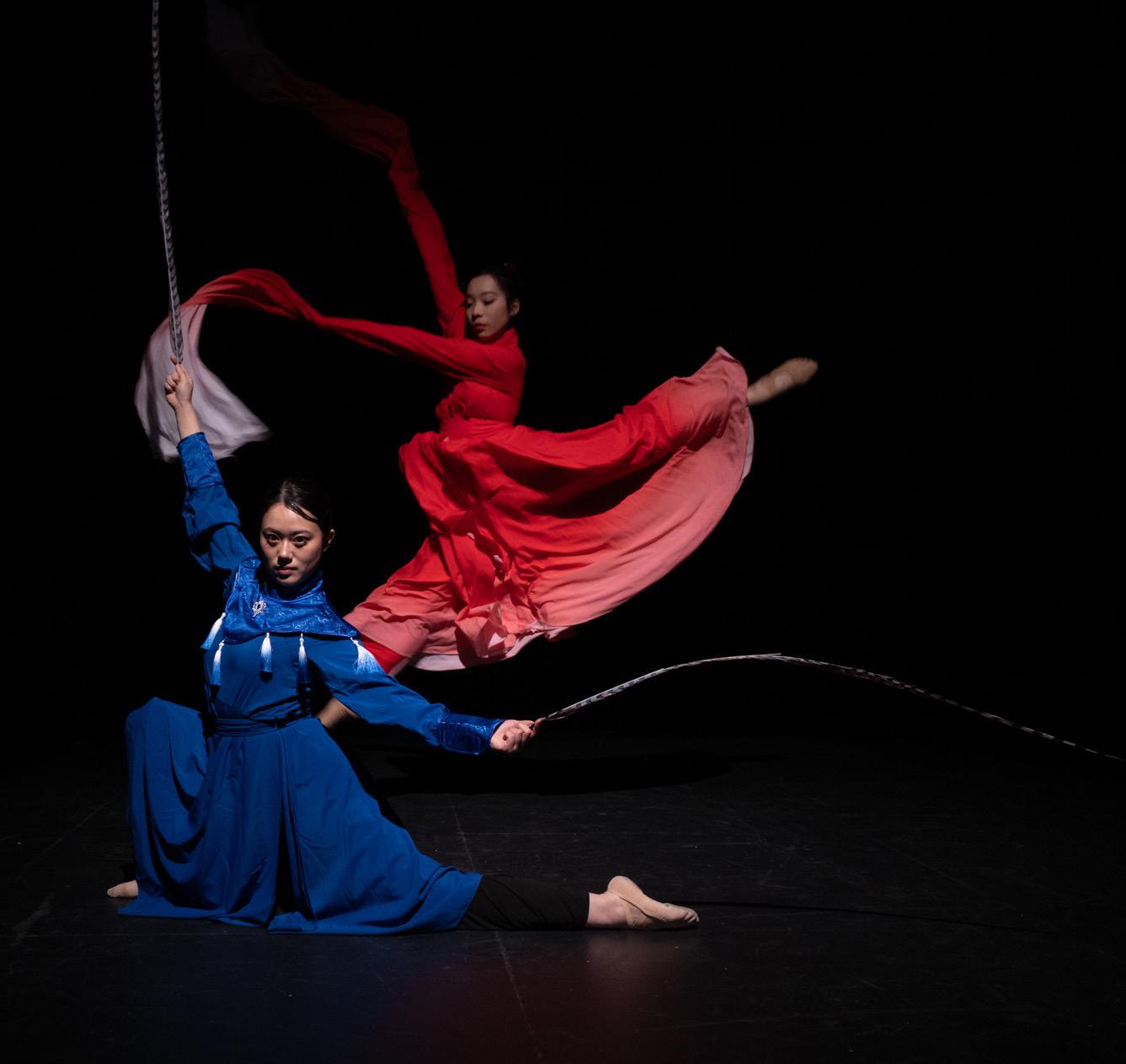
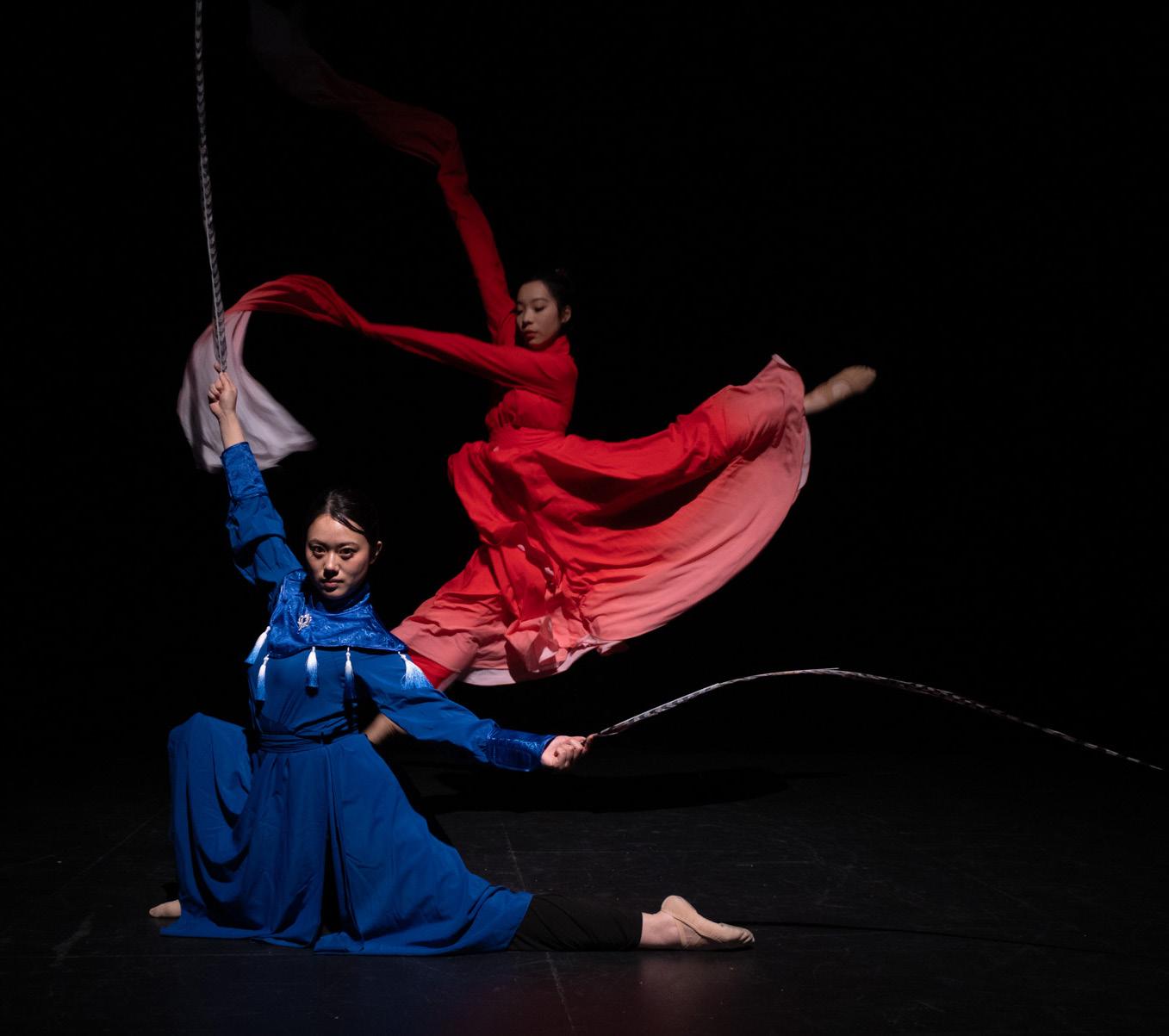
sword dance
Lucy Boyadzhyan
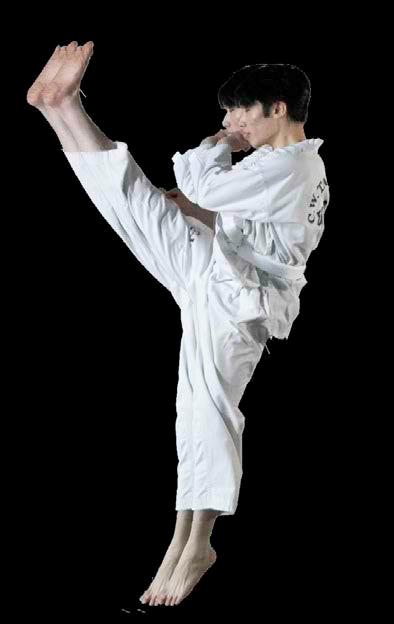
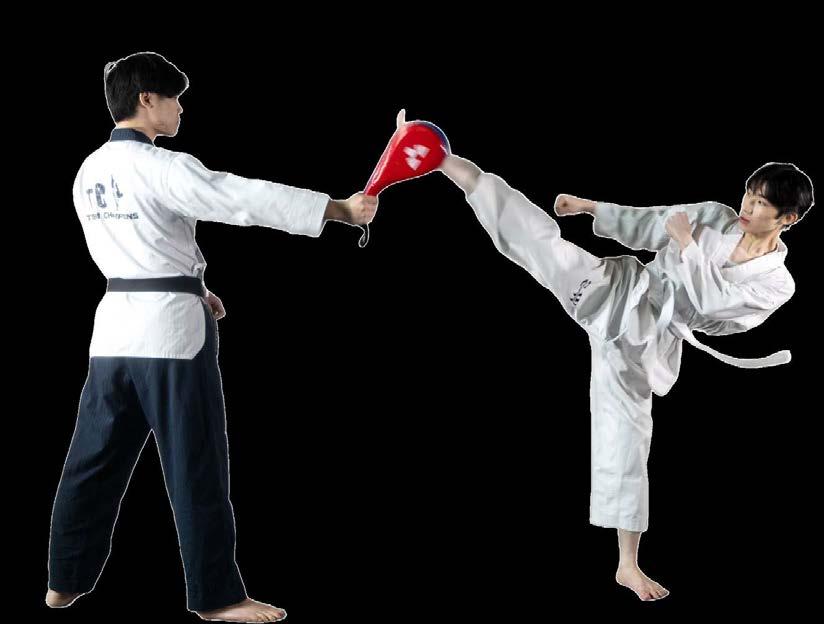
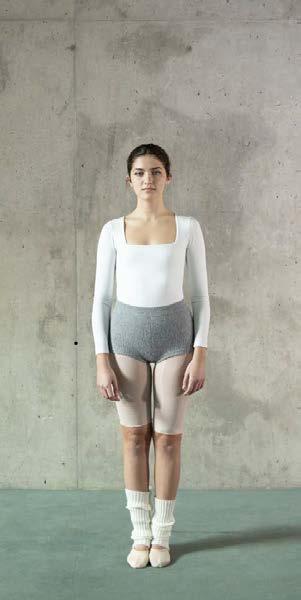
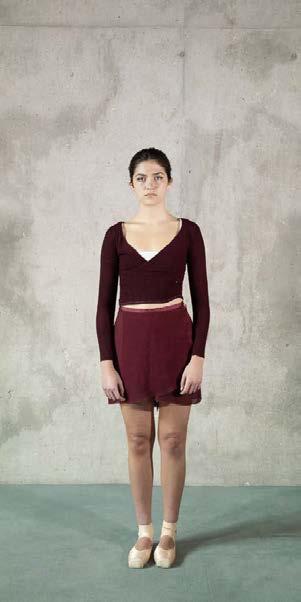
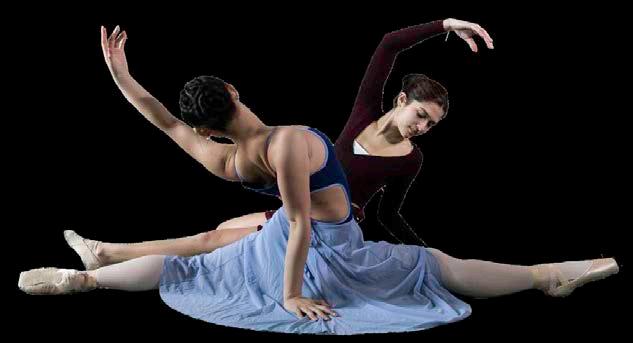
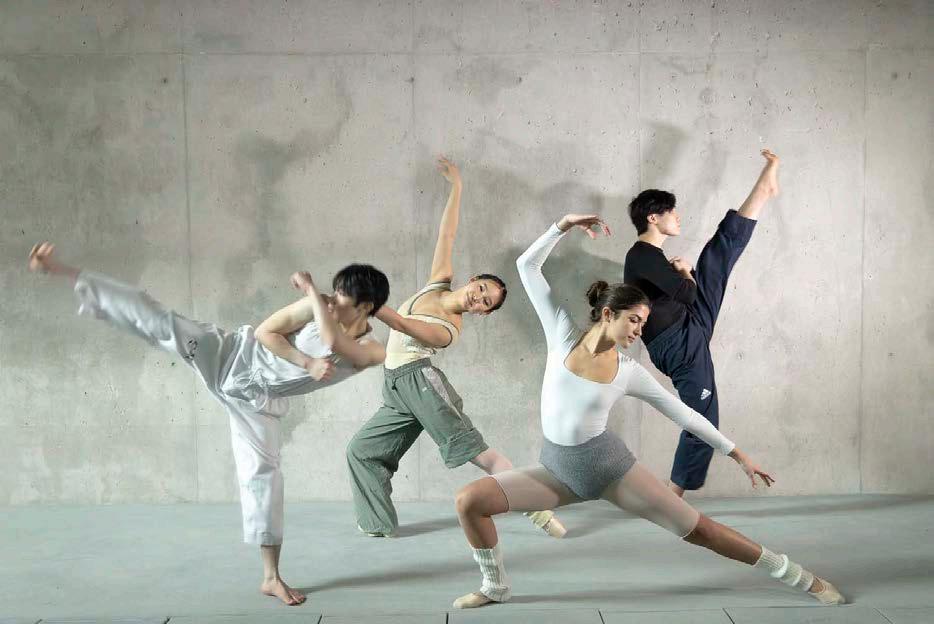
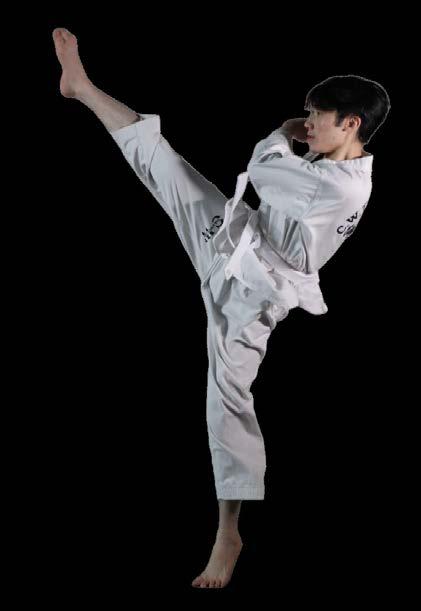
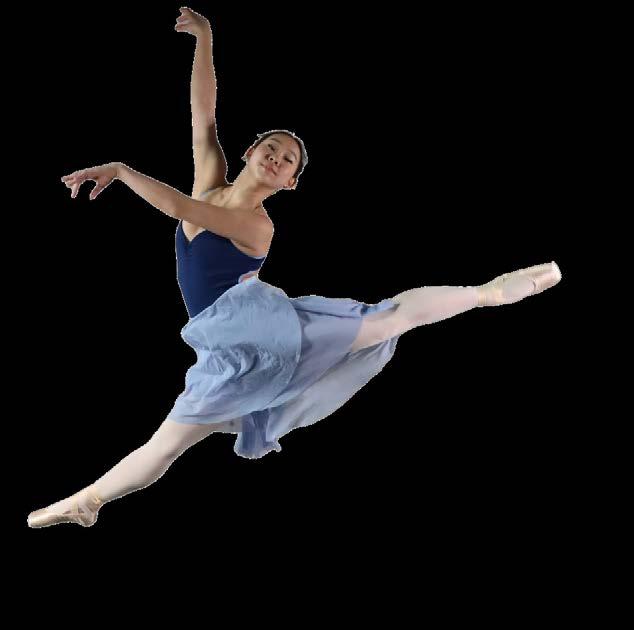
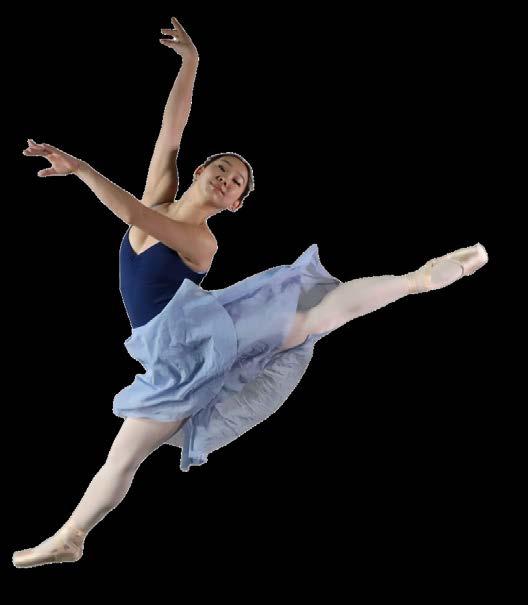
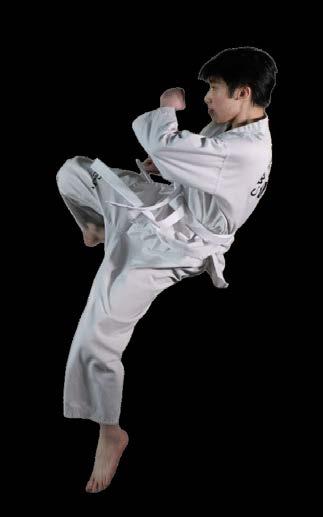
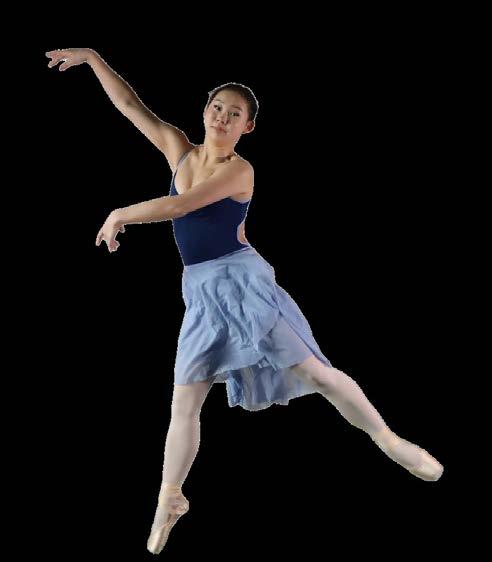
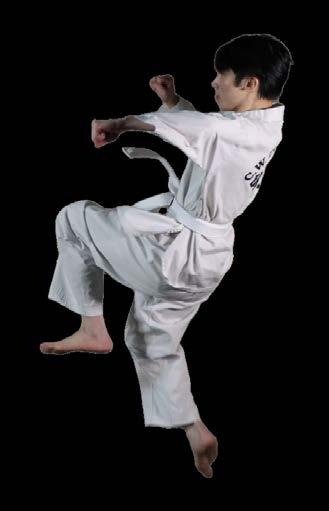
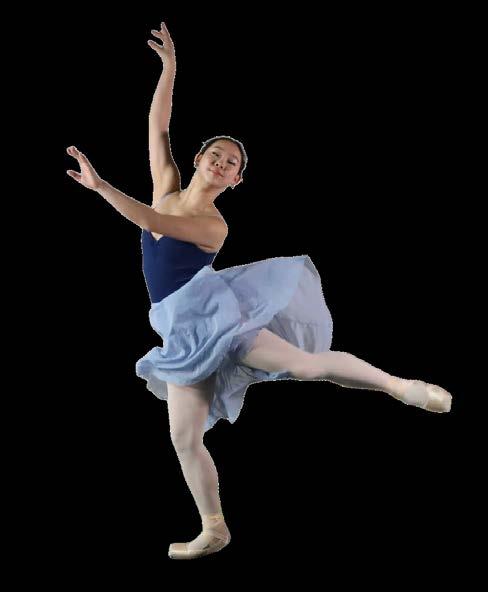
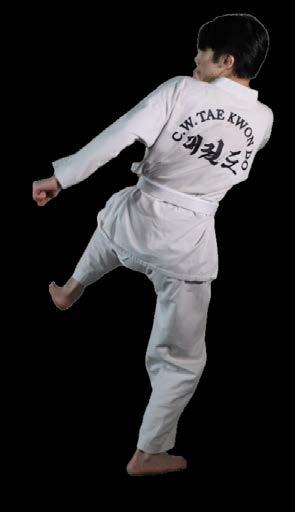
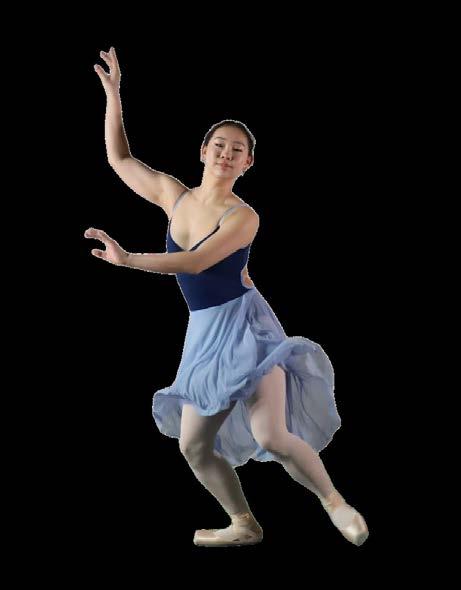
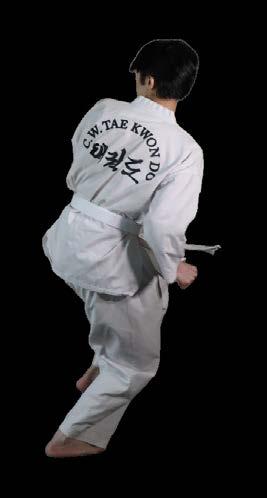
The worlds of martial arts and ballet are both separate and the same. Both physically demanding, aesthetically appealing art forms that force the sort of corporeal movements most people cannot perform without hours upon hours of practice. They synthesize jumps, flexibility, and cohesion in similar ways, with completely different results.
In ballet, everything is about the controlled slowness of a movement, how well one can hold up their leg in the right position, slowly, gently raising it, and putting it back down. In Taekwondo, that sort of control is only valued in Poomsae or forms. These are routines of punches, kicks, and turns meant to display the physical control and metric rhythm of the performer. Yet, in other aspects, Taekwondo is less about control and more about speed. A kick is only valued when it hits your opponent fast. In ballet, movements are more slow: extending a leg to full length, slow turns, even jumps that oftentimes focus more on elegance than height. There is a difference in the rhythm of the movements. The slightest twist, jump, point of the ballet slipper. It is not brash or harsh; it is graceful. Taekwondo, on the other hand, is about the “snap” of every kick. It is about the fast jump, the sound the uniform makes when a Poomsae is performed. Ballet is soundless, only the light tap of slippers when the performer lands after a jump. The touch of a pointe shoe, the slight whoosh of the tutu.
The two art forms differ greatly in who they let through their doors. Martial arts have much more to do with physical control, mastery of movements, and even strategy. In order to become a black belt in Taekwondo, many schools require a candidate to be a champion of sparring matches to even be considered. Alternatively, ballet has much more strict aesthetic requirements. It is not just about movement, tact, but also appearance. I had a friend who was rejected from her dream ballet school because her ankles were the wrong shape. That draws the line between sports and performance. Martial arts uniforms often conceal these sorts of physical details, whereas the uniform of a ballerina exposes every tiny detail of the performer’s body. Even the slightest bit of weight gain can be detrimental to being considered “professional.” There is so much more criticism around aestheticism in ballet than there is in any form of martial arts. The two art forms are like a sword dance. They demand elegance, control, cohesion at the cost of pain. The bruises after a sparring match, the blisters when you remove a ballet slipper. Cuts, blood, and pain work through any physical obstacle. That is the art; it is a double-bladed sword. The very action that brings you pleasure and satisfaction results in great pain from the work put into perfecting it. But isn’t that the root of all art?
Moving between different forms of martial arts and dance throughout my life has come at the cost of bruises and soreness, but has also given me the discipline that I have carried with myself for the rest of my life. There is a beauty in the pain it costs. Both are double edged swords swung beautifully in a dance as the hands that hold them bleed.
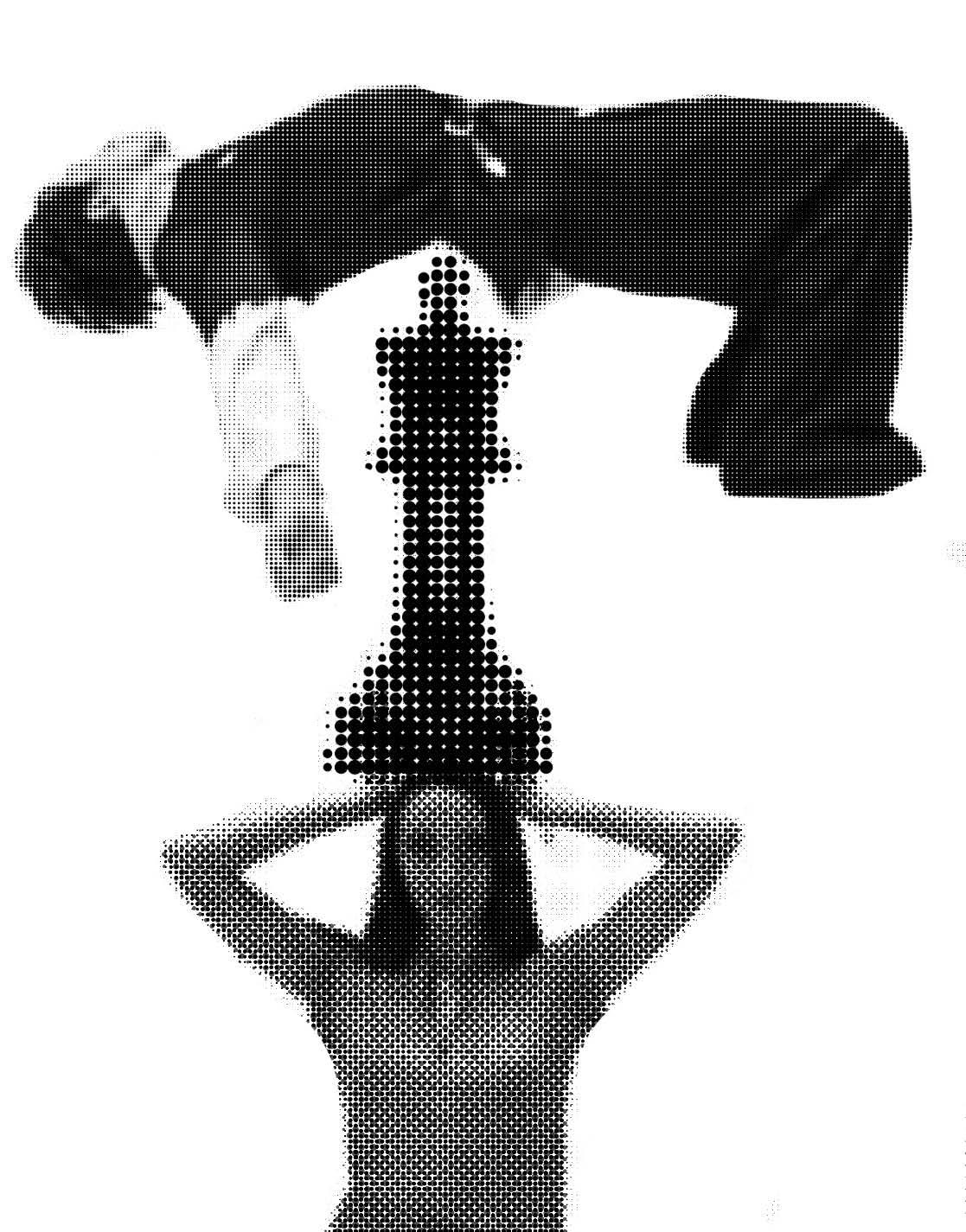
KEEP YOUR HEAD IN THE GAME
GLASS WALL COURTS, OPEN WATER CURRENTS, AND THE WAR WITHIN.
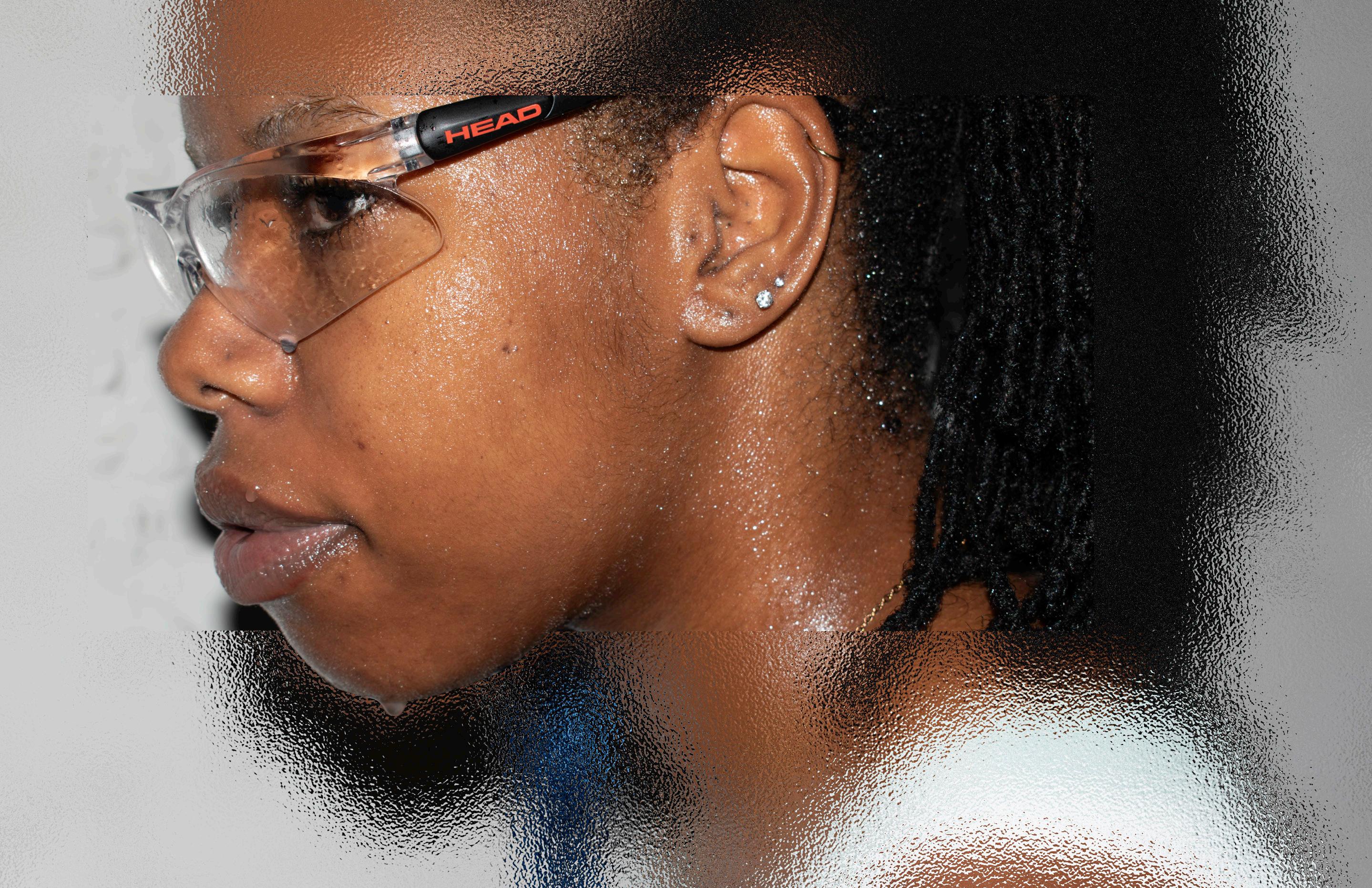
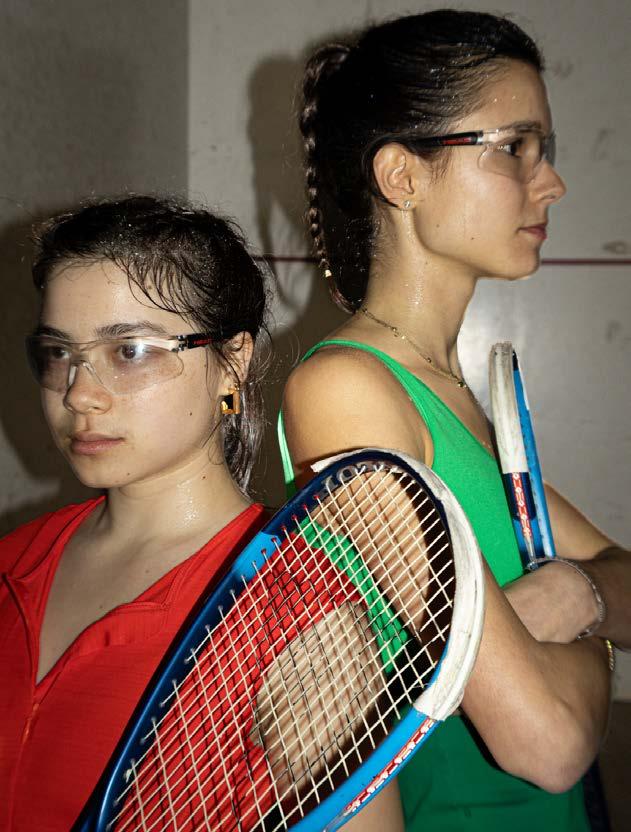
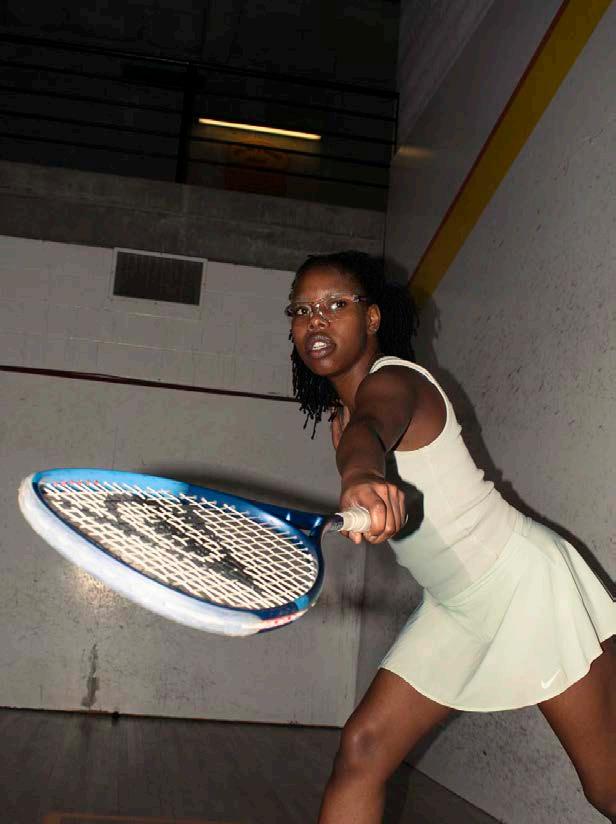
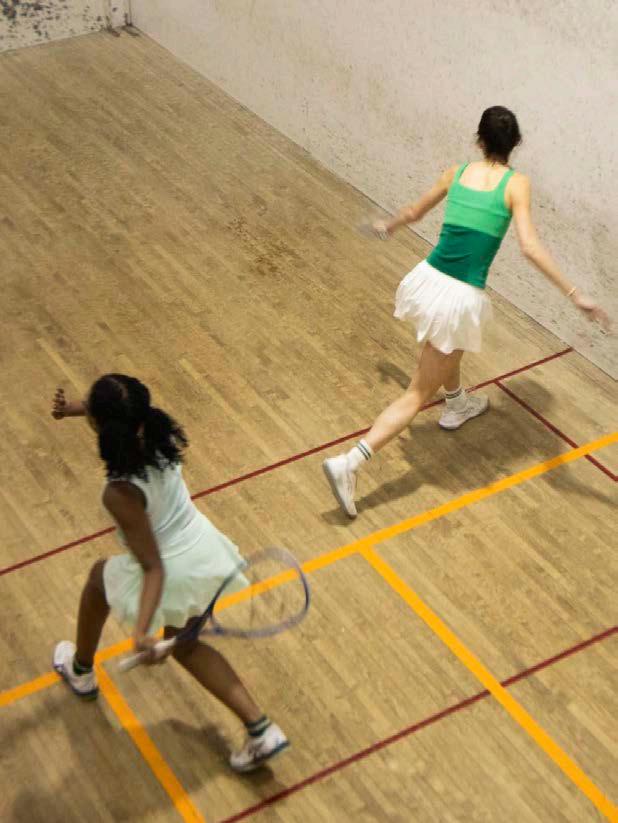
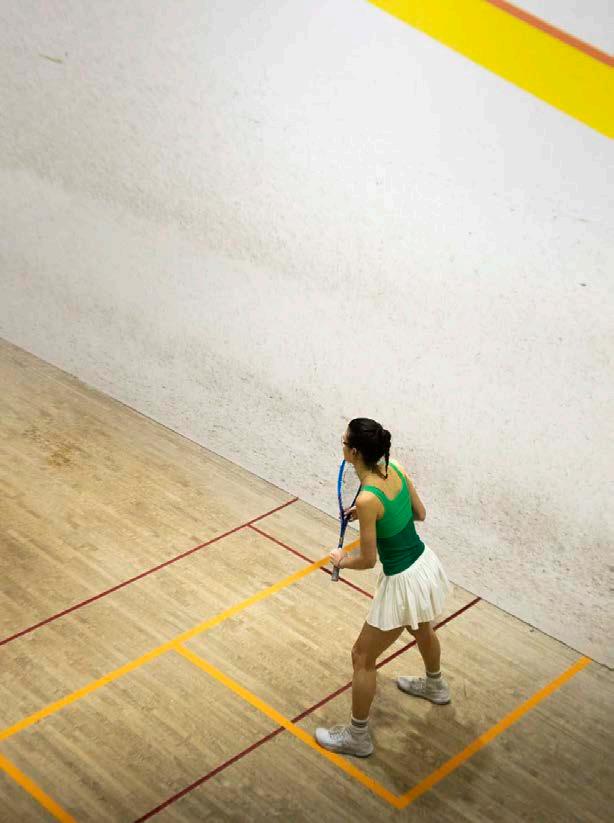
Your heart is pounding so loud you can hear it over the ball. It feels like the four walls are closing in on you. This rally has gone on for an eternity, and your opponent is ready to pounce on your next mistake. Your legs are begging you to stop, your lungs are on fire, and the sweat stings your eyes. But you can’t stop, not even for a split second to blink. Because in squash, the moment your mind slows down, your body has already lost the game. The war between mind and body isn’t unique to the squash court. It extends wherever athletes push themselves beyond what feels physically possible—on the track, the field, or in the water.
Now, picture this: the blazing sun scorching above you, reflecting off the water below. On either side, students and parents cheer you on. In front of you are your teammates and best friends, counting on every stroke. Yet, you’re only focused on what’s behind you: the finish line.
Rowing, one of the most demanding sports in the world, isn’t purely physical — the real challenge lies in the early morning practices, grinding in the gym, and racing against the toughest competition.
For two members of the Cornell rowing team, that mental battle plays out every day.
Charlotte Holubar, joined Cornell’s rowing team to test that mental edge. Her teammate, Linnea Barrachin, is still learning to push her mind past her body’s physical limits.
Hours before a race, Linnea’s morning ritual of a healthy breakfast, playing music in her airpods, and positive affirmations help her feel at her best. Linnea tells herself that she’s “already stressed enough about the race, and that [she’s] ready and prepared for it.”
Charlotte accounts that Cornell’s program is the most intense she’s been in — a different beast from the community-focused environment at the Berkshire Sculling Association, where she rowed with people of all ages.
Once on the water, the mental game gets even tougher. Charlotte races facing backwards, moving towards a finish line she can’t see. She only has a speed coach providing guidance and buoys on e ady and prepared for it.”
Charlotte accounts that Cornell’s program is the most intense she’s been in — a different beast from the community-focused environment at the Berkshire Sculling Association, where she rowed with people of all ages. Hours before a race, Barrachin starts her morning ritual: a healthy breakfast, “Roses” by the Chainsmokers, and positive affirmations help her feel at her best. For Barrachin, the coxswain’s voice keeps her grounded. and she tries not to think about the competition beside her, the long distance ahead, or how much her body aches.
On the water, the mental game gets tougher. Holubar races facing backwards, moving towards a finish line she can’t see. She only has a speed coach providing guidance and buoys on either side as checkpoints. For that final minute, there’s nothing but anticipation, the desire to cross the line she has worked so hard to reach.
“You’re just kind of hanging on,” she says. Even with the buoys, speech coach, and coxswain’s voice, the real battle is frighteningly internal. Holubar admits her mind gives up before her body does—and she’s still learning how far she can push. Every stroke is a decision: row for the team, or give into the voice telling you to quit.
After a race, her mind catches up to calm her down. “You’re still alive,” she tells herself. “You’re still okay. You’re able to get up and walk, and you’re breathing.”
Derrick Wang
Barrachin describes a “flow state” that’s almost impossible to reach, but when it clicks— it reminds her of the unison and power of the team, and more importantly, why she rows.
The clearest proof lies in the numbers: Barrachin entered her junior season with a 2K personal record of 7 minutes and 17 seconds. She wanted to break 7:10, and on her first attempt, she did. A week later, she dropped another 5 seconds and just a few weeks ago, she broke 7:00 for the first time.
And that’s what rowing all comes down to. Not the scorching sun shining down on you, the aching legs or burning lungs, or the competition surrounding you fighting for that same finish line.
“It’s just a battle with yourself that I don’t think many other sports have,” Barrachin says. “Because when you’re on a boat, you’re not just doing it for yourself. You’re doing it for the other girls.”
Holubar laughs — it’s like marathon runners swearing they’ll never race again, then coming back the next day.
When the buzzer finally sounds, no one can speak. The girls give each other fist bumps. There’s a quiet understanding that they all made the same decision, stroke by stroke: to fight for each other and not quit.
That fight lives wherever the walls close in—on the water, on the track, or inside the glass walls of a squash court. The toughest opponent is always inside your head.
Royal Sports
A Cinderella Story: Madame Maintenon and The Truth Behind the Tale Maya Sperling
Close your eyes and imagine a ballroom. What comes to mind? Is it a grand floor, buried entirely by the twirling of lavish gowns? Do you hear classical music wafting through the air, smothering the voices of hundreds of guests? A handsome prince, starstruck by his mysterious dancing partner, a girl no one has ever heard of? What about an extravagant grandfather clock, ticking closer and closer to midnight? Is it a pair of sisters gossiping in the corner, reeking of jealousy and insecurity? A pumpkin carriage, anticipating a quick getaway? Or dare I say, lodged between the castle steps, a singular glass slipper: the key to a timeless romance.
Once upon a time, in a small town on the outskirts of seventeenth century Paris, there was a young girl with an unthinkable destiny. Raised by impoverished and absent parental figures, she was forced to live under the care of distant relatives. The girl lacked control of her situation and was deemed socially insignificant in the grand hierarchical nature of society. I can imagine what you are thinking. You presume I am going to tell the story of Cinderella, a girl whose upbringing mirrors the preceding description and became the impossible statistic: a princess risen from the ashes. Unfortunately, you are ever so mistaken. This is definitely not the fairytale you are thinking of.
The tale that lies ahead is the true Cinderella story buried deep between the lines of the fable we all grew up with. This story dives into the raw class exclusion and dark absolutism of the time, revealed only after stripping the original storyline of its rose-colored lens and magical elements. This is about more than just a ballroom, but of its historical and political significance. Enter Cinderella’s muse, Francoise d’Aubigne, a woman swept from rags to riches by a secret love affair. Francoise, later known as Madame de Maintenon, experienced an unstable childhood, with a father imprisoned for debt the majority of her elementary years, and a mother who financially struggled to raise her alone. Both parents passed away during her teenage years, leaving her as an orphan passed between several relatives until permanently landing in the care of her Catholic aunt, Madame de Neuillant. The only life that Francoise ever knew was one of poverty and instability, making her a symbol of the peasant lower class making up the majority of the French population during this time. The Third Estate(1) sole purpose was to tirelessly labor away and tend to the land, ensuring that the elite nobility could maintain their lavishly wealthy lifestyles and dominate the corrupt social hierarchy. It was unimaginable for anyone to break through these predetermined boundaries into elitism, much less any peasant orphan girl…
Just like Cinderella, Francoise was forced to endure maltreatment by her legal guardian, in this case being her strict aunt, rather than an evil stepmother. Madame de Neuillant conspired to dispose of Francoise, forcing her to marry and live with a middle-aged salon owner. Rather than letting athe pedophelic man dispirit her, Francoise utilized her newfound authority to network. One of Francoise’s newfound connections was Marquise de Montespan, King Louis XIV’s secret mistress and mother of his illicit children. In order to avoid a scandal, the king sought out a governess for his children, and in doing so, handed an opportunity to the young Francoise.
King Louis XIV ruled France from the Palace of Versailles under a centralized monarchy blurring the line of tyranny. His court was composed of elite circles, aristocratic traditions, and royal balls. The classic Cinderella story portrays the ballroom as the focal point of the royal family, the entryway to bourgeois visibility, and the key to romantic destiny and social mobility. According to the tale, anyone inside the ballroom walls is one with the upper class, at least until the clock strikes twelve o’clock. Historically, a royal ball acted as a political amphitheater, displaying power and wealth, international rivalries and alliances, and could be the background to marriages and treaties. Etiquette and luxury were flaunted at these court rituals through fashion and jewelry, and ballroom dancing’s versatility included usage as a tool for statecraft.
In 1673, King Louis XIV’s illegitimate children moved in with their father, allowing Francoise to achieve the once seemingly hopeless impossibility of gaining elite access. After the death of King Louis XIV’s wife, Francoise and Louis XIV fell in love and married in secret circa 1683 for fear of scandal under the watchful eye of the French royal court.
Cinderella and Francoise were two rare exceptions to rigid social norms of their time, breaking them not by predetermined fate, but through moral righteousness and grace. In the fairytale, the ball gifted Cinderella a kind husband, title of queen, and widespread public praise. Conversely, Francoise was slandered and blamed for Louis XIV’s faults without ever being legitimately crowned queen. Her legacy maligns her as selfish and wicked, regardless of her humble origins. A royal ballroom being the portal to a “happily ever after” will only ever exist in a fairytale, as proven in its role as the villain in the story of Francoise.
A THRESHOLD BETWEEN IDENTITIES
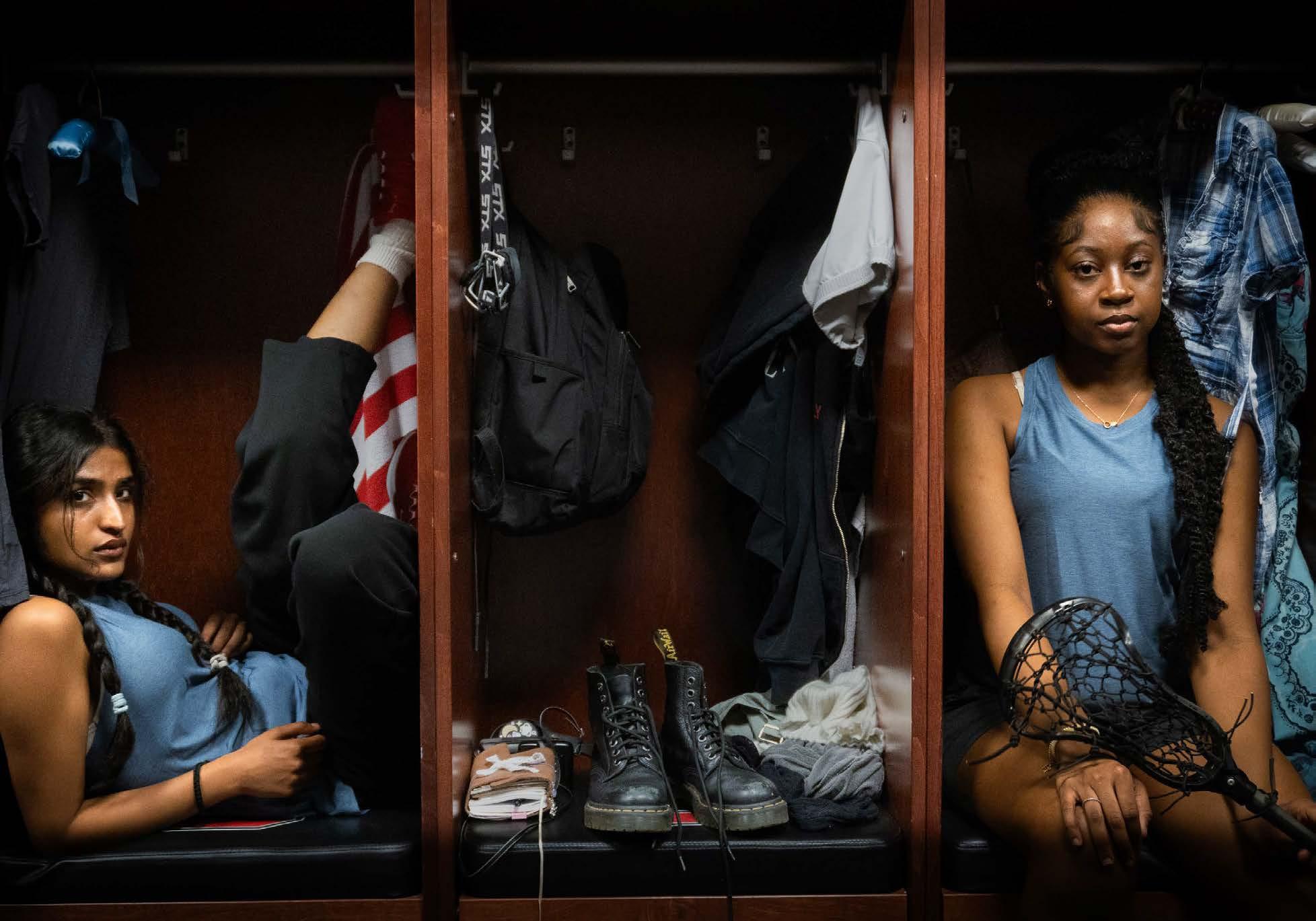
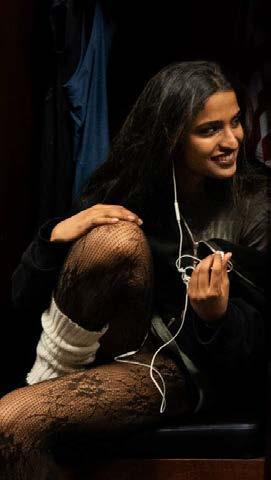
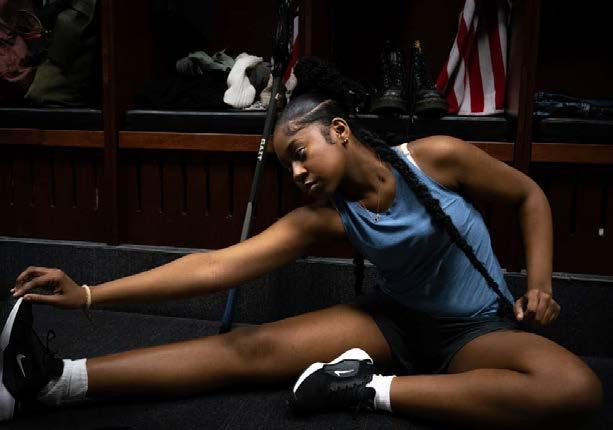
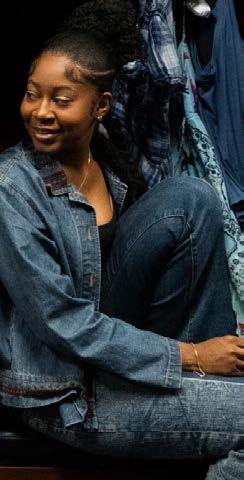
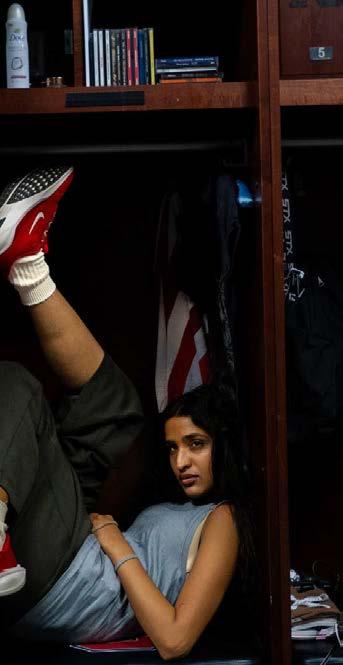
Every time an athlete crosses the threshold of the locker room, they move between versions of themselves. They enter as who they are off the court, as musicians, models, engineers. Then, as eyeliner is removed and lab coats are taken off, that identity is gradually shed piece by piece to be replaced by athletic garments and gear as routine takes over. The locker room is the site where an athlete is born, where the self is rebuilt to be focused and competition-ready. The locker room is a liminal space that marks the passage between identities. Upon returning, the process reverses. The gear is peeled away, damp and heavy, and “the athlete” is shed as they move back into the lives they stepped out of.
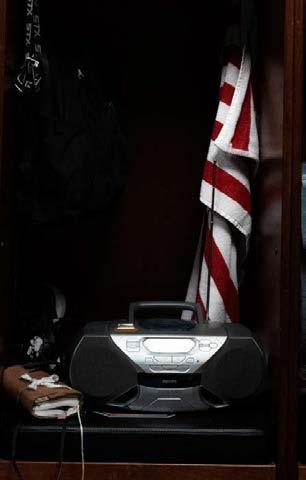
Before a game, the liminal space is controlled but animated. Music plays from an indistinct source, teammates’ voices overlap, laughter rises and fades quickly. It is a loose, social setting, witnessing each and every pre-game routine as the transformations into “the athlete”take place. Beneath the hustle and bustle, there is a quiet rhythm of structure that takes hold. Laces are tightened, retightened, bodies taped, retaped. This repetition and deliberation form the genetic structure of an athlete.
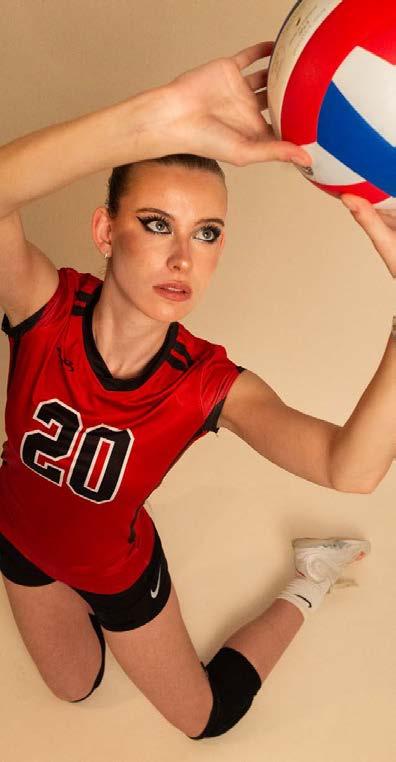
Ava Bogan, who is on the Cornell women’s volleyball team, sees it as an exacting process. Each little piece must be layered correctly, each adjustment contributing to a sense of completion and readiness.
“It feels like a suit of armor,” she says. “Like I’m readying myself piece by piece for battle.”
THRESHOLD
For Ava, this ritual of assembly is not only present in her routine as an athlete. Ava modeled before college and continues to do so at Cornell, for Cornell Fashion Collective and now Thread. As a model, too, identity is constructed through garments. Pieces are chosen, layered, adjusted for image, not physical function. Each element contributes to a finished whole, and the act of dressing becomes a way of stepping into a role.
While the locker room acts as a portal between athletes’ identities, the contents of one’s locker demonstrate how much overlap there is and how incomplete the transition can be. Athletes’ lockers are not divided by anything, and Ava describes her locker as everything. Her volleyball gear sits alongside her personal objects: shoelaces of various colors and pins for various causes—a golden giraffe statue from a team bonding fashion contest.
“It’s just all part of who I am,” she says.
Sports, sports uniforms, and locker rooms are built around standardization. The personal lockers of athletes like Ava become a kind of contained world where different versions of the athlete are layered together, made visible through the display of what is worn, personalized, stored, left behind.
After competitions, the locker room slows and exhaustion settles over the locker room. Movements lose their precision and deliberation. The routines remain, but in reverse. Gear is peeled away, no longer assembled with the same intention, tape resists before being ripped off, fabric clings before loosening.
“It feels like you’re taking off pounds and pounds of gear,” Ava says. “Even though it’s not that much.”
While the “armor” is dismantled and the off-court identity is rebuilt, the athlete’s posture lingers, their mentality persists. What is constructed for competition does not deconstruct easily. When the locker closes, armorless, the athlete steps out of the room and back out into the rest of their life—into labs, studios, sets—into the same identities they temporarily set aside.
However, the discipline and awareness of an athlete remains, subtly persisting outside of the locker room. The reverse is also true –mentalities and beliefs from outside pursuits get carried into the locker room and onto the court, as demonstrated by Ava’s pink laces for breast cancer awareness or queer allyship pins.
This liminal state, this blending of identities, is rarely recognized outside of the locker room. On campus, the label of “Cornell athlete” often seems to come first. But that identity is both accurate and incomplete. Ava laces up for competitions but also models, studies, and participates in communities that have nothing to do with the court, but everything to do with how she understands herself. These identities accumulate, inform one another, and exist simultaneously.
“The last thing I think about when I hang out with athletes is their sport,” she says.“I want to be recognized beyond the red backpack.”
The locker room is one of the few spaces where an athlete does not need to be legible in one singular way. Before the uniform is fully assembled, and after it is removed, the boundaries between roles soften and blend. The garments and gear scattered throughout coexist, unstructured, uncategorized, reflecting the simultaneity of the different parts of the self. These parts are carried in and out of the locker room, and when inside, the layered self is momentarily held in view: assembled, worn, undone, and recalibrated.
Athletes and the Commodification of Virtue
BY PATTON CADAY
I want to open this article up with a question to you, the reader. Before proceeding any further, I want you to think of the top five athletes in history, regardless of their sport or time period. While I’m sure some of you reading this will have thrown in one or two obscure picks, I’m willing to bet at least five dollars (!) that the vast majority of lists will have Michael Jordan included somewhere. It’s hard to argue against it.
His record is one of nearly unparalleled dominance. But there’s more to the Michael Jordan story, more to feed the mythos. Michael Jordan is one of the most wealthy athletes of all time. While in no small part due to his success and capability, it’s also an irrefutable
fact that his shoe brand, Air Jordans, is a massive part of his accomplishments as a businessman. In many ways, Air Jordans are more than just a shoe; they are a progenitor of a new culture, the birth of the sneakerhead, a true paradigm shift.
This trend isn’t unique to Jordan. Other athletes like Tiger Woods and his Nike Golf Polos, and Lionel Messi with his Adidas Sambas, also come to mind. Michael Jordan, of course, is unique, in that no athlete before or since has had such an earthshaking impact on the world of athletic apparel, but the underlying trend is still consistent. Sports fashion and the usage of garments to sell the image of athletes is extremely profitable, arguably more so than the sports themselves.
There are many explanations for this— many based around the timing of these athletes and their success, the unique clauses in their contracts, the developments in the sport, etc. Still, the explanation I find most compelling, in part due to its unifying parsimony, is that which appeals to an unquantifiable, human element. Athletes, through their achievements, become transcendent symbols of values we as humans aspire to. Michael Jordan, through his performance on the court and his negotiations with Nike, came to represent rebellion and self-made victory. Tiger Woods came to symbolize potential, the potential of athletes of color to not only compete, but dominate the world stage when he won the Masters in 1997. In doing so, he became an iconoclast, overturning the last remnants of golf’s bigoted past. To youthful audiences, these athletes come to embody the virtues and values they’re taught to aspire to. Athletes like Jordan and Woods demonstrate that the seemingly inexorable human desire to excel, to push ourselves to the limit and come out on top, can be useful outside the realm of sports, and in the world of tangible social change. By signing endorsement deals and attaching their names next to products, and fashion in particular, athletes don’t merely sell themselves as merchandise, but also a means for fans to identify with the lessons they feel these athletes symbolize. A Tiger Woods golf polo, as an item of clothing, may “just be a shirt”. By attaching his name to it, however, Tiger Woods has elevated the polo to a means by which people familiar with his story can align themselves with it, with the idea that an individual, with drive, determination, and unshakeable will, can shape the world to their ambitions.
These influences, abstract and intangible as they may be, come together to form a fertile ground for emergent consumerism. Athletes, through the endorsement deals they sign with athleisure brands, effectively produce the means by which their fans around the world can partake in their narrative. When someone purchases the garments verified by these endorsement deals, they aren’t just making a transaction of function; they’re also buying into an ideology, a socially imagined relation to history. Fashion says something about the consumer, and, in this case, they imply that the wearer identifies with the legacy of an athlete and their popular reception. The conscious decision to buy a pair of Jordans isn’t just to buy a shoe, but to buy a piece of Michael Jordan’s self-made success. These simple items of apparel become such hot commodities because they become a social currency; they become a way for people to signal to the world that they relate with the goals and values symbolized by the athletes who make them. As fashion continues to cycle, it’s easy to dismiss the mass consumption of athletic attire as a forced commercial trend. These criticisms arguably have their place. However, reductionism must be cautioned against. Athletes have immense cultural significance to so many communities, and the attire they help to create are more than “just clothes,” they are tangible threads of inspiration for some of the world’s most downtrodden and marginalized people. Athletes, by lending their likeness to these garments, and offering a way for these people to participate in their stories, assist millions in defining what exactly they aspire to be.
IN SKULLS
THE INTERSECTION OF VIOLENCE AND FASHION IN SPORTS
Patton Caday
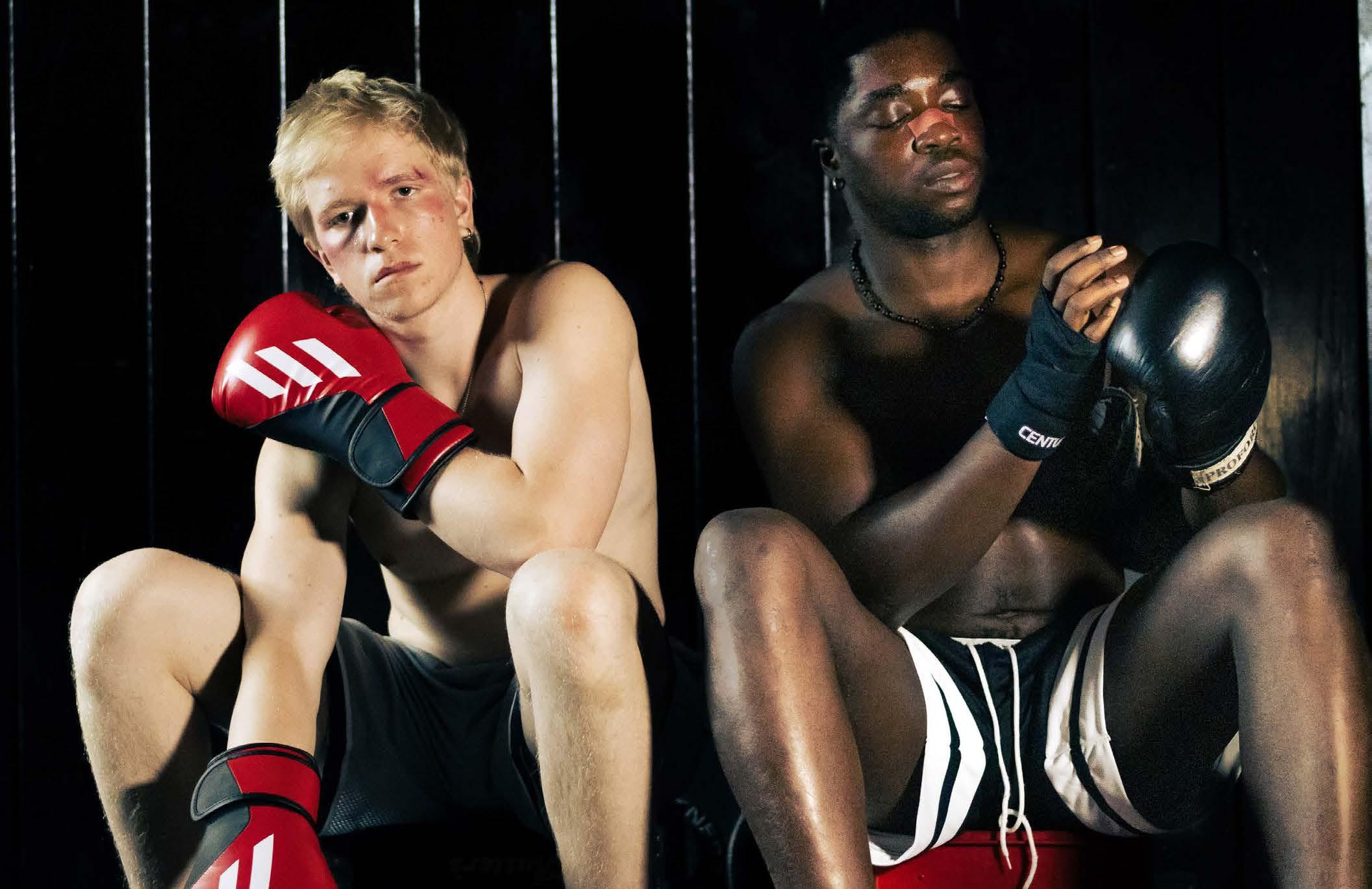
Picture, for a moment, a young boy and his father. They’re sitting together in front of the TV, the rest of the world an inconsequential blur. On the screen, two men in a boxing ring duke it out. The fight drags on long past the young boy’s bedtime, for what feels like an eternity. The boy hardly notices. To this impressionable child, the red liquid seeping from cut eyebrows exudes a stench of minerality, of faint iron. The sweat pouring from the fighters, too, invades the nostrils, while he instinctively mirrors the flashing winces of pain on their faces. To the boy, this isn’t mere television. Here, instead, are two men, pushing each other to the limit and beyond, in an irresistible spectacle that transcends the screen.
Sixteen years ago, I was that young boy in question. Growing up with a Filipino father during the height of Manny Pacquiao’s popularity meant I spent a lot of time watching scenes of the sweet science at work. These experiences, perhaps embarrassingly, are some of the more formative ones in how I’ve grown to identify with my heritage as a Filipino in the United States.
More importantly, they formed the early foundations for how I would come to understand the darker aspects of human nature, namely, our disturbing ability to destroy one another. That, behind the pleasantries of society, buried underneath the etiquette we’re taught and the laws we follow, lies the desire to assert our might without uncertainty or abstraction, through means of violence, aggression, and domination. This desire not only to win, but to cave in the skulls of our opponents is, ostensibly, inextricable to the human condition. It persists through different permutations of history and across vastly different cultures as something fundamentally human.
It’s no surprise to me, then, that some of the world’s most popular sports are also some of its most gruesome. MMA has amassed hundreds of millions of fans since its inception in the 1980s, while boxing, laden with countless stories of the new age David and Goliath, has produced numerous heroes and served as the basis for some of the most culturally significant stories put on paper or on the big screen. Football of the American variety, for its part, has become synonymous with the nation.
But what makes the violence on display in these sports acceptable? Why do we glorify someone like Islam Makhachev for something which is functionally barely removed from the street brawls we ponder with disdain? There’s much to be said about the different contexts in which these occur – the rules, of course, but also the community surrounding these sports, the marketing for these fights, and the cultural and ideological investment we as an audience place in the athletes themselves. These are largely abstract and transient; when big sporting events begin, the guidelines and trappings of civilization that are grafted over the pugilism on display are not manifested in a tangible form for an audience. Instead, they exist as theory, as thought with consequence, but without the ability to be observed as a material object.
Perhaps, then, an argument can be made that the clothing these athletes wear — the gloves, shorts, cleats, helmets and padding — are the most readily observable, physically existing expression of the principles that ensure the safety and conduct of these athletes. The fashion on display in combat and contact sports, created out of both functional and aesthetic necessity, serves as a bridge to ferry the intangible rules into the concrete world in which the audience and the contestants reside.
When I watch combat sports, I don’t see the fighters as people with predispositions to violence in the way I’ve sometimes interpreted similar behaviors in civilian life. As an audience member, I see two people at the heights of their craft, performing and innovating at the highest level they can muster. To me, the garments they wear are signals of this fact, both in and out of the ring, when the mechanics — the punching, kicking, striking — are indistinguishable from those seen in fights amongst ordinary people. In some ways, the fashion and garments on display in these sports work to emphasize differences in the violence on display, differences that otherwise remain in the ether of thought. In the wider sense, fashion can be understood as a medium through which our base instincts as people are altered, modified, and shaped to specific ends.
I Feel
The Release Break The Pull
At the Half
of it.
GIRLS WHO GIRLS WHO SPORTS
It was always the stench of the fight nights that made Mary feel the most at home. That hideous cocktail of body odor, cheap booze and Old Spice was nauseating, overwhelming her spirit and senses. There was something ritualistic about it, maybe because of the perpetual haze of smoke that seemed to fill every dingy basement, backyard, or underpass Mary stepped foot in, like incense burned in the temple of some ancient, dykey goddess.
Tonight’s den of sweat and Keystone Light was situated in some overgrown grassy lot in the butt-end of nowhere, lit by the day’s last rays of sun and a couple of mismatched LED lamps. Some of the nicer backyard tournaments she’d been to had gone through the trouble of acquiring mats, but here, four traffic cones marked the boundaries of the ring. She had arrived late, a pair of softlooking brunettes were already struggling to pin each other down to the cheers and hollers of about twenty onlookers.
A few of the regular attendees knew how to fight, those were the types who had given Mary the names of self-defense instructors in her area after taking her down in less than
a minute. They liked to fight each other, and usually left early. It didn’t seem like there were many of them here tonight. This crowd seemed the amateur type, a sea of faux-leather wearing pixies of all sizes, their eyelinerstreaked faces painted pink by the sunset. Even among them, Mary felt rather petite; she lacked much muscle anywhere on her body. This, of course, had never stopped her.
It was no fun with the women who knew what they were doing, the well-adjusted ones with common law partners and rescue pitbulls at home. Mary didn’t want restraint; she didn’t want technique. She wanted someone motivated by the desire of flesh under flesh with the sole motivation of shutting her up and putting her six feet under. She wanted the woman staring at her from across the ring, who had over a foot on her and whose brown eyes were fixed on her own. Her toned biceps gave way to veiny hands gave way to thick, strong fingers.
As the previous pair of fighters trudged out of the ring, Mary walked forward in a daze, right into her opponent. Her dark curls, bound up in a ponytail, just barely tickled the woman’s chin.
“I’m Mary,” she whispered.
“I eat girls like you for breakfast,” was the woman’s response.
“Is that your real name?”
“It’s Frankie. Anyone ever told you that you’ve got a punchable jaw?”
“All the time.”
Frankie laughed, low and breathy.
“I like you. Good luck.”
Before Mary could say it back, she slammed into her with an animalistic ferocity. She just barely managed to remain upright, sliding backwards as she white-knuckle gripped Frankie’s tank top. The pair struggled against one another, though Mary noted the lack of resistance from her opponent.
Taking the hint, Mary threw her whole weight at the larger woman, sending her to the ground such that she was straddling her. Her narrow thighs trembled like leaves as they struggled to hold Frankie’s rapidly bucking hips in place.
And then Frankie punched her in the jaw. Mary couldn’t help but smile. Frankie smiled right back as she effortlessly switched their positions, slamming her knee into Mary’s chest. Mary kicked her sneakered feet, trying to slide out from underneath the wall of meat that was Frankie. Just as she lifted one knee to rise, Frankie shoved her right back down, this time on her stomach.
The taste of dirt and iron filled her mouth. Frankie tugged sharply on her hair, the dark cloud of ringlets now free from the flimsy elastic, forcing her head up. Mary could smell her breath, and it was that stench, that perfume of sweat and exhaust and menthol— the stench of life and being alive and loving it.
Mary looked into those dark brown eyes and felt a sense of acceptance so simple and deep that it put any love she’d ever known to shame. As her body bloomed with bruises she knew would stay for weeks, the pain that lit up her every nerve became her, she didn’t want it to end.
Frankie’s knee gave way, and Mary knew she wanted it to last too. She whispered into her ear,
“Let’s give ‘em a good show, yeah?”
SPO RTS ONA
Sara Garcia
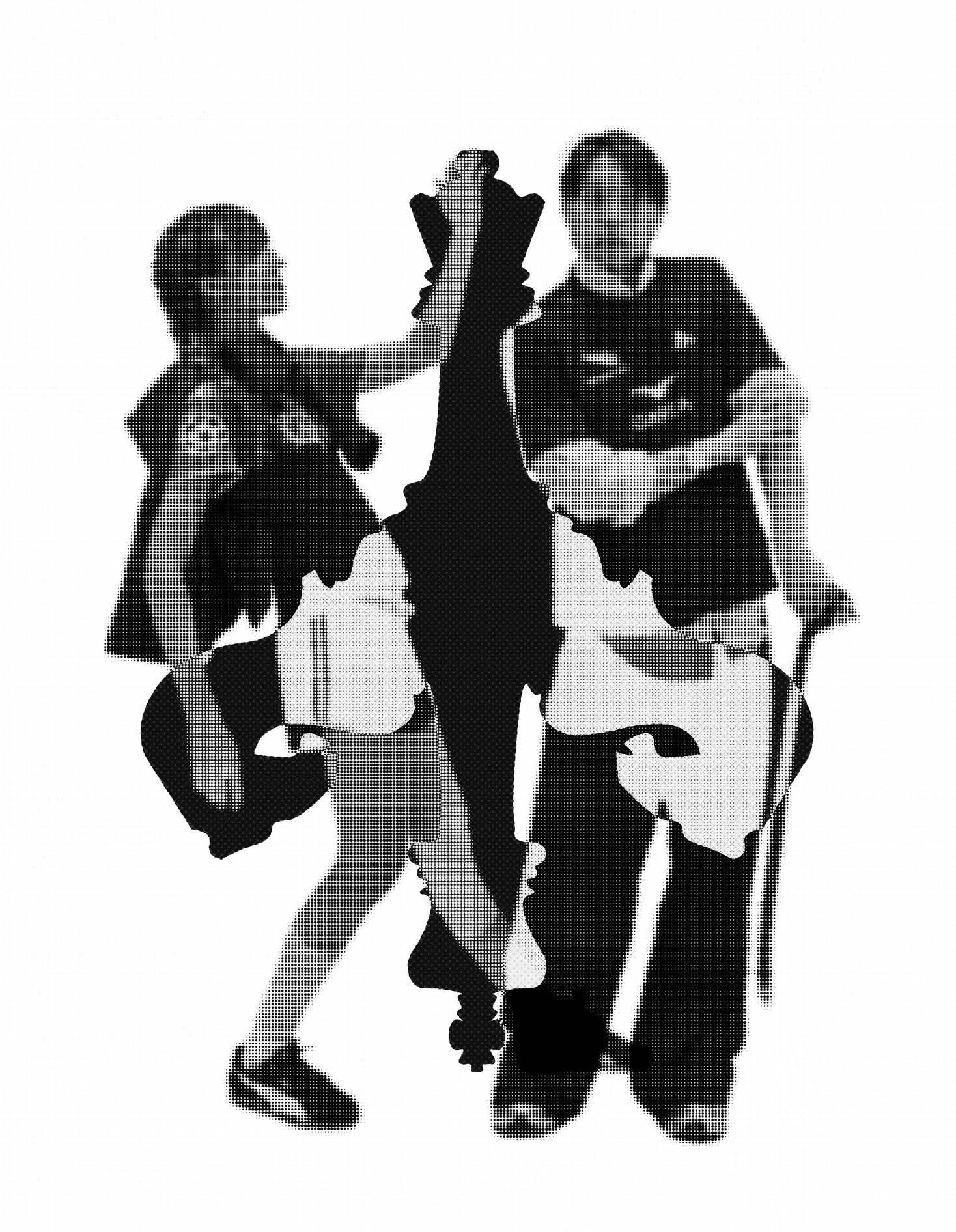
Giulia, the Virtuosic Volleyball Player
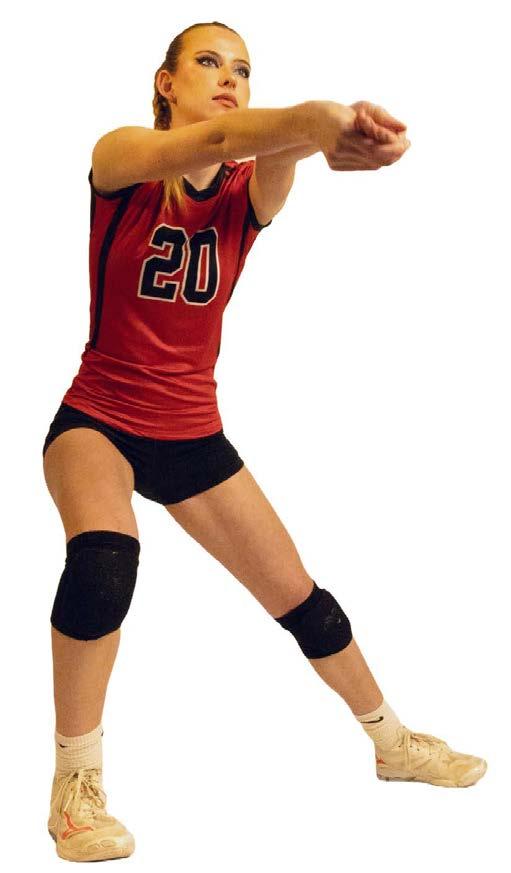
Statuesque and laser focused, Giulia surveys her domain. Within the four lines of the volleyball court, she and her teammates are about to put their collaborative skills to the test. Like a lioness stalking her prey, she fixes her eye on the red, white, and blue volleyball zooming towards her. All they get are three touches. First, a bump sends the ball flying upwards. Second, a gentle set slows its momentum. Third, a precise spike sends the ball careening across the net towards the court’s floor with a smack. And with its dull thunk against the wood, the point has been won. Even with this small victory under their belt, Giulia can’t help but turn her attention inward. Has her passing been at the top of its game? If her reaction time had been even a fraction of a second quicker, could they have won the point more efficiently? In times like these, Giulia comes face to face with her love-hate relationship with volleyball. Besides being time-consuming, the sport is as much a mental game as it is a physical one. Long years on different teams had taught Giulia that lesson well. As one of her teammates prepared to serve, she felt her mind wander. Could there be a world outside of this court, maybe one less burdened by comparison and doubt? With the characteristic thwack of a hand against the ball’s surface, all such thoughts fled from her mind. Those questions could be answered later. What mattered was now.
giulia
Evie, the Business-like
Basketball Player
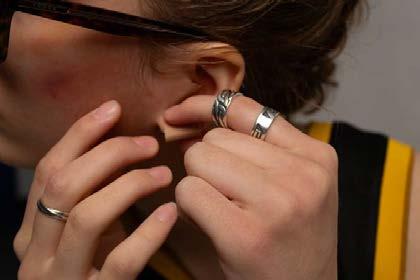
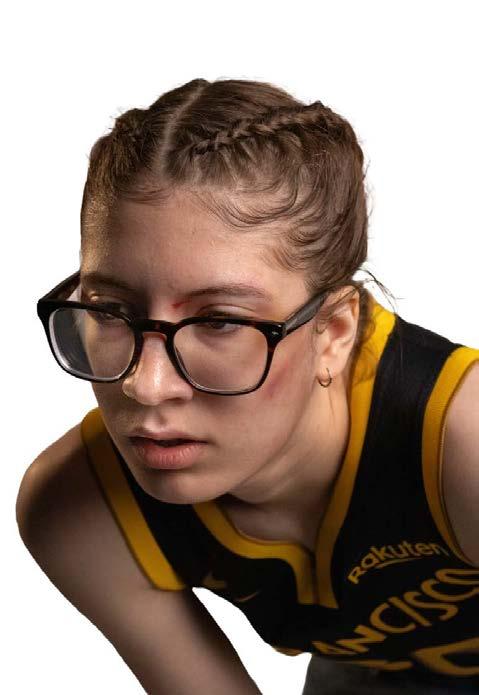
Team sports characteristically require the individual member to set aside ego, ambition, and self-esteem in favor of the team’s interests, a trait that is a double edged sword and one that Evie is familiar with. On the court, Evie’s performance is incredibly team-oriented. Whether it’s memories of the halcyon days of courtside hair-braiding or a deep-held aspiration to be the best teammate possible, she competes with her teammates in mind. In a uniformed sport, there is only a select number of ways that athletes can express themselves. As her most recognizable feature, Evie’s hair is central to her identity both on and off the court. Her pre-game ritual in high school included getting her hair braided, one of many approaches through which she expresses her relationship with femininity. With historical norms viewing participation in sports as exclusively masculine, Evie is among a long lineage of women, AFAB(1), and feminine presenting people who have changed that perception with their commitment to doing what they want and expressing themselves however they want. Despite her positive relationship to femininity, Evie doesn’t connote that with a lack of in-game physicality. In high school, coming home with new bruises after a game was not uncommon. Evie’s relationship with basketball began in elementary school; watching his games gave her a setting in which she could aspire to level up her skills and a court she could aspire to see herself on one day. Although she doesn’t play on an established team in college, she still plays with friends, does pick-up at Noyes Fitness Center, and practices fundamentals alone. She has not gotten bored with basketball and it’s doubtful that she will. The things we love guide us through stormy seas and dark nights, acting as a North Star that brings us home.
evie
tanya
Tanya, the Tasteful Tennis Player
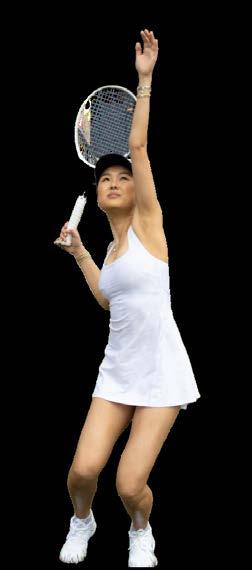
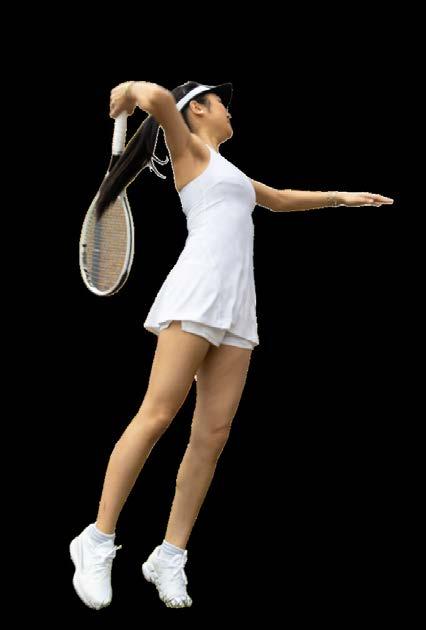
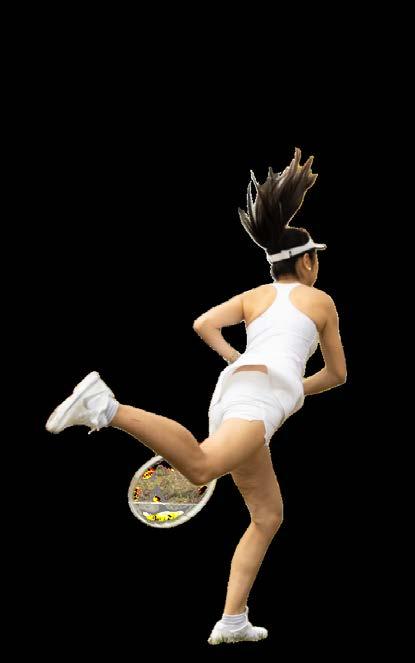
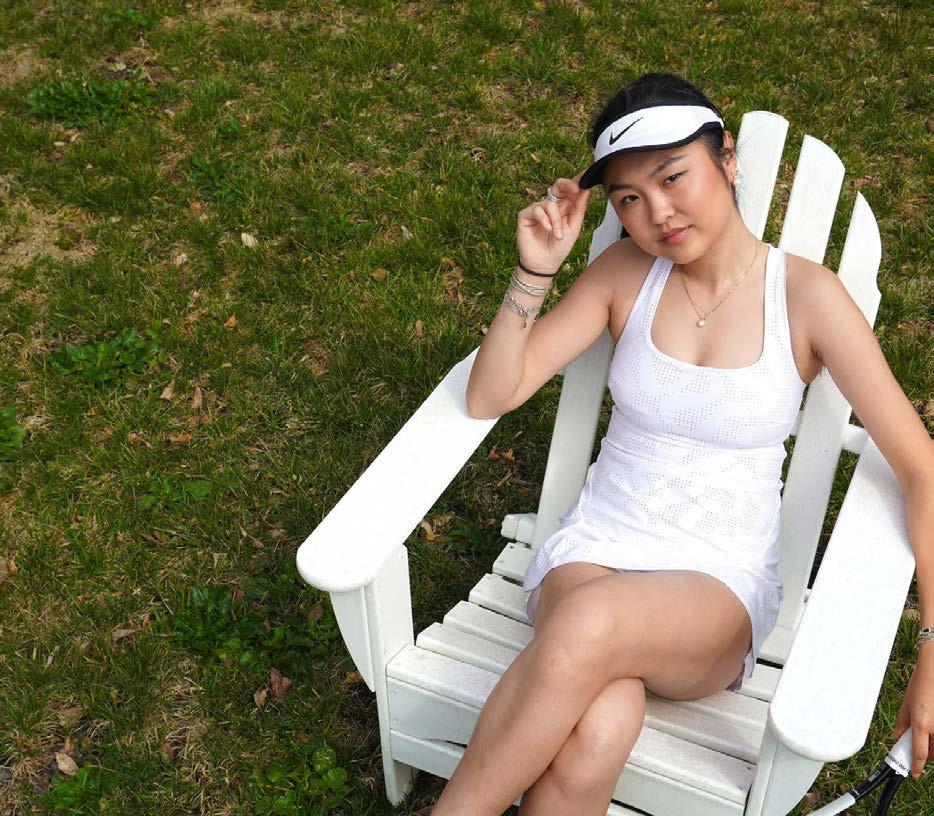
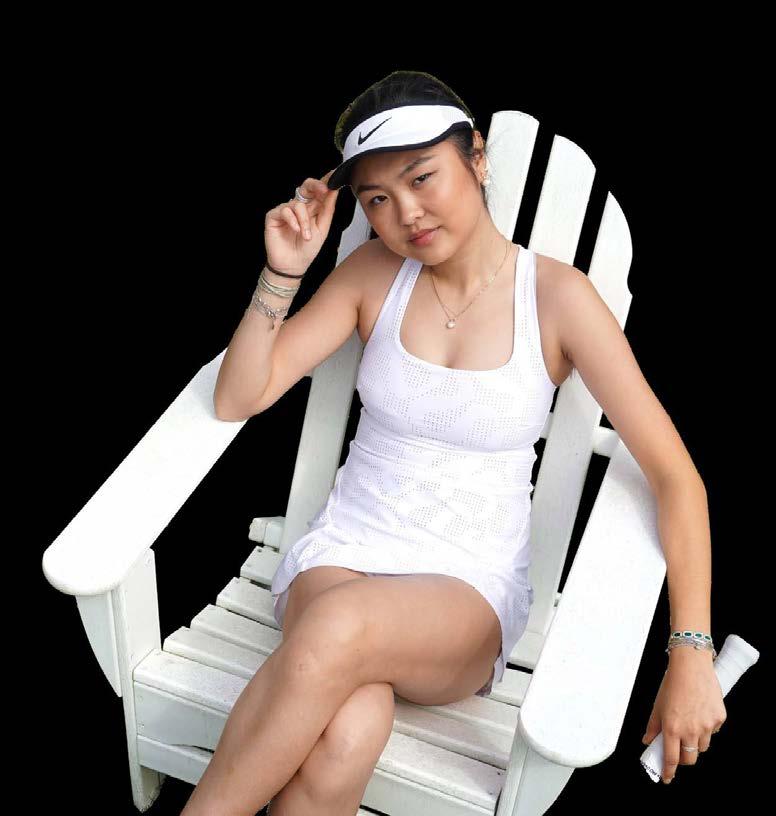
Effortlessly voguish, Tanya floats onto the tennis court. Feeling the comforting weight of her lucky teddy bear necklace and the jewelry that accompanies every one of her on court appearances, Tanya fortifies her mind for the imminent confrontation. Racquet raised, she tosses the tennis ball upwards and sends it flying across the court in a merciless serve. Her opponent receives it with equal focus and the little neon dot hurtles back and forth, gaining momentum and unpredictability. Tanya weaves to and fro across the court like a weaver’s shuttle, a blur of white on the court’s green background. Her all-white outfit brings to mind those of Wimbledon players of bygone eras. As she sprints to return the ball, she moves with an energy of hunger and confidence. Even the most casual witnesses can tell that she wants this win. The court is a reality unto itself, where love(2) isn’t a fuzzy feeling, bagels(3) aren’t a breakfast food, and a deuce(4) isn’t a playing card. All are slang for different scores, something weighing on Tanya’s mind at the moment. She continues darting across the court, accepting every return gracefully. Her opponent attempts a daisy cutter(5) Big mistake. Nothing gets past Tanya. With an elegant ferocity, she sends the ball back across the court, scoring with a deep shot(6) The match has ended, and she has emerged victorious. To the casual onlooker, Tanya’s win seems effortless. Perhaps it lies in the poised way she carries herself, or maybe even in her fashionable appearance. However, Tanya knows the truth. Every point she has ever won, she has earned.
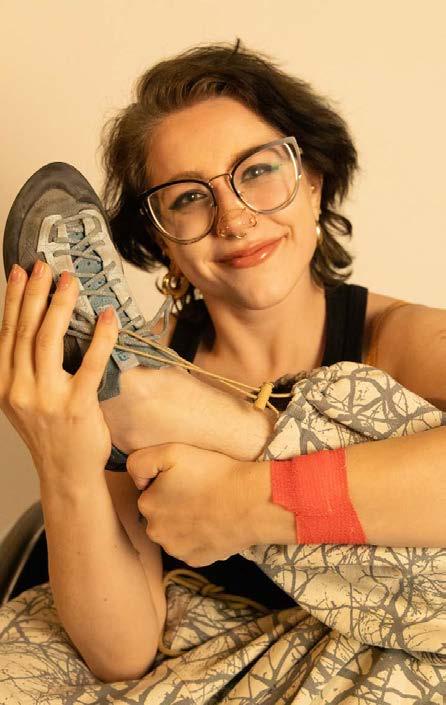
Xel, the Conscious Climber
With Xel, there’s a lot to take in on first glance. With around 31 total piercings, they seem to sparkle when directly lit. When they smile, that glimmering is amplified by the tooth gems that adorn their grin. The shining of their bodily adornments is reflected in their personality, best described as loud, apologetic, and unique. Xel’s preferred climbing outfit is typically composed of sweats and a tank top with a bad-ass slogan, topped off with either climbing shoes or sneakers. They literally wear their identity on their sleeve, choosing to shop from a brand called CHNGE, self-described as “a conscious collective creating ethical clothing”. Another way in which they have chosen to adorn themselves is their tattoos, most notably with a bicep tattoo reading “MAKE IT HAPPEN”. First starting to rock climb in high school and continuing into college, Xel utilizes the sport to build their strength and endurance. Being visibly disabled, they have noticed that they tend to receive odd glances while rock climbing, yet they persistently continue, knowing that they, like everyone, deserve to test the limits of their body. The looks and attitudes Xel has encountered while practicing their sport are mirrored across the sports world. When surveyed, 78.4% of disabled athletes shared that they had experienced behaviors related to emotional harm and neglect during their sports involvement(7). Even outside of the sports world, Xel feels like others look down on them or are afraid to interact with them due to their use of mobility aids, yet their identity as an athlete is one of the many mediums they utilize to demonstrate their strength on a daily basis. As an outspoken disability rights activist, they challenge established norms and advocate for increased accessibility across campus. Xel’s radiance and tenacity are a shining example of the power of a single individual; if one person’s courage, will, and voice can be so strong, imagine the power and effect of a collective.
xel
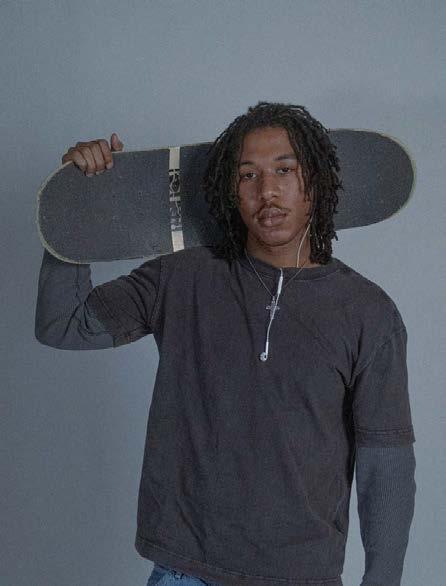
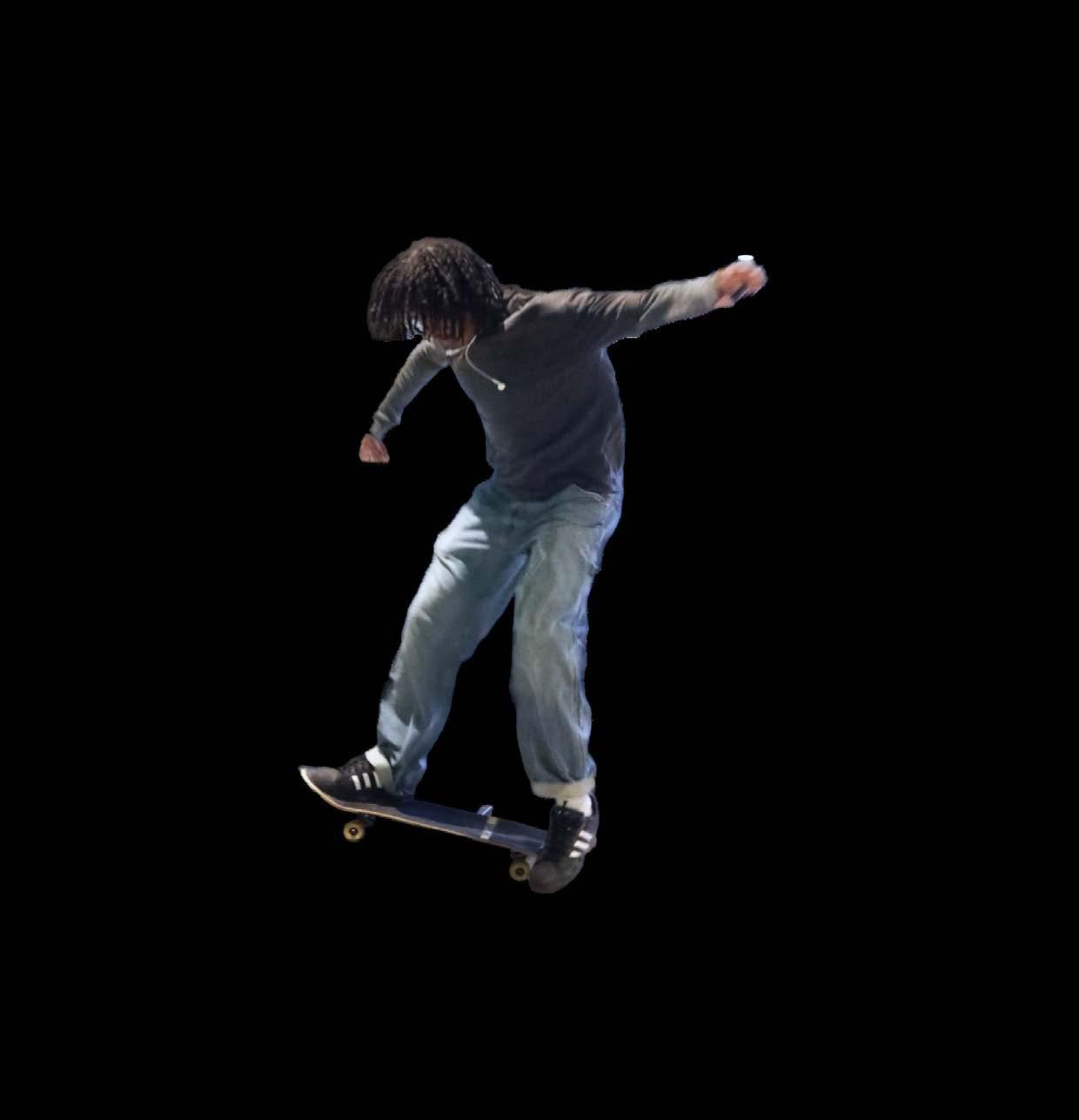
Malique, the Serene Skater
Mysterious. Nonchalant. Lost in his thoughts. Upon first meeting Malique, these are the first observations about him that cross one’s mind. Typically found grinding pavement with steeze(8) outside of Milstein Hall, Malique uses skateboarding as an outlet for the stress of being an architecture major. As an added plus, the Ithaca Skate Park is typically full of other grommets(9) looking to make friends and film for one another. With at least one earbud in playing LAUSSE THE CAT(10), he zips around North Campus on his skateboard, ignoring spectators and going wherever the wind takes him. The first skaters were southern Californian surfers looking for ways to sidewalk-surf when the waves were less than choice. With roller skate wheels nailed to wooden planks, they sought abandoned pools to perform drop-ins on. Decades later, Malique stands on the shoulders of giants like Kader Sylla, a young goofy-footed(11) skater from Los Angeles and Malique’s favorite skateboarder. Ever resourceful, Malique utilizes Milstein’s architectural curves and ramps in his tricks. Contrary to popular belief, he is not nonchalant about skating or life in general. In fact, he resents the accusation, since it tends to lead onlookers to make undue assumptions about his identity and project a persona onto him. He prefers to skate solo, favoring a quiet afternoon practicing tricks to the mindless small talk of new friendships. Malique the Skater was born the first time he saw his older cousin skating. Thinking it was sick, he picked up a skateboard and never looked back. With every sesh(12), Malique falls deeper in love with the meditative, acrobatic miracle that we call skateboarding.
amber
Amber, the Persistent Parkourist
With dexterity, Amber scales the climbing wall in a mountain goat-like display of agility. Gravity seems to have no hold on her as she ascends, similarly to her appearance when practicing parkour. That fundamental law that governs the rest of us appears to be a mere suggestion to Amber. When confronted with a wall or uneven landscape, rather than seeing obstacles, Amber sees opportunity. Millions of opportunities, simply waiting for the right challenger to take them on. Amber is more than willing to prove she is that creative adventurer, and has been ever since childhood. Seeing spies and secret agents in movies bolt around deftly inspired Amber to take up the sport of parkour in her senior year of high school, craving the freedom and abandon with which they flew across the screen. In her stylistic choices, she also proves her creative identity, with an idiosyncratic shock of blue hair framing her earnest face. From head to toe, Amber’s personality shines through, as does a strong commitment to a color palette ranging in different shades of blue and black hues. On the Ithacan campus she currently inhabits, parkouring locations are few and far between. Instead, Amber has adopted climbing. As she stands at the base of the wall, endless potential paths between herself and her goal light up before her eyes. The efficient journey between point A and point B is an art form, and Amber stands in front of her canvas with a paintbrush in hand, ready to make a masterpiece.
(8) Style with ease (9) Young skaters
(10) Malique’s favorite skating music
A skater that rides with their right foot forward
salsa pa’lante
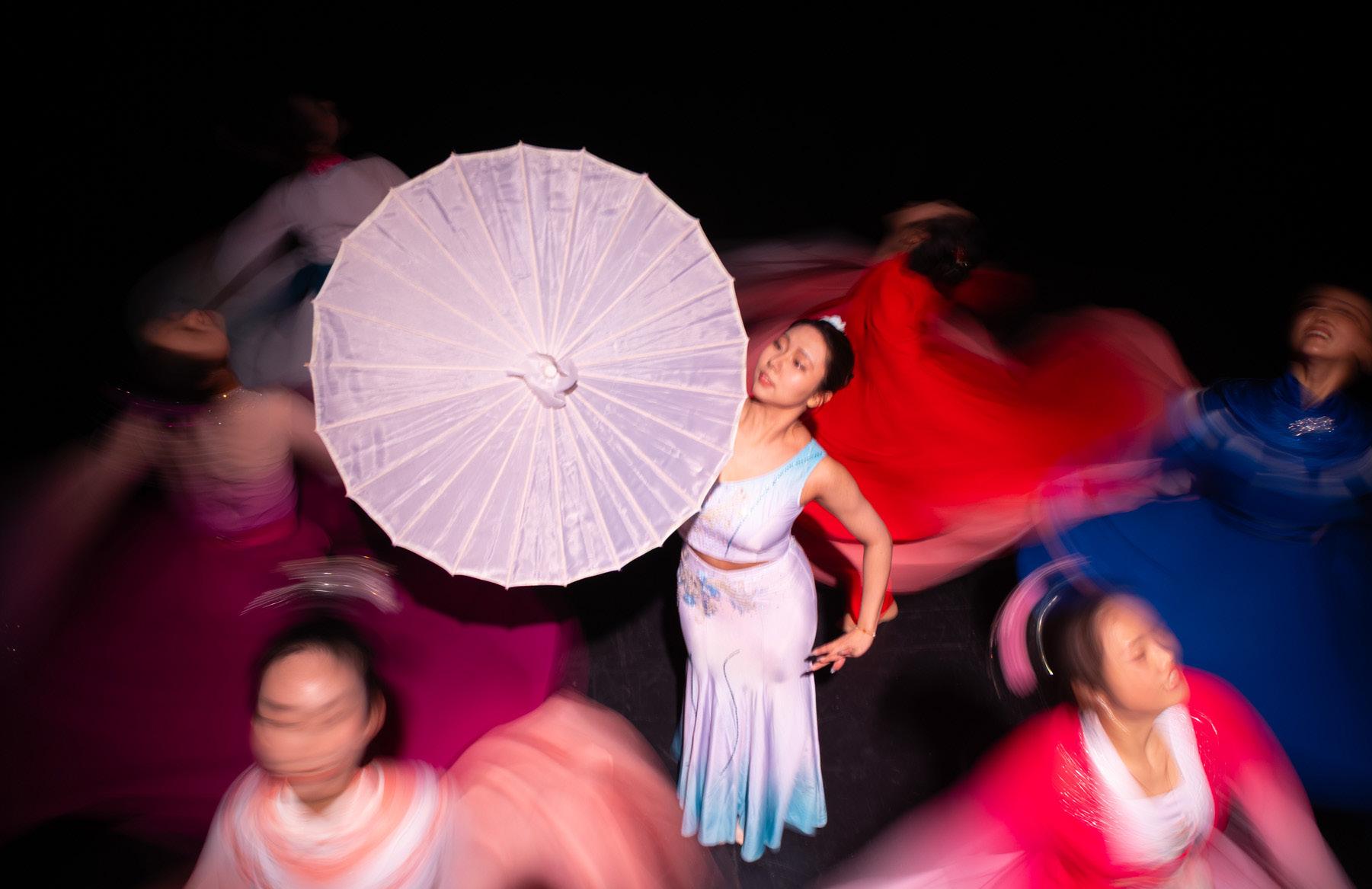
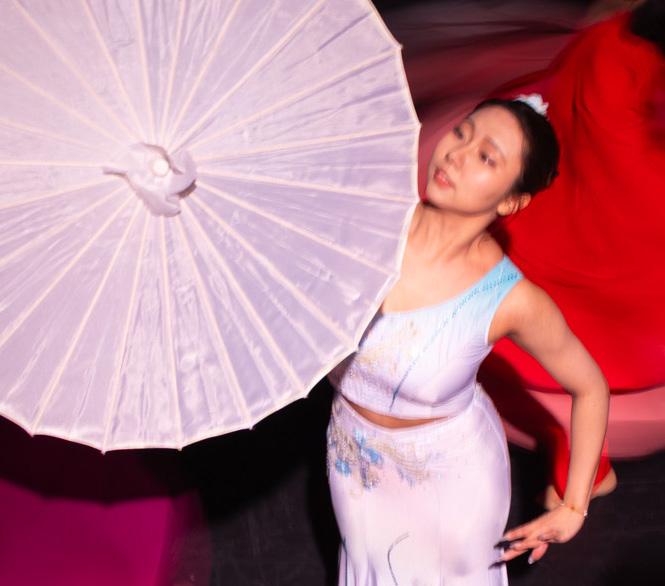
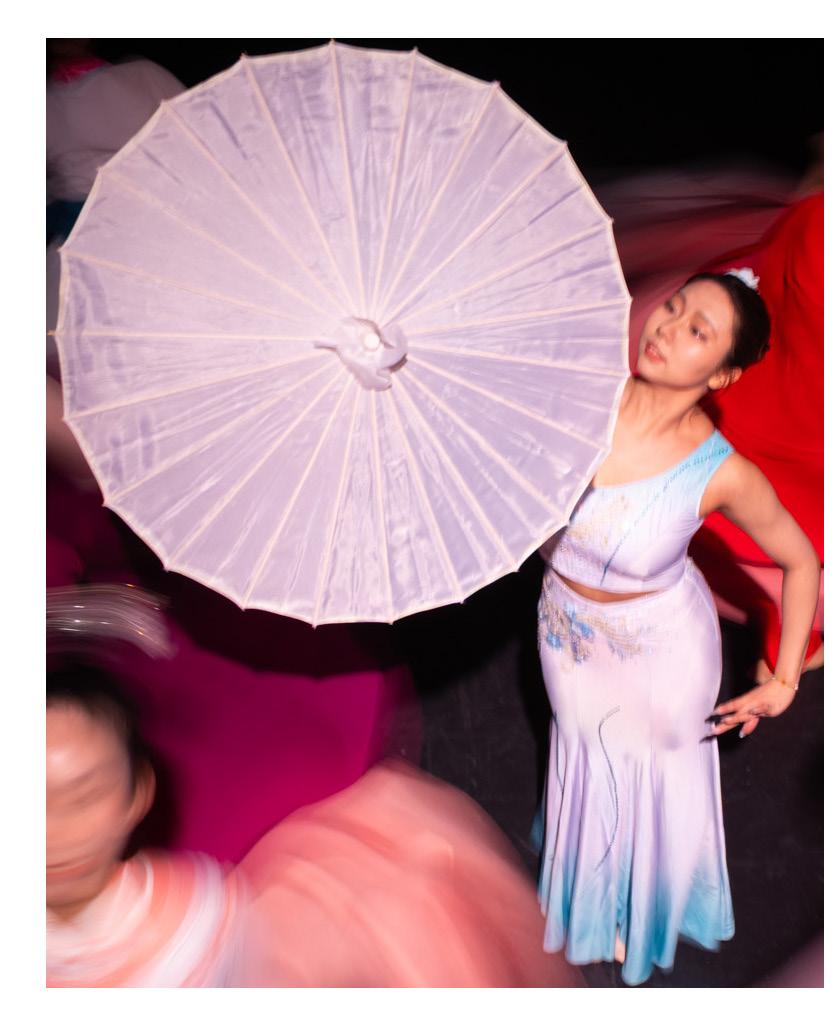
paper lantern
Jasmin Sin
you land on your feet skirts bloom into wind pink white breath spinning your dance — a memory of your mother your grandmother your bodies blur into lineage ancestors tracing each turn a translation each spin a crossing — in fields for those near forgotten a white umbrella opens a paper dance to their circle of loud meditations before you land on your feet again
THE MENTAL GAME
Energetic distance forms a cerebral discussion realized through puppetry.
maybe next time.
dance, dance
Selina Chen
i always thought i was a bad dancer; i apologize to my 妈妈(1) and 爸爸(2) who think so too. they tell me that dreams have plans, like stars that streak across Blue for all their lifespan or moon perched on treetops outside 妈妈’s car windows. they do not scar or stumble or scare easily
i danced around small stutters around towering heights around lettered formulas that never made sense. Blue melts into Yellow hands across hairy bristles of brown ‘till Blue trickles into galaxies that swallow crickets buzzing with a lone heart’s beat and for a moment i see the Sun not as i remember but surely as they do i smell of old tires caught under brakes and beads of sweat crystallized across foreheads tattooed with “[redacted]” dance says the dove in black-and-white dance says the embroidery on your chest dance around and around the buttons on your coat, the ribbons on your neck like an orbit mumbling its path to earth
to be frank, I’m very, very good in the ways that don’t matter to me at all I’m very, very good at pressing against pavement even better at turning cheek the next day I’m very, very good at shaking hands even better at washing them off beside myself and i do not apologize for being good
Blue trickles down and swallows my lips in salt and stingrays run my mouth dry with stitches and rivers into roads—soap bubbles scrambling to flee
i want to burn up in Yellow fields of fire and blankets of that fog up my eyes and ears like headlights on a highway i dance around novelty like i do around average men whose tongues overlap with fellow fools and twirl around convention for their slightness reminds me of my own when i brace for their unnerving arm around mine in a static of smoke, like the skin of a savior, the lull of a broken metronome
妈妈, even if I’m no good even if i tangle like the necklace in my jerry-built drawer i dance around lumps in my throat unknotting into mushy spillage in front of the finest witnesses, perched like the 蟋蟀 mocking me on my shoulders like the clasp i threw to the sea for the sake for it i dance for 妈妈 and 爸爸 for 也也 who no longer fills the living room with song and for 奶奶 in my dim kitchen who warned me of spirits that never sink not even to despairing blue gowns dance around the world long after you spin into dust and all you want is to return home.
1
envy.
THE ETERNAL
ETERNAL FLAME
Across time, silhouettes shift, materials advance, and cultures leave their mark yet the spirit of competition burns steadily like a flame.
MAKE ROOM FOR THE GIRLS!
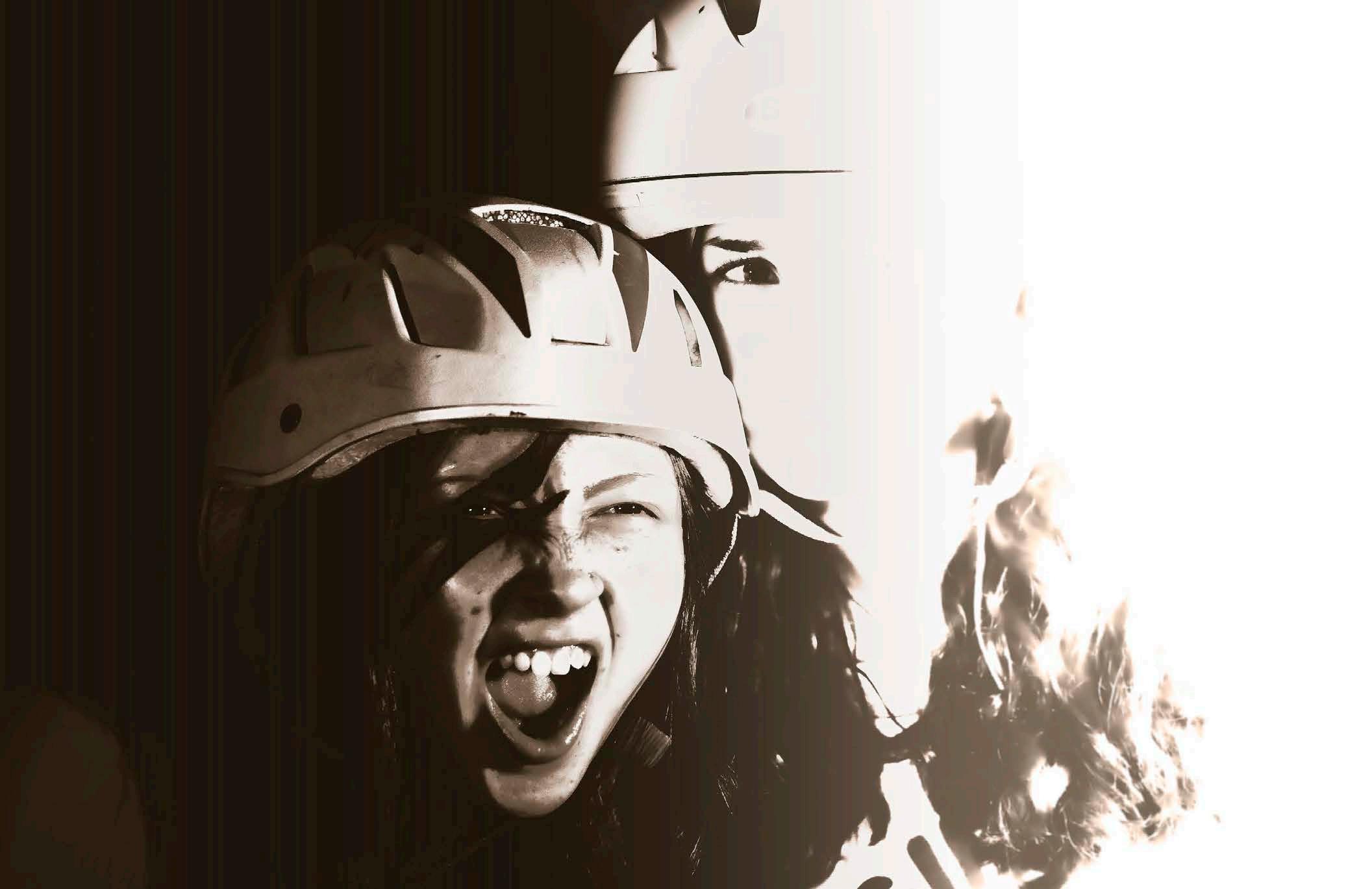
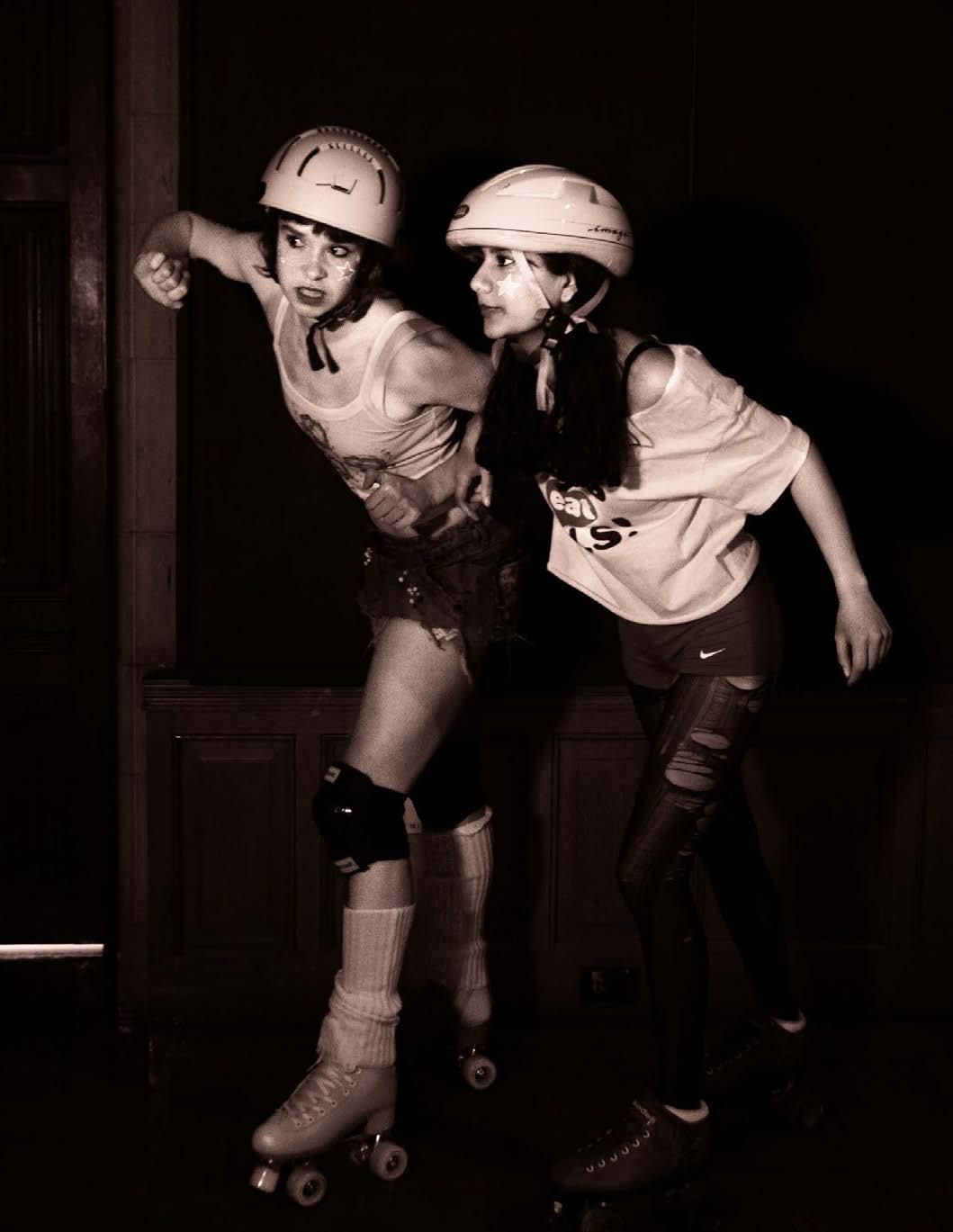
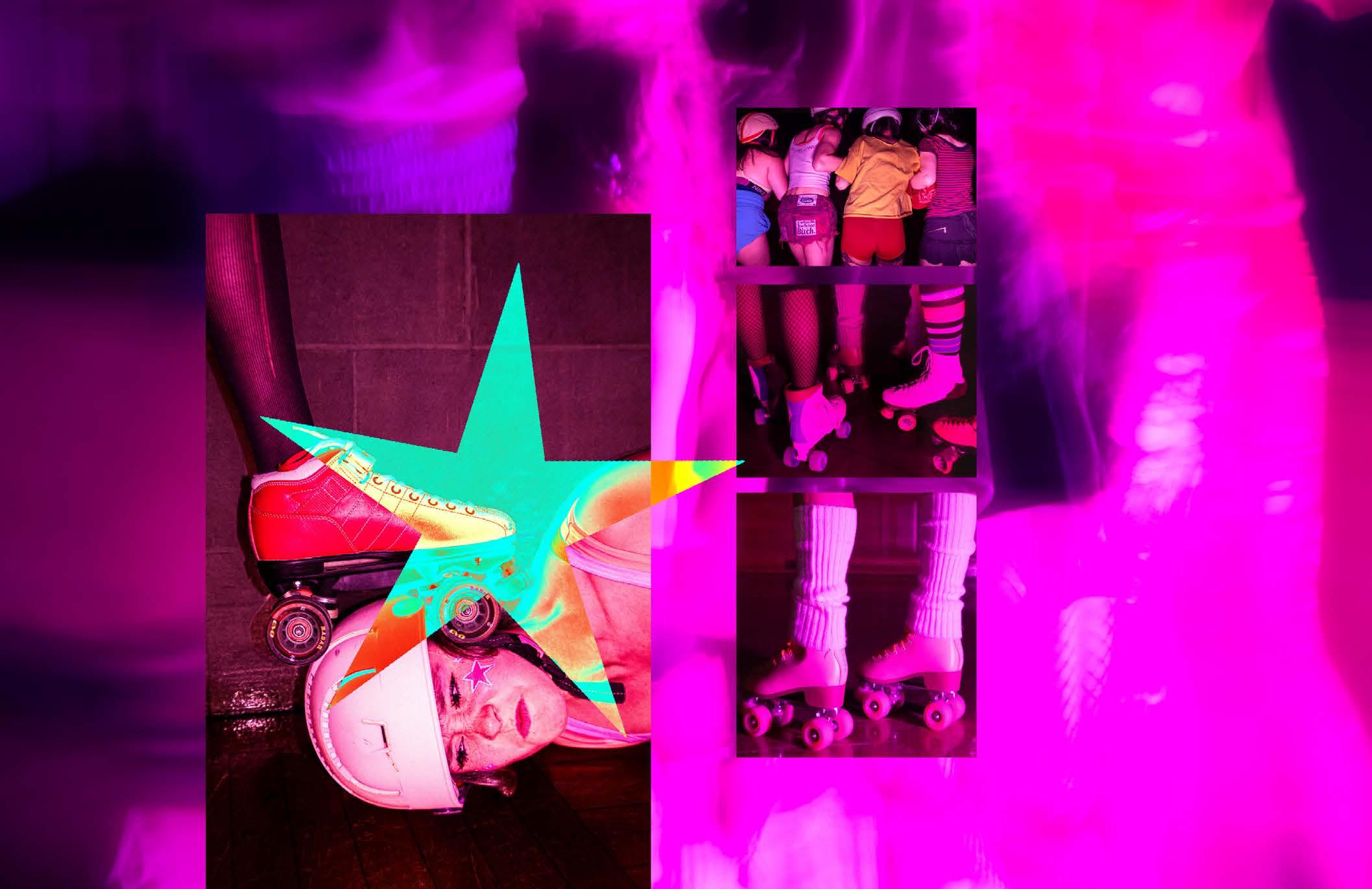
Roller Derby was invented in 1935 by Leo Seltzer, a Chicagobased sports promoter. In the midst of the great depression, Seltzer was challenged to find a new sport to engage the American public. After reading a statistic stating that over 90% of Americans had roller skated in their lifetimes, Seltzer figured that a roller skating derby would generate high public appeal. As it turns out, Seltzer was right. His early roller derby tournaments were attracting crowds. But when sportswriter Damon Runyon approached Seltzer in 1938 suggesting he capitalized on the sport’s violence, the roller derby we know and love was born.
Seltzer’s first Transcontinental Derby consisted of two-person teams, each a man and a woman, skating 57,000 laps (or roughly 2,700 miles coast to coast) around a flat, circular rink. These tournaments could last up to 3 weeks. A modern roller derby match, or bout, lasts 60 minutes and consists of two minute rounds called jams. During each jam, ten skaters take to the track, five from each team. The jammer plays offense, with the goal of lapping the other team’s blockers to score points. The blockers play defensively to stop the other team’s jammer while clearing a path for their own. Every jam is a colorful blur of dyed hair and bright skates, but when the claws come out, the real fun begins.
One of the few full contact sports played by women, roller derby players don’t hold back their aggression. Players hold each other in headlocks and hip-check each other to the ground, all while skating at high speeds. A cacophony of whirring wheels and crashing bodies fill the stadiums and are echoed by the excited screams of fans. Emotions run high as many matches end in fistfights. And you can expect the stadium volume to increase by more than a few decibels when blood splatters.
In order to fully immerse themselves in the game, players adopt roller derby personas. Roller derby noms de guerre often feature clever, intimidating, or humorous puns such as “Bleeda Kahlo” or “Kourtney KarSmashian,” while some are more simple like “Toughie.” In addition to the names, players complete their personas with loud and experimental dress. Ripped fishnets layered with colorful socks and Ziggy Stardust-esc makeup are just a few classic elements of roller derby’s famous feminist-punk style. However, roller derby personas are more than just fun. Each player’s style is highly personal and often expresses hidden parts of themselves.
Seltzer once summed up the sport’s basic appeal into three categories: noise, color, and body contact. And yes, what is roller derby without the thrills of chaotic collisions and colorful hair? However, the core values of roller derby lie much deeper than these three characteristics. For decades following its invention, roller derby was one of the only sports where athletes of all genders and ethnicities played by the same rules. In a historically male-dominated industry, roller derby creates a rare space in sports for women, transgender, and gender-nonconforming individuals to express their bodies and beliefs freely and fearlessly. Furthermore, roller derby empowers women to prove they are not too “delicate” for combative sports, as it is commonly misconceived. To all the male athletes, you guys are great, but you’ve had more than your fair share of the sports spotlight. It’s time to move over before you get knocked over, and make room for the girls!
Sage Hueston
SHOOT
DIRECTORS
Megan El’Zayyat, Wylie Lerner
Jennifer Kim, Maggie Sandberg
Angelo Vrdoljak, Joy Huang
Jaden Wolf, Jupiter Bhanot
Jasmin Sin, Sara Garcia, Victoria Campos
MODELS
Aadityaa Singla, Anthony Deng, Anumita Kohli, Casey Law, Esther Sax, George Margono, Helen Lei, Isabel Chan, Ivy McConarty, Katja Jackson, Molly Murray, Samantha Paull, Taylor Cole, William Sharpe
Abhishek Gurubaskaran, Aiden Kelly, Dang Le, Elizabeth Graham, Emersyn Quinn Runions, Esther Luo, Francesca Mirthil, Kieri Mildred Keys, Kimberly Zhao, Lilla Kuziemko, Lucy Langhart, Madeline Capriotti, Marcus Gamboa, Matthew Rentezelas, Maya Kalei Pousson, Nia Delardi, Nick Snyder, Peter Buskirk, Vir Gargi
Anastasiia Rusnak, Anika Richberg, Ava Bogan, Bhagirathi Mills, Galia Rohan, Gloria Lane, Gregory Sharma, Hana Saleh, Hasham Khan, Jaimie Chen, Jerry Lu, Kaylee Ulep, Koi Nguyen, Mira Yengera, Miraal Azhar, Mya Khamis Bilbao, Noah River Freedman, Roko Damiani, Ryan Goldsmith, Taibah Fadhil, Yuvna Musuku
Alexa Gerald, Alexis Charles, Asher Ciardiello, Christina Hermiz, Dina Nabavian, Eliza Phua, Emi Matsumoto, Jade Gordon, Judit Laidlaw, Katie Greening, Kieri Keys, Lily Morton, Lindsay Jaffe, Margaret Cleary, Maria Persaud Fernandez, Nyla Liburd, Robert Sims, Sarah Durant, Shees Siddiqy, Shelbey Malmgren, Trisha Nakka, Zulaikha Jaffery
Andrea Reina, Chase Schwartz, Cindy Liu, Cuky Zhu, Daasabre-Ohene McPhee-Djan, El Claver, Evan Briggs, Evelyn (Evie) Consolla, Finn Clancy, Gabriel Martinez-Amezaga, Iván Mokeyev, James Owusu-Ansah, Joice Chen, Kaelin Lamberson, Malique Robinson, Maya Richards, Nate Pelaez, Nikoloz Lobzhanidze, Nyima Chonden, Patrick Evuleocha, Ruikun Wang, Shannon Gu, Tanya Fan,
(Xuantong Zhou),
Misterkiewicz, William Weber, Xel Schnorbus, Yutong Chen, Zemei Amber Zheng
CREDITS
BEAUTY Olympia Hu, Victoria Choi
AJ Weinstein, Jonathan Panameno Hernandez, Kavita Amin