LOWER SCHOOL
GRADES 1 - 5 CURRICULUM SUMMARY I THE STEWARD SCHOOL
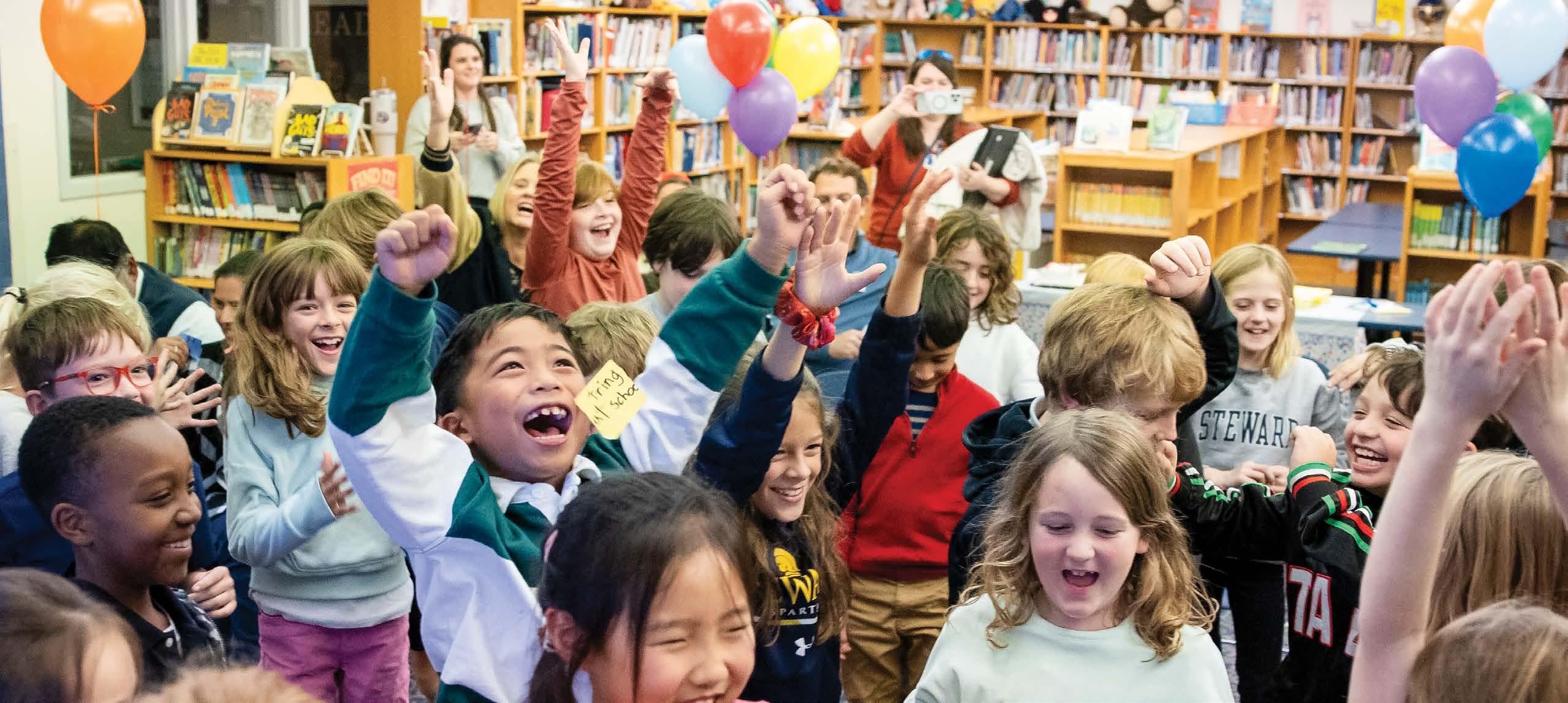
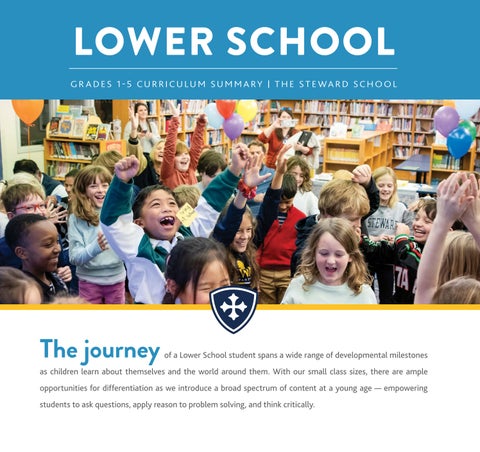
of a Lower School student spans a wide range of developmental milestones as children learn about themselves and the world around them. With our small class sizes, there are ample opportunities for differentiation as we introduce a broad spectrum of content at a young age — empowering students to ask questions, apply reason to problem solving, and think critically.
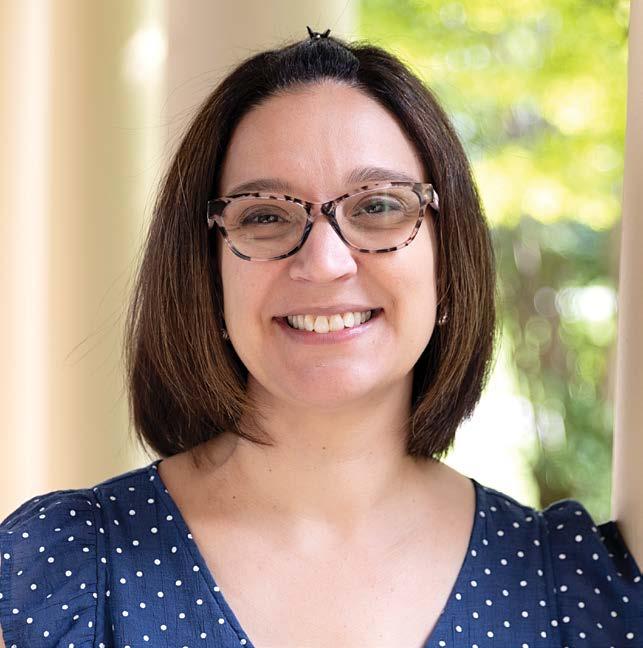
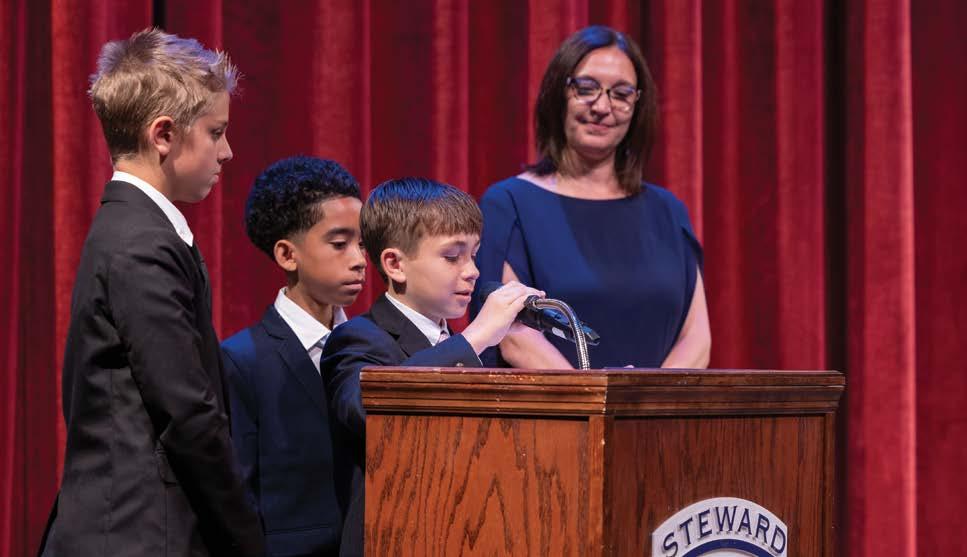
Becky Groves, who joined the Steward faculty in 2011, earned her B.A. in English education from The College of William & Mary and her M.Ed. from The University of Virginia. In addition, she earned a certification as a Structured Literacy Interventionist from the Center for Effective Reading Instruction and is a certified reading specialist. From 20152023, Mrs. Groves served as Lower School Academic Dean at Steward; she has served as Director of Lower School since 2023. Mrs. Groves is passionate about the power of play as a guidepost for early childhood education and the need for joyful learning experiences for all students.

TOUR
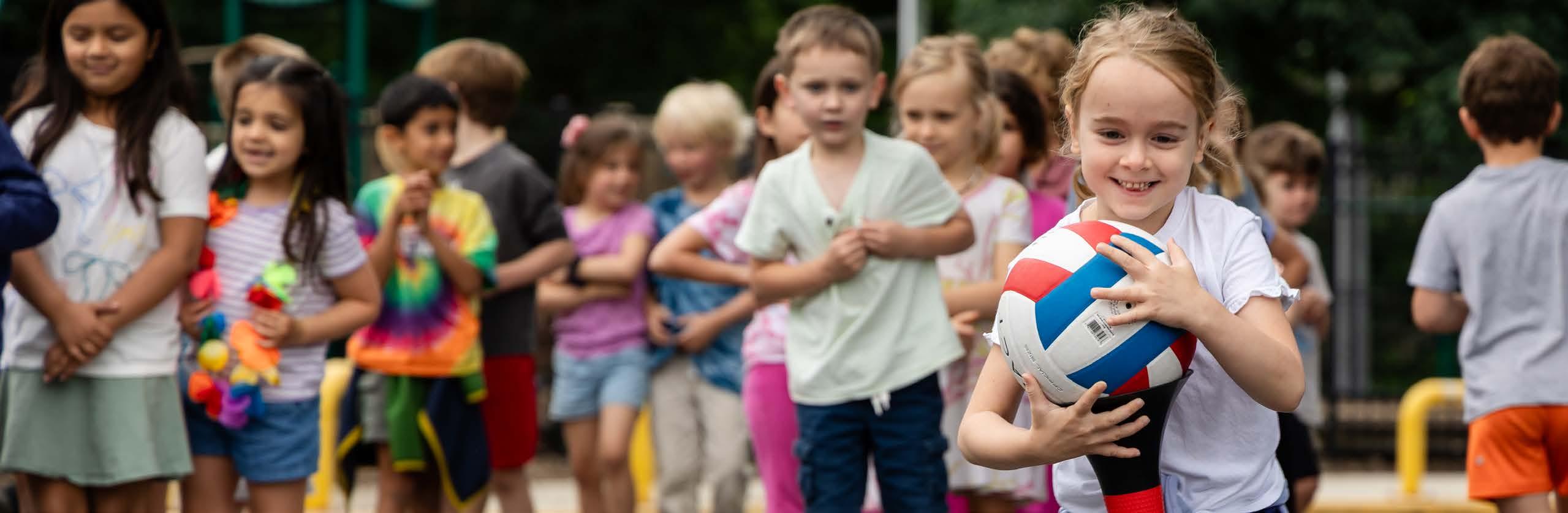
Reading and writing are the cornerstones of our Lower School language arts program. We foster an environment of choice and challenge, watching students’ early storytelling and drawing evolve into confident literacy skills.
• Language arts instruction is designed within units of study, which can be differentiated to meet students where they are in the literacy progression.
• Younger students apply newly acquired phonics skills directly to decodable text. Reading growth shifts from decodable texts to leveled readers to chapter books (often within specific genre studies).
• We prioritize student choice and “just right books,” teaching reading strategies explicitly and systematically.
• Writing workshop encourages students to see themselves as authors while teachers tailor instruction to individual needs. Units of study are genre-based, and grammar studies are incorporated throughout the writing process.
• Our word study curriculum comes from the Institute for Multi-Sensory Education (IMSE), which utilizes methods and strategies from the Orton-Gillingham framework. Students are provided instruction in phonics (matching the sounds of spoken English with individual groups of
letters) and syllabication patterns through 3rd grade and morphology (the study of prefixes, suffixes, and roots) in 4th and 5th grades. This direct, explicit, and sequential curriculum ensures a strong foundation in both phonics and vocabulary acquisition.
• Handwriting instruction is embedded within both word study lessons and writing workshop.
In Lower School, we use the enVision math curriculum (K-5), which prepares students to be independent learners, problem solvers, abstract thinkers, and accurate computers. We build strong number sense through the use of manipulatives,
math talks, problem-solving strategies, and a spiraling review of core concepts.
• Algebraic concepts, geometry, and math vocabulary are introduced early in the Lower School curriculum.
• Problem-solving activities and math talks are tools that enrich students’ mathematical understanding.
• Upper elementary math courses focus on multiplication, division, fractions, and decimals with increasingly more complex numbers.
• The Hands-On Equations program for balancing algebraic expressions enriches the fifth-grade curriculum and bridges middle-school math concepts.
Our curriculum guides students to develop an understanding of the responsibilities of good citizenship and to appreciate historical events and influences.
• Active, responsible students and citizens live, learn, and work together. Lessons include history studies (local, regional, national, and international), economics, and geography.
• Cross-curricular studies integrate social studies, science, language arts, and mathematics units where applicable.
• Field trips highlight as many aspects of the relevant topics as possible.
• Spanish instruction is part of the curriculum beginning in junior kindergarten and fosters an understanding of both the language and culture.
Curiosity is the key to our STEM curriculum. Whether exploring
earth science, biology, physics, or chemistry topics, students learn to ask questions and absorb facts.
• Interactive lessons around campus, including the Bryan Innovation Lab and its surrounding gardens, allow students to make real-world connections as they investigate principles related to the natural world.
• Children’s engineering lessons support the science curriculum through designand systems-thinking models, and the scientific method is introduced as early as first grade so that young minds are trained to think in logical steps.
Self-expression is vital to the development of young minds, and our arts program ensures every student has a creative outlet.
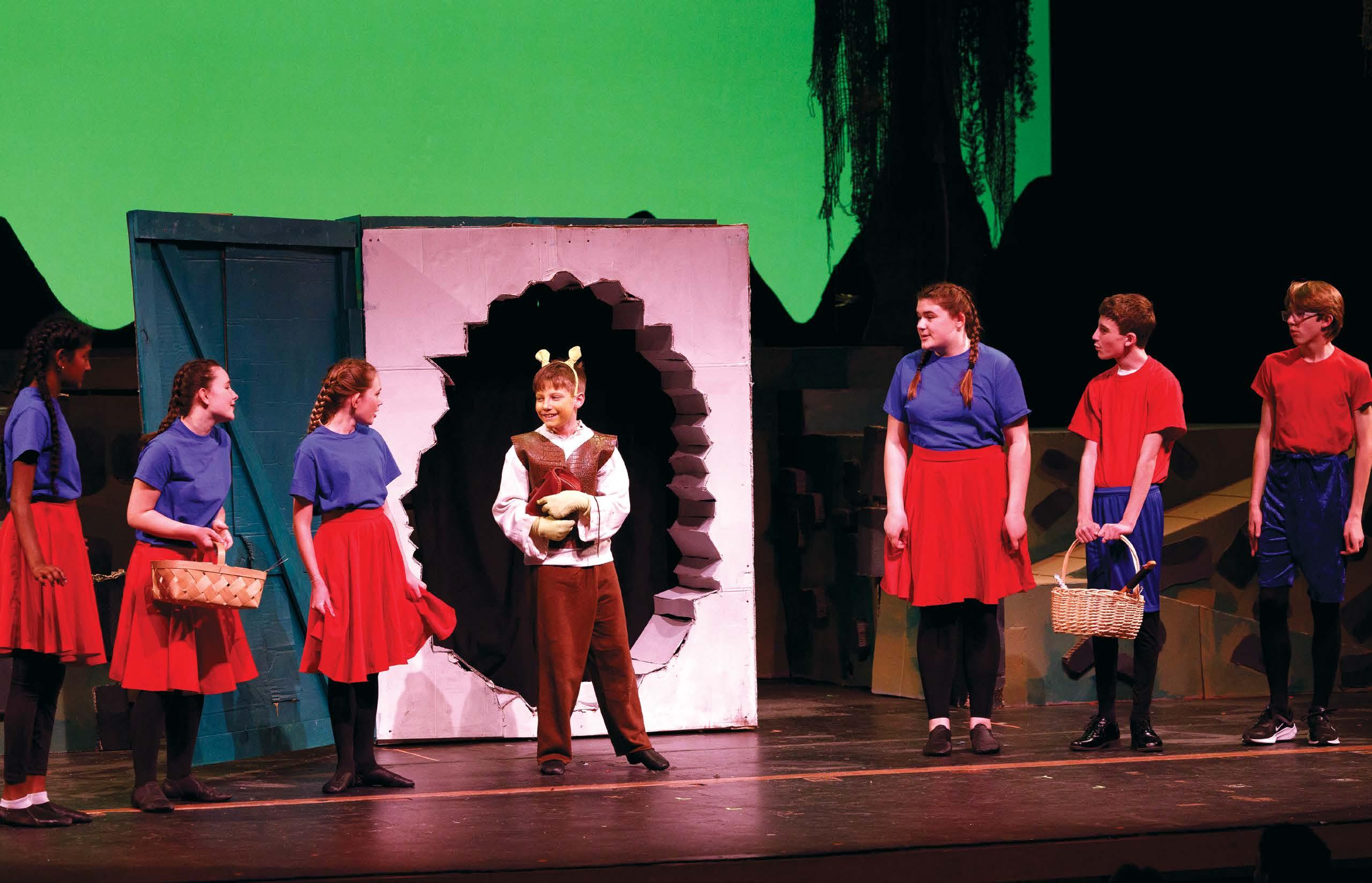
• K-5 students participate in five-week theatre sessions that culminate in grade-level plays. These plays focus on confidence in public speaking and are tied into other disciplines in each grade.
• Students explore self-expression across a wide variety of artistic mediums, establishing a foundation for the visual arts.
• Music study incorporates singing, playing instruments, and performance skills, which culminates in two mainstage Lower School productions yearly.
At Steward, we believe that all children can be leaders and productive members of our school community.
• Regular character education lessons emphasize the importance of working productively with others and provide explicit instruction in the skills necessary to do so.
• Through our Fifth Grade Leadership Program, students can self-select from available leadership roles, including serving as community stewards, program speakers, Bryan Lab ambassadors, and members of the school spirit committee.
!e thing we love most about Steward is that our daughter is engaged in the classroom in a way that makes her excited to go to school every day. !e support and acceptance she feels from the school community at Steward have encouraged her to try new things and feel comfortable in her skin. Helping students THRIVE is what Steward does best!” – STEWARD PARENT
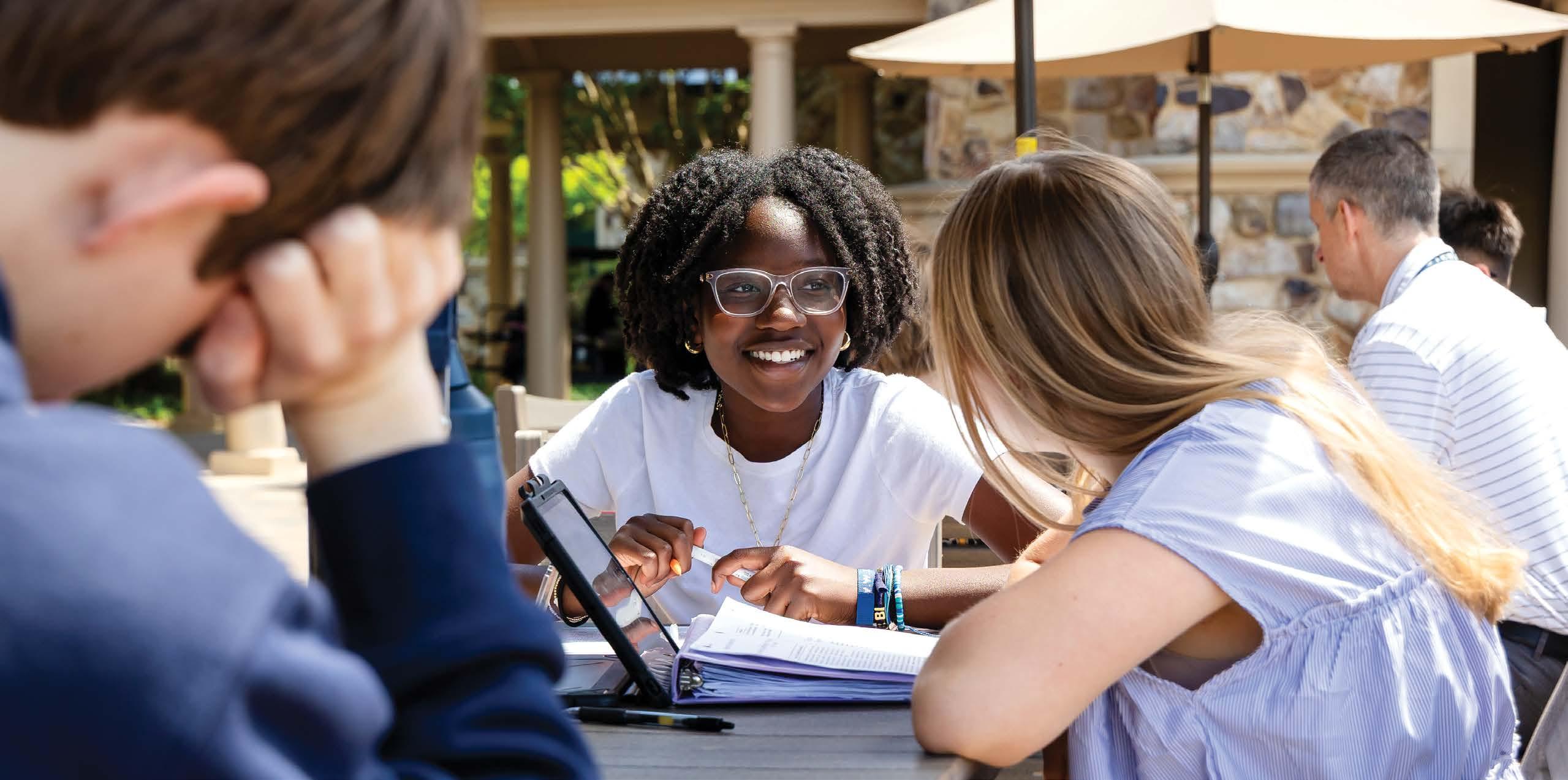
Steward’s
sixth, seventh, and eighth grades, students will experience a journey toward individual growth and self-advocacy through high-quality academics, exploration, engagement, and open dialogue in a caring community. We recognize that adolescence is a pivotal time when academic and personal choices take on greater significance, and we want our students to stretch beyond their expectations. Thus, our small classes and advisory groups allow teachers to truly get to know their students, to closely monitor progress, to provide extra help when needed, and to facilitate those who seek greater challenges.
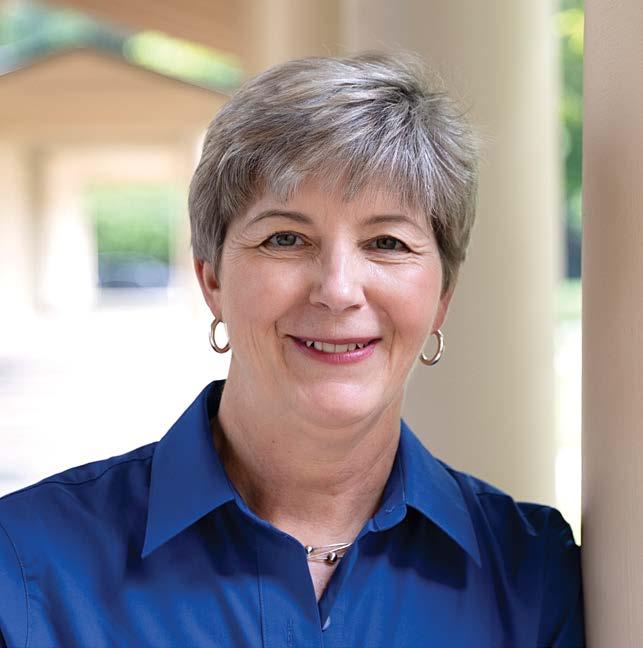
Susan Atkinson, who has served as director of Middle School since 2013, earned her B.A. in biology from Duke University and her M.Ed. in science education from The University of Virginia. Before joining the Steward community, Mrs. Atkinson served as Director of Studies and Director of Middle School at The Langley School (McLean, Va.), as well as a science and math teacher at St. Stephen’s & St. Agnes School (Alexandria, Va.), Ursuline Academy (Wilmington, Del.), and Harpeth Hall School (Nashville, Tenn.). She is passionate about helping students successfully navigate the transformative Middle School years by learning to be self-advocates, building resilience, and honing collaborative skills.
Applications for First Round due by: January 15, 2027
MIDDLE SCHOOL VIRTUAL TOUR
ADMISSIONS HIGHLIGHTS
INSPIRE THE FUTURE VIDEO
The goal of the Middle School English classes is to lead students toward the mastery of essential skills in reading and writing. The process of writing is thoroughly explored through writing workshops, with emphasis placed on creating effective
sentences, five-paragraph essays, research, prewriting, drafting, revising, and editing, enabling students to organize and reflect upon their work. Reading includes cross-curricular novel studies, small group and independent reading, and a thematic approach to the study of literary genres. Grammar and vocabulary study encompass how language is used, spoken, and written.
Students are placed in classes based on annual evaluations and recommendations from teachers after careful consideration. In Middle School, the mathematics options range from Mathematics 6 through Geometry. Content mastery in math is critical before moving on to the next level;
algebra readiness is correlated to cognitive maturity, which allows for a better understanding of abstract concepts and spatial reasoning. Therefore, we strive to have all students challenged and not overwhelmed in their math classes, and we are able to make adjustments as needed for individual students to experience success.
Social studies classes include World Cultures I (sixth grade), American History (seventh grade), and World Cultures II (eighth grade). These courses are designed as introductions to a multicultural perspective of the world, in which emphasis is placed on values, customs, and cultures; geography; and important events. Learning a world language is an important part of understanding others, and Steward specializes in Spanish. Our primary goal in Middle School Spanish classes is to foster a love for the Spanish language and its diverse cultures by creating an immersive environment where students feel confident, curious, and successful from day one.
The science curriculum spans a tremendous range: science and sustainability (sixth grade), life science (seventh grade), and Earth and space systems (eighth grade). Hands-on activities allow students to explore, and the Bryan Innovation Lab is a place to break barriers and expand horizons. Access to technological resources is critical in our ever-changing world, and engineering design processes are incorporated into lessons to allow for mastery of core concepts.
In sixth grade, students take
one marking period of each of the four arts offerings: choral music, instrumental music, visual art, and theatre. Seventh graders choose their two favorite fine arts classes to focus on throughout the year, and eighth graders choose a single full-year fine arts elective. Middle School students are invited to participate in mainstage theatre productions, both as actors and as part of the crew.
All Middle School students are actively engaged in physical education’s health-enhancing program. Beginning in sixth grade, students may join Steward’s athletic teams, and the no-cut policy in the Middle School allows anyone who wants to try a sport to be a part of the team. Most teams are set up to compete against other local independent schools, but sometimes intramural leagues are formed as well. Sportsmanship and character are the mainstays of Steward’s athletics program with the hope of creating lifelong interest in a healthy lifestyle.
The Middle School advisory program is critical to our students’ success. Advisory groups include up to ten students from sixth, seventh, and eighth grades in an effort to build community, provide leadership opportunities, and to allow students to instantly be connected to a smaller cohort of their peers. Advisories meet weekly and
sometimes do off-campus activities together, in addition to competing as teams on Field Day and for spirit programs.
Part of being a good citizen is learning to be a good steward. Middle School students have numerous opportunities to participate in service projects, including engaging visits to the Reinhart House, and clubs that specialize in service. Extracurricular activities also allow students to develop interests, and dances are held in Middle School, organized by the Student Council. Wellness units include discussions about friendship, socioemotional health, healthy decision making, and other relevant topics.
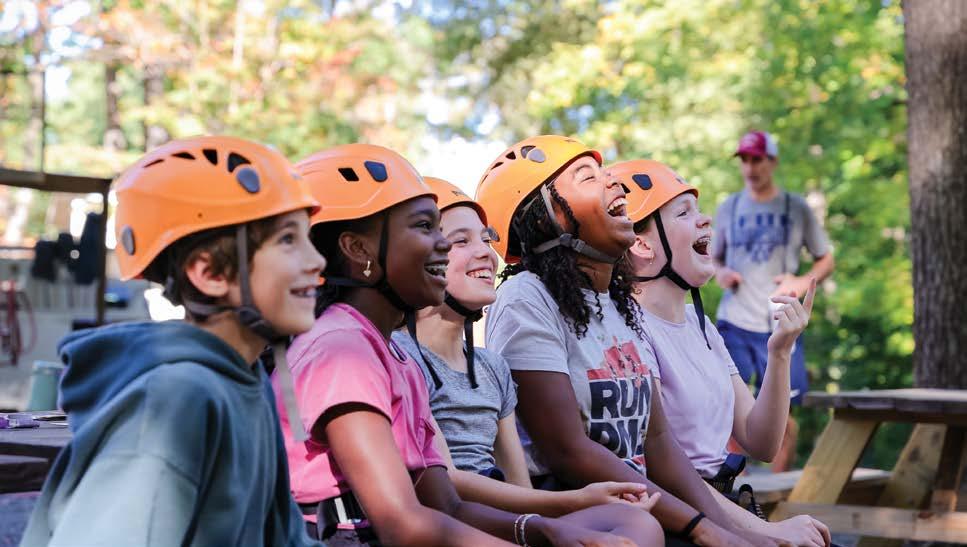
For one week in the fall, Community Week is a highly anticipated activity for all students. Sixth graders spend time on campus getting acclimated to Middle School, and they also explore Richmond through various field trips. Seventh graders participate in service learning projects and field trips, including an overnight trip, and eighth graders head back to nature at a wilderness adventure program in the mountains outside of Roanoke. This week is a very special Steward tradition.
e Steward School provides a fun, safe, and innovative learning environment for students. My children have thrived academically, socially, and emotionally. e teachers and sta take pride in educating and creating an environment that ensures students are successful. We are so happy we moved from another private school to Steward.”
– STEWARD PARENT
is that perfect blend of challenging yet manageable academics, opportunities for exploring interests, appropriate guidance from a respected faculty and staff team, and learning to balance demands — a combination that fosters independence in a comfortable environment due to our small class sizes. Our students thrive in an atmosphere that values character, allowing each student’s confidence to develop. The Upper School is large enough for students to have multiple friend groups yet small enough to encourage deeper relationships.

Mr. Pollicino earned a B.S. in biology from Washington College and an M.A. in secondary science from The College of William & Mary. In addition, he earned an Executive Certificate in Leadership from Cornell University. Mr. Pollicino has 25+ years of experience as administrator, teacher, and coach. He currently serves as an advisor and helps teach 9th grade seminar. He has been coaching youth and high school lacrosse since 2000. Mr. Pollicino believes in fostering students’ growth and development through well-rounded educational experiences and strong community relationships.
UPPER SCHOOL VIRTUAL TOUR

UPPER SCHOOL OPPORTUNITIES VIDEO

INSPIRE THE FUTURE VIDEO
Our three children all attended Steward starting in kindergarten. Our oldest is now at e University of Virginia. Steward meets your children where they are and helps them become the best versions of themselves. Our children have thrived in Honors and AP classes, varsity athletics, band, theatre tech, and student government. Steward’s college counseling is also absolutely incredible. With small classes and a small overall school size, your child will feel seen, heard, and cared for at Steward.”
In Upper School English classes, students are exposed to traditional works of literature in addition to diverse and unique texts to allow them to experience the world on a page. Through reading, writing, and discussion, they explore aspects within the identities of literary characters, their peers, and themselves, with an eye toward increasing
empathy and connection within our community. Good writing is essential, and our faculty specialize in guiding the development of this important skill incrementally each year, with vocabulary and grammar instruction as key components. Upper School English classes are available at the college preparatory and honors levels, plus AP offerings and twelfth-grade seminar courses in specialty topics.
A small-school environment is ideal for studying math; students are able to focus on lessons and ask questions easily, which is critical for understanding mathematical concepts. Classes include geometry, function analysis, algebra I and II, precalculus, calculus AB and BC, and statistics. We are able to provide a challenging curriculum at all levels, including college preparatory, honors, and AP.
As Upper School students prepare to assert themselves in the world, they need a foundational knowledge of history, geography, and social studies. The Upper School curriculum is expansive for a small school, offering classes at multiple levels in world studies, U.S. history, government, economics, and even specialty topics as single-semester options.
The combination of these classes gives students a working appreciation as they grapple with the complex issues facing our society. Part of understanding the world is comprehending more than one language; our world language curriculum focuses on Spanish, with classes for brandnew to experienced speakers. The benefit of a JK-12 singlelanguage program is that we can integrate Spanish throughout the curriculum because everyone is being exposed to the same language.
In addition to the traditional core science classes in schools, Steward also offers Psychology, Honors Anatomy and Physiology, AP Computer Science and Engineering to support a variety of interests. Many of these classes include laboratory components, and the Bryan Innovation Lab serves as a place to break barriers and expand horizons. Access to technological resources is critical in our everchanging world, and engineering design processes are incorporated into lessons to allow for mastery of core concepts.
This unique opportunity is the first of its kind among Richmond-area independent schools. The Leadership Program combines hands-on learning with academic studies and focuses on group dynamics, conflict resolution, global engagement, and social justice. Students learn
from leadership professors and students at the University of Richmond and Virginia Tech.
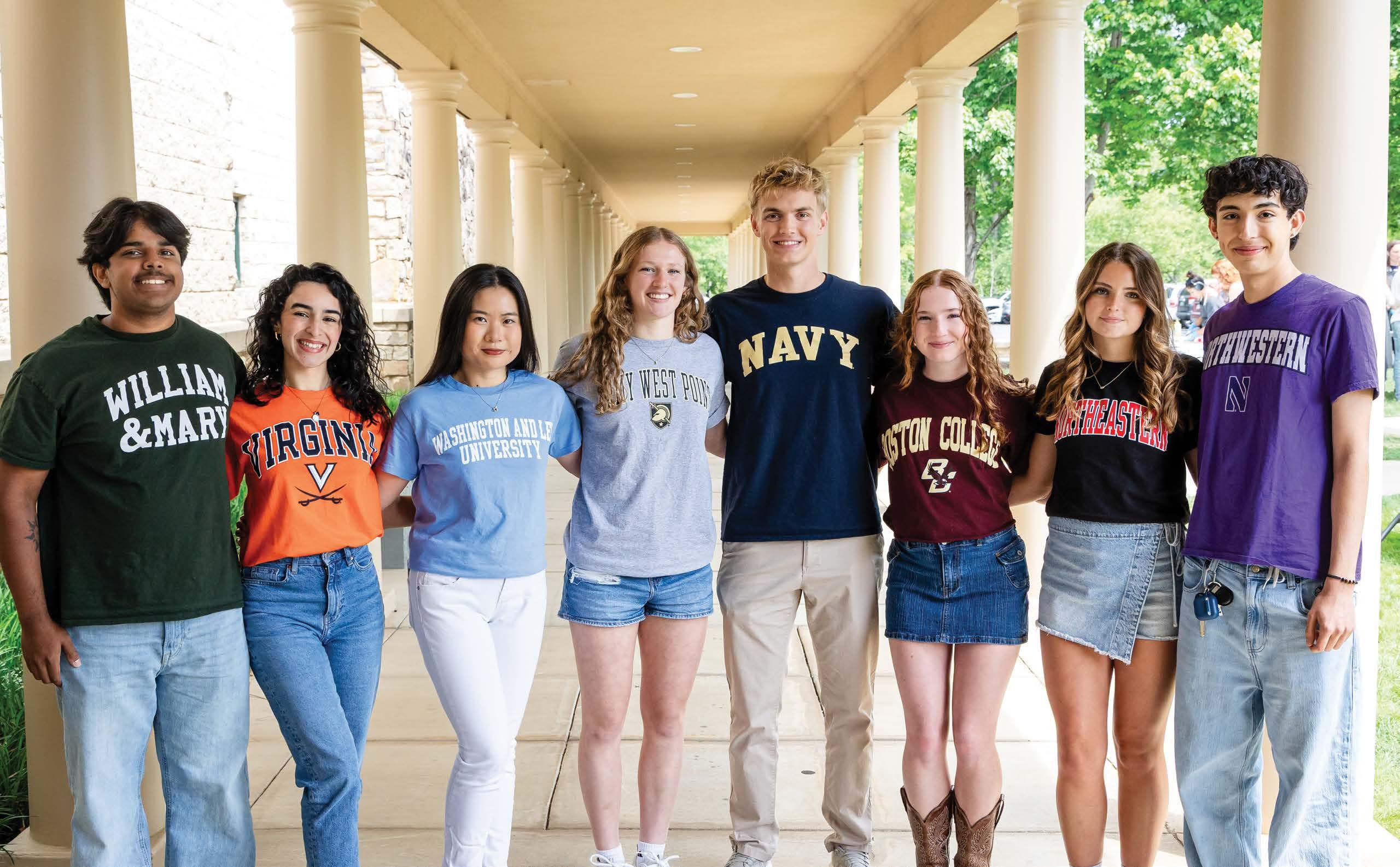
The Upper School curriculum includes seminar courses for each grade level, allowing students to explore non-traditional classroom topics, including research writing, foundations in design and innovation, wellness, and public speaking. Since Steward’s mission includes preparation for future educational opportunities, the College Counseling Office spends two full semesters assisting juniors and seniors, and develops strong relationships with each student along the way. One-hundred percent of our seniors are accepted into college, and nearly all of them report that they are attending a school they consider to be a top choice.
The arts are an essential part of personal development for teenagers, and Steward offers countless opportunities to discover, create, and express themselves through the arts. With classes in photography, studio art, choral music, instrumental music, acting, and theatre tech, students are able to try something new or dig deeper within their comfort zones. The performing arts, visual arts, and the constructive arts offer a variety of opportunities for students to display their talents, including three mainstage productions each year.
Steward’s athletics program provides competitive outlets for both the love of sports and school pride. With JV and varsity teams in 17 sports for boys and girls, the fields and courts are full of young athletes every season. The Spartans have a winning tradition with 16 state championship titles, and also compete regionally in the Tidewater Conference of Independent Schools. Good sportsmanship and character are the mainstays of Steward’s athletics program, with the hope of creating lifelong interest in a healthy lifestyle.
Steward offers an entrepreneurship diploma endorsement for students who complete the required credentials. This optional program runs throughout the school year, and participation is open to students in grades 9-12. Field trips, interaction with local business leaders, and hands-on activities are designed to expose students to the field of entrepreneurship and to encourage them to think like innovators.
Part of being a good citizen is learning to be a good steward. Upper School students have numerous opportunities to participate in service projects large and small, including organized school activities and clubs that specialize in service. Community service hours are required annually, and service learning is a focus of Minimester for freshmen.
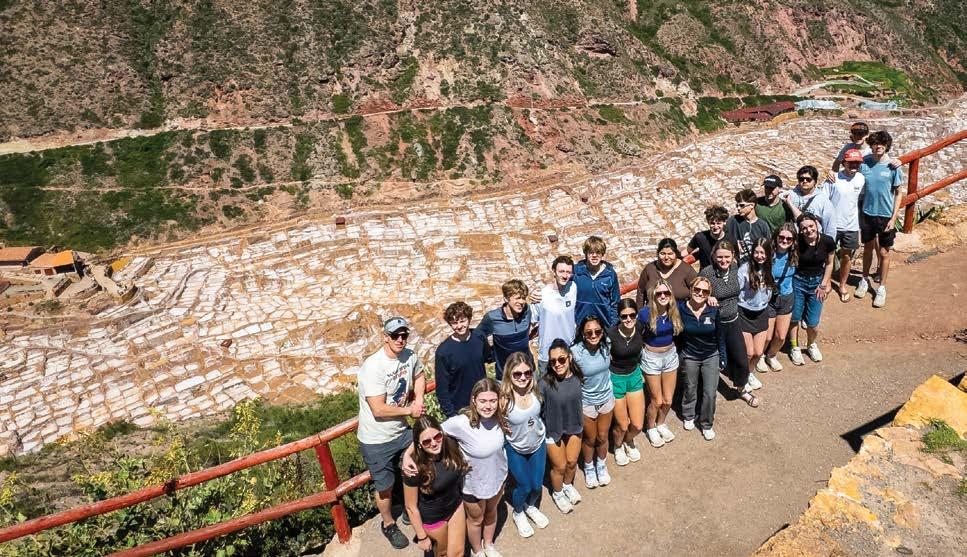
All Upper School students participate in Minimester, which is an opportunity to learn outside of the classroom. Freshmen complete community service and tour colleges, while sophomores and juniors participate in travel or internships. Seniors use the week to finish researching their Senior Projects.
From yearbook to student council and guitar club to Model UN, extracurricular activities allow students to develop their interests, and the Upper School has more than 30 clubs that are studentrun with faculty guidance. Club meetings are generally held during the school day so as not to conflict with after-school commitments, and Steward encourages the establishment of new clubs, provided students can obtain a faculty sponsor.
The Upper School advisory program is an important component of our students’ success. Advisory groups include 6-10 students from a single grade and the groups meet weekly. Grade level coordinators design lessons to help students grow and have fun together. The goal of this program is to provide a casual outlet for the students, guidance from another adult who is invested in their lives, and a touchpoint for parents.