El Espacio
A space between us. A space for all of us.
We are a collaborative of local artists from the IE, seeking to bring visibility to issues in our community that often go unseen. We hope to encourage more conversations surrounding topics at the intersection of the environment, labor, and social justice.
Somos una colaboración de artistas locales de IE, que busca dar visibilidad a los problemas de nuestra comunidad que a menudo pasan desapercibidos. Esperamos animar a más conversaciones sobre temas en la intersección del medio ambiente, el trabajo y justicia social.
“ ...within scraps of the archive; unknown persons, nameless figures, ensembles, collectives, multitudes, the chorus.
That’s where (my) imagination resides. That’s where my heart resides.” —Saidiya Hartman
“...dentro de restos del archivo; Personas desconocidas, figuras sin nombre, conjuntos, colectivos, multitudes, el coro. Ahí es donde reside (mi) imaginación. Ahí es donde reside mi corazón”. —Saidiya Hartman
OUR SPRING ISSUE 1. BLACK ARCHIVES | ARCHIVOS NEGROS
This year, as a community, we meditate on how archives inform public memory. How do we listen for the dominated in the archives of the dominant? Only through the act of careful listening and giving importance to our local narratives, can we begin to fill the gaps within in our history books. For this issue, we give care and attention to Black stories as we hear from two generations who have lived and worked as artists in Riverside.
Este año, como comunidad, meditamos sobre cómo los archivos informan la memoria pública. ¿Cómo escuchamos a los dominados en los archivos de los dominantes? Sólo mediante el acto de Escuchando atentamente y dando importancia a nuestras narrativas locales, podemos comenzar a llenar los vacíos en nuestros libros de historia. En este número prestamos atención y cuidado a las historias negras, como escuchamos de dos generaciones que han vivido y trabajado como artistas en Riverside.
CONTRIBUTORS
MAURICE HOWARD
Maurice Howard was born in Waco, Texas, and grew up in Southern California. At 19, Maurice became inspired to paint. Before becoming an aritst, he attended several independent art schools and later enrolled in Cal State Fullerton, where he majored in Fine Art studies. Maurice currently works and lives in Riverside, a place he’s come back to for most of his life.
Maurice Howard nació en Waco, Texas y creció en el sur de California. A los 19 años, Maurice se inspiró para pintar. Antes de convertirse en artista, asistió a varios escuelas de arte independientes y luego se matriculó en Cal State Fullerton, donde se especializó en estudios de Bellas Artes. Maurice actualmente trabaja y vive en Riverside, lugar al que ha regresado durante la mayor parte de su vida.
MARIAH GREEN
Community member Mariah Green is an artist, curator and archivist who explores different routes towards sharing Inland Empire histories, allowing for a deeper sense of belonging through storytelling. She is interested in the ways memory can be tied to reparations, and reimagined towards a collective future. She has curated several local exhibits and is the author of IE ARCHIVES, an online platforms that dedicates itself to intentionally tell the historic and present stories of the Inland Empire through its artists.
Mariah Green, miembro de la comunidad, es artista, curadora y archivera que explora diferentes rutas para compartir historias del Inland Empire, lo que permite un significado más profundo de pertenencia a través de la narración. Está interesada en las formas en que la memoria puede vincularse con repara y reinventa hacia un futuro colectivo. Ha curado varias exposiciones locales y es autora de IE ARCHIVES, una plataforma en línea dedicada a contar intencionalmente las historias históricas y presentes del Inland Empire a través de sus artistas.
JONATHAN ARTHURS
Jonathan Arthurs is a photographer who passionately captures the beauty that exists throughout California, while seeking to create a positive visual representation of the Black community. He documents various facets of Black culture, from his artistic and poignant point of view. He is the co-founder of Eclipse Spaces, a community darkroom and photo studio in San Bernardino.
Jonathan Arthurs es un fotógrafo que captura apasionadamente la belleza que existe en toda California, mientras busca crear una representación visual positiva de la comunidad negra. Documenta diversas facetas de la cultura negra, desde su punto de vista artístico y conmovedor. Es cofundador de Eclipse Spaces, un estudio de fotografía y cuarto oscuro comunitario en San Bernardino.
Editor | Tamara Cedré
Tamara Cedré is a photographer, artist and educator living along the route of the supply chain between Los Angeles and the Inland Empire. Cedré uses photography as a personal, political tool of documentation, working collaboratively with her subjects to bring visibility to conditions that often go unseen. The Space is a community zine which grew from a state sponsored artwork she created entitled A Space Between Us , documenting pandemic stories from residents in San Bernardino.
Tamara Cedré es una fotógrafa, artista y educadora que vive en la ruta de la cadena de suministro entre Los Ángeles y el Inland Empire. Cedré utiliza la fotografía como herramienta personal y política de documentación, trabajando en colaboración con sus modelos para dar visibilidad a condiciones que a menudo pasan desapercibidas. El Espacio es una revista comunitaria que creció a partir de una obra de arte patrocinada por el estado que creó titulada A Space Between Us, documentando historias de pandemia de residentes en San Bernardino.
Our Team
Tamara Cedré | founder, editor
Juan Carrillo-Dominguez | co-editor, curation, distribution
James M Dailey co-editor, curation, distribution
Adrian Metoyer III | editorial support
IN CONVERSATION | MAURICE HOWARD & MARIAH GREEN EN CONVERSACIÓN | MAURICE HOWARD Y MARIAH GREEN
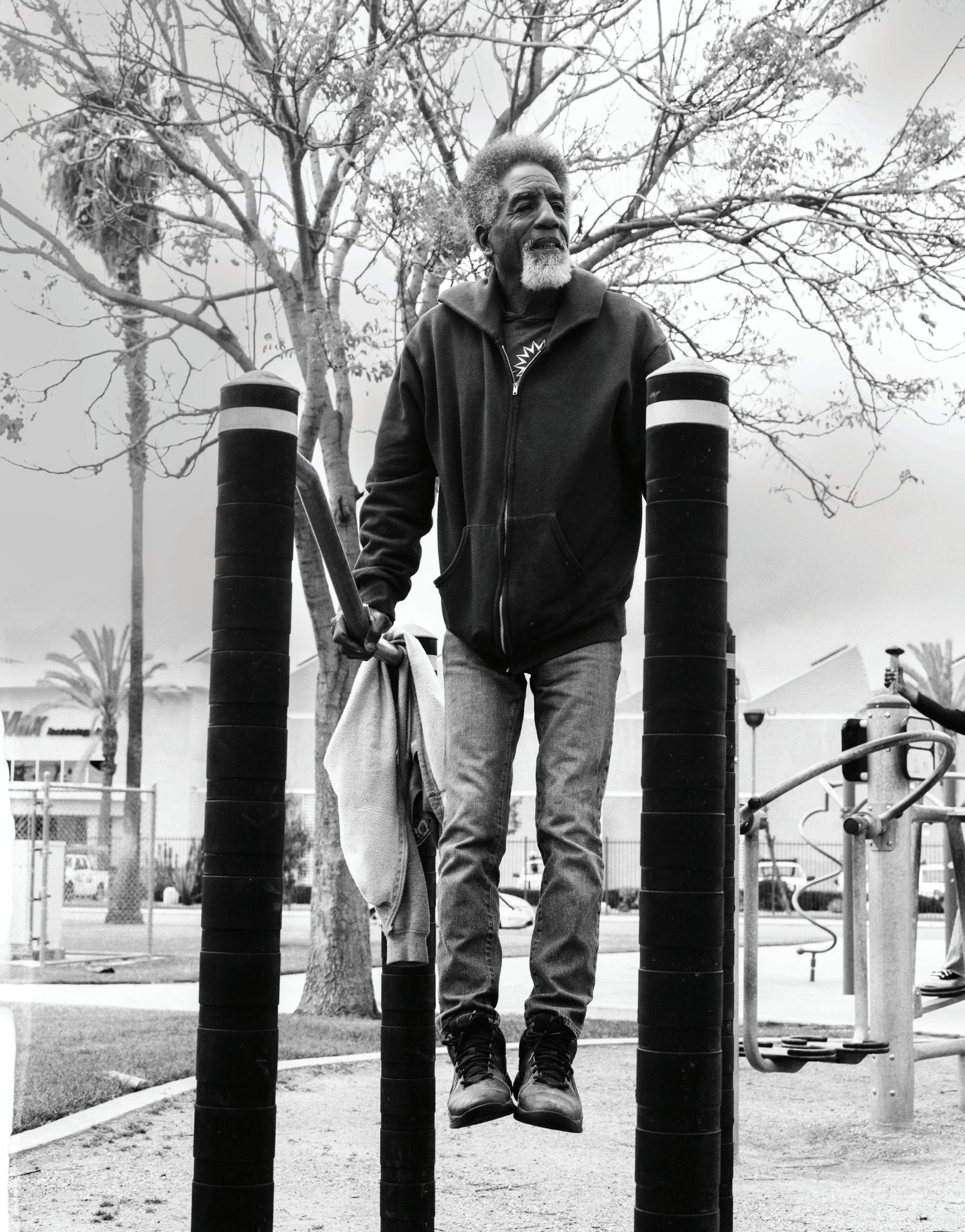
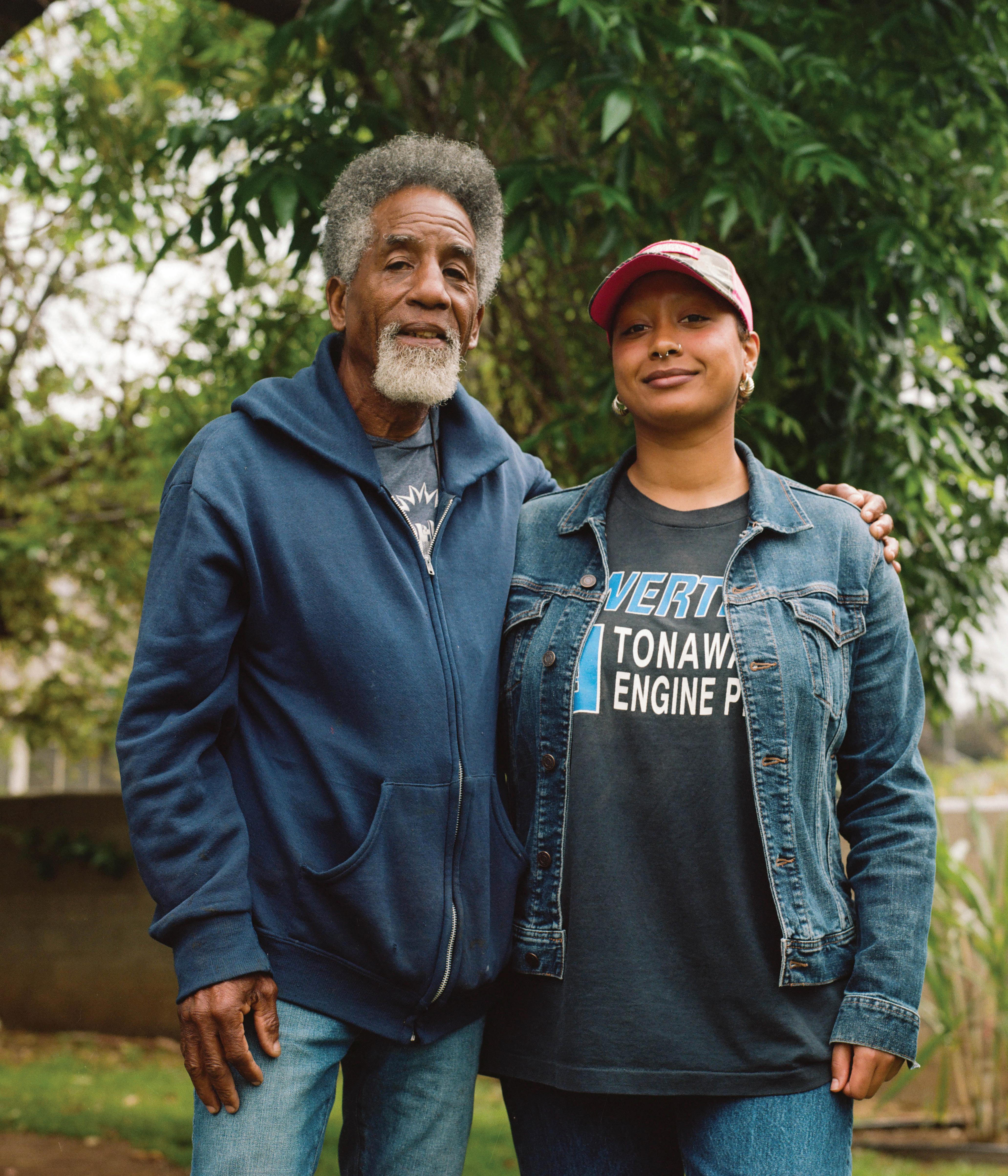
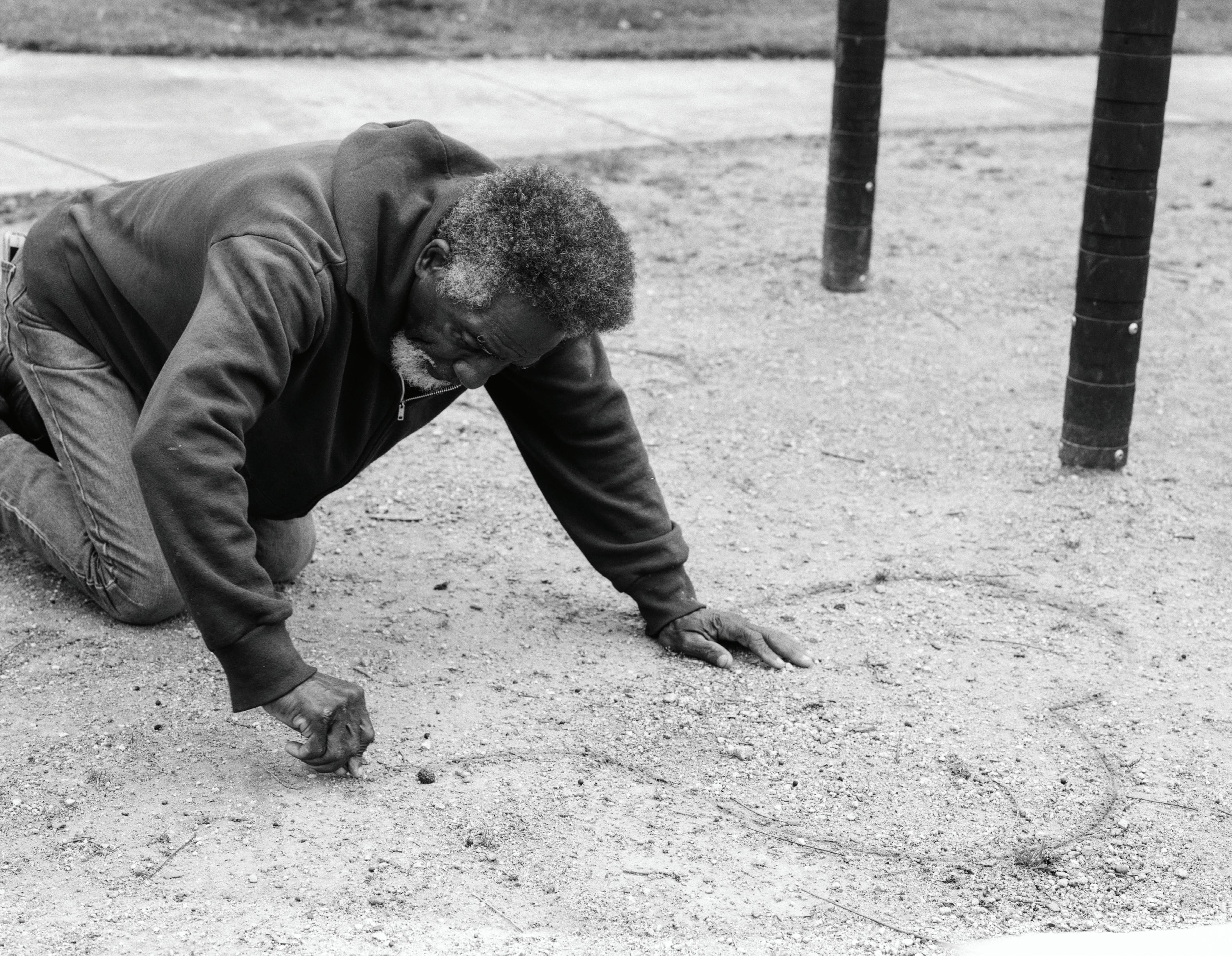
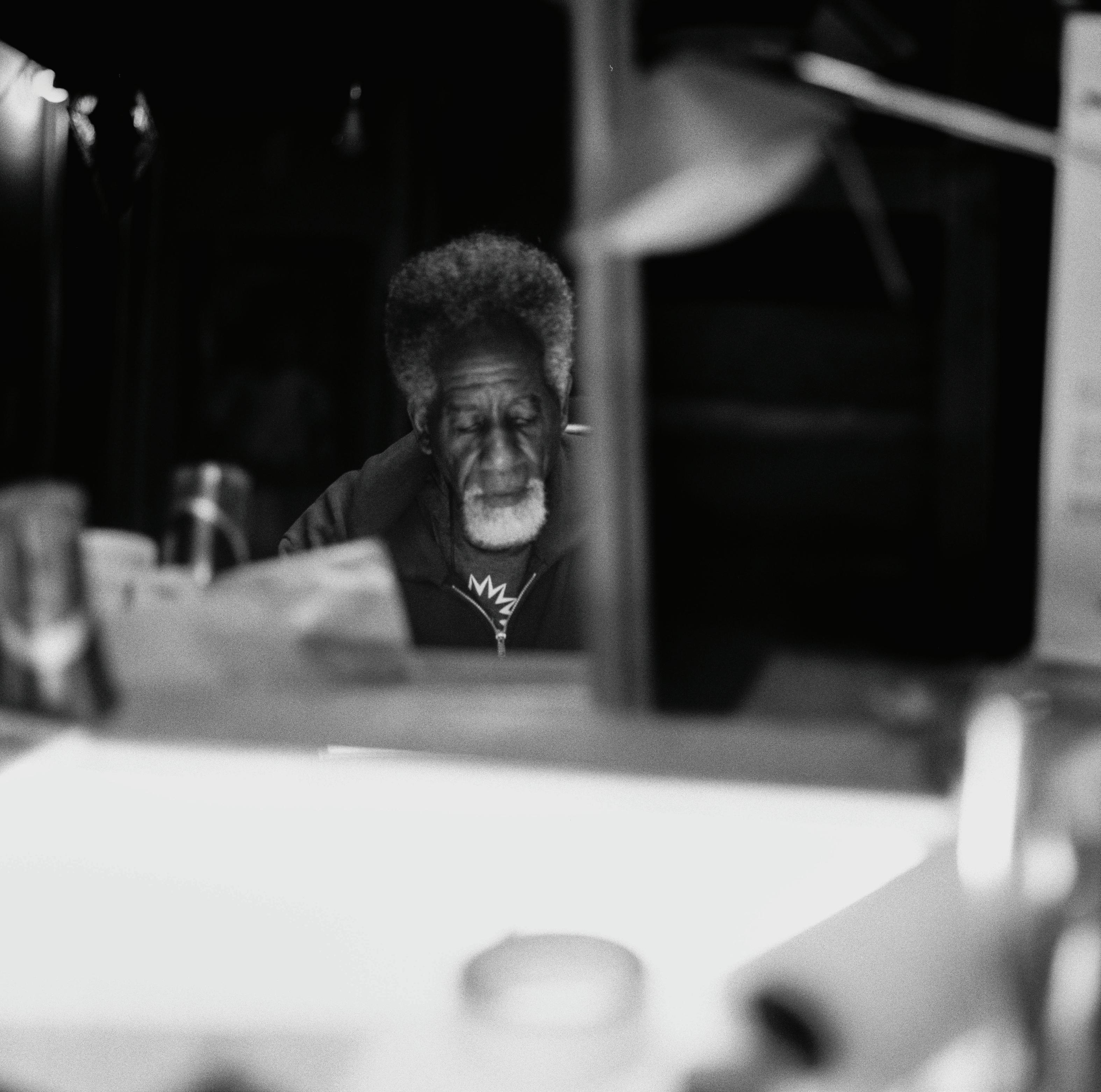
I met Maurice in 2019 for a group show put on by RCC’s Sociology Club. We sort of gravitated towards each other based off of our love of painting. As the IE was teeming with protests for Black Lives Matter, we reconnected once again through art making, spending a week together painting the boards covering Gram’s BBQ on Main. I consider Maurice my chosen family out here in Riverside— away from my immediate family back in Hemet where I grew up. For this issue, we met up once again to catch up and I brought along photographer Jonathan Arthurs to photograph us.
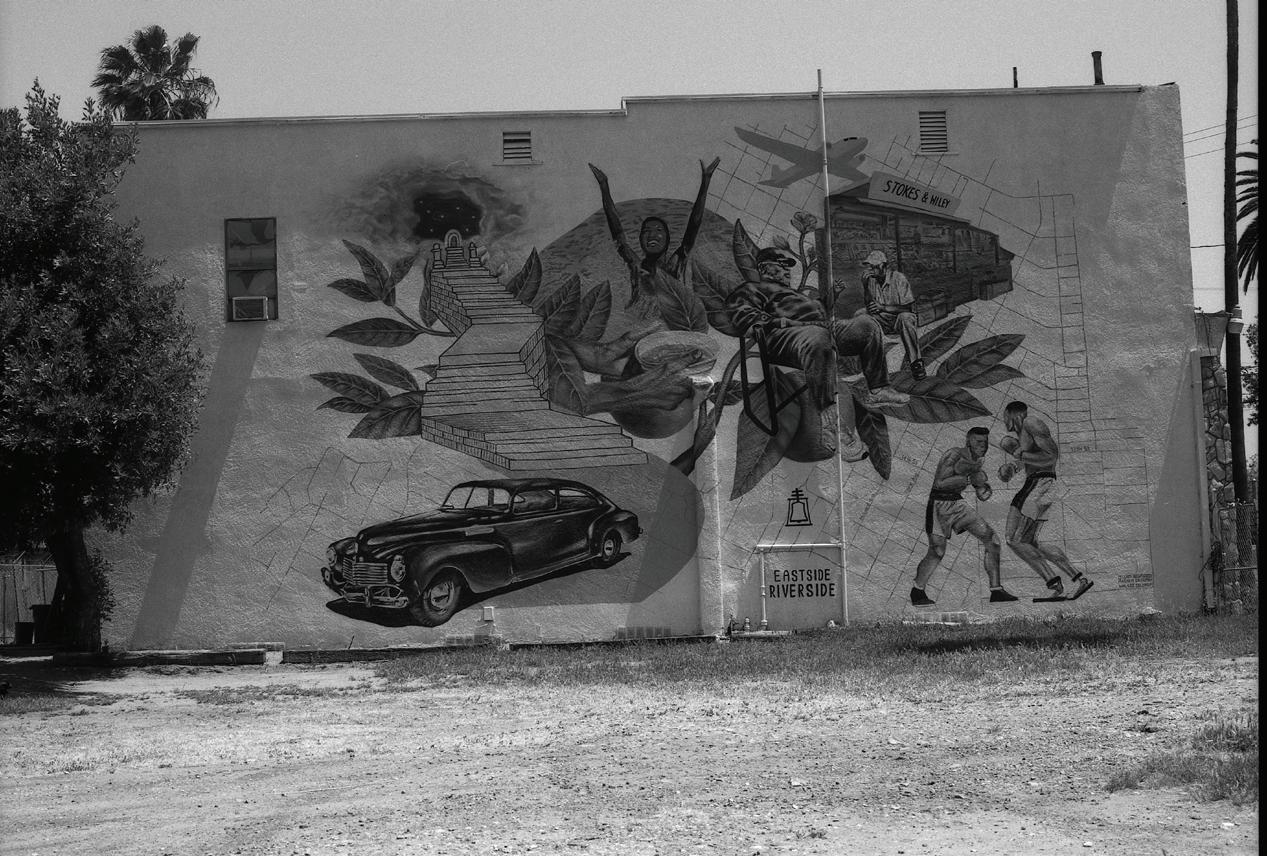
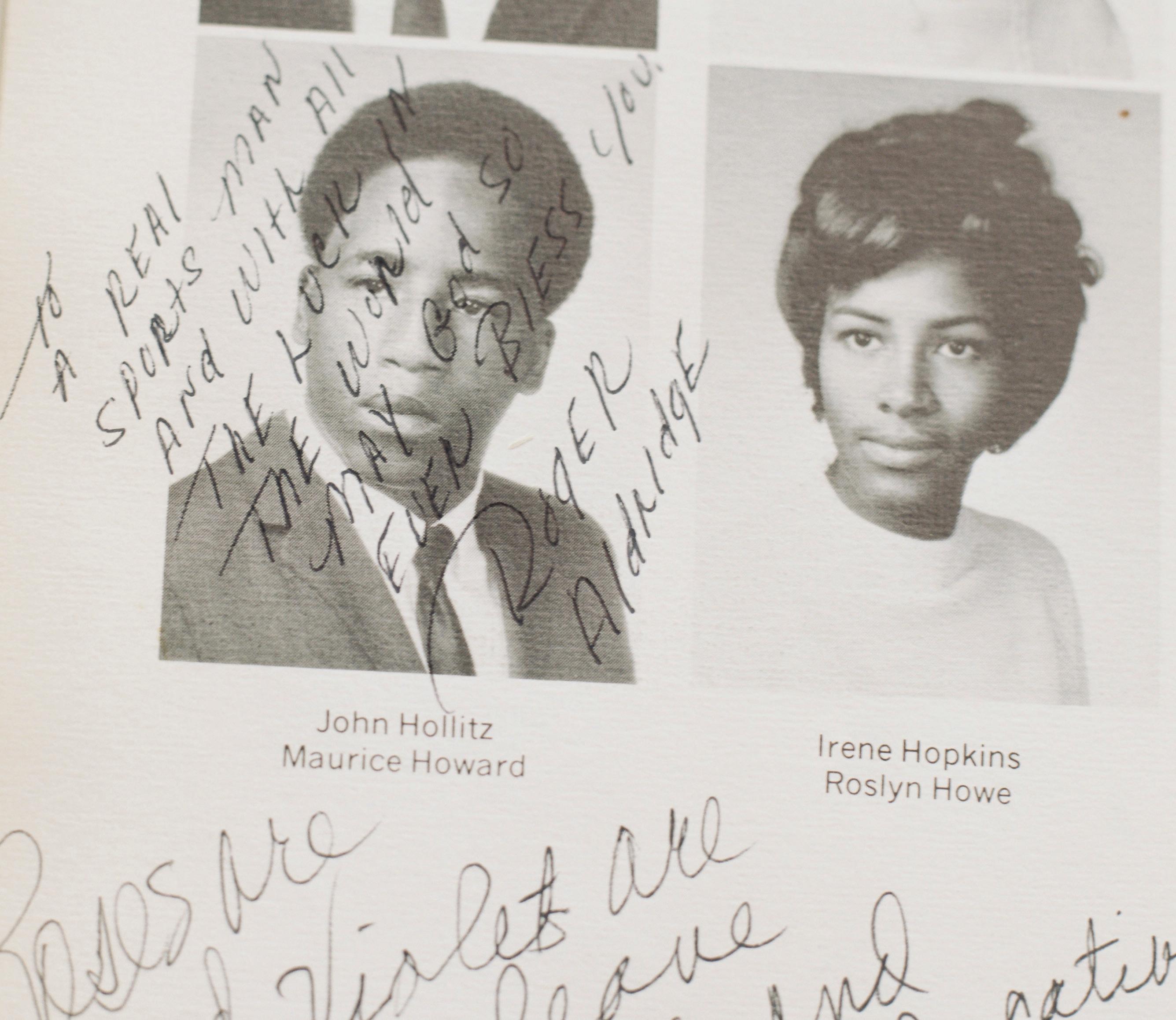
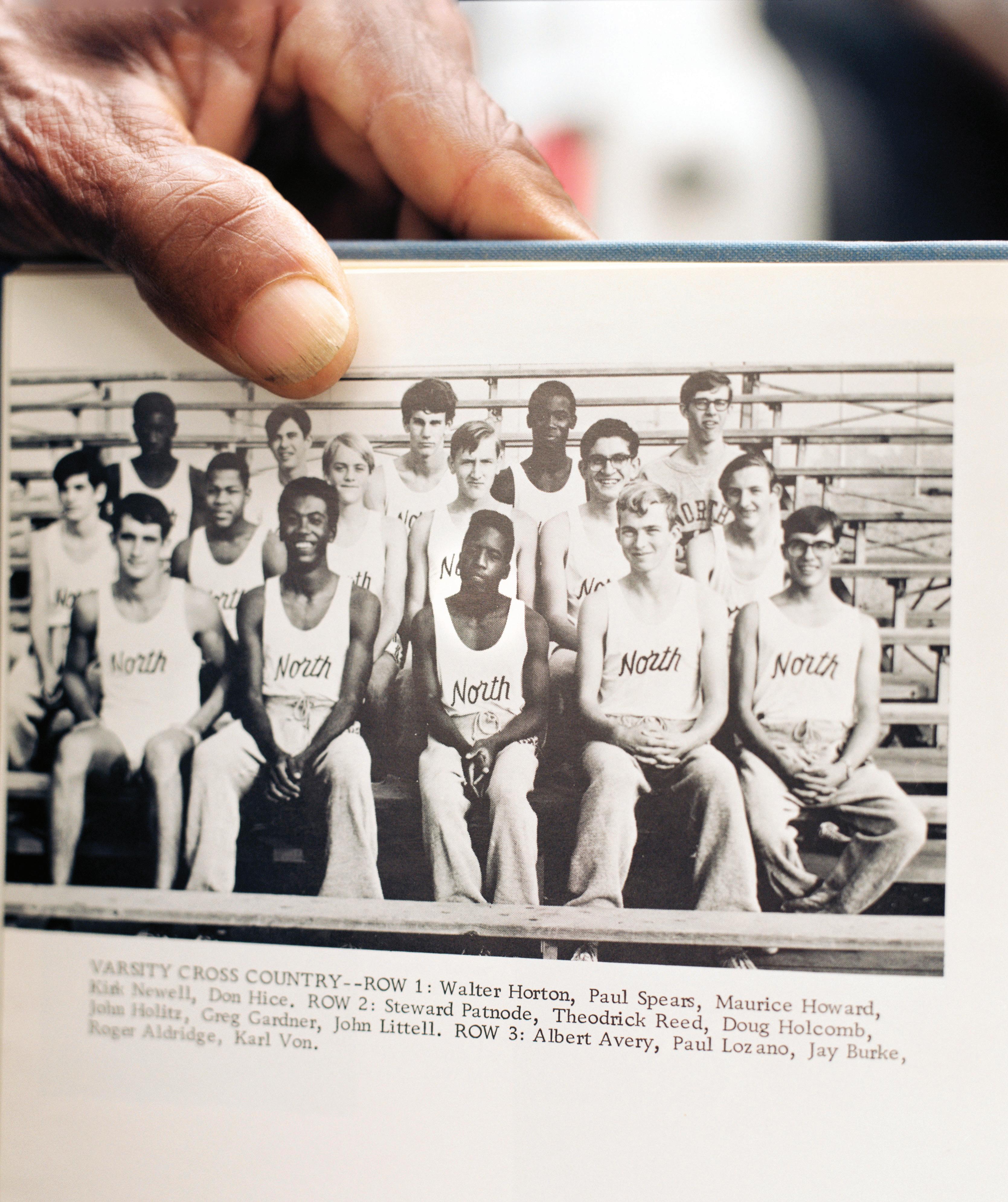
Maurice has been an Eastside resident since he was 11 years old. He shares memories with me of his visits to Lincoln Park, being on both the varsity cross country team and varsity wrestling team at North High School, growing up with famed baseball player Bobby Bonds. He recalls working on adjacent farms before the area was urbanized.
“I think I was about 9 or 10... Me and my buddies walked down here together, because we all walked together back in those days. There were about 5 or 6 of us waiting down here for a guy to pick who he wanted for field work. You get on a truck and just drove for what seemed like forever and went to this place with big fields of strawberries and they’d give you money for the amount of baskets you picked.” - referring to a parcel of land behind where the current metro station is in downtown Riverside. He is filled with stories like these; of a time that feels so different from this one.
Being invited into Maurice’s home, we see his artwork hanging everywhere —like a tapestry of his thoughts. He has channeled his stories into intricate surrealist illustrations. Maurice has been an artist since the 50’s, but still makes work with the same fresh enthusiasm from which he began.
“I spent a lot of time by myself in my room growing up just drawing…that was my world.”
Conocí a Maurice en 2019 para una exposición colectiva organizada por el Club de Sociología del RCC. En cierto modo gravitamos el uno hacia el otro debido a nuestro amor por la pintura. Mientras el IE estaba lleno de protestas por Black Lives Matter, nos reconectamos una vez más a través del arte y pasamos una semana juntos pintando las tablas que cubren la barbacoa de Gram en Main. Considero a Maurice mi familia elegida aquí en Riverside, lejos de mi familia inmediata en Hemet, donde crecí. Para este número, nos reunimos una vez más para ponernos al día y traje al fotógrafo Jonathan Arthurs para que nos fotografiara.
Maurice ha sido residente de Eastside desde que tenía 11 años. Comparte recuerdos de sus visitas a Lincoln Park, tanto en el varsity cross equipo de country y equipo universitario de lucha libre en North High School, y creció con el famoso jugador de béisbol Bobby Bonds. Recuerdo haber trabajado en adyacentes fincas antes de que la zona fuera urbanizada.
“Creo que tenía unos 9 o 10 años... Mis amigos y yo caminamos juntos hasta aquí, porque todos caminábamos juntos en aquellos días. Había alrededor de 5 o 6 de nosotros esperando aquí abajo a que un tipo recogiera a quien quería para el trabajo de campo. Te subes a un camión y conduces durante lo que te pareció una eternidad y llegas a este lugar con grandes campos de fresas y te daban dinero por la cantidad de cestas que recoges” refiriéndose a una parcela de terreno detrás de donde se encuentra la actual estación de metro en el centro de Riverside. Está lleno de historias como estas; de una época que se siente tan diferente a ésta.
MULTITUDES, THE CHORUS MULTITUD, EL CORO
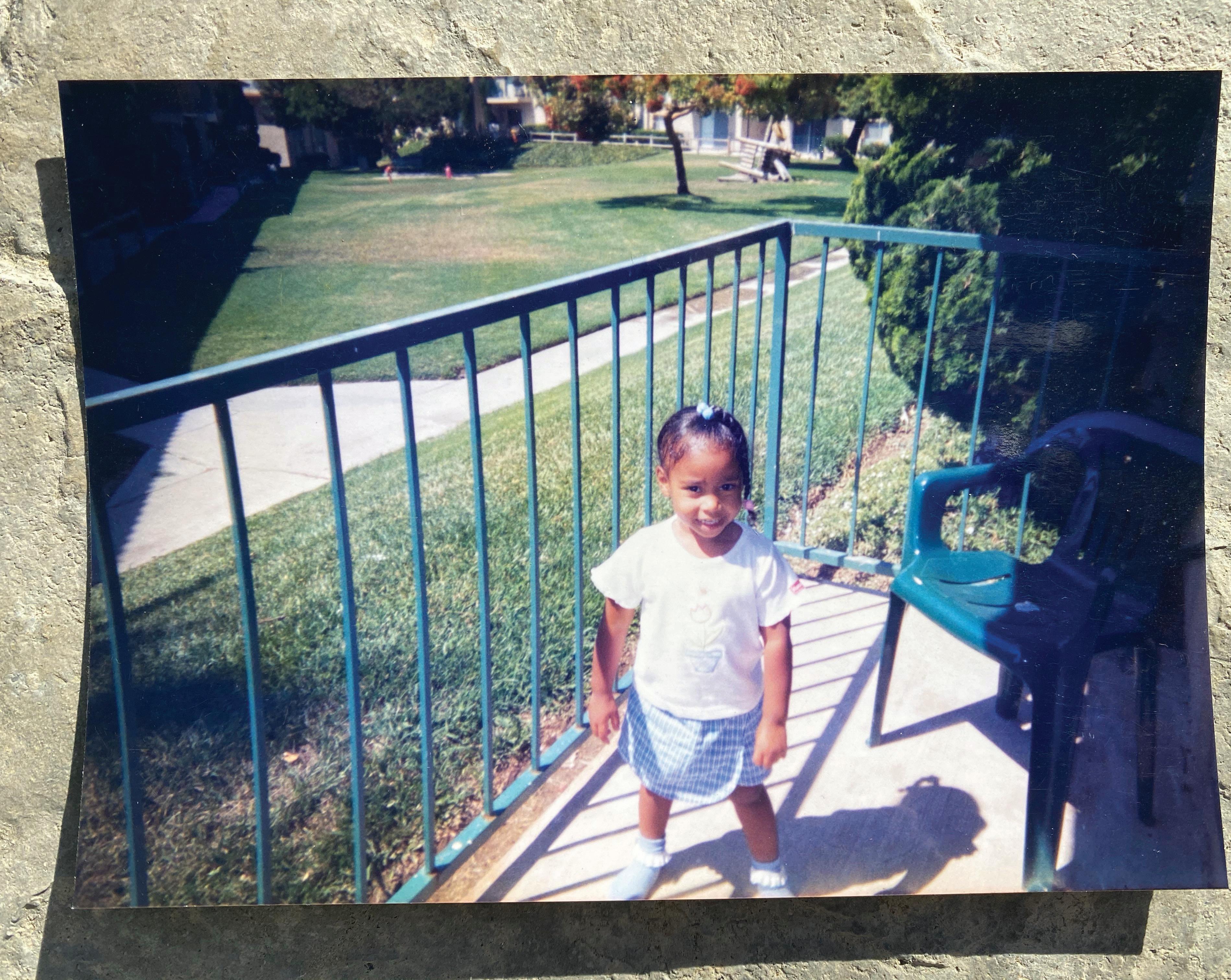
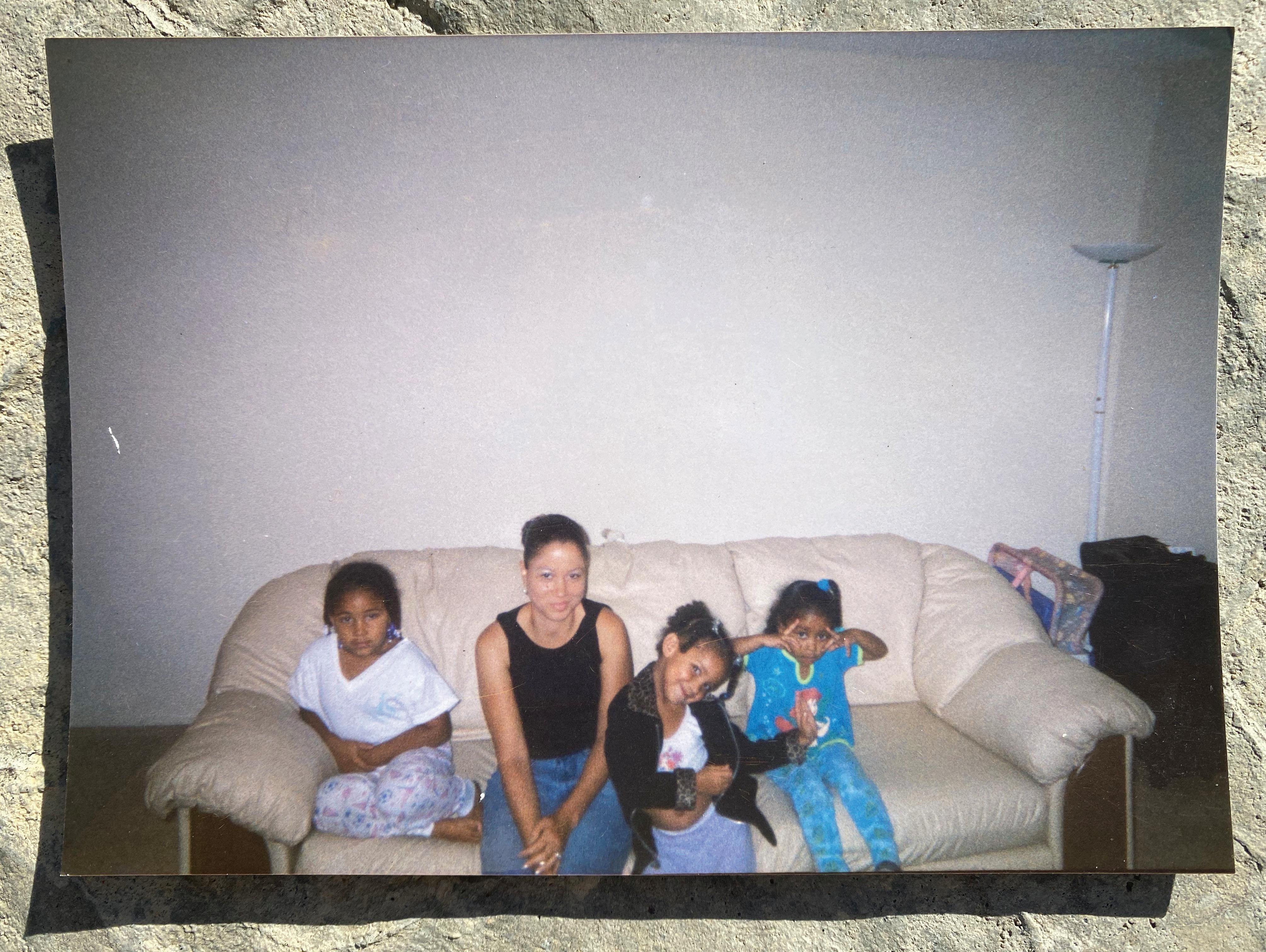
My ongoing body of curatorial and archival work is to connect with local Inland Empire artists to tell “deep cut” stories. Maurice’s story is the fabric of this place, and as the next generation living here in Riverside, I think it’s important to preserve those voices.
I was born in Toledo, Ohio and my family added their footprint alongside many others as part of the great migration to the West. I landed in the Hemet and San Jacinto area at 3 years old. Being an adult now living in Riverside, I wish there were more opportunities to learn Black history in our region. Our history is often fragmented... but I’m thankful for meetings like these moments with Maurice. I love that as Black people, we can share our stories of migration, family, and finding community despite the gaps.
Mi trabajo actual de curaduría y archivo consiste en conectarme con artistas locales de Inland Empire para contar un “corte profundo” cuentos. La historia de Maurice es la esencia de este lugar y, como la próxima generación que vive aquí en Riverside, creo que es importante preservar esas voces.
Nací en Toledo, Ohio y mi familia sumó su huella junto a muchas otras como parte de la gran migración hacia el Oeste. Aterricé en la zona de Hemet y San Jacinto a los 3 años. Siendo un adulto que ahora vive en Riverside, Ojalá hubiera más oportunidades para aprender la historia de los negros en nuestra región. Nuestra historia a menudo está fragmentada... pero agradezco encuentros como estos momentos con Maurice. Me encanta que, como personas negras, podamos compartir nuestra historias de migración, familia y búsqueda de comunidad a pesar de las brechas.
REMEMBERING LINCOLN PARK
RECORDANDO EL PARQUE LINCOLN
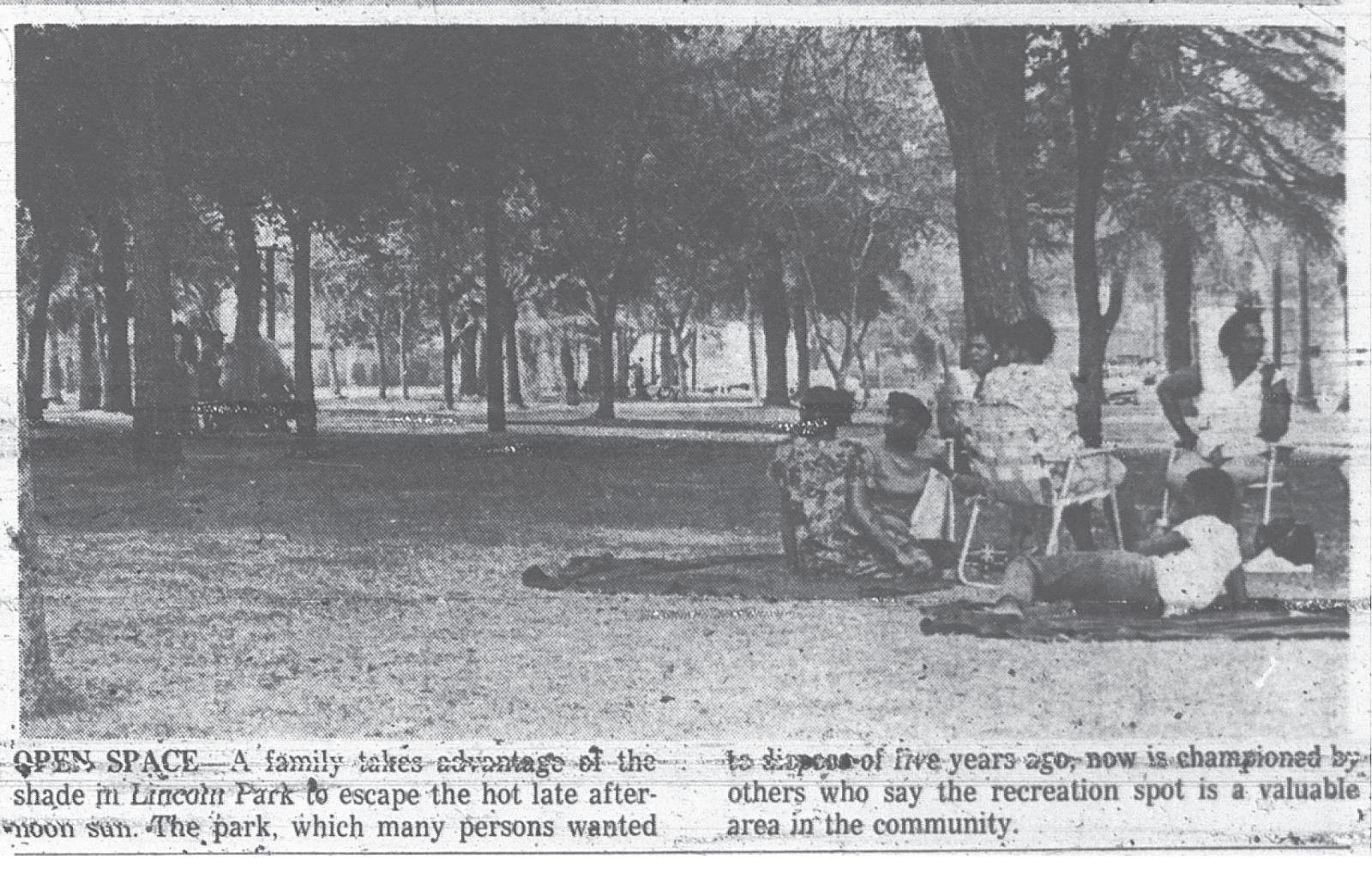
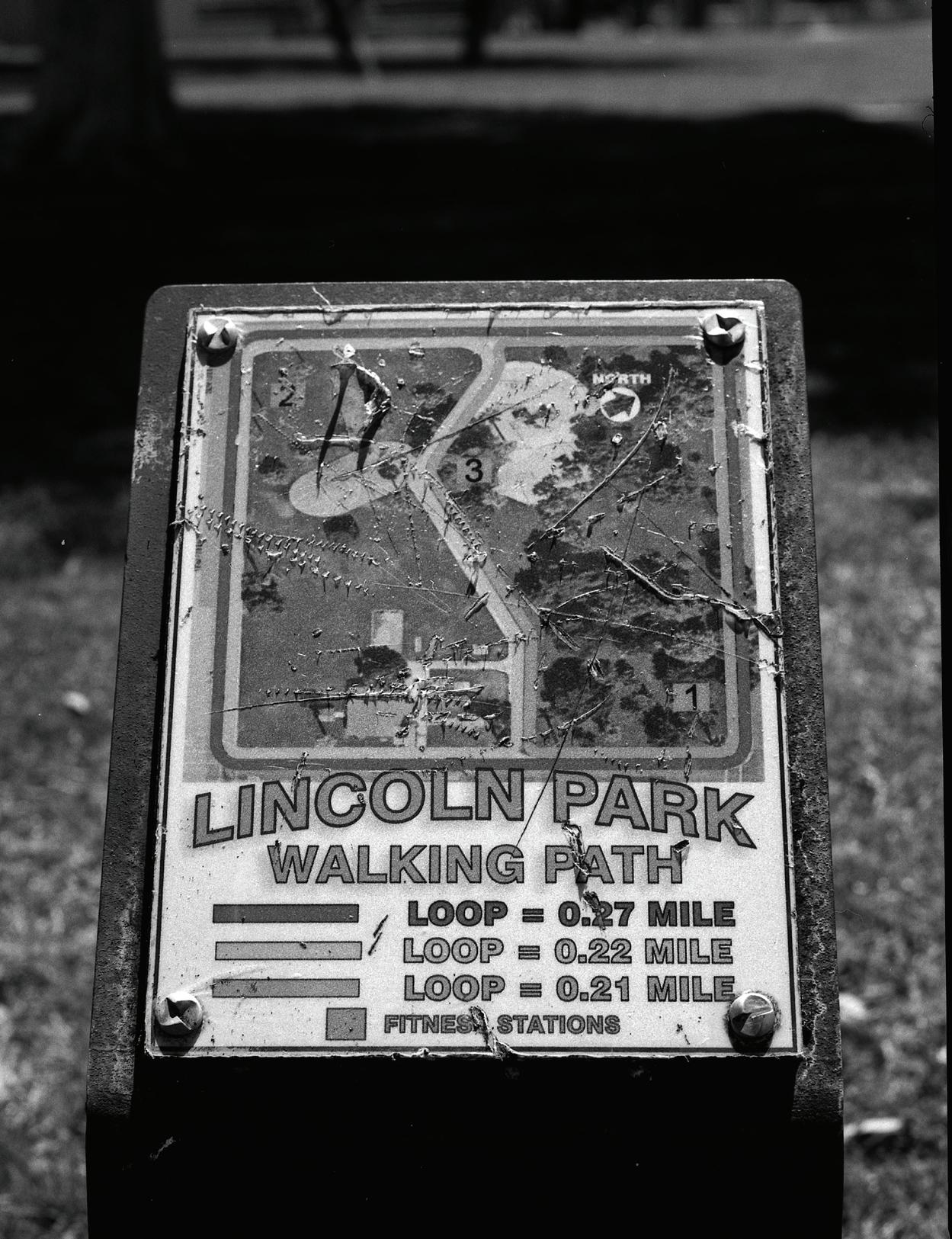
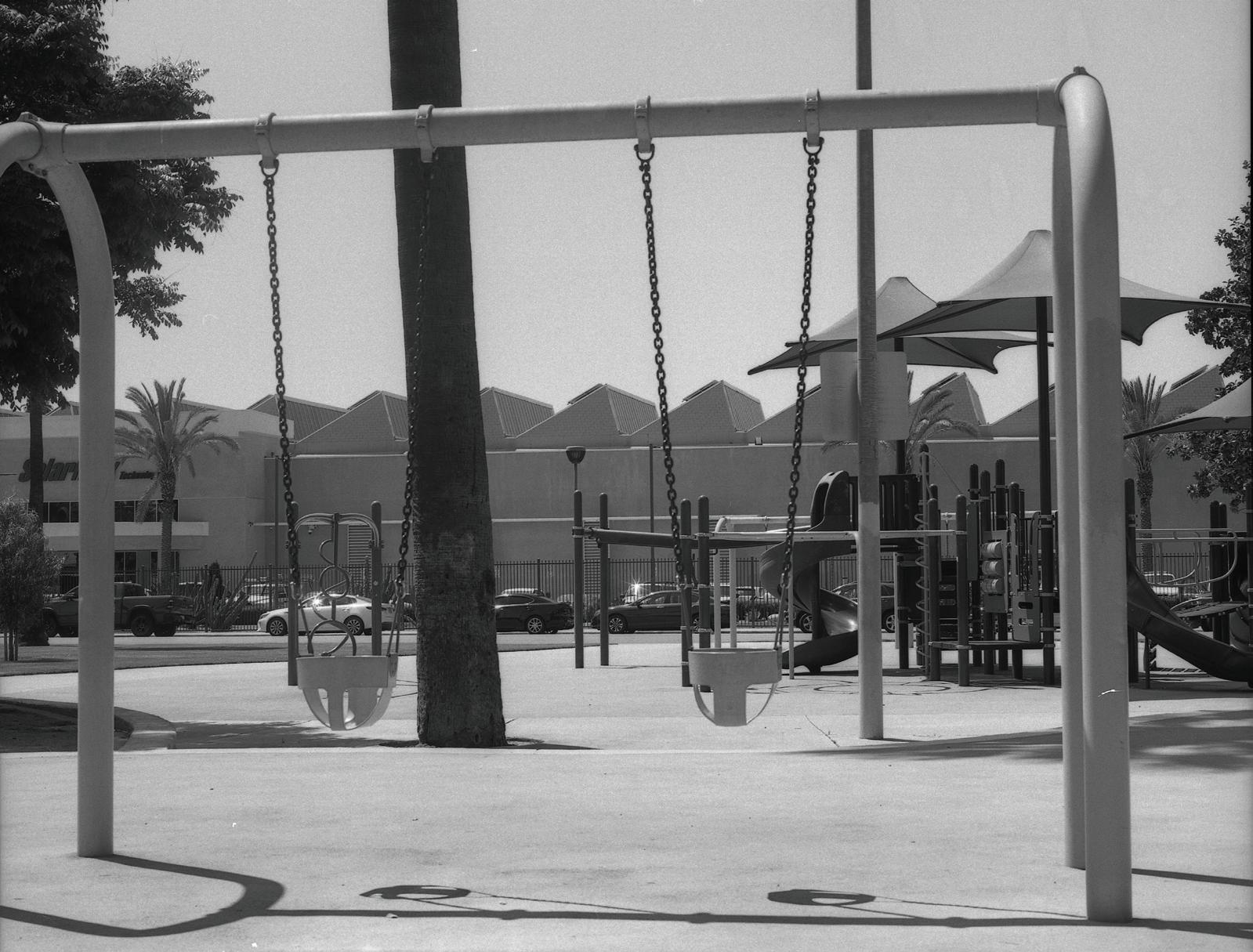
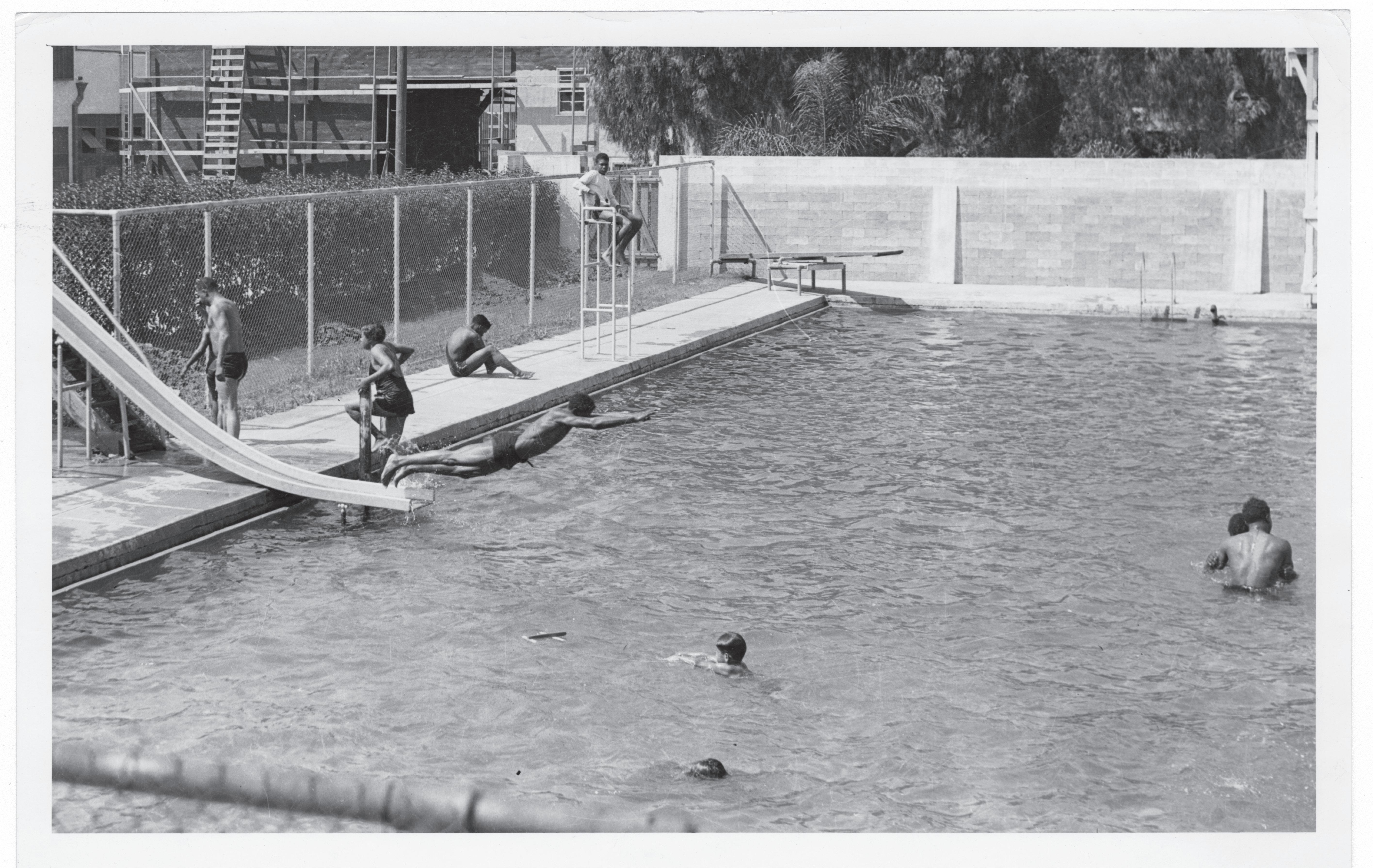
Lincoln Park was originally built on land the city obtained by condemning housing used for immigrant agricultural workers in the 1910s and early 1920s. The Park opened with “The Plunge” in 1924, and grew to include a sheltered baseball diamond, tennis courts, covered pergolas surrounded by plants and trees, and a children’s playground. The city built Lincoln Park as a compromise with Black residents who sued to gain access to the white Fairmount Park Pool, which refused them admission except on Tuesdays—the day designated for people of color. The Plunge became a community hub, seared into the joyful memories of Eastsiders.
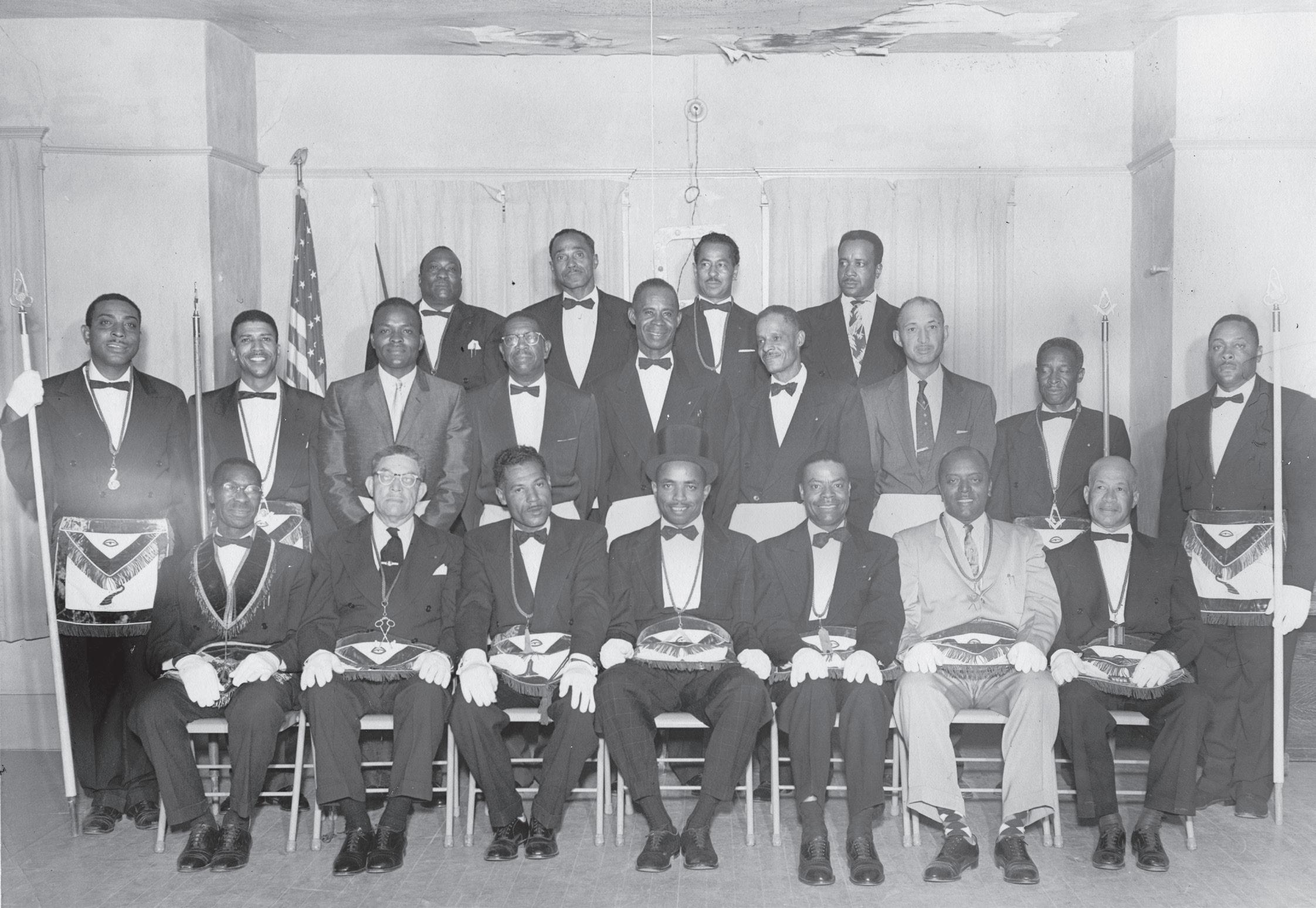
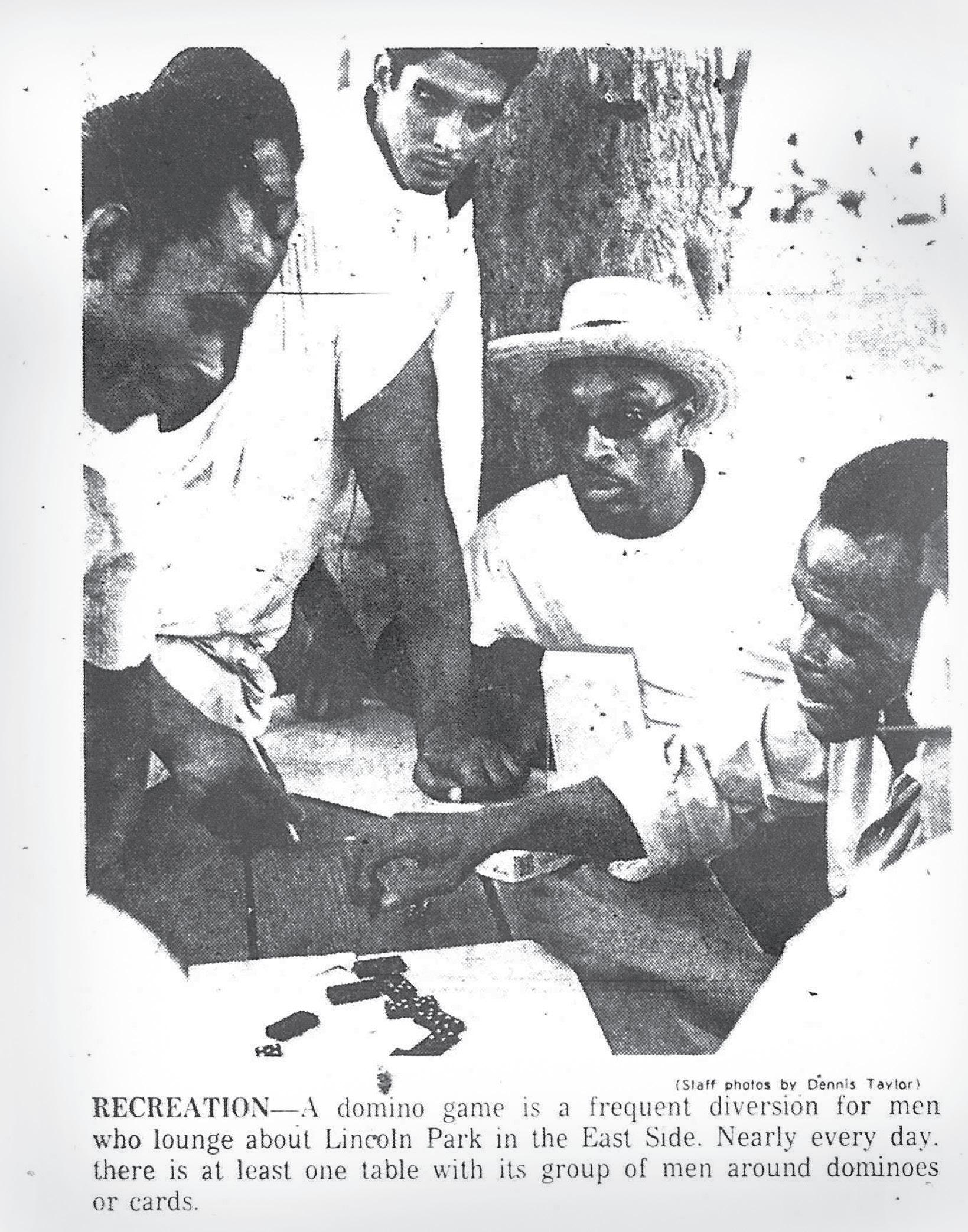
Lincoln Park was the personal playground for Eastside kids but, also served as a congregating space for Black residents. In its hayday, people would come to the park for picnics or a game of dominoes. From 1924 to now the park has shrunk into a four corner square. The pool and surrounding recreation spaces have long passed. But, still standing strong is the local Black Masonic Lodge, Orange Valley Lodge #13 on Park Ave just across the street.
Lincoln Park se construyó originalmente en un terreno que la ciudad obtuvo al expropiar viviendas utilizadas para la agricultura de inmigrantes trabajadores en la década de 1910 y principios de la de 1920. El parque abrió sus puertas con “The Plunge” en 1924 y creció hasta incluir un área protegida campo de béisbol, canchas de tenis, pérgolas cubiertas rodeadas de plantas y árboles y parque infantil. La ciudad construyó Lincoln Park como un compromiso con los residentes negros que podrían tener acceso a los blancos. Fairmount Park Pool, que les negaba la entrada excepto los martes, el día designado para las personas de color. The Plunge se convirtió en un centro comunitario, grabado en los recuerdos alegres de los habitantes del Eastside.
Lincoln Park era el patio de recreo personal para los niños de Eastside, pero también servía como espacio de reunión para los negros. residentes. En su mejor momento, la gente venía al parque para hacer picnic o jugar al dominó. Desde 1924 hasta ahora el parque se ha reducido a un cuadrado de cuatro esquinas. La piscina y los espacios de recreación circundantes hace tiempo que quedaron atrás. Pero aún se mantiene firme la Logia Masónica Negra local, Orange Valley Lodge # 13 en Park Ave, al otro lado de la calle.