The Southern Accent
Update of the Week, page 4
Letter to the Editor: Welcoming Judge Curtis Bowe to Collegedale
The Student Voice Since 1929
Pressing Issue, page 2
A conflict still lived beyond the headlines
Update of the Week, page 4
Letter to the Editor: Welcoming Judge Curtis Bowe to Collegedale
Pressing Issue, page 2
A conflict still lived beyond the headlines
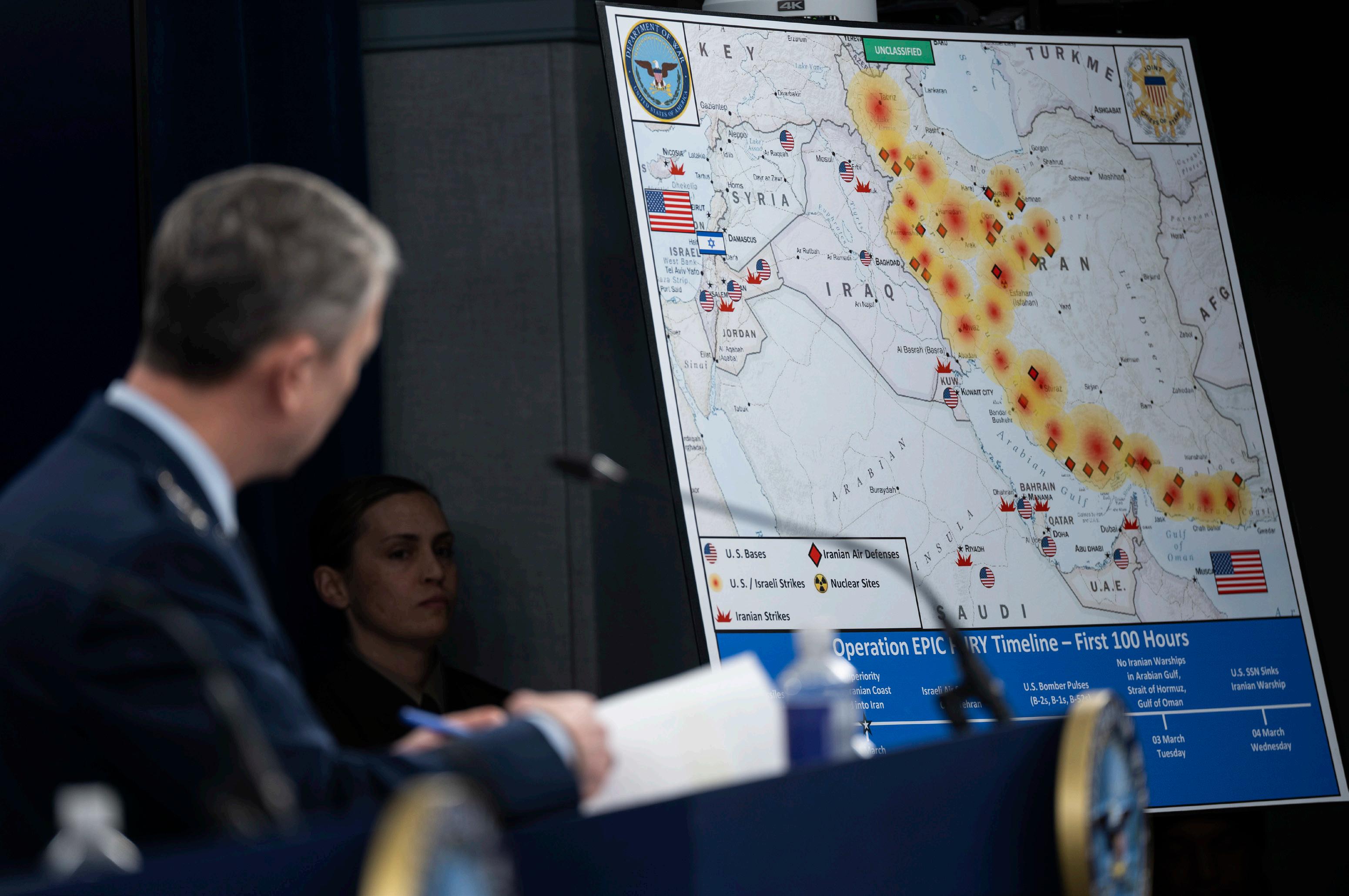
U.S. troops stationed across the Middle East watched Iranian missiles plunge into U.S. airbases and nearby buildings on Feb. 28. The retaliatory attacks came just hours after Israel and the U.S. launched Operation Epic Fury -- a military offensive intended to assassinate Iran’s top officials and halt the country’s nuclear program.
The conflict creates an uncertain future — not only for U.S. troops stationed in the Middle East, but also for leaders, locals and U.S. citizens. It has also ignited controversy, given its sudden and unexpected beginning.
According to an article by The Annenberg Public Policy Center, the controversy is rooted in Article I, Section 8 of the U.S. Constitution, which states that only Congress can declare war. The article shares the perspectives of several experts. Some argue that Trump’s decision was rash and unconstitutional. Others argue that previous presidents’ actions have set a precedent for the use of executive power in foreign intervention to maintain national security.
Among Southern Adventist University students reactions to the controversy have been mixed.
Freshman biology major, Emma Cortes, took issue with President Trump’s decision to start hostilities without congressional approval.
“I’m not sure if it was a good move in the sense of following order and rules,” she said. “A lot of U.S. citizens and people in the army are being put at risk for this, too.”
Kawai Oskins, a freshman culinary arts major, said elements of the a war with Iran can be justified based on the importance of proactive measures to protect the nation.
“If I was on a plane and I announced to everybody that I had a bomb on the
plane, would you just sit there and do nothing, or would you actually take action?” he said. “It goes the same. [Iran] can't threaten the lives of other people without [the United States] taking action.”
Junior general studies major, Andrew Miyashiro, believes precedent was not sufficient to warrant attacks.
"I do not think it was good for the U.S. to invade Iran,” he said. “I believe it was unconstitutional. ...Just because there are bad and evil leaders of nations in the world, I am not certain that we possess the moral right to go in and remove them."
In a video address posted to Truth Social, President Trump defended his reasons for the operation. He began by describing the hostility between the United States and Iran, pointing first to the 1979 takeover of the U.S. Embassy by Iranian college students and militants. For 444 days, 52 Americans were held hostage. Trump also spoke of the 2000 attack of the U.S.S. Cole, arguing that Iranian influence and support for militant networks contributed to instability in the Middle East region. He referenced Iran’s “imminent” nuclear threat, his concerns about the regime’s alleged sponsorship of terrorist groups and its support of anti-Western sentiments.
Concluding, Trump urged the Iranian people to take control of their government and create a more democratic society. He also emphasized the risks of war.
“My administration is taking every possible step to minimize the risk to U.S. personnel in the region,” he explained. “Even so and I do not make this statement lightly the Iranian regime seeks to kill. The lives of courageous American heroes may be lost, and we may have casualties. That often happens in war. But we're doing this not for now. We're doing this for the future.”
Because of the immense human cost of armed conflict, many societies expect
it should be used by world leaders only when unavoidable. In this case, some critics question whether that condition was met. Before this year, the most recent preventative mechanism against Iran’s nuclear program was the Joint Comprehensive Plan of Action (JCPOA), a 2015 agreement made between the U.S., Iran and other world powers.
According to the Center for Arms Control and Non-Proliferation, “[Iran] agreed to cap uranium enrichment to 3.67 percent — enough for civilian power generation but far below the 90 percent needed for weapons-grade uranium — and allow monitoring in exchange for lifting sanctions.”
The JCPOA increased Iran’s breakout time –– the time it would take to enrich enough weapons-grade uranium for a warhead — to over a year. Monitoring under the International Atomic Energy Agency (IAEA) also ensured that the international community would be aware should such developments occur.
Business Standard explains that the United States exited the JCPOA in 2018, following Trump’s criticism that the deal was weak and failed to address other threats, such as alleged Iranian state-sponsored terrorism and ballistic missile programs. A stronger deal never replaced the decaying agreement, and the IAEA noted that, since the United States’ exit, Iran has ignored nuclear regulations.
“Iran's enriched uranium stockpile has reached more than 27 times the allowable limit, with quantities enriched up to 60 percent, approaching weapons-grade levels,” the Business Standard article stated.
In the same 2024 document, the IAEA reported that Iran’s breakout time had been reduced from over a year to less than a week; in addition, diminished inspection capabilities would prevent the international community from learning about such developments easily.
Though evidence allegedly supports the claim that Iran is enriching more uranium, a report by the Defense Intelligence Agency (DIA) suggests that President Trump’s warnings of “imminent danger” are exaggerated. Even if Tehran “should decide to pursue the capability,” the report said that they will not have access to long-range ballistic missiles until at least 2035.
More Student Voices
Though the longevity of the war is difficult to predict, there have already been significant geopolitical effects. Iran has effectively closed the Strait of Hormuz, which links Middle Eastern oil to the global market. Disruptions to crude oil shipments have already increased gas prices around the world. Iranian Supreme Leader Ali Khamenei was killed in the initial attacks, along with many Iranian government leaders, leaving behind a damaged regime.
According to Al Jazeera, U.S. and Israeli attacks have already had devastating effects on civilian populations. At least 1,500 people have died in Iran, including 168 schoolgirls killed in a missile strike on an elementary school on the war's first day. 18,551 Iranians have been injured. Israeli bombings have also led to the death of 1,039 Lebanese people.
At the time of this article’s publication, the war has also led to the deaths of 61 Iraqis, 18 Israelis, dozens of civilians from nearby countries, and 13 U.S. soldiers. Over 200 American soldiers have been injured.
Ruslan Zavricico, senior film production major, said he remains neutral on the conflict because there is no objective truth in war. Zavricico was born in Azerbaijan, which neighbors Iran to the north. He spent his early years in multiple countries, including Georgia and Kyr-
“My administration is taking every possible step to minimize the risk to U.S. personnel in the region.” - Donald Trump
Jehiely Balabarca Reporter
Four years after Russia’s full-scale invasion of Ukraine in 2022, the conflict continues to exact a profound toll on civilians, infrastructure and families, well beyond what most headlines convey today.
In 2025 alone, conflict-related violence killed at least 2,514 civilians and injured more than 12,000, according to the United Nations Human Rights Monitoring Mission in Ukraine (HRMMU), marking the deadliest year for civilians since the invasion began. Verified casualties in 2025 were 31% higher than in 2024 and 70% higher than in 2023.
According to the United Nations High Commissioner for Refugees (UNHCR), the war has produced one of the largest displacement crises in modern European history. An estimated 5.9 million Ukrainians have fled abroad, roughly 14% of Ukraine’s pre-war population of about 41 million people, while at least 3.7 million (9%) remain internally displaced within the country.
Despite declining global attention to the war in Ukraine since its early stages in 2022, students interviewed said the conflict stays profoundly present in their daily lives. Their families, friends and homelands are still in the uncertain daily reality of bombardments, power outages, and displacement, even as these students navigate college life far from home.
For Alona Zahreba, a freshman film production major, the harshness of war’s impact is familiar. Zahreba described how her father in Ukraine endured up to 20 hours of daily power outages and frigid winter conditions with limited access to heat or electricity.
Zahreba also spoke about a persistent emotional burden: the guilt of living comfortably while others suffer.
“I always feel ashamed that we have basic needs that we can meet,…while at the same time, people in Ukraine do not,” she said.
Her experience reflects a broader tension many refugees and diasporic students feel, particularly in educational environments where daily life appears stable, even as crisis persists thousands of miles away.
Anastasiia Shtanko, a sophomore film production major, described how her family has adapted to living with danger and disruption. Shtanko said her brain has learned to normalize stress; it remains difficult to allow herself to feel joy.
“It’s hard. You don’t allow yourself to be fully happy; it seems like it’s wrong,” she said.
The damage to civilian life and essential infrastructure has been extensive. A recent assessment by the World Bank, United Nations and European Commission estimates that 14% of housing stock, more than three million households, has been damaged or de-

stroyed in the conflict. Among other issues, energy, transportation and heating systems have been heavily impacted by sustained attacks.
Kseniia Bezkrovna, a sophomore in business administration, said the conflict creates a persistent emotional tug between two lives: her day-today studies in the U.S. and the knowledge that her parents and grandparents remain in Ukraine. Bezkrovna said a routine call or news check can cloud over her academic life with concerns for family safety
“In the evenings, reality returns,” she said.
Bezkrovna also highlighted a dissonance she encounters when discussing the war with others: the sense that people sometimes grow tired of hearing about it, even though for
Editor-in-Chief
The Accent encourages readers to write articles and voice their opinions. However, not all topics and views are endorsed by Southern Adventist University or the Seventh-day Adventist Church.
For any questions, comments and article submission information, email the editor at haydenjkobza@southern.edu.
For all advertising inquiries, email alvajohnson@southern.edu.
Managing
her and many Ukrainians, the war “is still happening.”
“War is not just news or numbers. It is about how many people survive today, how many children lose their homes, their schools, or their parents.”
Bezkrovna’s father, Hennadii Bezkrovnyi, who still lives in Kyiv, shared his experience of war in an email to the Accent.
Bezkrovnyi said he had lost his sense of security, explaining how the sound of explosions, once imaginable only in films, has become a visceral reality that triggers instant fear.
“When an air raid warning sounds, you no longer think, you act automatically,” he said.
Bezkrovnyi described severe winter conditions, frequent power outages due to shelling and the emotional strain of having children scattered across differ-
Lifestyle
Religion
Sports
Staff Sponsor Alva James-Johnson
Opinion Editor Maddie Schmidt
Circulation Manager
Norelie Cabrera
Gianelli Banuchi
ent continents. Repeated strikes on energy infrastructure have caused prolonged blackouts, leaving millions without reliable electricity, heat or water, including during harsh winter months.
One humanitarian update notes that a significant escalation in attacks rendered up to 50% of Ukraine’s energy generation and much of its natural gas production offline, exacerbating civilian hardship and daily life struggles.
Vilina Prenko, a sophomore in computer science, reflected on her family’s relocation to multiple countries following the outbreak of war, including Canada and the United States. She acknowledged the privilege of being safe and with her family but also lamented about how common misconceptions
Web Management
Eri Jorge
Jaziel Gomez
Reporters
Nyah Jackson
Jehiely Balabarca
Kyla Wetmore
Asher LeVos
Anaya Miller
Yoly Viera
Ava Schmidt
Lillian Lelko
Collegedale Reporter
Leif Bromme
can obscure understanding of Ukraine’s history and national identity.
“Many people think of Ukraine as part of Russia and don’t know how long Ukrainians were fighting for their independence,” she said.
Bezkrovnyi also referenced the emotional and economic impacts of the conflict, such as rising prices and the exhaustion that comes from constant negative news and rocket attacks. He compared the situation to Job's suffering in the Bible, asking.
“We all ask God the same question: ‘Why, Lord? Why exactly?’” Bezkrovnyi said. “Why are our children scattered around the world? Why are innocent people dying? There is no answer.”
Copy Editors
Gabrielle Young
Sienna Escobar
Lillian Lelko
Kyla Wetmore
Photographers
Sam Tooley
Christian Bass
Layout Designers
Nyah Jackson
Lindsey Hazen
Office Manager
Yoly Viera
gyzstan, before attending high school in Turkey. His parents still serve as Adventist missionaries in Iraq, and growing up in several countries near Iran exposed him to the region’s politics and tensions in ways most Americans encounter only through news reports.
Zavricico shared his personal observations on the nuanced dynamic between different nations and people groups in the Middle East.
Zavricico, an Adventist, provided the Accent with cultural and religious context from his personal experience.
“Hatred towards Israel is kind of the unifying factor,” he said. “Islam is very, very big in the Middle East, and it creates this culture around the religion. ...They view the world through their religion. That’s why any decisions they make may have that value to it – it kind of affects their salvation even.”
tween Iran and Israel. ...It usually goes on for a few days and then dies down. So, my dad kind of thinks that this is going to be the same thing. Hopefully it stops soon.”
Zavricico’s family has also grown familiar with Iranians who flee to countries like Turkey in order to avoid religious persecution and to embrace more Western values, actions that the Iranian government penalizes harshly.
stay are fully supportive of the current regime, which encourages strict adherence to Islam. He acknowledged the dangerous presence of extremism in the country but believes interpersonal connections across religions is important.
“Having lived with a lot of Muslim people, I think they're very open, they're very intelligent and they're very tolerant people,” he said.
borhoods suspected of hosting Hezbollah (a terrorist group), while the Christian neighborhoods that house the Adventist university stay calm and predictable.
As the war nears its fourth week, much remains unclear about Iran’s nuclear ambitions, the future of its government and the powerful role ideology and religion play in the conflict.
Zavricico also mentioned Operation Rising Lion: a 12-day exchange of bombings between Israel and Iran that occurred in June 2025. The Hudson Institute reports that the attacks, initiated by Israel and accompanied by later U.S. intervention, damaged missile infrastructure and neutralized early-warning systems across Iran.
“I think that only time will tell what the actual result will be for Iran,” he said. “However, I hope that the result will be better lives for the people of the country. I believe how ‘good’ or ‘necessary’ the move was cannot be judged this early in the process.” Iran continued from page 1
“I really think that it's terrible what's happening, but personally, I know that cultural pride and nationalism is really big in that area,” he said. “Millions and millions of [Iranians] really believe in the cause of the war. They really think that what they're doing is right, and they need to defend themselves.”
“When we first moved to Iraq,” said Zavricico, “there were a lot of bombings be-
“When they leave, they just leave behind their Muslim traditions and kind of embrace these more Western ideologies. Some of them are finding Christ and some of them even become Adventists and get baptized. ...They love freedom, and once they can escape the regime, they kind of embrace it fully.”
Though he described Iranian refugees as “eager for change,” Zavricico said that some who
Zavricico’s words describe a region shaped by faith and conflict. Byard Parks, Student Missions director, also spoke of the strange reality of the war.
“I wrote to a friend in Lebanon,” he stated. “She’s the director of an Adventist school for Syrian refugees in Beirut. Life for her is normal, but just on the other side of town, people are getting [killed]."
Parks explained that the disparity is impacted by religion; Israel bombs Muslim neigh-
Freshman biology major, Jaden Stabel, said that while the future is uncertain, he hopes the ultimate outcome benefits the people impacted.
Daniela Dreke, a junior industrial/organizational psychology major and BCU president, stood on the stage of Iles P.E. Center after the night’s show came to a close, the BCU Night team celebrating behind her.
The BCU Night show was titled “The Cookout,” focusing on the theme of community, and Dreke was surrounded by the people who had become her community over the planning process.
This was Dreke’s first year as director of BCU Night. Although being BCU president last year prepared her for a second run, balancing both positions was challenging.
“Being (BCU) Night director and president...was a lot of responsibility,” Dreke said. “So, you know, I had my own community. We had a BCU Night committee that we would meet with weekly to talk about ideas for a preshow. I would like to say that that was my community.” Dreke’s team consisted of BCU officers, professors, sponsors and several alumni who had been part of BCU Night in past years. Among the team members was Naiya Brown, ‘25, last year’s BCU Night director; Candy Dolcy, assistant professor in the Social Work Department; and Ayanna Eastman, associate professor in the School of Journalism and Communication.
“You know, there [were] times where I felt like ‘I can’t; I don’t know if I can do this,’” Dreke said. “But... here at BCU, we have amazing sponsors, and they really pushed us through, pushed me through it and gave me the motivation. I
knew if I was tired or if I knew I couldn’t do something, I could reach out to one of them. It was nice to know that I had a team behind me to help me out.”
Eastman, one of BCU’s sponsors, mainly assisted the club’s social vice president with the preshow. She also helped Dreke and noticed how cohesive her team was.
“The entire BCU Executive Committee was involved in the planning process, and everyone worked really well together to ensure that the evening went well,” she said. “As her sponsor, I tried to ensure that Dani had everything that she needed to fulfill her role as both BCU president and BCU Night coordinator – two very demanding roles that she fulfilled ably.”
Vittoria Patrick, a sophomore nursing major and BCU secretary, was also a part of Dreke's team. She said she and other team members helped form a community by stepping out of their individual responsibilities to fill other roles where they were needed.
“I supported President Daniela by being available to assist whenever help was needed and by stepping in to support other areas when necessary,” Patrick said. “Daniela supported me by making sure I had everything I needed to complete my responsibilities. If I ever needed something, I knew I could reach out to her, and she would make sure it was taken care of.”
According to Dreke, the idea of a cookout theme had been circulating since last year. This year, Dreke and her team decided that a cookout was the best way to convey their idea of community. Dreke found cookouts to be nostalgic and

wanted to bring that atmosphere to BCU Night.
“It brings me back to my younger days,” she said, “having these cookouts with family and friends at a park... coming together during the summer ... it says nostalgic.”
The set design of BCU Night contributed to the sense of homecoming and family.
“We tried to be intentional

with the whole show. So, when you walked into the gym lobby, you were walking from the living room to the backyard,” Dreke said.
She expressed gratitude to her team for the work they put into BCU Night.
“I had a good time, just because of, again, the community and the support I had,” she said. “If it wasn’t for them, I
would not have been able to do this on my own. Would I do this again? I’m going to say ‘no,’ just because I think somebody else should have the opportunity to see how great something they planned can be. I’ve had my time, I think it’s somebody else’s time to do it.”

Editor's Note: The Southern Accent has produced a one page Collegedale News section this issue as part of a national initiative to enhance community news coverage. The local effort, led by Southern's School of Journalism and Communication in conjunction with the Center for Community News (CCN) at the University of Vermont, places student journalists at the forefront of addressing the news desert crisis, a phenomenon caused by the decline of newspapers in local communities. The Accent believes local news is vital to a thriving democracy, and we remain committed to reporting about important issues, novel occurrences and interesting people in the greater Collegedale area. We will publish this special section in five issues of the newspaper this semester. To submit tips or press releases, go to https://southern-accent.org.
The City of Collegedale has recently appointed Judge Curtis Bowe to serve as city judge until the August election. As he steps into this role, I want to take a moment to simply say, “welcome.”
In a community like ours, it doesn’t take long to notice the people who truly care. Judge Bowe is one of those people.
He brings strong experience with him as a graduate of Duke University and Vanderbilt University, a volunteer reserve officer with the Collegedale Police Department, an adjunct professor of criminal justice at the University of Tennessee at Chattanooga and a former juvenile magistrate in Hamilton County. He’s also spent time coaching local sports teams, investing in young people in a very real way.
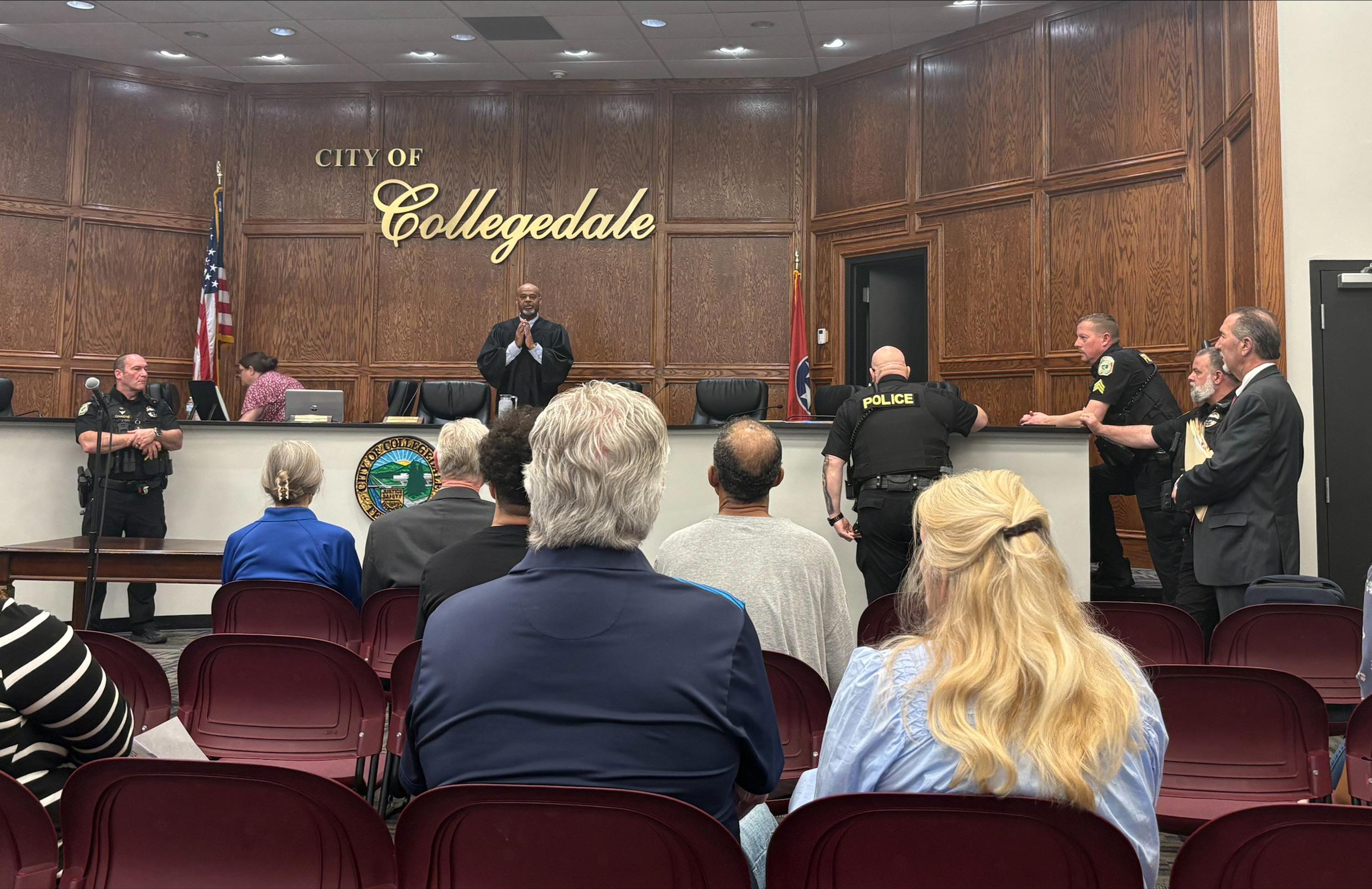
But more than any title or role, what stands out is who he is today. People describe him as positive, easy to be around and always willing to help. You’ll find him cheering on his grandkids at the Ooltewah Youth Association ball fields or connecting with others around town. He seems to be someone who looks for ways to serve, not recognition. I had the opportunity to observe his first session on the
bench here in Collegedale, and one moment stood out. Before beginning, he paused to offer a moment of silence in honor of our former beloved Judge Kevin Wilson. It was thoughtful and sincere and set the tone for how he plans to approach this responsibility — with respect and care.
The community will have an opportunity to formally welcome Judge Bowe at his Investiture Ceremony on Tues-
day, March 24 at 3 p.m. in the courtroom at City Hall, with a reception and light refreshments to follow. All are welcome to attend.
Stepping into a role like this is no small thing, especially in a community that values both professionalism and heart.
I’m grateful for Judge Bowe’s willingness to serve and look forward to seeing the steady, positive presence he brings to Collegedale.



Edward Backer Contributor
For many, navigating a romantic relationship in high school was tricky. But managing the balance of a relationship while dealing with the pressures of college? Talk about playing the game in hard mode. Still, it is arguably one of the most rewarding things you can do, as the learning curve will grow and mature you. So let us look at ways to help you successfully and effectively balance these relationship dynamics.
All healthy relationships are based on effective communication. You must communicate your thoughts and feelings to your partner — what you expect of each other and your boundaries.
John Gray, Ph.D., wrote in his book “Men Are from Mars, Women Are from Venus”:
“We mistakenly assume that if our partners love us they will react and behave in certain ways — the ways we react and behave when we love someone.”
Assumptions and lack of communication are poison for any type of relationship, as they place an unfair expectation on the other person to do the work for you.
One of my favorite quotes from Gray’s book points out that “men mistakenly expect women to think, communicate, and react the way men do; women mistakenly expect men to feel, communicate, and respond the way women do. We have forgotten that men and women are supposed to be different.”
So, to create a firm foundation for your relationship, deal with those areas of communicative differences and learn to better understand your partner’s style of communication.
No matter if you have been dating for two years, months or are still in the talking phase, maintaining independence is critical.
Bonnie Ray Kennan, a certified relational life couples therapist wrote in an article that spending time pursuing interests, goals and friendships outside of a romance develops your “self-confidence, personal growth and supports the formation of a more robust partnership” Whether it is diving deep into
a hobby, joining a new club, or choosing a life group that resonates personally, devoting time to furthering your individuality will benefit not only your future self, but your relationship’s health as well.
Trust and respect are the foundations of any sound relationship. Be reliable, honest, supportive and respect each other’s differences and points of view. One method of establishing trust and integrity is setting boundaries. These must be respected because they are limits that denote what is acceptable and what is not to ensure mutual respect.
The first step is to “take time to reflect on your needs, struggles, and how it’s impacting
your relationships,” as doing so will give you a clear idea on what limitations are necessary. Next is communicating your boundaries kindly and assertively. Doing so out of anger, frustration, or spite will lead to conflict, in which case it is important to handle it well.
The National University editorial contributors wrote a list of tips for working through conflict including “active listening, making eye contact and giving your partner your full attention as they speak, and responding appropriately”.
Remember, conflict is natural, but how people handle conflict is more important than the actual conflict itself.
Now, while tending to a
relationship is important, you are a college student first and foremost. Academics must take priority; it is crucial for you to manage your time wisely so that you spend enough time in your relationships without losing valuable time meant for studying.
The Harvard Summer School blog states that “time management isn’t just about sticking to a rigid schedule—it’s also about giving yourself space for change”.
Remember, achieving a balance between academics and relationships is key. By prioritizing your studies and allowing flexibility in your schedule, you can maintain healthy relationships and excel in your aca-

“All
Matthew Taylor Sports Editor
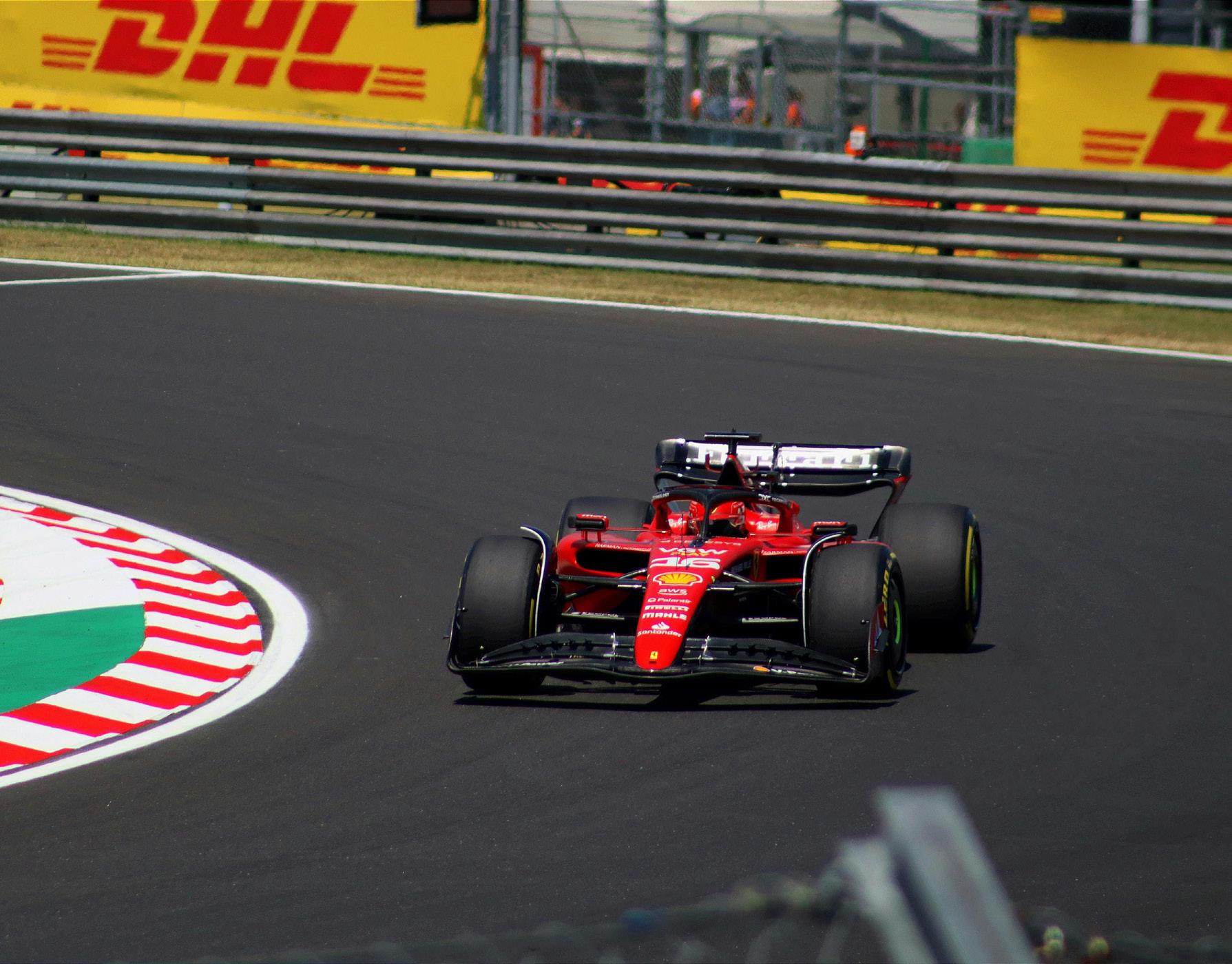
The 2026 Formula One season raced to a speeding start as the Australian Grand Prix concluded in the early hours of Sunday, March 8. Now streaming natively on AppleTV+, The race gave us a number of memorable moments and clear indicators for the storylines to follow this season as the 22 drivers compete for the championship title.
There were a number of changes to the FIA Technical Regulations of Formula One in the offseason that will affect the outcomes significantly. While the past few years have seen the weight of cars increase, the regulations lowered the minimum by 30kg to make the cars smaller and more agile. The wheelbase of the cars are now 200mm shorter, and the width reduced by 100mm. These changes will make the cars better suited for tight street circuits.
The body of the vehicles are not the only things to have changed, as the engine has also gone through a drastic evolution. The electric power has grown from 120kW to 350kW, nearly balancing the ratio at 50/50 split between electric power and the internal combustion engine. The MGU-H (Motor Generator Unit - Heat), a complex piece of technology that intimidated new brands from joining the competition, has been removed to attract new teams.
The most notable change is the replacement of the DRS— the Drag Reduction System that has been used to speed up the cars along straight paths for the past 15 years. Two new systems were implemented to replace the DRS: Active Aero and the Manual Override Mode. Active Aero has replaced the
mechanical function of the DRS flap, giving drivers control over a new system that switches between X-Mode to lower drag on straight portions of the track, and Z-Mode that boosts downforce for cornering.
“This is like a mushroom from Mario Kart,” said Ferrari driver Charles Leclerc, referring to the boost of speed given when using the Manual Override Mode. When a driver is within one second of the car ahead of them, they are given a boost of electrical energy for “overtaking aid” up to 350kW.
The implementation was a success, leading to seven lead changes in the first 9-10 laps of the Australian Grand Prix.
The number of cars in the track increased from 20 to 22 for the first time since 2016, as Cadillac debuted for their first season with veterans Sergio Perez and Valtteri Bottas at the wheel. The “Stake F1 Team Kick Sauber” also faced a rebrand and started the new season as the “Audi Revolut F1 Team”. The Racing Bulls have entrusted a car to rookie Arvid Lindblad, as a result of Isack Hadjar being moved to the sister Red Bull team to partner with Max Verstappen.
The lineup for the beginning of the season debut featured Mercedes drivers George Russell and second-year Kimi Antonelli started the race at P1 and P2. At P3, Hadjar debuted for his new team. At P4, Leclerc lined up for Ferrari. One of the most interesting placements was four-time World Champion Max Verstappen starting at P20 after a disastrous crash during the qualifying rounds.
As the race started, Charles Leclerc instantly maneuvered into first place over the first few turns—a play that was highlighted and replayed through the live broadcast. His Ferrari teammate, former Mercedes
driver Lewis Hamilton, showed his dedication to being a competitor against his former team, returning from his first disappointing season with the team. The two pairs of teammates battled for control of the top four spots for the majority of the race, although Ferrari’s strategy ultimately slipped the two-person lead out of their grasp.
Six cars didn’t manage to cross the finish line. McLaren driver Oscar Piastri, an Australian native, suffered a heartbreaking crash during the reconnaissance lap before the race even began after a malfunction confirmed by the team as an energy spike in the new hybrid system. Audi’s debut was forced to reconcile with the total telemetry failure of Nico Hulkenberg’s car, forcing it to be wheeled to the garage before the start.
During the race, Isack Hadjar’s engine billowed with smoke on Lap 10, triggering the first Virtual Safety Car. Cadillac’s return with Valtteri Bottas was short lived as the car suffered a fuel system failure in the pits on Lap 15, causing the FIA to briefly close the pits for safety. Aston Martin’s Fernando Alonso retired twice: initially on Lap 13, and again on Lap 32 after collecting data for Honda. Aston Martin’s disastrous season debut continued as their other driver Lance Stroll retired in Lap 43. Max Verstappen managed to improve by 14 positions, finishing at P6. Rookie Lindblad capitalized on the multiple retired racers, ending with P8 in his first outing. The defending World Champion Lando Norris of McLaren finished at P5, showcasing the team’s struggle to adapt to the new aero rules.
Audi earned their first points as Gabriel Bortoleto finished at P9.
The podium was destined to be a combination of Ferrari and Mercedes drivers from the first few laps. Ultimately, Mercedes prevailed and Russell and Antonelli finished in the top two spots, right where they began. P3 was secured by Charles Leclerc, who was followed by his teammate Lewis Hamilton at P4, narrowly missing the podium.
From incredible performances by Mercedes and Max Verstappen, to positive results from Ferrari, to mixed results from Audi and McLaren, and bad results for Aston Martin, the stage has been set for an enthralling season of fresh competition. Mercedes currently has the lead and showed no sign of slowing down.
Maddie Schmidt Opinion Editor
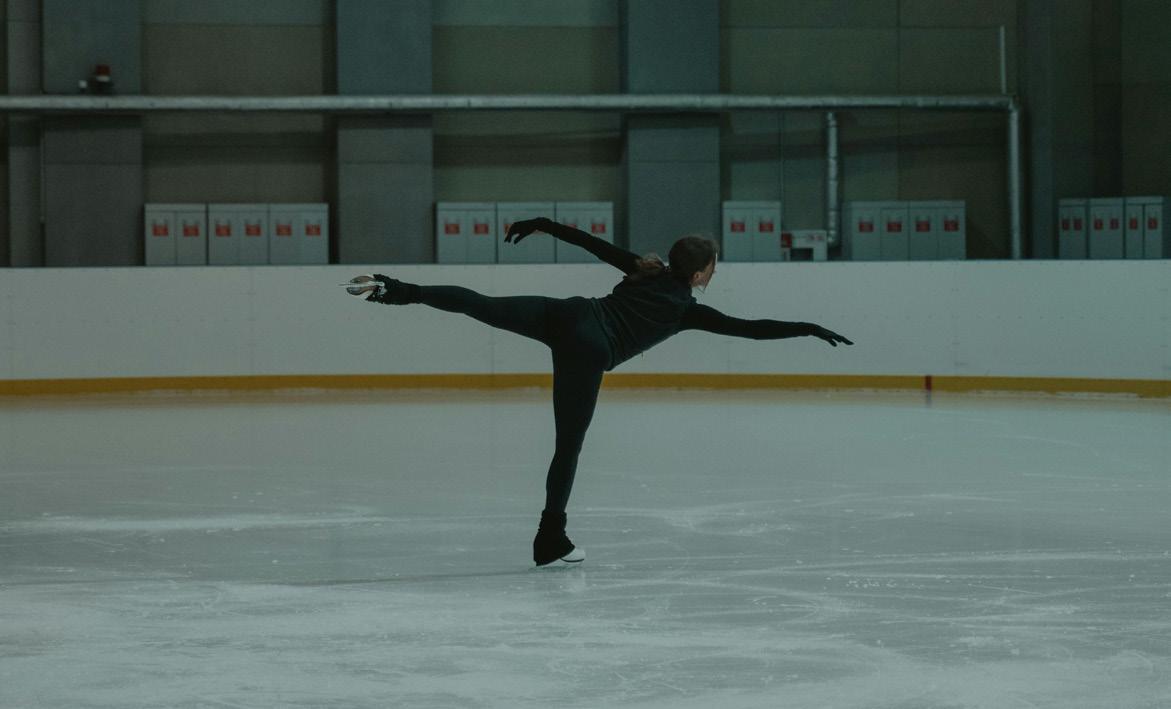
Over the last few weeks, my social media has been flooded with content from the 2026 Winter Olympics, as, I am sure, is true for most of us. One athlete, however, has stood out amongst the rest. Alysa Liu, a two-time Olympic figure skater and now Olympic gold medalist, made a huge comeback this year, and her story is creating a culture shift for athletes everywhere.
This year was Liu’s second time going to the Olympics. She made the U.S.A. team and competed in the 2022 Olympics in Beijing at 16 years old, finishing in sixth place. Unexpectedly, she announced her retirement on Instagram shortly after.
In an interview with 60 Minutes, Liu described her reasoning for retiring from the sport at such a young age. She said that she didn’t feel in control of her life. She was told when to practice, what to wear, which music to skate to, and even what to eat. Skating had become a burden.
She was also under immense pressure from her father, Arthur Liu, who was heavily involved in her skating career. Liu emphasized this in her interview with 60 Minutes.
“It was basically his business; it wasn’t even really mine,” Liu said.
Liu took a two-year break from skating. However, in 2024, she decided to take to the rink again.
In an interview on the Live Kelly and Mark show, Liu spoke about how she became inspired to start skating again when she went on a ski trip
with her friends. She said that the adrenaline of being on the cold slopes reminded her a lot of what it felt like to skate, and she realized that she missed that feeling.
According to her interview with 60 Minutes, Liu called up two previous coaches of hers, Phillip DiGuglielmo and Massimo Scali, and told them that not only did she want to skate again, but she also wanted to compete again.
This time, Liu was in charge.
She explained in her 60 Minutes interview that she got to help with the creative process, decide when she took breaks and be in charge of her own diet. Her father was also less involved in the training process, which gave her more freedom to be motivated on her own.
In an interview with TNT sports, Liu expressed that she benefited greatly from the break.
“Through retirement, I realized that I am a creative person and I have these ideas,” Liu said. “I came back to share all of my art. I love to dance, I love choreography and moving to music, and I do it on my own terms. No one tells me what to do, and I take breaks, even now. I think that’s the way to do it.”
In an interview with 60 Minutes, DiGuglielmo and Scali admitted that Liu being in charge made her a better skater.
Getting back into training was difficult for Liu, but she rose to the challenge. During her interview she was asked about where her motivation comes from and if she needs anyone else to push her. She
responded by saying that she enjoyed the difficulty of the sport.
“I love struggling, actually,” Liu said. “It makes me feel alive.”
Liu reiterated this in an interview with Teen Vogue.
“I love pushing myself,” Liu said.
“There’s this thing called the aMCC in your brain, and it’s where you say willpower resides. I love doing stuff that I really don’t want to do, really hard things. I get a kick out of it, and that’s where I’m happy.”
In the weeks leading up to the 2026 Olympics, Liu was asked in her interview with 60 Minutes if she felt any pressure to take home a gold medal.
“No, actually I’m really excited,” Liu said.
“My goal honestly is to just hype people up and give them an experience, whether it’s negative or positive. As long as people are feeling some strong emotions and anticipation, I’m fine with that.”
In the same interview, Liu explained that she feels more like an artist than an athlete.
“I view competitions more as a stage for performing,” Liu said.
When the 2026 Winter Olympics came around, Liu stole the spotlight. Her grace and joy for the sport were apparent on the ice, and she became the first American woman to win an individual Olympic figure skating gold medal in 24 years. She also received a second gold medal for winning the team event with the rest of the U.S.A Team.
Not only were people taken aback by her energy on the ice, but her positivity and clear
love for the sport and the other athletes have also made Liu an unforgettable athlete.
In an interview with NBC after winning her gold medal, Liu was asked how she remained so calm during the warmups.
“On the ice is where I’m happiest,” Liu explained.
According to a feature on Alysa Liu done by TV Asahi, Liu said that she does not feel intimidated by the other figure skaters.
“I can’t bring myself to see other skaters as competition,” Liu said. “We’re all just independent artists.”
Liu’s outlook on winning and success has also been inspiring. In an interview with NBC, Liu explained that the medals aren’t the main takeaway for her.
“These are just materialistic,” Liu said. “The real prize is in the performance and the journey, and that goes for everyone who was out there skating.”
Liu’s story has sent a powerful message to her fellow athletes and to people who are searching for success. Her journey proved that athletes can be allowed to pause, reset, and
protect their well-being, even at the peak in their careers. This goes for anyone who is feeling burnt out and like they have lost their motivation.
When Liu returned to figure skating in 2024, the biggest difference was control. Through her comeback, she established boundaries and found a way for skating to fit into her life, not to define her life. This could be encouraging to athletes who desire to seek ownership of their careers, rather than being managed like products.
Throughout her 2026 Olympic experience, Liu continually prioritized joy and her artistry over winning medals. She often referred to skating as art and expression, not just competition. This contrasts with the traditional mindset of elite sport where winning is the primary measure of value.
Liu’s mindset on competition has been inspiring, and her determination and charisma, not just her title as an Olympic Gold medalist, have been a beacon of pure triumph. Liu is a testament to what we can achieve when we let go of the outcome.
Eliana Morales Managing Editor
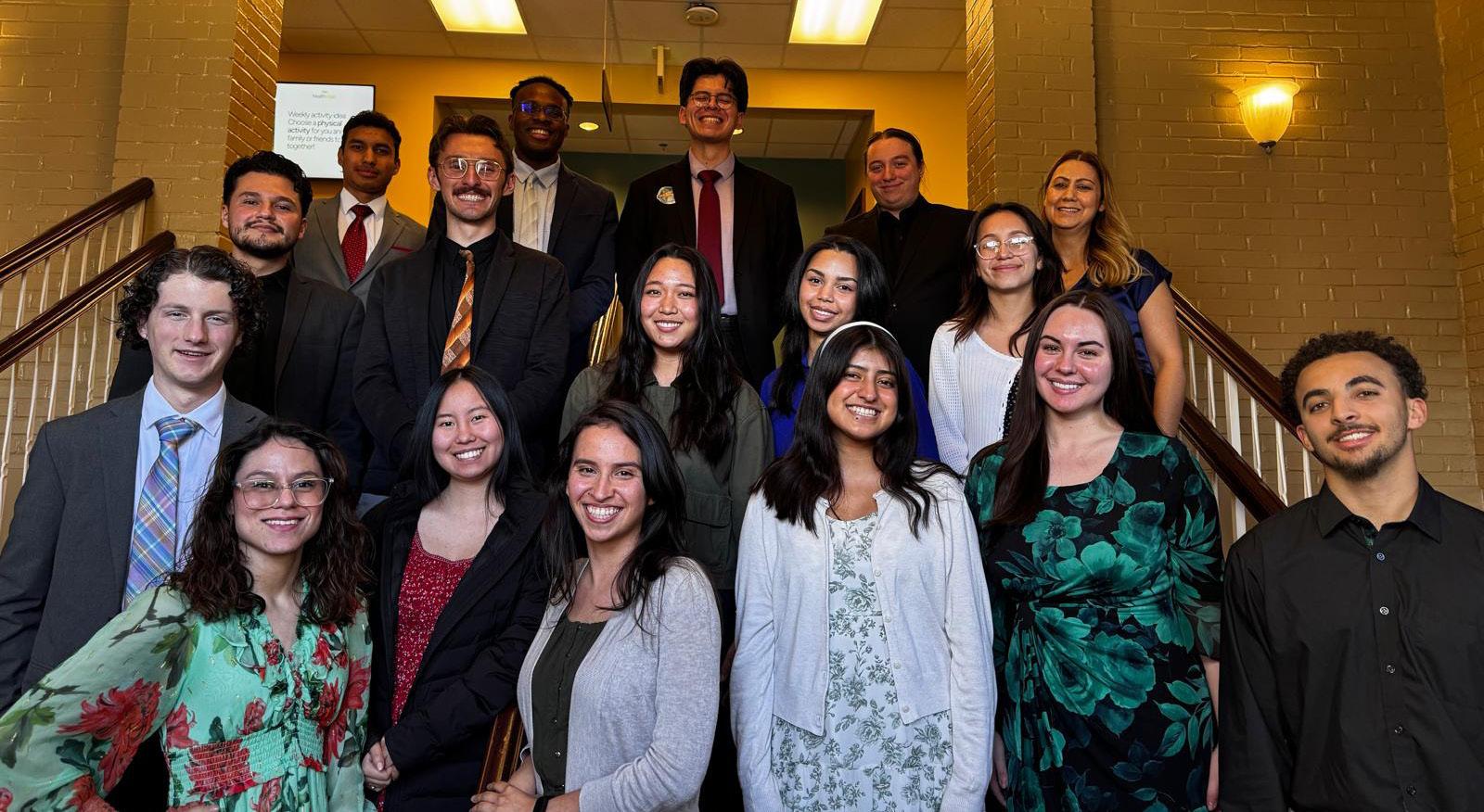
Late at night on March 23, I landed in Atlanta after traveling since 4 a.m. I had just come back from my first mission trip to Mexico with the Evangelistic Resource Center (ERC) along with 21 others.
Prior to last week, I couldn’t picture myself as a missionary even though I had signed up for the trip last semester. My fundraising was completed by January, but the trip still didn’t seem real. No one knew my motivation for registering was that I would receive a level two service-learning credit, which I needed in order to graduate.
During ERC Bootcamp, the three-day event meant to prepare us for the trip, I felt like I was masquerading among people who truly felt “called” to be there. I began to reconsider my opinions about mission work.
I always thought student missionaries mainly used mission trips as a means of self-improvement. After all, wasn’t the selling point that I’d come back renewed and transformed after painting a school or preaching a sermon?
I found it incredibly insensitive how people posted pictures with poor children, knowing they would return to their soft, air-conditioned life soon after. Why can’t they just preach to those in their neighborhood instead of traveling around the world?
While at bootcamp, the pastor said evangelism is more for us than for those we go to. I couldn’t believe that he had just admitted mission trips are more for our benefit.
But later, I thought deeply about what he was saying. He wasn’t telling us that mission work doesn’t benefit those
whom we go to, but we are often blessed as well. The pastor also provided biblical texts that support preaching abroad.
Matthew 28:19-20 is called the Great Commission: “Therefore go and make disciples of all nations, baptizing them in the name of the Father and of the Son and of the Holy Spirit, and teaching them to obey everything I have commanded you.”
I told myself that there’s nothing wrong with going abroad to preach. But I still wasn’t fully convinced.I knew this trip would change me in some way, but I wasn’t sure how.
Now, after ten days in Chiapas, I feel transformed. Now I know that people don’t post pictures to look superior, but because they actually connected with the people.
I know that I was not con-
fident in preaching, but God gave me the words. A member told me the message I preached gave him hope when he was about to give up.
I learned that traveling to another country to preach is about reaching people we otherwise wouldn’t have met. It’s about learning to appreciate a different culture. I ate every night with a different church member and had home-cooked meals while getting to know the most wonderful people.
But the trip wasn’t without trials. The projector broke before I even got to the pulpit. I didn’t have amazing testimonies for many days, and attendance was sometimes lower than the previous night. I stumbled and stuttered or forgot to change the slides.
Yet, when I appealed for baptism on Thursday, three out of the four visitors decided to get
baptized. After that sermon, my confidence grew. I became eloquent.
In Exodus 4:10, Moses says, “O Lord, I have never been eloquent… I am slow of speech and tongue.” God then says, “Who gave human beings their mouths? … Now go; I will help you speak and will teach you what to say.”
Although I feel sad about leaving the people I met behind, I have hope. The last sermon was about how we will be reunited someday.
1 Thessalonians 4:17: “Then we who are alive, who are left, will be caught up together with them in the clouds to meet the Lord in the air, and so we will always be with the Lord.”
I left Villahermosa with that message of hope—we will see each other again.
After returning, I can confidently say this trip has been my
favorite part of the semester. When things went wrong or I felt scared, I had no option but to rely on God, and He always pulled through for me. I grew spiritually, watching people be moved by my words even when I didn’t believe in myself. There were long nights and stressful sermon practices.
But in just ten days, I feel as if I’ve been made new. I didn’t go on this trip to be transformed, but it happened anyway. My previous opinions of missions were shattered in just ten days.
Galatians 2:20: “I have been crucified with Christ; it is no longer I who live, but Christ lives in me; and the life which I now live in the flesh I live by faith in the Son of God, who loved me and gave Himself for me.”
Rhett Seitz Lifestyle Editor
I have a confession to make: Occasionally, I zone out during lectures. (If any of my current or former professors are reading this right now, I promise I am usually trying my best.)
One minute, I am diligently listening and taking notes. The next minute, I am deeply contemplating what I need to do later today or deciding on what I plan to eat for lunch. Suddenly, mid-thought, I realize I have completely trailed off. I desperately scramble to find my place in the lecture, nodding thoughtfully to act as if I never lost the thread in the first place. Does this sound familiar?
It happens to all of us. And it is not just limited to the classroom, either. Unfortunately, sometimes, I will be in the middle of a conversation, listening to someone speak, and completely lose my train of thought. (I genuinely feel guilty about that one.)The golden rule of academia that has been drilled into us since pre-K is simple: “Pay attention.” I cannot even count how many times I got in trouble for letting my mind wander when I was a child. But why does this happen to us? Why do we lose focus so easily?
We are quick to blame our dopamine-flooded culture. It is incredibly easy to assume our brains are simply too fried by endless scrolling, short-form videos and instant gratifica-
tion to endure a 50-minute, non-stimulating PowerPoint presentation.
While our modern digital habits certainly play a role in our shortening attention spans, the reality of daydreaming is much deeper — and much more positive.
Science tells us that daydreaming is not a flaw in our design; it is a vital human function. When our minds wander, a neural circuit called the “default mode network” activates. It is essentially your brain’s way of working on complex problems behind the scenes.
Think about a time when you were staring relentlessly at a blank document trying to write a paper, struggling to untangle a difficult situation or remember a specific name or word. The harder you focus, the narrower your vision becomes. Frustration builds, and you hit a mental wall.
But the moment you step away, go for a walk or let your mind completely drift to something unrelated, is when the answer suddenly pops into your head. Your subconscious was putting the puzzle pieces together while you were looking the other way.
We have bought into the cultural lie that productivity only happens when we are hyper-focused. But the truth is, some of the best ideas the world has ever seen rarely come from staring intensely at a whiteboard or a textbook. They come during a long drive, while staring blankly out a window or in
the shower. Think about it: Why do our best ideas usually hit us while we are in the shower? It is because the shower is one of the only places left where we don’t have our phones or anything else to distract us.
This sounds rebellious on the surface. Professors want eyes at the front of the class, and students feel immensely guilty when their minds wander. But what if we took that guilt and turned it into a tool? What if we stopped viewing a wandering mind as a failure of discipline, and started viewing it as a necessary breather for creativity?
To be clear, I am not advocating for total negligence. Paying attention is a crucial skill. In some professions, losing focus can quite literally mean life or death, and giving our undivided attention to the people right in front of us is a basic matter of respect.
What I am advocating for is giving yourself grace. When your attention inevitably slips, do not beat yourself up. Nothing is wrong with you. You are not a machine built for endless, unbroken input.
Even Scripture recognizes the profound value of stepping back from the noise and letting our minds rest. Psalm 46:10 reminds us, “Be still, and know that I am God.” Sometimes, stepping away from the immediate, hyper-focused demands of the moment is exactly what we need in order to hear the quiet nudges of inspiration.
The takeaway is simple: Daydream more. Go take a walk. Let your mind rest. You will find
that your brain is actually much sharper when you return to your work. So, the next time you lose focus in class, gently bring yourself back to reality, but give
yourself some grace. You never know what brilliant, crazy or life-changing idea might unexpectedly come from simply letting your mind wander.

Created by Nyah Jackson



• 6:30 pm Vespers: Next Steps @ Collegedale Church of Seventh-day Adventists
• 7:30 pm AfterGlow @ Collegedale Church of Seventh-day Adventists South Atrium
7:58 pm Sunset
8:30 pm Vespers: Next Steps @ Collegedale Church of Seventh-day Adventists
8:30 pm Star Watch @ Hickman Science Center Parking Lot
• Student Advocates for Disabilities (SAFD) @ Bietz, Room 3210
• 7:30 pm Recital: Priscille Mikala, Piano @ Ackerman Auditorium
6:50 pm Lecture: EA Anderson Series: “Faithful in the Small Things” @ Brock Hall Room 3205
7:30 pm Concert: General Recital #3 @ Ackerman Auditorium
• Last Day for 40% Refund Spring Preview Southern (March 26-27) Last Day to Drop a Class (16-Week Classes)
• 11:00 am Convocation: Hasel Lectureship, Craig Keener @ Collegedale Church of Seventh-day Adventists
• 3:30 pm Graduate Curriculum Committee @ Wright Hall Robert Merchant Room
• 7:30 pm Concert: General Recital #1 @ Ackerman Auditorium
• 11:59 pm Campus Research Day: Registration Deadline
• 10:00 am - 11:15 am French Sabbath School @ Lynn Wood Hall Room 3050
• 7:30 pm Evensong: Southern Harp Ensemble @ Collegedale Church of Seventh-day Adventists
• 9:00 pm Talent Show @ Iles P.E. Center
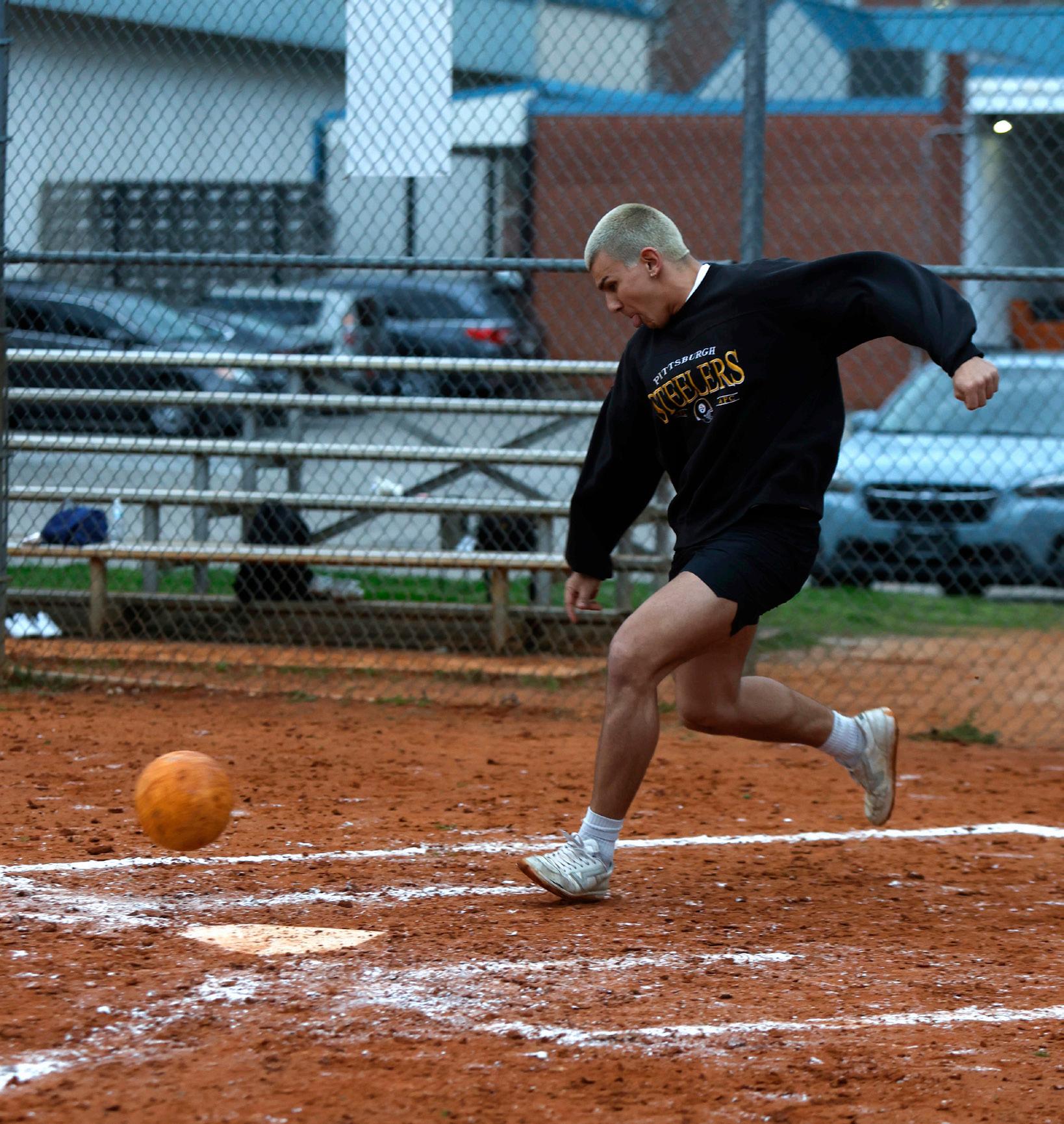
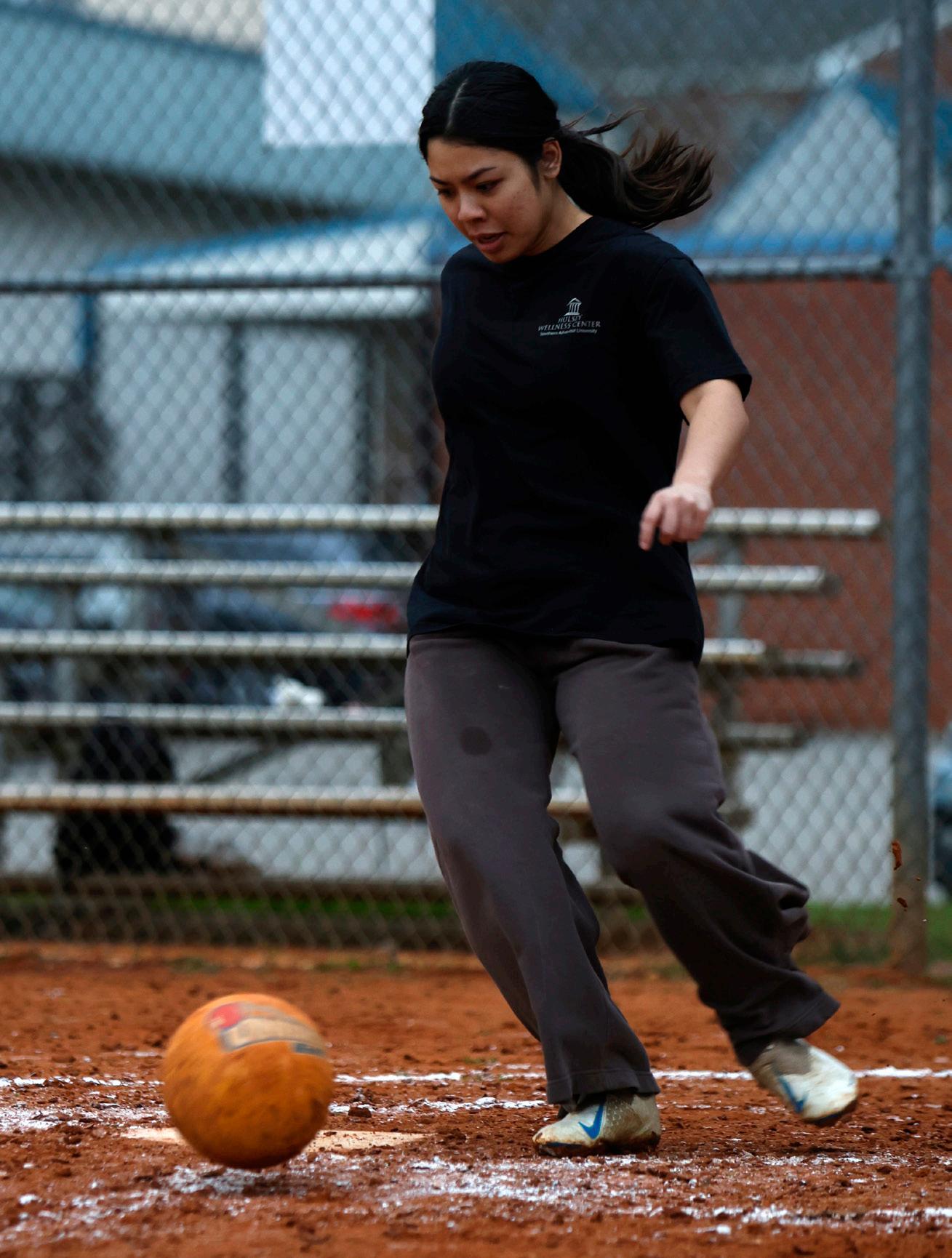
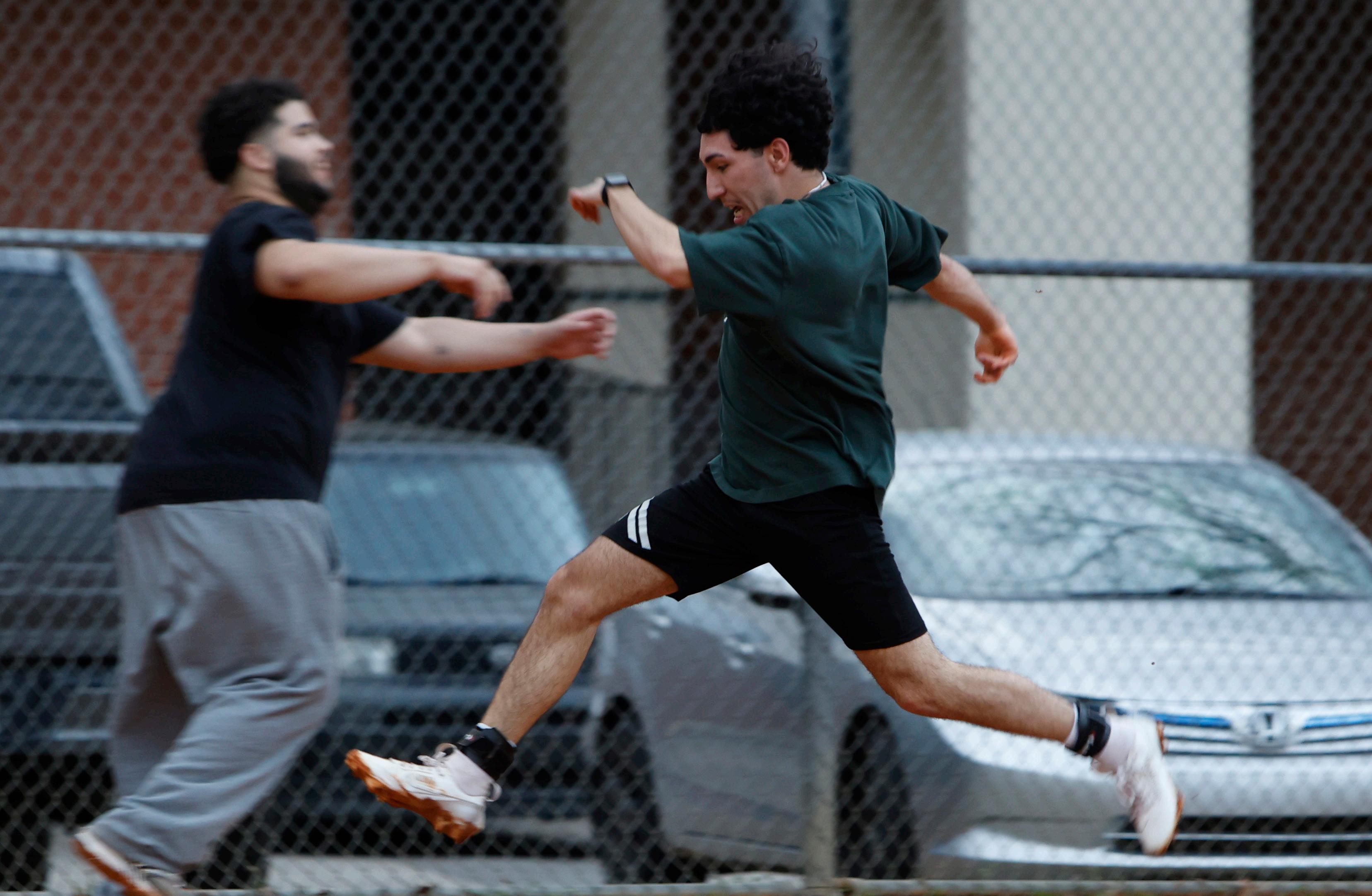
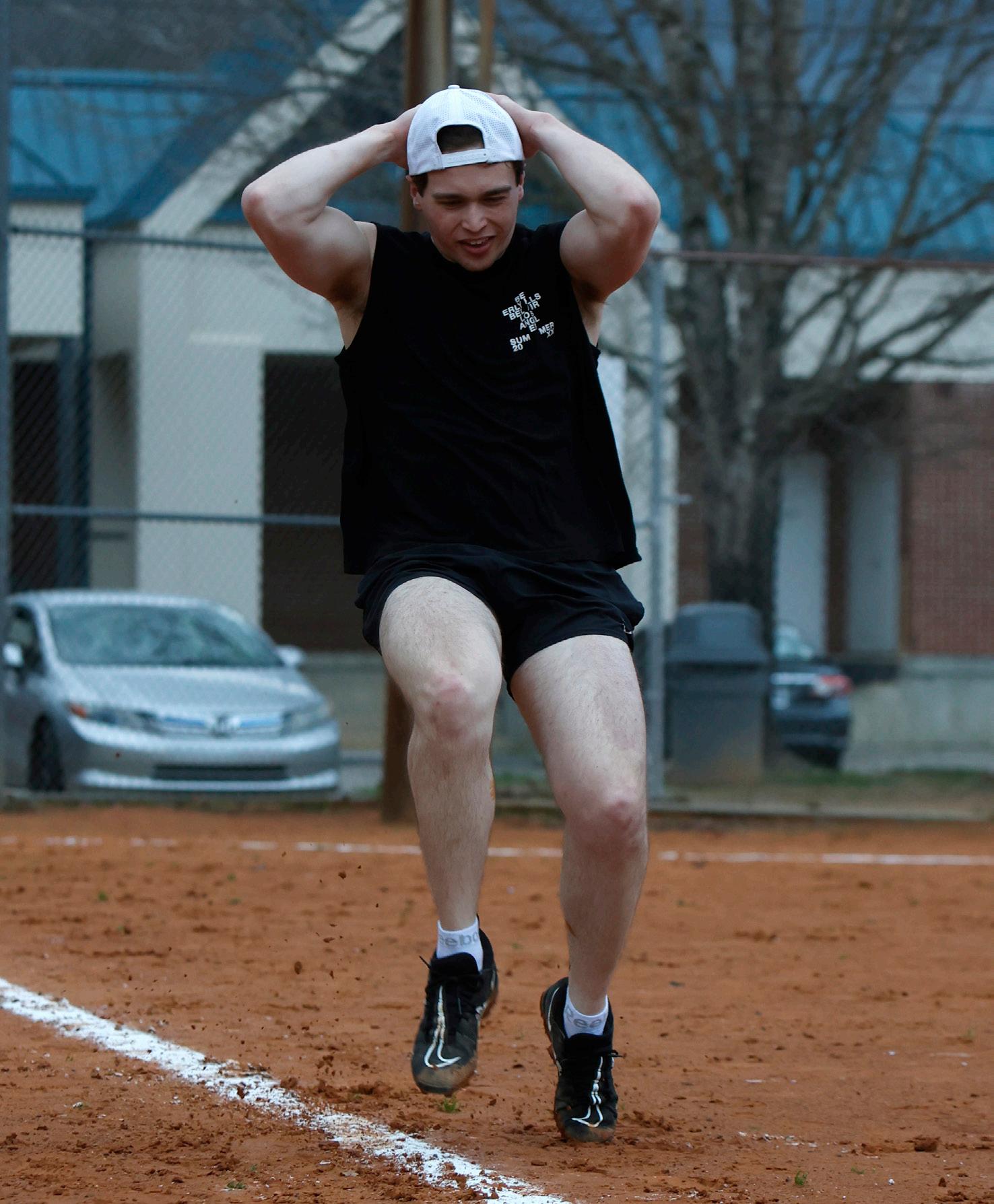
Kickball (Co-Ed)
6:00 pm
- Kickin’ It vs New kicks on the block
- Balls to the Wall vs Light Work
- kick em while theyre down vs Incrediballs
7:00 pm
- The Bunt Cakes vs k-ickers
- bal yagu vs Ball-Stars
- Lights, Camera, Action vs Canon Balls
8:00 pm
- Kick & Morty vs kicks seven
- Ihoppity vs kick rocks
- Rizzed at Tilted Towers vs kickbruhs
9:00 pm
- FireBallz vs chalibu
- kick legends vs Ryan’s 19
- matthew kickson vs Team Villarruel Volleyball Playoffs
6:00 pm
- Co-Ed B (Courts 1 and 2)
- Co-Ed A (Courts 3 and 4)
6:45 pm
- Women’s B (Courts 1 and 2)
- Men’s B (Courts 3 and 4)
7:30 pm
- Women’s A (Court 1)
8:15 pm
Payday: Salary Soccer Season Begins 7:30 pm Concert: General Recital #2 @ Ackerman Auditorium
- Women’s A (Court 1)
9:00 pm
- Men’s A (Court 3)
9:45 pm
- Men’s A (Court 3)
Become an advanced practice nurse and earn a doctor of nursing practice at the same time.
The BSN to DNP program mentors bachelor’s degree-level graduates as they gain necessary RN experience through an advanced nursing practice emphasis of their choice.
Options include:
• DNP/MBA
• Lifestyle Medicine
• Nurse Educator
• Nurse Practitioner (emphases include Acute Care–Adult/Gerontology, Primary Care–Adult/Gerontology, Family, and Psychiatric Mental Health)
Call or visit online to find out how to get started.