
Pope John Paul II Preparatory School
117 Caldwell Drive Hendersonville TN 37075
www.jp2prep.org
Editor Emily Parrelli
Director of Marketing
Jennifer Smith
President Principal Dr. Erick Chittle Jennifer Dye
Department Chairs & Leadership Team I continue to be deeply thankful and impressed by the incredible work being done across the content areas of our school. Additionally, I am grateful to the colleagues who contributed their personal work to this edition.
Emily Parrelli Editor

4
Letter from the Editor
From the desk of the magazine’s editor, Emily Parrelli, on creativity in light of the Creator
5 Student Submissions
Contributions from students across the grade levels.
8
9th Grade Poetry Project
Original poems from students in 9 grade English th
12
Line and Circle Designs
Students in Geometry class look for shapes and meaning in the world around them.
14
Biángbiáng Noodles Cultural Presentation
Students studying Chinese write about a beloved noodle dish
16
9th Grade Poetry Project
Original poems from students in 9 grade English. th
18
Faculty & Staff Contributions
Musings and wisdom from the adults in our community
I read an essay some time ago in which the author refleted on the concept that when we create, we reflect the Creator. I think about this often: the image of the “Potter’s Hand” shaping us as we, in turn, shape the world around us.
This impulse begins at the earliest age. My son, who is not quite two years old, recently discovered coloring. He grips markers in his chubby hands and squeals with delight at the magic of leaving behind a trail of ink across a blank page (or across the dining room table, if I am not watching closely enough). From there, we evolve to letters, like my preschool-aged daughter, whose first independently written word was “Mom ” It begins so young, this desire to create
As I edited the incredible work included in these pages, I marveled at the time, love, and passion our high school students poured into each piece. Some were crafted through great effort and a determination to succeed; others began simply as class assignments, yet still became something interesting, meaningful, and even profound. Still others emerged from creativity, catharsis, and personal passion.
We are also especially fortunate in this edition to feature, for the first time, the work of faculty and staff, who generously shared their own passion projects and creative pursuits.
I am humbled to bear witness to the beauty and creation contained in these pages. I hope you find inspiration and wonder here as well.
With Gratitude,
Emily Parrelli Editor
“Love is in...”
by Sydney Glasco
Love is in the hands of those Who make a home-cooked meal They smile as each guest arrives, With each serving that they deal
Love is in the telling of “This made me think of you. ”
The fact that someone remembered Shows they truly thought it through
Love is in the sidewalk chalk In a family’s driveway.
The kids will play a hopscotch game On a sunny summer day
Love is in the first few notes Of your old favorite song. You’re transported to another time As you softly sing along.
Love is in the drive back home, In the stillness in the car
The familiar stops and left-hand turns; You know it can’t be far.
Love is in the autumn leaf
As it floats with the wind
Its colors speak to the fact That there’s beauty in the end
Love is in a stranger’s eyes
When you give a compliment. It’s a gentle gift that stays with them, Though not a dime was spent
Love is in the mirror; It’s inside everyone. Our love radiates back to us Like the beaming of the sun
“Silently”
by Ivy Peterson
Here I am again, On the bathroom floor, Crying to myself
But there You are too Watching, Listening, Silently.
I tell you what I tell you About a failed test, A broken heart, or even a sad movie. And You’re there, You care, Silently
I let it all out, In an ugly fit of anger, sadness, or longing. Showing sides of myself You shouldn’t see. And yet, You still watch it, You always watch it, Silently.
And then, A hand comes to me, And I get up
And it’s Your hand You give to me Calmly, Warmly, Silently.
A hand turns to a pat And a pat turns to a hug And we hug each other, For a long time. In the bathroom, Together, Silently So we get up, And walk out. Two friends together. And no one will know, This is a part of my story And I made it with You Silently.

“Guilt
and tears”
by Grace Weakley
Breaking your grandmothers vase when she said don’t touch it. grandmother is upset but does not show it she knows it was an accident, but she loved that vase. guilt. crying to your mom feeling so much your eyes pour like the sky on a cold, stormy night when your heart drops so far you feel like you might collapse. hearing news that hurts your soul, letting it consume you tears
“Always”
by Sophia Stevison
It’s been two years
And I still feel it
The kind of missing someone
That doesn’t fade, It just settles
Right beneath the surface
The grief I feel is loud:
Heavy.
It’s always there;
Playing in the background
It’s there for family gatherings
When it feels the same as last year
But at the same time
Not at all
Because you ’ re not there
You were my safe place
You used to pick me up from school
Some days, when parents were too busy
Acted like it was nothing
But it meant everything
You were the one waiting
You were always there
The one who never rushed me
The one who didn’t need me
To talk
To understand how I felt.
When he’d pick me up
I’d say random nonsense,
Because I was a kid
I was silly and goofy
And he was right there with me.
Always there, and still is
He got me, he really, truly Got me;
He got me in ways no one else has
You saw the quiet parts of me
The pieces no one looks at
And you never looked away
With you, I never had to explain myself
He saw me, he got me, he was always there And when he made me laugh, I felt safe
I felt whole
I felt like nothing else mattered
Because you were there, Smiling and laughing like it was only us but,
Now that he is gone
I didn’t know how to feel that way with anyone else
No one told me grief could feel like this Like forgetting and remembering
At the same time, Like looking for your car, Even though I know you ’ re not coming
No one else gets me the way you did No one watches me the same I laugh,
But it doesn’t echo the way it used to When you were here to hear it.
You were my mirror, Before, “mirror” for me meant something different
My safe place
My favorite sound
Everything’s changing, And I'm not sure I’m ready for it
Even with you being gone for two years already. But I carry you and the change along with it, Even now
In the quiet moments, In the way I talk
In the way I listen.
You still live in the softest parts of me: The parts you once protected And I’ll always keep you there, Always, like the way you ' re always here, In spirit, Always.
“Morning at the beach”
by Allison Weber
The waves roll onto the sand, Soft and slow across the land
The sun looks through the clouds, Making shells and rocks shine proud
The tide walks in, the tide walks out, It rolls around then back to shore.
Oh how I wish I could stay more I walk along and touch the shells, I see the sunlight cast its spells
The beach wakes.
The beach moves.
The sand feels warm beneath my feet.
I smile at the waves,
The days so sweet
Each year, 9 grade students write original pieces influenced by their study of classic and modern poetry. These poems reflect a wide rage of topics, interests, and approaches to the craft th
“Balance” by
Vruti Patel
Icarrytwoworldsinmyhands, Onethatcarriesmyheritage, TheotherreflectstheworldthatIwasraisedin. SometimesIfeellikearope,beingpulledbothdirection, Neverknowingwhatsidetoleanon. Iwaslost,unsureofwhichroutetotake Itexhaustedmemorethananything, Findingmypath.
Thefeelingofchoosingisconfusing. Thefeelingofexclusionfeelslikeanillusion. Ifeellikeamissingpuzzlepieceinthewrongbox, Tryingtofindmybelonging Theworldisasimmenseasthechoosingofboth.
Theysay,“pickone”,but Ipickedboth, Oneisn’twhoIam, Iampartofboth Tryingtofitintobothworldsisdifficult, Iamnotallofjustone, Buteachofboth.
“Be a man” by
Ivan Ritzhaupt
Give us men who allow emotions. Ones who cry and laugh, or grief and give love
Not ones who suppress feelings Who say man up, or you ' re being too emotional.
Give us men who include. Who accept people for who they are, and value the unique differences between individuals
Not ones who reject, Who disrespect persons like an animal and yell and abuse others
As their words come down with as slam
For their aggression and violence
That they utilize for dominance, Creates hurting and scars that are valleys Their words are puncturing and harming They impose an unrealistic form of masculinity
By being hostile to young men and boys alike
“Nostalgia” by Anonymous
Nostalgiaisabeautifullymisunderstoodemotion itoftentakesformofunwantedtears
Longingforatimethatwasonceyourpresent
Forbeinghitwiththepainfulrealitythatitwillneverbeeveragain
Longingforaversionofyourselfyouusedtobe
Orsomeoneyouusedtoknow
Oralifeyouusedtolive
Istriggeredbytheseeminglypointlessmoments
Thatineveryotherlifewouldhavenosignificance
Butinthisone,itisthekeytoyourmindandheart likethesmellofyourexfavoriteperfume causeit’sthesamesmellthatyouworeatyourlastnightsharinga bedroomwithyoursister
Theoneyouhaven’tsharedtheroomwithinfiveyears
Nostalgiaarethosetearjerky
Theonesthatmakeyourememberthethingsyou’veloved
Thethingsyou’velost
Andthethingsyoutookforgranted It’sthemostdesperategrasptoreliveatimeinthepastforevena moment
Evenit’sjustthroughafoggymemory
Becauseafoggymemoryisbetterthannomemoryatall
Butnostalgiaismisunderstood Westoppedatthelongingforwhatislosswhenwe’retryingto understandit
It’salsocherishingwhatwascreatedoutoftheremnants
Andchairingwhatremains
It’sadmirationforthelifeweoncegottolive
Andthelifewegettolivenowandit’swake
Likethesmellofourperfume
Itremindsushappinessonceexisted
Anditwillcontinuetoexist
Anditwillexistagain
Nostalgiaisproofyoulivealifeworthlongingfor
Inoneday,wewillbenostalgicforthemomentswearelivingrightnow
“Silent
suffering”
by Adriana Shick
In the early days
You don’t think much
Living or dying, the only ways You don’t fear the touch
Of a mind that will tear you down
Sitting alone, self image destroyed You begin to drown
Screaming, take me back to days I enjoyed
But then I remember a famous line Carpe Diem, seize the day
Like a melody,I’ve heard many times
Hopefully, I say
For I would rather feel everything at anytime
Instead of nothing at all
“The
backyard lake”
by John Mooy
Beyondthelumber,nails,windows liesthewarm,familymemories withthegrandstaircasecomes thegentlegenerationalfootsteps fromthepitter-pattertotheslowshuffle
Beyondthedriveway,house,backporch liesthedense,colorfulforest withthefamilyforgedtrailthatleads generationstotheglistening,clear,invitinglake fromthepitter-pattertotheslowshuffle
“Riding
the ridge”
by Gavin Carver
Thetrailgreetsmewithawhisper,asifsayingwelcomeback Wispycloudsdriftabovelikesnowmovingshipsonanocean bluesky.
Mytireshumcrunchcrunchoverthecrispwinterleaveslining thedirt.
Themountainbreathesaroundme,steadyandalive IraceforwardandI'mfastasthewind,myworriesfallingbehind Theleavescrumblebeneathme,echoingmemoriesofeveryride before.
Birdschirpinthetrees,theirloudchirpsguidemedownthe windingtrail.
Thebikerollssmoothly,repeatingitssoftrhythmdowntheridge Theridgerises,proudandpatientholdingallthestoriesI'velived here.
AndIkeepriding,riding,riding,collectingmemoriesthe mountainshavegivenme.
“The veil of truth and fantasy” by Will Coleman
The little town of Winston’s Rock
Was a peaceful place
However, every once and a while
A large dragon would disturb the pace
He would thrash and roar
Demanding gold and treasure
All in his ceaseless quest
For personal Pleasure
But one day, a girl was born
A special one indeed
This child is destined
To murder the insidious fiend
She practiced the blade
She was ready to kill
And when the dragon came next He was in for a thrill
The girl slashed and bashed
The dragon didn’t stand a chance He fell quite quickly
In this dangerous dance
While she basked in the glory
Of saving her stead
She unfortunately realized That her dear uncle was dead!
Killed in the battle
The child made a vow
That every ghoul and monster
Would die by her blade!
When the dragon died, the town started growing
As our young hero was off
They industrialized, getting some factories And moved to a glorious future
Theprofitwasoptimized,themoneyflowed
Fillingthepocketsoftherich
Aslaborersworkedthroughtheirboringlives
Hatingtheirlifestyleswitch
Whenallthemonsterswereslain,thechildreturned
Andsawahorriblesight
Smokefillingtheskies,lightsinhereyes
Sheyells,“Whatahorribleplight!”
Sheseestheworkerswork
Hearstheclangoftheirsteel
Anentireday’swork
Justtomakesomerichguy’swheel!
Shesaid,“Somethingneedstobedone Toreturntothemonsters
Thatbroughtactualfun!”
Sosherantoherhousewithgreathaste
Shepulledouthertypewriterandbegantowrite aboutmonstersandghoulswithquestionabletaste
Andheroeswhoturnthemintopaste! Shepublishedherstory,anditwasahit
Itbroughtgreatjoytoallwhoreadit
Thetownsfolkwereencapsulatedbytheseperiloustales Thattheirboringlivesweremadeeasier Andthuswecometotheendofourtale
Butthatisnottheendofthepeelingoftheveil
You,dearreader,maygooutandfind
Fictionalstoriesthatwillmakegreatyourtime
Whilethismodernagecanbeboringanddepressing
Itisokaytoescapetoaplace
Wheremonstersandghoulscrowdthestreets
Butheroescomeandkickintheirknees
Salutations!
Geometryisseenthroughoutnature,building,andreallyanything madeduetopatterns.Thepatternsmakeitbeautifuldueto specificshapesandrepeatedsymmetrythroughoutthepattern.I noticedthatthereweremanypatternsandspecificsymmetriesused throughbasicallyanyobject,building,orpieceoflifeintheworld.I learnedthattherearedifferenttypesofsymmetry
byHaydenSolima
Forthisassignment,Geometrystudentswere taskedwithwritingaparagraphsummarizing thedifferentwaysGeometryisseenandused intheworldandtoreflectonitsbeauty.

Somedifferentwaysgeometryisusedintheworldarestained glass,flowers,andnewstructureslikehomes.Theglassisa beautifulexampleofgeometrybecauseofallthelinesandcolors init/thelinesymmetry Thestainedglassisnormallyinchurches, whichmakesitevenmorebeautifulbecauseitrepresentsGodin themathworldaswell.Inoticedtheflowerswereanexampleof geometrybeforethislessonbecauseofmycuriosityabouttheirshape, muchliketheflowerwemadeinclass.Somethingnew I’velearnedisthatacompassisnotcalledaprotractor
byNoraFisher

Geometryisusedallovertheworld rangingfromtile designsusedinbuildings,toclocksandFerriswheels,to thingsthatmayseemincrediblysimple,butareactually veryintricate TheFibonaccisequenceisagoodexampleof geometricsequencesbeingfoundinthingsyouwouldhave neverexpectedtoseemathin Somethingthatmakesit beautifulisthewayweareabletounderstandand comprehendhowthesedesignsaremade.They’realsoall verypleasingtotheeye,sometimesevencreatingoptical illusions SomethingsI’vealreadynoticedbeforearehow somesimplethingsareactuallyverydetailed,suchas snowflakesandbeehives It’samazingtomehowthe detailsareintricateyetcanonlybeseenundera microscope.SomethingnewI’velearnedistheprocessfor tilestobemade.It’sinterestingtoseethemanystepsthat mayleaduptojustasmallshapethatmayseemsimpleto everyoneelse,butnowIgettolearnhowmuchtimeand effortitmayhavetaken
byAddisonLorandos

Geometryisfoundeverywhereintheworld,whetheritisfromnature itselforsomethinghumanshavemade.Geometricaldesignsthat humansmadecanbefoundinexquisiteitemssuchasquilts,stained glass,andevensimplerthingslikefloortiles Geometryisalsovery commoninnature,whetheritbeonananimallikeabutterfly,atree’s branches,orariver’sforminthewild.Thisisthereasonwhygeometry issoimportantinmathematics,becauseit’sseeneverywhere.
byJonathanShaar

Geometryisallaroundusinsomanydifferentways Whetherit’syour house,asunflower,orasnowflake,everythinghasgeometryonewayor another.WhenIthinkofgeometry,Inoticeconstructionworkersor architectsusingittodesignabuildingoraroom.Geometryisakey elementtounderstandingifyouwanttopursuethosepaths Geometryis beautifulbecauseofeachbitofbalance,structure,andartputintoit RecentlyIlearnedthatgeometryrootedfromancientGreeks,who developedalotofthegeometryfunctionsthatweusetoday.Allinall, geometryisacomplexandfascinatingsubjectbecauseofallthehistory thatmadeitwhatitisnow,andtheabstractionthatonlymakesitmore fascinating
byEllingtonEaston
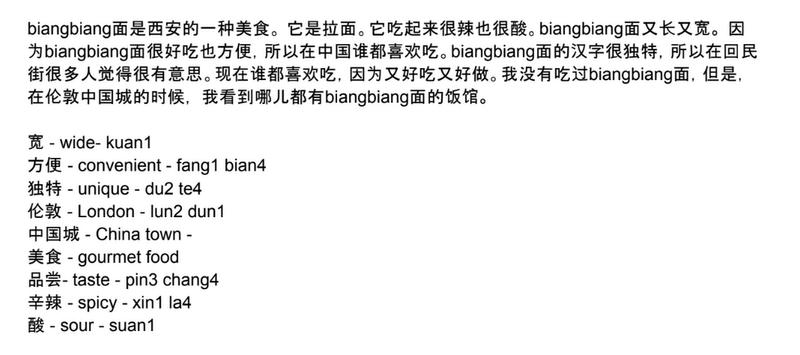
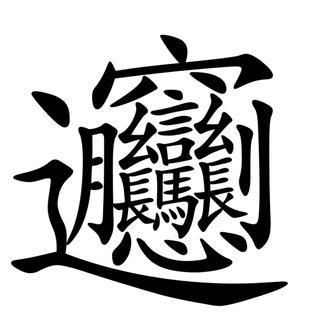
Biángbiángnoodles,alsoknownas“youpo chemian”inChinese,areatypeofChinese noodleoriginatingfromShaanxicuisine. The Chinesecharacterforbiángbiángrequires42 strokes,andisconsideredoneofthemore complicatedChinesecharacterstowrite In Chineseclass,studentslearnedaboutand interactedwiththisspecialdishinaculture presentation.
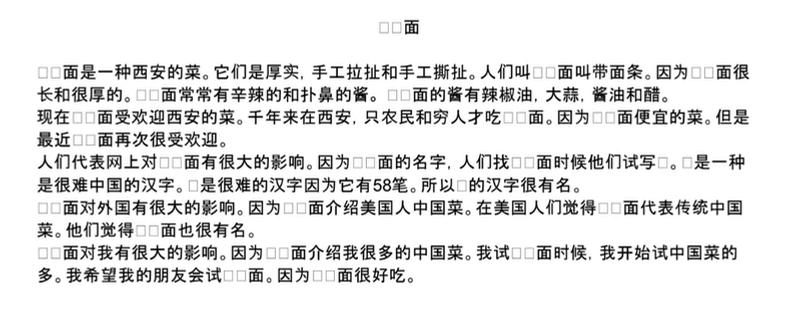
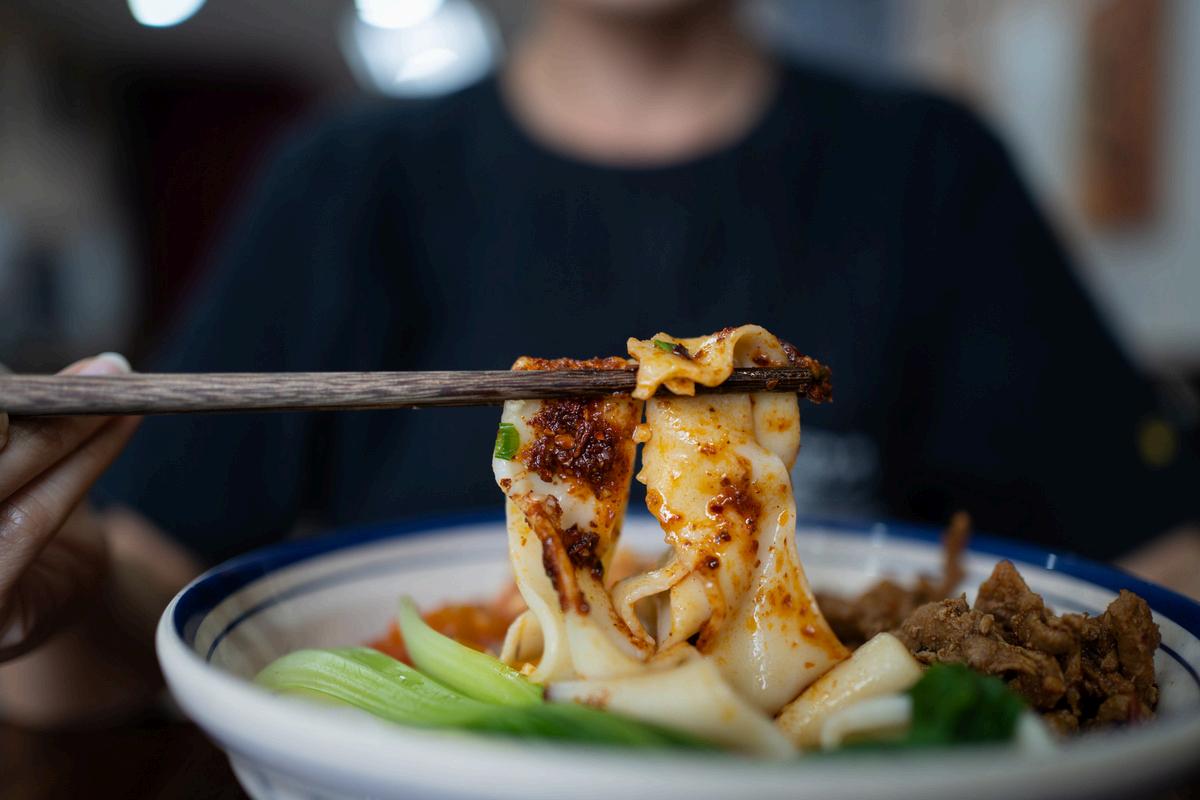
biángbiáng noodles served in a dish by Emma Johannes
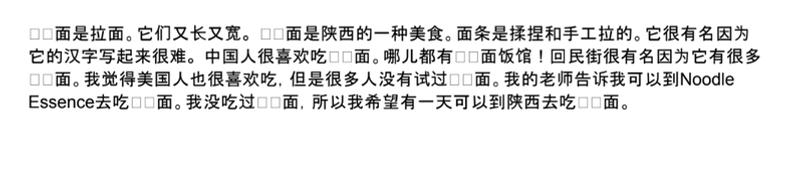
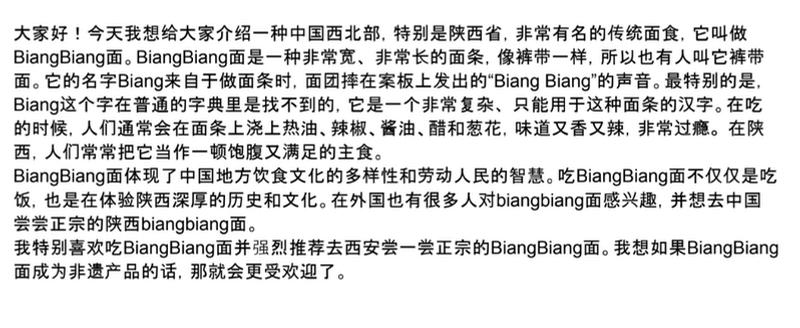
the Chinese character “biángbiáng“
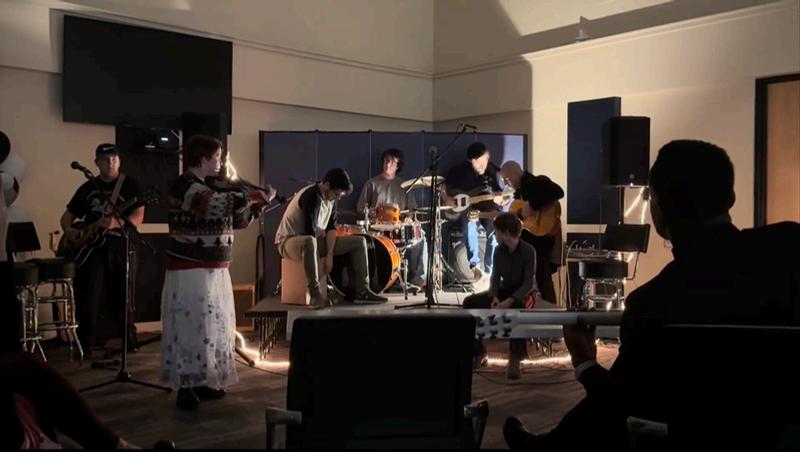

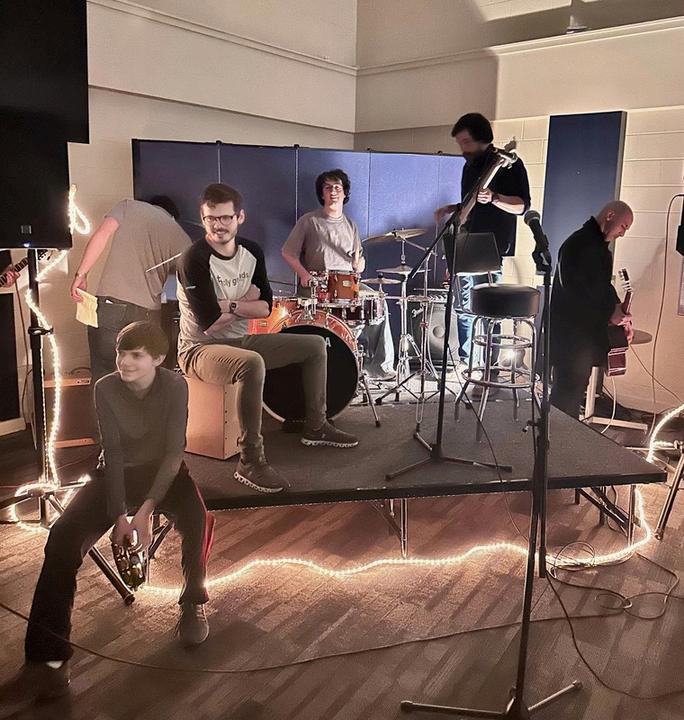
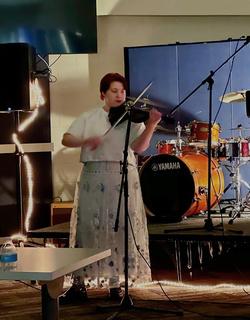

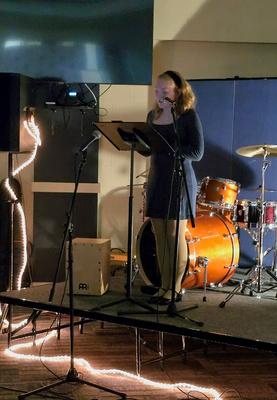
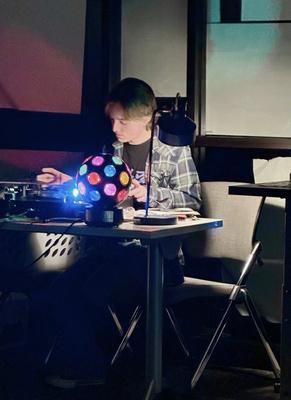
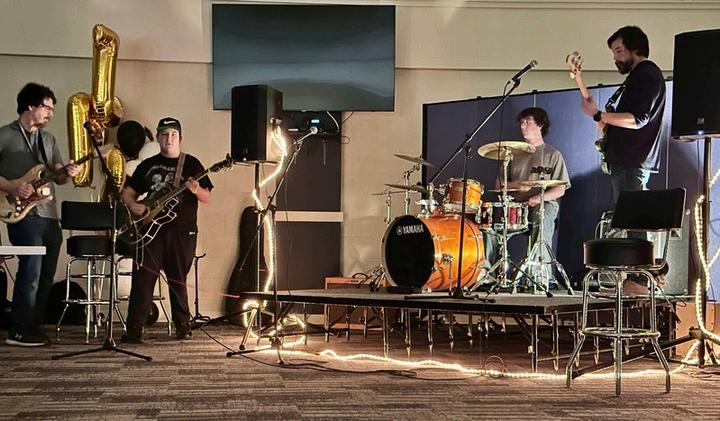
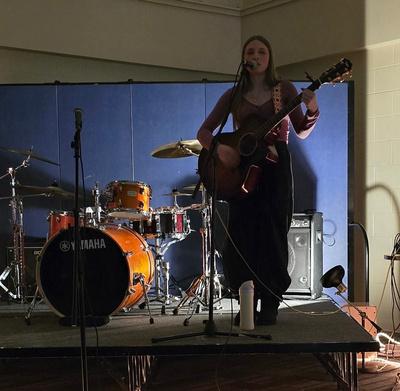
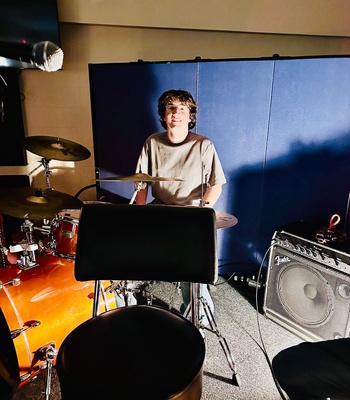
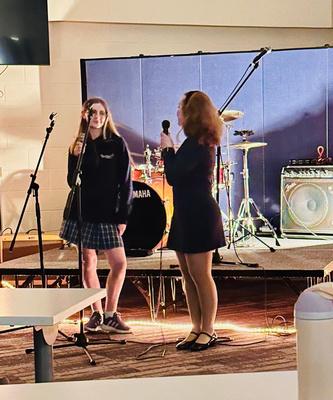
For the first time in many years, JPII revived Coffeehouse Night with an evening featuring original music, live jam sessions, spoken-word performances, and traditional deejaying. Students from every grade level took the stage to share their unique talents, creating an atmosphere that was both energetic and deeply meaningful. Faculty members also joined in the celebration, contributing their own musical and creative gifts.
The result was a night of community, creativity, and authentic self-expression; a reminder of the incredible artistry that exists within the JPII family. Laughter, applause, collaboration, and encouragement filled the room as performers and audience members alike came together to celebrate the arts and one another.

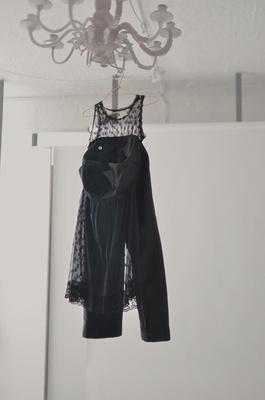
As the wind blows, so too does the first hint of snow. As autumn draws near, we feel the fear that tomorrow approaches with quiet tears
news whispered softly, heard only by a few.
As families gather for turkey chatter, a warm glow of gratitude appears Let us offer thanks and grace, for next week brings Thanksgiving Day, a time of many blessings.
To our mothers, fathers, sisters, and brothers, our grandparents, families, and friends who come may we join together in love, peace, and joy, rejoicing that Christ will soon be near.
And as the autumn leaves fall like blessings from above, may our hearts be filled with wonder and praise. Let the laughter rise, the table shine, and every song of gratitude remind us His light is with us now and always. Celebrate with cheer, with hope, with faith, for this season is a gift from God, wrapped in joy and grace.
“Autumn leaves” by Allyson Edgette, Advancement
Office
Thisissue,weareproudtoinitiateasectionofthe magazinedediacatedtothewritings,wisdom,and musingsofourfacultyandstaffmembers Wehopethis showcasesthewiderangeoftalentandcreativityfrom theadultsinourcommunity!
“Fretting”
Anxietystirsandwhispersinthewings
Takingitscuesfromthelackofnews
Droppingitslines,drippingit’slies
Softandslow,sureofthescript.
Andmyheartripped againfromitssteadyseat rocksbackandforth peersthroughthedimness,shufflesitsfeet restlessnow,seekingcertainty,longingforlight anintermission,permissiontobelivingbysight.
Butloveatlasttakesthelead, promptstheturningofthepage
Andfaithandhope,courageous,takethestage
“Timerushesby”
Timerunsby
Faithandlovelegspounding
Armsofhopeandjoyflailing
AndIreachouttograbit
Tostopit
Haltitinitsheadlonghurry
Hugit
Findmyreflectioninitseyes
Foreheadtoforehead
Nosetonose
Topullitontomylapandreaditastory
Totakeanap,timetuckedpeacefulinthecrookofmyarm
Butnosuchluck
Thereitgoes
AndIreachoutandruffleitshair
Asitrunsby
by Alyson Thomas, Languages Department
Missingthedog
Idon’tdaretothinkaboutthedog disappointedinanotherday ofmomanddadnotthere
Onlyglancingatitsdish hopesdashed noseinitspaws
SoIthinkofthejoy onourreturn, thebounding thewhimpering thepoundingtail thewetkiss
Whenonceagain
Shetakestheplaceofallmymissingkids

“La disparition de mon chien”
Noir comme le ciel la nuit
Une seule petite étoile blanche sur la tête
Je l’attends à la porte, lui
Qui, au crépuscule, n ' a ni ombre ni silhouette
“Mydog’sdisappearance”
Blackasthenightsky
Asinglelittlewhitestaronhishead
Iwaitforhimbythedoor
Whoatduskhasnoshadowandnosilhouette
by Ryan Moshak, History Department
Spiritual warfare is a phrase commonly tossed about in Christian circles, and rightly so It is important to be aware that spiritual warfare exists. However, there is too frequently an ambiguity to the phrase “spiritual warfare” that suggests that one can simply “be good and fight evil.” Many definitions and explanations from other people summarize spiritual warfare in general terms as “fighting against the work of evil forces.” This definition performs as well as the 7th Cavalry Regiment at the Battle of Little Bighorn and provides no serious context as to what spiritual warfare is and how to fight it well. Spiritual warfare does in fact, have very real weapons, sturdy defenses, and established tactics that take place in our lives every single day It is characterized by the combatants, the objectives, and the effects of every battle fought throughout the war Spiritual warfare is the interior war where the two combatants are an individual’s virtue (cardinal and theological virtues) set against the vice of Satan and his demons. The tactical objective (how to win the battle) is control over an individual’s will. The strategic objective (how to win the war) is control over an individual’s soul. Spiritual warfare always manifests itself in the choices we make.
To understand how to use the weapons of spiritual warfare, one must first be able to name them and know how they rank among each other They are temperance, prudence, justice, fortitude, faith, hope, and charity One fights with virtue as a medieval swordsman fought with armor and a sword Charity is our sword; the other six virtues are our armor Temperance, prudence, justice, fortitude, faith, and hope protect us from all the blows, near misses, and attacks from vice. Without the breastplate of temperance or the helm of prudence, one is susceptible to taking a violent blow from vice. However, if the swordsman has a perfect suit of armor but no sword, he will soon fall in battle. Similarly, an individual simply will not survive in combat without charity. The Catholic Catechism says on virtue, “If I have not charity…I am nothing…I gain nothing. The greatest of these [virtues] is charity (CCC 1826 and 1 Cor 13:4-7, 13) ” As the swordsman lives and dies by his swordplay, one will live and die by the charity he yields
In fighting warfare well, one must not only know one’s own weapons, but the weapons and tactics of the enemy. Vice’s weapons are wrath, greed, sloth, pride, lust, envy, and gluttony. Its tactics are best summarized by the Soviet Union doctrine “Deep Battle” used to fight during World War II. Deep Battle was offensively oriented. Deep Battle sought to defeat opposing armies by using slower, moderately sized forces, constantly in contact with the enemy, across a broad front in order to identify a weakness in the enemy lines Having identified a weakness, the Soviets would use powerful air forces, airborne forces, and the entire compilation of ground forces to launch simultaneous blows throughout the entire depth of an enemy ’ s defenses in a violent exploitation of the identified weakness.
Vice certainly committed many pages of Deep Battle doctrine to memory. How often have we watched too much football (sloth), had too much to eat and drink while doing so (gluttony), gotten to bed too late, and woken up the next day irritable and impatient with people we meet (wrath)? Particularly for men, vice uses an effective tactic combining sloth and lust Whenever vice finds a virtue to be deficient, it will immediately identify the weakness, hold open the gap with one of its weapons, and breach it murderously with the others. We would do well to recognize when we are getting attacked, identify the tactics being used against us, and retaliate with every fiber of virtue at our disposal.
Spiritual Warfare is not a fun analogy or trite comparison Our virtue is constantly pitted against vice There are winners and losers There are many casualties The battles always rage over control of our will, with the ultimate goal to control our soul
Why literature is important to me
by Dr Rudy Saliba, History Department
I used to dislike literature At some point, I became tired of being forced to read novels and hear my teachers’ interpretations of them. I was tired of hearing “the” interpretation of a novel. The idea that there was one acceptable interpretation of something was too dogmatic for me, not to mention my resentment that I had not arrived at that interpretation on my own and that my teacher knew more than I did. Once, when reading Shakespeare’s Sonnet 30, my senior English teacher paused, asked why it uses words such as “sessions” and “ summon, ” and then proceeded to tell us that Shakespeare uses legal imagery in the sonnet to write about love Some of us scoffed, looking at each other in disbelief, since we were expecting Shakespeare to be such a genius that his works would resist being deciphered I was also tired of my teachers talking about the characters in novels as if they were real people. Why not focus on reality and actual real people? These characters’ invented lives simply did not have a meaningful connection to real life to me.
This is not to say that there were no highlights in reading literature. I fondly remember Christopher Paul Curtis’s The Watsons Go to Birmingham - 1963 and being absorbed in the plot I enjoyed WW Jacobs’ “The Monkey’s Paw” I enjoyed Saki’s “The Interlopers ” I even had my parents buy Alex Haley’s saga Roots, and read the entire novel on my own I enjoyed Shelley’s Frankenstein, even though I did not understand it at the time. I also discovered the beauty of things like William Wordsworth’s “I Wandered Lonely as a Cloud” and the puzzle of things like Samuel Taylor Coleridge’s “Kubla Khan.” I came to love the wit of Oscar Wilde, and I can still remember chuckling to myself during an exam while reading an excerpt from Lady Windemere’s Fan.
In spite of these positives, I thought from the way that my peers talked about literature that it was a teacher’s instrument of torture to inflict on students My peers were jealous when I told them I never had to read Great Expectations or The Scarlet Letter, implying that I should be thankful that I did not have to suffer through such painful experiences. In fact, Annie Dillard’s Pilgrim at Tinker Creek stands out in my mind as one of the most painful experiences of literature through which I have ever had to force myself. This was likely because I had found the American Transcendentalists, like Emerson and Thoreau, in whose tradition she was writing, agonizingly dry. (Years later, I would be fascinated standing at the top of a hotel in Pittsburgh, PA, staring out a window overlooking the meeting of the Allegheny, Monongahela, and Ohio rivers, the image that begins the memoir my wife was reading that same day, Dillard’s American Childhood, but this was long after I realized the connection between literature and real life.)
Now that I am older and my expectations have changed, I feel remorse about my dismissal of these great works of literature. I now believe that two things were holding me back: 1) Many of my teachers could not justify why we were reading these books, and 2) I simply did not have the theoretical and historical framework to appreciate them
This antipathy toward literature lasted well into graduate school, but that changed when I took a class with a professor named Jim. Jim changed my whole way of thinking about literature. I was spellbound every time I left his class, since it was often as if he had been talking about a different book than what I had read. He had the gift of connecting what we read to serious, lifechanging questions about the human experience. He was giving me a why why I should care about characters in a novel who have never actually existed
One day in class, Jim had mentioned the problem of universal appeal, that is, whether some works of art appeal to all people at all times in history or whether each work is hopelessly limited to its historical context During this discussion, Jim mentioned a book that would change everything for me, James Joyce’s Dubliners. I knew little of Joyce, only that I had had to read his Portrait of the Artist as a Young Man in high school and that I had been highly annoyed by it. Who can blame me, considering that we were forced to read a novel that opens like this: “Once upon a time and a very good time it was there was a moocow coming down along the road, and this moocow that was coming down along the road met a nicens little boy named baby tuckoo ” What sheer nonsense! I was not yet ready to hear about Joyce again
Still, curiosity got the best of me, and I bought a copy of Dubliners. Dubliners is a book of fifteen short stories, and many have pointed out how it starts with a story about childhood, “The Sisters,” and ends with a story about death, “The Dead.” In my opinion, all of the stories are actually about one composite “ person ” who fantasizes about a happier life away from things like death, poverty, unrequited love, painful memories, and jealousy I could also see what Jim meant about universal appeal I had to look up many of the Irish phrases and allusions in a reference book to truly grasp each story In fact, the question of universal appeal was, more precisely, whether a book like Dubliners could be universally appreciated or perhaps only understood by Irishmen of the early 1900s. The story of how Joyce wrote Dubliners was also fascinating, as he was living in Italy while writing, meaning that the many Dublin street names and landmarks in the book came from both his memories of growing up there and from letters he wrote to real-life Dubliners he knew, inquiring about geographic details so his stories could be accurate.
I could not believe how genuine each story was Here were serious situations about serious things that happen to us in life; none of it is played as a joke, despite the famed humor of the Irish My prejudices began to dissipate. One of the stories, “A Little Cloud,” is about an office clerk named “Little” Chandler, an aspiring poet, who reconnects with his friend, Ignatius Gallaher, now a journalist in London. Chandler becomes jealous of his friend and his exciting new life in London, and the following line struck me: “Gallaher was only patronising [Chandler] by his friendliness just as he was patronising Ireland by his visit.” I could not believe how in this one line, Joyce hides the story’s real emotional conflict within the conflict between the British imperialism and Irish nationalism of the time Joyce also uses something I had learned about called “free indirect discourse,” in which the author fuses his own voice with the thoughts of the character So, instead of writing:
Little Chandler thought, “If I could only write a book and get it published, that might open the way for me. ”
Joyce instead writes:
If he could only write a book and get it published, that might open the way for him
For me, this was a masterful way of drawing the reader into the inner life of the characters. Another story, “A Painful Case,” is my favorite of the collection. It tells of a man named James Duffy, a bank cashier who lives in a Dublin suburb He is described as having “neither companions nor friends, church nor creed He lived his spiritual life without any communion with others [ ] He allowed himself to think that in certain circumstances he would rob his bank but, as these circumstances never arose, his life rolled out evenly an adventureless tale ” Duffy’s life changes when he develops a friendship with a married woman, until their friendship turns romantic and Duffy ends it. Years later, he learns that the woman, an alcoholic,
had passed away in an accident caused by her drinking He then experiences the typical stages of grief, including anger I loved the strange English phrases Joyce uses to describe his grief: “As he sat there, living over his life with her ” How does one “live over ” his life with someone? Even more free indirect discourse: “How was he to blame? [ ] His life would be lonely too until he, too, died, ceased to exist, became a memory if anyone remembered him.” What a gut punch! Joyce was making me care about characters who have never even existed.
I read on to these words of unmitigated pain and vulnerability: “He walked through the bleak alleys where they had walked four years before She seemed to be near him in the darkness At moments he seemed to feel her voice touch his ear, her hand touch his He stood still to listen Why had he withheld life from her?” Perhaps Joyce did, in fact, understand something about human nature. Then the last line: “He felt that he was alone.” No, not every story comes to a happy ending. Unlike in fairy tales, many do not “live happily ever after.” What’s left of Duffy’s life is, rather, anguish, sorrow, and regret. The story certainly had pathos, or emotional appeal, but did it provide catharsis, the “cleansing” we undergo by feeling these emotions along with a character? I’m still not sure, but I appreciated Joyce’s stories for their honesty, especially about how sometimes life does not work out the way we would like it to
“The Dead” is the most popular of all the stories in Dubliners, since it is often read as a novella all its own. This final story tells of a young man named Gabriel at a Christmas party. The story relates his relationships with others, with subtle clues about the conflicts between Catholic and Protestant Ireland and moments of Irish nationalism but this is all merely setting! “The Dead” ends with a revelation that makes Gabriel confront the reality of death: “His soul had approached that region where dwell the vast hosts of the dead He was conscious of, but could not apprehend, their wayward and flickering existence. His own identity was fading out into a grey impalpable world: the solid world itself, which these dead had one time reared and lived in, was dissolving and dwindling.” How can it be that someone ’ s identity is “fading out”? Again, the last line of the story is one that has remained with me ever since: “His soul swooned slowly as he heard the snow falling faintly through the universe and faintly falling, like the descent of their last end, upon all the living and the dead.” “Falling faintly” and “faintly falling” in the same sentence? How is it possible to write something so strange and seemingly redundant, yet which I still think about to this day and cannot get past? How does snow fall through the universe? And where is Joyce inviting us along to? Into what emotions? Am I sure that I want to follow him there? The point is not whether I found answers to these questions but that a literary work was finally making me ask such questions of myself.
Whenever conversing about literature like Dubliners, I am often afraid that others will dismiss it, as I once did, yet I am taken back to high school, to something I learned from my junior English teacher, Mr Pullen Back then, we had had to read Huckleberry Finn, and while reading aloud, Mr Pullen paused, make a face of frustration, and said, “You know, when you read this, you realize that that this may not be one of the greatest works of literature ever written I don’t think it is But it’s important It’s important to who we are as Americans. And it’s important because Twain wrote it in a type of language that his readers could understand and identify with.” Was it really possible for an author to write in anything other than the most polished prose? Likewise, I can remember reading Death of a Salesman in his class. One day, Mr. Pullen admitted, “Willy Loman isn’t a really likable character, is he?” This was groundbreaking for me! (Not to mention the devastating statement from Willy’s wife Linda: “I don’t say he’s a great man Willy Loman never made a lot of money His name was never in the paper He’s not the finest character that ever lived But he’s a human being, and a terrible thing is happening to him So attention must be paid ”) Up to that point, I had believed that a
main character had to be likable This new idea, that a main character could be pathetic or contemptible, an “antihero,” was a stepping stone for me
This leads me to one last thing I learned from a professor named Chris. Once, a classmate asked Chris why we study literature. One could immediately feel tension building in the room at the fear of Chris possibly not having an answer other than, say, that we study literature to make us feel superior to others or simply because literature is entertainment. However, he replied, “We read literature because literature is made up of narratives, and every one of us lives by narratives We narrate our lives, and it’s important to be able to analyze these narratives and look at them critically” Finally, the answer I had been looking for for so long! These experiences opened up a new world for me, in which I no longer fear or resent literature, but cherish it
I could not title this essay “Why Literature is Important.” I can only write about why literature is important to me. Each person who encounters literature has to decide for himself why he appreciates it. And it is true that the literature I love may not be loved by others, and that is fine But to me, it is important