
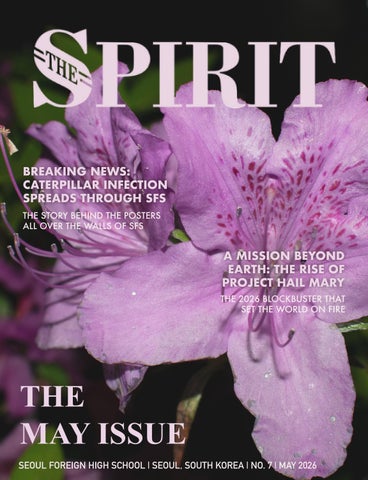
BREAKING NEWS: CATERPILLAR INFECTION SPREADS THROUGH SFS
THE STORY BEHIND THE POSTERS ALL OVER THE WALLS OF SFS
BREAKING NEWS: CATERPILLAR INFECTION SPREADS THROUGH SFS
THE STORY BEHIND THE POSTERS ALL OVER THE WALLS OF SFS
A MISSION BEYOND EARTH: THE RISE OF PROJECT HAIL MARY
THE 2026 BLOCKBUSTER THAT SET THE WORLD ON FIRE
SCAN & SUBMIT TO BE FEATURED!


EDITORS-IN-CHIEF
Royce In
Olivia Wasmund
COMMUNITY
Ian Chae
Chloe Kim
Emilie Lee
Claire Hong
Nicholas Ha
Sunjune (Jed) Woo
PAGE
EDITORS
Community: Sophie Ha & Peter Shim
Lifestyle: Chloe Jun
World: Jina Song
Culture: Eugenie Wang
LIFESTYLE
Olivia Cho
Tabitha Kho
Yujune Lee
Jia Rhee
WORLD
Annette Jeon
Jeneve Lee
Chris Hong
Avery Kim
CULTURE
Lewis Chung
Timothy Lee
Eleisen (Ellie)
Suh
Edilyn Oh
DESIGN CHIEFS
Photo: Olivia Sung
Illustration: Erin Lee
Featuring Arts: Erin Kim
ILLUSTRATORS
Na Yoon Cha-Ryu
Alice Yoon
Jiwoo Lee
Soomin Ahn
Winston Lee
Hannah Oh
Cherie Sim
Lucas In
ADVISORS
Ms. Lychelle Bruski
Ms. Cyrielle Bazin
PHOTOGRAPHERS
Yune Hur
Ivan Kim
Aidan Kong
Edward Najafi
Nora Wang
Riyaansh Katiyar
Kelly Kim









09 SEOUL IN BLOOM IS THE RESET YOU NEED 11 THE SECRET PRICE OF “FREE” 12 NEW SEASON, NEW MINDSET
03 CHOOSE YOUR CHRONOTYPE 13 THE BEAUTY BEHIND OOPS 25 REALLY. GO CRY ABOUT IT
Here comes another ending to another unforgettable chapter. Whether you’re counting down to summer, reminiscing on how fast the year has passed, or simply savoring the last few traces of the spring breeze before the push to finals, The Spirit is here to accompany it all. So settle in, and let’s celebrate the upcoming season together.
What’s better than to start this issue with what’s literally crawling through SFS? Turn to page 5 to find out what’s been “bugging” the hallways lately. 10 hours on your screen time? Page 7 reminds you that you’re not alone, and might just make you put your phone down for once. Page 11 reveals what’s behind the curtains on everything labeled “free.” Curious how South Korea rebuilt its democracy after the chaos in 2024? Don’t miss out—Page 17 has the full story. “If my life were a Pixar movie, what would the ending celebrate?” Page 21 sits with that question, examining the perfection trap we’ve fallen into and pulling us out through Pixar’s magic. And finally, if you’ve been holding it together a little too well lately, Page 25 gives you full permission to let it all out.
As the year comes to a close, we hope this issue offers a new perspective, a moment of celebration, or even a much-needed cry session. You name it, and you’ll find it here. May these pages inspire you to embrace the storm, and finish the year how you started it.
15 THE EPSTEIN FILES
17 SOUTH KOREA REAFFIRUMS ITS DEMOCRACY AFTER THE 2024 MARTIAL LAW CRISIS
18 FROM POWDER TO PETALS: SPRING FESTIVALS IN A SHIFTING SEASON
19 A MISSION BEYOND EARTH: THE RISE OF PROJECT HAIL MARY
21 PIXAR AND THE INTERNET’S PERFECTION TRAP
23 AN ARMY OF DISSENTERS: THE RETURN OF BTS
24 ONE LAST DANCE: THE FINAL WORLD CUP FOR FOOTBALL’S GREATEST ICONS
The Spirit is the official student-led news publication of Seoul Foreign High School. All issues of The Spirit are published digitally through ISSUU. Selected articles are also published digitally on the website. This is the May issue and the seventh publication of the 2025-2026 school year. The Spirit is a student publication and may contain controversial matter. Opinions expressed in the newspaper are not necessarily those of Seoul Foreign School’s faculty, staff, or administration. Students and editors are solely responsible for the content of this student publication.
Contact information:
If you wish to contact any member of the staff with opinions, you may email thespirit@seoulforeign.org. All letters must be signed; anonymous content will not be accepted.
The Spirit strives to correct its errors. If you wish to make any corrections or clarifications in this or past issues, please contact thespirit@seoulforeign.org.


Page 1 photo: Ivan Kim







PLAYER 3:
BY CHLOE JUN | PHOTOS FROM PINTEREST




There’s always that one friend—the friend who can magically wake up at 4:00 a.m., open their textbook before the sun rises, and somehow function as if it’s mid-day. Meanwhile, the over-ambitious you set the same alarm last night, yet ignored it four times, and are now running late to catch the bus. But here’s the secret: the difference isn’t discipline. It’s chronotype.
4:


Chronotypes are specific biological clocks of an individual’s body. They are genetic, encoded in your PER3 gene. Early birds like your friend would have longer PER3 genes, while night owls would have shorter PER3 genes (Medium). In addition to influencing the times you wake up or go to sleep, the length of your PER3 gene also controls how much sleep you need. Night owls need less, early birds need more.
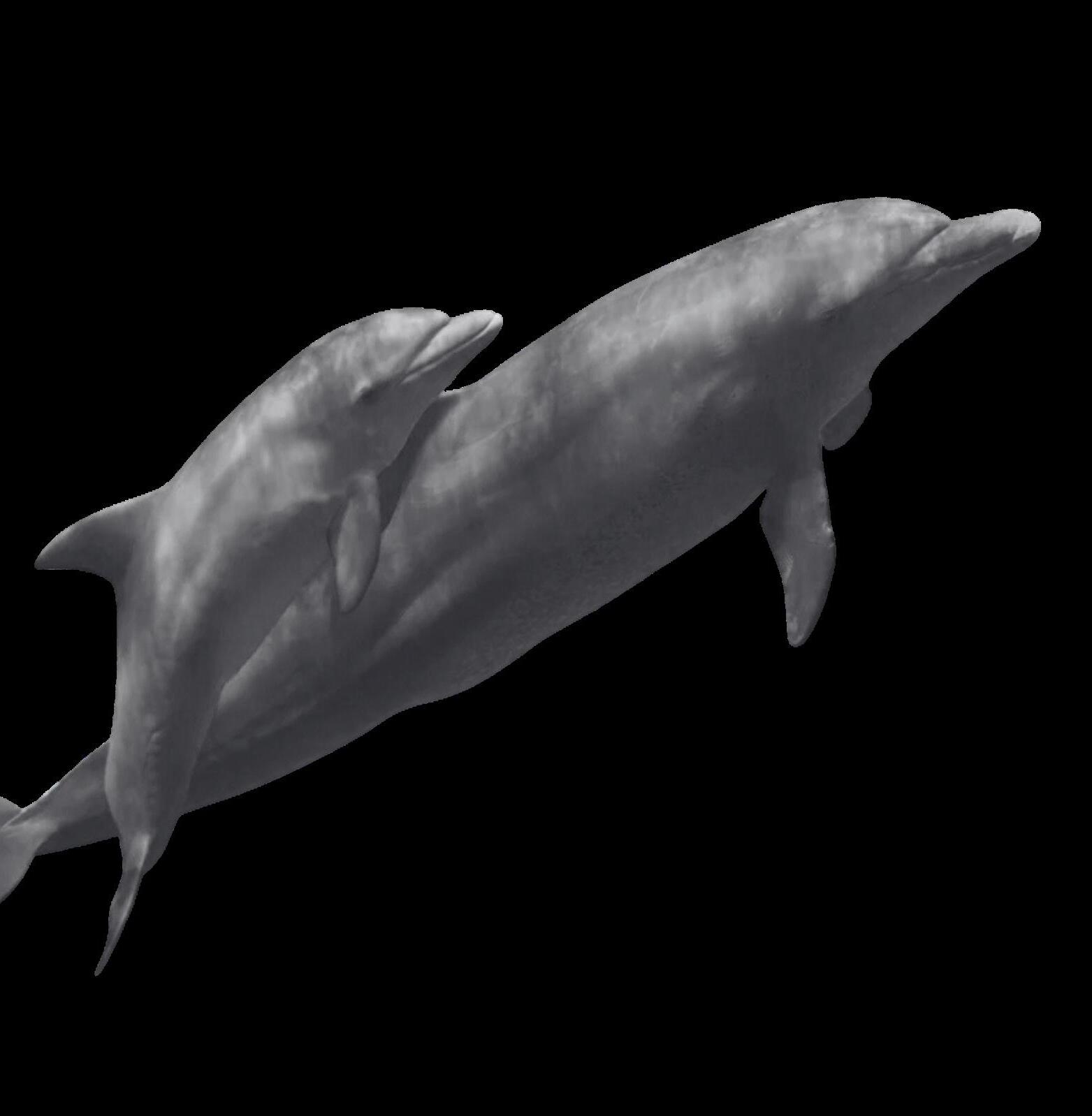
Researchers have categorized the chronotypes into four variations, each named corresponding to the animal that has the same pattern: the dolphin, the lion, the bear and the wolf (UCLA Health). All four of these animals have subtle differences in their ideal routine. Four different activity patterns and four distinct specialization. Explore and identify your chronotype!

BY NICHOLAS HA GRAPHICS FROM VECTEEZY

and even some classes. What began as something so small is now all over the high school, with some special editions being printed on occasion.

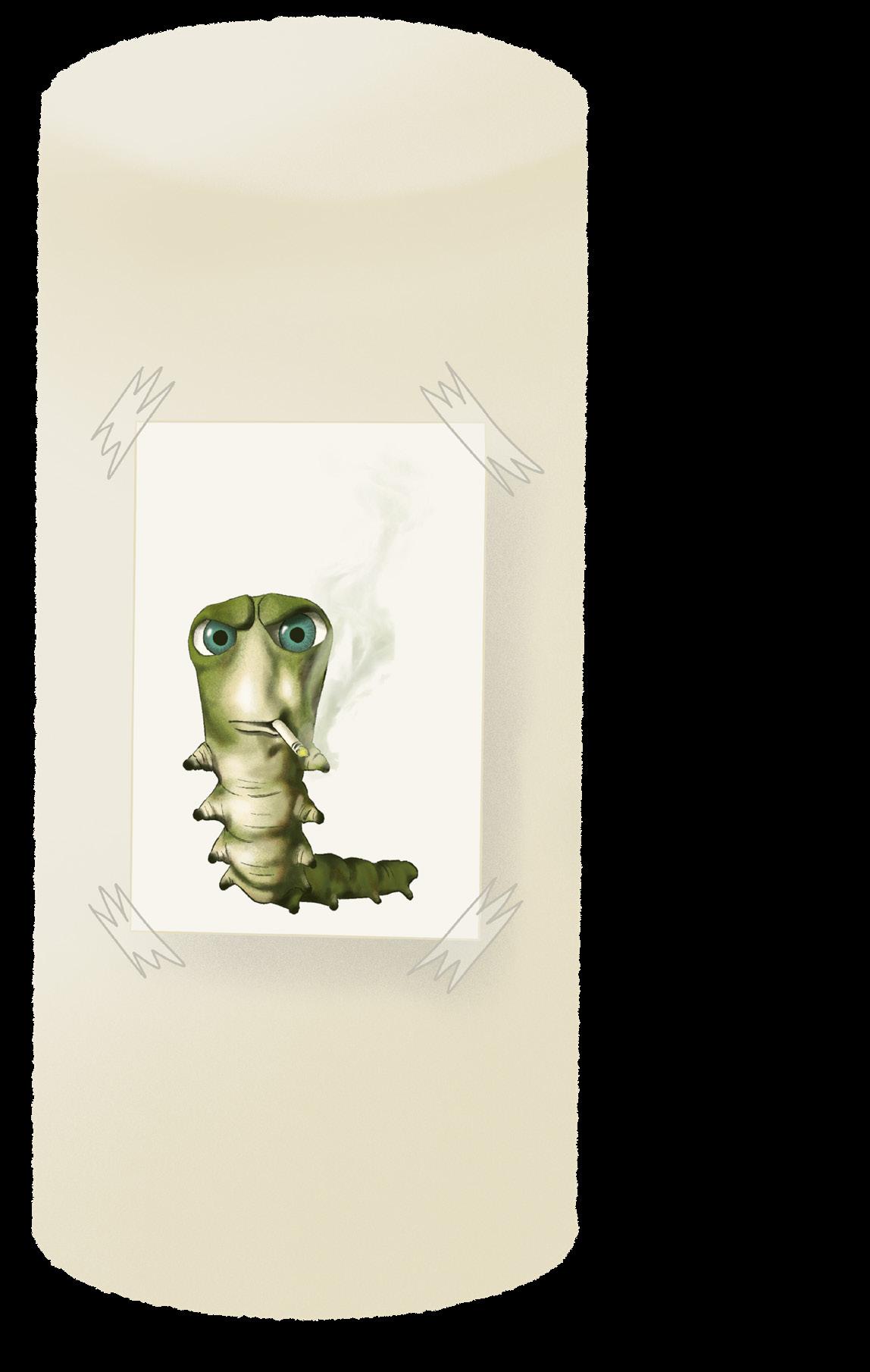
The meme itself originates from an ancient 2016 post on iFunny, where an anonymous user pasted an image of a caterpillar smoking a cigar with captions reading “This goes hard, feel free to screenshot.” This became a craze with people mass-screenshotting the image in 2021, and eventually found its way to SFS. At SFS, it made its debut in October of 2025, starting with a single poster on the ceiling of a bathroom.


Who’s behind all these posters?
print and tape it to the ceiling of the 2F men’s bathroom, as he “wanted to share it with others and hope they have fun with it too.” After printing it and putting it on the ceiling of the restroom (with methods that he would not reveal), Julek decided to try moving out of these secluded areas. “I wanted to test the waters,” he said, trying to see how far he could spread the caterpillars before someone stopped him. Other students seem to reflect Julek’s hopes for the posters. “I think it’s good because it’s fresh for a change, something just to laugh and look at,” Koki Narui (9) remarks. “It also provides a bit of a refresher from our school life.” To him, the images add a little color to students’ school experience, allowing them to




look at them and relax. For Jibin Kim (9), while “It can be a bit distracting” to students, “it’s goofy, and there’s a certain charm to it” that makes it oddly charismatic.
Later, he came up with the idea to dress up the caterpillar for Christmas, beginning to post them across the hallways in December instead of the standard design. “This led me to come up with a lot more designs,” Julek mentions, coming up with designs such as the New Year’s edition and the most recent Wanted poster. “There are so many different variations,” Jibin says. “It might be a little bit overdone, but they’re so much more unique to look at,” Koki adds.

“I don’t really put them up anymore.” Instead, this caterpillar craze seems as though a team effort from all the students, with Julek noting that “it’s often [other] people who put the posters up.” “I just want people to see them and have fun with them.” More than anything, it’s a remind er to enjoy the small things that make school worth going to.



If you’re unsure of where to find tools, go to the “Help” menu on the toolbar and type what
BY JULEK PECZAK


BY EMILIE LEE GRAPHICS FROM




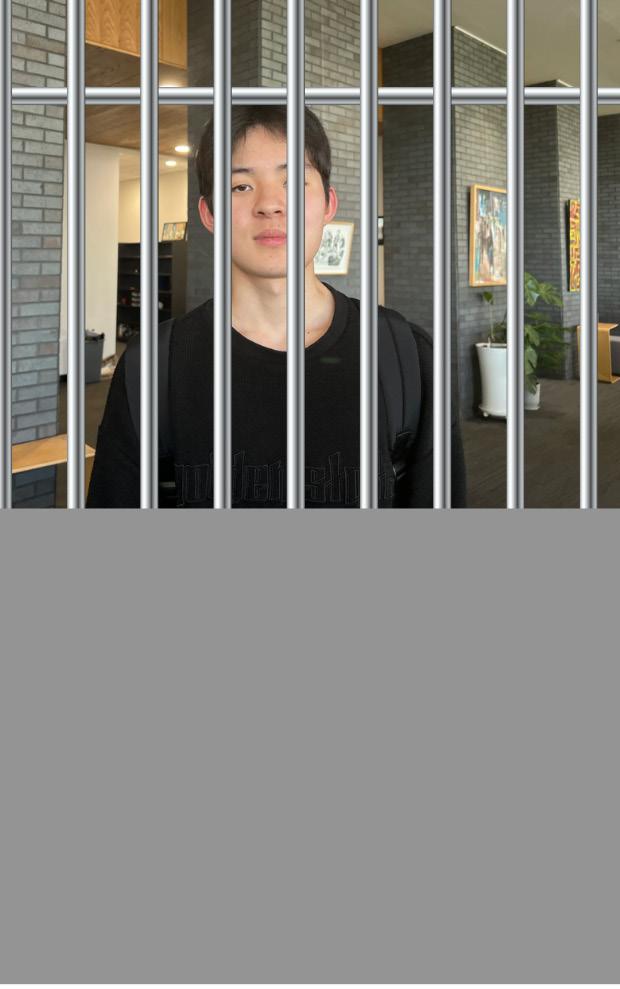
For Prisoner #1, Isaac (10), his phone occupies nearly every moment of his time on public transportation.
For Prisoner #2, Junseo (11), TikTok has fueled his interest in global politics; the platform serves as his primary source of information. Despite this, Junseo notes that social media is a serious dis traction, “severely limiting [his] ability to study for more than five minutes without scrolling


through [his] feed and checking peers’ messages.”
Prisoner #3, Suho (10), takes frequent bathroom breaks with his phone, which seems to have affected his academics, making him unable to spend as much time on his studies. At home, overindulging in video games such as Brawl Stars has “deteriorated [his] relationship with parents.” The dopamine released from playing video games renders it highly engaging and often addictive, causing it to encroach on time he would otherwise spend with his family or on other responsibilities.


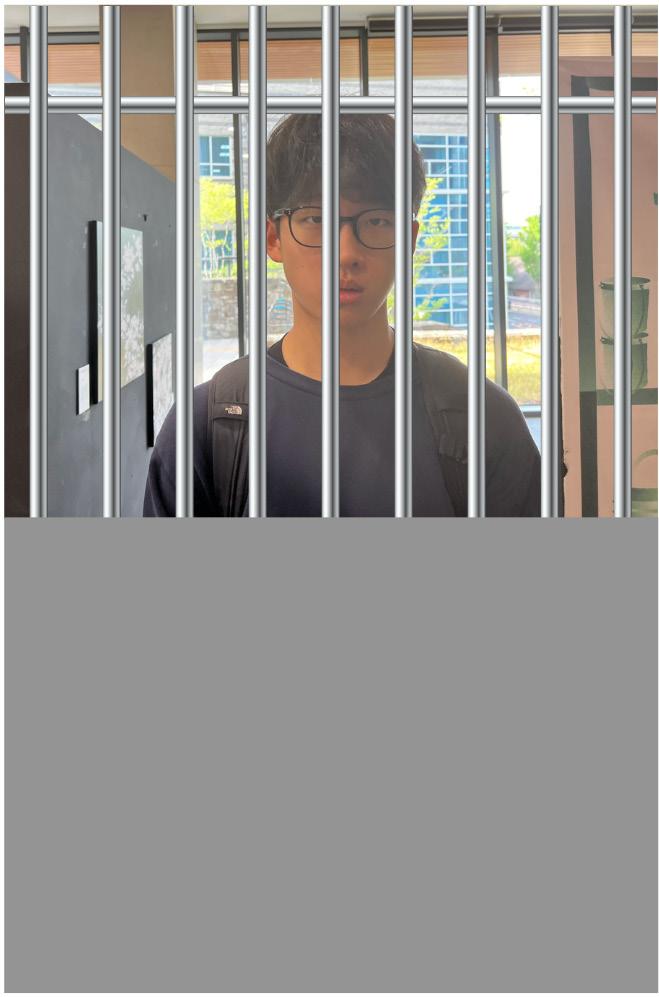
Grade: 11
10 hours / day
Screen time: 12 hours / day
Fav. App: TikTok
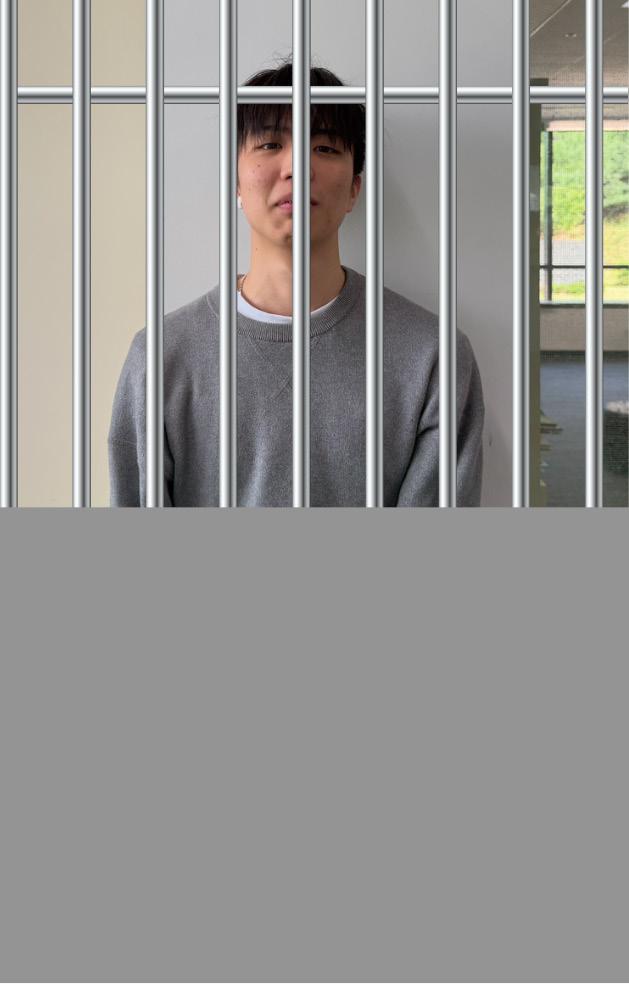
Grade: 10
Screen time: 9 hours / day
Fav. App: Snapchat

Maybe not in the dramatic, can’t-live-without-it way like we like to joke about. But the truth is, our phones do have a stronger hold on us than we’d like to admit. They buzz, we check. They ring, we check. They exist, we check. Even when nothing’s happening, we still reach for them, like it’s a normal part of being human now.
In a way, we’re all a little bit trapped—not by force, but by habit. Our screens aren’t locking us in, but they’re definitely hard to escape from. But maybe recognizing it is the first step. Because if we’re the ones holding the phones, don’t we have the power to put them down as well?
The real question, then, is not simply whether you notice yourself reaching for your phone, but whether you act on that awareness... or allow the habit to continue unchal-



Yunjung-ro (윤중로)
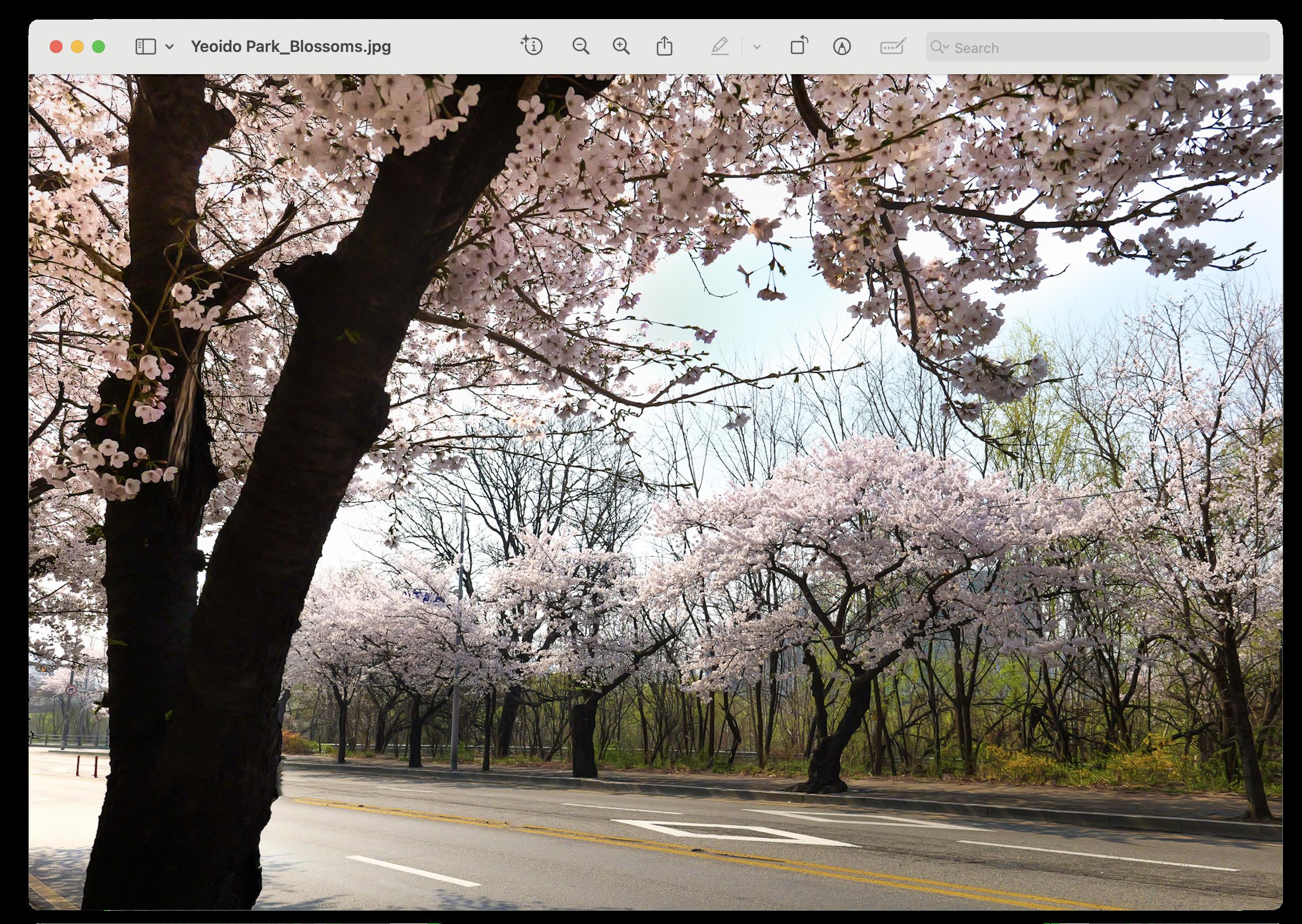
In early April, the area hosts a vibrant festival featuring spring flowers (mainly the blossoms), packed with picnickers, cyclists, and visitors enjoying the sight along the Han River.


Here are three of Seoul’s most beloved, unmissable destinations during the blossom season:




The path from Namsan Library to Seoul Tower offers scenic walking trails and an overwhelming 360-degree city view. this is what forever

Featuring over 1,000 cherry trees, the Cherry Blossom Festival is held annually, and is famous for its stunning pink canopy around a 2.5 km walking path.




what feels like



WRITTEN BY CLAIRE HONG | PHOTOGRAPHS FROM CANVA
springtime in Korea, it would undoubtedly be ‘anticipation’—mainly for the upcoming cherry blossom season. Cherry blossoms have long been deeply rooted in Korean culture: appearing in various songs, dramas, and television programs, shaping how people plan their time each year.
Despite Seoul’s reputation as a busy city defined by competition and pressure, this dreamy change in seasons brings a noticeable shift in people. But are the blossoms’ appeal purely visual, or does the enchantment have a way of healing both your body and mind?
Step outside during peak bloom, and it becomes easy to see why many are drawn to the sight. When the pink shade of sunset settles over the blossoms, walking paths that are usually just shortcuts turn into romantic areas: children running around, couples taking photographs, and the sweet smell of 벚꽃빵/붕어빵 (translated as “cherry blossom bun,” or “fish-shaped bun”) fills the air. For many, the experience is not just
stepping into a relaxing moment away from
This change in human behavior from focused to relaxed may seem trivial, but research suggests that cherry blossoms indeed have a measurable effect on the people who take a stroll beneath them. In one study conducted by the International Journal of Environmental Research, people who sat and viewed cherry blossoms in an urban park for just 10 to 15 minutes had lower blood pressure than those who remained in a typical city environment. Another research by The Korea Times points to similar effects, linking exposure to cherry blossoms to reduced stress, eased tension, and lower depressive feelings, proving that a flower does far more than simply being aesthetically pleasing.
The romantic season of cherry blossoms lasts, at most, two weeks. Let this spring’s blossoms be your invitation to start connecting with nature—because a single walk under the blossoms actually does more for your mental, interpersonal, and physical





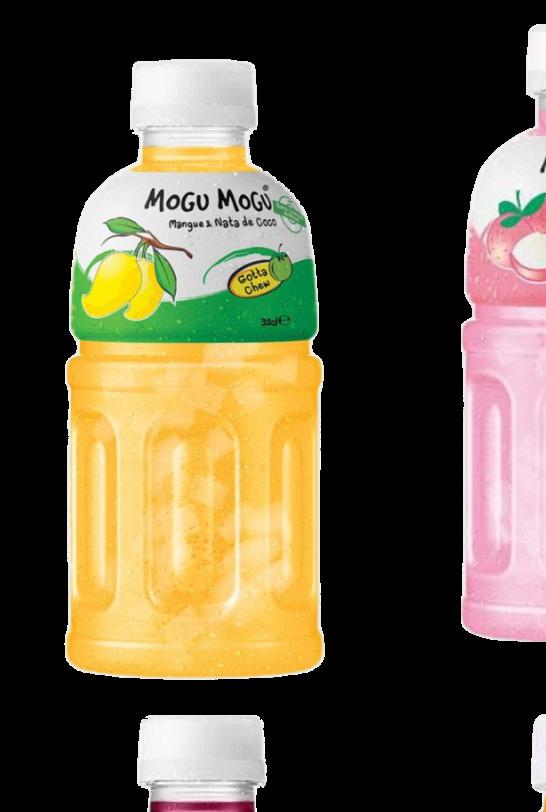
You are standing in front of the 7-Eleven’s frosty cooler doors. Behind them, colorful drinks of every shape, size, taste and type present themselves in neat rows. Two of your favorite drinks are on sale: one is adorned with a large 2+1 sticker, while the other boasts 33% off. Which one do you choose?
If you picked the 2+1, you are with the vast majority of consumers. If you chose 33% off, maybe you recognized that the two drinks offer the exact same price reduction… only the 2+1 requires you to buy three drinks instead of one.
In 2013, Baskin Robbins declared everyone in the United Arab Emirates could receive a free scoop of ice cream, in celebration of Dubai hosting the World Expo. The crowds were huge, the queues spanned across blocks, and the lines wrapped around mall outlets (Emirates 24/7). In this chaos, one must wonder: why were people willing to push through these mobs for hours for a $3 scoop of ice cream?
For marketers, “Free” is a magic word. Relative to percentage deals, the BOGO (Buy One, Get One Free) pricing strategy is well-studied (ScienceDirect) to have an amplified appeal to consumers. But rationally, we all know that nothing is ever
truly free: companies advertise deals which are profitable for them. In that case, why is “Free” still so appealing?
When we decide whether or not to buy something, we weigh the cost against its worth. However, this logic falls apart entirely when the cost becomes zero, as our perception of the item’s worth is irrationally amplified. I might not be in the mood for an energy drink, but if my friend offers to split a 2+1 deal, it feels like a shame not to take advantage (The Decision Lab).
One of the human mind’s most powerful biases is that we fear losing much more than we love gaining. In one experiment, psychologists assembled a group of university students and gave half of them a mug. When the mug owners got the chance to sell their mugs to the other half of the students, exceedingly few transactions were made: the sellers thought their mugs were twice as valuable as the buyers were willing to pay (The Decision Lab)!
Although aversion to losing money typically causes us to doubt

our purchases, when we can gain at no cost, the opposite effect occurs. When it comes to free items, we feel loss aversion for not taking the deal, or “missing out” on a deal.


As inherently social creatures, humans are easily swayed by what the majority thinks. Seeing long lines of people waiting for something (mistakenly) signals that it is worth the wait. This is the same strategy employed by brands like Apple, which encourage long, tentcamping lines in the wake of new iPhone releases.
The word “Free” clouds human judgement, and you are no exception to the rule. However, being aware of these manipulative strategies can allow you to practice better mental accounting and avoid the traps. The next time that you are standing in front of the 7-Eleven cooler doors with three drinks in your hand, or in Seongsu-dong contemplating if you should join a pop-up giveaway line, ask yourself if this is worth your time. Now that you are a player, not a pawn, you understand that “Free” isn’t free. It’s a trade that extracts a hidden price.





BY CHLOE KIM | PHOTOS FROM CANVA
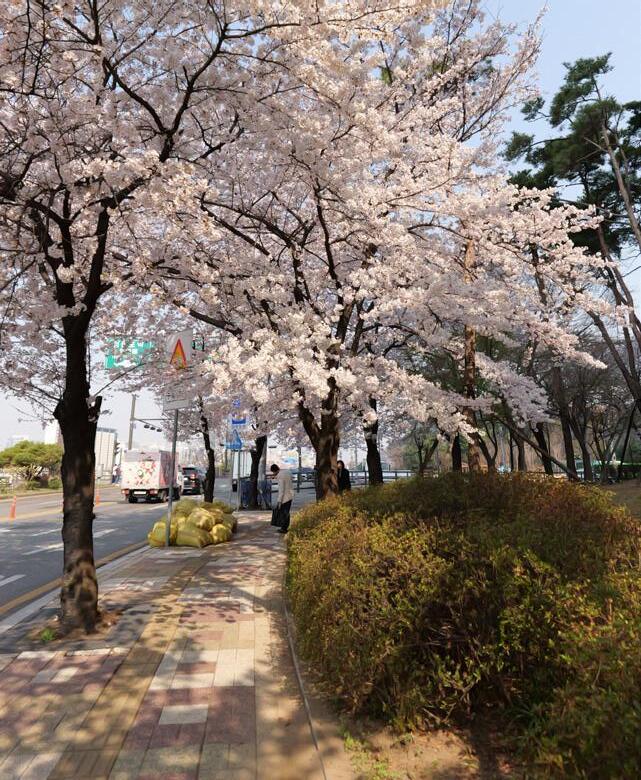
As winter fades and cherry blossoms begin to bloom around SFS campus, spring is arriving: as a season of beginnings for some, and as a marker of their final days at SFS for others. For many, spring represents not just a change in weather, but a time to begin new journeys.
For Jiwoo Lee (11), the season represents an effort to maintain balance despite the academic pressures of one of high school’s most demanding years. “Junior year is demanding, so rather than taking on new projects, I’m focusing on pacing myself and actively working to prevent burnout.” As final exams approach, Jiwoo is centering her efforts on sustaining strong academic performance by actively going to study cafes with her friends or utilizing every moment to study. “I’m really trying to dial in my time management so I can finish the semester strong without feeling too overwhelmed,” she explains.
Beyond academics, Jiwoo finds a sense of comfort in simple routines that help her recharge from studying all day. “Getting outside is a huge help for me,” she says. “Taking walks clears my head and refreshes

my mood. I also love visiting a cafe for a study session with friends. It pressures me to get things done, and conversations in between help alleviate my stress levels.” For Jiwoo, spring marks both the end of junior year and the beginning of her last year at SFS as a senior. “It feels like a stepping stone into senior year,” she shares.


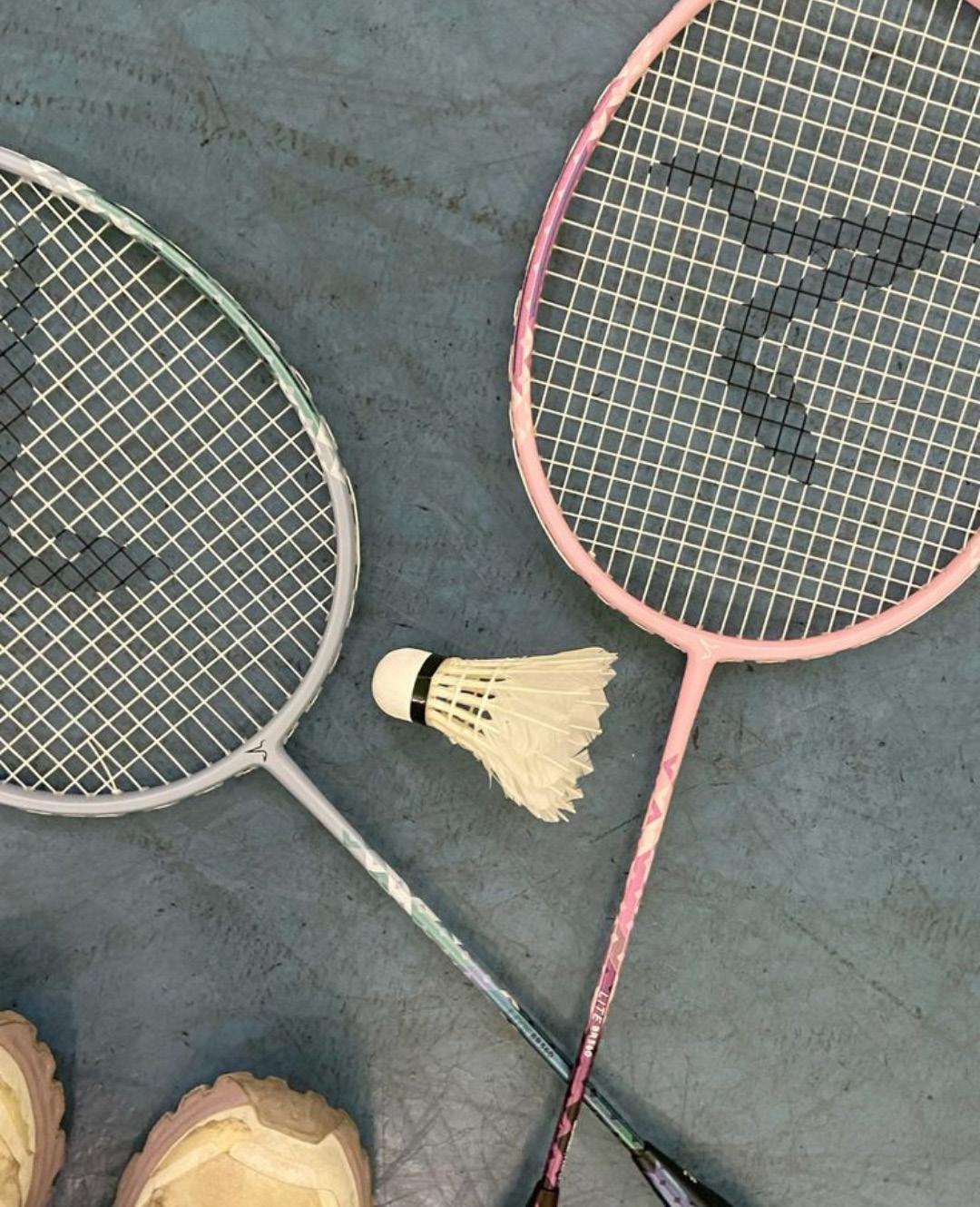
Similarly, Nora Wang (11) views spring as a season of growth and opportunity, particularly through athletics. With badminton tournaments such as APAC and KAIAC on the horizon, Nora is preparing for a busy yet rewarding season. “I hope to enjoy the badminton season by planning ahead to decrease my workload and stress,” she says. Balancing athletics with academics, she aims to maintain consistency in her studies throughout the year. “I hope to maintain good study habits such as spaced repetition to obtain consistent grades,” she explains.
To stay organized, Nora relies on intentional planning ahead of time and small rewards for her achievements, whether big or small. “I reset and recharge by blocking out sufficient planning and buffer


time every day on my Google Calendar,” she says. Despite the demands of the season, spring remains her favorite time of the year. “It’s the busiest season for me because of badminton and academics, but it’s also when I make valuable memories and learn from my experiences, helping me transition into the summer,” she shares.
From cafe study sessions to sport tournament preparations, Jiwoo and Nora’s reflections show their effort to achieve balance as juniors in their own ways. Whether students are striving for academic excellence or athletics, spring at SFS offers a balanced time to reset, refocus, and look ahead to the year.
Christopher Columbus didn’t sail west aiming to reach a new continent, nor did Alexander Fleming leave a petri dish out intending to save the world with penicillin. The world is full of accidents. What Columbus and Fleming have in common is that their accidental discoveries have forever shaped the world as we know it today—the movies we watch, the music we hear, the menus we indulge in. Here are some of our history’s other grand accidental discoveries and mistakes that their creators have intentionally decided to keep.

BY CHLOE JUN | PHOTOS FROM KE$HA, FINE ART AMERICA, BATMAN WIKI,
The darkest of the nights. The baddest of the men. When you think of Batman, you would picture a dark, brooding figure shadowing over the city. Call his name, and he would turn to you, slowly and deliberately moving his entire body. His full-body pivot is one of the most iconic scenes in the movie. Menacing and intentional.
Except...it wasn’t. Michael Keaton, the actor of Batman, physically couldn’t turn his head in his suit (ScreenRant). But the accident became his character, and to this day, it is one of the most well-known qualities of Batman.
Silent Hill: The hardware limitations of PS1 gave developers no choice but to hide the problem. They covered the distance with dense fog, but players came to enjoy the eerie mood so much that the fog became the core horror quality for the game (Wikipedia).
Space Invaders: Space Invaders difficult. As players shot down aliens, there were fewer ob jects to render, so the game ran faster. This made the last few seconds more intense, and the game became one of the first to model the “ramping difficulty” (IEEE Spectrum). Minecraft: While Notch was trying to code a pig for craft, he accidentally flipped its dimensions. Instead of being short and wide, the new creature was now tall and skinny. It was unsettling and uncanny, but Notch liked it. And this fig ure is now what most claim as one of the most iconic mobs of Minecraft: the creeper (Minecraft).

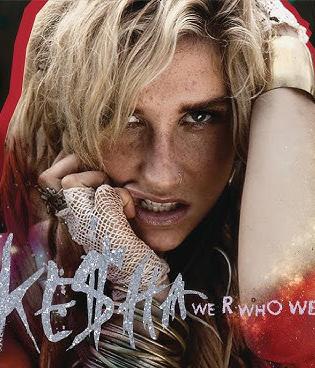
The bridge “DJ turn it up up up” enjoyed in Ke$ha’s “We R Who We R” was not an intentional choice. Her music producer was on a brutal thirty-minute deadline, with a thirty-second gap and no spare vocal takes. He had no choice but to
repeat a previous line, and yet here we are, turning it up (Wikipedia).

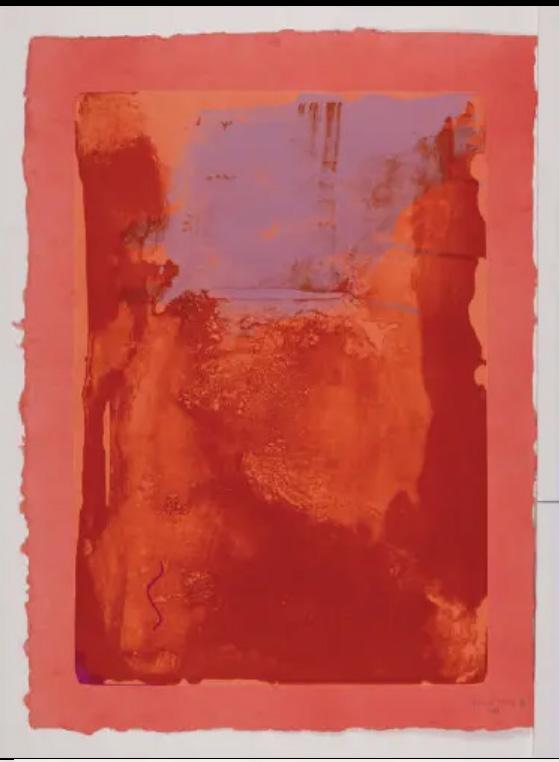
In 1952, Helen Frankenthaler did what would make a normal artist cry over: she spilled diluted paint onto an unprimed canvas. The pigment sank into the white fibers. Irritated by the wasted canvas, a normal artist would’ve grabbed their coat and stomped to the art store for a new canvas. But Frankenthaler observed the stain pervading across the raw, blank canvas, and—somehow—thought this could be the future of abstract art. And she was just right. Her development of the “soak-stain” technique indirectly established the Color Field movement, one of the most significant turning points in American abstract art (Artnet News). The moral of the story? Spilling over in life is okay; just see where the paint takes you.
In The Amazing Spider-Man 2, Spiderman attaches Gwen to a nearby car amid chaos, before disappearing into the unknown. Utterly bewildered, Gwen blurts out, “Peter!” She then covers her mouth when she realizes that she revealed Peter’s real name out loud in public. Although this was a pure mistake by Emma Stone, director Mark Webb immediately gave a thumbs up. They kept it because of the mistake. Gwen didn’t call for Spiderman at that moment. Rather, she was calling for the boy she loved—Peter Parker—and no script could ever make it feel more real than this (Looper).
BY JENEVE LEE | IMAGES FROM REUTERS
Almost two decades after allegations against financier Jeffrey Epstein first came to light, the Epstein Files have been reintroduced to a new generation by the mass release of U.S. Department of Justice (DOJ) and FBI documents, with millions of pages


The Epstein Files refer to over 3.5 million pages of records tied to state and federal investigations into Epstein’s sex-trafficking network (NYT).
dedicated to the release. This renewed attention is mainly due to a viral resurgence across TikTok and Instagram, as well as political debates about the need for transparency, and a surge of viral content that discusses its association with elites.
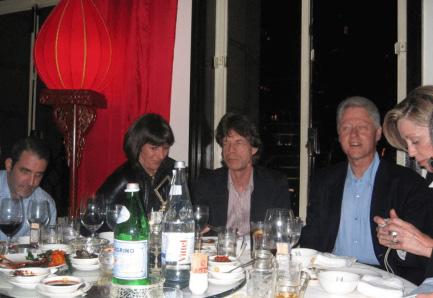
They include thousands of videos and photographs, emails and messages, court filings, flight logs, and FBI interview summaries about Epstein as the mastermind of a colossal sex-trafficking network and the principal abuser of “young women and girls as young as 14,” who he referred to as his “girls,” “assistants,” and “students” (NPR).
To be selected as one of Epstein’s girls involved an evaluation of appearance and perceived “sexual attractiveness,” alongside other traits such as linguistic competence (NYT). In this context, while the notions of prostitution it-
self appear implausible, proximity to a man as powerful and wealthy as Epstein could be interpreted by young women as a form of validation. This dynamic extended to his male clients as well, many of whom were compelled to partake in the trafficking by a fear of exclusion from his elite social circle. Once admitted into this network, the girls were expected either to serve Epstein directly or to be passed around among his associates (ABC News).
Many documents have been hidden for years, causing immense public suspicion that what shielded
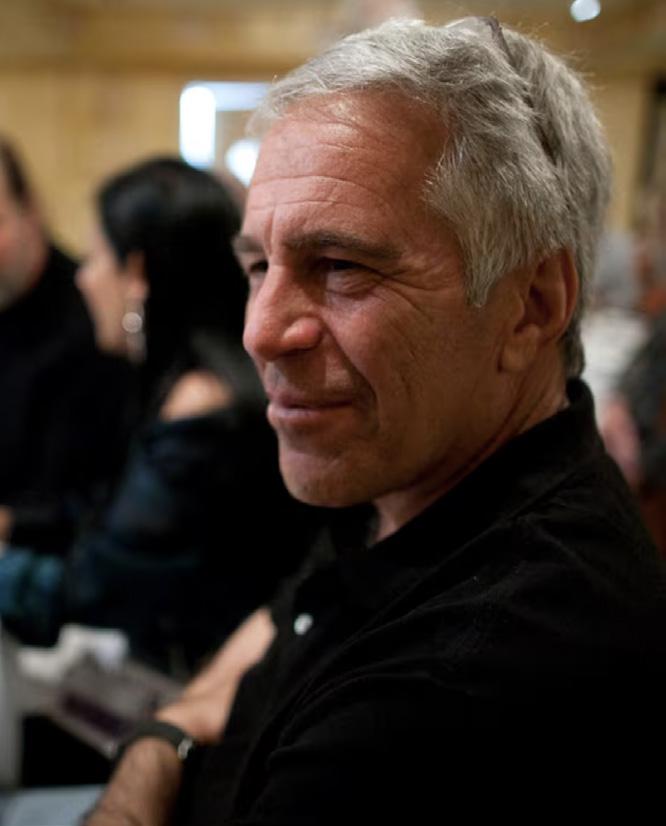
Epstein and his connections was wealth and power. The condemnation of a few key perpetrators leaves some satisfied regarding the transparency of the matter. Others, including survivors and women in general, have criticized the process for exposing victims while offering very little accountability for their abusers.

rest, Epstein was a financier with significant connec tions to politicians, royalty, and major tech
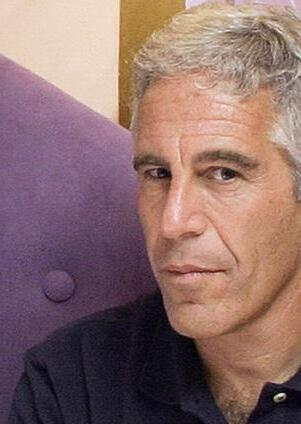

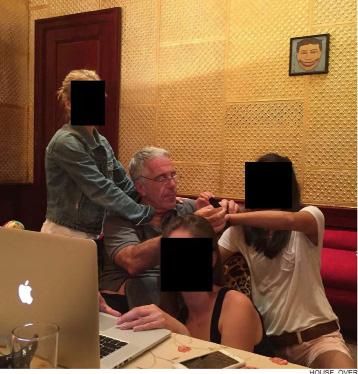
company executives. His soft power and money had “professors and university presidents knocking at his door,” and shockingly, some of his prostitutes, as well (NYT). Accepting what Epstein offered, the “massages” suggested entry into his elite, exclusive inner circle, as long as the in-group maintained a strict level of secrecy and silence; this goes to show that power alone can bury evidence and delay due justice.
While his first criminal investigation took place in 2006 after being charged for solicitation of prostitution, the police first “[opened] a
criminal investigation into Epstein in Palm Beach, Fla., after a 14-year-old girl’s parents say he paid her for a massage” (NPR). In 2008, he avoided federal prosecution through a secretive plea deal in Florida, serving just over a year in jail despite allegations that associated him with minors. These crimes started in 2002.
Epstein was, again, arrested in 2019 on federal sex-trafficking charges, and he later committed “suicide” in custody the same year, on August 10, 2019 (Yahoo News). Yet, a forensic pathologist hired by Epstein’s family argued that he may have been murdered (NPR).
containing allegations against Trump made by a woman interviewed in 2019 sealed. Yet the allegations remain unverified, and no charges were filed.

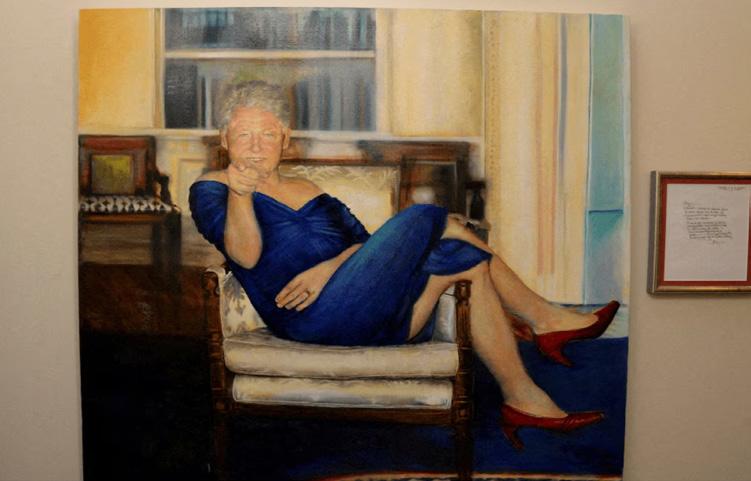
The files have scrutinized Epstein’s tremendous social circle. Being named in the documents does not immediately mean they have committed a crime, but allegations and associations, especially on social media platforms, are politically escalating.
Trump is mentioned more than 1,000 times across the released material. He has acknowledged knowing Epstein socially in the 1990s, but says they fell out before Epstein’s first arrest and that he was completely oblivious to Epstein’s crimes (Reuters). The controversy intensified when Democratic congressman Robert Garcia accused the DOJ of keeping FBI interview summaries
Other figures appear through photographs and emails. Two 2013 emails, written by Epstein regarding sexual acts “with Russian girls,” refer to Bill Gates and contain allegations Gates denies (BBC). Bill Clinton appears in decades-old photographs. While he has denied his crimes, he agreed to testify publicly before Congress on February 28. He remained adamant that he was completely unaware of Epstein’s illegal activity and would have “reported Epstein’s crimes had he been aware of them” (The Guardian).
The Epstein files highlight a significant global issue that goes beyond just Jeffrey Epstein. It looks into how power and its influence on institutions can single-handedly delay justice. Despite the quick dissemination of information on social media, it amplifies speculation much faster than facts. Survivors still struggle to seek accountability, and this underscores the painful truth that transparency alone is not justice, without systems or institutions that prioritize victims over influence and money.


BY CHRIS HONG | ILLUSTRATION FROM CHERIE SIM
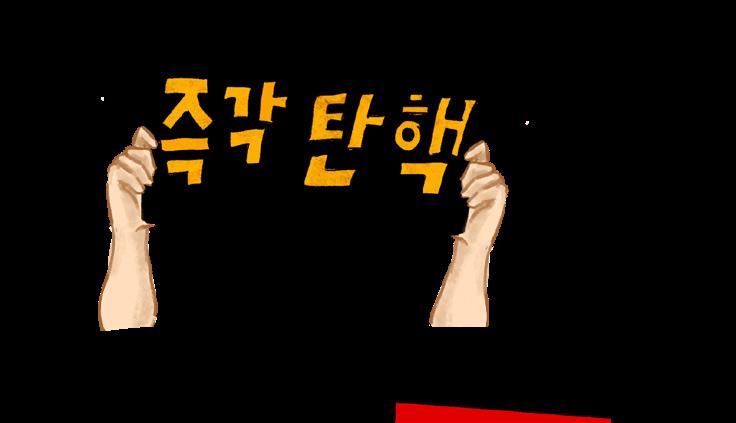
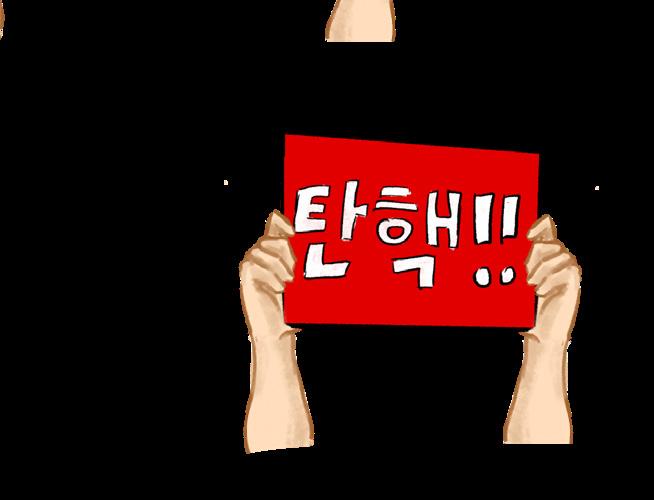
On December 3, 2024, then-president Yoon Seuk Yeol unexpectedly declared martial law, ordering military forces to move around key political institutions, including the National Assembly of South Korea. The move immediately raised serious constitutional and alarmed both domestic and international observers. Analysts noted that the move appeared to be driven by internal political pressure rather than an immediate national security emergency, making it one of the most controversial executive actions in South Korea’s modern democratic history (BBC).
Lawmakers from both parties quickly convened and voted to block the emergency decree, preventing the full implementation of martial
protecting democratic institutions rather than supporting any single political party, showing a broad, unified, civic response to the crisis (The Guardian).
The political crisis soon moved into the courts. On April 4th, 2025, the Constitutional Court of Korea upheld the impeachment of Yoon and formally removed him from office, ruling that his use of emergency powers violated his constitutional duties (CNN). Legal accountability continued into 2026, when a Seoul court convicted the former president of leading an insurrection linked to the martial law attempt and sentenced him to life in prison. It reinforced the principle that executive authority remains under judicial oversight (Reuters).

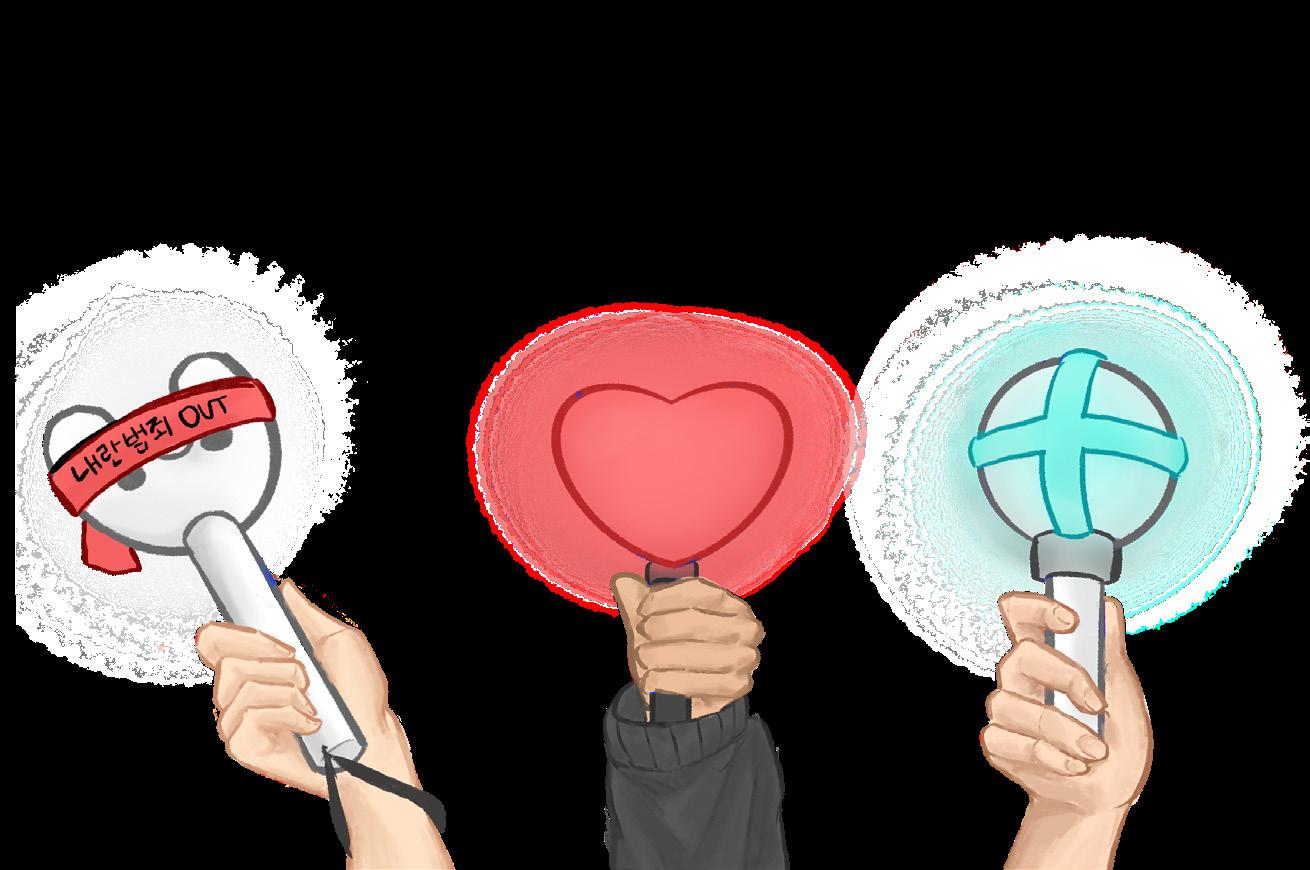
citizens, students, and community groups defended constitutional procedures through non-violent action. President Lee Jae-myung welcomed the nomination, calling it “an exemplar for human history,” a global recognition of citizens who safeguarded democratic values during a national emergency (Korea Times)
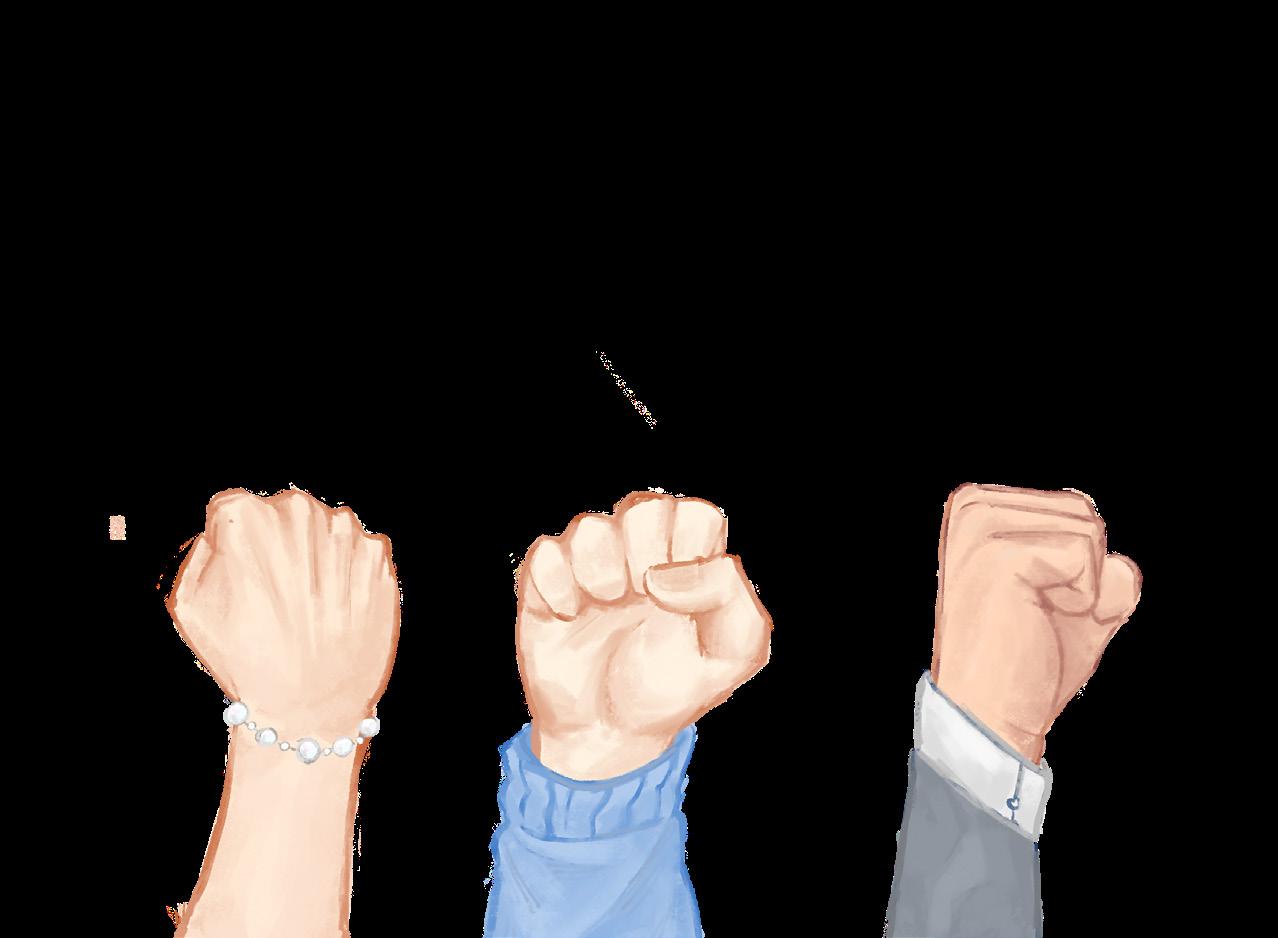
Following the peaceful public mobilization that helped protect democracy, South Korean academ ics and civic leaders submitted a nomination to the Norwegian Nobel Committee on behalf of the Kore an people in February 2026. The nomination highlights how ordinary
South Korea’s response to the 2024 martial law crisis demonstrated the strength of its democratic institutions and the decisive role of its citizens in protecting constitutional rule. From the rapid action of the National Assembly to the firm rulings of the Constitutional Court, the country showed that political power remains subject to law and public ac countability. The nomina tion of the Korean people by the Norwegian Nobel Committee recognizes not only a single moment of protest, but a broader culture of peaceful civic engagement. These



BY AVERY KIM | ILLUSTRATION FROM CANVA
Oftentimes, our outlandish dreams can never reach reality, but certain events and traditions give us the chance to step into impossible worlds, ones where we throw colored powder at strangers, or watch three-story sculptures burn to the ground right before our eyes.
All across the world, spring is welcomed by a myriad of traditions, employing all manner of forces, from flowers, to water, to fire. Spain chooses the latter as its fuel, but each ritual represents the same excitement that the harshest months are over.
In India, Holi kickstarts the celebration of spring. This “Festival of Colors” dates back to the legend of Prahlad: the classic good-versusevil story of a young devotee of the Hindu god Vishnu, who miraculously survives a fire set by his aunt (HISTORY). While the tradition dates back to this tale, today’s celebrations take many creative liberties, exchanging fire for colorful powder, thrown at family and strangers alike. The ritual kicks off with bonfires the evening before, and ends when nobody remembers what color shorts they start - ed with (The Independent). Beyond India, Holi has found a global stage—communities from Seoul to New York now host their own vibrant festivals of color each spring.
In Valencia, Spain, Las Fallas keeps fire at the center of attention. In the months leading up to early spring, neighborhoods across the city constructed enormous satirical structures—costing upwards of millions of euros. After months of painstaking construction, these statues, over 700 of them, are set ablaze every March 19th. Each year, one piece is voted on to be preserved in a museum (Visit Valencia). What began as a carpenter’s way of disposing of old wooden planks no longer needed after winter now stands as one of the world’s most iconic springtime rituals (The Olive Press).
In Japan, spring comes in with more ease and restraint, as cherry blossoms turn the country into a constant weather forecast. Just as American networks tirelessly track possible hurricanes, Japanese ones anxiously wait for the first appearances of the iconic flower. When it finally blooms, millions rush for Hanami to bask in the natural beauty, taking advantage of the sight before they quickly wilt away (HISTORY). This more melancholic celebration pays respect to both the new beginnings and their eventual end.
In Thailand, spring celebrations come a little later, with Songkran held every April 13th through 15th. On paper, it’s the Thai New Year. In practice, it’s the world’s largest water fight. The streets of Bangkok and Chiang Mai transform into open-air battlegrounds, and anyone on them
is destined to be soaked by whatever hose or water gun makes them a target. While symbolically the water signifies a new beginning, the streets tell another story: one of joy and recklessness (Thailand Routes).
Even with all the joy, there exists a darker side to these celebrations. Climate change’s effects on spring’s arrival disrupt these rituals. In 2021, Kyoto’s cherry blossoms peaked on March 26th, the earliest date in over 1,200 years (Discover Magazine). Japan’s forecasters anticipate a similar occurrence this year, with blooms up to a week early (The Japan Times). In the UK, biological markers of spring now show up nine days sooner than they did twenty-five years ago (BBC). Yet still, crowds come together each March and April, doused in powder or water or cherry blossom petals. While the season itself may drift, this tradition of shedding the winter months unites us all.


BY AVERY KIM | ILLUSTRATIONS BY CHERIE SIM | CLIPART FROM CANVA

The opening scene of Project Hail is a rather strange one: three astronauts, two of whom are no longer alive, orbiting a distant star. For all the peculiarity of its beginning, the film only grows more complex—blending a highstakes expedition with unexpected emotional depth. With its recent release, the film has not only drawn significant global attention but also reignited interest in the renewed enthusiasm for the science fiction genre.
Before the film hit the silver screen, the protagonists lived solely within the imaginations of readers, with Andy Weir’s 2021 novel first introducing audiences to Ryland Grace (The New York Times). The recent film adaptation, however, has drawn a new wave of readers back to the original text (Box Office Mojo).

By the numbers
Based on Andy Weir’s 2021 Novel $140+ million earned worldwide within the first few days of release
$140M Opening weekend

Erin Kim (10) felt most drawn in by the book’s struc ture: “It felt kind of like a mystery, and I really enjoyed that,” she says. “Even when you find out that he was forced on a suicide mission, he continues to carry on and try to save Earth… I found that really touching.” Other readers and viewers, like Chloe Chang (10), found themselves more surprised by their near-immediate investment in story. “The way it jumped between bigger prob lems and also small personal moments made it feel more real, like you’re ac tually there with the characters.”
“seeing it on screen allowed me to really appreciate how close they were and how well they worked as a duo.”
- Erin Kim (10)
Beyond its suspenseful structure, the story is grounded in something more sonal. At the core of ProjectHailMary is unex pect ed friendship; Ryland, who believed he was entirely alone on his mis sion, develops an emotional bond with Rocky, an alien he encounters deep in space. For Erin, the movie adaptation allowed this relationship to really shine. She explained, “Even though it was portrayed well in the book, seeing it on screen allowed me to really appreciate how close they were and how well they worked as a duo.”




It wasn’t only the emotional depth of the story that engaged her—the scientific breakthroughs also added to the story’s unique excitement, as “Ryland has to figure out things that no one has ever done before.”
It is this charming blend of character connectivity and fascination that allows Project Hail Mary to trounce the customary challenge of retelling a story. The movie takes the beloved tale and brings it farther: to more people than the book could reach alone. “The involvement of well-known actors like Ryan Gosling also significantly increases the story’s visibility,” Erin add ed. Project Hail Mary’s success speaks to broader trends in mainstream media. Science fiction is having an especially strong year, with the lineup of new releases such as The Mandalori an and Grogu, Supergirl, and Dune: Part Three that suggests the genre’s grow ing appeal (New Scientist; IMDb)
“It felt kind of like a mystery... I found that really Touching.”
- Erin Kim (10)

“It’s like a fun way to explore bigger or complicated ideas... Sci-fi can be really engaging and also thought-provoking at the same time.”
- chloe chang (10)

When asked about the rising suc cess of the genre, both Chloe and Erin pointed to sci-fi’s ability to transcend reality in a way that gives us a greater understanding of real problems. like a fun way to explore bigger or complicated ideas... Sci-fi can be really engaging and also thought-provoking at the same time,” Chloe says. Erin got even more specific, claiming that reading and watching Project Hail Mary made science feel more approachable. “It inspired an interest in scientific fields, particularly for young people like me.” Chloe similarly shared that the story elevated her general curiosity about space: “It makes the future feel less complicated or distant and more relevant to me,” she says.
“It makes the future feel less complicated or distant and more relevant to me.”
- chloe chang (10)


In essence, Project Hail Mary reflects why science fiction continues to resonate with a wide audience today: its ability to turn complex ideas into something engaging and deeply personal.


| BY LEWIS CHUNG | ART BY SOOMIN AHN/PINTEREST
Scroll through the feeds of Instagram or TikTok, and you’ll likely find a common theme: wake up earlier, channel your inner David Goggins, and whether you like it or not, push past pain or admit defeat. Likewise, our generation was taught that success meant “locking in,” where flawless execution is the only win. It’s almost as if perfection serves as a doctrine, where changing your mind feels like betrayal.
Yet, Pixar’s timeless stories offer a different perspective, showing us that “failure” can lead to something richer.
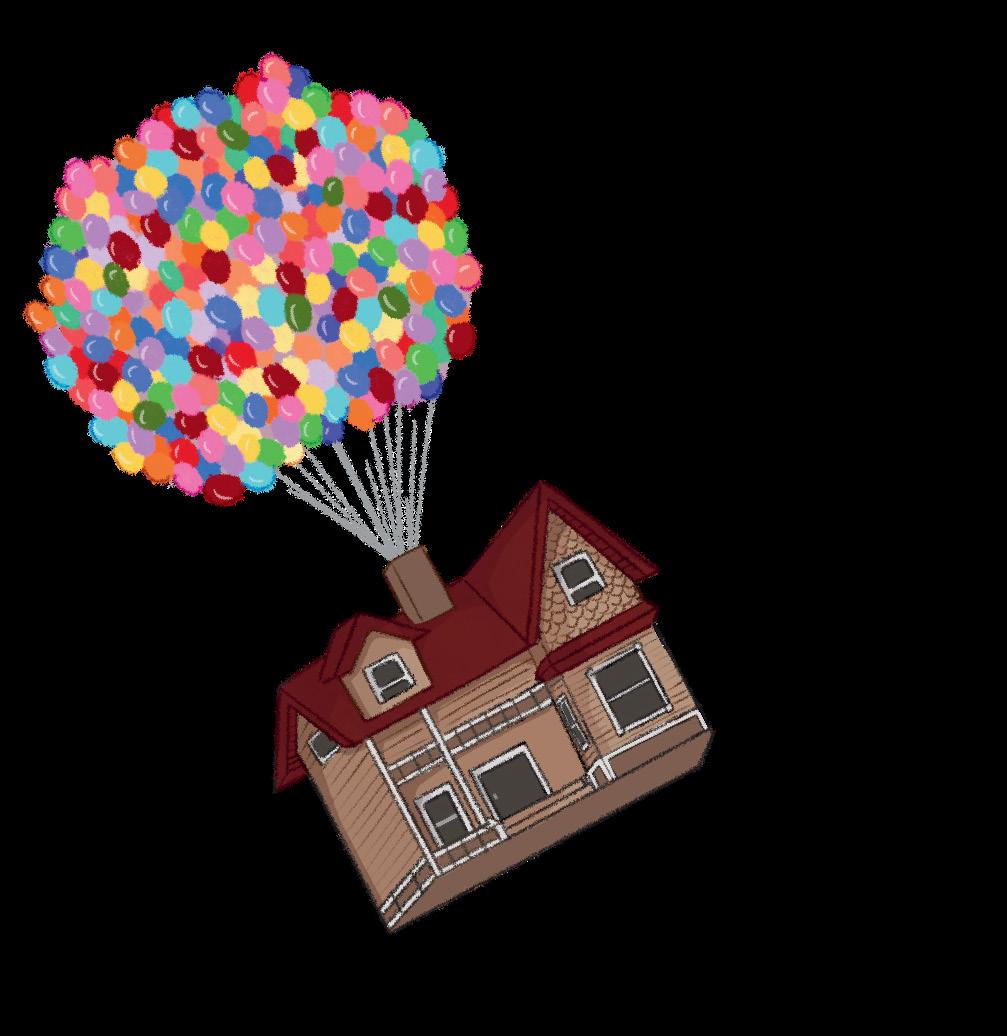
Up is a prime example. Carl and Ellie spend their lives dreaming of going to Paradise Falls, but ordinary hardships intervene: a flat tire pops, a tree plummets down through their house, and Ellie grows exleaving Carl behind. finally reaches Paradise
Falls alone, he opens Ellie’s adventure book expecting empty pages — proof that they never “really lived”. But to his surprise, he discovers that Ellie had labeled their ordinary, mundane life together “our greatest adventure.” In other words, Pixar shows how a meaningful life is not defined by whether the big dream

“So what do you want to be remembered for?”
- Joe Gardener (Soul)

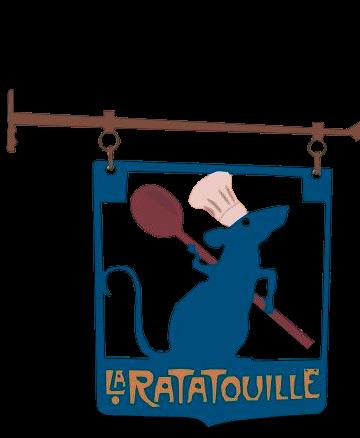
pressing one of the harshest food critics in Paris. For a moment, it seems like the ultimate dream has been fulfilled. But soon enough, the restaurant is shut down, and the fantasy closes its doors. But instead of magically fixing everything, the story places Remy and his friends opening a smaller bistro near an old town. Although the original dream has been neglected, something more authentic takes place.


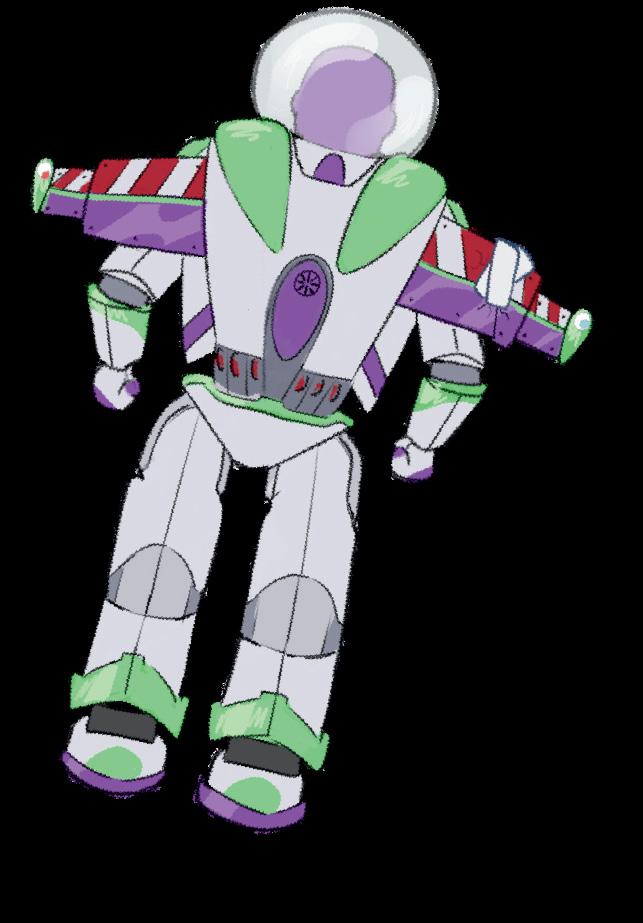
This theme echoes throughout Pixar’s universe. In Cars, Lightning McQueen isn’t able to win his first Piston Cup, something he’s aspired for the entirety when he helps the injured oppofinish line instead, McQueen discovers respect is a title that carries forever.


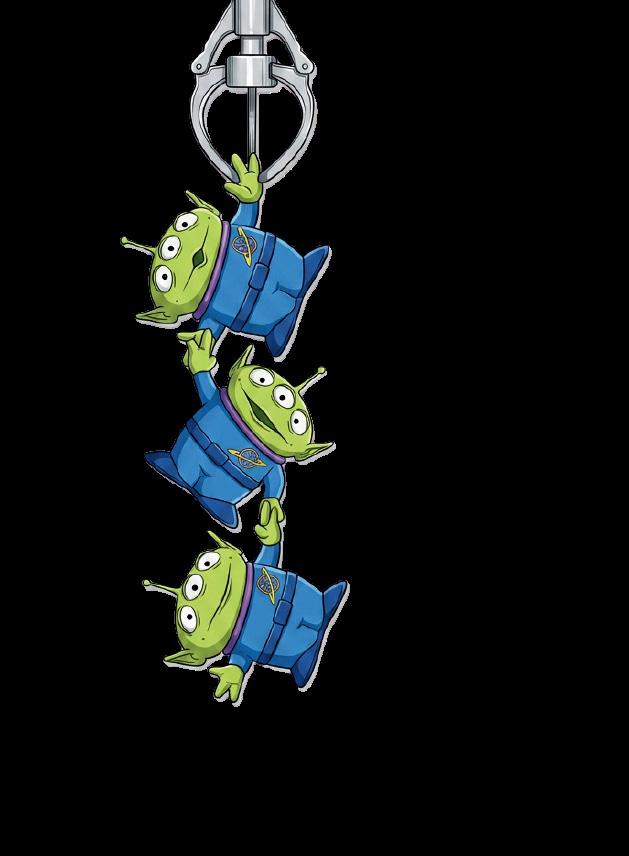
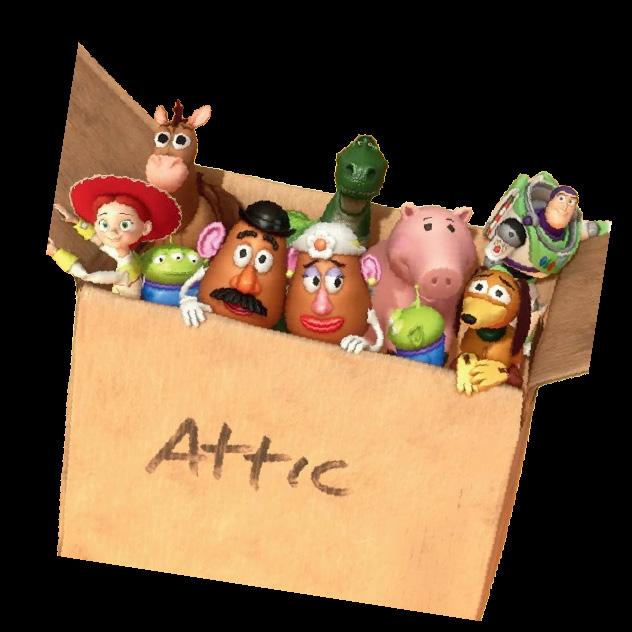
In Toy Story, Andy (the kid who has always grown up with toys) leaves for college, forcing the toys to confront an unforeseen future. Rather than clinging to the past, they can find what they needed all along: a new baby.
In Soul, Joe Gardener finally achieves his lifelong dream of playing a professional jazz gig alongside his idol, only to walk outside afterward and realize the moment hasn’t transformed his life the way he expected. Only when he notices the tiny, overlooked joys does he finally understand that his life was already fulfilling.



As pronounced above, Pixar’s worlds don’t hand us perfectly polished heroes who get everything they want. But what makes their stories hopeful instead of depressing is that the characters pivot and detour. They change their priorities and find new forms of purpose.
This core concept applies directly to our daily lives. We as students are often told by peers that one exam, one school, or one achievement can “make or break” our lives. In contrast, Pixar offers a much quieter and resonant lesson: that things don’t always play out the way they want to and that it’s completely fine.
So ask yourself: if my life were a Pixar movie, what would the ending celebrate? The truth is, a story isn’t over just because the goal changes. Sometimes, that’s when it really begins.








BY JED WOO | IMAGES FROM PINTEREST | CLIPART FROM CANVA
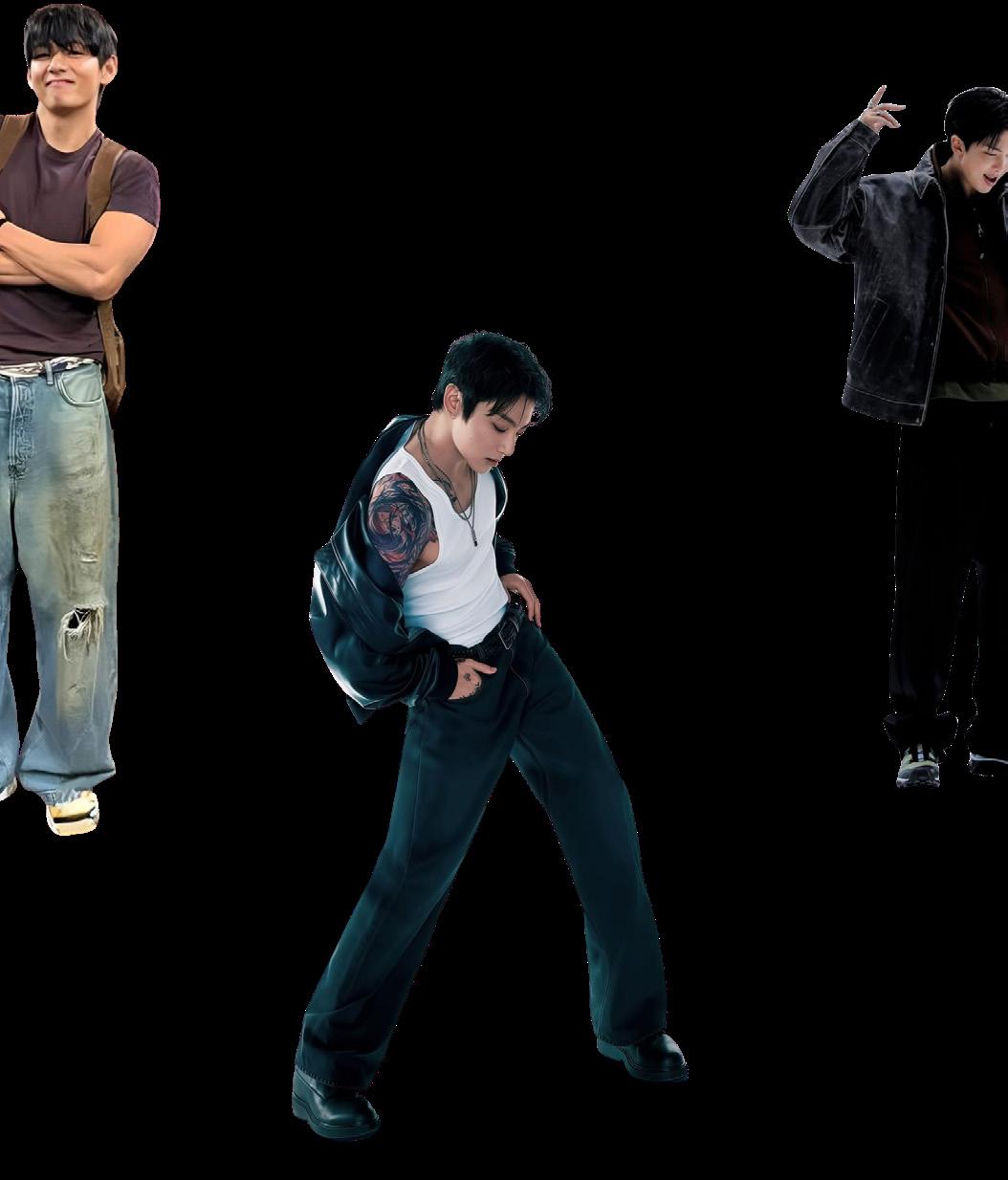
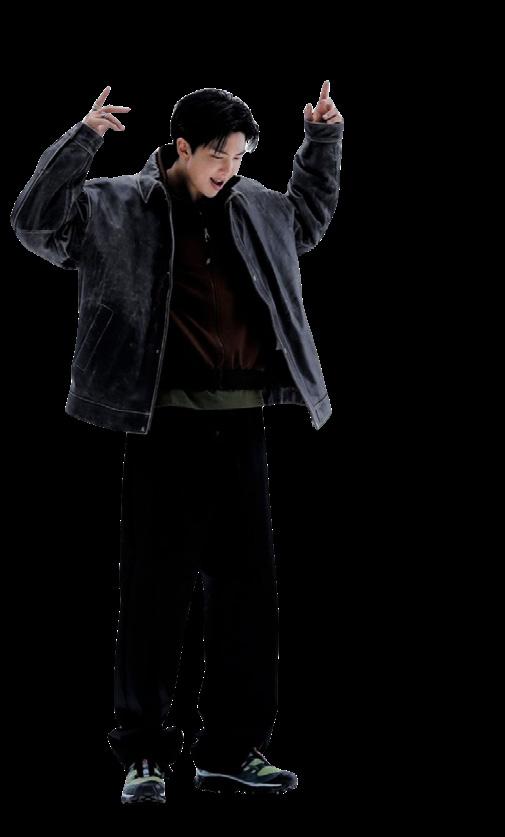
When Big Hit Entertainment CEO Bang Si Hyuk announced the debut of a new boy band named BTS in 2013, the world’s response was tepid at best. The common consensus at the time was that the band was destined to be a minor player in the massive industry it was part of, particularly due to their somewhat gaudy name (one that roughly translates to ‘Bulletproof Boy Squad’). In a matter of a decade, however, BTS has risen to the forefront of not just the Korean
group went on a hiatus due to the unforgiving reality of mandatory military service (Yonhap News). Four years later, the group has returned to the forefront of the music scene once more, bringing a new album and a live performance to commemorate their comeback.
For an outsider, the revival of the group is a point of celebration. Yet, to true fans, therein lies a certain feeling of trepidation about whether or not BTS will be able to recreate the hype of their glory days. Chief among the reasons for this concern (and perhaps a pain point for HYBE, BTS’s record label) is the age of the members. All except one of BTS members are in their thirties, and in a genre as focused on the ‘new and fresh’ as K-Pop, being at an age where most start to settle down can be a striking disadvantage.
sion to Dance,’ the



The much more localized issue of BTS’s comeback was the controversy surrounding their aforementioned performance. While the exact number of at tendees is a debat ed topic, it is clear that the amount
falls short of the 260,000 pro jected by HYBE prior to the concert (Korea Times). This, by itself, is no issue; in fact, a lack of crowds is great for ensuring the safety of concertgoers. The problem, however, stems from HYBE and the government’s decision to shut down public transit routes and block major arterial roads in the vicinity of the venue. Korean citizens personally affected by the shutdowns expressed a negative sentiment towards the organizers that has, in some cases, turned into vitriol towards the group itself (Korea Herald). Perhaps the thing that BTS’s comeback troubles are most representative of is the unforgiving nature of the music industry. The military may have been immovable in its demands, but the society that BTS has returned to proves equally unforgiving in its eagerness to move on.

Classifed




BY TIMOTHY LEE | PHOTOS FROM CANVA/PINTEREST
Think back to the warm summer days and nights, the TV glowing in a room packed with friends and family, colorful jerseys as iconic fashion items, and elders perched at the edge of their chairs screaming out of joy and frustration. Times were sim pler back then, when your biggest concern was whether your coun try would make it through the group stage.
As we are getting closer to the 2026 World Cup, we will unfor tunately have to say goodbye to some of our favorite football stars. What better way to retire than doing so on the grand est of stages—the World Cup in North America? Many play ers have announced that this is their last tournament, so let’s take a closer look at some of these players and what it means for the world of football.
win the prestigious award, and the first midfielder to win it since Kaka in 2007. Despite many comparisons to other players, Modric has cemented himself over the past decade, winning various trophies and playing alongside world-class footballers at an elite club in Real Madrid. Croatia
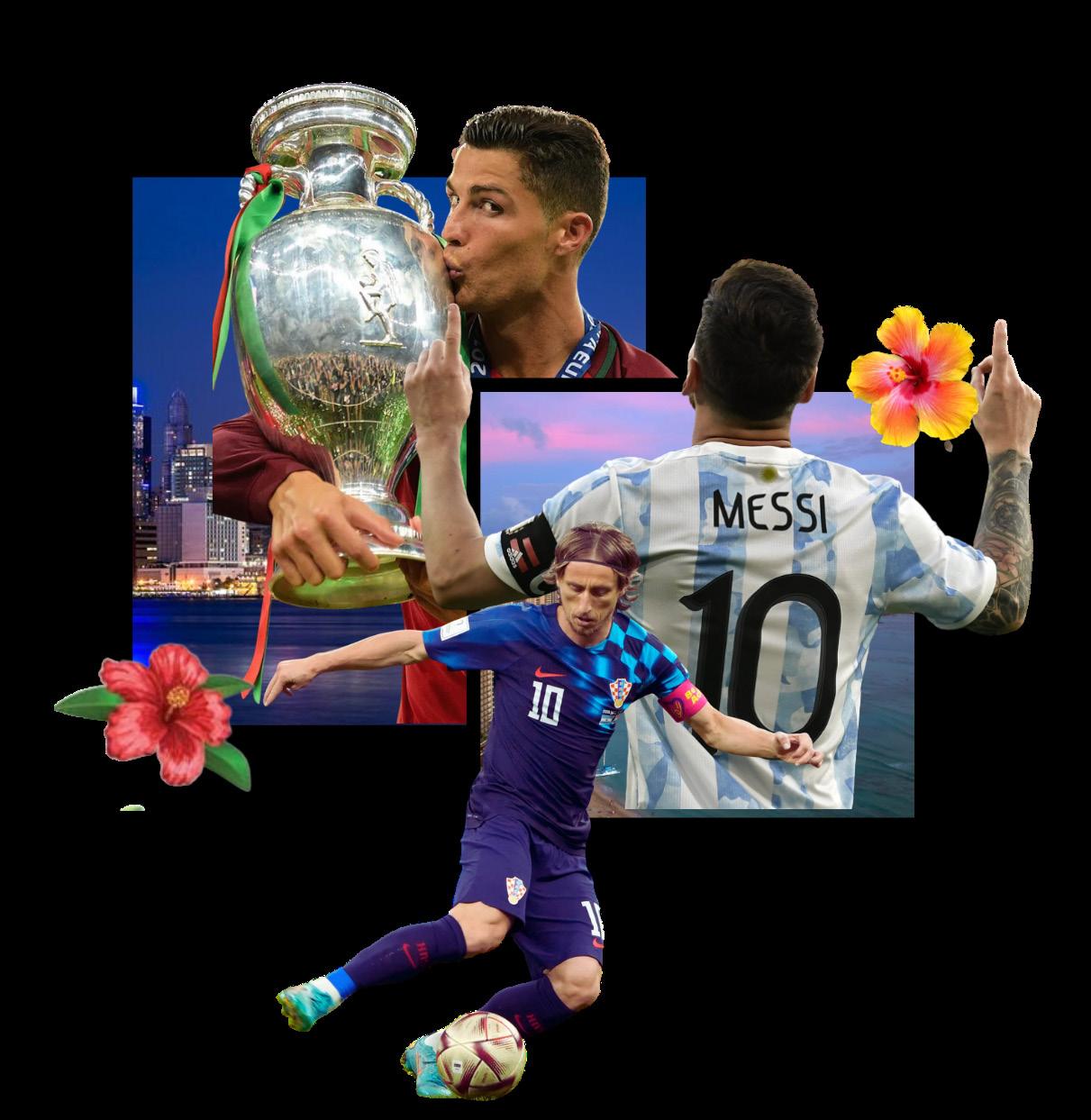
Luka Modric will most likely go down as the best midfielder football has ever witnessed. The Croatian has won every title there is to win, except one: the World Cup, which he was just one win away from in 2018, where Croatia placed as runners-up. When Modric won the Ballon d’Or in 2018, he became the first ever Croatian to
fans have their eyes turned towards Luka Modric for his final performance and what he can achieve for his country.
Both players will be playing in their last World Cup, whilst Ronaldo is on the hunt for 1,000 career goals
and a World Cup to forever cement his legacy. Messi, having already climbed the mountains in 2022, arrives with a chance to do something almost no one has done — winning it twice (FourFourTwo). Despite winning the 2022 World Cup, Argentina remains among the favorites to win it again. The last time a country won back-to-back World Cups was Brazil in 1958 and 1962, which shows how difficult that task is. Will it be Cristiano Ronaldo, or will it be Lionel Messi? One final dance, potentially sharing a stadium for the biggest football match in history.
In every one of our World Cup memories, these names were there. The names we shouted when we scored a goal, the players we pretended to be in our backyards, and the names on the back of the shirts we begged our parents to buy.
The retirement of these extraordinary players leaves a massive hole in global football history. As their era draws to a close, the debate will shift from “who’s better” to appreciating them as magical players. Fans now await new stars to bring the same enthusiasm and magic.
And we know that in all things God works for the good of those who love him.
Romans 8:28