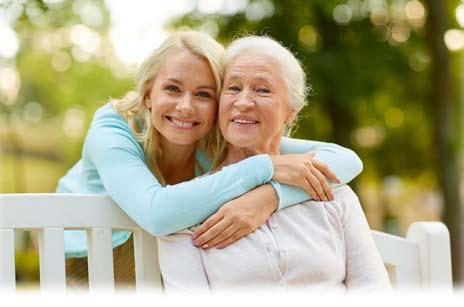
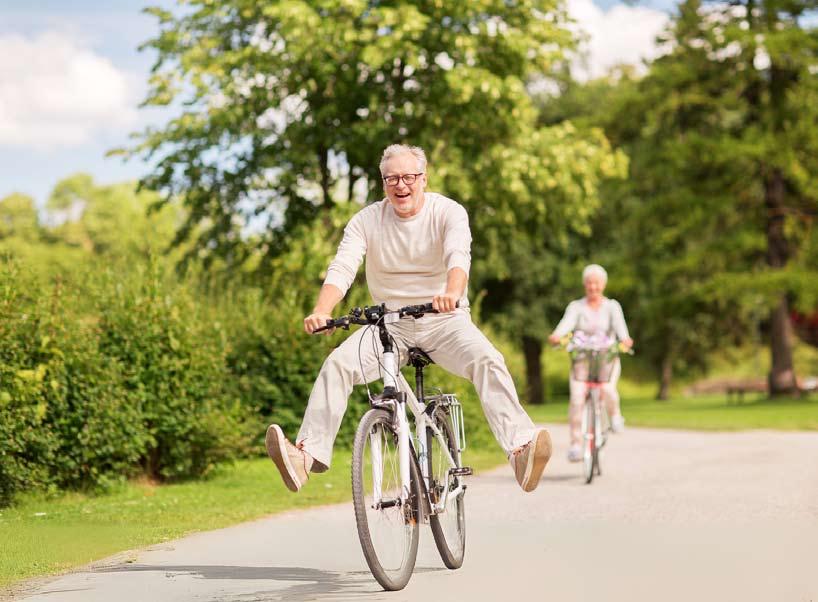
Unlike the excitement that greets the first day of summer, August arrives with a quieter invitation. It encourages us to slow down, look around, and appreciate the season before it gently gives way to autumn. The gardens are full, the evenings are warm, and the pace of life seems to soften just enough for reflection.
For many of us, this is also a reminder of something larger. Life itself is made up of seasons. Some are filled with new beginnings, others with change, growth, or unexpected challenges. Each season leaves us with something valuable if we’re willing to embrace it.
That is the heart of Positive Aging.
Positive Aging isn’t about denying the passage of time or trying to recapture the past. It is about recognizing that every year brings new opportunities to learn, contribute, connect, and grow. It is understanding that experience is one of life’s greatest assets and that wisdom, resilience, and perspective are earned over time.
Too often, society focuses on what changes with age rather than what is gained. Yet many people discover that their later years offer greater confidence, stronger relationships, clearer priorities, and a deeper appreciation for the simple things that truly matter. We learn that happiness isn’t found in rushing from one milestone to the next but in finding joy in everyday moments.
As summer begins its final chapter, perhaps this is the perfect time to ask ourselves a few questions. Are we making time for the people who bring us joy? Are we taking care of our bodies with movement, nourishing food, and rest? Are we continuing to challenge our minds and remain curious about the world around us? Are we making memories instead of simply marking days on a calendar
The wonderful thing about healthy, positive aging is that it isn’t defined by a number. It is shaped by choices—many of them small and simple. Taking a morning walk. Calling an old friend. Learning a new skill. Volunteering in the community. Spending time with grandchildren. Reading a good book. Watching a sunset without feeling the need to hurry to the next thing.
-Amanda Editor-in-chief
EMBRACE LIFE. AGE WELL. KEEP READING.
Contact
For information on advertising or to submit articles call, 262-343-5163, or Email: positiveaging@wi.rr.com.
Disclaimer
POSITIVE AGING is published on the first of each month . The articles in this publication are in no way intended to replace the knowledge or diagnosis of your doctor. We advise seeing a physician whenever a health problem arises requiring an expert’s care.
Images - istock.com
Special Thanks -To all the local professionals that provide us with articles containing new information and keeping all our readers informed of the latest in positive living. And to all our advertisers, and you the readers!
MyPositiveAging.com
Positive Aging is distributed throughout the Milwaukee, Waukesha, Ozauakee and Washington county.
OASIS COMMUNITY CENTER
2414 W. Mitchell Street, Milwaukee, WI 53204
ACTIVE OLDER ADULTS PROGRAM
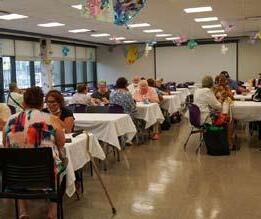
Enrich your life at the OASIS Community Center! Designed for adults fifty years and older, we offer a wide range of engaging programs including arts and crafts, cooking, fitness, health and wellness, yoga, dance, language skills, outdoor education, sports and recreation, and special events. Join our friendly, supportive community and find endless opportunities to learn, stay active, and connect.
COFFEE BAR
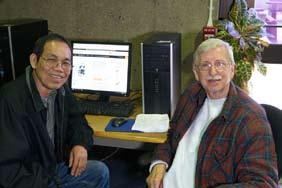
COMPUTER LAB
Open Monday through Friday 8:00AM-11:00AM Coffee and assorted teas, occasional bakery items.
Open Monday through Friday 8:00AM - 3:00PM
STAY ACTIVE AND BECOME OASIS FITNESS MEMBER!
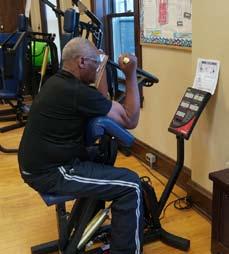
Become an OASIS Fitness Center Member for $15 for City of Milwaukee Residents and $25 for Non-Residents. Membership fee is valid for one year from purchase date. Fitness Center equipment includes compressed air resistance machines, treadmills, ellipticals, exercise bicycles, rowing machines, and free weights.
Open Monday through Friday, 8:00AM-3:00PM.
Register for a membership in-person at the OASIS Community Center (2414 W. Mitchell Street)
Questions? Contact:
| 414.647.6057
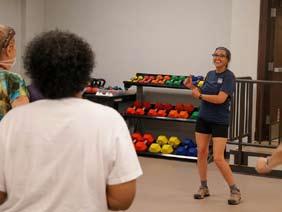
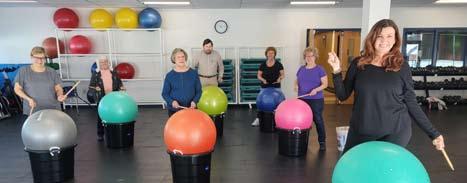
Move, Breathe, Drum: Feel Your Best This Summer
As the warm days of summer invite us outdoors, it’s the perfect season to focus on your health and well-being. Whether you’re gardening, traveling, spending time with family, or simply enjoying the sunshine, staying active can help you feel your best. Two enjoyable and accessible activities that support healthy aging are gentle yoga and rhythm drumming
Gentle yoga is a low-impact form of exercise that helps improve flexibility, strength, balance, and mobility. As we age, maintaining these abilities becomes increasingly important for staying independent and making everyday activities—from climbing stairs to carrying groceries—feel easier and more comfortable. Rhythm drumming offers a different, but equally valuable, way to stay active by encouraging coordination, movement, and mental engagement while bringing people together through music.
In addition to their physical benefits, both yoga and rhythm drumming
support emotional and mental well-being. Practicing slow, mindful yoga movements and focusing on your breathing can help reduce stress, ease anxiety, and promote relaxation. Rhythm drumming provides a joyful outlet for self-expression, helping participants release tension, improve mood, and experience the uplifting energy of making music together. During a busy summer filled with family gatherings, vacations, and activities, taking time for either—or both—can leave you feeling refreshed, centered, and energized.
One of the greatest things about both activities is that they are truly for everyone. There is no competition and no need for previous experience. Whether you’re new to exercise or have been active for years, yoga can be adapted to meet your individual needs through modified poses, chair support, and movements that fit your comfort level. Likewise, rhythm drumming welcomes participants of all abilities, allowing everyone to join in at their own pace while enjoying the simple pleasure of creating rhythms together.
, 2025
For those living with arthritis, joint stiffness, or chronic aches and pains, gentle yoga may help improve circulation, increase range of motion, and reduce muscle tension. Rhythm drumming can also be beneficial by promoting gentle arm and upper-body movement, improving hand-eye coordination, and stimulating the brain through rhythm and timing. Staying active through enjoyable, controlled movement often helps reduce discomfort while supporting overall physical function.
Both yoga and rhythm drumming also encourage healthy habits beyond the class itself. As you become more connected to your body and mind, you may find yourself making healthier choices throughout the day, including drinking more water, eating nutritious foods, sleeping better, and making time for relaxation, creativity, and social connection.
If you’ve been thinking about trying yoga, now is the perfect time to begin. Gina Ensslin, a certified yoga instructor, teaches gentle yoga classes at the Menomonee Falls Community Center. Classes are designed to accommodate all ability levels and provide a welcoming environment for anyone looking to improve their strength, flexibility, balance, and overall well-being. For class information and registration, visit www.fallsrec.org.
Think Twice Before Renovating: Protect the Wealth You’ve Built
For many homeowners, a house is more than a place to live. It’s one of the largest financial assets you’ll ever own. After years of mortgage payments, maintenance, and improvements, it’s natural to want to maximize its value when it’s time to sell.
But here’s the surprising truth: spending more money before listing doesn’t always mean you’ll make more money at closing. In fact, some of the most expensive pre-sale renovations can reduce your return on investment. The key isn’t making your home look brand new, it’s making smart improvements that protect the equity you’ve worked so hard to build.
Most homeowners I work with are over 55 and have lived in their homes for 20–40 years. They have an emotional attachment to every improvement they’ve made and the challenge is helping them separate what they love from what today’s buyer values.
In fact, one of the biggest mistakes homeowners make is renovating the wrong things. There’s a big difference between a home that’s dated and a home that’s neglected. A dated kitchen with solid cabinets, good layout, and functioning appliances? Buyers see opportunity. A neglected kitchen with peeling paint, grease buildup, broken hinges, burned-out lights, and deferred maintenance? Buyers see work, expense and uncertainty.
Buyers Don’t Buy Perfection - They Buy Potential.
Kitchens are such great examples, so let’s stick with it. Imagine two kitchens. The first has solid oak cabinets that are twenty years old. The layout works beautifully, every drawer opens smoothly, and the appliances (a lot older) are in good condition. The cabinets simply have an older style. The second has brand-new cabinets and expensive quartz countertops, but the walls are scuffed, the lighting is poor, the home smells musty, and the wallpaper from the 1990’s, still run through the dining room.
Which home feels more inviting? For most buyers, the answer is the first one. A dated kitchen isn’t necessarily a problem. A home that feels neglected is. Being old is not a defect! Adding on top of that a cluttered and dirty look and you have a disaster that can be avoided.
Create a Blank Canvas.
Rather than investing your hard-earned dollars in a complete remodel, consider making improvements that allow buyers to imagine themselves living there.
Simple updates often have a greater impact than expensive renovations. My go-to always starts with fresh paint in warm, neutral colors. If there are no hardware on cabinet doors, install those. Deep-clean every room, including windows and grout. Improve lighting by replacing outdated fixtures and using brighter bulbs. Refresh landscaping and make the front entrance welcoming.
For 75 years, TOPS Club has helped people take off, and keep off, the weight.
These improvements don’t cost an arm and a leg and they are subtle but major game-changers for buyers and your profit margin. There are so many easy and creative ways to create a blank canvas and it really makes me so excited just writing about it.
Fix Problems, not Preferences.
There are certain repairs that should never be ignored: roof leaks, plumbing leaks, electrical concerns and anything else that creates a safety hazard. These are issues buyers can’t overlook and often become sticking points during home inspections and even government loan programs. Addressing them before listing can prevent delays and difficult negotiations. Industry guidance consistently shows that cosmetic refreshes and necessary repairs usually provide a better return than major kitchen or bathroom remodels completed solely for resale.
Every Home Is Different.
The best improvements aren’t determined by a check-list, they’re determined by the home itself. A beautifully maintained home with an older kitchen may need very little before it goes on the market. The goal isn’t to create the newest house on the market. It’s to create a home that feels clean, well-cared for and move-in ready.
Each home has a different character and something unique about it. That’s most probably why you bought it in the first place. Location, nearby amenities and a changing real estate market goes hand-in-hand with these aspects and comes together in a beautifully curated plan.
Before investing in expensive renovations, ask someone who understands your local market to evaluate your home as a whole. You may discover that a few thoughtful improvements can accomplish far more than a major remodel, and leave more of your hard-earned equity where it belongs: in your pocket.
We also provide zero upfront cost renovations with trusted resources to help with everything mentioned in this article. Written by Wena Roeloffze. Email me for a complimentary renovation consultation with the subject line: “Positive Aging Article” at wena@wenaroeloffze.com. Website: https:// wenaroeloffze.com/
Wena Roeloffze is a licensed real estate broker who works with homeowners navigating meaningful life transitions—downsizing, probate and inherited properties, and situations that don’t fit a standard real estate mold. Her work is centered on clarity, thoughtful strategy, and helping people understand their options before any decisions are made.
Known for her steady, calm approach, Wena believes selling a home should feel manageable and well-guided—not rushed, pressured, or confusing. She takes the time to listen, explain the process in plain language, and tailor each plan to the homeowner’s specific circumstances. Whether a property needs repairs, requires careful pricing, or involves multiple moving parts, her focus remains the same: protecting both the client’s peace of mind and their longterm interests.
Wena brings specialized experience in downsizing, probate property sales, renovation guidance, pricing strategy, concierge-level coordination, and alternative housing options such as ADU’s and smaller new-construction homes. As a notary public, she also helps simplify the process by reducing unnecessary steps and delays.
Her work is deeply informed by personal experience. Having had to relocate and reinvent her own life, Wena understands that change often arrives unexpectedly—and brings with it emotion, uncertainty, and stress. She knows firsthand how overwhelming transitions can feel, which is why she leads with patience, empathy, and practical guidance.
While she can’t change circumstances with her magic wand, Wena is committed to making each transition as clear, supported, and steady as possible—so clients can move forward with confidence.
Why Work With Wena
Because your situation isn’t just a transaction.
Wena specializes in real estate moments that carry weight—downsizing, probate, long-held homes, and transitions where clarity matters more than speed.
Artistic Indoor Activities
There’s nothing like getting in touch with your expressive side. With all the ways to tap into your creativity, you’ll never run out of fun, artistic projects to do indoors.
Painting and Drawing
Creating art is a wonderful way for seniors to express themselves while improving their hand-eye coordination and fine motor skills. Painting and drawing can also evoke memories and emotions, providing a therapeutic outlet.
Crafting
Spending time on craft projects, such as knitting, crocheting or making
scrapbooks, is excellent for enhancing cognitive skills and memory. Crafting also fosters social connections when done in groups, allowing seniors to share their creations and stories.
Music and Singing
Listening to music, playing instruments or singing can be incredibly uplifting. Music stimulates the brain, evokes memories and improves mood. Group singing sessions or music classes can also provide social interaction and enjoyment.
Photography
Photography can be a delightful activity for seniors, allowing them to capture memories and see the world from different perspectives. Digital cameras or smartphones can be used to explore this hobby, and photo editing can also become a new skill to learn.
Pottery and Sculpting
Working with clay to create pottery or sculptures can be both relaxing and creatively fulfilling. These activities enhance hand strength and coordination, while the process of shaping and molding clay can be meditative and soothing.
Adult Coloring Books
Adult coloring books are a simple yet effective way to relax and stimulate the brain. This activity can reduce stress, improve focus and spark creativity. Coloring can also be a social activity when done in groups, promoting conversations and connections.
Just because you’re indoors doesn’t mean that you can’t be active. There are plenty of great ways to stay in shape while you’re inside. Check out the following athletic activities:
Chair Yoga
Chair yoga is a gentle form of exercise that helps improve flexibility, balance and strength. It’s perfect for seniors with limited mobility and can be done at home or in a group setting.
Artistic continued on page 10
wbcsforacure.org
Tai Chi
This slow and graceful form of exercise is excellent for improving balance and reducing stress. Tai chi can be practiced alone or in a group, making it a versatile indoor activity.
Indoor Walking
Walking indoors, whether around the house, in a local mall or on a treadmill, helps maintain cardiovascular health by raising the heart rate. It’s an easy and accessible way to stay active regardless of the weather. In order to remain active, be sure to learn more about 10 heart healthy tip for seniors.
Indoor Games for Seniors
When you’re staying indoors and looking for something fun to do, gather your friends or family members to play games. Pick your favorites from the options below:
Board Games
Classic board games like chess and checkers are great options for mental stimulation and social interaction. Playing these games can enhance memory, strategic-thinking and problem-solving skills.
Word Games
Word games such as Boggle, Bananagrams or word searches can provide hours of entertainment while improving vocabulary and language skills. These games offer a blend of mental stimulation and friendly competition, making them ideal for social gatherings or quiet afternoons indoors.
Card Games
It’s amazing how much entertainment one deck of playing cards can provide. Games such as bridge, poker or solitaire can be both mentally challenging and socially engaging. Regular card games can improve cognitive abilities and provide opportunities for social connections.
Puzzles
Jigsaw puzzles, crossword puzzles and brainteasers are excellent for keeping the mind sharp. Working on puzzles can enhance memory and problemsolving skills while providing a sense of accomplishment upon completion.
Cozy Indoor Activities for Seniors
Indulge in a world of warmth and comfort with these cozy indoor activities designed to delight and entertain seniors of all interests and abilities:
Reading and Book Clubs
Reading books, whether fiction or nonfiction, is a great way to relax and stimulate the mind. Joining a book club adds a social element, allowing seniors to discuss their favorite reads and connect with others.
Indoor Gardening
Indoor gardening is a therapeutic and rewarding activity for seniors, providing physical activity, cognitive stimulation and a sense of accomplishment. Growing herbs, flowers, succulents or vegetables indoors allows seniors to connect with nature and enhance their living environments.
By choosing suitable plants, providing proper care and incorporating gardening into their routine, seniors can enjoy the benefits of indoor gardening year-round.
Watching Movies
Watching classic films or new releases can be both entertaining and relaxing. Hosting a movie night with friends or family members can enhance social bonds and create lasting memories.
Baking and Cooking
Trying out new recipes or baking favorite treats can be both enjoyable and therapeutic. Cooking together with family members or friends can also enhance social connections and create cherished memories.
Technological Indoor Activities for Seniors
Discover a world of digital possibilities with these indoor activities designed to engage and empower seniors through technology, fostering learning, connection and enjoyment without leaving the comfort of home.
Online Learning
Seniors can explore a variety of online learning platforms to acquire new skills, pursue hobbies or learn about topics of interest. Websites offering courses on art, history, cooking, technology and more provide accessible and engaging learning opportunities for seniors to stay mentally active and stimulated.
Take the Strong Path To Aging Better
Published by FoodTrients
What is sarcopenia?
The term “sarcopenia” was invented recently by Irwin Rosenberg. In 1989, he first referred to loss of skeletal muscle mass and size as “sarcopenia,” by combining the Greek word for “flesh” (Sarx) with the Greek word for “loss” (penia). At the time, it was thought that the degenerative process being described was led by the loss of lean muscle mass with aging. Today, it is understood that inactivity causes muscles to lose strength through a process of denervation, the loss of nerve supply that signals muscle cells to act. It impacts all of us as we age, unless we proactively prevent it.
istock.com/Worawee Meepian
Choosing the Strong Path Reversing the Downward Spiral of Aging YMaSNyLAs a world-renowned investigative attorney who has tried over 100 major cases in 24 states, Fred Bartlit has neatly arranged the right methods of prevention in his new book, Choosing the Strong Path: Reversing the Downward Spiral of Aging. He and co-author Steven Droullard, along with muscle physiology expert Dr. Marni Boppart, want to share a little-known fact with the world: You don’t have to fall apart as you get older. Through carefully calibrated progressive strength training and supporting nutrition, you can
stave off sarcopenia, along with dozens of other age-related illnesses.
Without any other disease or injury, the condition leading to sarcopenia can cause us to lose as much as 1 percent of our strength each year after we turn 30. To give you a glimpse of what can happen as we age, look at this progression of decline in muscle—starting as early as age 30—that commonly occurs if we are not proactively working to maintain our strength and fitness:
What is thought of as age-related loss of strength begins around the age of 30. We tend to become more sedentary and lose 3-8 percent of our strength per decade during this time period. Growing weakness makes us feel like doing less, which makes us weaker still.
Age 50: During our 50s, the rate of strength loss accelerates for most and we may experience some significant health challenges.
Age 65+: As we retire, we tend to become more sedentary still and as our strength declines further, even the common daily activities of life can become challenging.
Rear view of shirtless young man working out with dumbbellExercise is medicine for our brain and can trump bad genes.
Exercise revitalizes brain cells by creating more mitochondria which in turn help fight Parkinson’s and Alzheimer’s. It’s also never too late to start. A Finnish study revealed the favorable effects of exercise for cognitive decline even at ages 67-77.
It’s important that you don’t think about whether or not to exercise. It’s like this: Will I go to the gym today? Well, let’s see. How do I feel? Do I really need to? I did great yesterday. I am tired. I have an important meeting. Face it, you’ll talk yourself out of going. That’s what the conscious mind loves to do. It is important that instead you begin with the intention of building a habit and not of engaging in any further decision-making. It’s important that you don’t think about it, because every time you open it up to a process of decision-making consciously, you will falter, because conscious decisionmaking is made to be flexible.
Morning Exercise.
As long as we’re dealing with weak muscles, an intelligently pursued exercise program that starts from the point of “let’s work to strengthen it” can make huge changes. What is your plan of action when you’re feeling pain? Try the following:
Gather information.
Seek professional advice from a physical therapist or a qualified exercise physiologist.
TRENDS continued on page 34
stock.adobe.com/Viacheslav Yakobchuk
Why Routine Becomes More Important: Not Less As We Age
Aging often brings a shift in priorities, where life begins to center on what feels manageable and fulfilling. It becomes increasingly important to create a steady rhythm that supports overall health while allowing room for enjoyment and independence. With age, it becomes clear why routine becomes more important as we age, shaping comfort and confidence. A consistent rhythm builds a reliable sense of familiarity, helping each day feel more grounded and easier to navigate.
Why Routine Becomes More Important as We Age
As routine becomes a natural part of daily living, it supports a smoother flow throughout the day. Regular daily routines help simplify tasks, making daily life easier while reducing unnecessary effort. This structure allows individuals to move through their day with greater confidence, knowing what to expect and how to approach each moment. A clear rhythm also supports independence, giving people the ability to manage their own time and activities with greater ease.
Familiar patterns also support mental clarity, allowing the mind to stay focused without becoming overwhelmed. A structured day can benefit cognitive health, as repetition strengthens memory and supports sharper thinking. When routine becomes part of everyday living, it creates a steady foundation that helps each day feel more manageable and purposeful.
Healthy
Aging Through Consistency
A consistent routine plays an important role in healthy aging, shaping how each day supports long-term well-being. When physical health is supported through daily habits, it becomes easier to stay active and engaged. Including movement in a structured day creates a natural opportunity to support the body in a way that feels manageable and sustainable.
Incorporating regular physical activity into a daily routine can help maintain muscle mass and improve muscle strength over time. Activities such as strength training allow individuals to build and maintain strength, turning important exercise into a consistent part of everyday life. When movement is part of a routine, it becomes easier to maintain progress without feeling overwhelmed.
At communities like The Westerly Pewaukee, this approach is reflected in everyday living. Opportunities to stay active are part of the daily experience, with engaging programs and movement-based activities that fit naturally into each day. This creates a balanced approach that encourages participation while still allowing for comfort and personal choice.
Emotional Health and Predictable Schedules
Structure plays a key role in supporting emotional health, especially as daily life begins to change. A predictable flow to the day can strengthen emotional well-being, helping individuals feel more settled and at ease. This sense of structure supports emotional stability, allowing each day to feel less
ROUTINE continued on page 25
Age Strong. Live Vibrantly.
By Comfort Keepers
It’s been proven time and again that exercise is good for older adult’s physical and mental health. Regular exercise, even in small amounts, can improve mood, relieve stress and improve health. According to the CDC, four of the five most expensive health conditions older adults face can be prevented or managed with physical activity. But, only about 35% of adults over the age of 65 are physically active.
Anyone starting a new exercise plan should consult with their physician. And, it is helpful for family and members of the care team to assist and support physical activity in any way they can.
For those that are physically able to begin an exercise program, regular movement can help them live a more vibrant and healthy life. Some of the health benefits include:
•Improved mental health, mood and outlook
•Prevention, or improvement of, diseases such as diabetes, obesity, heart disease, and osteoporosis
•Reduced pain from arthritis and minimizing its severity
•Decreased risk of falls
Each individual has different needs when it comes to exercise and varying health conditions that may need to be taken into consideration before beginning an exercise regimen. A health professional to determine the best approach to physical activity with senior care.
There are a variety of ways to incorporate aerobic activity, strength building exercises, stretching and balance – all without leaving the comfort of home!
Aerobic exercise – Walking in place, dancing or aerobic routines can help get the heart rate up. These activities improve cardiovascular health and help older adults maintain a healthy weight.
Strength building exercises – there are many easy strength building exercises that can help seniors build the muscles they need to do everyday activities and prevent muscle loss. And, exercises can be done with household items or using body weight, so no expensive equipment is required.
In one study, 100 nursing-home residents performed resistance exercises three times a week for 10 weeks. At the end the exercise group could lift significantly more weight, climb more stairs, and walk faster and farther than their sedentary counterparts.
Stretching – Stretching before and after exercise can help prevent soreness after exercise. And, the additional benefit is improved flexibility, which is good for older adult’s physical health. For those looking to improve their flexibility even more, there are exercise routines available online that include yoga or stretching routines specifically for seniors.
Balance exercises – Balance exercises help seniors prevent falls and improve mobility. Yoga, tai chi, and other low-impact activities can all help improve balance and overall physical health.
Five Tips to Improve Brain Health and Memory
As we grow older, we begin to pay more attention to the impact of aging on our overall health. As issues crop up, more doctor visits are scheduled and we become increasingly aware of our growing list of limitations and restrictions.
This concern over health also extends to our mental acuity and issues involving memory. We may become a bit more forgetful and less adept at tackling more complex issues. For some older adults this is just a normal part of aging. For others it may be mild cognitive impairment (MCI) , a developing condition which can lead to dementia. Or, it may be the actual onset of dementia.
Regardless of whether an individual has a normal, aging brain or has been diagnosed with dementia, paying attention to brain health is key to optimizing cognition and preserving memory for as long as possible. There are things we can all do, regardless of age or condition, to improve our overall brain health.
The Mayo Clinic, Alzheimer’s Association and other organizations have published tips for improving brain health and memory. Here are some to consider as you strive to make the most of your own brain power, as well as that of your loved one with dementia:
Eat healthy. Much has been written about the impact of diet on brain health and memory. This is especially important for individuals with dementia. Foods that are low in saturated fat, but high in omega-3 fatty acids can boost brain efficiency. Consider adopting the Mediterranean Diet, which has many foods to choose from and is well-balanced and nutritious.
Get exercise. The Department of Health and Human Services recommends that you get a minimum of 150 minutes per week of aerobic exercise. This might include a short workout each day or taking a brisk walk. Movement helps stimulate blood flow to the brain.
Stimulate your brain. There are many ways to keep your brain active. Chess, checkers, puzzles, games, and reading are a few of them. Reading a book and joining a book club stimulates the brain as well as engagement with others. Or visit a local museum. Observing the exhibits will keep the brain more alert and connected to the environment.
Get a good night’s sleep. Lack of sleep is known to impact memory and overall cognition. Adults require at least seven hours of sleep each night, preferably eight or nine. Make sure your environment is conducive to sleep.
Socialize. The importance of socialization cannot be overestimated. This is especially true for individuals with dementia. Going out to lunch, inviting friends and family in for regular visits are excellent ways to stay connected and engaged. Consistency is key.
For more information visit www.anthemmemorycare.com or call Franklin Place at 414-377-9536. Photo Credit istock.com/Jacob Wackerhausen.
Seniors in Communities Live Longer
Many older adults strive to remain in their homes as long as possible. Others, however, choose to move into a senior living community sooner rather than later.
Independent retirement communities offer many advantages and opportunities to people living in their retirement years. The quality of life of seniors who live in retirement communities is higher, and studies indicate that seniors have a healthier, happier and longer life while living in them. This is due in part to residents taking full advantage of a community’s many amenities
and services.
Keep reading to learn about how seniors live longer, healthier lives in community settings.
Increasing the Strength, Length and Health of Your Life
In communities, elderly residents can live a carefree, maintenance-free lifestyle. They benefit mentally from socializing, while their physical health can be maintained with exercise and wellness programs. A full continuum of health care services and specialized eldercare may also be offered in independent retirement communities. At Charter Senior Living communities, these include Independent Living, Assisted Living and Memory Care services.
The pace of daily life can be difficult for seniors living in their own homes because of hazards such as stairs. Older adults generally find it easy to navigate senior communities. If the senior’s adult child works, the senior might not be discovered if they fall sick or become ill when living alone. Safety measures are available at independent retirement communities. This service is often available to residents who wish to participate.
Our social circle may begin to shrink as we age. Those who become isolated may feel lonely. A senior living community with independent living options allows residents to interact and socialize with friends at any time. Retirement communities offer a wide variety of opportunities for socializing! Retirement communities bring an additional social aspect to a person’s holistic wellness and success as they age.
A Comprehensive Approach to Community Living
In senior living communities, physically active seniors can participate in comprehensive, holistic wellness programs. Exercising at any age is proven to promote well-being and overall health. In addition to wellness programs, communities offer advanced, specialized health care to seniors in many different chapters of life.
COMMUNITY continued on page 38
istock.com/Valerii
Eye Mds Review Cataract Treatment Process
By Cheryl L. Dejewski
An accompanying article in this month’s issue looks at the causes, symptoms and risks of cataracts. This story examines the treatment process.
Why you need a lens implant
“During cataract surgery, once the cloudy lens (about the size of an aspirin) is removed, an artificial lens implant (IOL) needs to be placed permanently inside the eye to restore focusing ability, peripheral (side) vision, and depth perception. ‘Monofocal’ IOLs are like miniature internal contact lenses set for a single prescription power—usually to provide clear vision in the distance for driving, watching TV, and other tasks. Most patients with these lenses
still need reading glasses or bifocals. ‘Advanced technology’ IOLs reduce dependence on glasses by adjusting for astigmatism and/or providing multiple focusing zones. Your surgeon should help you determine which type of IOL is best for your eye, budget and lifestyle. They should never make you feel pressured. If they do, seek a second opinion,” says Brett Rhode, MD, an eye surgeon with thousands of cases under his surgical cap.
How the surgeon prepares
“We take the results of your pre-operative tests and enter information regarding the length of the eye and curvature of the cornea into a special computer that calculates which prescription IOL would best restore your vision to pre-cataract levels. We then customize the type of implant and surgical technique to fit your needs—taking into consideration overall health, any diabetic or retinal problems, lifestyle, and other factors,” says Daniel Ferguson, ophthalmologist and partner at Eye Care Specialists. Fellow partner and skilled surgeon Daniel Paskowitz, MD, PhD, adds, “We never lose sight of the fact that even though we have performed tens of thousands of cataract procedures, each patient is unique and must be treated as so.”
What happens during surgery?
“Cataract surgery is performed on an outpatient basis using local anesthesia (often just drops to numb the eye). Typically, a no-stitch, self-sealing micro-incision is made to remove the cataract and insert the lens implant. Utilizing these advanced techniques, the procedure itself usually takes only about 10-15 minutes and total time at the outpatient surgery center is about 2-3 hours,” says Michael Raciti, MD, an eye care specialist who conducts continuing education lectures for peers.
What happens after surgery?
“After surgery, patients go home to resume most activities within hours, and their vision noticeably improves within days. Most people are so pleased with seeing things brighter and clearer, that they can’t wait to have their other eye done,” notes Paskowitz.
VISION continued on page 20
Six reasons to consider having cataract surgery
1. Vision improvement can enhance quality of life (ability to read, write, watch TV, perform chores and hobbies, etc.) and reduce psychological distress (worry and frustration). “Removing cloudy cataracts can also increase the amount of light and color which enters the eye, thus positively impacting cortisol, melatonin, and mood levels,” states Brett Rhode, MD. 2. “In one study, people who had their cataracts removed and replaced with implants had half the car accident risk of those who didn’t have surgery,” cites Daniel Ferguson, MD.
3. You’ll decrease your risk of falling and hip fractures,” says Daniel Paskowitz, MD, PhD. Of the 1,000+ hip fractures that occur each day, many are due to visual impairment from cataracts.
4. “Medicare covers 80% of the allowable cost of cataract surgery and insurance covers a majority (or sometimes all) of the remainder,” notes “Our team uses the latest technology, so the operation takes only 10-15 minutes. Afterward, patients go home and resume most all normal activities within hours, and vision noticeably improves within days,” says Michael Raciti, MD.
5. Cataract removal with lens implantation began in 1949 and is the most commonly performed surgical procedure for Americans age 65+. “The overwhelming majority of patients improve their vision—often to levels not seen in years,” says David Scheidt, OD, who handles pre- and post-operative surgery care.
Recovery from cataract surgery is usually smooth and straightforward. Mild itching, watering, or a scratchy sensation is common for the first few days, and your doctor will prescribe medicated eye drops to help prevent infection and reduce inflammation. It’s important to avoid rubbing your eye, heavy lifting, or strenuous activity for a short period while the eye heals. Most patients return to their normal routines within a day or two, with follow-up visits ensuring the eye is healing properly and vision is improving as expected. The Importance of Regular Eye Exams Even if you are not experiencing noticeable vision problems, regular comprehensive eye exams become increasingly important with age. Cataracts often develop gradually, making it difficult to recognize changes in vision until they begin interfering with daily life.
When to consider cataract surgery
Talk with your eye doctor about whether surgery is right for you. Most eye doctors suggest considering cataract surgery when your cataracts begin to affect your quality of life. This may include your ability to perform daily activities, such as reading or driving at night.
For most people, there is no rush to remove cataracts because they usually don’t harm the eyes. But cataracts can worsen faster in people with certain conditions. These include diabetes, high blood pressure or obesity.
Waiting to do cataract surgery typically won’t affect how well your vision recovers. Take time to consider the benefits and risks of cataract surgery with your doctor.
One of the most common questions patients ask is whether they should wait until a cataract is “ripe” before having surgery. Years ago, this was often recommended because surgical techniques were less advanced. Today, that is no longer the case. Modern cataract surgery can be safely performed as soon as vision changes begin to interfere with everyday activities. Rather than focusing on the size of the cataract, eye doctors look at how much it is impacting your ability to live independently, safely, and comfortably. Free Information
Eye Care Specialists’ doctors are dedicated to providing the highest quality cataract, diabetic, glaucoma, and macular degeneration care. They frequently lecture to the public and fellow physicians and have written their own series of booklets on these conditions. Call 414-321-7520 for FREE copies. If it’s time for an eye exam or you would like a second opinion (which is typically covered by Medicare and/or insurance), Eye Care Specialists has offices on 7th & Wisconsin Ave., Mayfair Road across from the mall, or 102nd & National Ave. They also offer extensive information at www. eyecarespecialists.net. VISION from page 19
What Are The Health Benefits of Antioxidants
Keeping healthy and fighting disease is what your body’s immune system is all about. What does your body use as weapons in the arsenal to stave off the toxins you’re exposed to every day?
Antioxidants. This may sound too New Age-y for you, but many in conventional Western medicine acknowledge the importance of getting sufficient antioxidants from your diet or by other means.
How do antioxidants work? Antioxidants donate electrons to these free radicals, rendering them harmless, without becoming free radicals themselves. They serve to defend your cells from damage and resist the effects of exposure to pollutants and other toxins.
Foods that are high in antioxidants include:
Vegetables. Most of the vegetables you eat, especially green leafy ones, are loaded with plant compounds that act as antioxidants. Kale, mustard greens, and spinach, for example, are good sources of vitamin E and other antioxidants. Remember that to maximize the antioxidants in vegetables, you have to eat them in a raw, unprocessed, and fresh state.
Fruit. Fresh berries like raspberries, blueberries, and cranberries are good antioxidant sources. They contain lots of vitamin C and carotenoids, as well as iron, zinc, calcium, magnesium, and potassium.
Nuts. Raw Pecans, walnuts, almonds, and hazelnuts have antioxidants that can boost your heart and overall health. It should be noted that some grocery store nuts are irradiated to prevent germination and should be avoided. Also, you should know that peanuts aren’t on this list. They aren’t even really a nut! They’re legumes, and related more to beans and peas.
Green tea. Green tea has compounds that lower your risk for heart attack and stroke, plus much more.
Herbs and spices. Consider putting together a herb garden to go along with those veggies. Herbs and spices are an abundant source of antioxidants. Some options are ginger, garlic, cloves, cinnamon, and turmeric,. Look for fresh products, as they are have higher antioxidant levels than processed and powdered versions. The antioxidant activity of fresh garlic is stronger than dry garlic powder, for example.
Sprouts are great sources of antioxidants. Live in a high-rise and can’t grow a garden? Well, if you have about a little spare counter space in your kitchen, you can be a successful sprout farmer. You can even grow them in jars.
About Joseph Alton, M.D. and Amy Alton, A.R.N.P.
Joe Alton MD and Amy Alton ARNP are the NY Times/Amazon bestselling authors of the 2022 Book Excellence Award Winner in Medicine, The Survival Medicine Handbook, now in its brand new 4TH EDITION! Plus, the 2020 Book Excellence Award Winner in Medicine, A BOOK: “The Survival Medicine Handbook: A guide for when help is NOT on the way.”
How Retirement Affects Identity: Especially for High-Achieving Adults
Retirement is often viewed as a well-earned reward after years of dedication and hard work. Yet many people are surprised to discover that stepping away from a career can bring unexpected emotional changes. Understanding how retirement affects identity is important for anyone preparing for this major life transition, especially high-achieving adults whose careers have played a central role in shaping who they are.
This topic is particularly relevant for older adults, family members, caregivers, and individuals exploring a senior living community lifestyle who want to better understand the emotional side of this journey. While retirement brings freedom and flexibility, it can also raise questions about purpose
and self-worth. Learning what to expect can help older adults navigate this stage of life with greater confidence and optimism.
Why Identity and Work Are Often Closely Connected
For many people, a job becomes much more than a source of money. Careers often influence daily routines, relationships, accomplishments, and personal goals. When someone spends decades building a career in business, teaching, healthcare, leadership, or another profession, their professional role can become a significant part of their identity.
High-achieving adults often dedicate substantial energy to professional success. They invest time developing expertise, building relationships with colleagues, and achieving important milestones. Over the years, work activities can shape how a person sees themselves and how others see them.
When retirement arrives, those familiar structures suddenly change. Many people no longer spend all those hours attending meetings or contributing to a company. The shift can leave some wondering who they are outside of their career.
Mental Health and the Emotional Challenges of Retirement
The connection between retirement and mental health is complex. While some people embrace the opportunity to slow down, others experience significant emotional challenges during the adjustment period.
A common experience involves feeling disconnected from former routines and responsibilities. Some individuals miss the daily interactions that came naturally through work. Others struggle with the absence of clear goals or deadlines.
Research on retirement and aging continues to provide valuable insights into these experiences. Much of the available research suggests that maintaining purpose, social engagement, and meaningful routines supports positive emotional well-being during retirement.
Many retirees enter retirement with high expectations about freedom and flexibility. Some are surprised to discover that too much unstructured time
stock.adobe/ChayTee
can create uncertainty. Stories like these highlight how the retirement experience can differ from expectations.
When Retirement Leads to an Identity Crisis
Some individuals experience what could be described as an identity crisis after leaving the workforce. This does not happen to everyone, yet it is more common than many people realize. An identity crisis occurs when a person is no longer sure how to define themselves after a major life change. For high-achieving adults, a career often becomes a central part of their identity, providing goals and a strong understanding of who they are.
When that chapter ends, the transition can create uncertainty about what comes next. Certain retirees may experience a sense of grief as they adjust to changes in routine and purpose. Some may lose regular opportunities to apply their talents or contribute in familiar ways, which can affect self confidence.
Almost everyone entering retirement faces some level of adjustment. The key difference lies in how individuals respond to new opportunities and begin building a meaningful life beyond their professional accomplishments.
Finding
a New Sense of Purpose During the Golden Years
The golden years can become an opportunity for growth, discovery, and renewed purpose. Retirement creates space to reconnect with interests that may have been postponed during busy working years. Developing a new identity does not mean abandoning past accomplishments. It means expanding beyond them.
Many retirees begin to explore hobbies they never had time to pursue. Others focus on creative outlets such as writing, gardening, art, or music. Some enjoy learning new skills that challenge their minds and keep them engaged.
For some individuals, retirement also creates opportunities to contribute in different ways. Their new passions may inspire them to support local causes or become more involved in their community. This new phase of life allows people to redefine success on their own terms and build a future that reflects their current values and goals.
Social Activities and Connection
One of the greatest risks during retirement is social isolation. Work naturally creates opportunities for social interactions throughout the day. Once those interactions disappear, some retirees find themselves spending less time talking with others.
Strong social connections play an important role in emotional wellness. Staying connected helps support both mental and physical health. Many retirees benefit from social activities, clubs, educational programs, and opportunities to meet new people.
When people engage regularly with others, they often feel more connected and valued. At The Westerly Pewaukee, residents can build relationships through fitness classes, gathering spaces, and shared experiences that encourage connection throughout retirement.
Volunteering and Meaningful Contribution
Many individuals discover renewed fulfillment through volunteering. People who spent years guiding teams may enjoy organizing charitable causes and community initiatives. These opportunities can help individuals stay involved while building new connections and routines.
For others, volunteer work provides a way to use familiar skills in a fresh setting. A retired teacher may help with reading programs, while a former business leader may support a local community project. This can strengthen a person’s sense of purpose without recreating the pressure of a full-time role. Staying connected through meaningful contribution may also ease isolation, which can contribute to depression in some older adults.
Health and Lifestyle Changes
Physical and emotional wellness often influence the retirement journey. Certain health problems can make the adjustment process more difficult. Changes in mobility, energy levels, or daily independence may affect confidence and outlook.
Retirement also creates opportunities to focus more intentionally on personal health. Many individuals use this time to prioritize exercise, healthy eating, and stress management. Activities such as walking and participating in wellness programs can support overall well-being. Visit www.livingwesterly.com for more information about positive retirement.
Tudor Oaks Senior Living Community, a trusted name in the Muskego area for over 40 years, is now offering Home Care Services to area residents! Tudor Oaks Home Care Services provide a variety of supportive options to assist seniors who wish to remain in their own home.
Complete Care specializes in short term rehabilitation to get you back home safely, and long term care. Be at peace knowing your loved one is receiving outstanding care with the amenities of home in a serene setting.
OUR CARE SERVICES
Complete Care specializes in short term rehabilitation to get you back home safely, and long term care. Be at peace knowing your loved one is receiving outstanding care with the amenities of home in a serene setting.
Find a Complete Care center near you to learn more and schedule a tour!
Find a Complete Care center near you to learn more and schedule a tour!
OUR CARE SERVICES
• Inpatient Dialysis
• Inpatient Dialysis
• Physical, Occupational, and Speech Therapy
• Physical, Occupational, and Speech Therapy
• Wound Care
• Wound Care
• Behavioral Health
• Behavioral Health
• Respite Care
• VA Contracting
• Respite Care
GLENDALE CARE AND REHAB CENTER
HALES CORNERS CARE CENTER
6263 N Green Bay Avenue, Glendale, WI 53209
9449 W Forest Home Ave, Hales Corners, WI 53130
414.351.0543 | glendalecrc.com
414.529-6888 | halescornerscarecenter.com
GLENDALE CARE AND REHAB CENTER
6263 N Green Bay Avenue, Glendale, WI 53209
GRANDE PRAIRIE CARE AND REHAB CENTER
GLENDALE CARE AND REHAB
414.351.0543 | glendalecrc.com
10330 Prairie Ridge Blvd, Pleasant Prairie, WI 53158
262.612.2800 | grandeprairiecrc.com
6263 N Green Bay Avenue, Glendale WI 53209
414.351-0543 | glendalecrc.com
GRANDE PRAIRIE CARE AND REHAB CENTER
KENSINGTON CARE AND REHAB CENTER
10330 Prairie Ridge Blvd, Pleasant Prairie, WI 53158
1810 Kensington Drive, Waukesha, WI 53188
GRANDE PRAIRIE CARE AND REHABE CENTER
262.612.2800 | grandeprairiecrc.com
262.548.1400 | kensingtoncareandrehab.com
10330 Prairie Ridge Blvd. Pleasant Prairie, WI 53158
262.612.2800 | grandeprairiecrc.com
KENSINGTON CARE AND REHAB CENTER
1810 Kensington Drive, Waukesha, WI 53188
KENSINGTON CARE AND REHAB
262.548.1400 | kensingtoncareandrehab.com
1810 Kensington Drive, Waukesha, WI 53188
262-548-1400 | kensingtoncareandrehab.com
• VA Contracting
• And Much More
CARE-AGE OF BROOKFIELD
RIDGEWOOD CARE CENTER
3205 Wood Road, Racine, WI 53406
1755 N. Barker Rd Brookfield, WI 53045
262.554.6440 | ridgewoodcarecenter.com
262.821.3939 | care-age.com
RIDGEWOOD CARE CENTER
3205 Wood Road, Racine, WI 53406
RIDGEWOOD CARE CENTER
SOUTHPOINTE CARE AND REHAB CENTER
4500 West Loomis Road, Green�ield, WI 53220
414.325.5300 | southpointecrc.com
3205 Wood Road, Racine, WI 53406
262.554.6440 | ridgewoodcarecenter.com
262.554.6440 | ridgewoodcarecenter.com
SOUTHPOINTE CARE AND REHAB CENTER
VIRGINIA HIGHLANDS CARE AND REHAB CENTER
W173 N 10915 Bernie’s Way, Germantown, WI 53022
4500 West Loomis Road, Green�ield, WI 53220
262.509.3300 | virginiahighlandscrc.com
414.325.5300 | southpointecrc.com
SOUTHPOINTE CARE AND REHAB CENTER
4500 West Loomis Road, Greenfield WI 53220
414.325.5300 | southpointecrc.com
VIRGINIA HIGHLANDS CARE AND REHAB CENTER
W173 N 10915 Bernie’s Way, Germantown, WI 53022
VIRGINIA HIGHLANDS CARE AND REHAB
262.509.3300 | virginiahighlandscrc.com
W173 N 10915 Berniew’s Way, Germantown, WI 53022
262.509.3300 | virginiahighlandscrc.com
• And Much More Scan to Learn More
Scan to Learn More
ROUTINE from page 25
overwhelming and more manageable.
Having predictable schedules in place can ease feelings of stress and reduce anxiety, as there is less uncertainty about what comes next. A familiar rhythm can also support a more balanced mood, giving individuals greater control over their day. Over time, this structure can help regulate sleep patterns, leading to better sleep and a more refreshed start each morning.
Physical Activity as a Daily Anchor
Physical movement becomes more effective when it is part of a regular rhythm. Consistent physical activity supports strength and mobility, making it easier to stay engaged throughout the day. Simple actions like daily movement can build lasting benefits without feeling overwhelming.
Activities such as brisk walking or using light weights can help improve energy levels and create more energy for everyday tasks. Supporting the body through regular movement can also build power, reduce pain and improve overall physical function. Choosing to stay active can contribute to stronger muscular strength, helping individuals move with greater ease and confidence.
Healthy Eating Habits That Support Stability
Eating habits become easier to maintain when they follow a consistent routine. Regular meals support healthy eating, giving the body steady nourishment throughout the day. Noticing changes in body weight can also help residents and care teams respond with supportive adjustments when needed.
A balanced approach to eating can support a healthy weight and help prevent habits that may cause someone to gain weight or lose weight in an unhealthy way. Consistent meal patterns can support healthy eating habits that are linked to managing high blood pressure, while also supporting heart health and lowering the risk of heart disease. These habits can lead to a lower risk of long-term health concerns.
Decision Fatigue and Why Daily Routine Matters
Daily structure also helps reduce decision fatigue, making it easier to move through the day without feeling overwhelmed. When fewer choices are needed, there is more space to focus on what truly matters. Simple, repeated habits create a clear path forward, allowing each part of the day to feel more manageable.
Establishing simple routines can create a steady flow that supports focus and ease. This regular pattern removes uncertainty and allows individuals to move through different parts of the day with greater clarity. It also creates space to focus on other aspects of life that bring enjoyment and purpose.
Bringing Structure to Daily Activities
out the day. A consistent routine reduces decision fatigue, allowing individu als to focus more clearly without feeling mentally drained. Repeating famil iar habits helps create a smoother flow, making it easier to stay engaged and present in each moment.
Crafting Calm: Creating a Peaceful Garden Space for Summer Relaxation
Simple ideas to turn your outdoor area into a quiet, restful retreat this summer.
Create you own outdoor relaxation space
Summer is a season made for slowing down. Longer days, soft breezes, and time outdoors with the people you care about can lift your spirits in ways nothing else quite matches. If your yard or patio doesn’t feel as calming as you’d like, the good news is that a few thoughtful changes can transform it into the peaceful retreat you’ve been dreaming about.
You don’t need a landscape designer or a big budget to create a garden that feels restorative. With a little planning and a few well-chosen touches, your
outdoor space can become a daily source of comfort, connection, and quiet joy. Here are some friendly, practical ideas to help you get started.
Start with Comfortable Seating
Every peaceful garden begins with a place to sit. Choose a chair or bench that invites you to linger, whether that’s a cushioned Adirondack, a rocking chair, or a small bistro set for sipping morning coffee. If you can, pick a spot with both sun and shade options so you can move with the light throughout the day.
A small side table makes the experience even better. Keep a book, a glass of water, or a notebook within reach so you don’t have to get up the moment you settle in.
Add Soft, Soothing Plants
Plants set the tone of any garden. For a calm, restful feel, consider varieties that are easy to care for and gentle on the senses. Lavender, hostas, ornamental grasses, and ferns all bring softness without demanding much maintenance.
If you enjoy gardening as a hobby, check out our piece on health benefits of gardening.
Bring in the Sound of Water
Few things create instant calm like the sound of moving water. A small tabletop fountain on a patio, a birdbath with a gentle bubbler, or a tiered fountain near your seating area can mask traffic noise and soothe the nervous system at the same time.
If you wear hearing aids, you may find that water features at a moderate volume actually help you tune into pleasant ambient sounds without feeling overwhelmed by background noise. Experiment with placement to find what works best for you.
Layer in Soft Lighting
A peaceful garden isn’t just for daytime. String lights along a fence, solar lanterns lining a walkway, or a few flameless candles on the patio table extend your enjoyment well into the evening. Warm white tones tend to feel
PEACEFUL continued on page 38
The CapTel® Captioned Telephone shows word-for-word captions of everything a caller says, letting you read anything you cannot hear over the phone. CapTel is a NO-COST, federally funded technology available under the Americans with Disabilities Act To qualify, users need: • Hearing loss
• Internet connection
• Landline telephone service
How to Know if Independent Living is the Right Choice for You
Retirement age should be some of the best years of your life. A chance for you to explore your interests, pick up new hobbies, and spend more time with family.
It can also be a point when questions arise if it’s the right time for you to consider moving to an independent living community.
With so many different options, how do you determine if independent living would be the best fit for you and your lifestyle?
There can be a slight overlap, but generally, independent living is best suited for seniors who don’t require hands-on care and are still active, self-suf-
ficient adults.
Spero independent living communities offer a place for you to experience freedom and endless opportunities. We encourage our residents to live an active lifestyle and offer first-class amenities, activities, and socialization.
Home Maintenance Has Become Too Difficult
Many seniors your age have lived in their homes for a long time – in fact, some may have spent their entire adult life in the same home.
The joys of owning your own home can be wonderful. But there’s no denying it takes a LOT of work to keep a home maintained properly.
A move to an independent living community can be a breath of fresh air.
No more lawn to mow, snow to shovel, or clogged drains to clear. No unexpected surprises like a leaky roof or a broken water heater. Let’s be honest – home maintenance expenses can add up quickly.
In an independent living community, you will no longer need to worry about big chores, maintenance, or costly repairs.
Need a lightbulb changed? Have a broken refrigerator? Professional staff is available 24/7 to assist with all levels of home maintenance.
The Convenience is Very Appealing
Wouldn’t it be nice to take a trip to the store or explore other places you enjoy and know you don’t have to worry about driving?
How about being able to easily walk to the spa/salon within your community and get a massage or a haircut?
Convenience and peace of mind are two very appealing factors that may influence you to consider independent living.
Independent Living is about lifestyle preference. The communities primarily focus on servicing the social needs of their residents.
Almost anything you need can be found within the living community – but if not, most places provide transportation to get you to and from your destination quickly and safely..For more information call the Centennial Senior Apartments at (414) 762-7762 or Silvernail at (262)896-2100.
Wellness Programs Alone Aren’t Enough: What Actually Drives Engagement?
Wellness programs have long been a cornerstone of senior living communities. Fitness classes, educational workshops, and social events all play an important role in supporting healthy aging. Yet many communities have discovered that simply offering activities doesn’t always translate into meaningful participation. Attendance alone doesn’t equal connection, and schedules filled with programs don’t automatically create engagement.
True engagement comes from something deeper. The most successful communities understand that relationships, purpose, and personalization are what truly motivate participation. Today, effective senior engagement
strategies go beyond programming calendars and focus on creating experiences that feel relevant, empowering, and emotionally fulfilling.
Engagement is About Meaning, Not Just Activity
A full calendar may look impressive, but engagement happens when residents feel personally connected to what they’re doing. Older adults are far more likely to participate when activities reflect their interests, histories, and values.
For example, a general art class may attract some residents, but a workshop centered around travel memories, music from a particular era, or shared cultural traditions often resonates more deeply. When experiences feel meaningful, participation becomes natural rather than something to be encouraged.
Communities that prioritize listening, such as learning residents’ stories, preferences, and passions, create the foundation for stronger engagement.
Relationships Drive Participation
One of the most overlooked aspects of engagement is the power of relationships. Residents are often motivated to attend programs not because of the activity itself, but because of the people involved.
Strong connections with neighbors and team members encourage residents to step outside their comfort zones and try something new. A familiar face offering an invitation or walking alongside someone to an event can make all the difference.
Effective senior engagement strategies recognize that community culture matters as much as programming. When residents feel known and valued, participation grows organically.
Flexibility Matters More Than Structure
Traditional activity models often rely on rigid schedules. However, engagement increases when residents feel they have choice and flexibility.
Wellness is Stronger When it’s Holistic Wellness programs remain important, but they are most effective when integrated into a broader lifestyle approach. Physical health, emotional wellbeing, social connection, and intellectual stimulation all work together to create engagement.
Memory Care at Tudor Oaks
ur specially trained staff will ensure your loved one is treated with dignity and care, AND as a family member you can look forward to your visits because of all the fun things you can do together right here on our campus!
Supplements& Anti- Aging
istock.com/Jacob Wackerhausen By Dr. Mark Rosenberg Photo Credit: stock.adobe.com
Supplements Beneficial in Anti-Aging
At the end of part I, I mentioned some very scientific sounding compounds, Ornithine Alpha ketoglutarate (OKG) and Alpha GPC, and that they contribute successfully to an anti-aging supplement regimen. Let me explain why:
Orthnithine Alpha Ketoglutarate (OKG): An amino acid that aids in making other proteins, and rids excess nitrogen and ammonia from the body through urination. It also helps synthesize other proteins required for cell growth and change. It aids in healing tissues and induces the secretion of growth hormone. Sufficient ornithine is required for these important cell regeneration processes to take place which makes it an important agent for anti-aging regimens.
Alpha GPC (L-alpha-glycerylphosphorylcholine): A natural choline compound derived from pure soy lecithin. A precursor to acetylcholine, it has been found beneficial in the treatment of Alzheimer disease as it improves memory and cognition. Recent research has found Alpha GPC to help in the recovery of cognitive function in stroke and Alzheimer patients. Past age 40, your memory can start to decline and your cognitive functions not as sharp if you don’t have sufficient choline. It is crucial in maintaining youthful brain function.
I also mentioned a few other nutrients, colostrum and mucuna pruriens as beneficial in an anti-aging regimen. Let’s take a look at their youth-promoting benefits:
Mucuna pruriens: A bean (also known as velvet bean) harvested for its health benefits, has been used in natural Chinese, Indian and African medicine for years. It boosts testosterone levels and libido in both women and men. It is beneficial in lowering high blood pressure and high cholesterol. It has also been shown to benefit people with Parkinson disease and other neurologic deterioration symptoms like tremors, and balance problems. It contains a high amount of L-dopa, a natural precursor to dopamine, a medication now used to treat Parkinson patients. It also increases growth hormone and lowers blood sugar. All these amazing properties make it a very attractive antiaging supplement.
Colostrum: This is a natural substance found in human breast milk and cow’s milk. It has excellent immune IgG and growth factor IgF level boosting properties. High IgG (immunoglobulin) levels keep your immune system strong. High IgF (insulin like growth factor) facilitates tissue repair and creates lean muscle. It also has anti-inflammatory properties that suppress inflammation in the body and aid conditions like arthritis and joint disease.
Other vitamin, mineral supplements that are beneficial in an anti-aging regimen include:
B vitamins: This family of vitamins is crucial to good health at any age and, in particular, as you age. Folic acid keeps homocysteine levels normal (associated with heart attack), B6 is crucial to energy levels as is B12. B12 is also crucial to cognition, memory, and mood.
CoQ10: Essential to maintaining youthful energy levels and heart functions. This nutrient drops off significantly after age 30, so supplementing to youthful levels is crucial in staying healthy.
DHEA: Adequate levels of this adrenal hormone helps to maintain adequate testosterone and estrogen levels for both men and women and promotes a multitude of anti-aging processes in the body. DHEA also starts declining around age 30 and more quickly after age 40-50. Having your levels tested by a doctor familiar with anti-aging nutrients is suggested.
Vitamin E: A potent antioxidant which destroys free radicals, which is beneficial to heart, brain and tissue health. Look for a mix of naturally occurring vitamin E, tocotrienols and tocopherols.
Green Tea Extract: Numerous studies have cited the incredible benefits of ECGC, the active supercharged antioxidant present in green tea. Benefits have cited everything from fat loss to cancer treatment and prevention. It maintains healthy cellular DNA structure.
Lipoic acid (or alpha lipoic acid): A strong anti-oxidant that counters damaging free radicals that cause cells to become defective. It also is beneficial in recycling Vitamin E.Omega-3 Fish Oils: Crucial not only for preventing heart attack by aiding blood flow through arteries, but in providing the necessary lubrication for joints and keeping skin healthy and soft.
Exercise and Releasing Growth Hormone
As I mentioned in Part I, exercise plays an important role in anti-aging. It has significant benefits from releasing stress hormones to aiding in decreasing fat levels to strengthening muscles and releasing your natural “happy hormone” of serotonin. However, regular exercise also does something else that is significant to keeping you youthful – it helps release growth hormone. First, let me tell you a little about what human growth hormone does.
Human growth hormone: HGH does many things, but most of all it promotes tissue repair, mobilizes fat stores, and shifts your metabolism to use fat rather than carbohydrates for energy. It is abundant in people under age 30 at which point it starts to drop off dramatically. You start to gain weight, specifically fat around your middle. Take heart, though, there are ways to re-boost your HGH production such as: Increasing protein in your diet, decreasing high glycemic carbohydrates that raise blood glucose, adequate deep sleep, and exercise.
In order to stay healthy and release HGH, you need to do two types of exercise:
Aerobic – releases a little HGH, provides more heart, muscle, endurance strengthening.
Resistance training – releases the most HGH, and also stimulates tissue regeneration.
Resistance training with weights is the most beneficial type of exercise you can do to release HGH. When you lift weights, either free weights, or stationary, done properly you create tiny tears in your muscles which stimulates your body to produce HGH.
HGH then not only repairs the tears but stimulates growth of new muscle. In order for this entire process to take place, HGH stimulates the release of fat from storage (that role of belly fat around your waist) to provide the fuel for this muscle repair/new muscle process.
It is important then that you add resistance training to your aerobic exercise routine to make this tear down/rebuild of muscle to occur. You need to do 3 sets of progressively heavier weight lifting routines, so that the last set makes your muscles work very hard to perform the lift. This weight number will be different for everyone depending on your fitness level. If you are just starting out, choose 10 lb weights and work your way up. A personal trainer at your gym can help guide you.
You need to do weight resistance training at least 3 times a week; however, an every other day a week routine is a good schedule to follow. Your muscles have a chance to rest and repair in between session days. Following your resistance training sessions, and even your aerobic sessions (which should be at least 30 minutes, 4 times a week), re-fuel with protein, not carbohydrates, for an hour after while your muscles are in stimulation/repair mode.
Sleep and HGH Boosting Strategy
As I mentioned above, there is also another way to boost growth hormone production, and that is merely by going to sleep!
Living A Wellness Lifestyle Without Thinking About It
Research has found that individuals who experience a well lived life report a more positive attitude toward aging. Later life can offer greater freedom to be who one is, express oneself and choose what is personally meaningful.
This search for personal meaning is at the heart of a well lived life. Living well means searching for and discovering our unique gifts and interests. It’s traveling that long, sometimes tangled path to develop those gifts and realize our full potential. Living well and aging well is about leaving our unique mark on this world and contributing to other’s well-being.
Making a positive impact, helping others, sharing one’s experiences, mak-
ing a difference in one’s environment, shows a person that their own life matters. Living well is discovering and understanding that what we do, even the small, everyday things, really matter and add up to a life that is personally meaningful.
Creating a positive impact, creates a positive outlook on life. Past research has always found a link between an upbeat mental state and improved health, including lower blood pressure, reduced risk for heart disease, healthier weight, better blood sugar levels, and longer life.
Even though research had suggested an association between positive emotions and health, it didn’t reveal the underlying mechanisms. Now, by using brain imaging, neuroscientists have found that positive emotions can trigger “reward” pathways located deep within the brain, including an area known as the ventral striatum.
In contrast, negative emotions, light up the brain region known as the amygdala, which plays a role in fear and anxiety. Research showed that there was a big difference among people in how quickly or slowly the amygdala recovered following a threat. Those that recovered more slowly were more at risk for a variety of health conditions compared to those who recovered more quickly.
Among those who appear more resilient and better able to hold on to positive emotions were people who have practiced various forms of meditation and mindfulness and self-reflection (thinking about the things you find important, that make your life meaningful), which suggests that people can develop the skills needed to make positive, healthful changes.
This is tremendously important. Typically, when given health advice, such as telling couch potatoes to get more active, inactive adults become defensive and come up with reasons why the message doesn’t apply to them. Brain imaging found that if people reflect on things they value before they receive the health message, then their brain’s reward pathways are activated and they are more receptive to the message, i.e. the couch potatoes were much more likely to get moving! This research has shown that we can open the brain to positive change and help people achieve their health goals.
WELLNESS continued on page 34
The Specialized Realtors You Need.
As Certified Senior Real Estate Specialists, we are dedicated to providing the best possible customer experience, whether you are buying or selling a home!(or both). With a combined 35+ years of experience in the real estate industry, we understand that this is more than a transaction it’s personal.
If you are contemplating if the time is right to make a move, give us a call and lets have a conversation.
Recipients of the 2024 Realtor Service Award
ACTIVE from page 10
Being open to positive change is a key to emotional wellness. It’s easy to feel that emotions just happen, kind of like the weather. But now research suggests that we can have some control over which emotions we experience. And research has shown that having a positive mindset can help improve our physical health.
As we grow older and gain life experience, it’s helpful to focus on what is important to us to help motivate us to change our daily habits.
Most people have heard about the study that came out last year from the Center for Disease control and Prevention. Only 1 in 10 adults are eating enough fruits and vegetables. The report highlights that very few Americans eat the recommended amount of fruits and vegetables every day, putting them at risk for chronic disease like diabetes and heart disease, cancer, type 2 diabetes, obesity and other conditions. Several of the top 10 leading causes of death in the United States are from chronic diseases.
The Department of Agriculture and Health and Human Services advise that adults eat 2-3 cups of vegetables and 1 ½-2 cups of fruit per day. (A serving is ½ cup of fruit or vegetables or 1 cup of salad.)
Simply put, eating a daily diet rich in fruits and vegetables can help reduce the risk of many leading causes of illness and death.
To help us increase our fruits and vegetable intake, Mayo Clinic recommends starting with the 1-2-3 approach:
Get six servings a day by eating:
1 serving with breakfast
2 servings with lunch
3 servings with dinner and snacks
Back to the couch potatoes. It’s never too late to start moving. Take a daily walk or join a mindfulness yoga class. Make sure to find a class that is safe and suited to your current physical condition so that you can safely and mindfully improve your strength and flexibility., regardless of your age.
Susan Goulet and her partner, Lars Schloemer, own Blooming Lotus Bakery, a one-of-a-kind Vegan, Grain-free, Gluten-free bakery. Susan also owns and teaches several classes at Milwaukee Yoga Center in Shorewood.
WELLNESS from page 33
feel that emotions just happen, kind of like the weather. But now research suggests that we can have some control over which emotions we experience. And research has shown that having a positive mindset can help improve our physical health.
As we grow older and gain life experience, it’s helpful to focus on what is important to us to help motivate us to change our daily habits.
No Matter Our Age:
Eat Better, Move Better, Feel Better
Most people have heard about the study that came out last year from the Center for Disease control and Prevention. Only 1 in 10 adults are eating enough fruits and vegetables. The report highlights that very few Americans eat the recommended amount of fruits and vegetables every day, putting them at risk for chronic disease like diabetes and heart disease, cancer, type 2 diabetes, obesity and other conditions. Several of the top 10 leading causes of death in the United States are from chronic diseases.
The Department of Agriculture and Health and Human Services advise that adults eat 2-3 cups of vegetables and 1 ½-2 cups of fruit per day. (A serving is ½ cup of fruit or vegetables or 1 cup of salad.)
Simply put, eating a daily diet rich in fruits and vegetables can help reduce the risk of many leading causes of illness and death.
Back to the couch potatoes. It’s never too late to start moving. Take a daily walk or join a mindfulness yoga class. Make sure to find a class that is safe and suited to your current physical condition so that you can safely and mindfully improve your strength and flexibility., regardless of your age.
Susan Goulet and her partner, Lars Schloemer, own Blooming Lotus Bakery, a one-of-a-kind Vegan, Grain-free, Gluten-free bakery. Susan also owns and teaches several classes at Milwaukee Yoga Center in Shorewood.
Tips for Attending a Music Festival
Enjoy the tunes while protecting your hearing.
These tips for attending a music festival with hearing loss will help you enjoy the atmosphere and music while protecting your hearing health.
With the arrival of summer also comes classic seasonal activities like BBQs, beach days, and music festivals. If you or someone close to you is a music fan who experiences hearing loss, you can still catch your favorite artists and enjoy everything that music festivals have to offer!
Whether you’re heading to a huge well-known festival or a local street fest, this article can help you prepare so you can let loose and fully enjoy the experience. Check out these tips for attending a music festival with hearing loss to get the most out of your festival trips this summer.
Get familiar with the venue
Research the venue or location well in advance of the music festival and inquire about what accommodations the organizers offer for people with hearing loss. These accommodations may include having American Sign Language (ASL) interpreters or captioning screens at the stages to translate for the artists during their performances or having assistive listening devices available for attendees.
Make a list
If your music festival of choice requires travel, make a packing list of any hearing loss-related items you will need to bring, such as earplugs, a safe (and waterproof, in case of rain!) place to store your hearing aids or other assistive listening devices, and extra hearing aid batteries.
Be sure to research the festival’s bag policy to make sure the bag you’re bringing can fit everything you need and still adhere to their requirements. Before you enter the music festival, make sure you have everything you need for the day, as many venues have a “no re-entry” policy.
Place yourself strategically
As you look at a map of the venue, try to find a spot to stand or sit that is a reasonable distance away from the speakers to help protect your hearing from their loud sounds. Also, identify a place at the festival where you can take a break during the day and spend some time in a quieter area away from the music to let your ears rest.
Give your ears a rest
On that same note, rest your ears in the days leading up to and following the music festival, as damage from noise exposure can be cumulative. If you know you’ll be attending a loud festival over the weekend, it’s a smart idea to be gentle to your ears during the time before and after the event.
Consult with your audiologist
Before attending a music festival, consider visiting or scheduling an appointment with your audiologist to let them know your plans.
7 Tips To Make The Most Of Your Senior Living Visit
Avisit to a senior living community can be genuinely eye-opening.
Share a meal, meet residents, join a social event — and truly experience the comfort and care happening every day.
PHS employee giving a tour to a senior.Here are seven tips to make the most of your senior living visit:
1. Picture what daily life could feel like.
Before you even step through the doors, take a moment to imagine the kind of everyday life you hope for. What would make you feel at home? Maybe it’s a community with lively social gatherings, quiet reading nooks, faith-based programs or simply knowing support is available through a care continuum.
It can help to write a few “must haves” along with “nice to haves,” but you don’t need a formal checklist. It’s about identifying ahead of time what would help you or your loved one feel comfortable and supported.
2. Ask the questions that help you imagine living there.
Write down the questions that matter most to you, and don’t be shy about asking them. This is your time to ask anything and explore all options.
You can expect open, honest conversations about your needs, thoughtful discussion of any concerns and guidance toward options that may be the best fit. The goal is to help you move forward feeling informed and confident.
“The assisted living tour where community matters: A pastor’s story”
Two older adults reviewing a document.
3. Bring someone with you to help review and reflect on the information.
Your visit will include a lot of helpful information. A trusted friend or family member can offer support by listening, asking thoughtful questions and helping with notetaking — making the experience more comfortable and easier to process.
4. Share a meal to get a real taste of daily life.
Sharing a meal is one of the best ways to experience daily life in a community. If you’re curious about the food or the variety of options, ask if you can stay for lunch or dinner. Better yet, ask to arrange a meal with a resident ambassador so you can hear about community life firsthand.
5. Notice how the community feels as you move through it.
As you walk through the community, notice how the place feels — not just what you see. Is it clean and welcoming? Are there cozy spaces you can imagine yourself using? Watch how staff greet residents and how residents chat as neighbors.
LIFESTYLE continued on page 39
COMMUNITY from page 17
If residents remain in their homes, they have very few choices as opposed to those available to them when living in a retirement community.
Their community residence is the perfect place to relax, visit with friends or family, and enjoy what their community provides. Our communities strive to provide our residents with healthy meals and wellness programs in an effort to ensure their optimal health. Having friends who share similar experiences is also helpful. Our residents’ health and wellness are boosted as a result of these features, which also contribute to a greater sense of well-being and peace in their daily lives.
Addressing all of the needs of seniors together is essential to their long and healthy lives. To that end, wellness programs can be helpful for seniors in maintaining an active lifestyle, as well as their independence, for far longer compared to those who don’t take part.
Amenities at a Senior Living Community
Some of the most common amenities you’ll find at a senior living community include:
Better nutrition from prepared meals
Information and assistance available from trained staff members
Wellness programs, fitness centers and health services
Transportation to the store and to doctor’s visits
Staying connected with the community through volunteering and civic engagement
Programs that combine education, art, upskilling or mentorship
Scheduled religious services
PEACEFUL from page 36
more restful than cool white or colorful options.
Consider lighting that turns on automatically at dusk so you don’t have to remember. Small details like this make spending time outdoors feel effortless.
Create a Spot for Reading or Quiet Reflection
A peaceful garden invites quiet moments. Set up a corner specifically for activities you enjoy doing alone, like reading, journaling, or simply watching the birds. A small outdoor rug, a comfortable chair, and a side table can turn an ordinary corner into your favorite spot in the yard.
Welcome Birds, Butterflies, and Pollinators
Few things bring a garden to life like winged visitors. A bird feeder, a butterfly bush, or a small patch of native flowers can turn a quiet yard into a daily source of small delights. Place feeders where you can see them from your favorite seat so you can watch the activity while you relax.
Keep Pathways Clear and Safe
Comfort in the garden also means feeling safe moving through it. Keep pathways free of clutter, trim back overgrown plants that might brush against you unexpectedly, and consider adding solar path lights for evening walks.
For older adults especially, a smooth, well-lit path between your seating area and the door reduces the risk of trips and falls. A few small adjustments now can save real trouble later.
Make Room for Connection
A peaceful garden doesn’t have to be a solo space. Set up enough seating that a friend, neighbor, or family member can join you for a glass of lemonade or a long afternoon chat. Some of the best summer memories happen in quiet conversation outdoors, away from screens and noise.
If you’re hosting more often, our Ideas for a Hearing Loss-Friendly Summer Cookout has plenty of ideas that translate nicely to backyard gatherings too.
Bring Calm Inside Too
A peaceful summer doesn’t end at the back door. Carry small touches indoors by opening windows to let in birdsong, displaying fresh-cut flowers from the garden, or simply leaving the patio door cracked when the weather allows. The transition between inside and outside should feel seamless.
CapTel captioned telephones display every word a caller says in real time, so a quick chat with a friend, a check-in with family, or a call to your audiologist feels effortless instead of stressful.www.captel.com.
And if something interests you, ask to join in! Meet the campus pastor, try a fitness class, sit in on a book club. These small moments can give you a true sense of whether this could feel like home.
This was the only place [we toured] where every person we ran into said hello.—Dan M., Shorewood Landing resident
6. Talk about the support that would ease your move.
As you think about a move and everything that comes with it, talk openly about any worries or practical concerns. The community team can walk you through what’s ahead and connect you with helpful resources: from trusted movers and realtors to downsizing support.
If you’re wondering how you or your loved one might meet new neighbors or get involved in community life and events, staff can offer ideas there too. This is your chance to get the kind of support that makes the transition feel lighter and more manageable.
7. Visit a few communities so you can compare which one is perfect for you.
Visiting more than one community can give you a clearer sense of what feels right. Each place has its own rhythm, energy and personality, and you may connect with one in a way you didn’t expect. Exploring a few options also gives you flexibility with availability and timing. Spring is an ideal time to reassess your living situation and consider downsizing into a more independent, maintenance-free community. It also offers a fresh start, with opportunities to embrace new routines, friendships and experiences.
One of the greatest benefits of visiting a senior living community is the chance to see beyond the buildings and amenities. What truly makes a community special is the people who call it home. Conversations with residents often reveal stories of newfound friendships, renewed independence and opportunities they never expected. Many residents say they wish they had made the move sooner because they discovered a lifestyle that was more active, engaging and fulfilling than they imagined
Keep in mind that choosing a senior living community isn’t simply about planning for future care—it’s about enhancing your quality of life today.
From maintenance-free living and chef-prepared meals to fitness classes, educational programs and social activities, these communities are designed to remove everyday burdens so you can spend more time doing the things you love. Instead of worrying about home repairs or yard work, you can focus on hobbies, travel, family and personal wellness.
Pay attention to the little details during your visit. Notice whether residents seem happy and engaged, whether staff members greet people by name and whether there is a genuine sense of warmth throughout the community. These everyday interactions often speak louder than brochures or presentations. A welcoming atmosphere where people smile, laugh and connect can tell you a great deal about the culture of the community.
Don’t feel pressured to make a decision after just one visit. If a community feels like a good fit, consider returning for another tour at a different time of day. Attend another event, enjoy another meal or simply spend time walking through the campus.
Seeing the community during different activities can give you a more complete picture of daily life and help confirm that it feels like the right place for you or your loved one
Most importantly, remember that this is about finding a place where you can continue to live with purpose, independence and peace of mind. The right senior living community should feel less like giving something up and more like gaining a new chapter filled with opportunities, meaningful relationships and the confidence that support is there whenever you need it. Taking the time to explore your options today can lead to greater comfort, security and enjoyment for years to come.
Stair Crest
S67W14765 Janesville Road Muskego, WI
414-367-2400
StairCrest.org
Fairway Knoll
N112W17500 Mequon Road Germantown, WI
262-735-7900
FairwayKnoll.org
Avalon Square
222 Park Place Waukesha, WI
262-446-9300
AvalonSquare.org
Kirkland Crossings*
700 Quinlan Drive Pewaukee, WI
262-695-5800
KirklandCrossings.org
Dickson Hollow W156N4881Pilgrim Road Menomonee Falls, WI