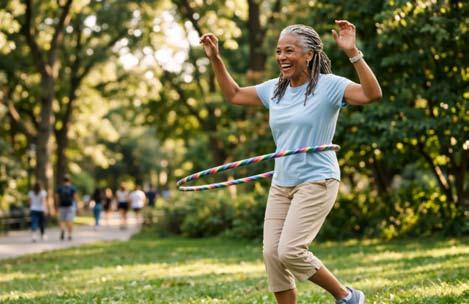
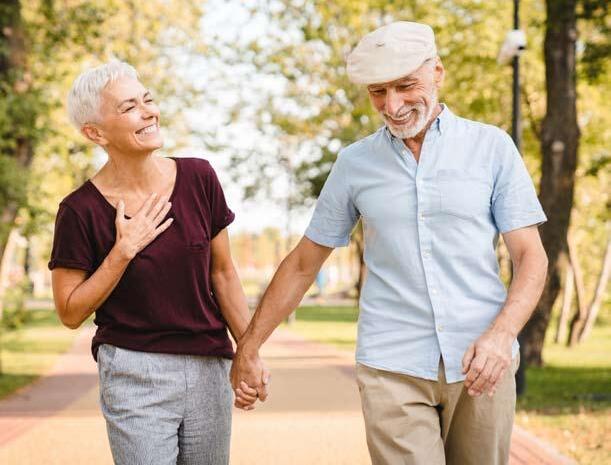
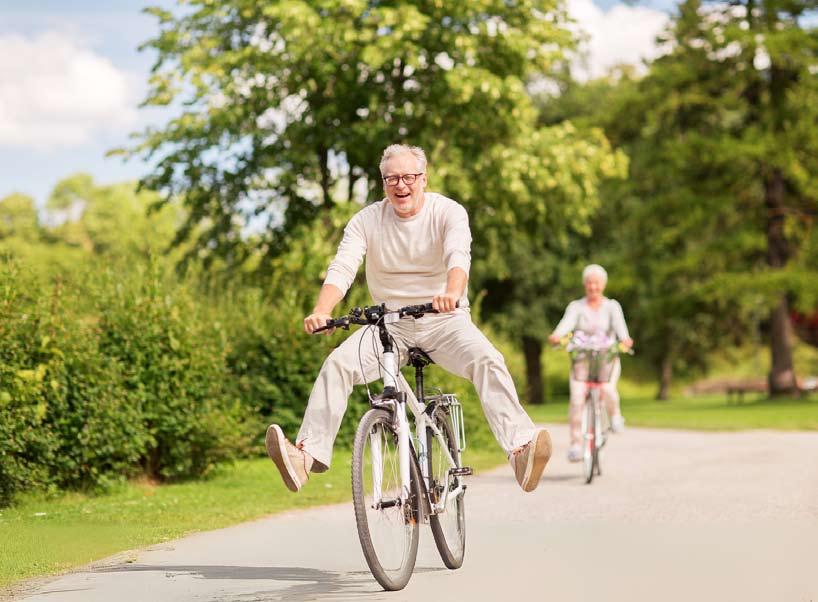
By the time mid-July arrives, summer has found its rhythm. The days are long, the evenings invite us outside, and life seems to slow just enough for us to reconnect with the things that matter most. It’s a season that reminds us that health isn’t built in dramatic moments— it grows through simple, repeated experiences.
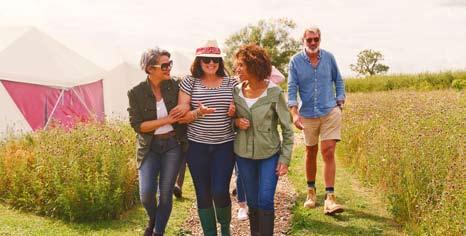
A walk at sunset. A run with friends. Fresh food shared around a table. Laughing a little longer. Sleeping with the windows open. These moments may seem ordinary, but together they form the foundation of longevity.
Research consistently shows that long, healthy lives are influenced by more than genetics. Regular movement, meaningful social connections, time outdoors, and managing stress all contribute to living not only longer, but better. Summer naturally brings these elements together in ways that feel effortless rather than prescribed.
As we move through the heart of July, consider this your invitation to say yes more often—to one more evening outside, one more family adventure, one more community event, one more walk around the neighborhood. Every healthy choice doesn’t have to be monumental. It simply has to be repeated.
Longevity isn’t about adding years to life alone. It’s about adding life to those years. Summer gives us a beautiful reminder that some of the healthiest habits are also the most enjoyable.
Here’s to making the most of the season—and investing in a healthier future, one summer day at a time.
Run/Walk for a cure please register at www.pinkenergyrun.com. All proceeds go to breast cancer and prostate cancer reserach.
POSITIVE AGING
EMBRACE LIFE. AGE WELL. KEEP READING.
Contact
For information on advertising or to submit articles call, 262-343-5163, or Email: positiveaging@wi.rr.com.
Disclaimer
POSITIVE AGING is published on the first of each month . The articles in this publication are in no way intended to replace the knowledge or diagnosis of your doctor. We advise seeing a physician whenever a health problem arises requiring an expert’s care.
Images - istock.com
Special Thanks -To all the local professionals that provide us with articles containing new information and keeping all our readers informed of the latest in positive living. And to all our advertisers, and you the readers!
MyPositiveAging.com
Positive Aging is distributed throughout the Milwaukee, Waukesha, Ozauakee and Washington county.
OASIS COMMUNITY CENTER
2414 W. Mitchell Street, Milwaukee, WI 53204
ACTIVE OLDER ADULTS PROGRAM
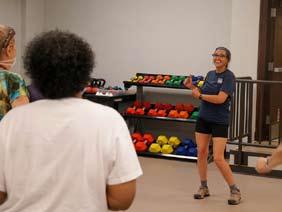
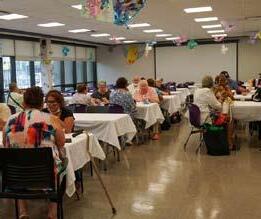
Enrich your life at the OASIS Community Center! Designed for adults fifty years and older, we offer a wide range of engaging programs including arts and crafts, cooking, fitness, health and wellness, yoga, dance, language skills, outdoor education, sports and recreation, and special events. Join our friendly, supportive community and find endless opportunities to learn, stay active, and connect.
COFFEE BAR
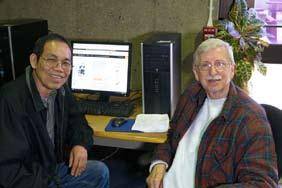
COMPUTER LAB
Open Monday through Friday 8:00AM-11:00AM Coffee and assorted teas, occasional bakery items.
Open Monday through Friday 8:00AM - 3:00PM
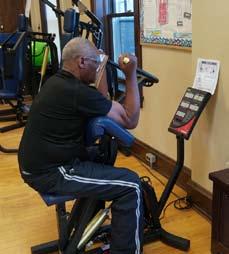
STAY ACTIVE AND BECOME OASIS FITNESS MEMBER!
Become an OASIS Fitness Center Member for $15 for City of Milwaukee Residents and $25 for Non-Residents. Membership fee is valid for one year from purchase date. Fitness Center equipment includes compressed air resistance machines, treadmills, ellipticals, exercise bicycles, rowing machines, and free weights.
Open Monday through Friday, 8:00AM-3:00PM.
Register for a membership in-person at the OASIS Community Center (2414 W. Mitchell Street)
Questions? Contact:
| 414.647.6057
Move Better, Feel Better with Yoga
As the warm days of summer invite us outdoors, it’s the perfect season to focus on your health and well-being. Whether you’re gardening, traveling, spending time with family, or simply enjoying the sunshine, staying active can help you feel your best. One of the easiest and most beneficial ways to keep moving is through gentle yoga.
Yoga is a low-impact form of exercise that helps improve flexibility, strength, balance, and mobility. As we age, maintaining these abilities becomes even more important for staying independent and making everyday
activities—from climbing stairs to carrying groceries—feel easier and more comfortable
In addition to its physical benefits, yoga is also great for your mental wellbeing. Practicing slow, mindful movements and focusing on your breathing can help reduce stress, ease anxiety, and promote relaxation. During a busy summer filled with family gatherings, vacations, and activities, even a few minutes of yoga each day can leave you feeling refreshed, centered, and energized.
One of the greatest things about yoga is that it’s for everyone. There is no competition and no need to perform advanced poses. Whether you’re new to exercise or have been active for years, yoga can be adapted to meet your individual needs. Poses can be modified, a chair can be used for support, and you can move at a pace that feels comfortable for your body.
, 2025
For those living with arthritis, joint stiffness, or chronic aches and pains, gentle yoga may help improve circulation, increase range of motion, and reduce muscle tension. Staying active through controlled, gentle movement can often help relieve discomfort rather than avoiding activity altogether.
Yoga also encourages healthy habits beyond the mat. As you become more aware of your body, you may find yourself making healthier choices throughout the day, including drinking more water, eating nutritious foods, sleeping better, and taking time for self-care.
Summer is also a wonderful time to enjoy yoga outdoors. Practicing on your patio, in your backyard, or at a local park allows you to combine movement with fresh air and sunshine, creating a peaceful experience that benefits both your body and your mind.
If you’ve been thinking about trying yoga, now is the perfect time to begin. Gina Ensslin, a certified yoga instructor, teaches gentle yoga classes at the Menomonee Falls Community Center. Classes are designed to accommodate all ability levels and provide a welcoming environment for anyone looking to improve their strength, flexibility, balance, and overall well-being. For class information and registration, visit www.fallsrec.org.
Gina Ensslin
Why Downsizing Has Become One of the Greatest Gifts Parents Can Give Their Families
For many families, the conversation does not begin with real estate. It begins with exhaustion.
An overwhelmed daughter standing in a packed basement wondering where to start.
A son opening drawers filled with decades of paperwork nobody understands.
Adult children trying to make emotional decisions while grieving, caregiving, working full-time, raising children, and navigating their own lives. Across the country, families are quietly facing a growing issue that few people openly discuss: what happens to a lifetime of possessions when parents age, or when a sudden health crisis forces difficult decisions. And unlike previous generations, today’s adult children are often already stretched thin emotionally, financially, and mentally.
This is why downsizing has evolved into something much deeper than simply moving into a smaller home. It has become an act of love.
The Hidden Emotional Weight of “Stuff”
Many older adults grew up during times when saving everything made sense. Items were repaired instead of replaced. Furniture stayed in families for generations. Closets held memories, not just belongings. Every object has a story: the holiday China, children’s artwork, wedding albums, tools from a late spouse and boxes no one has opened in 20 years.
Letting go can feel deeply personal. Sometimes it feels like letting go of identity itself. But adult children often experience those same possessions very differently. To them, an overfilled home can become a source of stress, a safety concern, a future responsibility they feel unprepared to handle and an emotional burden attached to guilt. That why many families avoid the conversation entirely because they fear sounding insensitive. Yet the silence often creates even greater stress later.
The Rise of “Swedish Death Cleaning”
One trend gaining attention worldwide is the concept of “Swedish death cleaning,” a Scandinavian philosophy focused on gradually simplifying possessions as we age. Despite its dramatic name, the idea is surprisingly uplifting.
The purpose is not about preparing for death. It is about making life easier; both for yourself and for the people you love. It encourages people to ask: What truly matters to me? What do I actually use? What stories should I pass down now instead of later? What am I holding onto out of guilt instead of
DOWNSIZE continued on page
For 75 years, TOPS Club has helped people take off, and keep off, the weight.
GFOODTRIENTS SAYS UNLOCK TIMELESS BEAUTY:
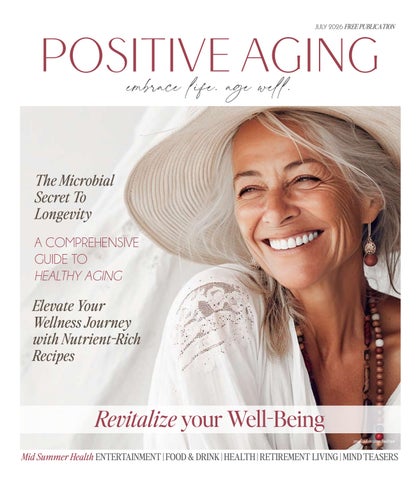
Elevate Your Wellness Journey with Nutrient-Rich Recipes
one are the days when achieving radiant beauty was reserved for Hollywood elites like Margot Robbie, famously known for her role as Barbie. Beauty transcends mere appearances; it’s an embodiment of vitality, health, and confidence that radiates from within.
Enter the realm of wellness through the lens of nutrition. It’s a journey where every meal is an opportunity to nourish not just the body, but the very essence of your being. Ginger Hultin, FoodTrients’ nutritionist and dietitian, illuminates the profound impact of a wholesome diet on our longterm beauty. She suggests embarking on a culinary adventure that promises to enhance your inner glow and outward allure. By eating a healthy diet can play a role in long-term beauty in the following ways:
Skin elasticity, vibrancy, and color
Hair and skin quality, fostering growth and resilience
Energizing the body for an active lifestyle and maintaining optimal muscle mass
Fueling vitality and zest for life, ensuring each day is brimming with potential
Which Foods Are Best for Aging Beautifully? Grace O, founder of FoodTrients, has identified the following ‘superfoods’ as the path to staying beautiful and vibrant as you age. Choose these food categories to get access to the complex carbohydrates, protein, and healthy fat as well as vitamins, minerals, and antioxidants that can support your beauty.
Vitamin A foods: carrots, tomatoes, red peppers, melon, fish, eggs ● Vitamin C foods: sweet potatoes, red peppers, citrus fruits, strawberries, tomatoes ● Vitamin E foods: almonds, peanut butter, pumpkin, wheat germ oil, sunflower seeds ● Biotin foods: nuts, egg yolks, oats ● Selenium foods: Brazil nuts, seafood, broccoli, soybeans
With each bite, you rewrite the narrative of aging, embracing a future where beauty and wellness dance in harmonious tandem. It’s time to savor the flavors of nourishment, paving the way for a more vibrant, age-defying you. These ‘superfoods’ are the ingredients for aging well, as well as creating delicious, irresistible dishes.
Grace O has provided two easy and delicious recipes for health and beauty.
Radish Salad SERVES 2-4
Radishes belong to the same family of vegetables as kale and cabbage and offer some of the same disease-preventing benefits. The eggs in this bright, tangy salad provide protein and the carrots vitamin A and the tomatoes vitamins A and C. The recipe is from my first cookbook, The Age Gracefully Cookbook.
Ingredients
2 daikon radishes or 1 bunch red radishes, stems removed 1 cup seasoned rice vinegar 2 Tbs. extra-virgin olive oil 1 tsp. minced garlic 1 tsp. sea salt 1/4 tsp. white pepper 2 chopped hard-boiled eggs 6-8 sliced grape tomatoes
2 medium carrots, scrubbed and sliced into coins
Procedure
1. Slice the radishes very thinly using a food processor or mandolin slicer. 2. To make the dressing, mix together the rice vinegar, olive oil, garlic, salt, and pepper. Let stand and allow the flavors to blend for up to 1 hour. 3. Toss the radishes with dressing. 4. To assemble, arrange the sliced radishes on salad plates. Top with the chopped eggs, carrots and tomato slices, evenly divided.
Korean-Stir-Fry-NoodlesStir-Fried Korean Glass Noodles SERVES 4
Korean glass noodles are made from sweet potato starch. Gluten-free and low-calorie, they have a springy texture and a neutral flavor. In Korean BBQ restaurants, this dish is known as Jap Chae or sometimes Chap Chae. In this recipe, which is from my Age Beautifully Cookbook, I jazz them up with marinated meat, stir-fry vegetables, eggs, and a sesame sauce. Traditionally, these noodles are served with a scrambled egg on top. You can use chicken or tofu instead of beef.
What are the age-fighting benefits? Sweet potatoes are full of carotenoids, antioxidants that produce vitamin A in your body. Vitamin A supports the immune system and keeps eyes healthy. Shiitake mushrooms contain selenium, an antioxidant mineral that also strengthens immune response. Mushrooms and beef both contain protein for building muscles.
Ingredients
1 cup Korean sweet potato glass noodles
Noodle Seasonings 1 tsp. toasted sesame seeds ¼ cup low-sodium soy or tamari sauce ¼ cup water
2 Tbs. raw or turbinado sugar 1 Tbs. sesame oil
Salt or salt substitute and freshly ground black pepper to taste
Meat 1 cup thinly sliced beef tenderloin 1 Tbs. raw or turbinado sugar 2
Tbs. low-sodium soy sauce or tamari sauce ¼ tsp. black pepper 1 Tbs. sesame oil
Vegetables ¼ cup julienned white onion 2 Tbs. sesame oil 2 tsp. chopped garlic 1 tsp. peeled and chopped ginger ½ cup julienned shiitake mushrooms ½ cup julienned carrots ½ cup firmly packed whole baby spinach leaves, without stems ¼ cup julienned green onion Salt or salt substitute and freshly ground black pepper to taste
Egg topping 1 tsp. olive oil 1 egg (organic, free-range, or Omega-3-enriched), beaten Salt or salt substitute and freshly ground black pepper to taste
Procedure: 1. Make the noodles: Cook according to package directions and drain; place in a serving bowl, and sprinkle with the toasted sesame seeds. Boil the noodle seasoning ingredients in a saucepan for 5 minutes. Pour over the noodles, toss, and set aside.
2. Make the meat: Combine the meat and its seasoning ingredients in a bowl and let sit for 10–15 minutes. Stir-fry in a wok or skillet over medium heat for 5–7 minutes or until well done. Set aside.
3. Make the vegetables: Stir-fry the white onions, garlic, and ginger in the oil over medium heat for 5 minutes. Add the shiitake mushrooms and cook another 1–2 minutes. Add the carrots and cook another 1–2 minutes or until the mushrooms are cooked through and the carrots are crisp-tender. Remove from the heat. Stir in the spinach leaves and green onions and allow them to wilt. Set aside in a bowl.
4. Make the topping: In a nonstick skillet, heat the olive oil over medium heat. Add the beaten egg and season with salt and pepper. Cook through, omelet-style, for 2–3 minutes without folding or turning. Turn onto a cutting board and slice into strips. Set aside in a bowl.
5. To serve, combine all of the ingredients in a large serving dish or serve each component separately and let your guests create their own bowls of goodness.
For more recipes and longevity articles visit www.foodtrients.com. Grace O is a fusion chef with a mission: to cook up recipes for sustaining a long and joyful life. Photo Credit: stock.adobe.com/ Drobot Dean.
5 Tips for Healthier
Happier Summer Activities
For families with a loved one who has dementia, however, these moments may bring mixed emotions. A parent, spouse or other family member who once eagerly participated in these gatherings may now find it difficult to engage as they once did. So, while the desire to participate may still be there, the pace, noise, and unpredictability of summer events can quickly become overwhelming, triggering confusion, fear, and anxiety. Does that mean you need to leave them out of your summer activities? Absolutely not! While the level of support needed will vary depending on the stage of their dementia, with a little planning and sensitivity to their needs, your loved one can safely share in the joys of summer in ways that are tai-
lored to meet their unique needs.
Here are some tips to help you pave the way towards a safe, healthy, and enjoyable summer for your loved one:
Be aware of summer safety hazards. Check their mobility aids (cane, walker) to make sure they are in good working order. Areas with uneven ground can cause tripping or slipping. Walking on sand can be challenging as well as grassy, muddy areas and old sidewalks with cracks and potholes. Make sure they are wearing sturdy closed-toe shoes. Consider having them wear a watch or pendant with a GPS tracker in case they wander off. Make sure they have a card in their pocket that explains their condition with your name, phone number, and address.
Pay attention to their overall health. Make sure they are getting plenty of sleep. Being well-rested will help them remain calmer and be more adaptable. Make it easy for them to stay hydrated by having a water bottle handy. Make sure they wear loose comfortable clothing when out and about. Keep their faces free from direct sunlight with a hat or sun umbrella. Be sure to bring along their medications and be mindful if they begin to show signs of fatigue or discomfort.
Respect their routines and comfort levels. When is your loved one at their best? When are they most open to engaging in an activity? Keep in mind that parks and outdoor entertainment spaces can get busy in the afternoon and on weekends. Scope out the surroundings and find a cool, quiet area to move your loved one if the noise levels or activities become overwhelming. This is especially true if a large gathering is planned, such as an outdoor barbecue. Prepare family members in advance. They may not have seen your loved one for a while. Help them understand how to communicate in a positive way with your loved one’s limitations in mind, while respecting their dignity. Phone ahead when possible. Before you plan an outing to a museum, theater, or other public venue, do a little research to ensure that the environment ACTIVE continued on page 34
Respectful, Loving Support
Family-owned-and-operated Assisted Living Community
Exce ptional Care Throughout All Stages Of Senior Living Inde pendent Apar tments Offered With Personal Assistance If Needed Community Based Residential Facility Caters To Delicate Elderly
Specializing In Memor y Care Suppor t Pets Welcome
The Future of Senior Care: Trends in Aging and Health Services
By Kim Lima
As global populations age at unprecedented rates, the future of senior care is undergoing a profound transformation. By 2050, the number of people aged 60 and older is expected to double, surpassing 2 billion worldwide. This demographic shift is not merely about growing older populations—it signals the need for comprehensive changes in how societies provide healthcare, support, and independence for aging individuals. Senior care is evolving from technological innovations to personalized care models to meet new expectations, challenges, and opportunities.
The Rise of Home-Based and Community-Centered Care
istock.com/Worawee
Meepian
One of the most significant shifts in senior care is the growing emphasis on aging in place. Rather than relocating to institutional settings, seniors increasingly prefer to remain in their own homes and communities. In response, healthcare systems and service providers are expanding home-based care offerings, including telehealth consultations, in-home nursing, and mobile diagnostics.
Community-centered programs are also gaining traction. These models
promote social engagement, access to health resources, and coordinated care within local networks. Services like adult day programs, transportation assistance, and community health workers enable older adults to maintain autonomy while staying connected to essential care.
Technology as a Transformative Force
Technology is becoming a cornerstone of modern senior care. From wearable health monitors to smart home devices, digital tools are helping seniors manage chronic conditions, track medications, and maintain safety at home. Artificial intelligence is being integrated into fall detection systems, cognitive health applications, and predictive analytics for early diagnosis of conditions like dementia.
Robotics is another area of growth. Companion robots and care-assistive devices are being introduced to help with daily tasks, alleviate loneliness, and improve emotional well-being. As these technologies become more intuitive and user-friendly, they will play a critical role in extending independence and reducing caregiver burden.
Personalized and Preventive Health Services
The future of senior care is increasingly individualized. Rather than offering one-size-fits-all solutions, healthcare providers are adopting personalized care models that consider a person’s medical history, lifestyle, and preferences. This shift aligns with the broader trend toward precision medicine, where treatments and prevention strategies are tailored to genetic, environmental, and behavioral factors.
Preventive care is also gaining prominence. Early screening programs, nutritional counseling, and mental health support are being integrated into senior health plans to delay or mitigate age-related conditions. This proactive approach not only improves quality of life but also helps manage longterm healthcare costs by reducing hospitalizations and complications.
The Evolving Role of Caregivers
Family members have traditionally played a central role in elder care, but the rising demand for support is placing unprecedented pressure on informal caregivers. There is an increasing focus on professionalizing and supporting the caregiving workforce to address this. Training programs, mental health resources, and fair compensation are essential to attract and retain skilled care workers.
At the same time, caregiving models are shifting toward collaboration. Interdisciplinary teams that include physicians, nurses, therapists, and social workers are working together to deliver comprehensive and coordinated care. Digital platforms also enable better communication between caregivers
TRENDS continued on page 34
Fun Outdoor Group Activities to Try
Get ready to make some new friends and try exciting games with some of these group activities.
Planning a group activity but don’t know where to start? We’ve gathered up some of our favorite outdoor group activities for you to try in the warmer summer months. Whether you’re looking to stay active, socialize, or enjoy the fresh air, there’s something for everyone. Let’s explore a list of lawn games, pickleball, nature walks, and many more fantastic options in this blog.
Classic Lawn Games with a Twist
Lawn games are a fantastic way to enjoy the outdoors and engage in some friendly competition. Here are a few classics with potential adaptations for varying mobility levels:
Croquet: This timeless game involves hitting balls through wickets with mallets. It’s a low-impact activity that encourages strategy and gentle movement. You can adapt the course length to suit everyone’s comfort.
Bocce Ball: A leisurely game where teams take turns throwing balls towards a smaller target ball. It’s easy to learn, can be played on various surfaces, and is easy to chat and play simultaneously.
Giant Jenga: Take the classic indoor game outdoors with oversized wooden blocks. It’s fun to watch and participate in, requiring careful hand-eye coordination and a bit of suspense.
Lawn Bowling: Similar to indoor bowling but played on grass. It’s a gentle exercise that promotes accuracy and strategic thinking. Many communities have lawn bowling clubs that offer lessons and social play.
Racket and Paddle Sports
For those looking for a bit more activity, racket and paddle sports offer a great blend of exercise and social interaction:
Pickleball: This popular sport combines elements of tennis, badminton, and table tennis. Played on a smaller court with a lower net and a wiffle ball, it’s easier on the joints than traditional tennis and boasts a strong social element. Many senior centers and community clubs offer beginner lessons and organized play.
Badminton: A lighter racquet sport that can be played at a leisurely pace for fun or with more intensity for a good workout. Doubles badminton is a fantastic way to socialize while staying active.
Paddle Tennis: Played on a smaller court than regular tennis with solid paddles and depressurized balls, it’s another excellent option that can be less demanding physically while still providing a good workout and social interaction. Consider forming groups and rotating for breathers and to socialize.
istock.com/Kar-Tr stock.adobe.com/Monkey Business
A Thriving Social Life Will Do Wonders
An active social life can improve mental, physical, and cognitive health as you age. Learn how socializing boosts well-being and discover tips for staying connected.
Here are four things to know about the benefits of having an active social life and how to improve socialization.
As people get older and circumstances change, their social lives can suffer. From the death of a spouse to family and friends moving on to new endeavors, a person may find him or herself suddenly socially isolated.
Eight percent of American seniors live in social isolation, and the situation can have a big impact on physical and mental health. Here are four things to know about the benefits of having an active social life and how to improve socialization.
Social Isolation Can Lead to Depression
Loneliness can lead to depression in older adults. People who are divorced or whose spouses have died may feel lonely and disconnected from other family members as well. Depression and loneliness can contribute to a lower quality of life. However, socializing with others and building new friendships can improve feelings of well-being and improve mood.
Socializing Can Benefit Physical Health
While socialization can improve mental health, it also has an effect on physical health. People who socialize with others and have a strong support system have been shown to live longer. Elderly people with a strong social network of friends and family may have a stronger immune system. This can help people fight off infections and improve overall health.
Cognitive Health Can Be Improved with Socialization
Social connections may help fight dementia and improve cognitive function. Researchers believe interacting with others can help people avoid dementia and Alzheimer’s disease. People with large social networks of people to rely on and socialize with keep their brains active and focused, which helps cognitive function.
A senior living community is designed to enhance the lives of older adults by offering a range of benefits that go beyond basic care. Here’s how they make life easier, safer, and more fulfilling:
Social Connections
Isolation can be a significant issue for older adults. Senior living communities create opportunities to build meaningful relationships through group activities, clubs, and shared dining experiences.
Convenience
Say goodbye to household chores! Services like housekeeping, transportation, and meal preparation free up time to focus on hobbies and relaxation. Safety and Security
Communities are equipped with safety features such as emergency call sys-
By Anthem Memory Care
As we grow older, it’s natural to notice changes in both our bodies and our minds. Stiff joints, muscle aches, reduced balance, and lower energy levels often become more common with age. At the same time, many people begin to pay closer attention to occasional forgetfulness or lapses in memory, sometimes wondering whether these changes could be early signs of dementia.
These concerns are common and completely understandable. However, knowledge and awareness can play a powerful role in reducing misconceptions and helping us make informed decisions about our health. Not every memory lapse is a sign of dementia, and while aging itself is one of the strongest risk factors, many other influences can affect brain health over time.
Understanding dementia risk factors is important because while some are beyond our control, such as age, genetics, and family history, others are linked to lifestyle and overall health and may be manageable or even preventable. By learning which factors are modifiable, individuals can take meaningful steps to support cognitive health and potentially lower their risk.
The Alzheimer’s Association categorizes risk factors for Alzheimer’s disease, the most common of the dementias, into two broad categories: those you cannot change (non-modifiable) and those you can influence through lifestyle and medical care (modifiable). They remind us that dementias, such as Alzheimer’s, are present twenty years or more before symptoms appear, making early risk management even more critical.
We’ve summarized the specific core risk factors outlined by the Alzheimer’s Association as follows:
Non-Modifiable Risk Factors
Increasing Age: This remains the greatest known risk factor. Risk doubles every five years after age 65; by age 85, the risk reaches nearly one-third.
Family History: Individuals with a first-degree relative (parent or sibling) with Alzheimer’s are more likely to develop it. That risk multiplies if more than one family member has the illness.
Genetics (Heredity): The Alzheimer’s Association distinguishes between risk genes (like APOE e4, which increase likelihood) and deterministic genes (rare genes that directly cause familial, early-onset Alzheimer’s).
Modifiable Risk Factors (The “Heart-Head” Connection)
There is a strong link between vascular health and brain health. Conditions that damage blood vessels in the heart also damage vessels in the brain:
High Blood Pressure (Hypertension): Unmanaged blood pressure damages the cerebral blood supply.
High Cholesterol: Plaque buildup affects both cardiac and cerebral arteries. Lifestyle, Behavior, and Environmental Factors
This is an area in which individuals can exert some control. There are six core lifestyle risks that individuals can alter to protect cognitive function: Physical Inactivity: A lack of regular aerobic exercise reduces oxygenation and nutrient delivery to brain cells.
Obesity: Excess weight, particularly when it begins in early adulthood to midlife, is heavily tracked as a driver of late-life dementia.
Smoking: Tobacco use damages cardiovascular integrity and causes neural inflammation.
Poor Sleep Quality: Chronic sleep disruptions can impact brain health.
Head Trauma: There is a strong, established link between serious or repeated head injuries (especially those involving a loss of consciousness) and future Alzheimer’s risk.
Quality of Early-Life Education: Higher-quality early education can help build a more resilient “cognitive reserve,” protecting performance later in life.
You can now appreciate the complexity of dementia and the many interconnected factors that influence whether a person ultimately develops a dementia such as Alzheimer’s disease. Dementia does not arise from a single cause; rather, it is the result of multiple genetic, medical, lifestyle, and environmental influences coming together over time, much like pieces of a puzzle.
Because of this complexity, it is essential to equip yourself and your family with accurate, evidence-based information. A stronger understanding of dementia, including who may be at greater risk and which factors can be influenced, can better prepare you to make informed choices about your health and well-being.
Below are six common misconceptions, reframed with the facts families should know:
#1 Misconception: Even significant memory loss is just part of getting older.
Fact: Mild forgetfulness, like occasionally misplacing items or struggling to recall a name, can happen with age. However, persistent memory problems, confusion, or behavioral changes that disrupt daily routines are not typical aging. These signs may point to an emerging dementia, such as Alzheimer’s disease, and should be assessed by a medical professional.
#2 Misconception: Dementia is inherited.
Fact: While rare familial forms exist, most dementia cases are not directly inherited. Having a close relative with dementia slightly increases your risk, however most cases are sporadic rather than passed directly from parent to child.
#3 Misconception: Dementia and Alzheimer’s mean the same thing.
Fact: Dementia is a general term describing a group of symptoms that affect thinking, memory, and communication. Alzheimer’s disease is the most common form of dementia. Others include vascular dementia, Lewy body dementia, and frontotemporal dementia.
#4 Misconception: Dementia only affects the elderly.
Fact: While the likelihood of developing dementia rises with age (especially after 65) it is not limited to older adults. Early-onset dementia can occur in people in their 40s or 50s, and in rare cases, even earlier.
#5 Misconception: Having dementia robs one’s life of any joy or meaning.
Fact: Even though dementia is progressive, many individuals can continue to lead independent, fulfilling lives for years after diagnosis. With the right support, they can participate in activities, build new experiences, and maintain emotional connections.
#6 Misconception: There’s no point in getting tested, since there is no cure.
Fact: Although most dementias do not yet have a cure, early diagnosis allows access to treatments that may help manage symptoms and potentially slow progression
istock.com/Valerii
Know the Importance of Summer Sun Eye Protection
By Cheryl L. Dejewski
You know that while some sunlight is enjoyable, too much can lead to sunburns, blisters and, worse yet, skin cancer. But, have you ever thought about the short- and long-term consequences of ultraviolet (UV) light exposure for your eyes?
How the sun causes eye damage
“Long-term exposure to the sun’s UV rays without protection contributes to the development of various eye disorders, including macular degeneration and cataracts,” says Brett Rhode, MD, Head of Ophthalmology at Aurora Sinai Medical Center. “The more exposure to bright light, the greater the risk of
vision impairment and blindness.” For example:
• UV-A rays can penetrate deep into the eye injuring the macula, the part of the retina responsible for central vision. This increases the risk of macular degeneration (AMD).
• UV-B rays are mainly absorbed by the cornea and lens of the eye. Sunlight exposure can increase the clouding of this lens, causing cataract formation.
• Photokeratitis, or “corneal sunburn,” is a result of intense exposure to UV-B rays and can cause extreme pain and vision loss for several days.
• Pterygium tissue growth on the white of the eye can be caused by UVlight exposure. Without treatment, it may spread to the cornea and require surgery.
“In addition to long-term UV-light exposure, you also need to protect your eyes from severe damage caused by single outings on very bright days,” says avid outdoorsman and ophthalmologist Daniel Ferguson, MD. “Excessive exposure to ultra-violet light reflected off sand, snow or pavement can damage the eye’s surface. Similar to sunburns, it can be very painful, usually disappears within a couple of days, and may lead to further complications later in life.”
How to take protective measures
Eye care specialist and cataract surgeon Michael Raciti, MD, advises, “It’s most important to stay out of the sun or to protect your eyes between 10 and 2, when UV-rays are the strongest. But, you really should just make it a habit to wear both sunglasses and a hat or visor whenever you’re outside for a prolonged period, even if it’s gray and overcast. And, no matter what your age, take proper precautions! If you instill good habits in children early on, they’re easier to enforce. And, you’ll help protect their sight for the future.”
Daniel Paskowitz, MD, PhD, an ophthalmologist with credentials from Harvard and Johns Hopkins, adds, “Before swimming, take off your sunglasses and pop on a pair of water goggles. Chlorine can make your eyes red and puffy, and ponds and lakes have bacteria that can get underneath contact
Vision continued on page 39
A Comprehensive Guide to Healthy Aging
Aging is a natural part of life, a voyage that everyone is on. Like any other journey, it requires preparation, guidance and support. Yet too many people delay or avoid the planning altogether. Aging can be an adventure—but it doesn’t have to be like swashbuckling through a mysterious jungle. Here are some tips that can help you navigate your senior years with confidence and grace.
What Support Systems Will I Need as I Age?
“Planning to age well requires thinking about the different types of support systems that may be needed,” says Jon Bain, Owner of Right at Home Milwaukee-Waukesha. “You may face a variety of challenges that call for more than just medical support.” These challenges may include the following:
• Family and friends: Emotional connections and support from family, friends and neighbors are often crucial, but these relationships may change or become strained as time goes on.
• In-home assistance: From daily chores to more personal needs, handling everyday tasks may become more challenging.
• Companionship: Feelings of loneliness and isolation can affect well-being, especially if family members live far away or close friends are lost.
• Specialized care: Medical conditions or mobility challenges may necessitate specific care, therapies or home modifications.
You wouldn’t have to face these challenges alone, and they need not become burdens for family members. Right at Home can serve as a comprehensive solution, providing the assistance, companionship and specialized care needed. “Whether it’s supporting your physical or emotional well-being or alleviating stress on family caregivers, Right at Home can integrate into your existing support system, ensuring you receive the compassionate and professional care you want or need,” says Bain. “The aim is to complement the love and care provided by family and friends with professional support tailored to your needs.”
What Plans Will I Need To Make Ahead of Time?
The idea of planning for your senior years can feel overwhelming. There’s so much to think about! But, as with anything else, taking the time to think about what lies ahead can make the journey smoother and less stressful. “Don’t try to do it all at once,” Bain advises. “Do allow yourself to change your plans as your needs or interests evolve.” Here are some key topics to think about:
• Living arrangements: Do you prefer to remain in your current home, downsize or consider a retirement community? If you had to move to a retirement community, what are your options, and what would you do with your current home?
• Health care planning: Beyond current medical needs, it’s important to think about long-term health care planning. This includes knowing how chronic conditions may affect your life and the medical support you may need in the future.
• Financial preparations: Assess your financial position, budget for unexpected expenses and ensure that funds will be available if your care needs change.
• Legal considerations: Writing a will, naming a power of attorney and organizing other legal documents only get more important with age.
• Social and emotional well-being: Planning for social engagement, hobbies and activities that keep you connected and fulfilled is just as essential as other practical considerations.
By understanding and addressing these essential topics, you’re setting the stage for a senior life that’s not just well planned but also well lived.
While this list may seem daunting, you don’t have to tackle it alone. Right at Home recognizes the complexity of planning for the golden years and stands ready to assist. “Whether navigating the maze of health care decisions, evaluating living arrangements or simply providing a compassionate ear, Right at Home can be an invaluable partner,” says Bain.
Make a Planning Checklist
A comprehensive checklist ensures you don’t overlook any essential details. Be sure to include:
• Financial matters: Budgeting, understanding insurance, managing your assets and planning for future costs.
• Medical needs: Coordinating your care with health care providers, understanding medications and planning for possible future needs.
• Legal matters: Ensuring all legal documents like your power of attorney and living will are in place.
• Home services/maintenance: Don’t overlook regular upkeep to make home living comfortable and safe.
• Aging-in-place modifications/home safety: Making necessary adjustments to your home for safety and accessibility as your needs change.
• The Right at Home “RightConversations” Guide: An essential guide to having meaningful family conversations about seniors’ care plans and wishes.
You’re Never Alone With Right at Home
Aging is a journey we all embark on, but it’s not one you have to navigate alone. With Right at Home by your side, you have a compassionate and understanding partner ready to guide you every step of the way. As Bain notes, “Right at Home is committed to ensuring that your journey is one filled with support, dignity and peace of mind.”
About Right at Home of Milwaukee-Waukesha
The Right at Home Milwaukee – Waukesha office is a locally owned and operated franchise office of Right at Home, LLC. For more information, contact Right at Home at www.carerah.com, at 262-347-3005 or by email at info@carerah.com.
You Don’t Have to Navigate Aging Alone
Planning ahead isn’t about expecting the worst—it’s about preparing for the best possible future. By thinking ahead, building a reliable support network, and making informed decisions, you can maintain greater independence and enjoy the years ahead with confidence.
Whether support comes from family, friends, community organizations, or professional caregivers, having a plan in place provides reassurance for everyone involved and helps ensure that your wishes remain at the center of every decision.Professional home care providers can often complement the support provided by family, allowing loved ones to spend more quality time together while ensuring day-to-day needs are met. One of the most important steps in aging well is starting the conversation early. Talking openly with loved ones about your wishes, values and long-term goals can prevent confusion and reduce stress when important decisions need to be made. These discussions may feel difficult at first, but they provide peace of mind for everyone involved and help ensure that your preferences are understood and respected. Revisiting these conversations every few years allows your plans to evolve as your health, lifestyle and priorities change.
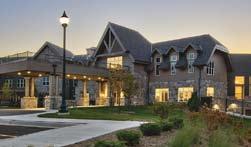
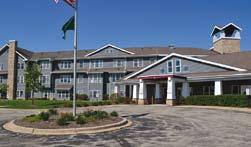
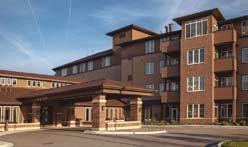
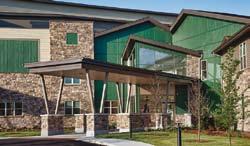
Tudor Oaks Senior Living Community
Services!
Tudor Oaks Senior Living Community, a trusted name in the Muskego area for over 40 years, is now offering Home Care Services to area residents!
Tudor Oaks Home Care Services provide a variety of supportive options to assist seniors who wish to remain in their own home.
istock.com/OksanaKiian
THE MICROBIAL SECRET TO LONGEVITY:
What Yogurt, Kimchi, and an Unpeeled Apple Could Do for Your Health
By Charles Platkin, PhD, JD, MPH
We’ve spent much of the last century trying to sterilize our food, scrub our kitchens, and wipe away the germs from every surface we touch. But what if we were cleaning away one of the most powerful allies we have in the fight against chronic disease and early death?
Higher dietary live microbe intake is linked to reduced risk of metabolic syndrome and mortality: a cross-sectional and longitudinal study
That’s the paradox at the center of a fascinating new study that should make you think twice the next time you peel an apple, skip the sauerkraut, or toss a tub of kefir in favor of something ultra-processed.
:
In one of the largest analyses of its kind, researchers studied data from nearly 40,000 people and found that those who regularly consumed more live microbes from food—beneficial bacteria found in fermented items and unprocessed produce—had a lower risk of developing metabolic syndrome and were significantly less likely to die from cardiovascular disease.
The implications? Enormous. Especially when you consider that simply eating one extra cup per day of microbe-rich foods was linked to a 6% drop in all-cause mortality and 8% drop in heart-related deaths.
Let’s unpack what this means, and how you can use this information to improve your own health—starting today.
What Is Metabolic Syndrome—and Why Should You Be Paying Attention?
Metabolic syndrome (MetS) isn’t just a buzzword—it’s a serious medical diagnosis that represents a toxic cluster of conditions: high blood pressure, high triglycerides, low HDL (“good”) cholesterol, elevated blood sugar, and abdominal obesity.
If you have three or more of these, you’ve got metabolic syndrome—and you’re at sharply increased risk for heart attack, stroke, diabetes, dementia, and death.
Right now, one in three American adults meet the criteria, and the numbers are only rising with our increasingly sedentary, ultra-processed lifestyle.
This study wasn’t just about people with diagnosed MetS—it looked at the entire population, examining who was at risk, who already had it, and how their food choices (specifically their intake of live microbes) influenced their odds of staying healthy or beating the odds.
What Are Dietary Live Microbes?
Let’s get specific.
Live microbes are beneficial bacteria found in certain foods that haven’t been pasteurized, sterilized, or overly processed. You’ll find them in: Fermented foods like kimchi, sauerkraut (unpasteurized), miso, tempeh, kefir, and yogurt with live and active cultures
stock.adobe/ChayTee
Unpeeled fruits and vegetables, especially those eaten raw
Probiotic supplements, though the study focused more on whole foods
Researchers categorized foods into three groups based on the concentration of these live bacteria:
High: Unpasteurized fermented foods and probiotics
People were grouped according to how many live microbes they were consuming from these foods—and then tracked to see how that influenced their health.
Importantly, researchers evaluated microbial intake two ways: 1) by categorizing the type of foods eaten (low, medium, or high microbe), and 2) by measuring the quantity of medium- and high-microbe foods consumed (called MedHi). Interestingly, while both methods showed benefits, the strongest and most consistent results came from food categories—not just sheer quantity. A reminder that what you eat may matter just as much as how much.
What the Study Found (And Why It Matters)
After reviewing 20 years of data from the NHANES survey, the study found that those with high live microbe intake had:
12% lower risk of metabolic syndrome
23% lower risk of low HDL (good) cholesterol
10% lower risk of high triglycerides
10% lower risk of high blood pressure
A 6–8% mortality reduction with every 100g (about 1 cup) increase in live microbe-rich food intake
These aren’t modest changes. They’re medically meaningful, and they point to a relatively simple dietary shift with potentially massive impact.
It’s also worth noting that the benefits weren’t spread equally across all components of metabolic syndrome. While HDL, triglycerides, and blood pressure improved significantly, there was no statistically significant change for fasting blood glucose or waist circumference after full adjustment. So while microbes deliver major wins, they may not be the answer for every metabolic issue.
How Do Live Microbes Work Their Magic?
This isn’t snake oil. The science here is real—and evolving.
Here’s what’s happening beneath the surface:
1. Gut Microbiota Modulation
Live microbes from food help seed your gut with diverse, beneficial bacteria. This strengthens the gut lining, reduces “leaky gut,” and optimizes immune response—leading to lower inflammation throughout the body.
2. Metabolic Regulation
These microbes ferment fiber in your gut and produce short-chain fatty acids (SCFAs) like butyrate, acetate, and propionate. These compounds: Improve insulin sensitivity
Help regulate appetite and body weight
Lower triglyceride and LDL levels
Improve HDL cholesterol function
3. Vascular and Heart Health
Microbial metabolites help regulate blood pressure by:
Influencing vascular tone
And in people who already had metabolic syndrome? The findings were even more profound:
A 29% reduction in cardiovascular mortality
A 15% drop in all-cause mortality (medium intake group)
Modulating autonomic nervous system activity
Reducing arterial stiffness
Enhancing renal sodium excretion
HEALTH continued on page 25
Complete Care specializes in short term rehabilitation to get you back home safely, and long term care. Be at peace knowing your loved one is receiving outstanding care with the amenities of home in a serene setting.
OUR CARE SERVICES
Complete Care specializes in short term rehabilitation to get you back home safely, and long term care. Be at peace knowing your loved one is receiving outstanding care with the amenities of home in a serene setting.
Find a Complete Care center near you to learn more and schedule a tour!
Find a Complete Care center near you to learn more and schedule a tour!
OUR CARE SERVICES
• Inpatient Dialysis
• Inpatient Dialysis
• Physical, Occupational, and Speech Therapy
• Physical, Occupational, and Speech Therapy
• Wound Care
• Wound Care
• Behavioral Health
• Behavioral Health
• Respite Care
• VA Contracting
• Respite Care
GLENDALE CARE AND REHAB CENTER
HALES CORNERS CARE CENTER
6263 N Green Bay Avenue, Glendale, WI 53209
9449 W Forest Home Ave, Hales Corners, WI 53130
414.351.0543 | glendalecrc.com
414.529-6888 | halescornerscarecenter.com
GLENDALE CARE AND REHAB CENTER
6263 N Green Bay Avenue, Glendale, WI 53209
GRANDE PRAIRIE CARE AND REHAB CENTER
GLENDALE CARE AND REHAB
414.351.0543 | glendalecrc.com
10330 Prairie Ridge Blvd, Pleasant Prairie, WI 53158
262.612.2800 | grandeprairiecrc.com
6263 N Green Bay Avenue, Glendale WI 53209
414.351-0543 | glendalecrc.com
GRANDE PRAIRIE CARE AND REHAB CENTER
KENSINGTON CARE AND REHAB CENTER
10330 Prairie Ridge Blvd, Pleasant Prairie, WI 53158
1810 Kensington Drive, Waukesha, WI 53188
GRANDE PRAIRIE CARE AND REHABE CENTER
262.612.2800 | grandeprairiecrc.com
262.548.1400 | kensingtoncareandrehab.com
10330 Prairie Ridge Blvd. Pleasant Prairie, WI 53158
262.612.2800 | grandeprairiecrc.com
KENSINGTON CARE AND REHAB CENTER
1810 Kensington Drive, Waukesha, WI 53188
KENSINGTON CARE AND REHAB
262.548.1400 | kensingtoncareandrehab.com
1810 Kensington Drive, Waukesha, WI 53188
262-548-1400 | kensingtoncareandrehab.com
• VA Contracting
• And Much More
CARE-AGE OF BROOKFIELD
RIDGEWOOD CARE CENTER
3205 Wood Road, Racine, WI 53406
1755 N. Barker Rd Brookfield, WI 53045
262.554.6440 | ridgewoodcarecenter.com
262.821.3939 | care-age.com
RIDGEWOOD CARE CENTER
3205 Wood Road, Racine, WI 53406
RIDGEWOOD CARE CENTER
SOUTHPOINTE CARE AND REHAB CENTER
4500 West Loomis Road, Green�ield, WI 53220
414.325.5300 | southpointecrc.com
3205 Wood Road, Racine, WI 53406
262.554.6440 | ridgewoodcarecenter.com
262.554.6440 | ridgewoodcarecenter.com
SOUTHPOINTE CARE AND REHAB CENTER
VIRGINIA HIGHLANDS CARE AND REHAB CENTER
W173 N 10915 Bernie’s Way, Germantown, WI 53022
4500 West Loomis Road, Green�ield, WI 53220
262.509.3300 | virginiahighlandscrc.com
414.325.5300 | southpointecrc.com
SOUTHPOINTE CARE AND REHAB CENTER
4500 West Loomis Road, Greenfield WI 53220
414.325.5300 | southpointecrc.com
VIRGINIA HIGHLANDS CARE AND REHAB CENTER
W173 N 10915 Bernie’s Way, Germantown, WI 53022
VIRGINIA HIGHLANDS CARE AND REHAB
262.509.3300 | virginiahighlandscrc.com
W173 N 10915 Berniew’s Way, Germantown, WI 53022
262.509.3300 | virginiahighlandscrc.com
• And Much More Scan to Learn More
Scan to Learn More
There’s even evidence that microbes affect how your body processes cholesterol and bile acids—two key factors in cardiovascular health.
HDL, Blood Pressure, and the Microbial Link
The standout benefit in this study was to HDL cholesterol—that’s your “good” cholesterol, and having more of it is strongly protective against heart disease.
Participants in the high microbe group had a 23% lower risk of low HDL. That’s huge.
The science behind this? Gut microbes help influence HDL biogenesis (how it’s created) and cholesterol transport. They even help modulate bile acid metabolism, which in turn affects how your liver handles cholesterol.
And while benefits to blood pressure and triglycerides were slightly less dramatic, they were still clinically meaningful. Interestingly, when it came to triglycerides, the study observed a U-shaped effect—meaning moderate intake of microbe-rich foods seemed to be more effective than very high amounts for that particular marker.
Microbes and Mortality: Why the Longevity Findings Are So Compelling
Of all the data in the study, this may be the most important:
Among people with metabolic syndrome, those with higher live microbe intake were up to 29% less likely to die from cardiovascular disease.
Let’s put that into perspective: Cardiovascular disease is the #1 cause of death worldwide. A nearly 30% reduction in CVD mortality from a simple dietary shift? That’s the kind of intervention public health officials dream about.
This wasn’t just about “feeling better” or improving lab results—it was about real, measurable survival.
Not All Microbes Are Equal: Why Food Source Matters
The study found that it’s not just how much you eat, but what you eat.
The biggest benefits came from medium to high microbe foods—things like:
Unpeeled apples, grapes, and carrots
Sauerkraut (raw, not canned or pasteurized)
Kefir and yogurt (with “live and active cultures”)
Kimchi, miso, tempeh
Heat-treated, pasteurized, or shelf-stable items lose most of their microbial content. So do well-cooked fermented items. That kombucha that’s been sitting warm on a truck for two months? Probably not helping your microbiome.Whole, raw, fermented, and minimally processed is the name of the game.
In a health system dominated by pharmaceuticals and high-tech interventions, it’s easy to overlook the quiet power of food.
But this research adds to a growing mountain of evidence that what—and how—we eat has a profound impact on our healthspan and lifespan.
10 Common Misconceptions Related To Aging
Many people make assumptions about aging, what it is like to grow “old”, and how older age will affect them. But as we are getting older, it is important to understand the positive aspects of aging. Research has shown that you can help preserve your health and mobility as you age by adopting or continuing healthy habits and lifestyle choices. Read on to learn about 10 common misconceptions related to aging and older adults.
1. Depression and loneliness are normal in older adults.
As people age, some may find themselves feeling isolated and alone. This can lead to feelings of depression, anxiety, and sadness. However, these feelings are not a normal part of aging as growing older can have many emotional benefits, such as long-lasting relationships with friends and family and a lifetime of memories to share with loved ones. In fact, studies show that older adults are less likely to experience depression than young adults. So, when
should you be concerned? It’s important to remember that older adults with depression may have less obvious symptoms or be less likely to discuss their feelings. Depression is a common and potentially serious mood disorder, but there are treatments that are effective for most people.
Get
Immediate Help
If you are thinking about harming yourself, tell someone immediately who can help.
Do not isolate yourself.
Call your doctor.
Call 911 or go directly to a hospital emergency room or ask a friend or family member to help you.
2. The older I get, the less sleep I need.
As people age, they may find themselves having a harder time falling and staying asleep. A common misconception is that a person’s sleep needs decline with age. Older adults need the same amount of sleep as all adults — 7 to 9 hours each night. Getting enough sleep keeps you healthy and alert. Adequate sleep can also help reduce your risk of falls, improve your overall mental well-being, and have many other benefits.
3. Older adults can’t learn new things.
Not true! Older adults still have the ability to learn new things, create new memories, and improve their performance in a variety of skills. While aging does often come with changes in thinking, many cognitive changes are positive, such as having more knowledge and insight from a lifetime of experiences. older woman playing the pianoTrying and learning new skills may even improve cognitive abilities. For example, one study found that older adults who learned quilting or digital photography had improved memory. Seeking out new social connections with others and engaging in social activities, such as a dance class or book club, can keep your brain active and may also boost your cognitive health.
4. It is inevitable that older people will get dementia.
Dementia is not a normal part of aging. Although the risk of dementia grows as people get older, it is not inevitable, and many people live into their 90s and beyond without the significant declines in thinking and behavior that characterize dementia. Occasionally forgetting an appointment or losing
The CapTel® Captioned Telephone shows word-for-word captions of everything a caller says, letting you read anything you cannot hear over the phone. CapTel is a NO-COST, federally funded technology available under the Americans with Disabilities Act To qualify, users need:
• Hearing loss
• Internet connection
• Landline telephone service
istock.com/ Jacob Wackerhausen
your keys are typical signs of mild forgetfulness, which is very common in normal aging. Nevertheless, you should talk with a doctor if you have serious concerns about your memory and thinking, or notice changes in your behavior and personality. These problems can have a range of different causes, some of which are treatable or reversible. Finding the cause is important for determining best next steps.
5. Older adults should take it easy and avoid exercise so they don’t get injured.
As you age, you may think exercise could do more harm than good, especially if you have a chronic condition. However, studies show that you have a lot more to gain by being active — and a lot to lose by sitting too much. Often, inactivity is more to blame than age when older people lose the ability to do things on their own. Almost anyone, at any age and with most health conditions, can participate in some type of physical activity. In fact, physical activity may help manage some chronic conditions. Exercise and physical activity are not only great for your mental and physical health, but can help keep you independent as you age. Tai Chi and similar mind and body movement practices have been shown to improve balance and stability in older adults and this can help maintain independence and prevent future falls.
6. If a family member has Alzheimer’s disease, I will have it, too.
A person’s chance of having Alzheimer’s disease may be higher if he or she has a family history of dementia because there are some genes that we know increase risk. However, having a parent with Alzheimer’s does not necessarily mean that someone will develop the disease. Learn about your family health history and talk with your doctor about your concerns.
Environmental and lifestyle factors, such as exercise, diet, exposure to pollutants, and smoking also may affect a person’s risk for Alzheimer’s. While you cannot control the genes you inherited, you can take steps to stay healthy as you age, such as getting regular exercise, controlling high blood pressure, and not smoking.
7. Now that I am older, I will have to give up driving.
As the U.S. population ages, the number of licensed older adults on the
road will continue to increase. The Federal Highway Administration (FHWA) recorded a record-high 221.7 million licensed drivers in the U.S. in 2016, including 41.7 million — or almost one in five — who are 65 years or older. Older woman in her car backing out of a parking spotNatural changes can occur with age that may affect a person’s ability to drive, like having slower response speed, diminished vision or hearing, and reduced strength or mobility. The question of when it is time to limit or stop driving should not be about age, rather, it should be about one’s ability to drive safely. These questions may help you determine if you or a loved one needs to limit or stop driving. Talk with your doctor if you have any concerns about your health and driving.
8. Only women need to worry about osteoporosis.
Although osteoporosis is more common in women, this disease still affects many men and could be underdiagnosed. While men may not be as likely to have osteoporosis because they start with more bone density than women, one in five men over the age of 50 will have an osteoporosis-related fracture. By age 65 or 70, men and women lose bone mass at the same rate.
Many of the things that put men at risk are the same as those for women, including family history, not enough calcium or vitamin D, and too little exercise. Low levels of testosterone, too much alcohol, taking certain drugs, and smoking are other risk factors.
9. I’m “too old” to quit smoking.
It doesn’t matter how old you are or how long you have been smoking, quitting at any time improves your health. Smokers who quit have fewer illnesses such as colds and the flu, lower rates of bronchitis and pneumonia, and an overall better feeling of well-being.
The benefits of quitting are almost immediate. Within a few hours, the carbon monoxide level in your blood begins to decline and, in a few weeks, your circulation improves, and your lung function increases. Smoking causes an immediate and long term rise in your heart rate and blood pressure, but
AGING continued on page 31
4 Nourishing Practices for a Healthier You
By Maggie Thorison, TOPS Club
I
f you’ve ever heard the phrase, be kind to your body, it may be easy to dismiss as a trend or a quote you might see on social media. But being kind to your body is something much more. It’s about taking intentional steps to nurture the body you call home so you can get the most out of life and do what brings you joy, whatever that looks like for you.
The best part? No matter where you are on your health journey, you can show your body kindness with the following four practices.
Prioritize Sleep
Sleep doesn’t seem to get as much attention as nutrition and exercise when
discussing weight management and overall wellness, but it should. An astonishing 65% of adults who are dissatisfied with their sleep experience mild or greater levels of depressive symptoms, according to the National Sleep Foundation poll.
If you wake up feeling groggy or experience fatigue throughout the day, be sure to discuss this with your doctor. A good night’s sleep shouldn’t feel like a luxury or a rare occurrence. It should be a regular, even nightly, event.
Speak Kindly
Pay attention to how you speak to yourself and the words you choose. People are often their own worst critics, and negative self-talk can be a tough habit to break. The first step is to recognize what words you are choosing, then make an intentional effort to reframe the conversation.
For example, say you make a mistake at work and your immediate thought is, “I’m so stupid.” Take a pause and try replacing this with something like, “I made a mistake. These things happen. How can I learn from them?”
This takes practice and doesn’t happen overnight, but shifting to a more compassionate mindset helps lay the foundation for a healthier and more kind relationship with yourself.
Stretch and Mobilize
Have you ever thought that you were not flexible enough to stretch? This is a common misconception, but the truth is that simple and gentle stretches can be beneficial for just about everyone for improved mobility and range of motion. And that makes your body feel good!
Regardless of age or fitness level, a regular stretching routine focusing on the shoulders, hips and ankles may help alleviate stiffness and slowly enhance flexibility. Not quite sure where to begin? Check out the Members Area of www.tops.org, go to My TOPS Resources, then visit the Getting Active page, where you’ll find gentle hip stretches, bedtime stretches and more moves to improve flexibility and well-being.
Eat All the Colors
Looking for a more simplified approach to healthy eating? Color your plate with vibrant veggies and fruit! You don’t have to count calories or stick to a specific plan or menu (unless that works for you, of course!).
Memory Care at Tudor Oaks
ur specially trained staff will ensure your loved one is treated with dignity and care, AND as a family member you can look forward to your visits because of all the fun things you can do together right here on our campus!
3 Mental Health Benefits of Moving to a Modern Community
Senior living communities offer many mental health benefits to older adults. Learn more about how these communities could improve the emotional well-being of yourself or a loved one. Senior living communities provide more than just a place to reside: They also enhance the mental and emotional well-being of residents. The engaging activities, social connections, and consistently available care at these communities can significantly support and uplift your loved one’s mental health.
Understanding these mental health benefits is essential for family members as they make important decisions about their loved one’s care. This article delves into the mental health advantages offered by senior living communities, whether assisted living facilities, nursing homes, or another type of community, and how these benefits can improve the overall quality of life for your loved one.
Engaging activities stimulate the mind
Senior living communities offer a variety of activities for residents. Most communities post a calendar of activities and have several planned activities each day. These activities offer your loved one the opportunity to choose activities that align with their interests and are specifically designed to stimulate and engage their minds.
These activities can significantly improve your loved one’s mental health and enhance their overall well-being. Engaging in activities gives your loved one a reason to leave their room and interact with neighbors. Activities help combat loneliness, provide cognitive stimulation, and foster friendships. A schedule filled with fun activities gives older adults something to look forward to, which adds joy and anticipation to each day.
Here are some typical activities that can benefit your loved one’s mental health: Arts and crafts classes: Arts and crafts classes offer seniors a fun way to nurture their creative side, express themselves, and even discover new talents and skills. Walking away with something they created provides a sense of satisfaction and confidence that can boost mental health.
Puzzles and brain games: Not only can your loved one have fun while engaging in activities like trivia, puzzles, cards, bingo, and other games, but these activities help sharpen problem-solving skills and support cognitive
istock.com/Jacob Wackerhausen
health.
Music performances: Many senior communities host live musical performances or have musical hours when they play various types of music for the residents. Some communities may even offer residents an opportunity to play different instruments together. Engaging with music stimulates memory and emotional expression. This activity can foster the recall of cherished memories and feelings of joy.
Outings: If the senior community offers scheduled trips to local attractions, your loved one not only has the opportunity to enjoy some time in the local community, but they also can maintain a level of independence. Consequently, these outings boost their self-confidence, foster feelings of happiness while having fun, and stimulate cognitive functioning.
SOCIAL continued on page 14
tems, secure entrances, and trained staff available 24/7 to handle emergencies.
Wellness Programs
Many communities prioritize health and wellness with fitness classes, walking groups, on-site healthcare services, and recreational activities tailored to residents’ abilities.
Personalized Care
Whether it’s assistance with daily activities or specialized memory care, senior living communities provide tailored support to meet individual needs.
Peace of Mind
Families can rest easy knowing their loved ones are cared for in a safe, supportive environment where they can thrive.These benefits make a senior living community an enriching and supportive choice for older adults. Reach out to learn how our community can help. For more information visit sunrisemeadowsliving.com.
AGING continued on page 27
quitting can lead to a lowering of heart rate and blood pressure over time. Quitting smoking will also lower your risk of cancer, heart attack, stroke, and lung disease. Quitting will also reduce secondhand smoke exposure to other family members or caregivers in the home. It is never too late to reap the benefits of quitting smoking and setting a healthy example for your children and grandchildren.
10. My blood pressure has lowered or returned to normal, so I can stop taking my medication.
High blood pressure is a very common problem for older adults — especially those in their 80s and 90s — and can lead to serious health problems if not treated properly. If you take high blood pressure medicine and your blood pressure goes down, it means the medicine and any lifestyle changes you have made are working. However, it is very important to continue your treatment and activities long-term. If you stop taking your medicine, your blood pressure could rise again, increasing your risk for health problems like stroke and kidney disease. Talk with your doctor about possibilities for safely changing or stopping your medication.
Emotional Benefits of Exercise
Why Is Physical Activity Important?
]Exercise and physical activity are good for just about everyone, including older adults. No matter your health and physical abilities, you can gain a lot by staying active. In fact, studies show that “taking it easy” is risky. Often, inactivity is more to blame than age when older people lose the ability to do things on their own. Lack of physical activity also can lead to more visits to the doctor, more hospitalizations, and more use of medicines for a variety of illnesses.
Research has shown that exercise is not only good for your physical health, it also supports emotional and mental health. You can exercise with a friend and get the added benefit of emotional support. So, next time you’re feeling down, anxious, or stressed, try to get up and start moving!
Normal Heart Rate Guide for Older Adults
Aging is one of life’s most beautiful journeys, filled with growth, wisdom, and cherished memories. It’s an opportunity to embrace each moment and celebrate the richness of our lives. As Abraham Lincoln beautifully said, “It’s not the years in your life that count. It’s the life in your years.”
With the right habits and support, older adults can thrive, remaining vibrant, healthy, and joyful. At our senior living communities, we go beyond care – we inspire an active, fulfilling lifestyle centered on heart health and proactive wellness. Here, every resident feels empowered, connected, and genuinely cared for in a place they’re proud to call home.
Understanding the Aging Heart
Understanding the heart is key to a healthier, more fulfilling life as we age. By learning how our hearts change over time, we can take proactive steps to support wellness and vitality. The heart naturally undergoes structural and functional changes with age. Here are some essential facts:
The heart rate for seniors may remain steady at rest but may not respond as quickly during activity or stress.
Normal heart rate for elderly women and men usually ranges between 60–100 bpm.
Thicker walls or stiffer valves can impact circulation and energy levels.
Irregular heart rhythms (arrhythmias) become more common as we age. While some are harmless, others—like atrial fibrillation—may increase stroke risk.
In older adults, irregular heartbeat, or arrhythmia, can arise from various factors. High blood pressure, for instance, places additional strain on the heart, potentially disrupting its natural rhythm over time. Medications, while essential, can sometimes interact in ways that affect heart signals, particularly if multiple prescriptions are involved. By understanding these causes, we can take meaningful steps toward managing heart health and promoting a stronger, more resilient cardiovascular system in our later years. Explore healthy blood pressure ranges in seniors.
Common Heart Rhythm Conditions
As we age, understanding common heart rhythm conditions like arrhythmias, bradyarrhythmias, and ventricular arrhythmias becomes vital to maintaining cardiovascular health and overall well-being. These are some of the most common heart rhythm conditions for older adults:
Arrhythmias: Irregular heartbeats, including atrial fibrillation, raise the risk of stroke.
Bradyarrhythmias: Abnormally slow heart rhythms due to aging pacemaker cells can lead to dizziness or fatigue.
Ventricular arrhythmias: This is more common after age 60 and may be serious if linked to heart disease.
The Specialized Realtors You Need.
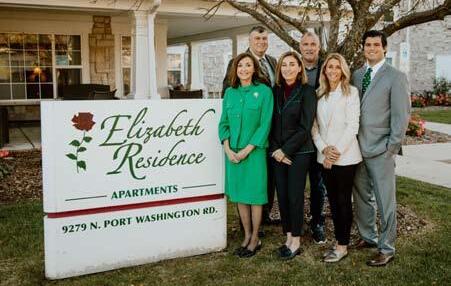
As Certified Senior Real Estate Specialists, we are dedicated to providing the best possible customer experience, whether you are buying or selling a home!(or both). With a combined 35+ years of experience in the real estate industry, we understand that this is more than a transaction it’s personal.
If you are contemplating if the time is right to make a move, give us a call and lets have a conversation.
will align with their needs and preferences. Contact the venue in advance if possible. Many are now dementia friendly and will work with you to schedule the best time for a visit. Restaurants alerted in advance can seat you near a bathroom or in a quieter area to avoid the din of ambient noise.
Here are some summer activities to consider that offer natural opportunities to connect, engage, and enjoy time together:
Picnics, either in a park or your backyard
Visits to local botanical gardens, nature walks
Walks in the park, through the neighborhood
Back yard barbecues with family and friends
Bird watching in the back yard or park
Fishing at your local lake or pond
Outdoor games, such as bocce ball, cornhole, croquet, or horseshoes
Planting and gardening
Playing music in the backyard
Sitting together and watching the sunset
Simple moments like these can be some of the most meaningful. They don’t require a lot of energy or stimulation, yet they offer a chance to connect, reminisce, and enjoy a sense of peace together. ACTIVE from page 10
TRENDS from page 11
and families, enhancing transparency and trust in the care process.
Cultural Competency and Inclusivity in Care
Senior care must also reflect the cultural diversity of aging populations. Future health services are being designed with inclusivity in mind, ensuring that language, values, and beliefs are respected. Culturally competent care improves patient satisfaction, adherence to treatment plans, and overall health outcomes.
In addition, special attention is being given to underserved communities, including LGBTQ+ seniors, rural populations, and ethnic minorities. Addressing disparities in access to care, financial support, and community inclusion is crucial to ensuring equity in aging services.
Policy Innovation and Sustainable Funding Models
Governments and policymakers are reevaluating existing systems to meet the demands of an aging society. Long-term care insurance, universal home care benefits, and public-private partnerships are among the innovative approaches being explored. These models aim to create sustainable funding structures that distribute costs equitably while maintaining high-quality services.
Regulations are also evolving to support new care models. For example, telehealth reimbursement policies are being expanded to allow more flexible and accessible care delivery. Investment in workforce development, technology infrastructure, and caregiver support is becoming a strategic priority in national aging agendas.
Looking Ahead: A Holistic Vision of Senior Wellness
The future of senior care is not just about addressing illness—it is about enabling older adults to live fulfilling, dignified, and connected lives. Health services are being reimagined to promote independence, social interaction, purpose, and lifelong learning. Wellness programs, intergenerational housing, and creative therapies are being embraced as integral components of eldercare.
In this new landscape, aging is no longer seen as a problem to be solved, but a stage of life to be supported and celebrated. With the right combination of innovation, compassion, and policy, we can build a future where every older adult has the opportunity to thrive.
The most effective aging plans begin long before they are needed. By taking time now to discuss future wishes, explore available resources, and build a reliable support network, older adults and their families can approach the years ahead with greater confidence and peace of mind.
The Future of Independent Living: Health and Wellness
Independent living offers many benefits, but it’s still a big decision. Here are signs you might enjoy the convenience and social lifestyle that come with a move to independent living. Photo Credit: iStock.com/NickyLloyd
Looking to downsize your household responsibilities so you can spend
more time playing pickleball, hiking, or visiting the grandkids instead of cooking, cleaning, and mowing the lawn? If you prefer to spend your retirement doing things you love, a move to independent living could be the decision that enhances your lifestyle, thanks to easy access to amenities, services, and resources designed to make life a little more convenient and a lot more fun.
Independent living is a type of senior living community that caters to active adults who are looking to trade a to-do list for an all-inclusive lifestyle full of new friends and fun opportunities. More like a resort than a stereotypical retirement home, today’s independent living communities feature luxury amenities and five-star hospitality, where team members greet you by name, deliver room service, and reserve your appointment for a massage at the community spa.
How can you tell if you’d be suited for independent living and when to move there? Here are a few signs that you will thrive in a community setting.
You’re a social butterfly
Consistent socialization with peers has been linked with positive health outcomes, including decreased risk for chronic illness in older adults. If you’re a social butterfly, you might have noticed that getting your friends all together is getting a little more challenging. Friends might move away, have health challenges, or no longer be driving, which can make your typical lunch group smaller over time.
Independent living communities are hubs of activity, with friendly neighbors right down the hall. This makes peer connection and cultivating new friendships so much easier than living in a multigenerational neighborhood. You can meet new people at the community’s happy hour, at your table at dinner, or while playing bocce ball on the courts on the patio. Social butterflies quickly find their wings and become the life of the party after a move to an independent living community.
You’re more of an introvert
You don’t need to be a social butterfly to benefit from the social opportunities available from a move to independent living. Thanks to the community design, introverts or naturally shy residents can also quickly meet new people and nurture meaningful friendships. Shared spaces, both indoors and out, become gathering spots for people to read their newspapers, discuss the latest celebrity gossip, or practice their golf swings.
You’re more likely to make a friend by attending an activity you are interested in. Independent living communities feature a busy calendar of activities, events, and opportunities, including art workshops, history lectures, and meditation classes. Attend something that you’re interested in to find others who share your hobbies.
You’re tired of cooking, cleaning, and maintaining the home
Many older adults find cooking for one or two people both challenging and tedious. If you’re struggling to plan, shop, prep, and cook three healthy meals each day, moving to independent living will offer you the opportunity to ditch your sauté pan in favor of a plated, chef-created meal at the on-site restaurant or dining hall. Of course, you can still cook in your apartment when you want to, but there’s something reassuring about knowing that you don’t need to come up with a weekly menu.
Cooking can also become more complicated if you’re adjusting to a new health diagnosis, such as diabetes. Fortunately, independent living makes adjusting your diet even easier, as communities often provide specialized selections that can meet dietary preferences and requirements.
Independent living communities also often provide grounds upkeep, maintenance, housekeeping, and laundry services, which will free up a lot of time for you to spend doing things you enjoy.
Driving (and parking) is stressful
When you live at home, you likely have to get out and drive multiple times per week. You might drive to the salon to get your haircut, to church for your fellowship group, to the coffee shop to meet your friends, to the grocery store, and to your medical appointments. However, all this driving (and parking) can quickly begin to feel more stressful as you navigate the physical chal-
lenges that come with aging.
A move to independent living can help in a few ways. First, communities are designed to have as many on-site amenities as possible. This means you may not need to drive to your salon to get your haircut. Instead, you just head downstairs to the on-site salon and spa at your appointment time, if the community has these amenities. Stop by the community sundry store to pick up a birthday card for a friend and snacks for your upcoming movie night. You might even be able to attend church services at the on-site chapel. Each independent living community features its own unique amenities, but the majority of communities want to make daily life as convenient as possible for the residents who live there.
But what about the errands that you need to take care of away from the independent living community? If you don’t feel like driving, take advantage of the community’s transportation service. Most independent living communities feature a robust transportation schedule, with buses and cars that run routes through town, stopping at popular places on the way for drop-offs and pickups. Private transportation can often be scheduled as well, with a driver taking residents to and from appointments not on the main route.
You feel anxious about being on your own
Even if you are in excellent physical health, you might find yourself becoming more and more anxious about health emergencies as you age. This is a common concern, and a move to independent living will give you access to services that will build your confidence and peace of mind.
Independent living communities offer wellness resources, which may include a wellness nurse who can answer questions about anything from a new medication side effect to a new medical diagnosis. In addition, communities often bring in visiting health experts to give educational lectures about specific topics and even health screenings.
Communities also typically feature various built-in safety and accessibility features. Features may include wide doorways and hallways to support walkers, nonslip flooring, grab bars, emergency call systems, and security cameras.
joy?
Many people who begin the process discover something unexpected: they feel lighter. Not emptier. Lighter.
Why Today’s Seniors Are Rethinking the “Forever Home”
For decades, success was often measured by having a larger home filled with possessions accumulated over a lifetime. Today, many adults over 60 are redefining what comfort and success actually mean. Instead of maintaining rooms they rarely use, many are prioritizing freedom from maintenance, easier mobility, financial flexibility, travel, bonding with their grandchildren, overall wellness and meaningful experiences over storage space.
Some discover they no longer want to spend weekends maintaining a house that feels too large and too demanding. Others realize that simplifying allows them to enjoy the present instead of constantly managing the past. The shift is emotional as much as practical.
Downsizing Is Not About Giving Things Up
This is one of the biggest misconceptions surrounding downsizing. People often imagine loss, but many families experience something very different. They experience relief.
One woman shared that after finally clearing her garage and unused guest rooms, she felt as though “the house stopped weighing on me.” Another family used the downsizing process to reconnect through storytelling. Instead of arguing over belongings during a future crisis, they spent time together sharing memories, labeling photographs, and passing treasured items to grandchildren intentionally. The process became less about removal and more about preservation.
The Greatest Gift May Be Peace of Mind
Adult children are increasingly worried about aging parents living in homes that are difficult to maintain, filled with stairs, overloaded with belongings, isolating and financially burdensome. At the same time, many older adults fear becoming a burden to their families.
Downsizing thoughtfully and proactively can reduce stress for everyone involved. And perhaps most importantly, it allows families to make decisions together calmly, rather than during a crisis.
A New Way to Think About the Next Chapter
Positive aging is not about shrinking life. It is about creating a life that fits who you are now. For some people, that may still mean staying in the family home. For others, it may mean simplifying, relocating, or creating an environment that supports connection, ease, and well-being. There is no universal formula.
But one truth is becoming increasingly clear: The most valuable inheritance families can leave behind is not a house full of possessions. It is clarity, intention, peace, and the freedom to focus on what truly matters - each other.
Written by Wena Roeloffze (SRES)(REALTOR) Call 414.737.1151 or email for a complimentary consultation wena@wenaroeloffze.com. Website: https://wenaroeloffze.com/
One of the most meaningful parts of downsizing is the opportunity to preserve family history. Rather than leaving future generations to sort through boxes with little context, families can take time to identify treasured heirlooms, record the stories behind cherished keepsakes, and pass special items on while they can still share the memories attached to them. These conversations often become treasured moments themselves, strengthening family connections and ensuring that meaningful traditions continue for generations.
Downsizing also creates an opportunity to improve safety and quality of life. Homes that once worked perfectly for a growing family may become difficult to navigate as mobility changes. Reducing clutter, organizing living spaces, and considering a home better suited for future needs can help prevent falls, reduce daily stress, and make routine tasks easier. A thoughtfully designed living environment allows older adults to remain independent longer while providing greater peace of mind for loved ones.
Downsizing is ultimately not about leaving a life behind—it is about creating space for the next chapter to be lived with greater freedom, purpose, and joy.
No matter your need, we have the right community for you. Get started finding the perfect new home for you or your loved one today!
How to Monitor and Protect Heart Health
Taking proactive steps to monitor and protect your heart health is important. Adopting simple, effective strategies can support your cardiovascular system and reduce the risk of complications as you age. Let’s explore some of these steps:
Checking Your Pulse
Regularly checking your pulse is a simple yet powerful way to stay attuned to your heart health. Seniors’ typical resting heart rates range from 60 to 100 bpm. If you experience symptoms such as dizziness, shortness of breath, palpitations, or chest discomfort, report them immediately to your healthcare provider.
Fit senior woman listening to music and checking her pulse and jogging time on smartwatch
Normal Heart Rate for Elderly Adults
According to Medical News today, a normal resting heart rate for seniors usually falls between 60 and 100 beats per minute. The target heart rate during exercise should be 50–85% of their maximum heart rate, which is calculated by subtracting their age from 220.
It’s important to stay within a comfortable range during physical activity and remain aware of any signs of overexertion, such as dizziness, chest discomfort, or shortness of breath. Listening to your body and adjusting your activity levels can help maintain heart health.
VISION from page 19
lenses and cause potentially blinding corneal damage. In fact, the best policy is to NOT wear contacts while swimming. And, you also need to remember to wear protection when near UV-light sources other than the sun, such as welding lamps or tanning booths.”
How to choose the right sunglasses
“You need sunglasses that block 99 to 100 percent of the same UV-A and UV-B rays that can damage your skin,” advises David Scheidt, OD, past president of the Milwaukee Optometric Society. “And, don’t be misled by lens colors or price tags. The ability to block UV rays is not dependent on the darkness of the lens.
UV protection comes from a chemical coating applied to the lens surface. As for cost, many $10 sunglasses provide equal or greater protection than $100 lenses. With expensive sunglasses, you’re paying for style, frame quality, and options such as scratch- resistant coatings—not protective ability.”
If you spend lots of time at the pool or beach, fishing, or water or snow skiing, you should wear goggles or sunglasses that wrap around your temples. Reflected sunlight off water and snow is extremely dangerous because it is intensified.
Now that you’re not “in the dark” about UV light, don’t forget to grab your sunglasses before heading out to Summerfest, State Fair, a lake, pool, or just the backyard. You’ll not only look great, you’ll enjoy clear, comfortable vision now and, quite possibly, in the future.
Free Booklets & Information
The physicians quoted above are partners at Eye Care Specialists, a leading ophthalmology practice that has provided medical, surgical and laser care to more than 200,000 Wisconsinites.
They are dedicated to the diagnosis and treatment of cataracts, glaucoma, diabetic eye disease, and macular degeneration and have written their own series of booklets on these conditions. For free copies or detailed eye disease and practice information, visit www.eyecarespecialists.net. You can also learn more about scheduling an appointment for a thorough eye screening (usually covered by insurance or Medicare) or second opinion at their offices on 7th & Wisconsin Avenue, Mayfair Road across from the mall, or 102nd & National Avenue.
Stair Crest
S67W14765 Janesville Road Muskego, WI
414-367-2400
StairCrest.org
Fairway Knoll
N112W17500 Mequon Road Germantown, WI
262-735-7900
FairwayKnoll.org
Avalon Square
222 Park Place Waukesha, WI
262-446-9300
AvalonSquare.org
Kirkland Crossings*
700 Quinlan Drive Pewaukee, WI
262-695-5800
KirklandCrossings.org
Dickson Hollow W156N4881Pilgrim Road Menomonee Falls, WI