For the people, the fish, and the future
Optimar Sustainability Report

Introduction
Basis for Preparation
Methodology, policies and future initiatives towards a more sustainable economy
- Green House Gas (GHG) methodology
- Policies
- Future initiatives to a more sustainable economy
CEO Statement
Optimar in 2025
Key Highlights from 2025
Strategy, Contribution and Commitment
ESG Strategy
- Our contribution to the industry
- Our commitment
Environmental
Energy and Greenhouse Gas Emissions
- Emissions (tCO2e) and energy consumption (MWh) from our global business
- Greenhouse gas intensity
- Scope 1 emissions
- Scope 2 emissions
- Scope 3 emissions
Resource Use, Circular Economy and Waste Management
- Policies and commitments
- Principles of circular economy at Optimar
- Waste management
- Water management
Introduction
This year’s Sustainability Report presents the Optimar Group’s environmental, social and governance (ESG) impacts
The report covers the period January to December 2025, and it provides transparency on our current sustainability progress as well as our initiatives towards a more sustainable business, and priorities for achieving our future goals.
Optimar is committed to reliable reporting and we strive continuously to improve our own ESG performance while also supporting our customers in achieving their sustainability ambitions.
Optimar is a global leader in automated fish processing systems for use on fishing vessels, on land and in the aquaculture sector. The company’s headquarters are located at Valderøya, just outside of Ålesund on the west coast of Norway. We also have facilities in Vigo (Spain), Galati (Romania) and Seattle (US). In addition to this, within a short drive from our Norwegian HQ, we have two district offices. These are located at Stranda and Håhjem. Together, Optimar delivers to customers in more than 50 countries and all continents.
Our vision: Fish handling with care – we improve the sustainability of food production by enabling our customers to process fish and other aquatic species more effectively, safely and with higher quality.
Basis for Preparation
At the start of 2025, Optimar began preparing for sustainability reporting under the EU’s new Corporate Sustainability Reporting Directive (CSRD). However, the Omnibus proposal, released on February 26, 2025, introduced several changes aimed at simplifying ESG reporting for all companies with fewer than 1000 employees. The European Commission has therefore elected to postpone CSRD reporting for two years, pending a decision on the new legislative proposals.
While waiting for the new legislative proposal, the European Commission recommended in July 2025 that companies not covered by the CSRD shall report in line with the Voluntary Sustainability Reporting Standard for SMEs developed by the European Financial Reporting Advisory Group (EFRAG).
This year, Optimar has structured its Sustainability Report according to the VSME framework to enhance transparency, reduce the risk of greenwashing, and facilitate better dialogue with stakeholders. Our report does not meet all the requirements of the VSME standard, but the VSME framework has been used as our guiding reference where both the basic module and comprehensive module is included. The report covers the Optimar Group. The parent company, Optimar AS, is a private limited liability company incorporated under Norwegian law. The group also includes subsidiaries in Spain, Romania, and the United States. The report includes aggregated data across entities as well as selected site-specific disclosures where relevant. In cases where complete data is not available for all locations, this is clearly stated, and ongoing efforts are made to improve data coverage and consistency across the group.
No information has been omitted from the report due to its classified or sensitive nature.
Our report will also help Optimar meet the growing expectations of customers, banks and other partners, particularly considering their own requirements under the CSRD directive. With less time spent on extensive reporting, we aim to focus more on sustainable innovation, strategic development, and communication.
Methodology, policies, and future initiatives towards a more sustainable economy
Green House Gas (GHG) methodology
Optimar generated total revenues of NOK 550 million in 2025, a significant improvement from 2024, driven by a healthier project mix and strengthened operations in Norway and Spain. Our global team of 238 employees, from more than 20 nationalities, continues to be our most important asset.
In this report, greenhouse gas emissions are measured in tonnes of carbon equivalents (tCO2e). In 2025, we reduced Scope 1 and 2 emissions to 155 tCO2e (down from 188 in 2024) and expanded Scope 3 reporting in accordance with the GHG Protocol, increasing transparency across our value chain. Safety remains central to our operations; two lost time injuries (LTIs) were recorded in 2025, reflecting progress towards our target of zero harm.
Policies
Optimar recognizes that its operations influence the external environment and contribute to climate change - both from its own activities and across its value chain. We acknowledge the risks and opportunities entailed by the global transition towards to a more sustainable economy and work actively to understand, manage, and reduce our environmental footprint while supporting a more sustainable development path for the seafood industry.
Optimar’s commitment to responsible business conduct and sustainable operations is set out in its Code of Conduct, Environmental Policy, Health, Safety, and Working Environment Policy, and its annual reporting on due diligence pursuant to the Norwegian Transparency Act. These statements set out clear expectations regarding environmental responsibility, employee safety, ethical business practices, and
respect for human rights. As a player in a global, resource-dependent industry, adhering to these principles is crucial for reducing our negative environmental impact, protecting our people, and strengthening trust in our company. They also promote transparency and compliance with applicable legislation, supporting Optimars’ goal of being a responsible and forward-looking partner in the seafood industry. Our policies and conduct are available in the Suppliers Room on our website. Optimar’s Chief Executive Officer is accountable to the Board of Directors for the proper implementation of these policies.
Future initiatives for a more sustainable economy
Our future initiatives are guided by the company’s long-term strategic objectives and its ambition to further integrate sustainability into core business activities. Our GHG accounting forms an important basis for our priorities and will support the establishment of reduction targets for Scope 1 and Scope 2 emissions, as well as the planned climate risk analysis in accordance with the VSME framework. These initiatives aim to strengthen Optimar’s resilience and ensure a structured approach to managing climate-related risks and opportunities.
Optimar’s long-term initiatives also emphasize circularity and efficient resource use. Through service, retrofitting, and upgrades, the company aims to extend product lifetimes, reduce material consumption, and limit waste generation. Sustainability considerations will remain integrated into strategic decision-making, product design, and operations, supporting a responsible and forward-looking business model aligned with the company’s long-term objectives.
CEO Statement
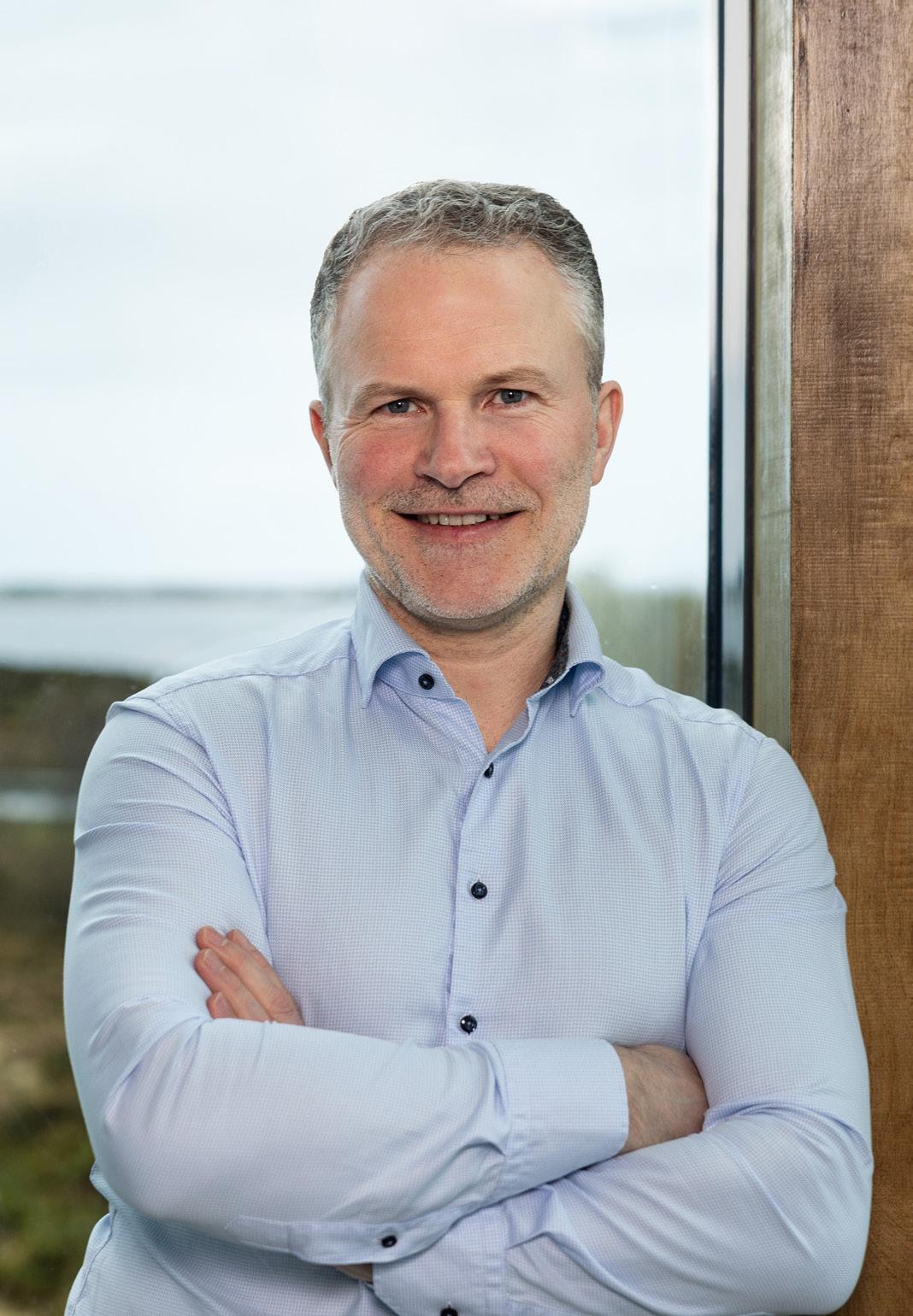
“Sustainability at Optimar means turning innovation into lasting impact - improving fish welfare, reducing environmental footprints, and helping to shape a more responsible seafood industry”
Siggi Olason CEO, Optimar
Driving Sustainable Impact Through Innovation and Operational Excellence
As we enter 2026, Optimar stands stronger and more focused on our purpose: fish handling with care. In 2025, we achieved meaningful improvements across financial performance, sustainability, and operational alignment, supported by the streamlined VSME reporting framework and the combined efforts of our teams, customers, and partners in more than 50 countries.
2025 Performance Highlights
Thanks to a healthier project mix and enhanced operations in Norway and Spain, Optimar posted gross revenues of NOK 550 million in 2025, which is a significant improvement on the year before.
Our most important asset continues to be our global team of 238 employees, who collectively hail from more than 20 nationalities. Safety therefore remains central to our operations. In 2025, two lost-time injuries (LTIs) were recorded, reflecting progress towards our vision of an injury-free workplace.
In 2025, we reduced Scope 1 and 2 emissions to 155 tCO2e (down from 188 tCO2e in 2024) and expanded Scope 3 reporting in accordance with the GHG Protocol, thereby increasing transparency across our value chain.
Innovation Supporting a Sustainable Industry
Throughout 2025, we advanced solutions that help the global seafood industry operate more responsibly and efficiently. Key initiatives included:
• Next generation stunning and bleeding systems promoting humane handling
• New cleanable Optitube designs that improve food safety and reduce resource use.
• Expanded digital tools -CatchID, simulation, and data platforms to reduce waste and support energy efficient production
• Continued collaboration with the Norwegian University of Science and Technology (NTNU) and the EU’s “Enough” program to improve energy and freezing performance.
2025 marked our first year of ESG reporting in accordance with the VSME framework, improving clarity for customers, financial institutions, and stakeholders. We also strengthened our circularity initiatives, waste management, and our diversity, equality and inclusion activities. We continued to ensure the provision of fair working conditions across the organization and are pleased to note that 67 percent of our employees are unionized.
A Collective Effort
I want to thank all Optimar employees for your dedication and professionalism. Your efforts have been central to delivering operational improvements, navigating market uncertainty, and meeting rising sustainability expectations. Together with our customers and partners, we continue to shape the future of sustainable seafood production through innovation, responsibility, and a shared commitment to healthier oceans and a more sustainable global food system.
Siggi Olason CEO, Optimar
Priorities for 2026
In 2026, we will further embed sustainability across engineering, production, supply chain, service, and product lifecycle management.
Our key priorities include:
• Determine reduction targets for Scope 1 and 2 emissions.
• Carry out a climate risk analysis to help position Optimar to survive disruptions and capture new opportunities in a changing economy
• Strengthen circularity through retrofits, extended product lifetimes, and efficient material use
• Expand digital solutions that help customers monitor environmental performance
• Promote safety, wellbeing, and inclusion across Optimar’s value chain.
• Deepen industry partnerships to promote responsible practices throughout the seafood value chain.
Optimar in 2025
Optimar is a global leader in automated fish processing systems for use on fishing vessels, on land and in the aquaculture sector.
The company is headquartered in Valderøya, just outside of Ålesund, Norway, and has two further facilities, in Stranda and Håhjem, on Norway’s west coast.
The company operates other facilities in Spain and Romania. The main manufacturing plants are located in Valderøya, Norway, and in Vigo, Spain. Optimar delivers to customers in more than 50 countries across the globe.
28.930 – Manufacture of machinery for food, beverage and tobacco production.
The NACE classification for Optimar reflects our role as a technology provider for the global seafood industry and ensures consistency and comparability in sustainability reporting (VSME).
Key highlights from 2025
Here are the key highlights from the year 2025 for the Optimar Group. Priorities for 2026 are listed on page 9.
Animal Welfare:
• Optimar continued to expand the use of electric shrimp stunners in the emerging markets of Asia. In addition to animal welfare benefits, our stunners are designed to lower producers’ overall emission levels.
• Our Stun & Bleed line deliveries were updated so that no lines share the same swim-in system. This results in less queuing and randomness within the ‘stress window’ for the fish, more first-in-first-out, and shorter treatment time.
• Optimar continued to validate its equipment’s stunning effect on several new species. Stunning of Nephrops in an industrial setting was documented in 2025.
• Optimar participated in the “Catch Welfare Platform”, a three-year project initiated by the Marine Research Institute of Norway to develop innovative ideas and solutions to improve the welfare of wild caught fish and crustaceans.
• Successful first trials of an industrial Nephrops tailing machine, combined with an electrical stunner, to improve the animal welfare during the slaughter of Nephrops.
Food Quality and Food Safety:
• Optimar published new internal standard design rules for how factories, systems, and pipelines are integrated.
• Optimar delivered a new type of first-in-first-out bleed principle for vessels, for faster, better, and more gentle handling of fish.
• Optimar published new design guidelines with updated check-routines for design steps to further enhance and emphasize gentle fish handling in engineering design.
• New generation of more cleanable and more gentle bleeding pipe (Optitube) systems was delivered. This leads to fewer losses and higher quality of food products, increased food safety, and reduced use of water, chemicals, and time needed for cleaning. Better seafood handling also reduces waste and the need to discard residual raw materials.
Energy consumption in value chain:
• Optimar performed tests with our Lab Freezer at NTNU, discovering more about freezing times for various settings, and how this can be optimized. The study’s findings were published in a freely available scientific report for the EU sustainability program “Enough”
• Optimar joined NTNU in a project to develop digital fish simulators to reduce the number of physical prototypes discarded during development (reduction of waste)
• The first ever H5 onboard freezer was installed aboard a vessel. This freezer is a new generation of more advanced contact freezers, meaning it is more automated, sealed away from operators with security fences, and offers greater flexibility with respect to how it is integrated and operated within the seafood factory flow. It is also faster to manufacture and has a more standardized design than previous solutions.
• Optimar investigated and developed improved solutions for producing, handling and installing large freezing plates both at its own production facilities and at its customers’ sites, for instance during service on existing equipment. This was done in collaboration with students and formed the basis for their undergraduate theses.
• We introduced new ATEX-certified solutions to the market that surpass what is already being offered by us or anyone else.
• We piloted a test installation of CatchID to fully automate logging and reporting of the catch aboard trawlers.
Strategy, Contribution, and Commitment
At Optimar, we strive to incorporate sustainability as an integral part of our operations and long-term strategy. Optimar published its first sustainability report in 2020, and our first greenhouse gas (GHG) emission calculations the following year. Since 2020 we have followed up on initiatives and adjusted our target in relation to the UN’s Sustainable Development Goals (SDGs).
Sustainability as part of our business model
Optimar remains dedicated to driving sustainability forward, offering sustainable solutions that empower our customers.
Optimar´s Board of Directors is responsible for determining company guidelines and strategy. Optimar’s Board of Directors comprises 60 percent men and 40 percent women.
Our Chief Executive Officer (CEO) is responsible for implementing our ESG strategy.
Our Chief Financial Officer (CFO) is our compliance officer and ensures that our reporting is compliant with applicable legislation and directives.
Our Sustainability Lead (SL) has overall responsibility for the preparation and follow-up of the strategy, goals, and reporting. Our SL coordinates Optimar´s Sustainability Team. The team consists of employees who are experts in their respective fields. They work together to collect data for ESG reporting purposes and follow up on their areas of responsibility. The team holds monthly status meetings to ensure continuous monitoring and development of Optimar´s sustainability work.
Sustainable seafood for a growing world
The seafood industry depends on the health of our oceans and their ecosystems. The impact of the climate crisis has been severe in recent years, with marine conditions changing for the worse. We must all therefore do what we can to preserve the ocean space and safeguard the planet for future generations. As the largest generators of greenhouse gas emissions, the energy and food production sectors have an important role to play in the transition to a more sustainable tomorrow.
In a dynamic world where customer needs, innovation and sustainability are constantly evolving, Optimar´s business strategy is designed to position it at the forefront of delivering the best solutions to the seafood industry. This ambition is rooted in our core values: skilled, reliable, and passionate
We believe in fish handling with care, ensuring that our practices meet the highest standards of quality, safety, and sustainability.
Optimar strives to increase the organization’s awareness of sustainability as a vital factor in Optimar’s continued success. We therefore emphasize the importance of incorporating environmental, social, and governance considerations in our strategies and day-to-day activities.
The continued expansion of the global population, along with increased urbanization, is boosting demand for food. At the same time, consumers and retailers are placing greater emphasis on animal welfare, food security, food waste reduction, and overall quality. This change in focus is shaping the future of food production.
From a sustainability perspective, fishing and aquaculture offer significant advantages over other forms of animal husbandry. With a lower carbon footprint, seafood production presents a sustainable and
resource-efficient solution to meet the world’s growing need for protein.
Along with our customers, we are feeding the world. While our customers focus on the underlying raw material, we are contributing to the technological advancements and innovative solutions that are needed to successfully feed the world with sustainable proteins. We strive for increased fish welfare and minimize food waste by fully utilizing the raw material and further reducing water and energy consumption. With this combined effort we are helping to cut carbon emissions. Our solutions also create safer and better workplaces by reducing heavy lifting, increasing efficiency and offering greater variety in job roles. Together, these factors foster both equality and inclusion.
Our Contribution to the Industry
Fish handling with care is our core business purpose. Our primary objective is to continuously improve the standard of fish handling and enable our customers to process fish more sustainably, efficiently, and safely, and to achieve a higher quality output. Fish welfare, food safety, and safe working conditions for operators are always of primary importance.
We believe in collaboration to find the best solutions
Our products:
• are reliable, robust, and built to last.
• are designed to lower overall emission levels.
• are constructed to safeguard animal welfare.
• enable maximum utilization of byproducts.
• are safe and easy to use by a wider variety of operators thanks to a high level of automation.
• offer the efficiency needed to be competitive in the market.
Our Contribution to the Industry
Focus area Aiming for in 2026
Animal welfare
• Deliver 40 new electric stunners designed emerging markets (Asia, Africa, South America).
• Define implement measures to document that salmon destined for culling are also properly stunned before being killed.
• Document stun effects for rainbow trout and several flatfish species.
• Continue participation in the Catch Welfare Platform and contribute with ideas on how to improve the welfare of wild-caught fish.
• Perform a second industrial test of stunning and tailing of Nephrops and turn the solution into a commercial product.
Strategic objectives
• Collaborate with customers, NGOs, scientists, fish health companies, institutions, etc., to continue researching and developing of methods and technologies to ensure animal welfare.
• Deliver stunning and harvesting solutions for farmed fish worldwide that are proven to safeguard their welfare while causing no harm to life under water in the site’s vicinity due to the use of chemicals or other hazards.
• Increase collaboration with animal welfare specialists to expand the use of our electrical stunners. Contribute to validating the equipment’s stunning effect on several additional species. Promote the continued need for such collaborative platforms to enhance fish welfare.
• Expand our stunning and tailing solution to other crustaceans.
• Further develop the Optiflush to remove sea lice so effectively that no secondary delousing is necessary.
Food quality and food safety
• Issue new design guidelines focusing on corners and drops in a fish factory, and paying particular attention to the integration of different elements. This to minimize the quality impact on the fish throughout the production process.
• Document performance of the prototype “first-in first-out onboard bleeding solution”.
• Document performance of the new generation bleeding pipe/Optitube.
• Improve the cleanability of our standard tanks and bulk seafood handling systems, and make them even more gentle on the animals concerned.
• Optimar aims to develop and deliver traceable product flows.
• Document tests of our bleeding solutions. The goal is to improve the quality of the seafood through an optimized and gentle bleeding process.
Energy consumption in value chain
• Continue to perform freezing tests with and without customers, to document variations in freezing time and energy consumption.
• Continue to participate in the development of the fish simulator software.
• Optimize and test various evaporator designs for our plate freezers and test these at NTNU. Here the focus will be on optimized freezing time and energy consumption both in use and during manufacturing. Based on this, we will identify and develop a more efficient freezing contact solution, in partnership with customers and academia.
• Optimize our existing plate freezer solutions, for various species, in partnership with customers and academia (NTNU).
• Actively use fish simulation software to reduce waste during prototyping and reduce faults during commissioning.
• Continue to research how energy consumption relates to the amount of fish being frozen, using various media and settings.
• Perform air blast tests on shrimp and IQF systems to optimize the energy consumption, design, and size of these products.
Focus area Aiming for in 2026
Working conditions and safety
• Conduct first industrial test of the automated onboard fillet packing solution for white fish, either on land or at sea.
Strategic objectives
• Commercialize the onboard fillet packing solution and expand the market.
• Continue to develop products and solutions that will ease and improve working conditions and efficiency.
Process control and data harvesting
• Continue improving the CatchID solution towards a market-ready product.
ESG strategy
• Conduct climate risk analysis in accordance with the VSME framework.
• Become the preferred partner for the automated logging of catches being brought aboard large fishing vessels. This will help the fishery sector remain sustainable into the future.
• Release an onboard solution to pack shrimp in consumer-sized packages, thereby eliminating repackaging on shore and improving the quality of the product. This will reduce the need for repackaging and will lead to less use of energy and packaging.
• Conduct a double materiality analysis. Optimar aims to identify its most relevant ESG topics based on both the business’s impact on society and financial risk to the business. The results will guide the company’s sustainability priorities.
• Explore the possibility of Eco-Lighthouse certification.

Our Commitment

Achieving transformational change requires responsible business planning, operations, and investments. Of the UN’s Sustainable Development Goals (SDGs), Optimar has identified four as being where our impact is greatest. It should be noted, however, that focusing primarily on these four goals will also have a positive impact on other SDGs.
Goal 8:
Optimar builds solutions that contribute to a safe and healthy working environment and increase productivity. This also contributes to SDGs 3 (Good Health and Well-Being) and 5 (Gender Equality).
Strategic Area:
Occupational health and safety
Attractive employer
Sustainable economic growth
Secure the support of the Board, top management and the wider organization for the plan to seek ISO 45001 certification.
Sick leave total under 4.7%
Re-establish regular employee surveys.
Staff turnover <3 per month.
Secure the support of the Board, top management and the wider organization for the plan to seek ISO 9001 certification.
Goal 14:
Life below water is considered in the design and engineering of our automation and control systems. Our digital platform has been developed to gather operational data that documents the individual customer’s operations, from a production, environmental, and efficiency perspective.
Optimar supplies products that maximize the usable percentage of aquatic raw materials and eliminate waste. Automated solutions provide an opportunity to increase efficiency while processing the raw material and thereby increase our customers’ financial gain.
We promote a safe and secure working environment, with proper employment terms and conditions, and a commitment to labour rights both in-house and throughout our supply chain. Machine safety is highly prioritized when we design our factories, with all precautions being taken. The customer is given training in the safe use of Optimar’s equipment.
ISO 4500 certification
Zero work-related sick leave.
Steady high score on employee surveys and three or more qualified applicants for each available position in the company.
9001 certification
Strategic Area:
Topic Immediate priorities
Sustainable product development Align our internal product development guidelines with our sustainability priorities.
Sustainable product development
Secure the support of the Board, top management and the wider organization for the plan to seek ISO 9001 certification.
Together with our customers, we are focusing on more energy-efficient factories and how we can help to monitor and avoid pollution to the sea. We supply advanced fish sorting and grading systems, enabling improved traceability and sustainability in the fishing industry.
By always prioritizing cleanable designs, we decrease the amount of scrubbing and chemicals needed to clean our equipment. This reduces the amount of waste discharged into the sea. Our delousing system has been developed to remove lice without the use of chemicals. The chemicals used in traditional delousing methods are a threat to marine life surrounding open-pen fish farms.
Target
Increase the use of simulation and other digital tools in product development to reduce waste used to test prototypes.
Be a brave innovative contributor to the industry by challenging established solutions.
Goal 12:
Optimar is committed to reducing its carbon footprint by targeting both direct and indirect emissions, as well as energy use. We produce durable equipment that can be upgraded, rebuilt for new requirements, or adapted for other facilities, helping extend product life with minimal downtime.
Fuel consumption and emissions remain a major challenge for the marine fleet. To improve fuel efficiency, our equipment features automatic stop functions that shut down moving parts when not in use, reducing both energy use and wear. Heating and cooling systems are also energy-intensive, so we carefully design these solutions to lower energy consumption, reduce operating costs, and shorten payback periods.
By helping cut production costs, our solutions can also contribute to lower food prices- supporting UN Sustainable Development Goals 2 (Zero Hunger) and 13 (Climate Action). All Optimar systems are designed to maintain the highest possible food quality.
Strategic Area:
Operations
Topic
Supply chain responsibility
Renewable energy share
Emission
Lifecycle emission
Immediate priorities
Map and perform risk assessment on all suppliers.
Further develop Supplier Code of Conduct.
Establish a policy for supplier risk management.
Map opportunities and increase use of renewable energy.
Set a baseline and ormulate realistic goals.
Goal 17:
Optimar contributes its expertise and technology to partnerships with academia, public authorities, animal welfare organizations, and marine clusters.
Target
Establish and implement audit process and recruit a trained auditor.
Strategic Area:
Topic Immediate priorities
Partnerships for sustainable development
Be the chosen partner for the project CatchID in Norway.
100% of the energy used in our production is from renewable sources.
Net zero by 2050.
Develop and standardize Optimar system layouts optimized for total life cycle footprint, using Life Cycle Management (LCM) to systematically reduce emissions and environmental impact across the value chain
Our approach is to learn from each other and share our expertise and experience for the benefit of the industry. As a company with a global presence, Optimar aims to learn from its global network of stakeholders, particularly regarding issues impacting the drive towards sustainability.
Target
Chosen partner for sustainable development of fish handling industry in cooperation with customers, authorities, non-profit organizations, and academia.
02. Environmental
This chapter provides an overview of Optimar’s environmental performance and priorities in 2025. It covers energy use and greenhouse gas emissions across Scopes 1, 2 and 3, as well as resource use, waste management, material flows and water consumption.
The chapter also highlights how our environmental policies, product solutions, and improved data collection and analysis contribute to more sustainable operations and support the transition towards a more resourceefficient and circular economy.
Energy and Greenhouse Gas Emissions
Emissions and Energy Consumption
Optimar started measuring its carbon footprint in 2021. For the 2025 report, the company has focused on broadening its reporting within Scope 3 categories.
Data from 2025 is being compared with figures from 2024, and the differences will be addressed in the report. Our GHG accounting forms an integrated part of our climate strategy.
Optimar calculates its emissions using two different methods; one is location-based, the other market-based. In 2025, Optimar’s location-based emissions (LBE) totaled 834 tonnes of carbon equivalents (tCO2e), while its market-based emissions (MBE) came to 1,855 tCO2e.
Emissions (tCO2e) and energy consumption (MWh) from our global business
Greenhouse Gas Intensity
Emissions (Scope 1 + 2) per employee and per net revenue
Scope 1 emissions
Scope 1 covers all direct emission sources. This includes all use of fossil fuels for stationary combustion, transportation by company vehicles (both leased and owned) and process emissions.
In 2025, diesel consumption for stationary combustion at Optimar’s Valderøya production facility nearly doubled. Diesel is used for our forklift trucks and the stationary power unit. The increase can be linked to higher utilization of test zones in 2025, which required power supply from the stationary unit.
Optimar had only one electric vehicle, which handled most of our internal transport. As battery capacity increases, we will buy/lease more electric vehicles. Furthermore, Optimar will assess alternative heating solutions for our production facility at Valderøya to reduce reliance on propane gas, which is one of our main contributors to Scope 1 emissions.
Propane use for heating is temperature dependent, with colder winter conditions leading to higher consumption. Winter conditions in early 2024 were colder than in 2025, with prolonged periods of low temperatures. In contrast, the winter of 2025 was milder and closer to or above seasonal norms in Western Norway, which resulted a in lower heating demand.
Scope 2 emissions
In 2025 we relocated our site at Stette in Norway to new office facilities at Håhjem. This resulted in a significant drop in energy use due to high levels of electricity needed at the old production facility at Stette. There was relatively little change in electricity consumption for Valderøya in 2025 compared to 2024. We will continue investigating how we can improve our buildings to use less energy for heating and how we can increase the use of renewable energy.
In this year’s GHG accounting, Optimar changed the IEA emission factor for Scope 2 so all electricity-related factors would come from the same source. All previous data has been adjusted accordingly.
Scope 3 emissions
In 2025, we expanded the quality of Scope 3 reporting. As a result, total Scope 3 emissions increased compared with previous years. This increase is primarily driven by improved data coverage and methodological changes, rather than by structural changes in underlying activities.
Overview of Scope 3 Emissions Trends and Reporting Changes in 2025
Purchased goods and services
2025 is the first year Optimar reports emissions from purchased goods and services. These emissions therefore represent a new baseline and were not included in prior years. The reported volume reflects a broader and more complete mapping of upstream value chain impacts and will be used as a reference point for future comparisons. We aim to increase our reporting in these categories in the coming years.
Fuel and energy-related activities
Fuel-related emissions increased in 2025 due to a methodological change. For the first time, Norway-specific Well to Tank (WTT) emission factors were applied. Previously, these upstream emissions were wrongly reported under Scope 1. The increase therefore reflects reclassification and improved accuracy, not higher fuel consumption.
Upstream and downstream transportation
Reported transport emissions are higher in 2025 due to significantly improved data collection from transport providers. This is the first year with a more comprehensive overview of logistics-related emissions, making 2025 a baseline year for transport in Scope 3. The increase is largely attributable to more complete data rather than increased transport activity.
Waste generated in operations
Waste-related emissions show a positive trend, with a reduction compared to previous years. This may indicate improved waste sorting, increased reuse, or a lower overall level of project activity in 2025. Continued monitoring is required to confirm whether this represents a structural improvement.
Business travel
Emissions from business travel show a negative trend, with a steady increase since 2023. The increase is mainly driven by higher levels of domestic and European travel, likely linked to project execution and contract-related activities. Increased project activity in Europe and Turkey contributed to the overall rise. In 2025, hotel stays were included for the first time, contributing to higher reported emissions and improving the completeness of the travel-related data.
Employee commuting
2025 is the first year Optimar reports emissions from employee commuting. These emissions establish a baseline for future years and are not comparable with historical data
Resource Use, Circular Economy and Waste Management
Policies and commitments
Our environmental policy reflects Optimar´s commitment to develop products and systems that contribute to high-quality end products with as little waste as possible. This is achieved through efficient production and long system lifetimes, and by enabling improved utilization of raw materials in fish processing. Our overall objective is to reduce our adverse environmental impact while increasing our positive contribution and identifying opportunities related to climate and environmental performance. We aim to promote environmental awareness through employee training and motivation, and by encouraging responsible practices among customers, suppliers, and subcontractors.
Principles of circular economy at Optimar
At Optimar, we are committed to reducing our environmental impact and strengthening sustainability in the seafood industry. While we do not explicitly refer to our work as circular economy, many of our initiatives are clearly rooted in its principles. These principles focus on reducing waste, maximizing resource utilization, extending product life and optimizing processes to keep resources in circulation for as long as possible.
Collaboration with research institutions, such as NTNU, contributes to the development of more energy-efficient and sustainable production solutions, particularly within freezing technology and design improvements.
Optimar also extends the lifetime of its systems through service, maintenance, and retrofitting, reducing the need for new investments and lowering material consumption.
The company further develops solutions that reduce waste and environmental impact in aquaculture, including ensilage systems for safe handling of dead fish and integrated processes that enhance biosecurity.
Overall, Optimar’s technologies and practices help keep resources in circulation longer and reduce environmental impact - aligning closely with the core elements of the circular economy.
Waste management
The waste management figures reported for 2025 will serve as our baseline. Based on the work outlined in this report, we will establish priorities for waste management moving forward. In 2025, Optimar managed a total of 174,602 kg of waste across our waste management suppliers. This section provides a breakdown of waste handling performance aligned with our sustainability commitments.
The difference between purchased steel and steel waste delivered for recycling was 103 438 kg. The bulk of this constituted steel incorporated into finished products and delivered, as well as minor amounts related to inventory changes and process losses.
At present, Optimar does not have full quantitative traceability for the steel content in finished products.
All hazardous waste was handled through our certified waste management partner Norsk Gjenvinning, ensuring compliance with Norwegian environmental regulations.
Hazardous waste generated at our Valderøya production facility comes primarily from several key sources. These include mixed electrical and electronic (EE) waste, waste oils, chemicals, and processing waste created by our acid treatment system.
In 2025, we observed a substantial rise in the volume of mixed EE waste. This increase was largely the result of an extensive clean-up and reorganization of our administrative building. During this process, a considerable quantity of outdated IT equipment was collected and delivered to our waste management partner for proper disposal.
Material flow
Optimar operates in a sector that involves the use of steel as a significant material input. In 2025, Optimar Norway purchased a total of 183,998 kg of raw steel. In the same period, the following steel fractions were delivered to our certified waste management partner for material recycling:
However, the overview of purchased steel and steel waste delivered to an approved recycling facility is considered to provide a fair and representative picture of our annual steel flow.
Water management
Optimar Norway’s water offtake for Valderøya in 2025 was 2,728 m3, while Optimar Spain’s offtake for Vigo was 1,309 m3. No data is available for the site in Galati, Romania. Total water offtake in 2025 amounted to 4,037 m3. Compared with typical water consumption levels in manufacturing operations, this represents a relatively low level of water use and is generally considered to have a moderate to low environmental impact. Galicia, where Optimar Spain’s Vigo production facility is located, is not classified as a high-water stress area according to commonly used water risk assessments. There was therefore no water offtake in high water stress areas in 2025.
03. Social
This chapter presents Optimar’s approach to managing social impacts and creating a safe, inclusive, and supportive working environment.
It covers workforce diversity, equality, and inclusion; employee health and safety; training and skills development; employee engagement and key workforce metrics. Through policies, targeted initiatives, and continuous monitoring, we aim to promote employee well-being, support professional development, and maintain a workplace where all employees are treated with respect and enjoy equal opportunities.

We are convinced that diversity and inclusion are important factors for growing our business and our financial results.
Diversity in gender, background, culture, and experience contributes to a strong working environment. A blend of different voices and thoughts makes Optimar an exciting and inclusive workplace that seeks to foster personal development and professional growth. Equal rights are a fundamental principle at Optimar, and this is safeguarded through our open and fair employment policy, salary policy, and ethical guidelines for all employees and business partners.
Our goal is to always have a workplace that is free from any kind of discrimination or harassment.
The section below on diversity, equality, and inclusion constitutes Optimar’s response to the activity and reporting obligation set out in the Norwegian Equality and Anti-Discrimination Act for the period 1 January to 31 December 2025.
Optimar aims to get feedback and ideas from all employees, thereby benefiting from the broad competence in our company.
Own Workforce – Diversity, Equality, and Inclusion Activities
Diversity, equality, and inclusion are basic principles in the company’s strategy and are documented in our ethical guidelines. Management is responsible for organizing business operations to ensure adherence to and compliance with these guidelines.
The administration organization carries out day-to-day activities related to diversity, equality, and inclusion. Responsibility lies with the company’s CFO. The CFO, together with other members of the executive management team, engages with trade union representatives in quarterly dialogue meetings. Issues and decisions relating to the working environment are addressed by our Working Environment Committee (WEC). In 2025, our WEC held four meetings.
Gender Equality
At the end of 2025, we had 238 employees, 11.8% of whom were women and 88.2% men. In 2025, 67% of our employees were covered by collective agreements.
The diagrams below shows the percentage of each gender category at the various levels in the organization.
Women Men
The table below shows women’s pay as a percentage of men’s pay in full-time positions at different levels. The table are based on the Norwegian workforce:
Part-time and temporary positions
The table below shows the number of employees in full-time, part-time and temporary positions, by gender. The figures are based on the Norwegian workforce and do not include our six apprentices.
Listed salary statistics do not take into consideration factors such as different levels of education, seniority, job complexity, and responsibilities, nor labor market conditions for specific professions. We nevertheless acknowledge that there might be a pay gap between women and men at the most senior levels.
The EU Pay Transparency Directive is expected to be enacted in Norwegian law following its incorporation into the EEA Agreement. While EU Member States are required to implement the directive by June 7, 2026, the timing of implementation in Norway remains subject to national legislative processes. Optimar is preparing for future requirements by strengthening its internal salary data and pay gap analysis.
Optimar confirms that all employees receive wages that are equal to or higher than the applicable minimum wage established by relevant legislation or collective agreements.
In every case where an employee works part-time at Optimar, it is the employee’s own choice. The company offers reduced hours to be inclusive and adapt to the employee’s specific situation. Temporary employment is used only when the work itself is of a temporary nature, for instance in connection with a specific project or as a replacement for an employee taking leave of absence. Apprenticeships are also defined as temporary positions.
Optimar AS makes use of external labor in the form of consultants and temporary agency workers. In 2025, Optimar AS engaged four consultants and utilized fifteen temporary agency workers in our production operations. These resources were primarily used to support project execution and ensure operational flexibility during periods of increased activity.
Optimar employs more than 50 employees and therefore reports employee turnover in accordance with the VSME standard. During the reporting period, total employee turnover amounted to 31 employees, corresponding to a turnover rate of 16.1%. Of these, 15 were voluntary resignations (48.4%) and 16 were redundancies (51.6%).
Age diversity
A blend of backgrounds, genders, ages, competence, and mindsets contributes to the successful development of our company. Leveraging the benefits of such diversity for the good of the entire company requires sensitivity and an emphasis on cooperation and team spirit.
The table shows a breakdown of our Norwegian workforce (full-time and part-time) by age.
DEI-related activities
Our personnel policy is gender neutral in all areas and states that we work to promote equality and prevent discrimination. Optimar has an open and fair recruitment policy. Recruitment activity in 2025 was, however, limited, reflecting challenging market conditions and a period of organizational change, which reduced the need for new hires.
Below is a description of our ongoing DEI-related activities.
• Work to mitigate discrimination and unconscious bias in training and promotion decisions has been ongoing for several years and continued to be actively monitored and prioritized in 2025.
• When needed, both temporary and permanent remote work arrangements are implemented to support life balance and accommodate different stages of life. Optimar recognizes that employees move through various phases during their careers, and we aim to provide flexible solutions based on open dialogue and mutual trust.
• To further support sustainable career paths, we have established guidelines that provide guidance and flexibility for employees in the later stages of their careers, promoting continued engagement and long-term participation in working life.
• Optimar Spain SAU has established a Digital Disconnection Protocol. The protocol sets out how the company guarantees that all employees can fully disconnect from work outside their working hours. It aims to protect the balance between work and personal life, prevent digital overload, and ensure that technology is used responsibly.
• Optimar has zero tolerance for harassment and abuse of any kind, and all new employees are required to complete training on this matter as part of the onboarding process.
• As part of our commitment to supporting longer and more sustainable careers, we have extended the threshold for compulsory retirement from 70 to 72 years, enabling employees who wish to do so to remain in employment for a longer period.
• Optimar is an Inclusive Working Life (IA) company. As such, we seek to create a workplace in which there is no discrimination or harassment on the basis of functional ability, gender identity, religion, or age. When needed, we also provide appropriate accommodations for employees, including adaptations to work tasks and the working environment. This includes buildings with elevators, handicap-accessible restrooms, general staff meetings conducted with an interpreter for the hearing impaired, personal protective equipment and health check for all employees.
Our Focus areas, aims and targets for 2026
Focus area In 2026 Optimar aims to Target
Promotion and talent development
• Promote internal mobility by encouraging employees with relevant competence and experience to apply for available roles
• Further develop and strengthen leadership capabilities as a strategic priority for the coming year
Work-life balance
Bullying, sexual harassment and gender-based violence
• Promote flexibility in working arrangements while reinforcing the importance of physical presence in the workplace for collaboration, learning, and social interaction. Remote work agreements will continue to be considered when appropriate.
• To promote long-term, competence-based career development within the organization
• The long-term objective is to build a strong and sustainable leadership culture that drives performance, fosters employee engagement, and supports the organization’s strategic growth. Success will be measured by improved leadership effectiveness, stronger team performance, increased employee satisfaction, and the organization’s ability to consistently achieve its strategic goals
• We recognize that employees move through different life stages during their careers - such as early parenthood, mid-career development, senior transitions, or periods of illness. We aim to adapt working life to these varying life phases through open dialogue and flexible solutions. Our approach is based on mutual trust, proactive communication, and structured follow-up to ensure sustainable participation in the workforce over time.
• We are committed to actively addressing absence due to illness through early follow-up, constructive dialogue, and appropriate workplace adjustments, taking the necessary steps as an employer to support employees in returning to and remaining in work whenever possible.
Facilitation
• Implement regular monthly engagement scores as part of our ongoing employee engagement and improvement efforts
• To embed employee engagement as a core organizational value, with engagement score used as a long-term indicator of workplace quality and culture
• To establish continuous training in our ethical guidelines and ethics-related dilemmas, and strengthen long-term awareness of potential risks and how to handle and report them.
• Our long-term objective is to foster a sustainable and inclusive working environment where necessary accommodations are assessed proactively and implemented in a timely manner, ensuring that all employees can contribute to and remain in work over time.
For the people, the fish, and the future
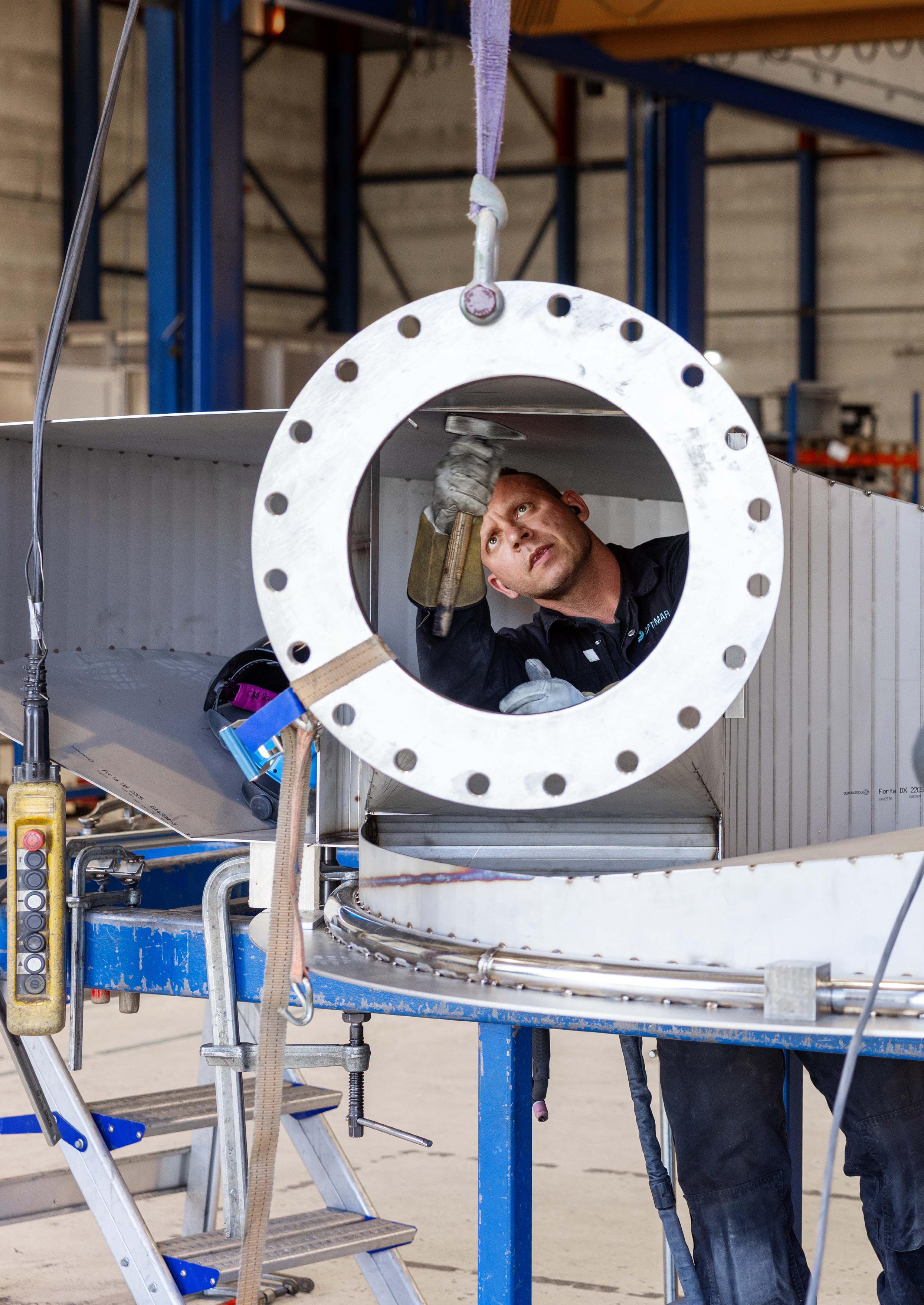
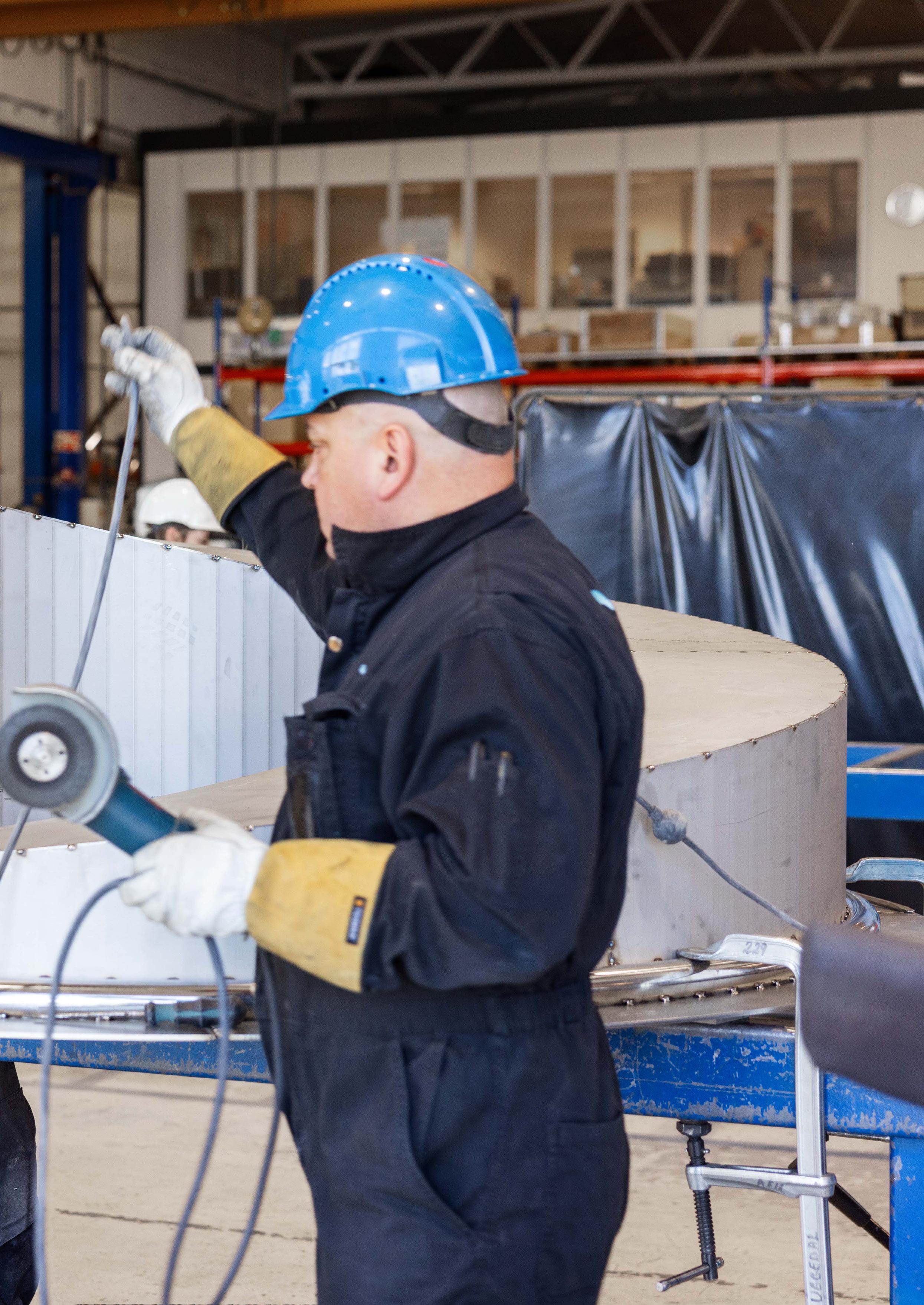
Every day, we combine experience, innovation, and care to improve seafood handling and processing for our customers and future generations.
Guided by care for the fish, commitment to our customers, and responsibility for future generations, we continue to move the industry forward – one solution at a time.
Health, Safety and the Working Environment
As a global company, Optimar is responsible for providing a safe and healthy business environment for our suppliers, customers, and employees. Our focus is on building a global culture that promotes health, safety, and the working environment (HSE) at every level of our business. Our goal is to achieve zero lost-time injuries and to prioritize safety. There is zero tolerance for violations of our HSE regulations.
LTI and sick leave
Our vision is zero workplace injuries that result in employees being absent for a workday or more. These are otherwise known as Lost Time Injuries (LTIs). Optimar aims to keep implementing measures to reduce workplace risk.
In 2025, we recorded ten injuries in total, two of which were LTIs. The table below shows the number of recordable injuries, LTIs and the Lost Time Injury Frequency Rate (LTIFR) for Optimar globally over the last three years (in accordance with GRI 403-9).
*The LTIFR is calculated as follows: ([Number of lost time injuries in the reporting period] x 1,000,000) / (Total hours worked in the reporting period).
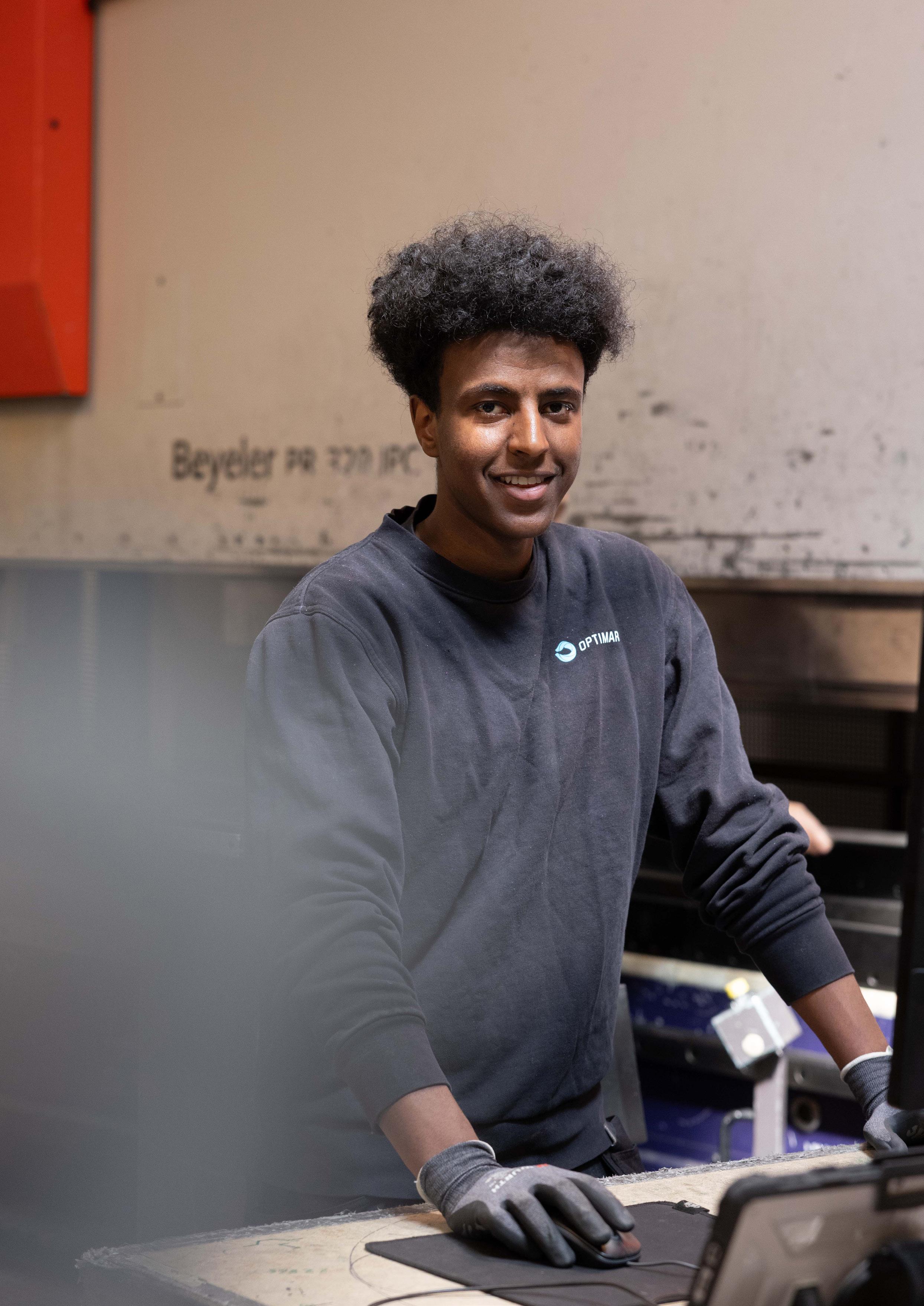
Type of injuries
Sickleave
Sick leave in Optimar Norway averaged 5.03 percent in 2025, followed by Optimar Spain with 1.94 percent and Optimar Romania at 0.6 percent.
The sick leave target for 2025 was set at 3.7 percent. One contributing factor to the increase in sick leave for Optimar Norway is the higher number of long-term absences. It should be noted, however that, according to Statistics Norway (SSB), the average rate of sick leave for Norwegian industrial enterprises in Q4 2025 was 6.1 percent.
In 2025, most injuries involved cuts by knives or sharp objects, followed by eye injuries and bump injuries. Optimar investigates each accident to discover its cause, and HSE incident reports are filled out and documented. In this way, Optimar works continuously and systematically to prevent, reduce, and manage risks associated with our daily work.
The diagram shows the percentage of each type of injury reported by Optimar in 2025.
5,03%
1,94% 0,6%
2 LTI og 9 recordable injuries
Employee satisfaction
At the start of 2025, Optimar conducted a pulse survey of employees at Optimar Norway. The survey aimed to monitor the current working environment, engagement, and well-being among our employees in real time. In this way, Optimar established the baseline for employee satisfaction before the year kicked off. A year that turned out to bring difficult but necessary organizational changes that could affect our working environment. In 2026, we aim to conduct monthly pulse surveys to enable changes to be quickly detected, challenges identified early on, and measures implemented proactively.
Non-conformities
Our HSEQ system, Optimize, helps Optimar to investigate and close HSE and quality-related non-conformities. All employees have received training in how to use the system and why we must report incidents, near-misses and failings. In 2025, Optimar experienced a decrease in the number of reports registered and an increase in processing time. The matter was raised by our Working Environment Committee (WEC) and countermeasures were proposed. In 2026, we aim to streamline and simplify both the online and app version of Optimize, engage department managers so they can contribute ideas and improvements, and provide updated training to all employees, emphasizing the importance of incident reporting to our business.
Competence, skills development, and training
In order to be receptive to new developments and perform at our best, we need good health and a good work–life balance.
As an industrial company, some of Optimar’s employees perform potentially hazardous tasks such as welding, operating heavy machinery, and hot work.
We believe in fostering a robust safety culture through staff engagement and training. It is Optimar’s responsibility to ensure that our employees have the necessary skills, training, and certifications to carry out their work.
For our production workers in Norway, we monitor our Certified to Operate (CTO) program to ensure that employees in different departments have the necessary training and certificates. Our CTO program ensures they are aware of risks and how to reduce or eliminate risk in their everyday work. Course certificates are monitored monthly to ensure everything is up to date. Details of new employees, including their job description and department, are recorded during the onboarding process.
In addition to our CTO program, all employees have completed fire safety training, both online and through a fire safety review together with the HSE Advisor at our facilities. All employees working in our production facilities have received training in the relevant machinery. New employees undertake roughly 30–40 hours of training during their first month at Optimar, depending on their role. These hours include an intensive onboarding process in their first week, followed by role-specific training. Employees actively participate in networks and clusters to stay up to date and continuously learn from other businesses and academic institutions.
Optimar Norway is an approved apprenticeship company. In 2025, we had six apprentices working in our production department.
The implementation of a Learning Management System (LMS), initially planned for 2025, has been rescheduled to 2027 due to organizational priorities and market conditions. The LMS will enable us to maintain a structured and comprehensive overview of the hard and soft skills required for each position at Optimar.

04. Governance

This chapter provides an overview of Optimar’s governance framework and commitment to responsible business conduct.
It describes the policies, controls and expectations that guide ethical decision-making, compliance, anti-corruption efforts and supply chain responsibility. The chapter also highlights how we work to maintain transparency, integrity and accountability across our operations while supporting compliance with relevant regulatory and sustainability requirements.
Ethical business conduct
For Optimar, ethical business is about ensuring that all our business activities are conducted in a responsible, transparent, and lawful manner.
At Optimar, this work is based on our Ethical Guidelines and Whistleblowing Policy, which set clear requirements for integrity, respect, and accountability in all parts of the organization.
The guidelines apply to everyone who acts on behalf of Optimar –regardless of role, location, or situation – and form the basis for a culture where ethics, security, and transparency are central. Optimar’s Code of Conduct and our commitment to human rights are outlined in our Ethical Guidelines and Whistleblowing Policy. In 2025, Optimar experienced no occurrences related to child labor, forced labor, human trafficking or discrimination.
Code of Conduct
Optimar’s Code of Conduct describes how all employees should behave to ensure a safe, inclusive, and professional workplace. It outlines Optimar’s zero tolerance for a broad range of matters, including discrimination, harassment, bullying, and sexual exploitation. Our Code of Conduct also stipulates that Optimar is a drug-free workplace, where health, safety, and the environment must always be prioritized.
Whistleblowing Policy
Optimar is committed to a high standard of compliance with ethical standards and laws, including those relating to accounting, financial reporting, internal controls, corporate governance and auditing requirements, and any legislation relating thereto. Hence, it is important that matters of an illegal or unethical nature are reported and dealt with in an appropriate manner. In line with Optimar’s commitment and the requirements of the Norwegian Working Environment Act, our Whistleblowing Policy aims to encourage and provide an avenue for employees (including contract personnel) to raise concerns, and to offer reassurance that they will be protected from reprisals or victimization for whistleblowing in good faith. The policy details how employees can report an incident, how Optimar will respond, and the company’s policy on protection of the whistleblower against reprisals.
Supplier Code of Conduct
Optimar promotes corporate responsibility and sustainability both internally and across its supply chains. Through close cooperation with suppliers and business partners, we ensure responsible business practices. Our Supplier Code of Conduct (SCoC) defines these expectations and applies to all suppliers, requiring compliance within their own operations and supply chains.
Optimar conducts due diligence in accordance with the Norwegian Transparency Act, focusing on human rights, labor conditions, and responsible business practices in the supply chain. This includes identifying risks related to working conditions, geographic exposure, and supplier dependencies.
Where risks are identified, they are addressed through supplier dialogue, contractual requirements, and ongoing monitoring. Further details are available in Optimar’s annual due diligence report.
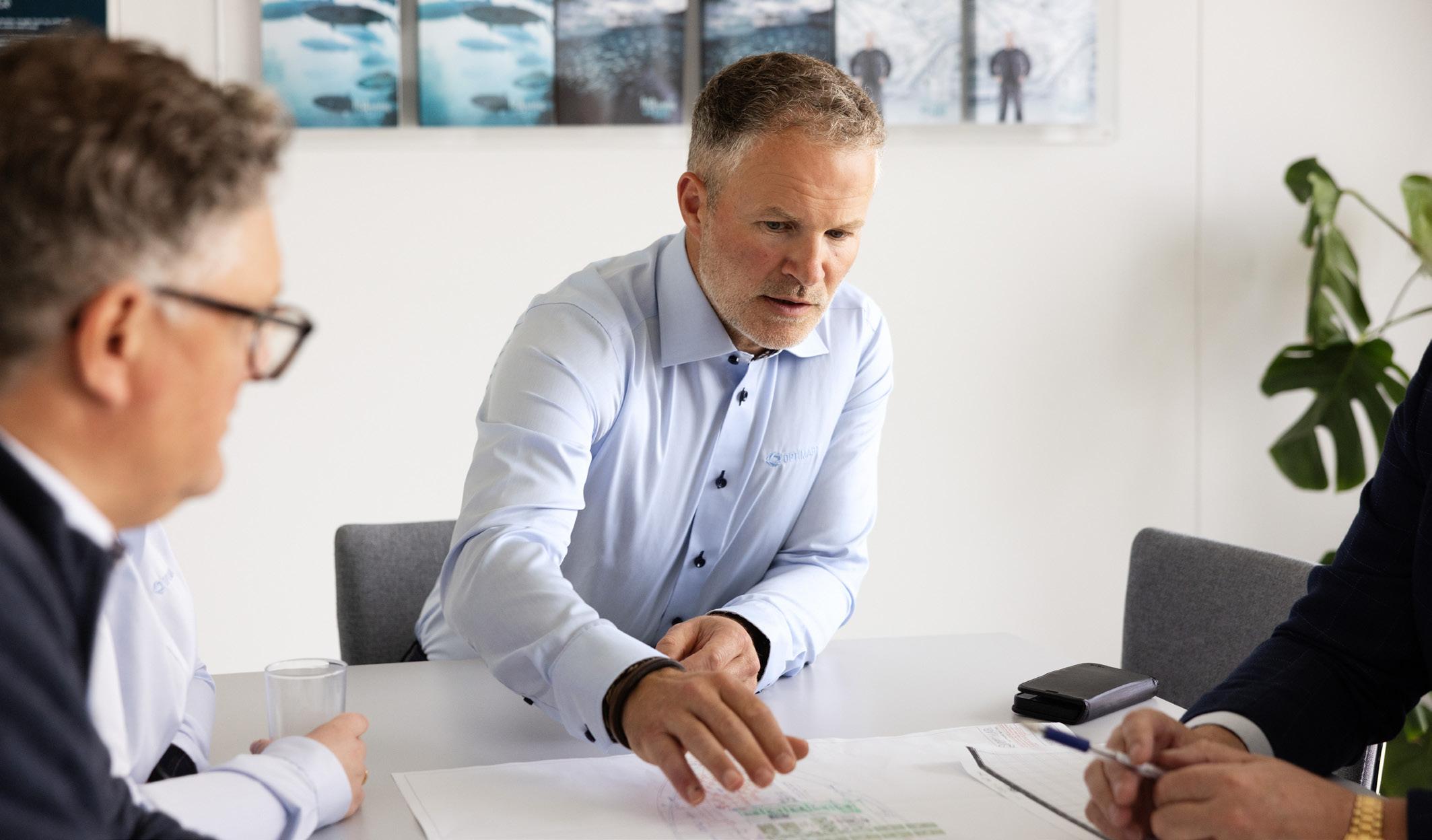
Anti-Corruption
Optimar opposes all forms of corruption and works actively to ensure this does not occur. Corruption is not tolerated in any part of Optimar, and violations will lead to disciplinary actions. Our expectations relating to anti-corruption and bribery for both employees and suppliers are defined in our Code of Conduct and further detailed in the Supplier Code of Conduct. In 2025, Optimar experienced no violations of anti-corruption and anti-bribery laws.
Compliance Disclosure –Paris Alignment Benchmark Exclusion:
In compliance with Module C8-64 of the VSME Standard, Optimar reports its exclusion from the EU Paris-Alignment Benchmarks. The exclusion is due to activities in NACE 28.930 – Manufacture of machinery and equipment for food, beverage, and tobacco processing, which is classed as part of an energy- and emission-intensive value chain.
VSME Index
Basis for reporting
B1 24(a) 4
B1 24(b) 4
B1 24(c) 4
B1 24(d) Last page
B1 24(e) 3, 4, 8
B1 25 - Aiming to review possibilities for sustainability-related certifications in 2026
B2 26(a) 5
B2 26(b) 5
B2 26(c) 6
B2 26(d) 10+
B2 28 5-6, 10
C1 47 4,10
C2 48 5-6
C2 49 10
Environmental
B3 29 18
B3 30 18-19
B3 31 18
B4 32 NA
B5 33 - Collection of data in 2026
B5 34 - Collection of data in 2026
B6 35 23
B6 36 NA
B7 37 21
B7 38 21
C3 50-53 19
C3 54 - Aiming to set goals in 2026 based on our GHG accounting
C3 55 - Aiming to establish a transition plan by 2027
C3 56 6 Aiming to establish a transition plan by 2027
C4 57 - Aiming to perform climate risk analysis in 2026
C4 58 - Aiming to perform climate risk analysis in 2026