
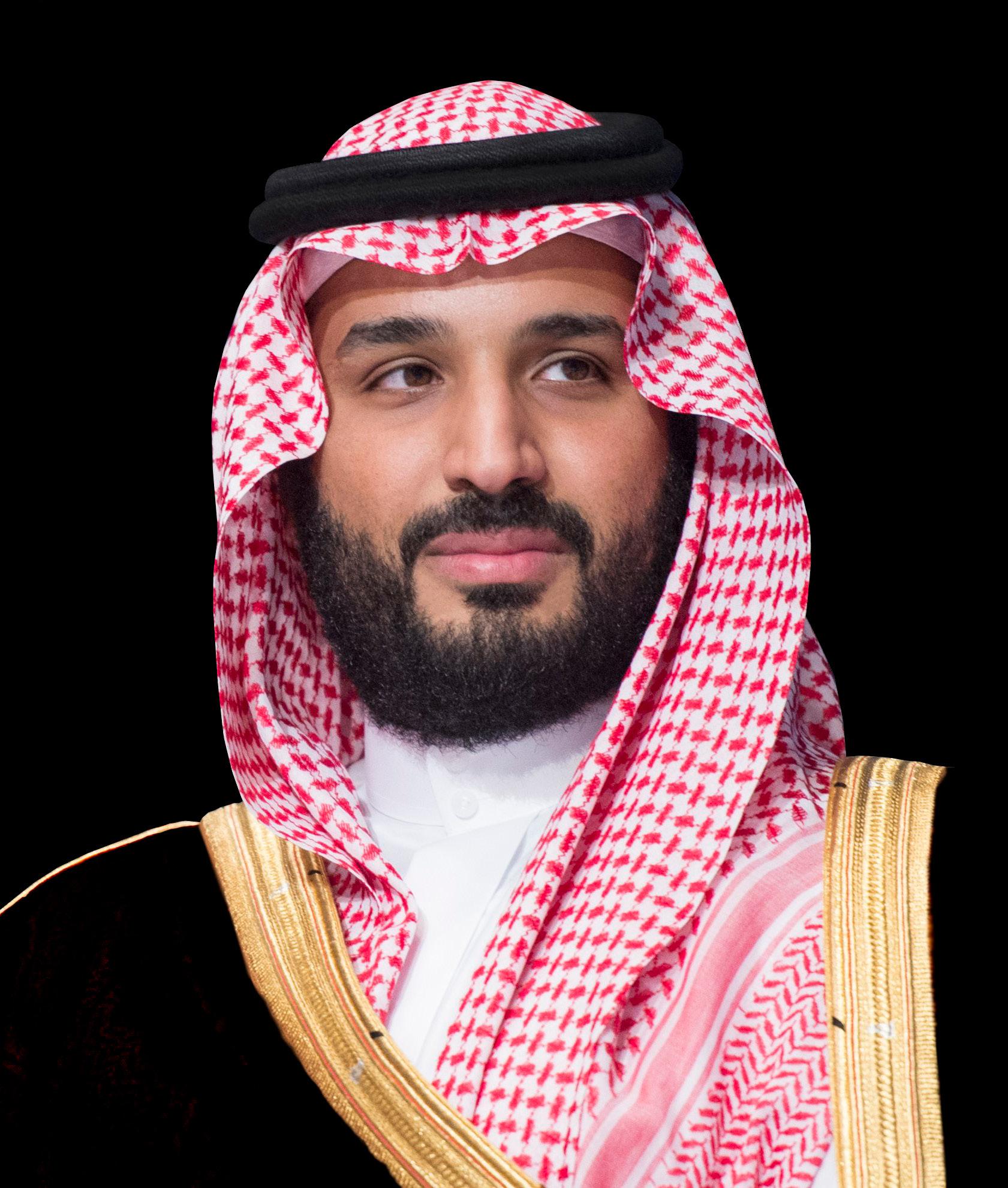
My primary focus is on continuing efforts to achieve comprehensive development across all regions of the Kingdom and in all fields.
Your government is committed to realizing this, with full reliance and trust in God.
CUSTODIAN OF THE TWO HOLY MOSQUES
His Majesty King Salman bin Abdulaziz Al Saud

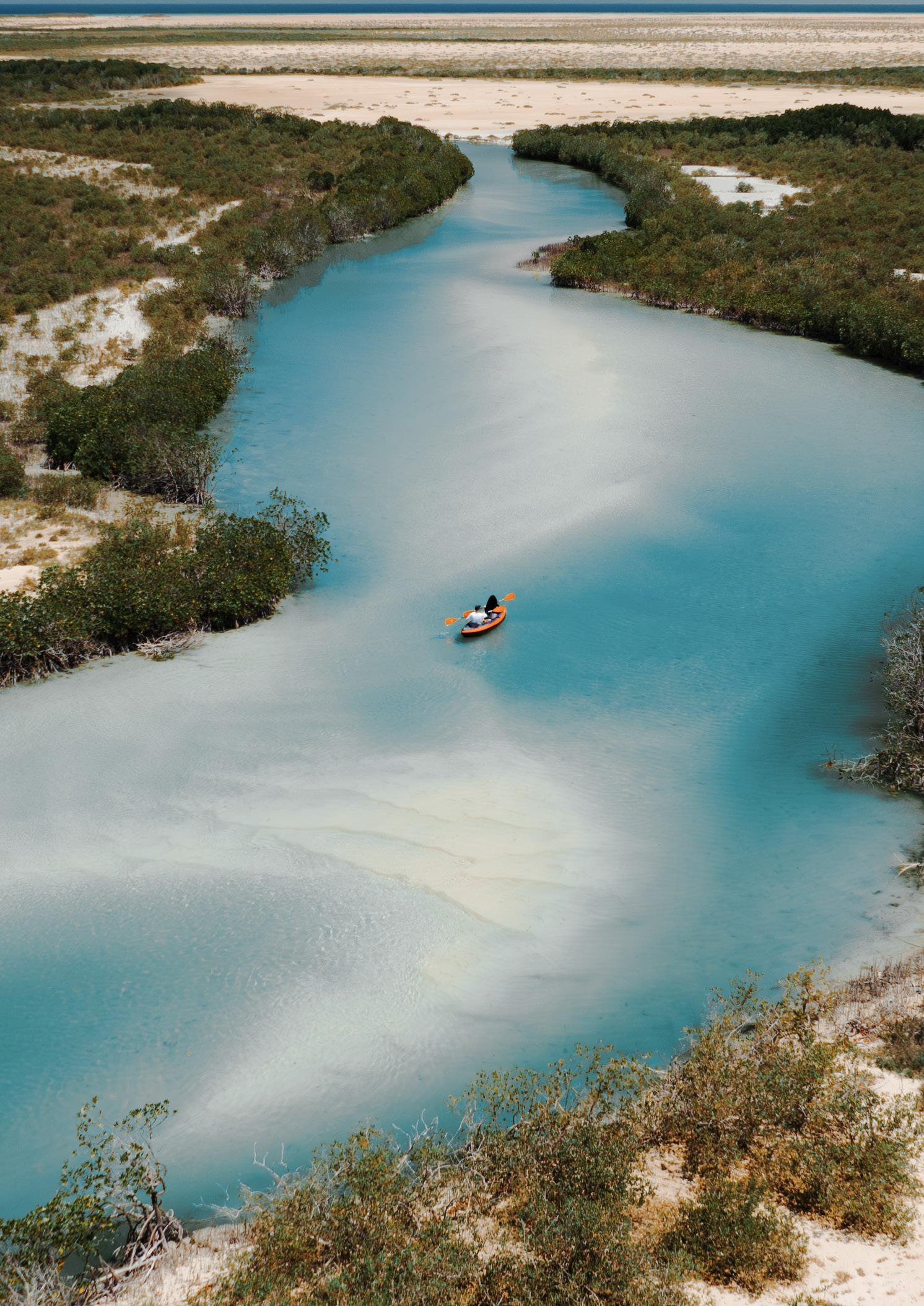
The beauty of the Red Sea islands lies in their environment. When a tourist visits the Red Sea, whether Saudi or non-Saudi, they seek to enjoy nature – they want a clean beach, thriving coral reefs, clear waters, and a rich marine life.
If the environment is destroyed, then all opportunities for tourism are lost.
HIS ROYAL HIGHNESS
Mohammed bin Salman bin Abdulaziz Al Saud
Crown Prince of the Kingdom of Saudi Arabia, Prime Minister, President of the Council for Economic and Development Affairs and Chairman of the Public Investment Fund
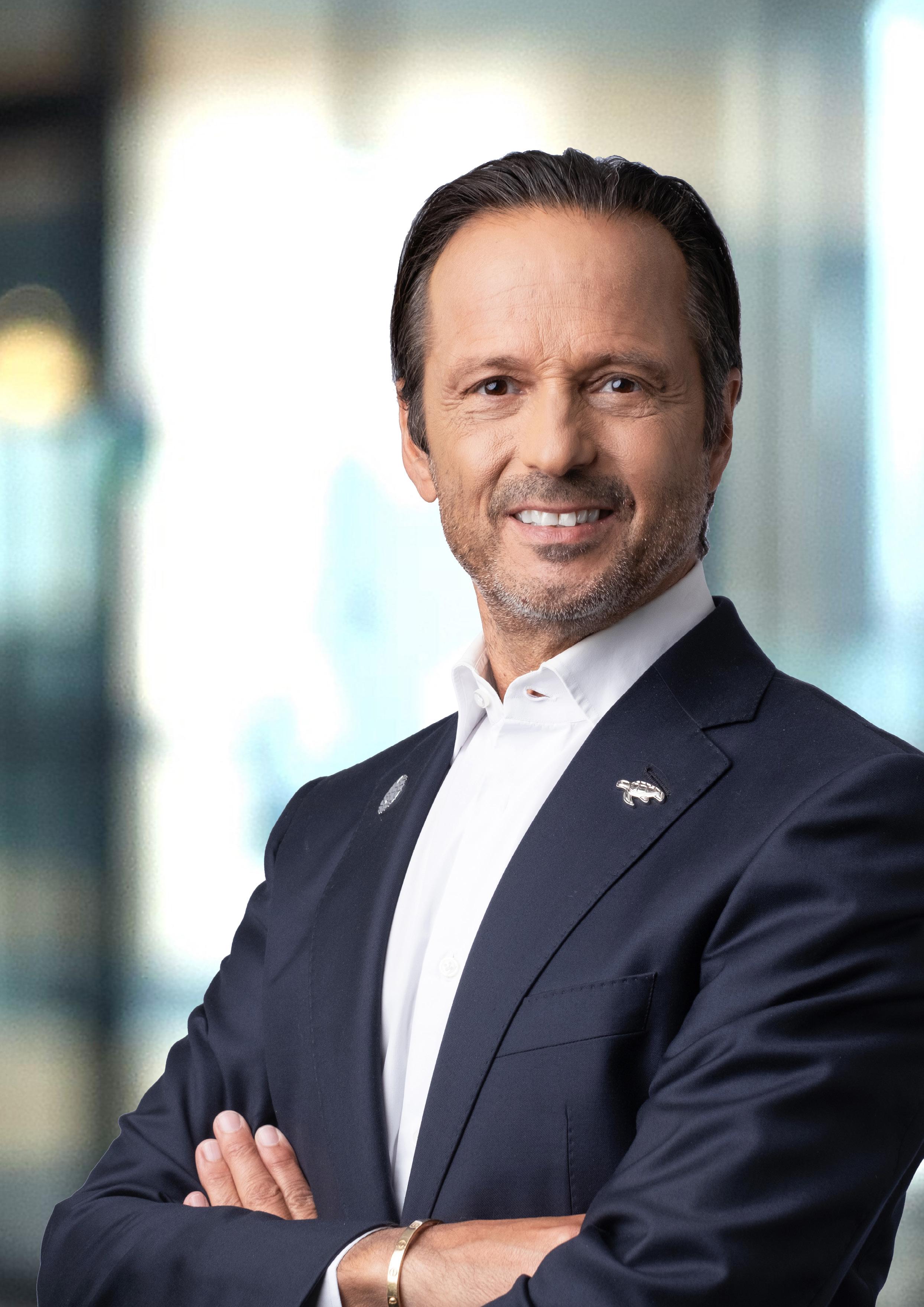
One of my personal highlights of 2024 was taking to the stage at the FII Institute alongside HRH Princess Reema, Saudi Ambassador to the United States, to discuss the future of the ocean economy. It was a pleasure to talk through the work we have been doing to enhance the fragile, yet remarkable, marine ecosystems surrounding the Red Sea region in front of hundreds of delegates in Riyadh.
Of course, I knew that I was only providing a glimpse into our sustainability achievements, which have continued at pace throughout the year thanks to the relentless determination of our sustainability and social development teams.
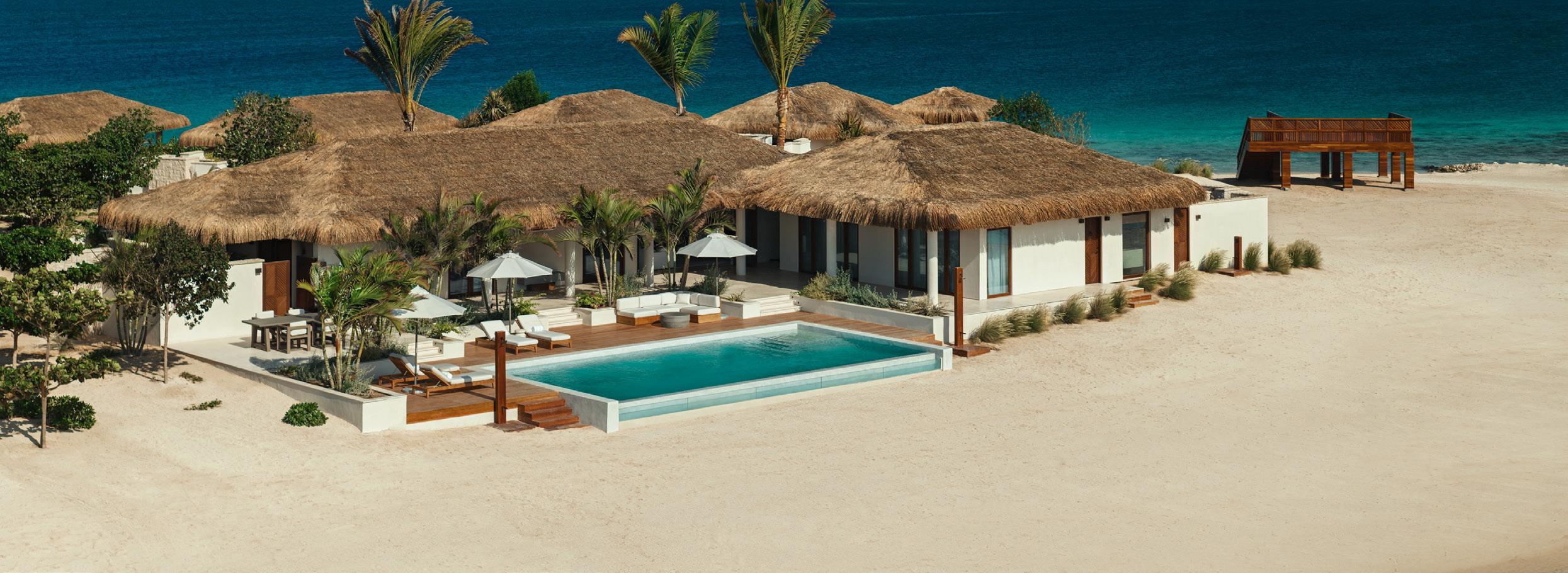
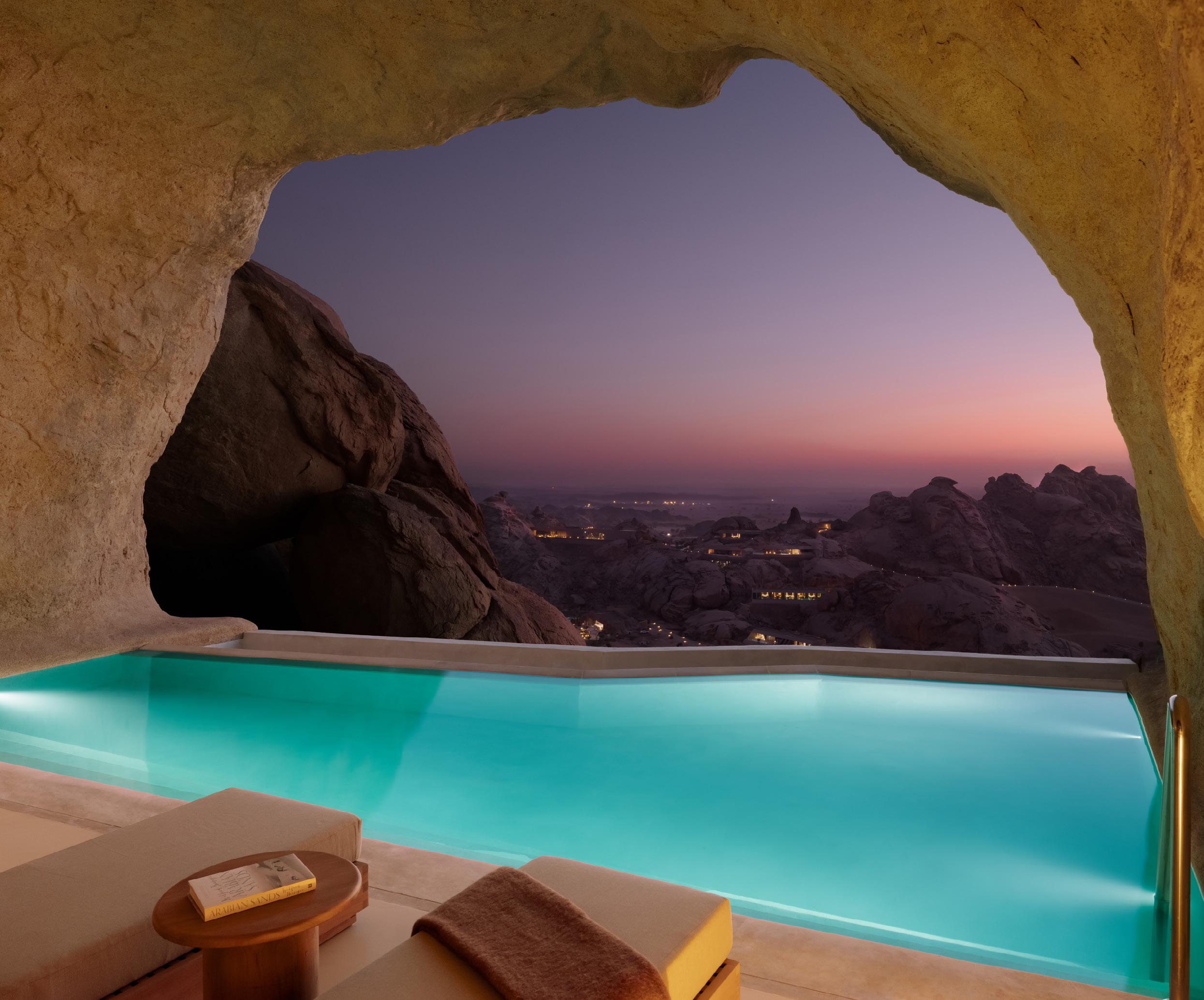
2024 was a year of progress for our organization, with the opening of the first resorts operated by Red Sea Global (RSG), Shebara and Desert Rock, as well as Nujuma, a Ritz-Carlton Reserve. We welcomed thousands of guests to marvel at the beauty of the Red Sea coastline and opened the eyes of the world to the Saudi people’s rich culture and unrivaled hospitality.
Most importantly, we have achieved all of this in a way that protects and strengthens people and planet.
We have worked to minimize environmental impact across our portfolio by investing in renewable energy infrastructure. We have not been afraid to take bold steps, such as switching our logistical fleet to biodiesel – a fuel produced locally from used cooking oil and which has cut emissions by 94% across our portfolio – and our sea planes to Sustainable Aviation Fuel in October, avoiding 69 tCO2e during the first quarter of usage.
We have invested in specialized initiatives, such as the Beach Taskforce and Mangrove Compensation Program, to conserve and strengthen the extraordinary natural assets we have been blessed with, and have deployed innovative technologies to monitor, protect and restore the Red Sea’s delicate marine habitats. Our commitment to sustainable design has also been recognized, with five of our resorts awarded the prestigious LEED Platinum certification.
We have also elevated local communities through the provision of high-quality jobs, skills programs and cultural activities. In 2024, we took this to new levels by intensifying our use of the Jewar app to engage local people and make them aware of opportunities, such as the chance to participate in our educational initiatives, ranging from English training to teaching business fundamentals.
We also encouraged our employees to participate in volunteering initiatives, with over 800 hours dedicated across the year. It has been so rewarding to listen to volunteers share their stories and talk about the personal fulfilment they experienced by helping those in need.
The dhoum boat is an iconic symbol of Saudi Arabia’s maritime heritage, so a particular highlight was our sailboat restoration initiative, where we brought people in Umluj together to celebrate local tradition and work on revitalizing old vessels. We then organized the Red Sea Classic sailing race, in which the restored boats competed against each other, attracting large crowds and delighting the community – another glowing reflection of our commitment to engage with local people and honor their traditions in captivating ways.
I have attended numerous international conferences throughout the year, and what has been particularly striking is the level of interest from industry peers in not just the architectural complexity and unique designs of our destinations and resorts, but our achievements across environmental regeneration and social development.
The concept of regenerative tourism – going one step further to actively enhance communities and natural habitats – is taking hold. That is down to the extraordinary ambition and talent of our team.
Our people are not just inspiring positive change for the tourism and development sectors but putting Saudi Arabia at the forefront of the global sustainability conversation.
Red Sea Global is a closed joint stock company wholly owned by the Public Investment Fund (PIF) of Saudi Arabia, operating in Saudi Arabia. For the purpose of this report, Red Sea Global and its Subsidiaries are referred to as "RSG" or the "Group".
We are not only contributing to the Kingdom’s socio-economic transformation as part of Vision 2030 but driving exciting new possibilities within responsible development.
OUR VISION To become the world's most responsible developer, by trailblazing new global standards which see built environments become enablers for social and ecological transformation.
OUR MISSION WHO WE ARE
To act as agents of change, by partnering with the world's greatest minds to spearhead new innovations that reimagine the boundaries of our sector and create a better world for people and planet.
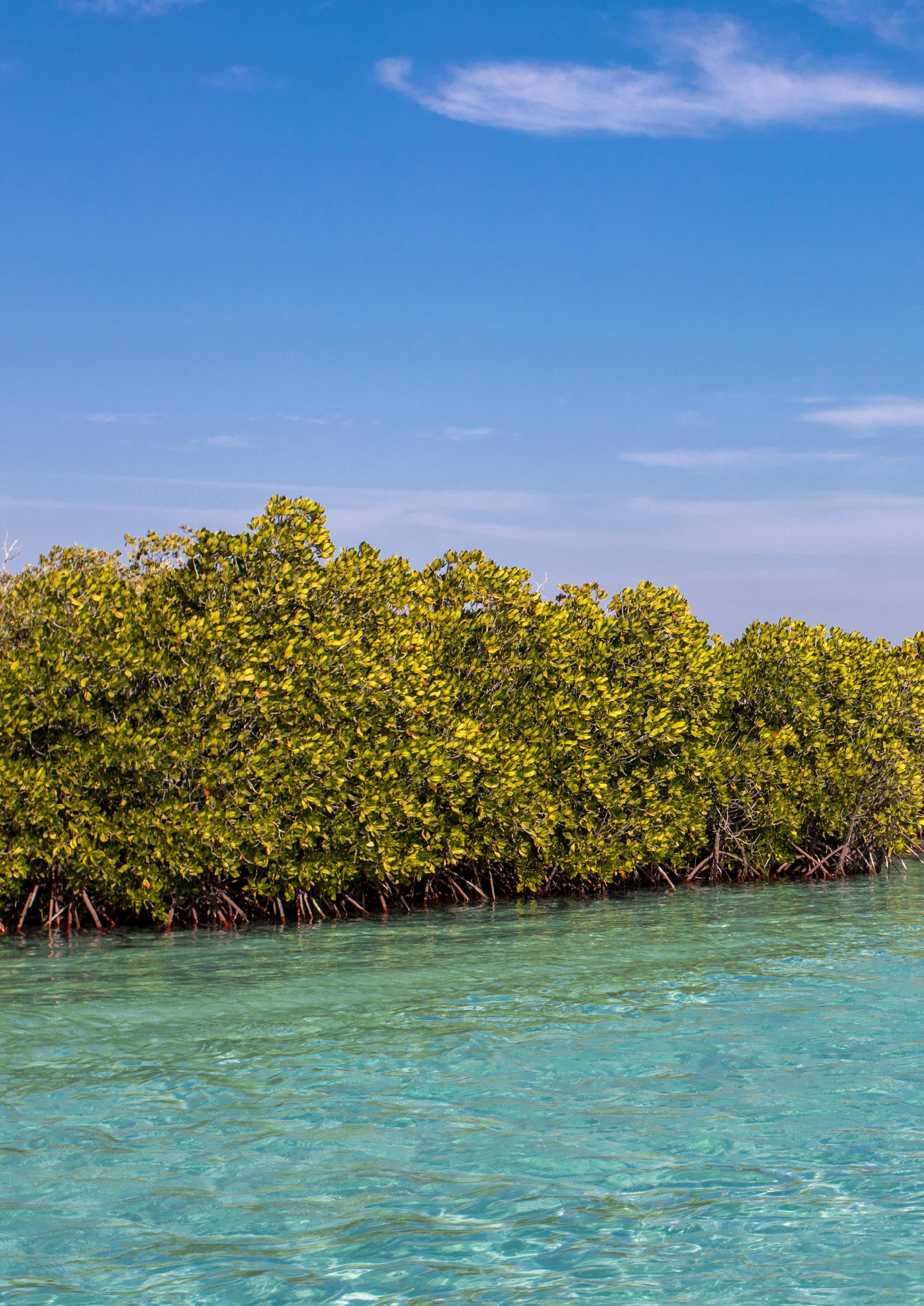
Situated along Saudi Arabia’s stunning northwestern coastline – not only offer exceptional luxury experiences but are pioneering the concept of regenerative tourism:
Unforgettable experiences for every traveler across pristine landscapes.
A luxury wellness haven set against spectacular landscapes.
“I discovered paradise… the magical Red Sea, an amazing, amazing place.”
– FOOTBALLER
Cristiano Ronaldo
St. Regis, The Red Sea March 2024
A buy-out only island retreat unlike any other, offering personalized experiences, unrivalled privacy & extraordinary luxury.
We are not just a developer, but a world-class operator of a range of luxurious destinations, which include Thuwal Private Retreat, Shebara, and Desert Rock.
Other hotels and resorts are overseen by our partners, which include the most prestigious hospitality names, such as RitzCarlton, Six Senses, and St. Regis


We also operate Turtle Bay Hotel, a 4- star hotel located in Turtle Bay across from Shura Island, which is currently open to employees and their families.

Investing in exclusive residential units at The Red Sea.
People don’t just have the opportunity to visit our destinations. They can take a stake in their future by investing in exclusive residential units at The Red Sea.
Designed by world-leading architects and interior designers, these homes will set new standards of luxury living set against an extraordinary backdrop of pristine beaches and azure waters.
In 2025, RSG will unveil its residential offerings to buyers, which will include brands such as SLS Residences, Four Seasons Private Residences & Shura Marina Residences Seasons Private Residences and Shura Marina Residences
Nothing illustrates our evolution into a multi-asset developer and operator better than our sports and entertainment brands Galaxea, WAMA, and Akun:
All of which are designed not only to enhance the visitor experience at our destinations but drive Saudi tourism more broadly.


Offering unrivaled diving experiences and opportunities to explore the Red Sea’s vibrant coral reefs.

Giving visitors the opportunity to participate in thrilling watersports activities - sailing, kayaking, trapezing and windsurfing - and explore the beauty of the Red Sea coastline.

Operating and managing adventure and sports experiences at our destinations, including gravel, mountain, fat tire, and electric biking, plus trail running and hiking.
Red Sea Utilities is responsible for providing renewable energy and essential utility services, ensuring minimal environmental impact while supporting RSG's luxury tourism destinations.
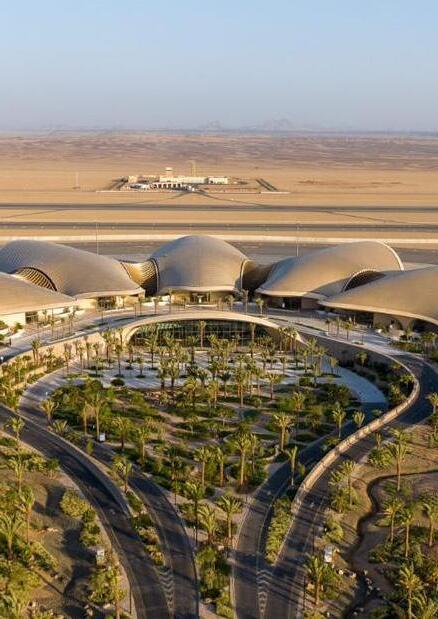



Fly Red Sea was the Kingdom’s very first seaplane company when launched in 2023 and is transporting guests from Red Sea International Airport to our islands resorts at The Red Sea. It also secured its second operating license for the Water Aerodrome during the year.
The Red Sea Transportation Services Company provides land and marine transportation services within our destinations with minimal environmental impact.
RSI has a regular schedule of domestic flights from Riyadh, Jeddah, and Dammam and commenced international flights from Dubai International Airport, operated by flydubai during the year.
The airport will be powered solely by renewable energy and is on track to become one of the first carbon-neutral airports in the Middle East.
We have also launched a range of subsidiaries and programs designed to enhance the visitor experience and strengthen our commitment to the local environment. These Include:

Creating a discreet guest-facing security force, seamlessly integrating into the visitor experience.
Supplying a diverse range of plants suited for Saudi Arabia’s unique climate to preserve and enhance the natural landscape.
Providing environmental consultancy and regeneration services, specializing in marine and terrestrial environmental solutions.
Promoting and selling RSG destinations and experiences through B2B and B2C channels.
Offering logistics and trading services within RSG and AMAALA destinations including centralized purchasing.
Delivering emergency response services across RSG assets through robust and reliable management of fire incidents and rescue operations.
Supplying in-house facilities management services enabling greater control over service delivery standards and quality.

Providing self-delivery of all types of construction works on RSG projects ranging from building construction works, infrastructure, interiors, and leasing of equipment.
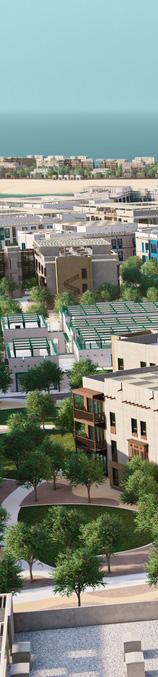
We are pioneering a model of regenerative tourism – going beyond merely protecting the natural environment and local communities to actively strengthening them.
For the environment, this means improving the Red Sea coastline’s biodiversity and the health of its natural ecosystems. In 2024 , we continued to make great strides toward our objective of delivering a 30 % net conservation benefit across our destinations by 2040
For local communities, it is about opening doors to employment and empowering them to take part in the Kingdom’s remarkable socio-economic transformation.
In 2024 , we delivered strong progress across community empowerment, volunteering initiatives and employment opportunities.
Of course, regenerative tourism also demands that we act as a responsible employer – nurturing our employees and helping them grow – and ensuring that the right governance frameworks are in place to enable success.
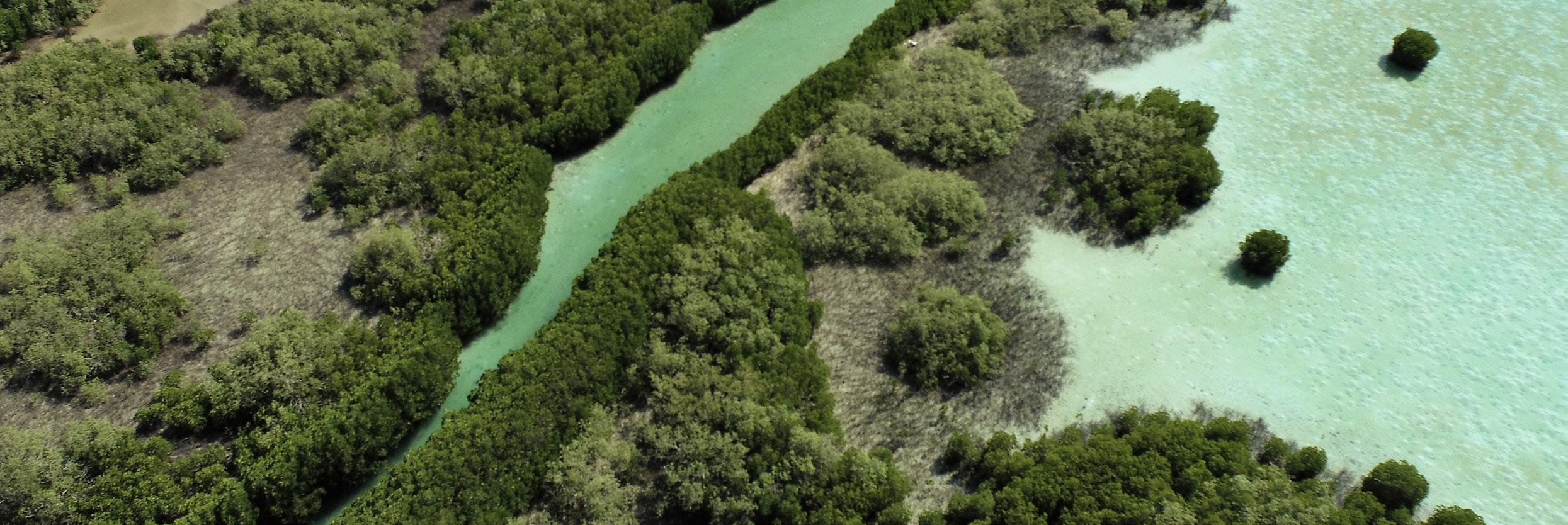
ENVIRONMENT
29,105 tCO2eq
GHG EMISSIONS AVOIDED
100% WASTEWATER TREATED AND REUSED
272,000 m2
GREEN BUILDING AREA CERTIFIED (CUMULATIVE)
3 million MANGROVE SEEDLINGS PRODUCED (CUMULATIVE)
8,500+
LOCALS BENEFITED FROM CAPACITY-BUILDING INITIATIVES
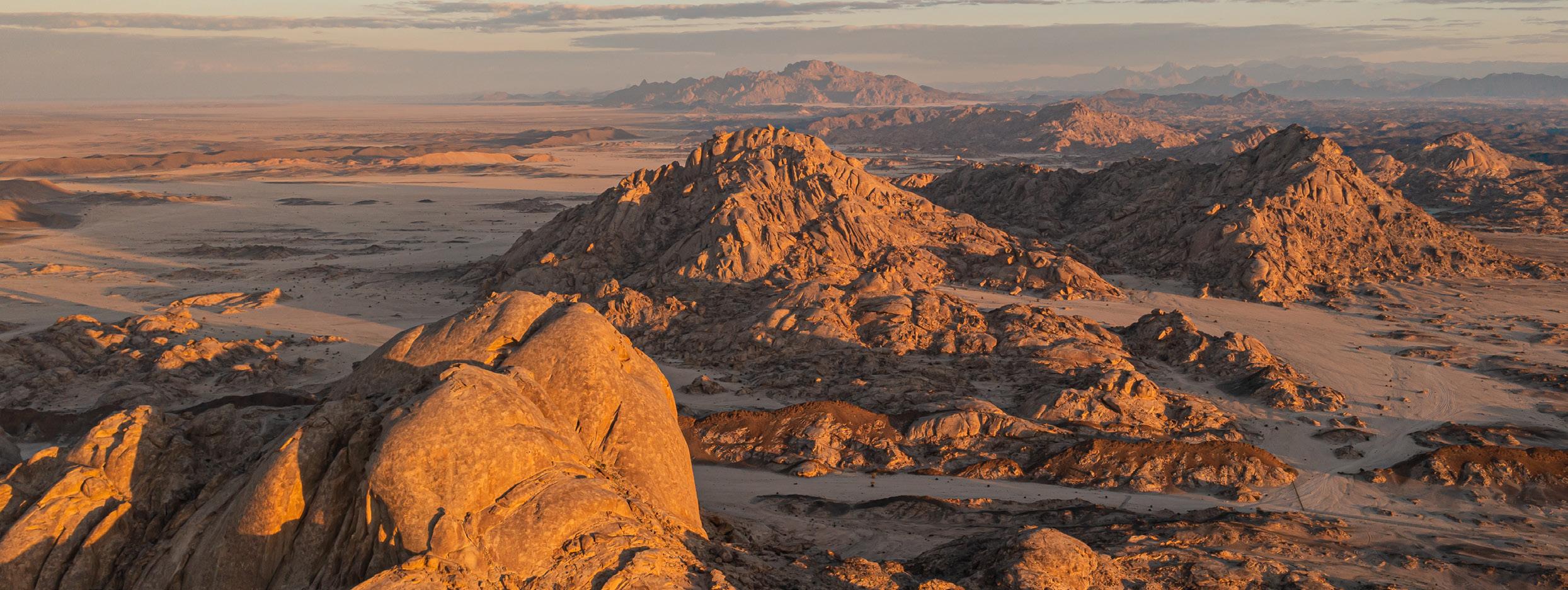
9,409 EMPLOYEES
942 FEMALE EMPLOYEES
79,848
TRAINING HOURS PROVIDED TO EMPLOYEES
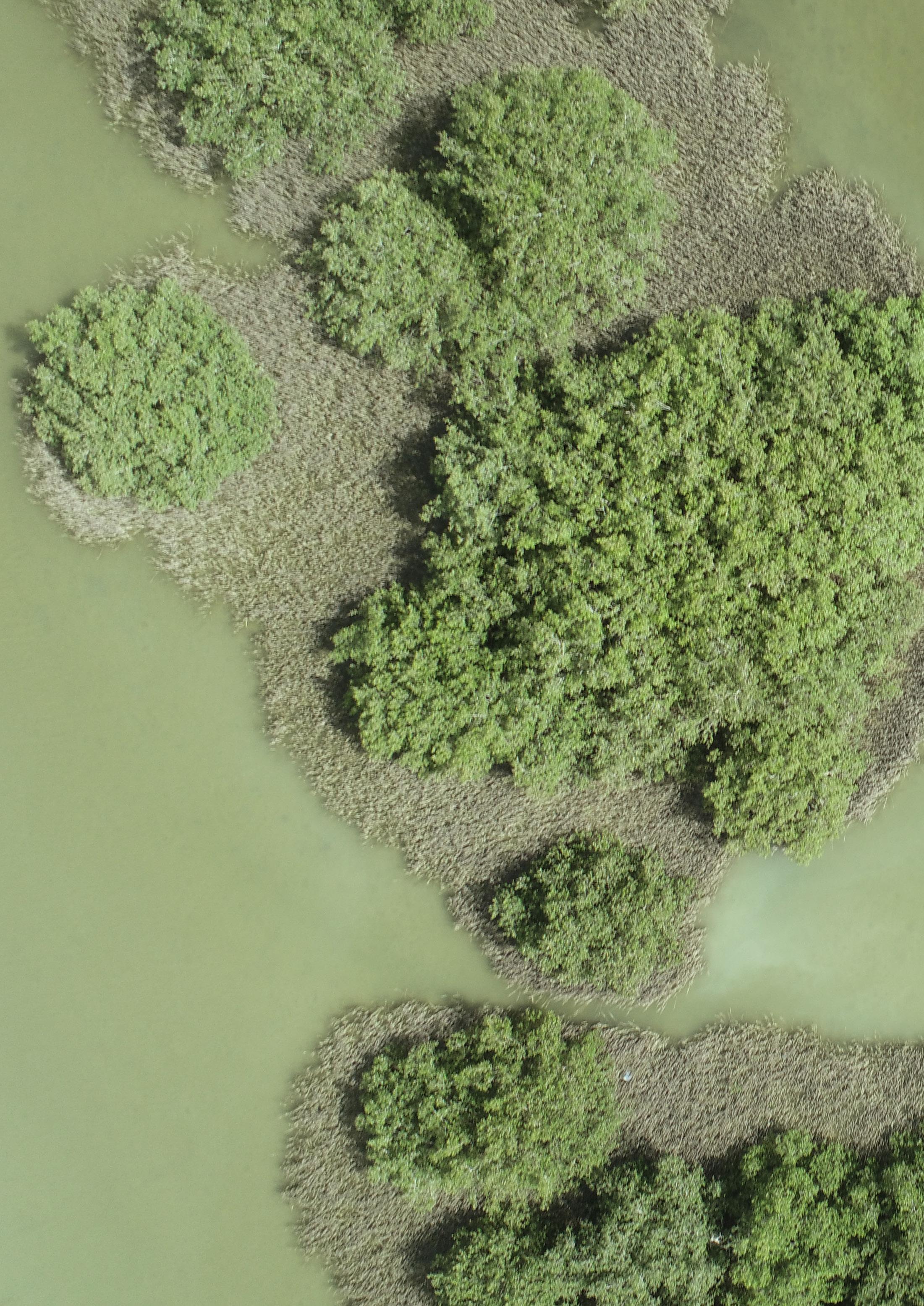
4 BOARD MEETINGS HELD DURING THE YEAR
70%+ CONTRACTS AWARDED TO LOCAL COMPANIES
$ 24 billion GDP CONTRIBUTION
As pioneers of regenerative tourism, we have received multiple industry awards across a range of categories in 2024, underlining our reputation for setting new standards as a multi-asset developer and operator.
Awarded Outstanding Project at The Smarter E Award for The Red Sea destination’s Renewable Utilities Infrastructure
2024 LEED Power Builders award by the U.S. Green Building Council for The Red Sea Phase One
Our original approach to environmental conservation and regeneration, deployment of innovative sustainable technologies and development of renewable energy infrastructure to power our destinations by sunlight.
Environment Community Engagement Program of the Year at the TDM Travel Trade Excellence Awards 2024 Middle East for the Jewar Application
Received a prestigious recognition award at the Social Responsibility Forum hosted by the Saudi Ministry of Media
Our regenerative approach to community engagement focuses on empowering local people through the provision of high-quality jobs, education, and training, enabling them to participate in Saudi Arabia’s extraordinary socio-economic transformation and supporting small and medium size enterprises and productive local families to drive inclusive, sustainable growth.
Red Sea International Airport (RSI) was recognized with the Women Empowerment Award at the Women in Aviation (Middle East) General Assembly
Awarded Best Gender Inclusive Company at the Middle East Women Leaders Summit & Awards
Won the Blue Badge Access Award at the AHEAD MEA awards for inclusive tourism

Our commitment to provide everyone with equal opportunities to succeed at our organization – regardless of gender, physical ability, ethnic, or national background.
Our dedication to providing a safe working environment for all our employees, while ensuring that our guests can enjoy extraordinary experiences without needing to worry about their well-being or safety.
The Red Sea destination was awarded both Global Travel Establishment of the Year and Sustainable Tourism Destination at the World Luxury Travel Awards
Won the Crisis Agility & Response Award and the Duty of Care Award at the 2024 International SOS Foundation's Awards
Awarded the Health and Safety Initiative of the Year at TDM Travel Trade Excellence Awards 2024 Middle East
Won the International Safety Award with Distinction at the 2024 British Safety Council Awards Health & Safety
Overall Excellence
Received Ajwad award by the Ministry of Municipalities and Housing for the AMAALA staff village for enhancing quality of life through regenerative development
Received Workplace
Wellbeing Award at the 2024 Duty of Care Awards & Summit
Awarded Middle East Most Original Exercise Program for 2024 from BCI for organizational resilience across all destination functions
Awarded Sustainable Project of the Year at The Big Project ME Awards for The Red Sea destination
Won People Team of the Year award at the CIPD 2024 Middle East People Awards
Received Informatica Award for Data and AI Excellence
Our commitment to strive toward excellence across everything that we do – whether it’s the quality of our visitor experience, the working environment for our employees, our leading environmental initiatives, community engagement programs, or our internal governance frameworks. This ambition is earning national and international recognition.
Enable Saudi Vision 2030
Generating jobs and driving the growth of diverse new industries
Governance Best Practice
Raising standards for resilience and responsiveness
Building Great Places & Communities
Attracting visitors, residents, and business partners
Empower Local Communities
Improving socio-economic and cultural conditions
STRATEGIC PILLARS
Governance & Economic
Enhancing natural capital and conserving finite resources New Sustainability Standards
Social
Environment
HOW WE CREATE VALUE
Increase contribution to economic diversification
Create opportunities for business in Saudi Arabia
Maximize growth and profitability
Establish best practice organizational structure and processes
OUR OUTCOMES
Maximizing GDP contribution
Developing the tourism sector and strengthening Saudi Arabia’s position as a global tourist destination
Ensuring RSG’s attractiveness to investors (including green investments)
Building a resilient organization with sound processes
Create exclusive, customized and memorable visitor journeys
Establish attractive working and living conditions
Ensure benefits for local communities
Achieve high stakeholder satisfaction
Creating seamless and effortless product and service experiences
Sustaining a skilled, performance-oriented and collaborative team
Empowering local people and culture to be celebrated and advanced
Create net positive impact
Protecting the environment and enhancing ecosystems
Building on the foundations we laid in 2023, we entered 2024 with a focused approach, prioritizing the identification of data providers for our sustainability indicators, setting baselines for measurement of success, defining our reporting frequencies, and streamlining the collection of performance metrics.
This marked an important change, as it allows us to track our progress more accurately, measure impact, and address challenges proactively.
We also strengthened the communication of our sustainability strategy across the organization, ensuring that every team understands its role and integrates our key principles into their daily operations. This has meant that we are better positioned to drive progress toward our goals, ensuring a shared vision and clearer accountability.
Our sustainability strategy, which was endorsed by the Sustainability Management Committee during the year, includes four key components:
Set our overarching ambition
Following the endorsement of RSG’s Sustainability Strategy, we started cascading the strategy down to our active subsidiaries.
The aim of this exercise was to ensure overall alignment with the Group’s sustainability framework. RSG follows a four-step approach to cascade its strategy.
Evaluate existing sustainability efforts across the subsidiary to understand their market position and overall sustainability performance, and identify areas for improvement.
Identify the most important ESG topics for each subsidiary, ensuring relevance to their operations and stakeholder expectations. This also includes a detailed benchmarking study to understand industry-wide trends and standards.
ESTABLISHMENT OF SUSTAINABILITY FRAMEWORK
Design a customized sustainability framework for each subsidiary that aligns with RSG’s overall strategy while addressing the unique needs and challenges of the subsidiary.
Seek stakeholder approval of the sustainability framework, ensuring alignment and readiness for implementation. Over time, the subsidiaries will be scored for their ESG performance on a scale from 0 to 36 points.
The first set of subsidiaries included those that were more mature in operations:
RSG uses a materiality assessment to understand the most significant environmental, social, and governance impacts, which is what is important to our stakeholders and business.
The assessment’s outcome is used to manage its impacts, prioritize what to report on to its stakeholders, and shape RSG’s sustainability strategy.
Our process involved:
RSG identified a list of material topics based on what is important to/impacts the company Based on this assessment, RSG prioritized its most material topics and sub-topics
RSG engaged with selected stakeholders to assess the importance of the material topics
The most material topics and subtopics are disclosed & reported in this report 1 2 3 4
Subsequently, we have reviewed our material topics and sub-topics to ensure that these remain valid. We have delivered success through a range of initiatives.
The materiality assessment process is essential to understanding where to focus our efforts to deliver maximum impact. It also helps us get closer to key internal stakeholders across our business and work closely with them to deliver meaningful impact.
– Ehtesaam Farooq Senior Director - Compliance
To bring our vision of regenerative tourism to life, we know that it is essential to carefully plan and assess our sustainability progress against central business objectives. We engage with stakeholders across our organization to understand how various sustainability initiatives affect them.
Throughout the year, our material topics and sub-topics have guided our ESG activities and our management approach has been detailed in this report. We will continue to undertake new materiality assessments as and when required.
We recognize that our success as an organization depends on engaging with stakeholders proactively and effectively. We define these as individuals who can impact or could be impacted by our operations, and these include both internal and external stakeholders.
It is important that we maintain an open dialogue with these stakeholders through a range of channels to ensure that we create value for all, while drawing on their feedback to shape our sustainability strategy.
Stakeholder Channel
Corporate website
Shareholders
Employees
Visitors and Residents
Operators
Financial Institutions
NGOs and Universities
Design and Architecture firms
One-on-one (no spaces)
Local Municipalities
Giga Projects
Local Communities and Businesses
Government entities and Regulators
General assembly
Corporate reports
Internal communication and portal
Internal awareness material
Training programs
Satisfaction surveys
Surveys
Awareness sessions
One-on-one meetings
Site visits and tours
Specialist conferences and discussions
One-on-one meetings
Corporate reporting
Direct engagement with NGOs
Participation in key international events
Student events and enrichment activities
Collaboration with education and research institutions
Site visits and tours
Specialist conferences and discussions
One-on-one meetings
Participation in conferences and discussions
Participation in external congresses and forums
Active engagement of local community in project areas
Social media and press releases
Consultation with regulators and Government entities

Access to capital
Satisfy investor needs
Improve productivity
Drive business objectives
Motivation and engagement
Enhance visitor experience
Address any concerns
Meaningful stakeholder engagement is a cornerstone of sustainable business performance. Success requires embracing an inclusive definition of ‘stakeholder’-one that extends beyond regulators and governance bodies to include employees, customers, and the broader community.
By fostering continuous, transparent dialogue across this diverse stakeholder base, we have strengthened the relevance and impact of our environmental and social initiatives, ensuring they are both regenerative and responsive to shared value creation.
– Jad Fayad Executive Director- Governance
Delivering growth and return on investment
Job security
Skill development
Career growth
Visitor and resident satisfaction
Understand requirements Properties for business expansion
Secure financing
Talent development and knowledge sharing
Innovation and better product and service offering
Communicate requirements
Understand requirements related to operations
Alignment with other national projects
Understand challenges
Build mutually beneficial relationships
Understand regulatory requirements
Return on funding
Mutually beneficial relationships
Business opportunities
Business opportunities
Complying with requirements
Mutually beneficial relationships
Positive impact on community Responsible business
Complying with regulatory requirements
Linking our material topics and subtopics with alignment to Saudi Vision 2030 and UN SDG’s
Pillars
Social Environment
Material
Topic
Natural Capital
Climate Change
Resource Management
Destination Development
Human Capital Development
Social Risk Management & Development
Health, Safety & Security
Economic Contribution
Governance & Economic
Stakeholder Experience
Governance Excellence
Sub-topic Alignment to Saudi Vision 2030
Biodiversity & Habitat Site Selection & Land Use
Emissions
Energy Climate Resilience
Water & Effluent
Waste & Circularity
Sustainable Supply Chain & Procurement
Green Design, Construction & Operation Green Mobility Culture and Heritage Food Systems
Diversity, Equity and Inclusion Saudization Training and Education
Socio Economic Empowerment Community & Cultural Engagement Social Risk and Planning
Privacy and Security Health and Safety Worker Welfare
GDP & Employment Contribution Green Finance Partnerships, Research & Innovation
Stakeholder Relations and Satisfaction
Brand Communication Purpose in the Workplace
Ethical and Responsible Behavior Risk, Resilience and Compliance
Effective Performance & Decision making



At RSG, we recognize the critical importance of natural capital in maintaining a healthy and sustainable environment.
Our commitment to preserving and enhancing the region’s unique ecosystems is embedded in every phase of our development projects. By focusing on the responsible management of natural resources, including biodiversity, water, and energy, we strive to minimize our environmental footprint and protect the natural heritage of the Red Sea region for future generations.
Through innovative approaches to conservation, sustainable land-use planning, and the restoration of key habitats, we are working to ensure that our projects contribute positively to the local environment, support biodiversity, and help mitigate climate change impacts. This dedication to natural capital is central to our vision of creating a world-class destination that harmonizes with nature, fostering long-term ecological sustainability.
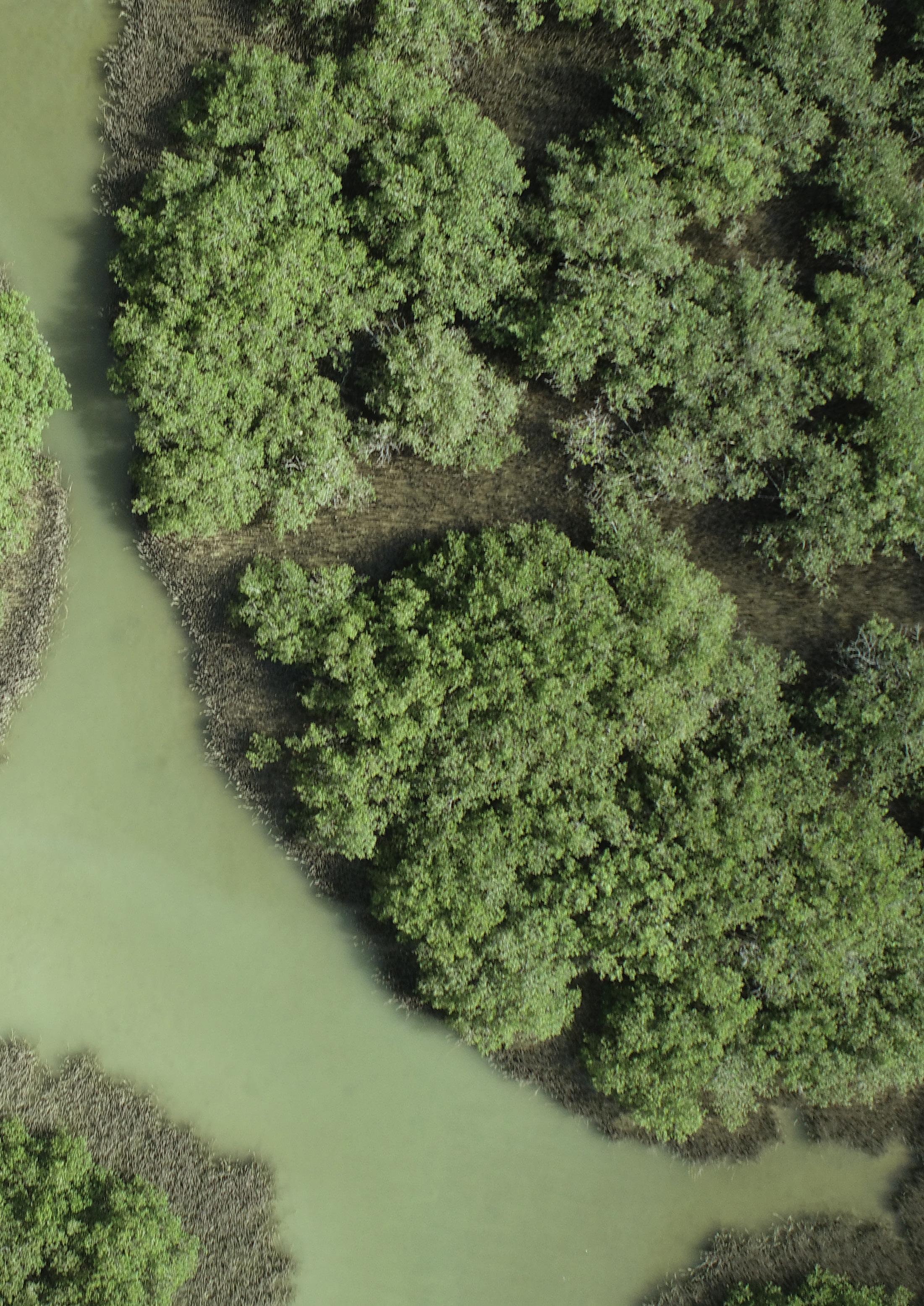
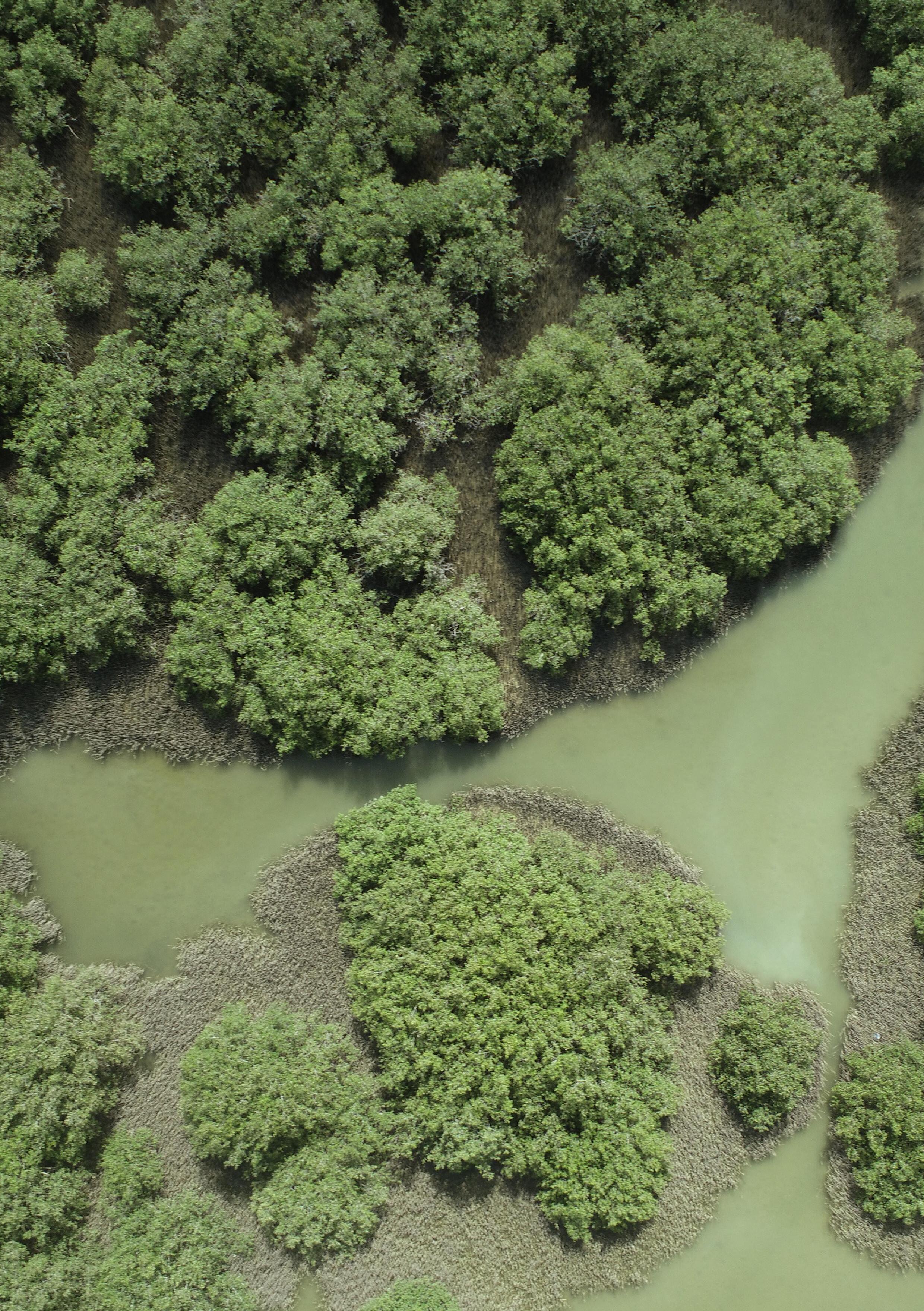
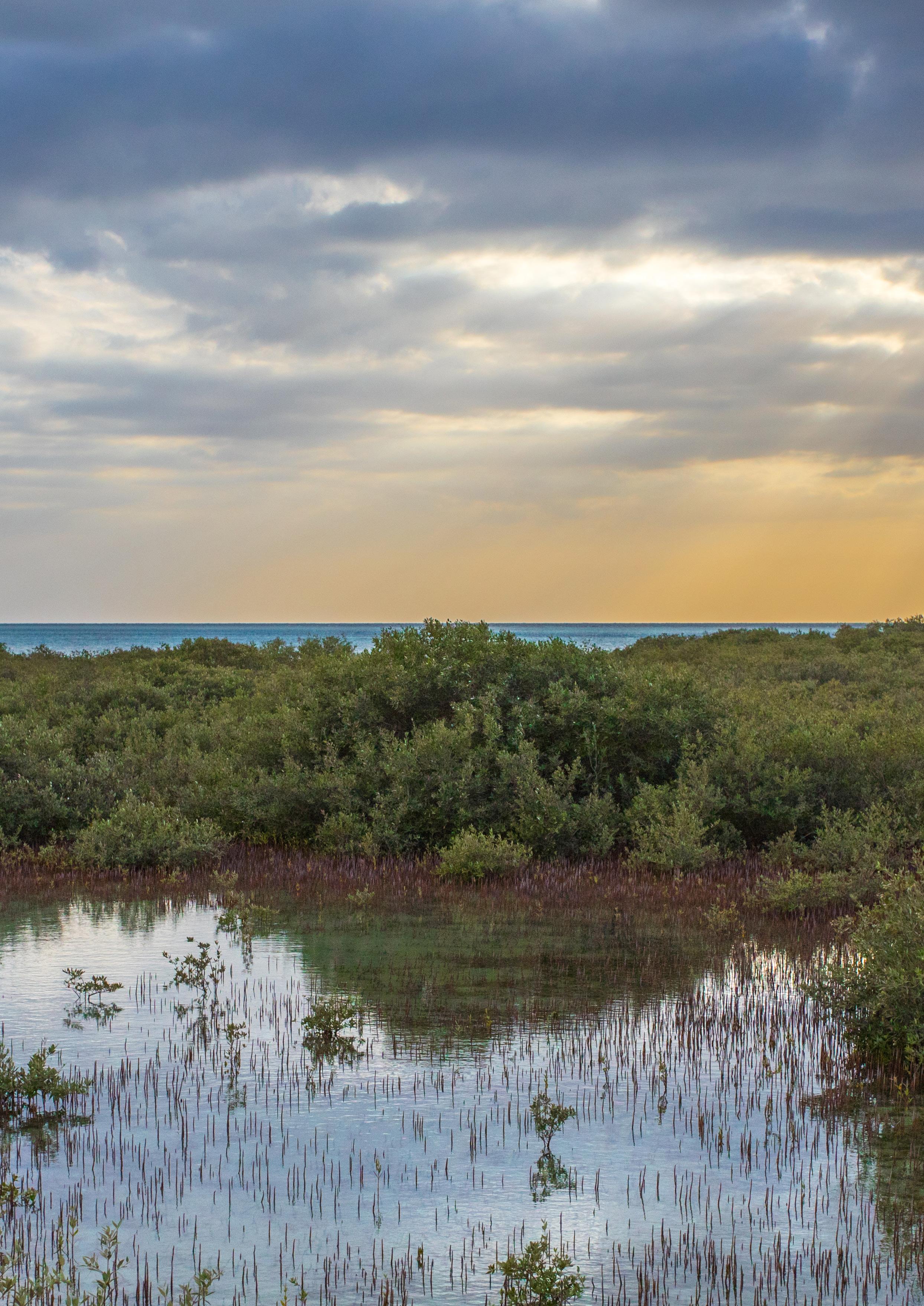
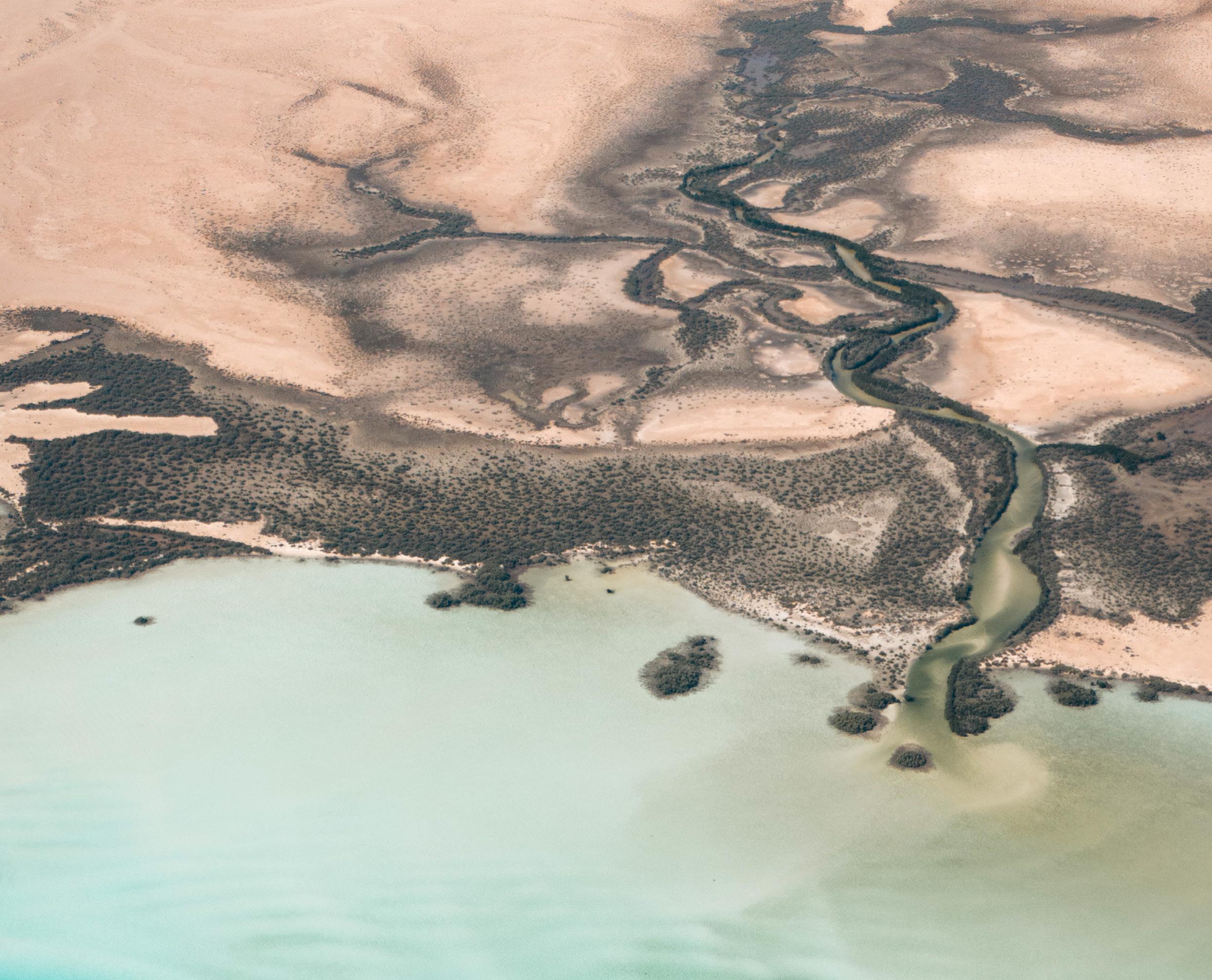
A critical part of our regenerative tourism mission is to protect and enhance the surrounding environment within the Red Sea region.
We are privileged to be operating in one of the most beautiful parts of the world, full of flora and fauna, and a diverse range of breathtaking landscapes – from desert dunes to white, sandy beaches, and colorful reefs.
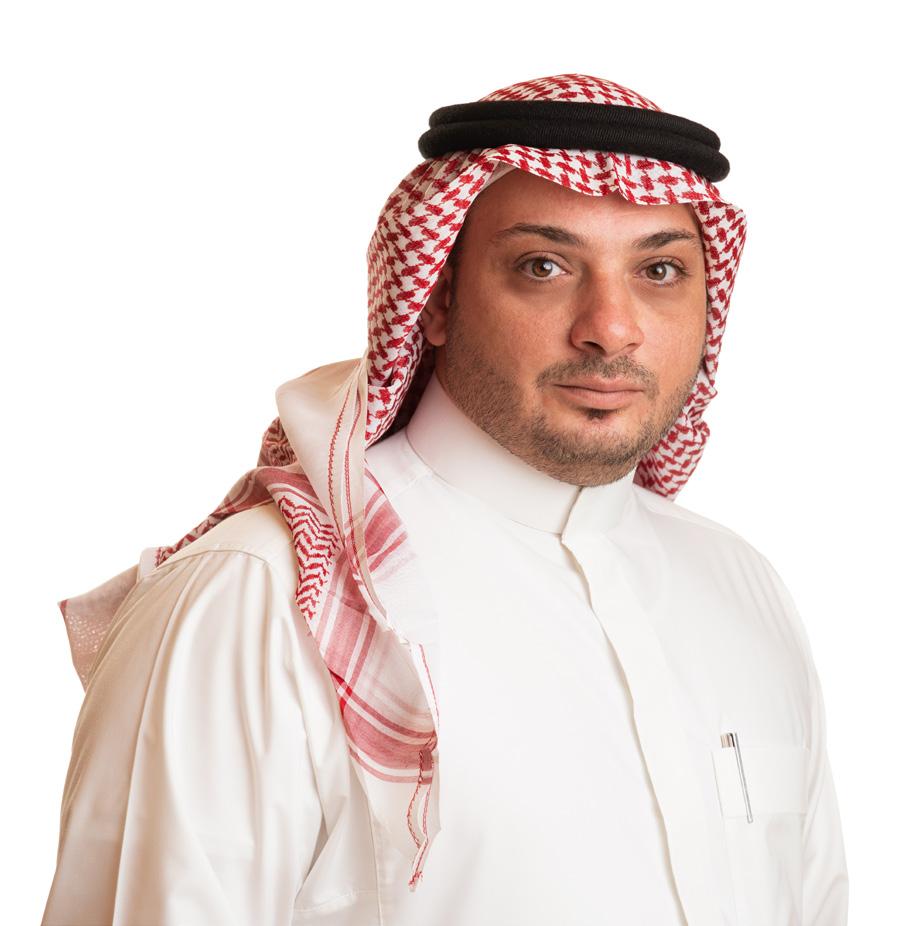
Environmental regeneration is at the center of every single plan we create and initiative we deliver. This was no different in 2024 , when we drove progress across multiple key objectives and continued to set new standards within responsible development.
– Raed Albasseet Group Chief Environment and Sustainability Officer
Deliver a 30 % net conservation benefit by 2040 across The Red Sea and AMAALA
1.3 million mangrove seedlings grown and planted
10,000 coral fragments were attached to the coral nursery
Work toward a net zero future
Avoided 29,105 tCO2e through the use of renewable energy
Power our destinations using renewable energy
200,000 MWh of renewable energy produced
Achieve sustainability certifications for assets
Our portfolio includes 66 green assets
Adopt clean energy for mobility
96 Electric Vehicles
189 Electric Vehicle charging stations to date
Sustainable Aviation Fuel adoption for seaplanes
Sustainable food sourcing
Over 150,000 kg of vegetables sourced and marketed for local farmers through TAMALA
Approach
Natural CapitalPages 56 - 71
Material Sub-Topic
Biodiversity and Habitat
UN
Climate ChangePages 74 - 77
Emissions
EnergyPages 78 - 81
Green Building CertificationPages 96 - 99
Energy
Green Design, Construction and Operation
Green MobilityPage 102 - 107
Green Mobility
Food SystemsPage 114 - 119
Culture and Heritage
RSG continues to deploy significant resources to protect and enhance the natural capital at its destinations. In 2024, we intensified our work across biodiversity and habitats to build a lasting foundation for net positive conservation benefits.
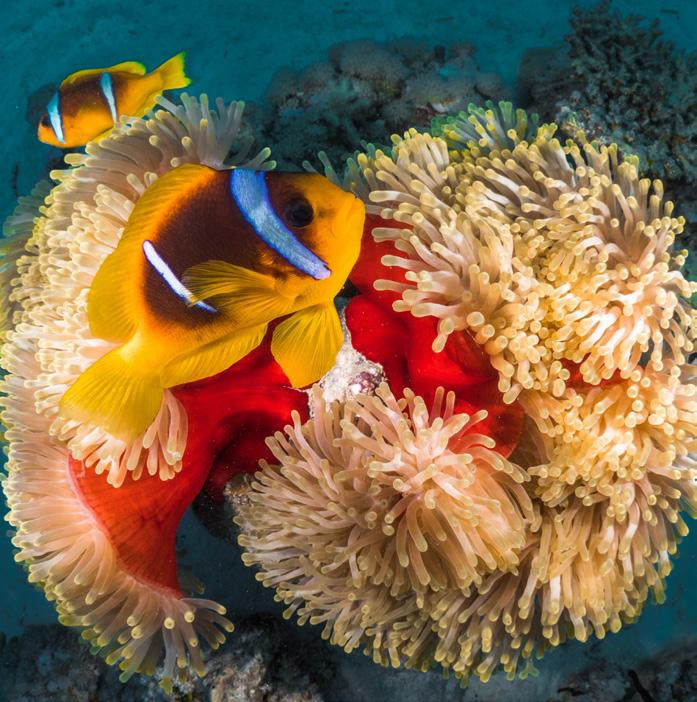
We expanded our programs related to biodiversity compensation and enhancement focusing on seagrass restoration, coral gardening, mangrove enhancement, as well as megafauna and terrestrial monitoring.
Seagrass habitats are a main source of oxygen and diet for turtles and dugong, and are considered a nursery for juvenile fish. The Seagrass Rescue and Restoration Project has made remarkable strides in enhancing the marine environment.
Out of 12 seagrass species recorded across the Red Sea coast, 10 species were recorded in our destination.
RSG plans to publish scientific papers to further share these successes with the global community.
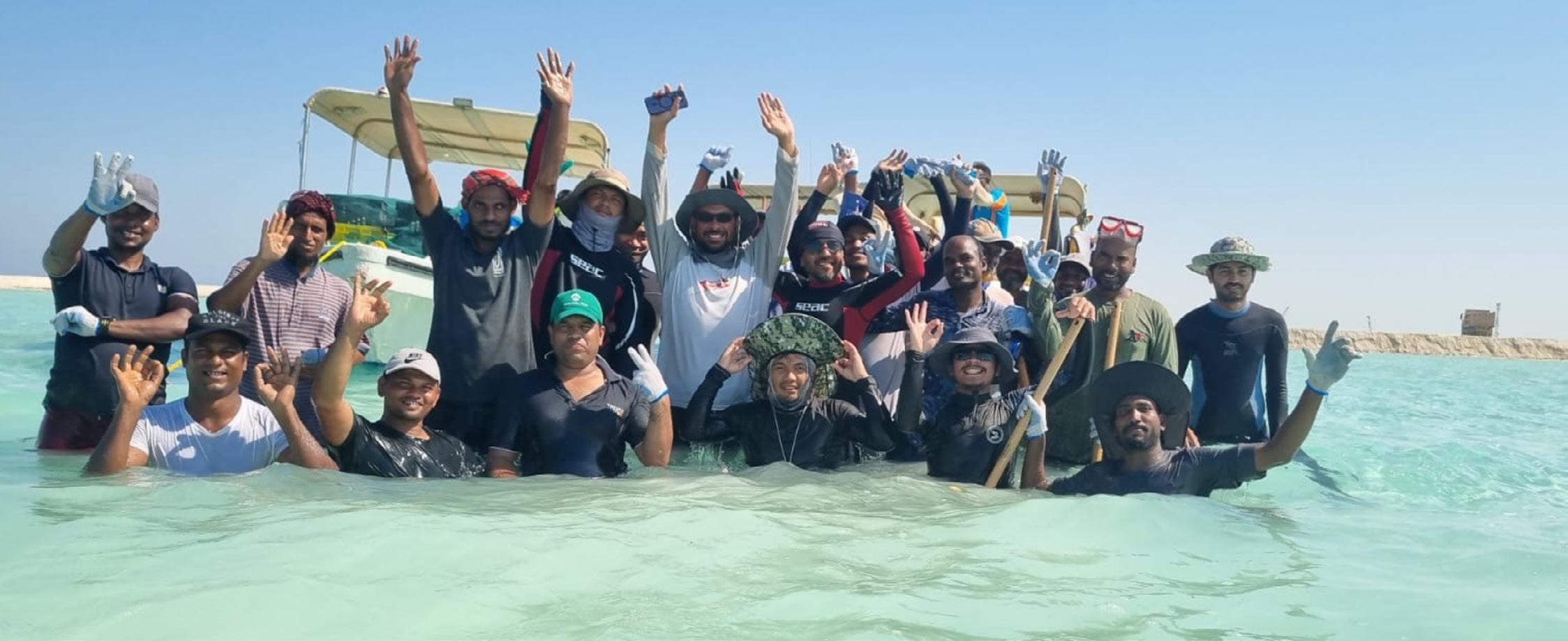
The outcomes have far exceeded expectations
Creation of a nursery habitat for a critically endangered shark species (Halavi Guitarfish ).
Creation of a foraging habitat for juvenile Green Sea Turtles.
Development of innovative natural mitigation measures to control grazing pressure from turtles and dugong on seagrass.
Development of the first-ever Seagrass Transplantation Protocol in the Red Sea.
Establishment of a new benchmark for water depth in seagrass transplantation and the optimal planting season.
Survival rate for transplanted seagrass, the project has set a benchmark within the region, significantly contributing to the restoration of marine ecosystems.
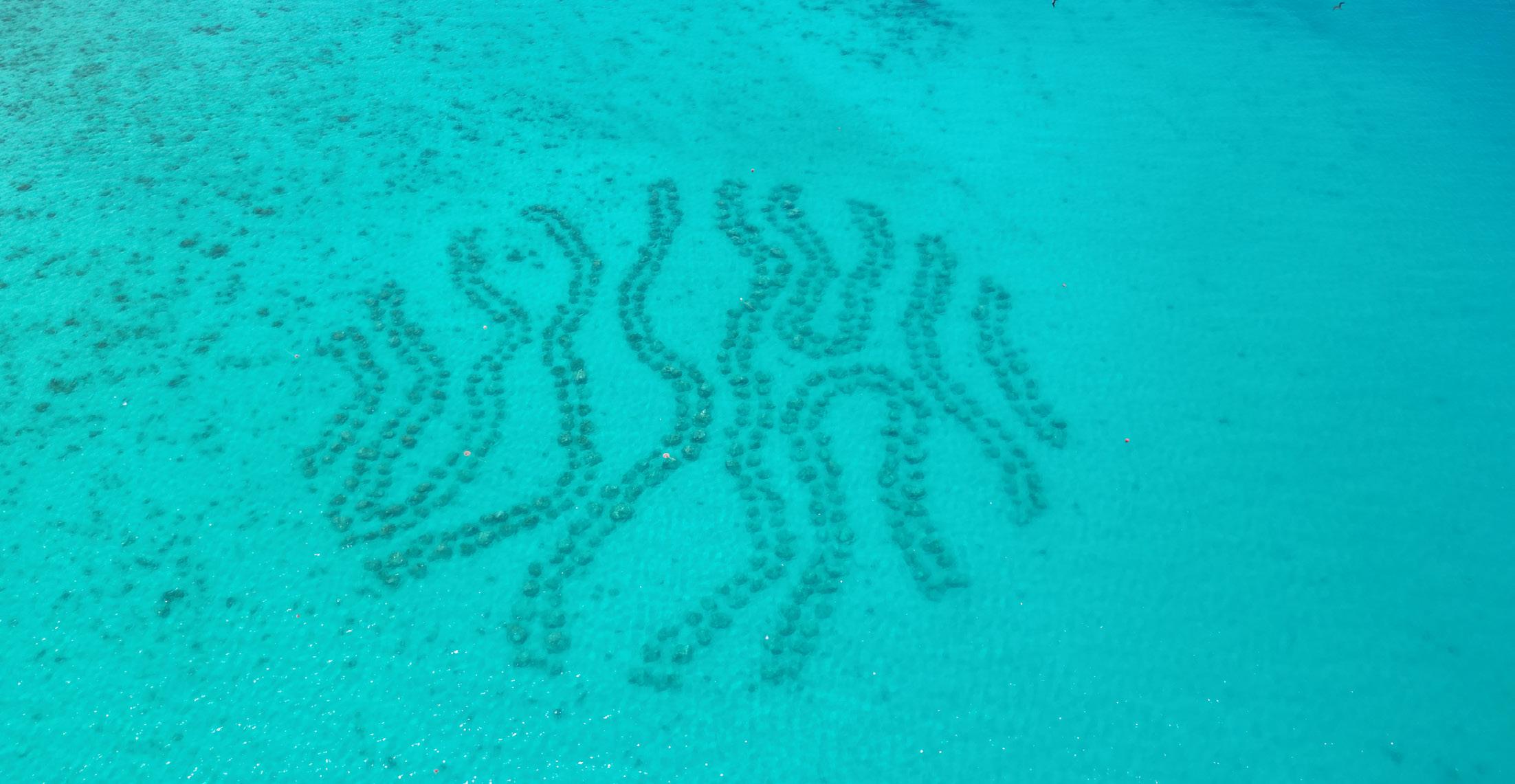
The Artificial Coral Reef Creation (Logo Reef project) is an initiative designed to translocate and rejuvenate coral ecosystems. In 2024 , the Project successfully translocated coral to cover about 40 % of the logo area, with approximately 1,500 coral colonies rescued from impacted construction zones. In addition, carbonate rock deployment in the shape of the RSG logo was completed to support the development of the reef.
The next phase will focus on expanding the coral reef habitat by one hectare, further enhancing biodiversity and contributing to the sustainability of the marine environment in the region.
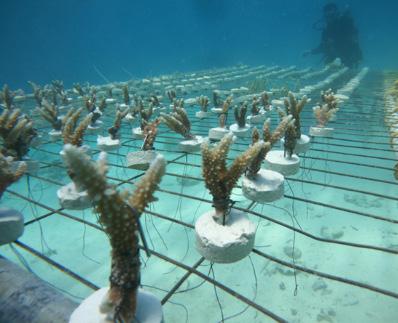
A total of 10,000 coral fragments were successfully attached to the coral nursery, with an initial survival rate exceeding 90%.
Various resilient coral species were transplanted to enhance long-term sustainability. In 2025 , the project aims to attach an additional 20,000 coral fragments. Continuous monitoring and improvement will focus on identifying heat-tolerant coral species to guide future conservation efforts.
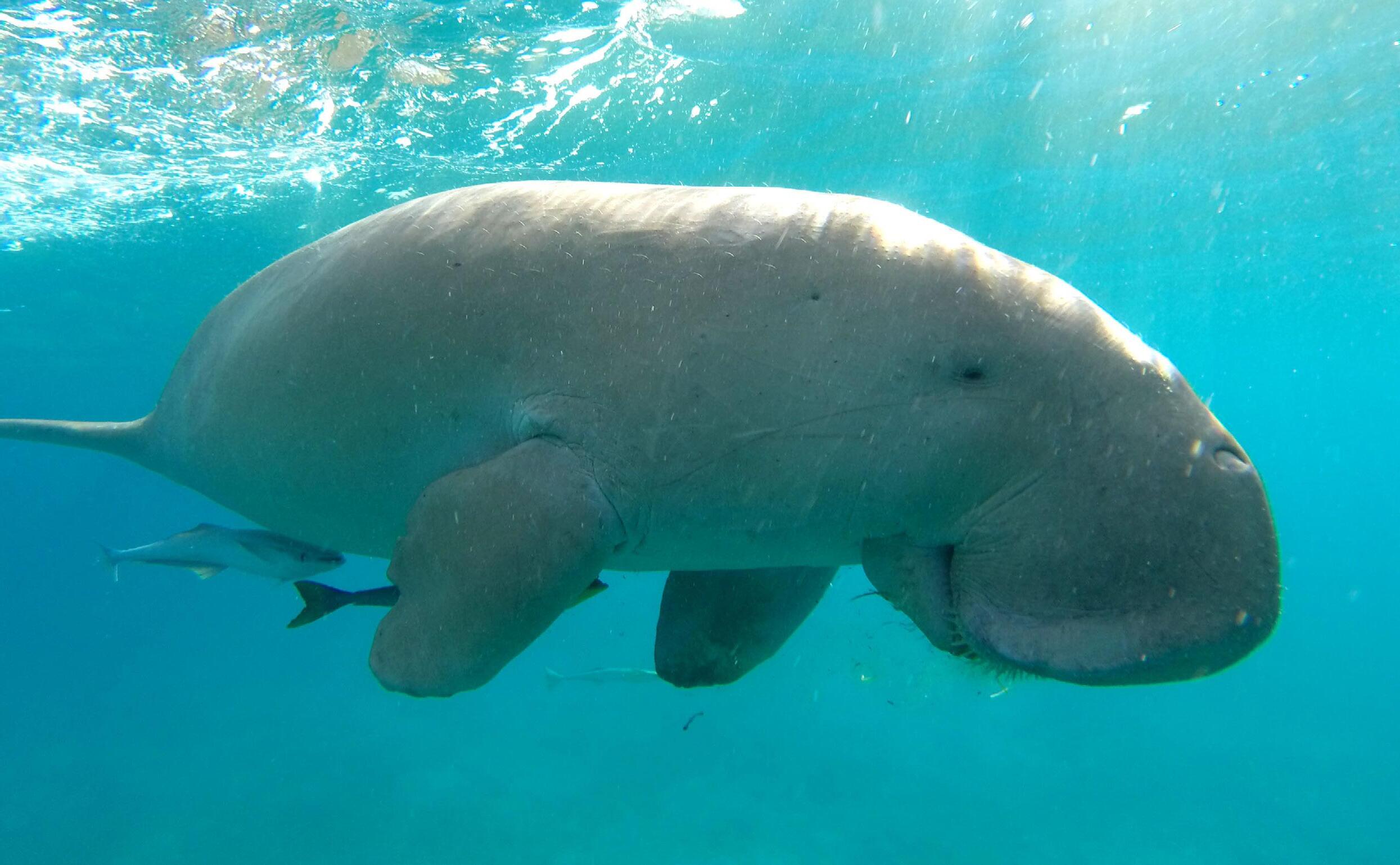
The Megafauna Monitoring Program reflects RSG's commitment to protecting marine life through targeted monitoring efforts.
An aerial and marine survey conducted within AMAALA identified key feeding grounds for sea turtles and dugongs.
Over 30 individual Green turtles were recorded, along with a frequent sighting of one adult dugong. This highlights the critical role these areas play in supporting marine megafauna.
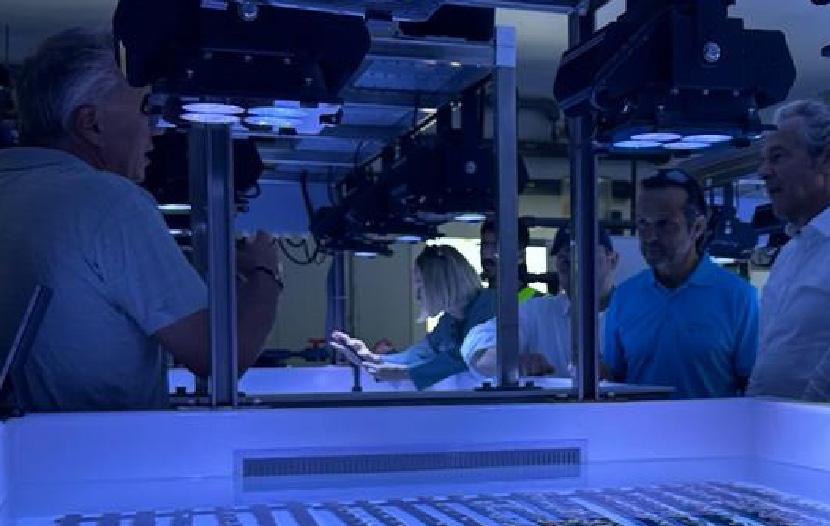
In 2024, RSG adopted a proactive approach to safeguard its natural capital. Central to this effort was the installation of a robust suite of monitoring equipment, designed to provide a comprehensive understanding of the region’s environmental health.
This equipment will help RSG develop a much deeper understanding of biodiversity systems, and threats, in real-time using Internet of Things (IoT) devices and guide conservation measures to achieve net positive benefits.
Environmental Buoys
Underwater Cameras
Mounted Osprey Nest Camera
Dark Sky Monitoring Device
Wildlife Camera Traps
Autonomous Underwater Drones
Placed 14 smart environmental buoys in strategic locations across RSG projects which are equipped with advanced sensors to track several water quality parameters. The buoys capture meteorological, acoustic and current sensors, offering a realtime, dynamic view of the state of the marine ecosystem, and sudden changes.
Deployed two underwater cameras, which offer live footage of the seabed to assess aquatic life and environmental conditions.
Mounted two cameras on artificial osprey nests, providing valuable data on local bird species and their interactions with the ecosystem.
A dark sky monitoring device has been installed, paired with a real-time camera. This system will help ensure compliance with the strict dark sky reserve requirements, minimizing light pollution and safeguarding nocturnal wildlife habitats.
Installed six wildlife camera traps across various sites enables the monitoring of terrestrial fauna, providing valuable data on animal movement patterns, population health, and habitat utilization.
Deployed five autonomous underwater drones to map and assess the health of benthic habitats. These drones are designed to collect data on coral reefs, and other marine ecosystems, providing a high-resolution, detailed 3D reconstruction view of their condition over time.
Marine-Based Hydrocarbon Sensors
Air quality monitoring stations
Introduced marine-based hydrocarbon sensors to bolster its efforts in pollution monitoring. These sensors continuously monitor and detect the presence of oil and other hydrocarbons in the water, ensuring early detection of any contamination that could threaten the marine environment.
RSG also expanded its air quality monitoring network to cover all operational assets that went live in 2024, enabling it to track airborne pollutants and assess their impact on both the environment and human health.
LOOKING AHEAD
Data gathered from a wide range of sources and monitoring equipment will be integrated and centralized within a cutting-edge AI platform, set to launch in 2025 .
The AI-driven system will not only aggregate vast amounts of environmental data but will also identify species of interest, assess environmental conditions. By harnessing the power of AI, RSG will be able to streamline decision-making, enhance its conservation efforts, and rapidly respond to any potential threats to the region’s delicate ecosystems. The visuals will also be made available to visitors and residents.
At RSG, mangrove compensation planning is a comprehensive and multi-disciplinary process requiring close collaboration with both internal and external stakeholders. The following disclosure retraces our steps from inception to date.
RSG developed a Biodiversity Action Plan (BAP) for the Red Sea and AMAALA destinations, in alignment with the IFC Performance Standard. This plan includes a commitment to deliver measurable conservation outcomes, ensuring no net loss or net gain of biodiversity.
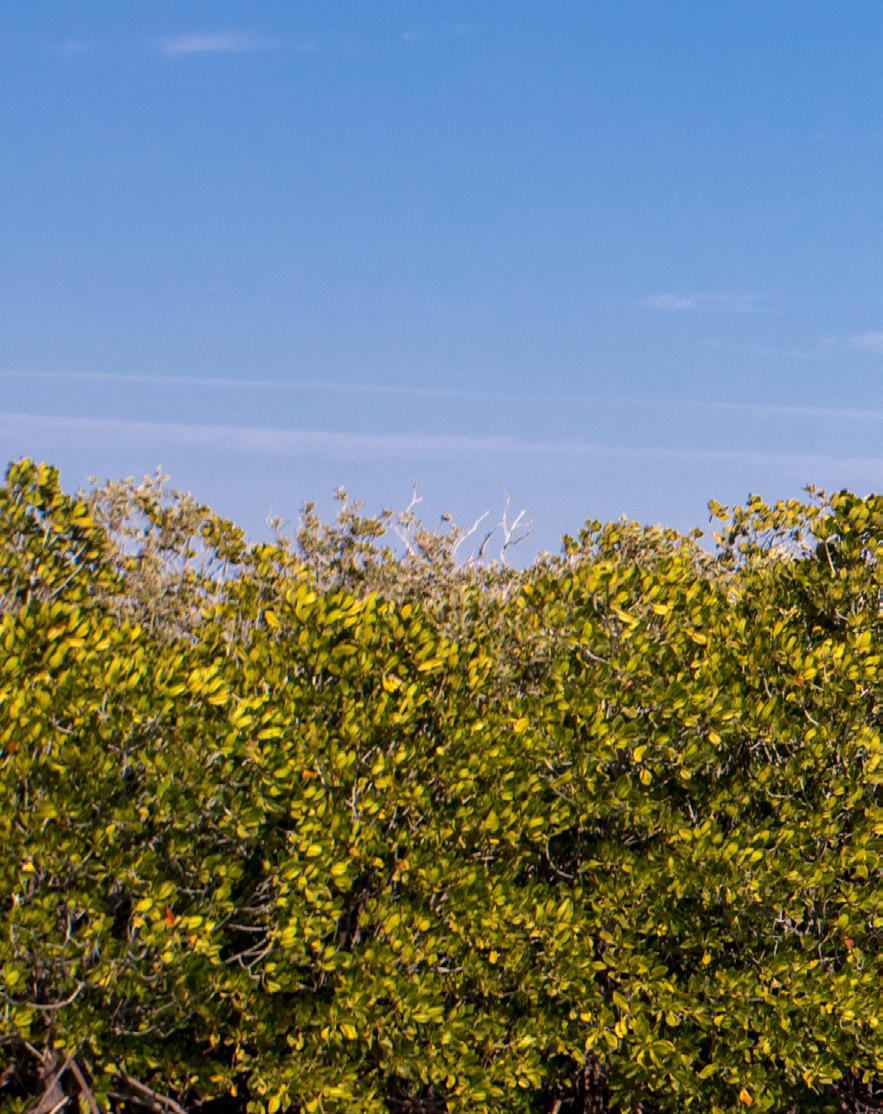
We evaluated baseline conditions in Al Wajh lagoon; mangroves cover a total area of 27.14 km2, which comprised mostly of grey mangrove (Avicennia marina ). The red mangrove (Rhizophora mucronatq) is present only at certain locations in the lagoon, including Shura Island.
RSG began a coordinated and systematic process to assess the loss of mangrove habitat due to the development of resorts and supporting infrastructure.
This process includes evaluating the impacts on mangrove habitats from the development footprint (masterplan) and related construction activities, while planning appropriate restoration and compensation measures.
MANGROVE
2023
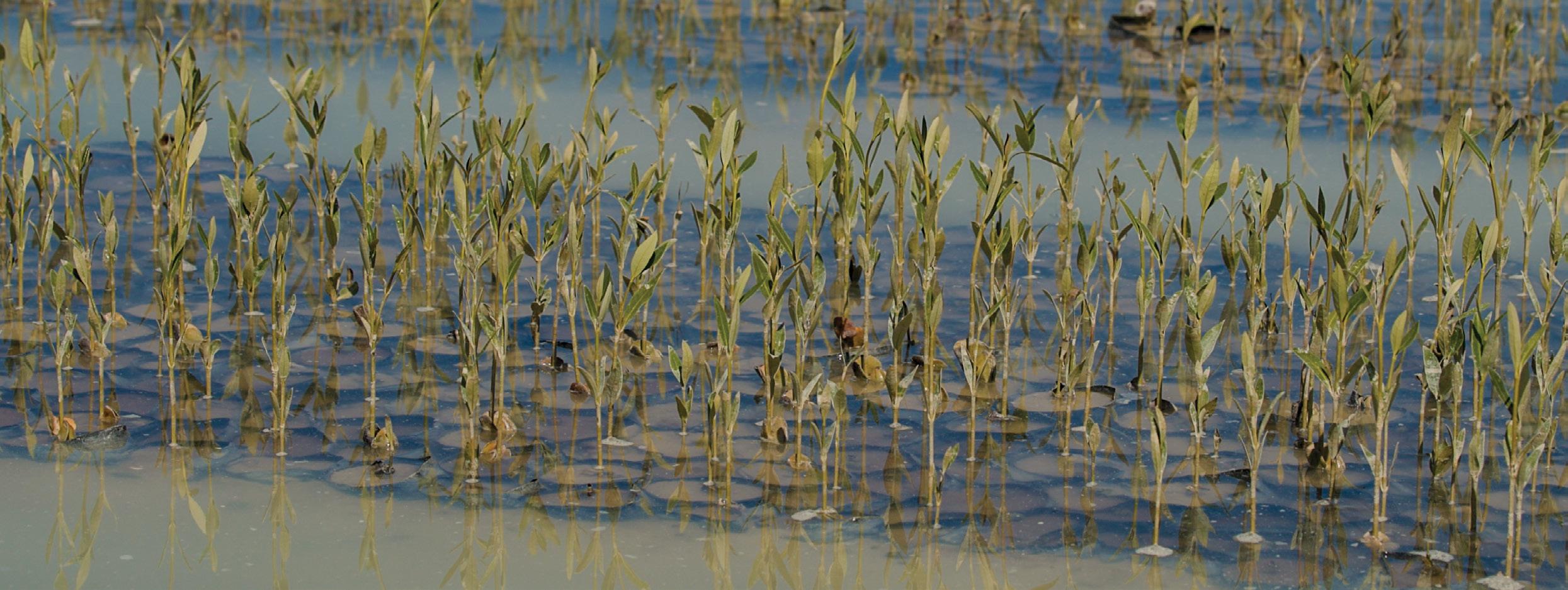
Mangrove seeds are gathered seasonally from mature mangrove trees within RSG’s project development area. The seeds grow and germinate into seedlings in our mangrove nursery for approximately 6-7 months and are then moved to permanent offsetting sites within the broader RSG development area.
This approach has produced seedlings that are highly adapted to the local environment, significantly improving survival rates post-transplanting.
We launched a Mangrove Compensation Program aimed at restoring and compensating for the loss of mangrove habitats to achieve no net loss and build the foundation for net positive conservation benefits.
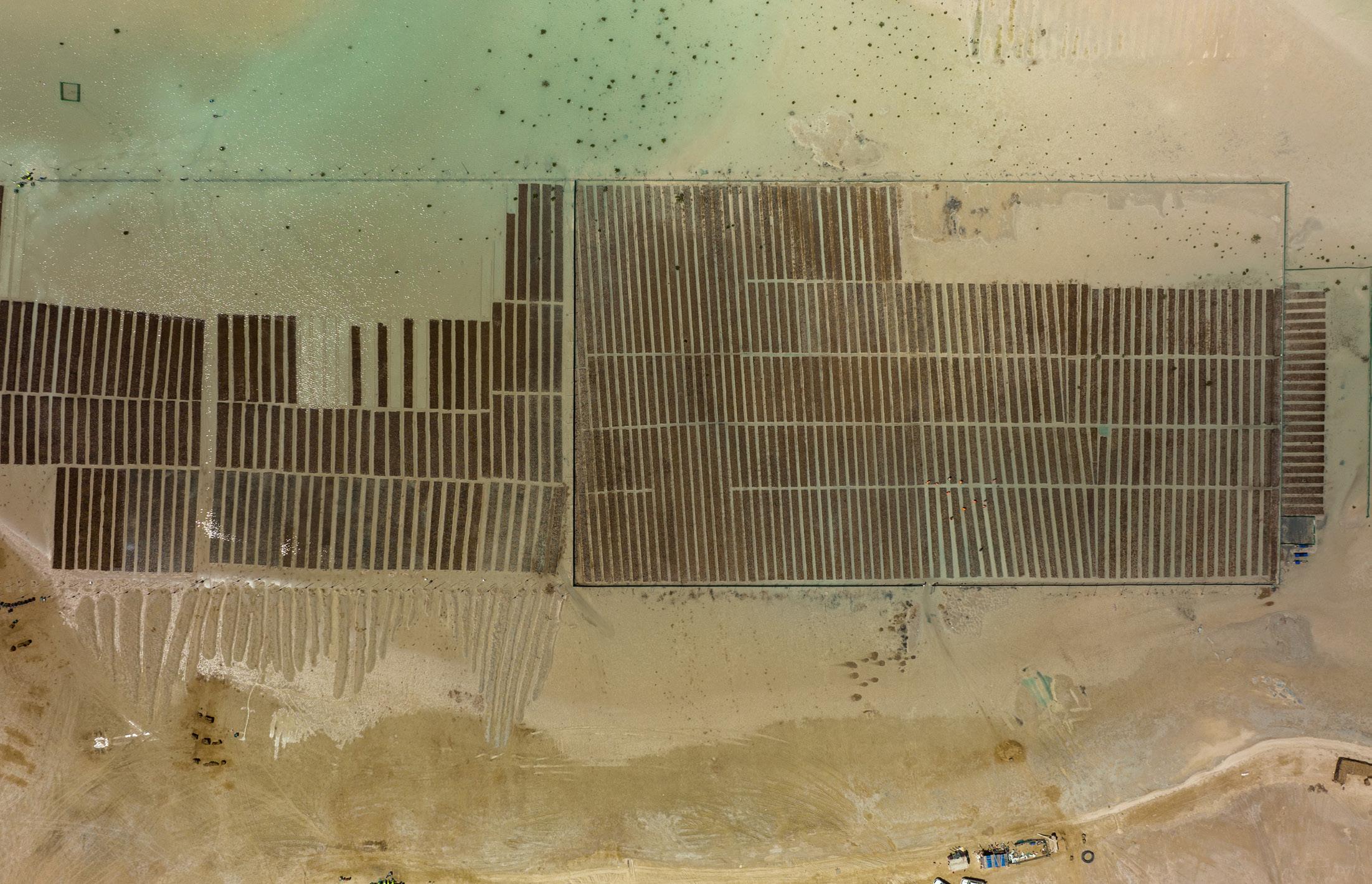
The first phase involved the construction of a mangrove nursery established in collaboration with the National Center for Vegetation Cover (NCVC) within an intertidal zone in the project development area. By situating the nursery in this area, the seedlings are exposed to local conditions.
In 2024 , we intensified our efforts to offset mangrove areas impacted by development activities. We also expanded the mangrove nursery production capacity to reach 2 million seedlings per year. The compensation program will continue through 2030 and beyond, which will also support the Saudi Green Initiative.

The mangrove habitat balance (loss: gain) estimated for Phase 1 assets of The Red Sea destination is shown below. Mangrove habitat gain is estimated by applying offset multipliers on lost habitat, considering principles of additionality, equivalence and permanence. For Phase 1 assets, total mangrove loss is estimated at 47.9 hectares, resulting in a total offset requirement of 202 hectares. By applying a planting scheme of 1 seedling per m 2 , approximately 2 million mangroves must be planted within The Red Sea development area to achieve no net loss of mangrove habitat impacted by Phase 1 assets.
Table. Status of compensation requirement for The Red Sea Phase 1 assets
ESTABLISHMENT
Description
Mangrove Nursery
Cumulative Seedlings Produced
Cumulative Seedlings Planted(Offset)
Cumulative Progress (%) Achieved
*0.5 million by RSG; 0.8 million by NCVC ** Transplanting works in 2024 experienced a slowdown due to the readiness of candidate receptor sites including access roads. The shortfall was deferred to 2025 to achieve the desired offset targets.
Planning for Sustainable Marine Developments
The MSP outlines a zonation strategy that includes four levels of zoning criteria, each with specific management measures for both conservation and development:
In line with our commitment to set new benchmarks for responsible development and regenerative tourism, RSG implemented a Marine Spatial Plan (MSP) covering approximately 23,000 km2 of the Red Sea.
The MSP was developed through a thorough analysis, including the screening of over 90 islands, reviewing more than 100 data sets and parameters, engaging with over 17 stakeholder groups, and conducting detailed reconnaissance surveys to understand ecosystem interactions within and around the islands and across the broader catchment area.
The most sensitive areas, requiring the strictest management measures. For instance, public access would be restricted during turtle nesting seasons to protect these vulnerable species.
These zones balance sustainable use with the conservation of the marine environment. Management measures focus on maintaining and preserving areas of cultural significance.
The MSP is designed to ensure the protection of biodiversity and ecosystems, while also preserving cultural values and social heritage. This plan supports a sustainable marine environment that fosters economic growth and regenerative tourism.
Typically, do not require extensive management measures. However, RSG implements best practices, such as offsetting habitat loss, to ensure no net loss of natural habitats.
Implementing Newly Promulgated KSA Guidelines
A core objective of the Marine Spatial Plan (MSP) is to guide the Strategic Development Plan (SDP) in determining the best approach to masterplan and develop approximately 23,000 km2 in the southern Red Sea, while ensuring the protection of environmental and ecological integrity and fostering both sustainable and regenerative tourism.
To inform this decision-making process, RSG conducted a Strategic Environmental Assessment (SEA) to evaluate alternative approaches to the MSP and assess whether it provides the most balanced solution between development and environmental preservation in the southern Red Sea.
This was crucial, as the MSP directly informed the SDP, necessitating an SEA to ensure alignment with the goals and objectives of both plans. The assessment adhered to the latest guidelines set by the Ministry of Environment, Water, and Agriculture (MEWA), the national regulator. As part of the SEA, the environmental and socio-economic impacts (both positive and negative) of the MSP and SDP were carefully evaluated.
The SEA concluded that the MSP, integrated with the SDP, is the preferred plan for the southern Red Sea. This approach strikes a balance between conservation efforts and the sustainable development goals of the SDP.
These are habitats that can be enhanced, restored, or created. For example, improvements to foraging grounds and vegetation support erosion protection efforts.
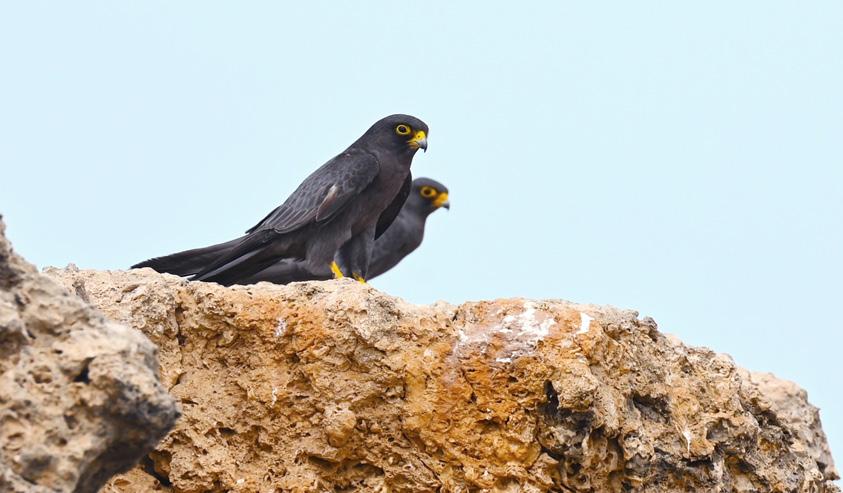
Our partnership with the National Center for Wildlife (NCW), the primary government agency responsible for wildlife conservation, has been vital in ensuring transparency and aligning our environmental objectives. The key goal of our action plan is to protect the island's natural habitat, with a particular focus on the Sooty Falcon, a species critical to the region’s biodiversity and classified as regionally endangered.
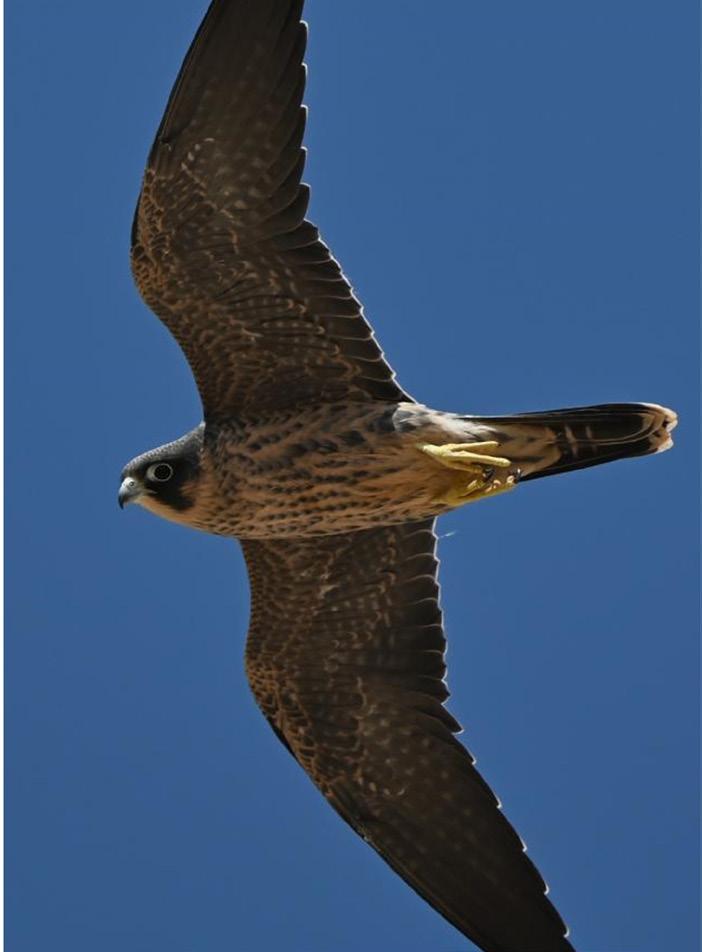
Through extensive collaboration with NCW, we identified a specific area for the establishment of a Private Protected Area (PPA), ensuring the conservation of the island’s ecosystem and the nesting habitat of the Sooty falcon.
Sooty falcons (Falco concolor) are a remarkable species found in the Red Sea region and are listed as ‘Vulnerable’ on the IUCN Red List of Threatened Species. In line with our commitment towards biodiversity conservation, a habitat creation initiative is underway to deploy artificial nesting opportunities for a select group of priority bird species across our projects. Of particular
importance is the deployment of a variety of artificial Sooty falcon nests across Al Numan Island including within three areas that have been set aside for their conservation. These will be used to test the success of the designs and gather important data on nesting and breeding to help further the collective understanding of the species.
Site selection and deployment of artificial nests are based on the monitoring data of Sooty falcon breeding on the Island which started in 2018 . Data from recent artificial nest deployment along the Red Sea was used to select four different artificial nest designs that will be deployed. Deployment of the selected designs is planned to take place in advance of the upcoming nesting season which is in advance of the commencement of construction on the island, which further demonstrates RSG’s commitment towards setting the benchmark for conservation practices worldwide.
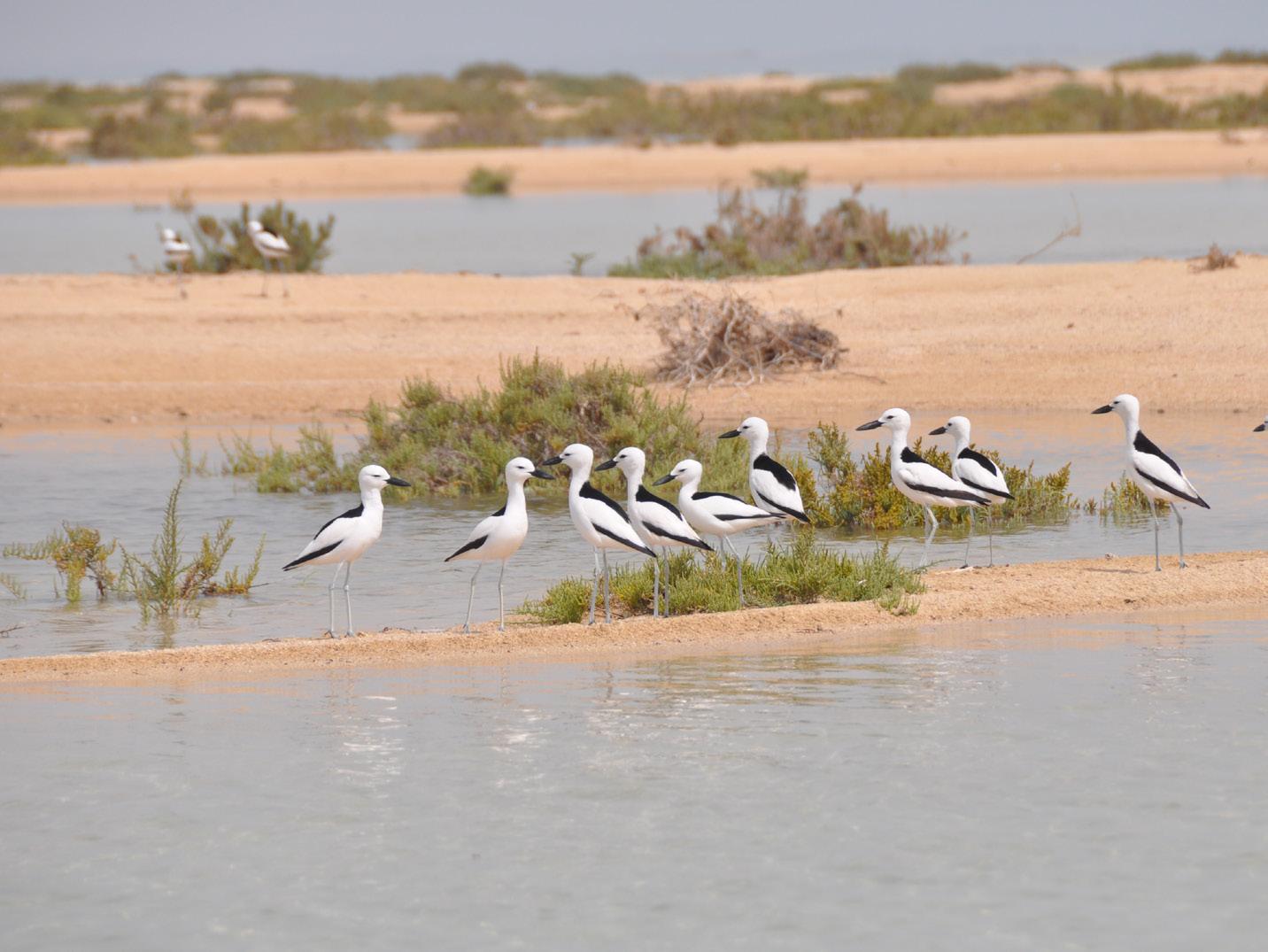
At RSG, we are dedicated to protecting marine biodiversity, with a particular focus on the critically endangered Hawksbill and Green turtles. As part of our conservation initiatives, we are conducting an in-depth study to identify key nesting and foraging habitats within Al Wajh Lagoon along Saudi Arabia’s Red Sea coast.
Using advanced data analytics and habitat assessments, we aim to improve our capacity to monitor and protect these species. Primary data from targeted conservation efforts will be complemented by secondary data from various sources, allowing us to establish baseline information on nesting preferences and movement patterns. To gain a comprehensive understanding of turtle behavior, we also incorporate data from tagging and GPS tracking programs to identify critical breeding sites and migration routes.
We prioritized conservation and habitats early in the planning process for the Quman Island hospitality assets. A PPA, designed according to IUCN guidelines with a focus on Habitat/Species Management and Strict Nature Reserve categories, was selected to safeguard key habitats such as turtle and Sooty falcon nesting areas, Halavi guitarfish nurseries, and Mangrove ecosystems around the island.
The proposed PPA on Quman Island plays a vital role in creating and managing critical wildlife habitats, ensuring the survival of endangered species, and enhancing the biodiversity of the unique Red Sea.
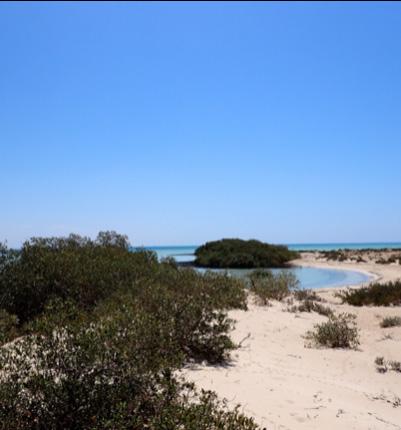
We analyze environmental factors such as beach suitability and water quality to predict the most optimal habitats for nesting and foraging. The insights gained from this study are essential in determining priority areas for protection and shaping our conservation strategies. By strengthening field efforts and enforcing robust conservation protocols, we are committed to ensuring the longterm survival of Hawksbill and Green turtles, while fostering sustainable, naturebased tourism in the Al Wajh Lagoon.
Botanica, nurtures millions of plants annually to support the landscape requirements across The Red Sea and AMAALA.
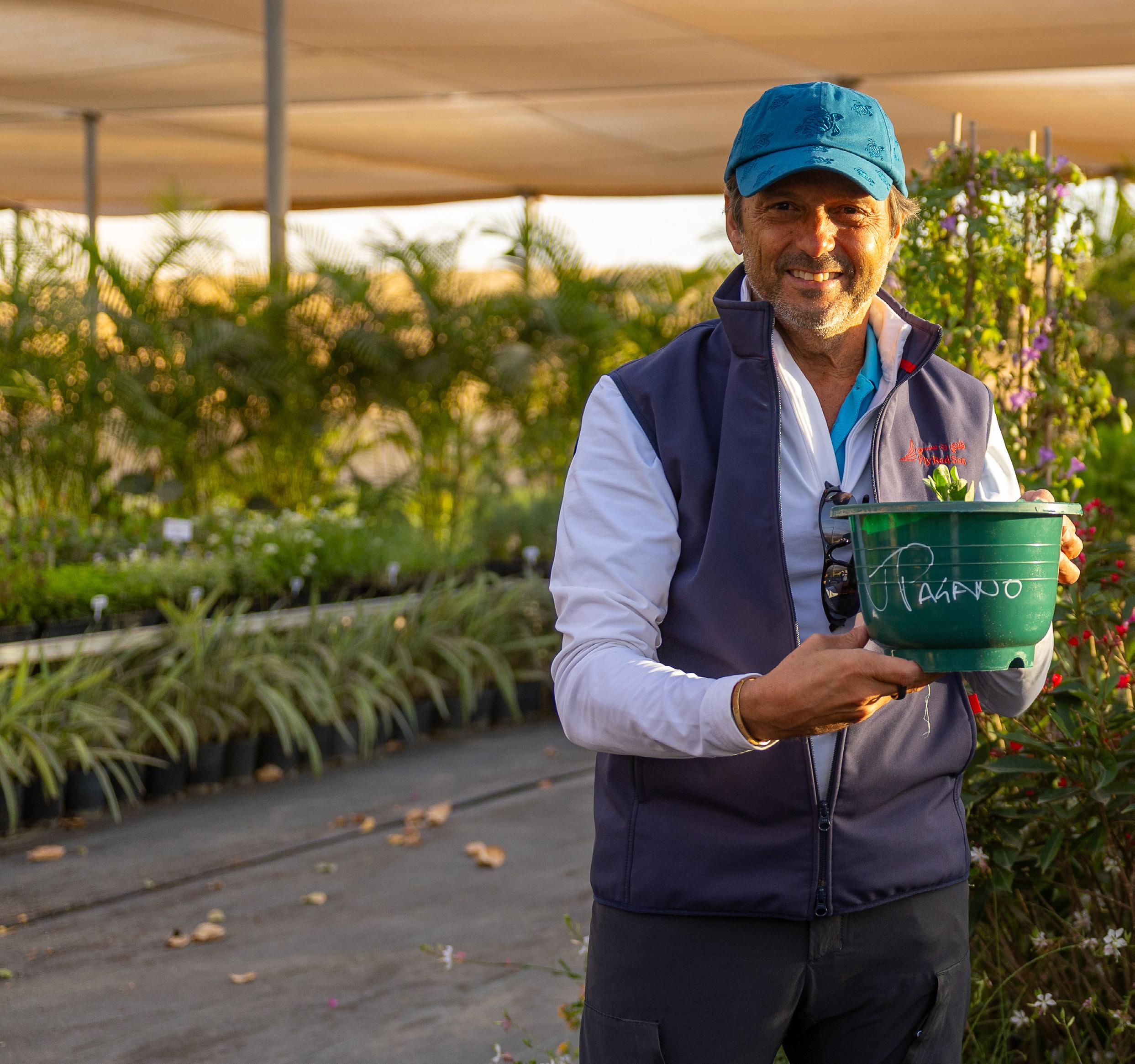
At Botanica, we prioritize native plants due to their minimal maintenance and low water requirements. The nursery currently maintains 853 plant species, including 28 native to the Red Sea region and 103 native to Saudi Arabia. The target is to expand this to 160 native species, representing 20-25 % of the total stock from a list of 1,200 approved species. This strategic focus is informed by research and the nursery’s capacity.
Native seeds are carefully collected, monitored, and integrated into projects in collaboration with the Design teams. Despite early successes and promising results (>70% germination rate), the adoption of native species faces challenges, such as availability and growth limitations in the Saudi climate, as well as the specific design needs of luxury tourism projects.
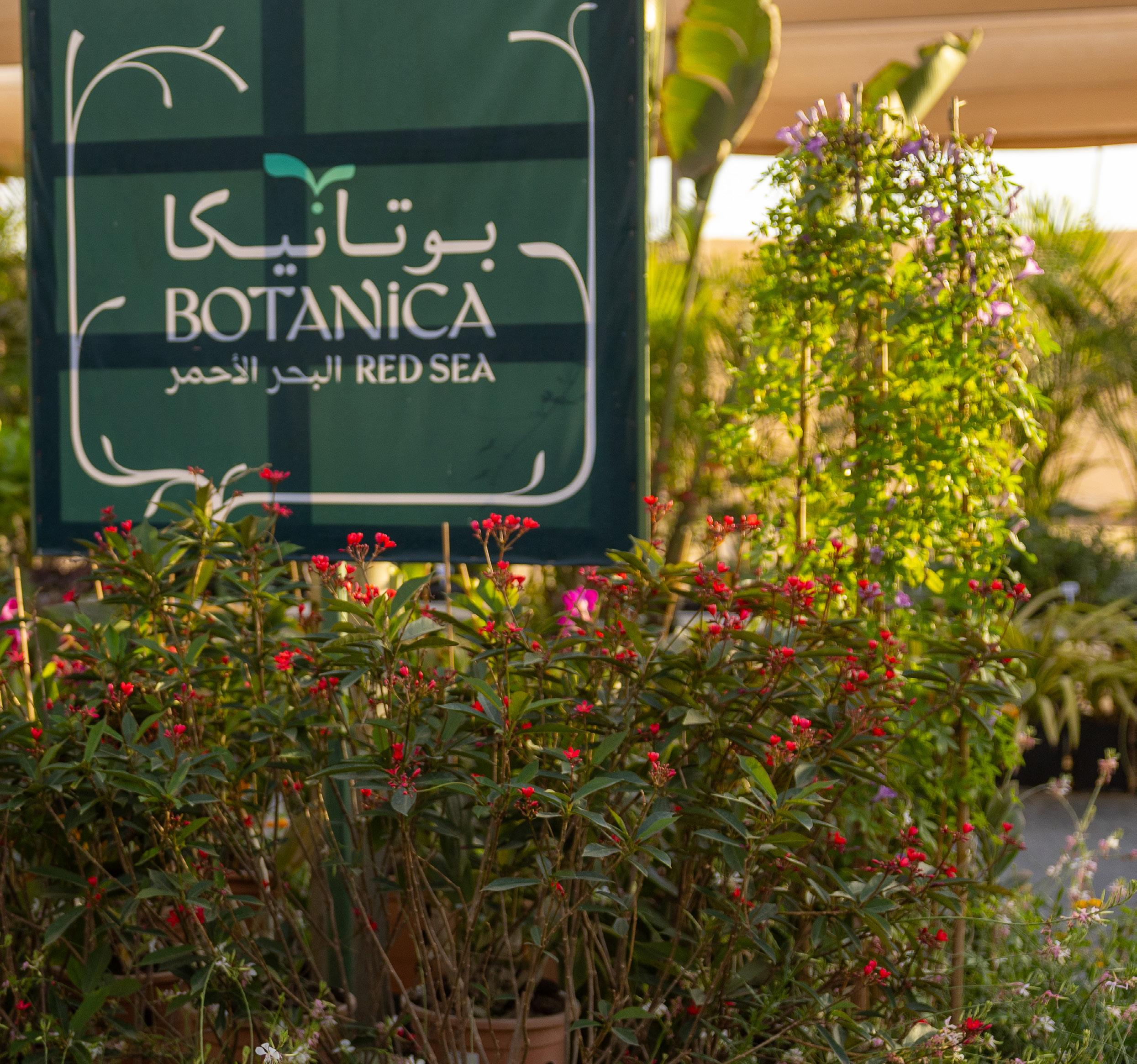
Currently, 2,500 m 3 of treated sewage effluent (TSE) water are sourced daily. Efficient irrigation involves drip systems to delivery water to roots and ensure optimal growth for plants.
Aiming to enhance local procurement, the nursery sources most of its materialsincluding chemicals, irrigation systems, tools, and plants-from Saudi-based suppliers. Currently, 80% of products are locally sourced, with plans to reach 100 % in the future.
Developed in collaboration with the Ministry of Agriculture, the nursery enforces strict biosecurity measures to prevent the introduction of invasive species. Only plants from an approved list are imported, ensuring environmental safety.
In 2024, we focused our efforts on emissions avoidance and improved reporting. Our objective remains steadfast: to reduce our footprint by demonstrating a low-carbon future.
35,532
132,476 55,825
Our Scope 1 & Scope 2 emissions in 2024 amounted to 133,080 tCO2e broken down as follows:
Scope 1
(DIRECT EMISSIONS FROM OWNED AND CONTROLLED OPERATIONS)
132,476 tCO2e
Emissions from: Fleet operations, onsite energy use, and other owned assets.
Scope 2
(INDIRECT EMISSIONS FROM PURCHASED ELECTRICITY)
604 tCO2e
Emissions from: purchased electricity (from solar power generation).
Our greenhouse gas inventory continues to evolve in line with the Group’s practices and activities. We transformed our data collection methodology, incorporating additional quality assurance procedures and saw the expansion of our operations.
We are also taking full ownership of emissions related to fuel purchased, which excludes fuel supplied to third parties that are beyond the Group’s control. As a result, our Scope 1 emissions increased in 2024 compared to previous years, reflecting a more precise accounting method of fuel usage.
We powered The Red Sea destination through solar electricity avoiding 110,775 tCO 2 e.
We introduced 300 solar light towers at our construction site in AMAALA replacing the need for diesel generators, ensuring safe working conditions. As a result, we avoided 652 tCO 2 emissions.
SUSTAINABLE AVIATION FUEL
We switched our sea planes to using Sustainable Aviation Fuel (SAF) in October 2024 , avoiding 69 tCO 2 e during the first quarter of usage.
SMALL SCALE ROOFTOP SOLAR
We installed a small-scale rooftop solar system on the trailhead visitor center in Desert Rock which is operated by our subsidiary Red Sea Sports and Entertainment.
These initiatives form part of our broader commitment to transitioning to net zero.
At RSG, we are fully committed to achieving net zero emissions. This long-term goal not only aligns with global sustainability targets but also reflects our responsibility to lead by example. The combination of emissions reduction across our operations and emissions avoidance through renewable energy adoption and low carbon fuel usage support this commitment.
We remain dedicated to further reducing Scope 1 and 2 emissions in the future, and to start reporting on our Scope 3 emissions across the supply chain.
To support our vision, we are developing a Net Zero Transition Plan that will drive decarbonization across our operations and investments. The plan will establish a clear pathway toward net zero targets, ensuring we meet our climate goals while maintaining operational efficiency and growth.
SPECIFICALLY, THE PLAN WILL:
Our commitment to achieving net zero emissions will accelerate innovation including AI adoption. By adopting renewable energy technologies, sustainable fuels, and advanced carbon management systems, we will differentiate ourselves in the marketplace, establishing RSG as an industry leader.
The plan will ensure that we meet the expectations of our stakeholders –investors, customers, employees, and communities-by delivering measurable environmental benefits, such as reduced emissions, cleaner energy, and sustainable operations.
By aligning with global climate objectives, such as the Paris Agreement, and adhering to industry standards, we are positioning RSG as a sustainability leader, both locally and globally.
By proactively transitioning to a net zero economy, we are not only reducing our carbon footprint but also mitigating long-term climaterelated risks. Our strategy will help future-proof our operations, mitigate regulatory and reputational risks, and ensure a more sustainable future for our stakeholders.
This year we also rolled out a carbon literacy training program for our Elite Graduates so that carbon accounting and decarbonization would become streamlined into the company.
From the beginning, RSG made a bold commitment to build and operate sustainable luxury tourism destinations completely off-grid and powered by sunlight. To achieve this goal, RSG signed two 25 -year concession agreements to provide clean and reliable electricity to power The Red Sea and AMAALA destinations.
In 2024 ACWA completed the commissioning of five solar farms in The Red Sea totaling 407 MW. These solar farms, including ancillary equipment, cover an estimated 10.2 km 2 . To ensure energy resilience, The Red Sea has deployed a 1,200 MWh Battery Energy Storage System (BESS) comprising 607 battery containers distributed across five locations.
In 2024 , total renewable electricity production was approximately 200,000 MWh which is a 300 % increase compared to the previous year. These farms powered a growing number of new assets that have come online including resorts, the reverse osmosis and sewage treatment plants, Turtle Bay Village, and associated assets including those beyond RSG’s control.
In AMAALA, EDF International and the Abu Dhabi Future Energy Company MASDAR started building a solar farm with a total capacity of 248 MW and 700 MWh of BESS capacity. The construction is well underway, and commissioning works will be completed in 2026
This interconnected system ensures that all operational assets at both the mainland and the islands – are powered in accordance with the specific capacities of each plant, significantly reducing the project's reliance on fossil fuels and lowering the destination’s carbon footprint. The combination of solar power and BESS enables optimal energy storage and distribution, ensuring a consistent and reliable power supply, even during periods of low sunlight. In emergency situations, backup power is provided by Internal Combustion Engine (ICE) generators that run on biodiesel (B 100 ) to further reduce emissions by up to 90 % compared to conventional diesel.
For assets within RSG’s control, the renewable energy consumption was 50,332 MWh ( 181,194 GJ) during the year.
HOSPITALITY
During 2024, six resorts were connected to RSG’s renewable energy grid.

Non-renewable energy combustion contributes heavily to RSG’s Scope 1 emissions. Fuel combustion can be from mobile sources such as vehicles and vessels, as well as stationary sources such as gensets.
We used five types of fuel from four main suppliers, summarized below. We ceased using jet fuel in September when we shifted our seaplanes to consuming Sustainable Aviation Fuel (SAF).
FUEL TYPE
Diesel
Gasoline Jet A1
Jet SAF*
Biodiesel B100 TOTAL
(LITERS)
1,774,174
*Considered a renewable energy source
**Excludes Riyadh head office energy consumption
RSG has assumed full ownership of fuel purchased excluding fuel supplied to third parties beyond the Group’s control.
We will be following the operational control method for greenhouse gas accounting and establishing clear lines of operational control.
From renewable and nonrenewable sources amount to 1,955,368 GJ during the year.
We prioritize the protection of vulnerable coastal ecosystems from erosion and sedimentation-critical elements for biodiversity, climate change mitigation, and the well-being of local communities. Our holistic approach combines both terrestrial and marine erosion control measures, ensuring we minimize environmental impact while safeguarding these vital ecosystems.
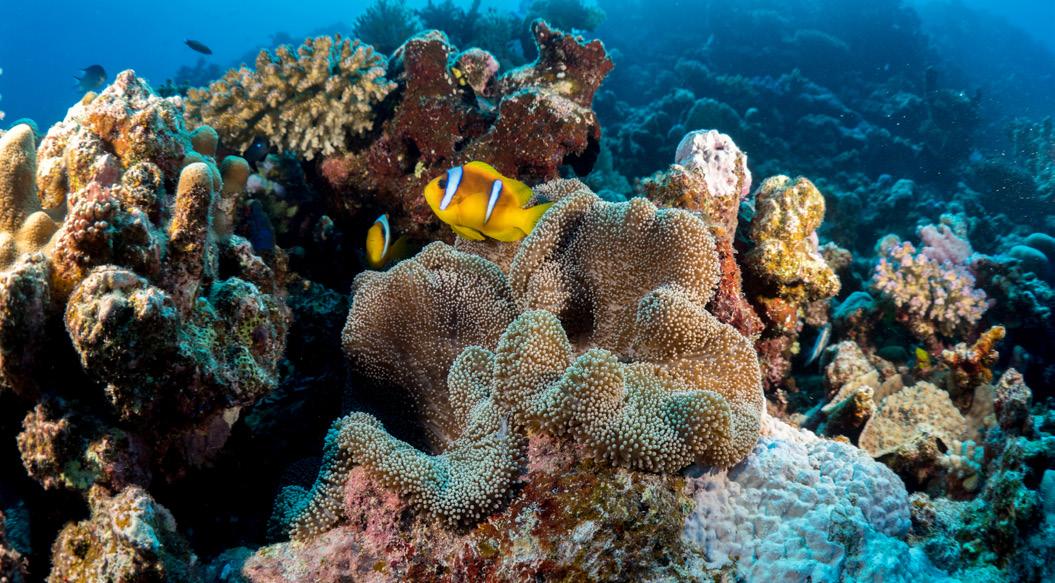
To manage terrestrial erosion effectively, we have implemented the Sediment and Erosion Control recommendations outlined in the Environmental and Social Impact Assessment (ESIA). We also developed a comprehensive Sediment and Erosion Control Plan as part of our LEED requirements.
This plan includes key measures such as silt fences, sediment traps,
Our approach is both dynamic and adaptive, ensuring continuous monitoring of sedimentation and erosion patterns. To monitor water quality, we employ a comprehensive Turbidity Monitoring Plan that includes realtime monitoring buoys (turbidity, pH, dissolved oxygen, temperature, and salinity), twice-daily in-situ sampling, and monthly laboratory analysis. Silt and sediment traps are installed at sensitive receptors, which are regularly recovered and analyzed to
monitor sediment deposition rates. High-definition drone imagery is also used to track construction progress and effectively manage sediment plumes. We are committed to advancing our erosion and sediment control measures by incorporating innovative technologies and sustainable materials to enhance coastal resilience. Through continuous collaboration with local stakeholders, we ensure that our strategies align with broader conservation goals. and erosion control blankets to stabilize soils and prevent runoff.
Furthermore, stockpile management practices, based on ESIA recommendations, are incorporated into our Construction Environmental and Social Management Plan (CESMP) to minimize sediment release during construction.
Water management is essential for ensuring the sustainable use and preservation of water resources, which are critical for both human consumption and ecosystem health. Effective management involves a comprehensive approach to monitoring, conserving, and distributing water to meet the needs of growing populations while minimizing environmental impact.
As of 2024 , all three Reverse Osmosis (RO) plants operated by Marafiq within The Red Sea are fully operational, providing potable water to many assets, including Turtle Bay Village, Ummahat Island resorts, and Shebara resort. To ensure environmental compliance, continuous brine water monitoring is conducted via analyzers at the outfall pits, ensuring that discharge quality meets required standards.
6,459,232 m3
In addition, third-party service providers perform regular water quality monitoring at the mixing zones on a weekly basis. Biological indicators are closely monitored to assess the health of local microhabitats, ensuring full compliance with regulatory guidelines. Environmentally-friendly chemicals are used in the backwash process to minimize environmental impact.
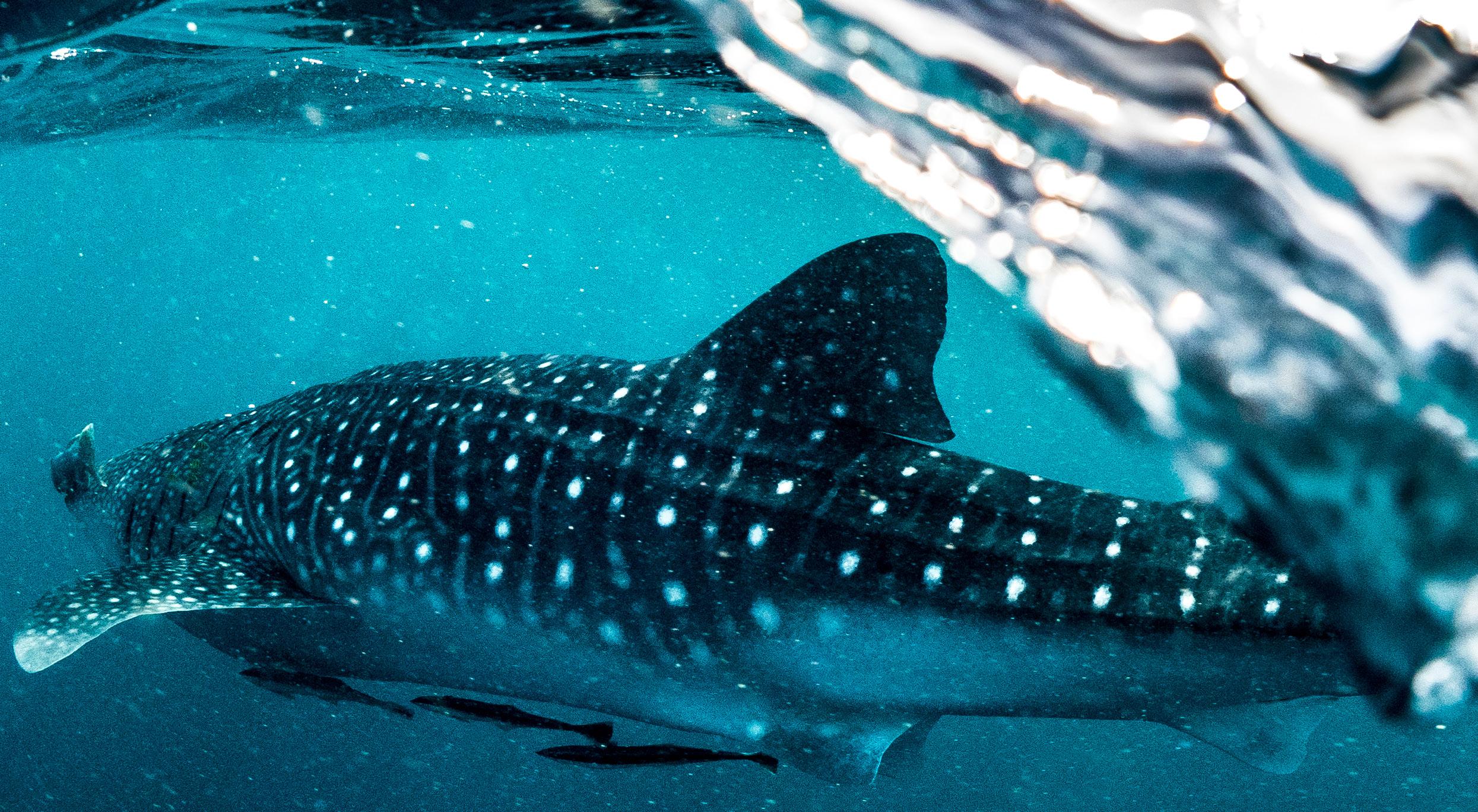
In 2024 , RSG developed a comprehensive set of Minimum Functional Specifications for the Phase 2 Utilities Infrastructure Master Plan, which includes Reverse Osmosis (RO) plants designed to secure potable water for future developments. At the pre-concept stage, we conducted extensive screening and brine dispersion modelling to determine the optimal design and location for the brine outfall, ensuring regulatory compliance and minimizing environmental impact.
Our initial assessments included trial runs and modelling of various potential outfall locations, with a focus on compliance and minimizing impacts on marine sensitivities. In instances where compliance was not achieved, we refined the design
to meet both environmental and engineering standards. This process involved screening diffuser lines and brine dispersion modelling, informed by the assessment of physical conditions and adjustments to initial models. Additionally, we conducted a thorough review of RO technologies, focusing on energy consumption, to ensure we continue to adopt industryleading practices while minimizing environmental impact.
By aligning these technical outcomes with our Value Driven Ecosystem Services approach, we ensure that our efforts go beyond preserving water resources and managing salinity and water quality. We also address broader ecological and socio-economic benefits, reinforcing our commitment to sustainability.
Managing discharge to maintain near zero discharge within the Al Wajh Lagoon – an area of exceptional ecological and marine significance-has been a key priority for RSG.
Over the past two years, we have made significant strides in establishing a comprehensive baseline for water quality across the Al Wajh Lagoon. Additionally, we have expanded our efforts to include water quality baselining for the AMAALA projects. All monitored water quality parameters have consistently remained well below established regulatory limits. In fact, many parameters, such as volatile organic compounds, are found to be so low that they fall below the detectable threshold.
To further strengthen our baseline data, we have also begun sampling marine sediment, helping us better understand potential risks to the marine environment, such as nutrient influx or algal blooms.
Through continuous sampling and monitoring of a wide range of water and sediment quality parameters, we are building a robust foundation to track potential changes over time, particularly during the construction and operational phases of our projects.
As of now, none of the measured parameters have reached levels of concern or triggered the need for further investigation or intervention.
We will maintain our commitment to regular marine water and sediment quality sampling throughout the active phases of all our projects to support decision-making and emergency response.

WATER SAMPLES COLLECTED
SEDIMENT SAMPLES COLLECTED
We regularly sample both marine water and sediment in areas under development and across our project zones. This ensures a comprehensive understanding of current and anticipated environmental conditions.
The water quality parameters show spikes in water temperature and salinity levels during the summer months. July and August saw some of the highest temperatures on record (nearly 34 degrees C), resulting in sporadic coral bleaching.
Despite these fluctuations, all monitored water quality parameters remain well within regulatory limits, ensuring that our marine construction activities and operations do not negatively impact the surrounding ecosystem. In 2025 , we plan to install 8 additional water quality buoys to monitor water quality parameters in deeper locations.
Within The Red Sea destination, we operate our primary constructed wetland. To optimize sewage treatment across the destination including island and mainland assets, we also operate seven small-scale off-grid sewage treatment plants (STPs). These STPs provide treated sewage effluent (TSE) for irrigation. The bulk of the treated water is used by our landscape nursery as well
as the Shura golf course. Subject to water availability, future golf courses on Laheq and in AMAALA will also rely on TSE. Evapotranspiration losses at the constructed wetland amount to 30 % of the total inflow. Powered by renewable energy, we reuse 100 % of TSE. The table below indicates the total water discharged including operations beyond RSG’s control.
We focus on reducing the amount of waste generated and achieve zero waste to landfill, avoiding single-use plastics across our resorts and ensuring the responsible disposal of hazardous waste. We seek practical solutions that embrace the circular economy and promote the reuse and recycling of materials in support of the Saudi economy.
Food waste
Metals and plastics
Paper & cardboard
Glass
Residual waste
Ad-hoc
Bulky waste
Landscape waste
Used Cooking Oil (UCO)
Electric & electronic equipment
Batteries & accumulators
Household hazardous waste
Textiles
In 2024, the temporary waste management facility at The Red Sea received and handled 13,850 tons of municipal waste and we achieved an overall waste diversion rate of 70 %. Most of this waste was collected from Turtle Bay Village, which houses our staff and asset operators.
Our facility transforms food waste into compost and prepares the dry waste fraction for collection by authorized off-takers to be processed by dedicated facilities in the Kingdom.
The table below indicates the total waste generated including operations beyond RSG’s control.
OPERATIONAL WASTE BREAKDOWN IN THE RED SEA 2024
WASTE TYPE
Glass Waste
Organic Waste
Wood, Paper, & Cardboard Plastic & Metal
Hazardous Waste Medical
Residual Waste
Recovered and handed over to off-takers
Composted
Recovered and handed over to off-takers
Recovered and handed over to off-takers
Collected by licensed waste handlers
Collected by licensed waste handlers
Incinerated/Landfill
To optimize waste management, we piloted several technologies to handle organic waste including food waste, green waste, and seaweed.
At RSG, we are committed to addressing food waste by investing in innovative technologies including food waste avoidance, reduction at the source, and the treatment of residual food waste. In 2024, we piloted two systems:
Winnow
Food waste tracking solution
The solution was trialed at The Red Sea in the employees' dining area. It was designed to identify the sources of food waste (e.g., plate waste, overproduction, kitchen preparation, and trimmings).
Winnow provided valuable insights into consumption patterns and operational inefficiencies. We will consider a wider deployment to other F&B outlets based on the trial outcomes.
Ecobot
Food waste composting technology
The technology was tested to treat four organic streams: food waste, landscape waste, raw meat, and seaweed. The trial aims to convert these waste materials into nutrientrich compost for landscape use.
RSG will assess a wider deployment of the Ecobot to serve the islands thereby minimizing waste transport and achieving circularity.
We also prioritize waste reduction by our subsidiaries.
Our landscape nursery, Botanica, reuses plastic pots and planters within their operations.
In early 2025, The Red Sea destination will commission our new and permanent integrated waste management facility.
Equipped with multiple sorting lines, tunnel composting units with forced aeration, as well as a small-scale incinerator to handle residual waste. This facility will enhance overall waste management in the destination. In parallel, we will begin to test and deploy smart bins across critical areas to optimize waste collection frequency and service. In AMAALA, we will begin construction of the permanent solid waste management center.
In 2024 , we collected 91,500 tons of construction and demolition waste (CDW) in The Red Sea and 88,734 tons in AMAALA Triple Bay.
Concrete represents the largest waste fraction by volume and by weight. Both destinations are equipped with concrete crushers. While our Group level waste diversion target is 60 %, we aim to achieve 75 % to comply with the LEED rating system (Building Design and Construction).
We have implemented an effective construction waste management system to segregate, collect, and process waste materials.
In 2024 , construction waste was segregated at the source before being transported to our mainland waste management facility. All our waste collection points are equipped with six waste streams for concrete, wood, steel, mixed recyclables, residual, and hazardous waste.
The center is equipped with a Material Recovery Facility (MRF) for further segregation of waste.
We implemented an improved system for construction and demolition waste management including waste collection points, receiving and transfer areas. Specifically, 20 waste collection points were set up across AMAALA Triple Bay to serve all the contractors. Each collection point has five skips corresponding to concrete, wood, steel, mixed recyclables, and residual waste.
Concrete waste skips are then transferred to a receiving area for crushing and reuse. Recyclable waste skips are transferred
Non-recyclable waste is directed to the landfill, while rejected waste is incinerated. Recyclable materials are collected by authorized off-takers.
Concrete waste is processed using crushers with five different output sizes, allowing for the reuse of material in ongoing construction activities. Hazardous waste is carefully collected and transported by approved waste management service providers to certified external hazardous waste management facilities.
to a waste transfer area for further sorting and collection by authorized off-takers. Residual waste is sent to a nearby landfill. In 2024 , Triple Bay generated 88,734 tons of Construction and Demolition Waste (CDW) waste of which 48 % was processed and reused.
Hazardous waste generated during construction is carefully segregated and sent to approved waste management facilities for treatment in adherence to hazardous waste management protocols.
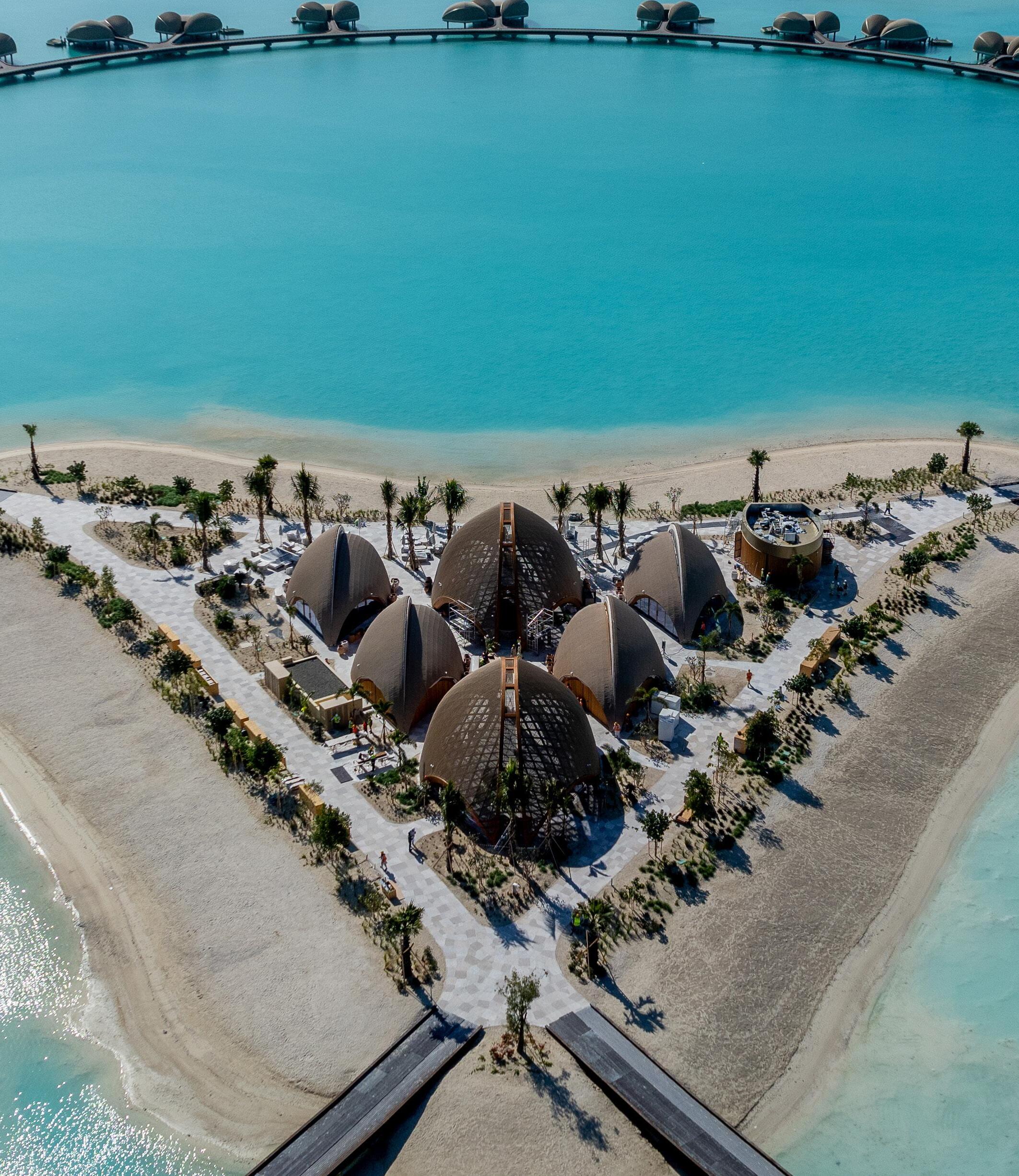
In 2025, we plan to introduce an industrial woodchipper to the waste transfer area which will handle all wood waste on site including pallets and plywood, converting them into sellable pellets.
RSG focuses on prioritizing local and sustainable products and services from responsible suppliers. We remain firmly committed to sustainable logistics, implementing a cross-functional approach that connects the entire supply chain. This approach ensures that every aspect is addressed, every opportunity is identified, and measurable results are achieved through performance indicators.
We have integrated sustainability across three core pillars of the supply chain:
Warehouse & Storage Product Sourcing
Transport & Distribution
We switched our conventional land fleet to biodiesel, achieving a 94 % reduction in emissions. From the moment goods enter our supply chain, they are transported using renewable-fuel vehicles, including solar-charged Electric Vehicles (EVs) and locally sourced B 100 biodiesel. Through smart transport planning, we optimize route efficiency and truckload capacity, minimizing the kilometers traveled per unit of goods delivered.
Fleet Emissions (tC02e)
72 (6%)
1,087 (94%)
AVOIDED EMISSIONS
TOTAL EMISSIONS
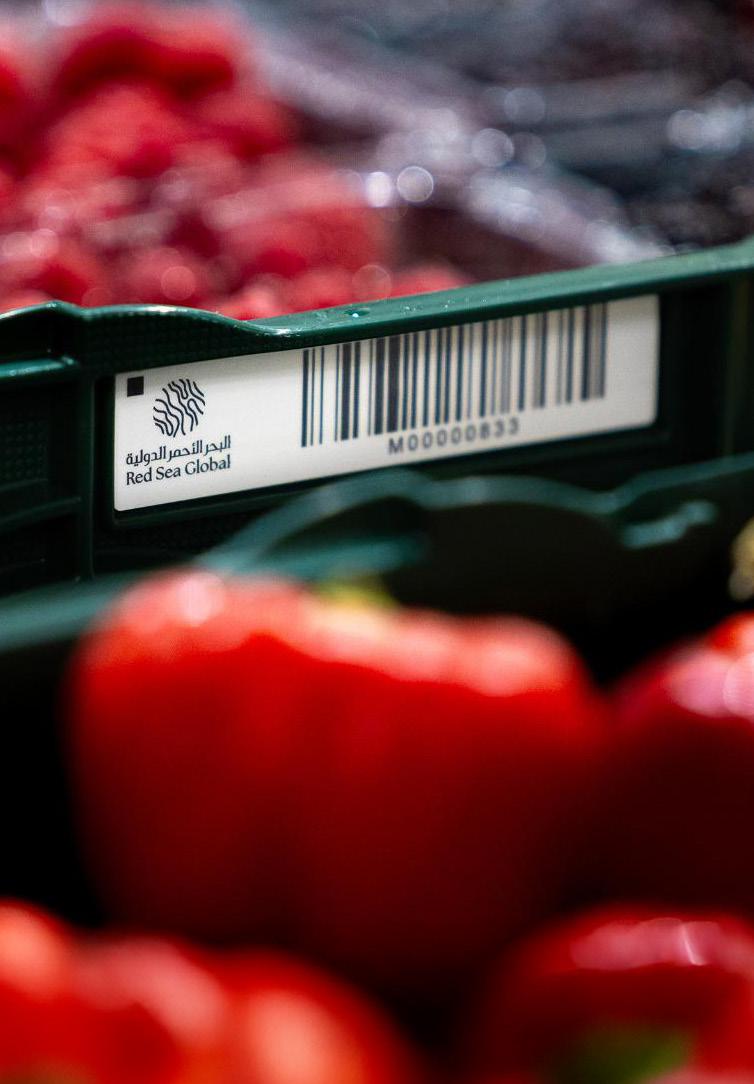
We made significant progress in the design and construction of our LEED-certified warehouse, which will be powered by sunlight. To minimize waste, we use returnable, digitally tracked crates made from recyclable plastic. This approach ensures the full circularity of
packaging by focusing on returnable packaging solutions and reducing the use of single-use plastics and cardboard boxes. Our commitment is to continue reducing all forms of packaging waste, with a particular emphasis on reducing single-use plastics.
We have made significant progress in local sourcing, reaching 33%, surpassing both our targets and industry benchmarks.
This achievement is driven by our comprehensive Responsible Sourcing Strategy, which includes key initiatives such as supporting local SMEs through development programs and preferred supplier status, promoting Good Agricultural Practices (GAP) with our fresh food suppliers, and prioritizing environmentally friendly products and packaging. Additionally, we focus on waste reduction across the lifecycle of our diverse product range, which includes over 80,000 Stock Keeping Units (SKUs).
To further strengthen our commitment, all suppliers are required to adhere to environmental, social, and governance standards through a Sustainable Practices Undertaking Agreement. We have also collaborated with the University of Queensland to create a pioneering ESG product scorecard. All sustainability efforts in our supply chain are carefully monitored within our digital KPI ecosystem, ensuring visibility, accountability, and ongoing improvement. Our cumulative experience has received significant recognition during local and regional conferences and events.
Highest Local Sourcing Percentage
33% 67%
Green design, construction, and operation focuses on integrating sustainable practices throughout the entire lifecycle of a building. This approach prioritizes environmental efficiency, energy conservation, and the use of eco-friendly materials to reduce the building’s overall carbon footprint.
Achieving Green Building Certification is a key component of this commitment, demonstrating that a project meets rigorous sustainability standards. By adhering to these principles at RSG, our assets are not only more energy-efficient, but also provide healthier environments for their occupants, contributing to both environmental preservation and the well-being of the community.
Our commitment to integrating green building practices into our projects and operations is unwavering. By pursuing both local and international rating standards, we drive sustainability performance in building design and construction to achieve long-term impacts for people and planet.
– Karim El Jisr Executive Director Sustainability Performance and Accreditation
RSG made significant progress towards achieving its green building accreditation goals at The Red Sea and AMAALA destinations. Our objective remains to pursue LEED certification for 100% of our resorts and to certify at least 75 % of the total built-up area, including support assets and other infrastructure using a combination of LEED, Mostadam and other globally recognized certification schemes.
This reinforces our position as a leading developer in responsible development, attracting sustainability-conscious stakeholders.
As of 2024 , our portfolio of green assets grew to 66 buildings and resorts, spread across three masterplans. These buildings and resorts are almost evenly split between The Red Sea ( 39 assets covering 1.1 million m 2 BUA) and AMAALA ( 27 assets covering 0.9 million m 2 ) and are distributed across six rating categories. In 2024 , five hospitality assets achieved LEED Platinum certification.
Overview of buildings and master plan accreditations at RSG destinations.
Green building accreditation is a rigorous exercise involving performance testing and on-site audits. Seven building assets at The Red Sea underwent a series of verification activities, including testing for indoor air pollutants, acoustics performance and building envelope air tightness. In addition to LEED performance testing in The Red Sea, we hosted several audits by the National Housing Commission (NHC) at the AMAALA Staff Village pursuant to the Saudi green rating system, Mostadam.
In recognition of our commitment to green building certification, RSG received the prestigious 2024 LEED Power Builder Award by the U.S. Green Building Council (USGBC). As the only developer outside the USA to receive this distinguished accolade, this award demonstrates RSG’s leadership in advancing high-performance and environmentally responsible development.
LOOKING AHEAD
We anticipate a very busy year in 2025 as we continue to unfold more regenerative hospitality destinations on Shura Island (The Red Sea) and at Triple Bay (AMAALA).
Our target is to LEED certify up to 14 hospitality, infrastructure and support assets at The Red Sea including the iconic Red Sea International airport main terminal, and up to 17 hospitality and support assets at AMAALA Triple Bay and staff village. Following the successful certification of our new headquarters at the King Abdullah Financial District (KAFD) achieving LEED Platinum, we also aim to secure WELL certification from the International Well Building Institute (IWBI).
In 2024, The Red Sea destination achieved a significant milestone with the establishment of 15 operational assets, including major facilities such as the PPP Utility, Operational Projects, the Construction Village Residence, and the Red Sea Nursery.
To maintain environmental compliance during operations, our Compliance Team worked closely with each operator to develop and implement the mandatory Operational Environmental and Social Management Plans (OESMPs), tailored to their specific activities. We enforce monthly and quarterly inspection programs across all operational assets to assess compliance status, ensuring adherence to national environmental regulations.
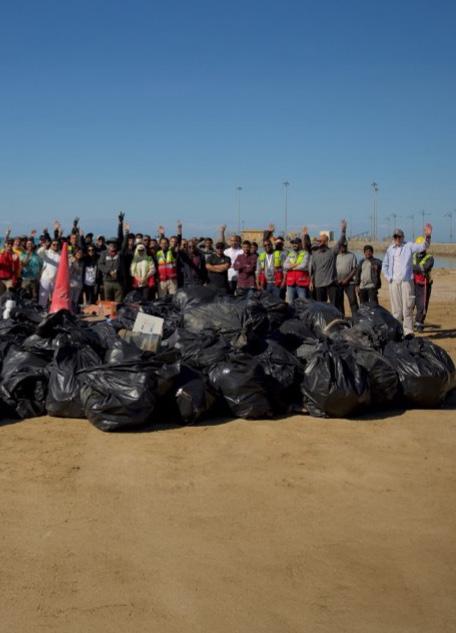
At RSG, operational compliance presents unique opportunities for community services and volunteering. For example, a clean-up event at the South Jetty coast was attended by 83 volunteers from both The Red Sea and AMAALA who collected 2,520 kg of waste of which 90% was recyclable plastic materials. The waste was baled at our Waste Management Center and transported to off-takers for recycling.
85 %
AVERAGE SCORE OF CONTRACTOR COMPLIANCE WITH OESMPS DURING SITE INSPECTIONS.
Environmental compliance requires a lot of training, education, and re-education. During the year we delivered 4,460 training sessions targeting 85,225 members of our workforce, covering more than 10 topics including CESMP and OESMP, environmental monitoring, waste management and reporting, environmental and social impact assessment, incident investigations, permitting, wildlife management, and social development.
The average compliance score for construction activities in The Red Sea was 86 % and 84.5 % for AMAALA (baseline score).
In 2025, we plan to introduce an industrial woodchipper to the waste transfer area which will handle all wood waste on site including pallets and plywood, converting them into sellable pellets.
Over the past year, RSG has successfully managed the continuous operation of 10 air quality monitoring stations within The Red Sea’s boundaries. These stations track a range of air pollutants and particulate matter, including carbon monoxide, nitrogen dioxide, sulfur dioxide, ozone, particulate matter 2.5, and particulate matter 10.
All key air pollutant parameters have consistently remained well below regulatory limits, underscoring our commitment to maintaining air quality within acceptable standards and reinforcing the effectiveness of our air quality management and monitoring approach.
In 2024, RSG accelerated its transition to asset operations. To support this transition and to provide a full range of community services, we established several subsidiaries including Amrak, meaning at your service.
Our subsidiary Amrak provides community management services bringing together people, place, and processes within the built environment to enhance the quality of life while upholding sustainability principles and guidelines.
Environmental Awareness and Biodiversity Conservation
Conducted educational workshops, interactive activities, and tree planting during Environmental Day with over 500 participants with 80 % reporting an increased understanding of biodiversity preservation.
Clothes Donation Campaign
Collected and distributed over 2,000 clothing items to underserved communities while strengthening community ties.
Beach Cleaning Activity Water Conservation
Removed over 109,115 kg of waste, primarily plastic, from coastal areas in partnership with a specialized service provider, focusing on restoring marine ecosystems.
Food Waste Reduction Campaign
Launched a food waste reduction campaign which reduced food waste by 12 % per meal and redirected around 2,000 kg of surplus food monthly to local charities, benefiting 7,756 individuals.
Adjusted the irrigation schedule at the Construction Village Housing resulted in 30% reduction in water demand by optimizing watering practices based on climatic patterns and soil moisture levels.
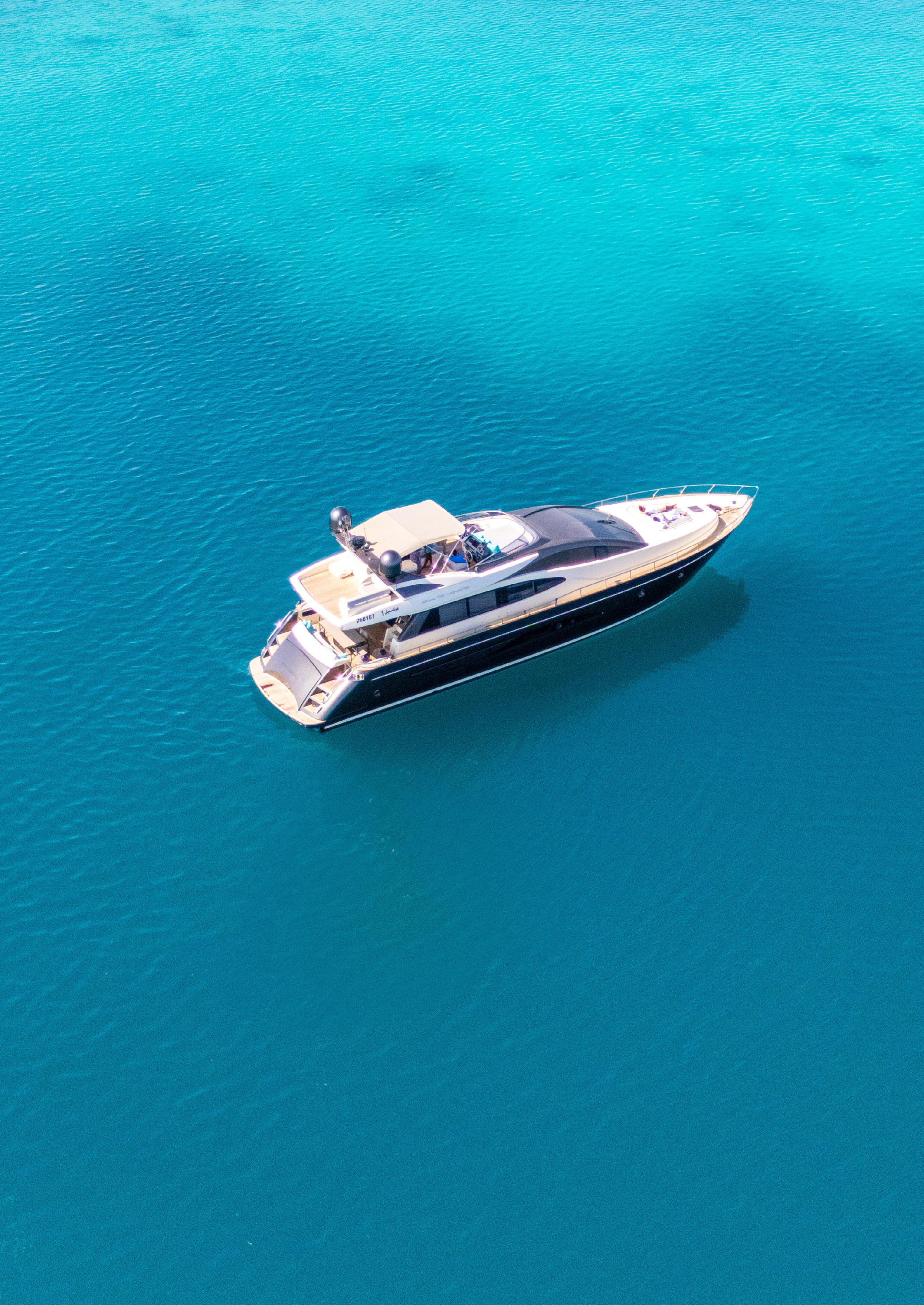
At RSG, we have implemented a comprehensive strategy for green mobility across land, sea, and air. Our integrated transportation system embraces sustainability by improving resource efficiency, lowering emissions, and advancing sustainable logistics.
In line with sustainability goals, we have committed to providing electric vehicle infrastructure for its staff and residents.
In Phase 1 , around 10 % of public parking spaces – 1,920 in total – are equipped with 189 EV charging stations.
A total of 215 EV charging stations are planned for both public and private spaces, well above the LEED threshold, ensuring that all guests and residents have convenient access to EV charging.
RSI Airport is on track to achieve LEED certification. RSI Airport is aligned with GACA, SASO, and other regulatory bodies.
All airside equipment is electric, and we will procure 100 % of our energy from renewable sources. Additionally, we are increasing the SAF blend in seaplanes from 35 % to 80 %, with plans to extend this to other airlines to encourage greener aviation practices.

At RSG, we continue to expand our land mobility fleet, which is comprised of electric vehicles, electric buses, golf carts, autonomous shuttles, as well as e-bikes.
In 2024 , our fleet of 82 guest-facing EVs traveled 1.2 million kilometers and transported more than 100,000 passengers. We seek innovative solutions to further drive sustainability in mobility. For example, we introduced an innovative water-saving and recirculating car washing system, conserving water during 18,000 vehicle washes.
Our subsidiary, The Red Sea Air Services Company (Fly Red Sea) pioneered the first Seaplane company and certified the first two water aerodromes in Saudi Arabia.
The company has started using Sustainable Aviation Fuel (SAF) in October 2024 being the first aircraft operation to do so in Saudi Arabia. The transition to SAF required many first-time approvals (Ministry of Energy, ARAMCO, and the Ministry of Transport / GACA). By adopting SAF in our seaplanes, we replaced 19,400 liters of conventional Jet A fuel with low-carbon SAF. SAF is produced from renewable feed including organic waste and biomass and can reduce carbon emissions by up to 35 % depending on the blend.
We are committed to providing world-class marine transportation services across The Red Sea and AMAALA destinations. We are advancing sustainable practices in marina and waterway operations, with the development of two state-of-the-art marinas in AMAALA and on Shura Island, opening in late 2025
These marinas will serve our marine fleet and accommodate visiting yachts and boats, all while adhering to the highest environmental standards. Our operations include vessel management, marina services, and seamless transfer solutions for both guests and staff traveling to and from the islands.
Our team ensures all vessels undergo regular maintenance, including anti-fouling services, and provides emergency response capabilities with rescue boats stationed on each island. We also maintain robust maritime security, including fire and rescue services and medical evacuation (medivac) support.
In 2024, RSG’s Vessel Traffic Services (VTS) responded swiftly to several marine incidents, including vessel groundings and mooring breakouts. Thanks to real-time surveillance, these quick actions minimized potential environmental damage. Moving forward, RSG’s Harbour Master will continue to strengthen incident management and response capabilities into 2025.

Achieving zero emission mobility is a long-term journey, one that requires continuous innovation, advancements in battery technology, and crosssector collaboration. We remain dedicated to exploring new technologies and fostering partnerships to develop sustainable solutions for the future.

While our commitment to zero emission transport remains steadfast, we acknowledge the challenges ahead, including the high costs and logistical constraints of SAF production and storage.
We are exploring alternative technologies such as biofuels, hydrogen, and Hydrogen Fuel Cell (HFC) systems across all modes of transport. To support this transition, we intentionally purchased pre-owned seaplanes to be retrofitted with green propulsion systems. We will also offer pilot training programs to develop national talent.
RSG aims to protect, conserve, and restore cultural and historic heritage sites within our destinations in line with Saudi Vision 2030 . We honor our legacy as a cradle of civilizations and ancient trade routes.
Our commitment extends beyond preserving sites to enhancing national identity and securing international recognition, affirming our enduring historical impact. In 2024 , we celebrated The Red Sea’s coastal and maritime cultural heritage through sailboat restoration and races, as well as the Year of the Camel.
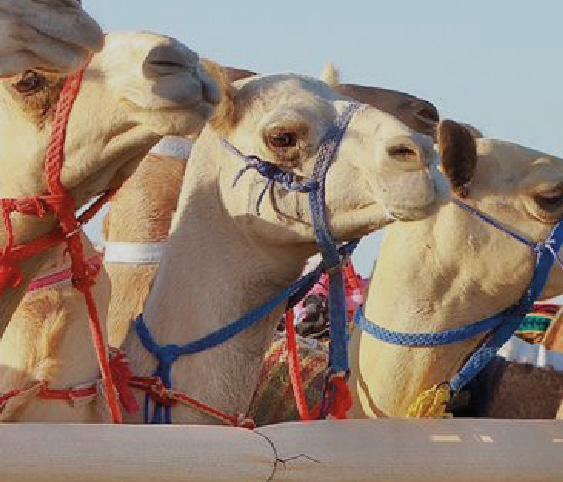
We know that the Red Sea region has a rich maritime history, dating back centuries. Indeed, sailing ships have been a vital means of transportation for goods and people travelling between neighboring countries and cities, and hold special significance for the local population. To celebrate this extraordinary history, we launched an initiative to restore sailing boats (Sanbuk) in the city of Umluj, partnering with the Tamkeen Association – a non-profit organization.
In January 2024, an exhibition was held in Umluj to celebrate the restoration, which included folklore shows, market stalls, and workshops designed to educate young people about traditional shipbuilding and
the restoration process. It attracted around 5,000 visitors and was very well-received.
The event symbolized the passing of knowledge between different generations and was widely praised for its sensitive, powerful tribute to the region’s maritime history.
A significant milestone was achieved when RSG participated in the inaugural meeting aimed at registering the sanbook sailboat on the UNESCO list of the Intangible Cultural Heritage of Humanity, which was hosted by the Ministry of Culture of the State of Qatar.
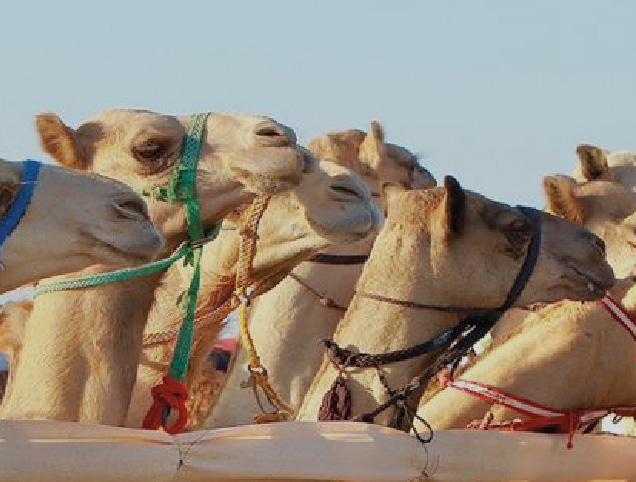
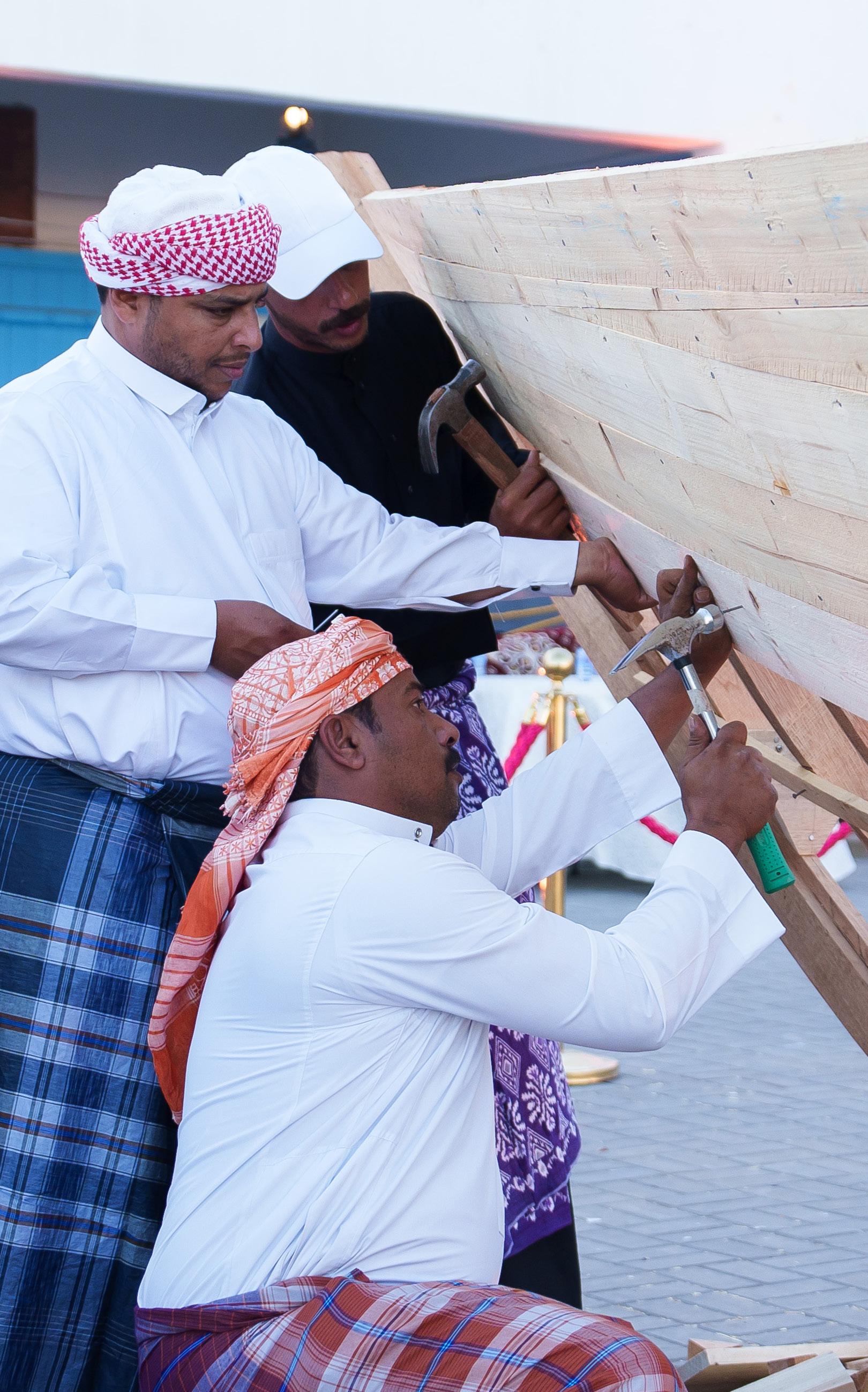
In 2024 , we launched the inaugural Red Sea Classic Sailing Race to revive a tradition that had been dormant for over 15 years. This exciting competition featured 11 locally crafted and restored sailboats from across the region, highlighting successful restoration efforts and celebrating traditional sailing alongside cultural performances. Going forward, the event will be held annually.
The overwhelming community response highlighted the power of such initiatives to inspire and bring people together. The event’s success was fueled by collaborations with the National Commission for Education, Science, and Culture, the Oil Sustainability Program (OSP), and JOTUN, which provided eco-friendly paints for the sailboats. Working alongside the NGO Tamkeen helped preserve essential ship restoration skills within the local community, ensuring that this traditional craft is passed on to future generations.
The two-day event involved 65 local sailors and attracted large crowds along the shores of Umluj near The Red Sea destination, many of whom were able to enjoy the Cultural Village that had been built for the event. This featured a sailboat museum, food booths, local performances, and a VIP booth.
A tradition that had been dormant for over 15 years.
To celebrate Saudi Arabia's 94 th National Day, RSG proudly sponsored camel races in collaboration with the Saudi Camel Racing Federation at the Umluj, Al Wajh, and Al Ais racetracks. This sponsorship helped preserve and promote the nation’s rich cultural heritage while actively engaging with the local community.
The camel races were a lively tribute to the Kingdom’s history, offering a platform for younger generations to connect with their roots and reinforcing the importance of safeguarding these cultural practices for future generations. Alongside these races, RSG also supported National Day parades in partnership with the local municipalities.
Key Highlights Sponsorship of camel races across multiple racetracks, connecting younger generations to Saudi heritage.
Support for National Day parades, promoting national unity and pride.
Celebration of the Year of the Camel, in alignment with the Ministry of Culture’s 2024 initiative.
This sponsorship helped preserve and nation’s rich cultural heritage while actively the local community.
and promote the actively engaging with
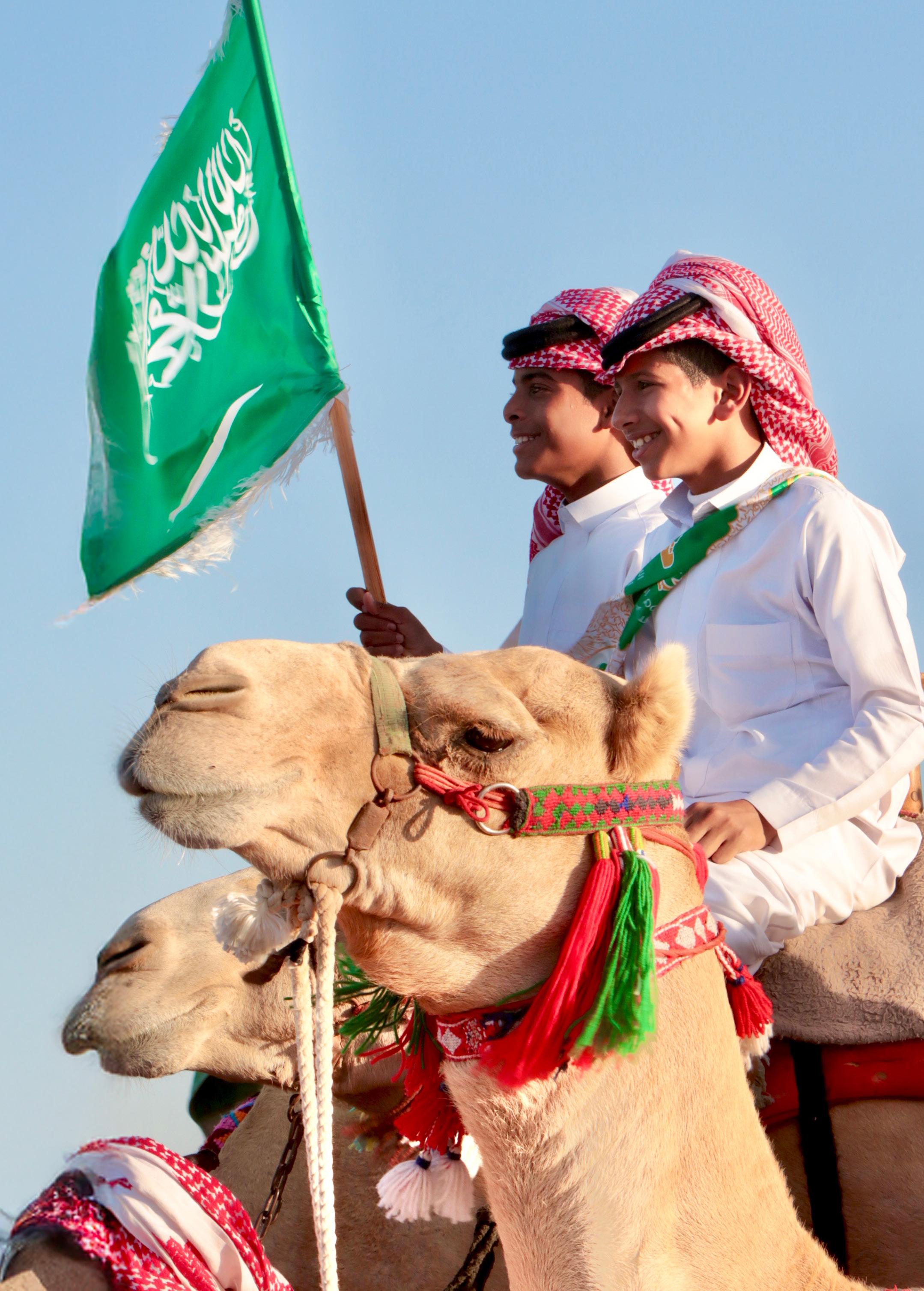
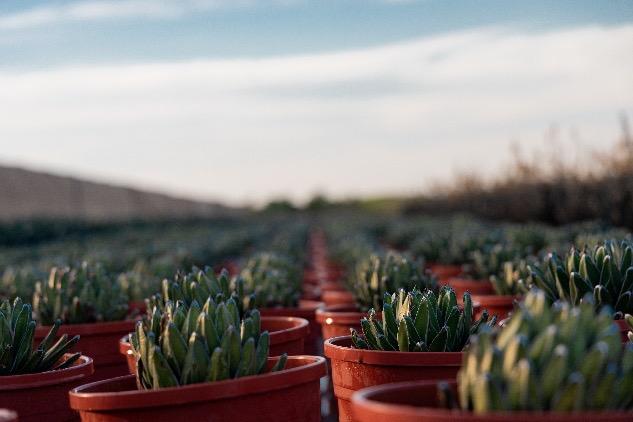
RSG aims to champion sustainable sourcing of food ingredients and products, to serve its destinations. By sourcing food locally and responsibly, we will reduce food mileage and food waste. In 2024 , we continued to support the TAMALA cooperative and the National Food Production Initiative.
TAMALA, the regional farmers’ cooperative, aims to empower up to 3,000 farms in the region by building a sustainable and resilient food system, fostering long-term social and environmental value. TAMALA is a joint initiative between RSG and 28 strategic partners, working together to integrate local communities into their supply chain.
As part of this initiative, RSG and TAMALA have partnered to support the AMAALA Organic Farm Project. This collaboration promotes organic farming practices that reduce the use of synthetic fertilizers and pesticides, improve soil health, and increase crop yields. It also creates new job opportunities, particularly for women and youth, contributing to local economic growth and helping to alleviate poverty in nearby communities.
TAMALA is driving sustainable agriculture by offering local farmers the tools and knowledge to embrace modern, eco-friendly farming practices. Through hands-on support and education, TAMALA has raised awareness about the benefits of sustainable farming, and helped farmers transition to methods that are both environmentally responsible and economically viable practices. This initiative has empowered farmers with essential skills for long-term success, fostering a shift toward more sustainable agricultural practices in the region.
Key Highlights
$1.78 million invested in establishing the cooperative, raised from 29 member farms.
Secured $ 5 million in produce contracts, contributing an estimated $ 9 million to the local economy through operations and revenue streams.
90 % acceptance rate for TAMALA produce.
Demonstrated operational excellence with consistent weekly deliveries, ensuring a reliable supply chain and seamless integration with RSGs operations.
Overall, 15% of the demand for specific local fresh produce for The Red Sea destination was supplied through TAMALA
DATES SUPPLIED VIA THE NATIONAL DATE CENTER
TAMALA’s impact was recognized in Saudi Arabia’s Vision 2030 Annual Report, and its efforts were celebrated in a press release by the Saudi Press Agency, highlighting its collaboration and contribution to a sustainable food supply chain. By integrating TAMALA with our hotels and resorts, we are directly connecting local producers with hospitality operations, ensuring fresh, locally sourced ingredients while strengthening rural economies and promoting sustainable tourism practices.
HOURS OF AGRICULTURAL SUPPORT SERVICES
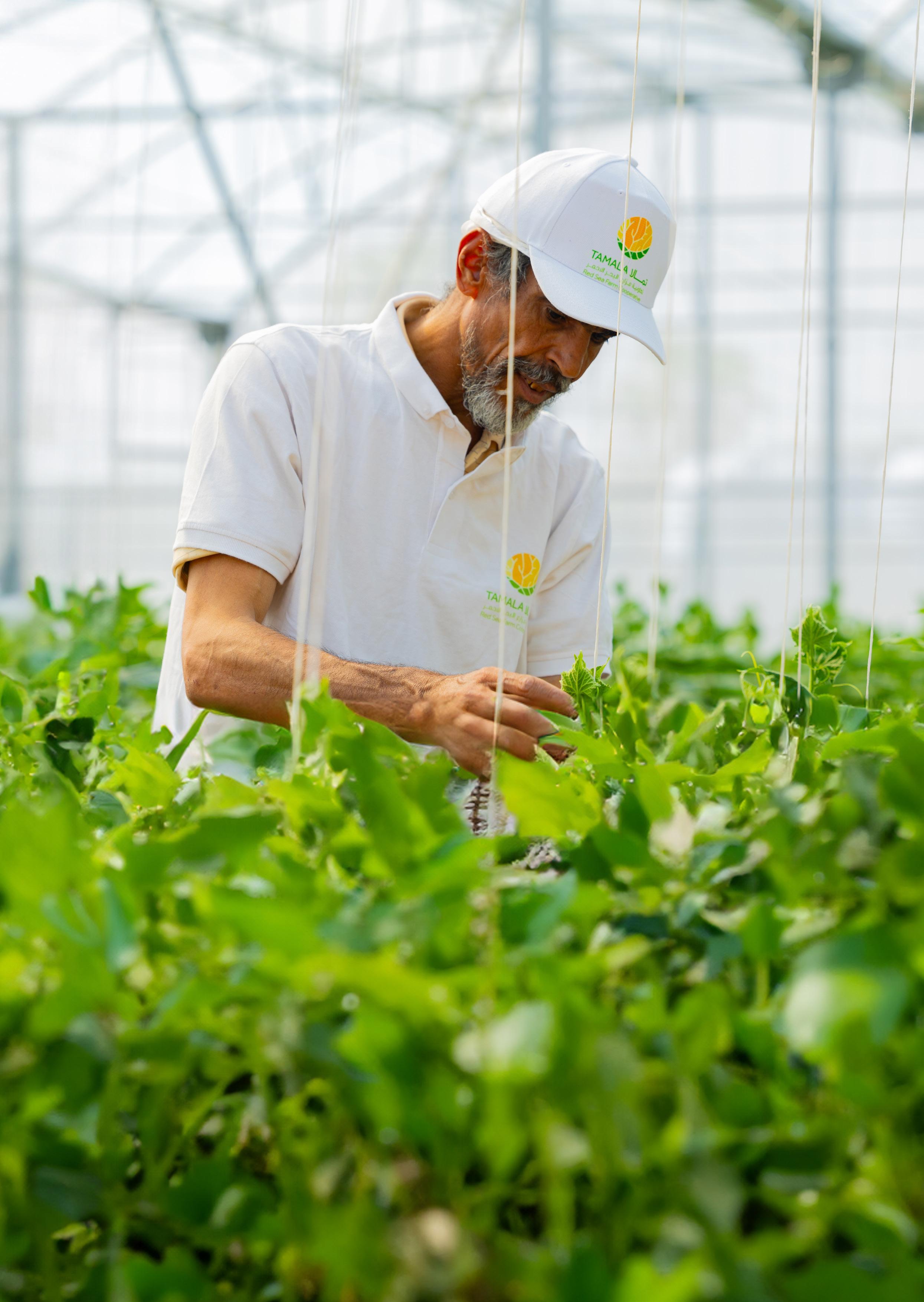
150,000 + kg
VEGETABLES SOURCED AND MARKETED FOR LOCAL FARMERS
Launched in late 2023 , the National Food Production Initiative (NFPI) is a public-private partnership that is revolutionizing agriculture in arid regions by blending advanced Saudi technology with traditional farming practices.
The initiative addresses critical challenges such as water scarcity, soil degradation, and limited crop diversity, while promoting sustainable and regenerative agricultural methods for a more resilient and productive future. Led by RSG and Iyris, the pilot program, conducted on a farm in Al Wajh province, was highly successful, and plans are in place to expand it. The University of Tabuk is the only government partner involved, contributing as a research collaborator.
The initiative was made possible through a public-private partnership, with a total investment of $ 2.09 million, equally funded by RSG and Iyris, a Saudi agri-tech startup. NFPI’s contributions were recognized in the Technology and Food Security Impact Report 2024 by the Future Investment Initiative Institute (FII), underscoring its role in advancing sustainable food production.
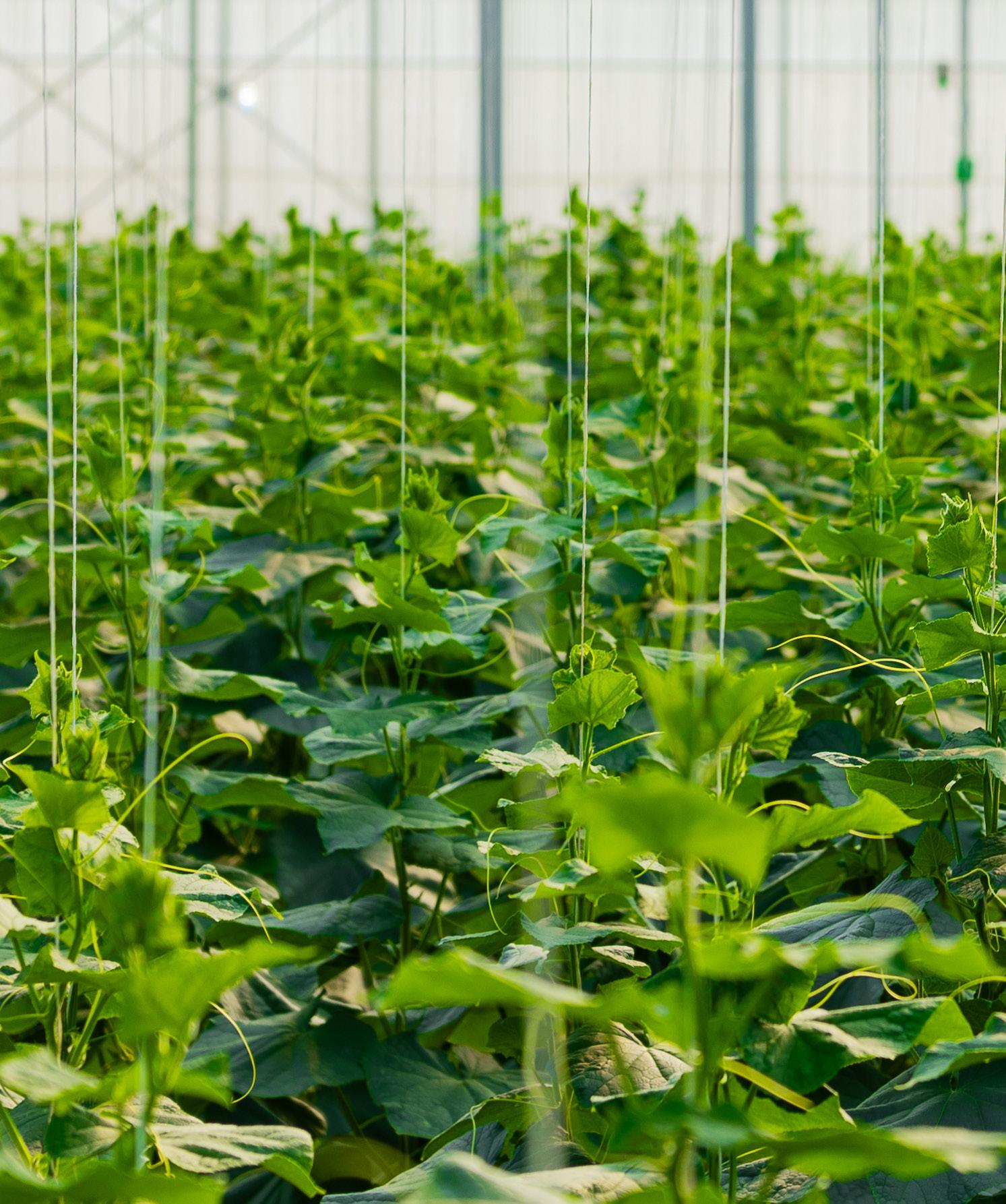
38,000 +
Key Highlights
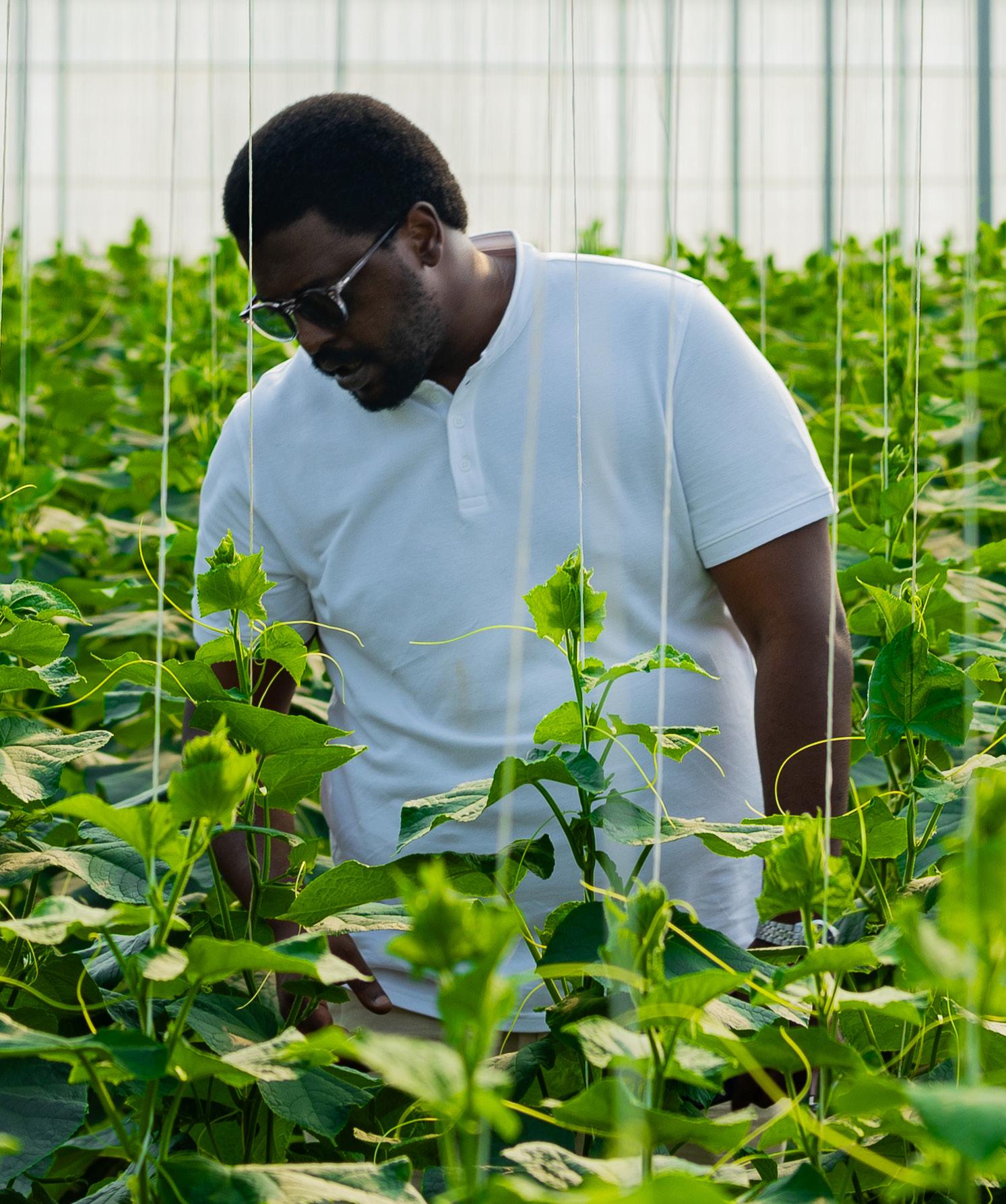
PUBLIC-PRIVATE-PARTNERSHIP with Iyris, KAUST, TAMALA, SABIC, Napco National, Terraxy, and the University of Tabuk.
SUCCESSFUL INTEGRATION of innovative greenhouse farming techniques, extending growing seasons and reducing water usage.
EMPOWERMENT OF LOCAL FARMERS through training, technology adoption, and support for sustainable farming practices.
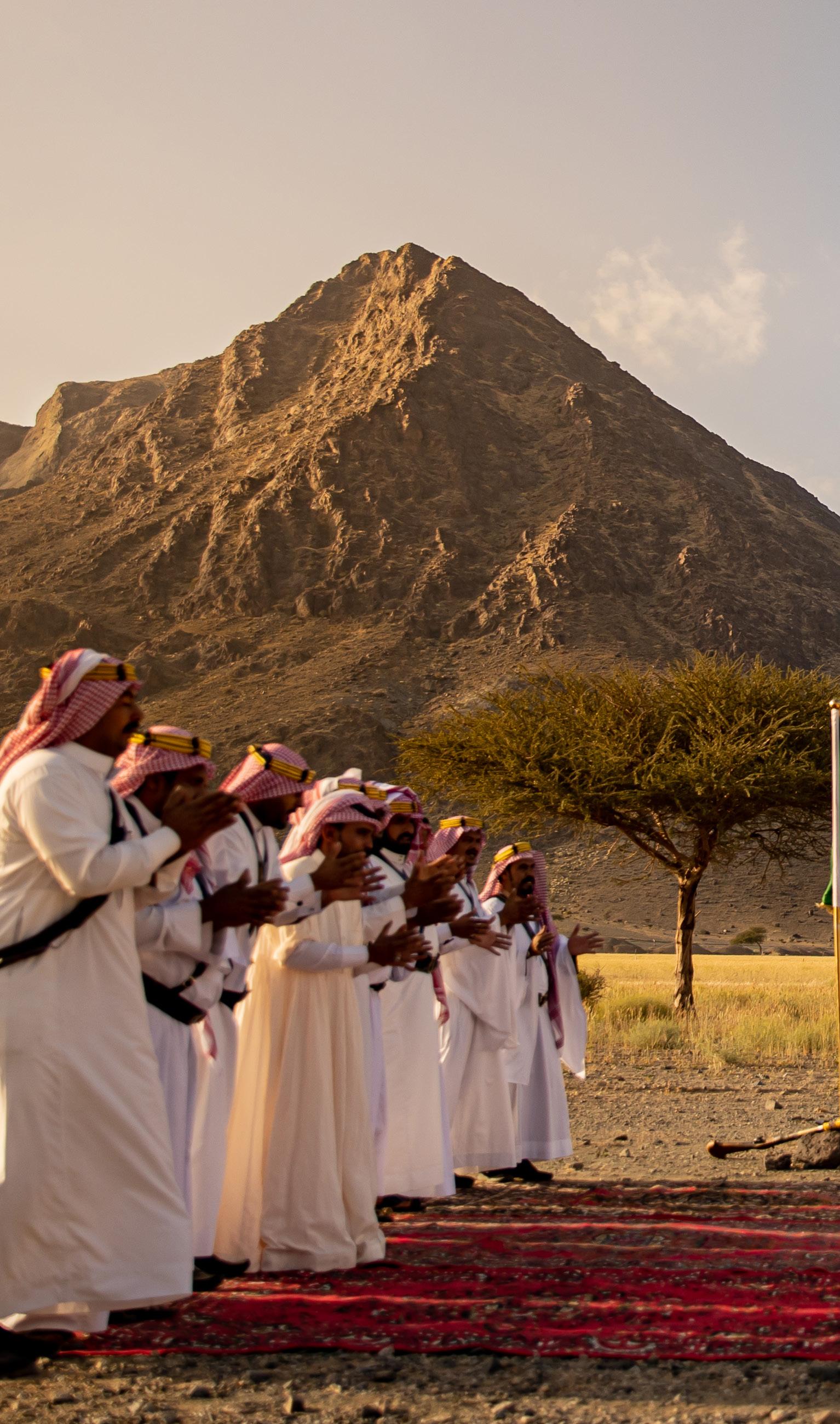
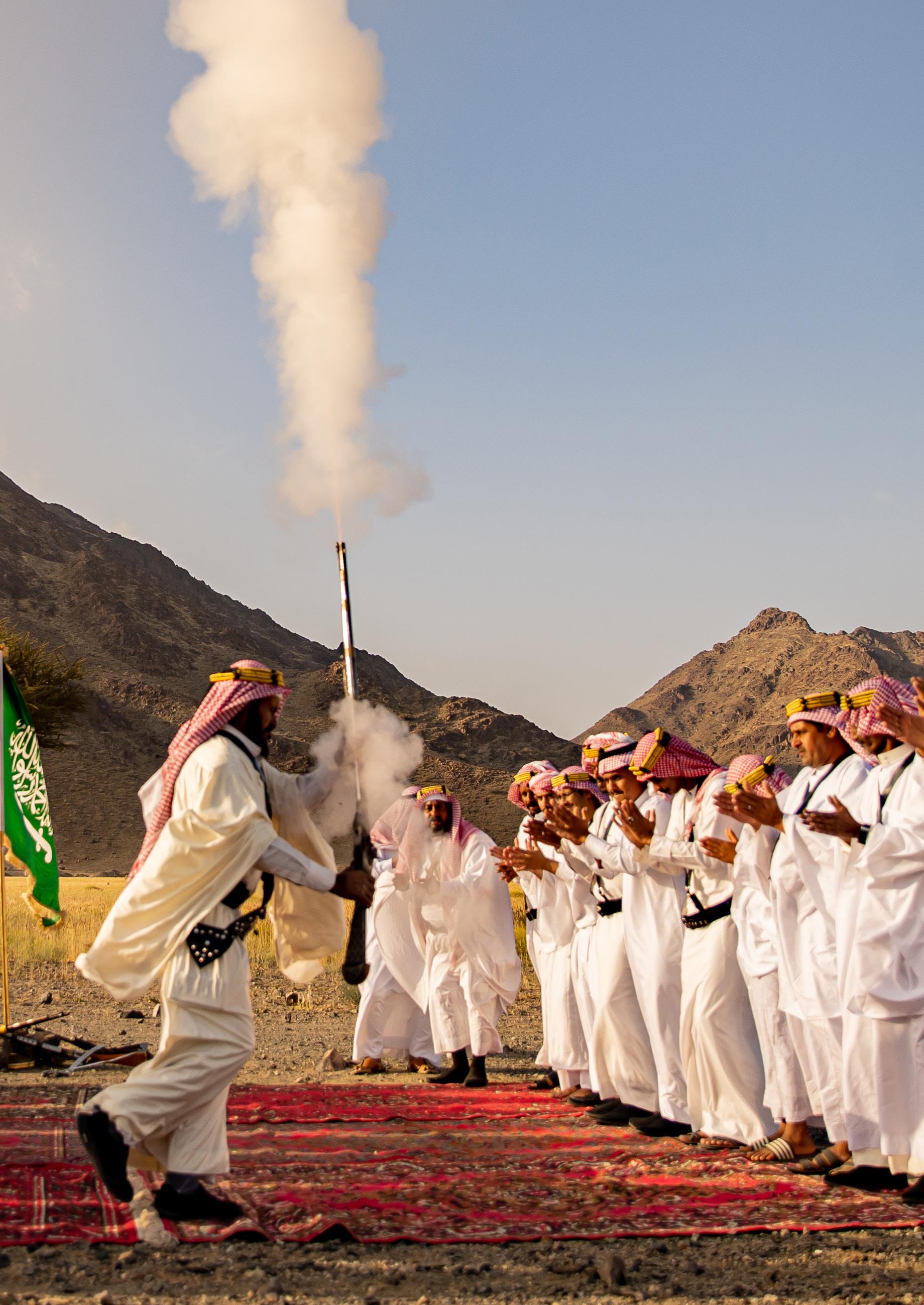
At RSG, we strongly believe that regenerative tourism is about giving back to people.
Historically, the tourism industry has had a negative reputation for disrupting and undermining surrounding communities. We have set out to change this with a comprehensive social impact strategy, consisting of the following pillars:
Socio-economic empowerment:
Community and cultural engagement:
We focus on capacity building by equipping local people with valuable skills and supporting small and medium enterprises, thereby creating meaningful employment opportunities and fostering long-term economic resilience. We want visitors to our destinations to experience unique and authentic Saudi culture, changing perceptions and giving talented local people the opportunity to shine.
Social risk and planning:
We know that we must minimize the impact of our developments on surrounding communities as much as possible.
This is a central objective of all our teams and all our planning has been undertaken.
Aspirations Performance Approach
Empowering local communities by equipping them with the skills to succeed, through skill-building programs rewarding jobs, stimulating employment, and encouraging artisanal production and services Driving community development and providing meaningful volunteer experiences
Over 8,500 beneficiaries from capacity building programs
Empowering our local communities –Page 126 - 129
Socio-Economic Empowerment
800 volunteer hours
Minimizing the impact of our developments on the community through consultation and risk management
Ensure any adverse impacts on local community from project are avoided and/or compensated
Engaged over 570 community members through baseline study
Promoting Community & Cultural Engagement –Page 130 - 132
Evaluation and monitoring –Page 140 - 143
Community & Cultural Engagement
Social Risk and Planning

The Jewar App, named after the Arabic word " راوج" meaning "good neighboring," is a vital tool for fostering community engagement and connectivity in the Red Sea region.
Developed by RSG, it was launched to connect local residents with RSG's transformative developments.
Through initiatives such as volunteering and educational programs, Jewar supports the ongoing development of the region by offering access to jobs, upskilling programs, and business development resources. Serving multiple community segments, Jewar contributes to social development, local economic growth, and regional sustainability.
Over 3,000 educational and volunteering program participants
Over 85 local services and entrepreneurs registered
Benefited over 145 small businesses
Facilitated 12 socio-economic programs, such as perfumery workshops, the English for Tourism program and the Montaj workshops for small, family-owned businesses
The application has enabled us to increase employment in the local community by hiring over 180 local people
3,000
EDUCATIONAL AND VOLUNTEERING PROGRAM PARTICIPANTS
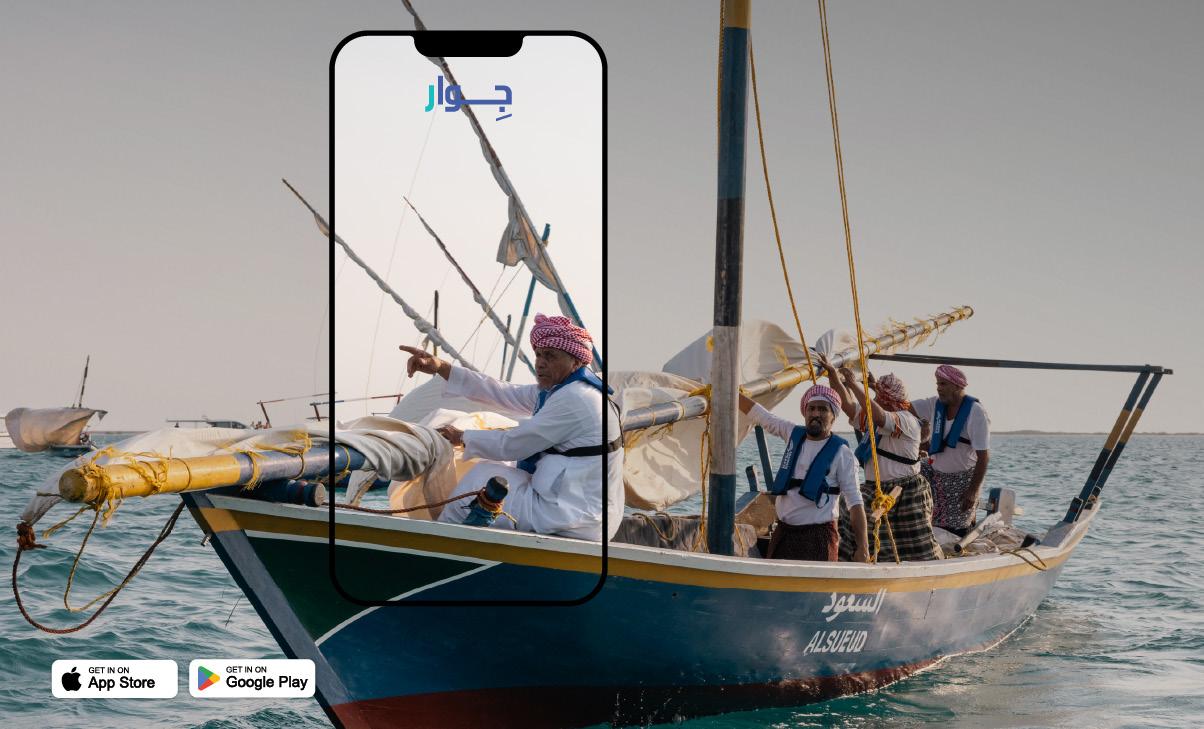
Provides career development and upskilling opportunities tailored to the younger generation.
Connects individual directly with local employment opportunities at RSG.
Supports local entrepreneurs by facilitating market access and offering business development resources.
Serves as a platform for community initiatives including volunteering opportunities and updates on regional development.
During the year, RSG launched the second edition of the English for Tourism Program – an initiative designed to improve English-language skills within the local community, recognizing the importance of English to professional development.
The program was promoted on the Jewar app, which allowed for direct registration to the training initiative, and was specifically targeted at Saudi nationals from Umluj, Alwajh, Duba and surrounding villages.
Help local people gain the skills to interact with international visitors to the Red Sea region
Support local communities in participating in the development of RSG’s tourism destinations
Equip local people with the confidence to pursue careers in the tourism and hospitality industry
Gain knowledge of hospitality and tourism-specific terminology to help them flourish within the industry
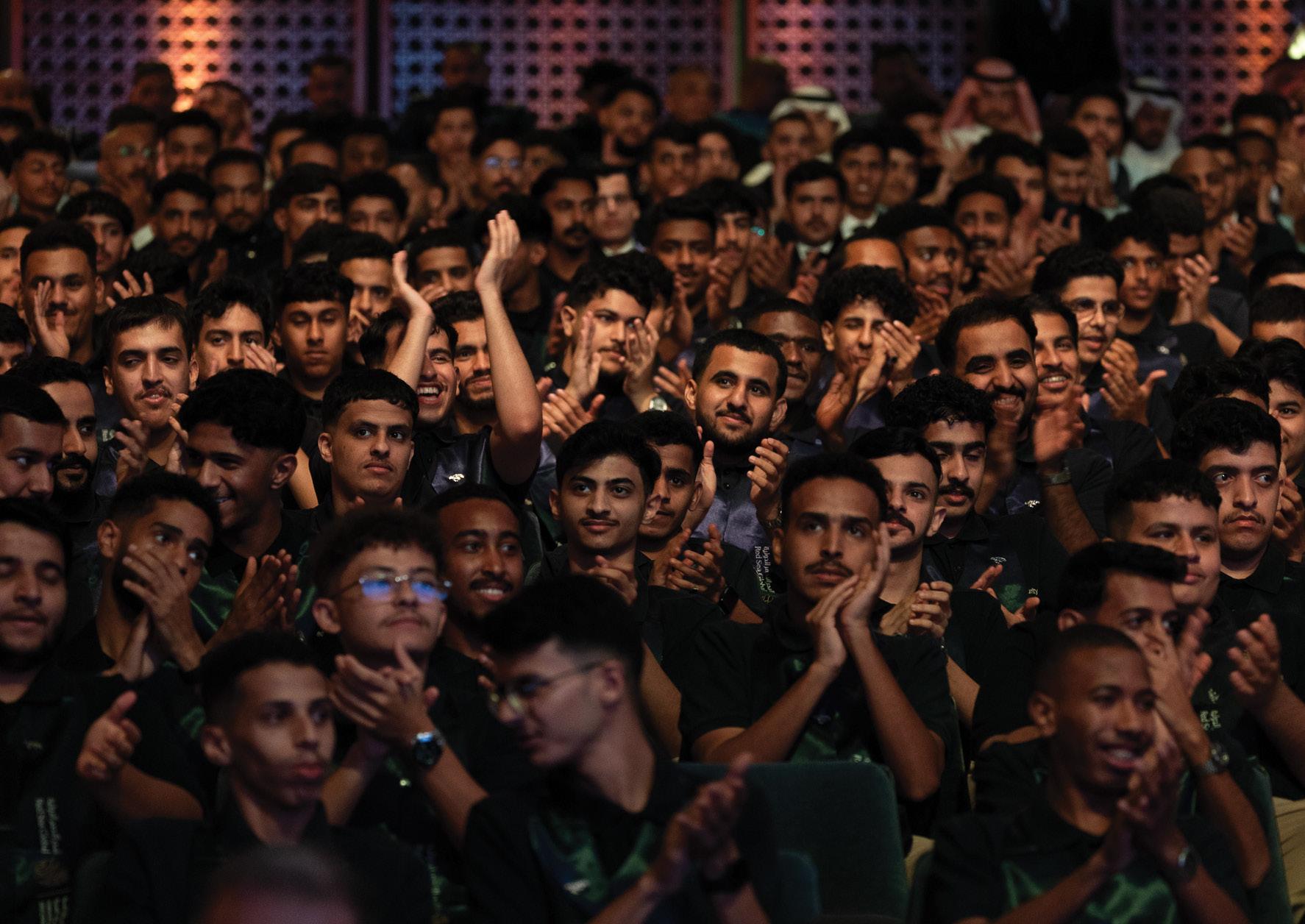
Key Highlights
2,054 trainees graduated of which 1,210 were women.
140 beneficiaries targeted for job training and placement.
29 beneficiaries targeted for tour guide training.
A priority was to ensure an inclusive approach to devising the program and, as a result, half the graduates comprised of women, exemplifying our Group’s commitment to Diversity, Equity and Inclusion (DE&I).

RSG’s volunteering program forms an integral part of our mission to invest in and strengthen local communities. We encourage our employees to participate not only to strengthen the relationship between our organization and local people, but because we believe that volunteering delivers personal and professional growth.
Our volunteering initiatives fall broadly within three categories:
Programs are designed to improve the surrounding environment for local people, protecting and enhancing the Red Sea’s natural ecosystem such as beach cleanups and planting mangroves.
Initiatives are designed to assist local people in need and provide them with educational opportunities.
Designed to improve the frequency and quality of communication between RSG and its surrounding communities, drawing on digital technology such as the Jewar app where possible.
Key Highlights

8 INITIATIVES implemented in 2024
200 VOLUNTEER participants, including RSG employees and local community members.
DRAFT VOLUNTEERING POLICY developed and under internal review for approval.
800+ VOLUNTEER hours contributed to community initiatives.
LOCAL PARTNERSHIPS with NPOs to offer volunteering opportunities.
We assess the impact of our volunteer efforts and focus on continuous improvement. In partnership with the United Nations Volunteers program, we integrate global best practices to ensure alignment with international standards.
The program’s impact is measured using Result Chain Metrics, including areas such as health & safety, environmental sustainability, and capacity building.
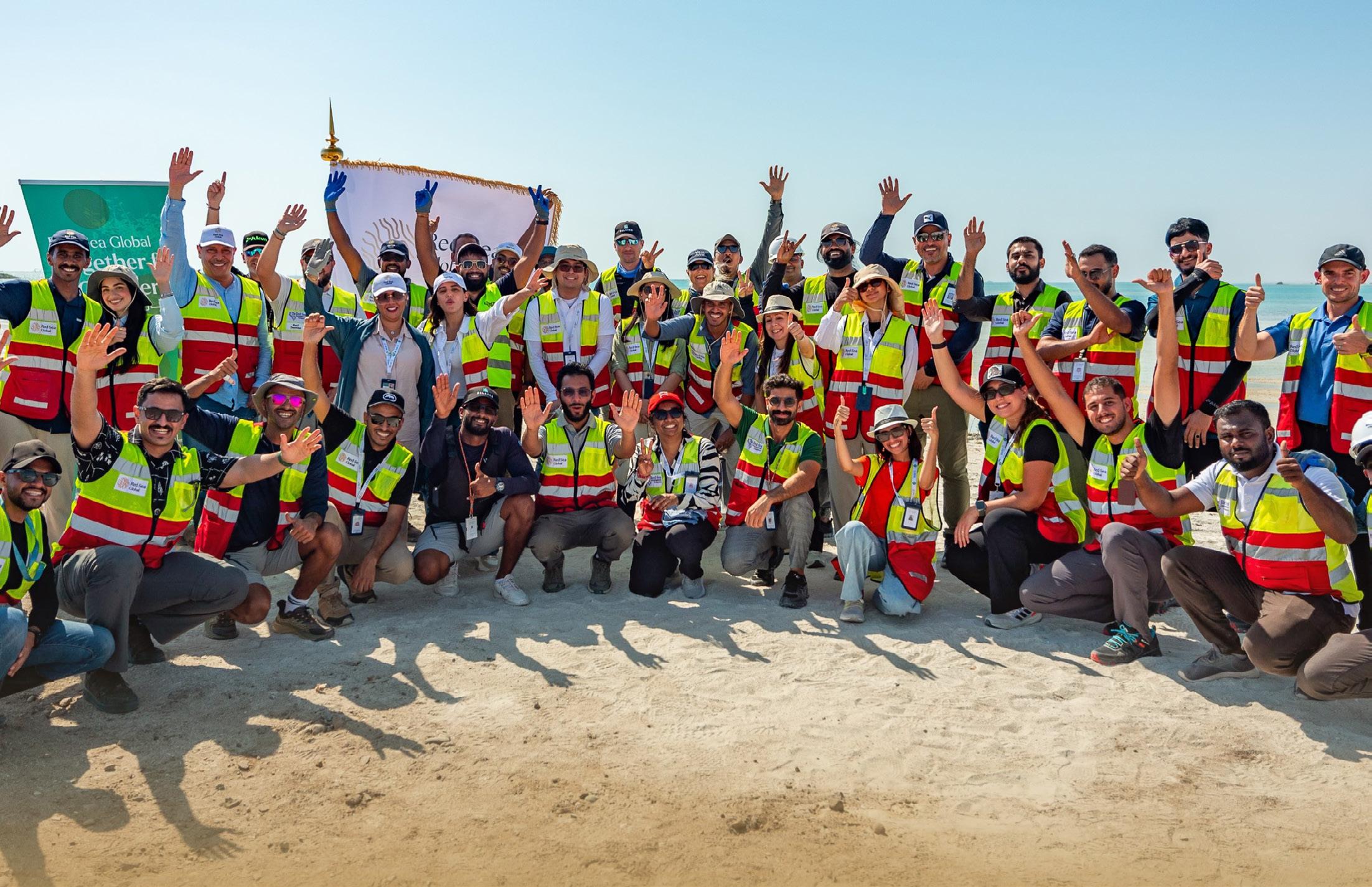
Montaj, meaning product, is a skill development initiative designed to strengthen the capabilities of families in the food and beverage sector. By focusing on enhancing business skills, the program supports the growth and sustainability of small family-owned businesses. Our workshops were conducted across Umluj, Al Wajh, Duba, and Al-Ais.
Recognizing that many family-owned businesses in the Red Sea region are run by women, we partnered with the Social Development Bank to run a series of workshops which were designed to equip female entrepreneurs with the skills to drive their success.
Participants gained practical business skills, including pricing strategies, and operational management, preparing them to build sustainable enterprises. The course covered several important territories, including helping them to establish a commercial identity and create an online presence, expanding their market reach.
The initiative strongly supports women entrepreneurs, promoting gender equality and economic independence through tailored training and resources. By equipping families with tools for success, the program fosters sustainable, long-term impact within the community.
139 participants benefited with a focus on empowering women entrepreneurs.
80 hours of training addressing areas like pricing, business management and the creation of digital identity.
In 2024 , we collaborated with partners to leverage social responsibility budgets and drive meaningful socio-economic impact. One such initiative involved a partnership with Perfumery, which hosted specialized workshops for local communities in Umluj and Al Wajh. These workshops provided participants with valuable skills in perfume-making and business insights into the growing Saudi perfume industry.
The program provided access to "track ( 3500 )", one of the tracks (or guiding pillars) of the Social Development Bank, enabling them to build an online store and establishes a commercial identity.
The sessions culminated in a workshop focused on creating unique perfume experiences for guests, aiming to enhance local tourism ventures. Building on the success of these workshops, a strategy was developed to maximize their impact, integrating the initiative with ongoing community projects to ensure long-term empowerment.
Over 900 registrations via the Jewar App.
55 participants trained in perfumery business skills.
5 participants shortlisted for advanced training focused on perfumery experiences and tourism-related.
RSG conducted outreach programs at eight schools in Umluj and Al Wajh to raise awareness of sustainability issues and encourage active involvement in RSG’s social initiatives.
The program introduced students and their families to RSG’s social development projects and the Jewar app, which provides career development, educational programs, and volunteer opportunities. Moving forward, we plan to expand our geographic reach and target more schools to increase our educational impact and benefit a larger number of people.
Key Impacts
Outreach conducted in eight Local schools in Umluj and Al Wajh
Over 650 beneficiaries engaged Increased sustainability awareness, inspiring students to contribute to sustainable development
We developed a “localization dashboard” to streamline hiring data and support localization efforts.
By centralizing hiring data, the dashboard enables data-driven decision-making, offering insights into key metrics such as time to hire, cost per hire, and retention rates. The dashboard generates customized reports tailored to specific stakeholders, such as executives and HR managers, and helps visualize data through using charts and graphs. Additionally, the dashboard supports talent management and diversity monitoring, helping to track workforce gaps and ensure alignment with diversity goals.
Continuously updated, the dashboard plays a crucial role in optimizing hiring processes and promoting local community integration.
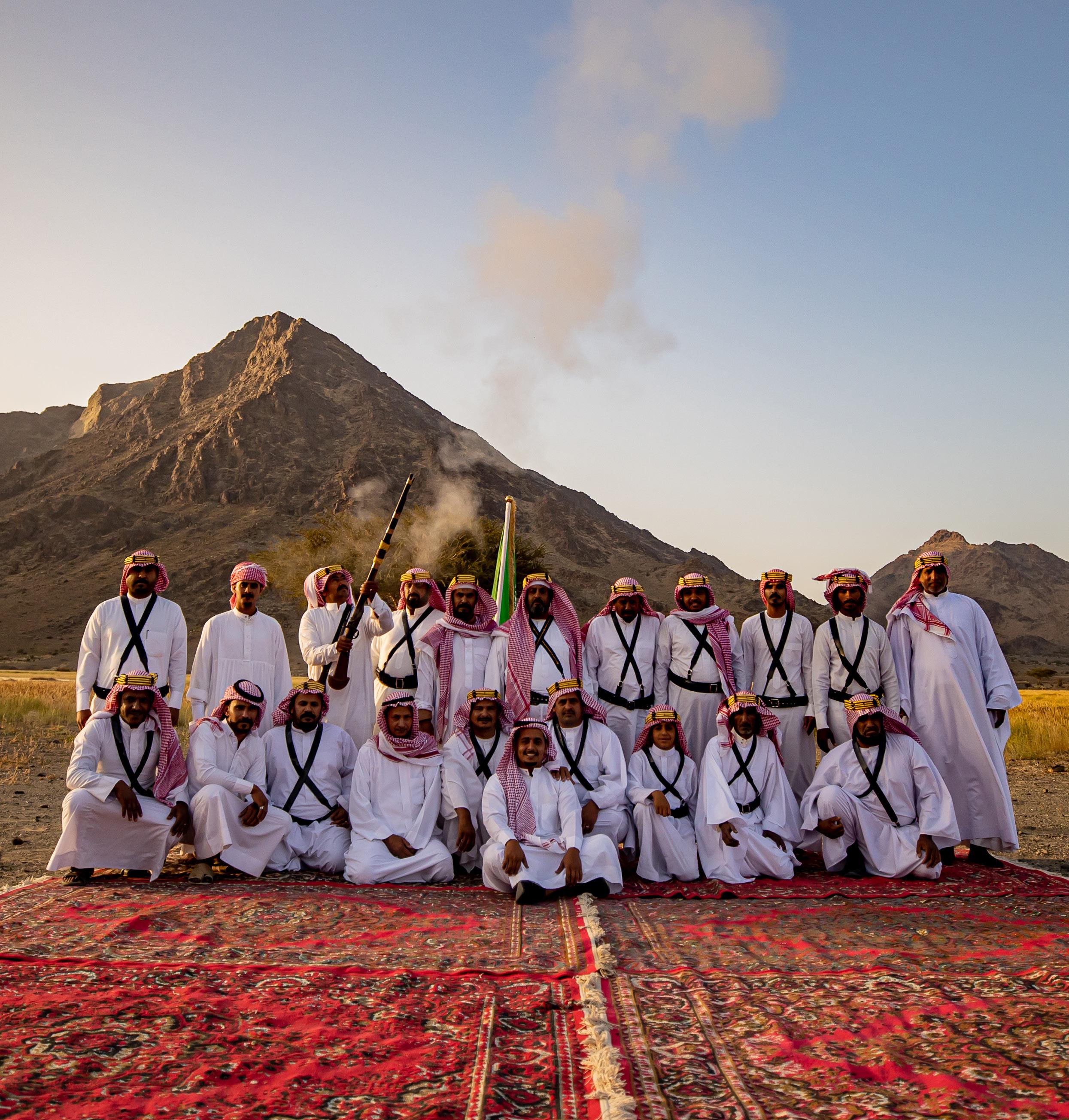
Centralized data access to support more informed hiring decisions
Customizable reporting tailored to the needs of various stakeholders
Insights on diversity and talent management to promote an inclusive workforce
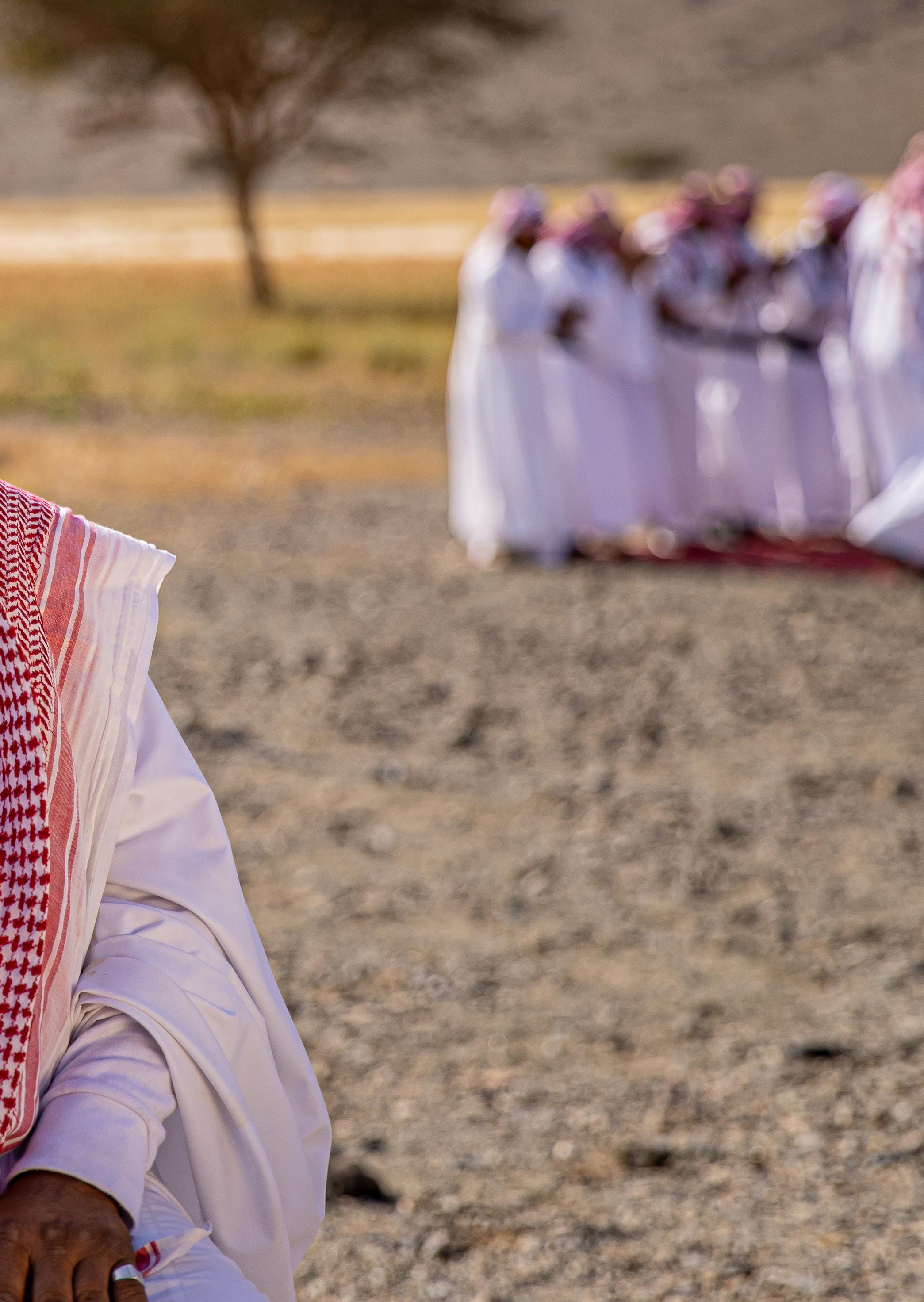
To promote local culture, we sponsored a series of Ramadan and Eid activities in Umluj, Al Wajh, and Al Ais, aimed at reviving traditional celebrations and strengthening community bonds. The event featured a range of immersive activities including an exploration of the local heritage at the Um Emad Museum and Fishermen’s Dakah.
The activation also supported local artists and empowered local youth, with live performances at the Children’s Theatre and a platform for artisans to showcase their work. This initiative helped preserve cultural traditions, fostered community connections, supported local businesses, and promoted cultural pride.
We recognize that to achieve our vision of regenerative tourism –enhancing local communities and natural environments – we need to properly understand the surrounding region and carefully consider feedback from residents.
For this reason, we conducted a socio-economic baseline assessment covering the Western coast of the Red Sea in three regions, Umluj, Al Wajh, and Duba, as well as the surrounding villages.
The study gathered essential data to inform project planning and decision-making, ensuring that
community needs and quality of life were accurately represented. This included field analysis, qualitative surveys of residents, a range of focus groups, and one-on-one interviews with local leaders, enabling us to build a comprehensive picture of local viewpoints.
We conducted a socio-economic baseline study along the western coast of the Red Sea to gather data on existing conditions such as income levels, employment, education, housing, and health. Such data-driven insights provide a robust foundation for informed decision-making and community-centered development.
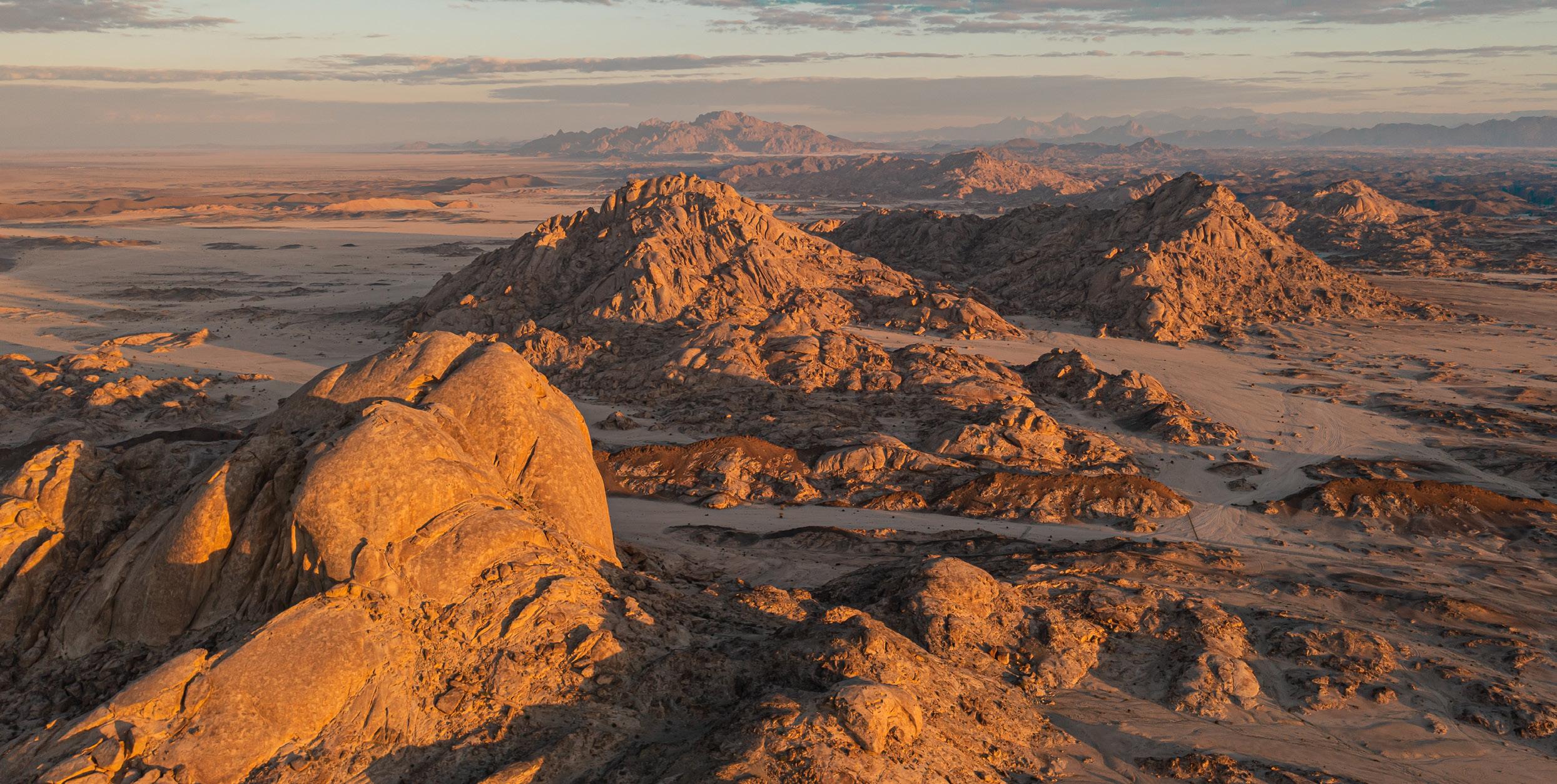
To adequately assess local communities and map out the potential impact of our developments, the report uses over 100 indicators across five dimensions. It employs a systematic methodology for the construction, analysis, and collection of baseline study data, which helps to identify challenges and outline essential suggestions and recommendations.
Key Highlights
The baseline findings will help future RSG projects align with the community's needs and conditions, allowing for impactful and sustainable initiatives.
Knowledge transfer sessions for around 80 employees.
Gathered comprehensive understanding on socio economic indicators in three key regions.
FOCUS GROUP DISCUSSIONS
with 60 participants from a diverse range of communities such as farmers, fishermen, youth and the elderly
North Cost Coverage area = 44,250 km2
886,036
TOTAL POPULATION
Tabuk Province = Tabuk Red Sea North Coast Area = Duba, Al Wajh, Umluj 72
Population Distribution in the city of Al Wajh, Duba, and Umluj (North Coast Red Sea Area)Secondary
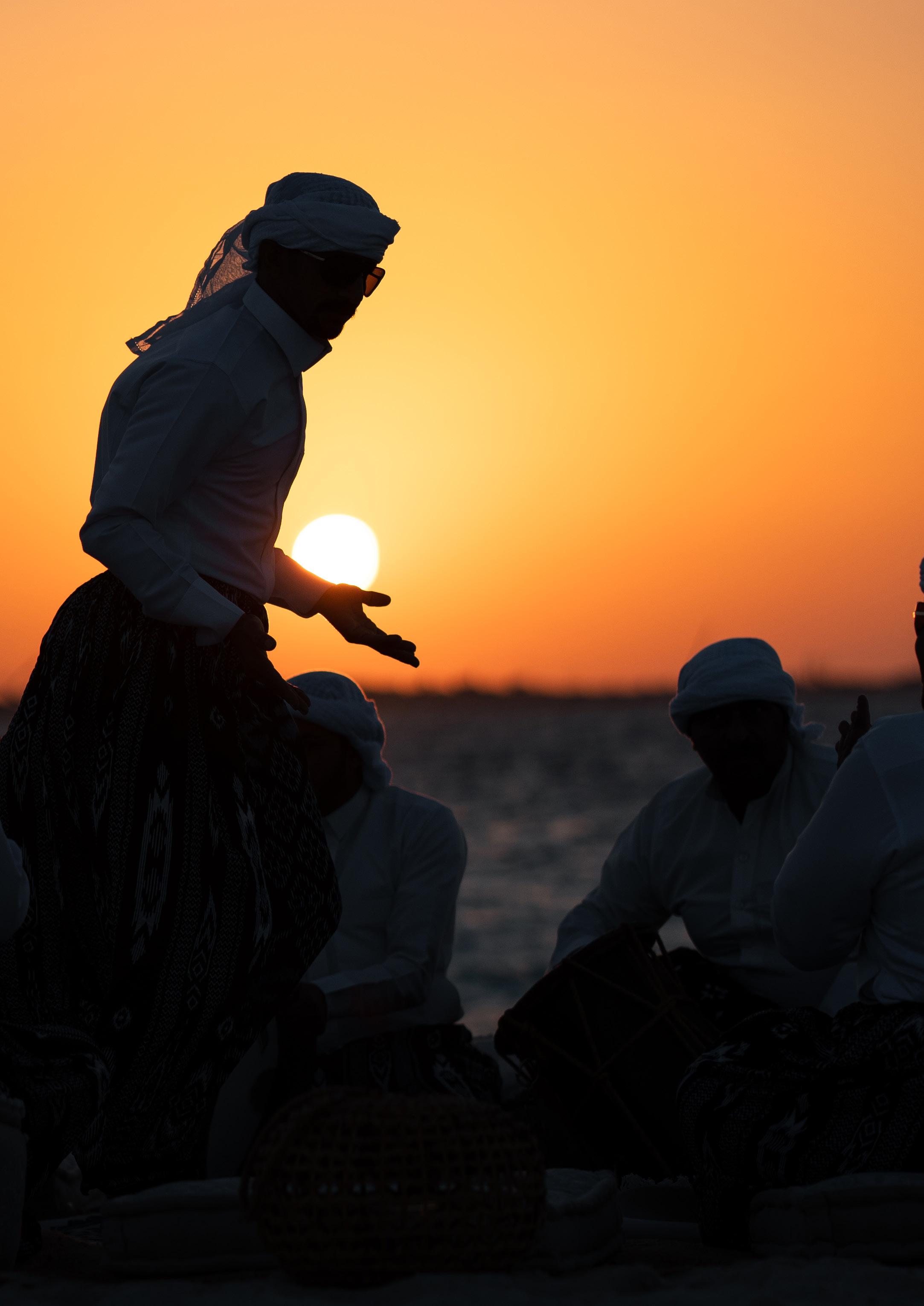
Our people are the driving force behind our performance. We believe that through empowering our people, we can deliver innovation, creativity, and progress.
We strive to deliver a culture of belonging, which attracts and retains top tier professionals. Through our focus on delivering benefits for people and planet, we provide our employees with the opportunity to deliver meaningful impact every day and enable them to do so in a supportive, dynamic working environment.
Inclusion and fairness are fundamental principles at RSG. We want everyone to be able to succeed, regardless of their gender, ethnic background, nationality, or physical ability.

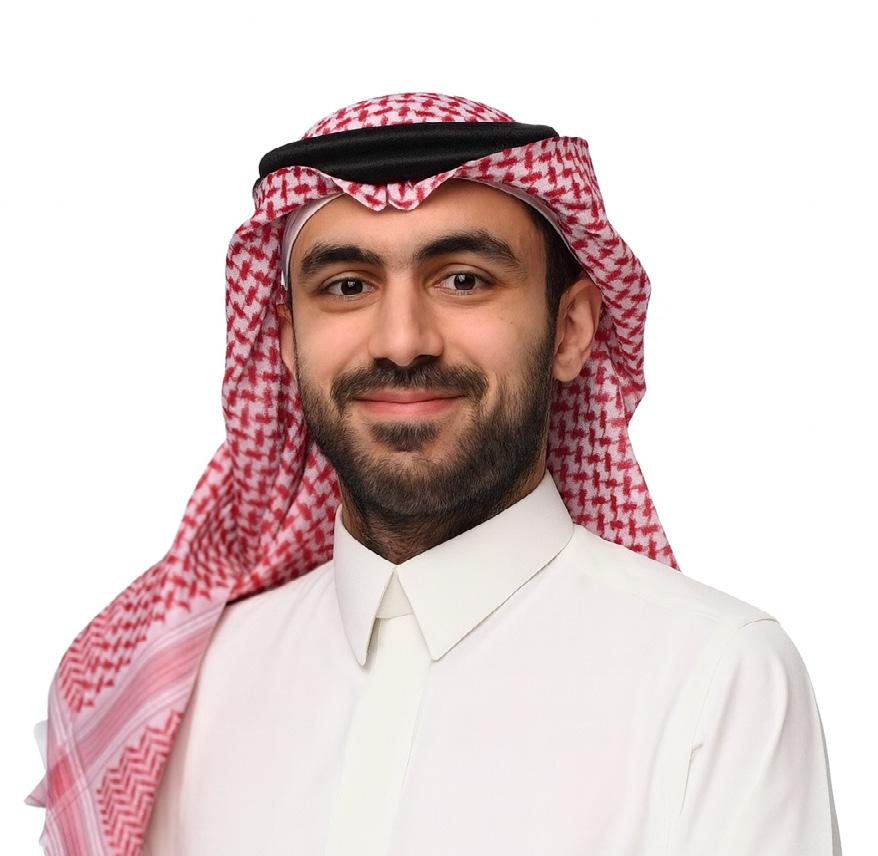
Increase female participation in our workforce
Increase the number of jobs occupied by KSA nationals
10 % of jobs occupied by females
The real impact of our work lies in how thoughtfully we approach every decision — ensuring that what we build today creates lasting value for both people and planet. At this stage in my career, it’s not just about delivering results; it’s about setting a direction others can build on. Contributing to a national vision while helping shape a more responsible global industry is both a challenge and a privilege.
Provide training and education opportunities to all employees
33% Saudization rate achieved across corporate functions
Building a diverse workforce – Page 158 - 164
Supporting Saudi Talent – Page 165 - 166
79,848 hours of training provided to employees
Learning & Development – Page 176 - 177
– Mahmood Alsaleh Director - Special Projects
Diversity, Equity and Inclusion

Saudization
Training and Education
Provide education opportunities to young Saudi talent
Over 2,000 Saudi nationals provided with education opportunities
Investing in the Future – Page 189 - 191
Training and Education
Create a healthy and incident and injury-free environment
43 % fewer lost time incidents
Health, Safety & Security – Page 178 - 183
Health and Safety

We encourage all our employees to practice our core organizational values Our Values
We treat our employees and workers with respect, regardless of background and perspective. As we develop, we deepen our appreciation of Saudi Arabia’s culture, heritage, and natural environment.
We recognize our responsibility to develop and positively impact the environment and communities around us, not just for now but for future generations. We are responsible for setting new standards in sustainable development and standing at the forefront of responsible tourism.
We strive to achieve excellence, going beyond what is expected of us every day. We are passionate about Saudi Arabia and the opportunity to open the eyes of the world to the Kingdom’s natural and cultural treasures.
We know that delivering the best possible outcomes for people and planet must involve collaboration across our Group. We aspire to create a caring and diverse culture, embracing opportunities to learn and develop skills from colleagues, like-minded partners, and suppliers.
We are proud to have a large, diverse and growing workforce, full of people with unique talents, experience, and capabilities.
In 2024 , we significantly increased the number of RSG employees, from 5,586 in 2023 to 9,409 , reflecting our rapid growth as an organization and our expansion into multiple categories:
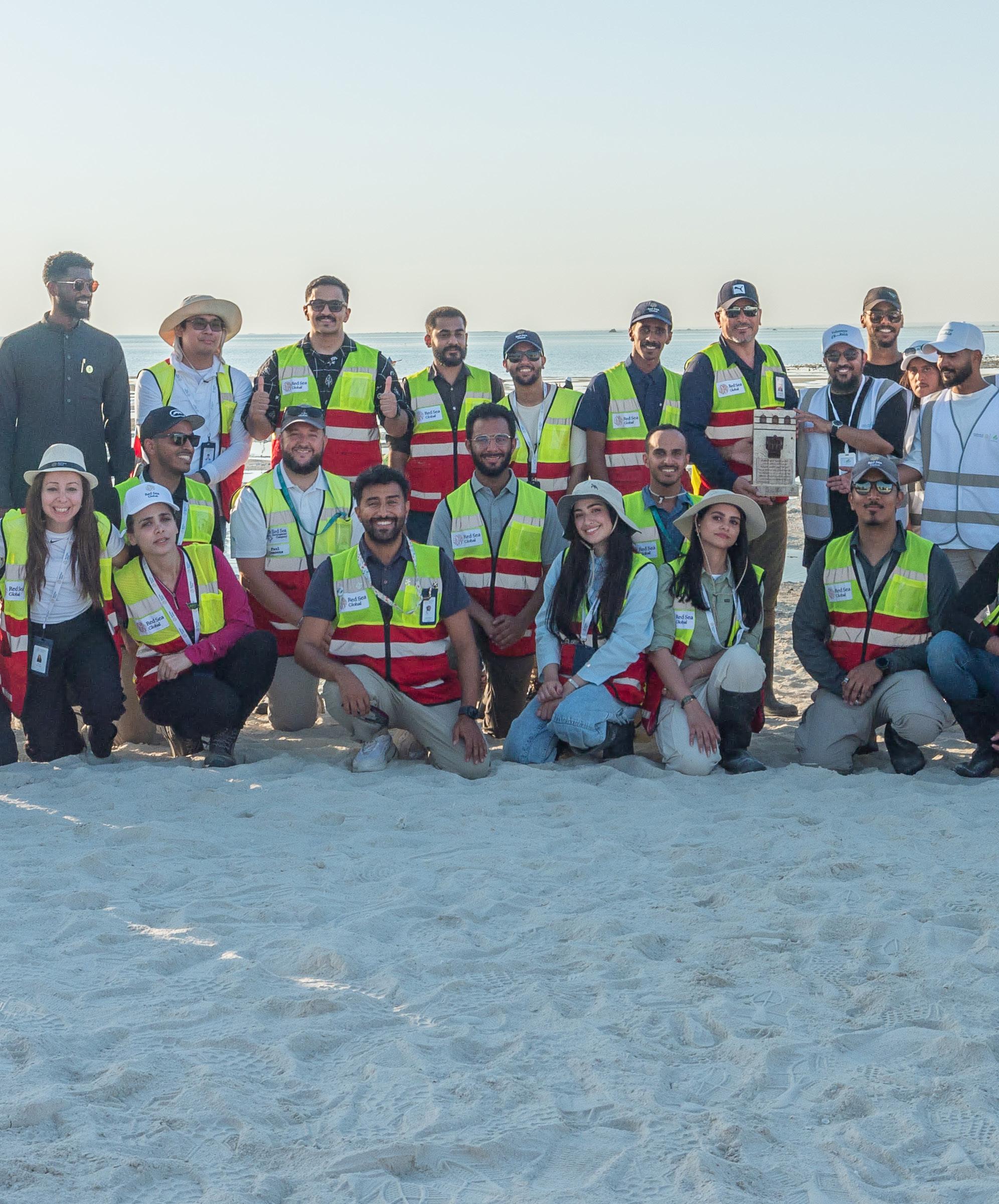
EMPLOYEES
EMPLOYEES
EMPLOYEES BY GENDER
EMPLOYEES BY REGION
43,694 Contractors, consultants, and PPP staff
We always look to hire talented and dynamic individuals who we believe can drive our business forward. We don’t just consider their core skills and competencies, but whether they align with our corporate values and therefore make a good cultural fit.
As our hospitality portfolio continues to expand with the opening of resorts, we focus on creating a robust employer value proposition aimed at attracting and retaining top talent. Our Hospitality team has co-designed a rich employer brand, guided by focus groups to ensure we prioritize what truly matters.
We have hosted careers days, launched a dedicated career website, and established social media channels that not only solidify our brand identity but also attract the best candidates in Saudi and globally. These platforms are pivotal in disseminating information about career opportunities and showcasing the unique work culture that sets RSG Hospitality apart.
2024 was a busy year for our recruitment team, hiring 4,457 new employees across our Group
We draw on a range of platforms and strategies to reach potential candidates, including the Jewar app, digital communication channels and, in some cases, direct approaches to individuals.
We always ensure that candidate shortlists are diverse in terms of ethnic, gender, and national background and that individuals are treated fairly and respectfully throughout the application process.
Once the candidate is selected, we ensure that they are welcomed with open arms and we do everything we can to set them up for success.
– Tim Williams Group Head of People Strategy and Culture
numbers of new hires by Gender
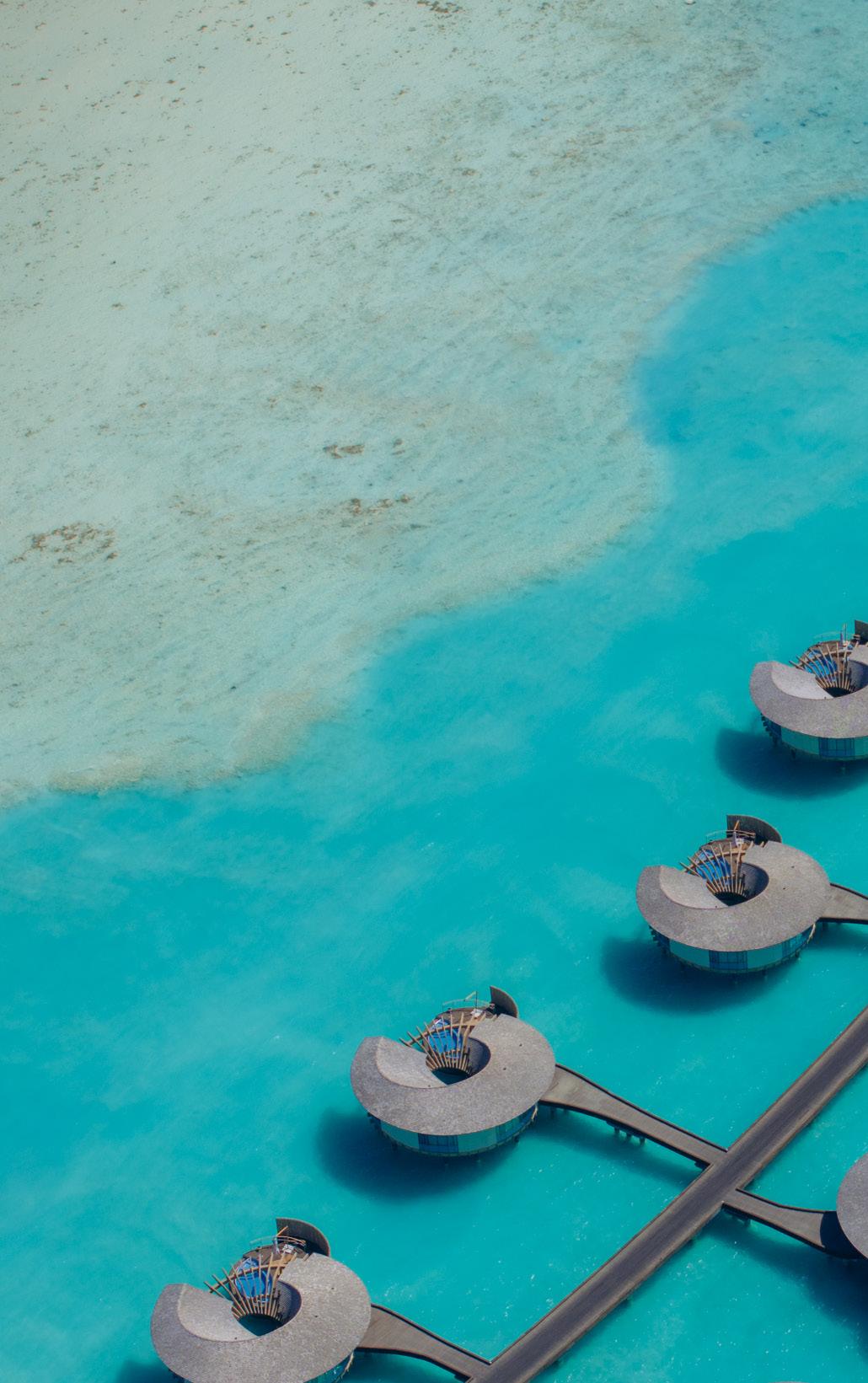
We are committed to building a culture of belonging and providing the right system of incentives and rewards to retain our most hardworking talented employees.
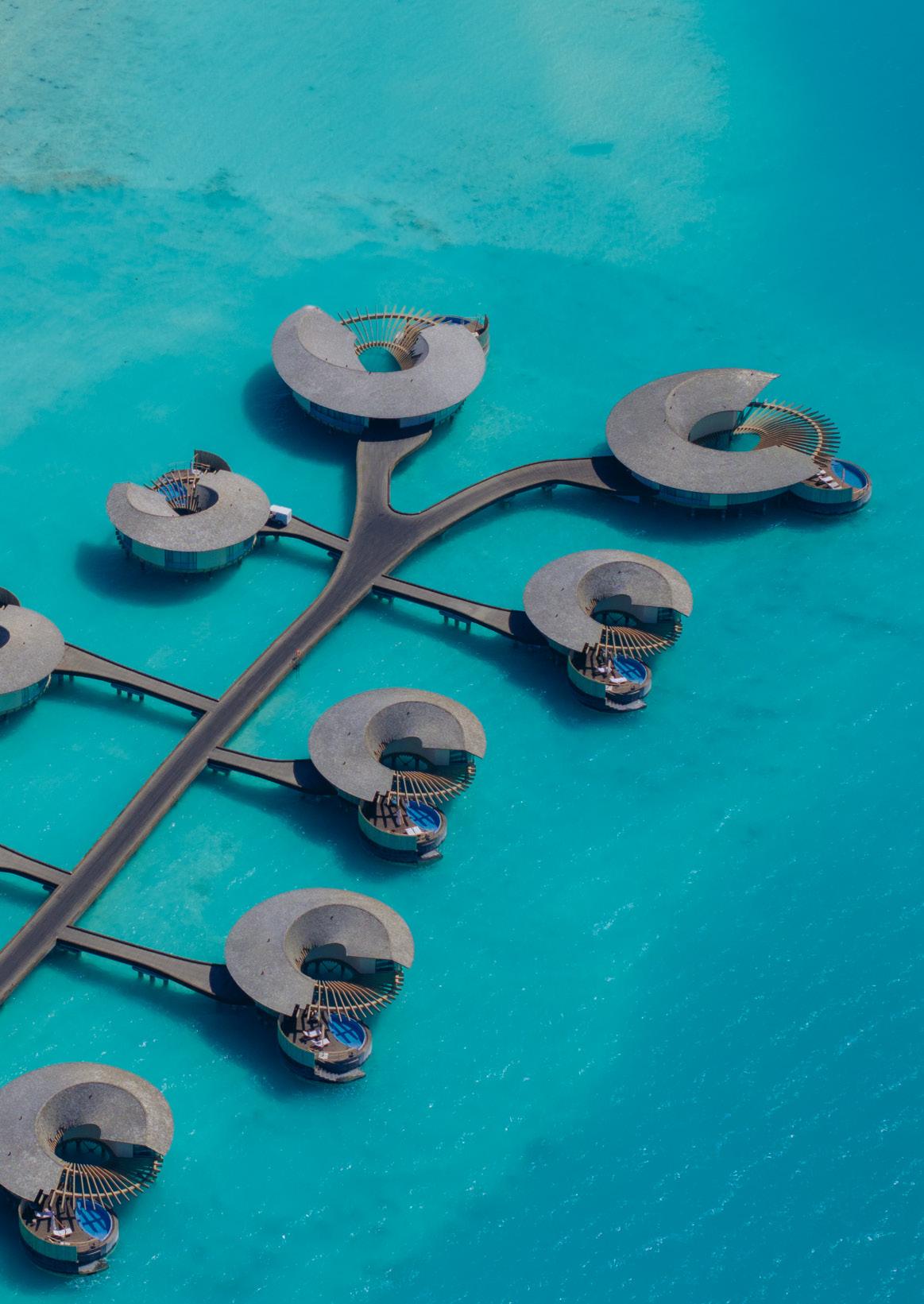
RSG is an equal opportunity employer with a diverse workforce comprising different ages, genders, and nationalities. RSG recognizes that a diverse workforce is a powerful driver of innovation, and we encourage a range of initiatives to nurture this.
While we know that we have more work to do – particularly to boost female representation across our workforce – we believe that the statistics demonstrate that we are a company heading in the right direction in terms of national and gender diversity.
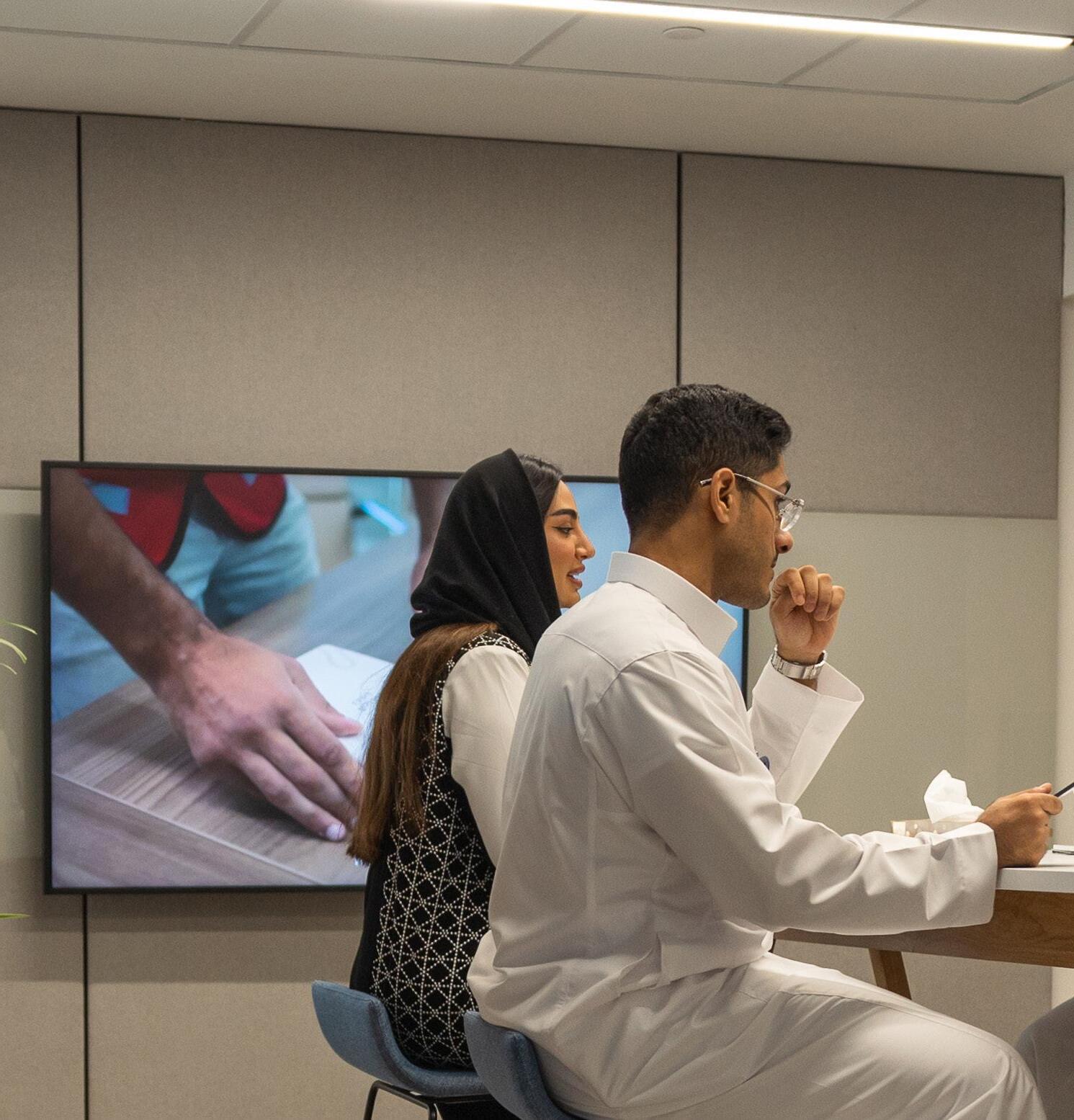
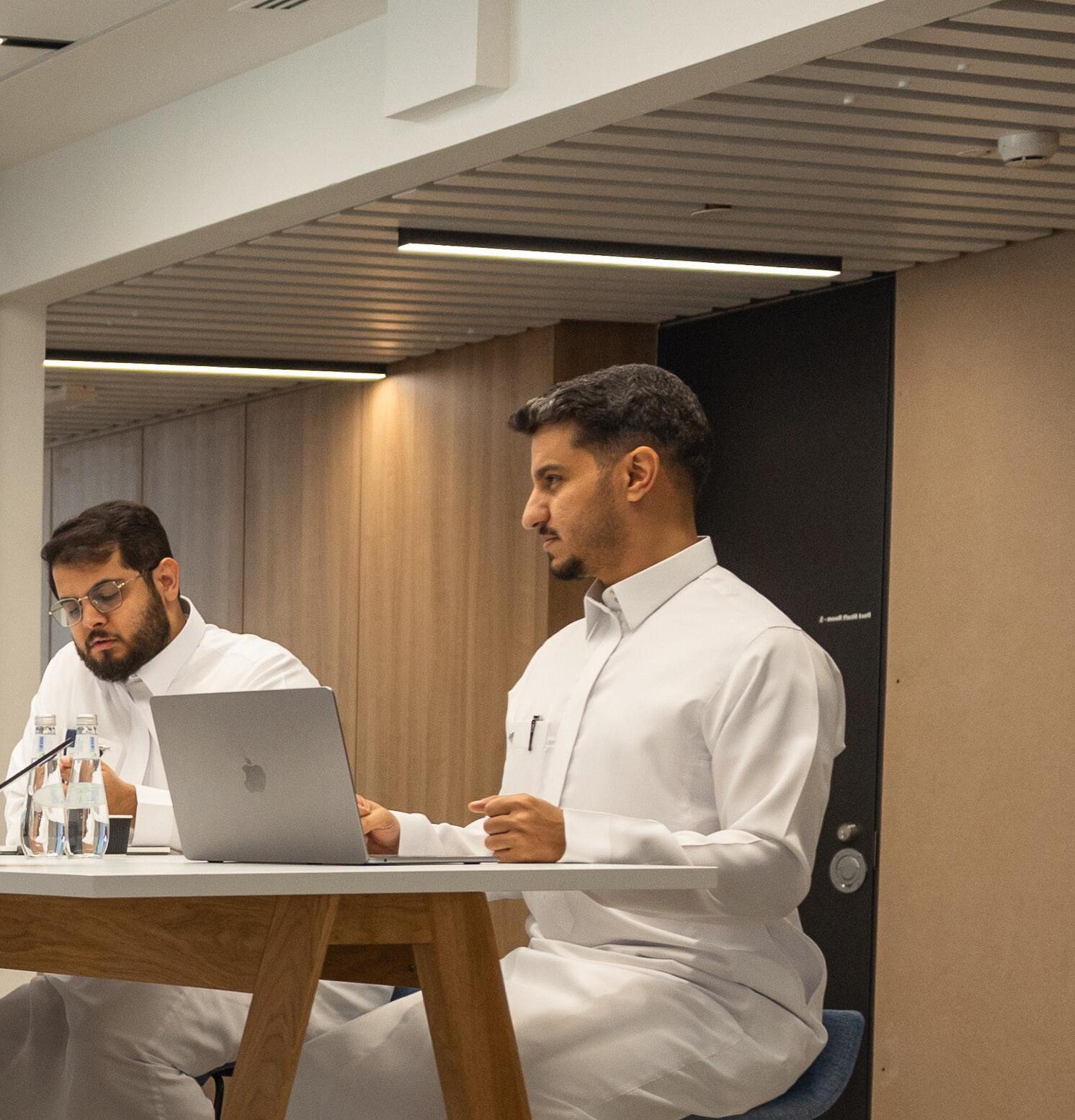
Recruiting talented professionals from 60 countries
Increasing the number of women in senior management positions (from 11.3 % to 12.9 % in 2024 )
Recruiting women in a range of traditionally male-dominated fields, such as security operations, architecture, project management, IT systems, and aviation, challenging gender norms
At RSG, we strongly believe that diverse workforces are better positioned to deliver excellence. We are fully supportive of the Vision 2030 objective to increase female participation in the workforce and are dedicated to achieving gender equality.
We are committed to providing an environment in which talented women can fulfill their potential and reach the most senior leadership positions.
9% of new hires during 2024 were women
942
women are operating at RSG across every level and department of our business
9 women operating in senior management positions, including our Group Chief Governance Officer
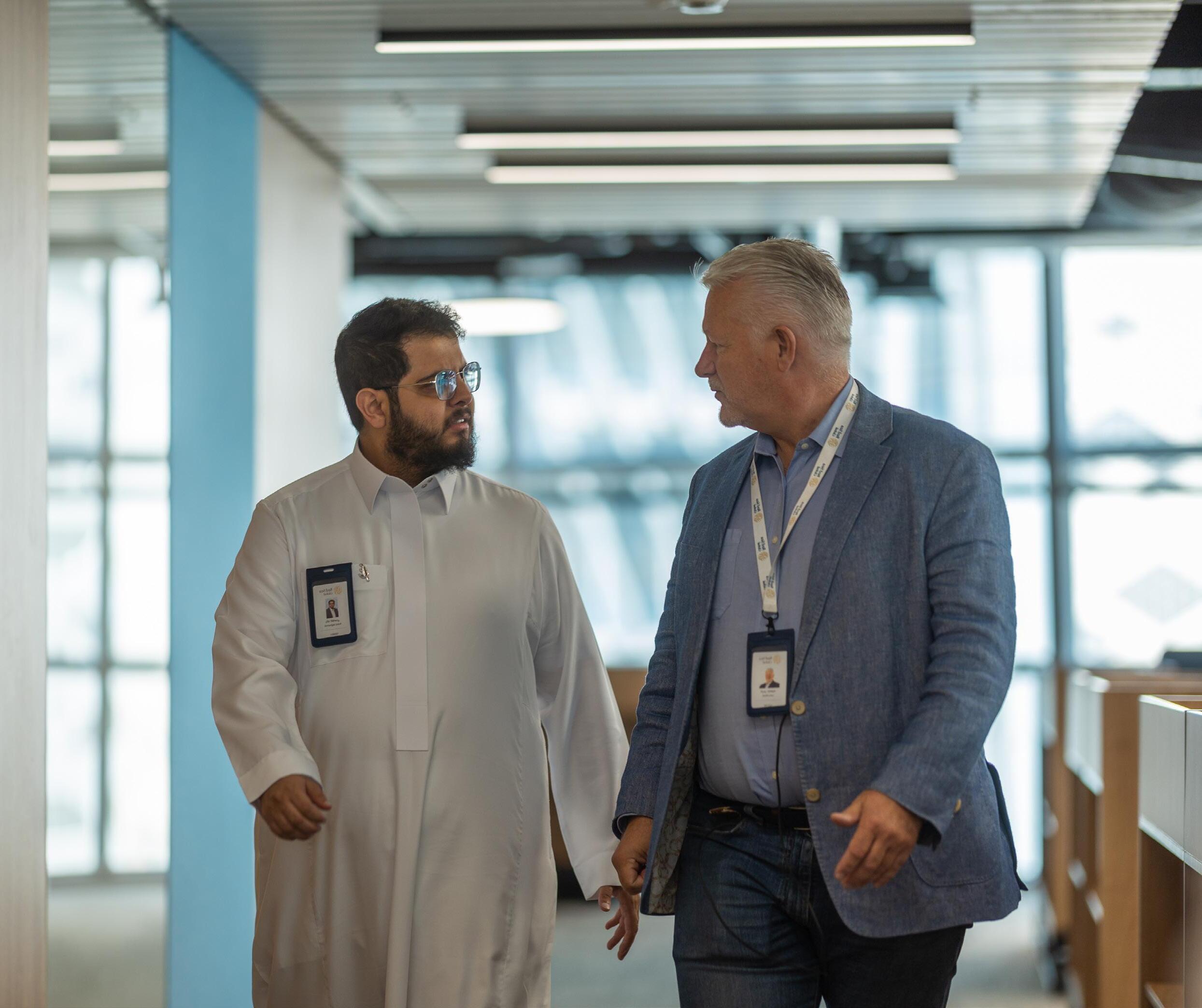
Supported by recruitment practices
Use of gender-neutral job advertisements
Encouraging our recruitment teams to actively seek out talented women when hiring for roles and encourage them to apply
Underlining this record of achievement is the fact that we won two prestigious awards in 2024 for our record of female empowerment:
We were named as Best Gender Inclusive Company at the Middle East Women Leaders Summit and Awards, recognizing our efforts to increase female representation across our business
Dr. Maryam Ficociello, Group Chief Governance Officer was named as one of the Top 15 Women Leaders for spearheading pivotal governance and sustainability issues
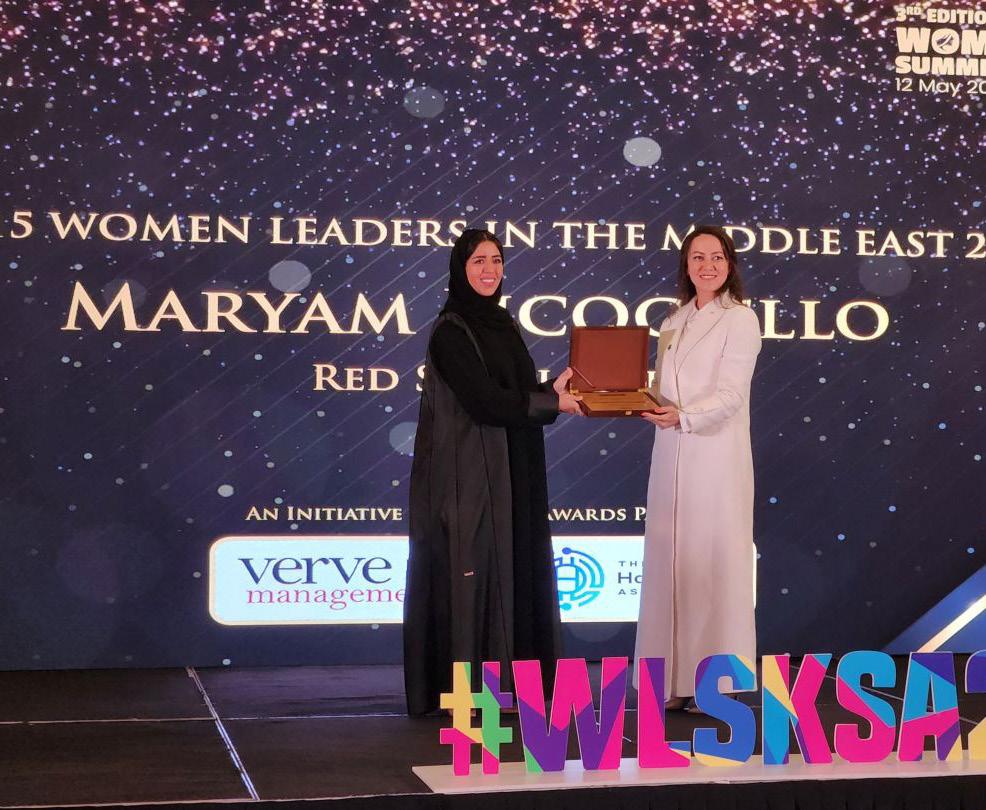
Ghadah Mualla Chef Alia Saleh AlZahrani
Senior Specialist – Cost Chef
Hired through our Group's Elite Graduate Program advertised on LinkedIn, Ghadah stepped into her first significant role as a Cost Specialist. She is now a pivotal part of the Cost Construction team and is flourishing within the demanding world of cost, commercial, and procurement – an area where female professionals are rare (not just in Saudi Arabia, but globally).
Ghadah's daily responsibilities are characterized by extensive collaboration with both internal teams, including architects and engineers at our Group, and external contractors. Managing such a broad range of interactions has provided her with a holistic view of the projects, enhancing her ability to make informed decisions and equipping her with valuable experience as a negotiator.
A graduate of RSG’s first Vocational Training Program cohort, Alia has been flourishing in her role as a chef.
In an industry where female representation remains a challenge globally, Alia has established herself as a Saudi pioneer in the field. She works as an Assistant Chef at St. Regis, The Red Sea Resort in Ummahat Islands, located at The Red Sea, where she delights guests every day with creative Saudi and international dishes.
Aliaa recently participated in the "Hospitality Salon Culinaire" where she received a merit certificate, and has cooked for culinary artisans and international chefs. She is also on track to complete her Gastronomy and Restaurant Business diploma, an international accreditation that will allow her to be recognized and work as an internationally recognized chef on a global scale – an accolade that normally requires years for professional chefs to obtain.
This professional accreditation is facilitated through the support of our Educational team and its partner, Bunyan Academy.
BREAKDOWN OF ALL EMPLOYEES BY GENDER
Breakdown of employees below Middle Management by gender
Breakdown of Middle Management by gender

We have a critical role to play in achieving the objectives of Saudi Vision 2030 – not only in placing the Kingdom firmly on the global tourism map, but generating employment opportunities for the Saudi people. This year, we have achieved almost a 33% Saudization rate across our key corporate functions. This is not only a product of our innovative hiring practices, but our various educational and community outreach programs too, which have placed an emphasis on attracting talented Saudis.

– Ahmad Darwish Group Chief Administrative Officer
We are proud to contribute to the development of the national workforce and build the human capital of Saudi Arabia, ultimately helping to make Vision 2030 a reality. We will continue to prioritize programs and activities that will enable us to achieve our Saudization goals and encourage talented Saudis to join us and be part of driving a positive change for the country through:
Investing
in education and skills programs aimed at the Saudi population specifically
digital technology and new communication mechanisms, such as the Jewar app, to make local people aware of employment opportunities
Delivering
community outreach programs designed to educate Saudis about the role of RSG and inspire them to apply for jobs
Number
BREAKDOWN OF ALL EMPLOYEES BY NATIONALITY
Breakdown of employees below Middle Management by nationality
Breakdown
Number of employees employed with disabilities as of 31st December
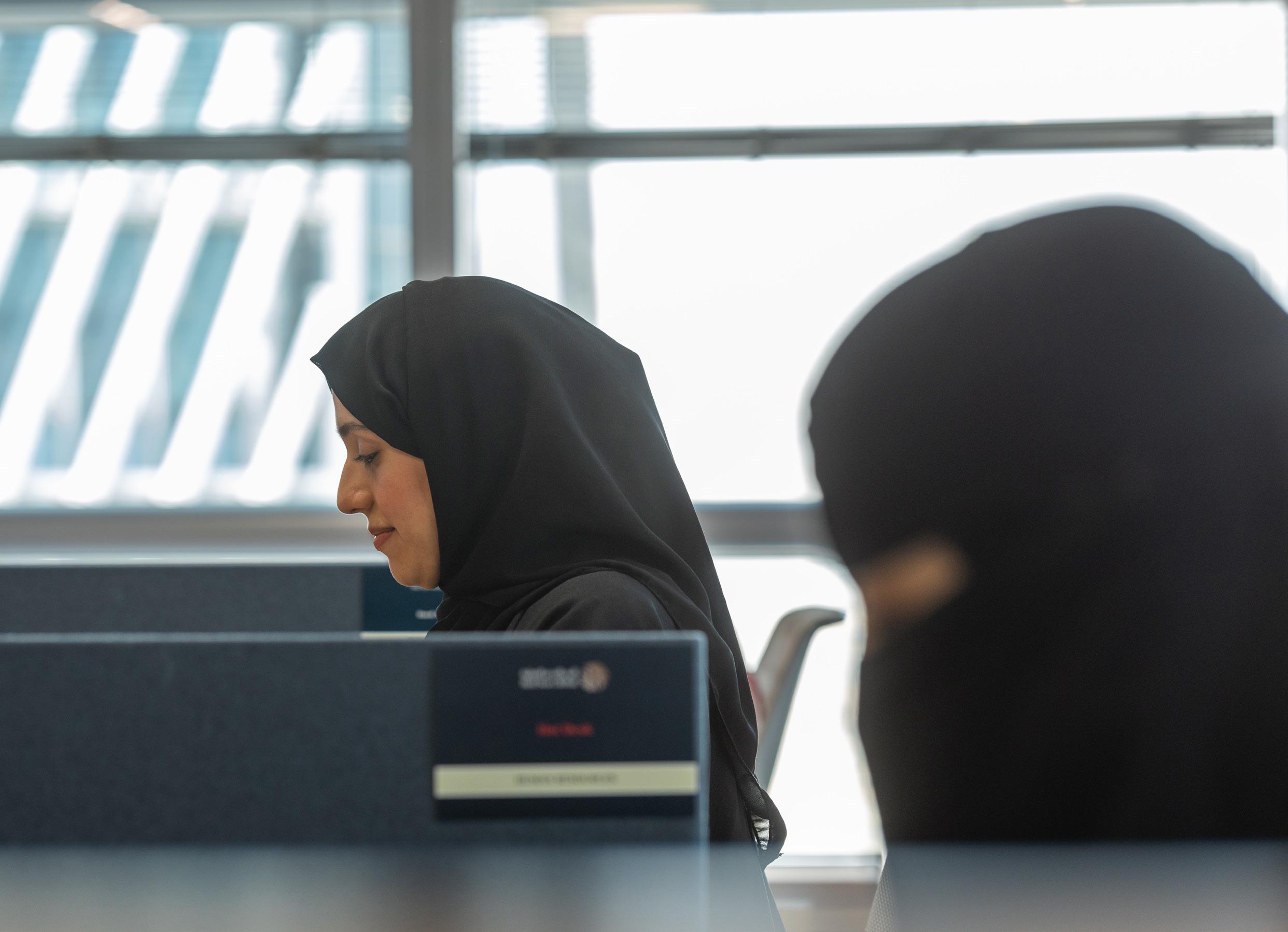

A dedicated team at RSG curates a year-round calendar of employee engagement activities, including training workshops, cultural events, and sporting activities, fostering a positive work environment and strong team spirit across all locations.
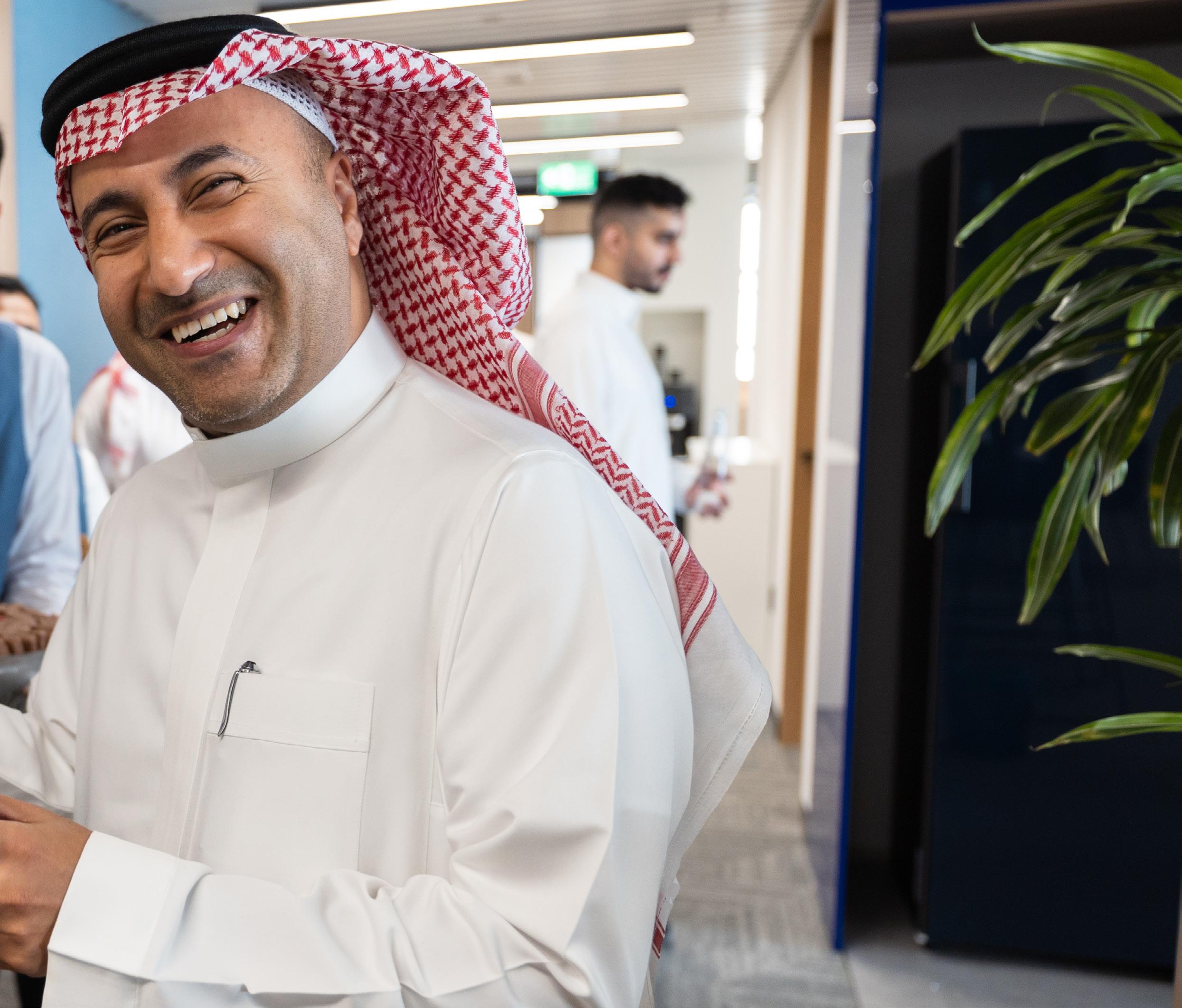
20 events in Riyadh we hosted
31 events on-site we hosted
We launched our Super App – Prioritizing our employees and embracing the power of technology. This comprehensive platform provides convenient, one-stop access to all our digital tools and services, along with the latest company news, details on engagement events, and exclusive offers tailored for our employees.
The Super App was also shortlisted for two awards by Customer Experience Live in the categories of Best Employee Experience and Best Digital Customer Experience. Features
We believe that seeking out employee feedback is an important part of running a successful business and building a culture of belonging. In 2024 , we ran our annual Employee Engagement Survey, which revealed some very positive results.
These findings were reinforced by our certification as a Great Place to Work and ranking second in LinkedIn’s 2024 list of top companies in Saudi Arabia for the second year in a row.
Our employee rewards system is crucial for attracting, retaining, and motivating top talent. All employees of RSG receive performance reviews on an annual basis. We ensure that our compensation and benefits are fair, competitive, and aligned with each employee's role, responsibilities, skills, and experience. These benefits, designed to show our appreciation and reward contributions, include:
Medical and Life insurance - for all employees and their eligible dependents, including medical insurance for the parents of Saudi nationals
Educational Assistance for employee children
· Home Leave Tickets for foreign colleagues
· Relocation Benefits for people moving to our work locations
Other benefits - vacation leave, parental leave, disability coverage
Employee Engagement Survey 2024
98% of our employees believe we will help the Kingdom deliver Vision 2030
96% of our employees are proud to work at RSG
Annual well-being allowance, and well-being leave
Turtle Bay Village Residences (for all employees on the construction site) - employee accommodation, dining and recreational facilities
Exclusive offers at our Resorts –opportunity for employees and their families to participate in guest simulation programs at our resorts with the cost of stay and travel from airport to the resorts taken care of by RSG.
87% of our employees would recommend RSG as a place to work
We also announced the launch of our 2025 exclusive discounts for RSG employees which includes our portfolio of RSG Hospitality-operated resorts with special rates offering more year around availability, and discounts based on resorts occupancy and availability, along with discounts for land and marine mobility options and exclusive rates at those operated by our partners.
Total
At RSG, we recognize the importance of our people’s mental, physical, and workplace-related wellbeing as a key pillar of our People Strategy. Named “HAYAH” (meaning "life" in Arabic), our Colleague Wellbeing Program aims to foster a culture of wellbeing across our Group. HAYAH offers a holistic program with initiatives designed to support the health needs of over 4,500 employees. The program uses a data-driven, evidence-based approach to developing and delivering wellbeing initiatives that positively impact three pillars: supporting our employees' mental wellbeing, providing opportunities for physical health, and driving our culture of workplace wellbeing.
– Zainab Hamidaddin Executive Director - Engagement and HR Business Partner
As part of our commitment to provide a culture of belonging, we take employee physical and mental well-being seriously and have implemented a range of programs to support this.
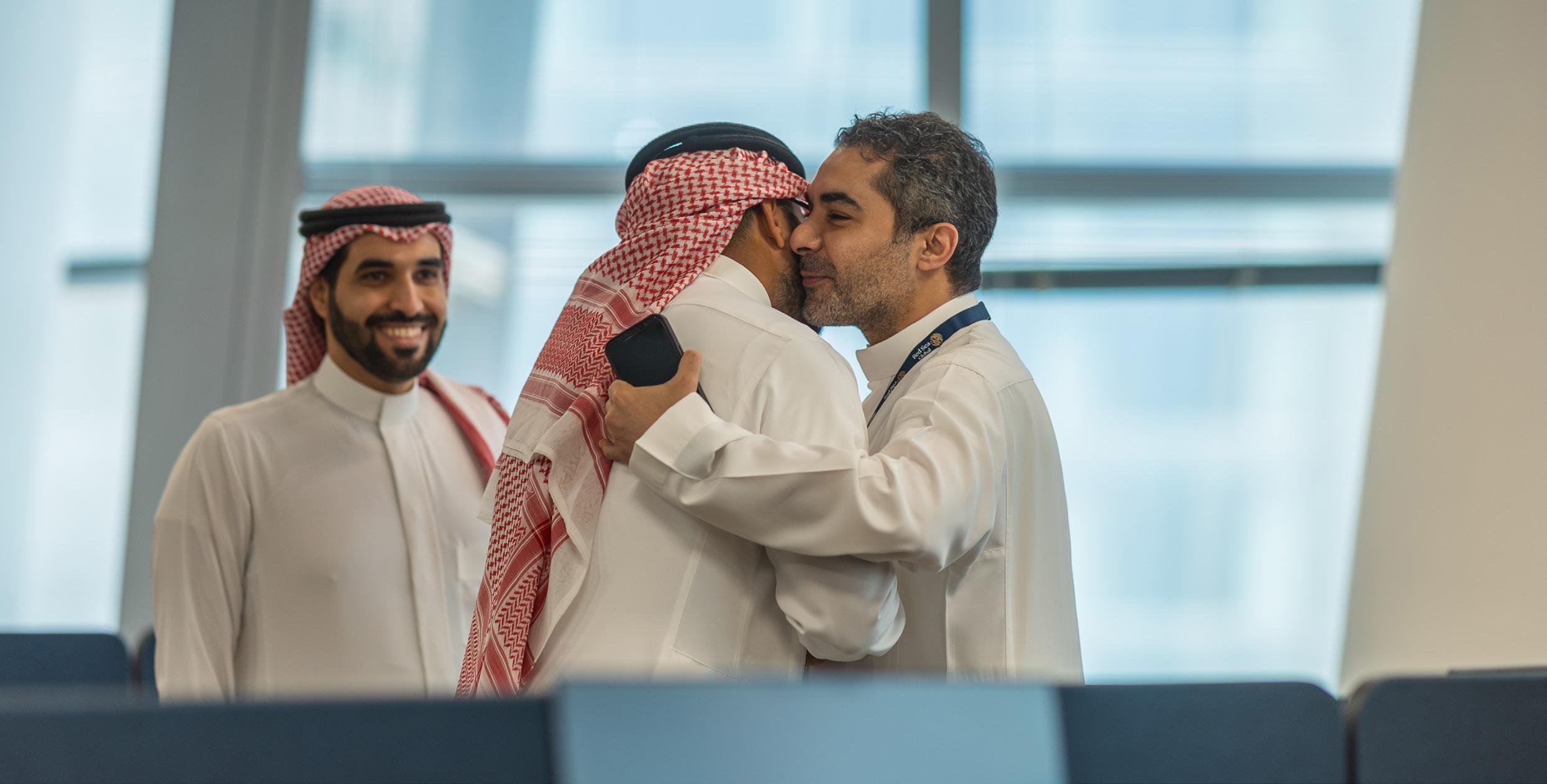
The HAYAH program consists of three pillars of workplace wellbeing, each with key performance indicators to measure their impact on employees' health needs, reduce sickness absence, and improve the workplace experience.
The HAYAH strategy aims to lead a new approach in KSA, for the development of data-led, evidence-based initiatives that truly meet employees' health needs. Our health and wellbeing strategy has three key pillars, with focus on metabolic risk factors, mental health problems, and musculoskeletal disorders.
At the beginning of 2024 , RSG introduced a new bespoke system developed in-house that allowed for the collection of health data and, from this, highlighted key areas to support our employees' wellbeing. RSG aims to develop the new gold standard for wellbeing strategies in Saudi Arabia, which truly considers
employees' health needs and matches those needs with evidence-based interventions. Additionally, this new strategic approach ensures that health interventions are continuously reviewed and modified to meet the evolving needs of our employees to meet Saudi Vision 2030

In 2024, the HAYAH program had over 14,000 touchpoints with employees supporting their health and wellbeing. The HAYAH pillars are:
• Relaunched in January, the HAYAH physiotherapy services include assessments, treatments, recovery, regeneration from physical fatigue, injury rehabilitation, and tailored exercise programs. In 2024, the physiotherapy team has conducted over 10,000 free sessions with our employees
• Tawuniya Insurance’s chronic diseases program for type 2 diabetes, cardiovascular disease, and hypertension, accessible for employees and family members. In 2024, over 300 members have joined the long-term program.
• Our Employee Assistance Program (EAP) provides a free confidential 24 /7 service offering support for personal or work-related difficulties, including but not limited to anxiety, health and wellbeing advice, bereavement, and finances. This includes access to professional psychologists, dietitians, financial, legal, and career advisors. In 2024, there were 3,700 touchpoints with the EAP service.
• The EAP is available to both employees and their families.
• Wellbeing Workshops: Bespoke workshops and webinars to raise awareness and improve understanding of mental health and physical wellbeing. In addition, on-site events such as Health Zones Vitality Day promote access, support, and lifestyle advice. In 2024, over 2,500 participants joined these sessions.
• Wellbeing Champions Network: HAYAH implemented a new peer-to-peer support system to develop a strategy that meets the needs of employees in their local area. Over 80 Wellbeing Champions volunteered to join the network.
• HAYAH Health Checks: In 2024,1000 employees received onsite health checks to support their physical and mental wellbeing.
number
RSG invests in the development of each employee through comprehensive learning programs designed to enhance skills and competencies, aligning individual growth with overall business objectives.
Total number of participants
AVERAGE HOURS OF TRAINING DURING THE REPORTING PERIOD
2,348
Total E-Learning training hours
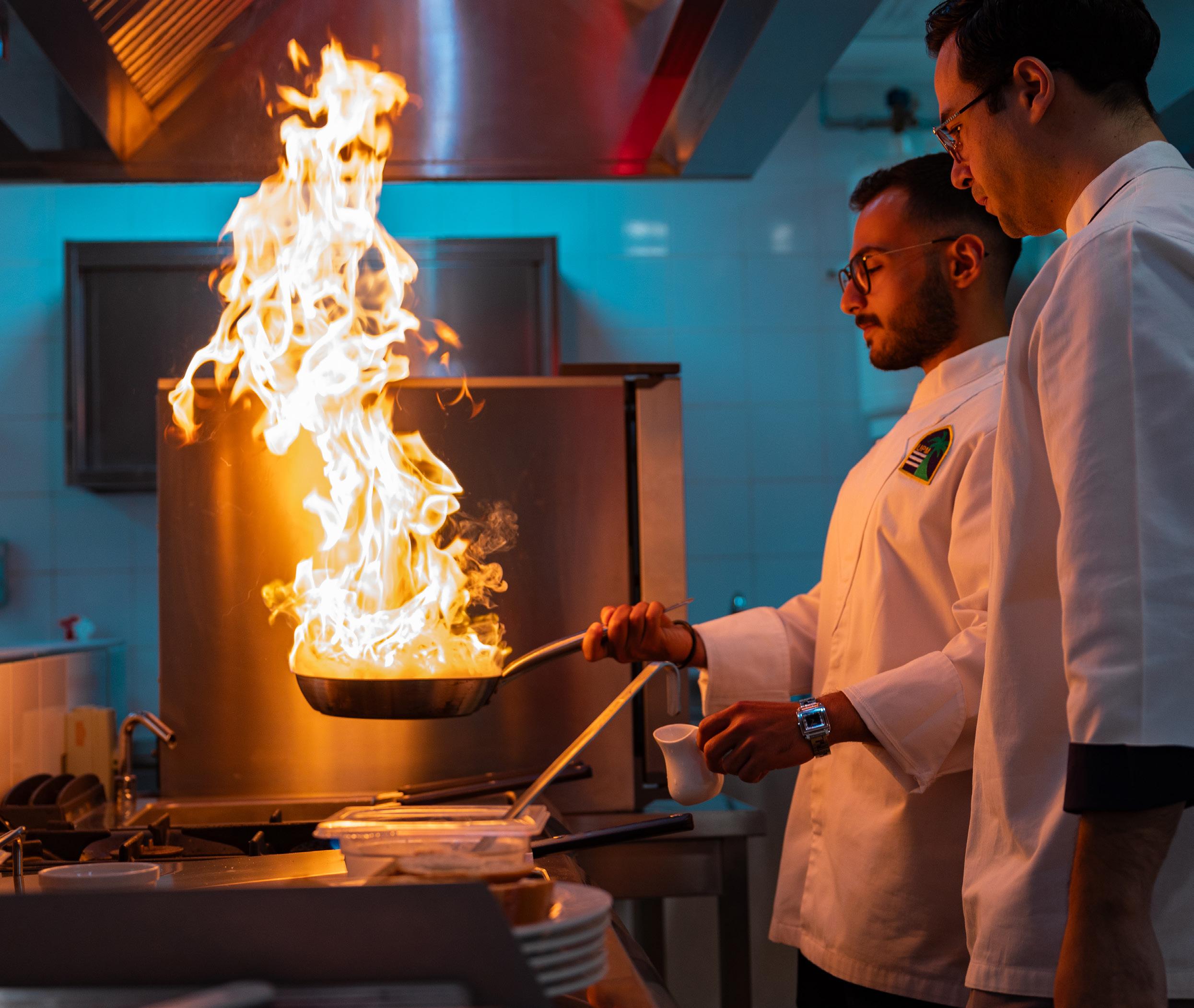
At RSG, workplace health and safety is paramount. We create a strong safety culture through collective effort, ensuring a secure environment for all. This includes a combination of employee-focused campaigning and regular risk assessments on site.
This year we had
23,000 employees and partners underwent health screening on-site employees, partners and students trained fewer lost time incidents Over Certifications & Accreditations
43%
3,000
Our health and safety successes in 2024 have been recognized across a wide range of industry awards – spanning occupational health and safety, food safety, driving and transport – as well as our investment in learning and development for our employees:

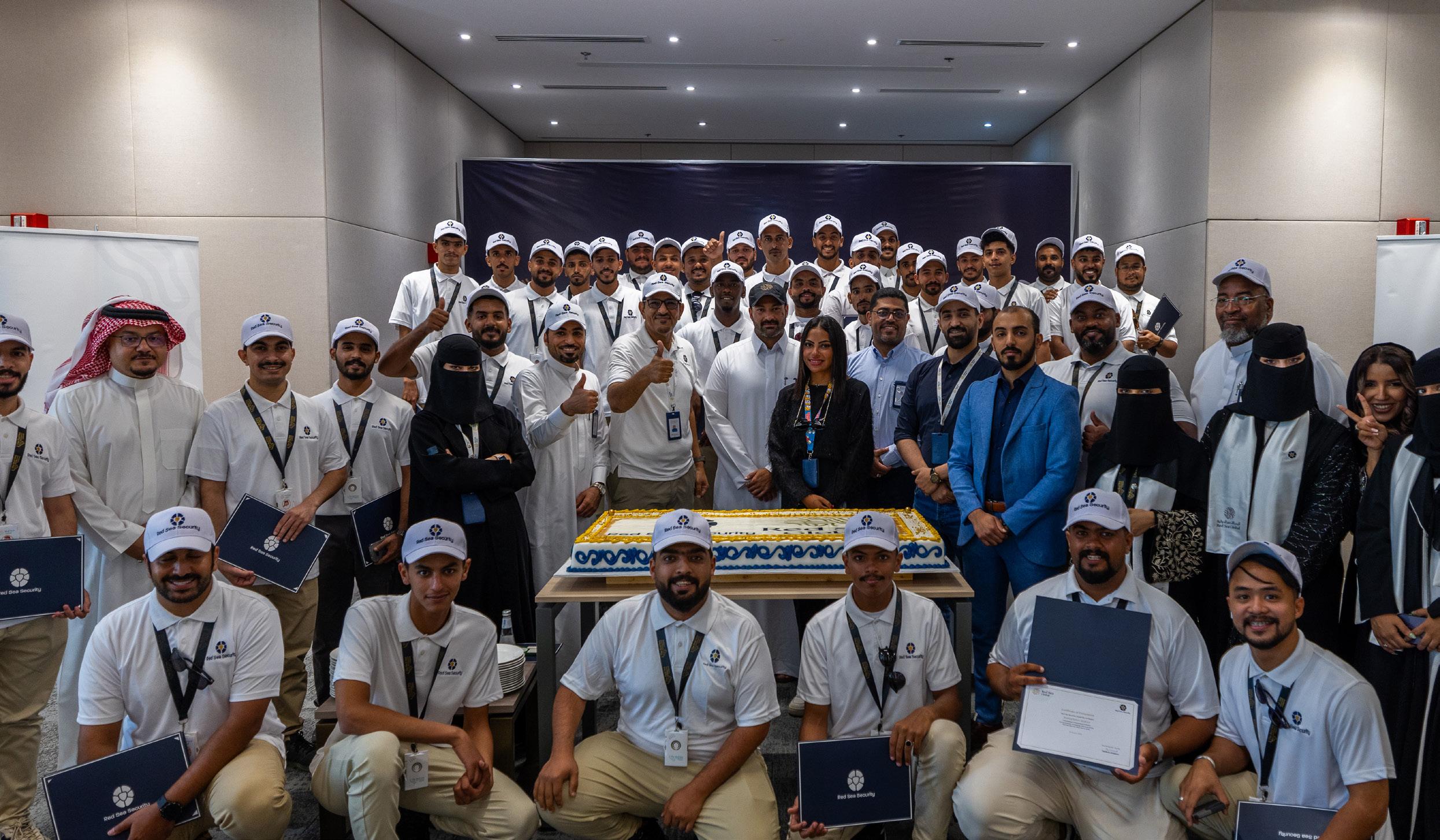
RSG was awarded the Excellence Award in Training Recognition by Highfield International
RSG was recognized by the National Council for Occupational Safety and Health in the Sixth Saudi International Conference for Occupational Safety and Health 2024
At RSG, we prioritize the health, safety, and well-being of our people and communities. Through targeted campaigns and awareness programs, we ensure that safety is deeply integrated into our operations, fostering a culture of responsibility across all projects. Our commitment to health and safety is integral to our sustainability goals and the successful delivery of our developments.
During the year, RSG launched a range of initiatives under our overall Group safety campaign ‘’Safer Together’’ to create awareness amongst employees and our contractors.
Aims to bring leaders and key stakeholders together to explore collective efforts in shaping the health and safety foundations of our Group, ultimately creating a safer workplace for all our people, partners, and communities. The event was held at both AMAALA and The Red Sea with over 600 attendees. Attendees received a variety of RSG and Safer Together merchandise to promote the new brand.
Empowers our workforce to report welfare complaints to RSG through a QR code linked to an online form available in multiple languages. Multilingual posters with QR codes were developed and placed in discreet yet prominent areas, such as mess tents, first aid rooms, restrooms, and ablution facilities across The Red Sea construction areas. This was an important step in fostering a safe and open work environment, where workers were encouraged to voice their concerns and provide feedback, which is crucial for maintaining high safety standards.
Focuses on elevating our Group's Health & Safety standards and empowers our colleagues to voice their concerns. The RSG IT team created a brief, multilingual survey, promoted through various channels. Feedback was categorized and shared with the Directors at each destination for further review and implementation.
2,893 Employees participated in this survey
Raises awareness on health and safety risks in hot environments, focusing on recognizing heat stress symptoms and providing first aid.
A campaign with presentations, posters, and videos was created to promote the message at both AMAALA and The Red Sea.
Covers the importance of reducing food waste at AMAALA and The Red Sea. Presentations and posters on best practices for preventing food waste were developed, along with four supporting initiatives.
Aims to raise awareness about the dangers of distracted driving and promotes safety measures. A session was held by John Westhaver, a car crash survivor, to share his story. Vehicle inspections were conducted at both The Red Sea and AMAALA to gather data on safety-control gaps. Identified issues will be promptly addressed with drivers and shared with the relevant programs for corrective action.
Awareness creation among workers about the risks of working at height and emphasize the importance of adhering to safety procedures to prevent falls. A presentation and a set of posters outlining best practices were created to help mitigate these incidents. The Health & Safety team also scheduled a session to effectively communicate this information to contractors.
Highlights essential safety procedures and etiquette to ensure the safety of our community. It covers key areas such as Fire Safety and Emergency Preparedness, Security and Access Control, and Health and Hygiene Practices.
Create awareness about the importance of safe handling practices for manual and power tools, highlight potential hazards, and emphasize controls to prevent injuries. A presentation and posters were created to support the campaign and reduce workplace injuries related to tool usage.
At the AMAALA site, RSG launched its first technical skills training academy for partners and contractors, enhancing construction skills and safety practices, reinforcing the Group's commitment to the highest safety standards.
200 Courses delivered Over
1,900 RSG employees trained Over
1,500 Contractor workers trained Over
RSG has maintained a record of zero work-related fatalities among employees since its inception. In 2024, the organization successfully reduced the overall total recordable injury rate by 28% and lost time injury rate by 43% compared to previous year's performance.
WORK-RELATED INJURIES FOR ALL EMPLOYEES Guidance [1]
Work-related injuries for all workers who are not employees but whose work and/or workplace is controlled by RSG
Reinforcing our commitment to local community development, RSG provided internationally accredited Highfield training courses to 50 students at Al Wajh University. These four-day sessions, led by RSG's own Highfield-approved tutors, equipped students with essential lifesaving and safety skills, furthering the Group's investment in both youth development and internal capability-building.
Despite our comprehensive training programs, awareness campaigns, and continual review of our safe systems of work, sadly, three contractor employees were fatally injured at our sites during the year in separate incidents.
At RSG, all workplace accidents and incidents are investigated and reviewed by our senior management team to establish whether preventative actions could have been taken and identify whether any improvements are required to stop them from happening again. Our preventative measures include enhancing the work environment, additional training programs, more comprehensive inspections and additional supervision.
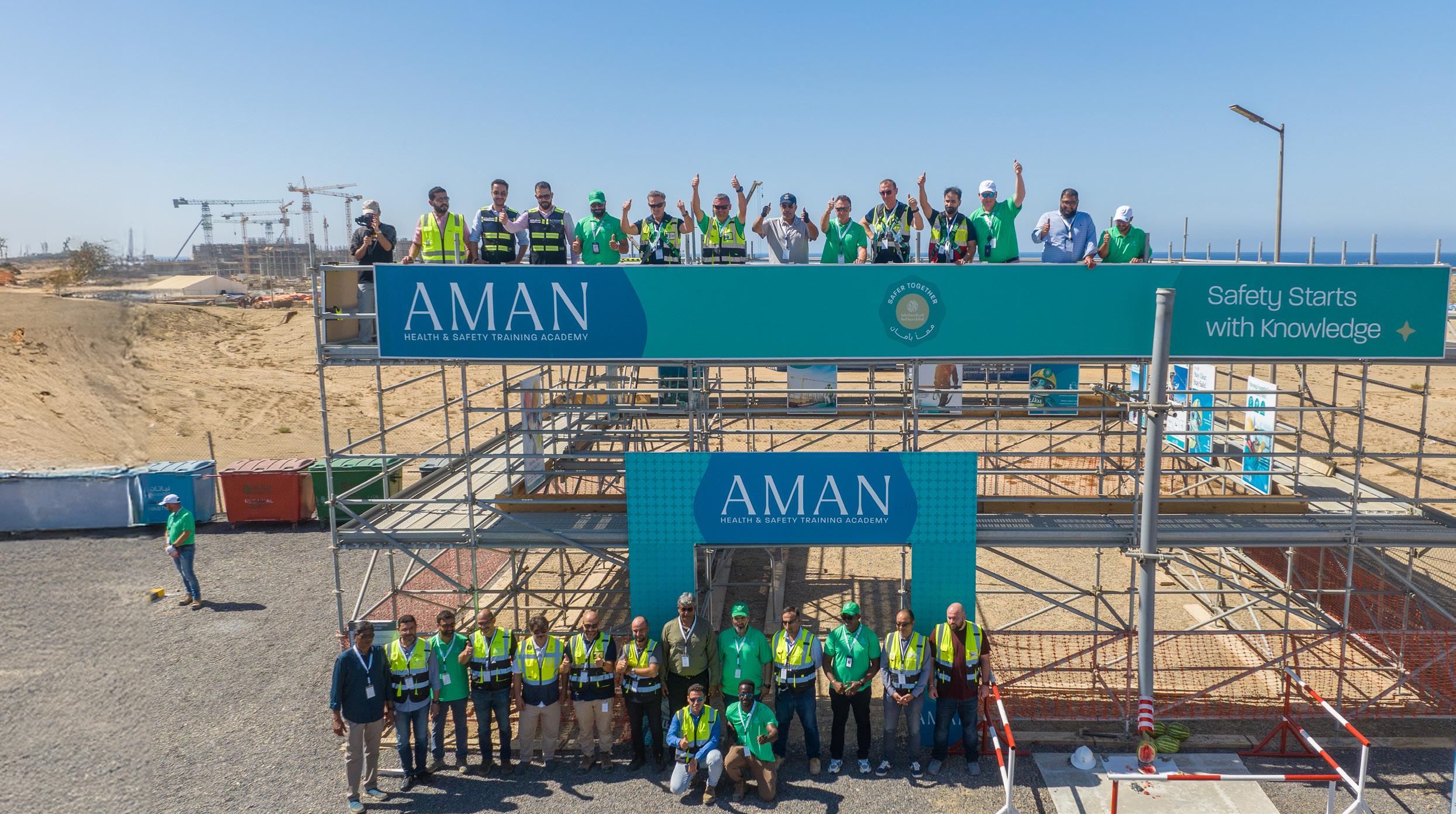
RSG is committed to ensuring the highest standard of data protection and privacy for all stakeholders. As we continue to progress toward becoming a smart destination, we have developed a robust program to manage and protect data that covers the end-to-end lifecycle of collecting, storing, and processing data.
Data Protection
• Personal data protection policies and frameworks
• Monitoring compliance with personal data protection laws and requirements
• Providing guidance and training on personal data protection best practices
Cybersecurity
• Cybersecurity policy and controls
• Proactive mitigation of cybersecurity threats
• Cybersecurity awareness campaigns
To keep guest data safe, we request active consent prior to collecting customer details. We offer transparent information about how data will be stored, processed, and used while making customers aware of their data rights. We collect and store data only to provide a service and then dispose of it in accordance with customer data regulatory requirements
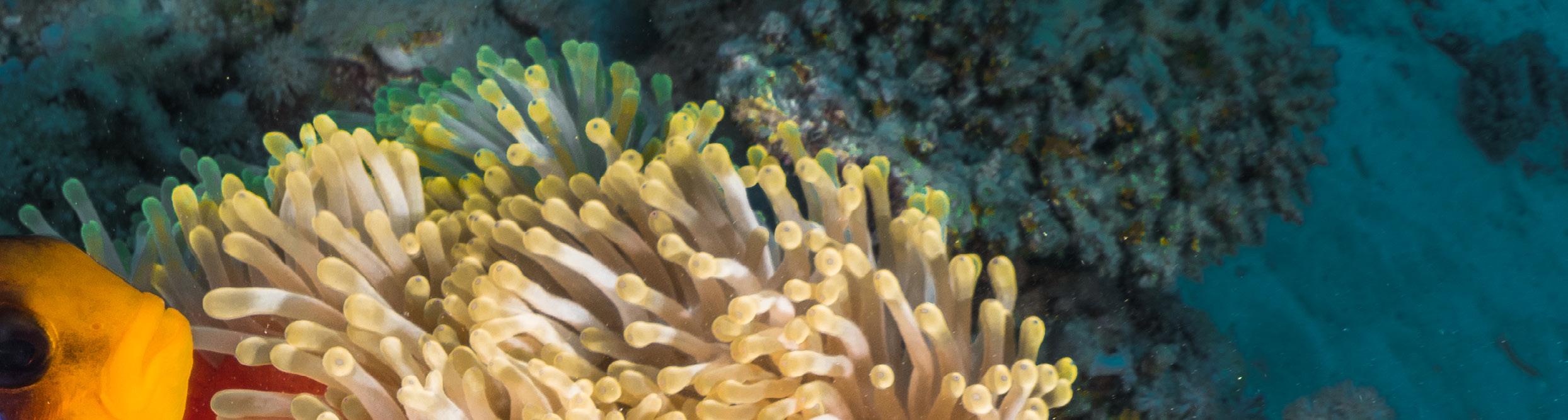
Our subsidiary, Red Sea Security Services continued to implement a comprehensive approach to security, integrating strategy, physical security, technology, and operations to achieve our goal of seamless and unobtrusive security.
During the year our subsidiary provided: Traffic control and road safety security command & control
Maritime environmental incident drills conducted
17,000 training hours delivered in-house

Our Fire and Rescue Services subsidiary remains committed to continuous learning and professional certification, ensuring that our team is always prepared to meet the evolving challenges of emergency response. This ongoing investment in professional development not only reinforces our reputation for excellence but also ensures that we can deliver the highest standard of service and protection to our community.
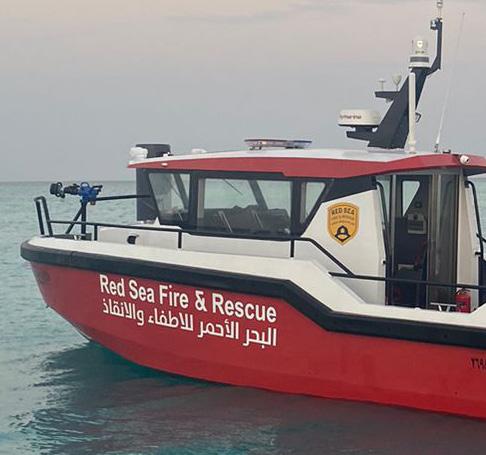
Empowering our firefighters through training
We facilitated specialized training abroad through the National Fire Protection Association (NFPA), enabling our firefighters to learn from global experts and adopt advanced techniques.
Conducting the NFPA 1031 fire inspection
Offering the NFPA 1031 Fire Inspector I Certification Course at The Red Sea and AMAALA destinations. Conducted by an accredited NFPA institute, our fire inspectors are now internationally certified.
Cutting edge PPE for maximum safety
Invested in high-performance Personal Protective Equipment (PPE) to boost firefighter safety. Designed with innovative materials, this gear meets the demands of our operations and sets a new safety benchmark in the GCC, reinforcing our commitment to innovation and a safer emergency response.
EV fire training drills
Provided specialized training drills for EV fire risks. The training addressed the unique challenges posed by EVs compared to ICE vehicles and how to respond in case of a fire.
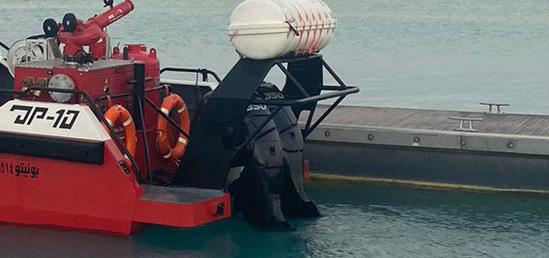
At RSG we are committed to investing in the future. We recognize that we have an important role to play not only in helping the Kingdom become a popular tourism destination but creating rewarding career opportunities for the Saudi population and building a future pipeline of talent.
To achieve this, we have established a range of educational initiatives and scholarship programs, designed to equip future generations with the skills they will need to flourish as professionals. This encompasses training in leadership, hospitality management, business finance, and vocational skills.
At RSG, we are committed to prioritizing learning and development. We believe continuous growth is essential to human capital development. Our approach goes beyond equipping employees with technical skills; we also emphasize the importance of embodying our core values – Respect, Passion, Responsibility, and Collaboration – while developing leadership skills. This holistic focus empowers our employees to excel in their careers.
The feedback on our learning and development initiatives has been overwhelmingly positive across our group, and we are excited to build on these foundations in 2025 with even more sustainable approaches.
– Zehar Filemban Executive Director – Talent Management
We also continued to deliver our intensive educational programs. These aim to provide the Kingdom’s youth with rewarding learning and career opportunities, leading to rewarding employment with RSG or other tourism and hospitality organizations.
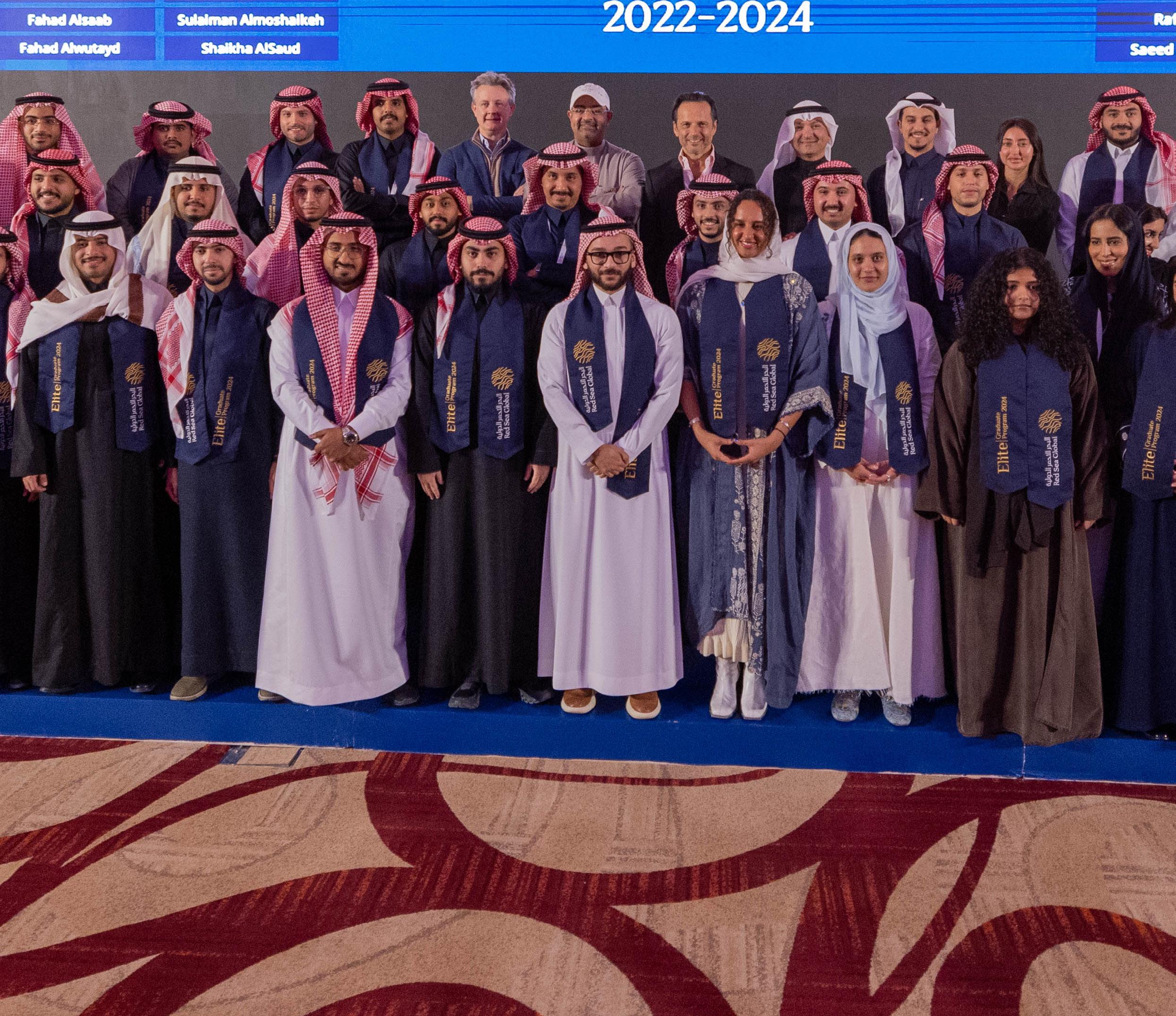
Fifth Edition
72 graduates embarked on a tailored 24 - month training program, gaining practical experience and expanding their knowledge by working alongside RSG colleagues and international experts
Red Sea Hospitality Pioneers Program
Fourth edition
An opportunity was provided for 500 students to embark on a 28 - month program in one of three tracks which included, Hospitality, Airport Services, and our newly launched track ‘Health & Wellness Tourism’
Hospitality Scholarship Program
Second Edition
A total of 67 graduates received internationally-accredited intermediate diplomas in two specialized tracksHospitality Management and Food & Beverage Management
Third edition
Registration commenced for the third edition where, upon completion, students will obtain a bachelor’s degree in international hospitality management, accredited by the École Hôtelière de Lausanne Hospitality Business School

Through the Elite Graduate Program, I’ve learned that true leadership lies in fostering sustainability and innovation.
Together, we are shaping iconic destinations while ensuring that growth and responsibility go hand in hand, creating a future for our country where people, nature, and progress coexist
– Yara Alkurdi Elite Graduate 2024 Program participant
In 2024 , we also held a series of hospitality and tourism workshops together with the Ministry of Tourism and Saudi Red Sea Authority for 1,300 young Saudis seeking careers in hospitality and tourism. Topics included customer service essentials, customer-centric approaches, handling complaints, and the fundamentals of ecotourism and sustainability.
To provide an engaging experience, each workshop spanned over two days, with four hours of intensive learning per day. These interactive workshops provided a unique opportunity for our young professionals to hone their skills through hands-on learning and insights from industry experts.
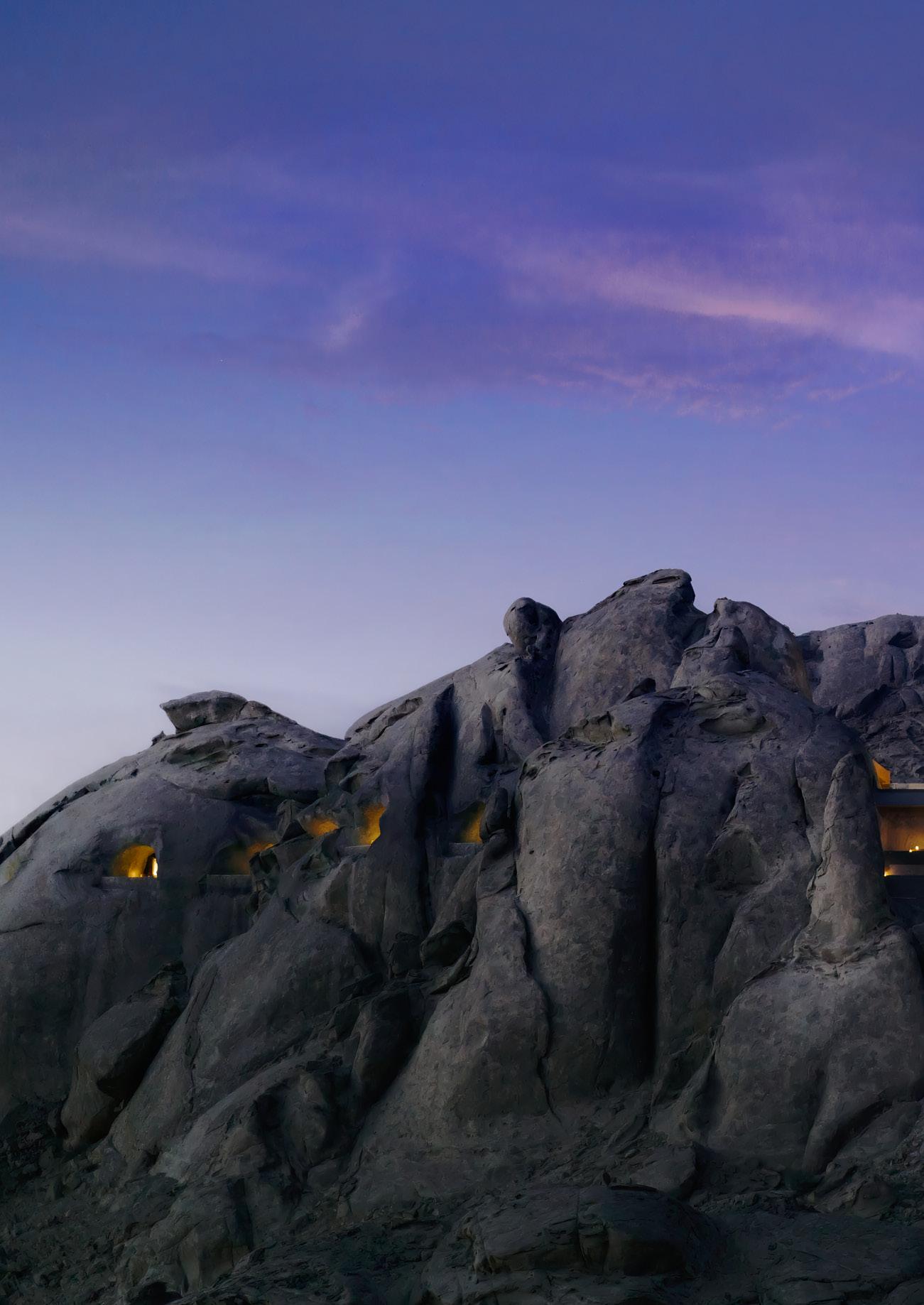
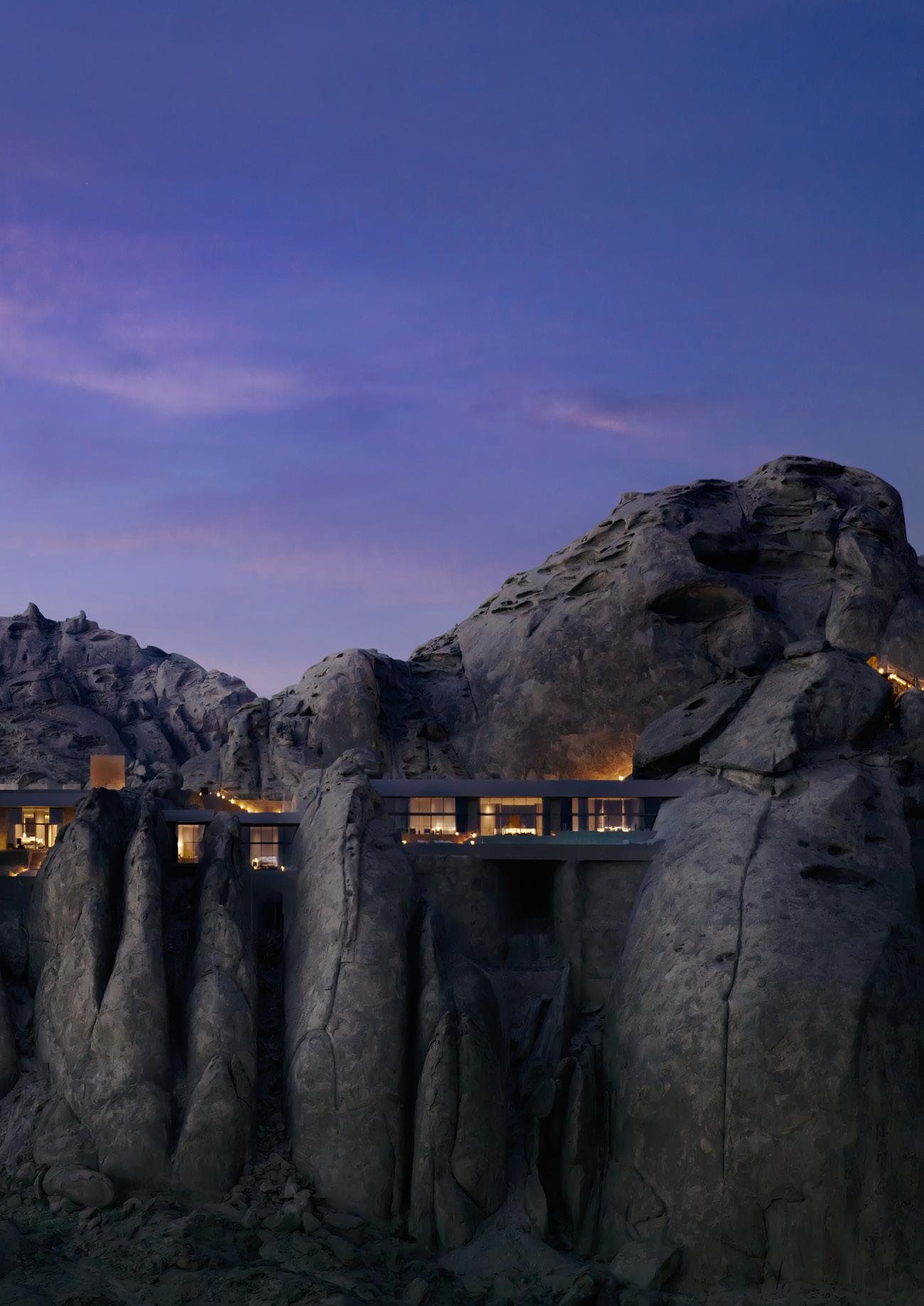
As part of Vision 2030, RSG aims to contribute to diversifying the economy through its contribution to the Gross Domestic Product (GDP) and employment of the country through providing job opportunities in the hospitality industry.
RSG has a strong governance framework in place to ensure accountability of sustainability commitments and transparency in reporting. Our governance practices also enable RSG to proactively identify, assess, and mitigate any sustainability related risk effectively.
Regular engagement with our diverse stakeholders and building a culture of compliance remain critical components of sustainability ensuring long term sustainability.
Aspirations
Contribute to the Kingdom’s GDP
Leadership in responsible and sustainable development through board oversight
$ 24 billion
Governance
structure in place with sustainability oversight at Board and Committee level
Economic ContributionPage 198 - 199
GDP & Employment Contribution
Governance
ExcellencePage 204 - 217
Effective Performance
Maintain ethical and responsible business practices
Compliance related policies and standards maintained
Compliance & EthicsPage 223 - 225
Ethical and Responsible Behavior

RSG’s contribution to Saudi Arabia’s GDP was $ 24 billion in 2024 making it a part of the Kingdom’s growing tourism and hospitality industry. Our contribution is projected to increase as more resorts and destinations open to guests and our Group continues to evolve and expand across categories.
At RSG, we are always looking for ways to build links with the country’s expanding investor community.
A key achievement in 2024 was the $ 2 billion (522$ million) financing agreement with Riyad Bank for the Group’s joint venture with Kingdom Holding Company (KHC), which will finance the development of the highly anticipated Four Seasons Resort at The Red Sea.
The deal demonstrates the confidence with which RSG is regarded and illustrates the prestige of our responsible development credentials.
The Four Seasons resort at The Red Sea will be one of the jewels of the destination, offering 159 exquisite guest rooms on Shura Island, which will host a championship golf course, 118 -berth marina and a comprehensive retail, dining, and entertainment complex.
Our Group has continued to lead the way in the development of renewable energy and utilities infrastructure with the announcement of a new deal to support our facility at AMAALA.
AMAALA, which will welcome its first guests in 2025, will be an integrated wellness haven on the northwestern coastline of Saudi Arabia, offering activities designed to rejuvenate mind, body and soul.
Like The Red Sea, it will be powered entirely by renewable energy and is underpinned by the Group’s regenerative tourism principles.
To support this vision, we secured an agreement with a consortium led by EDF Group and Masdar, alongside their partners Korea East-West Power Co. (EWP) and SUEZ, to build a 1.5 billion $ multi-utilities infrastructure facility at the destination.
This will consist of a fully optimized and decarbonized off-grid renewable energy system, generating electricity from a 250 MW solar photovoltaic park, 700 MWh battery energy storage, transmission and distribution lines, and desalination plant, with a capacity of 37 million liters of drinking water per day.
Overall, this innovative and ambitious project is expected to avoid nearly 350,000 tons of CO2 emissions every year.
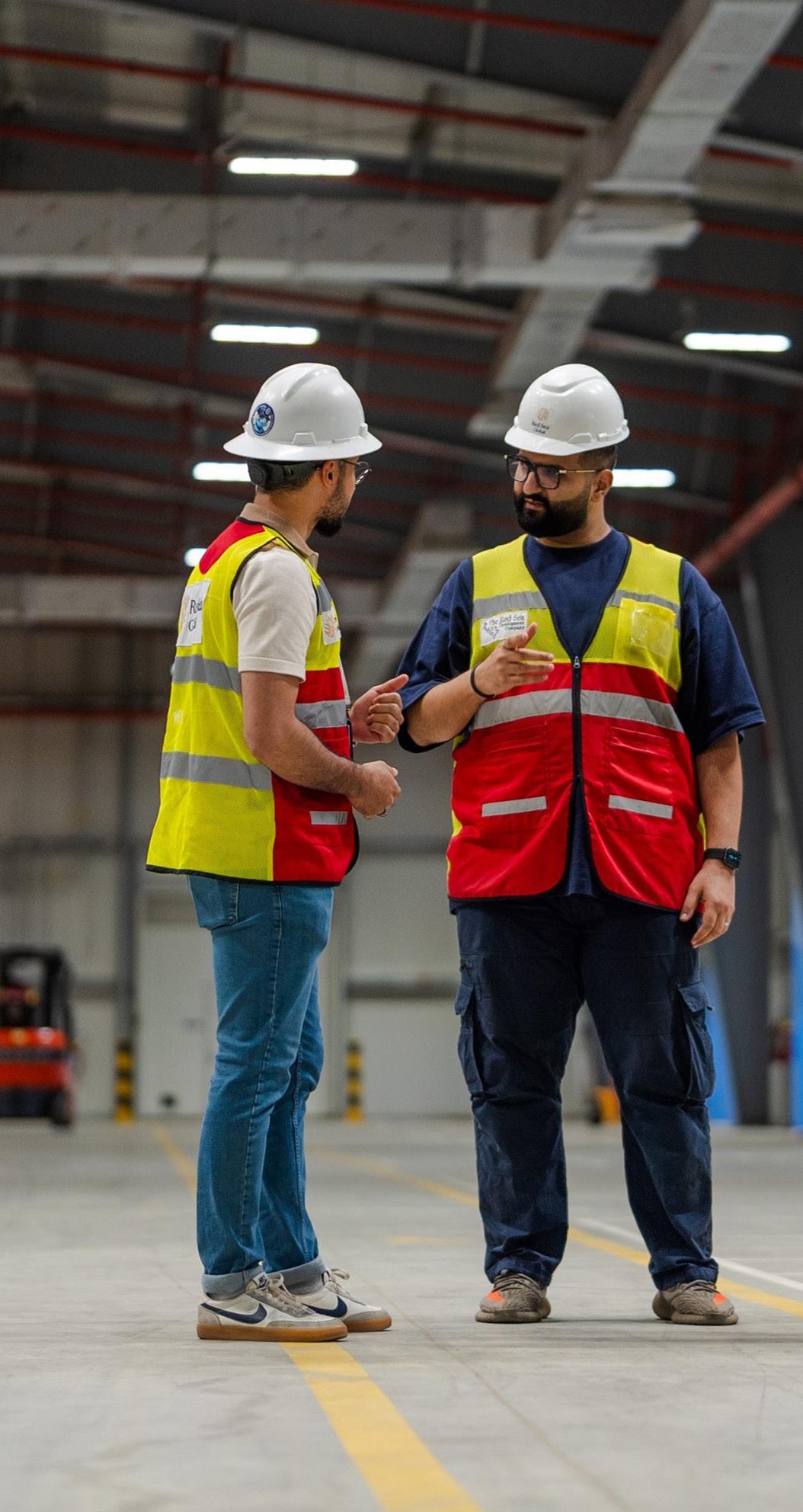
MoUs signed during the year include:


The financial close was made possible due to the support of local and global financial institutions including: First Abu Dhabi Bank (FAB), Emirates NBD, Riyad Bank, Saudi National Bank (SNB), and Alinma Bank.
While it might be tempting to focus only on our flagship achievements – the creation of eyecatching, ultra-luxury destinations, such as The Red Sea and AMAALA – it is important to mention our state-of-the-art facility powering our supply chain.
In 2024 , we launched a logistics hub to support The Red Sea – the Hanak Distribution Center (HDC). This building is handling all cross-docking and storage for food and beverage and nonfood consumer goods, covering the Phase One hotels and staff canteens across the operational destination.
The HDC is equipped with cutting-edge technology to ensure maximum and security and has achieved numerous prestigious certifications, including:
The Occupancy Certificate from MOMRA (Ministry of Municipal and Rural Affairs)
Full certification from the Ministry of Interior for CCTV and security
· Commercial activity license from Balady, the national platform to support the municipal community
Civil defense approval from Salama, one of the country’s leading commercial insurance companies
Saudi Food and Drug Authority for safe food storage








To ensure that stakeholders are aware of our world-class offering and seek to engage with us, it is vital to invest in powerful brand communications. Some of our achievements in 2024 included:

Strong bookings and high occupancy rates Guests from over 20 countries
Featured across our visit red sea social media platforms
Amplifying RSG’s destinations on the Global Tourism Stage
A few of the events we participated in included:



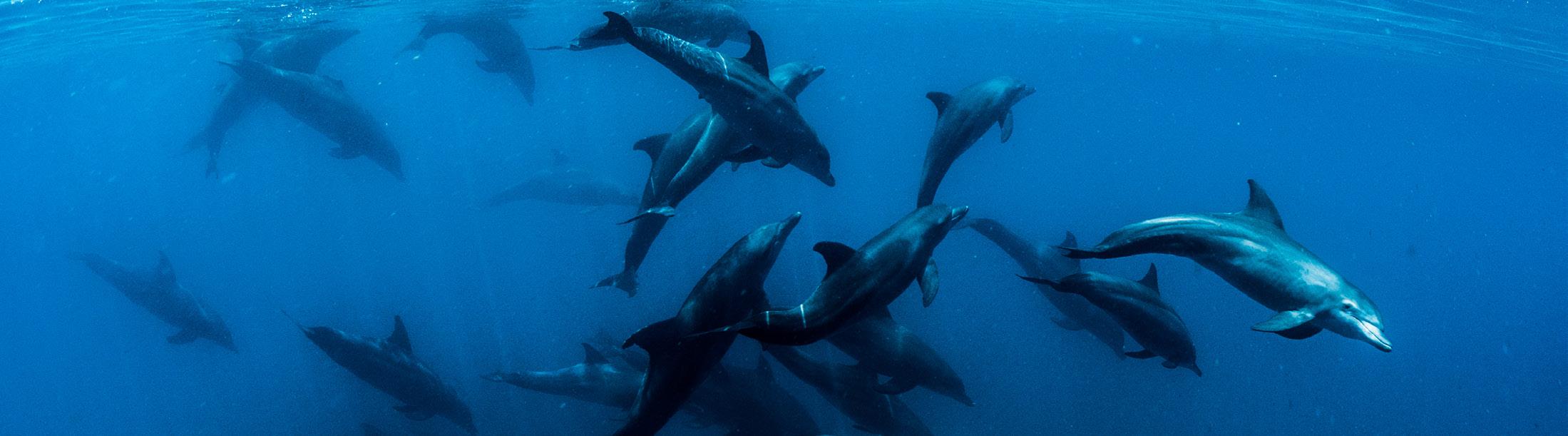

Environmental regeneration and sustainability are central to our mission, and we were keen to help shape the conversations at COP16 in Riyadh, where the focus was land degradation, drought and desertification.
We put forward 20 speakers, including our sustainability leaders, to talk about our planting initiatives and acted as a Platinum sponsor of the event.
We also drew attention to our Botanica initiative by distributing plants to attendees.
By bringing this prestigious, purpose-led international event to Saudi shores, we are helping to secure the future health of the Red Sea and the ocean around the world, while nurturing the next generation of Saudi sailors and building a sailing legacy for years to come.
We were proud to take our successful partnership with The Ocean Race – sailing’s most prestigious racing competition - to the next level by agreeing to host the finale leg in AMAALA in 2027
SUSTAINABILITY PRACTICES AT EVENTS THAT WE PARTICIPATE IN:
We are committed to completely eliminating the use of plastic materials at our events, ensuring all items used are eco-friendly and sustainable.
We ensure that the materials used for building our event booths are sourced from recycled or sustainable materials, reducing environmental impact.
Instead of printed materials, we will utilize digital content throughout the booth, providing information and engagement through interactive screens or devices, minimizing paper waste.
At The Ocean Race, we are very proud to partner with a bold and innovative organisation like RSG and we share its concern for the protection and regeneration of marine life.
We have been impressed by the focus the team at RSG brings to facing complex sustainability challenges head-on.
– Johan Salen Director of
The Ocean Race
Our subsidiary, The Red Sea Sports and Entertainment Company achieved an overall score of 4.86 out of 5 in customer satisfaction for its services delivered under brands WAMA, Akun, and Galaxea.
In addition to using sustainably powered facilities, these entities also initiated the following:
Used three electric e-safety boats, ensuring our operations meet RSG’s safety and sustainability standards
Initiated and delivered several beach/island clean-up activities for the community
Delivered basic training in Terrestrial Wildlife Survey and Biodiversity Conservation in collaboration with Biopolis for employees
Hired guides from the local community of Umluj and Al Wajh and provided them with training
Used electric quads and bikes ensuring our operations meet RSG’s sustainability standards
Hosted the PADI Accessible Ambassador to evaluate our dive center for accessibility improvements

RSG has a well-defined governance structure in place which ensures accountability and effective decision making. The Board has established three subcommittees to assist with discharging its responsibilities.
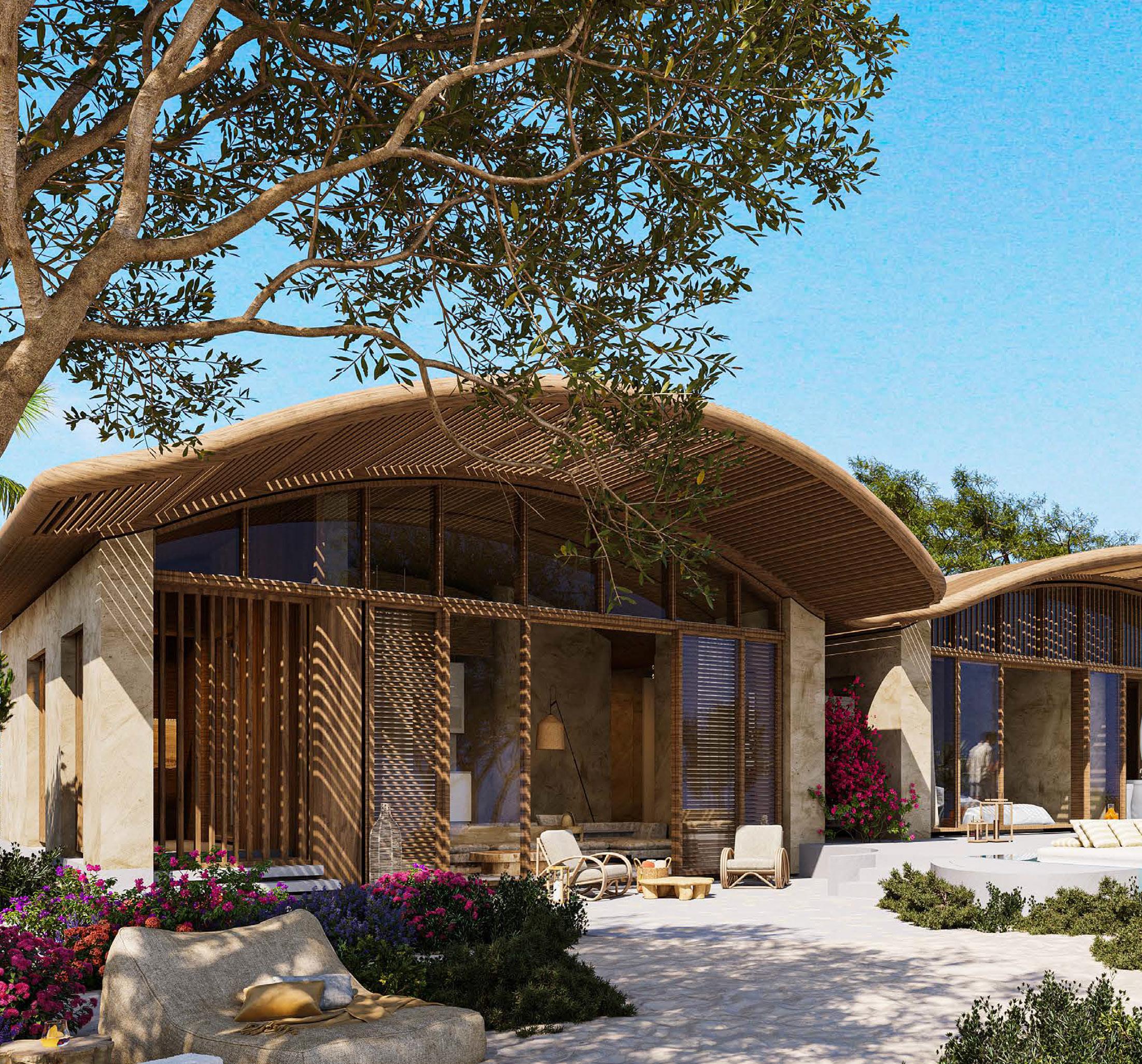
Effective governance is critical to success. It provides the foundations for responsible operation and delivery, underpinning every critical decision and ensuring that the right mechanisms are in place to achieve environmental, social and financial objectives.
In 2024 , we continued to establish robust governance protocols – a particularly important exercise given the rapid expansion of our Group – working to ensure that a unified set of values is in place and communicating these across the organization.
– Dr. Maryam Ficociello Group Chief Governance Officer
Audit Committee
Shareholder Advisory Board
Board of Directors
Group Chief Executive Officer
Subsidiary Governance Committee Nomination & Remuneration Committee
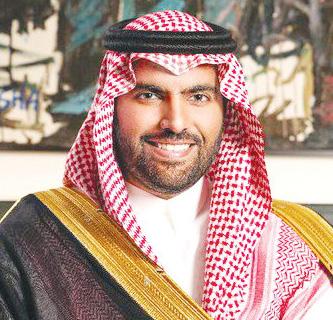
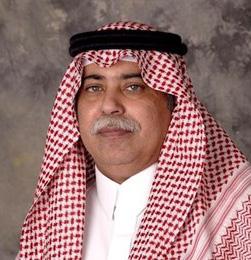
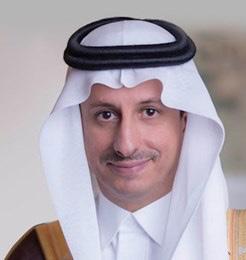
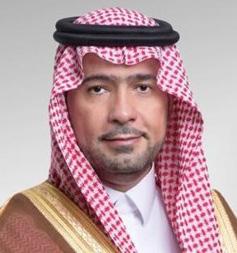
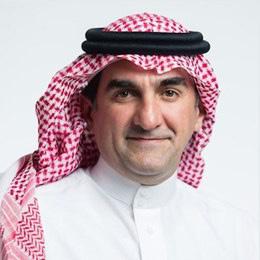
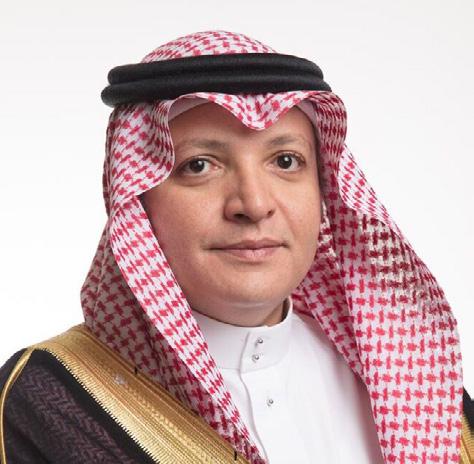
Led by H.R.H. Mohammed bin Salman bin Abdulaziz Al Saud, RSG’s board comprises of 10 distinguished members who have strong leadership experience and bring a diverse blend of expertise that ensures RSG’s steadfast commitment as a forward-thinking leader in regenerative luxury tourism and contributing to Saudi Arabia’s Vision 2030.
Overseeing execution of the vision, strategy, and the strategic outcomes for the Group
Embedding sustainability considerations into the purpose and objectives of the Group
Enforcing the tone at the top by creating an ethical environment and solidifying the Group’s culture of ethics in line with the Group’s strategy
Endorsing the Group’s overall approach to risk management including the risk appetite and tolerance parameters
Establishing subsidiaries in line with the objectives and activities of the Group
Number of Meetings Meeting Attendance
4 65 % *Cumulative attendance for the year *
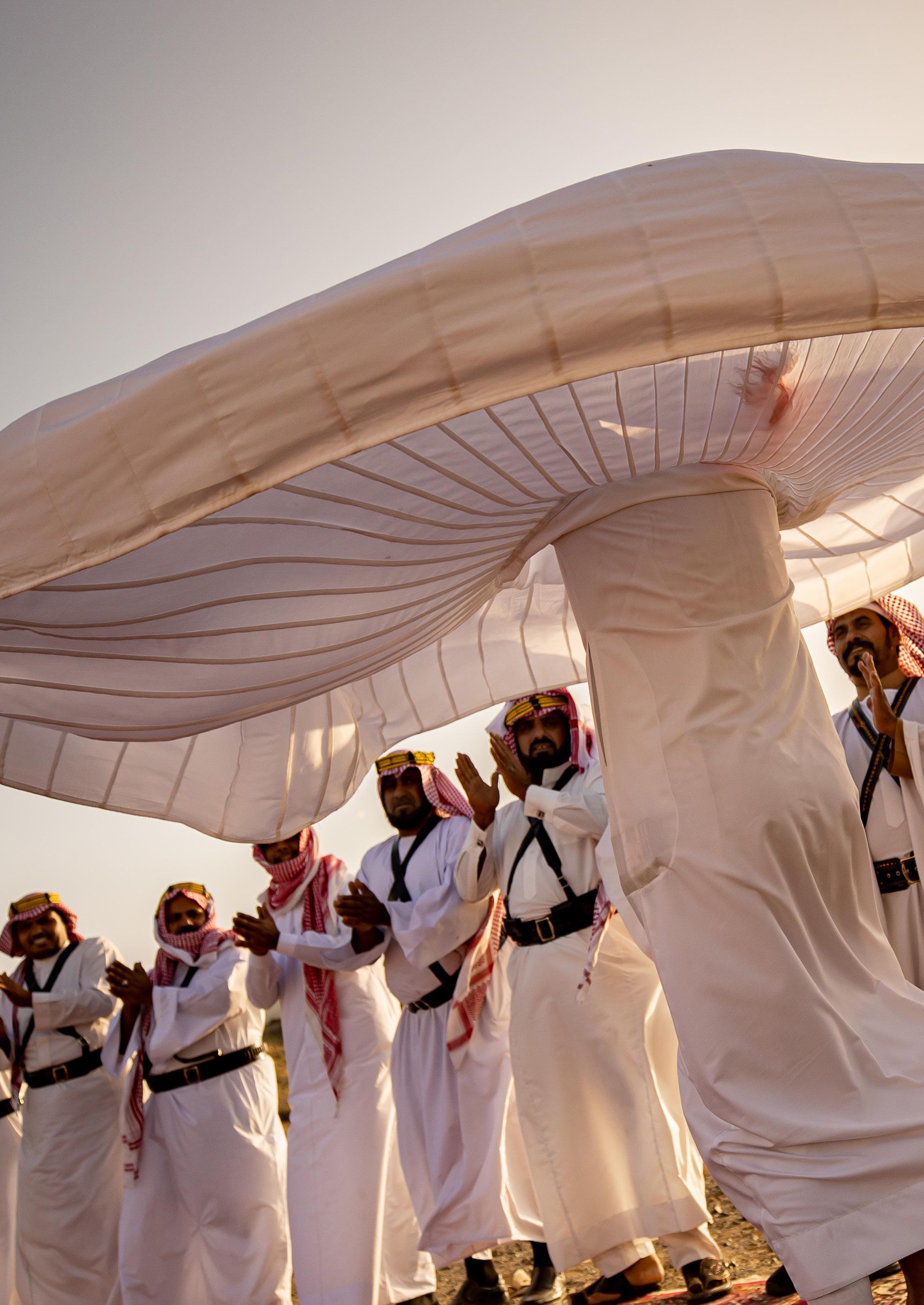
Board members are appointed by the General Assembly taking into consideration the Nomination and Remuneration Committee’s recommendation. Members of the Board are required to possess the experience, knowledge, skill, and independence, to be able to perform their duties efficiently and effectively.
The governance structure in place has three Board subcommittees and a number of management committees with clear lines of delegation supported by charters and authority matrices.
The Board and its Committees undergo a performance evaluation on an annual basis in accordance with the approved performance evaluation framework.
Board members are responsible for reviewing and approving RSG’s sustainability-related policies, governance framework, and structure to ensure that they will drive the Group toward the achievement of our sustainability goals.
Board members remain informed on the global sustainability agenda to help shape their views on best practices.
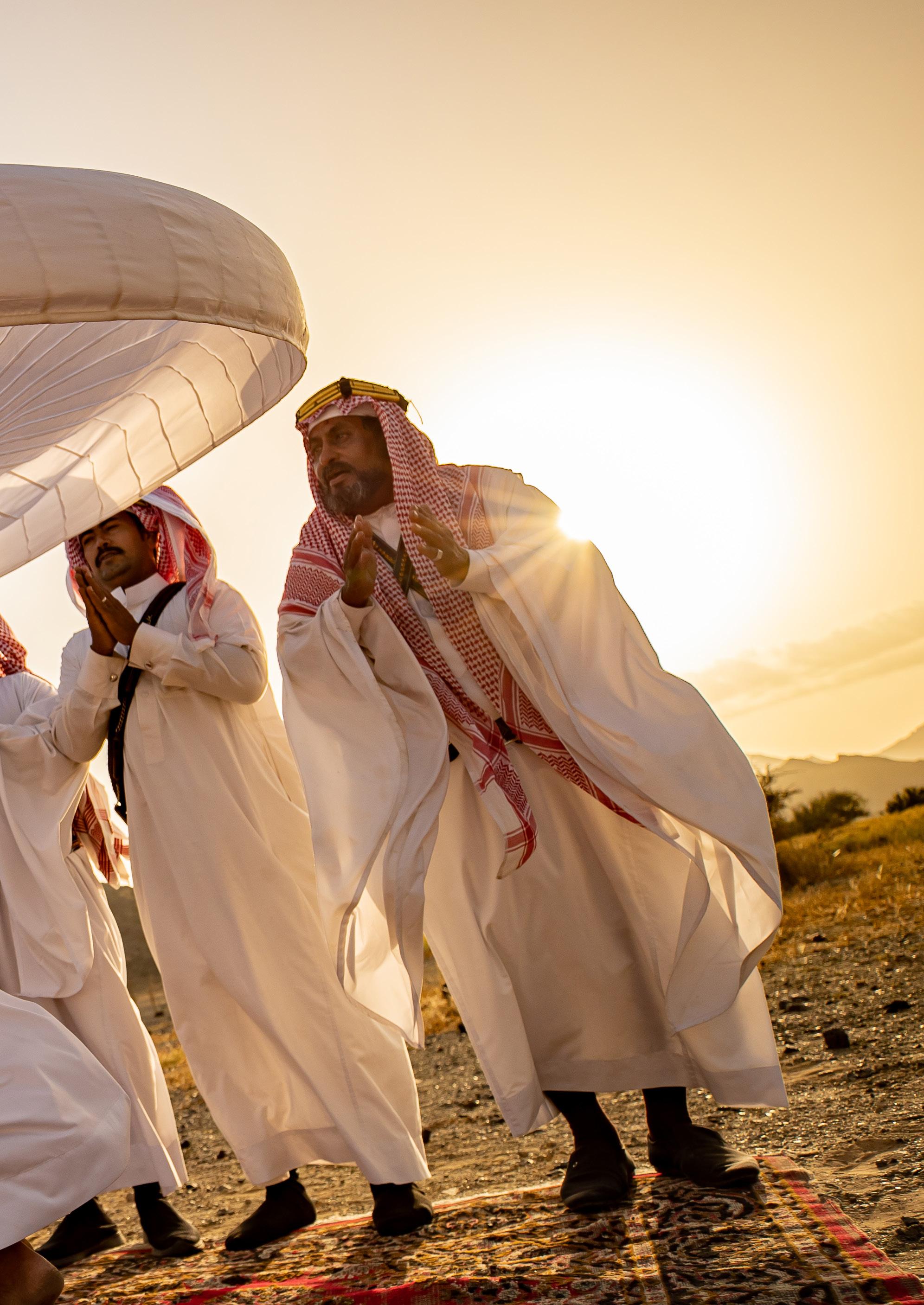
In 2024 RSG: Obtained re-certification for ISO 37000:2021 Governance of organizations for RSG and its subsidiaries.
H.E. Eng. Abdulrahman bin
Abdulmohsen Al-Fadley Committee Chairman
· Identify eligible members for the Board and Committees and submit the recommendations to the Board
Approve the performance evaluation framework for evaluating the Board and Committees
Review and provide recommendations (if any) to the composition of Board and Committees
Review the Group’s Governance Framework
Number of Meetings Meeting Attendance 3
*Cumulative attendance for the year
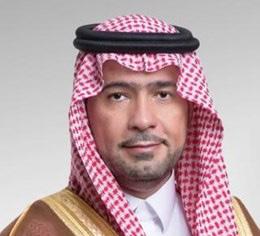
H.E. Mr. Majed bin Abdullah Al-Hogail Member
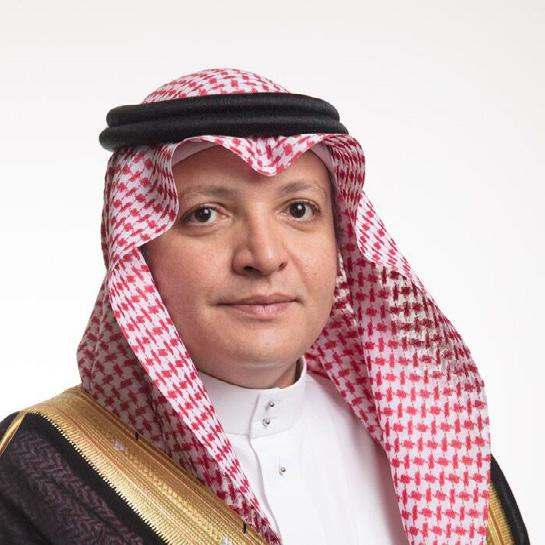
H.E. Dr. Fahad bin
Abdullah Toonsi Member
Mr. Naif Alhamdan* Member
*Appointed to the Nomination and Remuneration Committee on 4th November, 2024
Review and approve the strategy and business plans of subsidiaries in line with the Group’s strategy and plans
Ensure alignment of activities and business performance across subsidiaries
· Conduct approvals on certain project transactions, dealings, contracts, and actions, as delegated by the Board
Review the financial performance of subsidiaries
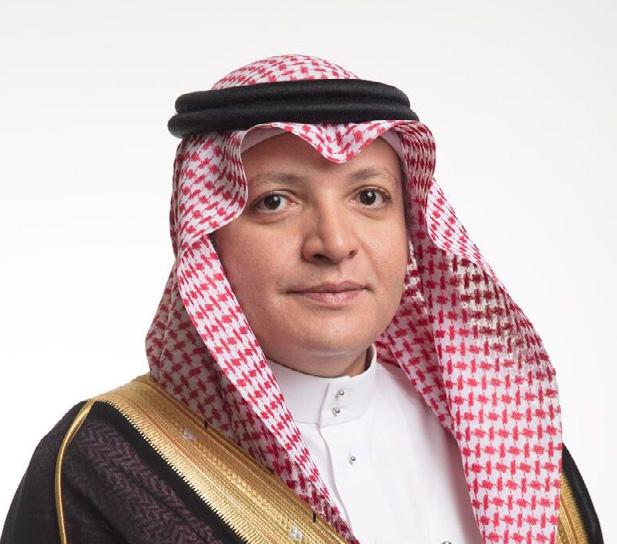
H.E. Dr. Fahad bin Abdullah Toonsi Committee Chairman
H.E. Eng. Abdulrahman bin Abdulmohsen Al-Fadley Member
H.E. Mr. Majed bin Abdullah Al-Hogail Vice-Chairman
H.E. Mr. Ahmed bin Aqeel Al-Khatib Member
Mr. Naif Alhamdan** Member
Mr. Mazen bin Abdullah AlFuraih** Member
Mr. John Pagano Member
Number of Meetings Meeting Attendance 4
Mazen AlFuraih
H.E. Mr. Majed bin Abdullah Al-Hogail Committee Chairman
OVERVIEW OF RESPONSIBILITIES:
Monitor integrity of financial statements and reports
Review adequacy and effectiveness of internal audit work
Ensure independence of external auditors
· Verify effectiveness of risks management controls
Oversee and review the internal control framework adopted by the Group
Ensure effectiveness of monitoring mechanisms in place to ensure compliance with the regulatory and non-regulatory obligations
Number of Meetings Meeting Attendance 6 100
H.E. Mr. Abdulaziz bin Saleh Al-Furaih Member
Mr. Yousef bin Mohammed Al-Mubarak Member
*Appointed to the Audit Committee on 17th October, 2024 %
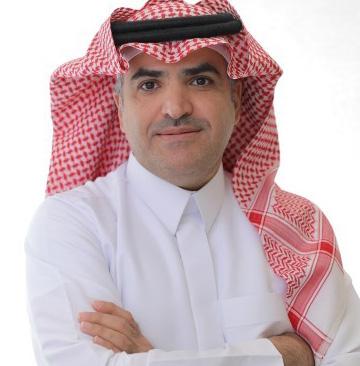
Yasir bin Abdullah Al-Salman* Member
RSG’s Advisory Board comprises a group of external experts who give guidance and strategic advice to the Board, the Group CEO, and the Executive Management team to support growth and success. In 2024, the Board of Directors took the decision to dissolve the Advisory Board and focus on new initiatives.
OVERVIEW OF RESPONSIBILITIES:
Advising the Board and Executive Management in specialized areas based on knowledge and expertise
· Promoting awareness and visibility of the Group globally
Creating a network of influential people interested in, and supportive of, the Group
Providing the Board with industry-leading insight and innovation on technical aspects
Number

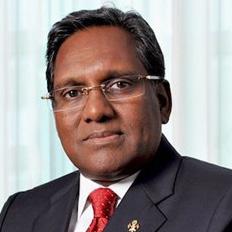
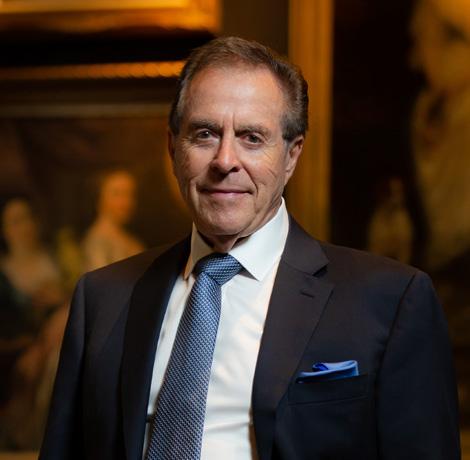
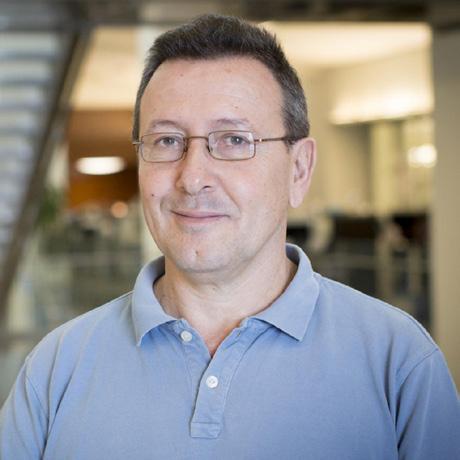
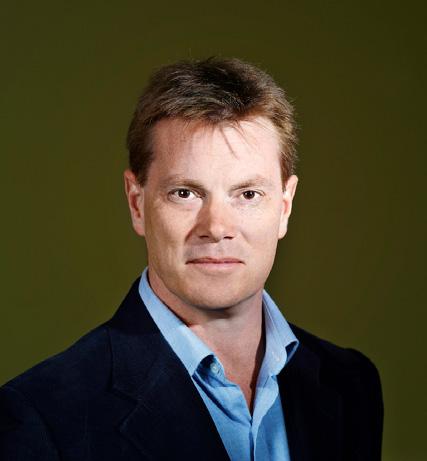
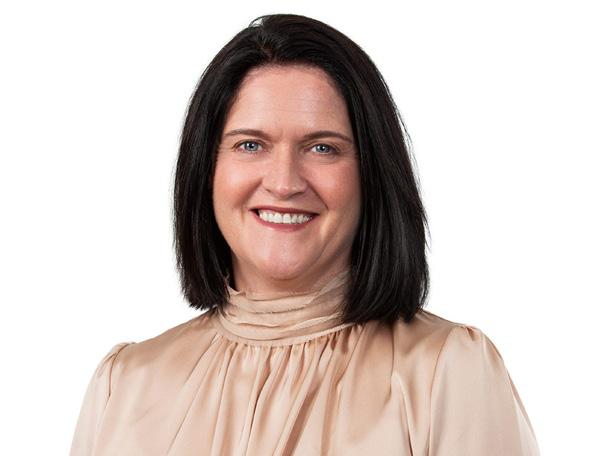
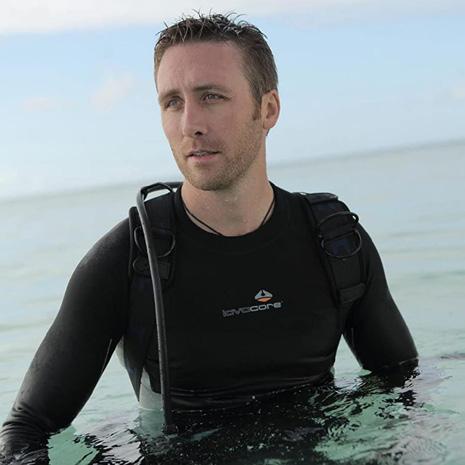

Mr. John Pagano
Group Chief Executive Officer
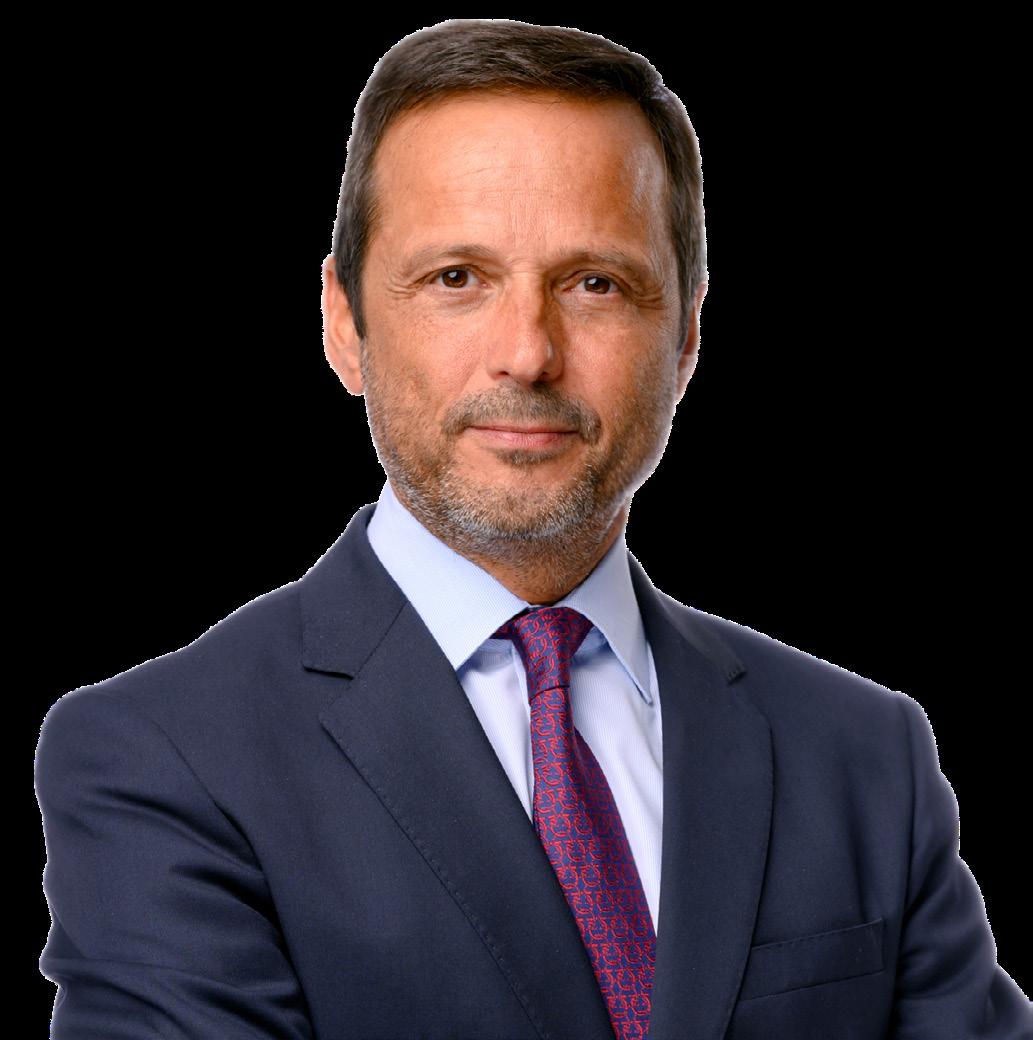
Eng. Ahmad Darwish
Group Chief Administrative Officer
Mr. Martin Greenslade
Group Chief Financial Officer
Dr. Maryam Ficociello
Group Chief Governance Officer
Mr. Benjamin Edwards
Mr. Raed Albasseet Group Chief Environment and Sustainability Officer
Mr. John Dunne
Group Head of Cost, Commercial and Procurement
Group Head of Health and Safety
Group Chief Development Officer
Mr. Sébastien Carre
Group Head of Hospitality Operations
• Executive Management Committee
• Sustainability Management Committee
• Cybersecurity Management Committee
• Grievances & Termination Management Committee
Mr. Tareq Musmali
Group Chief Internal Audit Officer
Mr. Gregory Djerejian
Group Chief Legal Officer and Group Head of Investments
• Business Resilience Management Committee
• Risk Management Committee
• Subsidiary Management Committee
Mr. Nicholas King* has left the Group on 5 October 2025
Led by our Group CEO, the Sustainability Management Committee (SMC) includes members from RSG’s Management Team, whose diverse expertise helps integrate sustainability throughout the Group. The SMC is tasked with overseeing, reviewing, approving, and endorsing the execution and outcomes of ESG initiatives. Additionally, the SMC is backed by the Sustainability Workgroup, which brings together representatives from each department to ensure sustainability is incorporated into all areas of the business.

Group Chief Executive Officer
Group Chief Administrative Officer
Group Chief Governance Officer
Group Chief Environment and Sustainability Officer
Mr.
has left the Group on 5 October 2025
Dr. Omar Al Attas** has left the Group on 28 September 2025
RSG has a robust risk management framework in place, which is seamlessly integrated across our business, encompassing corporate, projects, subsidiaries, operations, and destinations. It plays a crucial role in supporting the organization's objectives, shaping strategy, reinforcing governance structures, and enabling risk-based decision-making across the Group. The overarching goal is to build long-term resilience while proactively addressing both existing and emerging risks.
RSG’s Enterprise Risk & Resilience Framework is a cornerstone of its governance model. It enables RSG to anticipate, mitigate, respond to, and recover from potential adverse events. This framework promotes a strong risk-aware culture and supports effective, data-driven decisions.
RSG reviews and updates its Enterprise Risk Policy and operating model annually to ensure alignment with the Group’s evolving mandate across corporate functions, destinations, subsidiaries, and major development projects. Grounded in a Board-approved risk appetite, the framework also outlines environmental and social boundaries in line with the Group’s sustainability commitments.
Comprehensive risk assessments are conducted regularly across the organization to identify and prioritize material sustainability issues. These are fully integrated into the enterprise risk assessment process, ensuring alignment with RSG’s strategic objectives and tolerance levels. Mitigation strategies are designed based on these assessments to address priority sustainability risks. This includes the work of RSG’s dedicated environmental team, which conducts environmental impact assessments, ensures regulatory compliance, and integrates environmental concerns into the broader risk framework. RSG further enhances its approach through regular engagement with stakeholders to align on Environmental, Social, and Governance (ESG) priorities. This collaboration fosters shared understanding and enhances the organization’s collective resilience.
RSG’s risk management process is both structured and adaptive, enabling continuous responsiveness to an evolving risk landscape. The following five-step process is embedded across the enterprise:
Identification Assessment
Proactively identifying potential risks across RSG’s operations, with a focus on both conventional and emerging sustainabilityrelated risks.
Analyzing risks based on their likelihood and potential impact, ensuring alignment with RSG’s risk appetite and long-term strategic and sustainability goals.
Mitigation Monitoring Reporting
Designing and implementing appropriate risk responses, including control measures and mitigation strategies to manage identified risks effectively.
Ongoing risk monitoring to detect changes in risk exposure, enabling timely and informed decision-making.
Ensuring transparency and accountability through regular risk reporting to key stakeholders, facilitating continuous improvement and strategic alignment.

RSG’s risk governance model ensures clear accountability and comprehensive oversight across all organizational levels.
The structure fosters a collaborative and consistent approach to risk management, with defined roles and responsibilities:
Board of Directors & Audit Committee
Executive Risk Management Committee
Risk & Resilience Department
Risk Champions
Provides strategic oversight and ensures risk management activities align with RSG’s overarching objectives and governance standards.
Monitors and guides the execution of risk management initiatives across all divisions and projects.
Leads the development, implementation, and oversight of the enterprise risk management framework, ensuring consistency, integration, and effective mitigation across the Group.
Appointed across key departments, these individuals promote a culture of risk awareness, support risk identification, and contribute to the management of operational-level risks.

RSG adopts a three lines model with segregation of duties
Management is directly responsible for controlling daily activities and processes. They guide activities, manage risks, and implement corrective measures to fulfill the organization's objectives.
Risk management department provides oversight, tools, and guidance to support effective risk mitigation while the Compliance department undertakes reviews on overall compliance.
Internal Audit division provides independent, objective assurance to add value and improve the adequacy and effectiveness of risk management and internal controls.
IN 2024
RSG OBTAINED
ISO 31000:2018
Re-certification: RSG, along with four of its subsidiaries, successfully achieved re-certification of its enterprise risk management practices in line with the ISO 31000:2018 standard, reaffirming its commitment to risk governance excellence.
ISO 22301:2019
Re-certification: The Group was also re-certified for its security and business continuity capabilities under ISO 22301:2019, including The Red Sea and AMAALA destinations—underscoring its resilience maturity.
Middle East BCI Award:
For the second consecutive year, RSG received the prestigious Business Continuity Institute (BCI) award, recognizing outstanding performance and leadership in business continuity and organizational resilience across the region.
Environmental
RSG adopts a forward-looking, iterative approach to managing sustainability risks. These risks are fully embedded within the broader enterprise risk framework, allowing the organization to anticipate emerging issues and adapt proactively. Materiality assessments and quarterly risk reviews help reprioritize sustainability issues and inform mitigation actions.
Health & Safety
Ecological impacts on marine and desert ecosystems.
Activities may affect coral reefs, mangroves, endangered species, and desert landscapes.
Occupational and public safety across projects and destinations.
Incidents could disrupt operations and affect public trust.
Led by a dedicated environmental team, RSG conducts environmental and climate assessments, defines policies, and enforces compliance via contracts. Risks are reviewed alongside the ERM team and subject to internal and regulatory audits.
RSG maintains a defined risk appetite and KRIs for safety. Assessments and simulations are conducted regularly to test and improve safety protocols.
Cyber, Technology & Data
Cybersecurity threats from smart infrastructure and digital platforms.
Risks include data breaches and service disruption.
Supply Chain
Risks from supplier
Risks include underperformance or ESG non-compliance.
A zero-tolerance approach underpins RSG’s cybersecurity strategy. Quarterly assessments, prevention tools, and company-wide awareness campaigns are employed.
Regular audits, procurement roadshows, and ESG-aligned sourcing practices help mitigate risks and build resilience.
Climate Change
Social & Community Engagement
Physical and transition risks affecting assets and operations.
Includes extreme weather, sea-level rise, and changing regulations.
Risks from weak stakeholder engagement or cultural misalignment.
May affect workforce nationalization and reputation.
RSG employs a business resilience framework for incident/crisis management. Business continuity plans and simulations strengthen climate readiness.
A social development team conducts impact studies and ensures community alignment across project phases. Risks are integrated into enterprise assessments and regularly reviewed.
GRI 2-15 2-16
, 2-23 , 2-24 , 3-3 , , 205 -1 , 205 -2 , 205 -3
At RSG, we are committed to upholding the highest standards of legal compliance and ethical responsibility in all aspects of our operations. Operating within Saudi Arabia, we ensure that our business practices meet or exceed all relevant laws and regulations. Our compliance strategy is proactive, involving continuous monitoring of regulatory changes, regular risk assessments, and the integration of compliance into every aspect of our operations. We believe that compliance is a foundational element of our long-term success, helping us build trust with our stakeholders, mitigate risks, and maintain a strong reputation in the marketplace.
Beyond legal adherence, we are dedicated to fostering a culture of integrity and transparency. We empower our employees through ongoing training, ensuring they understand the importance of
RSG remains committed to enhancing its risk management maturity through continuous improvement, increased stakeholder engagement, and alignment with international sustainability and ESG standards. By integrating risk and sustainability, RSG reinforces its ability to navigate uncertainty while advancing its long-term mission of regenerative tourism and responsible development.
compliance in driving ethical decisionmaking at every level. By engaging with local experts and stakeholders, we stay aligned with the evolving regulatory landscape while contributing to the broader goals of sustainability and corporate responsibility. At RSG, compliance is not just a requirement, but it is a vital part of our commitment to building a responsible, sustainable future for our business and the communities we serve.
At RSG, we view ethical behavior as an essential driver of our longterm success and a reflection of our company’s commitment to maintaining trust with all stakeholders. We actively cultivate a workplace culture rooted in integrity, accountability, and respect, where every individual is empowered to make ethical decisions and act with honesty. Our values guide us in everything we do, ensuring that our actions align with the highest standards of business conduct.
In 2024 , we strengthened our ethical framework by launching new initiatives aimed at promoting a deeper understanding of our Code of Conduct. All employees were required to formally acknowledge their commitment to adhering to these guidelines, reaffirming our shared responsibility for upholding ethical principles. Additionally, in line with our Conflict of Interest Policy, we introduced a more rigorous process for disclosure, ensuring that Board Members, Committee Members, Executive Management, and all employees, contractors, and affiliates are transparent about any potential conflicts of interest. These measures not only reinforce our commitment to compliance but also drive our ongoing efforts to lead by example in ethical business practices.
Some of our policies include:
RSG’s code of conduct outlines how to recognize and deal with ethical issues, provides mechanisms to report unethical conduct, and helps foster a culture of honesty and accountability
RSG has guidelines in place that assist in avoiding, preventing, and managing conflict of interests to ensure both accountability and transparency exists across operations
RSG has guidelines for giving or receiving gifts and hospitality including guidance on what is acceptable, prohibited, and disclosure process
RSG engages with its stakeholders to understand their views and maintain collaborative relationships that are mutually beneficial
RSG expects all its suppliers to conduct operations in an inclusive and responsible manner in compliance with the supplier code of conduct
RSG has zero tolerance for bribery, fraud, or corruption in any form and is committed to conducting business with integrity
RSG has guidelines that assist with reporting suspected fraudulent instances, violations of the Code of Conduct, policies and procedures, applicable laws and regulations
RSG adopts a stringent screening and due diligence process to ensure compliance with laws and regulations
RSG is committed to ensuring the highest ethical standards of honesty, fairness, and integrity regarding maintaining confidential information
In the event of any known or suspected violations of RSG’s polices and processes, code of conduct, applicable laws and regulations or misconduct, RSG encourages reporting of such incidents through its whistleblowing platform. RSG’s whistleblowing platform is available 24 /7 and accessible to both employees and non-employees to report ethical concerns or violations anonymously and without fear of retaliation. During the year, 73 whistleblowing allegations were reported, all of which were investigated and actioned accordingly.
With the objective of ensuring transparent communication with all stakeholders and being accountable for our actions we disclose information on our compliance efforts, ethical practices, and performance. Our commitment to transparency includes:
Publication of an annual sustainability report that provides information on our sustainability performance during the year including an independent limited assurance on selected data points.
Engagement with stakeholders through various channels to gather feedback and enhance transparency.
We strive for continuous improvement based on stakeholder feedback and evolving best practices in sustainability reporting.
In 2024, RSG successfully renewed its ISO 37301:2021 Compliance Management System certification, reflecting our continued commitment to upholding the highest standards of compliance and ethical conduct across the entire Group. This re-certification underscores our dedication to fostering a culture of integrity, ensuring that compliance remains at the core of our operations.
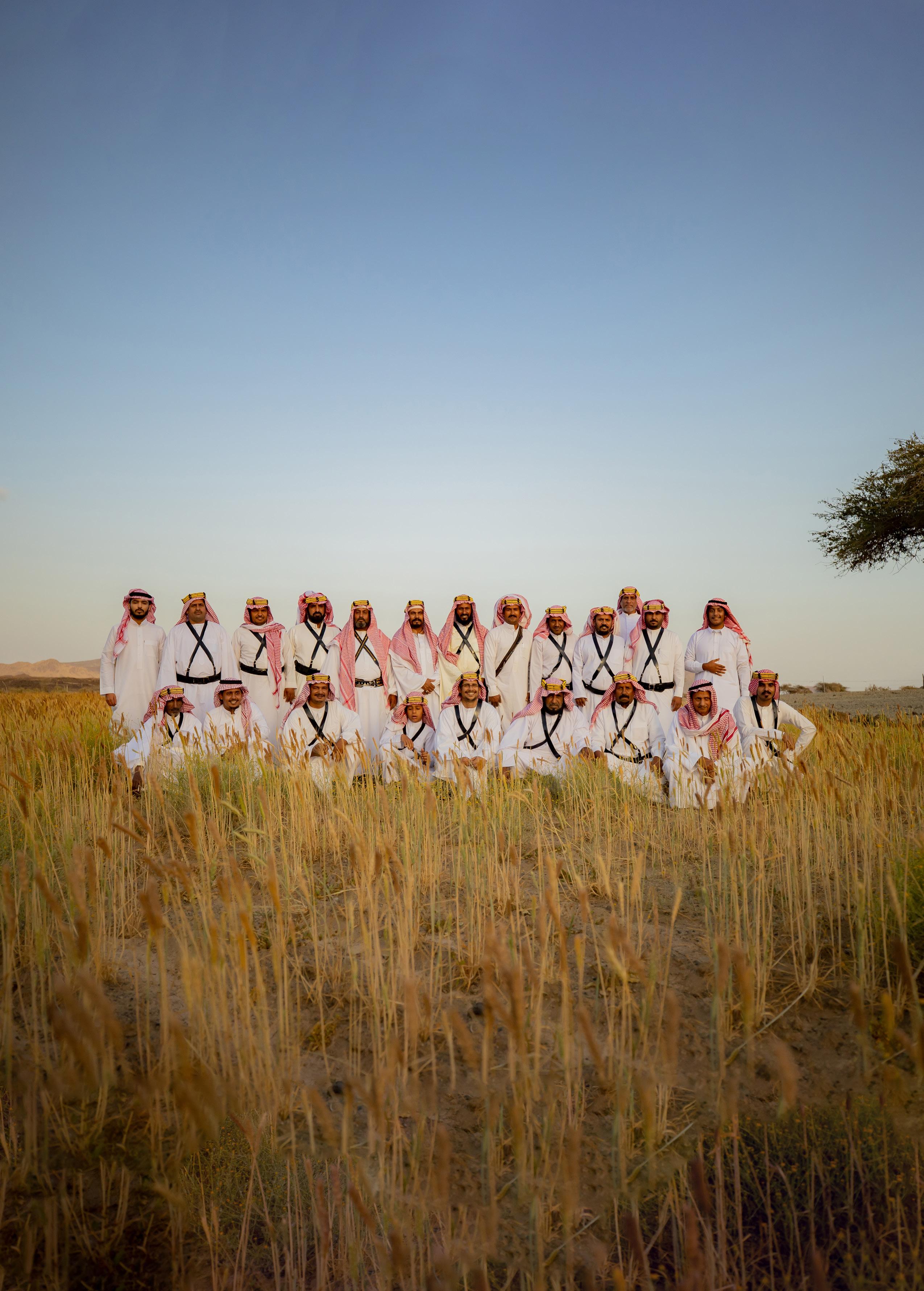
STATEMENT OF USE
GRI 1 USED
APPLICABLE GRI SECTOR STANDARD(S)
For the Content Index – Advanced Service GRI Services reviewed that the GRI content index has been presented in a way consistent with the requirements for reporting in accordance with the GRI Standards, and that the information in the index is clearly presented and accessible to the stakeholders. The service was performed on the English version of the report.
Red Sea Global has reported in accordance with the GRI Standards for the period 1 January to 31 December 2024.
GRI Standard/ Other Source Disclosure Page number(s) and/or direct answers
General Disclosures
GRI 2: General Disclosures 2021
2-1 Organizational details
2-2 Entities included in the organization’s sustainability reporting
2-3 Reporting period, frequency and contact point
2-4 Restatements of information
Our portfolio will be expanding substantially in 2025. Therefore, our sustainability strategy will be reviewed to reflect significant changes in impacts arising from the planned portfolio expansion.
2-5 External assurance
2-6 Activities, value chain and other business relationships
2-7 Employees
2-8 Workers who are not employees
2-9 Governance structure and composition
2-10 Nomination and selection of the highest governance body
2-11 Chair of the highest governance body
General Disclosures
GRI 2: General Disclosures 2021
2-12 Role of the highest governance body in overseeing the management of impacts
2-13 Delegation of responsibility for managing impacts
2-14 Role of the highest governance body in sustainability reporting
2-15 Conflicts of interest
2-16 Communication of critical concerns
2-17 Collective knowledge of the highest governance body
2-18 Evaluation of the performance of the highest governance body
2-19 Remuneration policies
2-20 Process to determine remuneration
2-21 Annual total compensation ratio
2-22 Statement on sustainable development strategy
2-23 Policy commitments
2-24 Embedding policy commitments
2-25 Processes to remediate negative impacts
2-26 Mechanisms for seeking advice and raising concerns
2-27 Compliance with laws and regulations
2-28 Membership associations
2-29 Approach to stakeholder engagement
2-30 Collective bargaining agreements
Pages 14-15. Our sustainability report is reviewed and approved by our Group CEO
We did not identify any significant instances of non-compliance with laws and regulations
Not reported on due to confidentiality constraints
Not reported on due to confidentiality constraints
Not reported on due to confidentiality constraints
Not reported on due to confidentiality constraints
The performance evaluation process that is followed and undertaken by the Group is considered confidential and therefore not publicly disclosed
The remuneration policies used by the Group are considered confidential and therefore not publicly disclosed
The process followed by the Group to determine remuneration is considered confidential and therefore not publicly disclosed
This has not been disclosed to protect personal data related to compensation
Specific legal prohibitions.
Material topics
GRI 3: Material Topics 2021
3-1 Process to determine material topics
3-2 List of material topics
Economic Contribution
GRI 3: Material Topics 2021
GRI 201: Economic Performance 2016
GRI 202: Market Presence 2016
3-3 Management of material topics
201-1 Direct economic value generated and distributed
201-2 Financial implications and other risks and opportunities due to climate change
201-4 Financial assistance received from government
202-1 Ratios of standard entry level wage by gender compared to local minimum wage
GRI 203: Indirect Economic Impacts 2016
202-2 Proportion of senior management hired from the local community
203-1 Infrastructure investments and services supported
203-2 Significant indirect economic impacts
Governance Excellence
GRI 3: Material Topics 2021
GRI 205: Anticorruption 2016
3-3 Management of material topics
205-1 Operations assessed for risks related to corruption
205-2 Communication and training about anti-corruption policies and procedures
205-3 Confirmed incidents of corruption and actions taken
REQUIREMENT(S)
Confidentiality constraints.
This has not been disclosed as the Group does not currently publicly disclose any of its financial information including revenue and costs.
Confidentiality constraints.
All employees have a basic salary above the minimum wage. For reasons of confidentiality, we do not publish the ratio of standard entry level wage by gender compared to local minimum wage. We are committed to the right of equal pay for equal work for our female and male employees.
GRI 206: Anticompetitive Behavior 2016
GRI 406: Nondiscrimination 2016
206-1 Legal actions for anti-competitive behavior, anti-trust, and monopoly practices
406-1 Incidents of discrimination and corrective actions taken
Destination Development, Climate Change
GRI 3: Material Topics 2021
GRI 302: Energy 2016
3-3 Management of material topics
302-1 Energy consumption within the organization
302-2 Energy consumption outside of the organization
302-3 Energy intensity
302-4 Reduction of energy consumption
302-5 Reductions in energy requirements of products and services
Resources Management
GRI 3: Material Topics 2021
GRI 303: Water and Effluents 2018
3-3 Management of material topics
303-1 Interactions with water as a shared resource
303-2 Management of water dischargerelated impacts
303-3 Water withdrawal
303-4 Water discharge
303-5 Water consumption
Page number(s) and/or direct answers
None
REQUIREMENT(S) OMITTED
EXPLANATION REASON
Information unavailable Information unavailable
Information unavailable
Information unavailable
We currently don’t track energy consumption outside of the organization and the process is yet to be developed.
We are yet to determine a common intensity factor across operations.
We are in the process of finalizing baselines to calculate these figures.
We are in the process of finalizing baselines to calculate these figures.
Information unavailable
Information unavailable
Our data is currently available only at a destination level which includes operations beyond our control.
Our data is currently available only at a destination level which includes operations beyond our control.
GRI 306: Waste 2020
GRI 308: Supplier Environmental Assessment 2016
GRI 3: Material Topics 2021
GRI 304: Biodiversity 2016 Resources Management Natural Capital
306-1 Waste generation and significant wasterelated impacts
306-2 Management of significant waste-related impacts
306-3 Waste generated
306-4 Waste diverted from disposal
306-5 Waste directed to disposal
308-1 New suppliers that were screened using environmental criteria
308-2 Negative environmental impacts in the supply chain and actions taken
3-3 Management of material topics
304-1 Operational sites owned, leased, managed in, or adjacent to, protected areas and areas of high biodiversity value outside protected areas
304-2 Significant impacts of activities, products, and services on biodiversity
304-3 Habitats protected or restored
304-4 IUCN Red List species and national conservation list species with habitats in areas affected by operations
GRI 3: Material Topics 2021
3-3 Management of material topics
Page number(s) and/or direct answers
REQUIREMENT(S) OMITTED
REQUIREMENT(S) OMITTED
GRI 305: Emissions 2016
305-1 Direct (Scope 1) GHG emissions
305-2 Energy indirect (Scope 2) GHG emissions
305-3 Other indirect (Scope 3) GHG emissions
305-4 GHG emissions intensity
305-5 Reduction of GHG emissions
305-6 Emissions of ozone-depleting substances (ODS)
305-7 Nitrogen oxides (NOx), sulfur oxides (SOx), and other significant air emissions
GRI 3: Material Topics 2021
GRI 401: Employment 2016
GRI 402: Labor/ Management Relations 2016
GRI 404: Training and Education 2016
3-3 Management of material topics
401-1 New employee hires and employee turnover
401-2 Benefits provided to full-time employees that are not provided to temporary or parttime employees
401-3 Parental leave
402-1 Minimum notice periods regarding operational changes
As part of our commitment to transparency, all material operational changes are communicated to our employees ahead of time, with varying notice periods depending on the type of change and its impact on them
404-1 Average hours of training per year per employee
404-2 Programs for upgrading employee skills and transition assistance programs
404-3 Percentage of employees receiving regular performance and career development reviews
Information unavailable
Information unavailable
Information unavailable
Information unavailable
We currently don’t track scope 3 emissions and the process is yet to be developed.
We are yet to determine a common intensity factor across operation.
Our data is not complete for several key assets and therefore we are not including herein.
Our data is not complete for several key assets and therefore we are not including herein.
Human Capital Development
GRI 405: Diversity and Equal Opportunity 2016
405-1 Diversity of governance bodies and employees
405-2 Ratio of basic salary and remuneration of women to men
Page number(s) and/or direct answers
GRI 409: Forced or Compulsory Labor 2016
409-1 Operations and suppliers at significant risk for incidents of forced or compulsory labor
GRI 3: Material Topics 2021
GRI 413: Local Communities 2016
Social Risk Management and Development Health, Safety and Security
GRI 3: Material Topics 2021
GRI 403: Occupational Health and Safety 2018
3-3 Management of material topics
413-1 Operations with local community engagement, impact assessments, and development programs
413-2 Operations with significant actual and potential negative impacts on local communities
3-3 Management of material topics
403-1 Occupational health and safety management system
403-2 Hazard identification, risk assessment, and incident investigation
403-3 Occupational health services
403-4 Worker participation, consultation, and communication on occupational health and safety
REQUIREMENT(S) OMITTED
EXPLANATION REASON
Confidentiality constraints. We do not publish the ratio of basic salary and remuneration of women to men. All employees have a basic salary above the minimum wage, and we are committed to the right of equal pay for equal work for our female and male employees
number(s) and/or direct answers
REQUIREMENT(S) OMITTED
REASON
Health, Safety and Security
GRI 403: Occupational Health and Safety 2018
403-5 Worker training on occupational health and safety
403-6 Promotion of worker health
403-7 Prevention and mitigation of occupational health and safety impacts directly linked by business relationships
403-8 Workers covered by an occupational health and safety management system
403-9 Work-related injuries
403-10 Work-related ill health
GRI 416: Customer Health and Safety 2016
GRI 418: Customer Privacy 2016
416-1 Assessment of the health and safety impacts of product and service categories
416-2 Incidents of non-compliance concerning the health and safety impacts of products and services
418-1 Substantiated complaints concerning breaches of customer privacy and losses of customer data
Stakeholder Experience
GRI 3: Material Topics 2021
3-3 Management of material topics
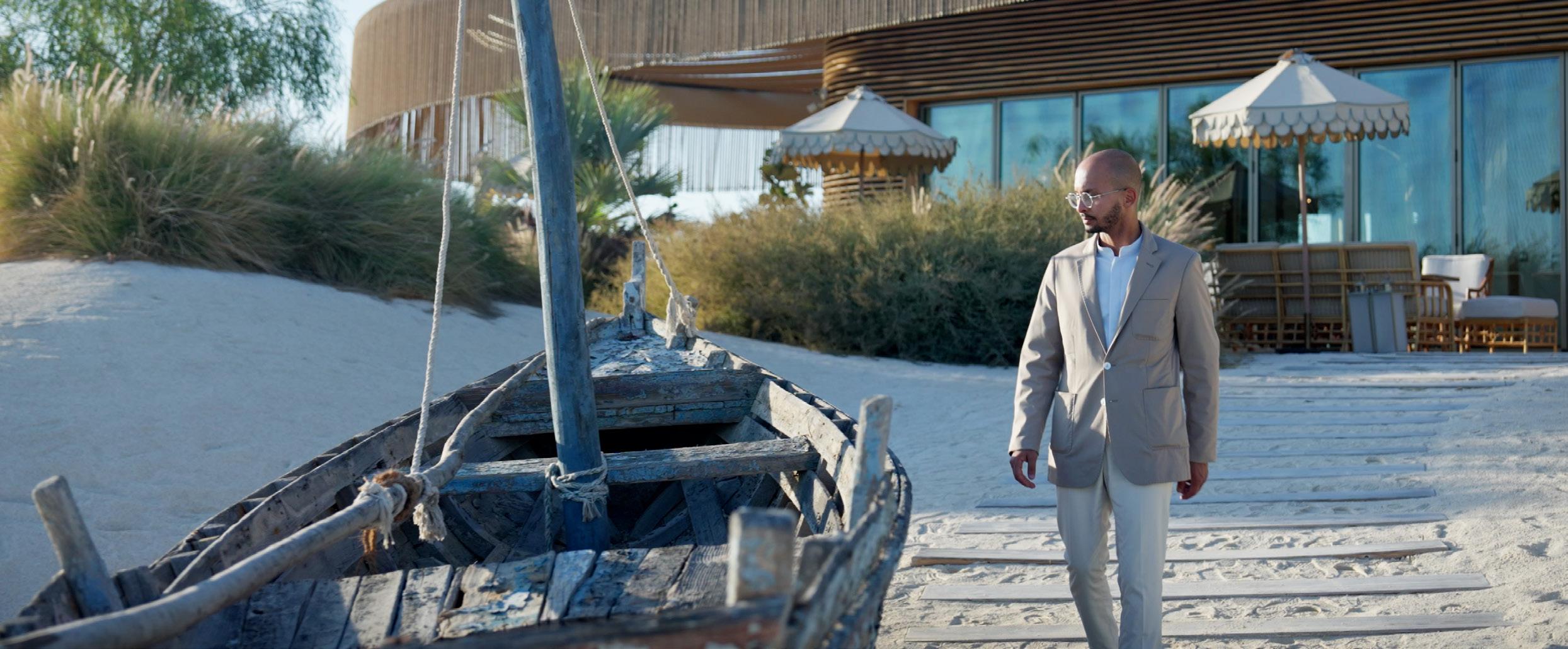

Independent practitioner’s assurance report
To Red Sea Global
Scope
Scope
We have been engaged by The Red Sea Development Company (“TRSDC”) to perform a ‘limited assurance engagement,’ as defined by International Standards on Assurance Engagements, here after referred to as the engagement, to report on Red Sea Global on material areas / performance metrics (the “Subject Matter”) contained in Red Sea Global (RSG) (the “Company’s”) 2024 Sustainability Report (the “Report”) for the year ended 31 December 2024.
We have been engaged by The Red Sea Development Company (“TRSDC”) to perform a ‘limited assurance engagement,’ as defined by International Standards on Assurance Engagements, here after referred to as the engagement, to report on Red Sea Global on material areas / performance metrics (the “Subject Matter”) contained in Red Sea Global (RSG) (the “Company’s”) 2024 Sustainability Report (the “Report”) for the year ended 31 December 2024.
Other than as described in the preceding paragraph, which sets out the scope of our engagement, we did not perform assurance procedures on the remaining information included in the Report, and accordingly, we do not express a conclusion on this information
Other than as described in the preceding paragraph, which sets out the scope of our engagement, we did not perform assurance procedures on the remaining information included in the Report, and accordingly, we do not express a conclusion on this information
Our limited assurance engagement covered disclosures reported in full or partially by RSG in the Report against the indicators in the Global Reporting Initiative Sustainability Reporting Standards 2021 (GRI 2021 Standards). Our assurance is limited to indicators as specified in the table below:
Our limited assurance engagement covered disclosures reported in full or partially by RSG in the Report against the indicators in the Global Reporting Initiative Sustainability Reporting Standards 2021 (GRI 2021 Standards). Our assurance is limited to indicators as specified in the table below:
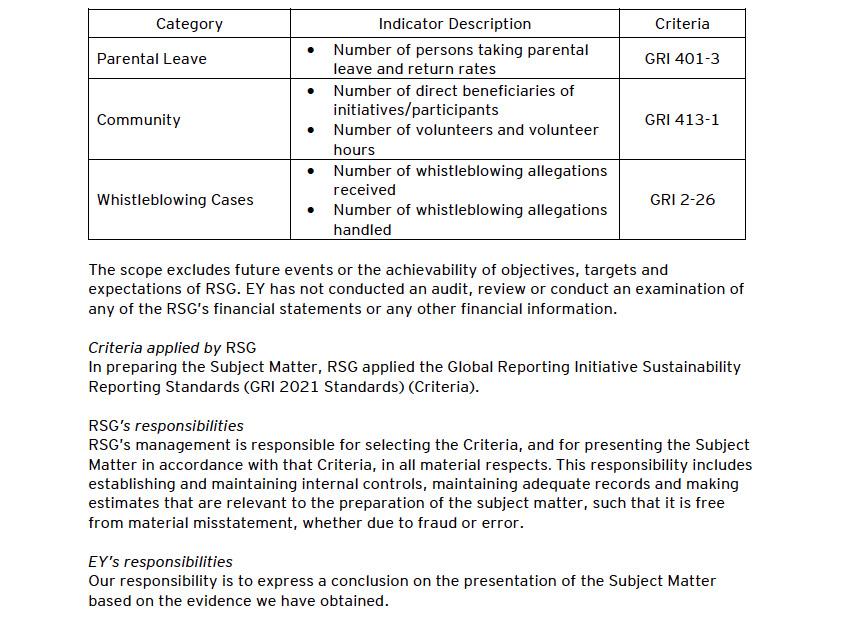
CDW Construction and Demolition Waste
CEO Chief Executive Officer
COP Conference of the Parties
CORDAP Coral Research & Development Accelerator Platform
DE&I Diversity, Equity and Inclusion
EMS Environmental Management System
ERM Enterprise Risk Management
E&S Environment & Sustainability
ESG Environmental, Social, and Governance
ESIA Environmental and Social Impact Assessment
EV Electric Vehicles
GAP Good Agricultural Practices
GDP Gross Domestic Product
GHG Greenhouse Gas
GRESB Global Real Estate Sustainability Benchmark
GRI Global Reporting Initiative
GJ Gigajoule
HDC Hanak Distribution Center
H&S Health and Safety
HFC Hydrogen Fuel Cell
HR Human Resources
HRDF Human Resources Development Fund
HRH His Royal Highness
IFC International Finance Corporation
ISO International Organization for Standardization
IUCN International Union for Conservation of Nature
KHC Kingdom Holding Company
KPI Key Performance Indicator
KSA Kingdom of Saudi Arabia
LEED Leadership in Energy and Environmental Design
LTI Lost Time Incident
LTIR Lost Time Incident Rate
MAT Mineral Accretion Technology
MLOF Marine Life Operations Facility
MW Megawatt
MWh Megawatt hour
NEBOSH National Examination Board in Occupational Safety & Health
NFPI National Food Production Initiative
ODS Ozone-Depleting Substances
OESMP Operational Environmental and Social Management Plans
OHS Occupational Health and Safety
PADI Professional Association of Diving Instructors
PIF Public Investment Fund
PPP Public-Private Partnership
PM Particulate Matter
RSG Red Sea Global
RSI Red Sea International
RSZA Red Sea Zone Authority
SAR Saudi Arabian Riyal
SDGs United Nations Sustainable Development Goals
SGI Saudi Green Initiative
SPMS Sustainability Performance Management System
SMC Sustainability Management Committee
SKU Stock Keeping Units
STP Sewage Treatment Plant
SWRO Sea Water Reverse Osmosis
TRIR Total Recordable Injury Rate
TRS The Red Sea
UN SDGs United Nations Sustainable Development Goals
USD United States Dollar
WMG Waste Management Guidelines
This report provides an overview of the sustainability performance and achievements for the year 2024 ( 1 January 2024 - December 2024 ) and is our fifth annual Sustainability Report. Unless otherwise indicated this report covers Red Sea Global and all its subsidiaries.
This report has been: STANDARDS AND FRAMEWORKS
Prepared in accordance with GRI Standards Mapped with UN Sustainability Development Goals Aligned with Saudi Arabia’s Vision 2030 1 31
Specific data points in this report have undergone limited assurance and the 2024 independent assurance and verification can be found in the Annexures of this report.
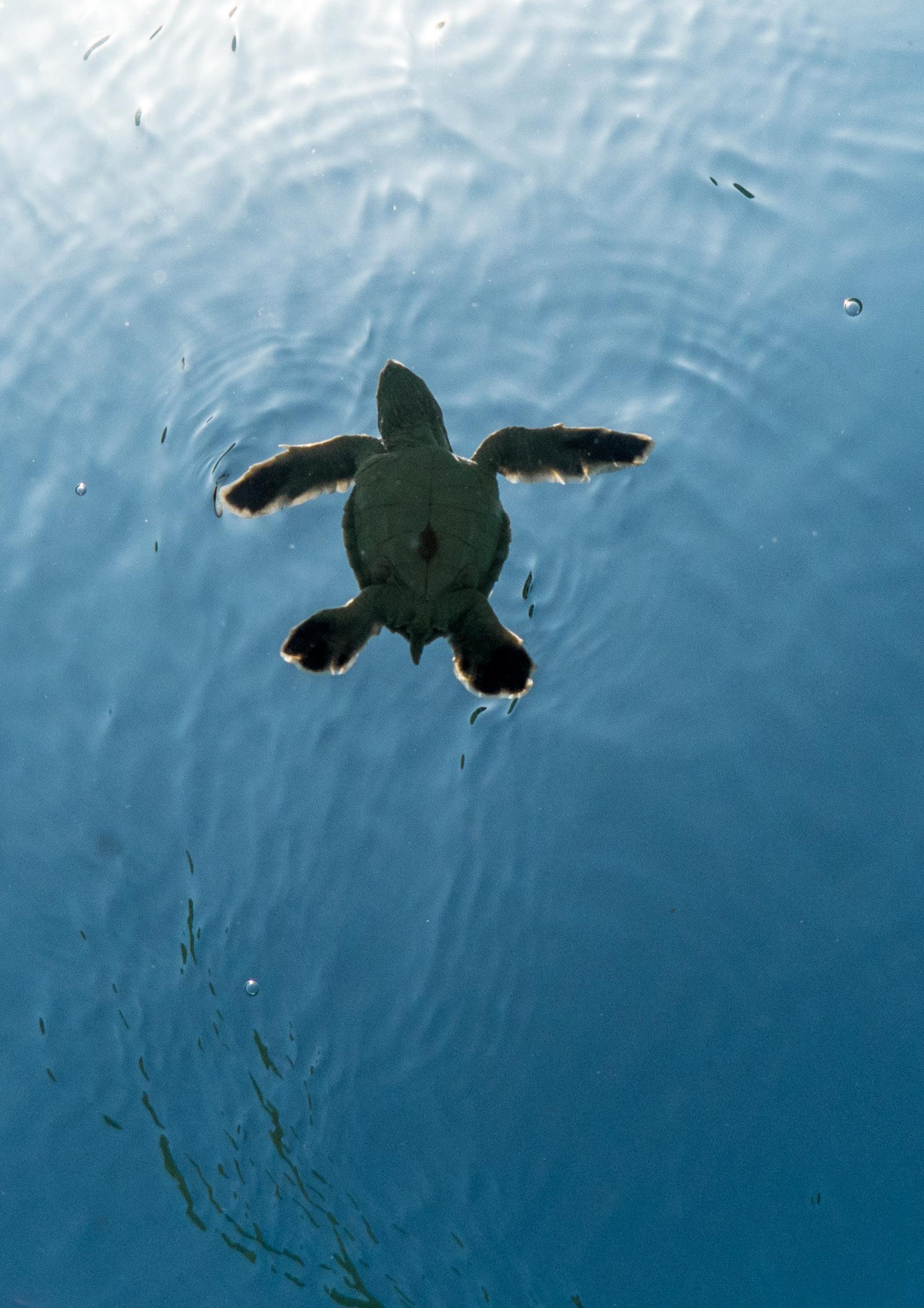
This Sustainability Report (the “Report”) may contain certain forward-looking statements with respect to our business, operations, assumptions, goals, and other possible future situations. These statements generally, but not always, may be identified by the use of words such as “believe”, “expect”, “are expected to”, “intend”, “estimate”, “should”, “strive”, “will”, “may”, “aspire”, “goal”, “will”, “vision”, “aim”, “aspiration”, “mission”, “look”, “ambition”, “commit”, “intend”, “strive”, “target”, “plan”, “ensure”, “must”, “seek”, “pursue”, “toward”, “expect”, “plan”, “estimate”, “objective”, “want” or similar expressions, including variations and the negatives thereof or comparable terminology, are used to identify forward looking statements.
These statements include, among other things, statements about expectations, targets, and goals in connection with our sustainability initiatives. These forwardlooking statements are subject to risks and uncertainties that could cause actual results to differ materially from
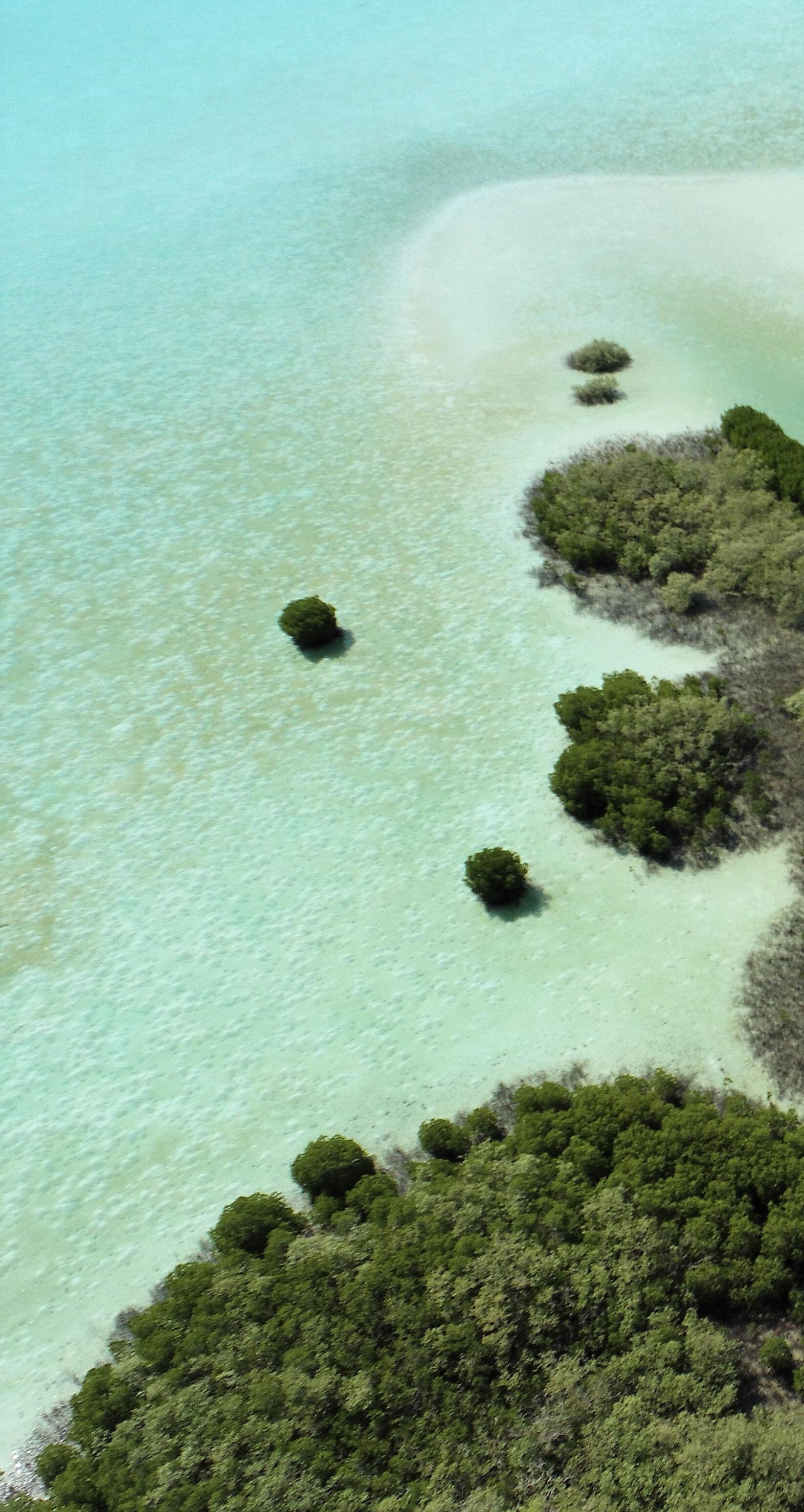
those expressed in, or implied, or projected by, the forward-looking information and statements. We do not intend or assume any obligation to update these forward-looking statements, whether as a result of new information, future events or otherwise, since the forwardlooking statements are based solely on the circumstances during the reporting period. All subsequent written and oral forward-looking statements attributable to us or to persons acting on our behalf are expressly qualified in their entirety by the cautionary statements referred to above and contained elsewhere in this Report. Except where noted, the information covered in this Report highlights our performance and initiatives in the fiscal year 2024. This Report may contain links to or information from other internet sites.
Such links and information are not endorsements of any products or services in such sites and no information in other organizations has been endorsed or approved by us.