
WWW.THERAPYCENTRAL.US
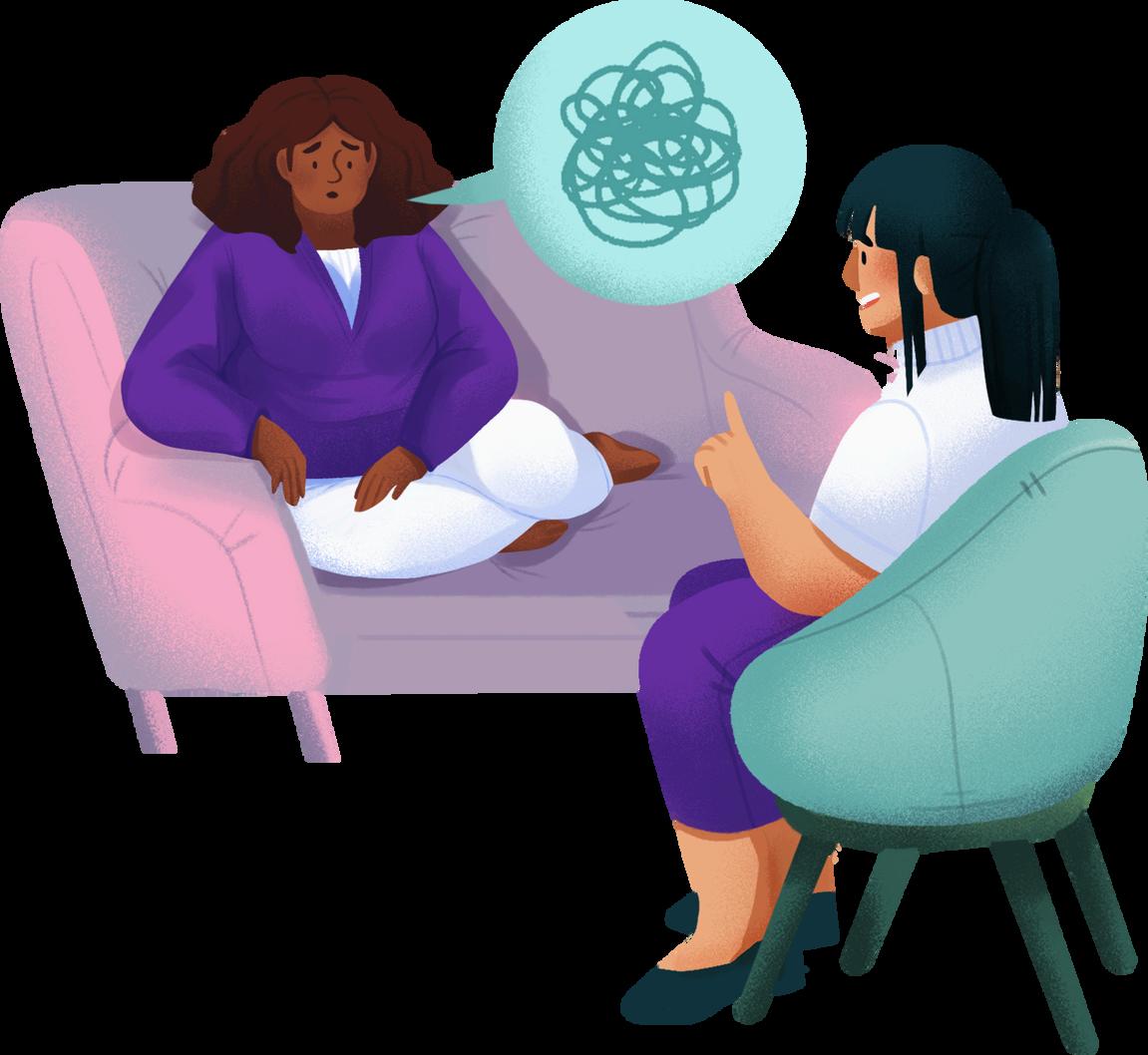
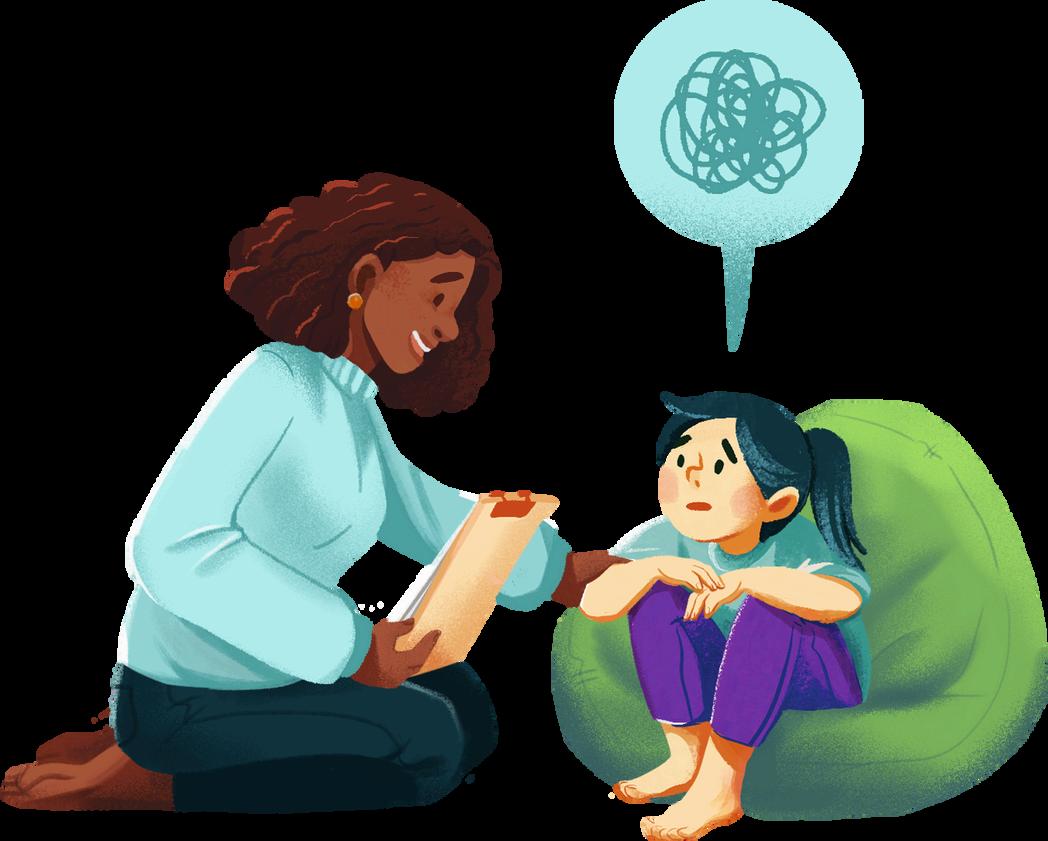
Recognizing when someone might be struggling with their mental health is essential so that we can offer support and help. Here are some signs to look out for.
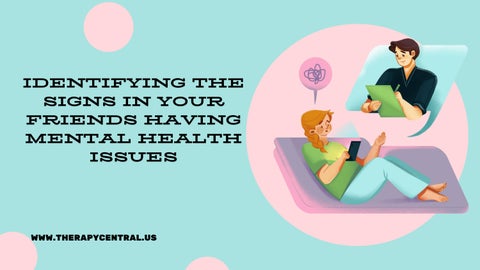
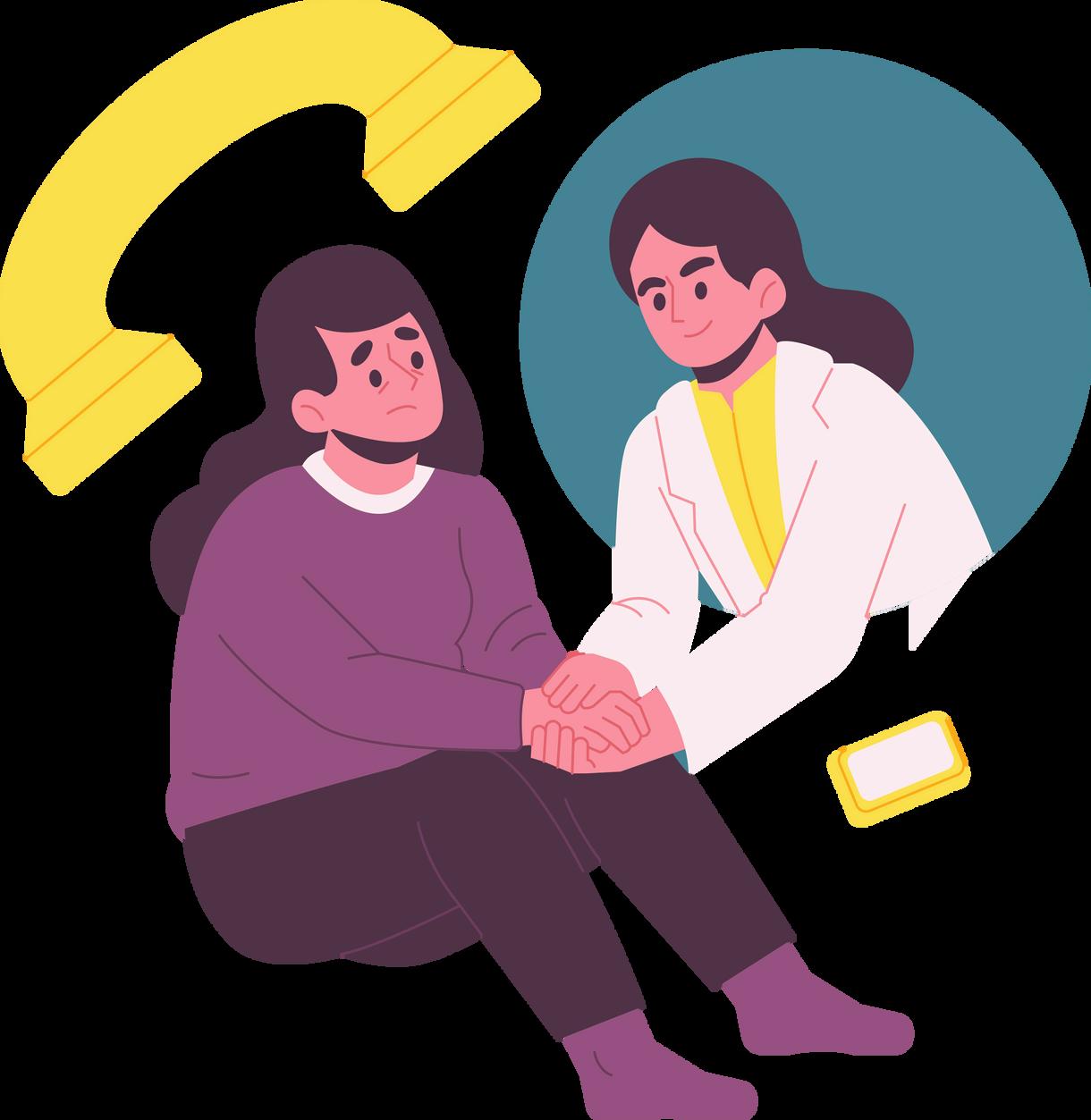
Recognizing when someone might be struggling with their mental health is essential so that we can offer support and help. Here are some signs to look out for.
Notice if your friend's behavior has been different lately. For example, they might start acting very differently from how they used to, like becoming more withdrawn or avoiding activities they once enjoyed.
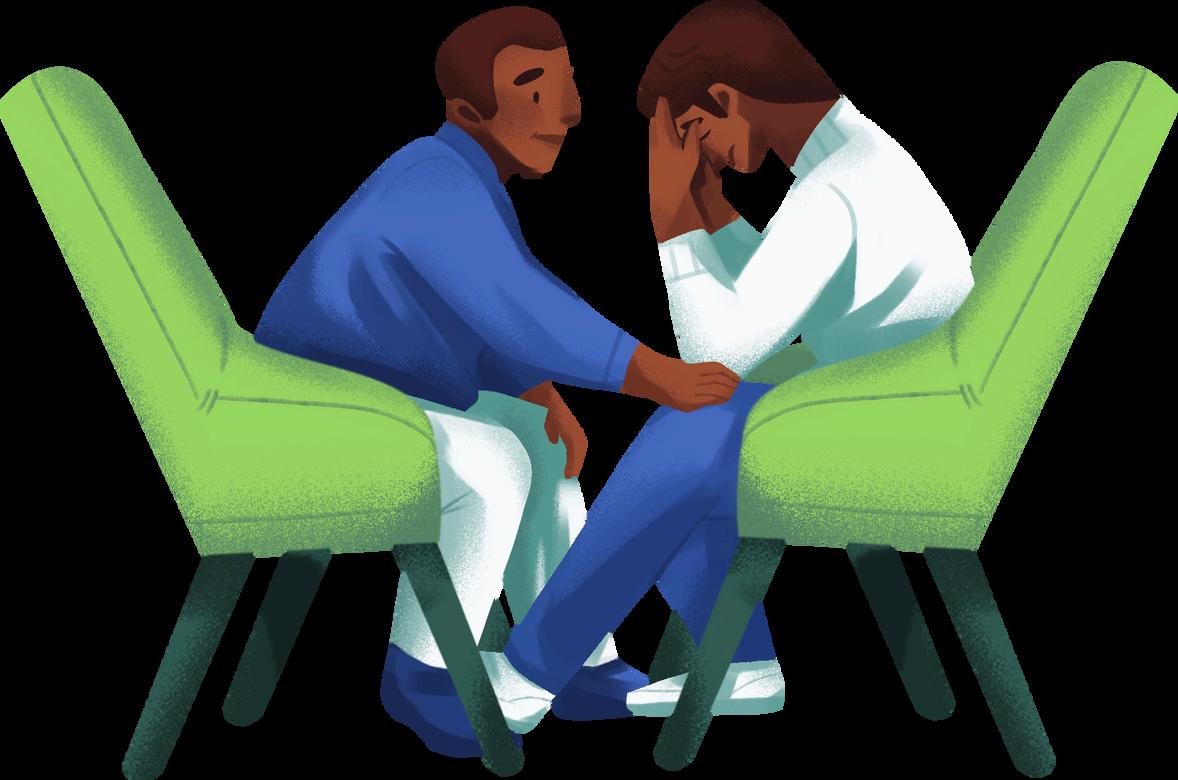
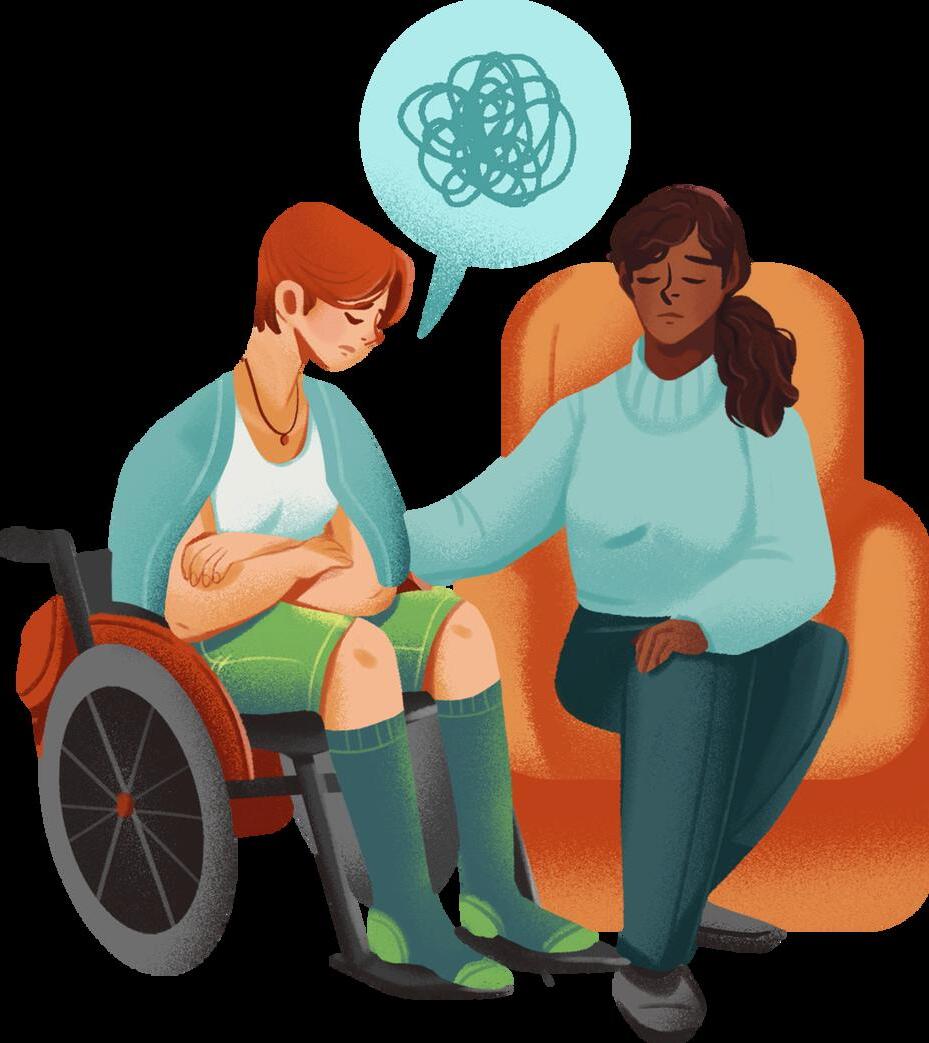
If you see your friend's mood changing a lot, like going from happy to sad or angry very quickly, it could be a sign that something is bothering them.
Pay attention if your friend is spending more time alone and seems to be avoiding social interactions. They might be going through a tough time and need some space, but it's also a sign they might need support.
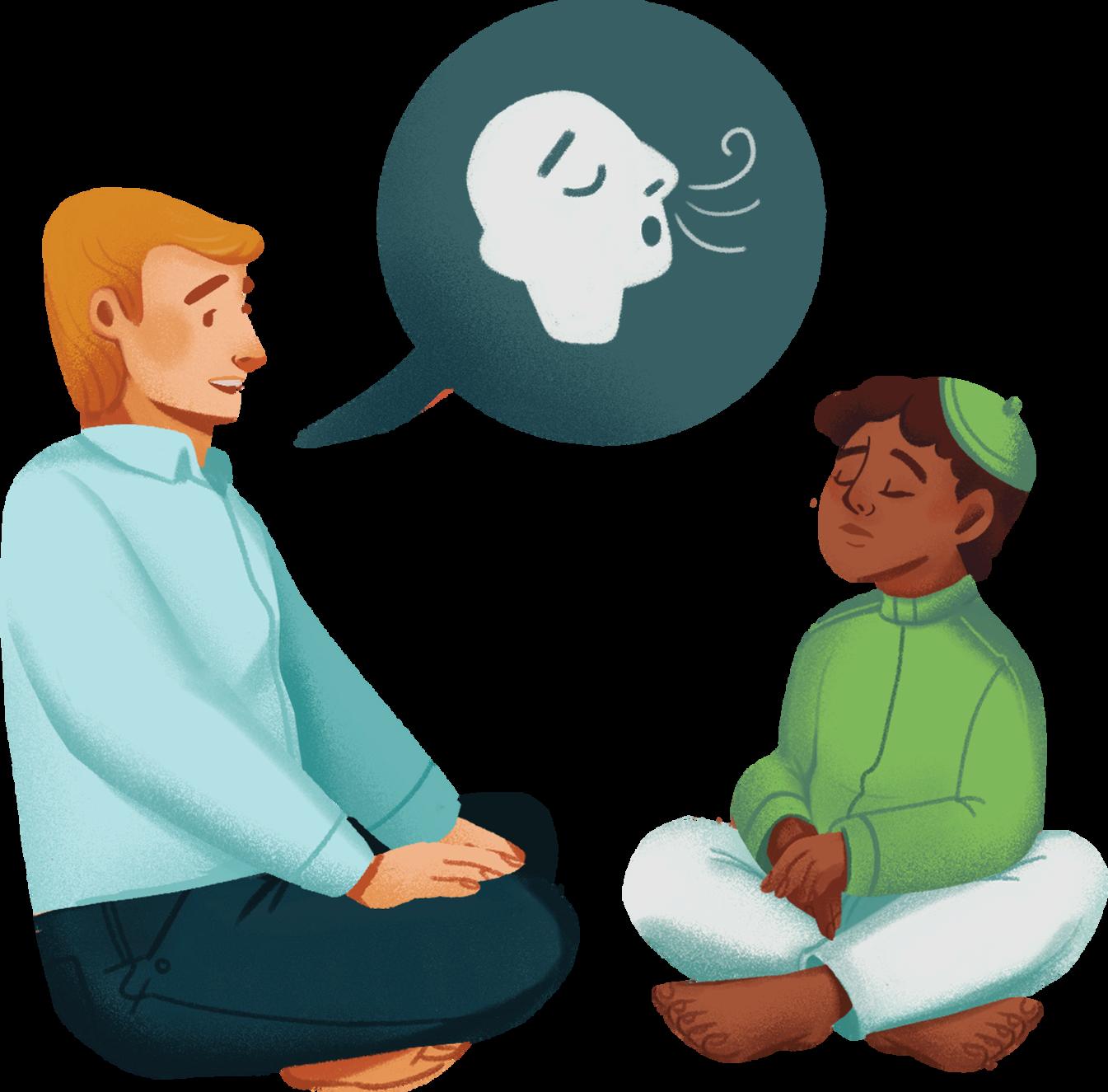

If you notice a friend who used to do well in school suddenly struggling or losing interest in their studies, it could be related to their mental well-being.
Notice if your friend has trouble sleeping or eating too much or too little. These changes might be connected to how they are feeling.
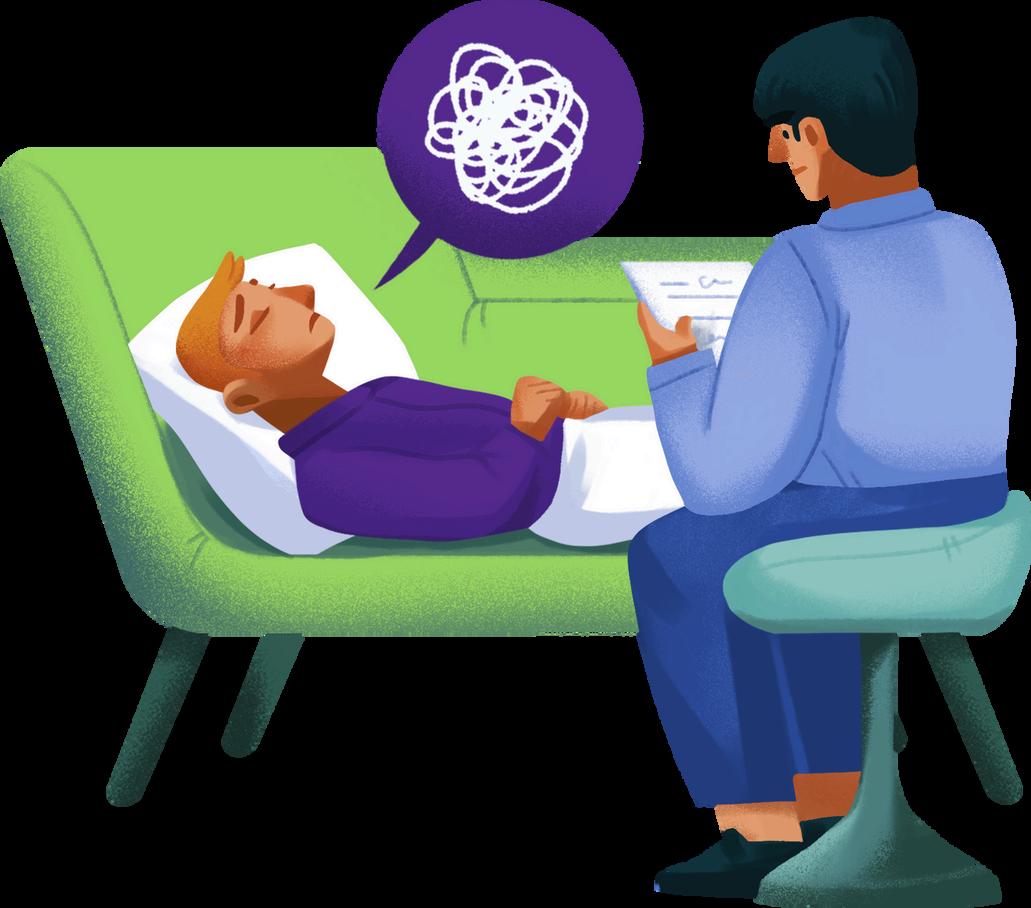
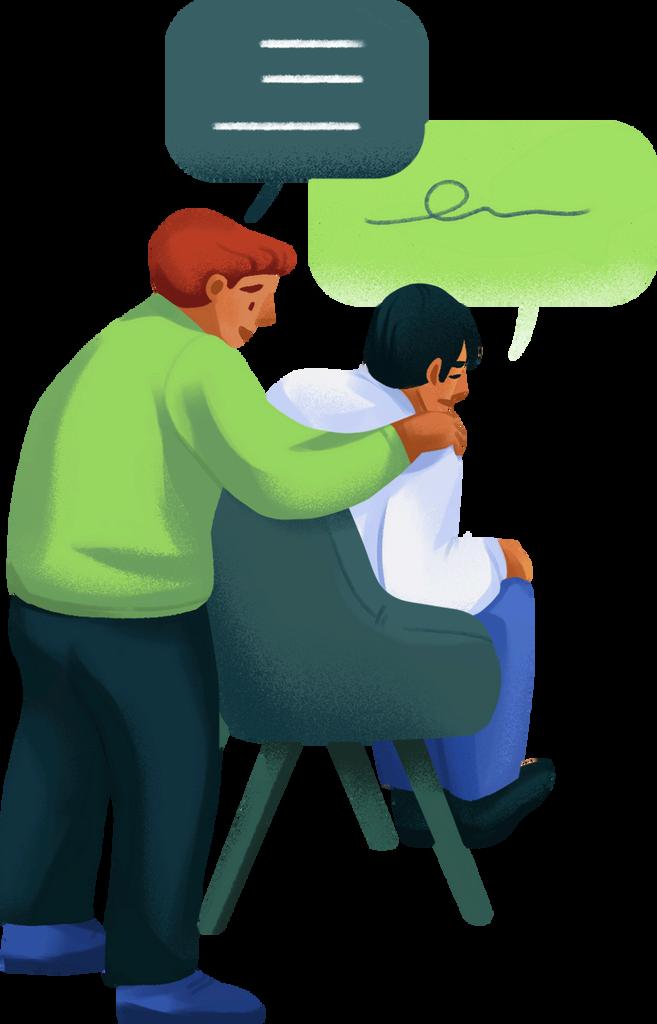
If your friend often talks about feeling sad, hopeless, or worthless, it could be a sign that they are struggling emotionally.
Sometimes, mental health problems can cause physical symptoms too, like headaches or stomach aches, even if there's no other clear reason for them.

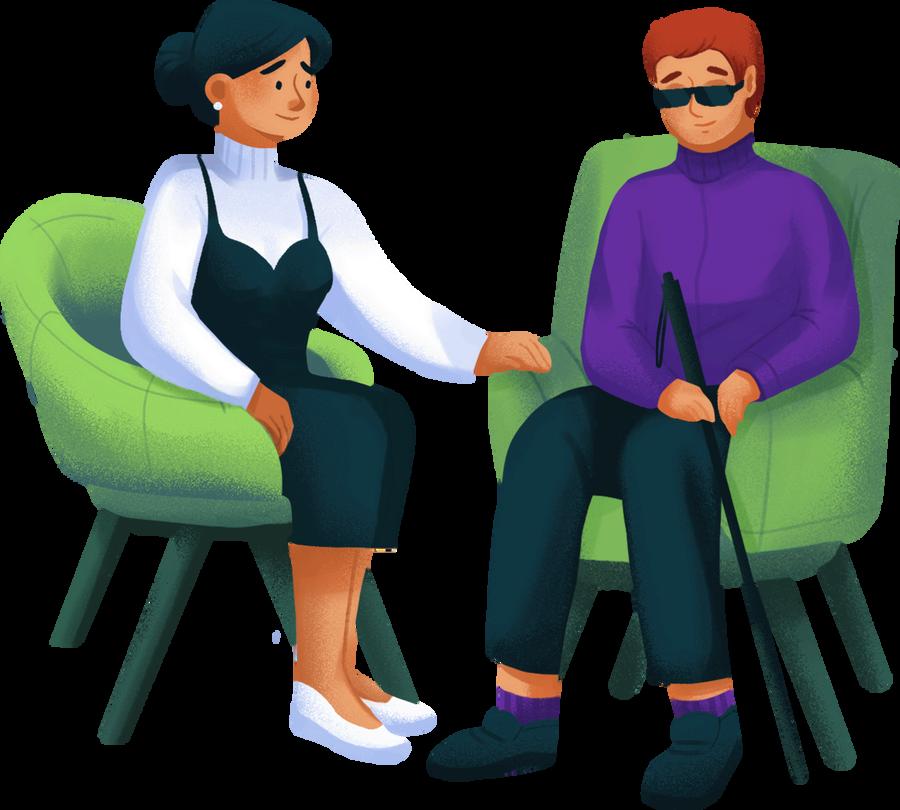
If your friend suddenly loses interest in things they used to love, like hobbies or sports, it could be a sign of emotional distress.
Pay attention if you notice your friend using drugs or alcohol more frequently, as this can be a way of trying to cope with emotional pain.
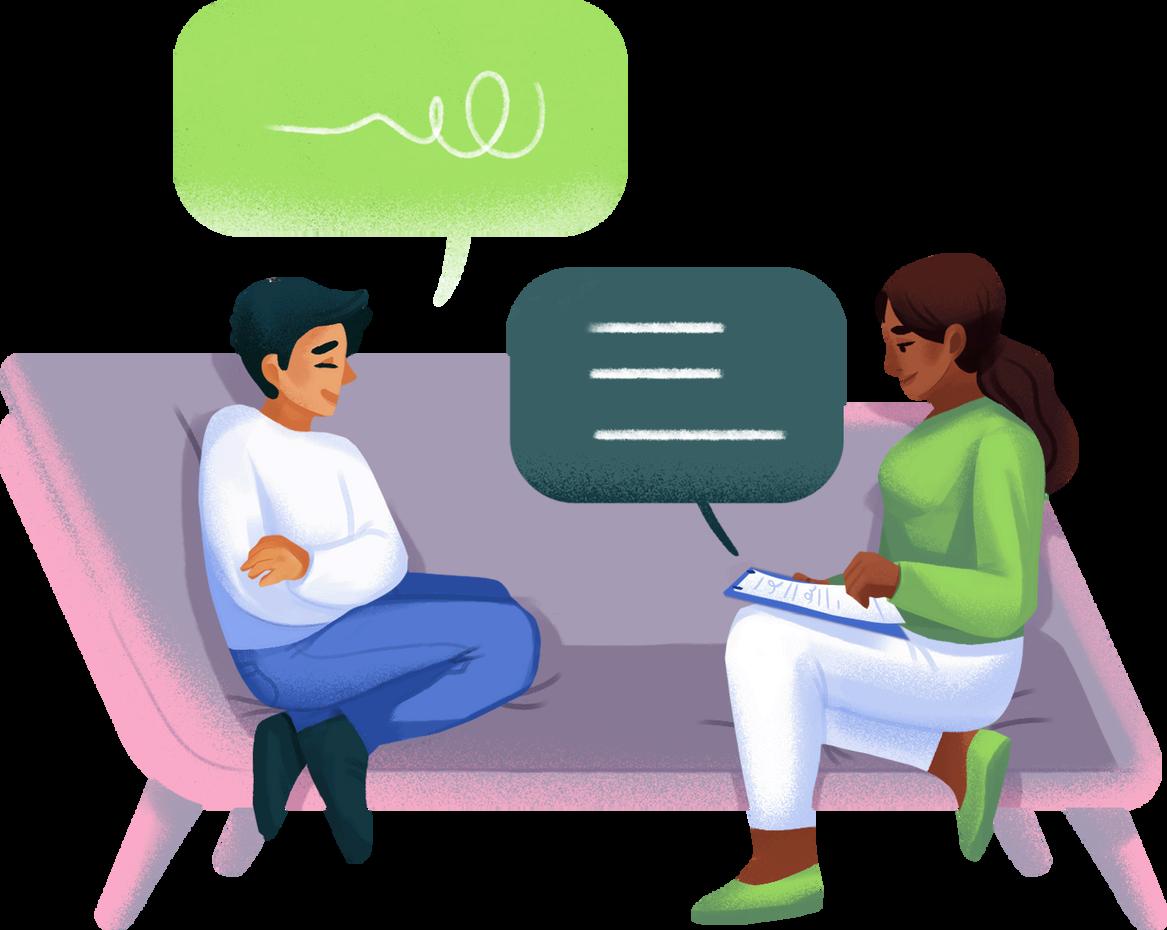
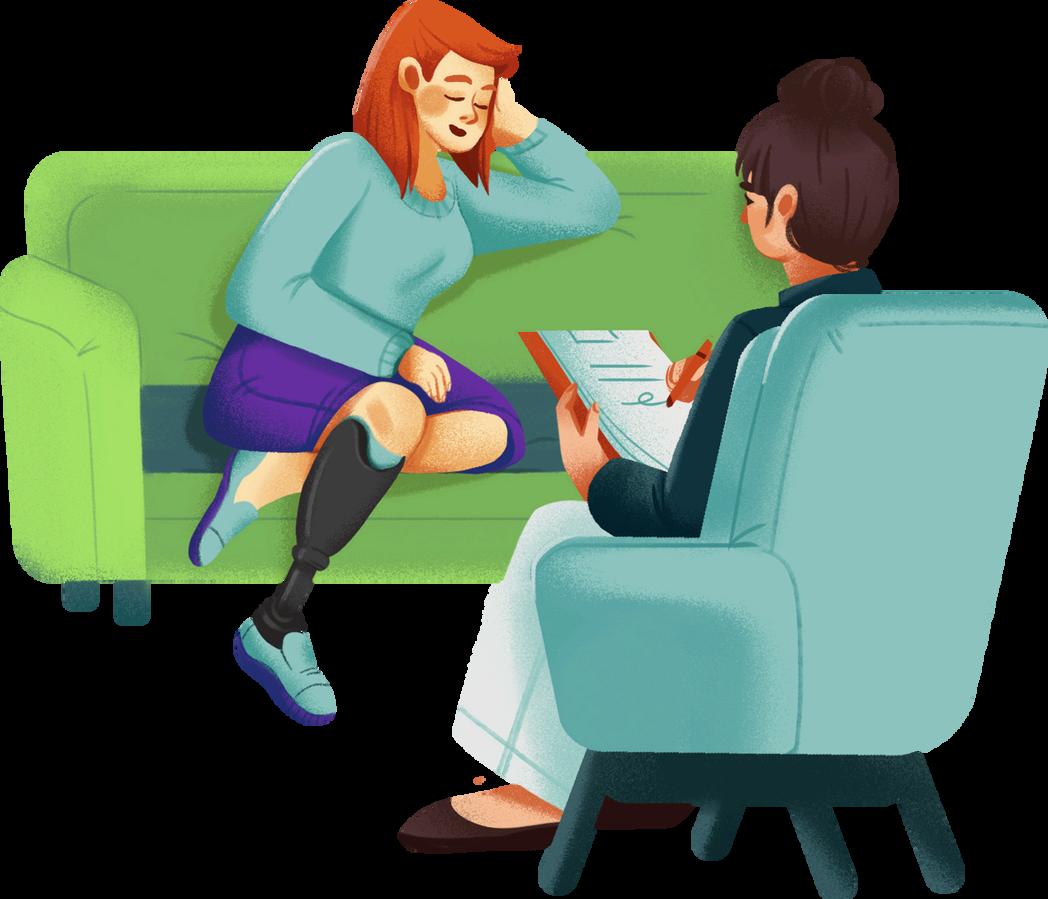
If your friend talks about feeling like they want to hurt themselves or end their life, take it seriously, and seek help immediately.
Remember, it's okay to be concerned about a friend's mental health. If you notice any of these signs, approach your friend with care and let them know you're there to listen and support them. Encourage them to talk to a trusted adult, like a parent, teacher, or school counselor, who can help them get the support they need. You don't have to solve their problems, but being there to listen and show that you care can make a big difference. Mental health is just as important as physical health, and helping a friend through a tough time can be a powerful way to show your friendship and support.