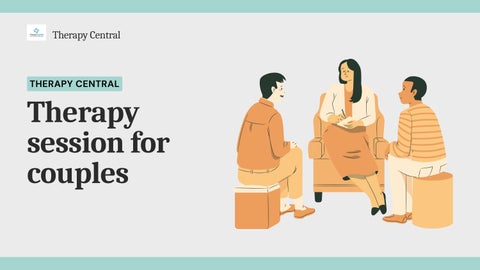

Therapy session for couples
Introduction to couple therapy
Couple therapy aims to enhance communication, resolve conflicts, and strengthen the emotional bond between partners. In sessions, the therapist facilitates open, respectful dialogue, helping couples express needs and feelings effectively. Techniques such as active listening, empathybuilding, and problem-solving are employed to address specific issues and establish mutual goals. The process fosters understanding, promotes healthy interactions, and works towards achieving a harmonious and fulfilling relationship.
Couple therapy is crucial for enhancing communication, resolving conflicts, and rebuilding trust. It helps partners understand each other's perspectives, express their needs, and develop healthier interaction patterns.
Couple therapy is essential for improving communication, resolving conflicts, and rebuilding trust. It helps partners understand each other's perspectives, express needs effectively, and develop healthier interaction patterns.
Benefits of therapy for couples
Therapy for couples improves communication, resolves conflicts, and enhances emotional connection. It strengthens relationship foundations, fosters understanding, and promotes healthier interaction patterns. Couples gain problem-solving skills, increased satisfaction, and support during life transitions. Additionally, therapy offers preventive care by addressing issues early, ensuring long-term relationship health and happiness.
Therapy Central
Types of Couples Therapy Approaches
Psychodynamic Therapy
Cognitive-Behavioral Therapy
(CBT)
Emotionally Focused Therapy (EFT)

Psychodynamic Therapy
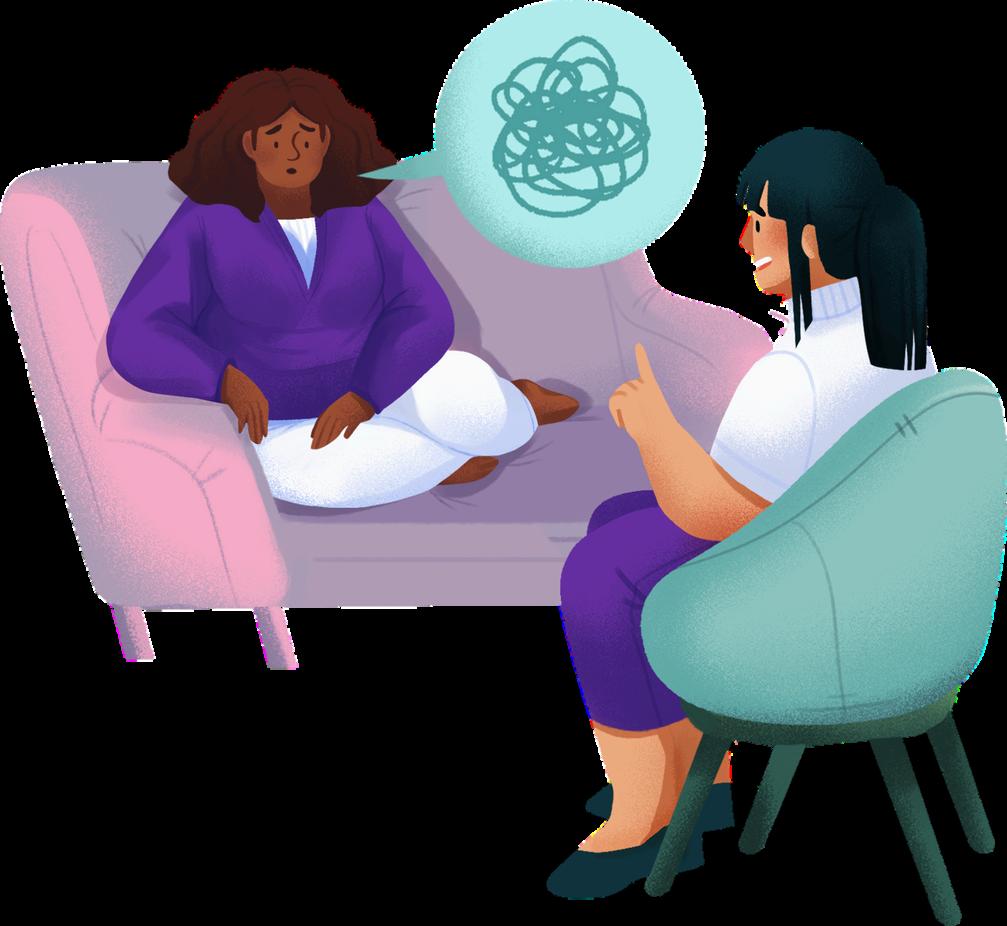
Psychodynamic therapy is important because it helps individuals understand the deepseated roots of their emotional difficulties by exploring unconscious patterns and unresolved conflicts from their past. This therapeutic approach can lead to increased self-awareness, emotional insight, and healthier coping mechanisms. By addressing these underlying issues, psychodynamic therapy fosters long-lasting change and personal growth, enabling individuals to improve their relationships, reduce psychological distress, and enhance their overall well-being.
Cognitive-Behavioral Therapy (CBT)
Cognitive-Behavioral Therapy (CBT) is crucial for couples as it helps address negative thought patterns and behaviors that strain relationships. By fostering improved communication, problem-solving skills, and emotional regulation, CBT enables couples to resolve conflicts more effectively. It promotes healthier interaction patterns, enhances emotional intimacy, and builds resilience, contributing to a stronger, more satisfying relationship. This therapy is especially valuable for couples facing stressors like life transitions or mental health issues.
Emotionally Focused Therapy (EFT)
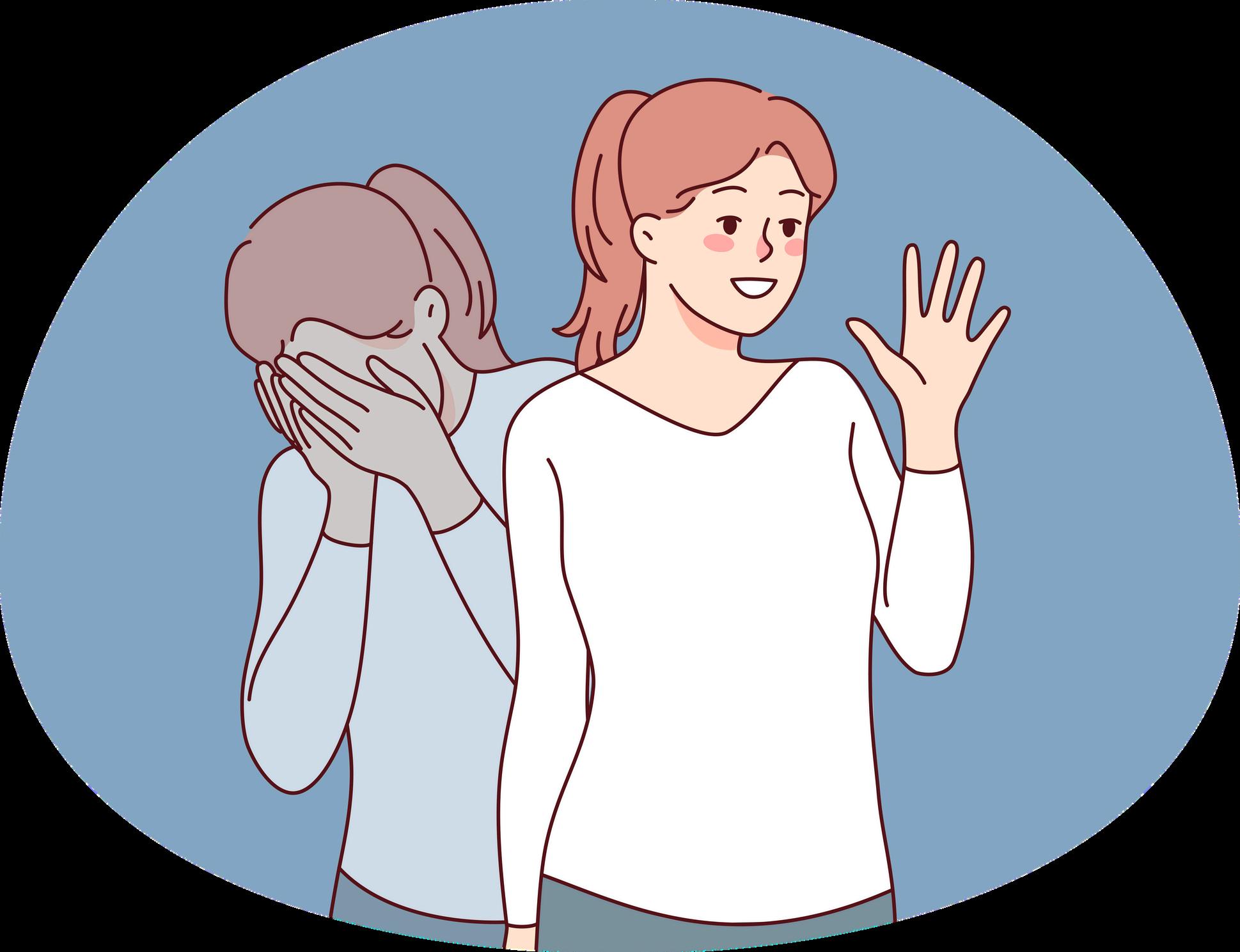
Emotionally Focused Therapy (EFT) is vital for couples by emphasizing emotional connection and communication. It helps partners understand and express their feelings, addressing underlying insecurities and attachment patterns. By fostering trust and intimacy, EFT aims to reduce conflict and enhance relationship satisfaction through a deeper emotional connection.
Conclusion: Integrating therapy into daily life
Integrating therapy in couples is crucial as it provides a structured space for resolving conflicts, improving communication, and deepening emotional intimacy. Therapeutic interventions offer tools to navigate challenges, strengthen bonds, and foster mutual understanding. By addressing underlying issues and patterns of behavior in a supportive environment, therapy can promote healthier relationship dynamics and long-term satisfaction. Ultimately, it empowers couples to build resilience, sustain love, and navigate life's complexities together more effectively.
Therapy Central
Thank you very much!