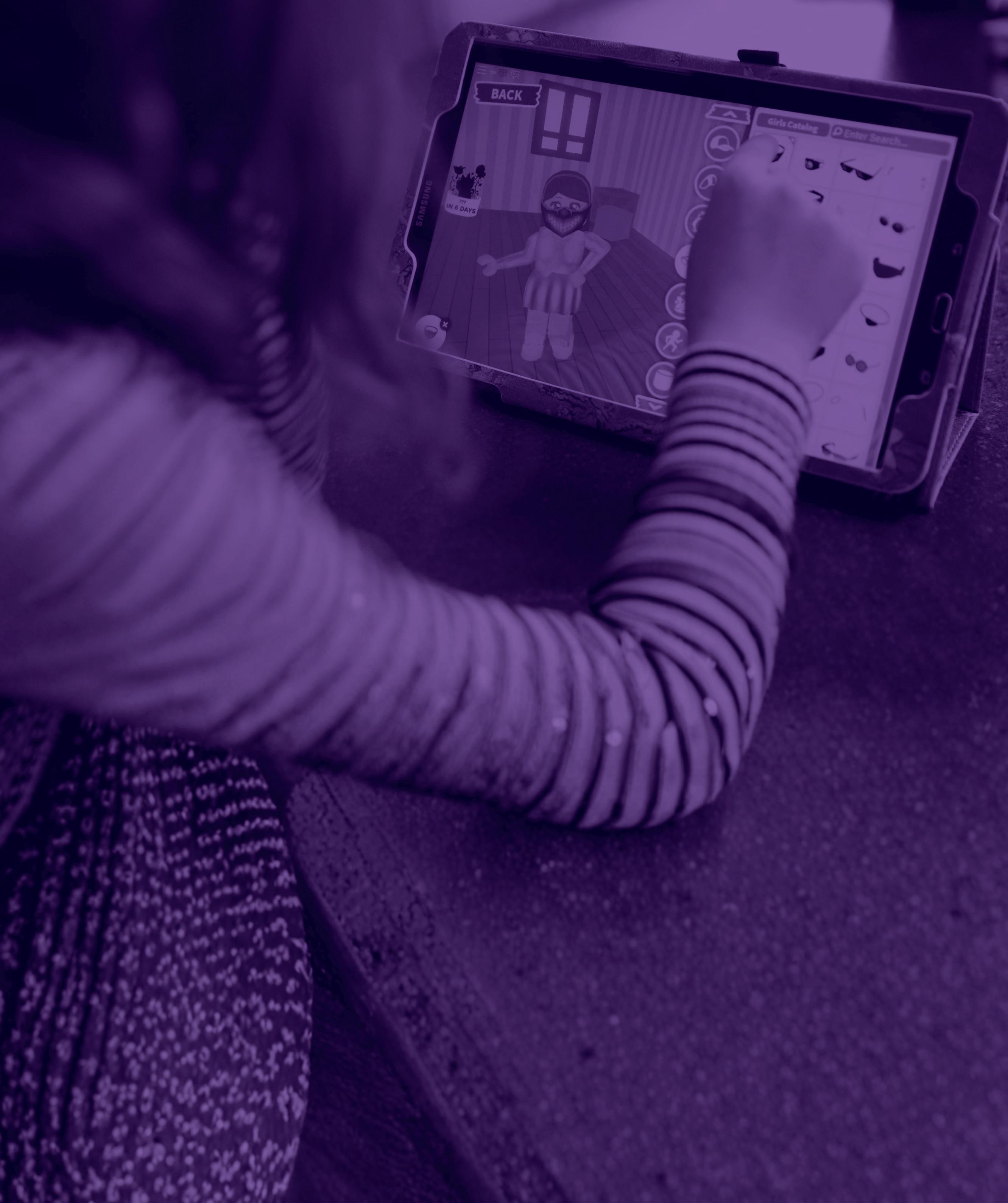
despite the initiative of Bangko Sentral ng Pilipinas (BSP) in the removal of gambling links in e-wallet apps.
All the affected students are beneficiaries of the government’s Pantawid Pamilyang Pilipino Program (4Ps), raising concern that cash aid intended for
concern after noticing sudden decline in academic performance and a spike on absenteeism.
“Hindi na po ako palaging sumasama sa dagat para manghuli ng isda kasi dito po ako kumikita, mas gusto ko pa dito kaysa sa dagat kasi hindi na mahirap,”
by Marwesa Caro
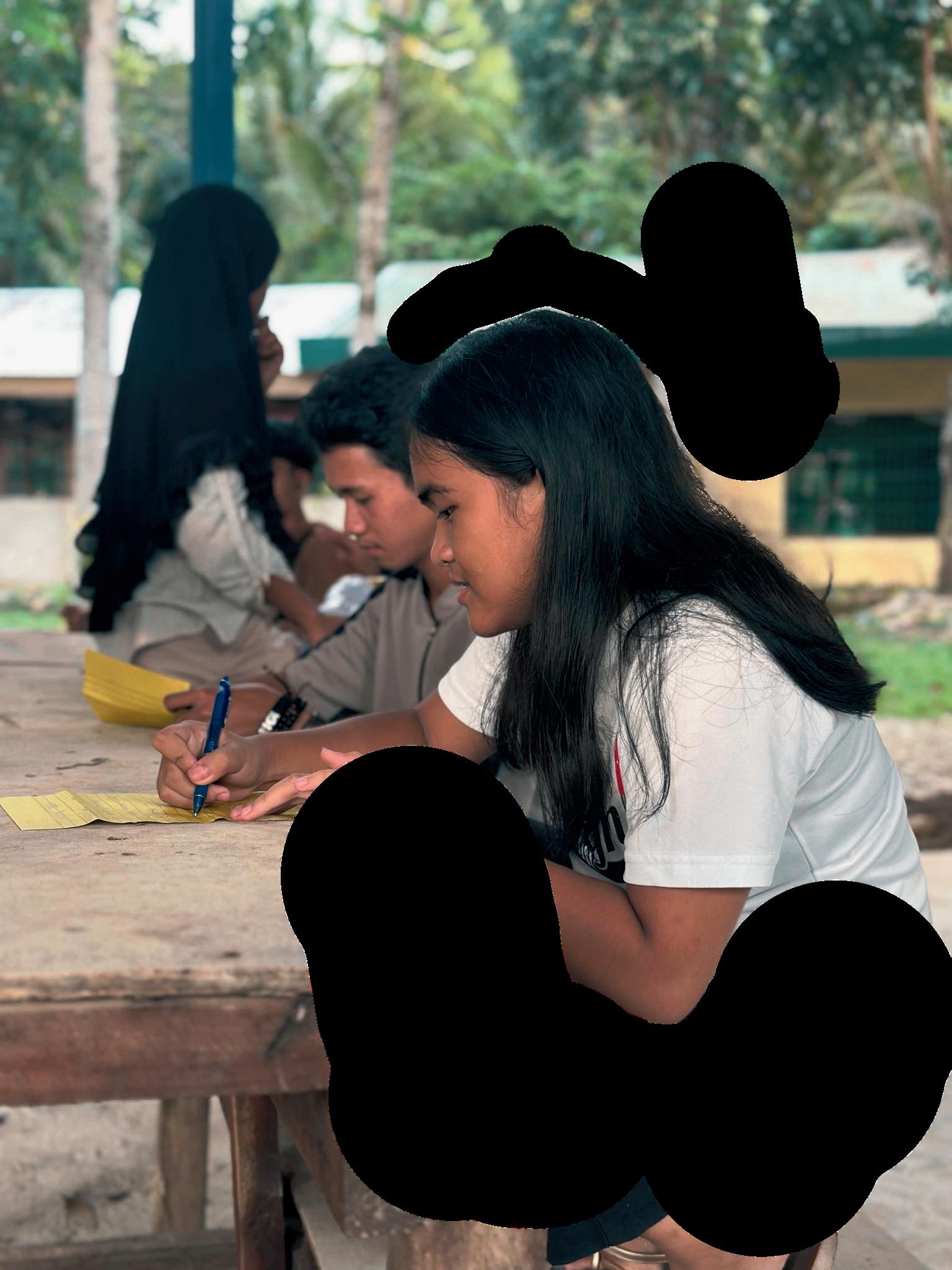
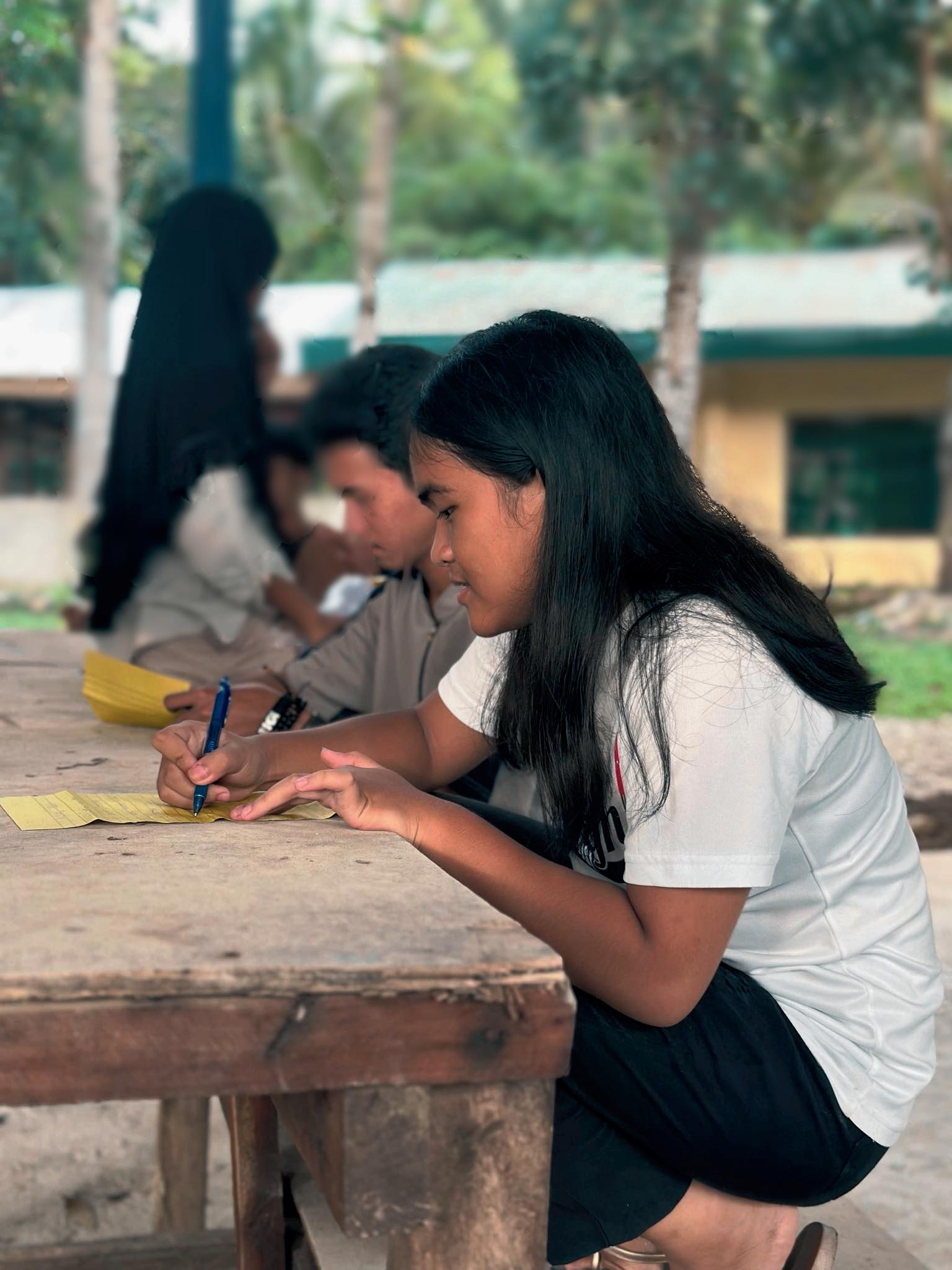
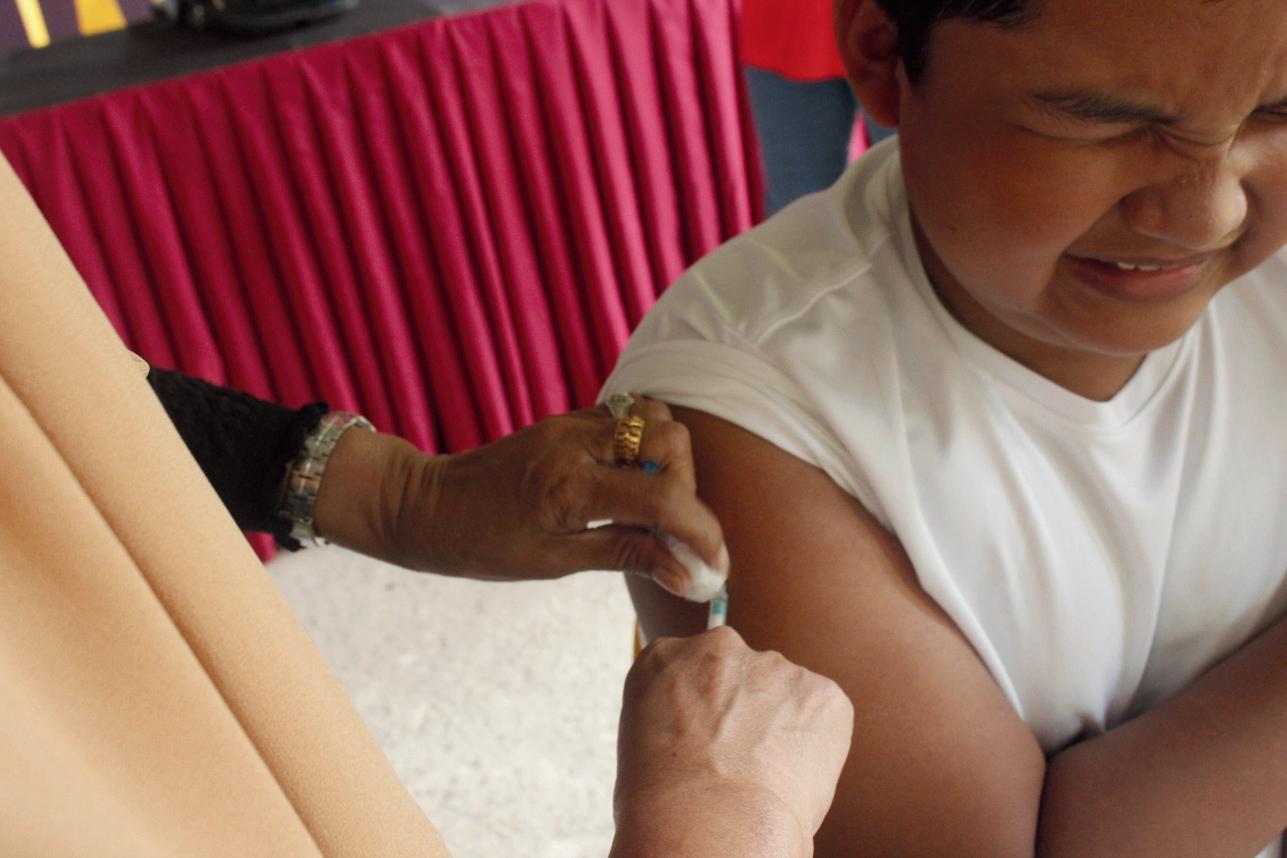
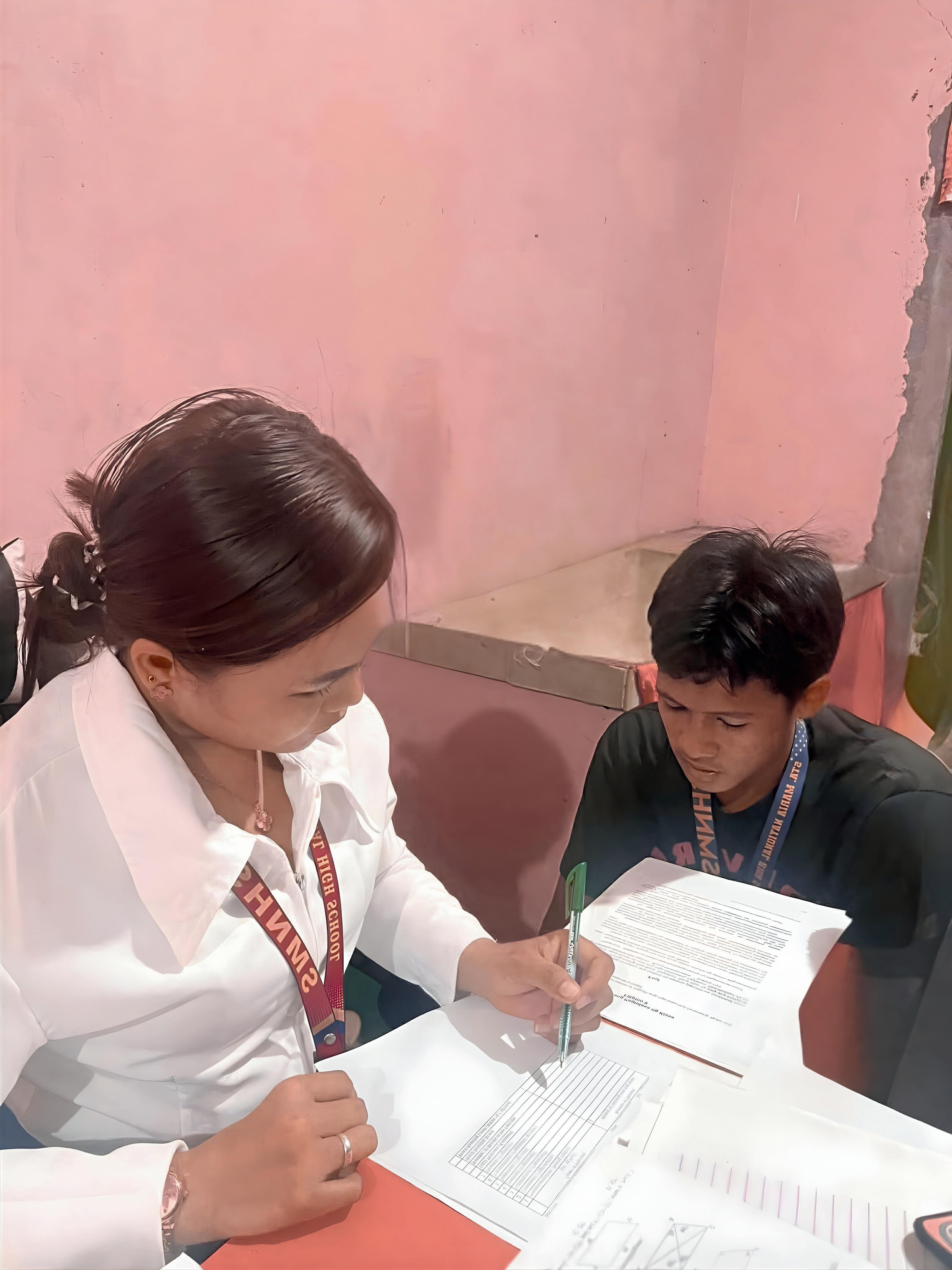
The Department of Health (DOH)- Siocon Rural Health Unit and Sta. Maria National High School (SMNHS) renewed their campaign for full immunization coverage among Grade 7 students, stressing that vaccination forms part of both education and Pantawid Pamilyang Pilipino Program (4Ps) health compliance.
This year, data showed that 110 of 136 Grade 7 students, or 81%, completed their immunization — a strong improvement from last year’s 62% coverage.
Health officials work closely with teachers, parents, and the Department of Social Welfare and Development (DSWD) to reach full protection for all learners. by the numbers
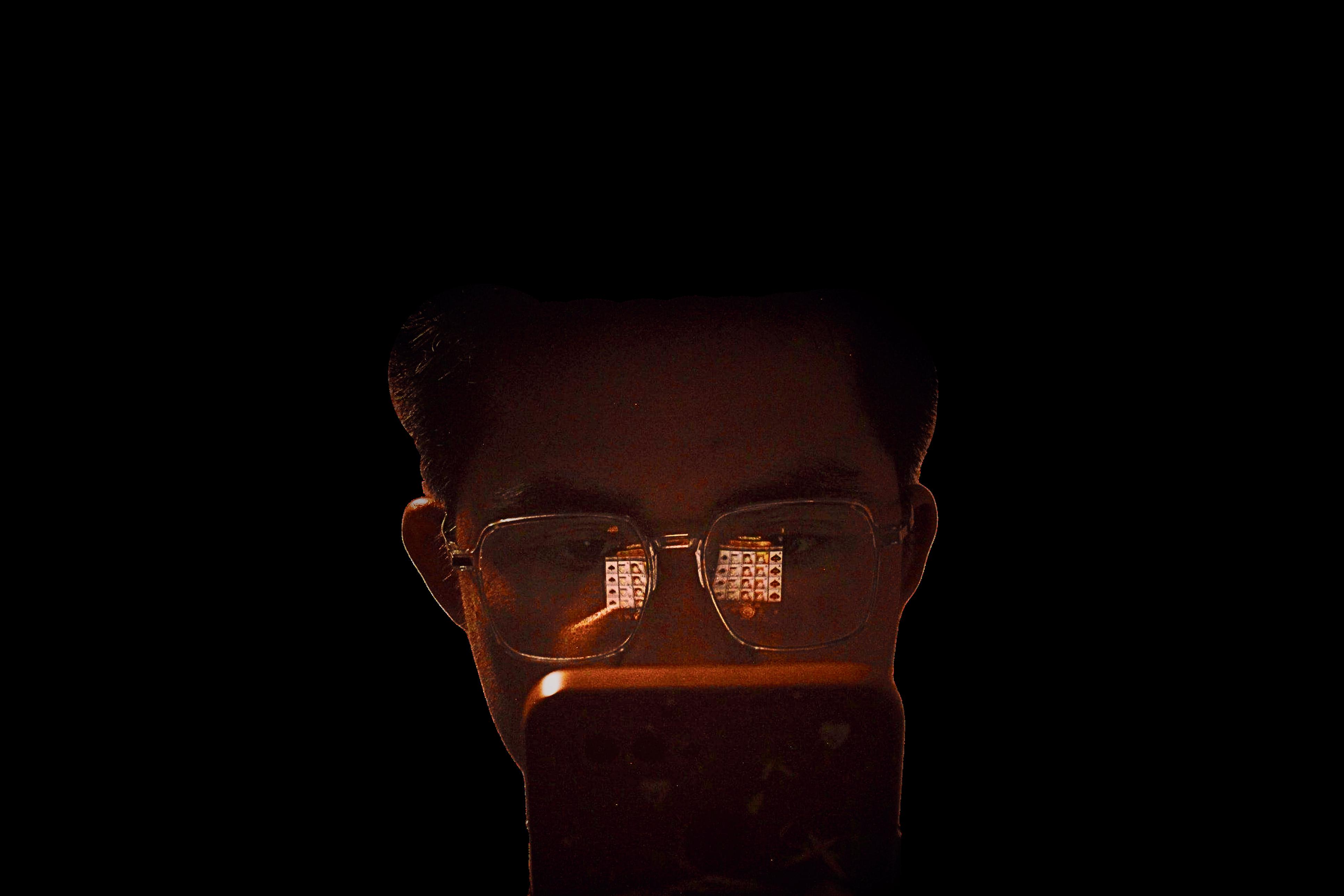
“Pagkahapon wala na yung isang student ko na naglalaro ng ‘Scatter’ at as usual, ang performance ay mababa. Kung papasok naman, di rin nagpa-participate,” Grade 10 Adviser Marielle Billones said.
“During class hours, they tend to get irritated maybe because they lose in online gambling and ang kanilang money is ma compromise and always feel sleepy kase baka nag late-gambling sessions” she added.
However, one parent of the affected student revealed that her son used to help their financial needs through fishing and online gambling.
by Fatima Khaira Cailo
Complaints from studentathletes and campus journalists about their low academic grades have sparked discussions among teachers at Sta. Maria National High School (SMNHS) on how to balance class performance with extracurricular training privileges.
Several students involved in sports and journalism trainings said their grades dropped this 2 quarter despite being excused from classes for official activities. nd
Some argued that their participation in competitions should be given more academic consideration.
Photo by NICOLE JAVONI ALIH
CLASSROOM
by Marwesa Caro
espite the continued use of makeshift classrooms, Sta. Maria National High School (SMNHS) has been forced to allocate its Maintenance and Other Operating Expenses (MOOE) to meet the needs, highlighting the lack of sufficient budget from the Department of Education (DepEd).
DepEd records show that only 22 classrooms were built this year, far below the 1,700 needed to accommodate the growing student population across public
The school administration confirmed that one makeshift classroom was built last year, but another one is being planned this year to accommodate the growing number of students.
School officials admitted that diverting MOOE funds for makeshift construction leaves little for supplies, repairs, and other essential expenses.
We are doing this because we have no choice,” Teacher Leonila Mendijar said. “Without additional budget for classrooms, we are forced to use the MOOE, even if it means sacrificing other needs.”
LEARNING AMID LEAKS, LIMITED SPACES
Parents have also expressed concern over the learning conditions, as
Vaccine
Meanwhile, students emphasized the situation affected their academic performance.
“Nahihirapan po kaming makinig minsan,” a Grade 7 student said. “At sobrang sikip rin po pag may performance kami dahil walang malaking space.”
CALL FOR IMMEDIATE ACTION
th Guidance
Sta. Maria NHS, DSWD-4Ps push drive vs teenage pregnancy
by Marwesa Caro
Sta. Maria National High School (SMNHS), in partnership with the Department of Social Welfare and Development (DSWD), conducted a youth development session on September 30 to educate Pantawid Pamilyang Pilipino Program (4Ps) and non-4Ps students about the dangers of pre-marital sex and teenage pregnancy.
In Sta. Maria NHS, 10 cases of teenage pregnancy were recorded for the school year 2024-2025, with many of students involved being minors aged 14 to 16 years old.
In Siocon, DSWD has also listed cases of beneficiaries who experienced early pregnancy, highlighting the risks not only to health and education but also the risks to family compliance with program conditions.
students continue to study in the covered court, exposed to distractions and weather problems.
“Nung minsan na umuwi ay basa ang mga gamit dahil napapasukan pa rin ng ulan ang makeshift room nila,” a parent shared. “We hope permanent classrooms can be built soon.”
/from P01
“We noticed better turn out this year, yet some parents still hesitate because of side effect concerns,” Nurse Deployment Project staff Gwynne Gomez said.
“Our team helps parents understand that vaccination gives children safe and allows them to continue studying without health interruptions,” she emphasized.
The RHU conducted school-based immunization drives, and house-to-house visits for children who missed the first schedule.
Principal Loester Bercasio emphasized the school’s role in linking health and education.
“We remind our families that education and health go together. Sick children struggle in school. Immunization
Teachers added that the arrival of new learning equipment from DepEd has also posed another challenge, since there are no proper classrooms where these materials can be used effectively.
“We received equipment, yung iba nasisira lang din dahil wala naming sapat na storage room ang mga yan,” Teacher Angelica said.
“Kung may performance kami sa cookery, wala ding sapat na space para sa mga bata kaya naapektuhan talaga ang aming klase,” she added.
The administration and parents are now appealing to the Department of Education to allocate more funds for classroom construction, emphasizing that MOOE should be preserved for its original purpose.
— Loester Bercasio, Principal, Sta. Maria National High School
“The need for classrooms is very urgent,” Principal Loester Bercasio said. “We are calling on DepEd to prioritize this because our students deserve safe and proper learning spaces.”
forms part of our share duty to keep our learners safe,” he said.
Parents and students express growing trust in the program after consistent coordination from teachers and health workers.
The DSWD reminded 4Ps families that immunization counts as one of the required health conditions under 4Ps.
“We monitor 4Ps beneficiaries who comply with health requirements such as a vaccination,” Assistant Social Worker Lester Sampiano said.
Local health workers continue efforts to reach 100% immunization coverage next year and strengthen community protection for all school-age children.
Moreover, the DSWD Zamboanga del Norte Program Office held a symposium for Grade 7 and 8 students emphasizing the role of education in social progress on the effect on 4Ps beneficiaries.
Meanwhile, non-4Ps students were also featured to guaranteed that all students gained advice.
“Ang layunin ng programang 4Ps ay tungkol sa edukasyon, ninanais namin na ma fullfill ng mga bata ang kanilang edukasyon kasama narin ang mga non4Ps’’Social Welfare Assistant Lester Lampiano said.
“Through Youth Development Session (YDS), gusto naming i-share ang mga social issues at advocacy na gusto naming i-implement para sa mga 4Ps beneficiaries kasama narin ang mga non-4Ps,” he emphasized.
return after giving birth.
LITERACY CRISIS
Teachers push for ‘no read, no move’ policy as non-readers arise
by Fatma Salam
Sta. Maria, SIOCON — Teachers at Sta. Maria National High School are raising concerns over the increasing number of students who cannot read fluently, calling on the Department of Education (DepEd) to restore the “No Read, No Move” policy even at the high school level.
The call comes after a report from the Philippine Statistics Authority (PSA) revealed that about 18.9 million high school graduates nationwide are functionally illiterate, highlighting the country’s ongoing literacy crisis.
Around 100 students at Sta. Maria NHS enrolled in the ARAL Program were identified as struggling readers, with most unable to read fluently and only a few capable of understanding short passages.
“Some students reach high school but still cannot read simple sentences,” Teacher Ronette Cabig said, a reading coordinator.
“Promoting learners who cannot read only adds to their burden in higher grade levels,” she added.
However, teachers in Sta. Maria NHS believe that without a clear and enforceable policy, the learning gap will continue to widen.
Teachers are appealing for the revival of the “No Read, No Move” rule, a policy that once required learners to achieve basic reading skills before promotion.
DepEd Sec. Juan Edgardo Angara assured that the agency “will not allow any learner to be left behind” in reading and comprehension.
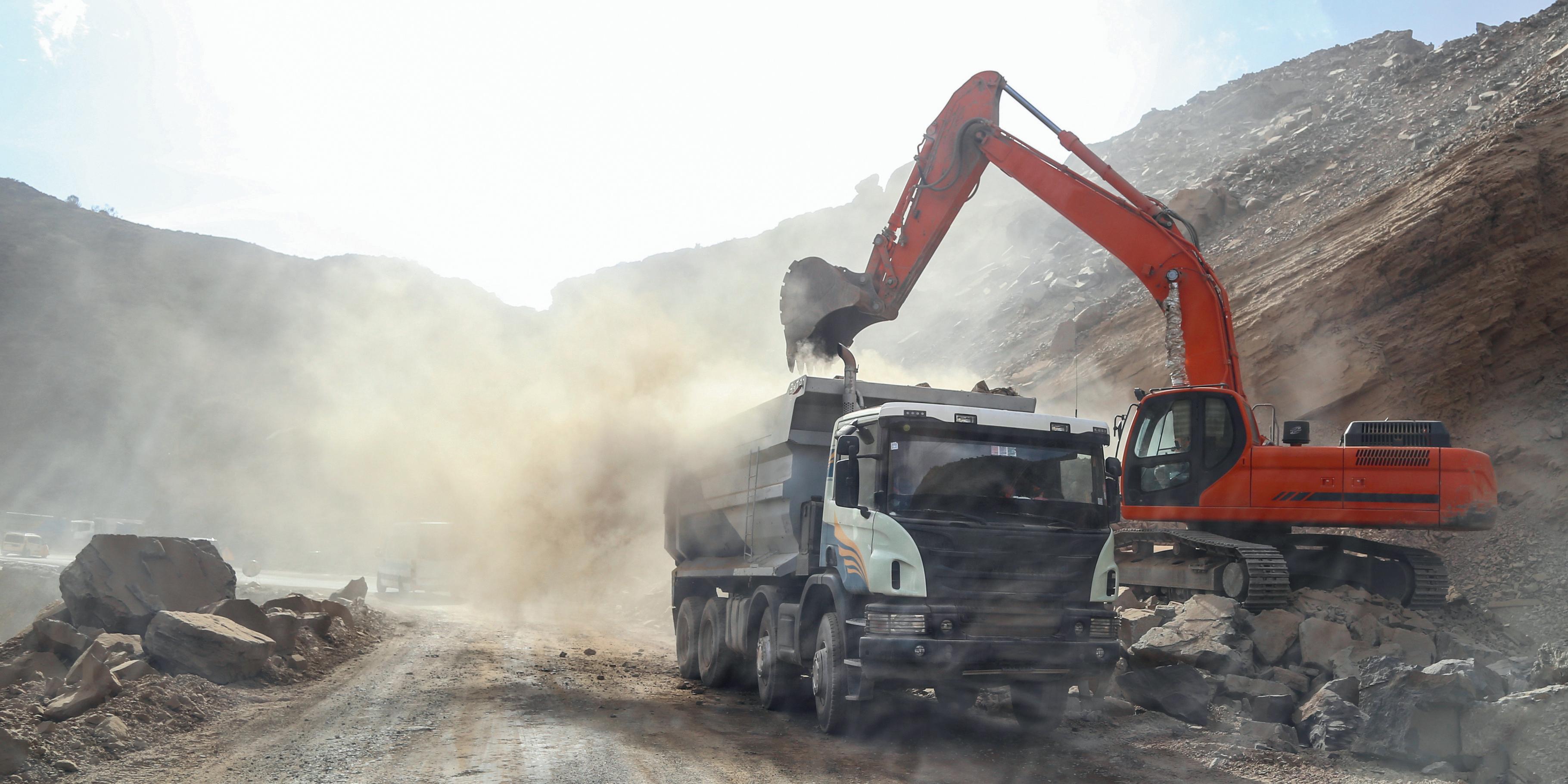
Brgy. Tibangao quarrying activities have made local roads continuously hazardous, creating risk for teachers, students, and residents who depend on the route daily, according to local sources.
Teachers assigned to Sta. Maria National High School reported that the route conditions worsen significantly due to loose rocks, mud, and dust from quarry operations.
One teacher almost suffered from accident after slipping on the uneven surface.
“Nung umuwi na kami ng husband ko, maraming mga malalaking bato ang nakaharang sa daan at sobrang putik Talaga kaya muntikan na kaming matumba” Teacher Arlene Palen said.
“Ang pagko-commmute araw-araw ay nagiging mapanganib.” she added.
Villlagers in the barangay also expressed concern about health impacts caused by dust from quarrying.
“Madalas na magkaroon ng ubo ang mga bata at matatanda dahil sa dala nilang buhangin at semento,” local resident said.
While quarrying offer livelihood to other families, officials admitted the need to address safety and health concerns.
They called on quarry operators to adopt measures such as dust suppression, safer hauling practices, and proper road maintenance.
“Patuloy na hinahanapan ng solusyon ng local government ang isyung ito na magpoprotekta sa commuters and residents,” Municipal Council Member said.
Teachers and residents have called on authorities to act immediately, proposing regular road grading, dust control measures, and safer road
While it originally applied to elementary pupils, teachers now argue that it should be extended to high school, where many students still struggle to decode or comprehend text.
“We conduct reading sessions weekly, but progress is slow,” Teacher Alfe said, who handles Grade 7 students under the ARAL Program.
“Some can read words, but they don’t understand what they are reading,” she stressed.
Education groups nationwide continue to debate whether mass promotion contributes to declining literacy rates.
However, for Sta. Maria NHS teachers, the reality is simple: without reading, there is no learning.
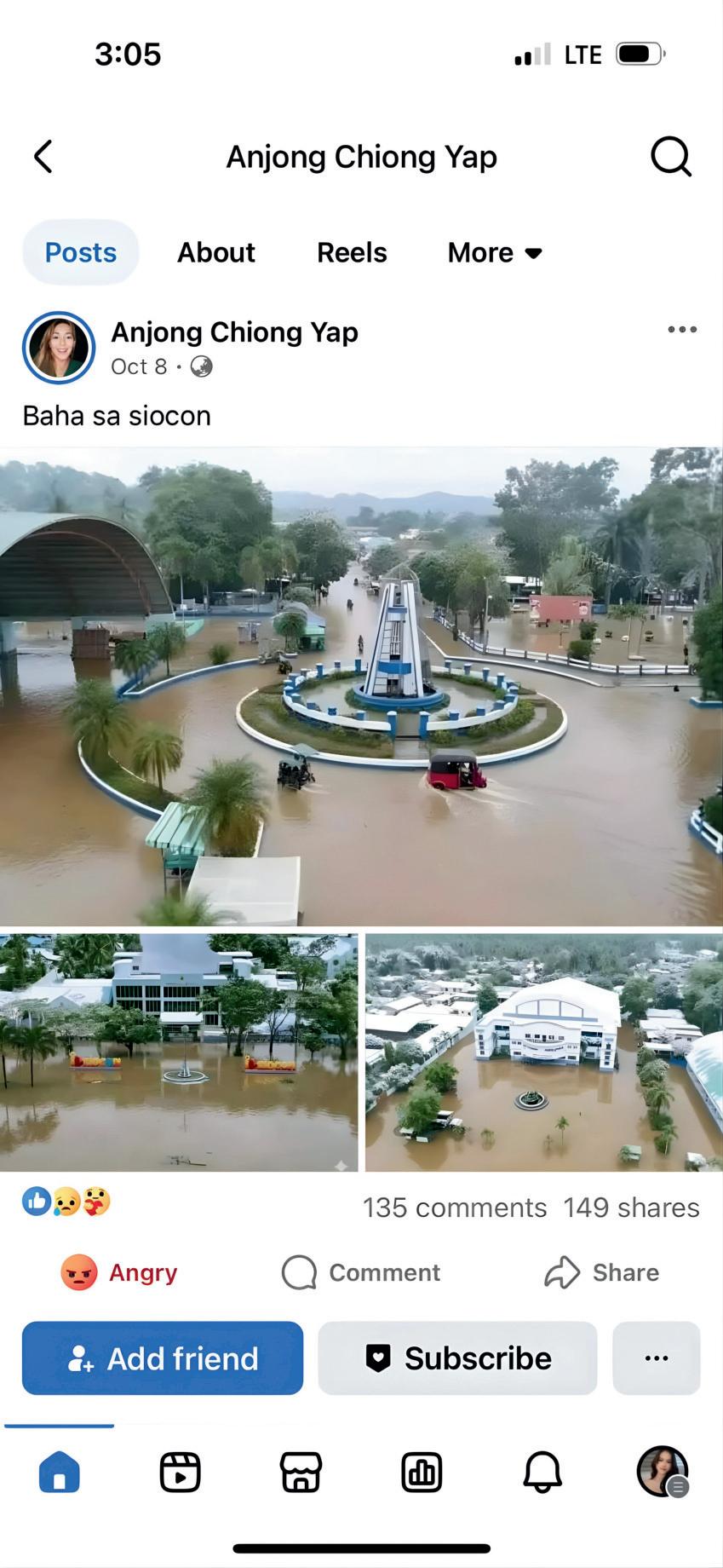
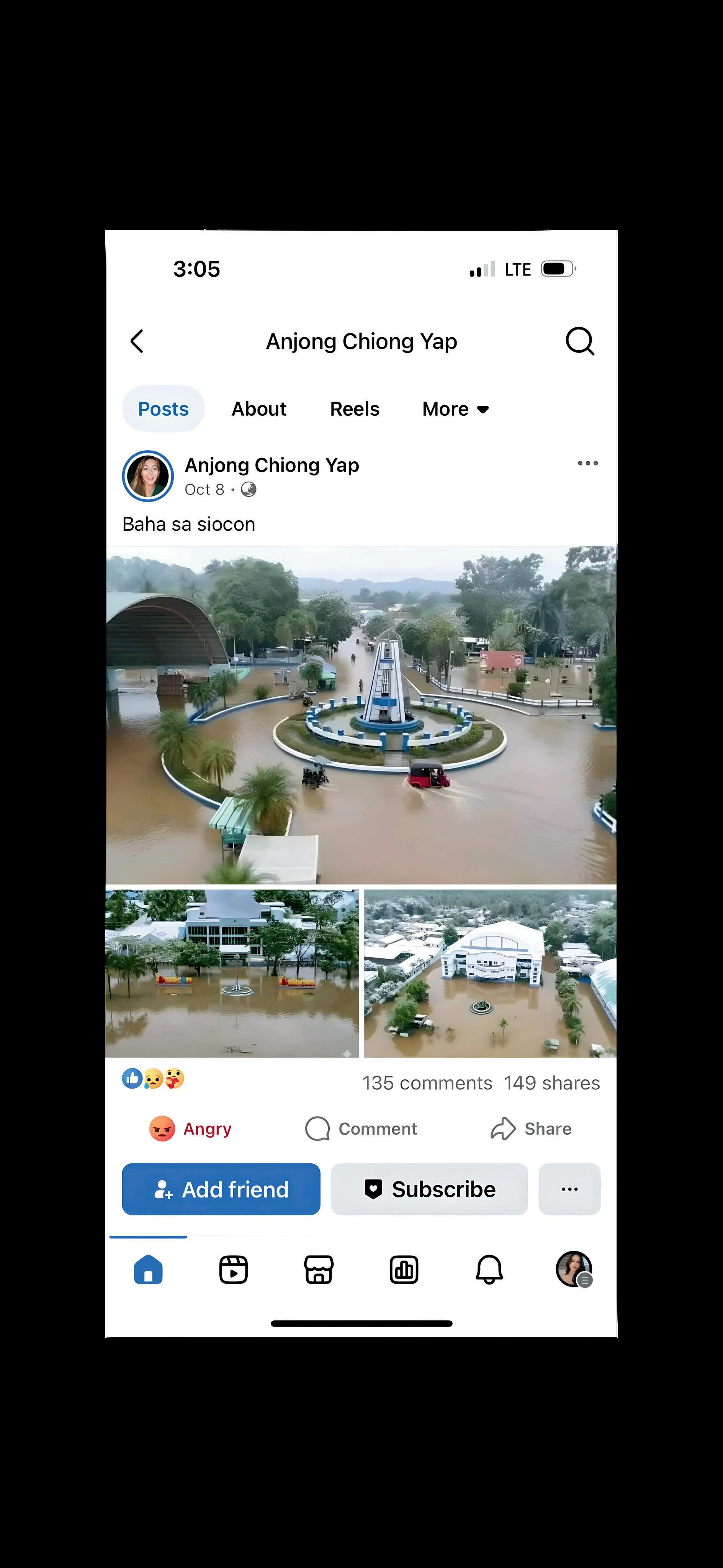
The edited image— shared over 149 times— exaggerates the real flood situation and was posted by a user who is not from Siocon, prompting authorities to warn against misinformation spread for monetization.
Concerned residents said they had already messaged the uploader to clarify that the image was misleading, but the post remains online, allegedly to maintain engagement and earnings.
Moreover, the post worries families of residents working abroad, who believed the town was severely hit.
the Municipal Disaster Risk Reduction and Management Office (MDRRMO) reminds public to rely only on verified government pages.
Tibangao quarry sparks safety, health concerns among commuters by Marwesa Caro
highschool graduates are functionally illiterate
Sta. Maria NHS students are currently under ARAL Program for reading support
SOURCE:
Photo by NICOLE JAVONI ALIH
Photo
Marwesa Caro
Sta. Maria ranks
‘GHOST ENROLLMENT’
nawawalan na daw sila ng interest, “she added.
RULES, EDUCATIONAL CHALLENGES
The 4Ps program provides conditional cash transfers to low-income families, requiring children to attend school regularly and urdergo health checkups.
the
8 students
SOURCE:
Low grades of student trainees spark debate among teachers
Teen assault victim stops schooling due to trauma
by Marwesa Caro
Sta. Maria, SIOCON-The 15-year-old student assaulted on September 28 has temporarily stopped going to school after sustaining serious injuries and trauma, raising concerns about the impact of the attack on his education and overall development.
According to the teachers at Sta. Maria National High School (SMNHS), the student has stopped attending classes since the incident, as they fear that the disruption might affect his academic progress and confidence.
This is not just about his physical injuries; his absence from school shows how trauma can disrupt a child's education. We hope he finds the courage and healing needed to return soon," Principal Loester Bercasio said.
The victim's mother shared some challenges his son is facing.
"He cries at night and tells us that he feels unsafe; he's scared to go back to school,
Authorities
by Marwesa E. Caro /from P01
“May training kami every day at miss a lot of lessons,” one of the studentjournalists said.
“Kahit pa excused kami, mababa pa rin ang grades namin,” she added.
Another student-athlete said some of them stopped joining practices after receiving failing marks.
TEACHERS DEFEND EVALUATION STANDARDS
Meanwhile, teachers clarified that
JUSTICE STILL
Police said the suspect has not provided a consistent explanation for his actions during the investigation.
BAIL SPARKS OUTRAGE
The
"We want justice for our
Police authorities said they acknowledge the family’s decisions to pursue legal remedies while the Department of Social Welfare and Development (DSWD) pledged psychosocial support and legal guidance.
NATIONAL CONCERN ON CHILD PROTECTION
The incident has drawn attention to broader calls for stronger enforcement of child protection laws and faster justice for minors across the country.
According to child rights advocates, cases like this expose gaps in the country’s justice system- where violent assaults on minors are often filed under lighter offenses, allowing suspects to post bail and evade harsher penalties.
A legal officer from the Department of Justice explained that reclassification from child abuse to frustrated murder is possible if additional medical or testimonial evidence process intent to kill.
sa school kase palagi nalang siyang tulala at nagsisigaw,” she added.
“It’s crucial that investigators file proper documentation and gather all supporting evidence early,” the officer said. Meanwhile, the case is currently being investigated as the family continues to pursue frustrated murder charges.
CRY FOR JUSTICE.
The 15-year-old victim of assault continues to recover as his family appeals for a frustrated murder case against the suspect.
Photo by NICOLE JAVONI ALIH
by NICOLE
INVISIBLE FILIPINO COST
breakingchains
Blind Abuse
by RAKIM JAMA
Children
According
Against Child Abuse, Exploitation, and Discrimination Act”, prohibits the employment of children below the age of 15. The law emphasizes heavy labor or hazardous work and bans children from being employed in such conditions.
However, the number of child laborers is still rising every year. Does the law protect the children from being free from their struggle?
Save children’s education and childhood must be prioritized not for the children to indifferent childhood. bythenumbers
160 MILLION children worldwide were involved in child labor
SOURCE: ILO
I don’t think so! Even though there’s a law to protect children's stolen rights,
President Marcos Jr. has ordered a sweeping review of flood control projects after Senate inquiry revealed billions of pesos lost to ghost projects, unfinished infrastructure, and substandard materials. Yet even with these findings, no arrests have been made, and many officials continue to offer excuses or false stories to evade accountability. Contractors site implausible reasons to dodge responsibility while the public pay the price.
This is most glaringly evident in the case of Zaldy Co, allegedly responsible for massive irregularities in flood control projects, yet remains free while ordinary, Filipinos face, swift and harsh penalties for minor infractions. If a poor citizen, comments of small crime, arrest happens within 24 hours— but if a public official steal billions meant to protect, lies, justice stalls. This double standard is not only unfair— it is dangerous.
The consequences are immediate and devastating. In the recent floods caused by typhoon Kalmaedi (locally “Tino”, communities across Luzon, Visayas, and Mindanao suffered catastrophic damage. Entire neighborhoods and Cebu were submerged, vehicles, overturned, and homes swept away.
Corruption in flood control projects is not just about money— it is about lives, safety, and survival. Every peso stolen is a home flooded, a child endangered, a life disrupted. The Filipino people deserve justice, transparency, and a accountability. Officials responsible for ghost projects and substandard infrastructure must face the full force of the law.
In Mindanao, towns along major reverse were inundated, displacing thousands and forcing families into evacuation centers with limited food and sanitation. According to reports, over 2 million people were affected nationwide, with more than 114 confirmed deaths and hundred’s missing.
Meanwhile, investigations show 421 flood control projects nationwide where flag as ghost or substandard projects, leaving entire communities exposed. (Philstar) Families wade through floodwaters daily, students risk their safety just to reach school, and workers lose livelihoods because infrastructure meant to protect them fails
This is a wake-up call. The Philippines is not poor— it is suffocating under corrupt leadership. Every broken project, every unfinished dike, every missing evacuation center is a failure that costs lives. We demand answers. We deserve the truth. We want justice.
It is time for action, not promises. If the government fails to act, the responsibility falls on the Filipino people— to demand accountability, monitor projects, and ensure that public funds are used for their intended purpose. Corruption in flood control is a direct threat to our lives. Those responsible must be held accountable now. Before another storm hits, before another family loses everything.
2 MILLION + Filipinos affected by Typhoon Kalmaegi (Tino) 114 deaths
real
by
An alarming incident recently spread in Siocon, Zamboanga del Norte. Photos of a major flood circulated online, causing citizens to panic, believing they were real.
Some people think that sharing posts online is harmless or even entertaining. While that may seem true to some, the reality is very different. The recent incident in Siocon is a clear example of how misinformation can harm citizens and communities.
Moreover, misinformation destroys public trust. When false reports are shared, people may begin to doubt not only online content but also official reports.
Once the public discovers that the photos were edited, trust fades. This makes it harder for authorities to manage real emergencies effectively. For example, a similar situation occurred in 2017, when a false tsunami warning spread across local barangays, causing unnecessary panic.
False content can lead to panic and confusion, putting lives at risk. The photos in Siocon alarmed citizens, yet the person who posted them seemed to care only about views and likes.
Ultimately, the spreading of false information during disasters must stop. Flooding and other emergencies are real and dangerous, but panic caused by edited photos or rumors is unnecessary. Sharing accurate information protects public safety, maintains trust, and helps communities respond effectively. Together, we must prioritize truth over attention and act responsibly in times of crisis.
by Charles Cuajao
Online gambling is no longer just a distant threat— it is destroying the academic focus, family, bonds, and features of students in Sta. Maria.
Local reports indicated over 30 students from Sta. Maria National High School, mostly boys aged 15-18 and beneficiaries of the 4Ps program, or actively engage in online gambling platforms, despite the Bangko Sentral ng Pilipinas (BSP) recent efforts to unlink e-wallets from such sites.
What makes this trend even more alarming is how access to gambling has moved from public space to private, hidden environments. In the past, minor could be seen betting outside on informal games in open playgrounds or public areas.
Today, online gambling has moved indoors, accessible, via mobile phones and wireless networks inside homes, classrooms, and school premises. This shift makes supervision, harder, increases secrecy, and enable students to gamble at any time— even during school hours or late at night.
The scale of the problem is clear. Nationwide, PAGCOR reported a 49% surge in online gambling revenue, exceeding P15 billion. While the government benefits, financially, minors are paying the real price. Students gamble on online casinos, digital sabong, and other betting games using real money, often without parental awareness.
It is time for the community and government agencies to act decisively. The longer we delay, the more students fall prey to the hidden epidemic. Let us not wait until the damage is irreversible.
Teachers report students, arriving late, fatigued, or disengaged due to staying up all night gambling. Academic performance suffers as students skip classes, misuse allowances, or even spend parents’ money to continue betting. Peer pressure, social media ads, and celebrity endorsements lure students further into the cycle, framing, gambling as entertainment or stress relief.
This is not just a legal or financial problem. It is a moral, educational, and public health crisis. Students risk academic
failure, social, isolation, and strained family relationships. Some may develop gambling addictions with long-term consequences, including reckless decisions and vulnerability to crime.
Government action exists on paper.President Marcos Jr. signed a law banning certain online gambling activities to protect minors and prevent crime. Yet, in practice, students in Sta. Maria are still able to access these platforms inside homes and school premises. Enforcement remains weak, and laws without
implementation are meaningless.
The solution requires a coordinated approach. Schools must monitor device usage, educate students about the risks of online gambling, and provide counseling for those already affected. Parents must actively supervise online activity at home and engage in open dialogue. Local authorities must enforce existing laws consistently and monitor digital platforms to prevent access by minors.
Online gambling is a clear and present danger, not just to
birthplace of dreams, the incubators of potential, the quiet arenas were young minds grow.
by Charles Cuajao
Yet in the Philippines, including Sta. Maria National High School, these walls are scarce, overcrowded, or missing altogether. Despite a P758.6 billion budget for DepEd in 2024-2025, the country faces a shortage of 148,000 classrooms, according to ABS-CBN News.
Even worse, many of the classrooms that were supposedly built or substandard— made with low-quality materials, poorly constructed, and unsafe for students.
Investigation survey that funds meant for classrooms have been misused or lost the corruption, leaving children and teachers to face dangerous, crumbling structures. In Sta.
Maria NHS, classes exceed 50 students per room, forcing teachers to raise their voices, stretch their patience, and sacrifice the quality of education.
Students are squeezed into makeshift learning spaces, including hallways, stages, and open areas, where focus and learning are nearly impossible.
The problem is not just insufficient classrooms— it is a crisis of priorities, governance, and accountability. The Department of Public Works and Highways (DPWH) was tasked to construct classrooms, yet only 22 classrooms were completed nationwide this year, while high-rise condos, malls, and casinos rise in months. This glaring disparity shows exactly where urgency and efficiently lie: in profit, not in the future of Filipino children.
This shortage and substandard construction are a silent theft of potential. Every day spent in unsafe or
overcrowded classrooms chips away at a child’s confidence, creativity, and opportunity.
Change is urgent and possible— but it requires more than promises. The government must accelerate classroom construction, ensure quality standards, and eliminate at least 50% of the classroom shortage this year. Funds must be properly monitored and safeguarded, so corruption does not steal the education our children deserve. But responsibility cannot rest on the government alone. Communities, local businesses, and civic organizations must recognize that every classroom built is an investment in our nation’s future.
We deserve walls that shield learning, foster growth, and inspire potential— walls that do not collapse under neglect, overcrowding, or corruption.
students’ grades but their futures, it threatened the integrity of families, schools, and communities. Sta. Maria cannot afford to ignore this growing crisis prevention, strict enforcement, and education are the only ways to protect the next generation from the lure of easy money and the heavy price it demands.
It is time for the community and government agencies to act decisively. The longer we delay, the more students fall prey to the hidden epidemic. Let us not wait until the damage is irreversible.
The time for excuses has passed. Every unfinished or substandard classroom is a stolen opportunity, every delayed project a betrayal of trust. Students, teachers, and communities cannot wait while bureaucracy and corruption decide their future.
We deserve classrooms that are safe, functional, and built with integrity. We deserve learning that is uninterrupted and empowering. We deserve a nation that prioritizes its children over profit, politics, and negligence. Build the classroom, honor the future, and stop leaving our students behind.
We deserve walls that shield learning, foster growth, and inspire potential— walls that do not collapse under neglect, overcrowding, or corruption.
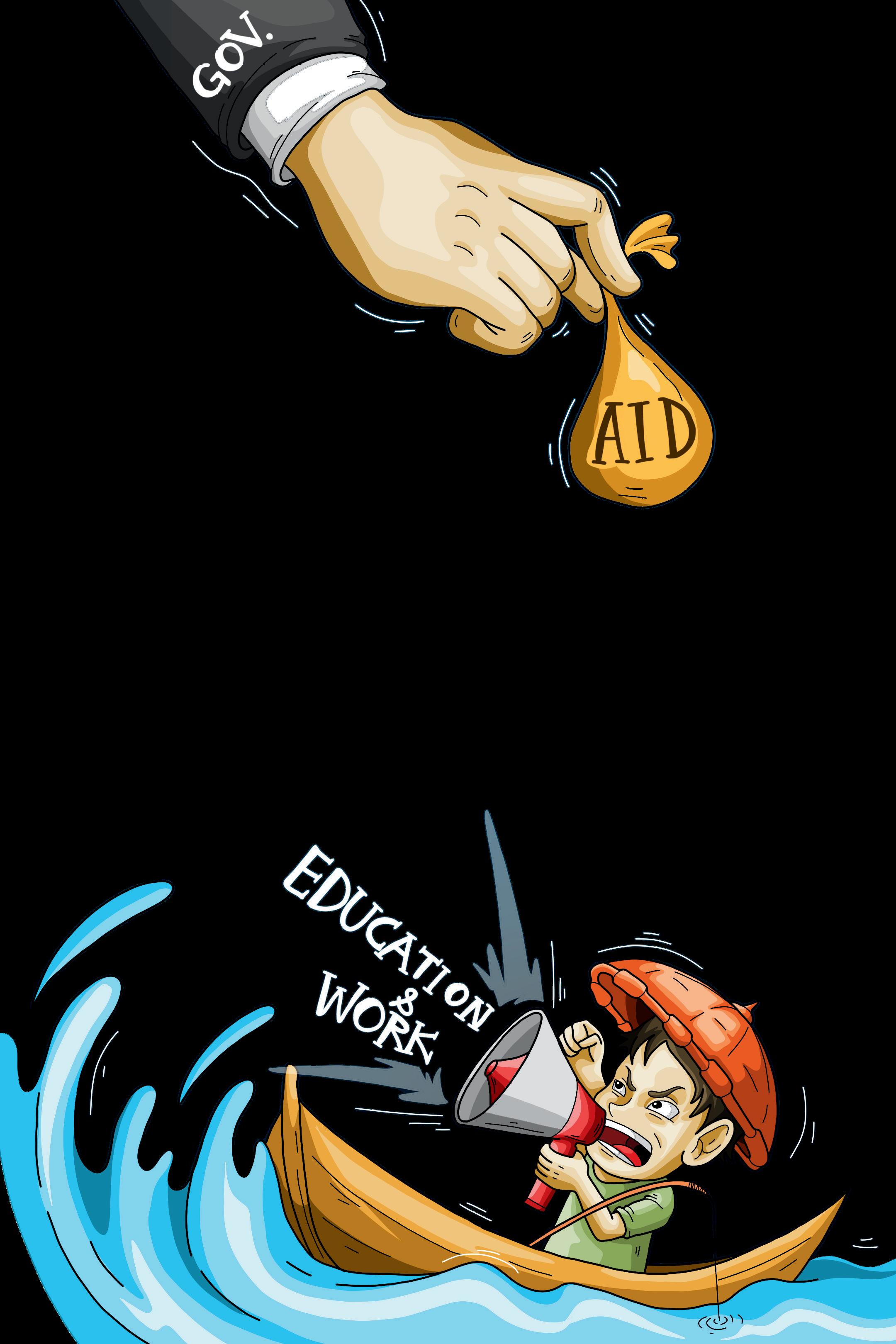
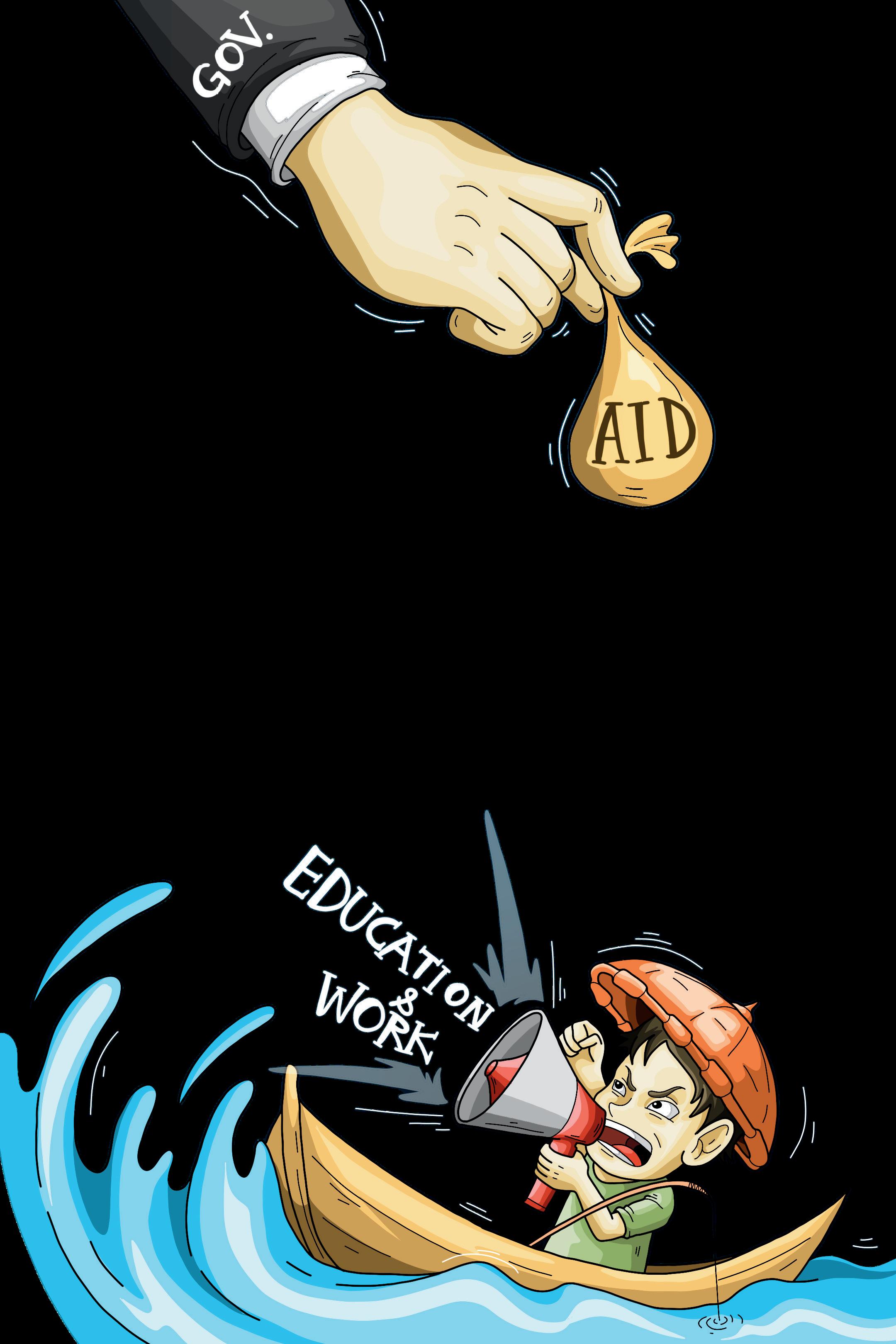
disasters, vulnerable groups, and remote areas require both aid and opportunity. Relief acts as a life-vest, while jobs and education form the bridge to selfreliance.
Assistance becomes dangerous when it replaces initiative. Skills are abandoned, ambition stalls, and reliance hardens into a cycle that traps generations.
The path forward is clear:
talk
SHELLA MAE NAAWI
silent canvas
In places where laughter should fill the air, tiny han bear burdens far too heavy for their age. Children tr classrooms for work sites, textbooks for tools, and playtime for survival. Each coin earned comes at the cost of stolen dreams and dimmed innocence. Their stories are not just tales of resilience— they are reminders that childhood should never be measured i labor.
Where the waves should bring joy, they bring burdens instead
Sushine and sacrifice by Kyla
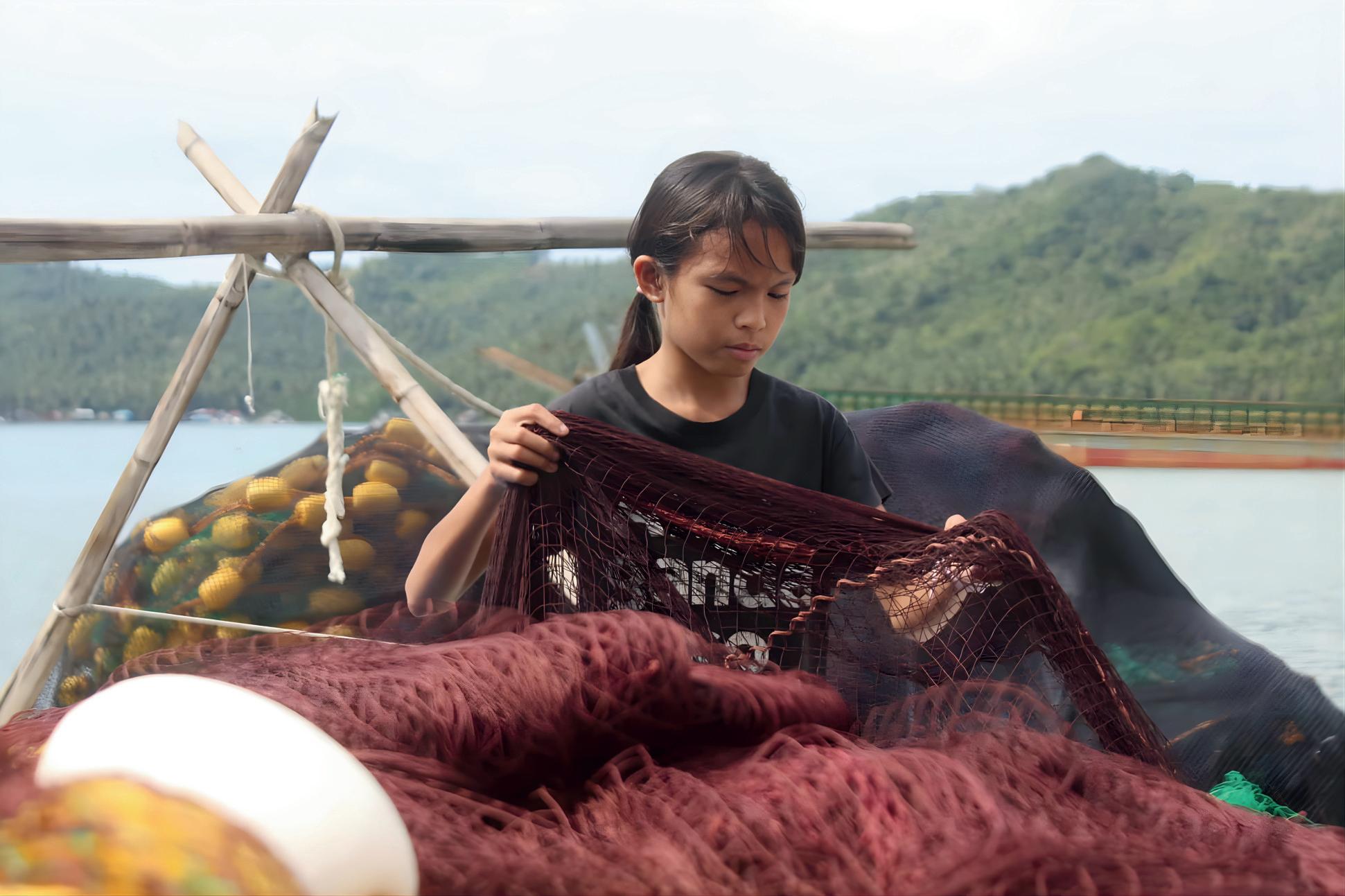
The sea — it’s a place where people go to have fun under the sun, a place where families create new memories, and a place full of sunshine and splashes. But how can a place as bright and happy as the sea be filled with sadness and desperation? How can a place where people hold so many innocent memories become one where children, in particular, must face the harsh reality of life — a life where comfort is a privilege, not an option, and where dreams turn into mere fantasies?
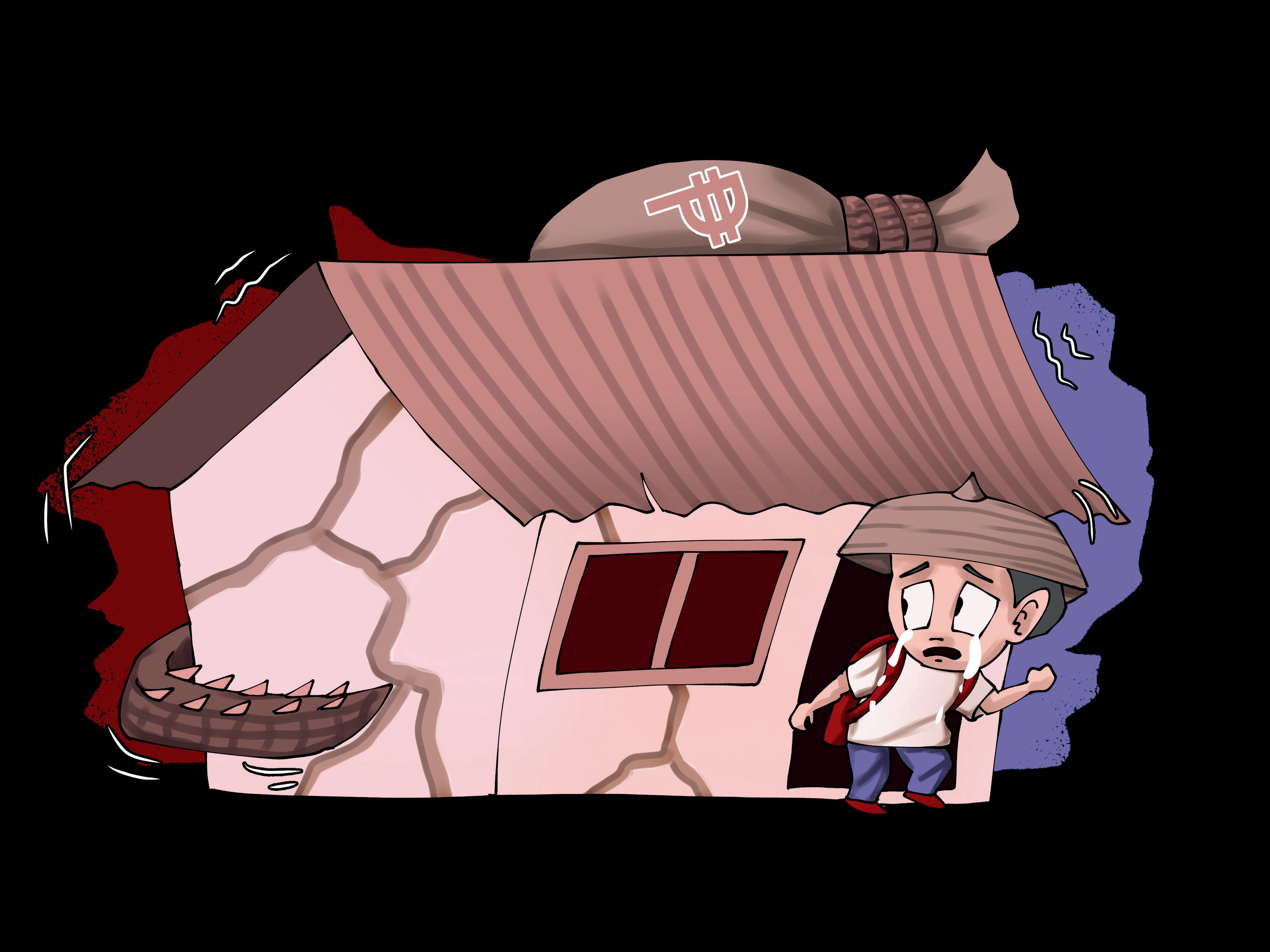
The Pantawid Pamilyang Pilipino Program (4Ps), launched in 2007 by former President Gloria Macapagal-Arroyo, aims to break the endless cycle of poverty and invest in human capital by improving the health and education of children aged 0–18. However, according to Local Government Unit of Siocon, 285 of these children are still recognized as child laborers despite being 4Ps beneficiaries,
At Sta. Maria National High School, 65 students continue to work even while receiving support from the program.
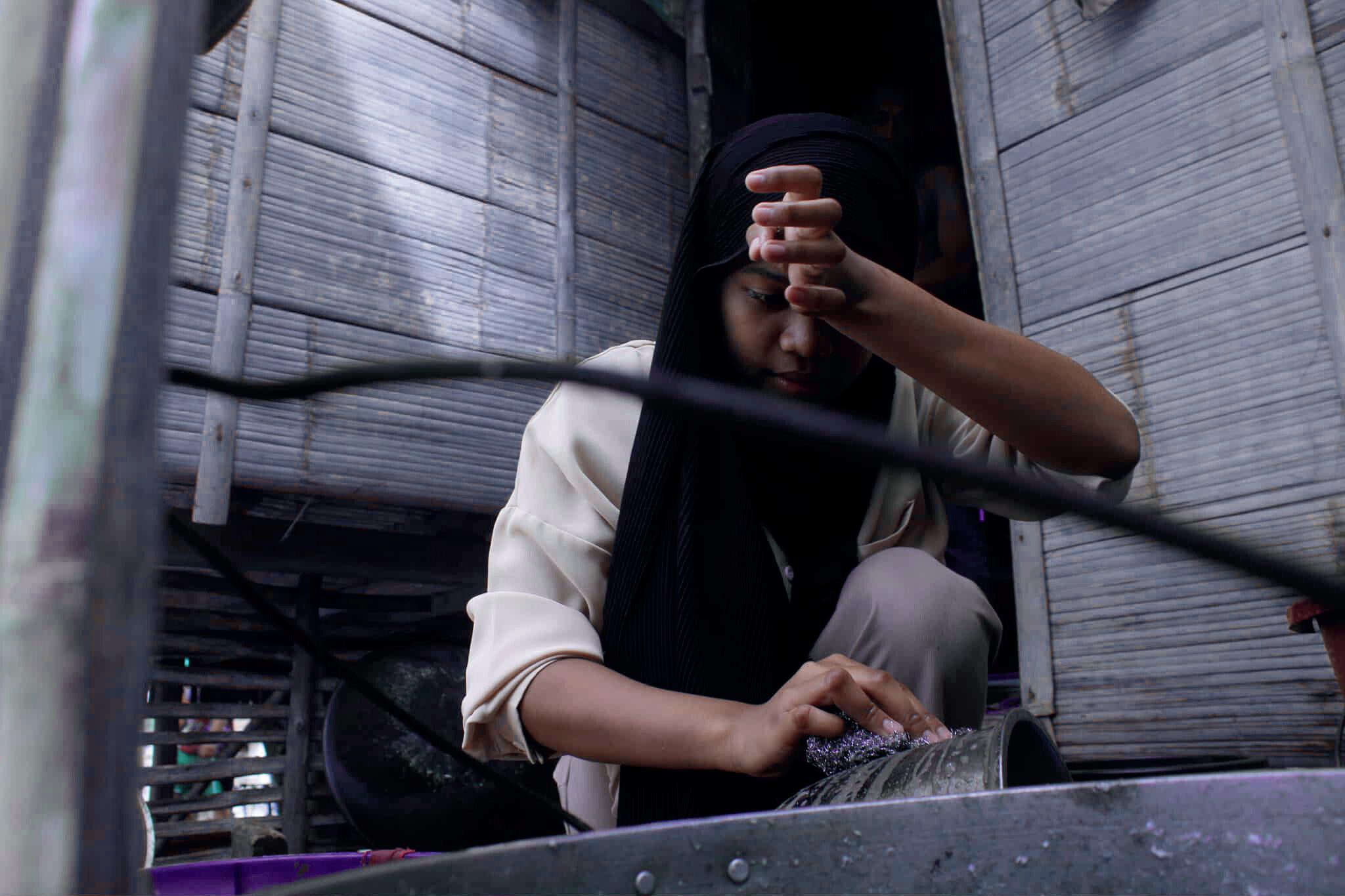
“Yes, working while studying is very difficult. Waking up early to go fishing and then going to school tired — I’m honestly exhausted, but I’m not going to let it stop me,” said Ansen Arlene G. Lamon, a Grade 9 student at Sta. Maria National High School, as she flashed a heartwarming smile.
“I have a dream to achieve, and nothing is going to stop me,” she added, as another wave of pride for her hard work washed over her. Like Ansen, all students have dreams, but some choose not to pursue them because, for them, dreams are a luxury, not a necessity.
That mindset has led many into child labor. Among them, about 60 students have below-average academic performance, while others have dropped out of school entirely — making child labor an even more alarming issue.
“I have a dream to achieve, and nothing is going to stop me,” she added, as another wave of pride for her hard work washed over her.
Despite the government’s help, many students still wake up early in the morning to go fishing instead of attending school. Yet, few seem to realize how this affects a child’s future. Many turn a blind eye to child labor, ignoring how it robs children of their chance to learn and grow. For some, dreams are something they cannot afford; learning is a want, not a need. Sitting all day in a classroom doesn’t
Even with a crooked steps, he walks farther than most
Strides of Strength
by Kyla Arabi
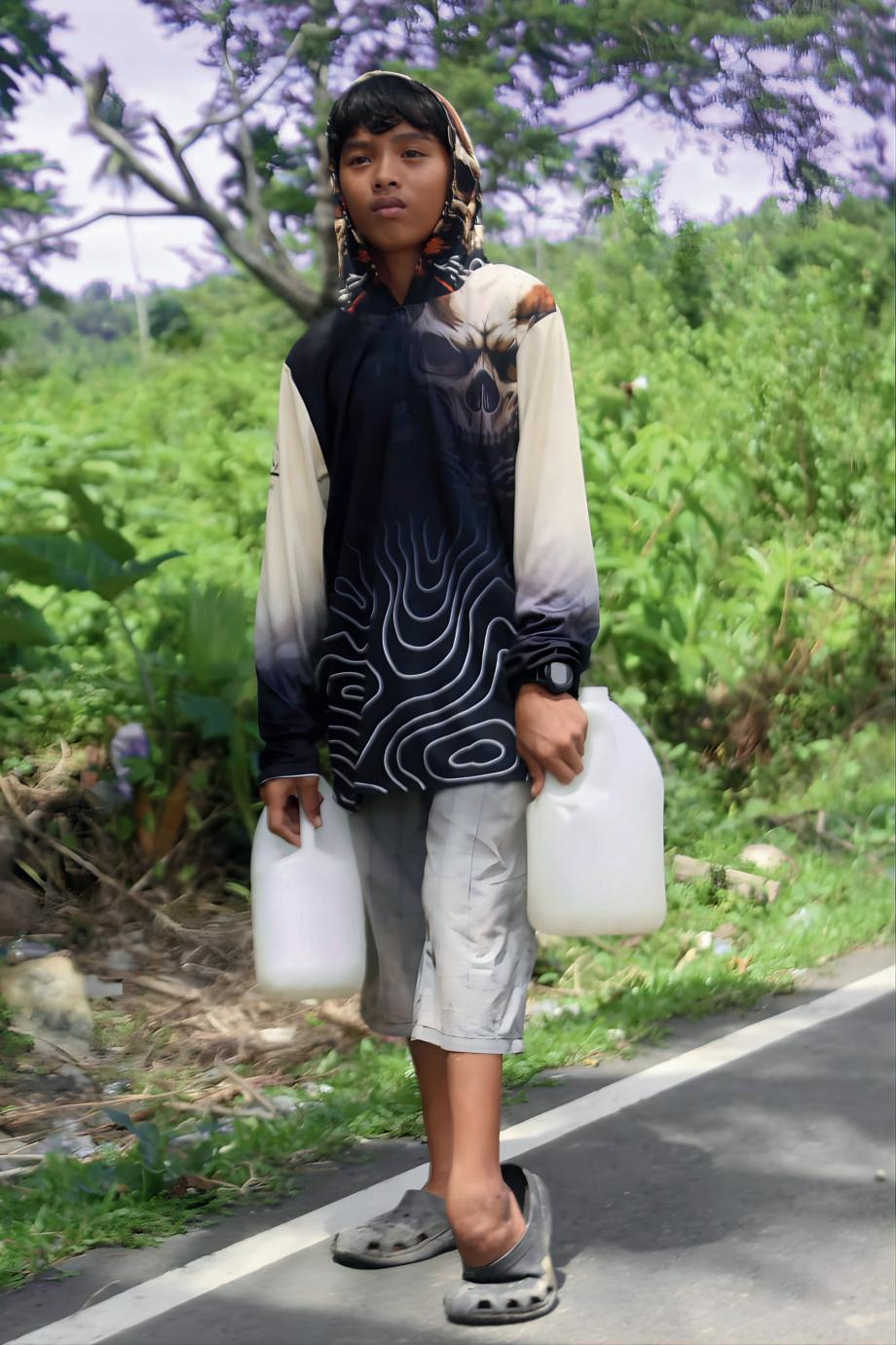
leaves a mark on the ground— and on the heart of anyone who notices. His name is Hashim Abdul, a Grade 7 student whose right foot bends inward, making every walk a test of balance and endurance.
But Hashim doesn’t slow down. He cannot afford to.
Every morning, Hashim wakes before sunrise. While others still sleep soundly, he’s already outside, filling up gallons at the community pump. Sometimes he delivers water to neighbors for a few pesos. On other days, he sells charcoal— his hands darkened with soot, his face glowing with sweat. “Minsan tubig, minsan uling— kung ano ang meron. Basta kumita lang,” he said, his shy smile hiding the fatigue in his eyes.
Poverty has shaped Hashim’s childhood in ways no child should endure. Born with a foot deformity that makes walking difficult. He could have used it as a reason to stop— but instead, it became his reason to move. “Hindi ko iniisip na may kapansanan ako. Kailangan kong kumilos. Kung hindi ako kikilos, sino?” he said, his words steady despite his youth.
His daily routine is a cycle of sacrifice. After hauling water or selling goods, he changes into his school uniform – sometimes still damp with sweat long – and walks to school with a limp, carrying his notebook in a dream much heavier than his load. Teachers often notice him arriving, tired, but attentive, never using his disability as an excuse. “Tahimik lang siya, pero masipag,” one teacher shared. “Kahit pagod, gusto pa rin nyang matuto.”
At lunch, while others buy snacks, Hashim often sits quietly, eating rice and dried fish packed from home. There are days when he
has nothing but water for lunch, yet he listens, takes notes, and answers recitation with quiet confidence. “Nakakahiya minsan kasi iba may baon, ako wala,” he admitted softly. “Pero mas nakakahiya kung hindi ako mag-aaral.”
After class, his classmates go home to rest or play, Hashim walks back to the pump to fetch water again. Sometimes he helps his parents gather their charcoal, other times he attends to small errands around the barangay. The same twisted foot that slows him down—is the same one that keeps pushing him forward.
His dream is simple—to finish school and become a teacher. “Gusto kong turuan ‘yung mga batang katulad ko”, he said, eyes lighting up for a moment. “Yung alam mong hirap, pero hindi sumusuko.”
Hashim’s story is not just one of hardship, but of quiet heroism. He represents many children who carry the weight of poverty and survival while chasing education. Behind every coin he earns and every bucket he lives lies a question that lingers: why must children work to live when all day should be doing a learning dream?
Child labor remains of painful reality in many parts of the country— where survival force children into roles, they never chose. Yet within this harsh truth, our stories like Hashim— stories that remind us that even when life bends once pass, the human spirit can still walk straight.
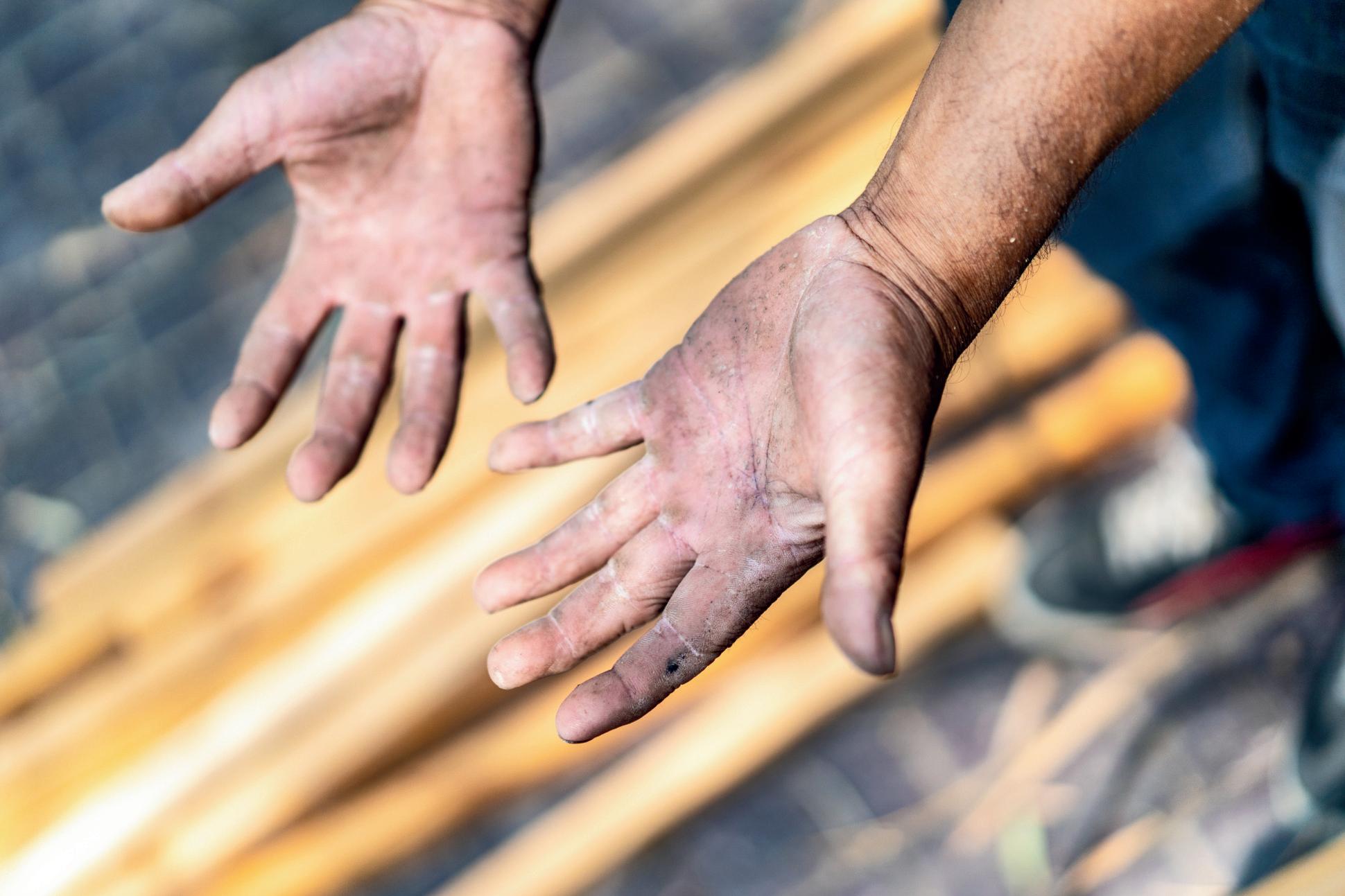
“Basta makapagtapos lang ako,” Hashim whispered, looking at his calloused hands. “Kahit mahirap, kakayanin ko.”
And so, with every uneven step, he continues— carrying not just water, but a quiet hope that someday, he will no longer need to walk this hard road alone.
Until
reality of the seas.
“Hindi ko iniisip na may kapansanan ako. Kailangan kong kumilos. Kung hindi ako kikilos, sino?” he said, his words steady despite his youth.
In a world where grades define success, his hands tell a different story
Lessons after work by Sharamay
Salloh
There are days when Jholo wishes he could sit in class without worrying about what he will sell after school. But dreams are expensive, and life has never given him discounts.
Arabi
TABLE FOR
by Kyla Arabi
Sta. Maria National High School as a Grade 12 EIM student. Her story normally started like any other typical girl, wearing pink dresses and playing outside till the sun went down. She was just an ordinary girl living her life with love of ribbons and lots of adrenaline rush.
But when the sun sets and the dark starts creeping over the streets, she is left all alone. Not because she wants to, but because she was. Her playmates would be called by their parents or chased around the neighborhood with a broom in hand. And suddenly, she started to miss that feeling.
WHEN GOODBYE CAME TOO SOON
THOUSANDS
In the Philippines, it is estimated that over 1.8 to 2 million children are orphaned, abandoned, or neglected by their own parents. The large number of orphans are results of extreme poverty, natural disasters, and the increasing rate of teenage pregnancy.
Other statistics suggest that approximately 11% of children living here in the Philippines are living with neither parent as of 2022. There are also an estimated 2.85 million children 5–15 who are out of school, and the other 11.8% are affected by collective violence, with ages ranging from 13–17.
But for her, it's different. She wasn't abandoned or neglected, nor was she bullied or out of school. She was all alone without parents. She was an orphan.
SOLO FLIGHT
In the small barangay of Sta. Maria is where Radzmalyn Atif's journey all began. Radzmalyn is currently 17 years old, studying at
She wasn't always alone, and it wasn't like this before. Radzmalyn had a mother whom she can count on and who she can laugh with, and a father who treated her like his own princess and protected her. But fate wasn't too nice with her. In 2019, Radzmalyn's whole life took a 360degree turn. She lost her father due to an illness, and her mother soon followed after. She was only 11 years old when life forced her to grow up and face the harsh reality of life. After her parents passed away, she stayed at her grandmother's house and has since lived there with her siblings.
“When they passed away, of course, was heartbroken and devastated. felt so hopeless, and I didn't know what I'd do without them,” Radzmalyn said as she felt that sharp, tingling pain inside her chest again.
She was teary-eyed as those painful memories crossed her mind again. “But they taught me how to be strong even when wasn't. They taught me that life won't always be cupcakes and rainbows,” she said as she remembered the lessons her parents taught her about living life. “I will always cherish those memories we have together, and will always keep them in my heart. They are my dream, and will always make them proud,” Radzmalyn said as her heart swelled with overflowing emotions—sadness, joy, and a sense of pride.
Shining light on identity, respect and hope
HOME IS HERSELF
“I do hear some whispers and feel people's
Red, orange, yellow, green, blue, indigo, and violet. These seven colors each represent a different meaning. Red represents love, orange represents the sunset, yellow represents sunlight, green represents nature, blue represents the seas, indigo represents innocence, and violet represents royalty. But combining these colors together leads to a beautiful and majestic rainbow. And the majestic and beautiful rainbow means freedom of
The Equality Act 2010 states that you must not be bullied or judged because you are heterosexual, gay, lesbian, or bisexual. Also, the Sexual Orientation and Gender Identity and Expression Equality (SOGIE) Bill was approved by the House of Representatives in 2017 but has not passed in the national government. The SOGIE Bill would prohibit discrimination against the LGBTQ+ community and its people that can carry penalties of up to six years and fines up to 500,000 pesos. While here at Sta. Maria National High School, those laws are not as helpful as they thought they would
RESILIENCE IN THE FACE OF BULLYING
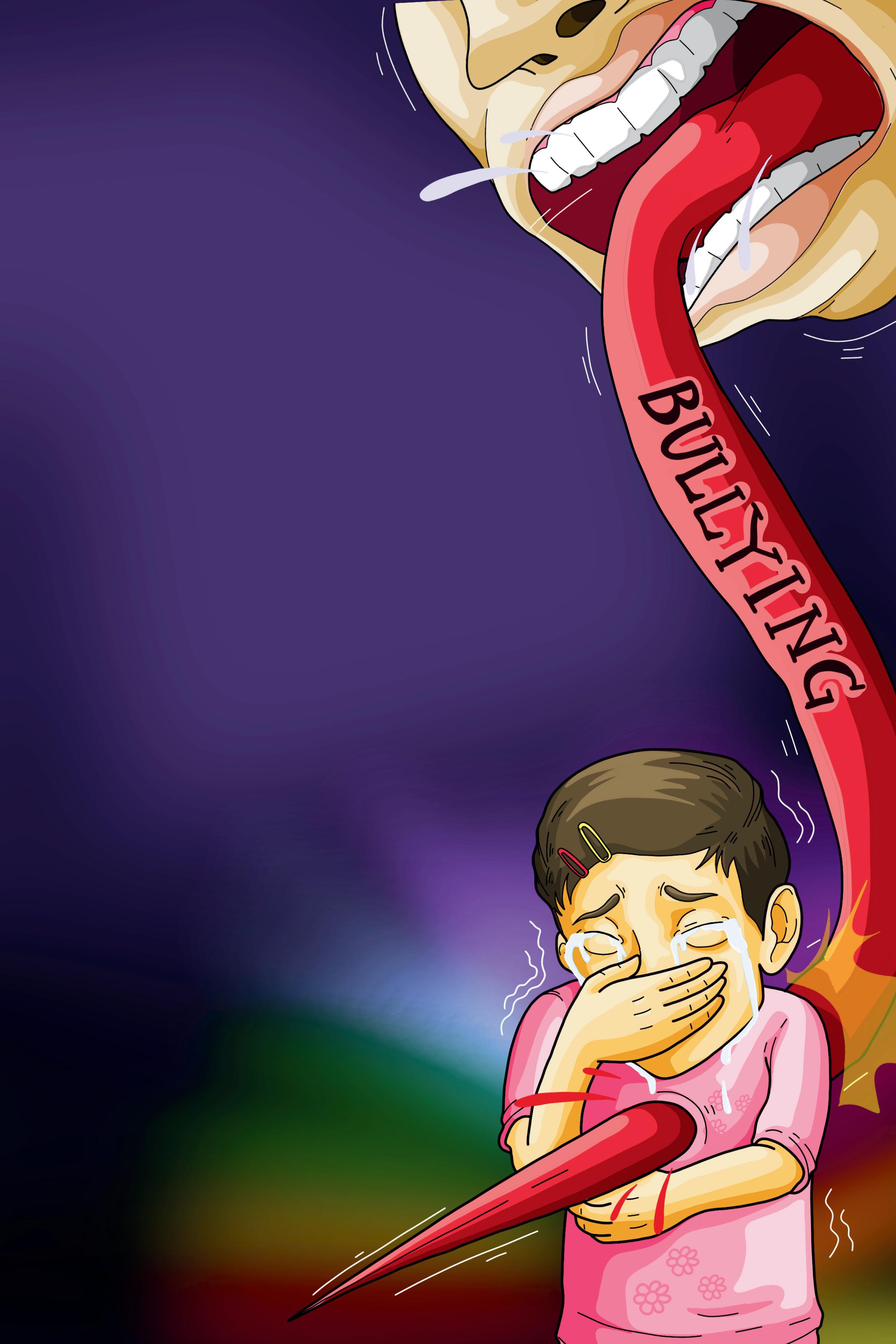
Redzmar Sali, a Grade 10 student at Sta. Maria National High School often experienced bullying and discrimination, be it verbally or via social media. And at one point, he almost gave up his dreams and listened to those bullies, but, thankfully, he
“I often get judged by the people around me, and would be lying to myself if said I wasn’t hurt at all,” said Redzmar, as he remembered those words haunting his dreams, especially nightmares.
“I often get judged by the people around me, and I would be lying to myself if I said I wasn’t hurt at all,” said Redzmar, as he remembered those words haunting his dreams, especially nightmares. “But it’s fine with me. I mean, haters are going to hate, and besides, their hate can only lift me up higher,” he said as he feels more empowered by hearing those negative thoughts running around his brain again. “I often look in the mirror and say to myself, ‘Hey! You are beautiful just the way you are, and if they can’t appreciate that, then it's their loss, not yours,” he said as he laughed while remembering that moment. “I may be gay, but am as special as everyone else. And have the right to be myself and love myself.”
SPECTRUM OF PRIDE, UNITY
The rainbow flag or pride flag
RESPECTING DIVERSITY, EMBRACING UNIQUENESS
Bullying
ruins of war, one woman fights to live again by Kyla Arabi
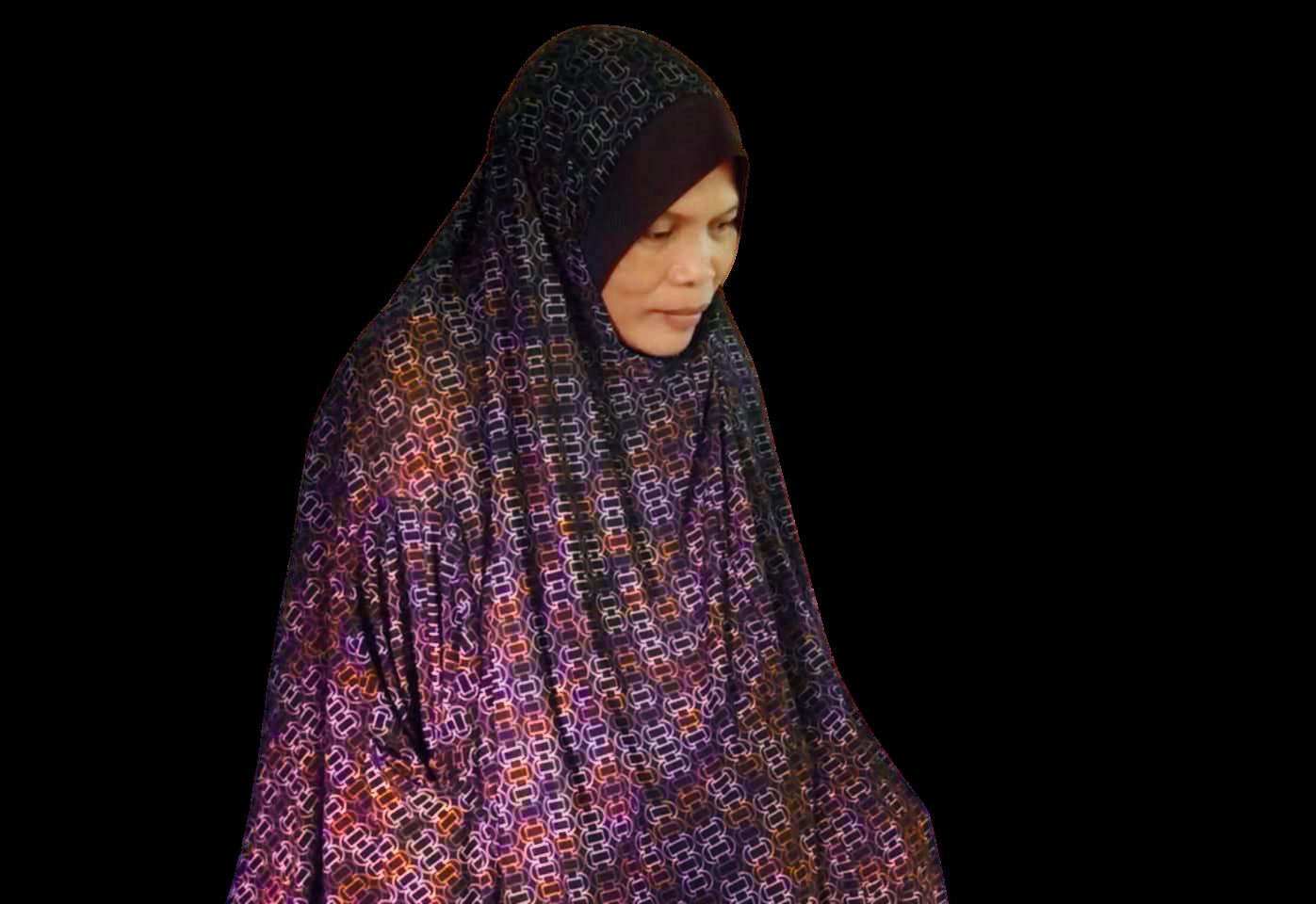
woman from the town of Sta. Maria is a housewife to her Palestinian husband.
After 8 years of staying, she fled the country and came back home.
The sounds of bombs exploding, the cries of people hugging their loved ones' corpses, and the dry air filled with dust. After a year of endless bombing and attacks, it has finally ended. A year full of pain and blood has finally concluded. As the war ends, her story starts. A survivor’s story.
On October 7, 2023, the Islamic Resistance Movement, Hakarat alMuqawamah al-Islamiyyah, also known as Hamas, launched an unexpected land, air, and sea attack on Israel from the Gaza Strip. The attack resulted in about 1,200 casualties; more than 240 people were taken hostage, and many were injured. Israel then declared itself in a state of war the next day, and one thing led to another, and those things eventually ended in the Israel-Hamas war. The war that changed her life forever. Maricris Caro, a 35-year-
“When the war was ongoing, of course was scared and nervous for my family’s safety,” she stated. “When we came home, my kids had a hard time adapting to the food, the language, especially, to the environment, but they did anyway,” she added and remembered the difficulties her children faced while staying here. “My kids were on cloud nine and were super excited, especially when they saw their grandmother and grandfather,” she said and smiled.
INSIDE GAZA’S STRUGGLE War has countless negative effects, from economic problems to the physical and mental well-being of its people. It has done nothing but kill innocent citizens and create geopolitical
among countries. Yet, some national leaders continue this deadly method of claiming land and resources, which leads to injuries, economic crises, and even deaths.
They do not even think of their people’s well-being. Like the Israel and Hamas war that killed over 46,000 people as of December 10, 2024, with 44,786 Palestinians and 1,706 Israelis.
The sounds of bombs exploding, the cries of people as they hug their loved ones' cold corpses, and dry air filled with dust from the houses wrecked by the bombings. Finally, she escaped, and all of it has ended. After a year of bombings and killings, a ceasefire has finally been issued. Finally. But for her, it is still not the perfect finale. She still needs to get rid of the trauma and shock. And she’s doing it slowly and surely. This was her story, the Maricris Caro story, the refugee who returned home tale, but more importantly, her surviving story. A survivor’s story.
Photo by NICOLE JAVONI ALIH
Image-Nary: The Illusion Between Reality and Fiction
by Eidrian Sapaat
Tell me lies, tell me sweet little lies...
September 2025, the Manila Bureau of Fire (BFP) rushed to rescue a truck that was said to be on fire. However, there was no fire that can be seen but only a photo that had gone viral online. The viral image that triggered the alarm was later confirmed to be an AI-generated one.
This may seem unbelievable, but it did happen. In digital age, this incident highlights the growing concern of many. Filipinos now struggle to distinguished fact from fiction in the face of platforms like Gemini and other AI-powered tools that can make an incredibly lifelike image.
Even skilled professional has been deceived by the likeliness of AI-generated images. The failure to recognized manipulated images may have harmful consequences, that range from spreading of false alarms and fake news, to actual panic. Such events could happen If left unchecked.
In a survey of 29 countries, 64% to 89% of people agreed that AI is making it much easier to generate very realistic fake news stories and images.
Based on DataReportal (2024), around 90 million Filipinos, or 78% of the population, use social medial regularly, making Philippines prone to false information that can spread quickly.
Meanwhile, the rampant use of AI images is clear in the Philippines, making it a "trend" to gain engagement—where it only causes panic and stress to people, especially those who are not introduced to AI features.
This issue has recently resurfaced in the municipality of Siocon, Zamboanga del Norte. As soon as heavy rains caused flooding in several barangays on October 8, 2025, many people responded quickly and cooperated.
However, several AI-generated images of the flood circulated online, showing exaggerated and faked scenes of destruction. The spread of these fake visuals disrespected the real victims and turned an actual tragedy into a tool for online engagement.
The incident of the burning truck and the flooding of Siocon serve as remainder of how widespread false information can be on our screens. Unchecked sharing of manipulated images affects public opinion, waste emergency resources, and compromises trust between reliable sources of information.
“The photo looked real enough to deceive even trained eyes,” admitted Fire Chief Samuel Reyes of the Bureau of Fire Protection.
The incident brough to light a critical reality, in which, regardless of expertise, anyone without digital literacy can fall victim to AI-generated deception.
The quarry site is only a few meters from Tibangao Elementary School. Children go to class while covering their noses with handkerchiefs.
Teachers clean their rooms each morning, but after a few hours, the desks are gray again. Breathing feels heavier, and coughing has become common among students.
Health workers have reported more cases of asthma, cough, and respiratory infections among residents.
and crops
What
When Play turns into Pressure by
Misinformation had dangerous effect of forcing emergency services, such as the BFP, which were already overburdened by lack of personnel and resources, to respond to a false emergency. In which, under the Presidential Decree No. 90 of 1973, it is illegal to spread false information that may cause alarm to public. Yet, the quick development of generative AI has made it easier produce but much harder to determine such fabrications.
areas. Farmers around Tibangao say their crops have weakened, and coconut trees bear fewer fruits. The air that once smelled of soil and sea is now filled with dust. Science, Health, and Technology for Clean Air
Quarry dust contains tiny particles known as PM2.5 and PM10. These are smaller than a strand of hair and can penetrate deep into the lungs.
The Department of Environment and Natural Resources (DENR, 2024) warns that quarry dust also contains silica, a mineral linked to lung diseases like silicosis, bronchitis, and asthma.
When dust from crushed rocks becomes airborne, it can travel far from the quarry and linger in the air for hours. The World Health Organization (2023) explains that long-term exposure to PM2.5 can heighten the risk of heart and lung disease. Children are especially vulnerable because their lungs are still developing.
Science now plays a key role in finding solutions. The Department of Science and Technology (DOST) and DENR have created portable air sensors that measure dust levels in real time. These devices send data to the Air Quality Monitoring System, helping local governments respond quickly when pollution rises.
According to the Department of Health (2024), people living near quarry sites are 40 percent more likely to develop breathing issues than those in cleaner
Some quarry sites now use water sprays to cut dust by up to 80 percent, while others test AI tools that predict where the dust will travel next.
However, AI technology is not only a threat. With correct and proper use, it opens many opportunities for creativity and innovation. Artists, students, and creators have started using AI to explore new ideas, that fuel imaginations, and pushes the boundaries of design and art.
According to DataReportal, the Philippines remains one of the world’s most active nations online. Given that most Filipino use social media for several hours every day, awareness and discernment are now necessary rather than optional. It is a civic responsibility to be able to critically think, question, and verify what is real from illusion.
Every Filipino, regardless of expertise should be digital literate, in which they should possess the knowledge and self-control to determine what is real and what is artificial. The rise of AI calls into question not only how we view it, but also our responsibility as digital citizens. Instead of causing chaos, technology ought to be a tool for creativity. We can only make sure that imagination complements truth rather than replaces it by being watchful, educating, and ethically conscious.
The PHIVOLCS and DOST GeoRiskPH Program also assists local leaders in finding safer areas for quarrying by merging environmental and geological data. With proper planning and the right technology, progress can continue without harming people and the planet.
The Philippine Clean Air Act of 1999 (RA 8749) and other environmental laws require companies to manage pollution and protect public health. However, in many rural areas, these laws are not enforced effectively. Local governments must ensure that quarry operators install dust-control systems, follow safety standards, and undergo regular inspections.
The Philippine Clean Air Act of 1999 (RA 8749) and other environmental laws require companies to manage pollution and protect public health. However, in many rural areas, these laws are not enforced effectively. Local governments must ensure that quarry operators install dust-control systems, follow safety standards, and undergo regular inspections.
Quarrying is essential for building roads and homes, but it should not compromise people’s health. Clean air is not a privilege but a right that every Filipino deserves.
From the dusty roads of Tibangao to the busy quarries across the nation, the goal should remain clear: to build progress that protects both people and nature. Only then can the air we breathe support life, not harm
Hazel Faith Suarez
Dangers of
Children’s Sweet Fantasy
by Eidrian Sapaat
the more they crave it. Over time, they can become addicted and lose track of what is real. They may begin to lose respect and self-control.
This issue worsens when parents are absent. Many mothers and fathers work in farms, factories, or abroad. Children are often left alone with gadgets and the internet. Social media and gaming
apps can lead them to harmful content. Without proper guidance, the internet becomes a dangerous place rather than one of discovery.
The government has enacted laws to protect children. The Anti-Child Pornography Act of 2009, or RA 9775, makes it illegal to create, share, or view pornographic material involving children. It also instructs parents, schools, and internet providers to report such activity and stop it.
The Anti-OSAEC Law, or RA 11930, provides additional protection. It requires internet companies and social media sites
to block and remove child sexual materials. These laws are robust, but they only work if people follow them.
The real issue isn't just the laws. It’s the lack of awareness. In many provinces, parents and teachers don’t know how to report online abuse. Some believe pornography is normal, but it is not. Early exposure can alter how children think and act. It influences their self-image and how they perceive others.
To address this issue, everyone must work together. Parents need to talk to their children about what is safe to watch. Teachers should discuss online safety in
of FIlipino children encountered sexual content online between 2022 and 2024. The growing number reflects how the internet, while a space for learning, also exposes children to harmful and age-inappropriate materials.
SOURCE: UNICEF, Philippines.
HEALING AT
Teenage mothers often face health complications that require medical care many can’t afford or access.
school. Communities need to help spread information. The government must ensure people understand and follow the laws.
Technology isn’t the enemy. It can help children learn and grow if used properly. However, when misused, it can destroy innocence. The goal isn't to take away devices but to teach children how to use them wisely.
Every click on the internet matters. Every adult has a responsibility to protect children from online harm. If we remain silent, the problem will only worsen. Let’s act now and make the digital world a safe place for every Filipino child.
Inside the Minds of the Unheard
by Nishreen Kiran
Many young people in the Philippines are dealing with mental health issues in silence. The phrase “everything is depressed” is not just a saying; for many youths, it reflects their reality. The statistics reveal a serious issue and show that families must understand and accept mental health struggles.
The World Health Organization and the Department of Health state that good mental health is not just about being free from illness. It also means having the ability to cope with life’s challenges and contribute to the community.
In the Philippines, 1 in 10 girls aged 15-19 has already experienced pregnancy, based on data from the Philippine Statistics Authority.
In 2023, around 3,343 girls aged 1014 gave birth— a 6% increase from 2019. In the Zamboanga Peninsula, teenage by Nishreen Kiran
pregnancies make up 7% of all recorded births, while in Zamboanga del Norte, nearly 9 out of 10 every 100 births come from young mothers.
In Sta. Maria, Siocon, health workers have observed a steady rise in cases among girls aged 14 to 17. Many of them give birth in small clinics with limited equipment, while others never receive proper medical attention. At schools, teachers notice longer absences and uniforms that stay unworn, signs of a growing issue that often remains
unspoken.
Experts say the solution begins with awareness and communication. Education, open family discussions, and access to reproductive health programs can help reduce teenage pregnancies.
Every girl deserves to continue her studies, chase her dreams, and grow up free from fear and judgment — not as a statistic, but as a store of hope.
Mental Health PH
Flow
by Eidrian Sapaat
Filipino households should be the first place where youth feel safe. However, many families still see mental health issues as a weakness or a shameful matter. Comforting phrases like “kaya mo ‘yan” or “wag ka nang mag-isip ng sobra” can unintentionally dismiss the struggles young people face. However, access to professional help is limited. There is fewer than one mental health worker for every 100,000 Filipinos.
Many youths do not seek help due to stigma or lack of awareness. Surveys show that 62 percent of Filipino youth who thought about suicide did not ask for support, and only two percent of those who attempted suicide sought professional help. This highlights that family acceptance is as important as medical care.
In the Philippines, about 11 to 12 million people have a mental disorder. Approximately 3.3 million experience depressive disorders. Children and youth are especially affected, with 16 percent of children and 21 percent of youth showing signs of depression or anxiety. The country’s Mental Health Quotient fell from 78.44 in 2023 to 68.76 in 2024. These figures indicate that many young people are suffering in ways that often go unnoticed.
Technology is providing some assistance. Teletherapy platforms and mental health apps like Mind You, KonsultaMD, and Mental Health PH offer online support. AI tools and chatbots are being created to help youth who cannot talk to someone in person. Still, family support remains crucial. A simple question like “Are you okay?” can make a significant difference.
The death of 19-year-old TikTok star Emman Atienza brought national attention to youth mental health. Emman faced pressure from social media, loneliness, and the need to seem perfect.
Families must create safe spaces where young people feel heard. Parents and siblings should listen without judgment.
A healthy Philippines is not just about economic growth; it is also about how well it protects the minds and hearts of its youth. Understanding and accepting mental health at home is the first step. Families must take action now to support young people before it's too late.
Water is the foundation of our being. In which, it is used in many ways in our everyday lives. And to our body it plays a key role in our bodily function, including as a carrier of nutrients for all our cells, and oxygen for our brain. That is how essential water is.
There is a special place called in Barangay Sta. Maria, the municipality of Siocon and it has a wonder gift: a water source called “Takob.”
Takob is a water source that comes from the side of a mountain. They use it in their everyday life, from cooking, to cleaning, and especially for drinking.
Although scientifically it was not tested, people have been drinking the water for many years because they believe it is clean. And before, it was the only source of drinking water for many people in the area. But obtaining water from Takob is not easy. It is far away, resulting in people using boats to get there.
The World Health Organization (WHO) notes that microbial contamination of drinking water presents the bigger danger to potable water. Wherein, about 1.7 billion of people drink water contaminated with feces.
According to UNICEF data, 53% of families in the Philippines have insufficient access to a potable water supply, 39% insufficient safe sanitation. Which is even worse in the school community, for 55% of campuses have insufficient access to a
and
This means that people are vulnerable to waterborne diseases like cholera, amoebiasis, diarrhea, hepatitis A, dysentery, e. coli infection, salmonellosis, and more others.
Thus, it is important to know whether the water is clean before we drink it. We need to make sure that what we are drinking is safe. This also means that we need to take good care of our surroundings and check for any contamination.
But is Takob really clean? People who live in Sta. Maria believes it is clean. And the area around Takob seems very clean. There are a lot of trees and plants, which are good for filtering water. But is this enough to conclude a water is drinkable?
Beneath the Hills: The Story of Takob
Photo by KEVIN DOMiNIC ATONG
RISK.
Photo by NICOLE JAVONI ALIH
Sta. Maria NHS girls secure cluster meet slots by
MAKING WAVES.
Marwina Nasaron swims in the 50-meter freestyle event at the District Swimming Meet in Matiag, Siocon. DOMINIC ATONG
Four swimmers from Sta. Maria National HIgh School advanced to the Cluster Meet after registering strong performances in the District Swimming Meet held in Matiag, Siocon.
Marwina Nasaron led the team with top finishes in three events, winning gold medals in the 50-meter freestyle, butterfly, and breaststroke categories.
Meanwhile, Marjanna Hadjal captured first place in the 100-meter backstroke and second place in the 50meter backstroke, earning one gold and one silver.
A Mix of Mishap and Triump
by Norfhatra Ismael
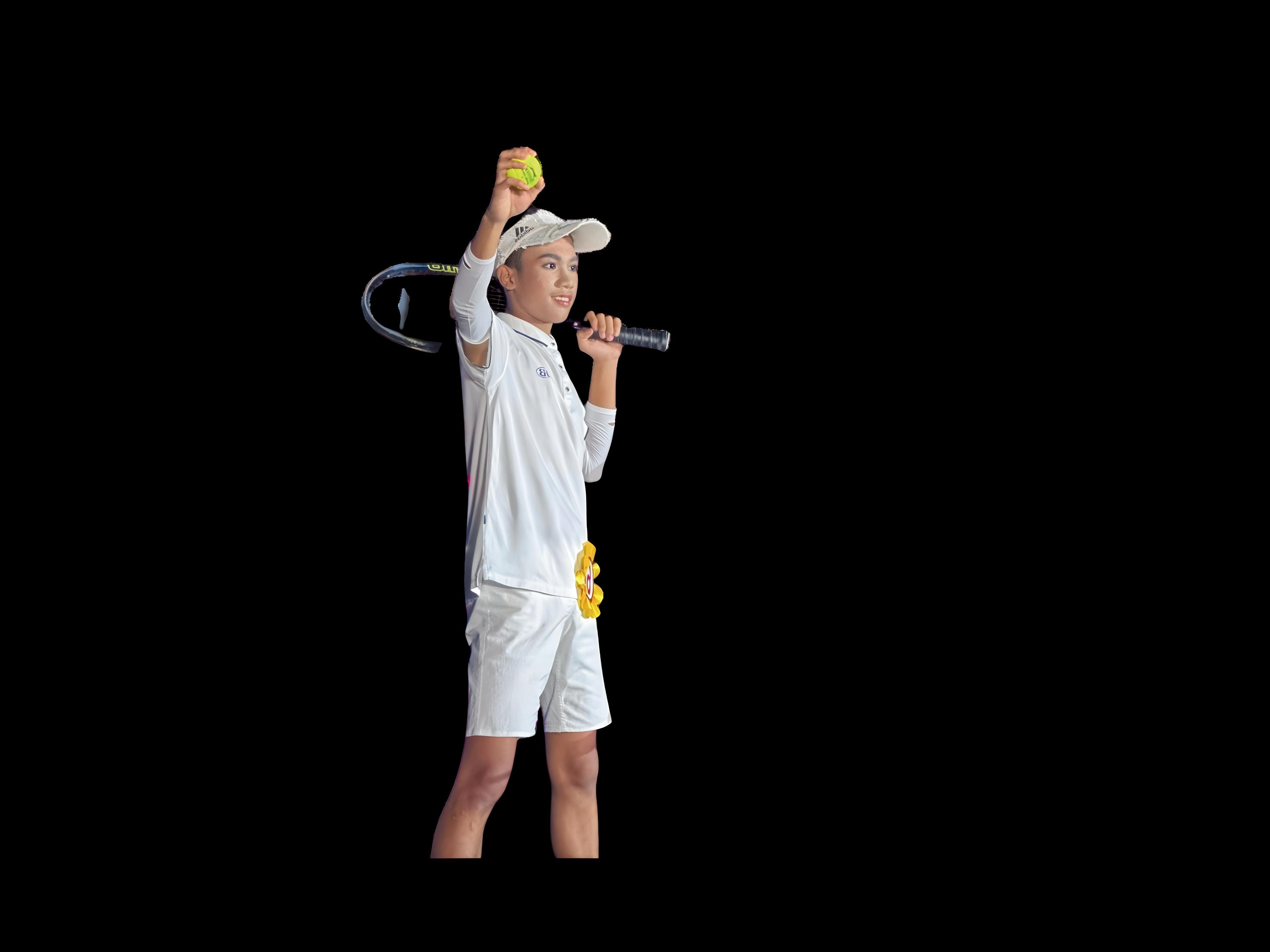
Gasps filled the covered court when a sharp thud broke the excitement. The ball, intended for confident performance, went off course and hit a spectator. This accident silenced the cheers during Mr. SMHigh Intramural Sports 2025 competition. It was a moment that could have ended one contestant’s dream. Instead, it became a story of grace under pressure. Perdauzi Salbani, a student-athlete known for his quiet determination, transformed an unexpected mishap into an unforgettable triump.
The accident happened in a flash. As he demonstrated a powerful serve during the sports-themed event, Perdauzi’s ball flew toward the audience and hit an unsuspecting viewer. Organizers and first-aid responders quickly rushed to help, while the crowd watched
Fatma Hadjal placed first in the 50meter backstroke and third in the 100meter backstroke, securing one gold and one bronze medal.
Klarish Joy Sala recorded bronze medal in the 50-meter breaststroke, marking her first medal at a district-level competition.
The swimmers trained regularly in the weeks leading to the meet, holding morning and after-class sessions to improve their endurance and technique.
According to school officals, the
in shock. The atmosphere became tense. Many feared that the incident would disqualify him or shake his confidence. Yet what happened followed revealed his true character.
“I was really nervous,” Perdauzi said after the event, recalling how his hands trembled as he realized what had happened. “I didn’t mean to hit anyone. When saw my friend was okay, apologized right away, but was scared I might be disqualified.” His honesty showed not just regret but also responsibility. These are the two qualities that are rare in the heat of competition.
“The athletes maintained consistent training and showed dedication during
Sta. Maria faces iron wall against Sionasci Volleyball Boys
by Fatima Banguih
Sta. Maria falls short against Sionasci Volleyball Boy’s after they proclaimed their supremacy and shut out their opponent, 0-2, during the District Meet 2025 at Siocon Dome.
Khent Ryan Dela Pena of Sta. Maria stunned their opposing team with formidable spike, but JV Nadal of Sionasci snapped back to reality and retorted, garnering a score of 7-9.
Nadal once again shove his veteran skills with powerful spike, leaving their opponent scrambling to keep up and scored 14-10.
Sta. Maria was eager to change the tide with Dela Pena bouncing back, but Sionasci built an impenetrable block and scored13-18.
Jassim Madjales of Sta. Maria weakly gave a serve, allowing their opponent to smash them, finishing the first quarter with scores of 12-25.
“A little bit disappointed. We gave our best shot. Hopefully we can do better next year,” Jassim Madjales stated.
With their newfound spirits, Sta. Maria bounce back with Nedzmar Pulalon giving a scheming smash, edging out their scores with 12-10.
Salbani recovers from a ball mishap during the SMHigh Intramural Sports 2025, continuing his performance despite the unexpected incident.
SM High stands strong but failed to edge out Sionascie in District Meet
When the winners were announced, no one expected what happened next. The crowd erupted as Perdauzi Salbani was named Mr. SMHigh Intramural Sports 2025. What had started as a mishap became a moment of redemption. A story that proved that character, not just performance, defines a true athlete.
“I didn’t think I would win after that,” he said, still smiling in disbelief. “I just wanted to enjoy the event and represent my class. When my name was called, I was shocked and thankful, especially because everyone supported me despite what happened.”
“The victory meant more than just a title. It reminded everyone that mistakes are part of the game and the important thing is how one responds after a fall. In that single event, Perdauzi embodied what sports truly represents. It is the courage, responsibility, and respect. His serve may have missed its mark, but his attitude hit the very heart of what it means to be a champion.
As the lights dimmed and the covered court returned to its familiar buzz, his story lingered like a powerful echo. It served as a reminder that success is not the absence of mistakes but the triumph of character over circumstance. Perdauzi’s hit may have startled the crowd, but it was his grace, humility, and composure that ultimately crowned him a winner, not just in the competition, but in the spirit of sports itself.
by Fatima Banguih
Sta. Maria National High School (SMNHS) basketball boys stood steadfast as Siocon National Science High School (SNSHS) boys overthrown them, after they asserted their dominance, 12-18 and qualified for the Provincial Meet during the Cluster Meet 2024, held on November 24 at Manaol Covered Court.
Using 3x3 method to resolve the competition, James Bryan Mijares of SM High sprinted towards the basket but Jadiel Lomingkit of Sibuco successfully blocked his shot and scored 2-1.
SM High bounced back with Mijares and Omar Kiran, as they worked together to pass through the opponent and scored 3-2.
Ok lang, walang nagawa, na feel ko naman yung effort,” Kiran stated, “It’s ok disappointed but we still tried our best.”
The court started to heat up as most of the players’ shot earned a foul but Hadjal of Sibuco broke through, and in the remaining 5 minutes, seized a score of 4-5.
SionaScie overwhelmed the SM High when Atani scored after a domineering shot and grabbed a score of 9-5.
SM High retorted back when Mijares assisted Cullan to get through SionaScie And gave a shot and garnered a score of 13-10.
Atani of SionaScie overpowered the opponent with a relentlessly shot and clinched a score of 6-12 that left the opponent gasping for breath.
As the clock ticked away, SM High tried to recover but recklessly played their game and garnered a foul that gave away a free throw for the opponent.
SM High was determined to turn the table, but SionaScie defied their dreams and dominated the game and clinched a score of 12-18.
"Kulba and happy kasi naka abot mi ug provincial. Proud kaayu ko sa akuang kauban ug pasalamat ko sa akuang coach," Jadiel Lomingkit said, “Nervous at the same time happy because we were able to move to the Cluster. I’m so proud of my teammates and also very thankful to our coach,” he added.
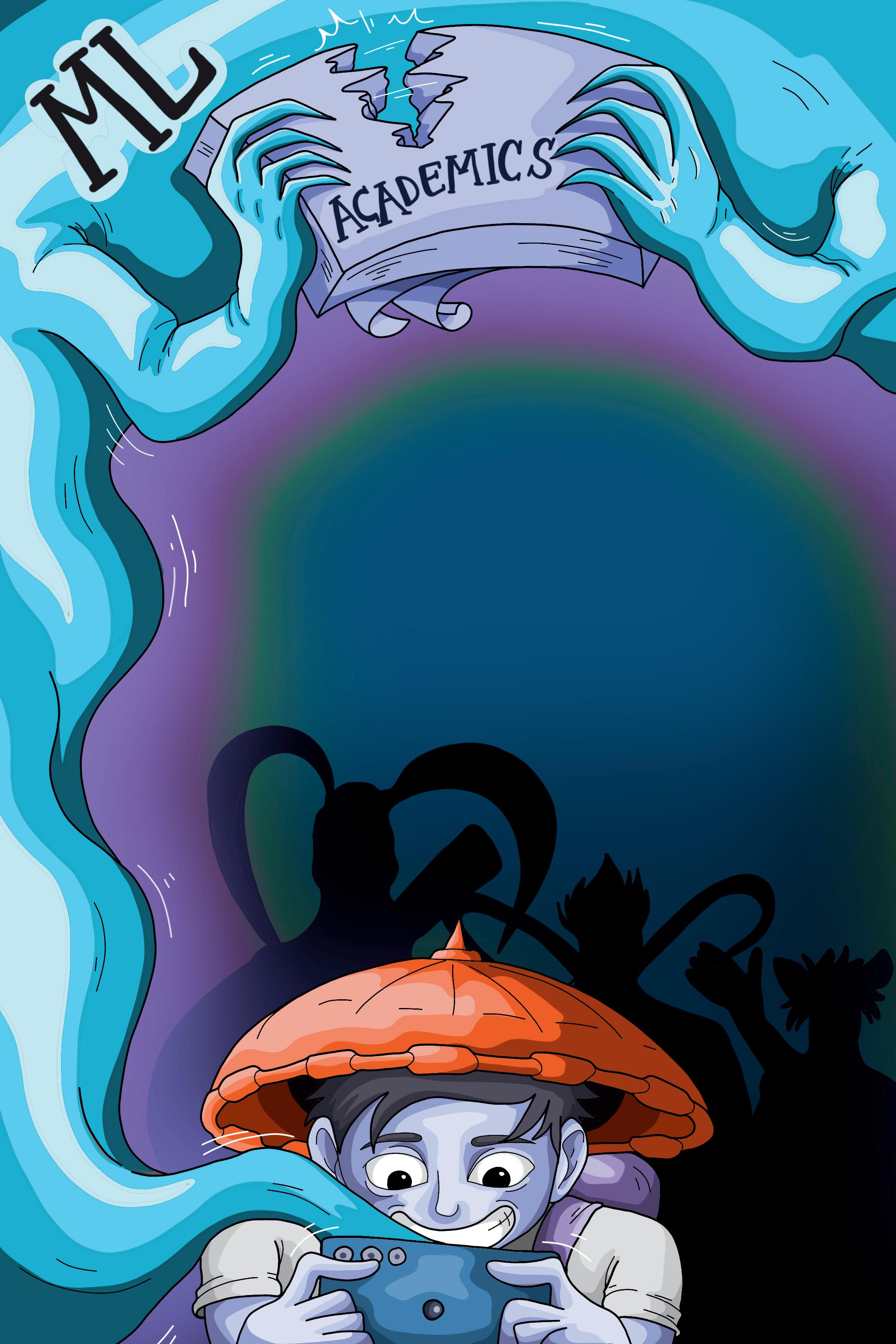
Let’s get one thing straight, e-sports have their certain advantages. They foster strategic thinking, teamwork and can even offer professional opportunities. But the unsettling presence of Mobile Legends and its unfavorable impact on the lives of young students can no longer be turn a blind eye to.
In schools, it’s very common to see students attached on their phones, outwitting new strategies to defeat their opponent instead of prioritizing their school works. Homeworks are often delayed, deadlines are neglected, and exam scores suffered. The appeal of Mobile Legends is so powerful that students often say, 'just one more game,' only to find that hours have passed without realizing it.
Is it worth sacrificing education for the short-lived triumph in Mobile Legend? The answer is strongly no!
Addiction is not an exaggeration. Many players experience the magnetic pull of the game, causing to sleep deprivation, stress and agitation. When victory depends on quick speed and strategic gaming, some players often compromise their sleep to practice more. This is not healthy, especially to children whose mind and bodies are still maturing.
An obsession with the game can also lead to anxiety. Players are afraid to lose their ranks and missed out on game events. They become so entangled that they have made it their daily routine- a routine that could leave their mental health in tatters.
Fatima Banguih
MOMENT OF IMPACT.
Perdauzi
Photo by NICOLE
JAVONI ALIH
by Fatima Banguih
Photo by RADZMALYN ATIF
Samson’s palaro pride tested in shocking
focus, missing several strikes that allowed her opponent to take an early 2-1 lead.
second round, landing clean hits to tie the score at 2-2 and win the round.
players showing determination and stamina.
valid hit despite committing a minor violation, tying the score at 3-3-.
National SHS the winner, leaving the crowd stunned.
noting Samson’s years of experience as a Palarong Pamabasa athlete.
at masyado akong kampante, Samson said.
qualified for the Cluster Meet and remained one of Siocon’s most accomplished arnis players.
national stage.
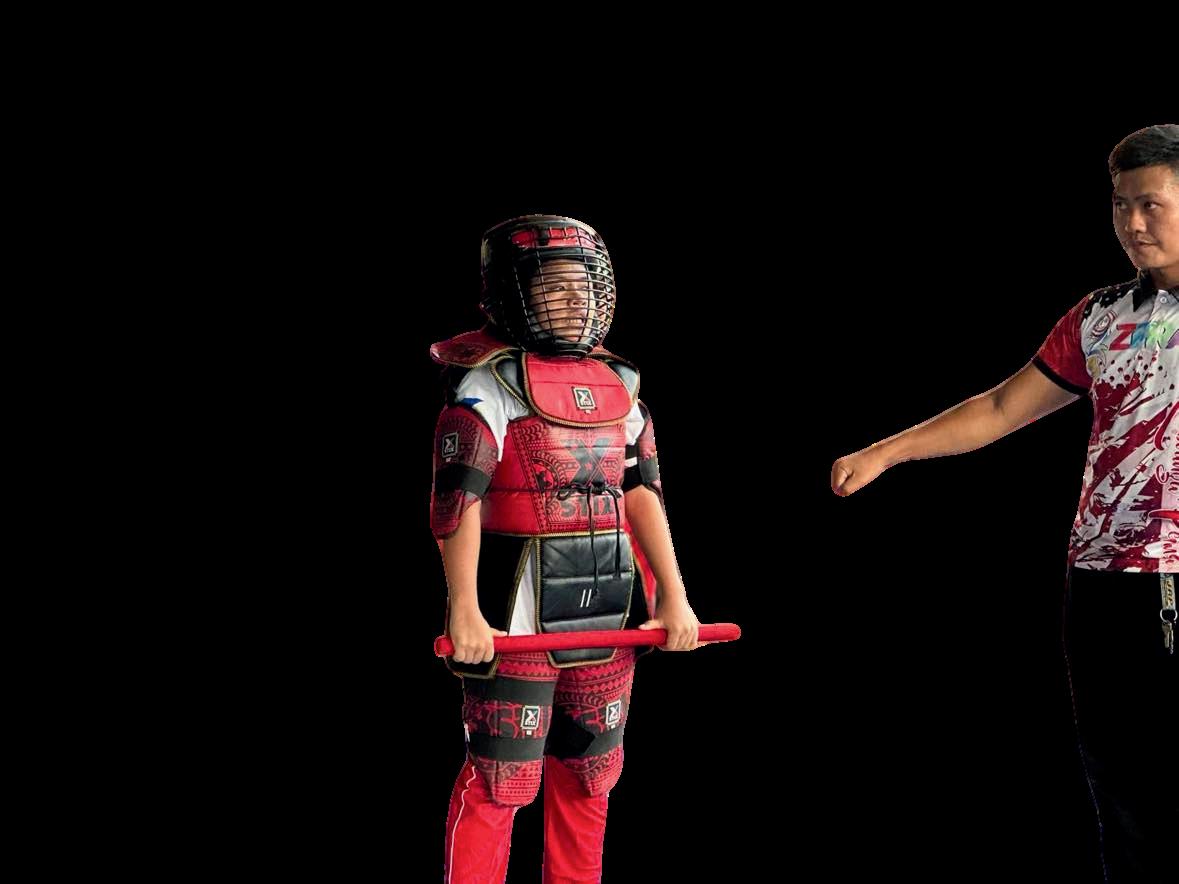
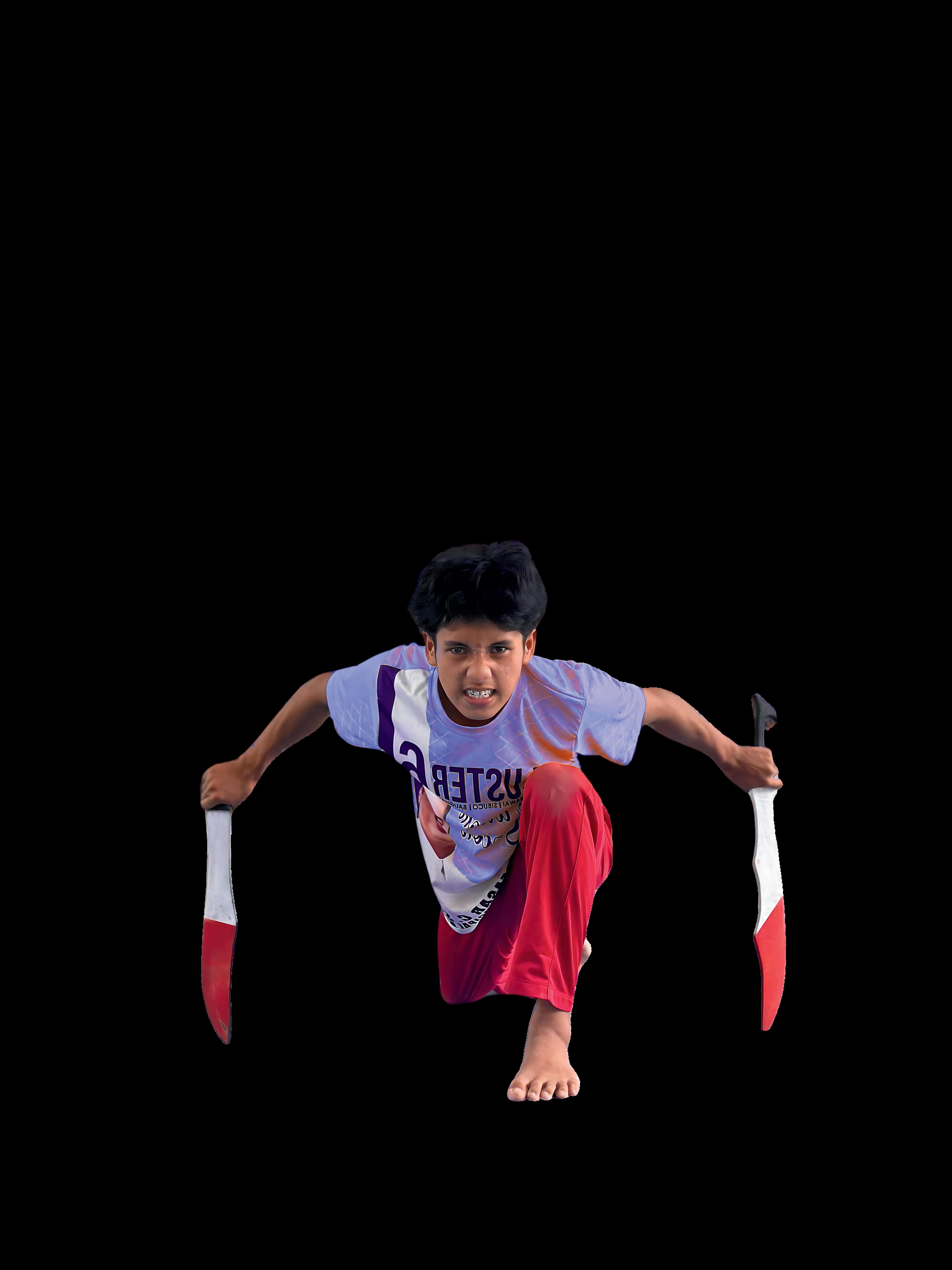
Sameer’s journey began in the dusty courts of his hometown, where he practice arnis after school with nothing but passion and persistence. Balancing studies and training, he often stayed late, repeating drills until blisters formed on his hands. “ habang nagtittraining, na feel ko na gusto ko na talaga mag give up,” he recalled.” Pero naisip ko, sayang lahat ng pinagpaguran ko.”
That resilience carried him all the way to Ilocos Norte, where the best young athletes from across the country gathered for the annual Palarong Pambansa. “ Ramdam ko ang enerhiya ng mga atleta. Iba talaga kapag nasa Palaro ka,” he said with a proud smile, remembering how fear turned into excitement the moment he stepped into the arena.
The matches were fierce. Each strike
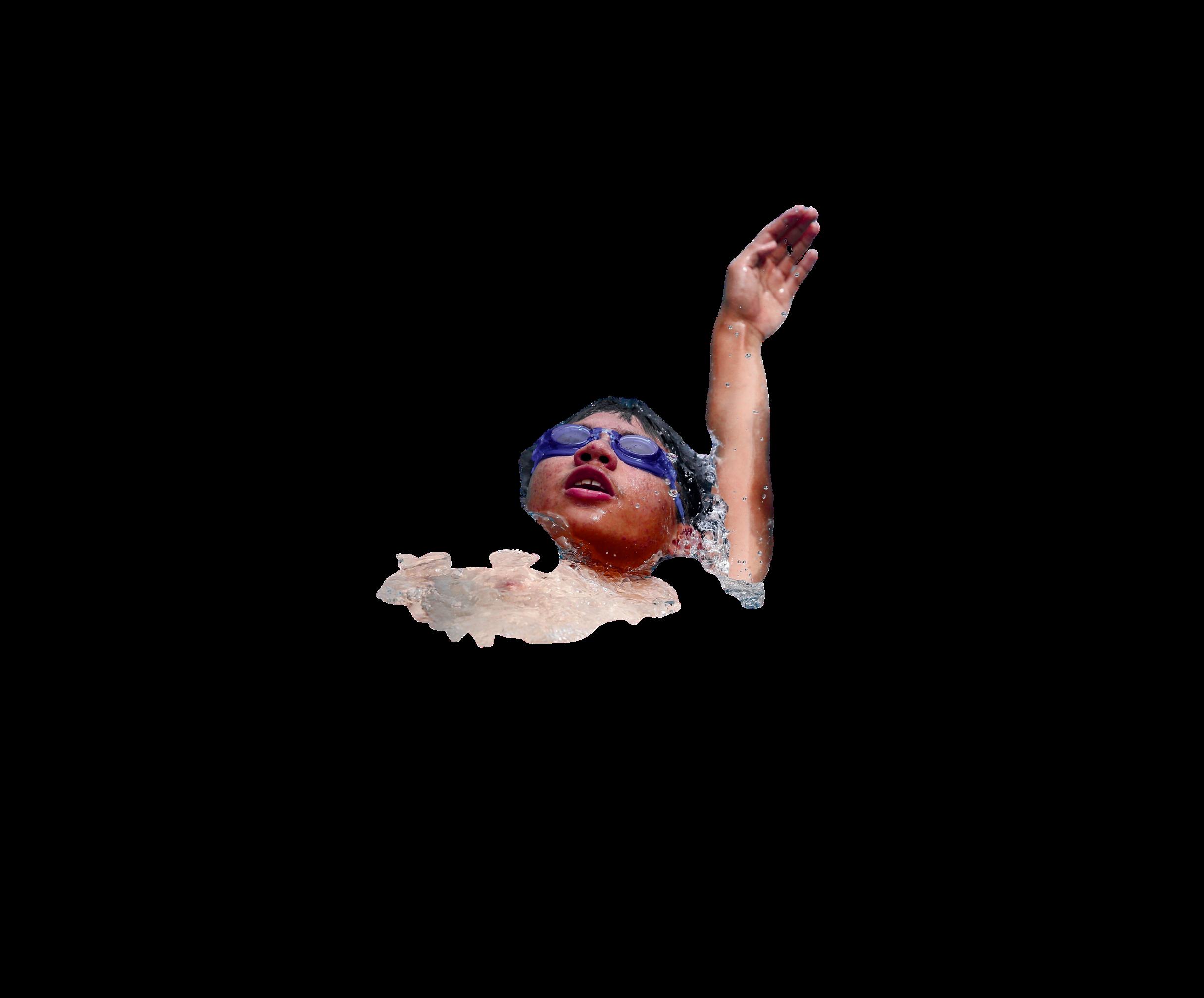
Cailo splashes to gold in 100m backstroke, books cluster meet spot
Despite being a newcomer, Cailo stayed composed and delivered an impressive performance from start to
He outpaced his opponents in the final stretch, securing a spot in the
“I didn’t expect to win because it was my first time joung, and I was surprised to find out that I could compete well,” Cailo
Every afternoon, he practiced stroke techniques and breathing patterns under the guidance of his coach, determined to
He shared that balancing academics and training had been one of his biggest challenges throughout the season.
However, his determination and focus kept him motivated to push through
“I still need to practice so I can improve my skills, and I will do even better at the upcoming Cluster Meet, “he added.
As he continued to prepare for the next competition, Cailo remains focused on refining his techniques and building
overwhelmed him. It wasn’t just victory— it was validation.
“Hindi madali ang daan, pero bawat sugat at pagod ay may kabayaran,” he shared. “Kahit maliit kang magsimula, basta may puso at tiyaga, malayo ang mararating mo.”
As he raised his medal toward his coach and teammates, the crowd’s applause echoed the pride of a community that had long waited to be seen. From a small town in Mindanao, Sameer had proven that greatness doesn’t depend on where you come from, but how far you’re willing to go.
When the lights dimmed and the arena emptied, Sameer stood taller that before— not just as a bronze medalist, but as Siocon’s rising arnis warrior, a symbol of perseverance and hope for the next generation.
First-time swimmer Norhan Cailo of Sta. maria National High School made a splash by winning the gold medal in the 100-meter backstroke during the District Meet Swimming Competition in Matiag,