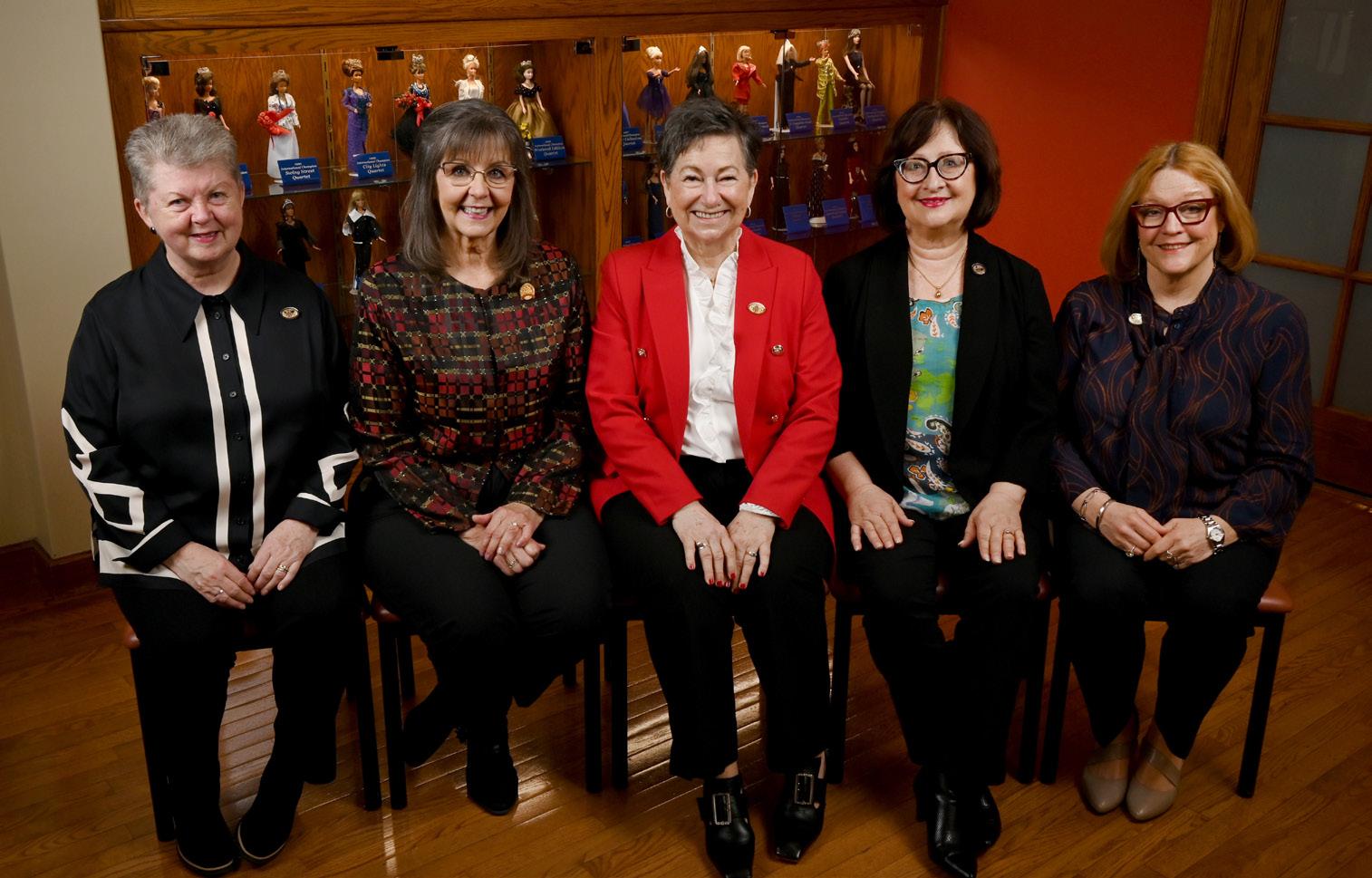
Direct all correspondence, editorial copy and photographs to communications@sweetadelines.com.
Deadlines are 60 days prior to publication. Not all submissions will be published.
THE PITCH PIPE (ISSN 0882-214X)
Copyright 2025 by Sweet Adelines International. All rights reserved.
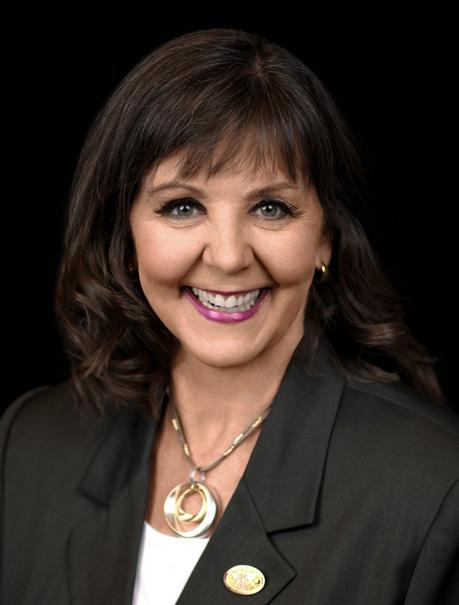
Serving as president of Sweet Adelines International has been a tremendous honor. We all know that what we do is so much more than singing. It is about connection, growth, and how we support each other along the way. Now, as I come to the end of my term, that belief is stronger than ever.
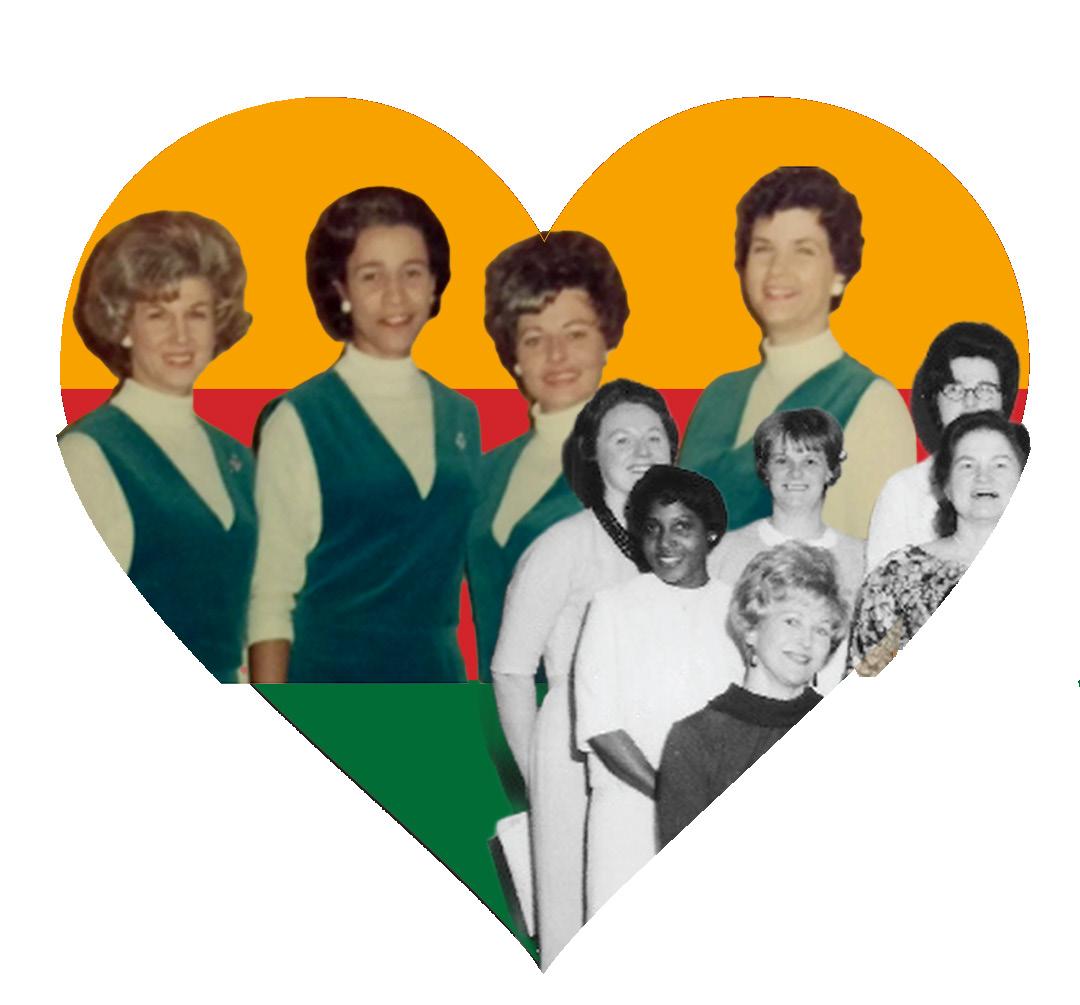
A highlight of being president is attending the 50/60/70-year member breakfast. There’s never a shortage of fun stories from the early years. The Pitch Pipes from those anniversary years tell a wonderful story of our past. Some things seem delightfully old-fashioned—the meetings at convention, the costumes, the hairdos, and yes, the recipes. The core of who we are, however, has not changed: the music, the friendships, the education, and the opportunities for growth.
We’ve all heard the expression, “this is not your grandfather’s barbershop.” Sweet Adelines helped change that story early on by offering women the opportunity to sing. It wasn’t long before women were arranging music specifically for our voices, and in doing so, we created our own distinct style of barbershop harmony.
But what we do today isn’t quite our grandmother’s barbershop, either. We continue to honor the barbershop harmony that defines us, and along the way, it has grown more sophisticated. Opportunities like Open Division and entertainment packages have invited us to explore a wider range of musical choices and styles. Our performance skills have blossomed, and as a result, our ability to connect with audiences—both on stage and in our communities— has grown stronger and more meaningful.
Our evolution hasn’t been limited to the music. Along the way, Sweet Adelines has grown and adapted organizationally as well. Many of us remember when regions were led by Regents, and their counterparts Directors of Musical Activities and Membership Development Representatives (previously called International Extension Representatives), and how different that structure felt. Today, our Regional Management Teams guide and support our regions with a broader, more collaborative approach. These changes reflect our willingness to learn, to listen, and to respond to the needs of our members in a changing world.
Through it all, we have continued to evolve—thoughtfully, intentionally, and always with an eye toward the future—while holding fast to the values and musical foundation that brought us together in the first place.
Recently, I came across a piece about the value of disagreement, how we grow not in moments when we all think the same, but when we are willing to listen, to consider, and to learn from perspectives that are different from our own. It struck me how deeply that idea reflects who we are as Sweet Adelines.
We can see this idea at work across Sweet Adelines. Thoughtful conversations, differing viewpoints, and passionate perspectives strengthen us when we are committed to something bigger than ourselves. When we approach those moments with curiosity and respect, we don’t fall apart — we grow.
And growth is what I have seen again and again during my time as president. We have all seen singers discover their voices, build confidence, and find a deep sense of belonging. We have seen personal growth and accomplishment built on friendships that will last a lifetime. Sweet Adelines changes lives—not just through the music we create, but through the way we support and challenge each other along the way.
As I step away from this role, I do so with deep gratitude and great confidence in the future of Sweet Adelines. We will continue to evolve, to listen, and to grow, always striving to create not only beautiful harmony in song, but harmony in the connections that hold our community together.
I look forward to continuing my journey alongside all of you!
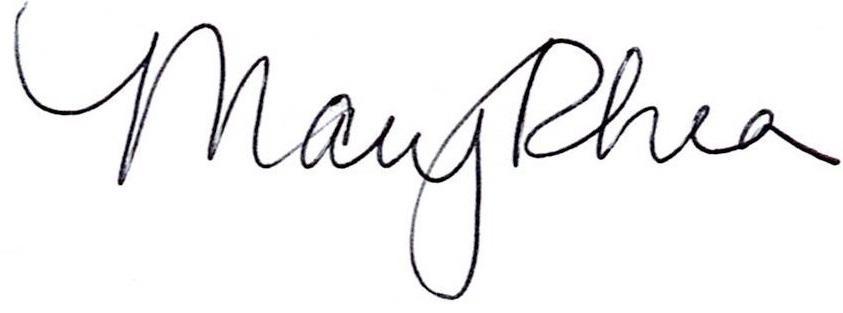
Mary Rhea
“Planting Those Barbershop Seeds”
Sweet Adelines Donor Debbie Saucke
Debbie Saucke is from a musical family, and she loves music of all kinds. She plays bass in a casual classic rock band called Driveway Jam Band (a nod to their beginnings during the pandemic). But for many years, barbershop singing has been extra special to her – and she wants to make sure it’s there for future generations.
Debbie’s Sweet Adelines story began when her parents planned to go to a concert after their anniversary dinner. The concert was cancelled, but a barbershop show was happening that night, so they decided to check it out.
“They just fell in love with it, and that was the start of our whole family enjoying barbershop,” Debbie says.
In 1975, when she was 18, the family planned their vacation around the Barbershop Harmony Society (then SPEBSQSA) convention in Indianapolis. Debbie knew she wanted to sing barbershop music right away, but it would be a few more years before she found the opportunity.
“In 1986, I was working in Philadelphia, and somebody had a SPEBSQSA license plate,” she recalls. “I said, ‘oh, I love barbershop!’ He said, ‘well, you should join Valley Forge Chorus!’ That was my introduction to Sweet Adelines. I auditioned, and the rest is history. And my first performance was on the international stage with Valley Forge in Philadelphia!”
Debbie sang baritone with Valley Forge for several years until a job transfer took her to Binghamton, New York. (She worked as an engineer.) There she joined the now-disbanded Carousel Harmony Chorus, where she eventually became the director. She also later rejoined Valley Forge as a dual member.
“I definitely couldn’t get enough of barbershop!” she says.
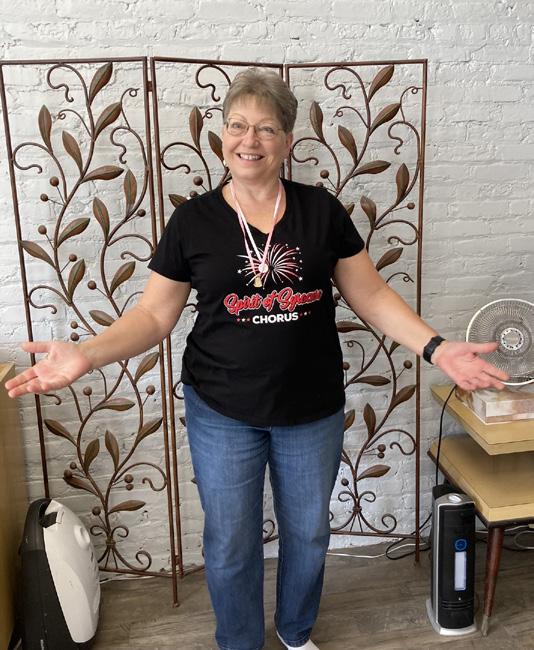
When she retired, Debbie moved north and joined Spirit of Syracuse Chorus, where she still sings and serves as the chorus’s membership coordinator. She is also the Region 15 communications coordinator. After all these years, she says the music still thrills her.
“It's those overtones!” she says. “Singing barbershop is different from listening to it because your body buzzes with the frequencies. Back when I started singing with Valley Forge, I really appreciated how good they were. Even just at warmups, we were peeling paint off the ceiling!”
In gratitude for her own experiences, Debbie donates to the Young Singers Fund, inspired by the work of chorus mate and music educator Sky Harris. Sky has developed many young barbershoppers, including the reigning Rising Star Champion, 942 Quartet, whose members also sing with Spirit of Syracuse.
“Sweet Adelines is multi-generational, and that expands our horizons,” she says. “It benefits us older folks to see how the younger generation behaves and enjoys things, and vice versa. It's really fun when they get excited, then we get excited that they're excited, and it just becomes a circle of excitement!”
Sweet Adelines is so important to Debbie, and she wants to make sure young singers know they always have a place here.
Barbershop music has been a constant for most of my life, and I'm very thankful that Sweet Adelines International is here and that I'm able to enjoy it,” she says. “It’s my biggest source of pleasure, and I see how important it is for it to be available to kids. It helps them feel good about themselves, and hopefully, it sparks something that lasts for their lifetimes as it has for so many of us. The future of our organization depends on planting those barbershop seeds.”
To learn how you can support Sweet Adelines International youth outreach or other initiatives, contact Susan Smith, Chief Philanthropy and Administrative Officer at susan@sweetadelines.com.
Dear Sweet Adelines,
I speak for all headquarters staff when I say it is our honor to support Sweet Adelines International members as we work together to fulfill our mission of “Elevating women singers worldwide through education, performance, and competition in barbershop harmony and a cappella music."
We have a staff of 27 full-time and 2 part-time team members with expertise in finance, philanthropy, membership, marketing, etc. We receive many questions at headquarters on various topics, so in my next few letters, I would like to highlight some most frequently asked questions. This October is our International Convention & Competition in Columbus, Ohio (USA). As members prepare to attend, they have numerous questions for the Events Team.
FAQ: Sweet Adelines Events Team
Q: How can I become a convention assistant, how many hours do I need to commit to volunteer, and when do I receive a discounted ticket?
A: To become a convention volunteer, please email volunteer@sweetadelines.com to receive the volunteer information packet by the end of June. Volunteer hours count toward the following year’s convention registration. For example, you must volunteer six hours this year to qualify for a volunteer discount on the 2027 Convention & Competition All Events Pass.
Q: Can I buy a Convention & Competition single-event ticket in advance?
A: For 2026, advanced single-event tickets will be on sale online until mid-July. After that single-event tickets may be purchased on-site in Columbus, Ohio.
Q: When will housing be open for non-competitors?
A: Housing will open for non-competitors around mid-July, after all the competing choruses have been assigned to their hotels. (Check your email and keep up with Sweet Adelines social media for announcement of the specific date.)
Q: How does Headquarters (HQ) choose the location for the International Convention and Competition?
A: Our process for selecting a host city for the international convention and competition is similar to how our regions
select a host city and venue for regional competitions. HQ issues a Request for Proposals (RFP) to cities that have the potential to accommodate the needs of the event. Selecting a city involves a strategic balance of logistics, budget, and attendee experience. While remaining budget conscious, the logistics of a city, the venues, the hotels, and the available dates play a critical role in the success of the event. Cities that submit proposals are carefully evaluated based on several factors, including the competition venue being offered, hotel room pricing, hotel room inventory, proximity of hotels to the competition venue (to decrease the need for busing), and access to an international airport, dining, and other amenities. Ultimately, selected host cities are those that offer the best overall value and experience for our members and the organization.
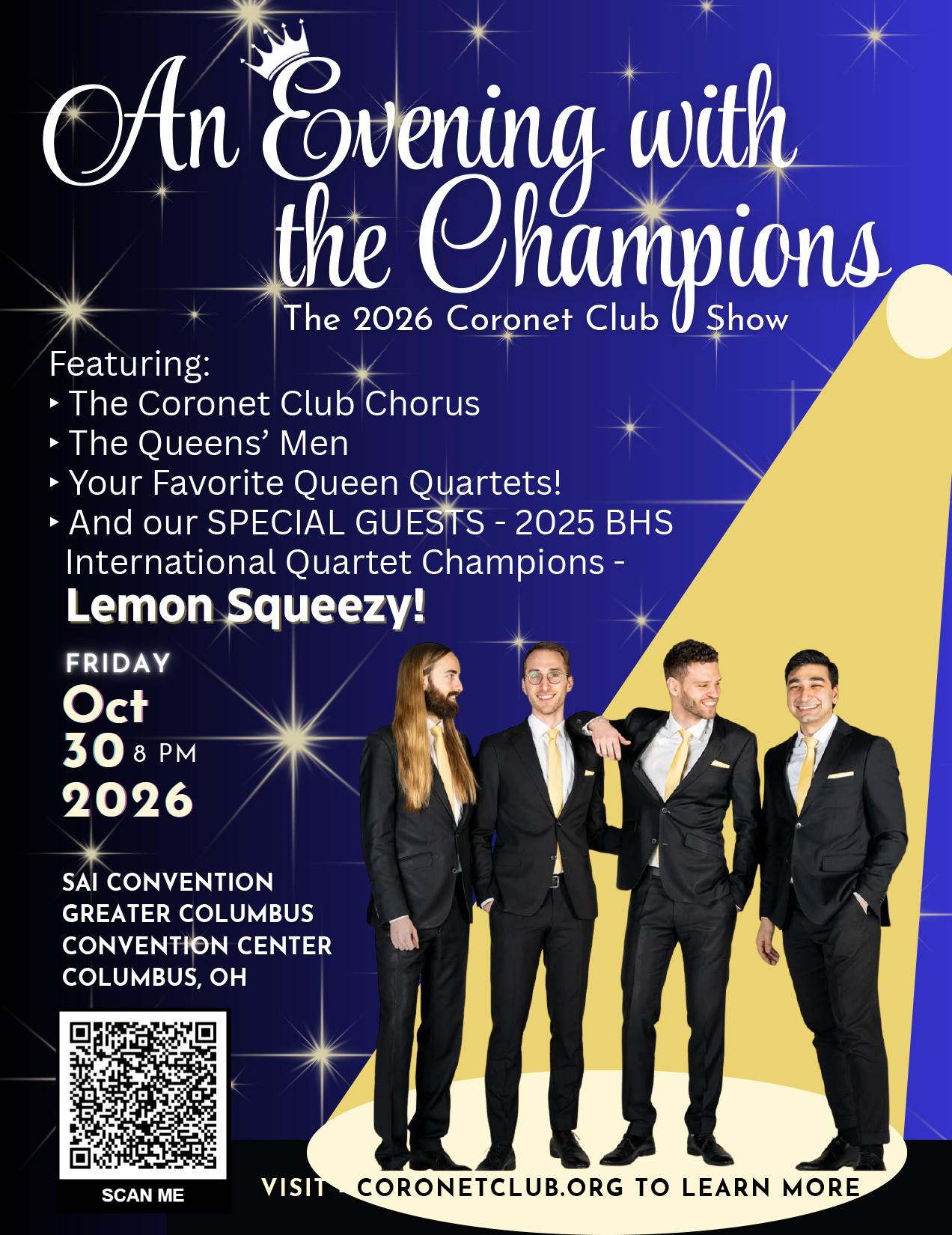
Start making your plans now for a stellar week in Columbus, Ohio (USA). We will start the week with amazing education and experiences on Monday, October 26 and Tuesday, October 27. See pages 24-25 for more details! We will wrap up our wonderful week in the buckeye state with a Costume Dance Party on October 31. I have heard that the Columbus High Ball will be taking place that evening also, so when our fun ends in the convention center, we can join in on the fun outside the doors of the Columbus Convention Center.
If you have additional questions regarding convention in Columbus, please email the Event Department team at events@sweetadelines.com.
In Harmony, Tammy
Friday, July 10, 2026
Tulsa, Oklahoma (USA)
Welcome
Returning and newly elected IBOD members
The Sweet Adelines International website defines the International Board of Directors (IBOD) as “the governing and decision-making body of the organization [with] the authority to spearhead all actions necessary to fulfill its purpose.” From strategic planning and program development to making decisions that affect all Sweet Adelines and outline our future, the IBOD members bring a wealth of experience to the organization.
The election to fill three expiring terms on the International Board of Directors (IBOD) concluded on December 3, 2025, at 3 p.m. US Central Standard Time (9 p.m. GMT).
Elected to a three-year term beginning May 1, 2026 through April 30, 2029
Annika Dellås, Rönninge Show Chorus, #32
Jean Schoenlank, Harmony Celebration Chorus, #15
Rosalyn (Ros) VanHecke, River Blenders Chorus, #5
Learn more about Ros on page 10 of this issue.
Appointed to a one-year term beginning May 1, 2025
Lori Britt Horvath, Greater Nassau Chorus, #15
Learn more about Lori on page 11 of this issue.
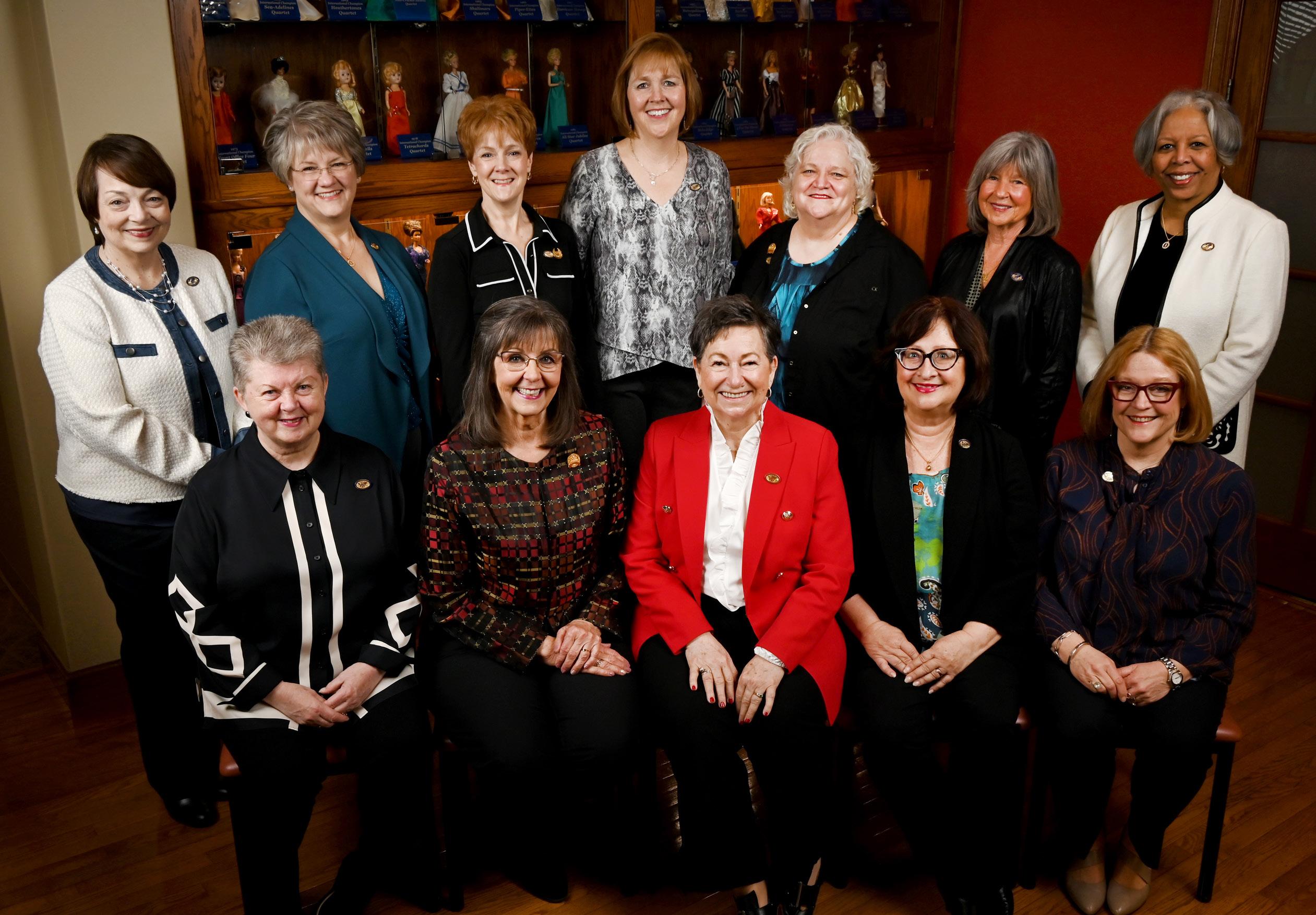
Front Row: Elaine Hamilton, Mary Rhea, JD Crowe, Sharon Cartwright, Annika Dellås Back Row: Lori Britt Horvath, Jenny Harris, Valerie Taylor, Jean Schoenlank, Thérèse Antonini, Rosalyn (Ros) VanHecke, Janice McKenna
Annika Dellås has served on the IBOD since 2022, with committee responsibilities in Worldwide Expansion, Finance and Editorial Review Board. In her nominee statement, she wrote, “My vision [for the organization] is to continue our direction towards the future and incorporate musical development with worldwide perspectives and a collaborative approach. My vision is that we take the lead to develop our artform of barbershop with a sound balance between heritage and new influences in the music.” Asked about priorities for the next 5-10 years, she listed the following: “Develop the barbershop/a cappella style to stay relevant and set the scene for the future and to attract younger members. Find ways to increase the number of new choruses and challenge our thinking to simplify administration and cost models. Build diversity and collaborate with other organizations without losing ourselves and our uniqueness.” Learn more about Annika from her profile article on page 9 of the April 2022 issue of The Pitch Pipe.
Jean Schoenlank Jean has served on the IBOD since 2025. In addition, she has served on the Regional Leadership Committee since 2022 and as their Education Coordinator from 2017-2024. In her nominee statement, she wrote, “Membership growth is essential to our future, so we must keep finding ways to share what we do in innovative ways. Retention is equally important. The singers themselves make our organization special; therefore, we need to be open, inclusive, caring, and encouraging through education and outreach.” She also wrote, “As a longtime member of Sweet Adelines, I possess a deep knowledge of its history while appreciating the changes that have taken place. I can see the big picture while also identifying the details to get us there.” Learn more about Jean from her profile article on page 10 of the April 2025 issue of The Pitch Pipe.
Elaine Hamilton,
Secretary; Mary Rhea, Immediate Past President; JD Crowe, President; Sharon Cartwright, President-Elect; Annika Dellås, Treasurer
“With an Open Heart and Both Feet In! ”
“ When I first joined Sweet Adelines, it was like coming into a big family where I knew we were all relatives, but I wasn’t quite sure who was in which family,” says Ros VanHecke. “It seemed EVERYONE was related or connected in some way!”
In her 18 years of singing with the organization, Ros has seen that connection continue to strengthen. As a newly-elected member of the International Board of Directors (IBOD), she brings a background in educational leadership and adult learning.
Ros began her Sweet Adelines journey in the now-disbanded City Voices Chorus of St. Louis, Missouri (USA), and now sings with River Blenders Chorus, also of St. Louis.
“I am not sure how much I really sang the first night I visited a rehearsal, but being on the risers and hearing the harmony all around me was like listening to angels,” she recalls.
Right away, she knew she wanted to help out, on and off
“In the beginning years, I told my director – initially Jerilee Ingram, then Diane Huber – ‘I will do whatever you need,’ says Ros. “I still have that mantra.”
Ros eventually became the Region 5 Events Coordinator and the River Blenders Team Coordinator. Those roles showed her what it means to work with an international organization.
“The region and chapters were in a good groove, then came COVID,” Ros recalls. “The international organization and headquarters staff became actual people who talked me off the ledge and helped me renegotiate contracts with hotels and venues. I realized then that I was not alone, and I never had been.”
Having experienced that support firsthand, Ros is excited to be part of the IBOD.
“So many nuances and challenges have been resolved, eased, or transformed because of the broader connection to the staff, the IBOD, chapters, and regions in similar positions,” she says. “I have been thankful and absolutely enamored with our organization, and I want to give back, to be a part of that support, and to look forward to the possibilities of an organization that 18 years ago said ‘yes’ when I asked, ‘May I?’ and has said ‘yes’ ever since. I want to be a part of every verse in our Sweet Adelines music!”
She also wants to make sure other people find Sweet Adelines when they need it.
“There are a lot of things I don't know, but I'm coming with an open heart and both feet in,” she says. “ I just want to help keep us moving forward and get people involved. Our challenge is to find ways to connect beyond boundaries, listen to understand, and honor people worldwide. Music unifies us, across generations and cultures. We sing when we are happy, when we are low, when we want to get the attention of children, and when we want to just let go. Songs have been handed down in our families and lie in our hearts. Our young people have been cradled with songs and live their lives tuned in to music. Music is where we live. We must listen, be relevant, and minimize the barriers that stand in the way, especially of our younger people. They are singing somewhere. We need to make them a home.”
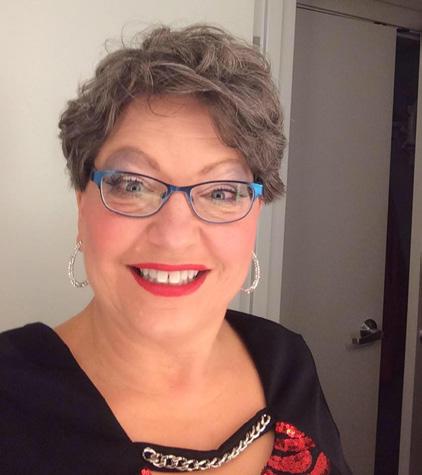
New IBOD Member Ros VanHecke
L
“From Singer to Performer”
Introducing New IBOD Member Lori Britt Horvath
ori Britt Horvath grew up in a music-loving family in Brooklyn, just 20 minutes from New York City.
“I was lucky enough to frequently go to Broadway musicals starting from a very young age,” she says. “I loved the way the actors were able to tell me their stories through song and dance and make me feel real emotions. My love of musical theater and an appreciation for beautiful harmonies continued through my whole life, but I never considered that I could actually be someone who performed that way.”
Lori sang in her church choir for many years and took private vocal lessons to gain skills and confidence. Her voice coach suggested that she look into Sweet Adelines, and Lori was thrilled to find Greater Nassau Chorus only 15 minutes away from her home.
“At my first visit to Greater Nassau Chorus in October of 2008, I could not believe what I saw and heard,” she recalls. “Like thousands of Sweet Adelines over the past 80 years, as soon as I heard the beautiful sound of live barbershop singing, I knew I had to be part of it!”
She was surprised at the effect.
“Becoming a Sweet Adeline was the perfect way for me to be able to build confidence, improve my vocal skills, and sing beautiful music within a community of supportive friends who feel more like family,” she says. “Much to my surprise, I really liked the experience of performing for an audience and being able to tell emotional stories through singing and movement. This was a revelation to me because up to that point, I always preferred blending into the background.”
Lori still sings lead with Greater Nassau Chorus, and she is the tenor of Breathe Quartet. In addition to her musical roles, she was part of the Greater Nassau Chorus Management Team for ten years, served on Region 15’s Management Team for six years (five as RMT Team Coordinator), was on the Diversity, Equity & Inclusion Council (DEIC) for five years, the first two as chair of the inaugural council team, and spent this past year on the Worldwide Expansion Committee. Now, she has been appointed to a one-year term on the International Board of Directors (IBOD), beginning May 1, 2026.
Lori wanted to get involved with the DEIC to help nurture a culture of belonging across Sweet Adelines.
“In Greater Nassau Chorus, and in regional and international activities and events, I never worried that my comfort, preferences,
opinions, and feelings mattered less than those of others due to my race, sexual orientation, age, or other characteristics. I didn’t feel like I needed to change aspects of myself to fit in.” Lori says.
“Every member deserves to have that same experience. Although I truly believe the vast majority of Sweet Adelines are kind and welcoming people who do their best to make all members feel welcome, I also know that there are members and prospective members who don’t always experience a true sense of belonging and acceptance.”
“I am very proud of the work the DEIC and IBOD have done over the past several years to support a culture of belonging, and I am optimistic that as we move forward, our organization will continue to value and support these principles because they are critical to keep us growing, evolving, and relevant across different generations, cultures, identities, lived experiences and geographies.”
Lori values her Sweet Adelines experience and all the people who have supported it, especially those closer to home.
“We often hear people joke about how being part of a chorus is a one-night per week hobby, but we all know that it requires a much larger time commitment. As a leader at the chapter, regional, or international level, the commitment of time and energy expands. I am so grateful to my husband, children, and closest friends who know how much this organization means to me. I would not have been able to have such great experiences performing, learning, and growing as a leader with Sweet Adelines if it weren’t for them. Their support has made this journey not only possible but also joyful.”
Nurturing Harmony in Japan Sweet Adelines' Worldwide Expansion
One of the most remarkable aspects of barbershop, beyond its well-known ability to bring people together through shared music-making, is its presence across many parts of the world. What began as a distinctly North American art form has grown into a truly international community, united by common musical values, performance standards, and a shared commitment to harmony and fellowship. In areas where multiple Sweet Adelines International choruses exist, these ensembles come together to form regions. These regions provide important structure, opportunities for collaboration, and a strong sense of connection and mutual support for their members.
The Worldwide Expansion Committee
In locations where there are active choruses but not yet sufficient numbers or infrastructure to establish a formal region, the Worldwide Expansion Committee plays a vital role. This committee works to provide guidance, coaching, and mentoring wherever possible, helping choruses and quartets remain engaged, develop musically, and feel connected to the broader barbershop community. This support is particularly valuable in areas that face geographical, logistical, or cultural challenges.
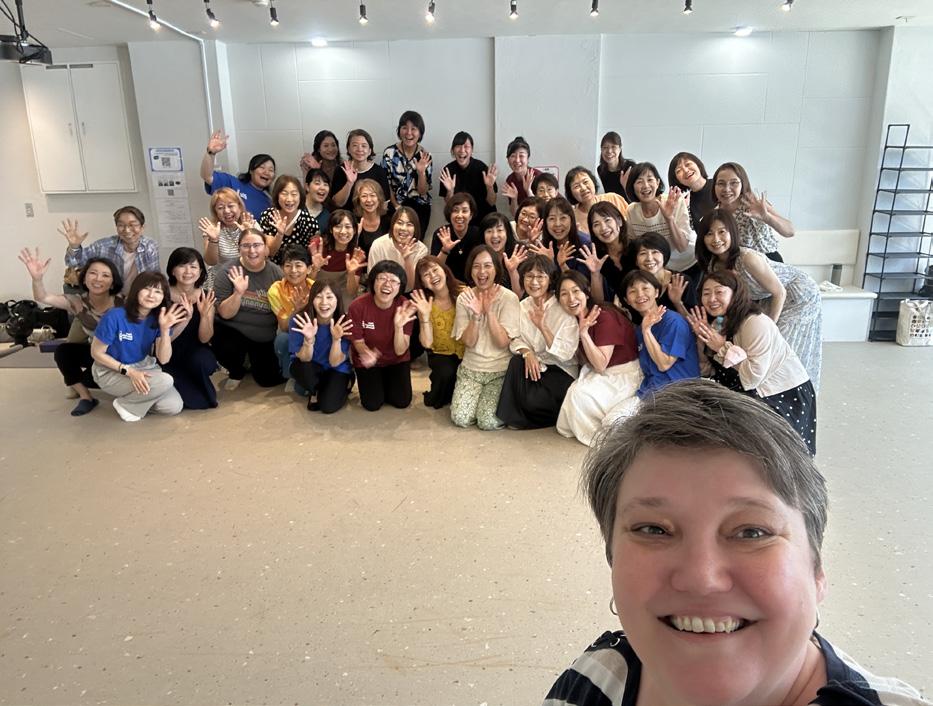
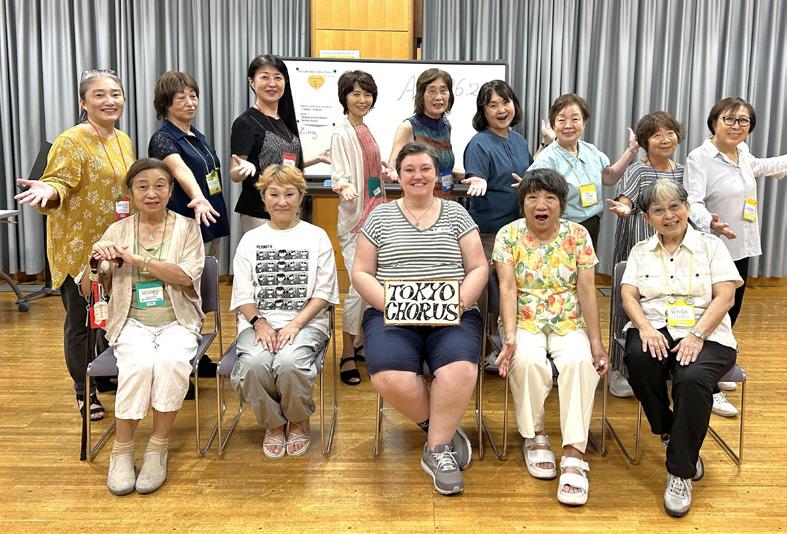
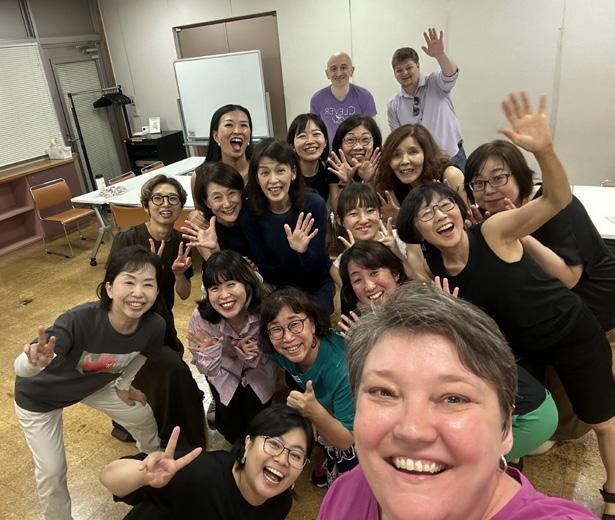
In August of last year, I was fortunate to visit Japan for the second time. I provided leadership support and music coaching to several choruses and two quartets there. It was a pleasure to return and observe the progress these ensembles have made since my previous visit. The commitment, enthusiasm, and openness of the members were evident throughout the visit, and it was encouraging to see how feedback and coaching from earlier interactions had been embraced and applied. The opportunity to work alongside these groups once again reinforced the strength of their dedication to continuous improvement.
Barbershop in Japan
Barbershop in Japan began in the 1980s with the formation of Tokyo Barbers, a Barbershop Harmony Society (BHS) chorus,
alongside Tokyo Chorus, a Sweet Adelines-affiliated ensemble. Since that time, the barbershop community in Japan has steadily expanded to include four Sweet Adelines choruses across the country, as well as a number of active quartets. These ensembles perform a varied and challenging repertoire entirely in English, which presents an additional layer of complexity. Members are therefore developing not only their musical and vocal skills, but also learning and performing lyrics in a second language. This commitment reflects a high level of dedication and an impressive willingness to embrace the full barbershop experience.
During my visit, I also had the opportunity to attend the Japan Barbershop Convention, a BHS-sponsored event featuring both BHS- and Sweet Adelines-affiliated choruses and quartets. The overall standard of performance was strong and demonstrated clear musical growth across the board. Harmonix placed third overall in the chorus competition, while Ultra L achieved the highest placement among Sweet Adelines quartets, finishing sixth overall. These results highlight the quality of work being undertaken by Japanese ensembles and their continued development within the barbershop framework.
As with many areas globally, Japan faces the ongoing challenge of distance between choruses, which is further compounded by the absence of a formal region. Travel between cities is time-consuming and costly, limiting opportunities for regular in-person collaboration. However, as choruses within the Worldwide Satellite Area, these ensembles receive ongoing support and mentoring through the Worldwide Expansion Committee. This connection plays a crucial role in ensuring continued development, fostering a sense of belonging, and supporting the long-term growth of the barbershop community in Japan.
Bec Hewitt is Region #34 Education Coordinator and a member of the International Faculty. She is a Sweet Adelines International Chapter-at-Large member (#34).
Sweet Adelines International GRANT CYCLE II AWARDEES
2026
A Cappella Junction Harmony Festival, Grand Mesa A Cappella Chorus, Region 8
Coming off of two very successful festivals in 2024 and 2026, Grand Mesa A Cappella Chorus will once again put on the A Cappella Junction Harmony Festival. Youth aged 12+ will enjoy a one-day event dedicated to learning about four-part barbershop harmony, the history of Sweet Adelines International, healthy vocal production, and other musical topics.
A Cappella Xpress Youth Festival, Helena Xpress Singers, Region 13
With each A Cappella Xpress Youth Festival gaining more attendees, Helena Xpress expects another great year! Shelly Pardis, Rachel Pack, and Rhapsody A Cappella of Montana State University will immerse over 50 students in physical and vocal warmups and small-group coaching. Attendees will learn two contrasting barbershop arrangements that they will perform in a public evening showcase.
Windsong Chorus Youth Festival, Windsong Chorus, Region 8
Windsong Chorus will host a free educational festival for local junior high and high school students to experience hands-on vocal training in the barbershop style. Any Girl Scouts who attend may also earn their music badge in conjunction with the Youth Outreach Program. Attendees will learn age-appropriate vocal techniques in addition to the history of Sweet Adelines International.
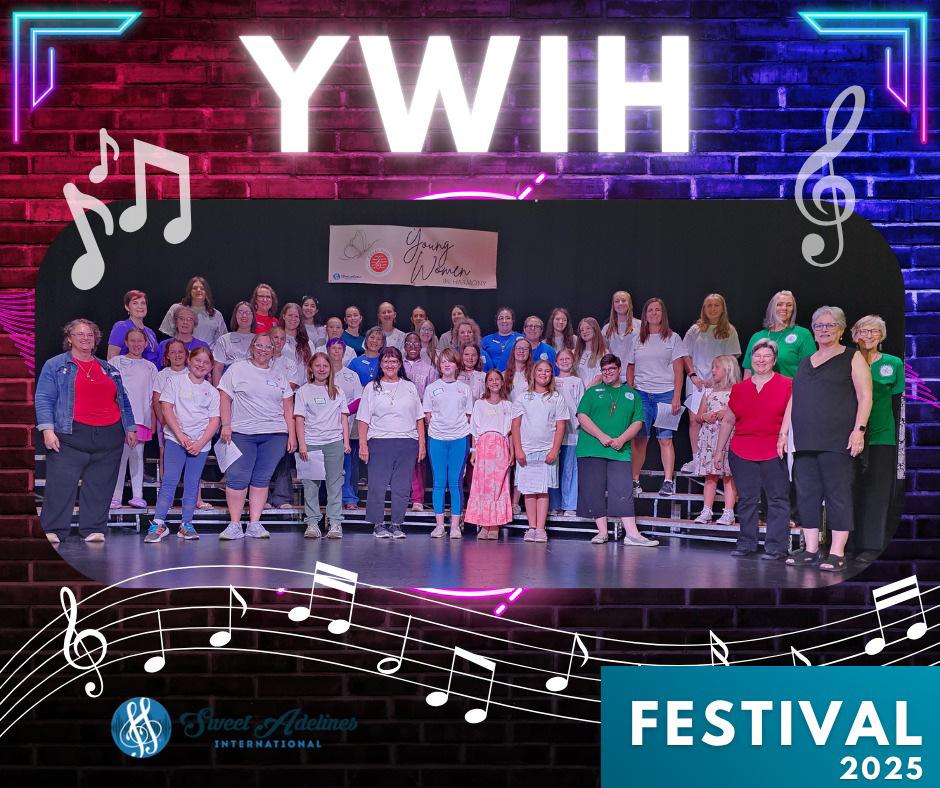
Young Women In Harmony Festival – Idaho Falls, Idaho Falls A
Cappella Chorus, Region 8
Alana Butikofer, Anna-Lisa Glad, and Nothin’ But Treble Quartet aim to engage 65 participants in this year's Young Women in Harmony Festival. Showcasing their newfound skills and enthusiasm for barbershop singing, attendees will perform two barbershop-style songs taught by these experienced clinicians, directors, and singers.
Youth Harmony Fest, Scottsdale Chorus, Region 21
Scottsdale Chorus will host Youth Harmony Fest with the help of their Community Outreach Team, Sweet Adelines International President’s Lifetime Achievement Award-winning director Lori Lyford, and International Music Judge Specialist Jana Gutenson. This festival will provide high school and college students across Arizona with a unique opportunity to learn, rehearse, and perform barbershop-style music for a one-day, jam-packed event.
Are you inspired to host an educational program or event for young singers? Grant Cycle 1 is open until June 1, 2026 to support activities beginning no sooner than November 2026. For information, visit
Over the past several years, Sweet Adelines International has taken a more intentional approach to recognizing Black History Month, using its online platforms to tell fuller stories—about barbershop’s African American origins, the organization’s exclusionary past, and the Black members who continue to shape our future.
This year, those Black History Month reflections arrived at a particularly meaningful moment: Ten years ago, Sweet Adelines posthumously granted lifetime membership to Lana Clowes, formally acknowledging a wrong that should never have occurred.
Roots, Reckoning, and Renewal
Barbershop harmony is rooted in African American musical traditions of the late 19th century, shaped by improvisation, storytelling, and rich four-part harmony and yet, for decades, Sweet Adelines failed to fully honor those roots.
In 1957, the organization codified racial exclusion into its bylaws, barring Black women from membership, and in 1963, Lana Clowes—a respected singer and director—was denied membership despite having already led and sung with her chorus.
Decades later, Lana’s story became a catalyst for reflection across Sweet Adelines, prompting the organization to examine not only past exclusions but also how to create a more welcoming and inclusive environment for all members today.
In the years following Lana’s posthumous recognition in 2016, Sweet Adelines launched its first Diversity and Inclusivity Task Force and later established the Diversity, Equity, and Inclusion (DEI) Council as permanent stewards of this work.
Now, alongside broader efforts such as more inclusive marketing, updated gendered language, and increased accessibility for members with disabilities, Sweet Adelines has developed resources like the Chorus Toolkit to help chapters build welcoming environments and the Song Assessment Tool (SAT), which allows choruses to evaluate musical context and lyrics to ensure performances do not perpetuate racist stereotypes or harm.
Donnetta Hawkins, chair of the Diversity, Equity, and Inclusion Council (DEIC), and member of the Region 14 DEI team, recalled a time before those resources existed.
It was almost 10 years ago, and she was attending her first night of rehearsal with a Sweet Adelines chorus.
“I was so excited,” Donnetta said. “I was eagerly anticipating how the chorus was going to sound.”
The chorus did not disappoint musically; however, Donnetta’s excitement was tempered by concern when the group began its contest set, which included Swanee, a song with racist themes and history.
At that point, Donnetta said, “alarm bells started going off in my head, but I managed to maintain composure as a guest.”
“I don’t think I had any outward reaction,” she said. “But I think there was an internal debate.”
Later, when she learned that Swanee was one of two possible audition songs for the chorus, that internal debate intensified, and she found herself wondering whether she should walk away from the organization.
Luckily for Sweet Adelines, she chose to stay.
“I (realized) it would be easy for me not to join,” Donnetta recalled. “But what if I did join, and see if I could do something to help?...So I decided to move forward with the audition process, always with it in mind that I would try to help the chorus or the organization to be better.”
Now, due to the work of Sweet Adelines like Donnetta, Swanee is one of the few songs that are deemed as not admissible by the SAT. (Of more than 4,000 songs that have
Gloria Stone, City of Gardens Chorus, 1967
Lana Clowes, The Velevetones, 1965
MORE THAN A MONTH: HOW BLACK HISTORY RESONATES WITH Sweet Adelines
Taylor Daniels, who was profiled as part of Black History Month in 2025 after becoming the first Black Sweet Adelines International Quartet Champion with Clever Girl in 2024 called the SAT “the most prominent progression” she has seen Sweet Adelines International take towards promoting and supporting DEI.
“It was surprising to hear that within the last 10 years, there were still songs being sung on contest stages with derogatory backgrounds and history,” Taylor said. “With the Song Assessment Tool, we can make sure that the music we sing is an appropriate and true representation of who we are and the values we hold.”
This shift alone reflects the fact that, 10 years later, Sweet Adelines is not the same organization it was in 2016 – or in 1963.
That evolution has been shaped in large part by the leadership, advocacy, and courage of Black members who insisted that history be told fully, even when it was uncomfortable.
“Black members have been integral in keeping Sweet Adelines International honest about confronting its past,” Taylor said. “There have been and still are some amazing Black women being represented on our DEI Council, and they play a huge part in making sure that Black voices are heard, understood, and valued in Sweet Adelines but also that all people from all walks of life feel included and welcomed into our organization.”
Black History Month has become one of the ways Sweet Adelines continues that work: not as a pause from the present, but as a reminder that understanding the past is essential to building a more just and welcoming future.
Sweet Adelines International Diversity, Equity & Inclusion Council (DEIC) members are Donnetta Hawkins (Chair), Beth AndersonBalmer, Thérèse Antonini, Cheryl Chalk, Katie Fritz, Levke Haas, Krista Moller, Tracy Popenhagen, Mary Rhea, Gretchen Streett, and Sweet Adelines International CEO Tammy Talbot.
DEIC, social media post, February 18, 2026.
Donetta Hawkins, DEIC Chair
Let us know what your chorus or quartet has been doing in your community. Email your submissions and photos to communications@sweetadelines.com.
Where We Sang
Singing the U.S. national anthem were Toast of Champaign Chorus (#3) at a University of Illinois basketball game; Cedar Harmony Chorus (#5) at a Waterloo Black Hawks hockey match; Acapella Express Chorus (#6) at a Fargo Force hockey match; the Extension Chords ensemble of Great Lake Sound Chorus (#3) at a Valparaiso University men’s basketball game; Tulsa Metro Sound Chorus (#25) at a University of Tulsa women’s basketball game; and Emerald Valley Chorus (#12) at a University of Oregon women’s basketball game.
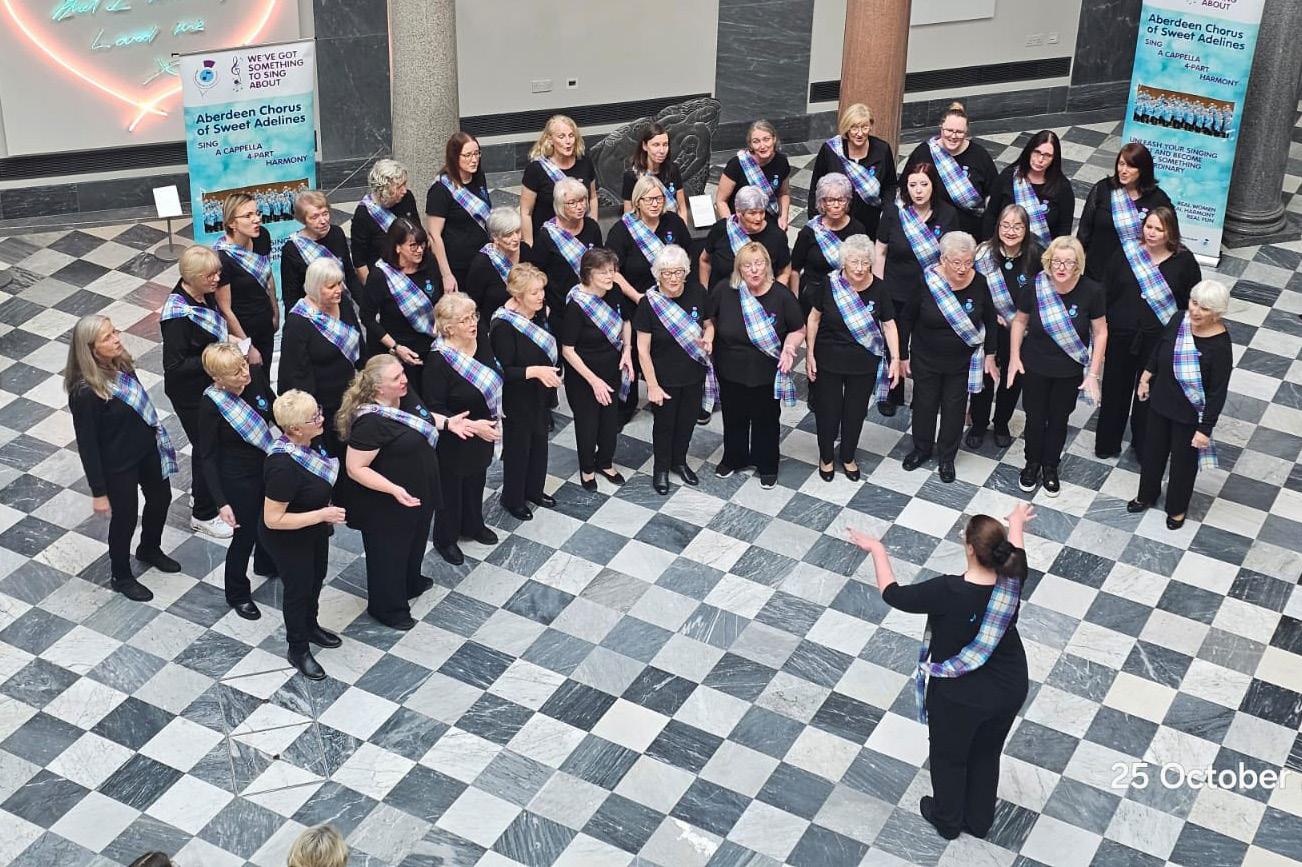
Aberdeen Chorus (#31) performed at the Aberdeen Arts Gallery.
Pacific Sound Chorus (#13) performed at the Argosy Christmas Ship Festival.
Harmony North Chorus (#16) sang Christmas carols and the Canadian national anthem at a Collingwood Blues hockey match.
Acappella Omaha Chorus (#5) sang at the 41st Annual Flower Festival at St. Cecilia Cathedral in Omaha, Nebraska (USA).
Bonfire Quartet (#13) performed at the 37th Annual Anchorage Folk Festival.
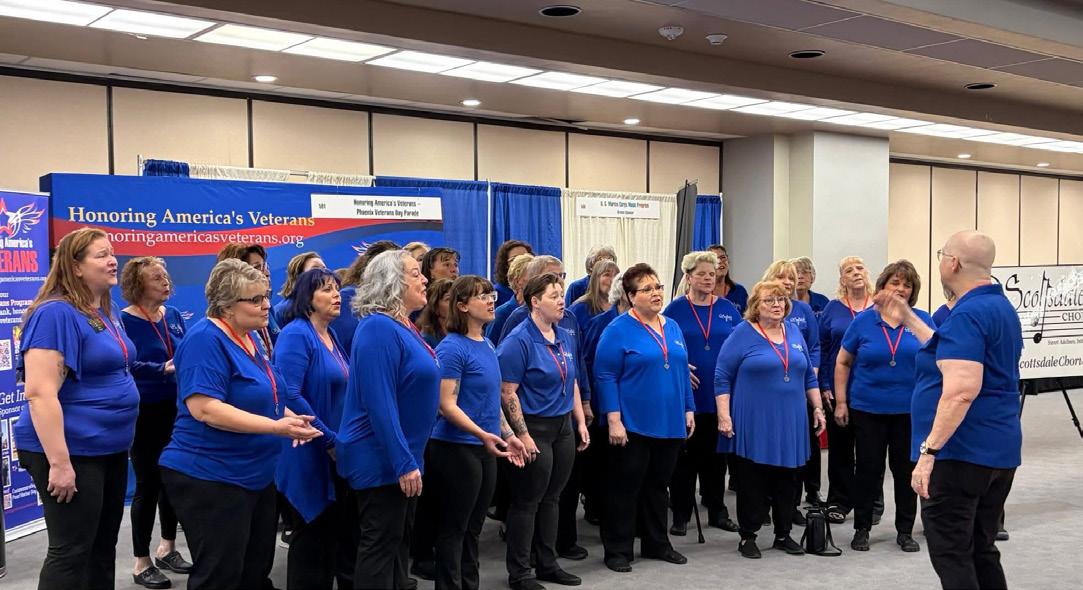
An ensemble from Scottsdale Chorus and PHX Quartet (both #21) performed at the 2026 Arizona Music Educators Conference.
How We Sang
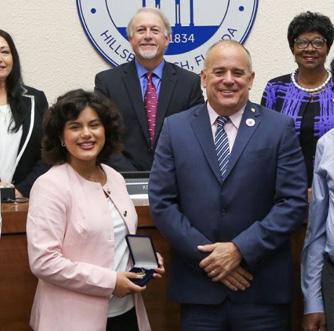
Ainara
International Champion
was one of six high school and middle school students recognized for their contributions to their communities in Hillsborough County’s Youth Excellence and Achievement (YEA!) Awards. Photo courtesy of Tampa Beacon.
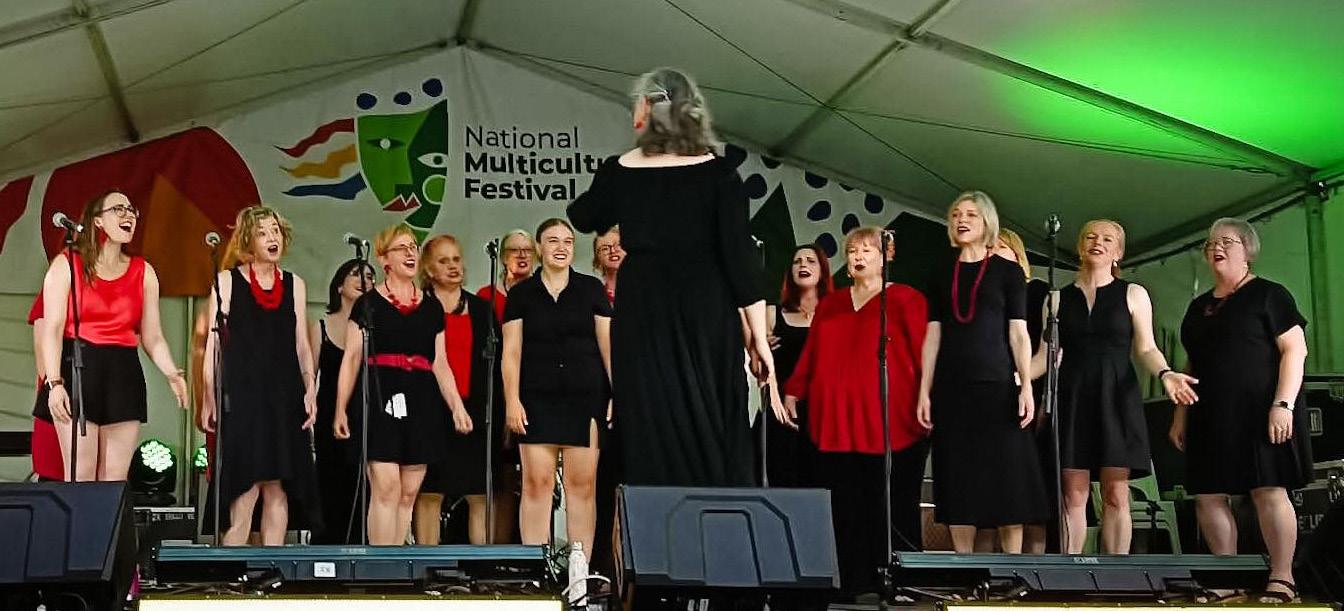
Brindabella Chorus (#34) performed at the National Multicultural Festival in Canberra.
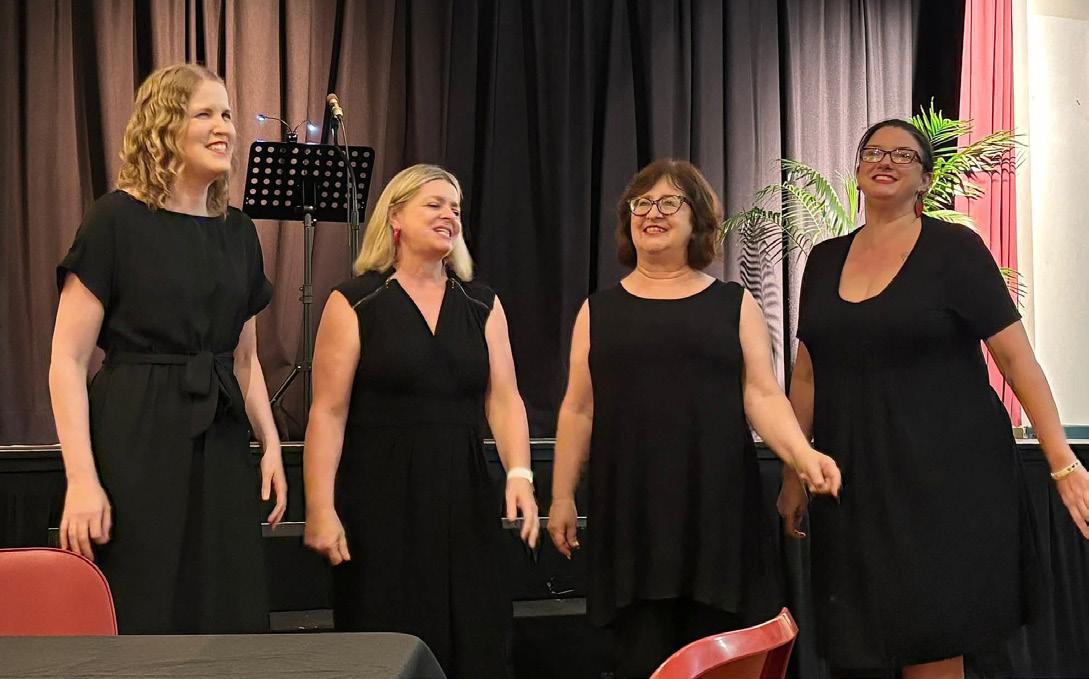
Luminous Quartet (#34) performed at Calanthe Poetry Night in Mount Tamborine, Queensland, Australia.
Farmington Valley Chorus (#1) was invited to sing at the 75th anniversary celebration for Avon Free Public Library in Avon, Connecticut (USA).
Members of White River Sound Chorus (#4) performed the Hallelujah Chorus (Handel) with the Indianapolis Symphonic Band and singers from community choirs.
“Ari” Gomez of 2026
Toast of Tampa Show Chorus (#9)
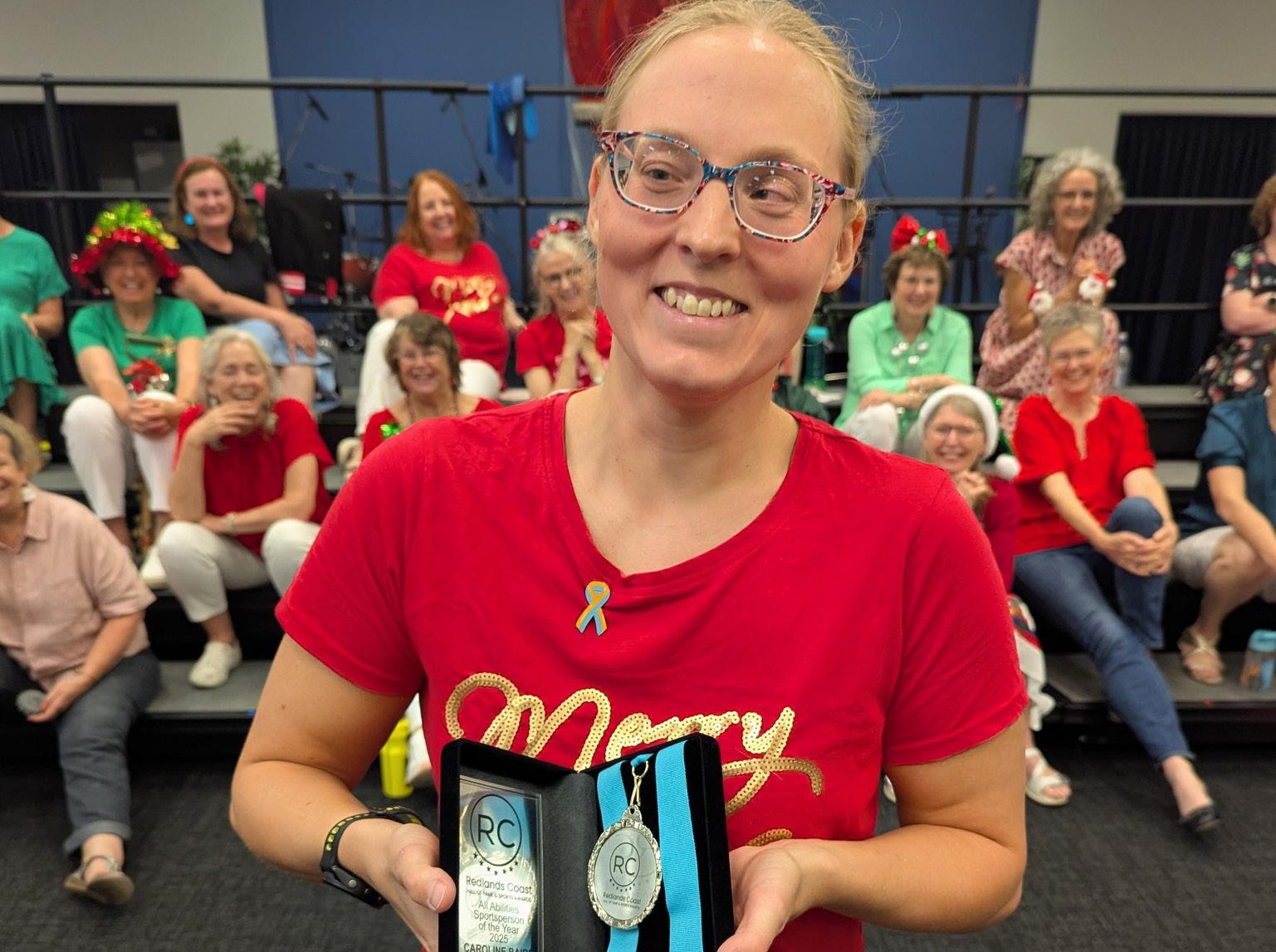
Cas Baird of Redland Rhapsody Chorus (#34), a triathlete, was named All Abilities Sportsperson of the Year when the Redlands Coast Sports Hall of Fame held their 2025 Sporting Awards Ceremony.
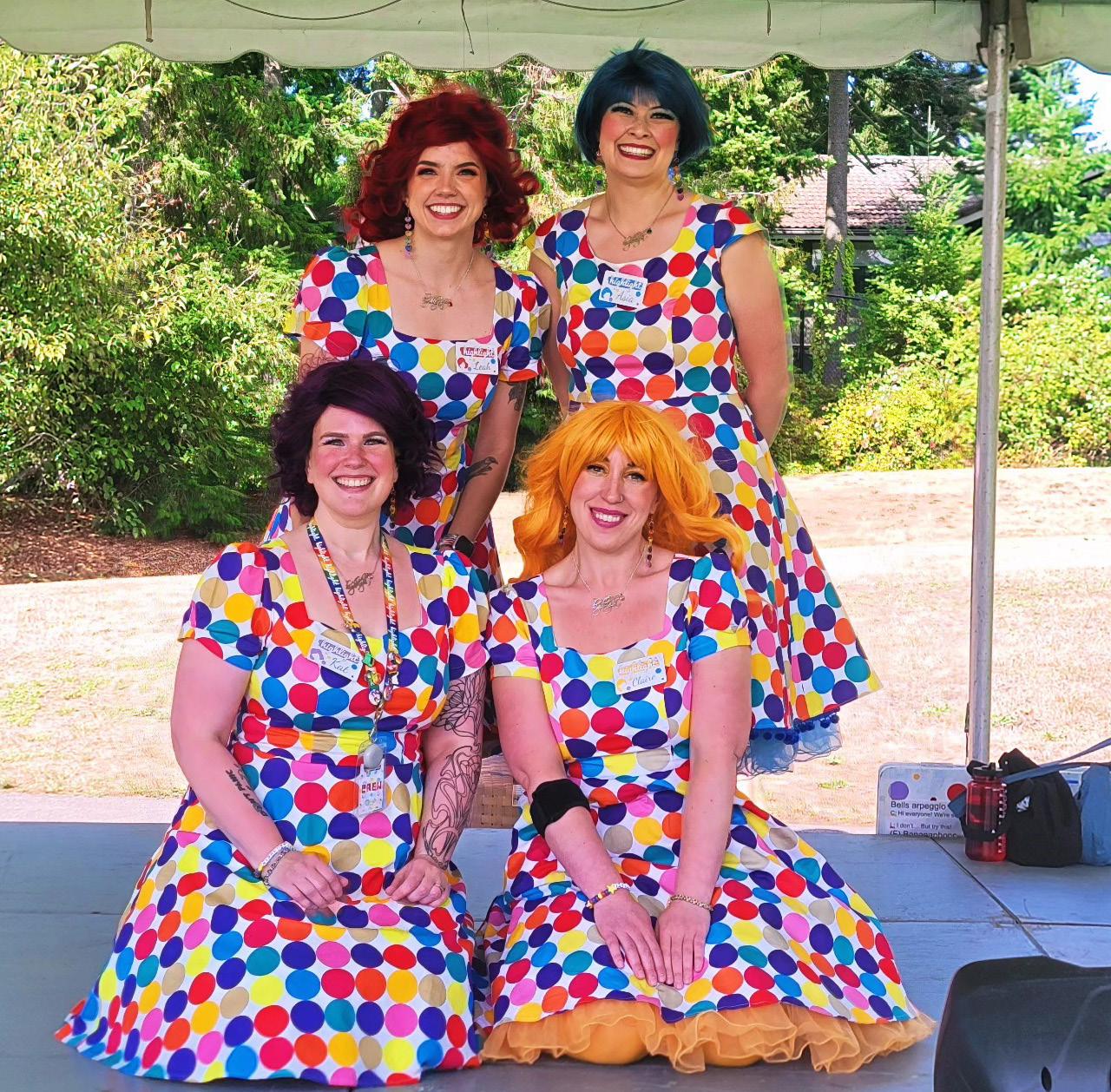
Highlight Quartet (#13) was voted Best Live Music and Entertainment in the Everett Herald newspaper’s 2025 Best of Snohomish County edition.
Why We Sang
Motor City Blend Chorus (#2) collected 3,118 pounds (1410.672 kg) of shoes for Funds2Orgs, an organization partners with nonprofits to redirect shoes out of landfills and into the reuse economy through shoe drives. In December 2025, Rhythm of the Rockies (#26) joined Acappella Road Chorus (BHS) in a Christmas concert. Proceeds from the show were donated to the Calgary Food Bank, raising $15,400 CAN. In January, representatives from both choruses volunteered at the Calgary Food Bank, presenting the cheque, and singing a song of thanks for the food bank team.
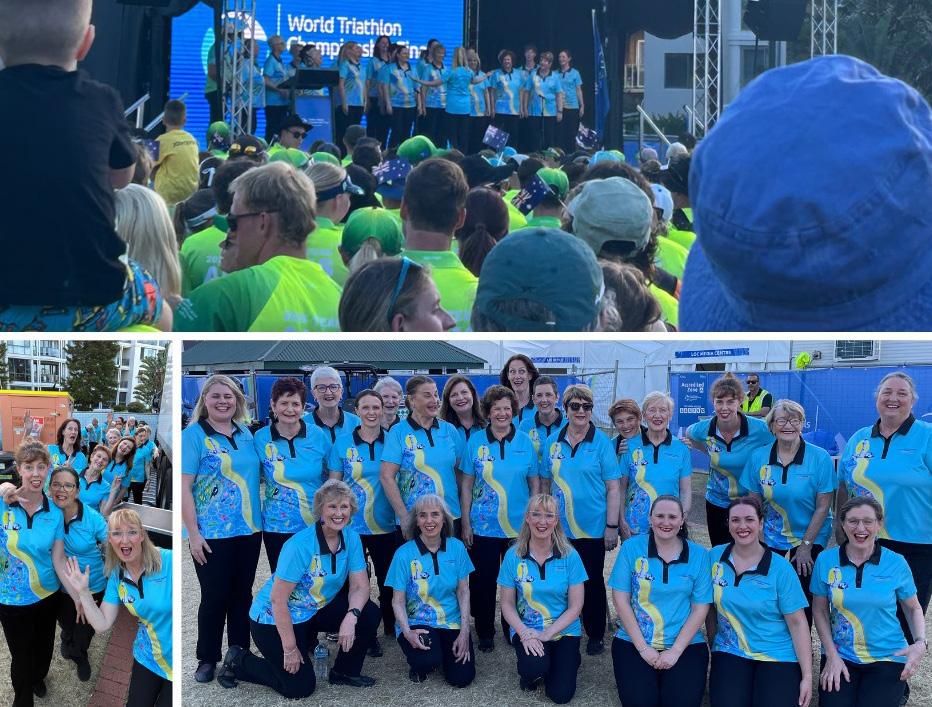
Wollongong Harmony Chorus (#34) sang the Australian national anthem at the opening ceremony of the World Triathlon Championships.
Treble in the Village Quartet (#25) opened for comedian Mike Goodwin at the Woodlands Auditorium in Hot Springs Village, Arkansas.
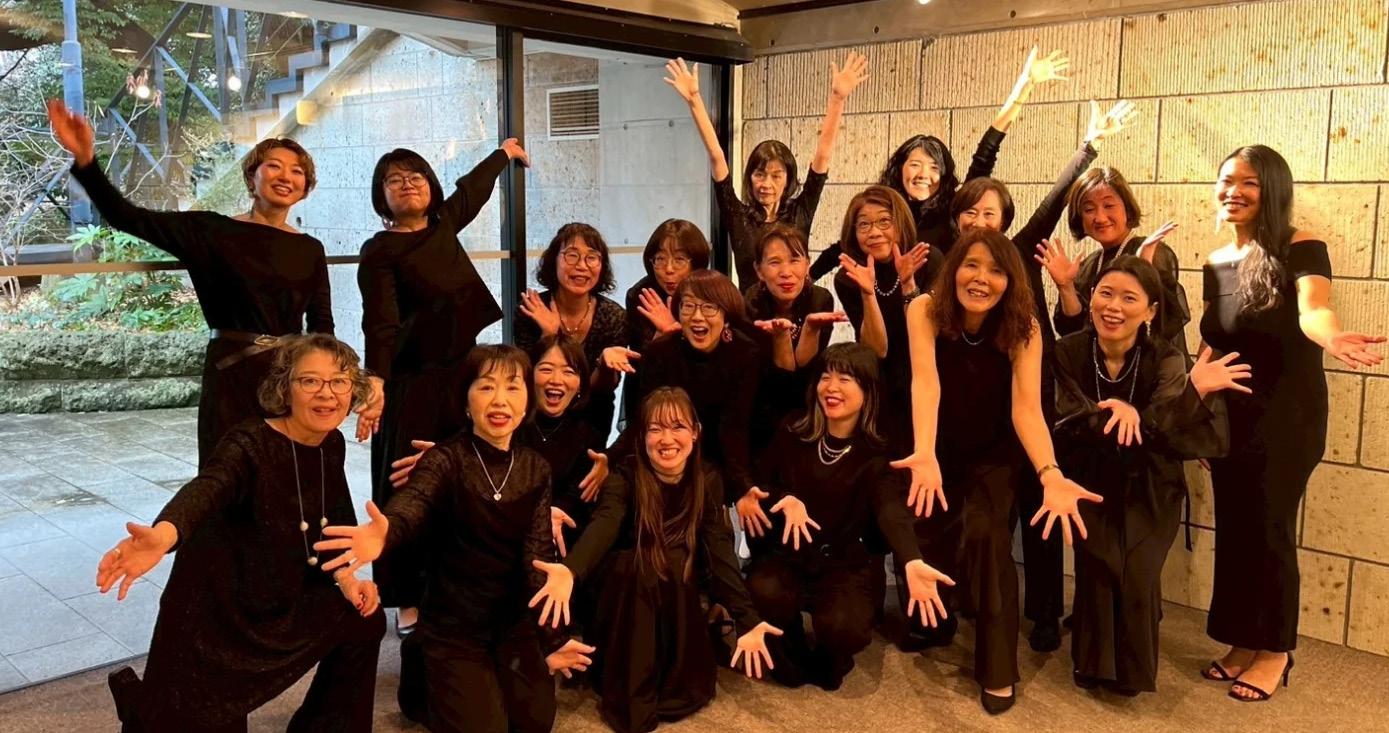
Midtown Voices Chorus (Satellite #30) performed at Yokohama Yamate Art Festival.
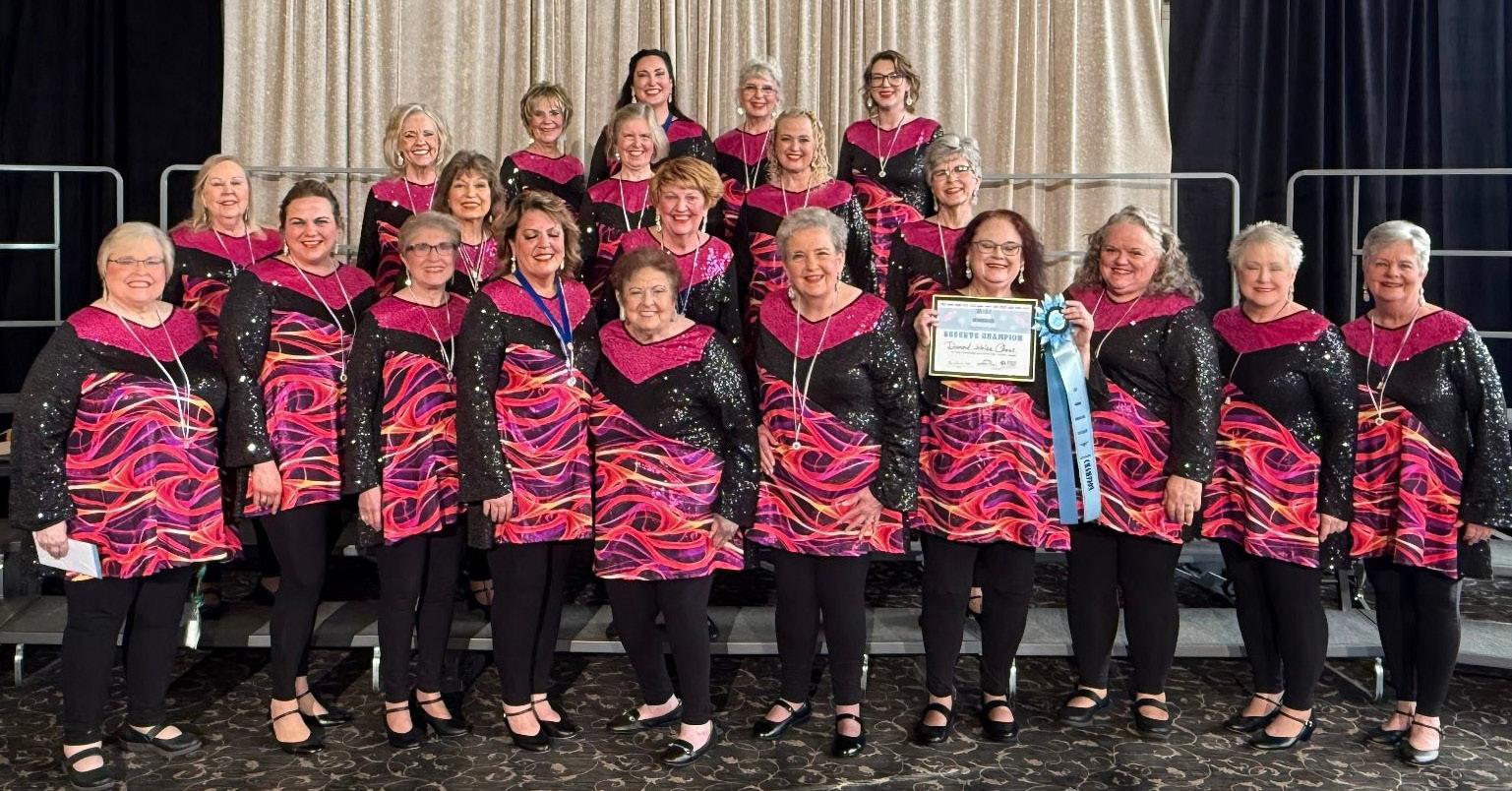
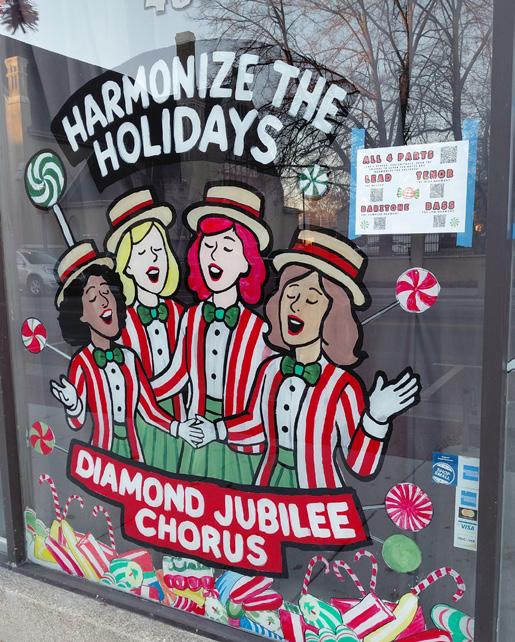
Diamond Jubilee Chorus (#4) was awarded Reserve Champion in the Northwest Warren County Chamber Window Decorating Contest for their "Harmonize the Holidays" design.
their
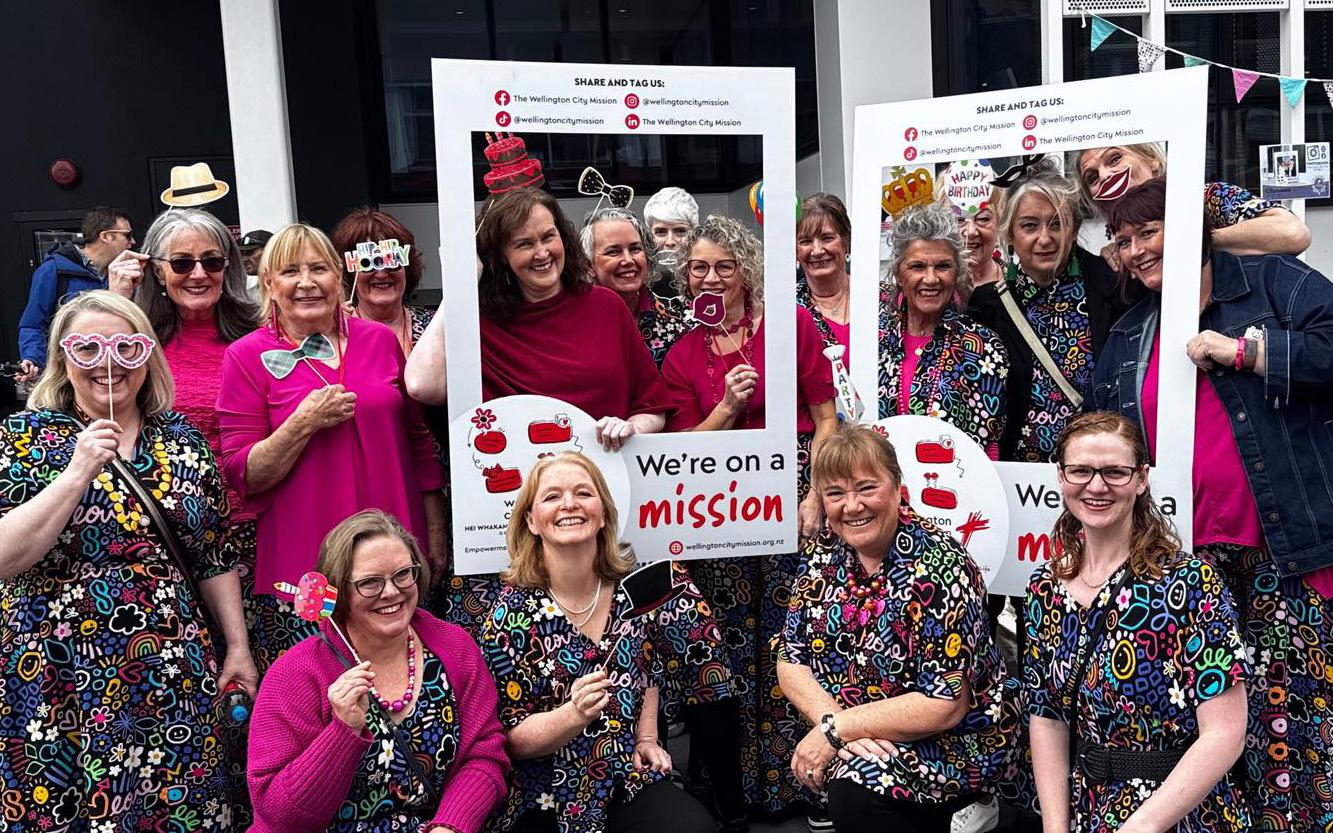
Faultline Chorus (#35) sang at the first anniversary celebration of transitional housing community Whakamaru.
Forth Valley Chorus (#31) sang at historic Edinburgh restaurant The Dome to help raise money for Edinburgh Children's Hospital Charity.
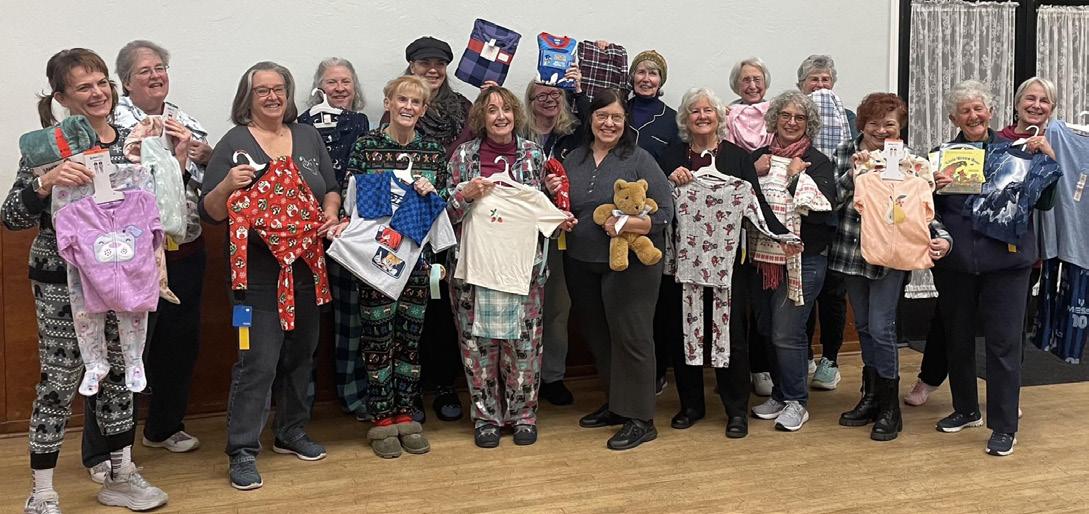
Harmony Fusion Chorus (#12) held its annual Pajamas and Storybooks Drive to benefit children of their community.
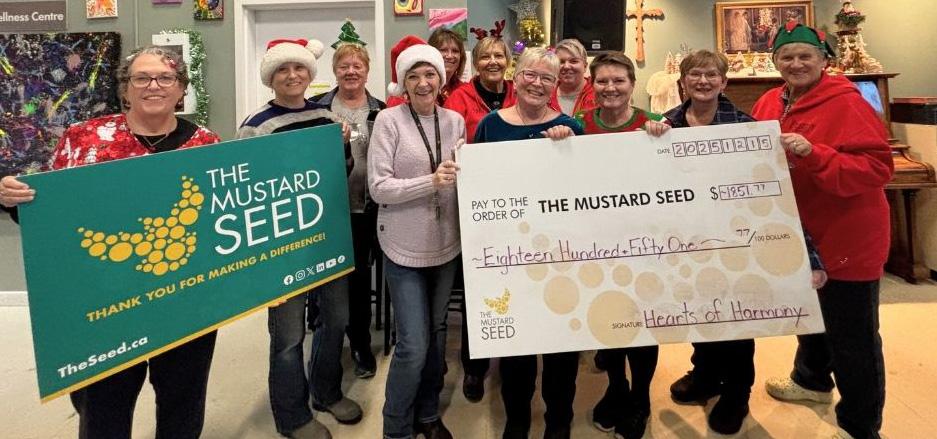
Hearts of Harmony Chorus (#26) members hosted a concert and donated the proceeds to The Mustard Seed, a nonprofit that helps people experiencing homelessness and poverty.
Joyful Quartet (#11) sang at the Honor Flight of Southern Nevada reception. The Honor Flight organization serves military veterans by providing transportation to visit war memorials.
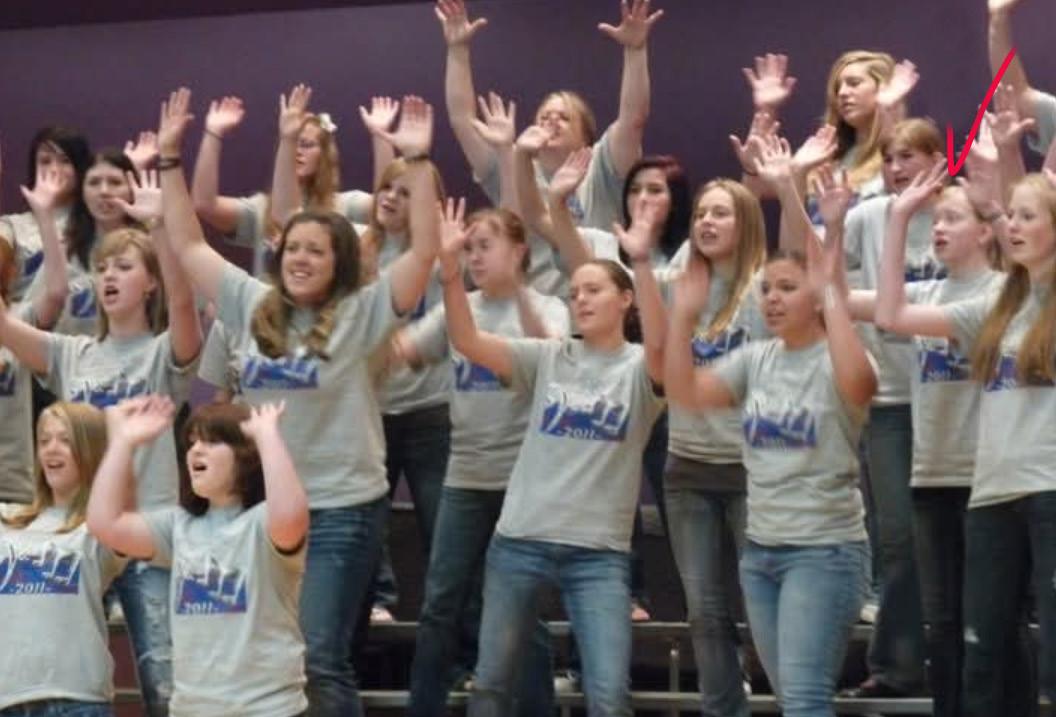
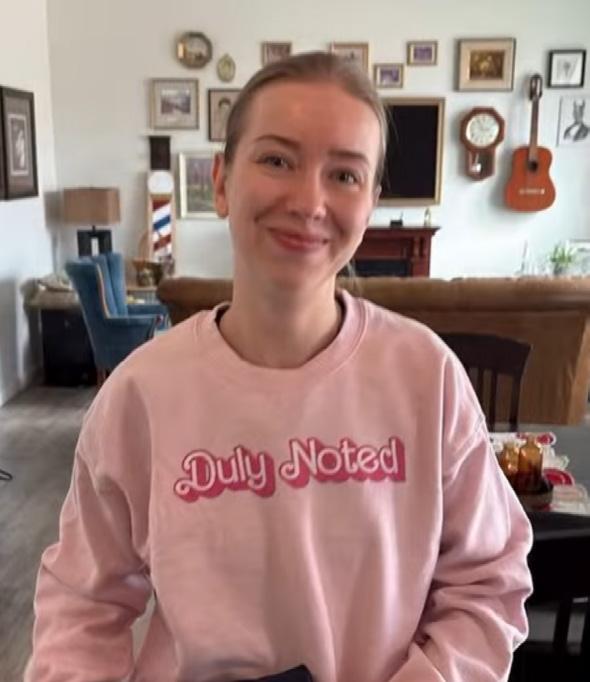
Back in the early 2000s, Glenna Berdahl and I were the faculty of the Big Sky Youth Harmony Rendezvous Camp in Montana (USA). One shy girl, singing bass, told Glenna (who was her bass section leader), "I want to sing like YOU someday!" This young singer came to the camp year after year. She stayed hooked on barbershop music, and in January, she was named the new bass of the third-place international medalist quartet Duly Noted (#9)! Her story is a reminder to keep mentoring our youth. You never know who or when you are inspiring!
– Natalie Berdahl, director of City of Lakes Chorus (#6)
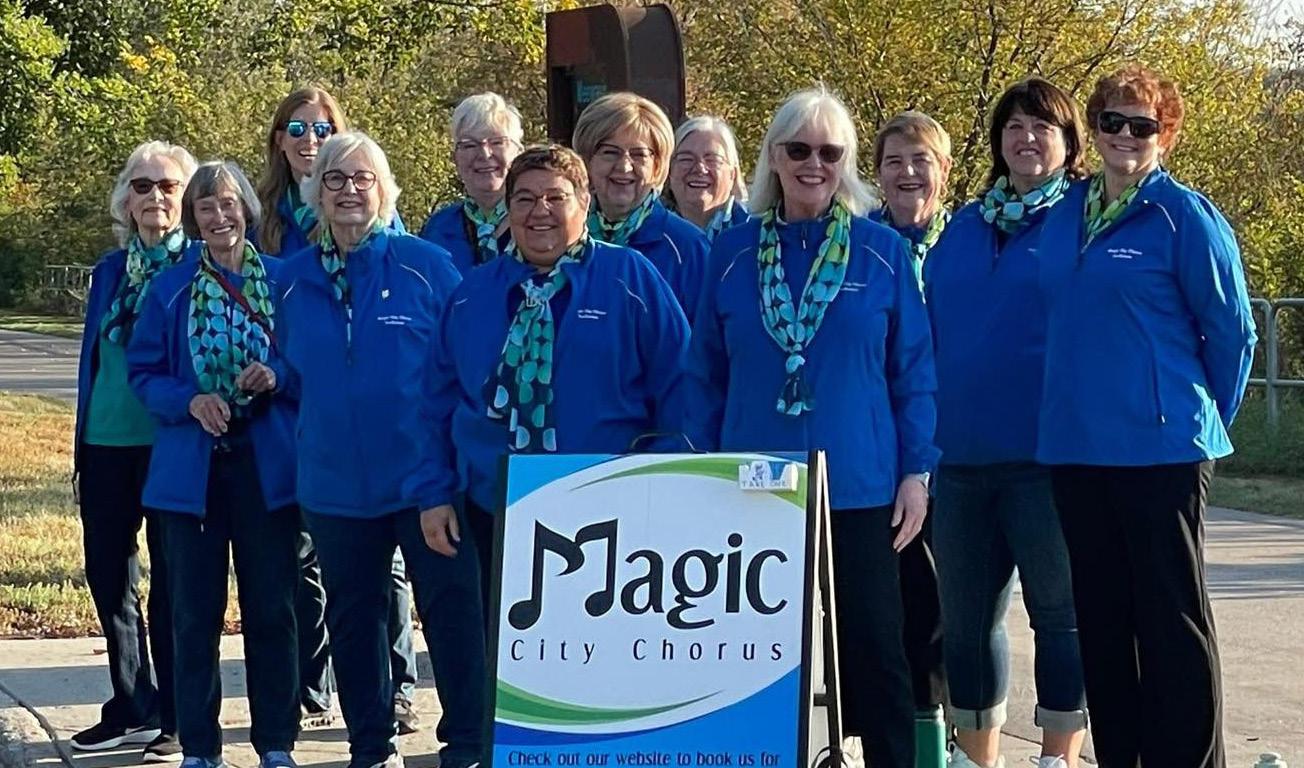
Magic City Chorus (#26) performed at
local Step Up for Mental Health Walk.
“It's Good for My Soul”
A talk with Sweet Adelines Donor Cindy Chrispell
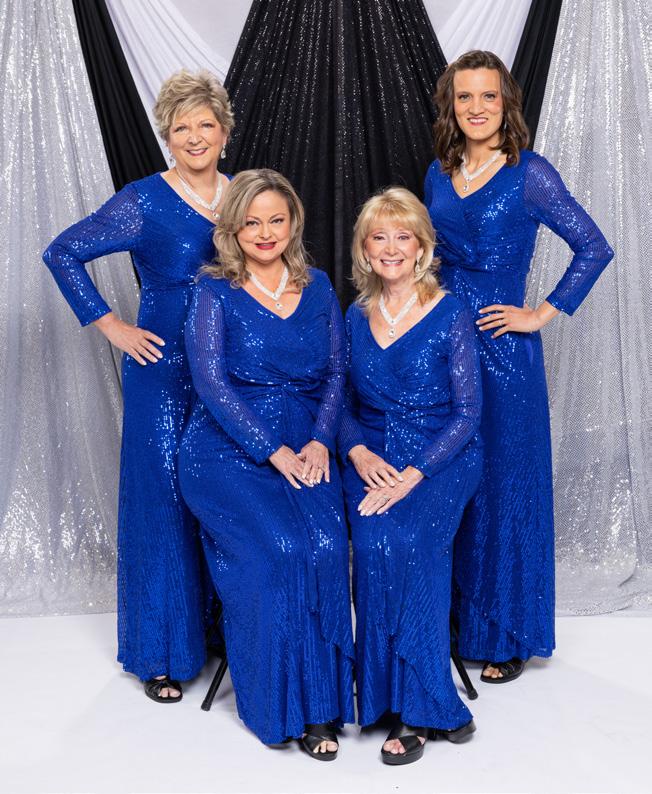
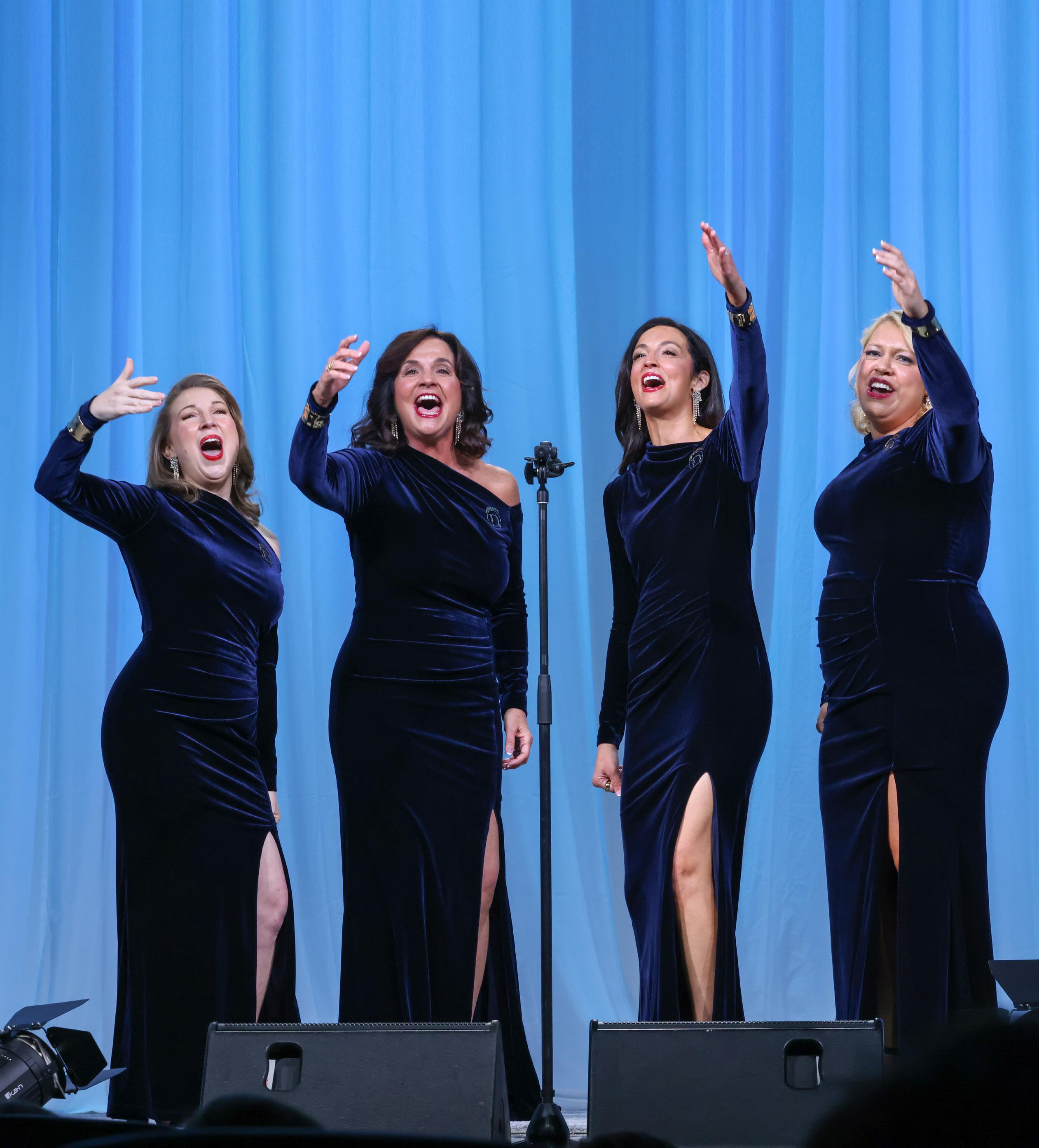
Resplendent in sparkling blue gowns, By Special Request (BSR) stepped onto the international stage at the 2025 convention in Columbus, Ohio to warm applause. To watch bass Cindy Chrispell in this performance is to witness seemingly effortless confidence and pure enjoyment. In every smile and gracious acknowledgement of the audience, she exudes love and gratitude for the music and community that have brought her to this literal and figurative stage of her singing life.
A few months before that performance, Cindy established an estate gift with Sweet Adelines International to ensure that singers who come after her will have the opportunities she’s had as part of this organization.
It’s no surprise that Cindy is comfortable singing on big stages. She’s been doing it since she was 13, when her music teacher, Larry Triplett, introduced her to barbershop. Her first quartet, Triplett’s Quadruplets, later became Papa’s Girls when barbershopper Nick Papageorge became their teacher. That quartet included Inland Empire Chorus Director Jane Krall on tenor, Skyline Chorus Director Vickie Maybury on lead, Debbie Montoya on baritone and Cindy on bass. They joined Sweet Adelines in 1976 and competed twice in Region 21 and once in Region 11. Young singers today can probably relate to the fun of their experience.
In 1979, Cindy became a charter member of RiverOaks Chorus (directed by BSR lead Robin Beers, and her mother, Bette Carpenter).
In the 1980s, she sang with Robin in New Priority, then with BSR baritone Billye Johnstone in Steppin’ Out. She also spent time in a now-disbanded chorus called Cities of Harmony. But then, life happened. Cindy took a break from barbershop, got married, and focused on her career for around 25 years. In 2013, she joined Harborlites Chorus – and won first place with them at regional competition that year – her first performance back in barbershop!
“Our first regional contest was in Phoenix, [Arizona],” Cindy recalls. “Vickie and Jane were 20, so they drove themselves, but Debbie’s parents drove us there. The four of us stayed in the same room, and there was a lot of giggling and a lot of unhealthy eating. I think I mostly ate cashews and drank Diet Dr. Pepper the whole weekend!”
“When I joined, Harborlites had a little over a hundred members, and it was this big, incredible sound,” she says. “ After being away so long, there were a lot of things that had changed that I had to get used to, and some things that were so different in a big, highly competitive chorus, but I felt welcomed right away.”
As she looks ahead to the upcoming regional contest season, Cindy reflects on what barbershop music means to her.
“It’s a part of my youth that is still relevant to me and that I’m still capable of doing,” she says. “Barbershop is adaptable to everyone, and it's been just a true bright spot. I'm about to retire from working, and I love that I’ll be able to commit more time to my singing and to becoming a better musician.”
She says performance brings her joy and freedom.
“I've been lucky that I've just been able to embrace the fact that singing is joyful,” Cindy says. “It's this blissful time when I can let everything else go, get out of my head, and just be me. Directors talk a lot about how you should be performing all the time in rehearsals, and that's never been a problem for me because that's what's fun. It's good for my soul.”
An estate gift like Cindy’s can be made through a will, revocable trust or similar estate planning document. Donors providing written documentation that they have named Sweet Adelines International in their estate plan are recognized as members of the Nancy Bergman Legacy Society. To learn more, contact Chief Philanthropy and Administrative Officer Susan Smith at philanthropy@sweetadelines.com or call Toll Free at 1-800-992-7464.
Performing at Senior Living Communities, Care Homes and Nursing Facilities
Many of us have memorable stories from performing at senior living and care home facilities: the smiles, the spontaneous sing-alongs, the tears, the resident who knows every word to every song. These performances are often intimate and relaxed, offering something far more important than polished perfection— human connection.
Music has a powerful impact. It can spark memories, improve mood, and strengthen social connection. When we sing with thoughtfulness, flexibility, and respect, the experience can be meaningful for everyone involved.
Remember that care facilities are often for younger adults with illnesses or disabilities that restrict mobility or require medical support as well as senior members of the community.
Know Who You’re Singing For
Senior living communities and care homes aren’t one-size-fits-all, and understanding the setting will help you plan a successful visit.
Independent living communities are home to active, engaged residents who often attend concerts, lectures, and cultural events. Performances here may feel closer to a traditional audience experience.
Assisted living communities include residents with varying mobility, hearing, and attention levels. Energy may fluctuate, and residents may come and go during the performance.
Nursing homes or memory care units may serve residents of all ages with significant medical or cognitive challenges, including dementia. Responses to music can vary widely— some residents may sing along, clap, or become emotional, while others may remain quiet or appear disengaged.
All of these responses are normal. Even when it looks like someone isn’t listening, music is often reaching them in ways we can’t see.
Repertoire Considerations
When singing for older adults, repertoire choices matter. This may not be the time to showcase complex, fast-paced, modern arrangements.
Familiar music is powerful. Songs from young adulthood tend to stay with us throughout our lives. For many residents, that means music from the 1940s, 50s, and 60s.
Clear melodies and predictable structure help the aging brain follow along. Repetition is our friend.
Moderate tempos are easier to process than very fast songs. Swing tunes and ballads often land well.
Lyrics should be clear and easily understood. Diction matters more than volume.
Many residents will want to participate. Building in a singalong—whether a familiar chorus or an entire song—can be fun and uplifting. We don’t have to sing harmony all the time; simple, joyful participation can be just as powerful.
Some residents will sing loudly and proudly. Others may hum or mouth the words. Not everyone wants to be singled out, so let participation happen naturally and celebrate it quietly.
Preparing for the Performance
Consider the number of singers who will perform as well as the space you will be singing in. Is it a dining room, cafe, or lounge with soft furnishings? Each environment will have different acoustics for the singers to deal with. There may also be background noise, which could affect both the singers and the audience’s experience.
Consider also the reason for the performance. Is it a celebration, part of the regular activity program, or another reason? What else is happening while you are there? For example, there may be family
visits, food being served, or other activities. The audience may not be paying full attention to the singing if other things are going on. Valerie Taylor (Vocal Dimension Chorus) reports that at one performance, her chorus was unexpectedly joined by Santa Claus and his reindeer. Flexibility is the name of the game!
Creating a Comfortable Experience
How residents physically experience your performance matters just as much as what you sing.
Volume can be tricky. There’s a fine line between being loud enough to be heard and being overwhelming. Loud is not always better. Watch faces and body language and adjust as needed throughout the performance. Hearing abilities vary widely, so clear diction at a comfortable volume is key.
Visibility also matters. Position your group so as many residents as possible can see you without straining. Some residents may not be able to turn, shift, or adjust their seating, so thoughtful placement makes a big difference.
Finally, be mindful of energy and endurance. Be prepared to shorten your set if residents become restless or fatigued. It’s always better to end on a high note than to push past your audience’s comfort.
Audience Reaction (And Your Reaction)
Audience members may smile and sing along enthusiastically. Or they may appear disinterested, shout out, or ask to leave. Be aware that audience members who do not appear to be enjoying the performance may simply not be showing their feelings in an obvious way. Sometimes those who look the least engaged are the most profoundly affected and may tell you so afterwards. There is something unique about the power of voices that has an impact other music doesn’t bring. Valerie recalls a particularly poignant performance at a nursing home. One resident, a young man who was a wheelchair user, had tears in his eyes. “I can feel it here!” he said, putting his hand on his chest.
It is important for singers to be prepared for the different reactions of audience members but also for the reactions they may experience. If audience members become tearful, that may affect the singers too.
Performance Etiquette: A Few Things That Matter
Here are a few simple guidelines that go a long way:
Enter with warmth and friendliness.
Treat every resident as an honored guest.
Make eye contact and greet residents individually when possible.
Maintain each resident’s dignity at all times, including when cognitive impairment is present.
Speak clearly and at a relaxed pace.
Expect interruptions, late arrivals, early departures, or unexpected behavior.
Be aware that residents may sing along, clap, or participate in their own way.
Staff know the residents best. Pause and let them guide the moment if needed.
Thank the staff who made the visit possible.
Singing in senior living communities and care homes isn’t about perfection or performance polish. It’s about presence. When we meet the residents where they are—with empathy, patience, and joy—we create moments that matter.
The gift of music goes both ways: often, we leave having received just as much as we gave.
Mary Rhea is Master Director of OK City Chorus (#25).
Valerie Taylor is Master Director of Vocal Dimension Chorus (#31). Both are members of Sweet Adelines International Faculty.
The most important thing to remember? This is their home. We are guests.
October 26-31, 2026 | Columbus, Ohio, USA Greater Columbus Convention Center
RING CHORDS in COLUMBUS Again!
BARBERSHOP EDUCATION! Get ready for some
Arrive early for classes on Monday and Tuesday –and make sure your non-competing quartet enters for a chance to be coached!
MONDAY, OCTOBER 26
START YOUR DAY WITH A SERIES OF INTERESTING ROUNDTABLE DISCUSSIONS:
Breathing • Lori Lyford
Visual/Physical Characterization/Expression • Jen Williams
Vowels & Tuning • Valerie Taylor
Culture of Belonging • TBD
Performance Anxiety and Prep • Karen Breidert
Vocal Health • Jamy Claire Archer
ENJOY AN AFTERNOON OF “COACHING UNDER GLASS” WATCHING EXPERT COACHES WORK WITH ENSEMBLES
Watch 2026 International Champion
Toast of Tampa Chorus Director Tony DeRosa coach One Voice Chorus!
Enter your non-competing quartet for a chance to be coached by Anne Downton, Mary Rhea, Renée Porzel, or Deanna Kastler!
TUESDAY, OCTOBER 27
ARRANGER CERTIFICATION PROGRAM CLASSES MEET FROM 9-11 a.m.
Stay tuned for faculty and topic announcements!
ENJOY EXPERT PANEL DISCUSSIONS in the MORNING:
9-10 a.m. Chorus Culture: Physical Performance for All – Removing Barriers to Physical Participation with Anna Rosenberg and a representative from the DEI Council.
10:15-11:15 a.m. Traits of a Successful Chorus Member (Marketing & Membership) with Jenny Harris, Leah Tanzy-Roberts, Joanne Oosterhoff, and a representative from the DEI Council.
CHORUS TOOLKIT ADVICE AVAILABLE BY APPOINTMENT!
Throughout the week, members of the Chorus Toolkit Subcommittee are available by appointment to visit with ensembles to share ideas, advice, and more.
EXPERIENCE SOME EDUCATION CLASSES with our CHAMPIONS!
FRIDAY, OCTOBER 30, 9:30-11 a.m.
Chorus Music Education Class with 2026 International Champion Toast of Tampa Chorus
SATURDAY, OCTOBER 31, 9:30-11 a.m.
Quartet Music Education Class with 2025 International Champion Quartet, Clever Girl
Division A
Order of Appearance
2026 INTERNATIONAL HARMONY CLASSIC CHORUS COMPETITION
1. Sound Harmony Chorus • Region #13
2. River Rhapsody Chorus • Region #6
3. Diamond Jubilee Chorus • Region #4
4. Hickory Tree Chorus • Region #15
5. Carolina Harmony Chorus • Region #14
1. Region #34
2. Wildcard 10
3. Last Call
4. Lucille
5. Region #15
6. Wildcard 1
7. Region #10
8. Region #17
9. Region #16
Division AA
1. Vienna-Falls Chorus • Region #14
2. The Woodlands Show Chorus • Region #10
3. Metro Nashville Chorus • Region #4
4. Perth Harmony Chorus • Region #34
5. Enchanted Mesa Show Chorus • Region #21
2026 INTERNATIONAL QUARTET CHORUS COMPETITION
10. Presto!
11. Region #21
12. Wildcard 3
13. Wildcard 4
14. Skylark
15. Region #13
16. Wildcard 2
17. Serenade
18. Sirens
19. Region #5
20. Region #6
21. Region #8
22. Wildcard 6
23. Region #31
24. Region #26
25. Region #25
26. Wildcard 8
27. Region #32
28. Wildcard #5
29. Voxy *WD
30. Region #12
31. Region #11
32. Radiant 33. All Fired Up! 34. Wildcard 9 35. Region #1 36. Gusto!
37. VOCE
38. Alchemy 39. Wildcard 7
40. Region #19
41. Region #4
42. Region #9
43. PRISM
44. Duly Noted
45. Region #14
2026 INTERNATIONAL CHORUS COMPETITION
1. Spirit of the Gulf Chorus • Region #9
2. Greater Harmony Chorus • Region #17
3. Melodeers Chorus • Region #3
4. Harborlites Chorus • Region #21
5. York Harmony Chorus • Region #16
6. San Diego Chorus • Region #21
7. Canadian Showtime Chorus • Region #16
8. Mission Valley Chorus • Region #12
9. Greater Cleveland Chorus • Region #17
10. Westcoast Harmony Chorus • Region #26
11. Greater Harrisburg Chorus • Region #19
12. Sirens of Gotham Chorus • Region #15
13. Scioto Valley Chorus • Region #4
14. A Cappella Joy Chorus • Region #13
15. Song of Atlanta Chorus • Region #14
16. Midwest Crossroad Chorus • Region #3
17. Faultline Chorus • Region #35 *WD
46. Region #3
47. Region #35
48. Region #2
18. River Blenders Chorus • Region #5
19. Dundalk Chorus • Region #19
20. Pacific Empire Chorus • Region #12
21. Rönninge Show Chorus • Region #32 *WD
22. Texas Harmony Chorus • Region #10
23. Skyline Chorus • Region #8
24. Talk of Tulsa Show Chorus • Region #25
25. Sound of Sunshine Chorus • Region #9
26. Viva Acappella Chorus • Region #31
27. Santa Monica Chorus • Region #11
28. Farmington Valley Chorus • Region #1
29. Spirit of Syracuse Chorus • Region #15
30. Merrimack Valley Chorus • Region #1
31. Rhythm of the Rockies Chorus • Region #26 *WD
32. City of Lakes Chorus • Region #6
33. Motor City Blend Chorus • Region #2
GETTING AHEAD OF THE CLOCK
WHY TIMELY SONG ASSESSMENT SUBMISSIONS MATTER
If you’ve ever found yourself juggling contest prep alongside late night Song Assessment Tool (SAT) submissions, you’re not alone. Each year, the SAT volunteer-team receives song submissions right up to the month of regional and international contests! While our volunteers are dedicated to helping every group succeed, those last minute requests often arrive when many of our reviewers are also competing, coaching, or attending the same events.
Timely submissions make a world of difference — not just for the SAT team, but for directors, quartets, arrangers, and contestants too. Here’s why “earlier is better” isn’t just advice; it’s essential planning.
WHAT’S REALLY CAUSING THE CRUNCH?
Most groups select their contest songs months ahead, so “late picks” aren’t the main issue. Instead, it’s late submissions to the SAT that strain the timeline. Some groups simply may not be aware of the two month guideline, and others may be concerned about keeping contest songs under wraps. However, the identity of submitters is not shared even with the SAT review team and, given there are over 4,000 songs and counting in the Song Evaluation Database (SED), it’s unlikely that song selections will be noticed. Also know that original songs and parodies are not listed in the SED at all (unless they are available for purchase by other groups). Regardless of the reason, those eleventh hour entries pile on stress for everyone and risk not being evaluated in time for contest — especially when a song requires discussion or a clarification from the arranger.
A CASE FOR A CLEAR DEADLINE
Our subcommittee strongly supports a consistent rule of thumb: submit at least two months before your contest or performance date. This ensures your song can be fully researched, verified, and approved long before the performance rush. Some regions are already helping members stay ahead by tying song approval deadlines to their contest entry deadlines. This practical alignment makes it easier for directors to plan and guarantees that songs submitted on time receive full review priority. It also avoids the necessity for last minute swaps that create unnecessary complications and stress.
Submitting at least two months ahead of the performance/ contest date helps ensure that all documentation is in place and that both you and the SAT team have the time needed to resolve any issues well ahead of performance time.
WHEN TECHNOLOGY ADDS PRESSURE
Another reason for timely action is that last year more than 400 research documents were accidentally deleted due to a technical issue. The SAT team is still carefully restoring those records, but the process takes time and we need help from members to get the job done more quickly.
WHAT THIS MEANS FOR YOU:
Normally, if your song is in the SED but your arrangement is not, you simply need to submit your arrangement with no research required. However, if the research doc is missing for your song and you are submitting an arrangement that is not listed in the SED, it is required that you submit full research with your arrangement. Therefore, it is important for you to be aware if it will take more time to prepare your submission. To check if the research doc is missing, click on the VIEW link in the SED for your song. If the research document is missing, you’ll find instructions on how to submit your arrangement.
It is important to replace these research documents because even though the song’s rating appears in the SED, having its full research document offers ensembles added confidence — a complete picture of the song’s background and eligibility. Choosing a song with a deleted document at the last minute can undermine that confidence and create unnecessary uncertainty right before a contest.
HOW DIRECTORS AND QUARTETS CAN BE WELL-PREPARED
• Treat SAT submissions as part of your contest entry checklist.
• Submit all potential contest songs for assessment at least two months prior to performance or contest.
• Review the resources below. Chorus directors, also encourage your chorus managers or Director Certification Program participants to do so.
o SAT Webpage - contains link to Song Evaluation Database (SED) and to SAT submission form
o Questions in the SAT Form - contains complete instructions
o SAT FAQ
• Remember: submitting at least two months prior to the contest/performance date guarantees a smoother experience for your ensemble and our hardworking volunteers.
By planning ahead, you help keep the SAT process flowing and support every performer’s on stage success. Thanks for helping us keep the harmony — and the timing — right on pitch.
Jessie Caynon is chair of the Song Assessment Tool Committee. She is a member of Gainesville Harmony Show Chorus (#9).
A NEW STAR: The Chorus Toolkit Update
That’s right, folks! Hot off the presses, we bring you an updated version of Sweet Adelines’ Chorus Toolkit to help you and your chorus foster a culture of belonging.
The new and improved Chorus Toolkit is already getting rave reviews. Diana Jordan from Region 13 says, “The updated Chorus Online Toolkit is a game changer – simple to navigate, well designed, and clearly crafted with the membership in mind. I can't wait to share this resource with the members of my region.”
Creating an inclusive and respectful chorus environment begins with strengthening relationships that help bridge differences and cultivate trust. Those in our organization come from diverse backgrounds with different worldviews, and according to Sweet Adelines’ mission statement and guiding principles, our goal is to create a diverse and inclusive organization.
The updated toolkit provides…
• Information on starting a team focused on diversity, equity, and inclusion (DEI)
• Advice on strengthening communication
• Helpful terms for inclusive language
• Practical tips for enhancing public engagement and chorus culture
• Assessment tools
• A brief account of Sweet Adelines’ journey from its racially exclusive beginnings to today’s DEI work
Accessibility
Let’s take a deeper dive into a specific component of the Chorus Toolkit, Accessibility, and look at what it means and why it matters for us.
In Sweet Adelines, accessibility is about more than just meeting a need. It’s about ensuring that every singer can participate fully, confidently, and joyfully in the art we love. As our organization continues to grow, so does our understanding that accessibility takes many forms. Each one opens the door a little wider, making harmony possible for every voice. The toolkit features accessibility in the section, “Creating a chorus culture of belonging.”
Celebrating How Far We’ve Come
This year, more than 50% of competitors at the international convention used some form of accessibility aid, from mobility supports to assistive listening devices to a guide dog on the competition stage. That number isn’t a sign of limitation; it’s a sign of growth.
It means we are building a world-class stage where everybody, every ability, and every path of learning belongs.
It means members no longer hide their needs. They embrace them, advocate for them, and proudly sing with the tools that make their artistry possible.
It means Sweet Adelines is becoming what it was always meant to be: a global community where harmony is for everyone.
Why Accessibility Matters
Because when a singer can show up as their whole self, without barriers, the music becomes richer. Choruses become stronger. The organization becomes more inclusive, representative, and future-ready.
TYPES OF ACCESSIBILITY THAT COULD BE ACCOMMODATED IN OUR CHORUSES
Physical
Physical accessibility ensures that singers with mobility limitations can rehearse, travel, and perform without barriers. Ramps, elevators, seating accommodations, safe riser options, mobility aides, and clear pathways to and from the stage are examples.
Sensory
Singers may benefit from tools such as director/coach/ announcer amplification, hearing devices, captioning apps, large-print music sheets, visual cueing, or environment modifications that reduce sensory overload. For some, this means being able to focus without distraction; for others, it is essential for participating at all.
The Chorus Toolkit Subcommittee is available to guide you, your chorus, your region into a deep dive into all the topics the Toolkit has to offer. Contact us at ChorusToolkit@sweetadelines.com for more information.
Cognitive & Neurodivergent
Clear rehearsal structures, predictable schedules, visual lesson plans, and communication options(verbal, written, or demonstrated) help create a rehearsal environment where neurodivergent members can thrive. This also includes allowing breaks, creating quiet spaces, or providing alternative learning modalities.
Emotional & Psychological
A culture of belonging — free from judgment, bias, or exclusion — creates emotional safety. This type of accessibility ensures that every member feels welcome, valued, and supported, regardless of age, identity, background, or musical experience.
Assistive Aides & Support Personnel
Guide dogs, personal assistants, mobility partners, and other trained aides play essential roles in supporting members’ independence and confidence. These aides are not “extras”; they are part of the team, enabling singers to shine.
Accessibility is not an accommodation; it is an act of empowerment. It tells every member, “You belong here, and your voice matters,” and that is what creates the beautiful harmony of Sweet Adelines.
For Sweet Adelines chorus and quartet singers, contest season is electric. The rehearsals, the coaching, the laughter, and the countless hours of preparation all lead to those few shining minutes on stage. When the scores are announced and the outcome isn’t what we hoped for, disappointment can hit hard. But here’s the truth: a contest result does not define who we are as singers, as ensembles, or as people. What defines us is how we rise, how we support one another, and how we keep singing with joy.
Disappointment is real, and it’s okay to feel it. It means we cared deeply. But once the initial sting fades, we can remind ourselves why we sing in the first place. We sing because harmony lifts us. We sing because music connects us. We sing because standing shoulder to shoulder with friends, pouring our hearts into a song, is a gift that no score sheet can measure. The contest stage is just one stop on a much bigger journey. Every rehearsal, every coaching session, every shared laugh and tear—that’s where the real growth happens. The medals may tarnish, but the memories and friendships shine forever.
Great performers know that setbacks are not endings; they are beginnings. Every chorus and quartet that has reached the top has faced moments of disappointment along the way. Those moments became fuel. They sharpened focus, strengthened determination, and deepened artistry.
Instead of asking, “Why didn’t we win?” we can ask, “What did we learn?” Maybe we discovered how we handle pressure. Maybe we realized the importance of unity. Maybe we saw how much courage it takes to walk on stage and give everything we have. These lessons are priceless, and they prepare us for the next time we step into the spotlight.
One of the greatest strengths of Sweet Adelines is the community. When disappointment strikes, we don’t face it alone. We lean on
each other. We celebrate the effort, the growth, and the courage it took to compete. We remind one another that harmony is more than notes—it’s the bond between singers. In those moments after contest, when emotions run high, the most healing thing we can do is gather together. Share the stories. Laugh about the funny rehearsal moments. Hug it out. Sing a tag. Because at the end of the day, the joy of singing together is the real prize.
Contests are exciting, but they are not the only stage. Community performances, holiday shows, and even simple rehearsals are opportunities to reconnect with the pure fun of singing. When we shift focus from scores to joy, disappointment loses its grip.
Remember: audiences don’t see numbers. They see faces glowing with passion. They hear voices blending in harmony. They feel the energy of singers who love what they do. That’s the gift we bring to the world, and it’s far more lasting than any ranking.
Disappointment is temporary. Growth is permanent. Each contest is a stepping stone toward something greater. With every performance, we become stronger, braver, and more connected. The next time we walk on stage, we carry not just the lessons of the past, but the unshakable belief that we are more than our scores.
So let’s lift our heads high. Let’s celebrate the courage it took to compete. Let’s honor the friendships that sustain us. And let’s keep singing with joy, because harmony is not about perfection— it’s about connection.
Diane Porsch is a Certified Visual Communication Judge, Master Director of Buffalo Gateway Chorus, and Director Coordinator of Region 17, and a member of Sweet Adelines International Faculty.
ChorusImprovingScores: Breaking Into B
Contributors
Paula Davis: Director of Song of Seattle Chorus (Region 13), Certified Expression Judge, Judge Specialists Moderator, International Faculty member
Anne Downton: Master Director of Westcoast Harmony Chorus (Region 26), International Faculty member, Baritone of the 2017 International Quartet Champions, Frenzy
Valerie Taylor: Master Director of Vocal Dimension Chorus (Region 31), Certified Sound Judge, International Faculty member
Each category in Sweet Adelines International’s judging system has its own set of descriptors for the various levels. The judges in our international judging program are trained to recognise these characteristics to determine the level at which a chorus is performing and then assign a score based on the degree of success within that level.
The late Master Faculty Sharon Babb taught that it’s incumbent upon each judge to inform the competitor of what is going well within a performance, the “promise”, as well as the “problem” (what needs improvement). In this way, the chorus will know which skills have been achieved during their preparation and have a roadmap for future skill-building and refinement. A score sheet will reflect the “what” and perhaps the “why”, but not the “how” for addressing an issue. Before diving into tips on how to break into the B level, it can be helpful to understand the characteristics of B, so a chorus can know what to focus on for advancement from B- to B to B+.
B-: Energy and synch are blossoming, but are inconsistent. The performers are enjoying the playground of barbershop style through expressive elements such as embellishments.
B: Proper and consistent vocal skills to support a musical plan are often more dominant than musicality, resulting in a performance in which technical elements shine brightest, but which lacks depth of emotion, authenticity, or artistry.
B+: The performer appears to want to “reach out and grab the audience” through their energy, and they use even more artistic devices than at the B level, e.g., vocal inflections and dynamics. They are becoming more independent of the chorus director, and sometimes that results in synch errors. Their vocal skills are very good but lack consistent breath energy, which can also result in synch errors. Still, they are on their way to creating an authentic and entertaining performance.
Ensemble Unity
ENSEMBLE UNITY
Generally speaking, there is a stronger sense of ensemble unity at B- than there is at C+. Anne Downtown and Valerie Taylor agree that “breathing together” is a priority. Anne advises, “Talk about how to breathe together so you have a unified approach, and make it a goal to always start and finish phrases together, even in section rehearsals, even if the director is away. If the group doesn’t start together, start again, so it becomes habitual.” Valerie reinforces this advice, saying that breathing together “provides a sense of ensemble.”
When each performer trusts their vocal skills, the result is a performance that appears to be less ‘work’, with performers less reliant upon the director to show them what to do. During this period of growth, the responsibility for the interpretive plan, including elements such as tempo, breathing, and phrase extension, shifts to the singers. Paula comments, “As they enter B+, there is a sense of independence in the singers. They begin to become the driver, and the director becomes an artful navigator that provides input at just the right times to get you to the destination together”.
Regarding advancing within the B levels, Paula comments, “Perhaps the most impactful element that a singer can work toward at this level is consistent breath energy.” Proper breathing, developing consistent breath support and managing the breath are skills that benefit from instruction and work at the individual level. Many chorus members, however, rely on weekly group instruction during rehearsals to improve their breathing skills. Paula shares several activities so that an ensemble can experiment and grow in this area.
al, take time to ensure that all singers are singing the right notes, words, and rhythms, and are breathing in the correct places.”
Valerie notes that tuning to a finer degree involves precision. Then, widespread unity becomes a goal in the higher levels of B. “At B, focus on precision: every singer hitting every note at the same time and in the same way. At B+, achieve all that with the same vocal and physical energy levels, and with the same approach to the message of the song.”
Anne’s advice for moving up in the B levels is similar to Valerie’s. “Focus on the unit, in all ways. Come up with a language or toolbox for things like vocal production approaches or target vowels so it’s quick and easy to unify the ensemble without having to have long discussions every time.”
An activity suggested by Anne to help determine where the chorus doesn’t know the plan, or where the director may be getting in the way, is to perform a song or set “director-less.” She says, “Do this often so further refinements can be made.”
Accuracy
Paula, Anne, and Valerie agree that accuracy is a top skill needed to elevate from C+ to B-. Elevating between the C+ and B- level may be a good time to introduce a way to check for accuracy.
“Do some sort of check to ensure that all singers are singing what’s on the music,” says Anne. “Whether it’s individual recordings being assessed or smaller groups/sections being evaluated at rehears-
Listening Skills
LISTENING SKILLS
As important as developing singing skills is the development of listening skills, according to Valerie. “It’s really valuable to take inspiration from groups that are a level (or two) above where you are now,” she says. “Watch videos of other choruses whose skills you admire, and see what you can learn from that.”
Anne’s advice for helping both singing and listening is dueting. Introduce dueting in a way that will promote success. For example, consider listening to see if octaves are matched between two parts, and be sure everyone can hear when they are and are not matched. Then, move on to hearing tuning on unisons and intervals of a fifth.
Words of Advice
Valerie, Anne and Paula share general words of advice to choruses striving to break into B and move up within the B levels.
Valerie: Sometimes the gap we are trying to bridge (e.g. moving from 560 to 601 points) can feel too big a burden for the singers to shoulder. I once set my chorus a challenge for each person to take responsibility for a one-point increase in our score in regional contest. They had to do whatever they thought would increase their “score” by one point – how they thought, rehearsed, performed. That level of commitment feels completely achievable at a personal level.
Anne: Get on the same page: what's the goal? Not every chorus has to be competition-focused. The important thing is that you create goals to work towards and stick to them. Individual and collective accountability matter. Find ways to celebrate progress towards goals. If the chorus has said they want to achieve something and there isn't progress being made, sit down and talk about it. What is and isn't working?
Paula: Celebrate! You are doing some great things! Celebration energizes us and enables us to reach for the next goal or opportunity. Share yourselves with each other and with your audiences. Be curious by asking questions and seeking out new pathways to growth: “What could help us grow more? What are we stumbling over?” Curiosity keeps us from getting stuck.
It is validating – and challenging – to improve scores. If there is a collective sense of purpose, laughter, lightbulb moments, and a heartfelt connection among singers, the journey really can be the reward.
Paula believes that improving at any level requires a chorus culture where singers feel safe, supported and believe in their ability to improve. “When people are fearful of judgment or not succeeding, it inhibits their willingness to try new things and work toward improvement. So, even if they have all the exercises and learning opportunities to grow to the next level, if they don’t feel safe, they often cling to the safety of what is. It takes both musical and emotional intelligence to lead any group to higher levels of accomplishment.” And, always take time to celebrate successes, no matter how big or small.
Joan Boutilier is Master Director of River City Sound Chorus (Region 3), a Certified Sound Judge, an Approved Expression Judge, and a member of Sweet Adelines International Faculty.
When a Judge is a Competitor “How Does THAT Work?”
When you see a Sweet Adelines International judge on stage as a competitor, do you imagine they have a different experience in competition than you have? How does the official panel handle judging their fellow judge and friend? How does a judge feel when they don’t score as well as they expected? Do they get nervous too?
While judges may be more aware of all that is going on in a contest setting, our anticipation and emotions are very much like yours when we are competitors! We feel the butterflies swarming and do the calming, focus exercises just like you. We enjoy the exhilaration of coming off stage feeling that we have done our best. We get anxious waiting for the results. We also experience disappointment and frustration when we find we didn’t do as well as we thought.
While we have quite a few amazing international quartet champions and gold medal chorus directors/singers in our judging ranks, we also have judges who work hard, compete, and never win a regional contest. In reality, we are members – just like you –with all kinds of experiences, capabilities, and emotions, both joyful and challenging. We understand when competitors cry tears of joy that will barely let them sing their acceptance song. We understand the frustration, confusion, and discouragement when outcomes disappoint us. While we are well trained to be professional, judges are still very human when it comes to competing. Yet, we may differ from non-judge competitors in one important way.
Like you, we are sometimes confused by the score or a comment on the scoresheet. However, competitors who are judges have a unique perspective. We know what the judges are focused on as they judge and how they come to their decisions. We understand the judging process: the ongoing individual commitment to refining
our judging skills throughout the year; the practice bootcamps and groups where we work to prepare ourselves each year; the focus on helping ensembles learn both where they are successful and what areas need further growth and refinement. Bottom line: Even when we experience disappointment or confusion as competitors, as judges, we trust those who judge and the decisions they make.
Like you, we may not understand it at the time, but by the time we get home and watch the video ourselves, the evidence is clear – they were right, darn it! Plus, they gave us the answers to next year’s contest by telling us what areas to work on. Even when I have been on the receiving end of a less-than-desired score, I am actually comforted knowing that they are doing their job with integrity and professionalism. Being friends with them makes no difference in the outcome; we get their wisdom and honest adjudication just like everyone else. Fair, reliable, and compassionately honest = integrity we can trust.
If you see any group on the stage competing (including judges), go offer them a big hug when the contest is over! Like all who compete, it takes courage, vulnerability, and dedication when we open ourselves to being judged and ranked, especially in front of our peers. We all do it because we love the music, the friendships, the learning, the growth, AND the applause. Amazingly, that’s why judges love competing and judging too!
No matter who we are or what role we play in the contest experience, we all support each other and love (and need!) the hugs!
Paula Davis is a Certified Expression Judge, Judge Specialist Moderator, Director of Song of Seattle Chorus and the bass of Touchstone Quartet.
Sweet Adelines International Virtual Memorial Wall
Honor the memory of a Sweet Adeline by having their name added to the new Sweet Adelines International Virtual Memorial Wall. Memorial donations help continue the legacy of our beloved members by providing funds for the events, education, and other programs that keep our organization thriving.
In Memory • January to March 2026
Colleen Westlin, City of Lakes #6
Elizabeth Caye, City of Lakes #6
Marlene Zabel, Crosstown Harmony #3
Sally Davidson, Skyline #8
Sharon Hohmann, Bay Area Showcase #12
Linda Moore, Fenton Lakes #2
Memorial Gifts • Honoring these former members through a memorial gift.
Barbara Corey, Harmony Celebration #15
Millie Hess, RiverOaks #11
Peggy Oakley, Southern Sounds #34
Carol Rake Harmonny Heartland #4
Claudia Roth, Member-at-Large
Patricia Coffey, Farmington Valley #1
Susan Gunas, Farmington Valley #1
Betty Rowsome, Harmony North #16
April Rubino, Acapella Soundsations #13
To find out how to give a gift in the memory of a Sweet Adeline, visit www.SweetAdelines.com/Give or email Becky Duncan, Assistant Director of Philanthropy at becky@sweetadelines.com.
Accolades
Accolades as of April 2026
Advanced to Approved Director
Linda Eick, Buffalo Gateway Chapter, #17
Advanced to Certified Director
Bonnie Bean, Friendship VII Chapter, #17
Margaret Eby, Olympia Chapter, #13
April Horne, Zumbro Chapter, #6
Rachel Pack, Jet Cities Chapter, #13
Abigail Twigger, Aberdeen Chapter, #31
MUSICAL DIRECTOR
SEARCH
The Crescent City Sound Chorus, a New Orleans Sweet Adelines International chorus, is looking for a front line music director who holds, at minimum, a bachelor's degree in a relevant area.
We are looking for a motivated and inspiring leader with a competitive drive and artistic vision who can plan rehearsals, contest prep, and education.
To apply visit https://www.crescentcitysoundchorus.com/