Lead With Purpose
TEACHER TRAINING


12–13 SEPTEMBER
Note from the Editor
CONTRIBUTORS
Kristen Matthews, Carrie Samper, Maria Leone, Renee Hambly, Victoria Cuomo, Kath Evans, Allyn Hinton, Alexa Idama, Monique Johnson, Kimberley Garlick, Peak Pilates Education, Empowerdance, and Roshini Kumar





























The Pilates Journal would like to acknowledge and pay respects to the Gadigal people of the EORA nation as the traditional custodians of the place we call homeSydney - where this journal is produced.
The Pilates Journal pays respects to their elders, past, present and emerging, and acknowledges all Aboriginal and Torres Strait Islander peoples.
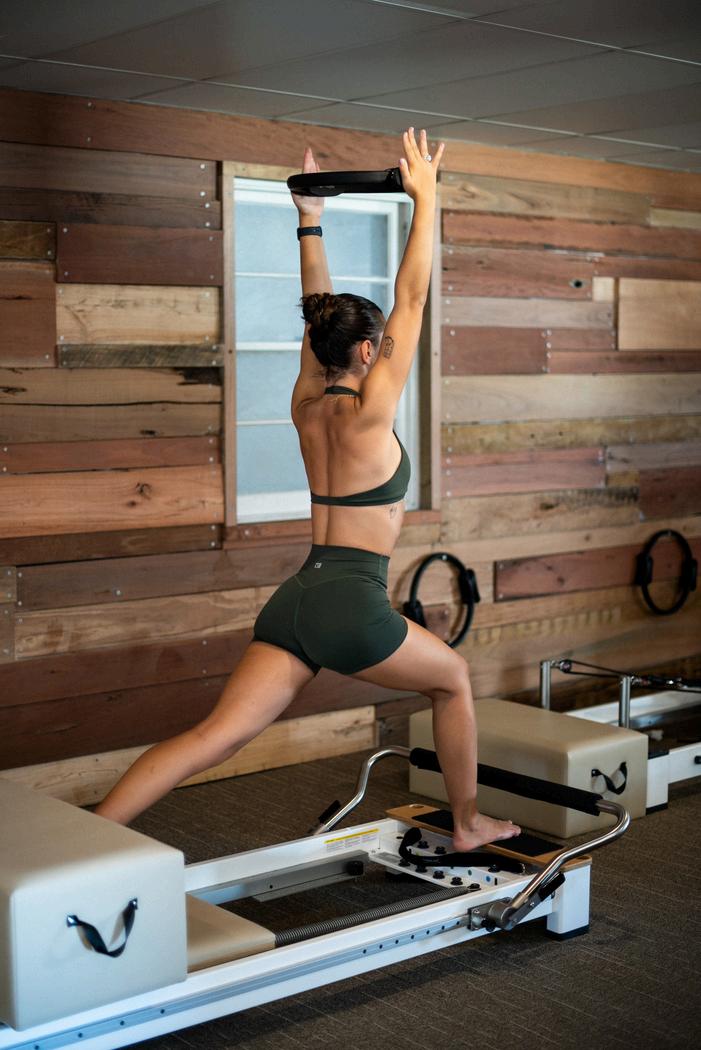
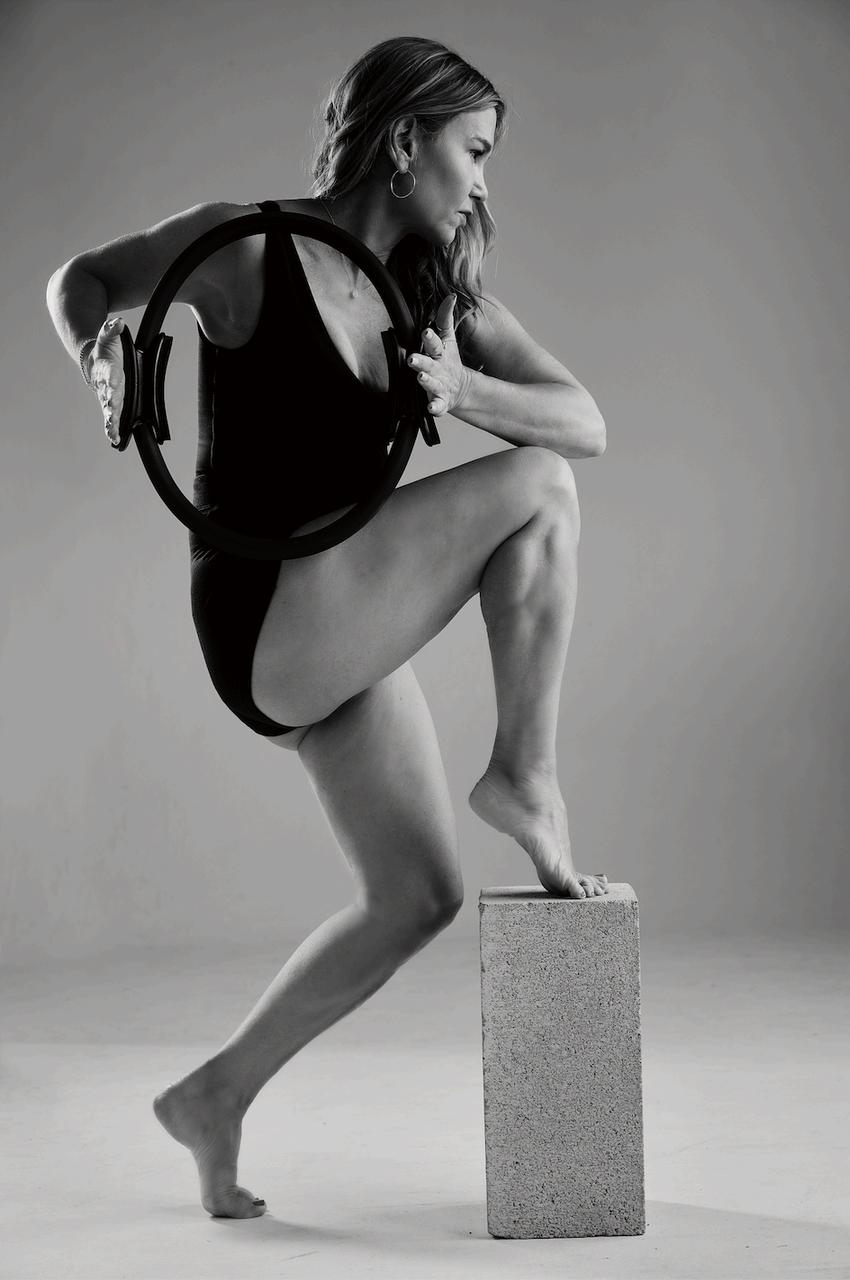
Maria Leone: Always
Evolving
AS SHE TURNS 60, MARIA LEONE REFLECTS ON MENTORSHIP, MASTERY AND WHY THE FUTURE OF PILATES STILL DEPENDS ON GREAT TEACHERS.
Approaching 60 years old, Maria Leone is still asking questions
Still refining.
Still evolving
After decades in the Pilates industry, she remains as curious about the work as ever But alongside that curiosity comes something else: a growing desire to help shape the next generation of teachers
For Maria, teaching Pilates has never simply been about exercises or programming It has always been about learning, mentorship and the responsibility that comes with passing knowledge forward That perspective was formed long before Pilates became a global phenomenon
When Maria entered the profession, the industry looked very different. There were few studios, limited education pathways and no social media showcasing teachers from around the world
Learning happened through observation, repetition and time spent alongside experienced educators
"There was no roadmap and very few places to turn, " she says "Most of my learning happened on the job through observation, critical thinking, trial and error, and time It took many years to truly ripen as a teacher. "
Those early years taught her that becoming a great teacher wasn't something achieved through a certification alone It was a process of continual refinement, shaped by experience and by the people willing to share their knowledge
The impact of mentorship became even clearer as Mariasought out some of the most respected educators in the Pilates world. She recalls studying with Romana Kryzanowska as a pivotal moment
"I only had the opportunity to have a few sessions with Romana in New York City, but she had a profound effect on me, " Maria says "I was reminded that Pilates can and should be a physical, athletic workout At that time, Pilates in Los Angeles had gotten very precious - lots of pre-Pilates exercises and light springs "
Later, working with Jillian Hessel expanded her understanding of anatomy and biomechanics
"I had never met a teacher with such a deep understanding of the body, and I immediately knew I wanted to learn everything she knew, " Maria says
Then came Rael Isacowitz
"His passion, artistry and command of the reformer were unlike anything I had experienced before, " she says "I still consider him one of the greatest Pilates teachers in the world "
Those experiences shaped not only the teacher Maria became, but also the mentor she strives to be today
Looking back, they reinforced a belief she still holds strongly: great teachers are rarely built in isolation
"It's important to look out for teachers that are the teacher you want to become.”
"I think the opportunity to apprentice and to have a mentor are two of the biggest factors in how quickly someone can grow into a skilled teacher, " she says
"Over the past three years of offering mentorship myself, I've realised that even a short but concentrated period of guidance can dramatically accelerate a teacher's skills, confidence and clarity about their career path "
While the format of mentorship may have changed, Maria believes its value has not
Today's teachers have access to more information than any generation before them. Workshops, online education, coaching programs and social media have made learning more accessible than ever
But Maria believes access to information should not be confused with mastery
"Today's teachers have access to an incredible amount of information digitally through livestream workshops, online mentorship, coaching and educational platforms, " she says "I think the teachers who will build lasting careers are the ones who continue investing in themselves, their education, their curiosity and their ability to truly teach rather than simply perform exercises "
She encourages emerging instructors to be intentional about who they learn from.
"Look carefully at someone's background, experience, lineage and body of work and make sure it truly aligns with what you are hoping to learn and become. "
As Pilates continues to grow globally, Maria admits she has concerns about some of the industry's current direction
"What I find surprising is that this movement tradition - passed down through generations - is now often being diluted into exercises that, at best, are simply interesting, and at worst can become dangerous on a reformer, " she says
"Somewhere along the way, Pilates shifted from being a calling, rooted in service and mentorship, into an industry increasingly driven by trends, aesthetics and business opportunities " Yet despite those concerns, she remains optimistic.
Her optimism comes from the talented teachers she sees emerging throughout the industry and from the growing appetite for meaningful education.
But she believes long-term success still comes back to the same fundamentals that shaped her own career
"If you want longevity and mastery in this field, it still requires apprenticeship, mentorship, hard work, curiosity and years of searching and refining your craft "
Now, as she enters her sixth decade, Maria finds herself reflecting not only on where she has been, but on what comes next
"I am really trying to figure out how to be fully myself at the age of 60 in this industry, " she says
"As my body changes, I am trying to honour it rather than fight against it That is not easy for someone from my generation " At the same time, age has brought a level of confidence and clarity.
“My perspective has been shaped by more than three decades of teaching, learning, making mistakes and working with thousands of bodies. I know that people won’t always agree with me but my experience has earned me the right to have a point of view that can hopefully help other teachers make good decisions for themselves, ” she said
"One of the greatest pleasures at this stage of my career is recognising talent in others, nurturing it and helping shine a light on people who deserve to be seen, " she says
"If I can help others find depth, confidence and longevity in their own voice, then my work is done "
For Maria, that may be the true measure of a career in Pilates - not simply what you build yourself, but what you leave behind for others
"Teaching movement has always felt like a calling to me, not simply a career, " she says
"It is something I will continue to do for as long as I possibly can "
The Best Teachers
Don’t Teach in Straight Lines
A LATE ADHD DIAGNOSIS REVEALED THE STRENGTHS THAT HAD SHAPED HER TEACHING ALL ALONG.
by Kristen Matthews
For more than two decades, Kristen Matthews built a respected career in Pilates education without realising that ADHD had been quietly shaping the way she taught, mentored, and connected with others In this personal reflection, she explores how learning differently became one of her greatest strengths as a teacher
I was officially diagnosed with ADHD in my 40’s By that point I had already been teaching Pilates for almost 20 years, had built a successful career in the industry, and helped create a teacher training program at Speir Pilates During that same time I doubted myself daily, felt lazy, experienced anxiety, aimed for perfection, overexplained myself, was a people pleaser, and avoided rejection
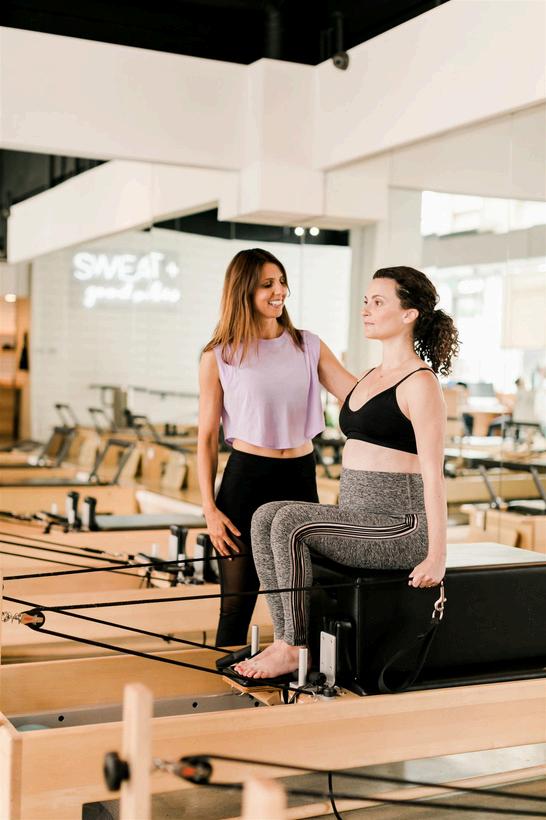
ADHD had been shaping how I learned, how I read people, how I stayed curious, and how I moved through a room I just didn’t realize it. And in some ways, not knowing made it more authentic. I grew into the teacher and mentor I am today without consciously trying to Someone who is patient and curious Attuned to the person in front of me
What does this actually look like in practice? Apprentices cry to me Not all of them and not always, but it happens more than you might expect I’ve never thought it was strange I hold space, and people feel that. I think it comes from the same place as my patience: I know what it’s like to work hard at something and still feel like you’re not getting it I know what it’s like to need someone to stay with you anyway
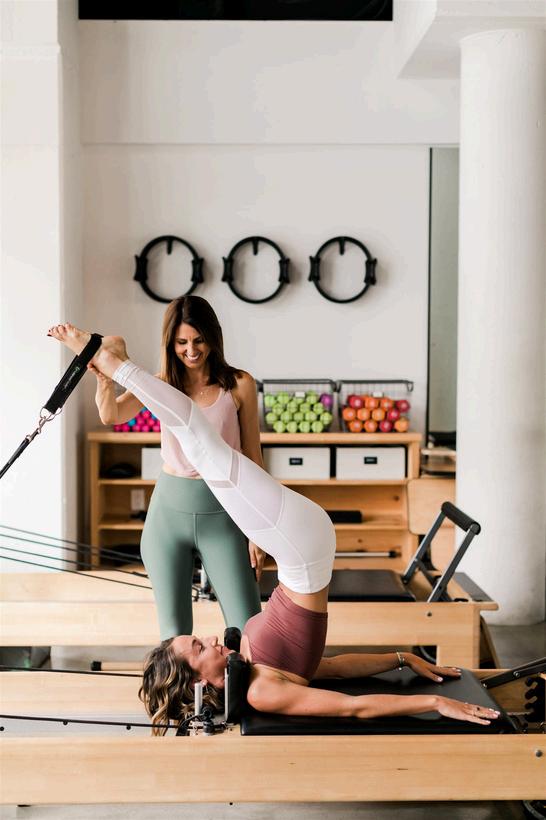
There’s another layer to this that took me longer to understand about myself I feel the possibility of rejection acutely The silence after feedback, an unreadable expression, a moment where I can't tell how something landed My instinct is to assume the worst, that I’ve said something wrong, that I’ve hurt someone, that the relationship has shifted Most of the time, I’m wrong The person is just processing They’re fine They appreciated the feedback Learning to sit with that uncertainty, to not immediately try to fix something that isn’t broken, has been one of the quieter pieces of work in my career
But that same sensitivity is what makes me careful When I give feedback, I’m thinking about how it’s going to land, not to soften it into uselessness, but because I know from the inside how much the delivery matters I’ve had to help apprentices navigate real conflicts with each other, fire and water personalities, communication styles that felt like criticism when they weren’t meant to be That work isn’t about taking sides It’s about helping people understand that different isn’t threatening That’s something ADHD has given me, I don’t experience difference as threat. I experience it as information.
Another thing ADHD has given me is that it keeps me open My brain wants to keep moving, keep questioning I’ve never been able to plant a flag in one camp and stay there. The best teachers I know are still asking questions
I’m deeply rooted in classical Pilates That foundation matters to me But I stay up to date on research science. I stay in conversation with people across the full spectrum of this industry, and I hold classical and contemporary worlds in both hands at once Not because I’m trying to be diplomatic, but because I’m genuinely curious about all of it. This has been quite a gift in an industry that can be a bit tribal.
After 23 years, what still drives me is watching someone become a teacher Not someone who has memorized the cues, someone who has stopped performing the material and started actually connecting There's a moment when it happens and you can see it Something shifts
I don’t think I would recognize that moment the way I do without everything ADHD has taught me About how learning isn’t linear, about how people need different things, about how the most important thing a mentor can offer is the willingness to stay in the room.
I built my career without knowing any of that had a name And looking back, I think it might be exactly why it worked
Key Takeaway
The way we learn, process feedback, and connect with others is not something to overcome - it often becomes the very foundation of how we teach For Pilates educators and mentors, the real work is not expecting every apprentice to learn in the same way, but recognising that difference can be one of the greatest strengths in the room
Kristen Matthews is a Nationally Certified Pilates Teacher and Director of Education at Speir Pilates, bringing more than 20 years of experience in Pilates instruction, teacher training, and movement science. Since joining Speir from its inception, she has played a key role in building its respected teacher training program, supported by more than 15,000 hours of teaching experience and advanced training with leading educators including Bob Liekens, Susan Moran, and Benjamin Degenhardt. With additional credentials across yoga, prenatal fitness, exercise physiology, and movement education, Kristen is known for her scientific yet holistic approach to developing highly skilled and inspiring instructors.
Pilates is Foundational Movement
CARRIE SAMPER REFLECTS ON THE METHOD THAT TRANSFORMED HER LIFE AND CAREER
by Carrie Samper, Senior Director of Pilates Education, Equinox
As a young dancer with a very painful hamstring tear, I found Pilates From the first lesson that I took with Jacqui Landrum in 1996, I could feel that my body was learning the grammar it needed to heal my injury and to dance again. With Pilates, I danced injury free for many more years and gained a global understanding of my body’s movement map that I hadn’t had before
After getting my Pilates comprehensive certification from Romana Kryzanowska in 2001, I started teaching this Method that changed my life, hoping to give back to others Over the years, I taught Pilates to film directors, financial analysts, agents, marathon runners, iron man competitors, swimmers, surfers, stuntmen, dancers, people with rods in their spine, a client born with only one leg, pregnant women, fathers, mothers, therapists, the list goes on
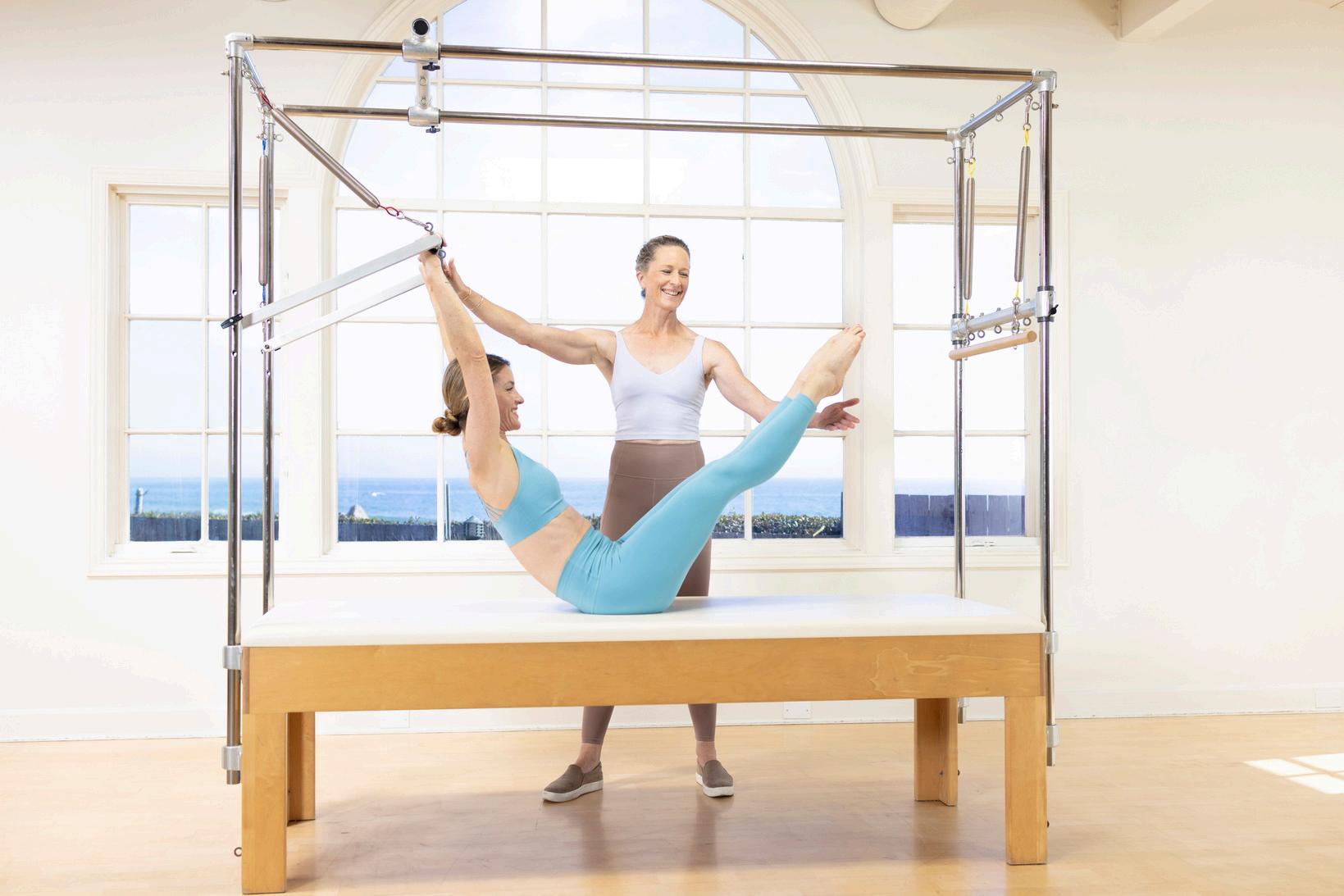
Each of these people would come back to me with stories o success in their careers or personal lives where they were a to achieve something they didn’t think possible All of this confirmed what I sensed at my own first lesson, that the principles of Pilates are foundational concepts of human movement It’s very exciting, really
What makes Pilates foundational movement for every modality?
First, Pilates requires your focus and curiosity You can’t be scrolling or doing something else when you are doing Pilate is interesting and complicated, so you have to pay attention Pilates also gives you insights about your body – where you stronger or weaker, more flexible or more restricted Once y have that insight, you can pay attention to it in other movem or modalities that you participate in to improve your performance It’s like the physical version of meditation
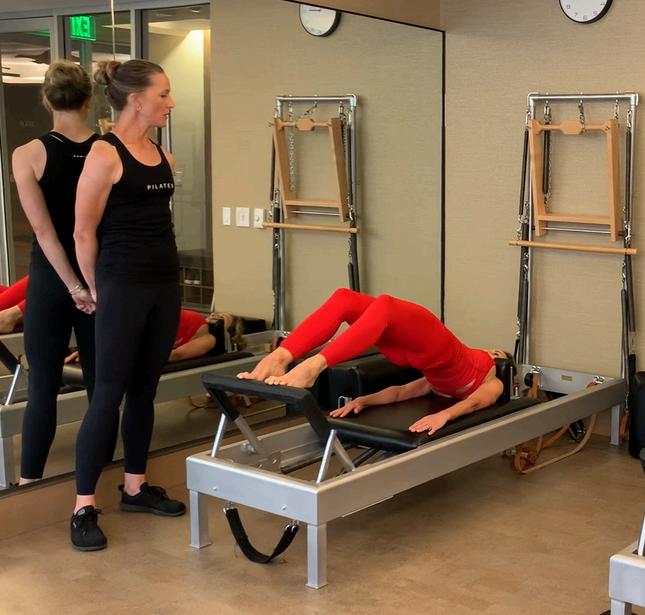
“It forces you to cut out the noise, pay attention, and move thoughtfully.”
Second, Pilates is precise The longer I do and study Pilates, the more I realize how much the correct body position matters For example, if the heels are lifted only halfway up in Footwork and you commit to keeping your heels together, you can maintain the hip external rotation better and automatically connect to your external rotators, inner thighs and glutes The muscles of the foot also contract to stabilize so you strengthen from the ground up. Those muscular connections of support become second nature and provide muscle memory that turns on automatically when you do squats, lunges or box jumps This gives you more power and stability during these challenging movements.
Third, in Pilates, alignment is non-negotiable When your joints align properly and correct posture is reinforced, movement is more efficient.
“Paying attention to correct alignment allows your postural (endurance) muscles to do their job and your phasic (power burst) muscles to do their job.”
When this happens, you avoid tightness and pain In contrast, if we allow our body to go through the day out of alignment, muscles that are built for a quick power movement might instead need to hold onto a wayward skull or limb all day Problems occur since the fibers of phasic muscles weren’t built for that endurance
Fourth, Pilates takes you through every range of motion Humans are meant to be able to crawl under small spaces, squat down while helping their child put on shoes, and climb in and out of a tree house Pilates exercises require that we flex, extend, twist, abduct, adduct and everything in between We need all of this mobility and strength to stay active and healthy when we are young, middle aged, and eventually old
Fifth, Pilates teaches you how to funnel the work of your muscles into your core to find stability and strength from the center The Pilates word for this is perfect: Powerhouse – where your power is housed Watch the Olympics or Cirque du Soleil and your eyes widen with awe It’s so amazing to see people literally float through the air, control every movement, or ski down a hill with incredible agility and speed. Elite movers could not do this without full body connection to their center This ability is the keystone of Pilates training
When this happens, you avoid tightness and pain In contrast, if we allow our body to go through the day out of alignment, muscles that are built for a quick power movement might instead need to hold onto a wayward skull or limb all day Problems occur since the fibers of phasic muscles weren’t built for that endurance.
Fourth, Pilates takes you through every range of motion
Humans are meant to be able to crawl under small spaces, squat down while helping their child put on shoes, and climb in and out of a tree house Pilates exercises require that we flex, extend, twist, abduct, adduct and everything in between We need all of this mobility and strength to stay active and healthy when we are young, middle aged, and eventually old
Fifth, Pilates teaches you how to funnel the work of your muscles into your core to find stability and strength from the center The Pilates word for this is perfect: Powerhouse – where your power is housed Watch the Olympics or Cirque du Soleil and your eyes widen with awe It’s so amazing to see people literally float through the air, control every movement, or ski down a hill with incredible agility and speed Elite movers could not do this without full body connection to their center This ability is the keystone of Pilates training
There were many amazing teachers along my path who taught me about the 5 things above – each adding more information for me to grab onto and try out It is important, though, not to get bogged down in perfecting everything I’ve written about right at once
There were many amazing teachers along my path who taught me about the 5 things above – each adding more information for me to grab onto and try out It is important, though, not to get bogged down in perfecting everything I’ve written about right at once. Two of my teachers, Bob Liekins and Susan Moran, taught me that your body will learn through movement. Precision doesn’t matter if you aren’t moving Set your body up simply and correctly, move, then refine as you go This suits most other physical modalities too.
In closing, I leave you with a quote from Scott Rosen, one of my mentors during my career at Equinox Scott recently said to me, “Everyone needs Pilates, they just don’t know [they need it].” He was expressing how life-changing he found his practice of Pilates to be, yet how shocked he was that every Equinox member wasn’t taking sessions! This made me even more committed to spreading the good word of Pilates, especially since Scott was not a Pilates teacher or on the Pilates leadership team, he was the President of Equinox
This is why Pilates is magic – it has so much to offer everyone because practicing it allows you to have a full and happy movement life, whatever you do Allow Pilates to create the foundation of your movement and longevity You won’t be disappointed.
Carrie Samper is the Senior Director of Pilates Education at Equinox, where she leads the brand's Comprehensive Pilates Teacher Training program With more than two decades of experience, she is a respected educator, presenter, and mentor who has helped shape the next generation of Pilates instructors. Carrie holds comprehensive certifications from Romana Kryzanowska and Power Pilates and has been NCPT credentialed since 2007.
12–13 SEPTEMBER
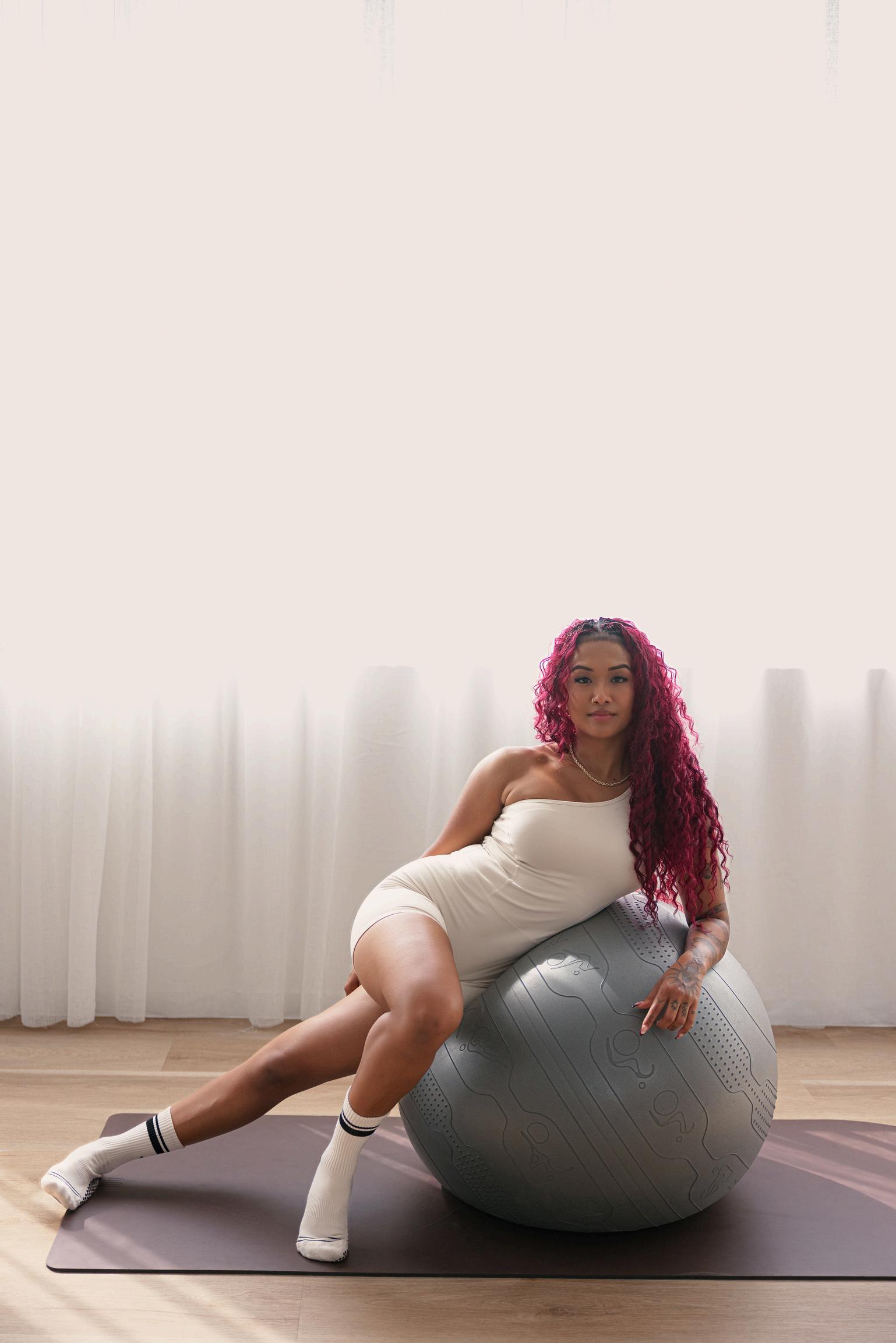
16 Years of Becoming
RENEE
HAMBLY’S JOURNEY THROUGH MOVEMENT, IDENTITY AND PURPOSE
by CJ Zarb
For much of my early life, I was known first and foremost as an athlete
Competitive skating shaped my identity from a young age My days were structured around training, performance and the pursuit of precision Movement was something to perfect, a space where discipline and determination translated into results When that chapter of my life began to shift, the transition was not immediate or easy
Losing my skating identity left a massive hole for a few years My late teens and early twenties were honestly pretty chaotic My life was in shambles at that point I had dropped out of skating, left school, moved out of home at 17 and pretty much walked away from everything. I was completely off track. During the early years of my teaching career, I was also navigating addiction and mental health challenges - experiences I now recognise as deeply formative
I was deep in drug and alcohol addiction and completely off track, but Pilates became a small anchor that kept me connected to something meaningful
Even when my personal life felt unpredictable, the responsibility of teaching created structure
Pilates and my clients became an anchor through it all. Showing up to teach and support other people gave me a sense of direction Looking back, that connection to movement and community played a huge role in helping me rebuild my life There came a point where I recognised the need for change.
It was actually my Pilates instructors and my parents who really pushed me They could see that I genuinely enjoyed Pilates and that I had a natural drive to help people. That encouragement was the turning point that pushed me to start taking my training and my future seriously
Rediscovering Strength
Pilates first entered my life during rehabilitation from a spinal injury, a moment that reshaped both my physical awareness and athletic potential
“I realised I had an ultimatum, either keep going down that path or actually do something with my life.”
I actually didn’t step away from skating after my spinal injury If anything, discovering Pilates during my recovery is what helped propel me forward
At the time, I thought I was strong, but Pilates showed me how much stability and control I was missing My instructors were often surprised I was competing at the level I was because technically my foundations weren’t great
By rebuilding those fundamentals, I was able to continue competing at an elite level
I went on to represent Australia after that period, and honestly I don’t think I would have reached that level without Pilates Rehabilitation also brought a profound shift in mindset It taught me patience, something athletes aren’t always very good at Before injury, movement was about pushing limits and chasing performance Through rehab, I had to learn how to slow down, listen to my body and rebuild things properly.
Movement stopped being about proving something and became more about sustainability, longevity and connection
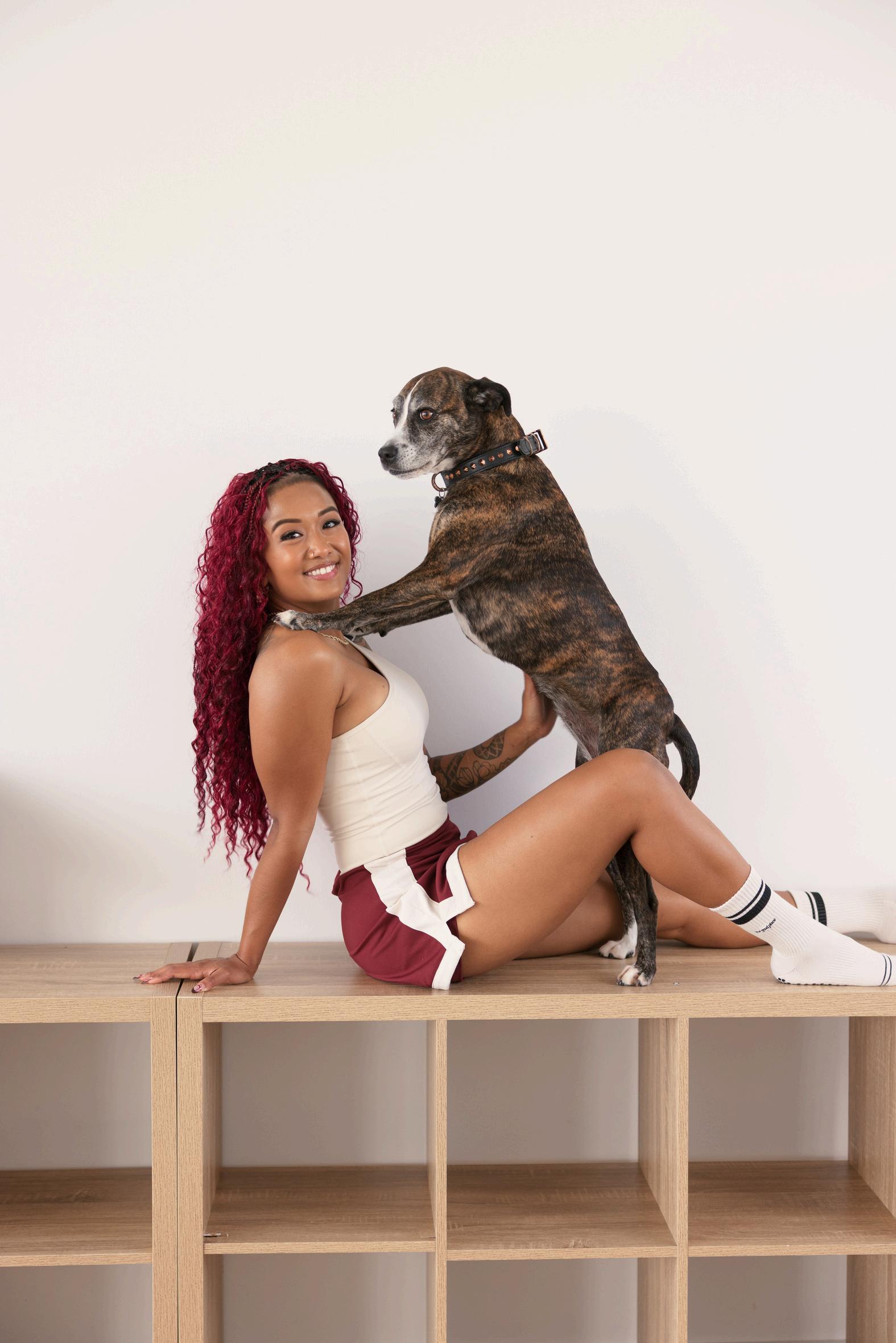
From Performance to Impact
As my focus gradually shifted away from elite sport, I discovered a new sense of fulfilment in supporting others
Pilates became more than just a practice, it became a way to rebuild purpose I started shifting my focus from my own performance to helping other people move, understand their bodies and feel confident.
That experience continues to shape the way I work with athletes today
A lot of athletes walk in thinking Pilates is easy, like it will just be a stretch and chill But it’s precise, challenging and can absolutely humble even the strongest movers
To me, Pilates is foundational.
It builds the control, alignment and body awareness that allow athletes to express strength more effectively When they commit consistently, you often see improvements in efficiency, injury resilience and recovery
For studios, I believe meaningful engagement starts locally
Different sports place different demands on the body, so the approach should match that Studios that connect with local clubs or offer sport-specific programming can create powerful outcomes Once athletes experience the benefits, word spreads naturally
Sixteen Years of Becoming
When I say 16 years of becoming, I mean constantly evolving as a mover, a teacher and a person
I started teaching Pilates as a teenager, so in many ways I’ve grown up in this industry
My lived experience shapes the environments I now create I care deeply about creating movement spaces that are adaptable, human and supportive because I know people walk into a studio with their own stories
Perhaps the greatest shift has been letting go of perfectionism When I was skating, movement was all about perfection Now it’s about showing up, being present in my body and improving just a little each day - that one percent better.
Pilates became more than a profession for me
It became the path that allowed me to rebuild my identity, rediscover my purpose and continue becoming.
“Pilates became more than just a practice, it became a way to rebuild purpose. ”
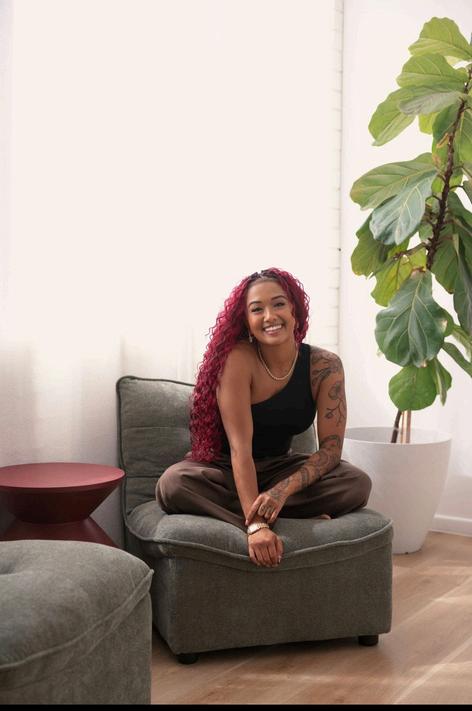
Renee is a Pilates educator and former elite figure skater who represented Australia. She specialises in scalable group Reformer programming and contributes to Pilates Pro Flow and Class Choreography, helping instructors create dynamic, inclusive classes. Find her at @pocketrocketpilates.
Pilates Is a System, Not a Machine
PILATES WAS DESIGNED AS A COMPLETE MOVEMENT SYSTEM NOT A SINGLE PIECE OF EQUIPMENT
by Victoria Cuomo
In the contemporary wellness landscape, Pilates has become almost inseparable from the image of the Reformer Walk into a modern studio or stumble upon a TikTok page and you are likely to find rows of sleek machines, bodies moving in synchronized patterns (and outfits), colored springs providing resistance in carefully calibrated increments- individual mirrors lining walls so bodies can stare at themselves and take the perfect selfie. The experience is efficient, visually compelling, and widely appealing
But this association - Pilates as Reformer - is a narrowing of a much more expansive method
Pilates is not defined by one single apparatus It is a system of exercise, one that is structured, progressive, and deeply interconnected Its effectiveness lies not in any singular apparatus, but in the relationships between them, and in the order in which the work unfolds
To understand Pilates fully requires stepping back from the machinery and returning to the architecture of the method itself
The Original Design
Joseph Pilates developed his work in the early twentieth century under the name Contrology, a term that underscores its central premise: the cultivation of control over the body through the mind It was conceived not as a collection of exercises, but as a complete approach to physical conditioning - one that integrates strength, mobility, coordination, and awareness
At the foundation of this system is the Mat
“Pilates is not defined by one single apparatus. It is a system of exercise, one that is structured, progressive, and deeply interconnected.”
Without springs or straps, the Mat demands that the body organize itself against gravity It reveals imbalances with clarity and offers little opportunity for compensation In this way, it serves as both baseline and benchmark: a place where inefficiencies are exposed and where true strength begins to develop
From this foundation, the apparatus expand the work
The Reformer introduces resistance, order, and feedback, supporting movement while simultaneously challenging it. The Cadillac provides structure, allowing for both assistance and increased range The Wunda Chair condenses the work into a compact, exacting form that requires precision and control
Each piece of equipment is distinct, but none exists in isolation. They are designed to inform one another - to create a dialogue that evolves as the practitioner progresses
A System of Relationships
What distinguishes Pilates from other forms of exercise is not simply its repertoire, but its organization
The method is built on progression. Exercises are not random; they are sequenced with intention One prepares the body for the next Skills are introduced, reinforced, and refined over time The practitioner is not simply moving - they are learning
This learning is cumulative The understanding developed on the Mat informs the work on the Reformer The feedback from the Reformer sharpens the precision required on the Chair The support of the Cadillac allows for exploration that deepens what has already been established
In this way, Pilates functions less as a series of workouts and more as a language Each apparatus offers a different dialect, but all are rooted in the same grammar
Remove one element, and the conversation becomes incomplete
The Rise of Reformer-Centric Practice
The increasing popularity of Reformer-based studios has, in many ways, made Pilates more accessible The machine provides immediate feedback, accommodates a wide range of bodies, and offers a dynamic experience that translates well in group settings These qualities have contributed to its widespread appeal Yet, this accessibility often comes at the cost of context
When the Reformer is presented as the entirety of Pilates, the method’s underlying structure begins to dissolve Exercises are selected for variety rather than progression Sequences are shaped by time constraints or aesthetic considerations rather than by the logic of the system The emphasis shifts from learning to performing
What remains may still be beneficial Strength is built Movement improves. But the depth of the method - the intelligence embedded in its design - is diminished
Beyond Exercise
Pilates, at its core, is not simply about movement It is about organization and efficiency
It teaches the body how to distribute effort, how to stabilize without rigidity, and how to move with clarity rather than excess These qualities cannot be rushed They are developed through repetition, attention, and progression within the system.
But without the broader system, that information lacks continuity To rely on a single apparatus is to encounter isolated insights rather than a cohesive education.
“The apparatus are tools in this process, not endpoints. They provide information -feedback that helps the practitioner refine their understanding of movement. “
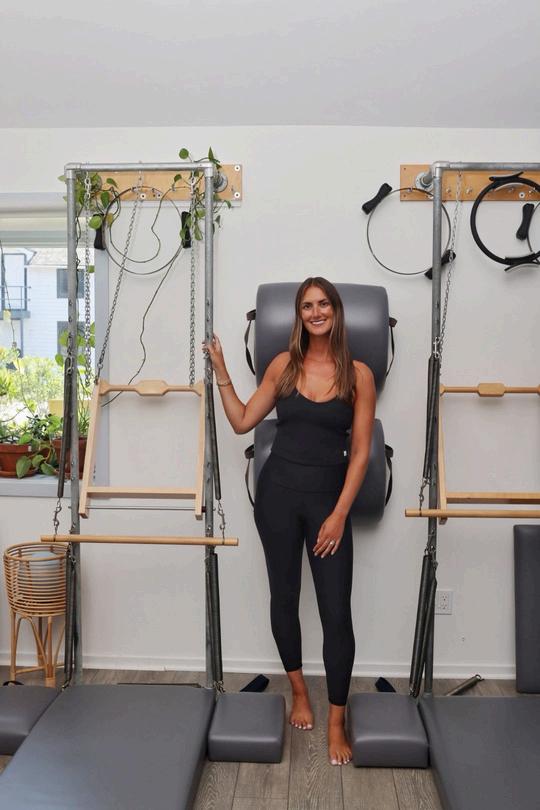
Known on social media as the Pilates Snob,
is a passionate advocate for preserving the classical Pilates method.
A former Division I rower at Syracuse University, Victoria holds a Master's degree in Applied Exercise Physiology from Columbia University. She teaches both in person and virtually through The Pilates Snob On-Demand.
Victoria (Batha) Cuomo is the founder of Real Pilates Montauk and a third-generation classical Pilates instructor, certified under Alycea Ungaro at Real Pilates NYC in 2016.
she
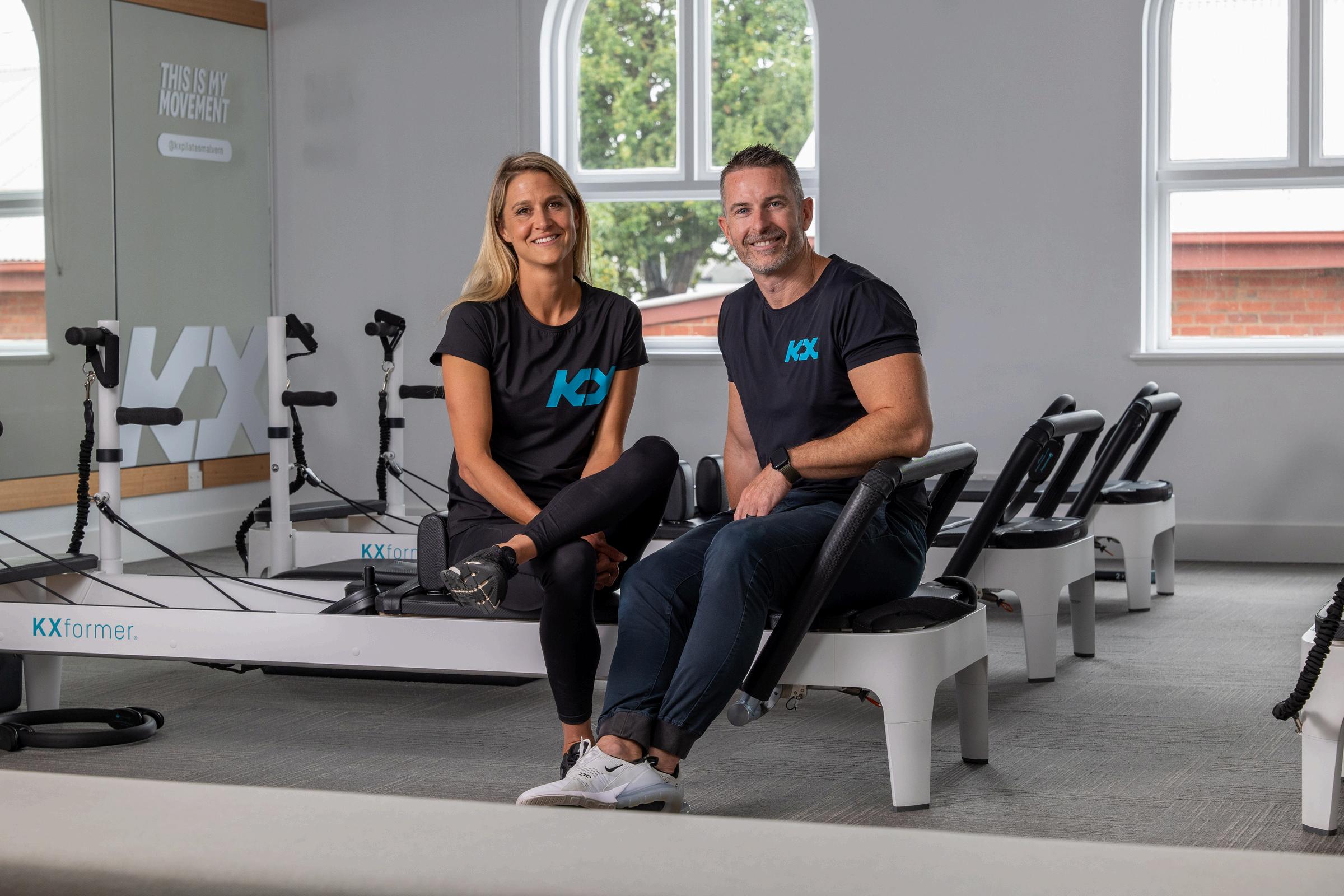
The Next Chapter of KX Pilates
HOW KX IS EVOLVING ONE OF AUSTRALIA’S MOST RECOGNISED PILATES BRANDS FOR THE FUTURE
by CJ Zarb
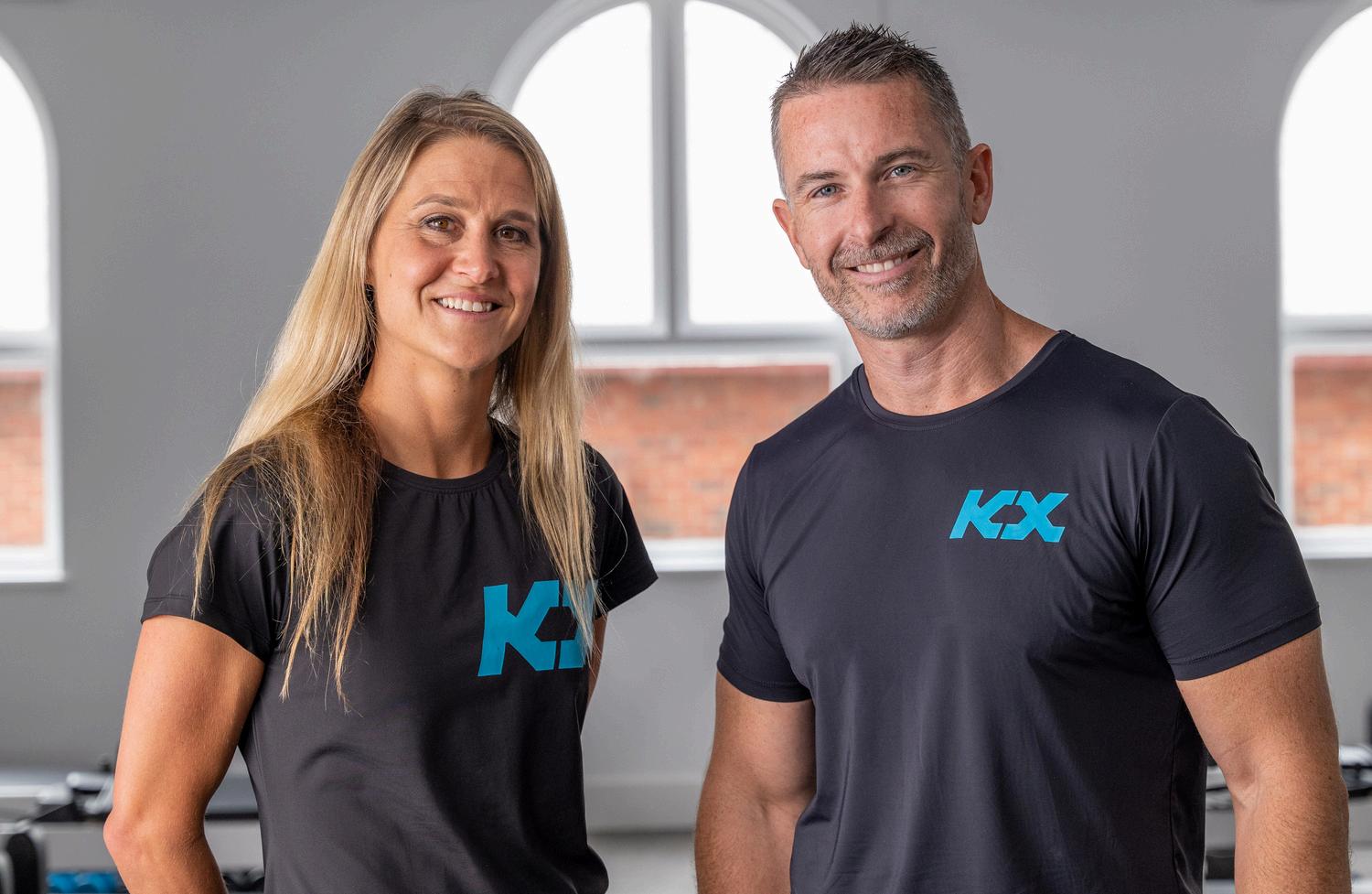
For Aaron Smith, the idea behind KX Pilates was never simply about creating another workout Long before boutique fitness became mainstream, he saw an opportunity to build something different - a Pilates experience grounded in consistency, connection and long-term sustainability
More than 16 years later, KX Pilates has grown into one of the most recognised Pilates franchise networks in Australia, with further international expansion underway and a renewed focus on what the future of boutique fitness really looks like
But according to Aaron and KX Pilates CEO Selina Bridge, the next evolution of the brand is less about rapid growth and more about depth, refinement and building a business designed to last
“We’re a 16-year overnight success, ” Aaron says. “There’s been so much hard work, investment and mistakes behind the scenes to unlock the growth people now see ”
Building a Brand Before Boutique Fitness Existed
When KX Pilates first launched in Melbourne in 2010, the Pilates industry looked very different. Boutique fitness as a category barely existed in Australia
“Back then, there really wasn’t this concept of boutique studios, ” Aaron explains. “We were around before F45. People forget how different the landscape was ”
After spending time in London and observing the fitness market there, Aaron returned to Australia with a clearer understanding not only of what he wanted to create, but also what he wanted to avoid
“Straight away I knew I needed to nurture people through their fitness journey, ” he says “I learnt a lot about what not to do ” The early years were built on hustle, unconventional marketing and a deep understanding of the KX customer
Group buying platforms such as Groupon and Scoopon became powerful acquisition tools for the business, helping introduce a new style of Pilates to a younger audience and mothers looking for a premium fitness experience.
“It was a great way to get people involved, ” Aaron says “The audience was there already ”
What followed was rapid momentum “My wife Andi Fiorenza and I moved to Sydney in 2014 – an interstate move which not a lot of people are willing to do, but we knew it was essential for growth, ” he explained. KX’s Richmond studio became cash-flow positive within four weeks, and the brand quickly expanded into Sydney with a flagship studio in Surry Hills “Andi put her money on the line and backed our expansion into Surry Hills in Sydney and these days runs our Innovation Studio in Noosa, in Queensland, ” said Aaron
From Founder-Led to Brand-Led
As the business scaled, Aaron realised the future of KX Pilates depended on building something larger than himself
“In the early days I was very much the face of the brand, ” he says “But over the last five years, I’ve intentionally stepped away from that ”
“The focus shifted towards strengthening the overall brand ecosystem - investing heavily into education, studio design, systems and operational consistency.”
“We’ve continually reinvested back into the brand, ” Aaron explains “A lot of the money goes into things people don’t necessarily see immediately - trainer education, studio evolution, equipment, systems, quality control ”
That long-term investment philosophy continues to shape the business today
“You have to invest, ” Selina adds. “Managing expenses smartly is important, but you can’t not fuel growth ”
The Future Is Retention, Not Hype
While the Pilates boom has created enormous opportunity, both Aaron and Selina believe the industry is now entering a more competitive phase
“It’s really easy to open a Pilates studio today, ” Aaron says “The barrier to entry is low ”
But he believes that opening a studio and building a sustainable business are two very different things
“What clients don’t need is just another workout, ” he says “Now they have choice You have to hold onto your clients now more than ever They want consistency, community and connection ” For KX Pilates, the future is increasingly centred around retention rather than acquisition
“Retention is number one We always ask ourselves, how do you hold onto clients for five years? That’s the real challenge ”
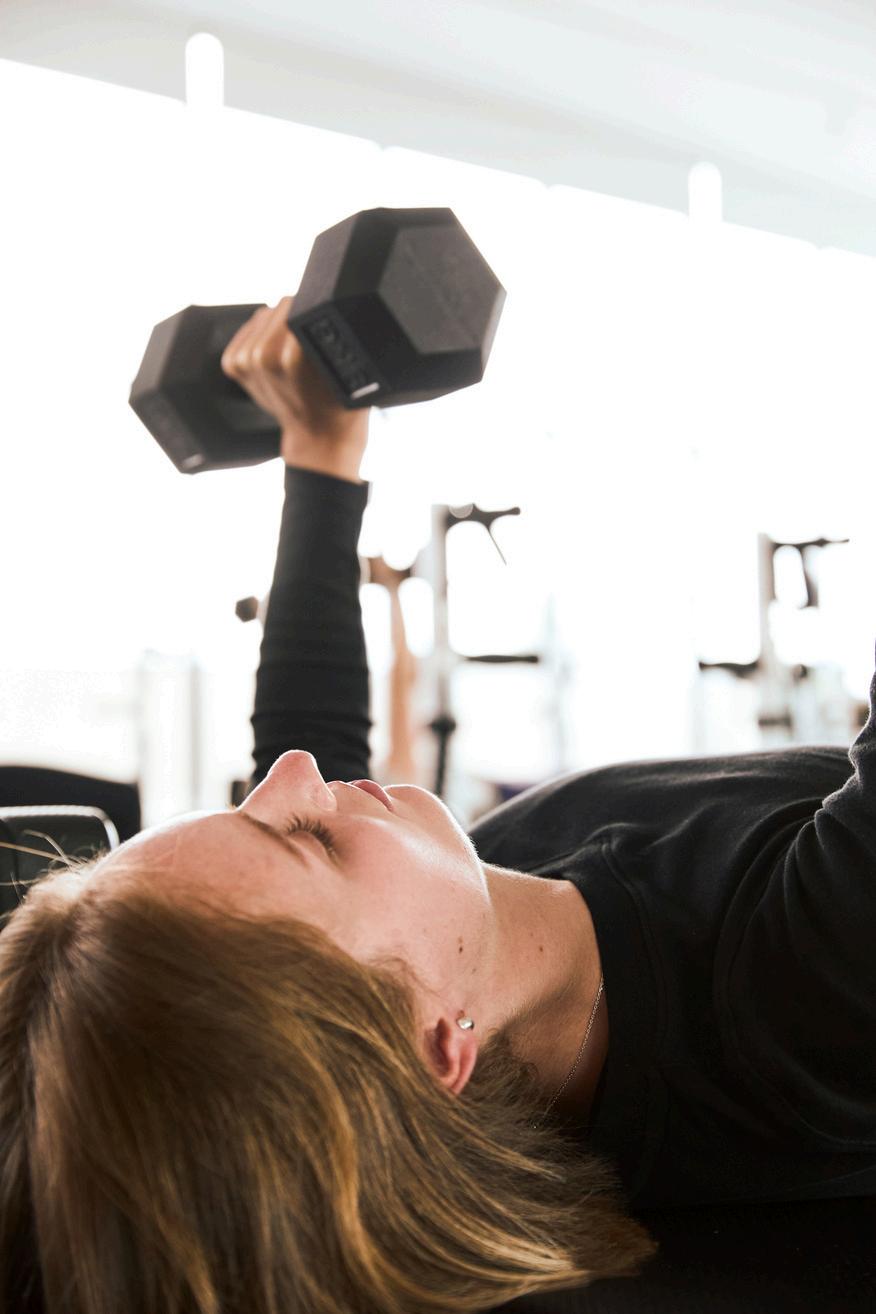
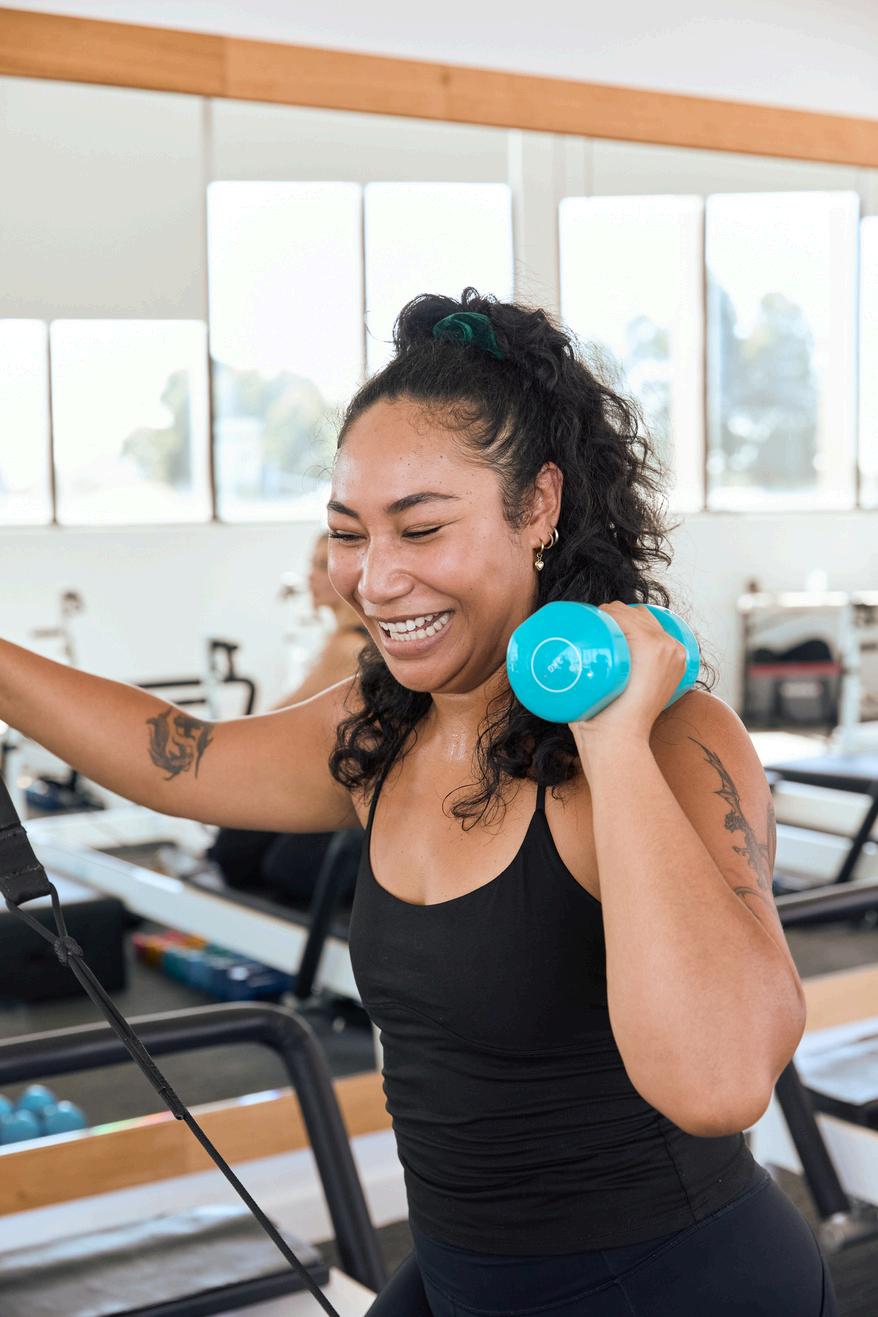
He points to long-term member loyalty as one of the brand’s proudest achievements
We’ve got clients who’ve been with us for over 16 years and completed more than 2,000 workouts, ” he says “But we also need to keep giving people reasons to continue showing up We’re focused on creating more ways for clients to get value from the KX experience, which is why we’ve introduced new offerings like KX Strength and KX Active Recovery ”
That loyalty, according to Selina, comes from creating a studio environment where people feel recognised rather than processed. “People want to belong, ” she says “They don’t want to feel like just another number ”
Aaron believes the industry is now returning to the fundamentals that originally made boutique fitness successful
“I feel like we’re going back to the things that mattered 15 years ago - brand, community and connection, ” he says.
Why Human Connection Still Matters
Despite increasing conversations around AI, automation and unmanned fitness models, KX Pilates is intentionally doubling down on the human side of the studio experience
“You’ll never see screens inside KX studios, ” Aaron says. “The connection should be with the person in front of you ”
That doesn’t mean the business is ignoring technology entirely. Instead, Selina says the company is focused on using AI and systems strategically behind the scenes to improve efficiency, scheduling and operational decision-making
“AI should help humans be better - not replace humans, ” she says Protecting the in-studio experience remains a core priority as the business evolves
“The belonging piece can never be replaced, ” Aaron adds
Education as a Competitive Advantage
Education has been central to the KX philosophy since day one, and both leaders believe it will become even more important as the industry continues to grow
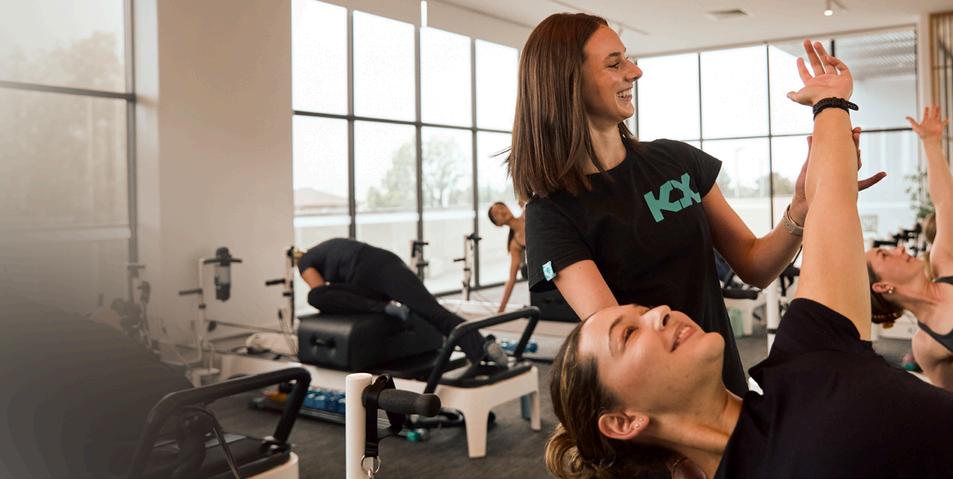
“We’ve been educators from the very beginning, ” Aaron says While the training landscape has evolved significantly in recent years, KX recently launched the KX Institute in response to growing demand for more accessible and structured education
The KX Institute provides entry-level certification in Mat and Reformer Pilates, alongside short courses focused on upskilling and ongoing professional development Designed to support both new and emerging instructors, the Institute creates a seamless pathway into teaching at KX Pilates or across the broader Pilates and fitness industry
For Selina, the Institute represents a major part of the brand’s long-term vision
“You have to hold onto your clients now more than ever...We always ask ourselves, how do you hold onto clients for five years? That’s the real challenge.”
“We want to keep working on improving education and standards, ” she says “Especially as we move into new markets ” Aaron believes the broader Pilates industry is moving towards greater professionalism and consolidation
“I think the industry will consolidate, ” he says “The bigger brands with stronger loyalty and standards will naturally stand out more. ”
urther international expansion into erica and Europe, both Aaron and stainable growth rather than explosive
ere’s the right partner, ” Aaron says ” hat as the Pilates industry matures, oming increasingly important for ers entering the space
they feel secure in, ” Aaron says. “If there’s confidence that comes with and reputable brand ”
y expansion for the sake of numbers, helps people turn their passion for er and sustainable business
e it, ” Selina says “It’s always about s better and serve clients better ”
pe Australia’s boutique Pilates
o e e t, t e e t c apte of KX Pilates may not be about reinventing the industry - but refining what matters most within it


BECOME A PILATES INSTRUCTOR WITH KX INSTITUTE
Built on 15+ years of KX Pilates expertise We develop confident, capable instructors through structured online learning, mentorship and real-world teaching experiencepreparing you to teach from day one.
AUSACTIVE ACCREDITED
CERTIFICATIONS
DYNAMIC MAT CERTIFICATION
Build confidence and strong foundational teaching skills in Dynamic Mat Pilates.
SHORT COURSES
STRENGTH & CONDITIONING FOR PILATES
15+ YEARS EXPERTISE
MENTORSHIP INCLUDED
DYNAMIC REFORMER CERTIFICATION
Develop knowledge, capability and practical skills required for modern reformer instruction
ONLINE, SELF-PACED
COMBINED MAT AND REFORMER CERTIFICATION
Our most comprehensive pathway, combining both Dynamic Mat and Reformer instruction.
PRE & POSTNATAL PILATES EDUCATION
ENROL AND BECOME A PILATES INSTRUCTOR WITH KX INSTITUTE
ANATOMY FOR PILATES

Announcing the
NOMINATE A FRIEND. NOMINATE A PEER. NOMINATE A COLLEAGUE. NOMINATE A MENTOR.
The Kore of Modern Movement
KATH EVANS ON INTELLIGENT TRAINING, LONGEVITY AND THE RISE OF KORE
by CJ Zarb
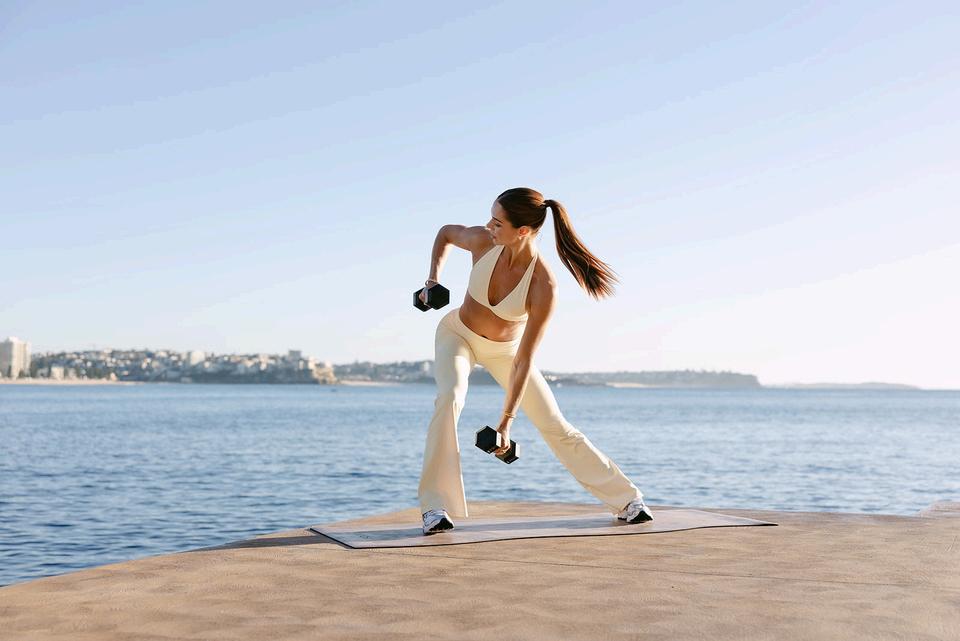
At a time when the fitness industry is increasingly blending strength, athleticism and mindful movement, Kath Evans is building a platform that sits confidently at the intersection of all three
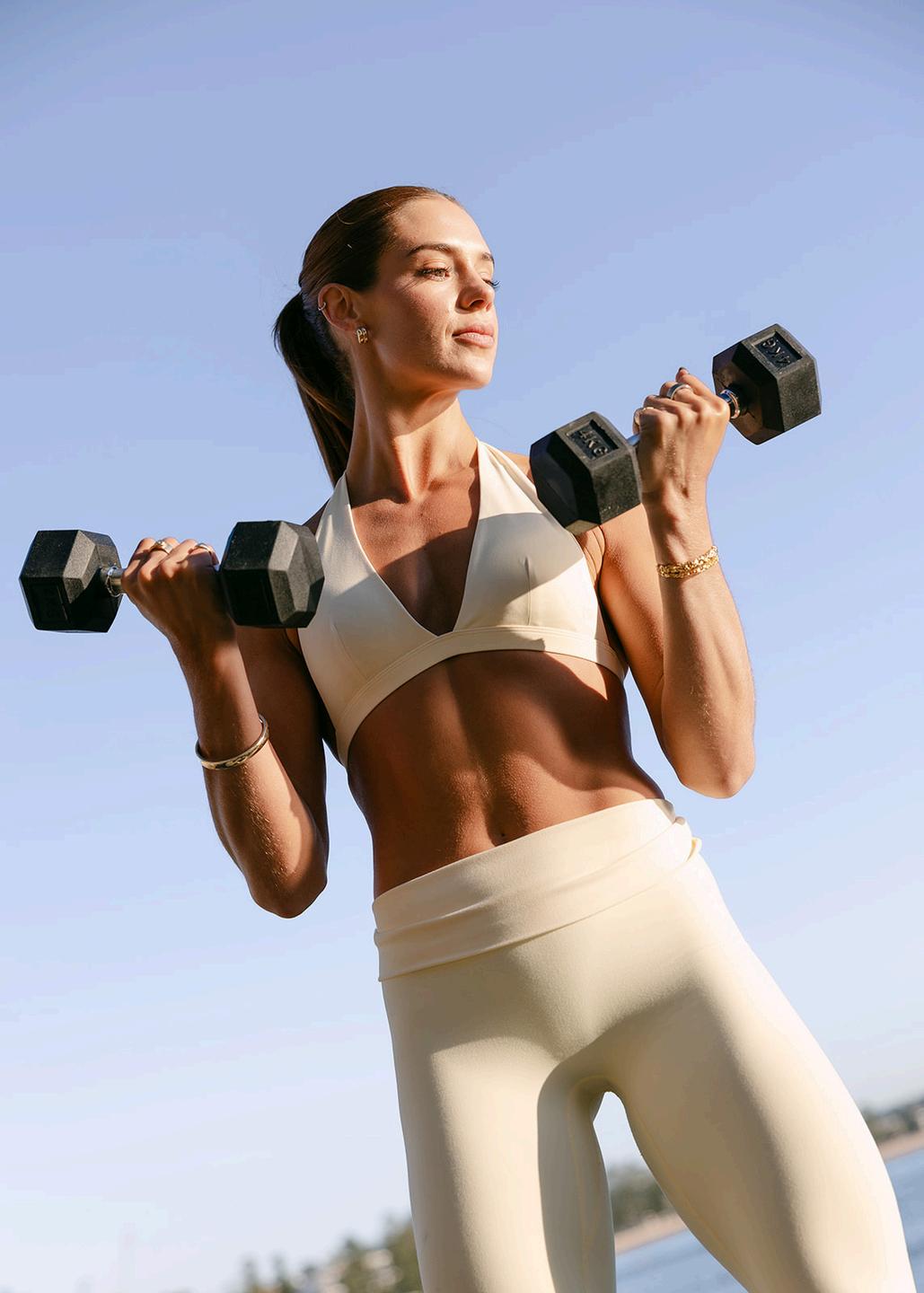
Through her online platform, Kore Essentials, Kath has created a style of training that combines Pilates, strength, barre and HIITbut beneath the dynamic workouts is a philosophy grounded in longevity, intelligent movement and connection to the body.
For Kath, movement has always been part of her life “My background in movement started with gymnastics and dance, which gave me a strong foundation in control, technique and body awareness from a young age, ” she says But it was not until a significant injury shifted her perspective that Pilates entered the picture in a meaningful way “I found Pilates later down the line, post tearing both ACLs. My physio suggested I get into it. Pilates became a huge part of my rehab and completely shifted how I understood movement ”
That rehabilitation journey became the foundation for the Kore method
“It showed me strength is not just about output, it is also about control, alignment and how well your body functions,”
Kath explains. “That experience shaped so much of h today and eventually led me to blend Pilates with stre in a way that feels really unique to Kore ”
Although Kore Essentials officially launched in 2024, had been evolving behind the scenes for years while balanced full-time work in project management along morning studio teaching “Online made sense, ” she s gymnastics and dance background shaped the style o I love, but recovering from my ACL injury really shape philosophy behind Kore It made me appreciate intelli Not just training hard, but training in a way that suppo longevity. ”
At the heart of the platform is the belief that different each serve a purpose “I never combine modalities ju sake of variety, ” Kath explains “Pilates for control and strength for power, barre for endurance, HIIT for ener athleticism I think about how they complement each what I want someone to feel when they finish the wor balance is where the magic is ”
That intentionality also shapes how Kath programs fo audience “I design with layers so there is always an o progress or pull back, ” she says “Good cueing is a bi I want people to understand how to move, not just fol Whether members are new to training or experienced goal remains consistent: “Help them feel challenged, and confident in their body ”
While Kore delivers challenging workouts, Kath is equ passionate about creating an environment that feels e rather than punishing “I never wanted Kore to be abo punishment or chasing aesthetics alone, ” she says “I feel empowering and energising
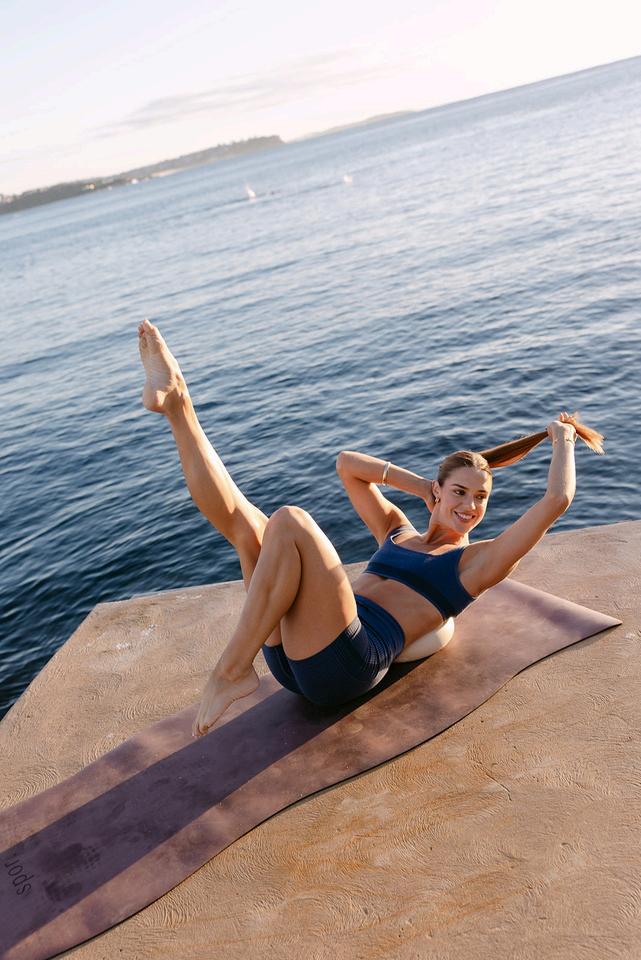
guesswork out, ” she explains “I also focus a lot on helping members build habits, not rely on motivation Motivation comes and goes, systems keep you showing up ”
As the platform evolves, Kath continues to focus on progression and connection “Dynamic means the workouts have energy, progression and challenges throughout, ” she says “Supportive means people feel coached, encouraged and capable. ” Through new series, training formats and listening closely to member feedback, she aims to ensure people “grow with the platform, not outgrow it ”
There is discipline in my training, but there is also flow, music, challenge and joy.”
Since launching Kore Essentials, some of the most meaningful moments have come through hearing directly from members “Seeing women connect with the method and hearing how it has changed how they feel in their bodies is incredibly rewarding, ” Kath says “Opening my phone to messages from clients saying how good the workout made them feel, or something I said in the class really resonated with them - is the best feeling ever ”
The platform has also opened unexpected opportunities, from collaborations with major brands to community-led experiences “Teaching for brands that were on my vision boards growing up, taking women through classes for JSHealth, being invited into workshops and events with Nike, collaborating with brands I genuinely use and love those moments have been really special ”

Why Luna Could Be Your Next Reformer
by CJ Zarb
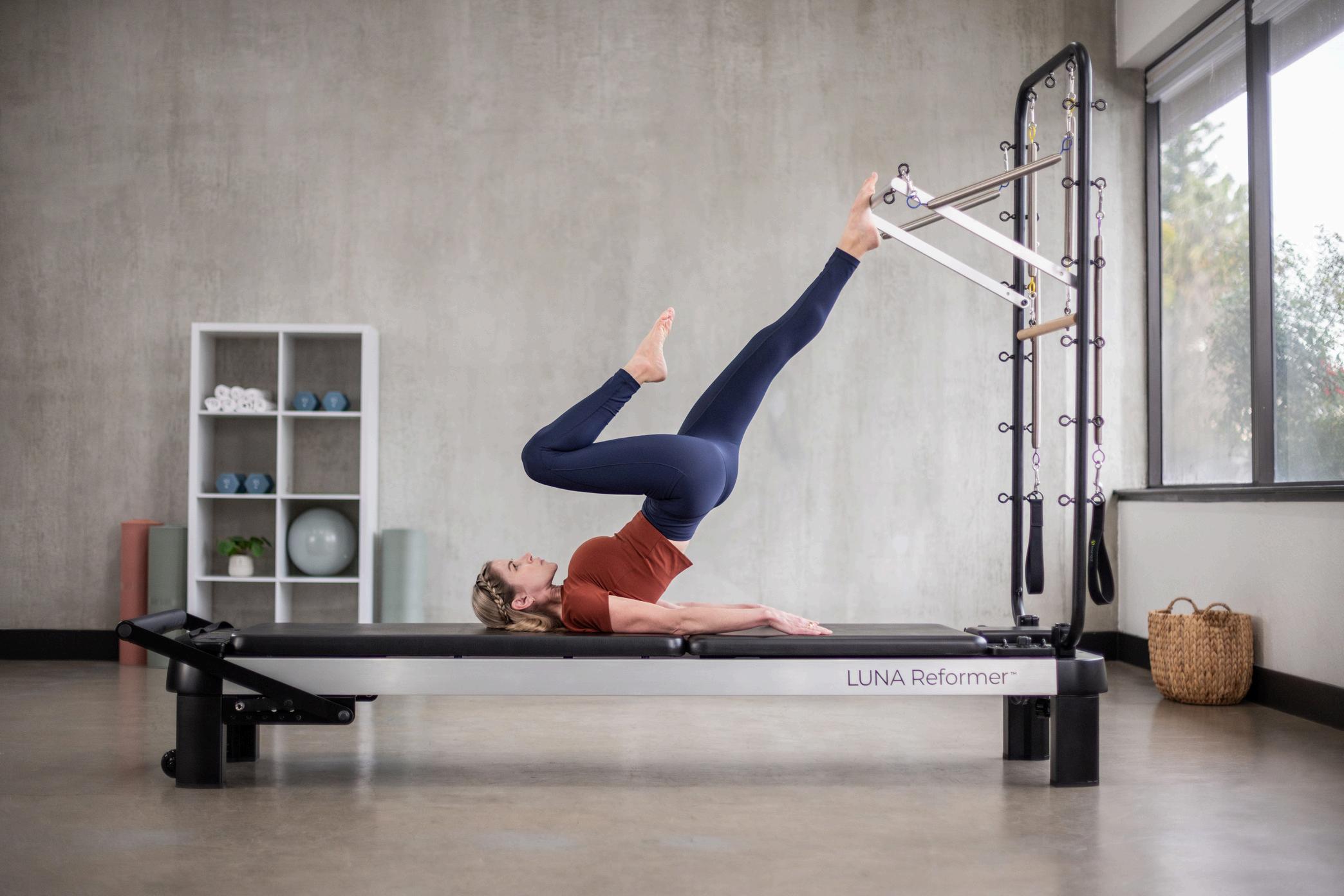
The best Pilates equipment doesn't just look good - it earns its place through performance. Designed for both professional studios and home users, the new Luna Reformer by Mundo combines clean design, quality materials and thoughtful functionality in a reformer built for the way Pilates is practised today.
Backed by more than 47 years of experience supplying the Pilates industry, HF Industries developed Luna with a clear objective
"Rather than chasing trends, the focus has been simple: build a reformer that feels exceptional to teach on, stands up to daily use and comes equipped with everything you need from day one, " said CEO of HF Industries, Chris Skinner
Designed Around Real Studio Needs
“Every detail of Luna has been shaped by conversations with the Pilates community. Studio owners wanted equipment that looked premium, moved smoothly, required minimal setup and represented genuine value, ” said Chris
The result is a reformer featuring a smooth carriage ride, durable upholstery and a solid frame capable of handling the demands of contemporary Pilates programming - whether in a busy commercial studio or a dedicated home space Integrated legs, transport wheels and upright storage make Luna as practical as it is elegant.
Everything You Need. Nothing You Don't.
Unlike many reformers where accessories quickly add to the purchase price, Luna includes the essentials as standard:
Sitting Box
Jump Board
Foot Strap
Integrated Legs
Transport Wheels
For studios wanting to expand their programming, Tower and Mat Conversion options are also available
Experience Matters
According to Chris, “In today's market, many reformers look similar at first glance
“What often separates them is what happens after installationbuild quality, reliability, ongoing support and confidence in the company behind the product
“For HF Industries, those principles have been developed over nearly five decades working alongside Pilates professionals Luna reflects that experience: thoughtfully designed, built for everyday performance and supported by a company that understands the needs of the industry, ” he said
The Bottom Line
For studio owners investing in new equipment - or home practitioners looking for commercial-quality performance - the Luna Reformer delivers a compelling combination of thoughtful design, practical inclusions and trusted support.
“Because when you invest in equipment, you're investing in every class you'll teach for years to come, ” said Chris
“Because when you invest in equipment, you ' re investing in every class you'll teach for years to come,. ”
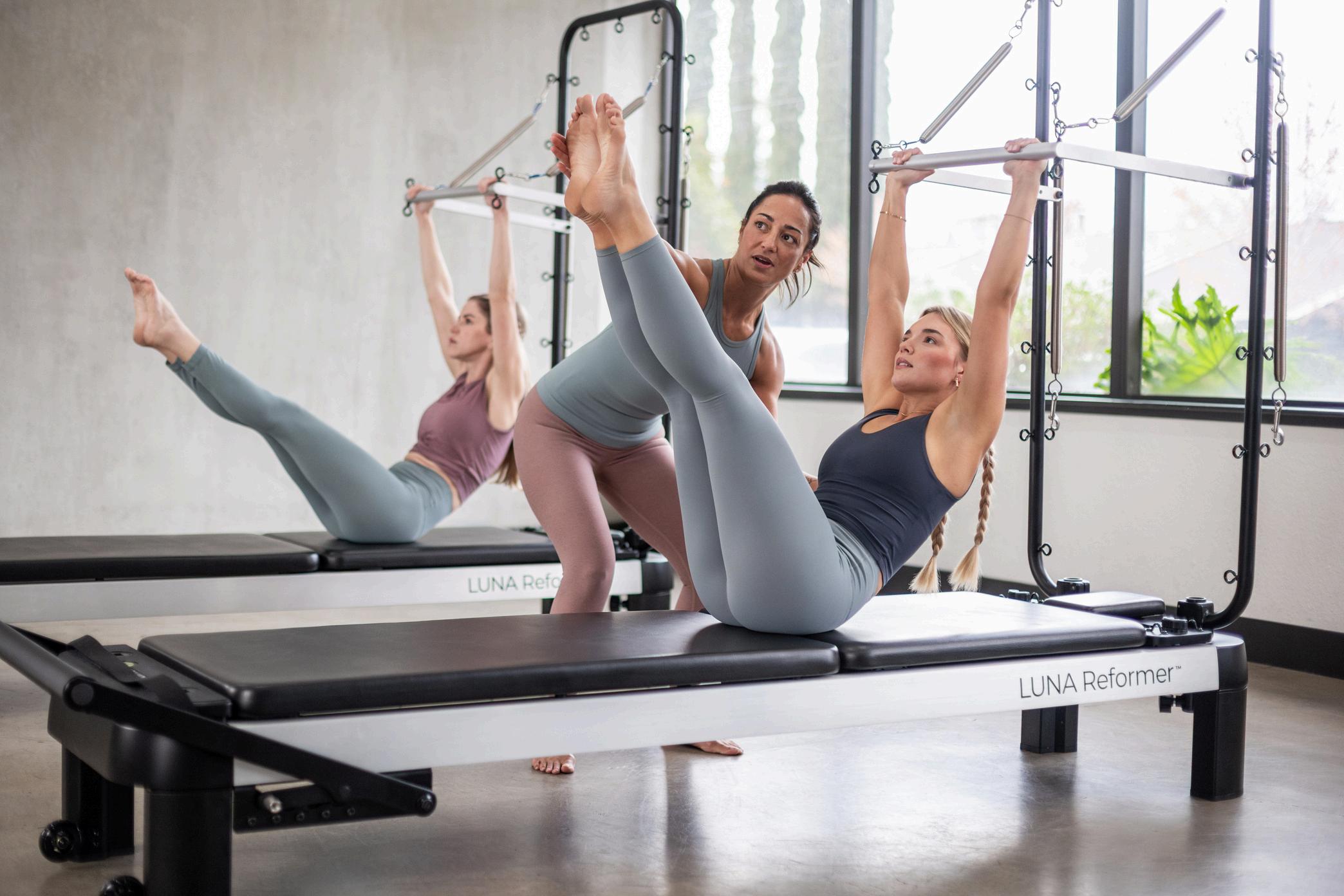
When Progress Stalls: Looking Beyond Programming
UNDERSTANDING THE ROLE OF THE NERVOUS SYSTEM, FASCIA, AND SUBCONSCIOUS PATTERNING IN CLIENT OUTCOMES.
Why Does Progress Stall Even When Everything Looks Right?
The clients who challenge us most are often the ones doing everything right Most instructors will recognize this client They’ve undergone imaging, medical evaluation, and received clearance to move. Programming is appropriate, and cueing is precise. And yet, the pain lingers It shifts, comes and goes, and never fully resolves Movement remains restricted, and breath stays shallow At a certain point, the question begins to change Not what are we missing, but why is the body still holding on?
Why the Nervous System Matters in Pain and Movement
For years, I experienced recurring back pain and restriction despite normal imaging and a strong understanding of movement At times, my back would return to a guarded state without a clear structural cause. As I began looking more closely at the nervous system and subconscious patterns held within the body, I recognized many of the same patterns in the clients I was working with
As a Physical Therapist and Pilates studio owner, I have worked with many clients who present this way Over time, a consistent pattern has emerged These clients are not lacking effort or body awareness. They are often strong and highly attuned, yet something continues to limit their ability to fully progress Pain that persists or returns, even after appropriate treatment, is not always structural Often, it reflects a system that has not fully shifted out of protection.
When the nervous system continues to perceive threat, whether from past injury, chronic stress, or learned patterns, the body prioritizes stability over mobility and tension over release.
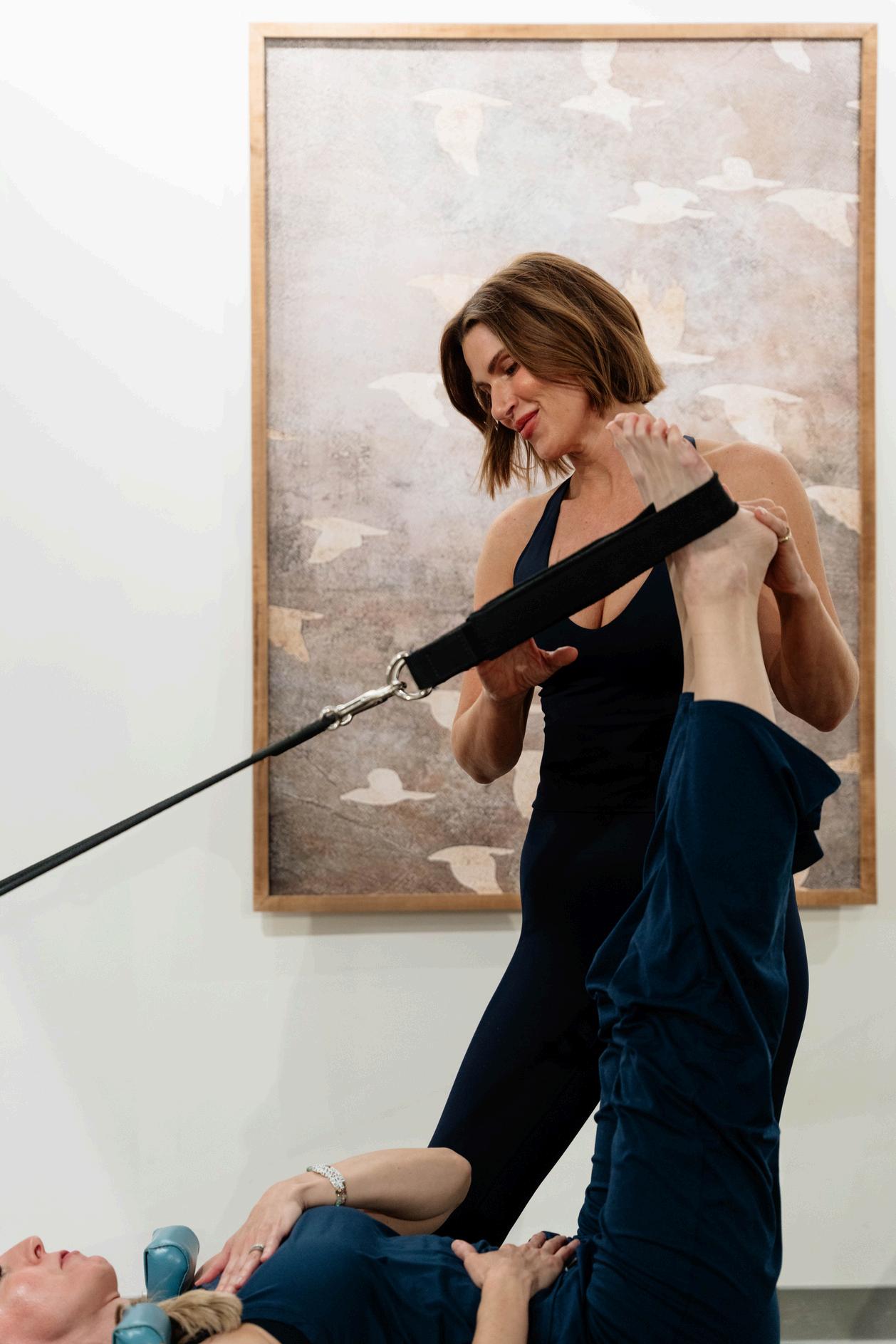
How Protective Patterns Show Up in Pilates
Within a Pilates setting, this often presents in recognizable ways: chronic gripping, shallow breathing, limited range of motion, and excessive effort in familiar movements.
From the outside, these presentations may appear mechanical More often, they reflect adaptive strategies
This is where the foundational principles of Pilates take on deeper relevance Breath is often the first to become restricted when the body does not feel safe Control can shift from fluid coordination into rigidity, while flow is interrupted by subtle bracing. Precision may become effort rather than efficiency
In this context, what appears to be a lack of strength may instead reflect a lack of safety.
The Role of Fascia in Chronic Tension
Alongside the nervous system, the fascial system plays an important role in how these patterns are maintained As a continuous web of connective tissue, fascia adapts to repeated stress. Over time, chronic tension can increase density and reduce elasticity, contributing to restricted movement and limited breath capacity
Muscle groups such as the psoas are closely linked to the body’s stress response When the body remains in a prolonged state of protection, these areas often maintain increased tone, reinforcing patterns of tension and limiting ease of movement
In this way, the nervous system and fascia reinforce one another When one remains guarded, the other often follows
Why Doing More Isn’t Always the Answer
Traditional approaches alone may not always create lasting change Strengthening, stretching, and precise cueing remain essential, but when the body does not feel safe, it will continue to hold
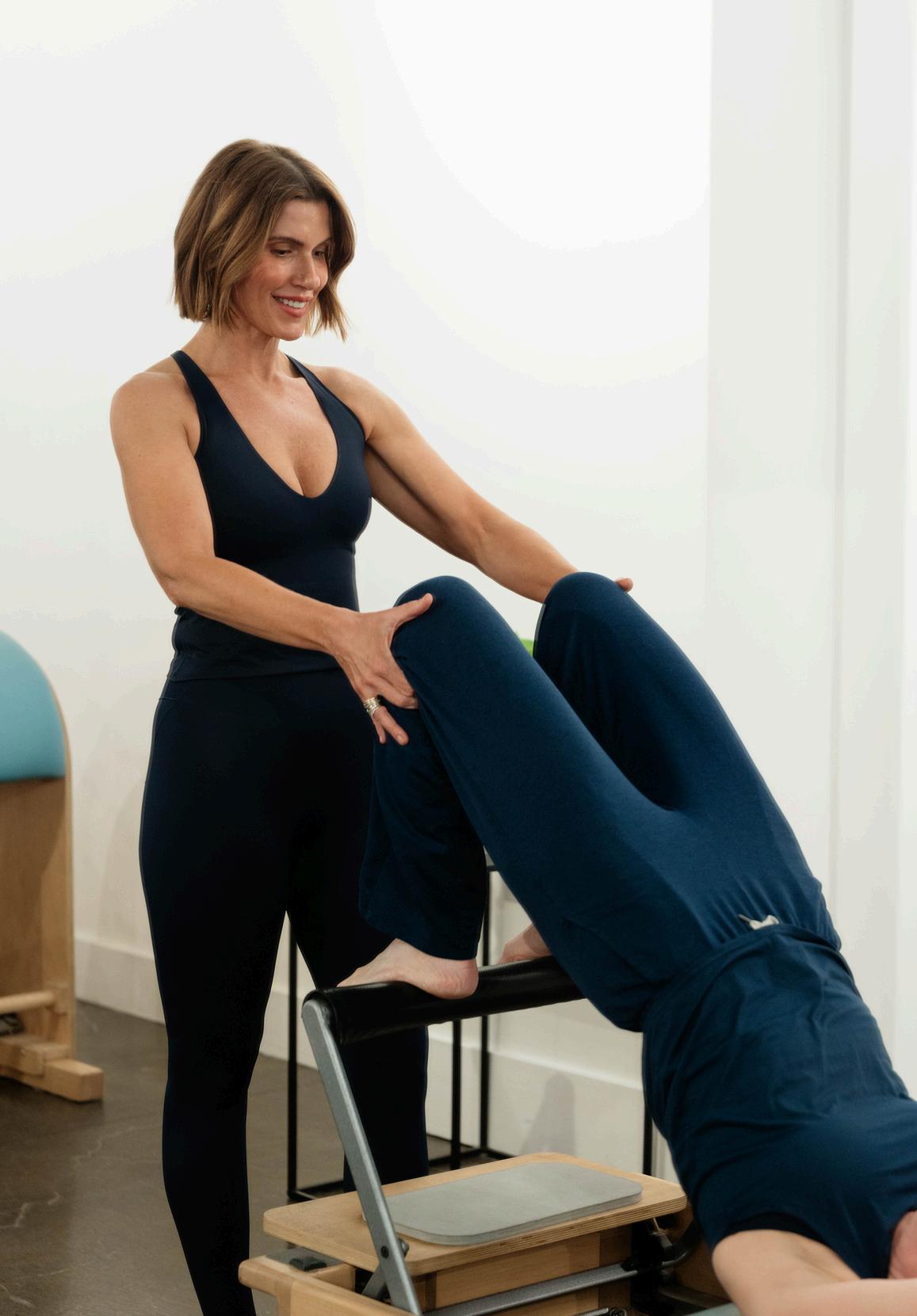
A Nervous System First Approach
This has led me to make a subtle shift in how I work with clients
Rather than asking the body to do more, the focus becomes creating the conditions that allow it to do less
This may include longer exhale breathing, slowing transitions, incorporating brief pauses, and cueing a sense of support from the ground.
These adjustments are simple, yet their impact can be significant I have seen them change how the body receives movement and how clients respond over time.
How Subconscious Patterns Influence the Body
Even as the nervous system begins to settle, another layer often remains: subconscious patterning A belief is simply a thought repeated enough times to feel true
“The body does not release what it does not feel safe enough to let go of.”
Statements such as “I’m tight, ” “My back is bad, ” or “This always hurts” can become embedded, influencing both perception and movement
These patterns are not fixed Through repetition, they can be changed This is supported by neuroplasticity, the brain’s ability to reorganize in response to repeated input
Can Affirmations Support Physical Change?
Repetition shapes both physical and internal patterns. T organizes around what is practiced most When the nervous system is more regulated, the body more receptive to new input This creates an opportuni introduce simple statements that reinforce safety and tr Over time, affirmations such as “My body is safe and su and “I trust my body to move with ease” can begin to s body responds
In my experience, when this work is paired with a more nervous system, the changes are not only noticeable, t sustainable We are working not only with muscles and but with patterns the body has learned to hold.
A New Way to Think About Progress
When skilled programming is combined with an unders the nervous system and subconscious patterning, a diff environment for change begins to emerge, one in whic no longer needs to maintain the same level of protectio Progress is not always the result of doing more At time result of creating the conditions in which the body final enough to change
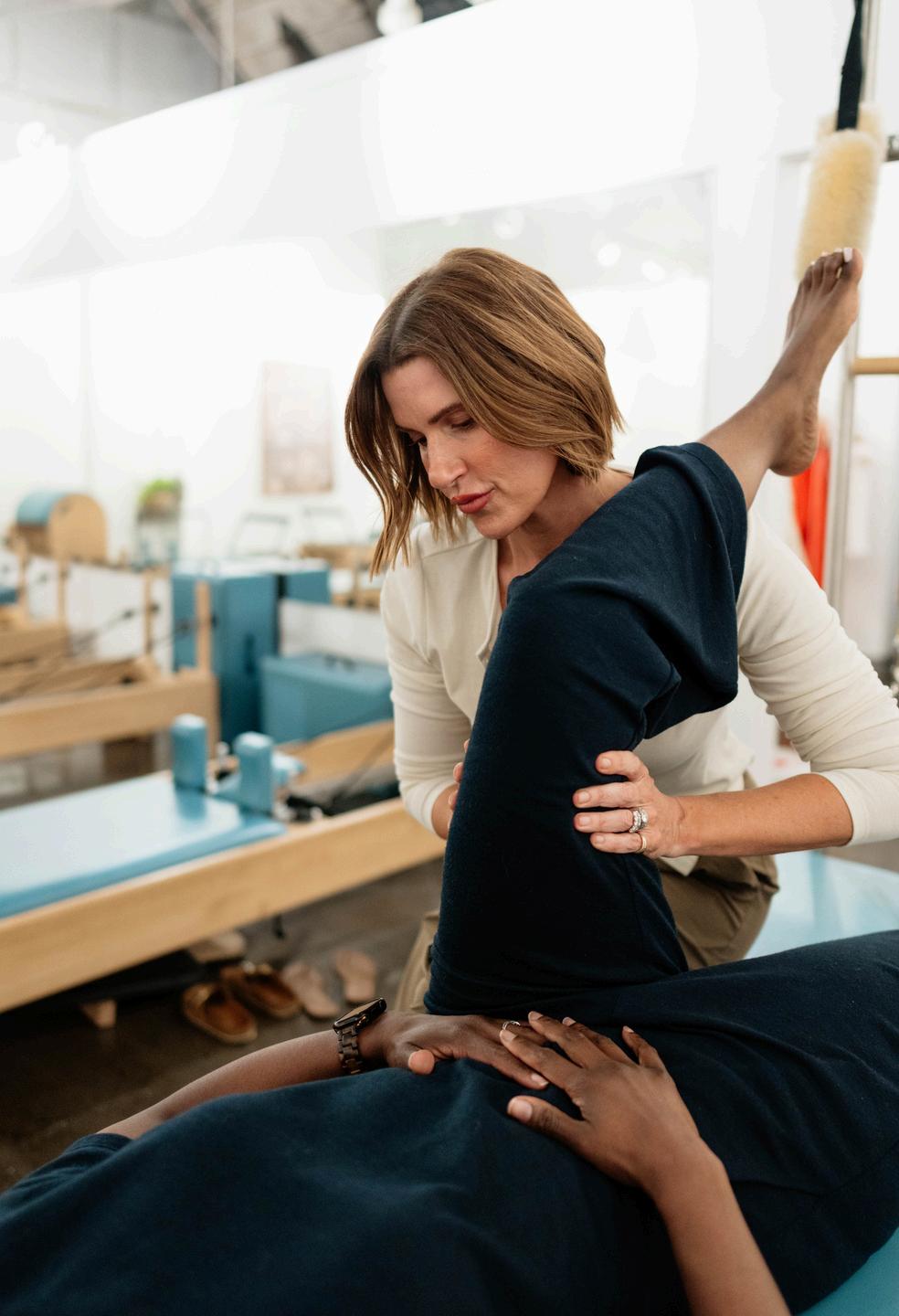
Allyn Hinton, PT, is a Nashville-based Physical Therapist, Pilates instructor, and founder of Swell Pilates, a movement studio integrating Pilates and Physical Therapy. With over 20 years of experience in movement and rehabilitation, she integrates Physical Therapy, Pilates, fascia-focused work, and nervous system regulation into her approach to client care. She is the creator of Swell Fusion, a movement-based rehabilitation approach, and Rewrite, a workshop exploring the connection between the nervous system, subconscious patterning, and physical healing.
Opening a Pilates Studio on a Budget—
Here’s How I Did It
HOW ONE INSTRUCTOR BUILT A PILATES STUDIO WITHOUT INVESTORS OR A BIG BUDGET.
by Alexa Idama
For years, I believed opening a Pilates studio was something only people with significant capital could do Every story I heard involved expensive buildouts, brand new equipment, and tens of thousands of dollars upfront. I had pretty much decided - it wasn’t for me
And yet here I am A studio owner. Not because I had investors, a large amount of cash or a perfectly mapped-out plan, but because I built it slowly, piece by piece, often without even realizing that’s what I was doing
It Started Without a Plan
I didn’t set out to open a studio. I was teaching at other studios, building my experience, and at the same time, I started creating content That content began to generate some income, and instead of spending it, I started reinvesting it into equipment At first, it was just so I could practice more at home. Then it became something else
The Facebook Marketplace Era
Buying Pilates equipment brand new can be expensive and takes forever to arrive. If I wanted to buy Pilates equipment without going into debt, I had to get resourceful I started scouring Marketplace obsessively for deals
My favorite find to this day was a Gratz Cadillac listed for $2,500
The listing only had a photo of the push-through bar, which I’m convinced is why no one else took it seriously I messaged the seller immediately and drove three hours to Tennessee the next day
When I got there, not only was the Cadillac exactly what I hoped for, but he also had a ladder barrel which he sold to me for $250
Still my best deal to date
Over time, I kept finding pieces - sometimes through Pilates resale groups, but honestly, the best deals were usually in more general marketplaces where people didn’t quite know what they had I also took advantage of every free shipping offer I could find from manufacturers That alone saved me thousands over the years
My Living Room Became a Studio (Sort Of)
Eventually, I had one of each major piece of equipment in my living room I started working with clients at home, building relationships, refining my teaching, and quietly growing something that looked a lot like a business
And still - I didn’t think I wanted a studio I had heard too many stories of studio owners taking on huge expenses, only to struggle or close with debt The idea of commercial rent and overhead just didn’t appeal to me.
The Moment My Perspective Shifted
Everything started to change when I began working with another teacher who had a small commercial space with just one of each apparatus
It was simple It was functional And it worked That experience completely shifted my mindset
“I realized you don’t need a massive, fully built-out studio to offer excellent Pilates. You just need the right equipment, a clear system, and good teaching.”
Over the years, I continued buying equipment when I found good deals - storing it in my basement with the mindset of, “If I ever open a studio, I’ll use it If not, I can sell it ”
Testing the Waters Before Committing
Before signing any lease, I took a low-risk step: I subleased space from a physical therapist friend
I moved some of my equipment into that space and started building out the backend of what would eventually become my studio: pricing structures booking systems class formats scheduling
At the same time, I had started a mat teacher training program, and it was becoming clear that my home setup wasn’t going to be enough
Without realizing it, I was already operating like a studio owner - I just hadn’t committed to the space yet
Understanding the Numbers Changed Everything
One of the biggest turning points was sitting down and actually understanding the numbers
With the help of tools like Canva and ChatGPT, I put together a simple business plan Nothing overly complicated - but enough to give me clarity
I worked out: what my base monthly costs would be how many clients I’d need to break even what it would take to pay myself
Once I understood that, the idea of opening a studio stopped feeling overwhelming - and started feeling strategic
Finding a Space (and a Surprise I Didn’t Expect)
I looked at what felt like hundreds of spaces. I got rejected I couldn’t afford some Others required too much buildout
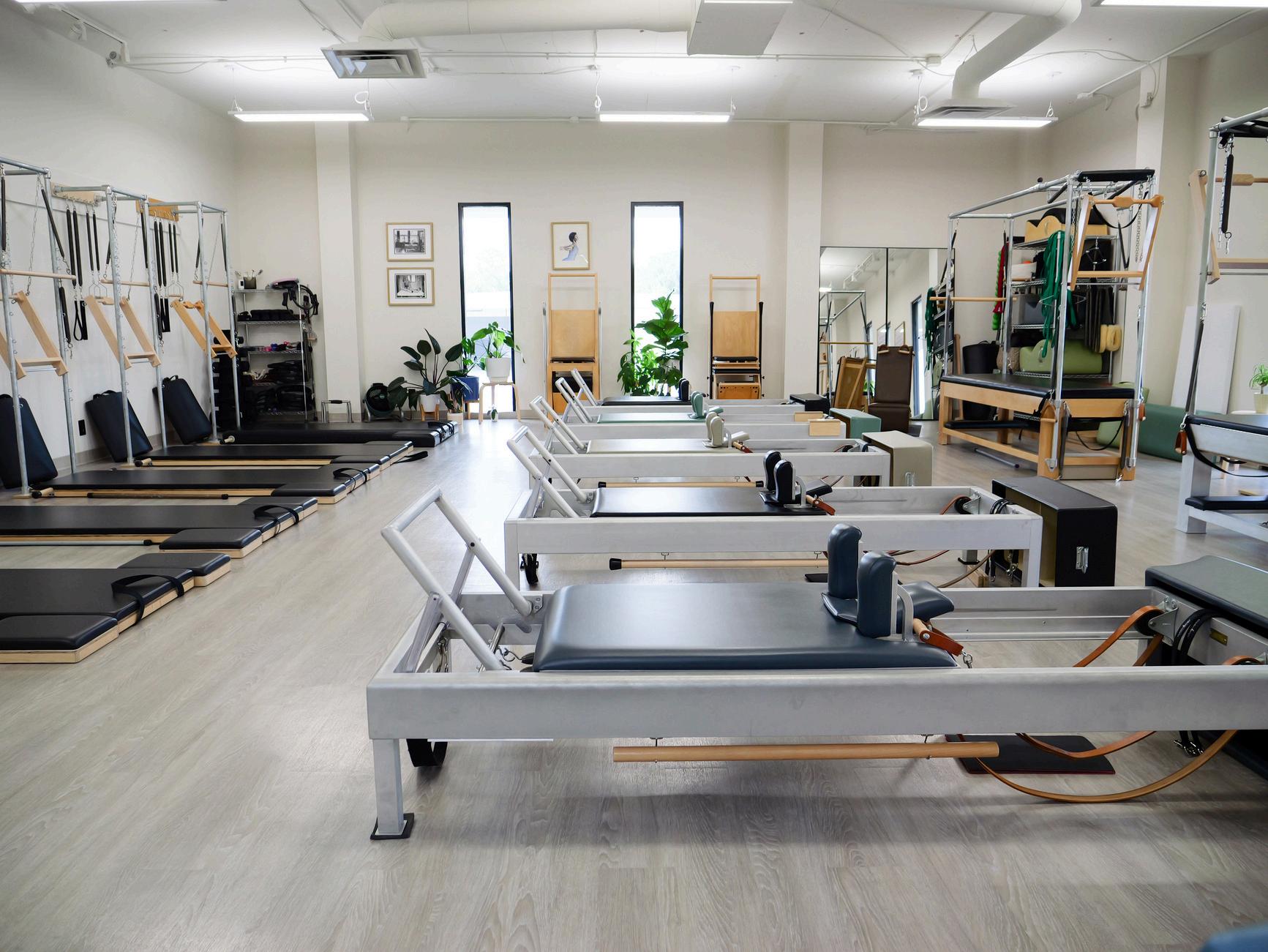
Most of what I had been looking at were storefront propertiesuntil I started considering office buildings When I found my current space, I initially told the landlord I couldn’t take it. There were too many walls, and the buildout costs would be too high
To my surprise, he told me he would cover it.
Walls, paint, flooring - everything I needed to get started That was a turning point I didn’t even know was possible I had assumed buildout costs were just part of certain buildings, landlords are willing to inve right tenant in place
A 5+ -Year Build - Not an Overnight Leap
From the moment I started buying equipment lease was about five years. During that entire time, I was: teaching creating content building my personal brand
So when I finally opened my doors, I wasn’t st scratch
People already knew me They knew my teaching They trusted my approach And that made all the difference
Your Brand Is Your Best Marketing Strategy
Social media is one of the most accessible to Pilates teachers, and for me, it became the fo business
“By the time my studio opened, there was already interestpeople weren’t discovering me for the first time, they were waiting for a space to work with me. ”
That meant I didn’t have to rely heavily on paid marketing in the beginning, which is a huge advantage when you’re operating on a budget
Opening a Studio on a Budget: What I’d Do Again
IF YOU’RE THINKING ABOUT OPENING A PILATES STUDIO BUT FEEL LIMITED BY BUDGET, HERE’S WHAT I’VE LEARNED:
Start small
Focus on private sessions and small groups. It keeps costs and admin manageable while you grow
Buy used equipment
Facebook Marketplace can be better than Pilates-specific resale groups As your business grows, you can upgrade If the equipment works well your clients honestly won't care
Take advantage of shipping deals
Free shipping adds up - don’t overlook it
Build systems before you need them
Have your pricing, booking, and structure in place early.
Choose your booking system wisely
Start with something affordable (like Vagaro or Acuity), then upgrade as your business grows (Arketa, Mindbody, Momence)
Opening a Pilates studio doesn’t have to start with a large loan, a perfect space, or a fully built-out vision. It can start with one piece of equipment.
One client.
One small step at a time.
I never intended to open a studio - but by the time I did, I had already built one.

Build your brand before you open
This will save you significantly on marketing and help you open with momentum
Understand your numbers
Know your break-even point and what it takes to pay yourself
Look beyond “perfect” spaces
Function matters more than aesthetics, especially in the beginning
Ask about buildout
You might be surprised what a landlord is willing to cover
Use intro offers strategically
They’re not just for sales - they’re for collecting data and building your email list
Alexa is a classical Pilates teacher who aims to share her love for Pilates with as many people as possible, especially those who have traditionally been under-represented in this practice. Through classical Pilates she helps women reach new limits and discover the best version of themselves. Check out Alexa's in-person and virtual Pilates offerings at lowimpactfit.com
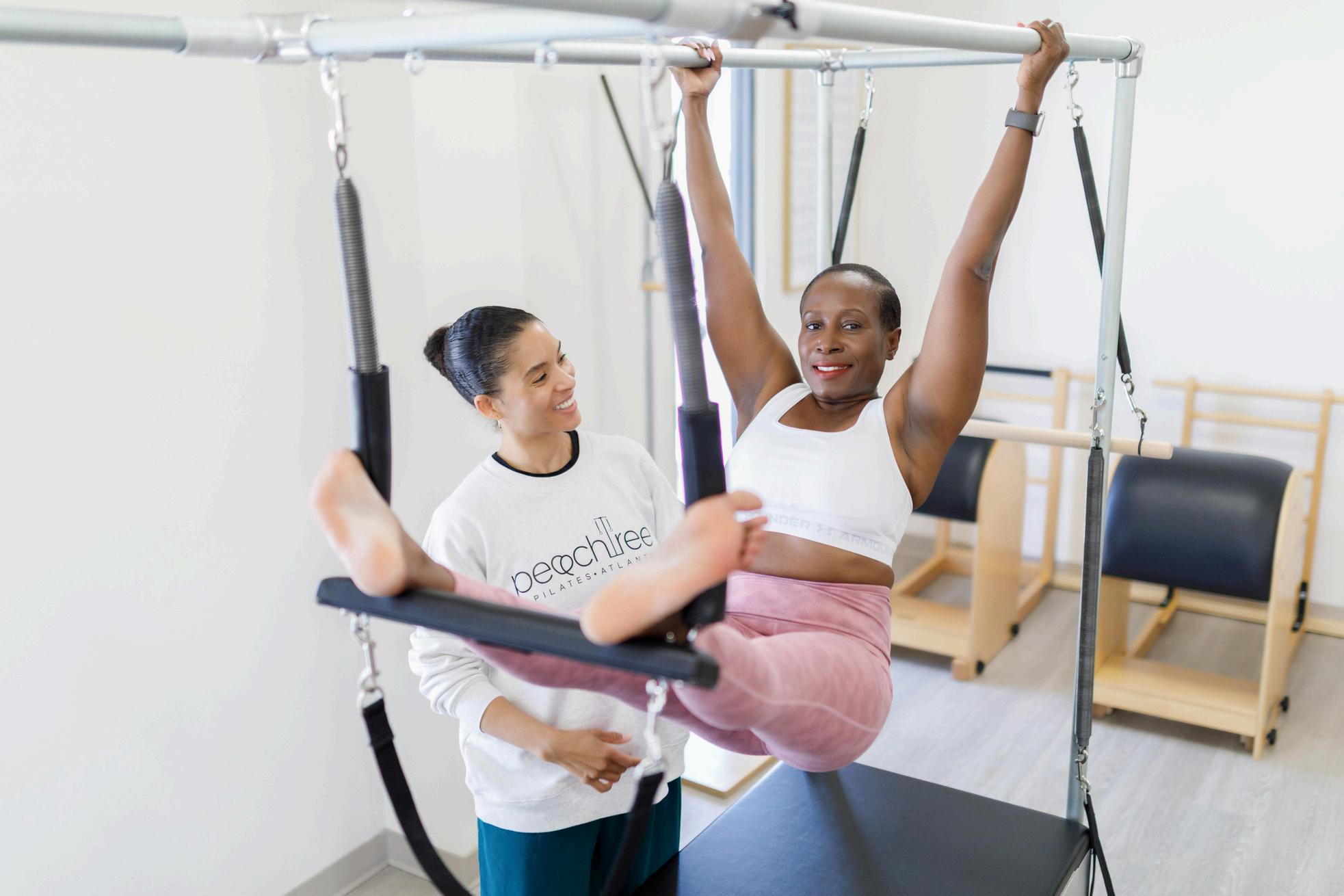
She is also the proud owner of Peachtree Pilates studio in Georgia.
The Scholarships Rewriting Who Gets to Teach Pilates
THE FINANCIAL BARRIERS TO BECOMING A PILATES TEACHER AND THE PEOPLE WORKING TO CHANGE THEM
by Monique Johnson
I am currently $2,000 short of becoming a certified Pilates instructor To bridge this gap and see my international certification through, I have launched a GoFundMe and applied for various sponsorships. Throughout this process, I have been exploited and forced to use my body in ways I never imagined just to stay in the running for a career that is supposed to be built on helping others live better in theirs It is an irony I haven’t quite made peace with yet.
My parents both work retail, which means there was no family loan or credit card with a high limit to act as a fallback There was just my conviction that this work matters and a certification cost that assumes a financial cushion I have never had the luxury of forgetting I don’t have However, in the middle of this scramble, I found something unexpected: a quiet, determined ecosystem of scholarships that is already rewriting who gets to teach this work. The story I set out to tell was bleaker than the one I ended up with What is actually happening in this field is more hopeful than most realize
A Method Never Meant to Be Expensive
Pilates was not born in a world of privilege. Joseph Pilates built his method inside a German internment camp and later refined it in a New York studio for working dancers - people who needed healing, not a luxury good The roots of this work are humble, even if the modern price tag is not.
Comprehensive certification today can cost anywhere from $3,000 to $10,000+ This acts as a sieve, creating financial barriers that disproportionately exclude people from low-income backgrounds, Black communities, and other communities of color This is particularly damaging because research suggests that clients engage more deeply and stay longer when they see themselves reflected in their instructors. Representation in the instructor pipeline is not just a clinical or communal concern; it is a moral one
What is Already Working
A handful of programs are doing the work the rest of the industry has yet to catch up to Fortunately, the scaffolding to close the accessibility gap is already going up. Here is what is currently on the table:
STOTT PILATES® Academy Mindful Movement Scholarship: This annual scholarship program awards a limited number of scholarships to aspiring movement professionals pursuing foundational STOTT PILATES® education It provides in-depth instruction through Anatomy & Exercise Fundamentals for Movement Professionals and Intensive Mat-Plus™ , along with essential course materials Recipients may choose to complete the program online or in person at the STOTT PILATES® Academy Toronto
Balanced Body’s Community Expansion Scholarship Program (CESP): This is the most ambitious effort in the field, launched under the Diversity in Pilates initiative It has helped train more than 200 BIPOC wellness leaders across nine countries. The program covers full tuition, materials, and monthly mentorship
Peak Pilates Expanding Accessibility Scholarship: This provides full tuition for Level 1 Comprehensive training. It is open to BIPOC, AAPI, Latinx, LGBTQIA2+ , and financially disadvantaged applicants
Power Pilates: Offers full and partial scholarships for its NYC Comprehensive Program, valued up to $5,495
Mighty Pilates Diversity Scholarship: Awards two full-tuition scholarships per year for BIPOC applicants, with materials included
Rebel Pilates Collective: Provides full tuition specifically for Black and transgender candidates
The Space Pilates: Offers 50% tuition discounts for underrepresented applicants
Beyond these major players, a "quieter constellation" of independent studios- like Equilibrium and InsideOut Body Therapies- is expanding access one student at a time For those navigating the field, the most comprehensive map of these resources lives at blackgirlpilates.com/bipoc-resources.
In addition to traditional scholarships, an increasing number of independent studios are opening doors through localized workstudy programs Transitioning away from crowdfunding and into a work-exchange opportunity allowed me to complete my own training, proving that hands-on, community-level resourcefulness is becoming a vital frontier for industry accessibility
The Shifting Industry Landscape
Alongside meaningful progress, there are still opportunities for further development across the industry For instance, BASI’s Kathy Grant Scholarship-the longest-running diversity scholarship in the field-has been on hold since 2023 Historically, many international bodies have lacked corporatelevel programs
The blueprints for inclusion have been drawn and the pilots have run For organizations yet to engage in this work, it may represent one of the most significant opportunities for future growth and industry impact.
The View from the Inside
While I initially relied on crowdfunding, finding an alternative pathway through a work-study program completely shifted my journey But I also have a growing list of names and educators who built full-tuition scholarships because no one ever built one for them We are seeing a field choosing- slowly and unevenlyto become something better than it was
If you have assumed the price tag puts this profession out of reach, know that it doesn't - not entirely, and not anymore The doors are not yet wide open, but they exist Joseph Pilates believed the body was a vehicle for a better life The community built in his name is finally beginning to believe that the door to teaching this work should be one, too I am betting my career that this belief will only get louder and faster for more of us
Monique Johnson is a New York-based writer and editor whose work explores culture, identity, and the spaces where the two intersect She came to Pilates after surviving a personal trauma, drawn to the practice as a way to rebuild trust in her own body. What began as healing became a calling she is now pursuing her own certification as an instructor, currently training in New York City through Romana's lineage. Her writing has appeared in Citizen Magazine, Merde Magazine, and Teeth Magazine, and she is the founding editor of Good Wife Journal.
In Our Lane: Why Pilates Doesn't Need to Compete with Fitness
WE DO NOT HAVE TO BE ONE-SIZE-FITS-ALL WE HAVE TO BE CLEAR ABOUT WHAT WE DO WELL AND WHY IT MATTERS
by Kimberley Garlick
I am often asked what keeps me motivated after decades of working in Pilates.
The answer is surprisingly simple: I stay in my lane Not because I am narrow-minded about movement, but because I am deeply aware of the unique contribution Pilates offers Every day I witness clients moving with greater ease, confidence, and capability I see people returning to activities they love, maintaining independence as they age, and navigating life with less pain and more freedom When that happens, they become less likely to burden an already stretched healthcare system and more likely to contribute positively to their families, communities, workplaces, and the world around them
That is meaningful work
As Pilates practitioners, we occupy a unique space in the movement profession We are not personal trainers We are not physiotherapists We are not strength and conditioning coaches We are certainly not in competition with them Rather,
“We contribute something different: an educational movement system that teaches people how to better inhabit their bodies.”
Joseph Pilates called his method Contrology - the complete coordination of body, mind, and spirit. Long before movement science became fashionable, he recognised that human movement was about more than muscles and joints He understood that efficient movement required awareness, control, precision, breath, and whole-body integration
The Pilates elders carried these teachings forward, preserving the principles and practices that form the foundation of our profession today Yet Pilates has never been a static discipline While we honour its roots, we continue to evolve alongside contemporary science
From Joseph Pilates' concept of the "powerhouse" to the research of researchers such as Hodges in the 1990s exploring deep trunk function and motor control, through to the work of Stuart McGill on spinal stability and contemporary discussions surrounding fascia, biotensegrity, and integrated movement systems, our understanding of the body continues to grow Historical observations dating back to Ancient Egypt, the anatomical investigations of Leonardo da Vinci, and more recent contributions from Thomas Myers, Carol Davis, and many others all contribute to an increasingly sophisticated understanding of human movement
Pilates sits comfortably within this evolving conversation because it has always been concerned with how the body functions as an integrated system
When we observe a client, we are not simply looking at muscles We are observing a dynamic, adaptive human system We consider physiology, biomechanics, movement behaviour, breathing patterns, coordination, balance, load distribution, and movement strategies We observe how one part influences another and how the body continually reorganises itself in response to life's demands Perhaps one of the most important things to understand about the human body is that it is designed to adapt in order to survive
Survival, however, is not always the same as thriving. The body is remarkably clever at finding alternative pathways when faced with injury, stress, pain, fatigue, fear, or repetitive habits Compensation strategies emerge because they allow us to keep functioning. The problem is that over time these adaptations can become our default operating system What once served us can eventually limit us
This is where Pilates offers something profound.
Pilates allows us to sift through the layers of adaptation and compensation to uncover more efficient movement options It helps restore access to movement pathways that may have become unavailable through habit, injury, or disuse The goal is not perfection The goal is adaptability
“A spring is not simply resistance. It is information.”
A resilient body is not one that performs a movement perfectly every time A resilient body is one that has options
The beauty of Pilates is that it helps clients develop those options
This is why I believe Pilates should not feel pressured to become another version of fitness.
Fitness traditionally asks questions such as: How much weight can you lift? How fast can you run? How many repetitions can you perform?
Pilates asks different questions
How are you organising yourself?
We are not merely strengthening tissue
We are refining communication within a living system
What strategy is your nervous system using?
Where is the effort being generated?
Can the movement be distributed more efficiently?
Can awareness improve the outcome?
These questions matter because movement quality influences movement capacity
In our studio, the heaviest weight we own is two kilograms For some, that might seem insignificant
Yet our focus has never been on how much load a client can lift Our focus is on understanding what load is required, when it is required, and where it is required to facilitate a desired movement outcome
The spring system exemplifies this beautifully A spring is not simply resistance It is information
Unlike fixed weights that rely on constant gravitational load, springs provide variable resistance that changes throughout the movement The body must continually adapt and organise itself in response The nervous system receives constant feedback Proprioception sharpens Coordination improves Awareness deepens
This perspective aligns closely with contemporary discussions around fascial networks and biotensegrity models, which view the body less as a collection of isolated parts and more as an interconnected tensional network Movement emerges through relationships between structures rather than through individual muscles acting alone.
Pilates practitioners witness these relationships every day
A subtle change in foot placement influences pelvic organisation. A shift in breathing alters trunk support. A change in eye focus affects balance The body is constantly communicating
Our job is to listen.
Perhaps this is why Pilates clients do not necessarily need to love Pilates itself
They need to appreciate where it can take them
Some clients, like many of us, practise Pilates multiple times each week because it has become their preferred form of movement. Others attend once a week while spending the rest of their time running, swimming, cycling, playing golf, lifting weights, dancing, hiking, or pursuing countless other activities
Both approaches are equally valid
For some people, Pilates is the main course.
For others, it is the oil change and wheel alignment that allows the vehicle to perform optimally elsewhere
The outcome is what matters
Our role is not to convince clients that Pilates is the only answer Our role is to help them continue doing the things they love with greater confidence, efficiency, and longevity
This is why I remain motivated
Not because I believe Pilates should replace fitness
Not because I believe Pilates is superior to other forms of movement.
But because I believe Pilates offers something uniquely valuable In a world increasingly focused on performance metrics, Pilates reminds us that embodiment matters.
Awareness matters
Adaptability matters
Human movement is not simply about producing force It is about navigating life
And when we remain confident in that contribution, we no longer need to compete with fitness
We simply need to continue being exceptionally good at Pilates To finish I love Pilates and I also love being challenged at the gym, on a hike and on a mountain bike or even a horse BUT as a professional, "I am only passionately curious ” (Einstein) and happy to be in my Pilates lane And please remember just because you are right doesn’t mean I am wrong
Kimberley Garlick is current President of the PAA and the Director of Northern Rivers Pilates in Lismore, Australia She is also a Certified Polestar Studio/Rehab Practitioner and Educator/Mentor for Polestar International since 2003.
Marking a Milestone
25 YEARS OF EXCELLENCE IN EDUCATION FOR PEAK PILATES®
by Peak Pilates® Education Team
Twenty-five years ago, a vision took root, one built on the conviction that Pilates education could be something truly exceptional What began with Julie Lobdell’s passion for highquality apparatus in the 1990s quickly grew into something far greater: a commitment to building an educational program worthy of the equipment bearing the Peak Pilates® name
Julie brought together three remarkable women, Colleen Glenn, Clare Dunphy, and Zoey Trap, each bringing complementary expertise in movement, Pilates, science, and education Their mandate was clear: create a classical education that was affordable, modular, and unparalleled in quality. What followed was years of tireless work; creating, writing, revising, editing, and filming until the program finally launched in 2001 as PPS, Peak Pilates® Systems
A Program That Never Stops Growing
From the beginning, “good enough” was never part of the vocabulary The educational team continued to refine and strengthen the program, developing a system for training Master Instructors that remains unique within the industry A global team of trainers soon spread the curriculum to studios around the world In 2008, the program was reimagined as PPC (Peak Pilates® Comprehensive) integrating all apparatus within a unified curriculum Then in 2020, a major revision brought the program fully into the digital age, incorporating audio and video tutorials alongside live learning modules supported by home resources that never expire The result is an education that meets students where they are, while maintaining the rigor and integrity the program has always stood for
What has always set Peak Pilates® apart is its foundational philosophy: we teach people how to teach, not just what to teach. Students learn to see each client as a whole person - unique in their body, their history, and their potential Our curriculum guides teachers to progress their students intelligently over time, adhering to classical orders, session formats, and the technique and rhythm that make Pilates so powerful Master Instructors receive ongoing coaching and mentorship training, equipping them not just to demonstrate exercises, but to guide the next generation of teachers with confidence and depth. It’s an approach that honors the tradition of the method while preparing instructors for the full scope of what today’s studio demands
“The best education out there ” Pamela Garcia, Senior Master Instructor and Mentor
Celebrating and Looking Forward
Today, Peak Pilates® continues to grow - improving, revising, and reaching studios and students across the globe This anniversary is a moment to celebrate the hundreds of instructors, Master Instructors, and students who have been part of this journey, and to honor the founders whose dedication made it all possible But if the past 25 years have taught us anything, it’s that the best work is always the work ahead We’re not resting on our laurels We’re just getting started
Teaching Teachers How to Teach
The Conversations You’re Not Having Are Shaping Your Studio
CULTURE CHANGES ONE CONVERSATION AT A TIME
by Empowerdance
We’re Empowerdance Our team has spent decades inside studios- teaching, leading, managing, navigating the moments that define what a studio becomes
And over time, we’ve learned this:
The strength of a studio isn’t built in the spotlight It’s shaped in the conversations happening behind the scenes
So here are a few questions worth asking
What’s being said when you’re not in the room?
Unspoken conversations have a way of eroding culture Not loudly - but gradually. Your classes might be full Clients might be satisfied But if communication within your team lacks clarity or trust, it will surface eventually.
Strong leadership doesn’t rely on assumption It creates direct, consistent dialogue
Share feedback thoughtfully Speak one-on-one Be specific Be present
And be honest with yourself: Are you avoiding difficult conversations in order to be liked? Respect builds teams Not comfort
How emotionally fit is your studio?
Studios prioritise physical performance But emotional resilience is what sustains them
Avoidance doesn’t resolve tension - it delays it And over time, unresolved issues compound
Emotional fitness in a studio looks like:
Reflecting before reacting
Addressing issues early
Making considered decisions, even when they’re uncomfortable
It also means discernment
Not every piece of feedback should dictate direction
A complaint is not always a truth
Strong leaders listen - but they also evaluate. They hold perspective They protect their team
Are you leading - or just managing?
Running a studio demands logistics - schedules, bookings, operations
But leadership is something else entirely. It’s presence It’s clarity It’s direction
When was the last time you stepped into a class simply to observe the experience - not to critique, but to understand?
And more importantly:
If you stepped away for two weeks, what would happen?
If everything stalls, the issue isn’t workload - it’s structure
Growth requires trust And trust requires letting go of control
Does your team understand where you’re going?
Not just your senior instructors Everyone
Including the teacher who works one class a week
Culture isn’t built in layers - it’s built in alignment
When people understand the vision, they engage differently
They take ownership
They contribute
They stay
Without that clarity, you don’t have a team - you have individuals sharing a timetable
So ask:
Who hasn’t truly heard your vision yet?
The work behind the work
A strong studio culture isn’t accidental It’s built - intentionally, consistently, and over time
Like any effective practice, it requires attention
Communication. Leadership
This is the work behind the work
Would you like to know more about how to level up your leadership in five simple steps? Reach out to Empowerdance today leaders@empowerdance.com.au.
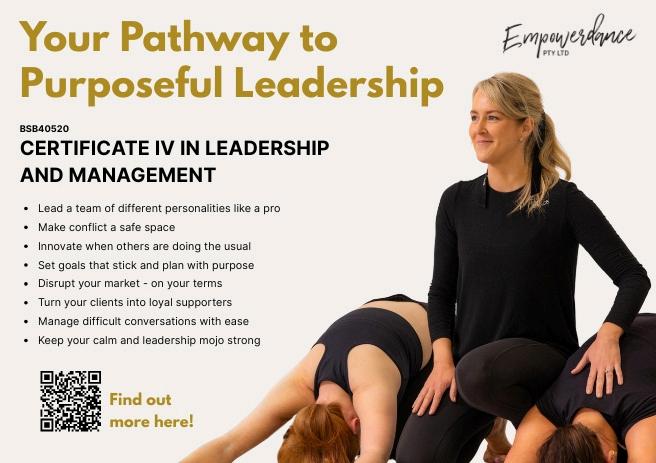

The Psychotherapy in Pilates
WHY PILATES MAY BE ONE OF THE MOST POWERFUL
TOOLS FOR MENTAL WELLBEING
by Roshini Kumar
As a licensed psychotherapist, I’m always curious to learn new ways to improve mental health, both for my therapy clients and myself When a dear friend opened a classical Pilates studio, I wanted to test out what it could do for me mentally after hearing it was a full mind and body exercise Additionally, I was intrigued with Joseph Pilates’ proclamation that in ten sessions I’d feel the difference, in twenty I’d see the difference, and in thirty, I’d have a whole new body Thirty sessions later, I wished I could tell Joe that not only did I have a new body, I had a new brain, more specifically, new neural pathways of thinking, happier moods, and a sense of resiliency In my years of trying different wellness habits, Pilates improved my mental health more than any other type of exercise, hobby, or habit I’d tried
Having worked in research-driven teaching hospitals for the majority of my mental health career, I tend to analyze why wellness habits are so effective and link them to evidence-based psychology models Turns out, there’s not just one explanation for Pilates’ impact on mental health, it taps into multiple wellness models Thus, the spark was ignited: I scoured psychology models I learned throughout my career to uncover the mental mechanics of Pilates With this information, I wanted to create a pathway to practice Pilates to improve anxiety, depression, ADHD, OCD and eating disorders – the diagnoses I treat the most Before I knew it, I added certified Pilates instructor to my resume and got to work I started teaching Pilates on all apparatuses in classical studios and large fitness clubs while seeing therapy clients and leading psychology clinics It wasn’t until I had my hand in both worlds and started merging my two specialties that I began to understand why Pilates was so effective for mental health: therapy skills exist –and, more importantly, thrive – in Pilates
Research on Pilates + Mental Health
A small body of research shows that Pilates improves mental health, from specific age groups to clinical populations For example, Pilates is linked to lower levels of depression, improvements in anxiety, and better sleep in women over 60 (Aibar-Almazan et al , 2019; Ravari et al , 2021) Additionally, Pilates has shown to reduce anxiety and depression in individuals with multiple sclerosis, addiction disorders, and, when paired with medical treatments, lower anxiety in patients with fibromyalgia (Eseoğlu et al , 2024; Fleming et al , 2021; Ji et al , 2025) While these studies are promising and confirm what many of us know, there wasn’t much explanation describing how Pilates was improving depression, anxiety, and sleep. My investigative mindset, fueled by years of clinical work and research, identified a few psychology models that better explained this phenomenon
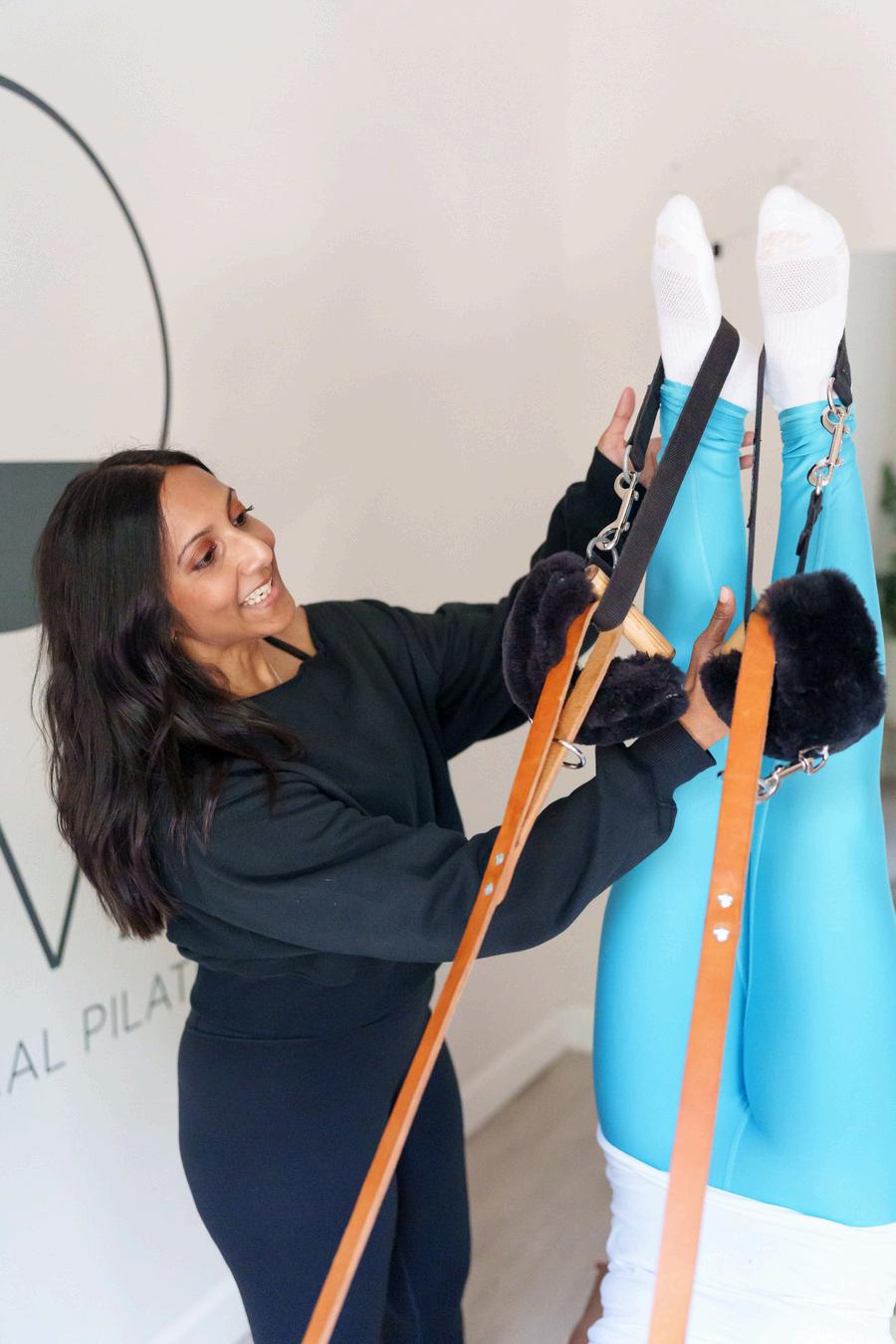
The Integral Role of Pilates Principles
Classical Pilates’ six core principles – breath, flow, precision, control, centering, and concentration – play a significant role in the mental health benefits of Pilates In Pilates practice, they create the mindset that pays attention to the details, remembers exercises, and finds alignment I started to notice that the Pilates mindset is the perfect avenue to learn therapy skills, specifically skills rooted in dialectical behavior therapy (DBT) DBT is an evidence-based therapy model for the treatment of eating disorders, personality disorders and self-harm, among others, developed by psychologist Dr. Marsha Linehan (Avila Parcet et al., 2025; de Andrade et al , 2024; Linehan, 2014) DBT skills can be difficult to learn in concept, but Pilates creates the opportunity and accessibility to learn, practice and adopt them in real time
Therapy Skills in Pilates
Three core skills from DBT that I see practiced in Pilates often are mindfulness, emotion regulation, and distress tolerance Mindfulness – awareness of the present moment, free of judgment or attachment – is the skill we recognize most often in practice It also happens to be foundational in treating anxiety and depression, as it grounds us protectively against the thought spirals that lead to worry and sadness It creates the brain space to learn more challenging skills like emotion regulation, the skill of refocusing, self-soothing, and staying on track when strong feelings attempt to derail us It also sharpens distress tolerance, the skill of sitting in discomfort without attempting to change or escape it
In practice, these skills show up on an mat, mindfulness peaks when we pair movement in each breathing exercise while we’re pumping through the hund is collapse Distress tolerance activate lives holding teaser three Off the mat, memory of these skills, so we can mor mindfulness when multitasking, emotio tasks that trigger a trauma, and tolerat with others
Pilates materializes therapy skills by tr invisible, theoretical concept in a thera practice on the mat And, instead of pr therapy or in the challenges of life, we with others with a shared challenge C strongest, most well-researched factor provides the accountability and suppo consistently While muscle memory ph time in Pilates, mental strength silently
In Conclusion
Integrating Pilates and psychology has work as a therapist, Pilates instructor, professionals In a therapy session, I c these skills look like in theory, but in a mindfulness, emotion regulation, and d with many other skills, in real time on any apparatus, at any fitness level Growing the integration, I now teach fellow Pilates and fitness instructors how to incorporate psychology into teaching, and guide fellow therapists in integrating different wellness models into their practice. As a result, this integration not only impacts Pilates and psychology, but inspires new avenues for mental healthcare
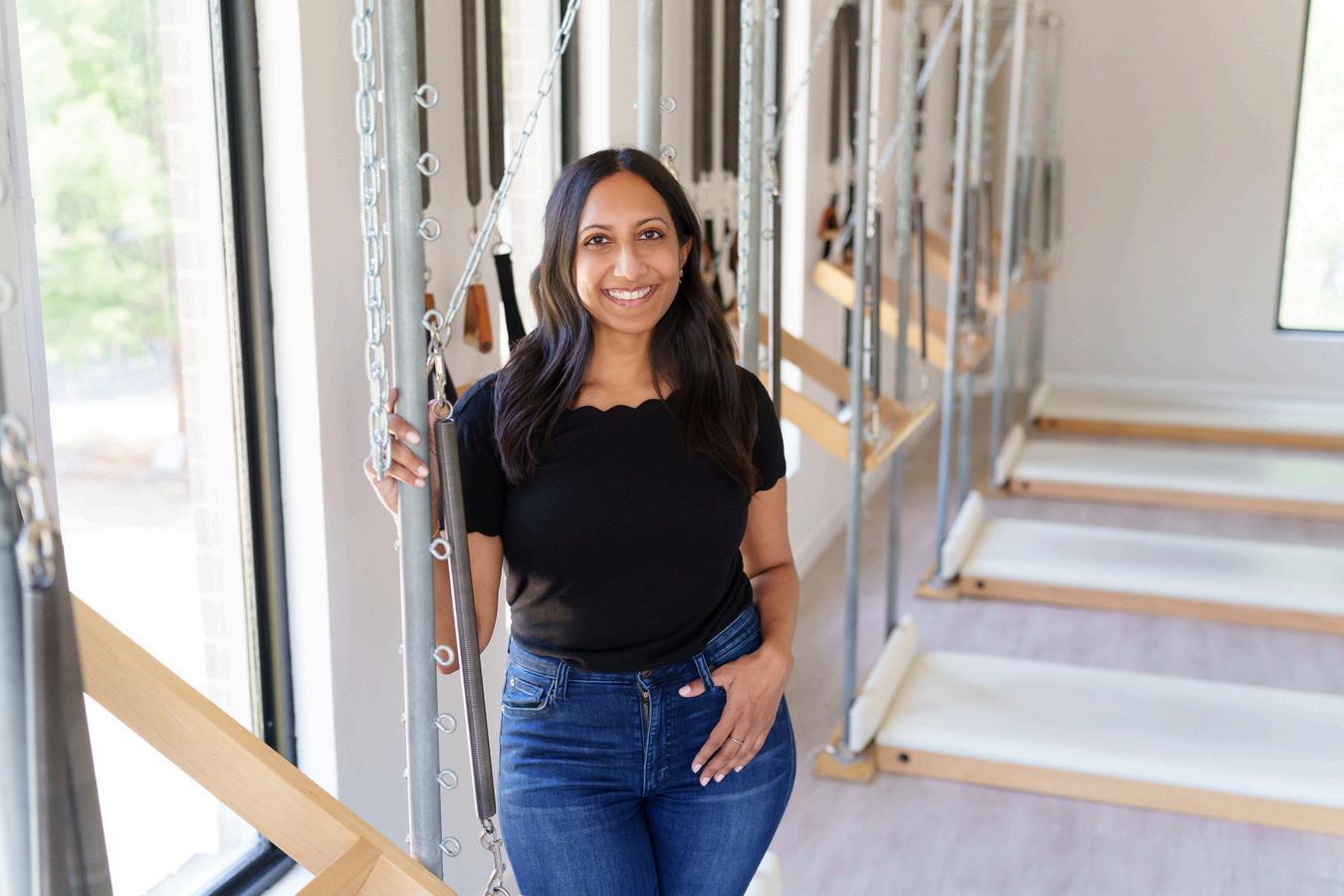
is
professional clinical
While we’re not all therapists, there’s no doubt every Pilates instructor has felt like one, acted as one, or has been called one Pilates instructors know the delicate dance of creating safe spaces, interpreting body language, and meeting clients where they are, all while using their expertise to challenge clients in achieving their goals Being a therapist, conceptually, is no different Each time we cue the six Pilates principles for our clients, we activate the mindset that learns and practices the skills that improve mental health over time.
, certified Pilates instructor and founder of The Pilates Psychology, a wellness practice built on a fusion of her specialties. She is a practitioner, educator, and writer who is passionate about creating greater access to mental healthcare through integration and innovation. Roshini offers psychotherapy, Pilates, trainings and consultations to fellow practitioners seeking to combine specialties.
Roshini Kumar
a licensed
counselor
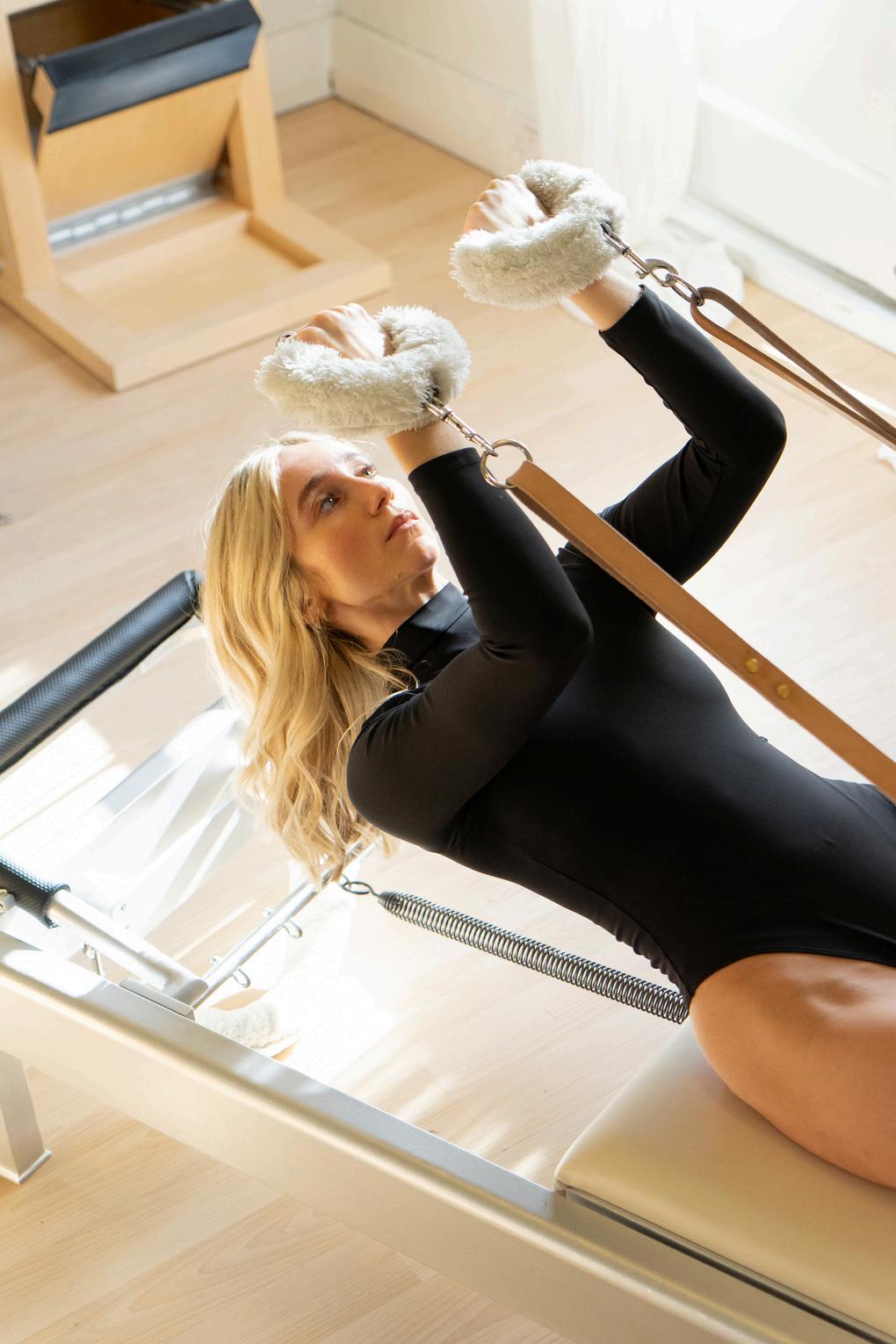
Instructor Spotlight: Poppy Young
Tell us a little about yourself and your Pilates background?
My name is Poppy, and I've been teaching Pilates for around seven years. Before becoming an instructor, I trained professionally as a dancer and performer, so movement has been a huge part of my life from a young age When I decided to step away from performing, I knew I wanted to find something that would still allow me to express myself through movement That's when I discovered Pilates I instantly fell in love with the graceful, controlled movements, which felt so connected to my dance background.
I began my training in Contemporary Pilates before going on to study the Classical method Classical Pilates is where my heart truly lies I love its history, authenticity, and the precision behind the method. One of the things I enjoy most is that there's always more to learn, and that continual journey of learning is something that keeps me inspired as both a teacher and a student
How did you discover Pilates?
I had done some Pilates growing up at my local gym, but it wasn't until I tried my first session on the Reformer that I discovered Pilates in a whole new way At the time, I was working on the front desk at a gym, and one of the Pilates instructors invited me to join a class. That experience sparked my curiosity, and I started researching and learning more about Pilates The more I discovered, the more I realised it was something I wanted to pursue professionally. Looking back, that one session completely changed my career path
How do you keep learning? What inspires you in your work?
II find inspiration in many different places, and my own practice is a huge part of that No two weeks are ever the same, and depending on what life throws at you, your body responds differently It reminds me that Pilates is a lifelong practice and that there is always something new to learn Everyday life also shapes the way I approach Pilates My goal is to stay physically strong, capable, and free in my body for as long as I can, and this influences the way I teach I love helping clients create movement that supports them both inside and outside the studio
The best advice you were ever given as a teacher?
Don't try to be a cardboard cutout of another instructor, find your own way and people will gravitate towards you
Is there something you try and instil in each of your clients?
For me, it’s about instilling discipline Discipline in the method, in their own training, and in the way they move their bodies with intention
The best Pilates course you ever did was?
Equinox Full Comprehensive Program
What’s your favourite piece of equipment to use with clients in studio and why?
It has to be the Cadillac The versatility of it is incredible It provides you with an array of tools to use depending on what your client needs and when.
How do you stay motivated?
Going to classes, watching educational videos, reading back on my old manuals and running the order!
What makes you laugh the most?
I love being silly and finding humour in the everyday moments of life Whether it’s having a laugh with my colleagues or a girlie catch-up with my closest friends, I can always rely on it ending in lots of laughter.
What’s your favourite way to spend a day off?
My favourite way to spend a day off would be a slower morning, taking the time to cook a nice breakfast before heading out for a walk with my partner, Angus
Then I’d head to the gym with no time restraints, making the most of the sauna and cold plunge. This has become such a big part of my routine this year, and somehow the cold plunge has actually become quite easy now!
How many pairs of grip socks do you own?
I have a few pairs, but I have to admit I don’t actually wear them that often and prefer being barefoot when training
Does your family ‘really know’ what’s involved in your job?
I believe they do! My brother was recently doing some oneon-one sessions with me, which was great. I loved having the chance to educate him more about Pilates When I first completed my training, I started practising on my mum and sister too, so they have all experienced some Pilates
Upcoming courses
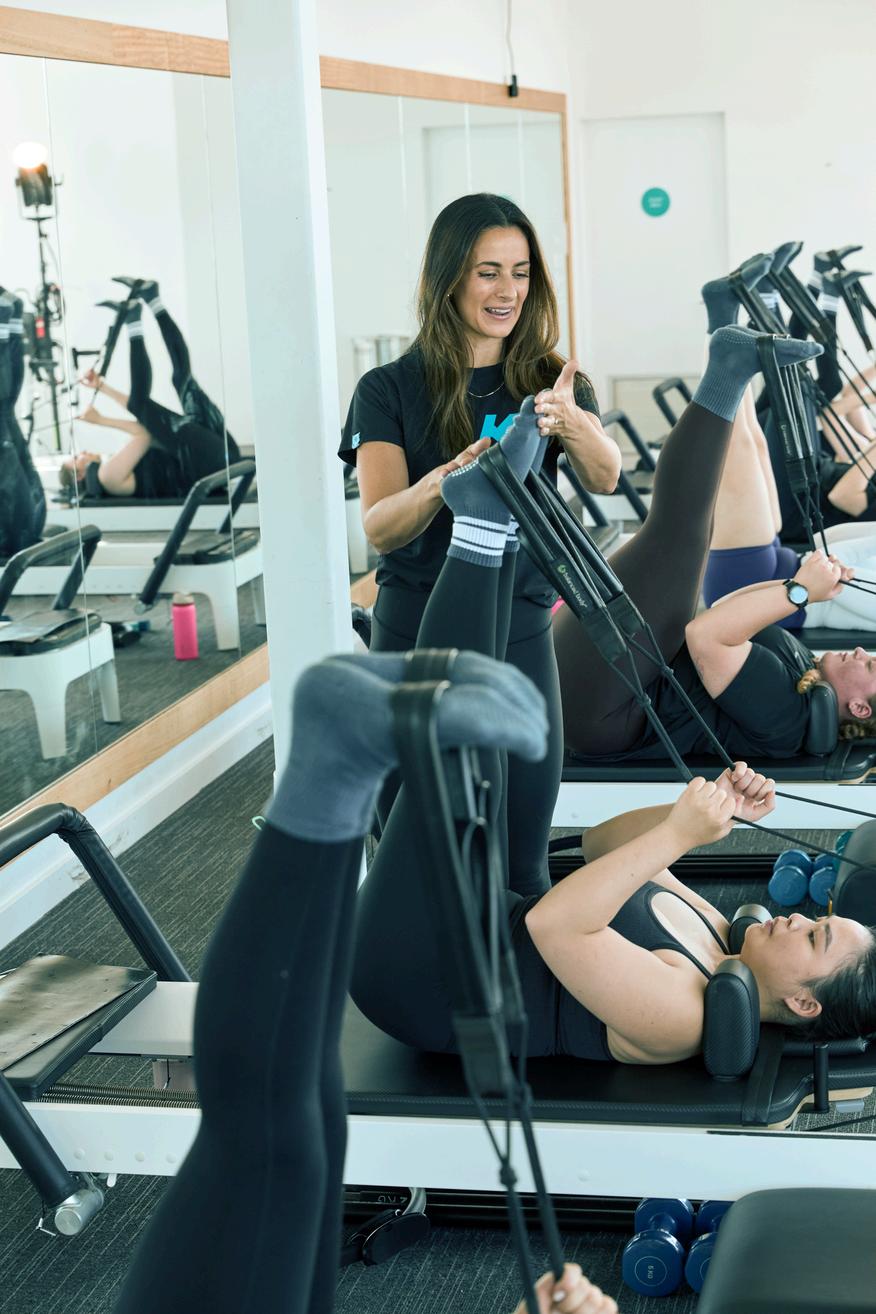
Upcoming courses
New Zealand (Wellington)
29 July 2026: Complete Pilates Instruction
29 July 2026: Matwork and Small Apparatus
29 July 2026: Matwork and Reformer and Small Apparatus
All Pilates ITC Courses and Pathways can be studied online from anywhere globally
Our Courses: Our Courses: Book a chat: Our Courses: