Define Your Difference
TEACHER TRAINING


12–13 SEPTEMBER
Note from the Editor
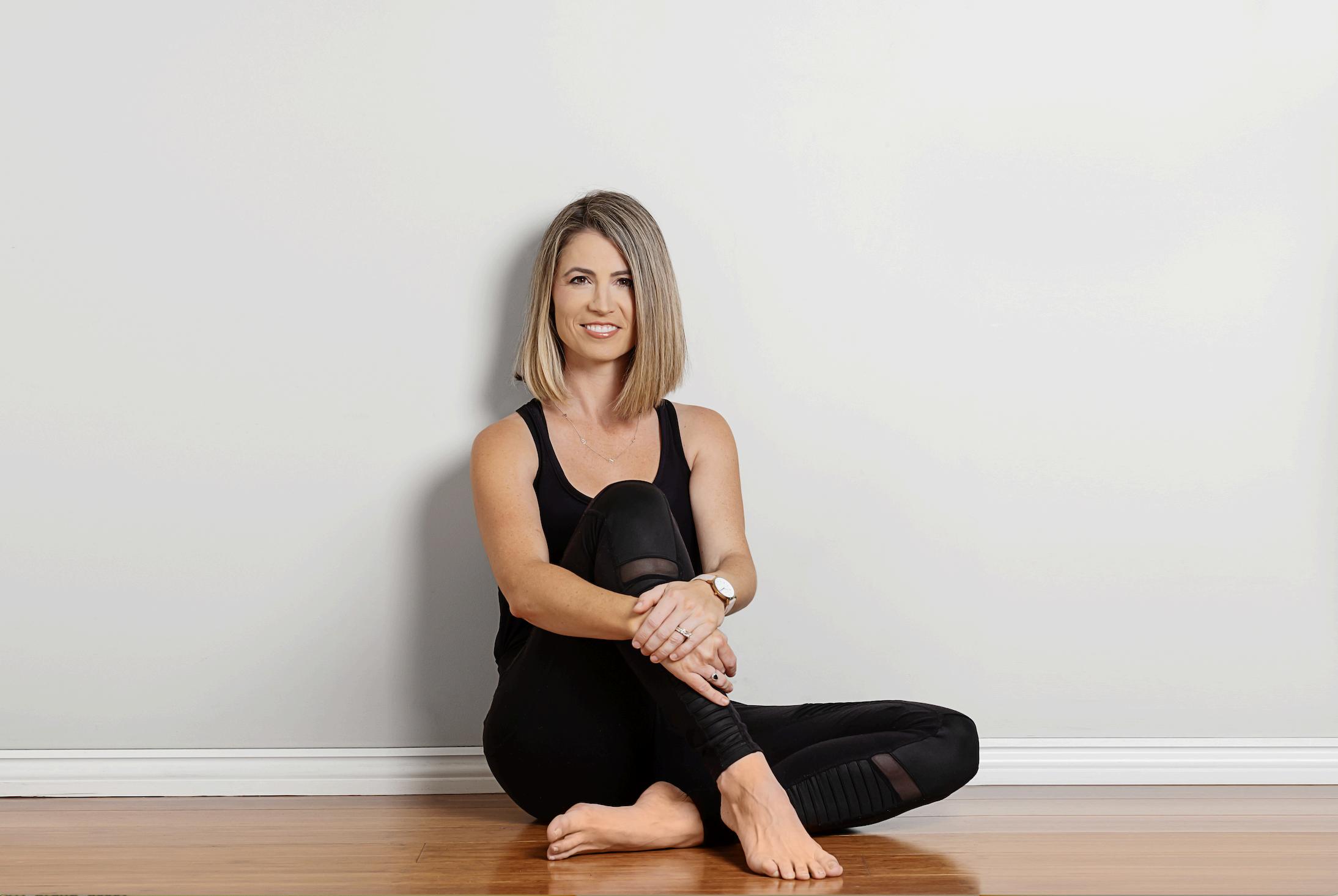
CONTRIBUTORS
Frances Cahill, Elizabeth Kirkhorn, Anne Wilde, Vanessa Huffman, Whitney Tucker, Maria Bardet, Tracey Ward, Angela Davies, Carla Mullins and Samantha Wood.

























The Pilates Journal would like to acknowledge and pay respects to the Gadigal people of the EORA nation as the traditional custodians of the place we call homeSydney - where this journal is produced.
The Pilates Journal pays respects to their elders, past, present and emerging, and acknowledges all Aboriginal and Torres Strait Islander peoples.
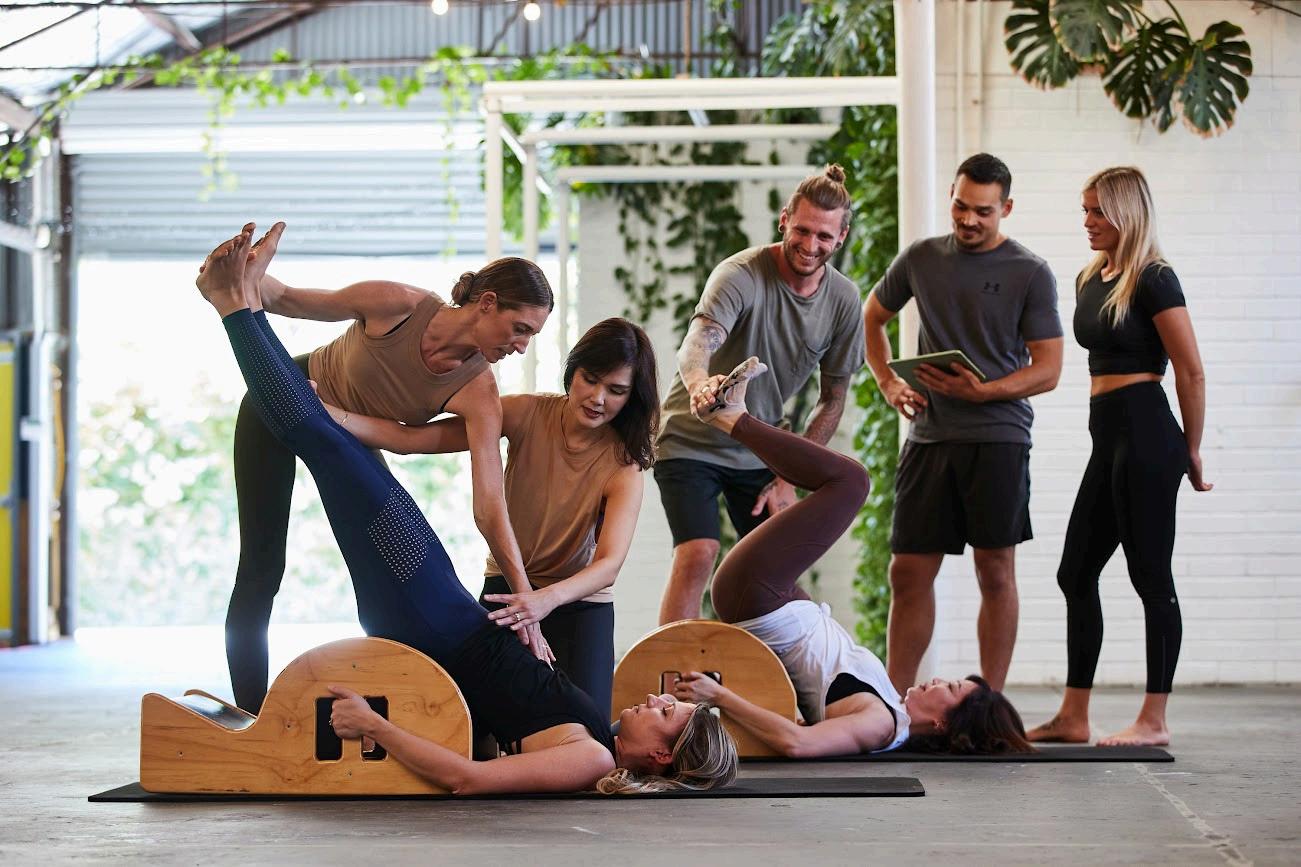
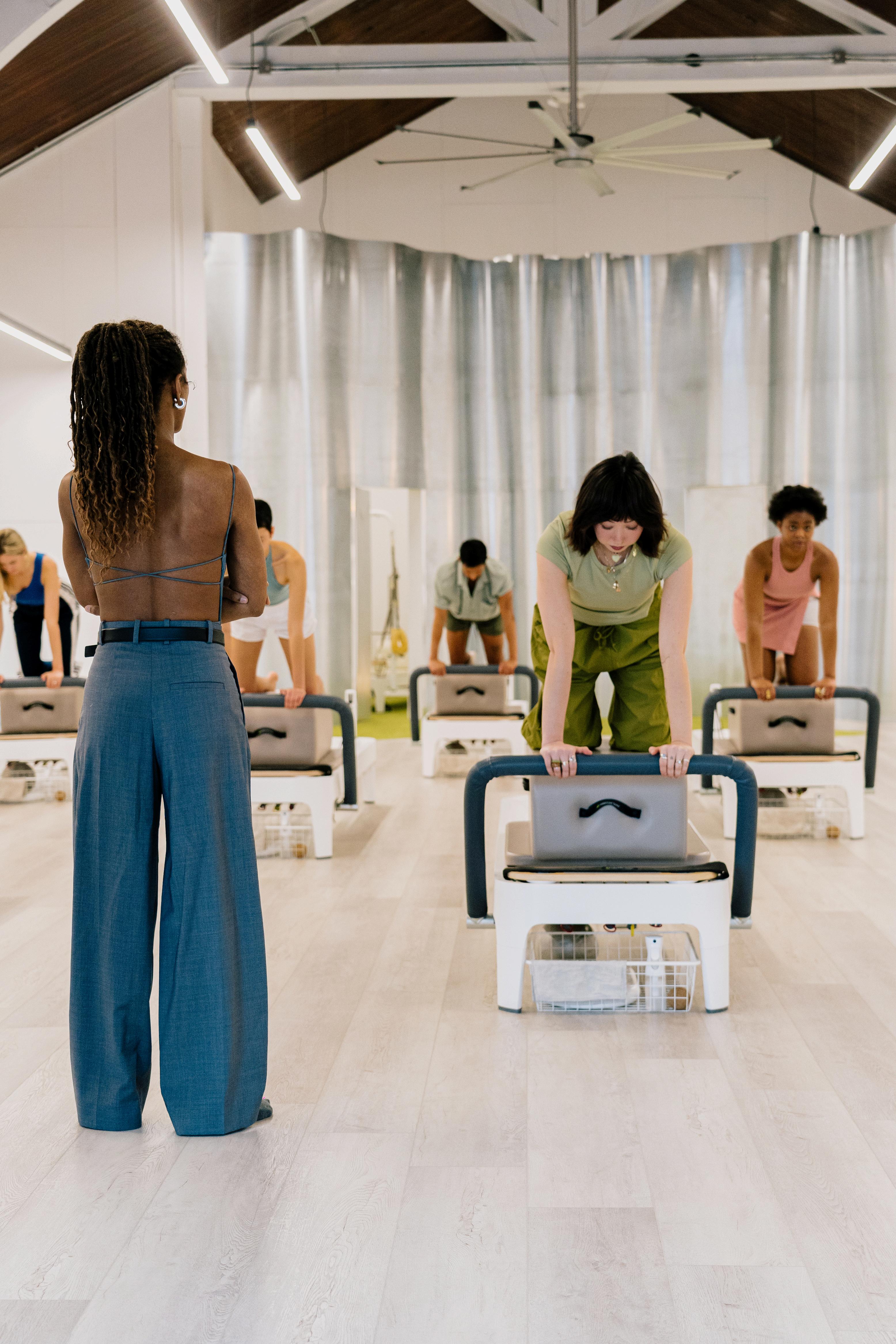
A New Creative Class of Pilates
HOW JENNIFER WINTER BUILT ONE OF TORONTO’S MOST DISTINCTIVE PILATES BRANDS
by CJ Zarb
In a global Pilates market increasingly defined by polished sameness, Jennifer Winter has built something far more powerful: a brand with authorship
Nice Day Pilates, based in Toronto, does not simply stand out because of its aesthetic, its rapid growth, or its loyal community It stands out because it feels unmistakably like her
There is a creative edge to the business An artistry in how movement is programmed A cultural intelligence in how community is built A rare clarity in how the brand is positioned
It is modern, expressive, and deeply considered, yet grounded in t lit d l t llb i
At a time when boutique fitness continues to become more crowded and increasingly transactional, Jennifer has created something more resonant: a studio where people feel seen, understood, and invited to move as themselves.
“It really came from a deep need for something that didn’t exist yet, ” she says
“At the time, I felt like the Pilates landscape leaned in two directions, either very clinical and intimidating, or very aesthetic but disconnected from actual movement quality ”
“What was missing was a space where people could move well and feel like themselves ”
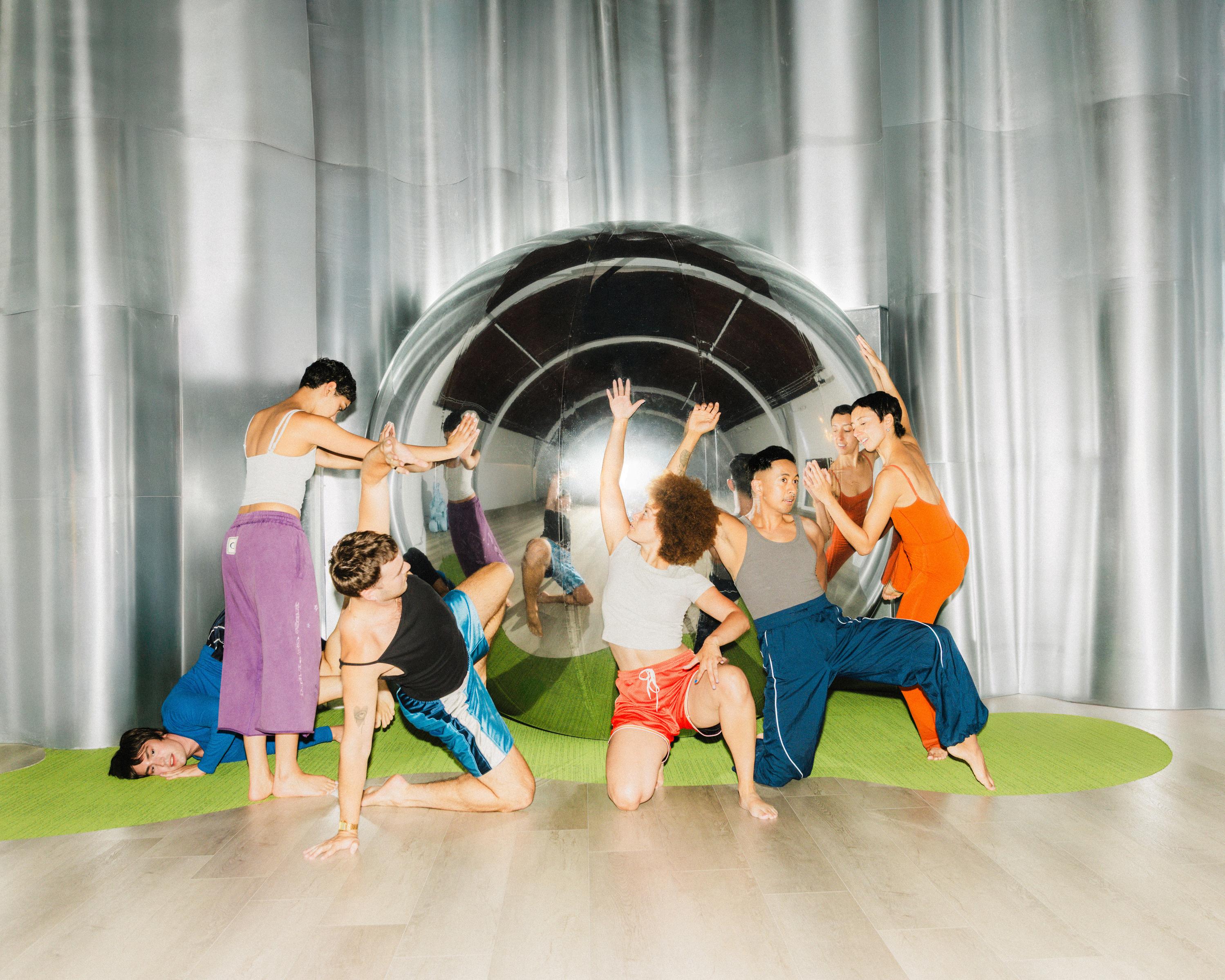
Rather than asking clients to fit a singular aesthetic or conform to a traditional Pilates image, Jennifer has built a movement space that prioritises individuality over perfection
“I wanted to build something that prioritized function without losing personality, ” she says “A studio where strength, nuance, and individuality were the focus, not perfection ”
This is not Pilates positioned as performance
It is Pilates as identity, as self-trust, as a place to arrive more fully in your body
And perhaps that is exactly what makes the business feel so distinct.
The Founder Vision
Long before she became a founder, Jennifer’s background in dance and the performing arts shaped the way she understood movement That artistic training still informs every layer of the Nice Day experience today.
“The performing arts trained me to pay attention To detail, to timing, to how movement feels from the inside out, ” she says “What matters isn’t how an exercise looks, but how it feels when you do it ”
That perspective is evident in the studio’s programming, where movement is taught less as rigid choreography and more as intelligent guidance
Her classes are rooted in core Pilates principles, but they are delivered with nuance, sensitivity, and a distinctly contemporary point of view
“In dance, you learn quickly that artistry comes from individuality, not uniformity, ” Jennifer says. “That idea is deeply embedded in how we teach where clients are guided, not corrected into sameness ” This belief - that no two bodies should move identically - is one of the strongest differentiators in the brand
It gives the studio its edge
Not edgy for the sake of image, but edgy in the way it challenges old expectations of what Pilates spaces should look and feel like. Creative Artistic Intelligent Inclusive
Built around the person, not the performance
The Business of Belonging
Since opening in 2021, Nice Day Pilates has expanded quickly, but Jennifer is clear that growth alone is never the metric
For her, community is the business
“The biggest lesson has been that community doesn’t scale automatically, ” she says
“It comes down to being intentional about every touchpoint, how clients are greeted, how instructors communicate, how the space feels before and after class ”
This is where Jennifer’s leadership feels particularly personal
“For me, that’s very personal I care deeply about our clients and our community I could tell you everyone’s name, and often what kind of discomfort they were working through the week before ”
That line says everything
This is not boutique fitness built on trend cycles or aesthetic marketing alone
It is built on care
It is built on memory, presence, and consistency.
It is built on making people feel like they belong
Representation has also been central to that experience.
As a Black-owned business and Toronto’s first Black-owned pilates studio operating in a space where visibility and access have not always been evenly distributed, Jennifer has built Nice Day Pilates with intentional inclusivity from the ground up
“Representation has never felt like an extra for us It’s where everything begins, ” she says.
“It shapes who I hire, how we teach, how we communicate, and how the studio feels the second someone walks through the door ”
That sense of belonging is not accidental
It has been designed
And in today’s market, that level of intentionality is what creates loyalty
The Creative Edge
If community is the heart of Nice Day Pilates, brand storytelling is its atmosphere.
Every detail - from the physical space to the digital ecosystem of Planet Nice Day - feels deeply considered
For Jennifer, this creative direction is not simply visual It is emotional
“For me, brand storytelling and visual world-building are everything, ” she says
“It’s what helps people feel connected before they even step into a class, and what keeps them coming back. ”
There is a cinematic quality to the world she has built
A sense that the studio holds more than classes - it holds feeling. Her father’s background as an architect also plays a subtle role in how she thinks about space
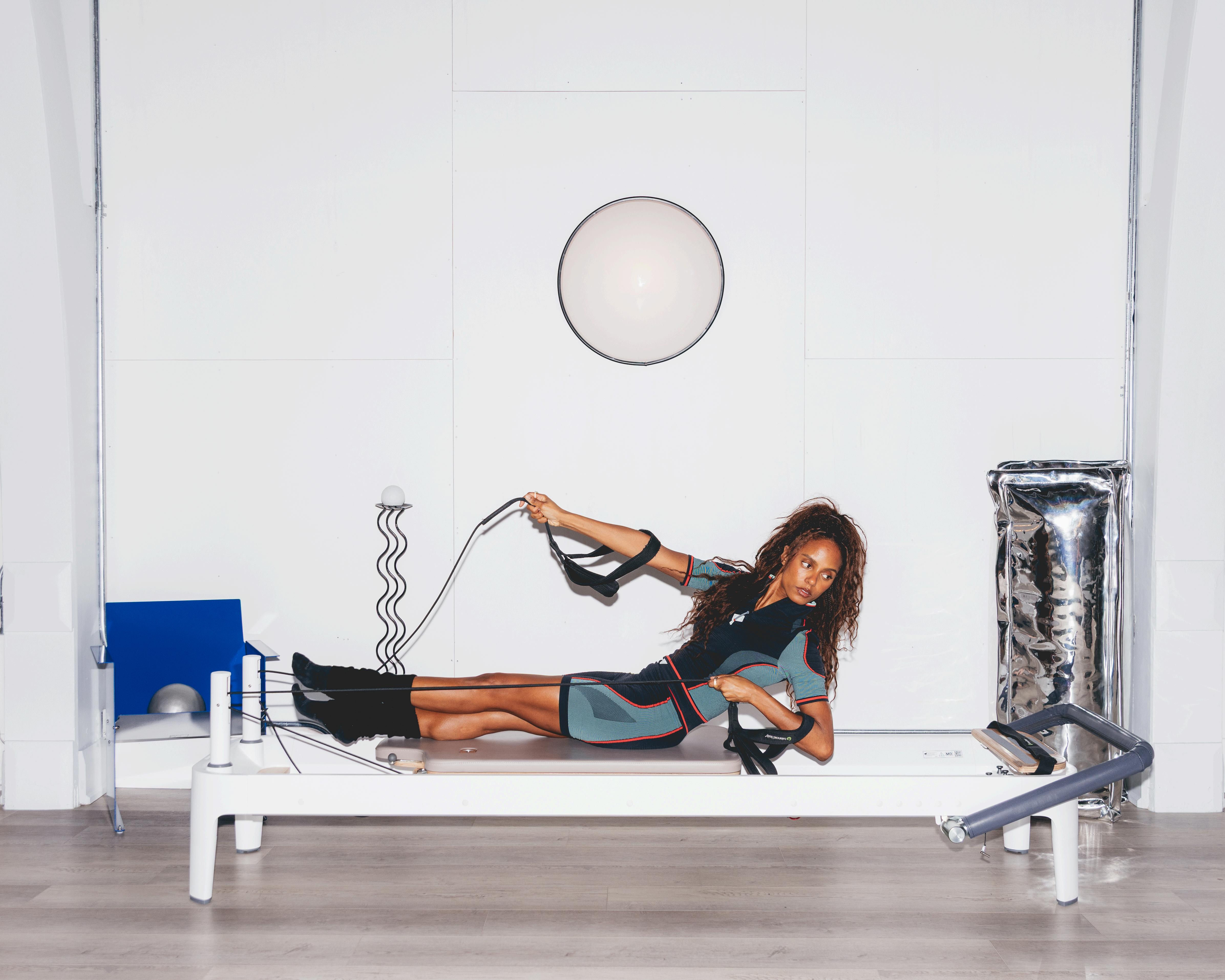
“When I designed the studio, I wanted it to feel intentional but also calm, open, and grounding, ” she says “A space that gently opens up your imagination while still making you feel completely at ease ”
This is what so many studios attempt to create, but few articulate so clearly.
Jennifer understands that modern clients are not only choosing workouts
They are choosing worlds
Clarity in a Competitive Market
As boutique fitness becomes more saturated globally, Jennifer believes the studios that endure are the ones with the clearest point of view.
“Clarity of identity, ” she says
“There are countless beautiful studios and intense training experiences, but what truly stands out is having a clear point of view ”
It is a powerful observation, and one that perhaps best explains Nice Day Pilates itself
This is a business with identity
A founder with voice
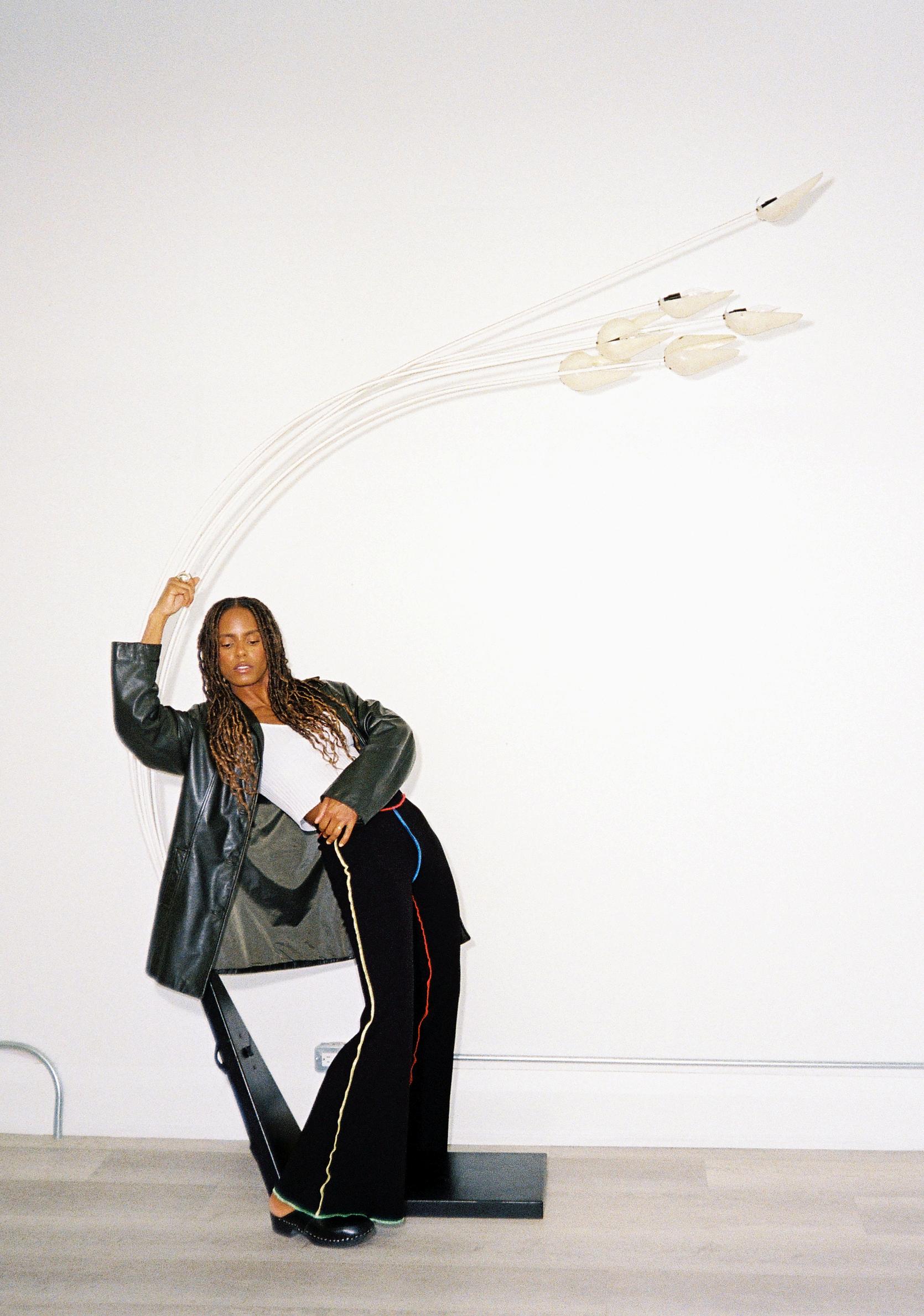
A studio with soul
And in an industry often chasing the next aesthetic or intensity trend, Jennifer Winter has built something far more lasting: a business that feels deeply authored, deeply personal, and entirely its own
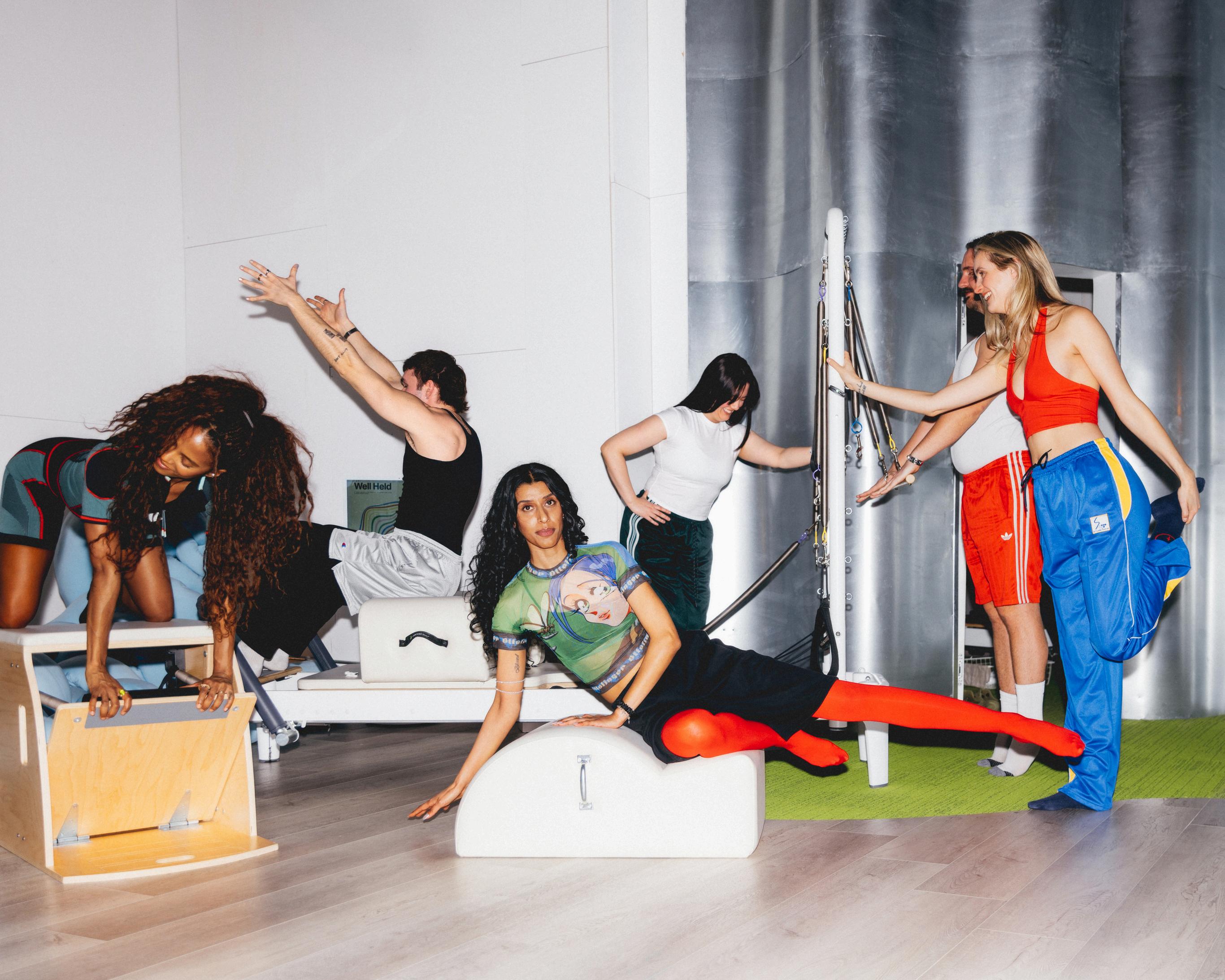
Jennifer (she/her) is the founder of Nice Day Pilates and the force behind Toronto’s first Black-owned Pilates studio. With over 15 years in the Pilates industry, she brings a refined, creative approach shaped by her background as a professional ballet dancer and contemporary artist. She also launched both mat and reformer education programs, sharing her expertise with the next generation of instructors Having worked with pro athletes, entertainers, and high-profile clients, Jennifer is known for making Pilates both accessible and intelligently challenging, grounded in biomechanics, elevated by flow, and always infused with joy Her teaching balances precision and play, creating a movement experience that is as effective as it is fun. With Nice Day Pilates, Jennifer turns movement into art, where every class challenges, inspires, and celebrates the body in motion
A Growing Skills Shortage in Pilates at a Critical Time for the Industry
WHILE DEMAND FOR PILATES CONTINUES TO ACCELERATE, THE AVAILABILITY OF COMPREHENSIVELY
TRAINED INSTRUCTORS IS STRUGGLING TO KEEP PACE
by Frances Cahill
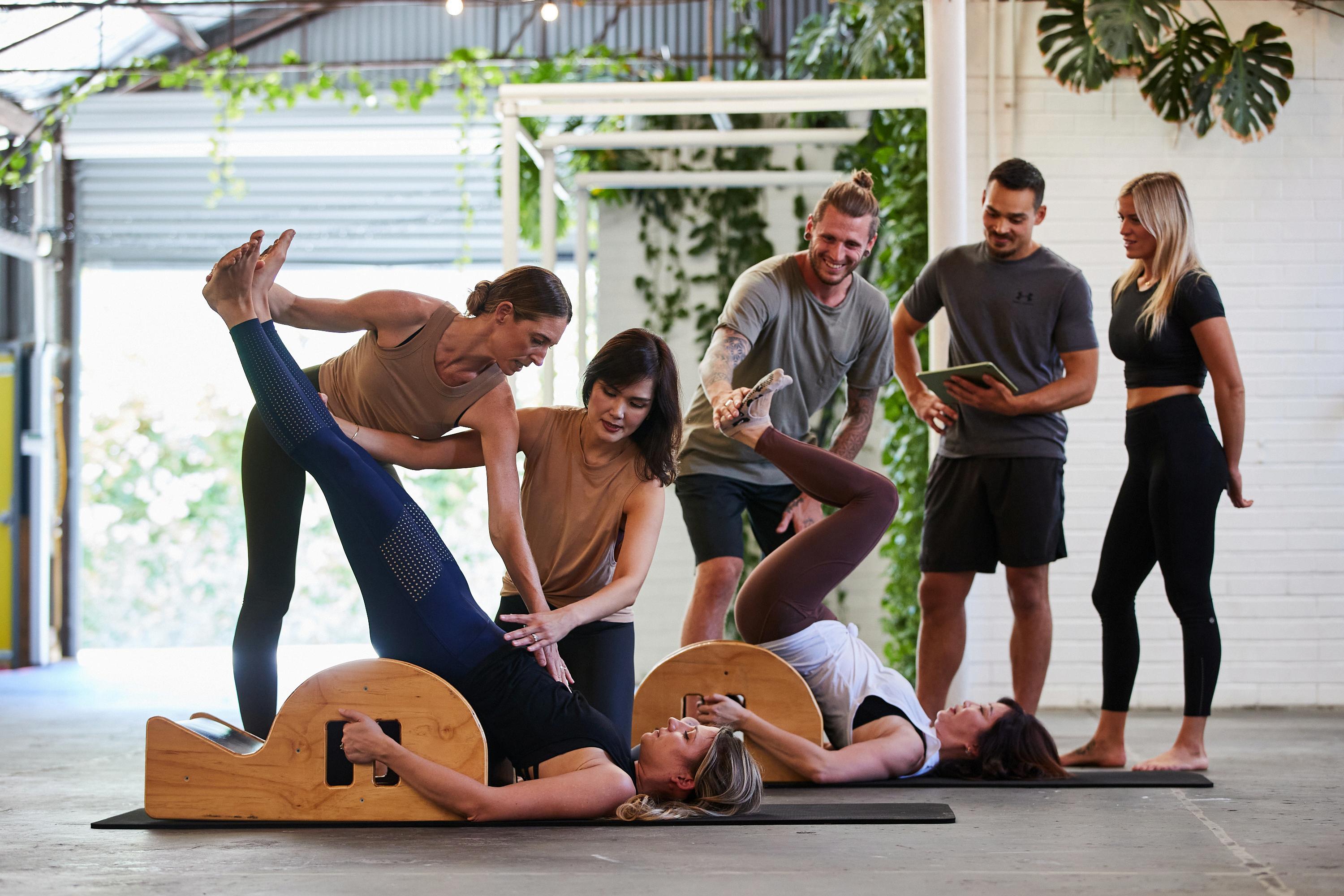
The Pilates industry in Australia is entering a critical period of workforce strain Across the sector, studio owners are reporting longer recruitment cycles, difficulty sourcing comprehensively trained Instructors and increasing pressure on senior teaching teams to meet growing client demand
While demand for Pilates continues to rise, particularly within more specialised and clinically informed environments, the workforce capable of supporting that growth remains limited What was once viewed as an isolated studio-level challenge is now emerging as a broader industry imbalance
Recent discussions across the sector, including insights shared through AUSactive webinars, have brought this into sharper focus What has long been experienced at a studio-level is being recognised as a broader industry pattern, as informed by changing education pathways, evolving workforce preferences, and the reintroduction of private health fund rebates
Operationally, this is evident in lengthy recruitment cycles, challenges in securing appropriately qualified Instructors, and often a reduced capacity to deliver specialised Pilates services As a result, studios are being forced to delay service capacity, delay expansion plans or rely on narrower teaching skillsets to maintain operational demand
The challenge is not simply that demand is increasing It is that demand is accelerating at the same time the industry is moving toward greater professionalisation, regulatory clarity and heightened expectations around Instructor capability A key driver of this imbalance sits within the education pipeline, which is not keeping pace with industry demand.
Anecdotally, among accredited education providers, we are seeing fewer students progress through to Diploma-level qualifications, and those who do are increasingly choosing independent or self-employed pathways over employment within fully equipped studio environments While admirable, the shift toward flexible work models is reducing the pool of Instructors available to meet studio-based demand, especially for comprehensive/Clinical Pilates delivery
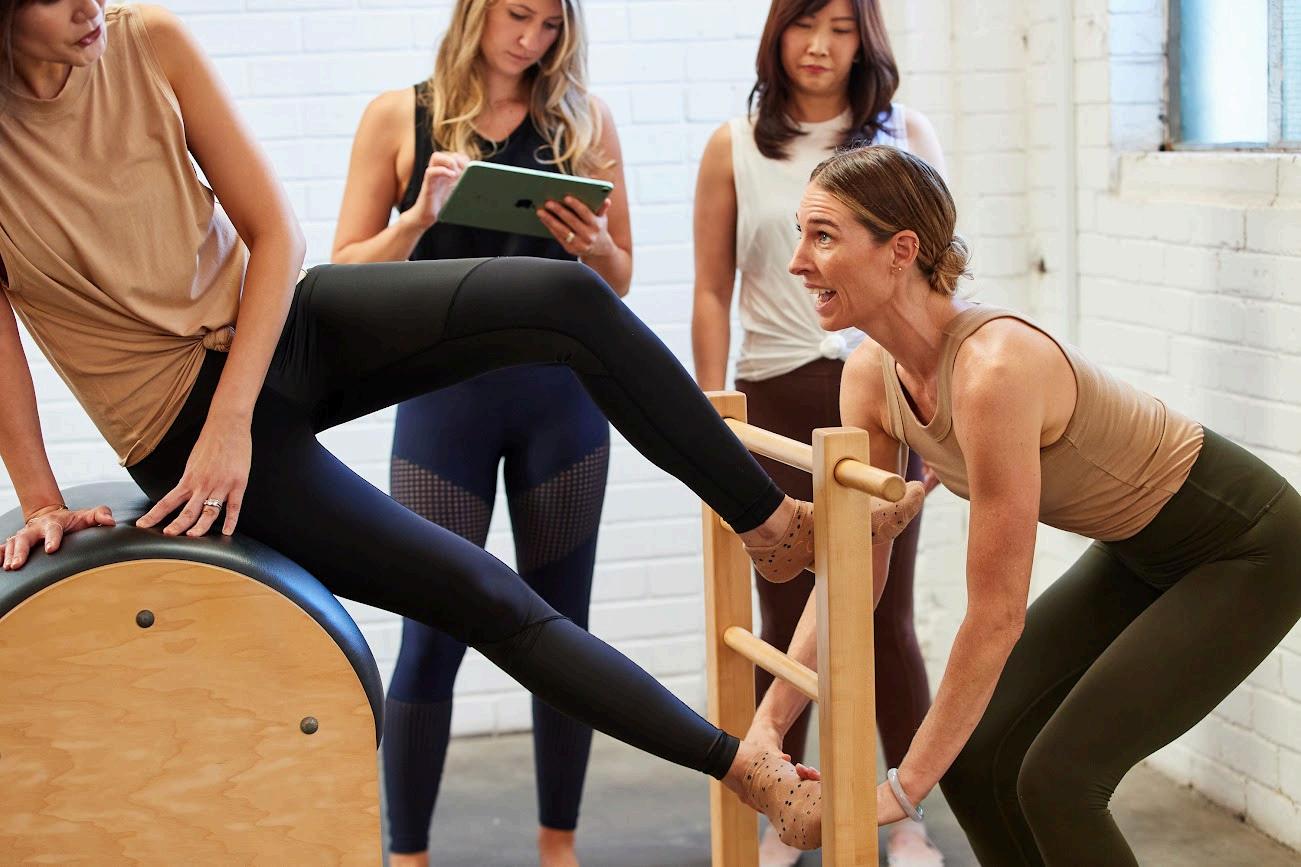
professional capability
From an economic perspective, this is likely to act as a demand multiplier Rebate accessibility has the potential to increase client participation and broaden the range of individuals seeking Pilates services, across both structured group programs and more individualised applications
However, at the same time, eligibility requirements will dictate who is able to deliver these services within the new rebate framework This is driving greater clarity distinction in the distinction between types of Pilates provision, broadly understood as group-based services and more individualised or clinically informed work.
Both are essential; however, in this emerging regulatory environment, each is being defined by distinct expectations of training, responsibility and professional positioning. This is a level of definition not previously formalised
Taken together, these factors point to a maturing industry, one in which we know demand is high, but it is also very specific.
As regulatory frameworks take shape, there is growing recognition of Pilates as a profession within the therapeutic continuum, rather than as an adjunct to it. In this environment, the breadth of capability an Instructor brings is no longer peripheral: it is central to how they are positioned within the workforce
In practical terms, this increases the value placed on comprehensive training and recognised qualifications Accredited, Diploma-level qualification is becoming less a point of differentiation and more a reflection of alignment with where the industry is heading
g g g g experience with emerging standards, often achieved through a combination of recognition and targeted training, rather than “starting again”
“In this context, education is not simply a prerequisite, but a mechanism for maintaining relevance. ”
From an employment perspective, this alignment has clear implications Instructors with comprehensive training are better positioned to access a wider range of roles, more stable working arrangements and increased earning potential For studio owners, it supports the ability to recruit effectively, deliver a broader scope of services and respond to evolving client demand.
What is emerging is a recalibration of the relationship between education, capability and opportunity within the industry, one in which alignment between these elements will determine individual and business outcomes
As a Registered Training Organisation, Pilates ITC continues to engage closely with these dynamics through its work with Students, Graduates and industry partners The focus of these conversations is centred on progression, recognition and workforce sustainability, and how education can support both individual careers and the broader development of the profession
The current environment presents clear challenges, but also a well-defined opportunity: to strengthen the connection between training, capability and employment, and in doing so, support a more sustainable future for the Pilates industry in Australia
Frances is the co-Director of Pilates International Training Centre (Pilates ITC) / Pilates Fitness Institute. Learn more about Pilates ITC courses here.
The Questions Every Future Pilates Teacher Should Ask
PILATES EDUCATION LEADER ERNIE FOSSA EVALUATES PILATES TEACHER TRAINING PROGRAMS.
by Elizabeth Kirkhorn
Interest in becoming a Pilates teacher has surged in recent years With participation in Pilates classes and private sessions climbing dramatically since 2019, studios across the country are expanding, and with that growth comes a new wave of Pilates teacher training certification programs
But here’s the catch: the Pilates industry is unregulated. There isn’t an “official Pilates certification” that will guarantee you a teaching position
“Pilates studios don’t hire based on a piece of paper that says you’re certified to teach, ” says Ernie Fossa, Founder, Owner, and Program Director at the Gramercy Pilates NYC Certification School “That only gets you the interview They hire by watching you teach during your audition when you interview. ”
Without universal agreement on competency and regulatory standards, the path to becoming a Pilates teacher can feel surprisingly opaque. Credentials vary widely, expectations differ, and students can end up disappointed and frustrated with their lack of knowledge or skill level
“The impact falls squarely on the students to find a Pilates certification program that fits their needs, ” says Ernie “And the only way to find the right studio is to deeply vet any studio you are considering ”
So how can prospective teachers separate programs that simply check boxes from those that truly prepare them for a sustainable career? According to Ernie, it starts by looking beyond a studio’s website marketing language and focusing on what actually happens inside the studio
“Comprehensive education combined with live supervision and mentorship by expert teacher trainers is the most important part of a Pilates Certification Program, ” said Ernie
Meet the Program Director Face to Face
Websites can only reveal so much Philosophy, culture, and expectations are often harder to assess digitally Ernie’s advice is refreshingly simple:
“Live supervision and mentorship by expert teacher trainers is the single most important part of a Pilates certification program, ” said Ernie.
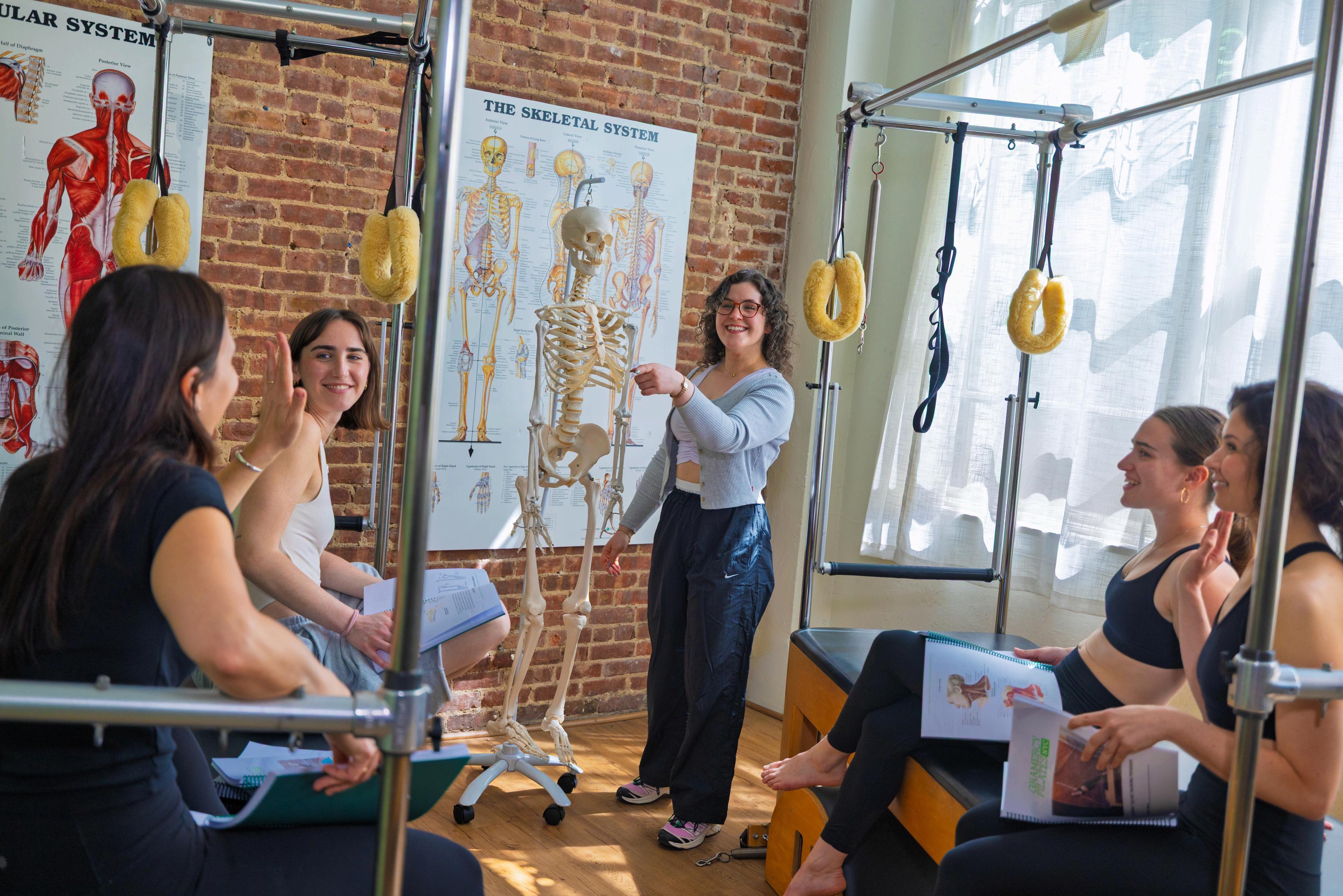
Call the studio and set up an appointment to meet the program director, ” he says “A lot of studios don’t provide their most important information online, like prerequisites, cancellation policies, or who the teacher trainers are You need to sit down in person and make sure you fully understand what the program includes before you commit ”
That conversation should go deeper than logistics Prospective students should ask:
Does the program teach classical, contemporary, or a blend?
How much anatomy and biomechanics is included?
How much time is spent on how to teach clients with medical conditions?
Will there be hours of my practice teaching time supervised by the studio’s teacher trainer?
Who exactly will be teaching the program? Can I meet them before registering?
Perhaps most importantly: ask to see the program manuals
“That’s the proof of exactly what education they’re offering, ” says Ernie
Talk to Graduates
Perhaps the most honest insights come from former students Ask them:
Did the program meet or go beyond your expectations?
Did you gain confidence in your teaching throughout the program?
Did the studio support you in finding a teaching position?
Their answers give you important insight beyond what the Program Director might be telling you
Supervision Is the Key
On paper, many programs may appear similar They list anatomy hours, apparatus training, and required practice time But what ultimately shapes a prospective teacher isn’t the curriculum outline, it’s the number of quality hours That is, the number of hours that are supervised and mentored by expert teacher trainers
In Ernie’s experience, programs taught live, with consistent observation and hands-on supervision, tend to produce instructors who are much more skilled and employable Watching students teach, correcting their cueing in real time, and guiding their problem-solving builds teaching instincts that can’t be developed through independent study alone
Studios that also allow approved students to apprentice with real clients offer another huge advantage Teaching under supervision bridges the gap between theory and reality, helping trainees build confidence before they ever audition for a job
“Observing a student’s training session can reveal a lot Are teacher trainers actively supervising the students? Is feedback
“Observing a training session can reveal a lot — whether students are being actively supervised with specific, constructive feedback, or largely left to figure things out alone.”
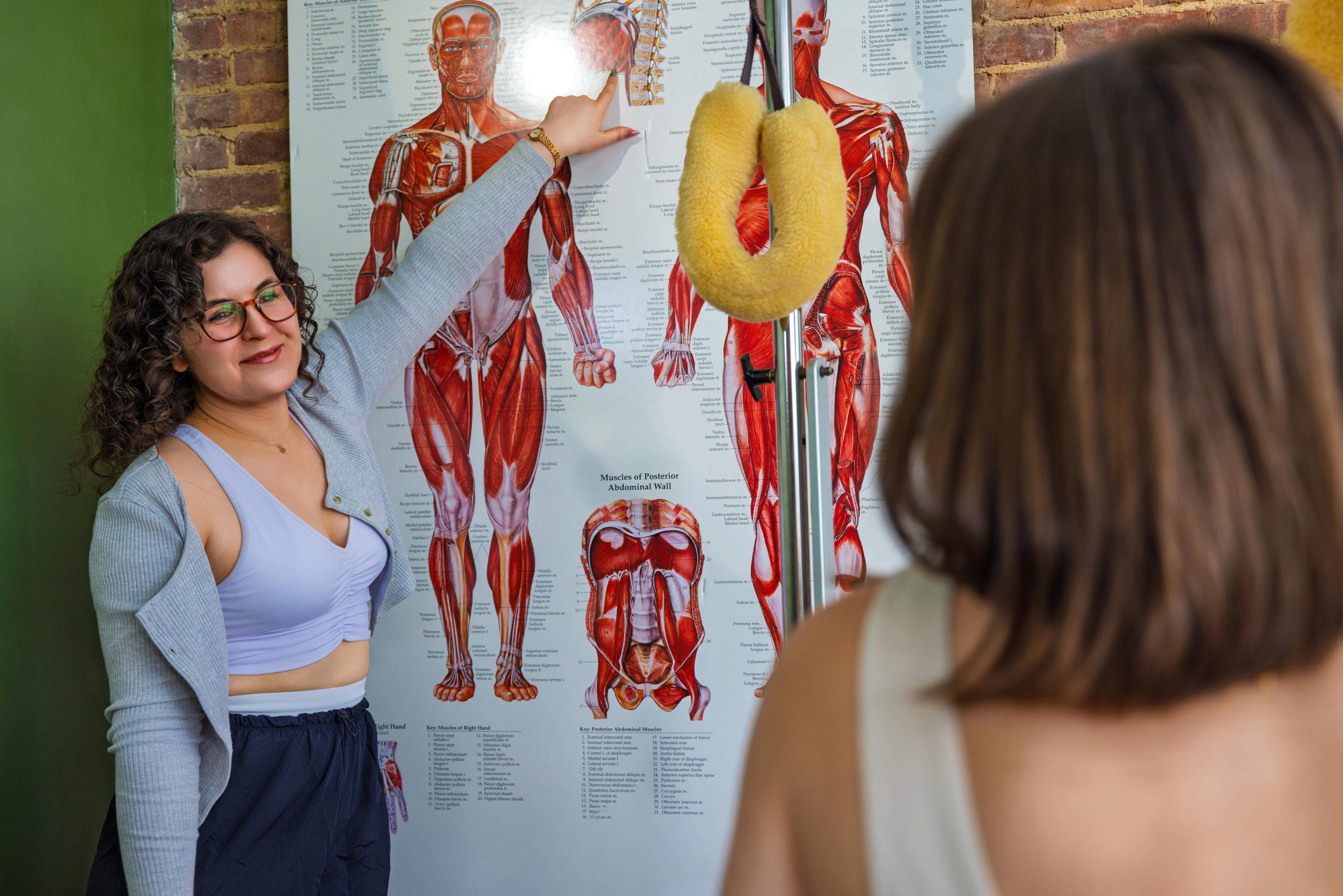
specific and constructive? Or are students largely left to figure things out alone?”
Watch How Students Actually Learn
A program’s philosophy should be visible on the floor, not just in its mission statement
“If students aren’t practicing what they learned in lecture and being supervised while they do it, they are not getting the best possible teaching education, and that’s a problem, ” Ernie notes
Effective feedback, delivered consistently and in real time, is what helps a new teacher refine their voice, presence, and overall teaching skills
Look for Breadth, Not Intensity
With the rise of fast-paced, fitness-forward Pilates formats, some programs only emphasize speed and sweat over depth and control In other words, getting just a “good workout ” This type of learning will only appeal to a younger, fit group of individuals, which does not prepare a student for the full spectrum of clients they may encounter
Ernie advocates for comprehensive education that covers teaching any type of client on all apparatus and multiple formats
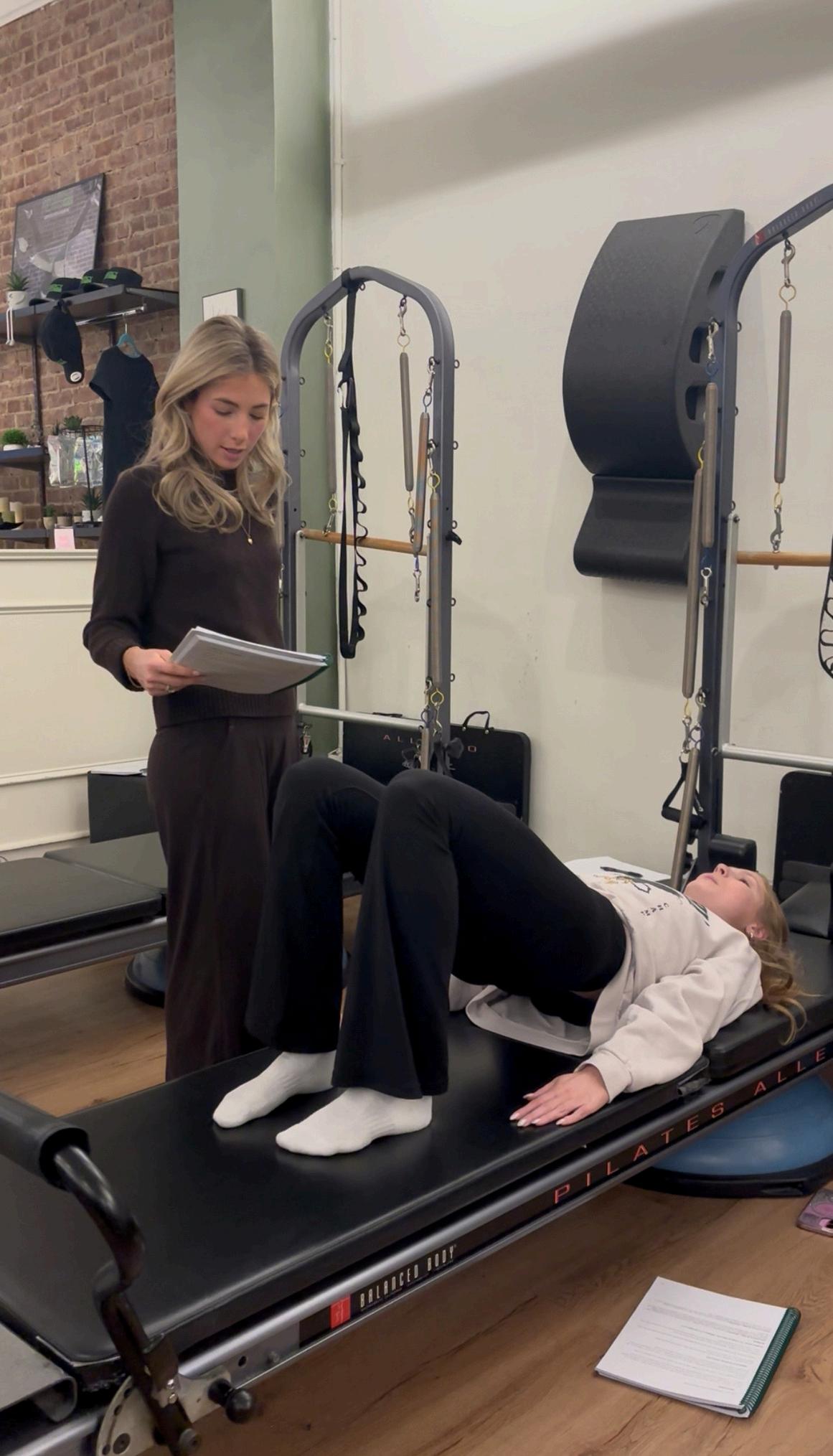
classes, including but not limited to mat, reformer, tower, and chair, not to mention how to work with clients with medical conditions, ” he says
This versatility gives graduates a major advantage when they are seeking job opportunities
The Long View
Ultimately, no program can guarantee mastery Taking and completing a Pilates Teacher Training Program is only the beginning.
“The best graduates are the ones who keep learning, ” Ernie says “Pilates is a lifelong practice ”
Choosing the right program, then, isn’t about finding the fastest or flashiest path It’s about finding a studio that treats teaching as a craft, one built through mentorship, repetition, and thoughtful guidance.
For aspiring instructors, the process may take more time and research than expected But in a field where quality varies widely, that diligence can make all the difference between feeling merely certified and feeling truly prepared
ld be ds of
Ernie adds, “It’s not about getting a piece of paper that says you’re certified as a Pilates teacher What’s important is that you find and complete a comprehensive Pilates Teacher Training Program with quality hours of supervision that will provide you with the tools to become a skilled teacher ”
Ernie Fossa is the Founder, Owner and Program Director of Gramercy Pilates NYC and a leading Pilates educator known for blending classical foundations with science-based innovation He created the studio’s comprehensive certification school and has mentored studio owners and worked with professional athletes and high-profile clients globally. Gramercy Pilates NYC was named Boutique Studio of the Year at The Pilates Journal Awards
Elizabeth Kirkhorn is a New York–based writer with a Master’s in Creative Writing from The New School. She lives in New York City where she uses her creative and strategic mind to shape content strategy at People Inc.
Sam’s world view
EACH MONTH WE WILL SUMMARISE THE BEST/MOST RECENT PUBLISHED ARTICLES IN THE INDUSTRY
Associate Faculty for BASI Pilates
SAMANTHA WOOD
The Benefits of Pilates for Patients With Multiple Sclerosis: A Systematic Review
In 2022, The Journal of Clinical Medicine published a systematic review examining the therapeutic effects of Pilates for patients with multiple sclerosis (MS) The review analyzed 20 randomized controlled trials (RCTs) including 999 patients with MS. Ten studies were of good quality (according to PEDro scale), and seven had low risk of bias Most of the intervention programs in these studies consisted of 45- to 60-minute mat-based sessions two or three times weekly for 8 to 12 weeks.
The findings revealed that Pilates significantly improves both static and dynamic balance, gait, and physical-functional conditions (muscle strength, core stability, physical performance, aerobic capacity, and body composition) and has positive effects on cognitive abilities in patients with MS While evidence for improvements in fatigue, quality of life, and psychological function was less consistent, the cumulative data suggests Pilates is a safe and effective rehabilitation tool for MS management Furthermore, there are high adherence rates (>80 percent) and few adverse effects
The authors concluded that Pilates appears to be a safe, effective rehabilitation tool for MS patients with high adherence rates, though more high-quality research is needed to develop optimal protocols and confirm long-term benefits. Some of the limitations noted in the studies analyzed were varying methodological quality, limited long-term follow-up to determine whether benefits persisted, lack of details about MS type and disability level, and lack of consistency in assessment tools between studies.
Rodríguez-Fuentes, G , L Silveira-Pereira, P FerradánsRodríguez, and P. Campo-Prieto. 2022. “Therapeutic Effects of the Pilates Method in Patients With Multiple Sclerosis: A Systematic Review ” Journal of Clinical Medicine 11: 683
Samantha Wood, MPT, MBA, NPCT, RYT, is a licensed physical therapist, a National Pilates Certified Teacher (NPCT), and a Yoga Alliance–certified teacher. She created and teaches BASI’s Pilates for Injuries & Pathologies advanced education courses. Click here to view 2026 course dates and locations.
Her new book, Pilates For Rehabilitation, 2nd edition is available now from HumanKinetics com and Amazon.com.
Samantha is also the founder of Barefoot Luxury Retreats, offering immersive wellness and adventure experiences that blend movement, cultural connection, and exploration. Her next retreat will be held in Nosara, Costa Rica, November 30–December 6, 2026. Find out more here
Pilates Is No
Longer a Trend -
It’s a Correction
“That distinction - strength with intelligence - is what Yvette believes is resonating most strongly with today’s market.”

YVETTE MCGAFFIN ON WHY IFIT SEES THE CATEGORY AT THE CENTRE OF FITNESS’S NEXT COMMERCIAL SHIFT
by CJ Zarb
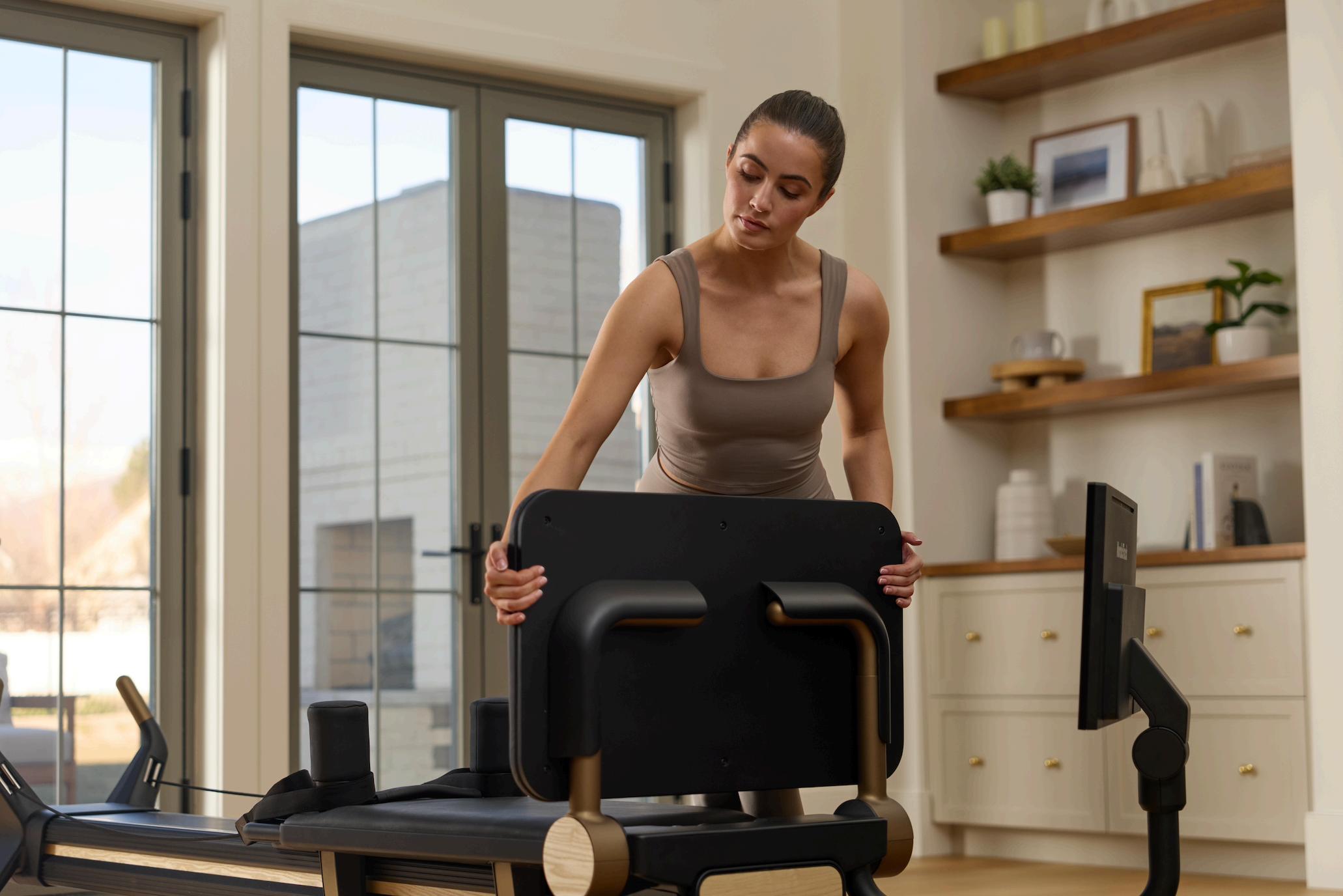
As Pilates continues its rapid global rise, Yvette McGaffin believes the shift is less about trend and more about a longoverdue industry correction - one now reshaping how brands, studios and consumers think about movement, longevity and premium fitness
Pilates is no longer sitting on the fringe of the fitness conversation
It is increasingly becoming central to it
For Yvette McGaffin, the Director of Marketing, Pilates at iFIT, the momentum behind the category is not driven by hype, but by a deeper shift in how consumers are reassessing what fitness is meant to deliver
“I don’t think Pilates is growing because it’s a trend, ” she says “I think it’s growing because people are starting to realise that a lot of what they’ve been doing in fitness isn’t actually serving them long term ”
From her perspective, the growth of Pilates reflects a broader recalibration happening across wellness and performance
For years, she says, the industry rewarded intensity, speed and visible fatigue But increasingly, consumers are moving away from short-term exertion models and toward training methods that offer longevity, structural strength and sustainability
“Pilates offers something fundamentally different It builds strength, but it builds it with control, alignment, and awareness ”
Rather than chasing immediate aesthetic outcomes alone, consumers are increasingly prioritising mobility, recovery and how their bodies will function over time
“People aren’t just asking, ‘will this get me results?’ they’re asking, ‘can I keep doing this for the next 10, 20 years?’”
“The growth isn’t surprising. It’s a correction. It’s people moving towards something that actually makes their bodies better, not just more tired.”
It is this lens that helps explain why iFIT’s move into Pilates feels strategically significant
Why Pilates Became a Strategic Priority
With the acquisition of Reform RX, iFIT’s entry into Pilates is not being framed by Yvette as a simple content expansion Instead, she describes it as a response to a larger market shift already underway
“iFIT weren’t looking to just ‘add Pilates’ as another category, ” she says “They understood that Pilates is different, you can’t separate the method from the equipment ”
That distinction is critical
At a time when multiple fitness platforms are adding Pilatesinspired classes to their content libraries, Yvette sees true category leadership as something far more integrated
For her, the opportunity lies in building a connected ecosystem where equipment, instruction and technology work together to support progression and outcomes
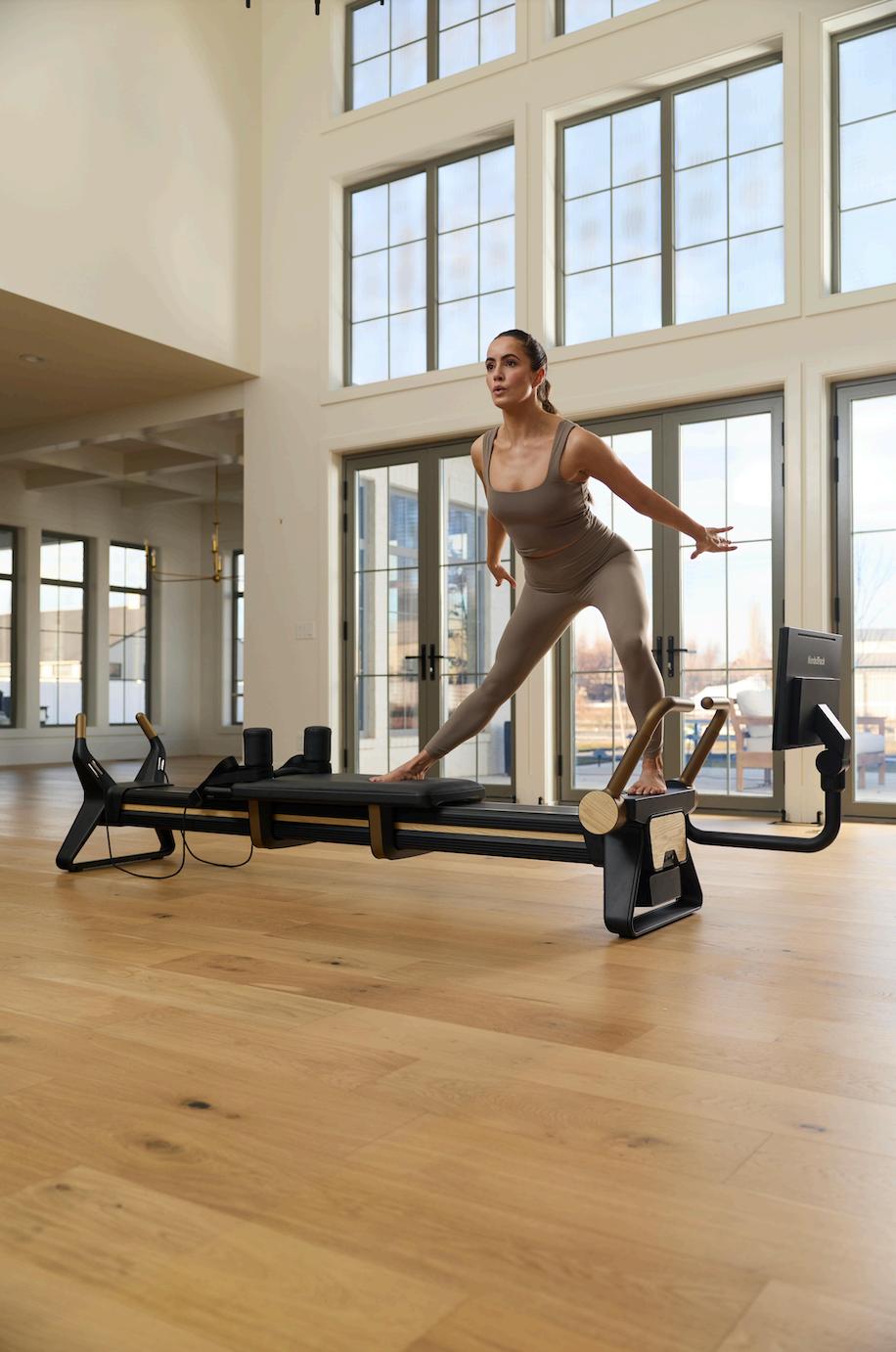
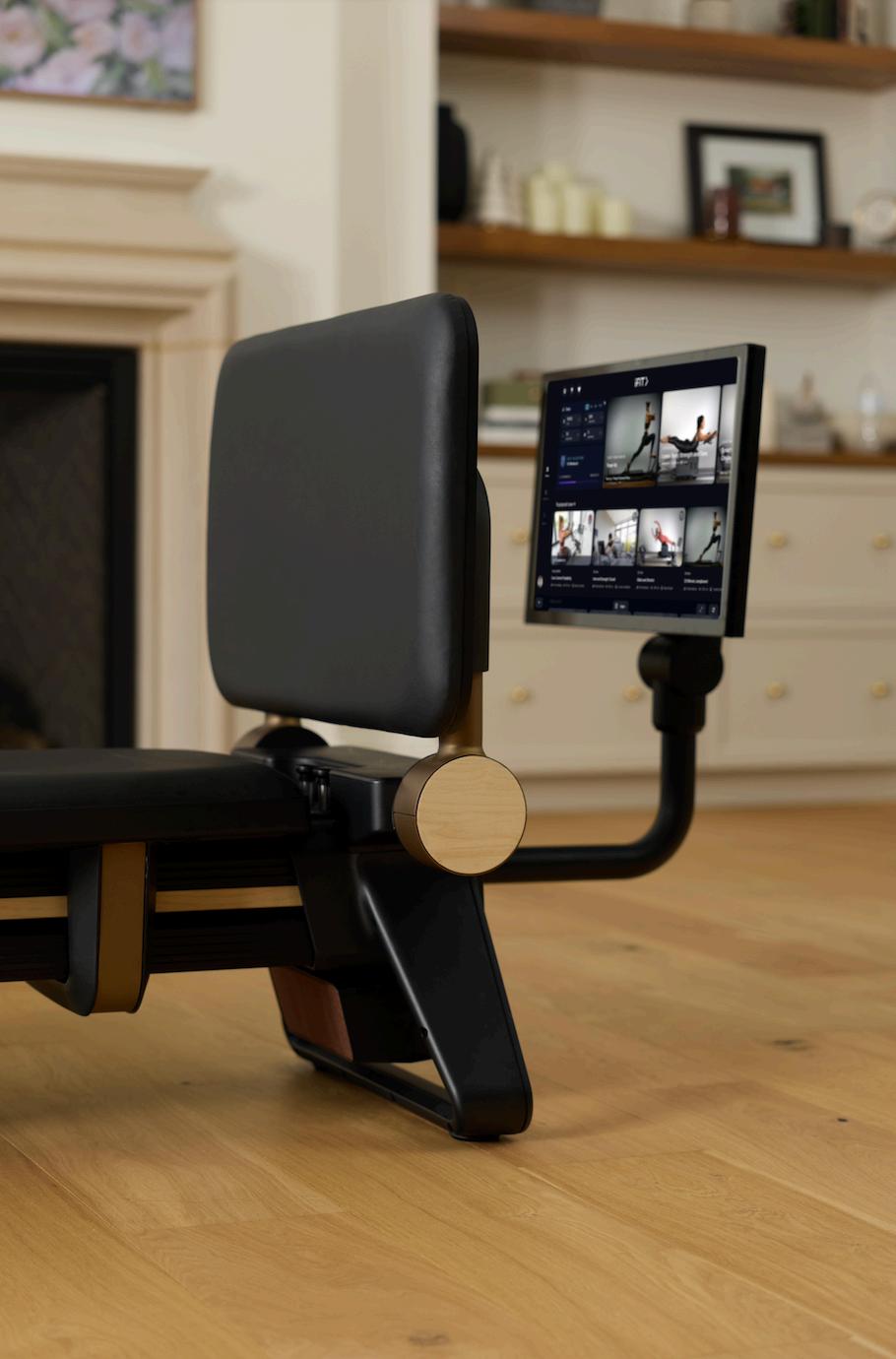
Through Reform RX, that began with rethinking the reformer itself
“We hadn’t just built a reformer, we had rethought how the reformer should function to support better movement and better outcomes ”
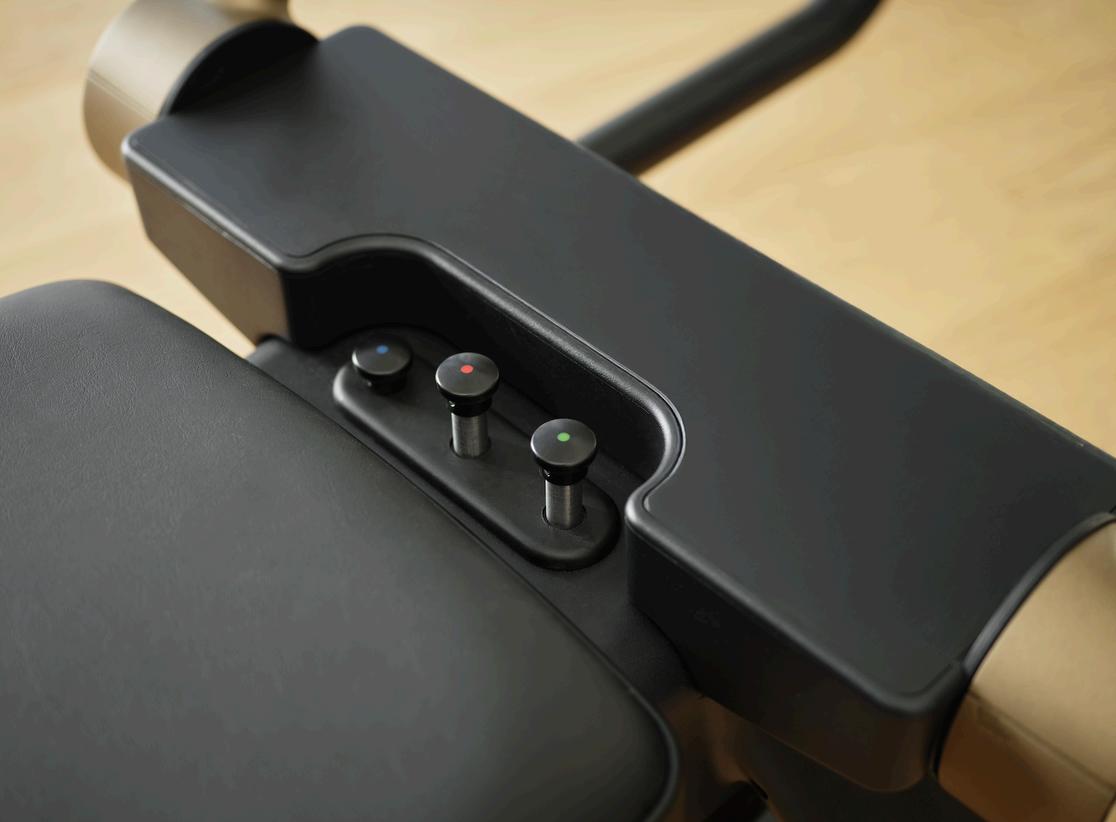
The Smart Spine™ system, enclosed spring design and pushbutton resistance were all developed from what she describes as a need to solve longstanding limitations in traditional equipment, particularly around consistency, safety and scalability
Yvette believes the real opportunity emerged once Reform RX’s equipment innovation was connected to iFIT’s broader global ecosystem
“When you connect that with iFIT’s global platform, the scale, the content capability, the personalisation, it creates something much more complete You’re not just introducing people to Pilates, you’re giving them a way to progress in it properly ”
Yvette also notes that design is no longer a secondary consideration in the Pilates space
“Aesthetic and experiential design have become essential in attracting today’s Pilates consumer because they directly shape how people feel, move, and stay engaged in a space ”
This is especially relevant in the premium segment, where expectation now sits at the intersection of performance, technology and design-led living
A Younger, Wellness-Led Market
For Yvette, Pilates does not sit in isolation within the iFIT proposition.
“Beyond individual workouts, we’re building a broader wellness ecosystem that includes strength training, Pilates, yoga, meditation, and recovery. ”
This wider ecosystem reflects the way today’s consumer is approaching movement less as a single discipline and more as an integrated wellness practice that supports performance, recovery and longevity across multiple touchpoints
That holistic framing also mirrors the way many premium studios are now rethinking member journeys, moving beyond single-class transactions toward broader lifestyle ecosystems
Studio and Home: A Complementary Future
For studio owners, perhaps the most relevant question is whether connected at-home reformers create competition
Yvette’s view is that they do not
“We see the relationship as complementary, not competitive ” Rather than replacing studios, she sees at-home reformer access as strengthening continuity in practice
Yvette is also seeing class formats evolve in response to how consumers now move between environments
“Class design is also evolving toward more modular, goaloriented formats that translate seamlessly across in-studio, livestream, and on-demand environments ”
Rather than designing for one location alone, the future of Pilates programming, through her lens, is increasingly fluid, allowing members to maintain continuity whether they are in studio, at home or travelling
This reinforces her view that the relationship between digital and physical experiences is complementary rather than competitive
The Bigger Industry Shift
What Yvette is describing is ultimately bigger than a single acquisition.
Through her lens, Pilates is entering a new commercial era, one shaped by longevity, premium design, connected technology and evolving consumer expectations.
The conversation is no longer whether Pilates is growing Through Yvette’s lens, the next era of Pilates will belong to the brands, studios and educators who understand that growth alone is no longer the story, progression, longevity and experience now are
Yvette McGaffin, Director of Product Marketing, Pilates at iFIT
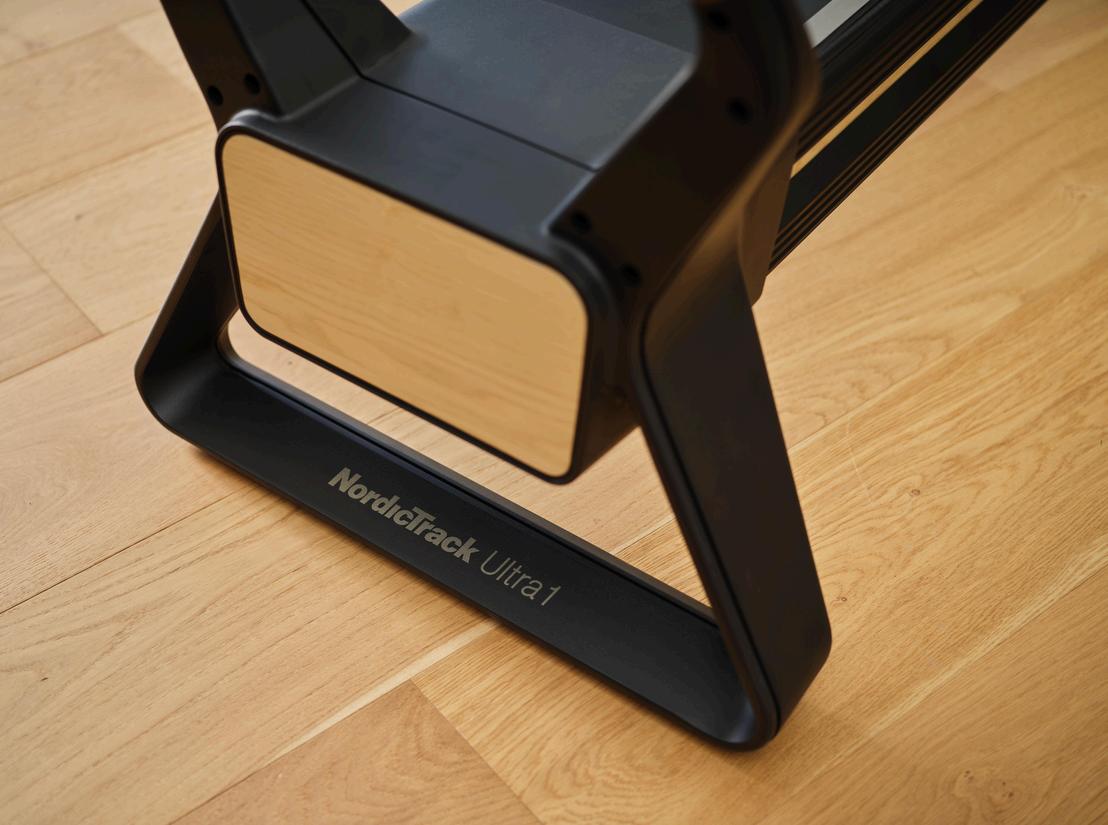
iFIT, is a global leader in exercise equipment and fitness content. Preorders for the NordicTrack Ultra 1 Reformer are now available
Does Pilates Count as Strength Training?
UNDERSTANDING THE DIFFERENCE BETWEEN FUNCTIONAL STRENGTH, MUSCLE ADAPTATION, BONE HEALTH AND WHAT PILATES IS ACTUALLY DESIGNED TO DO.
by Maria Bardet
After 15 years of teaching Pilates, I’ve watched this industry move through many seasons. I’ve seen trends come and go, and public perception of Pilates shift over time But what we’re experiencing right now feels different
With rapid growth comes comparison Years ago, it was Pilates versus yoga Now the question I hear most often is: Does Pilates count as strength training? And more specifically: Is Pilates enough?
I’m obviously not answering this as a researcher or physician I’m looking at this question as a Pilates educator who deeply cares about understanding what I teach - and why I teach it I’ve personally always approached my work through a functional movement lens, with the goal of helping people improve how they move and feel in their everyday lives through consistent practice of this method
So, this article is simply me sharing how I think through this question, with the intention of having a conversation and perhaps giving you a framework for answering it, if you’ve been asked the same thing
Does Pilates Make You Stronger?
The first problem is that people often lump all forms of strength adaptation into one category when they are actually asking very different physiological questions So in this discussion, we’re mostly addressing strength and muscle gains
Along those lines, one of the comparisons people make between Pilates and strength training is comparing springs against weights to assess output potential But that comparison tends to oversimplify how spring resistance actually works
Unlike a dumbbell or barbell - which provides constant resistance through gravity - springs create variable resistance
That means a certain spring is not equal to one fixed number of pounds but may feel relatively light at the beginning of an exercise and significantly heavier at end range
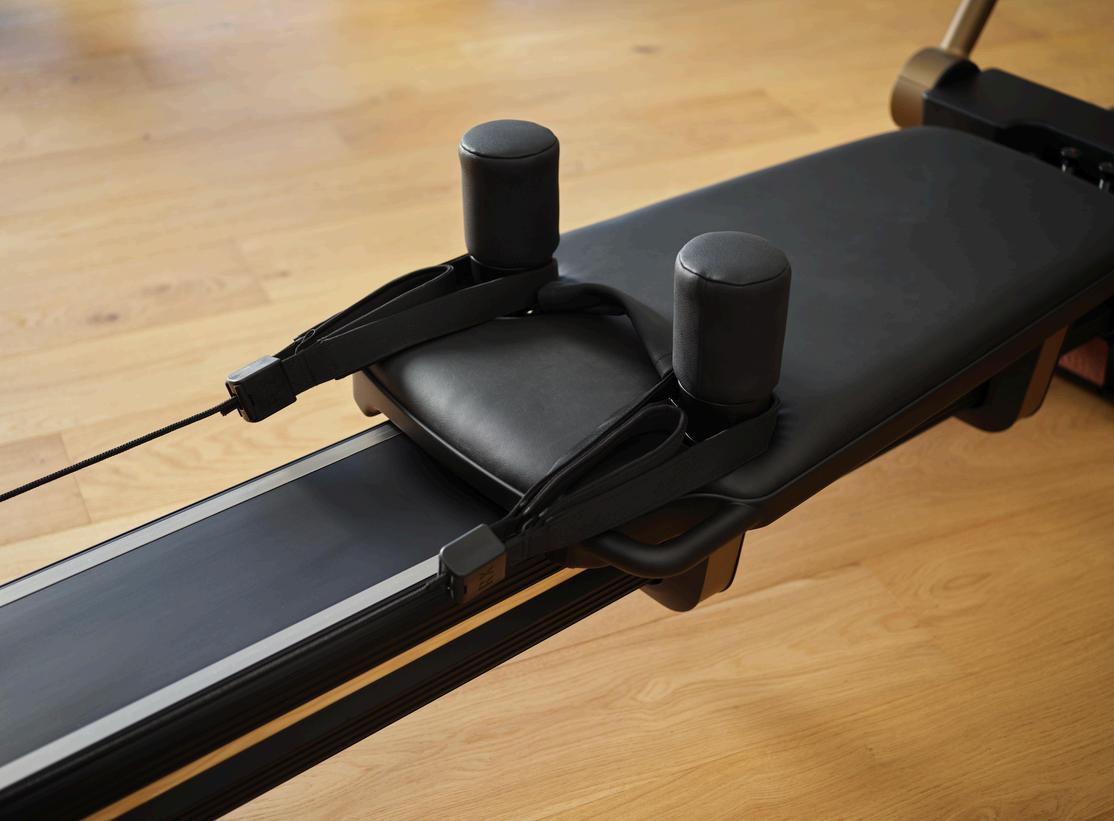
For example, take traditional Reformer footwork with three red and a blue springs At full extension, that load can reach approximately 140 pounds of peak resistance depending on carriage travel and spring stretch That surprises many people because we can point to it and say, “that’s plenty of weight for a lot of people ”
And that may be true However, peak load only exists briefly at end range.
Average resistance throughout the movement is often closer to 80–90 pounds, which is still meaningful loading for many clients. But does that make Footwork equivalent to heavy barbell squats?
No But it doesn’t need to be Footwork develops alignment under load, eccentric control, movement symmetry, lowerbody endurance, and force transfer through the entire kinetic chain
While it may not build maximal strength or muscle mass in the same way heavy resistance training can, it absolutely builds meaningful strength relative to your body strength that supports better movement quality, joint health, balance, and long-term function
Many people assume heavier loads automatically equal more muscle growth But current research suggests it’s more nuanced than that Research consistently shows that lighter loads performed for higher repetitions produce the same hypertrophy outcomes as heavier loads performed for lower repetitions. The biggest predictor of hypertrophy is not weight, but effort
This finding matters for Pilates teachers because it reinforces something many of us already observe: if our students are not challenged enough, adaptation stops So whether someone is using springs, dumbbells, barbells, or bodyweight, it’s less about the weight itself and more about tissues needing sufficient stimulus to change.
This always brings me back to how I approach both teaching and teacher education I place a strong emphasis on
“Observing a training session can reveal a lot. Are teacher trainers actively supervising the students? Is feedback specific and constructive? Or are students largely left to figure things out alone?”
understanding how load changes across different positions, refining movement quality under resistance, and ensuring every repetition creates enough challenge to drive meaningful adaptation while maintaining proper form
Aging Well
“How do I stay strong enough to age well?” is where I think this conversation becomes most relevant for Pilates educators As we know by working with our student population, age-related muscle loss (sarcopenia) is not only about losing muscle mass, but also strength, power, balance, resilience, and independence - qualities Pilates can absolutely support
But bone health adds another layer of nuance First, we can’t ignore that bone density is influenced not just by exercise, but also by hormones (particularly in women during perimenopause and menopause), lifestyle, and medical history, which is why simplified narratives like “Pilates is not enough” or “just lift weights” often miss the complexity of what is actually happening in the body
However, while muscle can adapt to lighter loads when effort is high enough, bone typically responds best to higher mechanical loading, progressive overload, and impact or ground reaction forces This means that the right approach depends heavily on the individual’s baseline, goals, life stage, and how they are practicing.
For some people, Pilates alone may be sufficient; for othersespecially those with lower bone density or higher risk factors- it may need to be combined with additional loading strategies and broader lifestyle support
Ultimately, this reinforces that no single modality exists in isolation As teachers, we have to understand the baseline of the person in front of us - their lifestyle, movement history, physical demands, and the level of support or challenge they need right now
So where does that leave us?
Does Pilates count as strength training?
So if someone were to ask me, “Does Pilates count as strength training?” my answer would be yes - but not always in the same way as traditional high-load resistance training
And if someone were to ask, “Is it enough for me?” the answer becomes more individual. It depends on their goals, baseline, lifestyle, and the physical demands already placed on their body outside the studio
Pilates absolutely builds strength and can support bone health, especially when it is progressive and appropriately challenging For some people, that may be enough For others, it may work best alongside additional strength, impact, or conditioning work.
Maria Bardet is a Pilates educator, teacher trainer, and studio owner known for helping the next generation of Pilates teachers and studio owners find fulfillment in their careers. Her teaching approach is recognized for its depth, accessibility, and integration of Pilates principles into functional movement for diverse populations Through teacher training programs, continuing education, and global masterminds, she helps teachers build confidence, technical mastery, and meaningful careers, while helping studio owners develop high-performing, skilled teams
Find out more
Programming for the Modern Member
AS CLIENTS SEEK VARIETY AND EXPOSURE TO MORE APPARATUS, CLUB PILATES IS EVOLVING ITS PROGRAMMING
by CJ Zarb
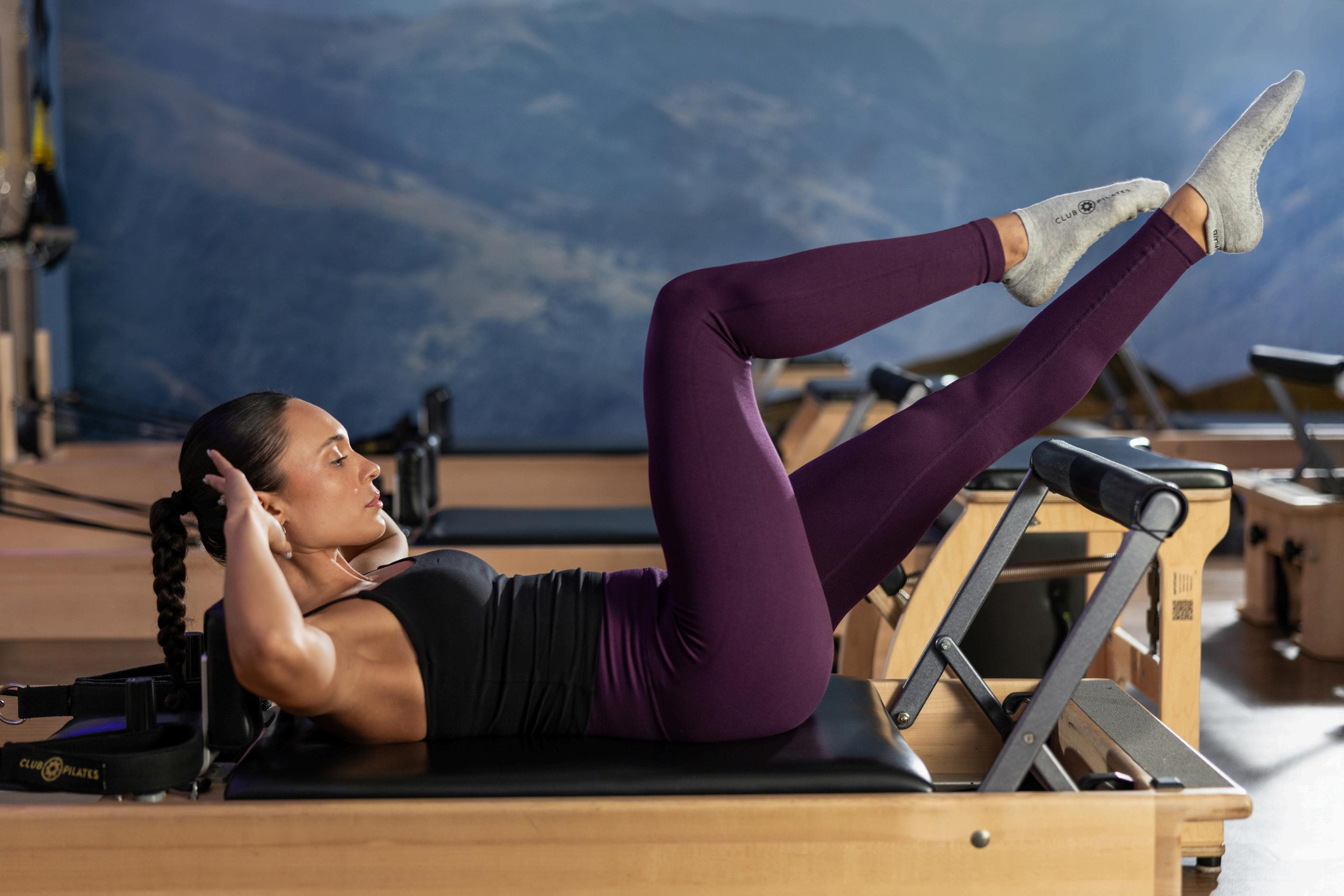
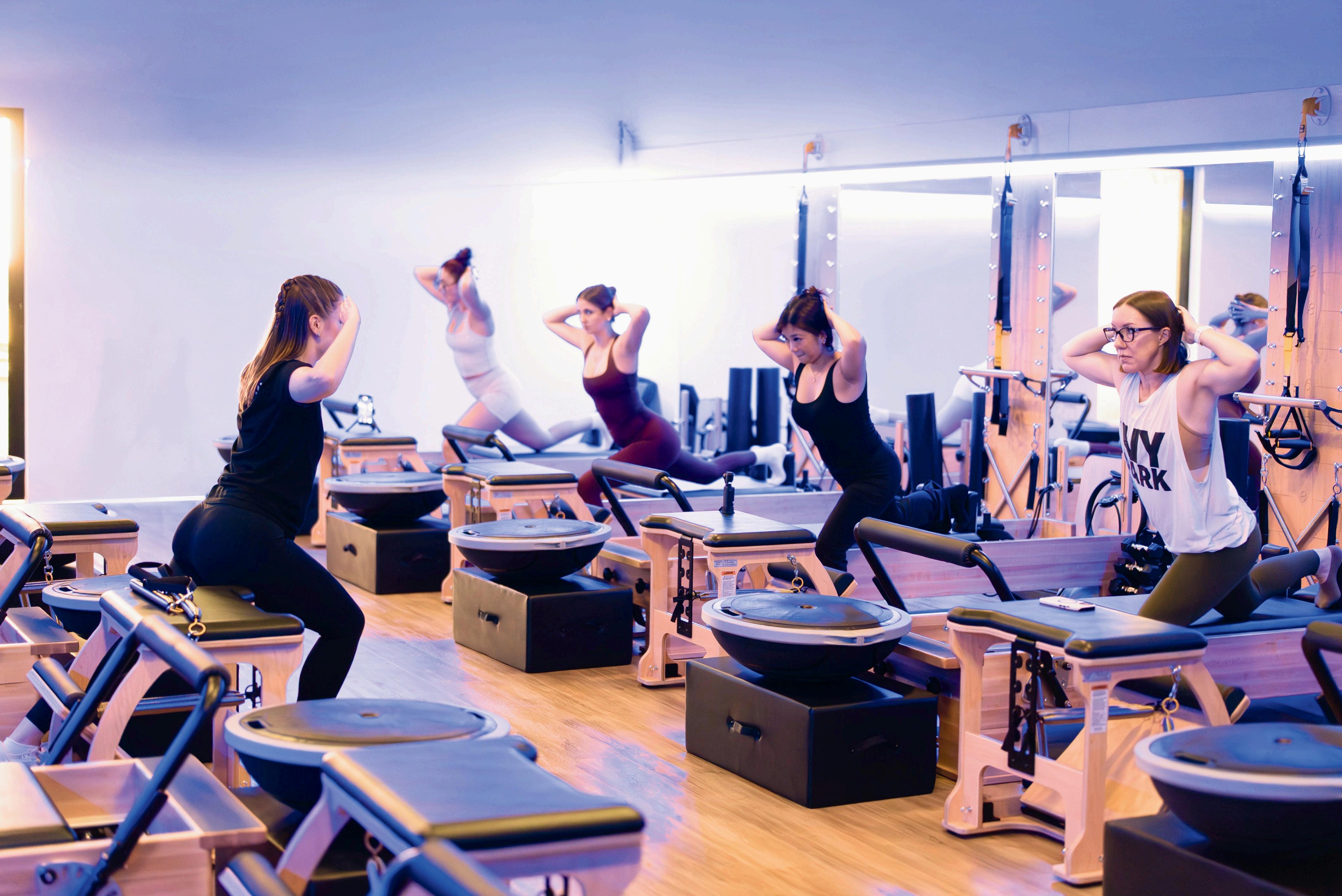
members, it seems programming innovation is becoming as important as teaching excellence At Club Pilates, the introduction of the Circuit class reflects a growing shift toward formats that prioritise variety, energy and broader apparatus exposure within the group setting
For Vanessa Huffman, Lead Educator for Australia and New Zealand, the concept emerged from a clear opportunity within the schedule
The Circuit class is also the latest of eight offerings within the Club Pilates programming framework While Reformer Flow classes will continue to make up a significant portion of each studio’s timetable, Circuit is typically scheduled two to four times per week, depending on the needs and member profile of each individual studio
“The Circuit class was developed to bring a new layer of energy, variety, and efficiency to the Club Pilates schedule. While our Reformer Flow and Fusion classes already deliver an incredible full-body workout, we saw an opportunity to create a format that allowed members to experience Pilates moves in a progressively staged format.
“We wanted to fill a space between the structured reformer format and the more dynamic training styles that many clients enjoy in other areas of fitness The Circuit class keeps the workout engaging and varied while still maintaining the precision and control that define Pilates ”
Feedback from both instructors and clients helped shape the direction
“Both instructors and members were asking for more variety and opportunities to use different equipment more regularly Clients love the reformer, but there’s also a lot of curiosity around exploring other apparatus
Instructors were also looking for ways to create a different kind of class energy, something that felt a little more dynamic while still staying within the Pilates methodology The Circuit class is a perfect blend of what was needed ”
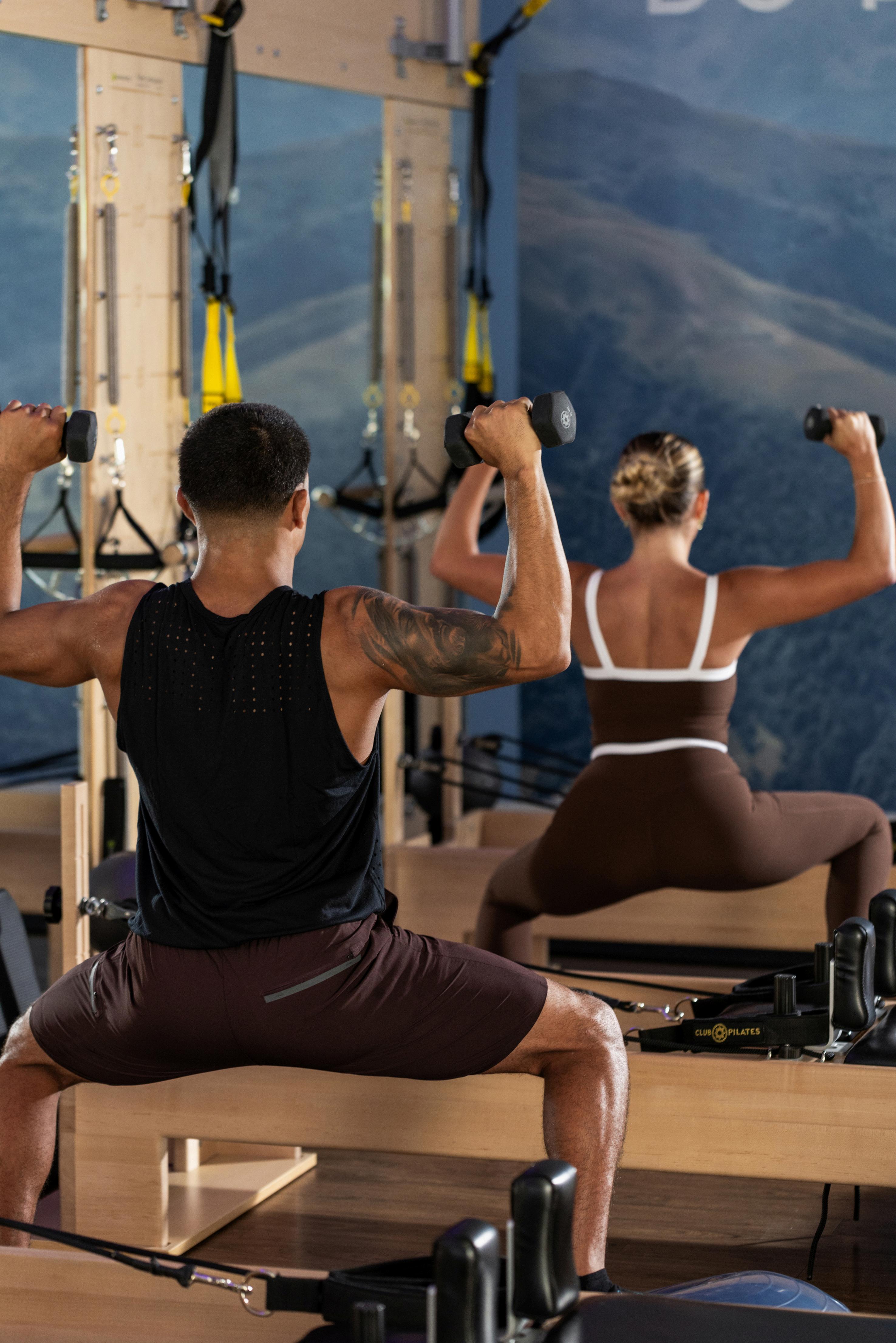
Unlike traditional reformer classes where the group progresses together through a shared sequence, Circuit introduces rotation and station-based focus.
“Traditionally our Reformer Flow classes follow a progressive sequence within a general outline where the whole group goes through an entire flow on a certain body part then moves on
In Circuit classes, each station is organized so that members rotate through at least three apparatus for a focused variation at their individual section as a class while focusing on progressively difficult Pilates moves at each apparatus.
This creates a different rhythm and atmosphere The experience feels more interactive and energetic, and members get exposure to a wider range of equipment and movements during the class ” The programming was guided by three clear objectives “There were three main goals:
Variety - giving members more of an opportunity to use multiple pieces of Pilates equipment in one class
Challenge - introducing new combinations that stimulate strength, coordination, and endurance This is especially important for our aging population
Energy - creating a lively and motivating environment in the studio ”
Despite the dynamic format, maintaining a distinctly Pilates identity remained essential
“Rather than focusing on speed or intensity alone, the Circuit class still prioritizes control, alignment, breath, and precision - all of the fundamental Pilates principles.
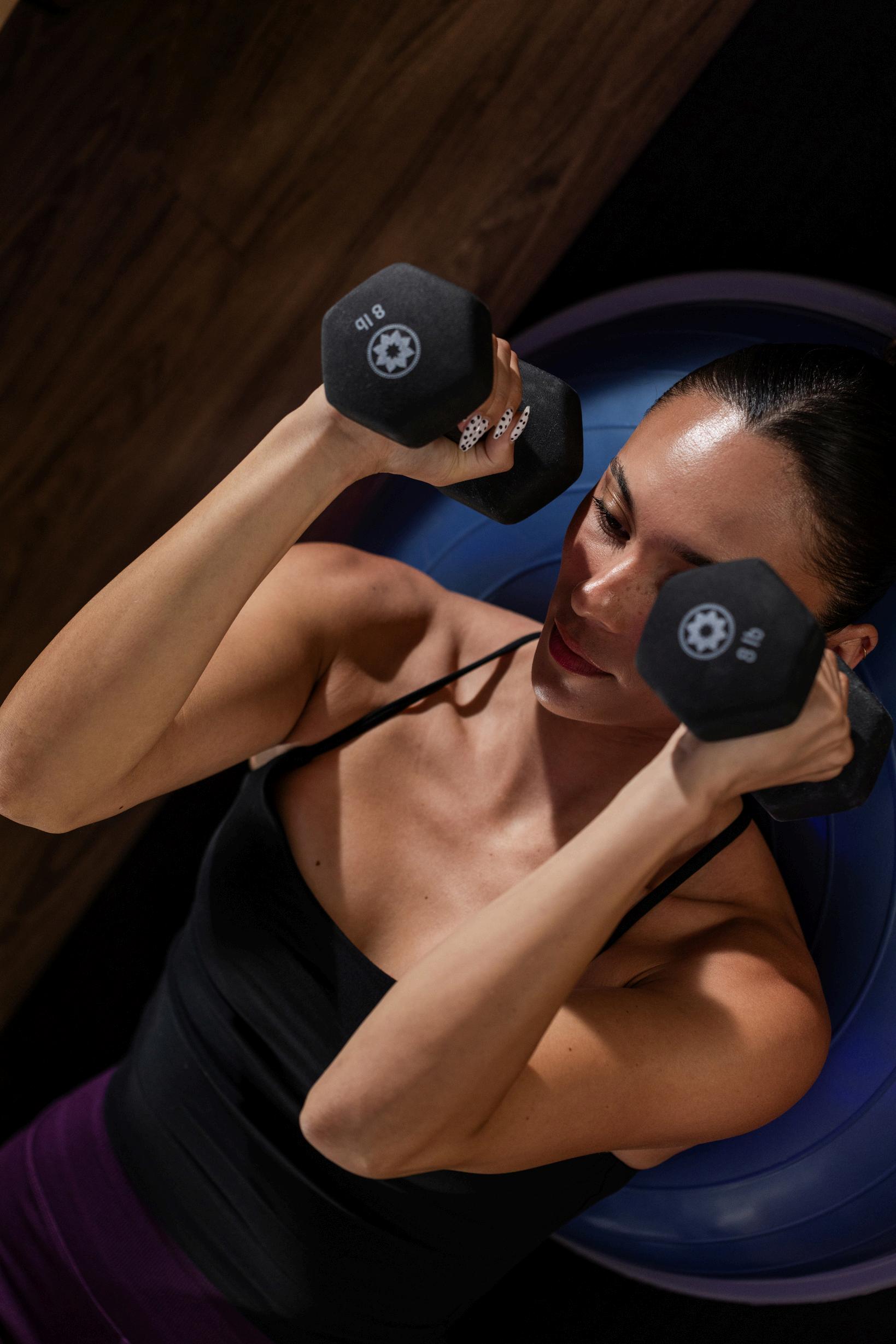
Every station is designed with Pilates biomechanics in mind ” Early response has been strong across studios.
“Members are enjoying the variety and novelty of moving between stations Instructors have also embraced the format because it creates great energy in the room and allows for more creative programming. ”
From Vanessa’s perspective, formats like Circuit also reflect a wider shift she is observing across studios
“Clients today are more open to exploring different equipment and training styles, and they’re looking for experiences that feel engaging and progressive
At the same time, instructors want opportunities to bring creativity and energy into the room while still delivering meaningful Pilates outcomes
Introducing formats like Circuit allows us to evolve thoughtfully It keeps members challenged and inspired while ensuring the method remains grounded in its core principles of strength, alignment, control and mindful movement ”
Vanessa Huffman developed the Club Pilates Comprehensive Teacher Training program and helped establish the brand’s Master Teacher Training and Instructor Bridge programs A global educator and Master Trainer, Vanessa leads education and Lead Instructor forums across Australia and New Zealand.
Celebrating World Pilates Day
SYDNEY CELEBRATES WORLD PILATES DAY WITH JACQUI KINGSWELL AND THE PILATES CLASS
by Emma Wood
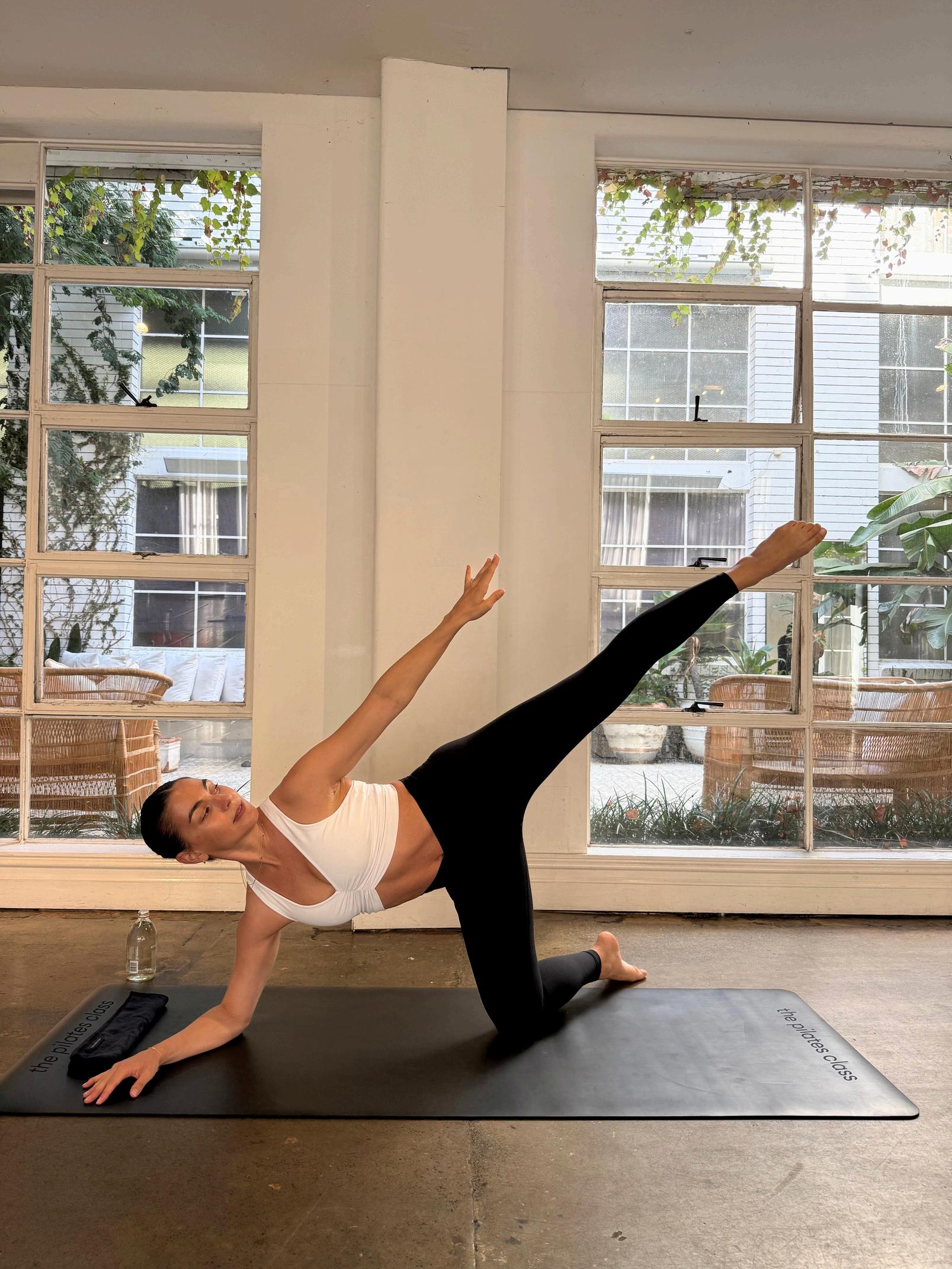
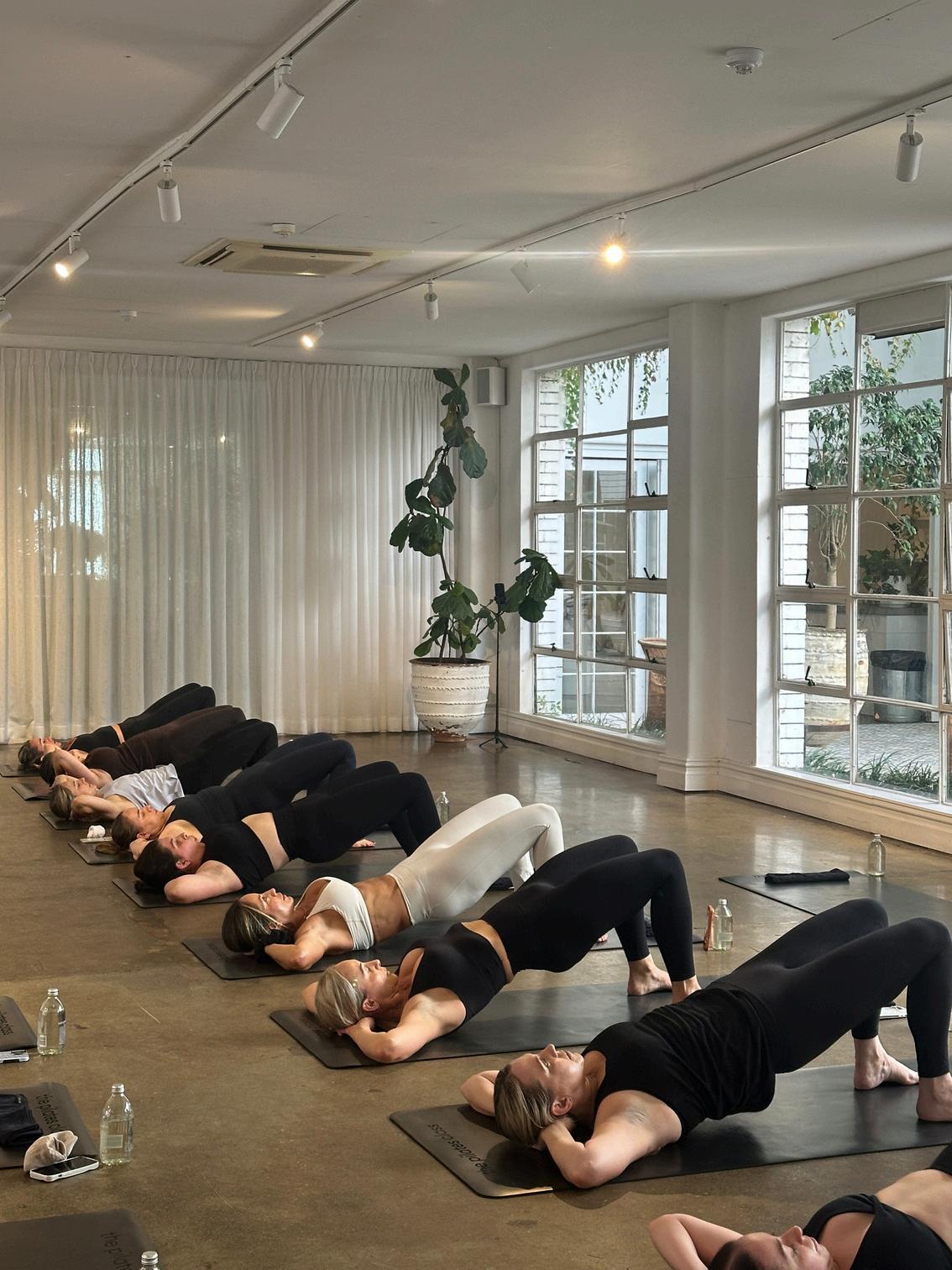
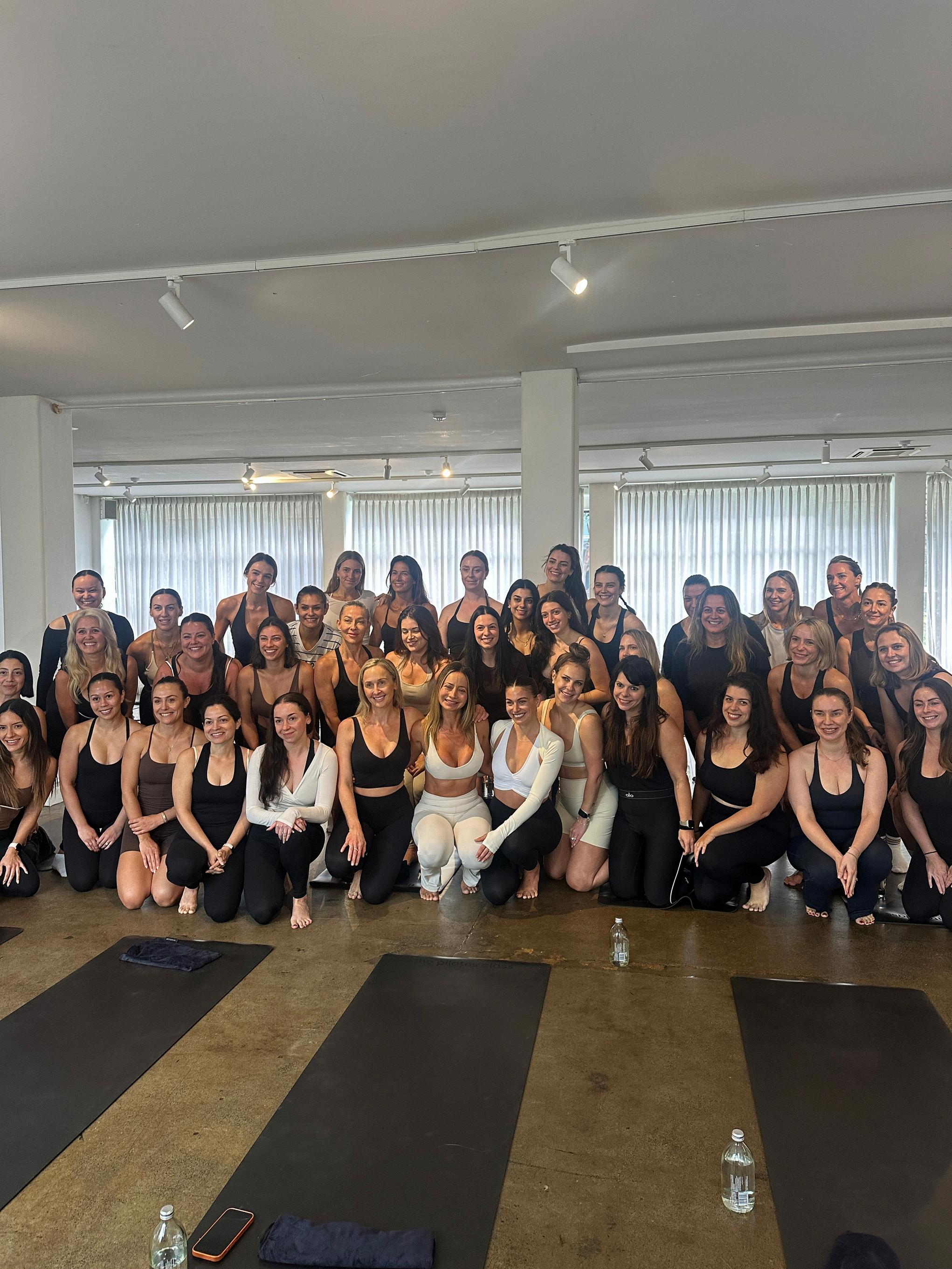
This World Pilates Day, Sydney came together in celebration of movement, connection and community as Jacqui Kingswell and The Pilates Class hosted a special event bringing people together through Pilates
Held in the spirit of feel-good movement and shared experience, the morning reflected what Pilates continues to represent for so many around the world - not just exercise, but a sense of belonging From long-time members of The Pilates Class community to new faces stepping onto the mat, the event highlighted the power of movement to connect and uplift
As the Pilates industry continues to evolve globally, moments like these are a reminder that at the heart of the practice is community. The relationships formed through studios, online platforms and shared movement experiences continue to shape the culture surrounding Pilates today
World Pilates Day offered an opportunity to pause and celebrate the people behind the practice - the instructors, educators, communities and movers helping carry the method forward every day.
Here’s to the communities continuing to move together
Find out more about Jacqui’s program here.
Peak Pilates Launches New Live Education Series in the UK
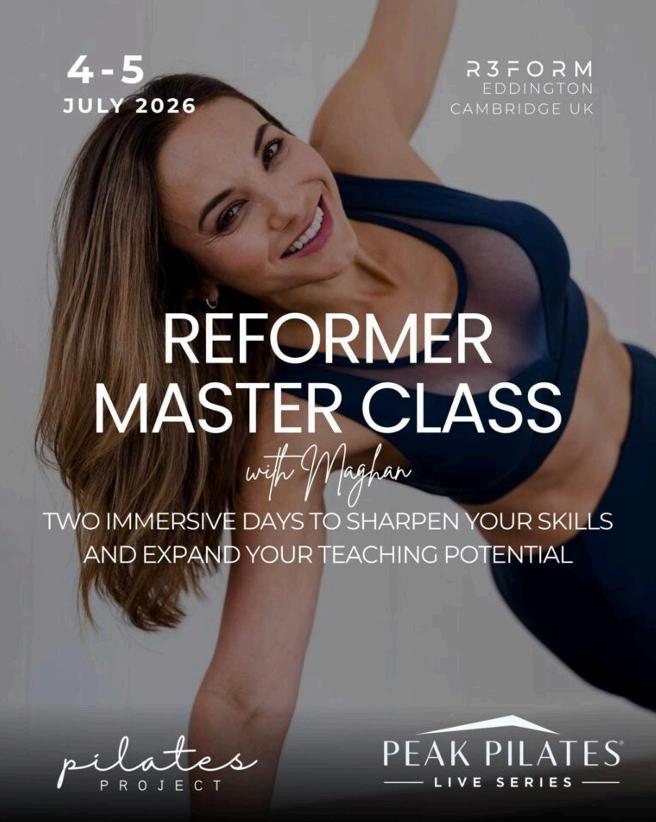
Peak Pilates UK has announced the launch of the Peak Pilates Live Series, a new immersive education experience designed for Pilates instructors, studio owners and movement professionals
The inaugural event will take place July 4–5, 2026 at R3FORM Eddington in Cambridge, UK, featuring internationally recognised educator Maghan Fittler
Across the two-day residency, attendees will explore AthleticFusion programming, coaching development, business growth strategies and modern teaching methodologies through workshops, masterclasses and movement sessions
Known for blending classical Pilates with athletic performance training, Fittler has become a leading voice in contemporary Pilates education through her work with Pilates Project and Pilates StudioConnect
Peak Pilates says the new series aims to bring together education, innovation and community in an intimate, high-impact learning environment with limited capacity
For event information and bookings Events | Peak Pilates
Pilates Method Alliance Announces 2026 Pilates Synergy Summit in Shanghai
The Pilates Method Alliance (PMA) has announced the 2026 Pilates Synergy Summit, taking place July 11–12, 2026 at the Shanghai Marriott Hotel City Centre in Huangpu, Shanghai, China
Held under the theme One Method, One Community, the two-day international conference will bring together Pilates instructors, educators, studio owners and movement professionals from across China, Asia and the wider global Pilates community
The summit will feature workshops, lectures and professional development sessions led by international educators, with a focus on collaboration, shared learning and strengthening connections across the Pilates profession.
The 2026 event follows the PMA’s Phoenix Rising Conference in Foshan in 2025 - the organisation’s first major convention held outside the United States following the Covid period.
The summit will also continue discussions around the PMA’s International Teacher Training Accreditation for Pilates (ITTAP), with dedicated sessions exploring global education standards and the future of Pilates teacher training
“China has become an important meeting point for the global Pilates community, ” said Patricia Stevenson, President of the Pilates Method Alliance “The theme, One Method, One Community, speaks directly to the purpose of this event ”
Registration for the 2026 Pilates Synergy Summit is now open through the Pilates Method Alliance

Teaching the Body in Front of You
INTEGRATING PILATES AND BALLET TECHNIQUE
I was first introduced to Pilates at fifteen, in Albury, New South Wales. I loved movement in all its forms, but mat work felt strange to me at the time disconnected from how my body naturally wanted to move During my full-time training at the National Theatre Ballet School and later at the Victorian College of the Arts, I sustained a significant injury in rehearsal. I slipped from an overhead lift and landed directly onto my coccyx with my legs extended in front of me, fracturing my spine and unknowingly creating an anterior disc bulge Like many dancers, I got up and kept dancing.
I had significant back pain so after consulting several practitioners who failed to identify the fracture, I was eventually referred to Rebecca Harding, who organised imaging and provided a clear diagnosis With that clarity, rehabilitation through Pilates could finally begin
Pilates was still relatively unknown in Australia at the time, and as a dancer used to physical intensity, the early stages of rehabilitation felt slow and removed from the demands of fulltime ballet training Pre Pilates work using a pressure biofeedback unit seemed worlds away from the studio.
But it worked
Within months, I returned to dancing stronger, more stable, and with a level of body awareness I hadn’t had before Looking back, this period laid the foundations for how I now teach: alignment must come before movement, and strength must be built on efficient muscle patterning.
Several years later, after living in London and no longer dancing professionally, I decided to train as a Pilates instructor I completed my APMA training with Rebecca Harding alongside four physiotherapists, an experience that shaped my thinking in lasting ways Being immersed
in clinical reasoning, injury discussion, and rehabilitation frameworks allowed me to layer anatomical understanding onto my background in ballet and movement education
I began teaching in Melbourne and opened Master Pilates in 2010, with a clear vision: to create a studio that was technically excellent, visually considered, and respectful of both clients and instructors Sixteen years on, that ethos still defines the studio
Around nine years into teaching, after the birth of my first child, I found myself questioning my professional direction I asked myself why I taught Pilates at all The answer was immediate Ballet
That realisation led me to seek mentorship from Paula Baird Colt at the Australian Ballet Company Observing her work fundamentally changed how I understand alignment and teaching One principle in particular stayed with me: teach the body in front of you
For me, this challenged rigid interpretations of Pilates alignment, especially the concept of parallel As a dancer with tibial torsion, placing my feet in parallel positioned my hips into relative internal rotation, contributing to hip impingement What had been described as “neutral” simply wasn’t neutral for my body That insight was pivotal
I began to understand that strict adherence to method can sometimes override anatomy Alignment must be individualised, and strength developed within that context
“When the body is guided into its true alignment, muscle activation occurs more naturally and without force. This was the missing piece in my teaching. “
Reflecting on my own training, I realised I hadn’t been taught these principles as a dancer Like many young dancers, I relied heavily on visual imagery and external cues, often doing whatever was necessary to achieve a position Cues such as “tuck” or “pull up” can be abstract for children and adolescents, who may recruit the wrong muscles in an effort to comply This realisation led to the development of Pilates for Ballet Technique at Master Pilates
My focus is helping dancers understand what these classical cues mean functionally, and how correct alignment allows positions to be achieved with greater efficiency and ease When technical corrections are supported by functional strength and joint organisation, technique becomes more sustainable and injury risk is significantly reduced Many of my students have gone on to train or perform with leading ballet schools and companies internationally, and it is deeply rewarding to see this understanding established early in their training.
12–13 SEPTEMBER

a global epicenter for contemporary art, film, fashion, and lifestyle The city feels different, not replaced, but elevated There is a new rhythm pulsing through its neighborhoods, shaped by both local evolution and international attention
Much of this transformation can be traced to a convergence of cultural forces The rise of Mexico City Art Week has positioned the city alongside global art capitals, drawing collectors, curators, and creatives from around the world At the same time, Netflix has deepened its investment in local production, further cementing the city as a serious player in the global film industry Add to this a steady influx of international residents, remote workers, entrepreneurs, and creatives who are no longer just visiting but choosing to stay, and the result is a city in the midst of cultural expansion
And with this expansion comes a shift in lifestyle
Fashion has become more directional Dining more experimental Spaces more curated There is a heightened attention to experience, how things feel, not just how they function It is within this context that the fitness industry, and Pilates in particular, is beginning to reflect the same evolution
For the global Pilates industry, this moment matters Mexico City is no longer simply an emerging wellness market; it is becoming a case study in how movement culture evolves when a city undergoes rapid cultural elevation
ty,
and a growing expectation for premium, thoughtfully curated experiences What is unfolding here offers an early view into how the next generation of boutique movement spaces may develop in cities undergoing similar transformation
For years, fitness in Mexico City existed somewhat outside of the global conversation, functional, often traditional, and largely local in its approach But as the city’s identity expands, so too does the expectation around movement spaces. Clients are arriving with references from New York, Los Angeles, and London, and with those references comes a demand for both quality and intention
Pilates, already experiencing a global renaissance, finds itself uniquely positioned within this shift Across the city, studios are emerging that do more than offer a workout They are building environments, spaces that sit at the intersection of design, technique, and community. Among them, three studios stand out not because they follow the same model, but because they don’t
Reform has taken a more grounded and disciplined approach to growth. Rather than chasing rapid expansion or trend-driven formats, Reform has focused on serving its loyal client base by investing in one of the most important, and often overlooked, elements of a studio: its teachers By prioritizing the hiring and development of highly skilled instructors, the studio reinforces consistency, trust, and quality In a city that is moving quickly, Reform’s response is steady, rooted in the belief that excellence in teaching will always outlast aesthetic or trend
Good Studio, by contrast, was ahead of the curve Long before the current Pilates boom, it introduced what it defines as “sensorial Pilates” , an approach that engages all five senses to create a fully immersive experience Here, the practice extends beyond biomechanics into atmosphere: lighting, sound, touch, rhythm The result is something that feels less clinical and more experiential, aligning seamlessly with a city that is increasingly valuing curated, multi-sensory environments Rather than focusing solely on precision or classical lineage, Good Studio expands the definition of what a Pilates class can be
Then there is Pinche Pilates, situated in one of the neighborhoods most emblematic of the city’s transformation Roma Norte has become a cultural microcosm, where art, fashion, and international influence intersect, and Pinche Pilates reflects that energy with clarity and intention Its model is deliberately intimate: small classes led by highly skilled teachers who are able to focus deeply on biomechanics, alignment, and individual form. In contrast to high-volume formats, the studio prioritizes precision, presence, and education The environment is focused, stripped back, and purposeful, creating space for clients to understand their bodies rather than simply move through choreography.
What unites these studios is not aesthetic or methodology, but awareness
Each is responding, in its own way, to two simultaneous movements: the global rise of Pilates and the rapid cultural elevation of Mexico City Where Reform emphasizes teaching integrity, Good Studio leans into sensory experience, and Pinche Pilates refines the craft through precision and intimacy, all three are participating in the same broader conversation,
“...what does it mean to build a movement practice in a city that is actively redefining itself?”
This question extends beyond equipment and programming It touches on pricing, clientele, language, and community It raises considerations around inclusivity in a city experiencing rising costs, and around authenticity in a space where global trends can easily overshadow local identity
Commercially, this shift is equally significant As demand grows for premium movement experiences, studios are beginning to compete not only on programming, but on design, service, teacher quality, and brand positioning Pricing structures are moving closer to those seen in major global wellness markets, while clientele expectations are rising in parallel, from curated amenities and elevated studio aesthetics to more personalized instruction and stronger community retention For studio owners watching from abroad, Mexico City offers an important case study in how cultural momentum can translate into commercial opportunity within Pilates
And yet, what is perhaps most compelling is not the competition this growth could create, but the potential for collaboration
In many global cities, the rapid expansion of boutique fitness leads to saturation and rivalry In Mexico City, there is still a sense of collective authorship - a feeling that something is being built in parallel, if not always together
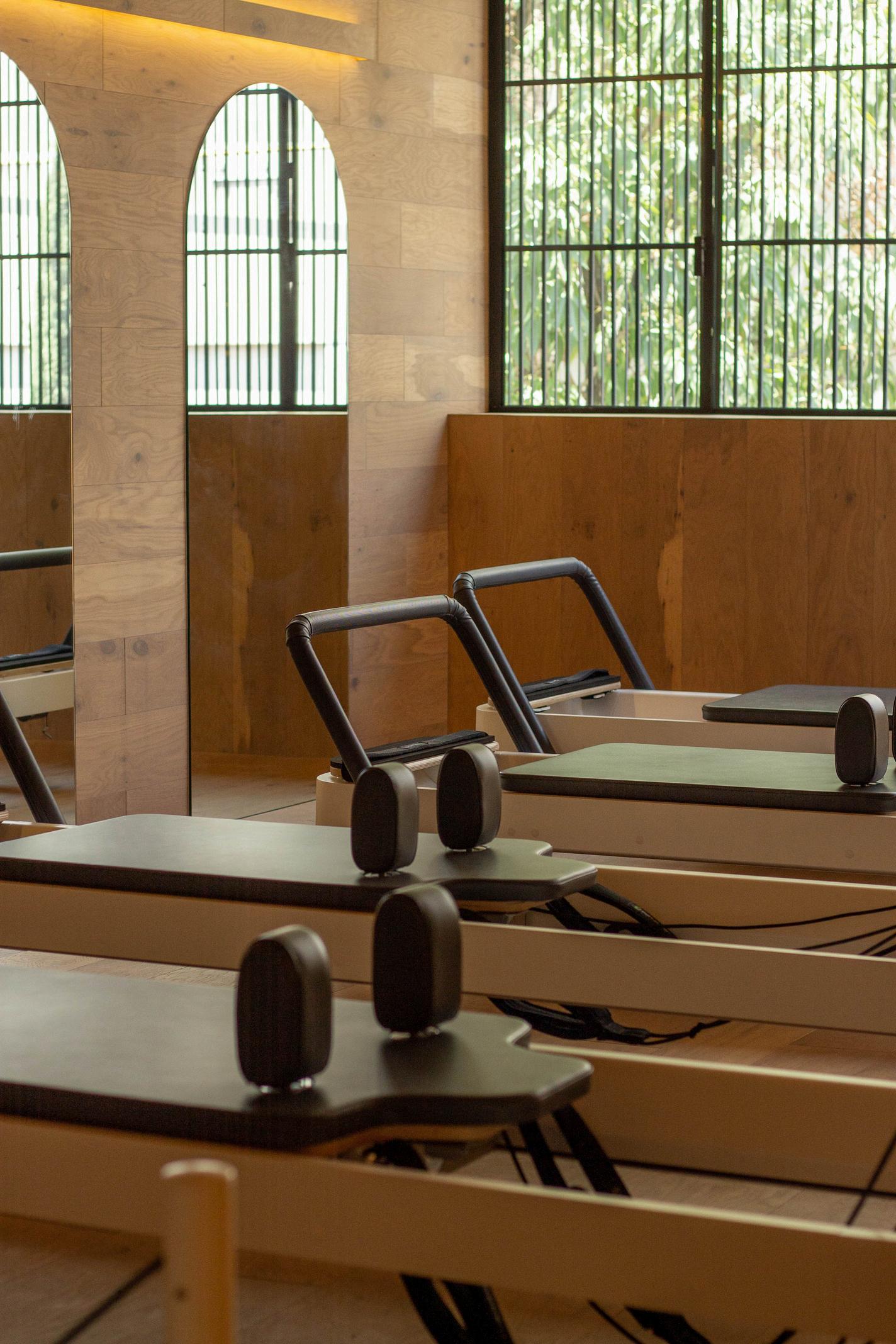
“Studio owners are not only defining their own spaces, but contributing to a larger identity of what Pilates in this city can become.”
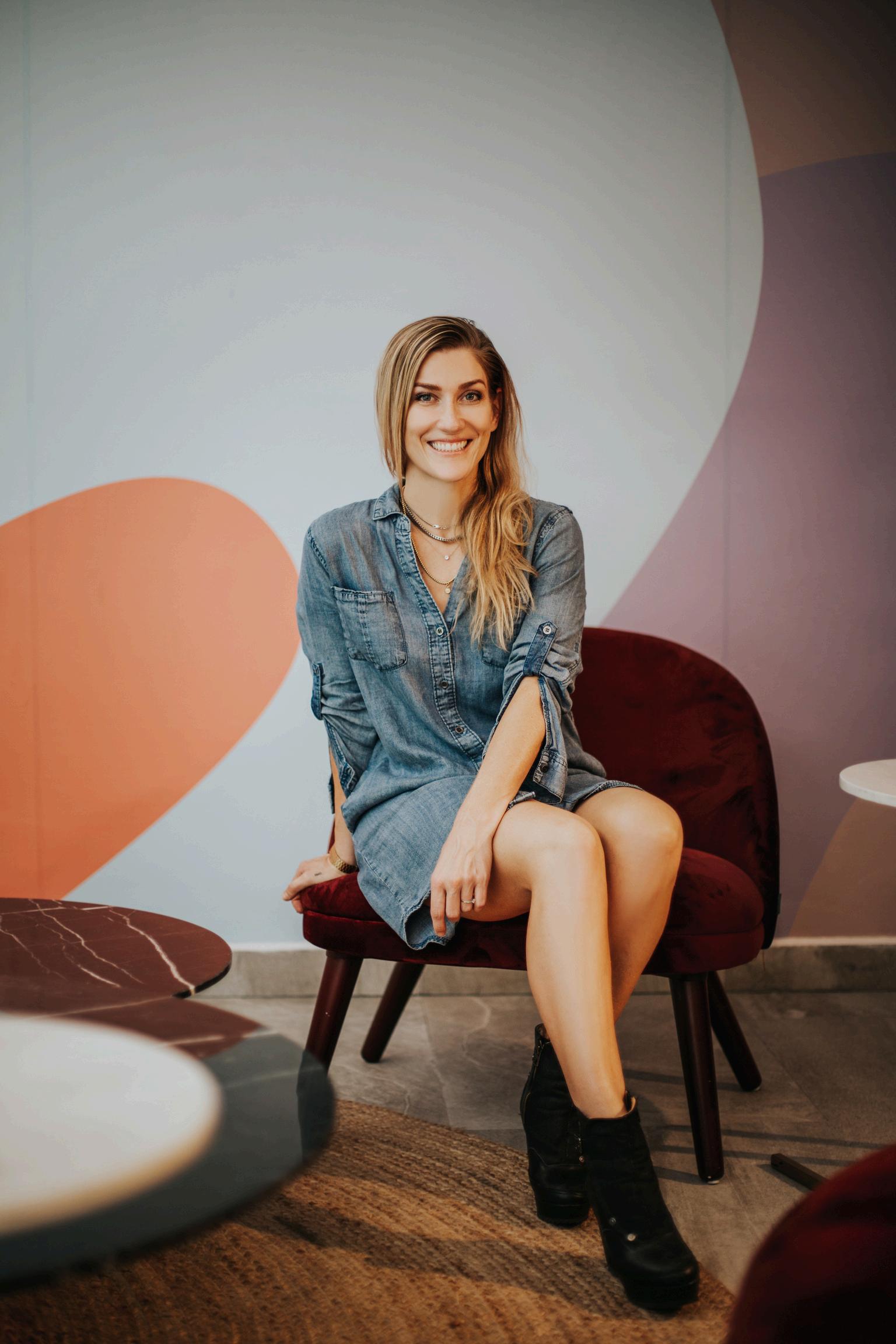
Looking ahead, the next three to five years will likely bring further expansion More studios, more variation, more influence from abroad. But if the current moment is any indication, the studios that will endure are not those that simply replicate global trends, but those that interpret them through a local lens
Because Mexico City does not absorb culture passively, it transforms it.
And in that transformation, Pilates here is becoming something distinct Not a copy of what exists elsewhere, but a reflection of a city in motion, layered, evolving, and increasingly impossible to ignore
Mexico City may be one of the most important emerging Pilates markets to watch over the next five years, not because it is copying global trends, but because it is reinterpreting them through culture, design and community.
,
on biomechanics-driven, smallgroup training and teacher education. A New Yorker who has lived in Mexico City for six years, she brings a global perspective to movement while helping shape the city’s evolving Pilates landscape
Whitney Tucker is the owner of Pinche Pilates in Mexico City
where she focuses
Are We Teaching Exercises - or Teaching Pilates?
AS PILATES GROWS RAPIDLY WORLDWIDE, THE INDUSTRY FACES A DEFINING QUESTION: ARE WE DEVELOPING MORE INSTRUCTORS, OR DEEPER PRACTITIONERS?
by Tracy Ward
Pilates has never been more visible Studios are thriving, online platforms are multiplying, and teacher training programmes are more accessible than ever On the surface, this growth is something to celebrate. Yet beneath the expansion, I believe we are standing at a critical point in our profession
After more than sixteen years working across clinical physiotherapy, Pilates education, and global curriculum development, I’ve observed a growing tension While we are producing more teachers than ever before, depth of understanding does not always expand at the same pace Many teachers can confidently deliver exercises, yet still struggle with the deeper layers of the method- understanding not just what to teach, but why they are teaching it, what they are aiming to change, or how those choices evolve across a client’s lifespan
This raises a question that may feel provocative but is ultimately constructive:
“Are we teaching exercises, or are we teaching Pilates?
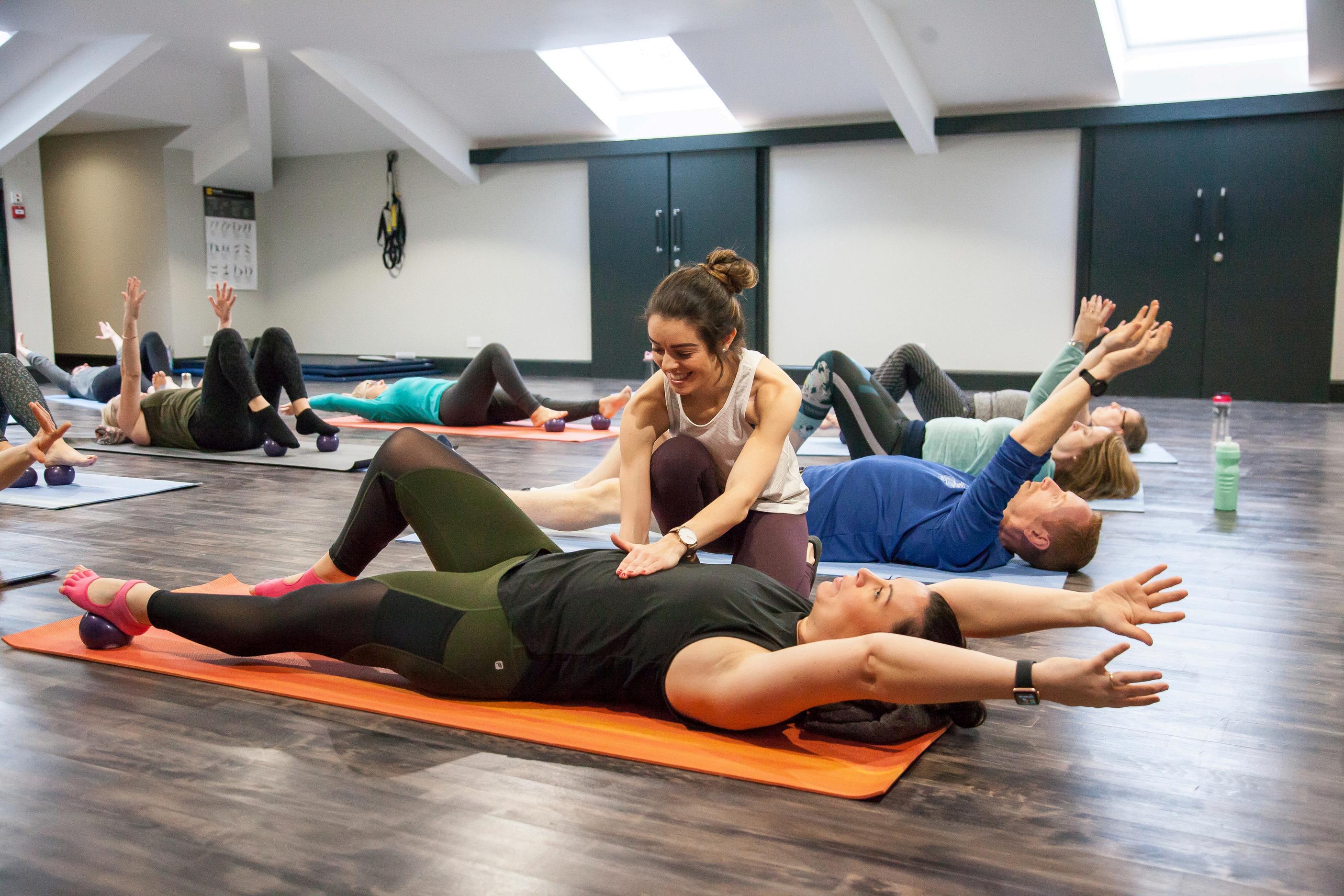
Are we preserving the integrity of Pilates as a method- or increasingly delivering well-branded choreography?
Choreography vs. Method
There is nothing inherently wrong with choreography Thoughtful sequencing, creative transitions, and engaging class design motivate clients, enhance enjoyment, and support business growth
But Pilates was conceived as a method, a system built on principles, progression, and purpose When we teach choreography without anchoring it in these principles, we risk reducing Pilates to aesthetic movement rather than intelligent movement
Teaching Pilates means understanding why a foot position matters Why breath influences load transfer Why tempo alters neuromuscular demand Why an exercise might be appropriate for one body and not for another It requires clinical reasoning, the ability to assess, hypothesise, and adapt
The distinction is subtle in delivery, but profound in impact
From Classical Roots to Contemporary Practice
The foundations laid by Joseph Pilates were innovative for their time His work was influenced by gymnastics, martial arts, rehabilitation principles, and his observations of movement efficiency As the method evolved, so too did our understanding of biomechanics, motor control, pain science, and rehabilitation Contemporary Pilates is not a betrayal of classical work, nor is classical inherently superior. Rather, contemporary practice reflects an evolution informed by research and broader movement science Concepts such as load management, fascia research, neuroplasticity, and variability in motor learning have strengthened many original principles. This in combination with modifying for injury and ability brings greater accessibility, safety, and relevance to a wider population while still honouring the core intentions of the original method
“Science should refine our application of Pilates principles, not replace them, and certainly not oversimplify them.”
The Gap Between Knowing and Understanding
One of the most concerning shifts I’ve observed is the widening gap between knowing exercises and understanding principles Knowing exercises is finite You can memorise repertoire
Understanding principles is expansive It requires you to ask: What adaptation am I seeking? What system am I targeting? How does this client’s history influence my choice?
What regression or progression serves them best today?
Without this depth, teachers can feel confident in general populations but uncertain when faced with complications such as injuries, chronic pain, hypermobility, osteoporosis, or post-surgical rehabilitation In these situations, understanding becomes essential This ultimately impacts client safety, teacher confidence, and credibility of the profession.
A Commercial Crossroads
Growth brings opportunity, but it also brings commercial pressure Shorter trainings, faster certifications, trend-based programming, and social media aesthetics can all contribute to visibility Yet if depth quietly erodes, we risk diluting what makes Pilates powerful in the first place
Pilates has remained relevant because it is adaptable, intelligent, and principled. If it becomes defined primarily by choreography and branding, it may thrive commercially in the short term but lose professional authority over time
Raising the Standard
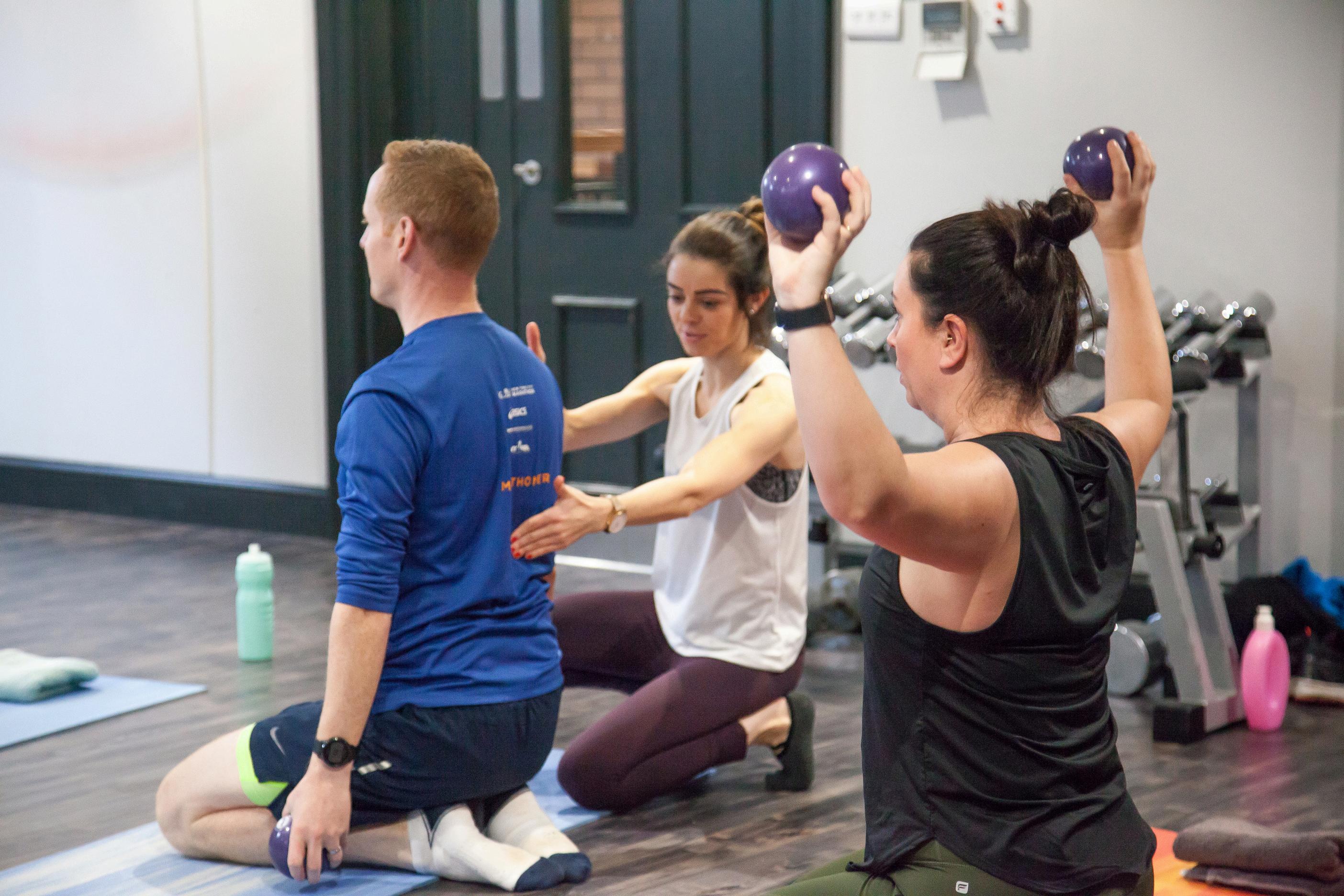
This reflection is not a criticism of new teachers, nor of innovation. It is a call for professional maturity. As teachers and educators, we must ask more of ourselves and our students Understanding where the method came from prevents us from reinventing it superficially Understanding how research applies - and where it doesn’tprotects us from oversimplification
Pilates is not defined by the equipment, choreography, or branding. It is defined by how and why movement is taught. We are at a pivotal moment The choices we make now as educators, studio owners, and as teachers will shape the profession’s future credibility
So the question remains, are you teaching exercises or truly teaching Pilates?
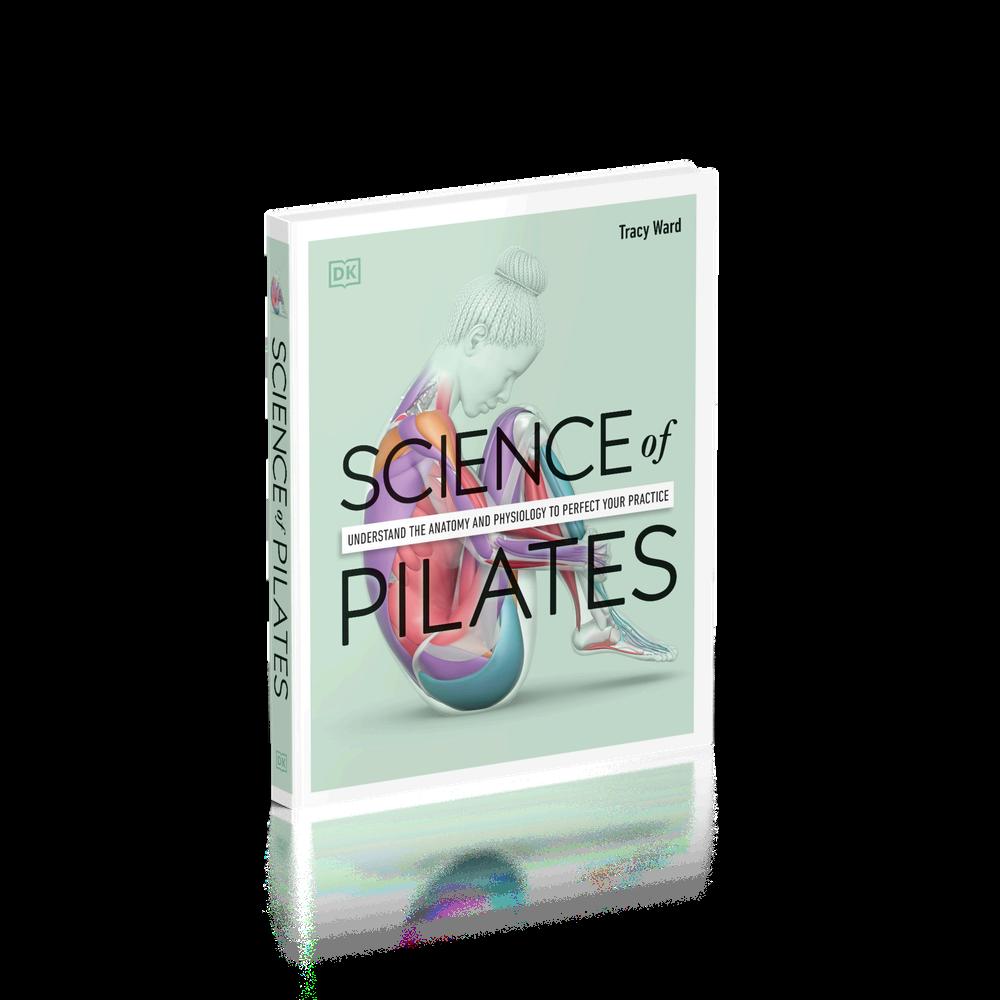
These reflections were central to what led me to write Science of Pilates. The intention was always contribution - to bridge the gap between classical foundations, contemporary science, and practical application If Pilates is to continue evolving with integrity, our educational standards must evolve alongside it.
Are we teaching exercises or are we truly teaching Pilates?
Ultimately, teaching Pilates means teaching thinking It means cultivating observation skills It means progressing and regressing with intention It means understanding that principles, breath, control, precision, centering and flow are not aesthetic cues, but physiological strategies
More Than Movement: A Mindset
HOW STREET PILATES FOUNDER ANNIE COUNSEL IS RESHAPING THE STUDIO MODEL AROUND PROGRESS, COACHING AND COMMUNITY
by CJ Zarb
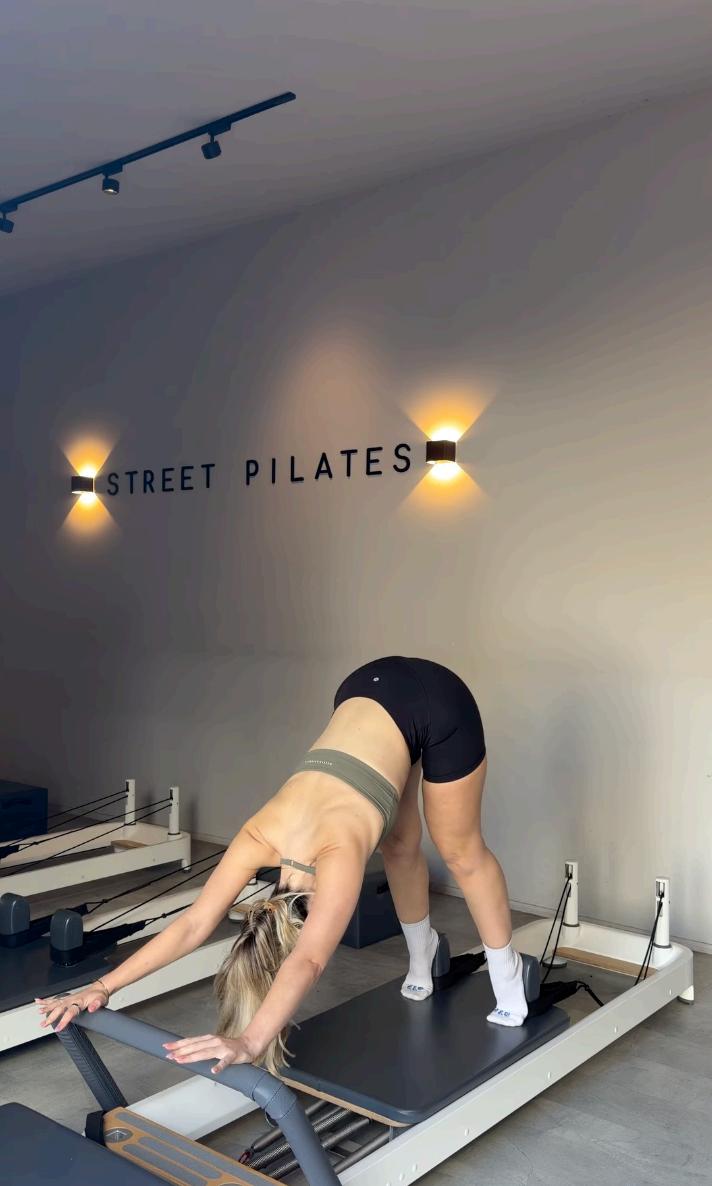
Walk into Street Pilates in Victoria, Australia, and it doesn’t take long to realise something feels different
The music is loud, the room is buzzing, and the coaching is direct But beneath the energy is something more deliberate: a training philosophy built around progress rather than performance For founder Annie Counsel, that shift began with a simple question
“What would a Pilates space look like if progress was the priority from day one?” she says
It’s a question that ultimately shaped Street Pilates into something that sits somewhere between a Pilates studio and a training
environment, a place where classes feel like group training sessions, yet remain deeply rooted in movement quality and intentional coaching
From Recovery to Philosophy
Annie’s relationship with movement didn’t begin with Pilates “A massive misconception about me would be that I’ve always loved to work out, ” she explains “Like a lot of us, as a teenager and into my early 20s, it was actually kind of the opposite ”
Initially drawn to intense training environments, Annie found herself chasing the burn and pushing limits until eventually hitting burnout
“I thought I loved training until I hit my breaking point, ” she says Pilates entered her life as a recovery tool but it quickly became something more
“I ended up fumbling into Pilates as a recovery activity and realised pretty quickly that there was something different here Something with depth ”
Her professional pathway into the industry was shaped early on by mentorship from an Exercise Physiologist, a background that shifted her perspective on how movement should be taught
“My classes were never really rooted in how things looked or how well they flowed, ” she explains “I was always far more interested in what the movement was actually doing for the person in front of me and whether it was going to move the needle for them long term ”
That mindset would become the foundation of Street Pilates
Pilates Treated Like Training
At first glance, Street Pilates looks like a traditional studio: group classes, reformers, and structured sessions But the philosophy running underneath it is very different
“I took the model I see flourish in a gym environment and adapted it to Pilates, ” Annie explains
Instead of endless class types, fluctuating trainers and constantly changing formats, Street operates with deliberate simplicity
“We offer two memberships and one pack We have six beds, two trainers, three session styles, and only a handful of session times each week. ”
The goal is to remove the noise and create consistency
“Less is more, ” she says “Less to think about for us, and less to think about for our clients. ”
Clients train at the same time each week, with the same trainer, often on the same reformer
“They pick the time slot that works for them and they’re booked in recurring Every week they get the reformer they like, it even has their name on it when they come in ”
In an industry increasingly driven by variety and scale, Annie intentionally moved in the opposite direction
“Variety and endless offerings are great in theory, ” she says, “but as a society we’re already dealing with decision fatigue ”
Coaching Over Choreography
The difference becomes even clearer once class begins
While many Pilates classes emphasise flow and choreography, Street Pilates prioritises coaching
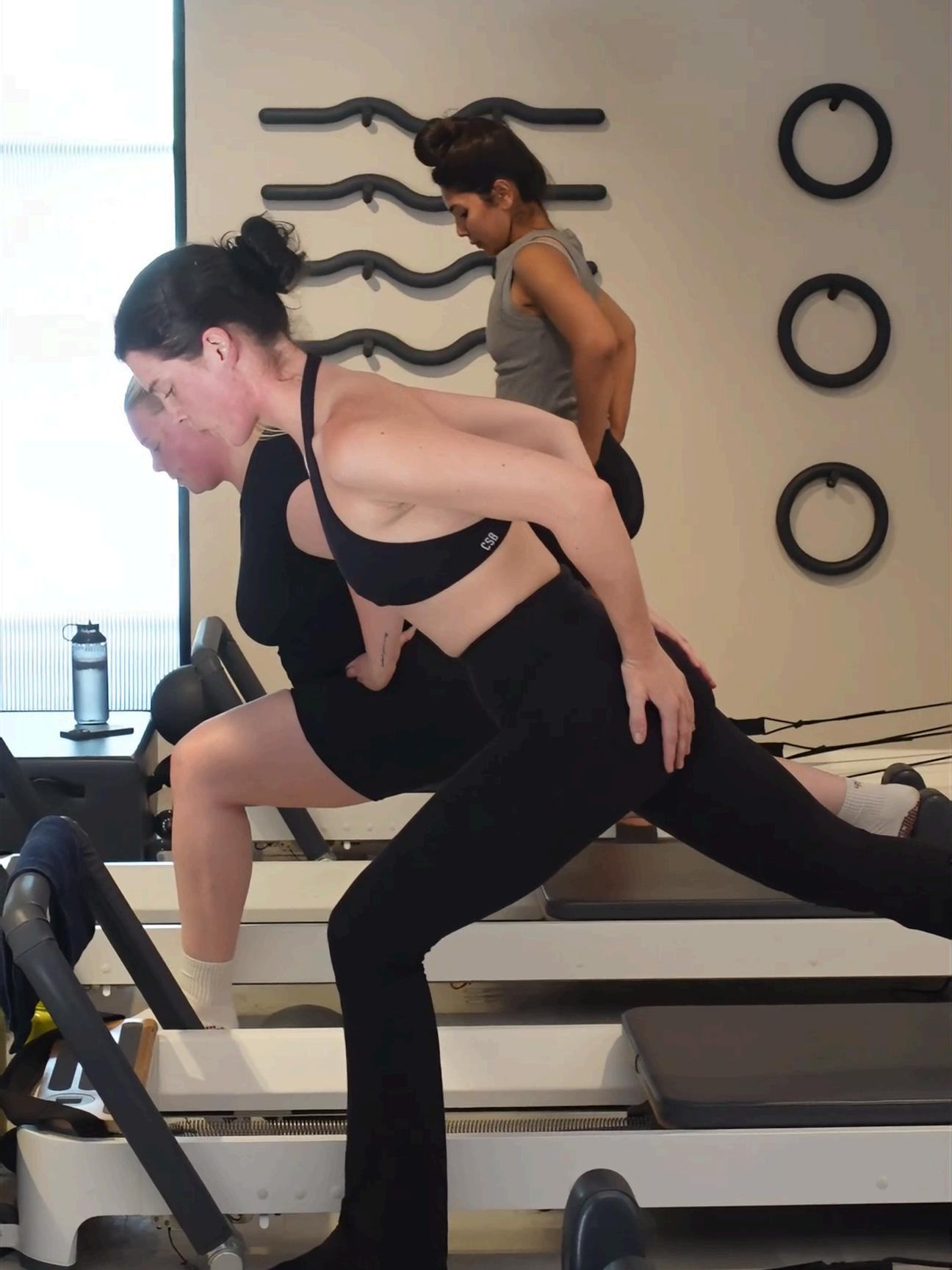
“A lot of instructors teach the room, ” Annie says “They control it, they lead it, and it works. At Street, we train. ”
Sessions are designed around the clients present that day, rather than a predetermined sequence
“Classes still carry the energy of group training, but they’re programmed around the people in the room and what they’re working towards ”
Small class sizes mean there’s nowhere to hide, something Annie sees as a key part of the studio’s culture
“Our main goal is helping clients get comfortable with discomfort, because that’s where progress lives ”
But that discomfort isn’t about loading heavier springs or pushing intensity for the sake of it.
“We’re not talking about throwing all the springs on or how heavy your dumbbell is, ” she explains “We’re talking about intentional progress. ”
Clients are challenged to develop awareness, breath control and technical adaptability
“Can you breathe continuously and purposefully throughout a plank hold? Can you adapt your form from a verbal cue alone without needing hands-on correction?”
“Our community is small, but they’re connected.”
“Our clients listen intently, ” Annie says “They dial into their movement, their mind-to-muscle connection, and their ability to regulate their nervous system is honestly like nothing else I’ve seen ”
The Street Effect
Despite the strong training philosophy, the atmosphere at Street Pilates remains anything but clinical
“Although we’re a small space, the personality is big, ” Annie says Community forms quickly inside the studio’s intimate environment.
New clients often feel the energy immediately “When you hustle your way through something you’re unsure you can do, but you feel that buzz in the room and think ‘hell yeah, I can’ and then you do it, this invisible bond happens ”
Music plays a surprising role in shaping the studio environment “For 45 minutes you can expect to lose yourself in a room full of energy, ” Annie says “You’ll most likely get a little hot and flustered, but you’re guaranteed to spend your time bopping along with our RnB and old school rap playlists ”
A Mindset Shift
While the physical progress clients experience is clear, Annie believes the biggest change happens beyond the reformer “They get better, ” she says simply
But improvement doesn’t just show up in stronger movements or deeper layers in class
“They feel better in their bodies They get closer to their overall health goals They start making different choices outside of the studio ”
Over time, something deeper begins to shift
“It becomes more than just movement, ” Annie explains “It’s mindset ”
The studio has become known for what Annie jokingly calls “the Street Effect ”
“When you do hard things, and you do them often, something shifts, ” she says
Clients begin backing themselves more in the studio and beyond “They hit milestones, go for the promotion, show up a little more confidently in their day-to-day lives ”
And in a Pilates industry that often feels dominated by aesthetics and perfection, Street Pilates has built its culture around something else entirely
“Street isn’t just for the Pilates princesses, ” Annie says with a smile
“It’s for the driven. ”
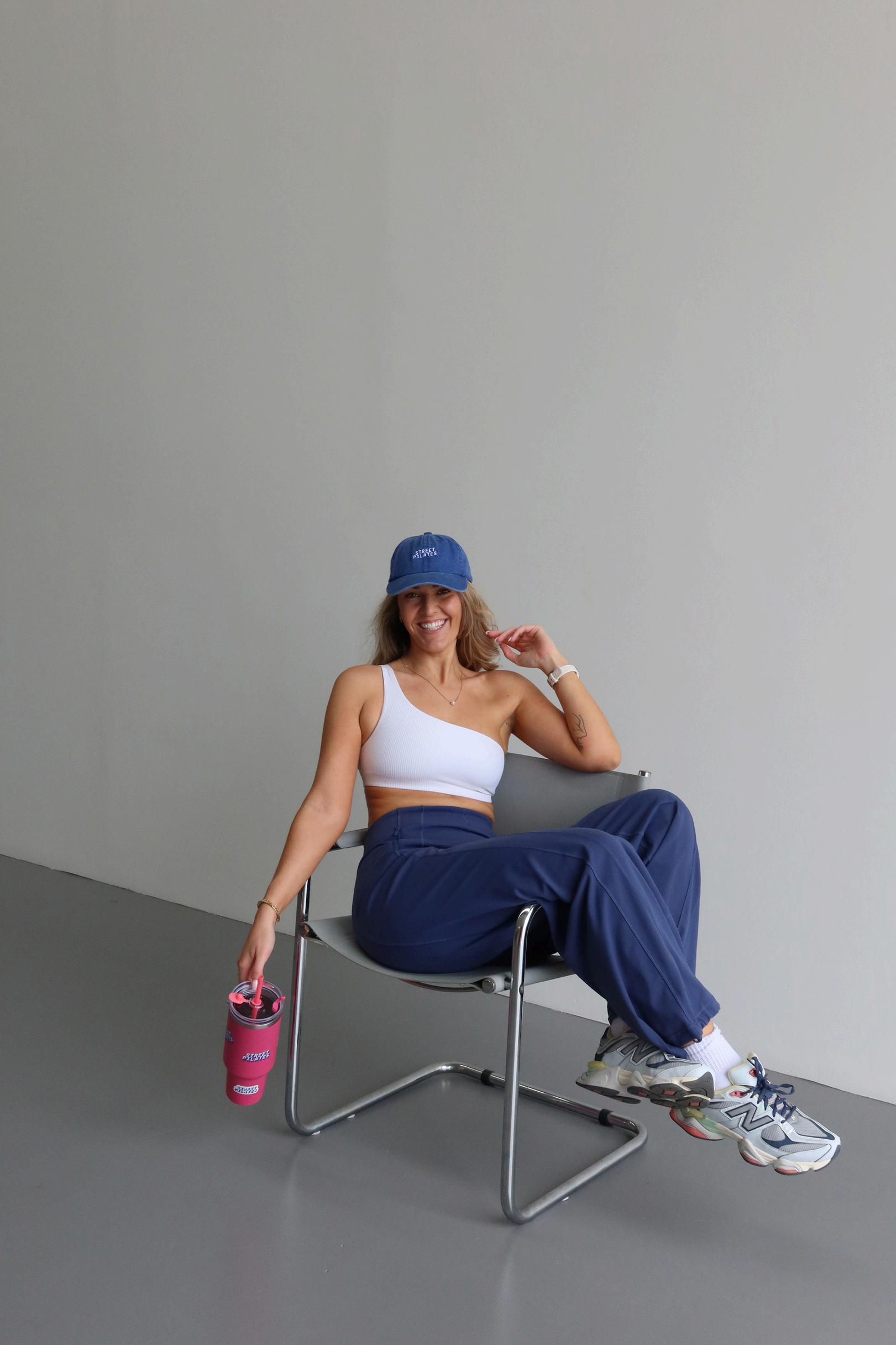
“Our clients listen intently, ” Annie says “They dial into their movement, their mind-to-muscle connection, and their ability to regulate their nervous system is honestly like nothing else I’ve seen ”
A new studio structure
Annie is also preparing to introduce a new studio structure she has been quietly developing behind the scenes - one designed to strengthen both client consistency and instructor longevity
The concept centres around rotating trainer teams every four weeks, with instructors remaining focused within one modality and client group during that period rather than constantly switching between mat and reformer classes throughout the week
“I believe the model will not only create stronger client relationships and accountability, but also help instructors stay fresher, more present and more intentional in their programming While for our clients, it offers the familiarity of seeing the same faces consistently, while still allowing enough movement within the system to encourage variety and progression over time
“I’m excited for this next chapter!,” said Annie
The Accidental Counsellor: What Pilates Instructors Need to Know
by Ange Davies, Mind Your Grit
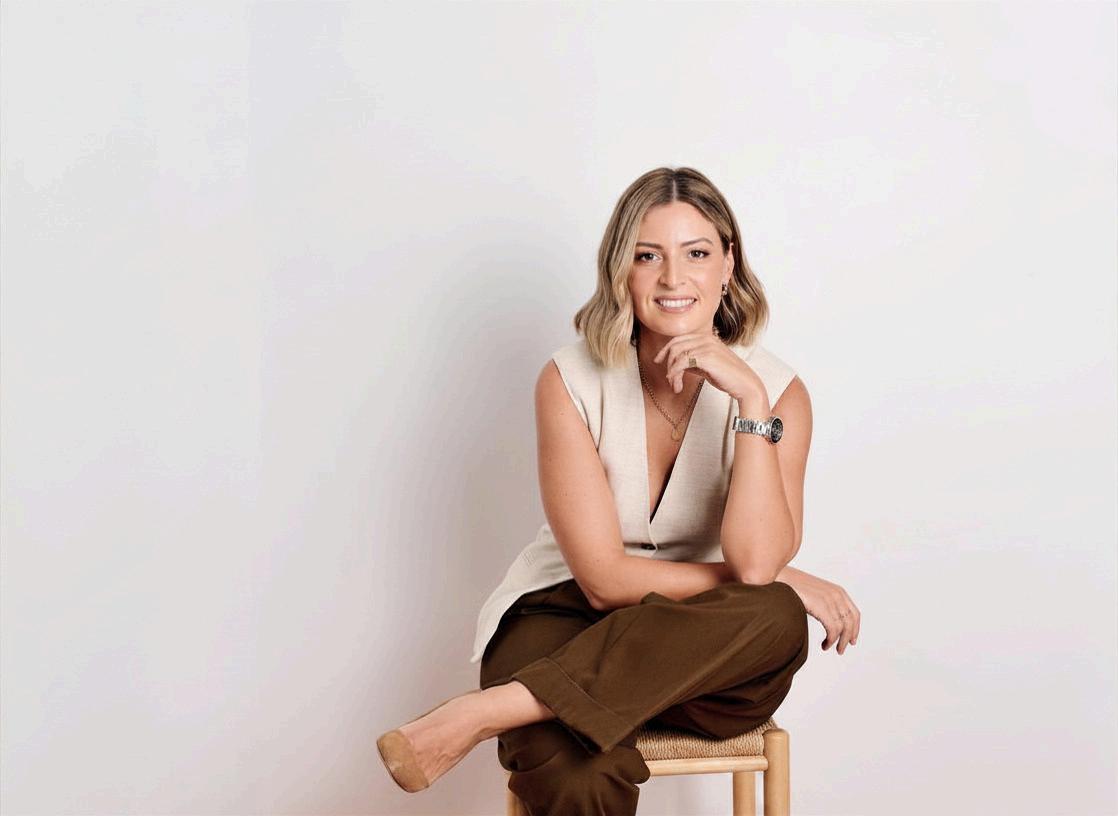
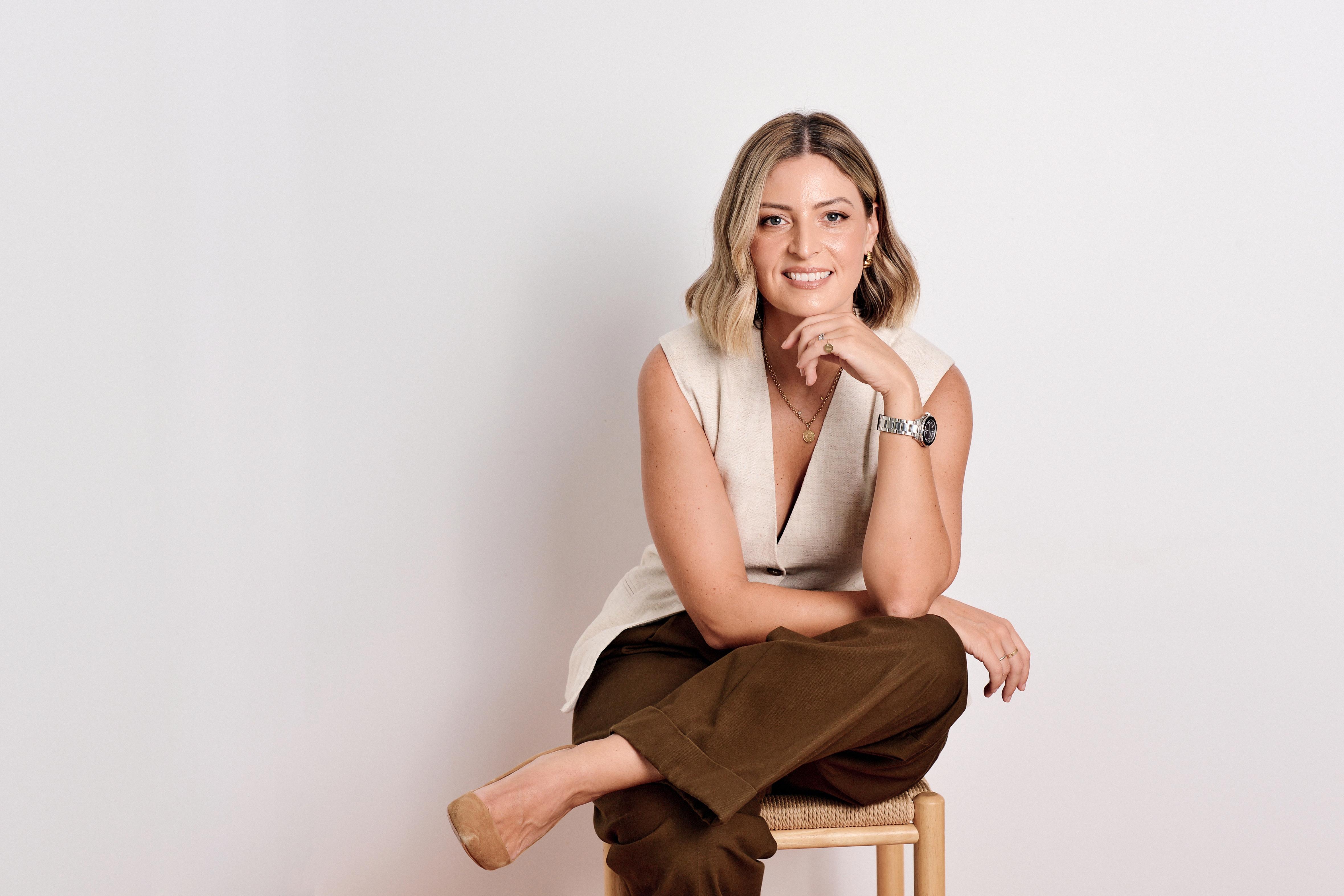
You didn’t sign up to be a therapist You signed up to help people move better, breathe better, feel stronger in their bodies But if you’ve been teaching Pilates for any length of time, you already know that the studio has a way of making people open up
A client comes in for their regular session and within minutes, between the footwork and the hundred, you find yourself holding space for a marriage breakdown, a miscarriage, a redundancy, or just an overwhelming week that finally tipped someone over the edge
That’s what I call being an “Accidental Counsellor” and it’s far more common in the wellness industry than anywhere else But it also leads to us as instructors carrying the weight of the world on our shoulders
Why the Studio Becomes a Safe Space
There’s something about the Pilates environment that invites vulnerability You’re guiding someone through physical sensations, breathing cues, moments of stillness The relationship is built on trust and when a person feels safe in their body, they often feel safe enough to speak
I know this not just as a trainer and facilitator, but from lived experience I spent 16 years in high-performance corporate roles, teaching Pilates on weekends as my outlet I thought I had wellness figured out Then in 2022, a series of personal and work events coincided and I found myself taking on my team’s challenges while barely managing my own That experience sent me back to study Psychology and what I see is that people most at risk of carrying others’ emotional loads are often those in caring, relational roles Like Pilates instructors
You’re Not There to Fix, You’re There to Notice
The most important reframe for any instructor is that your role is not to become a psychologist
The first step is learning to recognise the signs that something is off In a studio context, this might look like a usually energetic client who’s gone flat, someone who’s increasingly cancelling sessions, or a regular who suddenly can’t focus during class. What you’re looking for is a change from their usual baseline
What to Say After “Are You Okay?”
Most of us are reasonably good at asking It’s the bit that comes after, when someone actually says they’re not okay, that trips us up. The urge to fix, reassure or jump to solutions is natural, but it’s not our job
I use a simple framework called ALEC: Ask with empathy and privacy, Listen without judgement, Encourage action toward professional support, and Check in afterwards
Knowing When to Refer
You are not your client’s therapist Knowing when and how to refer them to professional support is one of the most important skills you can develop If a client discloses ongoing mental health struggles or distress that is clearly impacting their daily life, that’s the moment to gently redirect
Try something like: “I really appreciate you trusting me with this I think it might help to speak to someone specifically trained for this, would you be open to that? I can help you look into what’s available ” Normalise it and destigmatise it You can even share that you’ve seen a professional yourself if it feels comfortable That personal touch removes a lot of the hesitation people feel
Key referral pathways to know about: a GP as a first point of contact, Beyond Blue (1300 22 4636), Lifeline (13 11 14), and local psychology services Having these on hand means you can be helpful in the moment and not just sympathetic
Looking After Yourself First
The one thing no one tells you about being a good support person is there is a cost involved Emotional labour is real, and instructors who hold space for clients all day without a recovery strategy will eventually burnout
After a heavy conversation, your nervous system responds the same way it would to a physical threat Having your own reset protocol is non-negotiable It might look like breathing deliberately (a longer exhale calms your nervous system faster than anything), moving your body, or stepping outside for a few minutes
Beyond the immediate reset, build a habit of reflection Ask yourself what from that conversation was theirs to carry and what you are taking home Empathy is one of our greatest strengths as instructors but empathy without boundaries leads to burnout.
You Already Have What It Takes
You don’t need to have all the answers to make a difference to someone who is struggling The awareness to notice when something is off, the courage to gently check in and the knowledge of where to direct someone next is what makes the biggest difference You already do the hardest part every session by showing up, paying attention and caring about your clients
That’s not accidental at all, that’s exactly what this industry needs more of
Some phrases that may help: “That sounds really tough, thank you for sharing that with me, ” or “I’m here to listen, I don’t have all the answers but I’m not going anywhere ” What doesn’t help: “You’ll be fine, ” “Just push through, ” or “Other people have it worse ” These responses, however well-meaning, shut conversations down
Private Concerns: Protecting Client Data
DO YOU KNOW YOUR OBLIGATIONS WHEN IT COMES TO STORING CLIENT INFORMATION? IF NOT, READ ON.
by Carla Mullins
In a world of constant display, it is sometimes easy to forget that there is such a thing as privacy - that we have the right to be left alone with our thoughts, personal information and personal lives While we have become accustomed to scrolling through feeds of content and advertising carefully shaped by algorithms, we should still pause to consider what is happening to the information we share, both knowingly and unknowingly
For Pilates practitioners and studio owners, this discussion is becoming increasingly important We collect far more sensitive information than many people realise Health histories, injuries, movement limitations, personal circumstances and even casual conversations shared during sessions all form part of the environments we create within our studios Understanding our responsibilities around collecting, storing and sharing this information is essential for maintaining client trust and meeting our legal and ethical obligations
As technology continues to evolve, new challenges are emerging around privacy and consent. Smartwatches, AI-powered notetaking systems, online booking platforms and wearable technologies are now deeply embedded in modern life and increasingly present within Allied Health and movement spaces While these systems can improve efficiency and convenience, they also raise important questions about what information is being collected, where it is stored, who has access to it and whether clients genuinely understand what they are consenting to When working with clients, I believe we should continually come back to a few simple questions
Why are we collecting this information? Is it genuinely relevant to the service we are providing? If that information were accidentally shared, what would the consequences be for the client?
These considerations become particularly important when studios collect additional information for marketing purposes rather than clinical or professional necessity
The rapid development of AI technology adds another layer of complexity Many practitioners are now exploring AI-assisted scribing tools and digital systems to support note-taking and administration While these technologies can be helpful, I think it is important that we carefully consider the trade-off between convenience and privacy If conversations during an appointment are being recorded or processed through AI systems, clients deserve transparency around how that information is being used, stored and protected.
Below I have compiled a checklist of points to consider before introducing AI and other similar technology in your studio
Do you have a written explanation available to clients about the technology and how it will be used
Do you have a process in place to check in with your client at each appointment regarding the use of AI during their session?
Do you have a clear process of how you can remove the technology from your therapy room when a client opts out of the use of AI?
Similarly, many Pilates studios now rely heavily on digital booking and client management systems However, not all platforms operate under the same privacy standards, particularly when information is stored overseas. As studio owners and practitioners, we have a responsibility requirement to confirm that our clients’ sensitive information is being held in servers located in Australia or countries with similar privacy standards
I appreciate that conversations around privacy, consent and AI can feel overwhelming at times However, I think it is important that we engage with these issues thoughtfully rather than simply assuming the technology will take care of itself Clients place enormous trust in us, often sharing deeply personal information because they feel safe within our care Protecting that trust should remain central to the way we practise
As practitioners, we often speak about creating safe spaces for movement, growth and wellbeing I believe that responsibility should also extend to the protection of our clients’ personal information In many ways, privacy is not separate from care - it is part of care As technology continues to evolve, I think it is important that we remain curious, informed and willing to ask difficult questions about the systems we use and the information we collect A helpful principle I return to is simple: treat your clients’ privacy the way you would want your own privacy treated
References
https://www.oaic.gov.au/privacy/your-privacy-rights/yourpersonal-information/consent-to-the-handling-of-personalinformation
https://staytuned.substack.com/cp/184600139
https://substack com/home/post/p-177932954
Warren, S D , & Brandeis, L D (1890)
The Right to Privacy Harvard Law Review, 4(5), 193–220
https://www.jstor.org/stable/1321160?origin=crossref
Nita Farahany (https://substack com/home/post/p-177932954)
Carla is the co-director and co-owner of Body Organics and Body Organics Education. Find out more HERE.
Instructor Spotlight: Baylee Saltmarsh
Tell us a little about yourself and your Pilates background?
My name is Baylee Saltmarsh, and I’m from Perth, Western Australia My journey with Pilates has been a little unconventional, I’ve spent the past few years living in the Caribbean, with time in New York where I was both teaching and developing Pilates programs for boutique hotels and private members’ clubs I’ve moved back home to be closer to loved ones and I’m now building my online Pilates and movement studio, Balance By Baylee, which I launched in November 2025 Alongside that, I mentor trainers from all around the world, teach across a few studios in Perth, and run pop-ups whenever I can to stay connected with the local Pilates community I’ve been teaching for almost 10 years now, which feels surreal to say! I’m naturally driven and dedicated, I care a lot about what I do and the people I work with, but I’m also all about keeping things real and not taking it all too seriously
How did you discover Pilates?
Like many others, through dance and injury! I was training in track and field when I tore a major tendon in my foot I’d already been dancing from a young age, so my physio suggested I take up ballet to help strengthen my ankle during rehab Not long after, I left school to train full-time as a ballerina, and Pilates became part of our conditioning program. At the time, I didn’t know a lot about it, but I was really drawn to how detailed and intrinsic it felt I was also working closely with an occupational therapist during those years, who played a huge role in helping me better understand and unlock my body for dance. I remember making a promise to myself back then, that if my career in ballet didn’t work out, I wanted to do something that still supported others in pursuing it That’s ultimately what led me to Pilates, it feels like the perfect intersection of everything I value; rehab, strength, creativity, and functional movement
How do you keep learning? What inspires you in your work?
It’s not one person or one place, it really is everywhere. I’m constantly observing movement in everyday life If I’m watching someone walk along the coastline and notice postural patterns or imbalances, I’ll mentally file that away, study it, and use it to build out programming ideas or expand my exercise library
In the same way, if I’m watching a high-level sprinter or athlete, I’ll break down how they move, train, and produce force, and look for ways to translate those principles into my sessions I think I’m just very observant and genuinely obsessed with movement in all its forms When I notice gaps in my knowledge, I go looking for answers I’ve invested a lot into continuing education over the years, but some of the best free tools we have are podcasts and platforms like Google Scholar I learn a lot from sports scientists and performance coaches that way, and I’m constantly pulling ideas from different disciplines and refining them back into my work
The best advice you were ever given as a teacher
It wasn’t from a teacher, it was from a client when I was going through a bit of a tough time, they said “be here now ” It’s as simple as that, we get pulled in so many different directions and our mind can get distracted by whatever else is going on, so I come back to it a lot Be here now, in this room, with these bodies, with these people It’s a privilege and gift to do this work!
Is there something you try and instil in each of your clients
We are not fragile, and our bodies are designed to move! I try my best to work with the person, not against them I use each session as a space to build awareness, confidence, and an understanding of how and why they’re moving Time after time, clients hold themselves back so I encourage exploration, play, and curiosity in movement As the practice continues to evolve, I also always come back to the roots of Pilates as it’s important not to lose sight of its original methodology.
The best Pilates course you ever did was?
The clinical diploma I completed doesn’t teach you Pilates, but I definitely loved that and would highly recommend it Pilates-specific, I’d say the Cadillac and Tower course I did with Balanced Body, in New York. Ann Toran was my teacher and really brought me back to my ballet days Her wisdom is beyond, and she’s a true testament to the idea that if you take care of your body, you can continue moving through life strong and well.
What’s your favourite piece of equipment to use with clients in studio and why?
The Reformer and Tower They’re both so accessible and adaptable, and allow for truly functional, resistance-based movement, which ticks every box for me There really is something for everyone on them, regardless of experience or ability You also can’t mimic feet in straps anywhere else??! It just doesn’t hit the same as it does on the Reformer
How do you stay motivated?
I think my motivation comes from how fast-moving our industry is not just Pilates, but health and fitness too There’s always something evolving, which means there’s always more to learn, and I actually really love that I’m genuinely passionate about what I do and the direction my career is heading, but I also feel a strong responsibility to stay current and maintain integrity in my work Staying fit and practising what I preach is a given, a non-negotiable My biggest motivator is never wanting to be in a position where I don’t know something It’s a lifelong practice, and one I’m always working to master
What makes you laugh the most?
My boyfriend, hands down! and our dog Enzo, he nibbles when he gets excited, which honestly feels like being tickled times a thousand
What’s your favourite way to spend a day off?
Wednesday is my day off at the moment, so grab a coffee and go for a walk with a friend and my dog to start the day I’ll head to the gym, a Pilates class, or contrast therapy, just anything that gets me out and about because it’s the day that movement is actually about me, and not work Also meal prep! I enjoy playing around with recipes when I have more time up my sleeve. I also love to work on the more creative side of my online studio - so vision boards, concept planning, all that fun stuff to get the creative juices flowing
How many pairs of grip socks do you own? ? Do you love or hate a stretch band?
I own a fair few, but I’m very much a barefoot girl at heart, so I only wear grip socks when they’re required in class Stretch bands I also love, I don’t use them a whole lot but when used effectively I think they’re a really great tool
Does your family ‘really know’ what’s involved in your job?
Early on, Pilates felt more like a passion or hobby, so I don’t think my family fully understood where it could lead, mainly because I didn’t know either! But once it took me overseas, it became much more real Now, building my own platform has shown them the depth of what I do, beyond just teaching

Upcoming courses
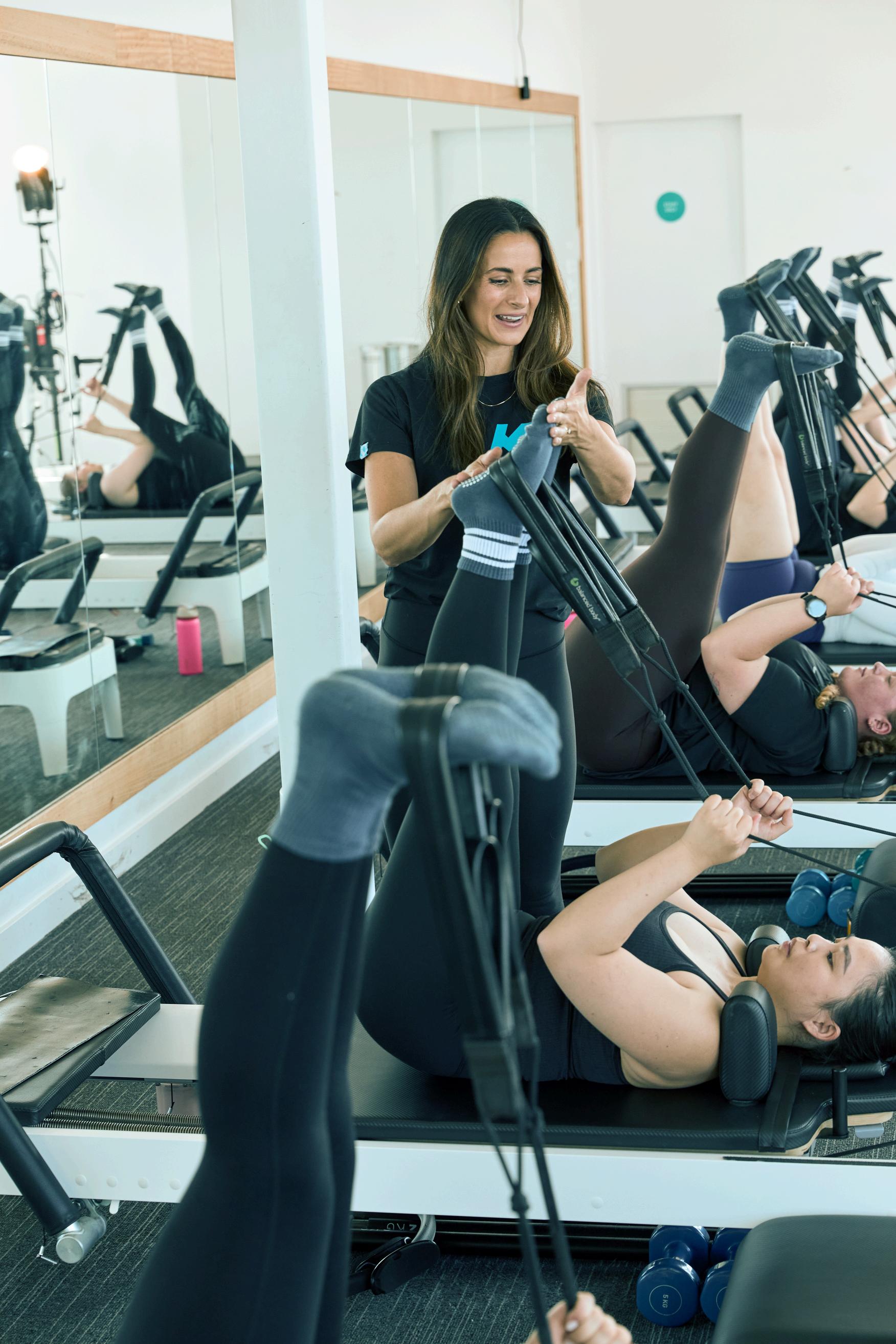
Upcoming courses
1 July 2026: Professional Reformer and Matwork and Small Apparatus
New Zealand (Wellington)
29 July 2026: Complete Pilates Instruction
29 July 2026: Matwork and Small Apparatus
29 July 2026: Matwork and Reformer and Small Apparatus
All Pilates ITC Courses and Pathways can be studied online from anywhere globally
Our Courses: Our Courses: Book a chat: Our Courses: