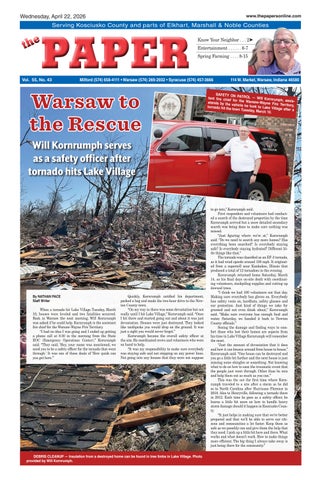

Warsaw to the Rescue
Will Kornrumph serves as a safety officer after tornado hits Lake Village

took to Lake Village after a tornado hit the town Tuesday, March 10.
By NATHAN PACE Staff Writer
When a tornado hit Lake Village Tuesday, March 10, houses were leveled and two fatalities occurred. Back in Warsaw the next morning, Will Kornrumph was asked if he could help. Kornrumph is the assistant fire chief for the Warsaw-Wayne Fire Territory.
“I had no idea I was going and I ended up getting a phone call at 8:30 in the morning from the State EOC (Emergency Operations Center),” Kornrumph said. “They said, ‘Hey, your name was mentioned, we need you to be a safety officer for the tornado that went through.’ It was one of those deals of ‘How quick can you get here.’”
Quickly, Kornrumph notified his department, packed a bag and made the two-hour drive to the Newton County town.
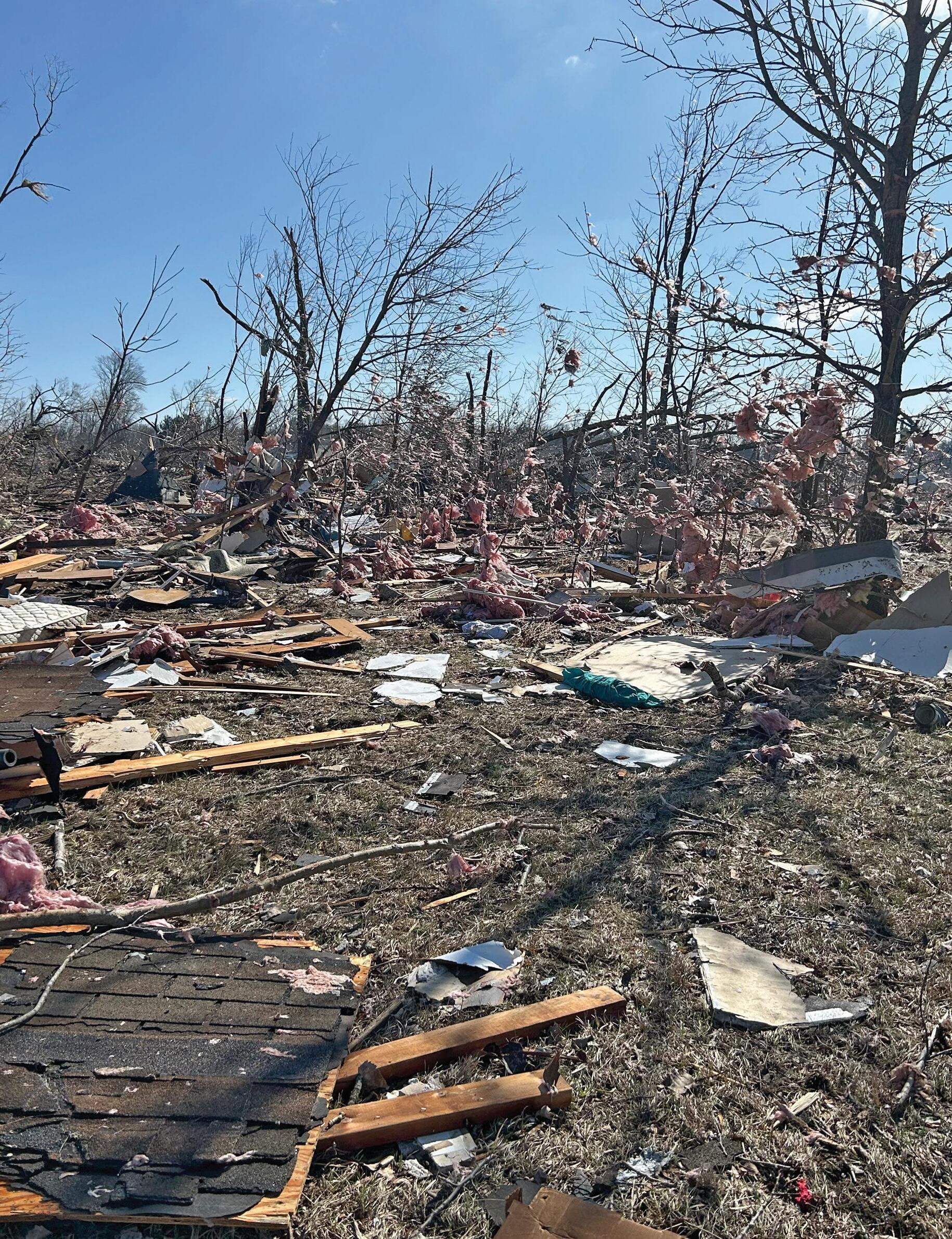
“On my way in there was some devastation but not really until I hit Lake Village,” Kornrumph said. “Once I hit there and started going out and about it was just devastation. Houses were just destroyed. They looked like toothpicks you would drop on the ground. It was just a sight you would never forget.”
Kornrumph became the overall safety officer at the site. He coordinated crews and volunteers who were on hand to help.
“It was my responsibility to make sure everybody was staying safe and not stepping on any power lines. Not going into any houses that they were not suppose
to go into,” Kornrumph said.
First responders and volunteers had conducted a search of the destroyed properties by the time Kornrumph arrived but a more detailed secondary search was being done to make sure nothing was missed.
“Just figuring where we’re at,” Kornrumph said. “Do we need to search any more homes? Has everything been searched? Is everybody staying safe? Is everybody staying hydrated? Different little things like that.”
The tornado was classified as an EF-3 tornado, as it had wind speeds around 150 mph. It originated from a supercell near Kankakee, Illinois that produced a total of 12 tornadoes in the evening.
Kornrumph returned home Saturday, March 14, as his final days on-site dealt with coordinating volunteers, stockpiling supplies and cutting up downed trees.
“I think we had 100 volunteers out that day. Making sure everybody has gloves on. Everybody has safety vests on, hardhats, safety glasses and ear protection. Just kind of things we take for granted and not even think about,” Kornrumph said. “Make sure everyone has enough food and water. Saturday, we handed it back to Newton County officials.”
Seeing the damage and finding ways to comfort those who lost their homes are aspects from his time in Lake Village Kornrumph will remember the most.
“Just the amount of devastation that it does and how it can bounce around from house to house,” Kornrumph said. “One house can be destroyed and you go a little bit further and the next house is just missing some shingles or something. Not knowing what to do on how to ease the traumatic event that the people just went through. Other than be nice and help them out as much as you can.”
This was the not the first time where Kornrumph traveled to a site after a storm as he did so to North Carolina after Hurricane Florence in 2018. Also to Henryville, following a tornado there in 2012. Each time he goes as a safety officer, he learns a little bit more on how to handle heavy storm damage should it happen in Kosciusko County.
“It just helps in making sure that we’re better prepared and that we’ll be able to serve our citizens and communities a lot faster. Keep them as safe as we possibly can and give them the help that they need. I pick up a little bit here and there. What works and what doesn’t work. How to make things more efficient. The big thing I always take away is just being there for the community.”
SAFETY ON PATROL — Will Kornrumph, assis-
tant fire chief for the Warsaw-Wayne Fire Territory, stands by the vehicle he
DEBRIS CLEANUP — Insulation from a destroyed home can be found in tree limbs in Lake Village. Photo provided by Will Kornrumph.
Bob Flamm strengthens faith through loss
By ABBY OLIVER Staff Writer
On Friday, April 10, new Warsaw resident Bob Flamm and his wife, Mary, sat in the WL Cafe, sharing stories from their life together. That morning, they made pancakes, a family tradition for birthdays. For them, the day carried added meaning: It would have been the 48th birthday of their son, Ezra.
Flamm grew up in Missouri, where he lived for the first 20 years of his life. One of his first jobs as a child was working in a pool hall, racking balls and getting paid occasionally.
He then spent 20 years in Iowa teaching at a Christian school, working as both a Bible and high school science teacher. He later moved to Toledo, Ohio, where he spent another 20 years as an administrator at a Christian school.
After eight years in North Dakota, he and his wife moved to Warsaw in November 2025 to be closer to one of their sons, Grace College President Dr. Drew Flamm, and his family.
For Flamm, education and faith have long been intertwined, a connection that was deeply tested in 1985. While teaching on Feb. 16 of that year, Flamm experienced the
death of his 6-year-old son, Ezra.
“That was a traumatic experience that I would say has affected our faith and challenged the foundation of our Christian faith,” Flamm said. Although one of the most difficult experiences of his life, he said it ultimately “directed our path and strengthened our faith and our walk.”
Even decades later, Flamm said that experience continues to shape how he views his life and work.
“Deciding to believe the Bible as truth no matter what has influenced the paths I have traveled,” he said.
Now retired, Flamm has continued serving in education. In January, he began volunteering as an educational assistant with the Lilly Center for Lakes and Streams, an organization that researches local bodies of water and educates residents.
“We have kids that come on field trips to the Lilly Center, and they do different educational activities,” Flamm said. He often helps students from kindergarten through sixth grade.
Recently, he enjoyed seeing the children’s enthusiasm for what he called a “virtual aquarium.” After coloring pictures of fish, students uploaded them to a screen and

watched their creations swim.
“I’m looking forward to doing more things (with the Lilly Center)” Flamm said. “We’ll do outdoor education trips, and we’ll see in the summer if I’ll help (the center) with testing or research.”
At 75, Flamm remains active. Several days a week, he plays pickleball at the Gordon Center, exercises at the YMCA and Planet Fitness, and runs 5K races.
He also spends time birding around the area and looks forward to exploring lakes this summer. In addition, Flamm works as a DoorDash and Uber Eats driver, not for income, but to learn the community.
In an effort to “get to know the community” and learn the roads in his new town, he said the flexibility of delivery work fits his life. After a shift, Flamm often tells his wife, “I had another adventure today.”
He has eight grandchildren and one on the way, and he enjoys spending time with them.
“We enjoy being part of their activities and their lives here, and it’s been a special thing,” Flamm said.
Whether he is running, deliv-

ering food or working at the Lilly Center, Flamm says the lesson that has guided him through both ordinary days and profound loss comes from a Bible verse.
“Whatever you’re doing, put your whole heart into it,” he said. “Whether it’s delivering food or volunteering ... do it wholeheartedly.”
Manchester University to present ‘A Melodious Mosaic’ band concert
Manchester University is inviting the community to attend “A Melodious Mosaic” at 7 p.m. Wednesday, April 22, at



Cordier Auditorium.
The free concert features Manchester’s Jazz Ensemble and Symphonic Band. The Jazz Ensemble, directed by Dr. Tim Reed, professor of music, will perform a mix of jazz, funk and rock music.
The Symphonic Band, directed by MacKenzi Lowry, lecturer of music, will perform music portraying ideas of finding joy and

overcoming life’s challenges. Pre-concert activities, including games, a photo booth and an “instrument petting zoo,” will begin at 6 p.m. in the auditorium lobby. The “petting zoo” will give guests the opportunity to try out a variety of musical instruments.
The concert is expected to last just over an hour.

TRANQUIL TIMES Bob and Mary Flamm are pictured at the International Peace Garden, located at the border of North Dakota and Canada. Photo provided by Bob Flamm.
By ANDREA GRANGER Marketing Communications Coordinator
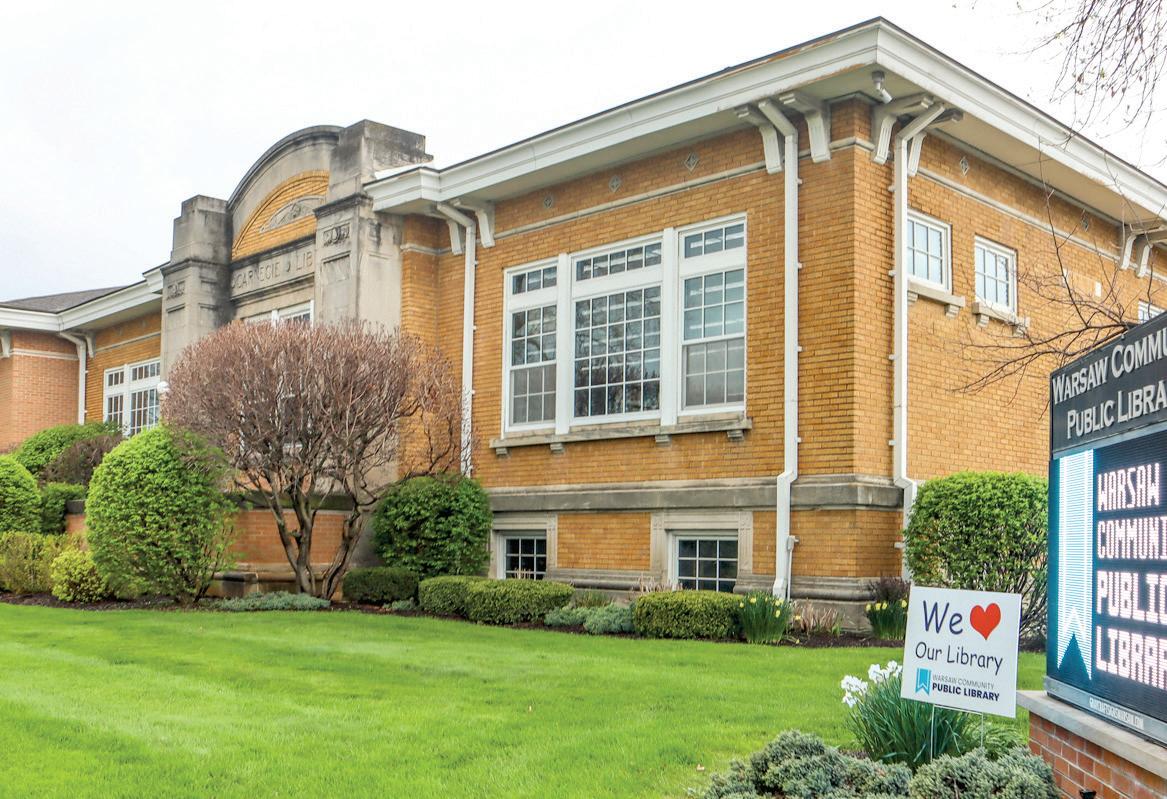
What brings you joy? Maybe it’s getting lost in a good book, learning something new, connecting with others or simply finding a space that feels welcoming. Whatever it is, you can find that sense of joy at the Warsaw Community Public Library.
National Library Week, cele-
brated April 19-25, is a time to reflect on how libraries bring people together, spark creativity and support lifelong learning. From digital resources and books to job support and engaging programs, libraries continue to play an important role in building strong, connected communities.
At Warsaw Community Public Library, there’s something for everyone. Whether you’re a longtime patron, new to the area or
Head Start receives $500 grant from KCCF
Kosciusko County Head Start, a program of Cardinal Services, has received a $500 grant from Kosciusko Endowment Youth Services, the youth philanthropy program of the Kosciusko County Community Foundation.
KEYS is comprised of 20 students who attend the four high schools in Kosciusko County. Members meet once a month during the school year to practice philanthropy and build leadership skills. Annually, KEYS grants approximately $20,000 to projects that bring innovative and educational resources to students throughout Kosciusko County.
The funds awarded to Head Start have helped establish a new calm down room at the main Head Start building at 811 S. Buffalo St., in Warsaw. The sensory-friendly room helps children build self-regulation, coping, and problem-solving skills while giving teachers a space to provide individualized support when a child feels overwhelmed.
The new space is already being used thanks to the grant, which funded the purchase of several items including a childsized sensory beanbag chair, weighted lap pad, and a variety of calming sensory toys. There is also an interactive Velcro wall hanging that helps children focus on calming strategies. A child can choose an icon matching their mood, affix it to the pad, and then select another icon showing a corresponding action they can take to address their feelings.
Head Start Health/Mental Health Specialist Stacy Kauffman, who led development of the room, said Head Start teachers already see the benefits.
“One child was struggling every day with all the noise during the cleanup period between play and lesson time. Now, he finishes his cleanup and goes to the room, sometimes with a friend, while the other kids finish up,” Kauffman said. “It’s become a great resource for him. He’s a much happier child having this quiet time. He’s able to focus, participate in class, and learn.”
Cardinal Executive Director Marcie Arndt praised the support for the calm down room.
“We are grateful to the students of KEYS for their support of this project.” Arndt said. “The calm down room is a prime example of how we strive to meet the needs, not of generic populations, but of individuals. This is true throughout our programs. We are very proud of that dis-
haven’t visited in a while, we invite you to stop in and see what’s here for you. You’ll find Experience Passes, free Wi-Fi, digital collections, a “Library of Things,” personal and professional workshops, makerspaces, science, technology, engineering and math programs, and more, all designed to inform, inspire and connect.
During National Library Week, we encourage you to stop by the library and join the celebration. Take a moment to write why you love Warsaw Community Public Library, and as a small thank you for your support, you’ll receive a free “I Love WCPL” sticker or pin (while supplies last)!
tinction and continued growth within programs like Head Start.”
For more information about the library’s events, programs and free resources, visit the website at warsawlibrary.org.
Free ‘Night of
ebrated this year from April 19-25.
Praise: Worship
and Speakers’ set for May 3
Agaitas is inviting the community to come together for an evening of worship, encouragement and personal stories at its second annual “Night of Praise: Worship and Speakers.”
The free event, open to all ages, will take place at 6 p.m. Sunday, May 3, at the Warsaw Community High School Performing Arts Center. Organizers say the night is designed to help attendees reflect on a
deeper message of identity - not in achievements or activities, but in faith.
The three featured guest speakers each bring a unique perspective. They include Scott Moore, head coach of the men’s basketball program at Grace College; Akeem Haynes, an Olympic bronze medalist and internationally recognized speaker; and Les Thomas Sr., a bestselling author and nation-


ally recognized motivational speaker.
Admission to the event is free, but attendees are encouraged to reserve tickets in advance. Free tickets are avail-
able at linktr.ee/agaitas.
For more information about Agaitas and its mission, community members can follow along on social media or attend the event.


LET ME COUNT THE WAYS National Library Week is being cel-
Patrons who drop into Warsaw Community Public Library during the week and take a moment to write why they love their library will receive a free “I Love WCPL” sticker or pin, while supplies last. Photo provided by Warsaw Community Public Library.






Field & Friends: April event focuses on storm-damaged trees
Purdue Extension Elkhart County invites farmers, landowners and homeowners to the next installment of the Field & Friends: Farmer Briefing Series from 10:30 a.m. to noon, Tuesday, April 28. The event will be held in the Purdue Extension Elkhart County office conference room on the Elkhart County 4-H Fairgrounds, Goshen.
This month’s session, “Storm Damaged Trees, Pruning Yard Trees, and Using Certified Arborists,” will be led by John Woodmansee, Whitley County ANR Educator. Participants will gain practical guidance to assess tree damage after storms, making proper pruning decisions and understanding when it’s best to call in a certified arborist.



EDITORIAL OFFICES, CIRCULATION, DISPLAY AND CLASSIFIED ADVERTISING
WARSAW OFFICE MILFORD OFFICE SYRACUSE OFFICE
114 West Market St. 206 S. Main St. 102 East Main St. Warsaw, IN 46580 P.O. Box 188, Milford, IN 46542 Syracuse, IN 46567 Phone (574) 269-2932 Phone (574) 658-4111 Phone (574) 457-3666 Fax 888-371-2934 1-800-733-4111 Fax 800-886-3796
Out-Of-County: Phone 1-800-733-4111
OFFICE HOURS: 8:00-5:00 Monday Thru Friday www.thepapersonline.com
‘the PAPER’ reserves the right to refuse for publication any advertising that is considered offensive, misleading or detrimental to the public, the newspaper or another advertiser and to edit advertising at its discretion.
Publisher, Ron Baumgartner rbaumgartner@the-papers.com
Business Manager, Annette Weaver aweaver@the-papers.com
Editor-In-Chief, Deb Patterson dpatterson@the-papers.com
Editor, Phoebe Muthart pmuthart@the-papers.com
Warsaw Office Manager, Mary Beth Spalding warsaw@the-papers.com
Director Of Marketing, Kristin DeVittorio kdevittorio@the-papers.com
Advertising Representative, Carl Lauster clauster@the-papers.com
Advertising Representative, Susan Stump sstump@the-papers.com
Circulation Manager, Jerry Long jlong@the-papers.com
Commercial Printing Sales Representative
Rodger Salinas rsalinas@the-papers.com
Commercial Printing Customer Service
Katie Hurley khurley@the-papers.com
Rich Krygowski rkrygowski@the-papers.com
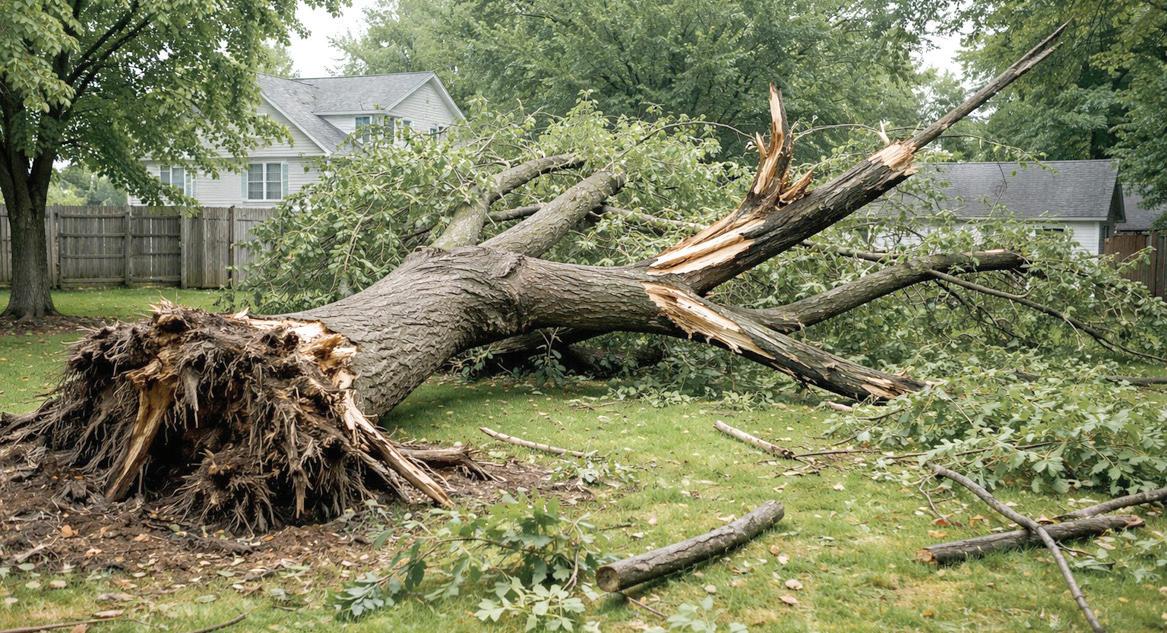
With spring storm season in progress, this program offers timely, real-world advice to help protect property, improve tree health, avoid financial miscues and reduce safety risks. Whether you manage a farmstead, woodlot, or residential landscape, the information shared will be applicable and easy to implement.
The program is free to attend, with a virtual Zoom option also available. The zoom link is purdue-edu.zoom.us/j/98679016042 for those who wish to view remotely.
To register or learn more, contact the Purdue Extension Elkhart County office at (574) 533-0554 or email elkhartces@purdue.edu. Lunch is available following the program. Requests for special dietary needs should be submitted by Friday, April 24 to Brandy Cavanagh at (574) 533-0554 or bcavanagh@purdue.edu.
Registration open for 33rd annual Warsaw Breakfast Optimist Triathlon
More than 300 athletes will head to Winona Lake on Saturday, June 27, for the annual Optimist Triathlon, a scenic, sprint-distance race starting at the Winona Lake Park.
Hosted by the Warsaw Breakfast Optimist Club, the event is now in its 33rd year and continues its tradition of “racing for a cause,” with all proceeds supporting youth programs throughout Kosciusko County.
The event is designed to be inclusive, offering a sprint-distance course that attracts both elite competitors and first-time triathletes. The course features:
• Swim: A 440-yard open water
• Bike: A 14-mile open road ride to Pierceton and back
• Run: A 3.1-mile (5K) run through a wooded trail along a creek
Beyond the main triathlon, the event hosts a shorter course for younger competitors, as well as USAT-sanctioned duathlon and aquabike categories.
“This event is about more than just a personal best,” said Adam Heckaman, co-chairman. “While we provide a high-quality, competitive environment, the real impact happens after the finish line. Every registration helps the Warsaw Breakfast Optimist Club invest in the future of our local kids. It’s high-energy, high-impact and a
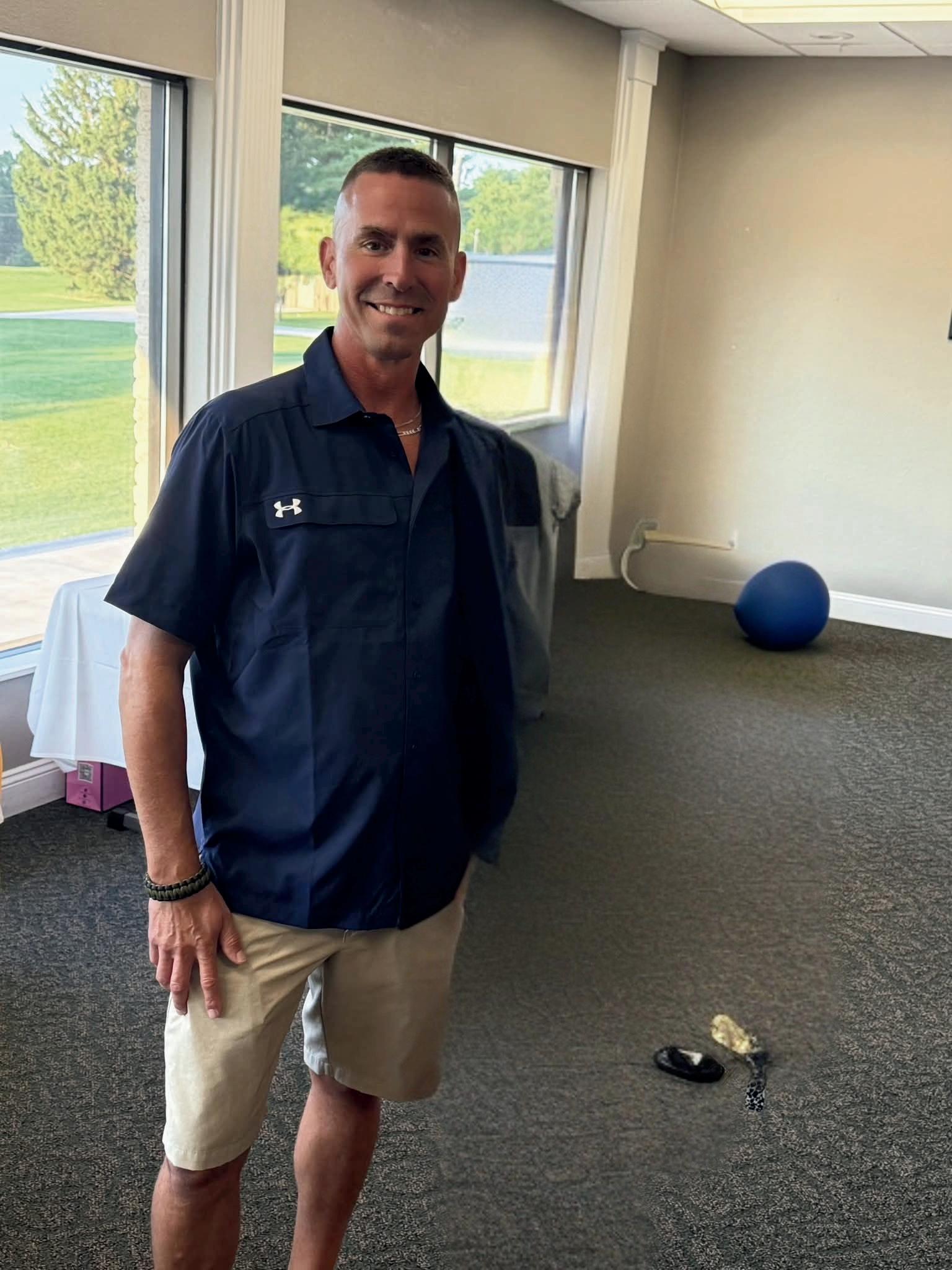
true community celebration.”
The Warsaw Breakfast Optimist Club raises more than $20,000 annually through events like this to support local youth-oriented activities.
Registration is now open for the Optimist Triathlon. Athletes can secure their place at warsawoptimist.org/triathlon. Registration will remain open through June 24 or until the race reaches capacity. Participants will receive an official event T-shirt, swim cap, professional chip timing, awards eligibility and post-race refreshments. Register by June 1 to guarantee your preferred T-shirt size. Early birds get the best deal on registration cost.
FIELD & FRIENDS SERIES The next Fields & Friends program helps residents and landowners assess tree risks and find certified arborists as part of an overall storm damage tree topic. Photo provided by Purdue Extension Elkhart County.
Silveus donation boosts expansion at Warsaw’s Magical Meadows
The Magical Meadows has announced what it is calling a “transformational” donation from Scott and Cindy Silveus in support of the Growing with Heart Capital Campaign and Expansion Project.
The Silveus gift brings the campaign total to $1.98 million raised, placing the organization just $120,000 away from its $2.1 million construction budget goal.
The milestone comes as progress continues on the Growing with Heart Expansion Project.
Construction on the first building, a dedicated therapeutic riding and equine-assisted learning facility, is on track for completion by the end of April. Meanwhile, site work has officially begun on the second building, designed specifically for veterans and first responders participating in the Warriors Mount Up program. This 24/7 facility is expected to be completed and open for use by July.
Together, these two buildings will expand The Magical Meadows’ capacity, enhance year-round programming, and allow the organization to serve more individuals, families, veterans and first responders across the region.
The Silveus family’s support has played a major role in advancing the project, Magical Meadows said in a news release. Earlier this year, Scott’s brother, Cameron Silveus,
and his wife, Shannon, “also made a substantial donation, marking a truly transformational investment from the Silveus family in the future of The Magical Meadows,” the organization said.
“We are incredibly grateful to Scott and Cindy for their generosity and belief in our mission,” said Michael Kuhn, executive cirector at The Magical Meadows. “Their gift comes at an exciting time as we see real, tangible progress happening on-site. With one building nearing completion and the second now underway, we are watching this vision become a reality. Support from Scott and Cindy is helping us accelerate this momentum and bring expanded opportunities to the individuals and families we serve.”
“It was such a pleasure to meet the folks at Magical Meadows and learn more about their mission and vision,” said Scott Silveus. “We believe it is really important to support this cause especially right now with so much expansion going on. This project is going to drastically expand their service numbers, especially for veterans and first responders. What a wonderful cause to support. We’re super excited to see what the future holds.”
As The Magical Meadows works to close out its campaign, potential donors are encouraged to contact
Free Men’s Campfire Gathering set for June 5
The Men’s Campfire Gathering is set to bring men together for a night of connection, camaraderie and conversation from 5-8 p.m. Friday, June 5, hosted at Magical Meadows, 3386 E. 525N, Warsaw.
The event is completely free and is exclusively for men ages 18 and older. The goal is to create an environment where men can relax, recharge and engage in conversations about life, challenges and mental health without pressure or pretense, according to a news release from the city of Warsaw’s Community Assistance Resources & Emergency Services program.
The evening will feature: food served from 5-6 p.m.; a fireside
gathering starting at 6; yard games and connection from 7-8; and door prizes and giveaways throughout the night.
Whether you’re coming for the food, the fun or the conversation, the event aims to offer something for every man who attends. Guests are encouraged to bring a lawn chair and settle in for a relaxed experience.
The Men’s Campfire Gathering is sponsored by a coalition of local organizations, including Project Ebenezer, Allendale Treatment, FW22, CARES and Fellowship Missions, along with Magical Meadows. For more information, call (574) 385-2111.
Kuhn at michael@themagicalmeadows.org or (574) 377-1946 to set up a time to tour the facilities and discuss giving options. You can also learn more about the project at
themagicalmeadows.org/growingwithheart.
Other community members wanting to see the progress with their own eyes are invited to attend
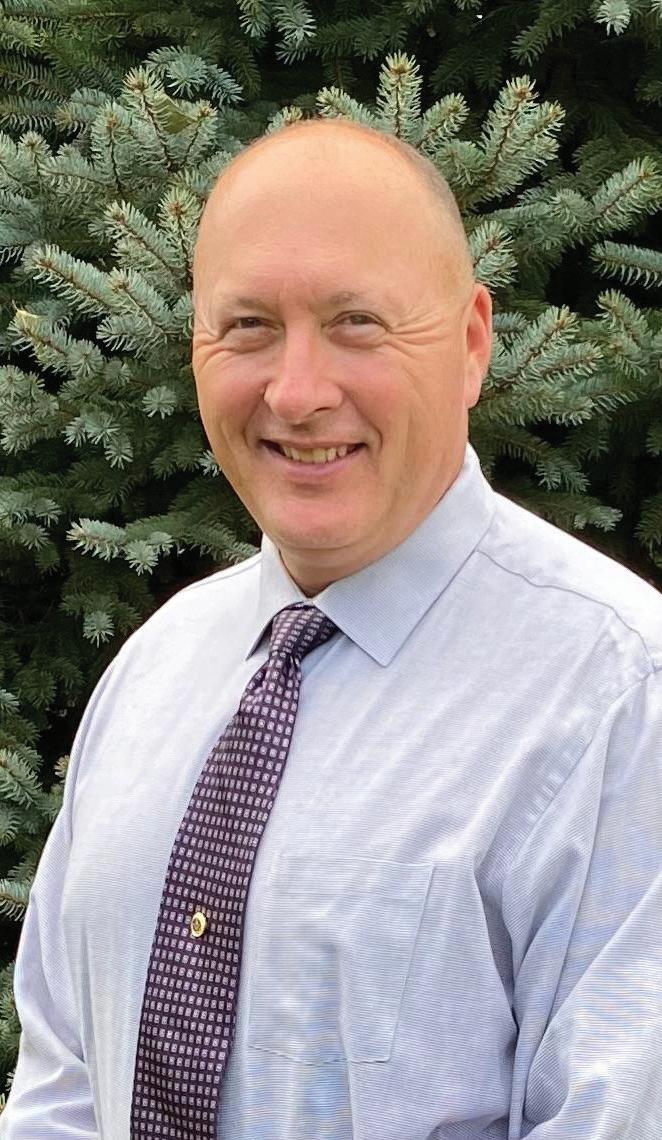
the organization’s Rise Up fundraiser event on Thursday, April 23, where they will get an exclusive first look. Tickets are on sale now at themagicalmeadows.org/riseup.





New pickleball courts dedicated in Syracuse
By PHOEBE MUTHART Staff Writer
The new pickleball courts were dedicated Wednesday, April 15, at the Schrock Athletic Complex in Syracuse.
The courts were made possible through a $90,000 grant awarded in April 2025 by the K21 Health Foundation to the

Syracuse Parks Department. The project included construction of the courts as well as new paving, painting and fencing.
The total cost is estimated at $115,000, with the remaining $25,000 funded by the town of Syracuse, including money from the American Rescue Plan Act.
K21 Health Foundation President and CEO Rich Haddad




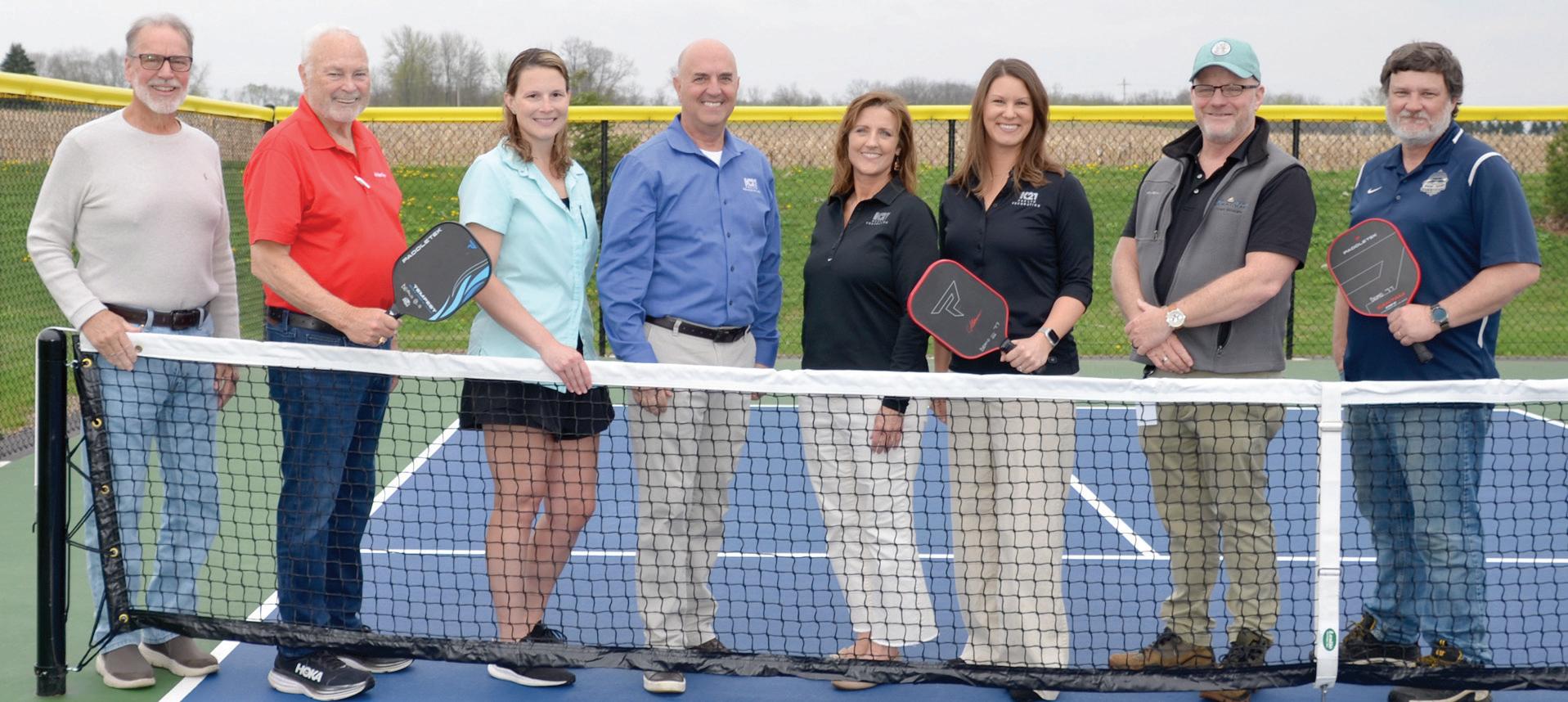
NEW COURTS New pickleball courts were officially dedicated Wednesday, April 15, in Syracuse, and made possible thanks to a grant from the K21 Foundation.
Shown from left are Dr. Tom Edington, park foundation; Dan Buchman, park foundation; Kristin Abbs, park board; Rich Haddad, K21 Foundation CEO and president; Jennifer Stewart, K21 Foundation; Angie Summers, K21 Foundation; David Wilkinson, town manager; and Chad Jonsson, park superintendent.
Muthart.
said the courts are intended to encourage community members to stay active.
“Pickleball is the fastest-grow-
ing sport in the U.S., and we are excited to be a part of an activity that is for the Syracuse community,” Haddad said.
The new courts are open and ready to play on. They are located at 12166 N. Kern Road, Syracuse.

Five Medals May 2-3 in Nappanee
This year’s Five Medals event will be held from 9 a.m. to 5 p.m. Saturday, May 2, to 10 a.m. to 4 p.m. Sunday, May 3, at the Farm at Amish Acres on U.S. 6, in Nappanee.
Five Medals Living History is a living history educational experience that offers the area’s families an exciting adventure, including musket and cannon fire, Native
American encampments, regional period-correct artisans, early American shopping opportunities, and one-of-a-kind history lessons they’ll never forget.
The event features over 200 reenactors and demonstrators spanning the middle 1700s up through Indiana’s statehood of 1816, with special emphasis this year on America’s 250 anniversary.
Organizers say it is anticipating this year’s event to be the most successful to date, with more merchants and demonstrators than ever before, and record-breaking numbers of children attending Friday’s School Day. For more information or event details visit Five Medals’ Facebook page.





Photo by Phoebe
A DEMONSTRATION Michael Dragoo, a foodways demonstrator, is shown at a past Five Medals’ event. This year’s event is May 2-3 in Nappanee. Photo provided by Michael Dragoo.
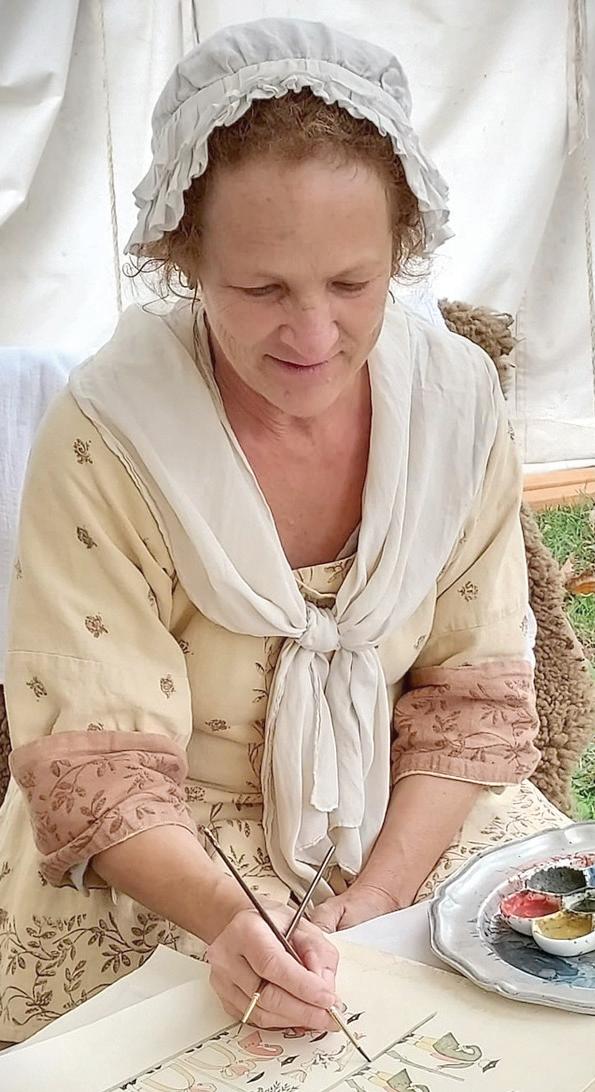
ART IN ACTION Valerie Skinner, an artist, paints at a past Five Medals’ event. Photo provided by Michael Dragoo.






Wakarusa Maple Syrup queen candidates
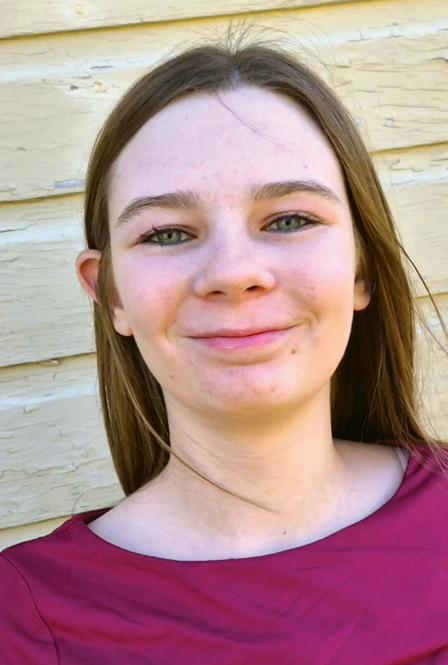
The Wakarusa Maple Syrup Festival has seven young ladies competing for the title of Festival Queen. The coronation ceremony will be at 7:30 p.m. Friday, April 24, at Doc Abel Pavilion, 116 W. Waterford St., Wakarusa, on the first evening of the Wakarusa Maple Syrup Festival. The Wakarusa Maple Syrup Festival is April 2426.
Hadleigh Kristine Campbell is the daughter of Logan and Hannah Campbell. She is 12 years old, and a sixth grader at NorthWood Middle School. She wants to be the next Maple Syrup Festival Queen because she wants to represent her town by showing how welcoming, kind, caring, and outgoing the town of Wakarusa is.
Adalyn Vivienne Beran is the
daughter of Brandi Trusty and Adam Beran. She is 12 years old, and a seventh grader at NorthWood Middle School. She wants to be the next Maple Syrup Festival Queen because she has wanted to be a queen in the festival for as long as she can remember. She believes she can spread kindness and joy throughout the festival.
Madalyn Ruth-Marie Papa is the daughter of Chev Papa and Ashlee Kopp. She is 13 years old, and a sixth grader at NorthWood Middle School. She wants to be the next Maple Syrup Festival Queen because she loves doing hair and makeup and loves getting all dressed up for things like this.
Naomi Cripe is the daughter of Toby and Susan Cripe. She is
Property Tax Assessment Board of Appeals annual session
The Kosciusko County Property Tax Assessment Board of Appeals will meet at 8:40 a.m. Monday, May 18, in the Old Courtroom on the third floor of the Kosciusko County Courthouse.
All hearings will be live streamed.
Voting members are Brock Ostrom, appointed by the Kosciusko County Council, three-year term; Phyl Olinger, appointed by the Kosciusko County Commissioners, two-year term; Mike Settles, appointed by the Kosciusko County Commissioners, one-year term.

Melanie can brighten up the Interior of your home.
Melanie can brighten up the Interior of your home.
Melanie can brighten up the Interior of your home.
Walls
Walls
Ceilings
Ceilings
a seventh grader at NorthWood Middle School. She wants to be the next Maple Syrup Festival Queen because she loves the Wakarusa community and wants to represent it. She also enjoys having new experiences and meeting new people.
Peyton Hersha is the daughter of Kaley Henry and Greg Hersha. She is 12 years old, and a sixth grader at NorthWood Middle School. She wants to be the next Maple Syrup Festival Queen
because she said she has dreamed about this since she was 5 years old and has always believed that maybe one day, she could be the next queen.
Caroline Kinney is the daughter of Jay and Marie Kinney. She is 12 years old, and a sixth grader at NorthWood Middle School. She wants to be the next Maple Syrup Festival Queen because she is excited to represent her town in her favorite festival. She says she would wear the crown with pride
and strive to be a queen the kids of Wakarusa can look up to.
Alexia Ann Gingerich is the daughter of Loren and Rachael Gingerich. She is 13 years old, and a seventh grader at NorthWood Middle School. She wants to be the next Maple Syrup Festival Queen because she wants to show people that we are all beautiful in our own way, and she wants to represent Wakarusa in the way she treats people on and off stage.



Window And Door Trim
Walls
Window And Door Trim
Ceilings
Small Patch Repair
Small Patch Repair
Window And Door Trim
Drywall Repair
Drywall Repair
Small Patch Repair
Great Service – Reasonable Rates
Great Service – Reasonable Rates
Drywall Repair

References Available Upon Request. 574-304-5075
References Available Upon Request. 574-304-5075
Great Service – Reasonable Rates
References Available Upon Request. 574-304-5075
ADALYN BERAN
ALEXIA GINGERICH
CAROLINE KINNEY
MADALYN PAPA NAOMI CRIPE
PEYTON HERSHA
HADLEIGH CAMPBELL


Spring Farming Time






How automation is changing life on the dairy farm
By MAKSYM HART Staff Writer
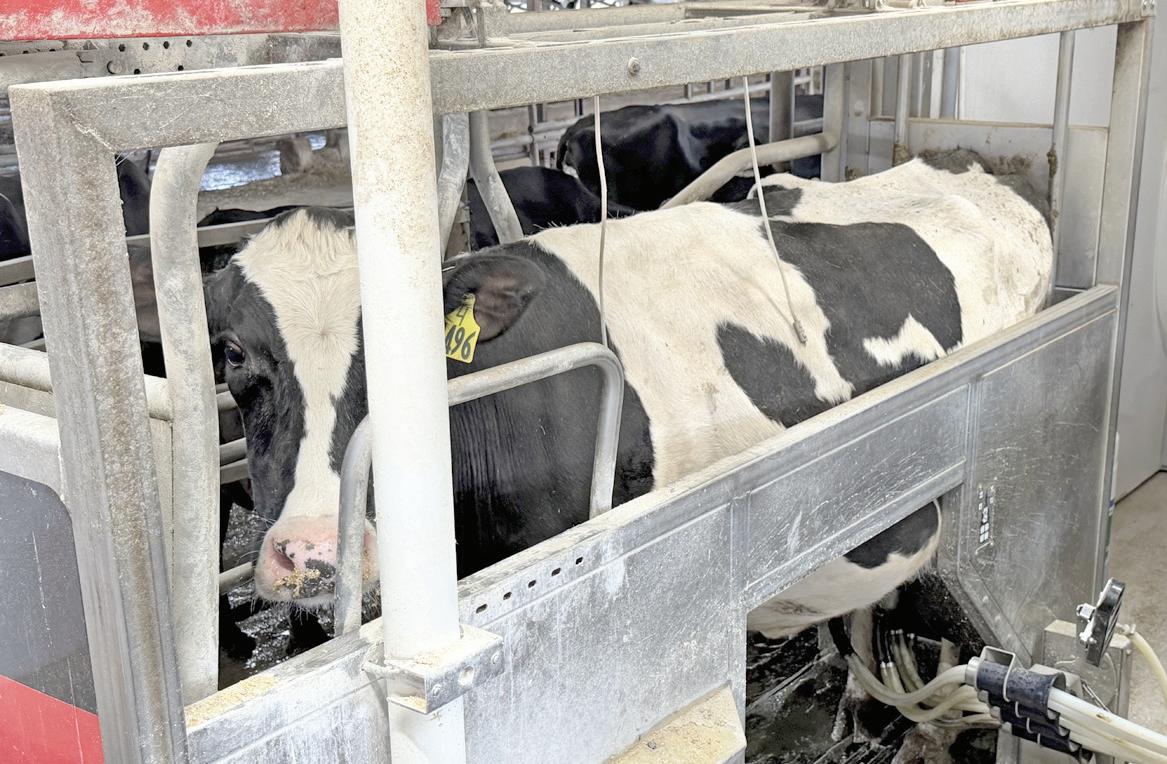
Automated milking systems are becoming an increasingly common sight on modern dairy farms.
While mankind has herded dairy cattle for millennia, this relatively new technology offers a different approach to efficiency, animal care and labor management.
At its core, automated milking



replaces the traditional routine of herding cows into a parlor with a system that allows cows to be milked on their own schedule.
Using robotic stations, cows voluntarily enter a unit where they are identified, cleaned and milked without direct human involvement.
The system, though still a significant investment, is reshaping how farmers handle one of the industry’s most labor-intensive tasks.


Jeremy and Matt Byler of Gingerich Dairy in Milford are among local farmers who have adopted the technology, installing robotic milking units nearly four years ago.
“It’s basically robots that milk our cows,” Jeremy Byler said, describing a system that relies on sensors and software to manage each animal individually.
Each cow wears a collar that communicates with the robot, allowing the system to track when the animal was last milked and whether it is ready to be milked again.
If so, the machine performs the entire process, from cleaning the udder to attaching milking equipment and collecting milk.
One of the defining features of automated milking is flexibility. Rather than adhering to fixed milking times, cows can be milked multiple times per day depending on their needs. At Gingerich Dairy, cows may visit the robot every four to 12 hours, with “fresh” cows milked most frequently.
This flexibility can lead to improved animal welfare. Cows experience less stress because they are not being moved as frequently or handled by multiple workers.
“The less stress on a cow, the better they produce,” Jeremy Byler said.
Automated systems also provide a steady stream of data. Sensors track feeding behavior, activity lev-
els and rumination, giving farmers early warning signs if a cow may be sick or not eating properly.
Beyond animal care, labor remains one of the primary drivers behind adoption.
Dairy farming has long required physically demanding work at all hours, and many farms face challenges finding and retaining employees.
At Gingerich Dairy, competition from nearby manufacturing jobs contributed to staffing difficulties, prompting the Bylers to consider automation.
“We just could not compete with the labor costs,” Jeremy Byler said.
The transition can also be challenging. Cows must be trained to use the robots, and farmers must learn to manage a more technology-driven operation.
“It’s been a learning curve for not only the cows, but for us as well,” Matt Byler said.
Despite those hurdles, many farms view automated milking as a long-term investment.
The Bylers are currently expanding their system, with plans to shift more cows away from traditional milking methods and further reduce labor demands.
“We’re looking to completely automate over the next five years,” Jeremy Byler said.




While automated systems can reduce labor needs, they do not eliminate them entirely.
Workers are still needed to maintain equipment, monitor the herd and assist cows that do not visit the robot on their own. Matt Byler explained they rely on software-generated “fetch lists” to identify animals that need to be guided to the system.
Across the dairy industry, similar transitions are underway as farms weigh the costs of new technology against potential gains in efficiency, data insight and herd health.
For operations like Gingerich Dairy, automated milking represents both a response to present challenges and a step toward the future of farming.
Sustainable farming becoming the norm for area producers
By LAUREN ZEUGNER Staff Writer
Over the years, farming has become more scientific and hightech with the focus on improving
soil health. Agriculture can put significant pressure on natural resources, but sustainable practices help protect the natural environment while also improving
Continued on page 9

MODERN MILKING METHODS A dairy cow is milked by an automated robotic system at Gingerich Dairy, where sensors identify the animal and complete the milking process without direct human involvement.
Photo by Maksym Hart.
Hogs and chickens most popular livestock in Elkhart, Kosciusko counties
By LILLI DWYER Staff Writer
Kosciusko and Elkhart counties are heavily agricultural, but data from the United States Department of Agriculture shows just how many livestock there really are. Hogs and chickens are by far the most numerous livestock, with numbers in the tens are even hundreds of thousands.
As of the 2022 agricultural census, there were 62,450 hogs and 876,309 chickens in Elkhart County. The latter number puts Elkhart County at No. 3 in the state in chicken populations that year.
There is no data available on chicken populations in Kosciusko County for 2022, but there were 116,917 hogs, ranking No. 11 in the state.
While cattle are not the most populous livestock, there are still a significant number of them. In fact, out of all 92 Indiana counties, both Elkhart and Kosciusko rank within the top 10 for cattle populations.
As of the last available census data on cattle from January 2024,
Sustainable
Continued from page 8
soil fertility.
By adopting eco-friendly farming methods, farmers can increase profitable income, promote environmental stewardship, increase production for human food and fiber needs while also enhancing the quality of life for farm families and communities.
Healthy soil means more profits over time as the farmer is spending less on fuel and energy while benefiting from a more consistent crop yield. Healthy soil also provides a buff when it’s either too wet or too dry.
Like any living thing, soil needs to be fed. Sugars from living plant roots, recently dead plant roots, crop residues and organic matter in the soil feed the varied parts of the soil food web.
Tillage can destroy organic matter in soil, along with habitat that soil organisms need.
Reduced or no-till farming offers several benefits including aiding plant grown by containing more organic matter and moisture; reducing soil erosion from both wind and water; reducing the cost of fuel and labor and providing food and cover for wildlife.
Cover crops protect exposed topsoil in fields during the fall and winter and when a field isn’t in rotation for crops. A cover crop prevents soil erosion and adds organic
TOP 10
While cows are not the most popular livestock, Kosciusko and Elkhart counties rank within the top 10 on cattle numbers in the state of Indiana. Photo by Lilli Dwyer.
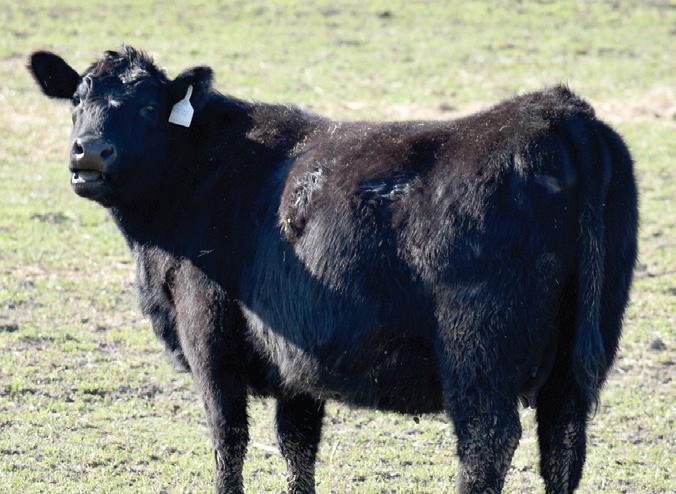
Elkhart County ranks No. 3 in the state in cattle population, with 49,500 head of cattle. The majority were milk cows, with a population of 15,600. There were 2,600 beef cows.
Elkhart county is also No. 2 in the state for sheep, with 6,010. Data on other livestock from 2022 also showed 69 turkeys.
Kosciusko County ranks No. 6 in the state for cattle, with 21,000 total. Like Elkhart, dairy cows outnumber beef cows by a number of 4,600 to 2,500. There were 1,140 sheep and just five turkeys accounted for by the USDA census of 2022.
matter when it’s turned under at planting time.
Cover crops are usually planted in late summer or fall around harvest time and before spring planting. Examples of cover crops are rye, wheat, clovers, turnips, radishes and triticale. Planting several cover crop species together in a mixture can increase their impact on soil health.
Cover crops increase organic matter in the soil and add living roots to the soil during more months of the year. They also help improve water filtration into the soil.
Cover crops also protect the soil from heavy rains and strong winds that would typically strip a bare field of its topsoil.
For those who raise livestock as well as crops, cover crops provide additional grazing or haying opportunities.
Cover crops also provide winter food and cover for birds and other wildlife as well as food for pollinators.
The different life forms, including plants animals and microorganisms all play a part in healthy soil. increasing the variety of crop rotation and cover crops increases soil heath and function reducing costs and increasing profitability.
Biodiversity also helps in preventing disease and pest problems associated with continually planting the same crop repeatedly.


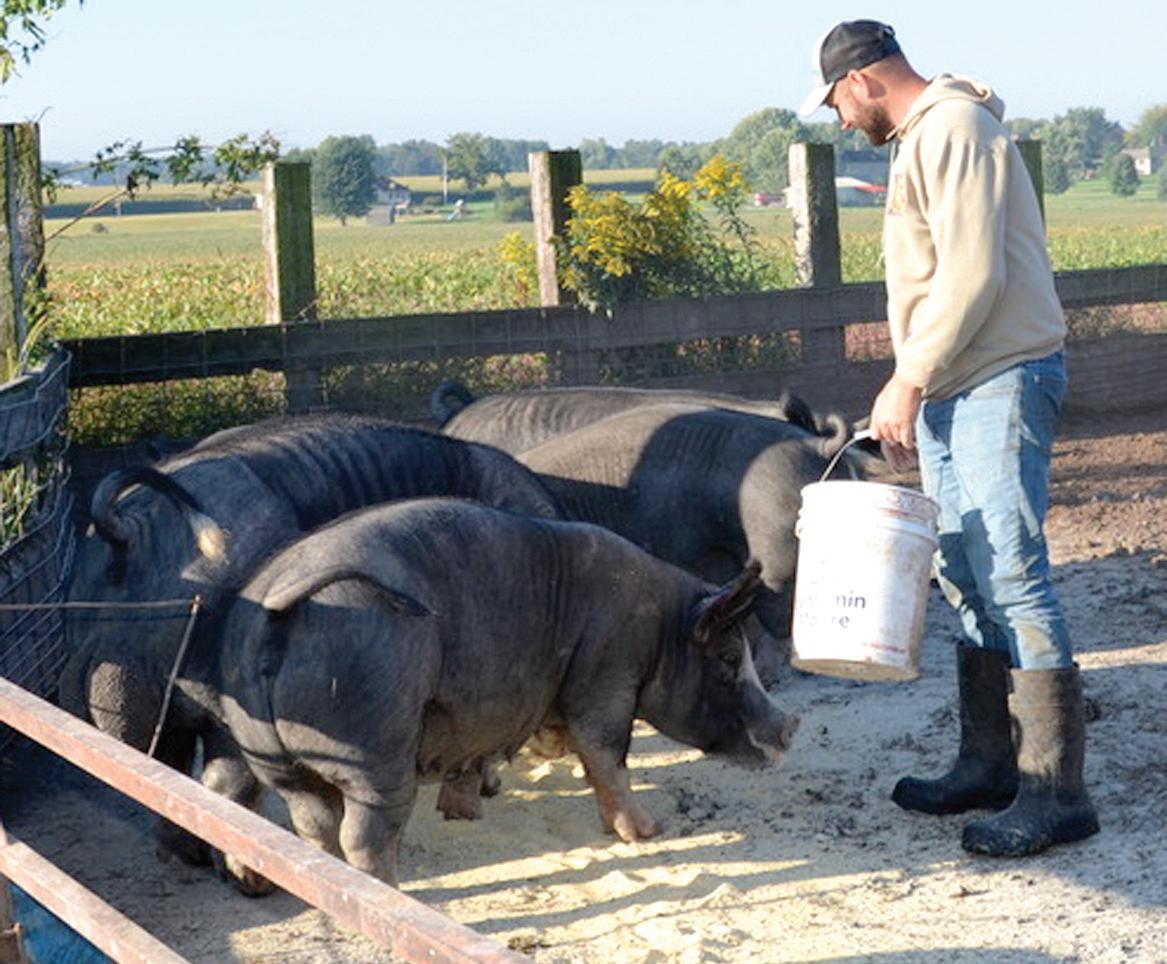


NUMBER ONE Mike Hertsel, Nappanee, is pictured with some of his hogs. Hogs are the most numerous livestock in Kosciusko and Elkhart counties, with chickens coming in second. Photo by Phoebe Muthart.
Spring Farming Time
Beginning Farmer program offers resources, guidance
By LILLI DWYER Staff Writer
The farmers and stockmen of America are the best in the world — a shining example of the rewards of hard work, innovation, and family values. We’re proud of them all, and pleased to offer our support.

a “pretty significant interest in farming.” That and “statistics on aging farmers” led her and her colleagues to develop Beginning Farmer, a program focused on helping those new to farming create a solid plan of action for their operations.
Beginning Farmer began as an in-person program in 2019 and pivoted online during the COVID pandemic.
“During COVID, people were looking for another source of income,” said Thompson, but there are many reasons to take an interest in farming. Attendees range from mid-career professionals searching for a different path to those looking to make use of their land or find a post-military vocation.
Thompson reports there aren’t many traditional corn and soybeans growers entering the program. One participant grew aronia berries and is now selling her crop to restaurants. Identifying what market an operation will fit into is just one of the topics covered in the Beginning Farmer program.
“The program really doesn’t address putting seeds in the ground or getting plants to grow, it’s more about identifying where you want to go,” Thompson explained.
Beginning Farmer is designed around setting goals with a realistic timeline, identifying challenges and connecting to resources that are available to farmers. These include local FFA chapters, soil and water conservation districts, and county Extensions offices.
Connecting and networking through the a digital interface can be challenging, but that aspect of the program is “a necessary topic, as far as knowing what programs are available to you,” she went on. A Google

Classroom is there for participants to discuss and share information with each other.
“We also try to have either beginning farmers or farmers who have been through the process of being a beginning farmer, maybe a first generation farmer, we have them as guest speakers,” Thompson added.
A beginning farmer is someone who has been farming for zero to 10 years, a long learning curve the program doesn’t try to compress.
Participants have an option to earn a certificate through the
program, but the main focus is on developing an action plan that leads beginning farmers forward in their farming operation.
“We even say that if people decided not to farm because of this, that would be a success because they haven’t committed time and income into something that ends up not being successful for them,” said Thompson.
Beginning Farmer is a yearly program and has wrapped up for 2026. Thompson predicts a start date in early February for 2027.
In the meantime, there are other resources to engage with, such as the monthly Diversified Farming and Food Systems newsletter. This is where Purdue Extension shares information about farm tours, educational programs and other events. Sign up or view past editions at extension.purdue.edu/ anr/newsletter.html.
Upcoming events include Market Ready Producer Training on May 14 and Small Farm Education Field Day on July 8. More information is available at facebook.com/PurdueDFFS.


Six years ago, Amy Thompson of Purdue Extension noticed through her work in diversifying food systems that there was
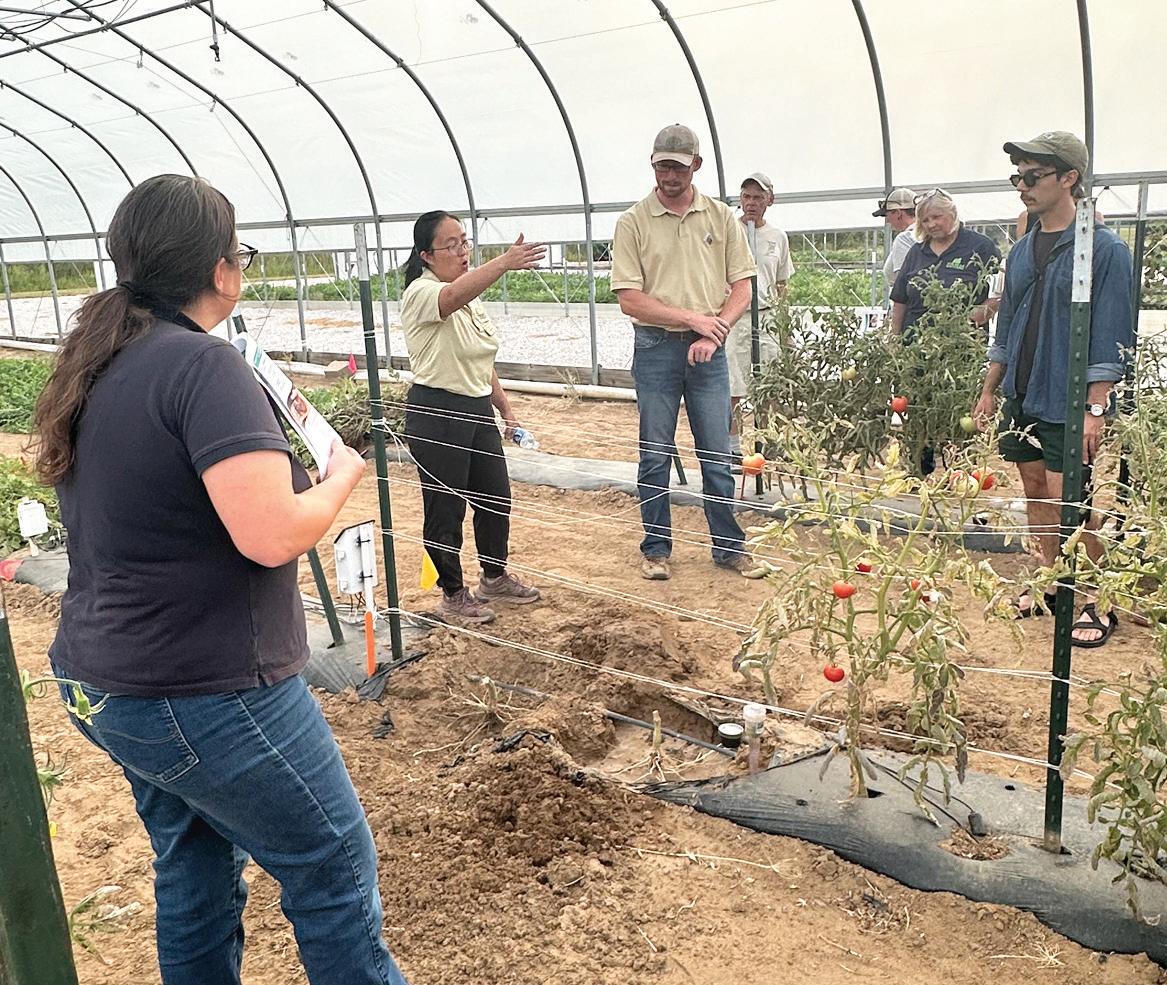
WORKSHOP Pictured are a group of attendees at a Purdue Extension drip irrigation workshop in 2025. Beginning farmers are encouraged to attend events like these during their learning process. Photo provided by Amy Thompson.
Farmers have tools to determine whether a crop will be profitable
By LAUREN ZEUGNER Staff Writer
It takes more than sustainable farming methods to ensure a crop brings in a profit at harvest. For farmers in Indiana, Purdue University offers a number of tools to assist them in determining whether a projected harvest will be profitable.
The Purdue Crop Cost and Return Guide provides farmers with a resource to project financials for the coming crop year. This year’s guide was issued last September with March 2026 crop budget estimations.
The guide allows users to evaluate up to three full-season crops as well as the wheat double-crop soybean system. Gross revenue,
costs and net returns are evaluated per acre and per unit.
The guide estimates crop yields and costs of yields with average management across three soil types: low, average and high productivity. The guide defines high productivity soil as being able to produce corn and soybeans with yields that are 20% higher than average soil productivity. Low
Many ways consumers support local farmers
By PHOEBE MUTHART Editor
Supporting local farmers strengthens communities, promotes sustainable agriculture and provides access to fresh, nutritious food.
There are several simple ways consumers can make a difference, including shopping at farmers markets, joining Community Supported Agriculture programs, buying directly from farm stands and purchasing meat in bulk.
People can also volunteer on farms, support restaurants that use locally sourced ingredients and help spread awareness through social media.
One of the most effective ways to help is by shopping at local farmers markets. Buying directly from farmers ensures they receive the full retail value of their products while providing consumers with fresh produce, meats and other goods.
Community Supported Agriculture
Another way to support farmers is by joining a Community Supported Agriculture program, or a CSA. Members pay in advance for a share of the farm’s harvest, giving farmers crucial early-season income.
For more than 40 years, CSAs
have grown in popularity as a way for consumers to purchase local, seasonal food directly from producers. Benefits include access to fresh, high-quality fruits, vegetables, eggs and meats - often harvested at peak ripeness.
Order Directly From Farms
Many farmers now sell their products online, allowing consumers to order directly from its websites. This approach offers convenience while still supporting local agriculture.
Check Labels
When shopping at grocery stores, consumers can look for labels that identify locally grown or family farm products.
Promote On Social Media
Sharing information about local farms on social media can help increase their visibility and attract new customers.
Buy In Bulk
Purchasing in bulk helps farmers manage large harvests while increasing their revenue.
Key Benefits Of Supporting Local Farmers
• Improved quality and nutrition: Local produce is often fresher and better tasting.
• Environmental sustainability: Buying local reduces the carbon footprint associated with long-distance transportation.
• Community growth: Spending money locally helps strengthen the economy and build community connections.
• Support for small farms: Local purchases help family farms remain viable.
Consumers have many opportunities to support hardworking local farmers. In addition to benefiting the local economy, they can enjoy meals made with fresh, locally-grown foods.
productivity soil produces yields that are 20% less than average soil. Yields are determined assuming average weather conditions and timely harvest dates.
The guide breaks the estimates down further providing information on whether a farm’s acres are in continuous corn or whether half the acres are in rotation with soybeans.
Other considerations the guide includes are the costs of machinery. A larger farm operation will require larger, more expensive machinery and any farm operation will have maintenance and replacement costs for its machinery.
Labor is also factored in, whether it is provided by family members or hired help.
Purdue also has the Purdue Center for Commercial Agriculture Crop Basis Tool User Guide.
This web-based tool provides weekly historical and current corn and soybean basis data for local market regions in Indiana, Illinois, Iowa, Michigan and Ohio. This tool is updated weekly on Wednesdays to provide current market information.
The data provided represents
approximately 3,000 buyers across the region. Daily cash price data from individual grain operators and processors are averaged to create a cash price series.
Farmers can receive four different types of information from the tool: regional basis, ethanol plant basis, soybean processor basis, Ohio River basis and basis pap.
Regional basis provides data computed for each crop reporting district across the five states. Ethanol plant basis data is computed for each state by averaging all available ethanol plants in each state. The soybean processor basis also is computed for each state by averaging all available soybean processors in each state in the region.
The Ohio River basis focuses on data from terminals on the Ohio River across Southern Ohio, Indiana and Illinois. The basis map shows how current crop basis varies across the region. Farmers are able to view the most recent information for corn and soybeans. In addition, the map also provides the historical average, three year average for corn and two-year average for soybeans for the most recent week.



Farming Time
How rising food demand affects farming
By PHOEBE MUTHART Editor
Rising global food demanddriven by population growth, increasing incomes, and shifting diets - is transforming modern agriculture. Farmers are being pushed to become more efficient, more intensive, and more technologically advanced to keep up. Experts estimate that global food production must increase by 70% to 100% by 2050 to meet demand, placing immense pressure on agricultural systems worldwide.
By 2050, the global population is expected to exceed nine billion people. Yet even now, the world struggles to feed every-
one. According to Penn State, more than one billion people lack sufficient food, while two billion suffer from inadequate nutrition.
Research from the Institute on the Environment at the University of Minnesota shows that, to meet demand by 2030, yields of staple crops such as maize, rice, wheat, and soybeans must increase by 60% to 110%; however, current projections estimate increases of only 45% to 60%, highlighting a significant gap.
“Our population is rising, and so is the demand for food,” said Emily Kresca, Purdue Extension-Kosciusko County Agriculture and Natural Resources Educator.
Several key factors are contributing to the growing mismatch between food supply and demand.
Climate
Change
Climate change is expected to reduce crop yields, particularly in regions where populations are growing the fastest. Droughts, floods, and extreme weather events continue to disrupt agricultural production and strain already vulnerable systems.
“Weather events don’t just affect one season; they can have lasting financial impacts that carry into future years,” according to Kresca. “When yields are uncertain and costs are rising, it puts added strain on farm fi-
nances and on farmers’ mental health. The stress of not knowing what each season will bring is a major concern.”
Declining Interest In Farming
A shrinking agricultural workforce is another major challenge. The average age of farmers in many developed countries is around 60, as younger generations move away from rural areas. With fewer young people entering agriculture, many farms are forced to close or consolidate, creating long-term concerns for food production.
Food Waste Food loss and waste remain widespread, further straining

the global food supply and contributing to food insecurity.
To meet rising demand, farmers are adopting new strategies and technologies. These include precision agriculture tools that allow for more efficient use of nutrients, as well as improved seeds that require less water and fewer inputs. Innovations in fertilizers are also helping reduce environmental loss.
Sustainable practices, such as hydroponics and drip irrigation, are becoming more common, helping farmers increase efficiency while reducing costs. In addition, some experts suggest policy changes - such as easing restrictions on agricultural work visas - to help address labor shortages.
“There is pressure to produce more, often with fewer resources,” Kresca said. “Farmers are being asked to grow more food on the same - or even shrinking- amount of land. As demand grows globally, so does competition for inputs like fertilizer, seed, fuel, and equipment.”
Why Food Prices Are Rising
As incomes rise around the world, diets are shifting toward more meat and dairy consumption. These foods require significantly more grain and resources to produce, increasing overall demand.
At the same time, crops such as corn and soybeans are used not only for food but also for fuel and industrial products, adding further competition for supply.
“Droughts, floods, and extreme weather reduce yields, tightening supply and pushing prices up,” Kresca said.

EMILY KRESCA PURDUE EXTENSION EDUCATOR
Autonomous farm tech growing in use, economic hurdles remain
By MAKSYM HART Staff Writer
Autonomous farm machinery is advancing rapidly across the Midwest, but new research suggests the technology may not yet be economically viable for most large-scale grain operations.
A recent study by Purdue University researchers found that while autonomous equipment can help address labor shortages, high upfront costs and ongoing service fees continue to outweigh the savings for many farms.
The analysis used a farm-level optimization model to compare autonomous systems with conventional machinery on a typical Midwestern corn and soybean operation.
The study concluded that labor costs are the key factor in determining whether the technology “pencils out.”
Under current conditions, farm wages would need to exceed $140 per hour for autonomous machinery to consistently outperform traditional equipment financially.
Still, the technology is gaining traction locally, according to Emily Kresca, an educator with Purdue Extension serving Kosciusko County.
“I definitely think farmers are using more technology like that,” Kresca said. “Especially with a decrease in employees, they need more of those autonomous equipment to help them get things done in the busy season.”
While fully autonomous tractors are not yet widespread, Kresca said farmers in Kosciusko and nearby Elkhart County are increasingly adopting related technologies.
These include GPS-guided equipment, automated irrigation systems and drones used for crop scouting and targeted spraying.
“Rather than going out and walking those fields, they can put a drone up, turn the camera on and kind of look and see what’s going on from above,” she said.
The Purdue study aligns with those observations, suggesting adoption will likely happen gradually rather than through a rapid, full-scale shift.
Instead of replacing entire fleets, farmers may first integrate autonomous tools in specific tasks where labor shortages are most acute.
treatment effectiveness, farmers must also learn how to interpret and apply that data effectively.
Both the research and local observations point to continued
growth in demand for autonomous solutions, particularly as technology improves and becomes more user-friendly.
“Personally, I think that trend

Kresca noted that while the technology offers advantages, including improved efficiency and access to detailed field data, it also presents challenges.
“These automatic systems are going to be pretty pricey,” she said. “You have to have the financial stability to purchase them and maintain the programs and data that go along with them.”
She added that while advanced systems can generate valuable insights on crop yields, weeds and
would continue to increase,” Kresca said. For now, the question facing farmers in northern Indiana and across the Corn Belt is not
whether autonomous machinery will play a role in agriculture, but when its costs and capabilities will align with the realities of modern farm operations.



Farming Time
Trends in general inflation and farm input prices
By MICHAEL LANGEMEIER Purdue University Center for Commercial Agriculture
Recent articles have examined increases in energy and fertilizer prices since early March. This article takes a broader view, focusing on longer-term trends in general inflation and agricultural input prices.
From 1973 to 2025, the implicit price deflator for personal consumption expenditures increased an average of 3.4% annually, compared with 4.1% for USDA’s agricultural production input index. The correlation between the two series was 0.59, indicating a moderate relationship between general inflation and farm input prices.
Farm input prices are influenced by both general inflation and input-specific supply and demand factors. As a result, some inputs are more closely aligned with inflation than others.
Analysis of data from 1973 to 2025 shows the correlation between general inflation and the overall agricultural input price index was 0.59. Average annual increases for labor (4.5%) and machinery (5.5%) exceeded the rate of general inflation and were more closely correlated with it. In contrast, feed prices showed no statistically significant relationship with general inflation. Inputs such as seed, fertilizer and fuel were also less closely tied to inflation trends.
Agricultural input prices have been more volatile than general inflation. Since 1974, general inflation exceeded 10% in only two years — 1974 and 1980. In comparison, agricultural input prices rose more than 10% in seven years and exceeded 15% in 2008 and 2022. Input prices also declined in 13 years, while general inflation did not turn

negative during this period. Measures of variability confirm this pattern, with significantly higher variation in input prices, particularly for feed, seed, fertilizer and fuel.
Recent data show similar dynamics. In 2025, general inflation declined sharply from the elevated levels seen between 2021 and 2023 and was close to its 10-year average. However, the rate of increase for agricultural production inputs in 2025 was nearly four times higher than general inflation. Over the 2021–2025 period, most farm inputs rose faster than inflation, except for feed and seed. Over a 10-year horizon, feed, seed and agricultural chemicals increased more slowly than inflation, while fertilizer and diesel posted gains exceeding 5% annually - more than double the rate of general inflation.
For the most recent 12-month period, from early 2025 to early 2026, general inflation increased 2.8%, near its long-term average. In contrast, the aggregate agricultural input price index rose 10.6%.
Fertilizer and feeder livestock prices were key contributors to this increase. Nitrogen, phosphorus, potash, supplies, repairs and building materials all posted gains above general inflation, while other inputs rose more modestly.
Short-term price movements have remained volatile. In March, diesel prices increased about 34% and anhydrous ammonia rose roughly 13%. Compared with March 2025, ammonia prices were up about 23%. These increases are placing upward pressure on 2026 breakeven costs and may influence acreage decisions.
Overall, farm input prices are correlated with general inflation over the long term but are not per-
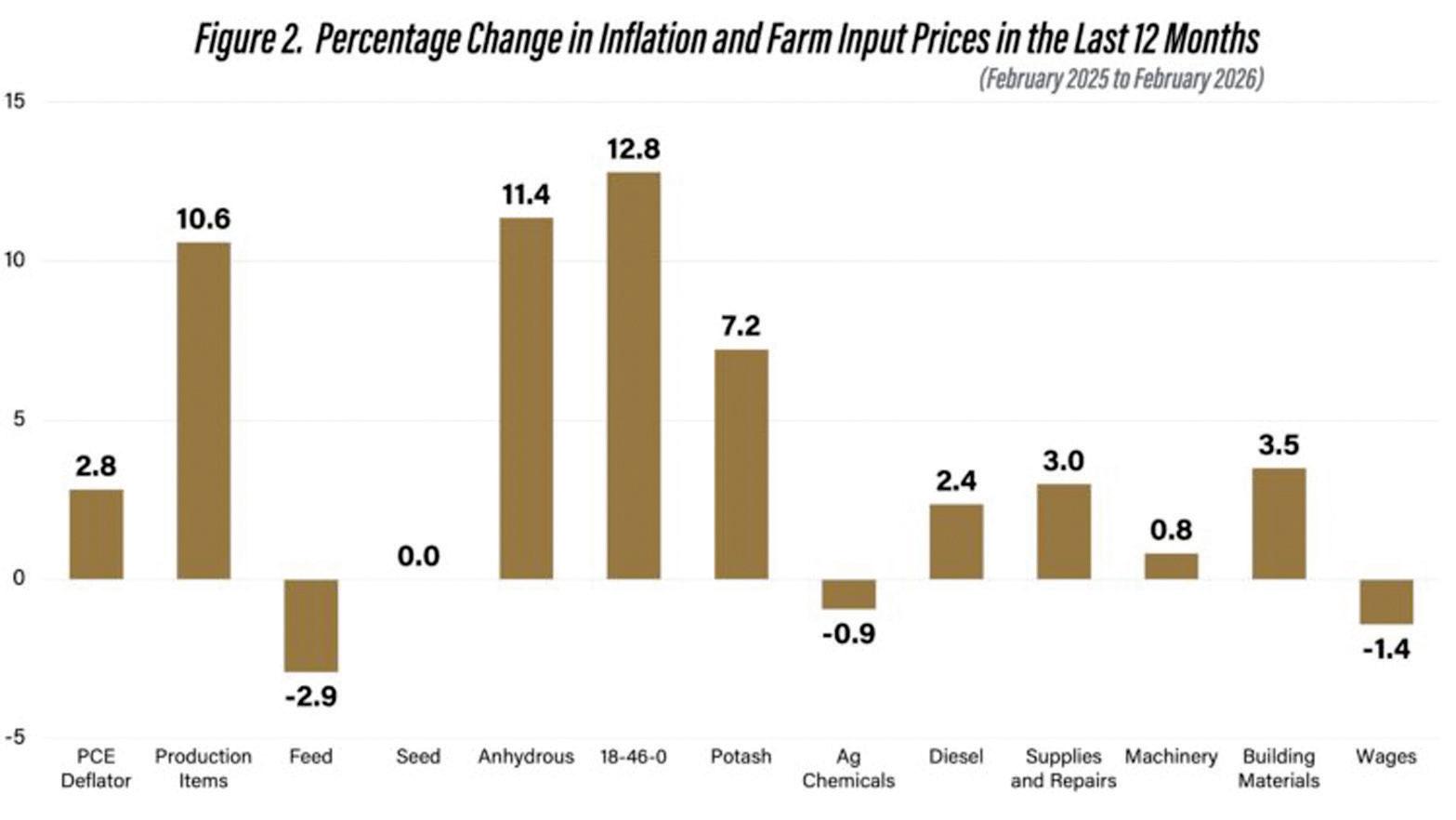
INFLATION STATION This figure provides a visual summary of inflation and farm input price changes over the last 12 months. Photo provided by the Purdue University Center for Commercial Agriculture. fectly aligned. Labor and machinery prices tend to track inflation more closely, while other inputs are more volatile and driven by sector-specific conditions. Recent increases in fertilizer and energy costs underscore the importance of these differences for farm profitability and production decisions.
Indiana releases update to the State Nutrient Reduction Strategy
The Indiana State Department of Agriculture recently released an update to the State Nutrient Reduction Strategy, a statewide strategy designed to improve water quality in Indiana, the Great Lakes and the Gulf of America.
The updated strategy represents the state’s commitment to reduce sediment and nutrient runoff into Indiana’s waters from point source and non-point source pollutants. It captures statewide efforts in Indiana that positively impact our waters as well as documents the progress of conservation, water quality improvements,
and adoption of soil health and edge-of-field practices across the state.
Additionally, the strategy serves as a renewed effort to encourage outreach and education to conservation partnerships and the public regarding stewardship of Indiana’s waters.
“This updated strategy underscores the important work being done in land stewardship,” said Don Lamb, director of the Indiana State Department of Agriculture.
The updated strategy was produced under the leadership of ISDA and the the Indiana Depart-



ment of Environmental Managemen with the guidance provided by the Indiana Conservation Partnership and the SNRS workgroup.
“Indiana has put a premium on data to ensure we have a complete assessment of water health throughout the state,” said IDEM Commissioner Clint Woods. “This guided plan gives us a strategic roadmap to better identify trends, address challenges, and measure progress over time, including impactful approaches to address harmful algal blooms and hypoxia.”
The following list includes objectives of this strategy:
Raise awareness about the proper types of conservation practices to use on agricultural ground as well as other rural best management practices.
Acknowledgment of the challenges facing the improvement of Indiana’s impaired waters.
Involvement and engaging of stakeholders in the state’s efforts to reduce nutrient loads.
Prioritization of HUC 8 watersheds within Indiana.
Discussion of water quality monitoring and regulatory control of point sources.
The inventory and utilization of resources to achieve their highest impact on nutrient reduction.
Encouragement of voluntary incentive-based conservation through the many state and federal water quality related programs.
Illustrate the means by which the state will provide reports and accountability of assisted conservation practices reported by staff in the Indiana Conservation Partnership.
For more information and to view the full strategy, visit in.gov/ isda/divisions/soil-conservation/ indiana-state-nutrient-reduction-strategy/. Comments can be sent to ISDANutrientReduction@ isda.in.gov.
The Sprayer
The Sprayer


•
•
•
•
•
•



Kosciusko CASA program welcomes new advocates for children
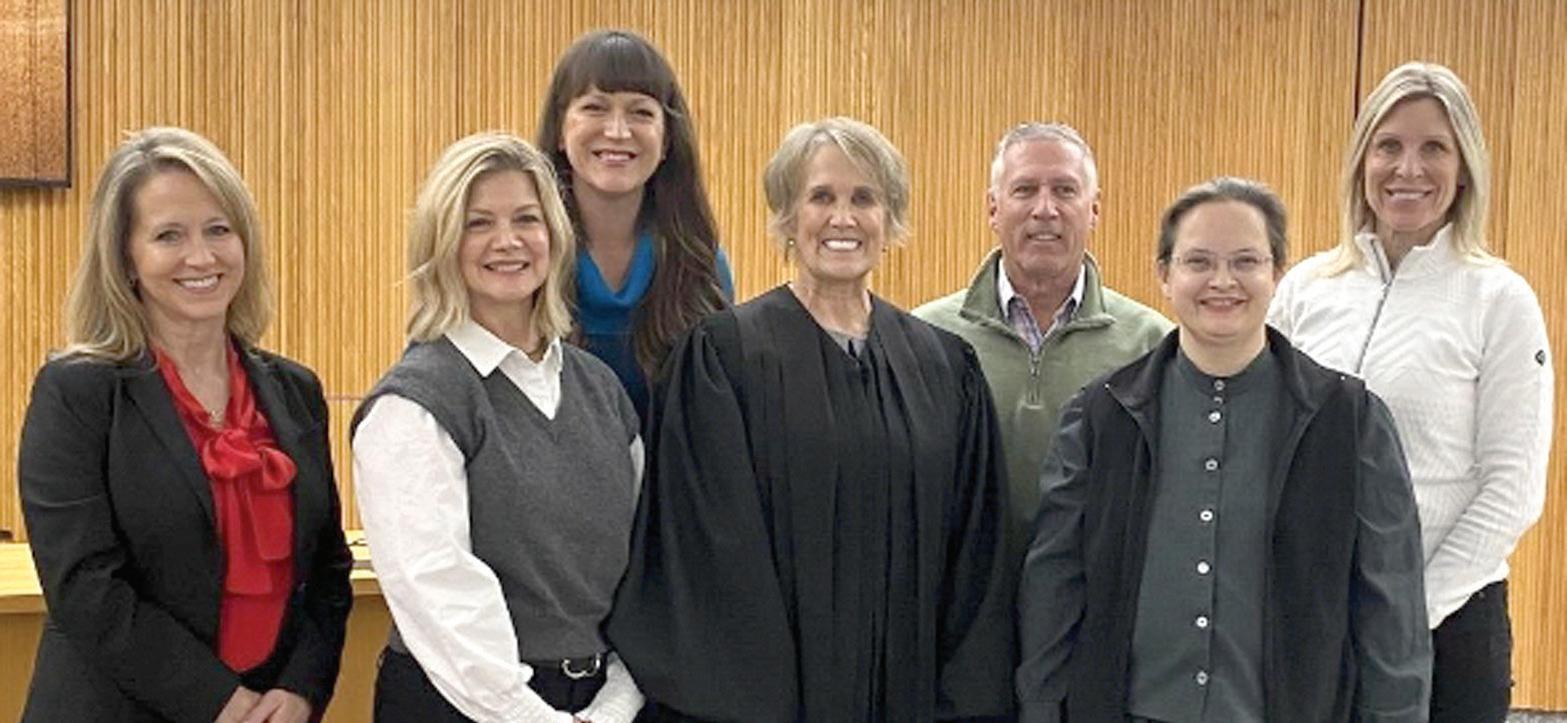
The Court Appointed Special Advocates program of Kosciusko County recently welcomed new volunteers into its ranks.
In March, eight individuals who had completed and graduated CASA training officially joined the program when they were sworn in by Kosciusko Superior Court Judge Karin McGrath.
Court Appointed Special Advocates advocate for the best interests of abused or neglected children in court.
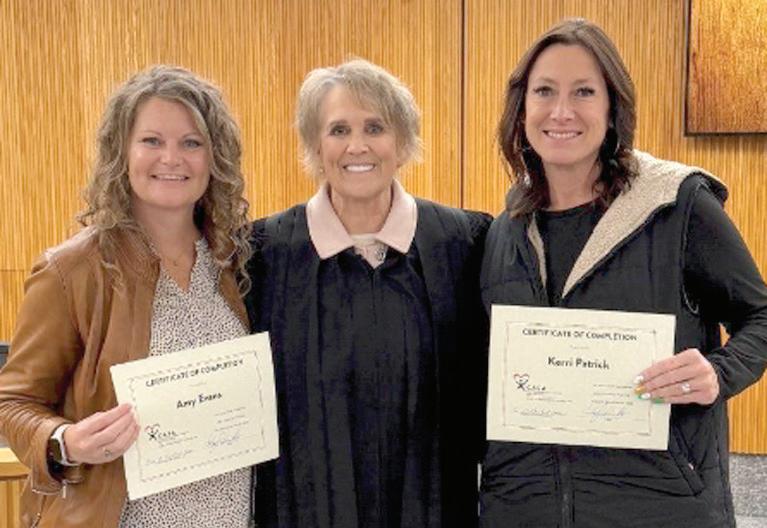
The new volunteers include Andrea Sullivan, Jo Methuselah, Christa Plew, Erin Martin, Christine Thilmony, Jamie Martin, Amy Evans and Kerri Patrick.
Milford Food Bank celebrates new facility with open house
The Milford Food Bank invites the community to celebrate the completion of its new warehouse facility with a pub-
Elkhart County Quilt and Fiber Expo June 4-5
The third Elkhart County Quilt Fiber Experience Expo will be held Thursday and Friday, June 4-5, at the Elkhart County Community Center on the Elkhart County 4-H Fairgrounds, 17746 CR 34, Goshen. Hours for the expo are 9 a.m. to 7 p.m. Thursday, June 4, and 9 a.m. to 4 p.m. Friday, June 5.
The entry price for each day is $10 and includes viewing of the quilt and fiber show, Look and Learn sessions, classes and vendors.
All quilters and fiber artisans are encouraged to enter their creations in the viewer’s choice quilt show. There are six classes for quilts and quilted items, along with a special youth class. The fiber show includes eight classes and a special youth class. Details are available on the website.
The three classes are each half-day sessions and offer a variety of learning experiences for beginners to skilled participants.
Classes require preregistration, and costs vary. Wool Applique Pin Cushion, taught by Cheryl Baker, will be from 9 a.m. to noon Thursday, June 4. Bog Jacket, taught by Janis Nelson, will be from 1 to 4 p.m.
Learn How to Create and Paint a Barn Quilt Block, taught by Karen Weilen, will be from 9 a.m. to noon Friday, June 5.
Two special features of the expo include the “America 250 Challenge,” inviting participants to submit entries reflecting what the nation’s 250th birthday means to them using various needle skills. Details are available on the website, and there is no entry fee. The second feature is a Red, White and Blue Quilt of Valor display.
The Look and Learn sessions will begin at 10 a.m. and be presented on the half-hour, with a 15-minute break between sessions.
Thursday sessions include:
Free Motion Quilting by Pam Schultz; Needle Tatting by Sue Martin; Knitting Hacks by Susan Weller; Let’s Make an Ornament by Robin English; How to Use the Color Wheel by Mary Jo Finley; Apliquick by Judy Hunsberger; Using AI With Sewing by Lynn Gerard; Embellishing a Quilt by Claudia Lash; Quick Block Building by Sara Guerrero; Precision With Rulers and Sewing; and Jelly Roll Rugs by Penny Lantzer.
Friday sessions include: Crochet in the Time of Famine by Beth Hall; Scraps to Stars by Julie Koch; Machine Knitting by Pam Schultz; Natural Dye 101 by Leslie Yard; Stuffing Hacks by Pat Rathbun; English Paper Piecing by Cheryl Baker; and The Basics of Rug Hooking by Chris Hornby.
The ECQFE website offers information about the expo, including how to register entries for the quilt and fiber show, sign up for classes, purchase tickets and find details for both days.

lic open house from noon to 3 p.m. Saturday, May 2, at 112 E. Emeline St., Milford. A unique ribbon-cutting ceremony is planned for noon.
This milestone marks a significant step forward for the faithbased nonprofit, which provides food to area food pantries and food assistance programs. The new facility is the result of a major expansion effort designed to meet growing demand for food assistance across Northern Indiana, Southern Michigan and surrounding regions. The expanded building will greatly enhance the organization’s ability to serve its network of partner agencies by increasing warehouse capacity, improving food processing capabilities, and streamlining operations and distribution.
Currently distributing hundreds of thousands of pounds of food each month to more than 240 partner organizations, Milford Food Bank anticipates the new facility will allow it to nearly double its impact -reaching even more individuals and families facing food insecurity.
“Food insecurity continues to
rise, and this expansion allows us to respond in a bigger and more efficient way,” said Angie Deak, development manager at Milford Food Bank. “This building is not just about space; it’s about extending hope, strengthening partnerships, and sharing the love of Christ with more people than ever before.”
The open house event is free and open to the public. Attendees will have the opportunity to tour the new facility, meet the staff, volunteers and board members, and learn more about the organization’s mission and impact. The celebration will also include free lunch provided by Fellowship Mission’s It’s All Good Food Truck & Catering.
Milford Food Bank, based in Milford, provides food to food pantries, churches, recovery programs, and community organizations, ensuring that individuals and families in need have access to essential resources. Community members and supporters are encouraged to attend and celebrate this exciting new chapter in the organization’s continued growth and service.
Warsaw Eastern Star’s May 2 craft show to support service dogs
The Warsaw Chapter No. 88 of the Order of the Eastern Star will soon be hosting its annual craft fair.
The May Day Market is set to take place from 10 a.m. to 3 p.m.
Saturday, May 2, at the Kosciusko County Fairgrounds, 1400 E. Smith St., Warsaw.
Visitors will be able to park and enter the craft show for free.
Around 30 vendors will have an array of handmade and other products for sale, including jewelry, wreaths, T-shirts, tumblers, leather crafts, crocheted items, table runners and place mats, items for dogs and cats,
dips, fudge, coffee, Tupperware, Scentsy candles and Color Street nails.
Proceeds from the craft show will go toward sponsoring the training and placement of service dogs for those in need, a project of the Order of the Eastern Star of Indiana. Craft show attendees will be able to meet a service dog that will be at the event.
The Order of the Eastern Star of Indiana and its chapters are part of an international fraternal organization for men and women that works to cultivate friendships and perform charitable community work.
JOINING THE TEAM Pictured in front from left are Andrea Sullivan, Jo Methuselah, Judge Karin McGrath and Christine Thilmony. Shown in back are Christa Plew, Erin Martin and Jamie Martin. Photo provided by Court Appointed Special Advocates of Kosciusko County.
NEW VOLUNTEERS Pictured from left are Amy Evans, Judge Karin McGrath and Kerri Patrick. Photo provided by Court Appointed Special Advocates of Kosciusko County.
Court News
Small Claims
The following small claims have been awarded in Kosciusko Superior Court III, Judge Chad Miner presiding: Cavender Realty LLC v. Justin A. Clemans, $6,319.72
General Audit Corp. v. Abby L. Martin, $1,752.42
Client Services KL v. R&L Property Management LLC, $1,492.66 Civil Collections
The following civil collections have been awarded in Kosciusko Superior Court IV, Judge Christopher D. Kehler presiding:
Midland Credit Management Inc., as successor in interest to the Bank of Missouri v. Sarah E. Beer, $1,360.30 LVNV Funding LLC v. Joshua Brown, $1,738.95; v. Vicki Frazier, a/k/a Vicki Zartman, $1,279.75; v. Susan Weiss, $980.89
NCB Management Services Inc. v. Skylur Brown, $10,788.44
Midland Credit Management Inc. v. David Castillejo Jr., $1,167.74; v. Beth Hyden, $1,810.24; v. Lindsay Jackson, $2,061.52; v. Kevin Moyotl, $3,718.32; v. Crystal Munson, $795.05; v. Robert Vickery, $2,046.87; v. Lisa Williams, $4,104.30
Synchrony Bank v. Mary Ceballos, $6,800.50; v. Allen L. Coy, $4,230.51
Partners 1st Federal Credit Union v. Jose G. Delgado, $19,294.58
Capital One NA, successor by merger to Discover Bank v. Renee A. Dolsen, $11,556.67; v. Jeffrey P. Farber, $8,582.96; v. Kerry E. Fribley, $2,552.71; v. Donna Holubek, $6,809.75; v. Douglas Lewallen, $8,598.20; v. Justin Lortie, $15,528.36
Jeremy Olmstead, $8,546.76; v. Adam Sherrill, $8,161.27; v. Tamera Thompson, $7,742.15; v. Thomas G. Williams II, $12,051.03
JP Morgan Chase Bank NA v. Lionel Garza, $15,218.31
Capital One NA v. Jose Guerrero, $3,480.95; v. Jose Vences Garcia, $12,172.03
Western Funding Inc. v. Brittany Huston, $11,946.18 Finwise Bank v. Jeffery Jagger, $2,116.21; v. Byron Kaufman, $2,838.53; v. Megan Whitaker, $1,390.18
United Federal Credit Union v.
oBituaRies
Thomas Heisler
Thomas Heisler, 72, Warsaw, died Monday, April 13, 2026, at Mason Health Care.
Arrangements are currently pending at Titus Funeral Home of Warsaw.
Christopher Wayne Legus, $10,633.78; v. Kaylen Sopher, $5,386.51
Midland Credit Management Inc., as successor in interest to Citibank NA v. Crystal R. Lewallen, a/k/a Crystal Drumm, $1,261.35
LVNV Funding, LLC as successor in interest to Credit One Bank NA v. Natasha Parker, a/k/a Natasha Clingenpeel, $1,257.11
Credit Corp. Solutions Inc., as success in interest to Synchrony Bank v. Frank Roller, $1,466.58
Portfolion Recovery Associates LLC v. Chad C. Rothrock, $2,603.37
Gateway Financial Solutions v. Jason Slone, $5,820.61
Barclays Bank Delaware v. Gaynell L. Smythe, $3,831.67
Credit Acceptance Corp. v. William L. Spore, $22,742.27
BCG Equities LLC v. Shanta Taylor, $3,654.24
Westlake Services LLC, d/b/a Westlake Financial Services v. Cassandra and Jeremy Whitworth, $23,696.94
Three Rivers Federal Credit Union v. Matthew Wilson, $2,533.33 Evictions
The following eviction has been awarded in Kosciusko Superior Court III, Judge Chad Miner presiding: Li Na Mei Zhen v. Dawn Himes, $2,810
Mortgage Foreclosures
The following mortgage foreclosure has been awarded in Kosciusko Superior Court III, Judge Chad Miner presiding:
Wells Fargo Bank NA v. Thomas W. Hurley, $65,790.34
Plenaries
The following plenaries have been awarded in Kosciusko Superior Court I, Judge Karin McGrath presiding:
Indiana Farm Bureau Insurance, a/s/o Jon Engelhaupt v. Daniel Haab, $14,723.42
Indiana Farm Bureau Insurance, a/s/o Tobi Boyer v. Thomas H. Hunt, $6,363.72
Superior
Court III
The following fines and costs for infractions have been assessed in Kosciusko Superior Court III, Judge Chad Miner presiding: Speeding - Lincoln A. Penrose, New Paris, $164.50; Jancie A. Koontz, Warsaw, $164.50; Jeremy N. Thilmony, Warsaw, $164.50; Ellen M. Beer, Warsaw, $164.50; Brandice C. Yuncker, Syracuse, $164.50; Hugo A. Lopez, Warsaw, $164.50; Kaitlyn R. Martin, Akron, $164.50; John M. Angelis, Silver Lake, $164.50; Dane A. Johnson, Warsaw, $164.50; Janelle D. Zimmerman, Akron, $164.50; Bethany A. Fonseca, Warsaw, $164.50; Emily N. David, Milford, $164.50; Stephanie M. Hawley, Warsaw, $164.50; Gary L. Smith, Silver Lake, $164.50; Jamison Wyatt, Warsaw, $164.50; David A. Jackson, Milford,


$164.50; Bryon M. Overmyer, Warsaw, $164.50; Nicholas A. Lynch, Silver Lake, $164.50; Heather M. Shelpman, Claypool, $164.50; Madison K. Green, Warsaw, $164.50; Kathryn J. Hansen-Cornett, Warsaw, $164.50; Elizabeth Sechrist, Warsaw, $164.50; Joshua S. Teele, Nappanee, $164.50
Holding or using a telecommunications device while operating a moving motor vehicle - Donna E. VanKirk, Pierceton, $164.50; Paul M. Carboneau, Winona Lake, $164.50; Shanice L. Logan, Warsaw, $164.50; Liza B. Arnold, Warsaw, $164.50; Lawrence J. Heiny, Warsaw, $164.50; Christine M. Stockman, Warsaw, $164.50
Disregarding stop sign - Maria J. Patino Medina, Warsaw, $164.50
Failure to yield right of way to emergency vehicle - Kent A. Miller, Nappanee, $164.50
Failure of occupant to use a safety belt - Vonda Kemp, Bourbon, $25; Gregory W. Watkins, Warsaw, $25; Daniel C. Tusing, Syracuse, $25; Mylisha L. Bennett, Warsaw, $25; Michael W. Prather, Leesburg, $25
Failure to register - Dylan J. Teel, Warsaw, $164.50; Kayla S. Yakim, Milford, $164.50; Cameron D. Parker, Silver Lake, $164.50
Fishing without a license - Robert N. Johnson III, Warsaw, $164; Derek A. Diemer, Nappanee, $164
Failure to register, speedingJared M. Troyer, Nappanee, $189.50
Operating with expired plates - Hannah K. Schumacher, Nappanee, $164; Sena B. Kaufman, Warsaw, $164; Clinton D. Vining, Bourbon, $164
No valid driver’s license - Thomas Lopez, Warsaw, $164.50
Speeding, failure to registerRichard Iseton, Silver Lake, $189.50; Lastasha S. Anderson, Leesburg, $189.509
Leaky or altered muffler - Ethan R. Wieringa, Warsaw, $164.50
Operating a motor vehicle with a false plate; plate belongs to another vehicle; operating a motor vehicle without financial responsibility; speeding - Chandler T. Newsome, Claypool, $239.50
Child restraint system violationKandace M. McKinzie, Warsaw, $25
Marriage Licenses
The following couples have applied for marriage licenses in the office of Kosciusko County Clerk of the Court Melissa Boggs: Yoder-Manwell
Myron D. Yoder, 55, Syracuse, and Melody Manwell, 47, Three Rivers, Mich.
Gibson-McAfoose
Carlie Gibson, 28, Warsaw, and Christopher Andrew McAfoose,
24, Warsaw Swartz-Strombeck
Noah Riley Swartz, 27, Ligonier, and Ashley Lynn Strombeck, 27, North Webster Patrick-Haupert
Keaton Andrew Patrick, 40, North Manchester, and Cassandra Jo Haupert, 40, Warsaw Lara-Favela
Jose Guadalupe Lara, 45, Warsaw, and Ma Abdulia Favela, 48, Warsaw Allen-Johnson
Mindy May Allen, 21, Etna Green, and Timothy Michael Johnson, 38, Etna Green
Marriage Dissolutions
The following couples have filed for a marriage dissolution in Kosciusko Superior Courts I or IV:
Bi R ths
Peter Andrew Hostetler
Nicolas and Cassendra (Mast)
Hostetler, Nappanee, are the parents of a son, Peter Andrew, born at 1:33 a.m. April 11, 2026, at Blessed Beginnings Care Center, Nappanee. He weighed 7 pounds, 7 ounces, and was 20 inches long.
Peter joins two siblings: Noah and George.
Brent Luis Mullet
Kevin and Pearl (Bontrager) Mullet, Nappanee, are the parents of a son, Brent Luis, born at 6:53 a.m. April 13, 2026, at Blessed Beginnings Care Center, Nappanee. He weighed 7 pounds, 9.8 ounces,
Reed - Elizabeth Reed, Warsaw, and Christopher Reed, Warsaw. They were married July 12, 2012; separated Jan. 1, 2026. Two minor children.
Taylor - Kevin J. Taylor, Syracuse, and Tiffany Taylor, Syracuse. They were married Feb. 25, 2023; separated March 11, 2026. No minor child(ren).
Gallo - Dawn Nicole Gallo, Warsaw, and Bret Nathan Gallo, Warsaw. They were married April 30, 2005; separated March 1, 2026. Three minor child(ren).
Moody - Joshua Moody, Warsaw, and Jaimie Moody, Warsaw. They were married Sept. 12, 2023; separated Feb. 6, 2026. No minor child(ren).
Gruntman - Jeffrey Russell Gruntman, Warsaw, and Velinda Rachell Gruntman, Ligonier. They were married Oct. 8, 2016; separated July 4, 2025. No minor child(ren).
Stephens - Tiffany Stephens, Warsaw, and Adam Stephens, Warsaw. They were married Oct. 11, 2025; separated April 3, 2026. No minor child(ren).
and was 18 inches long.
Brent joins two siblings: Myra and Landon.
Dirk Elon Slabaugh
Marvin and Abigail (Borkholder) Slabaugh, Bremen, are the parents of a son, Dirk Elon, born at 6:16 a.m. April 14, 2026. He weighed 7 pounds, 8 ounces.
Mari Jo Miller
Kevin and Lorene Miller are the parents of a daughter, Mari Jo, born at 6:23 a.m. April 16, 2026, at Blessed Beginnings Care Center, Nappanee. She weighed 6 pounds, 11 ounces, and was 19 1/4 inches long.







C LASSIFIED A DVERTISING
BUYERBEWAREThePapersIncorporatedcannotscreenalladvertisements toeliminatepossibilitiesoffraudor misleadinginformation.Ifitsoundstoo goodtobetrue,itusuallyis.Persons respondingtoadsareadvisedtocontact theBetterBusinessBureauinyourareaor theIndianaSecretaryofState’sFraud Hotlinebeforesendinganymoney. 1-800-223-8791
DonateYourCartoVeteransToday!Help andSupportourVeterans.Fast-FREE pickup.100%taxdeductible.Call 800-245-0398
TWOBLENDEDHOMES-Kitchen,toys, decor,tools,bikes,bedding,Lawn-Boy mower,patiofurniture.8-5,4/24-25.3119 E.450N.,Leesburg.
HUGEFAMILYYARDSALE.Dressers, endtables,lamps,kitchenutensils, cookware,smallappliances,framedartwork,outdoortablesandfurniture,lake decor,tools.201424ft.Starcraftpontoon, 115hpMerc4-stroke.Friday,April24& Saturday,April25,8-4.212EastMaple Grove,Syracuse.
Miscellaneous A060
Becomeapublishedauthor.Wewantto readyourbook!DorrancePublishing trustedsince1920.Consultation,production,promotion&distribution.Freeauthor’sguide877-729-4998ordorranceinfo. com/ads
Check out all of our publications online: inkfreenews.com thepapersonline.com themailjournal.com shoppingguidenews.com autorv.com themunicipal.com lakelifemagazine.com homelivingplacesandspaces.com seniorlifenewspapers.com
Replaceyourroofw/thebestlooking& longestlastingmaterialsteelfromErie MetalRoofs!3styles/multiplecolors available.Guaranteedtolastalifetime! Limitedtimeofferupto50%offinstall+ additional10%offinstallmilitary,health& 1stresponders.833-370-1234 Roofing C120

TREETRIMMING,treeandstumpremovalservice,stormdamagecleanup, treeclimbingorbucketlift,Freeestimates. DanTheTreeMan.574-831-4381,New Paris. LUMBERJACKJIMTREESERVICEProfessionaltreetrimmingandremoval. Stormdamagecleanup.Safeandreliable. Fullyinsured.Locallyowned.Call 574-371-6536.






ConsumerCellular-samereliable,nationwidecoverageaslargecarriers.Nolongtermcontractorhiddenfees,freeactivation.Allplansunlimitedtalk&textstarting atjust$20/mo.877-751-0866 Misc. Service C200
Peaceofmind&earlydetection-Now morethanever,it’simportanttoget screenedforStroke&CardiovascularDiseaserisk.LifeLineScreeningissimple& painless.833-970-4172
Nomorecleaninggutters.Guaranteed! LeafFilterbackedbyno-clogguarantee& lifetimewarranty.Call1-833-610-1936to scheduleFREEinspection/estimate.Get 15%offyourentireorder.Military&Seniorsgetadditional10%off.Limitedtime. Restrictionsapply,seerepfordetails.
Feast Your Eyes On These Great Savings
MERCHANDISE
Health Aids P060
PortableoxygenconcentratormaybecoveredbyMedicare!Reclaimindependence &mobilityw/thecompactdesign&longlastingbattery.InogenOnefreeinfokit! 877-305-1535
Musical Merchandise P100
TOPDOLLARPAIDforoldvintageguitars!Gibson,Fender,Martin,Grecsch, Rickenbacker,Epiphone,Etc.1930’sto 1980’s.Call866-433-8277












A+YARDSERVICESnowofferingfree estimatesformowing,mulching,hardscapingandlandscapeinstallationwith maintenance.CallJoel574-551-3202. Family-runforover30years.






Mike Kissinger Surveying is Member of the Month
The North Webster-Tippecanoe Township Chamber of Commerce recognized Mike Kissinger Surveying as the April Member of the Month.
Founded in 1999, Mike Kissinger Surveying has provided reliable and precise surveying services to the community for more than two decades. Kissinger worked in the Kosciusko County Surveyor’s Office for 43 years, serving the last nine years as surveyor before retiring in 2024. Known for his integrity, accuracy and dedication, his business specializes in floodplain work, boundary surveys and building staking.
A lifelong resident of North Webster, Kissinger said, “I enjoy my association with the chamber.” He and his wife, LuAnn, are both actively involved in chamber events and community projects, consistently giving their time and support.
“Mike and LuAnn’s willingness to engage, volunteer and contribute to our community reflects the spirit of service that helps North Webster thrive. Mike truly exemplifies what it means to be a chamber member,” said Emily Shipley, president of the North Webster-Tippecanoe Township Chamber of Commerce.
For more information, visit the chamber’s website at northwebster. com.

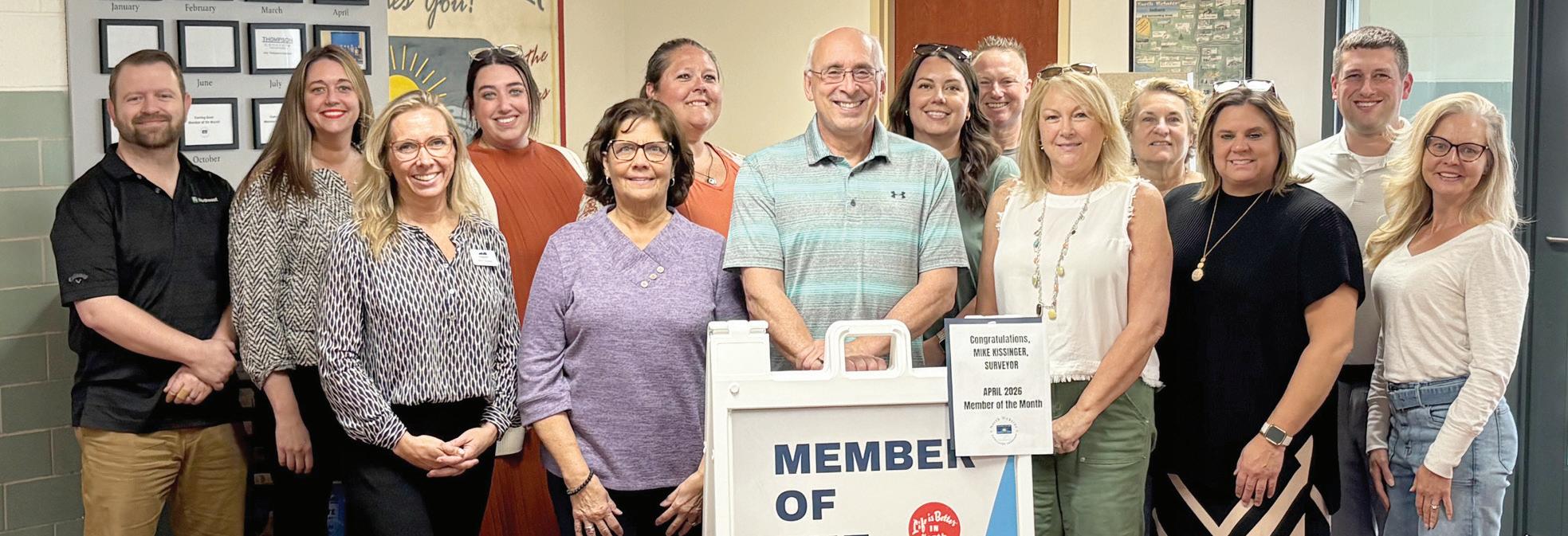
K21 Health Foundation awards $1.7M in grants
K21 Health Foundation has awarded $1,708,227 in first quarter grants to nonprofit organizations dedicated to enhancing the health and well-being of Kosciusko County residents.
This funding cycle had a significant number of requests focused on project enhancements, as well as facility additions and renovations. Rich Haddad, President and CEO of K21, highlighted the diversity of recipients and grant impact, stating:
“These grants demonstrate our commitment to creating wellness
for generations, now and into the future, with both immediate program support as well as new facilities that will serve our residents for years to come.”
K21 Health Foundation awards grants in four key Health Pillars: Community Culture & Wellbeing, Health Access & Opportunity, Direct Services & Prevention, and Youth Development & Activity.
Other grant recipients include:
• Baker Youth Club - Physical activities program.
• Bowen Center - Echanted Hills park equipment.
• City of Warsaw Parks Department - Community skate park.
• Fellowship Missions - Facility expansion and renovations.
• Fellowship Missions - Life skills and wellness programming.
• Grace College & Seminary Catalyst Corridor InitiativeCommunity fieldhouse.
• Habitat for Humanity of Kosciusko County - Home-repair program.
• Heartline Pregnancy Center - Health and wellness programs.
• Kosciusko Health Services Pavilion - Facility renovations.
• Mentone Youth League - Facility improvements.
• Servants at Work - Wheelchair ramps for homes program.
• Warsaw Girls Rugby Foundation - Equipment.
• Youth & the Outdoors United - Equipment.
For more information and to learn more about K21 Health Foundation’s grantmaking, visit k21healthfoundation.org or contact Angie Summers, operations manager, at angie@k21healthfoundation.org or (574) 2695188.


• Books for children in need
• Early literacy programs for newborns & families
• School-based reading initiatives
• One-on-one tutoring for struggling readers
• Memory and reading support for seniors
Each month, we place hundreds of books into the hands of children and families who need them most — while providing the support that turns those books into real reading success.
CHAMBER MEMBER AWARDED — Shown recognizing Mike Kissinger Surveying as the April Member of the Month for the North Webster-Tippecanoe Township Chamber of Commerce are, in front from left, Emily Shipley, NWCC, chamber president; Ann Bell, Metcalf Payne & Bell, chamber ddrector; Mike Kissinger, Susan Stump, The Papers, chamber vice president; Karen White, Caliber Designs, chamber secretary; and
Elise Guy, Dock of the Bay Cabins/Guy’s Lawn Care, chamber treasurer. In back are chamber directors Josh Himelick, Northwest Bank; Gwen Fuchs, Horizon Bank,; Emily Jones, Lake City Bank; Nicole Nabinger, Kinetic Firearms,; Andrea Hagan; Thaddeus DuBois, Thaddeus Landscaping; Linda Land, Lake-Land Cottages; and Tyler Huffer, Titus Funeral Home.