







When the call comes in, everything has to work. Fire departments don’t get do-overs. Every vehicle, every engine, every piece of equipment has to be ready to respond. Behind that kind of reliability is the work no one sees and the parts that help keep it moving. That’s WIX Filters.
ENGINEERED FOR EXPERTS.
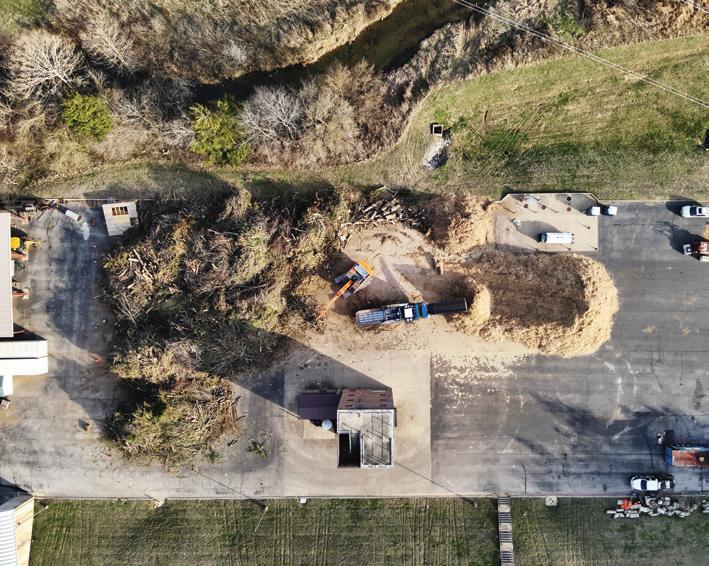

18 Public Works: Brentwood Public Works leads cleanup and recovery efforts
22 Public Works: Harrisonburg gets community involved in environmental benefits with tree planting
26 Public Works: Pendleton, Ore., won several sustainability awards
30 Public Works: Billings completes Wicks Lane stormwater project ahead of additional future growth
34 Public Works: Arlington takes infrastructure improvements to the next level
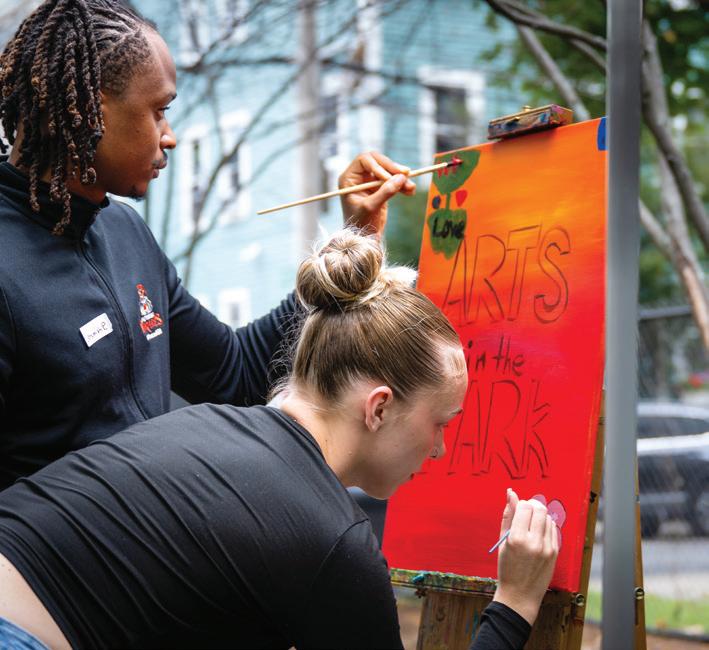
38 Public Works: Public works collaboration brings art, information to community
44 Public Safety: Sideshow Prevention Program draws on collaboration for safer streets
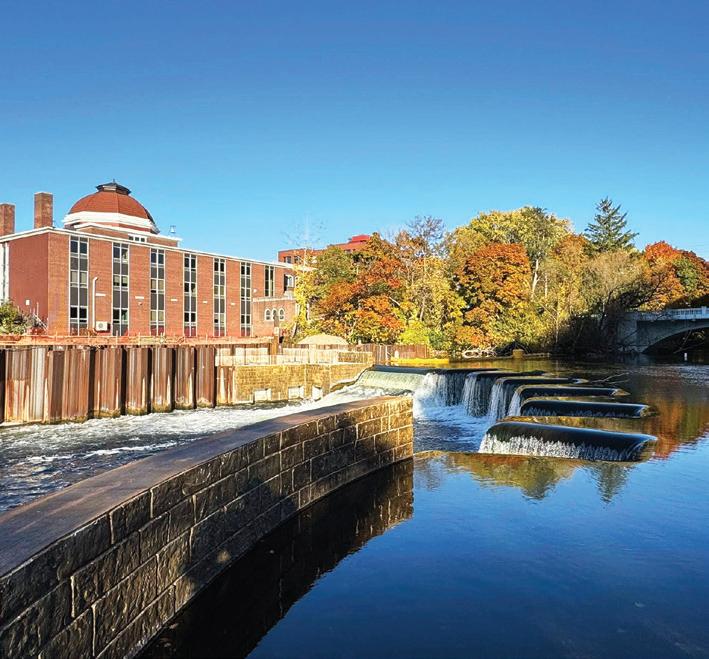
46 Parks & Environmental Services: Construction continues on FishPass, a one-ofa-kind fish sorting dam
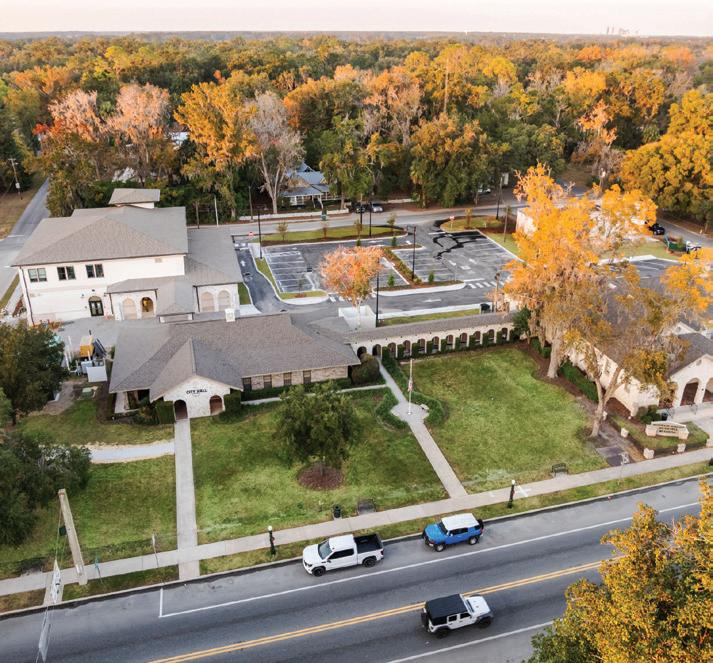
50 Building & Construction: Newberry, Fla., preserves the past, plans forward with municipal hub
52 Streets, Highways & Bridges: Amish communities welcome buggy/motor vehicle safety initiatives

ON THE COVER
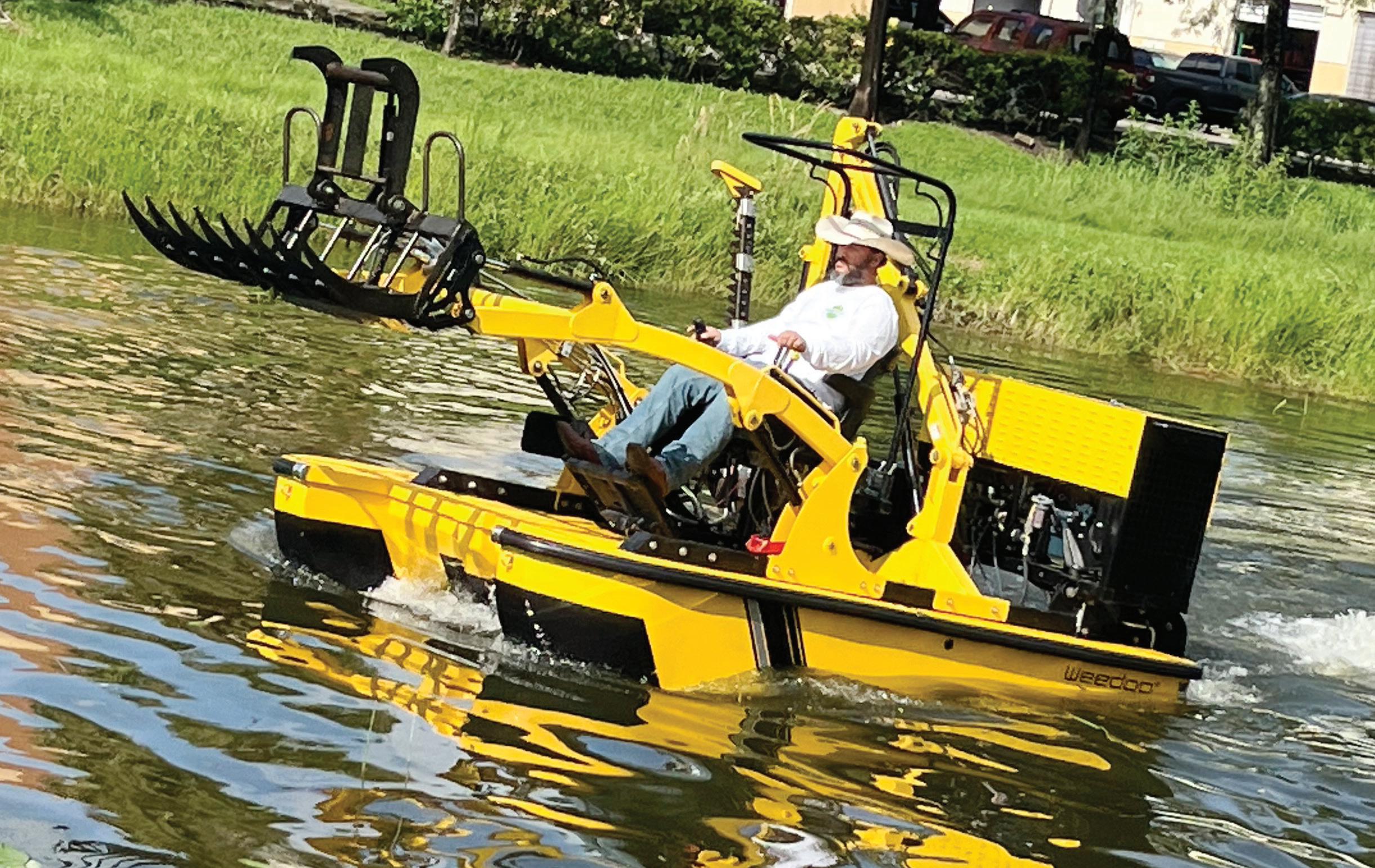
Weedoo builds aquatic workboats and amphibious equipment engineered for public works, environmental maintenance and waterway restoration. Its innovative workboats make clearing aquatic weeds, stormwater blockages, sediment buildup, shoreline overgrowth and floating debris easier and more cost-effective while also reducing environmental impact. Read more on page 10.


















publisher RON BAUMGARTNER rbaumgartner@the-papers.com

editor-in-chief DEB PATTERSON dpatterson@the-papers.com

editor SARAH WRIGHT swright@the-papers.com

publication manager CHRIS SMITH chris@themunicipal.com

account executive SHANNON MORRIS smorris@themunicipal.com

graphic designer MARY LESTER mlester@the-papers.com
business manager ANNETTE WEAVER aweaver@the-papers.com
mail manager KHOEUN KHOEUTH kkhoeuth@the-papers.com
director of sales and marketing KRISTIN DEVITTORIO kdevittorio@the-papers.com
marketing assistant REAGAN NICHOLS rnichols@the-papers.com
editorial assistant JODI MARLIN jodimarlin1241@gmail.com
Contributing Writers
Jennifer Barton, Beth Anne Brink-Cox, Lauren Caggiano, Nicholette Stout, Denise Fedorow, Danielle Lund, Teresa Nicomemus, Janet G. Patterson, Julie Young







•Low maintenance cost and highly serviceable design
•Average KM 8000TEDD maintenance costs just $500 a year
•Backed by our 2-Year Parts Warranty and 5-Year Frame Warranty
•48-hour heat retention means less wasted asphalt

•Reclaim bulk stored asphalt in just 8-hours
•Dedicated service team to provide troubleshooting & solutions

•Multiple safety options available to keep your team safe KMInternational.com (810) 688-1234



Sarah Wright | Editor
Happy 250th to the United States of America! As a history buff, I’m often amazed that this “Great American Experiment” has reached this monumental birthday, given all the challenges the country faced over the decades getting here. But time and time again, the country has pulled together. We have our differences — one need only look at social media — but ultimately, when the chips are on the table, we pull together.
Public works professionals have played a pivotal role in the country’s development, so it is fitting that this July issue highlights this vital department. A country can’t run without infrastructure, and that infrastructure isn’t possible without public works.
The Army Corps of Engineers laid the early groundwork for our nation’s infrastructure after its founding by George Washington on June 16, 1775. Since that beginning, it has continued to impact many communities to this day. Municipal public works professionals have picked up that calling, further developing and maintaining the country’s extensive infrastructure. From the U.S.’s first planned modern sewer system in Brooklyn, N.Y., to the Interstate Highway System, we owe a lot to the public works professionals who made it all happen.
It’s not a simple task. Much of the U.S.’s infrastructure is aging, and funding hasn’t caught up with these needs. So many communities must make do and stretch infrastructure well past its lifespan. Public works professionals must navigate these challenges, and they often do so with creativity and unmatched problem-solving skills. When we cover public works, I’m often in awe at what these professionals achieve.
This issue is no different. It truly highlights the wide impact public works plays in our lives, from our tree canopies to disaster recovery to stormwater management.
Our lead story underscores the commitment of public works professionals. When winter storms hit, most of us choose to hole up at home — with the necessary bread and milk, of course — but not the public works department in Brentwood, Tenn. Most of the city’s public works crew members live outside the city they serve, but they readily left their own homes to stay in a hotel to ensure the city would recover from the massive snow and ice storm. Be sure to check out Julie Young’s article; it’s impressive how much storm waste Brentwood removed.
Danielle Lund spotlights Billings, Mont.’s, extensive stormwater improvement project, which aims to prepare for future growth and protect nearby waterways. Meanwhile, Denise Fedorow covers another water-related project from Pendelton, Ore.: a solar panel canopy at the city’s wastewater treatment plant.
Other topics include Harrisonburg, Va.’s, tree canopy improvements and Arlington, Texas’s, extensive efforts to improve its infrastructure.
While celebrating the country’s birthday, take time to celebrate the infrastructure and public works professionals who have made it all possible! M

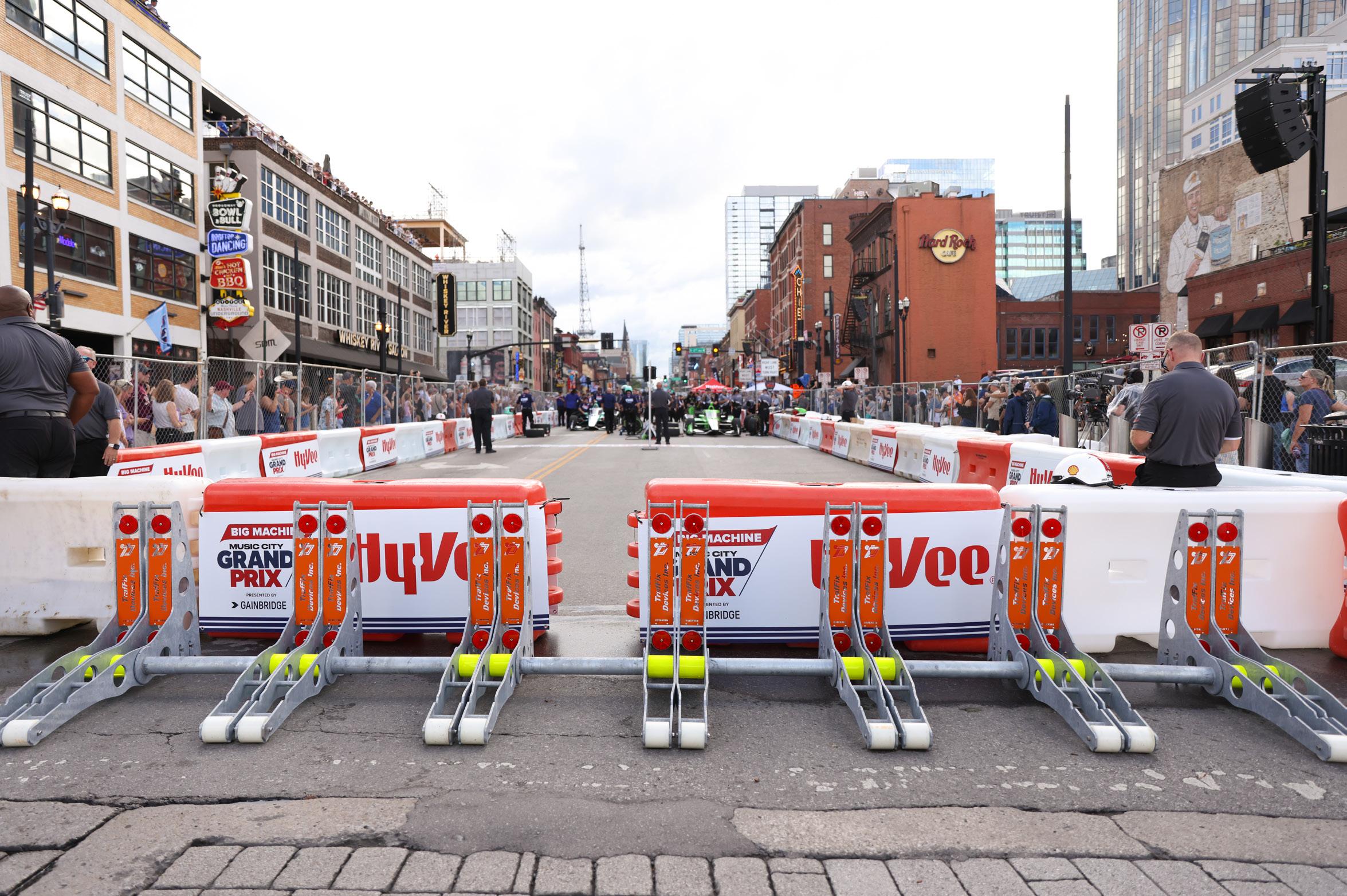

Block Axess comes with the Sentinel, plus one year of free monitoring!
The Sentinel™ Impact Tracker allows you to get immediate notification of an impact to the Block Axess. Connect to create intelligent security technology, managed entirely through your phone, computer, or tablet.

VizCon stands as a trusted partner for public safety and traffic management, offering a comprehensive portfolio of solutions now readily available through the Sourcewell cooperative purchasing program.


Want
Municipalities across the country are facing growing waterway maintenance challenges. Invasive aquatic weeds, stormwater blockages, shoreline overgrowth, sediment buildup and floating debris are becoming more difficult and expensive to manage. At the same time, public works departments are under pressure to do more with fewer resources while reducing environmental impact.
For Florida-based Weedoo Greenboat, Inc., solving those challenges starts with understanding the realities crews face in the field. From its expanded manufacturing facility in Stuart, Fla., Weedoo builds aquatic workboats and amphibious equipment engineered for public works, environmental maintenance and waterway restoration. The company’s equipment is now used in 41 states and 19 countries.
ABOVE and LEFT: Weedoo’s invention of the Grapple™ attachment changed waterway maintenance with one versatile tool built to grab, lift and clear heavy vegetation and debris.
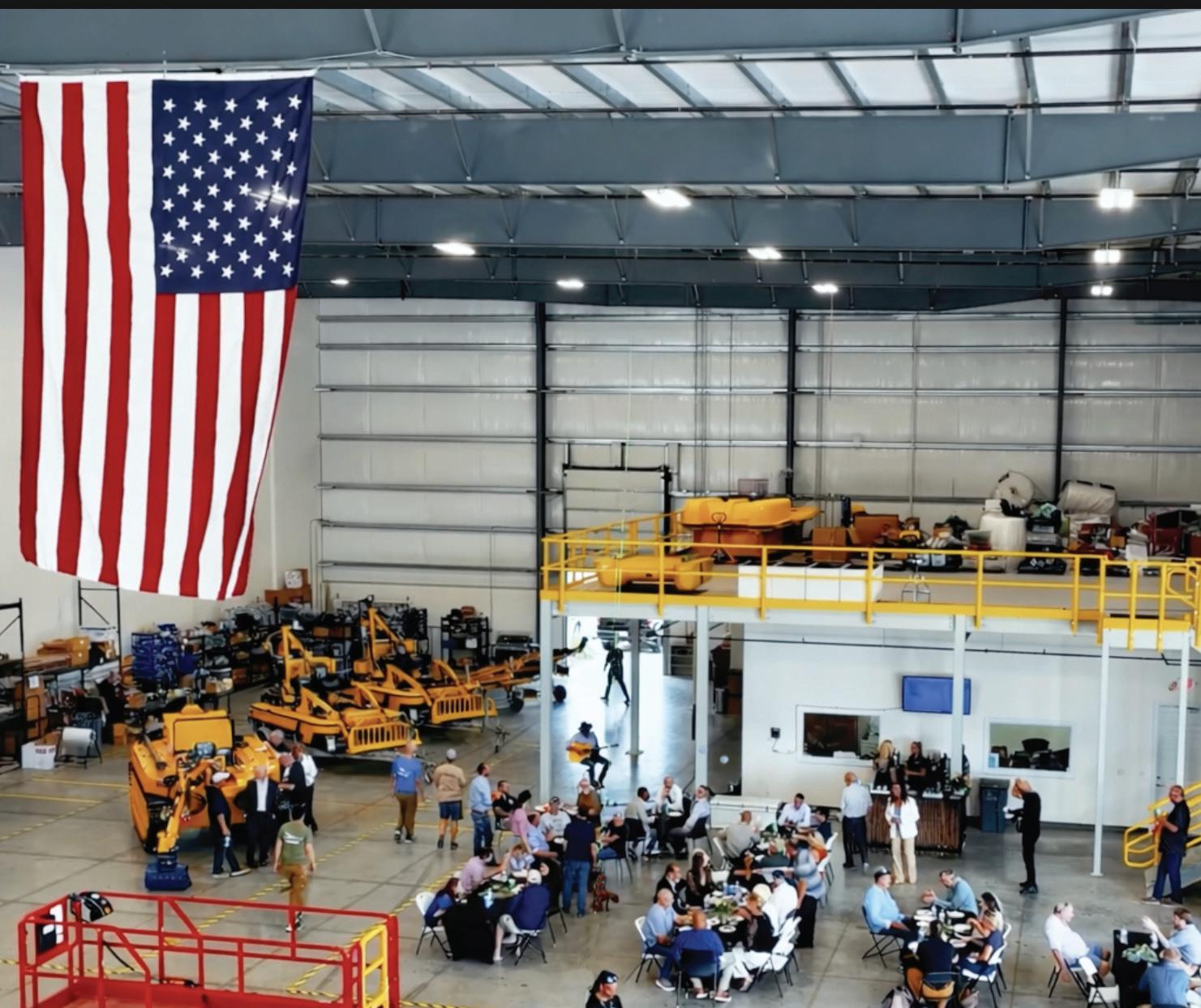
The company’s new Stuart, Fla., manufacturing facility during its ribbon-cutting ceremony, celebrating expanded production capacity for the next generation of aquatic maintenance equipment.
But according to the company, innovation is not about building bigger machines. It is about building smarter, more adaptable equipment that helps crews work faster, safer and more efficiently.
“Public works departments are dealing with a very different set of environmental challenges today,” said Weedoo CEO Tara Lordi. “There’s a growing trend toward more versatile, environmentally responsible maintenance solutions. The equipment must be durable, adaptable and capable of handling multiple types of work without creating additional environmental problems.”
One example is Weedoo’s newly redesigned Grapple™ attachment, featured on the cover of this issue. Developed in response to realworld cleanup challenges faced by municipalities and contractors, the Grapple is engineered for strength, control and heavy-duty performance, allowing operators to efficiently remove vegetation, storm debris, bulky waste, branches and other materials from waterways and shorelines.
Many municipalities are moving away from single-purpose equipment that sits unused for much of the year. Instead, departments are looking for flexible equipment platforms capable of handling multiple maintenance tasks with minimal downtime.
Weedoo’s Quick-Change attachment system lets operators rapidly switch between attachments used for cutting, harvesting, dredging, shoreline maintenance, debris removal and vegetation management. That flexibility allows one machine to perform a wide range of jobs throughout the year.
The company’s amphibious equipment also addresses another challenge for public works crews: access. Traditional maintenance equipment often struggles in shallow water, retention ponds, narrow
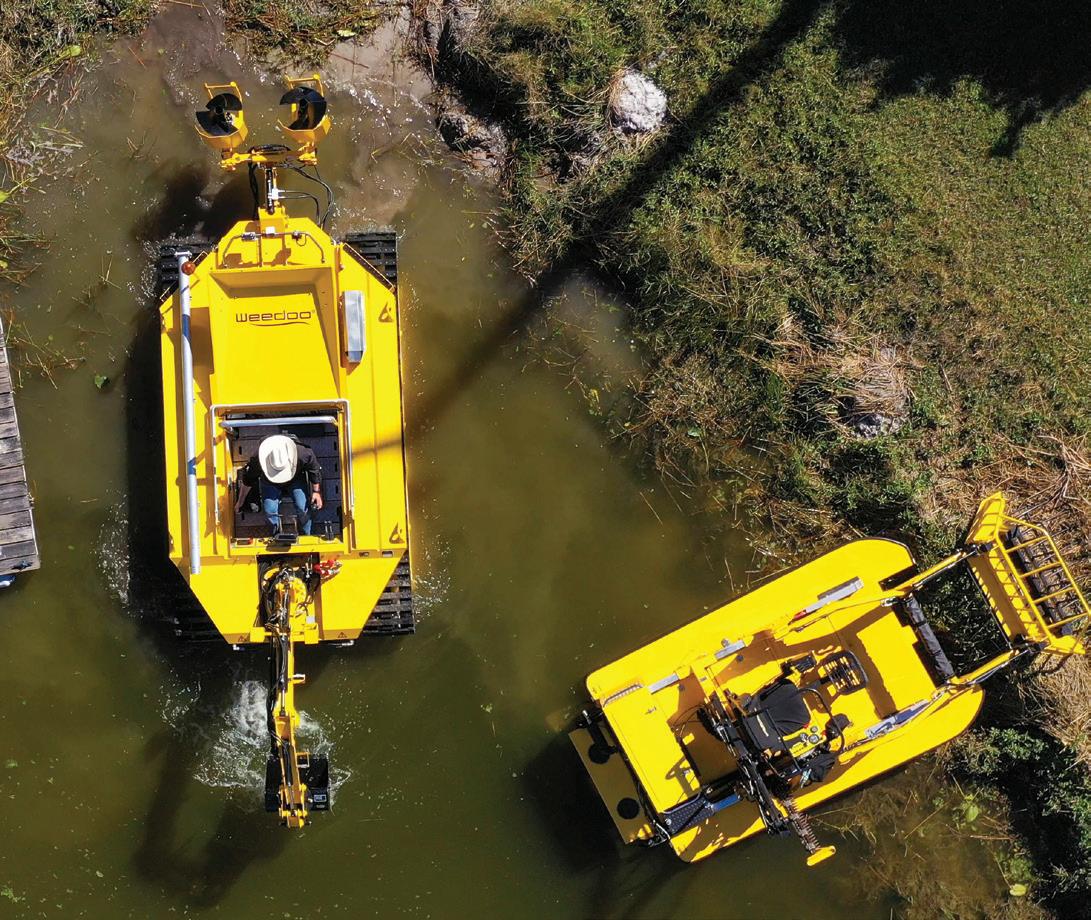
An overhead view of Weedoo’s amphibious and aquatic maintenance equipment demonstrates the company’s focus on versatile attachment systems and advanced waterway management solutions.
channels, shoreline edges and environmentally sensitive areas. Weedoo’s shallow-draft and amphibious equipment allows crews to reach locations that would otherwise require multiple pieces of equipment or extensive manual labor.
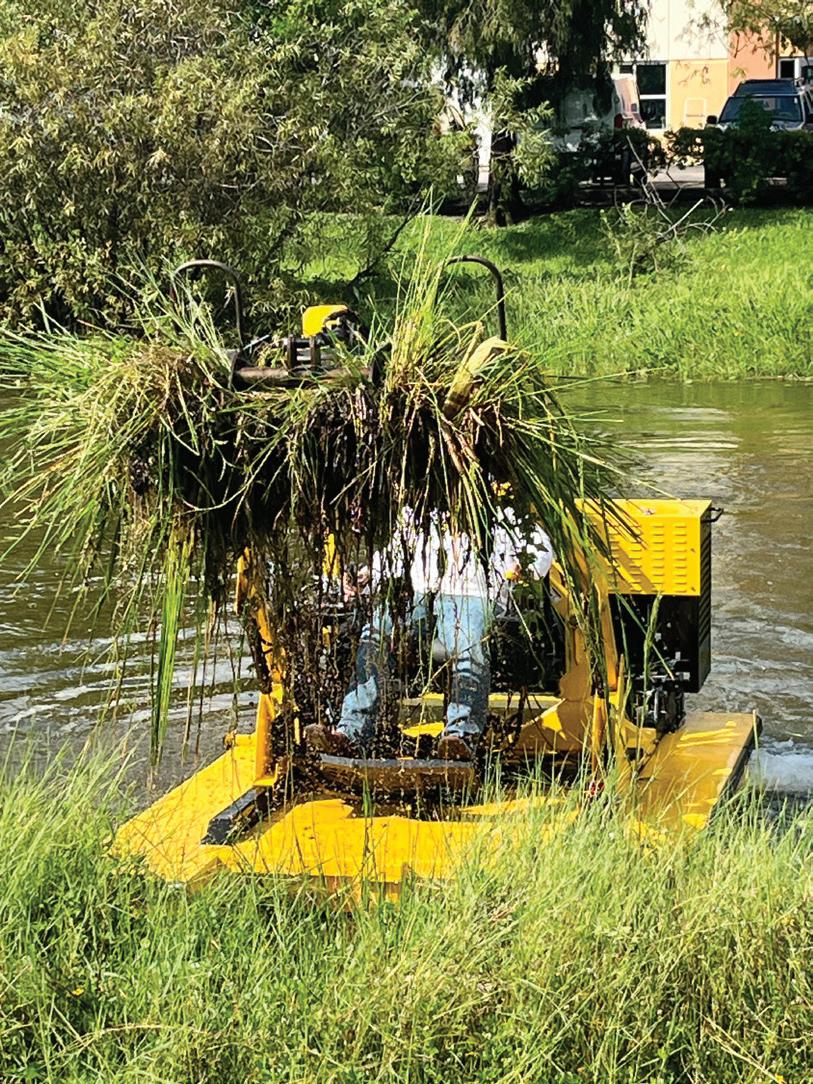
Many municipalities recognize the growing shift toward mechanical removal solutions that provide immediate results while physically removing biomass from the water. Weedoo’s workboats are designed to harvest, collect and transport large volumes of aquatic vegetation while minimizing disruption to surrounding ecosystems. The company’s TC-3012 TURBO model, for example, can remove more than 100 tons of aquatic vegetation per day.
Weedoo recently expanded into a new 27,000-square-foot manufacturing facility in Stuart, Fla., increasing production capacity while continuing to invest in engineering, fabrication and quality control. The company is also ISO 9001:2015 certified.
Domestic manufacturing is increasingly important for public works agencies seeking dependable suppliers capable of providing long-term support, replacement parts and operator training. As municipalities continue adapting to changing environmental and infrastructure demands, manufacturers need to rethink how maintenance gets done.
For Weedoo, innovation is driven by the crews, communities, and public works professionals doing the job every day. Designing equipment that helps operators work smarter while keeping waterways functional, accessible and environmentally healthy that’s what “Weedoo.” M
For More Information: Weedoo Greenboat, Inc. Manufactured in Stuart, Fla., (561) 204-5765, weedooboats.com.
By JULIE YOUNG | The Municipal
It is the historic mining community that inspired one of the longest-running animated programs in American television history. However, South Park, Colo., bears little resemblance to its cartoon counterpart. In fact, it’s a geographical area within the state that is comprised of three towns including Fairplay, which is believed to be the setting for the raunchy television cartoon show.
Betsy Koppen, finance officer for South Park City Museum, said one of the show’s creators grew up in a nearby community and wanted to showcase what life was like for kids in a small town.
“As a historical museum, we don’t embrace the connection to the show, but the town does and you can find Cartman, Kenny, Kyle and Stan throughout the shops and town,” she said. “We do enjoy the added tourism that the cartoon brings.”
The town of Fair Play was incorporated in 1859 as a place where all miners in the nearby camp could receive “fair play.” However, a decade later, the town decided to rename the place South Park City because it served as the center of government and municipal functions for the entire region. In 1872, the name “Fairplay” was reclaimed, this time as a single word, and today, South Park City has been adopted by the local open-air historical
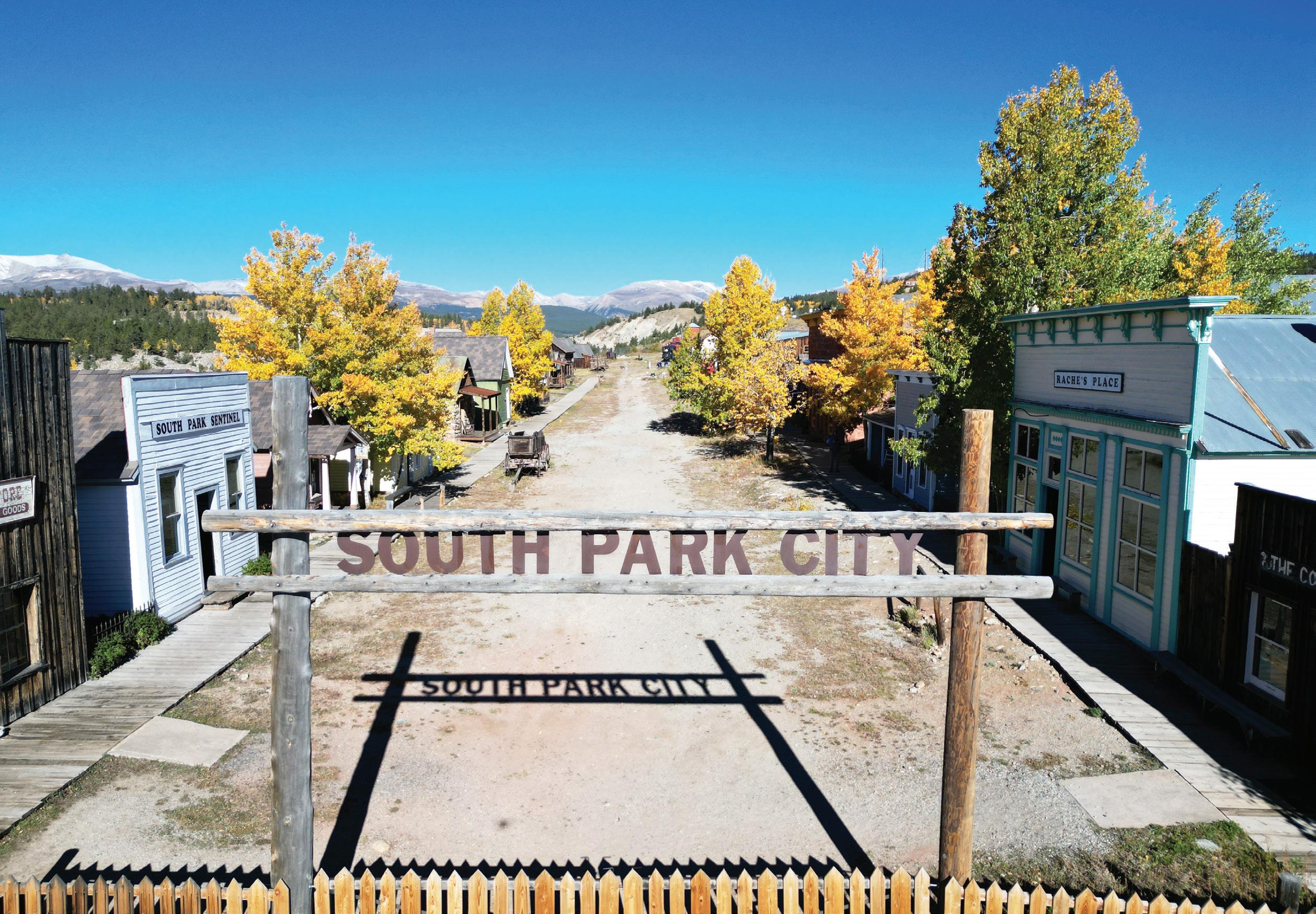
ABOVE: South Park City in Fairplay, Colo., bears little resemblance to the cartoon that shares its name, but this open-air museum celebrates the mining community and pioneer spirit that helped settle the state. (Photo provided by South Park City
museum as a way to honor the Gold Rush glory days of Colorado.
South Park City is operated by the South Park Historical Foundation, which was created in 1957. According to Koppen, Leon H. Snyder recognized the unique history of the South Park region as well as its importance to the creation of the state, and he became the visionary for the project.
“The museum opened to the public in 1959 as part of the ‘Rush to the Rockies’ statewide promotion of the gold rush centennial,” Koppen said. “The museum opened with 13 buildings, seven in their original locations with the others undergoing restoration work.”
Today, there are 44 buildings, most of which are in their original locations or moved in from the greater South Park region, including a drug store, general store, courthouse, sheriff’s office, doctor’s office, dentist/barber, schoolhouse, mill and more. The adjacent museum showcases what life would have been like in the Rocky Mountain mining town.
Koppen said that on average, the campus hosts 20,000-25,000 guests per season, which runs from May 15 to Oct. 15. She said many visitors are drawn to the mining history of the area and that the TV show “Gold Rush” was filmed there a few years ago, creating a lot of interest in the Colorado mining community. Train enthusiasts also come to see the narrow-gauge train, and the campus has even been featured on the PBS show “Colorado Experience,” which continues to draw visitors years after the show aired. There are also special events that attract new and repeat guests.
“Our primary event is Living History Days, which is held on the second weekend in August every year,” she said. “With over 50 volunteers, we showcase what life was like in the 1880s. It involves gunslingers, gamblers, sheriffs, horse rides, campfire cookouts, gold panning, laundry and spinning displays as well as the 2nd Colorado Cavalry. Period dress is worn, and South Park City comes alive!”
South Park City also hosts an annual Easter Egg Hunt in April and helps host the World Championship Pack Burro Race each summer. They offer Twilight tours a few times each month, with a guide sharing some of the horror, history and lore of Fairplay’s past. There is a Haunted Museum Halloween Spooktacular for local kids.
“This is all done through donations of candy, and most years, we have around 650 kids and parents in attendance,” Koppen said.
Maintaining the historic buildings is not always easy, but Koppen said it is a labor of love for the small, year-round staff that is constantly repairing, maintaining and improving the buildings and artifacts. A number of volunteers also help with an array of projects. Koppen said donations have furnished most of the museum’s displays and purchases, including the museum’s train engine and entire inventory of an old drugstore.
“Any other income is created through ticket and gift shop sales,” Koppen said.
Joshua Roosa of Livermore, Calif., said some of his most vivid and joyful memories of high school were visiting his grandfather E.J “Gene” Amitrani as he worked at the museum.
“South Park City Museum is a place that will forever be a source of joy for me,” he said on the museum’s Facebook page.
Colorado historian and author Laura Van Dusen said she can understand why Fairplay has been called one of the 10 small towns in Colorado with the best downtowns.
“Fairplay exudes town pride with seemingly no effort; my heart fills with joy when I walk along its streets,” she said.
“We are listed on the National Register of Historic Places, and we keep our entry fee low in hopes that everyone will come and enjoy learning about the beginnings of our great state,” Koppen said. “Plus, dogs are welcome!”
Julee Bate said South Park City is one of her favorite places to visit. “The best museum of Colorado history that I have ever seen.” M
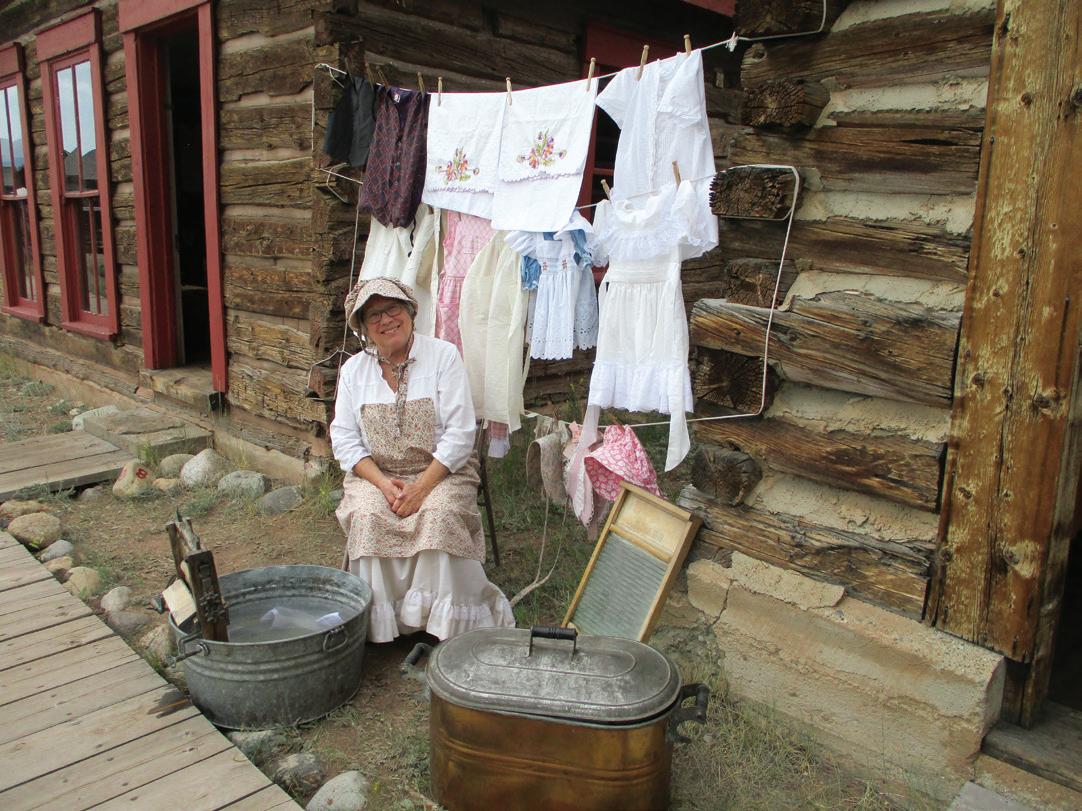
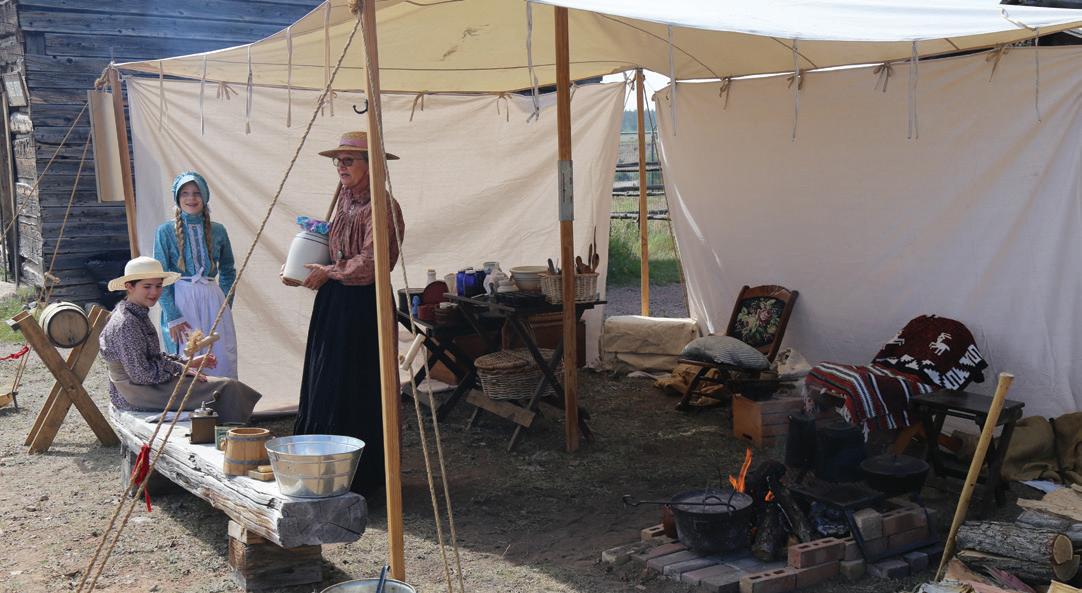
Living History Days is held annually on the second weekend of August in South Park City. Guests can expect to see a showcase of what life was like in the 1880s, complete with gunslingers, gamblers, campfires, cookouts and other displays. (Photo provided by South Park City)
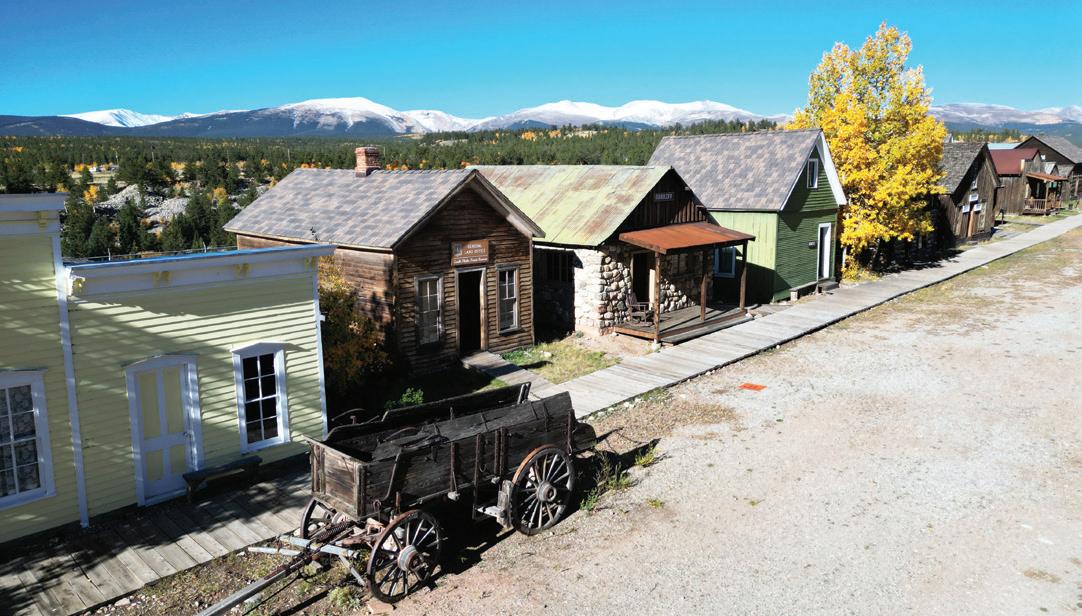
The South Park City campus in Fairplay, Colo., has over 40 buildings that are either in their original locations or transferred there and lovingly preserved by staff members who want to share the past with the public. (Photo provided by South Park City)

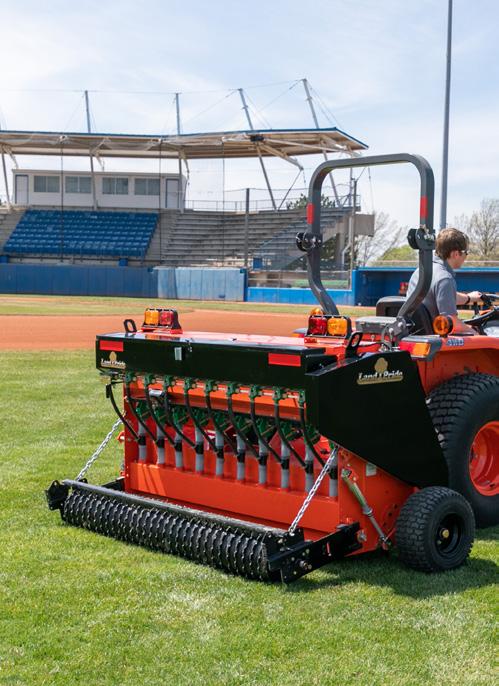
Whether you are sourcing reliable products to maintain the city commons, or buying quality implements to seed the sports fields, Land Pride offers a complete line of labor-saving tractor-mounted implements to tackle your chores and to fit your lifestyle.



Doseuro | Metering pumps
Mechanically Actuated Metering Pumps
Hydraulically Actuated Metering Pumps
Diaphragm Metering Pumps
• Flow and pressure range
Max flow rate: 1,065 GPH
Max working pressure: 7,251 psig



FPZ | Regenerative blowers
• Single-stage regenerative blowers
• Double-stage regenerative blowers
Flow and pressure range:
Max flow rate: 1,600 cfm
Max working pressure: 10 psig
Max vacuum: 14” Hg


COLUMN EXTENSION ADDS 24" OF HEIGHT



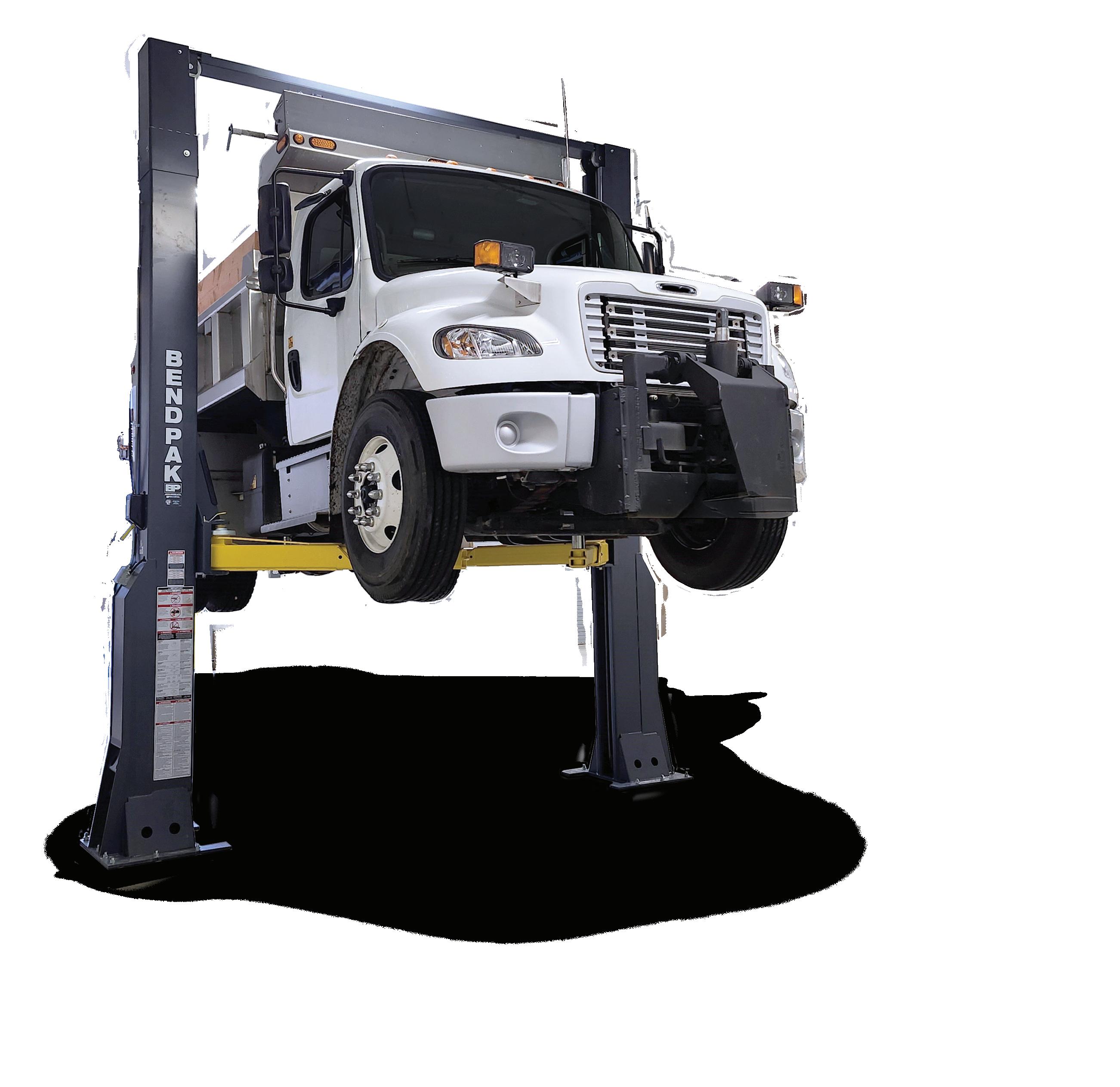
A versatile choice for mixed fleets, BendPak’s new 16AP and 20AP Series heavy-duty two-post lifts easily take on Class 1 through 5 vehicles, from passenger cars to commercial trucks and vans. They reach further, lift higher and deliver greater stability than other lifts, all while protecting technicians with unmatched safety systems and ergonomics. With fewer moving parts, they’re easier to maintain, less prone to wear, and more cost-effective to operate. Maximize your uptime and efficiency with BendPak’s heavy-duty lifts — delivering superior performance and unmatched value. To learn more or to shop now, visit bendpak.com or call us at 1-800-253-2363
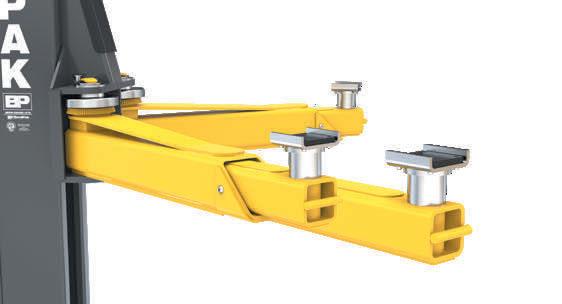
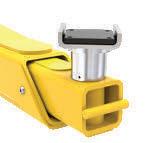
DUTY TELESCOPING ARMS & FRAME CRADLE PADS

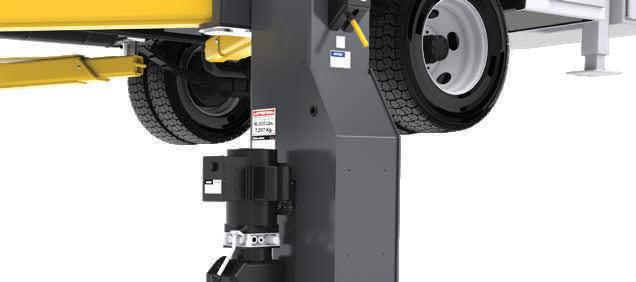
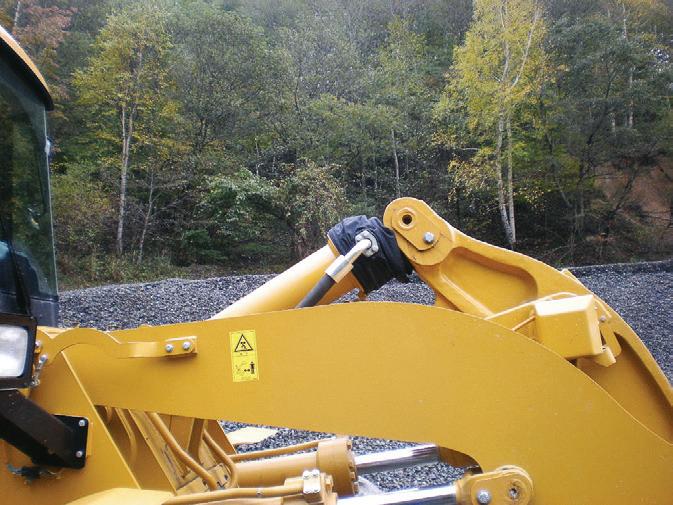
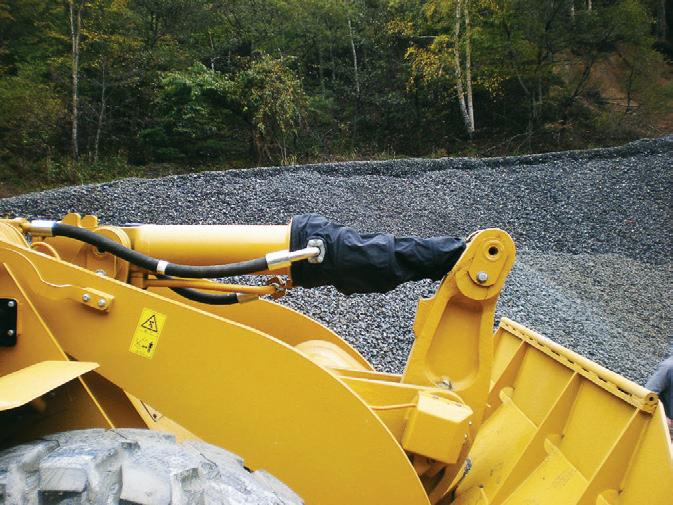
• Minimize/Eliminate rod scoring
• Extend the life of cylinder seals
• Protects cylinders from the elements
• Prevent pitting due to chemical washers
• Reduce particle contamination of hydraulic systems
• Minimize dings and dents associated with falling debris



23%

A 2025 tree canopy study found that Harrisonburg, Va.’s, tree canopy was at 23% due to new development and the progression of the emerald ash borer.

299,550 kilowatt-hours
From May 2025 to the end of April 2026, Pendleton, Ore.’s, wastewater treatment plant solar canopy system produced 299,550 kilowatt-hours.

Read more about this award-winning project on page 26.
5x

Columbus, Ind., city officials cut the ribbon on a new Department of Public Works facility in May that is five times larger than the previous facility and includes 27,000 square feet of additional room for maintenance, storage and wash functions.
Source: https://www.therepublic.com/2026/05/21/ city-conducts-ribbon-cutting-for-new-department-of-public-works-building/.
320,000 cubic yards
By the time the storm cleanup was complete in March, Brentwood, Tenn., and its contracted partners had collected more than 320,000 cubic yards of waste, or 15 football fields of debris.

30%+

The Environmental Protection Agency is investing millions to expand training pipelines and increase awareness of careers in the water infrastructure sector. More than 30% of the nation’s water workforce is age 55 or older and only 4.5% is under age 25.
For more information visit
https://www.nlc.org/article/2026/04/20/ building-a-resilient-water-workforce-in-u-s-cities/.
Georgetown County, S.C., reduced the cost of annual pavement condition by assessment by about 92%, from approximately $120,000 to under $10,000, while maintaining accuracy, by using artificial intelligence-powered condition assessment tools. -92%

Learn more at https://apwa.partica.online/reporter/may-2026/features/deferred-knowledge-is-becoming-as-costly-as-deferred-maintenance-for-aging-public-infrastructure.
$33,000
A committee in Lanesboro, Minn., set out to raise $10,000 to add more festive lighting to the city’s largest park and turn it into a wintertime destination. The grassroots Legion Lights group ultimately brought in about $33,000 through more than 100 cash and in-kind donations.

Read the details at https://www.lmc.org/news-publications/magazine/ nov-dec-2025/ideas-in-action-nov-2025/.
By JULIE YOUNG | The Municipal
Dale Biggerstaff said it was the kind of event that he’s proud to have in his career portfolio — but one he never wants to experience again.
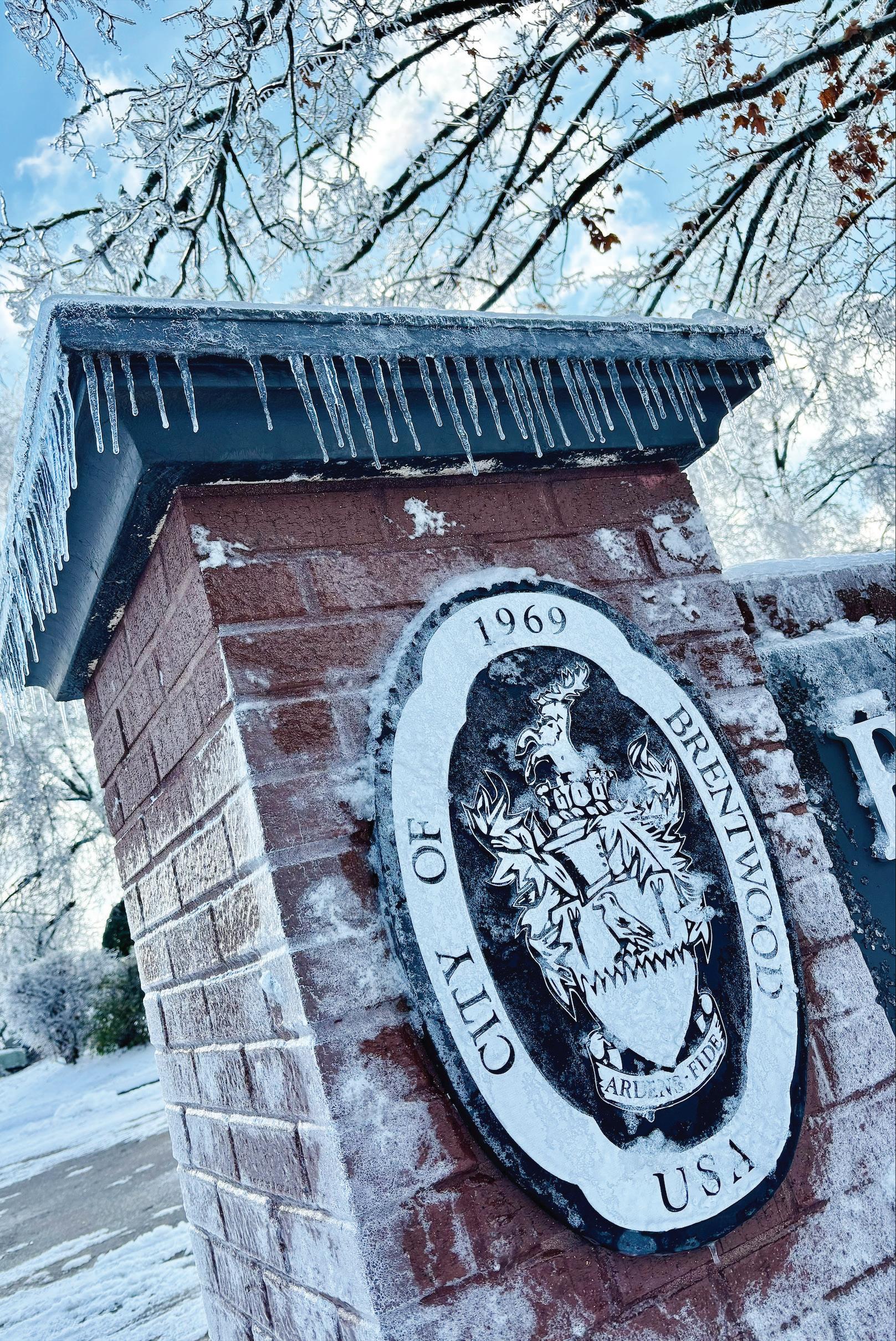
As the public works director for the city of Brentwood, Tenn., Biggerstaff knew that the winter storm was coming three weeks before its arrival on Jan. 24. Initially, he was told that the community could expect a significant snowfall, but as the day approached, he learned it could include serious ice accumulation, which would threaten trees, power lines and public safety.
“We ended up getting 5 to 6 inches of snow, which is a pretty good snow event for us, but the city also documented 8/10 inches of ice,” he said. “The sheer volume of ice made it different from any type of storm we’d had. Trees that could completely shed their foliage stayed in pretty good shape, but anything else didn’t stand a chance.”
Located 69 miles north of the Alabama state line in Williamson County, Brentwood is a community of 45,373 that is considered an affluent suburb of Nashville. When it came to disaster preparation, mitigation, cleanup and recovery, Biggerstaff knew that the city’s public works department would be the key.
LEFT: January’s winter storm crippled the city of Brentwood, bringing with it 5-6 inches of snow and nearly an inch of ice. (Photo provided by Brentwood, Tenn.)
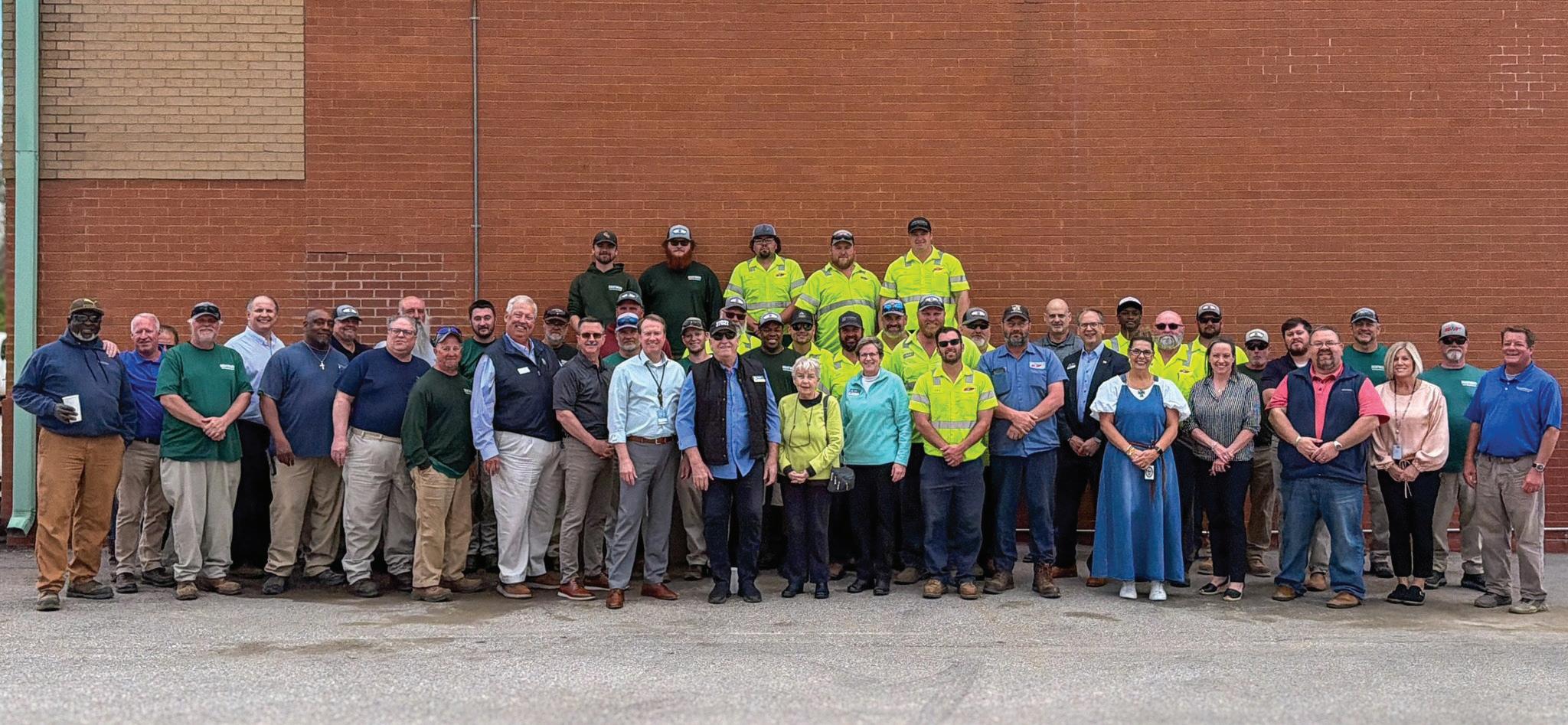
He also knew that most of his crew cannot afford to live in the community that they serve, and many of them have a 45-minute drive to work in the best of conditions. Ice and snow would make the commute impossible. To ensure that all hands were on deck when the storm arrived, Biggerstaff arranged hotel rooms for the crew and stocked up on frozen and easy-to-prepare meals so that the workers could eat between their shifts while all the stores were closed.
“I can’t say enough about the team and their dedication to the city,” Biggerstaff said. “Most of their homes were completely without power. Their water froze. Their pipes burst and the food in their refrigerators could not be dealt with, but they remained committed to the job.”
That job included keeping up with a storm that crippled the city. Biggerstaff’s team spent the first two days clearing debris so that emergency vehicles had access to a single lane of roadway. The next four days were spent cutting the trees and limbs from curb to curb so that residents could begin to move about town.
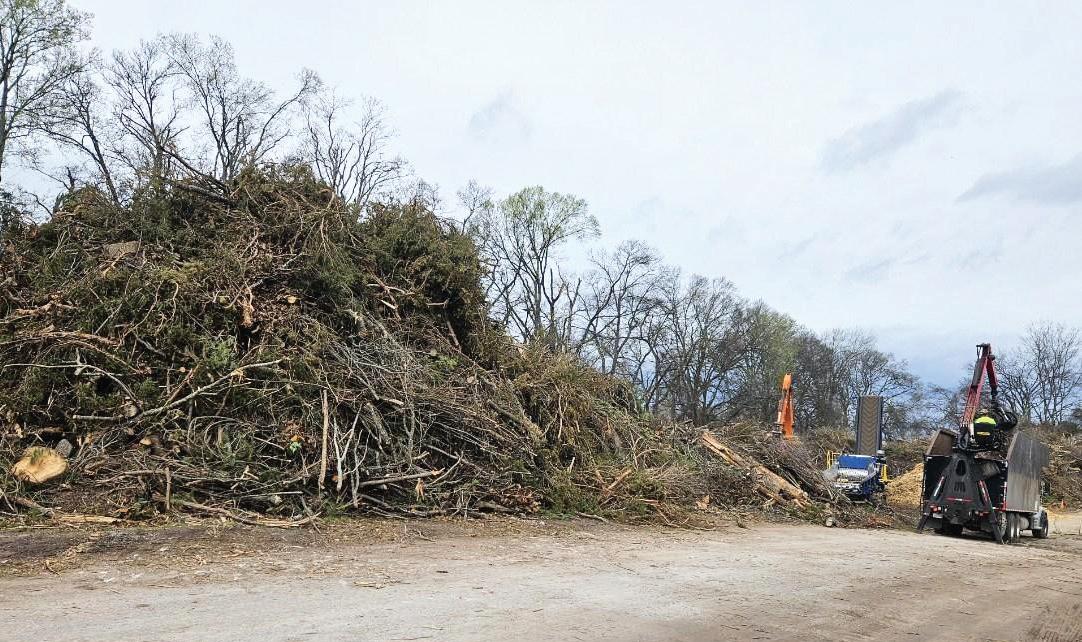
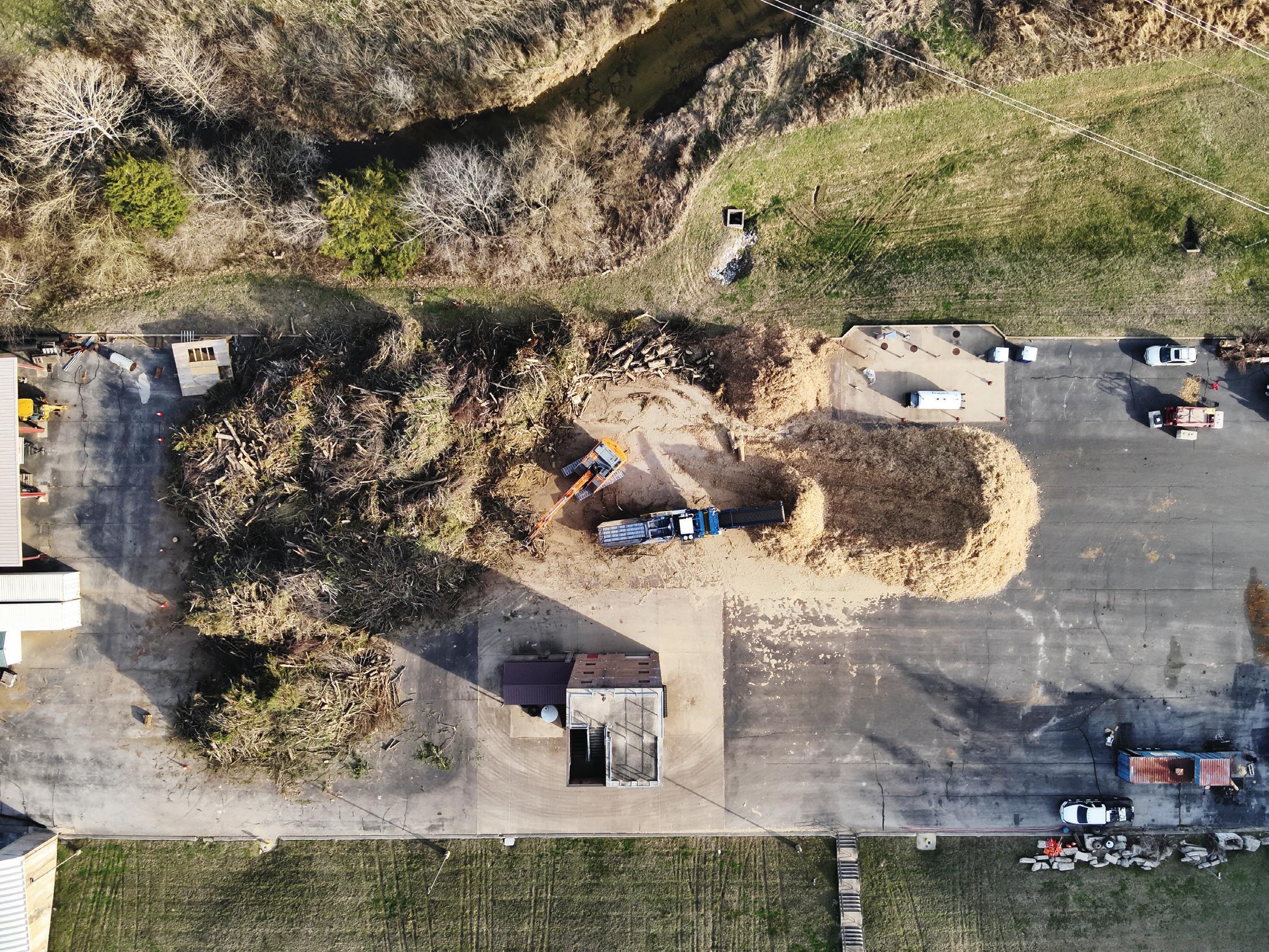
A portion of the downed trees that crippled Brentwood, Tenn., after the Jan. 24 winter storm. The debris was ground down and then transported to a company in Nashville that will put the debris through its mulch process. (Photo provided by Brentwood, Tenn.)
One of the biggest challenges during the city’s cleanup efforts was staying organized and making sure that the incoming calls reported new issues rather than repeating a previous problem. With so
The city of Brentwood, Tenn., Public Works Department battled a winter storm in January that brought with it 5-6 inches of snow and nearly an inch of ice. The team collected 350,000 cubic yards of vegetative debris, which is the equivalent of 15 football fields. (Photo provided by Brentwood, Tenn.)
many downed trees, Biggerstaff wondered if he was receiving duplicate calls. More often than not, he would learn about a tree that had fallen 10 feet from one that had been recently cleared.
“The sheer volume of the calls and the number of areas that we cleared only to learn that 20 minutes later, it was closed again,” he said. “It was like a set of dominoes; you didn’t know which one would fall. We had one guy who arrived at an address to start his shift. He was still there 10 hours later.”
As part of their mitigation efforts, Brentwood worked to scout and secure its Debris Management Sites (DMS) so that the vegetation could be collected and deposited properly. Biggerstaff said it was important to apply for multiple sites at once through the Williamson County emergency management agency so that they would have more than enough when the time came to utilize them.
“Those sites aren’t predetermined because environmental factors can change from one event to the next,” Biggerstaff said.
Unlike a tornado or hurricane event that can result in more diverse debris, Brentwood’s winter storm damage was limited to clean vegetation, which made the collection and storage efforts a little easier. Biggerstaff said that by the time the storm cleanup was complete in March, the city and its contracted partners collected more than 320,000 cubic yards of waste, or 15 football fields of debris.
Biggerstaff said it was very important that the collected waste was not merely dumped into a landfill where it would decompose over time but disposed of more responsibly. After grinding the raw debris into smaller pieces which reduced the material by about 50% Brentwood contracted with Alternative Energy in Nashville to take the grindings and put them through the company’s mulching
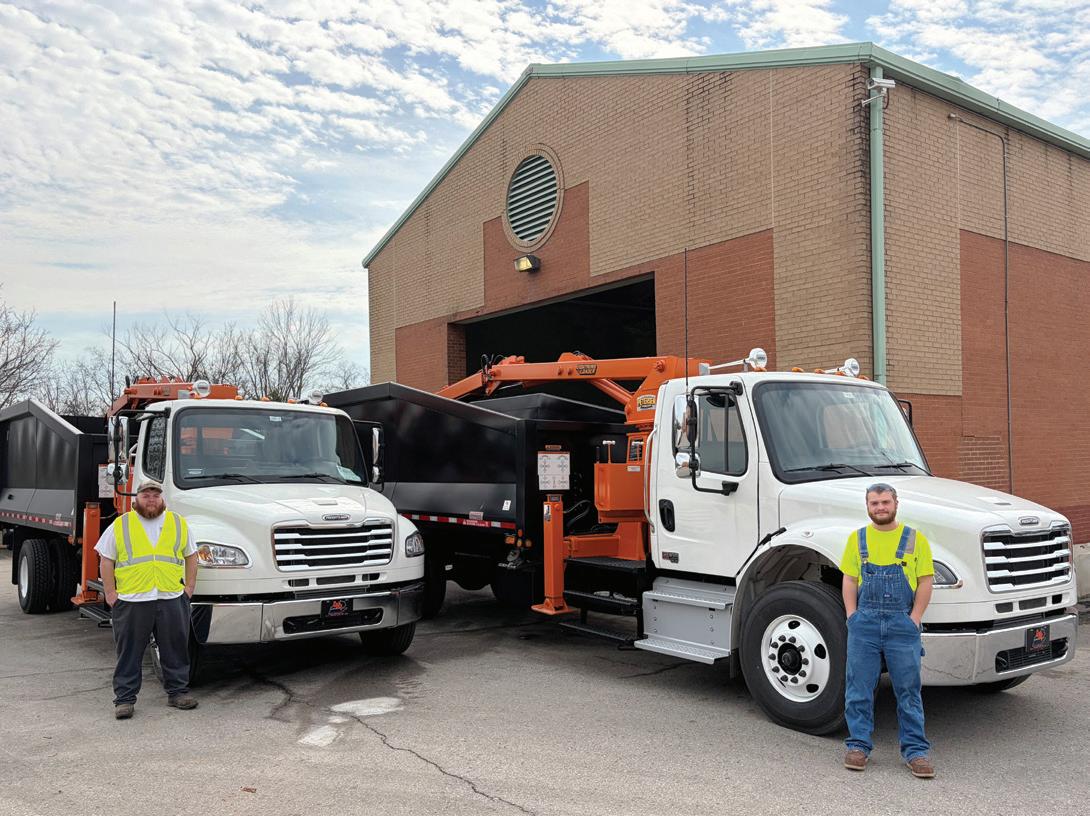
Pictured are two of Brentwood’s public works department crew members who helped clear the roads after the Jan. 24 winter storm. Many of the workers do not live within the city limits and were housed in hotels so that they could be on-site throughout the event. (Photo provided by Brentwood, Tenn.)
process where they would be reused by farmers, gardeners, landscapers and more.
“I was told that our debris was enough to meet their mulching needs for the next six years,” Biggerstaff said, noting that it is important for any municipality to be responsible stewards of the environment. “It made me feel good to know that our waste wasn’t going to lie around in a landfill for years to come but would be put to good use within the surrounding communities.” M

By NICHOLETTE STOUT | The Municipal
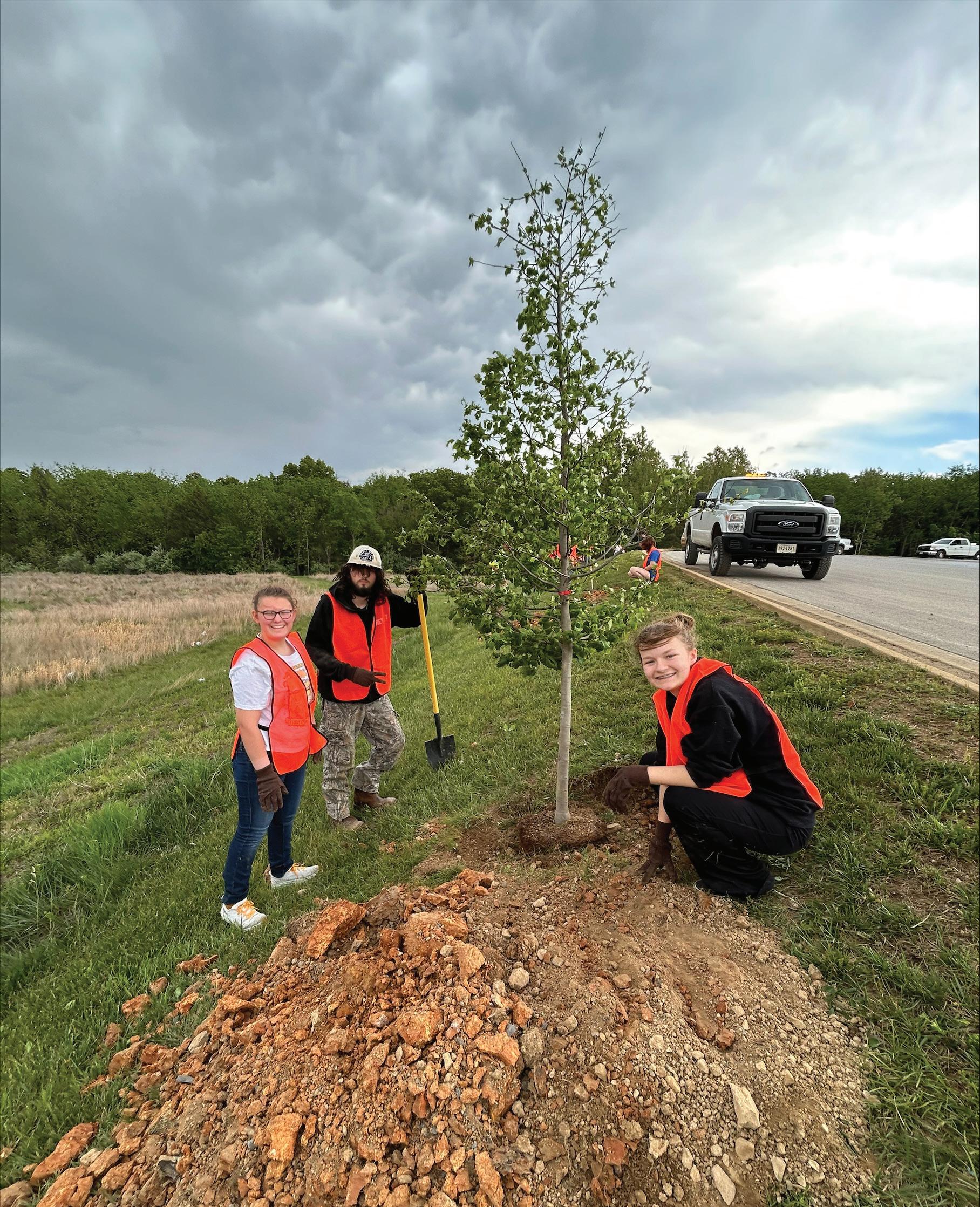
An urban tree canopy analysis was performed in 2018, showing that Harrisonburg, Va., had an urban tree canopy of only about 26%. This was partially because of the history of agricultural land in the city as well as a higher impervious surface percentage of 33.6%. Another tree canopy study was completed in 2025, showing the city lost 3% and was now at 23% due to new development and the progression of the emerald ash borer.
Findings from a public survey demonstrated a desire among city residents for additional trees, coupled with an interest in tree planting and the advantages they offer. The goal for the urban forestry program of the public works department is to increase the city’s tree canopy in order to improve air quality, reduce urban noise, filter water, control stormwater runoff, provide shade and alleviate heat stress, provide wildlife habitat, enhance beauty and create a long-term environmental benefit for the whole community. In order to promote this, Harrisonburg put together an urban forestry management plan in 2021.
“With this plan and nine action steps, we began to engage the community each season to plant more trees,” Jeremy Harold, Harrisonburg Department of Public Works green space manager, explained.
These action steps include proactive tree maintenance, such as pruning; purposeful
planting of trees for purposes such as carbon storage, pollutant removal, stormwater reduction, air temperature reduction and energy reduction; set an urban tree canopy goal; improve ordinances and policies for tree removal and management; ensure stable funding and identify supplemental funding sources; engage with the public to build partnerships with schools, businesses and organizations; continue and expand the city’s urban wood reuse program; increase urban forestry staff management and provide professional training; and regularly update the management plan and urban tree canopy to monitor the city’s success with the program.
The Virginia Department of Forestry helped to find and provide funding for the project. The clean water grant program encourages long-term, sustained canopy cover and helps to fund tree-planting efforts. Harrisonburg applies for VDOF funding for spring plantings at the beginning of the year, in January or February. While the city has a small horticulture budget, the program is primarily funded by the VDOF.
“We still purchase a few trees each season,” Harold mentioned. “However, the support of VDOF is very important so we get many more trees in the ground.”
These funds can be used toward contractor or consultant fees, the purchase of supplies or materials, the purchase and planting of trees and shrubs, site preparation and soil amendment costs, and maintenance expenses during the grant period but not after completion.
Harrisonburg’s goal is to plant a diverse selection of trees that will not exceed 10% of each species and to maintain an average of 300 trees annually in the city. However, with a small staff and recent droughts, it was decided that 300 trees a year was more than the forestry staff could properly care for. The program plants trees throughout the community every spring and fall to celebrate Tree City USA and Arbor Day in April as well as planting in October. One challenge it faces is that many trees are privately owned and on private land. The city uses an urban heat map to determine priority planting locations and plans for the spring project during winter planting months. Planning takes between four and six months. The city and county reached an agreement that the city is responsible for administering the grant, planning the planting event and providing the
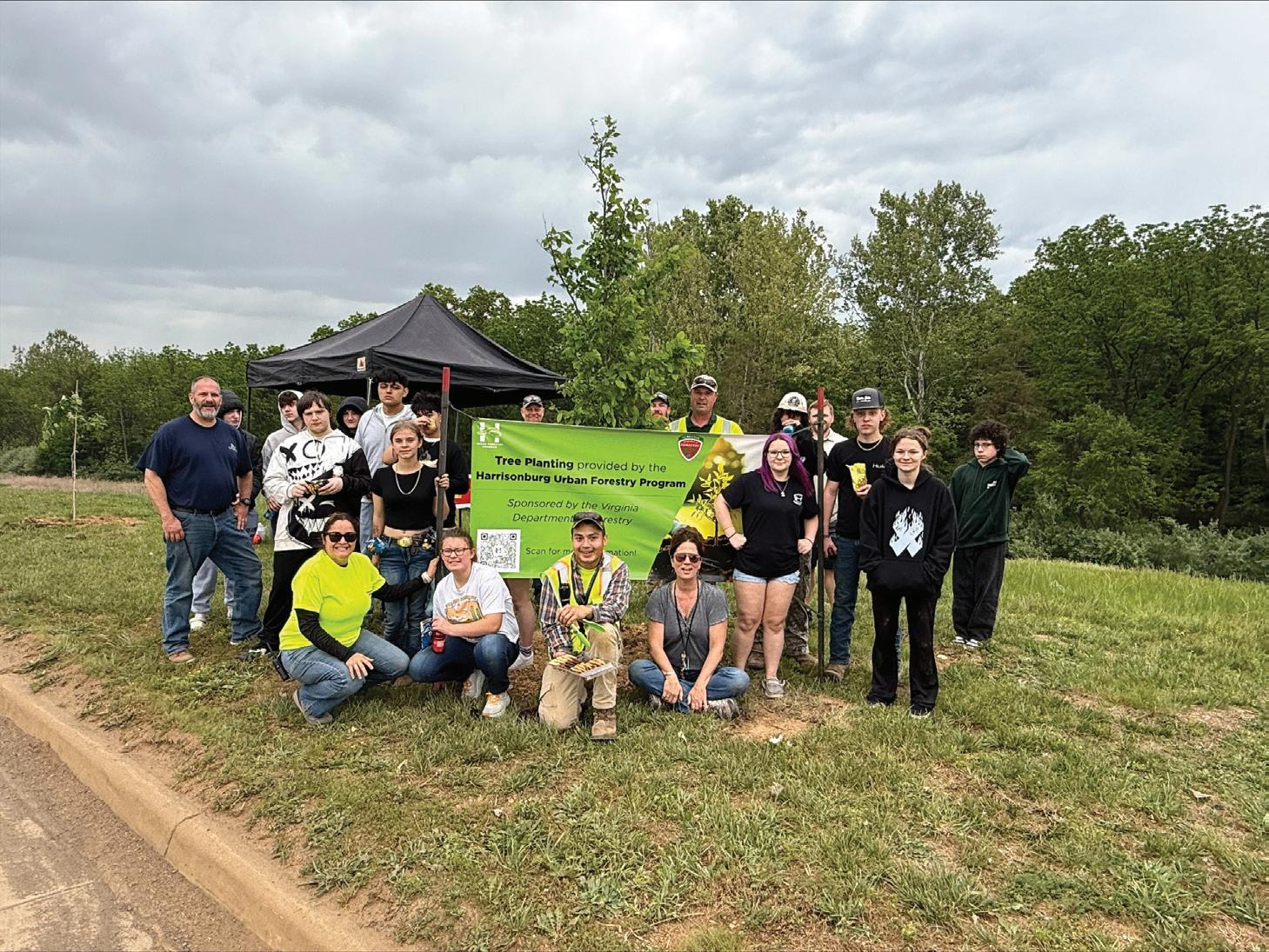
Benefits of more urban tree canopy include improving air quality, controlling stormwater runoff, reducing urban noise, providing relief from heat, filtering water, providing wildlife habitat and enhancing beautification. These provide both environmental benefits as well as benefits to the community as a whole. (Photo provided by the Rockingham County landfill)
Each year the city applies for grant funding from the Virginia Department of Forestry for tree planting. They then get the community involved in tree planting events. Once the trees are planted, the county takes over the watering and maintenance of the new trees.
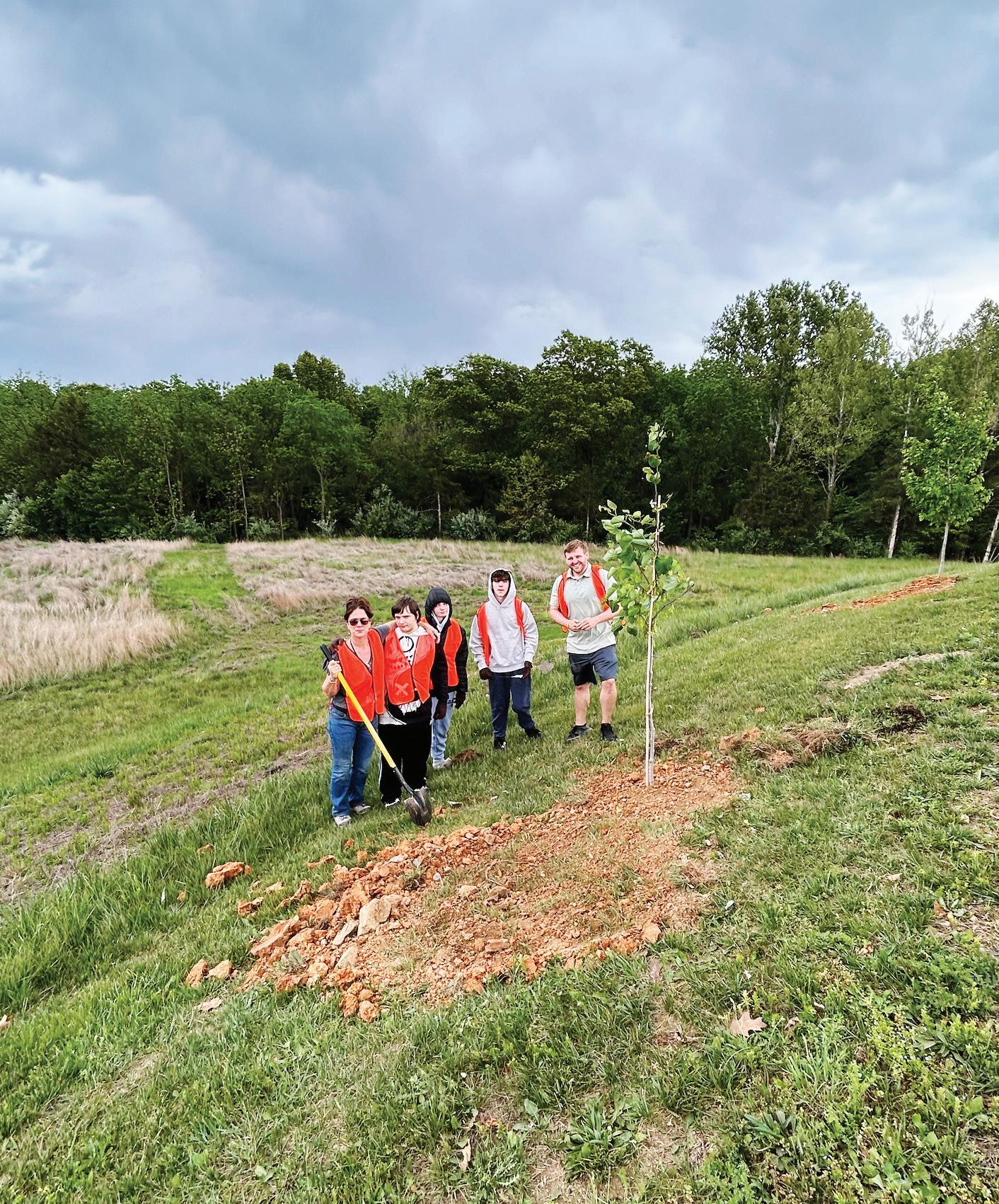
At the landfill, these trees will specifically help reduce erosion, improve stormwater management, lower air temperature and eventually, as they grow bigger, act as a windbreak. It also helps to provide a more attractive and welcoming environment for those visiting the landfill. (Photo provided by the Rockingham County landfill)
trees. Once trees are planted, the county then takes over the responsibility of caring for them.
This year the city teamed up with Rockingham Academy and the Rockingham County landfill to plant more than a dozen trees. Students received an important, hands-on environmental lesson on the importance of urban forestry and how to properly plant a tree.
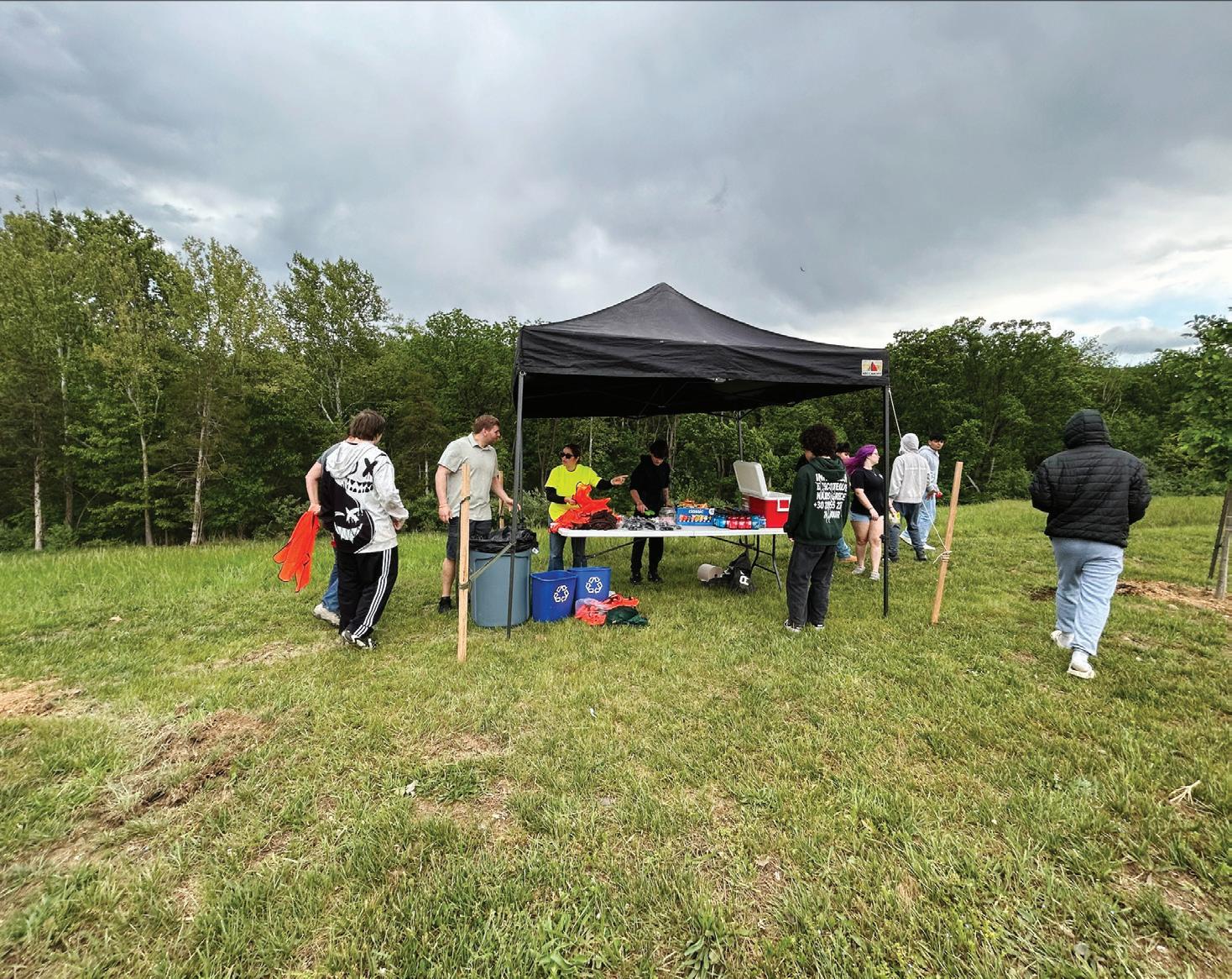
“We had a unique opportunity this year,” Harold described. “Part of our county landfill is within city limits. I took the opportunity to partner with the Rockingham County landfill supervisor to plant 25 trees along their industrial drive in May. Agriculture students from Rockingham Academy helped plant the trees and learned more about our urban forestry program. The city ordered the trees and coordinated the event, providing all the necessary tools and safety supplies for the students. Cages around trees were also added to help protect them from deer. The county supplied drinks and snacks as well as staff members to assist with the planting. They will now take over the maintenance and watering of the trees.”
“Tree planting at our landfill provides several operational benefits in addition to the environmental benefits,” Meredith Evans, Rockingham County landfill superintendent, stated. “The trees are smaller in
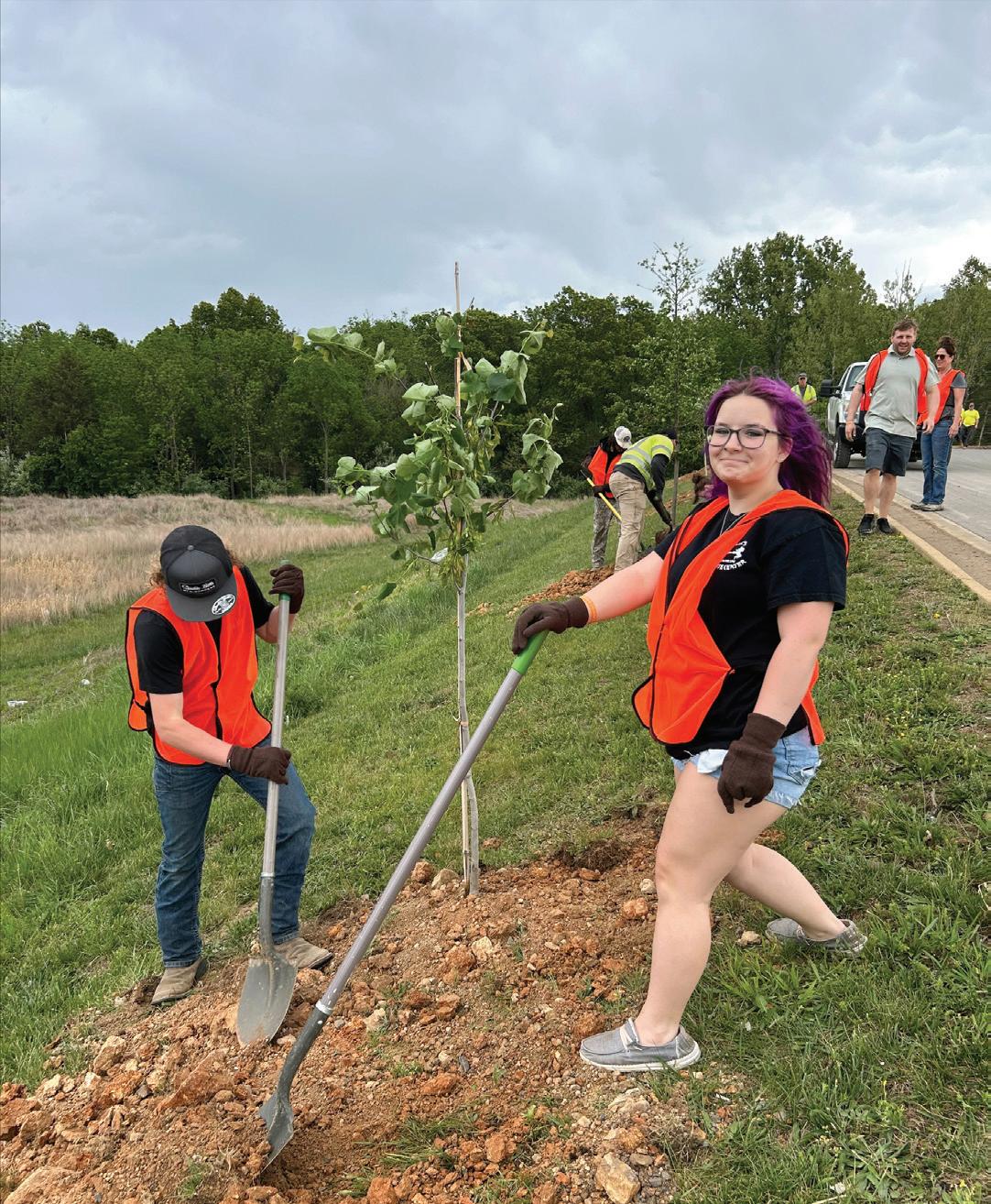
This year, the city partnered with the Rockingham County landfill for its spring tree planting. This year it took place in May along with assistance from agriculture students from Rockingham Academy. They planted 25 trees along the landfill’s industrial drive and students received hands-on experience planting trees as well as learning more about the city’s urban forestry program. (Photo provided by the Rockingham County landfill)
size still, but as they grow, they will be able to serve as windbreaks, helping reduce blown litter and dust. The trees help reduce erosion and stabilize soil and can improve stormwater management by slowing runoff and increasing water absorption. Trees also help reduce the heat index in commercial areas by providing shade and lowering surrounding air temperatures. On top of all the operational and environmental benefits, it creates a more attractive and welcoming environment for the public at the landfill and provides more wildlife habitat.”
“At its core, urban forestry is about relationships between trees and people,” Lara Johnson, Virginia Department of Forestry urban and community forestry program manager, shared. “The Harrisonburg urban forestry program is a leader in the commonwealth and consistently demonstrates excellence in urban forestry. They utilize state and federal program funding and technical assistance to further their local programs while fostering local connections to create long-term sustained change in the city. It has been deeply gratifying to witness them grow into the highly successful program that they are. They are always willing to share successes and failures to help other communities along their path.” M
The Pelican combines exceptional maneuverability, superior visibility, and rugged performance to tackle the toughest sweeping challenges. Its high-dump hopper, chevron conveyor, and durable design ensure e cient debris removal. Backed by service excellence and the support of the industries strongest dealer network.

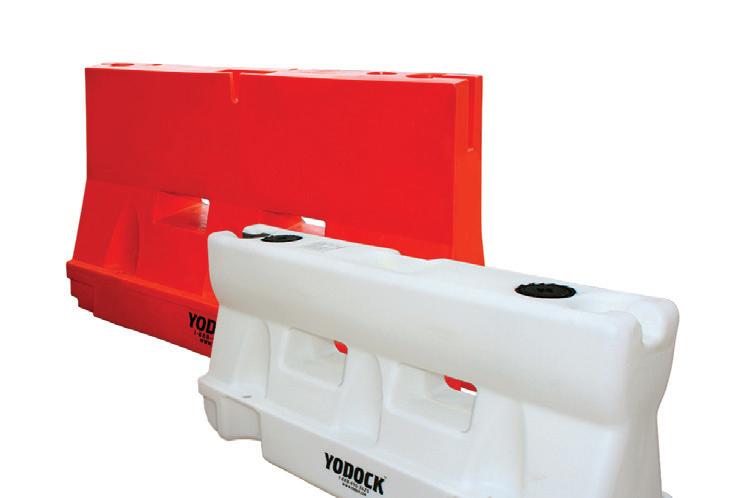

• The 2001, 2001M, and 2001MB barricades are MASH Tested as a Longitudinal Channelizing Device (LCD).
• Accessorize with Lights and Fence Panels.

• Transform unstable ground into stable and weatherproof surfaces for easy transport and staging of heavy equipment.
• Protect Turf & Grass During Events and Projects.
• Create Accessible Walkways for Pedestrians or Crew.
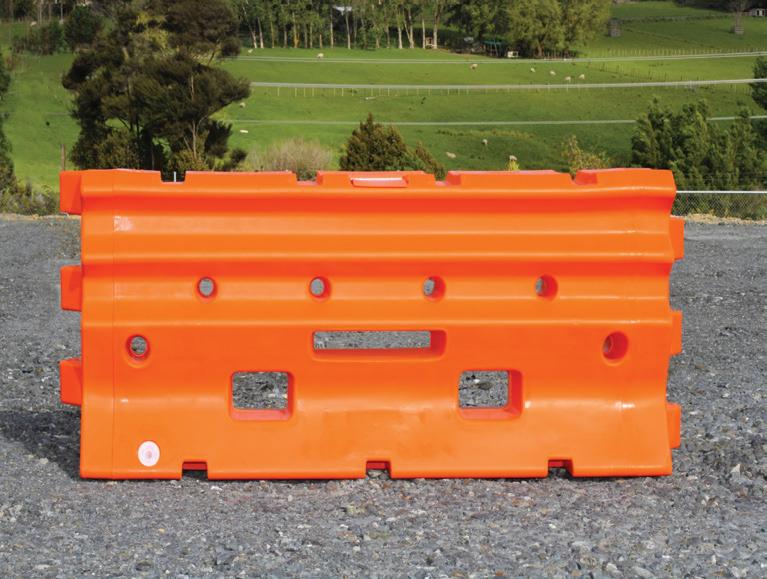
• Portable, High-Performance, interlocking water filled Barrier sections.
• MASH TL-2 Tested for Redirective Applications.

By DENISE FEDOROW | The Municipal
The city of Pendleton, Ore., has won several awards for its solar canopy project at the wastewater treatment plant, but Assistant Public Works Director Kyle Willman has no plans to stop with that project. Willman said his ultimate goal is for the wastewater treatment plant to not have a power bill.
Last fall, the project was presented with three awards at the Oregon Chapter of the American Public Works Association. It was awarded Project of the Year in structures costing less than $5 million, a sustainability practices award and the individual practices award for Willman’s work.
Since that time, Willman reported the city has received two additional awards: an excellence award for the project from the League of Oregon Cities and the Project Award for
Innovation from the Oregon Association of Clean Water Administration.
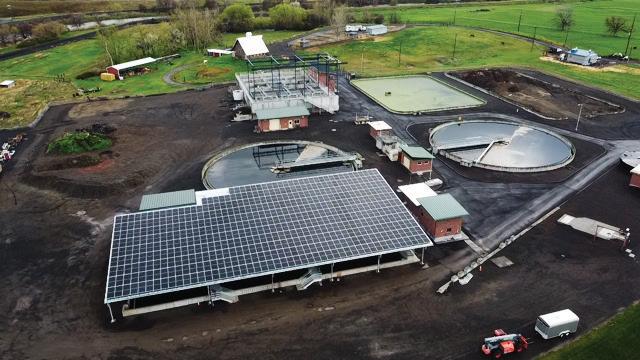
The project receiving all these accolades is a solar panel canopy over the chlorine contact chamber at the wastewater treatment plant.
Willman said, “It was kind of a pipe dream I had. I could see multiple benefits for doing it, if we could figure out how to fund it.”
Then the state of Oregon came out with the C-REP grant Community Renewable Energy Program. It was a 50-50 match grant
ABOVE: An overhead drone photo shows off the solar canopy project at the city of Pendleton, Ore.’s, wastewater treatment plant. (Photo provided by Kyle Willman, City of Pendleton)
program. He said in the first round in 2022, the city received $816,000.
Willman said Pendleton put together a “funding stack” to pay for the $1.8 million project. In addition to the C-REP grant, it received over $10,000 from the Energy Trust of Oregon and is in the process of receiving funds from the Investment Tax Credit in the amount of $350,000-$400,000.
These were all reimbursable funding sources, so the project had to be completed to receive funds, so initially, he withdrew funds from the capital reserve funds for the wastewater project.
Willman said he presented four basic benefits of the solar canopy project for the wastewater treatment plant:
1.) Saving power.
2.) Shading the contact chamber should help reduce additional temperature influence on the water, which is one of the permit items Pendleton has to report.
3.) Reduction in chlorine usage.
4.) Reduction of algae growth inside the tank.
Willman said initially he was going to figure out how to do it on his own, but he was at a conference and was sitting at a table with other operators and vendors, and they were all sharing what projects they were thinking about, and he met Kathleen Kelleher from Ameresco.
“She said, ‘I think I can help you with that,’ which piqued my interest, so we exchanged information,” he said.
He explained Ameresco is a company that’s already vetted through the state of Oregon, and he got approval from the public works director to make the project happen. Willman said from Day One Ameresco was the city’s main partner.
When Pendleton got the notification for the funding, Willman said, “We hit the ground running. We did an energy profile of the facility, started designing what the system would look like and how it would cover the contact chamber without interfering with operations.”
“We added a catwalk across the contact chamber. I think my operators were more excited about the catwalk,” he said.
The city broke ground in September 2024; the project was completed and went online in May 2025.
Willman shared that part of the city’s agreement with Ameresco is “they have a guarantee that the system will produce so much, and if it doesn’t, they cut us a check to offset it.”
From May 2025 to the end of April 2026, the system produced 299,550 kilowatt-hours. Pendleton also has an agreement with Pacific Power: if the panels produce more than the city can use, they’ll net-meter it back to Pacific Power.
Willman said, “The only time that will be the scenario is on a nice summer sunny day.”
Willman said when speaking about results, he and his team are conservative.
“I ran some very rough estimates at the end of last summer, and there was a minute amount of cooling. Based on the WSU study where they studied shading along streams, if
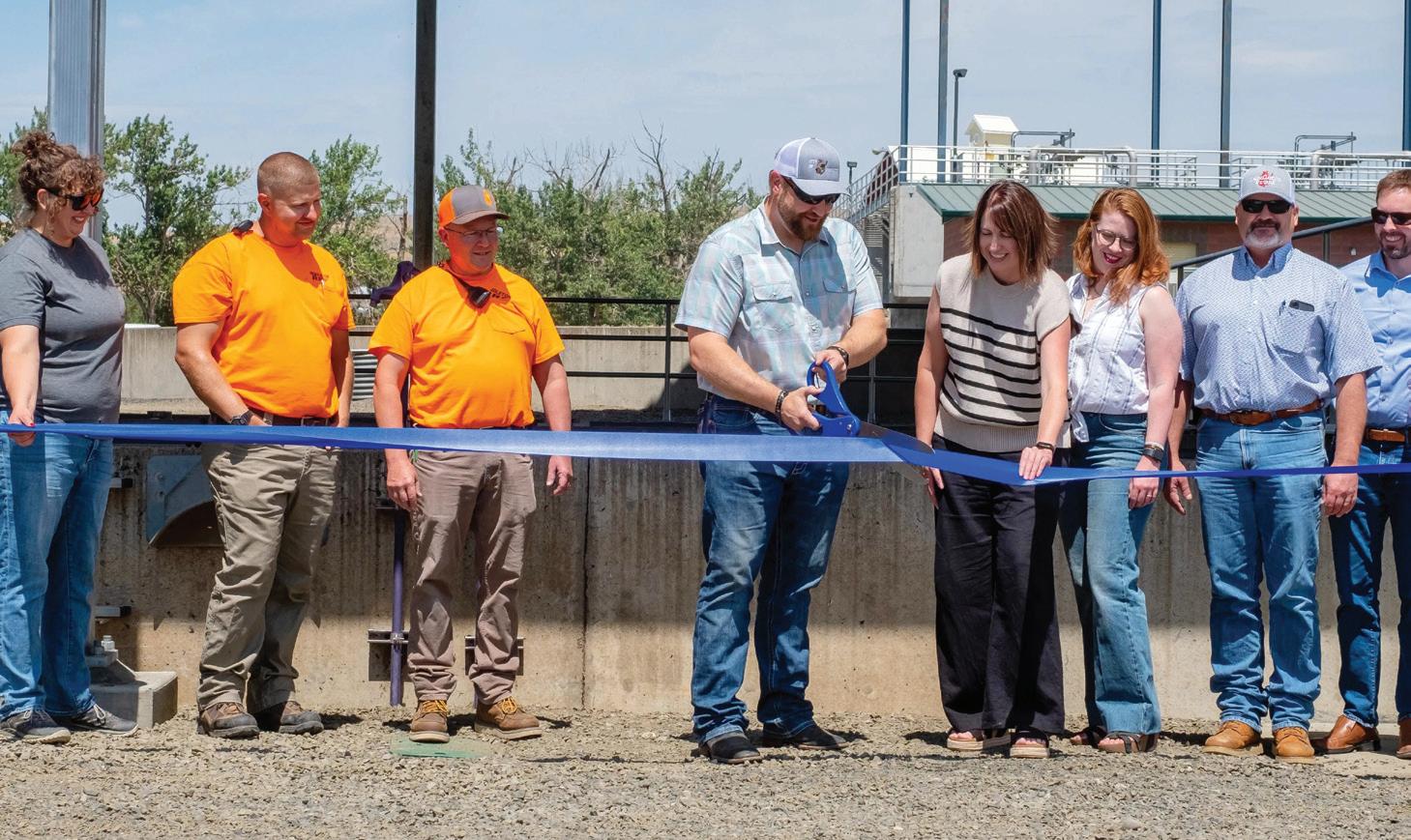
Several people involved in the solar canopy project were part of the ribbon-cutting ceremony. Shown from left are Jessica Schneider, laboratory manager city of Pendleton; James Gerritz, wastewater operator city of Pendleton; Greg Senter, wastewater lead technician; city of Pendleton, Kyle Willman, assistant public works director; McKennon McDonald, mayor of City of Pendleton; Ellie McBride, Ward 2 councilwoman; and Jason Carver, Ameresco project development manager. (Photo provided by Kyle Willman, City of Pendleton)
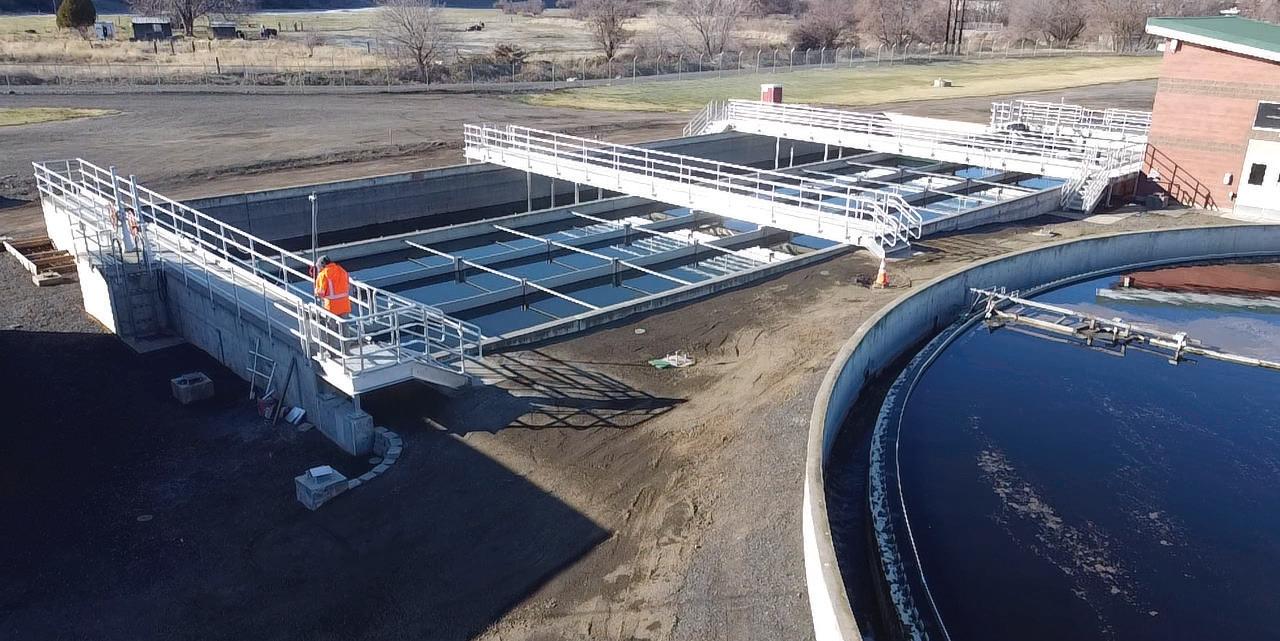
This photo shows the catwalks installed as part of the solar canopy project, something that proved to be popular among the wastewater operators. (Photo provided by Kyle Willman, City of Pendleton)
they shaded the tank, which is a moving body of water, we’ll see some cooling effect.”
He shared that while they did some cooling, he wanted to see consistency over three to five years before stating absolute results. He said the facility has also seen some decrease in chlorine usage, but he wants to have three to four years of data before saying definitively it’s because of the panels.
“I want to keep up with the scientific method we learned in school,” he said.
Willman was asked about another project, the bus barn facility. While he wasn’t involved in that project, he said, “I should brag about the fact that the city of Pendleton is the only organization in the state that received a C-REP grant every round it’s been available.”
He noted that the Bus Barn Facility was a round two recipient, and it was a designplanning grant. Willman said Bob Patterson, director of public works, was involved in that project, which designed a renewable energy system on the new bus barn where the city houses all the transport buses. Willman said it was a $100,000 C-REP grant to move forward on a later date.
Willman said right now Pendleton is working on Round 3 of the C-REP grants for a 500-kilowatt battery energy storage system that should be installed by the end of next year.
“They’re finishing the design now.” He added, “There was a hiccup with funding because of the 2024 changes with the election, but I think it is 100% funded now with reimbursable grants.”
The battery contains a microgrid controller, so it’s the “brain of the system.”
Willman said it contains a 100-kW system with 50-kW hydro and 50-kW wind, explaining there’s a little water wheel and a small rooftop wind system. Once the battery energy storage system is done, the battery will control the wastewater treatment plant’s two solar systems: the current one and the one installed in 2008, a Capstone micro turbine and three anaerobic digesters that produce methane gas.
“All these renewable energy sources funnel through the battery brain to know where it needs to discharge and whether to pull power from the grid. Hopefully, we won’t need to pull power from the grid once everything is online, and if we produce more, Pacific Power will credit the city,” he said.
Pendleton will charge the battery by day and discharge at night. The plan is to recapture some of the energy they put into moving water around the city.
Willman was asked why everyone is not doing this, and he said in his opinion, some are afraid of the technology and taking that leap.
“I spent five years in the wind industry they had wind and solar before I came to the city, so I was fairly exposed to renewable energy sources, so it doesn’t scare me as much,” he said. “There’s a lot of erroneous PR and a lot of different theologies about renewable energy that may or may not have truth to it, so you have to filter through all that.”
Willman said he’s also received a lot of support from city officials.
“I’ve been very lucky to have a great team behind me 100%. The city council, city manager, mayor, public works director are all supportive of what we’re doing,” he said.
He credited the previous public works director for “laying the groundwork. It’s not like I created anything; I just carried forward what was there into the next steps.”
At the start of all these projects, Willman investigated methods for reducing consumption and the processes involved in producing what is consumed. He said before starting these renewable energy projects, the utility bill based on inflation and increases should be over $200,000 for the year, since pursuing the projects their bill was under $100,000 this year.
Willman said his next focus is the water department. “I’m the kind of person that status quo doesn’t work for me.”
Willman credits his partnership with Ameresco with the success of this project.
At the groundbreaking in 2024, Lou Maltezos, executive vice president at Ameresco, was quoted in a press release as saying, “Pendleton’s ongoing efforts to build a more sustainable and resilient future showcasing what can be achieved when communities, utilities and energy partners work together toward common environmental goals. We’re thrilled to be working on this project and setting a strong benchmark for similar facilities across the region.”
As for what advice he’d offer to others, Willman responded, “Keep an open mind. I was just an operator, and I had an idea, and the wastewater superintendent said, ‘Sounds cool, see if you can run with it.’ I toyed with it for six to eight months before I ran into Kathleen at the right time, and the universe or a higher power put us in the right place at the right spot. So, a little bit of faith played a part.”
He said, “Don’t discount any idea. I have a lot of crazy ideas. I talk to other operators, and they sometimes put their own spin on it, and it works for them, or it leads me to rethink the idea.”
Willman was asked what a wastewater operator or superintendent should do if they pitch their idea to city officials and they’re not on board?
“‘Kool-Aid Man it’ and break through the walls. If you run into closed minds, don’t dazzle them with BS have facts and have proof. Have someone like me, who has successfully done it, speak on behalf of the project that helps. If you’re dealing with
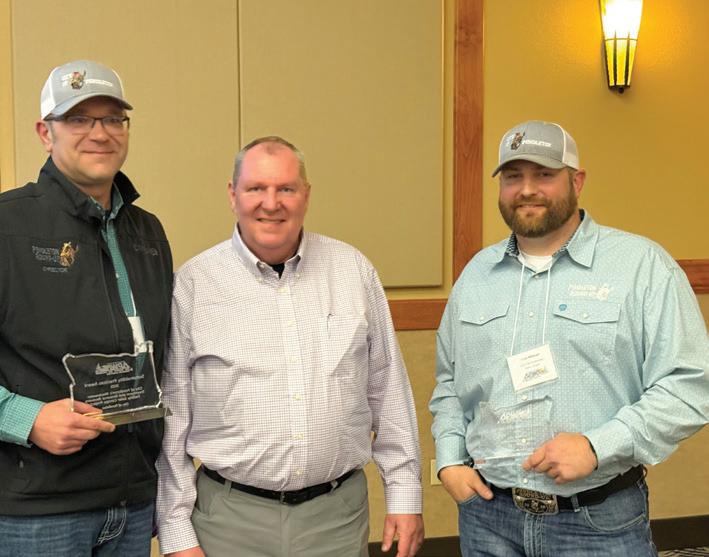
The city of Pendleton, Ore., won awards from the APWA for its sustainability solar panel canopy project. Shown with the award are, from left, Casey Currin, public works superintendent; Doug Singer, APWA past president; and Kyle Willman, assistant public works director for the city of Pendleton. (Photo provided by Kyle Willman, City of Pendleton)
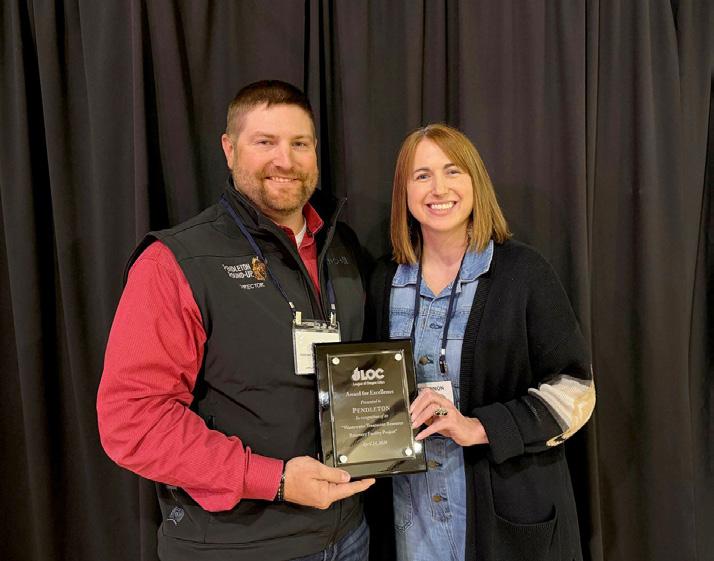
Kyle Willman, assistant public works director, left, and McKennon McDonald, mayor of the city of Pendleton, stand with the award they received from the League of Oregon Cities. (Photo provided by Kyle Willman, City of Pendleton)
that council or mayor who doesn’t feel it will work, I’ll join on a FaceTime call or Zoom or Teams and show them the numbers and the proof,” he said.
For Pendleton, Willman said, “The overarching goal is by the time we get all the energy projects done around 2030, the wastewater plant won’t have a power bill; we’ll produce all the power we consume on-site and sell the excess to our partners so it will become a revenue source for the wastewater system.
“My hope is that some of that will stave off rate increases that come because of inflation and the economy and allow for the citizens of Pendleton to see less of that burden.” M
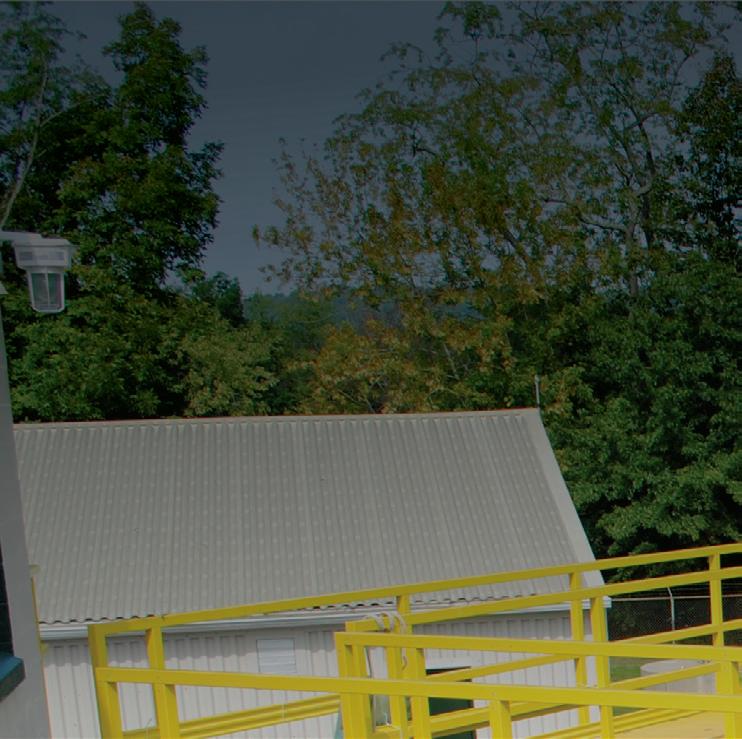
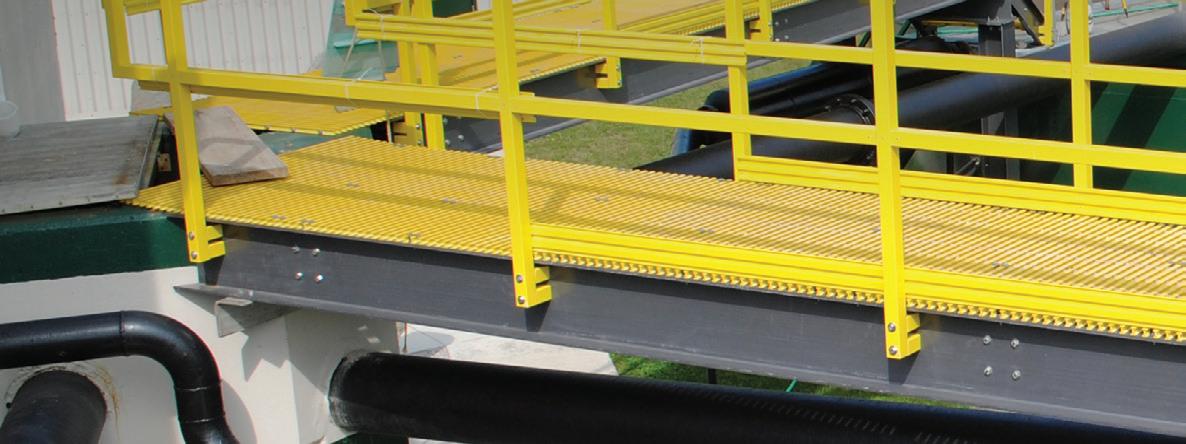


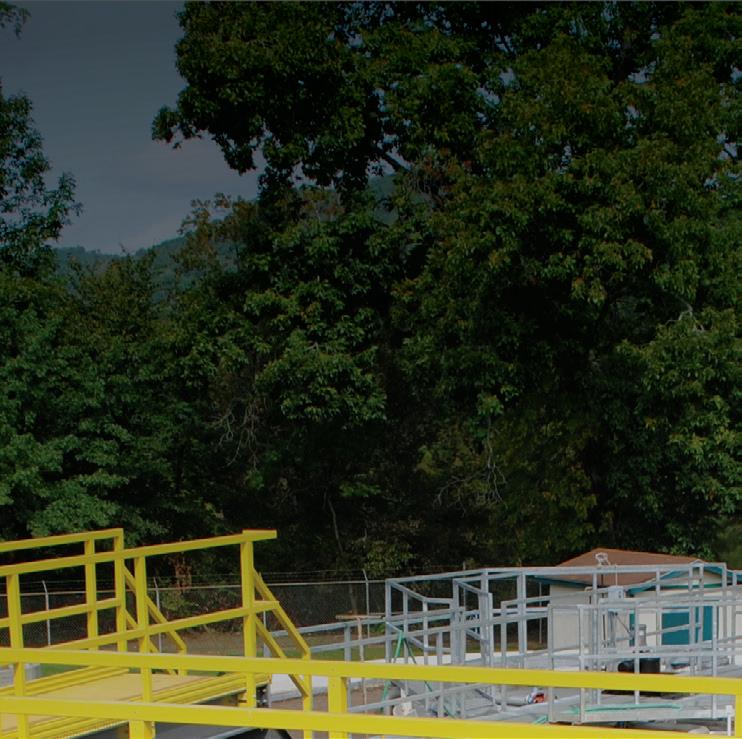

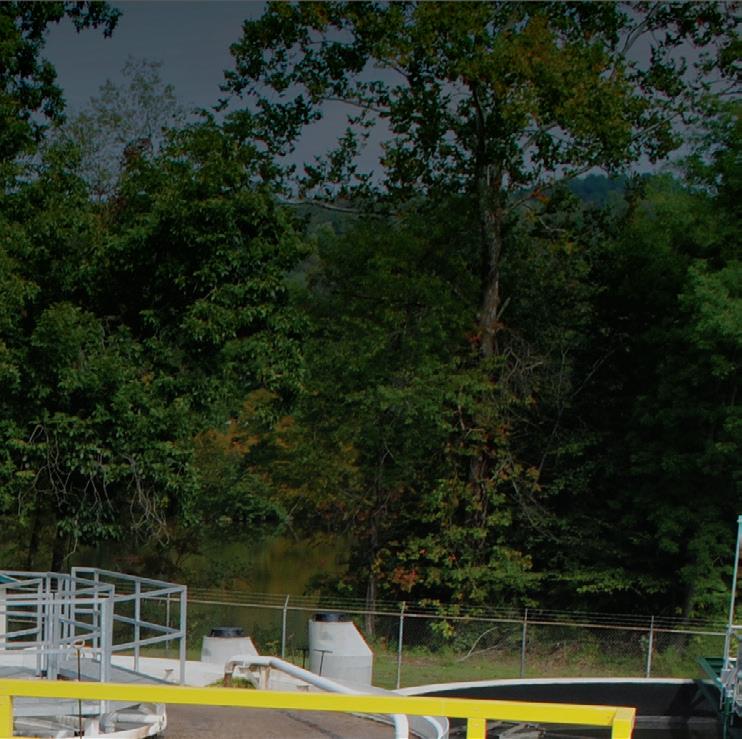


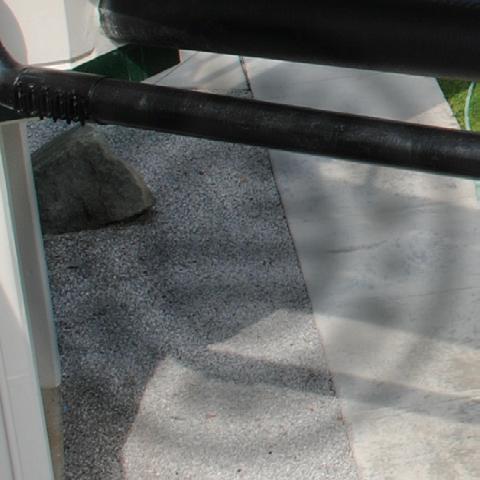


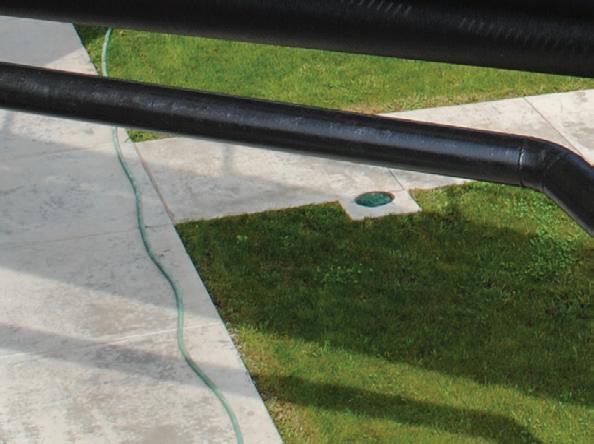


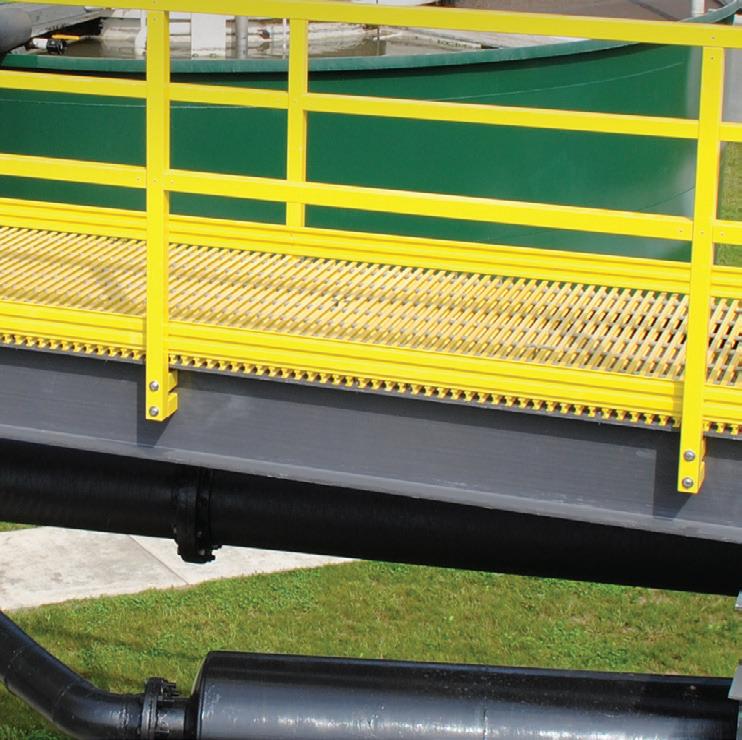



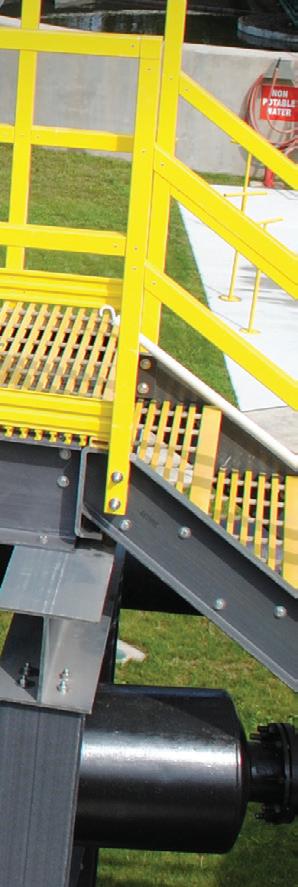
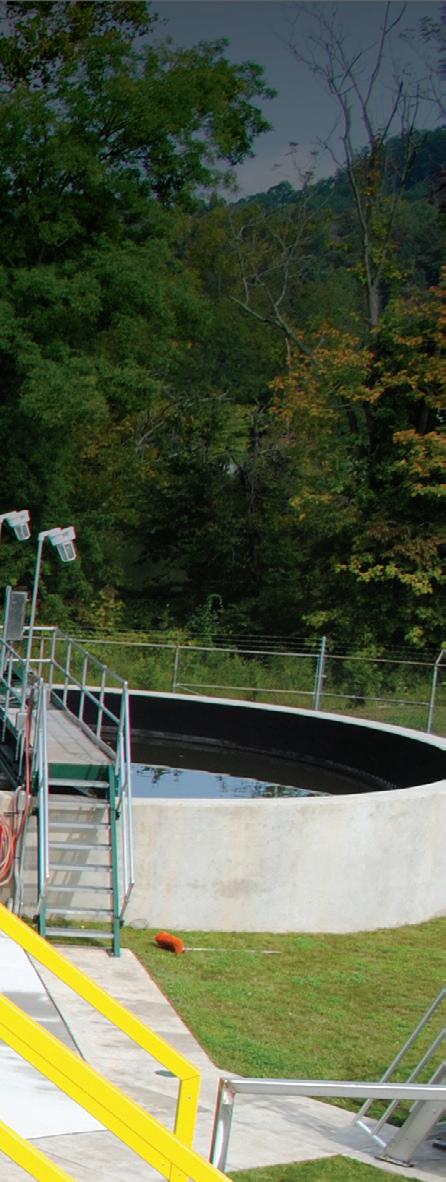
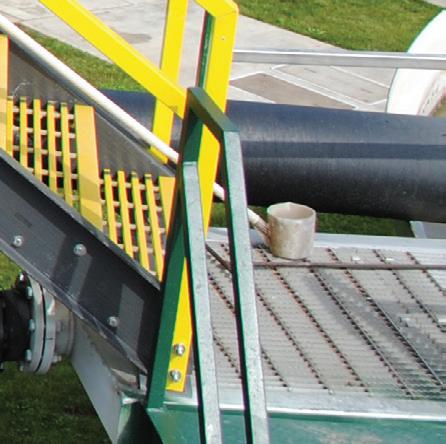
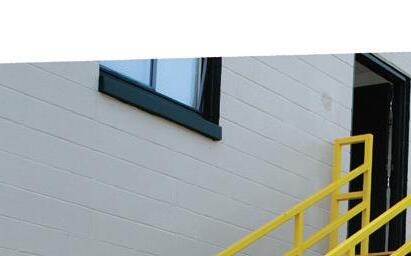
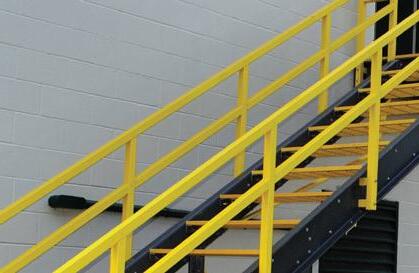
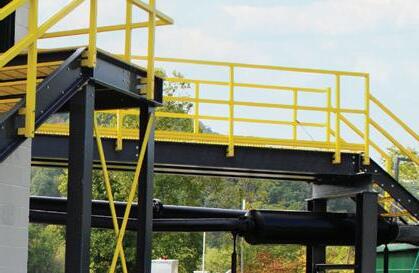
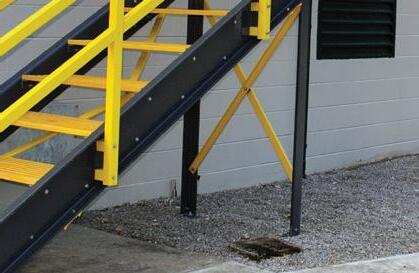
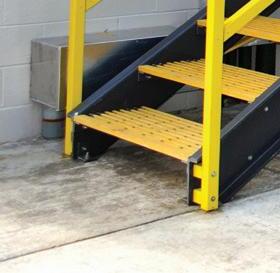
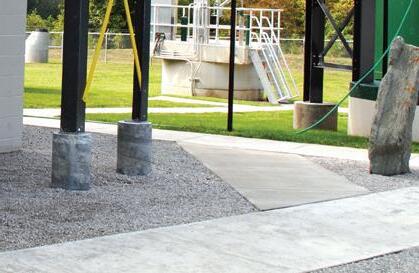
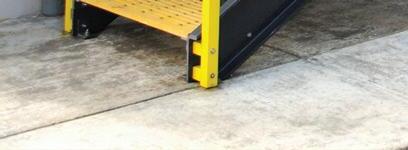
This wastewater treatment facility in Hometown, WV, chose fiberglass over galvanized metal because of the corrosive environment, reduction of labor, ease of installation, and low maintenance life cycle costs. The access platforms and structures were made using EXTREN® fiberglass structural shapes, DURAGRID® pultruded grating, and SAFRAIL™ handrail. This project took two people three and a half days to install.






By DANIELLE LUND | The Municipal
After nearly two years of construction in the city of Billings, Mont., the Wicks Lane Stormwater Improvement Project is complete, marking a major investment in the future growth and environmental sustainability of the area.
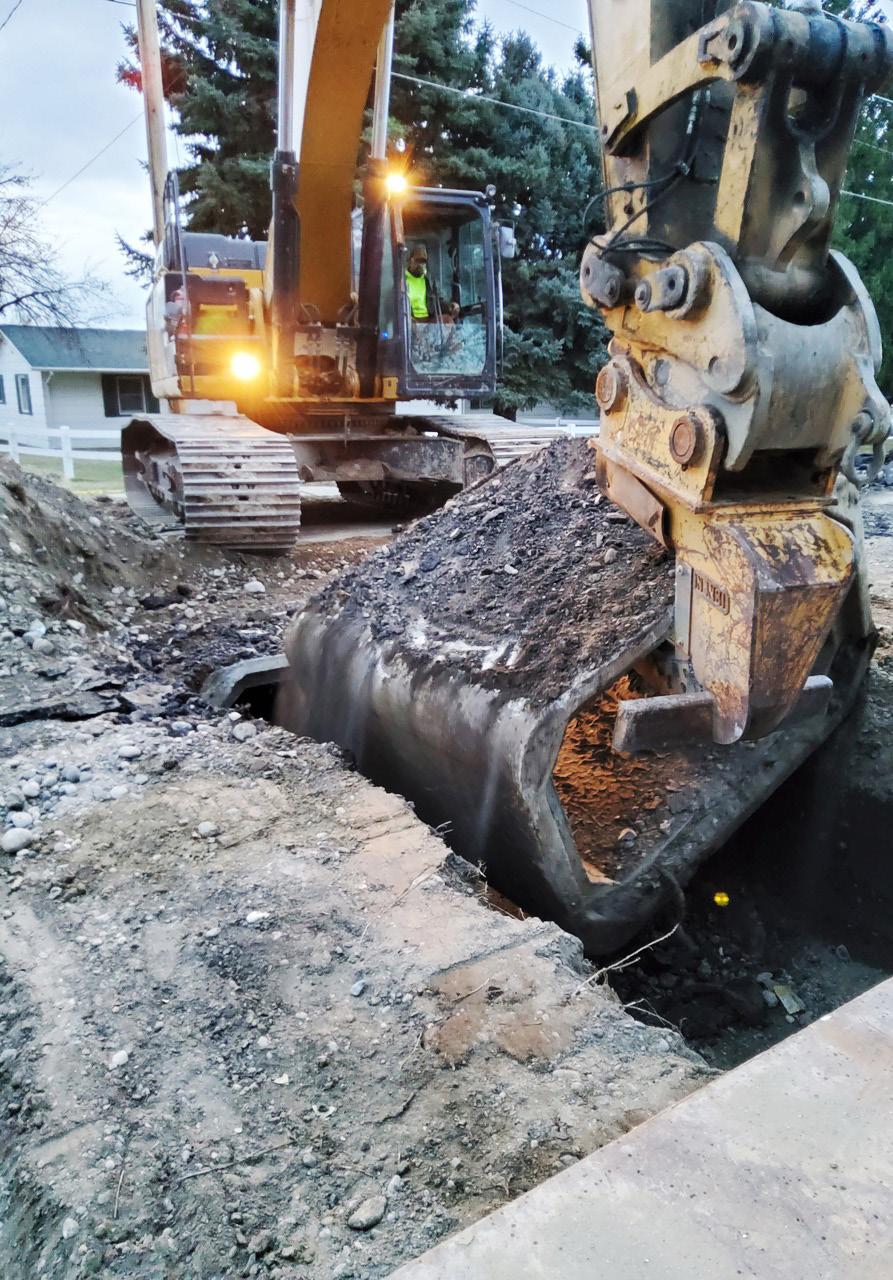
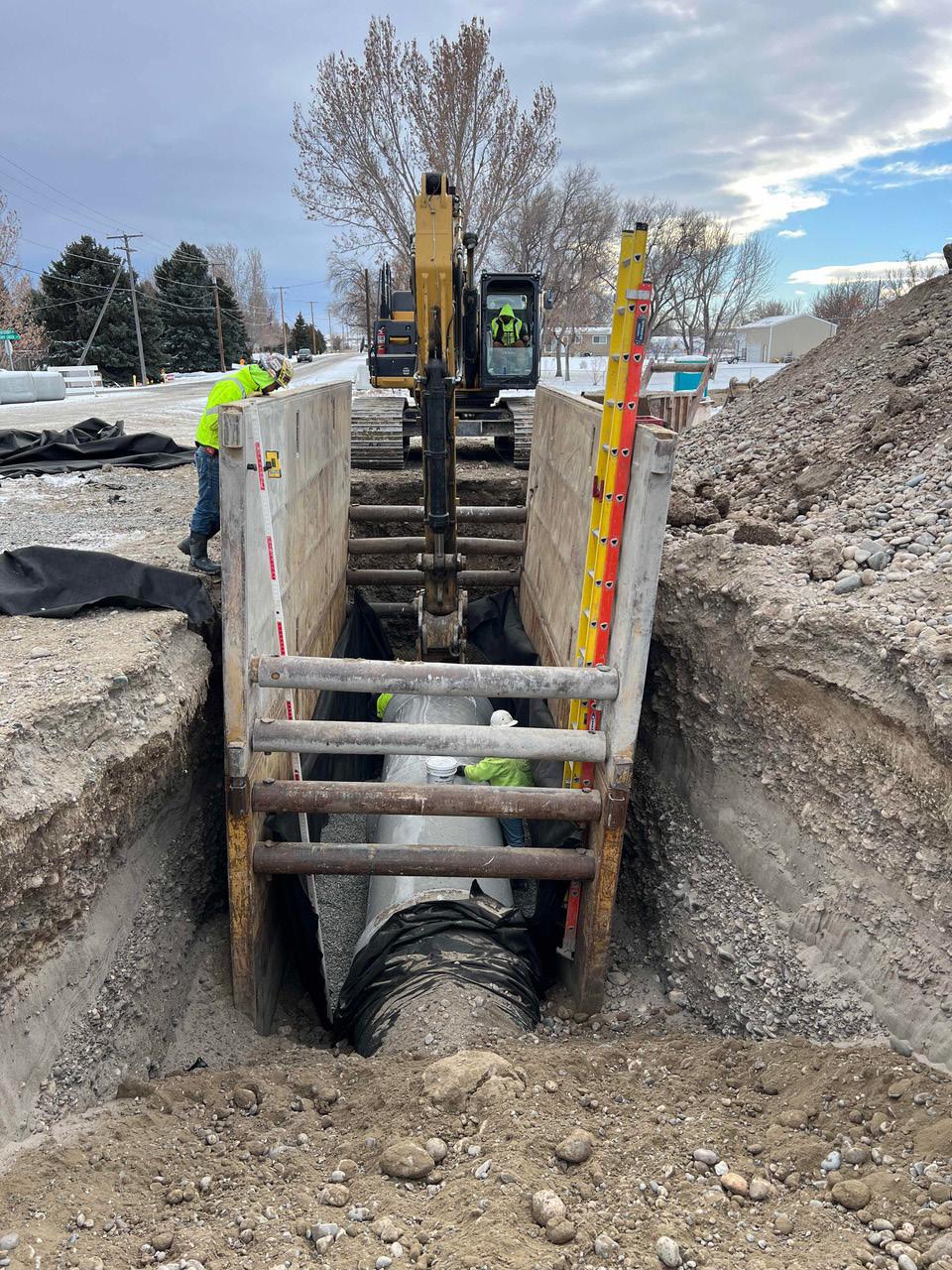
The project upgraded an aging stormwater system along Wicks Lane, expanding drainage capacity and preparing the corridor for future roadway improvements and continued development in northeast Billings. The project also introduced modern water treatment technology designed to improve stormwater quality before runoff enters nearby waterways and, ultimately, the Yellowstone River.
For many residents, the project was most visible through orange construction barrels, detours and large crews working through difficult weather conditions. Beneath the surface, however, city officials say the work represents a long-term investment in Billings’ future infrastructure and water quality.
For city engineers, the project reflects years of planning aimed at staying ahead of the city’s continued growth.
“We had an existing system in the area, but it was undersized,” said Tyler Westrope, staff engineer and project manager with Billings Public Works. “As we looked at the area and the future, we realized we needed something
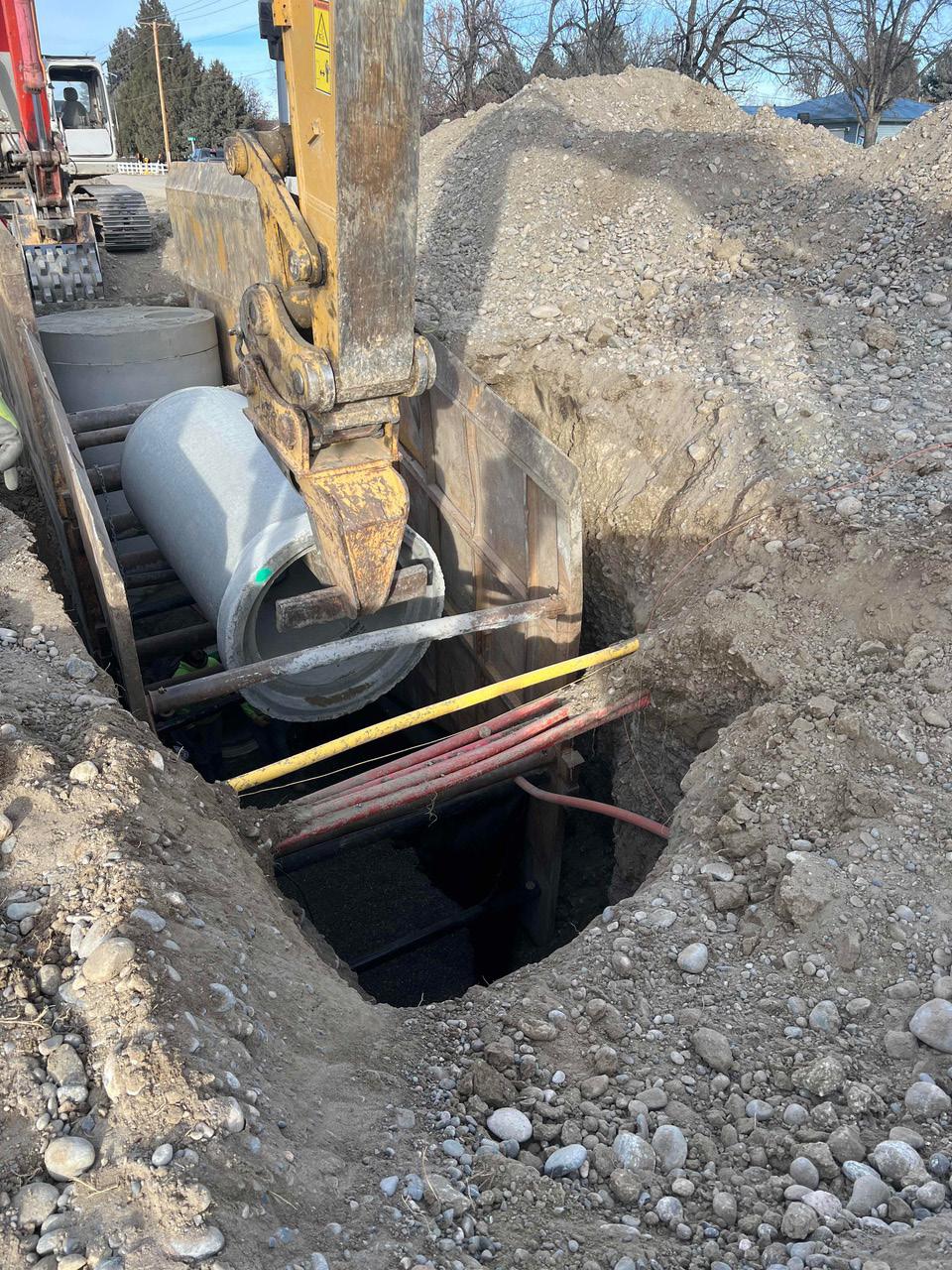
with a larger capacity, and we wanted to have water treatment in advance to the road networks.”
The need for improvements became increasingly clear as development continued expanding throughout the Heights. Rather than waiting for future growth to overwhelm the existing system, the city moved forward with plans to modernize the infrastructure before additional roads, businesses and neighborhoods were built in the area.
Construction was completed in two phases over two construction seasons, with each phase costing approximately $4.4 million. According to Westrope, the entire project was funded through the city’s stormwater utility fund.
“All of the funding came from stormwater funds that we generate from the community,” Westrope said. “It’s a stormwater utility that allows us to provide continued maintenance and improve infrastructure.”
That funding source allowed the city to take on a project of a scale that officials say would not have been possible years ago.
“We are so glad that we had the funding for this,” Westrope said. “We would not have been able to undertake this project prior to the stormwater funding.”
Westrope is also the project manager overseeing the approximately $4.5 million stormwater quality upgrade associated with the project, which was designed to strengthen
protections for the Yellowstone River while improving drainage for the growing area. Most stormwater runoff in Billings currently drains into the river untreated, making the addition of the treatment structure an important step toward improving long-term water quality management.
Although much of the infrastructure now sits underground and out of sight, the construction process itself was impossible for residents to miss, and the community was not always happy about these changes. Disruptions like loud noise from large equipment and deep excavations, along with the general months of construction activity, brought temporary interruption to traffic and nearby properties.
Construction teams also had to work around groundwater challenges and Montana’s harsh winter conditions. Ironically, winter offered the best opportunity for construction because groundwater levels were lower, even though the cold created additional obstacles for workers and equipment.
“The best time to complete this project was when groundwater was low, which was during the winter,” Westrope said. “Anytime you build over winter, there are challenges. The temperature and weather can impact the speed and depth of the project on a daily basis.”
Despite those challenges, the project is now complete, with only minor warranty-related
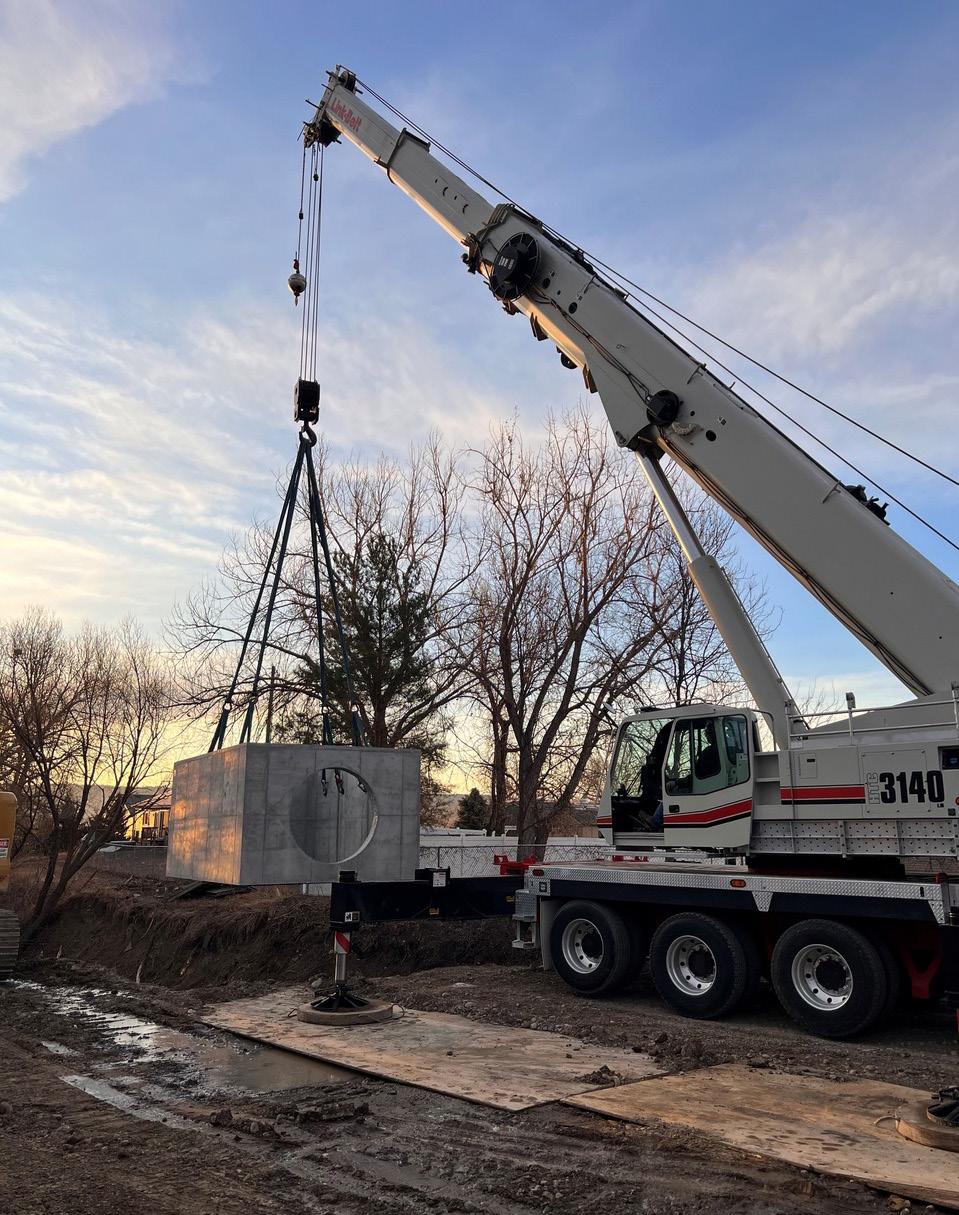
The Wicks Lane Stormwater Improvement Project aims to provide for future growth in Billings.
by
work remaining. City officials are now focused on monitoring the system’s performance and evaluating the effectiveness of the newly installed treatment components.
“The next thing we are looking to do is a water quality treatment unit, and we will monitor that for efficiency,” Westrope said.
The upgraded stormwater system is also expected to support future development plans throughout the area. According to
Westrope, upcoming roadway projects connected to the corridor are already included within the city’s five-year capital improvement plan.
“We haven’t started the roads yet, but they are within the next fiveyear capital plan,” he said.
The infrastructure installed through the Wicks Lane project will also allow future developments in the area to connect directly to the expanded drainage system.
“Any new developments will be able to use the drains immediately,” Westrope said.
For city engineers, one of the project’s biggest successes is that the improvements were completed ahead of additional development pressures in the area. Officials say that a forward-thinking approach will help reduce future infrastructure strain while supporting continued growth across Billings Heights.
“We do think it was successful,” Westrope said. “The fact that we got it done ahead of future development and the road networks will have a very positive impact on our community.”
While drivers passing through Wicks Lane may only notice smoother traffic flow and fewer construction cones today, the impact of the project will last for decades to come. M
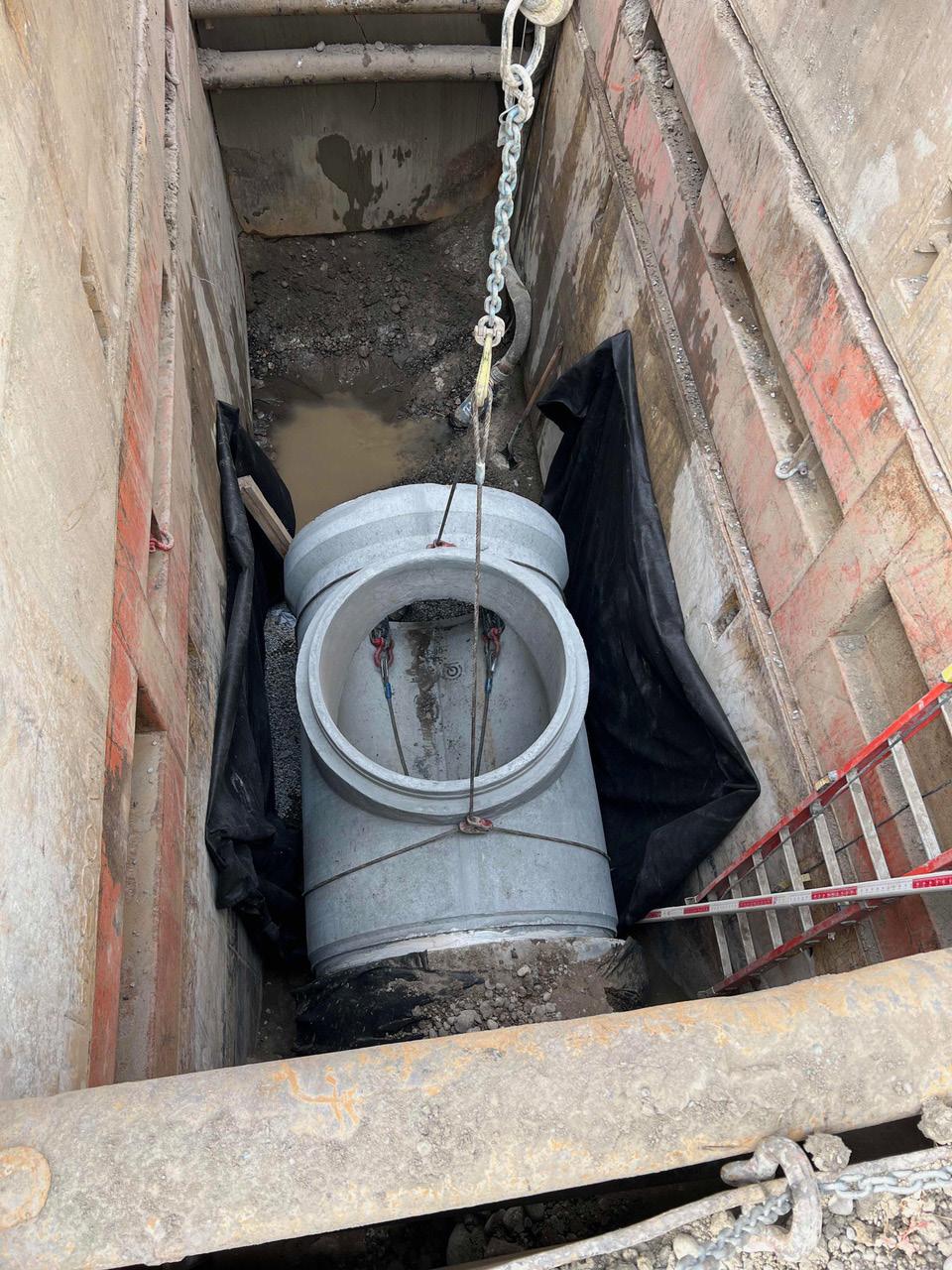
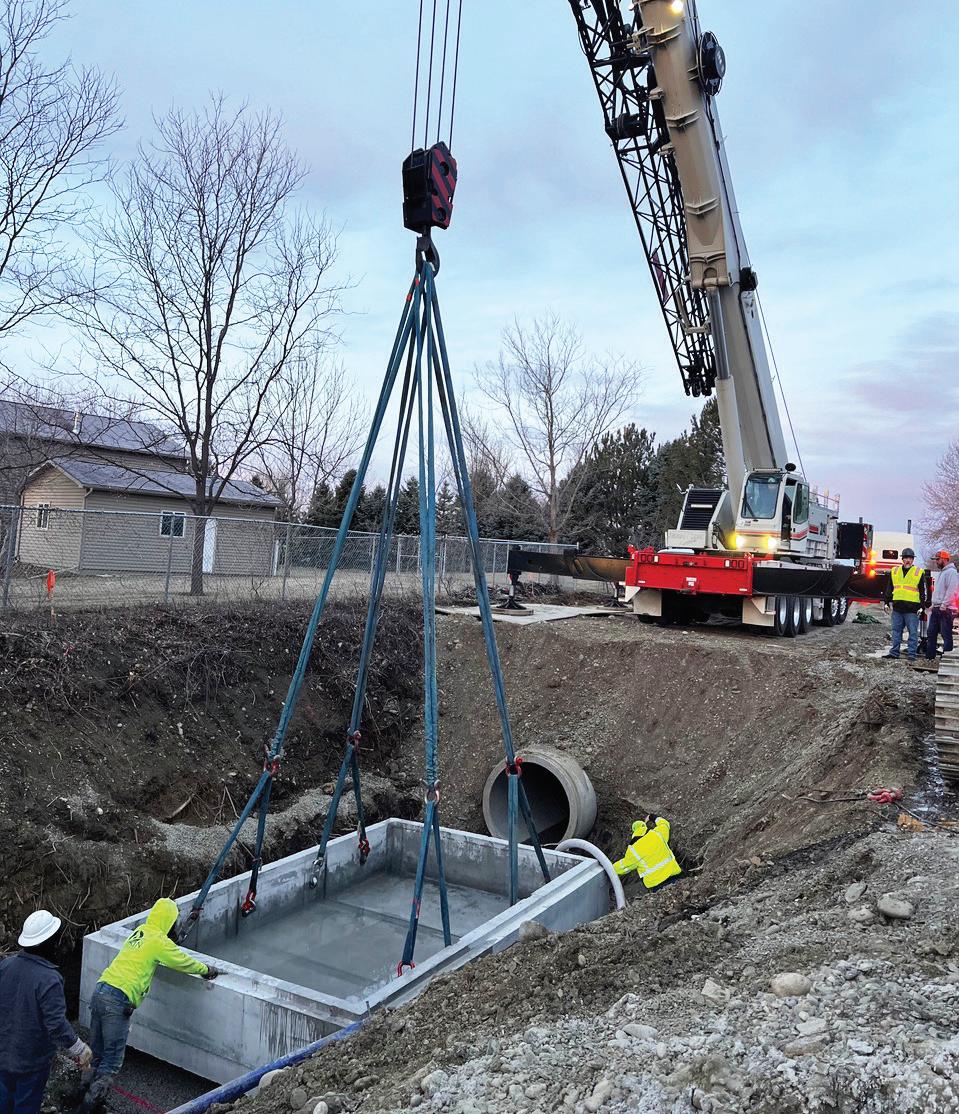
A crane lowers a precast concrete vault into place, while workers guide it into place. (Photo provided by Billings, Mont.)

IT
Built to keep you working.
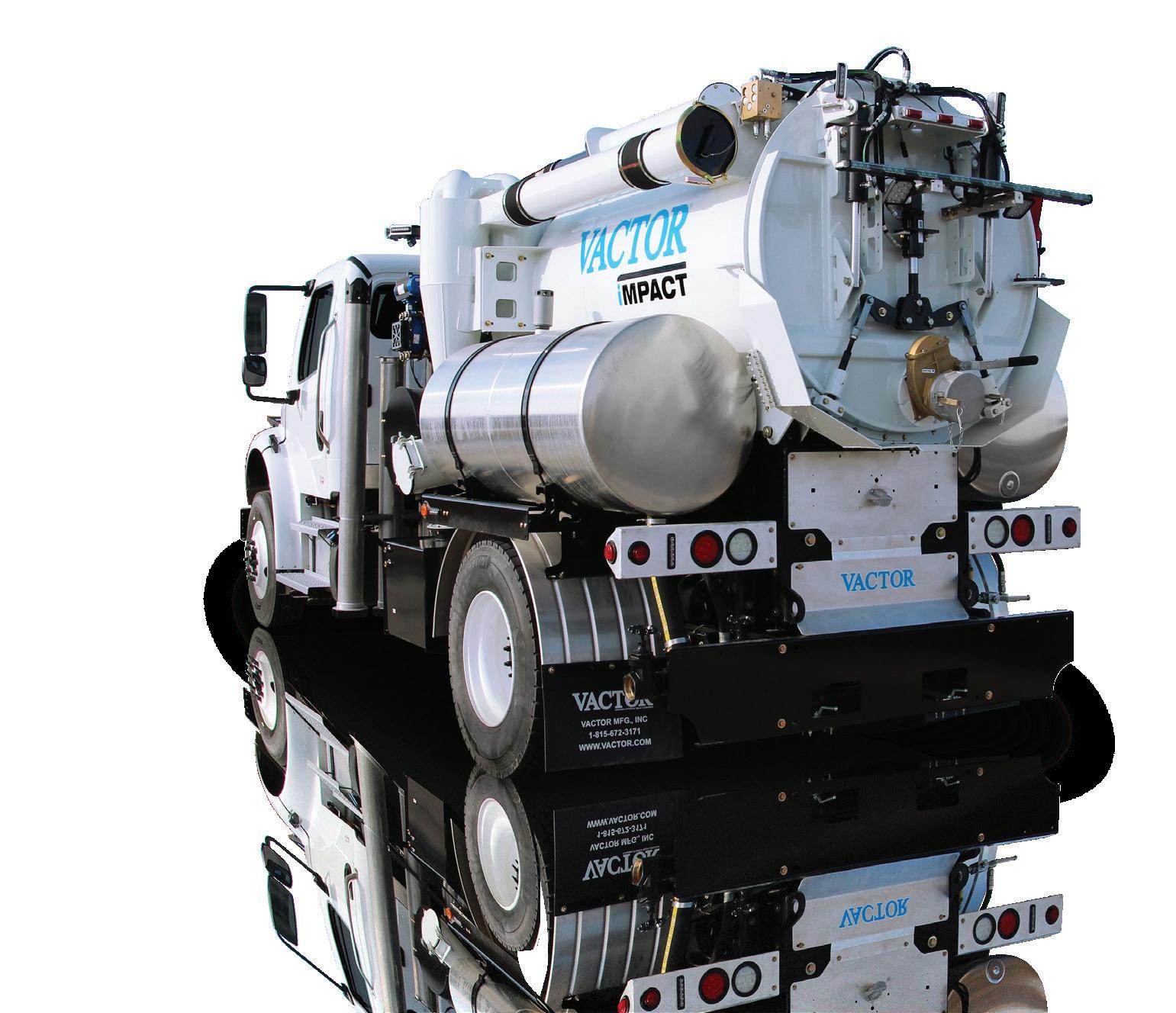
Vactor equipment is engineered to keep sewer and infrastructure systems moving — delivering the power, precision and reliability crews depend on every day.
Have questions? ASK OUR EXPERTS












By BETH ANNE BRINK-COX | The Municipal
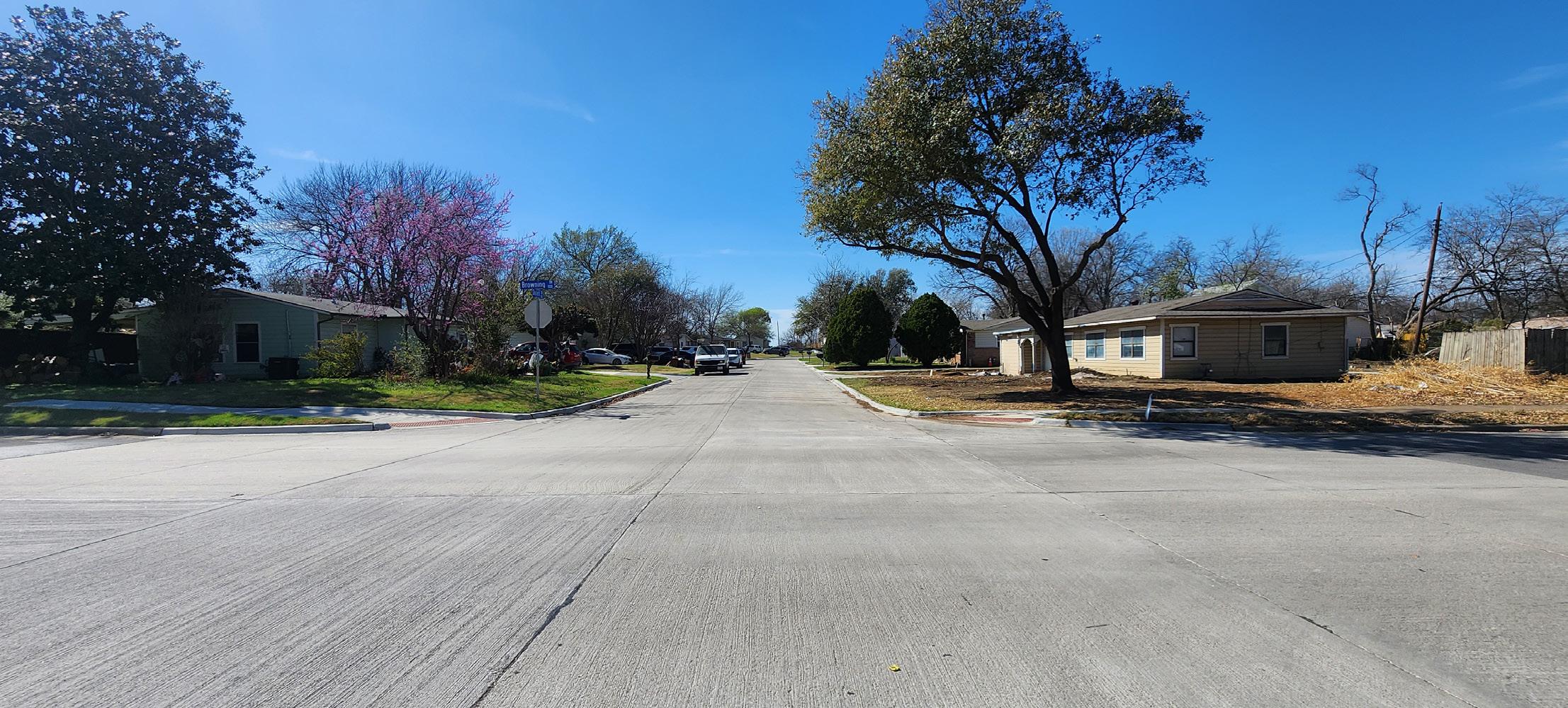
In 2022, Arlington, Texas, known as The American Dream City, proposed a multi-million-dollar project known as the Residential Rebuild. Long discussed, the plan was meant to improve roadway conditions, water and sewer systems, streetlights and sidewalks. Construction began in May 2024 and was completed in October 2025. The city has long been committed to prioritizing the areas most in need of repair and rebuilding, such as the 2020 Safe Routes to School, which began in September 2025 and is expected to be completed this month.
And this project was no exception to that philosophy.
Sabino Martin, a civil engineer for the city of Arlington, was the project engineer on this project. He explained it thoroughly. “The project is part of the Residential Rebuild program. The streets were identified through our Overall Condition Rating (OCI) that showed these streets were below a ‘50 out of 100’ rating. The city of Arlington has utilized a ‘Do Worst First’ street condition
philosophy. After identifying the locations, it was presented to our Capital Improvements Committee, where the water utilities department also identified water and sanitary sewer that need replacement.”
How does a city fund such expensive projects? “It is funded through a bond. The 2018 bond election provided the residents an opportunity to vote on the project/program. We notified the neighborhoods where
ABOVE: Arlington, Texas, completed a residential street rebuild on Skylark Drive from Mitchell Street to Browning Drive. (Photo provided by Arlington, Texas)
a majority of residents were happy about the rebuild.”
When you look at the overall finished results, it’s no wonder they were happy.
But did it go easily? There are so many things that can delay or even halt large projects weather, supply shortages, a need for more workers.
Martin said, “The contract for the most part was smooth. We did encounter typical rebuild issues of older neighborhoods where utilities were identified or located accurately. We do build a contingency for these types of field issues without too much delay. Residential reconstructing longevity depends on the size and quantity of streets to be rebuilt. This project fell in line with the average time to complete the construction. The notice to proceed to begin construction
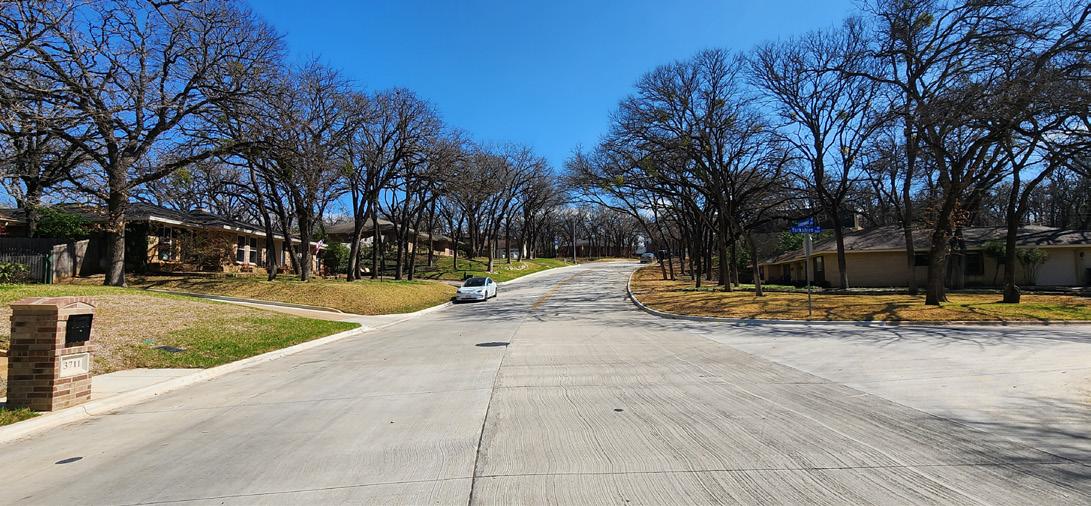
A peaceful neighborhood along Lynnwood Drive is easier to navigate thanks to Arlington’s Residential Rebuild Phase II project; it’s no wonder most residents were all for it. (Photo provided by Arlington, Texas)
was granted in May 2024 and completed in October 2024.”
As with any extensive project, there’s a learning curve; however, Martin noted everyone involved had faced challenges and brainstormed solutions beautifully. “Our strategy is to be more proactive, to avoid delays for design and construction. For these types of neighborhoods, it is imperative to begin franchise utility coordination and relocation as soon as possible.”
For other cities, Martin said, “Create a program and priority plan that identifies deficient streets and funding for these types of projects.”
With that as a springboard, the other elements and components should fall neatly into place. He continued, “From identifying to construction, completion varies depending on the project. Residential rebuild projects, such as this, typically require around four years from identifying, then design, then construction. This project coordination included the water utilities.”
Another extensive project that Arlington is proud of, according to the office of communications, is the Dr. Martin Luther King Jr. Drive extension project.
The newly opened Dr. Martin Luther King Jr. Drive extension provides another north-south route over Interstate 20, easing congestion on major corridors like Matlock Road and Collins Street while opening the door to new development and improved neighborhood access. This was the first major roadway extension since 2013. The four-lane, 1.18-mile extension will shift approximately 2,000 vehicles a day, which should reduce traffic by 5%.
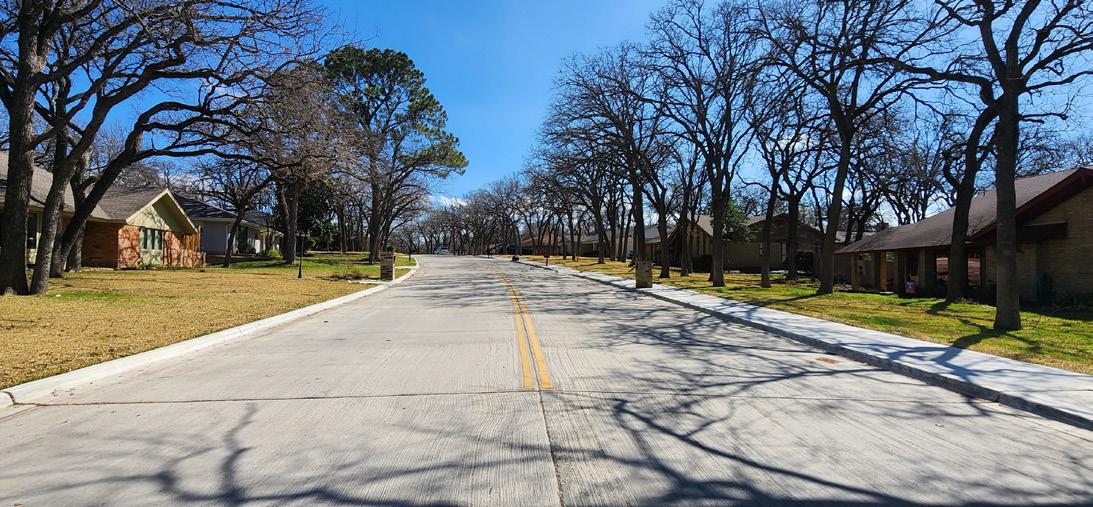
of the Residential Rebuild Phase II project began in May 2025 and was completed in October 2025. Pictured is Lynnwood Drive. (Photo provided by Arlington, Texas)
In a press release, the office of communications noted, “Martin Luther King Jr. Drive extension was approved by city of Arlington voters and funded through the city’s 2014 Bond Program, the Tarrant County 2021 Transportation Bond Program and federal funding through the North Central Texas Council of Governments’ Surface Transportation Block Grant.”
Bonds are repaid with interest, while grants are considered “free” money, which makes this more affordable for the city and its constituents.
The office of communication’s press release also stated, “The MLK Jr. Drive extension continues Arlington’s momentum in delivering impactful transportation projects in southeast Arlington. It follows other major investments such as the opening of the Center Street bridge over I-20 in 2017, the completion of Turner Warnell Road improvements in 2025 and the completion of Debbie Lane improvements this summer. These projects, along with the start of the
Mansfield Webb Road widening project from Silo Road to Collins Street this spring, are transforming how residents move throughout the area.”
A careful look at the page arlingtontx. gov will show how many more improvements and projects are being planned and implemented, in that order they believe in: Do Worst First. Some of them are updates, several of which will benefit the Americans with Disabilities Act transition plans, such as ramps and bridge rail modifications. Some are not so much fixing a problem but more in line with general improvements in the various neighborhoods and other areas, which is what a good infrastructure program is all about.
A review of completed and planned initiatives demonstrates the city’s continuous progress and multifaceted development. It is no wonder the city of Arlington and the Arlington Convention and Visitors Bureau banded together to officially claim the phrase “The American Dream City.” M


WE ARE RANKED #1 AS A SOURCEWELL SUPPLIER.

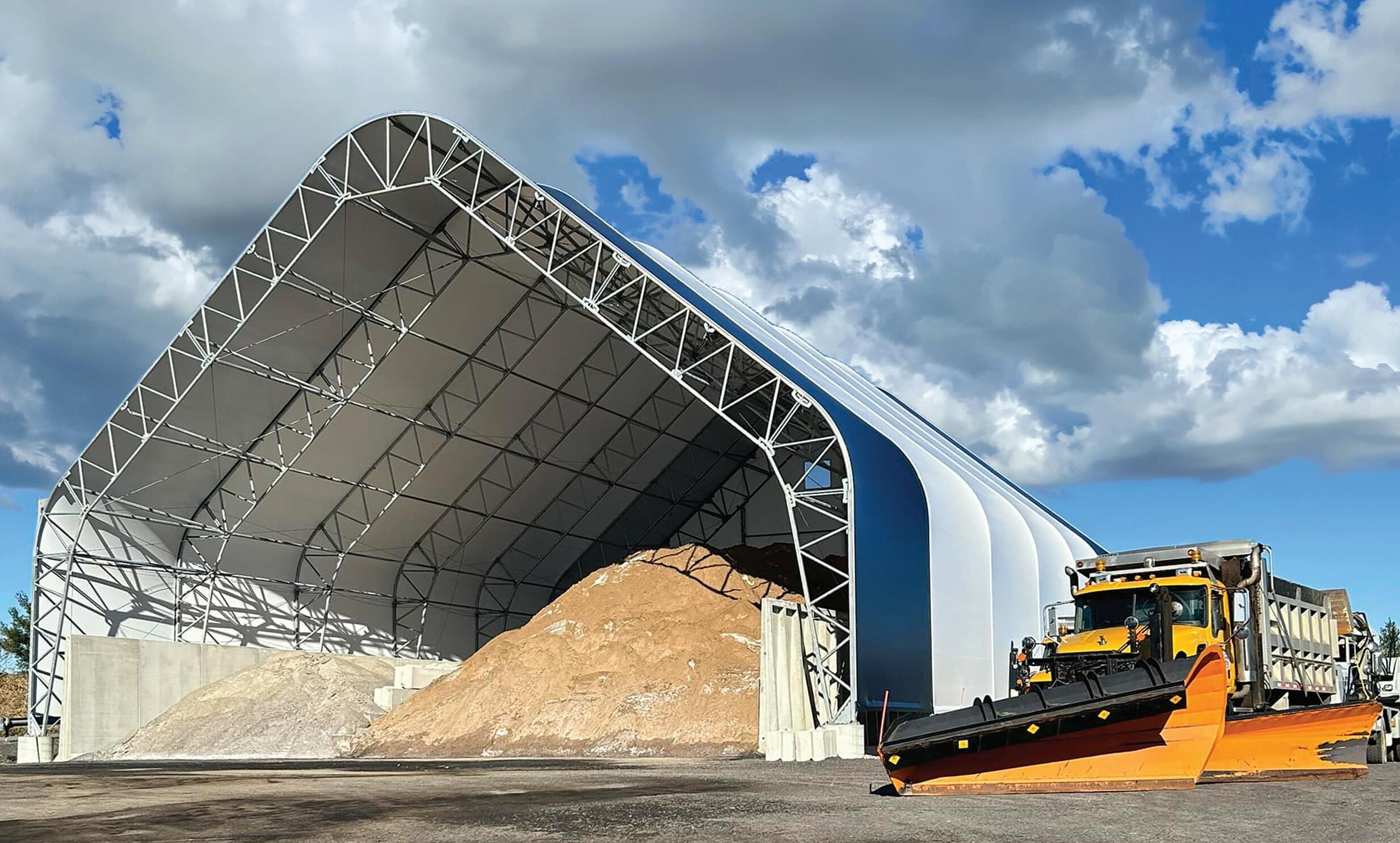
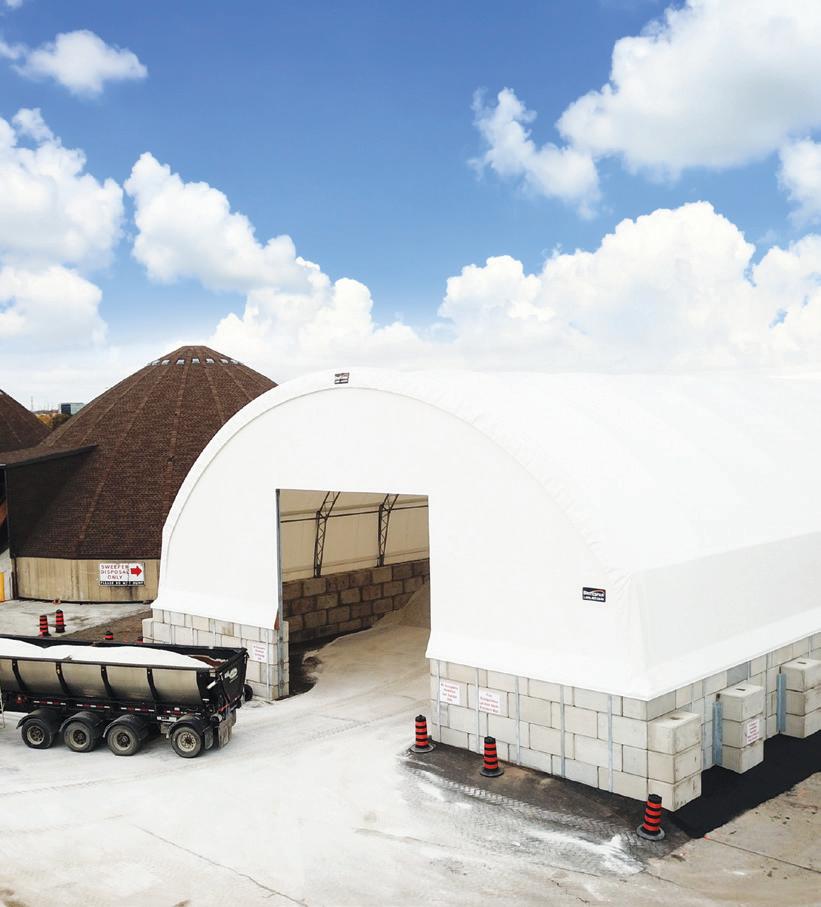
Britespan delivers maximum capacity, full loader clearance, and corrosion protection that actually lasts. Producing a building that works harder and costs less, decade after decade.
Store more salt in the same footprint.
Eliminate costly collision damage.
Built to last 25+ years.
Grow your operation without rebuilding.
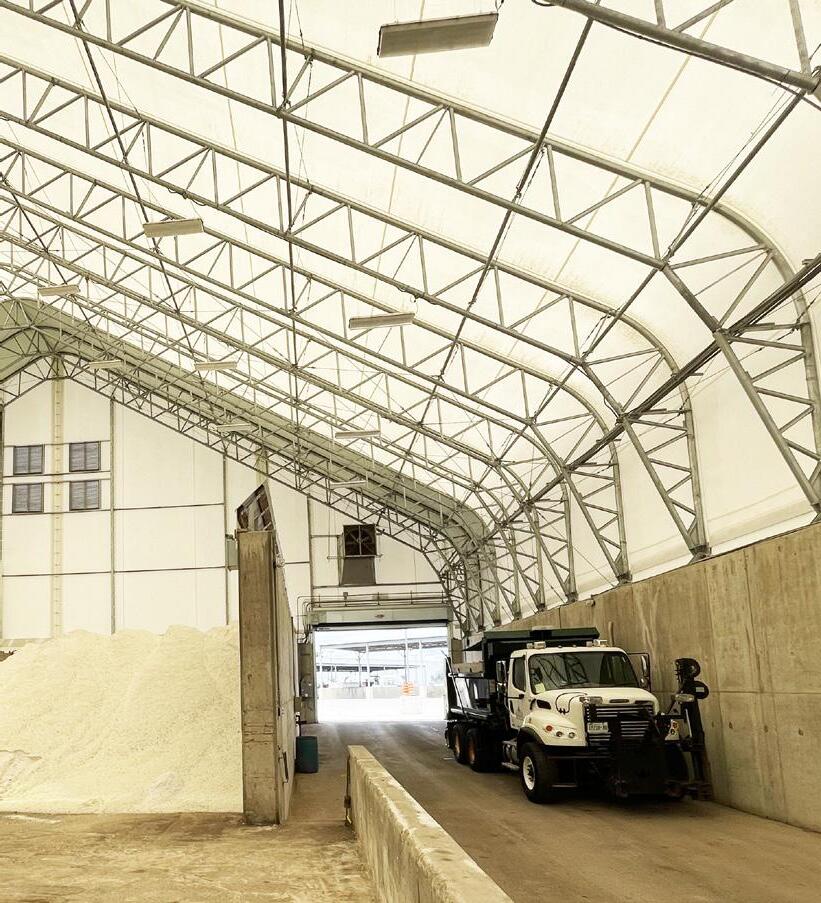
The authority in fabric buildings, purpose-built for municipal and public works operations.
Every Britespan building is backed by a full warranty — issued on completion, not as a footnote.
Proven at scale across North America, from small township yards to large regional depots.
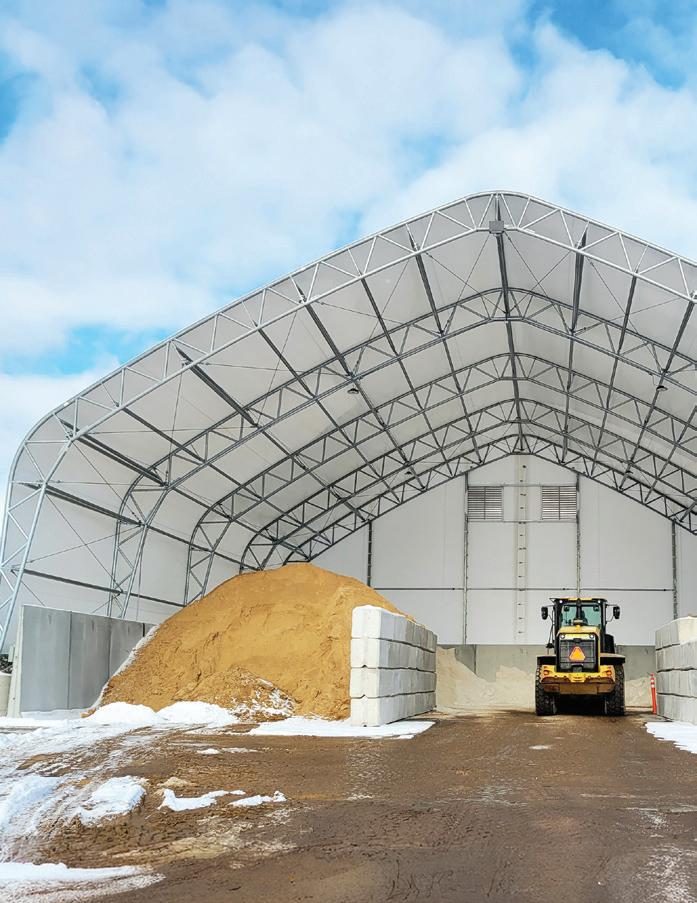
Every build is engineered for your exact location, climate, and local code requirements.
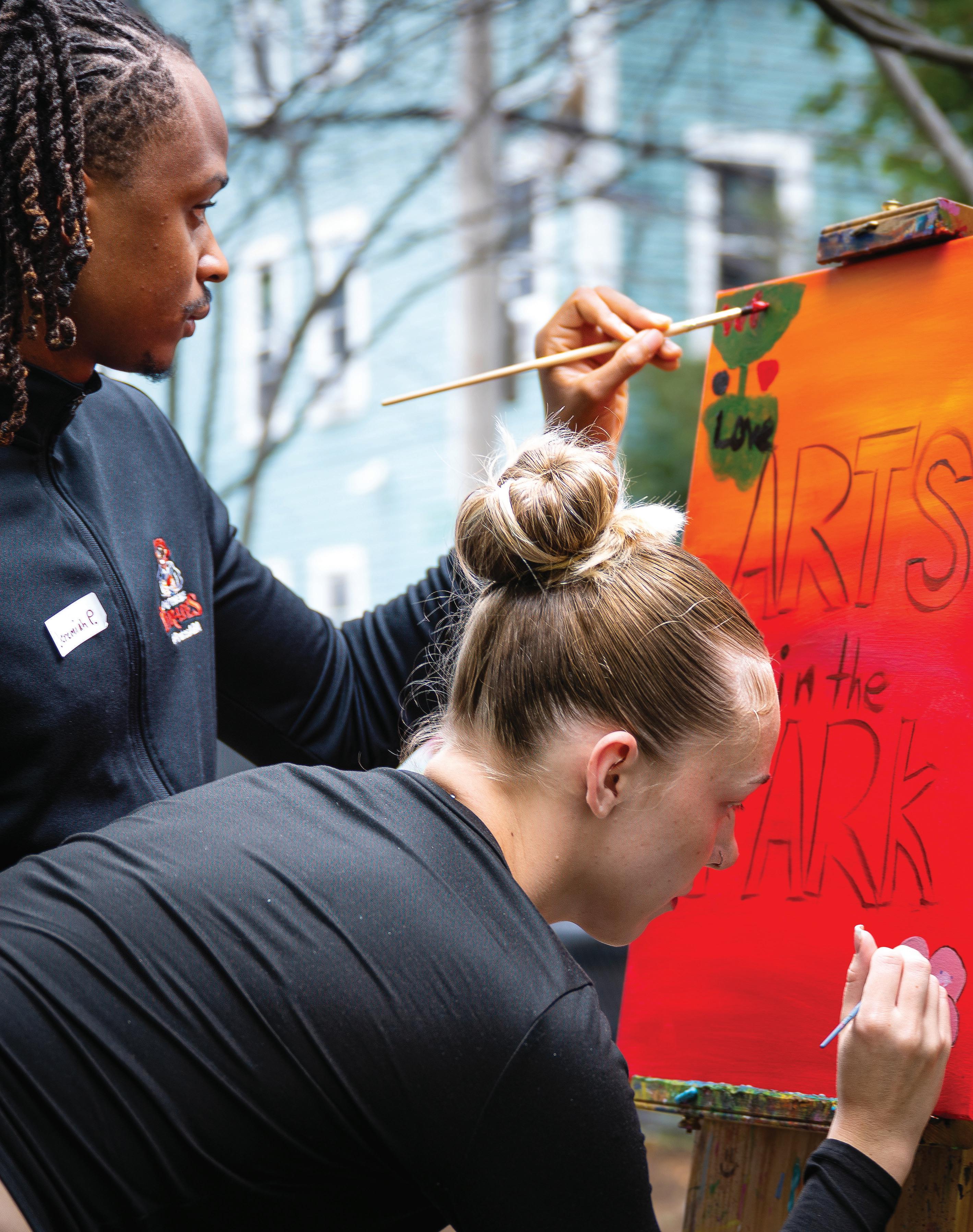
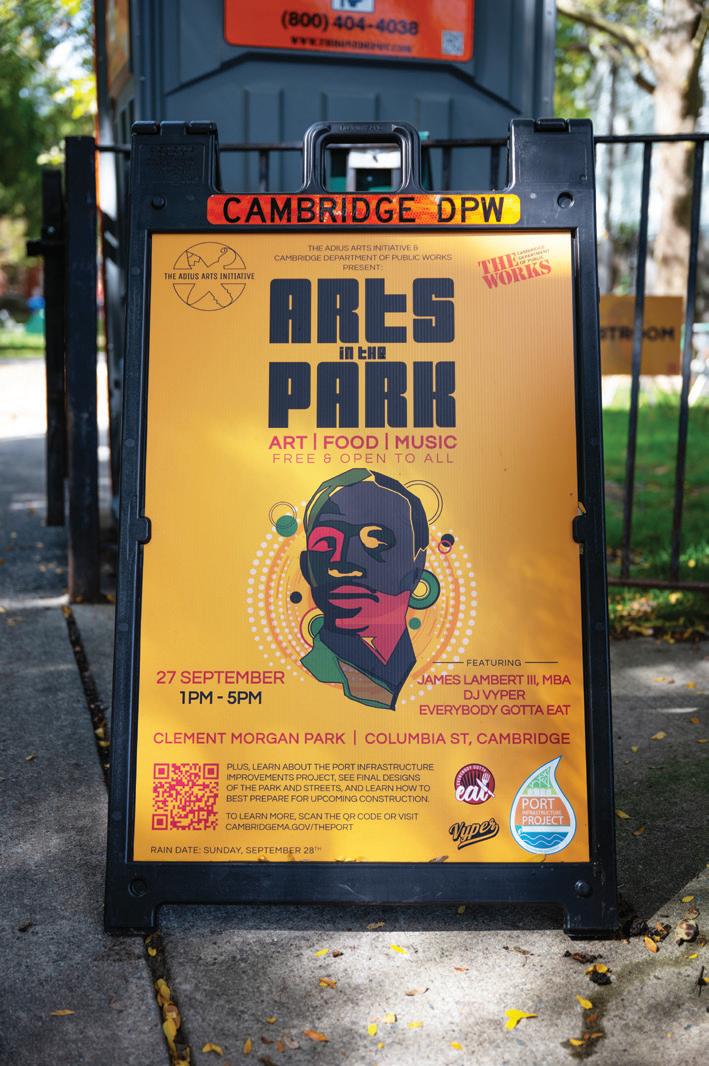
Arts in the Park combines various forms of artistic expression and opportunities with information and input on the public works project. While attendees can see artists in action and learn about different opportunities in the area, the public works department also has information on the design of the new playground, pathways or lighting. (Photo provided by Camayah Visuals)

By NICHOLETTE STOUT | The Municipal
The Cambridge, Mass., Department of Public Works and the Adius Arts Initiative teamed up a few years ago in a unique idea to bring art and a large, planned reconstruction project to local neighborhoods.
The Arts in the Park event is now in its fifth year, having started in 2022. The city works with James Pierre, local resident and founder of Adius Arts Initiative, to curate all the art for the annual event a large, one-day festival featuring music, food and art.
The partnership began during the pandemic, when Pierre was invited to join the project infrastructure committee as a committee member and give input on the design of the neighborhood park and on ways to let the affected residents know of upcoming closures and inconveniences. He voiced that he felt the Port neighborhood did not seem as well informed as other neighborhoods in the city.
Kathy Watkins, then-commissioner of public works and now deputy city manager, later pulled Pierre into a meeting. The public works department and Pierre began to collaborate on the best ways to share information via the Port neighborhood and how to combine that effort with an art event.
The Port is a midsize neighborhood with its own portion of the large infrastructure project underway to help with historic flooding issues. A city assessment showed the risk of flooding in the neighborhood would continue to increase due to climate change.
The infrastructure project will reduce the risk of flooding by replacing old pipes and building underground storage tanks. The underground storage tanks will capture stormwater and pump it into systems that can then carry it from the Port to the Charles River. The project calls for spending over $35 million in drainage, water, sewer, street, sidewalk, tree and open space improvements.
The first phase was completed and operational as of May 2021 with the construction of an underground tank at parking lot six. The next phase focuses on the reconstruction of Clement Morgan Park, where Arts in the Park usually takes place. There are also two streets and utilities packages planned, along with a sanitary storage tank.
The Port Arts in the Park acts as an engaging way to share information about the upcoming portions of the project and gather community feedback on local infrastructure while also showcasing various artists and the creative resources available throughout the community.
“Collaborating together has given us the opportunity to tell the neighborhood about the project in a fun way,” Kristen Kelleher, public works community relations manager, shared. On the day of the event there are live, interactive artists with whom people are able to engage. There are also stations spread throughout where residents can discuss with city officials options for the project such as lighting, playground equipment, pathways and benches, so that we get community input and feedback on future features of the park. Schools, museums, art centers and community organizations are also invited to participate and share the resources available for all things art in the city.
Having previously worked on art in the park events, Pierre saw the need in the community for showcasing and enjoying the arts. Since a portion of the infrastructure
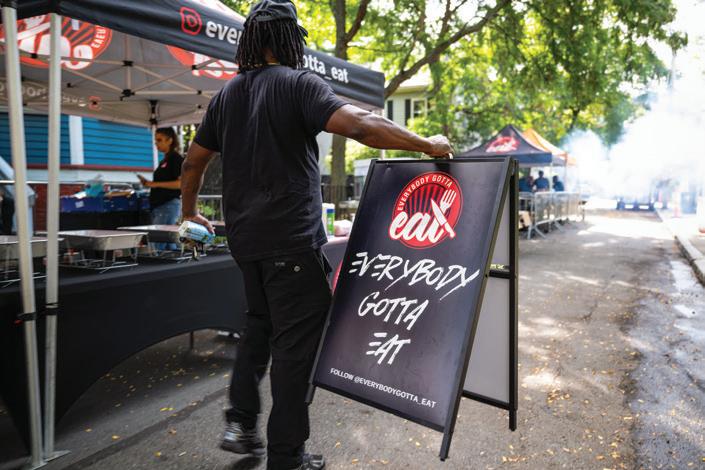

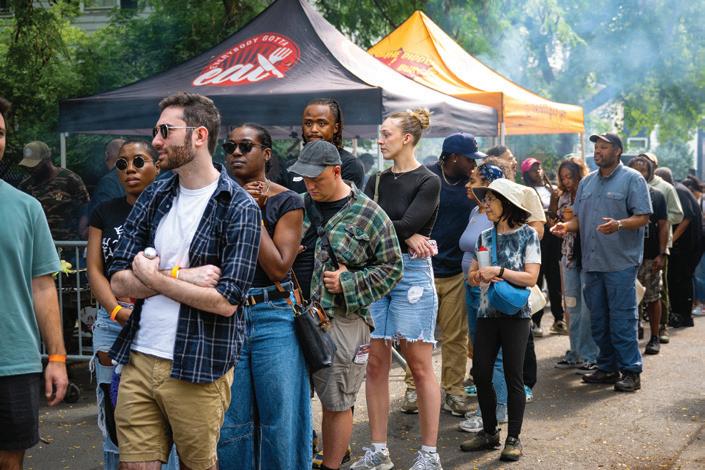
Everybody Gotta Eat is a local business that caters food for the event, and it is offered at no cost to the attendees. The public works department brings its six flat-top grills to the event for the chefs to use. This is considered a work of culinary art and offers unique flavors, such as shrimp kabobs, with a variety of seven or eight sides to choose from each year. (Photo provided by Camayah Visuals)
project focused on Clement Morgan Park, it made it the perfect location to hold the event.
At many youth programs, food is typically provided. For Arts in the Park events, Pierre wanted food offered as well. He invited a local business, Everybody Gotta Eat, to cater: The public works department also owns six flat-top grills that are brought to the arts in the park events and used by the Everybody Gotta Eat chefs. Not only is what they create a form of culinary art, but the caterer is rooted in the community with unique flavors such as a shrimp kabob and seven to eight sides all free for community attendees.
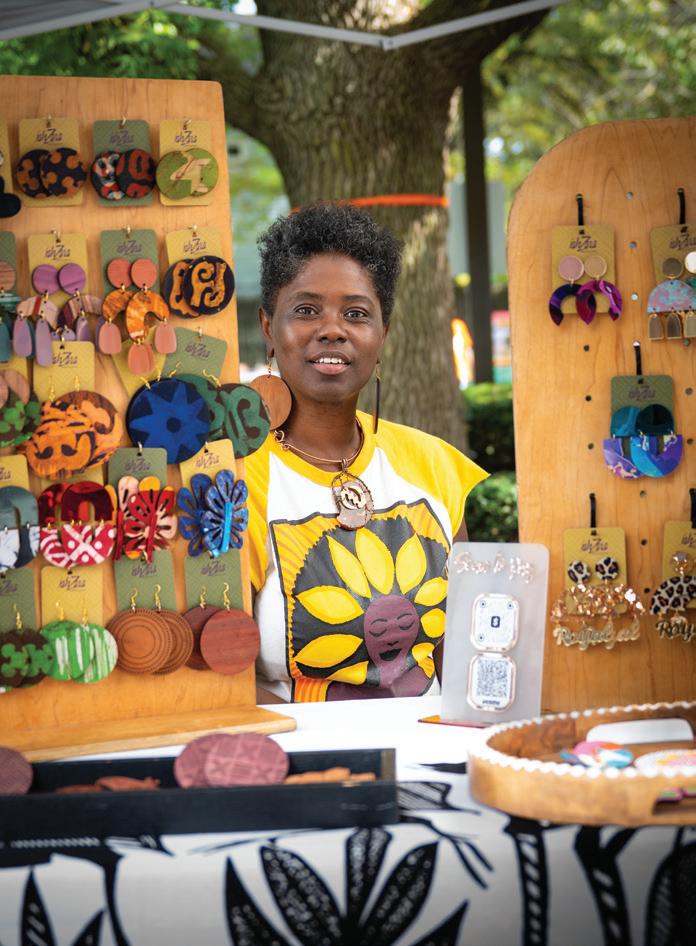
Pierre is familiar with local artists and vendors and reaches out to have a variety of 20 or so artists at the event each year. One local visual artist, Kenny Delino, always makes an appearance, and there is a live DJ.
The event has created a great partnership between the arts and public works department. While the team has gotten smaller, the event itself has grown. The list of artists and vendors who wish to participate grows each year and, based on the amount of food served, attendance has also grown each year.
This year there will be a bit of a curveball in that the park will be fenced off for the park’s reconstruction. So, the location of the event will shift, it is hoped that the change will not affect the community participation.
Once the reconstruction portion is complete, the Arts in the Park will move back to its original location.
“It’s so central to where it has residents on either side of the park,” Kelleher explained. “It’s right next to the central square but in the middle of a neighborhood. It can include the community easily. It’s a perfect spot for us.”
While one of the main goals is to share information regarding city projects, particularly the Port infrastructure project, with the community, another primary goal is art advocacy.
“We want to encourage people in art give people opportunities who don’t have as much access to art and see all the work that goes into it and how it’s made,” said Pierre. The project itself is planned through at least
2030 so the Arts in the Park is planned to continue for the foreseeable future.
If other cities are looking to do a similar partnership in the arts, Pierre recommended, “Be open to thinking outside the box. Reach out to see what others are doing.”
Kelleher agreed, “The public works department is not historically creative, so this is very outside the box for us. Try new things and see if they stick.” M
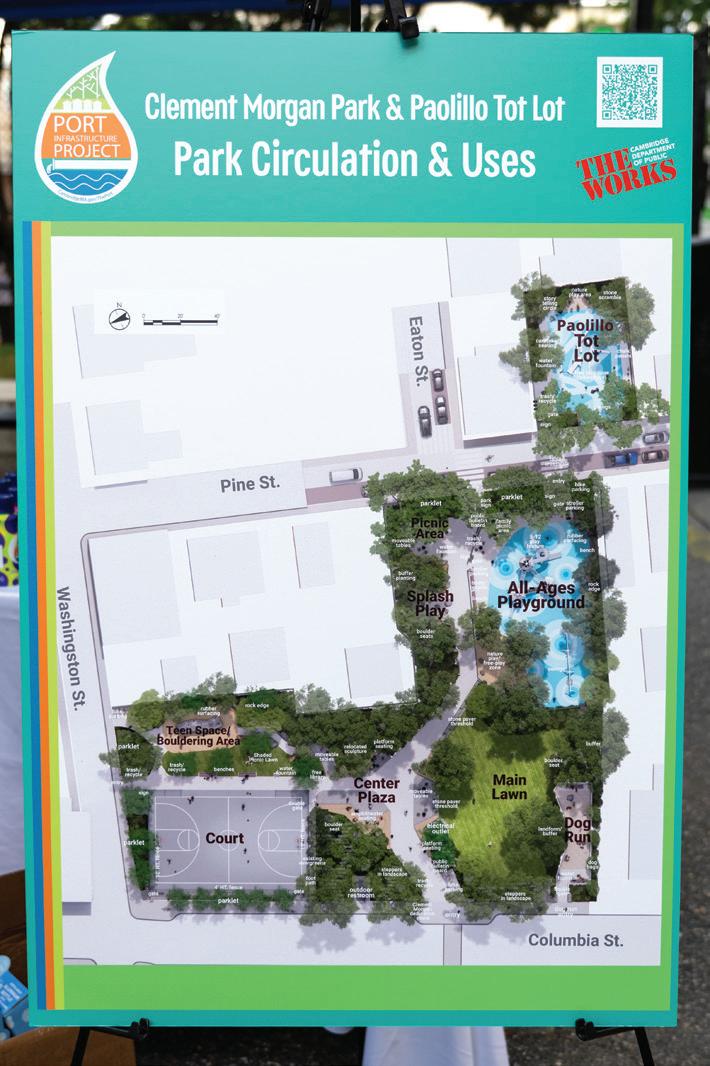
Cambridge, Mass., has a unique collaboration between the Adius Arts Initiative and the city’s department of public works for its annual Art in the Park event. With a large Port neighborhood project being planned and designed to reduce the risk of flooding, local residents were invited to collaborate on the project. James Pierre, founder of Adius Arts Initiative, was invited to join and Arts in the Park was formed. (Photo provided by Camayah Visuals)

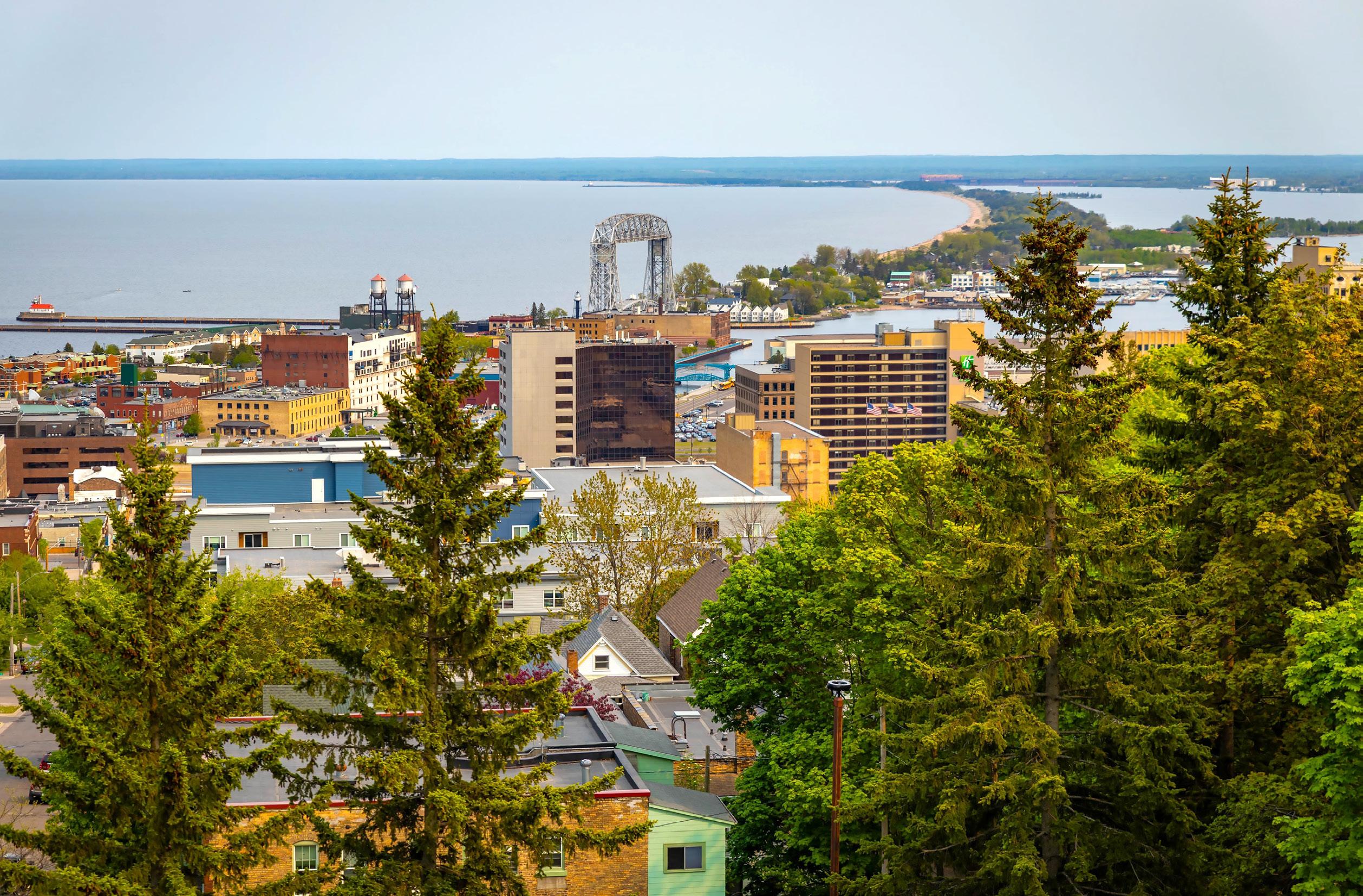
By JENNIFER BARTON | The Municipal
At the extreme western edge of Lake Superior, along the eastern border of Minnesota, lies the city of Duluth. About 87,000 people live here in the “Zenith City of the Unsalted Seas.” Its history goes back to the Ojibwa and Dakota tribes who inhabited the region, but it is named for the 1600s French explorer Daniel Greysolon, Sieur du Lhut (Duluth, in the Anglicized form). Since those early days, the city has seen many changes in population and to its urban landscape, but is now a thriving, modern Midwest city.
What began as a fur trading outpost took a rocky road to boomtown during the Industrial Revolution, due to its resources of copper, iron ore and lumber. The completion of the railroads and a canal helped save the city after an economic crash in the 1870s. Through these modes of transportation, Duluth became the only U.S. port with access to both the Atlantic and Pacific oceans. It is now the largest inland harbor in the world.
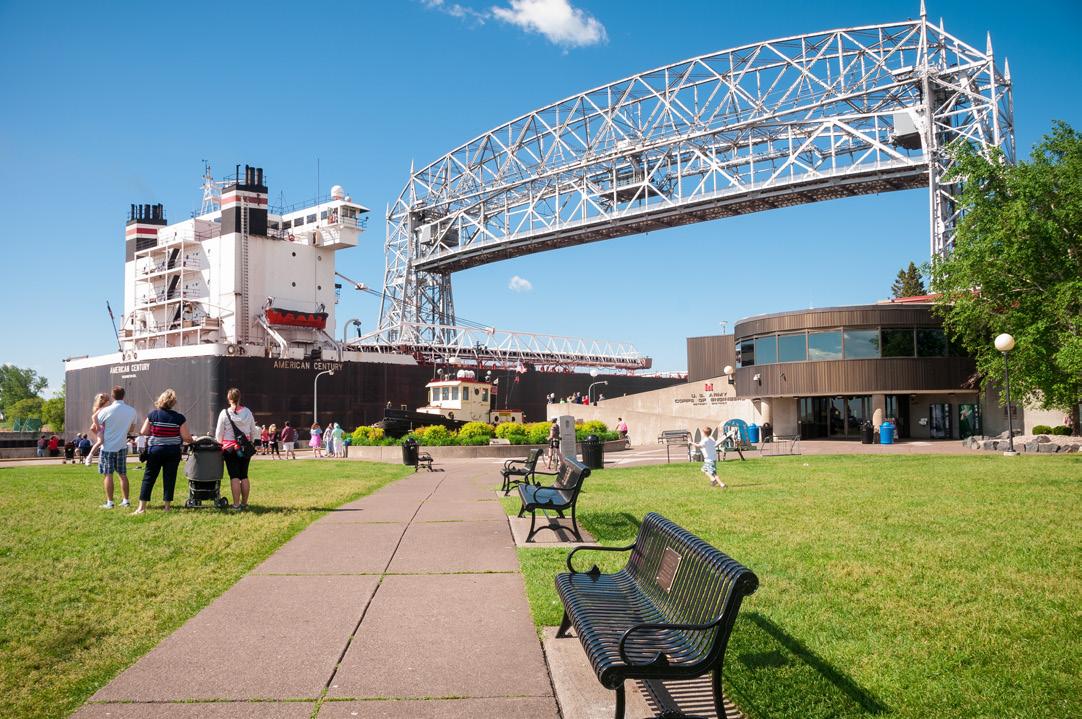
One of its best-known landmarks is the Aerial Lift Bridge, built in 1905. Designed by Thomas McGilvray, it originally used a gondola to transport people and wagons, cars or streetcars across the Duluth Ship Canal. It was redesigned in 1930 to remove the gondola and utilize a lifting platform instead. According to the Duluth Area Chamber of Commerce, the Aerial Lift Bridge remains “the biggest and quickest lift bridge in the world.” Tourists still come
ABOVE: A stunning aerial view of Duluth, Minn., showcases city buildings and the scenic shoreline of Lake Superior. (Photo Spirit/Shutterstock.com)
to watch ships sail under this marvel. The 386-foot suspension bridge is listed on the National Register of Historic Places and is a National Historic Civil Engineering Landmark.
Like many other cities throughout Middle America, the 1970s industrial collapse hit Duluth hard as well, with one of its largest employers, U.S. Steel, along with many other businesses, closing its doors. But by 1984, the city had formed a plan for city beautification. Interstate 35 was extended through a series of underground tunnels, which preserved several historical and scenic sites.
Completion of the Duluth Entertainment Convention Center and revitalization of Canal Park have brought increased tourism to the city. Canal Park had once been a center of industry; now, its old factory
buildings have been converted into shops, restaurants and breweries. A 2.6-mile walking path called the Lakewalk runs through this preserved section of Duluth, allowing visitors to enjoy the beauty and grandeur of Lake Superior.
Today, Duluth has much to offer its residents and visitors. It remains a transportation center for coal, steel, agriculture and other products, and its economy centers on healthcare and retail, boasting the headquarters for the women’s clothing company Maurice’s and luggage companies Duluth Pack and Frost River, among other businesses. Additionally, Duluth is home to the U.S. Environmental Protection Agency’s Mid-Continent Ecology Division Laboratory and the University of Minnesota Duluth. And interestingly, Duluth is notable for two culinary innovations: pie a la mode and pizza rolls, along with the first indoor shopping mall, the Lake View Store.
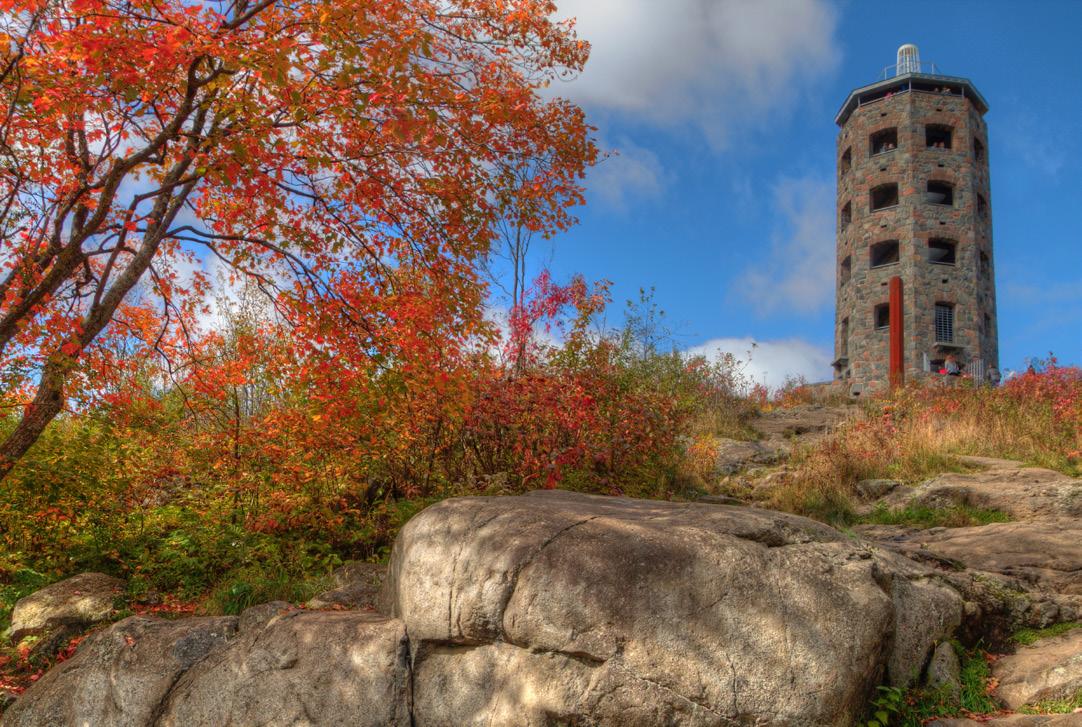
Another not-to-be-missed major landmark in Duluth is Enger Tower. In 1921, Norwegian immigrant Bert Enger donated $50,000 to the city for a park, including a lookout tower. Ten years later, his will left more funds to expand and enhance the park grounds. From atop this 80-foot tower, viewers can see parts of both Minnesota and Wisconsin and the cities of Duluth and Superior. The Japanese Peace Bell Garden also lies within Enger Park. The garden honors the friendship between Duluth and its sister city, Ohara Isumi-City, Japan. Its crowning feature is a peace bell presented to the city by the people of Ohara Isumi-City.
Duluth boasts several museums one of them an actual, retired freight ship called the SS William A. Irvin and the Great Lakes Aquarium, Lake Superior Zoo and Marshall W. Alworth Planetarium. And of course, outdoorsmen and -women are drawn to the miles of hiking, biking and skiing trails along the St. Louis River and boating, kayaking and paddleboarding on Lake Superior. In addition to the sights, many people come to Duluth to witness events like the John Beargrease Sled Dog Marathon in January the longest sled-dog race in the lower 48 states.
This hillside city with its steep streets, similar to San Francisco, spans approximately 80 square miles and is the second-largest city in Minnesota by area. It brings in roughly 6.7 million tourists a year, and each season brings a unique flavor to the city by the unsalty sea, Duluth, Minn. M
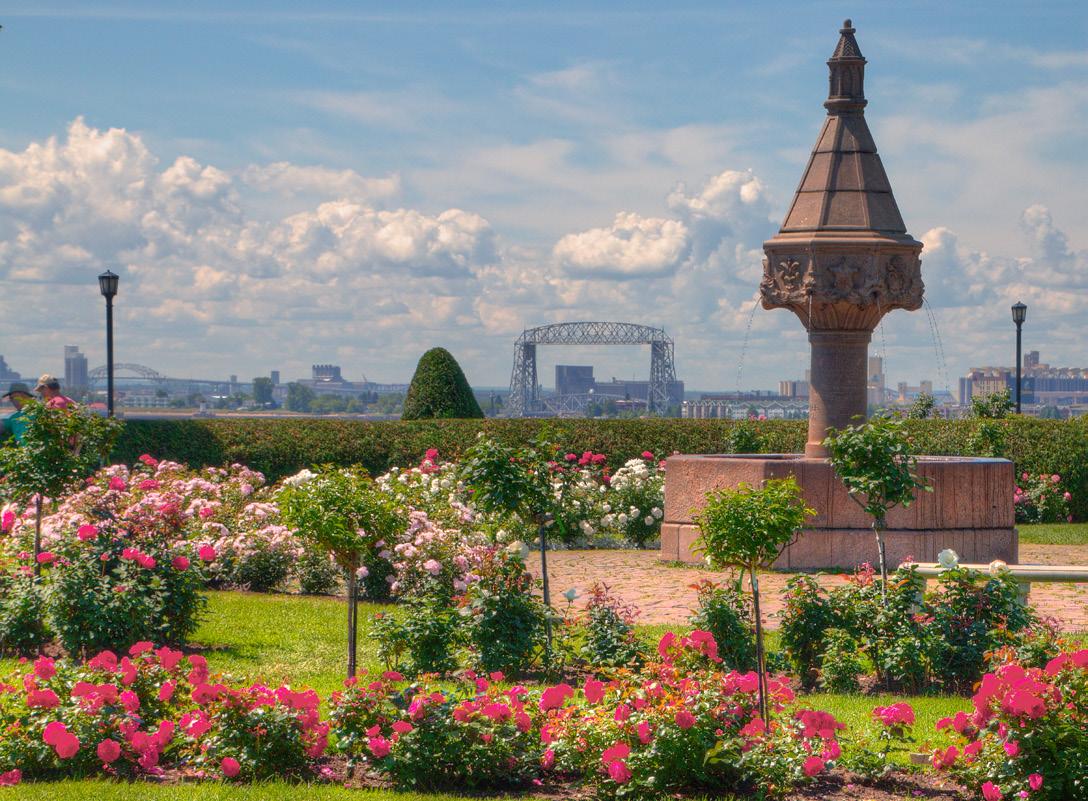

By LAUREN CAGGIANO | The Municipal
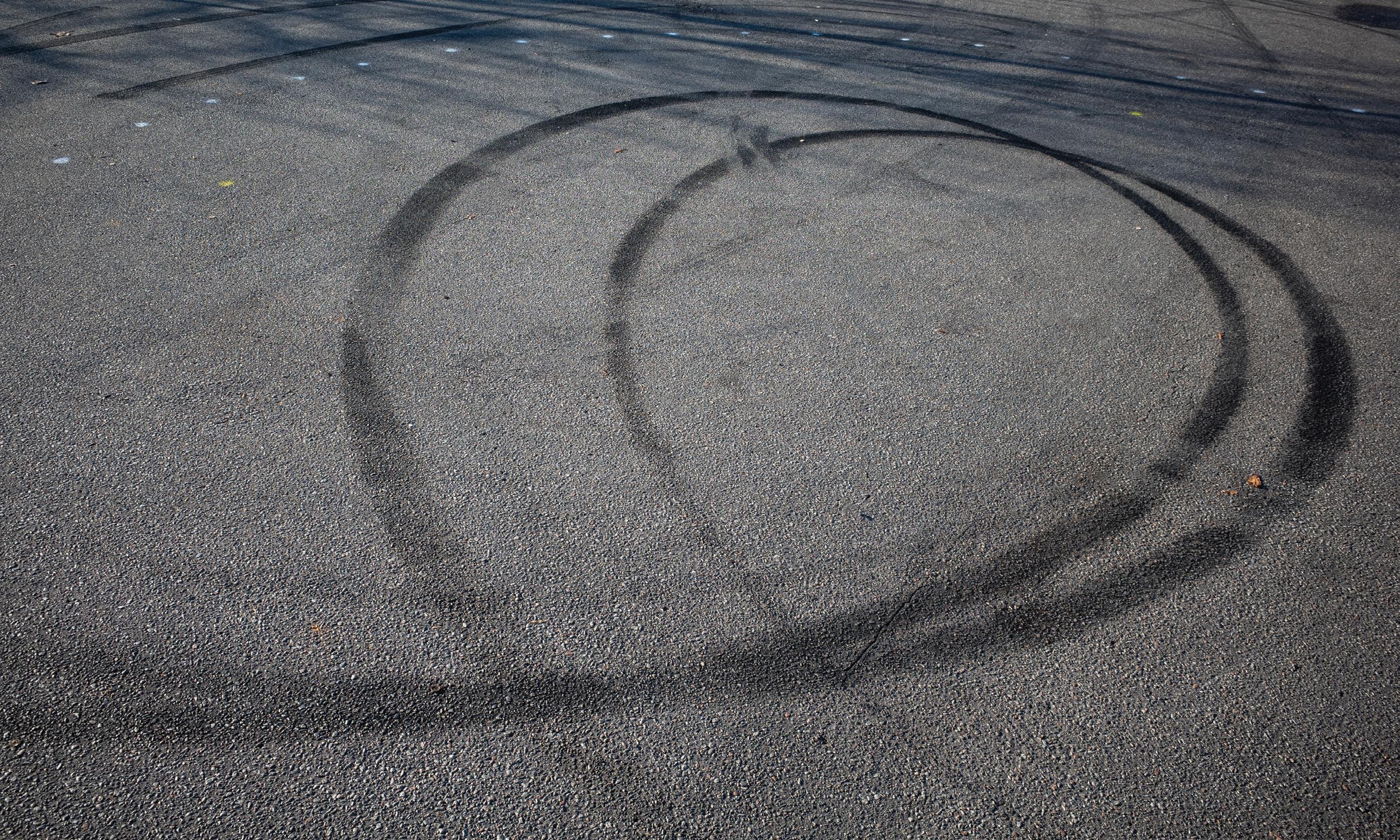
Sideshows, once a niche activity involving cars spinning doughnuts at public intersections, have evolved into large-scale, organized events that disrupt traffic and pose significant safety risks. Oakland, Calif., has embarked on an inter-departmental initiative to pilot engineering strategies that support traffic enforcement efforts at intersections that are most impacted by this kind of illegal activity.

For context, in California, a sideshow is legally defined as an event where two or more people block or impede traffic on a public street, highway or off-street parking facility. In Oakland, such nuisances have become a persistent challenge, prompting the city to develop a multifaceted Sideshow Prevention Program.
Joe Wang, P.E., Safe Streets Division manager and transportation engineer, touched on the program’s development, implementation and successes.
“For a long time, sideshows were just teenagers spinning doughnuts in intersections with a few friends watching,” said Wang. “But over time, they’ve grown into spectacles with hundreds of people taking over major intersections, often coordinated through social media.”
LEFT: Oakland, Calif., is pooling departmental resources to engineer solutions to improve intersection safety and reduce sideshows. (BondRocketImages/Shutterstock.com)
The rise in sideshow activity, particularly during the early days of the COVID-19 pandemic, highlighted the need for a more proactive approach.
“Around 2020 or 2021, we saw a spike in sideshows, not just in Oakland but across the state and even the country,” Wang said. “That’s when the city administrator brought together multiple departments, including police, city attorneys and transportation engineers, to address the issue.”
Oakland’s Sideshow Prevention Program is a collaborative effort between the Oakland Police Department and the Oakland Department of Transportation. While the police lead enforcement efforts, OakDOT focuses on engineering solutions to deter sideshows.
“Our role is supportive,” said Wang. “The police department identifies the top problematic locations, and we work on engineering solutions to prevent sideshows at those intersections.”
Brian Sukkar, supervising engineer in OakDOT’s Safe Streets Division, emphasized the importance of designing interventions that improve overall traffic safety.
“We look for installations that have safety co-benefits, like pedestrian refuge islands or channelizers,” Sukkar said. “If we can implement treatments that deter sideshows while also reducing the chances of collisions, that’s a win.”
Designing effective interventions for sideshows comes with unique challenges. According to Wang, among them is the fact that the mechanisms used to deter sideshows also affect regular road users, like cyclists and motorcyclists. For example, changing the surface conditions at intersections to make them less conducive to spinning doughnuts can pose safety risks to other stakeholders.
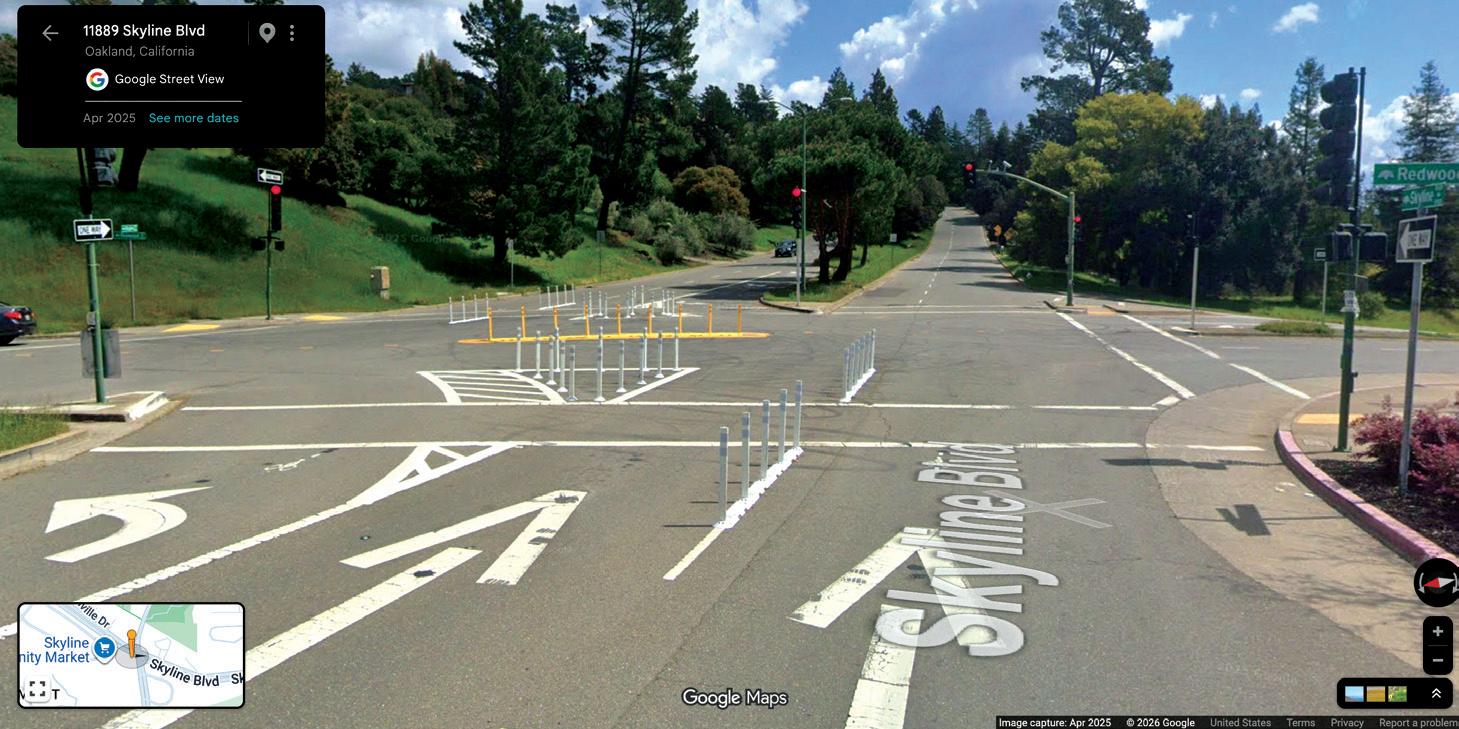
To address these challenges, OakDOT has focused on narrowing intersections to make them less feasible for sideshows. In Wang’s words, “We use posts, striping and delineators to squeeze down the intersection. But we also have to ensure that buses and delivery trucks can still navigate the area.”
One of the program’s most successful interventions is at the intersection of Skyline Boulevard and Keller Avenue. Wang said that intersection offers a case study of what delineators can do when coupled with making the most of the intersection’s geometry.
However, measuring the success of sideshow prevention efforts is complex and not


always easy to quantify. Wang said his team relies on feedback from the police department and the public. The challenge is that while sideshows at one intersection may be eliminated, the problem can simply move to another location.
Despite this, the program has received overwhelmingly positive feedback from residents.
“People are happy when we address a problematic location,” Wang said. “Even small improvements can make a big difference. Sometimes, just making it a little inconvenient for people to organize sideshows sometimes discourages them.”
Over the past five years, Oakland’s Sideshow Prevention Program has evolved from
a pilot project to an established initiative with results to show for it.
“One lesson we’ve learned is that small steps work,” Wang said. “You don’t have to aim too high. If you can discourage sideshows at one location, it can lead to a broader reduction in activity.”
The program is funded through the city’s operating budget and receives earmarked funding for specific projects.
Looking ahead, OakDOT is exploring new surface treatments to further deter sideshows.
“We’re in the early stages of researching friction treatments,” Wang said. “The idea is to create patches of high and low friction within intersections to make it harder for cars to spin doughnuts. But we’re not ready to make any claims yet.” M
By NICHOLETTE STOUT | The Municipal
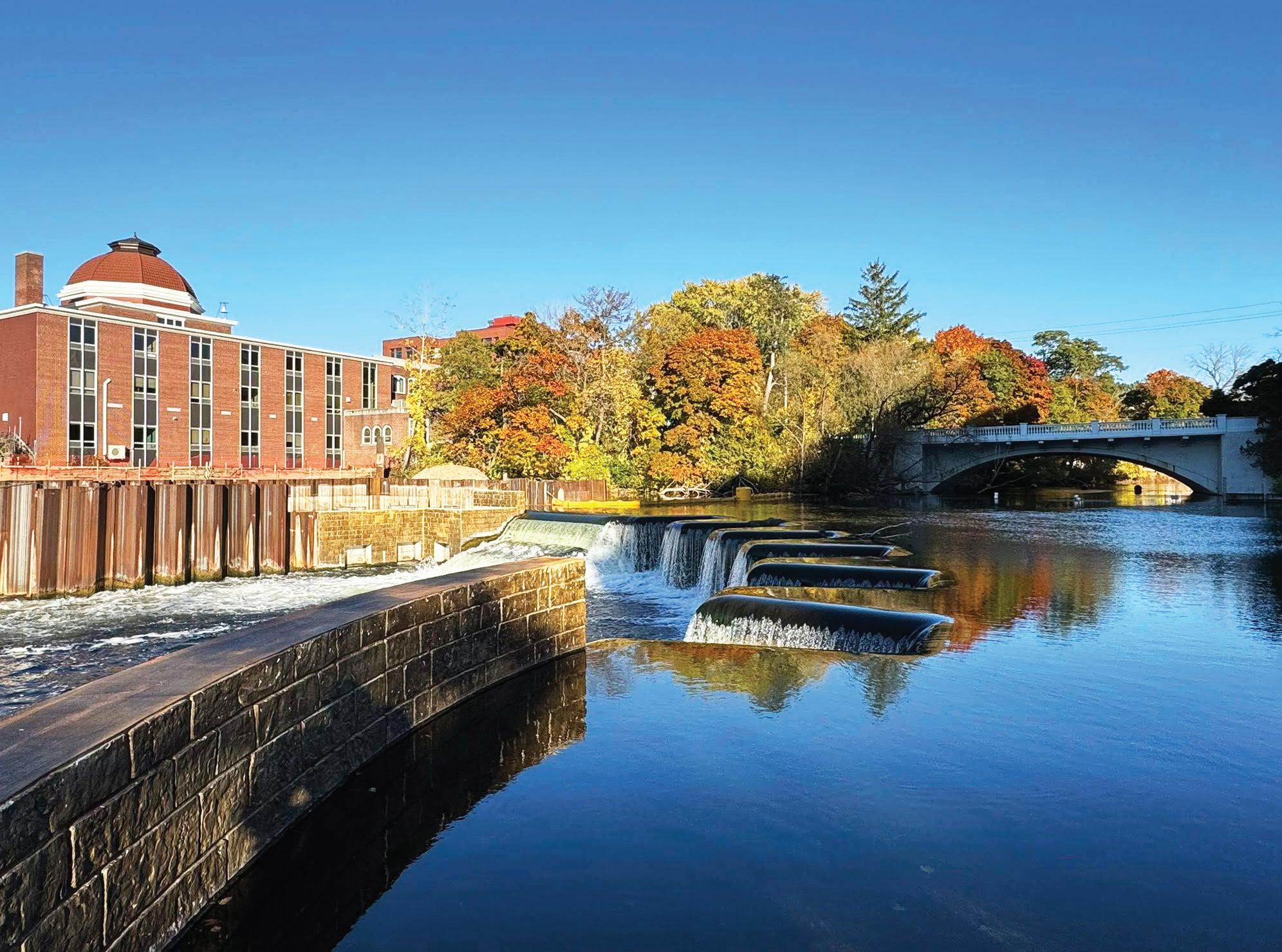
FishPass is the first of its kind, not only in Traverse City, Mich., but in the world, to replace and improve a dam.
The project is a large partnership between the city of Traverse City, Great Lakes Fishery Commission, U.S. Geological Survey, U.S. Fish and Wildlife Service, Michigan Department of Natural Resources, Grand Traverse Band of Ottawa/Chippewa’s Natural Resources, Great Lakes Fishery Trust, Sea Grant Michigan, U.S. Army Corps of Engineers, Great Lakes Restoration and Fisheries and Oceans Canada. Traverse City will technically own the project, due to it being on city land, but the Great Lakes Fishery Commission was the visionary behind the project. Decades ago, the upper dams in Traverse City had been removed by a collaboration of the city, county, tribes and other partners. However, the city was still unsure what to do with a lower dam. The Union Street dam had the same safety rating as the midland dam that had previously failed.
ABOVE: FishPass in Traverse, Mich., is a one-of-a-kind fish sorting project that is also acting as a dam. The original Union Street dam was failing with a poor safety rating and the city was looking for what to do for a new dam. The goal was also to reconnect the Boardman River with Lake Michigan. After talking with the Great Lakes Fishery Commission, Traverse City realized it was the perfect site for the FishPass project. (Photo provided by FishPass Traverse City, Mich.)
While the lower dam was not as necessary in the traditional sense, it was the lowest-acting barrier to the invasive sea lamprey. The goal in replacing it was to, at the same time, work to reconnect the Boardman River with Lake Michigan without allowing harmful species like the sea lamprey into the Great Lakes.
This goal opened the city up to different, visionary ideas. The Great Lakes Fishery Commission had a conceptual design completed for a FishPass project to sort fish and had been looking for the perfect site. The Army Corps of Engineers suggested Traverse City as a possible fit for that design.
“The timing was so serendipitous and perfect,” Leah McCallum, Traverse City Great Lakes Fishery Commission public affairs officer, shared.
The Fishery Commission reached out to the community to gauge residents’ thoughts on the FishPass project. The basis of the new idea was to replace a failing structure, keep the lake level and also keep the sea lamprey out. Community input led to the design addition of a footbridge, an outdoor amphitheater, a research and education center and several trails.
Funding for the first two phases was provided by the Army Corps of Engineers and some public funding. Michigan’s state senators were proponents of the project and helped secure funding for it, in addition to a state budget allocation. The Great Lakes Fishery Commission also had funds and a budget for the project saved up with contingencies built in.
In 2020, the project faced a large hurdle when all the parties were prepared to break ground, but Traverse City was sued by a private citizen. The resident alleged that the dam was park land and required a vote before construction could proceed.
A local judge originally sided with the citizen. However, once the lawsuit got to the appeals court, the judge sided with FishPass. The delays took years and increased the amount of funds necessary for the project. Originally, the project was estimated at just over $19 million: After the delays and due to inflation, the project costs came in at just over $30 million.
Ground was finally broken in 2024. Since then, items of antique memorabilia have been discovered. The greatest potential challenge was a large gas tank that still contained gas. However, the ground around the tank was tested and it was discovered there was no leakage.
Last summer, the southern hemisphere of the new dam structure was completed. The cofferdam was then switched so that the northern half of the river could undergo construction. Phase 1 of the construction is now complete: This phase included the new arc labyrinth weir, which acts as the new dam structure. It became operational in June 2025.
One of the greatest challenges of the project was a flooding event in April. Steady rainfall prompted the construction companies to install sandbags near the spillway to protect areas under construction, but the still-frozen ground and snowbanks, on top of record amounts of rainfall, caused the cofferdam to breach and allow water into the site. Crews used sand, riprap, pumps and armoring to attempt to stabilize the site. Then, flows reached a nearly 500-year flood event at FishPass, with water overtopping a portion of the lower cofferdam. The cofferdam was nearly at capacity, and pumps ran continuously to manage the water level.
While the events did cause a few issues and delays, it also showed that, even while under construction, the FishPass structure performed well and prevented a much-worse flooding event from affecting downtown Traverse City.
“While not yet complete, FishPass performed perfectly,” McCallum stressed. “Nothing breached or broke, we just had flooding from runoff.”
As an additional effort to include the community, FishPass hosted a cleanup day for the lower Boardman River following the storm. The event stretched all the way from FishPass to the mouth of the West Grand Traverse Bay and took place on May 22, World Fish Migration Day. Community members were invited to meet up, gather a trash bag and work at their own pace to help clean up the river and debris from the storms.
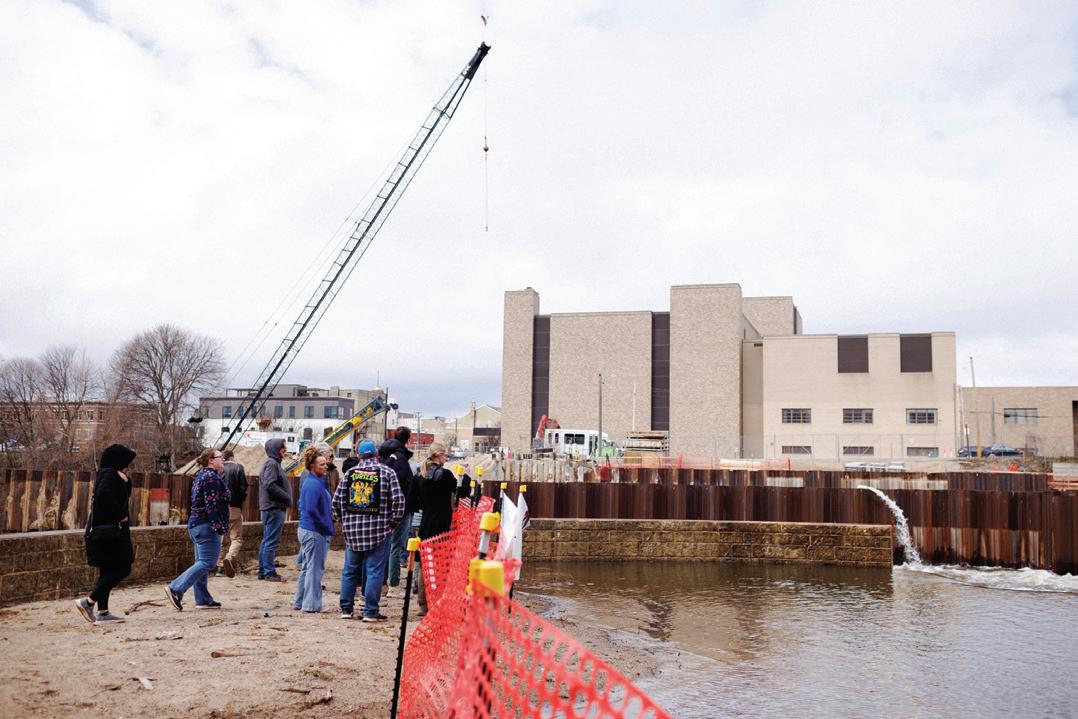
The project broke ground in 2024. Last year, work was done in the southern hemisphere to build the new dam structure with an arc labyrinth weird. The cofferdam was then switched in order to begin construction on the northern hemisphere. This section will include the fish sorting channels. (Photo provided by FishPass Traverse City, Mich.)
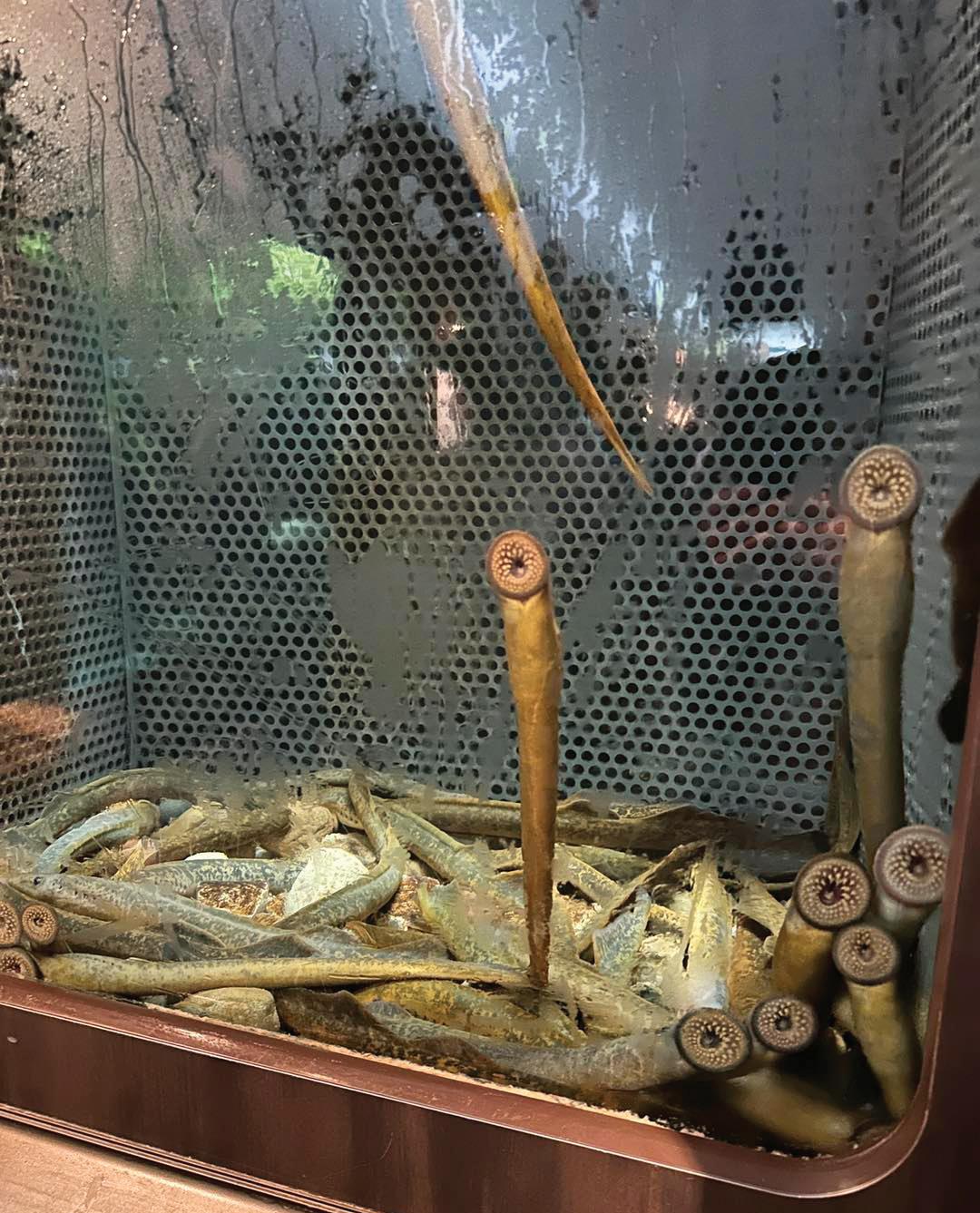
One of the largest reasons a dam was still necessary was to keep the invasive sea lamprey from getting into Lake Michigan. The unique fish sorting channels of FishPass will use innovative technology to attract the fish through the channels upstream and downstream that are desirable and keep the undesirable sea lamprey from getting through. (Photo provided by FishPass Traverse City, Mich.)
Phase 2 is wrapping up currently. Concrete is being poured for the fish sorting channels and should be completed by the end of the summer. The fish sorting channels will use innovative technology to sort desirable fish from the undesirable species, such as sea lampreys, and allow the desirable fish to travel upstream and downstream.
Once complete, the water being held by the cofferdam will be released and Phase 3 of the project, the addition of the community amenities, will begin. Phase 3 will include the research and education building, outdoor pavilion and landscaping with native species. It should be complete by the end of 2027, allowing time to ensure everything is working properly.
“It’s great to feel so celebratory and proud and see the community embrace this,” McCallum emphasized. “There’s no shortage of people who want to see this and be a part of it. It’s the only one in the world and the only thing attempted like this so far. It honors the environment and the ecosystem.” M
RIGHT: Traverse City and the Fishery Commission are currently finishing up phase two of the project. Concrete is being poured for the fish sorting channels. Once completed, the waters held by the cofferdam will be released and phase three of the project will begin, with community amenities. These amenities include an education and research center, an outdoor pavilion and native landscaping. (Photo provided by FishPass Traverse City, Mich.)
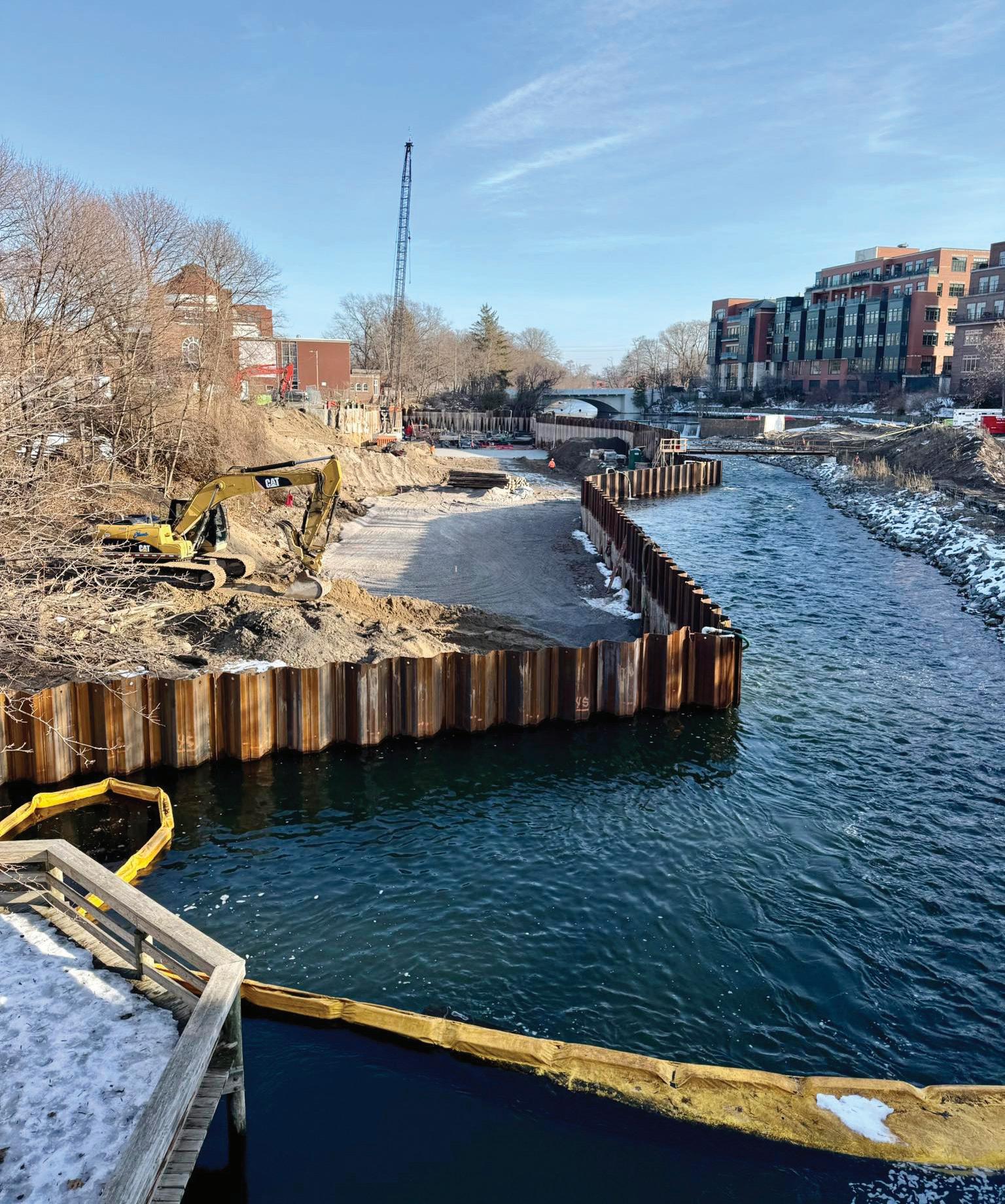


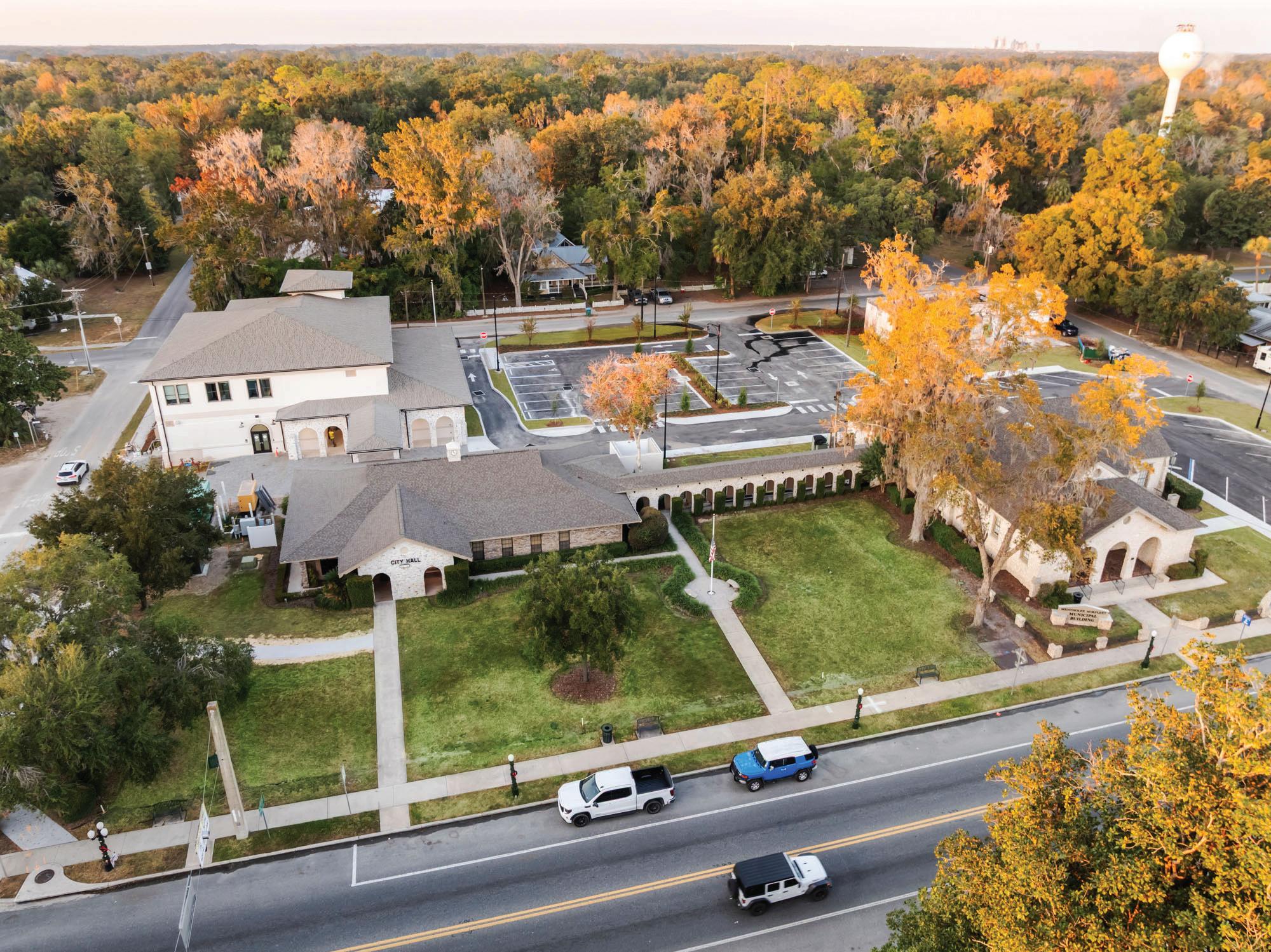
By Teresa Nicodemus | The Municipal
After six years of planning and construction, the city of Newberry, Fla., a fast-growing rural community, has consolidated operations under one roof.
The new 12,000-square-foot, two-story City Hall sits at 25493 NW 1st Ave., and is seamlessly connected to the old city hall now called City Hall South and a historic municipal building through field-stoneaccented covered porches. But what makes the construction project unique isn’t just its physical footprint: It’s how six years of meticulous planning, community engagement and strategic foresight have created a municipal hub that will serve Newberry well into the future.
“We spent probably two or three years discussing and carefully planning the project
with our planning commission and staff, but also in workshops with the community,” explained Mayor Tim Marden, who was on the planning commission when the project began and had the honor of cutting the ribbon upon completion. “What made it a success was really the planning and the communications. We completed construction on time and under budget.”
Strategic design for a growing community
Newberry has nearly doubled its population, from 5,500 to 9,500, during the past 20
years and is currently building 200 homes annually. With commercial development increasing as well, including a flagship Publix supermarket, a $132 million investment from Harvest Singularity to build two high-tech greenhouses in the AgTech innovation park and adding numerous chain restaurants and businesses, city services needed to be streamlined.
Working with Monarch Design Group and Scorpio construction, both local firms, the city designed a building that addressed current needs while anticipating future growth. The facility’s first floor houses all
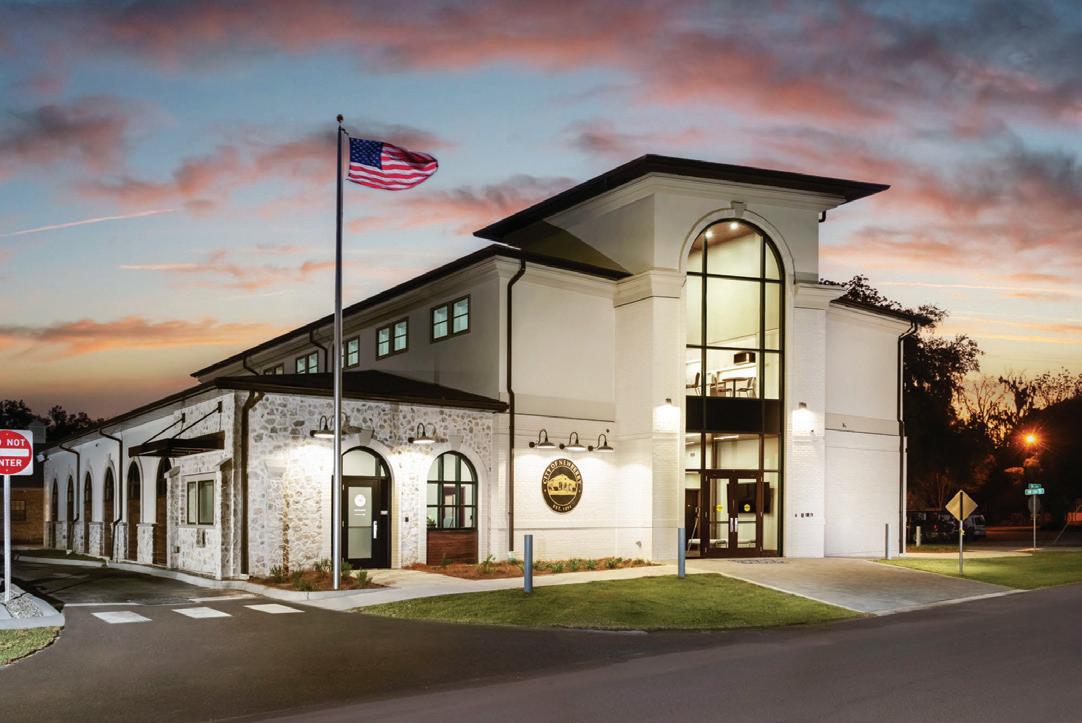
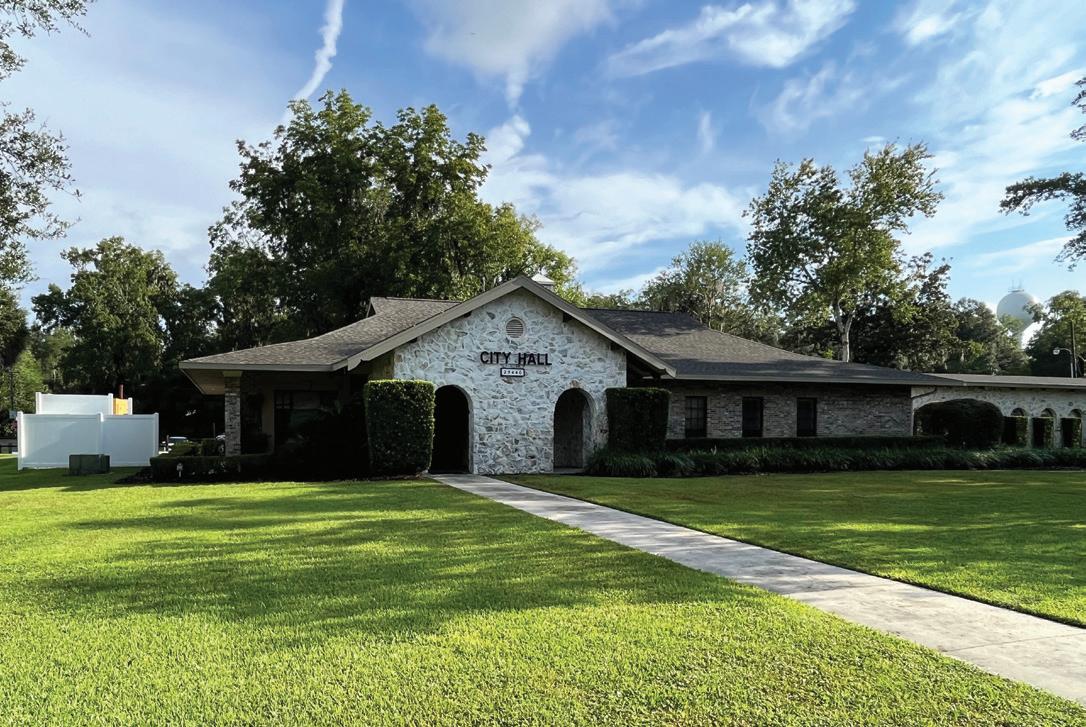
customer-facing services, from paying utility bills to obtaining permits, while the second floor contains administrative departments like HR and accounting in a hub-and-spoke layout centered around the city manager’s office.
“We wanted to co-locate the various city services in one place for community convenience not only for the community, because what we find is that this also creates a lot of efficiencies for the staff as well,” said Marden. “Now we don’t really have to spend time educating the public about which building to go to. It’s all just basically in one spot.”
The transition to the new City Hall was executed with precision. City offices shut down for just one day, moving 25 full-time employees plus department heads in strategic waves. Human Resources was first, then the accounting offices, then planning and zoning. The phased approach allowed the team to test IT, audiovisual and communication systems incrementally before the full facility went live.
City Hall South has been repurposed to house a public conference center with sound and audiovisual systems, a branch of the county property appraiser’s office, a sheriff’s office substation, the city attorney’s office and a shared workspace for elected officials. As Marden noted, “Our philosophy is that the elected officials need to be out in the community, not stuck in an office.” The shared office space serves as a professional setting for private constituent meetings or video conferences when needed, but reflects the city’s commitment to accessible, community-focused leadership.
The conference space will be available to Newberry’s volunteer organizations as well the Lions Club, Main Street organization, historical association and other civic groups. “Newberry is very volunteer powered. So, we want to give them a great space to be able to use,” commented Marden.
One of the strategic elements of the building’s design won’t be fully appreciated for another four years. City Hall South and the new City Hall both have front entrances facing north: The new City Hall was
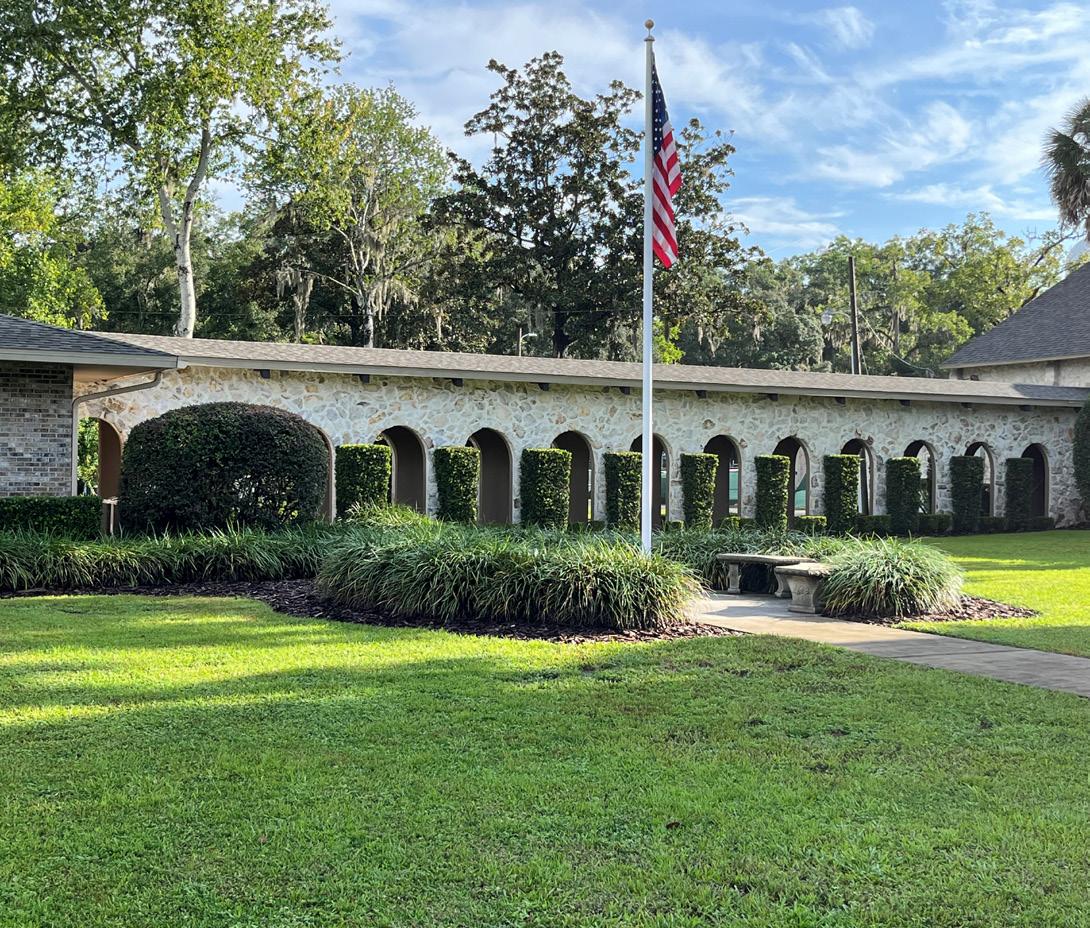
deliberately designed with an entrance facing north, which will be a convenient orientation once the Florida Department of Transportation completes a major road reconfiguration project creating two westbound lanes to the north and two eastbound lanes to the south running parallel to the city hall buildings. Both the buildings will have front entrances facing these main thoroughfares.
This kind of long-range planning reflects Newberry’s broader approach to managing rapid growth in a way that preserves its small-town character. With 80% of land still zoned for agriculture but with strategic commercial development along highway corridors, “Growth is going to come,” said Marden. “The governor told me Florida is growing at a rate of 1,500 people a day. My approach is ‘growing pains are better than shrinking pains.’ We can still have a small-town attitude as we grow.” M
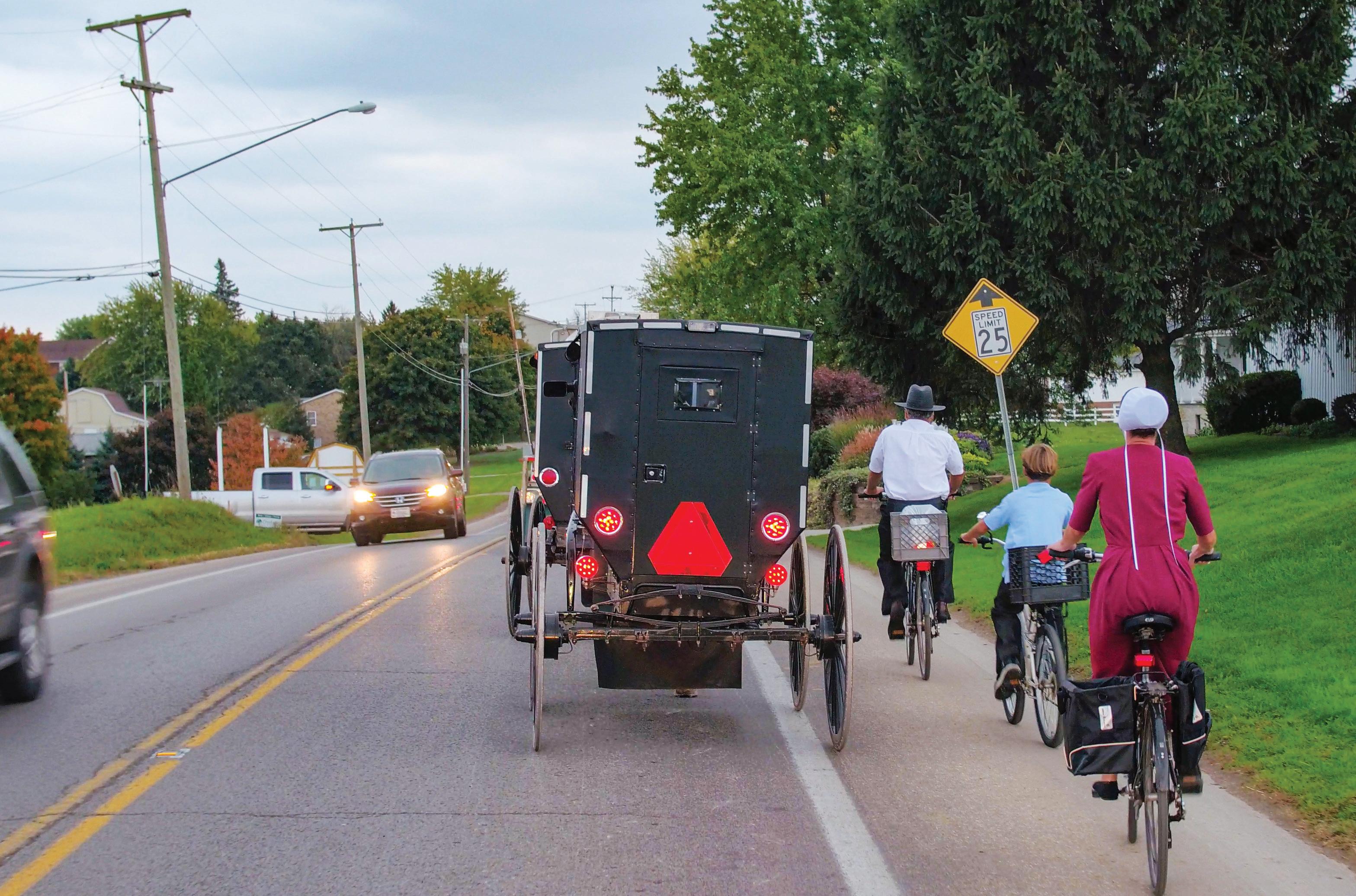
By JANET G. PATTERSON | The Municipal
Amish buggy safety sounds like an obscure concern, something that affects a limited number of people in a limited number of communities. But recent research proved that not only is the Amish population increasing, safety concerns for both those who travel by horsedrawn conveyance and the motorists who share the roads with them are rising as well.
The Amish shun modern conveniences like automobiles and embrace a lifestyle that includes growing their own food, worshipping in small communities in each other’s homes and wearing simple, modest clothing. In just 25 years, the number of people who embrace the Amish and Old Order Mennonite way of life has more than doubled: In 2000, the Amish population was approximately 178,000 and increased to just shy of 411, 000 in 2025.
“The Amish population has exploded,” noted Mark Dewalt, sociologist and professor emeritus at Winthrop University in Rock
Hill, S.C. The Amish now have settlements in 32 states, with the largest numbers living in Pennsylvania, Ohio and Indiana. And where they once lived on dirt roads and away from major highways, their occupations and the shortage of farmland available for cultivation has resulted in their living near busier roadways.
DeWalt said that local and state agencies around the country have started programs and projects to address the increasing numbers of accidents involving horse-powered vehicles in their jurisdictions. Population numbers are not the main reason for the
ABOVE: Some Amish are acquiescing to light their buggies to make them more visible at night, in addition to putting a slow-moving-vehicle symbol on the rear of their buggies to increase visibility. However, it appears that most accidents between motor vehicles and Amish buggies are the result of distracted driving on the part of the motor vehicle operator.
increased number of buggy vs. motor vehicle crashes in areas where the Amish horses and buggies share the roadways with automobiles and trucks, according to those who study such incidents.
“I think the major reason is distracted driving,” said DeWalt who grew up in Berks County, Pa., northeast of Lancaster, home of the largest Amish and Mennonite settlements in the United States.
While many would blame the accidents on road conditions or the lack of lighting on Amish buggies that are on the road after dark, DeWalt said this is not so.
“I remember having a conversation in Lancaster with an Amish buggy maker. He remarked, ‘Most Amish buggies are hit from behind by motor vehicles on a straight road in broad daylight.’
“Buggy accidents that involve a car often result in serious injury or death to the Amish,” DeWalt added.
Kris Dewey, of the Branch-Hillsdale-St. Joseph Community Health Agency in Michigan, is part of an effort to engage local agencies and the Amish community in a traffic safety project. The tri-county area is home to 1,100 Amish families, 30% of Michigan’s Amish population. The health agency is using a $70,000 federal highway safety grant to improve buggy safety.
“This is not about creating laws,” she emphasized. The advisory committee working on the project includes the local sheriff’s office, the Michigan State University extension office, area hospitals with trauma centers, drivers’ education programs and the Michigan Department of Transportation.
Some of the accident data collected to start the project included modes of transportation, why the drivers were traveling and what conditions were involved such as driving under the influence, passing in no-passing zones, not ensuring a safe distance and aggressive driving. The data helped the committee create maps of the most dangerous roads and intersections to distribute to the community.
The committee is also meeting with 40 of the Amish bishops in the area, Dewey said. Feedback and questions from their churches have been helpful in creating understanding between the Amish and the non-Amish sharing the local roads.
Among the questions from the Amish community was one about why motor vehicle drivers don’t turn their lights to a lower intensity beam when driving toward a horse and buggy. Dewey said the committee was able to explain that the headlights on newer cars are so bright because of the advanced technology, higher color temperatures, precise beam patterns and vehicle designs that position lights closer to eye level.
“We’re helping to understand each other.”
On the flip side, she said, motor vehicle drivers often don’t realize that buggies sit much further back at an intersection than a car or truck usually does. This makes it harder for the buggy driver to see cross traffic. Additionally, instead of an inanimate engine driving their vehicle, they have a horse that can be easily startled by a honking horn or loud truck.
Some Amish who were reluctant to light their buggies to make them more visible at night are starting to accept the need for that lighting, in addition to putting a slow-moving-vehicle symbol on their rear of their buggies, Dewey continued.
The committee also created a horse-and-driver buggy manual for Amish schools. Dewey noted that in the United States, state-issued drivers’ licenses are not necessary to operate a horse-drawn buggy on public roads because they are not motorized vehicles. This can mean that buggy drivers are not formally trained to drive their buggies on public roads.
Additionally, to alert visitors to their Amish settlements, the Hillsdale project is creating radio advertisements to warn people to be aware of buggies. “We’ve also created gas station videos that play at the pump, giving tips for driving near buggies.”
All the materials created are reviewed by the Amish bishops for approval, Dewey added.
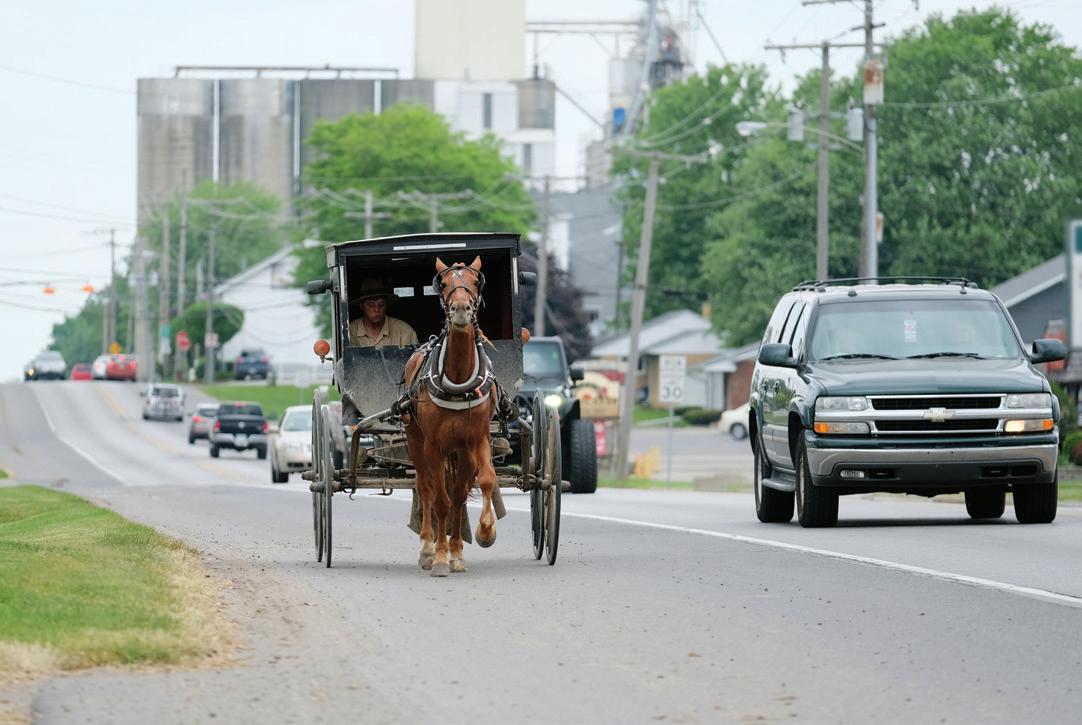
With the Amish population increasing nationwide, programs are developing to decrease the number of accidents between horsedrawn buggies and motor vehicles. Accidents between buggies and motor vehicles usually result in serious injury or death to the buggy drivers and their passengers. (Shutterstock.com)
“We caution motorists, ‘You have more horsepower … Have more patience.’”
Rachel Stein, who co-authored the study “The Extent and Nature of Motor Vehicle and Buggy Crashes” with DeWalt, grew up in Holmes County, Ohio, and is a professor of sociology at West Virginia University. Like DeWalt, she specializes in a variety of aspects of the Amish culture, including buggy safety.
Stein said one of the structural changes in communities where vehicles and buggies share highly traveled roads is the addition of buggy lanes. “But this is a big ask, because it requires resources.”
Some communities have increased buggy signage and added lighting to the signs to attract motorists’ attention. Another suggestion, she said, is to have blinking lights that are activated when a buggy is present on the road.
DeWalt noted that drivers’ education programs in rural areas could consider including educational materials for proper driving around slow-moving farm and horse-drawn vehicles.
With the expansion of Amish settlements to areas where they have not previously lived, he suggested providing education for residents and visitors about sharing the roads with Amish buggies, pony carts and wagons.
In addition to buggies, Stein said, some Amish communities allow the use of bicycles and are adding e-bikes to their modes of transportation. “We’re seeing more e-bikes on high trafficked roads.”
Whatever the mode of transit is for an Amish community, the speed of travel is far slower than motor vehicles, she emphasized.
While some of the new technologies in cars and trucks can slow a vehicle to avoid a crash, drivers still need to pay attention to the slower vehicles in areas where Amish people live and trade.
Dewey said the Amish communities in her area of Michigan have been accepting of the suggestions the Branch-Hillsdale-St. Joseph Community Health Agency has made. Follow-up surveys indicate that the communities appreciated the project and its efforts to make the roadways safer for their slower-moving vehicles. M

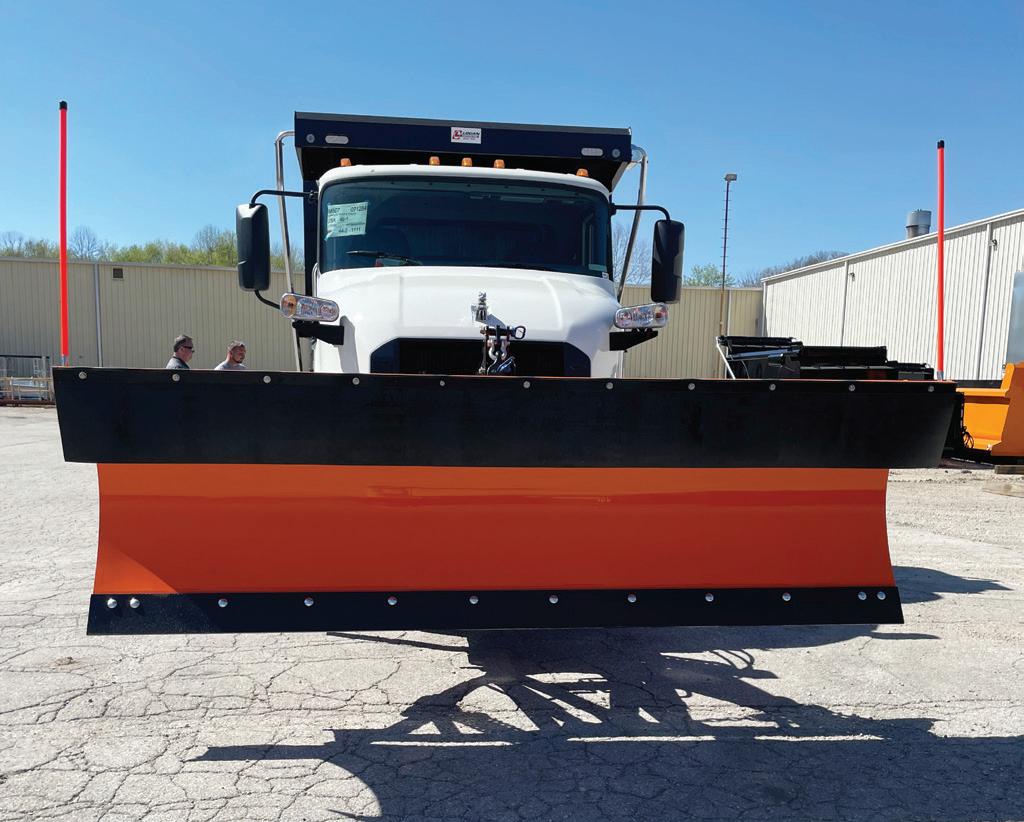
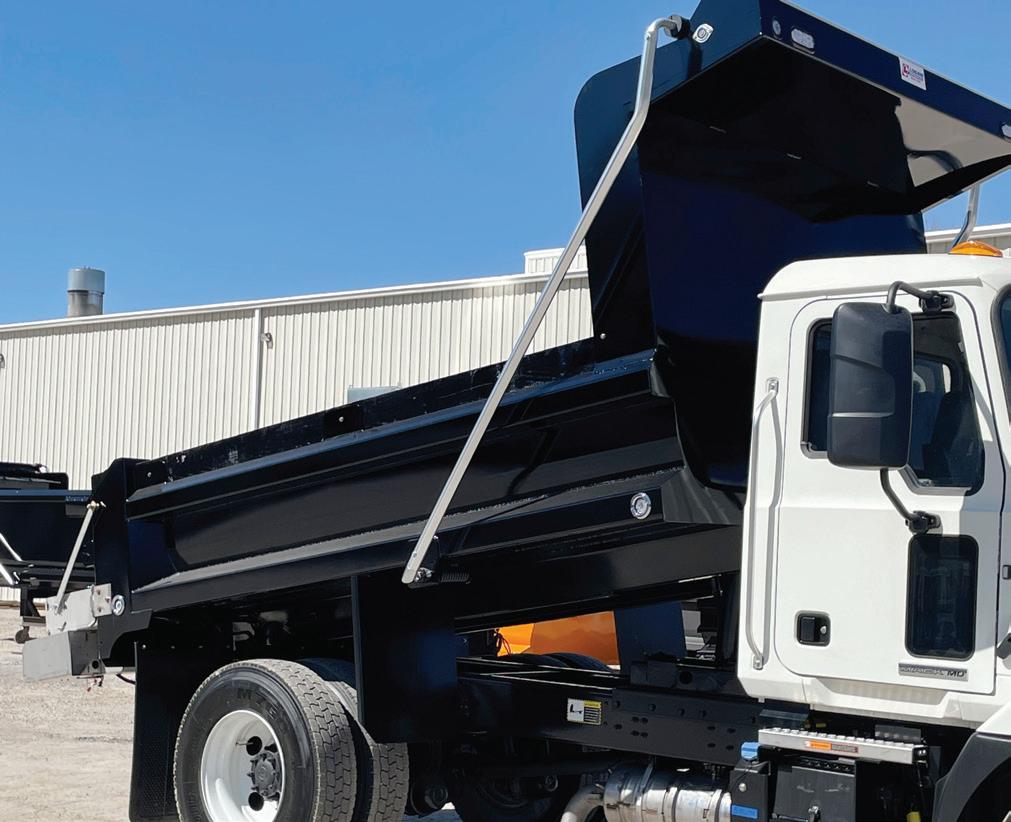
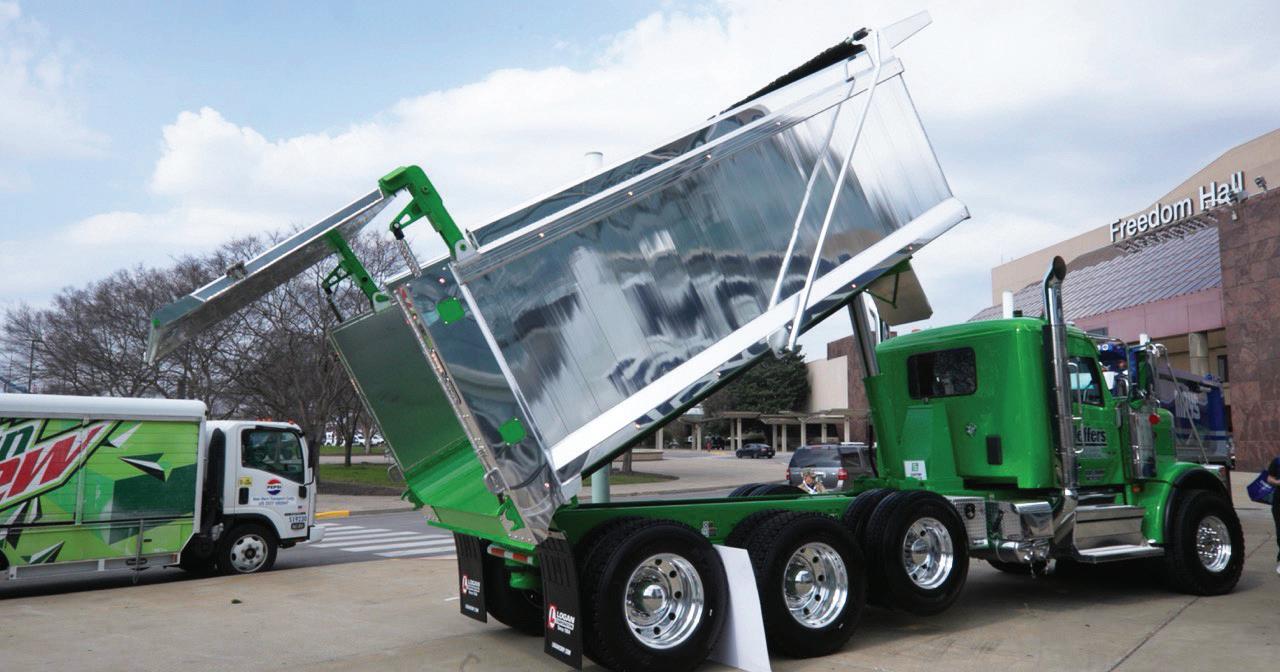

July 6-10 FCCLA National Leadership Conference
Washington, D.C.
https://fcclainc.org/attend/ national-leadership-conference
July 10-14 Florida Fire Chiefs Association Executive Development Conference
Senseeker Resort Charlotte Harbor, Punta Gorda, Fla.
https://www.ffca.org/edc
July 12-16 CADCA Annual MidYear Training Institute
Gaylord Palms, Orlando, Fla.
https://midyear.cadca.org/
July 13-16 Ohio Fire Chiefs’ Association 2026 Officer Development Conference Columbus, Ohio
https://ohiofirechiefs.com/aws/ OFCA/pt/sp/conference
July 13-17 APSCON / APSCON Unmanned 2026
Fort Lauderdale, Ariz.
https://publicsafetyaviation. org/events/conferences-expos/
July 13-17 ESRI User Conference
San Diego, Calif.
https://www.esri.com/en-us/ about/events/uc/overview
July 14 & 15 NFWL 2026 AI Summit
Washington, D.C.
https://womenlegislators.org/ events/
July 14-16 ARTBA Public
Private Partnerships in Transportation Conference
Ritz Carlton, Washington, D.C.
https://connect.artba.org/ events/
July 15 & 16 NFWL Healthcare Summit
Washington, D.C.
https://womenlegislators.org/ events/
July 15-18 NCOIL Summer Meeting
The Westin Copley Place, Boston, Mass.
https://ncoil.org/futuremeetings/
July 15-19 Municipal Association of South Carolina Annual Meeting
Hyatt Regency Greenville, Greenville, S.C.
https://www.masc.sc/ association-events/annualmeeting
July 16 & 17 NAHRO Summer Symposium
Renaissance Nashville Hotel, Nashville, Tenn.
https://www.nahro.org/events/ summer-symposium/
July 17-20 NACo Annual Conference & Expo
New Orleans, La.
https://www.naco.org/page/ conferences
July 19-21 2026 SWANA Florida Summer Conference
Signia by Hilton Bonnet Creek, Orlando, Fla.
https://swanafl.org/upcomingevents/
July 19-22 Joint ITE
International and Great Lakes District Annual Meeting and Expo
Huntington Place Detroit, Detroit, Mich.
https://www.iteannualmeeting. org/
July 19-22 NAPO’s 48th Annual Convention Marriott Hotel at the Renaissance Center, Detroit, Mich.
https://www.napo.org/48thannual-convention
July 22 & 23 Colorado Association of Municipal Utilities Annual Conference Viewline Resort, Snowmass, Colo.
https://www. coloradopublicpower.org/
July 22-24 ACMA Summer Conference
Tucson, Ariz. https://azmanagement.org/ events
July 22-24 ALEC Annual Meeting Orlando, Fla. https://alec.org/meetings/

July 22-24 NLGA Annual Meeting
The Rally Hotel, Denver, Colo.
https://nlga.us/ meetings/2026-annualmeeting/
July 26-29 81st SWCS International Annual Conference
Hilton St, Louis at the Ballpark, St. Louis Mo.
https://www.swcs.org/events/ conferences/26ac
July 26-29 IRWA Conference Omaha, Ne.
https://www.irwaonline.org/ events/conferences/
July 30-Aug. 2 American Correctional Association Congress of Correction Pittsburgh, Pa. https://www.aca.org/ conferences/future-conferences
Aug. 1-7 UPMA 10th National Convention
El Conquistador Resort, Puerto Rico
https://www.unitedpma.org/ upma-9th-national-convention/
Aug. 2-5 APCO International 2026
San Antonio, Texas https://www.apcointl.org/ events/


















A municipality or school district can grind 20 trip hazards per day



SAVE THOUSANDS
Avoid the $400-$600 cost to remove and replace each section of sidewalk.
SAVE TIME
Grind and eliminate trip hazards in a single day.
STAY COMPLIANT
ADA standards consider any vertical change greater than 1/4 inch a trip hazard.




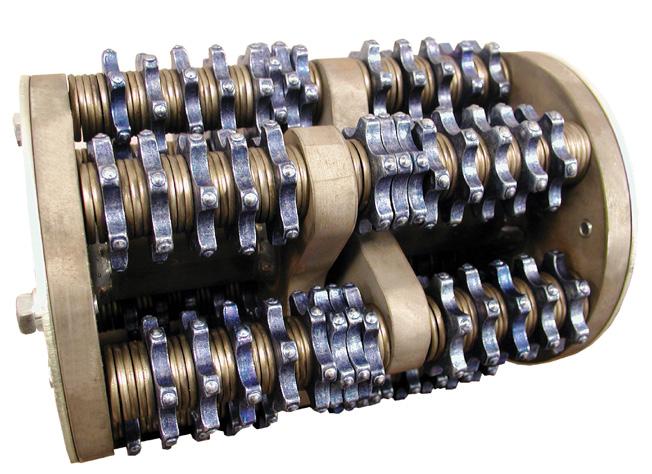


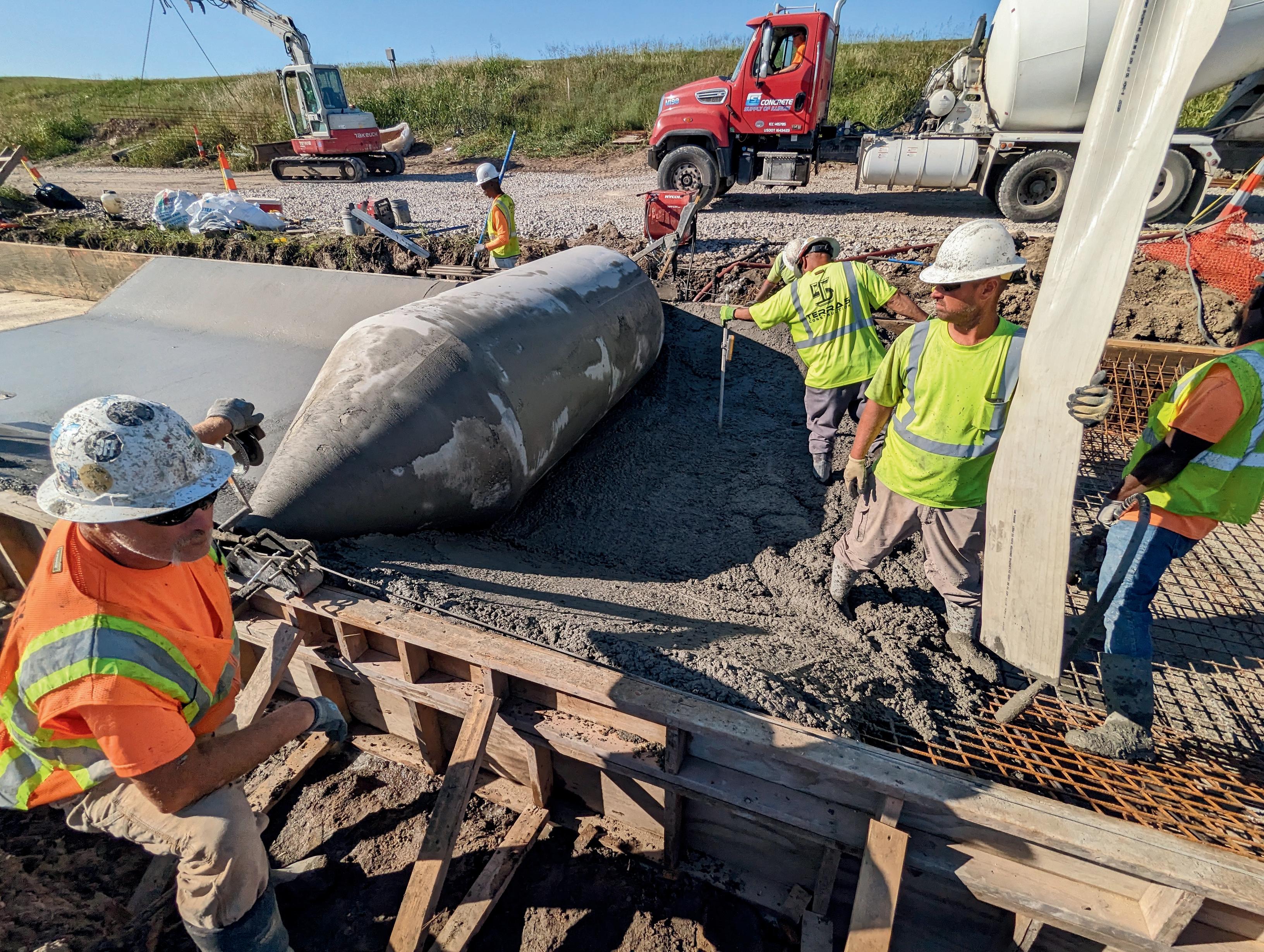
AND EVERYTHING AND EVERYTHING AND EVERYTHING BEYOND IT BEYOND IT BEYOND IT
More than curb and gutter:
• Drainage Flumes
• Patch and Repair
• Sidewalk
• Custom Gutters
• Specialty Concrete Profiles










INDEPENDENCE, KAN. — Did you know that many accidents occur during routine truck maintenance, leading to costly injuries that could have been easily avoided by using proper ladder stands? If you have ever had an injurious fall in your shop, you know the costs due to medical bills and lost productivity, without even mentioning the human costs of recovery time, loss of confidence and psychological damage. Additionally, there are possible fines from the Occupational Safety and Health Administration or other investigative agencies.
Whether your work involves work trucks, utility trucks, redi-mix trucks, solid waste trucks, package trucks, buses, class 8 rigs or heavy equipment, LockNClimb has ladder systems designed to service your vehicles, helping keep technicians safer while also making their work easier.
Take a look to watch a short video of LockNClimb ladders in use at truckingladders.com
Engineered to meet OSHA and ANSI standards LockNClimb ladders are built to last as proven by an impressively low 0.1% repair rate after 3 years of daily use. These ladders are currently being used in maintenance facilities by redi-mix companies all over the United States and Canada.
You can buy direct from the manufacturer and save. Email LockNClimb at truckladdersafety@locknclimb. com, or call Tammy at its offices in Independence, Kan., at (620) 577-2577. M
News releases regarding personnel changes, other nonproduct-related company changes, association news and awards are printed as space allows. Priority will be given to advertisers and affiliates. Releases not printed in the magazine can be found online at www.themunicipal.com . Call (800) 733–4111, ext. 2307 , or email swright@the-papers.com .



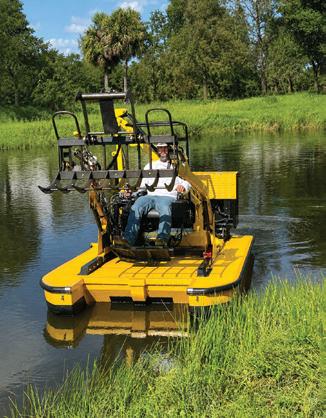


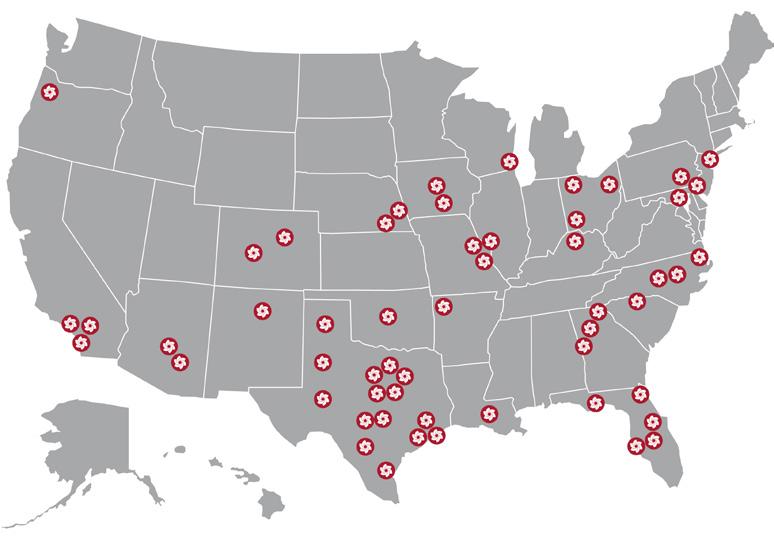



When the day comes to retire from decades of dedicated employment and embrace the leisurely life, a lot of things change. Almost overnight, the cost of living, inheritance tax laws, crime, in-home services, transportation and health care become top priorities.
States that have low taxes and low cost of living help retirees’ budgets and make retirement more relaxing. Having access to quality medical care is always important, and the existence of local in-home services make it possible for people who don’t live in proximity to their families to remain in their homes.
Making sure retirement funds stretch as far as possible is perhaps most retirees’ top priority, especially since the financial website WalletHub discovered that 65% of non-retired adults say that their retirement funds aren’t on track. To determine the best states to retire, the website’s analysts compared all U.S. states across 46 indicators of retirement-friendliness, from financial factors like tax rates and cost of

Source: https://wallethub.com/edu/best-and-worst-states-to-retire/18592
living to things like access to quality medical care and fun activities. They discovered that although cost of living, low taxes and quality health care are primary considerations, the availability of opportunities for social interaction also ranked high when evaluating the wellbeing of retirees.
All things considered, the Top 10 best states in which to retire are listed below. For more information, visit the link.



ON SPEC. ON BUDGET. READY TO ORDER.
Radarsign’s new MASH tested aluminum poles and bases deliver certified American aluminum construction, Georgia Made® quality, and complete BABA compliance — now available on Sourcewell Contract #122325-RDRS
YOUR NEXT PROJECT STARTS WITH A SCAN.
Scan the QR code to explore Radarsign poles and bases on Sourcewell Contract #122325-RDRS — and start your order today.