
Trust is priceless.
You can put a number on a breach. The ransom. The recovery. The downtime. But the thing a community actually loses has no invoice. Once people stop trusting the systems that run their daily lives, no payment brings it back.
THE PROBLEM
The front line doesn’t look like one.
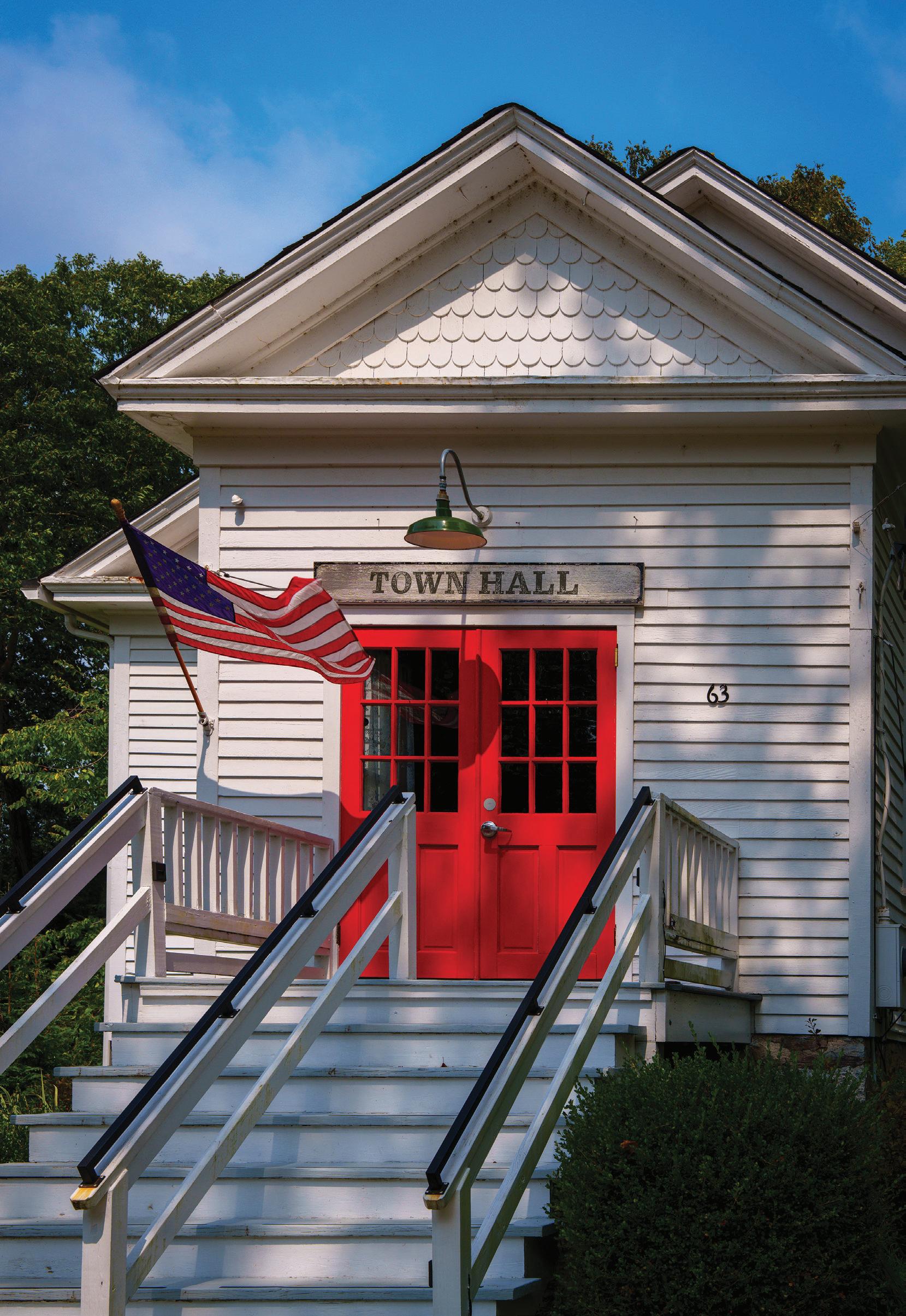
The trust that holds a community together lives in ordinary moments. The email from your town you trust is really from your town. The water you trust is clean when you fill a glass. The school you trust to keep your child’s records safe. The 911 call you trust will connect when it matters most. These are the systems daily life rests on, built to be open, not defended.
There are 90,000 local governments in this country, and inside them the fire, police, and emergency dispatch a community counts on in its worst moment. 150,000 public water systems. 13,000 school districts. Many are defended by a part-time IT person, a well-intended technical vendor, and the quiet assumption that an organization their size couldn’t possibly be a target.
That assumption is the vulnerability.
Cyber attacks do not discriminate by population size.
A town of 400 people and a city of 400,000 run on the same internet, and they choose their water controllers, school platforms, and core systems from the same short list of vendors. The technology barely changes from one to the next. What changes is the defense. The town of 400 has no budget, no dedicated security staff, and no plan.
No community should have to lose what it depends on to understand what it depends on.

We decided to prove that they don’t have to.
WHO WE ARE
The Overwatch Foundation is a first-of-its-kind 501(c)(3) nonprofit built to find what’s exposed in the systems communities depend on, mitigate it, and train the people who keep it defended.
We don’t do this alone, and we were never meant to. We work hand in hand with state and federal agencies, the people who fund this work, and the local IT teams and vendors a community already trusts. Public and private, pulling in the same direction.
We don’t audit communities and hand them a report. And we don’t push a product we happened to build.
We study a community’s full risk picture, find the vulnerabilities that matter most, and tune the solution to what that community actually needs. The goal isn’t safer. It’s safest, the most robust defense possible for the place we’re standing in.
Because our funders cover the work and we deliver at cost, a community is never billed by us. Where a community’s needs run beyond what funding covers, their share stays minimal. Protection goes up without the budget going up to match.
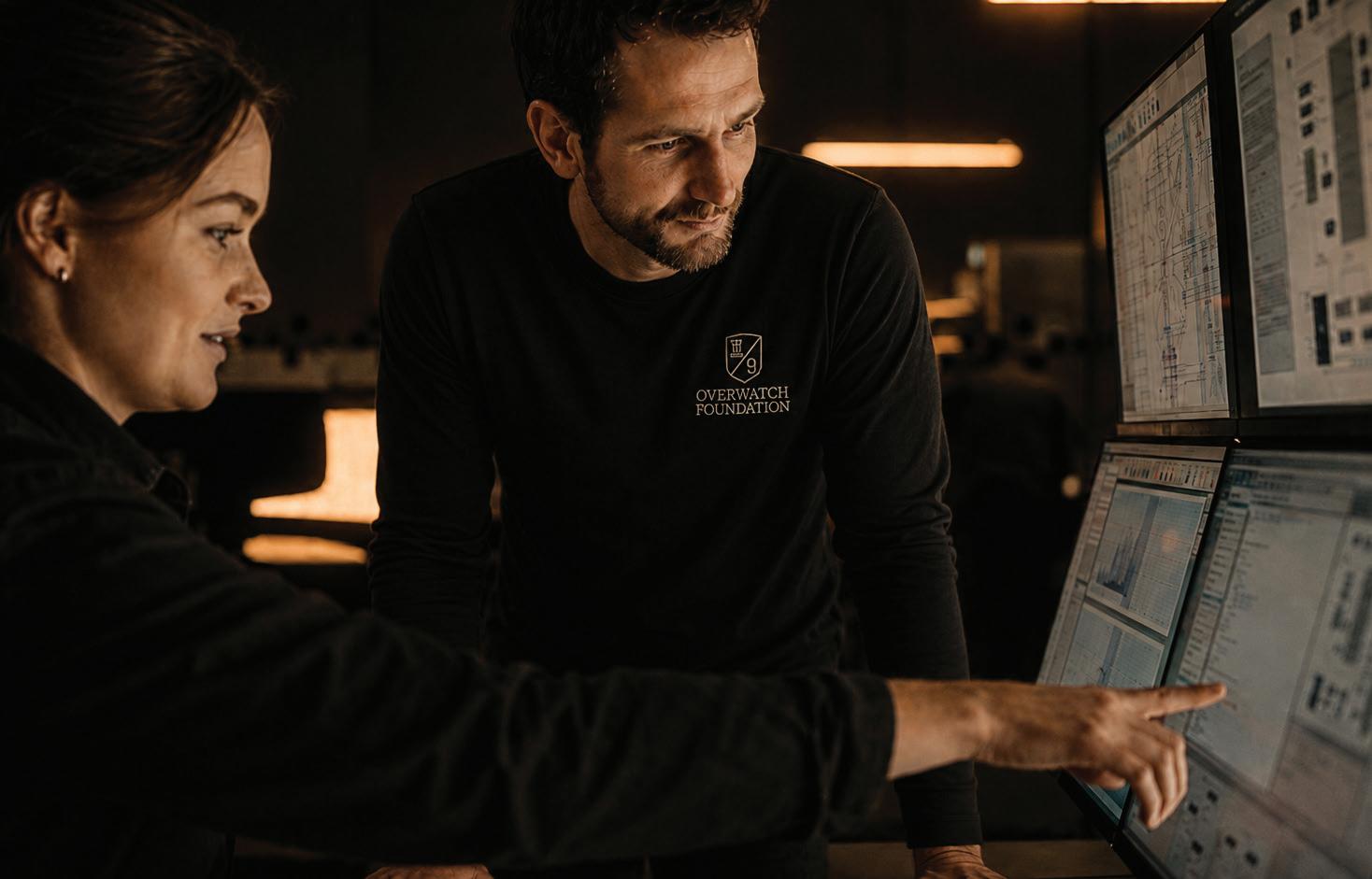
Our mission is to safeguard the Republic and the People of the United States of America by defending the foundational institutions and infrastructure they rely on.
Not the abstract version of infrastructure. The specific version. The first responders who have to roll the moment the alarm sounds, and the hydrants and water systems they count on to fight the fire once they arrive. The cruiser laptops that pull up a record in the seconds a stop allows. The schools that guard a child’s data like the child. The payroll that pays the people who serve a town. The records a community can’t afford to lose.
The things that are invisible when they work and devastating when they don’t. We meet communities where they are, cut through the complexity, and focus on the practical steps that move them from exposed to protected. Not one community, not one program line, but a wholeof-state approach that raises the baseline everywhere, so anyone who represents a state knows we have the entire state in mind.
Cybersecurity is not just about technical system. It is about protecting the institutions, services, and people that everyday life depends on.
Assess. Deploy. Train. Support. Strengthen.
Then we stay. Not for a week. For the long haul.
Because lasting protection isn’t built by technology. It’s built by the people prepared to defend it.
The goal is not indefinite dependence. The goal is lasting capability.
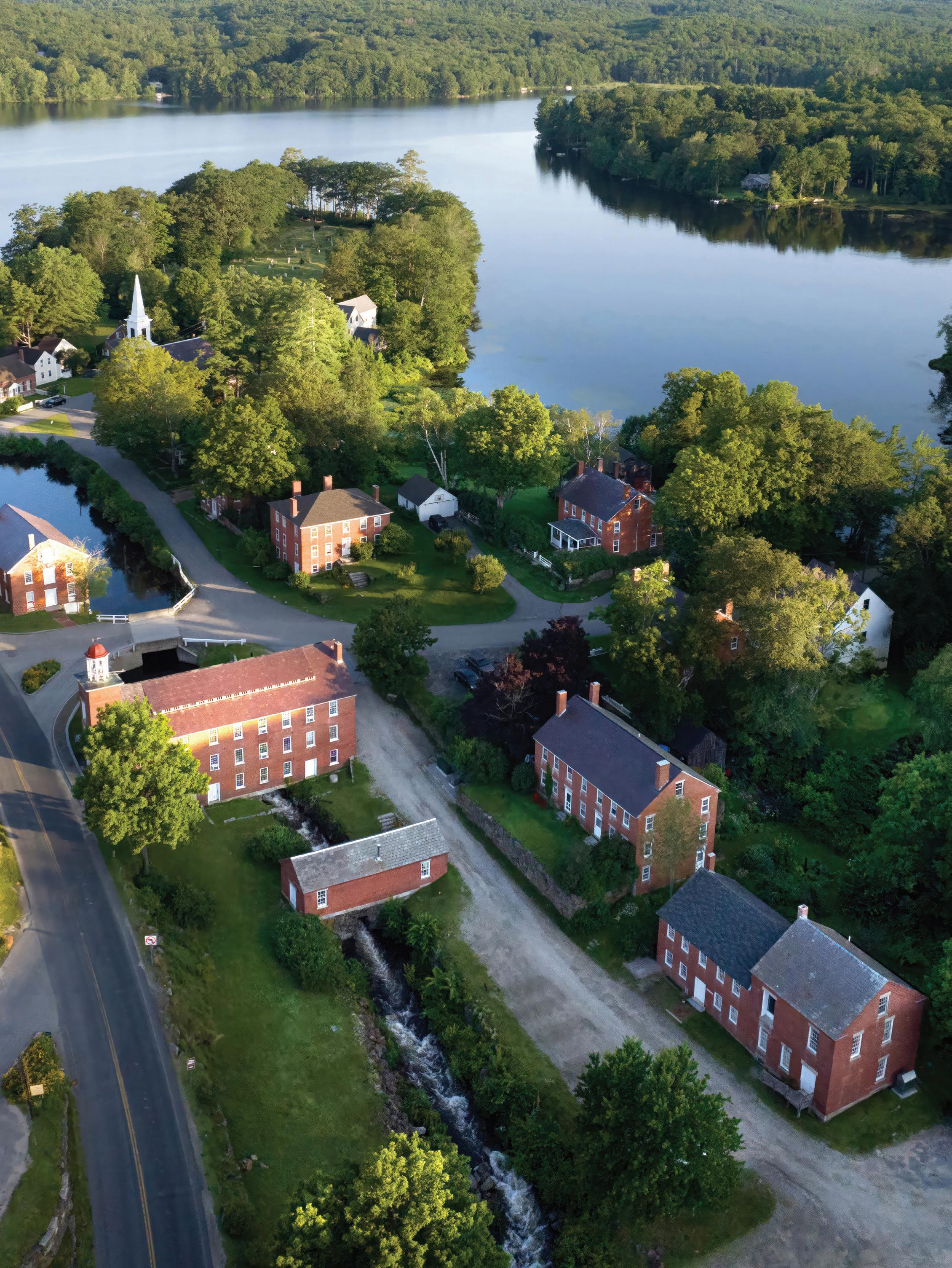
Unseen & Exposed
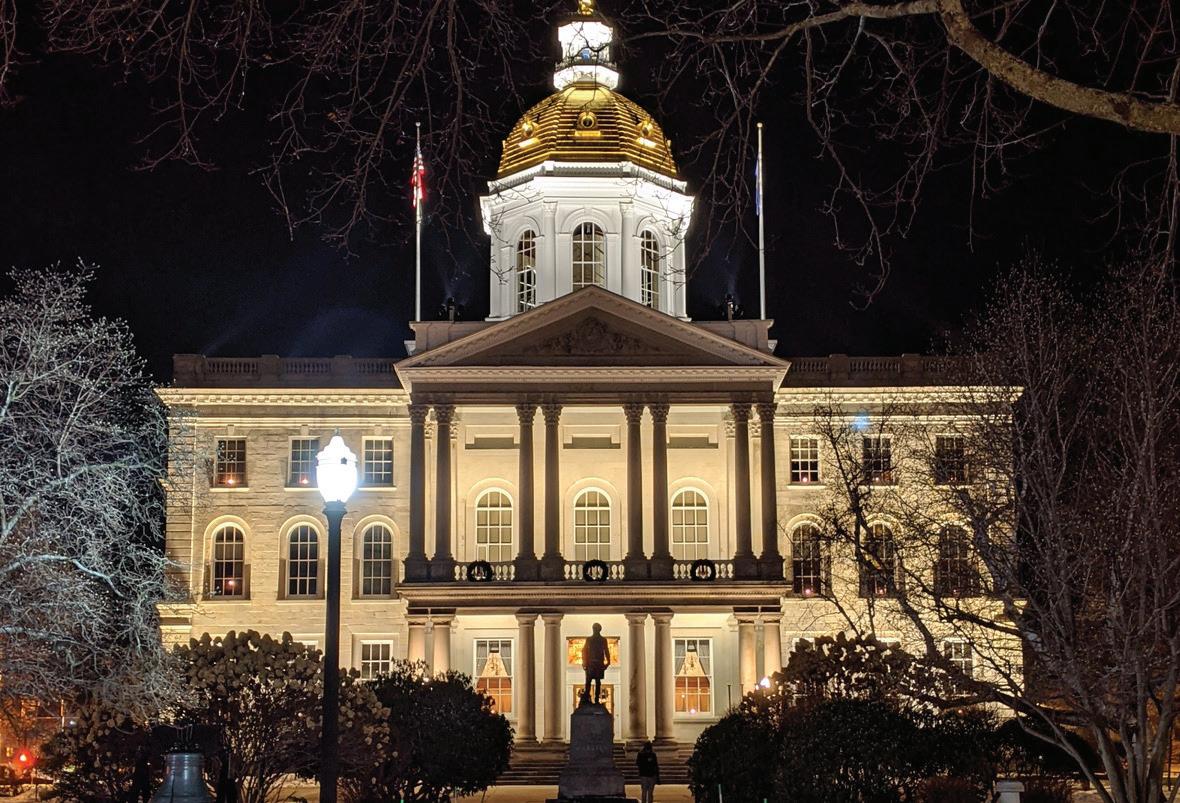
To prove the model works, we needed a pilot. New Hampshire went first. We went inside more than 150 municipal entities and examined everything: their email, their networks, their water systems, their firewalls, their training, their policies. The things no one else had examined, not because they were hidden, but because no one had the time, the tools, or the mandate.
We also went in to test an assumption. Most communities believe their environment works a certain way, that it’s sound, that it’s
resilient, that someone has it covered. We offered something no vendor selling them a product could: an unbiased evaluation of whether that was actually true. Time and again, the environment people described and the environment we found were two different places. That gap, the quiet confidence that everything is fine, is itself the risk.
Some were further along than others. But almost none had reached the baseline of preparedness a community depends on, and the assumption of safety was nearly universal.
The average cyber risk score across every sector in the pilot. Towns. Water systems. Schools. of municipalities assessed have inadequate firewall protection. 39% lack basic identity and access management. 74% have never conducted cybersecurity training. 65%
These numbers didn’t surprise us. What should worry our country is how few places have ever measured them at all.

Here is what the pilot has delivered.
125 technical deployments completed. Nearly 10,000 municipal email accounts migrated to trusted .gov domains. Water systems serving 10% of the state’s population upgraded. More than 76,000 students covered by managed endpoint defense. Nearly half of all municipalities engaged. Every county reached.
When a counterfeit industrial controller was found inside a municipal water system, discovered only because a routine firmware update failed, we helped raise the alarm. Within days, a statewide advisory was issued through partnerships between state and federal agencies, and the major water operator associations in the state. That is whole-of-state defense in action.
We caught a phishing attack disguised as a Social Security document before it could execute, because the endpoint protection we deployed was watching when no one else was.
We migrated a town that had been printing official emails for physical hand-delivery at the town hall because their domain was so untrusted that no modern platform would accept it. Nine months from first meeting to .GOV migration. The kind of project that only happens when someone stays long enough to see it through.
Most communities already know what to fix. But the budget never clears, the priority never rises, and the risk waits. This is the only thing we do, so we move faster, and see it through, when no one else has the room to.

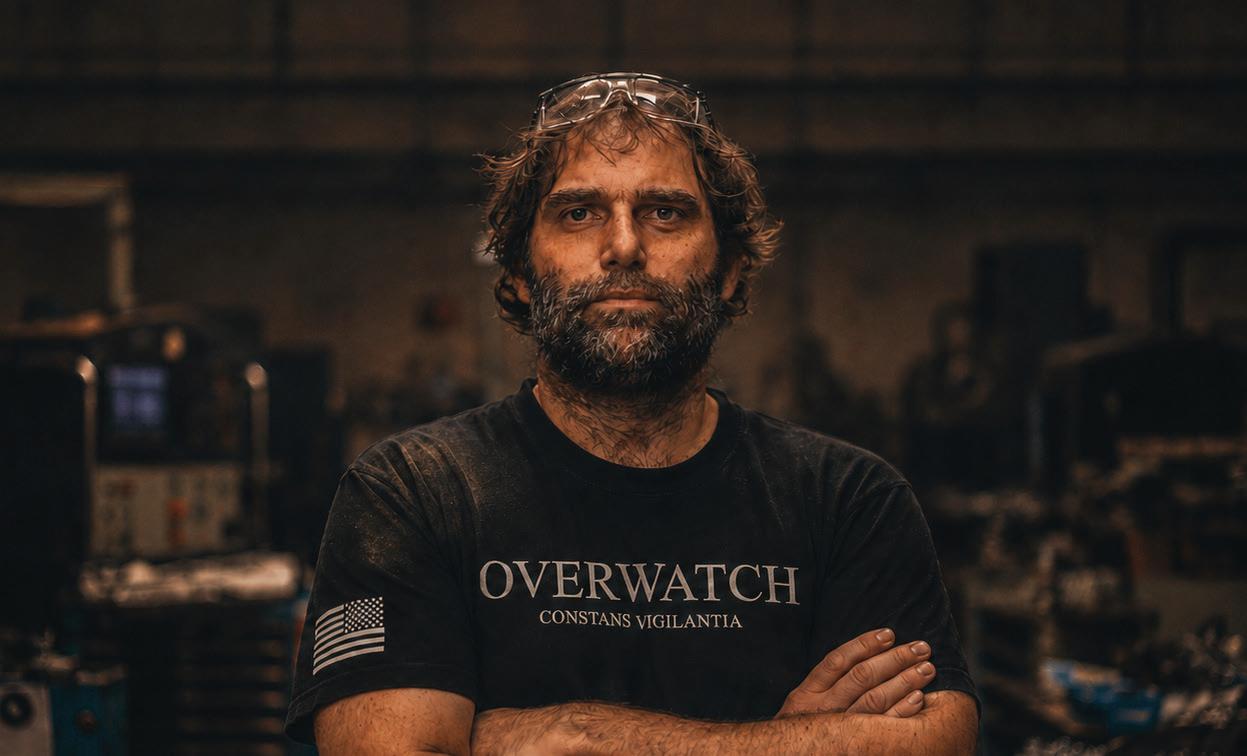
This was never ours to hold alone.
In the field, Overwatch is a simple operating structure. While one team does its work, another holds the high ground and keeps eyes on the threat, so no one ever moves forward exposed and alone. That is the whole idea behind our name.
We’ve had that first conversation hundreds of times. The moment a town administrator, a water commissioner, a school superintendent, a fire or police chief realizes the danger they assumed someone else was covering has been theirs to face all along, and that, for
the first time, someone has eyes on it with them. Every community is full of people still waiting for that call to be answered.
We proved the position can be held. We proved it can be taught, funded, and handed off, so a community learns to cover its own ground, then stands overwatch for the next one. That was always the point. Not to hold every position ourselves, but to prove the ground can be covered, and to move that protection forward the way it’s done in the field, one team advancing while another watches, until no one is left holding the line alone.
THE OVERWATCH
What must be protected is bigger than any one system.
It is the trust people place in their institutions. The continuity of the services a community runs on. The quiet confidence that when someone turns on the tap, sends a child to school, or calls for help, the systems underneath will hold.
Confidence like this does not keep itself. The freedoms we hand the next generation, an open society, a free exchange, a life without fear of who controls the system, survive only because ordinary people in every generation choose to defend them. It is a mindset before it is a mission. The willingness to look at the systems we all depend on and decide they are worth protecting. To stand between a community and anyone who would trade its freedom for chaos or control. That choice is open to everyone, and the more of us who make it, the stronger the line becomes.
We’ve spent years proving the watch can be stood. The question was never whether it works. It’s who stands it next.
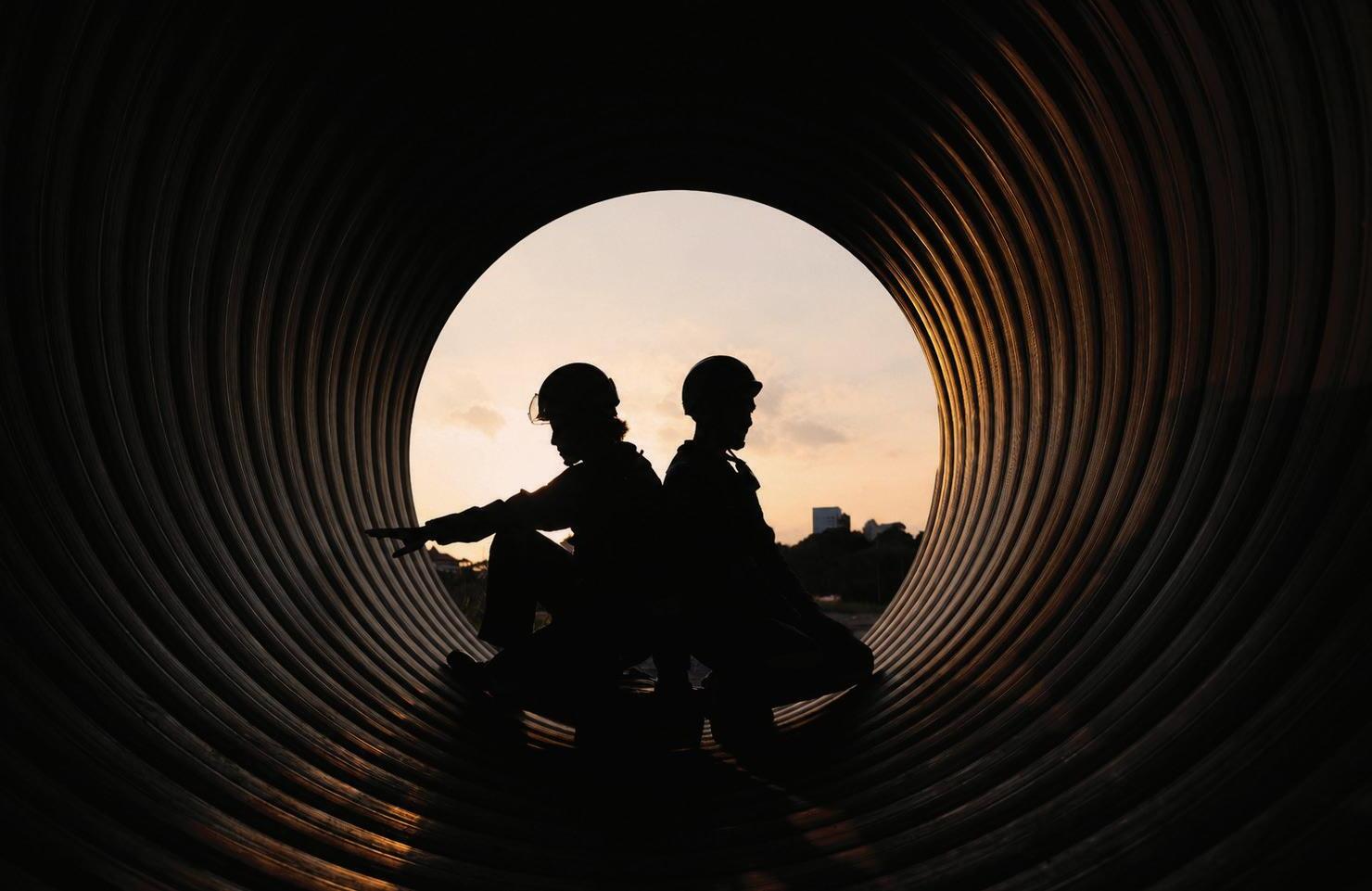
The threat is real. But so is the solution, and so are the people ready to stand behind it. That’s where you come in. Together, this is ours to defend. Join the Overwatch overwatch.org Constans Vigilantia.