MASSIVE DONOR LISTING COMING NEXT WEEK - THANK YOU!


Sign up today to start or keep receiving the Echo & Mirror!


MASSIVE DONOR LISTING COMING NEXT WEEK - THANK YOU!
Sign up today to start or keep receiving the Echo & Mirror!

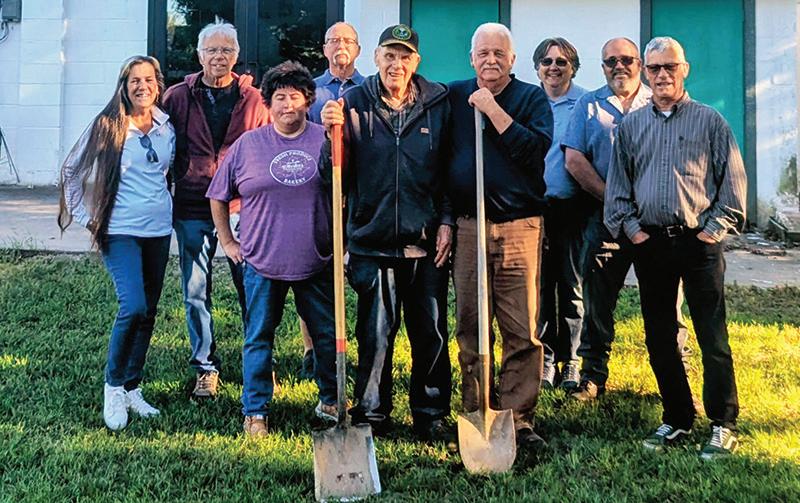
The Oceana County Agricultural Society Board of Directors includes, above, from left, Stacia Erickson, Sean Carey, Lindsey Merten, Mark Haynor, Vice President Carl Weigand, President Paul Erickson, Stephanie VanSickle, Lance VanSickle and Mike Carey. Missing from the photo are Judie Burmeister and Nate AndresMooi. • Contributed photo by Malcolm Carey
By Stacia Erickson
The Oceana Echo Community Correspondent
On June 25, 2026, the Oceana County Agricultural Society Board of Directors held an official groundbreaking ceremony for the new bathroom and kitchen building project.
While the new facility will not be finished in time for the 155th Oceana County Fair this August, Blackmer Construction expects to complete
the project by the end of the year. Once finished, the building will feature modern restroom/shower facilities and a larger, renovated kitchen with seating. Future plans include making the space available to rent for special events like receptions and graduation parties.
The Oceana Community Foundation is currently accepting donations to support the building project fund.
Board President Paul Erickson noted "Although we have received an inkind grant, project finances currently fall short of our goal. We encourage community members to help us bridge this gap. All donations are greatly appreciated, and every donor will be included on a sponsor listing to be displayed in the new facility."
To contribute, one can mail a check noted as to, "Oceana County Fair Building Fund" to:
The Oceana Community Foundation, P.O. Box 902, 388 S. Hancock St., Pentwater, MI 49449
For more information on the project and to be added to that donor listing, please contact Tammy Carey at 231-869-3377 or visit www.oceanafoundation.org.
The board thanks the community for its continued support of the Oceana County Fair.
By Claire Marshall The Oceana Echo Community Correspondent
There are 50 states in the union, and over half have Native American names. From the Ojibwe “Mishigamaw,” we derive the name “Michigan.” A trip up or down the lakeshore would uncover place names with similar origin stories: Manistee, Muskegon, Ottawa and Macatawa. The United States of America might have just celebrated its momentous 250th anniversary, but the land on which this country was formed has a human history reaching back millennia.
In 1821, the Treaty of Chicago was signed by the Michigan Territorial Governor and representatives from the Ottawa, Ojibwe and Potawatomi Native American tribes. This treaty ceded all Michigan lands south of the Grand River to the white settlers and displaced thousands of Indigenous peoples. Throughout the next several decades, Grand River Native Americans migrated throughout Michigan, searching for land to claim or purchase as their own, but with every new home came another document, ceding more and more of their land to the state.
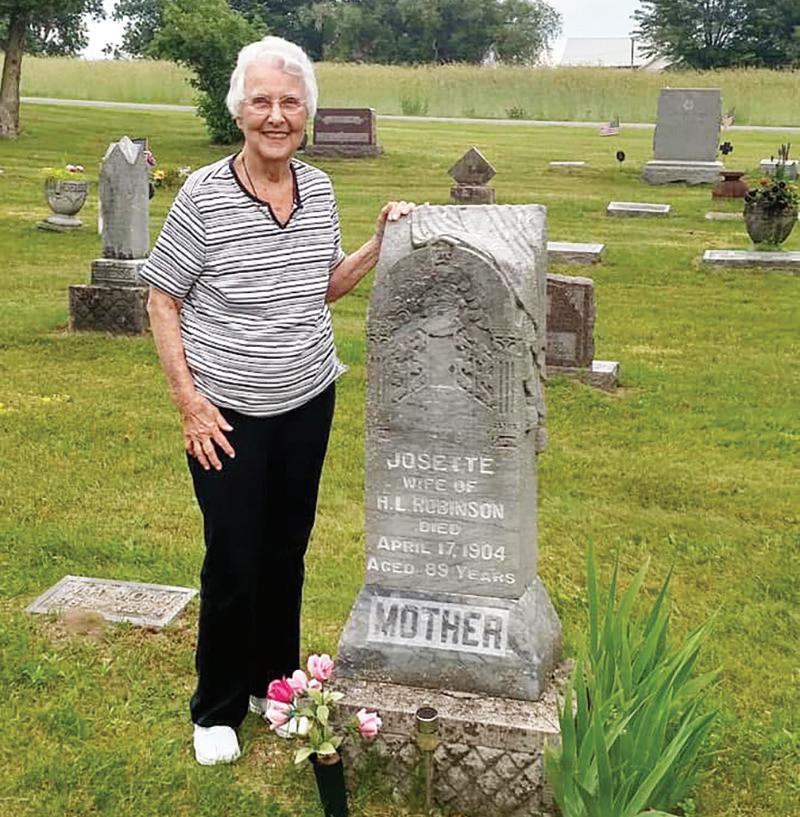
Many of the Grand River Ottawa settled in Oceana County at a reservation in Elbridge Township, established in 1855. One of the many who found themselves in Elbridge and established a thriving community was Josette DeRosier, also known as Chippewa Que.
Josette was born to a Native mother and French settler father in either 1819 or 1829 around Torch Lake, Wisconsin, and her path to Elbridge spanned hundreds of miles of land and water. In the early 1830s, Josette, her mother and brother traveled by mail boat from Torch Lake, Wisconsin to Northern Michigan, then by canoe to Grand Haven, where the family eventually settled in 1835. This is the legend, of course, the first confirmable record of Josette is her 1847 marriage certificate to Peter DuVernay, a son of a prominent Grand Haven pioneer. Theirs was the first marriage performed at the Ottawa County courthouse. They remained married until Peter’s death, likely by hypothermia, in 1855, as was reported in the Grand River Times. They had two children together, Sophia and Frank.
With that heartache still fresh, Josette and the Native Americans who’d settled in Grand Haven were transferred to the Elbridge Reservation; but not before she met and married David Moon in Grand Haven. During their eight years together in Elbridge, three “Moon” (also sometimes spelled “Moan”) children were born: Sarah, Henry and Amanda. Henry Moon went
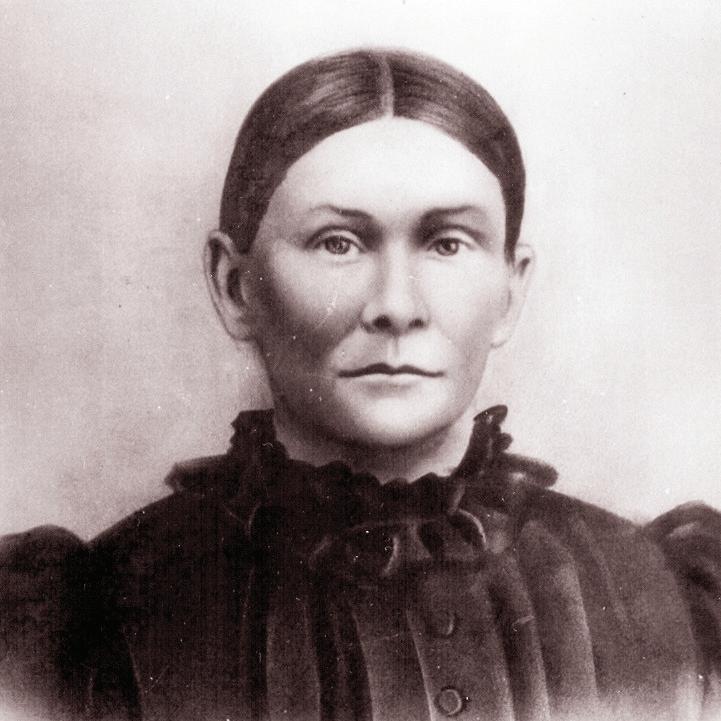
on to become well-known in Hart as a local barber. Josette, David and their children constructed and lived in the “frame-built house” in Elbridge, as reported in her obituary published in one of the local newspapers of that time. David Moon preceded Josette in death in 1866, soon after which she married her final husband, Henry Robinson.
Josette and Henry Robinson were both each other’s third spouses, and all of Henry Robinson’s wives were of the Grand River tribe. Josette had two more children with Henry Robinson - Mabel Jane and Kate Bell - joining Henry’s other five children and Josette’s four surviving children. Undoubtedly, Josette had other children who did not survive to adolescence.
Plenty of women in the 19th century had seven or more children, but Josette was well-loved and respected throughout Oceana County through her work as a midwife, aiding the women of rural Michigan through births that were all too commonly fatal during this time. In her later years, she was a frequent collaborator with Dr. L.P. Munger, who called on her expertise to assist in the eastern reaches of the county and noted her “tough and devoted resolve.”
That same obituary claims that “perhaps no other woman of Indian blood has been more respected and generally beloved than was Mrs. Robinson,” and described her as having, “a very kind disposition and her generous heart made friends for her by the score wherever she went.” Of her medical talents, “the sick and suffering always desired ‘Grandma’ Robinson as a nurse, and she was never known to refuse aid whenever it was possible for her to render it.”
Josette died in Elbridge on April 17, 1904, over 300 miles from where she was born in Wisconsin and several counties away from where her tribe had lived. Her funeral was held at the Elbridge Township Hall and she is buried in the township's cemetery. The county mourned her passing, and she was put to rest by hundreds of her friends and neighbors.
She was survived by six of her children, Henry Robinson (who did not remarry) and her brother,
John Parisien. John remained in Grand Haven and was well-known by most everyone in the city at the time. As such, Josette’s death was noted in the Grand Haven Tribute, the article’s author, George W. McBride, recounting the story of her family’s journey from Wisconsin. McBride romantically describes the tableau, “The frail canoe, with mother and son and daughter, gliding over the rippling waters of the great lake…,” and Josette, “the dark-skinned girl, lithe and graceful as a fawn, balancing herself, corresponding with the tossing motions of the canoe” - more legend than near-past.
McBride likewise describes Parisien and the other Native Americans, “What mighty changes have been wrought within the lifetime of this man. The race from which his mother sprang has practically vanished. In its stead has appeared a restless and vigorous life, void of the beauty and the simplicity of the Chippewas, but charged by the Creator with a mission of mercy to the Millions.”
Today, there are still 6.49 million Native Americans living in the United States, with 172,295 in Michigan alone. Millions more Americans can claim distant relation to those that lived in the country 250 years ago.
Marge Peterson of Hart, who, at 96, is one of the oldest direct relatives of Josette, recalls a time when she didn’t dare let her neighbors know she had “Indian blood,” as she described it. Growing up in New Era, Marge explained that many in the village wanted to avoid associating with "anything not Christian.”
All these years later, however, Marge is proud of her heritage, an American with Indigenous ancestry. “I am proud. I am very proud to be a part of that” - “that” being the legacy of the Native Americans who built up Elbridge Township - and, despite her fear of ostracization from her neighbors, her family held onto that pride. “I was never made to feel like I shouldn't be [proud].”
She noted in her family history records about the prominent placement of Josette’s obituary, “For an Indian woman to be on the front page speaks in a million ways how important she was to the community.”
By Scott Kroepel The Oceana Echo Community Correspondent
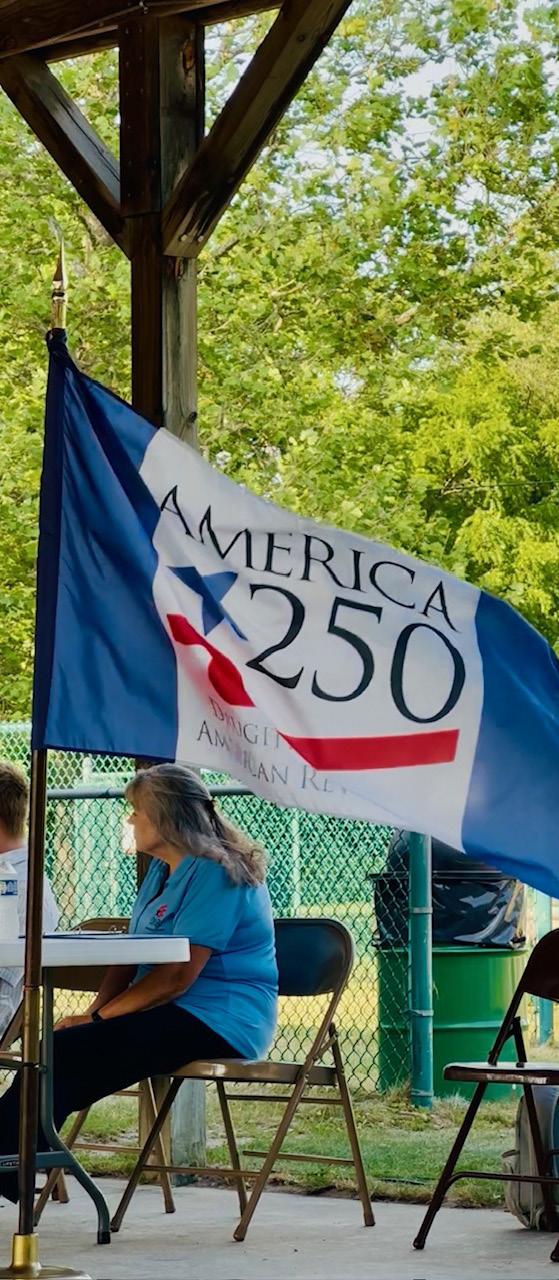
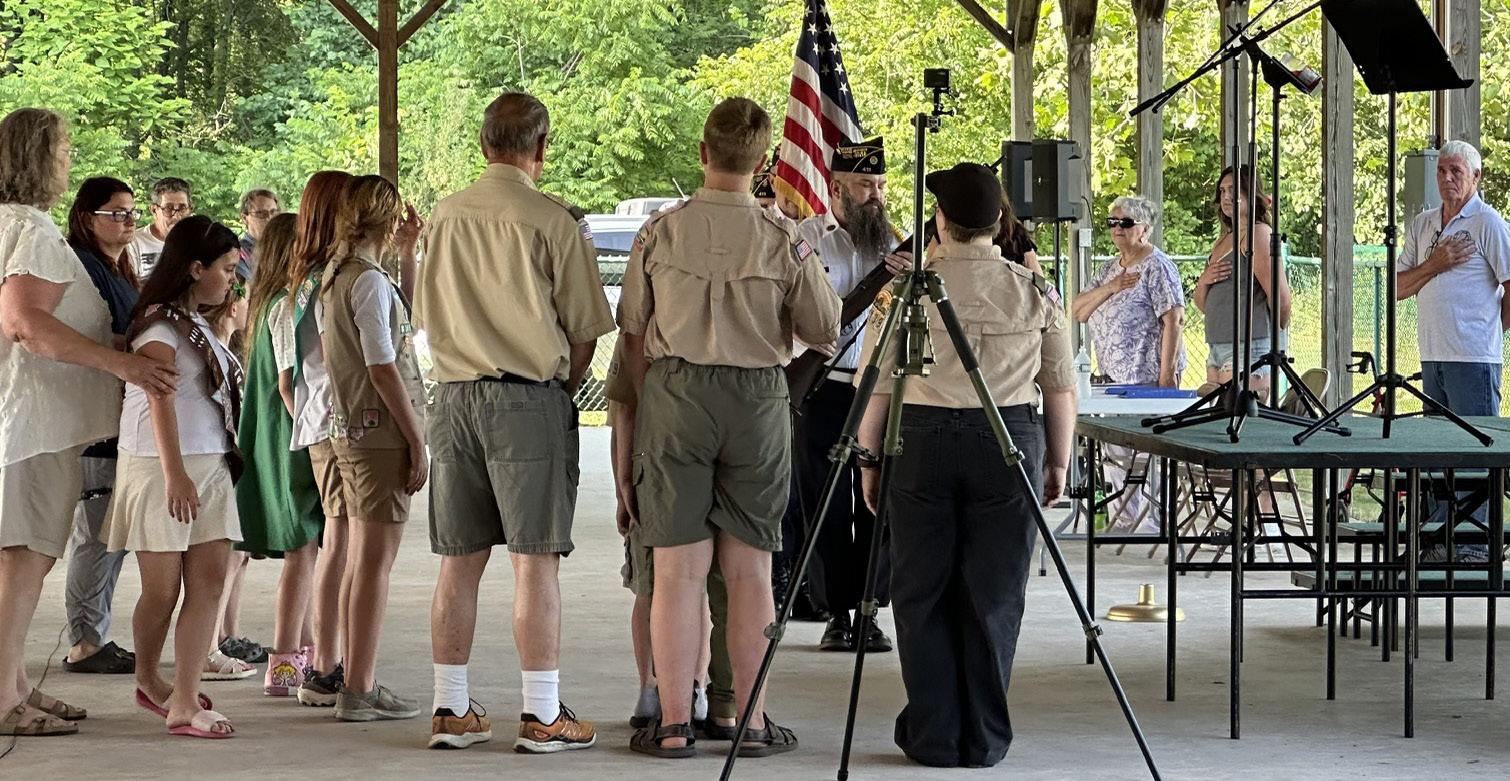
A public reading of the Declaration of Independence was recently presented in Hesperia by the America250MI organization. The group collaborated with the Historical Society of Michigan, Daughters of the American Revolution (DAR), the American Legion, the Girl Scouts of America and the Boy Scouts of America for the reading.
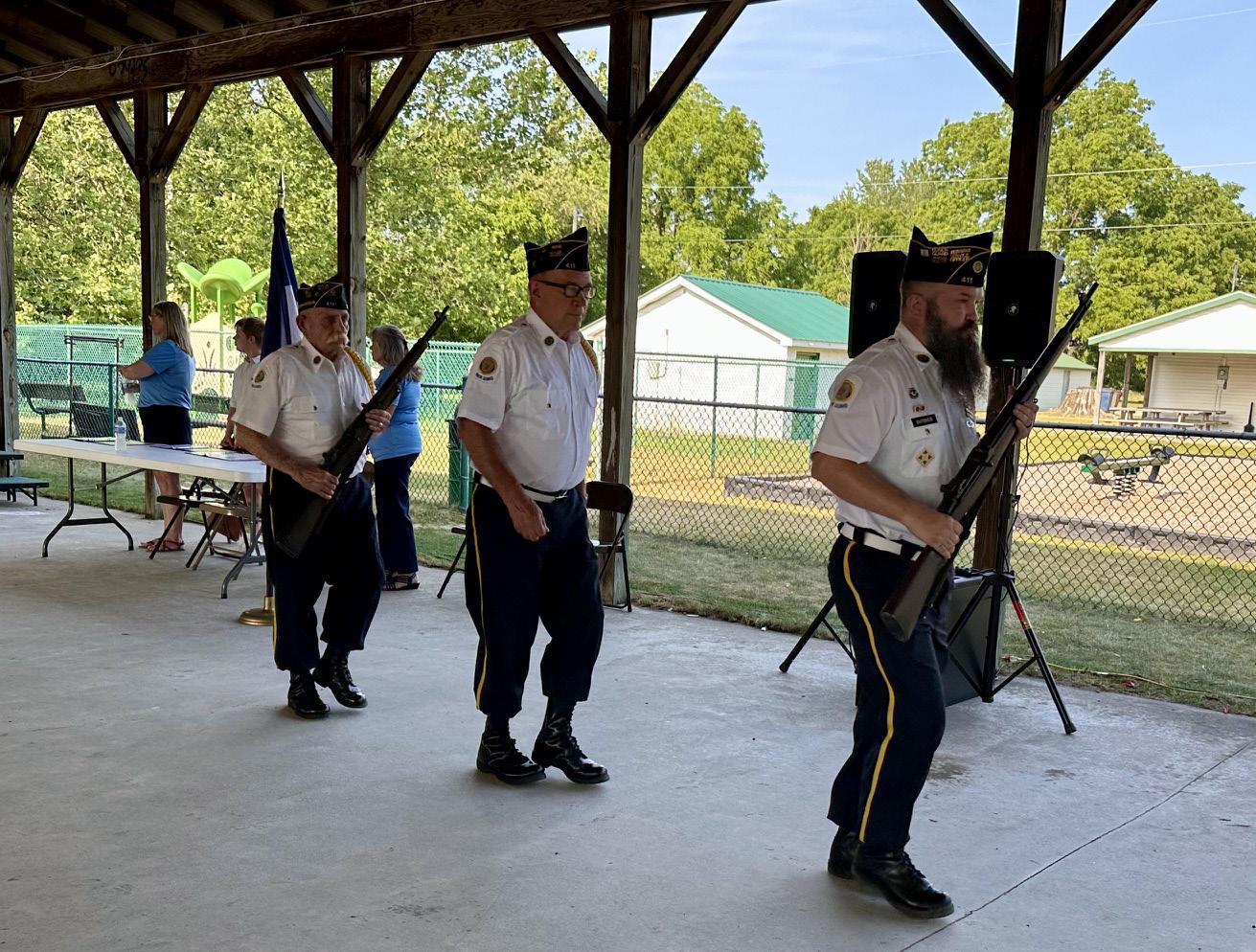
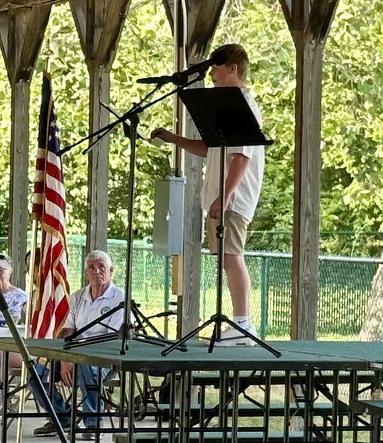
The program started with an introduction from America250MI.org partner Bob Tazelaar, a welcome from Village President Mike Farber, the presentation of colors ceremony and Pledge of Allegiance by the Hesperia American Legion and the local scout troops, and the singing of the National Anthem by Maya Beyer. The Preamble, Grievances and Declaration were then read by Laurel Sawyer, Regent of the DAR - Michigan Dunes Chapter; Nancy Rakosky of the DAR – Michigan Dunes Chapter; and Hesperia High School students Carter Fuentes and Lacey Mey. The program ended with remarks from State Representative Joseph Fox and Congressman John Moolenaar.
The event also included patriotic music by Sounds R
Us, a brief history of the Native American tribes that were settled in the region, as well as handouts with information about Chief Cobmoosa, a prominent Native American chief who lived in the Oceana County area. Attendees also went home with pocket-sized booklets of the Declaration of Independence and the Constitution of the United States.

WEDNESDAY, JULY 29







By Sharon Hallack
The Oceana Echo Community Correspondent Weather
happened without the many generous sponsors, vendors, food trucks and participants. Whether financially, with time, in-kind resources, or all three, it was a special event to be a part of!

Can June 2026 already be in the record books? While there were a fair amount of “cloudy” days recorded this past month, the temperatures finally started trending upward, plus it was sunny and breezy when the hay needed to be put up. WEEH-FM in Mears recorded 91 degrees twice this month, June 9 and June 30. The lowest June daytime high was 61 degrees on June 18. With daytime temps ranging from the high 60s all the way to the 90s, we ended the month with an average daytime temperature of 77 degrees. As far as lows, coincidentally, the lowest temperature of 44 degrees was recorded June 1; the highest “low,” a balmy 74 degrees, was recorded the last day of the month, June 30. Mears recorded a total of 5.69 inches of rain for the month, with 3.44 inches falling between June 9-12 and another 1.25 inches falling on June 17 and 18. These showers gave many crops a nice boost going into summer.
It was standing room only this past Sunday afternoon when the Oceana Singers presented their “America Celebrates 250” concert at the Shelby Congregational UCC. The 31-voice blended four-part harmonies beautifully sharing ten different songs, from patriotic favorites like “God Bless the USA” and “Stars and Stripes” to tunes like “Tea for Two and “Come Rain or Come Shine.” The Royal Ringers Bell Choir played three well-rehearsed numbers during intermission. The choir will take a break until September, when they will begin practices for their Christmas concert.
Beat the heat, as the Getty Park Splash Pad is operational once again! The village wishes to thank everyone for their patience while they waited for parts to arrive from Canada.
and everything in between at a concert in one of these outdoor venues: Music in the Garden, Wednesdays at 7 p.m. at the Main Street Spa on Hanson Street; Music on the Commons, Thursdays at 6:30 p.m. at the Hart Commons overlooking Hart Lake; and the annual Hart Heritage Preservation Group Concerts every Friday, until August 7, beginning at 7 p.m. at the corner of Lincoln and Union Streets.
The City of Hart was pleased to report at their June 9 city council meeting that the Hart Rotary Club had a very successful brick fundraising event this spring, raising $22,500 toward a new community fireplace, which will be built as part of the updated downtown streetscape.
A huge shoutout to Paul and Jami Cutter and their trusty crew of volunteers for planting flowers at the Hart Commons once again this year.
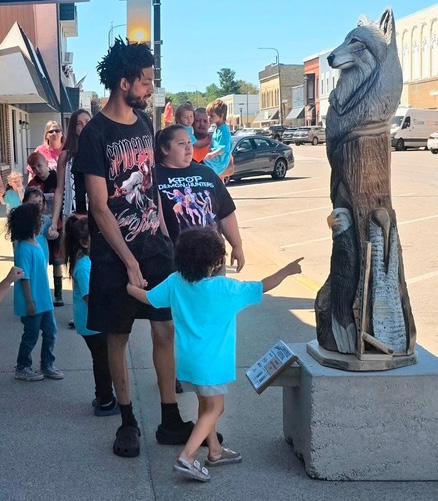
The 2nd annual CarvePrize Festival held July 10 and 11 saw many community members and visitors alike enjoying downtown Shelby while watching five different chainsaw carvers at work. Live auctions were held both Friday and Saturday, bringing in $40,000! Participating carvers were able to split their share of $32,000, with the remaining $8,000 going toward the 2027 CarvePrize Festival. Village Administrator Phil Morse commented it was wonderful to see so much community support, saying the festival could not have
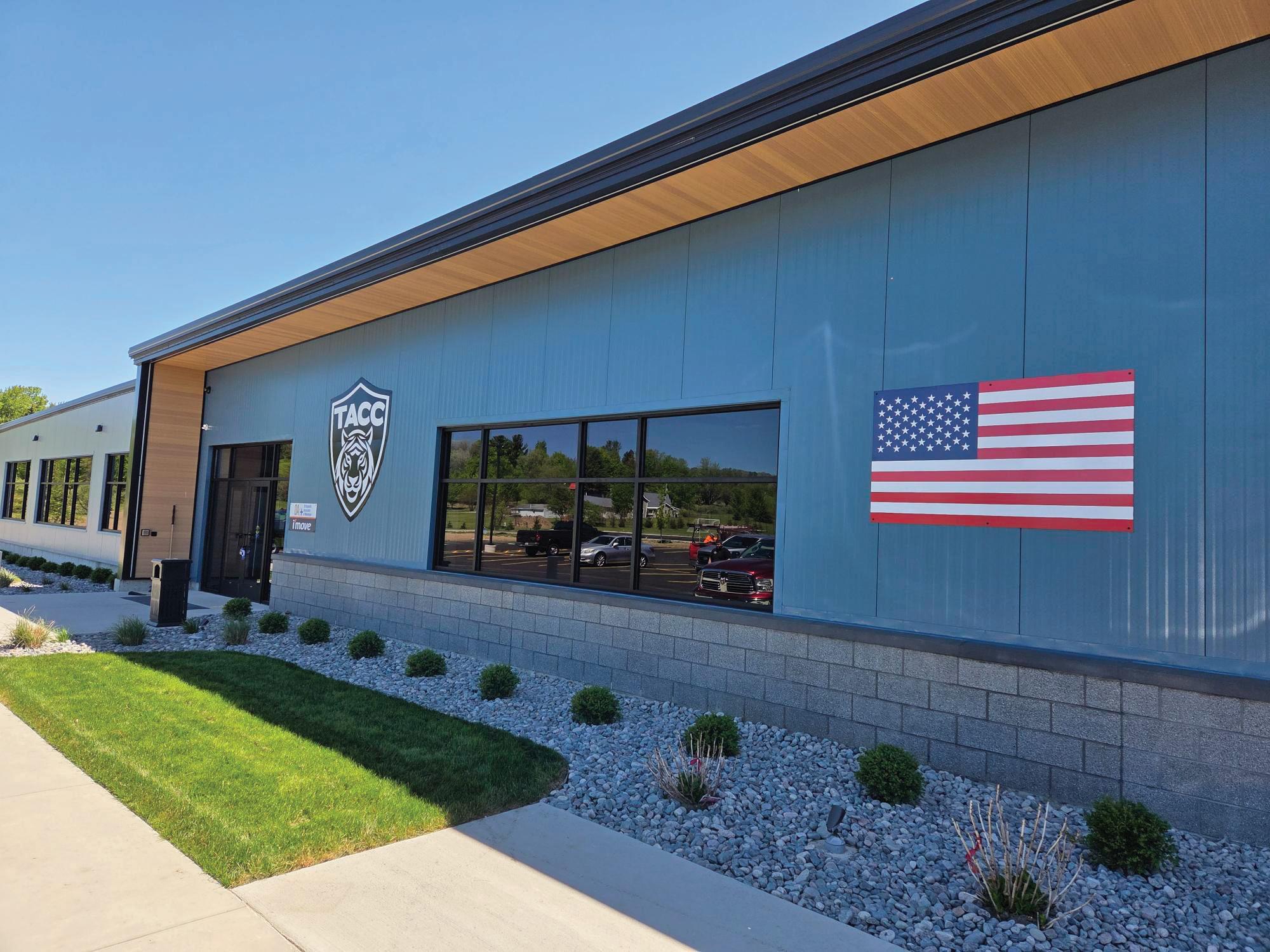
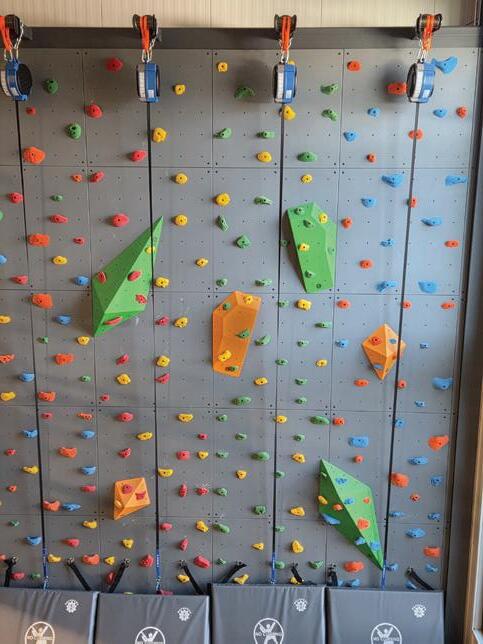
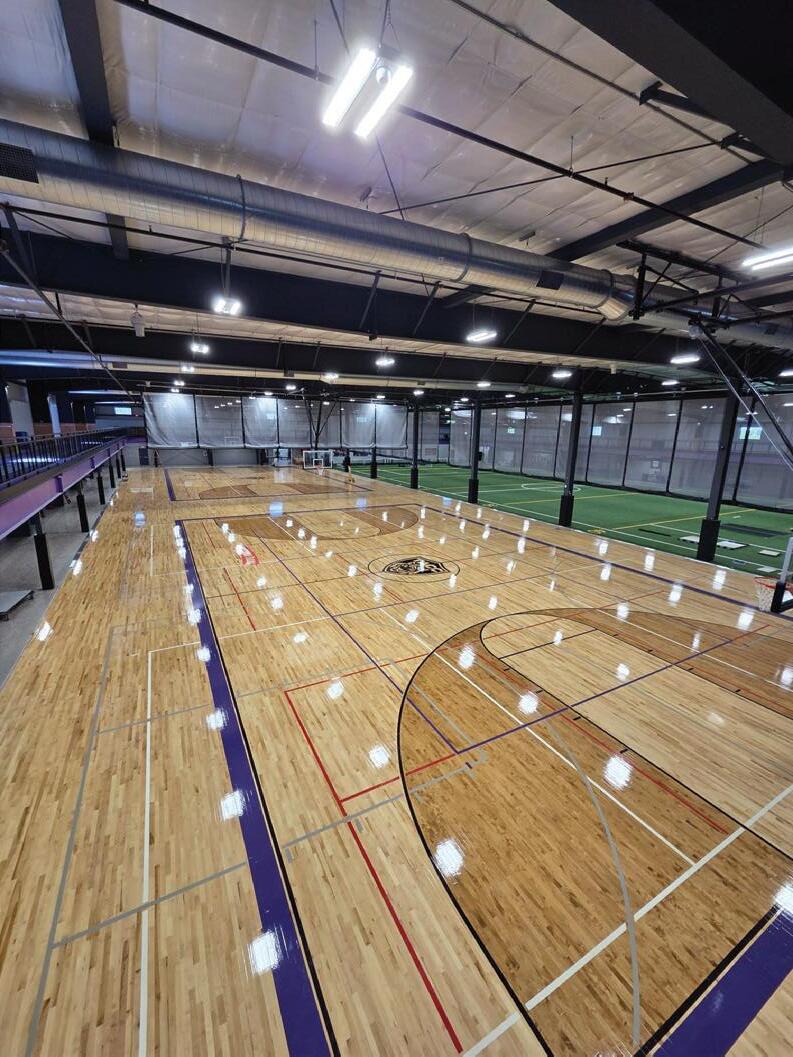
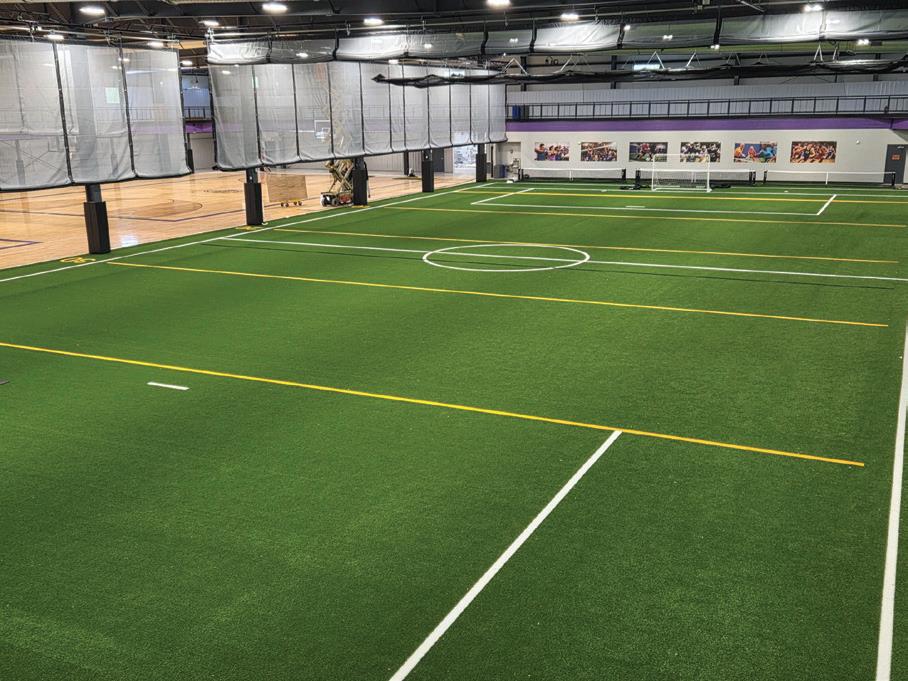
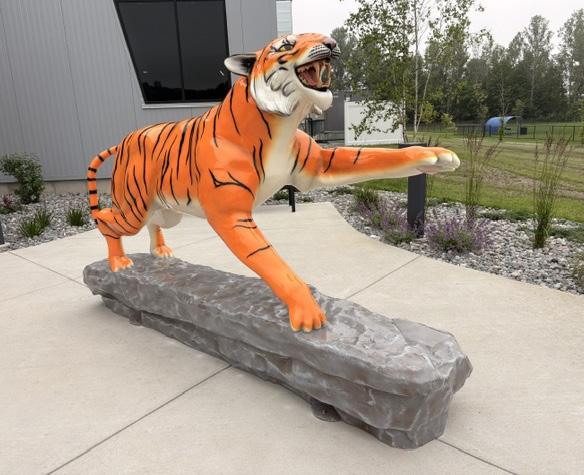
The new Tiger Athletic Community Center located in the Shelby Township Community Park is pleased to welcome Vanessa Fernandez-Torres as their general manager, Shelby alumnus McKenna Peters as their new sports manager, and Sam Romero as their new fitness center membership manager. From now until Saturday, July 25 the TACC is taking the community’s votes for their Tiger mascot’s new name (ZACC, Roary or Shelby). Vote in person at the TACC or on their Facebook page.
Three different Hart area concert series have officially kicked off for the summer. Bring a lawn chair and enjoy every kind of music from rock to country
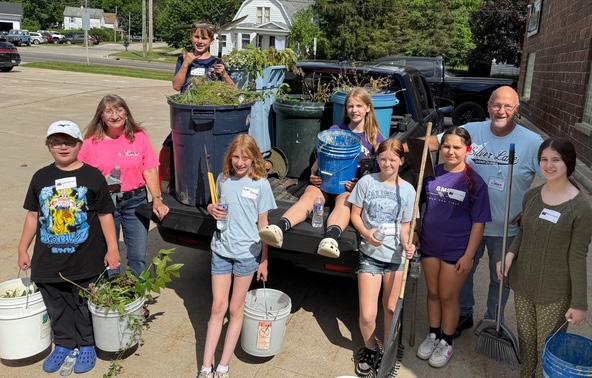
Every Thursday from 3-5 p.m. from now until August 27, 6th-12th grade members of The Ladder’s Summer Breakout program can be seen performing various acts of community service throughout the Village of Shelby. Thank you to the leaders and students for making a difference in your community this summer. Thank you to generous donors and the Shelby Optimist Club for sponsoring this great community program.


This page is brought to you by:
114 Dryden St. in Hart, Mich. 49420 (231) 873-2600
By Claire Marshall
The Oceana Echo Community Columnist
A not-insignificant number of parables from history revolve around humans valiantly trying (and mostly stupendously failing) to enact their will over nature. One such local example is the many attempts to construct a safe port on Lake Michigan. Historically, Pentwater has been the only “safe harbor” - literally and figuratively - in Oceana County, with its natural, easily dredged channel leading a short distance to Pentwater Lake.
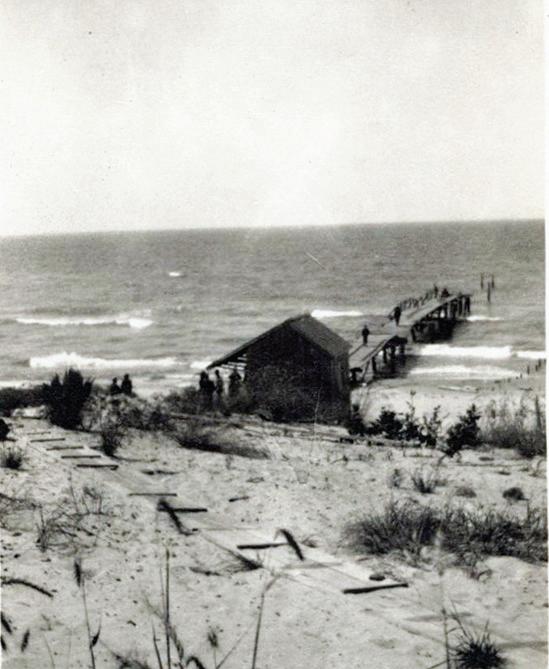
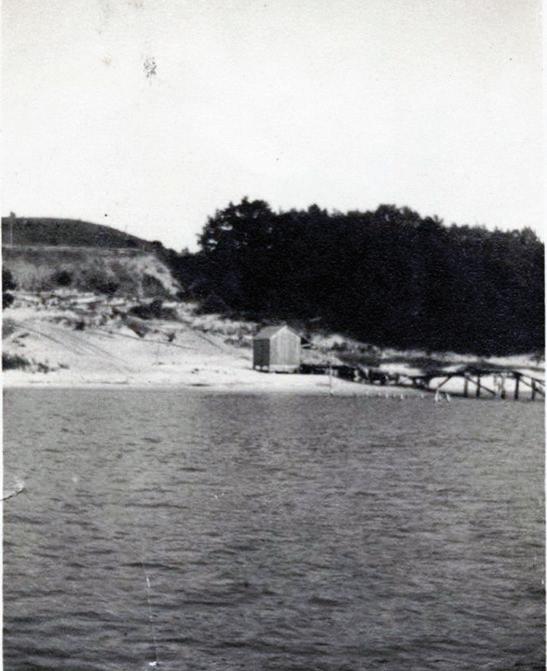
That did not stop communities such as Stony Lake from constructing a series of piers to allow vacationers access to the community by boat, and it did not stop Charles Mears’ from attempting (unsuccessfully) to dredge Silver Creek Channel. Both of these constructions were devised to make commerce and recreation easier along the beachside community popping up along the lakeshore.
For 34 years in the late 1800s, just south of Little Sable Pointe Lighthouse, a pier stretched into Lake Michigan. From it, a near straight-line road was drawn east, and a bustling commercial strip sprung up alongside it. The area, now Buchanan Road, is quiet, with Cherry Point Market and the Blackberry Ridge historic plaque
as the main landmarks. The impromptu port was known by many names throughout its three-decade tenure - the first of which is Sammons Landing.
Following the expulsion of Native Americans from the West Michigan area, the land was put up for sale by the U.S. government as “homestead” property to promote westward expansion at $1.25 an acre. By 1856, the beachfront properties belonged to a collection of names that would ring a bell as early Oceana County pioneers - Martin Tyson, Alexander Anderson, Charles Rosevelt, Harvey Tower, etc. By 1866, much of the land, amounting to 450 acres, was registered to Alonzo Hyde and his son, who served as the first and second lighthouse keepers of Big Sable Pointe from 1867-1869 and 1869-1871, respectively.
The first pier in Stony Lake was built in 1867, Pentwater’s harbor was tried and true, but if you were to travel to either of these depots from the tracts of Little Sable Pointe land, a long journey on sandy roads lay ahead of you. This was the trouble that faced anyone wanting to transport goods and travelers.
Joseph H. Sammons and Orson O. Fox came to Oceana County in 1869, purchasing property from the Hydes and forming a company together - Sammons & Fox. Sammons was in the barrel-making busi-
ness (called “cooperage”), and Fox earned a civil engineering degree from the University of Michigan. Over the next several years, the duo purchased property, milled wood, made barrels, and operated shops and housing along Stone Church Road, not far from the existing post office at Blackberry Ridge. The area quickly drew neighbors, the community becoming more populated and taking advantage of the general store selling goods from Chicago.
Much of the timber milled was used for the production of barrels, and raw materials and finished products were shipped directly from the beach where “lighters” (unpowered, flat-bottomed barges) shuttled goods back and forth between steamships moored in deeper waters.
As the dunes were cleared of timber, Sammons & Fox began cultivating peach treesand still, there was no quick, efficient way to transport the goods, especially one so perish-
able as fruit.
In February 1879, the Pentwater News announced that Sammons and Fox were preparing to build a wooden pier on the lake to serve their business ventures. The undertaking of such a project must have come as no surprise. Sammons by this time was locally renowned as a township supervisor and prosperous business man, and if you’ll recall, Fox was a civil engineer. They had the expertise, money and local sway to construct a pier. And the locals were seemingly thrilled for the project, as the news reported, “there is no place on the East shore of Lake Michigan where a pier is so badly needed for the shipment of fruit and other products, as at this point (Little Sable) and we really hope that the enterprise of Mr. Sammons in building a pier, may be crowned with success.” The pier, several-hundred feet long and sticking straight out into the lake, was completed and became known as Sam-
mons Landing.
For the next five years, Sammons (prior to the pier’s completion, Fox had left to settle in Kenosha, Wisconsin) utilized his landing as the hub of his farming and shipping business. It wasn’t just fruit, grains and general store goods that passed through Sammons Landingseveral passenger ships, such as the steamship Gracie Barker, docked at the pier. Sammons Landing even acquired Blackberry’s Ridge post office, with Sammons as postmaster.
However, by 1884, the sudden and prolonged illness of Sammons’ wife Betsey compelled him to return to Kenosha as well. The post office was still operational, but the rest of Sammons’ business ventures were slowly forgotten, and soon the pier too was washed away by the lake.
But that was certainly not the end of Sammons Landing and the Blackberry Ridge community, as, in years following, other ambitious business men would tackle the pier and become (temporary) king of Little Sable Pointe. And trust that we will discuss them in the following weeks.
Special thanks to Mark Thomas, who thoroughly researched this subject (two whole binders, and he’s not even done!), brought it to my attention and provided the photos included. As always, history is a communal study!
By Phil Carter The Oceana Echo Agricultural Consultant
We usually start with what is “Ripe In the Land of Oceana." This month the focus is looking in the rearview mirror and reviewing what was ripe in the Land of Oceana before moving on. The asparagus season is a wrap. A slow harvest start saw a lack of product to meet demand, with Peru and Canada filling the gap. Grower returns went down until weather events improved production. The season was somewhat longer than normal, and
growers were mostly satisfied overall.
Strawberry season had a slower start, with production down due to cold weather. Prices were slightly higher with few quality issues, and on a positive note, it could have been worse.
Corn and soybean planting had a slow start, and again, cool wet conditions early on delayed planting emergence. As warmer conditions began, improvement was noted. The old corn standard of knee-high by the Fourth of July found most fields exceeding that. Nitrogen side-dressing applications and warmer weather contributed to
better growth.
Orchard bloom was a 180-degree turn from 2025. High temperatures and a short blossom time in 2025 found cooler bloom temperatures and an extended blossom in 2026. Several cold nights at critical bloom times either killed flowers or weakened them, resulting in a poor set. Tart cherries took the brunt of undesirable weather, with the smallest crop many had not historically seen before. While there are limited locations with a good crop, many producers are leaving harvesting equipment in the sheds this season. Depending on insurance
adjusters' appraisals, harvest will happen to meet policy requirements. Sweet cherries saw better conditions but are still a shorter crop than desired. May rainfall of 2 inches was much less than the almost 10 inches in April. Once the June temperatures reached the mid- to high-80-degree level, insect populations increased rapidly and now should slow until the next generation of bugs begins.
"Share the road" is my constant reminder to drivers to remain alert at all times so everyone can return home safely every evening.