
TRI-STATE DEFENDER

tsdmemphis.com

tsdmemphis.com
By James Coleman TSD Contributing Writer
After several delays, a new model for arbitrating labor disputes between the City of Memphis and its unionized employees is nearing approval.
City Council members crafted a scaled-down proposal during a Tuesday, March 3, committee session that would limit disputes to a single arbitrator.
amendment does.”
“That arbitrator will hear it on brief. What that means is the employee associations and city administration will present any information they have to the arbitrator. The arbitrator will then make a decision based on the documentation,” Smiley said.
POSTMASTER: Send address changes to The Tri-State Defender, 1509 Madison Ave., Memphis, TN, 38104.
GENERAL INFORMATION: Inquiries may be submitted in writing or by calling (901) 523-1818 or by email.
TELEPHONE: (901) 523-1818.
The Tri-State Defender (USPS 780-220) is published weekly. The Tri-State Defender 1509 Madison Ave. Memphis, TN, 38104. Second-class postage paid in Memphis, TN.
A vote was postponed to allow city workers time to review the changes. The amended measure will require only one vote for approval. A vote is scheduled for March 24.
“Whether they read it or not, they have it. They will have it in one week. If it comes back with some changes, we can vote on it then,” said sponsor JB Smiley Jr.
Labor disputes are currently resolved by a panel of three arbitrators, with the council voting on their recommendations. The existing impasse procedures were adopted in 1979.
Smiley’s proposal would allow both sides of a dispute to present a nominee for arbitrator. After reviewing each selection, the council would vote on a nominee. Members could also reject both options and choose a different arbitrator.
The measure would also require the mayor’s office to provide financial information on the city’s ability to fund pay raises and other costs related to a contract settlement. That information is not currently provided to city workers.
“They like the fact that we are requiring the administration to provide them with economic data in advance,” City Attorney Alan Wade said. “They also suggested that they would have preferred if we eliminate the committee meetings and in essence push everything to the end, which is what this
The arbitrator’s findings would then be presented to the council chair, followed by a presentation to the full council. Members would vote to accept or reject the decision based on its contents.
Smiley described the revision as a “cost-effective” solution to future disputes. He worked with Wade on much of the rewrite.
Under the current system, the impasse panel hears from both sides before making a recommendation. A council vote against the recommendation nullifies it. Wade’s edits would leave council members with a single recommendation to accept or reject. The decision would then be incorporated into the following year’s budget proposal.
Council member Chase Carlisle said he was satisfied with the outcome, as did Jeff Warren. Both had wanted to cast an initial vote and make any necessary changes in subsequent votes. Still, some members expressed concern that city workers should have an opportunity to weigh in before a vote.

By Dr. Benjamin F. Chavis, Jr. NNPA Newswire
Throughout Black History and Women’s History months this year we have emphasized that one of the best ways to celebrate history is to make more history. Black excellence and leadership in all fields of endeavor are rising as the nation takes account of the 250th Anniversary of the United States of America.
The National Newspaper Publishers Association (NNPA) representing the Black Press of America is pleased to formally announce the launch of our 2026 “Leadership Matters” video series. Working in collaboration with Events DC and PKB Enterprises, with corporate support, we were able to professionally produce six exclusive 30-minute video interviews with some of the nation’s most effective and transformative leaders who are making a positive difference in science and technology innovations, healthcare engagement, and political empowerment and public advocacy.
The NNPA is the national nonprofit
trade association of 253 local African American-owned newspapers and multimedia companies that service the top 50 major media markets in the U.S. 2027 will mark the 200th Anniversary of the Black Press of America since the first publication Freedom’s Journal on March 16, 1827, in New York City.
As content producers and distributors, the NNPA is very conscious of the challenges that face all news media today with many local “mainstream” newspapers, radio and TV stations making decisions to shut down their operations.
Because NNPA member publications with their print, digital and social media platforms as well remain the “trusted voice” of the communities we serve, the distribution and presentation of the “Leadership Matters” series over the next six weeks will not only enhance the NNPA’s national brand but also will provide timely and much needed motivational content for all Americans on the importance of authentic and dedicated leadership.
One of the outstanding national leaders that we interview is the newly
elected chairman of the Congressional Black Caucus (CBC), the Honorable Congressman Troy A. Carter who represents Louisiana’s 2 nd Congressional District in New Orleans. Congressman Carter is a freedom-fighting leader in Congress. Yes, “Leadership Matters.”
We begin the diverse series with dynamic and candid interviews with the Honorable Congressman Gabe Amo, representing the 1st Congressional District in Rhode Island, and healthcare professional Dr. Yasmine Wahdan of Bayer.
For the next six weeks and beyond the “Leadership Matters” video series will be repeatedly broadcast on NNPA’s BlackPressUSA - The Voice of the Black Community and on numerous NNPA member publishers’ social media channels across the nation in addition to being highlighted in NNPA print publications.
The following are the other national leaders who have been filmed for the NNPA “Leadership Matters” series: the Honorable Congressman James Clyburn, D-S.C., and Rhon-
da Mims, executive vice president of AmeriHealth Caritas; the Honorable Congressman Troy A. Carter, and Fred Humphries, corporate vice president of U.S. Government Affairs for Microsoft; the Honorable Congressman Steven Horsford, D-Nev., and Dr. Steven Johnson, executive vice president of Events DC; the Honorable Senator Angela Alsobrooks, D-Md., and Mamar Gelaye, vice president of Amazon; and the Honorable Governor Wes Moore of Maryland.
We are grateful for the support and sponsorship from Amazon, Microsoft, Events DC, AmeriHealth Caritas, Bayer, and PKB Enterprises, whose generosity made possible the production and distribution of the “Leadership Matters” video series.
View week one of the series here: WATCH: Week One – NNPA’s “Leadership Matters” Video Series – BlackPressUSA
Dr. Benjamin F. Chavis, Jr., President and CEO of the National Newspaper Publishers Association (NNPA) can be reached at dr.bchavis@nnpa.org.
By Sophia Tareen and Matt Brown Associated Press
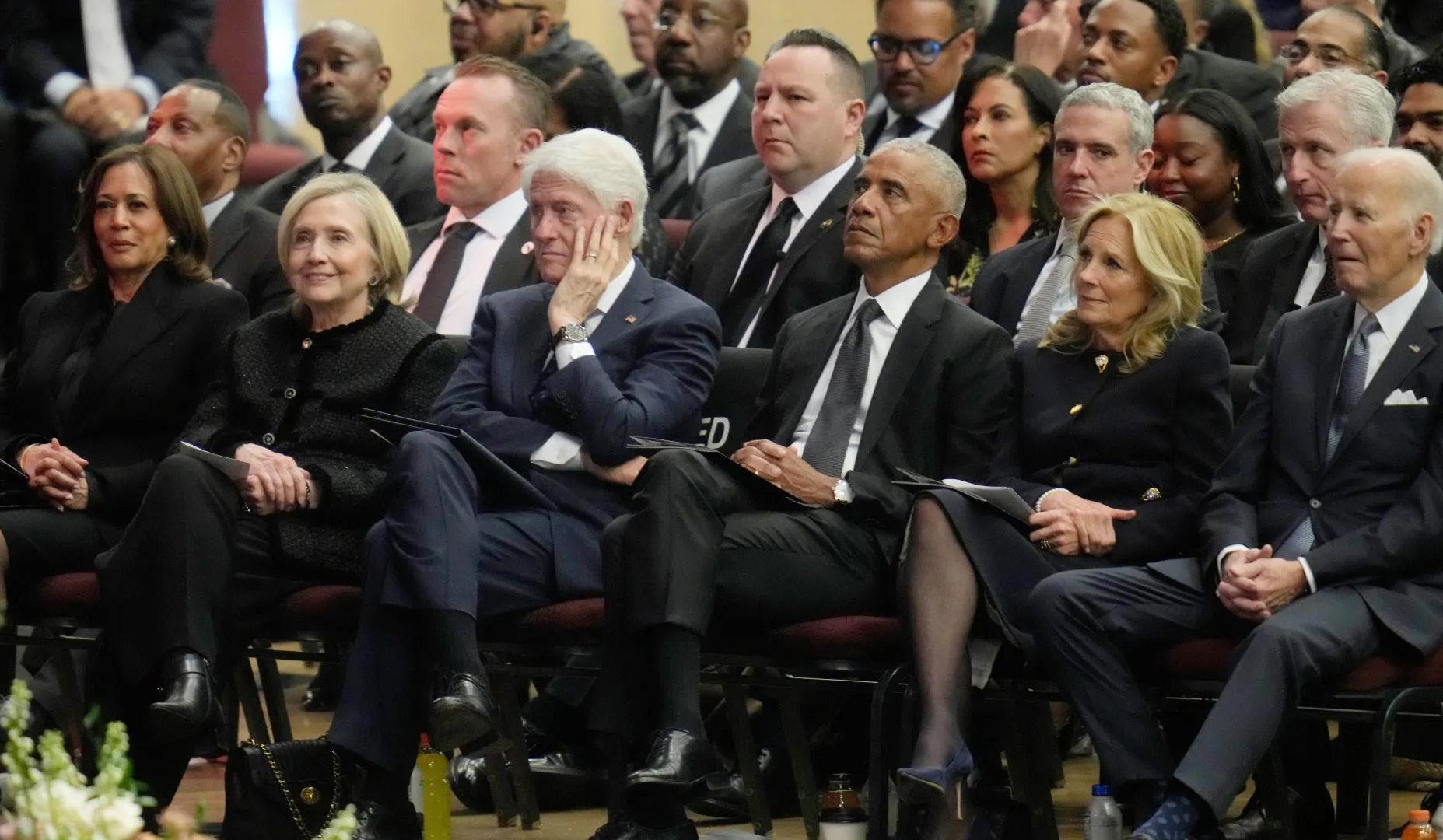
CHICAGO (AP) — From former presidents to an NBA Hall of Famer to prominent pastors, stories of the Rev. Jesse Jackson Sr.’s influence on politics, corporate boardrooms and picket lines loomed large Friday at a celebration honoring the late civil rights leader.
The public tribute — with appearances by Grammy-winning gospel singers and Jennifer Hudson — felt at times like a church service and others like a political rally. Many, from former President Bill Clinton to the Rev. Al Sharpton, a civil rights leader and founder of the National Action Network, likened Jackson’s death to a call to action, from speaking out against justice to voting in the midterms.
Former President Barack Obama said Jackson’s presidential runs in the 1980s set the stage for other Black leaders, including his own successful 2009 presidency and reelection.
“The message he sent to a 22-year-old child of a single mother with a funny name, an outsider, was that maybe there wasn’t any place or any room where we didn’t belong,” Obama said to the boisterous crowd of thousands. “He paved the road for so many others to follow.”
The event drew a slew of elected U.S. leaders. Other notable attendees included actor and producer Tyler Perry, California Gov. Gavin Newsom, Colombian President Gustavo Petro, and political activist and theologian Cornel West. Detroit Pistons great and Chicago native Isiah Thomas also spoke at the event that lasted five hours.
The crowd gave an especially warm welcome to Obama, who launched his political career in Chicago, and credited Jackson with keeping him on his toes. He said he was grateful to Jackson
for providing a “legacy of hope” in contrast with the current Republican leadership in Washington.
“We are living in a time when it can be hard to hope,” Obama said. “Each day we wake up to some new assault to our democratic institutions. Another setback to the idea of the rule of law, an offense to common decency. Every day you wake up to things you just didn’t think were possible.”
Clinton said Jackson made him a better president, while former Democratic Vice President Kamala Harris talked about Jackson’s inspiring 1980s presidential runs and showed off campaign memorabilia she had kept from them.
Former President Joe Biden also spoke during the service.
President Donald Trump, who praised Jackson on social media after he died and also shared photos of the two of them, did not attend.
Thousands attend Jackson memorial service
The event honoring the protege of the Rev. Martin Luther King Jr. and two-time presidential candidate followed memorial services that drew large crowds in Chicago and South Carolina, where Jackson was born. Friday’s celebration — at House of Hope church with a 10,000-seat arena — was
the largest.
Attendees waited in long lines outside the church as television screens played excerpts of some of Jackson’s most famous speeches. Inside, vendors sold pins with his 1984 presidential slogan and hoodies with his “I Am Somebody” mantra.
Marketing professional Chelsia Bryan said Friday that she decided to attend for the “chance to be part of something historic.”
“As a Black woman, knowing that someone pretty much gave their life, dedicated their life to make sure I can do the things that I can do now, he’s worth honoring,” Bryan said.
Jackson Jr.: Everyone has a Jackson story
Jackson died last month at age 84 after battling a rare neurological disorder that affected his mobility and ability to speak. His final public appearances included the 2024 Democratic National Convention in Chicago.
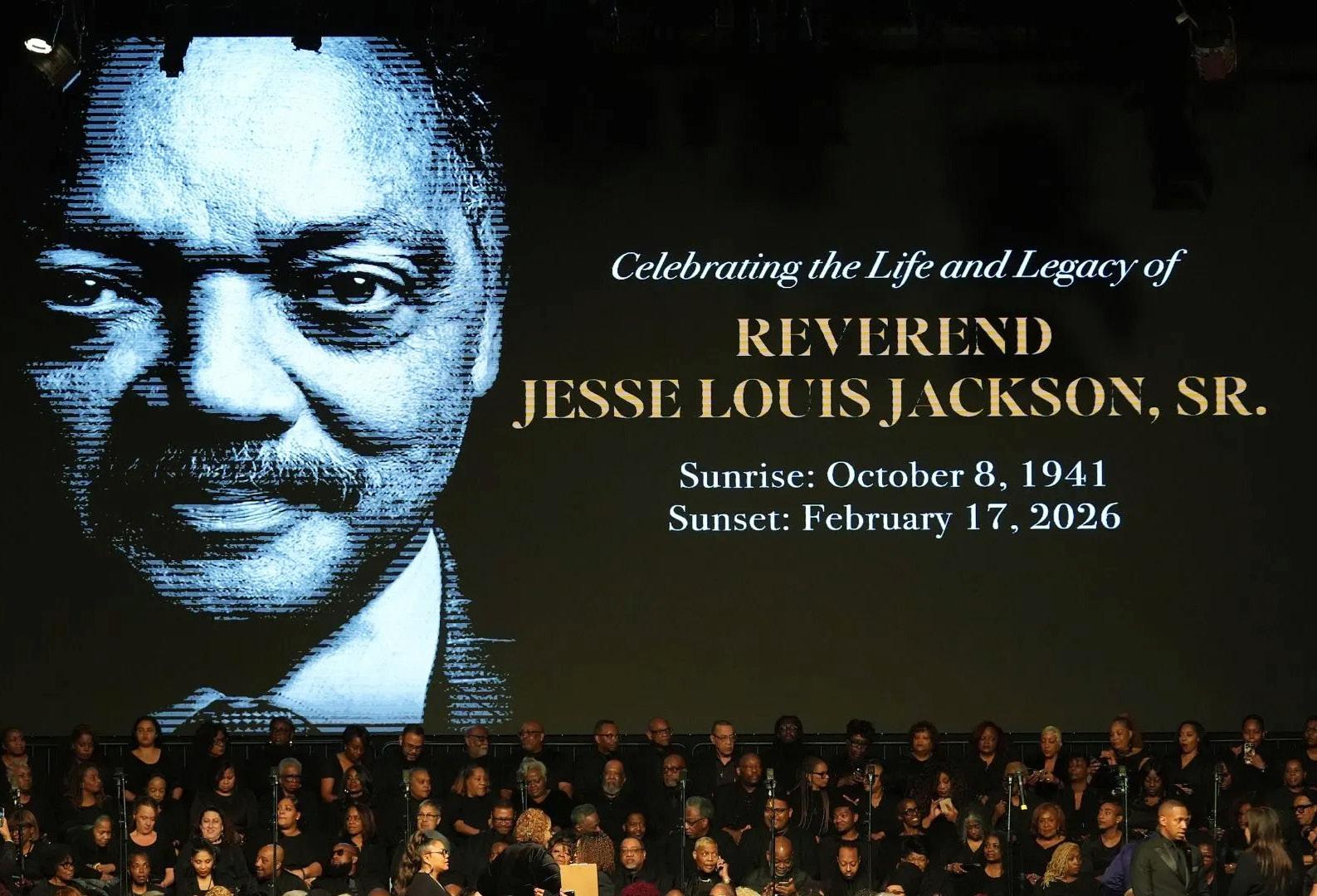
“Every single person in here has a Jesse Jackson story,” his eldest son, Jesse Jackson Jr., said to the crowd. “The time he shook your hand, the time he prayed for you, the time he held you up, the time he prayed the funeral for somebody you know ... and he prayed you to a new course of existence.”
Sitting in the crowd was 90-year-old Mary Lovett. She said Jackson’s advocacy inspired her many times, from when she moved from Mississippi to Chicago in the 1960s, taught elementary school and became a mom. She voted for Jackson during his presidential runs and appreciated how he always spoke up for underrepresented people.
“He’s gone, but I hope his legacy lives,” she said. “I hope we can remember what he tried to teach us.”
Jackson’s service was to the poor,
Jackson’s pursuits were countless, taking him to all corners of the globe: Advocating for the poor and underrepresented on issues including voting rights, health care, job opportunities and education. He scored diplomatic victories with world leaders, and through Rainbow PUSH Coalition, he channeled cries for Black pride and self-determination into corporate boardrooms, pressuring executives to make America a more open and equitable society.
Sharpton, who considered the late reverend a lifelong mentor, said he hoped attendees would take home
some of the “Jackson fire.”
“Don’t sit here so holy and sanctified and act like you have no assignment yourself,” he said to the increasingly boisterous crowd. “We didn’t come this far to turn around now.”
Another son, Yusef Jackson, who runs the Rainbow PUSH Coalition, recalled how his father carried a wellworn Bible but also showed his faith by showing up to picket lines.
“He lived a revolutionary Christian faith rooted in justice, nonviolence and the moral righteousness,” he said. “He was deeply involved in the political struggles of his time, but his gift was that he could rise above them. It’s not about the left wing or the right wing. It takes two wings to fly. For him, the goal was always the moral center.”
A final homegoing service was scheduled for Saturday at Rainbow PUSH Coalition.
Services in Washington, D.C., were tabled after a request to allow Jackson to lie in honor in the United States Capitol rotunda was denied by House Speaker Mike Johnson, who said the space is typically reserved for select officials, including former presidents.

By Candace A. Gray TSD Contributing Writer
Women leaders across industries gathered Tuesday, March 3, to launch Women’s History Month with a call to collaboration, courage and conviction at the annual Women’s Initiative Network breakfast hosted by the Memphis Medical District Collaborative (MMDC), now in its tenth year. Held at the Memphis Botanic Gardens, the event brought together executives, entrepreneurs and community advocates for a time dedicated to advancing women’s leadership in Memphis and learning how that leadership can shape the future and success of Memphis.
Rory Thomas, MMDC president and CEO, opened the breakfast by underscoring the organization’s commitment to equity within the Medical District and the broader community. He introduced vice president, Keesa Smith, noting her tenure with the collaborative since its earliest days and her role in shaping the Women Inspiring the Narrative program, known as WIN. “This work has always been about building an ecosystem where everyone can thrive,” Thomas said.
Before the panel began, Mayor Paul Young gave remarks and acknowledged the women in his life who positively influence him and move our city forward. He made a clarion call for women to come together, saying it takes everyone to make change and make Memphis a city that people will continue to love and serve.
Serving as panel moderator was Candace Stewart, vice president of business operations and head of external affairs for the Memphis Grizzlies,
who acknowledged she was stepping outside her comfort zone to lead the conversation. Stewart kept the discussion focused on practical lessons while inviting panelists to reflect candidly on obstacles and breakthroughs.
The panel featured Shante Avant, CEO of the Women’s Foundation for a Greater Memphis and a Shelby County commissioner; Marta Self, executive director of Regions Foundation; Jen Andrews, CEO of Shelby Farms Park Conservancy; and Dana Pointer, CEO of PreserverPartners.
Stewart’s first question was about overcoming adversity. Avant spoke openly about a recent incident in which she was victimized during a county commission meeting, an experience that drew public attention and tested her resilience. She emphasized the importance of having community during moments of adversity.
“It’s the village that helps hold you up,” Avant said. “You also need people around you who are willing to give critical feedback, not just those who love you and compliment you, but those who give you a different perspective,” she added.
Stewart asked the panel what barriers exist that keep women from positions of power. Andrews noted that most CEOs in the United States remain white men. That reality, she said, makes collaboration among women and allies essential.
Self encouraged attendees to pursue knowledge even when they feel unqualified. “Even if you don’t know something, learn about it,” she said.
Self recounted how she networked to learn more about what everyone in her company did and stepped into her current role with the support of a male
CEO who advocated for her, despite the position not being publicly posted. The experience reinforced for her the importance of both preparation and champions in positions of influence.
Andrews shared that she had not initially planned to apply for the CEO role at Shelby Farms. Remaining open to unexpected opportunities, she said, proved pivotal. “Staying open and being resourceful matters,” Andrews said.
Stewart asked how the group handled boundaries in business.
Andrews said earlier in her career, she said yes to nearly every request. She eventually recognized that overcommitment can undermine effectiveness and lead to burnout. Learning to set boundaries, and to say no, became a critical leadership skill, she said.
Regarding mentorship and sponsorship, Pointer drew a distinction between mentors and sponsors, arguing that both are necessary for advancement. Mentors, she said, help draw out talents and insights that individuals may not yet see in themselves. Sponsors, by contrast, “speak your name in rooms you’re not in,” she said. “It’s important to have both.”
Throughout the discussion, collaboration emerged as a recurring theme. Whether in philanthropy, public service or corporate leadership, panelists agreed that collective effort strengthens individual impact.
Stewart asked panelists to impart final inspirational thoughts.
“The battle is in your mind,” Self said. “We have to challenge the narratives we tell ourselves.”
“Women belong in all places … ,” Andrews said, echoing part of a quote attributed to Supreme Court Justice Ruth Bader Ginsburg.
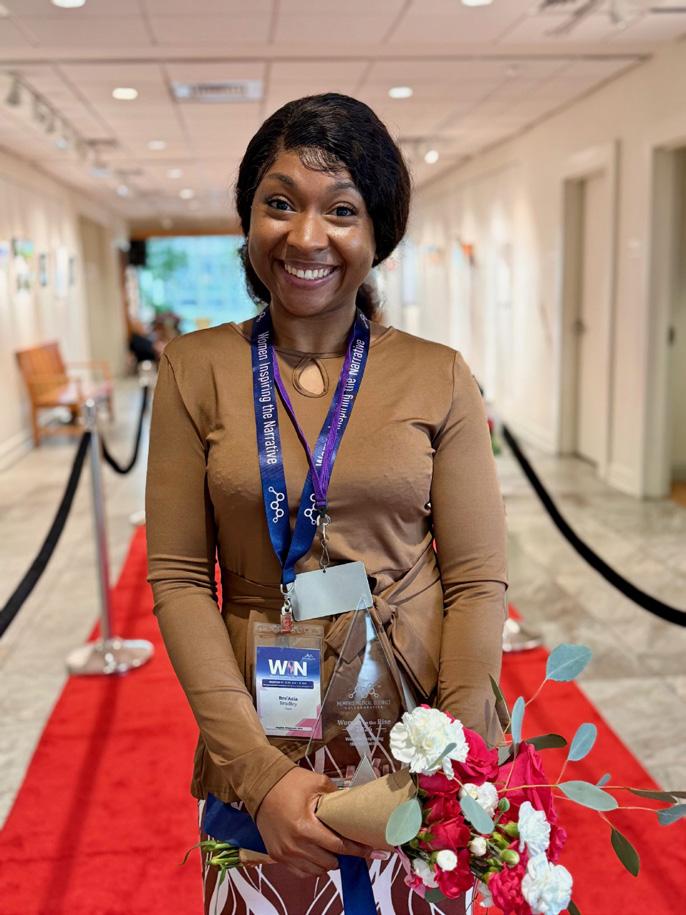
Bre’asia Bradley, founder of BEATS (Bringing Epilepsy Awareness to Society), receives the 2026 Woman on the Rise Award from the Women’s Initiative Network on Tuesday, March 3. (Candace A. Gray/Tri-State Defender)
Pointer: “Stop second-guessing yourself. You belong.”
Avant offered a challenge that guides her work: “If not me, then who? If not now, then when?”
Stewart also added a note of aspiration, telling the audience “If your dreams don’t scare you, they’re not big enough.”
The breakfast also included recognition of two women for their leadership and vision. Last year’s award recipient, Dr. Joann Massey, CEO of EDGE, presented this year’s honors.
Named 2026 Woman of Vision was Tish Towns of Regional One Health, a 2025 TSD Best in Black awardee, who believes quality health care is a right, not a privilege. Her colleague, Lori J. Evans, president of the Junior League of Memphis, received the award on her behalf.
The 2026 Woman on the Rise award went to Bre’asia Bradley, founder of BEATS, Bringing Epilepsy Awareness to Society, an advocacy organization focused on education and support for individuals living with epilepsy.
The program ended, appropriately, to the sounds of “All I Do Is Win,” by DJ Khaled and T-Pain.
By James Coleman TSD Contributing Writer
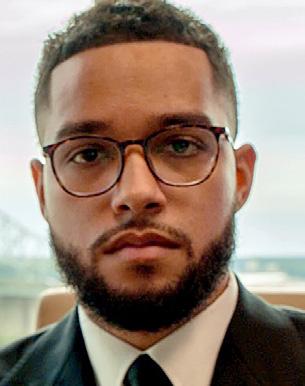
Shelby County’s Board of Commissioners is up to its full complement after Matthew Szalaj was appointed to the open District 9 seat with a 9-3 vote to close out the meeting Monday, March 9.
The 24-year-old special assistant to Memphis Mayor Paul Young, Szaalaj is the youngest person to serve on the commission. He will finish the term of former commissioner Edmund Ford Jr., who resigned after pleading guilty to federal money laundering charges.
“I really appreciate all of your consideration and support. I am very excited to work alongside you all and learn from you all,” said Szalaj.
The City of Memphis Office of Intergovernmental Affairs employee was appointed by Young when he took office in 2024. Szalaj previously worked as a real estate affiliate broker with CryeLeike. He holds a bachelor’s degree in finance from the Fogelman College of Business and Economics at the University of Memphis.
During the interview process, he informed commissioners his priority during the temporary “assignment” is to “pass a county budget.”
Szalaj is one of 10 candidates who applied for the short-term spot. He was the second name drawn out of the hat, after being nominated by District 2 Commissioner David Bradford. He emerged in the third round of the appointment process after capturing eight votes.
Commission rules require an interim candidate to receive a majority of votes. If seven votes aren’t netted, the nomination process is reopened. Following the vote, commissioners agreed to suspend the rules and appoint Szalaj by acclamation.
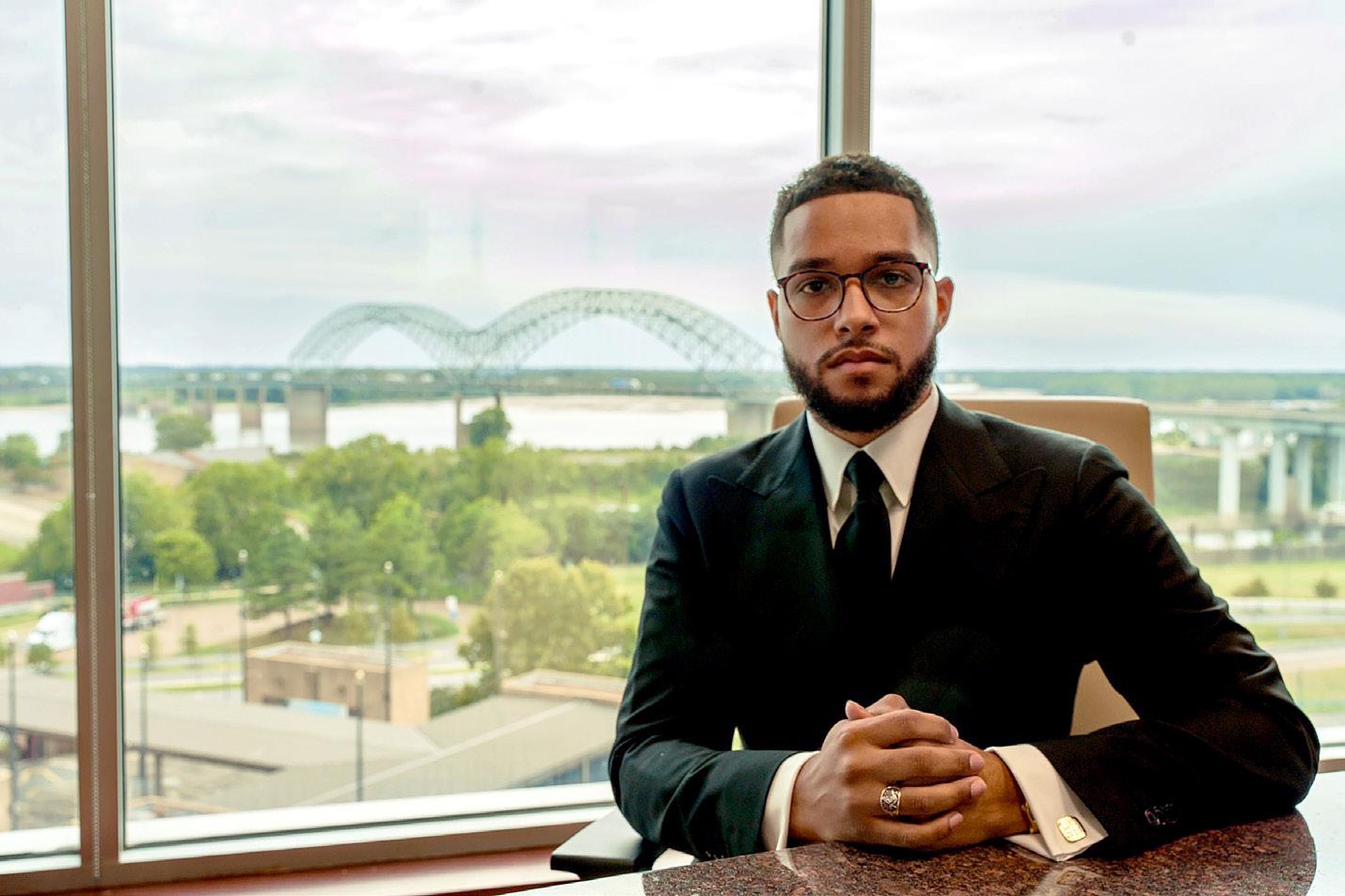
The other contender was Rasheedah Jones, who tallied three votes in the final round. A real estate agent, Jones is also a board member of the Memphis and Shelby County Community Redevelopment Agency. She was nominated by Commissioner Charlie Caswell.
Voting in favor of Szalaj were Amber Mills, Mick Wright, Brandon Morrison, Mickell Lowery, Miska Clay Bibbs, Michael Whaley, Chairwoman Shante Avant and Bradford. Britney Thornton initially passed on the third-round vote but added to the total after Whaley cast the deciding vote. Jones received votes from Henri Brooks, Erika Sugarmon and Caswell.
“I would like to thank all of the candidates that have offered themselves for public service. Please note that we understand this is not a small feat for you to take the initiative to support the appointment of an interim position for the county commission seat for District
9,” said Avant.
Szalaj and Jones moved on to the final round after outpacing former Memphis City Council member Patrice Robinson in the second round. Szalaj gathered five votes to Jones’ four. Robinson, who was nominated to the Tennessee Valley Authority board in 2023 but was not confirmed by the U.S. Senate, fell short with three votes. She was nominated by Morrison. Commission rules limit the third round to the two top vote-getters.
The trio were among the seven candidates nominated by commissioners before first-round voting began. The other nominees were Dr. Sharon Webb, former commissioner James Harvey, Cordova Middle School assistant principal Andreanna Williams and activist KeShaun Pearson.
In a surprise move, Lowery opted to vote for Szalaj despite nominating Pearson for the position. The switch
ultimately cost Pearson a trip to the second round. A few votes later, Whaley cast the only vote for Pearson.
Commissioners had an opportunity to interview the hopefuls during the previous committee meeting Wednesday, March 4. Apparently, they left the sit-downs impressed with the list to choose from. Prior to the vote, Avant requested a suspension of the rules if a candidate didn’t emerge with a clear majority in the final round. It was approved without objection.
“We appreciate your time and your effort and hope that you continue to work with Mr. Szalaj on behalf of District 9 and the great work that can be done,” said Avant.
Meanwhile, the candidates who submitted applications but failed to be nominated were Barnell Conley, Roderick Blunt and Jonathan Lewis. The latter pair also are candidates in the District 9 primary.
Blunt is a former candidate for Tennessee House District 86 who lost a 2023 special election to Rep. Justin Pearson, and Lewis is an appraiser with the Shelby County Assessor’s Office. Nevertheless, their ambition may have weighed against them in the interim race.
During the run-up, several commissioners suggested they would not support applicants who also appear on the 2026 ballot. The remaining primary field includes Jonathan Smith, Karen Streeter, Kharl-Ray Massey, Ricky Dixon and Sam Echols.
Szalaj’s term will expire Sept. 1.
In addition to giving up his seat on the commission, Ford is banned from running for office in the future. It was his second term. The commission has been operating with 12 members since his resignation. Ford previously served as a member of the Memphis City Council.
By Kim Chandler Associated Press
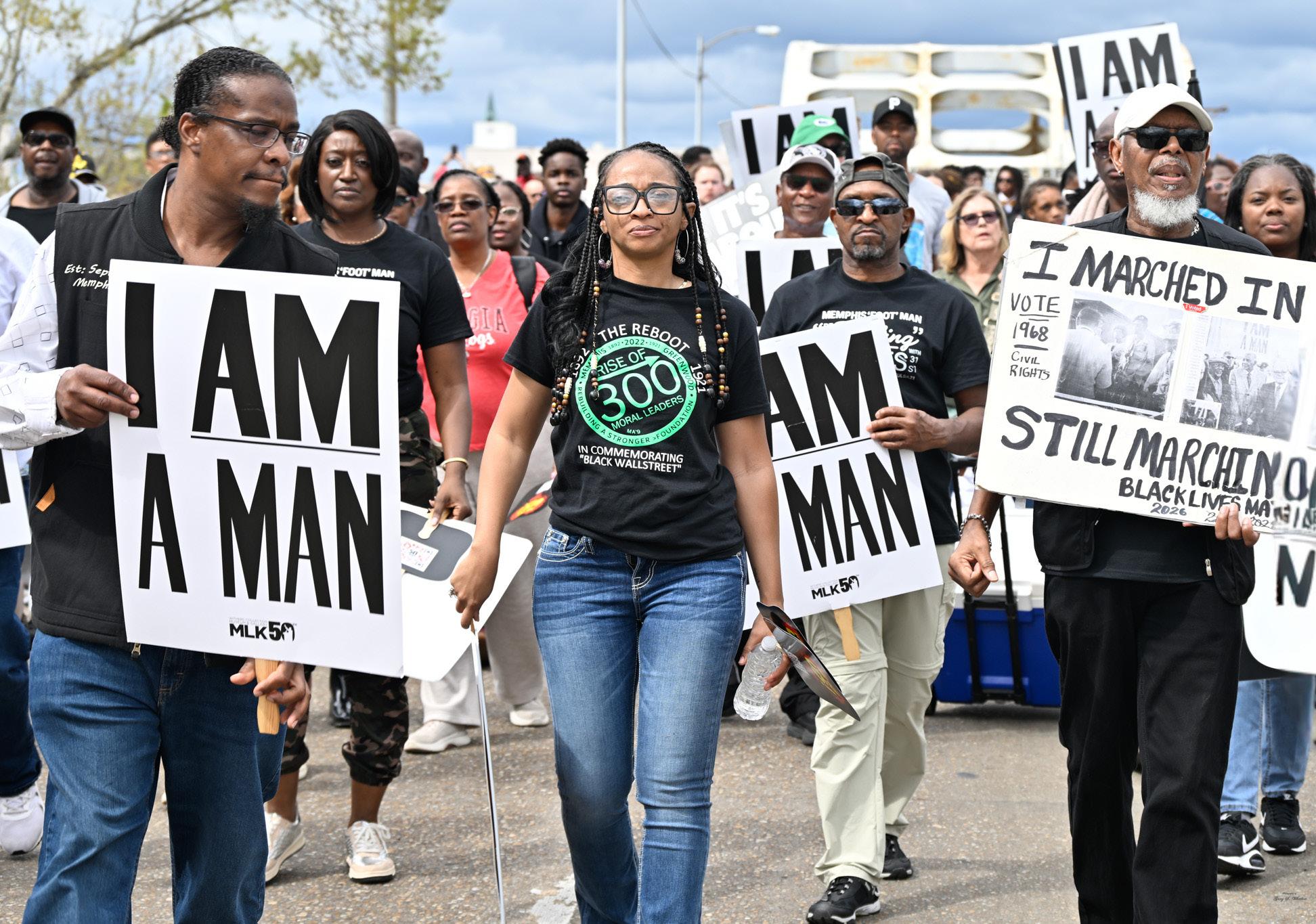
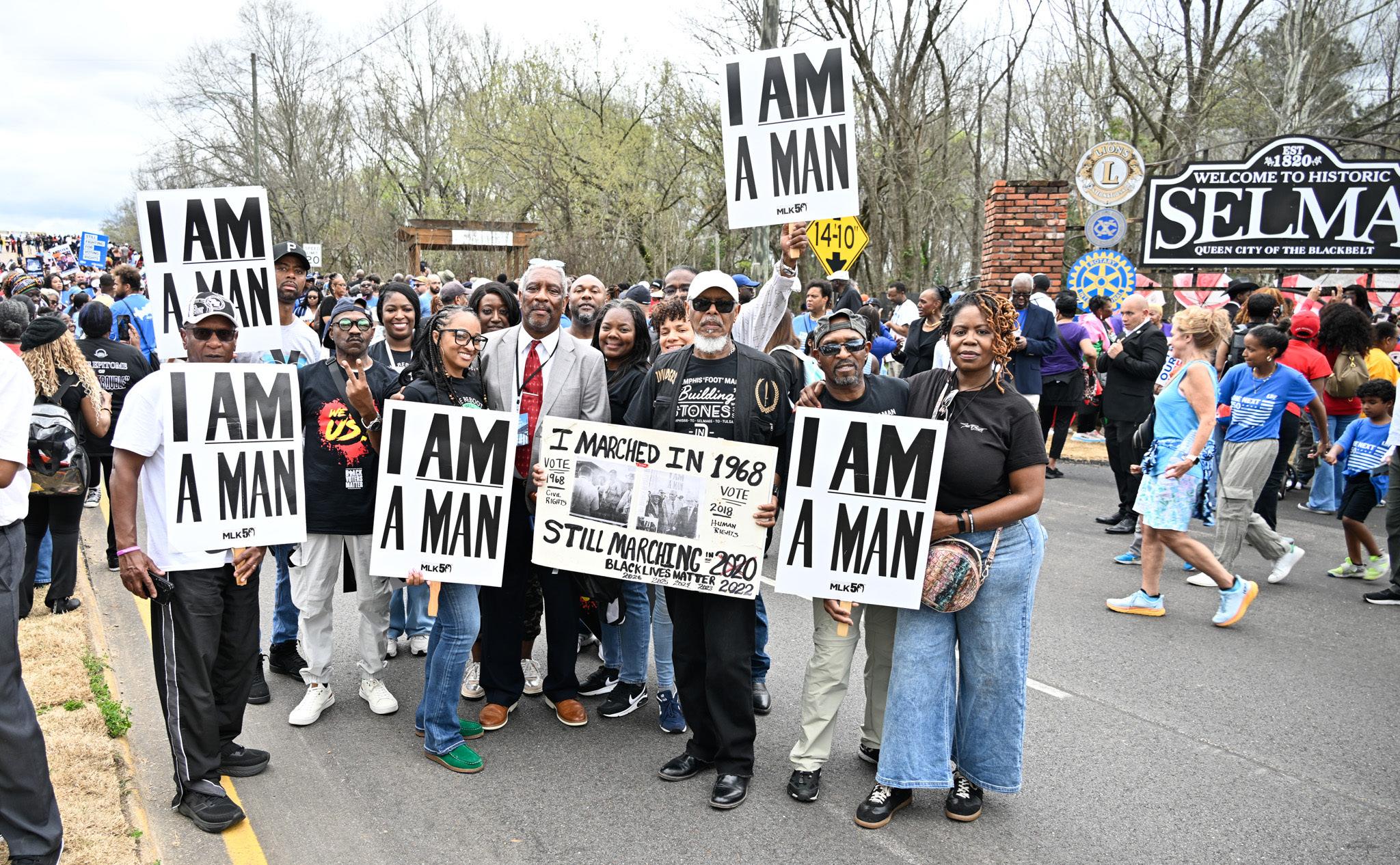
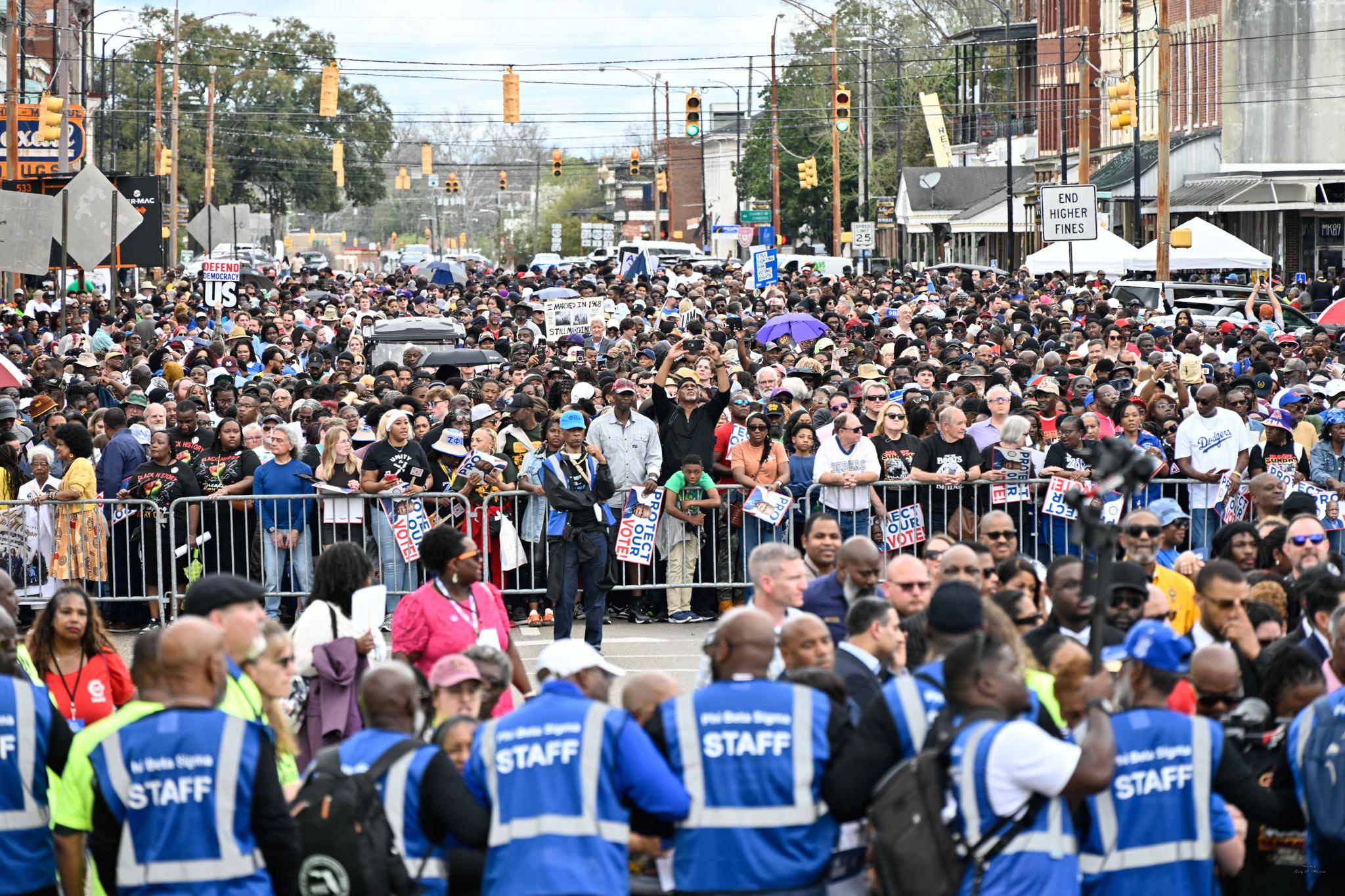
SELMA, Ala. — Sixty-one years after state troopers attacked Civil Rights marchers on the Edmund Pettus Bridge in Selma, thousands gathered in the Alabama city the weekend of March 7-8 amid new concerns about the future of the Voting Rights Act.
The March 7, 1965, violence that became known as Bloody Sunday shocked the nation and helped spur passage of the landmark legislation that dismantled barriers to voting for Black Americans in the Jim Crow South.
The anniversary was celebrated in this city that served as a crucible for the voting rights movement, with events through the weekend ending with a commemorative march across the bridge Sunday. But the commemoration came as the U.S. Supreme Court is considering a case that could limit a provision of the Voting Rights Act that has helped ensure some congressional and local districts are drawn so minority voters have a chance to elect their candidate of choice.
“I’m concerned that all of the advances that we made for the last 61 years are going to be eradicated,” said Charles Mauldin, 78, one of the marchers beaten on Bloody Sunday.
Former and current Democratic officeholders, civil rights leaders and tourists descended on Selma to pay homage to the pivotal moment of the Civil Rights Movement and to issue calls to action. Speakers warned of the looming court decision and criticized the Trump administration’s actions on immigration and efforts to roll back diversity, equity and inclusion.
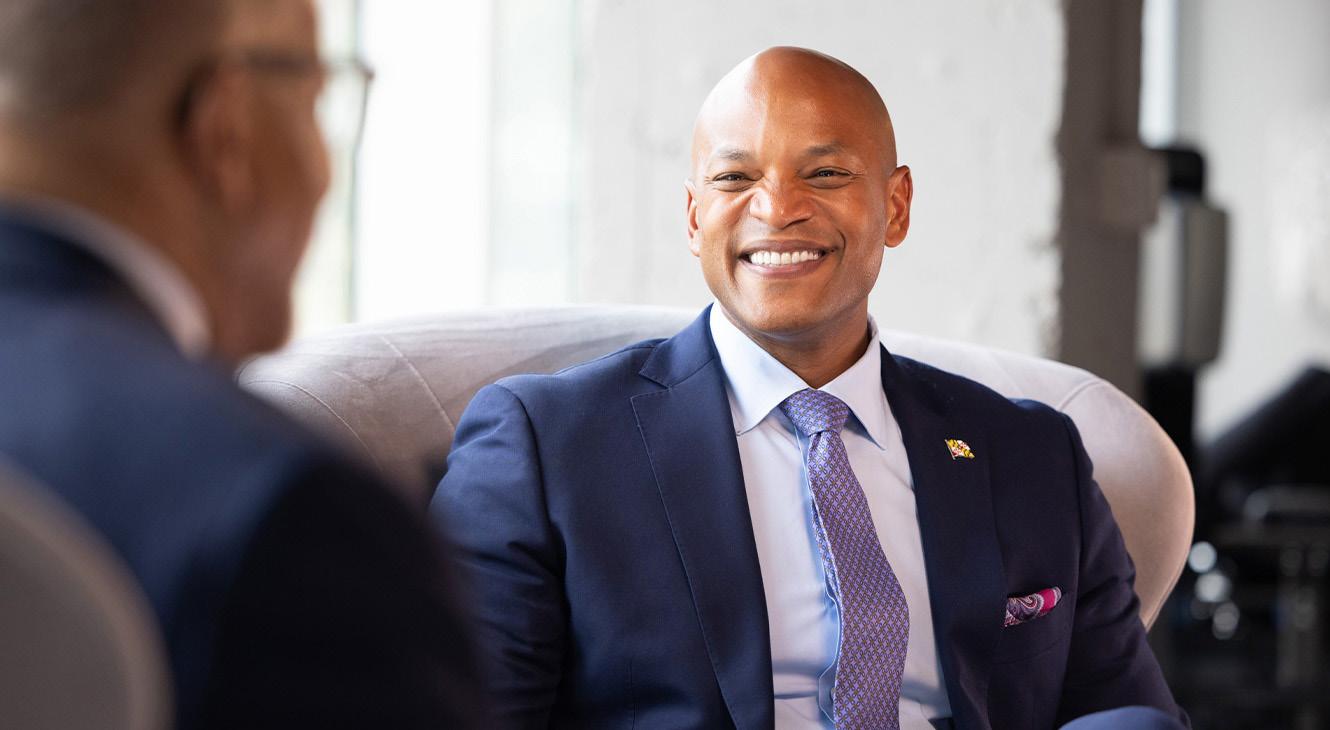
Standing at the pulpit of the historic Tabernacle Baptist Church, Maryland Gov. Wes Moore, said that like the marchers on Bloody Sunday, they must press forward.
“Years after Bloody Sunday, the progress that stemmed from that sacrifice is now being rolled back right in our faces,” the governor said. Moore is the nation’s only Black governor currently in office.
“We are choosing this fight because those who
marched across the Edmund Pettus Bridge deserve better than us cowering while the freedoms that we inherited and they fought for, are being ripped away,” Moore said.
Illinois Gov. JB Pritzker, speaking at a rally at the foot of the bridge, said racism is on the rise in America and “Trump’s Supreme Court is gutting the Voting Rights Act.”
“Let’s march forward today with the knowledge that we are the inheritors of the faith that brought marchers to the bridge 61 years ago. It is now on us to bend the arc of the moral universe toward justice,” Pritzker said.
The annual commemoration in Selma was a mix of a civil rights remembrances, church services and a
street festival filled with vendors and food trucks. It was also part political rally with an eye on November’s midterm elections and a longer view to the 2028 presidential race.
The commemoration included a tribute to the late Rev. Jesse Jackson, the civil rights leader and twotime presidential candidate who regularly attended the annual Selma march. He died on Feb. 17 at age 84. Yusef Jackson said his father’s legacy will be carried forward. “In November, we will go back to the polls and take our government back, setting our country on the right path,” Jackson said.
The looming court decision cast a shadow over the festivities. Justices are expected to rule soon on a Louisiana case about the role of race in drawing congres-
line up for a
ON
with the group Memphis
sional districts. A ruling prohibiting or limiting that role could have sweeping consequences, potentially opening the door for Republican-controlled states to redistrict and roll back majority Black and Latino districts that tend to favor Democrats.
U.S. Rep. Shomari Figures won election in 2024 to an Alabama district that was redrawn by a federal court to give Black voters a greater voice. His district will likely be targeted if the state gets the opportunity to redraw lines. He said what happened in Selma and the subsequent passage of the Voting Rights Act “was monumental in shaping what America looks like and
House
how America is represented in Congress.”
In 1965, the Bloody Sunday marchers led by John Lewis and Hosea Williams walked in pairs across the Selma bridge headed toward the state capital of Montgomery. Mauldin, then 17, was part of the third pair behind Williams and Lewis.
At the apex of the bridge, they could see the sea of law enforcement officers, including some on horseback, waiting for them. But they kept going.
“It wasn’t that we didn’t have fear, it’s that we chose courage over fear,” Mauldin recalled.
A crowd of several thousand filed behind elected
officials on Sunday for the march across the bridge, this time protected by state law enforcement officers. James and Dianne Reynolds drove from Montgomery for the annual commemoration. James Reynolds, 79, was a high school student in Selma and worked with the Student Nonviolent Coordinating Committee helping to set up demonstrations in Selma. He said he sees echoes of the past in efforts to restrict voting, such as curtailing mail-in voting and absentee voting.
“When you look at what’s going on today, we’re still fighting for the right to vote,” Reynolds said.
By Lee Eric Smith TSD Contributing Writer
In a moment when economic development language is under scrutiny nationwide, the Mid-South Minority Business Continuum’s repositioning invites questions — and reflection.
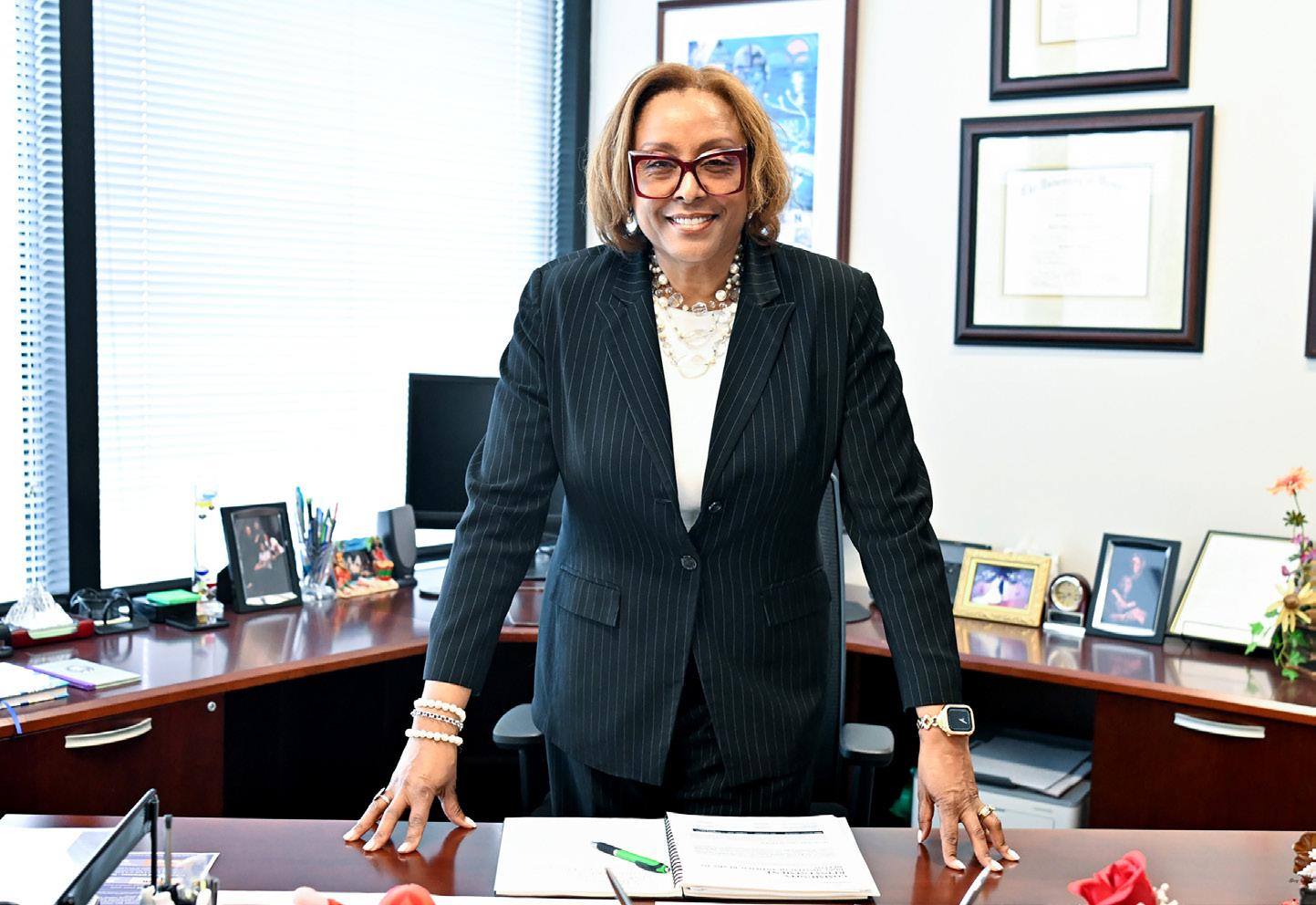
CEO Jozelle Luster Booker insists the transition this month to The MidSouth Business Continuum is not about retreat or rebranding for optics. Instead, she says, it’s about refining how the organization describes the work it has been evolving toward for years — systems over slogans, competitiveness over programs, measurable outcomes over messaging.
In a conversation with the Tri-State Defender, Booker addressed the political climate, artificial intelligence, the impact of tariffs and what it means for Memphis to define its own economic future — not in comparison to other cities, but on its own terms.
What follows is a lightly edited transcript of that discussion.
TSD: Congratulations on the rebranding. In broad terms, what brings us to this point? What drives the need for a rebrand and strategic adjustment?
Booker: It’s really a way for us to share with the greater community who we are and what we’ve been doing. When you’ve been in the marketplace for over 40 years, people get familiar with what they think you do. And we’ve evolved over time.
I’ve been here almost nine years, and
MMBC has always been good at connecting businesses to corporations. But now, when we sit down with a small business, we’re able to look at them through the same lens as a procurement officer would use. That’s expanded our offerings and how we prepare them for success.
— Jozelle Luster Booker
just thinking about how we’ve continued to evolve — the relationships we have, how we serve both the corporate side and the small business side. There are so many occasions where we sit down with people and they say, “Wow, I had no idea that’s what you all do.”
We had Ford Motor Company come into the market and tell us, “We work with organizations all across the country, and we’ve never come across an organization that does what you all do.”
And then we talk to people here in Memphis who we think knew what we do — and they don’t. So part of this repositioning is acknowledging that gradual evolution. People who were connected with us five or 10 years ago would see a new entity today.
TSD: For someone who thought they understood MMBC 10 years ago, what are the top ways it’s different now?
Booker: One, we now have in-house public procurement experience — someone who has sat across the table from companies evaluating suppliers. That lens changes how we prepare businesses.
MMBC has always been good at connecting businesses to corporations. But now, when we sit down with a small business, we’re able to look at them through the same lens as a procure-
ment officer would use. That’s expanded our offerings and how we prepare them for success.
We’ve also institutionalized new tools, systems and applications that allow us to scale. We’ve increased our readiness offerings, our business development support. It’s much more than a directory now. It’s lifecycle development.
When you think about the business lifecycle continuum, everybody starts at a different place. It’s based on your experiences in life and business. We
meet them where they are, onboard them onto the continuum and create a plan for where they’re trying to go.
TSD: There’s a national pushback right now against initiatives that even resemble DEI. Some people might look at this name change and wonder if it’s connected to that. How do you respond?
Booker: Regardless of what you call it or don’t call it, I am not a proponent of program language. I’m a proponent of system and process language.
If the business is not qualified, capable and competitive, it doesn’t matter if a (DEI) program exists. Everybody in the city could have a DEI program — nothing changes if the business hasn’t been prepared foundationally.
So we start with assessment. Where is that business? Do they have past performance? Do they have access to capital? Can they execute? That’s what this work is about.
At the end of the day, if you’re not ready, it doesn’t matter what program exists.
TSD: People like to compare Memphis to Atlanta. But unlike Atlanta, Memphis sits at the intersection of multiple states. Different laws, different systems. Does that create challenges?
Booker: We’ve already tested that. We’ve delivered services in six states before. The infrastructure of a business is the same.
Registration requirements may differ. Licensing may differ. But what it takes to be qualified, capable and competitive — that’s the same.
TSD: You’ve said Memphis shouldn’t compare itself to Atlanta.
Booker: We’re not Atlanta. We’re Memphis.
When you create jobs, you give people hope. You improve quality of life. You strengthen neighborhoods. This work is a strategic investment in economic development. If you believe in Memphis and want it to be what we know it can be for future generations, come invest.
TSD: It’s been about a decade since Memphis and Shelby County planners and developers launched the Memphis 3.0 comprehensive plan. What does
Memphis 3.0 look like to you 10 years in?
Booker: Any aggressive, transformative project or program is going to take time. It may even take that long, because you have to see what works. What sounds good on paper doesn’t always work in practice. You have to test partnerships. You have to test relationships.
We want everything done right now. We want all the problems solved right now. But transformation takes time. We have to be patient.
There are a lot of things happening. Could more happen? Of course. You’re always going to have people who say it could’ve been done better this way or that way. But we have to continue to invest, ask the questions, hold people accountable — and then course-correct or re-engineer where we have to.
TSD: Artificial intelligence is accelerating everything — productivity, scaling, even displacement. How are you positioning businesses for that?
Booker: First, we make a conscious decision not to be afraid of it.
We have a meeting scheduled with a corporate partner to talk about AI in procurement systems. Internally, we’re interested in AI agents because we’re a small organization. I’ve told my staff not to be intimidated by AI but to look at how it can help them do their jobs better.
We don’t just share information. We show people how to implement and execute. That’s where change happens — when you see the ROI.
TSD: There’s economic uncertainty — tariffs, policy shifts. How does that land on the businesses you serve?
Booker: When tariffs first came into play last year, we called a partner and asked him to put together workshops. We had one workshop for corporate procurement officers to give them a framework to evaluate tariff-driven cost increases. And we had another for small businesses — how to present those cost increases transparently and clearly.
When we see something that’s going to impact businesses, that’s what we do. We huddle, we assess and we act.
1509 Madison Ave. Memphis, TN 38104 PH (901) 523-1818
HOURS: Mon.-Fri. 9 a.m. - 5 p.m.
DEADLINES: Display ads Friday 5 p.m. Classifieds ads Monday 5 p.m.
STANDARD RATES: $8.00 per line for 1 column ad.
Rates are non-commissionable and are quoted at the net rate. No refund for early cancellation. For additional information contact Sales Dept. at (901) 746-5201 or email: advertising@tsdmemphis.com.
THE TRI-STATE DEFENDER assumes no financial responsibility for errors nor for copy omission. Direct any classified billing inquires to (901) 523-1818.
Shelby County Government has issued Sealed Bid number 202614, FY26 Fleet Replacement Vehicles. Information regarding this Bid is located on the County’s website at https:// oneconnectbids.shelbycountytn.gov/. At the top of the home page, click on the dropdown box under “Business”, Click on “Purchasing” and “Bids” to locate the name of the abovedescribed Sealed Bid.
SEALED BID 202614 DUE DATE MONDAY APRIL 13, 2026 AT 2:00 PM CST (SB-202614) FY26 Fleet Replacement Vehicles (Roads and Bridges)
Shelby County is an equal opportunity affirmative action employer, drug-free with policies of non-discrimination on the basis of race, sex, religion, color, national or ethnic origin, age, disability or military service. By order of
LEE HARRIS, MAYOR SHELBY COUNTY GOVERNMENT

By James Coleman TSD Contributing Writer
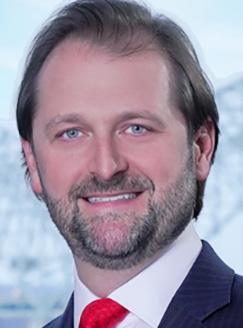
Memphis Police Chief Cerelyn “CJ” Davis presented the update, along with details of the ongoing Memphis Safe Task Force, to the Homeland Security & Public Safety Committee on Tuesday, March 3.
All nine police precincts across the city continue to see drastic reductions in crime as the post-COVID trend continues to accelerate. Moreover, the decreases continue across every category of crime, from murder to petty theft.
“Obviously there is still work to do, but this right here is something for us all to celebrate in all of our districts because it’s citywide,” said committee chair Ford Canale.
According to end-of-the-year data, the across-the-board drop includes a 26% decrease in murder, while aggravated assaults fell by 22%. There was a similar decrease in sexual assaults. The trend includes property crimes, with a 33% drop in robberies. Burglaries and larcenies — mainly shoplifting — also fell by more than 20%, respectively.
No category experienced a more significant drop than motor vehicle theft. In 2025, there were 1,097 thefts in the month of January. This year, the first month of the calendar year saw only
“We started communicating from day one (with the Memphis Safe Task Force) about what was needed in the city. We meet every morning virtually to really discuss the numbers and where the focus has been on the previous 24 hours.”
— Memphis Police Chief Cerelyn “CJ” Davis
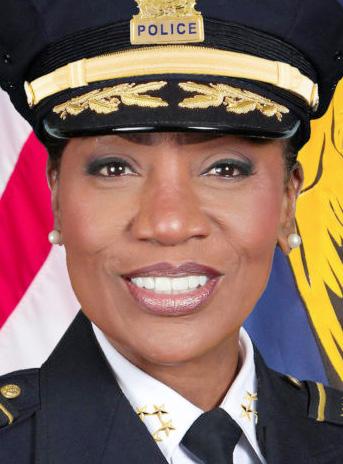
Cerelyn “CJ” Davis
“Obviously there is still work to do, but this right here is something for us all to celebrate in all of our districts because it’s citywide:” — Ford Canale Ford Canal
344 reported vehicle thefts.
“That’s a huge drop right there. We are all really excited and happy about that because our auto thefts were a bit of a nemesis for the city in the last couple of years. A huge reduction. It’s almost 60% down,” Davis said.
The law-abiding trend is also noticeable month to month. In February, there were 1,678 reported crimes in the city, down from 1,908 in January. According to Davis, there were about 7,000 fewer calls for service, which puts less stress on the undermanned MPD complement.
The Memphis Safe Task Force has also relieved stress on the MPD. Since being deployed in October, the supplemental federal and state law enforcement agencies have worked in coordination with the department in largely focused efforts.
Over that span, 3,155 felony arrests
have been made in Memphis. “We started communicating from day one about what was needed in the city,” Davis said. “We meet every morning virtually to really discuss the numbers and where the focus has been on the previous 24 hours.”
However, the city’s top cop conceded there are some federal forces working independently of the department.
“Of course, you may have some of them doing other types of work without us. But for the most part, the lion’s share of the work is being done aligned with Memphis police officers,” Davis said. “With the exception of immigration.”
Memphis Mayor Paul Young has stated that the city will not cooperate with ICE on traffic stops or immigration matters. Instead, law enforcement will remain focused on the apprehension of violent offenders.
Yet, the most controversial part of the task force’s creation was President Donald Trump’s decision to send National Guard troops to Memphis. During the discussion, Davis mollified concerns about their use. She pointed out that
Guard personnel have been patrolling Memphis’ streets for quite some time.
“Many of our officers are National Guard members,” Davis said.
In addition to being a presence on the city’s streets, the triumvirate of external assets have also attempted to assuage local concerns. Department of Homeland Security and Guard personnel recently showed up at a White Station neighborhood watch meeting to answer lingering questions.
“It was really informative,” said Yolando Cooper-Sutton. “Questions that were just boiling in the minds of constituents — they were able to ask them. They were very transparent.”
Davis also spoke to the council about the status of MPD officer Oscar Molina-Torres, who was shot while conducting a traffic stop on Feb. 26.
The U.S. Marshals Service is currently offering a $30,000 reward for information leading to the arrest of 40-year-old Danell Maxwell.
Several council members visited Molina-Torres while he was in the hospital. He has since been released.
“I was collapsed by what I saw,” said Canale. “He is a true walking, talking miracle. No doubt that he had his guardian angels with him on that day because it could have been very different very quickly.”
By Terri Schlichenmeyer Shhhhhhhh.
According to an old wives’ tale, that’s what librarians always say. Shhhhhhh, hush yourself, be silent, don’t be so loud, no talking. Shhhhh, quiet is what makes a library appealing for many folks. In the new book, “Shut Up and Read” by Jeannine A. Cook, though, the bookstore is where you can really make some noise.
She had no plans to live in Philadelphia. But that’s where Cook landed after she graduated high school — in Philly, in college, living in a “shell” of a house with occasional rats and junkies. She stayed, though, and fell in love with the city of Brotherly Love, and made plans in the form of college essays. She wanted to do something good for her community, to teach youth and put books in the hands of the people who needed to read.
As it’s been throughout her life, Cook was supported in this plan by “Aunties” and sister-friends and by “angels” who often appeared. She also appealed to her muse, Harriett Tubman, whose name graces Cook’s first physical bookstore.
But Harriett’s didn’t happen easily. Cook understood that she needed to own the building that housed her bookstore, and the owner finally decided to sell it to her. The closing took more time than expected. She was in Paris when purchase day came unexpectedly, so she had to fly back home quickly to get it done. There were problems with construction workers, problems with stock and events and building addi-
tional bookstores in New Jersey and in Paris. Problems with safety, in the aftermath of George Floyd’s murder, and Breonna Taylor’s murder, and the riots that followed.
There were times, she says, when she felt like she was drowning. Her mother had gone back to the Caribbean, her father was dying (again), but Cook stayed the course.
She knew that books were the answer. That’s the mantra she said every day when she got out of bed: books would always be humanity’s salvation. Go ahead, admit it: you need more books. And while you’re at it, you need this one.
“Shut Up and Read” is a sweet story of grit, determination and magic. Anyone who’s ever looked for room on their calendar and found none will identify with this story. Anyone who’s ever dreamed larger than large will find parallel in Cook’s words. If you’ve had a hero or two in mind when you launch a difficult endeavor, this is your book. Struggled with your health and that of an aggravating but much-loved family member, yep. Ever wondered how you’re going to get things done, uh-huh. It’s all shared, novel-like, held together by coincidence and magic and heartbreak, surprises, customer-service smiles, an “overground underground railroad,” literature, and an artificial leg named Lester.
Yeah, it’s everything you’re thinking, and there’s room for it on your shelf.
Hush little reader, here is your book. “Shut Up and Read” is so worth a look. And if opening a bookstore was ever a lure, this is a book that you’ll love for shhhhhh-ure.

and Read:
c.2026,
$28.99
272 pages