



By James Coleman TSD Contributing Writer
Faced with a time crunch, Shelby County Commissioners set a timeline to advance a recent jail resolution with the goal of either repairing or replacing the current lockup during the Monday, April 13 meeting.
is estimated to be over $1 billion and climbing. No funding sources are in sight either. State lawmakers previously rejected two proposed sales tax increases to cover the cost.
at some point later when we are the ones trying to set up this scope,” said Commissioner Michael Whaley. “We would lean on the administration in the proposed budget to have that already in there.”
POSTMASTER: Send address changes to The Tri-State Defender, 1509 Madison Ave., Memphis, TN, 38104.
GENERAL INFORMATION: Inquiries may be submitted in writing or by calling (901) 523-1818 or by email.
TELEPHONE: (901) 523-1818.
The Tri-State Defender (USPS 780-220) is published weekly. The Tri-State Defender 1509 Madison Ave. Memphis, TN, 38104. Second-class postage paid in Memphis, TN. The Tri-State Defender is a member of The National Newspaper Publishers Association and the Tennessee Press Association.
herein
without the
permission of the Publisher. (901) 523-1818 | 1509 Madison Ave, Memphis, TN 38104
Nevertheless, a new administration and commission will likely hold the deciding vote on an eventual solution, or they could decide to abandon the effort. The current term for elected county officials expires on Aug. 31.
“We’ve got to get this process started at some point,” recommended Commissioner David Bradford. “Kicking the can down the road doesn’t do anybody any good.”
The amended resolution requests the issuance of recommendations from a recent ad hoc committee. It was formed to go over the findings of a 2025 County Technical Assistance Service study. The agency weighed the pros and cons of a new jail, or a massive rehabilitation effort at 201 Poplar Ave. The evaluation is the first step in bringing an architect on board. Still, CTAS’s work was incomplete.
The agency lacks the know-how to conduct mechanical and structural engineering studies of the 45-year old facility. The studies have been penciled in for May 31 but to date, no firms have been hired to conduct them.
When both are completed, a “Request For Qualifications” will be issued for bids to begin another study to realize overall “the scope” of the project.
“This is just taking that next step,” said Bradford, who served as vice chair ad hoc committee.
The breadth is anybody’s guess. Estimates of bed counts range anywhere from 3,700 to 5,000. There are numerous other factors too, including the feasibility of new rehabilitation facilities at old jail.
Meanwhile, the cost for a new jail
The RFQ would be issued by the public works department by June 15. The ad hoc committee will look over the responses and have its comments back by Aug. 1.
Another goal of the updated resolution is to serve as a “placeholder” during upcoming FY2027 negotiations. With the item in the budget, it could sway the next commission to take up the cause. Or, they could opt to abandon the endeavor altogether. The new commission will be sworn in Sept. 1.
“When you have a change in leadership, it becomes really difficult to add it in
Shelby County Mayor Lee Harris has previously expressed little support for pursuing a new jail during his final term.
The $500,000 interim price tag on the RFQ also was cause for concern for at least one commissioner. For example, a similar study for a much smaller in-state facility came in with a higher figure.
“I know Rutherford County did theirs, 1800 beds … ours is 3,700 beds, possibly. Theirs was $600,000, so I just have some concerns with the numbers and how this is all moving forward,” said Commissioner Amber Mills. “I just want to make sure it’s done right.”

By Megan Sayles AFRO Staff Writer msayles@afro.com
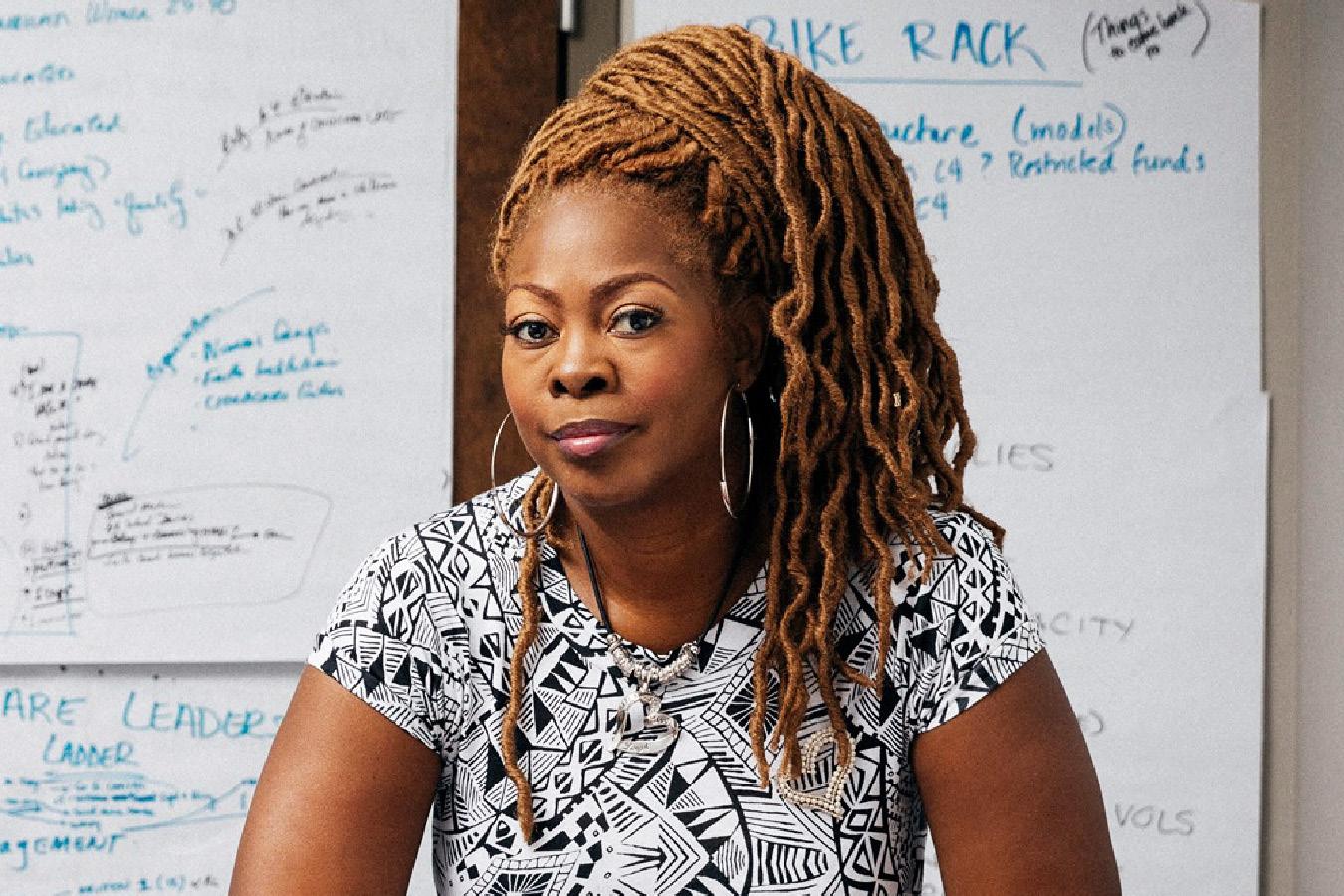
Black Voters Matter (BVM) led a virtual briefing with Black media on April 1, alerting people to escalating attacks on voting rights and urging them to remain vigilant ahead of the 2026 midterm elections.
Leaders highlighted current legislative proposals and court cases that could redefine voter access nationwide, particularly in Southern states with large Black populations.
“Organizing and winning an election was never just the issue,” said LaTosha Brown, co-founder of BVM. “The fundamental ability to have access to the ballot has always been the issue.”
One threat is the Safeguard American Voter Eligibility (SAVE) Act, which would require proof of citizenship — such as a birth certificate or passport — to register to vote in federal elections. Voting rights advocates warn this could create additional barriers for those who don’t have immediate access to official records, like older adults, low-income residents and unhoused populations.
Leaders also pointed to Louisiana v. Callais, a Supreme Court case that challenges the state’s congressional map and its two majority-Black districts — raising questions about fair representation under the Voting Rights Act.
Additionally, the 47th president issued an executive order on March 31 that directs federal agencies to verify voter eligibility and limits mail-in-ballots to only those confirmed as eligible. The executive order is aimed at “reducing the risk of fraud and protecting the integrity of Federal elections.”
“These are just additional examples of how (President) Trump is using every tool in his toolbox, whether they’re legal or illegal, to try to ensure a certain
“This is outright war against our communities. We want to make it clear that at the end of the day, we got us.”
— Cliff Albright
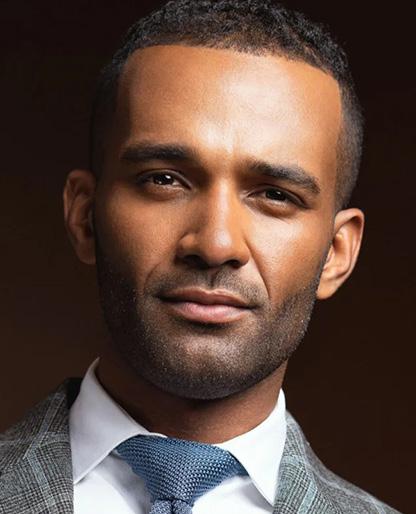
outcome in the 2026 election,” said Amir Badat, Southern states director and senior advisor for Fair Fight Action. “National organizations, like Fair Fight Action, Black Voters Matter and many others, are working hard between now and November to educate and mobilize the public on all of these issues.”
Terrance Woodbury, founding partner and CEO of public opinion research firm HIT Strategies, highlighted trends shaping the midterm elections.
Woodbury noted that swing voters across America are men of color and young people of color. While affordability is Black voters’ top concern, Woodbury said identity remains the number-one motivator, with the goal of combatting racism at the polls.
According to Woodbury, roughly 57 percent of Black voters live in 10 states across the South, many of which have a history of restricting voting access.
“The South are not red states, they
are oppressed states. It is not a coincidence that the states that have the highest Black voting age population also have the lowest Black voter turnout,” said Woodbury. “That is oppression.”
His research also found that 64 percent of Black Americans oppose the war against Iran, 51 percent oppose the SAVE Act, 56 percent are dissatisfied with the way democracy is functioning. Woodbury said these findings reflect growing frustration among Black voters.
To mobilize more Black voters, Woodbury said there must be more effort around engaging Black people in resistance activities, like boycotts, peaceful protests, petitions, town halls and voting itself.
“The more likely they are to take any of these resistance actions now, the more likely they are to vote later because a part of this is expanding that arc of political power beyond just
electoral power,” said Woodbury. “They know that voting is not going to solve everything. Instead of promising that in September and October, we are engaging them in ways to resist now.”
As part of its broader strategy, BVM launched the “We Got Us,” campaign and bus tour on April 2. The initiative aims to travel through communities in key states, like Louisiana, Alabama, and Texas, to provide voter education, encourage civic engagement and connect residents with critical resources ahead of the midterms.
The campaign emphasizes collective care and self-determination, using initiatives such as warrant clinics, health care advocacy and environmental justice programs to ensure Black communities have the support needed to protect their rights.
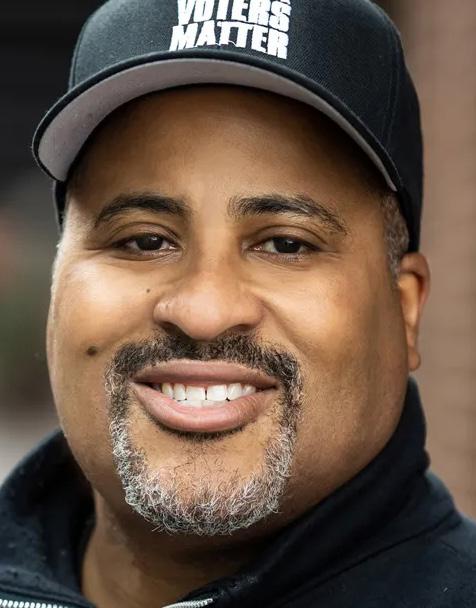
“This is outright war against our communities,” said Cliff Albright, co-founder of BVM. “We want to make it clear that at the end of the day, we got us.”
By Candice Wilder Mississippi Today
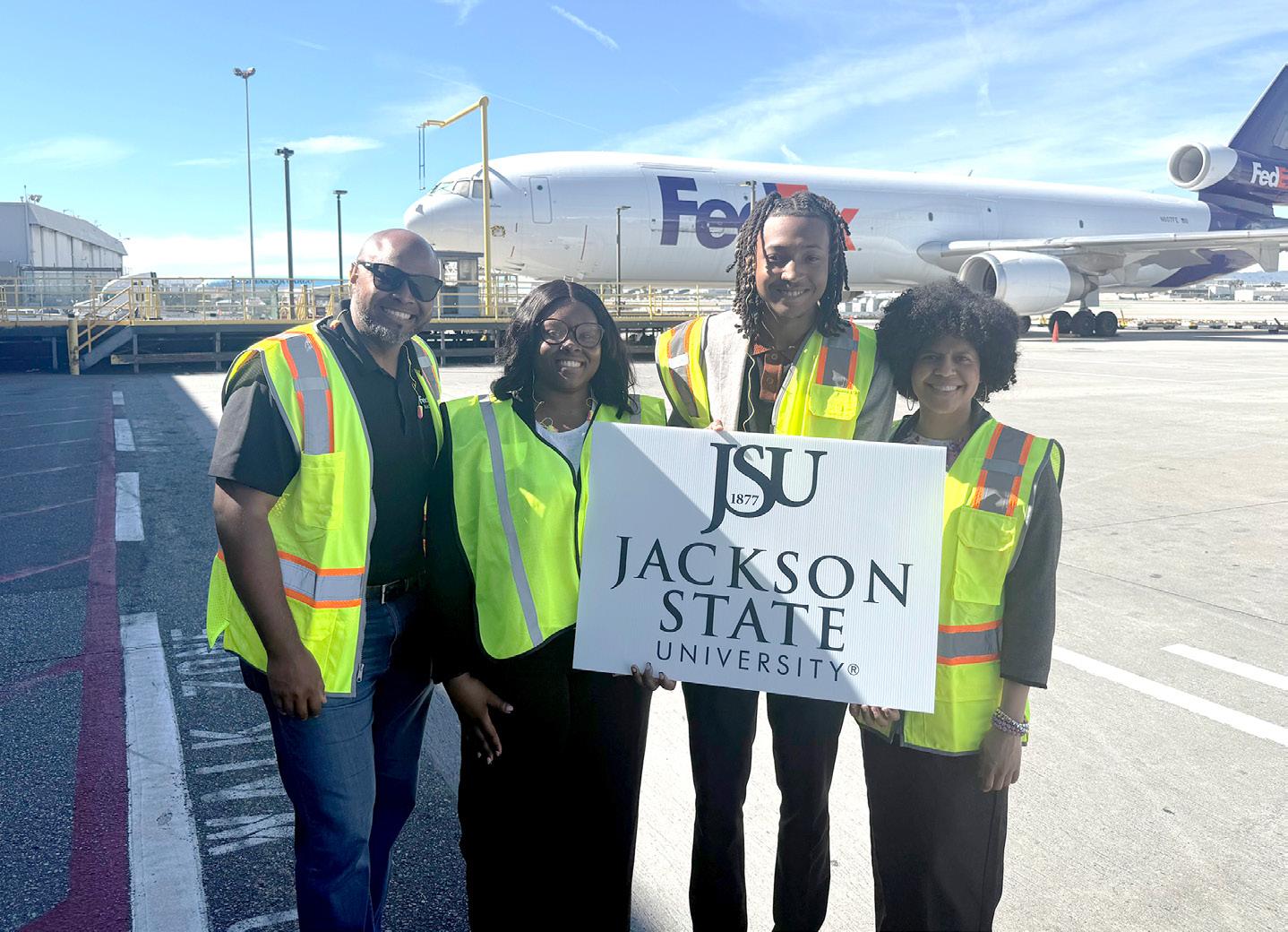
Jackson, Miss. – A $500,000 gift from FedEx to Jackson State University will go toward helping business students gain professional development opportunities and expanding academic programs in the College of Business.
The unrestricted money will also be used to expand the business school’s supply chain management center and data analytics lab. During an announcement of the gift Wednesday, March 8, on campus, officials also said they plan to support student scholarships and research and development for faculty.
“This investment from FedEx not only reestablishes the partnership with the university, but it will support programs and better prepare students to be day-one-ready for the workforce,” Business School Dean Nicholas Hill said. “Their preparation matters, their talent matters and their futures matter.”
FedEx gave Jackson State $1 million in 2021 to support educational opportunities and scholarships for students. The corporation has also invested in a $500,000 FedEx-JSU Endowed Scholarship Fund and FedEx HBCU Student Ambassador program.
Rose Jackson Flenorl, FedEx’s global citizenship and human resources manager, spoke to event attendees about the importance of investing in programs to expose students at historically Black universities to internships, leadership training and other opportunities to gain skills to enter the workforce before graduating.
Flenorl, who grew up in Clarksdale, said mentorship and opportunities were very rare. Now that she has accomplished her dream, she recognizes
“All corporations are looking for top talent, and we know that there’s top talent at HBCUs.” — Rose Jackson Flenorl
the importance of giving back and supporting students with their career development.
“It’s really about providing a pathway for success to students,” Flenorl said.
“All corporations are looking for top talent, and we know that there’s top talent at HBCUs.”
Felecia Stewart-Seard, vice president of Internal Audit International at FedEx, graduated from Jackson State’s College of Business in 1994 with a bachelor’s degree in accounting. Returning to the university and celebrating the gift with students is a “full circle moment,” Stewart-Seard said.
“Everybody believes in taking care of home,” Stewart-Seard said. “And it is so important for me to give back because all that Jackson State has poured into me has led me to where I am today.”
“We are deeply grateful for the continued investment from FedEx, which directly empowers our students specializing in Supply Chain Management and learning technical skills in Data Analytics,” added Nicholas Hill, Ph.D., dean of the College of Business. “Together, we are building a legacy of opportunity that will define the careers of our future alumni through this future-forward collaboration.”
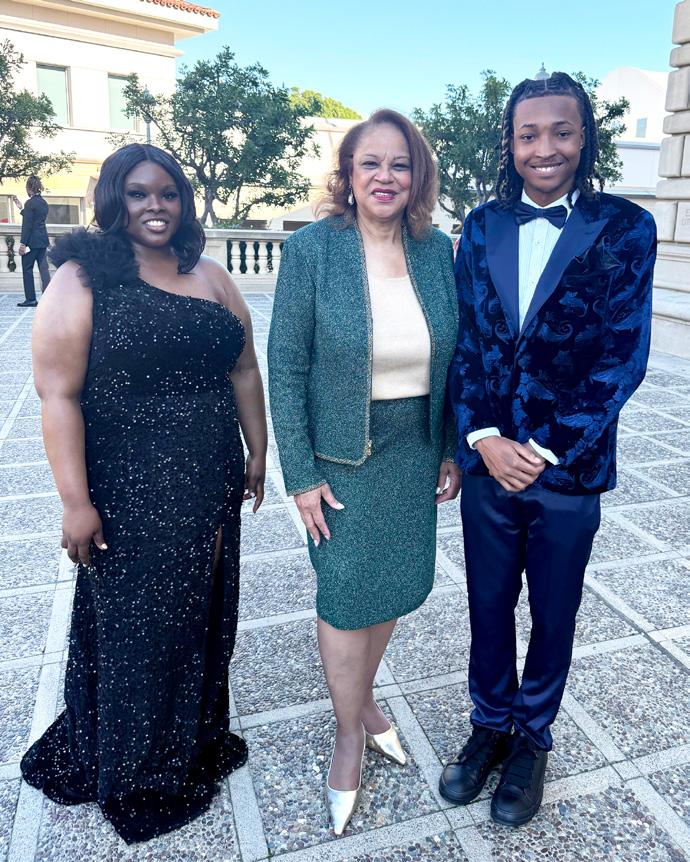
Hill intends for the funding to provide the critical support and workforce training necessary to graduate industry-ready leaders who are prepared to solve complex global challenges. Last month, senior supply chain management student Niel Davis, and senior accounting student Makiyah Barksdale, attended the FedEx-HBCU Leadership and Career Experience in Los Angeles.
“This experience helped me gain clarity on what it truly takes to transition successfully from being a student to becoming a full-time professional,” said Davis, a Chicago native. “Exposure to these real-world perspectives and career pathways is preparing me to enter the workforce with confidence and purpose.”
Barksdale, from Batesville, Mississippi, expressed her gratitude to the global corporation for its continued investment in HBCUs. “It is empowering to know that FedEx sees how valuable HBCU students are. I am extremely grateful for this prestigious investment and the amazing opportunity for not only myself, but also my peers here at Jackson State.
TSD Newsroom
A demand by Memphis Mayor Paul Young for xAI to remain committed to the completion of a stalled water recycling plant has caught the attention of the world’s wealthiest man.
“We need to focus on finishing Colossus 2 and ensuring it is extremely stable, then will build the water recycling plant,” xAI founder Elon Musk promptly replied via X on Thursday, April 9.
Colossus 2 is the second of a planned three-part computer complex located along the border dividing South Memphis and nearby Southhaven, Mississippi. It gets its juice from a decommissioned power plant. The $20
billion project was originally slated to be completed at the beginning of the year.
Meanwhile, xAI’s $80 million water treatment facility will reduce industrial demand on the Memphis Sand Aquifer, by “shifting” the “reliance” of large scale users — like xAI and TVA. A pause on construction was announced the previous day, although the company originally denied the stoppage.
“Earlier this week, when we learned the project was being put on pause, I immediately went to work to ensure progress would continue,” said Young.
The facility would recycle waste water from Memphis’ T.E. Maxson Wastewater Treatment Plant. The suspended project was vital in gaining eventual support from city leaders for the data
center, located at 3231 Paul R. Lowry Road.
“The colossus wastewater facility is part of this project solely because we asked for it,” said Young.
Memphis’ supercomputer is designed to use greywater to cool upwards of 200,000 graphics processing units. If the GPUs are overheated, hardware could be fried resulting in disruptions to AI training. It is currently using potable water from the aquifer to cool the Nvidia gear. Colossus 1 became operational in 2024. The sites’ goal is to eventually install 1,000,000 GPUs.
“That is exactly why we pushed for it when xAI came into the market. And it is why we are not going to let progress stall,” said Young. While acknowledging
the projects often run into the relays, he added “Memphis cannot afford to treat this like a typical project. This facility is important to our community.”
Also on Thursday, the Southern Environmental Law Center filed an appeal to an air emissions permit awarded to an xAI subsidiary by the Mississippi Department of Environmental Quality Permit Board last month.
Three groups — Young, Gifted & Green, the NAACP and the Safe and Sound Coalition — complain that sufficient air modeling studies weren’t conducted during a rushed process. The reviews measure the impact of 41 natural gas turbines on the surrounding population. Noise issues were also cited in the appeal.

By Candace A. Gray TSD Contributing Writer
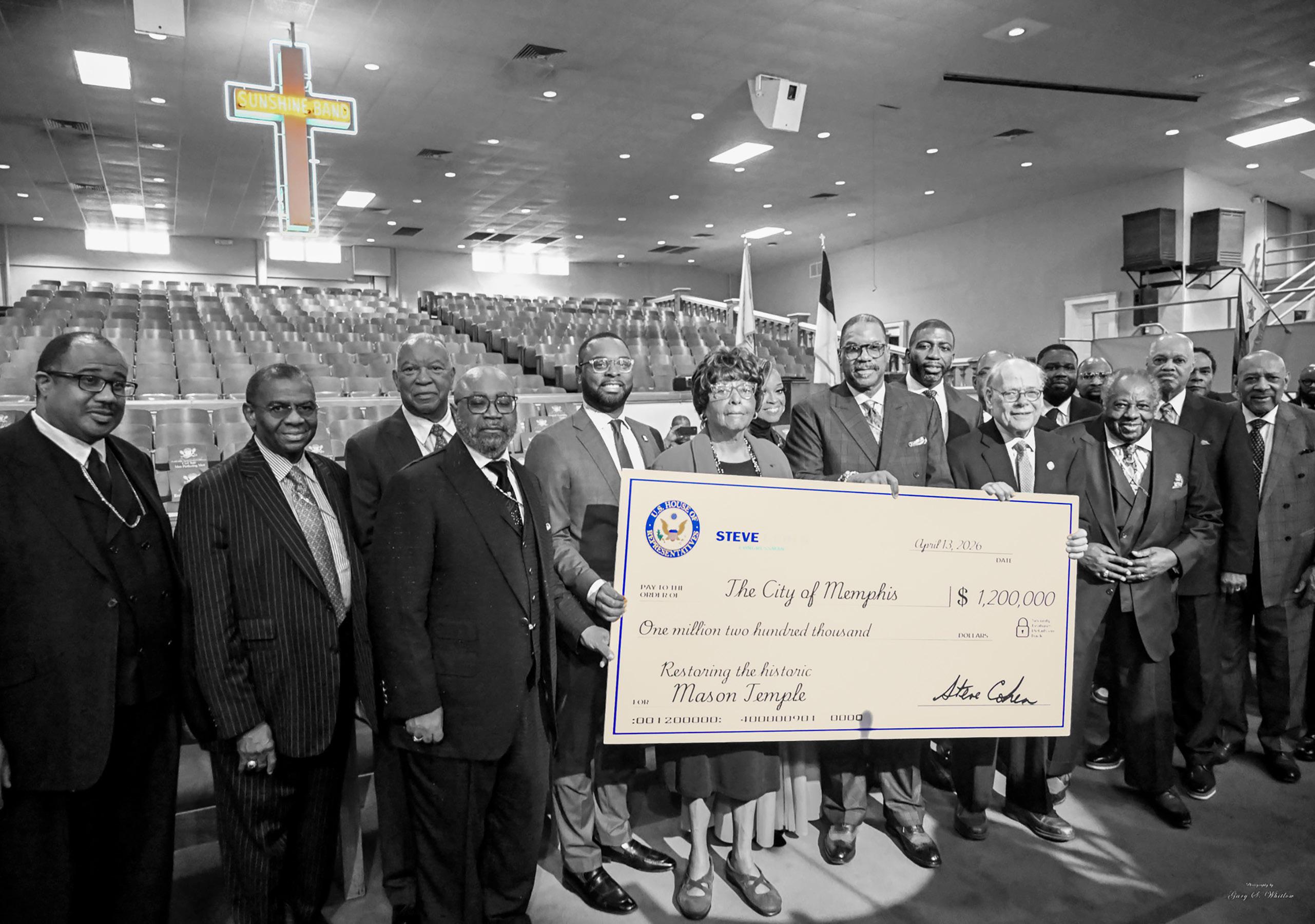
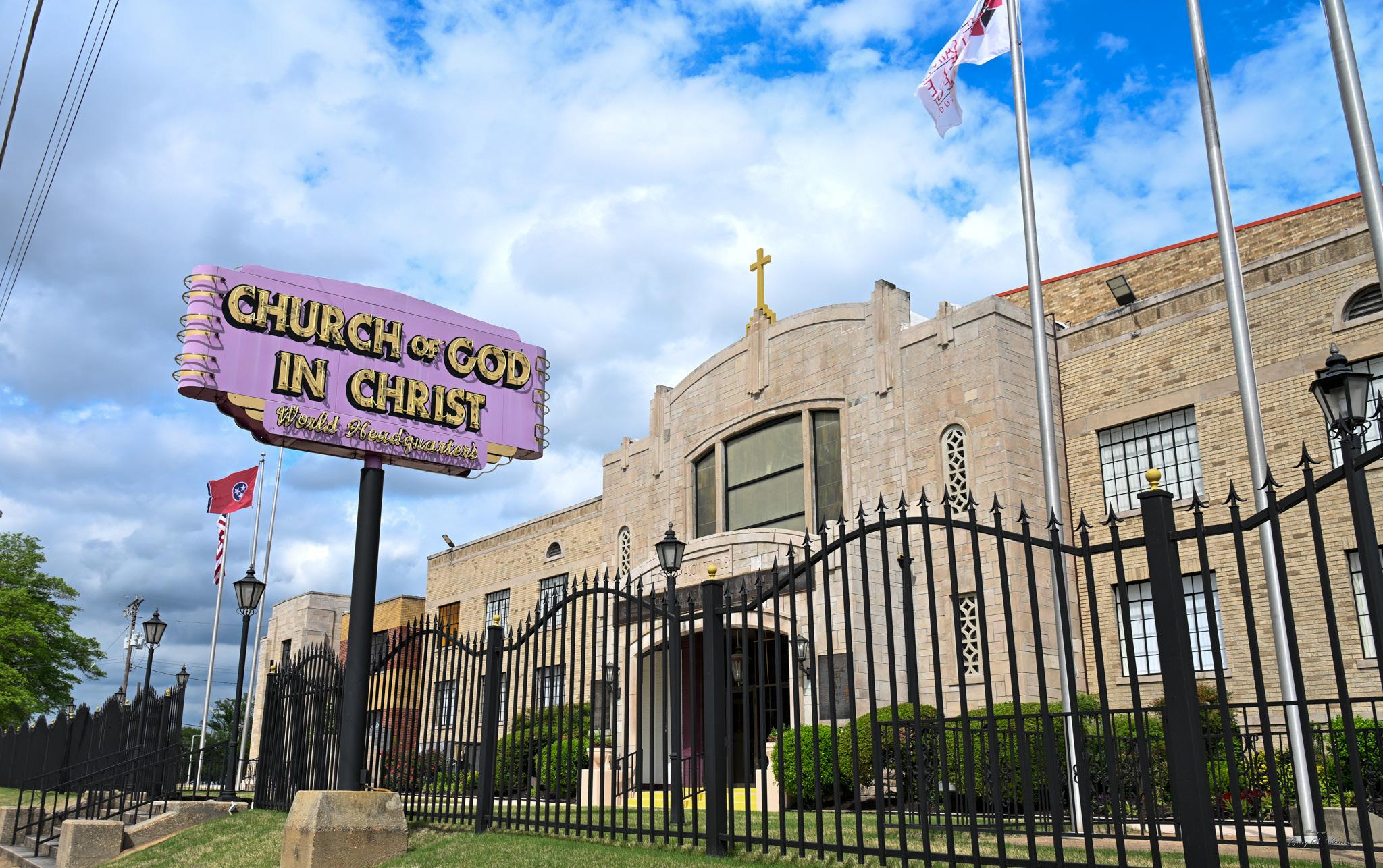
Community members, City of Memphis officials, Church of God in Christ (COGIC) clergy leaders and other community leaders gathered Monday, April 13, for another historic moment at Mason Temple. U.S. Congressman Steve Cohen held a new conference to announce the $1.2 million federal grant for renovations to the temple.
Mason Temple was, of course, where Dr. Martin Luther King, Jr. delivered his last, and arguably most powerful, speech before he was assassinated in Memphis. Unlike the meeting that evening in 1968, where Dr. King addressed black sanitation workers who were fighting for equal and fair treatment, this meeting was for a happy occasion.
“We have an iconic building, a landmark — there’s no facility like Mason Temple in the world,” said Bishop Brandon B. Porter, senior pastor of Greater Community Temple. “Somebody say amen!” Porter also serves as the jurisdictional prelate and a member of the general board for the national COGIC.
The church not only holds historical value, but cultural significance, as it was one of the first and largest Blackowned and operated churches in the United States. The church was built by Charles H. Mason, the late founder of the COGIC denomination.
The current presiding bishop of COGIC, Bishop J. Drew Sheard, said Mason Temple is a place where “faith has always met history, and where
General Facts about COGIC:
• Founded in 1897 but reorganized in 1907 by Charles Harrison Mason in Memphis, TN
• It is the fourth largest protestant denomination in the United States.
• Beliefs: Holiness-Pentecostal; salvation through grace; sanctification and baptism of the Holy Spirit; the Holy Trinity — God the Father, Son and Holy Spirit
• Currently has 6-8 million members globally.
• Bishop J. Drew Sheard has been presiding bishop since 2021 (serving with his wife, powerhouse gospel singer, Karen Clark-Sheard).
• Beloved Bishop G. E. Patterson served as the presiding bishop from 2000 to 2007
• Memphis hosted the COGIC International Holy Convocation for 100-plus years before it started moving locations.
• Mason Temple is the headquarters of the International COGIC.
“We have an iconic building, a landmark — there’s no facility like Mason Temple in the world.”
the ordinary has always produced the extraordinary.”
The church is also where the current COGIC headquarters is located, and is currently led by Pastor Gary Lee, who also was recently appointed to vice president of the COGIC International Youth Department.
The grant will be used to modernize and make upgrades to the church, which was built in 1940. It replaced the “Tabernacle,” which burned down in 1936. Mason Temple is a three-story building made of brick, steel, stone and concrete that originally held 5,000 in the main auditorium and 2,000 each in
the assembly room and balcony.
“You can’t build another building that will give you the same feeling that was had right here in between these walls,” said Mayor Paul Young, as he addressed the historical prowess of Mason Temple.
“You can’t hear anything about Civil Rights without hearing some of the words that echoed throughout this place.”
— Bishop Brandon B. Porter,
For 101 years, the National COGIC convention was held in Memphis before moving for the first time to St. Louis in 2010. It returned to Memphis from 2022 through 2025 and the renovations of Mason Temple will ensure some part of the convention will return to Memphis.
Bishop Keith Kershaw, chief operating officer for COGIC said the April Call Meeting, or the annual business meeting, will be in Memphis, among other national COGIC events.
The $1.2 million grant is part of a larger $18 million package Memphis is receiving. Another historic building, Clayborn Temple, which was set on fire last year, also will receive a $3 million restoration grant.
By Candace A. Gray TSD Contributing Writer
The story of the hot wing — crispy, sauced and synonymous with gatherings across the country — has long been credited to Buffalo, New York. But as food historians and cultural storytellers continue to revisit its roots, many now acknowledge a deeper and often overlooked narrative: the influence of Black culinary innovation in shaping what would become an American staple.
Long before the dish reached national fame, a black chef and entrepreneur, John Young, was already experimenting with fried chicken and sauces in Buffalo. Young laid the groundwork for what Memphis has now claimed as its own, as the Hot Wing Capital of the World. (Hello, Honey Gold!) The hot wing traveled far beyond Buffalo, finding a vibrant home in Memphis, where wings are not just food, but culture.
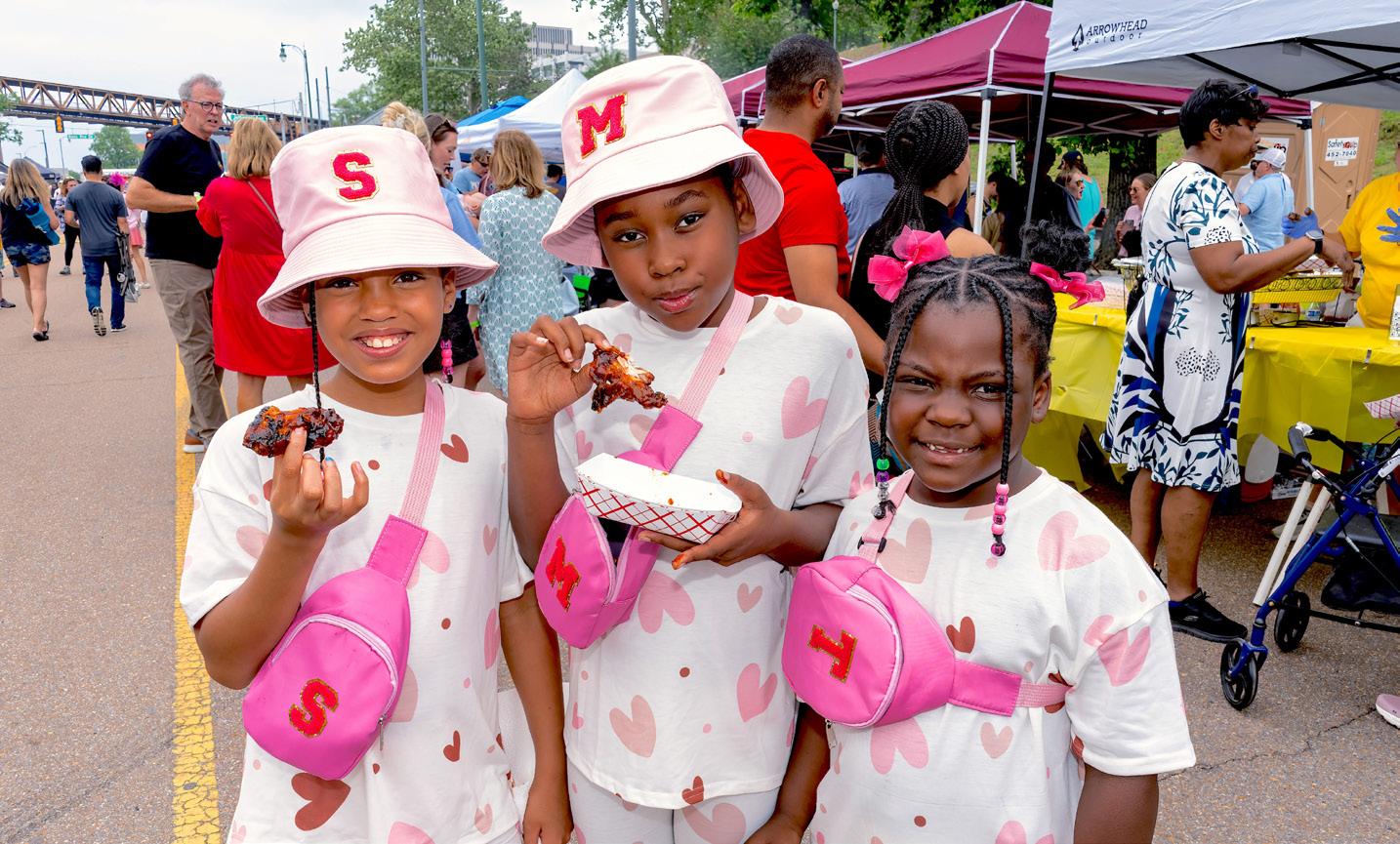
That culture will be on display at the 24th Annual World Championship Hot Wing Contest & Festival, set for Saturday, April 18, from 11 a.m. to 6 p.m., along Riverside Drive starting at River Garden Park (51 Riverside Dr.). What began in 2003 as a modest gathering with just seven teams in Poplar Lounge’s parking lot has grown into an internationally recognized event, drawing competitors from across the globe and solidifying Memphis’ reputation as the Hot Wing Capital of the World.
More than just a food festival, the event reflects the spirit of Memphis itself, community-driven, rooted in family and culture and undoubtedly soulful. Hosted by the nonprofit Wings
Over Memphis, the festival continues to prioritize both flavor and philanthropy. This year, proceeds will benefit two impactful causes, Ronald McDonald House West Tennessee & Northeast Arkansas and the St. Jude Walk. Together, these organizations support families navigating some of life’s most challenging moments, offering housing, care and hope to children fighting cancer and their loved ones.
“At its heart, this festival has always been about Memphis showing up for those in need,” said festival founder Paul Gagliano. “We started small, but our mission has always been to bring people together around something we all love and use that energy and passion to give back. To see how the community has embraced it through the years, and how it now impacts families across the world, that’s what makes it all worth it.”
At its core, the festival is about participation. Whether participants are seasoned pitmasters, backyard grill enthusiasts or simply someone who loves a good wing, the festival is open to all. This inclusivity is part of what has
helped the festival endure for nearly a quarter century.
Attendees don’t just watch; they’re part of the action. With “Wing Bucks” in hand, attendees can move from booth to booth, sampling creations from nearly 40 teams, each bringing their own twist to the craft. For a small (suggested $1-2) donation, guests can taste wings that range from classic Buffalo-style to globally inspired flavors that reflect Memphis’ diverse culinary scene.
The competition itself is fierce. Teams will vie for cash prizes, bragging rights and trophies, with top honors including $2,500 for first place.
Meanwhile, the World Wing Cup Series reaches its climactic fifth year, where the top teams from the past five years, inclusive of this year, will compete for a $25,000 grand prize. It’s a high-stakes moment that underscores how far this festival has come. From local cook-off to international stage, wings are serious business, as Kansas City Barbeque Society provides judges. This year, first-year participants will lay the groundwork for the 2030 World
Wing Cup Series II.
“We are so excited to see how these top five teams will rise to the occasion this year,” said Gagliano. “We have upped the ante and festivalgoers are going to enjoy some really flavorful and award-winning wings.”
But the wings are only part of the story. The festival blends Memphis music, movement and overall moxie. Live performances from local acts will keep the energy high throughout the day, while the Memphis Second Line Jazz Band leads the opening parade complete with chickens on leashes in a playful nod to the event’s theme. The Soul Train Review and Dance Contest, powered by DJ Alpha Whiskey, invites attendees to celebrate Black music and win cash prizes.
For organizations like Ronald McDonald House, the festival’s impact goes far beyond a single day of fun.
“Events like this truly change lives,” said Jill Crocker, executive director, Ronald McDonald House West Tennessee & Northeast Arkansas. “When families come to Memphis, they’re carrying so much stress and uncertainty. The support we receive from this festival helps us provide a ‘home away from home’ for these families, so parents can focus on their children and their treatment. We love how Memphis shows up for us every time.”
From wings to music to dance and wing eating contests, and everything in between, there is something for everyone. This Memphis cultural tradition, centered around food, family, fun and fundraising is one day only, April 18. Discounted tickets are on sale now (the price goes up the day of the festival) and VIP Tickets can also be purchased here.
Learn more about the 24th Annual World Championship Hot Wing Contest & Festival via Facebook, Instagram and at worldwingfest.com.
By Terri Schlichenmeyer
Wait. Did you hear that right?
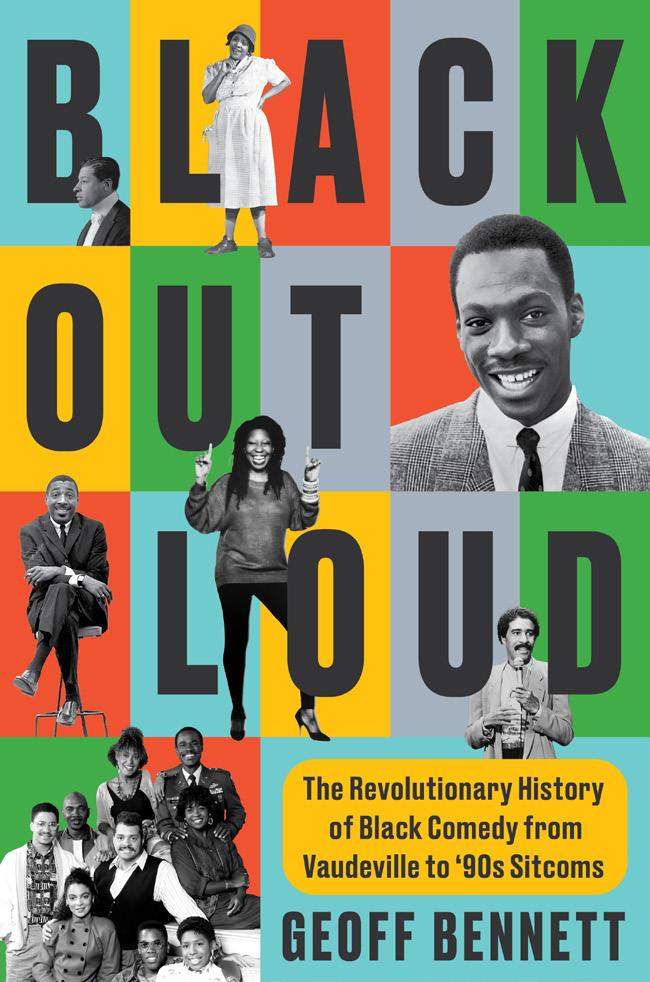
Yes, you did – and it was so funny that you just now caught your breath. What the guy onstage said was so unexpected, so dead-on, so real that you couldn’t stop laughing. And as you’ll see in the new book “Black Out Loud” by Geoff Bennett, his routine reaches back more than a hundred years.
On April 15, 1990, ten-year-old Geoff Bennett was watching TV in his family living room when his world was shaken. He’d stumbled on the debut of In Living Color, the irreverent, hilariously funny sketch show that featured mostly Black entertainers.
Entertainers, in other words, who looked like him.
That show was a first for Bennett. But it wasn’t the only first, by any means.
In the late 1800s, there was minstrelsy, the cast of which were usually mostly white people with burnt-corkblackened faces — until African American entertainer Billy Kersands came along and performed song-and-dance comedy acts in blackface. Audiences loved him, and he “became the first Black entertainer in America to achieve national celebrity.”
Hot on Kersands’ heels, Bert Williams and George Walker became vaudeville stars in the early 1900s, followed by Stepin Fetchit and his controversial, but very successful, career. Then Hattie McDaniel, who lampooned stereotypes with over-exaggeration in movie roles, became the first Black actor to land an Oscar.
As others made the transition from movies and radio to TV, Rochester (The Jack Benny Show) eased the roles of Black characters into that of friends, rather than domestic workers. Black comedians began recording their acts on LPs, as they moved from live stage to small screen. Some landed their own TV shows, changed popular sketch programming, and made fun of white America right under white America’s noses. And they made us laugh at ourselves.
“For more than a century,” says Bennett, “Black comedians have been witnesses … And when the world was finally ready to hear the real story of America, it knew exactly where to turn — to America’s conscience: the Black comedian.”
LOL. That was you every Monday-Thursday-Friday-Saturday-Sunday night, or whenever you caught your favorite comedy show.
Everybody talked about it the next day. Now, read about it.
Yes, you may have a few favorites that aren’t inside this book, but author Geoff Bennett’s work here is pretty comprehensive. He includes today’s hottest Black comedians and some who were once famous but are unremembered today. You’ll have a chance to know them and, while you get acquainted or you read about superstars you love now, Bennett also surprises readers with biographies, little-known facts and notable accomplishments those stars worked hard for — all in a narrative that’s casual, sometimes profane, but highly enjoyable. Bonus: Read some of the stars’ comedy bits here, and LOL while you enjoy this excellent book.
“Black Out Loud” is a great collection
for anyone who devours pop-culture entertainment or who just loves to laugh. It’s one of those books you won’t want to let go, so don’t miss it.
Want more? Then look for “Darkology: Blackface and the American Way of Entertainment” by Rhae Lynn Barnes (Liveright, $39.99), a book that dives deep into two centuries of racism in American entertainment. It’s unsettling, but a must-read if you love Black performance history.

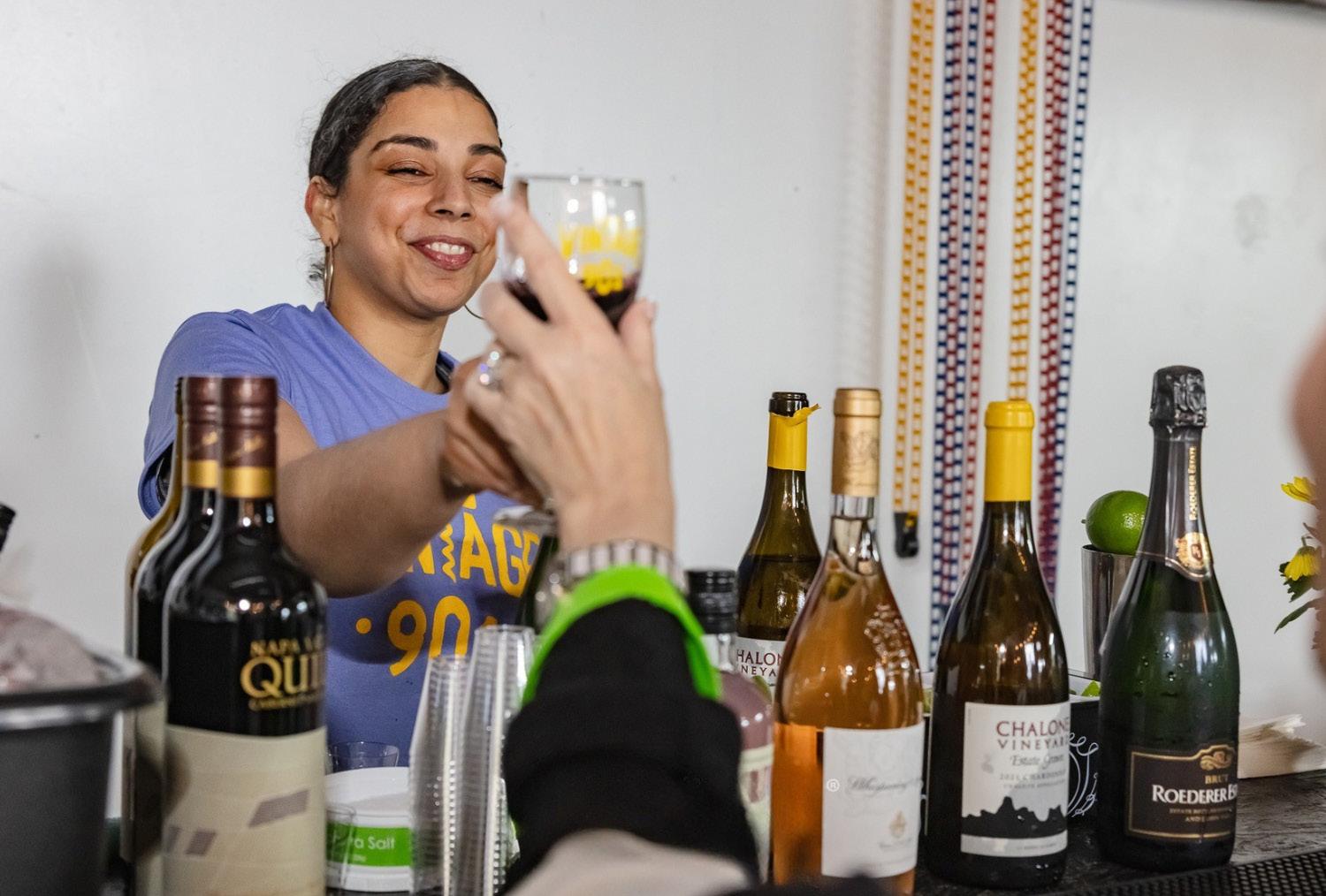
From curated wine tastings to spotlighting emerging culinary talent, the festival offers an elevated experience for novices and connoisseurs
Judith Black Moore TSD Contributing Writer
As Memphis continues to build its reputation as a destination for culture and cuisine, one organization is marking a milestone that reflects both growth and purpose.
Vintage901® will celebrate its 10th Annual Wine, Food and Music Festival, culminating with The Grand Tasting on Saturday, April 18, from 5–9 p.m. at the Scheidt Family Performing Arts Center.
What began in 2016 as a tribute to a loved one has grown into a mission-driven nonprofit experience that blends wine, food and education, creating space for both enjoyment and advancement.
“Over the last decade, Vintage901® has cultivated culinary experiences that provide wine and food education,” said Stephanie Ferreira, founder of Vintage901®. “We look forward to the next 10 years of community, culture and purpose.”
But beyond the tastings, organizers say the festival’s impact lies in what it builds.
“For us, it’s not just about what’s in the glass,” Ferreira said. “It’s about exposure, education and expanding what people believe is possible, whether that’s developing a more refined appreciation for wine or pursuing a career in the culinary arts.”
That mission comes to life in a meaningful way this year through the integration of The Sow Project, a workforce development initiative of the Center of Culinary Cultivation. The training and talent of scholarship recipients from the program will be a highlight of the anniversary celebration.
“For us, it’s not just about what’s in the glass. It’s about exposure, education and expanding what people believe is possible, whether that’s developing a more refined appreciation for wine or pursuing a career in the culinary arts.”
— Stephanie Ferreira
“The most exciting addition to our programming this year is our scholarship recipients for the Sow Project preparing the menu and some of the food for the Grand Tasting,” Ferreira said.
The Sow Project is designed to provide a pathway for students who may not pursue traditional four-year degrees but are eager to build sustainable careers. Through a paid culinary apprenticeship, participants receive hands-on training, mentorship and guaranteed job placement, along with financial literacy and support services that prepare them for long-term success.
“From the start, we were on a mission regarding educating students graduating from high school that are not interested in four-year degrees,” Ferreira said. “We saw (an) opportunity in aligning students interested in culinary careers with the resources to train and develop their skills.”
That alignment speaks directly to what Vintage901® represents for Memphis.
In a city rich in culture and creativity, the festival serves as both a platform and
a pipeline, connecting experience with opportunity. It introduces attendees to global wine traditions, culinary techniques and industry professionals, while also cultivating local talent prepared to participate in and shape that world.
“Memphis deserves experiences that are both culturally rich and intellectually engaging,” Ferreira said. “We’ve worked to create something that welcomes people in while also challenging them to learn, grow and see themselves in new spaces.”
The Grand Tasting will feature curated wine selections, chef demonstrations, educational classes and live entertainment, all led by a host of national and local wine experts, cheese specialists and culinary professionals who will both educate guests and deliver an elevated tasting experience.
“This event is for the connoisseur as well as the curious,” Ferreira said. “If there is interest in learning more about how food and wine complement each other and having an appreciation for lifestyle moments, this is your event.”
As Vintage901® celebrates 10 years, its impact extends beyond a single weekend. Through initiatives like
The Sow Project, it is helping shape a workforce, expand perspectives and create access to industries that have not always felt within reach for some.
In doing so, it reflects a broader vision for Memphis, one where culture, education and opportunity are not separate experiences but connected pathways for growth.
Tickets for the Vintage901® 10th Annual Wine, Food and Music Festival are available at www.vintage901.org/events