a travel guide by OUTLIERS for The Meliá Collection
CASA LUCIA
seen by Cecilia Renard
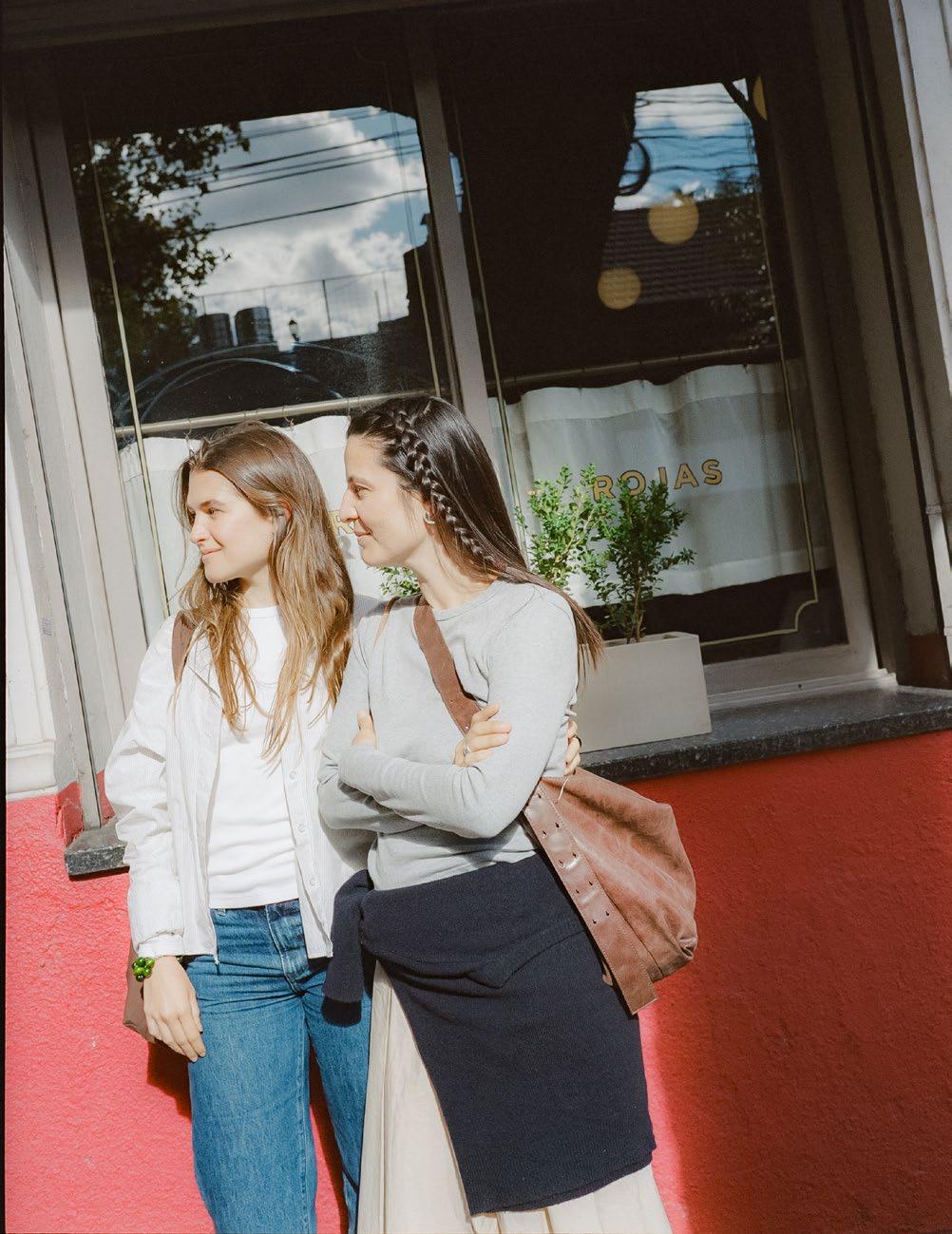
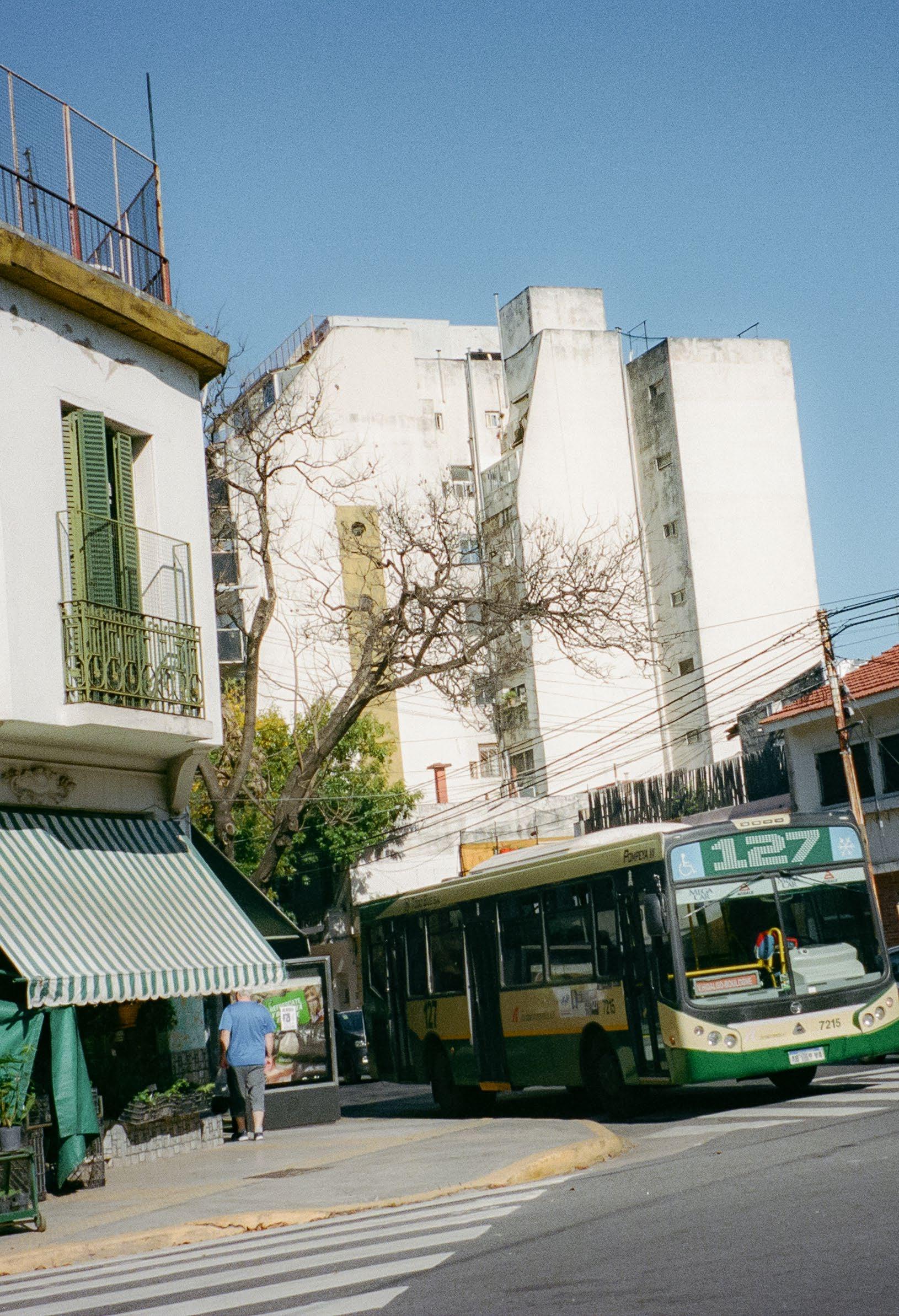
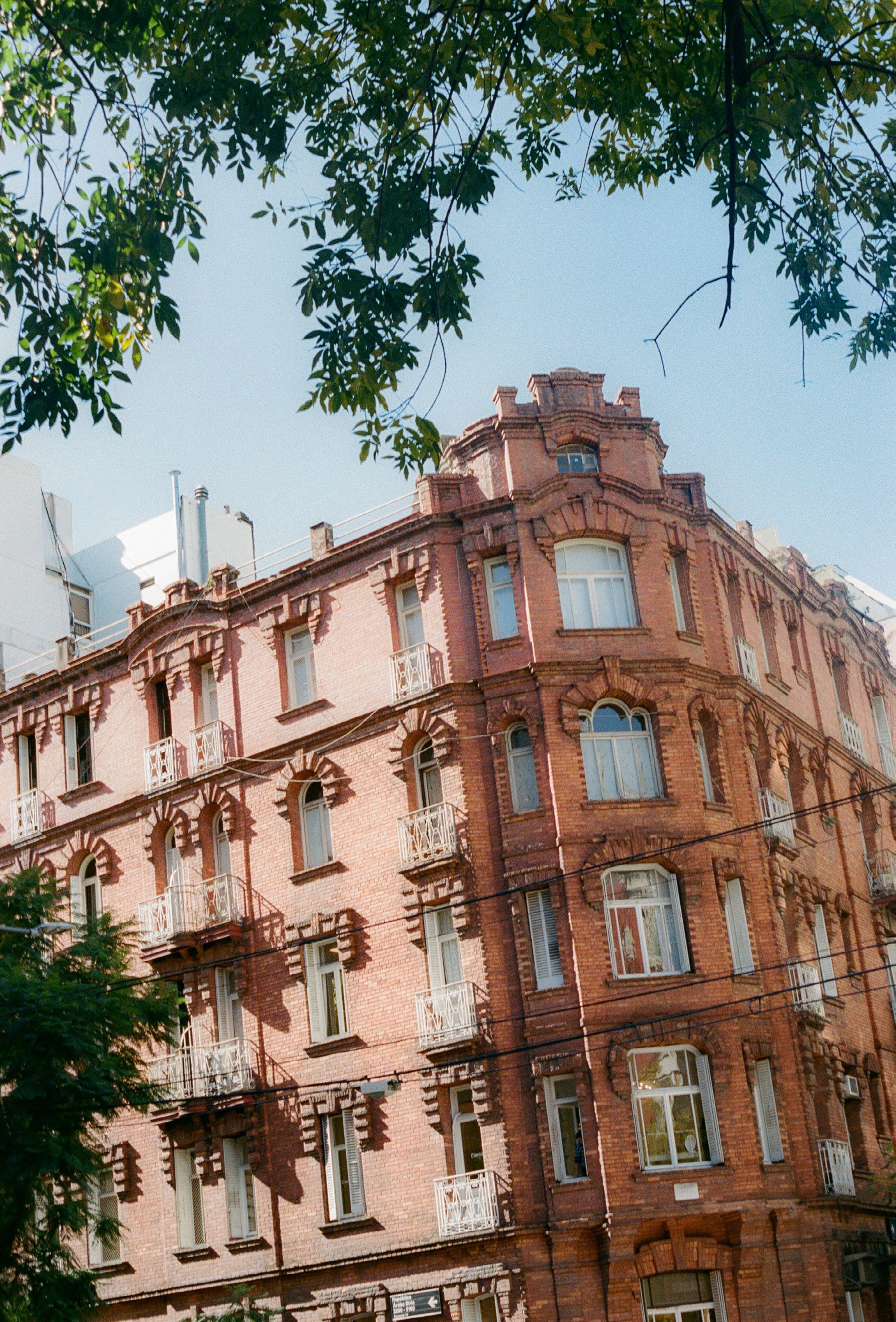
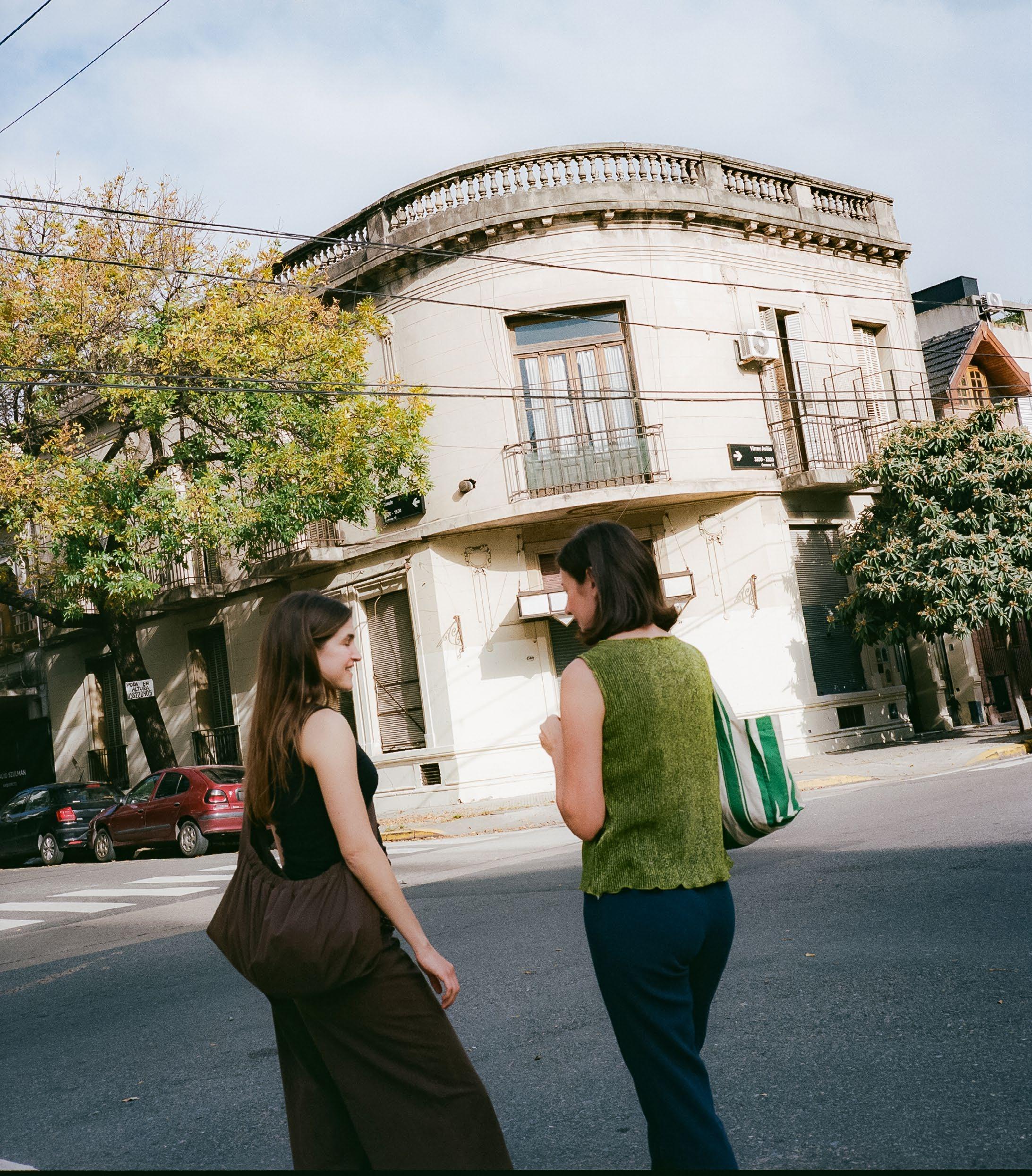
Buenos Aires pulls in two directions at once. Deeply European in its bones (boulevards, opera houses, balconied façades) and entirely Latin American in its energy, its noise, its appetite for street life. Built in waves by Italians, Spaniards, Eastern European Jews, Armenians, Syrians, Lebanese and Japanese, all of them still present.
The contrast that defines it is between scale and warmth: majestic in its architecture, remarkably human in its daily life. Porteños have a word for the way everything works: descontracturado Loosely, unbuttoned. It applies to the service in a restaurant, to the dress code at a gallery opening, to the conversation at the next table. Nothing feels rigid.
All of this happens against a backdrop of political and economic uncertainty that Argentines have lived with for so long that it has become part of the texture of the city. And yet, perhaps because of all that, the city keeps doubling down on what it does well: food, music, conversation, the small daily art of being together.
The city lives in many layers at once. What we have put together here is a small selection of them, from the most classic (bares notables, traditional bodegones, century-old confiterías) to the most contemporary (chef-led restaurants, artist-run galleries, natural wine bars).
HOTEL
Buenos Aires
The Meliá Collection Casa Lucia
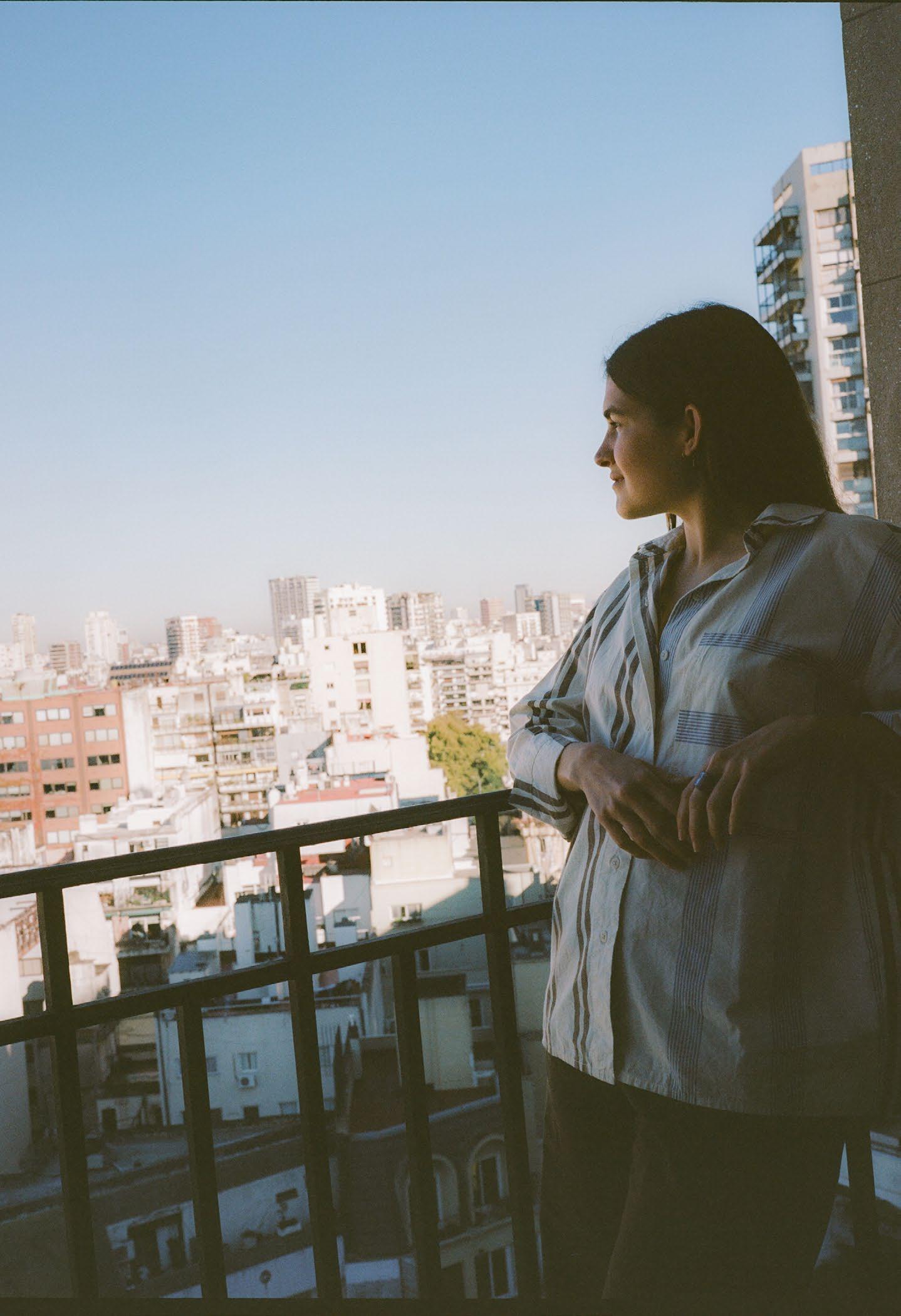
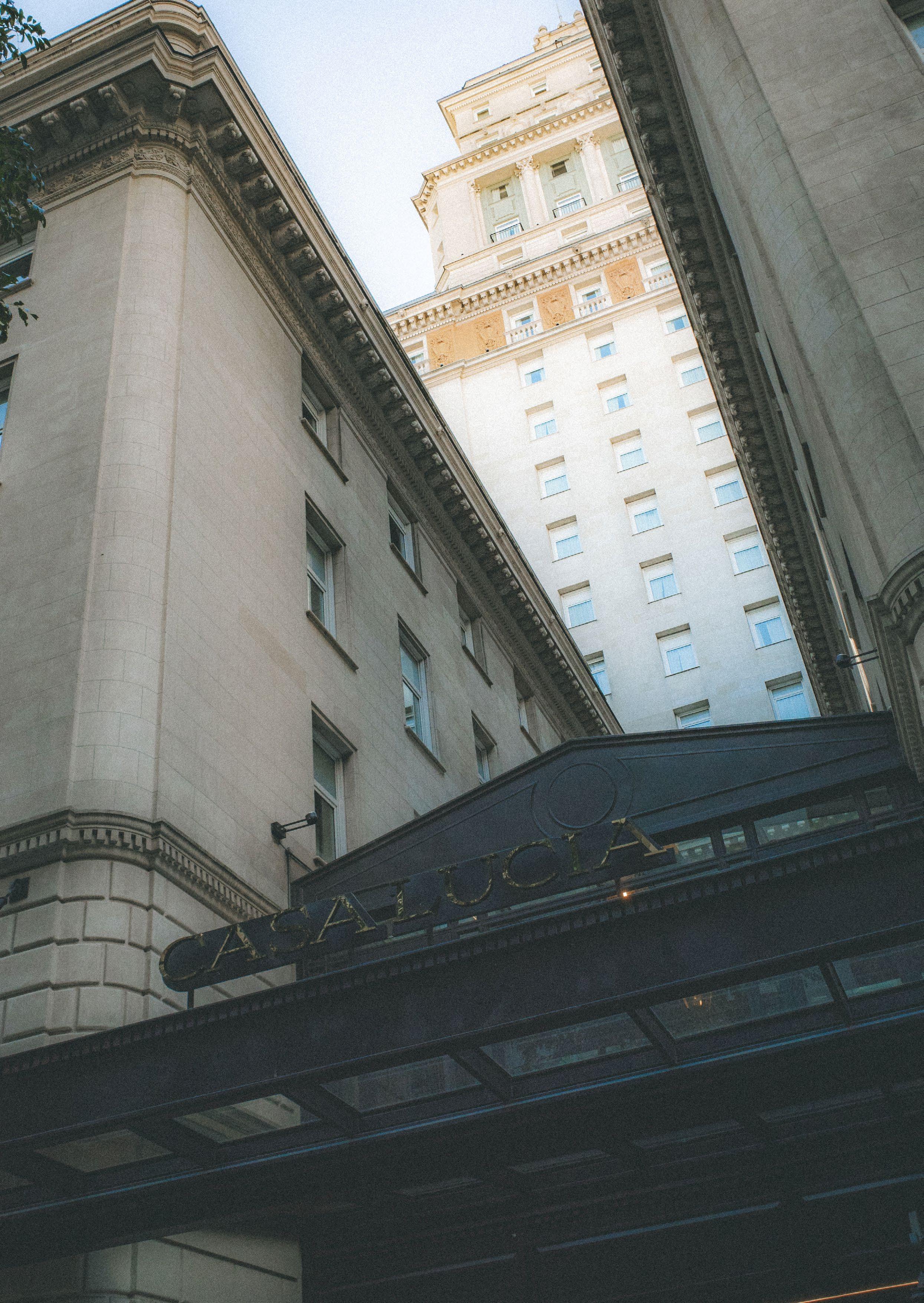
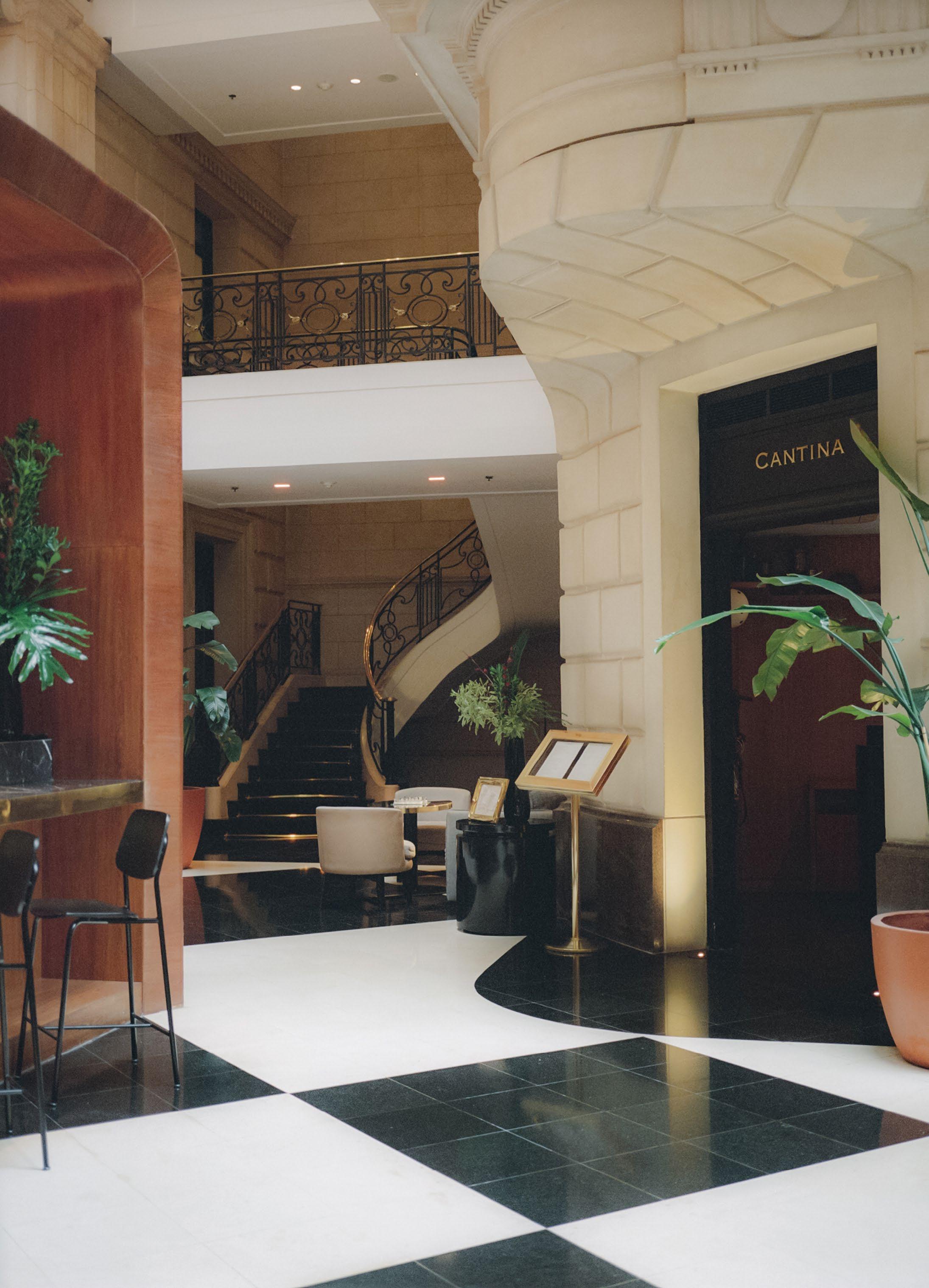
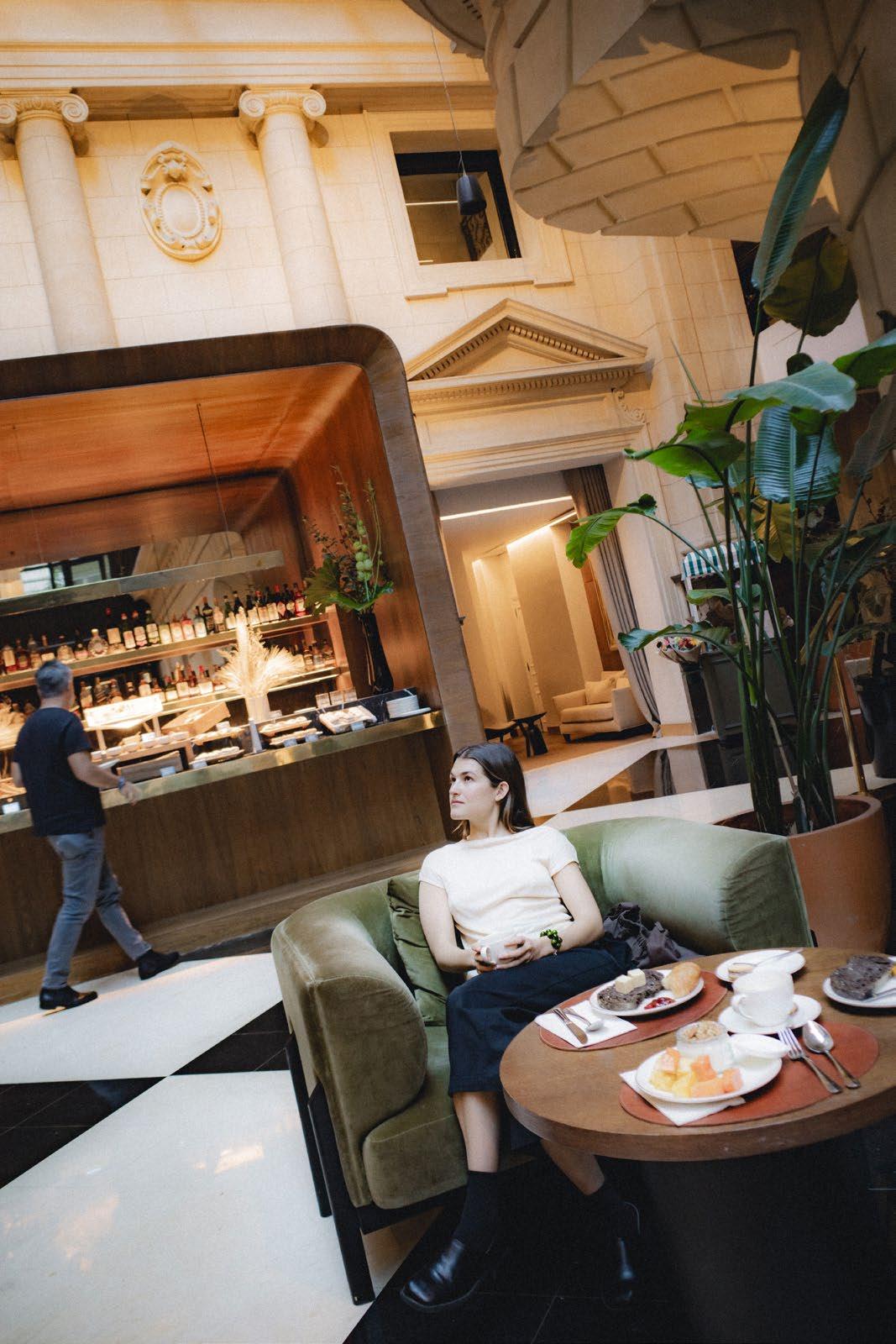
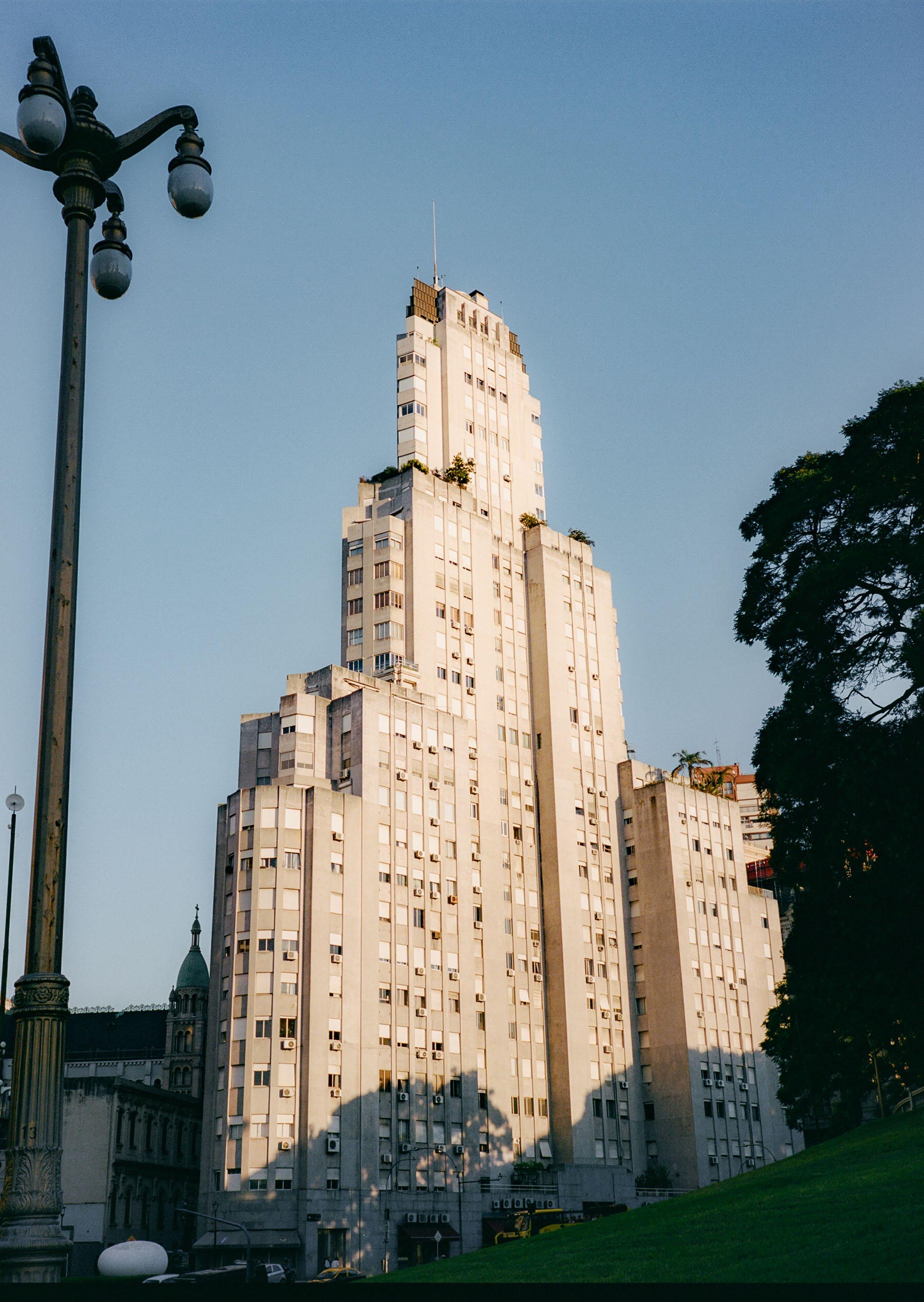
Casa Lucia sits on Calle Arroyo, one of the most distinguished streets in Buenos Aires, a short sloping block lined with art galleries, embassies and the silhouette of the Kavanagh building at one end. It is a quiet, residential pocket of the city, central but unhurried, with Plaza San Martín a few minutes’ walk away and easy access by foot or short taxi ride to Recoleta, Palermo and the historic centre.
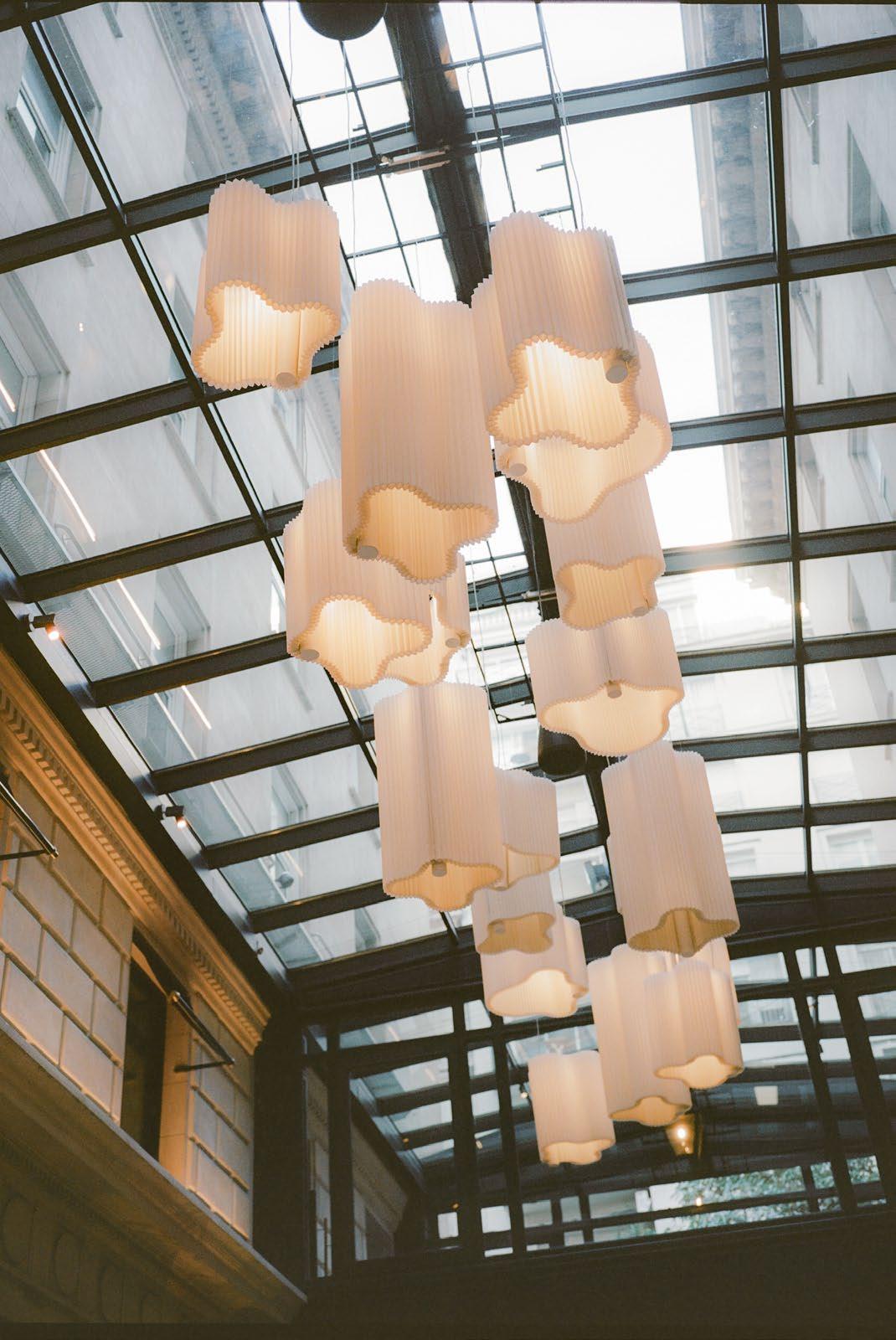
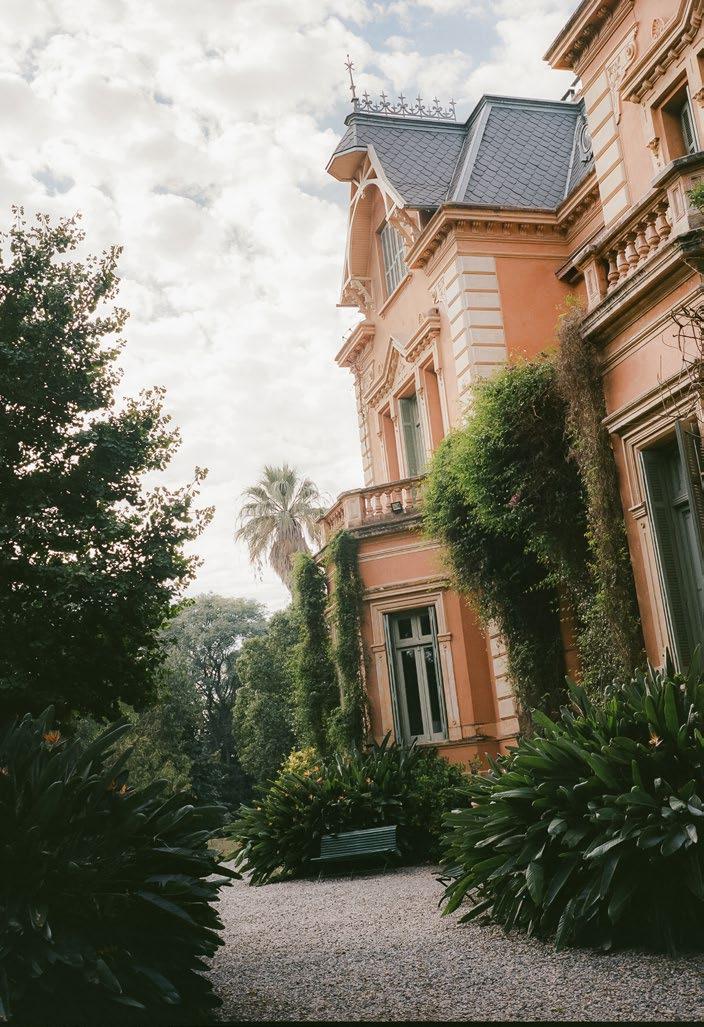
The hotel occupies the Mihanovich building, completed in 1929, one of the oldest skyscrapers in South America and designed by the same studio (Sánchez, Lagos and de la Torre) behind the nearby Kavanagh. Its façade combines a French
classical base with art déco upper floors and a crowning silhouette inspired by the Mausoleum of Halicarnassus. After a careful restoration, the building reopened as Casa Lucia in 2022 and was named Best Hotel in Argentina in 2025.
The defining idea behind the hotel is the Belle Époque argentina, the long period roughly from 1880 to 1930 when Buenos Aires transformed itself, on the back of agricultural exports and European immigration, into one of the great cities of the world.
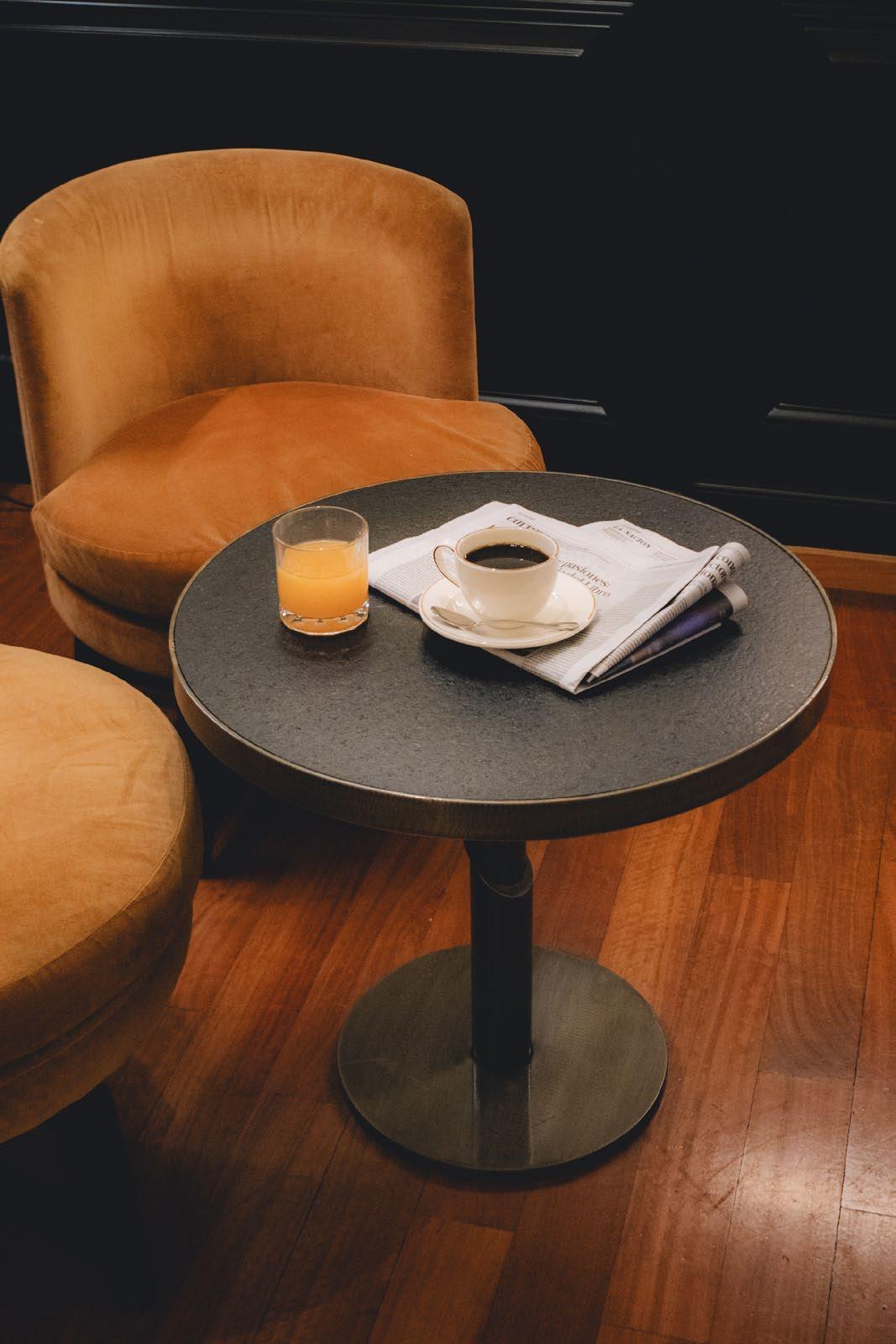
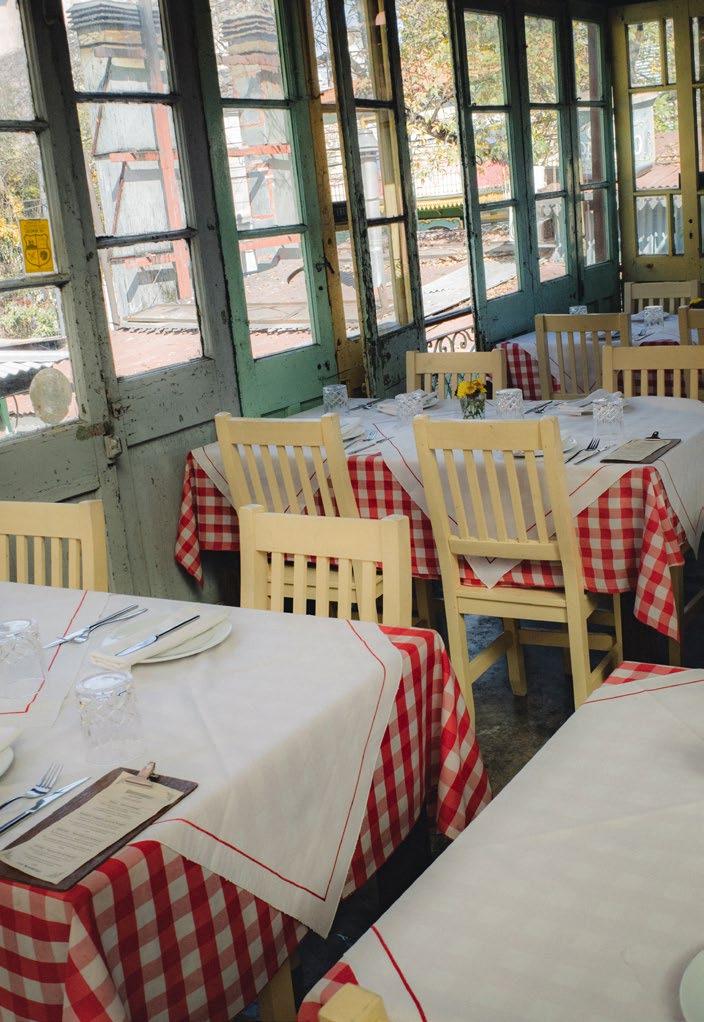
Cantina. The hotel’s main restaurant. Argentine criollo tradition crossed with Italian influence, grilled meats at the centre and an atmosphere that nods to the early days of porteño polo. Breakfast, lunch and dinner all feel right.
La Cava. An intimate wine room with more than 250 Argentine labels from the country’s main regions, designed for private dinners of up to ten people and tasting sessions in a quiet, considered space.
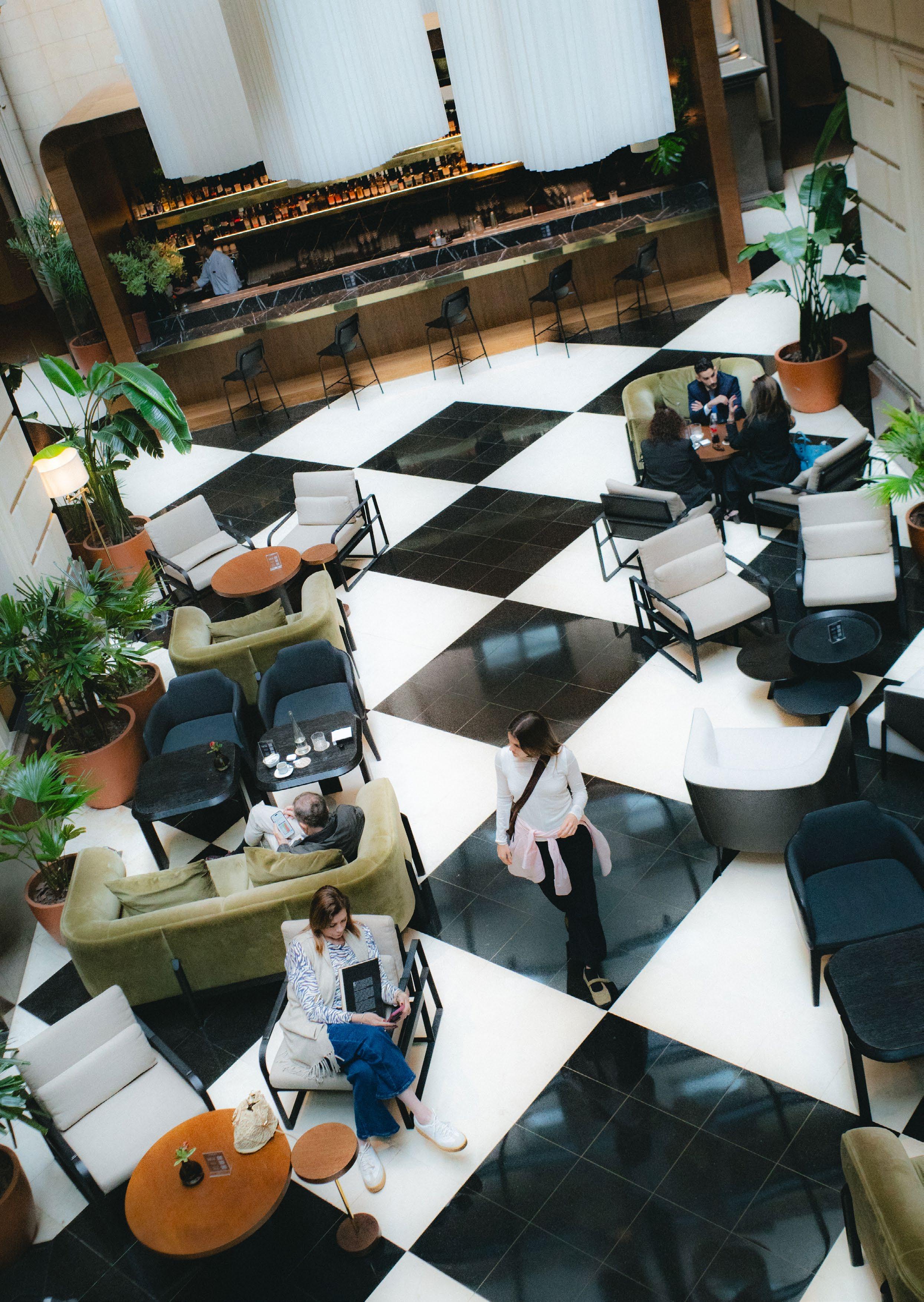
Le Club Bacán. The cocktail bar, set in the space once occupied by Maison Finesse, the haute couture atelier of the Mihanovich building, which earned the Golden Scissors award in its day. In the afternoons, Le Club Bacán reinvents the British tea ritual with a serve called G&T. On Friday and Saturday nights it turns into one of the city’s most sophisticated rooms, with DJ sessions, signature cocktails and the kind of atmosphere you would expect from a hotel that takes its bar seriously.
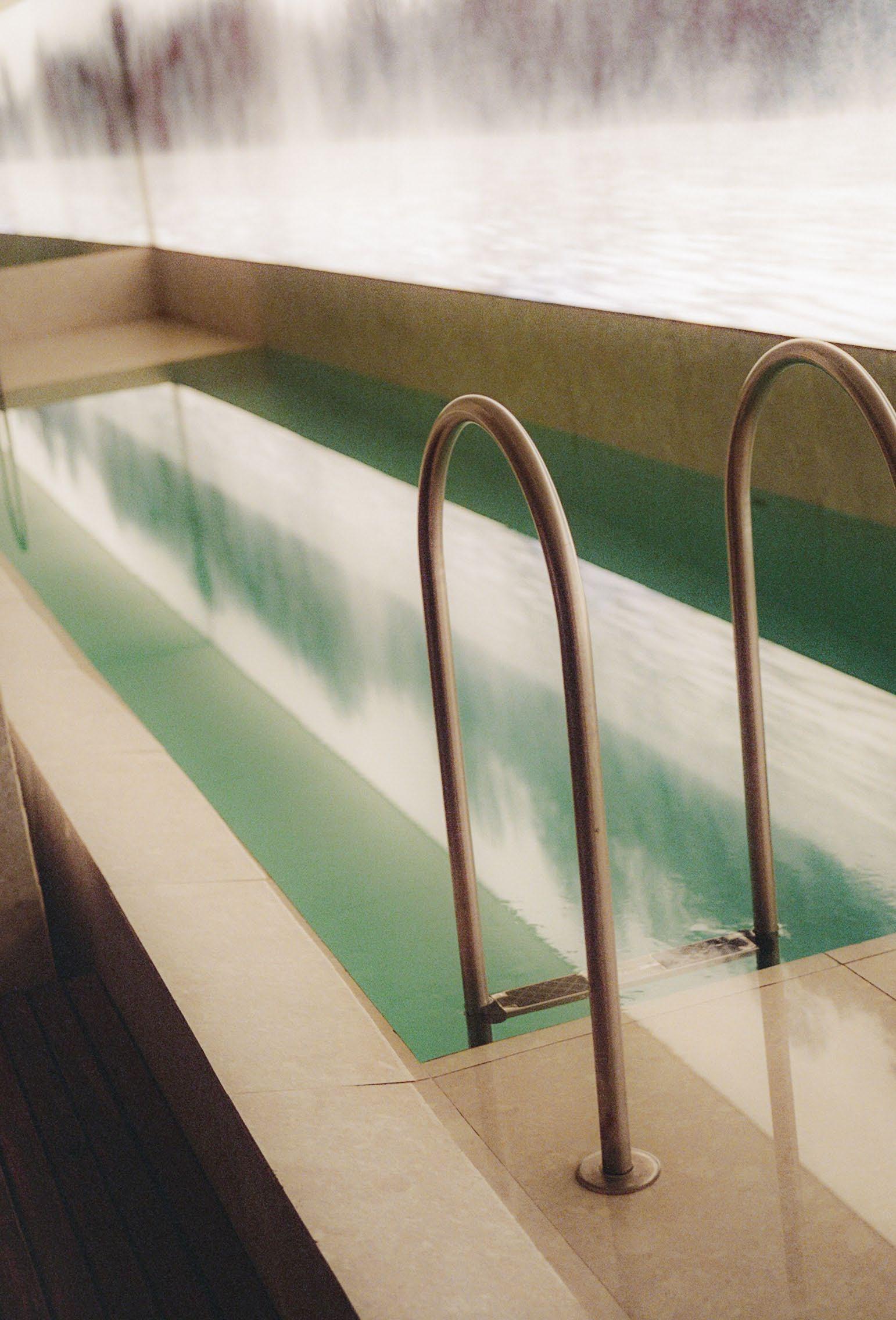
Aura Pampa Spa. The hotel’s spa, inspired by the natural essence of the pampas. Treatments combine therapeutic techniques with sensorial rituals and Argentine ingredients. The space is built around an infinity pool with a mural of the pampa landscape, a sauna and a Scottish shower.
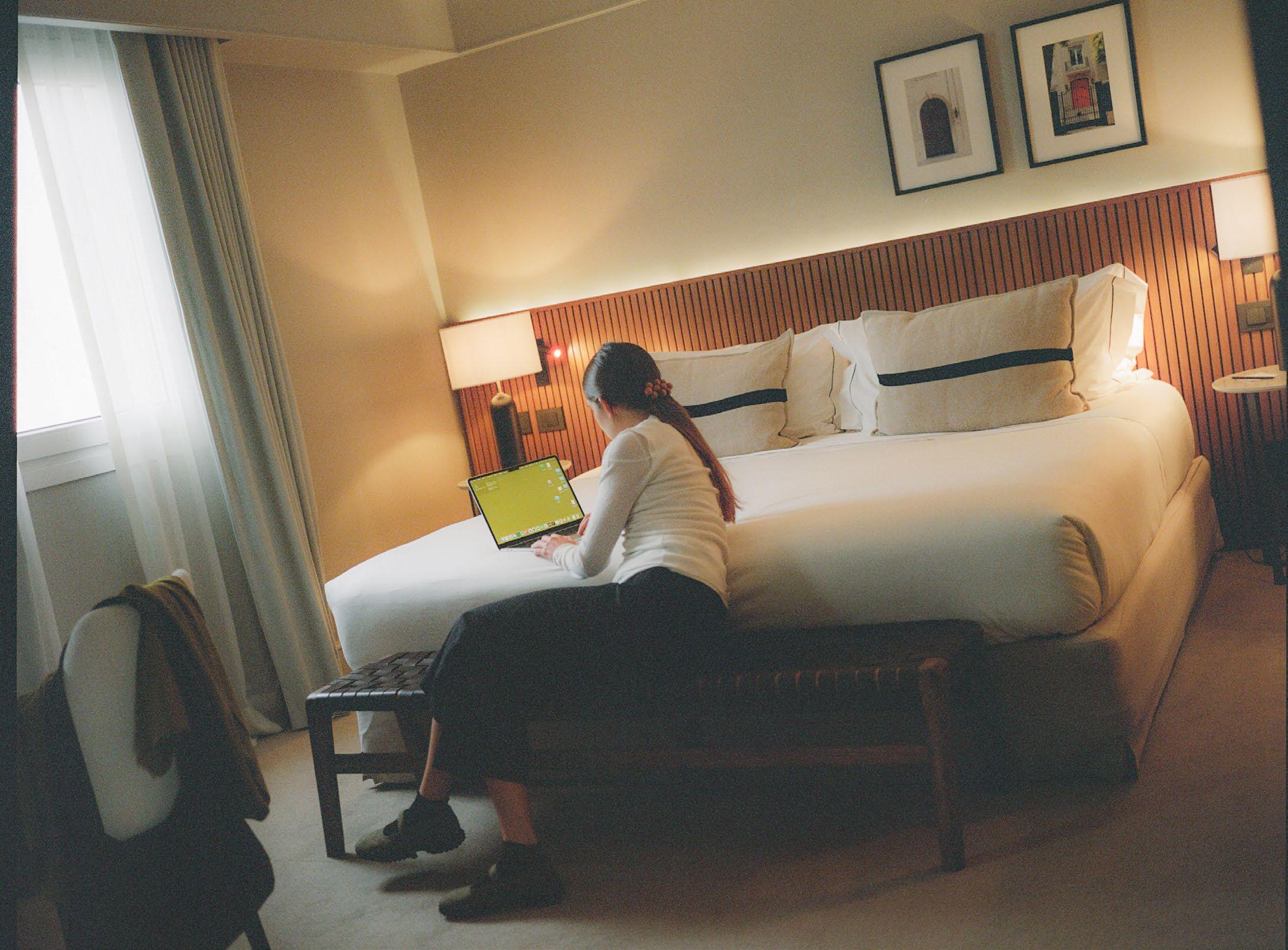
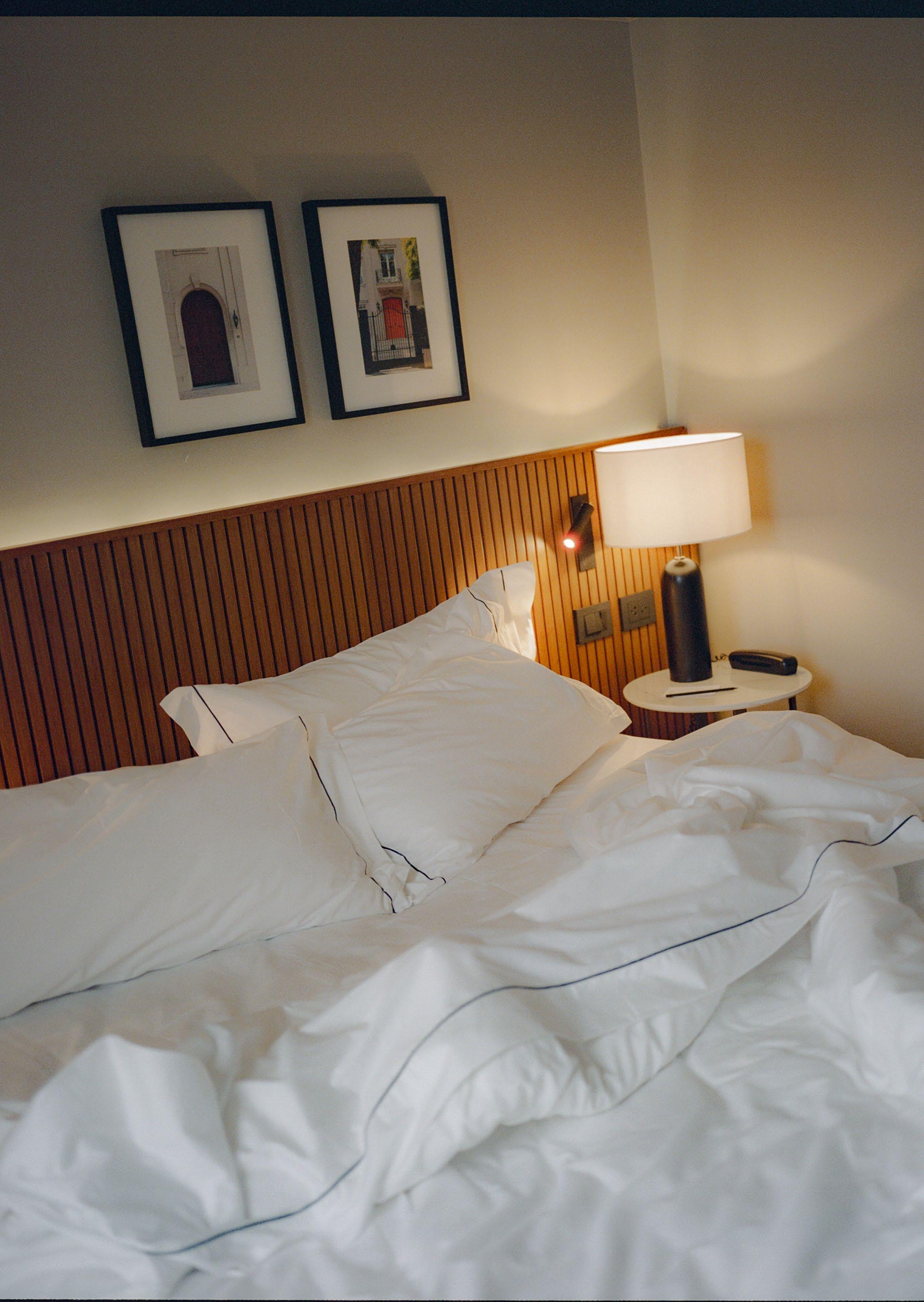
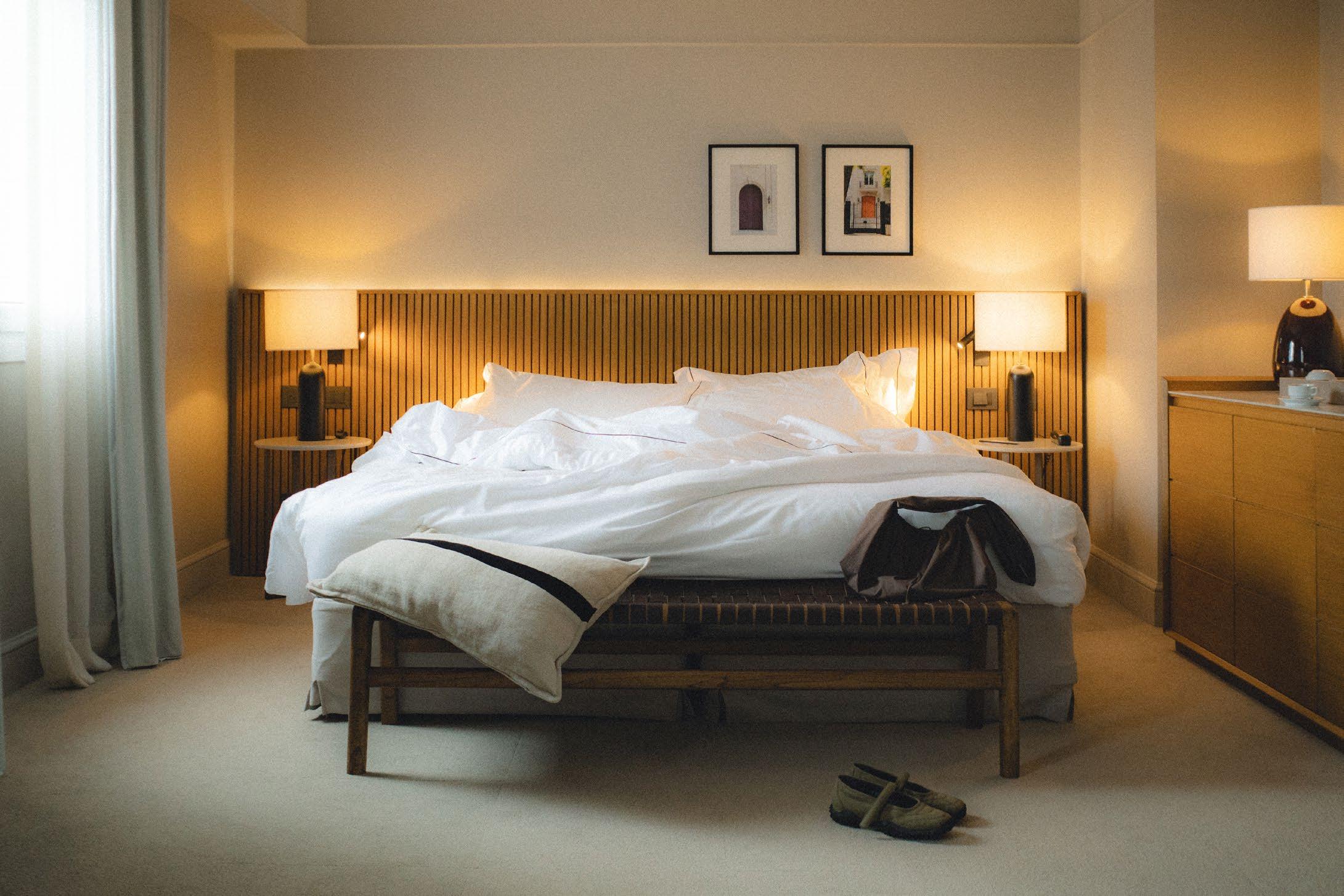
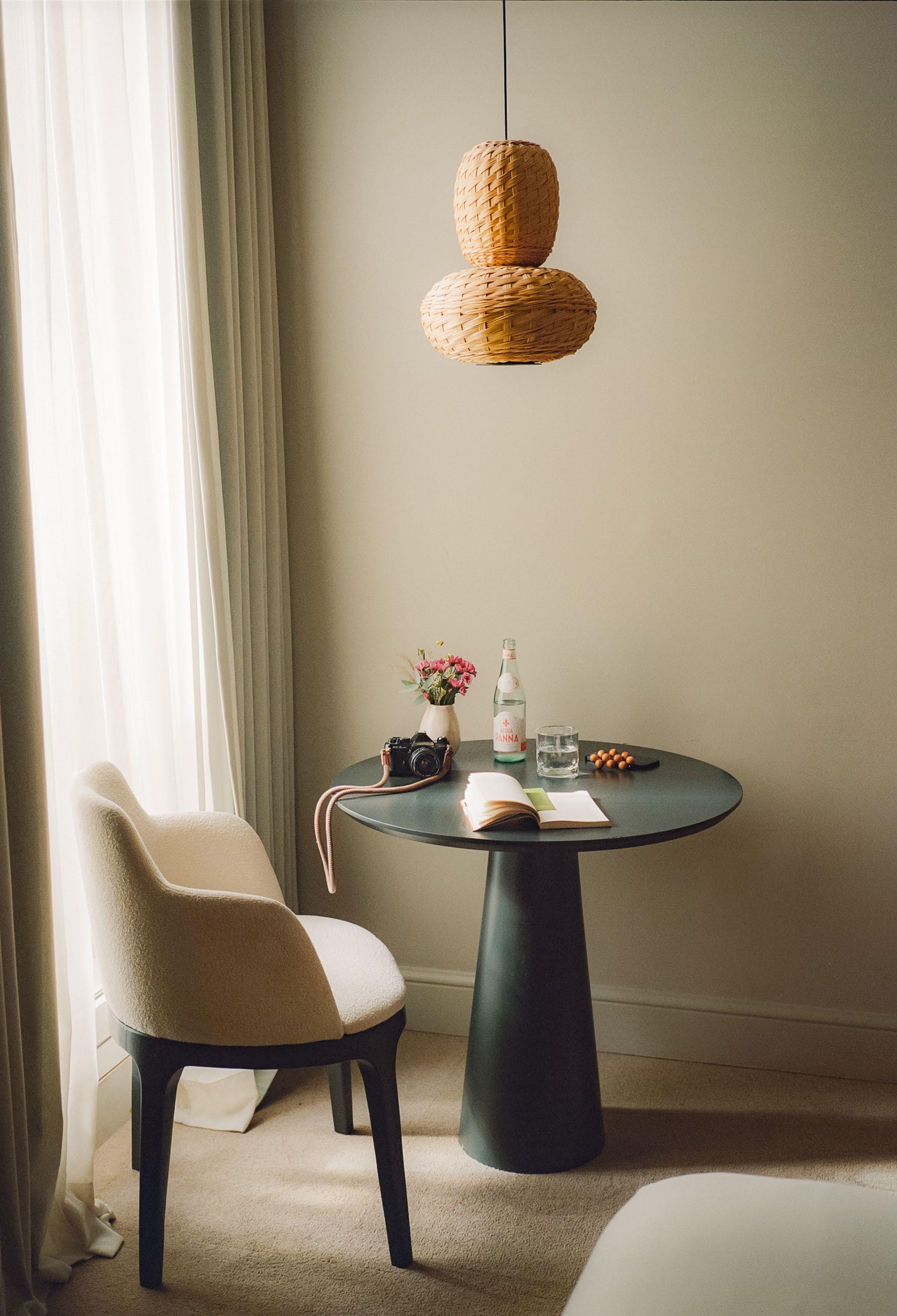
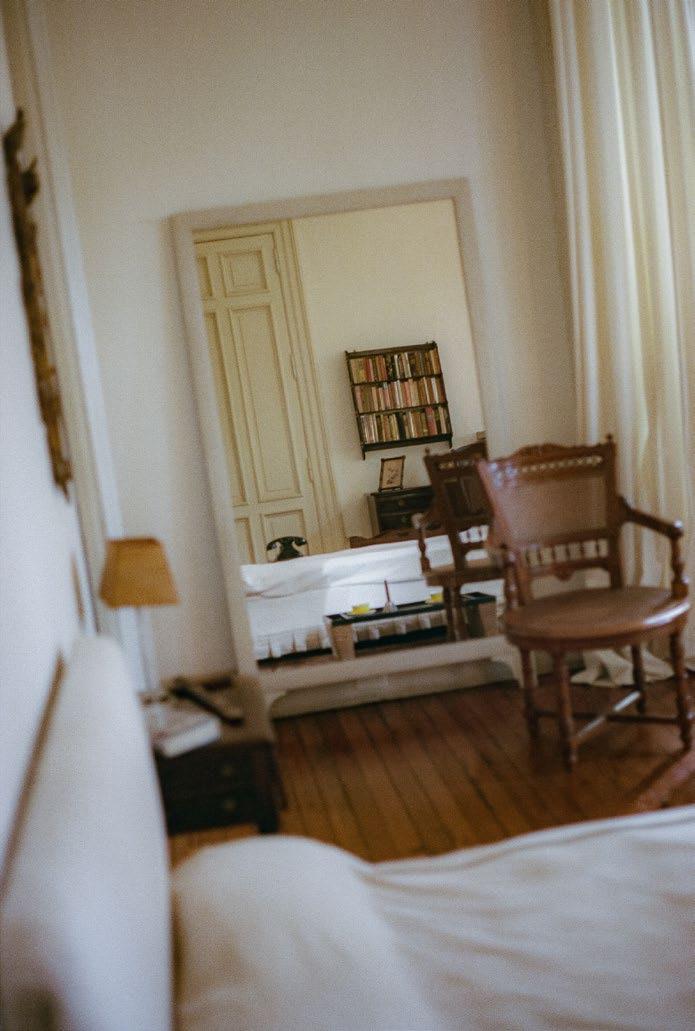
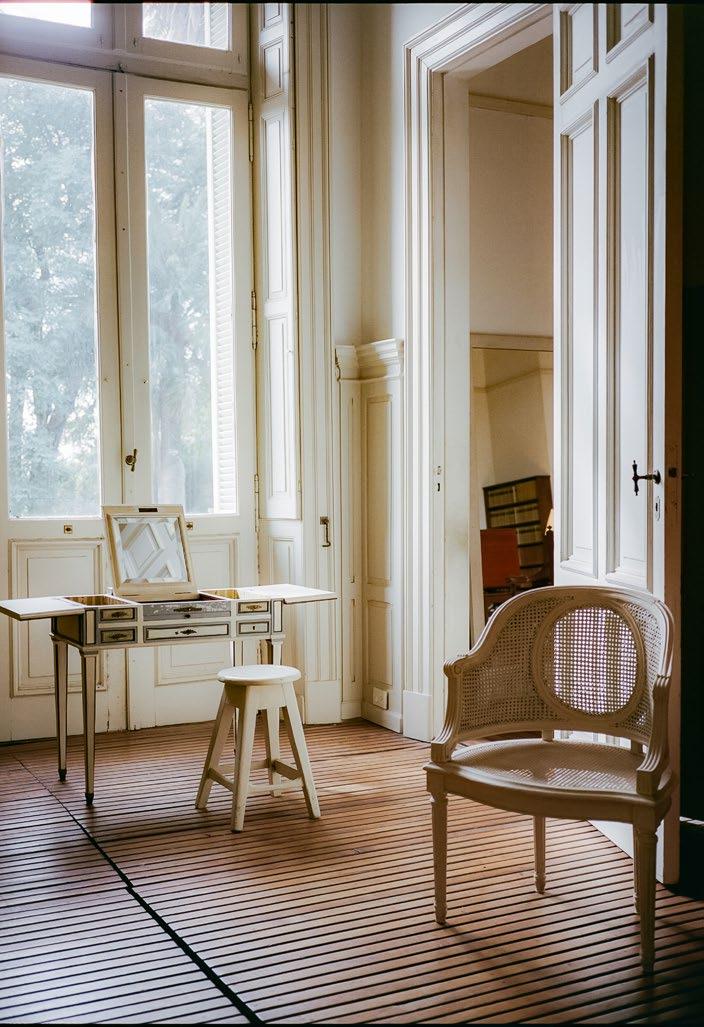
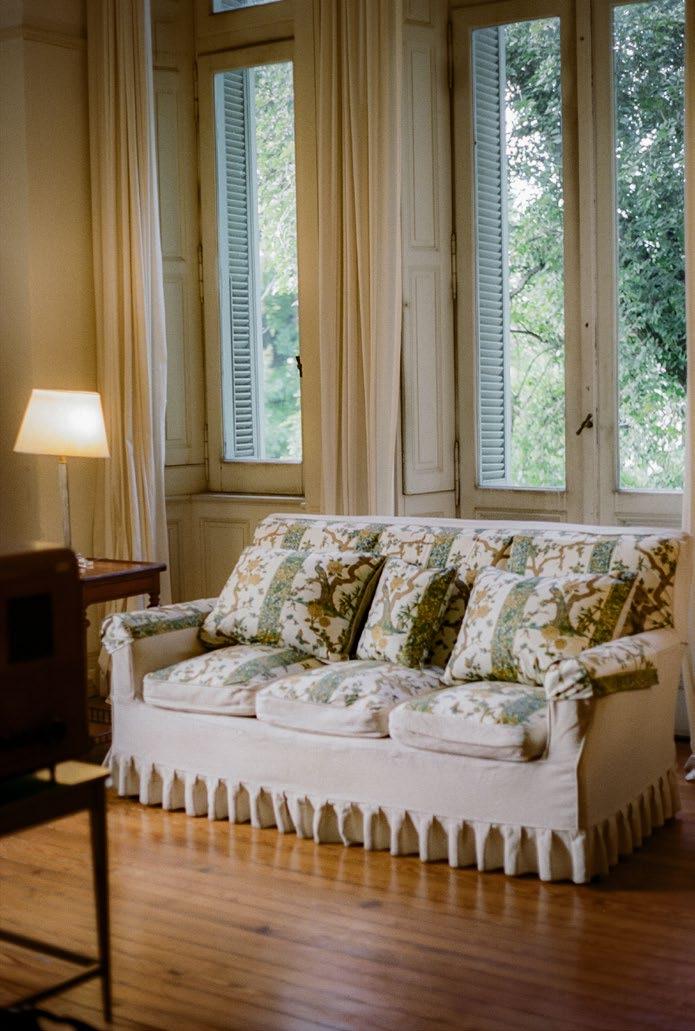
Each space at Casa Lucia evokes a different chapter of that period, and the hotel reads as a slow walk through the cultural and architectural memory of the city. The 142 rooms and suites all have natural light, and the categories range from the 25-square-metre Style Rooms to the 70-square-metre Mihanovich Suite.
EXPLORE
The Meliá Collection Casa Lucia
Palermo
Retiro
Centro
San Isidro
San Telmo
Chacarita & Villa Crespo
Caballito
Recoleta
La Boca
Puerto Madero
Retiro. A historic gateway into the city, anchored by Plaza San Martín and its century-old rubber trees. Retiro mixes Beaux-Arts palaces and 1920s rationalist apartment buildings; the Kavanagh, completed in 1936, was the first true skyscraper in South America and remains its defining silhouette. Calle Arroyo, the short sloping street where Casa Lucia sits, has become the city’s main gallery street. Recoleta. One of the most elegant neighbourhoods of the city. Nineteenth-century French-style mansions, many now converted into museums
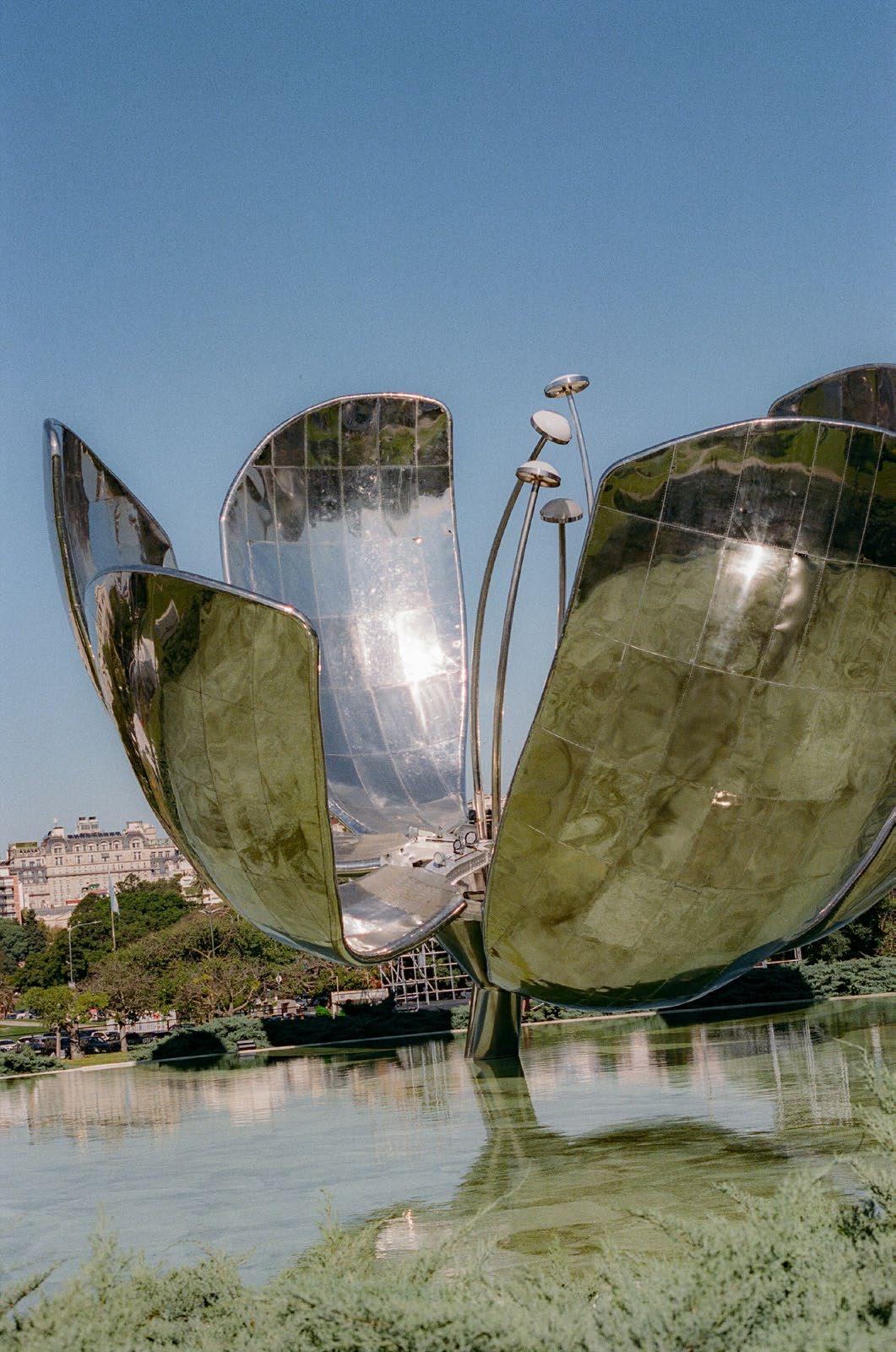
and embassies. The Recoleta cemetery is a small city of neoclassical mausoleums in itself, and the streets around Avenida Alvear are home to some of the most traditional shops in Buenos Aires. The Floralis Genérica is the first kinetic sculpture in the city, designed by the Argentine architect Eduardo Catalano and donated to Buenos Aires in 2002. Its six petals open in the morning and close at sunset thanks to a hydraulic system and photoelectric cells. Catalano wanted a structure that would speak to the dynamism of the contemporary world.
Palermo. The largest neighbourhood in Buenos Aires, divided into smaller pockets, each with its own character. Palermo Soho is the commercial heart of the area, dense with shops, bars and restaurants; Palermo Hollywood, on the other side of the railway, is mostly restaurants and natural wine bars; Palermo Chico or Barrio Parque is residential and embassy-heavy, with some of the best modernist houses in the city and MALBA at its edge; and the Bosques de Palermo, the main green space of the city, hold the rose garden and the lake where people drink mate and ride bicycles on weekends.
Chacarita & Villa Crespo. What was a workingclass area of workshops and cemeteries a few years ago has become one of the most active parts of the city. Chef-led restaurants, natural wine bars, vermouth spots, design studios, all without losing the low-rise, neighbourhood feel.
San Telmo. The oldest part of the city. In 1871 a yellow fever epidemic drove the wealthy families north to Recoleta and Retiro, leaving their colonial houses behind. Many still stand, broken
into smaller apartments. Cobblestoned streets, tango in the open, the Mercado de San Telmo and a Sunday fair that fills Plaza Dorrego with antiques and music.
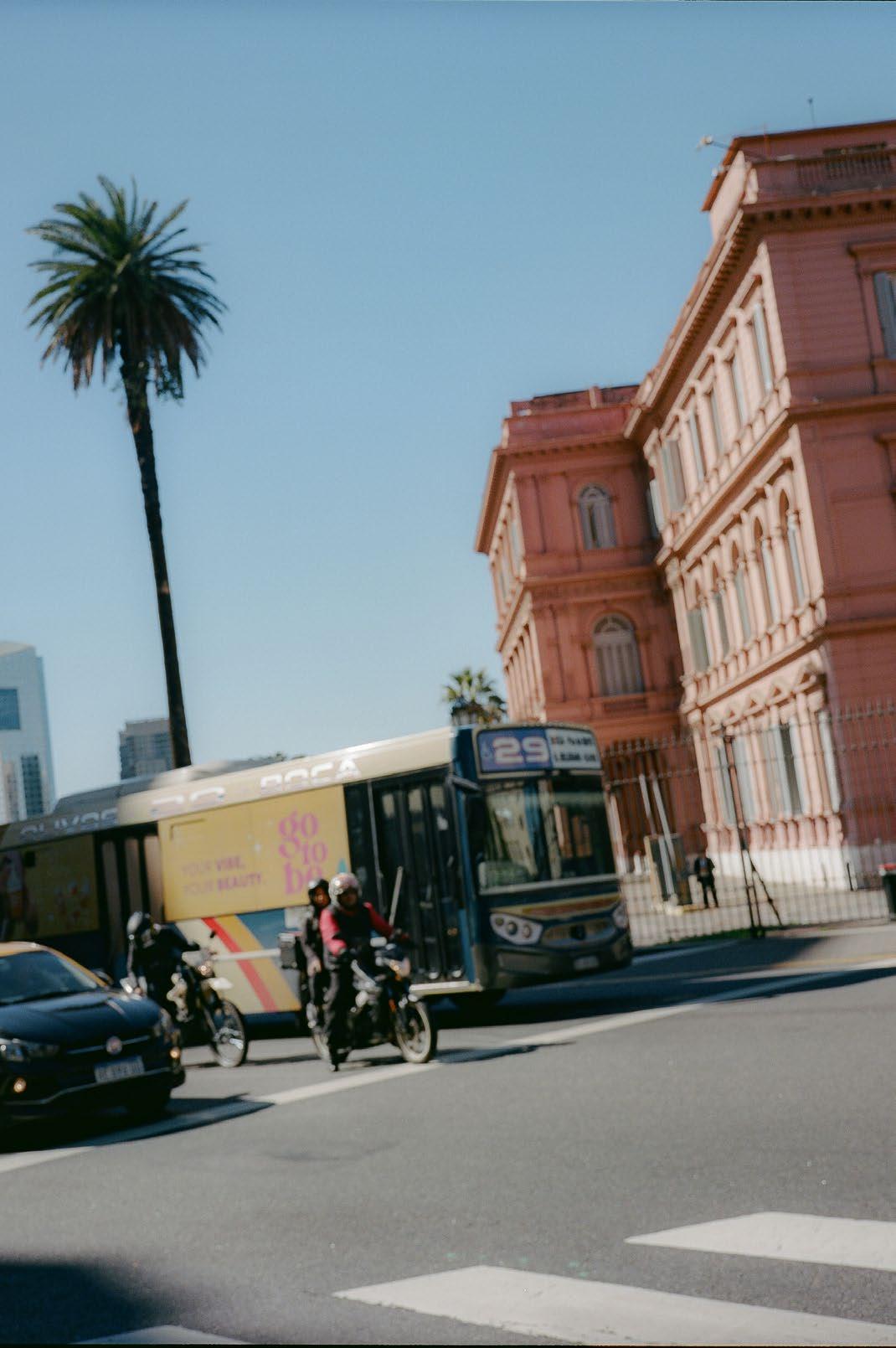
Centro. The historic and political heart of Buenos Aires. Plaza de Mayo with the Casa Rosada, the great theatres, and Avenida de Mayo lined with cafés and façades that have barely changed in a century. Calle Corrientes is the theatre and pizza spine of the city, where the bars and pizzerías stay open well past midnight. A wave of restorations has brought back some of the great classics.
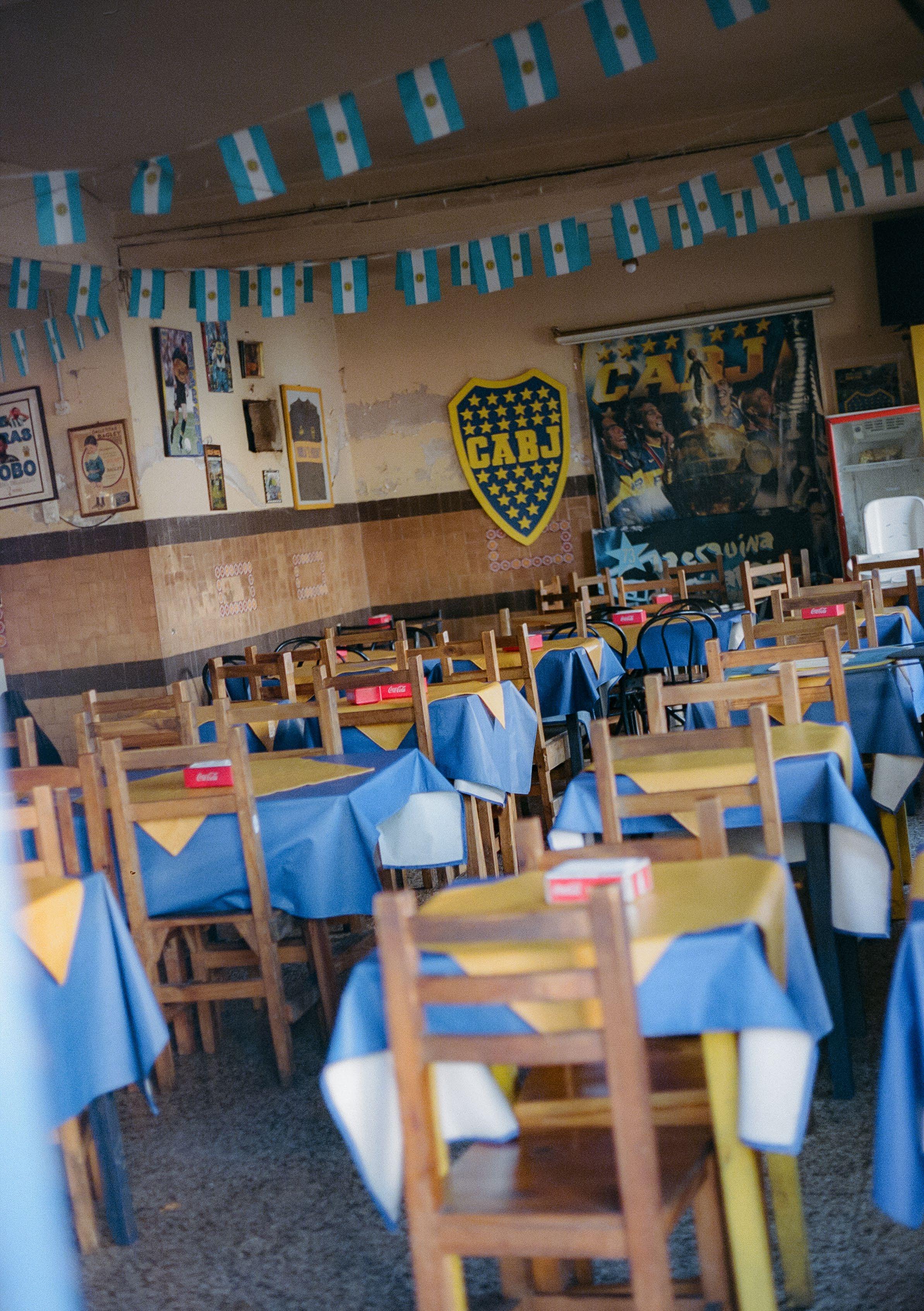
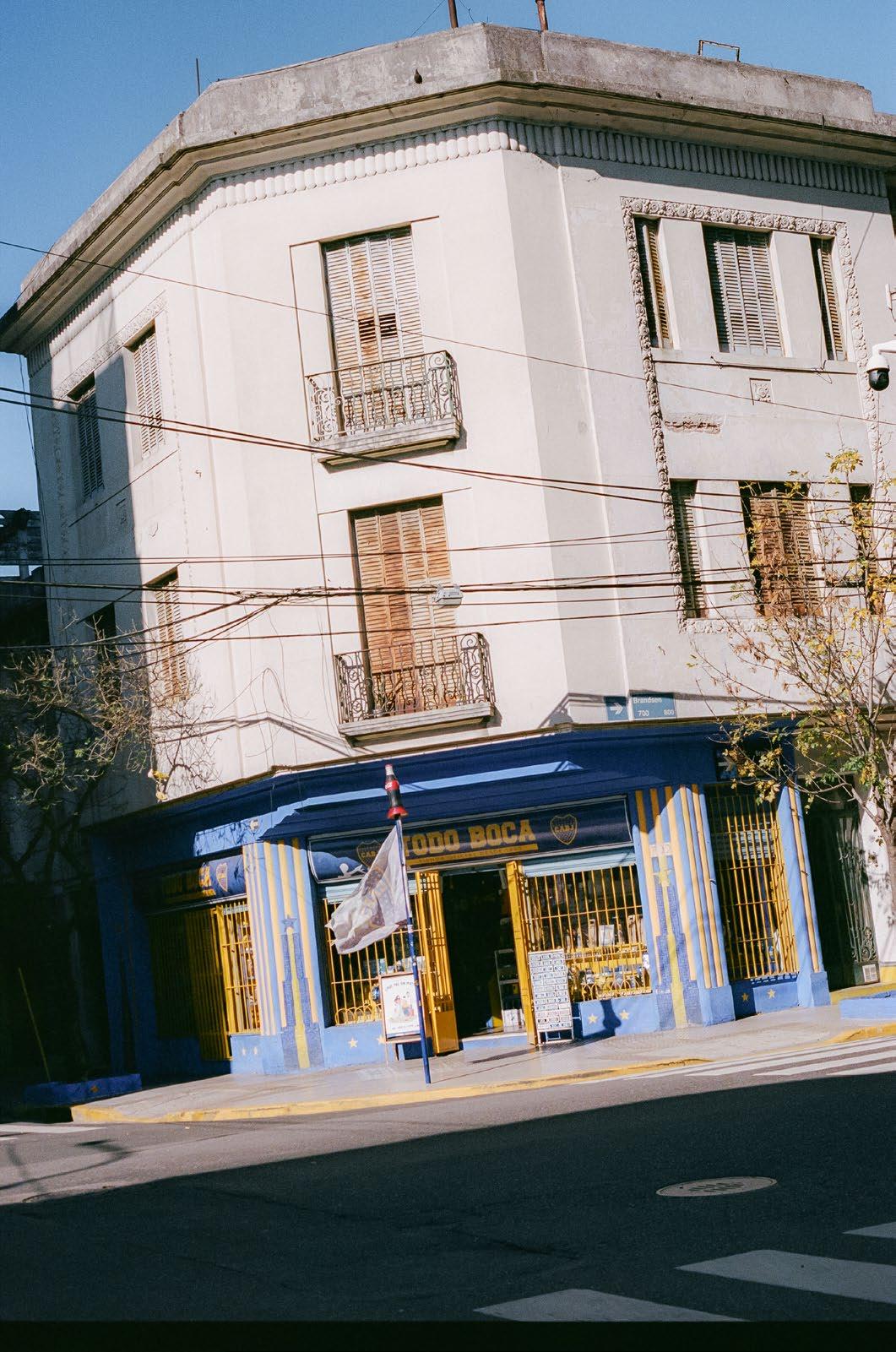
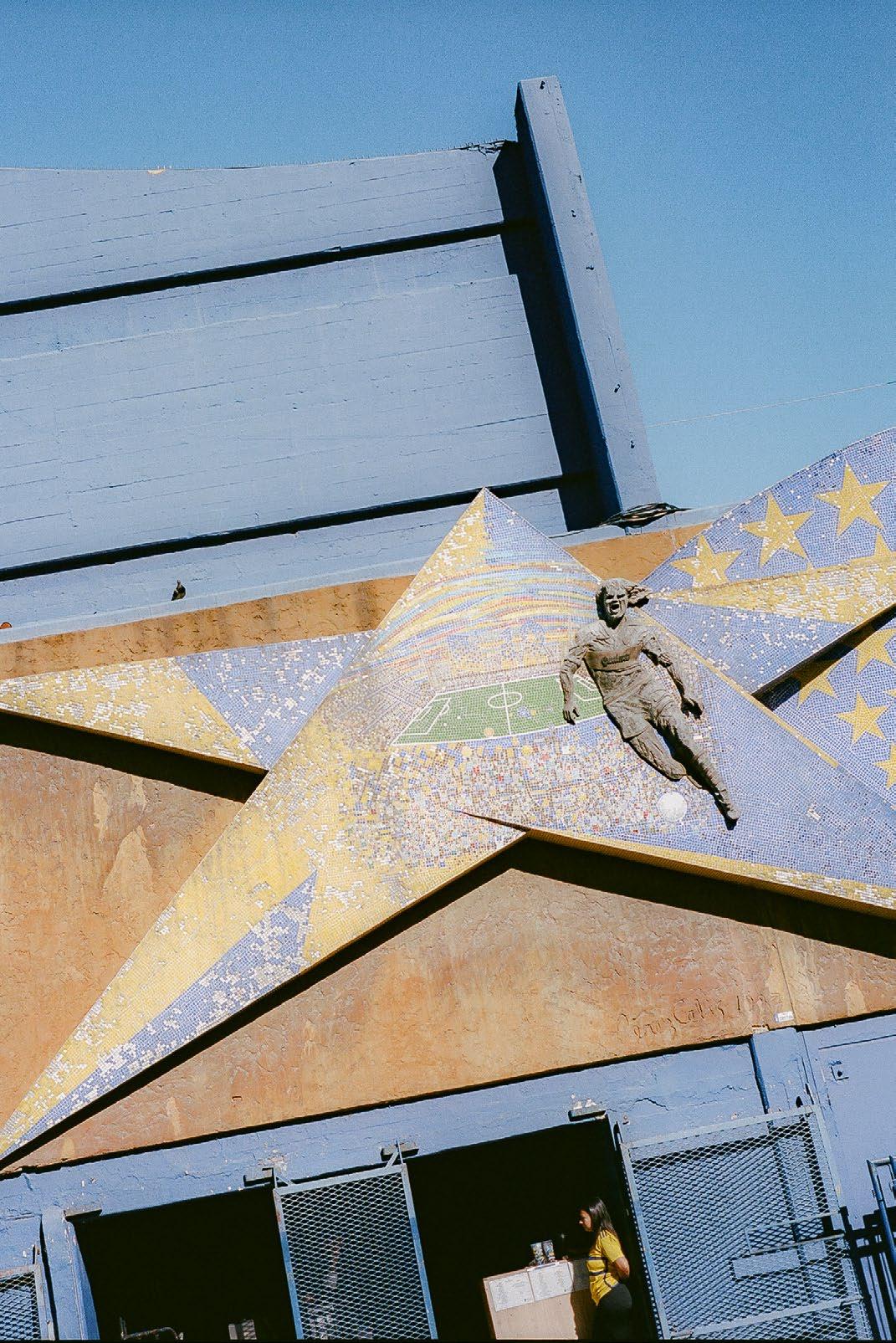
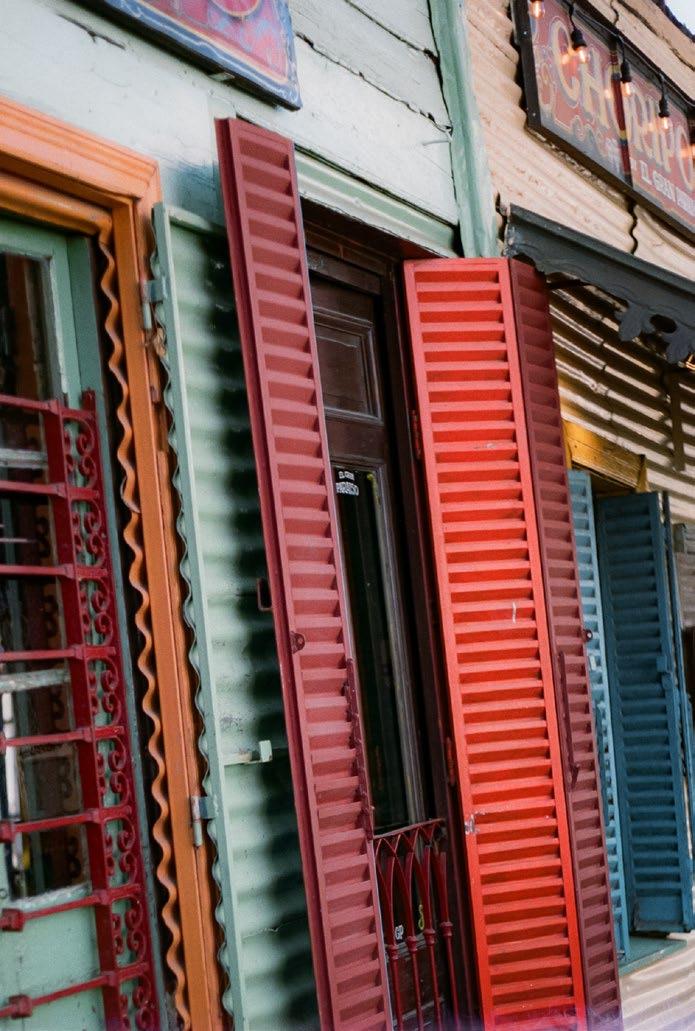
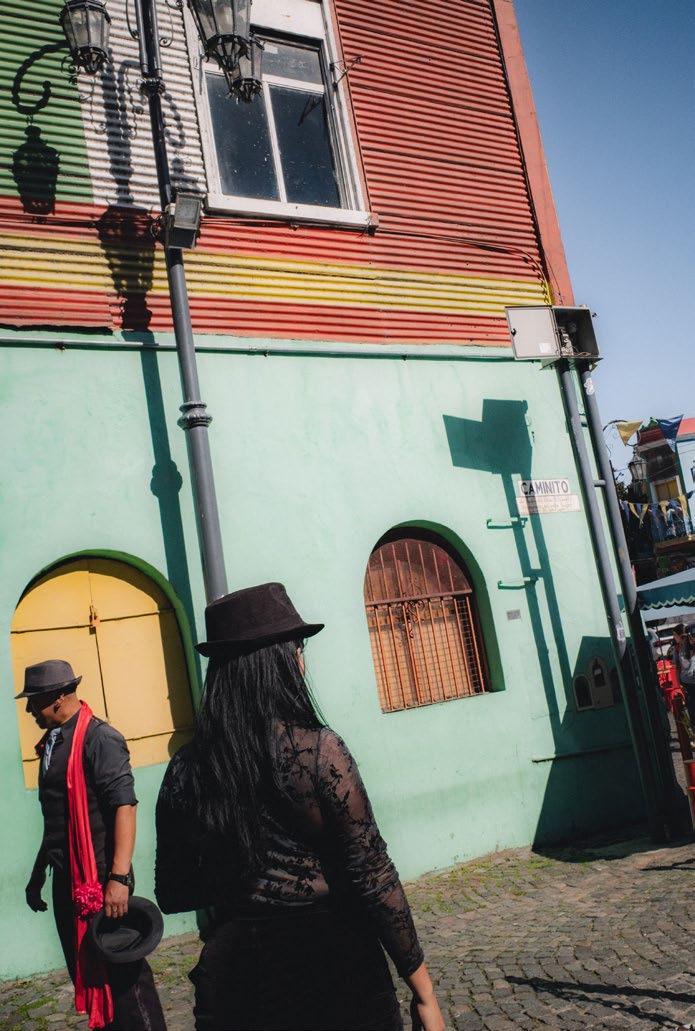
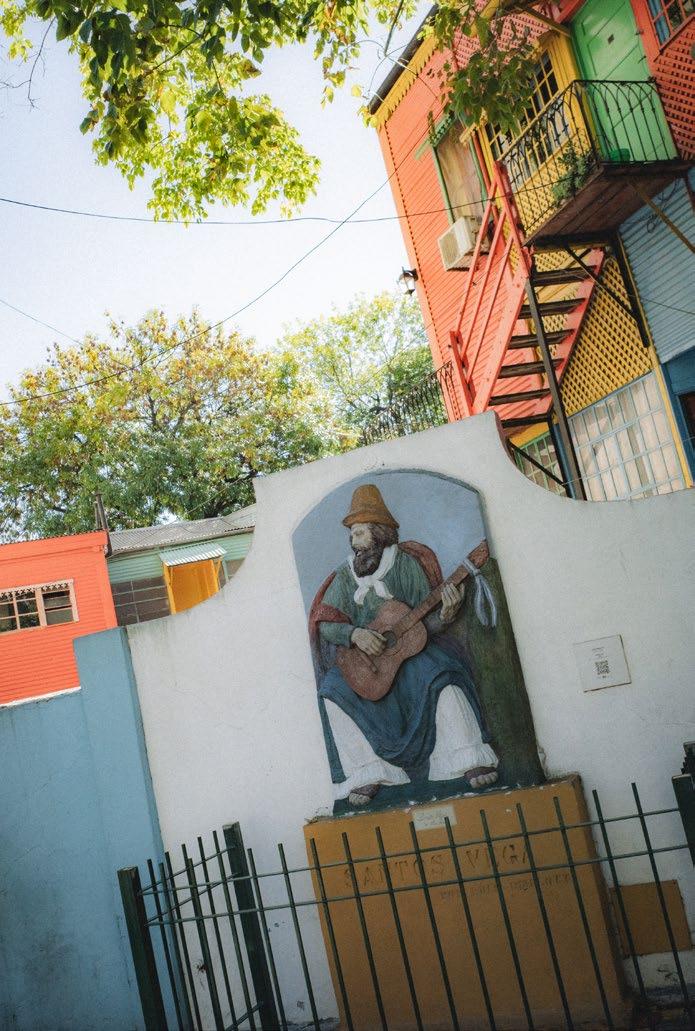
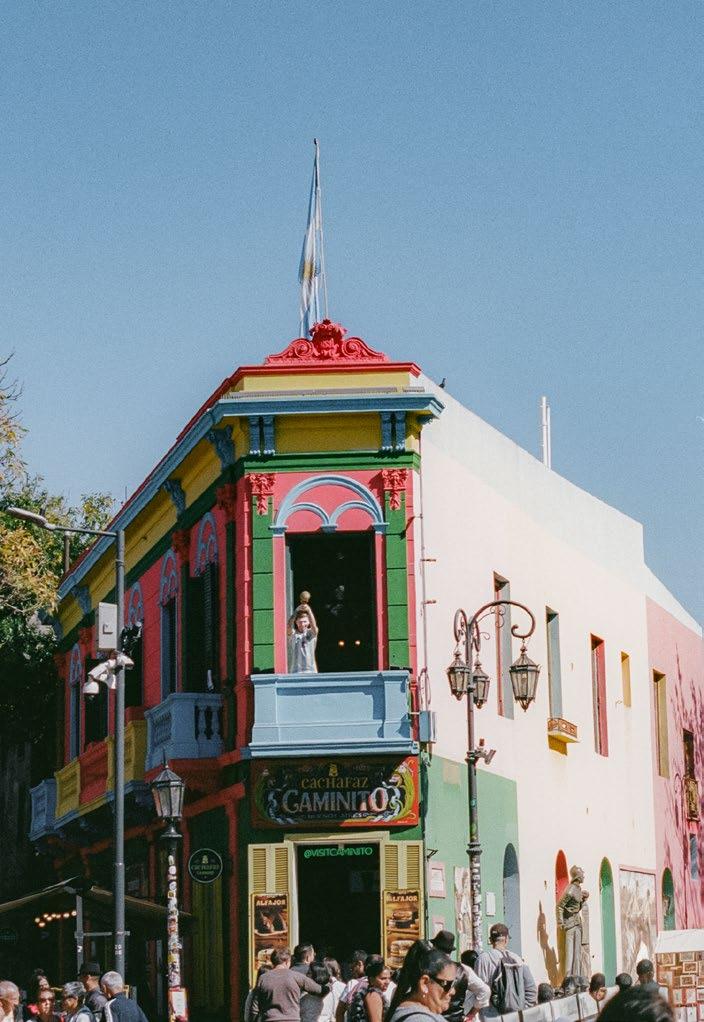
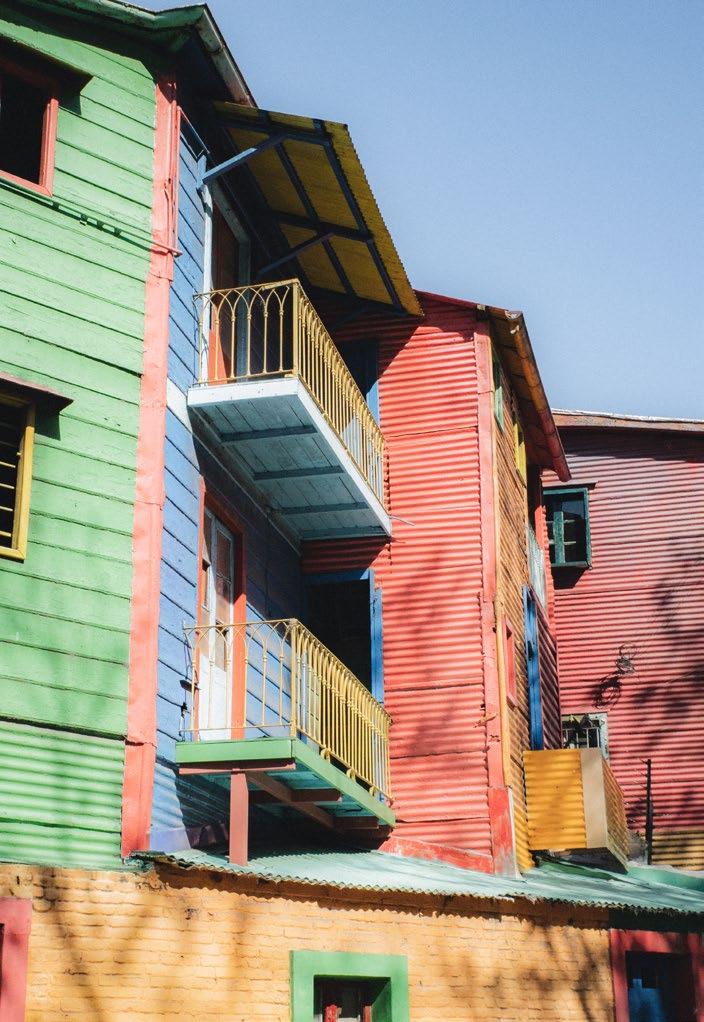
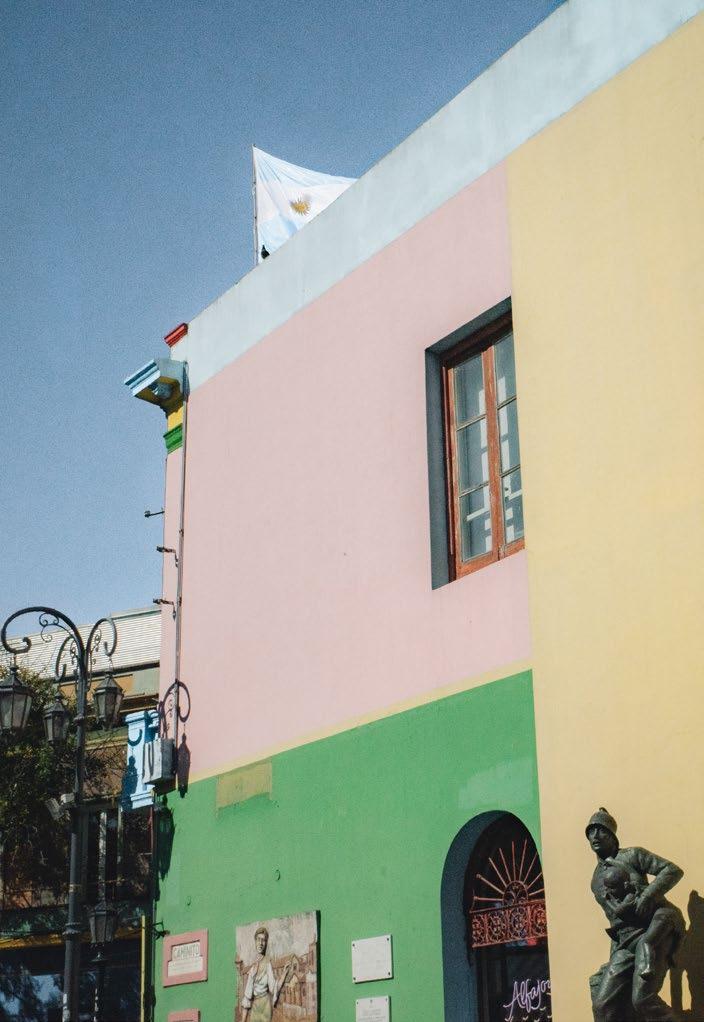
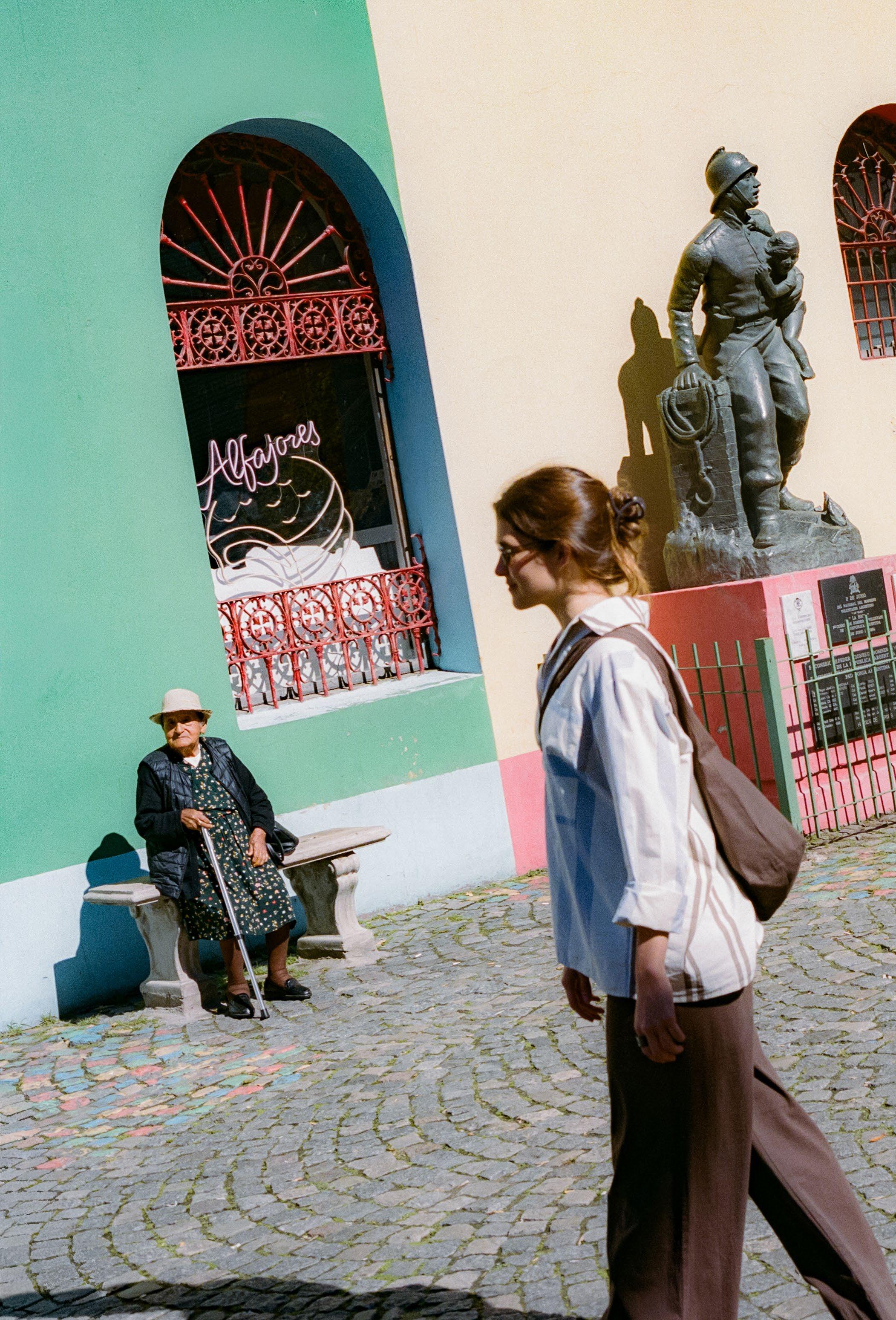
La Boca. A Genoese immigrant neighbourhood, defined by its corrugated metal houses painted with whatever colours were left over from the boats at the port. Beyond Caminito (which can feel touristy) you will find good art institutions and the bodegones that still serve locals along the Riachuelo. La Boca is also home to La Bombonera, the stadium of Boca Juniors, and the colours blue and yellow are everywhere. Football in Buenos Aires is closer to a religion, and the rivalry between Boca and River Plate (the two biggest clubs in the country, both based in the city) shapes everything from neighbourhood identity to weekly conversation. Walking through La Boca on a match day is its own kind of experience.
ARCHITECTURE & LANDMARKS
Teatro Colón
Palacio Barolo Centro
Biblioteca Nacional Mariano Moreno Recoleta
Banco de Londres (now Banco Hipotecario) Centro
Casa de Estudios para Artistas Microcentro
Casa Victoria Ocampo
Villa Ocampo
Floralis Genérica
Casa Rosada & Plaza de Mayo
Jardín Botánico Carlos Thays
Centro
San Isidro Centro
Palermo
Palermo Chico Recoleta
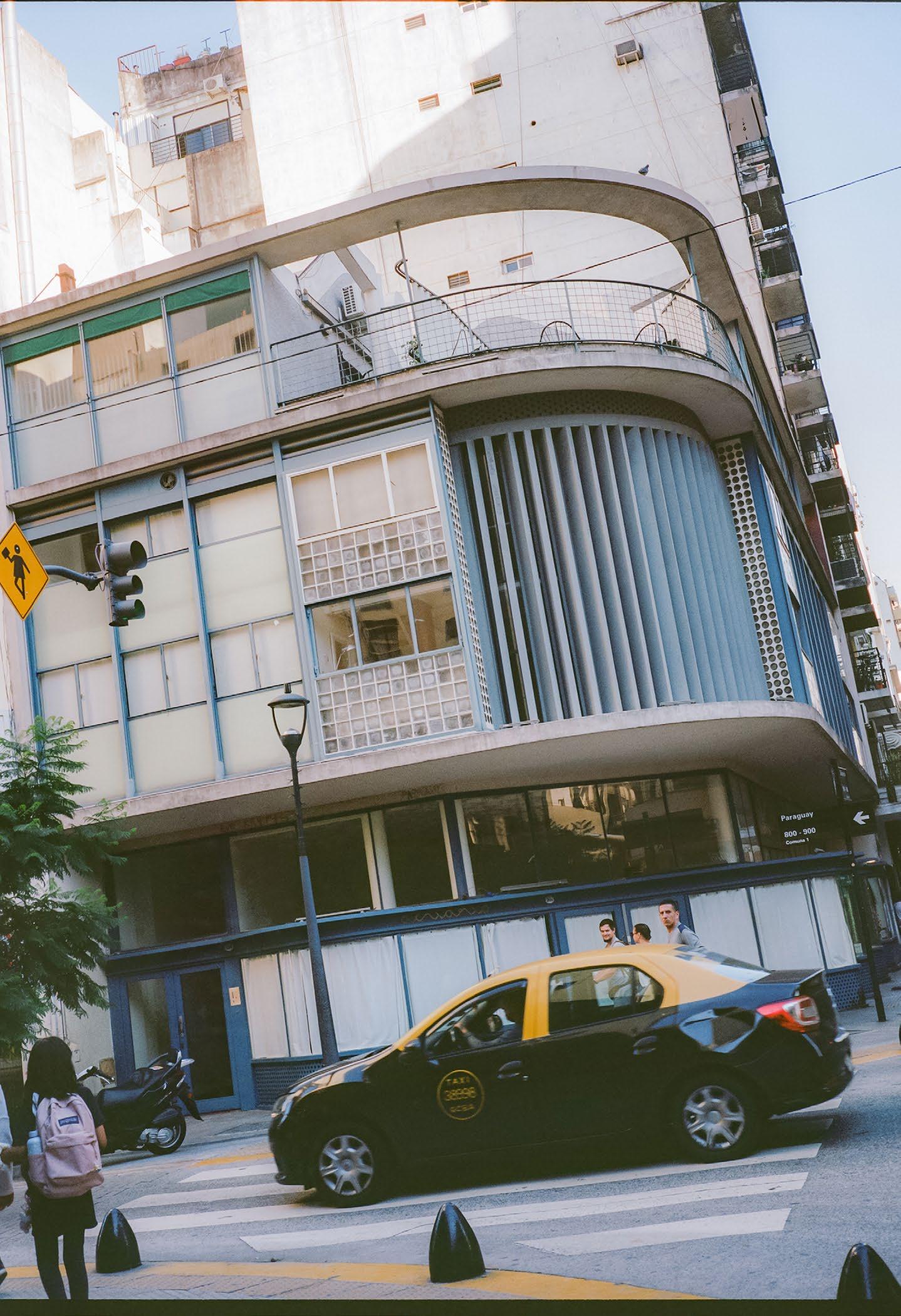
Casa de Estudios para Artistas. A 1938 corner building by Antoni Bonet Castellana, considered the starting point of architectural modernism in Argentina. The BKF butterfly chair was first designed here. On the ground floor, Acuario is a wine & cocktails bar. Microcentro (left).
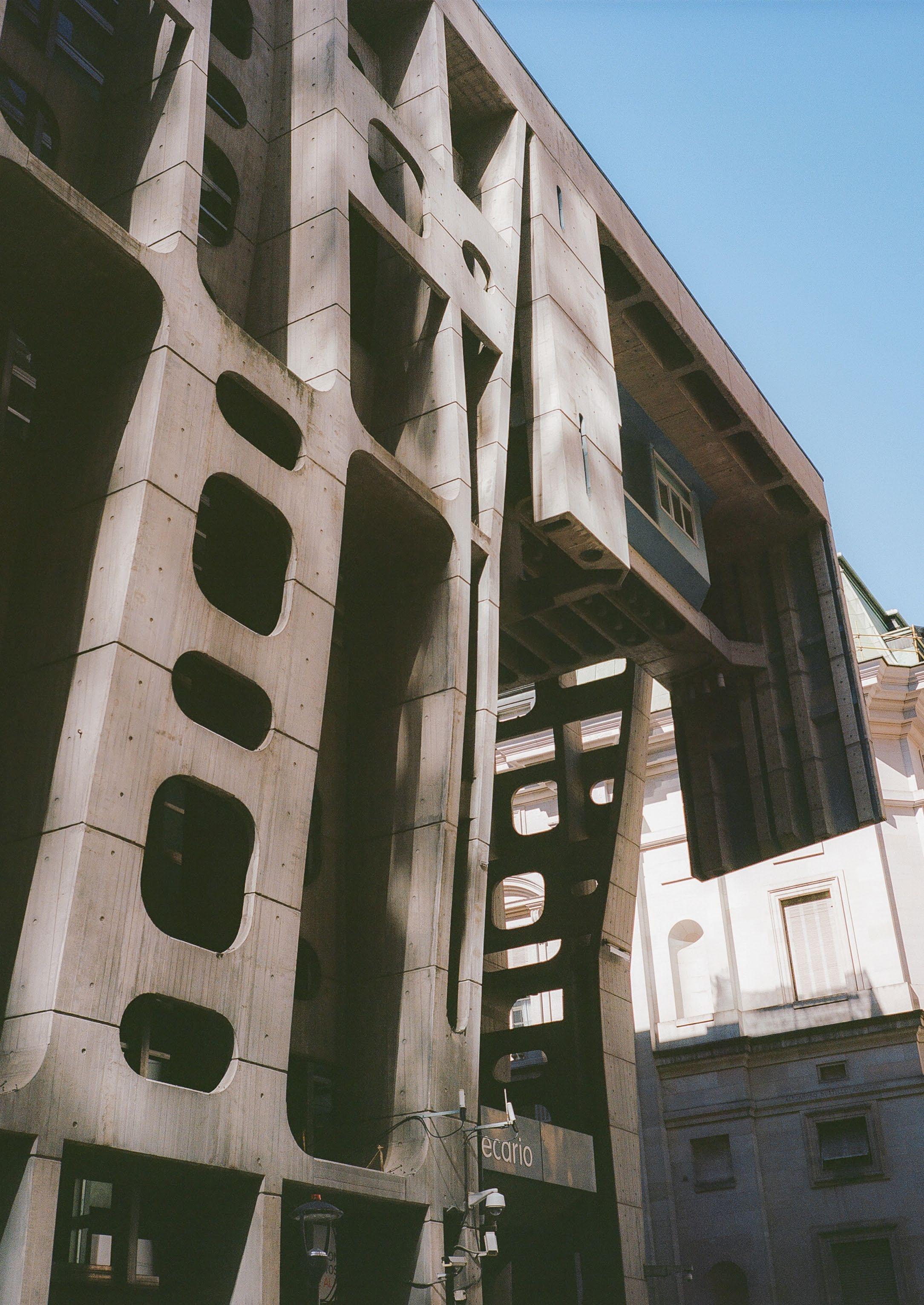
Banco de Londres (now Banco Hipotecario). Another Clorindo Testa building, one of the great examples of Latin American brutalism: a concrete shell suspended inside as if floating. Access is restricted; the best chance to see the interior is during Open House Buenos Aires. Centro (right).
Banco de Londres
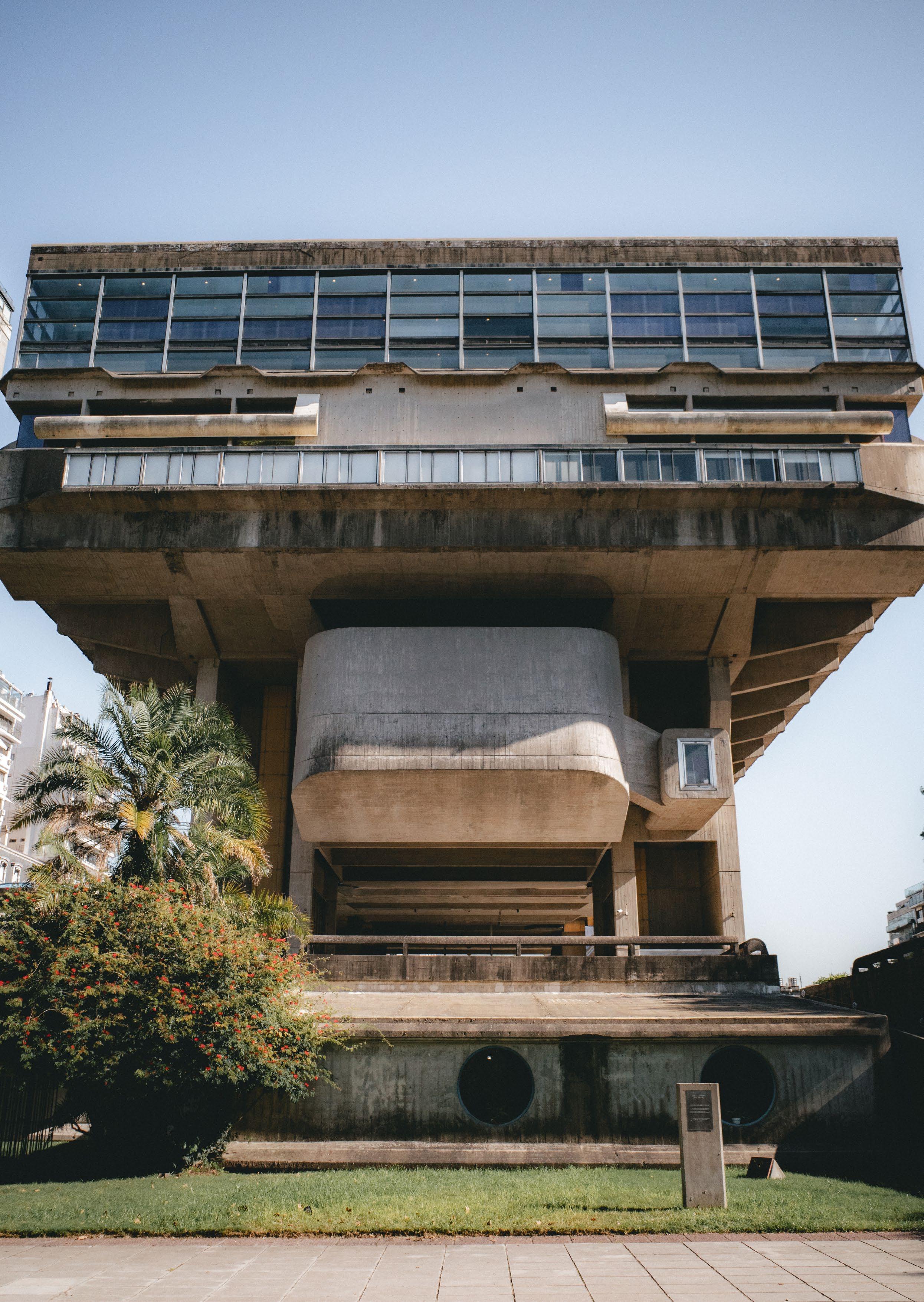
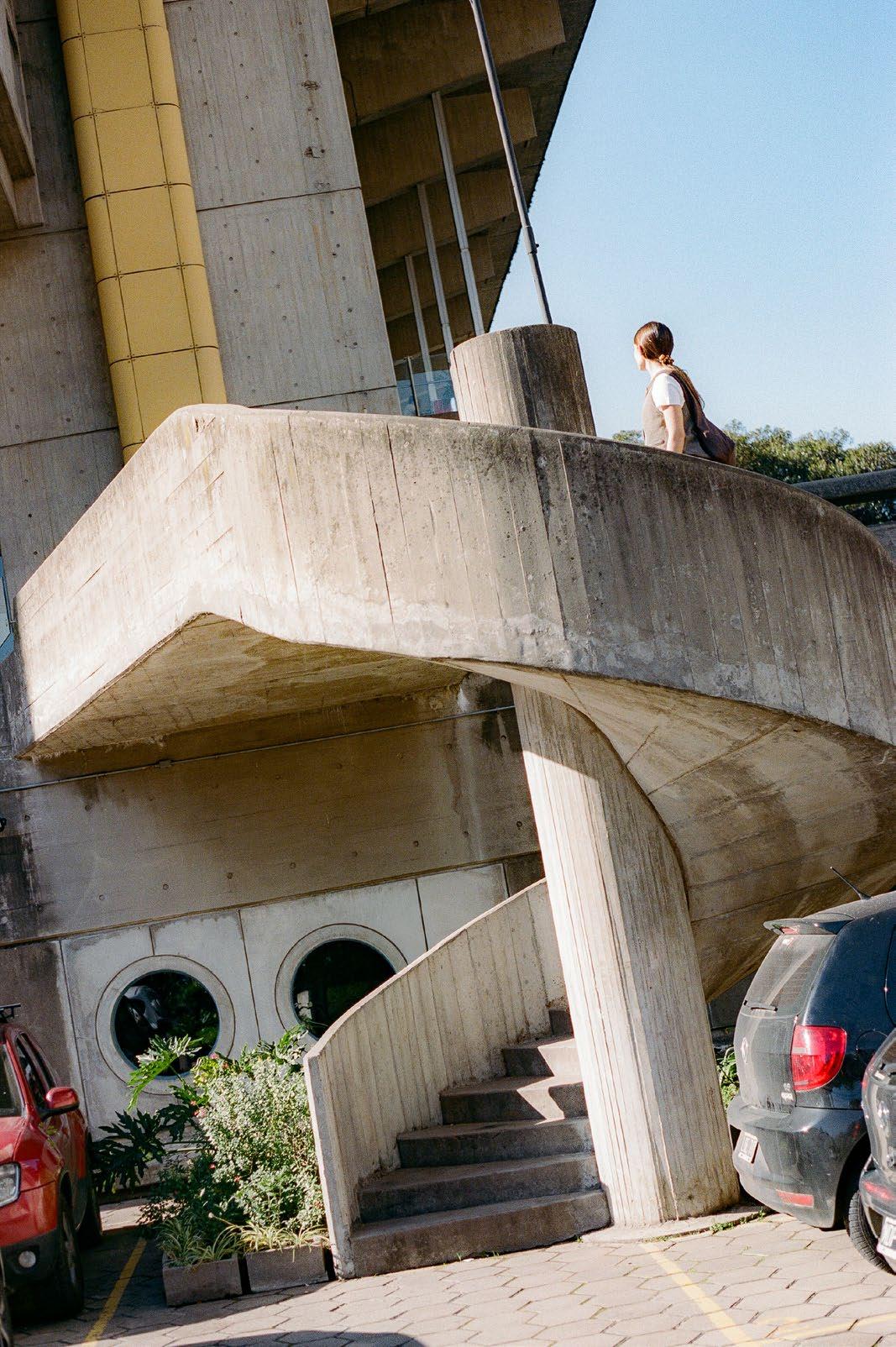
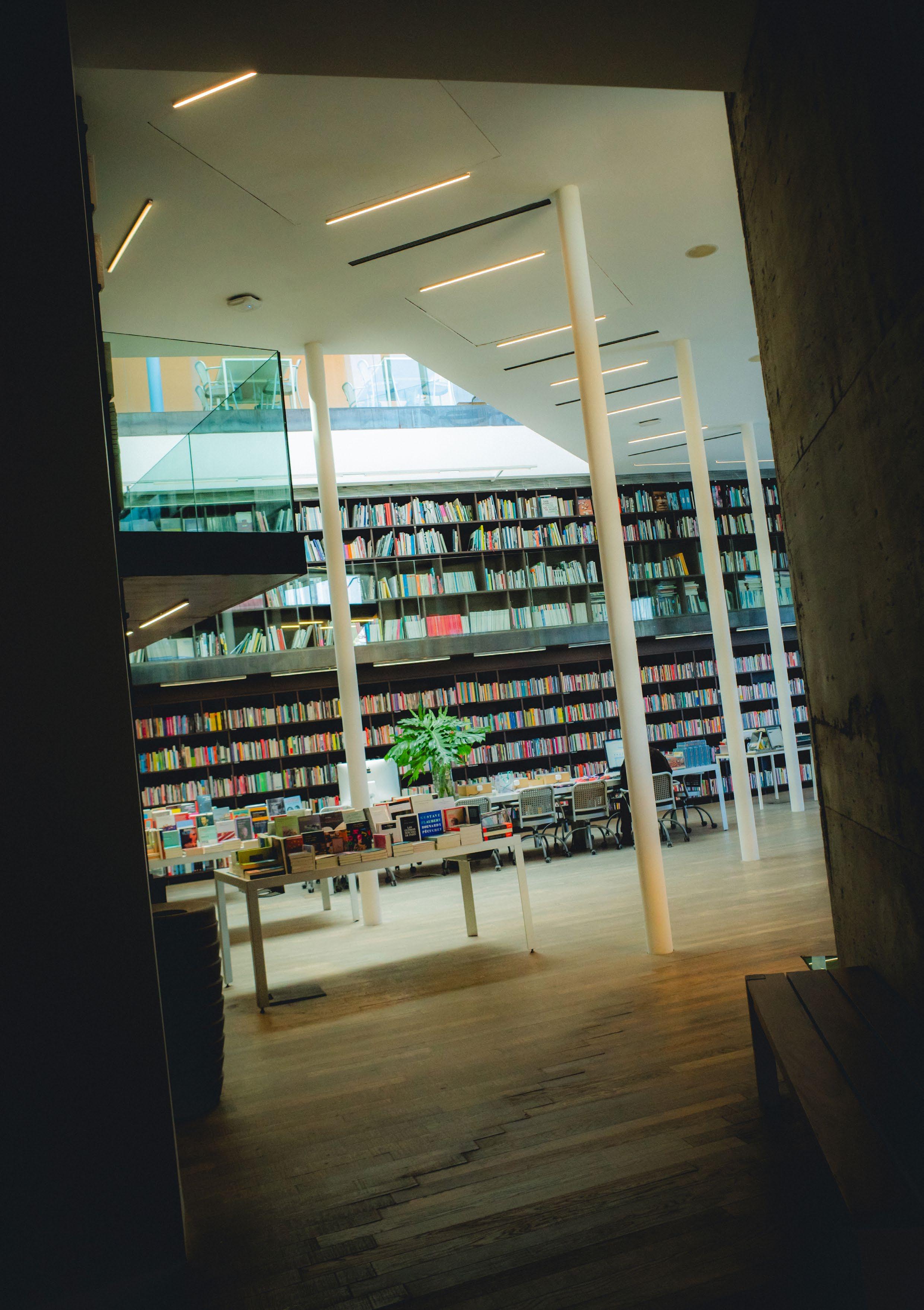
Biblioteca Nacional Mariano Moreno. Clorindo Testa’s brutalist library, finished in 1992. A concrete volume raised on tall pillars, with the reading rooms suspended above ground level. A building of this scale, opened to the public for free, full of students working at the original furniture under views of the entire city. Recoleta
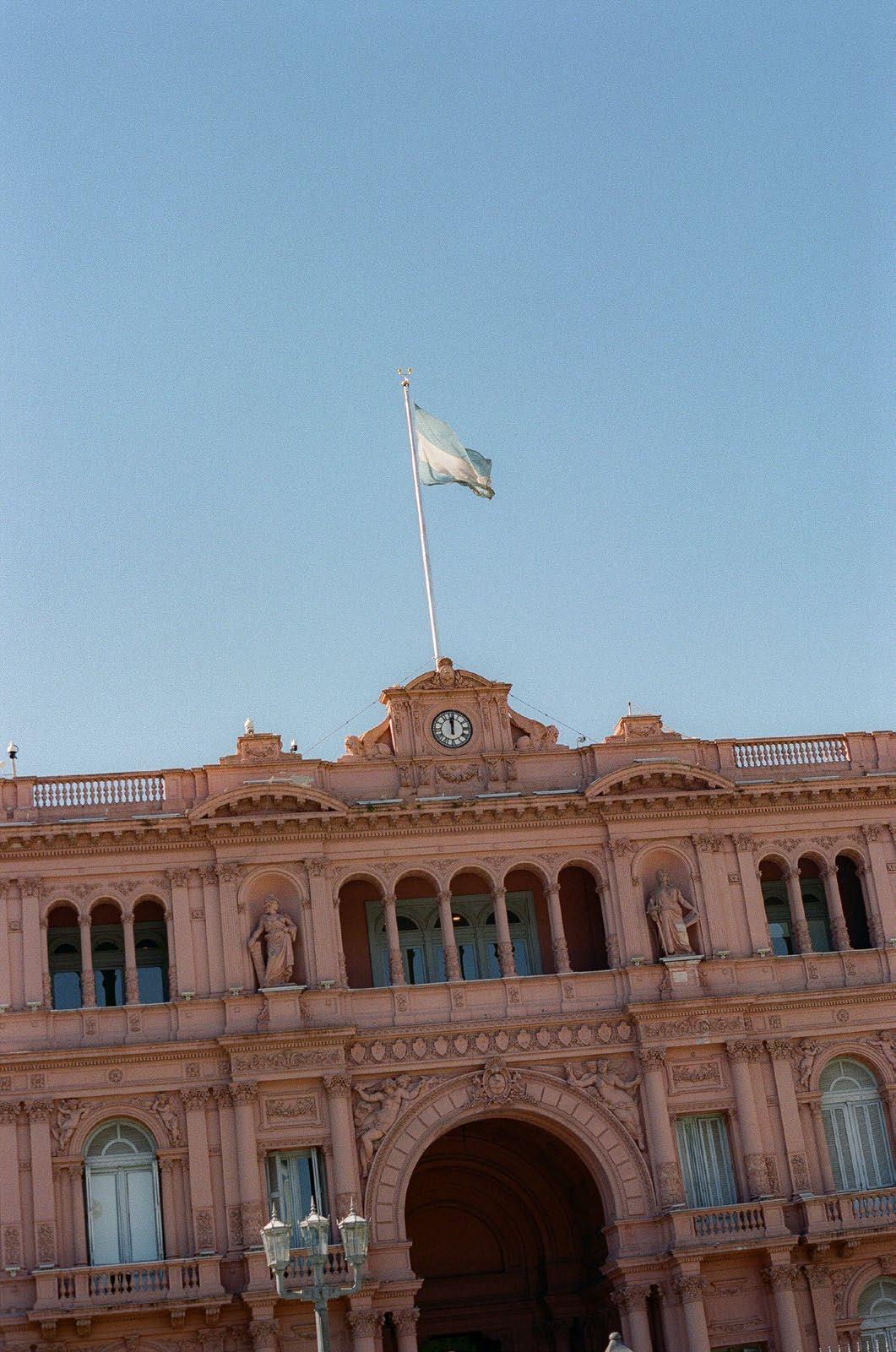
Casa Rosada & Plaza de Mayo. The seat of government and the political centre of Argentina since the founding of the city. The pink colour of the building dates from the 1870s, when president Sarmiento ordered it painted with a mix of white lime and bull’s blood; the plaza in front has been the stage for every major political moment in the country’s modern history. Every Thursday at 3.30pm, the Madres de Plaza de Mayo still walk in circles around the central pyramid wearing their white headscarves, as they
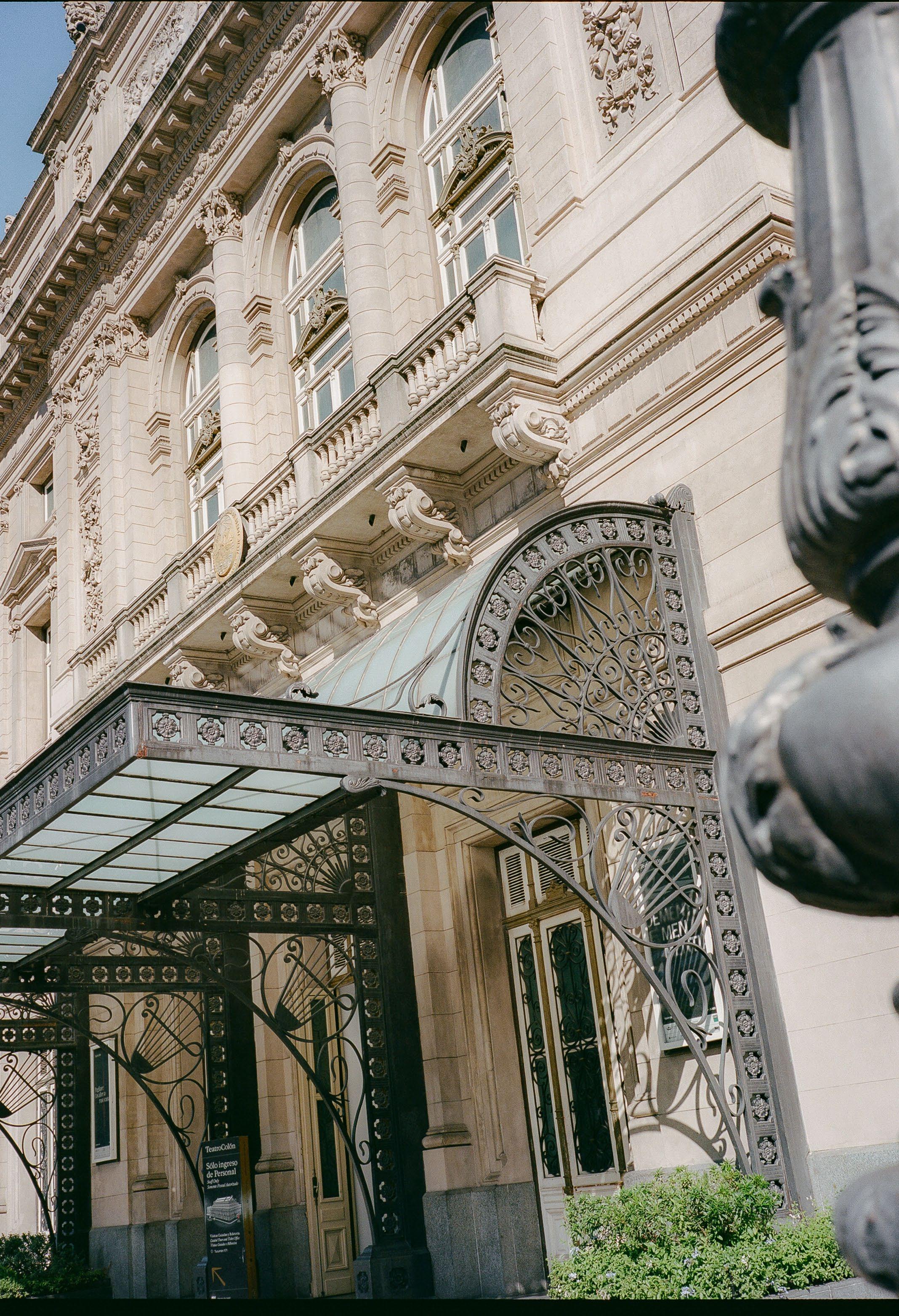
have done since 1977, demanding answers about their children disappeared during the military dictatorship. Centro (left). Teatro Colón. One of the great opera houses in the world, completed in 1908 after almost twenty years of construction. Theatre in Buenos Aires runs deep: the city has more active stages than almost any in the world, from the grand classical houses to the small independent rooms on Avenida Corrientes, and a tradition of going to see plays that has survived every economic crisis. Centro (right).
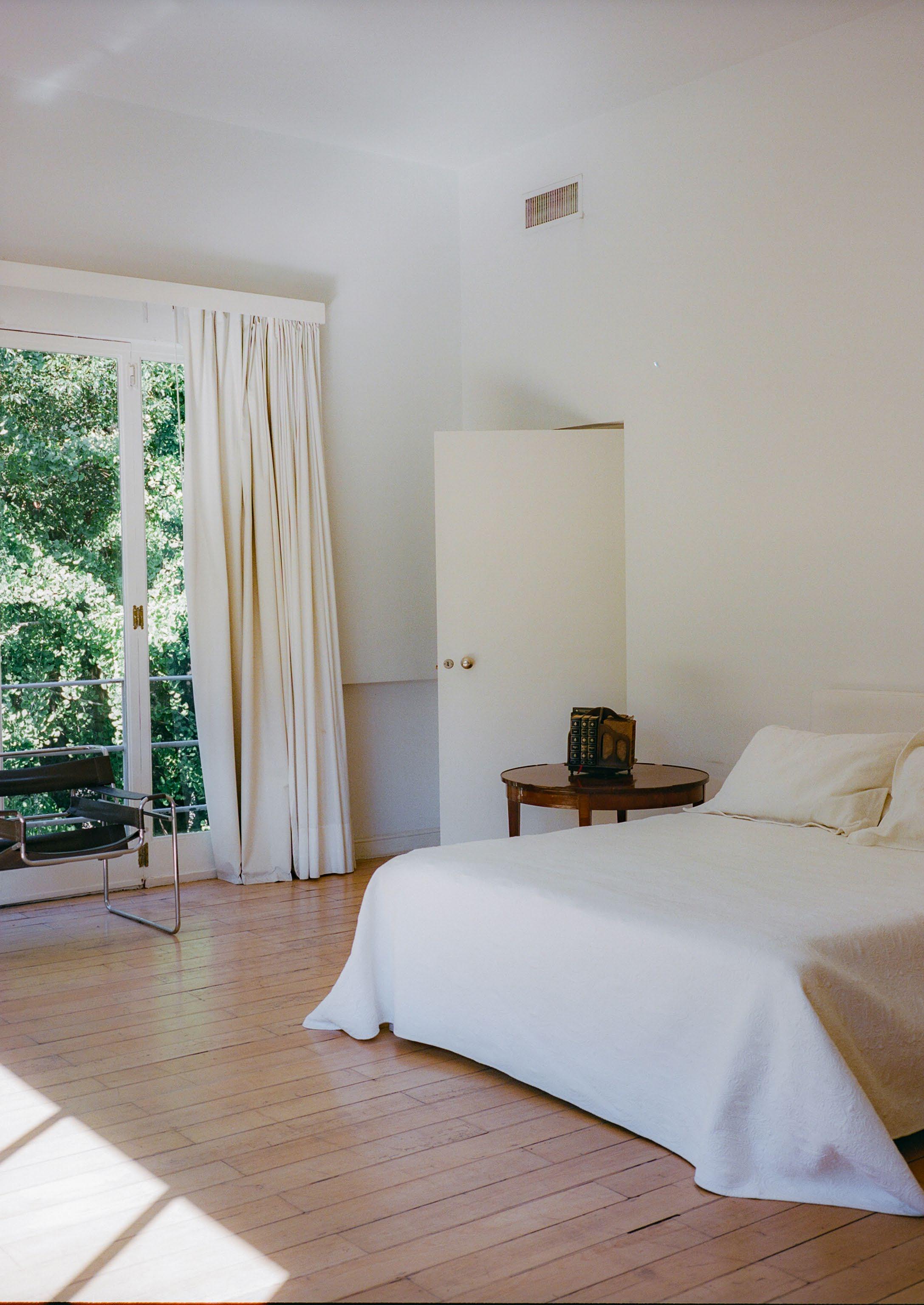
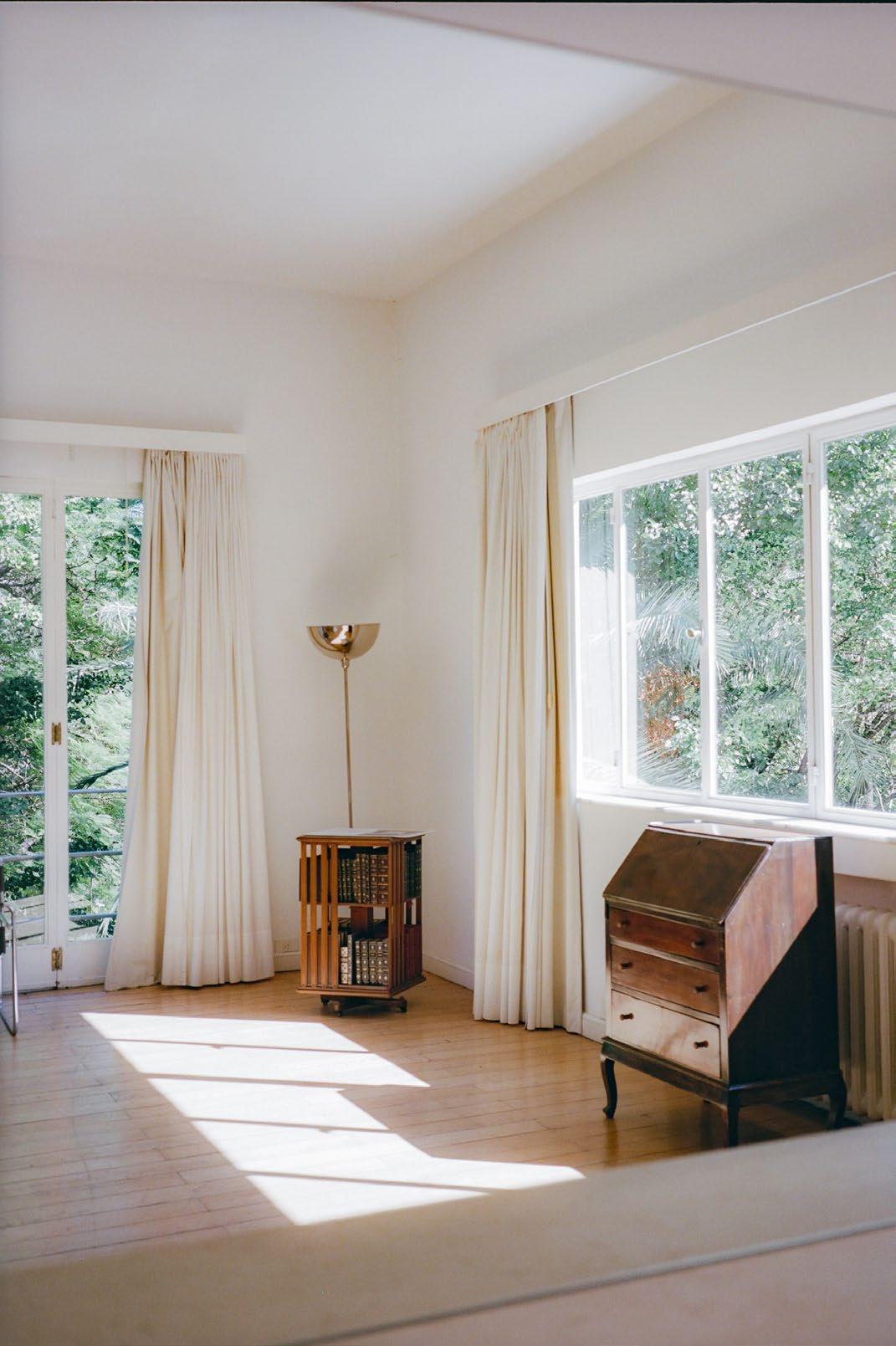
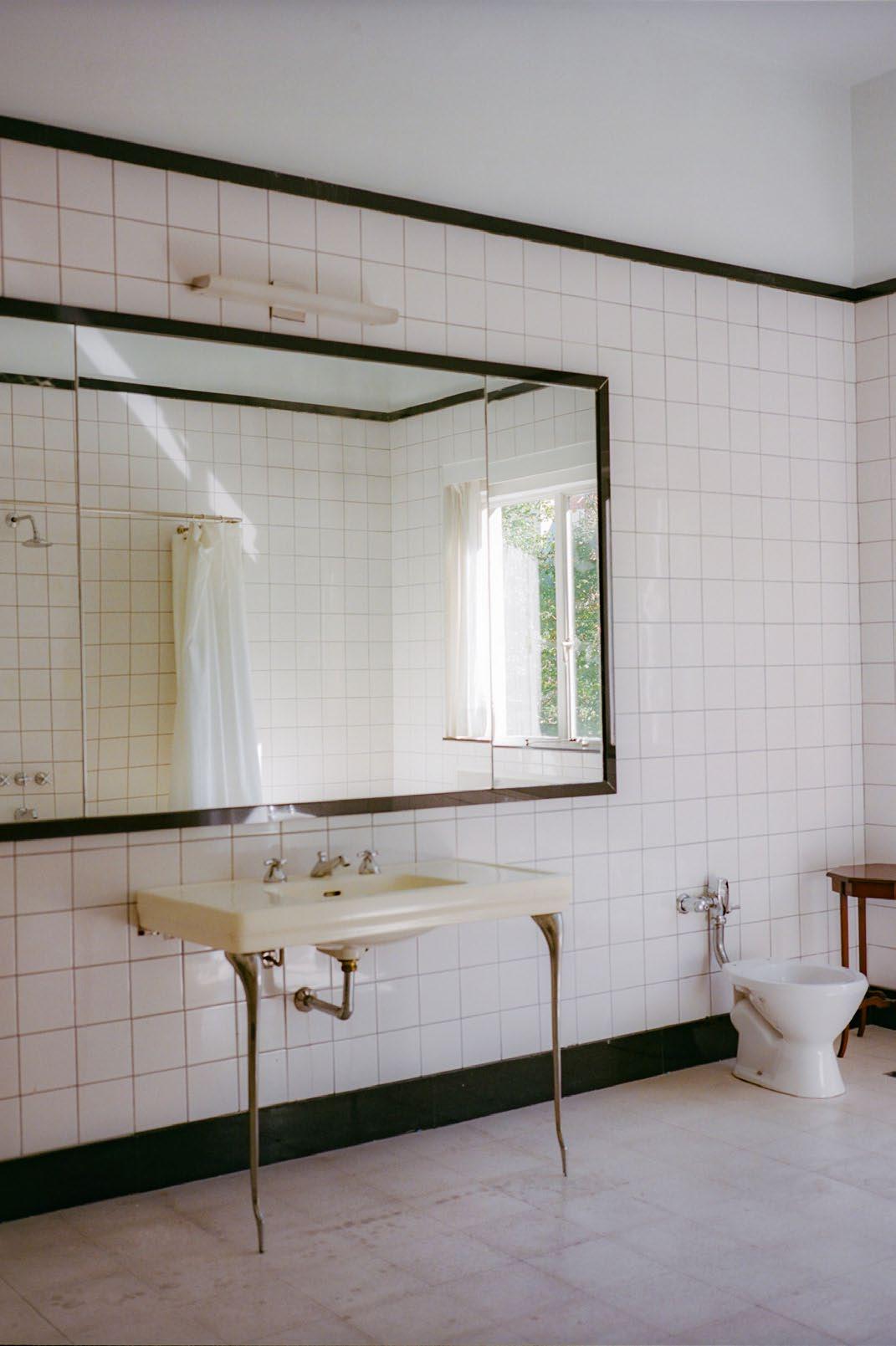
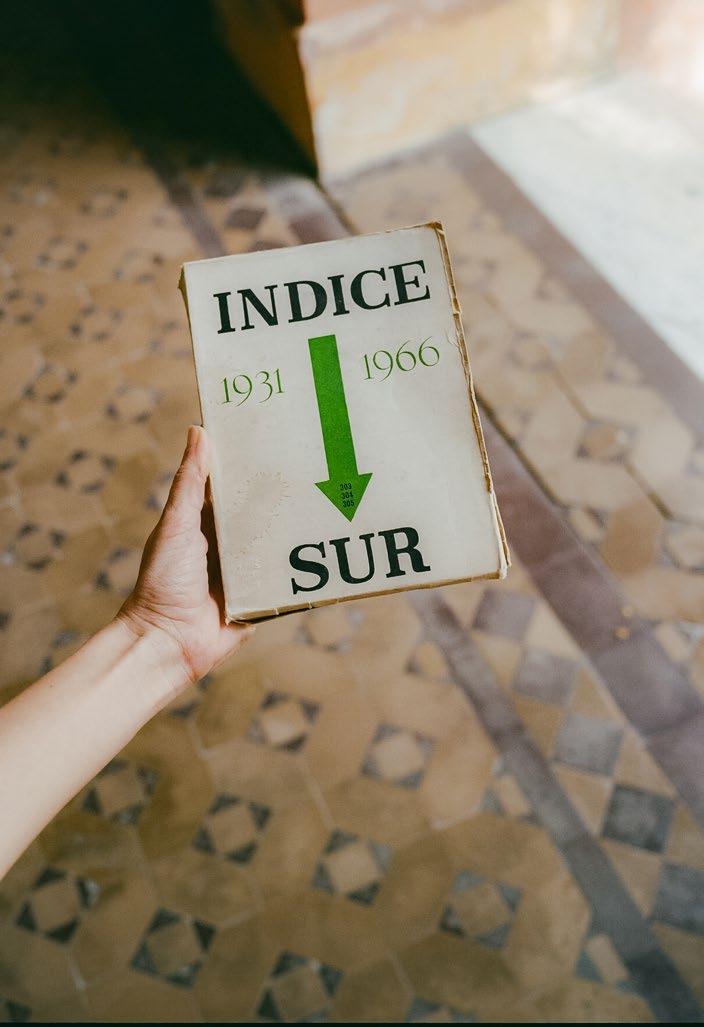
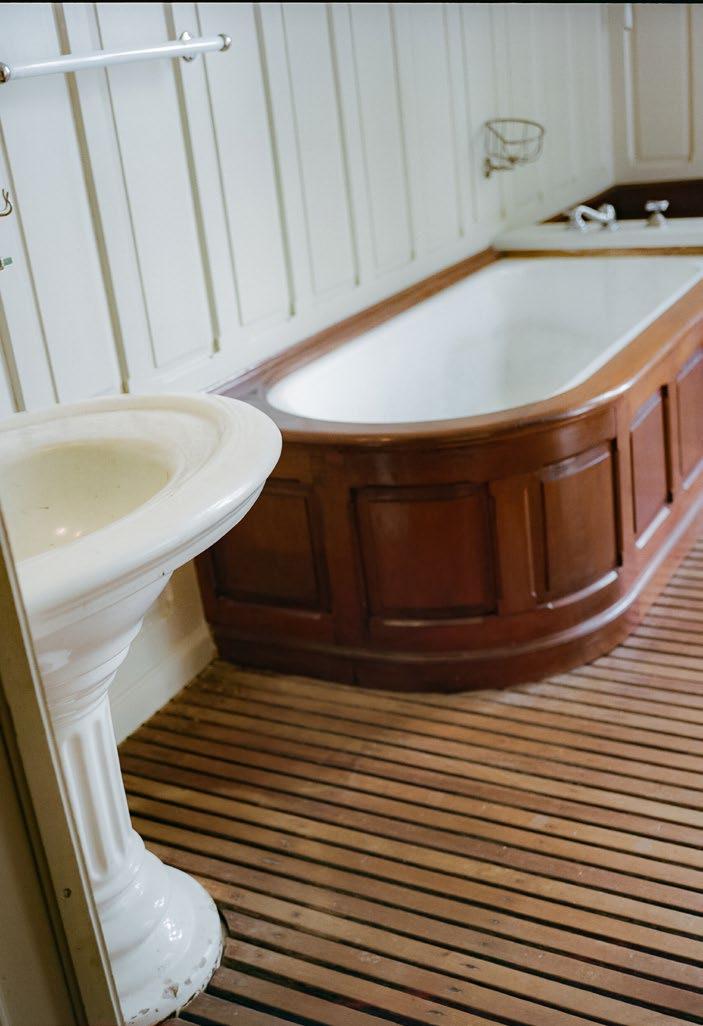
Casa Victoria Ocampo. The Buenos Aires house of the writer Victoria Ocampo, completed in 1929 and one of the very first modern houses built in Argentina. Ocampo (1890-1979) was a writer, translator, editor and one of the great cultural forces of the twentieth century in Latin America: in 1931 she founded the literary magazine Sur and, two years later, the publishing house of the same name, which together introduced the Spanish-speaking world to Virginia Woolf, Camus and Tagore, and published the great Argentine writers of the period from Borges to Cortázar. The house is open to visitors, and the guided tour goes through the main rooms, including her bedroom, her bathroom and her library. Palermo Chico
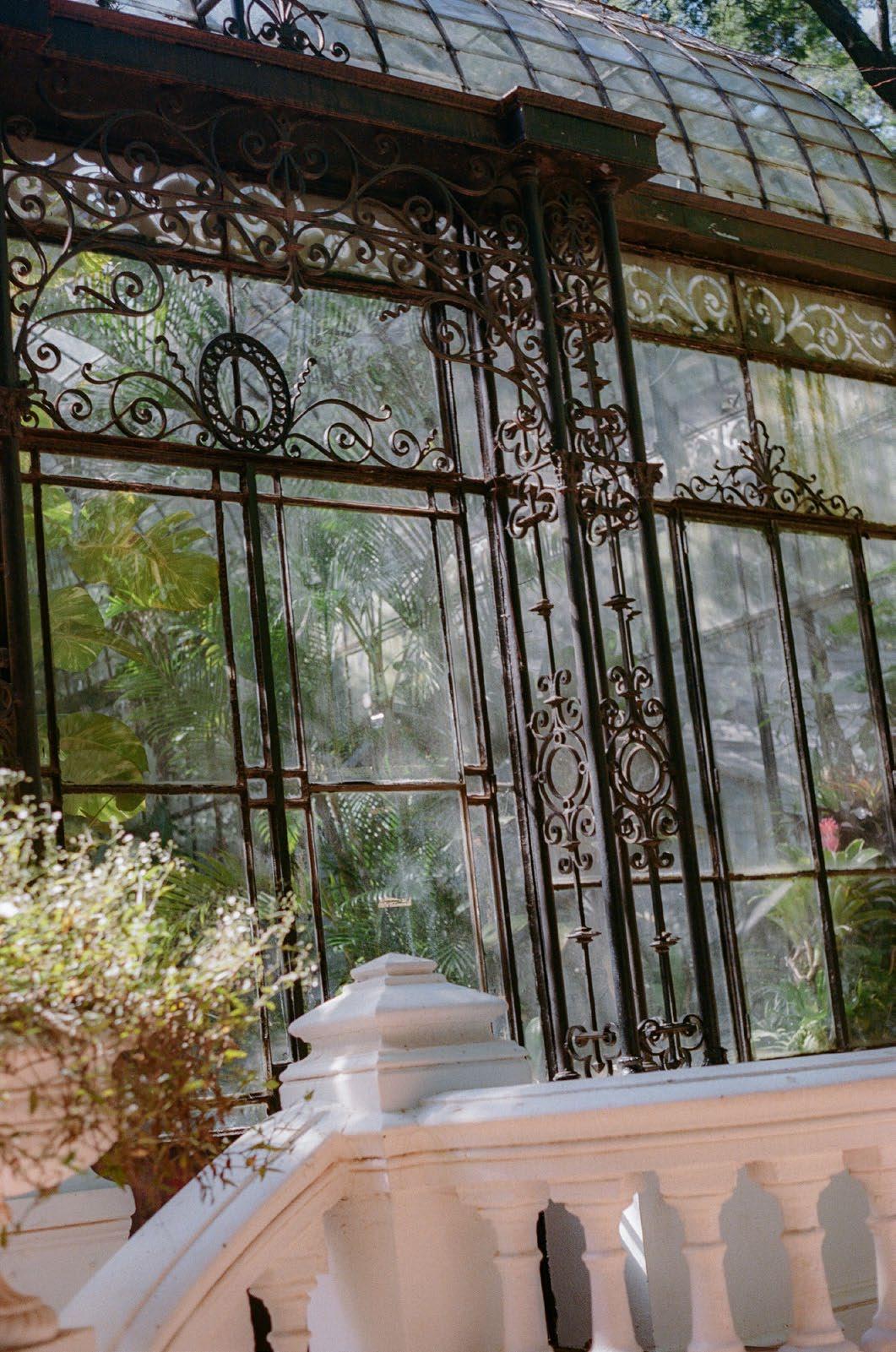
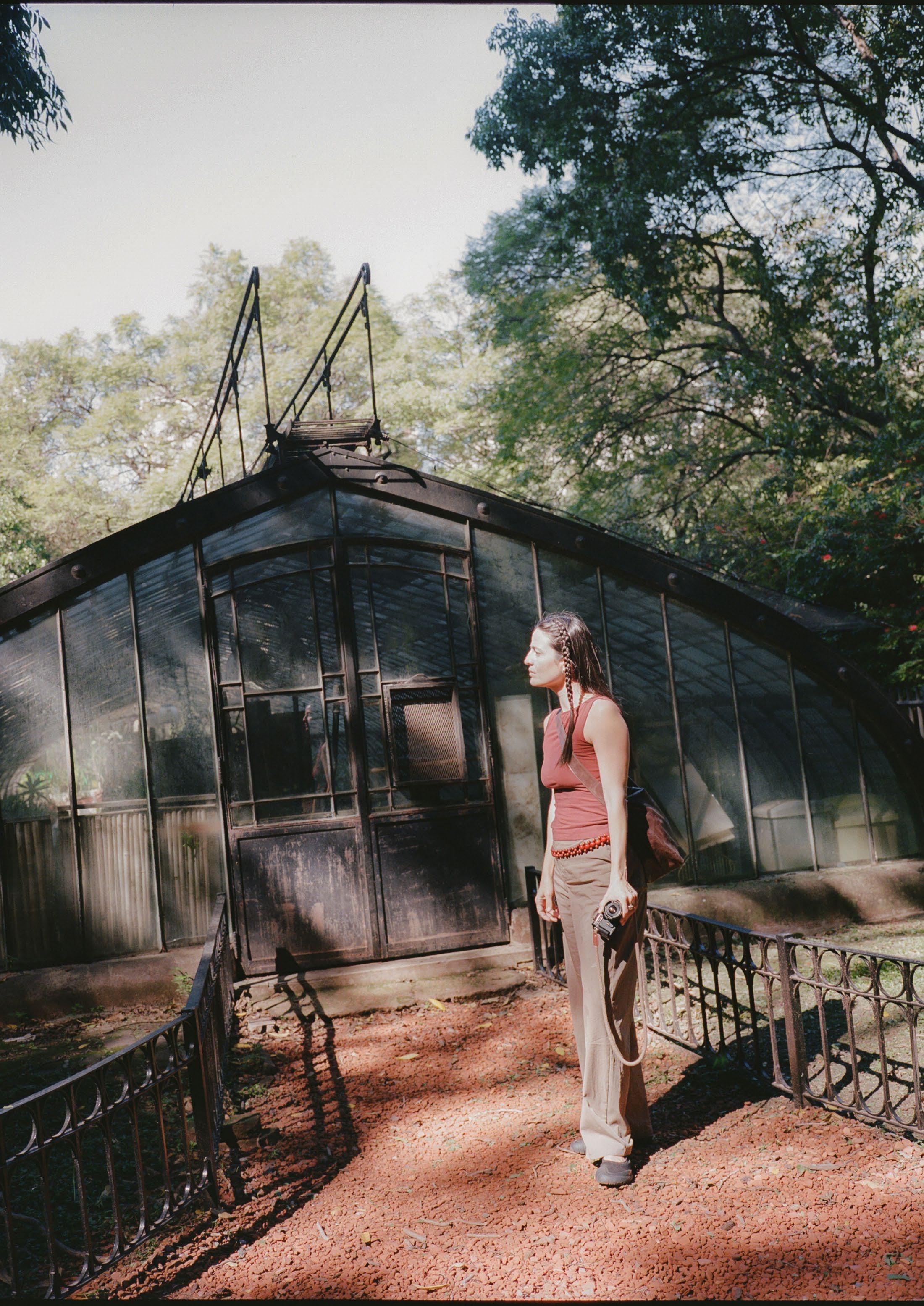
Jardín Botánico Carlos Thays. An art nouveau botanical garden designed by Carlos Thays at the end of the nineteenth century. We loved the old greenhouse at the centre. Palermo
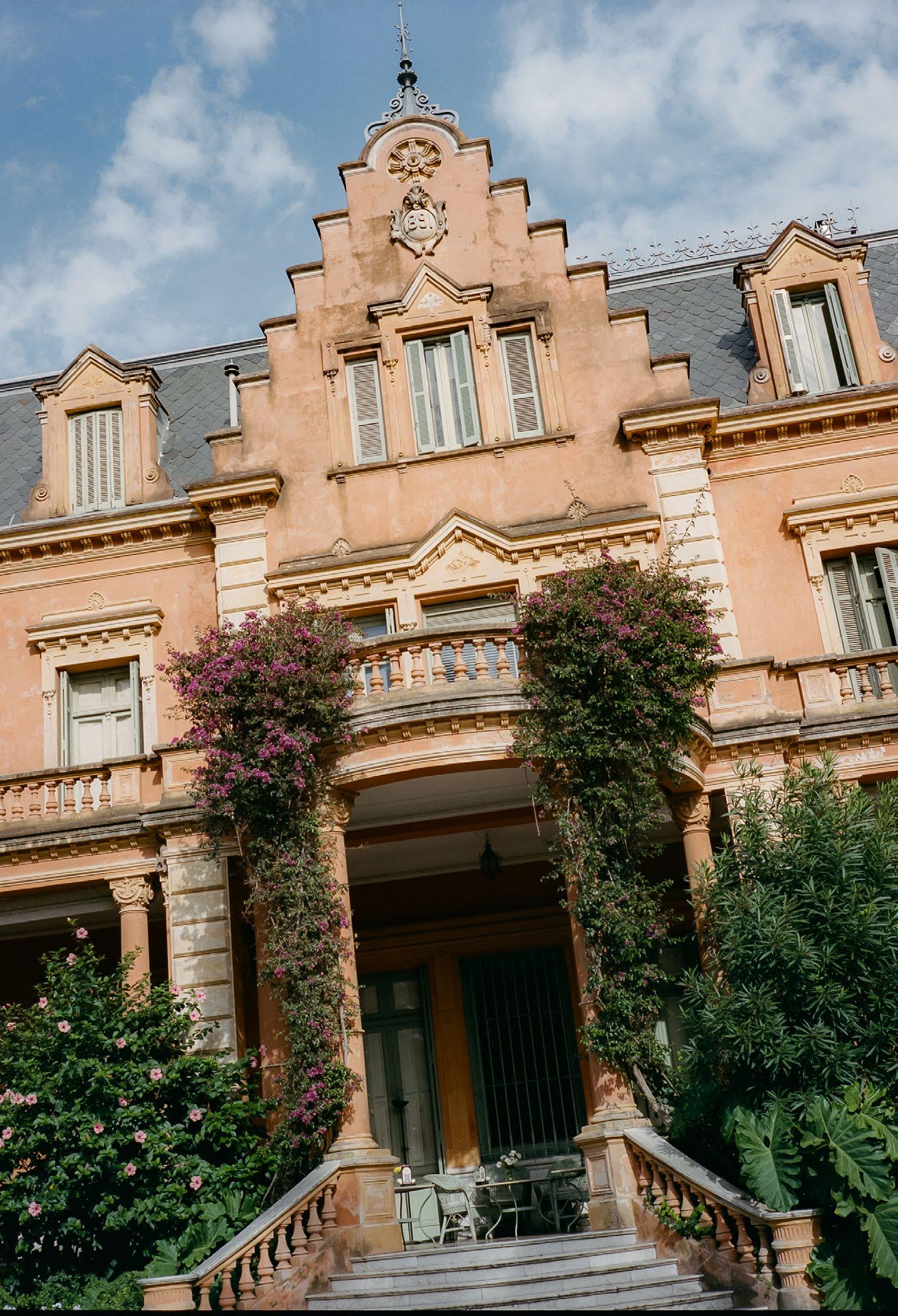
Villa Ocampo. Victoria Ocampo’s family house outside the city, set in a hectare of gardens above the Río de la Plata. The villa was built in 1891 in a French Belle Époque style and inherited by Victoria, who turned it into the meeting point of the international intellectual scene she had built around Sur. Tagore, Camus, Stravinsky and Borges all spent time here. Victoria donated the house to UNESCO in 1973, on the condition that it remain open to the public. San Isidro
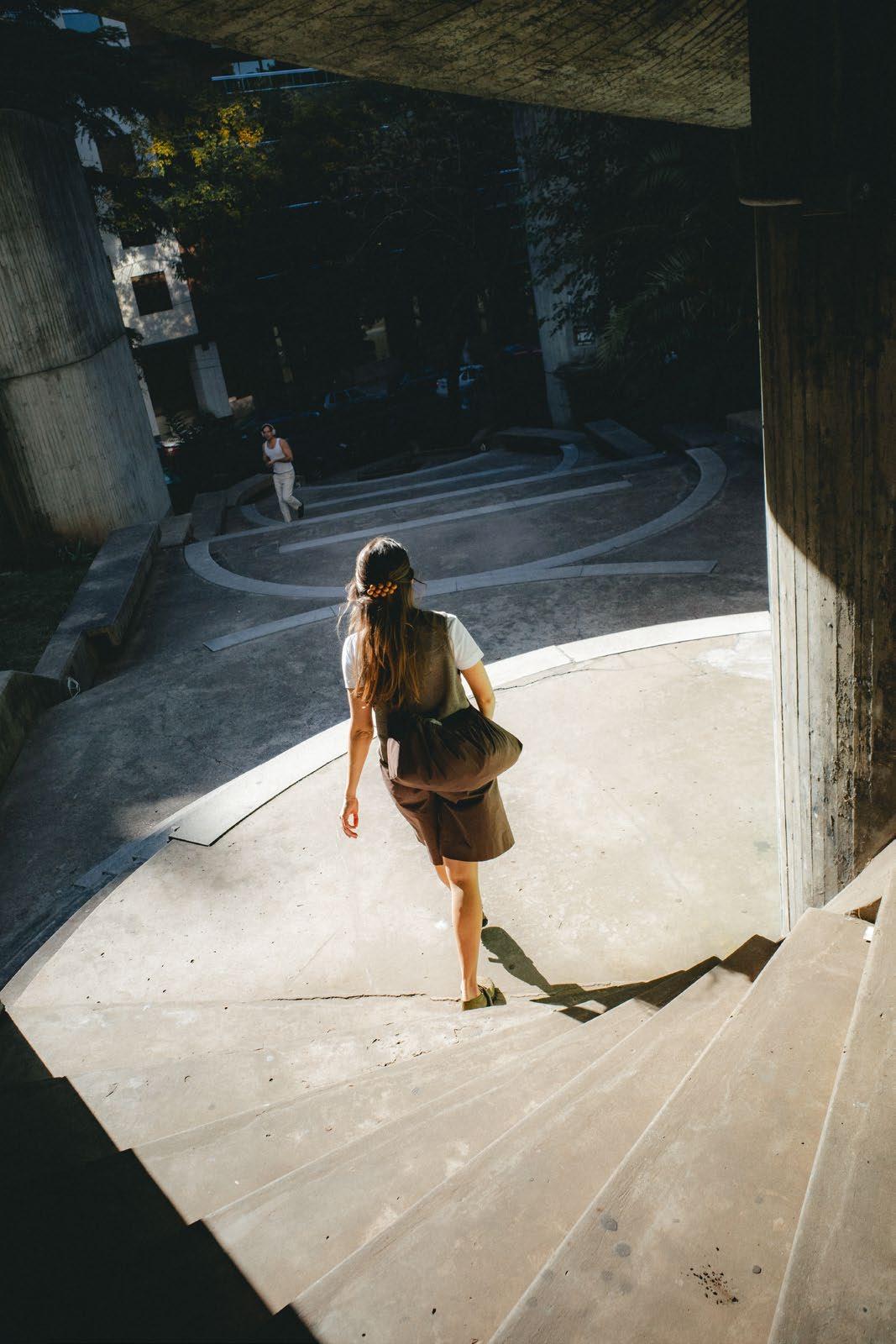
If you want to go deeper into the architecture of Buenos Aires, the best way is to spend a day with Vanessa Bell . Half-Argentine, half-British, Vanessa runs Creme de la Creme (Instagram @ cremedelacremeba), a service of bespoke tours that mixes architecture, design, food and the cultural background of each neighbourhood.
She is also the author of the bilingual Blue Crow Brutalist BA Map. We did a tour with her around Caballito, a residential barrio that does not appear on most itineraries, and she opened up portals, building lobbies and family-run businesses we would never have noticed on our own.
Buenos Aires
ART
The Meliá Collection Casa Lucia
MUSEUMS & GALLERIES
Museo Quinquela Martín
La Boca
MALBA
Galería Grasa
Palermo Chico
Retiro
AZOTEA
Retiro
Fundación Klemm
Retiro
Fundación Proa
La Boca
Barrakesh
Cora Subsuelo
Museo Nacional de Bellas Artes
Retiro
Retiro
Recoleta
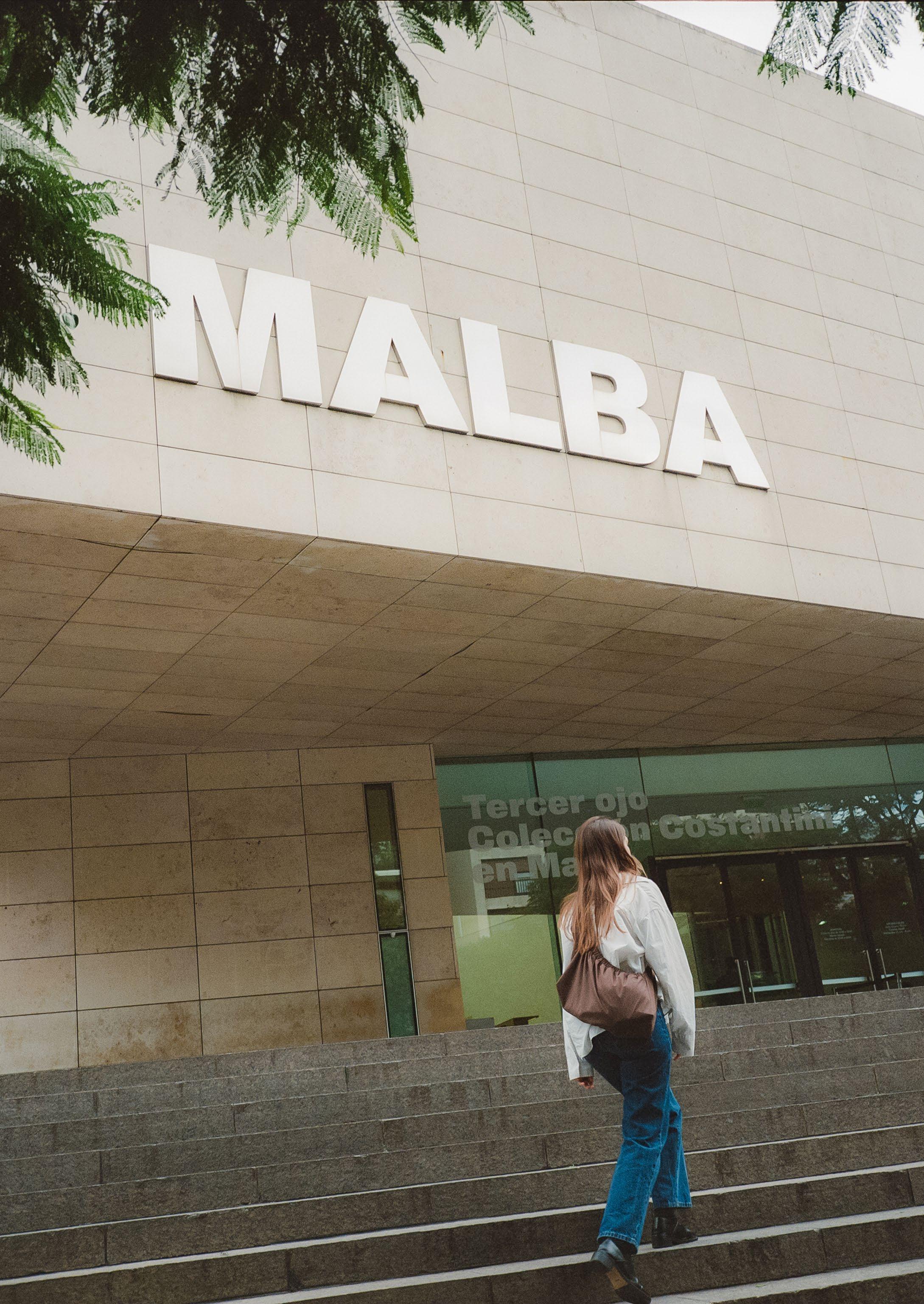
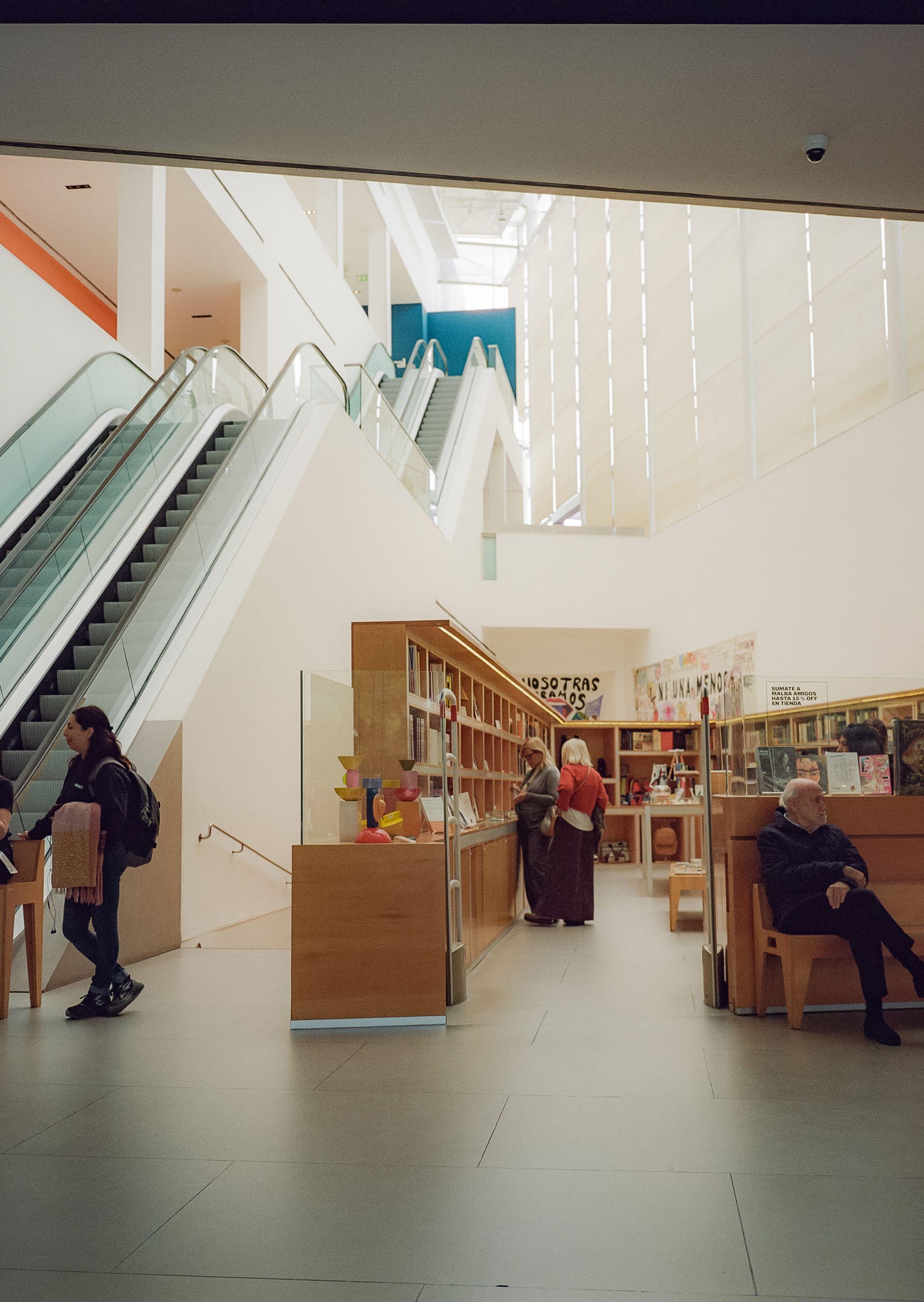
MALBA. The Museo de Arte Latinoamericano de Buenos Aires, founded in 2001 by Eduardo Costantini, an Argentine financier and collector who built one of the most important private collections of Latin American art in the world and decided to open it to the city. The permanent collection traces twentieth-century Latin American art (Frida Kahlo, Diego Rivera, Tarsila do Amaral, Xul Solar, Antonio Berni, Wifredo Lam) and is the essential introduction to Latin American and Argentine art in the city. The temporary shows are consistently strong. Palermo Chico
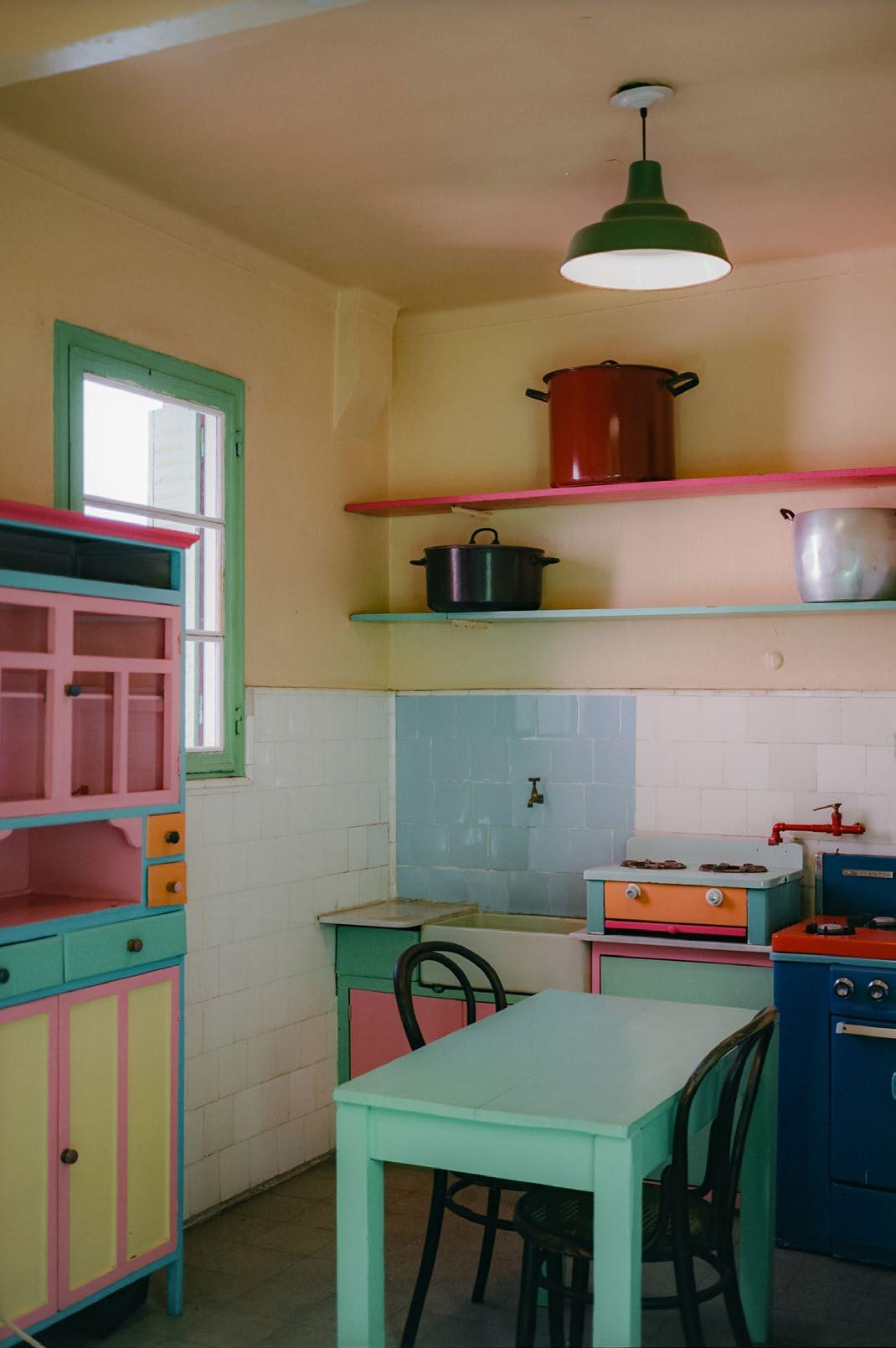
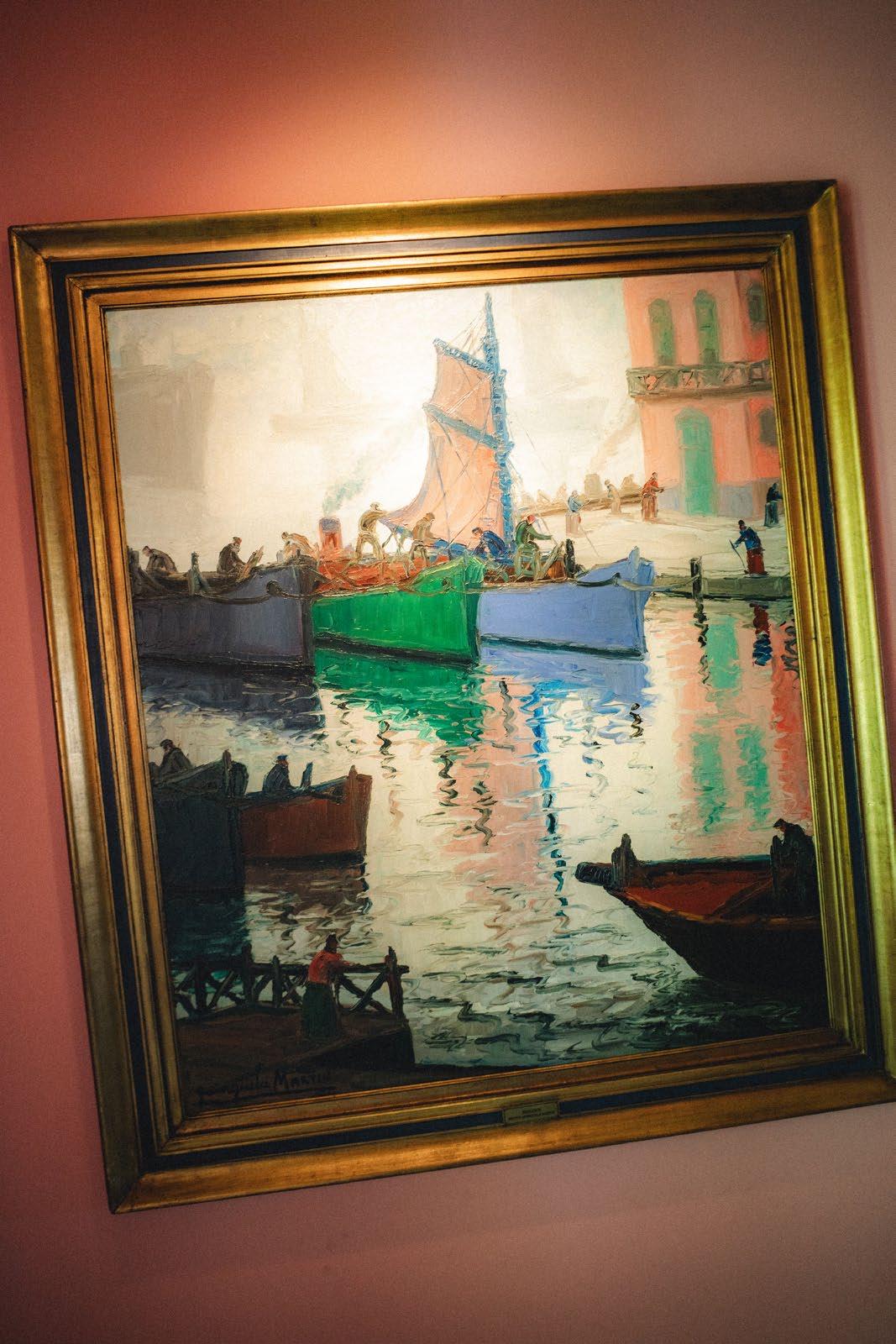
Museo Quinquela Martín. The studio-house of Benito Quinquela Martín (1890-1977), the painter who shaped how the world pictures La Boca. Quinquela spent his life painting essentially the same subject: the workers, the boats and the iron-grey light of the port. He invented Caminito by convincing his neighbours to paint their houses in the leftover colours of the port boats. His own house, now the museum, is a delight: he painted not just the canvases but the furniture, the doors, the ceilings; even his coffin, which he decorated himself, on the conviction that no one who had lived surrounded by colour should be buried in a plain box. La Boca (left) Fundación Proa. A contemporary art foundation in a restored building by the Riachuelo, with a strong international programme of temporary exhibitions across photography, painting and contemporary practice. The bookshop is excellent, and the rooftop café has one of the best views of the port and the colourful houses of La Boca. La Boca (right).
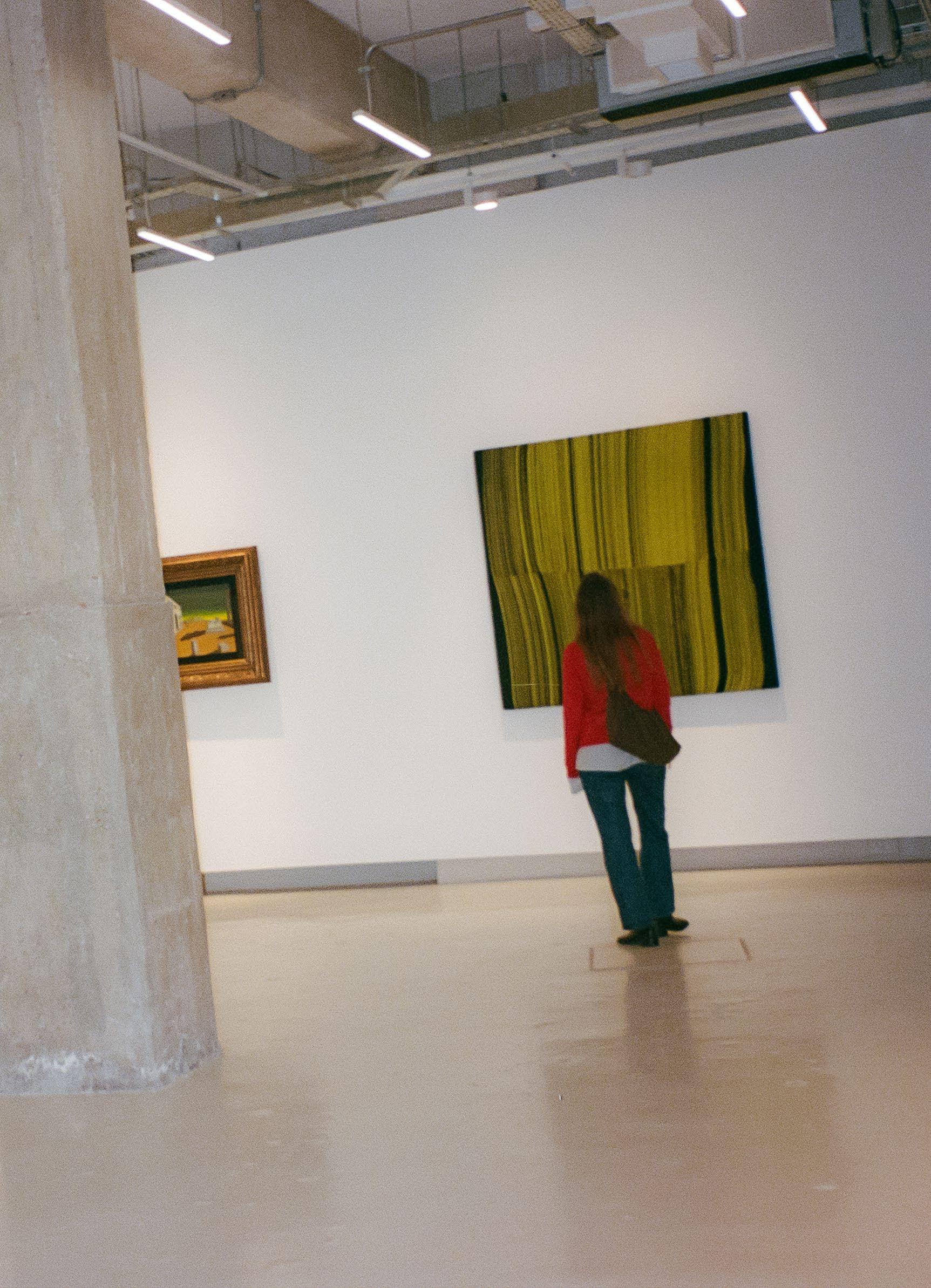
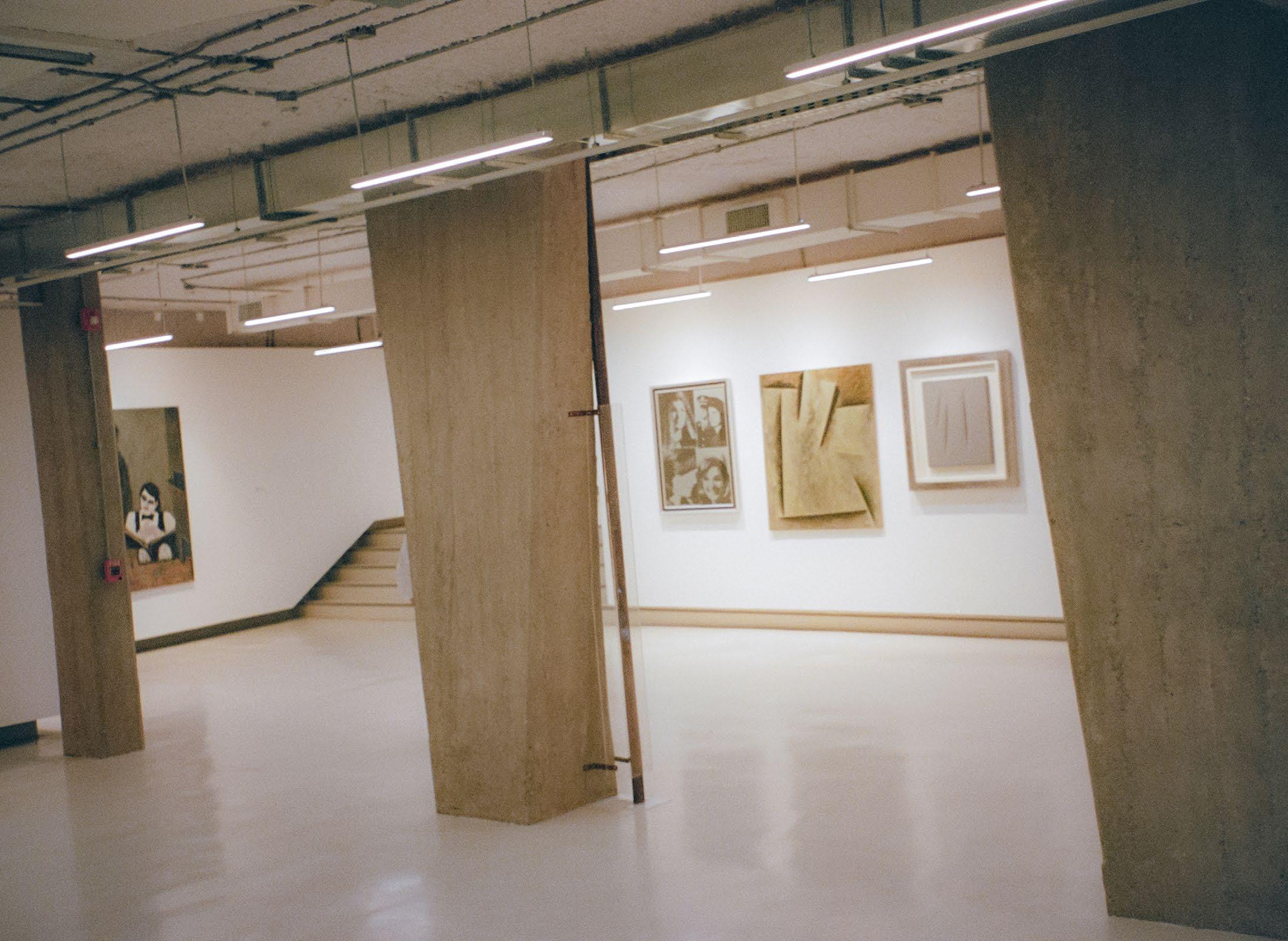
Fundación Klemm. The foundation of Federico Jorge Klemm (1942-2002), Czech-Argentine artist, collector and one of the most singular figures of porteño cultural life of the 1990s. Far more substantial than its size suggests: the collection runs to over 760 works and includes pieces by Picasso, Magritte, Lucio Fontana, Andy Warhol, Marc Chagall, and Basquiat, alongside a deep selection of Argentine contemporary art. Retiro.
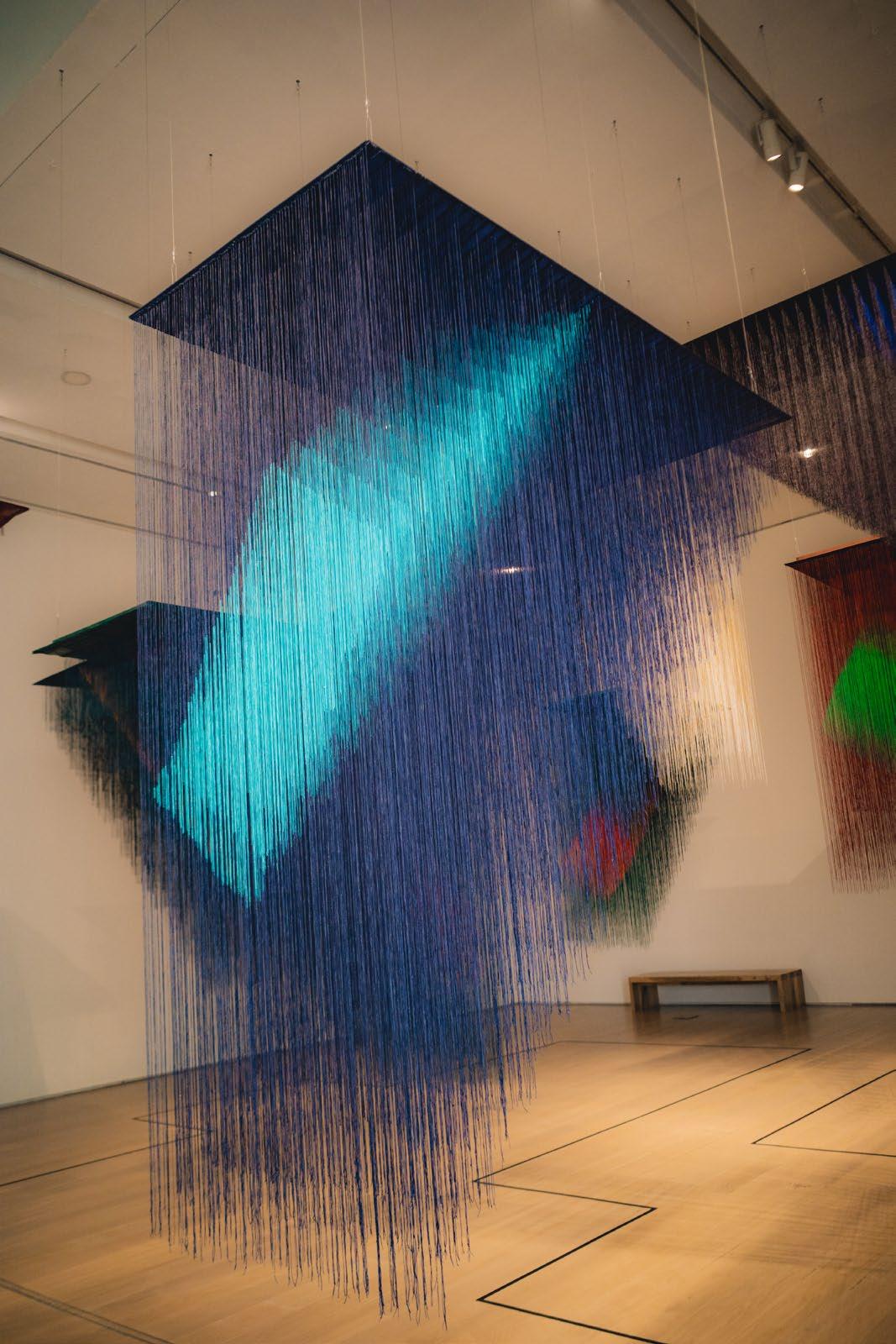
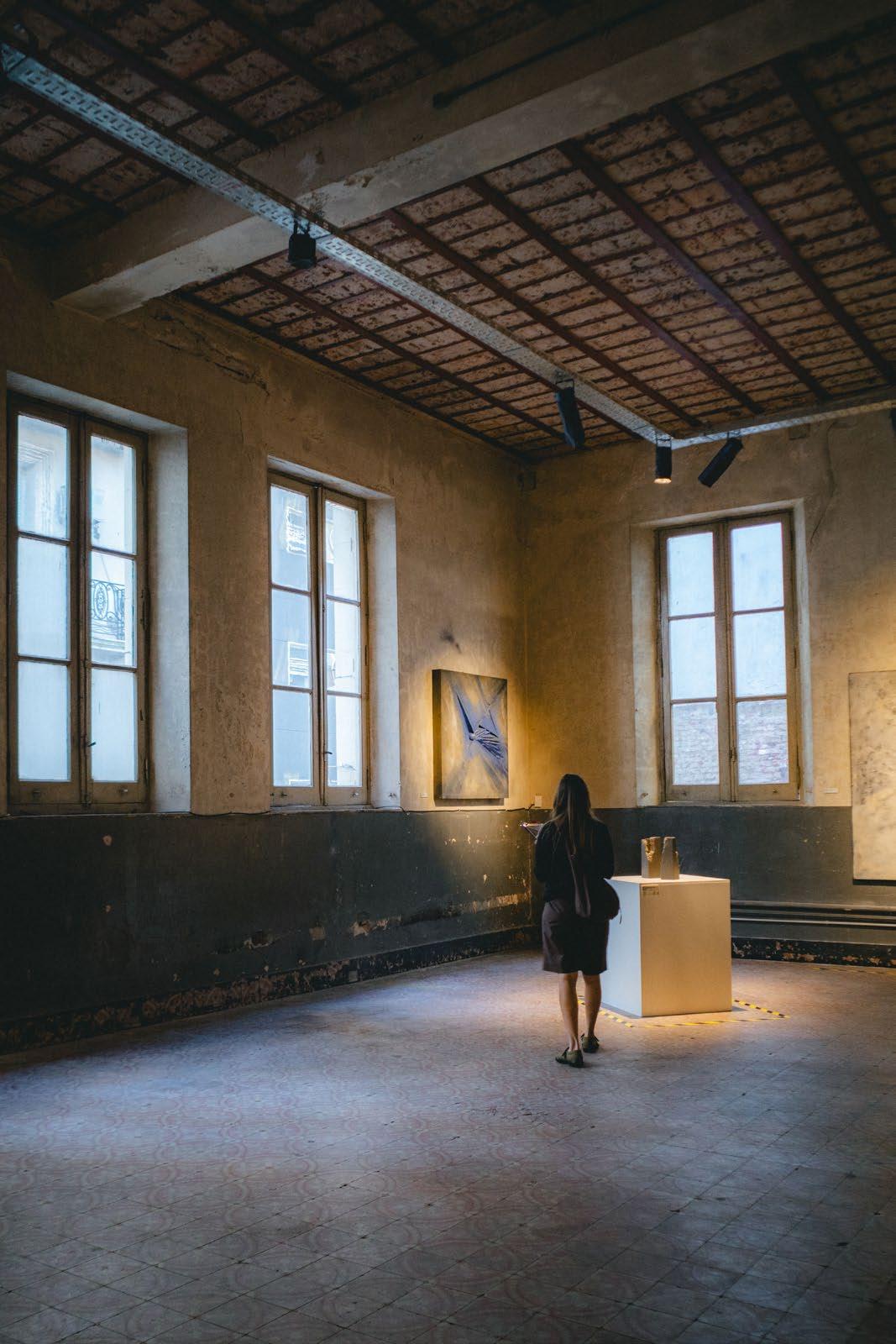
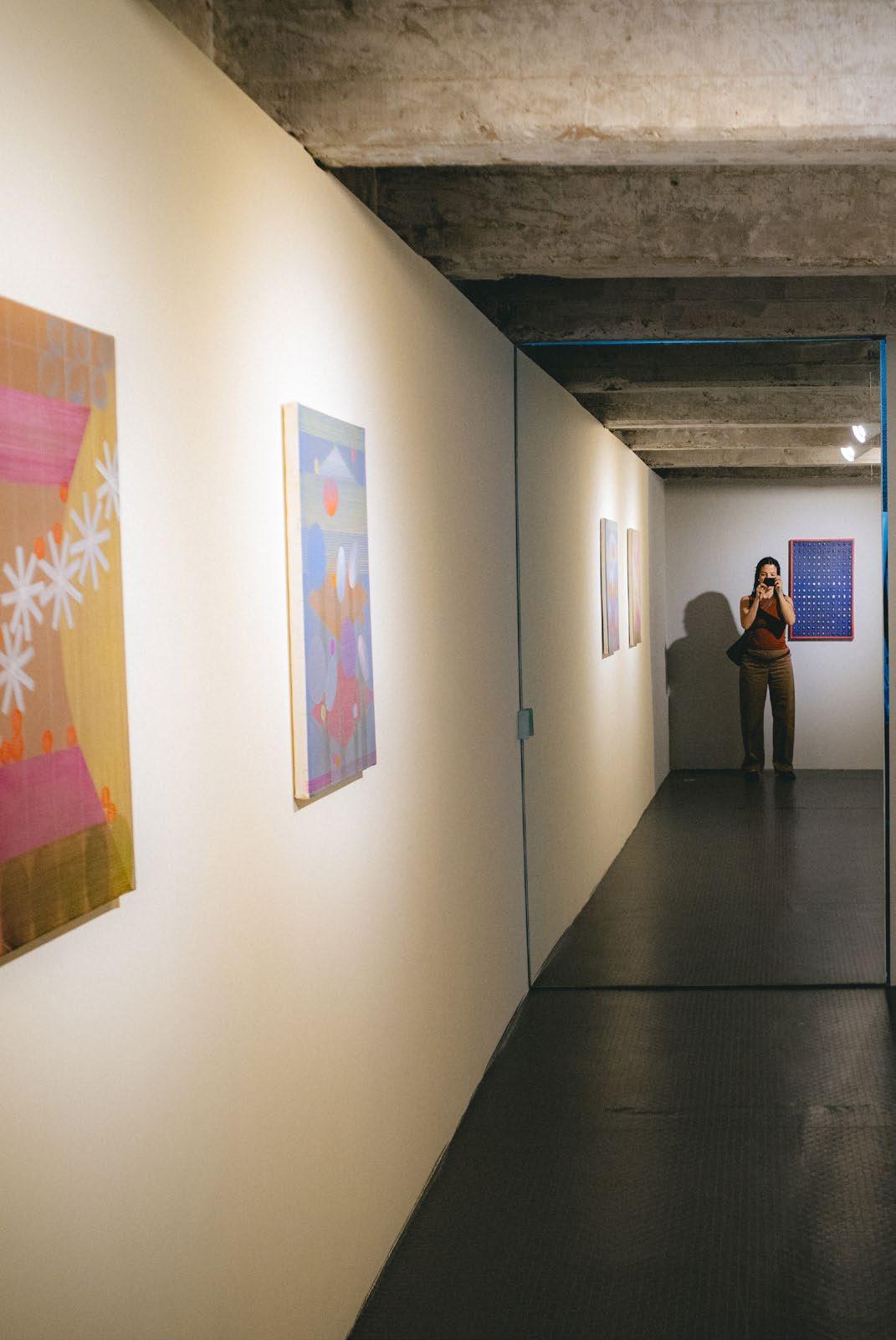
Barrakesh. A self-managed cultural space in a historic building on Calle Ricardo Rojas, the former convent of the Basílica del Santísimo Sacramento. The space itself is the first reason to go: two large exhibition rooms with the proportions and details of the old building intact. Programming rotates with itinerant galleries and independent projects (left) Galería Grasa. A small independent gallery in the Retiro galleries cluster, run by a couple who are themselves artists (left) . Cora Subsuelo . A small gallery in the basement of Cora Café, on Calle Arroyo. Programmed alongside the café, with a rotating series of small contemporary shows. Retiro (right) .
Cora Subsuelo
FOOD
& DRINKS
Buenos Aires
The Meliá Collection
Casa Lucia
RESTAURANTS
El Preferido de Palermo
Don Carlos
Gran Dabbang
Tintorería Yafuso
Madre Rojas
Lardito
Ness
Chuí
Naranjo Bar
Corte Comedor La Boca Belgrano
Anafe Palermo
La Rambla Villa Crespo Recoleta
Sushi
El Cuartito
Colegiales
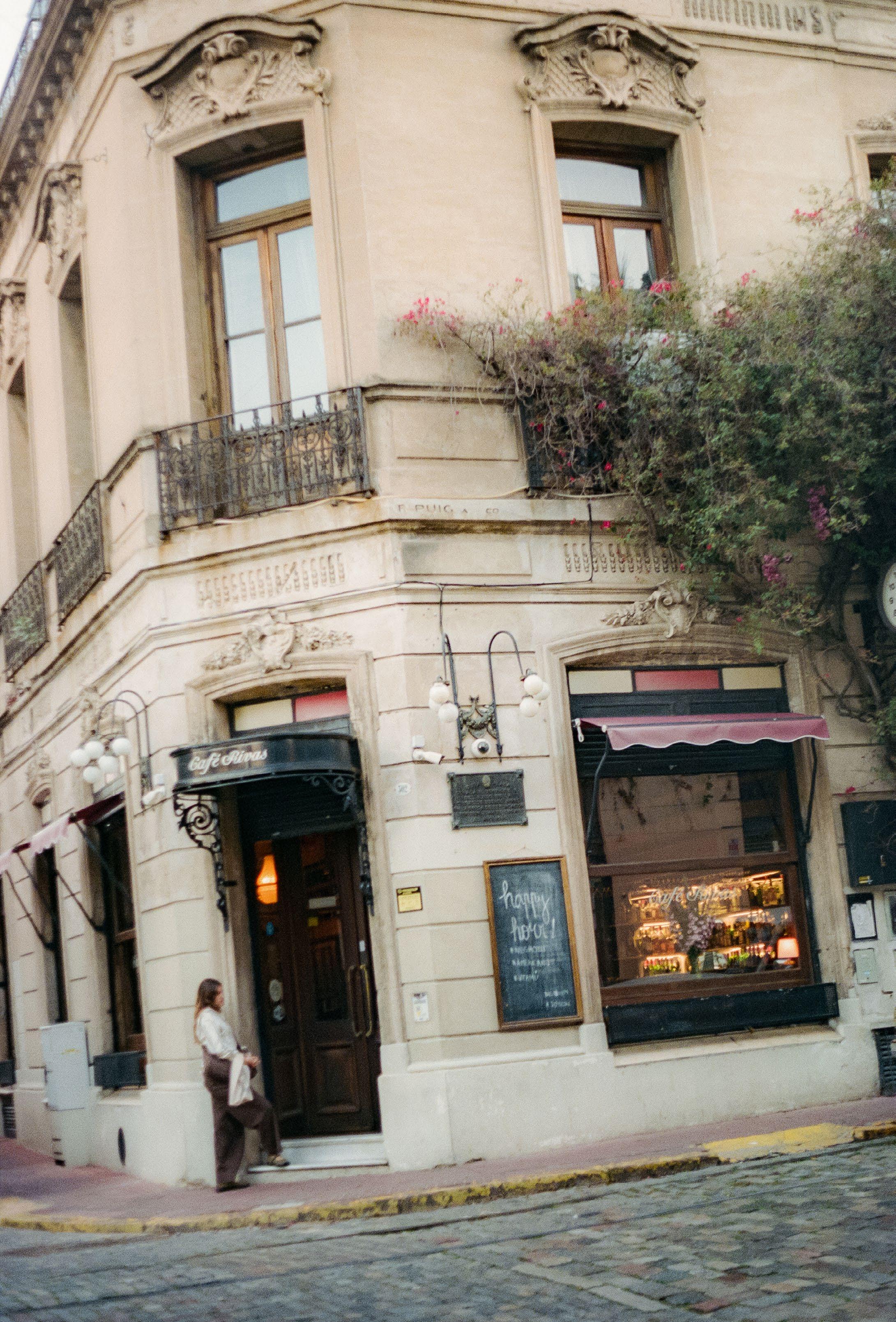
Some more restaurants worth having a look at: Fico. Cantina Rondinella. Roa Bar. Santa Ines Restaurant. Sanjuanino. Anchoita Cava. Coronado. Julia Restaurante. Evelia. Ácido. Café Rivas.
Buenos Aires has a layered food culture: chefs returning from abroad to open small projects, parrillas that have not changed in decades, immigrant kitchens carrying their own traditions, and a serious renewal of the historic confiterías and bares notables.
La Cocina
Palermo Soho
Chacarita Núñez Recoleta
Nare
Villa Crespo Belgrano
Chacarita Centro Villa Crespo
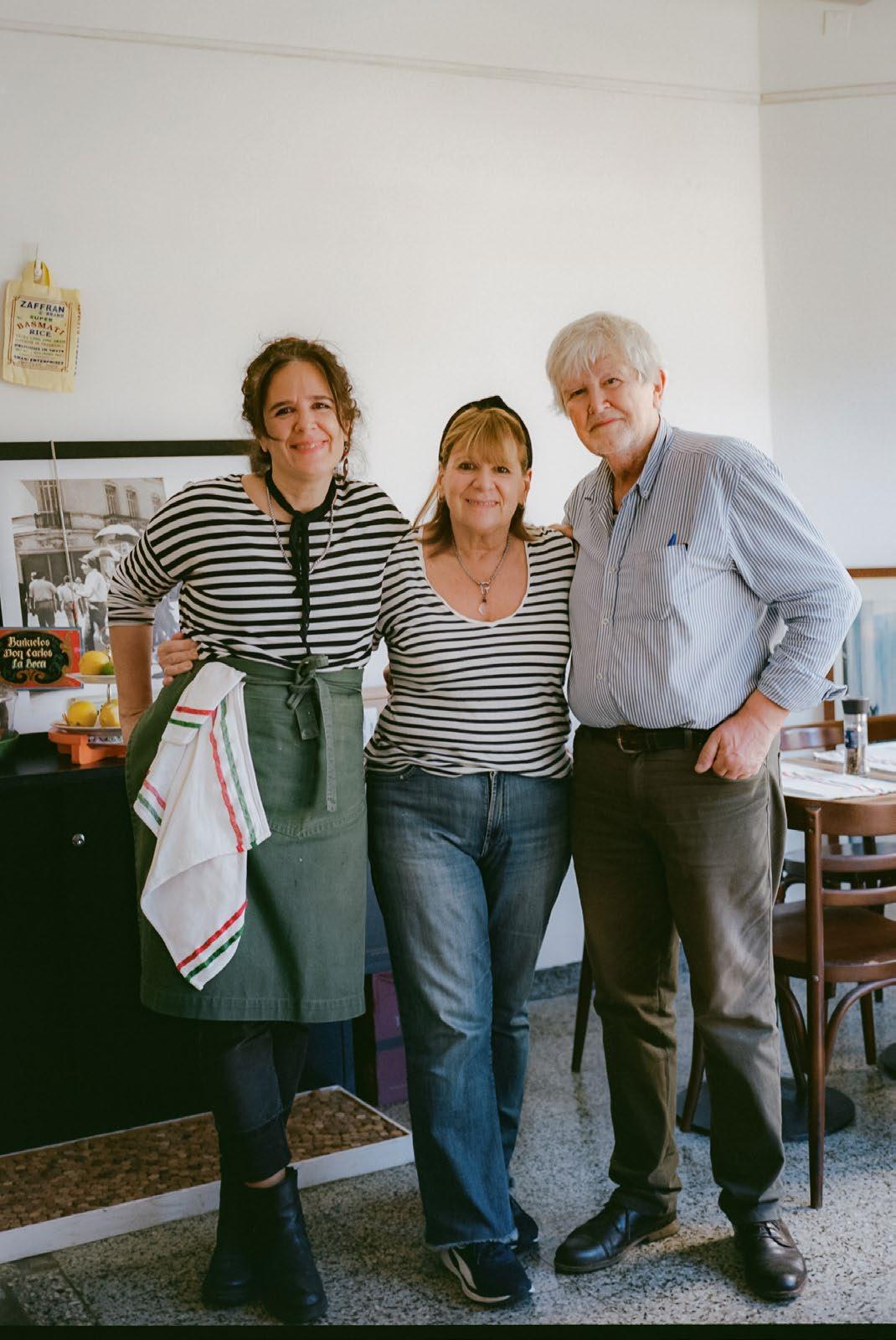
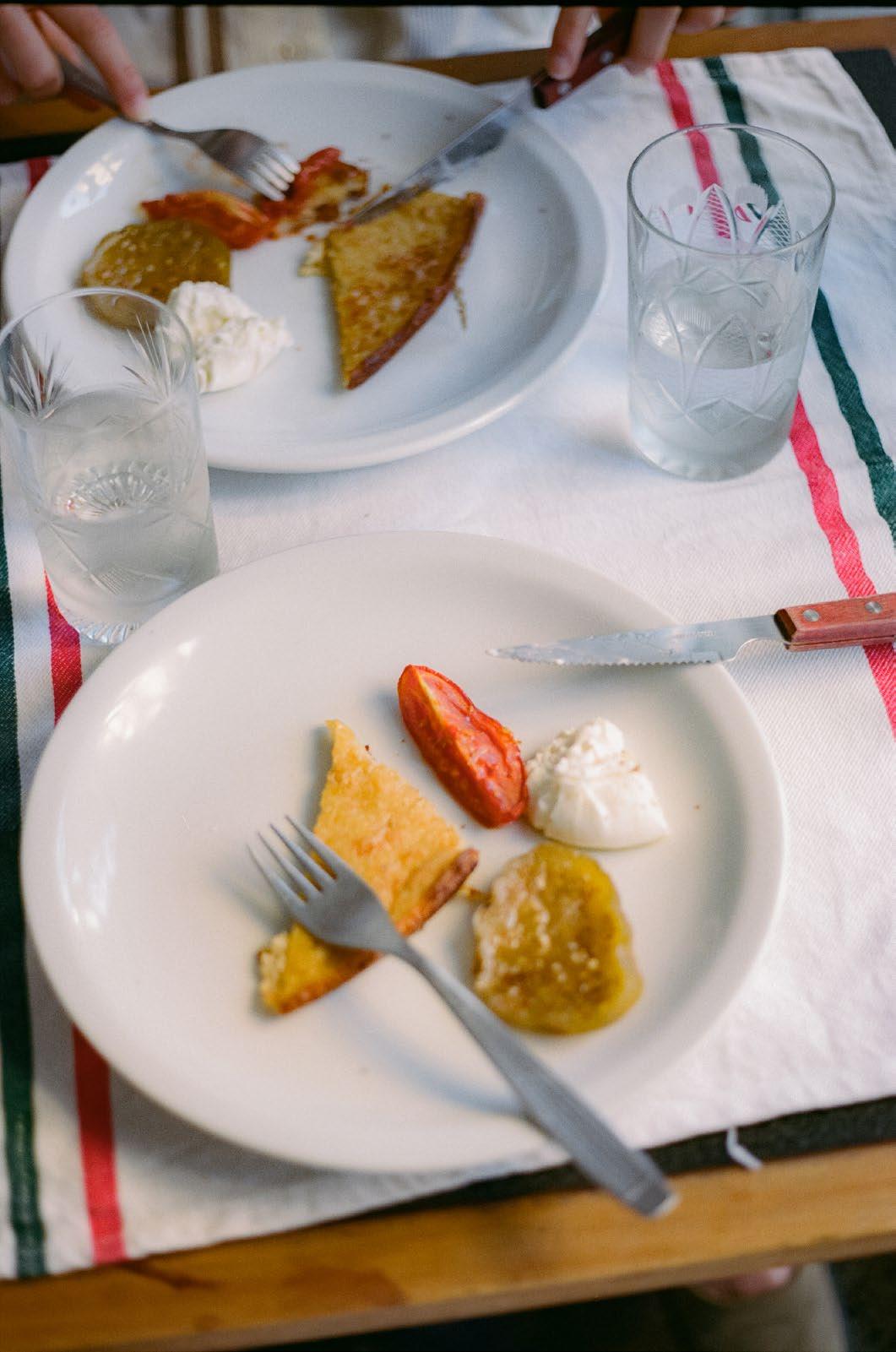
Don Carlos. A small family bodegón across from La Bombonera, running since 1970, originally by Carlos and Marta and then joined by their daughter Gaby. There is no menu: they bring you what they have cooked that day, mostly Italian-Argentine, all homemade. They treat you like family, and the cooking has the same instinct. The list of regulars over the years is unlikely: Francis and Sofia Coppola, Francis Mallmann, the late Anthony Bourdain. None of which has changed the place: it stays small, mostly word of mouth, no website and no Instagram. La Boca.
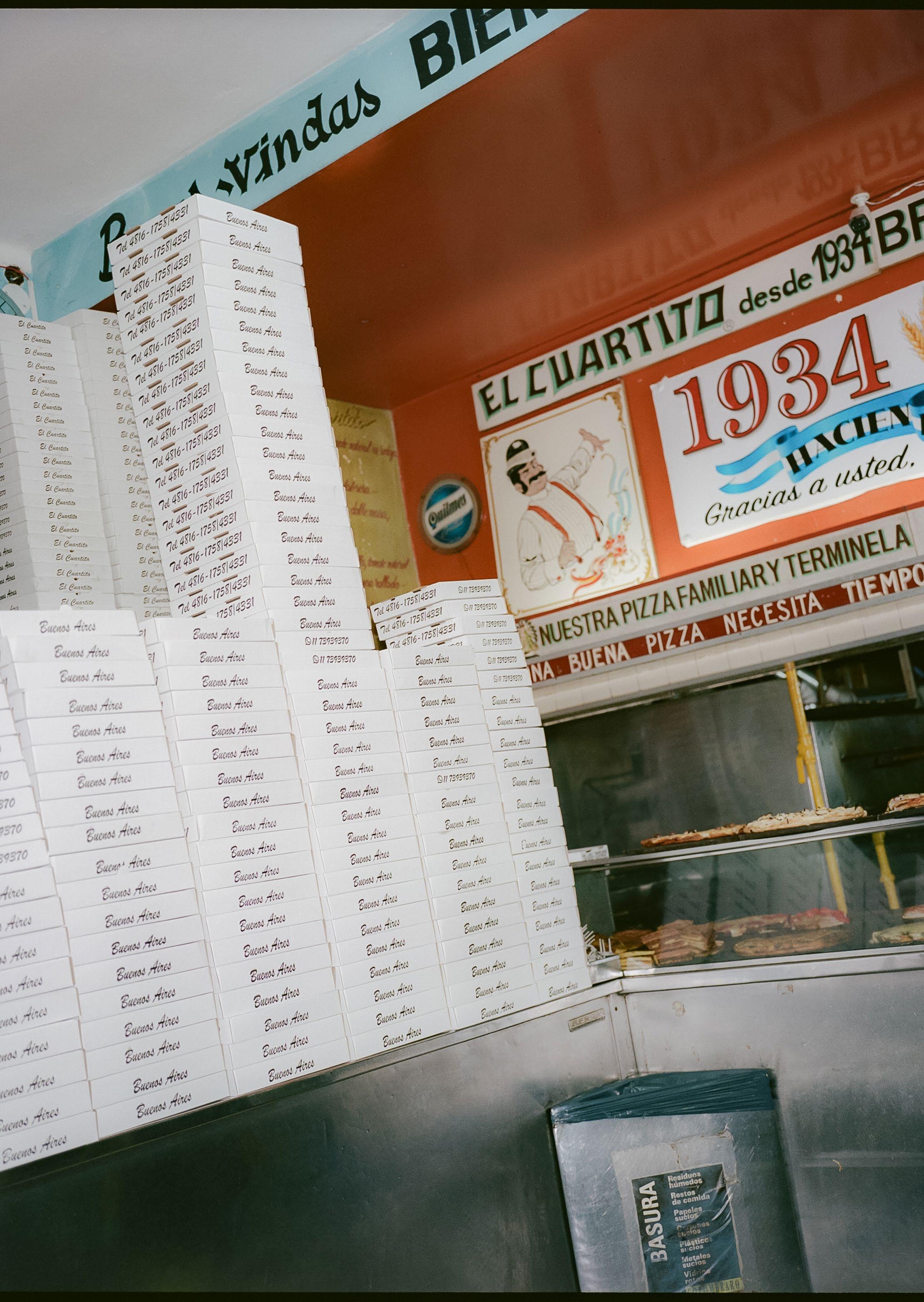
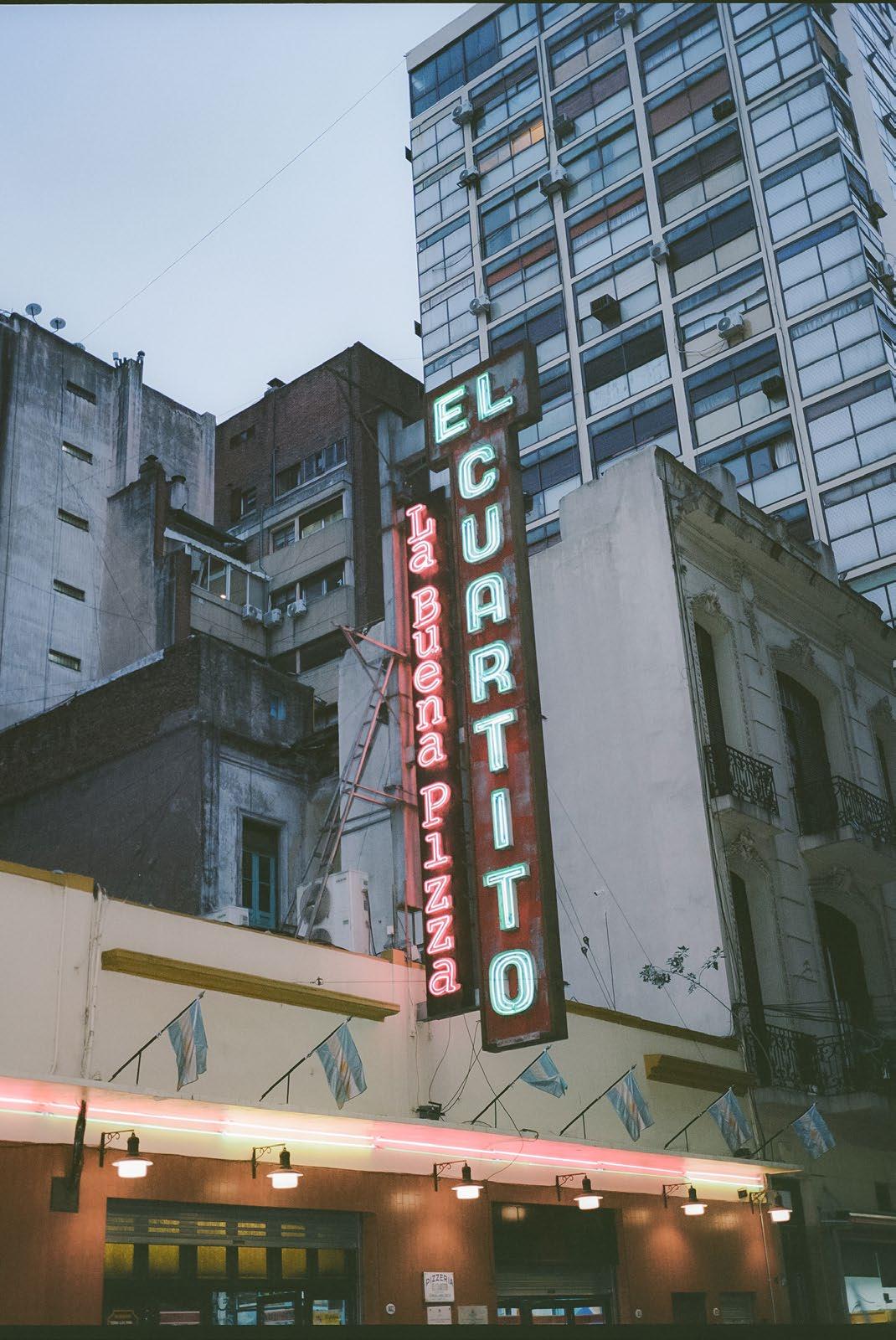
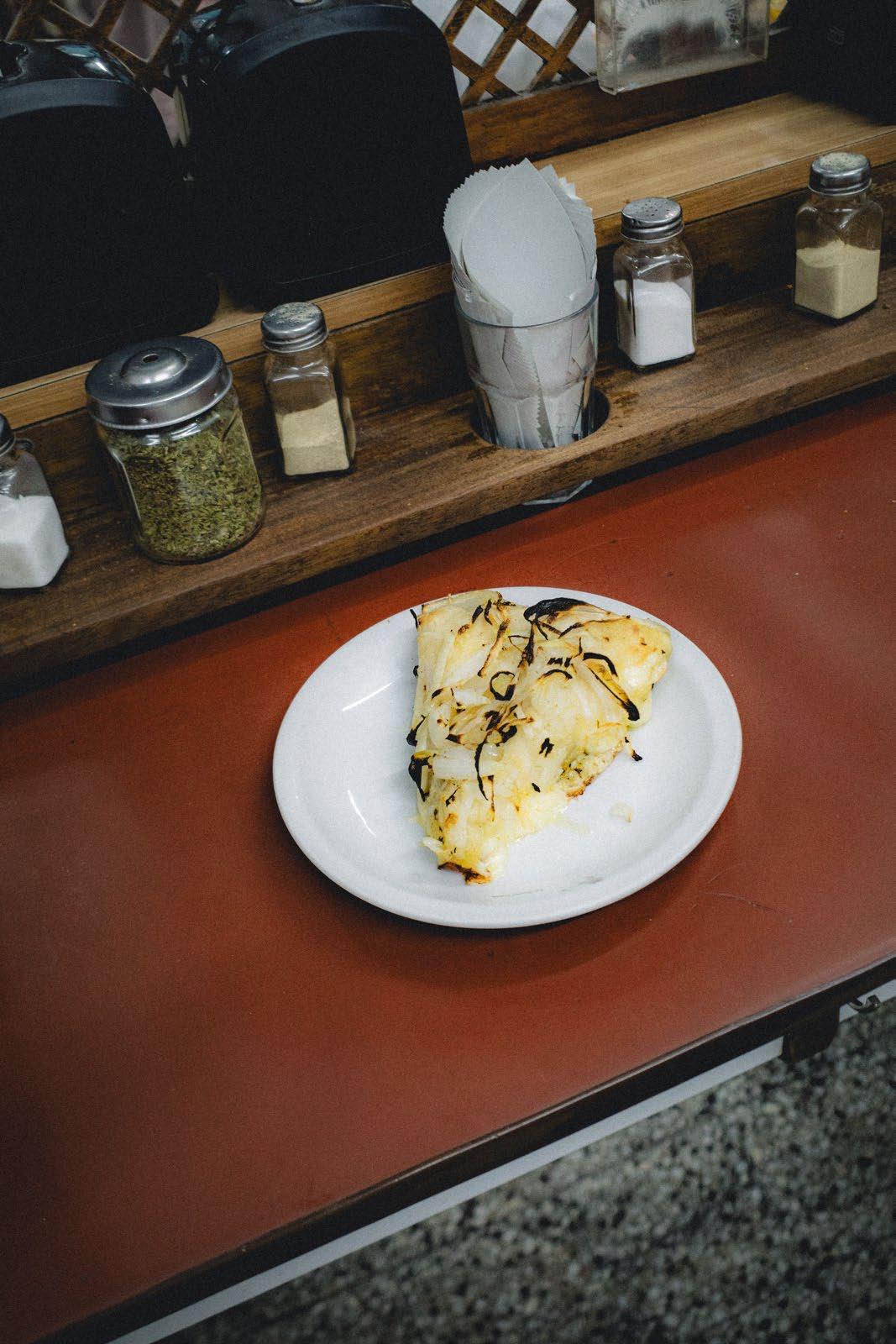
El Cuartito. A 1934 pizzería with original tiled walls and signed memorabilia of football players covering every inch. Order by the slice at the counter or sit down for a whole pie. Pizza al molde, the porteño style, is thick and rectangular, baked in a deep pan with generous cheese. Try the fugazzeta (a stuffed onion-and-cheese pizza, no tomato sauce, a porteño-Italian invention) and order faina on the side: a chickpea flour pancake, savoury and slightly oily, traditionally eaten on top of the slice. Centro.
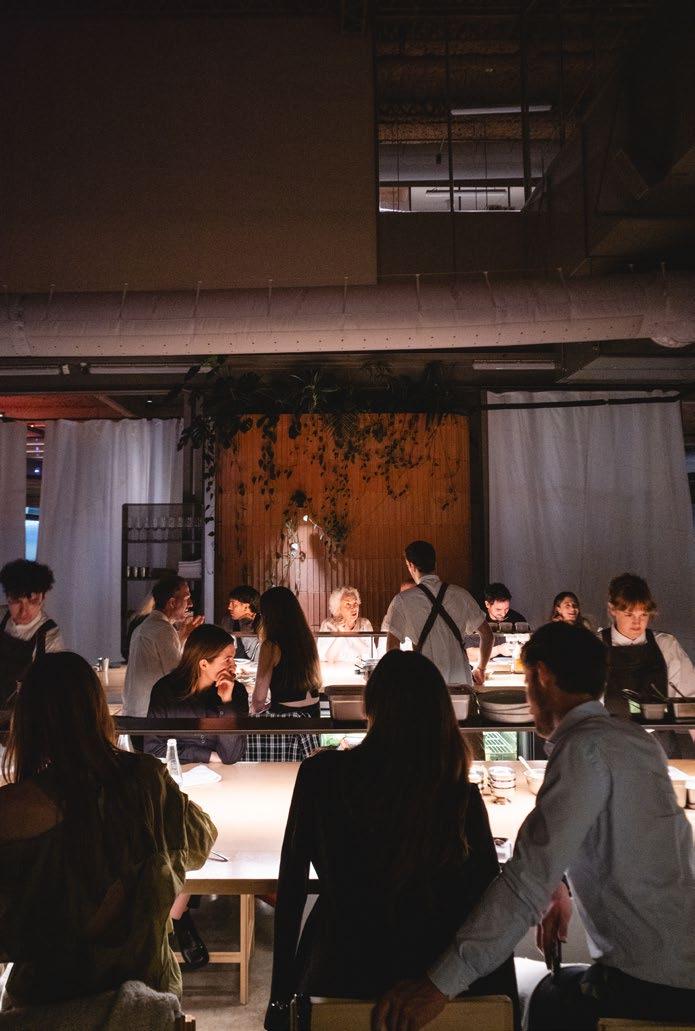
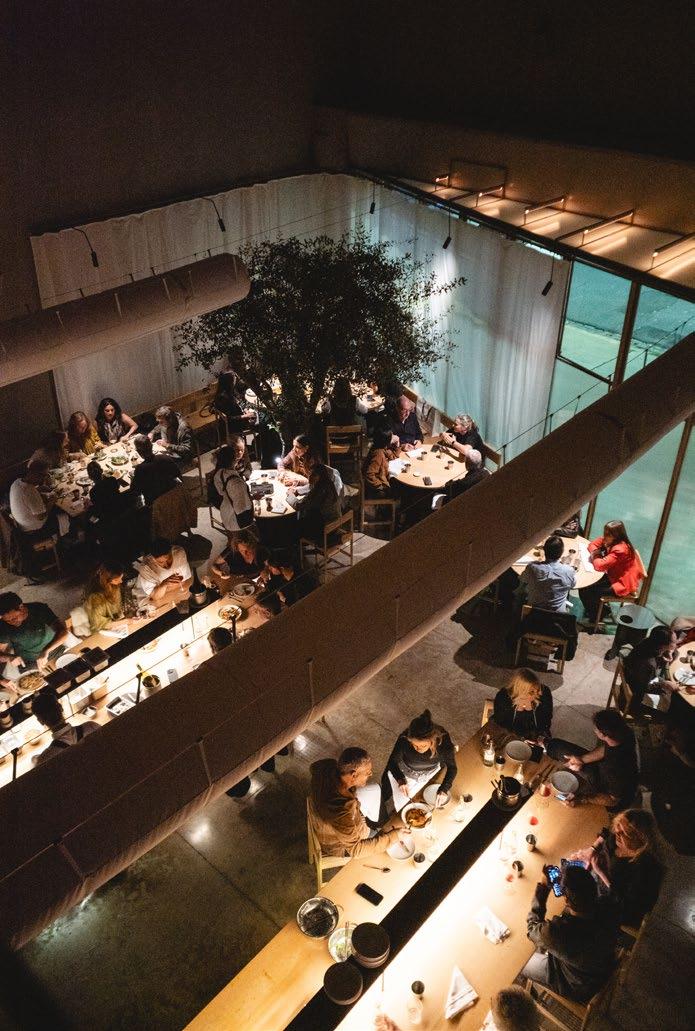
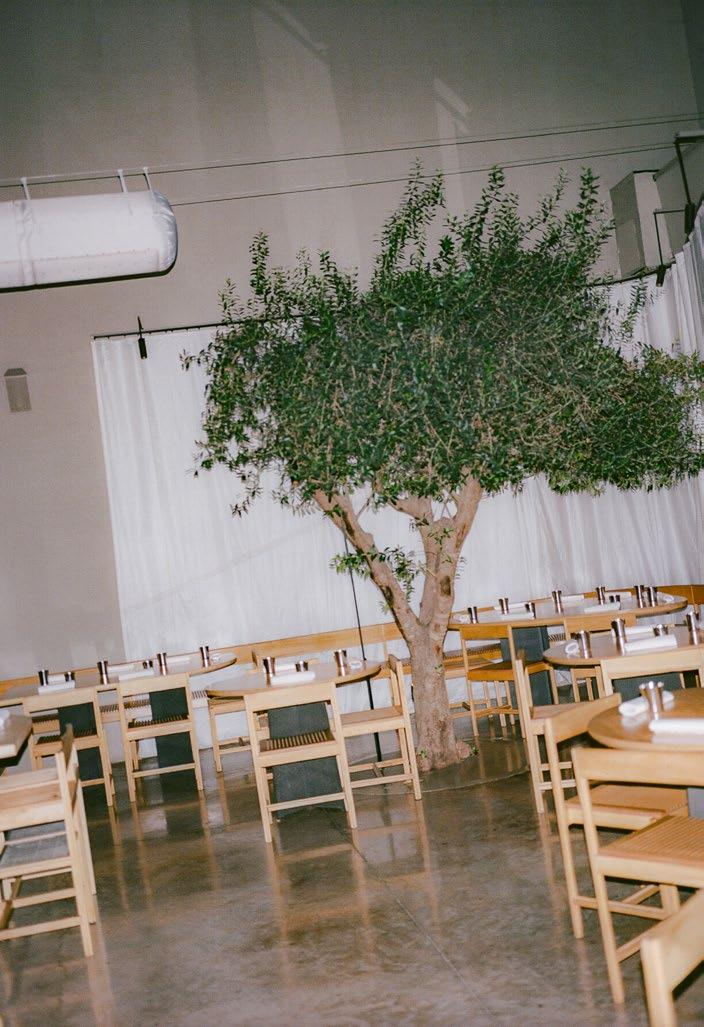
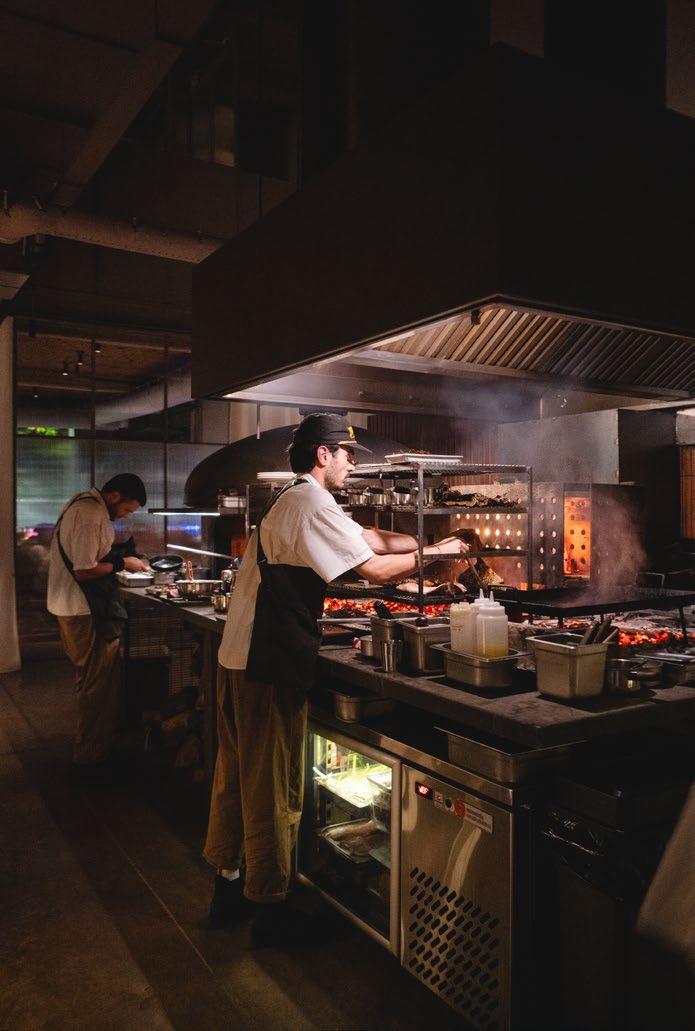
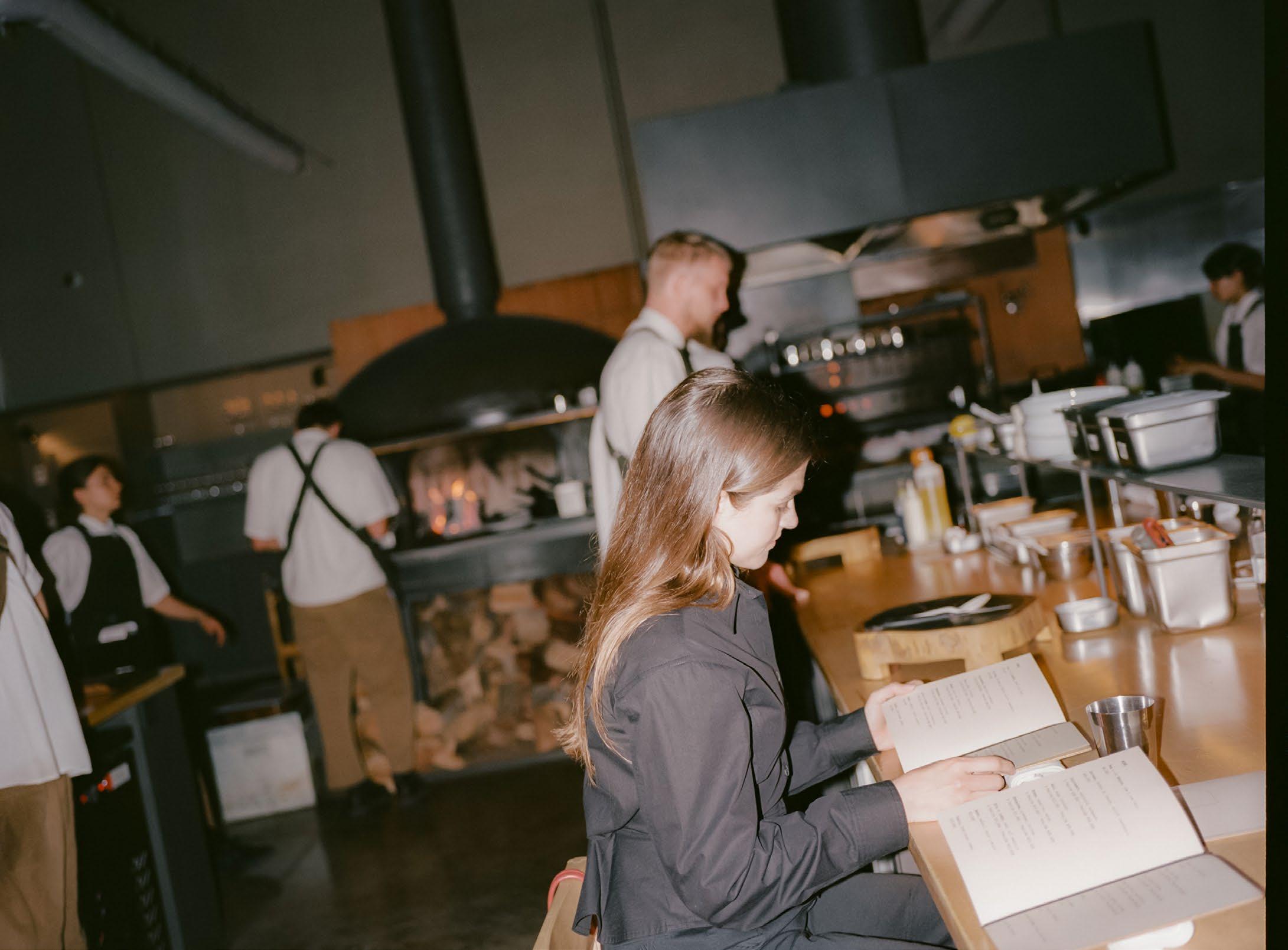
Ness. The most exciting project in Buenos Aires right now, from chef Leo Lanussol and his partner Esteban Cigliutti. Everything has been thought through, and you feel it as soon as you walk in: a beautiful space with different zones and tables, an olive tree at its centre, the right light, the right
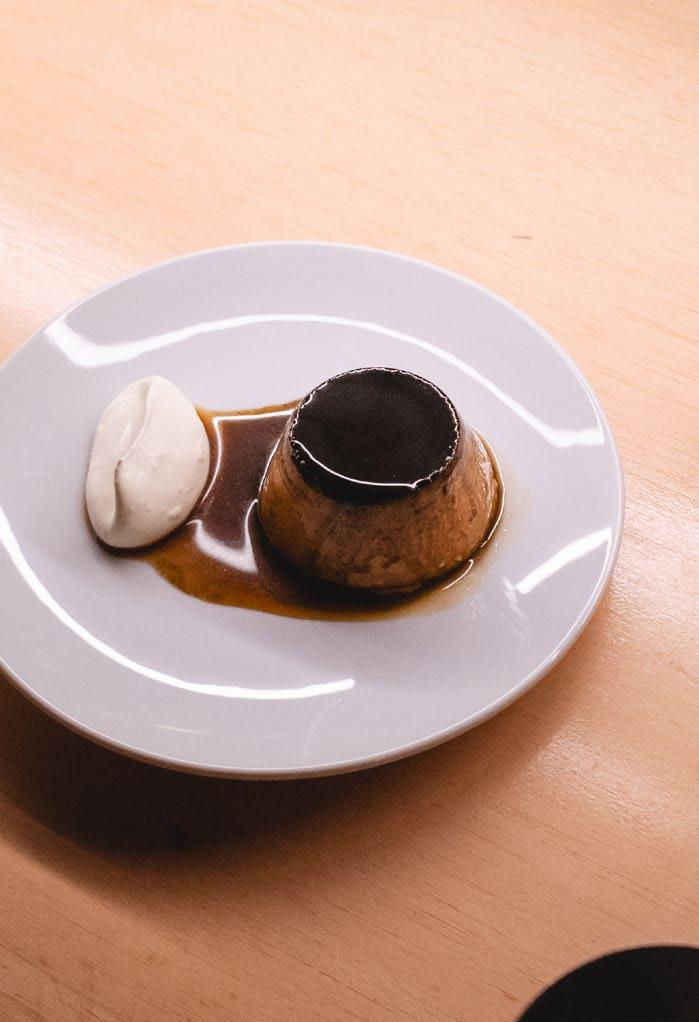
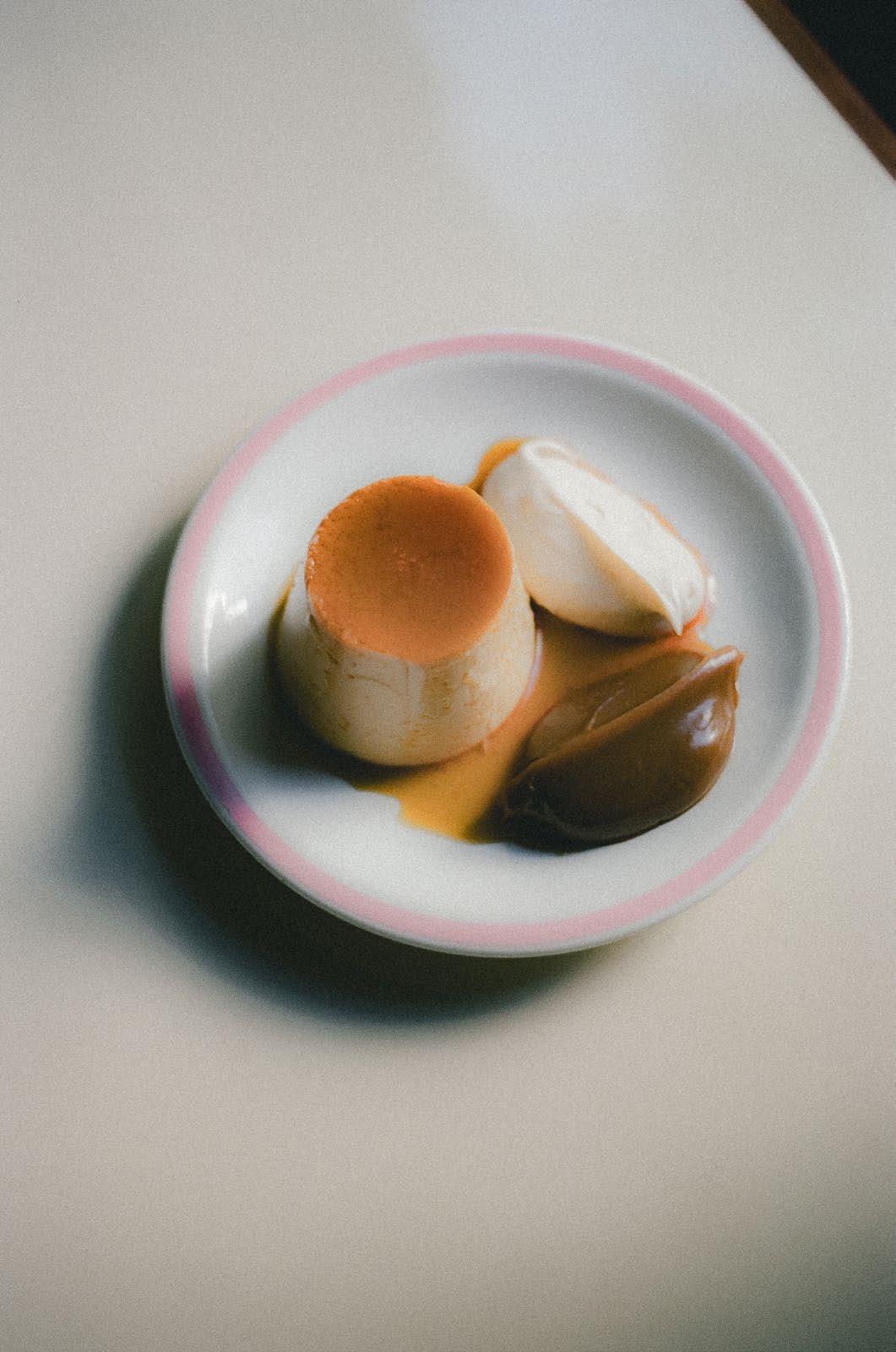
music. The waiters are exceptional, from how they treat you to how they are dressed; the food is precise and refined, cooked over embers. As if that were not enough, they walked us through the back of the operation, something they do with any guest who is curious. Do not skip the flan. Núñez.
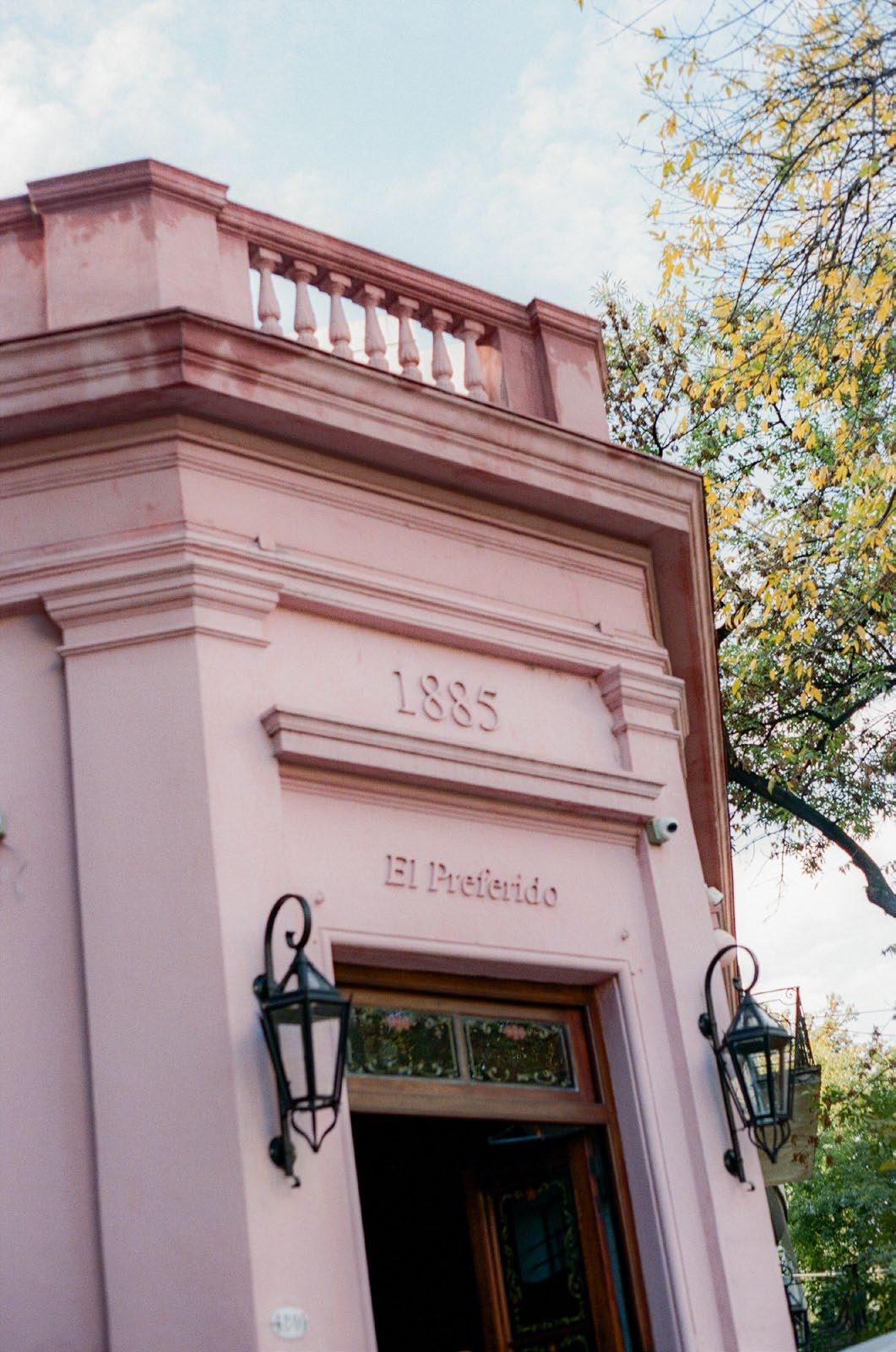
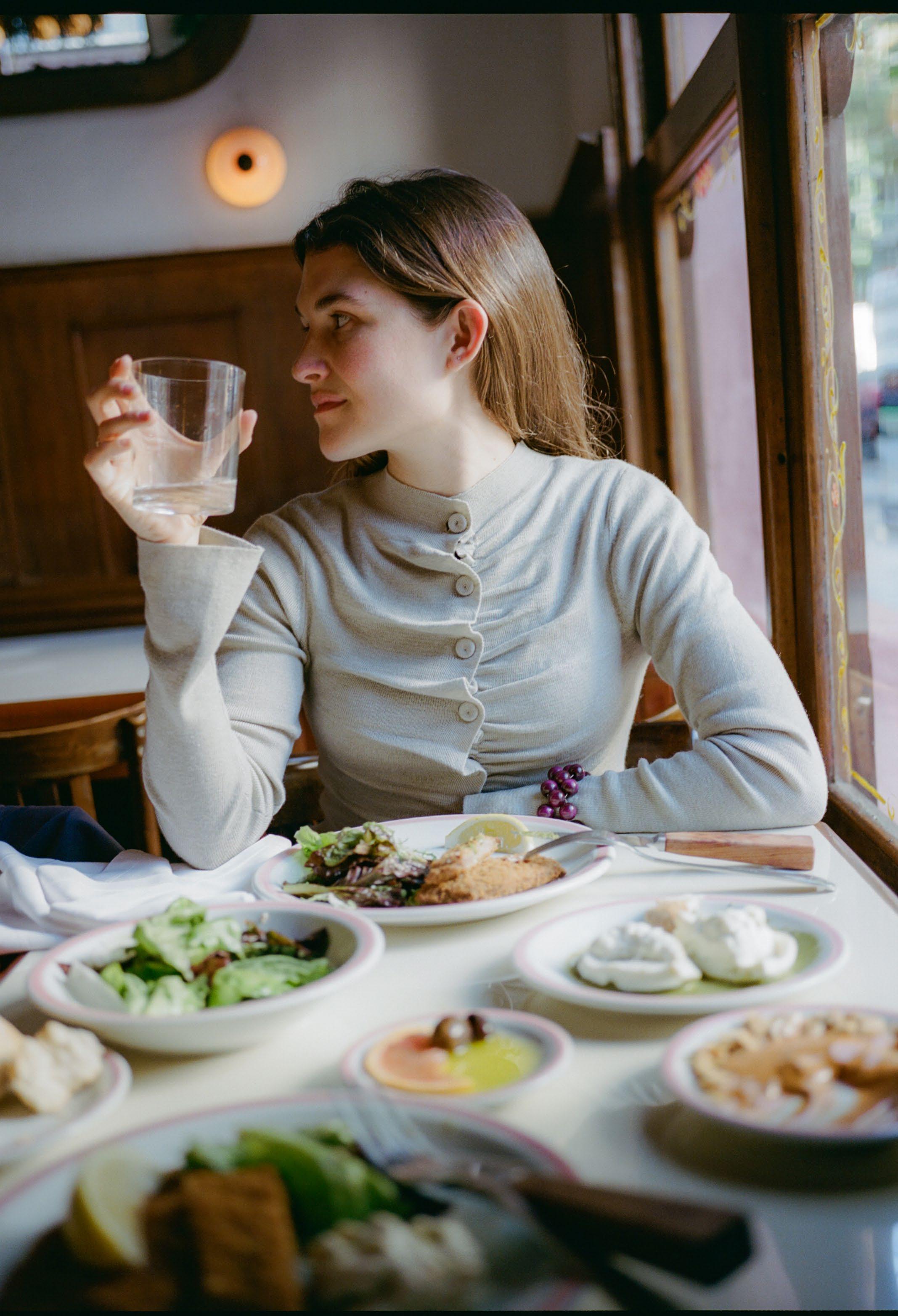
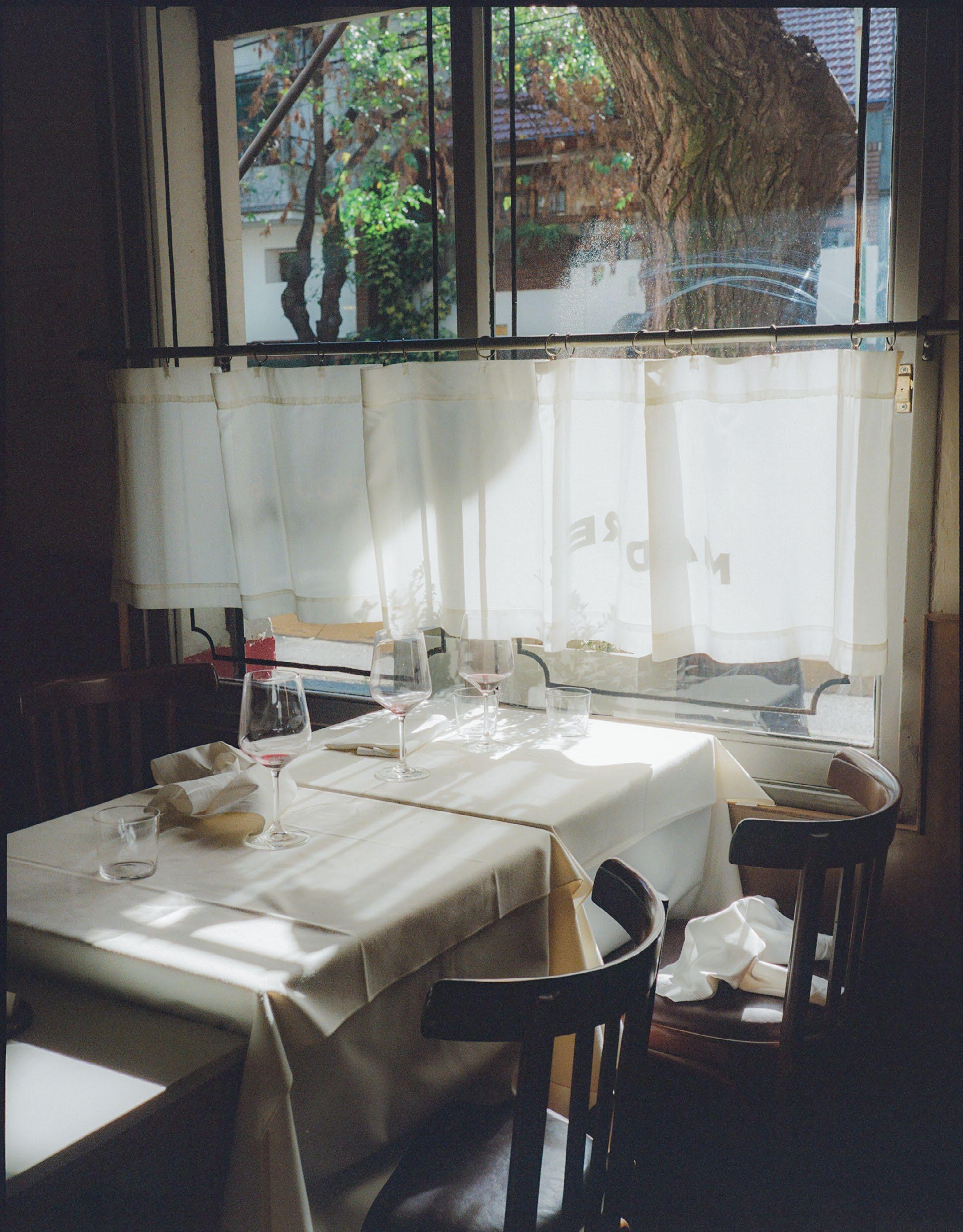
El Preferido de Palermo. A historic bodegón beautifully restored by chef Guido Tassi and Pablo Rivero (also behind Don Julio). Everyone you talk to in Buenos Aires recommends it, and the consensus is right. Every plate that arrives is delicious; the service is old-school in the best sense, attentive without being precious; the food is comforting and homemade, the kind of cooking that does not try to impress and ends up doing exactly that. The milanesa is the famous dish, but you can order with your eyes closed. Book in advance. Palermo Soho.
Anafe. The restaurant of Mica and Nico, who trained abroad (she in Australia, he in Barcelona) and came back to open what began as pop-up dinners and is now one of the most solid restaurants in the city. The cooking crosses Jewish, Italian and Mediterranean heritage with Asian techniques and the smoke of an Argentine grill. Colegiales.
Gran Dabbang. Chef Mariano Ramón’s small restaurant, a personal mix of Argentine produce with Indian and Southeast Asian techniques. Small plates, shared at the table; flavours that are not common in the city, and a place and service that feel relaxed in the best way. Book in advance. Palermo.
neighbourhood
recommended to us by almost everyone we trust as the place to eat meat in Buenos Aires. Wood-fired cuts and generous side dishes. Villa Crespo.
Madre Rojas. A
parrilla
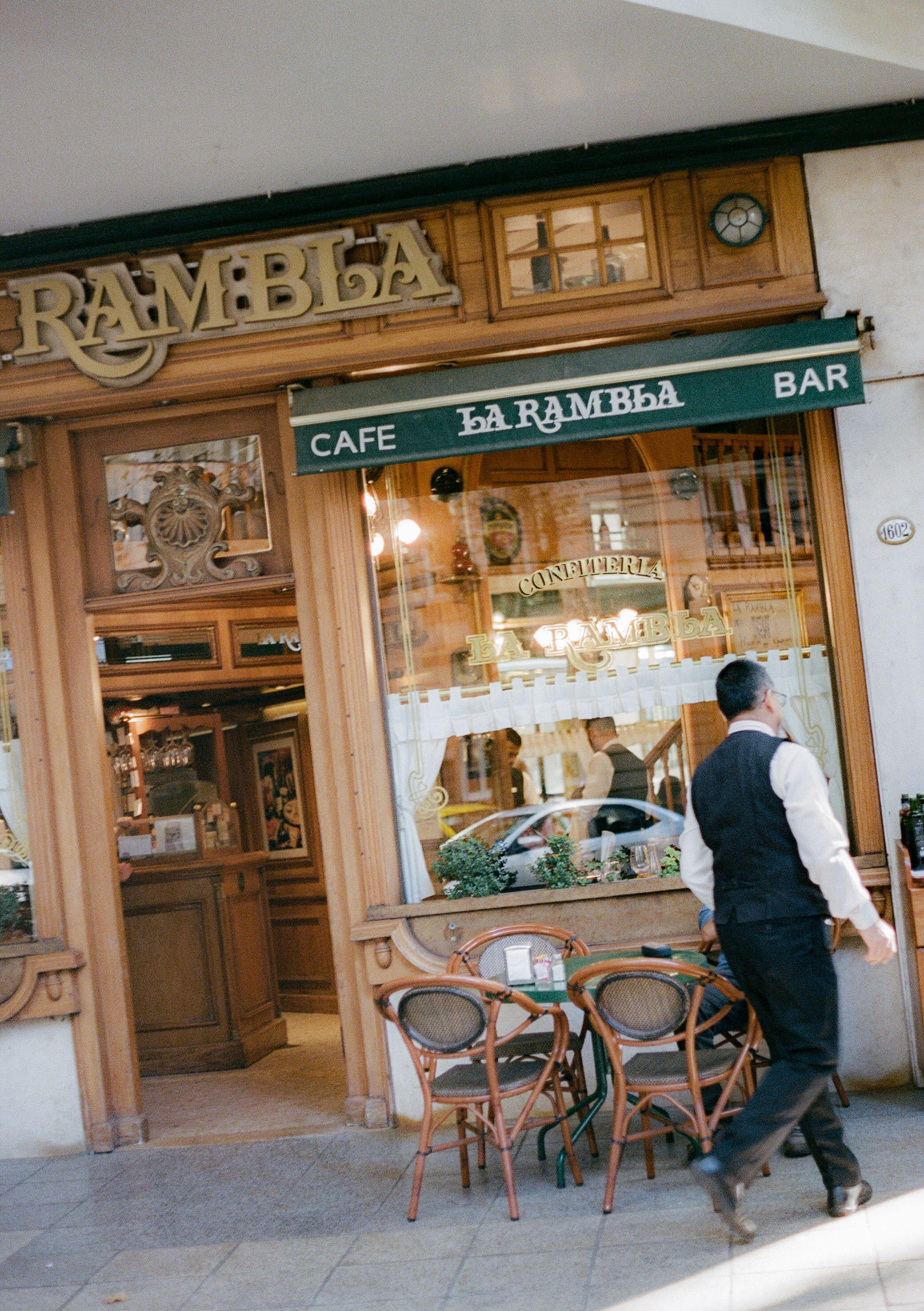
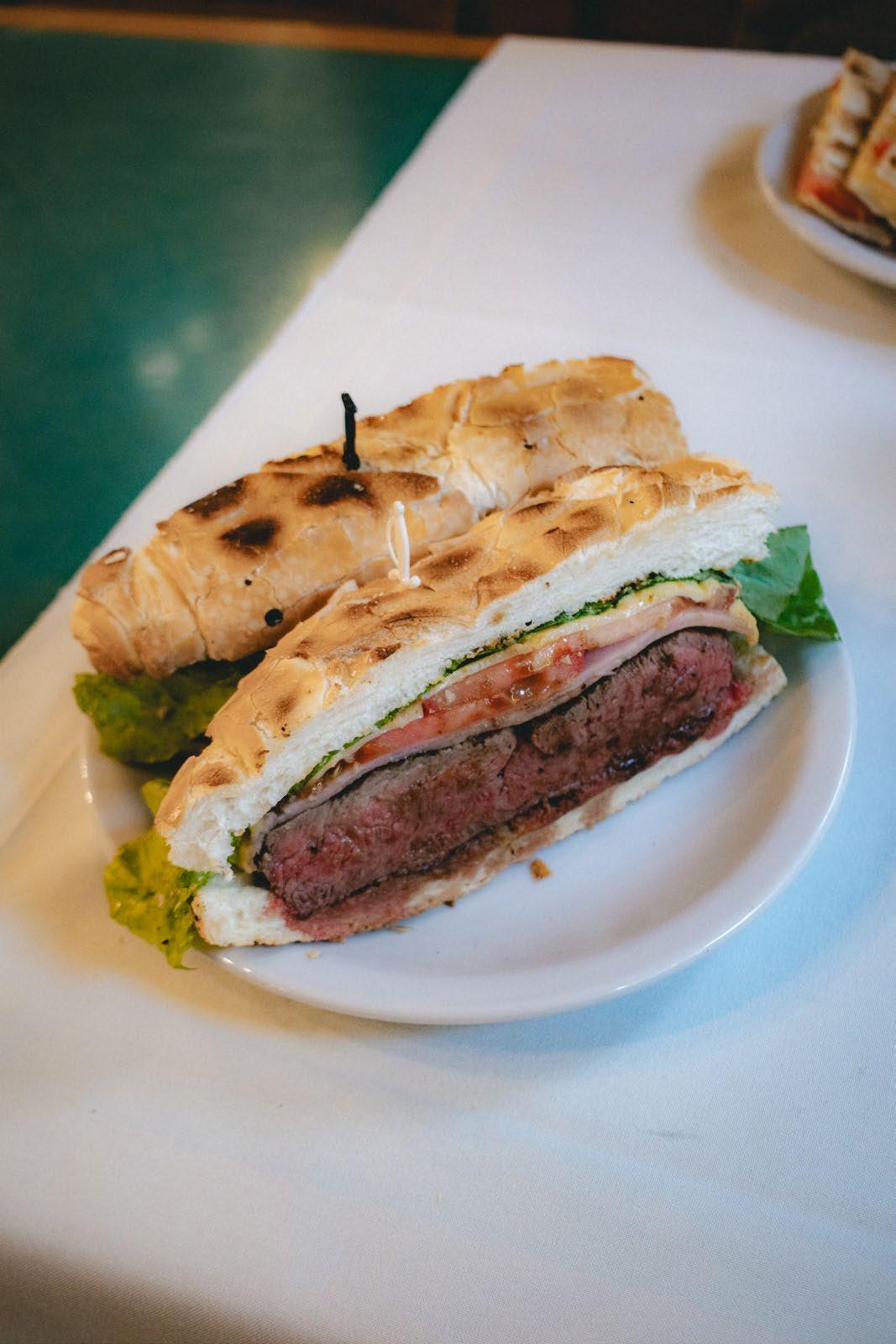
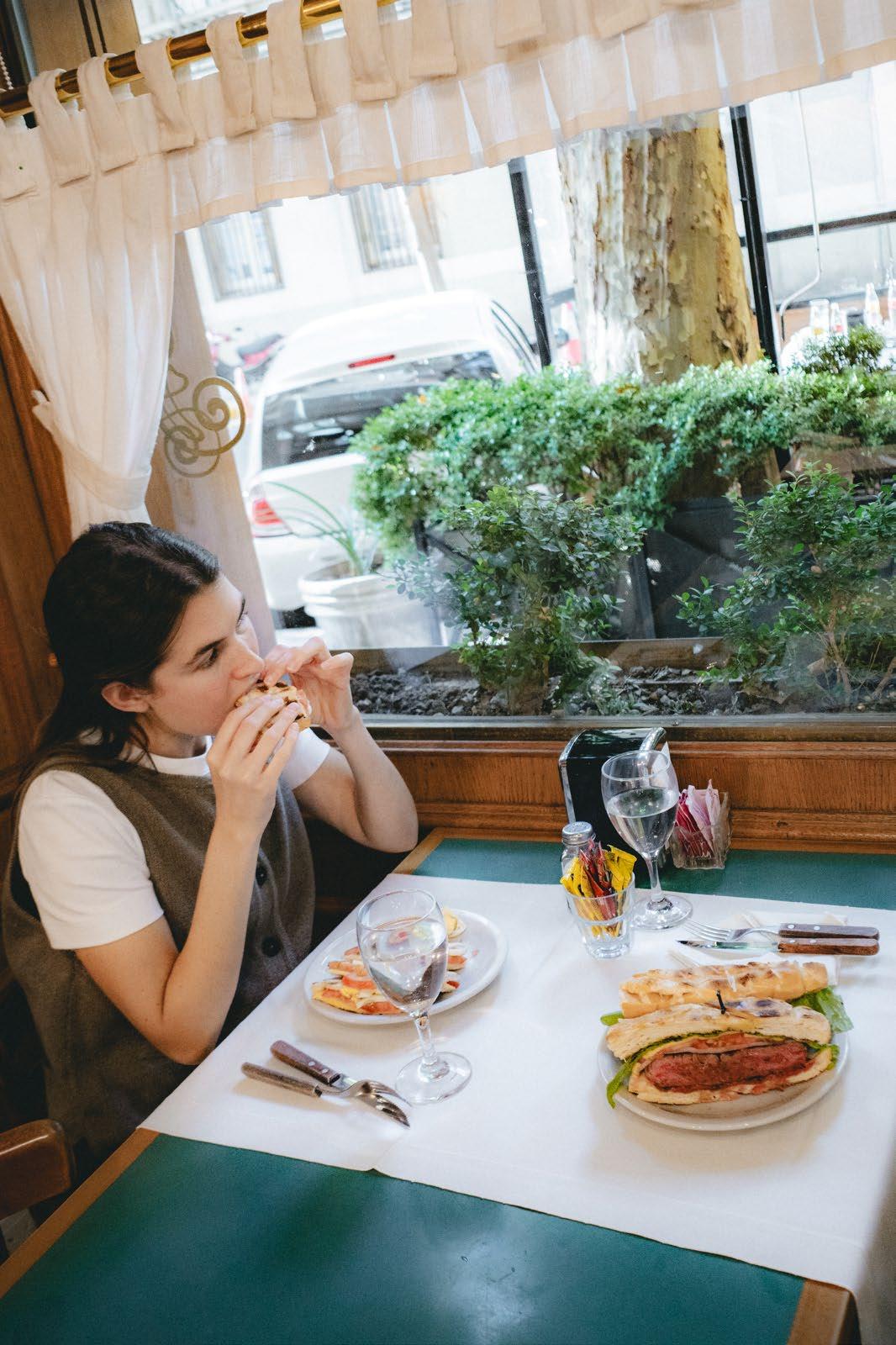
La Rambla. A long-standing classic, the place to try a sándwich de lomito (steak sandwich), one of the most porteño things you can eat. Recoleta.
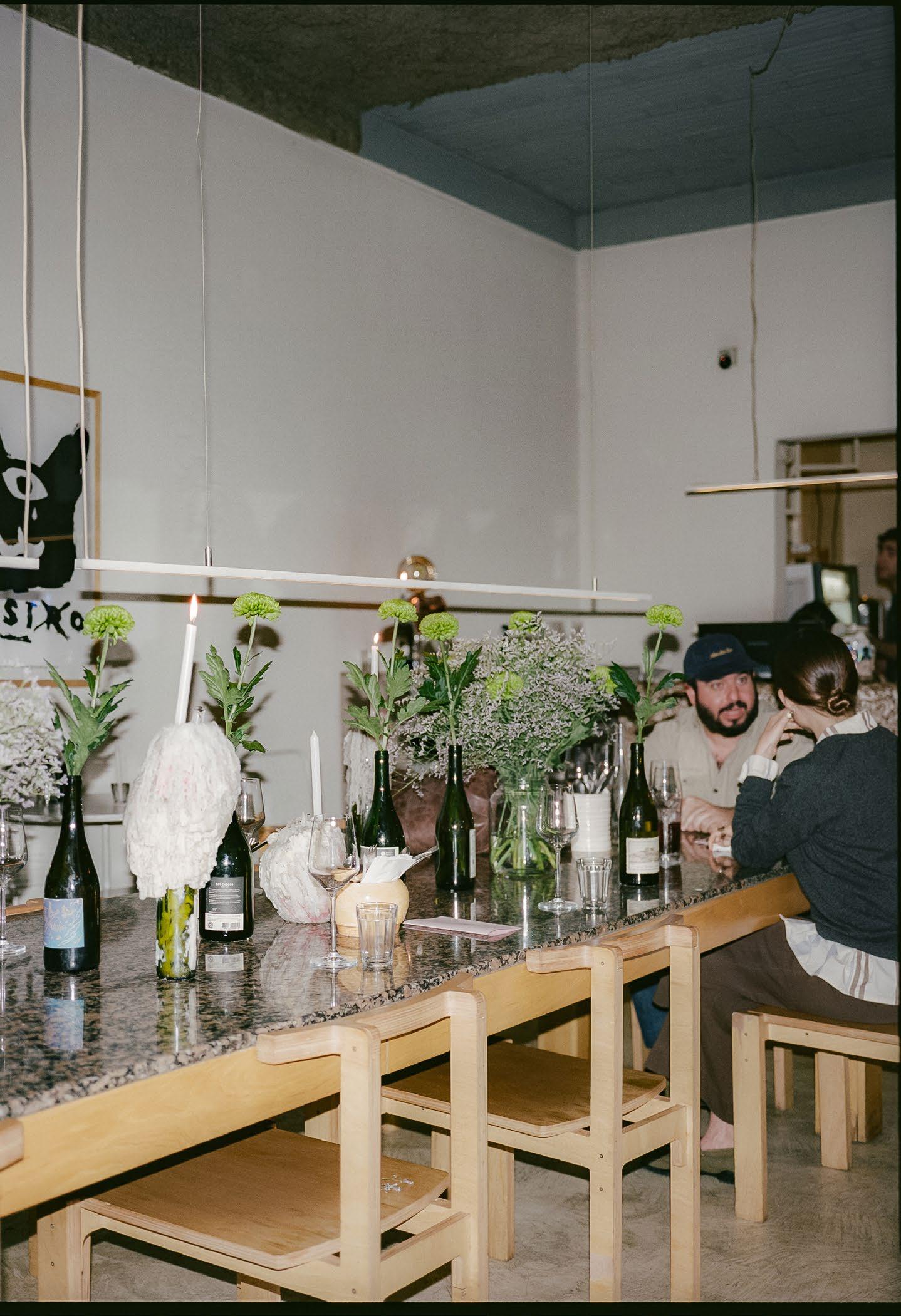
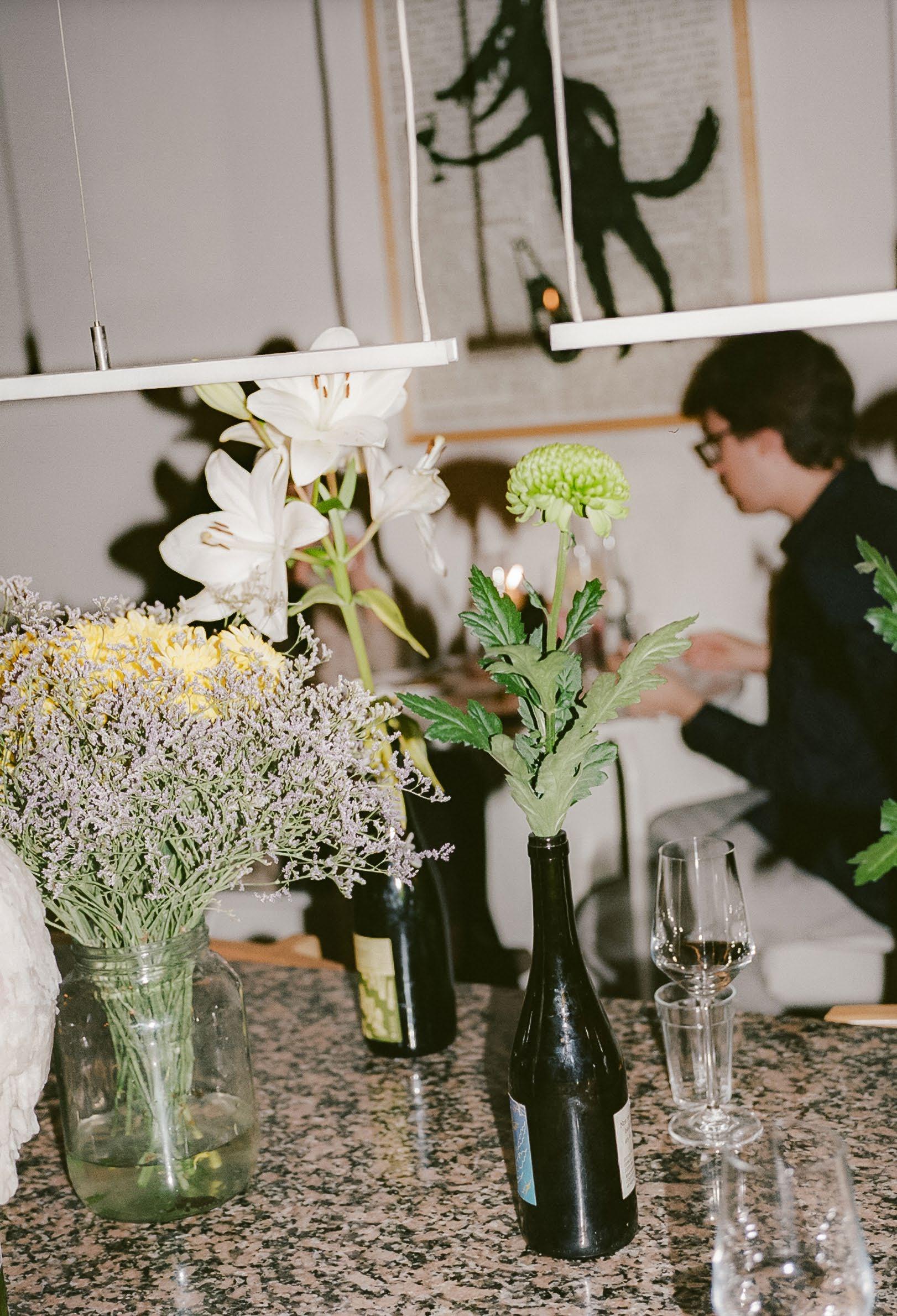
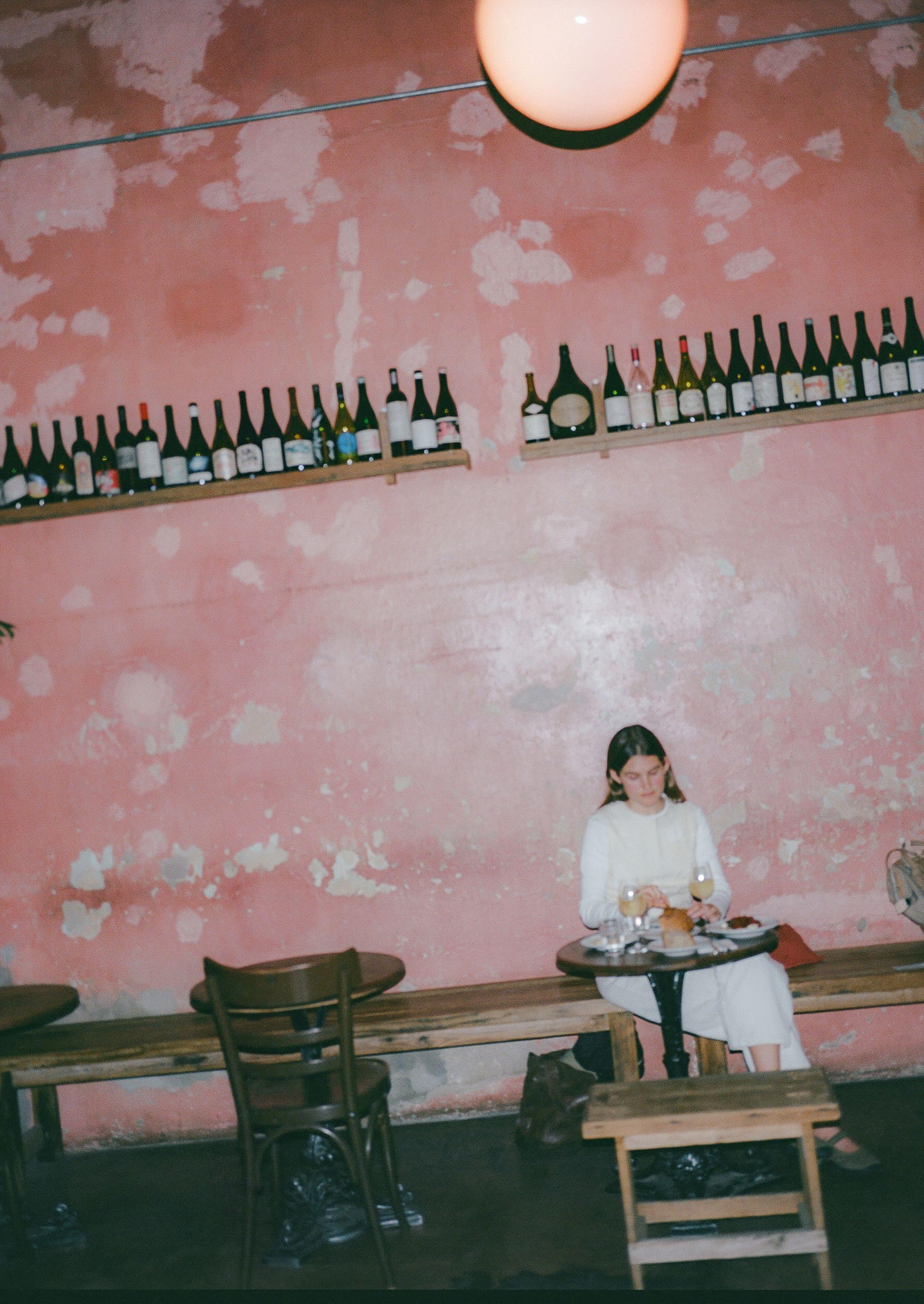
Lardito. Part of the new cool wave of porteño restaurants, a wine bar where the wine comes first. You enter through the cellar itself, lined with bottles from small Argentine producers, with a focus on natural, organic and low-intervention wines. There is no printed wine list: you choose your bottle straight from the shelves. The cooking moves lightly between cuisines, while a long communal table anchors the space. Chacarita.
Naranjo Bar. The kind of place where you stop for a glass of wine and end up staying for dinner. The food is excellent, starting with the bread. The atmosphere is exactly right: easy,
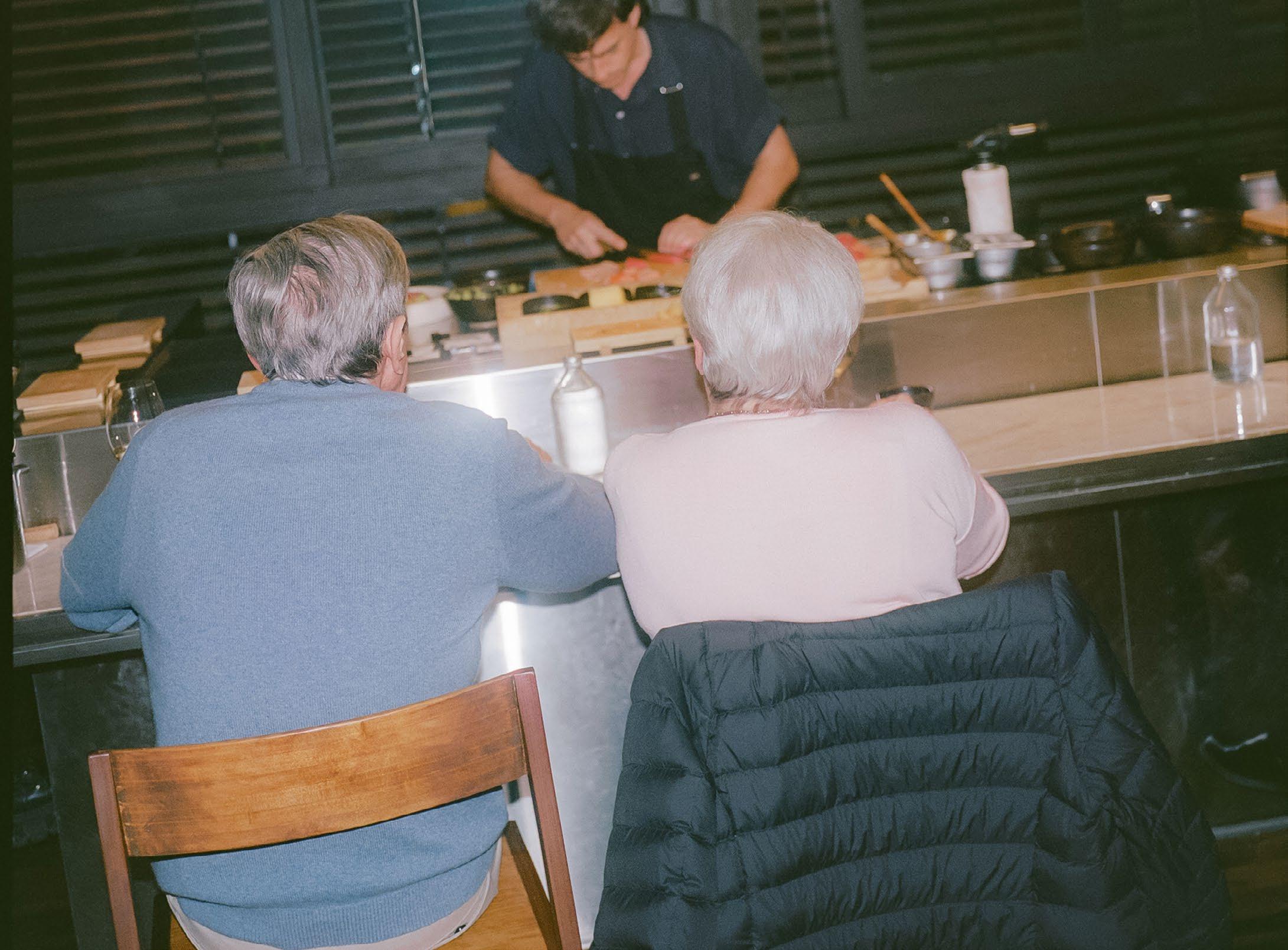
neighbourhood, well lit, without pretension. Chacarita (left). Nare Sushi. A small omakasestyle sushi counter. Sit at the bar, where the experience is at its best. Belgrano (right).
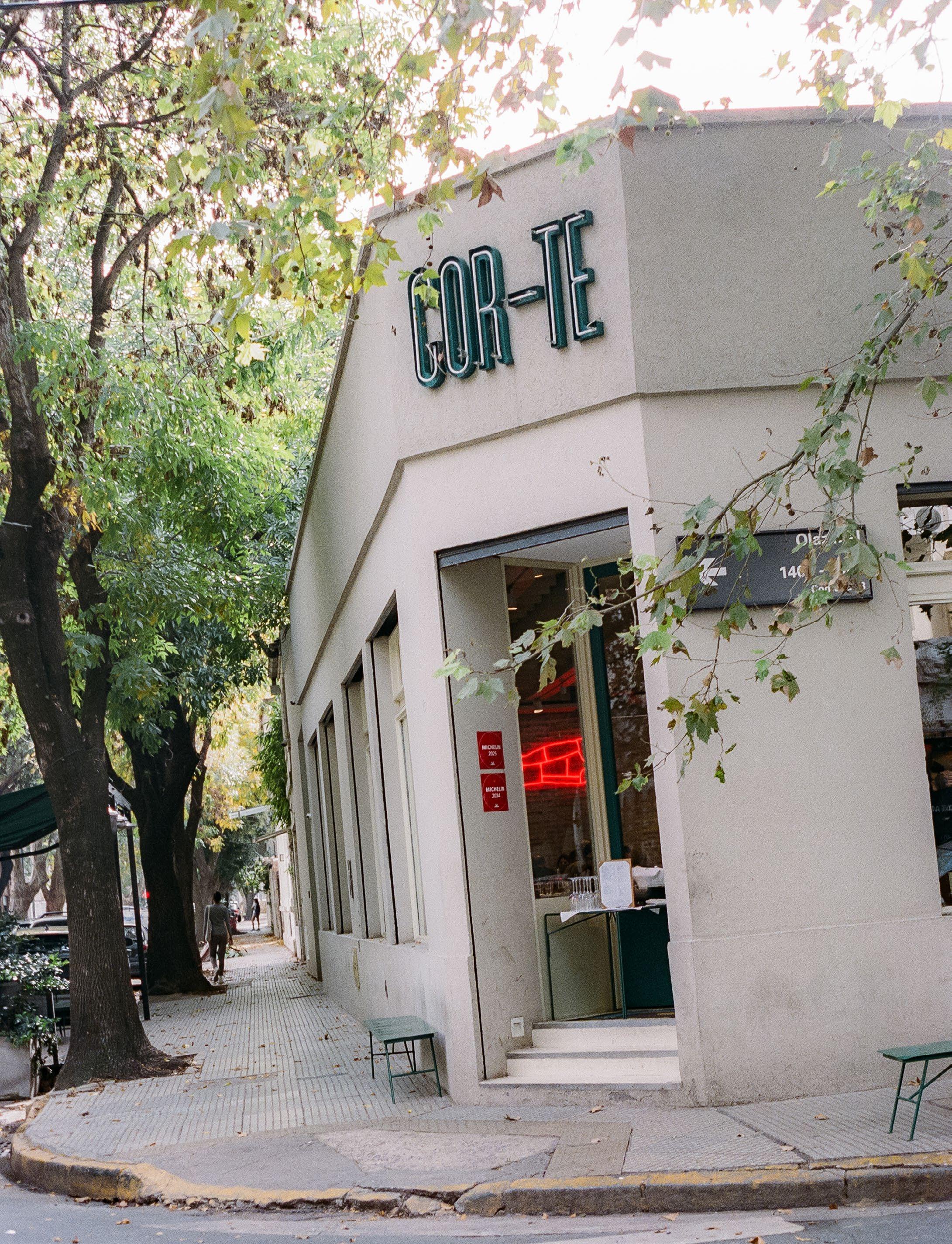
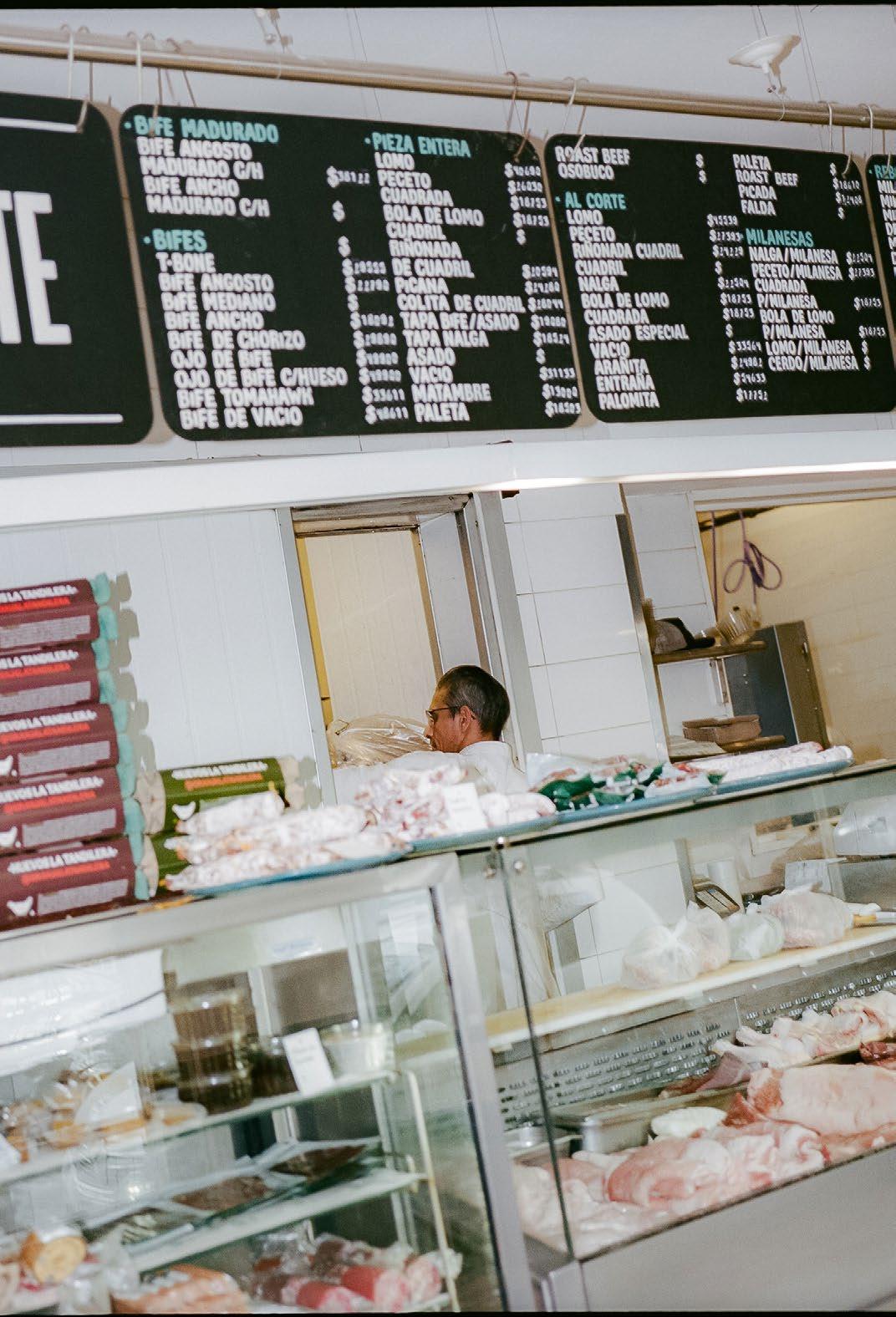
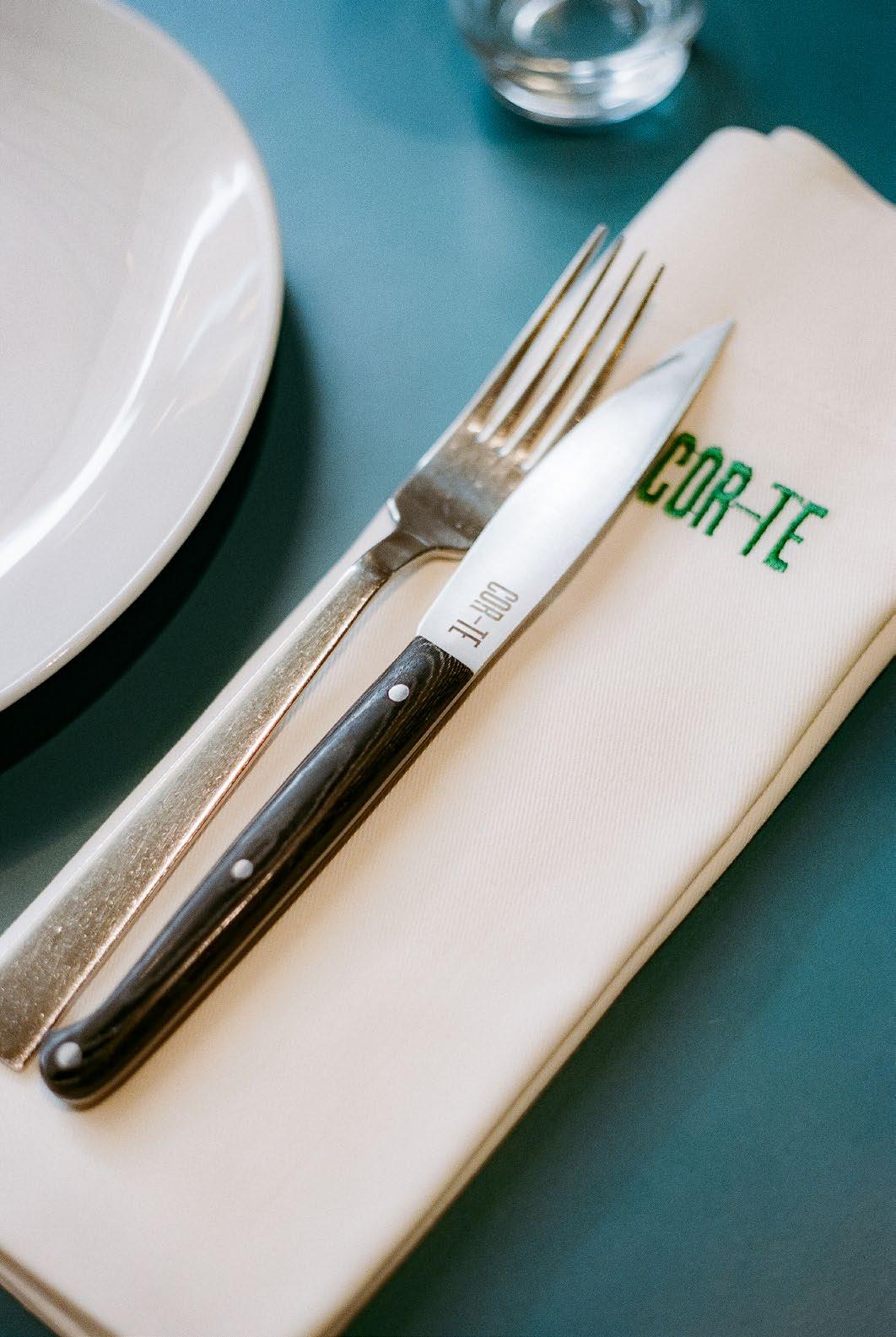
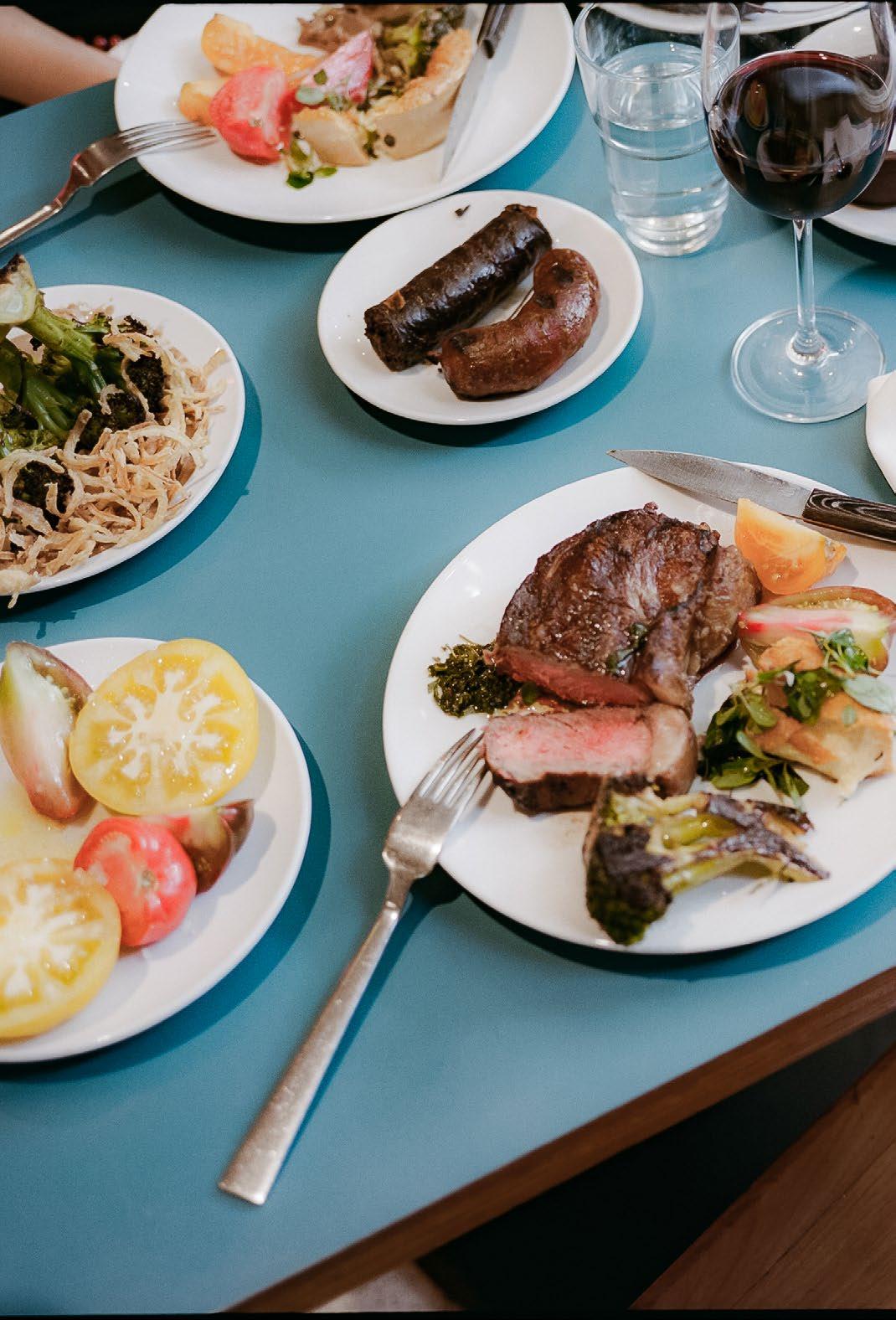
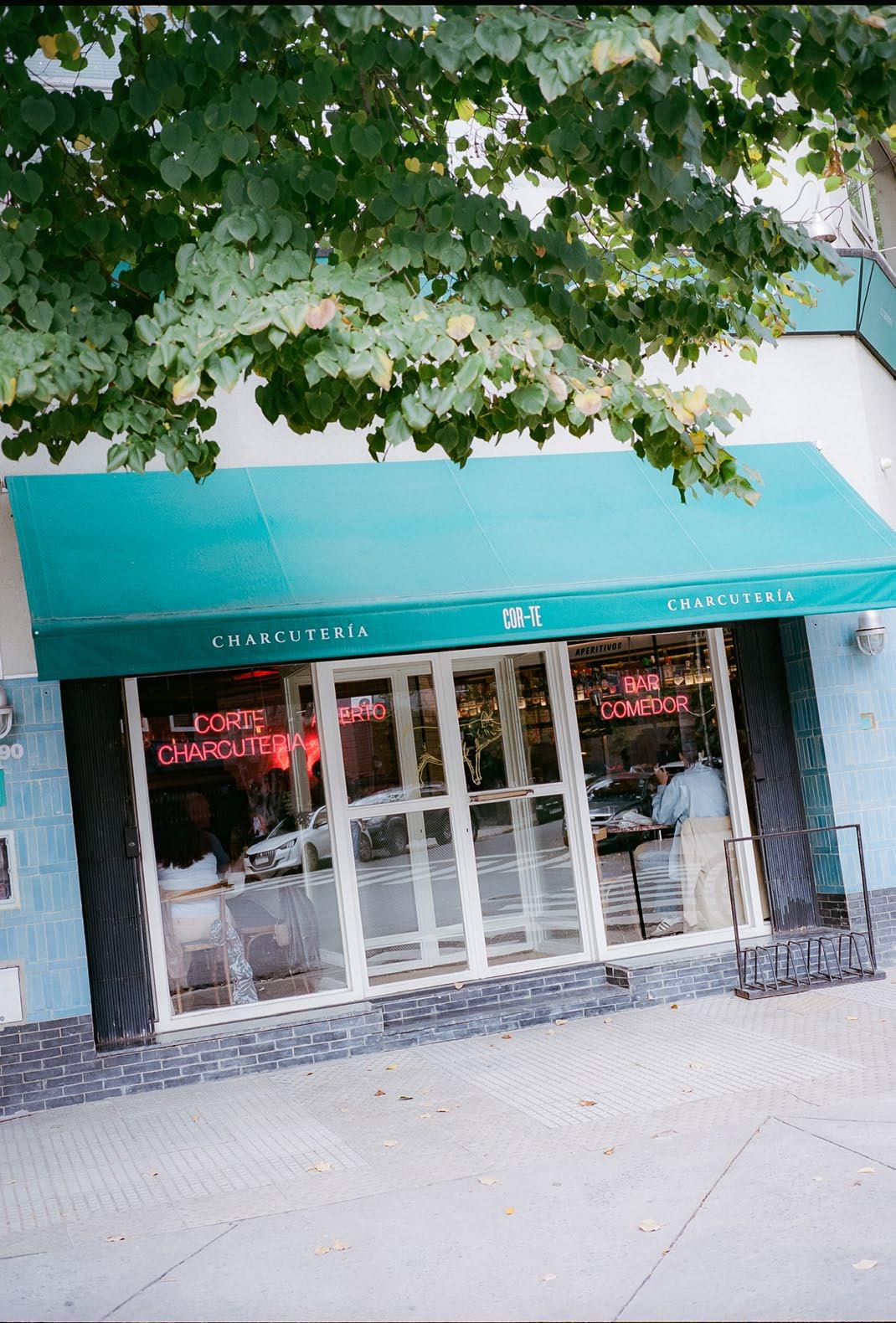
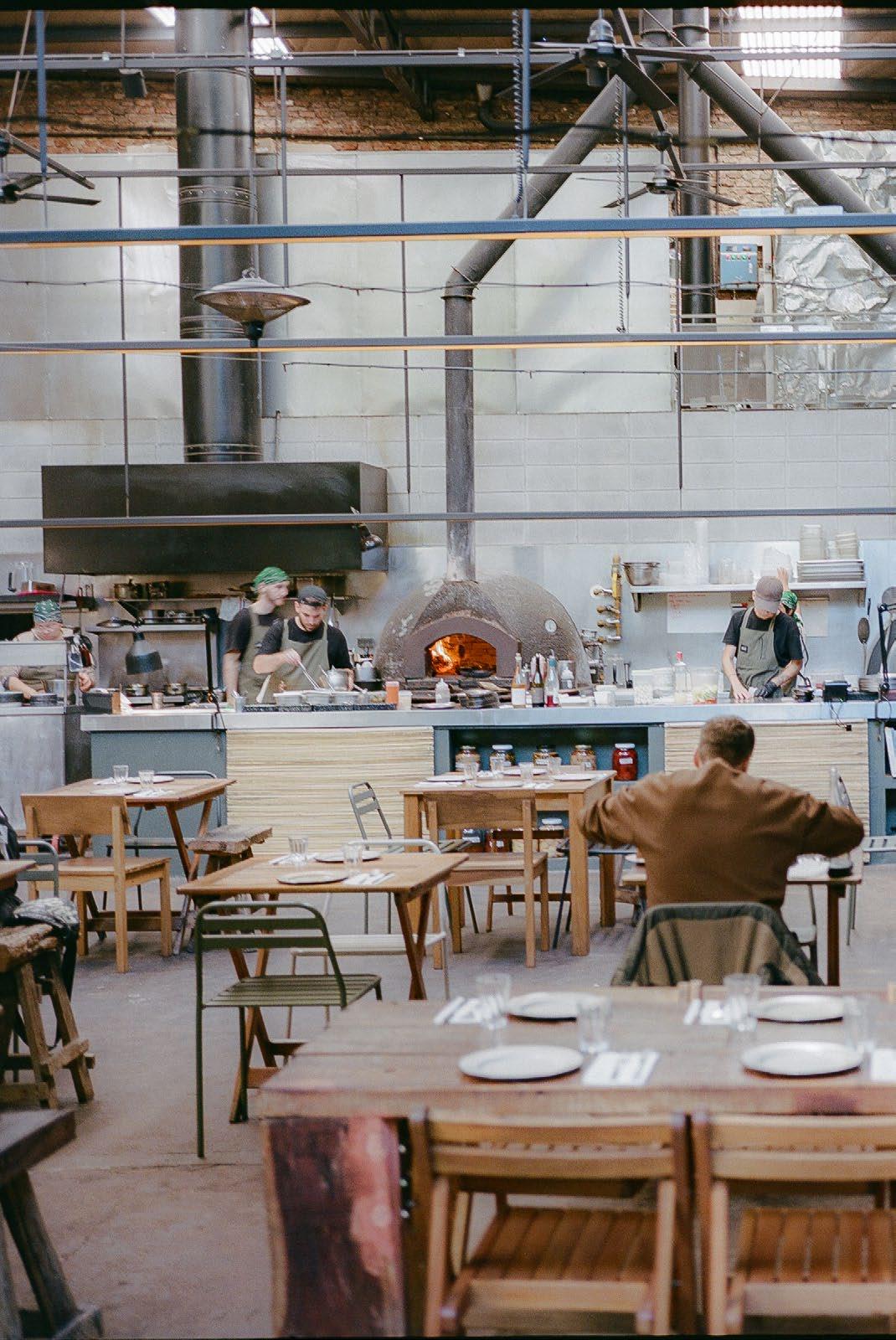
Corte Comedor. Parrilla and very good side dishes, in a residential part of the city. The space is bright and family-feeling; at the entrance is the butcher shop where the same neighbours come to buy the meat for their own Sunday asado at home. The owners also run Corte Charcutería, a popular spot for cured meats and small plates. Belgrano.
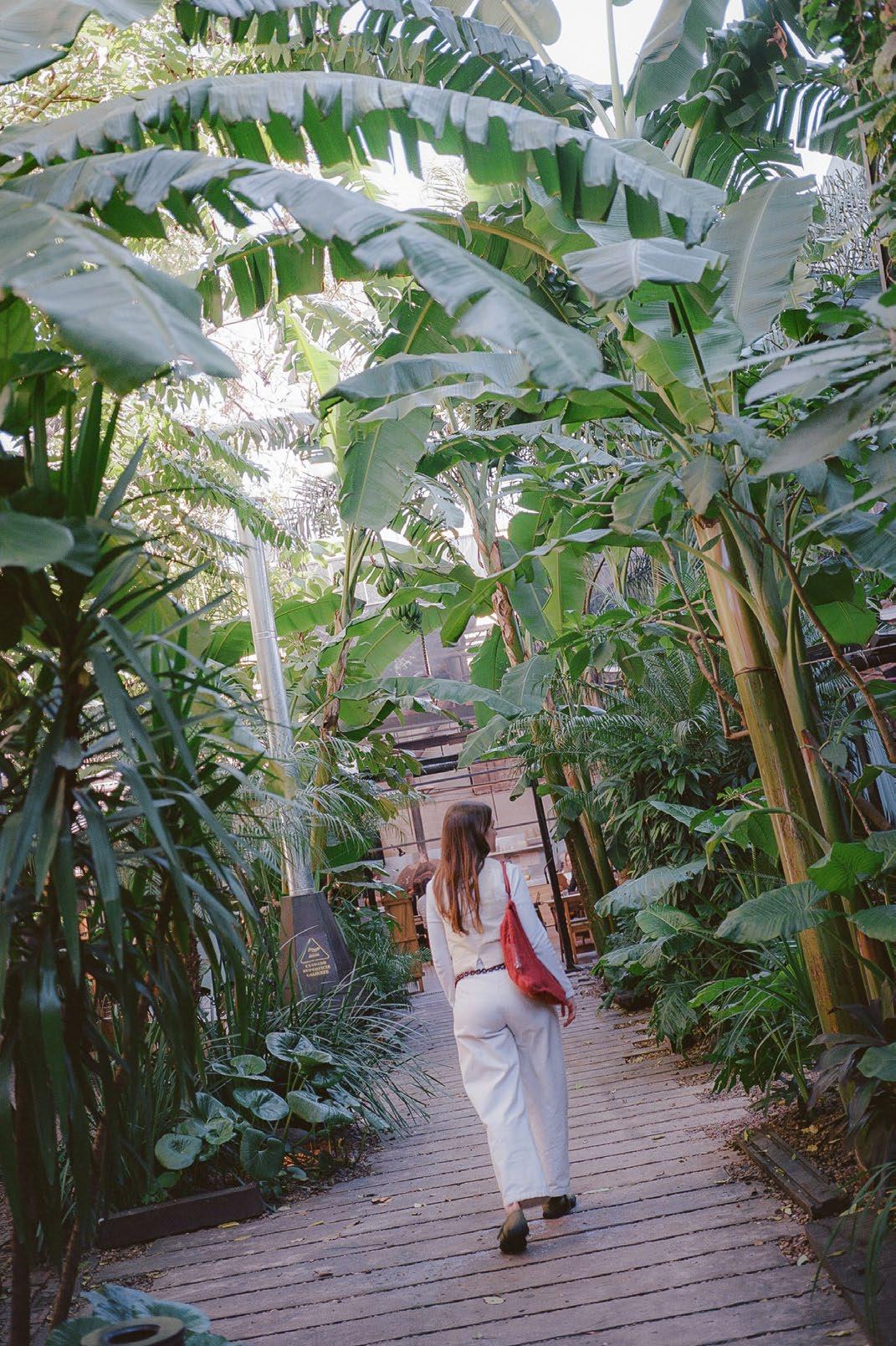
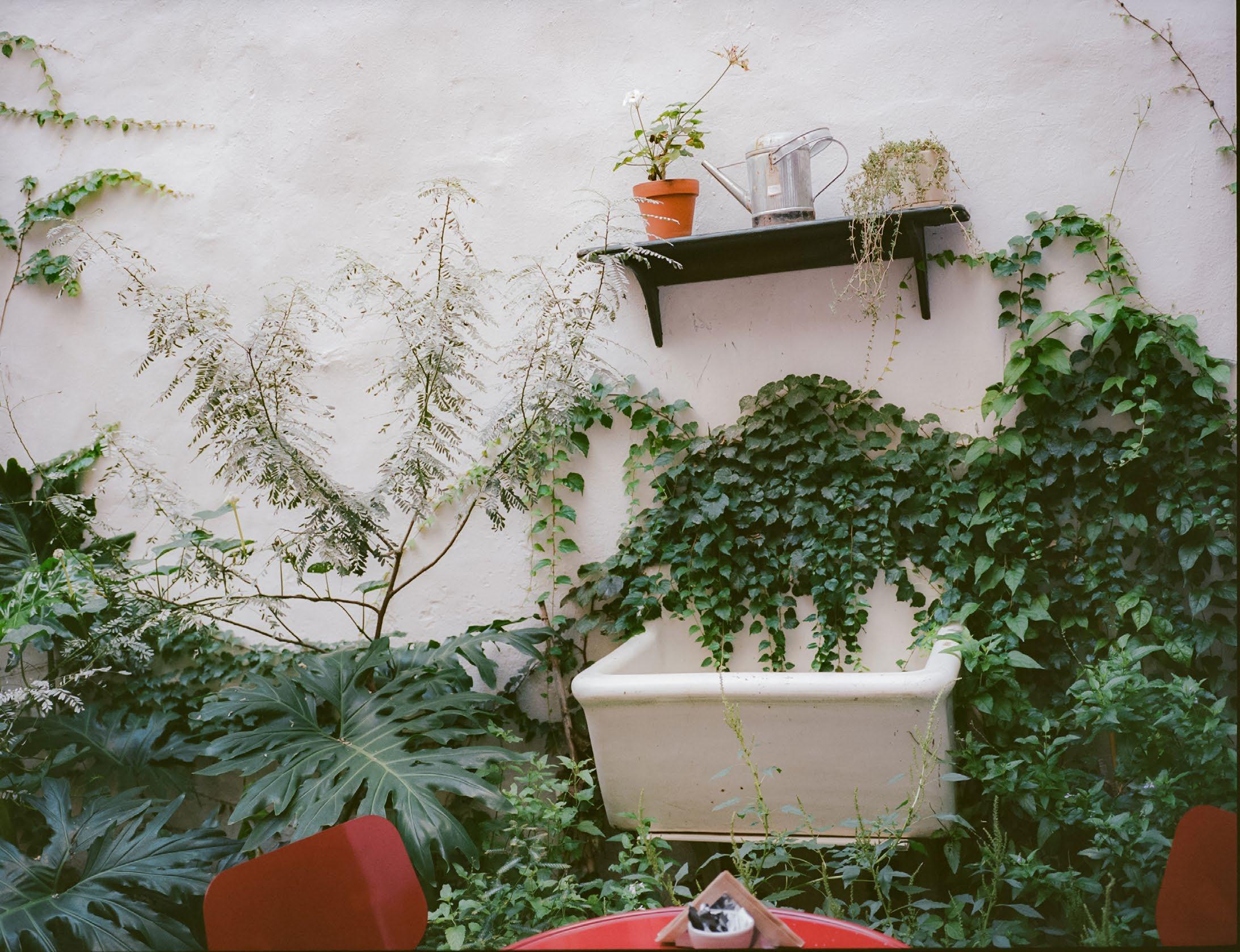
A vegetarian restaurant in a leafy interior courtyard that feels almost outdoor, full of plants and natural light.
Chui.
Villa Crespo
CAFÉS, BAKERIES & ICE CREAM
Café Cuervo (Coffee & Bakery)
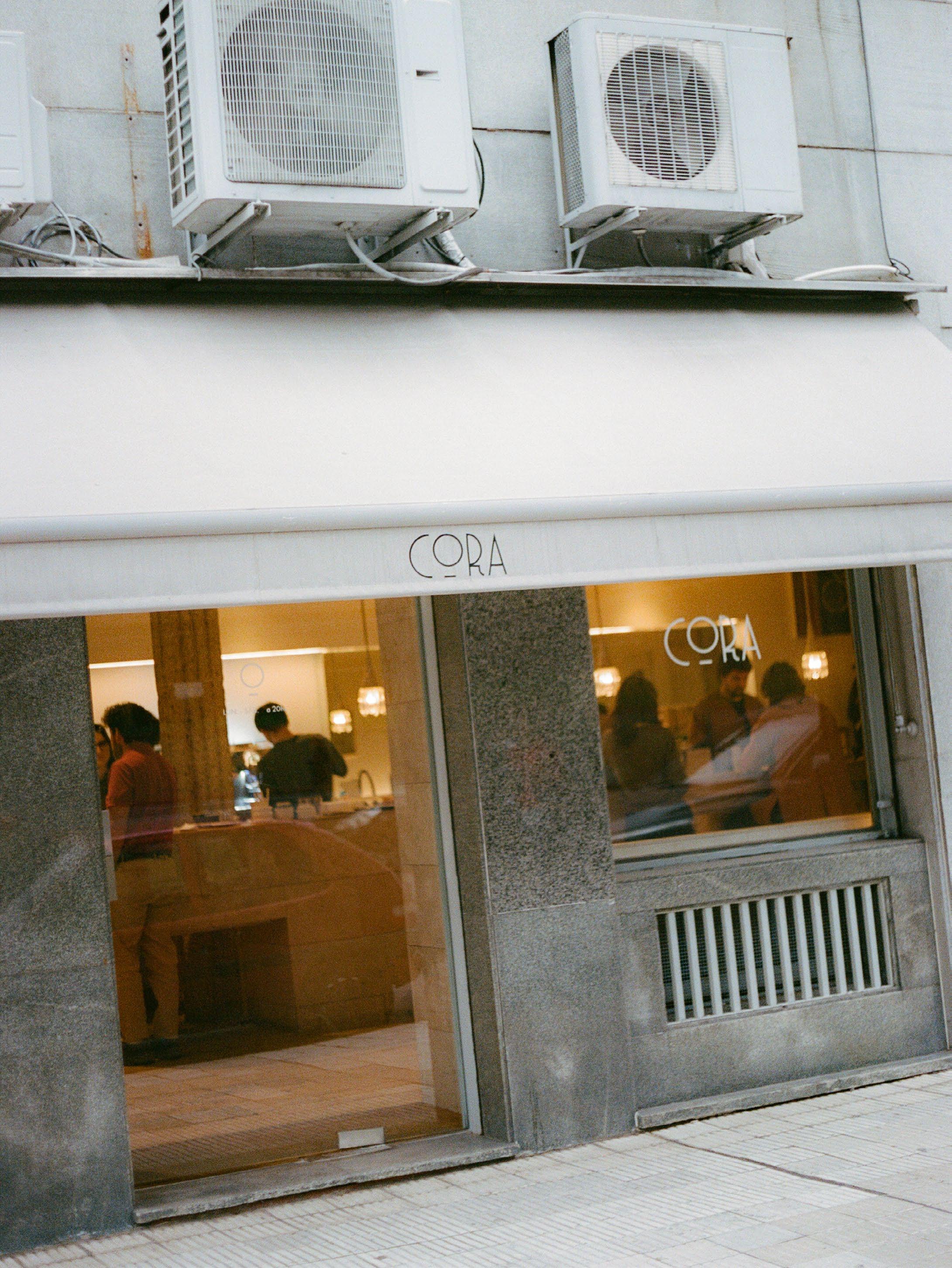
Cora Café (Coffee, Bakery & Wines)
Oli (Coffee, Bakery & Restaurant)
Various locations
Birkin (Coffee, Bakery & Restaurant) Palermo
Café Rajatabla (Coffee & Concept Store) San
Social Corazón (Coffee, Bakery & Restaurant)
La Valiente (Coffee & Bakery)
La Ventana de Anafe (Coffee, Bakery & Restaurant)
Obrador Florida (Ice Cream)
Cadore (Ice Cream)
Palermo
Palermo Centro
San Isidro
Telmo
Chico
Retiro
Palermo Soho Palermo
La Valiente. A specialty coffee shop in San Isidro, a good breakfast stop before visiting Villa
Ocampo. San Isidro
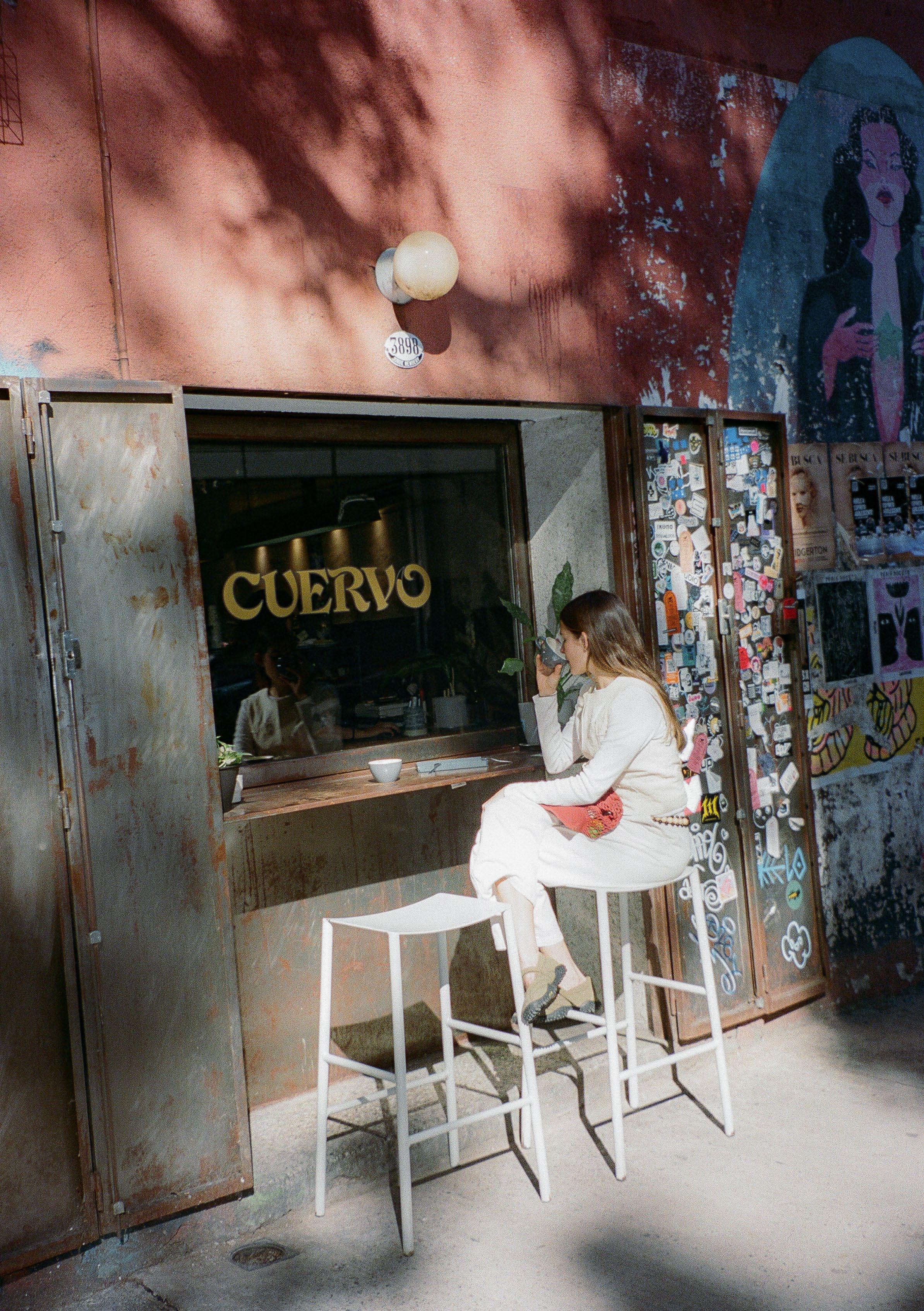
Café Rajatabla. A relatively new café in a beautiful San Telmo space. You enter through a small door and find a much larger room than expected, with several seating areas and a shop at the back. Food is also served. San Telmo (left). Café Cuervo. One of the pioneers of the Buenos Aires specialty coffee scene, founded
in 2017 by two musicians, Pablo Tokatlian and Agustín Caro. They roast their own beans, and the coffee is consistently among the best in the city; the atmosphere is calm and welcoming, the playlists carefully chosen. Now with several locations across Palermo, Chacarita and Belgrano neighbourhoods. Chacarita (right).
Cafés, Bakerys & Ice Cream
Café Cuervo
Cora Café. A café that sits on the ground floor of the Kavanagh, the 1936 skyscraper commissioned by Corina
one of the few women of her time to lead a development of this scale, and the reason the building (and the café) carry her name. The basement hosts a small gallery, Cora Subsuelo. Retiro
Kavanagh,
La Ventana de Anafe. The daytime counter of the restaurant Anafe. Pastries, coffee, sandwiches, and a short, well-priced lunch menu that is some of the most comforting food in the neighbourhood. The space is relaxed and a pleasure to sit in. Palermo
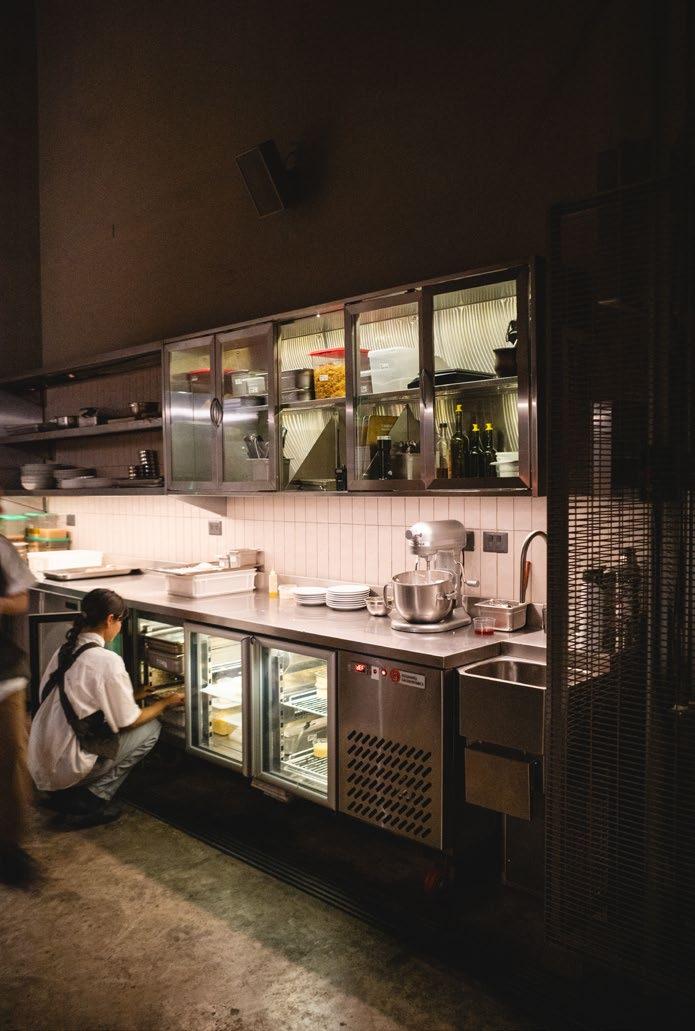
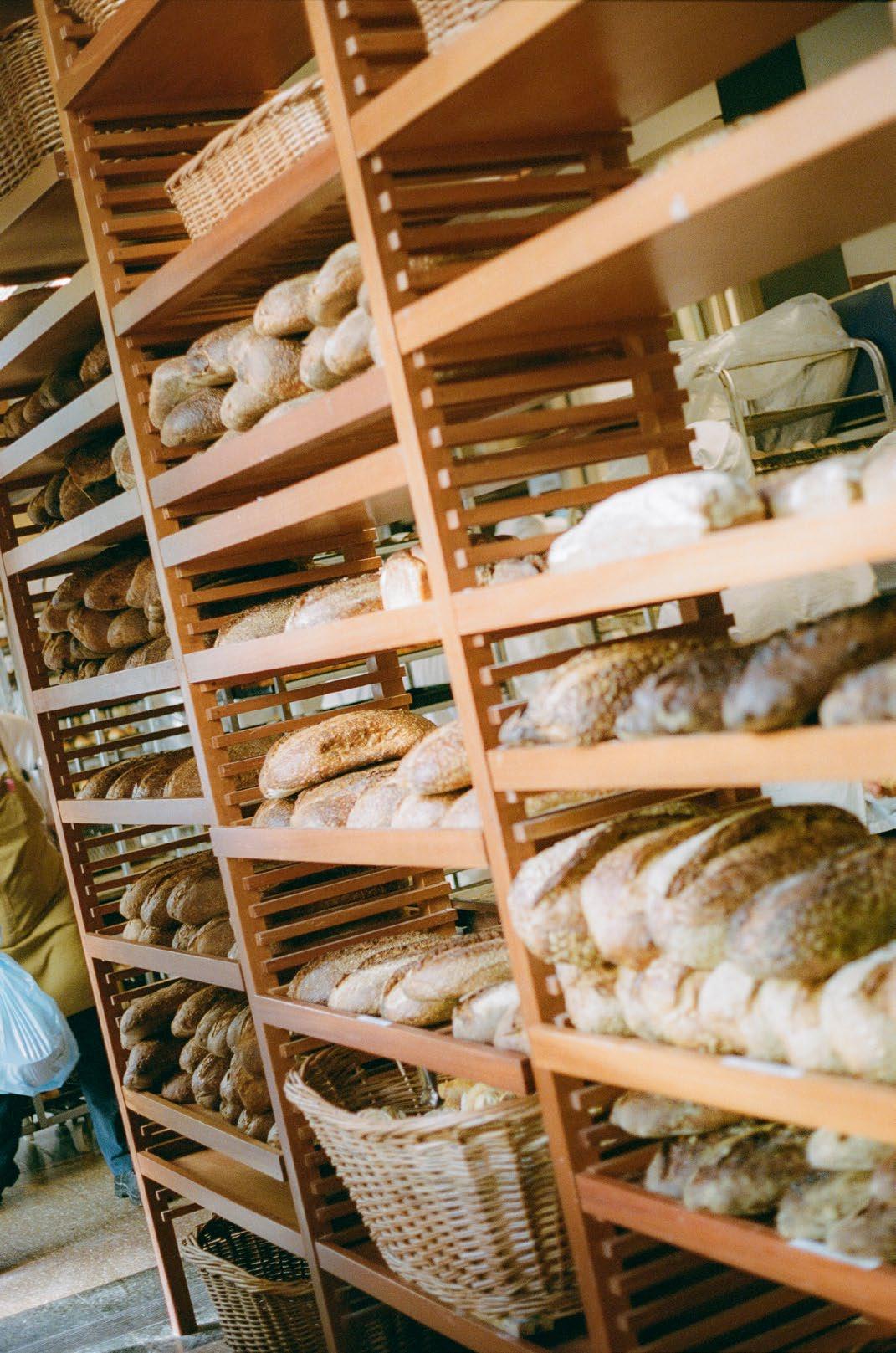
Social Corazón.The newest project from Pablo Rivero (Don Julio, El Preferido) and Guido Tassi, opened in April 2026 directly across from El Preferido. It is part bakery, part café, part restaurant, occupying three floors. The most fascinating part is the back kitchen, the obrador, where they produce bread and pastries for all the group’s restaurants; it works at full speed all day. Palermo Soho
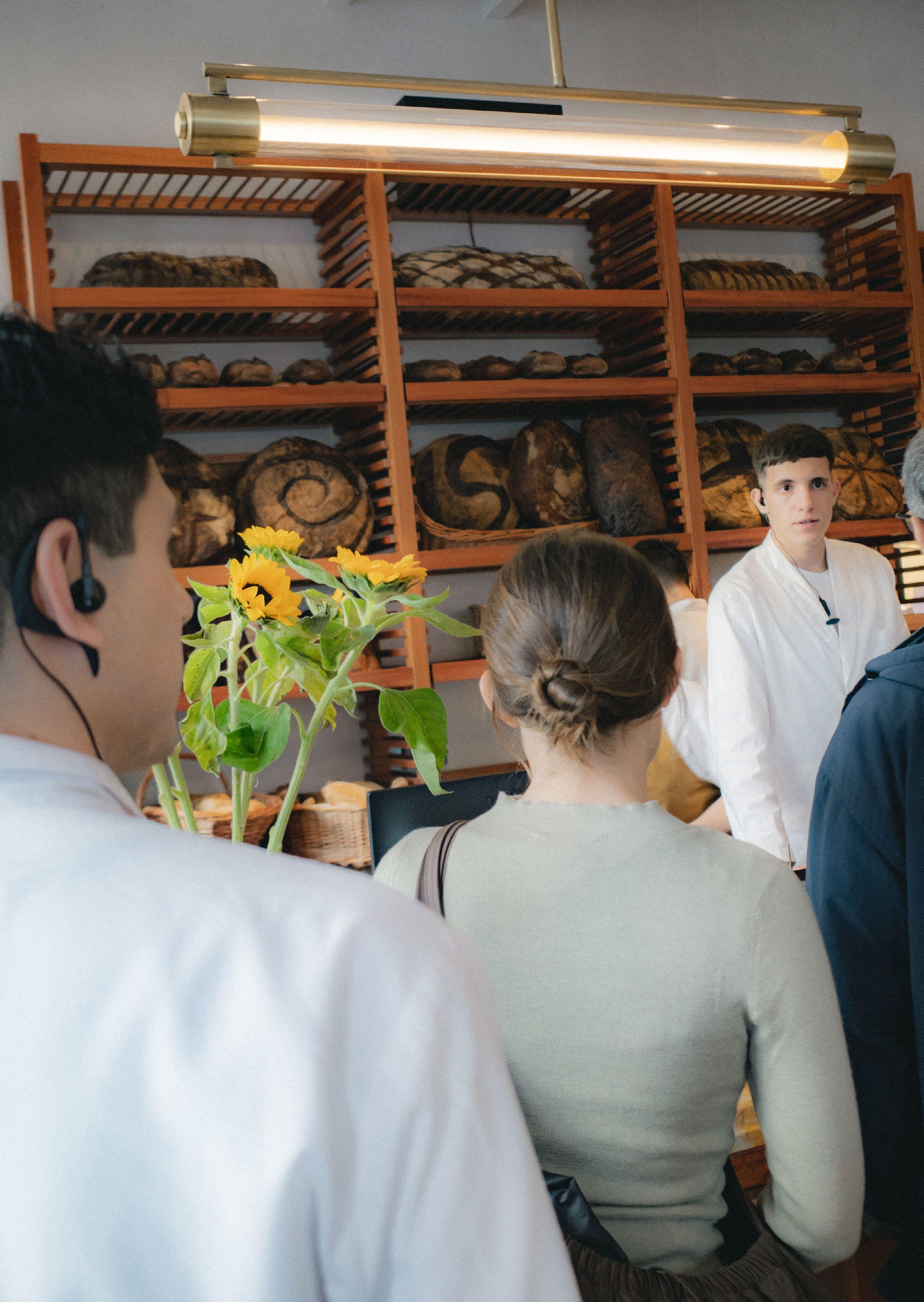
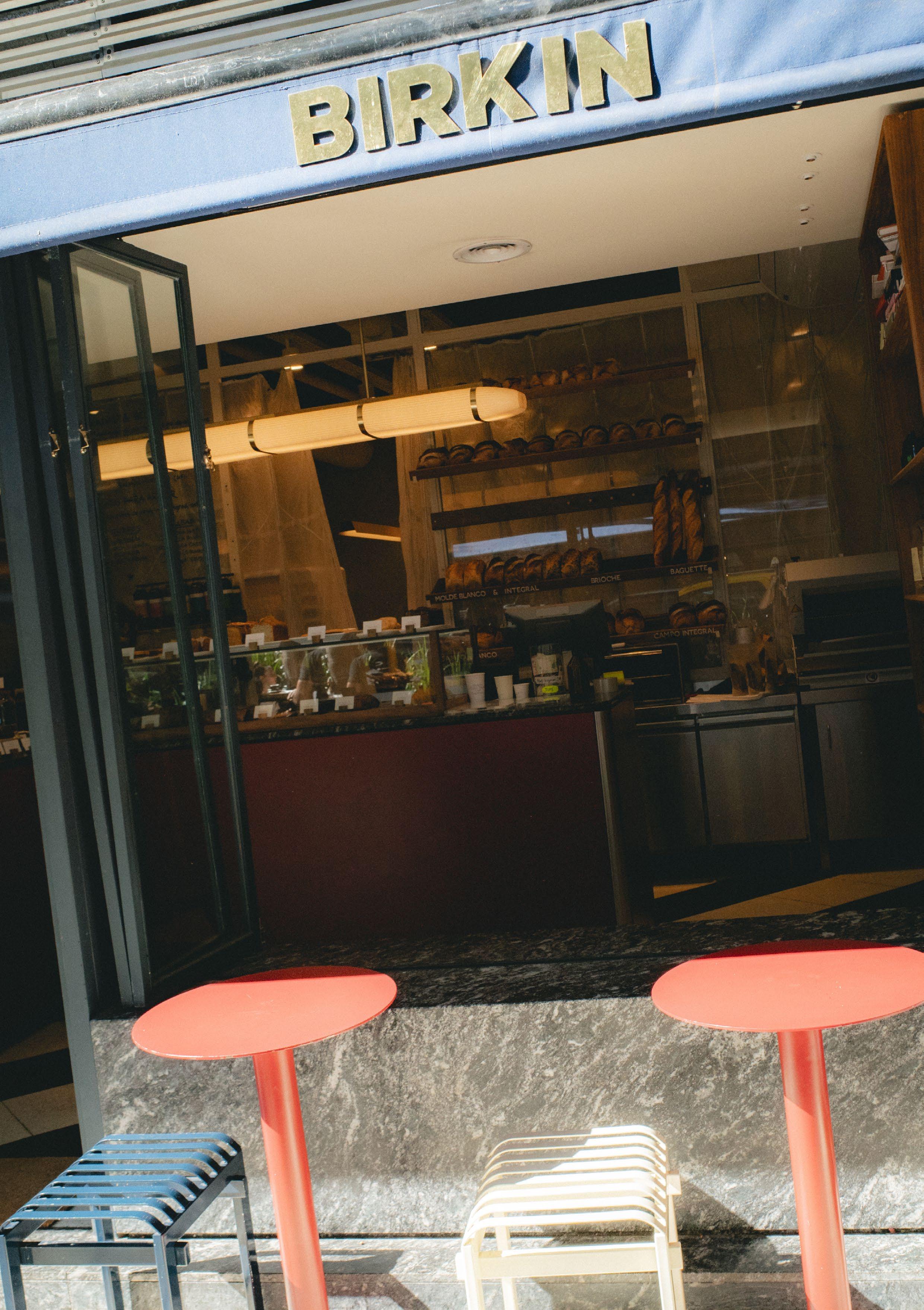
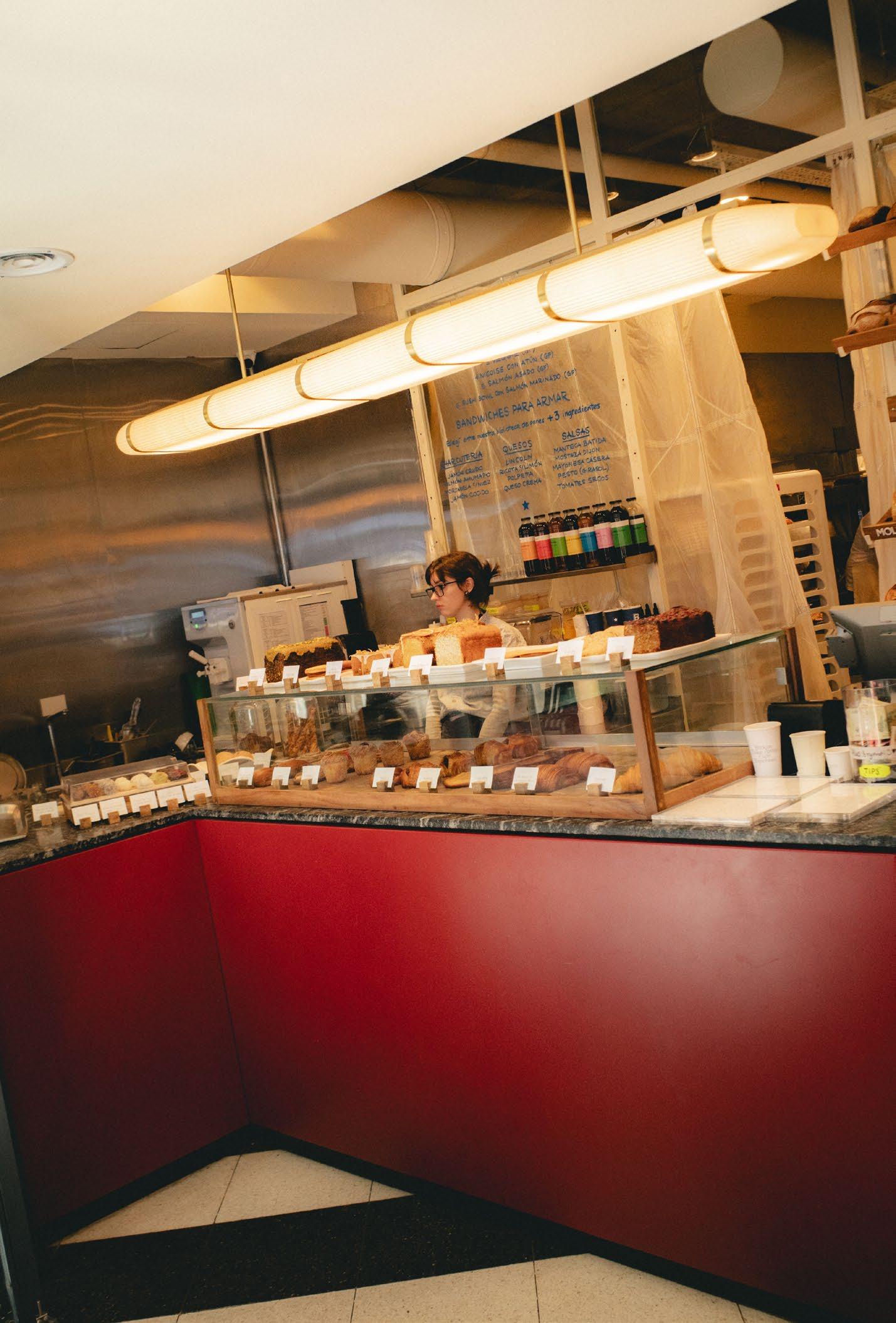
Birkin. A small specialty coffee and pastry counter in one of the most beautiful residential pockets of the city.
Palermo Chico
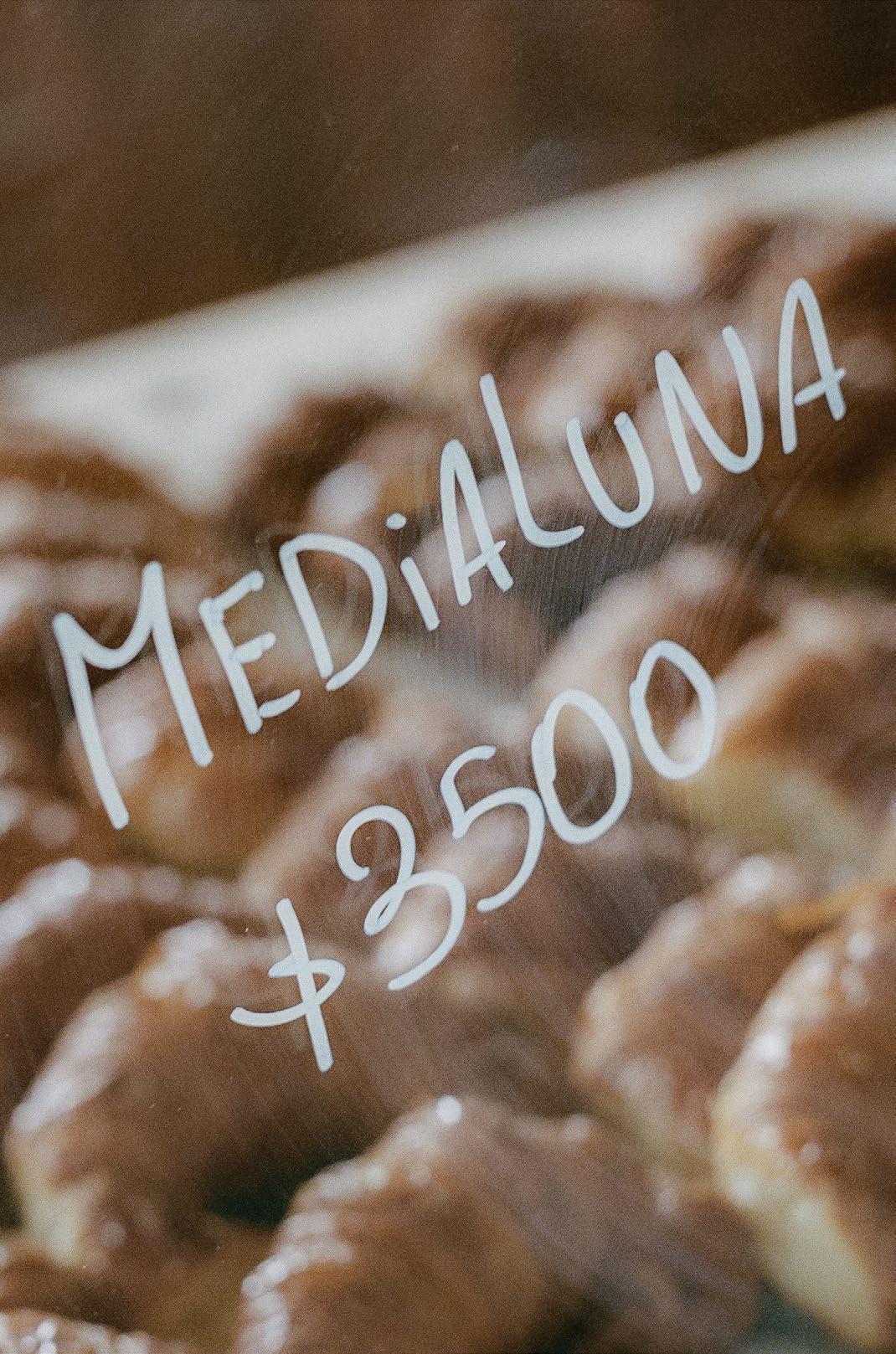
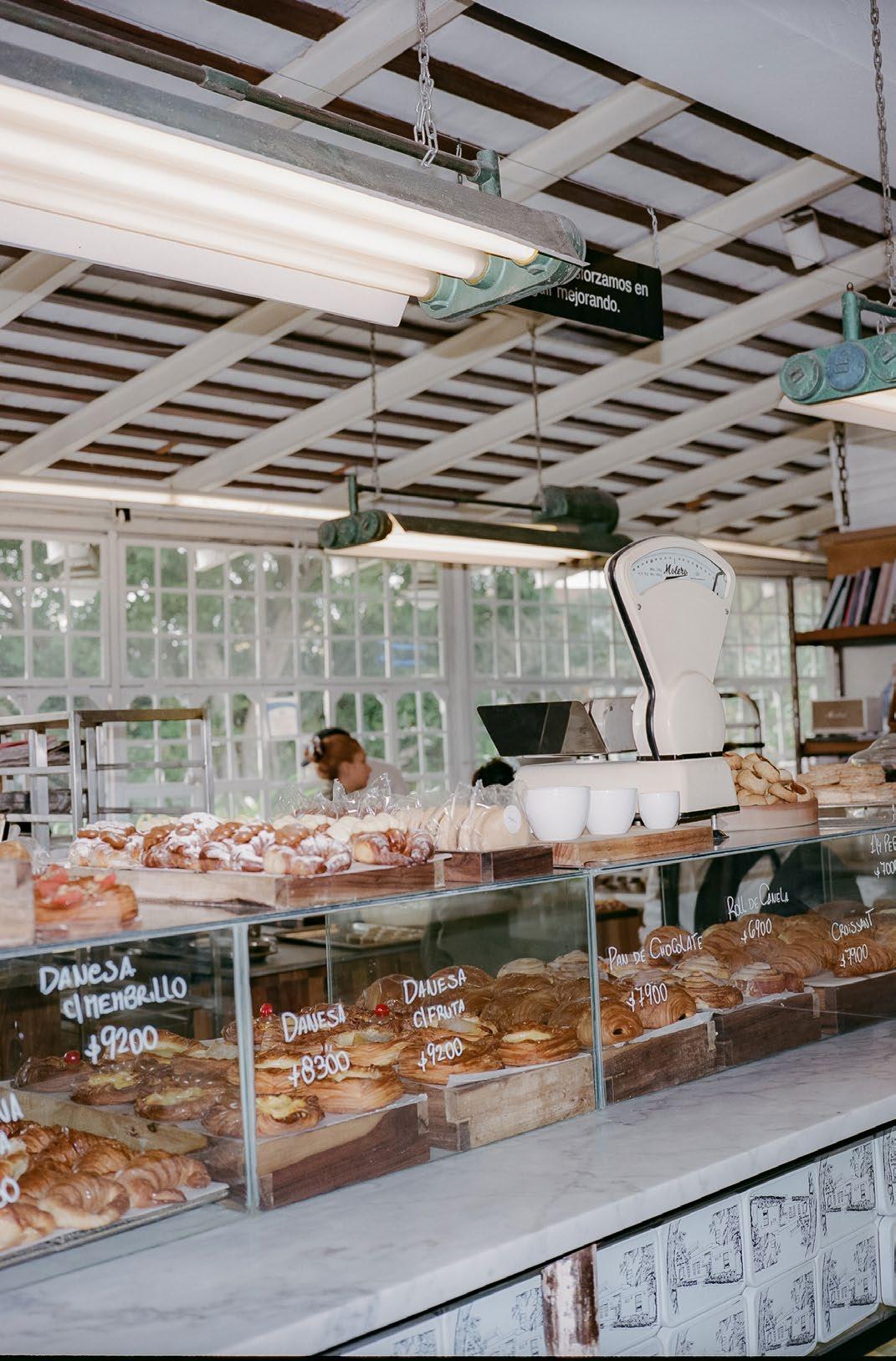
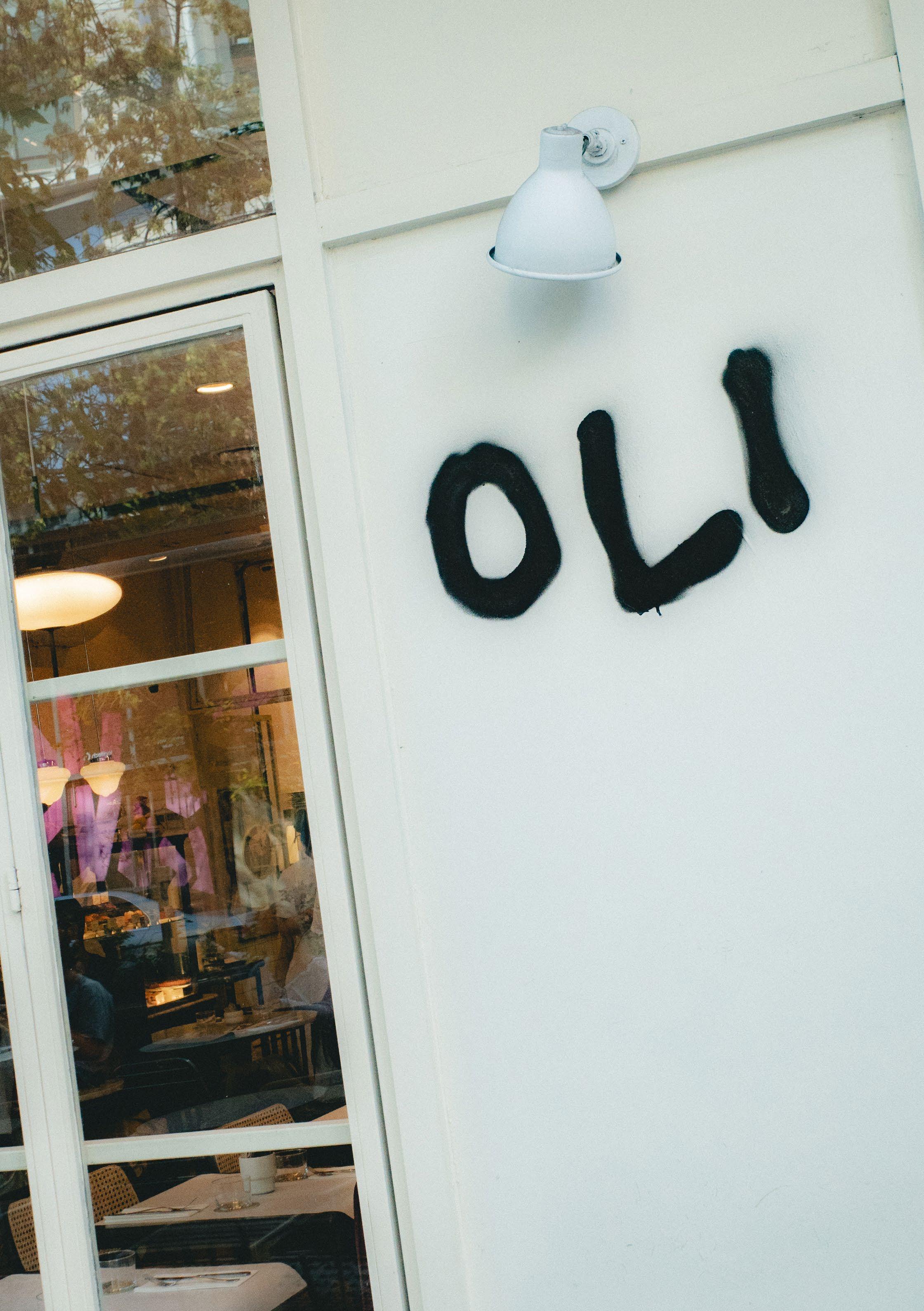
Oli. The bakery and bistro of chef Olivia Saal. She is most famous for her medialunas (the Argentine answer to the croissant, butterier and sweeter), which appear in every ranking of the best in the city. Palermo
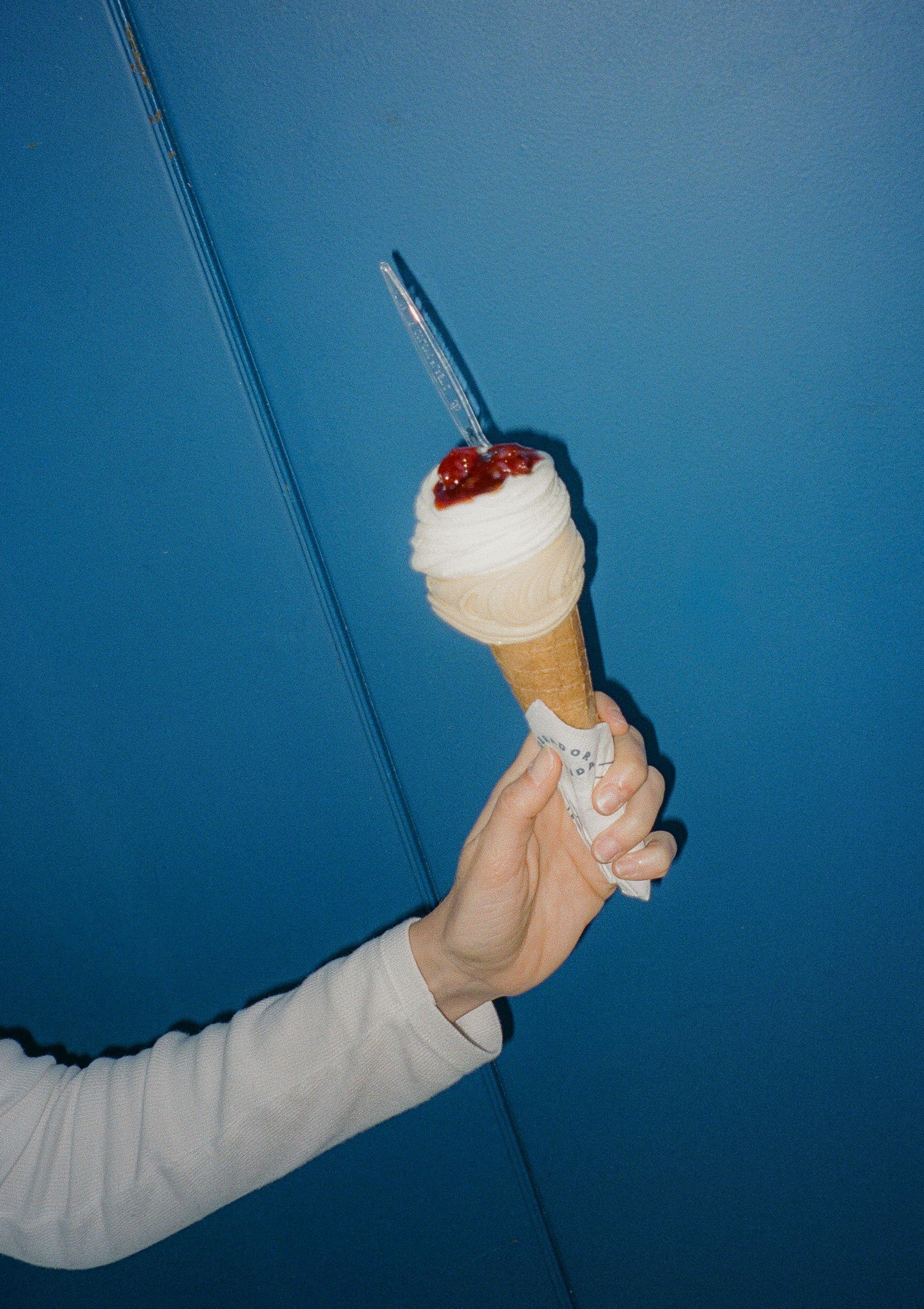
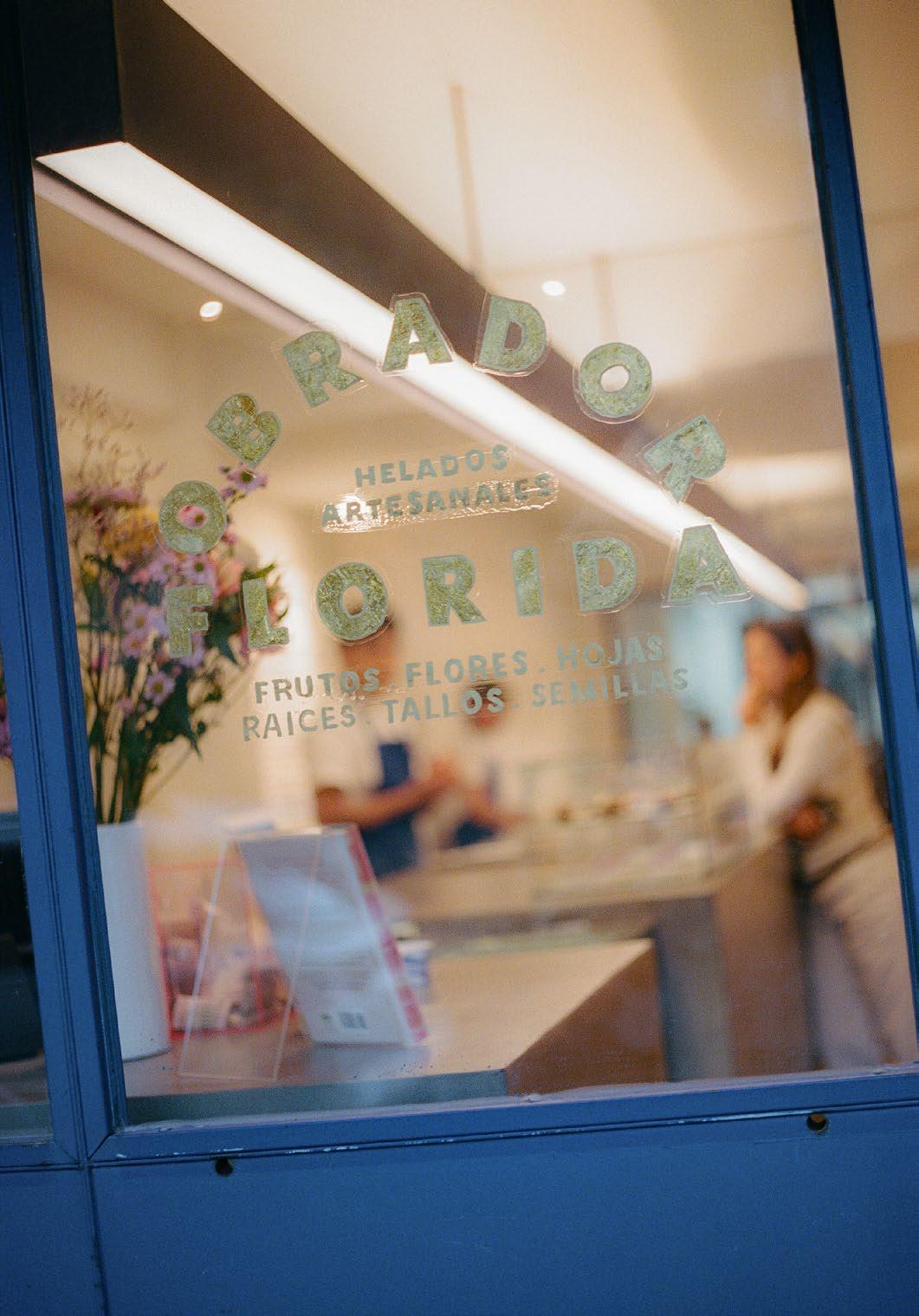
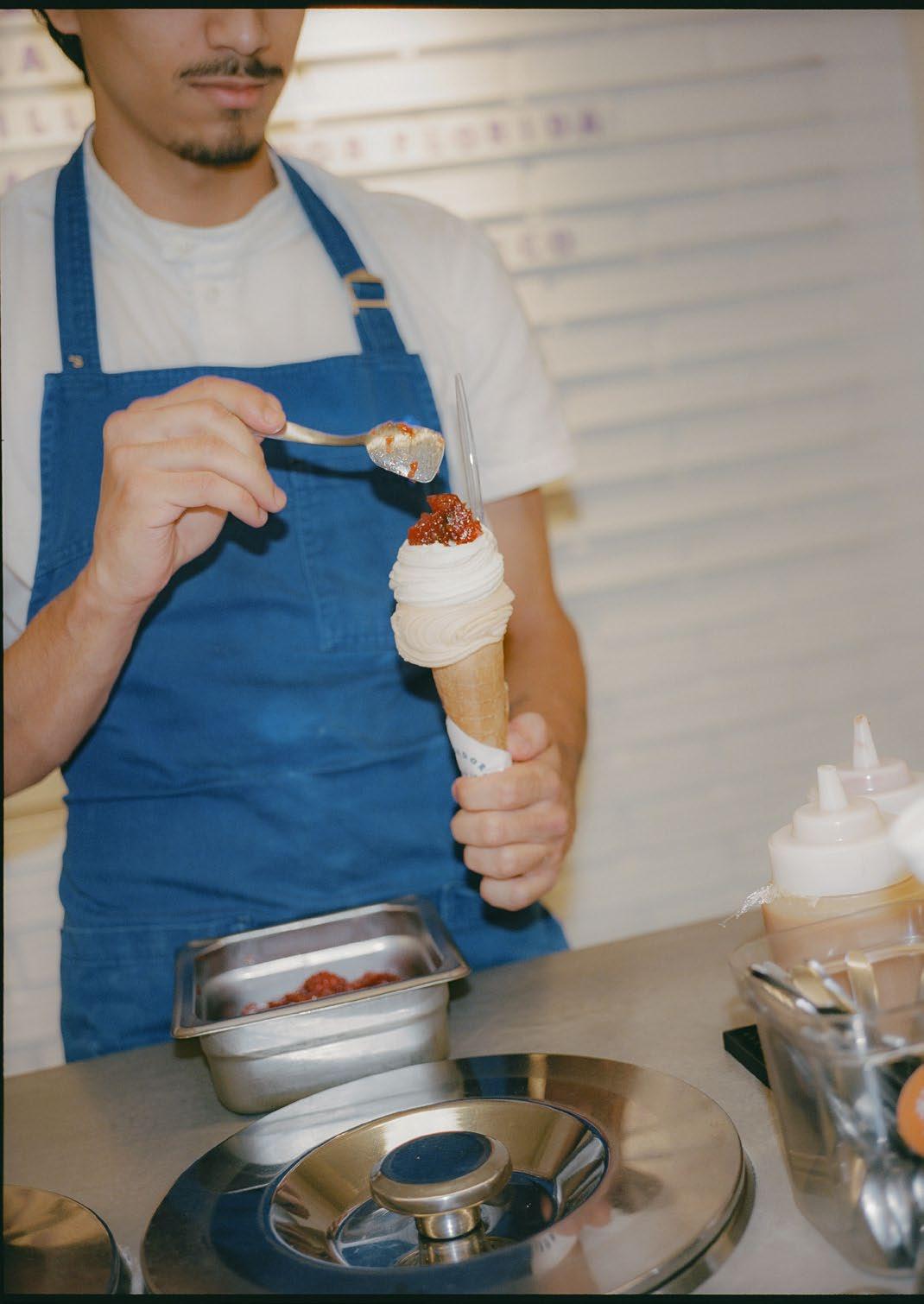
Obrador Florida. The most original ice cream project in Buenos Aires. Run by chef Mercedes ‘Mecha’ Román, trained at the Basque Culinary Center, with an entirely female kitchen. The flavours change with the season and lean on Argentine fruits, herbs and botanicals. Palermo Soho
THE CLASSICS
La Biela Recoleta
Bar Los Galgos Centro
Confitería La Ideal Centro
Café Tortoni Centro
Bar Roma Caballito
Confitería San Juan La
La Catedral del Tango
Boliche Roberto Almagro Almagro
Some of Buenos Aires’s best cafés are protected by city law as Bares Notables, a category that recognises their historical and architectural value. Many have not changed in close to a century, and a recent wave of restorations has brought back the rest.
Boca
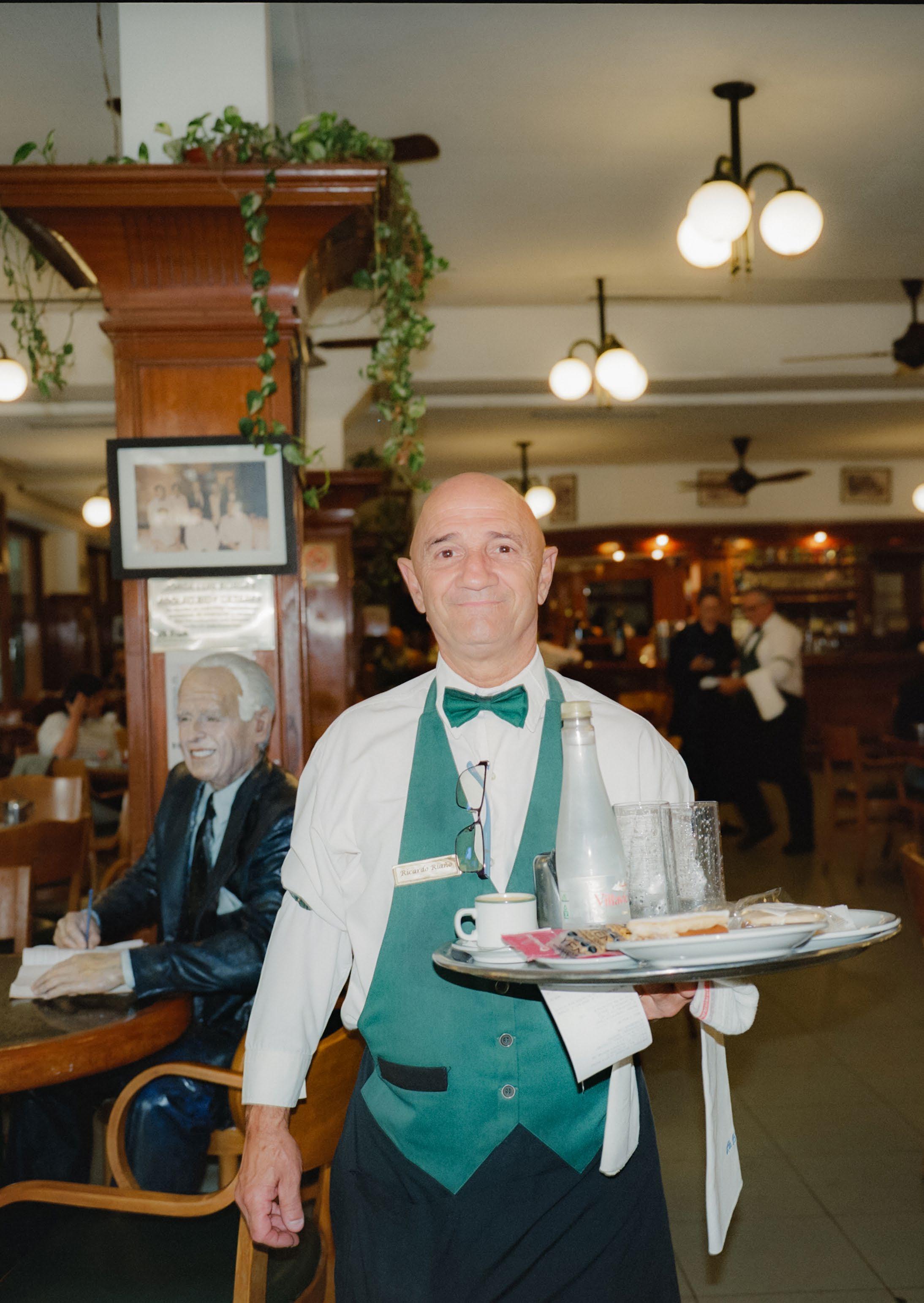
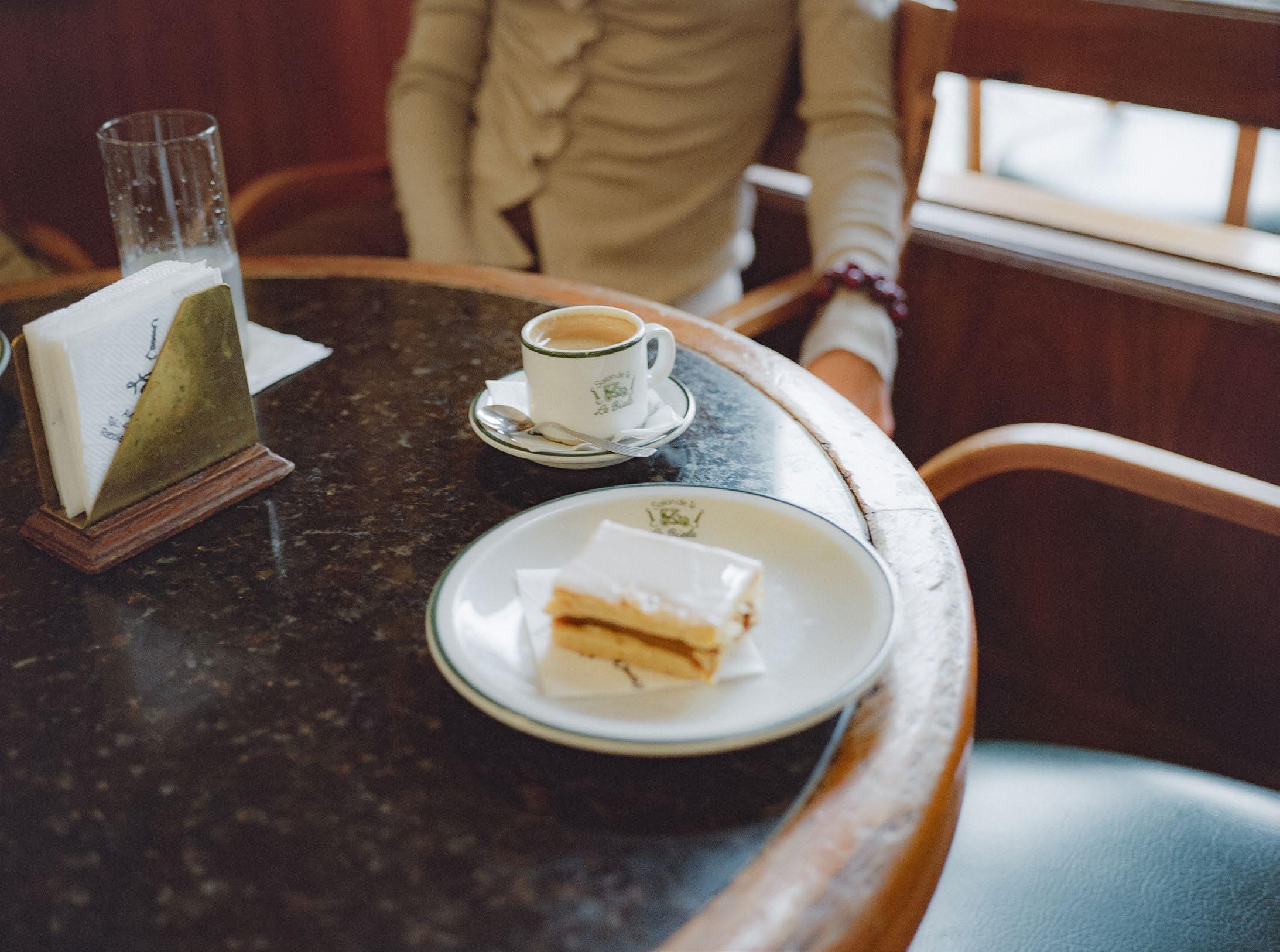
La Biela. One of the most classic bares notables, open since the late nineteenth century. It took its current name in the 1950s, when a group of racing-car drivers who used to gather here had to push their broken-down vehicle to the door. The bar’s most famous regulars were Jorge Luis Borges and Adolfo Bioy Casares, who used to share table 20 for hours; today, the two writers are immortalised as life-size sculptures sitting at the same table. The waiters have worked here for decades and are part of the place. Recoleta
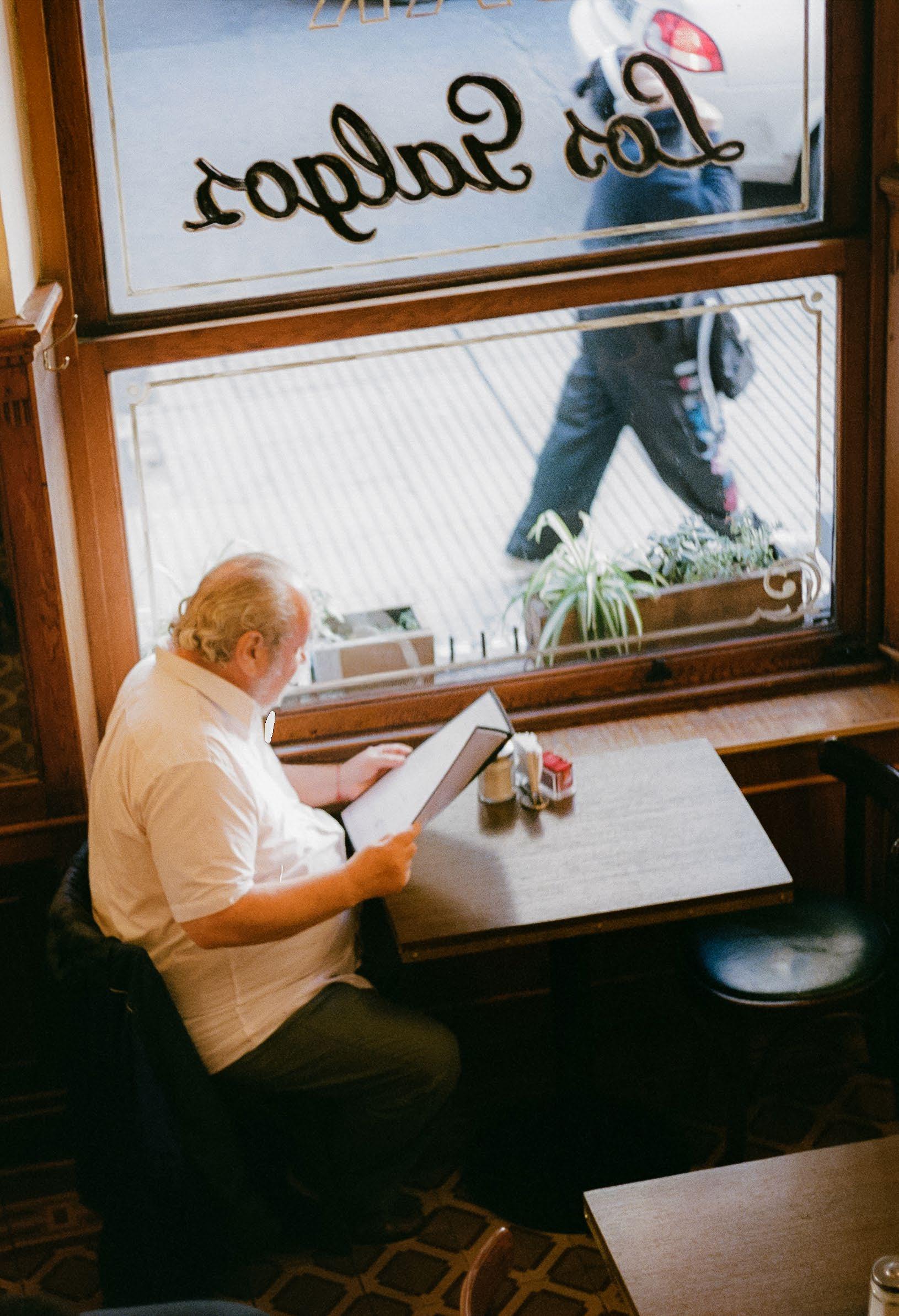
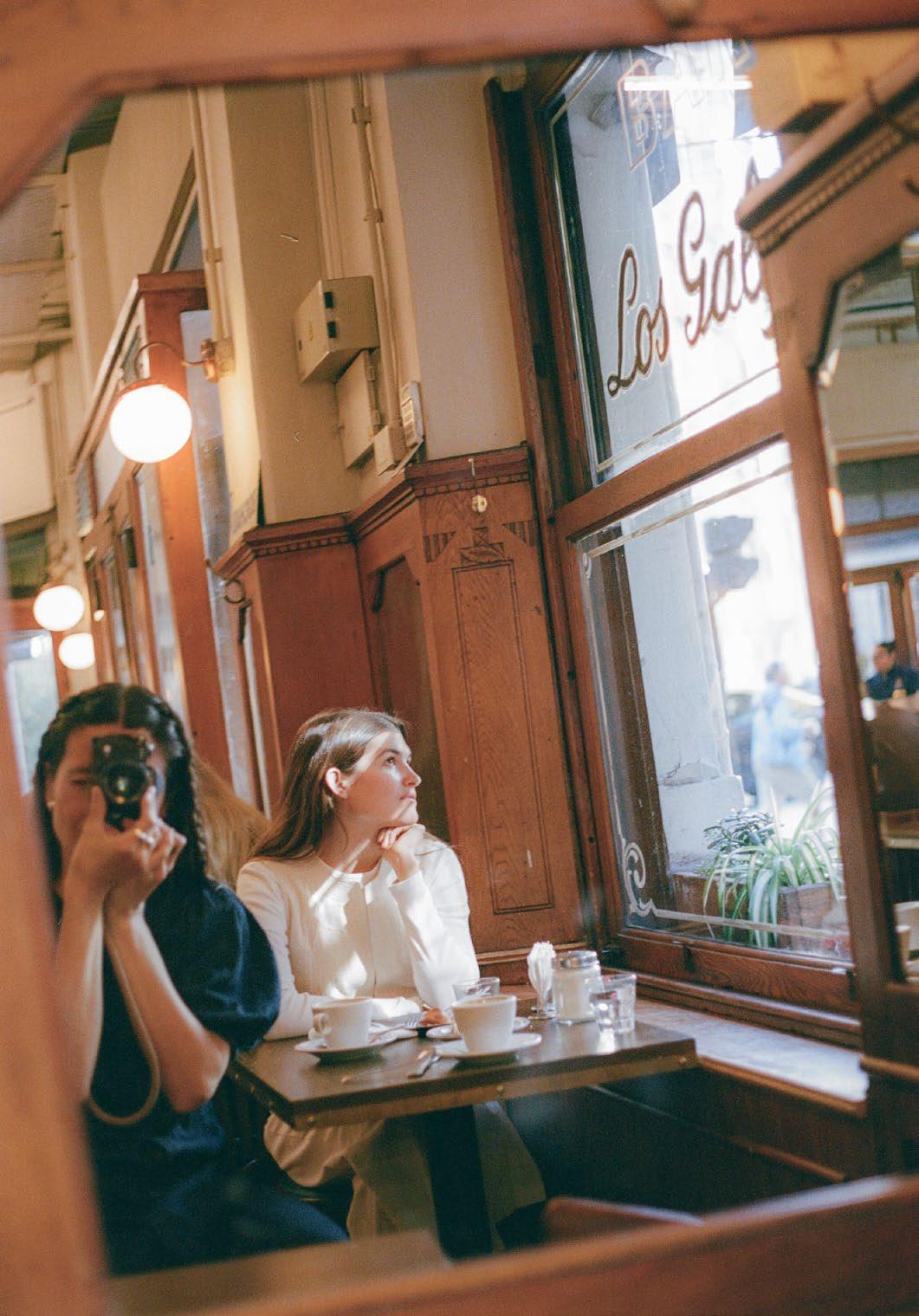
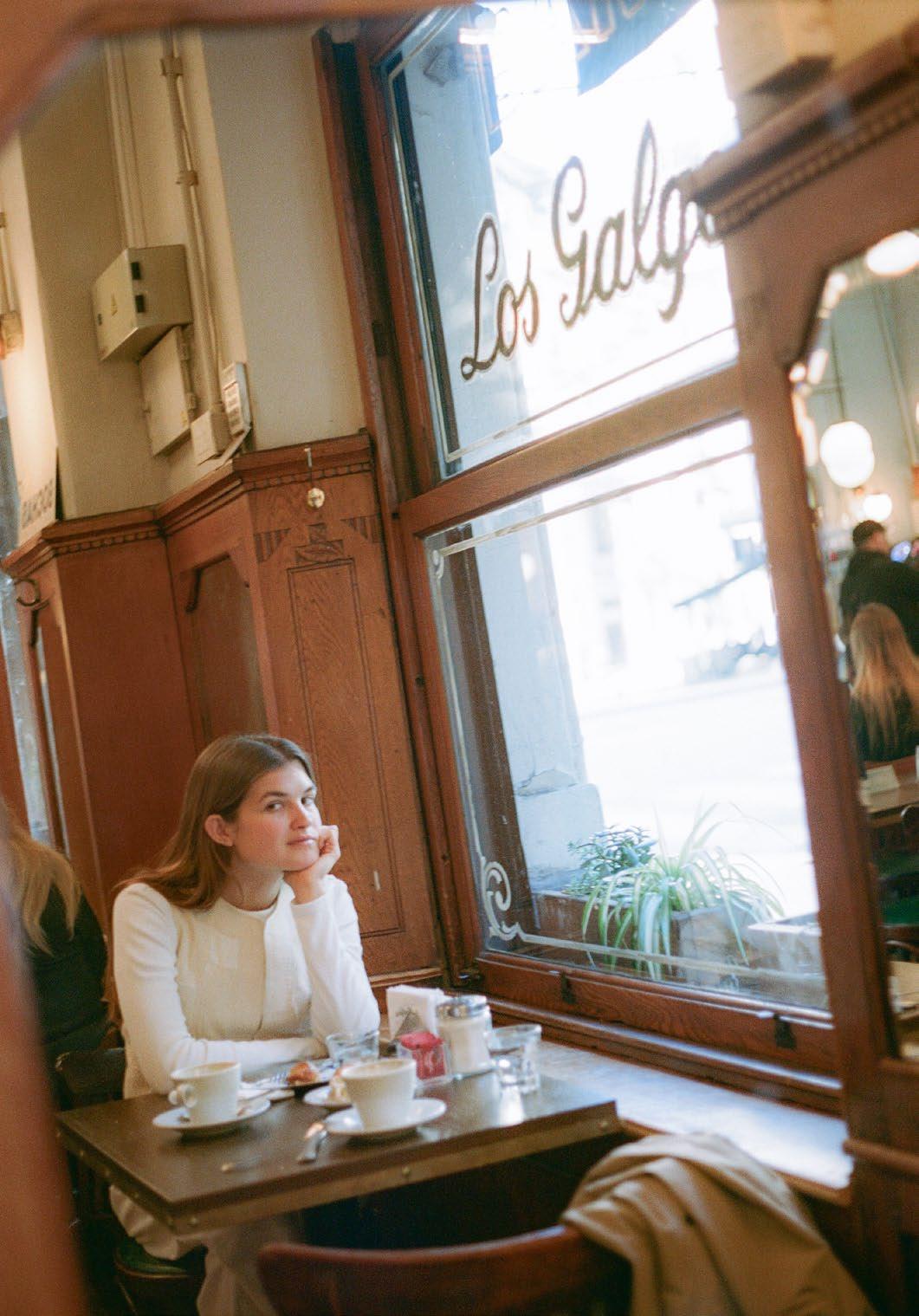
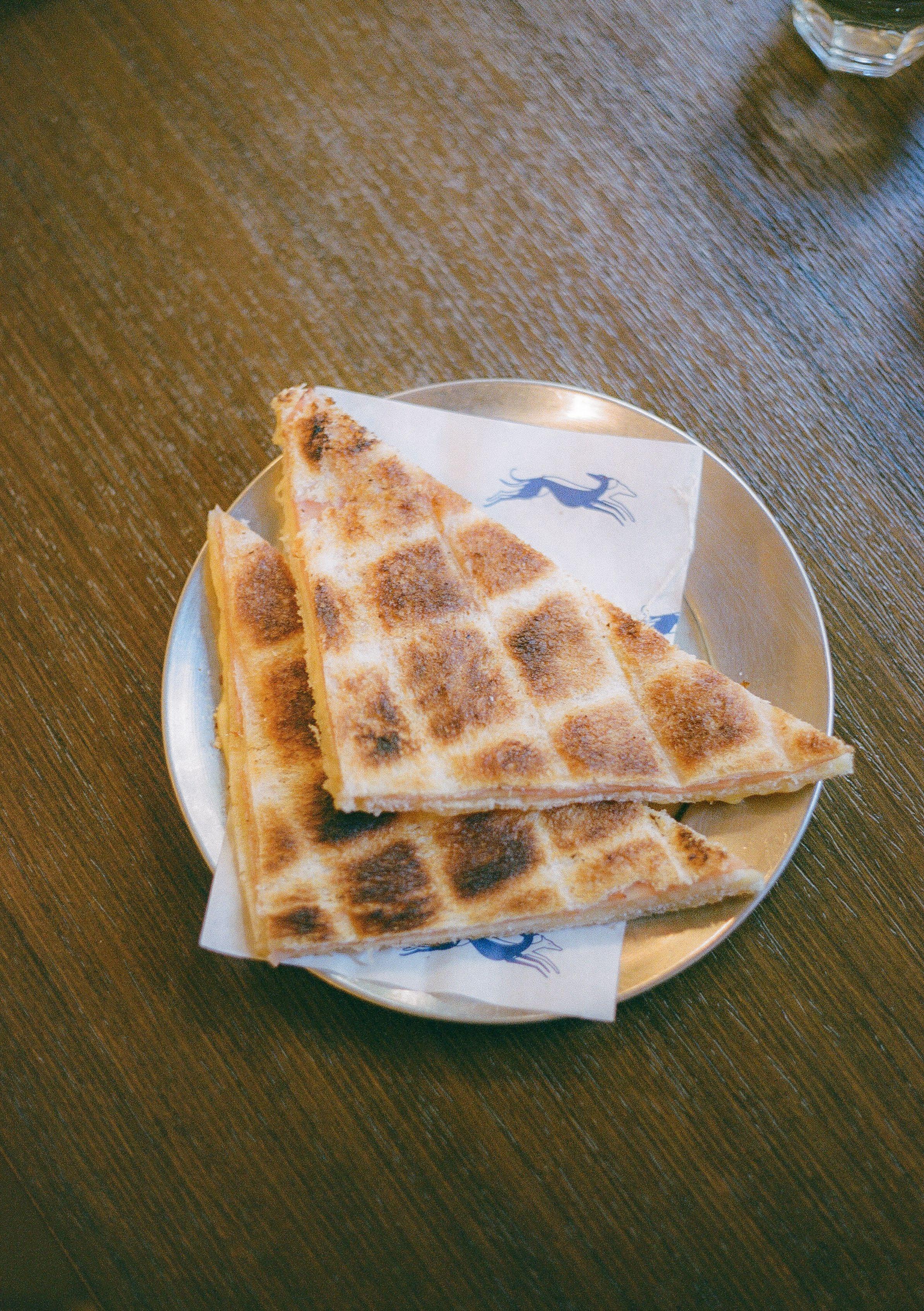
Bar Los Galgos. A 1930 corner bar at Lavalle and Callao, carefully restored in 2015 by Julián Díaz and Florencia Capella. The original dark wood, the mirrored counter and the formica tables are all still in place. Come for breakfast (a medialuna and a tostado mixto) or for the vermouth hour in the evening. Centro
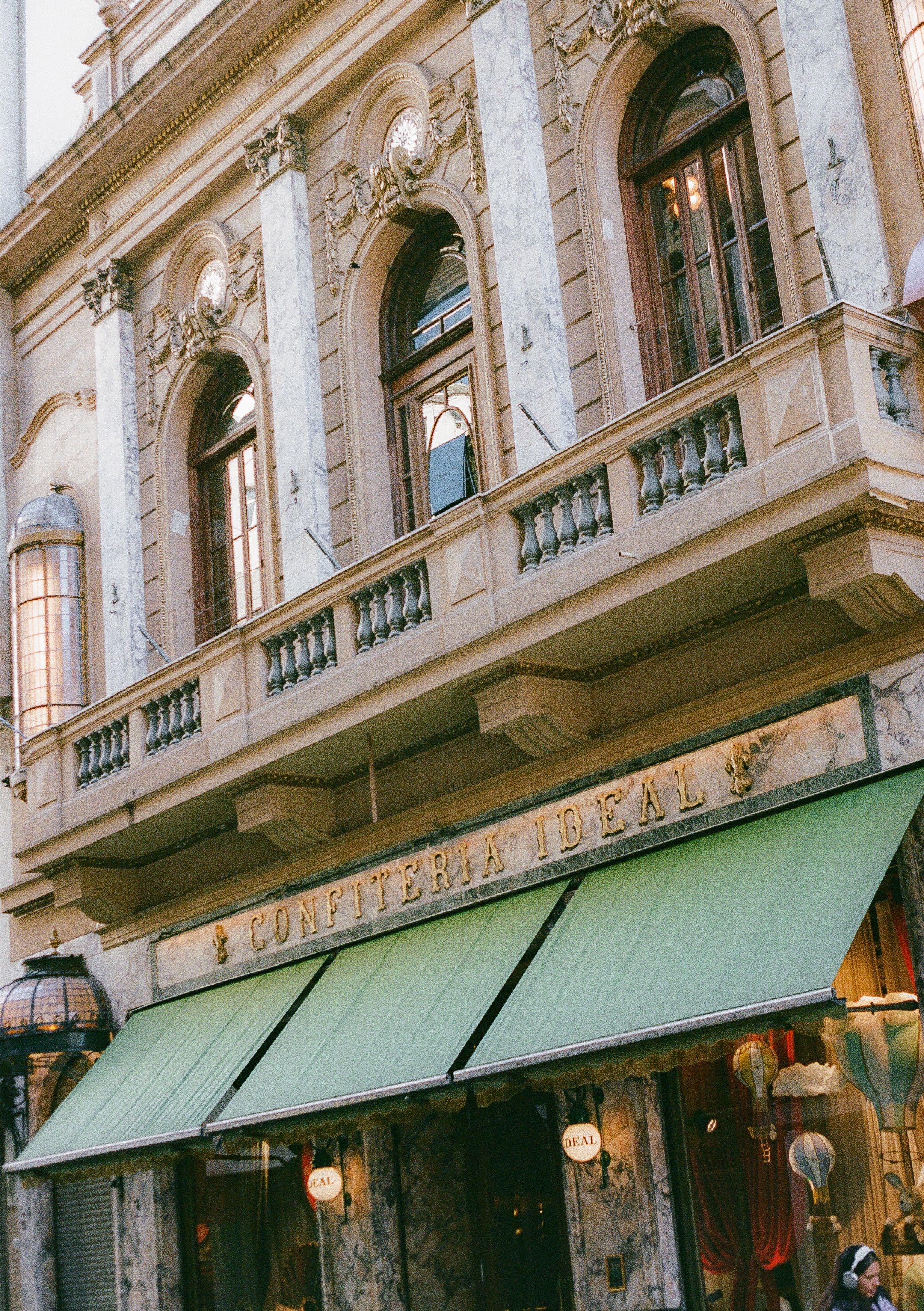
Confitería La Ideal. A 1912 art nouveau confitería with marble columns, restored a few years ago and brought back to life. Historically famous for its milongas; now also a tea room and pastry shop. Centro (left).
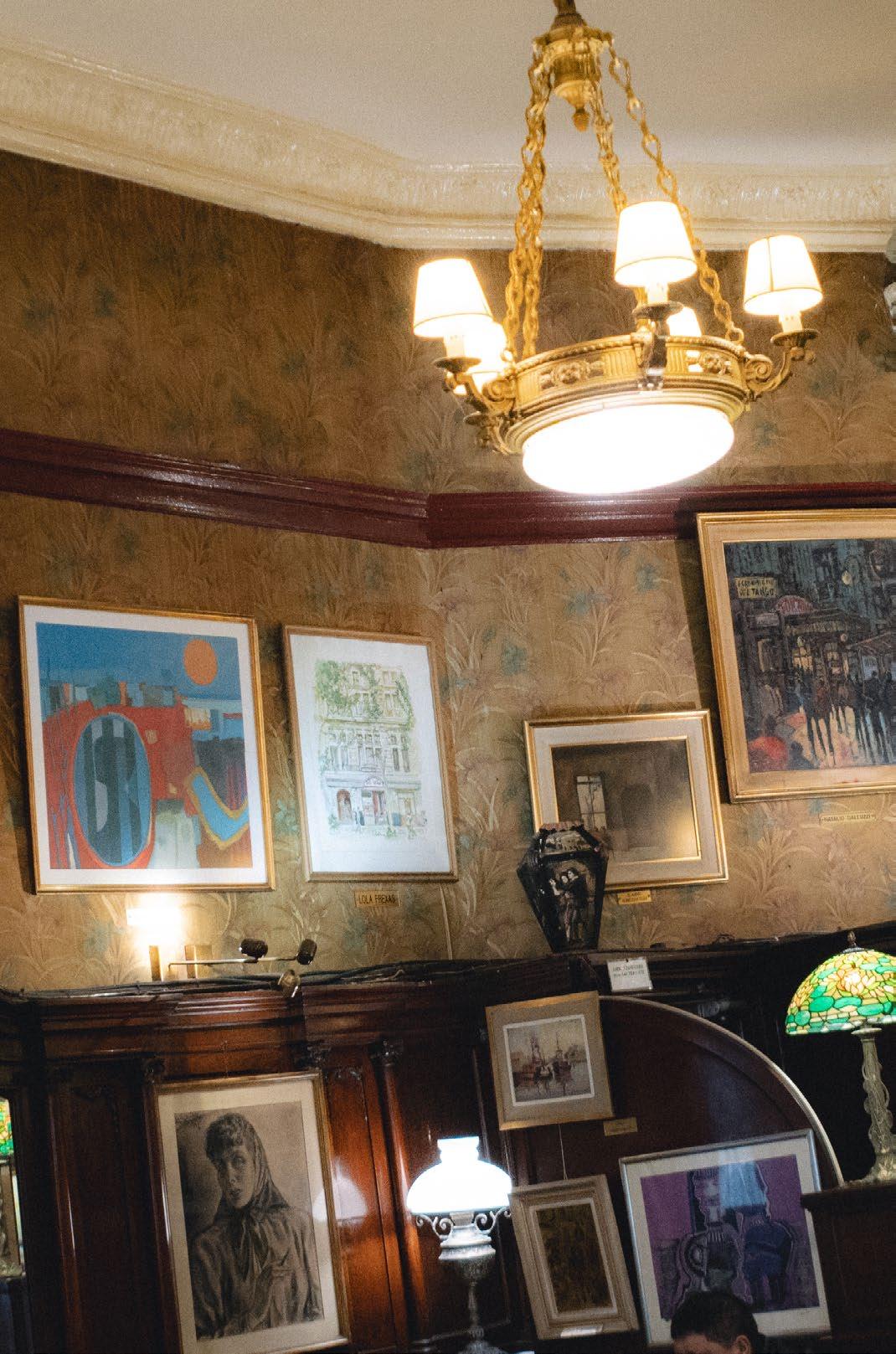
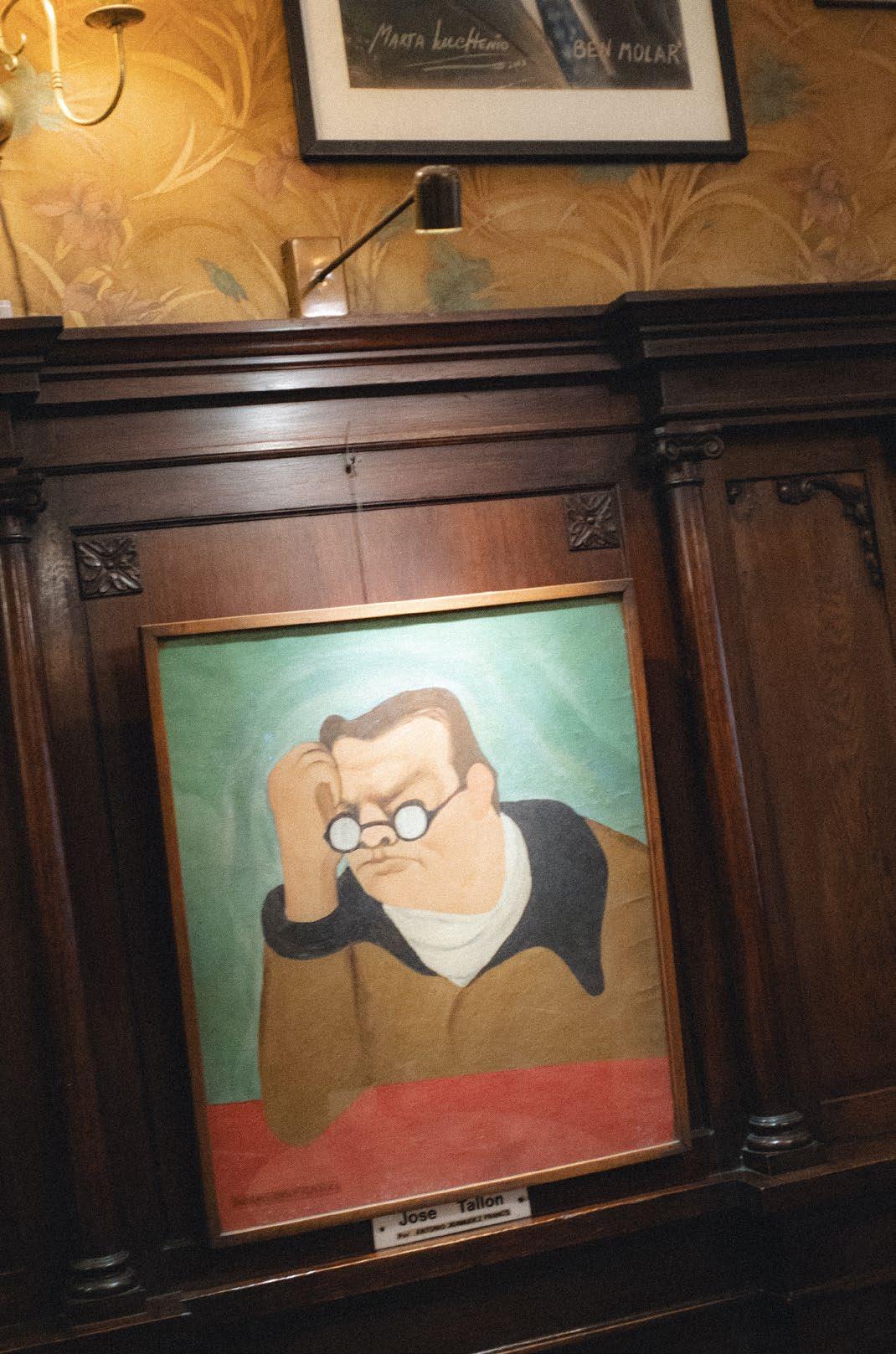
Café Tortoni. The oldest café in Buenos Aires, founded in 1858 and named after a famous café in Paris. Stained glass ceilings, marble tables, and walls full of the writers and musicians who passed through, from Borges to Gardel. Centro (right).
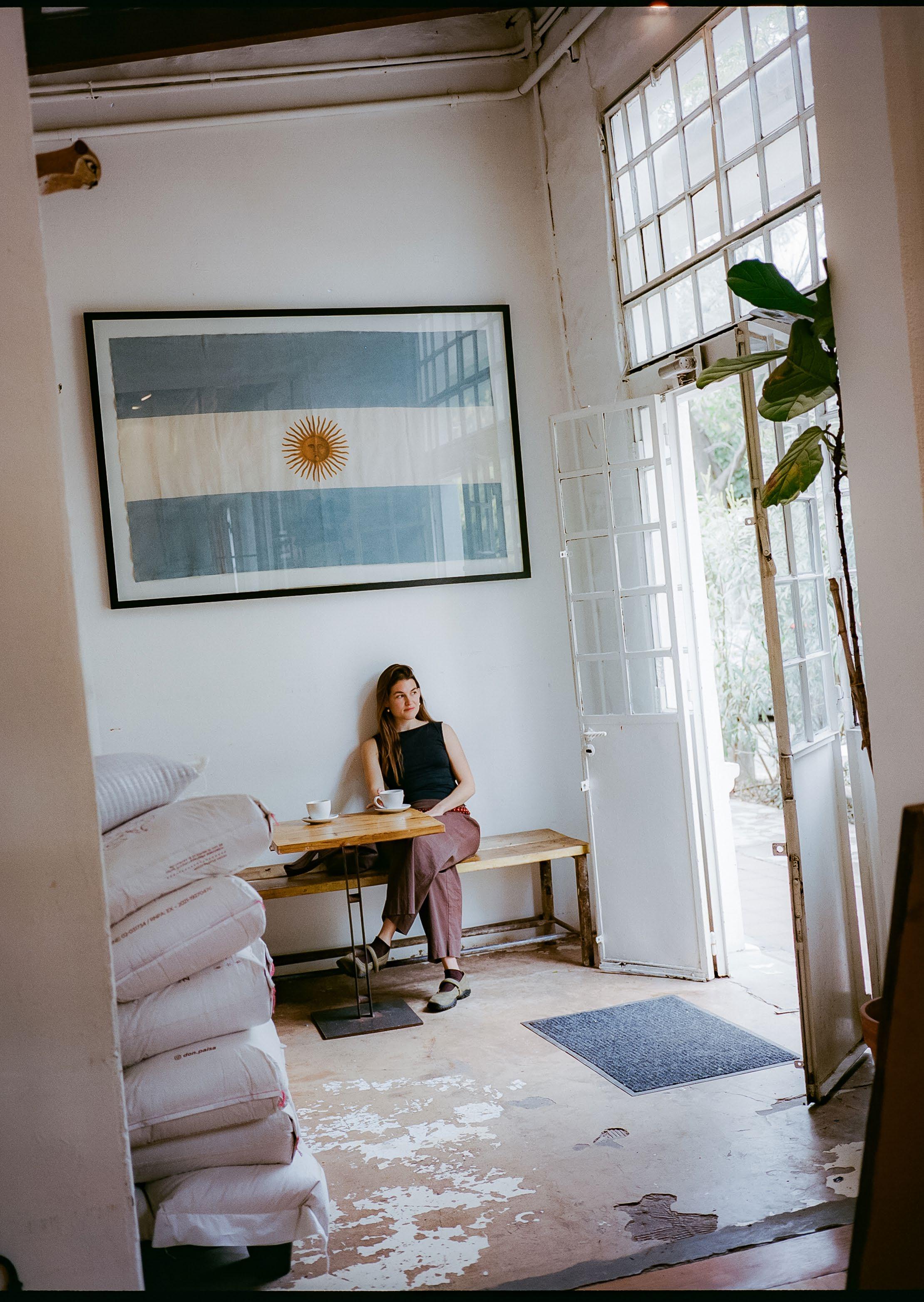
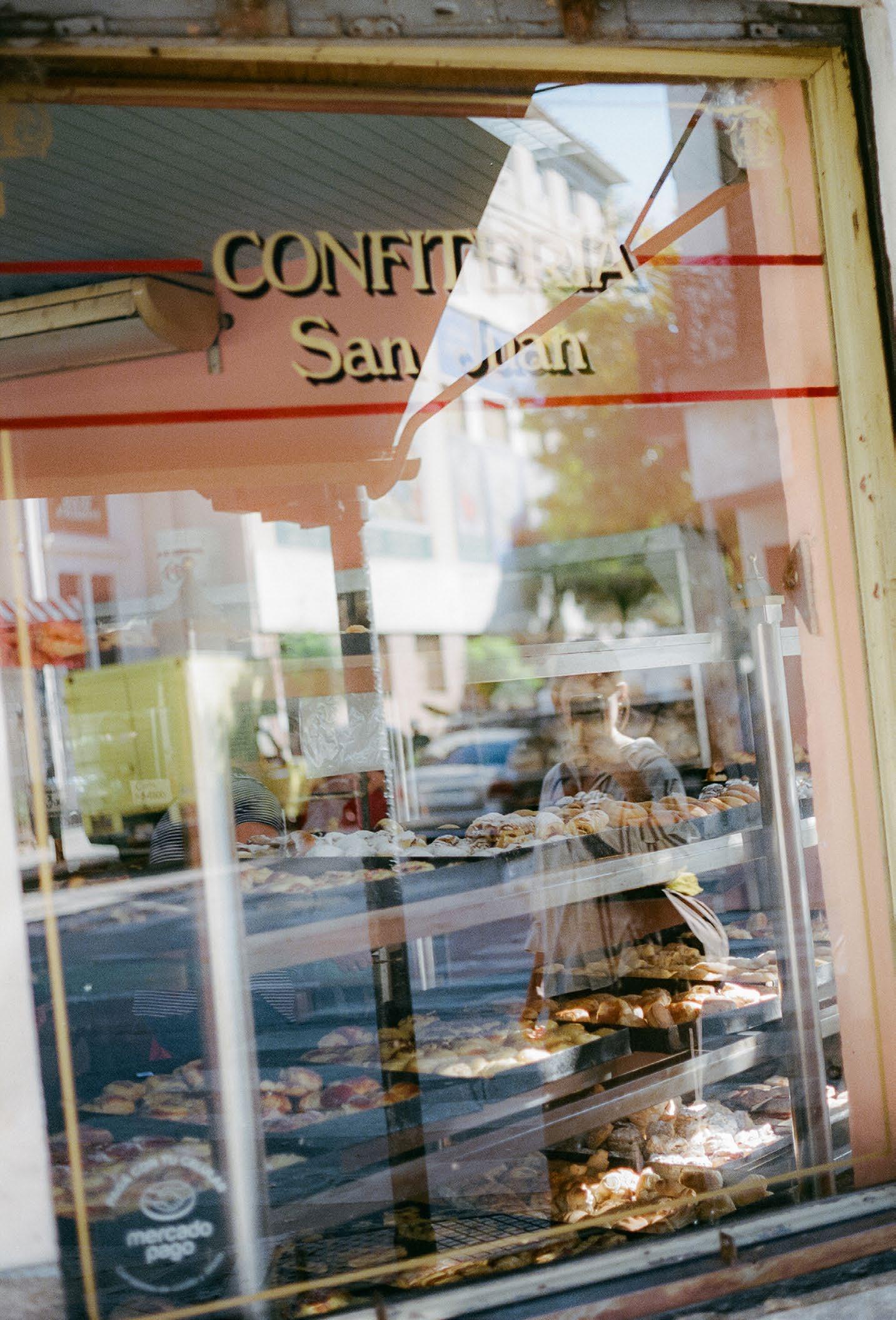
Confitería San Juan. A very simple, low-key spot we stumbled into by chance walking through the neighbourhood. The kind of place where regulars still gather in the morning. La Boca (left).
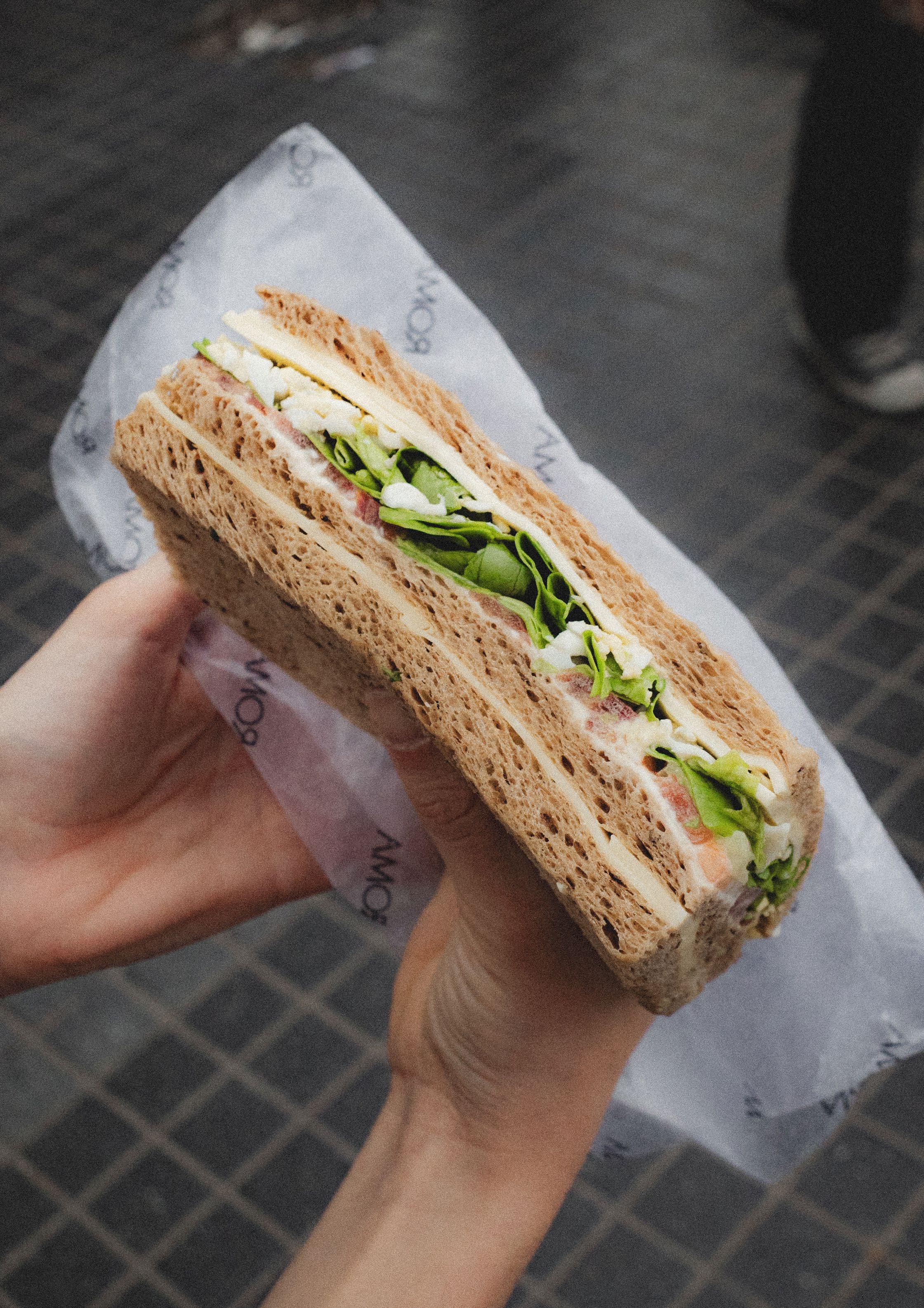
Bar Roma. A Caballito classic, renowned for its extensive selection of sándwiches de miga, from traditional favourites to more inventive combinations. Caballito (right).
Bar Roma
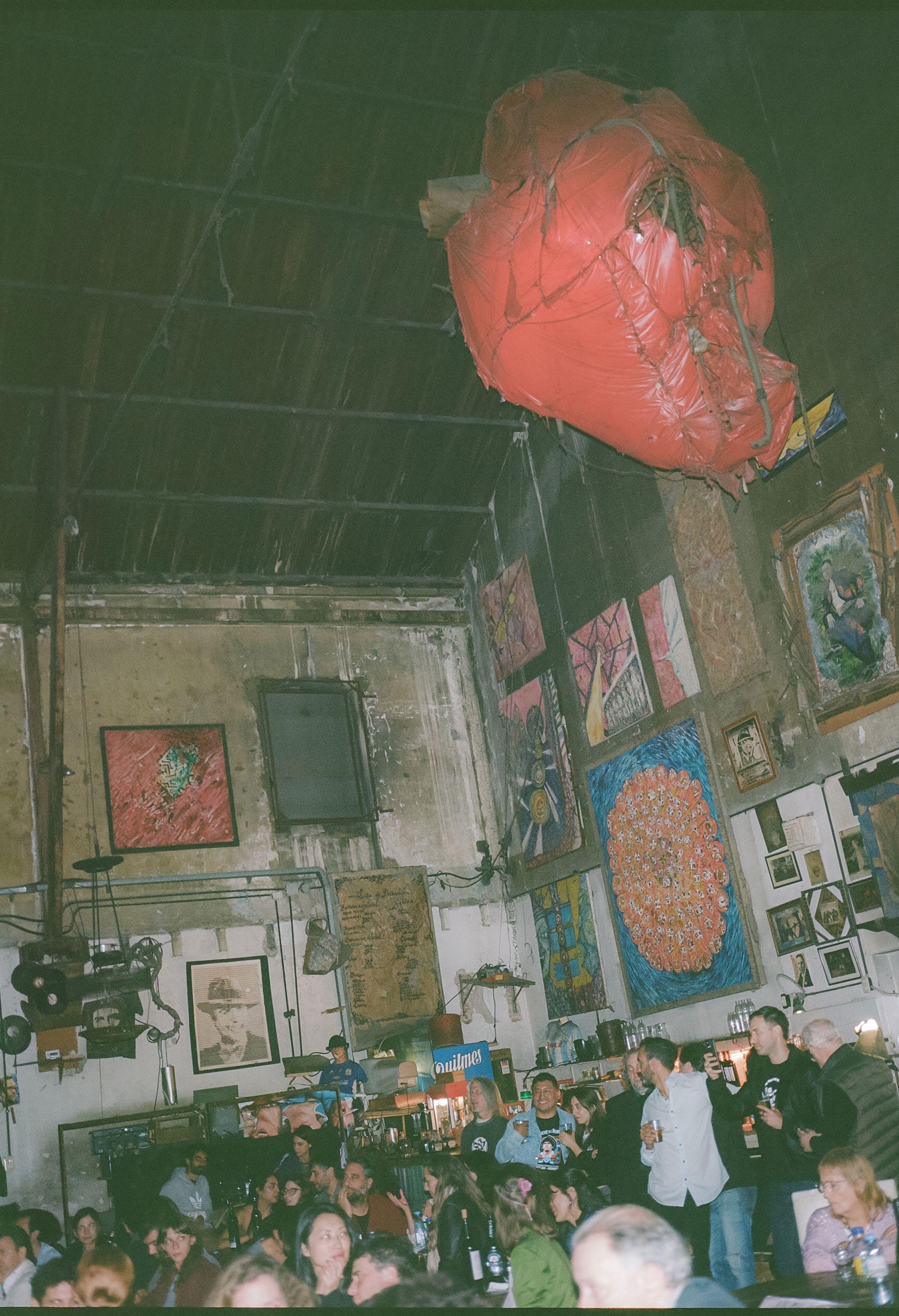
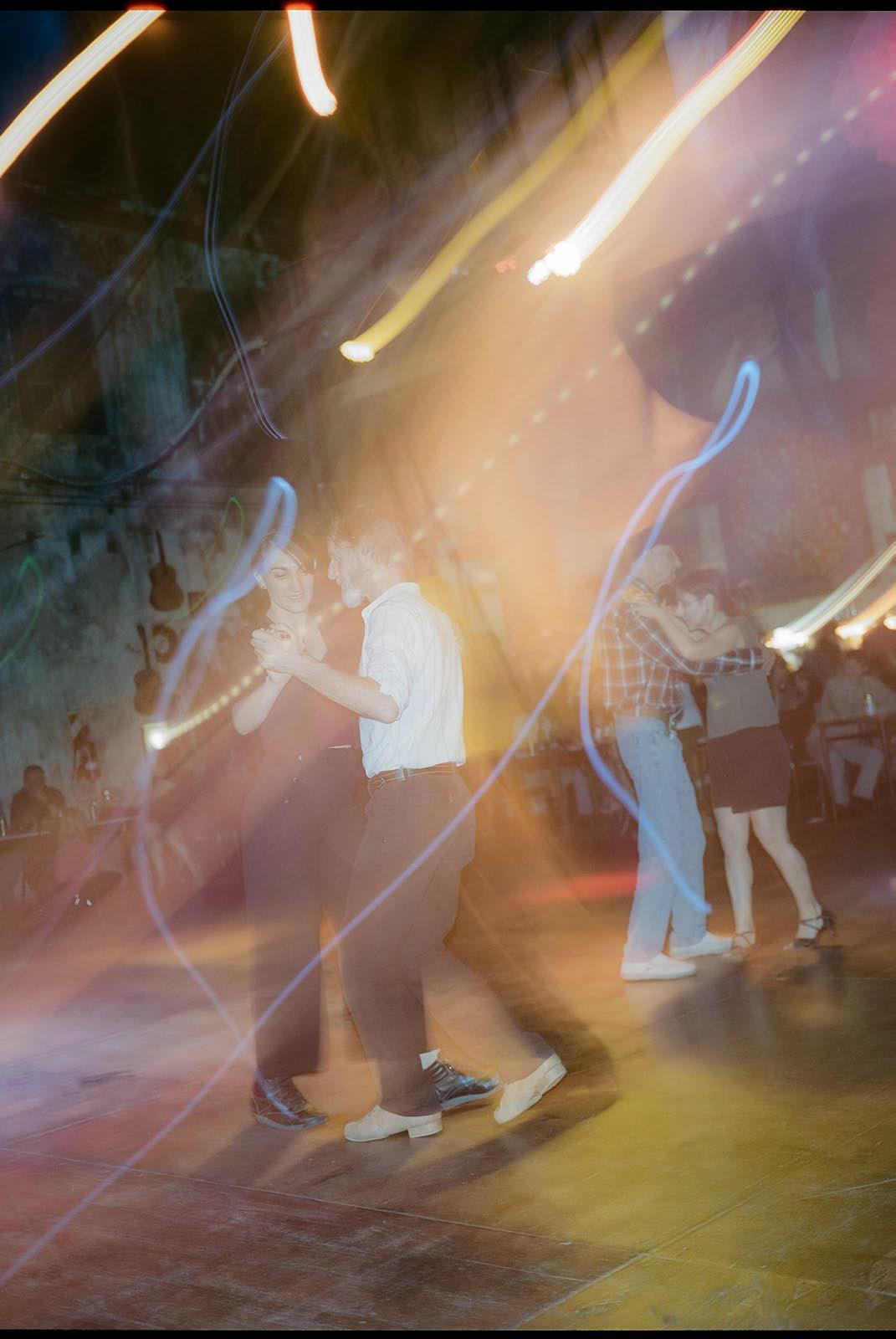
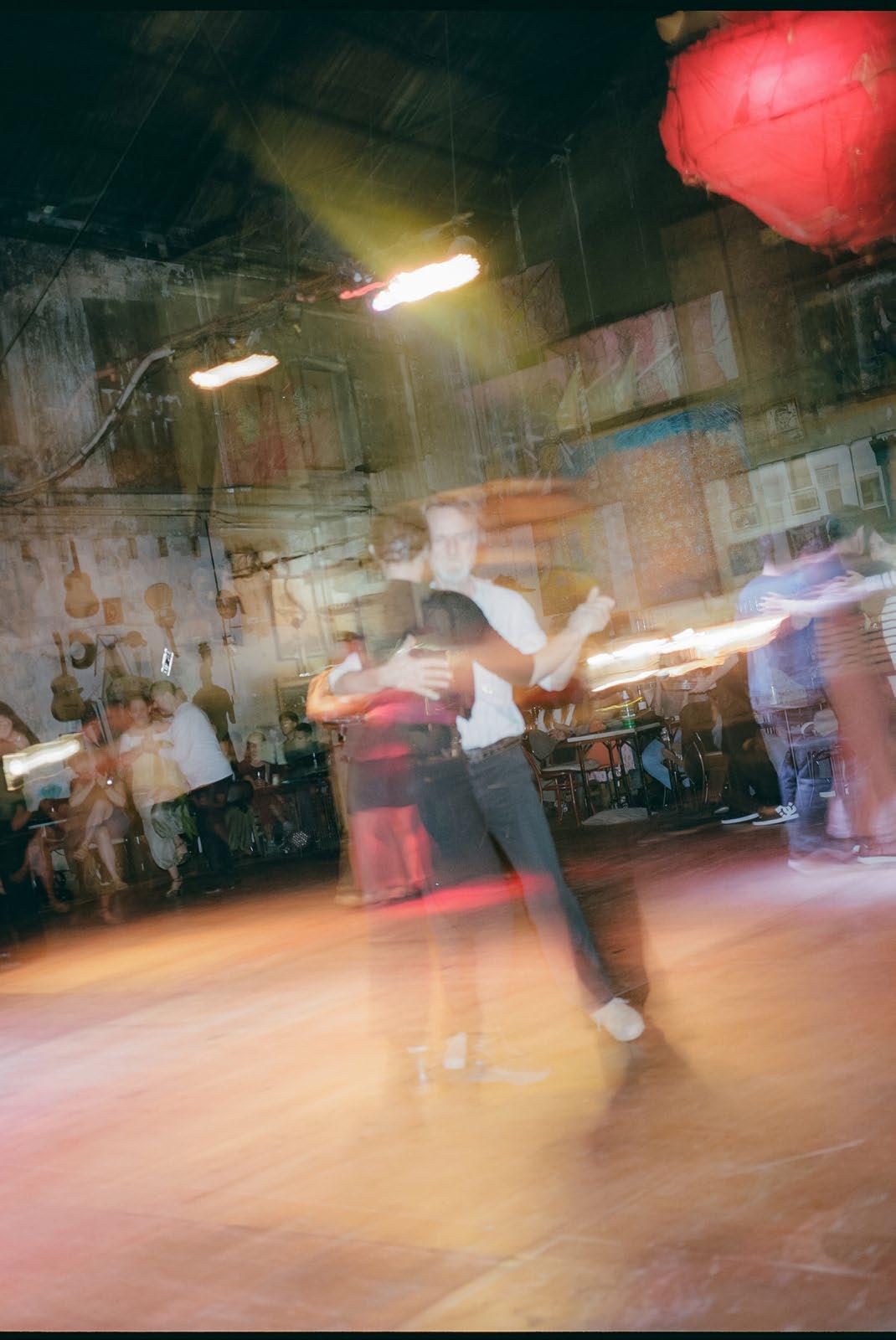
La Catedral del Tango. A milonga (the social dance hall where porteños have danced tango for over a century) inside a converted nineteenth-century warehouse, with a hand-painted ceiling and an interior full of character. The dancers are mostly amateurs; you come not to watch a show but to sit at the side and watch people change partners, dance with strangers, sit down again. Almagro. Boliche Roberto. A century-old corner bar run by a young team, where older neighbourhood regulars mix with a younger crowd drawn to the live music at night. Almagro
SHOPS Buenos Aires
The Meliá Collection Casa Lucia
SHOPS
Arandu Talabartería (Design & Crafts) Recoleta & San Telmo
Fueguia 1833 (Design & Crafts) Recoleta
Amaicha (Design & Crafts) Palermo Soho
Flora Almacén (Design & Crafts) Palermo Hollywood
Aynié (Design & Crafts)
Casa Social (Design & Crafts)
Taller Posible (Design & Crafts)
Mamoche (Design & Crafts)
Guido (Design & Crafts)
Eterna Cadencia (Bookshop)
Libros del Pasaje (Bookshop)
Mercado de las Pulgas (Markets & Antiques)
Mercado de San Telmo (Markets & Antiques)
Gil Antigüedades (Markets & Antiques)
Colegiales
Palermo Chico Retiro
San Telmo
Recoleta
Palermo
Palermo
Colegiales
San Telmo
San Telmo
Buenos Aires keeps a strong shopping culture rooted in craft: leather, wool, ceramics, silver, perfume. International brands exist, but the most interesting places are the small workshops and family stores that have not changed their approach in decades.
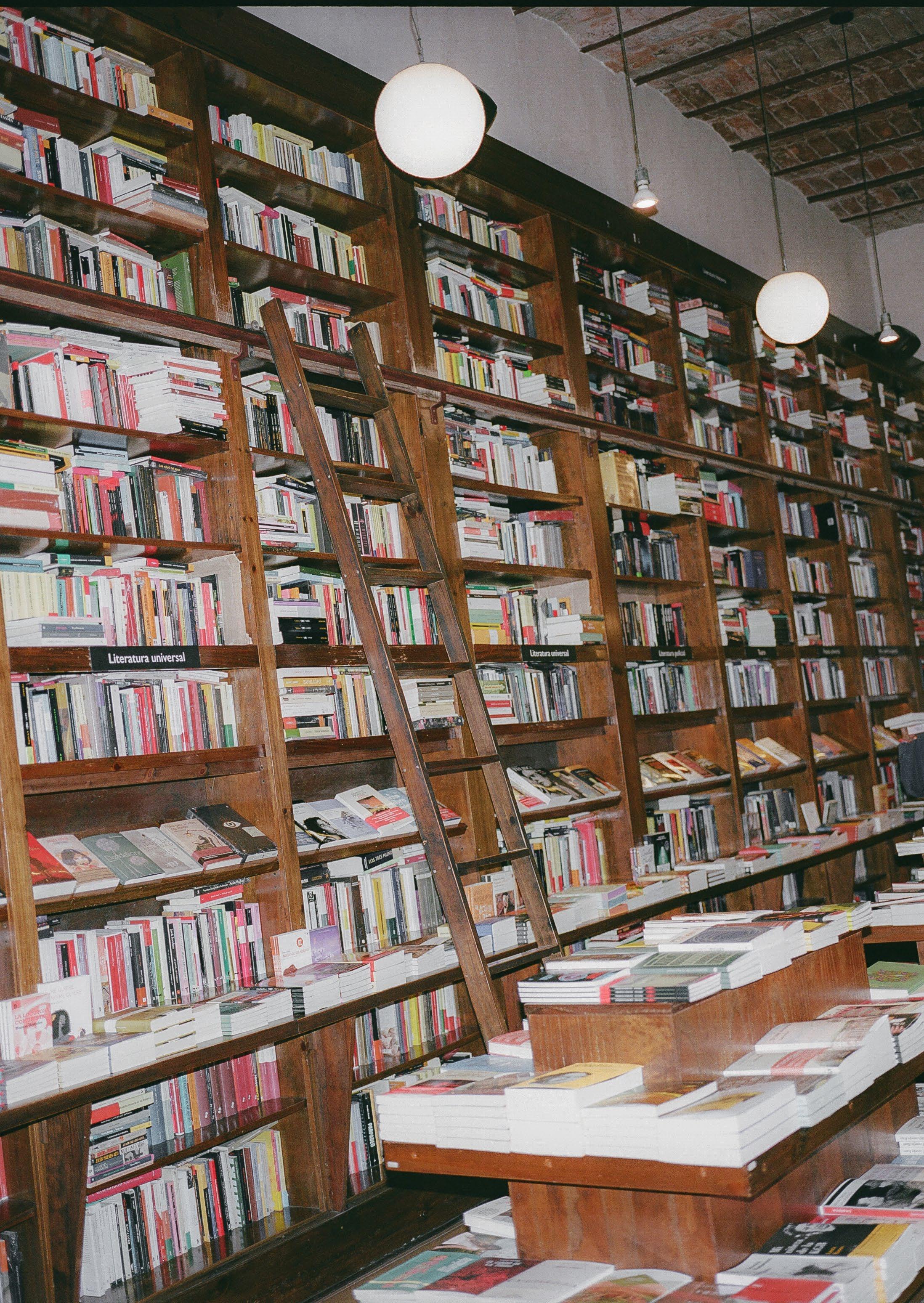
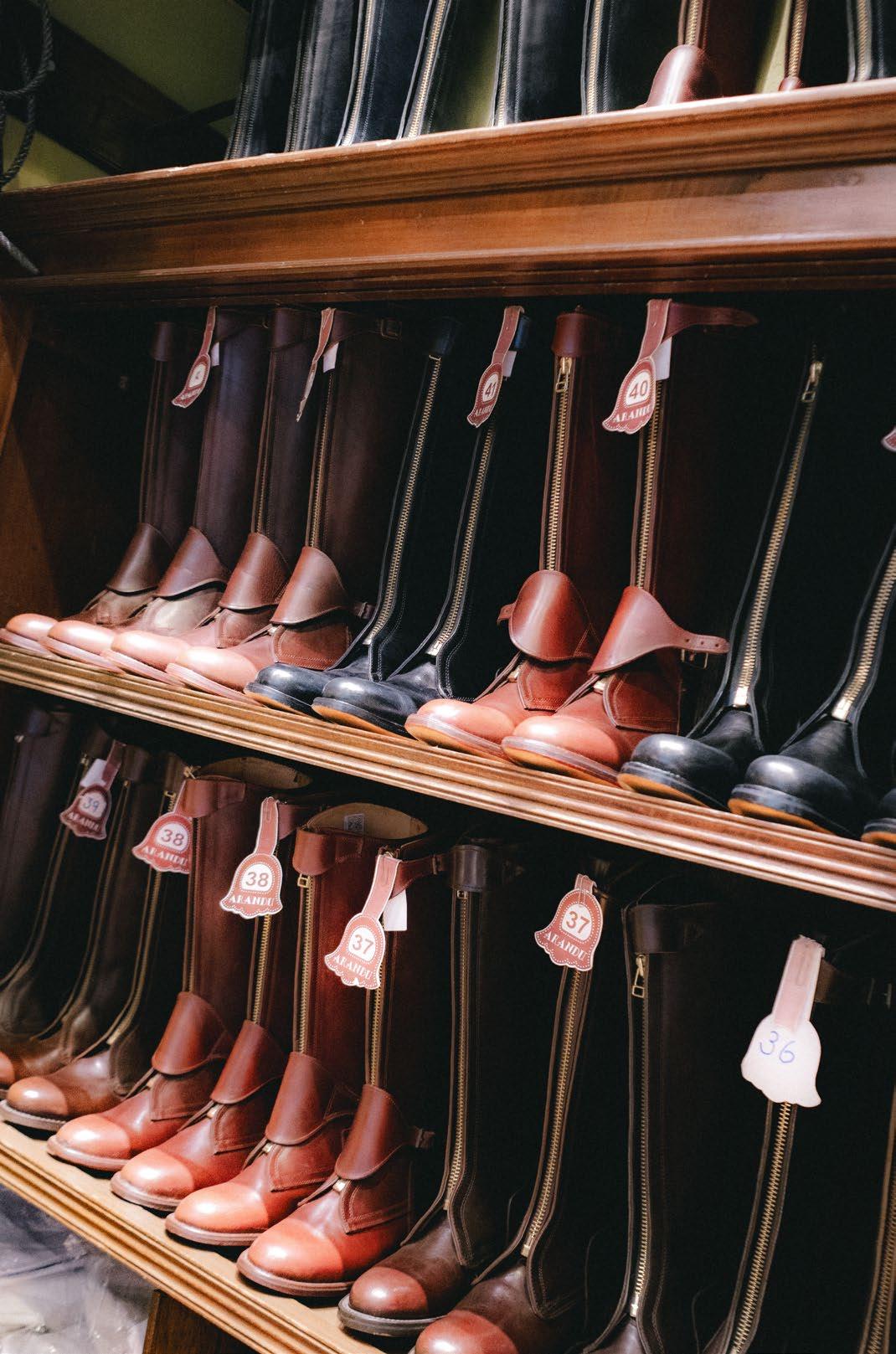
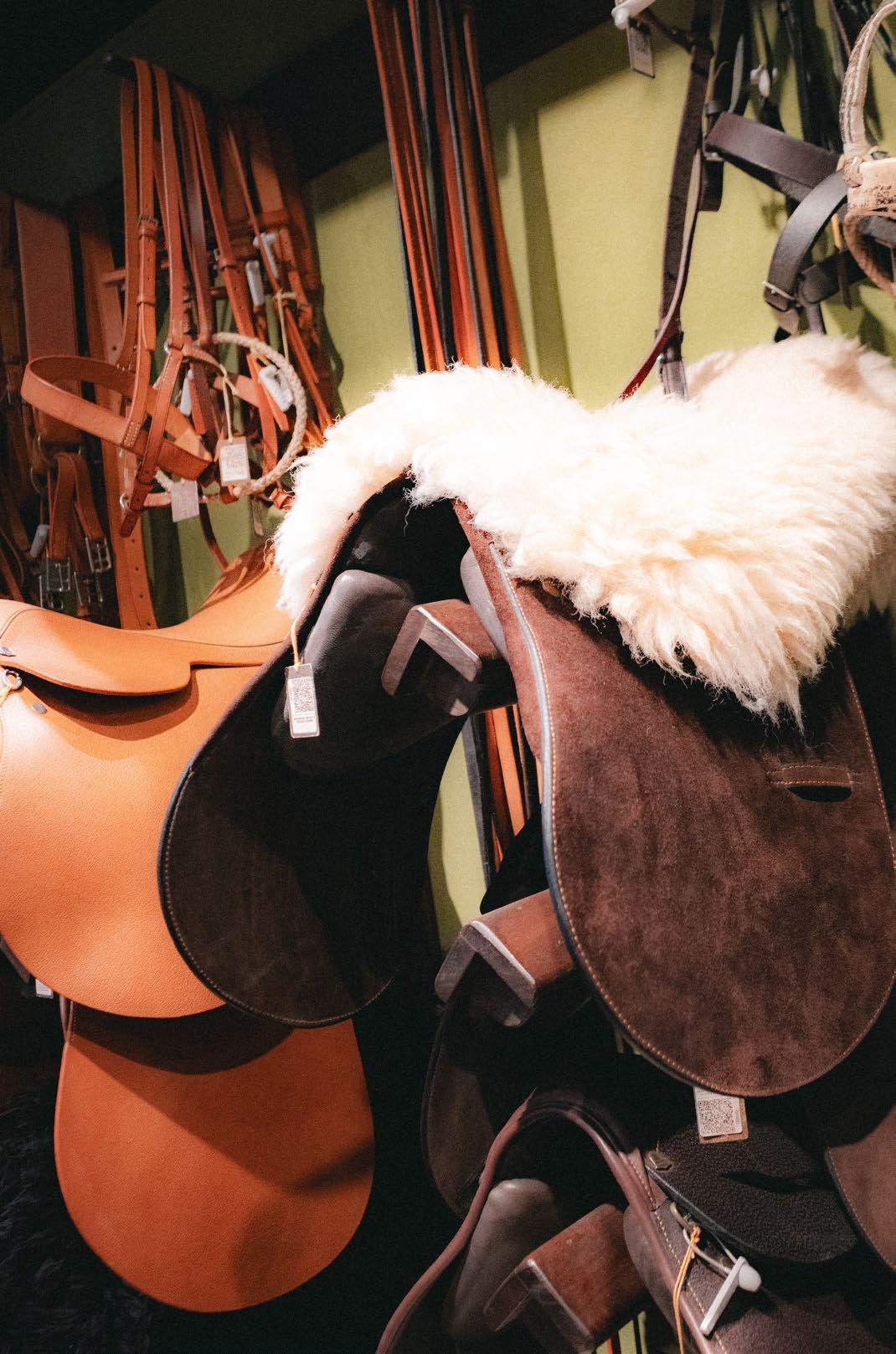
Libros del Pasaje. A neighbourhood bookshop with a strong literature section and a small café at the back. The booksellers know their stock inside out; ask for a recommendation and you’ll leave with more books than you came for. Palermo (left). Arandu Talabartería. An essential stop. A traditional talabartería selling rural Argentine leatherwork: belts, knives, mate gourds, riding gear, saddles, alpargatas. The kind of place where every object is made to last and has a function on a working estancia. Arandu has been outfitting Argentine country life for decades and supplying the same to anyone who appreciates serious craftsmanship. Recoleta & San Telmo (Right).
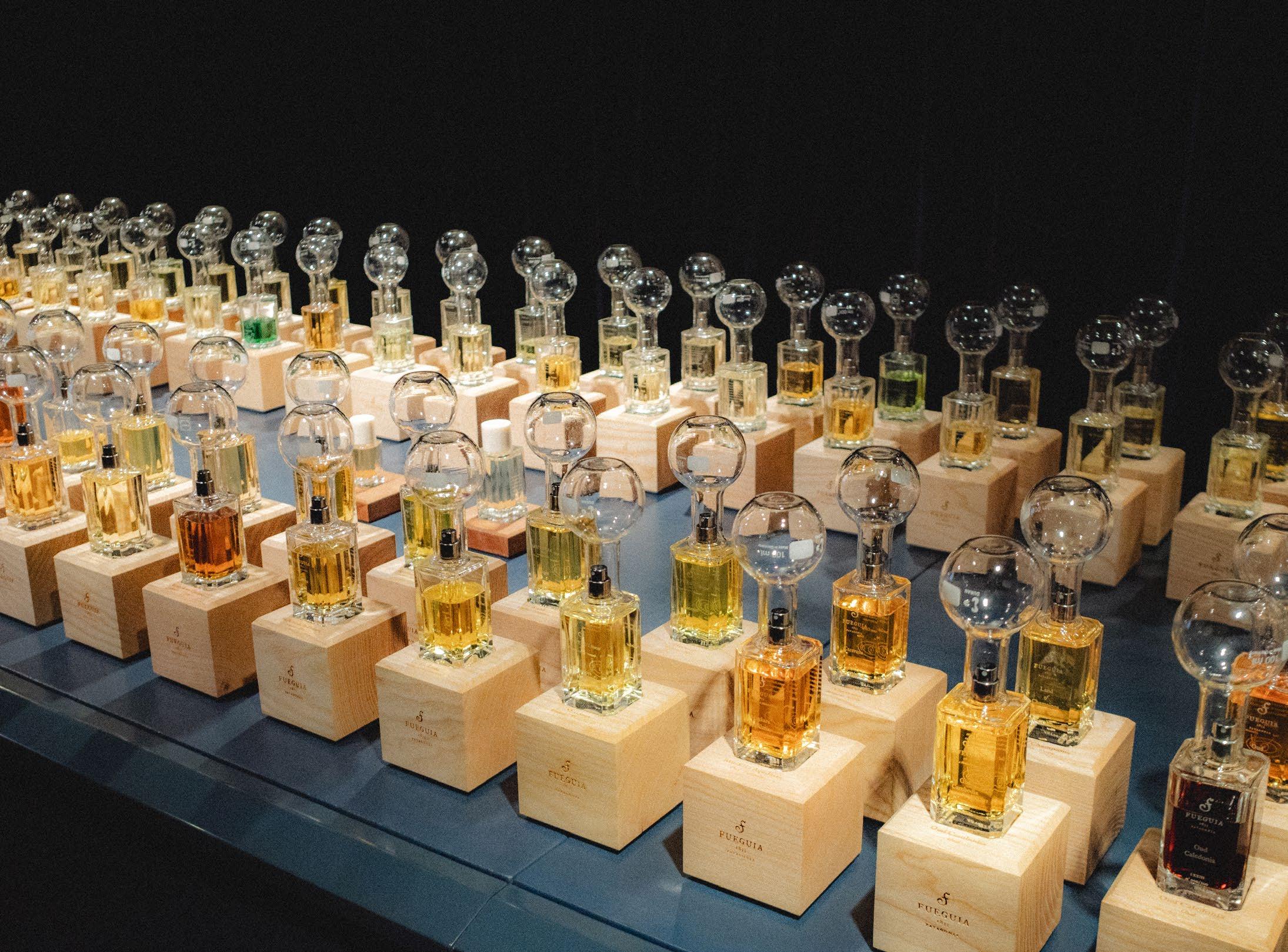
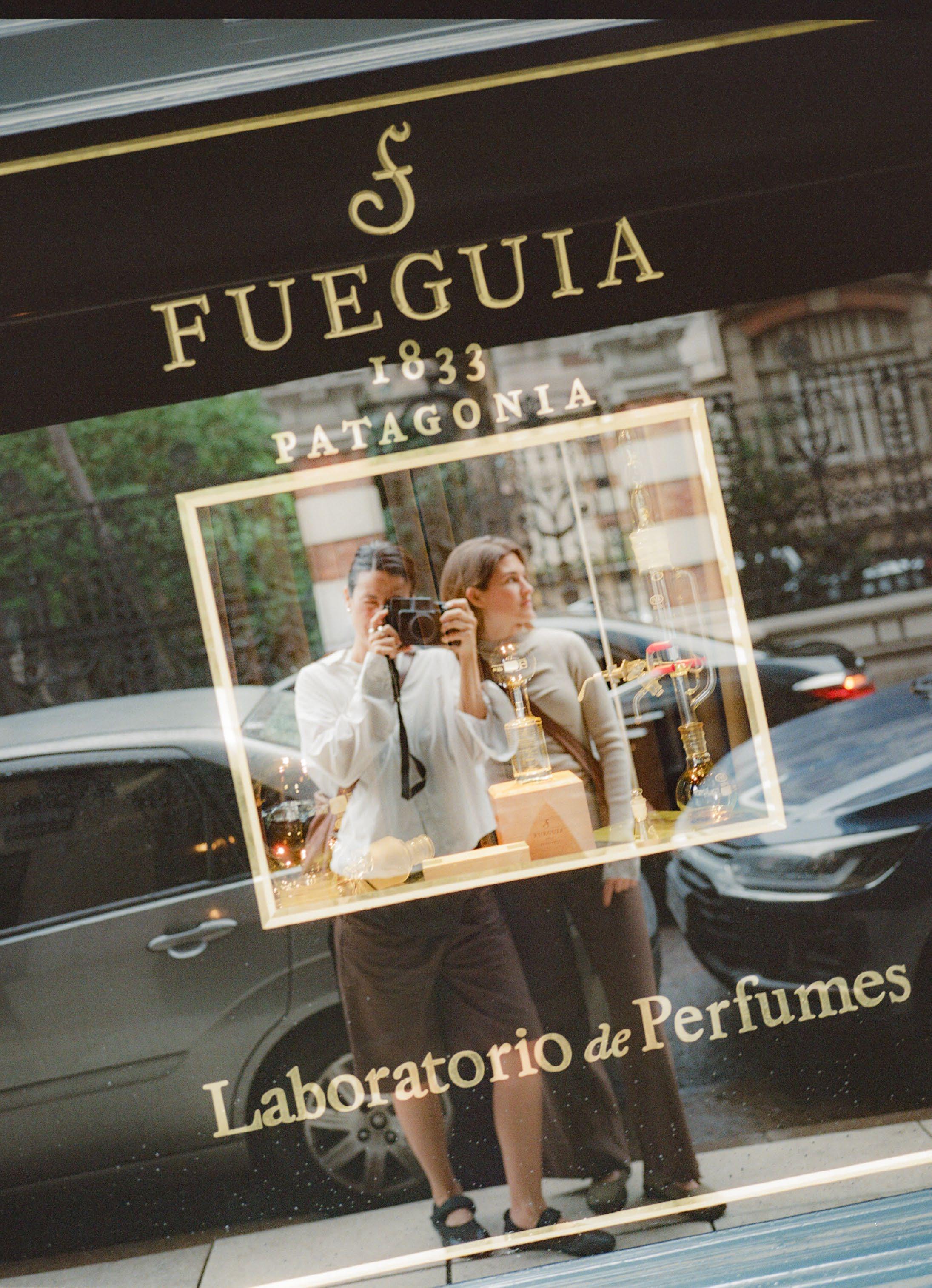
Fueguia 1833. An Argentine perfume house founded by Julian Bedel, with scents built around Patagonia, the Andes and South American botanicals. The store itself is a piece of design, and the fragrances are unlike anything we had smelled before: precise, restrained, deeply tied to the southern landscape they come from. Recoleta
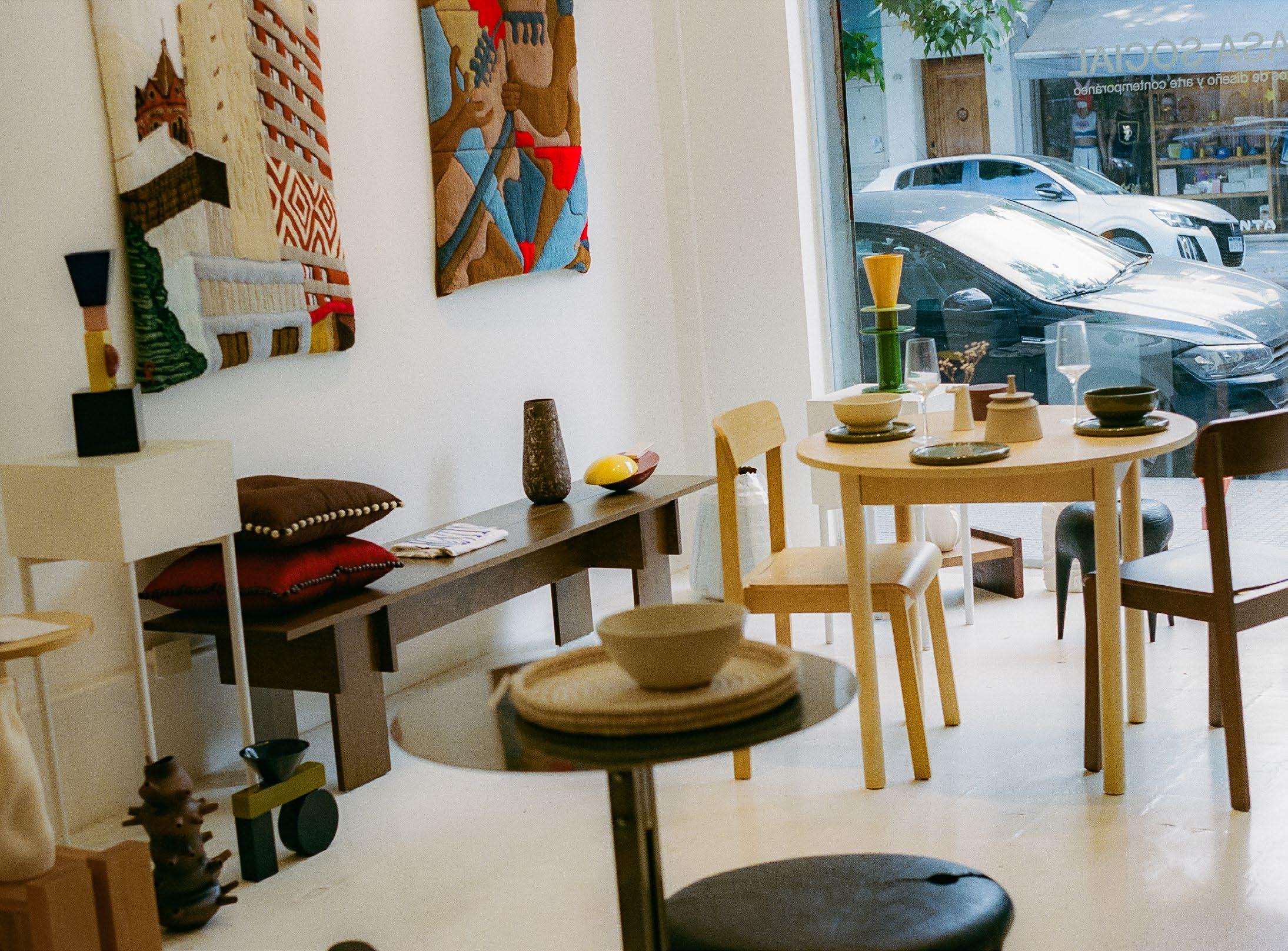
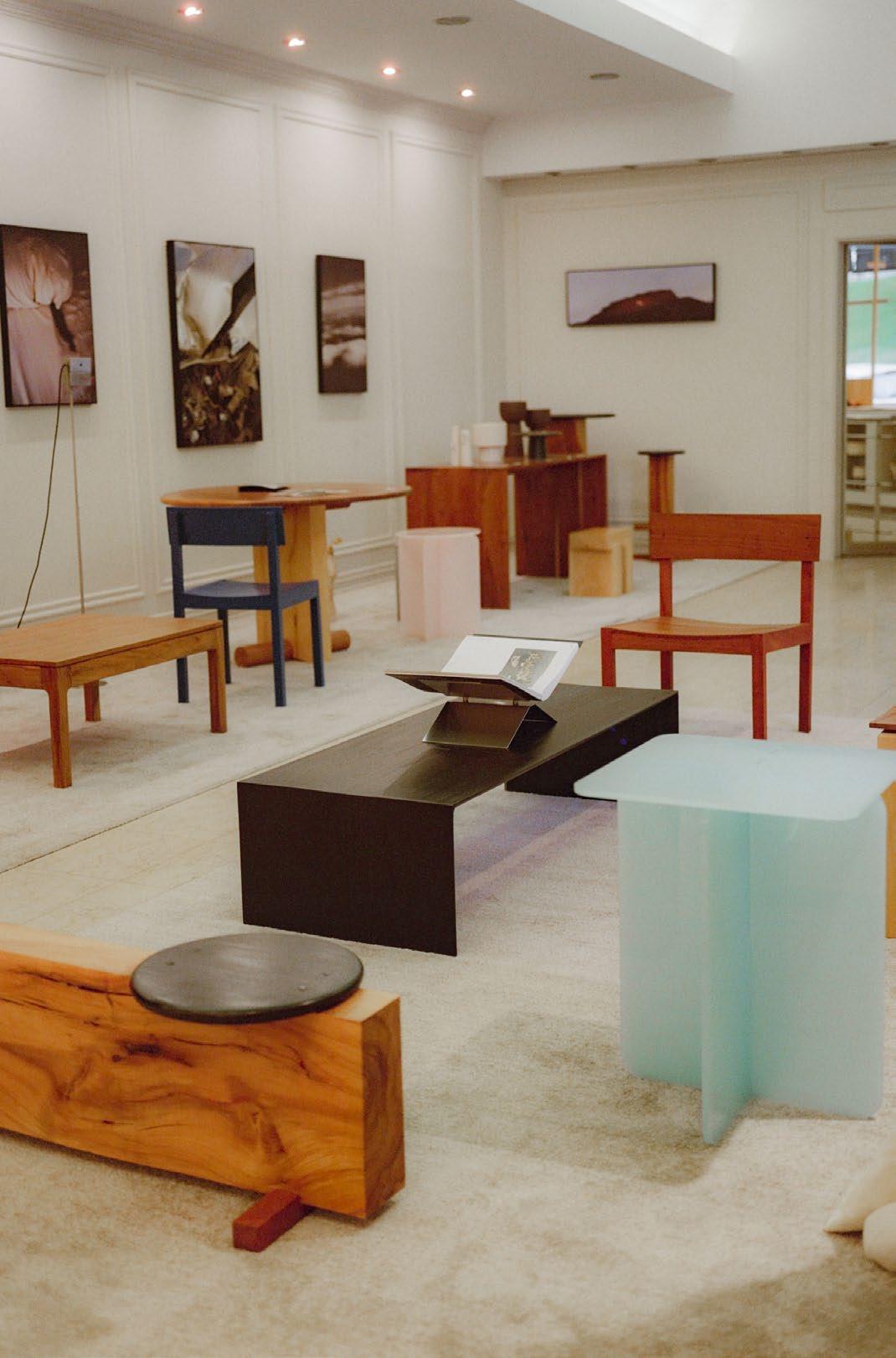
Casa Social. More gallery than shop. Founded by Fernanda and Gustavo, it’s a space for collectible design and contemporary craft, with a focus on emerging Argentine and Latin American designers working with artisanal techniques and
natural materials sourced within the country. The space functions as much as a meeting point as a shop: the intention is to record what is happening in Argentine design and to give visibility to the people behind each piece. Colegiales
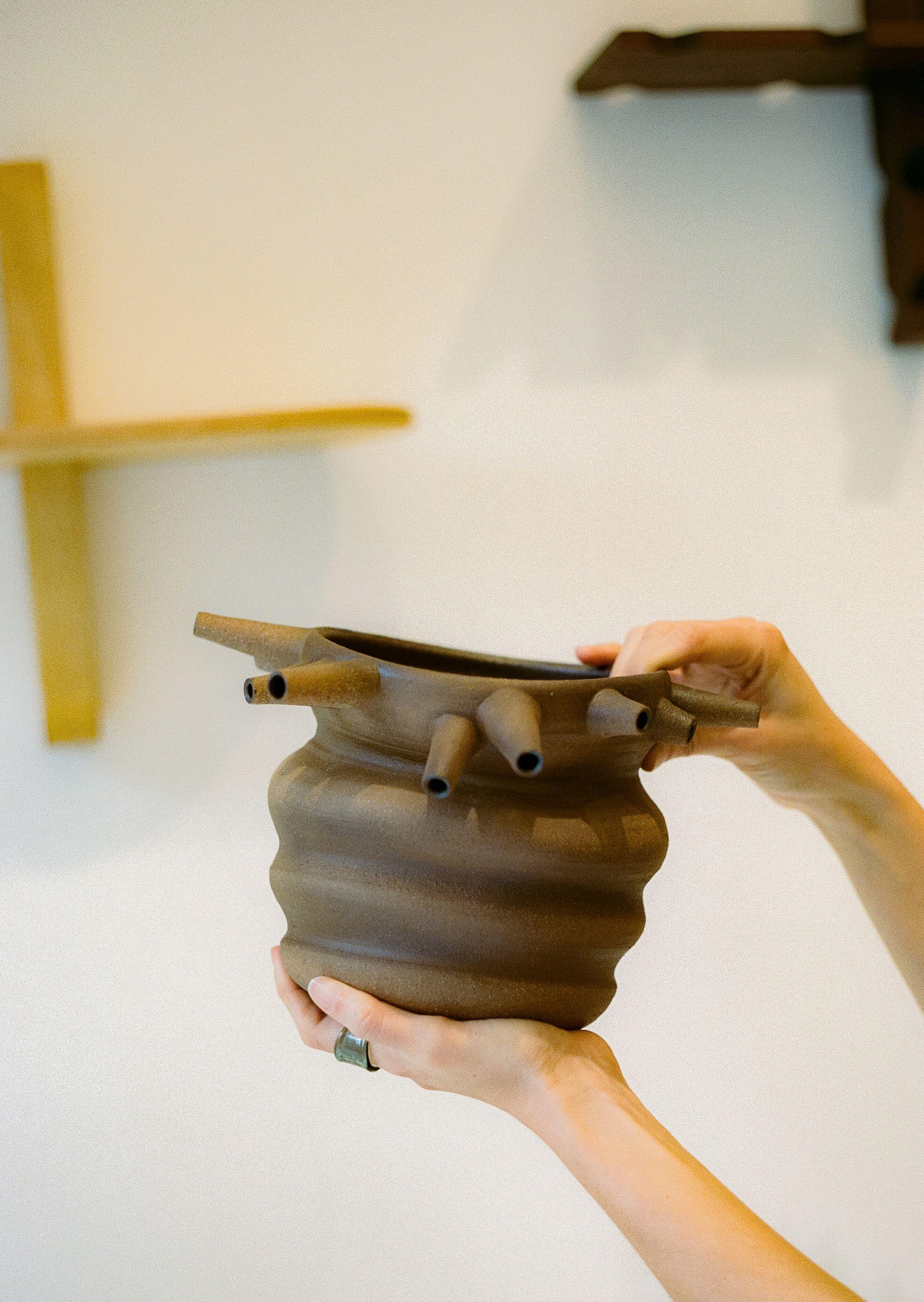
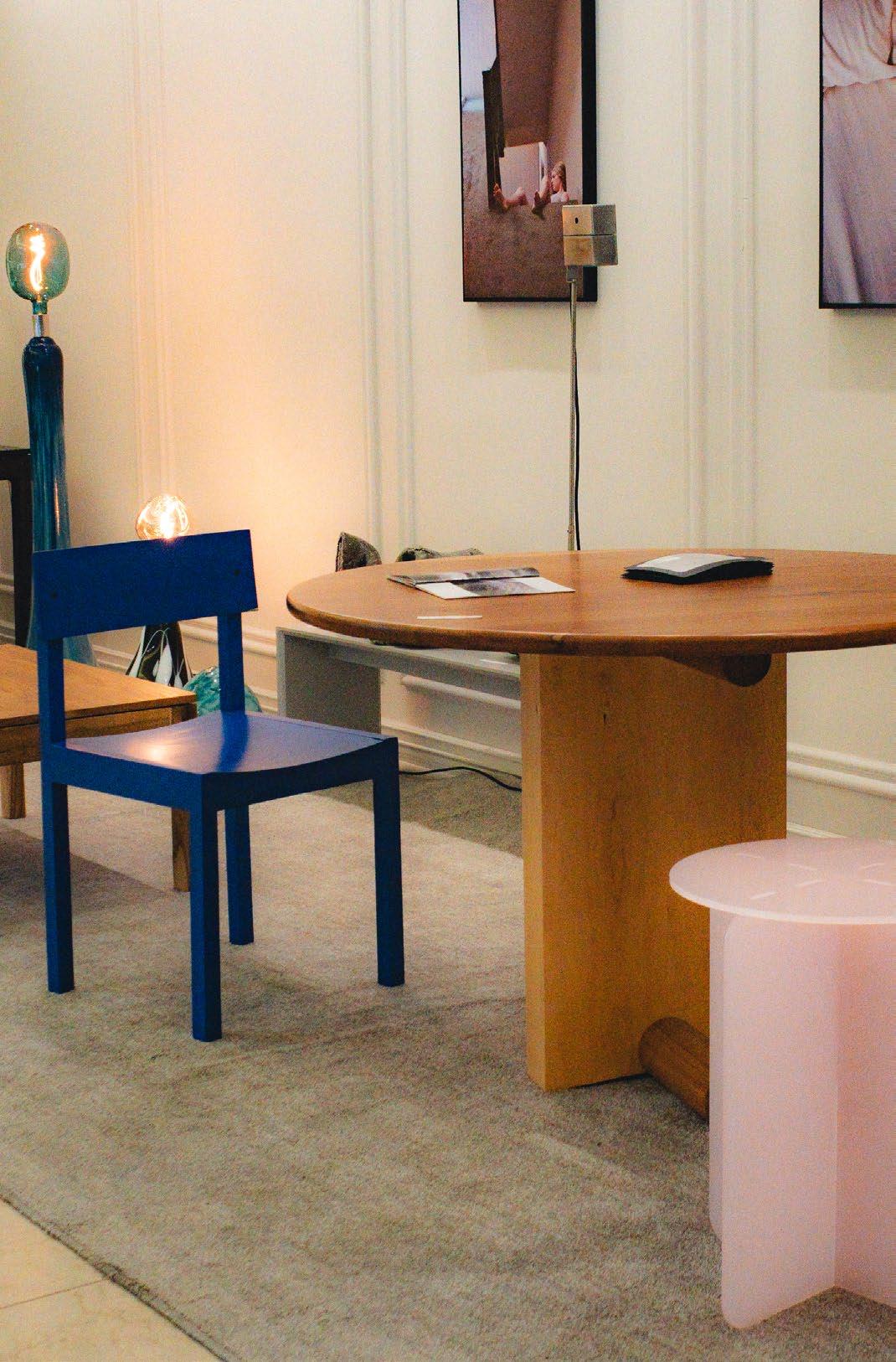
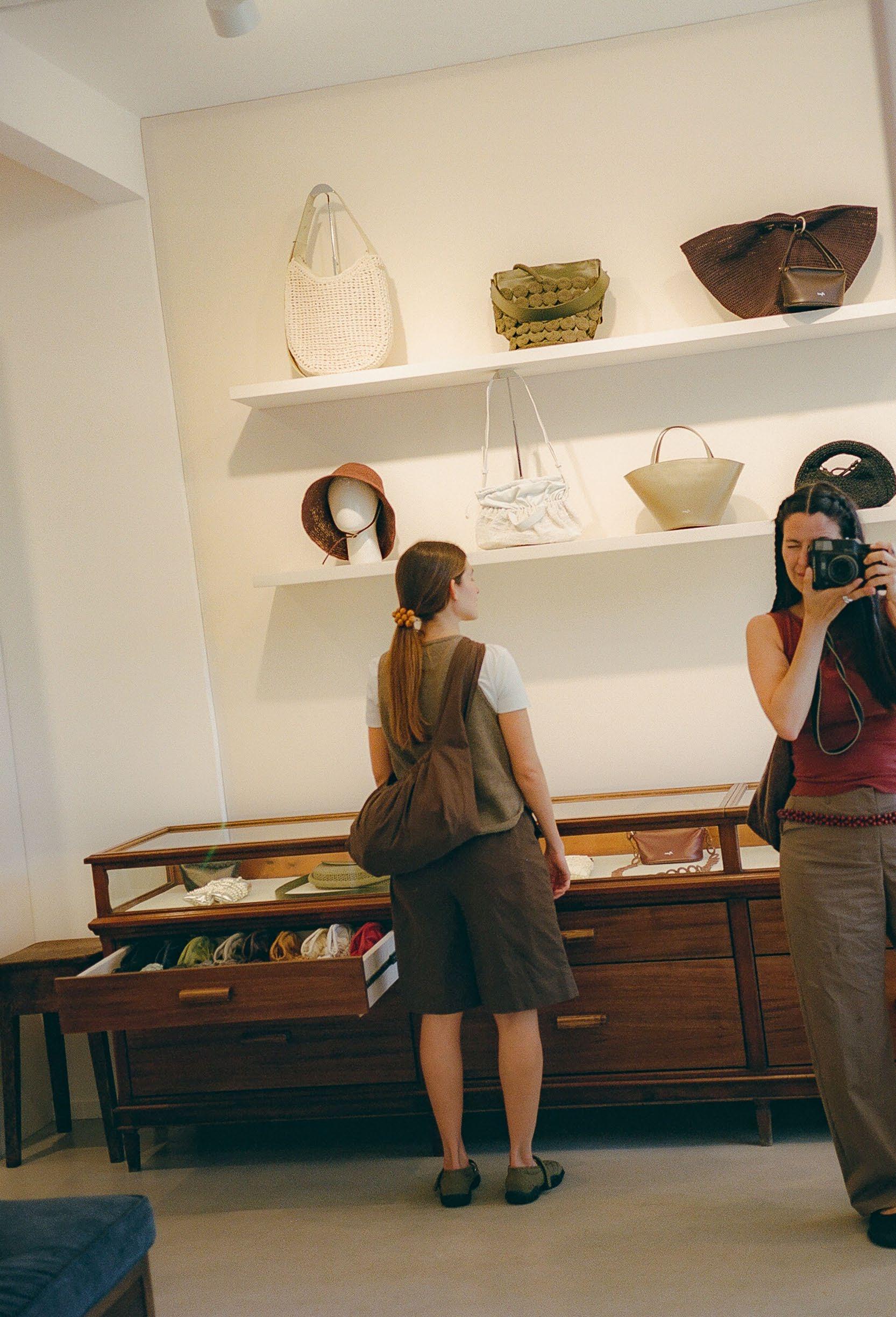
Taller Posible. A furniture and design workshop and shop that reads almost as a small gallery: contemporary Argentine pieces, carefully arranged, in a quiet space. Retiro (right) Aynié. Inspired by a century-old family talabartería led by three generations of men, Aynié brings an international eye to leather and weaving. Clara Aynié rediscovers ancestral techniques and reframes the family heritage in a pared-down, contemporary style. Each piece is carefully made, with natural materials and a focus on longevity. Palermo Soho (left).
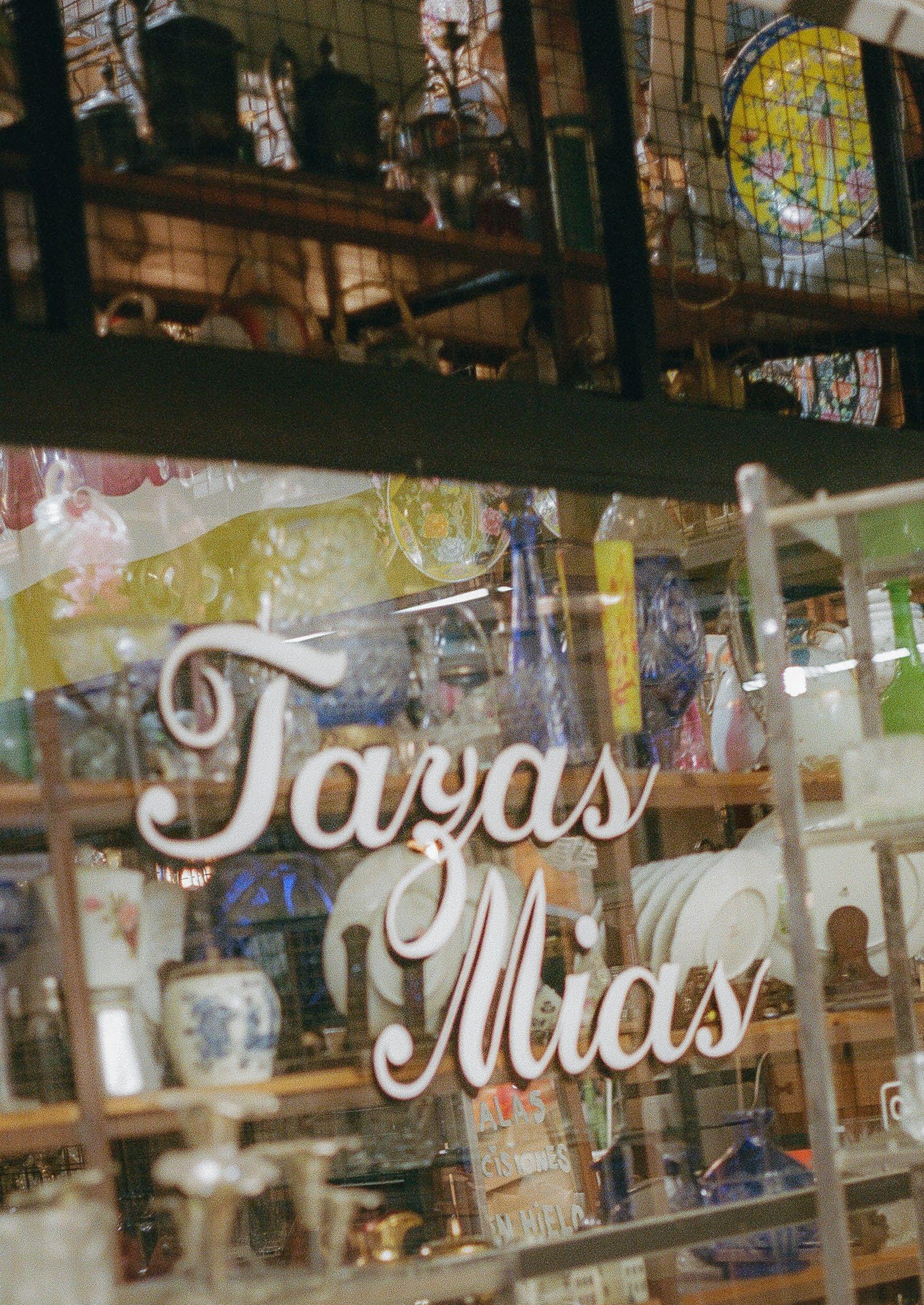
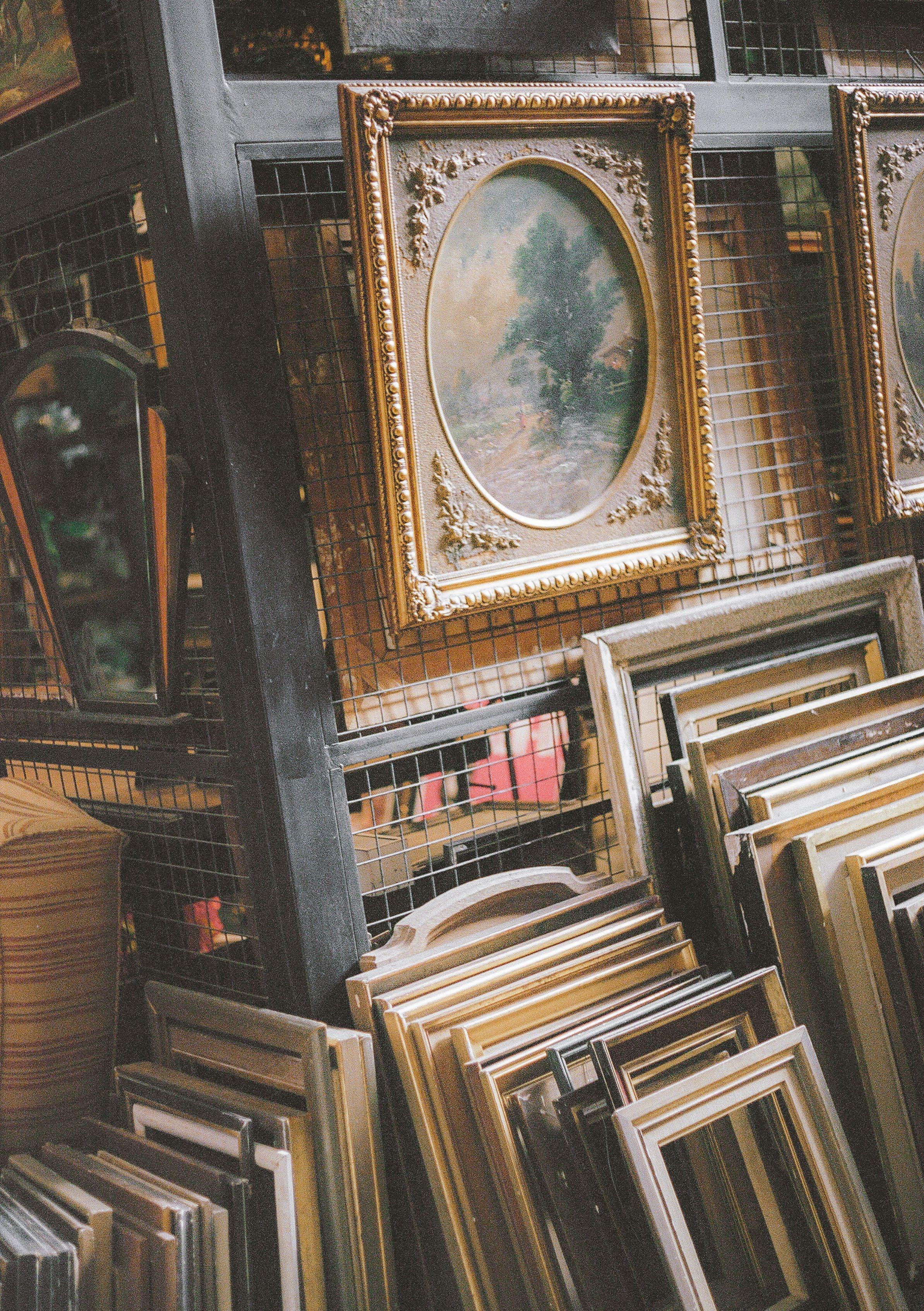
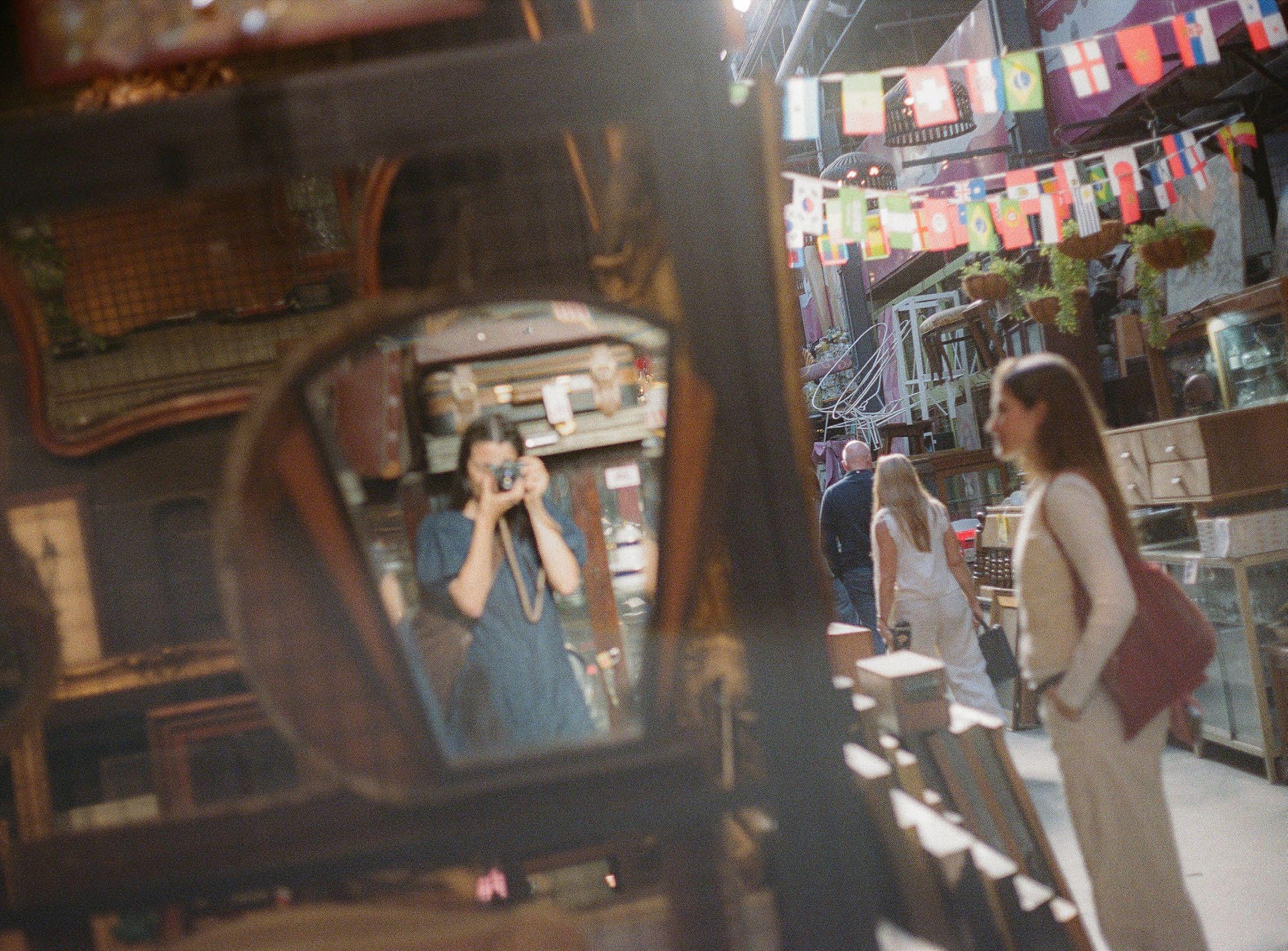
Mercado de las Pulgas. A vast indoor antiques market with hundreds of stalls. Furniture, lights, textiles, ceramics, lamps, mid-century pieces. The best part, beyond the objects, is watching the characters who run the stalls sit outside with their mate sharing comments on everything that walks past. Colegiales
SAVE THE LIST IN YOUR GOOGLE MAPS
A travel guide by OUTLIERS for The Meliá Collection seen by Cecilia Renard
Arroyo 841, C1007AAB Cdad. Autónoma de Buenos Aires, Argentina. +54 11 5218-4990 | reservas.casalucia@melia.com | @casaluciabuenosaires