THE PRESIDENT'S MESSAGE
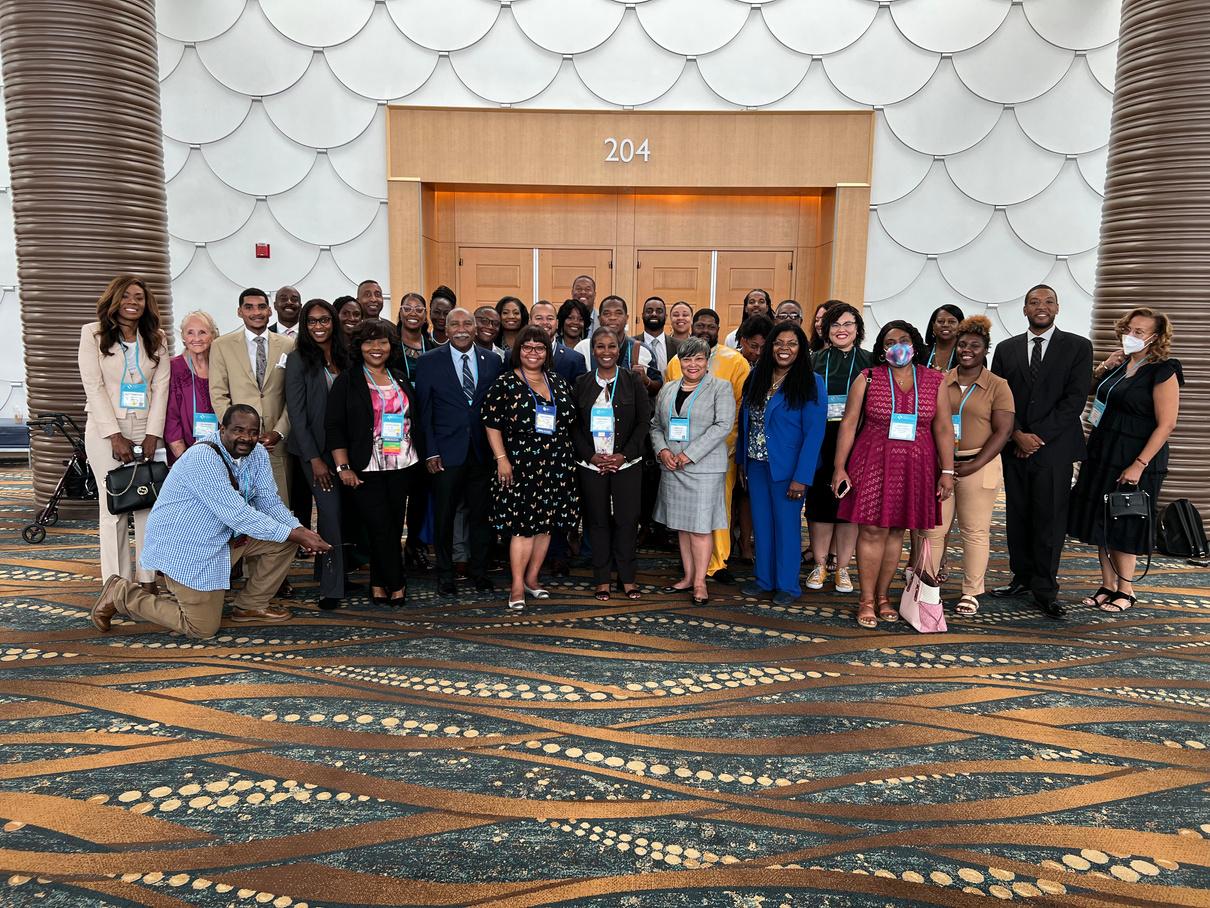
The annual Cal Cities conference is here and we are ready to connect with this year’s attendees and ensure that you all have an engaging and phenomenal experience this year
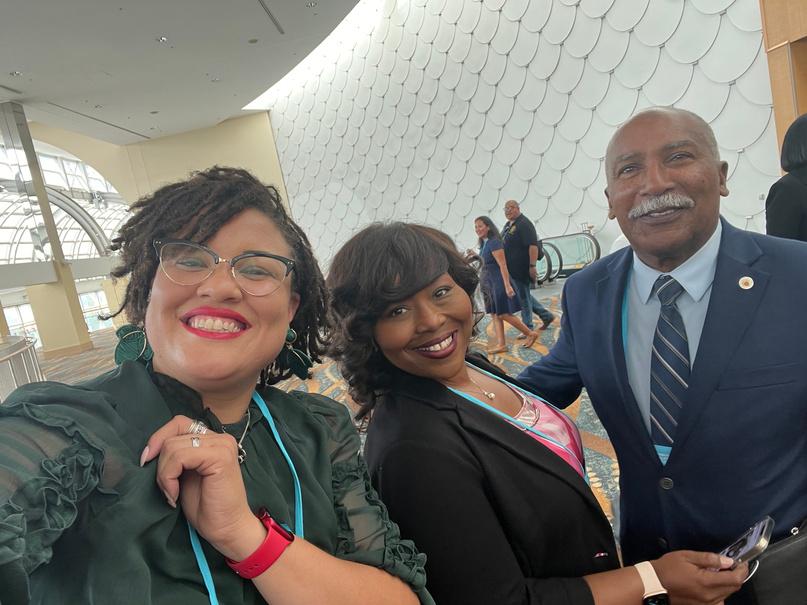
This year will be much different in nature during our business meeting, as this will be my last conference serving as caucus president It has been an absolute honor to serve in this capacity, to meet and engage with so many wonderful newly elected, reelected, and municipal staff throughout the years.
I have full faith and trust that your in-coming president, along with the support of current and new board members, will lead the caucus to higher heights. We hope that during the conference, you come to our concurrent session regarding Black health and wellness, our business meeting, and our reception, to make it a night to remember.
With that said, I’m so grateful for the opportunity to connect with you next week!
CELEBRATING OUR LEADERSHIP CON’T
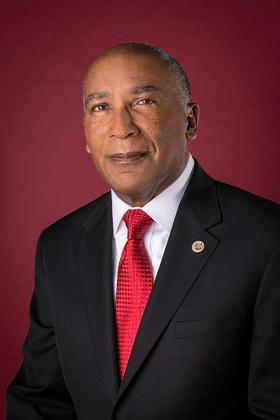
This year during the conference we will be honoring our outgoing president, Mayor Walt Allen.
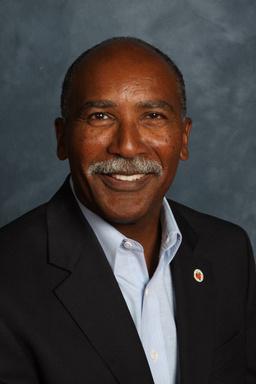
When I began working for the caucus in 2018 as a project manager, I remember meeting Walt and he was very warm and attentive. He insisted that I address him soley by his first name whenever I would address him as Mayor Allen. Even now, his demeanor and character precedes him.
Although he is our outgoing leader, his legacy of holding our caucus together will carry on. When I approached him to establish a board of directors, he was fully engaged with the process and we conducted several interviews to select the best members that would bring innovative and impactful ideas that would change the future for our caucus.
He’s shared stories of his experience as a police officer and special agent with me, that I would visualize as a cool action packed movie. More importantly though, the love he expresses for his family is truly a testament of his loyalty and dedication involving everything that he commits himself to, is unmatched.
I’m forever changed by his leadership and extremely blessed to receive wisdom and guidance from him
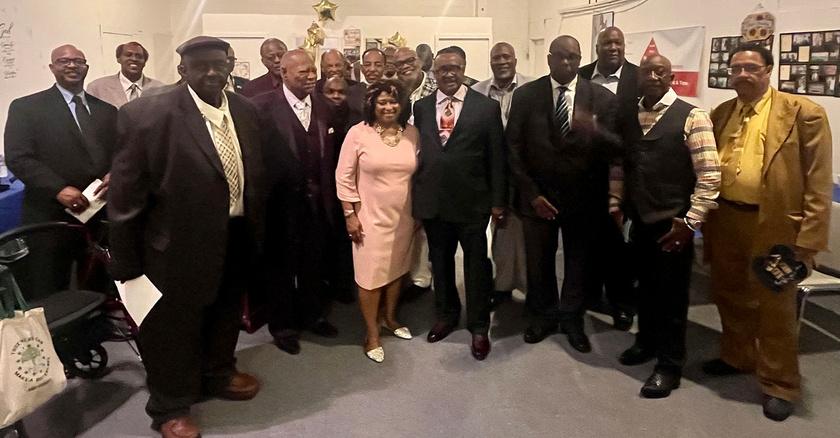
During our reception next week, we hope that you will join us in celebrating the man, the legacy, and the living legend that Walt is!
Warm Regards, Follow

On another note, during our concurrent session on Thursday, September 21st we will be discussing Black Health and Wellness with guest panelists Dr Lehman Black, retired pediatrician from Sutter who now continues to work with Pediatric Associates providing general pediatric care on a part time basis, and Executive Director Rhonda Smith of California Black Health Network
Article Continues on page 3
us on social media! @ccaacaucus
@calcitiesaacaucus
page 2 THE HEADLINE CON'T
A BRIEF MESSAGE FROM OUR CAUCUS CHAIR
Mayor Walt Allen, III, of the City of Covina, is the President and Caucus chair for the African American Caucus.
L to R: Marla Matime, Mayor Racquel Vasquez, and Mayor Walt Allen, III
REFLECTIONS
CELEBRATING OUR LEADERSHIP CON’T...
This conversation will help shine a light on the racial disparities within the healthcare system towards African Americans and the disproportionate care and attention to those who lack the means to pay for services, those who lack access to adequate care due to where they live, and also self advocacy
Additionally, we encourage all members, sponsors, guests, and future members of our caucus, to join us during our business meeting on Wednesday, September, 20th at 11am This year we will be installing our newly appointed president, Councilmember Porsche Middleton of Citrus Heights She brings a wealth of leadership experience and is committed and passionate about community We will have board positions opening up for those of you that would like to throw in the hat to be considered to serve on our board of directors You will be able to sign up for a position during the meeting by scanning the QR code that will be made available for you.
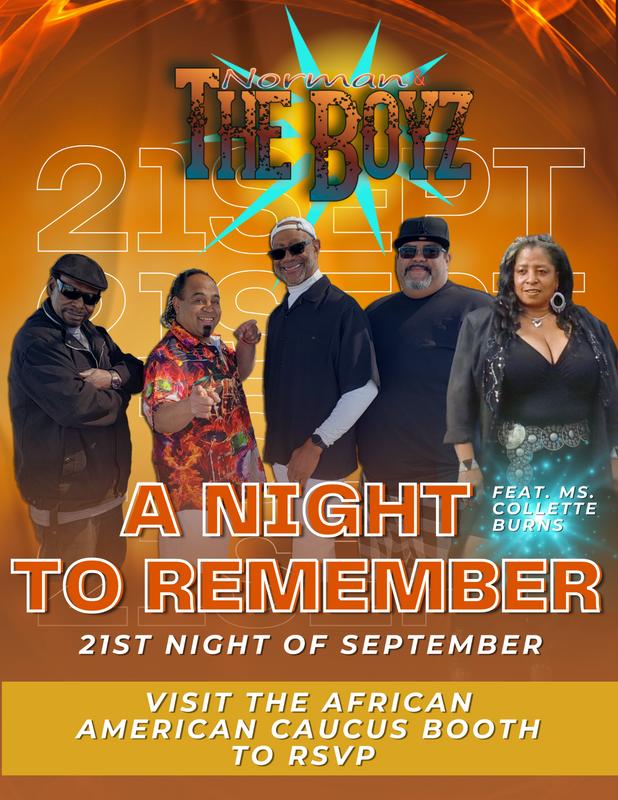
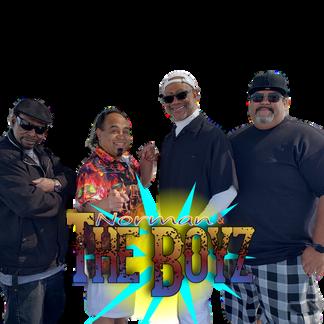
Lastly, we hope that you can join us for our annual reception that will be taking place on Thursday evening from 6:30pm until 8:30 pm at the Grand Sheraton Sacramento hotel in the Gardenia ballroom This year we have an exciting program for your entertainment with guest band Norman and the Boyz, featuring Ms. Collette Burns. We’re also asking for all attendees to come in your finest BLUE to celebrate Walt’s tenure as president of our caucus. Bring your best dance moves and get ready to Remember the 21st night of September!
We’re looking forward to seeing you all next week in Sacramento!
RSVP for our Reception by Clicking

@calcitiesaacaucus page 3
Photo courtesy of canva
HERE
INTERESTED IN JOINING THE CAUCUS? SCAN THE QR CODE

CULTURE CANNABIS UPLIFTS COMMUNITY
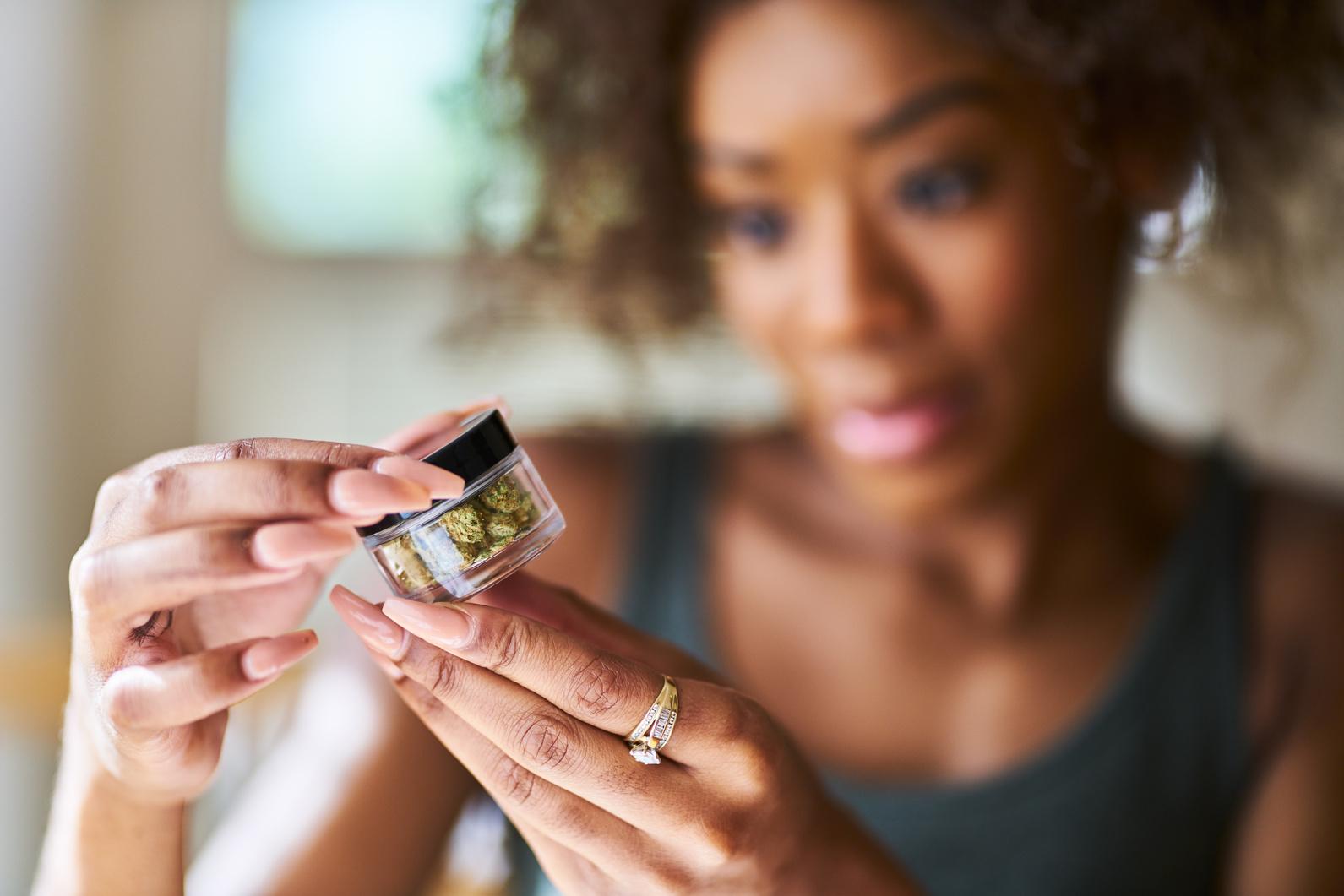
THE SPECIAL FEATURE ARTICLE IS SPONSORED CONTENT BY OUR
CAUCUS SUPPORTERS
Culture Team has a combined 25 years in the cannabis business, with 34 retail permits across the country, 29 of which are in California. Beyond retail, we are a fully vertically integrated company, holding permits for 4 cultivation operations, 2 extraction facilities, and 2 distribution centers. We are Headquartered in Irvine, CA. We are a very diverse company employing over 350 employees of which 70% female managers and 65% bipoc staff.
With licenses to operate across the state of California including Long Beach, Beverly Hills, Riverside, Los Angeles, Fresno, Concord, San Francisco, Sacramento and many more. Culture prides itself on offering customers high quality brands and products at competitive prices, in a unique, high-tech retail shopping environment.
Culture serves customers with an expertly trained and knowledgeable staff, catering to the diverse needs of the community with secure, compliant facilities.
A main pillar of Culture's success is its dedication to philanthropy Culture Cannabis Club focuses on integrating into the local community by forging partnerships with elected officials, city staff, chambers of commerce, homeless shelters, food banks, job education/transition programs, youth drug education programs, beautification projects, and much more
Culture Cannabis Club uplifts the entire community to support city needs and provide resources to achieve them Together as one CULTURE

ADVOCACY & CIVIC ENGAGEMENT
ADVOCACY & CIVIC ENGAGEMENT OUTLINES RESOLUTIONS, PROCLAMATIONS, ORDINANCES, AND LEGISLATION THAT IMPACTS CITIES THIS SECTION ALSO HIGHLIGHTS THE WORK OF COMMUNITY BASED ORGANIZATIONS THAT ARE CHANGING THEIR COMMUNITIES ONE RESOLVE AT A TIME.
For this issue, we’d like to highlight the East Bay Community Law Center. EBCLC follows a Social Indicators of Justice framework that seeks to address the underlying causes of poverty and economic and racial inequality in order to increase justice and improve opportunities in the areas of economic security, education, health and welfare, housing, and immigration. Their motto is “Justice through Education and Advocacy.”
To learn more about EBCLC visit https://ebclc.org.
@calcitiesaacaucus page 6
On

@calcitiesaacaucus page 7
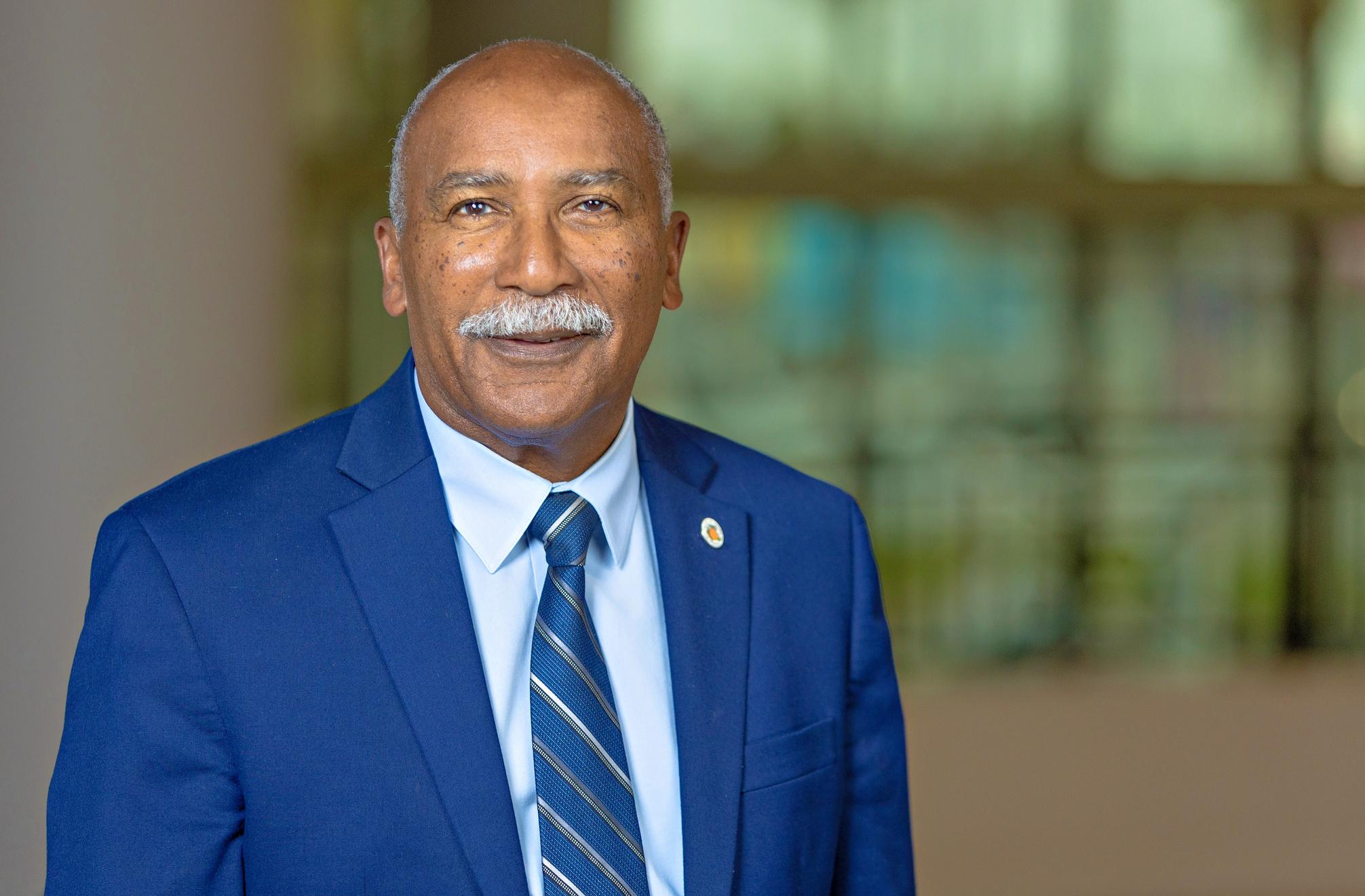
Congratulations Mayor Walt Allen, III
your accomplishments as Cal Cities African American Caucus President!
SEPTEMBER IS NATIONAL EMERGENCY PREPAREDNESS MONTH
CURATED ARTICLE FROM CALIFORNIA BLACK MEDIA
The Federal Emergency Management Agency’s (FEMA) has designated September as Emergency Preparedness Month as part of its public awareness campaign on disaster preparedness.
Last week, the Governor’s Office of Emergency of Emergency Services (CalOES) released a number of online toolkits (in 12 languages) to inform state residents about what they can do if faced with a natural disaster.
As the state gets drier, hotter and wetter – and as more and more residents experience extreme weather conditions every year –officials say the information is lifesaving, and preparation for emergencies is a lot simpler than most people think.
For more information on getting prepared visit Listos California.
CREATINGACULTUREOFREADINESSIN BLACKANDAFRICANAMERICAN COMMUNITIES
CURATED ARTICLE FROM IEM.COM
For the second year in a row, the national Ready Campaign is continuing its efforts to reach historically underserved communities for National Preparedness Month This year’s feature is a call to action for the Black and African American communities
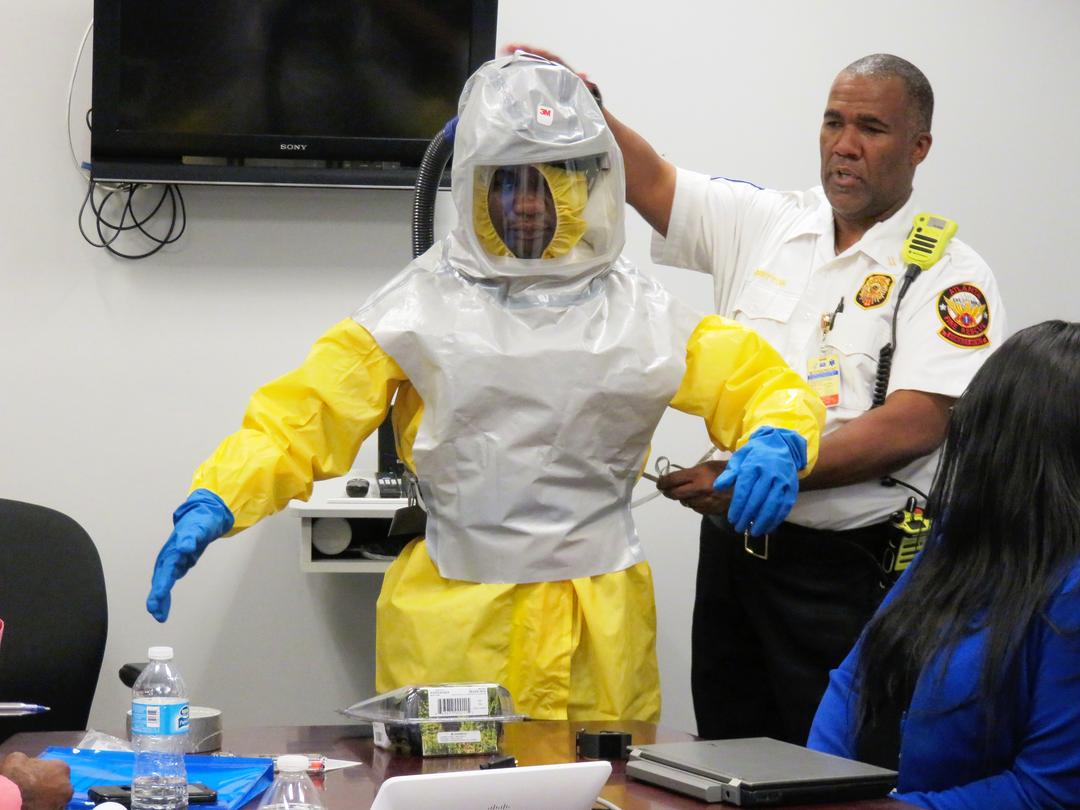
Climate disasters are on the rise and African Americans are among the most vulnerable groups who are least likely to be prepared when the unexpected occurs
As a result, African Americans who struggle to cover day-to-day expenses have difficulty preparing before a disaster or an emergency strike
Studies also show that racial disparities in the United States affect the way Black and African American communities prepare, or do not prepare. These communities lack confidence in both their ability to sufficiently prepare given their limited resources and in the government’s ability to make up for where these groups fall short or assist following a disaster.
Together, we can move closer to ensuring a level playing field and that disaster preparedness is equitably achieved by all. Providing adequate support for African Americans to build more resilient communities requires a deliberate and collaborative approach, such as:
African American communities.
Don’t wait. Take steps to plan ahead and protect your family and the legacy you have built. Make an emergency plan, build an emergency kit, and sign up for emergency alerts to easily access resources before, during, and after a disaster.
Check out your local emergency management office or Ready.gov for resources to assist you. Prioritize seeking additional resources if needed before disaster strikes.
@calcitiesaacaucus page 8
Faith-based groups and disaster relief organizations.
Renew focus on preparedness and meeting Black and African American communities where they are. Continue to advocate for equitable solutions that break barriers and improve access to resources.
Emergency management and government officials.
Key industry leaders should seek the best ways to reach African Americans; review and study current research showing the gaps in preparedness or conduct a community survey to better understand the gaps; meet with community leaders to best address the issues; and commit to carrying out those plans. Focus on culturally competent strategies to reach vulnerable groups and create policies and programs that offer aid and promote resiliency.
Below is a list of basic tools that you will need to build your emergency preparedness kit:
Backpack or storage tub to hold your supplies
Bottled Water
1 gallon per person is recommended
Non-Perishable food
If including canned foods, you must include a can opener
Flashlight with extra batteries
First Aid Supplies

Bandages
Ointment
Disinfectant wipes
Tissues
Toilet paper and bags with ties for personal sanitation
Paper and pen or pencil (to take notes, play games, etc)
Sleeping bag or warm blanket (recommend one for each person in your home)
Wrench or pliers to turn off utilities
Personal hygiene items (travel size deodorant, cotton swabs, feminine items, etc)
Whistle to Signal for help
Important documents (identification, insurance information, banking information, wills, etc)
Emergency reference materials such as a first aid book
Battery powered radio and a NOAA Weather radio.
Formula and diapers (if there is an infant in the house)
Extra pet food (if there are pets in the house)
Dust mask or cotton t-shirt, to help filter the air
Plastic sheeting and duct tape to shelter-inplace
Can opener for food (if kit contains canned food)
Cups and utensils
A change of clothes for each person in your home (if you live in a cooler climate make sure the clothes are warm!)
Also include a jacket, hat, gloves and closed toe shoes for walking (boots or sturdy sneakers are best)
Rain gear
Cash
Paper towels
Fire Extinguisher
Cards or game (it is important to have something to do to take your mind off the situation for a few moments or alleviate stress if you will be in your shelter for an extended time)
This checklist for how to build your emergency preparedness kit was retrieved from https://www weather gov/owlie/emergencysupp lieskit
@calcitiesaacaucus page 9
Photo of emergency preparedness kit courtesy of Canva
CALIFORNIA BLACK HEALTH NETWORK CELEBRATES 40 YEARS: THE IMPERATIVE OF HEALTHCARE ADVOCACY FOR THE BLACK COMMUNITY
BY: MARLA A. MATIME

Healthcare is a fundamental human right, and yet, disparities persist in access, treatment, and outcomes within the United States healthcare system. One of the most affected communities in this regard is the Black community. Black health in America has been marred by historical injustices, systemic racism, and ongoing disparities. Healthcare advocacy is not merely a choice but an imperative for the Black community, as it is essential for addressing these disparities and ensuring equitable healthcare access and outcomes
To understand the importance of healthcare advocacy for the Black community, one must first acknowledge the historical context that has shaped Black health in America From the era of slavery to the civil rights movement, Black individuals have been subjected to unequal treatment, including limited access to medical care, experimentation without consent, and segregation in healthcare facilities These injustices have left a lasting legacy, resulting in a deep mistrust of the healthcare system among many Black Americans
The California Black Health Network (CBHN) has been the voice and trusted resource for Black Health Equity in California and the only Black-led, statewide organization dedicated to advancing health equity for all African Americans and Black Immigrants. Their mission is to ensure that all Black Californians, regardless of their education, socio-economic class, zip code, sexual orientation, gender identity, homelessness, or immigration status have access to high quality and equitable primary and behavioral healthcare, and avoid unnecessarily succumbing to disease. CBHN’s main activities include conducting outreach, education, and advocacy to achieve health equity for Black Californians through the lens of understanding critical issues that lie at the intersection of racial justice, social justice, and environmental justice (CBHN About).
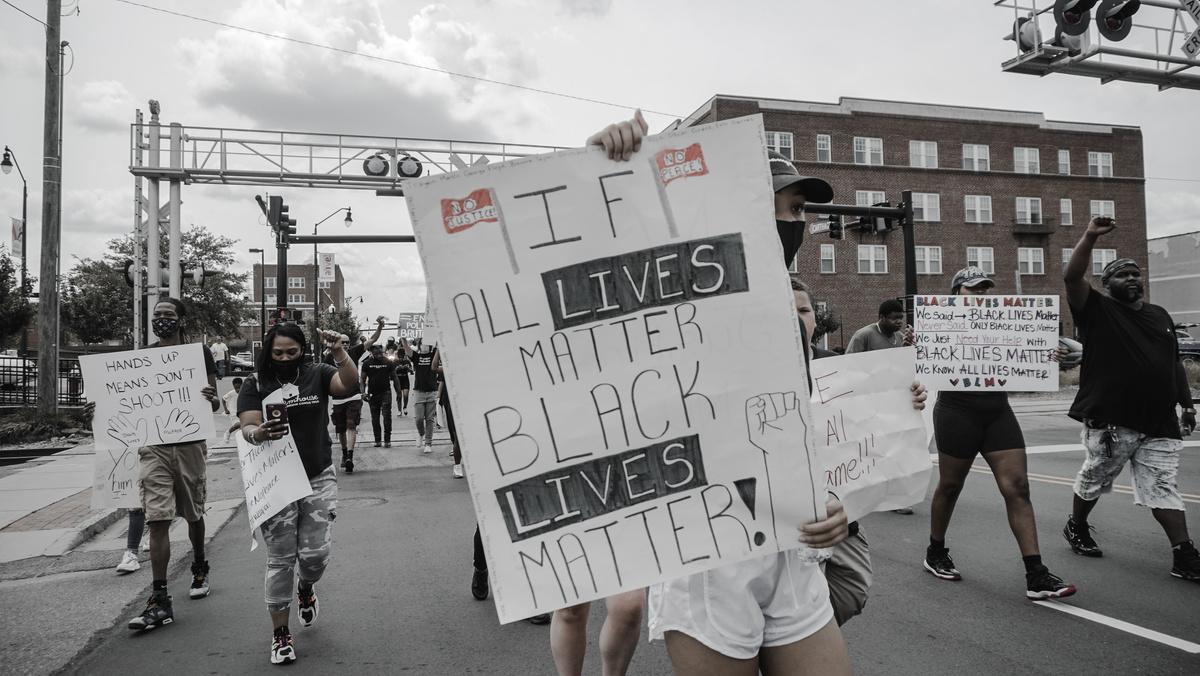
As CBHN embarks on a new era, they have reached a significant milestone in the history of Black health, as they are celebrating their 40th anniversary as a non-profit. This comes on the heels of COVID-19, the civil unrest following the death of George Floyd and many other Black individuals at the hands of law enforcement, countless maternal deaths and maltreatment, and the list goes on.
Systemic Racism in Healthcare
Systemic racism continues to pervade healthcare in America. Black Americans are more likely to be uninsured or underinsured, which can lead to delayed or forgone medical care. Discrimination in healthcare settings can also deter Black individuals from seeking the care they need Implicit biases among healthcare providers may result in differential treatment, leading to misdiagnosis and inadequate care
Health Disparities
The impact of systemic racism is evident in the health disparities that persist within the Black community Black Americans are disproportionately affected by chronic conditions such as hypertension, diabetes, and obesity Maternal mortality rates for Black women are significantly higher than for white women Additionally, life expectancy for Black individuals is lower than that of white individuals
@calcitiesaacaucus page 10
Healthcare is a fundamental human right, and yet, disparities persist in access, treatment, and outcomes within the United States healthcare system. One of the most affected communities in this regard is the Black community. Black health in America has been marred by historical injustices, systemic racism, and ongoing disparities. Healthcare advocacy is not merely a choice but an imperative for the Black community, as it is essential for addressing these disparities and ensuring equitable healthcare access and outcomes.
To understand the importance of healthcare advocacy for the Black community, one must first acknowledge the historical context that has shaped Black health in America From the era of slavery to the civil rights movement, Black individuals have been subjected to unequal treatment, including limited access to medical care, experimentation without consent, and segregation in healthcare facilities These injustices have left a lasting legacy, resulting in a deep mistrust of the healthcare system among many Black Americans
The Importance of Healthcare Advocacy
1 Promoting Access: Healthcare advocacy plays a crucial role in promoting access to quality healthcare for the Black community Advocates work to eliminate barriers such as insurance gaps,
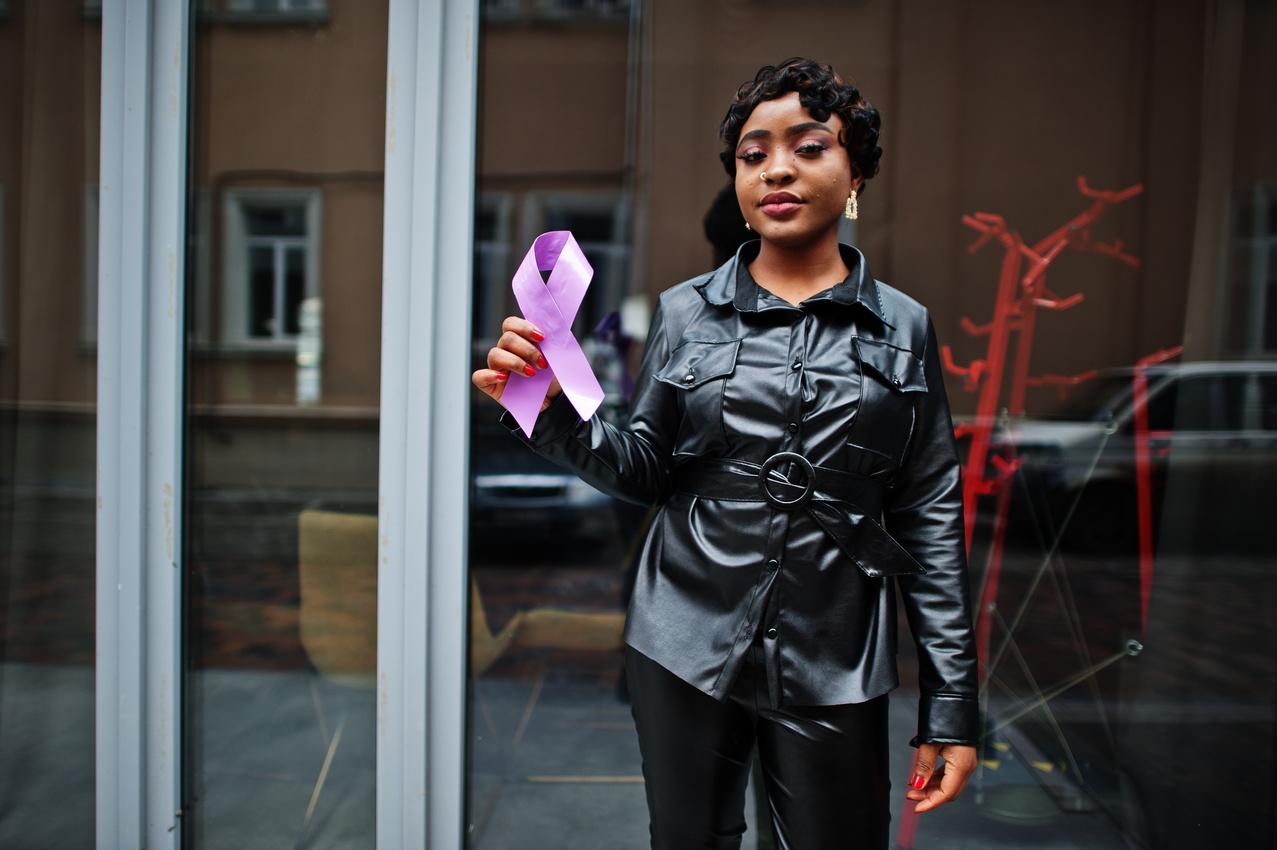
transportation issues, and healthcare deserts, making healthcare more accessible.
2. Addressing Bias: Advocacy efforts aim to address implicit biases within the healthcare system. This involves training healthcare providers to be culturally competent and unbiased in their interactions with Black patients.
3. Community Outreach: Healthcare advocacy often involves community outreach and education. By raising awareness about preventive care, early detection, and healthy lifestyle choices, advocacy organizations empower individuals to take control of their health
4 Legislative Change: Advocates work to influence healthcare policy and legislation at local, state, and federal levels Policies that address healthcare disparities and promote equity can have a significant impact on the Black community's health
5 Mental Health Support: Advocacy efforts also extend to mental health, recognizing the importance of addressing the unique mental health challenges faced by Black individuals, including the impact of racial trauma
Healthcare advocacy is a moral and social imperative for the Black community It is a means to rectify the historical injustices and ongoing disparities that have plagued Black health in America. By promoting access, addressing bias, and advocating for policy change, healthcare advocates are working tirelessly to ensure that every Black individual receives the healthcare they deserve. Achieving health equity is not just a matter of fairness but a vital step toward building a healthier, more just society for all. As a nation, we must commit ourselves to this cause and support the vital work of healthcare advocacy for the betterment of the Black community and society as a whole.
CBHN has a plethora of resources and materials that can help with ensuring that the health of the Black community is a priority. To learn more about California Black Health Network, visit www.cablackhealthnetwork.org.
@calcitiesaacaucus page 11
CAL CITIES ADVOCATE
THANK YOU TO OUR SPONSORS
Charter Communications
Southern California Edison
Comcast Meta Wells Fargo
Kaiser Permanente
ES Advisors Group
To read the latest newsletter from the Cal Cities Advocate and subscribe Click HERE
UPCOMING EVENTS
Amazon Cal Water
Southland Industries
Chevron
Learn4Life
SoCal Gas
Republic Services
SiteLogiQ
BOARD OF DIRECTORS
President
Walt Allen, III
Mayor Pro Tem, Covina
1st Vice President
Porsche Middleton
Mayor, Citrus Heights
2nd Vice President
Racquel Vasquez
Mayor, Lemon Grove
Secretary
Erica A. Stewart
Mayor, San Luis Obispo
Treasurer
Ian Oglesby
Mayor, Seaside
General Counsel
Bruce Soublet
Sr. Assistant Attorney, RET
Member-at-Large
Paul Akinjo
Councilmember, Lathrop
Member-at-Large
Minnie Diallo
Councilmember, Lathrop
Member-at-Large
Darrell Dorris
Councilmember, Lancaster
Executive Director
Marla A. Matime
Annual Conference & Expo
September 20-22, 2023 - Sacramento
Caucus Events & Meetings
BUSINESS MEETING
11am - 12pm in Meeting Room 2
CONCURRENT SESSION
September 21, 2023
September 20, 2023 1pm - 2:15pm in Room A9
CAUCUS RECEPTION
September 21, 2023
6:30pm - 8:30pm
Gardenia Ballroom - Sheraton Grand Sacramento
CONNECT WITH THE CAUCUS
To join the caucus as a member, visit the Cal Cities African American Caucus page on www calcities org

For inquiries on sponsorships, advertising in the quarterly newsletter, and to submit an article for consideration, email ccaacaucus@gmail com
ONTHEDAIS is created, curated, designed, and published by The MAR.M Agency LLC
Address: 1400 K Street Sacramento, CA 95814
Email: ccaacaucus@gmail.com
Phone: (951) 588-3718
@calcitiesaacaucus
12
page