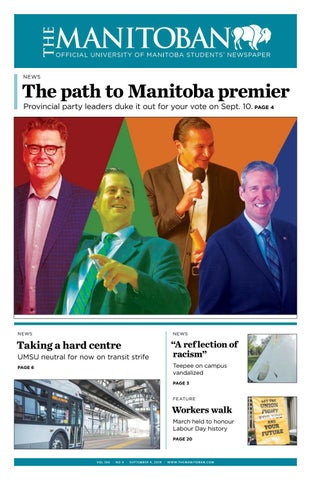
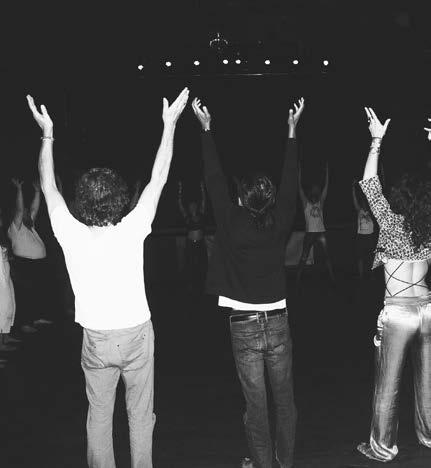
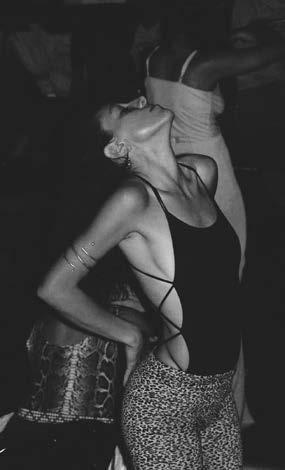
That was my first thought when entering The Park Theatre on Aug. 25 for the Sacred Sexual Music Festival. A kirtan, a type of ancient Indian chant, was being held in the lobby with flower children dancing and oldschool hippies embracing one another.
The first Winnipeg Sacred Sexual Music Festival was a gathering of musicians, creators, healers and spiritual leaders for a day of learning, exchange, experimentation and healing.
The Sacred Sexual Music Festival was a beautifully messy celebration of the intersection between sexuality and spirituality. Mesmerizing sessions and events combined music, art, dance and therapy.
Emily McDougall, also known as Emi Lovely, opened the day with a hypnotic stilt burlesque act. Local tantric massage therapist and sexological bodyworker Jasmine Michelle talked about the “Wheel of Consent,” discussing power balances and exchanges.
Nicole Mapu held an exotic chair dance session and an orgasmic freedom circle. Alongside these were many other sessions and performances by other creators and teachers.
Kirtans, songs, yoga sessions and music performances continued throughout the day. It was a strange, but ultimately
wholesome experience.
The Sacred Sexual Music Festival’s founder and organizer Wendy DeMos described the festival as “a place where you can feel and know the innocence of your sexuality.”
DeMos put on the first Sacred Sexual Music Festival in her native Vancouver in 2018 as a response to the #MeToo movement and harassment scandals throughout Hollywood and politics.
“I really felt called to create something that brought back the sacred back and respect back [...] We need to shift the sexuality paradigm, especially in North America,” she said.
When she began the Sacred Sexual Music Festival, DeMos felt trepidation due to the taboo nature of the topic, but community support and her belief in the necessity of this event pushed her forward.
“I had to heal too, from shame and guilt,” she said.
She now has little concern about how mainstream society will view these Canada-wide festivals.
DeMos has since held a second Sacred Sexual Music Festival in Vancouver this year, as well as one in Edmonton.
DeMos believes that by acknowledging the shame and guilt tied to sexuality we can heal and open up become our more authentic selves.
Healing trauma and breaking
mental barriers was a major theme and goal of the festival and many in attendance.
Maria Dutra, a local spiritual healer, was a central figure of the event.
“We need to shift the sexuality paradigm, especially in North America”
— Wendy DeMos, Sacred Sexual Music Festival founder and organizer
“I assist people through the tools that I have in transcending trauma, shock, panic, issues that have occurred in the past that are stuck,” said Dutra.
Dutra also helped bring together many of the major leaders and organizers for the Sacred Sexual Music Festival.
Local activist Wendy Scheirich’s powerful talk about forty years as a social worker delineated how she went from sex-trade abolitionist to sex-worker advocate and somatic sex trainer. She eventually came to the
realization that sexual pleasure can be the antidote for sexual trauma.
Somatic sex education involves relinquishing the shame attached to sexuality and reclaiming sexual pleasure, incorporating massage, breathing exercises and other forms of bodybased therapy.
Joseph Fedorowich, an apprentice shaman with the Deer Tribe Metis Medicine Society.
Fedorowich is a certified somatic sexological bodyworker who opened the day and led many discussions and meditations.
Fedorowich said he intended to take “people on a journey to bring balance to the masculine and feminine within their body” and provide “teachings of protection and how we energetically connect with our environment” at the festival.
Fedorowich often combines various traditions and philosophies from Buddhism, Hinduism and Indigenous spiritualism as avenues for healing.
“What I really love is to find the similarities between all the various spiritual faiths — I tend to find a common ground with them,” said Fedorowich.
Business owner Bradley O’Neill, the master builder for a Manitobabased eco-village, embraced me in the most cathartic hug of my life.
While hymns were sung in the
background he sat down with me to describe the philosophy and ideas that inform his community north of Teulon.
“We are a conscientious group of high-vibers looking to make the change in the world that we wish for, as Ghandi said,” said O’Neill.
“We are doing things that are for our inner health and our inner beauty and we’re also trying to do that which effects the world in a positive way.”
Some of the initiatives undertaken by O’Neill’s company Beyond Creative: Design & Carpentry and his peers include permaculture, ecovillages, tiny-homes and intentional living.
“We want to keep in this harmonic flow of all things,” he said.
This festival introduced me to a community that nurtures an environment of openness, intimacy and limitless love.
While open to anyone, yet maybe not for everyone, it is impossible to leave the Sacred Sexual Music Festival without learning something valuable about yourself and your sexuality.
Information on future festivals along with links and information on the organizers and participants can be found at jaigopalkaur.wixsite.com/ sacredsexmusicfest.
PHOTOS PROVIDED BY MANDEE GEORGE
Festival favourite ends summer with a Royal Rumpus
Smoky Tiger talks new album, being a neo-shaman and more
EMELIA FOURNIER, STAFF
Cult DJ and multi-instrumentalist
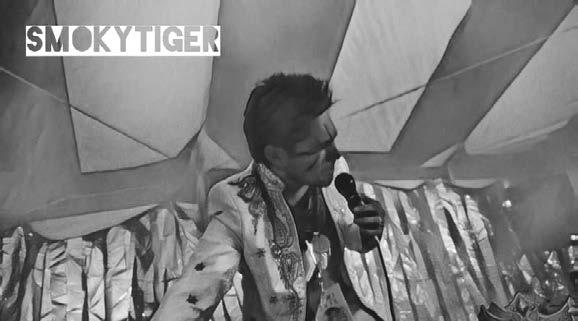
Andrew Courtnage — known onstage as Smoky Tiger — released his third album, The Premium Quality Royal Rumpus, Aug. 30.
In addition to Courtnage on guitar, vocals and organ, the album features a crew of guest musicians called the Manitobandits.
This includes Gabriela Ocejo (Juvel), JD Ormond (Ultra Mega), Ben Jones (founder of Rainbow Trout Music Festival), T.J. Blair (Blond(e) Goth) and Megumi Kimata (French Class).
“The Manitobandits is a loose term to describe my friends, so I’ve got a
lot of great musicians on there from different bands,” said Courtnage.
The Premium Quality Royal Rumpus showcases Courtnage’s distinct but indefinable sound. His style is difficult to pin down — he prioritizes entertainment and the exploration of specific themes rather than striving for a particular sound.
“I have become bored with traditional classifications of genre,” he said.
Courtnage integrates Manitoban history in his music, as well as otherworldly themes drawn from his experiences as a traveller.
“I consider myself to be almost like a neo-shaman, it’s hard to use that
word, shaman, but I’m an explorer of altered states of consciousness,” said Courtnage.
“I’ve spent time around the world experimenting with different shamanic traditions in Central and South America, in India, in Thailand, and I try to spread that type of awareness and that type of expanded consciousness in my music as well.”
Courtnage also strives for each performance to be a unique experience.
“I try to entertain people, so I’m trying to entertain myself,” he said.
“I want to put on a performance that surprises people, and I like to
shock people, and I like to cause a whole myriad of emotions in people.
“I think that if you can do that in one set, the more emotions you can pull out of people, surprise, laughter, annoyance [...] I think the more of an impact you can have.”
Courtnage added that he incorporates theatrical elements into his shows, “especially the one at Rainbow Trout, there’s kind of a ceremonial, ritualized aspect to it as well which is like some kind of pagan, mystery play is going on.”
He has been playing Rainbow Trout Music Festival every year since its first edition, and is known
for incorporating ceremonial elements, organ and microphone into his DJ sets.
“I get kind of bored of the traditional DJs [...] I like being able to sing and improvise and do things overtop of it. I just find it’s more interesting.”
This year, some Smoky Tiger fans got involved with his Rainbow Trout show, dressed up as cavemen, mermaids and a sorceress.
“This whole Smoky Tiger improvisational dance troupe kind of emerged [...] and that was really exciting because it’s like the whole thing is taking on a life of its own completely outside of my control.”
“I try to entertain people, so I’m trying to entertain myself”
— Smoky Tiger, DJ
Courtnage felt this elevated his set and allowed him to take a backseat in the performance.
“It really seemed like a life-changing experience for them, and I’m just facilitating this thing to happen.”
Courtnage described his shows as a place for people to connect and feel uninhibited.
“It’s an opportunity for catharsis, for group catharsis.”
Music is an important facet of Courtnage’s life, he said, rather than his full-time job.
“I like having [music] separated from money, so after I’ve done this show on Friday, and done these two festivals, I’m going to relax and move on for a while.”
Politicians make plans for creative community
Arts and culture a central component in some electoral platforms, an afterthought for others
EMELIA FOURNIER, STAFF
Art and politics come together once again for the provincial election.
Here are the promises made as of press time by Manitoba’s four main political parties for Manitoban artists and creative industries.
Manitoba Liberal Party Party Leader Dougald Lamont promises to “end decades of neglect of Manitoba’s cultural infrastructure and cultural industries by the NDP and PCs.”
The Liberal party stated they would allocate 2.5 per cent of existing infrastructure spending to “cultural infrastructure,” creating a Manitoba Cultural Capital Fund.
The party would also add to municipal funding in order to increase per capita arts funding by
$4 million in the first year.
In partnership with Travel Manitoba, the Liberal Party would also recognize Manitoban historic and cultural figures and sites by creating a “Blue Plaque” heritage program. Lamont promises to “restore funding” to artistic workforce development and training, as well as to creative industries export programs.
Progressive Conservative Party of Manitoba
Progressive Conservative (PC) Leader Brian Pallister promises a budget increase for the Manitoba film and video production tax credit, which partially reimburses money spent in Manitoba on film and video productions. He would increase the credit by
$25 million over four years.
If re-elected, the PCs would allocate $1.5 million for training for film crews and industry workers.
Pallister also promises to increase funding to Travel Manitoba from four per cent of provincial revenue to five per cent.
These promises come after considerable budget cuts to arts and culture programming.
The 2017 provincial budget cuts to the province’s arts, sports and culture program funding totalled over $3.5 million.
While then-sport, culture and heritage minister Rochelle Squires claimed no jobs would be lost or programs cut as a result of these reductions, the cuts came out of several grant programs.
Many artists are reliant on grant funding in order to keep their creative work as a source of employment.
Current sport, culture and heritage minister Cathy Cox conducted a long-awaited review of Manitoba’s arts and culture industry. The review, “Our Way Forward: Manitoba's Culture Policy and Action Plan” praised the industry without delineating how they would provide support.
In 2017, Pallister has also committed to contributing $10 million to the Winnipeg Art Gallery’s Inuit Art Centre.
In 2018, he promised up to an additional $5 million, contributing one provincial dollar for every two private dollars raised for the Inuit Art Centre.
New Democratic Party of Manitoba
The New Democratic Party has not released a statement on their plans for arts and culture funding as of press time.
Green Party of Manitoba
While the Greens do not have an explicitly outlined arts and culture platform, the party has promised more support for Indigenous cultural initiatives. Their “Towards Reconciliation” platform promises to support Indigenous-led organizations in order to improve reliable, safe access to Indigenous cultures and languages. They have also pledged to support youth programming that promotes Indigenous culture and language.