CHAIRPERSON’S FOREWORD
Mr Pierre Fava
Chairperson

On behalf of the Board of the Occupational Health and Safety Authority, I am pleased to present the Annual Report for 2025. The year under review reflects continued progress in strengthening Malta’s occupational health and safety framework, while reinforcing the Authority’s role as a credible, responsive and accountable regulator.
The Board’s role is one of strategic guidance and governance oversight. From that position, 2025 provided considerable grounds for strengthening confidence. The Authority advanced its mandate with structure and purpose, demonstrating the institutional capacity to respond to an evolving regulatory environment while maintaining the standards of accountability, integrity and proportionality that the Board expects and the public deserves.
Throughout the year, the Board undertook its oversight responsibilities through regular reporting mechanisms and structured review of operational performance. We ensured that the Authority’s regulatory actions were exercised with proportionality, independence and transparency, and that decisions taken remained consistent with the Authority’s statutory mandate and long-term organisational resilience. Where guidance was needed, it was provided; where performance was strong, it was acknowledged.
The legislative reforms rolled out during 2025 represent some of the most significant developments in the Authority’s recent history. The Board engaged closely with these developments, recognising that effective regulation depends not only on sound legislation but also on the governance structures and institutional competence required to implement this with credibility.
The structured consultation process that preceded the new construction regulations - engaging developers, contractors, worker unions, professional associations and government entities - exemplifies the kind of evidence-based, inclusive approach that the Board strongly supports. Such processes contribute to balanced regulation that safeguards workers while supporting sustainable economic activity.
Stakeholder collaboration remains one of the Authority’s most important strengths. Occupational health and safety is a shared responsibility that cannot be discharged by any single institution acting alone. Throughout the year, the Authority maintained active engagement with employers, trade unions, professional bodies, social partners, national and international organisations. The Authority’s growing presence within European and international forums further strengthens Malta’s credibility as a committed and contributing member of the wider occupational health and safety community.
I wish to put on record, on behalf of the board, my appreciation to the Chief Executive Officer and the Authority’s staff for the professionalism and dedication evident throughout this report. I also acknowledge the contribution of all partners and stakeholders whose collaboration continues to make this work meaningful.
I look forward to the year ahead w ith confidence in the Authority’s direction and in our shared commitment to safer and healthier workplaces across Malta and Gozo.
Mr Pierre Fava Chairperson Occupational Health and Safety Authority
EXECUTIVE SUMMARY
Dr Josianne Cutajar Chief Executive Officer

The year 2025 marked a period of consolidation and institutional strengthening for the Occupational Health and Safety Authority. Legislative reform, expanded enforcement activity and enhanced organisational competencies converged to reinforce Malta’s national occupational health and safety framework.
Throughout the year, significant regulatory reforms were implemented to strengthen accountability and clarify duty-holder responsibilities, particularly within the construction sector. The revised regulatory framework, including the new Construction Regulations (S.L. 646.27) and complementary administrative measures provide a clearer structure for prevention, compliance and enforcement, reflecting a shift towards a more transparent, proportionate and prevention-oriented regulatory model.
Enforcement activity intensified considerably across multiple sectors, supported by strengthened operational capacity and improved coordination with national enforcement partners. A predominantly proactive inspection strategy was maintained, especially within construction and other high-risk sectors, ensuring preventive oversight rather than reactive intervention. Accident investigations continued to inform strategic targeting, enabling the Authority to identify recurring patterns and focus resources where risk exposure is greatest.
A defining development of 2025 was the strengthening of the Authority’s data-driven regulatory approach. The expansion of the Management Information System and the establishment of a dedicated research function enhanced analytical capacity, supporting risk profiling, inspection planning and evidence-based policymaking. These analytical tools ensure that enforcement campaigns, training priorities and legislative reforms are guided by reliable data.
The reporting year also marked a significant step in broadening the scope of occupational health beyond traditional physical hazards. The formal integration of psychosocial risk management reflects the expanded mandate under the Health and Safety at Work Act and recognises the growing impact of work-related stress and organisational factors on overall well-being. Mental health considerations are now embedded within operational and policy frameworks.
Communications and Public Relations continued to function as a central pillar of prevention. Strategic communication initiatives, stakeholder engagement and targeted awareness campaigns complemented enforcement efforts by promoting informed compliance and fostering a culture of shared responsibility. Conferences, stakeholder dialogue and media engagement were leveraged not only to disseminate information but to support national discussion on digitalisation, psychosocial health and emerging sectoral risks.
Looking ahead, the Authority’s strategic direction will continue to prioritise the integration of health monitoring and surveillance mechanisms within high-risk sectors. Strengthened health surveillance requirements, particularly in areas involving exposure to chemical, biological and other hazardous agents, will remain a key focus. We will continue working towards increasing access to occupational health monitoring, enhancing employer compliance with medical surveillance obligations, and strengthening data collection to identify emerging occupational disease patterns.
The coming years will also see deeper integration of psychosocial risk management into inspection practices, training programmes and national awareness initiatives. Our objective is to promote a culture in which employers proactively identify and manage psychosocial hazards with the same rigour applied to physical risks. Evidence-based research, stakeholder engagement and structured guidance will underpin this transition.
Institutional capacity was reinforced through the expansion of specialist roles in engineering, research, training, ICT, psychology and communications. The operationalisation of the Gozo hub strengthened national accessibility and inspection coverage across both islands. Continued engagement at European level supports alignment with evolving standards and reinforces Malta’s commitment to continuous improvement in occupational health and safety governance.
Our active participation in European and international forums continues to position Malta as an engaged and forward-looking contributor to occupational health and safety governance. Collaboration at EU level supports alignment with emerging standards while reinforcing our commitment to continuous improvement.
The progress achieved during 2025 reflects sustained effort across the Authority and collaboration with stakeholders. As workplace risks continue to evolve, the Authority remains focused on prevention, proportionate enforcement, data intelligence, effective communication and the holistic protection of workers’ physical and psychological well-being.
Through sustained collaboration, structured oversight and strategic foresight, the Authority will continue working towards safer and healthier workplaces across Malta and Gozo.
Dr Josianne Cutajar Chief Executive Officer Occupational Health and Safety Authority
CHAIRPERSON’S FOREWORD
EXECUTIVE SUMMARY
TABLE OF CONTENTS
LIST OF TABLES
LIST OF FIGURES
LIST OF ABBREVIATIONS
1. LEGISLATION
2. OHSA AT THE EU PLATFORM
3. OCCUPATIONAL HEALTH AND SAFETY AUTHORITY: NATIONAL-LEVEL PARTICIPATION
4. RESEARCH IN OCCUPATIONAL
5.
LIST OF TABLES
Number Title
Table 1 Type of Accident Investigation (2025)
Table 2 Age Group Distribution of Accident Victims
Table 3 Distribution of Injuries by Affected Body Part
Table 4 Economic Sector Distribution of Workplace Accidents
Table 5 Fatal Workplace Accidents by Economic Sector
Table 6 Level of Compliance in Construction Sector Inspections
Table 7 Compliance Levels in Construction by Geographic Location (Malta and Gozo)
Table 8 Compliance Levels Across Different Phases of Construction
Table 9 Common Safety Infringements Identified on Construction Sites
Table 10 Types of Investigations in the Construction Sector
Table 11 Compliance Levels of Specific Economic Sectors in General Workplaces
Table 12 Types of Investigations in Sectors other than Construction
Table 13 Technical Employee Headcount
Table 14 Number of Inspections (2021-2025)
Table 15 Monthly Inspections
Table 16 Actions Taken in 2025 by Month
Table 17 Orders Issued (2021-2025)
Table 18 Total Number of Inspections Carried Out by Division (2021-2025)
Table 19 Notification Forms Received (2021-2025)
Table 20 Inspections Carried Out for Equipment and Machinery (2025)
Table 21 Digitalisation Supporting Engineering Operations
Table 22 Compliance Action in Construction Across Malta
Table 23 e-Form Submissions
Table 24 Compliance Actions in Gozo
Table 25 Joint Inspections with BCA
Table 26 Inspection Outcomes
Table 27 Number of Inbound Emails
LIST OF TABLES
Number Title
Table 28 Number of Calls Answered, RFIs and RFSs
Table 29 2024 vs 2025 Comparison Table – Total Number of Calls
Table 30 2024 vs 2025 Comparison Table - Total Number of Emails
Table 31 Calls Published During 2025
Table 32 Ongoing Recruitment Processes
Table 33 Procurement Activity Overview
Table 34 Budget 2026
LIST OF FIGURES
Number Title
Fig. 1 Nationality of Injured Workers (2025)
Fig. 2 Total Number of Compliance Activities (2021–2025)
Fig. 3 Total Number of Compliance Activities (2025)
Fig. 4 Total Number of Actions Taken in 2025 by Month
Fig. 5 Total Number of Orders Issued (2021-2025)
Fig. 6 Compliance Activities by Division (2021-2025)
Fig. 7 Construction Notification Forms Received (2021-2025)
Fig. 8 Accidents By Economic Activity (2025)
Fig. 9 Fatal Accidents Investigated
Fig. 10 Number of Asbestos Removal Notifications (2021-2025)
Fig. 11 Quarterly Trends 2025
Fig. 12 Case Handling 2024 vs 2025
Fig. 13 High Risk Technical Cases
Fig. 14 Workforce Growth (2022-2025)
Fig. 15 OHSA Technical Workforce Growth (2022-2025)
Fig. 16 Organogram
LIST OF ABBREVIATIONS
Abbreviation Definition
ACSH Advisory Committee on Safety and Health at Work
AED Automated External Defibrillator
BCA Building and Construction Authority
CNF Construction Notification Form
COMAH Control of Major Accident Hazards
CPD Civil Protection Department
CPD Fund Continuous Professional Development Fund
CRM Customer Relationship Management
CRPD Commission for the Rights of Persons with Disability
CSR Corporate Social Responsibility
DIER Department of Industrial & Employment Relations
DSE Display Screen Equipment
DSS Department of Social Security
EC European Community
ELA European Labour Authority
ENSHPO European Network of Safety and Health Professional Organisations
ePPS Electronic Public Procurement System
ERA Environment and Resource Authority
EU European Union
EU-OSHA European Agency for Safety and Health at Work
EVA European Vocational Academy
GDPR General Data Protection Regulation
GEA General Enforcement Aspects
GIG Government Interest Group
GRA Generic Risk Assessment
GWU General Workers Union
HPDP Health Promotion and Disease Prevention Directorate
HTO Head (Technical Operations)
ICE Internal Combustion Engine
ICO Inspections Coordination Office
ICT Information and Communication Technology
ILO International Labour Organisation
INDIS Industrial Innovative Solutions
IRAT Interactive Risk Assessment Tool
LIST OF ABBREVIATIONS
Abbreviation Definition
ISP Internet Service Provider
KSS Knowledge Sharing Site
KSU Kunsill Studenti Universitarji
KTP Kamra tal-Periti
LN Legal Notice
LTU Legal Technical Unit
MCAST The Malta College of Arts, Science and Technology
MCCAA Malta Competition and Consumer Affairs Authority
MCESD Malta Council for Economic and Social Development
MDIA Malta Digital Innovation Authority
MEA Malta Employers’ Association
MFCC Malta Fairs & Conventions Centre
MIS Management Information System
MOSHPA Malta Occupational Safety and Health Professional Association
MoU Memorandum of Understanding
MQRIC Malta Qualifications Recognition Information Centre
OELV Occupational Exposure Limit Value
OHS Occupational Health and Safety
OHSA Occupational Health and Safety Authority
OiRA Online Interactive Risk Assessment
OPM Office of the Prime Minister
PAT Portable Appliance Testing
PPE Personal Protective Equipment
PSRA Psychological Risk Assessment
RFI Request for Information
RFS Request for Service
SL Subsidiary Legislation
SLIC Senior Labour Inspectors Committee
SOP Standard Operating Procedure
TWG_OSH Technical Working Group on Occupational Safety and Health Statistics
UHM Union Ħaddiema Magħqudin – Voice of the Workers
VR Virtual Reality
WHSR Workers’ Health and Safety Representative
1

Legislation
Legislative reform remains one of the Occupational Health and Safety Authority’s (OHSA) most powerful regulatory instruments. In 2025, OHSA undertook a comprehensive programme of legislative activity aimed at strengthening enforcement mechanisms, clarifying duty-holder responsibilities, transposing European Union (EU) directives, and modernising the occupational health and safety framework to reflect emerging risks.
This work reflects the Authority’s commitment to ensuring that Malta’s regulatory environment remains robust, proportionate and responsive to evolving workplace realities. The legislative measures introduced during the year reinforce preventive principles, enhance transparency and accountability, and provide clearer operational guidance for employers, workers and professionals.
The following sections outline the key legislative developments undertaken during 2025.
1.1
Legislative Activity
1.1.1 Publication of the Health and Safety at Work (Minimum Health and Safety Requirements for Work at Construction Sites) Regulations (S.L. 646.27)
On 7 March 2025, OHSA published a new Legal Notice to repeal LN 88 of 2018. The new regulations, entitled Health and Safety at Work (Minimum Health and Safety Requirements for Work at Construction Sites) Regulations 2025, while consolidating many of the previous legal requirements, introduced key legal provisions, including:
Project supervisors for health and safety matters to be appointed solely from the register of competent persons administered by OHSA; a)
If the client commences or progresses work related to the project before a competent project supervisor for health and safety matters is appointed, the client shall be guilty of an offence against the Act; b)
All appointments, changes, resignations, and terminations of a Project Supervisor appointment shall be communicated to OHSA; c)
Clients may appoint a Client Representative to take on their duties, provided that such appointment is duly notified to OHSA; d)
Clearer lines of authority, rights, duties and protection of Project Supervisors have been introduced, including to stop works to safeguard OHS. In case that duty holders fail to cooperate with any direction given, the Project Supervisor is responsible to inform OHSA; and e)
Risk assessments for construction works are to be conducted in writing (or in an electronically retrievable format). This applies both to contractors and to self-employed persons f)
These regulations came into force on 7 September 2025, following an extensive consultation process with the relevant duty holders and an awareness-raising campaign by OHSA, with the relevant duty holders, including developers, clients, contractors, worker unions, Government entities, social partners and the occupational health and safety (OHS) practitioners.
1.1.2 The Amendment of the Health and Safety at Work (Procedures in Relation to the Issuance of Administrative Penalties) Regulations (S.L. 646.26)
The scope of S.L. 646.26 is to establish a non-exhaustive list of breaches which are subject to an administrative penalty as provided for under the proviso of Article 26 (3) of the Health and Safety at Work Act and the applicable fees when lodging an objection with the Health and Safety Tribunal established by Art 23 of the Act.
During 2025, these regulations were amended to reflect the updated fees payable to the Health and Safety Tribunal and the offences under S.L. 646.27 for which an administrative penalty is applicable.
1.1.3 Publication of the Health and Safety at Work (Administrative Penalties and Compromise Fines Publication) Regulations (S.L. 646.28)
These regulations establish parameters under Article 28(1) of the Health and Safety at Work Act for the publication of administrative penalties that have been finally determined and compromise fines that have been paid. In this regard, information relating to administrative penalties that have been finally determined and any compromise fine which has been fully settled in relation to a singular incident for an amount in excess of five thousand Euro (€5,000) shall be published on OHSA’s website.
1.1.4 Publication of Amendments to the Protection of Workers from the Risks Related to Exposure to Asbestos at Work Regulations (S.L. 643.15)
During 2025, OHSA published amendments to the Protection of Workers from the Risks related to Exposure to Asbestos at Work Regulations to align national legislation with EU Directive 2023/2668, which updates Directive 2009/148/EC on asbestos exposure. The revised framework strengthened employers’ obligations to ensure safer working environments, introduced more stringent monitoring and documentation requirements, and enhanced training, certification, and registration obligations.
The 2025 amendments:
a) expanded worksite notification requirements to include detailed information on workers, training certification, and exposure control equipment;
b) mandated that asbestos exposure be reduced to the lowest technically achievable levels, below the limit of 0.01 fibres/cm³;
c) required regular air monitoring using high-precision methods, with the inclusion of submicrometre fibres in measurements from 2029;
d) established comprehensive mandatory training requirements for all workers potentially exposed to asbestos; and
e) introduced permit and registry obligations for employers engaged in asbestos demolition and removal, including the maintenance of a register of workers carrying out asbestos-related activities.
1.1.5 Transposition of EU Directive 2024/869 regarding the limit value of Lead and its inorganic compounds and for diisocyanates1
OHSA has worked on the transposition of EU Directive 2024/869, which sets stricter exposure limits for lead and its inorganic compounds and introduces a new EU-wide Occupational Exposure Limit Value (OELV) for diisocyanates. This transposition will result in the amendment of both S.L. 646.16 (Protection of Workers from the Risks related to Exposure to Carcinogens, Mutagens or Reprotoxic Substances at Work Regulations) - to include all references to Lead and its inorganic compounds - and of S.L. 646.16 (Protection of the Health and Safety of Workers from the Risks related to Chemical Agents at Work Regulations) to include a new OELV for diisocyanates. OHSA has already prepared the necessary draft regulations for this transposition, which will be published in 2026.
1.1.6 Publication of Administrative Instruments under the Health and Safety at Work Act
Under Article 17 of the Health and Safety at Work Act, the Chief Executive Officer of OHSA is empowered to issue Administrative Instruments to support the Authority in fulfilling its statutory functions and ensuring adequate health and safety standards in the workplace. The term “Administrative Instrument” under the Act includes any order, directive, protocol, guideline, explanatory memorandum, information circular, notice, or other publication issued by the Authority under this power.
In 2025, OHSA issued two Administrative Instruments:
Administrative Instrument 1/2025, which established the Competent Person Register for OHS Practitioners, and a)
Administrative Instrument 2/2025, on the Protection of Workers from Heat Stress on Construction Sites b)
1.1.6.i Administrative Instrument establishing a Competent Person Register for Occupational Health and Safety Practitioners (OHSA/ADMIN INST/01-2025)
Administrative Instrument 1/2025 established the Competent Person Register for OHS Practitioners. Through this Instrument, OHSA determined the eligibility criteria to be used when accepting individuals into its Register. These requirements are as follows:
a) They must be citizens of Malta or of a country within the European Union, or residents of Malta who have obtained the necessary permits for this purpose from the relevant Authorities, as well as written confirmation that they are registered with Jobsplus from the same Agency;
b) Academic Qualification: A qualification certified by the Malta Qualifications Recognition Information Centre (MQRIC) at a Level five (5) minimum, (60 ECTS) or higher in occupational health and safety;
c) Proven Experience and Competence: A minimum of two years of verifiable practical experience and competence in occupational health and safety;
d) Proficiency in English or Maltese;
1Directive (EU) 2024/869 of the European Parliament and of the Council of 13 March 2024 amending Directive 2004/37/EC of the European Parliament and of the Council and Council Directive 98/24/EC as regards the limit values for lead and its inorganic compounds and for diisocyanates.
e) Police Conduct Certificate: Maltese nationals need to submit a Maltese police conduct certificate, issued within the last six (6) months from the application date, and clean from any breaches related to the profession and occupational health and safety (OHS) legislation. Where the applicant is a foreigner, in addition to the above requirements regarding the Maltese certificate, they must also provide an authentic Police Conduct Certificate from their country of origin;
f) Whose name does not appear in the Administrative and Compromise Fines Register on the OHSA webpage;
g) Applicants holding a foreign qualification shall be required to successfully complete a training module on Maltese Occupational Health and Safety Law and the local Occupational Health and Safety context, as recognised by the Authority;
h) Supporting Documentation:
i) A certified copy of the qualification;
ii) An equivalence certificate (if applicable), attesting to the number of ECTS;
iii) An updated Curriculum Vitae (CV); and
iv) Documents attesting to the 2 years’ experience.
1.1.6.ii Administrative Instrument 2 of 2025: on the Protection of Workers from Heat Stress on Construction Sites (OHSA/ADMIN INST/02-2025)
Administrative Instrument 2/2025 established statutory requirements for construction sites where work is carried out in direct sun, mandating heat stress protection for workers, responding to rising temperatures and growing climate-related occupational risks. The instrument reinforces employers’ duty of care under the Health and Safety at Work Act to ensure the physical and psychological well-being of their workers. These responsibilities extend equally to self-employed persons under Article 16 of the Act.
The instrument requires the provisions of hydration stations, shaded cooling breaks, high-SPF sunscreen, appropriate protective clothing, and a prohibition on shirtless working.
Enhanced measures are triggered when temperatures reach 40°C, requiring site-specific risk assessments and preventive actions by project supervisors, who hold primary responsibility for compliance with the Administrative Instrument across construction sites. The requirements that need to be followed are:
a) The provision of hydration stations with an adequate supply of drinking water;
b) Workers to be allowed regular hydration breaks as necessary in identified cool down areas, taking into consideration the nature of work being carried out, the size and nature of the site;
c) The provision of shelters for workers such as, but not limited to, tents or screens or other measures reducing exposure to UV levels where possible;
d) The provision of adequate sunscreen (e.g. creams) which are high in SPF;
e) The encouragement of workers to wear light clothing and, or other clothing protecting against risks from heat and, or sun where possible. Provided that this shall not prejudice the use of personal protective clothing needed as per the risk assessment. The practice of allowing workers to work shirtless on site shall be prohibited.
f) The protective and preventive measures shall also take into account other factors concerning environmental, personal and working conditions; all of which may influence heat tolerance, and which shall also be included as applicable in the risk assessment;
g) In the event that the ambient temperature reaches or exceeds 40 degrees Celsius, as officially reported by the Meteorological Office at the Malta International Airport, the project supervisor shall, in consultation with the respective duty holders, assess the prevailing site conditions and ensure that appropriate protective and preventive measures are implemented to safeguard the health and safety of workers. These measures may include, but are not limited to, the provision of shaded rest areas, increased hydration breaks, rescheduling of tasks, or the partial or temporary suspension of works in direct sunlight where deemed necessary.
h) Whereby, without prejudice to the general duties imposed on employers and self-employed persons, it shall be the duty of the appointed project supervisor to ensure that these measures are in place and implemented by the relevant duty holder in the applicable sites and to where the provisions of this Administrative Instrument may apply, including by encouraging the scheduling of work activity in cooler hours to ensure compliance with this Instrument.
i) Exemption from the requirements of point (h), shall only be allowed if such works are of National Interest, in which case more stringent measures shall be recommended by the appointed project supervisor and implemented by the relevant duty holder. A record of such exemptions, their justification and the more stringent measures implemented shall be kept in writing by the project supervisor.
1.1.7 New Regulations on the Appointment of Workers’ Health and Safety Representatives
Following discussions and agreements with the social partners, OHSA has also prepared draft regulations on the determination of the number of workers required for the appointment of Workers’ Health and Safety Representatives by employers. These regulations will be issued for public consultation in 2026 and published under Cap. 646.

The EU Affairs Section within the Policies and Programmes Unit plays a central role in ensuring the effective fulfilment of OHSA’s European Union commitments. It coordinates EU and international engagements while aligning national positions with evolving regulatory and policy frameworks.
During 2025, in addition to the transposition of previously reported EU Directives,2 OHSA actively participated in a broad range of EU-level initiatives and collaborative activities, further strengthening Malta’s engagement within the European occupational health and safety landscape.
2.1
Senior Labour Inspectors Committee
On 3 March 2025 in Luxembourg, OHSA participated in the Senior Labour Inspectors Committee (SLIC) Working Group on General Enforcement Aspects (GEA) and in the Task Group on Training Standards, contributing technical expertise on inspector training frameworks and enforcement consistency.
OHSA also attended SLIC Working Group training on the Knowledge Sharing Site (KSS), facilitating peer exchange on innovative inspection methodologies and practical enforcement approaches.
To support labour inspectorates and enhance workplace compliance, the Section translated and disseminated key SLIC guidance documents into Maltese, thereby promoting clarity and consistency in national enforcement practices. The following guidance documents were translated and circulated:
• SLIC Guide on Health and Safety in Occupational Diving
• SLIC Guide on Biological Agents
• SLIC Guide on Sensitising Chemical Agents in Workplaces, with a Specific Focus on Diisocyanates
SLIC Guide for Occupational Safety and Health (OSH) Inspections with Emphasis on Mobile Workers in the Construction Sector
Through these initiatives, the Section contributed to harmonising regulatory interpretation, streamlining communication, and reinforcing a culture of prevention across sectors.
Engagement with SLIC activities continued at the Accident at Work Campaign Closing Event held on 26 June 2025 in Luxembourg, marking the culmination of the annual awareness efforts and enabling Member States to exchange implementation experiences and lessons learnt.
2.2 Advisory Committee on Safety and Health at Work
OHSA supported the work of the Advisory Committee on Safety and Health at Work (ACSH), through active participation in both induction and plenary sessions.
On 6 May 2025, the Authority contributed to two induction sessions for new ACSH members, reinforcing shared understanding of committee procedures and strategic priorities. On 21 May 2025, OHSA participated in the 43rd ACSH Plenary Meeting, contributing to discussions on policy development, regulatory priorities and emerging occupational health and safety challenges.
2 See Chapter 1
Ongoing participation in the ACSH’s Government Interest Group (GIG) meetings, including an online session on 21 October 2025, further supported coordinated national positions and targeted policy dialogue.
OHSA also attended the Government Interest Group meeting and the 44th ACSH Plenary Meeting held on 9 - 10 December 2025 in Luxembourg, reaffirming Malta’s commitment to evidence-informed policymaking, coordinated European action, and Malta’s engagement in shaping EU occupational health and safety policy.
2.3 Support for the ‘STOP Carcinogens’ Campaign
The Section actively supported the ‘STOP Carcinogens’ campaign, a European-wide voluntary initiative aimed at addressing work-related cancer risks.
Support efforts centred on close liaison with campaign organisers to ensure the accuracy, quality and clarity of information disseminated at national level. As part of this collaboration, the Section coordinated the translation and provision of Maltese-language website content, ensuring accessibility of key occupational health and safety information related to carcinogens for Maltese-speaking audiences.
These efforts strengthened national outreach, enhanced stakeholder engagement and contributed to raising awareness of carcinogen-related risks among workers, employers and other relevant stakeholders.
2.4
EU-OSHA Initiatives and International Collaboration
OHSA serves as the national Focal Point for the European Agency for Safety and Health at Work (EU-OSHA).
In line with EU-OSHA’s governance and networking activities, OHSA attended a Focal Point meeting and a Joint Seminar with the Management Board on the future of work, held in Bilbao, Spain, on 16–18 June 2025.
The Authority’s international engagement was further reinforced through representation on the EU-OSHA Panel at the Doclisboa Project in Lisbon, Portugal, from 20–27 October 2025, broadening outreach on occupational health and safety to wider societal audiences.
The year concluded with participation in the Healthy Workplaces Summit “Safe and Healthy Work in the Digital Age” on 3–4 December 2025 in Bilbao, alongside attendance at the EU-OSHA Focal Point meeting (3–5 December 2025). These engagements enabled valuable knowledge exchange on evolving workplace challenges, including digitalisation and psychosocial risks.
2.4.1 High-Level Institutional Visit: EU-OSHA Director’s Engagement in Malta
In 2025, OHSA hosted the Acting Director of the European Agency for Safety and Health at Work (EUOSHA), Mr William Cockburn, accompanied by two senior Agency representatives, for a series of high-level institutional engagements in Malta.
During the visit, the delegation held a formal meeting with the Minister for Justice and Reform, Dr Jonathan Attard. Discussions focused on Malta’s legislative reform process, strengthened enforcement mechanisms, inspection expansion and the integration of psychosocial risk considerations within the national occupational health and safety framework.
The meeting provided an opportunity to outline Malta’s recent regulatory developments under the revised Health and Safety at Work Act, the restructuring of enforcement mechanisms and the Authority’s enhanced operational capacity. Particular emphasis was placed on data-driven inspection planning, regulatory coordination and alignment with EU occupational health and safety priorities.
The engagement underscored the importance of sustained Malta-EU cooperation in the field of occupational health and safety. It reaffirmed Malta’s active participation within EU-OSHA governance structures and reflected the Maltese Government’s continued prioritisation of occupational health and safety within the broader national reform agenda.
As part of the visit, Mr Cockburn delivered a keynote address during a national conference entitled “Innovating Safely: The Digital Shift” organised within the framework of EU-OSHA initiatives.3
The visit reinforced institutional collaboration between OHSA and EU-OSHA, strengthened diplomatic and technical dialogue and highlighted Malta’s proactive engagement within the European occupational health and safety community.
2.4.2 OIRA: Enhancing Digital Risk Assessment through Collaborative Networks
OHSA continued to promote digital solutions for risk management. On 21-22 May 2025 in Spain, the Authority participated in the Online Interactive Risk Assessment (OiRA) and Interactive Risk Assessment Tool (IRAT) community meeting, promoting the uptake of practical, user-friendly digital tools for risk assessment and regulatory compliance.
3 For further information, see Section 2.5.4.
2.5 Local Awareness Initiatives in Partnership with EU-OSHA
In addition to its engagement at European level, OHSA continued to implement EU-OSHA initiatives locally through structured awareness and stakeholder engagement activities. These initiatives translated European occupational health and safety priorities into national dialogue and practical outreach across diverse sectors.
2.5.1 Round Table Discussion - Addressing Psychosocial Well-Being at Work
OHSA organised a high-level round-table discussion bringing together senior representatives of the Authority, national stakeholders and experts in psychosocial health.
Participants included representatives from trade unions, psychological support organisations, the Mental Health Commission, national psychology associations, academia and employers’ associations. A keynote presentation delivered by a University of Malta professor provided an analytical and research-based foundation for the discussion.
The round table served as both a stock-taking exercise and a strategic assessment of Malta’s current approach to psychosocial risks and workplace mental well-being, particularly in light of rapid technological developments, including the increasing integration of artificial intelligence systems.
Participants shared experiences, insights and practical challenges, fostering constructive dialogue and collaborative problem-solving. Emphasis was placed on identifying best practices and strengthening evidence-based approaches to managing psychosocial risks at both policy and operational levels.
The insights gathered underscore the importance of maintaining psychosocial well-being as a national priority and will inform continued efforts to foster healthier, safer and more resilient working environments.
2.5.2 The True Cost of Showing Up: A Psychosocial View on Presenteeism
As part of the EU-OSHA FAST 5 funding programme and in collaboration with the University of Malta, OHSA organised an event addressing workplace presenteeism.
The session marked the launch of a national study examining the implications of employees attending work while unwell, with particular attention to productivity, health outcomes and organisational culture.
The study’s objectives, methodology and findings were presented in detail. A subsequent panel discussion featuring representatives from various stakeholder groups explored the organisational and economic implications of presenteeism, as well as the behavioural and cultural factors influencing employees’ decisions to continue working despite illness. Panel members highlighted the need for strengthened policies, increased awareness and enhanced support mechanisms capable of fostering healthier workplace cultures.4
The event served as a significant platform for cross-sector dialogue and reinforced the value of collaborative action at a national level to promote well-being and sustainable productivity in Maltese workplaces. It also complemented the operational developments outlined in Chapter 6.
4 Additional information is provided in Chapter 4.
2.5.3 Supporting Compliance – OHS Overview: Startup Festival Participation
OHSA participated in the Startup Festival with a dedicated stand aimed at raising awareness of occupational health and safety within Malta’s expanding startup and innovation community. The initiative focused on encouraging early-stage companies to embed sound safety practices from inception, recognising that rapid growth can amplify compliance challenges if preventive structures are not established early.5
As the national Focal Point for EU-OSHA, OHSA operated a dedicated information point at the stand, providing visitors with information on EU-OSHA campaigns and resources, and demonstrating how European initiatives are integrated at the national level.
2.5.4 Innovating Safely: The Digital Shift
Within the framework of EU-OSHA’s FAST 5 programme, OHSA, in collaboration with the Malta Digital Innovation Authority (MDIA) and the Health Promotion and Disease Prevention Directorate (HPDP), organised a national event examining the occupational health and safety implications of digital transformation.
The Acting Director of EU-OSHA, Mr William Cockburn, delivered a keynote address focusing on the future of occupational safety and health in the digital age, the importance of a preventive culture and the shared responsibility of Member States in strengthening compliance and worker protection.
The programme also featured keynote presentations addressing innovation in digital work environments, health and well-being considerations linked to digitalisation, and emerging cyber threats, including contributions from the Police Cyber Crime Unit.
Two focused workshops were subsequently held on public health support and occupational risk assessment in increasingly digitalised workplaces. Participants’ contributions were formally documented to inform future analysis, strategic planning and policy development.6
2.6 Conclusion
Collectively, these engagements reinforce OHSA’s strategic positioning within the European occupational health and safety framework. Through sustained participation in regulatory discussions, knowledge-sharing platforms and collaborative initiatives, the Authority continues to ensure Malta’s alignment with evolving EU standards while contributing proactively to the broader European agenda for safer and healthier workplaces.
5 Additional information is provided in Chapter 9.
6 ibid.
Occupational Health Safety Authority: National-Level Participation Occupational Health and Safety Authority: National-Level Participation

3.1 Consultations’ Processes
OHSA played an active role in shaping national policy by providing input and sharing its official positions during key consultations. Notable contributions included:
Envision 2050 – Malta’s Long-Term Strategic Vision
MCAST Vision for 2030 – Future Direction for Vocational Education
Proposals related to Malta’s Labour Migration Policy
These submissions were developed through close liaison with OHSA’s internal units to ensure that all recommendations were well-researched, evidence-based, and consistent with EU frameworks and national priorities. This consultative approach underscores OHSA’s commitment to influencing policy in a manner that safeguards workers’ health and safety while supporting sustainable economic and social development.
Through these collaborations, OHSA continues to position itself as a key contributor to national development, ensuring that occupational health and safety remains a central consideration in education, policymaking, and industry practices. Looking ahead, OHSA will maintain its focus on capacity building, knowledge sharing, and strategic partnerships to further strengthen Malta’s OHS framework.
3.2
Continuous Dialogue and Sector Engagement
To ensure inclusivity and active participation, OHSA offered regular opportunities for discussion and maintained open channels of communication with stakeholders. This included frequent dialogue, consultative meetings, and invitations to events and awareness initiatives, creating platforms where stakeholders could share insights and contribute to shaping occupational health and safety policies. By listening to the sector and incorporating feedback, OHSA ensures that its strategies remain relevant, evidence-based, and responsive to emerging needs.
These partnerships enable OHSA to exchange expertise, coordinate initiatives, and advocate for policies that prioritise worker health and safety across multiple sectors. Through these engagements, OHSA continues to strengthen its role as a trusted partner in national and EU-level occupational health and safety governance.
The following outlines the main collaborative actions undertaken at the national level during the reporting period that have led to the signing of Memoranda of Understanding.
3.2.1 Building and Construction Authority (BCA)
On 20 February 2025, OHSA strengthened its collaboration with the Building and Construction Authority (BCA) through a Memorandum of Understanding focused on enhancing data sharing, coordinating joint inspections, and delivering targeted awareness and communication initiatives. These measures aim to improve regulatory compliance and elevate safety awareness across the construction sector.
Additionally, an MoU signed on 28 February formalised OHSA’s role in supporting the development of a National Building and Construction Code, an important milestone that will establish more robust safety standards and promote higher levels of industry accountability.
3.2.2 JobsPlus
On 21 February 2025, an MoU was signed with JobsPlus to support the design and delivery of specialised training courses tailored to occupational health and safety requirements. This partnership ensures that job vacancies advertised through JobsPlus meet the legal OHS criteria, thereby promoting safer recruitment practices and enhancing workforce competence in health and safety matters.
3.2.3 Department of Social Security (DSS)
OHSA entered into an agreement with DSS to facilitate data sharing on injury and illness incidence related to benefit entitlements. Under this arrangement, OHSA assists in the investigation of specific incidence where legitimacy concerns arise, ensuring transparency, accountability, and the proper allocation of benefits.
3.2.4 European Vocational Academy
On 20 October 2025, a Memorandum of Understanding was signed with the European Vocational Academy (EVA) to establish projectbased study opportunities for students in areas of strategic relevance. The thematic focus of these opportunities will be defined jointly in collaboration with OHSA, ensuring alignment with organisational priorities and national occupational health and safety needs.
3.2.5 Supporting Professional and Social Stakeholders
As part of its strategic objectives, OHSA continued to reinforce cooperation with a broad network of national and international partners. These collaborations are critical to promoting a unified approach to occupational health and safety, facilitating knowledge exchange, and ensuring Malta’s alignment with best practices and EU standards.
Beyond its collaboration with academic institutions, OHSA strengthened partnerships with a diverse range of organisations and entities, namely the Malta Occupational Safety and Health Professional Association (MOSHPA), the Malta Digital Innovation Authority (MDIA), the Malta Employers’ Association (MEA), and the European Agency for Safety and Health at Work (EU-OSHA). OHSA also worked closely with the Malta Chamber of Commerce, Enterprise and Industry, the Malta Council for Economic and Social Development (MCESD), the People and Standards Division, and the Health Promotion and Disease Prevention Directorate (HPDP).
Further collaboration was maintained with the Malta Chamber of SMEs, the Mental Health Commissioner, the General Workers Union (GWU), UHM - Voice of the Workers, the Malta Chamber of Psychologists, the Richmond Foundation, the Gozo Business Chamber, and the Malta Chamber of Geologists, among others.
These partnerships enable OHSA to exchange expertise, coordinate initiatives, and advocate for policies that prioritise worker health and safety across multiple sectors. Through continuous dialogue and active engagement, OHSA ensures that its strategies remain relevant, evidence-based, and aligned with both national priorities and EU frameworks.
3.3 GDPR Compliance and Data Protection Measures
The Unit implemented a series of measures to ensure full compliance with the General Data Protection Regulation (GDPR) and strengthen data protection practices across all operations. Key actions included the development of a GDPR Manual, the issuance of updated data protection policies, and the delivery of specialised training sessions for staff, with separate sessions provided for enforcement officers to address GDPR requirements during inspections and routine activities.
Training was prioritised as a fundamental component of safeguarding personal data, complemented by a revamped GDPR policy to reflect current regulatory standards. Additional initiatives focused on best practices for document shredding, data retention periods, and secure disposal procedures. To support consistent application, a dedicated manual for staff on data handling and protection was published, providing clear guidance on compliance obligations.
These measures ensure that data protection principles are embedded across all processes, reinforcing accountability and maintaining the highest standards of confidentiality and security.
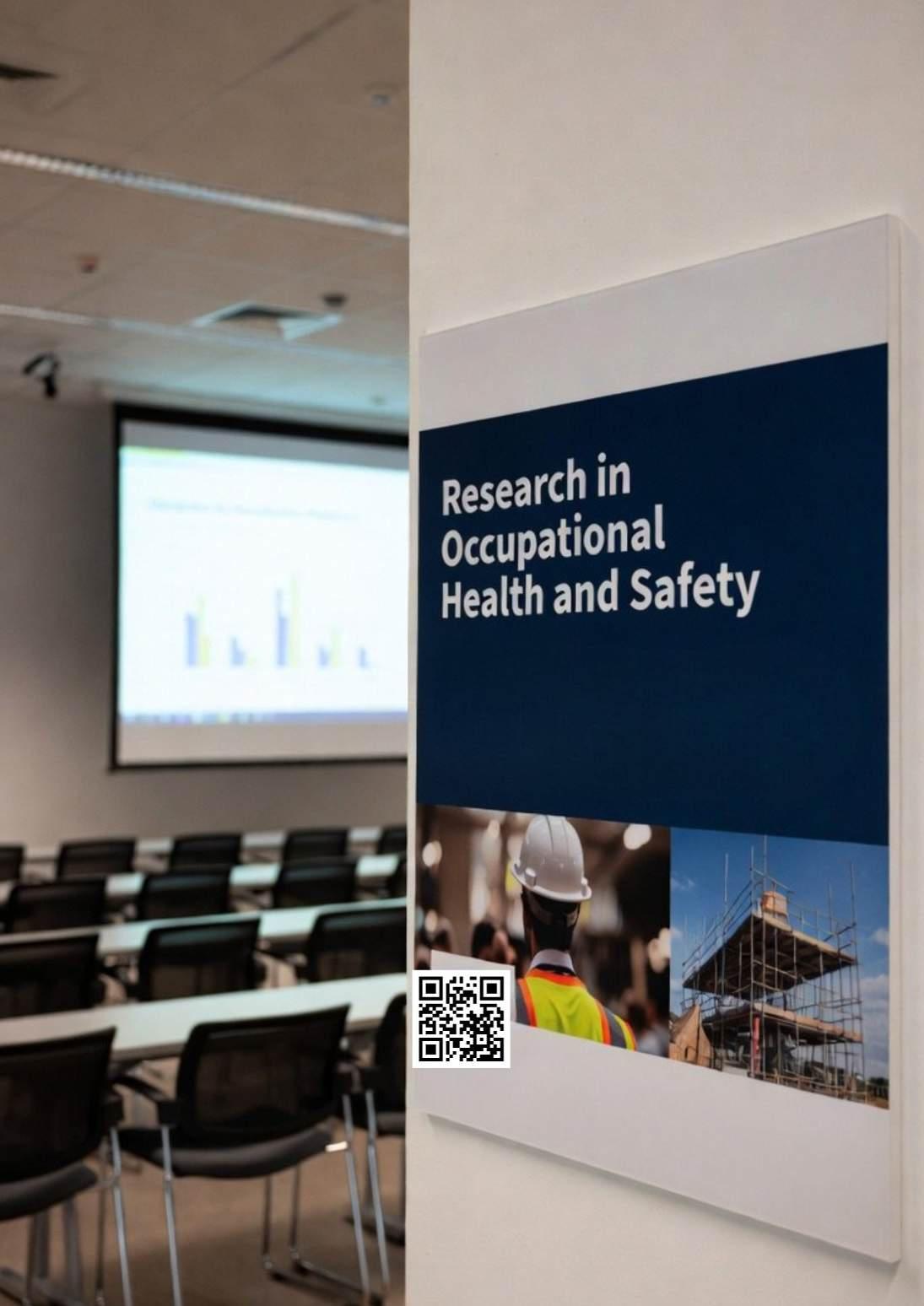
With the recruitment of a Research Manager in March 2025, OHSA took a significant step forward in formalising and expanding its research and data-handling capabilities.
This new function was tasked with the systematic collection, integration, and analysis of data from both internal and external sources, such as data obtained through data sharing agreements with other entities and leveraging the newly implemented Management Information System (MIS) to generate real-time, structured datasets across the various enforcement activities carried out by OHSA’s Technical Section.
This enhanced data infrastructure enabled the Authority to derive meaningful insights that informed strategic enforcement priorities and communication campaigns. With reliable and accessible data, OHSA was better positioned to develop predictive models, identify high-risk sectors, and design proactive interventions tailored to workplace realities.
The integration of research with policy planning and enforcement functions represented a significant shift in how the Authority identified and addressed workplace risks. This development also supported policymakers by providing access to emerging trends and data-driven evidence, ensuring that occupational health and safety policies remained responsive, relevant, and grounded in accurate, timely information.
4.1
Analysis of Occupational Health and Safety Standards in Workplaces
OHSA continued to strengthen its evidence-based approach to accident investigation and enforcement by leveraging data-collection from day-to-day inspections.
A comprehensive internal assessment report covering the Authority’s performance is compiled quarterly. The report analyses recurring issues and trends identified through inspections and complaints, assess accident rates across sectors, and measures enforcement outcomes and sectoral compliance levels. It also seeks to identify emerging occupational risks, particularly in high-risk sectors such as construction and manufacturing. The findings guide the Authority’s future enforcement strategies, ensuring that preventive and corrective measures are directed where they are most needed.
As a result of the data-sharing agreement with the Department of Social Security (DSS), OHSA conducted a detailed analysis of occupational accident trends across different industry sectors. This analysis provided valuable insights into sectors with high accident incidence and prevailing modes of injury.
Employers are legally obliged to notify OHSA of serious accidents - those resulting in death, major injury, or incapacitation from work for more than three consecutive days. A comparative analysis was undertaken between employer notifications of accidents to OHSA and injury benefit claims submitted by employees to DSS to assess the reliability and completeness of accident reporting.
During 2025, over 12,500 different workplaces were recorded within the Management Information System (MIS). Some workplaces were visited more than once. The MIS provides a unified intelligence platform, further strengthening OHSA’s internal intelligence, monitoring capabilities, and strategic planning across a broad spectrum of economic activity, demonstrating the Authority’s wide regulatory reach.
Approximately 80% of OHSA’s inspection activity was concentrated in the construction sector, reflecting the elevated risk profile of the industry. The remaining 20% was distributed across other economic sectors.
This distribution highlights OHSA’s continued commitment to safeguarding occupational health and safety across Malta’s diverse economic landscape.
4.2 Accidents at the Place of Work
Accident investigations remain a central pillar of OHSA’s regulatory and enforcement responsibilities. It is a direct indicator of compliance and occupational health and safety standards at workplaces.
Accident trend analysis is now fully embedded within OHSA’s strategic enforcement model, supporting proactive and preventive interventions. During 2025, OHSA investigated 633 workplace accidents, including fatal accidents, police notifications, and employer notifications of injuries in accordance with S.L. 646.03. The majority of cases were reported through employers’ notifications of injury, reflecting established reporting obligations.
As per S.L. 646.03, reportable accidents include those that:
a) Result in death or major injury; or
b) Lead to an employee’s incapacity for work for more than three consecutive days
Major injuries include fractures (excluding wrist and ankle), amputations, loss of sight, and injuries requiring hospitalisation of more than 24 hours (other than for observation).
Table 1: Type of Accident Investigation (2025)
Investigation
4.2.1 Nationality of Injured Workers
Out of the investigated accidents, nearly two-thirds (65%) of accident cases involved Maltese nationals. Third Country Nationals accounted for 24% of cases, while accidents involving EU nationals (non-Maltese) represented 5%. Nationality information was not specified in 6% of investigations.
4.2.2 Age Distribution of Accident Victims
The age profile of accident victims indicates that the highest proportion of cases occurred among workers aged 45–54 years (26.6%), followed closely by those aged 25–34 years (26.2%). Workers aged 35–44 years accounted for 17.3%, while those aged 55–64 years represented 13.3%, highlighting a significant share of older workers.
Younger workers aged 15–24 years accounted for 5.2% of cases, while only 0.7% involved workers aged 65 years and over. No accidents involved workers under the age of 18. Age data was not specified in 10.7% of cases.
Table 2: Age Group Distribution of Accident Victims
Figure 1: Nationality of Injured Workers (2025)
4.2.3 Gender Distribution
Male workers accounted for the majority of accident victims, representing 77% of all cases. Female workers accounted for 19%, while gender was not specified in 4% of investigations.
4.2.4 Injured Body Part
Analysis of injury locations shows that accidents most frequently affected the shoulders, arms, and hands, accounting for 28% of cases. Injuries to the legs and feet were the second most common (24%), followed by injuries to the back and torso (14%). Injuries to the head and facial area accounted for 11% of cases. Other injury types represented 9%, while injury location was not specified in 13% of investigations.
Table 3: Distribution of Injuries by Affected Body Part
4.2.5 Economic Sector of Employment
The distribution of workplace accidents by economic sector indicates that the highest proportion of reported cases occurred in Transportation and Storage (24%), followed by the Construction sector (18%). These sectors also recorded the highest number of fatalities during 2025.
Manufacturing accounted for 10% of accidents, while Wholesale and Retail Trade represented 9%, and Human Health and Social Work Activities accounted for 8%. Other sectors recorded smaller shares, reflecting differences in occupational risk profiles.
Table 4: Economic Sector Distribution of Workplace Accidents
I
A
P
4.2.6 Fatal Accidents
During 2025, nine fatal workplace accidents were recorded, resulting in the loss of nine workers’ lives. OHSA investigated all fatal accidents. Of the victims, four were Maltese nationals, while five were third-country nationals.
Fatal accidents were concentrated in specific economic sectors, primarily Construction and Transportation and Storage, as outlined below.
Table 5: Fatal Workplace Accidents by Economic Sector
4.2.7 Overall Assessment
The analysis of occupational accident data enhances the overall visibility and understanding of workplace incidents, providing a robust evidence base to support strengthened preventive measures, informed policy formulation, and risk-based enforcement planning.
Existing discrepancies between accidents reported to OHSA and injury benefit claims submitted to the Department of Social Security are being identified. OHSA aims to reinforce employers’ statutory obligations to report notifiable accidents through an educational campaign.
Maltese nationals represented 65% of reported occupational accidents, while third-country nationals accounted for 24%. The divergence between employer notifications to OHSA and injury benefit claims submitted to DSS suggests that limited awareness of legal obligations or lack of entitlement to social security benefits may contribute to under-reporting of accidents involving third-country nationals.
The age profile of accident victims indicates that the largest share of cases occurred among workers aged 45–54 years (26.6%), followed closely by those aged 25–34 years (26.2%). Notably, no accidents involving minors under 18 years of age were reported.
Male workers accounted for 77% of accident victims, reflecting their higher representation in risk-intensive occupations.
Injury analysis shows that workplace accidents most commonly affected the shoulders, arms, and hands (28%), with injuries to the legs and feet (24%) ranking second, supporting the need for targeted preventive measures addressing these injury types.
The sectoral distribution of workplace accidents indicates that the Transportation and Storage sector accounted for the highest proportion of reported cases (24%), followed by Construction (18%). These sectors also recorded the highest number of fatalities during 2025, while manufacturing accounted for 10% of reported accidents.
4.3 Reform Impact on the Construction Sector
4.3.1 Compliance
Analysis
Overall, compliance levels across inspected construction sites remained relatively high. Approximately 74% of sites were found to be adequately compliant with occupational health and safety requirements. Enforcement action was nevertheless required in a significant number of cases. Improvement or enforcement orders were issued at around 21% of sites, while 5% of inspections resulted in the immediate cessation of works through the issuance of Stop Work Orders.
During 2025, OHSA issued more than 2,500 Enforcement and Improvement Orders within the construction sector.
Table 6: Level of Compliance in Construction Sector Inspections
4.3.2 Compliance by Geographical
Area
Compliance levels in Gozo were consistently lower than those observed in Malta throughout the year. This difference was reflected in enforcement outcomes, with the proportion of orders issued in Gozo exceeding that of Malta by 10 percentage points.
Table 7: Compliance Levels in Construction by Geographic Location (Malta and Gozo)
4.3.3 Compliance Across Different Phases of Construction
Inspections were conducted at various stages of construction, with notable differences in compliance levels. The finishing stage recorded the lowest rate of adequate compliance (60%). During this phase, a total of 422 improvement notices and 160 Stop Work Orders were issued, highlighting elevated risk levels of the various trades involved in final construction activities.
8: Compliance Levels Across Different Phases of Construction
4.3.4 Common Safety Infringements
Investigations identified several recurring safety deficiencies across construction sites. The table below summarises compliance levels across key safety features, based on the total number of investigations where each requirement was applicable. The most frequently observed non-conformities were related to the unsafe use of lifting machinery, including cranes and tower cranes, unsafe use of scaffolding, and inadequate or missing railings.
9: Common Safety Infringements Identified on Construction Sites
Table
Table
4.3.5 Proactive Culture of Enforcement
The vast majority of investigations in the construction sector were conducted on a proactive basis, demonstrating OHSA’s preventive approach to occupational health and safety in all workplaces. Overall, 97% of investigations consisted of proactive visits, whereby inspections were initiated on a random or planned basis. Complaints submitted by workers or third parties accounted for 2.6% of investigations, while 0.4% arose from accident investigations.
Table 10: Types of Investigations in the Construction Sector
4.3.6 Trends in the Construction Sector
• A significant increase in inspection activity, representing a substantial rise compared to previous years, demonstrates stronger regulatory control and commitment towards the construction sector.
• The inspection strategy is largely proactive, with 97% of inspections carried out on a preventive basis, while only 3% resulted from complaints or accident investigations, highlighting a strong emphasis on prevention rather than reactive enforcement.
• Over 74% of inspected sites were found to have an adequate level of occupational health and safety, indicating the effectiveness of OHSA’s preventive and monitoring efforts.
For the remaining sites, OHSA took corrective action to ensure minimum safety standards were met, issuing over 2,500 enforcement and improvement orders. Enhanced inspection activity in Gozo was supported by the establishment of a dedicated OHSA hub, strengthening the Authority’s operational presence and improving accessibility to OHSA services on the island.
• OHSA identified that the highest incidence of offences occurs during the finishing stage of construction, as reflected in the number of orders and stop-work notices issued at this phase, enabling more targeted enforcement.
• Key safety infringements were clearly identified, particularly inadequate fall protection, unsafe use of machinery, and unsafe scaffolding, allowing for focused preventive measures and guidance.
4.4 Wider Footprint of OHSA Activities
4.4.1 Geographical Distribution of Inspections
Inspections within general workplaces remained predominantly concentrated in Malta during 2025, accounting for 88% of all investigations. The remaining 12% were carried out in Gozo. This increased inspection activity in Gozo was supported by the establishment of a dedicated OHSA hub, which strengthened the Authority’s operational reach and improved access to OHSA services on the island.
4.4.2 Compliance Analysis
Inspections across general workplaces revealed a number of recurring safety deficiencies. The table below summarises compliance levels across key occupational health and safety requirements, based on inspections where each requirement was applicable.
The most frequently identified non-compliances related to inadequate or unsuitable risk assessments, and the unsafe use of work equipment, particularly goods lifts, passenger lifts, forklift trucks, and chemical agents.
Table
11: Compliance
Levels of Safety Features in General Workplaces
Requirement
4.4.3 Proactive Culture of Enforcement
The vast majority of investigations in sectors other than construction, were conducted on a proactive basis, demonstrating OHSA’s preventive approach to occupational health and safety in all workplaces. Overall, 82% of investigations consisted of proactive visits, whereby inspections were initiated on a random or planned basis. Complaints submitted by workers or third parties accounted for 10% of investigations, while 8% arose from accident investigations.
Table 12: Types of Investigations in Sectors Other than Construction
4.4.4 Trends in General Workplaces
• Apart from the construction sector, OHSA directed its inspection efforts towards major economic sectors, notably Accommodation and Food Service Activities, Wholesale and Retail Trade, Financial and Insurance Activities, Manufacturing, and Other Service Activities.
• Inspection activity in Gozo was further reinforced through the establishment of a dedicated OHSA hub, which enhanced the Authority’s operational presence and facilitated improved access to OHSA services; 12% of general sector inspections were conducted in Gozo.
In these general sectors, the Authority continued to adopt a largely proactive enforcement strategy, with 82% of inspections undertaken on a preventive basis, while complaints accounted for 10% of inspections. Accident investigations represented 8% of the inspections carried out, underscoring OHSA’s commitment to prevention across all workplaces.
Improvement orders were issued in more than 64% of inspections in the General Sector, ensuring that identified deficiencies were addressed and that minimum occupational health and safety requirements were enforced.
• Inspection outcomes enabled the systematic identification of recurring safety shortcomings, particularly the lack of adequate risk assessments and the unsafe use of goods lifts, forklift trucks, and chemical agents, allowing OHSA to implement more targeted preventive intervention.
4.4.5
Research
on “Psychosocial Factors and their Interactions: A Focus on Absenteeism, Presenteeism, Work Performance and Turnover”
OHSA continued to expand its vision towards a more holistic approach to occupational health, recognising mental and emotional wellbeing as equally important as physical safety. In this context, OHSA formalised a collaborative research initiative with the University of Malta to examine psychosocial risk factors and their relationship with absenteeism, presenteeism, work performance and employee turnover within the Maltese workforce.
Presenteeism - defined as attending work despite illness or reduced functional capacity - has emerged as a significant occupational health concern due to its association with diminished productivity, adverse wellbeing outcomes, and long-term employability risks. Psychosocial factors such as workload intensity, job control, organisational support, and the quality of workplace relationships are widely acknowledged as key determinants of employee health, performance and organisational sustainability.
The study, led by Dr Luke Fiorini and Professor Manwel Debono from the Centre for Labour Studies at the University of Malta and funded by OHSA, constitutes the first nationally representative scientific assessment of its kind in Malta, and demonstrates comparatively favourable results when benchmarked against jurisdictions such as the United Kingdom.
The research was based on a cross-sectional survey of over 400 employees, from both the public and the private sectors, selected to ensure representation across age and gender.
Preliminary findings indicate that almost half of the surveyed workers had taken sick leave during the previous six months, while 47% reported attending work despite being unwell. These findings underline the need for greater awareness of the implications of presenteeism for mental health, team dynamics, and overall workplace productivity.
The analysis further demonstrates that adverse psychosocial risk factors - particularly excessive or unmanageable job demands and limited employee involvement in decision-making - are strongly associated with increased levels of sick leave and presenteeism, reduced individual work performance, and a higher intention among employees to leave their current employment.
At the same time, the study identified several protective factors within the Maltese context, including clear role definitions, strong peer support, positive workplace relationships, low prevalence of unacceptable behaviour, and the availability of effective support mechanisms.
At the same time, the findings highlighted areas requiring further improvement, particularly in relation to managing job demands and enhancing employee participation in workplace decision-making processes. Addressing these areas would support more inclusive, consultative, and sustainable work environments.
The research also examined the phenomenon of “technostress,” referring to stress arising from the use of digital technologies at work. The majority of respondents did not perceive technology as intruding in their personal time and family life, or threatening job security. On the contrary, most respondents indicated that digital tools enhance efficiency and support performance under time constraints.
These findings provide an important evidence base for shaping future policy, inspection guidance and awareness initiatives. They reinforce the importance of addressing psychosocial risk factors not only as matters of employee well-being, but also as determinants of organisational productivity, workforce stability and sustainable economic development.
Further in-depth analysis of the dataset is ongoing, with full publication of the study’s findings planned in due course.
4.5 Consultee on the National Building and Construction Code
Following the Maltese Government’s announcement of its intention to introduce a National Building and Construction Code, OHSA actively collaborated throughout 2025 with the Building and Construction Authority (BCA), the Kamra tal-Periti (KTP), and other key stakeholders in its development.
The Authority’s continuous involvement is focusing on ensuring that occupational health and safety considerations are fully embedded within the Code’s structure, technical requirements, and implementation mechanisms. Particular emphasis is being placed on integrating preventive risk management principles, clarifying duty-holder responsibilities and strengthening coordination between regulatory authorities.
Through its technical input, OHSA is contributing to the development of a strengthened regulatory framework designed to enhance safety standards, reinforce accountability across project phases and support sustainable construction practices.
The integration of occupational health and safety requirements within the Code complements the reforms introduced under S.L. 646.27 and supports a more cohesive regulatory environment within the sector.
4.6 Participation in International Labour Organisation Technical Working Group on Occupational Safety and Health Statistics
OHSA participated in the first online meeting of the International Labour Organisation (ILO) Technical Working Group on Occupational Safety and Health Statistics (TWG_OSH), held between 10 and 12 November 2025.
The ILO established this Working Group to address the growing global need for reliable, harmonised data and robust analytical frameworks in the field of occupational safety and health.
The scope of the Working Group is to collect and analyse relevant data, develop global OHS statistical standards, provide methodological guidance, and support evidence-based policy and decision-making.
The first meeting focused on defining the group’s scope, confirming its objectives, and outlining the strategy for its forthcoming work programme.
Through its participation, OHSA contributed to international efforts aimed at enhancing the quality, comparability and practical application of occupational health and safety statistics worldwide.
Engagement in this Working Group complements OHSA’s domestic initiatives to strengthen statistical reliability through the MIS and data-sharing arrangements with national entities, reinforcing the Authority’s commitment to evidence-based regulation at both national and international levels.
4.7 Internal Research Committee
In 2025, OHSA established an Internal Research Committee to strengthen the coordination and strategic direction of its research efforts.
The Committee comprises representatives from the Technical Unit and the Communications and PR Section, the Research Manager, and the national EU-OSHA Focal Point.
Its primary functions included identifying research priorities across the Authority, coordinating internal studies and thematic campaigns, and ensuring the effective utilisation and dissemination of research findings.
Guided by OHSA’s research priorities, the Committee focused its efforts on two key areas during the year:
a) Occupational health risks affecting migrant workers; and
b) Psychosocial risk factors in educational settings
These topics were selected based on their growing relevance to the Maltese labour market and their potential policy implications.
In collaboration with the Technical Unit, OHSA developed and disseminated a survey addressing psychosocial risks within educational settings. The survey was circulated across all public and private schools, and the responses received will serve as the foundation for a comprehensive assessment to be undertaken in 2026.
The findings will also inform the development of sector-specific guidance, targeted awareness initiatives and potential inspection focus areas during the forthcoming reporting period.
The establishment of the Internal Research Committee reinforces the structured governance of research activities within OHSA and ensures that analytical outputs are systematically translated into operational and policy action.

5. OHS Training OHS Training and Development
5.1 Establishment of the Training and Development Section
In the third quarter of 2025, OHSA reinforced its commitment to structured learning and professional development through the establishment of the Training and Development Section within the Policy and Programmes Unit. This new section brings together all training-related functions, both internal and external, that were previously managed by Human Resources and other operational units into a unified structure.
The creation of this section demonstrates OHSA’s recognition of the essential importance of education, ongoing learning and skills enhancement in meeting its legal obligations. The section was assigned the responsibility of enhancing internal capabilities by broadening employee knowledge and ensuring that staff possess the necessary skills to execute their roles efficiently and reliably. This is achieved through close collaboration with management to identify training gaps and requirements.
This section also manages the external training and awareness initiatives of the Authority. This includes responding to stakeholder enquiries, developing and delivering OHS courses and designing new initiatives that are in line with industry progress and changes in regulations.
5.2 A New Training Centre
The inauguration of OHSA’s Training Centre in 2025 strengthened the Authority’s capacity to deliver training more effectively. The Training and Development Section is responsible for the operational management of the Centre.
The Centre provides a dedicated and well-equipped space for both internal training for OHSA staff and external courses delivered to the public. It offers a comfortable and suitable learning environment and includes space for practical exercises, such as CPR during first aid training and other hands-on activities.
5.3
Training Needs Analysis in Occupational Health and Safety
At the commencement of its operations, the Training and Development Section carried out an initial analysis to gain a clear understanding of the existing training landscape and to inform the development of a strategic plan for the coming years. This review examined current training initiatives and included a training gap analysis to identify areas requiring further improvement.
The analysis identified opportunities to strengthen the trainee programme, introduce structured peer learning initiatives and deliver more specialised training to the technical team on sector-specific topics. These measures aim to enhance staff performance and consistency during on-site inspections and enforcement activities.
In relation to external training, the review highlighted the need to further develop existing course content and to introduce new courses aligned with evolving industry requirements and legislative changes. The insights gained through this process have informed the strategic direction of the Training and Development Section for the years ahead.
5.4
Increasing OHSA Competencies in its Workforce
Throughout 2025, OHSA continued to invest in the development of its workforce through targeted internal training initiatives aimed at strengthening organisational capacity, promoting regulatory compliance and supporting professional excellence across the Authority. These initiatives ensured that staff at all levels were equipped with the technical, legal and operational competencies required to fulfil OHSA’s statutory mandate effectively.
5.4.1 Induction and Emergency Preparedness
All new employees received induction training coordinated by Human Resources, which provided a structured introduction to OHSA’s organisational framework and operational procedures. This ensured that new recruits clearly understood their roles and responsibilities, as well as the expected standards of conduct.
The Authority’s commitment to emergency preparedness was further strengthened through the provision of First Aid and Automated External Defibrillator (AED) training to all OHSA employees, delivered at the Training Centre. This training improved the staff’s ability to respond effectively to emergency first aid situations, thereby fostering a safer working environment for both employees and visitors.
5.4.2 Data Protection, Freedom of Information and Whistleblower Protection
Mandatory training on data protection, freedom of information and whistleblower protection legislation was delivered to all staff by the Government Data Protection Unit. These sessions provided a comprehensive overview of the applicable legislative frameworks, including the practical application of the Freedom of Information Act and the scope and operation of the Whistleblower Protection Act.
In addition, targeted internal sessions on GDPR were organised to enhance operational effectiveness and professional conduct, with particular emphasis on GDPR compliance in the context of inspections and enforcement activities. Delivered by OHSA’s Data Protection Officer, these sessions focused on ethical considerations, lawful data handling and the protection of complainants’ identities, reinforcing staff awareness of their obligations and responsibilities when processing personal and sensitive information.
5.4.3 SOP Communication and Internal Guidance Sessions
SOP communication sessions were held throughout the year to ensure the effective dissemination and clear understanding of internal procedures and guidance documents issued by OHSA. These sessions provided structured opportunities to explain the purpose, scope and practical application of newly issued or revised SOPs, supporting consistent and correct implementation across the Authority.
Dedicated sessions were held to communicate the Code of Ethics and other key SOPs, including those relating to the use of OHSA vehicles and customer care procedures. These sessions ensured that staff not only received the relevant documentation but also fully understood its content, relevance and practical implications for daily operations.
5.4.4 Strengthening Technical Competence through Legislative and Unit-Specific Training
A significant component of internal training during 2025 focused on strengthening the technical competence of OHSA’s technical staff. Particular emphasis was placed on legislative reforms, especially those relating to the construction sector and asbestos. Structured training sessions were delivered to deepen officers’ understanding of newly introduced legal provisions and to promote consistency in their interpretation and application during inspections and enforcement.
5.4.5 Sessions on Personal Safety During Inspections
During 2025, OHSA delivered targeted OHS awareness sessions on personal safety during inspections for trainees and field officials with a particular focus on construction sites. The sessions were led by the Construction Principal Officer and aimed to reinforce safe working practices during inspection duties.
Training covered the Authority’s Health and Safety Policy, relevant Standard Operating Procedures and common hazards encountered during inspections, together with practical risk mitigation measures. The sessions also encouraged discussion and experience-sharing, supporting a proactive and preventionoriented safety culture. Further sessions are planned for 2026.
5.4.6 Peer Learning, Legal Interpretation and Professional Development
Peer learning was further strengthened through the introduction of peer review sessions, which enabled officers to reflect on their work, exchange practical insights and identify areas for improvement based on real case studies. Additional specialised training was delivered on legal processes, including focused sessions on risk assessment obligations and legal interpretation relevant to enforcement activities that supported consistent and well-informed decision-making.
5.4.7 Accident Investigation, Evidence Gathering and Reporting Standards
Specialised training sessions were also delivered by the principal responsible for the Accident Investigation Division, focusing on investigative methodologies, evidence gathering and reporting standards. These sessions supported technical staff who are required to attend sites following workplace accidents by promoting consistency, accuracy and professionalism in accident investigation and reporting practices.
5.4.8 Trainee Programme for Progression to Officer Roles
In 2025, OHSA introduced a structured, four-week intensive training programme to support trainees preparing for progression into officer roles. The programme covered core elements of the Authority’s regulatory functions, including relevant legislation, internal SOPs, and risk assessment processes. The aim was to provide trainees with a strong foundation of knowledge and practical understanding, enabling a smoother transition into their new roles.
During the year, preparatory work also commenced for the development of a more extensive trainee program scheduled for implementation in 2026. This revised programme is designed to run over a 12-month period and will combine classroom-based learning with practical field exposure and structured job shadowing. The expanded approach is intended to provide new recruits with a more comprehensive and cohesive introduction to OHSA’s operations, ensuring they are fully prepared to meet the demands and responsibilities of their roles.
5.4.9 Overall Internal Training Investment and Organisational Impact
Collectively, these initiatives accounted for a total of 1,159 training hours during the year, representing an investment of €16,052.94. This sustained level of training activity reflects OHSA’s continued commitment to maintaining high internal standards and ensuring that staff possess the technical, legal and operational competencies required to fulfil the Authority’s statutory mandate effectively.
5.4.10 Continuous Professional Development
In line with its commitment to lifelong learning, the Authority continued to promote continuous professional development (CPD) throughout 2025. Staff were encouraged to participate in external courses and seminars, as well as professional development activities relevant to their roles. The CPD Fund remained a key mechanism enabling eligible employees to pursue such opportunities and ensuring that professional development remained aligned with organisational needs and the Authority’s broader strategic direction.
5.5 External Courses – OHSA Courses for 2025
Demand for courses offered by OHSA remained strong throughout 2025, reflecting sustained interest from both public and private sector organisations in strengthening OHS competence. All courses were delivered by experienced lecturers and were structured to enhance participants’ knowledge, practical skills and confidence through the application of sound OHS principles. By the end of 2025, a total of 16 external course groups had been delivered at OHSA premises, reaching 174 participants from various public and private entities. These figures exclude additional awareness-raising and information sessions delivered through company visits, public events and sector-specific engagements.
5.5.1 Workers’ Health and Safety Representative Course
The Workers’ Health and Safety Representative (WHSR) course remained the most in-demand course delivered by OHSA during 2025. A total of ten course groups were organised, reaching 130 participants from a broad range of public and private entities. The course focused on developing participants’ understanding of OHS legislation and increasing awareness of the role and functions of the Authority. The focus was on the responsibilities of both employers and employees, as well as the legal role of the workers’ health and safety representative. Through this training, participants were equipped to contribute effectively to workplace risk identification and assessment and to actively support improvements in occupational health and safety standards.
5.5.2 First Aid and Safety at Work
The First Aid and Safety at Work course was delivered through two course groups during the year, with a total of 22 participants attending. This course aimed to strengthen participants’ ability to respond appropriately to emergency situations in the workplace while ensuring compliance with applicable first aid legislation. Training covered the scope and limitations of basic first aid and clarified employer responsibilities under the Workplace (First Aid) Regulations. Participants gained a practical understanding of the arrangements required to ensure effective first aid provision within their organisations.
5.5.3 Principles of Risk Assessment
Two course groups focusing on the Principles of Risk Assessment were delivered in 2025, with a total of nine participants. This course supported employers, self-employed individuals acting as duty-holders and other stakeholders in understanding the fundamental principles of workplace risk assessment. The training promoted a structured approach to identifying hazards, evaluating risks and implementing suitable control measures, with the aim of fostering safer and healthier working environments through proactive risk management.
5.5.4 Health and Safety in the Construction Sector
One course group dedicated to health and safety in the construction sector was delivered during the year, reaching seven participants. This sector-specific training introduced participants to the key health and safety principles relevant to construction environments, where risks are often higher and more complex. The course addressed common hazards, priority concerns and legal responsibilities applicable to the sector, while supporting participants in translating this knowledge into practical workplace action planning.
5.5.5 Introduction to Occupational Health and Safety
The Introduction to Occupational Health and Safety course was delivered through one course group in 2025, with six participants attending. This course provided a general overview of the core concepts and principles of OHS applicable across a range of work environments. It aimed to raise awareness of key occupational health and safety issues, familiarise participants with relevant legal duties and support the development of a basic, practical approach to managing OHS at work.
By the end of 2025, a total of 16 external course groups had been delivered at OHSA premises, reaching 174 participants from various public and private entities. These figures exclude additional awareness-raising and information sessions delivered through company visits, public events and sector-specific engagements.
5.5.6 Overall Progress and Outlook
During 2025, the Training and Development Section made significant progress in consolidating OHSA’s training functions within a coordinated structure. Key achievements included the establishment of the section, the strengthening of internal training frameworks and the operationalisation of the Training Centre.
The year also laid the groundwork for future initiatives, including the development of an expanded trainee programme and sector specific OHS awareness courses. These developments reflect a more systematic and proactive approach to awareness raising, supporting improved compliance and safer workplaces.
Integrating Mental Well-Being Integrating Mental Well-Being in Workplaces
6.

In October 2025, OHSA introduced a dedicated Psychology Section within its Policy and Programmes Unit, marking a significant milestone in the evolution of occupational health and safety in Malta. This initiative follows the enactment of the new Health and Safety at Work Act, which broadens the scope of workplace safety to encompass not only physical health but also psychological and social well-being for all workers across all sectors.
The Psychology Section, staffed by two Managers (Psychology) each holding a Bachelor’s degree in psychology, was established to strengthen OHSA’s capacity to address emerging psychosocial challenges in the workplace. In today’s dynamic work environment, safeguarding mental health and mitigating psychosocial risks have become essential components of occupational health and safety. The Psychology Section plays a pivotal role in advancing these objectives through strategic leadership, evidence-based interventions, and collaborative initiatives that promote healthier, safer, and more supportive work environments.
The establishment of the Psychology Section reinforces OHSA’s adoption of a more holistic approach to occupational health and safety. By integrating psychological and social dimensions into its mandate, OHSA ensures that workplaces are not only physically safe but also conducive to mental well-being.
This proactive stance positions OHSA as a leader in promoting sustainable work environments, reducing psychosocial risks, and fostering resilience among the workforce. Through research, policy development, and stakeholder engagement, the Psychology Section contributes to shaping national standards and best practices that align with international trends in occupational health.
6.1 Situation Analysis of OHSA’s Psychosocial Competency
In 2025, OHSA conducted a situation analysis to assess its readiness to address psychosocial risks under the new Health and Safety at Work Act. The review identified that while OHSA has strong foundations in physical health and safety, psychosocial competencies were limited and required further development to meet the expanded legislative mandate.
To bridge this gap, the Psychology Section undertook extensive groundwork aimed at building organisational capacity in this area. This included conducting research and creating a thematic database to consolidate relevant information, performing a detailed literature review, and examining international standards, practices, and legislation on psychological health and safety. These efforts ensured alignment with global benchmarks and informed the development of best practices.
6.2 Addressing Psychosocial Risk Complaints
Since the establishment of the Psychology Section in October 2025, OHSA has taken proactive steps to address psychosocial risk complaints in workplaces. The Psychology Section has begun participating in inspections triggered by such complaints, providing support to technical officers during meetings and onsite evaluations. From October to the end of the year, eight complaints were received and processed, marking an important first step in integrating psychosocial considerations into OHSA’s enforcement activities.
6.2.1 Development of Psychosocial Complaints Register
To ensure systematic tracking and follow-up, a dedicated register has been established to record all psychosocial risk complaints.
This register serves as a centralised system for documenting all complaints related to workplace stressors, harassment, bullying, and other psychosocial hazards. It enhances transparency, accountability, and systematic tracking of reported issues, enabling timely follow-up and structured case management. Each entry includes details such as the nature of the complaint, date of submission, affected parties, and actions taken.
Maintaining this structured record allows the Section to monitor trends, identify recurring risks and detect vulnerable sectors, thereby informing future awareness initiatives and targeted interventions.
6.2.2 Integration of a Psychosocial Module into the MIS
Looking ahead, OHSA plans to enhance the Psychosocial Risk Register by introducing of a specialised module on Psychosocial within its Management Information System (MIS). The module is designed to capture detailed information on reported issues, track resolution progress, and generate analytical reports to identify trends and emerging risks. The initial draft of this MIS module has been completed, and discussions are underway for its implementation, enabling comprehensive data recording and analysis.
6.2.3 Psychosocial Standard Operating Procedure
In parallel, the Psychology Section has developed an initial draft of a Standard Operating Procedure (SOP) to guide technical officers in handling psychosocial risk complaints and attending inspections consistently and effectively.
This SOP aims to standardise processes and outlines protocols for case intake, assessment, documentation, intervention, and follow-up. This initiative marks a significant milestone in embedding psychosocial risk management within OHSA’s operational framework, reinforcing its commitment to proactive prevention, supporting structured responses, and continuous improvement in workplace psychosocial strategies.
6.3 Psychosocial Risk Assessment Training
As part of capacity building, both Managers (Psychology) successfully completed a six-week professional course, which focused on psychosocial risk assessment (PSRA). The course covered the seven-step PSRA process, legal obligations, assessment methods, intervention design, and evaluation techniques, equipping the team with advanced knowledge and practical tools to strengthen the approach to psychosocial risk management.
This training further strengthens the Section’s capacity to support inspections, develop policies, and implement evidence-based interventions aligned with international standards.
6.4 Psychosocial Section Feedback Contributions
The Psychology Section also contributed valuable feedback from a psychosocial perspective towards national initiatives, including the MCAST Vision Towards 2030 Strategic Plan, Envision 2050, and the Sustainable Development Annual Report 2025 for the Ministry for Justice and Reform of the Construction Sector.
These contributions ensured that mental health and well-being considerations were embedded within broader policy frameworks, promoting a holistic approach to sustainable development and workforce resilience.
This level of engagement underscores the breadth of work achieved within a short timeframe, reflects the Section’s growing influence in advancing psychosocial risk management at both organisational and national levels, and demonstrates OHSA’s contribution to interdisciplinary policy development.
6.5 Laying the Groundwork
on Psychosocial
Health and Safety
The last quarter of 2025 marked a period of significant progress for OHSA’s newly established Psychology Section. In a short span of time, the Section laid the groundwork for integrating psychosocial well-being into occupational health and safety through research, database development, literature reviews, and alignment with international standards.
It actively supported inspections related to psychosocial risk complaints, initiated the drafting of an MIS module and SOP, and participated in strategic initiatives, including the national seminar on presenteeism.
Moreover, to streamline communication, a dedicated common inbox was created for the Psychology Section, ensuring efficient coordination and responsiveness.
As OHSA progresses into 2026, the focus of the Psychology Section will be on consolidating recent achievements and driving further progress in psychosocial risk management. Key priorities include integrating the newly developed MIS module for enhanced data management and reinforcing legislative frameworks to ensure robust compliance.
In addition, OHSA will continue to strengthen stakeholder partnerships to promote a culture of psychosocial well-being across workplaces in Malta. The solid groundwork laid in 2025 provides a strong, structured platform for these transformative initiatives, positioning OHSA to achieve meaningful and sustainable impact in the year ahead.
7. Legal Enforcement

The Legal Technical Unit (LTU) was primarily set up to manage matters concerning enforcement and prosecution of cases arising from breaches of the provisions regulated by the Health and Safety at Work Act (Chapter 646 of the Laws of Malta) (the “Act”), and applicable subsidiary regulations made thereunder.
The Act provides for two types of breaches:
a) those falling under the category of ‘offences against the Act’; and
b) those falling under the category of ‘breaches of administrative nature’.
Whereas breaches considered as offences against the Act are regulated through the mechanisms of the ‘special compromise procedure’ and criminal proceedings initiated before the Court of Magistrates (Criminal Judicature), breaches of an administrative nature are regulated by a distinct and separate procedure which also includes a judicial system involving an Administrative Tribunal.
In this regard, the LTU has prosecuted and processed several cases involving criminal proceedings before the Court of Magistrates (Criminal Judicature), as well as the issuance of penalties under the mechanisms of the ‘special compromise procedure’ and ‘administrative penalties. This process entails among others, the determination and issuance of appropriate charges, and the preparation and conduct of criminal proceedings before both the Court of Magistrates (Criminal Judicature) as well as proceedings brought before the Health and Safety Tribunal.
The volume of cases handled by the LTU remains substantial and operationally demanding, as regulatory actions by OHSA have continued to increase throughout this year. This increase reflects both intensified inspection activity and the implementation of the revised legislative framework, which introduced strengthened legal mechanisms and enhanced safeguards for workers and other persons affected by work activities.
Although the primary functions of the LTU revolve around matters concerning enforcement and prosecution of cases involving breaches of OHS laws and regulations, its remit extends to a broader advisory and governance role within the Authority, addressing day-to-day regulatory, administrative and policy matters typical of modern enforcement bodies.
Some of the key activities carried out by the LTU during 2025 are listed as follows.
7.1 Prosecution and Legal Representation
The LTU conducted prosecutions in relation to cases involving breaches of OHS laws and regulations and represented OHSA before the Courts of Laws of Malta and the Health and Safety Tribunal. This function also encompasses the management of administrative penalties and special compromise penalties.
In this regard, the LTU managed the issuance of such penalties in line with the new legal mechanisms and OHS laws and regulations. Legal action is inherently complex, requiring detailed vetting of case files, preparation of procedural documentation, coordination with OHSA officers on regulatory matters and engagement with persons subject to enforcement measures.
The LTU assisted various units and departments within OHSA in relation to the day-to-day management revolving aspects pertaining to among others, OHS, procurement, communications, and customer care.
Technical support and input were also provided in relation to internal standard operating procedures (SOPs), OHS guidance documents, queries, reports, and drafting of legislation.
The LTU also addressed several external queries channelled through OHSA’s Customer Care Department, many of which necessitated detailed information involving both legal and technical subjects concerning the application of the proper protective and preventive OHS measures in line with OHS laws and regulations.
The LTU continued to work closely with the Executive Police and the Office of the Attorney General in relation to cases involving breaches of OHS legislation as well as ancillary offences regulated by the Maltese Criminal Code.
Collaboration also continued with the legislative unit on draft legislative proposals and regulations, in particular those relating to the transposition of EU directives.
7.2
Establishment of the Health and Safety Tribunal
The Act provides for the establishment of an independent and impartial Tribunal to hear appeals brought by any person in relation to decisions, orders, or administrative instruments issued by OHSA.
The Tribunal also hears claims in connection with breaches of an administrative nature that are subject to an administrative penalty in terms of the Health and Safety at Work (Procedures in Relation to the Issuance of Administrative Penalties) Regulations, S.L. 646.26, which repealed and replaced the Occupational Health and Safety (Payment of Penalties) Regulations, S.L. 424.33.
The operationalisation of the Tribunal represents a significant structural reform within the enforcement framework, strengthening procedural fairness and providing an independent avenue of review for affected parties.
7.3 Legal Assistance to OHSA
The LTU continued to respond to emerging and priority issues and changing context brought by a constant change in the world of work by providing legal insights to OHSA Officers, including training and discussions on OHS technical aspects and regulatory provisions and changes adopted both at the national and international level that align with best practices.
Information and legal clarification were also provided in response to external queries channelled through OHSA’s Customer Care Department.
Legal insights and expertise were also provided to various governmental to support awareness and promote safer and healthier workplaces. The LTU participated in meetings and engaged with various stakeholders, such as duty holders, regulatory authorities, industry representatives, and other key stakeholders involved in the OHS field. Discussions addressed regulatory proceedings, legal queries and clarifications, development of OHS industry guidance, and OHS legislation.
These engagements facilitated the exchange of regulatory insight and supported the consistent application of protective and preventive measures in accordance with the Act and its subsidiary legislation.
7.4 Awareness-Raising Activities
The LTU took part in various awareness-raising activities concerning OHS legislation organised by both OHSA and third parties.
A series of presentations were delivered on the new Health and Safety at Work Act (Chapter 646 of the Laws of Malta) and subsidiary legislation, particularly the new Construction OHS regulations to audiences spanning multiple trades, sectors, professions, and governmental entities, including members of the general public.
These sessions contributed to improved understanding of legislative obligations and enforcement mechanisms.
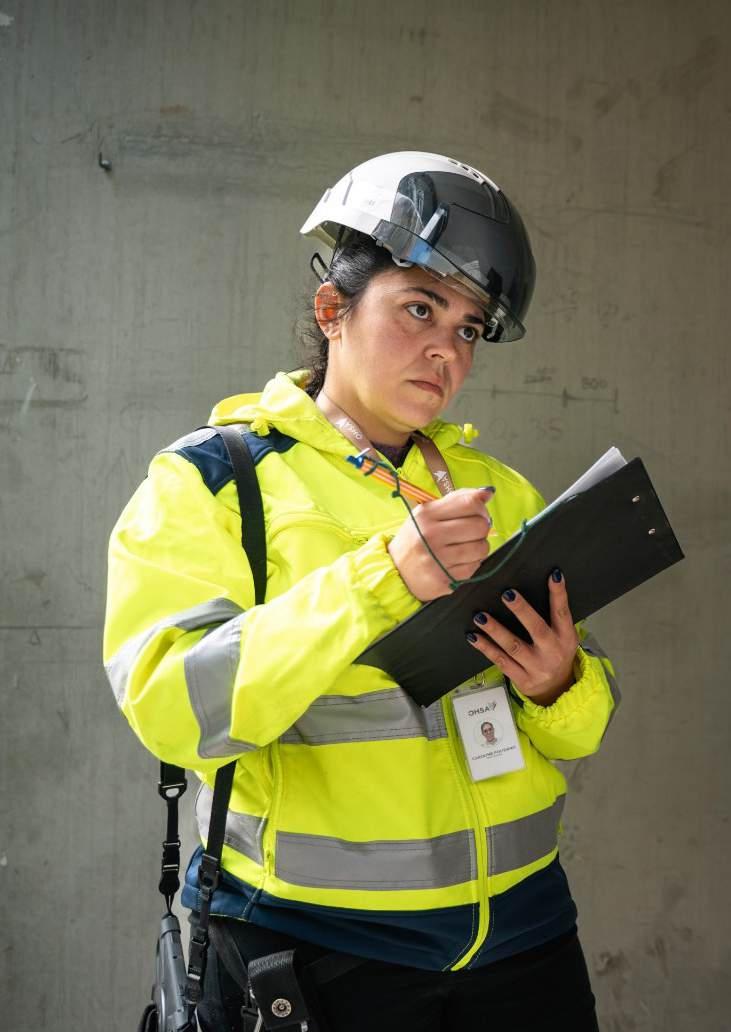
Performance of the Enforcement Team
In 2025, the Enforcement Team operated within an expanded legislative framework, marked by a substantial increase in inspection activity and structured application of enforcement measures. Building on the risk analysis and data trends outlined in Chapter 4, inspections were increasingly guided by targeted, risk-based planning and strengthened internal procedures.
The Enforcement Team maintained a balanced approach, combining proactive inspections with reactive interventions arising from complaints, accidents and high-risk situations. Enhanced operational coordination, increased staffing capacity and continued use of the Management Information System (MIS) supported improved consistency, traceability and regulatory oversight.
The Technical Section is comprised of the following main specialities and divisions:
a) Engineering
b) Accident Investigations
c) Chemical and Biological Agents
d) Construction
e) General Workplaces
The sections below outline inspection volumes, enforcement trends, accident investigation activity and sector-specific interventions undertaken during the year.
8.1 Performance of the Technical Team
To further increase operational efficiency in 2025, the Technical Section within OHSA engaged several OHS Officers, OHS trainees, Field Officials, and clerks as support staff. The Technical Headcount now comprises a structured management and technical team.
The structure of the enforcement team can be seen in the table below.
8.2
Occupational Health and Safety Inspection Guidelines -
SOP 007/2025
In 2025, the Occupational Health and Safety Authority (OHSA) continued to strengthen and standardise its inspection function by implementing a comprehensive Standard Operating Procedure (SOP) governing health and safety inspections conducted by personnel within the technical divisions. This SOP establishes a uniform, structured framework for planning, executing, documenting, and following up on inspections, ensuring consistency, transparency, and legal robustness across all operational activities.
Inspections are carried out both proactively and reactively, including routine visits, targeted campaigns aligned with national and EU strategies, complaint-driven investigations, joint inspections with other bodies, in-line inspections coordinated through the Inspection Coordination Office, and ad-hoc interventions in response to emergencies, accidents, and high-profile cases. All inspections are generally conducted unannounced, demonstrating the Authority’s commitment to effective regulatory oversight.
The Technical Administration oversees daily operational coordination, allocation of inspections, and reporting, while Principal OHS Officers provide supervision, guidance, and quality assurance across inspection teams. OHS Officers remain responsible for conducting inspections in accordance with the Health and Safety at Work Act (Act XXXIII of 2024), identifying hazards, assessing compliance, and taking proportionate enforcement action, including the issuance of Stop Orders, Orders, and Improvement Notices where required.
All findings, evidence, and follow-up actions are systematically recorded through the Management Information System (MIS), supporting traceability and data-driven oversight.
The SOP further emphasises the importance of professional conduct, objectivity, and consistency in enforcement, as well as the safety of OHS Officers themselves. Officers are instructed to prioritise their own health and safety, refrain from entering areas that present unmanaged serious risks, and terminate inspections when cooperation cannot be secured.
Robust procedures are also in place for the handling of high-profile cases, ensuring immediate escalation, timely inspection, and structured reporting to senior management.
Follow-up actions are clearly defined according to risk classification, with strict timeframes for high, medium, and low-risk cases, thereby reinforcing accountability and promoting sustained compliance.
Through this structured inspection framework, OHSA continues to enhance the quality, effectiveness, and credibility of its regulatory function, contributing to safer workplaces and promoting a strong occupational health and safety culture across all sectors.
8.3 Compliance Measures During 2025
Inspections conducted between 2021 and 2025 show significant fluctuations. Following a modest 5.5% increase between 2021 and 2022, inspections declined by 41.1% in 2023. This was followed by a substantial 262.8% increase in 2024, with inspection numbers rising by a further 152.8% in 2025, reflecting a marked expansion of inspection capacity and enforcement activity.
This growth reflects expanded inspection capacity, structured campaign-based interventions and strengthened operationalisation of the revised legislative framework.
Table 14: Number of Inspections 2021-2025
8.3.1 Monthly Compliance Activities
Inspection activity in 2025 remained consistently high throughout the year, averaging approximately 1,975 inspections per month. Monthly figures fluctuated within a controlled range, with peaks recorded in October (2,406 inspections) and April (2,304 inspections), reflecting periods of intensified enforcement activity, while maintaining a stable operational output across all months.
Figure 2: Total Number of Compliance Activities (2021–2025)
Table 15: Monthly Inspections
3: Total Number of Compliance Activities (2025)
Figure
8.3.2 Total Number of Actions Taken in 2025 by Month
Enforcement activity during 2025 demonstrates consistent application of regulatory measures. Improvement Notices, Stop Orders and Orders were issued across all months, reflecting structured enforcement.
Table 16: Actions Taken in 2025 by Month
Action Taken
4: Total Number of Actions Taken in 2025 by Month
Figure
8.3.3 Trends in Enforcement Orders Issued 2021- 2025
Between 2021 and 2025, the Authority’s enforcement instruments increased significantly. Over the five-year period, the Authority issued a total of 1,087 Stop Orders, 3,182 Improvement Notices, and 4,648 Orders in aggregate. The year-on-year pattern shows a relatively stable level through 2022–2023, followed by a sharp escalation beginning in 2024 and continuing into 2025.
Between 2021 and 2025, Stop Orders rose from 48 to 526, an increase of approximately 996%. Improvement Notices increased from 125 to 1,616 over the same period, an increase of approximately 1,193%. Orders also rose from 600 to 2,759, an increase of approximately 360%.
The most pronounced rise occurred between 2023 and 2024 (Stop Orders +250%, Improvement Notices +336%, Orders +301%), with a further substantial increase into 2025 (Stop Orders +60%, Improvement Notices +65%, Orders +237%).
Table 17: Orders Issued 2021 - 2025
Figure 5: Total Number of Orders Issued 2021- 2025
8.3.4
Trends in Compliance Activities 2021-2025
There was a significant increase in inspection activity across all divisions during the 2021 and 2025 period, with particularly significant growth between 2024 and 2025.
Inspections by the Construction Division rose by approximately 166% in 2025 compared to 2024 and by 467% compared to 2021 levels. The General Division inspections increased by 718% compared to 2021, reflecting a substantial expansion. Engineering Division inspections registered a more moderate but steady rise, increasing by 28% over 2024 figures and by 117% compared to 2021.
The Chemical and Biological Section inspections, introduced in 2024, recorded a 187% increase in 2025, highlighting the rapid development of this specialised inspection stream. The Accident Investigations Division also showed a marked escalation, increasing by 70% compared to 2024 and by over 1,575% relative to 2021.
Collectively, these percentage increases demonstrate a significant strengthening of the Authority’s inspection capacity, expanded regulatory coverage, and a more proactive and targeted approach to occupational health and safety enforcement.
Table 18: Total Number of Inspections Carried Out by Division 2021-2025
8.3.5 Construction Notification Forms Received 2021-2025
The number of Construction Notification Forms (CNFs) received over the five years under review demonstrates an overall upward trend, with a particularly significant increase recorded in 2025. In 2021, a total of 1,842 notification forms were received. This figure decreased slightly in 2022 to 1,736, representing a 5.8% decline when compared to the previous year.
In 2023, notifications increased marginally to 1,763, reflecting a 1.6% year-on-year increase. This upward movement continued in 2024, with 1,921 forms received, corresponding to an 8.9% increase over 2023.
A substantial rise was recorded in 2025, with 2,897 CNFs received. This represents a 50.8% increase when compared to 2024 and constitutes the most pronounced year-on-year growth within the reporting period. Overall, when compared to 2021, the number of notifications received in 2025 reflects an increase of approximately 57.3%.
19: Notification Forms Received 2021-2025
Table
8.4 Engineering Division
8.4.1
Enforcement Activities
Over the course of the reporting year, the Engineering Division conducted a total of 940 inspections across a broad range of work equipment.
Tower cranes and passenger and goods lifts represented the largest share of activity, with 373 and 343 inspections respectively, reflecting their widespread use and the need for continuous monitoring of lifting operations.
Inspections were also carried out within the manufacturing sector (66), alongside a variety of other equipment types (32) and additional work equipment categories (31). Lifting machinery other than tower cranes accounted for a further 30 inspections.
Complementing this oversight were inspections related to catering equipment (20), forklift trucks (17), cherry pickers (13), boilers (8), and escalators/travelators (7).
Together, these efforts illustrate the Division’s ongoing commitment to ensuring the safe operation of diverse work equipment across multiple industries.
8.4.2 Vibration and Noise Campaign
During 2025, the Division completed a “Vibrations at Work” campaign, involving 248 workplace visits, followed by a “Noise at Work” campaign, with 298 workplace visits. Both campaigns enabled the collection of valuable data for research and analytical purposes.
The most frequent compliance issues identified during the “Vibrations at Work” campaign were the absence of maintenance records for vibrationexposed equipment (18%), lack of employee training records (17%), incomplete risk assessments addressing vibration exposure (28%), and missing health surveillance records (34%).
Using a 20-question vibration-related questionnaire, 87% of inspected businesses demonstrated compliance levels above 75%, while 13% (33 businesses) had compliance levels between 25% and 50%, predominantly micro or small enterprises located in Ta’ Qali, Marsa, and San Gwann.
8.4.3 Coordinating COMAH Responsibilities
During this reporting period, the Control of Major Accident Hazards (COMAH) Competent Authority, led by the Occupational Health and Safety Authority (OHSA) with the active participation of the Environment and Resource Authority (ERA) and the Civil Protection Department (CPD), carried out a total of 17 visits, comprising 12 inspections and 5 emergency exercises, across all COMAH establishments.
These activities were conducted in accordance with S.L. 646.12 Control of Major Accident Hazard Regulations, ensuring compliance with the COMAH regulatory framework.
In 2025, all mandatory emergency exercises for upper-tier establishments were successfully completed, with the CPD leading the planning and execution.
8.4.4 Digitalisation Supporting Engineering Operations
During 2025, the Engineering Division vetted a total of 4,393 reports covering various categories of work equipment.
The largest share of vetting activity related to passenger and goods lifts, with 3,813 reports examined, reflecting their widespread installation and ongoing need for compliance verification.
Forklifts accounted for a further 276 reports, while reviews of tower cranes (69), other work equipment (93), and escalators/travelators (78) contributed to the broader oversight effort.
Additional submissions included platform lifts (29), cranes (29), as well as a smaller number of reports concerning two lifting tables and four disabled access stair devices.
These vetting activities collectively underline the Division’s continued commitment to ensuring that equipment in use across diverse operational settings meets the Health and Safety regulatory requirements.
The digitalisation project embarked on by the OHSA enabled certification of apparatus and other equipment to be submitted online.
Table 21: Digitalisation Supporting Engineering Operations
8.5 Accidents and Investigation Activities
In addition to proactive inspections, the Authority continued to strengthen its accident investigation function.
In line with the 2024 initiative to investigate all reported occupational health and safety (OHS) accidents by employers under the obligations set out in LN 52 of 1986, the Accident Investigation Division (AID) continued its efforts throughout 2025 to strengthen compliance and promote a proactive safety culture through the active investigations carried out.
In 2025, the AID received 633 accident reports from various employers in both the private and public sectors.
This Division observed inconsistencies in reporting from certain public sector entities and consequently initiated structured engagement to improve compliance with statutory reporting obligations. Since then, a marked number of reports have been received and investigated accordingly, with recommendations made in each case depending on the circumstances.
Engagement was similarly extended to private sector employers, and each reported incident was assessed through direct communication with employers, with workplace inspections to ascertain compliance with health and safety requirements.
8.5.1 Strengthening Compliance and A Culture of Incident Reporting
Investigations resulted in Improvement Notices, and in some cases, Stop Orders and Remedial Orders. These orders varied in each particular case, and amongst others, the following were most common:
a) To implement corrective measures.
b) To submit copies of health and safety risk assessments.
c) To provide evidence of health and safety training relevant to the tasks being performed at the time of the incident.
In some cases, employers were required to submit internal accident investigation reports following workplace accidents. This measure was introduced to foster a stronger culture of incident reporting while ensuring that organisations actively identify and address any underlying hazards and improve control measures. The added benefit of this approach is twofold: ensuring compliance and, equally important, prevention.
The requested reports further ascertain whether employers had conducted a thorough root cause analysis of a particular situation whilst implementing corrective measures with the sole aim of preventing recurrence and raising awareness.
A positive trend has emerged, with an increasing number of employers submitting complete documentation alongside accident notifications. This improvement reflects a growing commitment to compliance and an active health and safety culture.
8.5.2 Investigative Operational Enhancements
To streamline processes, a dedicated email address (accident.ohsa@ohsa.mt) was introduced for all accidentrelated correspondence. This measure significantly reduced processing time by eliminating the need to filter notifications through the generic OHSA mailbox.
Furthermore, the online JotForm7 was revised to align fully with MIS data requirements, ensuring that all necessary information is collected from employers at submission stage and minimising the need for subsequent follow-up.
8.5.3 Serious and Fatal Accidents
During 2025, the AID investigated 64 serious accidents, either reported by the police and at times by the employees themselves. The AID investigated nine fatalities reported by the Police. In these cases, OHSA collaborated closely with magisterial inquiries to:
a) Avoid duplication of work and costs
b) Ensure consistency in findings
c) Provide expert input on health and safety matters
AID OHS officers were also appointed by inquiring magistrates under Article 546A, Chapter 9 of the Laws of Malta, attending on-site inspections and evidence-gathering sessions to support judicial investigations.
Additionally, 23 accident reports were referred to OHSA by the Department of Social Security (DSS).
These referrals were made in terms of a Memorandum of Understanding signed between the two entities. Each case was thoroughly investigated by OHSA, and a detailed report was subsequently submitted to DSS, enabling the latter to determine whether an accident had occurred as a result of employer/employee shortcomings as well as to confirm if such claims fell under the category of an accident at a workplace. These reports were made free of charge to the DSS.
8.5.4 Internal Analysis of Accidents
In 2025, the Authority reviewed a substantial number of workplace accident investigations, encompassing accidents of varying severity, including a proportion that proved fatal.
These fatalities were predominantly associated with sectors traditionally regarded as high-risk, such as Construction and Transportation & Storage, while isolated cases were observed in other areas, including Agriculture.
Analysis of non-fatal incidents suggests that certain sectors continue to exhibit elevated exposure to occupational hazards. Transportation and Storage accounted for a notable share of reported cases, with injuries frequently linked to manual handling and, in some instances, equipment-related or vehicular road accidents.
7 JotForm is a secure online form-building tool that enables the creation of standardised digital submission forms, allowing for systematic capture, storage and analysis of inspection-related information in a consistent and traceable manner.
Construction similarly featured prominently, with patterns indicating falls from height and other physical injuries.
Human Health and Social Work Activities presented recurring challenges within care environments, often connected to behavioural factors. Other sectors contributed to the overall distribution of cases, reflecting diverse operational contexts and risk profiles.
Injury trends point to a concentration in upper limb and lower limb trauma, alongside torso and head injuries, reinforcing the influence of physically demanding tasks.
Emerging concerns of a psychosocial nature were also identified, particularly within gaming and mental health care settings, albeit on a limited scale, suggesting a gradual shift in awareness toward psychological well-being in the workplace.8
Reporting dynamics appear to correlate with enterprise size: larger organisations demonstrate higher levels of compliance, while smaller entities and self-employed individuals remain underrepresented, raising questions about the consistency of reporting.
These observations underscore the importance of sustained efforts to strengthen preventive frameworks across sectors where incident frequency and severity remain pronounced. Strategic priorities may include competency development, supervisory reinforcement, and fostering a culture of timely and accurate reporting, complemented by tailored interventions aligned with sector-specific risk profiles.
8.5.5 Evidence-Based Initiatives for the Future
As the Authority looks ahead to the forthcoming year, the primary objective remains the continued strengthening and enhancement of the Division’s investigative capabilities. This development is essential to ensure that workplace safety remains a national priority and that accident investigations are conducted thoroughly, consistently and in accordance with statutory requirements. It also ensures that accident victims receive the protection and justice they deserve.
The Division will focus on:
a)
Advancing investigative skills to improve the quality and depth of accident analysis, enabling more accurate identification of root causes
b) Embedding occupational health and safety compliance across all workplaces, fostering a culture of responsibility and prevention.
c) Promoting the added value of self-investigation by employers, emphasising that thorough root cause analysis is the only effective pathway to sustainable safety improvements and the realisation of our long-term Vision Zero
Through these objectives, OHSA reaffirms its commitment to proactive risk mitigation and management, effective enforcement and continuous improvement, ensuring safer work environments for all.
8 See Chapter 6 for further information.
All cases are recorded within the Management Information System (MIS) and will be subject to ongoing analytical review to identify emerging trends and inform targeted enforcement priorities.
Accident investigation referred to OHSA by the police according to economic activity undertaken by the victim is outlined below.
Figure 8: Accidents By Economic Activity (2025)
8.6 Inspection of Chemical and Biological Hazards
The principal operational challenge faced by the Division was the absence of a comprehensive database. Consequently, enforcement activity before 2025 was largely reactive and driven primarily by complaints.
To address this gap, the Division initiated structured efforts to establish dedicated databases by liaising with licensing and regulatory authorities to obtain greater visibility of relevant establishments. This initiative enabled a transition towards more proactive inspection planning and targeted engagement with higherrisk sectors.
8.6.1 Chemical and Biological Agents Division
Prior to 2024, no consolidated database existed identifying workplaces engaged in activities involving chemical and biological agents, nor was there a centralised record of workers potentially exposed to such hazards.
The database was established in late 2024 and continuously updated throughout 2025. This shall continue in 2026 as well. The database enables improved sectoral mapping, supports targeted inspection planning and enhances oversight of health surveillance obligations.
8.6.2 Hair Salons
A separate database was compiled for hair salon establishments, a sector characterised by the routine use of chemical substances that may pose occupational health risks.
Based on available data indicating over 650 hair salons, 180 establishments were inspected during the reporting period. Improvement Orders were issued to most of the establishments following initial inspections.
These inspections aimed to raise awareness, promote compliance and strengthen occupational health and safety standards within the sector. In 2026, enforcement activity will extend to additional health and beauty service providers, including beauticians and nail technicians.
8.6.3 Pharmaceutical Companies
A total of 22 pharmaceutical companies were identified through the Medicines Authority website. All companies were visited in 2024. Follow-up inspections were conducted in January 2025.
66% of the companies were found to be compliant with OHSA’s Orders, while 33% remained non-compliant, and further action is being taken, to ensure full compliance by the duty holder.
These inspections indicated that half of the pharmaceutical companies have a workforce exceeding 50 employees, while only three companies employ fewer than five workers. Notably, 64% of the inspected companies utilise carcinogenic substances, and 50% also handle biological agents, necessitating adherence to S.L. 646.14 and S.L. 646.17, respectively.
Regarding risk assessment documentation:
a) seven companies had not completed the required generic health and safety risk assessments
b) 11 had not conducted chemical risk assessments; and
c) eight had failed to assess the risks associated with biological agents.
Employers are legally obligated to prepare appropriate risk assessments, understand their implications, and communicate findings to their employees.
Most pharmaceutical companies have implemented health surveillance systems.
In terms of fire safety compliance:
a) all companies had fire extinguishers on-site;
b) two were found to have extinguishers that had not been serviced
c) two companies had not sent any employees for fire-fighting training; and
d) four companies failed to conduct fire evacuation drills
Follow-up inspections were conducted in January 2025:
a) 6% of the companies were found to be compliant with OHSA’s Orders
b) 33% were non-compliant, primarily due to a lack of risk assessment documentation, firefighting, and evacuation measures.
The necessary legal action is being taken in case of non-compliance.
8.6.4 Registered Pesticide Users - Plant Nurseries
A list of 30 nurseries was obtained from the Plant Protection Directorate. Initial inspections were carried out during the fourth quarter of 2024 and continued during 2025.
The inspections revealed that 30% of the nurseries are operated by self-employed individuals, 27% employ fewer than five workers, and the remaining 43% employ five or more workers.
During this first round, 87% of the nurseries received Orders, with the primary non-compliance issues related to the absence of general and chemical risk assessments. It is mandatory for every employer to identify hazardous chemical agents present in the workplace and evaluate the associated risks to workers’ health and safety. This includes considerations for the choice of work equipment and the chemical substances or preparations used.
Regarding medical surveillance, 43% of the nurseries had no health surveillance measures in place. Health surveillance consists of periodic health checks designed to detect work-related illnesses early. Under health and safety law, health surveillance must be conducted when workers remain exposed to health risks, even after control measures are implemented. OHSA invested more resources and increased its efforts to ensure compliance in this respect.
In fact, follow-up inspections conducted in the first quarter of 2025 showed a remarkable improvement in the sector, with 73% of nurseries complying with OHSA’s Orders. The main challenges to be addressed included the lack of required risk assessment documentation and insufficient firefighting and evacuation measures.
While the appropriate legal actions will be taken against nurseries that remain non-compliant, our commitment will persist with further inspections particularly to those few who were found to be noncompliant in order to achieve the desired results.
8.6.5 Registered Garages - Sprayers
A total of 267 garages registered as sprayers were identified through the Malta Competition and Consumer Affairs Authority (MCCAA) register and inspected during the reporting period.
Overall, the inspections showed strong levels of compliance in several key safety areas. The safe use of personal protective equipment (PPE) was observed in 245 establishments (99.2%), 187 establishments (75.7%) had adequate fire exit routes, while 187 establishments (77.0%) were equipped with suitable first aid boxes. Fire extinguishers were available in 148 establishments (61.4%), demonstrating that a majority of premises had basic emergency response equipment in place.
The inspections also highlighted areas where further improvement is required, particularly in relation to formal risk assessments and chemical safety documentation. Where non-compliance was identified, the Authority issued the necessary enforcement measures.
Follow-up inspections commenced in 2025 and will continue to support improved compliance with occupational health and safety requirements across the sector.
8.6.6 Asbestos Notifications
In 2025, a total of 108 asbestos removal notifications were received by OHSA.
All asbestos removal notifications entail the submission of several other supporting documents, all of which are vetted by OHSA prior to the commencement of works. The number of notifications received during the year under review represents the highest recorded over the past five years.
Notification trends for the previous five-year period are illustrated in Figure 10.
8.6.7 A Broader Footprint
The Chemical and Biological Agents Division prioritised these sectors for investigation due to the potential risk of workers’ exposure to hazardous agents and the extended period since the previous inspections had been carried out.
Through ongoing inspections and coordination with relevant authorities, the Division identified instances of non-compliance, issued the necessary Orders and conducted follow-up inspections to ensure corrective action.
The Division will continue to expand its oversight in these sectors, maintaining a structured and risk-based approach to safeguarding occupational health and safety.
Figure 10: Number of Asbestos Removal Notifications 2021-2025
8.7 Enforcement within the Construction Reform Framework
The restructured Construction Division operates within the framework of the revised construction reform regime, with enhanced operational focus on core construction activities.
The strengthening of the Division during 2025 increased operational capacity and improved inspection coverage within this high-risk industry. Dedicated administrative support further enabled officers to focus on field-based enforcement activities.
8.7.1 A Proactive Inspections System
Routine inspections in the construction sector are conducted by OHS Officers in accordance with a structured inspection calendar. These personnel are assigned specific localities daily to monitor active construction sites.
This framework ensures greater coverage through systematic checks and timely interventions whenever occupational health and safety shortcomings are identified.
In 2025, OHS Officers conducted 18,693 inspections across Malta. From these inspections, the following results and actions were recorded:
8.7.2
Quarry Inspections
The Construction Division carried out inspections at quarries across Malta to ensure compliance with occupational health and safety legislation.
Between January and December 2025, 15 inspections were conducted in Malta, resulting in 15 Orders being issued to address identified shortcomings.
The primary aim of these inspections is to ensure that quarries operate in full compliance with OHS legislation, safeguard workers’ health and safety, and promote best practices in operational management.
8.7.3 Professional Development and Knowledge Sharing
The Construction Division continues to prioritise the professional development of its personnel through a series of internal information sessions and participation in external conferences.
These initiatives enhance knowledge sharing, update employees on emerging trends, and address operational needs or sector-specific concerns. Attendance is monitored to ensure active engagement and consistent participation across the Division.
Table 22: Compliance Action in Construction Across Malta
8.7.4 Digitalisation of Administrative Processes
On 7 September 2025, S.L. 646.27 Health and Safety at Work Regulations came into force. These regulations strengthen accountability, clarify the roles of duty holders, and enhance compliance across the construction sector.
To support their implementation, OHSA introduced a suite of online eForms to streamline the submission of notifications for construction projects.
Table 23: e-Form Submissions
Type of eForm
Construction Notification Form (CNF) 962 (Malta) 206 (Gozo)
Engagement of New Contractors 271
Appointment of Project Supervisor 557
Supervisor 0
8.8
Extending the Footprint of OHSA Inspections
The responsibility of this General Division extends over a broad spectrum of workplaces. The Division plays a key role in both reactive enforcement in response to reported concern and proactive monitoring through scheduled inspections.
The Division categorises its visits into four main types:
a) Complaint-based inspections (triggered by reports or concerns raised by the public),
b) Routine inspections (regular checks to ensure compliance with regulations);
c) Follow-up inspections (to verify that previous issues have been addressed); and
d) Campaign-based inspections
The General Division handles all general complaints and performs inspections across Malta and Gozo, ensuring consistent regulatory enforcement and public service coverage in both regions.
8.8.1 Enforcement Activities
From January 2025 to December 2025, the Authority has carried out 1,566 general workplace inspections across Malta and Gozo. These inspections formed part of the Authority’s continued efforts to ensure compliance with relevant occupational health and safety legislation across all workplaces.
8.8.2 Most Common Complaints
The Authority received 340 complaints from the public during the reporting period. These were submitted through the 138 Helpline and via direct email. The complaints spanned multiple sectors, including:
a) Catering establishments
d) Retail establishments
b) Manufacturing facilities e) Education sector
c) Elderly care homes f) Office-based environments
Through the Helpline 138, OHSA also received 209 emails requesting information, which ranged from general legal guidance to other technical-related queries.
Each complaint was handled in line with the Authority’s procedures, ensuring that all reported concerns were appropriately investigated and followed up. The Authority remains committed to acting swiftly and thoroughly on all reports received, thereby reinforcing workplace safety standards across all sectors.
8.9 Gozo Office
OHSA extended its operations by opening a hub in Gozo on the 14 April 2025.
The Gozo hub, situated in the Xewkija Industrial Zone, started operations immediately upon opening. With this new hub, OHSA reached out to workplaces in Gozo more effectively and efficiently, allowing all stakeholders to contact OHS Officers, who are present every day, for whatever assistance they may need.
The Gozo Hub operates as follows:
• The office is open from 07:00 to 16:00 (winter) and 07:30 to 13:30 (summer).
Daily front desk service.
Daily inspections by OHS Officers across sectors in different localities.
• Different sectors inspected by OHSA Divisions (Construction/Chemicals/General/ Engineering/ Accident Investigation).
• Inspections carried out by an OHS officer and a Trainee, using the MIS system for report/data/ orders purposes.
• Biweekly joint inspections with BCA, assisted by an OHSA Field Official.
8.9.1 Engineering Division
In 2025, the Engineering Division carried out 109 inspections in Gozo, primarily focusing on passenger and goods lifts and tower cranes, and also covering workplaces in the manufacturing sector.
The outcomes of these inspections were largely based on enforcement actions: 41 workplaces were issued improvement orders, 36 were found to be fully compliant, and 12 were subject to stop orders due to significant safety concerns identified during the visits.
8.9.2 Accident and Investigation Division
In 2025, the Accident Investigation (AI) Division identified a recurring trend in injury investigations in supermarkets and minimarkets, specifically a high incidence of manual handling-related injuries. In response, a targeted sectoral campaign, “Manual Handling and Equipment Safety Campaign in the Retail Sector at Gozo”, was launched, focusing on grocery stores, minimarkets, and supermarkets across Gozo.
A total of 28 inspections were conducted as part of this initiative. These inspections placed particular emphasis on ensuring that workplaces had:
a) Suitable, sufficient, and systematic risk assessments, addressing all routine and non-routine tasks;
b) Fully serviced and compliant fire safety equipment, including fire extinguishers, hose reels, and alarm systems;
c) Evidence that fire drills were being carried out regularly, alongside clearly displayed and wellmaintained evacuation plans, emergency lighting, and marked escape routes;
d) Proper training in manual handling techniques for all workers, in line with legal requirements;
e) Manual handling–specific risk assessments, and training to all employees tasked with raking; and
f) Particularly where lifts, escalators and forklifts were present, an assessment was carried out to confirm that the equipment was safe, functional, and compliant.
In addition to manual handling concerns, investigations throughout the year highlighted a pattern of injuries occurring during the cleaning of slicing machines, which remains a common practice in retail food preparation areas.
As part of the campaign, OHS Officers ensured that:
a) Risk assessments explicitly covered the cleaning and maintenance of slicing machines;
b) Guards and protective devices were in place, functional, and properly used; and
c) Equipment was certified in accordance with Legal Notice 293 of 2016 (Work Equipment Regulations), ensuring compliance with essential safety requirements.
This campaign led to improved compliance levels across the Gozo retail sector and increased awareness among employers and employees regarding the importance of comprehensive risk management practices, particularly in relation to manual handling and equipment safety, which, prior to the campaign, was lacking.
8.9.3 Chemical and Biological Agents Division
Similar to the modus operandi in Malta, inspections in these sectors were conducted in Gozo on a twicemonthly basis. A total of 48 inspections were completed during the reporting period, targeting sectors identified as priority areas through the Division’s risk-based assessment.
8.9.4 Construction Division
As for other Divisions, routine inspections were also conducted by the Construction Division on a twiceweekly basis in accordance with a pre-determined schedule. Between January and December, a total of 603 inspections were conducted.
24: Compliance Actions in Gozo
8.9.5 Quarry Inspections in Gozo
The Construction Division carried out targeted inspections at quarries in Gozo to ensure compliance with OHS legislation.
These inspections were conducted systematically by OHS Officers to assess adherence to mandatory safety standards and identify potential hazards associated with quarry operations.
Between January and December 2025, a total of five inspections were conducted in Gozo, resulting in five Orders being issued to address identified shortcomings.
These inspections aim to promote full compliance with OHS legislation, safeguard workers’ health and safety, and implement best practices in managing high-risk activities.
8.9.6 General Division Inspections in Gozo
Prior to the opening of the new offices in Gozo, inspections on the island were carried out sporadically, based on resource availability and urgent priorities rather than through a planned or structured schedule.
With the establishment of the new Gozo Hub, the General Division now conducts weekly inspections in Gozo, ensuring a consistent and organised enforcement presence. This improved accessibility enables better oversight and a timelier response to workplace complaints or concerns.
Between April and December 2025, the General Division conducted a total of 170 inspections in Gozo.
These inspections form part of the Authority’s continued efforts to ensure compliance with relevant occupational health and safety legislation across all sectors.
8.9.7 Targeted Inspection Campaign - Xewkija Industrial Zone, Gozo
In addition to routine inspections, a targeted inspection campaign was launched in the Xewkija Industrial Zone in Gozo. This initiative, based on an official list of establishments provided by Industrial Innovative Solutions (INDIS), focused on medium to large-sized manufacturing enterprises.
The campaign aimed to:
a) Promote a strong culture of safety within industrial workplaces; and
b) Verify compliance with occupational health and safety legislation.
This targeted approach strengthened regulatory oversight and supported the development of safer working environments within the industrial zone. All inspections within the Xewkija Industrial Zone were completed in 2025. A total of 85 workplaces were inspected.
Enforcement action was taken against 42 companies for failure to comply with Orders issued following the initial inspections. The main areas of non-compliance included the absence of a risk assessment, inadequate equipment safety measures, lack of fire safety training and drills, and deficiencies in first-aid provisions and appointed first-aiders.
8.10 Collaborations and Joint Inspections
Throughout 2025, the Occupational Health and Safety Authority continued to strengthen its collaborative approach to enforcement through an expanded programme of joint inspections with key regulatory partners.
These coordinated initiatives undertaken by the Chemical and Biological Agents Division, the Construction Division, and the General Division reflect OHSA’s commitment to improving efficiency, reducing duplication of inspections, and broadening sectoral coverage across Malta and Gozo.
By working alongside entities such as JobsPlus, Identità Malta, the Building and Construction Authority (BCA), the Malta Police Force, the Detention Services Agency, the Department for Industrial and Employment Relations (DIER), and the Inspections Coordination Office (ICO), OHSA ensured that workplaces receive comprehensive and consistent regulatory oversight.
This integrated approach enables better information-sharing, streamlined operations, and enhanced detection of both occupational health and safety shortcomings and related compliance issues such as labour conditions and documentation irregularities.
The shift towards coordinated inspections also supports the national objective of reducing unnecessary administrative burdens on employers by replacing isolated inspections with multi-agency visits that are better aligned and targeted.
The following sections outline the contributions and achievements of the three divisions in delivering these joint operations, highlighting key outcomes, challenges identified, and improvements made during the reporting period.
8.10.1 Chemical and Biological Agents Division
Since mid-February 2025, monthly joint inspections with JobsPlus have been introduced. While each entity retains responsibility for its statutory remit, coordinated inspections reduce duplication and enhance inspection efficiency.
A total of 35 joint inspections were conducted with JobsPlus during the reporting period.
8.10.2 OHSA and BCA Joint Inspections
Daily joint inspections are carried out with Building Inspectors from the BCA, supported by a rotational roster to ensure wide participation among officers.
Between January and December 2025, joint inspections totalled:
Table 25: Joint Inspections with BCA
Table 26: Inspection Outcomes
Outcome
A structured system is in place whereby the OHSA Field Officer pre-identifies active sites within designated localities and assigns them to OHS Officers for same-day inspection, improving efficiency and response time.
8.10.3 Multi-Agency Joint Inspections
OHSA coordinates monthly joint inspections in collaboration with several enforcement partners, including:
8.10.4 European Labour Authority Week of Action
Identità Malta
Malta Police Force – Immigration Unit
Detention Services Agency
Seven coordinated inspections of construction sites were conducted during the year.
Initially, the inspections focused on large-scale construction projects, where operations and compliance systems are generally more structured and aligned with regulatory requirements. However, following an evaluation in May, the approach was revised to a locality-based inspection model.
This shift proved more effective, particularly on smaller construction sites, where the workforce is more varied, and irregularities, such as labour or immigration non-compliance, are more frequent.
This revised approach has allowed enforcement partners to better target high-risk sites, enhancing the detection of non-compliance and ensuring that labour and health and safety standards are consistently applied across all types of construction projects.
8.10.5 Inline Inspections
OHSA participated in the European Labour Authority (ELA) Week of Action on Construction, held between 16 and 22 June 2025. This annual initiative brings together national enforcement bodies to strengthen cooperation, promote fair working conditions, and enhance compliance across EU member states.
On 19 June, OHSA conducted joint inspections with DIER, JobsPlus, Identità Malta, and the Immigration Police. Four labour inspectors from Lithuania and Italy attended as observers, contributing to crossborder knowledge exchange.
Two inspection teams covered six active construction sites.
The joint operation resulted in the arrest of three individuals for failing to provide required documentation or valid work permits. DIER also initiated further investigations relating to employee pay and payslip compliance. From an occupational health and safety standpoint, only minor shortcomings were identified, including inadequate lighting and housekeeping issues.
Overall, the initiative was considered highly successful. All participating agencies and ELA representatives provided positive feedback, commending OHSA’s coordination, professionalism, and active contribution to the joint inspection efforts.
The Inspections Coordination Office (ICO) within the Office of the Prime Minister (OPM) coordinates government inspection activity to improve alignment across regulatory agencies.
Through improved collaboration between inspectorates, the ICO helps ensure that inspections are less disruptive, more efficient, and better aligned with public safety and operational requirements. Various entities forward health and safety-related complaints to OHSA, whose Officers then carry out inspections to address these concerns.
OHSA also receives several inspection requests through the Inline system, acting as a secondary inspectorate when other authorities identify issues requiring occupational health and safety oversight.
During the reporting period, 130 inspections were conducted following referrals from the ICO. JobsPlus
8.10.6 Insurance Campaign led by OHSA -Joint Initiative with Jobsplus and the Commission for the Rights of Persons with Disability.
OHSA was designated by the ICO as the primary inspectorate responsible for conducting occupational health and safety inspections within the insurance sector.
Working in collaboration with the ICO, OHSA completed a comprehensive inspection campaign across all 91 insurance workplaces registered in Malta and Gozo.
During these inspections, preliminary data were also collected on behalf of JobsPlus and the Commission for the Rights of Persons with Disability (CRPD) and submitted through the Inline platform. Although this data collection falls outside OHSA’s core remit, it supports wider inter-agency coordination objectives.
A total of 91 registered insurance workplaces were reviewed under this campaign, covering a diverse range of company sizes.
Workforce breakdown:
a) 25 workplaces employing 10–49 workers
b) 10 workplaces employing 5–9 workers
c) 16 workplaces employing 1–4 workers
d) 40 additional micro-workplaces employing between 1 and 4 workers that were not required to prepare a Generic Risk Assessment (GRA) under current legislative provisions
e) A small number of larger entities and companies in transition, including those in liquidation.
The primary focus of the campaign was to verify the presence of Generic Risk Assessments and assess their alignment with the requirements of Chapter 646.
While no workplace was found to be fully compliant with the revised legislation, 11 workplaces demonstrated partial or substantial alignment with it. Follow-up actions were initiated in 16 cases where further corrective or supplementary measures were required.
Inspections also examined compliance with supplementary safety obligations, including Display Screen Equipment (DSE) assessments for habitual users, the availability and servicing of fire extinguishers and firstaid facilities, and the maintenance of training records.
A total of 41 workplaces confirmed compliance with DSE requirements. Additionally, 64 workplaces had fire extinguishers on site, and 60 had appropriately stocked first-aid boxes.
This inspection campaign not only strengthened OHSA’s collaborative approach to sector-specific compliance but also highlighted the need for continued improvement in documentation and risk-assessment practices within the insurance sector.
The findings will guide future outreach, advisory initiatives, and enforcement activities to ensure ongoing alignment with occupational health and safety legislation.
Key Findings
• Outdated risk assessments that did not reflect recent legislative changes, particularly those introduced under S.L. 646.27.
• Inadequate consideration of employer duties under Article 12(1).
Missing specific risk assessments for vulnerable groups, such as pregnant workers (SL 646.05) and young workers under 18 (SL 646.04).
Lack of basic fire awareness and first aid training for employees.
• No records of, or conduct of the mandatory biannual fire drills, which are a legal requirement.
This summary highlights areas where ongoing guidance and enforcement are needed to ensure full compliance with occupational health and safety legislation.
8.11 OHSA Officer Trainee Programme
The OHSA Officer Trainee Programme is designed to equip prospective OHS Officers with structured, practical field and office-based learning experiences that reflect the core competencies required to perform their duties effectively upon appointment.
The Programme places strong emphasis on hands-on exposure, sector-specific competencies, legislative application, and applied inspection techniques, thereby ensuring that trainees develop both technical proficiency and operational confidence.
Training is delivered through a series of structured stages, each aligned with a key operational Division within OHSA.
Trainees are exposed to all five technical divisions, including the General Division, where they are introduced to workplace safety principles, inspection methodologies applicable across diverse sectors, and the principal provisions of the OHSA Act. This foundational stage ensures a comprehensive understanding of the Authority’s legislative framework and enforcement role.
Further specialised training is provided through placements within the Construction Division, focusing on inspection techniques and investigative approaches relevant to complex and high-risk environments such as construction sites.
In parallel, the Chemical and Biological Agents Division offers trainees practical experience in identifying, handling, and mitigating chemical and biological hazards across laboratories and other relevant workplaces.
The Engineering Division complements this training by providing exposure to regulatory requirements and inspection techniques related to machinery and equipment safety.
The Programme also includes targeted training within the Accident Investigation Division, where trainees acquire the methodologies and analytical skills necessary to conduct effective workplace accident investigations.
It is important to clarify that the OHS Officer Trainee Programme is intended solely to provide structured practical experience prior to recruitment. It does not replace the academic qualification in occupational health and safety, which remains a mandatory requirement for the engagement as OHS Officers. The programme therefore serves as a structured bridge between academic preparation and operational practice, reinforcing OHSA’s commitment to maintaining high professional and enforcement standards.
During 2025, two OHSA Officer Trainees successfully completed the Programme. Following the issuance of a call for applications for the post of OHS Officer I, both trainees applied and were successfully appointed. In the same year, a further seven trainees were actively completing the OHSA Officer Trainee Programme and are expected to finalise their training in due course.
8.12 Conclusion
During 2025, OHSA further strengthened its enforcement framework through expanded inspection activity, enhanced inter-agency collaboration and the operationalisation of revised regulatory measures. Increased inspection coverage, targeted sectoral interventions and structured follow-up mechanisms reinforced a riskbased and proportionate enforcement approach across Malta and Gozo.
The establishment of the Gozo Hub, the integration of digital tools and continued investment in officer training have improved operational capacity and responsiveness. Through sustained oversight and coordinated enforcement efforts, OHSA remains committed to promoting compliance, preventing workplace risks and advancing national occupational health and safety standards in line with the long-term objective of Vision Zero.

The Occupational Health and Safety Authority (OHSA) holds awareness at the core of its mission to protect and promote the health and safety of all workers in all industry sectors. In this context, the Communications and PR Section serves a strategic function, central to shaping public perception, strengthening stakeholder engagement, and driving meaningful improvements in workplace health and safety.
Through clear, consistent, and impactful communication, the Section ensures that employers, workers, and the wider public are informed, engaged, and aligned with occupational health and safety requirements. By effectively leveraging media relations, digital channels, and targeted awareness campaigns, the Section amplifies OHSA’s visibility, reinforces its regulatory mandate, and actively promotes a proactive culture of prevention across all industries.
Strong communication underpins trust, transparency, and credibility, and is essential to influencing behaviour, supporting compliance, and delivering lasting improvements in workplace safety standards.
Throughout 2025, OHSA organised and participated in a broad range of events - including conferences, information sessions, press conferences, trade fairs, and public engagement initiatives - aimed at raising awareness, strengthening professional competence, and supporting compliance with occupational health and safety requirements across all sectors.
These events brought together diverse audiences, including employers, workers, professionals, policymakers, students and members of the general public, reflecting the Authority’s inclusive and multi-stakeholder approach to prevention.
9.1 Strategic Framework and Objectives
The Communications and PR Section’s activities across 2025 were guided by three core strategic objectives, which ensured that all initiatives remained purposeful, coordinated, and aligned with OHSA’s broader institutional mandate:
a) Enhanced Brand Visibility: Establishing OHSA as a thought leader through conference participation, information sessions, trade fairs, press conferences, and sustained media engagement, both nationally and at European level.
b) Strengthened Stakeholder Engagement: Building trust and collaboration through strategic partnerships, memoranda of understanding, inter-agency cooperation, and targeted legislative advocacy.
c) Impactful Campaign Development: Designing and delivering campaigns that resonate with diverse target audiences - from construction professionals and employers to students and the general public - while promoting OHSA’s core values and mission.
These objectives shaped the Section’s operational approach throughout the year, ensuring a consistent and cohesive communications strategy even as the Section navigated significant resource constraints during the second quarter.
The departure of two Communications and PR Managers during this period necessitated that the Senior Manager maintain Section operations with administrative support, demonstrating remarkable organisational resilience. A Communications and PR Manager was appointed towards the end of the third quarter.
The subsequent reassignment of Customer Care functions, which the Section had also managed until midJune, enabled a renewed focus on core communications priorities in the second half of the year.
The following summary outlines the primary initiatives undertaken during the period in review.
9.2 Press Conferences and Regulatory Announcements
The Communications & PR Section coordinated a series of high-profile press conferences in partnership with the Ministry for Justice and Reform of the Construction Sector, each marking a significant milestone in OHSA’s regulatory and institutional development. These events attracted comprehensive media coverage across major newspapers, online platforms and broadcast outlets, underscoring the national importance of OHSA’s evolving mandate.
9.2.1 OHSA - JobsPlus Strategic Partnership
A press conference was coordinated to announce the formalisation of a strategic partnership between OHSA and JobsPlus, cemented through the signing of a Memorandum of Understanding. This agreement establishes a framework for integrating occupational health and safety principles into employment processes from the initial stages of job seeking through to placement.
The partnership enables OHSA to provide specialised safety training to job seekers across a range of industries, embedding safety considerations at the foundational level of employment - a significant step in Malta’s comprehensive approach to workplace protection.
9.2.2 OHSA - Building and Construction Authority Collaboration
A dedicated press conference was organised to announce the signing of a Memorandum of Understanding between OHSA and the Building and Construction Authority (BCA). This agreement directly addresses critical safety challenges within the construction sector by establishing enhanced visibility, oversight, and enforcement mechanisms.
The MoU facilitates joint inspections and coordinated monitoring of all BCA-approved construction sites, enabling more effective identification and resolution of safety violations. Beyond operational collaboration, the agreement creates a policy-level framework for strengthened regulatory compliance and accident prevention. Supporting materials included a series of infographics explaining the partnership’s key provisions.
9.2.3 Competent Persons Register Launch
The Section coordinated a press conference to announce the implementation of the Competent Persons Register, a landmark regulatory framework designed to raise construction industry safety standards. This initiative establishes formal competency requirements and certification processes to ensure qualified safety oversight within construction projects.
The press conference was supported by a comprehensive multi-channel information campaign, detailed below in Section 9.4, to ensure widespread awareness of the new regulatory requirements and their implications for all relevant industry stakeholders.
9.3 National Awareness-Raising Campaigns
OHSA implemented a series of targeted national campaigns throughout 2025, employing a multi-channel approach spanning print, digital and broadcast media alongside outdoor and transit advertising. This strategy ensured comprehensive reach across all demographic groups and work sectors, bringing occupational health and safety messages to audiences wherever they are encountered - at home, at work, and in public spaces. Indeed, these included two national leaflet distributions to all households covering risk prevention and construction safety, which reached nearly 200,000 households per distribution.
9.3.1 Be Aware of the Risks at the Place of Work
A comprehensive public awareness campaign was successfully executed to promote workplace safety awareness across multiple media channels. The campaign aimed to educate workers and employers about potential hazards and risk prevention strategies in various work environments.
The campaign secured prominent placement in major newspapers, featuring informative articles that highlighted common workplace hazards, safety protocols, and prevention measures. Banner advertisements were prominently featured on major news portals, targeting both employees and employers with relevant safety information.
An information leaflet was also distributed to all households in Malta and Gozo. reaching nearly 200,000 households.
Television and radio spots were strategically placed during peak viewing and listening hours to maximise audience reach. High-visibility billboards were secured in strategic locations throughout urban and industrial areas, delivering impactful visual messages about workplace safety. The outdoor campaign was complemented by advertisements at bus shelters, ensuring consistent messaging during commuting hours when workers were most receptive to safety reminders. Eye-catching bus wraps transformed public vehicles into mobile safety ambassadors, carrying the campaign message throughout the community.
This approach ensured widespread visibility and reinforced the importance of workplace safety awareness across diverse demographics. The campaign effectively raised awareness about workplace safety risks and prevention strategies while successfully reinforced the critical importance of maintaining safe working conditions and encouraged proactive safety practices across various industries.
9.3.2 Management Information System
OHSA carried out a short information campaign on the successful deployment of its new Management Information System, a specialised content management platform designed to optimise operational efficiency across all Authority units. The system became operational for all OHSA personnel, representing a key achievement in the organisation’s digital transformation initiative.
The MIS platform enables OHS Officers to efficiently manage data collected during routine interactions with duty holders and clients throughout enforcement activities. The system enhances inter-departmental data sharing, strengthens information quality and security protocols, and expands the Authority’s statistical analysis and reporting capabilities.
9.3.3 Gozo Hub
The Communications and PR Section developed and executed a targeted information campaign to announce the establishment of OHSA’s dedicated Gozo office. This strategic expansion represents a significant milestone in extending OHSA’s operational reach across the Maltese archipelago, ensuring comprehensive coverage of workplace safety oversight throughout Malta and Gozo.
The campaign emphasised the office’s role in enhancing accessibility for Gozitan businesses, employees, and the general public, facilitating direct communication channels and fostering stronger community relationships. This local presence strengthens OHSA’s capacity to deliver timely support and services while reinforcing its commitment to ensuring healthy working environments across all regions.
9.3.4 Training Centre Launch
A comprehensive information campaign was implemented to promote the inauguration of OHSA’s new state-of-the-art training facility. The campaign highlighted the centre’s advanced capabilities and its integral role in advancing OHSA’s professional development mandate within the occupational health and safety sector. The initiative showcased OHSA’s structured training programmes designed to develop the next generation of occupational health and safety professionals.
Supporting the campaign launch, the Section produced two specialised information leaflets: a booklet detailing the OHSA Trainee Scheme and a leaflet outlining career opportunities within OHSA’s occupational health and safety framework. This multi-faceted approach ensured comprehensive awareness of OHSA’s enhanced training capabilities and professional development opportunities across relevant stakeholder groups.
9.4 Driving the Construction Reform
As previously outlined, a landmark development in Malta’s occupational health and safety landscape was the introduction of S.L. 646.27 - the Health and Safety at Work (Minimum Health and Safety Requirements for Work at Construction Sites) Regulations. This legislation brought to the fore a number of significant developments, including the requirement to appoint Project Supervisors listed in the Competent Person Register and the classification of different project types, including domestic projects. Given the far-reaching implications of this new legal framework, an integrated, multi-channel communications campaign was spearheaded to shed light on the legislation and its requirements.
The campaign was designed to reach the widest possible range of audiences and was promoted across television, radio, billboards, bus wraps and social media.
An information leaflet was also distributed to all households in Malta and Gozo, ensuring that even those not directly connected to the construction sector were informed of their rights and obligations.
OHSA organised separate targeted information sessions on the OHSA Act and the new construction regulations for OHS professionals as well as for representatives from the public and private sectors respectively, shedding light on the new responsibilities assigned to clients, contractors and project supervisors. These events formed part of the Authority’s ongoing commitment to supporting effective regulatory implementation through education, dialogue and stakeholder engagement.
9.4.1 Competent Persons Register
A multi-channel campaign was organised, aiming to educate construction professionals, project supervisors, and the broader industry about the registration requirements, benefits, and procedures associated with the new regulatory framework. The awareness initiatives focused on ensuring widespread knowledge of the Competent Persons Register across Malta and Gozo, targeting key stakeholders in the construction and safety sectors.
The campaign emphasised the importance of registration compliance and provided clear guidance on the application process and regulatory requirements. The campaign included strategic radio adverts which were broadcast across major radio stations during peak listening hours, reaching construction professionals during their commute and work hours.
Media interventions were made during key television programmes. Comprehensive articles were published in major newspapers, providing detailed information about the new register and its implications for the construction industry. High-visibility billboard campaigns were strategically placed across Malta and Gozo, ensuring comprehensive geographical coverage, while a targeted social media information campaign also took place.
9.4.2 Competent Persons Information Session
The Section organised a well-attended information session drawing approximately 200 technical experts to discuss recent amendments to construction regulations, with particular focus on competent person roles and registration requirements. The session provided participants with comprehensive opportunities to engage in dialogue and seek clarification on regulatory updates.
The interactive format encouraged active participation and generated highly positive feedback, reinforcing OHSA’s commitment to advancing occupational health and safety practices and elevating workplace standards across Malta.
9.4.3 Construction Safety Information Sessions
Two targeted information sessions focusing on the OHSA Act and the new Construction Regulations were organised and moderated by the Section, bringing together key stakeholders from both the public and private sectors. The sessions attracted a total of 95 participants from the public sector and 67 from the private sector, fostering constructive cross-sector dialogue on regulatory obligations, enforcement priorities, and practical implementation challenges within the construction industry.
The sessions were designed to be highly interactive, encouraging active participation and open discussion. This approach resulted in significant stakeholder engagement, with numerous interventions, case-based queries, and substantive exchanges on compliance, risk management, and duty-holder responsibilities.
Building on the strong response to the initial sessions, OHSA received multiple requests from specific entities, government departments, and private organisations for more tailored, sector-focused briefings. Consequently, the two original information sessions were complemented by a series of additional sectoral sessions designed to address the particular operational realities and risk profiles of different audiences.
During these follow-up engagements, OHSA representatives delivered targeted information relevant to the respective sectors, providing clarification on legal obligations, practical guidance on compliance, and insights into common areas of non-conformity observed during inspections. These sessions further strengthened stakeholder understanding of the regulatory framework while promoting a proactive safety culture within the construction sector.
Collectively, this initiative enhanced awareness, improved regulatory understanding, and reinforced collaboration between OHSA and industry stakeholders.
9.4.4 “Raising the Bar: Malta’s Pioneering Step in OHS Professional Competence”
The Communications and Public Relations Section played a central role in the successful planning and execution of the landmark conference entitled “Raising the Bar: Malta’s Pioneering Step in OHS Professional Competence.”
The event brought together 127 participants, including representatives of the European Network of Safety and Health Professional Organisations (ENSHPO), the Malta Occupational Safety and Health Practitioners Association (MOSHPA), OHSA officials, and delegates from European member states.
This high-level conference positioned Malta prominently within the European occupational health and safety landscape, providing a platform to showcase national developments in professional standards, regulatory reform, and the formal recognition of competent persons in the field of OHS. The presence of international delegates further elevated the profile of the event and reinforced Malta’s active engagement within European professional networks.
The Section’s responsibilities extended across the full spectrum of event management and strategic communications. This included coordination of venue logistics, protocol arrangements, international delegate liaison, registration management, branding, audiovisual coordination, and comprehensive on-site support to ensure seamless delivery. In parallel, the Section conceptualised and coordinated the production of all pre-event promotional material, digital invitations, programme documentation, and branded collateral to ensure consistency of messaging and visual identity.
Targeted communications efforts were undertaken to maximise participation and ensure appropriate representation from local and international stakeholders. Following the conference, post-event summaries and media material were prepared and disseminated to extend the reach of key discussions beyond attendees and reinforce the Authority’s messaging on professional competence and regulatory advancement.
The conference effectively highlighted Malta’s leadership in occupational health and safety, particularly its pioneering framework for the recognition of competent persons and the strengthening of construction regulations. From a communications standpoint, the event further consolidated OHSA’s role as a driver of professional standards, regulatory innovation, and cross-border collaboration within the European OHS community.
9.4.5 ‘Beat the Heat’ Campaign
In July 2025, in response to the heightened risks associated with working in high temperatures during the summer months - particularly within the construction sector – the Communications and PR Section supported the publication of Administrative Instrument No. 2 of 2025. This instrument established specific measures aimed at safeguarding workers exposed to direct sunlight and excessive heat, reinforcing employers’ obligations to implement appropriate preventive and protective arrangements.
To accompany the introduction of the new legal provisions, a nation-wide awareness campaign entitled ‘Beat the Heat’ was launched. The campaign sought to ensure that employers, contractors, site managers, and workers were fully informed of their responsibilities and the practical steps required to comply with the new requirements. Outreach efforts were deployed across multiple communication channels, including targeted radio broadcasts, coordinated social media messaging, and newspaper articles, thereby maximising reach across diverse audiences.
The campaign emphasised key preventive measures such as work scheduling adjustments, provision of shaded rest areas, adequate hydration, monitoring of workers for signs of heat stress, and the importance of clear reporting lines where health concerns arise. Messaging also reinforced the shared responsibility between employers and employees in mitigating heat-related risks, highlighting the role of supervision, planning, and worker awareness in preventing heat exhaustion, heatstroke, and related incidents.
Through sustained awareness-raising, strategic communication, and alignment with enforcement efforts, the ‘Beat the Heat’ campaign contributed to strengthening compliance and promoting a proactive occupational health culture during peak summer conditions. The initiative further demonstrated OHSA’s commitment to responsive regulation, addressing emerging workplace risks through both legislative instruments and targeted stakeholder engagement.
9.4.6 Participation in ‘Top Build’ Conference
The Top Build Conference, held in September 2025, brought together industry leaders, technical experts, policymakers, contractors, developers, and innovators to explore the future of construction, with particular emphasis on sustainability, technological advancement, regulatory compliance, and smarter building practices.
OHSA participated actively in the conference through both strategic representation and public engagement. An OHSA representative formed part of a panel discussion addressing current and emerging challenges within the construction sector, including regulatory developments, enforcement priorities, risk prevention strategies, and the importance of embedding occupational health and safety considerations within sustainable and innovative building practices. This provided an opportunity to clarify the Authority’s expectations, highlight trends identified through inspections and accident investigations, and reinforce the importance of proactive compliance and duty-holder accountability.
In parallel, OHSA operated an information stand throughout the event, serving as a direct point of contact for stakeholders. The stand facilitated engagement with contractors, project managers, architects, developers, self-employed operators, and members of the public.
Participation in the Top Build Conference strengthened OHSA’s visibility within the construction ecosystem, enhanced stakeholder outreach, and supported the Authority’s broader objective of promoting a preventive safety culture aligned with innovation and sustainable sectoral growth.
9.5
Holistic Well-Being Initiatives
OHSA continues to expand its vision towards a more holistic and integrated approach to workplace health, recognising that employees’ mental and emotional wellbeing is equally as important as their physical safety. This broader perspective reflects the evolving realities of modern workplaces, where psychosocial factors, organisational culture, and work-related stressors play a significant role in overall occupational health outcomes.
By embracing this comprehensive approach, OHSA acknowledges that effective prevention strategies must go beyond traditional safety compliance measures to also address issues such as stress management, burnout prevention, work-life balance, and supportive leadership practices. The Authority is therefore committed to promoting policies, guidance, and awareness initiatives that foster resilient, inclusive, and psychologically safe work environments.9
9 Further details regarding these events are provided in the preceding chapters of this Annual Report.
9.5.1 Addressing Psychosocial Well-Being at Work: A Collaborative Roundtable on Workplace Wellness
In commemoration of the International Day for Safety and Health at Work, OHSA, in collaboration with the European Agency for Safety and Health at Work (EU-OSHA), organised a high-level roundtable discussion focused on psychosocial risks and workplace mental health. The initiative formed part of OHSA’s broader strategic communications efforts to elevate national discourse on emerging occupational health challenges.
Designed as a structured, invitation-only dialogue, the roundtable brought together senior representatives from government entities, regulatory authorities, trade unions, employer associations, mental health organisations, healthcare professionals, and the private sector. From a communications standpoint, the event provided a targeted platform for stakeholder engagement, positioning OHSA as a convenor of informed, cross-sector dialogue on complex workplace issues.
The format - combining keynote interventions with moderated discussion - encouraged active participation and facilitated substantive exchanges on prevention, organisational responsibility, and collaborative approaches to psychosocial risk management. The event also served to reinforce consistent messaging on the importance of early intervention, leadership accountability, and the integration of mental health considerations within workplace safety frameworks.
Post-event communications were strategically coordinated to extend the impact beyond the physical event. A press release was disseminated to national media, supported by amplification across OHSA’s digital platforms to maximise reach and visibility. The proceedings were subsequently compiled and formally published, and later disseminated to key stakeholders during a follow-up engagement, ensuring message continuity, sustained stakeholder dialogue, and longer-term awareness building on psychosocial risks.
9.5.2 The True Cost of Showing Up: A Psychosocial View on Presenteeism
The Communications and PR Section led the planning and delivery of the conference entitled “The True Cost of Showing Up: A Psychosocial View on Presenteeism,” held on 10 November 2025 and attended by 83 participants representing diverse professional and organisational backgrounds.
Beyond logistical coordination, the event formed part of OHSA’s broader communications strategy to elevate awareness of psychosocial risks and stimulate informed national dialogue on presenteeism and its impact on employee wellbeing and organisational performance. The Section oversaw programme development, speaker engagement, stakeholder outreach, invitation management, registration coordination, and venue logistics to ensure coherent delivery aligned with the Authority’s messaging objectives.
Pre-event communications included the design and circulation of digital invitations, confirmation and alignment of speakers’ contributions with the conference theme, preparation of programme documentation, and development of branded on-site material to ensure consistent visual identity and message reinforcement. Stakeholder correspondence and attendance confirmations were centrally managed to maintain targeted engagement.
On the day of the conference, the Section coordinated registration, media liaison, and audiovisual arrangements to ensure professional execution and optimal audience experience. Post-event communications were strategically deployed to extend the impact of the discussion beyond the event itself.
A press release summarising key themes and findings was disseminated to national media outlets, supported by video footage made available for broadcast coverage.
Key highlights were further amplified across OHSA’s website and social media platforms to maximise reach and sustain public engagement on the issue of presenteeism.
9.6 Digitalisation and Emerging Technologies: Strategic Engagement and Outreach
9.6.1 Innovating Safely: The Digital Shift
The Communications and PR Section coordinated the planning and delivery of the conference entitled “Innovating Safely: The Digital Shift,” positioning OHSA at the forefront of discussions on digital transformation and occupational health and safety. The conference formed part of the Authority’s broader communications strategy to address the implications of technological advancement, automation, and digital processes on workplace safety frameworks.
The Section led programme conceptualisation and development, ensuring that the agenda reflected current digital trends and their intersection with regulatory compliance and risk management. Direct liaison was maintained with keynote and panel speakers to confirm participation, align presentations with the conference objectives, and ensure coherence of messaging across sessions.
Targeted stakeholder outreach was conducted through strategic email circulation and structured followup communication, securing participation from professionals operating in technology-driven sectors, regulatory environments, and innovation-focused industries. This targeted engagement approach ensured that the audience reflected the evolving digital landscape of Malta’s economy.
All event-related communications and branding materials were coordinated internally by the Section, including the digital invitation, event visuals, programme booklet, and on-site signage. Visual identity and messaging were carefully aligned to reinforce the theme of digital innovation within a safety-conscious framework. Registration management and stakeholder correspondence were centrally coordinated to ensure efficiency and professional execution.
On the day of the conference, the Section oversaw registration procedures, media liaison, audiovisual coordination, and overall programme flow to ensure seamless delivery. Following the event, a press release was drafted and disseminated to national media, with media queries managed directly by the Section. Post-event visibility was further amplified through OHSA’s website and social media platforms, extending the reach of key messages beyond conference attendees and reinforcing the Authority’s role in shaping discourse on digitalisation and workplace safety.
9.6.2 MedTech Malta 2025
OHSA’s participation in MedTech Malta 2025 strengthened the Authority’s visibility within emerging and high-growth sectors, particularly in the rapidly evolving MedTech and HealthTech industries. Since its launch in 2020, MedTech World has evolved into a leading international ecosystem connecting startups, investors, service providers, policymakers, and innovators across Europe, North America, the Middle East, and Asia.
At the conference, OHSA hosted an interactive information stand entitled “Future Safe: Innovating OHS with Technology.” The stand was designed to position the Authority within the digital innovation space, demonstrating how technological tools can enhance occupational health and safety outcomes. Key focus areas included health monitoring technologies, the use of drones in occupational health and safety operations, and the Authority’s Management Information System (MIS), highlighting how data-driven oversight strengthens regulatory effectiveness.
A virtual reality (VR) experience formed a central attraction of the stand, allowing participants to simulate flying a drone within a controlled digital environment. This immersive element generated significant engagement and provided a practical demonstration of how emerging technologies can support inspection processes, monitoring, and risk assessment in high-risk environments.
Throughout the event, OHSA representatives interacted directly with exhibitors, innovators, and visitors, engaging in discussions on compliance, preventive strategies, and the integration of safety considerations within technological development. The initiative enhanced OHSA’s profile within the digital and innovation ecosystem, reinforcing the Authority’s commitment to forward-looking, technology-enabled regulatory practices.
Participation in MedTech Malta 2025 thus served not only as a networking opportunity but as a strategic platform to showcase OHSA’s evolving digital capabilities, strengthen stakeholder relationships, and affirm its relevance within Malta’s expanding technology-driven economy.
9.7 Addressing New Businesses: The Startup Festival Malta
The Startup Festival Malta, coordinated by Malta Enterprise, has established itself as a flagship platform for emerging businesses, attracting hundreds of local and international startups operating in high-growth sectors including FinTech, Digital Gaming, VR/AR, MedTech, and the Blue Economy. The event provides a dynamic environment where entrepreneurs, investors, accelerators, and policymakers converge to shape the next generation of innovative enterprises.
Recognising that sustainable business growth must be underpinned by a strong occupational health and safety culture from inception, OHSA participated actively in the festival through a dedicated exhibition stand. This strategic presence enabled the Authority to engage directly with early-stage founders and scaling enterprises at a critical phase of organisational development, when internal systems, governance structures, and workplace cultures are still being shaped.
OHSA’s participation underscored the message that occupational health and safety is not a compliance afterthought, but a foundational element of responsible and sustainable innovation. The stand featured informational video clips, sector-relevant guidance material, branded merchandise, and interactive engagement with Authority representatives. Staff members provided tailored information to startup teams on employer obligations, risk assessment, remote and hybrid work considerations, and the integration of safety practices within technology-driven environments.
The initiative strengthened OHSA’s visibility within Malta’s innovation ecosystem and positioned the Authority as a supportive partner in growth rather than solely a regulator. Direct interaction with founders and innovators facilitated constructive dialogue, clarified regulatory expectations, and reinforced the principle that rapid expansion, digital transformation, and investment readiness must be accompanied by proactive attention to worker wellbeing and risk management.
Through its presence at the Startup Festival Malta, OHSA advanced its outreach into emerging sectors, ensuring that occupational health and safety considerations are embedded early within Malta’s evolving entrepreneurial landscape.
9.8 OHSA - A Public Sector Entity
OHSA participated in the Public Service Expo as part of the stand hosted by the Ministry for Justice and Reform of the Construction Sector. The Expo serves as a national platform through which ministries and public entities present their work and interact directly with citizens, providing an opportunity for publicfacing engagement outside formal regulatory settings.
Through its participation, OHSA engaged with a broad cross-section of visitors, including students, prospective employees, workers, and members of the general public. Discussions focused on the Authority’s role, reporting mechanisms, workplace rights and obligations, and practical safety considerations across different sectors.
A key feature of OHSA’s presence at the Expo was its collaboration with MCAST in the development of an interactive application designed to simulate hazardous workplace scenarios. The application invited visitors to identify unsafe situations within virtual environments, encouraging critical thinking and awareness through hands-on participation. This approach proved particularly effective in attracting younger audiences and facilitating practical understanding of risk recognition.
In addition, OHSA screened educational video spots highlighting priority themes in occupational health and safety, while informational leaflets and promotional material were distributed to visitors seeking further guidance.
Participation in the Expo enabled OHSA to present its functions in an accessible and engaging manner, supporting broader awareness of occupational health and safety obligations and contributing to informed public understanding of workplace risk prevention.
9.9
Reaching the General Public
In addition to its sector-specific initiatives, OHSA continued to prioritise direct engagement with the wider community through public-facing events and outreach activities. These initiatives aimed to raise general awareness of occupational health and safety, promote preventive thinking, and ensure that information remains accessible to individuals across all stages of working life.
9.9.1 The Malta Fairs and Conventions Centre Trade Fair
The Communications and PR Section spearheaded the coordination and execution of OHSA’s participation in the Malta Fairs and Conventions Centre (MFCC) Malta Trade Fair through the hosting of a dedicated information stand. The Fair, which attracted visitor numbers estimated in the tens of thousands over its duration, provided a significant opportunity for direct engagement with the general public.
The high footfall enabled OHSA to interact with a broad and diverse audience, including employees, employers, self-employed persons, students, families, young people, and retirees, representing a wide spectrum of sectors and professional backgrounds. The stand functioned as an accessible point of contact where visitors could obtain practical information on occupational health and safety rights, responsibilities, and good practices.
Throughout the event, members of the public engaged directly with OHSA representatives, seeking guidance on workplace safety matters relevant to their employment, career aspirations, or personal experiences. These exchanges provided an opportunity to address common misconceptions, explain reporting mechanisms, and promote a preventive approach to occupational health and safety applicable across all stages of working life.
The stand attracted close to 2,000 visitors and featured several interactive elements designed to enhance engagement. A virtual reality training experience allowed participants to identify hazards within a simulated warehouse environment, offering an immersive introduction to risk recognition. Visitors also had the opportunity to try on various items of personal protective equipment, while social media engagement was encouraged through the hashtag #OHSLAYYY. Younger attendees were drawn to an interactive “Connect 4” game, which provided an approachable and educational introduction to safety concepts.
Throughout the fair, dedicated staff distributed informational materials and promotional merchandise, while responding to queries and providing tailored explanations on occupational health and safety matters.
Participation in the MFCC Malta Trade Fair strengthened public awareness of OHSA’s role and functions within an informal and inclusive setting. The event enabled the Authority to reach individuals who may not typically engage with occupational health and safety information, thereby broadening outreach beyond traditional regulatory and sector-specific channels.
9.9.2 Popolin il-Konferenza
The Communications and PR Section ensured OHSA’s active participation in the ‘Popolin il- Konferenza’ event, a significant national conference bringing together a diverse group of attendees from various professions and backgrounds for substantive discussion about Malta’s future. OHSA contributed to the discourse on key topics including the Maltese population, the environment, and technology, providing a valuable platform through which to integrate occupational health and safety perspectives into broader national conversations.
9.9.3 Community Workers’ Day
The Section coordinated OHSA’s participation in the Community Workers Day event held in Għarb, Gozo, providing an opportunity to engage directly with community workers and local residents. The initiative supported the Authority’s efforts to extend awareness of occupational health and safety beyond conventional workplace settings and into community-based environments.
During the event, OHSA representatives interacted with attendees by distributing informational material and discussing the relevance of occupational health and safety principles to community roles and everyday activities. Guidance was provided on a range of topics, with staff offering clarification and practical advice tailored to the varied work and living contexts represented.
OHSA’s participation reflected its broader commitment to promoting a comprehensive culture of prevention, recognising the important contribution of community workers and the value of embedding safety awareness across all sectors of society.
9.9.4 Corporate Social Responsibility Initiatives
OHSA further demonstrated its commitment to community engagement and cultural enrichment by supporting the Vernal Music Festival as part of its Corporate Social Responsibility (CSR) portfolio. The Authority also collaborated with a local voluntary organisation on an awareness initiative highlighting its principal activities throughout 2025 and encouraging members of the public to engage directly with OHSA.
In addition, OHSA participated in World Earth Day, Blood Donation Day, Mental Health Day and the Stop Violence initiatives, reinforcing its commitment to environmental sustainability, social responsibility, and community wellbeing.
9.10 OHS Awareness Among Future Generations
Engaging younger generations is essential to fostering a long-term culture of prevention and shared responsibility for occupational health and safety. In 2025, OHSA continued to prioritise outreach initiatives aimed at students and young people, recognising their future role as employees, employers and decisionmakers. By engaging early, the Authority sought to embed core occupational health and safety principles from the outset, reinforcing the message that worker protection is relevant across all professions and sectors.
9.10.1 Freshers’ Weeks
OHSA firmly believes that promoting occupational health and safety among younger demographics is crucial in bringing about a lasting paradigm shift in safety culture. In line with this commitment, OHSA was present at both the Kunsill Studenti Universitarji (KSU) and the Malta College of Arts, Science and Technology (MCAST) Freshers’ Weeks, where team members met and interacted with students from a diverse range of faculties and study areas.
The message communicated was that even where OHS may not be directly linked to a student’s field of study, every individual will at some point form part of the workforce and must therefore appreciate its relevance.
To engage students interactively, a quiz competition was held during both events. Students were given the opportunity to collect printed bookmarks, scan a QR code and participate in the quiz, an initiative that was well-received, with hundreds of participants. Following the competition, three participants were selected as winners. This initiative illustrated how creative, low-barrier engagement tools can effectively convey important occupational health and safety messages to young audiences.
9.10.2 ‘I Choose’ Fair
OHSA participated in the ‘I Choose’ Fair, organised by the Ministry for Education, Youth, Research and Innovation, which focuses on promoting career pathways and further education opportunities. The event was held at the University of Malta’s Valletta Campus and attracted a strong turnout over its two-day programme.
OHSA’s participation formed part of its ongoing outreach initiatives aimed at promoting careers in occupational health and safety. Through its information stand, the Authority engaged directly with students, young people and prospective career-seekers, providing guidance on professional pathways within the health and safety field and highlighting the societal value of careers dedicated to worker protection and accident prevention.
Representatives were on hand throughout the fair to answer questions, provide information on qualifications and career development, and encourage interest in the occupational health and safety profession.
9.10.3 American University of Malta Careers Day
The Section successfully facilitated OHSA’s participation as an exhibitor at the American University of Malta’s Careers Day, held at their Cospicua campus. This event provided an opportunity to engage directly with ambitious students from diverse fields including business, finance, engineering and technology - the next generation of industry leaders. OHSA’s stand allowed staff to showcase the Authority’s work, discuss career opportunities, and provide insights into how OHS principles are integral across a wide range of industries.
9.10.4 MCAST Teens Camp
OHSA further strengthened its commitment to youth development and educational outreach by contributing to the MCAST Teens Camp initiative. As part of this collaboration, OHSA contributed a targeted article featured in the MCAST Teens Camp prospectus, providing participants with valuable insights into occupational health and safety career pathways and industry opportunities. This contribution enhanced OHSA’s visibility within the educational sector while delivering meaningful content to prospective students exploring their professional options.
9.11 Media and Digital Communications
The Communications and Public Relations Section successfully secured OHSA’s participation in 47 television programmes and eight radio programmes throughout 2025, with Authority representatives contributing both as resident commentators and invited guests. These broadcast engagements covered a wide range of topics, including regulatory updates, enforcement priorities, sector-specific risks, mental health in the workplace, seasonal campaigns, and emerging occupational health and safety challenges.
This sustained media presence strengthened OHSA’s visibility within mainstream discourse and ensured that authoritative, evidence-based messaging reached diverse audience segments. By proactively positioning subject matter experts across popular programmes, the Section facilitated informed public discussion and reinforced OHSA’s role as the national competent authority on occupational health and safety matters.
These appearances complemented targeted information spots aired as part of broader awareness campaigns, contributing to message consistency across broadcast platforms. The Section also coordinated the conceptualisation, production, and transmission of specialised television and radio spots, particularly in support of organisational recruitment initiatives and priority campaigns. This integrated approach ensured alignment between strategic objectives, campaign messaging, and audience outreach.
Parallel to traditional media engagement, OHSA’s social media presence was significantly strengthened across its primary platforms — Facebook, Instagram, and LinkedIn. Content output was diversified to include campaign visuals, short-form video messaging, event highlights, stakeholder engagement features, regulatory updates, and educational material. This multi-platform strategy supported audience growth, enhanced engagement levels, and facilitated more direct interaction with stakeholders.
The Section retained full oversight of OHSA’s digital ecosystem, including the management and content development of the Authority’s official website. During 2025, the website underwent a comprehensive revamp aimed at improving user experience, accessibility, navigation structure, and content clarity. The modernised platform introduced a more intuitive interface, streamlined information architecture, and updated visual identity, ensuring that the website continues to function as a reliable, user-friendly resource for employers, employees, professionals, and the general public.
Collectively, these broadcast and digital initiatives contributed to a coherent, multi-channel communications strategy designed to enhance awareness, accessibility, and public engagement throughout the reporting period.
9.12 Looking Ahead
The past year marked a period of sustained development, innovation, and expanded public engagement for OHSA. Through targeted campaigns, strategic collaborations, and proactive outreach initiatives, the Authority continued to strengthen its ability to support both workers and employers, while promoting safer and healthier workplaces across Malta and Gozo.
Building on the progress achieved, OHSA remains committed to addressing emerging challenges and adapting to evolving workplace realities shaped by technological advancement, sectoral shifts, and changing risk profiles. The Communications and Public Relations Section will continue to enhance communication strategies, broaden outreach efforts, and ensure that messaging effectively reaches Malta’s diverse workforce.
Through sustained stakeholder engagement, strategic communication, and informed advocacy, the Section will continue to advance OHSA’s guiding principle that every worker counts - contributing to the shared objective of a safer and healthier Malta for all.

Customer care has been promoted as a central pillar of the OHSA’s service ethos, reflecting its commitment to accessibility, transparency and professionalism in all interactions with the public and stakeholders.
In June 2025, the Customer Care Section was officially established as a standalone section under the leadership of a newly appointed Customer Care Manager. This restructuring marked an important milestone in OHSA’s organisational development. Given OHSA’s commitment to placing customer care at the heart of its operations, the new section had to be built from the ground up.
10.1 The New Customer Care Team
As part of the Authority’s restructuring, the reception team became part of the customer care team. The Section was strengthened expanding from two to three members of staff to better manage the growing number of channels and volume of queries.
The customer care team has also taken on expanded responsibilities and now manages a wider range of functions. This includes overseeing all OHSA communication channels that fall under the Section such as email, social media messages, walk-in queries and the Helpline 138. As a result, the team plays a more central role while working closely with other units within the Authority.
The customer care team adopted a revised operational approach, shifting from a predominantly reactive mindset to a more proactive one. This change was achieved through regular team meetings and one-toone training sessions with the customer care manager, which significantly enhanced team dynamics and strengthened internal coordination.
10.2
Standard Operating Procedure for Queries and Complaints Handling
Following the establishment of the Customer Care Section, the Standard Operating Procedure (SOP) from 2024 (SOP COMMS 006 2024 Customer Care for Complaints) was revised and reissued as SOP OHSA 029 2025 CC in September 2025, titled ‘Standardisation of Customer Care Complaints and Queries Procedure’. This was done to further enhance responsiveness and consistency across all client interactions. The updated SOP aligns with Directive 4.2 Standards for Service of Excellence.
A key emphasis of the revised SOP was the strengthening of internal accountability. Autoreplies were added to all generic mailboxes to ensure immediate acknowledgment of incoming correspondence and to set clear expectations for response timelines. The SOP also established estimated timeframes within which each unit is responsible for closing cases, depending on the nature and urgency of the query. These timeframes help ensure fairness, transparency and consistency in the handling of all client communications.
The SOP specifies that every case must include clear documentation of who closed the case and how it was concluded. This measure was introduced to address situations where responses may have previously been delayed.
Furthermore, the SOP strengthened guidance on managing high-risk cases received outside office hours. It formalised the process through which such cases are handled directly by the Helpline, including immediate notification to the designated on-call officer and confirmation from the Helpline that the officer has been informed via email to the Customer Care Section. This ensures that urgent matters are addressed without delay, regardless of when they occur.
In addition to outlining procedures for complex matters including high-profile cases and cases falling outside OHSA’s remit, the SOP promotes consistent and high-quality outcomes that reinforce stakeholder confidence in OHSA’s services.
To support effective implementation, all staff members were provided with a copy of the updated SOP and a dedicated training session was organised to the managers to ensure full understanding and consistent application across the organisation. These efforts collectively strengthened OHSA’s client-focused approach and enhanced the quality and reliability of its service delivery.
10.3 People and Standards Division Quality Service Charter
The Customer Care Section collaborated with the Quality-of-Service Directorate within the People & Standards Division to strengthen OHSA’s commitment to continuous improvement and client satisfaction. Two key initiatives were introduced to enhance the customer experience and promote transparency and accountability in service delivery.
The Customer Care Section published an SOP in relation to the standardisation of customer care Quality Service Charter in August 2025 recorded under SOP OHSA 028 2025 CC to align fully with the requirements and guidelines of the People & Standards Division. The charter clearly outlines OHSA’s service commitments, expected standards and client rights and responsibilities. The quality service charter was also published on OHSA’s website to ensure visibility and accessibility for all customers.
Prior to the establishment of the Customer Care Division, this Standard Operating Procedure SOP/HR/002 Workplace Visitor Policy at OHSA was published in January of 2025. The aim of this SOP ensures a secure, efficient and welcoming process for managing visitors to the Authority’s office, whilst enhancing safety and maintaining accountability.
In June 2025, this Section drafted an additional SOP titled ‘Standardisation of the Out-of-Office Reply’ with reference number OHSA 019 2025 CC which was subsequently published by the Human Resources Department. This SOP was developed to ensure consistent and professional communication with stakeholders during staff absences, thereby maintaining the Authority’s service standards and managing public expectations effectively.
10.4 Adopting ‘Rate the Public Service’ Initiative
To encourage active customer feedback, the Customer Care Section implemented the ‘Rate the Public Service’ initiative. A plaque featuring a QR code was installed at the main reception area, making it easy for walk-in customers to submit their feedback instantly. Additionally, a hyperlinked logo was added to the website, enabling online users to conveniently rate the service received. Together, these initiatives enhance customer engagement and ensure that OHSA remains aligned with national standards for excellence in public service delivery.
10.5 Effective Client Interaction
The Customer Care Section manages the Authority’s communication channels which are:
During 2025, additional products were introduced to better categorise and filter queries and complaints, reflecting the ongoing growth of the Authority and the establishment of new units within the Authority.
10.5.1 Walk-in Customers and Reception Areas
The Customer Care Manager assumed responsibility for the overall management of the reception area, ensuring that front-line services consistently reflect OHSA’s commitment to professionalism, efficiency and accessibility.
Now, walk-in customers are recorded as a distinct service channel. An Excel-based tracking system was introduced to document each interaction, capturing essential information such as the nature of the query or complaint, the procedure followed, and the final remarks or outcome of the case. This process has strengthened service monitoring, accountability, and data-driven improvements.
Since the launch of the Section, staff have assisted an average of 10 walk-in customers per month. The most common requests involve the payment of administrative or compromised fines, followed by complaints and enquiries from customers wishing to speak directly with an OHS Officer to better understand specific procedures and legal obligations. This feedback has provided valuable insight into customer needs and guided ongoing enhancements to the Authority’s service approach.
10.5.2 Traditional Mail
Traditional mail also remains an accepted method of communication with the Authority, and the public retains the right to submit queries or complaints through postal correspondence. However, the Section noted that this is the least commonly used channel, with only six complaint letters received between June 2025 and December 2025. Despite its low usage, the Authority continues to process and respond to postal submissions in line with its obligations.
10.5.3 Social Media Portals
The Authority maintains several social media portals to facilitate communication with the public, with Facebook serving as the most frequently used platform. The Customer Care Section monitors all incoming direct messages received via Facebook. From January till December 2025, the Customer Care Section received 130 queries via Facebook messages. This displays an increase from the previous 18 recorded queries in 2024. These are configured with an automated acknowledgment response, advising users to call the Helpline 138 in case of an emergency. In line with the Customer Care SOP, queries are officially responded to within the first two hours of the following working day.
Walk-in Customers Traditional Mail
Social Media Portals Electronic Mail
The Webform Helpline 138
10.5.4 Website Queries and Complaints
The Authority provides website users with a convenient method of communication which is the online web form. The web form is equipped with an automated mailer, ensuring that all enquiries submitted through the website are immediately acknowledged. This automated response confirms receipt of the message and assures users that their enquiry has been forwarded to the appropriate team for review. In total the Customer Care Section received 85 queries via the web form from June till December 2025.
The Customer Care Section also worked in close collaboration with the Communications and PR Section to ensure that all relevant sections on the website, e-forms and communication tools were up to date and aligned. This coordination was essential to ensure a seamless experience for our customers.
10.5.5 Electronic Mail
In addition to the web form, the website also encourages users to contact the Authority via its generic email address (ohsa@ohsa.mt). This option allows individuals to submit documents, provide detailed information, or follow up on previous correspondence using their preferred email service. By offering both channels, the Authority ensures that users can reach out in the manner most suitable to their needs.
During the reporting period, a total of 1,559 email queries and complaints were delegated and subsequently classified into several categories.
An analysis of the top products received via the Authority’s official email channel shows that technical related queries and complaints remain the most significant area of engagement, accounting for the highest overall volume during the reporting period. Engineering-related queries also recorded a notable increase, particularly in the latter part of the year, indicating growing demand for specialist technical and engineering support.
Courses related queries, although lower in absolute volume, showed a discernible increase. This rise correlates with the launch of the new training centre and demonstrates increased public awareness and uptake of the authority’s expanded training services.
The table below displays the number of inbound emails received in the top 7 categories on ohsa@ohsa.mt in 2025.10
Table 27: Number of Inbound Emails
10.6 Helpline 138: Improved Accessibility of OHSA to the Public
The growing public awareness of the Authority’s role and functions led to a noticeable increase in calls made to the Helpline. This rise in engagement further emphasised the importance of regular communication between the Customer Care Section and the Helpline’s management team at Servizz.gov to ensure a consistent service.
Since its launch in 2024, the Helpline 138 has demonstrated steady growth, with a 188% increase in calls answered (from 3,004 in 2024 to 8,678 in 2025) confirming its effectiveness as a primary customer engagement channel.11
This positive trajectory continued throughout 2025, with consistent growth evident from January onwards. Overall, since launch, the Helpline has handled 11,482 calls, 2,156 RFIs and 2,553 RFSs, reinforcing its role as the preferred method of communication with the Authority and a steady rise in demand for assistance.
The Customer Care Section has played a vital role in supporting the Helpline to close cases independently. This impact is clearly reflected in the stabilised figures for RFI (Request for Information) and RFS (Request for Service) cases from Q2 onwards. The launch of the Customer Care Section in June proved crucial to the Helpline’s performance. Quality assurance meetings and monthly Train-the-Trainer sessions delivered in collaboration with OHSA’s technical team, have successfully enhanced the Helpline’s capacity to resolve cases independently.
This support contributed to steady growth throughout 2025, with call volumes reaching a peak in Q3 at 2,606 calls, driven in part by increased marketing campaigns promoting Helpline 138. Other contributing factors included changes to the submission of lift certification documents, following a circular email from the Engineering Division sent to local registered businesses, instructing them to submit lift certifications via a new E-form on OHSA’s website. Additionally, new construction regulations came into force on 7 September 2025 and were subject to an extensive awareness campaign.
10.6.1 Helpline-138 Quality Assurance Meetings
The Section, in collaboration with the Technical Section, organised regular meetings with the Helpline’s management to support ongoing service improvement. The quality assurance meetings were conducted once a month between June and December 2025 and demonstrated strong collaboration between OHSA and Servizz.gov. During these meetings, OHSA analysed RFI cases and provided feedback to the quality assurance team. Through mystery shopping calls, OHSA identified areas of improvement and trained the managers of the call centre highlighting changes in OHS legislation and cases pertaining to OHSA.
The table below displays the volume of inbound calls, RFI’s and RFS’s since the launch of the Helpline in August 2024.
11 Please refer to Table 28.
Table 28: Number of Calls Answered, RFIs and RFSs12
In 2025, 1,790 RFI (Request for Information) cases were handled by the Helpline team. A further 1,878 RFS cases were escalated to OHSA via the customer care generic email.
12 Source: Servizz.gov Helpline 138 Monthly Reports
13RFIs (Requests for Information) are informational queries or complaints handled and closed directly by helpline call operators
14RFSs (Requests for Service) are inquiries requiring OHSA’s direct involvement or follow-up action and are forwarded to OHSA for further processing
15Source: Servizz.gov Helpline 138 Monthly Reports
Figure 11: Quarterly Trends 2025
10.7 Summer Students Placement: Added Value
During the summer period of 2025, the Customer Care Section welcomed six summer students who were engaged to support the customer care’s ongoing operations and strategic initiatives. Their placement provided valuable hands-on experience while making a meaningful contribution to OHSA’s service improvement and organisational efforts. The students demonstrated strong initiative, analytical ability and creativity, actively participating in a variety of projects.
Key achievements:
Helpline Handbook: The students developed and revised the supplementary handbook for the 138 Helpline, providing call operators with user-friendly guidance and reference material as part of their onboarding training. The work also incorporated collaboration with OHS officers, with students actively engaging in the identification of occupational health and safety hazards to ensure the handbook reflected accurate and risk-aware procedures.
Customer Service Evaluation: The students conducted mystery shopping exercises with 12 government authorities to assess their customer service quality. Each student emailed the relevant authority and analysed their response rate, acknowledgement and overall service. A detailed report was presented to the customer care manager outlining findings and recommendations for improvement.
• Mascot Development: Designed and introduced an internal OHSA mascot aimed at promoting health and safety awareness among staff. The mascot was featured in internal signage across commonly used areas.
• Quality Assurance Support: Participated in quality assurance activities, including mystery calls to the 138 Helpline and analysed the experience. The students also created an Excel-based sheet containing a range of call scenarios for use in future quality assurance exercises.
• Training Evaluation: The students attended multiple training sessions held at OHSA’s new Training Centre, providing structured feedback on the training delivery, environment and learning experience. The students also designed a set of feedback questions for students attending our courses. These have since been adopted by the Learning and Development Unit.
• Signage Review: The students analysed internal signage within the OHSA building, prepared a comprehensive report detailing areas requiring updates or replacement. The students also researched potential suppliers and submitted their findings to the Procurement Section for consideration.
Professional Development: Drawing on their experience at OHSA, each student developed an individual business plan related to their future career goals, applying the practical knowledge gained during their placement.
At the conclusion of their internship, the students submitted comprehensive feedback on their overall experience at OHSA, offering valuable insights to enhance future internship programmes. As the placement progressed, the more senior students naturally assumed mentoring roles, guiding the younger students in key professional skills such as task management, workload prioritisation, accountability and the importance of meeting deadlines. This learning approach promoted teamwork, leadership, and shared responsibility, supporting the collaborative values of the OHSA.
10.8 Overall Workload and Case Handling: An
Efficient Customer Care Performance
In 2025, there has been a substantial increase in customer queries across all channels, driven by several factors. Greater public awareness of the services has encouraged more customers to reach out, while the establishment of a dedicated Customer Care Section has ensured that queries and complaints are managed efficiently and effectively. In addition, the expansion of services, including the addition of new units and categories of queries has naturally contributed to the higher volume of interactions. Overall, the data reflects a strong upward trend, highlighting both increased public engagement and the enhanced capacity of the customer care team to respond promptly to complaints and queries.
Prior to the launch of the Helpline, customers were contacting OHSA’s landline.
A clear increase of calls can be noticed immediately after the launch of the Helpline, with a total of 3,276 calls made to OHSA in 2024.
In Q1 -Q4 2025, 8,678 calls were recorded according to the Helpline’s Monthly report issued by Servizz.gov. This showcases an increase of 5,402 calls.
29: 2024 vs 2025 Comparison Table - Total Number of Calls16
Helpline launched in August 2024
An increase of 5,674 calls after launch compared to 2024.
16Source: Annual Report 2024, Internal Statistics and Servizz.gov Helpline 138 Monthly Reports.
Table
An increase of 2,496 emails was recorded in 2025 compared to 2024, showing a significant rise in email communications, via the generic mailboxes including ohsa@ohsa.mt and customercare.ohsa@ohsa.mt
Table 30: 2024 vs 2025 Comparison Table - Total Number of Emails17
12: Case Handling 2024 vs 202518
17Source: Annual Report 2024, Internal Statistics and Servizz.gov Helpline 138 Monthly Reports.
18Source: Annual Report 2024, Internal Statistics and Servizz.gov Helpline 138 Monthly Reports.
Figure
10.9 Trend Over the Years from 2021 – 2025
The statistics presented below reflect data collected prior to the establishment of the Customer Care Section. As such, the information should be interpreted in the context of the structures and procedures in place at that time and does not necessarily represent the current situation or performance following the Section’s establishment. The Technical Section generated the highest volume of queries. One can clearly see a steady upward trend in the volume of technical queries over the period under review (2021–2025).
Out of the total of 3,406 cases handled in 2025, only 2% remain pending. These cases required extended investigation or input from third parties hence why they could not be closed within a particular timeframe.
This outcome demonstrates a strong level of efficiency and a high-performance rate of the Customer Care Section. Maintaining effective communication channels with clients and the public remains fundamental to ensuring transparency, timely resolution, and overall customer satisfaction.
19Source: Annual Report 2024 and internal statistics
Figure 13: High Risk Technical Cases19

11.1 People Management
The role of the Human Resources and Administration Section is to safeguard the effective delivery of the Occupational Health and Safety Authority’s (OHSA) mission by ensuring the strategic management and development of its workforce and the consistent application of employment legislation, public service regulations, and established organisational standards.
11.1.1 Larger Workforce in 2025
During 2025, the Human Resource and Administration Section (HR & Admin) played a pivotal role in supporting the Authority’s mission by ensuring effective workforce management20 and the efficient delivery of administrative operations. The Section also achieved significant outcomes aligned with OHSA’s strategic objectives.
This Annual Report provides an overview of the Section’s activities, achievements, and contributions throughout the reporting year. It reflects the Section’s continued commitment to fostering a positive working environment, ensuring compliance with applicable regulatory standards, and delivering effective and efficient administrative support services.
During the period under review, the Section focused on key priorities, including talent acquisition, employee development, and organisational compliance. It continued to strengthen internal processes, enhance employee engagement, and implement initiatives aimed at improving overall operational efficiency.
With regards to the Authority’s core operations, particularly within the Technical Section, a 58% increase in headcount was recorded when compared to the previous year, bringing the total number of employees in this Section to 38 from the 24 of the previous year. This helped to define the Authority’s commitment to the public, since this growth directly contributed to a higher number of inspections, thereby promoting safer and healthier workplaces.
It is noteworthy that the OHSA currently employs 13 fully qualified OHS Officers, supported by an additional 10 Trainees who joined the Authority during 2025. These figures are expected to continue increasing throughout 2026.
20Refer to Figure 14
Figure 14: Workforce Growth 2022-2025
Figure 15: OHSA Technical Workforce Growth 2022-2025
The introduction of the OHSA Trainee position in 2025 has yielded both positive outcomes and certain challenges. The role has proven particularly beneficial in attracting younger candidates, who generally demonstrate a strong willingness to learn and adapt to new responsibilities. However, retention rates among mid-career recruits have been lower. This is likely attributable to several factors, including the challenges associated with returning to formal study to obtain the required qualifications, an insufficient remuneration package, and, in some cases, the absence of the aptitude necessary to effectively perform the role’s duties.
11.2 Recruitment Processes
During 2025, a total of 34 vacancies were published, and all were successfully filled. These positions included both administrative and technical roles. The table below shows how the vacancies were filled.
Figure 16: Organogram
Table 31: Calls Published During 2025
Table 32: Ongoing Recruitment Processes
11.3 Enhancing Organisational Competencies
During the reporting year, the OHSA continued to strengthen its organisational capacity through the expansion of its competencies, enhancement of service delivery mechanisms, and proactive response to emerging operational and regulatory challenges. Strategic investment in professional expertise and institutional capability has reinforced the Authority’s governance framework, ensuring that it remains responsive, resilient, and equipped to meet the evolving occupational health and safety requirements across the Maltese Islands
Outlined below are the new individual competencies introduced during 2025.
11.3.1 Psychology
This area of competence was introduced for the first time within OHSA during 2025, with the establishment of a dedicated Section responsible for the development, coordination and implementation of policies, strategies and operational guidance relating to mental well-being and the management of psychosocial risks at work.
The Section provides recommendations on preventive and corrective measures aimed at mitigating psychosocial hazards and oversees research initiatives assessing the impact of mental health factors on the workforce. It contributes to the formulation of evidence-based policies and programmes that promote worker well-being and offers specialist advice grounded in recognised best practice.
Additional responsibilities include supporting Authority-wide initiatives, coordinating staff training on psychosocial risk management, preparing technical and policy documentation, and representing the Authority in professional development activities and relevant international fora. The Section works collaboratively with interdisciplinary teams to ensure the continuous review of research findings and the systematic integration of psychosocial considerations into occupational health and safety practice.
11.3.2 Research and Development
A dedicated Research Section was established during the reporting year. The Section is responsible for the systematic collection, analysis, and interpretation of socio-economic, statistical, and operational data to support evidence-based decision-making within the Authority. Its functions include the identification of priority areas, the assessment of policy impacts, and informing the design of targeted interventions.
The Section also contributes to the development of strategic projects and budgetary frameworks, undertakes research and feasibility studies, and supports policy and legislative development processes. Representation of the Authority at meetings, conferences, and technical networks, both locally and internationally, forms part of the role, alongside the performance of delegated managerial and administrative duties.
11.3.3 Engineering
During 2025, this Section was strengthened with additional resources through the engagement of a Senior Manager and two dedicated officers assigned to this area. The Engineering Section is responsible for ensuring compliance with the applicable occupational health and safety legislation, including the Control of Major Accident Hazards (COMAH) Regulations.
The Section oversees the evaluation, screening, and verification of technical reports and certifications, conducts workplace and machinery inspections, and provides specialist engineering advice. Its responsibilities include the enforcement of regulations relating to machinery and equipment, liaison with regulatory bodies and external stakeholders, supervision of staff training, and coordination of both proactive and reactive inspection programmes.
Additional duties include the preparation of technical and statistical reports, maintenance of inspection records, and the recommendation of appropriate administrative and enforcement measures.
11.3.4 Training and Development
This new role was introduced to oversee the planning, coordination, and delivery of training within the Authority, ensuring alignment with organisational objectives, workforce development priorities, and legislative requirements.
The incumbent oversees the management and operation of the OHSA Training Centre, including training logistics, administration, quality assurance, and reporting. Responsibilities include the development and implementation of structured training programmes on occupational health and safety legislation, supervision and mentoring of OHS Officer Trainees, monitoring and evaluation of training outcomes, and the conduct of on-the-job training visits.
The role further entails the continuous review of training methodologies, incorporation of emerging learning technologies, and coordination of seminars, workshops, and knowledge-sharing initiatives to strengthen professional competence across the Authority.
11.3.5 Corporate Services
The vacancy for Head of Corporate Services was also filled during the year. Reporting directly to the Chief Executive Officer, the incumbent is responsible for the strategic oversight and coordination of the Authority’s corporate functions, including Human Resources, Finance, Communications, Administration, fleet management, and building maintenance.
The role ensures the effective implementation of corporate plans, budgets, and performance frameworks, while promoting operational efficiency and value for money. Key responsibilities include providing leadership to senior management, overseeing performance management systems, developing annual staff development plans, supervising procurement and tendering processes, and managing capital and infrastructure projects.
The position also supports public awareness initiatives, leads organisational reform and service improvement measures, represents the Authority in inter-ministerial and stakeholder engagements, and undertakes duties as delegated by the CEO.
11.3.6 Information and Communications Technology (ICT)
The ICT Section is responsible for the strategic and operational management of the Authority’s information and communication technology infrastructure, ensuring system availability, data integrity, cybersecurity, and business continuity.
During 2025, a Manager (ICT) was engaged within this Section to strengthen leadership capacity and further develop and implement strategies that consolidate and optimise the organisation’s IT systems.
Key responsibilities include oversight of hardware and software systems, network performance monitoring, system upgrades, and compliance with ICT policies and standards. The role also involves leading the ICT function, coordinating system development initiatives with senior management, liaising with external service providers, and managing ICT procurement and resource utilisation. Additional duties include user training, optimisation of system performance, and the maintenance of critical platforms, including IP networks, Windows servers, Active Directory, and Office 365 environments.
11.3.7 Customer Care
A need to strengthen the Authority’s service delivery framework by ensuring consistent, accessible, and high-quality customer care in line with public service standards was given top priority during 2025.
Here the responsibilities include overseeing front-line service operations, supervising and supporting customer care staff, maintaining accurate service records, and ensuring compliance with established service standards, KPIs, and Directive 4-2 on public service quality. The role leads process reviews and service improvement initiatives aimed at enhancing efficiency and customer satisfaction, supports staff training and development, prepares performance reports, and promotes a positive institutional image.
11.4 Staff Well-Being
In addition to strengthening operational competencies, the Authority continued to prioritise staff well-being and corporate social responsibility throughout 2025. These initiatives reflect OHSA’s commitment to fostering a supportive internal work environment while contributing positively to the wider community it serves.
11.4.1 Team Building
In May 2025, the Authority organised a teambuilding activity in the Silent City of Mdina and Rabat. OHSA employees had the opportunity to visit the catacombs and several museums around the historic city, followed by a team lunch aimed at fostering informal interaction and strengthening cohesion, particularly among newly recruited personnel.
In the first week of December, a second teambuilding initiative was held in Valletta. The programme included a guided visit to the Valletta underground tunnels, where participants received an overview of the historical significance of the water systems, passageways and wartime shelters. The activity concluded with a visit to the National Museum of Archaeology, providing further cultural and historical engagement.
11.4.2 Induction Courses
New employees joining the Authority are offered an Induction Course, designed to familiarise them with OHSA’s organisational structure, mandate and operational framework. The programme provides an overview of the Authority’s core functions, responsibilities and strategic objectives.
The induction includes an introductory address by the Chief Executive Officer, followed by presentations outlining the duties and responsibilities of the Technical and Legal Unit and the Policy and Programmes Unit. The Corporate Services function is also covered, with the Human Resources Section providing guidance on internal policies, standard operating procedures and employment conditions. As part of the programme, participants receive a detailed briefing on emergency procedures, including evacuation protocols.
11.4.3 The OHSA Code of Ethics (Memo 038 2025 HR)
The HR and Administration Section designed and implemented a Code of Ethics for its employees. This Code will serve as a foundational framework that guides ethical behaviour and decision-making across all professional relationships and institutional responsibilities. Its core purpose is to establish principles, promote best practices, and uphold the highest standards of integrity, probity, and professionalism.
The Code is founded on the following core values:
a) Worker-centred philosophy
b) Teamwork
c) Accountability
d) Transparency
The Code focuses on the overarching ethical conduct of all OHSA employees and is considered the ethical benchmark, delineating the scope for action and behaviour in relationships with seniors, peers, and subordinates.
11.4.4 OHSA Employee Handbook
The Employee Handbook was finalised during 2025 and is currently in the design and printing stage. It will be issued in early 2026. It outlines key workplace policies, expectations, and guidelines. It aims to help employees understand their roles, rights, responsibilities, and the Authority’s standards to ensure a clear, safe, and consistent work environment. The HR & Admin Section is committed to keep on updating this handbook with new feature and further versions will be published where and when necessary.
11.4.5 Introducing Dakar Personnel Module
In 2025, the HR & Admin Section continued its efforts to simplify and enhance the HR operations by introducing a new Personnel module designed to track and monitor sensitive data of the OHSA employees effectively. The tool provided by Dakar Software systems complements the already existing financial and absence packages. Going forward it will help the HR and Admin Section to track all the competences and tacit knowledge acquired by all those employed with the Authority. This new feature will also support the introduction of an accurate Talent Matrix that will enable the HR & Admin Section to identify gaps in employees’ competencies and further invest in employee development based on this data.
11.5 Policies and Standard Operating Procedures
A number of policies and SOPs were implemented during 2025.
11.5.1
Quality Service Charter Policy No: 001/2025
The Occupational Health and Safety Authority (OHSA), guided by the mission “Every Worker Counts”, works to safeguard workers’ physical and psychological well-being. Its priorities include strengthening resources, improving staff skills, modernising processes, and enabling swift action in high-risk situations through updated legislation.
The Customer Care Section supports this mission by providing efficient, fair, and transparent assistance. It ensures all enquiries whether by email, phone, in person, or online are handled promptly and respectfully, fostering public trust through clear guidance, accurate information, and accountable service.
11.5.2 Data Protection Policy No: 002/2025
The policy ensures that personal data is collected for defined purposes, stored securely, and retained only for the legally required duration, after which it is safely disposed of. It also guarantees individuals’ rights, including access, correction, and erasure, in full compliance with GDPR.
11.5.3 Health & Safety Policy No: 003/2025
This policy establishes the Authority’s commitment to fostering a safe and healthy workplace in alignment with the Occupational Safety and Health standards. Its goal is to prevent workplace injuries, illnesses, and incidents through proactive hazard identification, training, and continuous improvement.
11.5.4 Disciplinary Policy No: 004/2025
This disciplinary policy sets clear expectations for conduct to maintain order, fairness, and a positive work environment. It outlines acceptable behaviour, defines misconduct, and explains consequences for violations. All OHSA employees are expected to uphold high standards of performance and integrity, and Management will ensure the policy is communicated to all staff.
11.5.8 SOP: Management Performance Appraisal No:004/2025 HR
This SOP establishes a procedure regarding the Management Performance Appraisal at the Authority - a procedure that rewards Management Performance Appraisal with more transparency and set a drive to further achievements at OHSA.
11.5.5 SOP: Personal Protective Equipment (PPE) No: 001/2025 HR
This SOP outlines the procedure for requesting personal protective equipment (PPE) in accordance with the Occupational Health and Safety Act, Chapter 646. Its key objectives are to protect the health and safety of all OHSA employees, ensure the procurement of high-quality PPE, and maintain the highest standards of workplace safety. The document defines the roles and responsibilities of involved personnel and provides step-by-step guidance on how PPE requests should be initiated, approved, and processed.
11.5.9 SOP: Remote Working & Extended Remote Working No: 005/2024 Revised
This SOP has been revised to reflect ongoing changes in the OSHA workplace and provides clear guidelines for all individuals who use this document.
11.5.10 SOP: Special Compromise Procedure for Offences Committed Under Act 424 (which has now been repealed) No: 006/2025 LTU
This SOP supports the Legal Department in collecting dues owed to the Authority. It also facilitates reconciliation and establishes accountability for all related actions.
11.5.6 SOP: Workplace Visitors No: 002/2025 HR
This SOP outlines the procedure for all visitors to the OHSA to ensure safety and efficiency. It requires logging visitor entry and exit, reconciling numbers during emergencies, and distinguishing visitors from employees. Reception manages visitor registration, while hosts must inform Reception of visitor details in advance. All visitors must be always escorted.
11.5.11 SOP: Occupational H&S Inspections Guidelines No: 007/2025 Tech
This SOP outlines the process for conducting OHS inspections to ensure regulatory compliance and support a safe workplace through proper reporting and follow-up actions.
11.5.7 SOP: Dress Code No: 003/2025
This SOP applies to all employees of the OHSA during regular business hours, as well as during external engagements, inspections, and public events. Employees are to be dressed appropriately and decently, presenting a well-groomed appearance daily, as this impinges on the reputation of the Authority. It is important that all employees look smart and tidy and maintain a high standard of personal hygiene.
11.5.12 SOP: Customer Care Queries Handling Process No: 008/2025 CC
This SOP was published to ensure all customer queries are handled promptly, accurately, and consistently, leading to improved customer satisfaction and operational efficiency.
11.5.13 SOP: Fleet Management & Driver Facility No: 009/2025 CS
This SOP was issued to ensure the safe, efficient, and compliant operation of the Authority’s vehicle fleet, as well as to maintain proper servicing of the fleet. It also identifies the responsibilities of the drivers to whom vehicles are assigned.
11.5.14 SOP: Travelling Abroad on Official Business Related to OHSA No: 010/2025 CS
Travelling Abroad on Official Business Related to OHSA SOP covers all aspects of official business travel. This includes the full planning process such as the purchasing of air tickets and accommodation as well as the reporting requirements after the trip. Each attendee is required to submit a post-meeting report.
11.5.15 SOP: BCA Joint Inspections No: 012/2025 Tech
This SOP establishes and clarifies the responsibilities of all stakeholders and OHSA-designated employees during joint workplace inspections. Its goal is to ensure compliance with safety regulations, and define roles in identifying, reporting.

12.1 Ensuring a Safe, Efficient, and Welcoming Work Environment
Throughout the year, OHSA implemented a comprehensive programme of maintenance and infrastructure improvements to ensure that its premises remained functional, efficient, and conducive to a productive working environment. These initiatives reflect OHSA’s commitment to sustainability, operational excellence, and employee well-being.
Throughout the year, daily cleaning services were consistently maintained to uphold high standards of hygiene across all OHSA premises, ensuring a safe and healthy working environment for both employees and visitors. The Division also played a proactive role in coordinating closely with contractors to monitor and oversee on-site works, guaranteeing compliance with health and safety requirements and minimising disruption to operations. This hands-on approach reflects OHSA’s commitment to workplace cleanliness, operational efficiency, and contractor accountability.
The team also provided comprehensive logistical support for events hosted at OHSA premises, ensuring effective coordination and efficient resource management. In addition, festive decorations were thoughtfully arranged during seasonal periods, contributing to a welcoming and positive atmosphere for employees and visitors alike. These initiatives support OHSA’s objective of fostering an inclusive and engaging workplace environment while maintaining operational excellence.
Below are some of the key achievements during the reporting period:
• Energy Efficiency: Energy efficiency was enhanced through the replacement of lighting systems in all offices with energy-efficient solutions, resulting in reduced energy consumption and longterm cost savings. In addition, Portable Appliance Testing (PAT) was carried out on all applicable electrical appliances within OHSA facilities to ensure safety and regulatory compliance.
• Workspace Optimisation: Office relocations and the installation of new workstations were undertaken to accommodate an increase in staffing levels and to support organisational growth. Refurbishment Projects: Refurbishment and upgrade works were completed across various offices, including the Training Centre and the Gozo Hub, improving aesthetics, functionality, and overall service delivery.
12.2 Transport System
The OHSA fleet currently consists of 16 internal combustion engine (ICE) vehicles. To ensure accountability and safety, a Standard Operating Procedure (SOP) titled Fleet Management and Driver Facilities 09/2025CS was issued, providing clear guidance on driver responsibilities and the procedures to be followed in the event of accidents or emergencies.
This SOP serves as a comprehensive reference tool, promoting compliance, minimising risks, and safeguarding both personnel and organisational assets. Training on the SOP was delivered to all technical employees authorised to use OHSA vehicles.
To enhance the transport system, a tendering process is currently underway for the leasing of 16 electric vehicles, as part of OHSA’s commitment to environmental sustainability and reducing carbon emissions. This initiative aligns with the Authority’s broader green strategy while maintaining operational efficiency.
12.3 Installation and Commissioning of Energy-Efficient Air Conditioning and Ventilation Systems
OHSA initiated a project to replace its existing air-conditioning and ventilation systems with modern, energyefficient installations aimed at improving energy performance, system reliability, and indoor air quality, while reducing long-term maintenance costs. Following an open tender process conducted through the national Electronic Public Procurement System (ePPS), the contract was awarded for a total value of €104,024.21 (excluding VAT).
The project includes the dismantling and disposal of obsolete systems, as well as the installation of 44 new air-conditioning units and upgraded ventilation fans across all office levels. The scope of works covers planning, removal, supply, installation, testing, commissioning, and final handover, together with a fiveyear maintenance service. This investment supports OHSA’s ongoing commitment to sustainability and operational efficiency.
12.4 Façade Maintenance Project
The tender for the maintenance and refurbishment of OHSA’s building façade is currently under vetting by the competent authorities. This project aims to preserve the structural integrity and aesthetic appearance of the premises while incorporating sustainable practices. The planned works include comprehensive façade maintenance and the application of eco-friendly painting materials, reinforcing OHSA’s commitment to environmental responsibility and workplace quality. Once approved, the project will contribute to improved durability, enhanced energy performance, and alignment with green building standards.

Information and Communication Technology (ICT) is a critical organisational function, ensuring that all digital operations are executed securely, efficiently, and in alignment with OHSA’s strategic objectives.
The Section oversees the full lifecycle of technology management, encompassing implementation, review, and maintenance of systems and infrastructure. Core responsibilities include the supervision and operation of IT hardware and software, coordination with internal departments for system development, and liaison with external vendors and developers.
ICT also establishes policies and procedures governing technology usage, while managing procurement of hardware, licenses, and software solutions in line with cost-effective strategies. Key activities include installations, configurations, and ongoing performance monitoring to maintain system uptime and security, supported by timely software upgrades and security patches. Additionally, staff training is delivered to facilitate the adoption of new systems and operational processes, reinforcing OHSA’s commitment to technological resilience and continuous improvement while keeping au courant with the potential gains in efficiency that could be realised from the latest technological advances.
13.1 Governance & Strategic Development
During the year, OHSA strengthened its ICT leadership by appointing a new ICT Manager, who, following a comprehensive induction and situational analysis, assumed an advisory role in driving initiatives development and strategic planning. This appointment marked a pivotal step in aligning technology objectives with organisational goals. The Management Information System (MIS) underwent a structured handover to new personnel, with clearly defined roles and responsibilities delegated to ensure continuity and efficiency. In addition, the ICT team plans to dedicate its resources to both system implementation and ongoing maintenance, reinforcing our commitment to operational excellence and sustainable technological growth.
13.2
Implementing a Technical Management Information System
Following its successful implementation, the MIS has become a cornerstone of OHSA’s core operations, significantly enhancing efficiency across all departments. Continuous refinements have been introduced to maximise functionality, including the integration of newly added documents and the deployment of tailored Construction Notification Form (CNF) JOT Forms to streamline processes. These improvements were developed through active stakeholder engagement and collaboration with the Chamber of Engineers, ensuring alignment with industry best practices.
System modules have been optimised to provide improved notifications and automated workflows, reducing the need for manual intervention and accelerating response times. Ongoing development remains a priority to strengthen the system’s effectiveness and uphold qualitative safety standards.
Furthermore, advanced Business Intelligence features have been incorporated, enabling comprehensive reporting and activity consolidation. This capability provides greater visibility into operational processes, supporting data-driven decision-making and identifying areas for continuous improvement.
13.3 ICT Support Services
Tablets continue to serve as an essential tool in our daily operations, supporting mobility and efficiency across various functions. To accommodate the growing workforce and evolving operational needs, additional tablet models were procured alongside new workstations and peripheral devices, ensuring that technical staff have access to modern and reliable technology.
The ICT Section remains pivotal in sustaining these advancements, providing comprehensive day-to-day support to OHSA officers and employees by addressing hardware, software, and network-related issues critical for uninterrupted operations.
Furthermore, a state-of-the-art training facility was established at OHSA’s Malta premises, equipped with a physical reception area, modern amenities, and advanced electronic equipment to deliver formal training programs effectively. Complementing this development, OHSA expanded its footprint by opening an official branch in Gozo, serving as an extension of its headquarters and reinforcing our commitment to accessibility and service delivery across regions.
13.4
Infrastructure and Technology Enhancements
The implementation of wireless networking across OHSA’s premises is in its final stages, aimed at providing seamless connectivity for both staff and guests. To ensure robust and reliable coverage, the signal from our primary Internet Service Provider (ISP) has been significantly strengthened through the deployment of dedicated hardware strategically installed throughout the facility, following a comprehensive design and implementation plan.
In parallel, OHSA is upgrading its communication infrastructure by introducing technological solutions that integrate with existing landline systems. This enhancement not only increases availability but also delivers advanced functionality to support collaboration and improve overall communication efficiency.
13.4.1 Upgrade of the OHSA Website
Significant progress has been made in refining OHSA’s website to enhance user experience and accessibility. Key improvements include the addition of new sections, a redesigned navigation menu, and supplementary links to main pages for easier access. Furthermore, legislative content has been thoroughly updated with revised details and expanded categories to ensure accuracy and comprehensiveness.
In alignment with the Authority’s commitment to transparency and compliance, the Code of Ethics Policy documentation was fully revamped. To strengthen OHSA’s digital presence and engagement, Instagram and LinkedIn were also integrated into its communication strategy, broadening outreach across social media platforms.
13.4.2 Client Experience Integration
In line with OHSA’s commitment to improving service accessibility and operational efficiency, Helpline 138 was introduced in 2024 as a virtualised reception point managed by the Customer Care team. This initiative ensures timely handling of incidents and service requests through a centralised and streamlined communication channel.
To further enhance responsiveness and workflow management, the team is being equipped with a dedicated Customer Relationship Management (CRM) system. Implemented in collaboration with Servizz.Gov, this upgrade will enable better case tracking, improved coordination, and a more integrated service experience for all stakeholders.
13.4.3 Support to Public Events Awareness Initiatives
Throughout the year, the ICT Section actively engaged in a variety of high-profile events designed to inform, educate, and connect with the public and industry stakeholders. These included major conferences and exhibitions such as the Public Service EXPO Village, MedTech, and the MFCC Malta Trade Fair.
Each event provided a valuable platform to showcase OHSA’s innovative MIS and demonstrate the Authority’s commitment to workplace safety through immersive Virtual Reality (VR) experiences. These VR demonstrations highlighted critical OHS precautions within the construction sector, offering participants an interactive and impactful way to understand best practices and risk prevention measures. OHSA’s presence at these events reinforced its role as a forward-thinking organisation dedicated to leveraging technology for safer, more efficient work environments.

During 2025, the Finance and Procurement Section of the Occupational Health and Safety Authority (OHSA) consolidated the governance, systems, and structural reforms introduced in 2024 and advanced them into fully operational, measurable outcomes. The year was characterised by enhanced financial governance, digital system integration, strengthened procurement oversight and structured support to the Authority’s expanding regulatory and operational mandate.
Key achievements included the full implementation of a new cloud-based accounting system, strengthened procurement controls, delivery of strategic capital projects, leadership of the 2026 budgetary process, and a seamless transition to newly appointed external auditors.
These developments collectively reinforced transparency, accountability, and financial sustainability across OHSA.
14.1
Strategic Financial Management
Building on the organisational restructuring and governance enhancements implemented during 2024, the Finance and Procurement Office in 2025 focused on embedding robust financial controls, modernising financial systems, and supporting the Authority’s strategic priorities through disciplined resource allocation.
The Section played a central enabling role in ensuring that financial and procurement practices continued to align with public finance regulations while remaining responsive to evolving operational requirements.
14.2 Performance Overview and Comparison with 2024
In 2024, the Finance Section prioritised stabilisation, process review, and the establishment of foundational controls to support organisational reform. During 2025, these foundations translated into tangible delivery and performance maturity. Whereas 2024 focused on preparation and system design, 2025 was marked by full implementation, optimisation, and operational assurance.
The transition from legacy processes to integrated digital systems, the expansion of procurement oversight, and the successful execution of capital initiatives demonstrated a clear progression from reform implementation to consolidation and institutional strengthening.
14.3 Digital Transformation and Systems Enhancement
A major milestone in 2025 was the full implementation of Xero as the Authority’s core accounting platform. This system replaced manual and spreadsheet-based processes, enabling real-time financial visibility, automated reconciliations, and improved expenditure control.
Integration with the Management Information System (MIS) for administrative fines further strengthened reporting accuracy and reduced operational risk, marking a significant advancement in financial governance compared to previous years.
This integration also supports improved reconciliation between enforcement data and financial reporting, thereby enhancing internal control mechanisms.
14.4 Gozo Innovation Hub – Budgetary Measure
The commissioning of the OHSA office at the Gozo Innovation Hub in Xewkija constituted a budgetary measure for 2025, aimed at strengthening regional service delivery through targeted capital and operational investment. Financial planning ensured the timely establishment of a permanent operational presence in Gozo, in full compliance with public procurement and governance frameworks.
This initiative optimised the deployment of existing resources by reducing logistical inefficiencies associated with cross-island operations while enhancing accessibility to occupational health and safety services for Gozitan workers, employers, and stakeholders. The measure aligns expenditure with long-term operational requirements and the Authority’s commitment to equitable service provision across all regions.
From an operational and financial efficiency perspective, the Gozo Hub enables more effective utilisation of human and financial resources through faster response times to incidents, complaints, and information requests, thereby reducing indirect costs associated with delays and repeat interventions. The establishment of an on-island base supports an increased frequency of inspections and proactive enforcement activities, particularly in high-risk sectors, contributing to improved compliance outcomes and preventative cost avoidance.
Moreover, the hub facilitates structured data collection at a regional level, supporting evidence-based planning and more targeted awareness initiatives, thereby maximising the return on public investment and strengthening strategic planning and resource allocation decisions.
Overall, this budgetary measure strengthens the Authority’s operational resilience, enhances service efficiency, and delivers measurable social value consistent with principles of fiscal responsibility, regional parity, and sustainable public service delivery.
14.5 Procurement and Contract Management
The Procurement Division continued to strengthen its governance framework during 2025 through improved planning, supplier engagement, and compliance monitoring. The establishment of a centralised procurement log enhanced audit readiness and transparency, while consistent oversight ensured that procurement activities supported value for money and operational continuity across the Authority.
As of Q1 2025, the majority of tender documentation had been drafted and received approval from the line Ministry for publication. The documentation package encompasses a comprehensive set of forms and mandatory clearances from the GPP and DPO offices, which are prerequisites for initiating the formal approval workflow and subsequent submission to the Sectoral Procurement Directorate.
Given the highly technical nature of these projects, close collaboration with consultant engineers, architects, and, when necessary, other public entities such as MITA and Transport Malta was essential to ensure the accuracy of both technical specifications and eligibility requirements.
Tenders cancelled in 2025 as a result of technical non-compliance of submitted bids, and which have not yet been re-published, are currently undergoing revision prior to re-publication. In addition to the above and directly related to OHSA projects, a call for quotations for the services of a project supervisor has been issued on the ePPS platform.
14.6 Budget Outlook for 2026
The Authority’s budget for 2026 reflects a financial framework designed to support the expanded statutory responsibilities arising from recent legislative developments and growing operational demands. Government funding for the year amounts to €3.6 million in recurrent expenditure, complemented by a capital allocation of €175,000, providing a solid financial base to sustain the Authority’s core functions while enabling targeted strategic investments.
From an operational perspective, the Authority anticipates expenditure marginally exceeding the recurrent allocation in order to fully meet obligations arising from the enhanced legal framework and to respond effectively to increased enforcement, regulatory, and service delivery expectations.
In particular, additional operational resources are being directed towards health and safety awareness and prevention campaigns, reflecting the Authority’s proactive approach to promoting a strong culture of compliance and risk prevention across all sectors of the economy.
This measured approach to expenditure underscores the Authority’s commitment to delivering tangible outcomes while maintaining prudent financial oversight. In fact, expenditure planning remains subject to internal controls and ongoing monitoring to ensure fiscal discipline.
Capital expenditure for 2026 is earmarked for priority infrastructure upgrades that support the OHSA’s operations. These include the installation of a new air-conditioning system, enhancements to the wireless network infrastructure, and the upgrading of the underground car park to facilitate the introduction of electric vehicles. These investments align with broader environmental and digital transformation goals, while ensuring that the Authority’s facilities remain fit for purpose.
Furthermore, the implementation of legislative provisions introducing compromise fines is expected to generate substantial revenue streams, partially offsetting operational costs and reinforcing the Authority’s capacity to reinvest in enforcement, awareness, and preventive initiatives. Overall, the 2026 budget positions the Authority to continue fulfilling its mandate of safeguarding the well-being of workers across Malta and Gozo.