ISSUE 371 MAY 2026
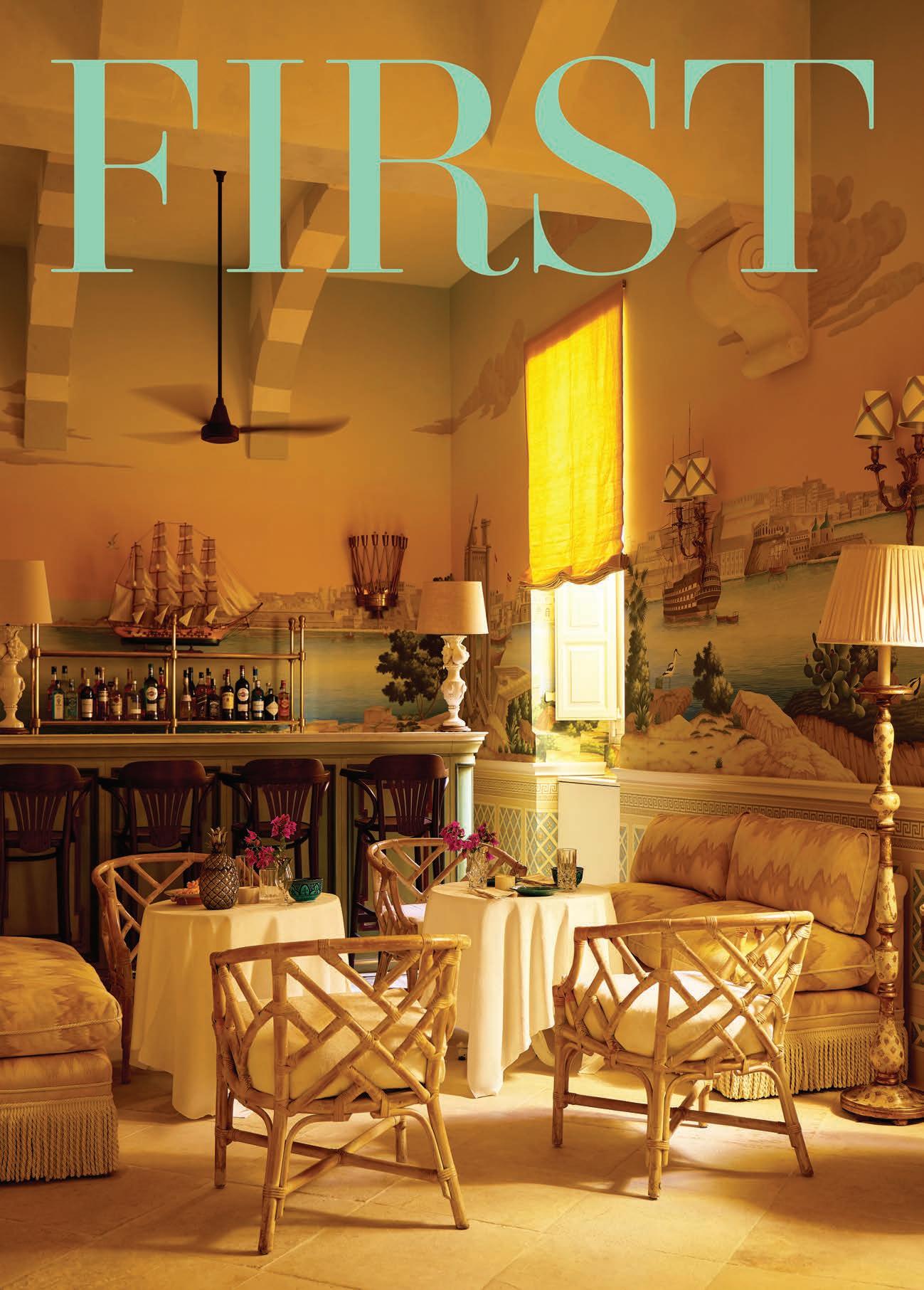

ISSUE 371 MAY 2026

“The soul becomes dyed with the colour of its thoughts.”

“When
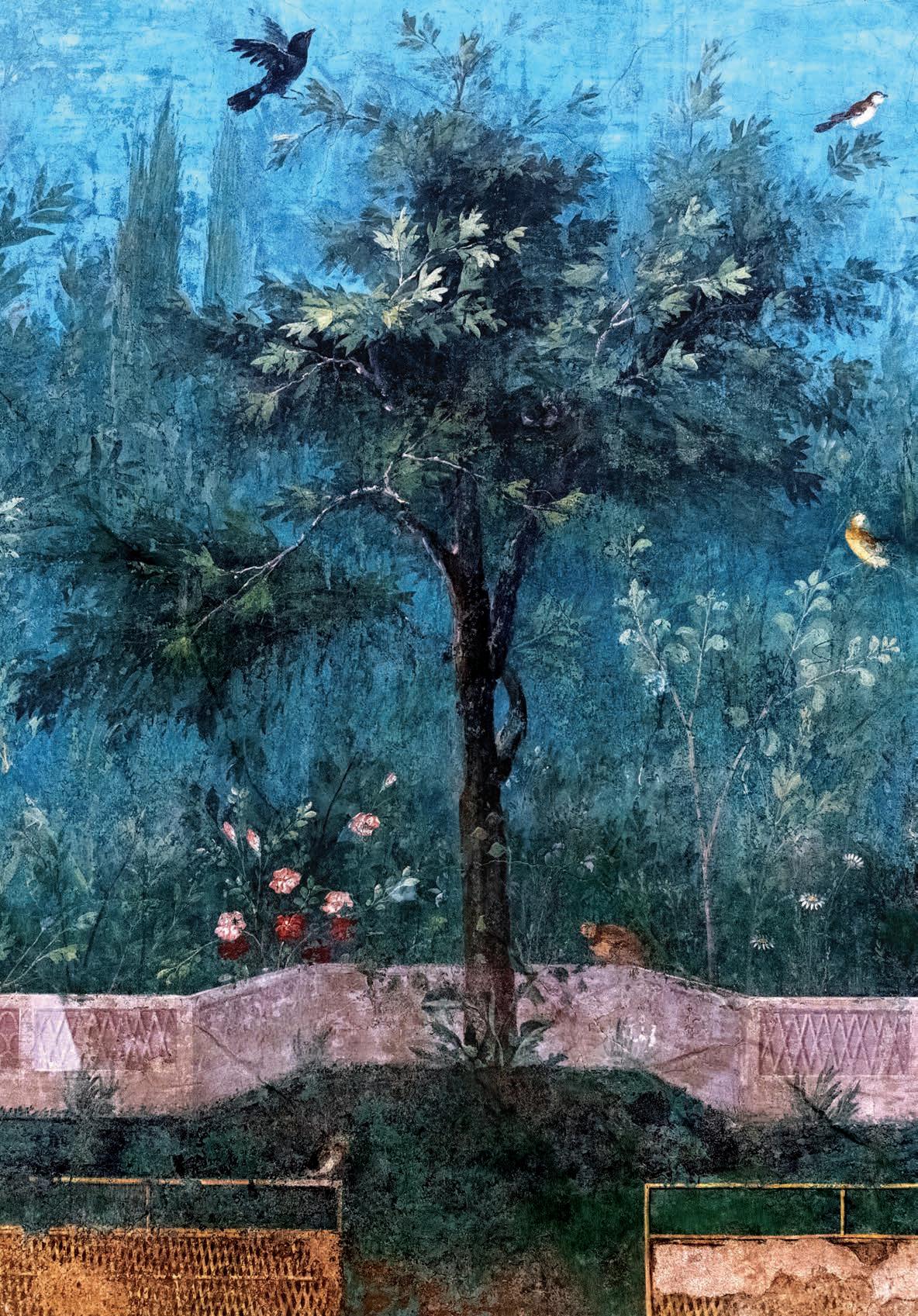
“THE HAPPINESS OF YOUR LIFE DEPENDS UPON THE QUALITY OF YOUR THOUGHTS.”



BEAUSÉJOUR well on the beauty of life. Watch the stars, and see yourself running with them. Think constantly on the changes of the elements into each other, for such thoughts wash away the dust of earthly life.”


MARCUS AURELIUS, MEDITATIONS

8
LA DOLCE VITA
The Orient Express Corinthian.
Grand Journeys on a 220-metre Sailing Yacht.
24 INTERIORS
Casa Bonavita.
An Eighteenth-Century Maltese Residence
Reimagined by Christopher and Suzanne Sharp.
40 TRENDS
Designing the Heart of the Home.
The Evolution of Better Sleep.
44 YACHTING
The Paymix Pro Ragusa Regatta. From Marsamxett to Marina Di Ragusa.
57 CULTURE
The Voice that shaped a Planet. Sir David Attenborough at 100.
62 ORGANIC FARMING
The Shape of Sustainable Food. Rethinking Organic Farming in Malta.
64 MONEY MANAGEMENT & RETIREMENT PLANNING
Designing Your Future Lifestyle. What Does Retirement Actually Look Like?
71 HEALTH & WELLBEING
Dementia Awareness.
75 GASTRONOMY
A Table in Chelsea. Willett’s at The Cadogan.
88
THIS IS WINE TASTING NOTES
Lynch Bages 2016. Madonna Delle Grazie Il Marroneto 2015. Louis Latour Puligny-Montrachet Sous Le Puits 2022.
GASTRONOMY A Table
THIS IS WINE. TASTING NOTES with Kris @FirstThisIsWine. This month’s lineup includes Brunello,
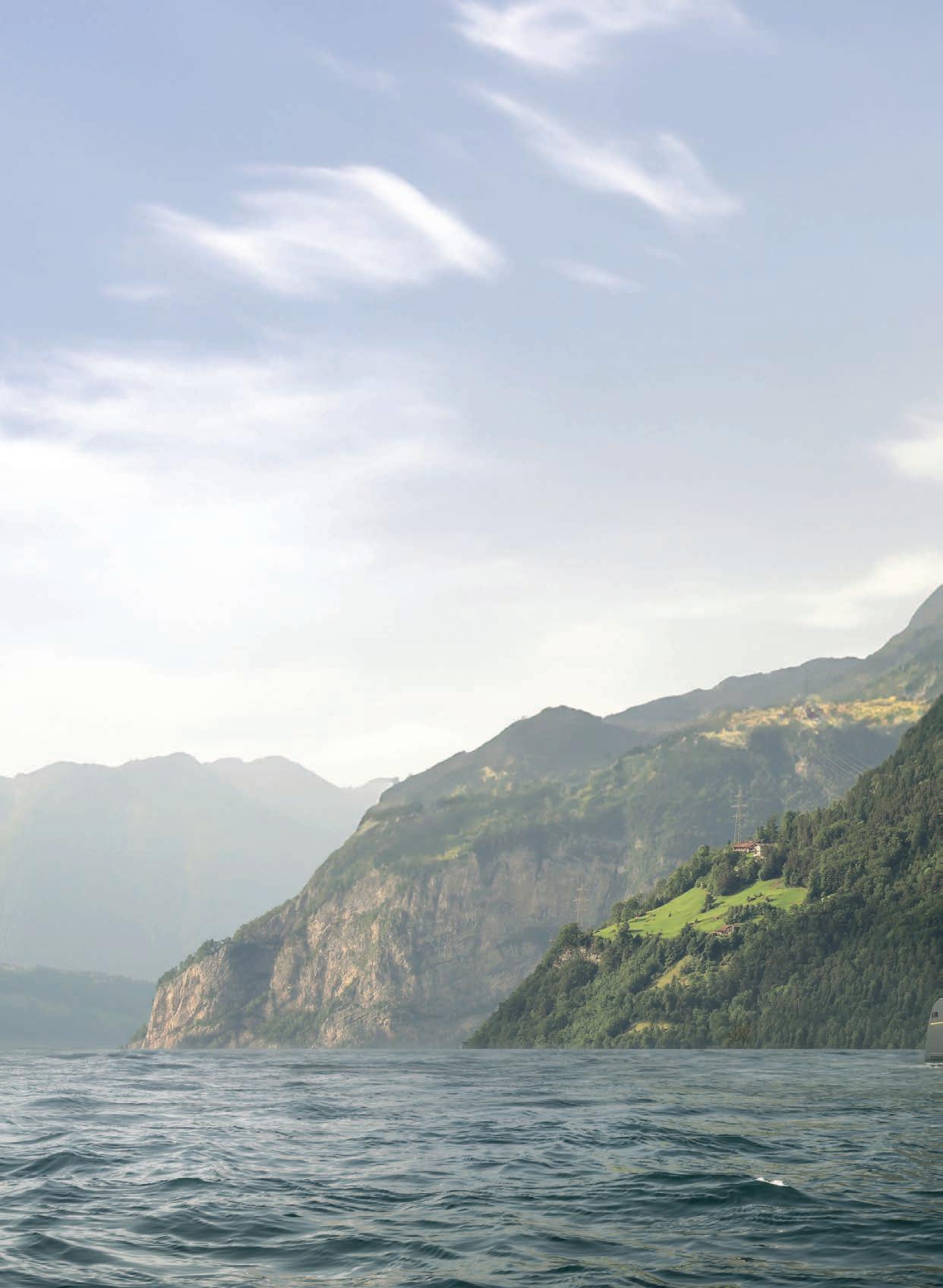
THE ORIENT EXPRESS CORINTHIAN. A 220‑METRE SAILING YACHT BRINGS THE SPIRIT OF THE GOLDEN AGE OF TRAVEL TO THE MEDITERRANEAN AND BEYOND
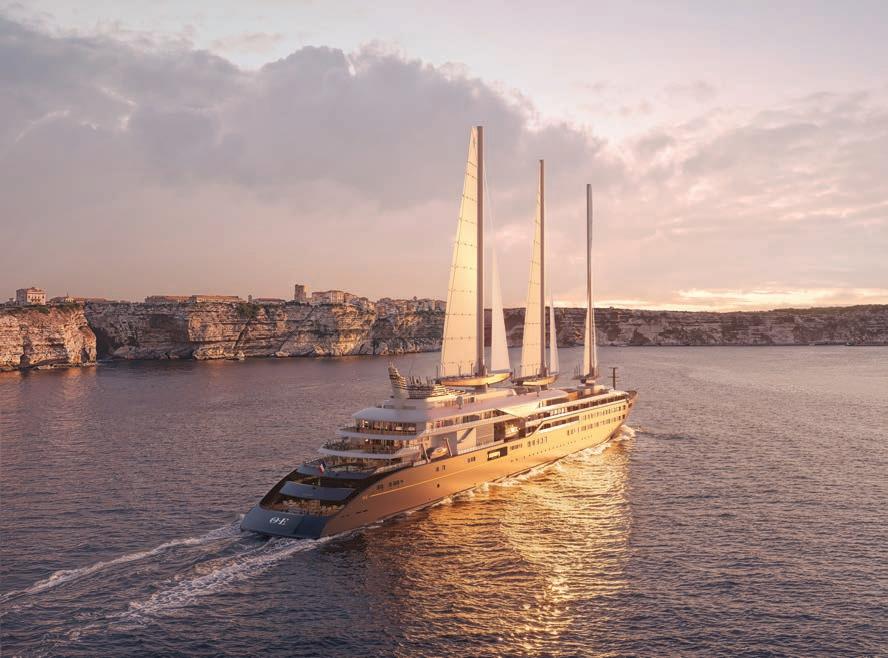
A century after Agatha Christie sent her most famous detective onto the Orient Express, the name returns to the realm of grand travel –this time under sail. The Orient Express Corinthian, a 220 metre yacht shaped by French craftsmanship and maritime innovation, carries the romance of slow journeys into a new era. With design by Maxime d’Angeac, engineering by Chantiers de l’Atlantique and cuisine by Yannick Alléno, it offers a modern expression of elegance shaped by wind, artistry and intention.
Photography courtesy Orient Express.
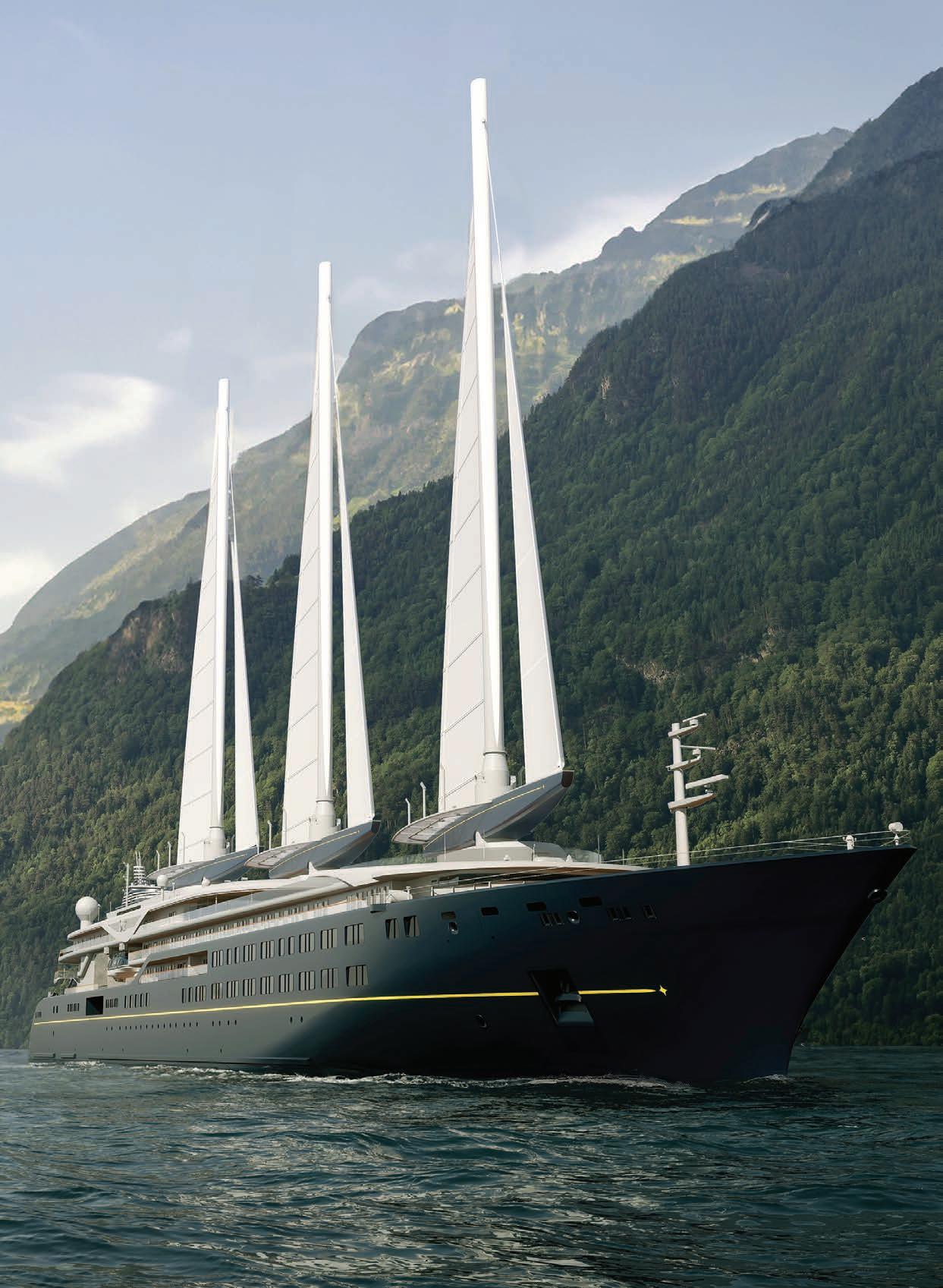
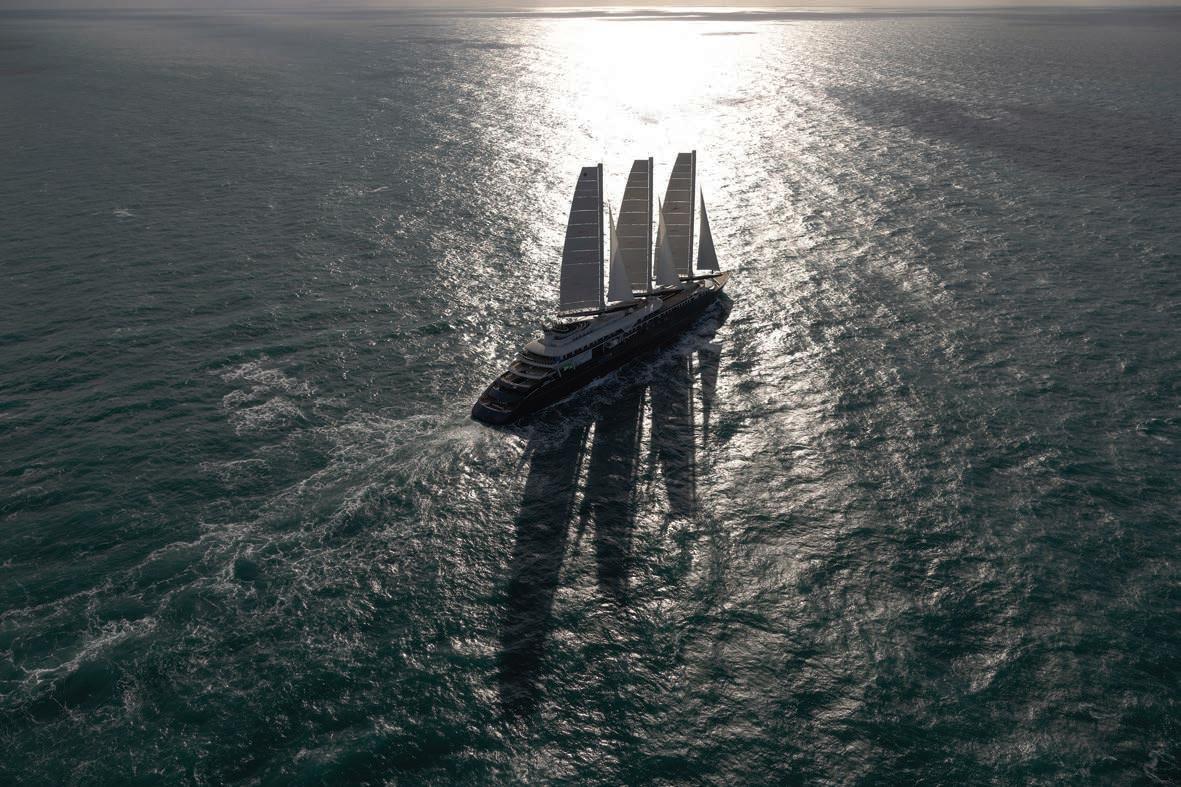
Agatha Christie understood the allure of a journey that unfolds at its own pace. Her iconic detective stepped aboard the Orient Express expecting civility, intrigue and the gentle promise of adventure. It’s easy to imagine she would have felt at home on the Orient Express Corinthian, the new sailing yacht bringing the legendary name to the water for the first time. More than 140 years after the original trains began crossing Europe, the legend has traded rails for rigging, setting sail with the same sense of theatre and ambition that has defined its past.
This new vessel, built by Chantiers de l’Atlantique and designed by Maxime d’Angeac, is described as “a floating palace” and “a showcase of French craftsmanship”. At 220 metres, with three towering masts and 1,500 square metres of rigid sails, it is the world’s largest sailing yacht. The Corinthian is also the first to use the SolidSail propulsion system, a technology that allows the masts to tilt and rotate for optimal wind capture, reducing reliance on conventional fuel. The ship’s hybrid LNG system and AI driven marine mammal detection reflect a broader shift in maritime engineering, one that blends grandeur with environmental responsibility.
Laurent Castaing, Chief Executive Officer of Chantiers de l'Atlantique, says: "For more than one hundred and sixty years, Chantiers de l'Atlantique has been building ships that define their era. Orient Express Corinthian is the latest proof of this: 720 feet, 15,000 tonnes carried by the wind, three SolidSail sails… the fruit of ten years of research and development. It is a concrete, technical response to the decarbonisation challenges facing maritime transport. But above all, it is the work of men and women of exceptional dedication and passion. To them I owe this humble pride." His pride isn’t just in the ship’s grandeur, but also in the people who built it. It's a reminder that even the most advanced vessels are, at their core, human creations.
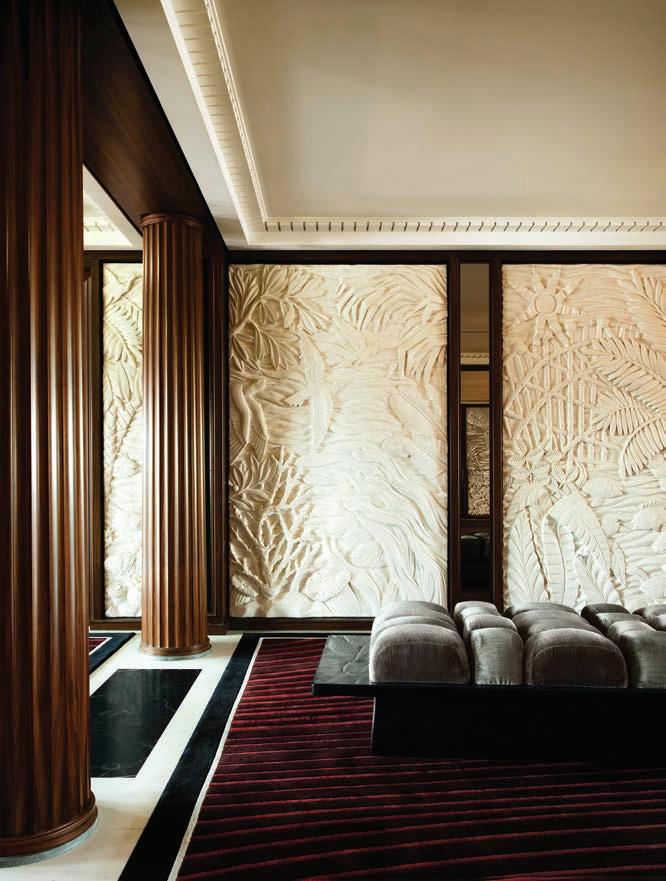
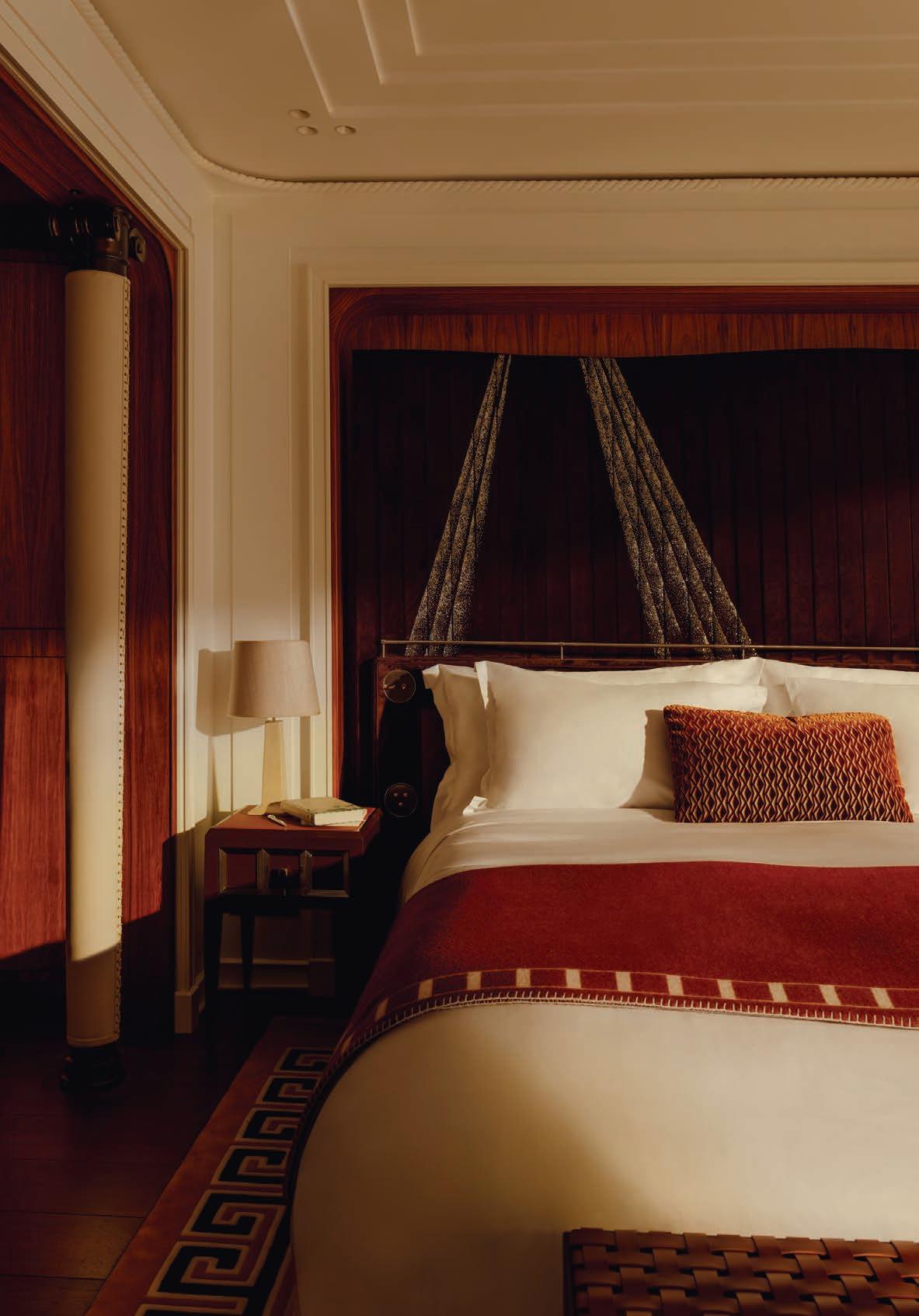
Designed by d’Angeac, the interiors evoke the golden age of travel while avoiding any sense of imitation. He calls it “a contemporary vision of Orient Express… an era in which high quality is synonymous with excellence and calls for a real aesthetic revolution.” Suites range from 45 to 230 square metres, each with a panoramic window and raised ceiling heights. Leather, marble, and wood veneers are used with a refined touch that lets the craftsmanship shine. A dedicated butler attends each suite, and among the accommodation options is the Penthouse Suite Agatha Christie, a two bedroom space inspired by the novelist whose name remains inseparable from the Orient Express mythology.
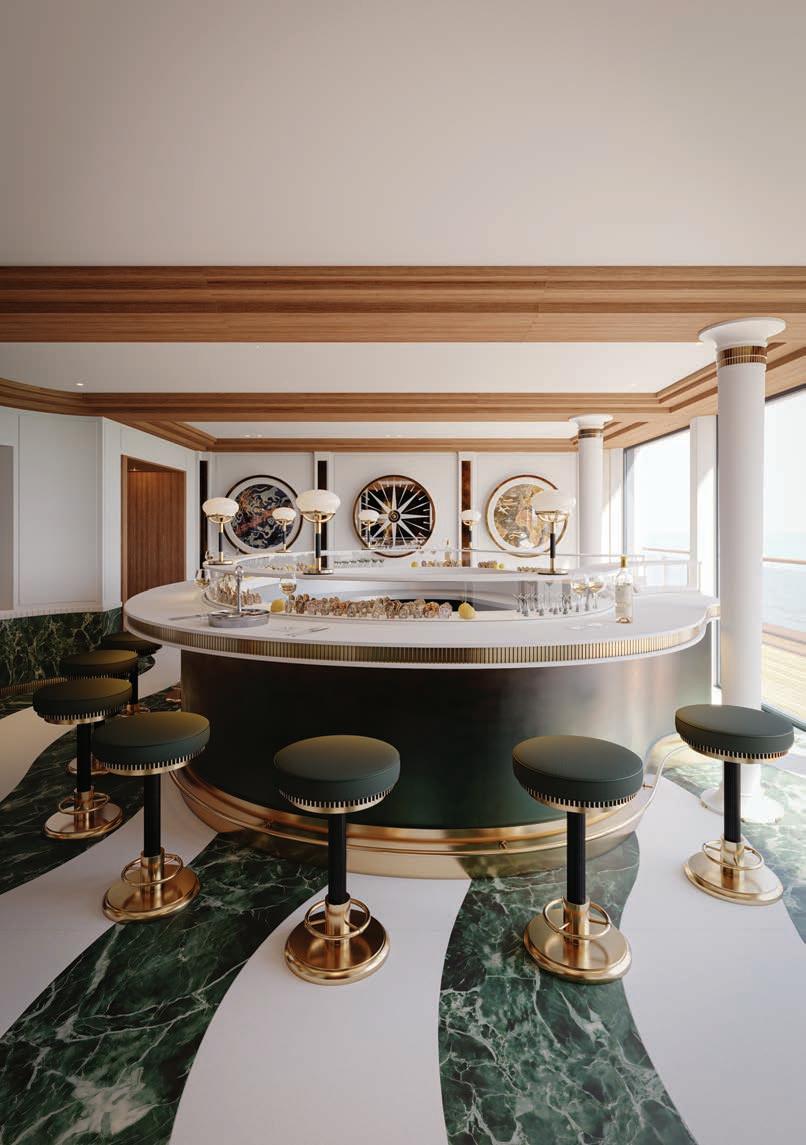
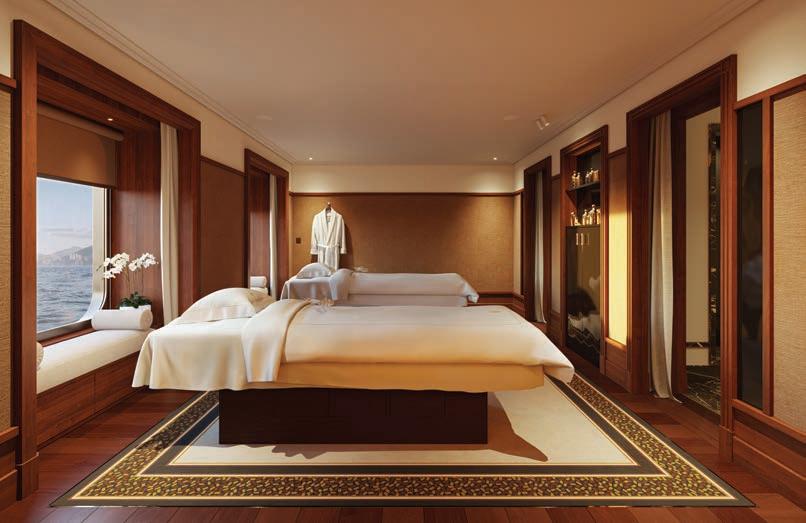
Top: L’Encre Restaurant offers fine seafood, paired with a glass of white wine or a flute of champagne, around a light-filled counter. Left: Le SPA by Guerlain. This 5,000 sq. ft. spa offers luxurious treatments, a tepidarium, and serene spaces, inspired by the sea, sun, and salt air for ultimate rejuvenation.

















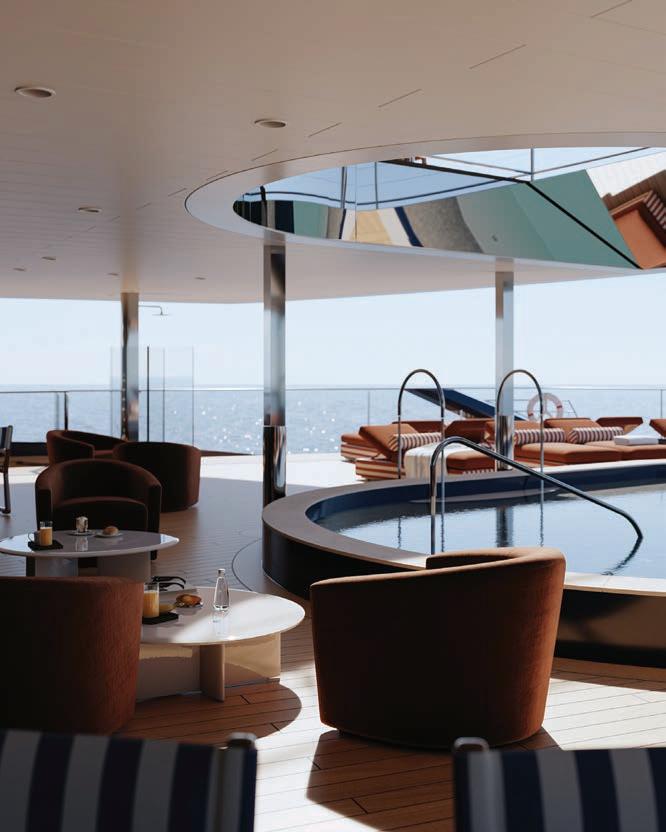
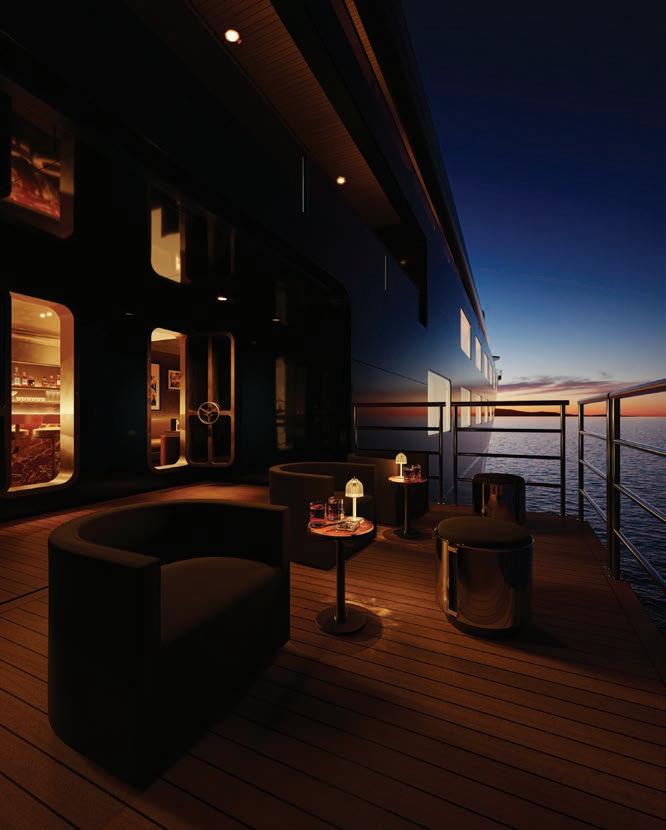
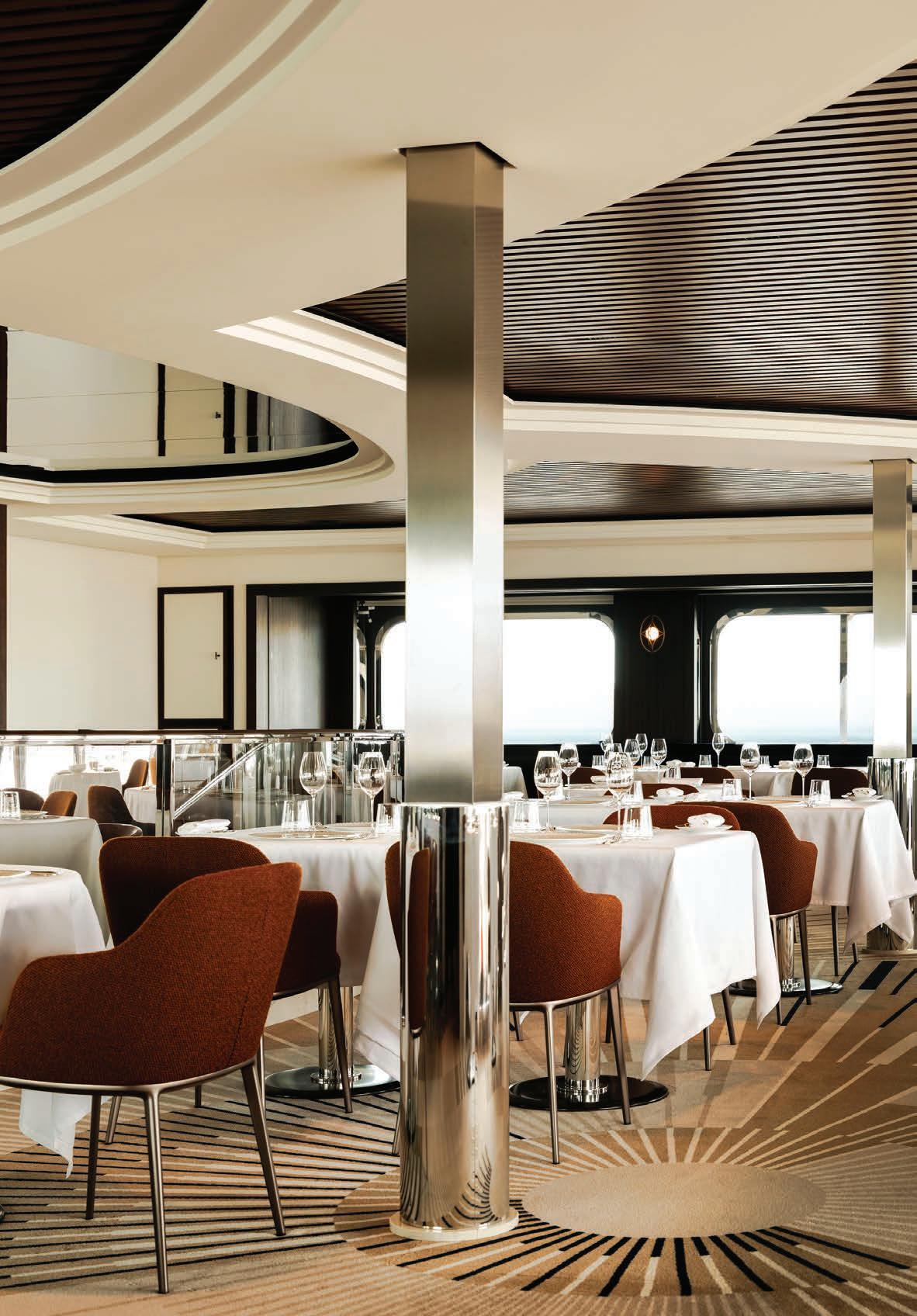
The ship’s culinary direction is led by Yannick Alléno, whose multi Michelin starred background brings a certain expectation. His approach here is shaped by the pace of travel instead of the conventions of fine dining. “Orient Express embodies travel in its noblest form,” he says. “Cuisine thus becomes a shared language between spaces, cultures and passengers.” Five restaurants and private dining rooms offer distinct moods: the refined La Table de l’Orient Express, the more relaxed L’Écrin, the marine counter L’Encre, the open air La Terrasse and the poolside La Piscine. The idea is not to impose a signature but to create a sequence of experiences that evolve with the day and the itinerary.
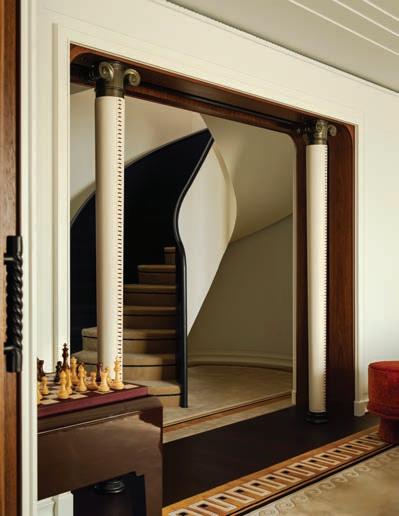
Left: La Piscine. An ideal spot for a drink, snack or tea, while admiring the 1930s inspired staircase.
Below left: Le Speakeasy. A hidden gem inspired by the Roaring Twenties, exuding discreet elegance and vintage charm. Below right: Orient Express Corinthian Suite Door. Photo © Alixe Lay, Orient Express.
Facing page: La Terrasse Restaurant. Ascend the grand double staircase to a space where Art Deco meets contemporary design for a timeless, sensory experience.
Photo © Alice Mesguich, Orient Express.

Sébastien Bazin, Chairman and CEO of Accor, sees the project as a natural extension of the brand’s history. “Bringing Orient Express to the sea fits naturally within the imagination of this legendary brand: a journey rooted in discovery, unhurried time, excellence, and elegance,” he says. “Thanks to its sail powered propulsion, its spaces enhanced by rare materials, and by offering a unique experience designed for an international clientele, we have met a threefold challenge: industrial, architectural, and artistic.” His emphasis on collaboration underscores the scale of the undertaking: nearly 2,000 artisans and specialists contributed to the ship’s creation.
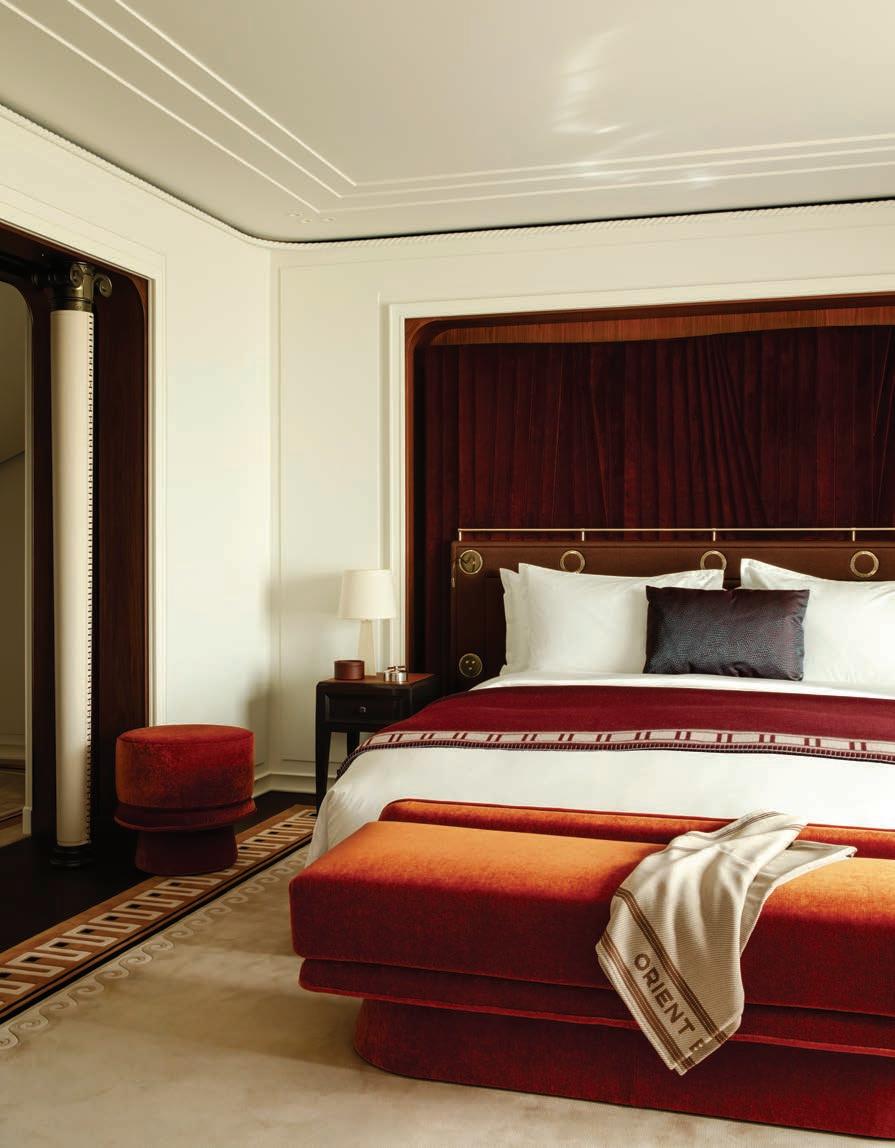
This page: Duplex Suite. A sweeping staircase connects two areas: one for daytime living, the other for restful nights. Spanning 2 decks, the suite unfolds over two levels, with a grand bedroom below.
Photography © Alice Mesguich, Orient Express.












Life on board extends beyond dining and design. Eight bars, including an Art Deco speakeasy, sit alongside a 115 seat cabaret and even a recording studio. The Guerlain spa, a 16.5 metre swimming lane, a pool and a marina offer a sense of ease that feels aligned with the Orient Express tradition of unhurried travel. The ship’s itineraries, beginning with the Mediterranean and Adriatic before crossing to the Caribbean, are designed to be modular, with journeys from one to four nights that can be combined into longer passages.
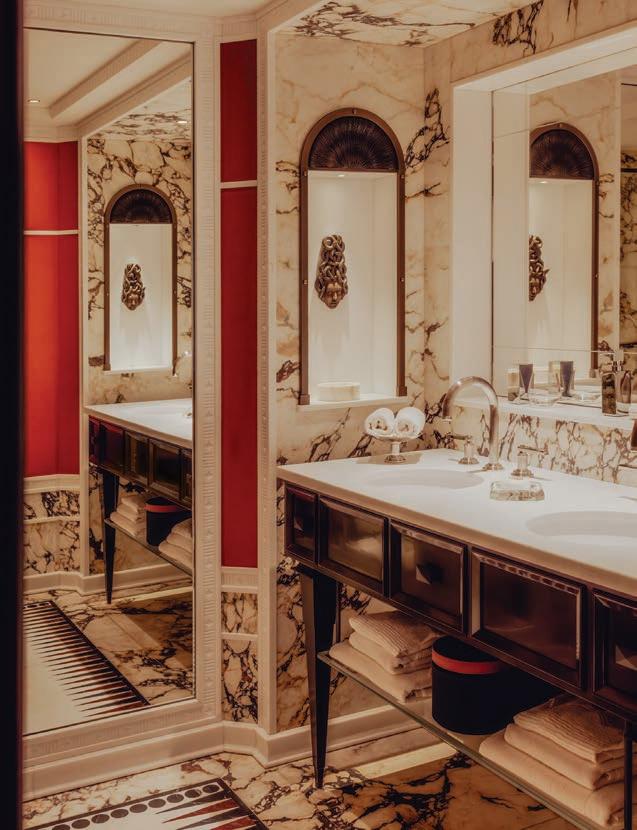
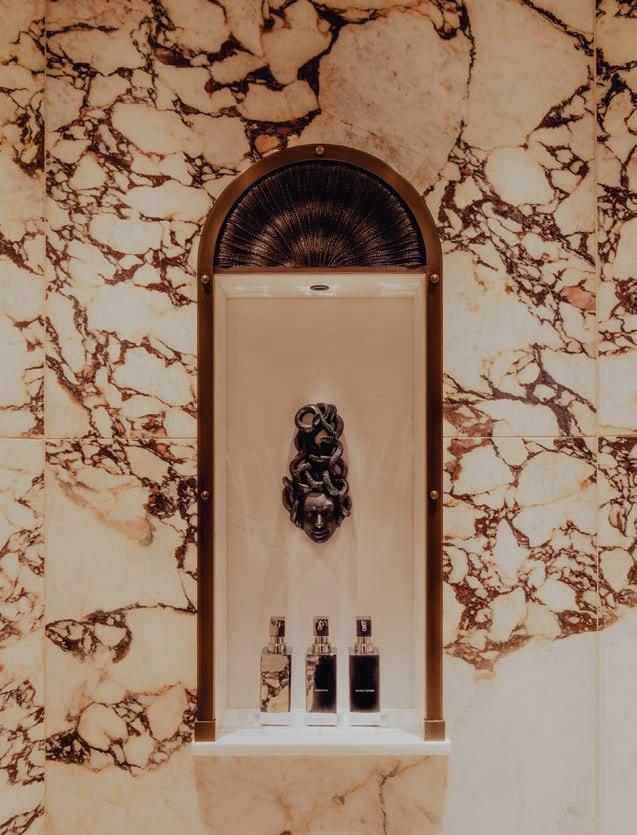
This page: Fine marble details in the suite bathrooms. For this vessel entirely built in France, close to 2,000 craftsmen, artists and ateliers, led by Chantiers de l’Atlantique, contributed to shaping the project to bespoke specifications, following the vision set by architect Maxime d’Angeac, Orient Express Creative Director. Photography © Alixe Lay,
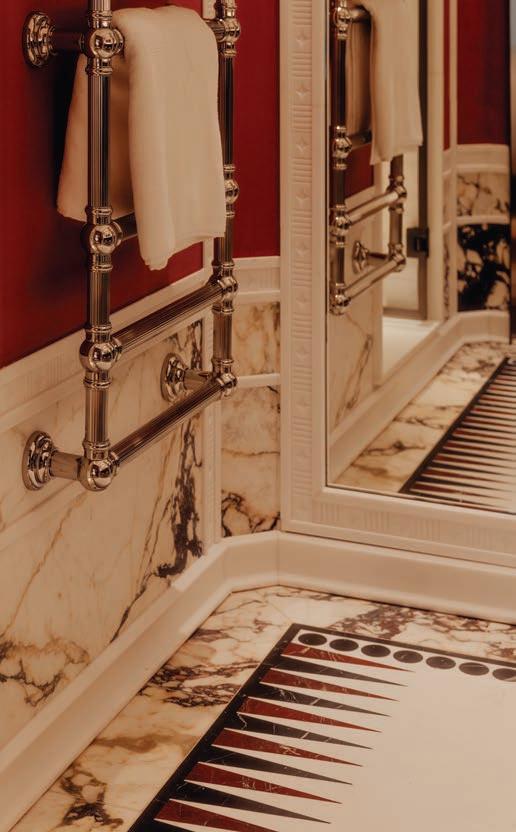

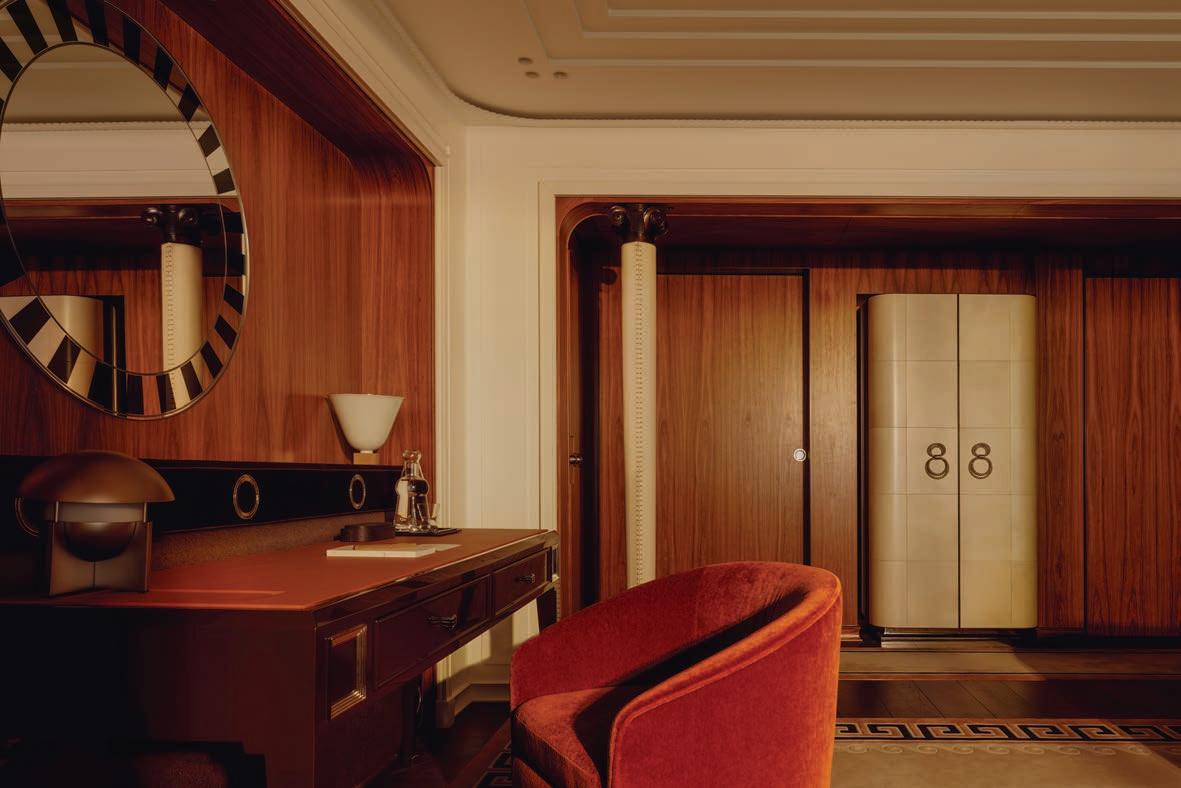
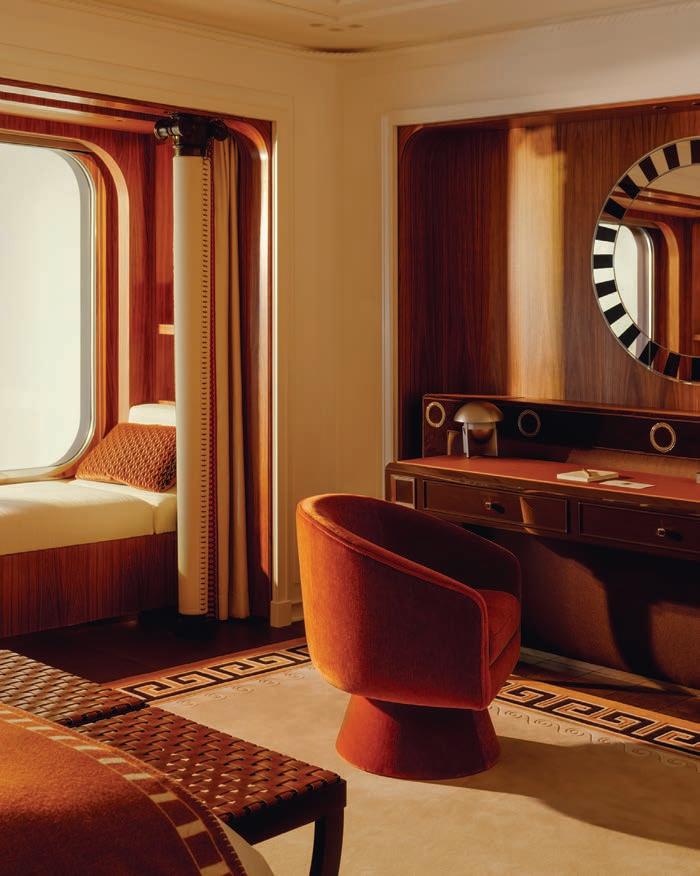
This page and facing page: Each suite features a 3.60metre panoramic window and deckhead heights raised by 25 cm above current industry standards. Leathers, precious wood veneers and marbles compose interiors of quiet refinement. “All the suites and the entire design of the yacht have been conceived as unique spaces that break the boundaries of Orient Express’s classic decorative grammar while remaining true to its very particular codes,” Maxime d’Angeac explains. “A contemporary vision of Orient Express, that of an era in which high quality is synonymous with excellence and calls for a real aesthetic revolution.” Photography © Alixe Lay, Orient Express.
The Corinthian’s inaugural voyage from Saint Nazaire to the French Riviera marks a fresh chapter for a name that has always carried a certain romance. The original trains offered a way of seeing Europe that was both personal and wide reaching. Now this new vessel brings that same spirit to the sea, inviting travellers to experience the Mediterranean, the Adriatic and beyond with the same sense of anticipation that once accompanied a departure from the Gare de l’Est. Christie might have admired the Corinthian’s mix of elegance, engineering, and storytelling potential. The Orient Express has always been about more than just getting from place to place; it’s about atmosphere, detail, and the promise of stories ready to be told. On this new sailing yacht, those stories now drift across the sea, carried by wind, fine craftsmanship and the timeless allure of purposeful journeys.

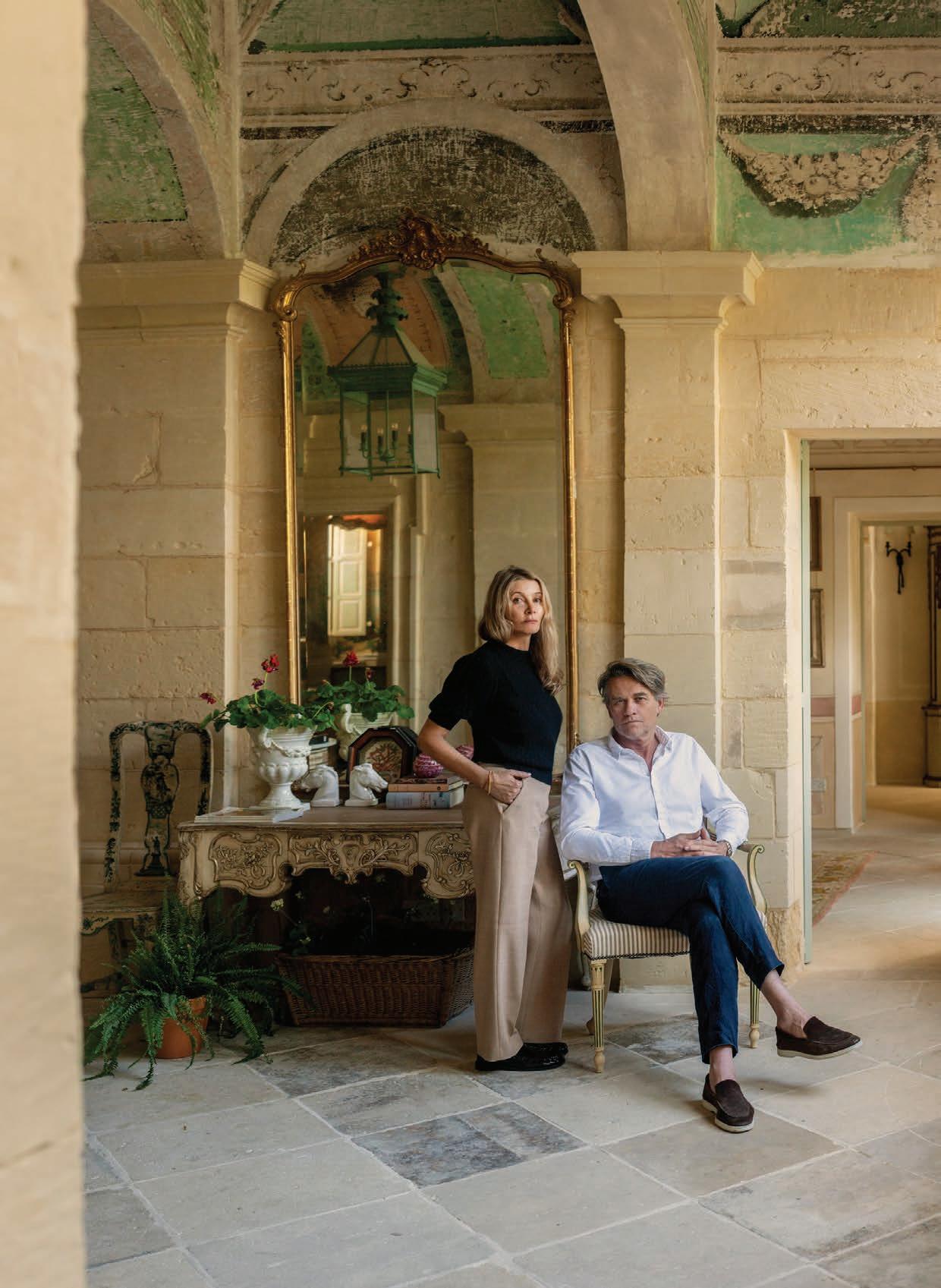

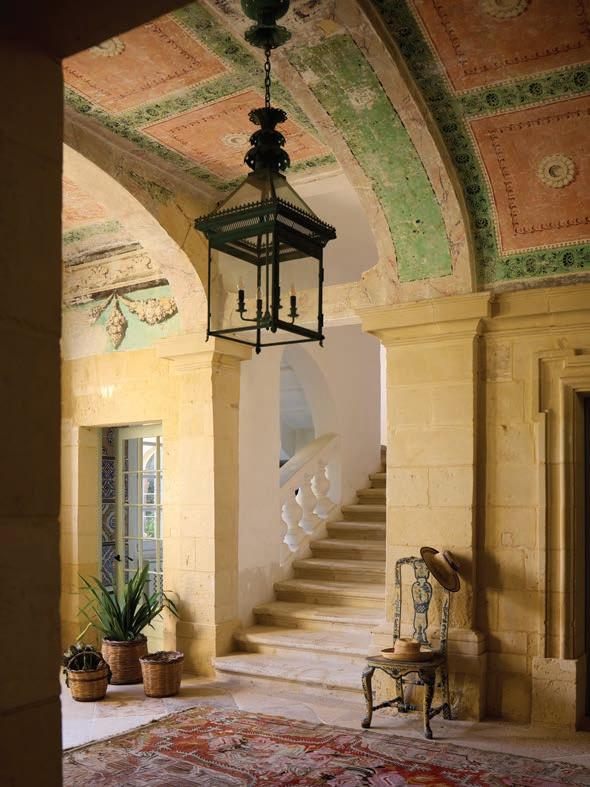
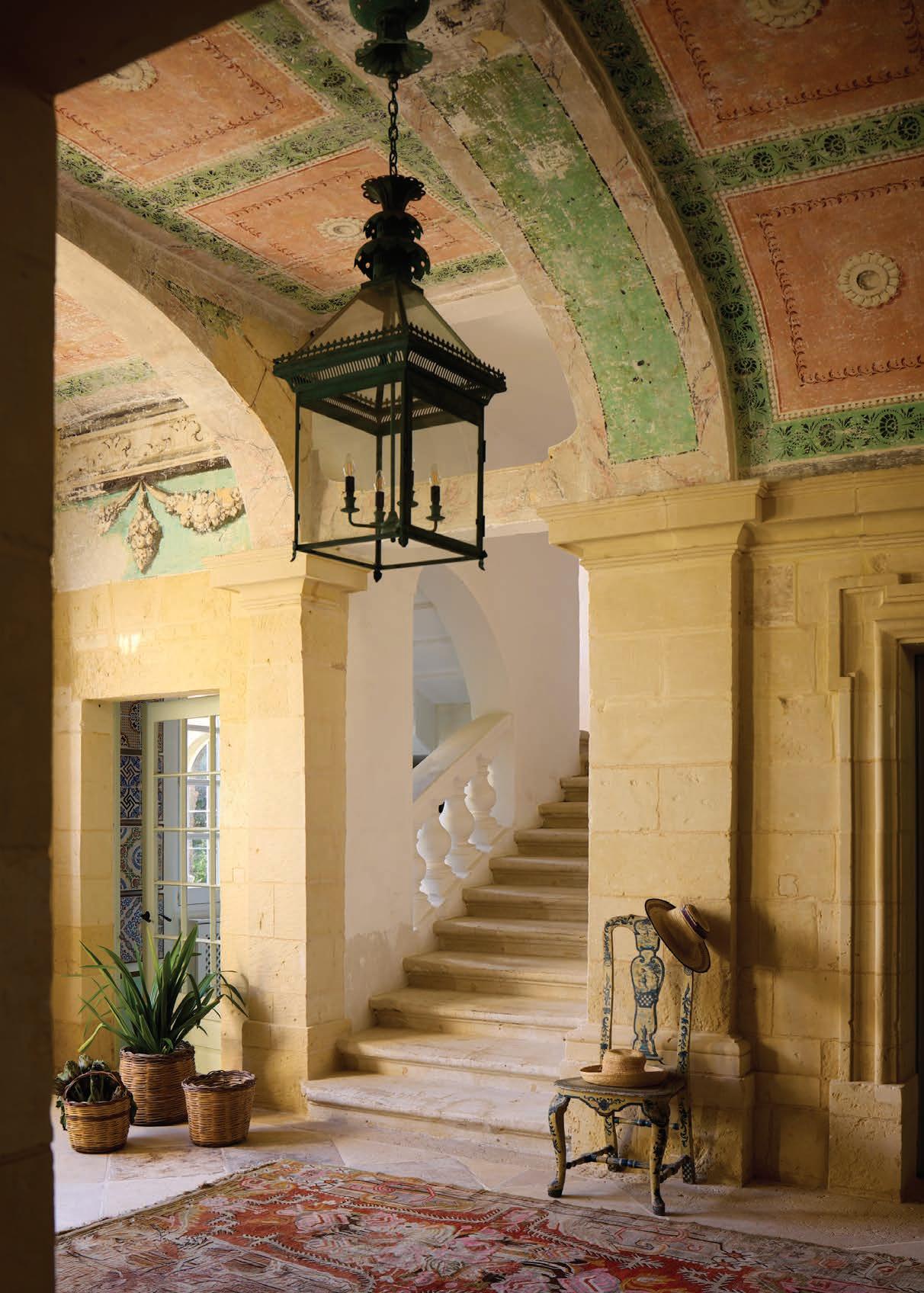
Casa Bonavita began life in 1715 as the country home of a prominent Maltese family whose story unfolded across revolutions and shifting regimes. Today, Christopher and Suzanne Sharp have reimagined the house with a refined, personal approach to design, creating a hotel that draws on Malta’s craft traditions, its gardens and its architectural heritage.
Main photography Boz Gagovski and Julian Vassallo, courtesy Casa Bonavita.
In Malta, history is etched in stone, and Attard, with its early country houses, became a favorite getaway for influential families from the seventeenth century onward. When Antoine de Paule, a knight of the Order of St John, built the villa that would become San Anton Palace in the early 1600s, the area began drawing families seeking both proximity to Valletta and a peaceful retreat. Among them were the Bonavitas, a Venetian family who had
arrived on the island in 1600 and quickly established themselves as lawyers, judges and notaries. Their wealth grew steadily, and by the eighteenth century they owned several properties across Malta and Gozo, including a grand house in Valletta on what is now Republic Street. Casa Bonavita, completed in 1715, became their main country estate, complete with an orchard and a small formal garden at the front. Such gardens were common at the time, offering light, privacy, and fresh air from both sides of the house throughout most of the day.
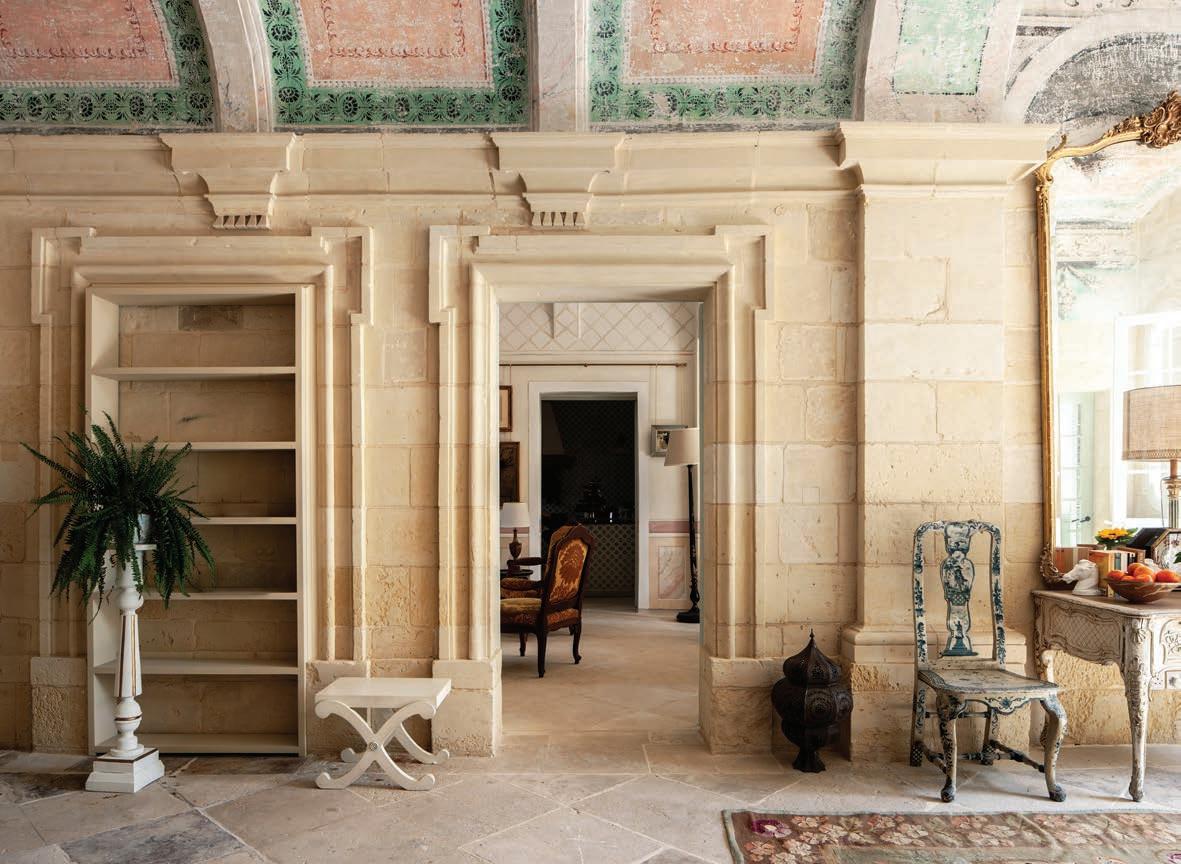
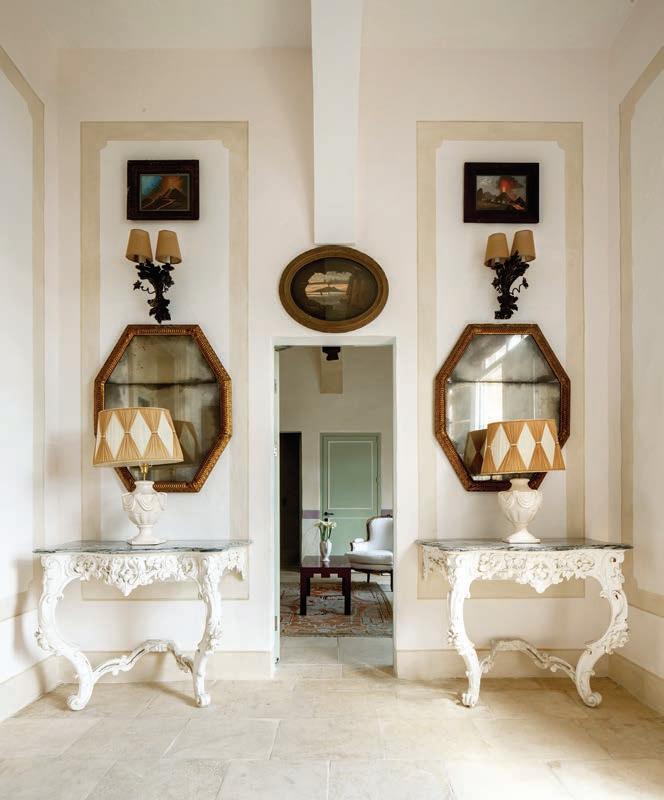
This page: Casa Bonavita’s interiors blend eighteenth-century architecture with contemporary craftsmanship and collected objects. Suzanne Sharp’s design language brings together Mediterranean materials and personal touches.
The Bonavitas’ story is unusually well documented, thanks in part to the diary of Judge Vincenzo Bonavita, who lived through the island’s most turbulent political transitions. His career spanned four regimes, the Order of St John, the French occupation, the British protectorate and the Crown Colony period, and his writing records both domestic detail and national upheaval. He describes a cannonball striking the family’s Valletta house during the turbulent French Blockade of Malta, narrowly missing his daughter, and later using a telescope from the city’s bastions to survey the ransacked damage at Casa Bonavita in Attard. His family’s involvement in the political unrest of the late eighteenth century led to arrests, exile and accusations of treason, yet the house endured, repaired and embellished as fortunes shifted. By the early nineteenth century, Vincenzo’s son Carlo Antonio had been ennobled as Count of San Paulino di Aquilejo, and the estate remained a place of retreat.

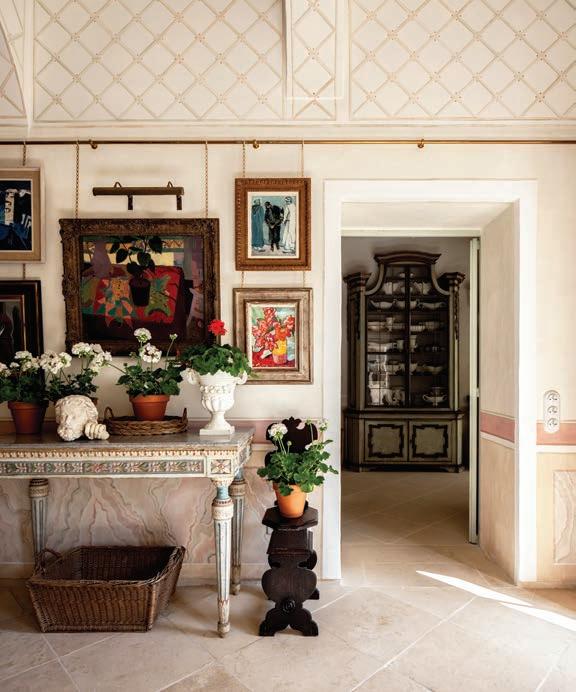
Three centuries later, Casa Bonavita has entered a new chapter under Christopher and Suzanne Sharp, founders of The Rug Company, who first discovered the property in 2010 and were instantly captivated by its charm and proportions. What started
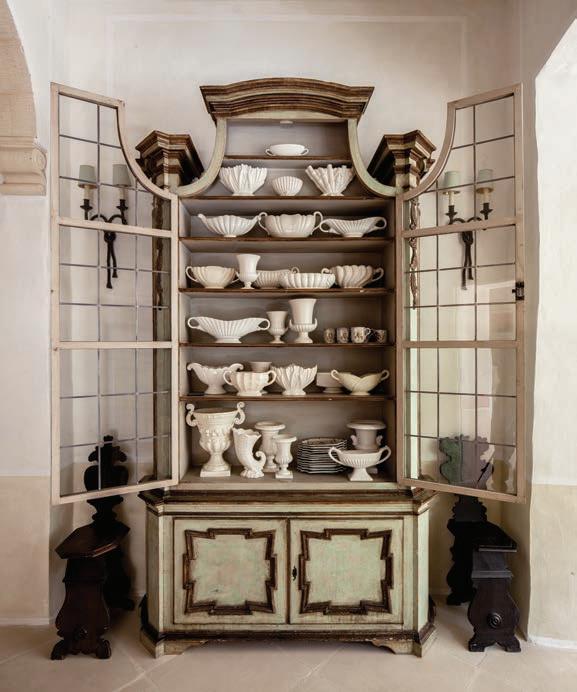
as an occasional retreat slowly turned into an extensive restoration, approached with the care of those who value revealing the past rather than replacing it. Now reopened as a 17 room boutique hotel, the space reflects the Sharps’ design flair and Suzanne’s Maltese roots, offering a setting where history blends effortlessly with the beauty of its architecture and gardens.
A view through the house, where architecture and decoration work in harmony.

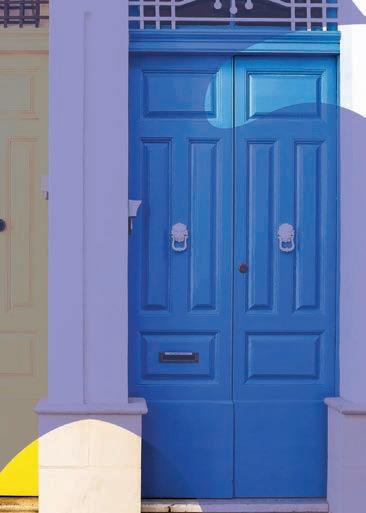
Guests arrive through the former stables, now painted with potted orange trees and imagined coats of arms, a playful gesture that sets the tone for what follows. The building’s age ensures that no
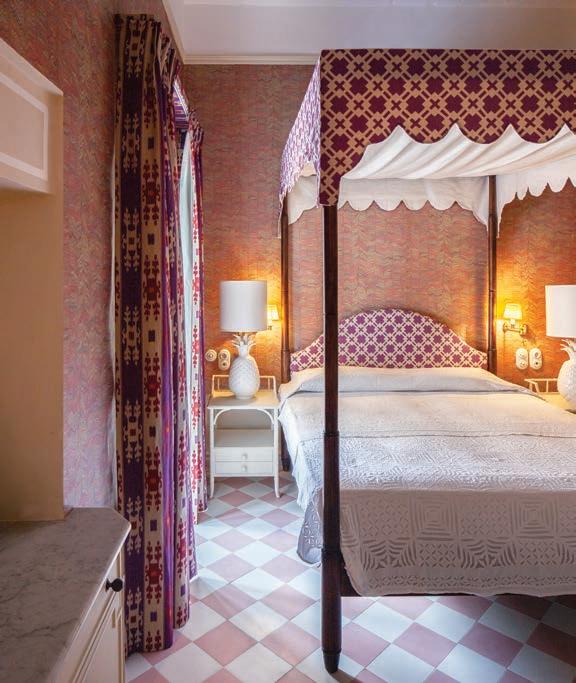
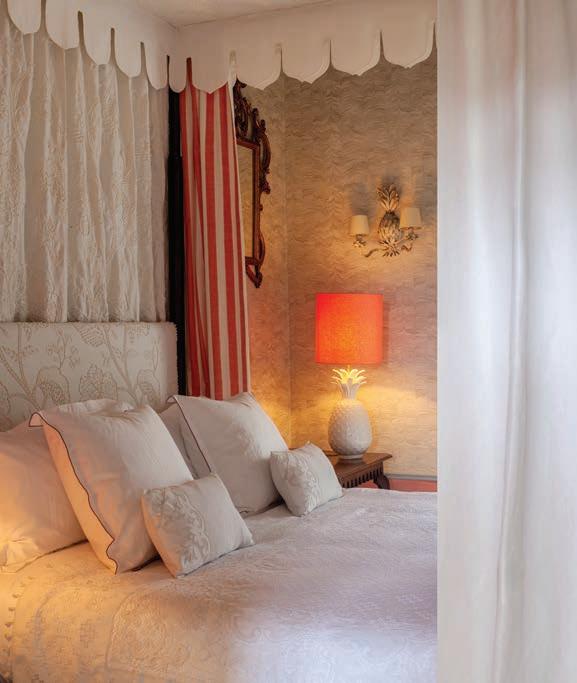
two rooms are alike. Some open onto gardens, others hide behind staircases that turn unexpectedly, and several retain the proportions of the original family chambers. Each room has its own distinguishing features that make it entirely unique, and the effect is of a house that has grown organically over centuries, its character revealed room by room.



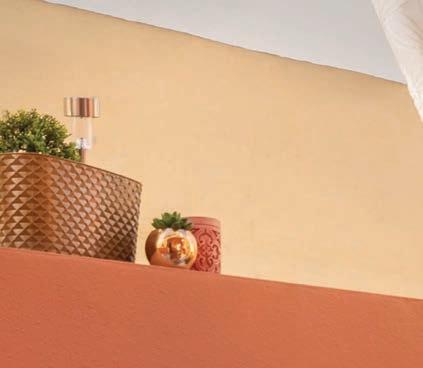
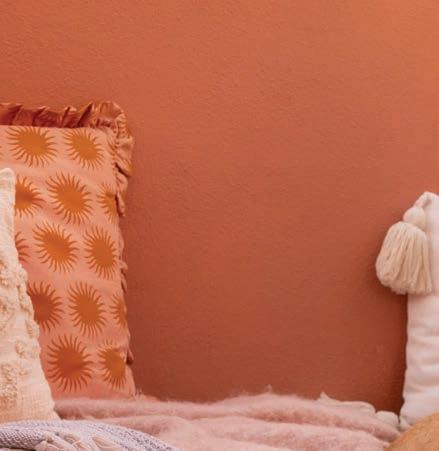
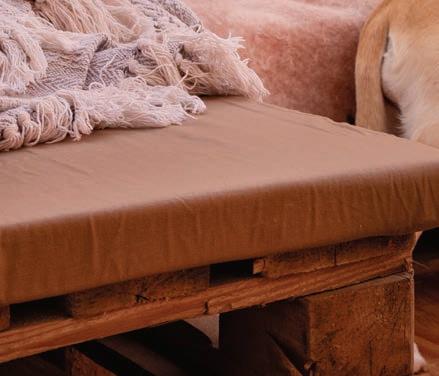

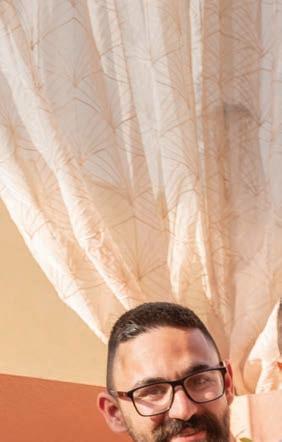
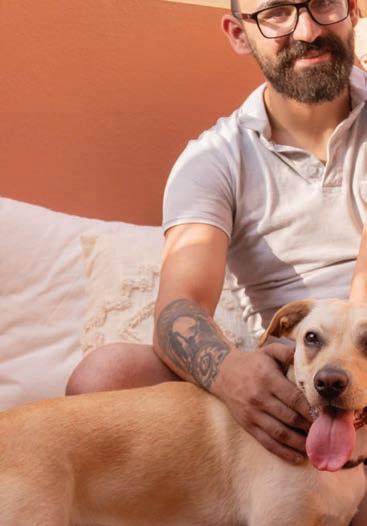





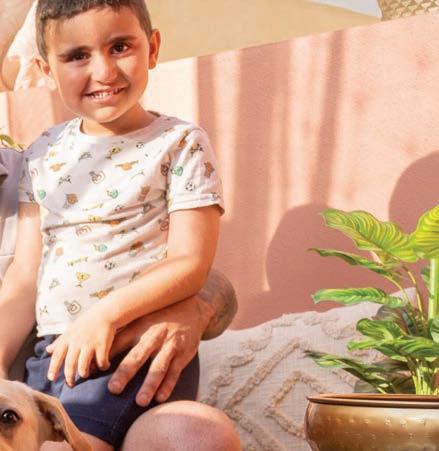
“We chose this copper colour for the terrace because we find it relaxing and feel that it has a Mediterranean vibe that fits well with the space. My partner and I did everything ourselves over three days, from choosing the colour and painting the walls to setting up and decorating it as a cosy barbecue area where we look forward to hosting family and friends a lot this summer!
Dylan Agius


Suzanne Sharp’s interiors draw on the craft traditions of the southern Mediterranean, shaped by her long associations with weavers, ceramicists and artisans. Working with her London studio, she has layered marbles from Sicily, Murano chandeliers, vintage family pieces and rare objects collected over years. Local pottery from Villa Bologna appears alongside bespoke de Gournay wallpaper depicting seventeenthcentury Valletta, created specifically for the hotel’s bar. The palette is warm and tactile, with textiles that soften the stone architecture and introduce a sense of intimacy without diminishing the building’s scale.
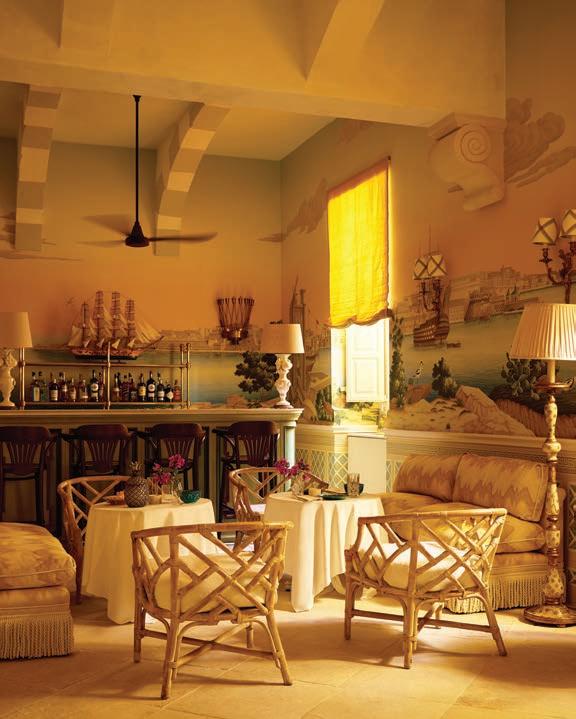
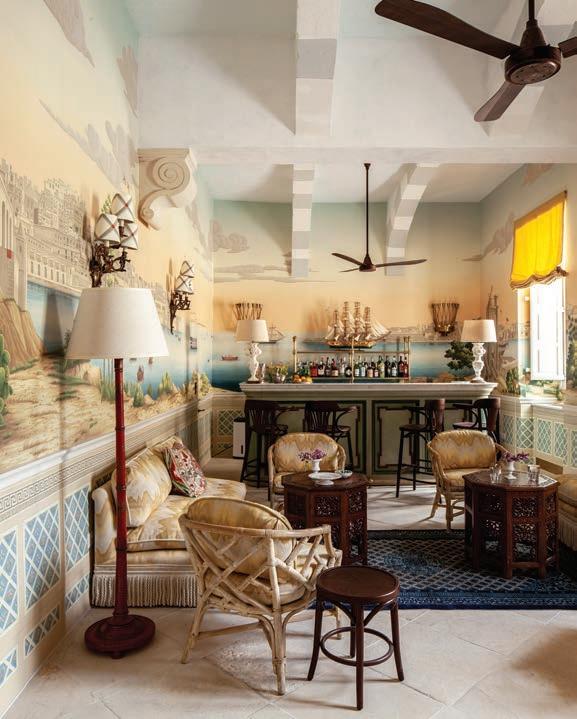
The
Bar,
wallpaper depicting seventeenth-century Valletta in hand-painted detail. The soft glow forms one of the house’s most atmospheric corners
Below: Thanks to the charm of its historic building, every room at Casa Bonavita is one of a kind. Each space has its own special touches that make it unique, from suites with stunning garden views and spacious sitting areas to cozy hideaways tucked up secret staircases.
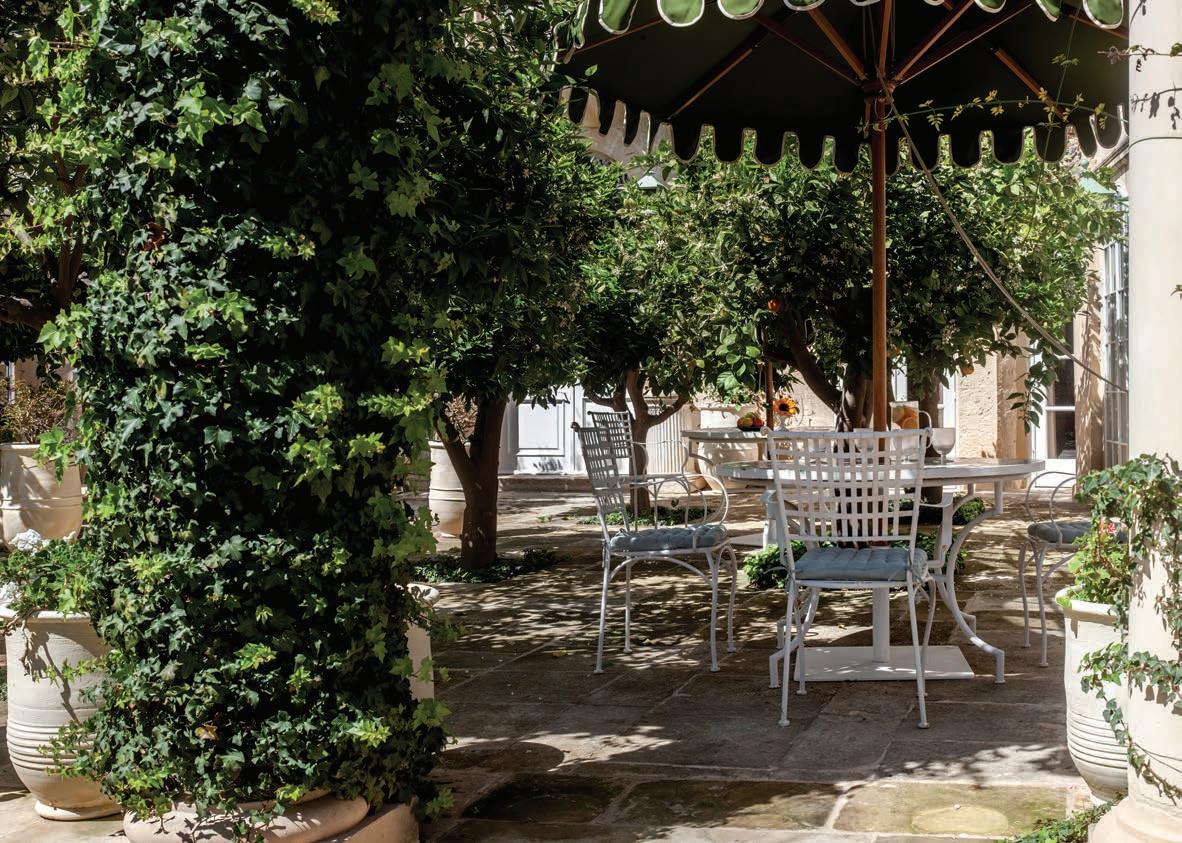
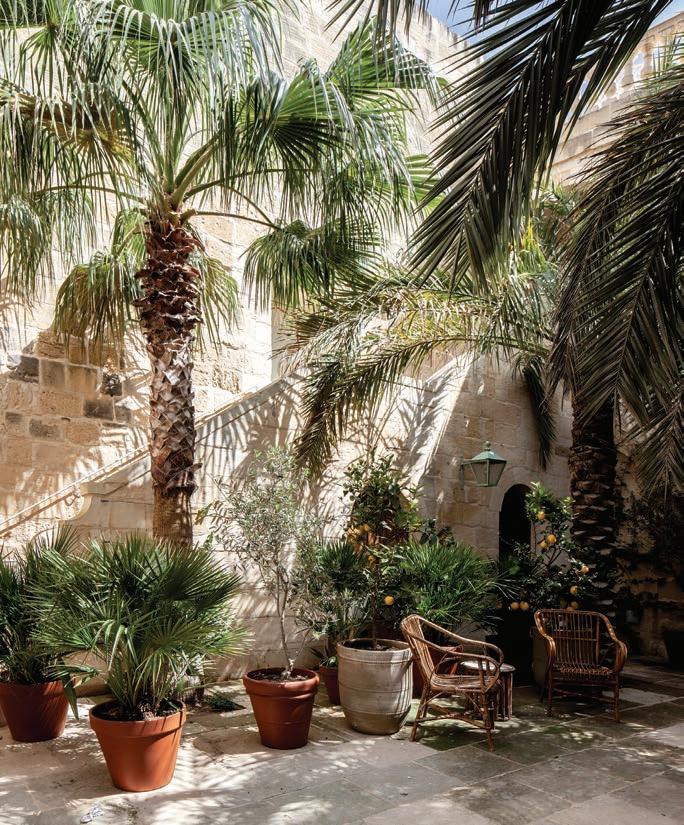
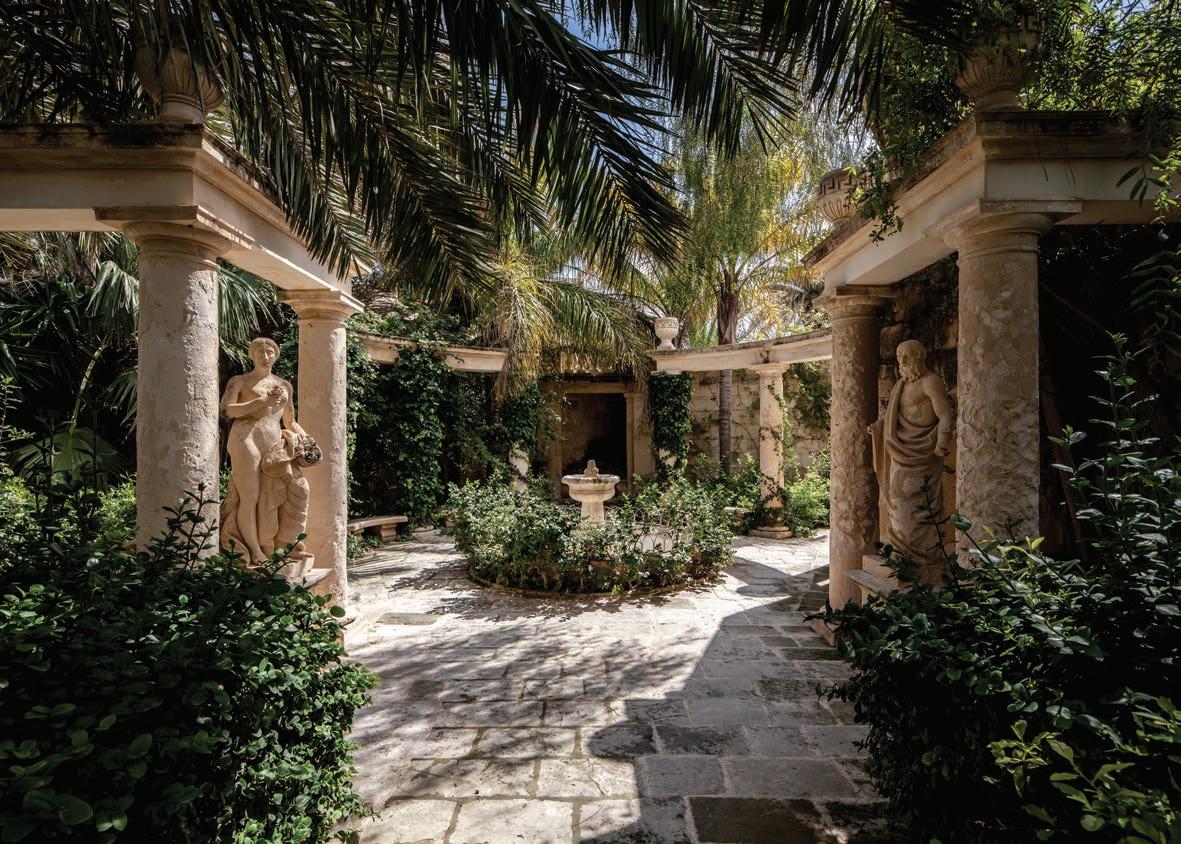
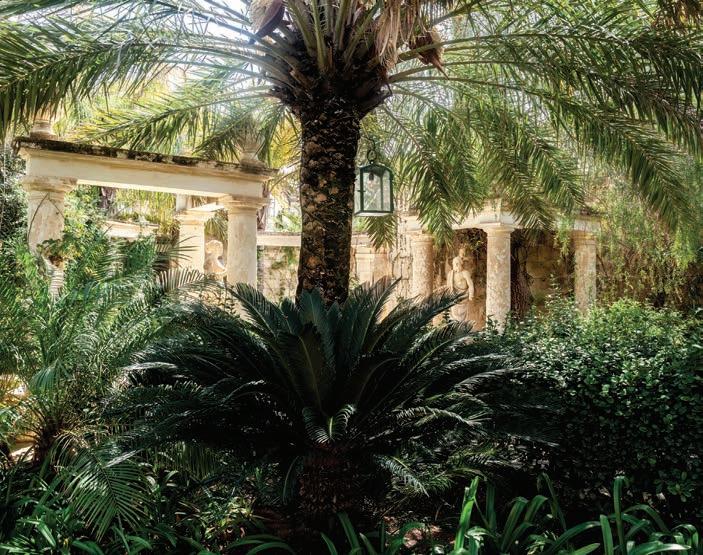
The gardens, restored over fifteen years by Christopher Sharp, form the heart of the property. Citrus trees, plumbago and bougainvillea frame pathways that lead to
shaded corners and open terraces. The air carries the scent of jasmine and rosemary, and the planting encourages guests to wander rather than move directly from one point to another. It’s a peaceful place to relax among the citrus trees, evoking the Mediterranean tradition of gardens meant for contemplation as much as for beauty.







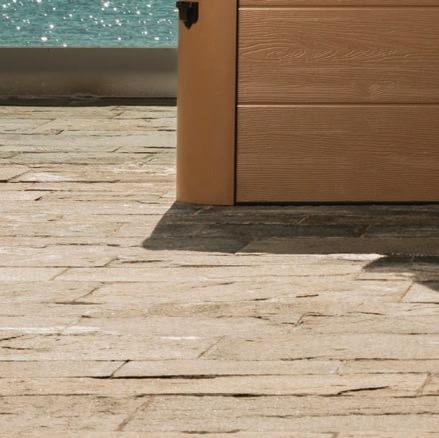



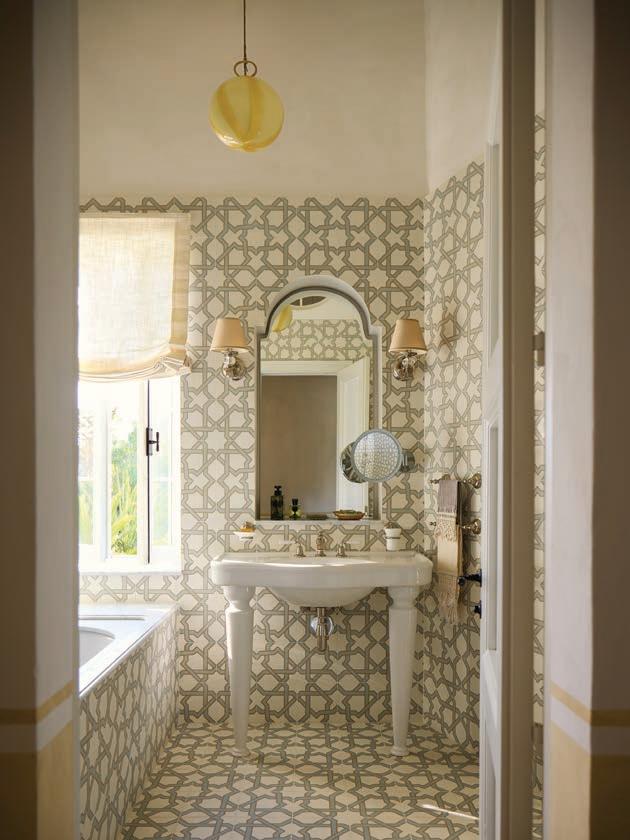
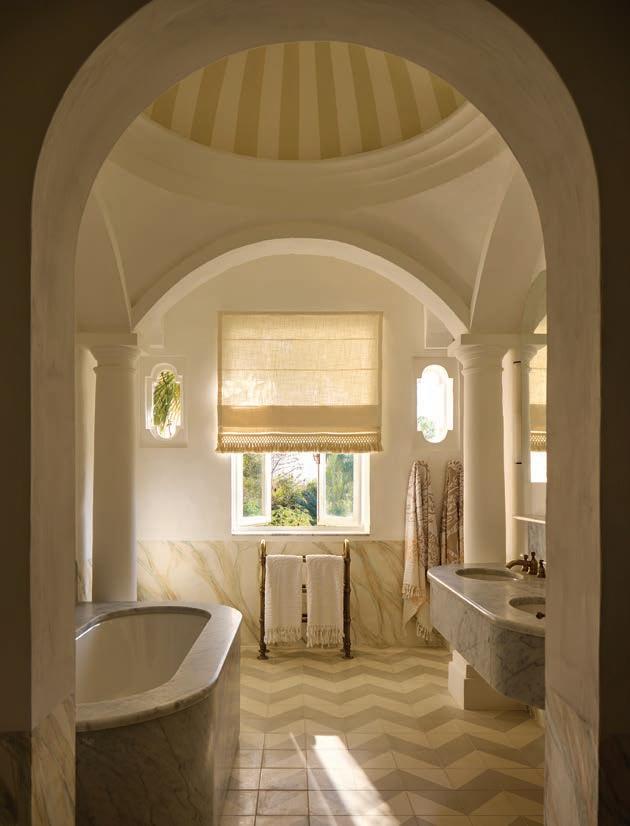
Left: The bathrooms at Casa Bonavita have been designed with the same attention to detail found throughout the house. Photography Boz Gagovski.
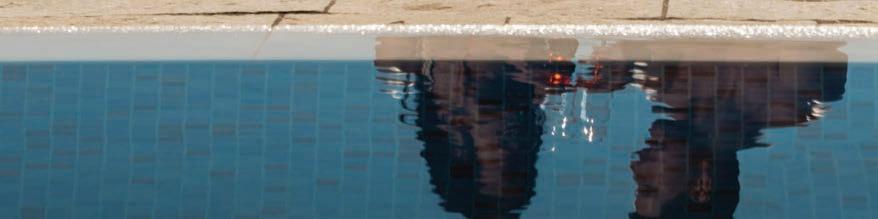
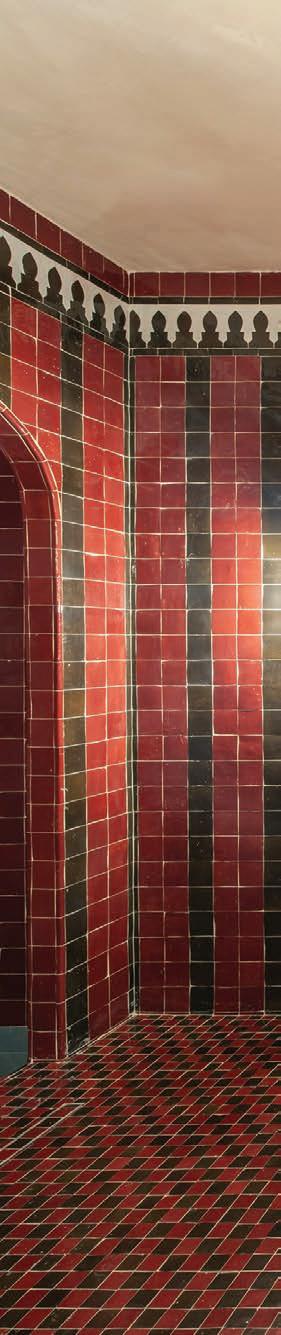
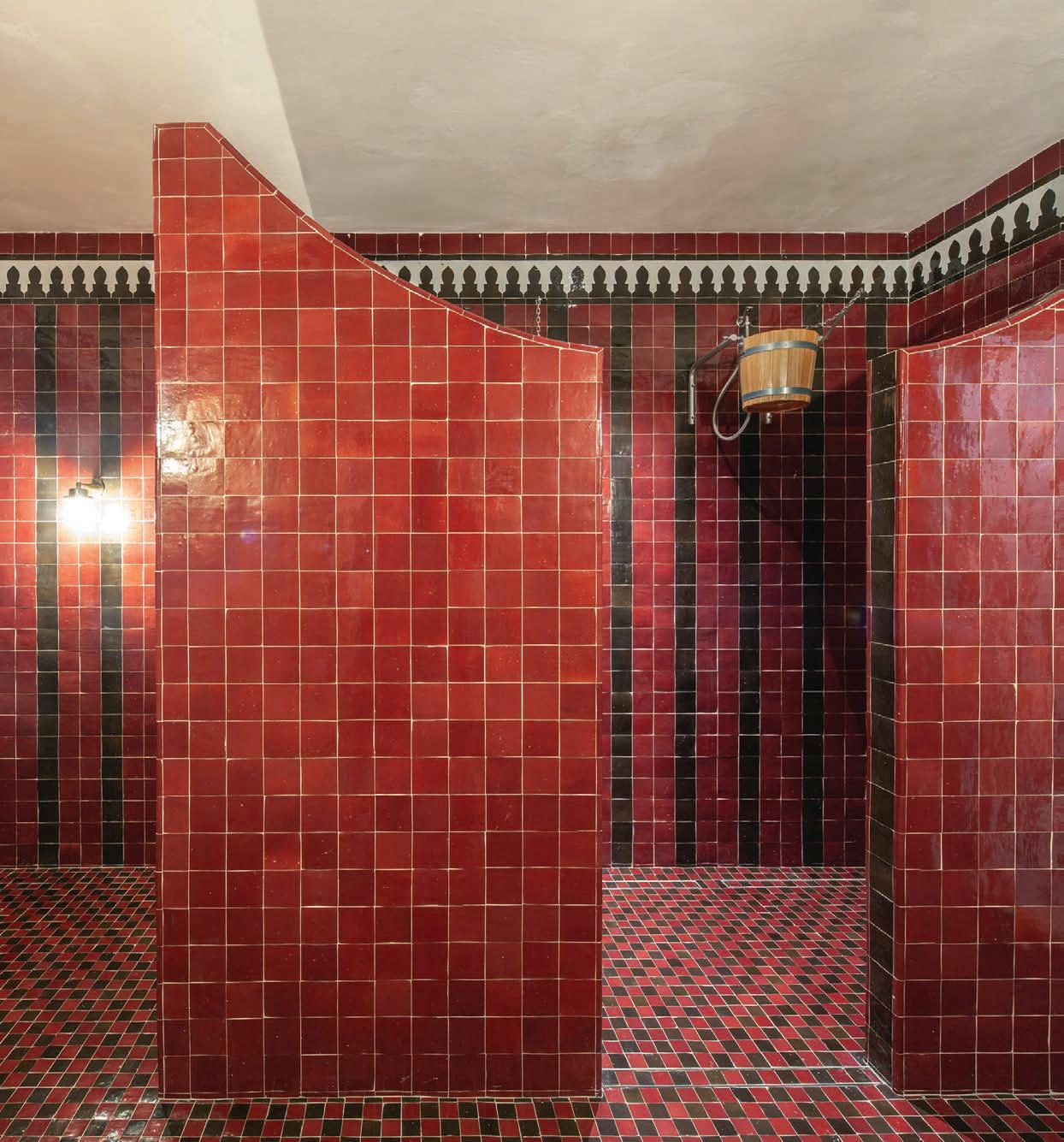
Right: The Casa Bonavita Spa is a serene retreat, with walls and floors adorned in intricate Moroccan tiles. Quiet, warm and relaxing, the sauna forms a central part of the spa experience.
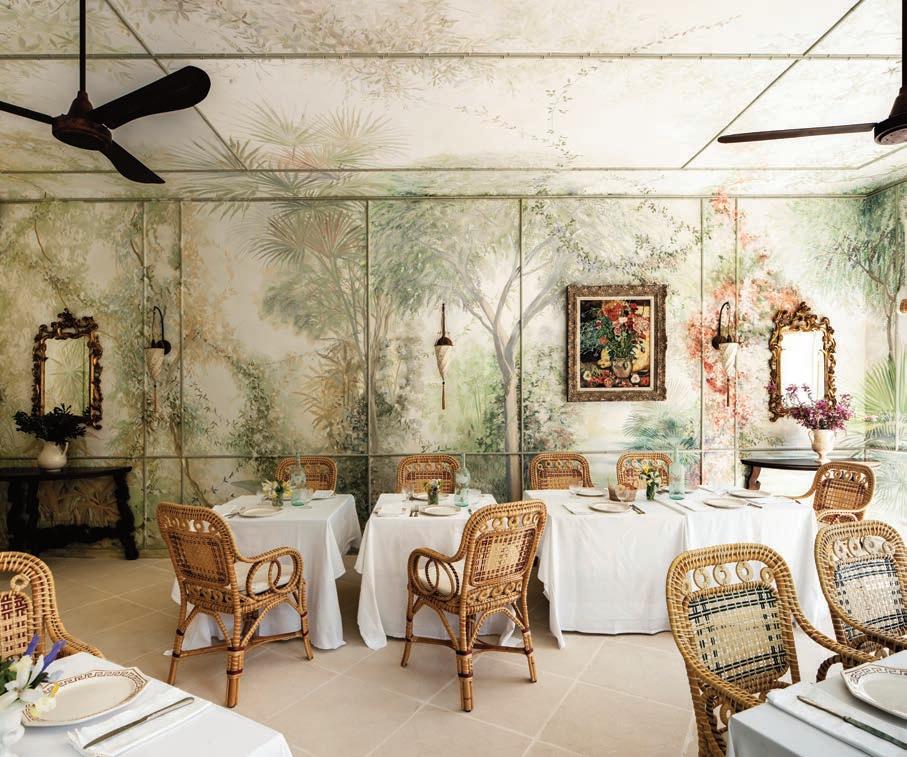
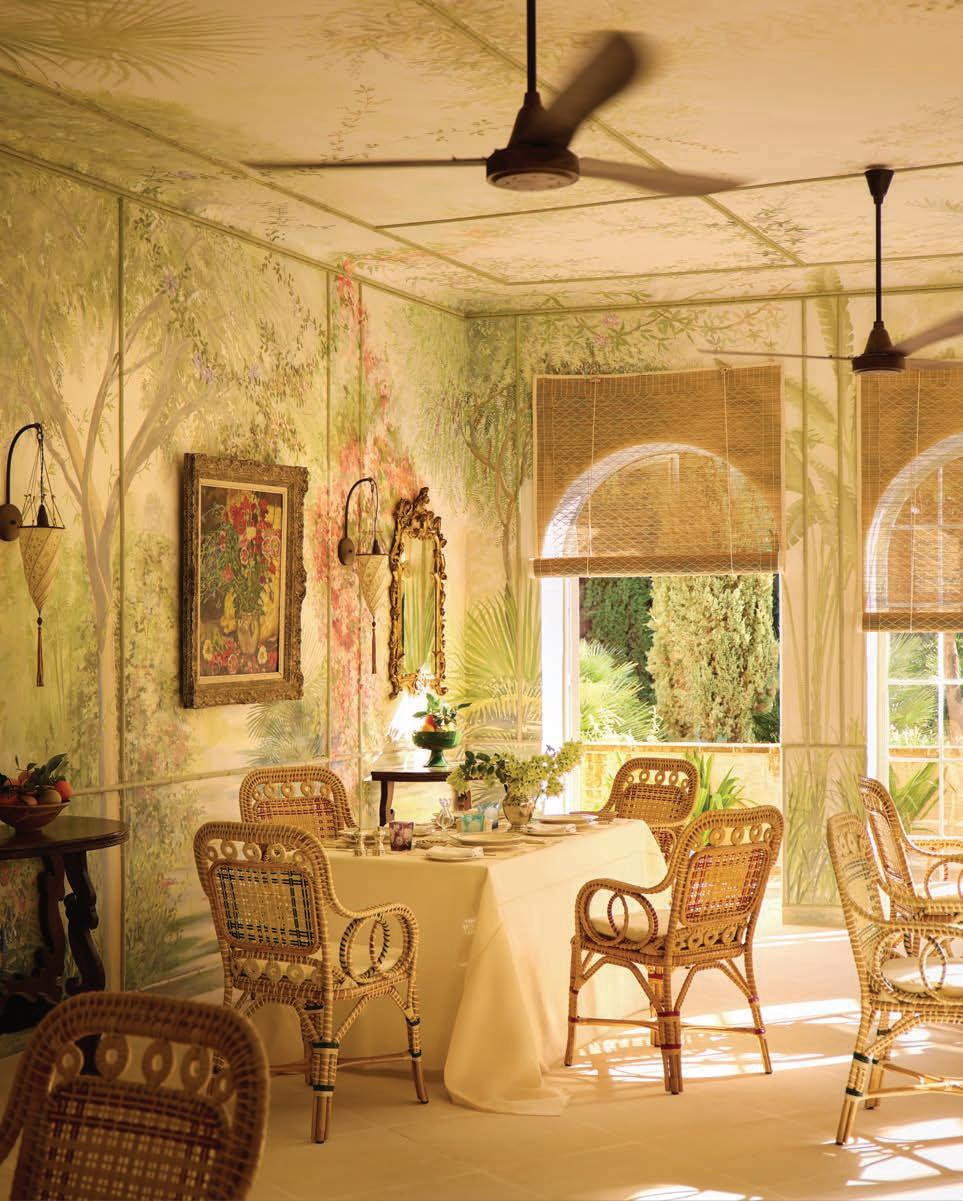
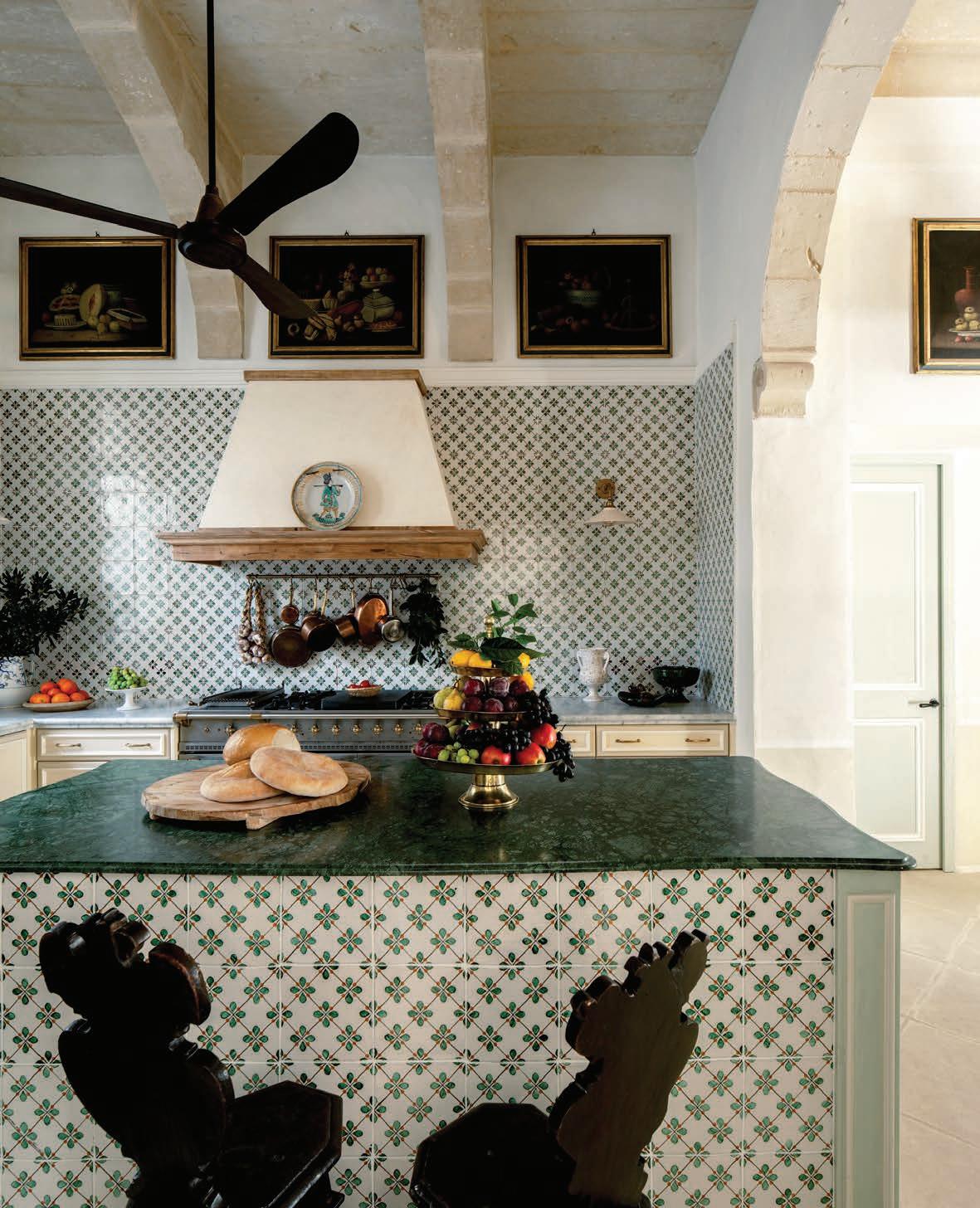
Dining here is centred on provenance and simplicity. The original house kitchen has been preserved as a communal space for morning coffee, freshly squeezed garden oranges and Maltese pastries. The main restaurant occupies a frescoed room furnished with rattan chairs and small tables,
opening through arches onto a flagstone courtyard set among orange trees. Executive Chef Dex Oseman, trained at The River Café, cooks with an instinctive approach that foregrounds ingredients from the island and the hotel’s own gardens. His menu draws on classical European technique and the generosity of Mediterranean home cooking, offering dishes that encourage long lunches and evenings that unfold gradually.
The Valletta Bar, wrapped in hand-painted de Gournay wallpaper and lit at a low, atmospheric level, becomes a gathering place after dark. The mood is intimate, shaped by easy conversation and the unhurried passage of time instead of flashy distractions. It is easy to imagine the Bonavitas themselves recognising the appeal of such a room, where the outside world recedes and the house asserts its own slower pace.
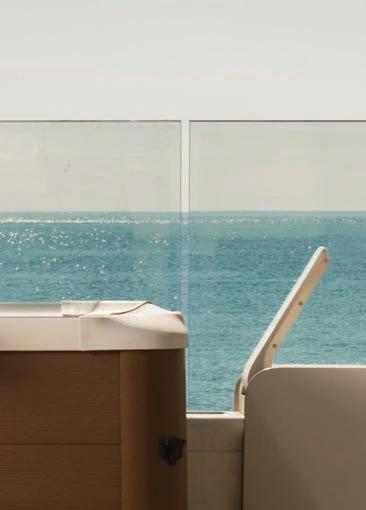
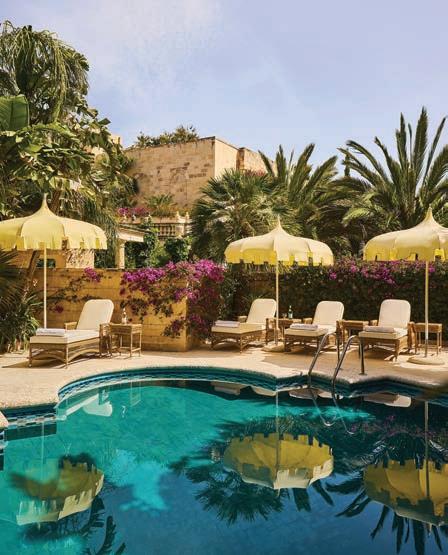
The spa continues this sense of retreat, with Moroccan tiles, a hammam, sauna, cold plunge and treatment rooms designed for restoration. Two swimming pools and a gym complete the offering, but the emphasis remains on calm. Collaborations with wellness practitioners add a layer of depth to the experience, aligning with the hotel’s broader
intention to create a place where guests can pause rather than rush. Casa Bonavita’s transformation shows off the Sharps’ eye for design and their love for Malta. The house has been shaped with care and thoughtfully updated, allowing its history to remain present without overwhelming a contemporary vision. Today, it’s a spot where old-world charm blends with skilled craftsmanship, giving visitors a chance to enjoy the island through its architecture, gardens, and the easy pleasures of Mediterranean life.








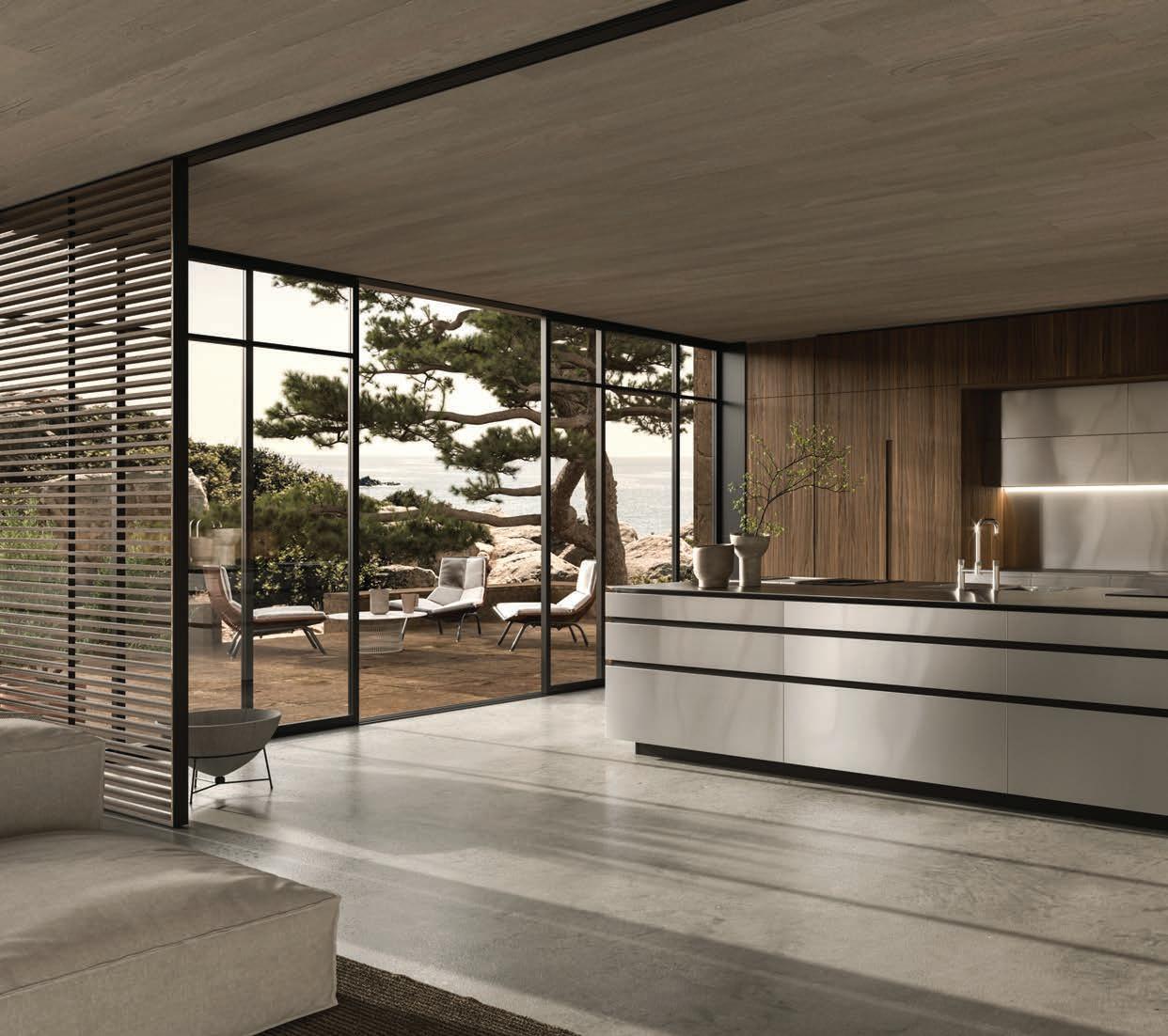
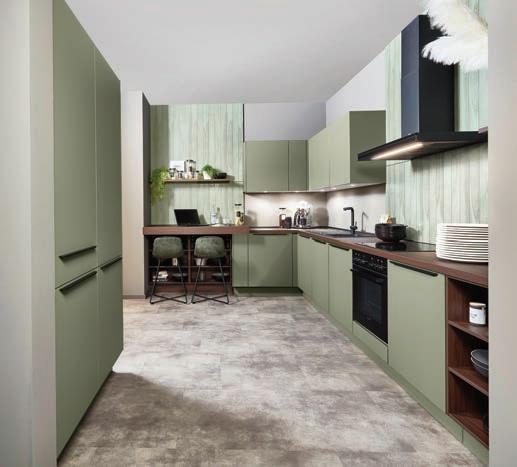
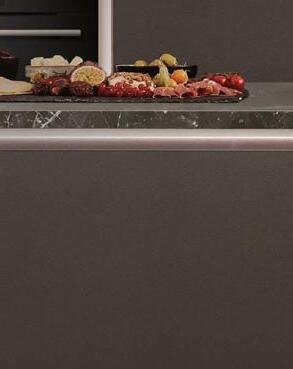
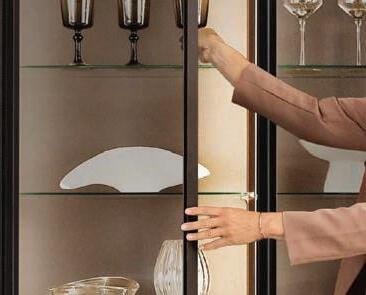
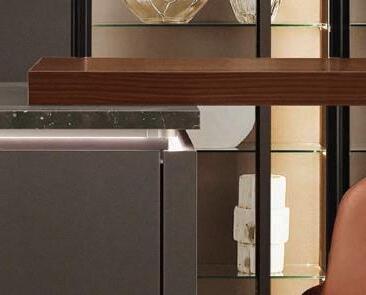
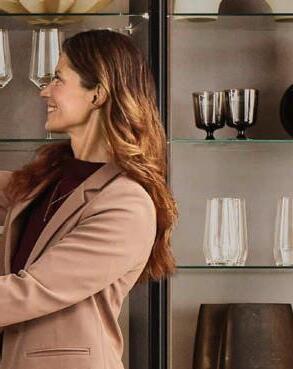
Above: Makris Villa combines Mood / AS10 Line / AS10 Easy compositions to express bold geometry and refined craftsmanship. Stainless steel island elements contrast with natural walnut cabinetry, while AS10 Easy wall and tall units introduce seamless functionality. Facing page top: With its wide range of materials and colours, nature is the perfect source of inspiration for this Senso Kitchen by Nobilia. In combination with the robust Milano walnut worktop, the tone-on-tone concept in olive creates a perfect balance between modernity and a connection to nature. Facing page bottom: The warm wood tones of the Natural Walnut bases define a balanced, elegant architectural composition finish scheme.
OXFORD HOUSE UNVEILS ITS ENHANCED KITCHENS SHOWROOM EXPERIENCE
Oxford House’s newly launched Kitchens & Home Furniture Experience invites visitors into a world of contemporary design, where German minimalism meets Italian elegance. The expanded space showcases immersive kitchen environments that celebrate craftsmanship, lifestyle integration, and the art of modern living.
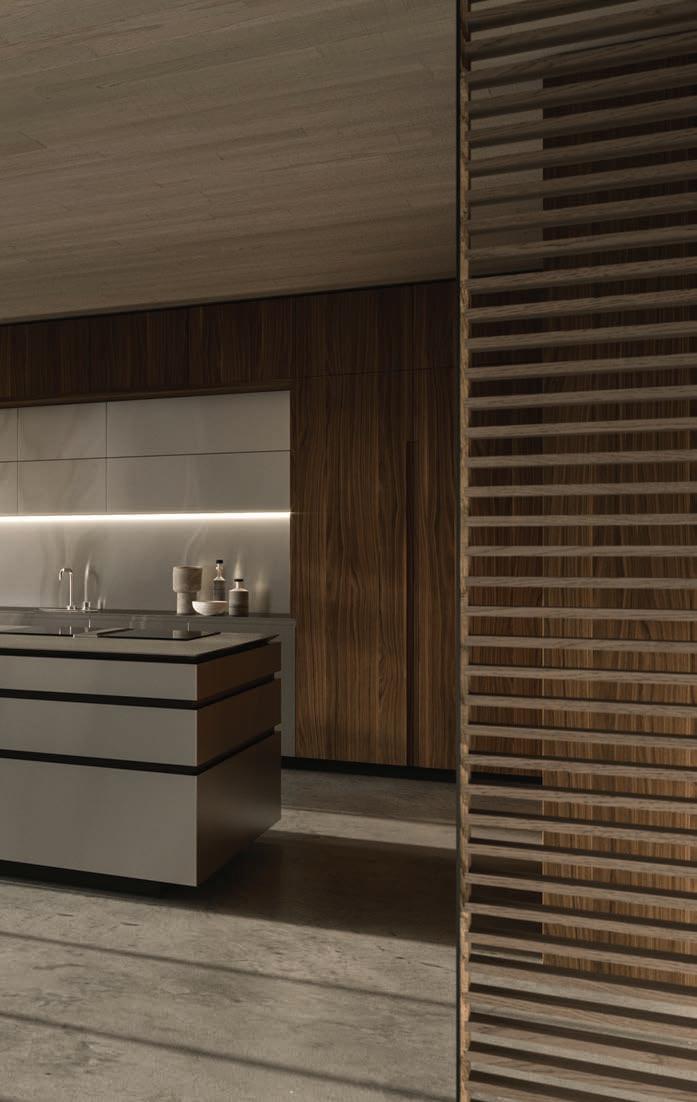
As part of its continued commitment to enhancing the customer journey, Oxford House has introduced a series of new kitchen displays aimed at providing homeowners with greater inspiration, functionality, and design flexibility when planning the heart of their home. The newly opened showroom area has been thoughtfully curated to showcase a variety of contemporary kitchen environments, allowing visitors to experience first-hand the quality, layout possibilities, and lifestyle integration that modern kitchen design has to offer.
Among the highlights of the new showroom are stunning kitchen displays from Nobilia, Oxford House’s German kitchen brand renowned for precision engineering, durability, and minimalist aesthetics, as well as Antares, its Italian kitchen brand celebrated for elegant finishes and a strong emphasis on lifestyle-led design.
In addition to kitchen furniture, Oxford House also offers a
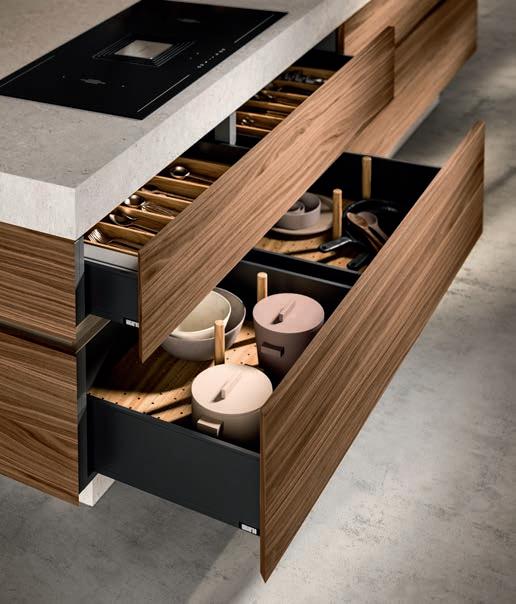
complete kitchen solution by integrating a range of premium built-in kitchen appliances, allowing customers to benefit from a seamless service, from design and planning to appliance selection and installation.
With these latest additions, Oxford House is now better equipped than ever to support customers throughout their kitchen planning journey, offering solutions that combine practicality with contemporary style under one roof.
Customers are invited to visit the Oxford House Showroom to discover the newly launched kitchen displays and speak with the company’s design consultants, who are available to assist in creating tailored kitchen solutions suited to individual spaces and preferences.
OXFORD HOUSE SHOWROOM Triq L-Imdina, Zone 2, Central Business District, Birkirkara. Open Monday - Friday 9:00 - 19:00, Saturday 9:00 - 13:00, Sundays and Public Holidays closed. Appointments can be booked by calling 2546 4550 or by visiting www.oxfordhouse.com.mt
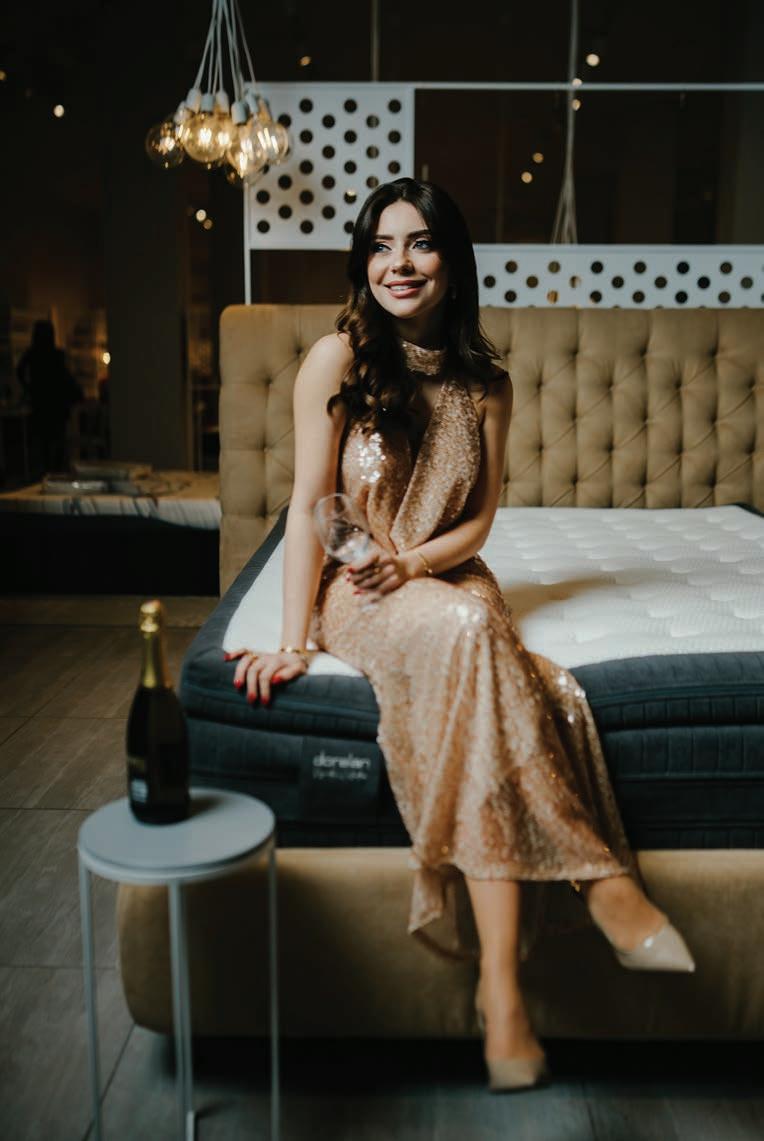
CELEBRATING TEN YEARS OF DORELAN’S FLAGSHIP EXPERIENCE AND TWO DECADES OF BETTER SLEEP WITH OXFORD
Marking the 10th Anniversary since opening its dedicated Dorelan showroom, Oxford House celebrates a partnership rooted in Italian craftsmanship, scientific innovation, and a shared commitment to better sleep. While the journey with Dorelan dates back to 2006, when Oxford House first introduced the brand locally, the opening of the dedicated showroom ten years ago signified a deeper commitment to bringing premium Italian sleep solutions closer to customers.
Over the past decade, Dorelan has established itself as a benchmark for quality, innovation, and comfort. Renowned for its Italian craftsmanship and advanced sleep technology, the brand has consistently delivered products designed not just for rest, but for true regeneration. This anniversary is not only a celebration of longevity, but also of the trust our customers have placed in us to improve one of the most essential aspects of their daily lives; sleep.
Sleep is no longer considered a luxury, it is a fundamental pillar of wellbeing. Quality sleep directly impacts physical health, mental clarity, productivity, and overall quality of life. Investing in the right mattress is therefore not simply a purchase, but a long-term investment in health. A high-quality mattress supports correct spinal alignment, reduces pressure points, and adapts to individual body needs, all of which are crucial for achieving deep, restorative sleep.
Dorelan’s philosophy is rooted in scientific research and continuous innovation. Each mattress is developed with a focus on ergonomics, breathability, and durability, ensuring consistent performance over time. From advanced foam technologies to carefully engineered spring systems, every detail is designed to deliver optimal comfort and support tailored to different sleep preferences.
At Oxford House, we have worked closely with Dorelan to ensure that our local offering reflects both international standards and the needs of the Maltese market. Our showroom provides customers with the opportunity to experience the products firsthand, guided by trained specialists who understand the importance of personalised sleep solutions.
As we celebrate this 10-year milestone, we are pleased to extend an exclusive offer to our customers. Throughout this month, an additional 10% discount will be applied on selected Dorelan mattresses, making it the ideal time to invest in better sleep.
SLEEP
Decades of Dorelan in Malta is a testament to our shared commitment to quality, comfort, and wellbeing. And as we look ahead, our focus remains unchanged; helping you sleep better, every night. We invite you to visit our showrooms in Malta and Gozo and for those who wish to explore more about Dorelan’s technology, materials, and sleep philosophy, further information is available here: oxfordhouse.com.mt/dorelan


















The Early-May Passage. A Weekend Shaped by Wind and Water
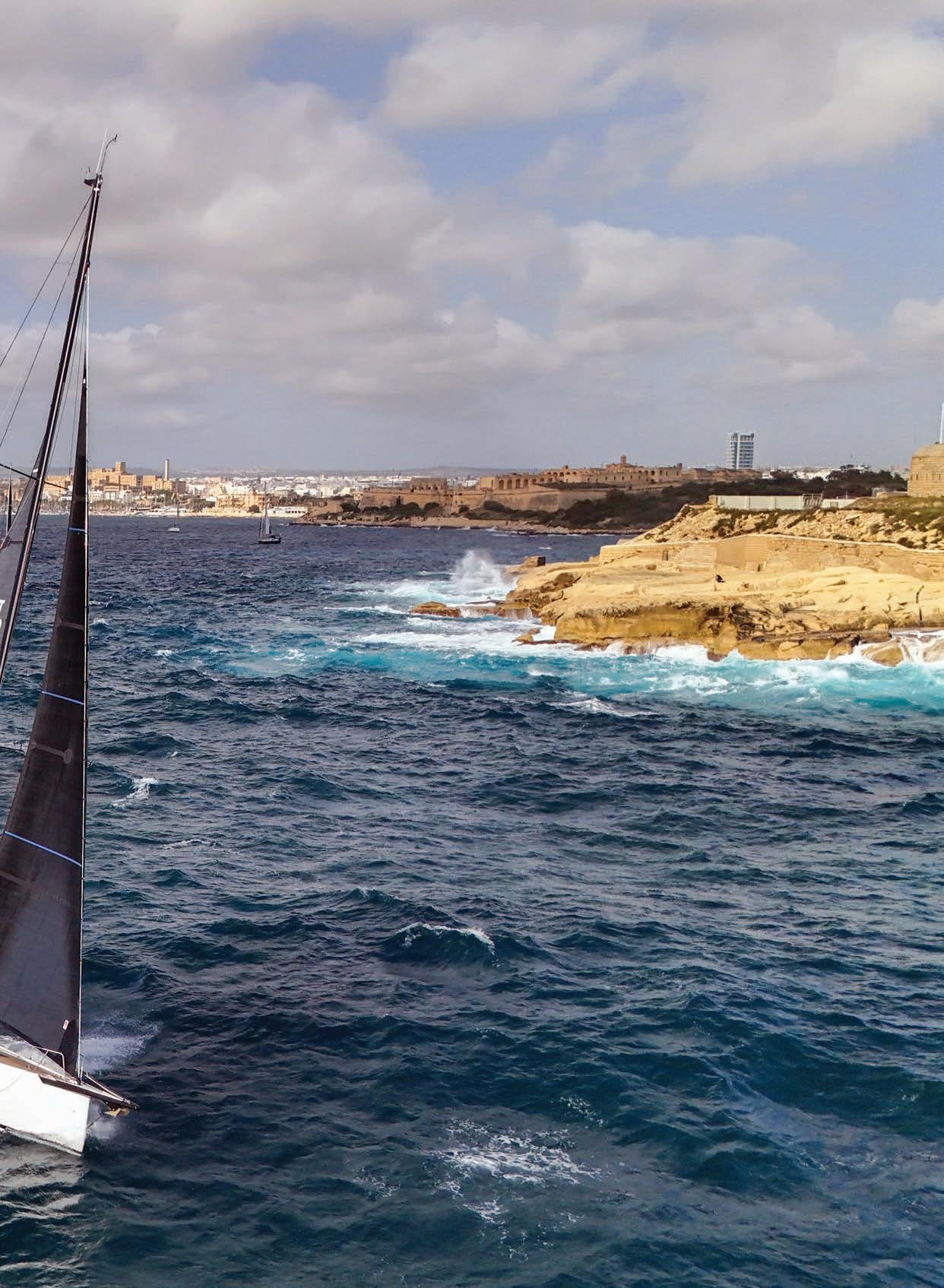
The Paymix Pro Ragusa Regatta unfolded over the first weekend of May with a fleet that brought together competitive focus across the passage between Malta and Sicily. Across shifting conditions and two well-contested legs, crews settled into a weekend shaped by determined sailing, unhurried time ashore and performances that set the tone for the season ahead.
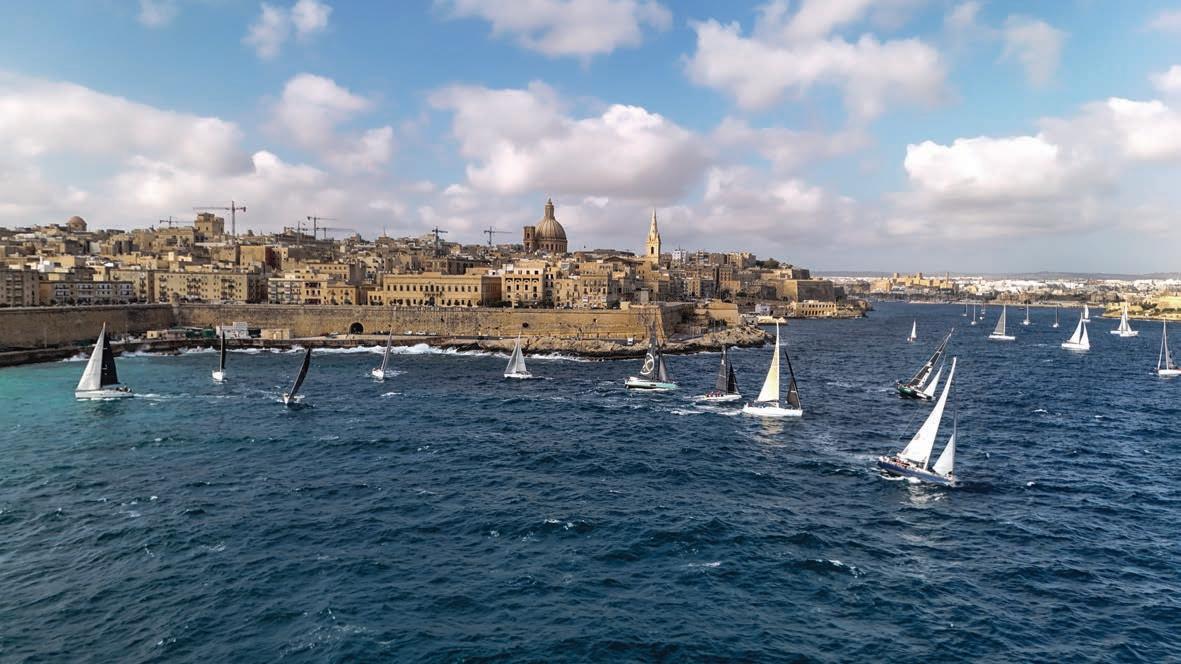
The Paymix Pro Ragusa Regatta has become one of the Royal Malta Yacht Club’s most anticipated early-season gatherings, drawing a fleet that blends competition with the relaxed feel of a long weekend spent between Malta and Sicily. Held from the 1st to the 3rd of May, the event revolves
around the passage race to Porto Turistico Marina di Ragusa, a route familiar to many Maltese sailors yet never quite the same from one year to the next. The outward leg, set off on the 1st May public holiday, gave crews a lively start to the weekend, while the return on Sunday offered a gentler close to three days shaped by racing, conviviality and the unhurried pleasure of time spent at sea.
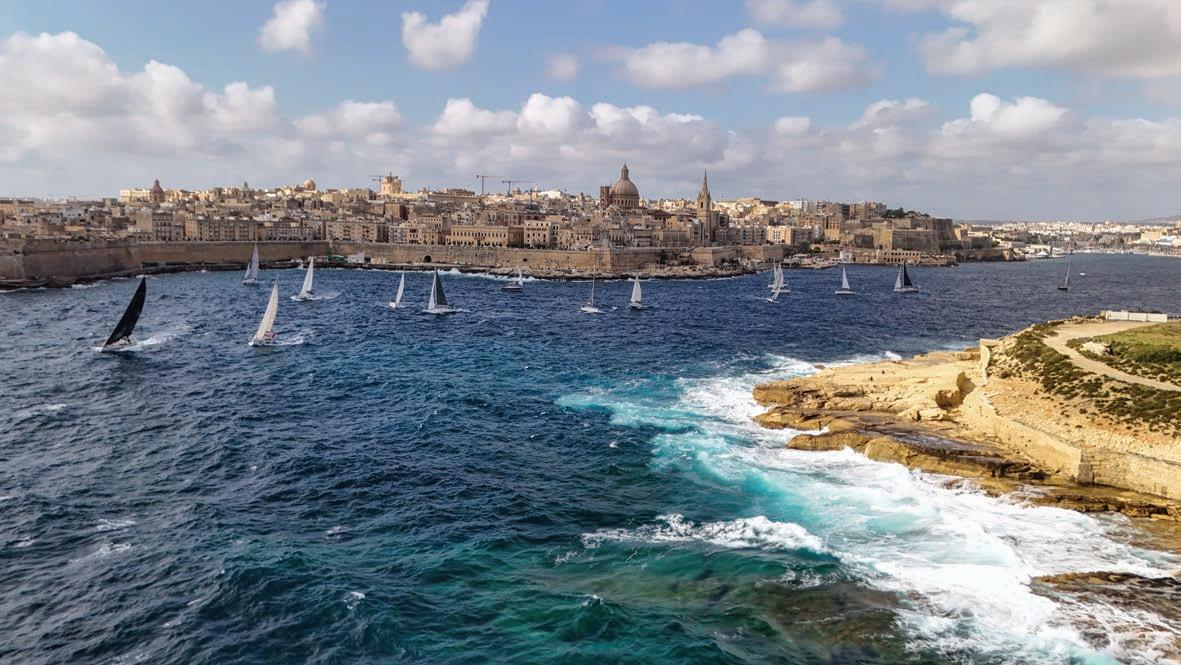






































This year’s edition attracted twenty seven boats across the IRC and Club classes, a turnout that filled Marsamxett Harbour with an energy that signals the beginning of the summer sailing season. The regatta’s format, designed to appeal to both racers
and cruisers, allowed crews to settle into Ragusa at their own pace, whether that meant a quiet dinner on the marina, a wander through the old town, or simply a chance to reset before the return passage. It is this balance of competition and leisure that continues to draw a broad mix of sailors, each finding their own pace within the weekend.
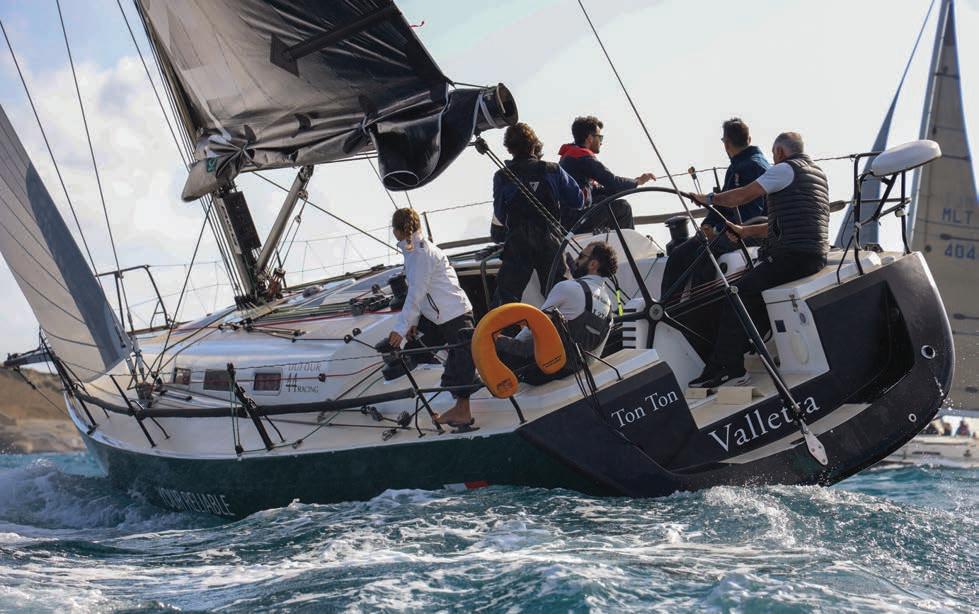


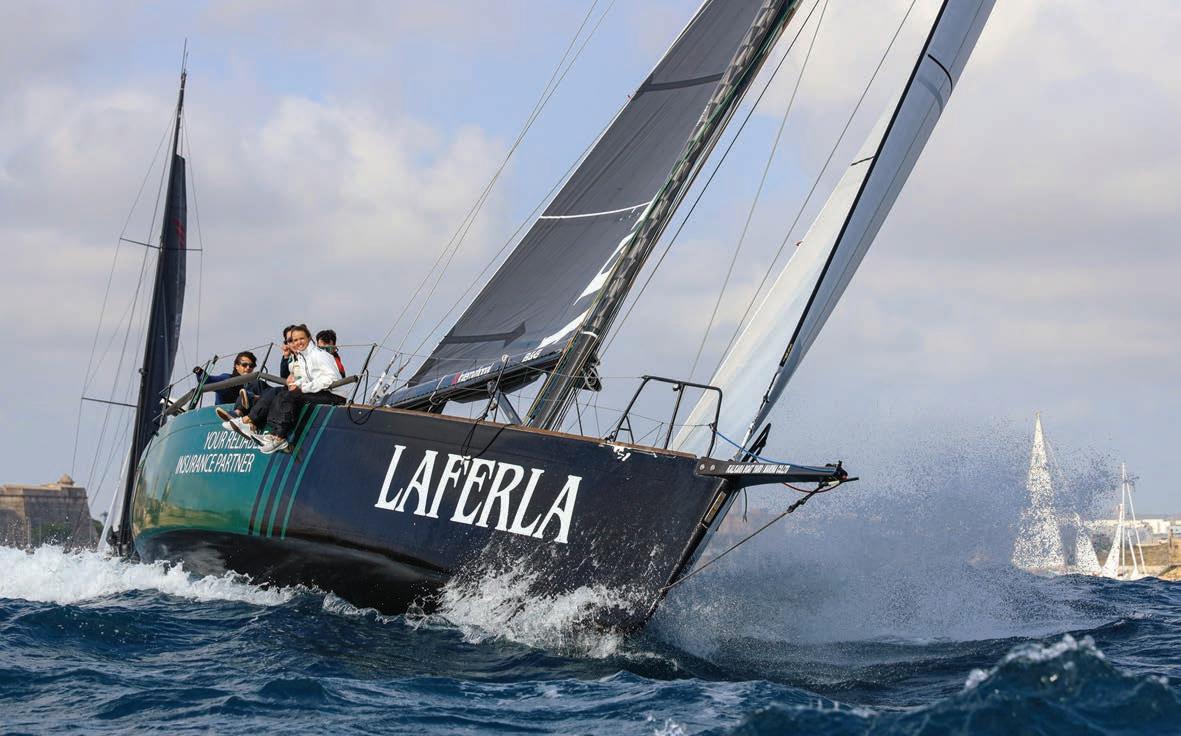
Out on the water, Ton Ton Laferla Insurance has been setting the pace for the Royal Malta Yacht Club’s 2026 racing season. Jonathan Gambin’s crew put in another confident showing, claiming overall victory with wins in both the outward and return legs. Their consistency in the IRC Class has become a defining feature of the season, and the Ragusa weekend reinforced that momentum.
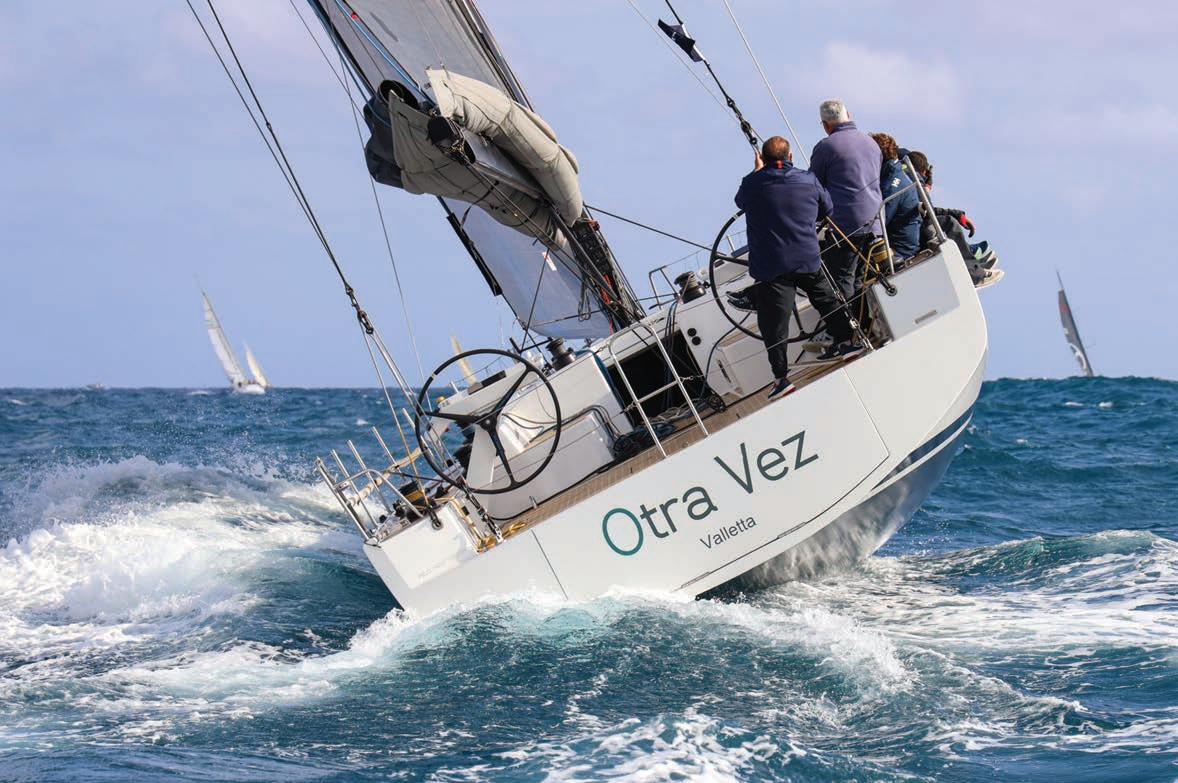
The race to Ragusa unfolded in fresh north-easterlies of force 5 to 6, conditions that produced a restless sea state and a brisk exit from Marsamxett. Ton Ton Laferla settled quickly into the lead before being pressed by Otra Vez and Xpalidocious, both sailing in the RMYC Club Class and both quick to seize opportunities in the shifting breeze. Otra Vez was first across the line, followed by Xpalidocious and Ton Ton Laferla, but the corrected times told a different story, with Ton Ton Laferla taking the IRC win ahead of Steve Carter’s Stella R and Sebastian Ripard’s Calypso.
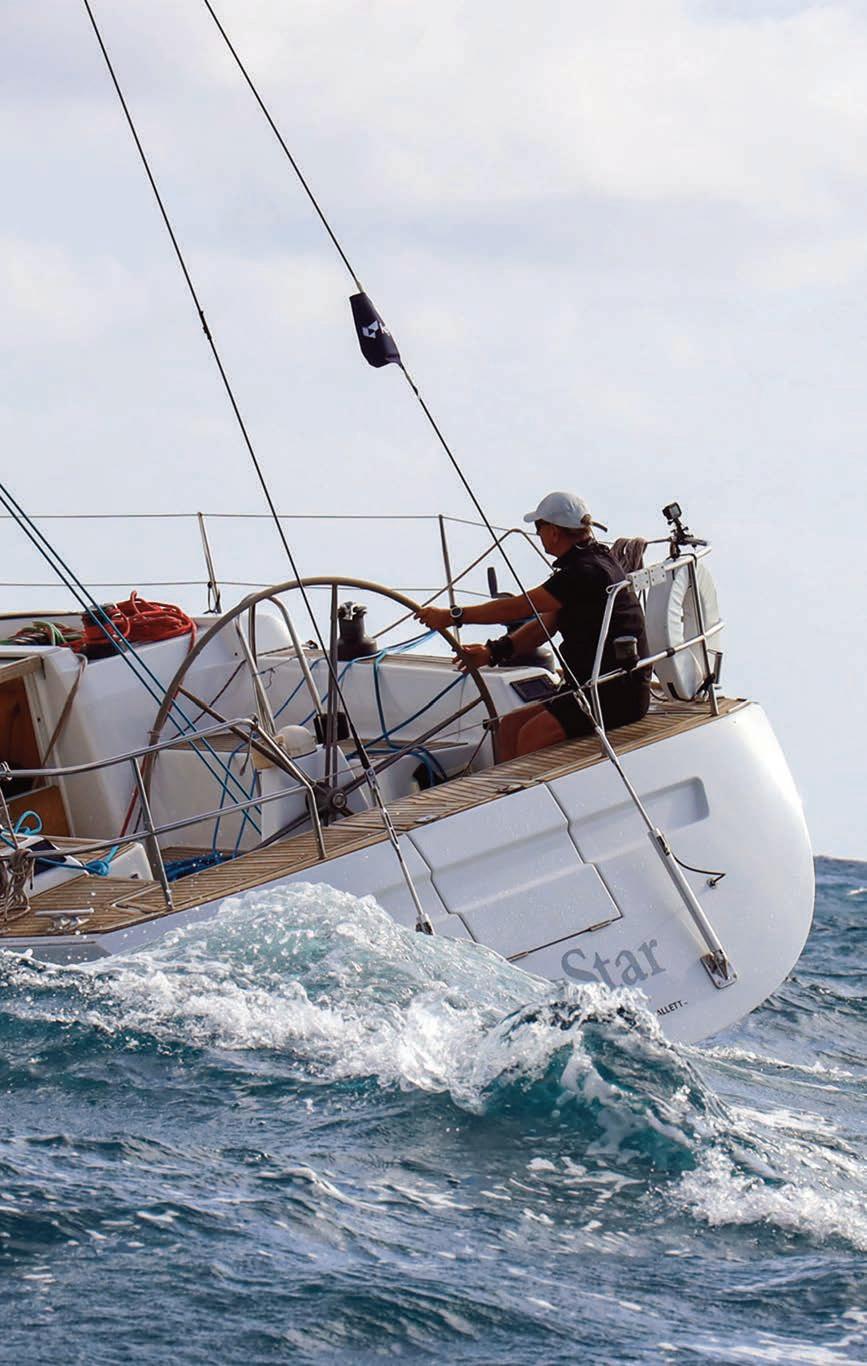
This page: Big Star (Sandro Musu) overall winner. Took the RMYC Club Class with a second on the outward leg and a win on the return.
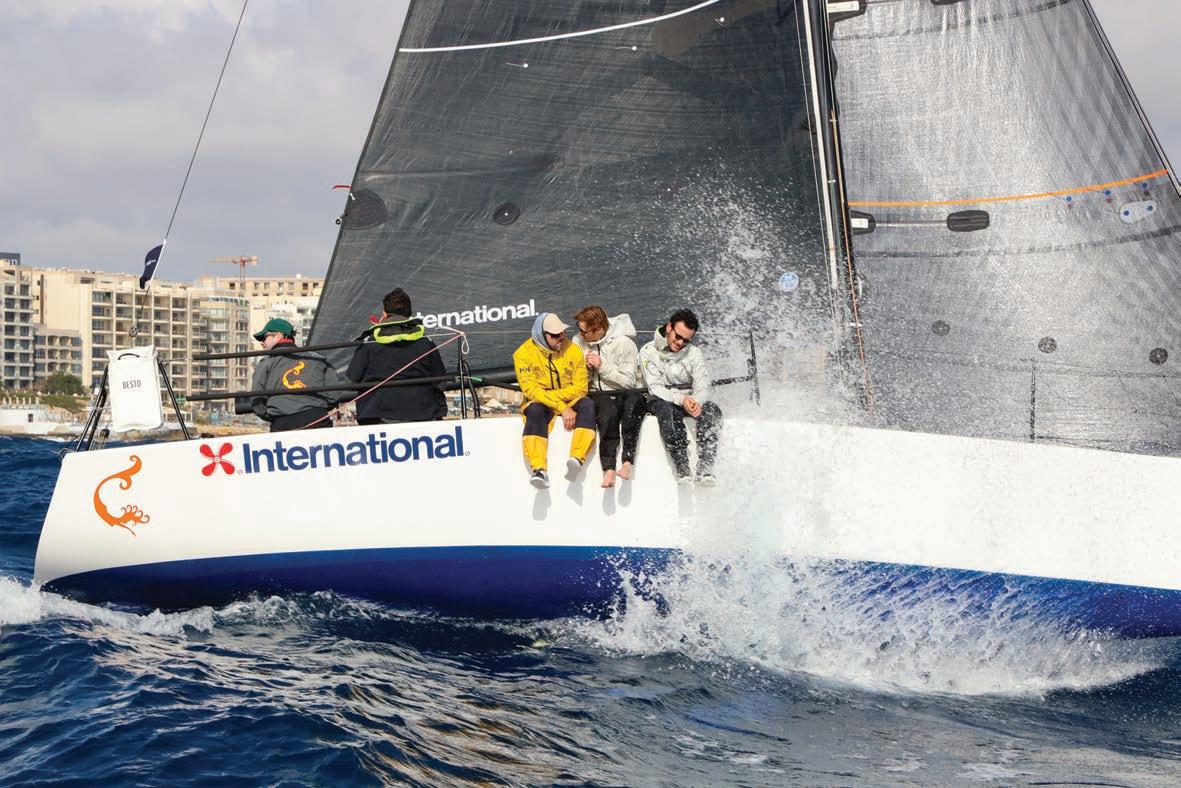
In the Club Class, the outward leg marked a confident debut for Game Changer, sailed double-handed by Edmund Glaister and Joseph Muscat, who secured the win ahead of Big Star and Xpalidocious. Big Star, sailed double-handed by Sandro Musu and Sue Busuttil, would go on to shape the return race with a performance that reflected experience and composure.
The passage back to Malta began under clear skies and a light westerly that gradually built through the day. Otra Vez once again led the fleet home, chased by Ton Ton Laferla, Blue Kairos and Xpalidocious. On corrected time, Ton Ton Laferla secured a second IRC win, followed by Calypso and Ray Schembri’s Sailaway. In the Club Class, Big Star took the win, with Otra Vez in second and Xpalidocious completing a weekend of steady, disciplined sailing.
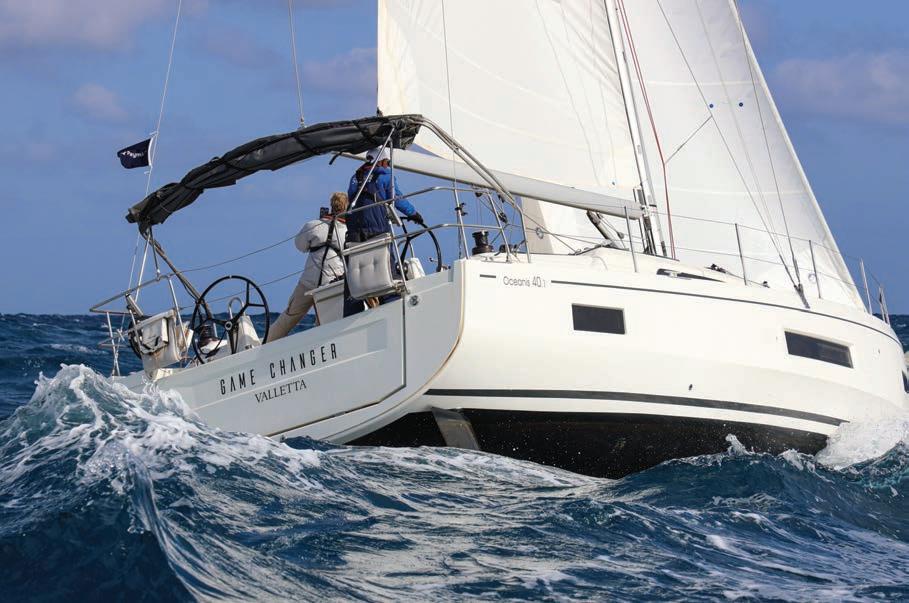
Above: Calypso (Sebastian Ripard) secured runner-up in the IRC Class after consistent podium finishes across both races. Left: Game Changer (Edmund Glaister) won the outward Club Class race on its first appearance in the fleet.

The overall standings reflected the weekend’s patterns: Ton Ton Laferla at the top of the IRC Class, with Calypso and Sailaway completing the podium, while Big Star led the Club Class ahead of Otra Vez and Xpalidocious. For the Royal Malta Yacht Club, the scale of participation was as significant as the results.
"This was by far the largest fleet we have had for the
Ragusa Weekend, and we were once again pleased to see a good balance between racing and cruising boats," said Rear Commodore (Sailing) Adrian Gauci Borda. "The combination of racing and social activities is always well received by our crews, who enjoy the best of both alongside time to explore at their own pace." It is this blend of structure and ease that defines the Ragusa weekend, giving it a character that resonates with sailors across the club’s community.

Above: Otra Vez (Aaron Gatt Floridia) finished second overall in the Club Class after leading both races on the water.
Left: Xpalidocious (David Pizzuto) delivered matching third place results on both legs to complete the Club Class podium.





















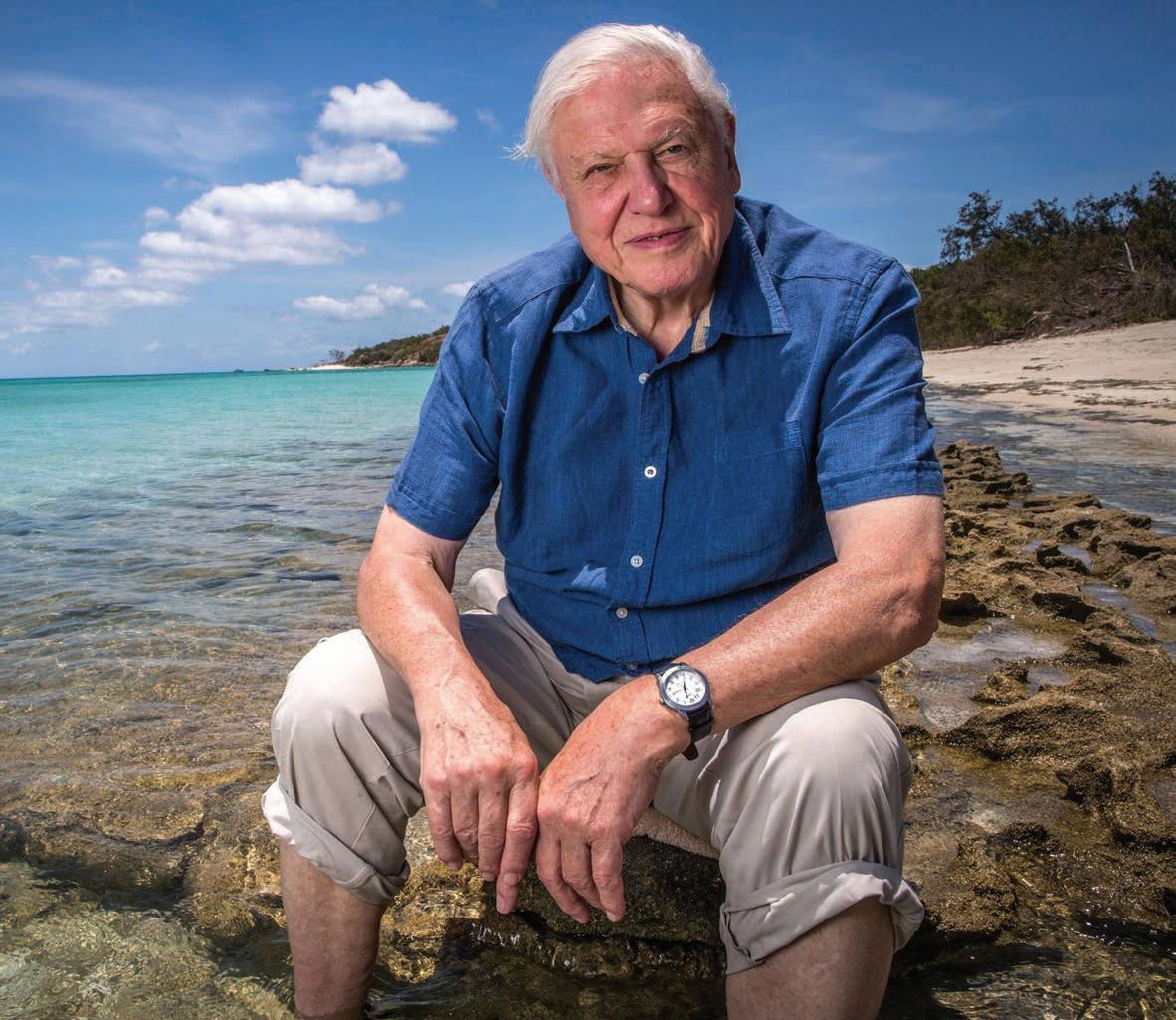
Sir David Attenborough turned 100 this May. Very few people have the good fortune to live for a century. Fewer still achieve so much and touch so many lives. Across his seven decade career with the BBC, Attenborough ushered in the transition from black and white to colour television. He gave the now legendary comedy troupe Monty Python their lucky break, greenlighting their Flying Circus. His keen eye and care for viewers is in part why tennis balls are yellow, not white –they’re much easier to see on screen. But Attenborough is, of course, most famous for his nature documentaries. For decades, he has fronted the camera to educate, entertain and inspire billions of people about the complexity, wonder and majesty of the natural world, and the many threats it faces, writes Euan Ritchie, Professor in Wildlife Ecology and Conservation, School of Life & Environmental Sciences, Deakin University. It wasn’t a given –Attenborough was told early in his career his teeth were too big for television!

For ecologists like myself, Attenborough’s work has been a source of deep inspiration. It was instrumental in my decision to pursue a life and a career dedicated to understanding, caring and fighting for the protection of nature. For this gift, I am eternally grateful.
Attenborough’s connection with nature came early, forged in no small part through an insatiable fascination with fossils – including his childhood joy at discovering an ammonite in the Leicestershire countryside. He went on to study geology and zoology at Cambridge University, graduating in 1947. He served in the navy and worked in an educational publishing house. Notably, the BBC rejected his first job application as a radio producer in 1950. But he tried again, and joined the BBC as a trainee producer in 1952. His career in nature documentaries began to bud almost immediately, with his Zoo Quest series beginning in 1954. But it burst into full bloom with the landmark Life on Earth series in 1979, which brought distant locations, extraordinary wildlife and evolution and ecology to TV. It instilled a sense of wonder and awe in audiences, while maintaining and respecting scientific accuracy.
One reason Attenborough has had such success as a communicator is his understated, calm but authoritative demeanour. When you sit down to watch an Attenborough documentary, you feel in safe hands. His approach isn’t the norm. In other nature documentaries, wildlife can often seem secondary, as props for the presenter.
In series such as The Living Planet, The Trials of Life, The Blue Planet, The Planet Earth, and scores of others,
Attenborough took us across the globe, revealing nature’s beauty, oddities and extraordinary complexity, as well as its macabre and brutal aspects. The habitats home to the world’s species are brought to life in extraordinary detail. We watch with laughter, trepidation, sadness, anger, excitement and awe, ebbing and flowing as nature’s stories unfold.
Who can forget the first time they saw and heard the extraordinary vocal repertoire and mimicry of a lyrebird, or a curious mountain gorilla’s desire to connect with a fellow great ape? The epic battle for survival between a hatchling iguana and hungry hordes of racer snakes? Or the breathtaking explosion of colour and complexity of a coral reef? Each of these was captured by master cinematographers and the story told to us by Attenborough.
Over his long career, Attenborough has become an icon. He was voted the UK’s best TV presenter of all time. But his prodigious output has come at a personal cost too. One of his regrets is how much time he has spent away from his family.
He is also not off limits to criticism. For a long time, Attenborough focused on the glory of nature, largely omitting the damage humans do through overfishing, deforestation, pollution, spreading exotic species, and other threats. He has also shied away from assigning blame to those most responsible for the harms inflicted on nature.
In 2018, he said too much focus on why so much wildlife is threatened was a “turn-off” for some viewers. Ecologists and conservation scientists can sympathise. We know bombarding people with doom and gloom invites apathy and despair, not a desire to act. It’s a hard line to walk between harsh realities and hope.









Support for importers navigating CBAM declarations and embedded emissions requirements. Malta's






cbam.caa@climateaction.gov.mt









Guidance and oversight for operators managing carbon allowances and emission reporting obligations.
For enquiries, contact the relevant teams above. ets.caa@climateaction.gov.mt

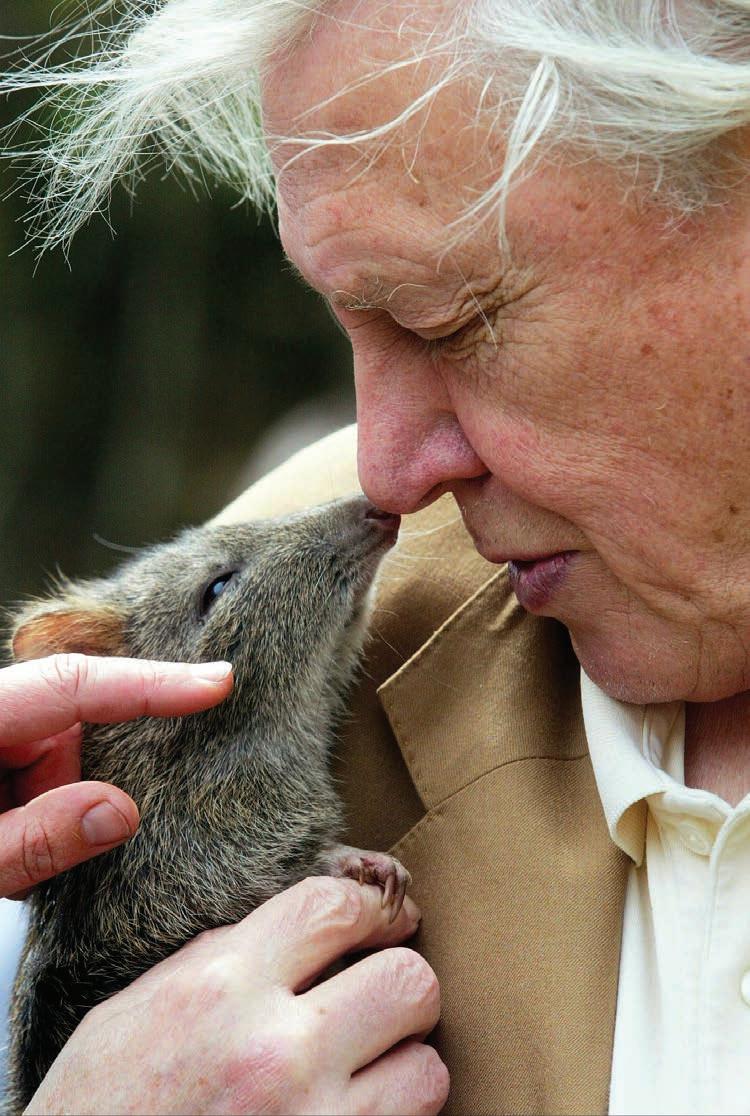

To his credit, Attenborough has belatedly focused on these issues in recent years. Footage of plastic pollution in Blue Planet II and the ravages of industrial fishing in Ocean have brought a sharp focus on these issues. In 2020, he released A Life On Our Planet, which he describes as a “witness statement” to the startling losses of biodiversity he has seen over his lifetime. Rather than just spell out the problems, Attenborough laid out how to solve them – and the role we can all play in fixing the two biggest and deeply interwoven problems nature faces: climate change and biodiversity declines and extinctions.
While Attenborough’s earlier work largely avoided these difficult conversations, they succeeded in bringing nature’s wonder to millions of people. This shouldn’t be overlooked. At a time when more and more of us are cut off from nature, Attenborough’s documentaries forged a new connection. For people to care about losing nature, they first have to know and love it. Scientific research rarely leads to the behavioural changes we might hope for. Accumulating facts and evidence is vital. But it’s not enough. What humans respond to is stories. Alongside other globally renowned voices such as the late, great Jane Goodall, Attenborough’s work telling the stories of nature has shaped public opinion. In turn, it has galvanised conservation efforts such as the push to protect 30% of the world’s oceans by 2030.
As he celebrates his centenary, it’s encouraging to see a new generation and diversity of voices in the media and science communication, advocacy, and scientific community. They speak and share their messages with great clarity, confidence, and passion. Attenborough is just one person. He can’t replace the vital role of scientists, community leaders, conservationists and policymakers in conserving nature. But no one will ever replace David’s distinctive voice. As he has said: “it seems to me that the natural world is the greatest source of excitement; the greatest source of visual beauty; the greatest source of intellectual interest. It is the greatest source of so much in life that makes life worth living.”
This article first appeared on THE CONVERSATION.

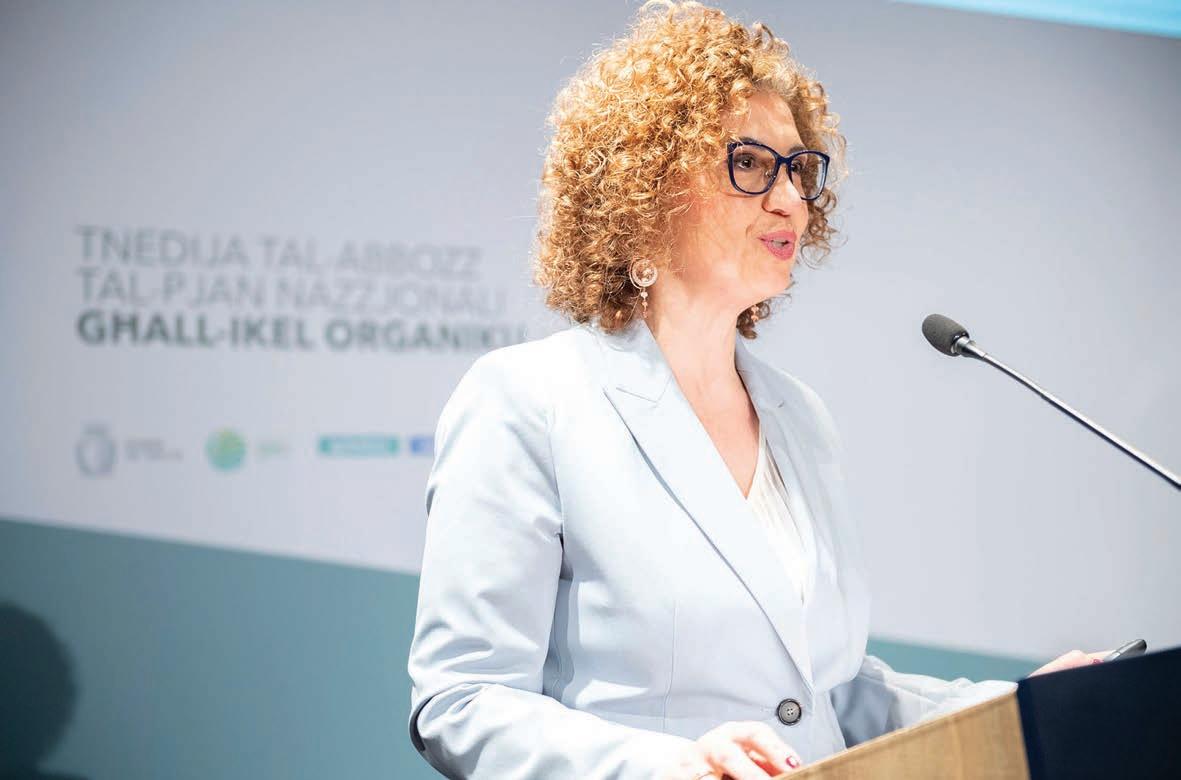
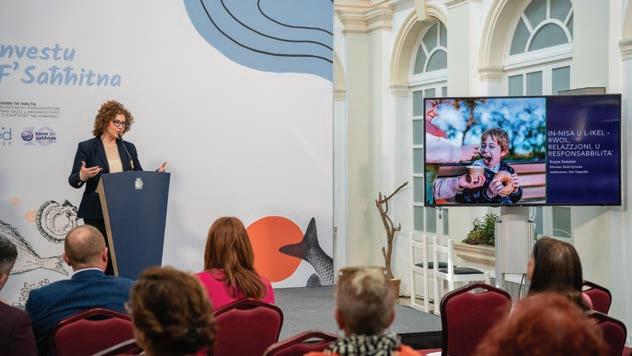
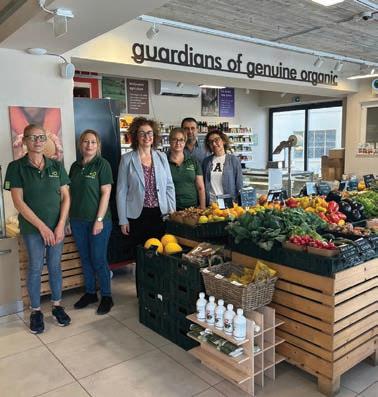
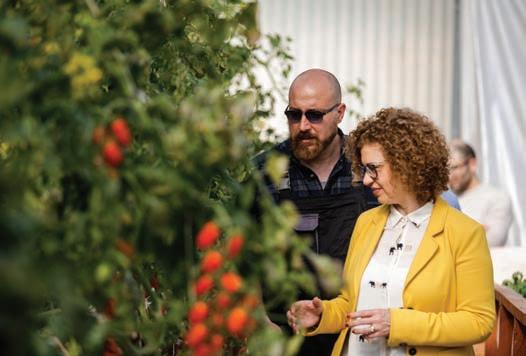
A few years ago, I came across a fascinating fact about elephant herds: when drought strikes and water becomes scarce, the survival of the herd often depends on the oldest female – the matriarch. Scientists observed that herds led by older females had a better chance of surviving because the matriarch remembered which routes led to water, which paths led to safety, and which led nowhere but dryness and wasted energy. I remember thinking how extraordinary that was –that survival could depend so much on memory, experience, and judgment accumulated over time, writes Sonya Sammut, Malta’s Ambassador for Organic and Sustainable Food.
Four years into my role as Malta’s Ambassador for Organic and Sustainable Food, I often reflect on that story. Not because leadership means having all the answers – quite the opposite. The more responsibilities I carry, the more I realise that leadership is about learning, listening, adapting, and sometimes having the courage to change direction without losing sight of the long-term vision.
When I accepted this role, I did so with genuine conviction and enthusiasm. I
believed –and still believe – that Malta must continue moving towards more sustainable food systems. We needed to have more serious conversations about the way we grow food, the way we consume it, and the longterm impact this has on our health, our environment, and our resilience as a country. At the time, Malta’s organic sector covered roughly 0.6% of agricultural land. The target of reaching 5% by 2030 was ambitious, perhaps even uncomfortable for some. But ambition has value. Sometimes targets are necessary simply because they start conversations that would otherwise never happen.
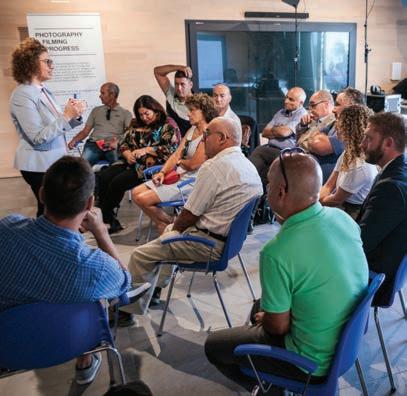
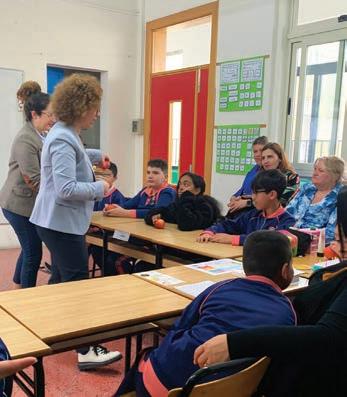
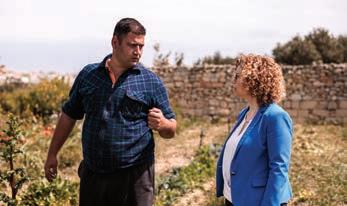
And conversations did happen. Over these past years, I have met farmers, producers, retailers, educators, policymakers, consumers, and families. I have listened to enthusiasm, curiosity, criticism, frustration, and scepticism. I have often heard the same argument repeated: “Organic farming in Malta is impossible.” And honestly, I understand where that sentiment comes from.
Malta’s agricultural reality is unlike that of larger European countries. Our farms are small and fragmented. Many of our systems are intensive by necessity. Farmers face rising costs, labour shortages, water challenges, climate
pressures, market competition, and uncertainty about the future. For many, converting to organic farming is not a philosophical decision. It is a financial and operational risk.
If there is one important lesson these past four years have taught me, it is this: sustainability cannot be built by ignoring reality. That does not mean abandoning the vision. It means grounding it.
Recently, during a visit to Cyprus, I was inspired by the honesty of their approach. They are building their strategy around what they already are – their landscapes, traditions, culture, and food identity. They are not trying to imitate somebody else’s model. They are working with their strengths while acknowledging their limitations with realism rather than embarrassment.
Perhaps Malta must also become more comfortable with defining sustainability in a way that reflects who we are. Maybe the real question is not whether we can transform vast percentages of land into certified organic agriculture overnight. Maybe the more important question is how we create a healthier and more sustainable relationship with food overall – one that makes sense environmentally, economically, culturally, and socially.
For some territories, large-scale organic conversion comes naturally. For Malta, the path may look different. That does not mean we stop encouraging better farming practices. On the contrary. We should continue supporting farmers in reducing unnecessary chemical dependency, improving soil health, adopting
biological and ecological approaches where feasible, protecting biodiversity, strengthening traceability, and producing food of higher quality and integrity.
But we must also recognise that sustainability is not measured only in hectares. It is measured in healthier people, healthier soils, farmers who can survive economically, consumers who are informed and empowered, and communities that value authenticity, seasonality, and trust.
Organic food also has another important dimension that we sometimes overlook: the consumer. Even if Malta will never become one of Europe’s largest organic-producing countries, this does not mean Maltese families should be deprived of the benefits associated with organic food and healthier food choices.
Progress also requires honesty. It requires us to recognise when certain approaches are not delivering the results we hoped for, and enough confidence to evolve our strategies without feeling that we are betraying the original vision. After all, adapting is not weakness. In nature, adaptation is often the very definition of survival.
Which brings me back to the elephant matriarch. What makes her valuable is not stubbornness. It is wisdom. She does not lead the herd everywhere; she leads them where they have the best chance of survival and renewal.
Four years later, I do not believe the vision was wrong. If anything, I believe the conversation is more important than ever. But I also believe we are now mature enough to shape a model that is more honest about our realities, more aligned with our strengths, and ultimately more effective for our country.
For Malta, the future may not lie in chasing numbers alone, but in building a food system that is resilient, trusted, healthier, and genuinely sustainable – one that protects our farmers while empowering consumers to make better choices for themselves, their families, and the environment.
If we manage to do that, then perhaps we would have achieved something even more important than a target on paper: a direction that truly fits Malta, and that gives our country stronger foundations for long-term food resilience.

THE LONG VIEW –PLANNING FOR LIFE, MONEY AND TIME

Retirement is often seen as a numbers game. A target to hit, tweak, forecast, and revisit. Yet even Warren Buffett, a man whose life has been defined by numbers, once approached the subject with a wry sense of perspective. “At the Harvard Business School last year, a student asked me when I planned to retire and I replied, ‘About five to ten years after I die,’” he wrote in his 1991 Chairman’s Letter to the Shareholders of Berkshire Hathaway Inc. The joke is lighthearted, but it points to a bigger truth: retirement isn’t just a finish line –it’s something to be designed.
Photography Alessandro Cavestro and Diane Picchiottino.


For many, the thought of leaving full time work is driven more by imagination than by numbers. What will the days feel like? Where will life play out? How will purpose, routine, and enjoyment fall into place once the workweek no longer sets the pace? Without that bigger picture, financial planning can lose its connection to the life it’s meant to serve. The figures matter, but they truly come alive when tied to a vision of what the future could look like.
Designing that future starts with a change in focus. Rather than wondering how much is enough, the more telling question is what kind of life feels right when work steps back. For some, that might mean travel, a second home, or finally tackling longpostponed projects. For others, it’s about family, community, creative passions, or simply slowing down. These choices have financial consequences, but they’re guided more by values and habits than by strict formulas, reflecting both the life lived so far and the one hoped for ahead.
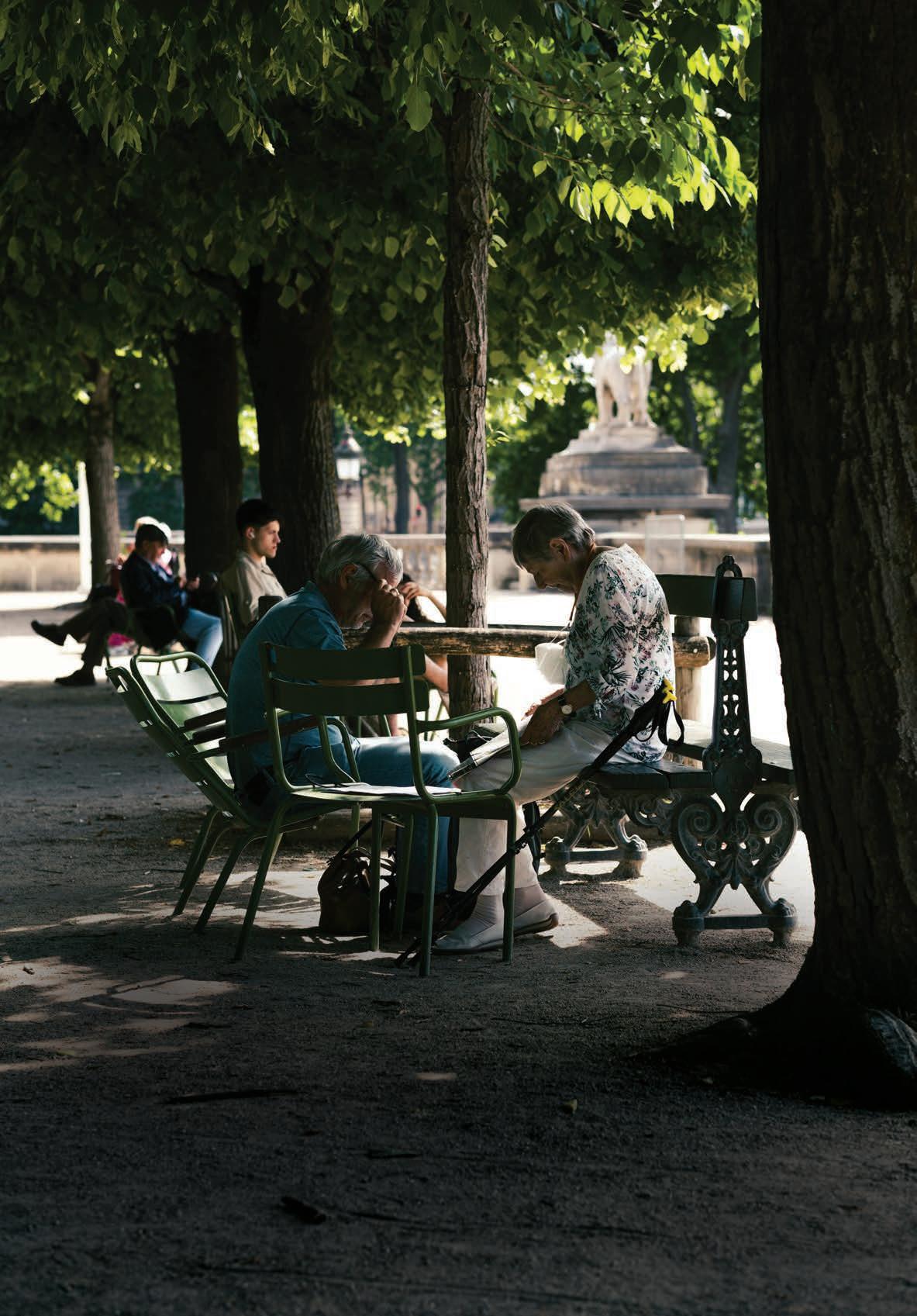
“Modern capitalism is a pro at two things: generating wealth and generating envy. Perhaps they go hand in hand; wanting to surpass your peers can be the fuel of hard work. But life isn’t any fun without a sense of enough. Happiness, as it’s said, is just results minus expectations.” MORGAN HOUSEL, THE PSYCHOLOGY OF MONEY: TIMELESS LESSONS ON WEALTH, GREED, AND HAPPINESS. Photo Alessandro Cavestro, Paris.













The challenge is that these intentions are often left unclear. Retirement feels far off, with details pushed aside for later. Without definition, planning falls back on broad assumptions that may not match personal goals, leading to a gap between expectations and reality when resources don’t line up with the life envisioned. A better approach starts with sketching out an early idea of that life, even if it changes over time. It doesn’t have to be set in stone, but benefits from specifics: where to live, how
active to be, whether travel is part of the plan, and what ongoing responsibilities might remain.
Spending patterns in later life often follow a “retirement smile curve.” People tend to spend more in the early years, traveling or pursuing delayed interests, then settle into a stable period before costs potentially rise again due to healthcare or support needs. While everyone’s experience is different, this pattern is a handy way to think about shifting financial needs, moving planning away from a single fixed number and toward a flexible view of income that adapts through different stages of life.

“Some people save money for a downpayment on a house, or a new car, or for retirement. That’s great, of course. But saving does not require a goal of purchasing something specific. You can save just for saving’s sake. And indeed you should. Only saving for a specific goal makes sense in a predictable world. But ours isn’t. Saving is a hedge against life’s inevitable ability to surprise the hell out of you at the worst possible moment. Savings without a spending goal gives you options and flexibility, the ability to wait and the opportunity to pounce. It gives you time to think. It lets you change course on your own terms. Every bit of savings is like taking a point in the future that would have been owned by someone else and giving it back to yourself.” MORGAN HOUSEL, THE PSYCHOLOGY OF MONEY: TIMELESS LESSONS ON WEALTH, GREED, AND HAPPINESS. Photo Alessandro Cavestro, Paris.
















































Housing choices play a big role here. Staying in the family home, downsizing, or relocating all shape lifestyle and finances. A bigger home can bring comfort and familiarity but also higher ongoing costs. Downsizing can free up funds and cut maintenance, while moving somewhere new might change both the cost structure and pace of life. These aren’t just financial decisions, but their money impact is real, affecting spending and the emotional side of retirement. Health is another factor that tends to be underestimated. While you can’t predict exactly what you’ll need, it’s widely accepted that healthcare costs tend to rise over time. Planning for this early can build a more resilient setup, able to handle surprises. It also highlights the need for flexibility so resources can adapt as life changes.
There’s also the social side. Work gives structure, identity, and connection, things that don’t automatically carry over into retirement. Some keep working part-time for satisfaction or extra income, while others dive into volunteering, hobbies, or new projects. These choices shape how time and money are used, influencing both spending and overall happiness.
Morgan Housel, in The Psychology of Money, captures the importance of flexibility in a way that aligns with this broader view. “Saving is a hedge against life’s inevitable ability to surprise the hell out of you at the worst possible moment,” he writes. “Savings without a spending goal gives you options and flexibility, the ability to wait and the opportunity to pounce. It gives you time to think. It lets you change course on your own terms.” His focus
isn’t on austerity, but on the freedom to make choices without being backed into a corner. This outlook can transform how decisions are made over the course of a career. Saving and investing become purposeful steps toward a clear goal rather than abstract habits. It adds context to the process, making discipline easier to maintain, while also striking a balance so financial planning supports both the present and the future. Turning a dream lifestyle into a financial plan means figuring out what it will cost and how to keep it going. Using tools and expert advice can help match expectations with reality, showing where changes might be needed, whether that’s saving more, working longer, or rethinking spending. There’s no one-size-fits-all retirement.Outcomes vary widely, shaped by personal choices, resources and circumstances.
Approaching retirement in this way introduces a sense of freedom. By deciding what matters most early on, it’s easier to make purposeful choices and avoid drifting when plans are unclear. Time works in your favour, letting ideas grow and shift as life happens. In the end, money and lifestyle go hand in hand. Numbers give structure, but the vision brings meaning.As Housel writes, “life isn’t any fun without a sense of enough.” The real question isn’t just how much is needed, but what that money is meant to make possible. Answering that makes the future clearer, turning retirement into something real, built step by step over time.
SUGGESTED READING: The Psychology of Money: Timeless Lessons on Wealth, Greed, and Happiness by Morgan Housel, The Intelligent Investor by Benjamin Graham, and The Warren Buffett Way by Robert G. Hagstrom.



All meals included and cooked in-house
Busy Events Schedule and use of all facilities
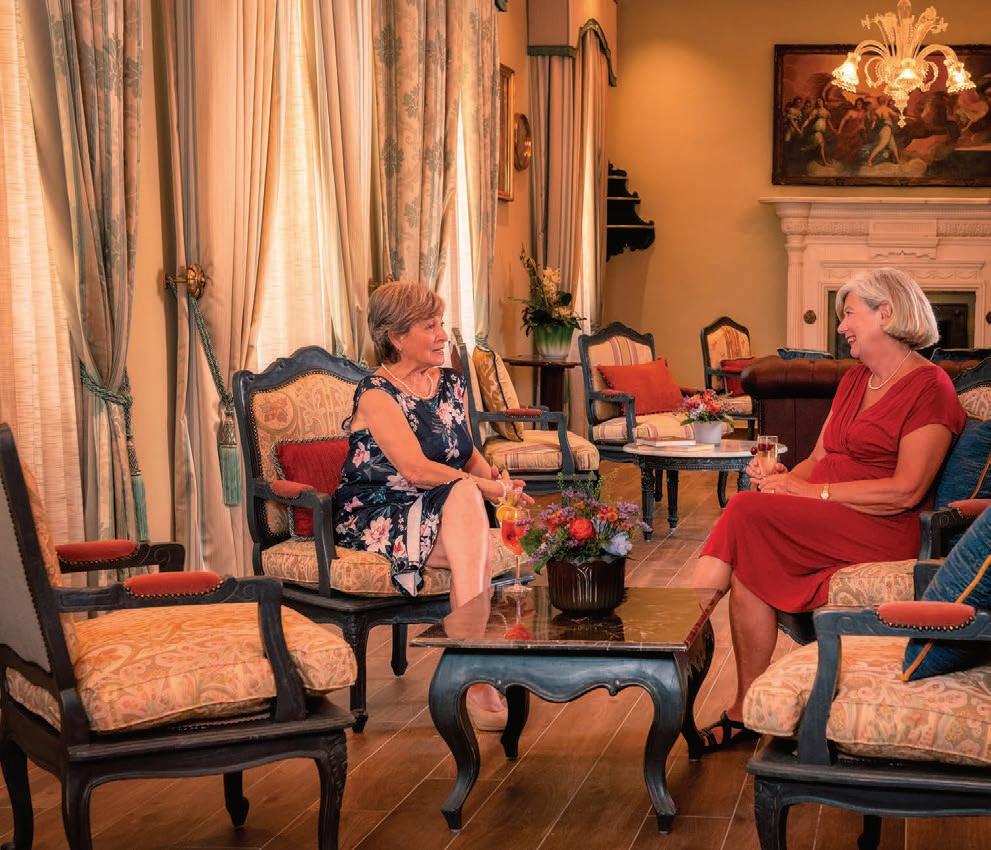
Quality Care and Nursing 24/7
Our residents are at the heart of everything we do. Person-centred care forms the basis of our approach to meeting our residents’ needs. This means that we develop a unique plan of care for every resident that takes into account their specific likes, preferences, care, welfare and social needs.
At The Imperial, we offer a spectrum of care and service options including long-term and short-term stays as well as convalescence care for those who need some rest or support to recover, following a spell of illness or time in hospital.
www.theimperialmalta.com info@theimperialmalta.com (+356) 2145 6440
St George’s Care

As Dementia Awareness Month encourages open conversation, what are some of the realities of dementia, the importance of early recognition, and the small, compassionate actions that help people live well after diagnosis?
DEMENTIA: KEY FACTS. Dementia is a term for a range of progressive conditions that affect memory, thinking, and behavior. According to the Alzheimer’s Society, it’s not a normal part of aging, and early signs can include short-term memory loss, trouble finding words, and mood changes. Getting diagnosed early can help with access to treatment, planning, and support. Good communication, using simple sentences, offering reassurance, and being patient, can ease distress. Photo Igor Rand.
Dementia is often discussed in medical terms, but its effects are deeply personal. It’s not one specific illness, but a broad term for progressive conditions that impact memory, thinking, and daily life. According to the Alzheimer’s Society, age is the biggest known risk factor, but dementia “is not a normal part of ageing,” a distinction that remains essential for early recognition and support. Symptoms like short-term memory loss, trouble finding words, and changes in mood or behavior can develop slowly, making them easy to confuse with typical ageing. When these changes start disrupting daily routines, talking to a GP is an important first step.
A diagnosis can bring uncertainty, but it also opens the door to practical help. Early planning allows individuals and families to make informed decisions about care, finances and long term wellbeing. Many people continue to lead active, meaningful lives for years after diagnosis, supported by routines, memory aids and environments designed to reduce stress.
Social engagement plays a central role. Staying connected, through community groups, hobbies or family activities, supports emotional health and helps maintain cognitive function.
Small changes in communication can make a big difference. Approaching conversations with patience and warmth helps build trust, while using simple sentences, keeping a gentle tone, and acknowledging feelings can ease confusion.
The Alzheimer’s Society suggests avoiding confrontation or pointing out memory lapses,
as this may cause distress. The goal is to preserve dignity, reduce anxiety, and help the person feel understood.
Supporting carers is just as important.
Looking after someone with dementia can be tough, and having access to respite care, counselling, and community networks can help maintain emotional strength. Many families find comfort in shared stories and learning from others who’ve faced similar challenges.
Living with dementia means adapting to change, but it also means focusing on what’s still possible. With the right support, people can keep enjoying connection, purpose, and moments of joy. Awareness, both public and personal, helps create an environment where those affected are met with understanding rather than stigma, and where needs are acknowledged with compassion.


Research suggests that strength, movement and everyday habits can influence long-term cognitive wellbeing. What are the findings and the actions that may support a healthier brain?
EXERCISE & DEMENTIA RISK. According to Harvard Health
scans revealed healthier brain neurons and less shrinkage
the
Research into dementia is increasingly showing how lifestyle choices shape long-term brain health. While no single habit can guarantee prevention, certain routines may lower risk and build cognitive resilience. Strength-based exercise, in particular, has gained growing scientific attention.
In 2025 Harvard Health Publishing reported on a study involving adults with mild cognitive impairment, finding that “regular weight training may keep your brain strong as you age.” Twice-weekly resistance training over six months led to better memory test results and MRI evidence of healthier neurons and less shrinkage. Though the exact
mechanism is still under study, researchers suspect weight training triggers neuroprotective and anti-inflammatory processes that help the brain.
The Alzheimer’s Society supports this view, noting that regular exercise may reduce dementia risk by up to 20% compared to inactivity. Reviewing 58 studies, they found the biggest benefits came when people moved from sedentary lifestyles to even modest activity, with consistent exercise through midlife offering the strongest protection. For older adults, daily movement still matters: those in the least active group were more than twice as likely to develop Alzheimer’s as the most active.
Strength also counts in a physical sense. The U.S. National Library of Medicine reports that lower-limb strength is closely linked to
cognitive longevity. Leg muscles release helpful proteins like BDNF and IGF-1 during resistance training or brisk walking, promoting neuron growth in the hippocampus, the brain’s memory hub. Stronger legs also boost circulation and gait speed, both tied to healthier brain aging. Twin studies show that the sibling with stronger legs consistently had better cognitive outcomes over time.
Along with exercise, other habits can boost long-term brain health, like keeping blood pressure and cholesterol in check, protecting hearing and vision, staying socially connected, and getting help early for low mood or anxiety. These steps don’t remove all risk, but they build resilience. The goal isn’t perfection, it’s sticking to small, sustainable choices that nurture both body and mind over time.

















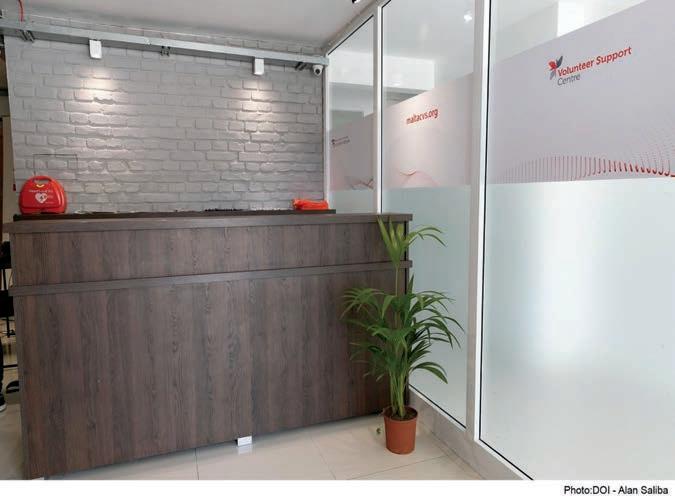







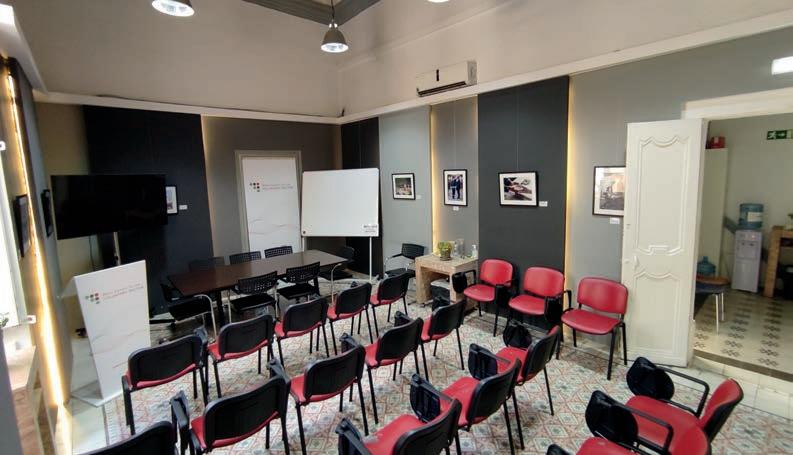
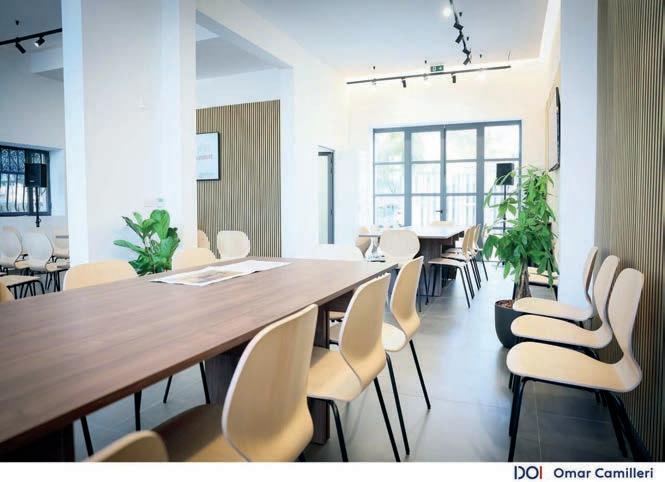








The Malta Council for the Voluntary Sector (MCVS) Volunteer Centres provide spaces and facilities where voluntary organisations can operate, hold seminars, meetings, and organise a myriad of other activities.




Book a centre now through maltacvs.org.
Malta Council for the Voluntary Sector
Volunteer Centre, 181, Melita Street, Valletta, VLT 1129, Malta
Tel: +(356) 2248 1110

Valletta Birkirkara Rabat Paola Xewkija, Gozo

At Willett’s, The Cadogan introduces a British bistro that feels rooted in its history and attuned to the present
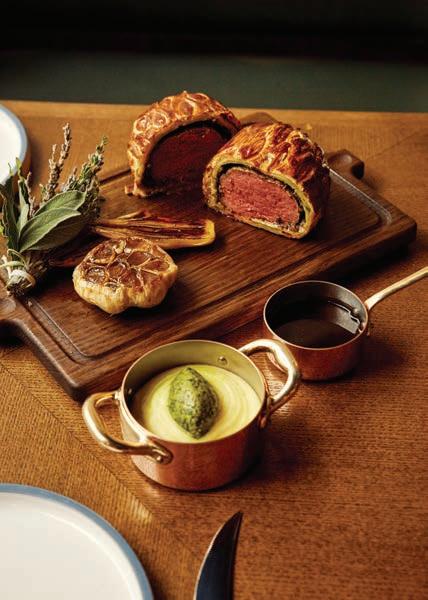
Chelsea’s 1887 townhouse on Sloane Street, once home to Lillie Langtry and the setting for Oscar Wilde’s final days of freedom, begins a new chapter as The Cadogan, A Belmond Hotel, London introduces Willett’s. Inspired by the craftsmanship of its Victorian builders and the area’s deep ties to agriculture and culture, this modern British bistro blends seasonal flavors with a fresh, contemporary touch.
Photography courtesy Belmond.
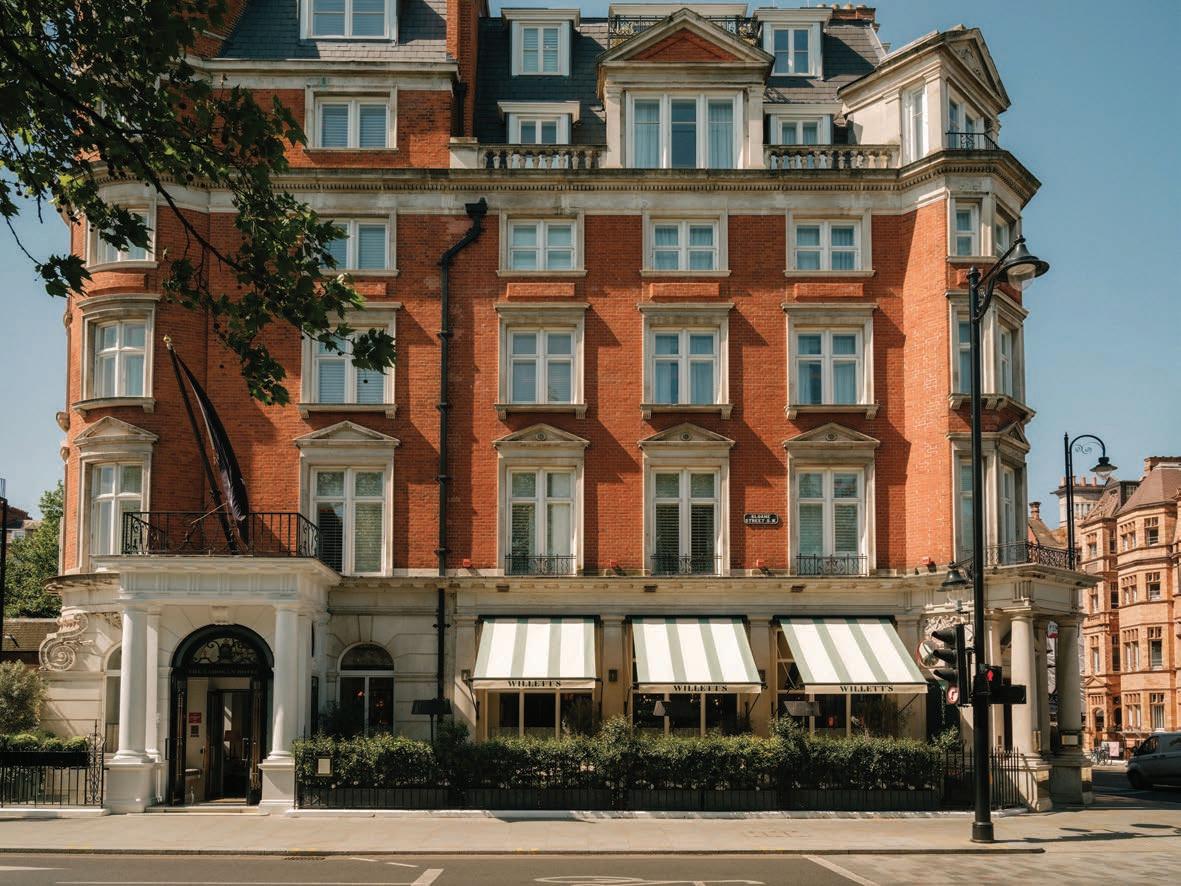
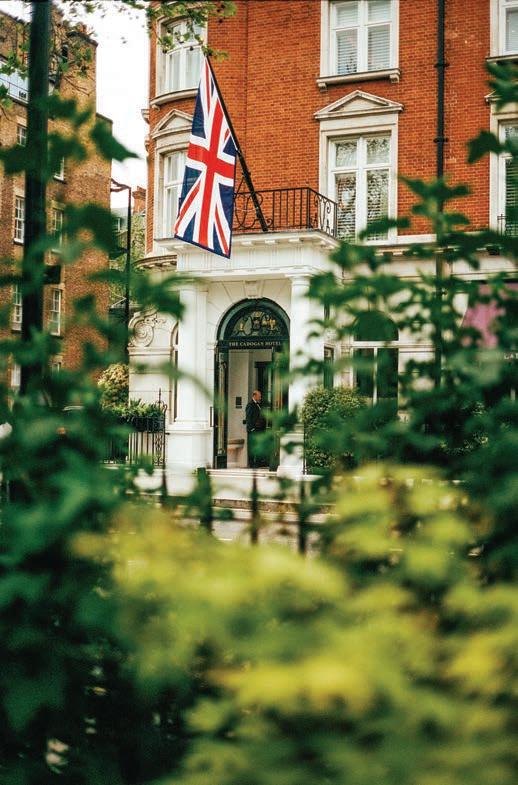
Chelsea has long been a neighbourhood shaped as much by its eccentrics as by its architecture, and few streets capture that interplay better than Sloane Street. In the late nineteenth century, when the area was still a patchwork of market gardens and ambitious new townhouses, the Willett family, Victorian builders with a flair for scale and polish, were busy imprinting their vision on the district. William Willett Jr., the more spirited of the pair, would later campaign for the introduction of British Summer Time after observing how many Londoners slept through the early light. His pamphlet, The Waste of Daylight, published in 1907, was a curious blend of practicality and idealism, and it eventually helped shift the nation’s clocks. But his impact on Chelsea was already set in stone: the 1887 townhouse on Sloane Street that today is home to The Cadogan, A Belmond Hotel, London.








































The building’s history is well-known to those familiar with London’s social scene. Lillie Langtry once lived here, hosting with the poise of someone accustomed to the spotlight. In 1895, Oscar Wilde was arrested on the premises, opting to remain in his suite despite friends urging him to flee to France. Over the years, the hotel has attracted those who thrive at the centre of it all, even as the world around them changed.
Today, The Cadogan has a softer role but remains deeply connected to its surroundings. With only 54 rooms and suites, it feels more like a charming townhouse with an exceptionally attentive staff than a typical hotel. Its position between Chelsea, Knightsbridge and Belgravia places it within short distance of the cultural calendar’s high points, Wimbledon, Frieze, the Chelsea Flower Show, yet it maintains the calm elegance of a place that has watched trends come and go.

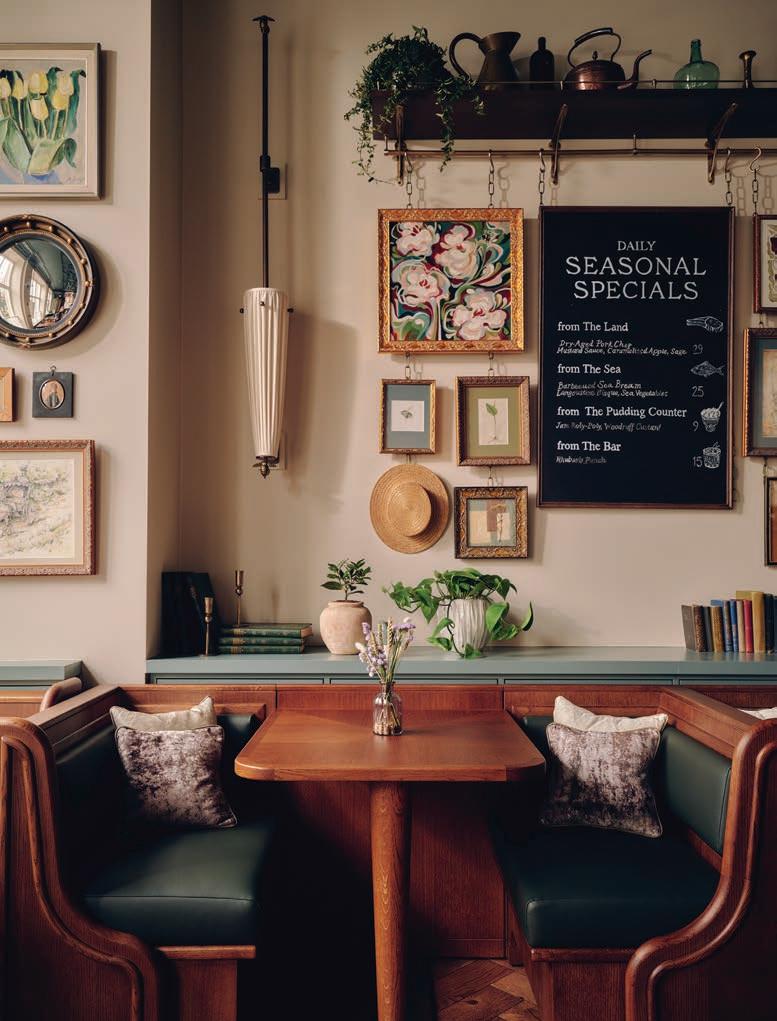
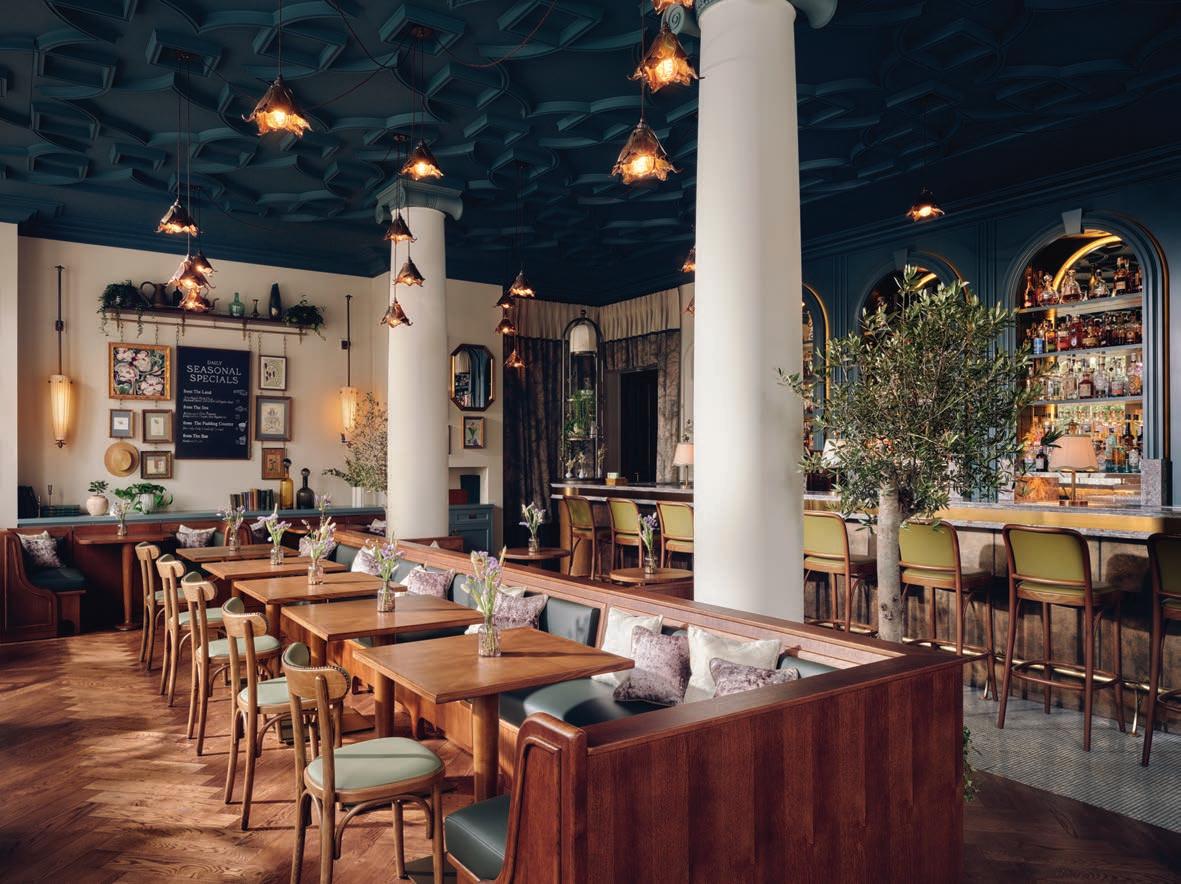
This spring, the hotel introduced Willett’s, a British bistro named after the builders of the original townhouse. It nods to the past without getting stuck in nostalgia. Reimagined by Studio Shayne Brady, known for blending elegance with a relaxed feel, the space draws on the area’s farming heritage and the craftsmanship of the Willett era to create a setting that’s both grounded and contemporary. “Our vision for The Cadogan was to celebrate Chelsea’s heritage without being bound by it,” Brady says. “The history of the King’s Road and its market gardens gave us a rich starting point –craftsmanship, agriculture, abundance – and we translated that into a contemporary British bistro, Willett’s, layered with warmth and character.”
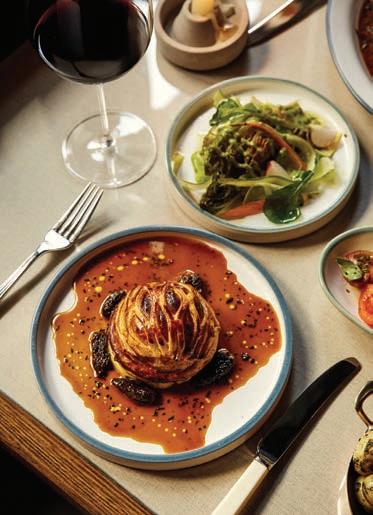
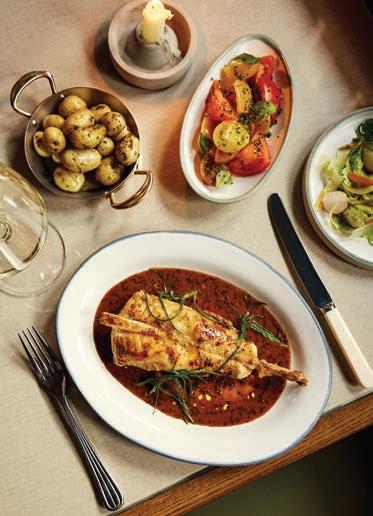
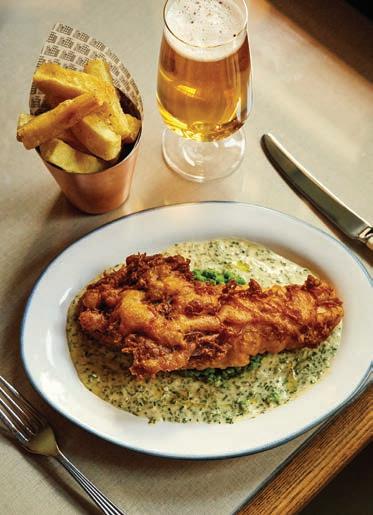
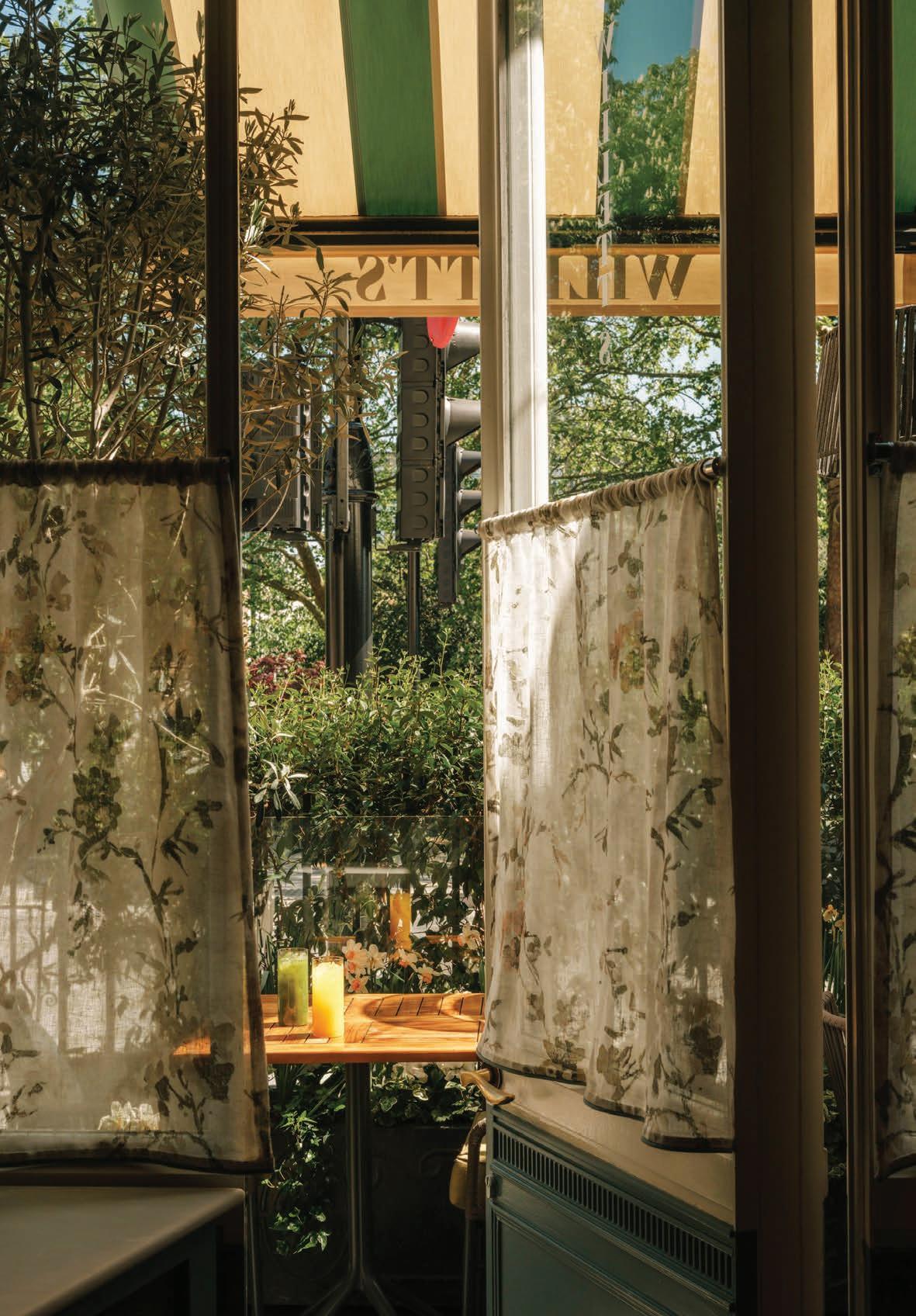
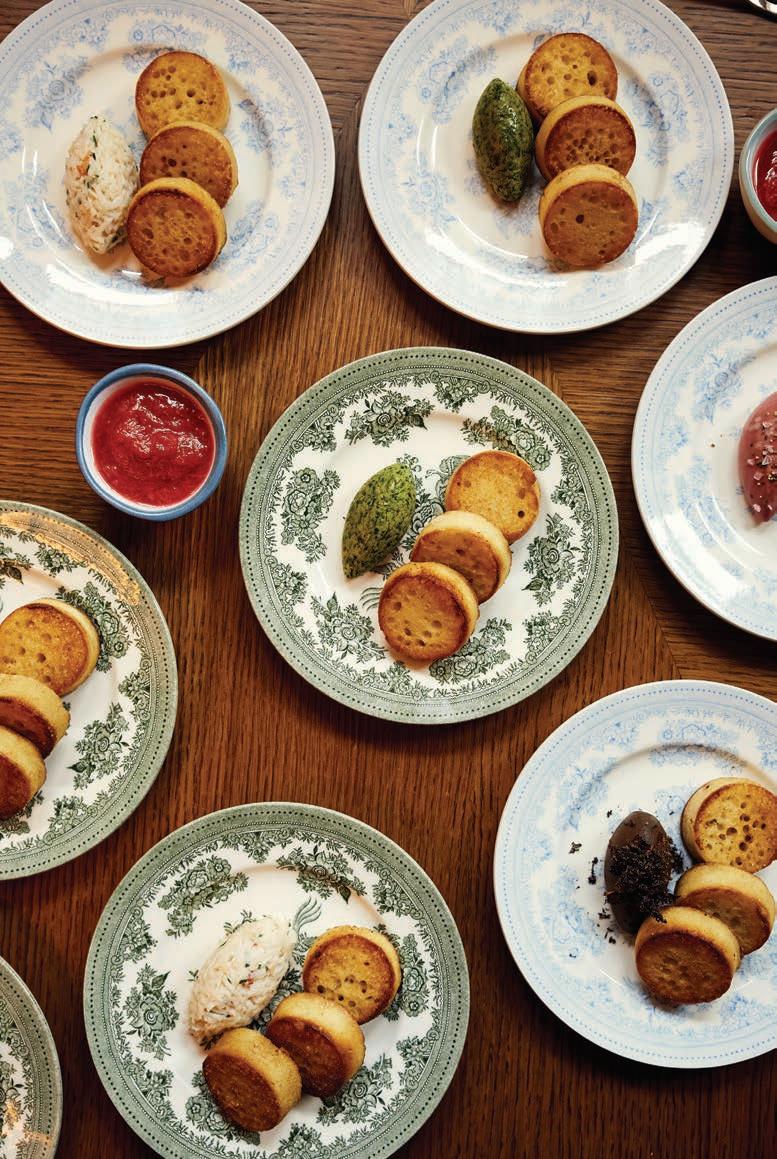
The dining room centres on an open kitchen, its chef’s counter offering a view over the dining room beyond. The Willett’s colourpalette is comprised of heritage greens matched with neutrals to complement the original 1887 herringbone flooring, elevated by bronze detailing and antique mirrors throughout. Focus has been paid to lighting, softened by linen cafe curtains which nod to the traditional bistro setting. Booths provide a sense of intimacy without isolating diners from the room’s hum, and the bar has been reshaped for those who prefer a more relaxed encounter with the menu.
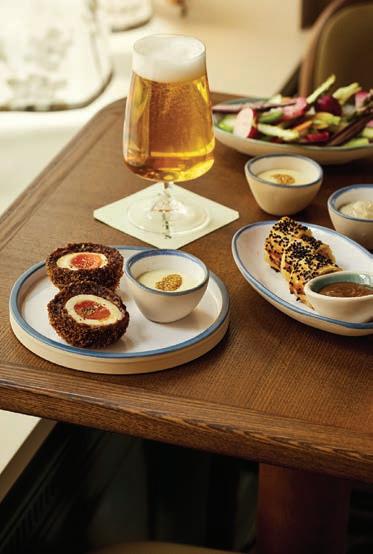
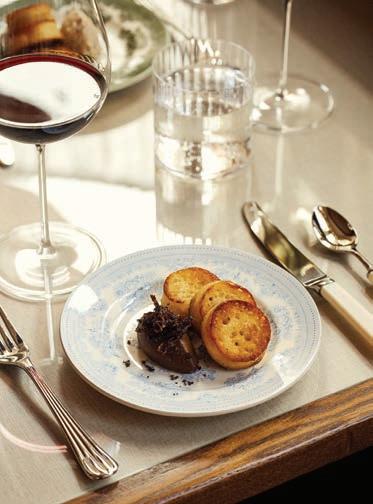
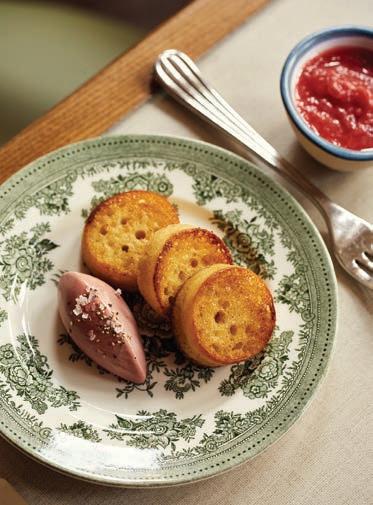
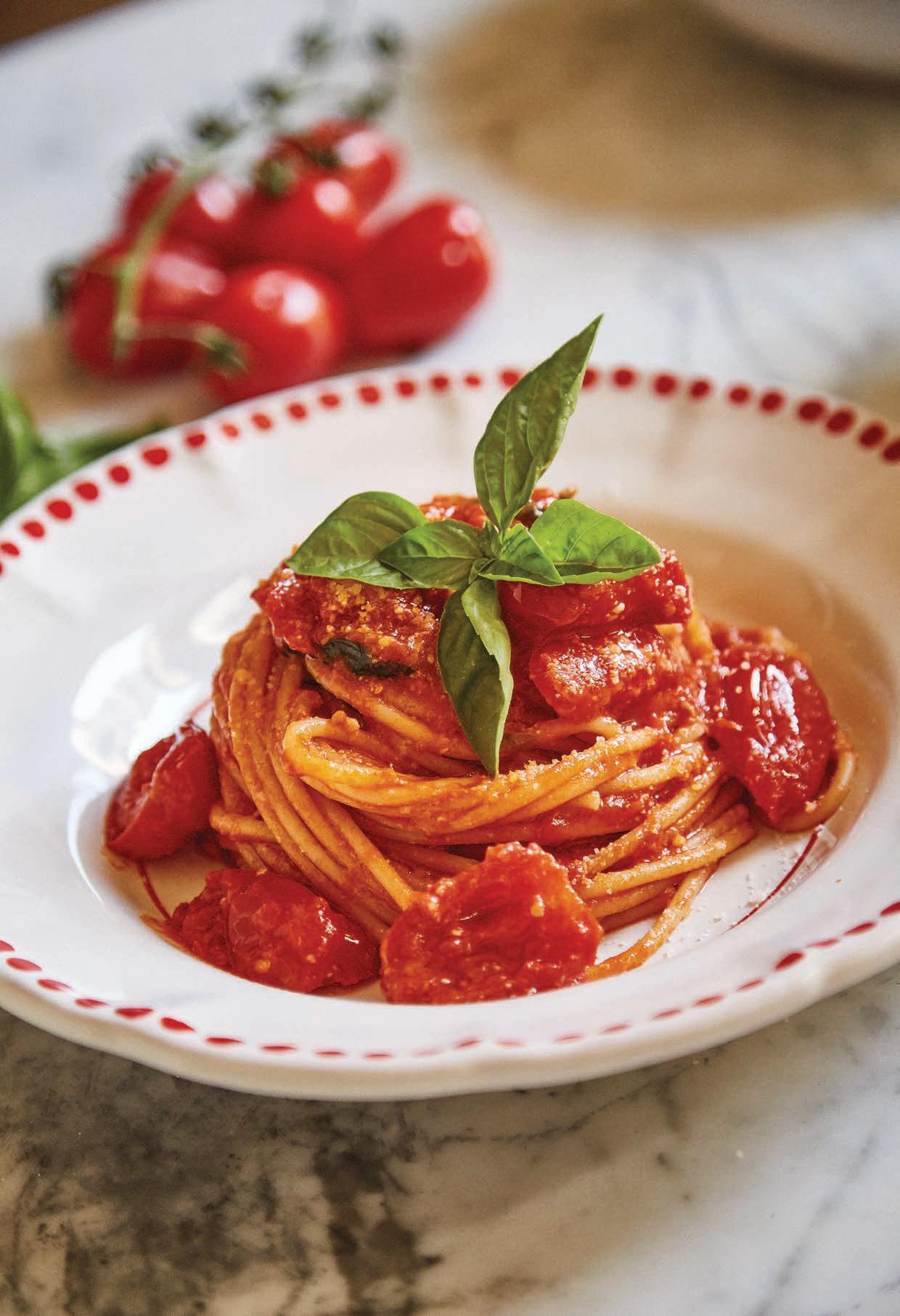
Top left: Bringing back a British staple, sourdough crumpets form the signature of the menu at Willett’s, fried daily for a crispy outside and fluffy inside, and served across breakfast, lunch, dinner, the bar and late-night offerings.
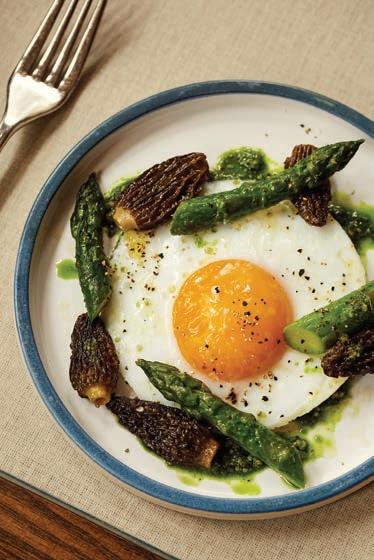
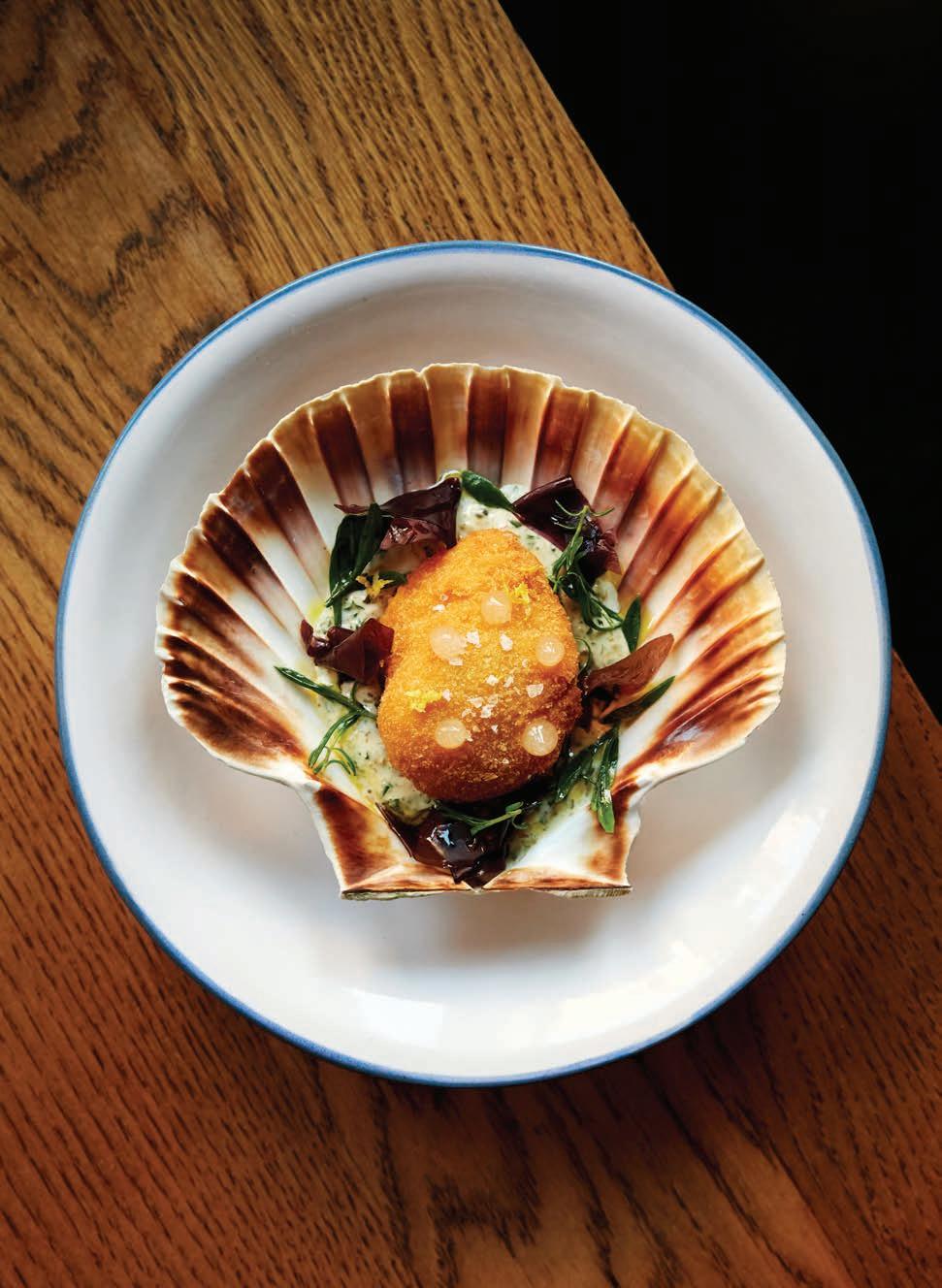
Top right: Wye Valley asparagus, fried duck egg, morels, wild garlic, hazelnut.
Far left: Sourdough Crumpets Penny Bun mushroom, Wiltshire truffle.
Left: Sourdough Crumpets Duck liver parfait, Yorkshire rhubarb. Photography Matthew Hague.


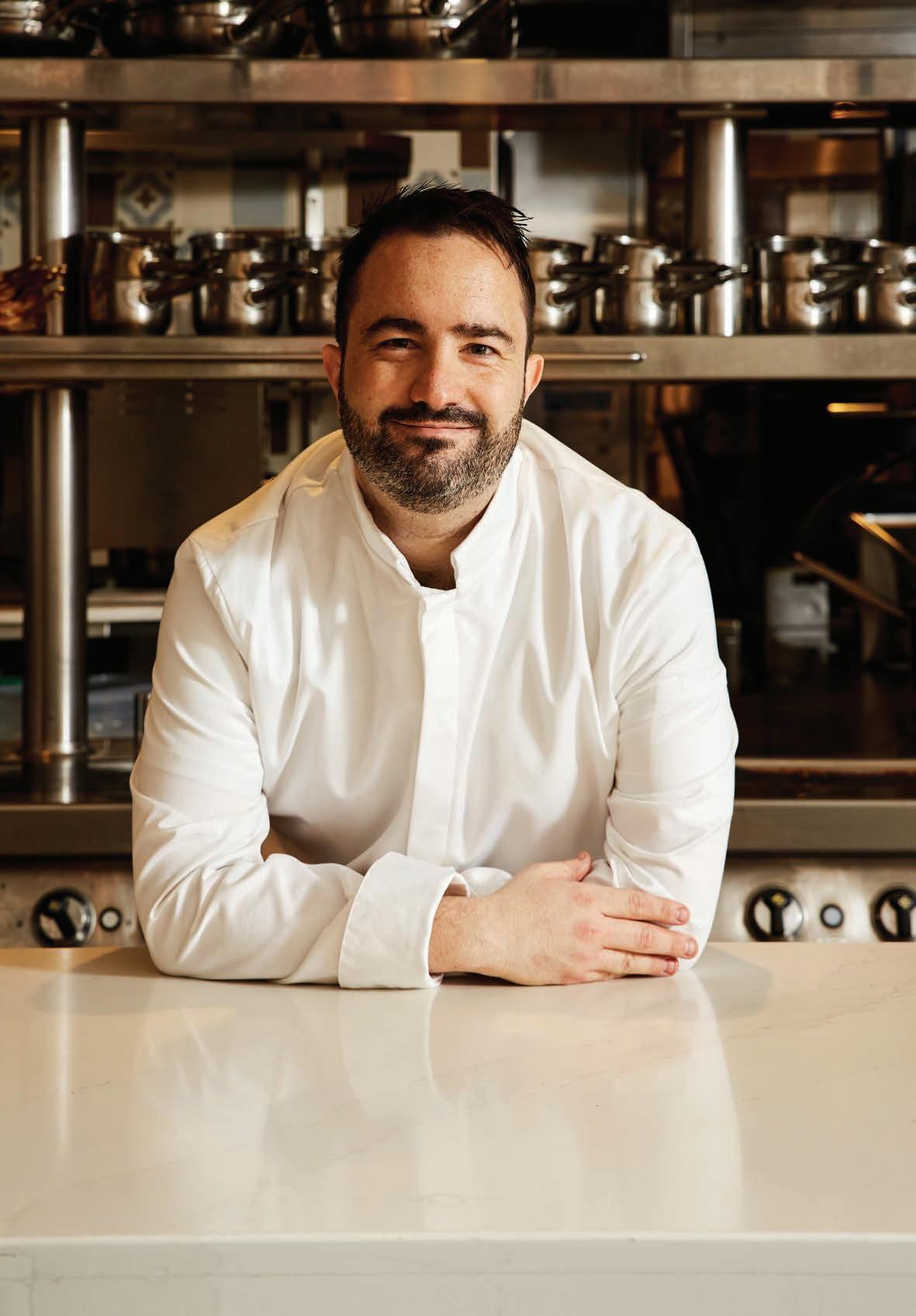
Executive Chef Michael Turner, who joined The Cadogan in 2025 after more than a decade with the Gordon Ramsay Group, leads the kitchen with a focus on seasonal British produce and relationships with growers across the country. His approach is confident and unfussy, drawing on classical technique without leaning on theatrics. “Our
ambition is to create a true neighbourhood bistro, somewhere welcoming and centred around British cooking and produce,” he says. “We’ll focus on well-loved classics and seasonal ingredients, with the aim of building a restaurant residents return to regularly. Being in Chelsea, it’s important that Willett’s feels part of the area – a place for weekday suppers, long Sunday lunches and everything in between.”

The menu’s signature is the sourdough crumpet, fried daily to achieve a crisp exterior and soft interior. It appears throughout the day, topped variously with Gentleman’s Relish, mushroom parfait with Wiltshire truffle, duck liver parfait with Yorkshire rhubarb or Dorset crab. At breakfast, it arrives layered with cep parfait, a
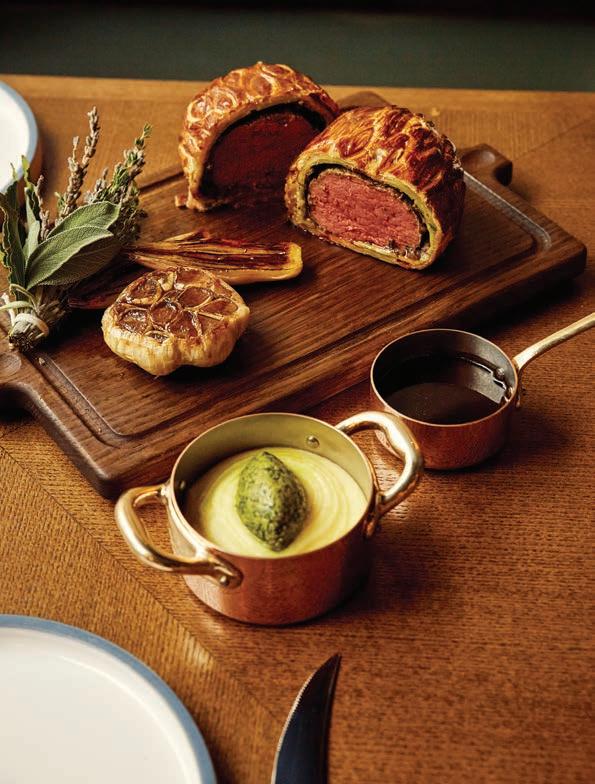
poached St. Ewes egg, hollandaise and shaved truffle. Starters include hand-chopped ex-dairy beef with mushroom ketchup, prawn cocktail with Bloody Mary jelly and an English garden salad. Mains range from Sutton Hoo chicken and morel pie with mash and liquor to soused Cornish mackerel with fennel and Yorkshire rhubarb, alongside a pearl barley porridge with Wye Valley asparagus that feels particularly attuned to the season.
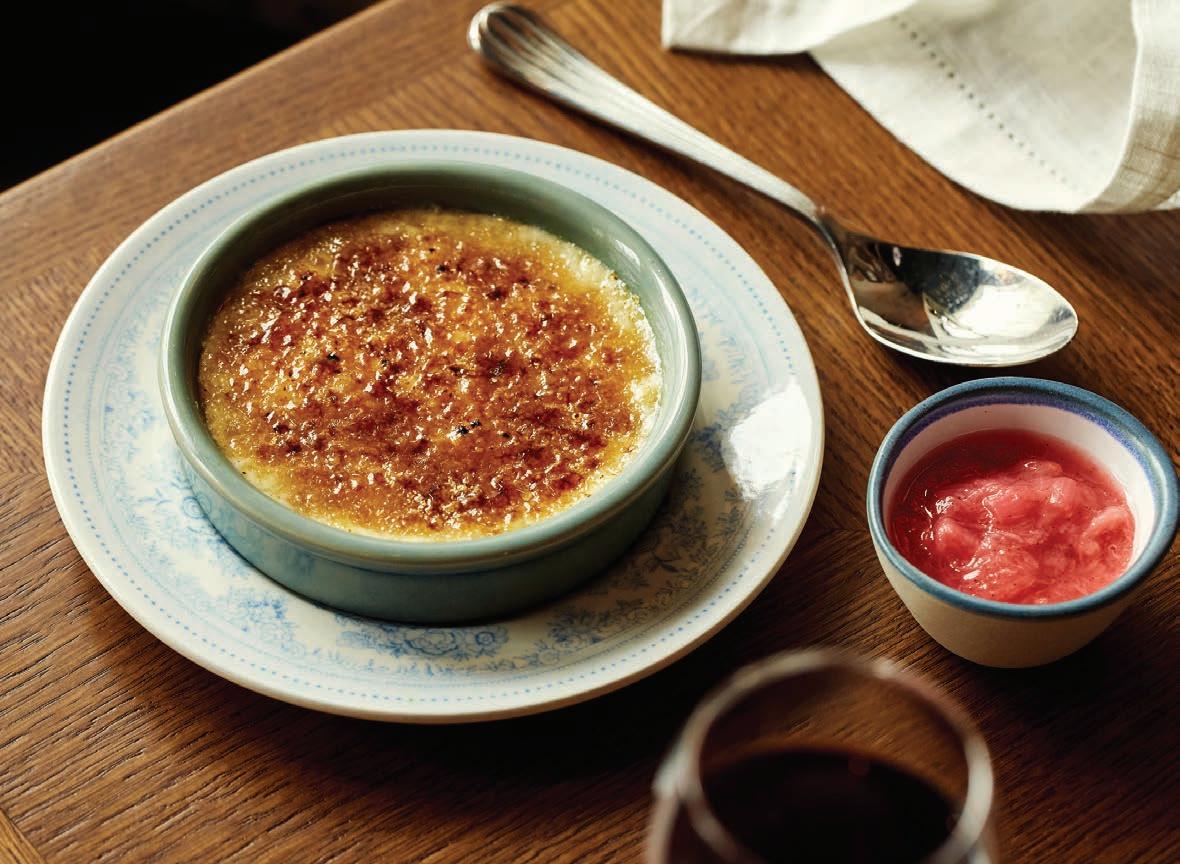
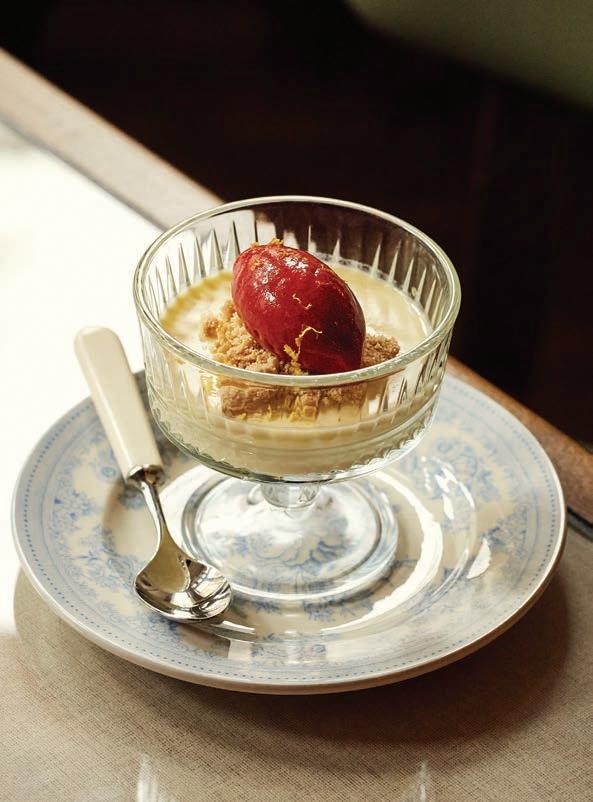
Sundays bring a dedicated lunch service, with roasts and family-style dishes designed for sharing. Puddings lean into British comfort: sticky toffee, jam roly-poly, custard tarts. The bar programme follows the same seasonal rhythm, with cocktails shaped by a zero-waste philosophy and a wine list that includes around twenty options by the glass, among them bottles from London’s own urban winery in Fulham.
Willett’s fits seamlessly into the daily flow of Chelsea, whether it’s a morning coffee, a midweek dinner, or a leisurely lunch that lingers into the afternoon. It blends British tradition with a modern vibrancy, much like the building it calls home. The Willetts built the original townhouse with the future in mind, and the bistro that now carries their name carries on that vision, subtly shaping how people come together on Sloane Street.











RETAILER YOU CAN TRUST
“History is a set of lies agreed upon.” Napoleon Bonaparte
Pauillac is known for its regal expression of Cabernet Sauvignon marrying structured power with fine purity and complexity. While wines here in their youth boast a full bodied musculature full of promise; with some judicious cellaring the palate softens into a soaring depth of richness and polish that surprisingly preserves the primary fruit flavours and textures front and centre, while sporting a signature cedar, tobacco and pencil shaving gravel serenity, writes Kris @ FirstThisIsWine.
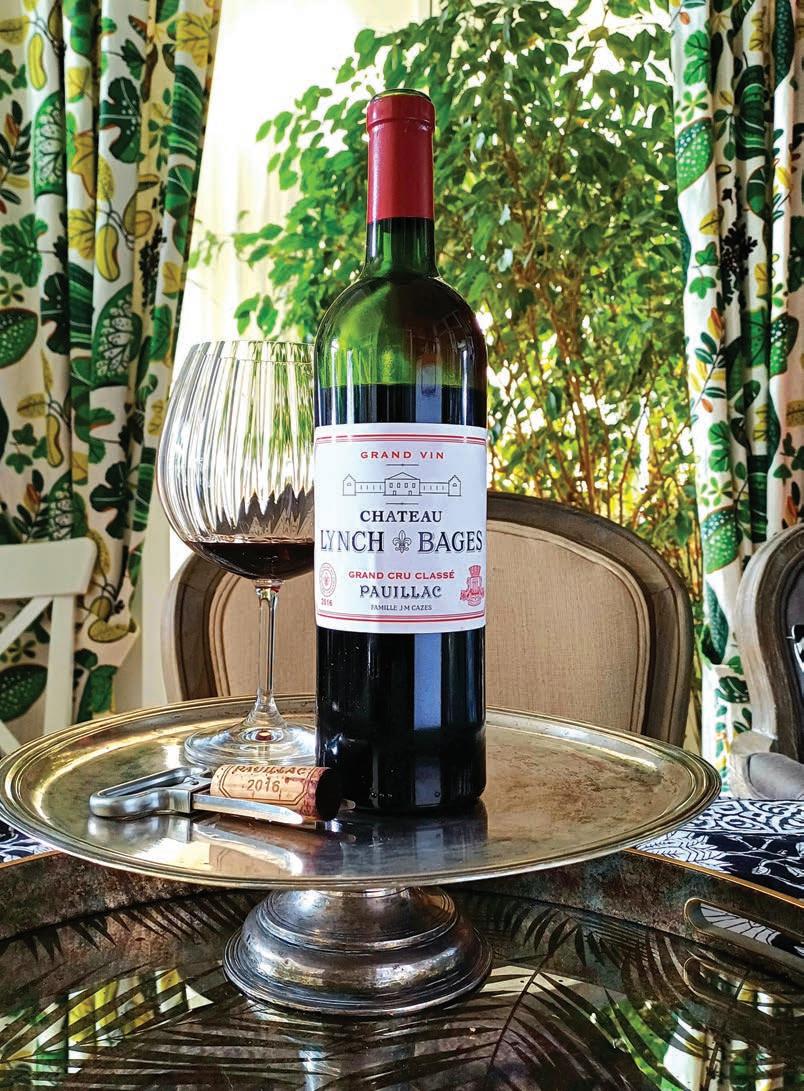
Lynch Bages officially a 5th growth punches above its weight in popular and critic scorings due to its ability to consistently provide prodigiously along this front in fat and lean years to the extent that it was once known as the poor man’s Mouton. Their plots on the Bages plateau southwest of the village cosy up to the Pichons, growing vines on gravel, chalk and sand soils, offering a lush generous style with a now familiar spiced inflection. Here we taste the stellar 2016, a vintage lauded across the board for its pivoting balance between ripe and fresh flesh tones. Perhaps providing a left bank edge with their later ripening varieties in contrast to maybe the too keen to please right banks which between you, me and the cellar hatch, I often prefer the more exotic 2015s.
Lynch Bages 2016 is purple flowers and black fruit on the nose and attack. The mid palate fleshes out in a bevy of cassis, plum and currant with good spice, some cedar, tobacco, herb and a pencil finish. Vanilla, clove, cinnamon, dark chocolate and maybe mint and molasse in the underbelly come to mind, but essentially a flamboyant wine with less highbrow first growth reticence and more grip, crunch, soft focus and balanced layering in the fine longitude. There is opulence and light bearing in the mid tones, power in the fore and aft with enough tension to show this is in its salad days; and a crescendo of depth of dark brooding intensity but mannered with a rigorous deft of contouring as a matter of course in a burst of effortless talent appealing to basic instincts.
“I miss the way I viewed the world before I knew too much about it.” Snoopy
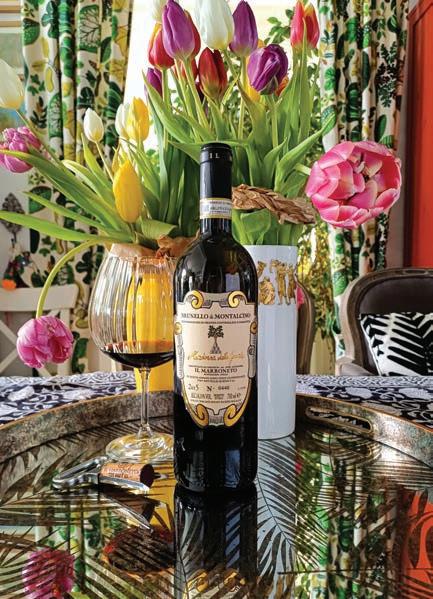
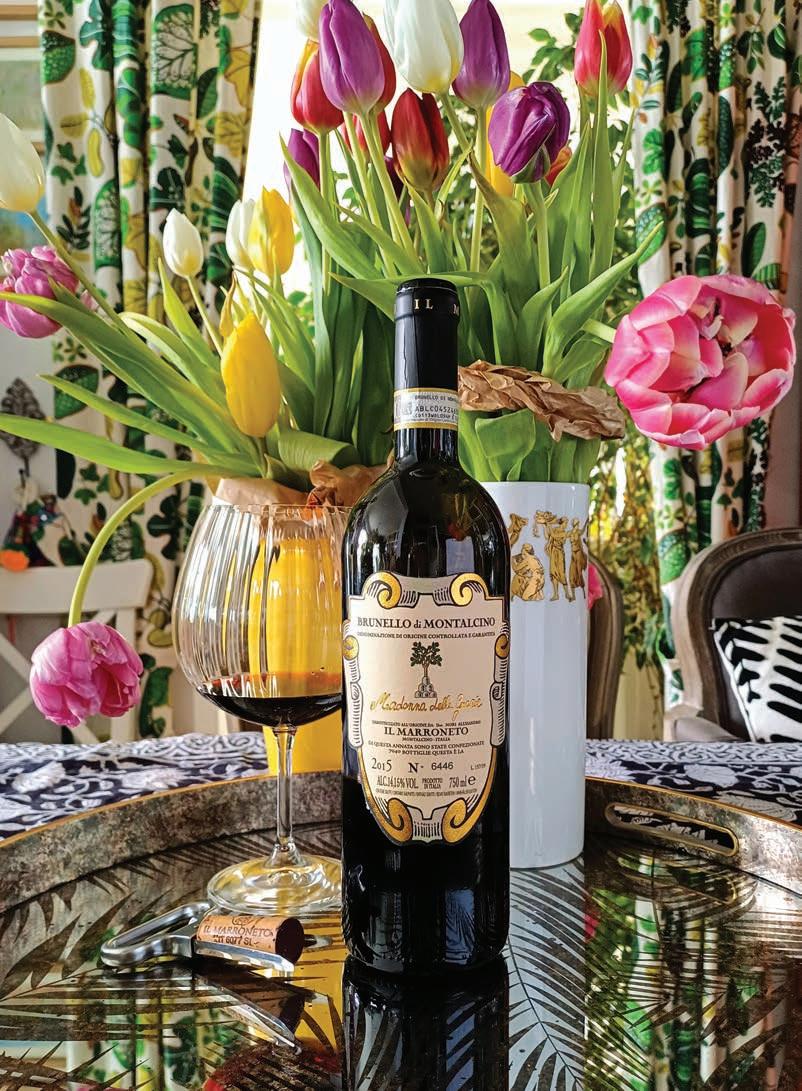
Brunello is known for its go to estates Biondi Santi and Soldera but slightly under the radar in the popular vision yet lauded by critics is the lesser-known Il Marroneto with a single vineyard in the cooler steep sloped hills just north of the town of Montalcino, where many an elegant Brunello has its home. Their grand vin Madonna delle Grazie is on every Sangiovese aficionados bucket list, arguably coming from the same Burgendesque school of thought that gives us Soldera and Stella di Campalto focusing on highly creative biodynamic farming and light-handed winemaking finesse, writes Kris @ FirstThisIsWine.
Apioneer in both fields the estate was established in 1974 in a second wave of the early success of Brunello on stony galestro clay and marine sediment sands just below the town walls at about 400 metres altitude. Il Marroneto is not about fruit forward blending from different fields to create robust and multilayered multi plot confections but rather on a tonally perfect single vineyard linearity that needs its own time to evolve and develop. Madonna delle Grazie 2015 is pretty with fine spring florals hinged on a sour wild cherry attack laced in leather tobacco olive cedar and warm spice with a Tuscan slant of dried herbs, leaves, bark, balsam and anise leading to an umami filled almost savoury feral carob, kirsch, chocolate and bitter almond tart and sweet finish. Exuberant on the nose, weighty in the middle a touch finer in the finish. Lyrically intense with just the right amount of nerve this evolves beautifully in the glass and bottle, even if the structure shows this can age further.
2015 is already legendary both in critical and popular ratings. Some of the best brunellos were made that year and by Tuscan summer standards rather than ripe this is classical in its rendering. Here is purity as an art form of sparse notes but well played with concentration, silky finesse and lasting fluid victuals. A naïvely high achiever.
“If you must break the law do it to seize power; in all other cases observe it.” Julius Caesar
Burgundy offers the best expression of Chardonnay the most versatile of grapes and can be neatly divided into the cooler climate Chablis crisp and linear kind and the Montrachet centred warm unctuous and rich fare. Of the latter, triangulating between three villages; chalky Chassagne, taut Puligny and buttery Meursault; a small hamlet Blagny hosts some of the highest altitude premier crus, writes Kris @ FirstThisIsWine.
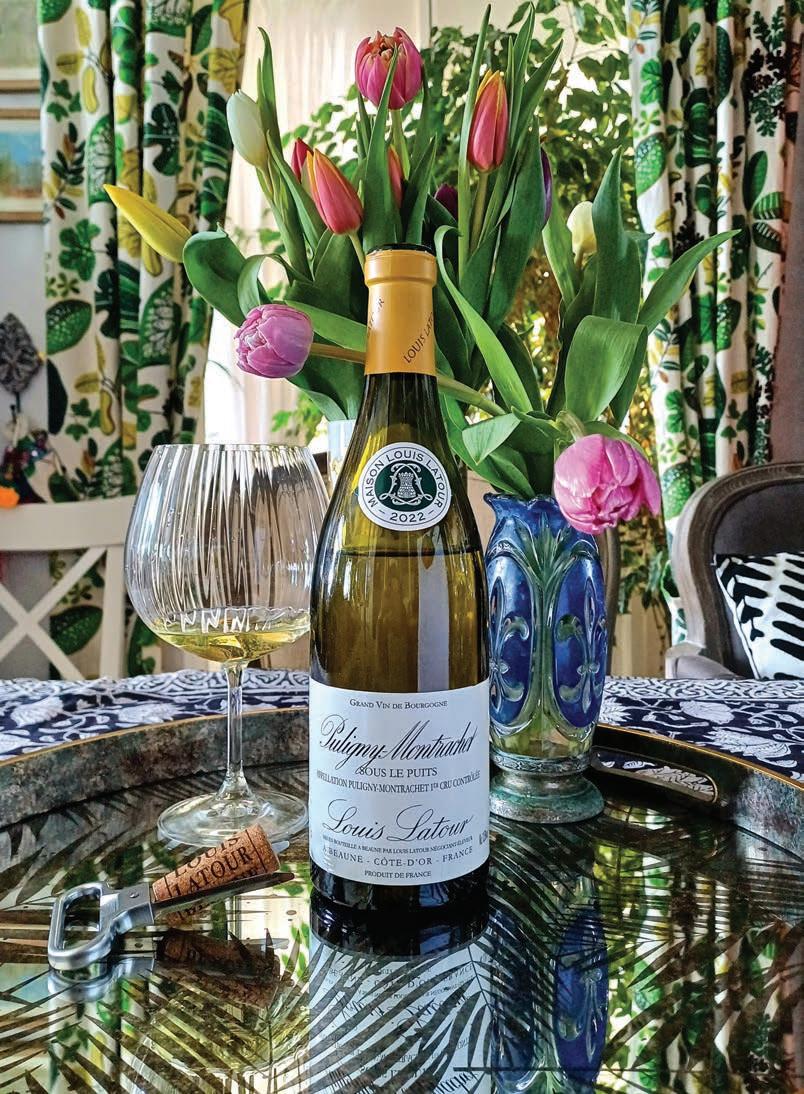
Sous le Puits at a peak of around 400 metres is a vineyard of shallow crushed limestone some brown clay and mineral rich soils on steep south easterly slopes and has a handful of producers amongst which is the revered Leroy. Wines here have a crisp linear expression with ripe flavours hinged on a racy freshness and yet some of the fat buttery notes hark to the neighbouring affable La Garenne and Meursault’s upper slope finest Sous Le Dos D‘Ane (think Leflaive).
Here we taste Maison Latour's stellar 2022. On the nose white flowers usher in an attack of vanilla hazelnut lemon rind and white stoned fruit peach and pear. With time the mid palate opened up to apricot, marzipan, honey and warm spice to a white pepper creamy toast brioche salt and stone introspective finish. There is concentration depth and angularity of tension as one would expect and yet some of the peak flavours and richness echo the warmth of the balmy vintage without detracting from a sharp linearity typical of the cru. Certainly a powerfully elegant wine with enough unctuous mid toast buttery overtones to be enjoyable as much as it is cerebrally precise. We are a stone’s throw away from the forest line on top of the escarpment, on land that only a century ago was scrubbed clean and broken up to plant vines; and some of the romantic feel of wooded terrain, secondary depths of vanilla, cinnamon bark, acacia and acorn flavours and sylvestrine animal tertiary scents are poetically resonant in this wine as should be.