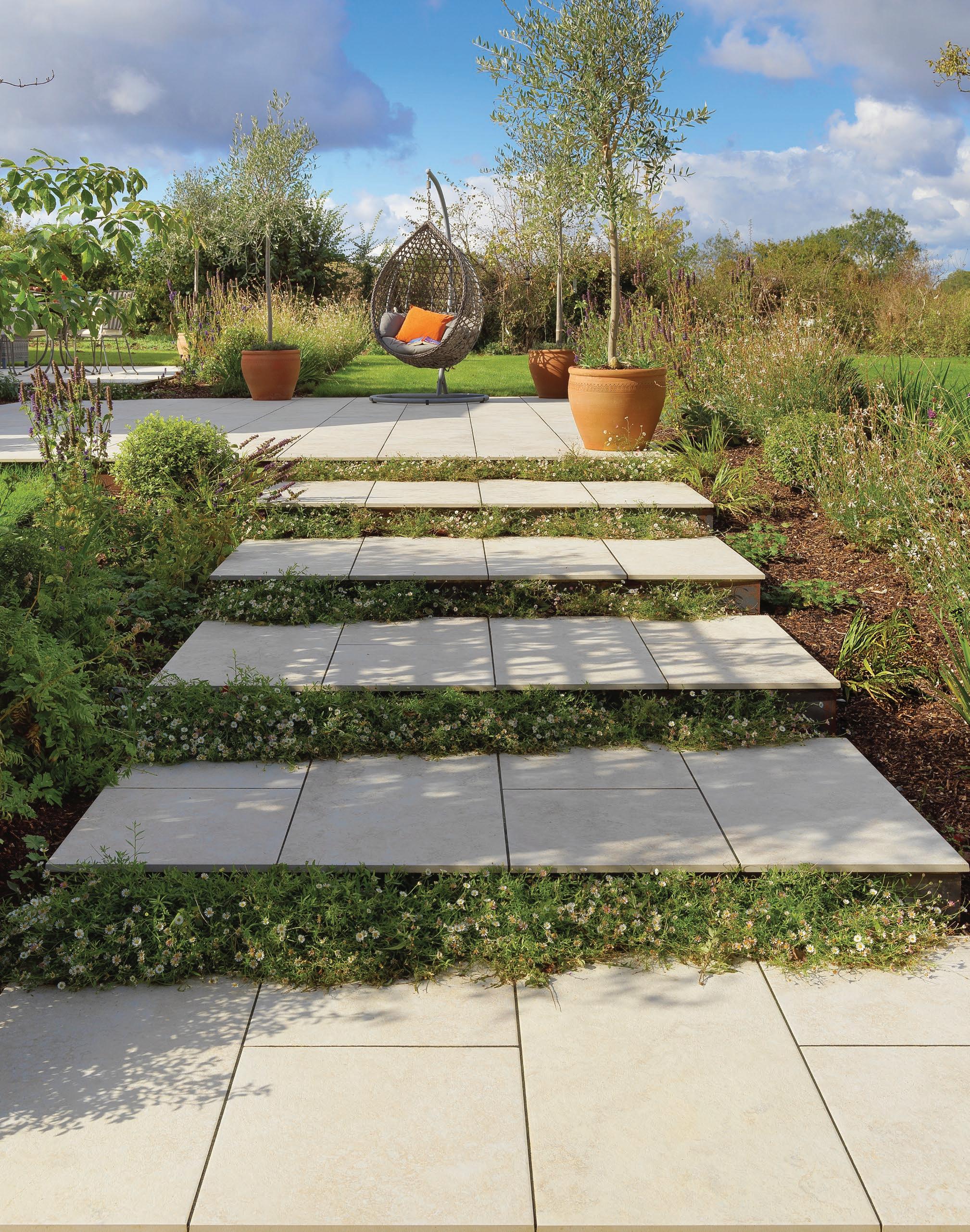
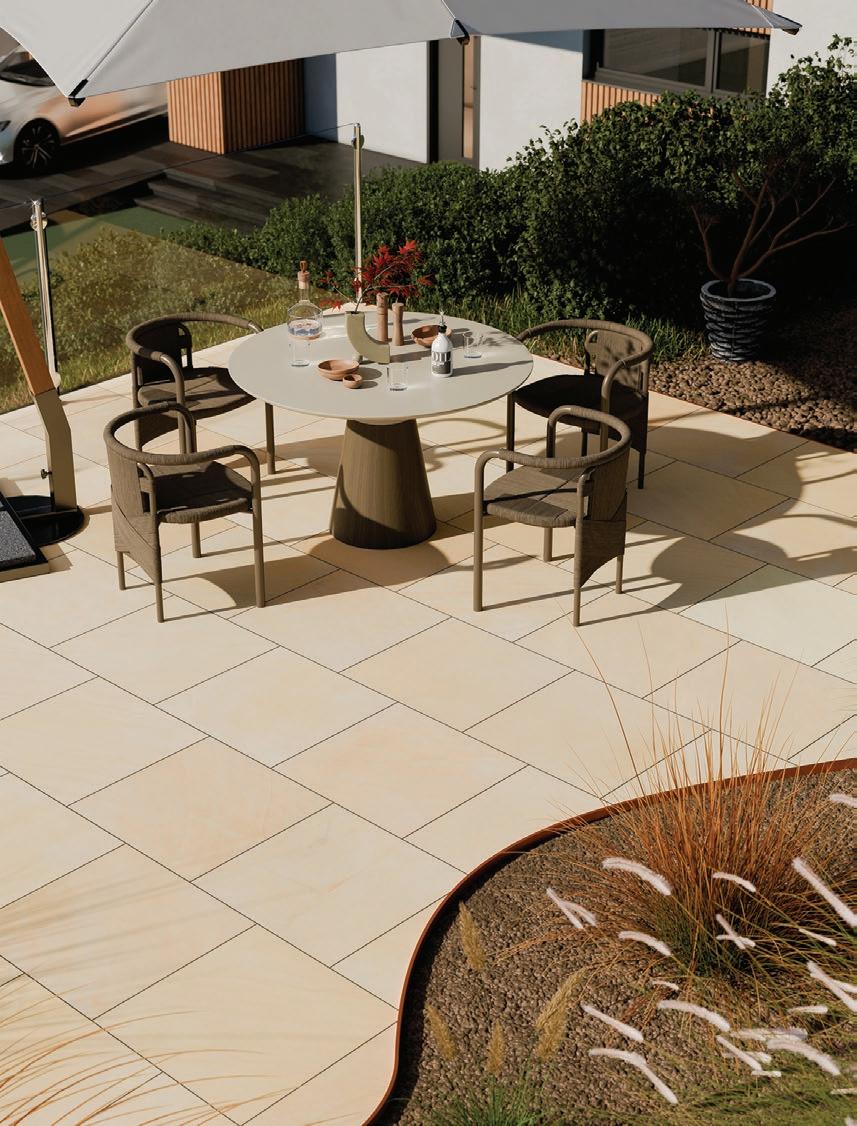
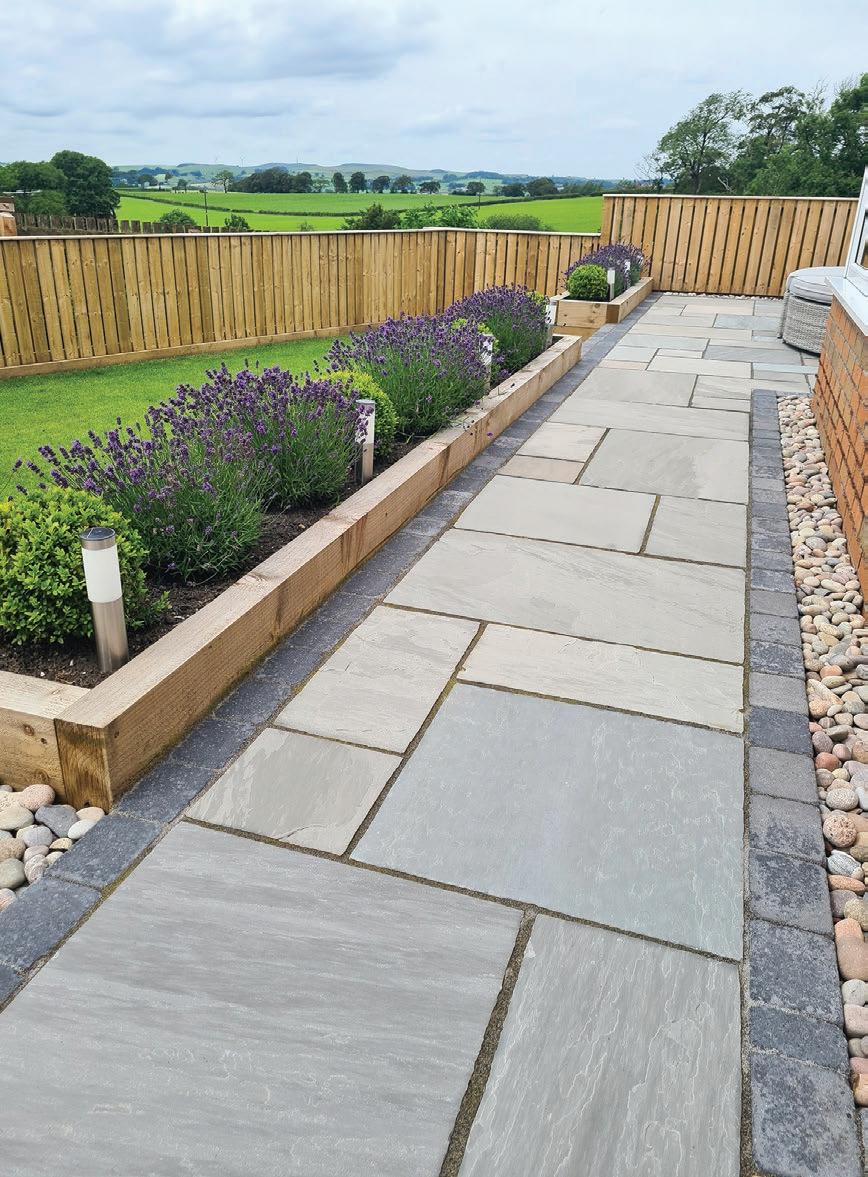
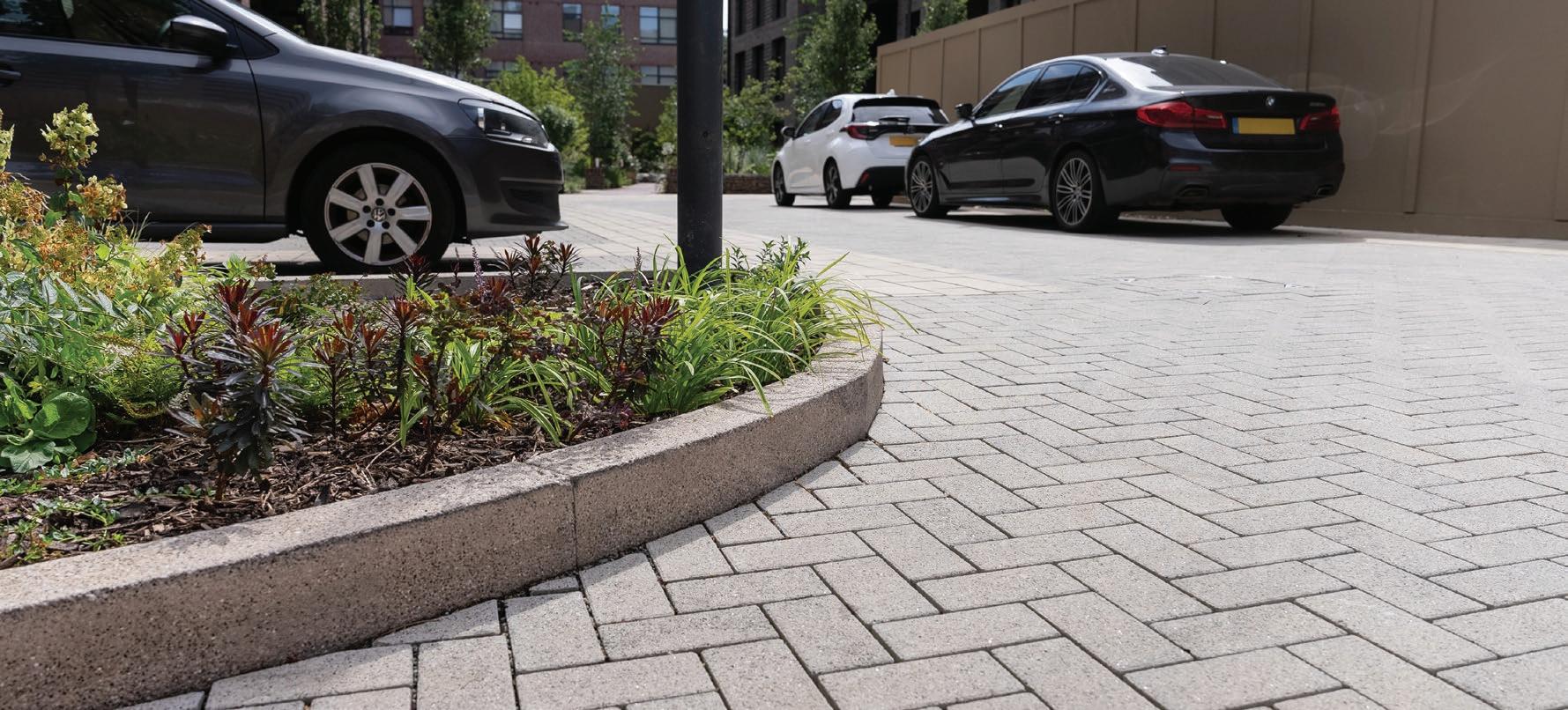
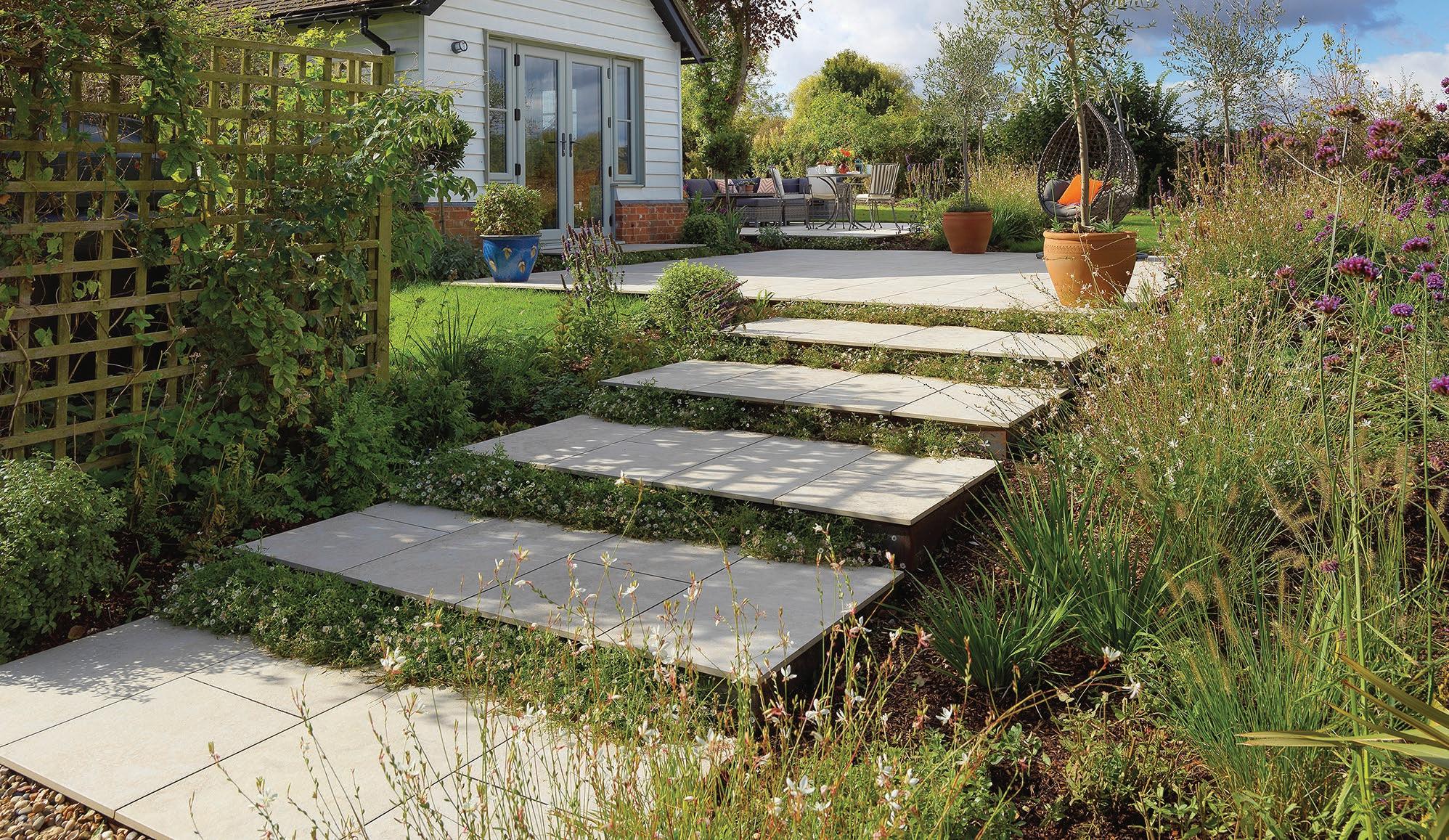
Decorative: Buying patterns are shifting Set in stone: Dolomite graces golden garden
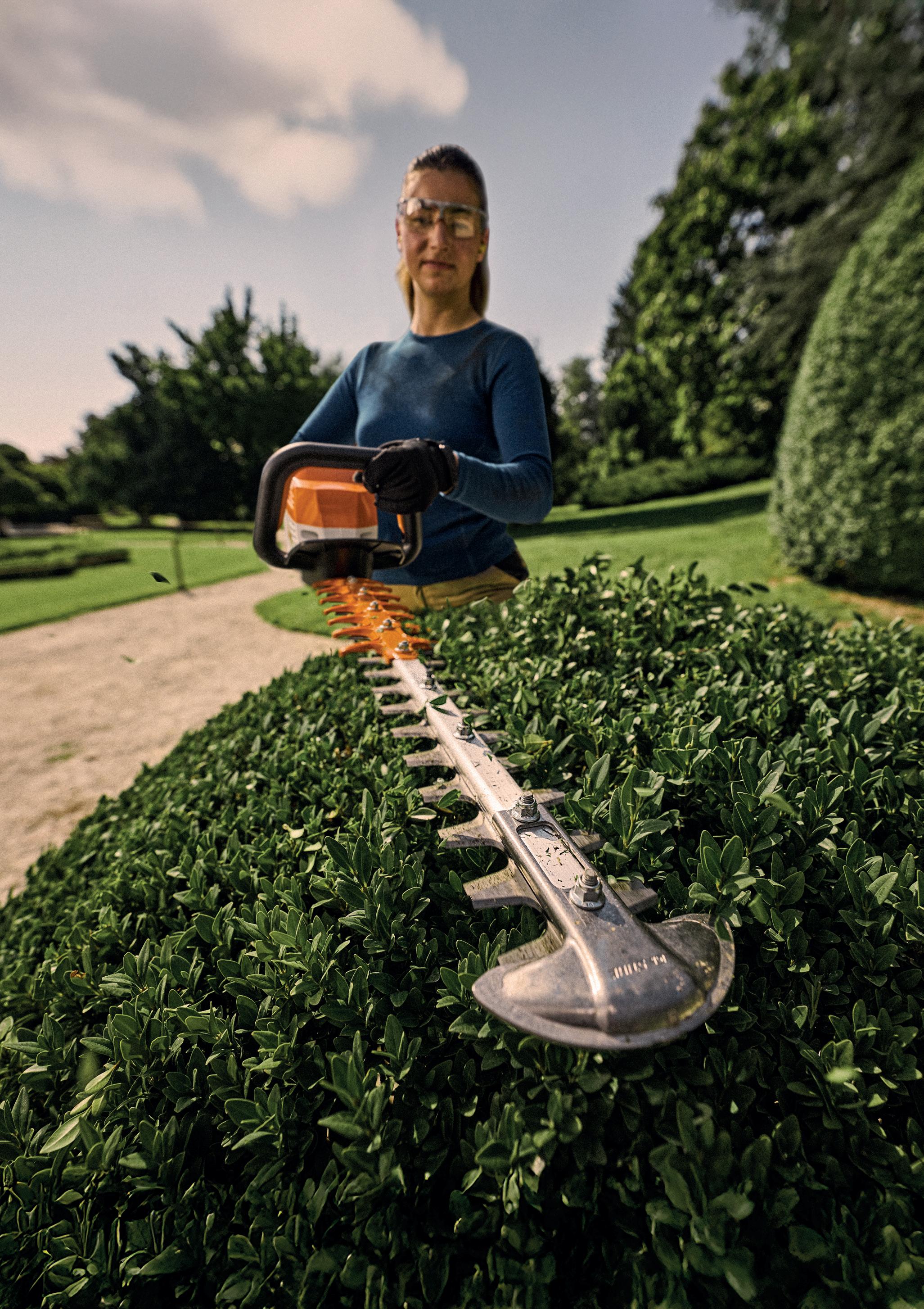
We're celebrating working in nature with you for 100 years. Since 1926, STIHL has led the way in both petrol and battery technology - helping you tackle every job with confidence.
Thank you for being an essential part of our journey.
A little over four months to GroundsFest 2026 and the event is shaping up to be the biggest yet, with a larger dedicated landscape area among a welter of initiatives.
Talking to groundcare professionals across the sector, what is abundantly clear is the requirement for an outdoor and indoor show giving visitors the chance to get hands-on with new kit, large and small.
Stoneleigh holds the capacity to satisfy that pent-up demand. We'll be reporting regularly on the build-up in our next few issues, and on the website of course.
So pleased and privileged to have attended this year’s Association of Professional Landscapers Awards – the most expansive and ambitious yet in a sector of landscape design and construction that’s advancing rapidly
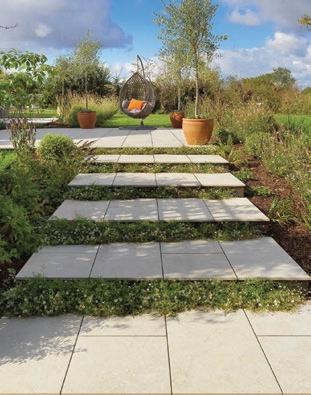
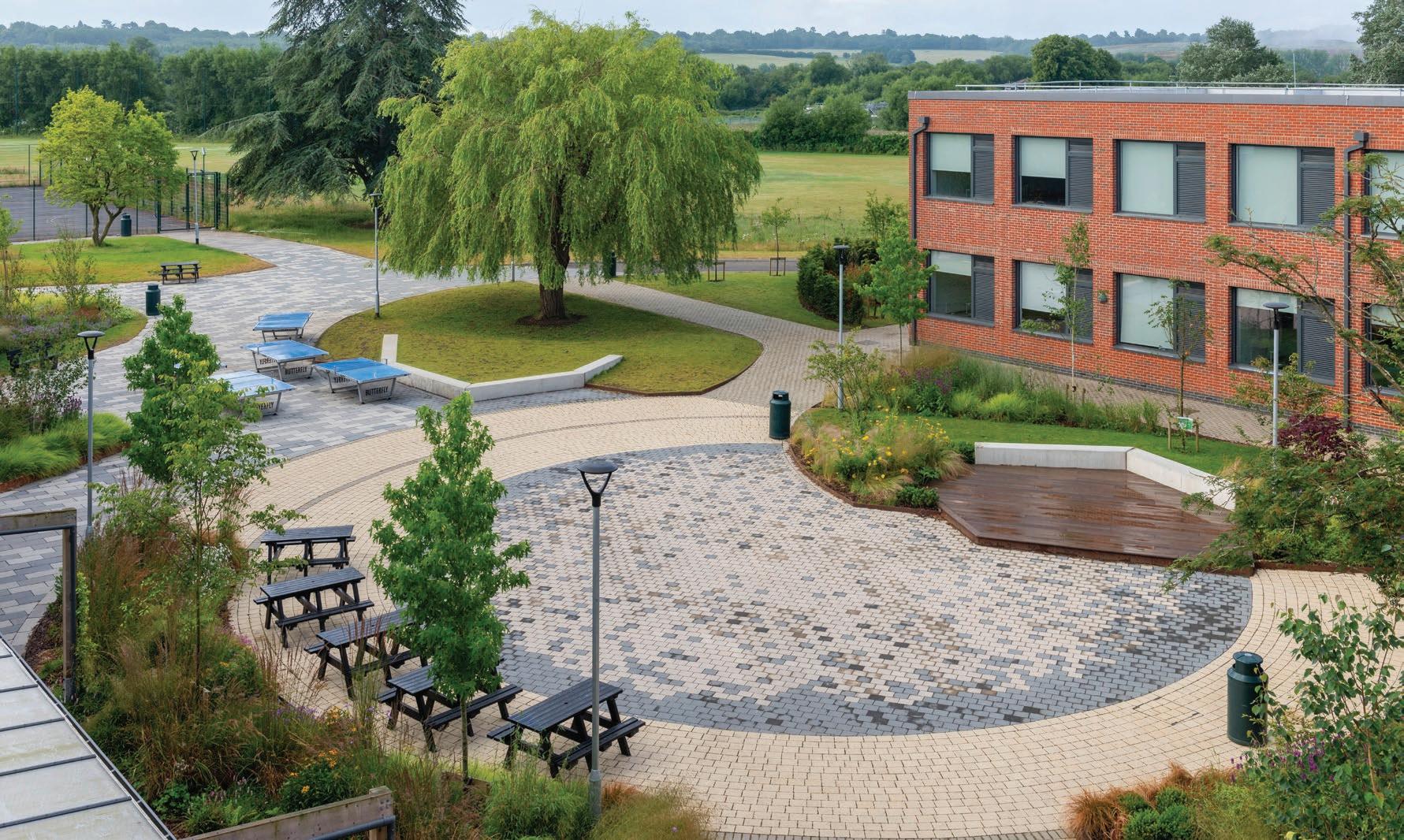
to embrace the challenge of climate change and resilience with innovatory hard and soft projects. We feature some of the big winners, also focusing on paving choices for one of the gold medallist landscapers.
Greg Rhodes, Editor greg@landscapermagazine.com
Beyond bark and timber
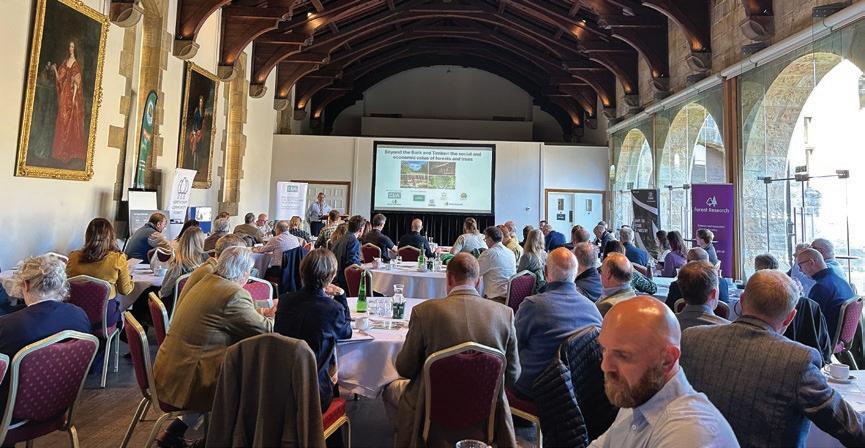
The amenity value of trees and woodland came into sharp focus at Alnwick Castle at the end of April as owners, land managers and foresters gathered to learn more of their social and economic value.
CLA North and the Forestry Commission’s Beyond the Bark and Timber conference, sponsored by Greentech, was designed to help those wanting to diversify their woodland and forests for income and activities by introducing a ‘people’ element.
Speakers explored how trees and woodlands contribute to communities, recreation, biodiversity and the wider rural economy, with the conference showcasing practical examples of how forests can deliver social, environmental and economic benefits.
Highlights included presentations from leading woodland and land management experts, case studies of successful woodland diversification and networking opportunities with specialists, policy makers and fellow landowners.
“Events like this are so important for highlighting the social and economic value of our woodlands and helping explore new opportunities beyond traditional timber,” said Adam Topliss, Green-tech account manager, “by
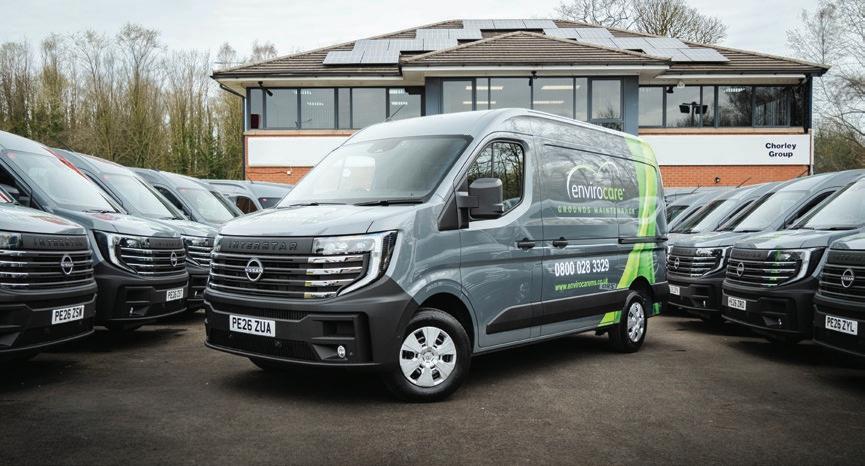
Envirocare opts for Nissan vans in fleet upgrade
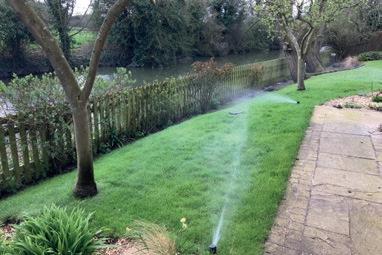
GARDEN WATERING
• Working with landscapers and their clients
• Bespoke packages for lawn and border
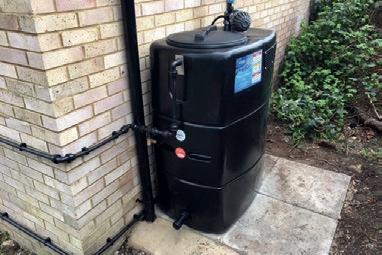
• Modular system for easy installation
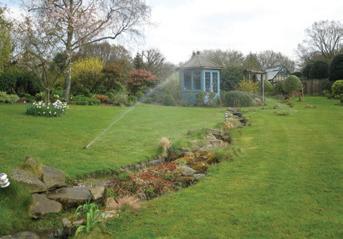
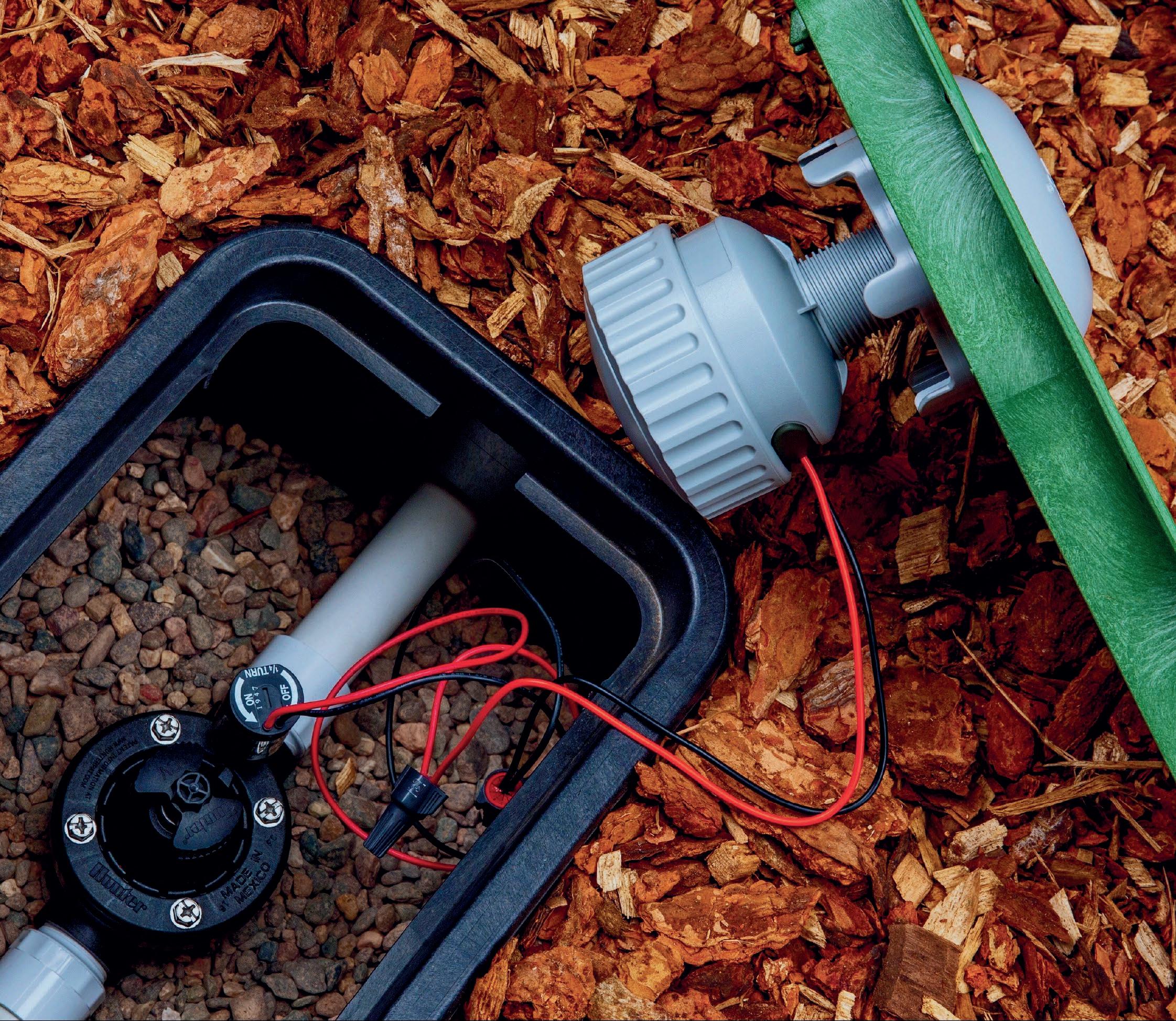
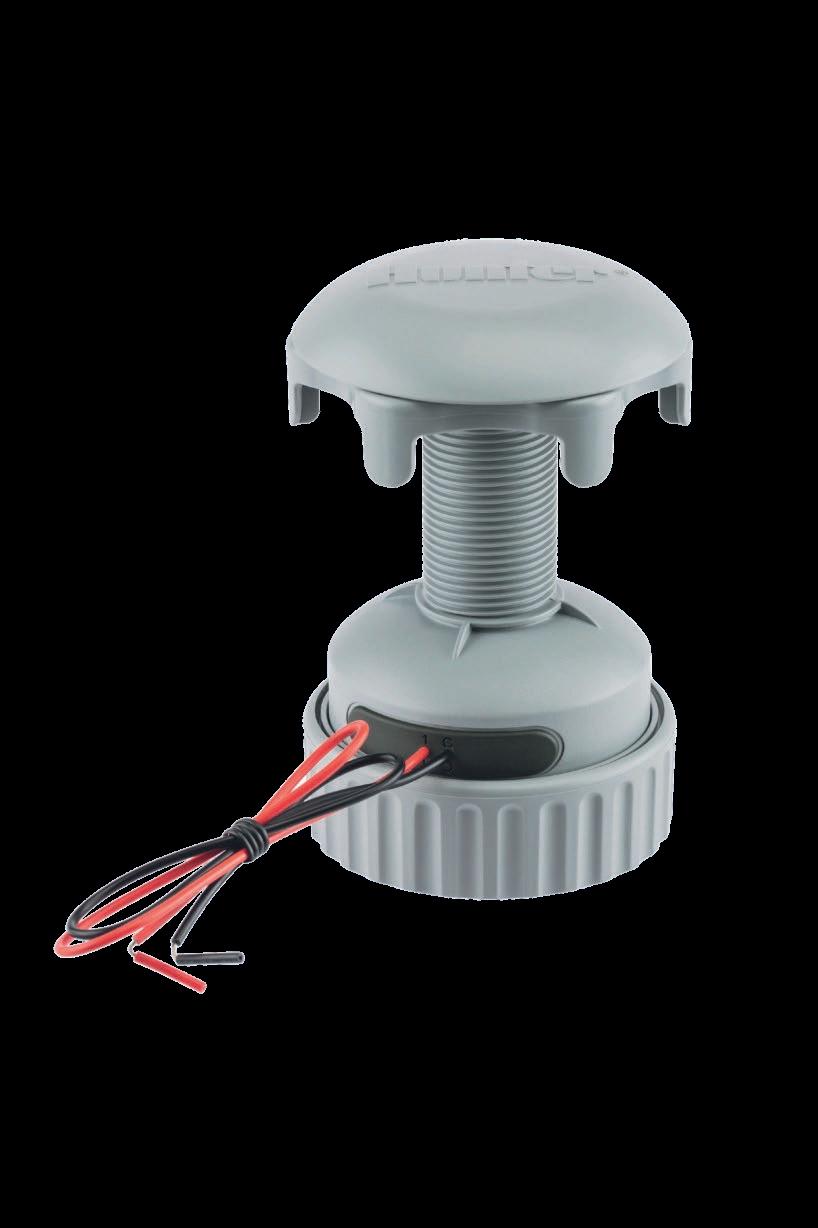
We work with you to design fully automated garden irrigation systems for your clients.
Our approach makes installation simple and easy with pre-built modules.
Full drawings and expert advice.
Groundcare specialist Envirocare Maintenance Solutions has added 40 Nissan Primestar and Interstar panel and dropside vans to its fleet in a major upgrade of its operational capability.
The business offers year-round gardening services largely geared to commercial and utility sectors. The integrated cameras, real-time tracking and predictive maintenance technology fitted are all features to help the Leyland, Lancashire-based team manage schedules efficiently.
Primastar is Nissan’s versatile and reliable mid-size LCV; while Interstar – recently crowned Large Van of the Year at the 2026 What Van? Awards – is its bigger sibling - both are designed, engineered and built in Britain to be dependable assets for businesses such as Envirocare.
‘‘A big thank you to Chorley Group for all their hard work in assisting us with our fleet upgrade,” said finance manager Craig Gilfoyle. ‘‘The vans look great and will help our operations enormously.’’
The five AI tools every landscaping business should be using
AI is everywhere right now. Depending on who you listen to, it’s either going to transform your business overnight or replace it entirely. The truth, as always, sits somewhere in the middle. For landscapers, garden designers and gardeners, AI isn’t about replacing skill or experience but about saving time, improving consistency and helping you present your business more professionally. Used properly, it can tighten up the areas most businesses struggle with — quoting, communication and follow-up. Here are five AI tools genuinely worth your attention – not because they’re trendy but because they solve real problems:
3. Job management software with automation –reduce chaos
If your business still runs through WhatsApp messages, notebooks and memory, AI won’t fix the problem — structure will.
Modern job management systems now include automation features such as:
• Automatic reminders for clients
CRM automation – stop letting leads slip through the net
One of the biggest missed opportunities in landscaping businesses is poor follow-up. Enquiries come in, things get busy and leads go cold.
Basic CRM systems with automation can:
Start with one tool, use it properly and build from there. Because in 2026, it won’t be AI that replaces businesses — it will be better-run businesses that outperform the rest. They'll improve structure, consistency and professionalism, writes Paula Warman
1. ChatGPT – Your shortcut for quotes, emails and content
Most landscapers lose time in the gaps between jobs — writing quotes, replying to enquiries or trying to stay consistent on social media.
ChatGPT is one of the simplest ways to speed this up. It can help you:
• Draft clear, professional quotes
• Respond to enquiries quickly
• Write social media posts or website content The key is not to copy and paste blindly. Use it as a starting point, then refine it in your own voice. Done properly, it helps you respond faster and come across more professional — both of which improve conversion.
2. Canva – making your business look premium Presentation matters more than ever. Clients are comparing multiple contractors - and perception plays a big role in who they choose.
Canva allows you to quickly create:
• Simple design visuals for clients
• Before-and-after graphics
• Social media posts
• Branded documents and proposals
You don’t need to be a designer. The AI features help generate layouts, images and content ideas. The result is a business that looks organised, modern and trustworthy — which supports stronger pricing.
Paula Warman is the Landscapers' Coach, working with landscapers to develop and grow their businesses through her Levelling Up mastermind and 1:1 coaching package. If you need her help please get in touch on the details below to book in for a free discovery call.
Or, check out Paula's The Limitless Landscaper’s Podcast on your favourite podcast player.
• Scheduling and team tracking
• Job progress updates
• Invoice and payment follow-ups
This reduces missed steps, improves communication and frees up your headspace. AI here isn’t flashy — but it quietly removes friction from your day-to-day operations.
4. Voice to text – capture information instantly
How many times have you walked off site thinking, “I’ll write that up later,” only to forget key details?
Voice-to-text tools allow you to:
• Record site notes instantly
• Capture measurements or client requests
• Dictate ideas while driving between jobs
This is one of the most underused tools in the industry. It takes seconds to use and can significantly improve accuracy in your quoting and planning.
• Track every enquiry
• Send follow-up emails automatically
• Remind you to chase quotes
• Keep your pipeline visible
This isn’t about being corporate. It’s about making sure the work you’ve already earned doesn’t get lost through disorganisation.
. . . and finally
AI isn’t here to replace landscapers but to support businesses willing to be more structured, more consistent and more professional.
The landscapers who benefit most won’t be the most technical. They’ll be the ones who use simple tools to tighten their systems, improve communication and make better decisions.
Standing the test of time
Audit trails can protect resilient landscapes' legacy, writes Lynne
Taylor
We regularly hear the term ‘Resilient gardens’ in relation to a garden’s ability to cope with climate change, and building a ‘Future-proof business’ but can landscapers future proof gardens or make them resilient to clients?
Resilience goes far beyond planting that can tolerate drought or gardens designed to manage heavy rainfall. When constructing a garden, landscapers need to consider a multitude of factors that can affect a garden’s ability to stand the test of time.
When considering how resilient a garden is, it’s not just about how it’s built and client satisfaction at handover but how it performs long after the landscaper has left site.
History
A garden’s resilience can begin before any work starts. Homeowners may have already removed mature trees, changed levels, or disturbed soil structure without understanding the long-term impact. By the time a landscaper is brought in, they could be starting work from a compromised standpoint. Researching a garden’s history through platforms such as Google Earth or property listings can reveal patterns of changes on the site or in the surrounding environment.
Analysing and reviewing completed projects is another way to help improvements for future schemes. Learning from past mistakes, refining processes or noting what worked well in previous builds can sometimes hold key information.
Financial constraints
Budget-driven projects can make or break a garden. Many homeowners believe by sourcing their own materials they can save massively on projects but not all products perform equally or are suited to the specific requirements. These decisions can affect the durability of a garden and blur responsibility when issues arise.
Design and construction
More and more is being asked from our gardens, with design boundaries being pushed, homeowner expectations increasing and environmental changes to accommodate. British Standards and industry guidance provide a benchmark for construction in domestic gardens.
But how does the industry create a benchmark for a garden’s future? This is something that is way beyond the control of many landscapers and designers. However, they can control their part of the outcome by setting clear boundaries, providing professional advice, managing expectations and ensuring construction meets standards and site conditions.
Documentation
Documenting and reviewing a project from start to finish is vital to not only delivering a successful garden but also in helping to ensure longevity. Recording every conversation, site visit, design and construction
alterations and materials used should be recorded to create a clear audit trail for the project.
This protects the landscape professional and provides a reference point for future review, helping to identify where issues arise and how decisions impact long-term performance. Noting objections, materials supplied by homeowner, recording decisions and providing structured aftercare and maintenance guidance, allow designers and landscapers to control the project and the garden’s outcome for as long as possible.
are unpredictable and increasingly common. Changes in the surrounding environment or other external works could all put a garden under stress to create pressure that was not anticipated.
IRRIGATIONDESIGNINSTALLATION MAINTENANCE WATER FEATURES
It’s time
The blind spot
A garden does not prove its success at handover, it proves it over time. Designers and landscapers can control a garden’s lifespan by understanding history, materials, construction and documentation but a garden’s resilience is influenced by what happens after completion. Without regular insight and control, the performance of many gardens remains unknown.
to spring commission your irrigation systems.
One of the biggest issues to achieving a resilient garden happens once the landscaper loses control of the site and hands the garden back over to the homeowner. From here, the garden may be carefully maintained, or it may be neglected. It may be used as intended, or subjected to demands it was never designed for.
A well-maintained irrigation system is key in saving you time & money while allowing you to protect your landscape’s health & appearance.
This era of a garden’s new life is rarely measured or reviewed and is hard to benchmark against another garden. Yet, it’s during the post-install period that a garden is likely to face its toughest challenges.
For resilience to have real meaning, more attention needs to be given to what happens after installation. Very few projects include structured reviews or ongoing maintenance, as these rely on a contractor’s business model and client buy-in.
We also maintain water features & fountains
While a landscape professional may leave a garden in the capable hands of the homeowner, a simple change in property ownership could alter this. Extremes of weather
Where they are in place, however, they provide valuable insight into how a garden performs over time, helping to shape aftercare expectations and build a clearer understanding of long-term performance.
Lynne Taylor is an independent landscaping expert witness and owner of VirtuScapes, who has carried out various reports on landscape disputes for commercial and domestic projects.
@waterscapesltd 01963 824166 waterscapes.co.uk
KING FEEDERS UK
Record year for APL Awards
Nearly 600 members of the landscaping and garden design industry gathered at The Brewery in London on Friday (13 March) for the biggest Association of Professional Landscapers (APL) Awards to date with a record number of entries, delegates and category winners.
The prestigious APL Awards celebrate excellence in the industry and recognise the outstanding projects created by the Horticultural Trades Association’s (HTA) specialist landscaper and designer members over the past year. The 2026 ceremony, sponsored by Bradstone, was hosted by APL general manager Phil Tremayne and garden designer Peter Donegan, a comedy duo to be reckoned with.
As a first-time attendee I found the whole event extremely entertaining. The multiple award-winning Darren Hawkes delivered the keynote speech explaining his journey in the landscaping world and his commitment to encouraging others to follow this path.
The APL Awards are also in partnership with Aquascapes, BBC Gardeners’ World Live, Bury Hill Landscape Supplies, Composite Prime, Country Supplies, Decking Network, GRAB, Grad System, Horticultural Trades Association (HTA), Kingston Landscaping Group, Lawsons (Whetstone), Makita, Perennial, Pro Landscaper,
Provender Nurseries, Readyhedge Ltd, Steintec, StraightCurve and Viridis Plants.
An expert judging panel of respected industry professionals meticulously evaluated 125 finalists across 22 categories to select the best projects and category winners from a pool of outstanding submissions. The panel was chaired by Bob Sweet from BBC Gardeners’ World Live, and included Rod Winrow from Garden House Design, Laura Anstiss from Oakmore Green, Rupert Keys from TASK Academy, and Phil Tremayne.
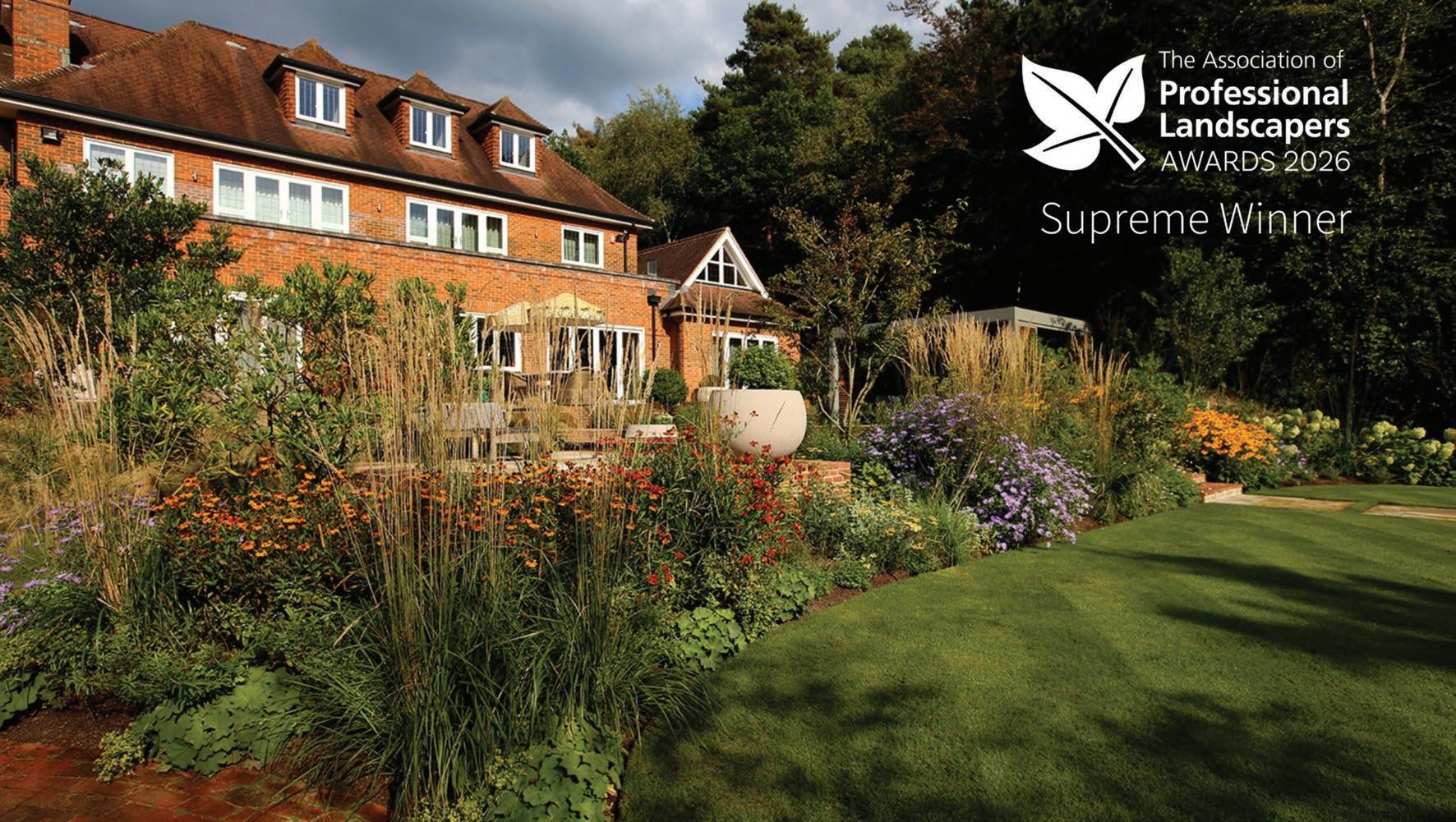
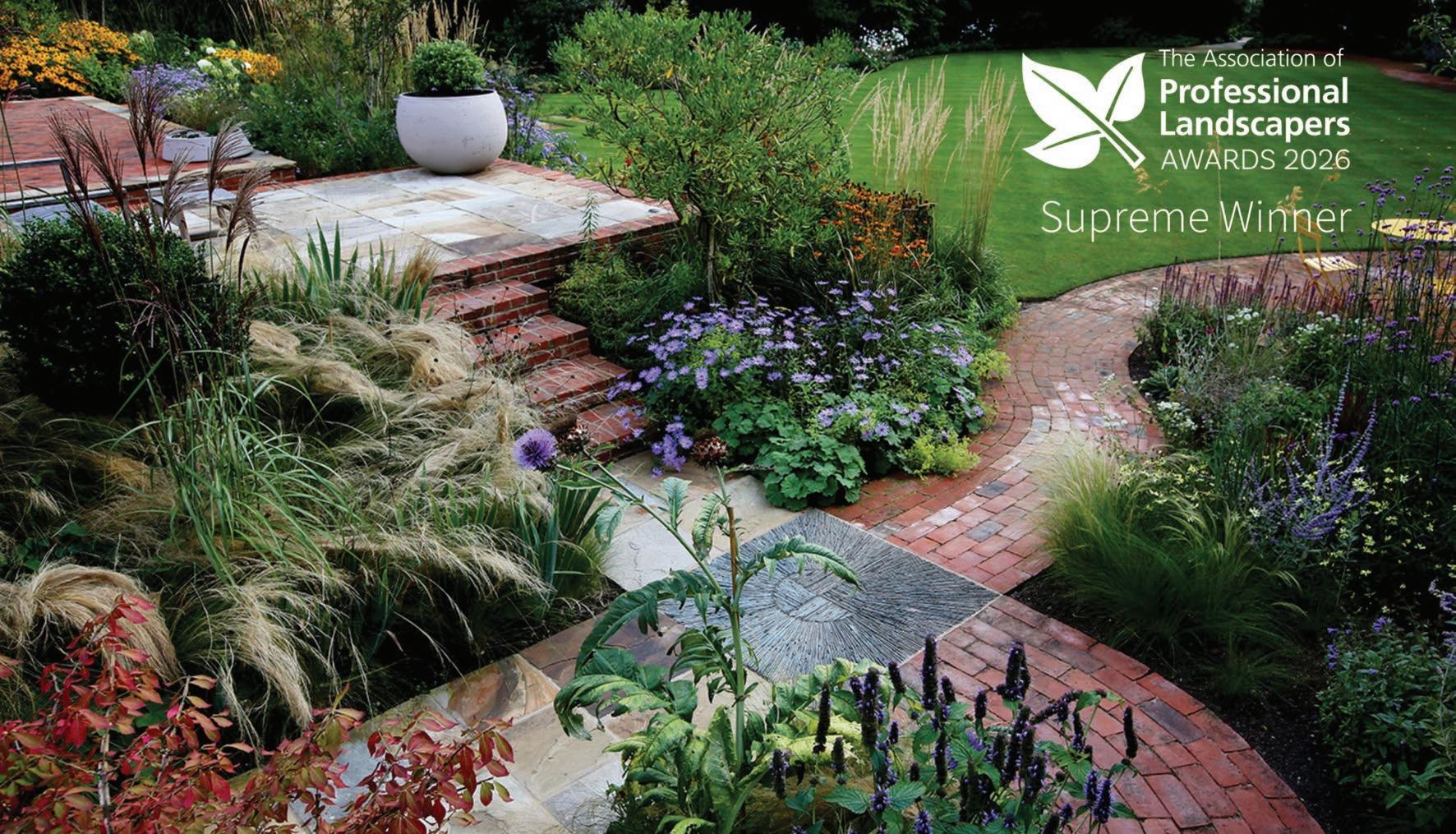
In total, 27 awards were presented. Landform Consultants Limited took home the much-coveted Supreme Winner title for Berkshire Garden, a complex design on multiple levels, using random York stone handmade brick, a contemporary water table discharging into a series of Corten rills, Renson canopy, full irrigation and lighting scheme, and supply and planting, including new lawns.
The judges’ verdict was unequivocal: “This project is an example of excellence in both design and construction. It’s a hugely developed scheme, the thought into detail is very impressive, as is the scale of endeavour.”
www.landformconsultants.co.uk
www.darrenhawkes.com
Join Us For A Special Open Day
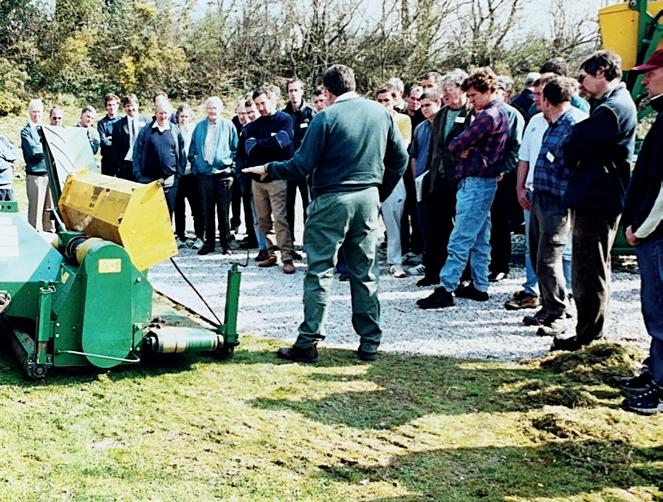
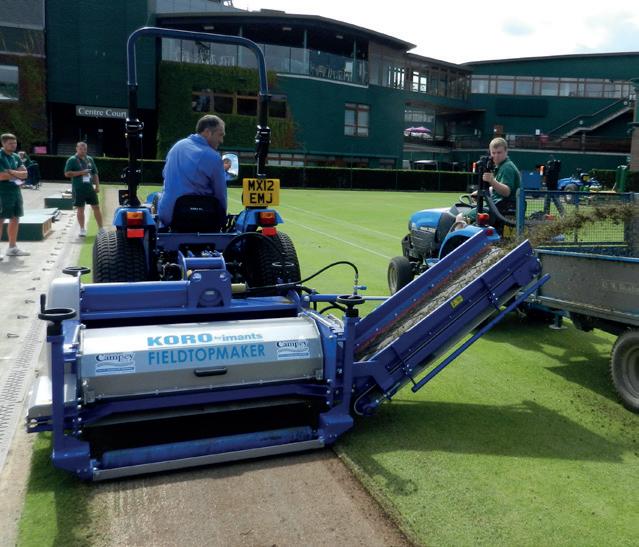
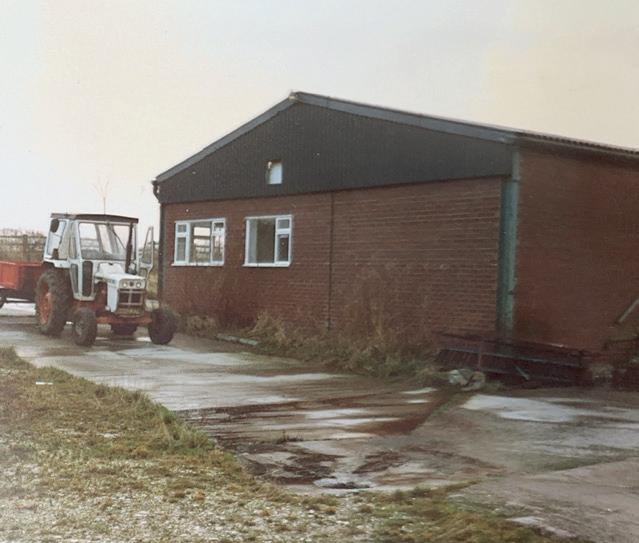
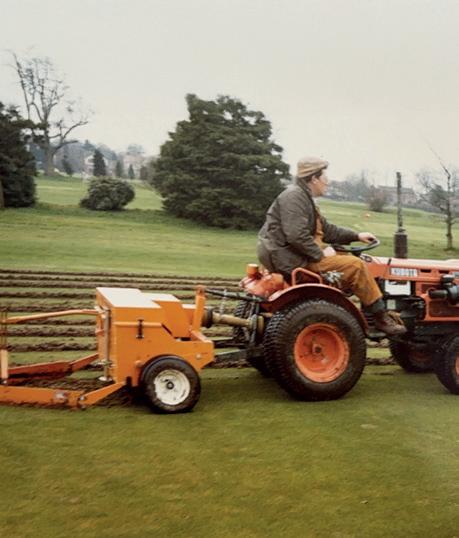
Celebrate 40 years of turf care innovation
You’re invited to our 40th Anniversary Open Day on Thursday 9 July from 10:00am - 6:00pm at Campey Turf Care Systems, The Crossroads, Buxton Road, Bosley, Macclesfield, SK11 0PS
Continues overleaf
Join us for this special day as we celebrate four decades of turf care innovation. This is a great opportunity to see the very latest in turf care technology, watch live machinery demonstrations, and connect with fellow industry professionals. Refreshments are available all day, a BBQ from midday, and ice creams from 2pm. We look forward to celebrating this special day with you.
Register at www.campey40.com or call us on +44 (0)1260 224568
A rousing spectacle and a sprinkling of comedy entertained Gillian Taylor
Berkshire Garden – Landform Supreme Winner
The Landscaper magazine previously featured a number of the finalists and was delighted to see two of them receive the Best in Category award:
Raine Perennial Country Garden - Soft Landscaping Designer and project manager Raine Clarke-Wills was complimented for the planting which connected beautifully with the surrounding countryside. The combination of multi stemmed trees, evergreen domes and drifts of pollinator friendly herbaceous choices provided structure and year-round interest. www.rainegardendesign.co.uk
Radnage – Biodiversity and Sustainability
The J & S Scapes team of designer Jamie Hunt and project manager Michael Thomson transformed a barren front garden, including a large concrete driveway, into a secluded wildlife haven. Use of grass pavers from the Dutch company Schellevis was key in providing habitat and allowing sustainable drainage from the parking area. www.jands-scapes.co.uk www.schellevis.nl
Following on from his BALI Chalk Fund Student of the Year award and a Gold Medal at the World Skills awards, Archie Matthews received the APL Rising Star accolade. The judges commented on his maturity, confidence and knowledge and wished him every success for the future. One of his former tutors from Myerscough College, who was attending the ceremony, was delighted to see Archie’s hard work and dedication recognised. In the coveted APL collaboration category Tina Vallis
Design and Frogheath Landscapes took the main award. Their Driveway to Garden Transformation succeeded in meeting numerous challenges including difficult levels, pre-existing hard landscaping that had to be incorporated and a tight budget. Project manager Steve Moody is to be congratulated on the success of the team’s work. www.tinavallis.co.uk www.frogheath.co.uk
Hardscaping
Meridian Cottage by the team at Nordland Landscapes took the top prize in Hard Landscaping. This small courtyard garden was transformed into a multi-layered space, with raised beds and tropical planting. Extensive clearance and excavation was required but the resulting multi-zoned garden is a triumph.
Phil Tremayne concluded the event by stating: “The APL Awards are the highlight of my year, where I get to join my colleagues in celebrating the outstanding achievements in landscape design and recognise the talented landscapers and garden designers in our membership whose creativity and skill transform gardens across the UK. They are a fantastic showcase for the industry and make sure you book your place for 2027.”
Turn challenges into opportunities
Landscapers can help reverse biodiversity loss, believes Paul Hadley, DLF wildflower specialist
The importance of pollinating insects to both natural ecosystems and human survival cannot be overstated.
To paraphrase Albert Einstein: “If the bee disappeared off the surface of the globe, man would have only four years of life left.” His message was clear: pollinators are fundamental to life as we know it.
This biological balance is under increasing threat, however. In the UK, some 97% of wildflower meadows have been lost since the 1930s, making species-rich grasslands one of the country’s most endangered habitats. The consequences are evident in pollinator populations, with significant declines in bee and butterfly species across Europe and beyond - particularly alarming given that nearly 75% of global crops producing seeds or fruit for human consumption rely on pollination.
For the landscape industry, these challenges present a great opportunity, because landscape professionals are uniquely positioned to influence how land is managed. Designed landscapes, from urban developments and business parks to public open spaces, can help reverse biodiversity loss as they often include significant areas that can be adapted to support pollinators through sowing flowering mixtures.
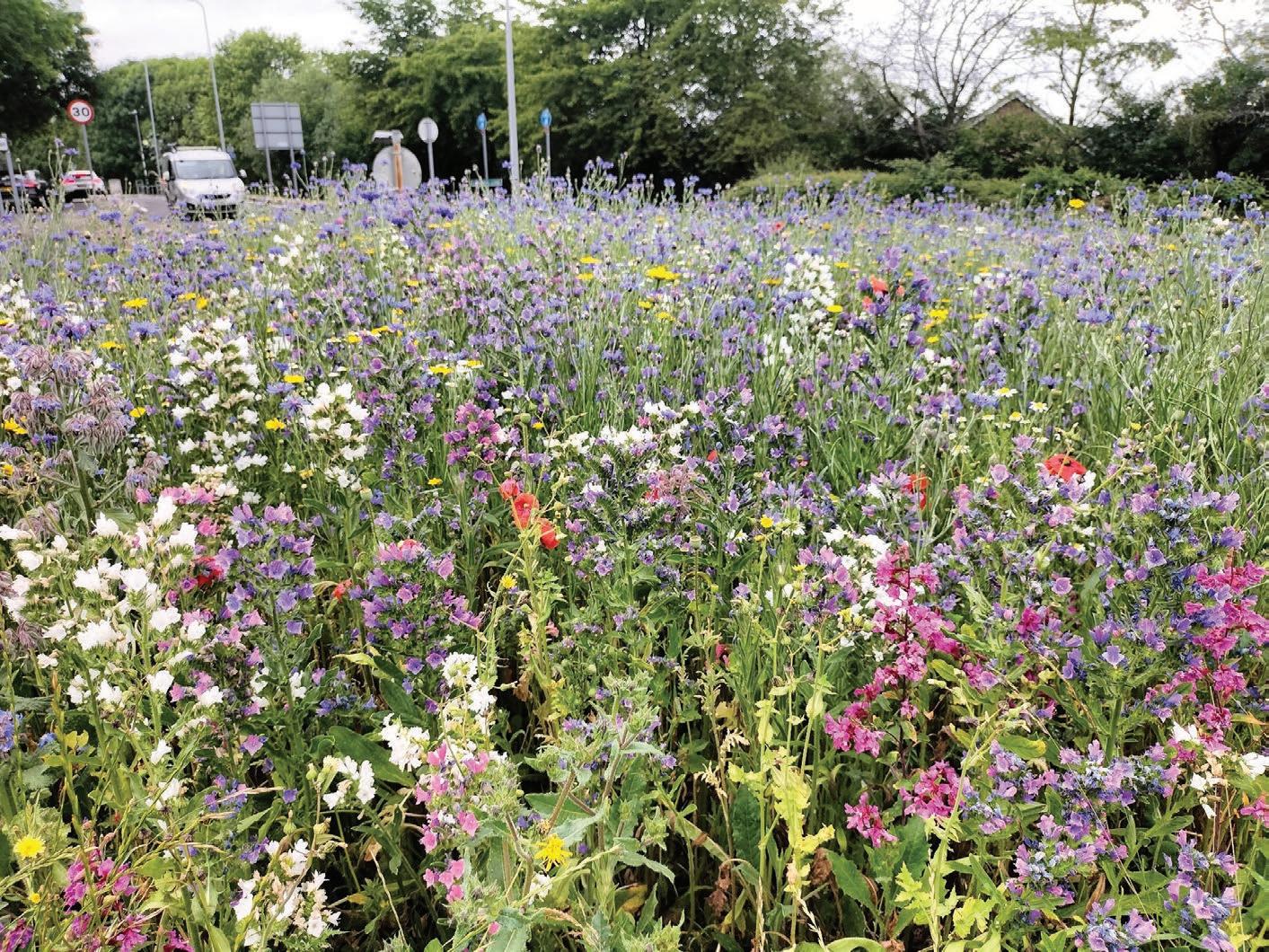
By replacing intensively managed turf or low-value amenity grassland with species-diverse wildflower areas, landscape professionals can create habitats rich in nectar and pollen. These meadows provide continuous forage throughout the seasons, supporting bees, butterflies and other beneficial insects. They also contribute to improved soil health, reduced mowing requirements and lower inputs of water and fertilisers - delivering both ecological and economic benefits.
Their value can be seen through specific plant–pollinator relationships. Common knapweed for example is a vital late-summer nectar source bumble bees visit often. Oxeye daisy provides accessible pollen for a variety of insects, including hoverflies, which play an important role in natural pest control.
While adult hoverflies feed on nectar and pollen, their larvae are highly effective predators of common plant pests such as aphids, helping to regulate pest populations naturally and reduce need for chemical interventions in managed landscapes. Bird’s-foot trefoil is an essential food plant for butterflies, supporting adult feeding and larval development. Such examples highlight how well-designed meadow mixtures can help sustain crucial pollinator populations.
Good seed mix selection is key to achieving such outcomes. Native wildflower mixtures, such as DLF’s Pro Flora 15, are designed to establish resilient, species-rich habitats that support pollinators and contain a balanced blend of grasses and native flowers to foster long-term sustainability and ecological value.
For more visually prominent areas such as entrances, public open spaces or feature landscapes, annual flowering mixtures from the Colour Boost range such as Honeybee & Butterfly provide vibrant, high-impact displays. They are particularly beneficial in urban settings, where immediate colour and visual appeal are often required alongside biodiversity gains. Although ornamental, they offer abundant nectar sources. www.dlf.co.uk
Rising star
Archie Matthews hard at work
The J & S Scapes team
Burnet Moth
Field Scabious and Bee
Musk Mallow
Landform – Supreme Winners
Deus ex machina
You'll always have early adopters of new technology, whatever the sector. In landscaping and groundcare, the band of brands launching robot mowers had exploded in recent years but their potential to transform everyday operations right across the sectors had yet to be exploited – until now.
Persistent shortfall in groundcare professionals entering the sector, coupled with the gathering pace of transitioning from fossil fuels to electric finally proved the tipping point to wider adoption of robots – and the pace of change is quickening as they prove themselves a godsend in troubled times.
Last year's GroundsFest, Saltex and BTME events demonstrated how far tech had moved beyond the earlier era of boundary wire-constrained robot mowers. The first generation of a new mode of mowing pioneered in mainland Europe by manufacturer Husqvarna has made way for a fresh wave of complex machines more powerful, more intelligent and more controllable, with the Swedish manufacturer still a pioneer. They’ve scaled up too. A flurry of big beasts revealed themselves in 2025 to extend robot capability dramatically.
AI is already steering advances, as a host of new features and benefits aid contractors and operators,
freeing up their time to go about other pressing tasks, while the robots merrily ply their programmed paths to complete a mainstay of groundcare work that had always proved labour intensive and highly weather dependent.
Although applied increasingly widely across all levels and styles of activity, robot mowers are proving such a game-changer for grassroots sport, where deadlines may not be so imperative as at elite level. Some sites reportedly leave them to carry on for days – and nightsuntil the job’s done.
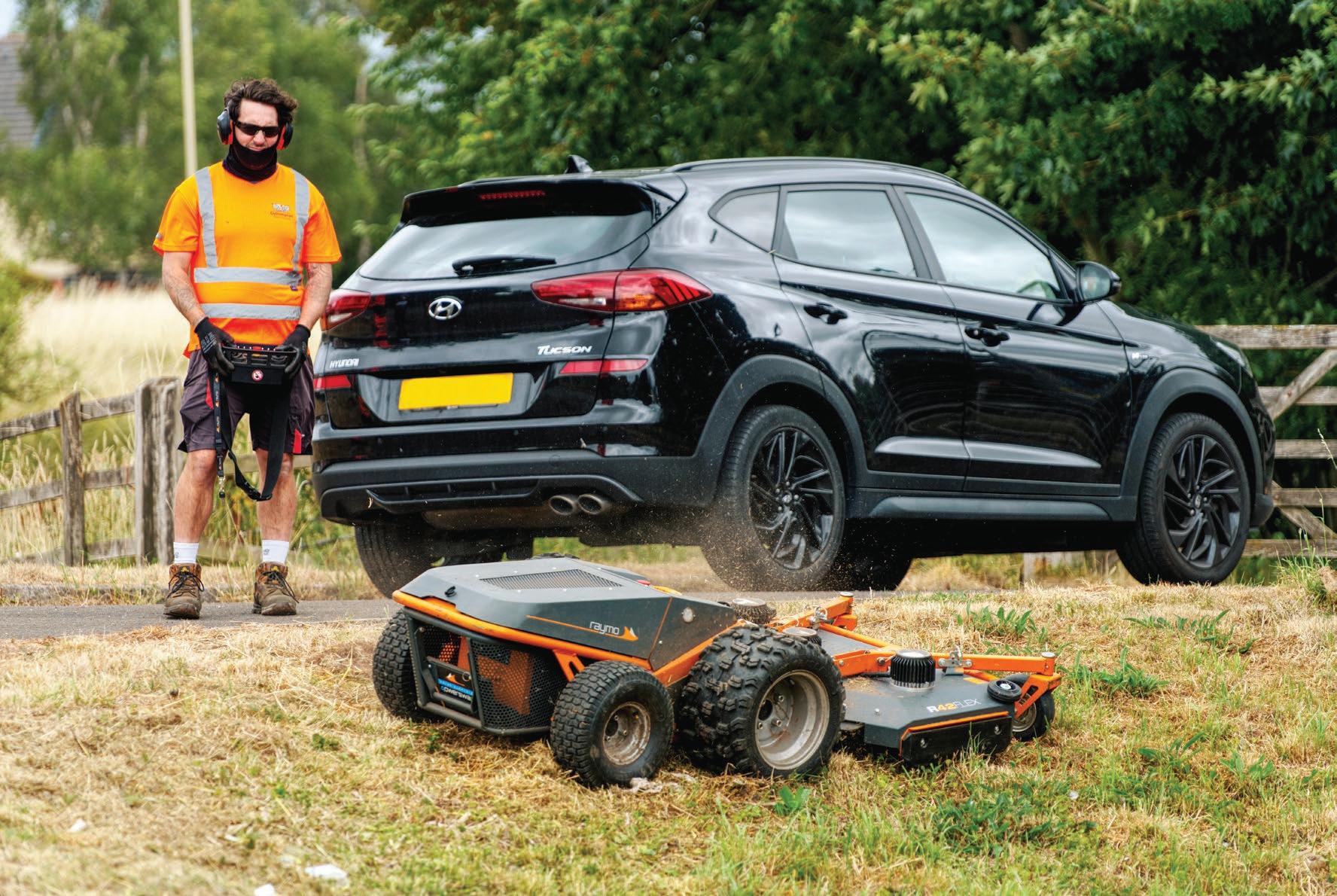
Robots lend themselves to tackling tricky terrain –banking and tight areas even the most manoeuvrable ‘traditional’ machines couldn’t manage.
Where close-mown tasks aren’t so critical, robots can save time and resources but even where they are, tech advances are putting ‘bots in the frame too. Work lean, work smart is the new normal.
The fact that one major manufacturer has stated that it has no immediate plans to develop a robot mower may raise doubts for some about the long-term future for this technology.
Once a tipping point is reached however, as seems to be the case for robot mowers, reverting to tried and tested traditional tech may be a step back in time contractors and operators prefer to avoid.
•
•
•
•
Tech-stacked Aura
“lifts mowing to next level”
Elaborately contoured gardens can prove tricky to mow by traditional means or robotically with boundary wires. Battery OPE specialist EGO has unveiled the AURA-R2 robots to address the issue.
The units introduce PATH IQ, the manufacturer’s proprietary multi-layered technology delivering intelligent navigation, positioning and perception to improve accuracy, adaptability and real-time response by uniting RTK GPS, binocular VSLAM cameras, visual-inertial odometry (VIO) and AI-based object recognition.These modes provide centimetre-level positioning accuracy and enable the mower to understand its surroundings, refine its map continuously and react dynamically within irregular or multi-zone gardens, EGO states.
Configerable zones
Suiting medium, large or complex gardens, the range includes three models – RMR1500E, RMR3000E and RMR6000E – to support properties with lawns of up to 6,000 m2 , with up to 40 configurable mowing zones. With an adjustable cutting height between 20 mm and 90 mm and intelligent slope handling allowing the mowers to work on slopes of up to 50%, their use extends beyond level lawns. Fast charging and efficient path planning allow the machine to cover up to 3,000 m2 within 24 hours, keeping maintenance predictable and largely invisible, the company adds.
Within PATH IQ, RTK GPS provides absolute accuracy using satellite data and correction signals, while VSLAM
uses a binocular camera to enable the mower to build and continuously refine a visual map of its environment.
Lastly, VIO and AI vision enable the mower to detect static or moving obstacles in real time. If children, pets or other moving items enter its path, the mower automatically slows, reroutes or stops.
“Our goal was to develop an autonomous system that fits into real homes rather than demanding perfect conditions,” said EGO IoT product manager Andrew Frohock. “We focused on building a next-generation machine with technology and intelligence at its core.
“The unusually high level of precision mapping, AIassisted navigation and seamless software integration shows how far the sector has progressed and sets the stage for the next generation of gardening innovation.”
Control and customisation via the onboard display and remotely through the EGO Connect app lets users monitor machine status, mowing progress and battery level from anywhere in the world. Security is also integrated, with PIN protection, GPS tracking, geofencing alerts and remote locking designed to deter theft.
Integrated headlights allow reliable operation in lowlight conditions, while a 180-degree front bumper adds an extra layer of protection for navigating tight edges and corners. IP66 rated, so fully weather-resistant, the range can be cleaned quickly using a pressure washer while the dedicated rain sensor tells the mower when it should return to its charging hub during wetter conditions. https://www.egorobotmowers.eu/
www.as-motor.uk
PROFESSIONAL
www.ariens.eu/uk
AS 990 Tahr robot
“tackles tough terrain”
Bidirectional mowing in extreme conditions features in tall grass specialist AS-Motor's latest robotic mower, the AS 990 Tahr RC.
Faster mowing on steep slopes is the promise for the sickle unit, which is open both sides to deliver a clean cut forwards and backwards and even clippings distribution.
Grass and scrub up to 1.5 m high are cut “at high speed” by two pendulum blades and shredded by the cutter bar above and material widely deposited to speed decomposition.
Caterpillar design, with even weight distribution, large support width and low centre of gravity ensures high traction in every driving situation, uphill, downhill and across slopes, the manufacturer states.
With up to 56-degree slope capability (across the slope), the machine remains “stable and controllable”. Only the caterpillar tracks contact the ground, “reducing risk of sticking, while protecting the turf, underlined by the mower’s 0.14 kg/cm² ground pressure”.
Remote control enables precise working even in demanding terrain, AS-Motor adds, aided by automatic reversal (left/right) of the control lever. The mower covers up to 4,500 m² hourly.
Robust, durable and simple to operate, the mower has low susceptibility to faults and is easy to maintain,
it reports - solid square steel tube frame, Sherpa cross blade system, Hydro-Gear hydrostatic drives and AS 940 Sherpa engine combining to deliver a sturdy, reliable unit.
Asymmetrical crawler track prevents the chains from jumping off and tension can be quickly checked and adjusted. Easily accessible service points, hinged engine cover, few wear parts and moderate fuel consumption of around 4.5 l an hour “ensure economical operation”.
Compactness, low weight (502 kg) and strong lashing points make transport and handling easy, even in a van, AS-Motor states.
Remote control operation boosts operator safety “significantly”, especially on steep slopes. “Users work outside the danger zone, with less dust and noise exposure. Triple ejection protection reduces the risk of stone chips, and an automatic parking brake engages when the machine is stationary or in an emergency stop.”
Optionally available LED headlights also improve visibility in difficult lighting conditions.
AS-Motor, a brand of Ariens Company (AriensCo) focuses on developing and manufacturing motorised specialised landscape and garden maintenance equipment targeting extreme conditions such as slopes and high vegetation.
www.as-motor.de
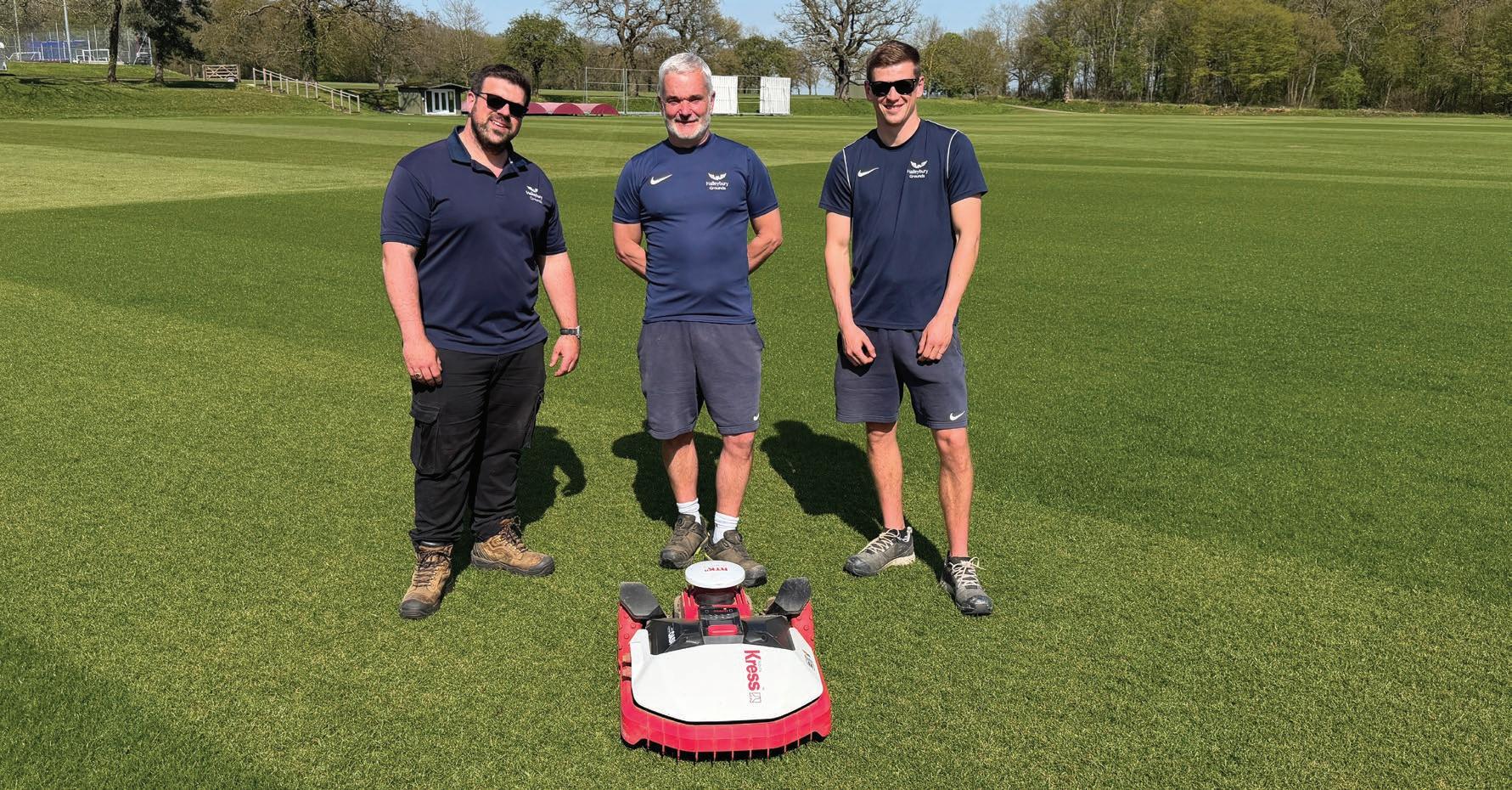
Kress “key to Haileybury toolkit”
For Andy Richards, head of grounds and gardens at Haileybury School, robot technology is now key to helping manage a busy, high-pressure site more efficiently, to consistently high standards.
Set within a co-educational boarding and day school environment, the Hertfordshire 500-acre grounds are in near constant use. “We’re a 365-day school,” says Andy. “With students, lettings, tournaments and events throughout the year, pressure on the grounds never stops.”
Heavy London clay underlying the 17 winter sportspitches, cricket facilities and extensive amenity areas only adds to that.
“It’s probably the most unforgiving soil,” he explains, “holding water in winter then drying and cracking in summer.” Shifting weather patterns hinder Andy’s task still further.
Like many in the sector, Andy first viewed robot technology with curiosity rather than intent. He was aware of robotics and where the industry was going “but couldn’t really see where it would fit for us”.
That changed when noise became an issue on the main school quad. “It’s a high-profile area right in the centre of the school but we had complaints during exam periods because of loud mowing,” Andy explains.
“We needed a solution that could work quietly and out of hours and tried a few other brands but the finish wasn’t good enough, mowing patterns were too random and it didn’t give us the quality we were looking for.”
A Kress demo proved a game-changer however. “To see a mower cutting in straight lines, producing a proper striped finish was completely different. Everyone was blown away by it.”
Unlike most robot systems, Kress machines use satellite-guided navigation combined with their own RTK network, removing need for on-site antennas to retain Haileybury’s aesthetic, while enabling operation without line of sight and even under tree cover.
The result is greater flexibility in the areas that can be maintained, with fewer operational limitations – a major benefit, Andy reports. “Our fleet of Kress robots is integral to our toolkit now - we use them where they fit best and move them around the site, depending on demand.”
On the main quad, the robots deliver consistent presentation throughout the week, while on sports surfaces, they present new possibilities during tricky conditions.
“This winter was so wet we couldn’t get machinery on to some outfields,” Andy recalls. “But the Kress robots kept working and we’ve gradually lowered cut heights and prepared surfaces when we otherwise couldn’t.”
Cut consistency and turf health have improved markedly, he adds. “The machines operate continuously with sharp blades and follow structured mowing patterns, so the finish is more uniform and the sward responds well.
“The cut is much cleaner and continuous, massively reducing the impact of worm casts without any chemical control.”
Time the team save on mowing frees them up for other tasks. “We can spend longer on key areas like cricket pitches or first team surfaces.”
Pupils, staff and visitors on site all week long make presentation a constant priority. “The place has to look its best every day,” Andy says. An imperative robotic mowing helps him achieve.
“Weapons of grass destruction”
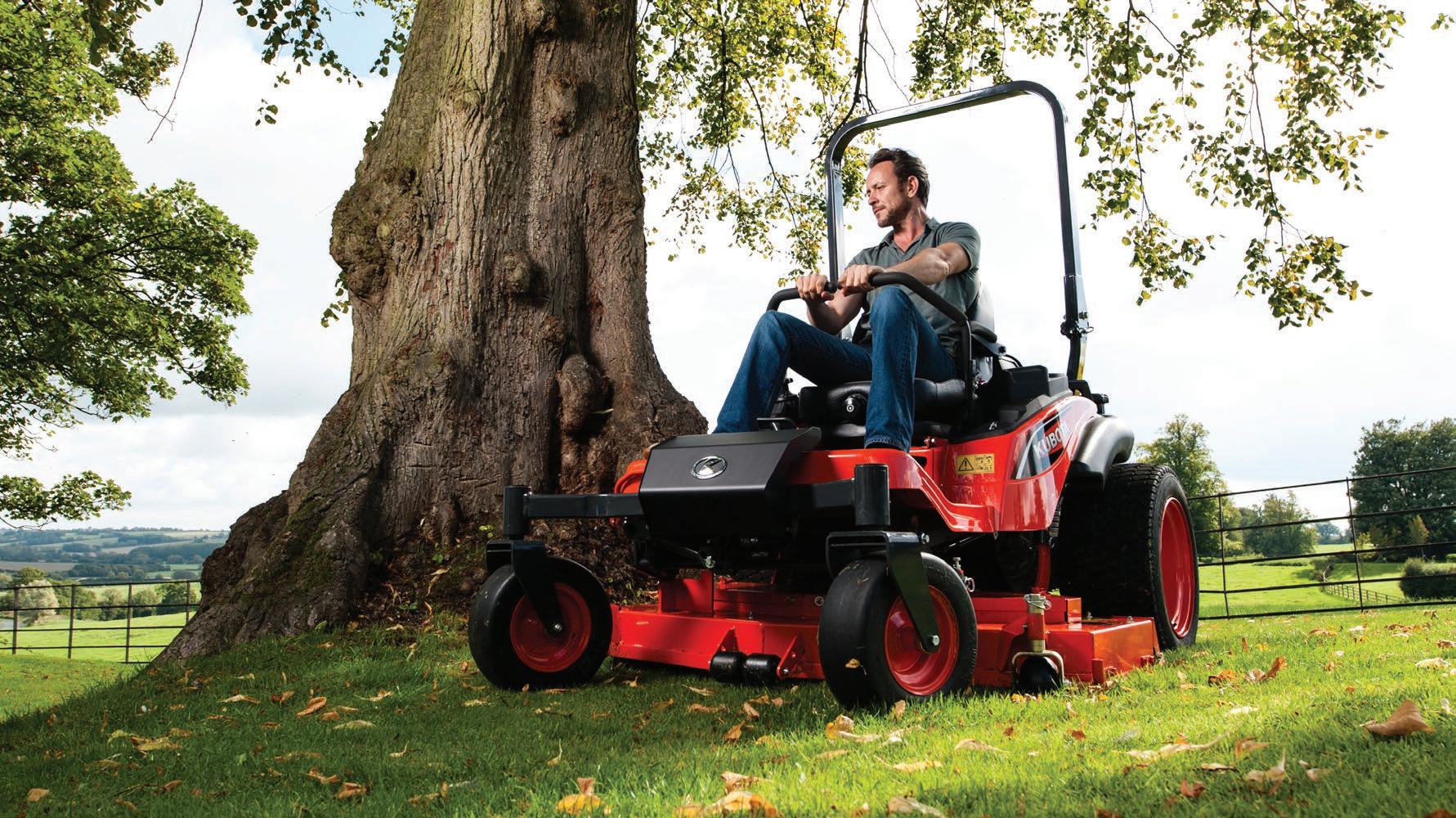
Landscaping and groundcare media gave Kubota zero turn ride-ons the runaround at the end of April as the manufacturer played host at its Thame, Oxfordshire HQ.
Fine weather prevailed over the two-day corporate update and hands-on opportunity with Henry Bredin, division manager UK & Ireland (agriculture and groundcare) delivering a facts and figures report on the company's world standing before outlining its spread of products and where it had, or was planning to “fill in the gaps” to meet evolving demand.
The site tour revealed Kubota's scale of operation, with warehouses chocked full of machinery parts, cabs and engines ready for assembly or dispatch.
Manufacturing a million engines a year gives Kubota major influence in how a fair few of today’s machinery brands perform, as well as its own mower and tractor ranges.
“We make weapons of grass destruction,” quipped product manager - groundcare Matt Wilson, kicking off day two with a fully-fledged overview of Kubota’s lines and their market share (mostly a healthy 30 to 40%). Stressing the company’s approach he stated: “We put our eggs in different baskets.”
Talk returned to battery technology after Matt’s challenge to us all the day before to see how quickly we could change the £12,000 one powering the zero-turn mower resting in the offices’ foyer.
“The fact that we’re looking at electric is big,” Matt
continued, “but battery technology has been a hard sell,” he confided. “Everyone wants electric, until you have to pay for it.
“What makes sense for power tools such as hedge trimmers, where you can get back your investment in a year, is not such an easy sell for compact tractors for example.
“I’m excited to see what the future looks like but electric won’t work for everyone,” he concluded.
Another challenge awaited us. To test the zero turns’ dexterity, Matt had prepared an obstacle course (I knew those traffic cones would serve some useful purpose).
“The mowers are just like pushing a shopping trolley,” he declared, a claim we amply substantiated.
For landscapers, the ZD1211 is the model to turn to. Fast, compact, its 26 hp diesel engine and high capacity HST transmission “answers all the needs of professional users”, with “turn on a dime” performance.
The single hydraulic motor powering each wheel eases driving, while the flat deck platform and ergo adjustable seat keeps comfort a priority, as do the easy operatIng controls.
All in all a great chance to get up close and personal with some Kubota kit, and to enjoy once again Matt Wilson’s highly entertaining delivery.
And what a weather contrast to the besodden outing in Italy two years ago to visit Gianni Ferrari, when the heavens opened.
EGO redefines the professional fleet
The pro sector's petrol to battery transition has reached tipping point - and manufacturer EGO’s media day defined that position.
Launch of the AURA-R2 robot mower and the behemoth LMX7600SP self-propelled mower epitomised the shift. A cordless option no longer, the innovator is setting the benchmark for the commercial fleet.
Big hitter: The LMX7600SP Pro X
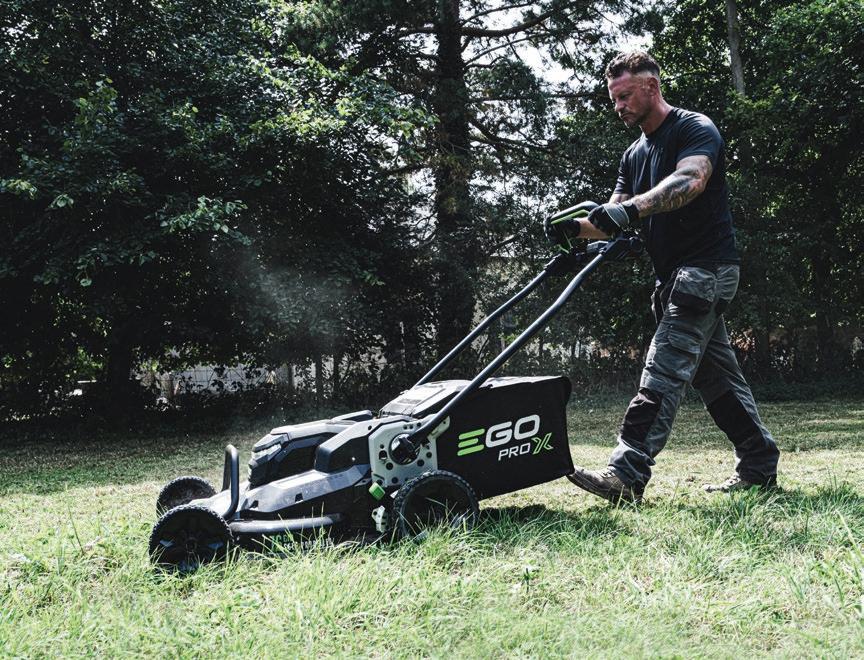
The standout for any commercial contractor. EGO's largest professional self-propelled mower bridges the gap between walk-behind manoeuvrability and ride-on productivity.
Its huge 76 cm cutting deck employs a dual-blade system to deliver a finish vying with high-end cylinders but with the ruggedness of a rotary. Surprisingly agile thanks to its lightweight PC/PBT super composite deck, at just 47 kg (bare tool) the mower feels nimble around obstacles, yet the steel bumpers and reinforced chassis provide the tank-like build quality grounds teams demand.
Powered by Peak Power technology, drawing from two 56V ARC Lithium batteries simultaneously, the unit can mow up to 4,000 m2 on a single charge - more than enough for a standard morning’s shift.
Wire-free precision: AURA-R2
For those seeking autonomous solutions, the AURA-R2 robot mower stole the show. Moving away from the bugbear of boundary wires, it uses EGO’s PATH IQ navigation, integrating RTK, VSLAM, and VIO tech to allow it to map and navigate complex landscapes with centimetre accuracy.
Binocular stereo vision is a game-changer for safety in public spaces. The mower can ‘see’ and avoid obstacles
like discarded tools or wandering pets in real-time. Able to handle 50% slopes and with IP66 weather rating, AURA is a set and forget asset for maintenance contracts on ornamental lawns or corporate campuses.
Beyond the mowers
The event wasn't solely focused on the heavy hitters. The broader domestic and professional ranges were available for hands-on testing. From the upgraded HT6510E hedge trimmers with 33% longer run times to the new Lithium MAX tabless cell batteries, the ecosystem is becoming evermore cohesive.
Speaking with the product specialists, it’s clear EGO is focusing on total cost of ownership. By eliminating fuel costs, reducing operating vibration and providing the PGX2500PB Power Bank for rapid, site-wide charging, the manufacturer makes a compelling case for any landscaper to finally ditch the jerry can.
GroundsFest 2026:
GroundsFest 2026 is set to rack up the momentum to build on its remarkable growth and industry support that has quickly established it as the must-attend event for landscaping and grounds management professionals. To be staged on 16 and 17 September at Stoneleigh Park, Warwickshire, the event continues to evolve in both size and in the experience it delivers.
Following record-breaking growth since its 2023 launch, GroundsFest 2026 is already shaping up to be its biggest edition yet.
Exhibitor demand remains incredibly strong, with many companies securing their space early and a significant number choosing to increase their stand sizes. Such continued expansion reflects the confidence exhibitors have in the event and the quality of the audience it attracts. Visitors have more products to explore, more conversations on key issues and more opportunities to see latest innovations up close.
The exhibition halls, including the dedicated Landscape Zone in partnership with BALI, will once again be packed with a diverse range of brands covering every aspect of the sector.
From landscaping kit and groundcare machinery to cutting-edge technology, materials, and services, GroundsFest provides a comprehensive showcase bulging with firm favourites and pioneering products.
Easy navigation
The layout has been carefully developed to make it easy for visitors to navigate, while also encouraging discovery – from finding a new supplier or comparing solutions to simply keeping updated with what’s new.
Outdoors, the live demos and hands-on opportunities to test equipment are always a major highlight. These sessions bring the industry to life, allowing visitors not only to see machinery in action, but also in many cases to get behind the controls themselves.
It’s a chance to really understand performance in a practical setting, ask questions directly to the experts and see how products perform in real-world conditions. For many attendees, this is one of the most valuable aspects of the event, offering insights and experience that they simply cannot gain from a brochure, website or other annual events covering the sector.
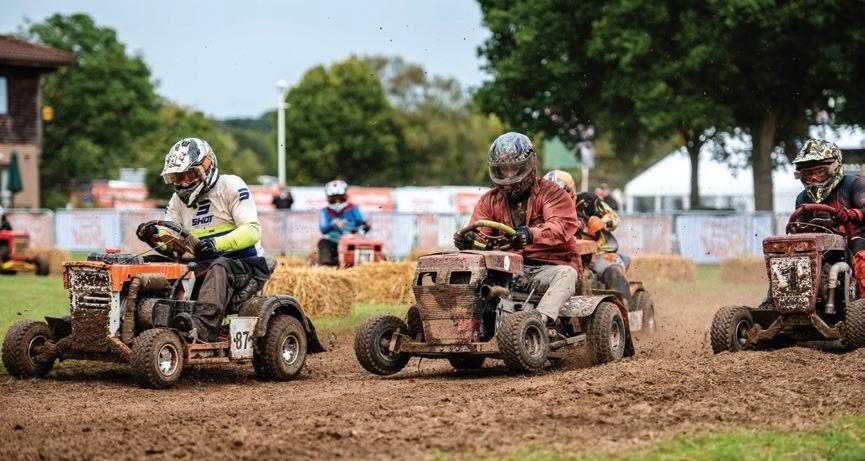
Creating a community GroundsFest has also become known for creating an atmosphere that goes beyond a traditional trade show. There is a strong focus on bringing people together, encouraging conversation and creating a sense of community across the industry. Popular features such as lawn mower racing return – a focus that continues to draw crowds and add a fun, competitive edge to the event.
A key part of the GroundsFest experience is the festival-style evening on the first day. Blending business with a more relaxed social setting, the GroundsFest Festival offers live music, a wide range of food options and entertainment that gives visitors and exhibitors the chance to unwind and connect in a different way.
Here’s the opportunity to continue conversations started during the day, strengthen relationships and enjoy a unique side of the event that sets it apart from others in the sector.
What they said about GroundsFest 2025
“The only event where you can truly test machines before investing. A fantastic opportunity for businesses.”
Nick Moriarty –West Kerry Property Maintenance
“GroundsFest, being indoors and outdoors, and having such a wide variety of demos are why it has drawn so many people here.”
Finn Greer – TrackStars
“This show is exactly what the industry needed; outdoors, interactive and thriving.”
Angus LindsayConsultant
“A fantastic show – the best in years! I bought new kit and saw lots to benefit my company. I also made some great contacts with playground manufacturers.”
Christopher MortimerMortimer Contracts Limited
“Great show. GroundsFest is fantastic for the public sector and landscapers. The added bonus for us was to see play equipment companies other events cannot provide. We will be back next year!”
Adam Dodson - Sturminster Newton Town Council
Education and knowledge-sharing also play a key role. GroundsFest 2026 will feature a programme of seminars and discussions designed to provide practical insights and address key challenges facing the industry.
Covering a spread of topics relevant to landscapers and grounds professionals alike, the sessions aim to deliver useful takeaways visitors can apply in their dayto-day work. Continues on page 28
“ It’s getting more popular each year. A relaxed, enjoyable way to explore new equipment.”
Gary Barwell –Edgbaston Stadium
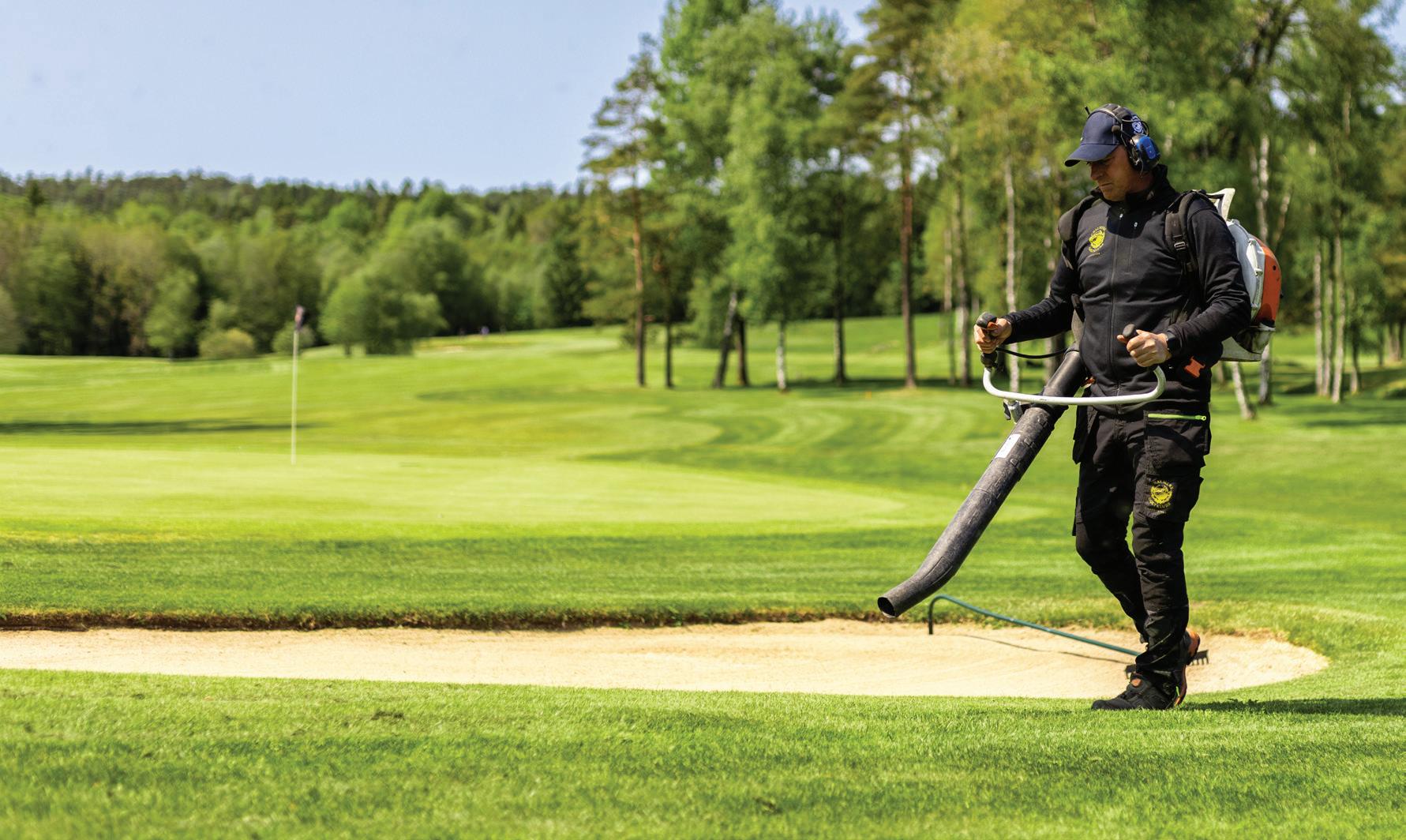
THE XGT 40V MAX CORDLESS BLOWER DELIVERS A LIGHTER, QUIETER, FUME-FREE EXPERIENCE, WITHOUT SACRIFICING ON POWER OR DURABILITY. HELPING YOU FACE THE BIGGEST CLEANUP TASKS WITH EASE.
Continued from page 25
Something for everyone
Another defining characteristic of GroundsFest is its ability to appeal to a wide range of sectors. Whether visitors are working in landscaping, local authorities, sportsturf, estates management or education, the event offers something relevant for everyone. Such crosssector appeal broadens the visitor base and encourages the sharing of ideas and best practice between different segments of the sector.
As anticipation builds, GroundsFest 2026 is firmly positioned to deliver an event that is bigger, more dynamic and more engaging than ever before. With an expanding exhibitor line-up, enhanced show layout and a strong emphasis on live experiences and community, it continues to redefine what a modern industry event can be.
GroundsFest is free to attend, with free parking available on site, making it as easy as possible for professionals from across the UK and beyond to be part of it.
Visitor registration will open towards the end of May,
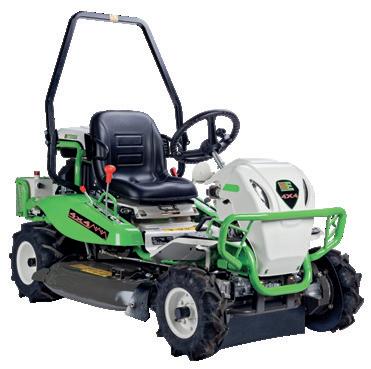
The Etesia Attila AK 98X
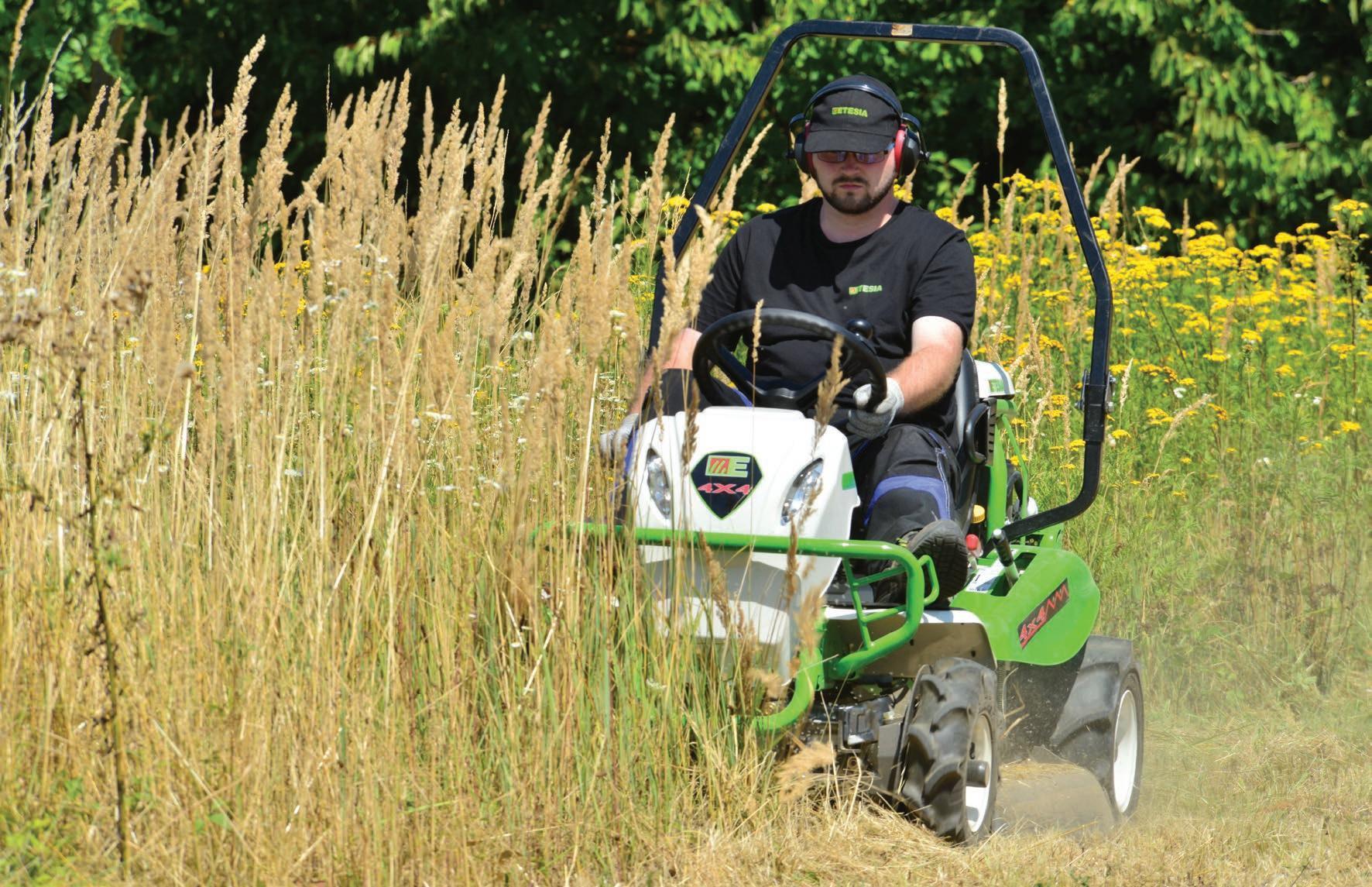
We kick off our machinery and equipment reviews, run in collaboration with Machinery Nation, by discovering how the Etesia Attila AK 98X tackled tough, overgrown terrain with power, precision, and surprising efficiency. So, what do you get if you buy a field, then don’t maintain it for five years? A proper mess. Old bracken, rushes, saplings and thick, mangled grass.
You need the right machine to do the job: the Etesia Attila AK 98X, four-wheel drive, Kawasaki engine-driven rough cut mower perhaps.
But why wouldn’t you use your big tractor with front linkage and a front topper or remote-control mower. After all, you wouldn’t be risking yourself among all the potential hazards.
Well, you need a machine that’s not too heavy and doesn’t get stuck in muddy, wet grass. Something you can be right on top of - making decisions in real time, seeing exactly where you are and clearing away excess vegetation.
The AK 98X is not your average ride-on. Made to handle dense vegetation, heavy overgrowth, thick brambles, saplings and overgrown bush, it’s powered by a throaty 726 cc Kawasaki V-twin engine, producing 24 hp and 17.8 kW.
A twin-cylinder engine delivers plenty of low-end torque, enabling it to deal with the tougher stuff – and the 14 l fuel capacity means you’re able to use the mower for hours.
The 98 cm wide cutting deck allows you to cover ground fast - up to a hectare an hour. Made from 2 mm steel with cut heights from 120 mm down to 50 mm, enabling you to tackle loads of different tasks.
Hydrostatic transmission offers precise speed control up to 10 km/h. This isn’t limited to the foot pedal; you can also use the hand hydrostatic lever.
Designed to take a beating
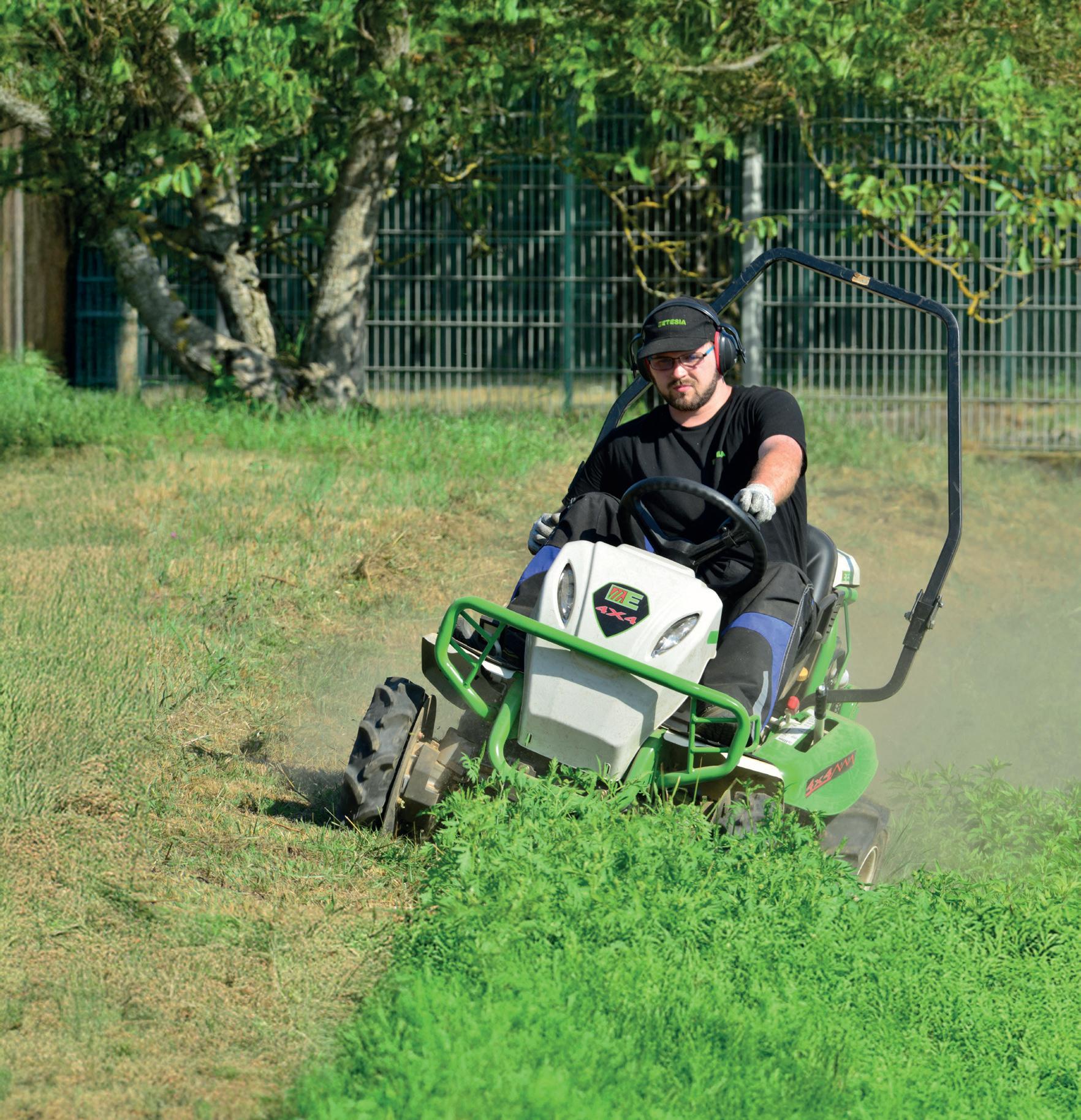
Adding four-wheel drive capabilities and diff-lock control give optimal performance in virtually any terrain and allow the AK 98X to work on slopes of up to 30%.
The rugged steel chassis is made to take a beating - the kind of work most machines won’t even attempt.
Weighing just 310 kg, it’s light enough to move across wetter ground without causing excessive compaction or doing too much damage to your hallowed turf.
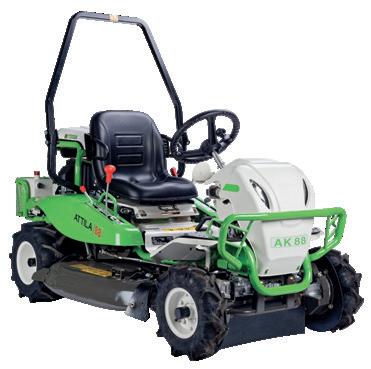
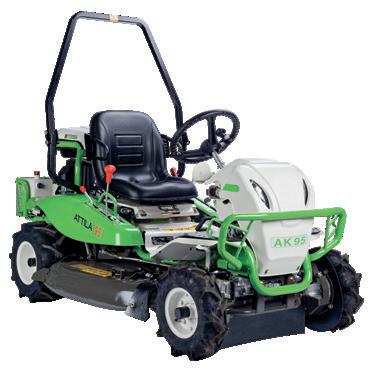
The AK 98X is the largest, most comprehensive mower in the Attila range, which includes the smaller engined, two-wheel drive AK 88, 95 and 98 models.
The expert's view
James from Machinery Nation has been testing the AK 98X and has positive feedback about its speed and comfort: “The nice thing about this, compared with similar machines I’ve used, is I’ve got leg room to spare.”
And there’s more. “Easy, intuitive controls. Adjustable steering column… I like it.”
James tested the mower in differing terrains and was honest about its drawbacks after getting stuck in the boggy, marshy area of his field.
“What’s the old saying? ‘A good man knows his limitations.’ So I’m not sure what that makes me; I’ve found the soft spot.”
After pulling the Attila free, he ploughed on. “What a little machine. Now, its limitation is the underslung deck in softer ground, because you sink and you belly out. But on harder ground, it just seems to buff on.”
“Well, even in soft ground… imagine driving through [certain difficult terrain] with anything; you’re going to belly out.”
The verdict
“The only thing I can find fault with - the same with all machines of this type - is the seat is a little uncomfortable. Integrating an upholstered one would transform the experience.”
The cutting deck is a firm favourite, handling everything James threw at it. The steering system also impressed: “A fantastic turning circle despite the Etesia’s size.” Nor did the Kawasaki V-twin consume anywhere near as much fuel as he expected it to.
“Yes, the low deck holds it back in terms of ground clearance but that’s the design. If you made it any different, it wouldn’t be able to do the same job.
“The low centre of gravity, the low cutting capability… it’s robust. A strong machine all round. Etesia is known for building high-quality commercial machines, and they haven’t disappointed here. A big tick in the box from me.”
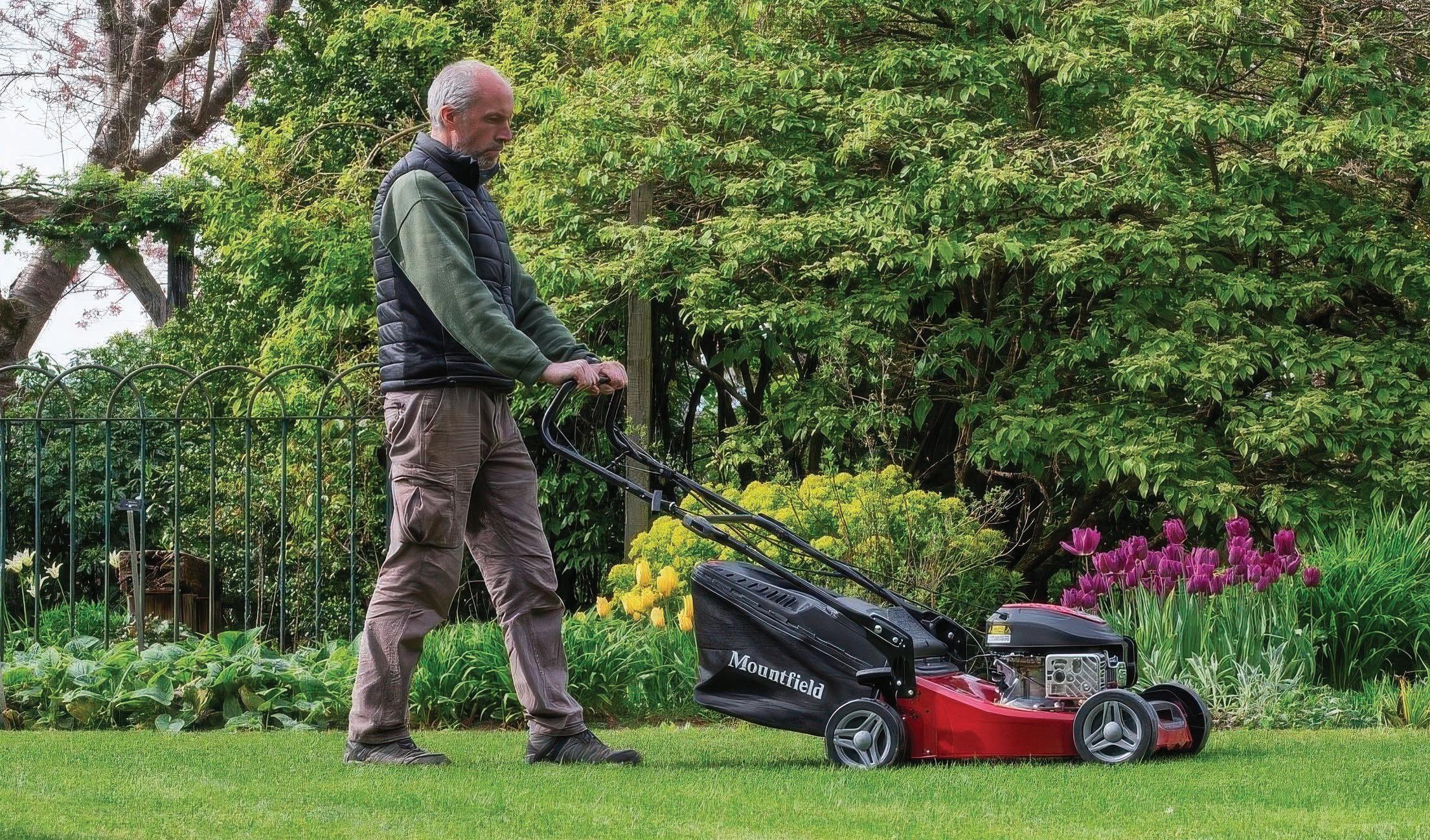
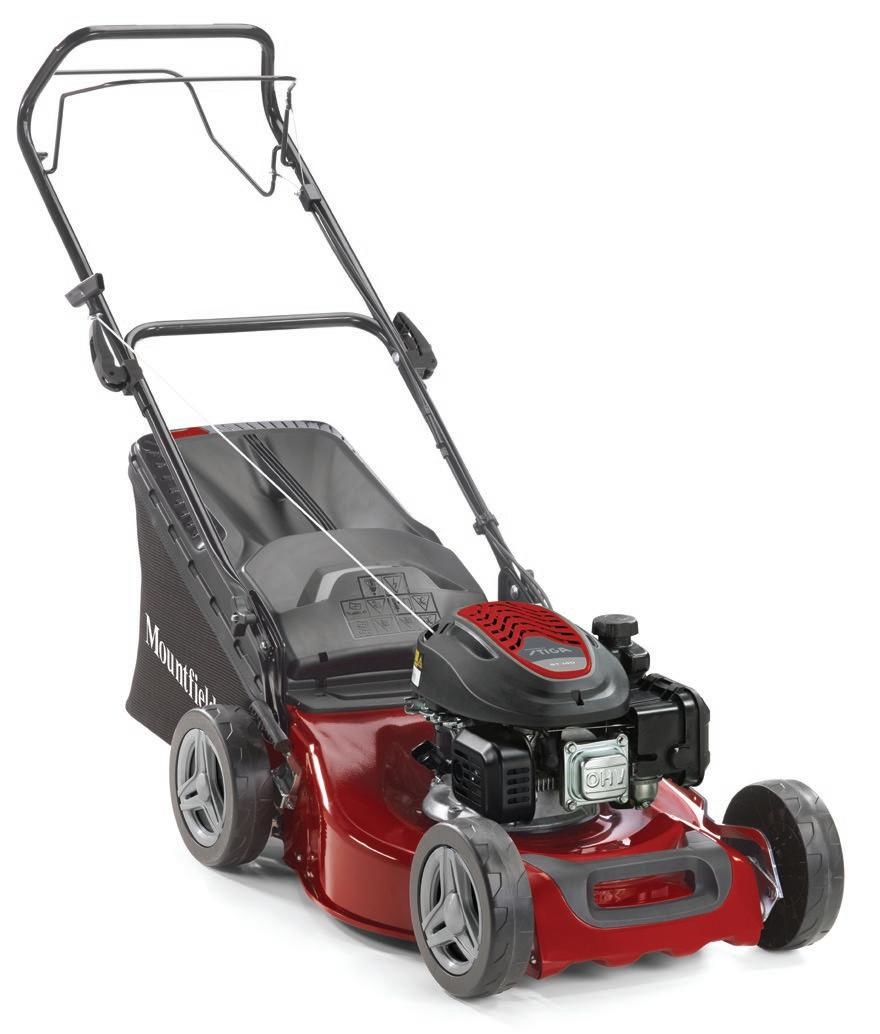
The Mountfield SP185 mower:
“Well worth a serious look”
Barnsdale Gardens head gardener Jonathan Brocklebank tests the Mountfield SP185 pedestrian petrol mower, which targets medium to large lawns of up to 1,500m2
Assembling the mower was straightforward. The handlebars needed unfolding and tightening with the supplied bolts, the wheels had to be slotted on and secured and I assembled the grass box by simply pushing the material section into the clips on the box. A little time and basic tools to secure everything and the mower felt properly put together.
You’ll need SAE30 oil plus petrol. The oil filler hole is quite narrow and sited lower down on the side of the engine.
The mower feels solid, with robust steel deck powdercoated in Mountfield’s traditional red. The wheels are hard plastic, and handles comfortable, even without extra grip or padding.
The 139cc Stiga ST140 Autochoke OHV engine was a first for me on a Mountfield but it looks the business.
For the first cut of the year, I wanted to collect clippings and fitted the 60 l backbox easily and set cutting height slightly higher than for the main season. The grass wasn’t long, but it varied in height throughout the gardens. The six-position height adjuster is one of the most user-friendly features - the single lever changing
height for all wheels in one easy, smooth action.
With the dead man’s handle pulled in, I gave a good pull on the starter cord and the mower fired up first time. I pulled up the self-propelled drive handle and we were off.
It moves at a really good, easy pace, so you’re more guiding than pushing, making a noticeable difference when covering large areas or for extended working.
The 46 cm cutting width and manageable weight give a good balance between progress and manoeuvrability, and the mower feels easy to handle in tighter spaces. For areas requiring more control, simply release the selfpropelled handle and control the speed yourself.
It did a lovely job - a skid plate on the underside of the deck reduces lawn scalping but with slightly higher cutting, not an issue. The box collects well and has a ‘Bag full’ indicator.
Mulching option
The mulching plug is easy to place and lets you cut clippings finely and return them to the lawn evenly as a light mulch if required.
The handles are comfortable, height adjustable and fold down for storage. The self-propelled lever is easy to engage and disengage, and you can quickly drop back to 'push only' when working in tighter spots. The recoil start system is straightforward and easy, and the engine is
neither overly loud nor excessively rough over a normal working session.
Routine care pays off, as with any petrol mower. Emptying the grass box, clearing the deck, keeping the blade sharp and checking oil regularly will keep the SP185 cutting cleanly and starting reliably. The two-year manufacturer warranty and the wider Mountfield/Stiga support network are reassuring too.
For all Barnsdale’s lawns where stripes aren’t required, the SP185 will be my go-to machine. It is particularly well-suited to our orchard, where fruit trees sit within a grassed lawn, with trees and beds to cut around – the self-propelled drive and manageable size suiting these more intricate spaces.
Verdict
A capable, self-propelled petrol mower for medium-sized lawns, the SP185 is well worth a serious look. It is not a lightweight toy but a properly built machine that allows you to cut efficiently and comfortably.
For a straightforward, no-nonsense mower to cope with regular use, the SP185 self-propelled version has earned a solid place in our machinery shed. https://shop.barnsdalegardens.co.uk/blogs/ tools-on-test
www.barnsdalegardens.co.uk
Fuel is designed with the operator in mind. With 99% fewer hazardous hydrocarbons compared to regular pump petrol, Aspen improves the operator environment, enhances the performance of your machines and eliminates trips to the forecourt - saving you time and money.
Diamonds are forever
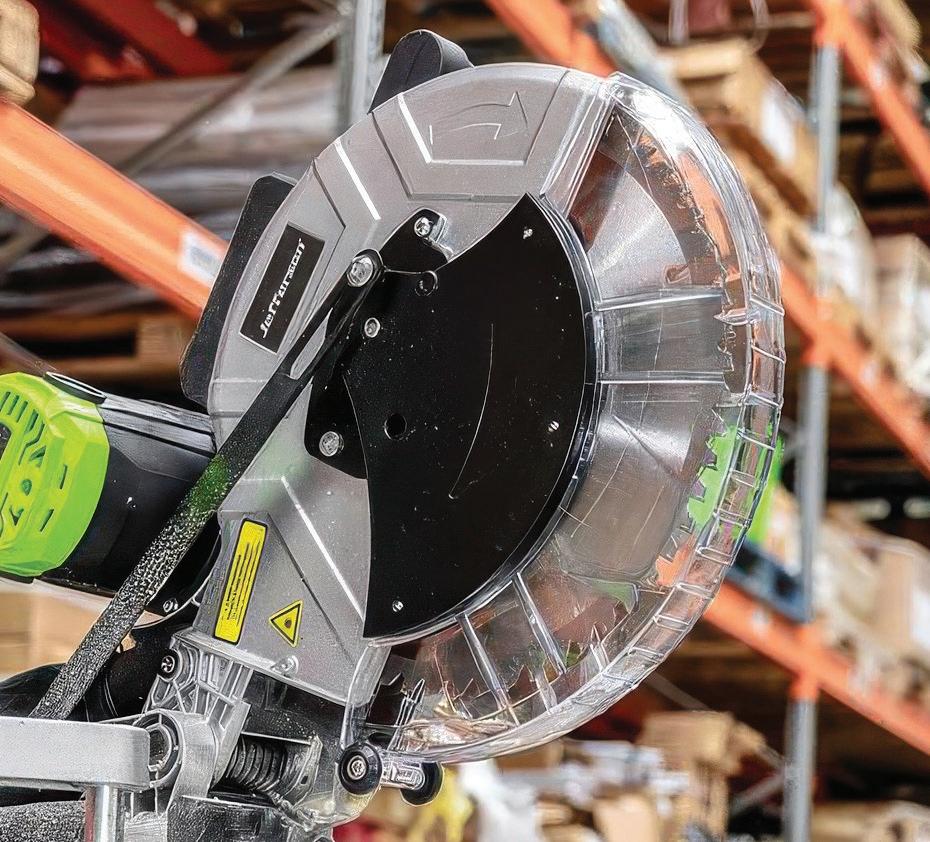
Diamond blades are often seen as specialist masonry tools but their versatility makes them a great option for a range of landscaping jobs, argues Darren Binns, Jefferson Tools national sales manager, who explains what to look for when choosing the right blade for the job. Spring is when landscaping moves from planning to production. You might need to trim natural stone paving, finish porcelain slabs or shape concrete edging. It’s easy to reach for whatever blade is already in the van but not every cutting tool is designed to cope with a whole host of materials.
Diamond cutting blades are often linked purely with masonry and concrete but they offer far wider capability than that. For professionals looking to improve cutting speed, finish quality and blade longevity across multiple jobs, diamond technology is a serious option worth considering.
These circular blades use industrial-grade diamonds on the cutting edge and unlike traditional toothed blades that slice through material, they grind. As the blade rotates, exposed diamond particles grind the surface and as the edge gradually wears away during use, fresh diamonds are revealed to maintain performance.
Versatile option
It’s this grinding action that gives diamond blades their versatility. They are highly effective on concrete, asphalt, brick, granite, slate and other natural stone and ceramic. They can even be used on rigid steel conduit and certain timber or composite products, making them useful beyond purely stone-based landscaping tasks. For landscapers juggling patios, pathways, retaining walls and
driveway preparation, that flexibility can reduce the need to constantly swap tools.
Not all diamond blades are created equal or have the same lifespan however, and segment height is one of the main reasons why. Higher-quality blades tend to have taller segments, often around 10 mm on 4½ in and 9 in blades and 12 mm on 12 in and 14 in sizes.
Some lower-cost alternatives use shorter segments, typically between 5 mm and 10 mm on comparable diameters. While those blades may come at a lower initial price, taller segments provide more usable cutting depth, so the blade lasts longer before it needs replacing – a benefit that can make a real difference during a busy season.
Less downtime
Diamond concentration within the segment also matters. A higher density improves cutting consistency and helps the blade cope with abrasive materials such as asphalt or dense concrete. When laying multiple driveways or trimming heavy paving throughout spring, these design details translate directly into productivity and reduced downtime.
Choosing the right blade configuration is important too. Segmented blades are good for dry cutting concrete, asphalt and general masonry. The gaps between segments allow for air to flow and debris to clear so they’re well suited to outdoor groundwork where water may not be practical.
Continuous rim blades on the other hand, are ideal for wet cutting porcelain and decorative tiles. The uninterrupted cutting edge reduces chipping and produces a cleaner finish, essential for visible patio installations. For more demanding applications such as reinforced concrete or clay pipes, laser-welded blades
provide additional strength and segment security, particularly at higher operating speeds.
Match speed and specification Diameter should match both the material and the machine. Smaller 115 mm blades are useful for detailed trimming and confined spaces. A 230 mm blade is often the workhorse for general slab cutting while 300 mm and 350 mm blades are better suited to deeper cuts in concrete or thicker sections during driveway preparation. Checking bore size compatibility and ensuring the blade’s maximum operating speed matches the saw specification is essential.
As with any cutting equipment, technique plays a big role in ensuring clean, precise cuts. Diamond blades are designed to grind through material under controlled pressure. Forcing the cut generates excess heat and accelerates wear so the blade should enter
the material smoothly and keep a steady feed pressure to maximise service life. Where possible, wet cutting cools the blade and suppresses dust, extending performance and improving site safety. In dry conditions, appropriate dust extraction should always be used.
As the pace picks up in spring, most landscapers just want tools that get on with the job. When you’re switching between slabs, kerbs, edging and drive prep, stopping to swap out worn blades or fight through a cut slows everything down.
Choosing the right diamond blade with the right segment height, build quality and configuration will help you work efficiently and get a clean finish first time. If your current blades struggle with mixed materials or don’t last as long as they should, it might be worth taking a closer look at what you’re using.
www.jeffersontools.com
Timeless tools for the 21st century
Do landscapers really still need hand tools? In the 21st century, surely everything that needs to be done, can be done with a powered machine. Well, not necessarily, writes Rainer Schubert , managing director of Burgon & Ball, the UK distributor for its US sister company Corona Tools
Hand tools remain essential for landscapers in all kinds of ways, and they’re far from consigned to the history books. Think of that job where you have trouble getting machines on to site. Or that project requiring you to work around existing garden planting or features. And that task blends landscaping and horticulture, when it includes planting or plant care. Sometimes there’s simply no substitute for the care and finesse you can achieve with timeless manual tools.
What will you need?
It’s helpful to think about hand tools in terms of key horticultural tasks. This makes it easier to decide what these tasks might look like for the service you provide to your clients. Generally, you’ll need to think about:
• Cultivating. Preparing the ground for planting. You might be happy using a traditional digging fork to break up the ground. In confined spaces you might choose a specialist pronged cultivator tool.
• Planting. You probably can’t beat a traditional spade for larger plants, shrubs and trees – or even a trowel for more detailed work, smaller spaces and raised beds. If the ground is hard or stony, choose a round end spade to slice easily through the soil.
• Weeding. A hoe is a classic weeding tool. The flat blade skims through the soil just below the surface, slicing through roots and shoots without disturbing the ground.
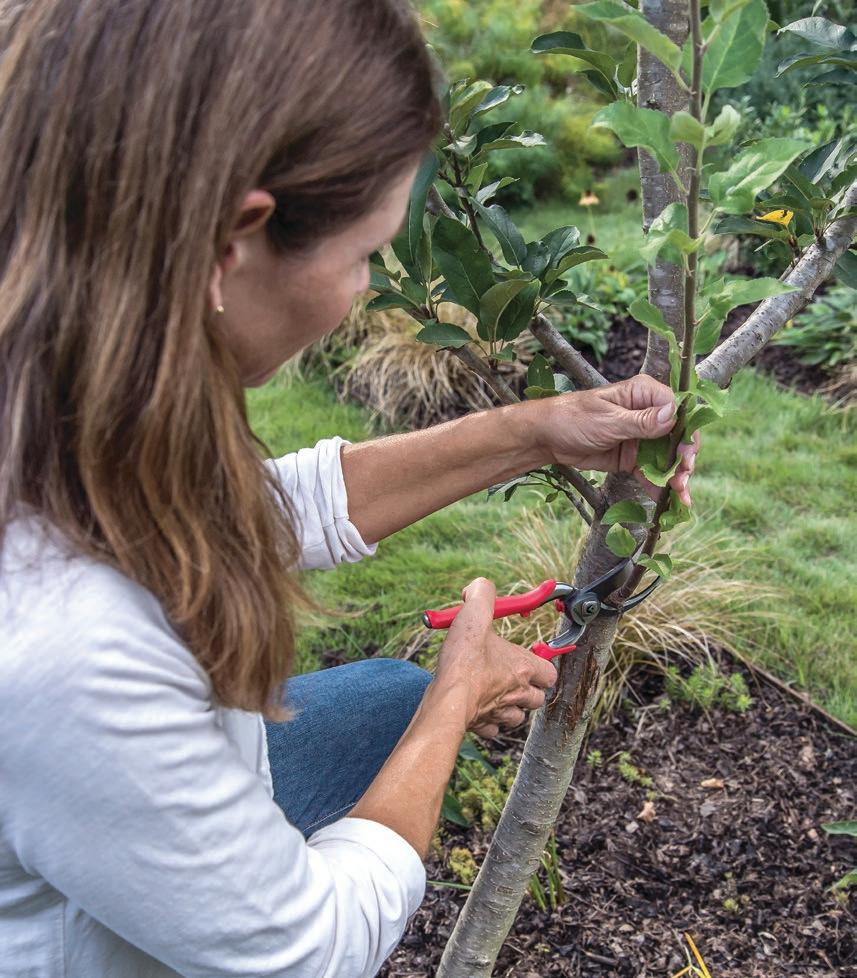
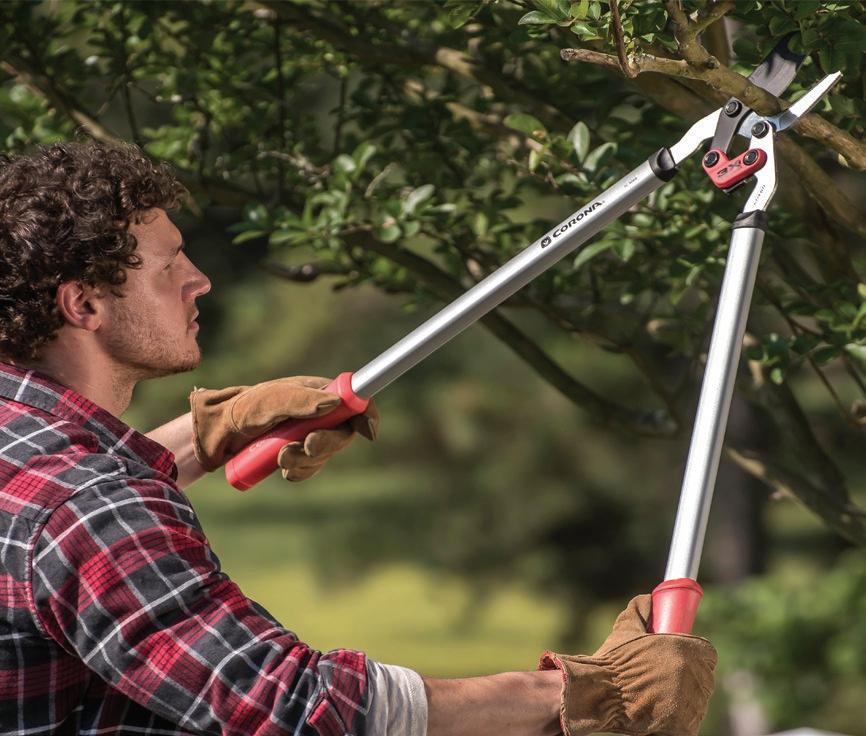
• Cutting. You’ll need a hand pruner (or secateur) for detailed work. Typically the cutting capacity of a hand pruner is a maximum of around 2.5 cm, so you’ll also need a lopper or saw for thicker stems and branches.
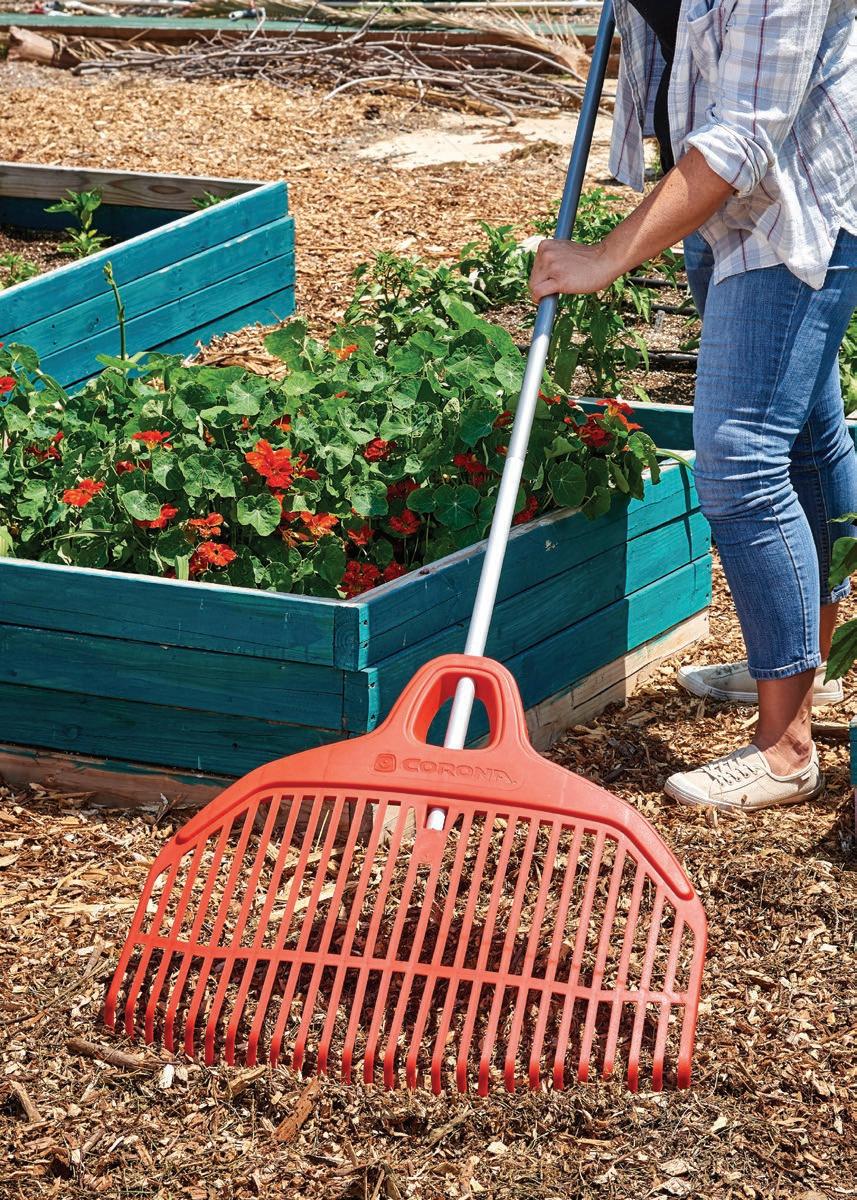
• Tidying. Two key items here would be a brush and a rake. To get the job done quickly and easily, look for a wide 18 in brush and the biggest rake you can find.
What to look for
When it comes to choosing your tools, it helps to know a little about the formulation of steel. Manufacturer Burgon & Ball for example started working with steel in 1730, making sheep shears in Sheffield, so they they can claim to have a little know-how on this.
Steel is formed from iron by adding a small amount of carbon to the mix - typically below one per cent, depending on the type of steel being made. Even tinier amounts of other alloying elements are added to make different types of steel, depending on the intended use. High-carbon steel has extra carbon added, to give a very strong grade of steel. Adding chromium gives rust resistance. But there’s a trade-off: the steel formulation cannot be both high carbon and high chromium. It comes down to a choice. Are you looking for strength, or for rust resistance?
As a landscaper, it’s likely the tool’s strength is your top priority, so look for high-carbon tool ranges.
A 21st century solution
Even in today’s landscaping environment, hand tools bring a finesse that just can’t be equalled by powered machinery. If you have clients who really care about their plants, hand tools remain an essential part of your kit.
Corona Tools: durable, reliable tools from the USA
In North America, Corona Tools has been the landscaper and professional gardener’s brand of choice for close to 100 years. The story starts in 1928 in the orange groves of Corona, California. Harvesting tools often left sharp stems on the fruit, leading to damage in transport. To reduce spoilage, a blacksmith produced a curved clipper to remove the stems cleanly. This small clipper revolutionised the citrus industry, which became known as California's second gold rush – and Corona Tools was born.
Corona DualCut branch and stem pruner
Corona ComfortGel limb and branch lopper
Corona HeavyDuty 4-prong cultivator
Corona BigLoad Rake
Rainer Schubert
Bugbears of spring
Of the many thousands of species of insect in the UK, only a few are considered a pest when found in human environments, writes John Horsley, training and development officer at the British Pest Control Association (BPCA).
For landscaping and grounds maintenance professionals, there’s a delicate balance to consider between protecting the natural ecosystems that bring life and colour to site and preventing a potential risk to human health and safety.
Spring is an optimal time to take a few simple steps that will help avoid insect issues later in the summer.
Wasps
Queen wasps will be starting to build their nests ready to rear the first workers of the year.
Tip: In spring, the nests are typically very small, around the size of a golf ball and can be easily removed.
As spring moves into summer, workers take over foraging and the queen will produce 200 to 300 eggs daily, building to a nest of between 5,000 and 8,000 wasps by late summer.
If one wasp feels the nest is being threatened, it may emit a pheromone to alert others and can trigger a defensive stinging frenzy - and that’s the last thing you want, when you might be up against several thousand. Wasps aren’t all bad though. They are accidental pollinators and nature’s pest controllers.
Tip: Wasps eat aphids and other plant pests, so if you discover a wasp nest in a low traffic area, it may be best to leave them in.
Nests are often found in sheltered spots however, such as tree hollows, bushes, or under eaves, in sheds or garages. This is by no means an exhaustive list though; BPCA members report finding them in all kinds of places, from toilet cisterns to brass instruments. Towards the end of August, worker wasps will start
to leave the nest and feast on fermented fruit. We refer to this as ‘drunk wasps’ and they can become aggressive, increasing risk of stings.
Wasp stings can trigger anaphylaxis, a potentially fatal allergic reaction. BPCA always recommends seeking help from a member, who commands the knowledge, skills and experience to tackle a nest safely.
European hornets
Far larger than wasps, and formidable-looking, European hornets are generally less aggressive, although they will sting if provoked or in defence of a nest.
Hornet nests are rarely found within building walls or ceilings and are much more likely to be constructed in a tree hollow or hanging from a branch.
Our native hornets are 3 to 4 cm long and are bigger than the yellow-legged (Asian) hornet, an invasive nonnative species with an orange head and a body almost entirely dark.
Landscapers who suspect they have seen a yellowlegged hornet, should report the sighting and any evidence to the Non-Native Species Secretariat. Tip: You can download the Asian hornet watch app on Google Play or the App Store.
Mosquitoes
Of the UK native mosquito species, only a handful are linked to nuisance biting reports but species in other countries have been implicated in the spread of diseases including West Nile Virus.
Mission to eradicate pests
The BPCA is the UK trade association representing organisations with a professional interest in the eradication of public health pests. It is a not-for-profit organisation which acts in the interests of members and on behalf of the pest management industry in the UK.
Trained to tackle ticks
Generally, the only risk from mosquitoes in the UK is an uncomfortable, itchy and swollen bite but occasionally people can suffer an allergic reaction that may need medical attention.
Tip: Mosquitoes lay their eggs in still water including ponds, ditches and marshes, as well as water butts, watering cans and buckets, so spring is a good time to empty them and give them a clean to remove any overwintering eggs.
As our climate changes, some non-native species of mosquito may become established in the UK. Eggs from the Egyptian mosquito (Aedes aegypti) were detected for the first time in the UK at Heathrow Airport in September 2023, while Asian tiger mosquito (Aedes albopictus) eggs were found at a service station on the M20 in Kent in August 2024 – the first since 2019.
Ticks
BPCA members are qualified professionals with access to products unavailable to the public. They can help deal with a tick infestation but tick bites should be dealt with by a doctor or vet, especially if a rash appears at the site of the bite. BPCA members are trained, qualified and regularly assessed to the British Standard in Pest Management BS EN 16636. bpca.org.uk/find
Generally found lurking in long grass, woodland, moorland, parks and gardens, ticks are a parasitic arachnid that feed from a variety of animal hosts. They will attach to a host and find an exposed area of skin to bite. If undisturbed, ticks may feed for up to seven days before letting go. While most native ticks don’t carry infection, some do and can pass on diseases including anaplasmosis, tickborne encephalitis virus, babesiosis and Lyme Disease. While landscapers may have adequate PPE that will prevent ticks finding an area to latch on to, clients, visitors, walkers and dogs on site are often more exposed.
Tip: In areas where there is a known tick presence, signage raising awareness around ticks can be useful. BPCA member businesses are endorsed by the Government via the TrustMark quality scheme as they must carry the correct insurances and are trained and qualified technicians who are assessed to the British Standard in pest management EN 16636 and follow BPCA’s Codes of Best Practice.
Source a BPCA member at bpca.org.uk/find
John Horsley, training and professional development officer at national trade body the British Pest Control Association (BPCA)
Photo credit: Amelia Martin
Photo credit: Culex pipiens by anest at 123rf.com
Photo credit:Alekseymatrenin/123rf
A ride to remember Can-Am in Catalonia
Chris Bennett puts the latest 2026 Can-Am off-road machines through their paces in Spain's rolling Catalonian hills and finds first-hand how they blend powerful performance, precision handling and practical utility for professional tasks in landscaping and grounds management
A day of cruising through rugged countryside with a throttle under my thumb - I won’t forget this actionpacked 24-hour trip in a hurry.
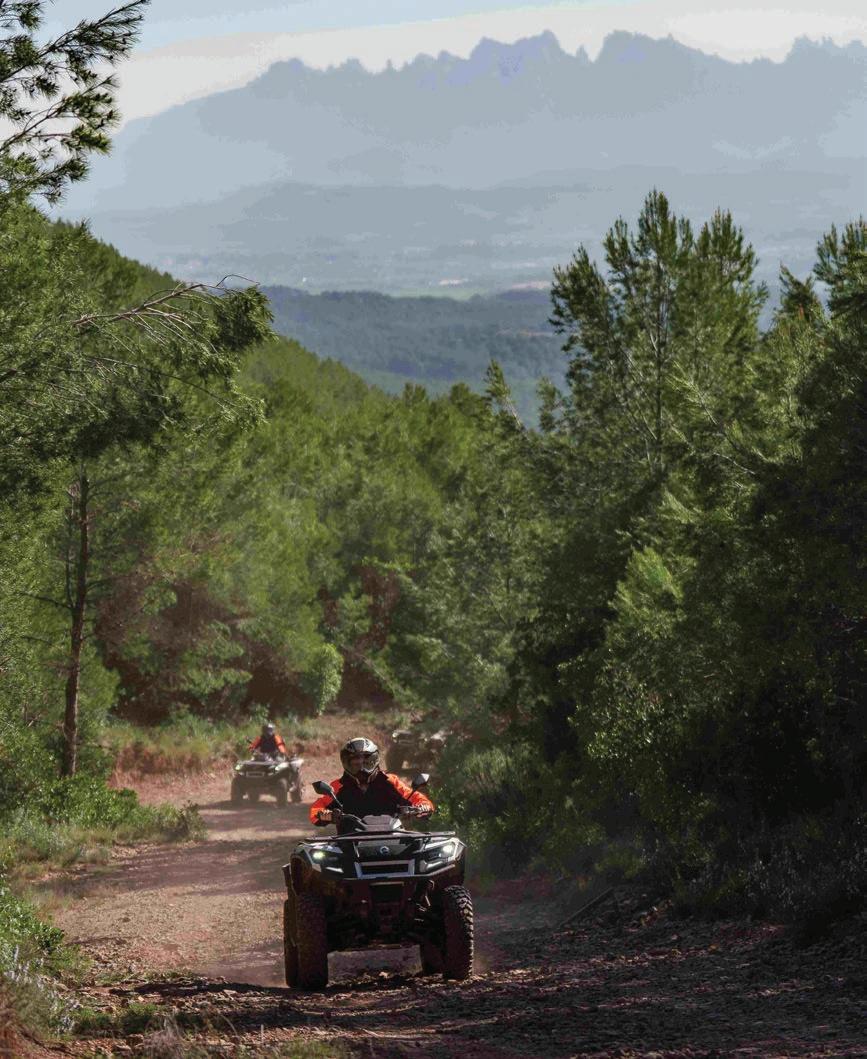
Touching down in Barcelona, I was transferred to Súria's sprawling 500 hectare off-road centre with its 70 km of tracks. Rugged, raw and undeniably beautiful, it epitomises that untamed Mediterranean character.
One moment you’re taking in panoramic views across the Bages region, the next you’re ducking beneath pine canopies, navigating tight, technical trails.
After a lunch of tapas in the sun and standout performances from the paella and croquetas came a deep dive into the latest innovations from Can-Am and its 2026 off-road line-up accenting electric power, heavyduty capability and smarter technology. Time to get up close and personal.
Can-Am Outlander Electric
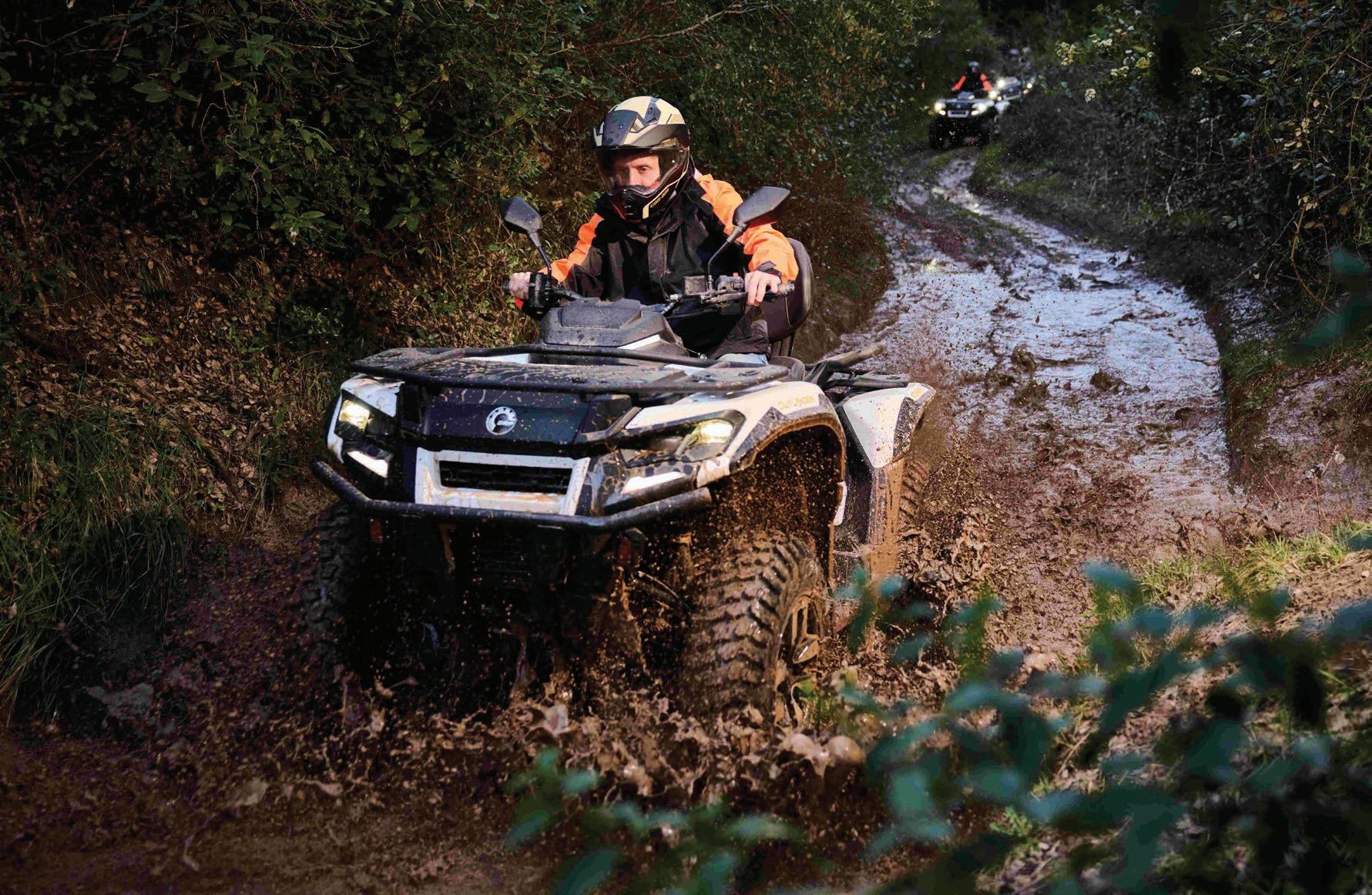
The all-electric Outlander caught me off guard (in a good way). Smooth, quiet and deceptively powerful, it delivers instant torque the moment you tap the thumb throttle. No noise or fuss, just effortless acceleration.
That silence transformed the trails experience. Without intrusive engine noise, you’re taking in the crunch of gravel, the fresh hit of pine in the air and the sheer scale of the landscape.
The direct drive and regenerative braking made it so easy to handle, even for an off-road rookie like me and gave me confidence to push a little harder and it never felt out of its depth.
Can-Am Traxter HD1
Things got interesting here. The strength, reliability and
versatility of the Traxter feels every bit the workhorse you’d expect. The redesigned engine pulls strongly, and selectable drive modes make a marked difference, whether crawling over uneven limestone or powering through muddy sections. Kit that just gets on with the job.
Rather than taking the sensible route through a muddy puddle, I opted for two narrow wooden ramps with gaps in between, perfectly manageable if you line it up properly… which I didn’t. Not my wisest decision. A little too much throttle, a slight misjudgement and I found myself suspended awkwardly over a ditch with the wheels off the ground.
The Can-Am team were quick to step in and return me to solid ground. The real takeaway though? The machine handled it brilliantly. No damage or drama, just a quick recovery and back on track. Solid doesn’t quite cover it.
Can-Am Outlander
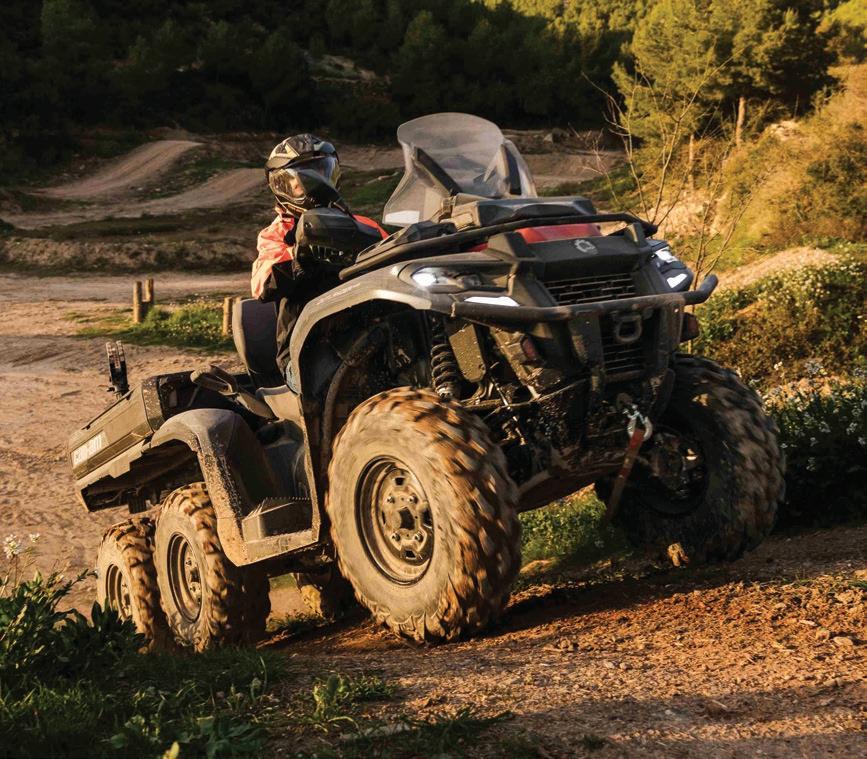
Utility really comes to the fore here. Serious towing capacity and sizeable dumping box make this less about finesse, more about just doing the job. It feels planted, capable and ready for heavy-duty hauling of materials, equipment or anything else you can throw at it. Across rough terrain, the extra traction adds that extra level of confidence. An absolute workhorse.
A landscape that tests everything
I was impressed with how well the machines matched the terrain. The site itself throws everything at you; tight twists, steep climbs, uneven rock, mud-filled dips.
Each vehicle responded in its own way. The suspension working beneath you, tyres gripping and adapting and
the constant balance of control and power. That blend of landscape tranquillity and driving adrenaline made my day here so memorable.
For me, the Outlander Electric just edged it. That smooth, near-silent ride elevated the whole experience. Gliding through those Catalonian hills with instant power on tap felt both effortless and engaging – a rare combination.
I can see how that kind of performance could translate into real-world benefits, particularly in environments where noise, efficiency and ease of use matter.
And for landscapers?
Súria wasn’t just a playground but a glimpse into how these machines could fit into day-to-day landscaping.
Efficiency on site: The Traxter HD11 and Outlander 6x6 can transport tools, materials and teams quickly across large or tricky-access areas, to save time and effort.
Versatility: From towing and carrying to navigating difficult terrain, they’re built to handle a host of tasks.
Reduced fatigue: Covering ground in a vehicle rather than on foot makes a marked difference over a working day.
Electric advantage: The Outlander Electric offers a quieter, lower-maintenance option for noise-sensitive residential areas, schools or public spaces.
Year-round capability: Designed to perform in varying conditions, they’re as useful in wet, muddy winters as in dry summer months.
The perfect finish
Barbecued meats and cold Estrella Damm lagers wrapped up a full day behind the wheel. Next morning brought more stunning views and a chance to thank the Can-Am team for their hospitality and a day to remember, before our transfer back to the airport.
It had everything; early starts, scenic drives, great conversations, exceptional food and, most importantly, machines that genuinely impressed.
For machine specs, visit www.landscapermagazine.com
Images credit: Chris Bennett
Stable demand, shifting tastes and smarter sales Kramp capability keeps industry moving
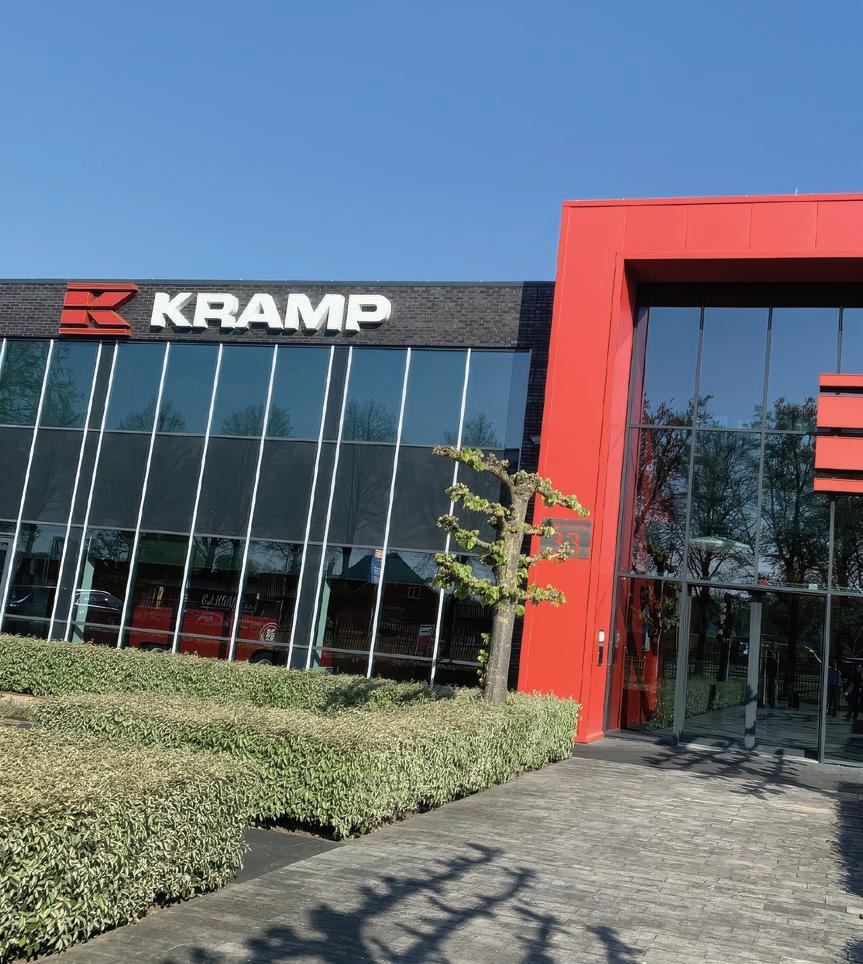
European parts and accessories specialist Kramp showed off its capability in the landscaping, forestry and construction industries recently, when The Landscaper visited its Varsseveld HQ, one hour 45 minutes from Amsterdam.
With half a million items in stock and ready to go at a moment’s notice, managed by more than 3,600 staff from 80 nationalities working in 24 locations, it's truly a global powerhouse of a brand.
Straightaway it was clear how central efficiency and reliability are to operations. Kramp's mission is simplenever let breakdowns slow down customers’ business. In industries where a single faulty part can halt everything, fast, accurate delivery is a requirement, not a luxury. We arrived in bright spring sunshine, taking in the distinctive Dutch architecture before entering a modern, impressive facility. Inside, collaborative workspaces and meeting areas reflected a culture focused on problemsolving and innovation.
Vast scale
The scale of operations was startlingly clear during a tour of the warehouse. Advanced automation works alongside human input to process around 64,000 order lines daily to offer a vast range spanning landscaping, construction, hydraulics and agriculture.
Kramp’s ability to monitor stock continuously means operations never need pause, allowing it to consistently meet demand. Beyond standard products, it also creates custom-made parts based on customer specifications –even when it doesn't know what machine it’s for.
This flexibility reinforces its ambition to remain a true one-stop shop across agriculture, forestry, and landscaping, while continuing to expand into construction. Reliability is critical in sectors where machinery can last decades but still requires occasional repairs – making fast access to replacement parts invaluable.
Discussions with senior leaders highlighted the challenges shaping Kramp’s future: economic uncertainty, evolving supply chains, rapid technological change, and the continued rise of e-commerce. The company has adapted by investing in automation, digital platforms and next-day delivery services.
Sustainability is also a growing priority. Kramp views corporate social responsibility as a genuine obligation, aiming to balance operational efficiency with long-term environmental considerations.
To demo its system, we were invited to order three items from Kramp’s range. By the time I returned to the UK the following afternoon, they were already waiting at the office.
As its slogan says - particularly from the customer viewpoint - It’s that easy.
The UK domestic paving market in 2025 was defined not by dramatic change but by evolution, writes Matt Watson, group marketing manager for Lawsons Group
After the volatility of recent years, the sector has settled into a more measured rhythm - one shaped by cautious consumer spending, steady underlying demand and a growing emphasis on design, performance and value.
For merchants and contractors, the key challenge is no longer simply availability but alignment: offering the right products, in the right colours and formats, to meet increasingly nuanced customer expectations.
However, at the time of writing, the ongoing conflict in the Middle East has the potential to impact both product availability and material costs as 2026 progresses.
Shaped by caution but still active
Despite the cost-of-living crisis and reduced consumer confidence, the domestic paving sector remains resilient. Homeowners continue to invest in outdoor living and their external spaces but projects are often more considered - phased over time or adapted to tighter budgets.
The ‘buy once’ trend, already evident in categories such as fencing, is now clearly visible in paving. Consumers are increasingly price-aware but not always price-driven, opting for quality products that deliver longer-term value. This has created a market where overall volumes remain relatively stable but product mix is evolving. Customers are balancing upfront cost against longevity, often choosing to spend slightly more where the benefits in durability or aesthetics are clear.
Colour trends: safe foundations with a warmer edge
Neutral tones remain the backbone of paving sales, with grey continuing to dominate across all product categories. Its versatility makes it a reliable choice for both landscape designers and homeowners.
Talasey Cava Fossil Mint 900 x 600
Talasey - Promenade Sandstone
However, demand is becoming more sophisticated. Rather than flat, uniform greys, customers are increasingly opting for mid-tones with subtle variation, textured finishes and blended shades that offer greater visual interest while helping to disguise wear and dirt. Such colours work well as a backdrop to planting and outdoor living, rather than dominating the space.
At the same time, a noticeable shift is emerging towards warmer palettes. As Sean Hayes, category manager at Lawsons Group, explains: “Over the past year, we’ve seen a consistent shift across hard landscaping, composite decking and concrete block paving. While grey continues to be the dominant colour, there is a clear movement towards warmer, softer neutrals such as buff, greige, clay and light cream tones. This transition is visible across stone, porcelain, decking and concrete block paving and is strongly supported by national trend data for 2026.”
A shift Rebecca Hughes, marketing director at supplier Talasey Landscaping Solutions, reinforces: “One design message is coming through loud and clear: homeowners are craving lighter, naturally inspired outdoor spaces. The shift towards soft neutrals and organic textures, something we’ve seen dominate interior design in recent years, is now firmly making its mark outdoors.”
Material trends: porcelain growth meets natural resurgence
Porcelain continues to be a major growth driver in the domestic paving market. Its appeal - low maintenance, durability and clean aesthetics - has helped it transition from a premium niche into a mainstream choice. However, 2025 was not a story of porcelain dominance alone. Instead, the market is moving toward a more balanced material mix, as Rebecca explains: “Porcelain has spent the last decade surging in popularity but with fashion shifting back towards more natural, warm, stonelike finishes, we’re seeing a renewed balance in demand.” Natural stone, particularly sandstone and limestone, continues to perform strongly in traditional and valuedriven projects. Its inherent variation and character remain key selling points, especially where a more organic finish is required.
At the same time, the rise of stone-effect porcelain - such as the Talasey Cava Stone range - is bridging the gap between the two, offering the visual appeal of natural materials alongside the performance benefits of manufactured products.
Format and finish: efficiency meets aesthetics
Alongside colour and material, format is increasingly important in product selection. “The 900 x 600 mm formats have shown strong growth and will remain a major trend thanks to their clean aesthetic and installation efficiency,” Sean states.
For installers, these formats offer practical benefits in terms of speed and consistency. For landscapers and homeowners, they deliver a more contemporary, streamlined appearance.
Finish is also becoming more important, with customers seeking products that combine visual depth with practical performance - including slip resistance, durability and ease of maintenance.
Design trends: from single products to complete schemes
One of the most significant shifts in the domestic market is the move to mixed-material installations. Rather than relying on a single paving product, landscapers increasingly create more complex, layered schemes.
“We’re seeing increased use of two-tone layouts, picture-framing, multi-level design and zoned garden spaces,” Sean reports, “reflecting the desire for personalised and multi-functional outdoor living. This can range from mixed-tone paving and contrast edging to the use of cobbles and setts to contrast with slab paving.”
At Lawsons Group, this trend is also reflected in stiffer demand for architect-quality decorative aggregates and decorative stone, including ranges from suppliers such as Long Rake Spar - further demonstrating the shift towards more design-led, integrated outdoor spaces.
Role of sustainability
Sustainability is beginning to influence purchasing decisions, although it remains secondary to cost and aesthetics for many domestic customers.
With around 23% of UK new homeowners planning to pave or deck their garden space, there is a growing tension between hard landscaping expansion and environmental concerns, particularly around drainage and planning regulations.
Manufacturers are responding with the development of permeable paving solutions, such as Marshalls Drivesett Tegula Priora, while we are also seeing increased demand for drainage products, including systems such as ACO Channel Drainage, designed to manage surface water effectively.
Sourcing is another key consideration. Responsible procurement is becoming increasingly important, particularly in relation to imported natural stone. Some overseas quarries have well-documented issues around
labour practices, including worker exploitation. As a result, scrutiny around supply chains is rightly increasing, and merchants such as Lawsons Group continue to enforce strict sourcing policies across their supplier base.
Looking ahead: evolution, not disruption
The UK domestic paving market is not undergoing radical transformation. Instead, it is being shaped by incremental shifts in taste, technology and customer expectation.
“We expect further growth in warm neutral palettes, mixed-material layouts and design-led outdoor spaces that blend decking, paving and landscaping into a unified garden environment,” Sean summarises.
For merchants and contractors, this presents a clear opportunity. Those who can offer a well-structured product range with strong technical knowledge and a deep understanding of customer needs will be best placed to navigate the evolving landscape - and turn subtle trends into sustained growth.
Matt Watson is the group marketing manager for Lawsons Group – London and the South East’s largest independent timber, fencing and builders’ merchant –comprising Lawsons, AVS Fencing & Landscaping Supplies, Briants of Risborough, Oxford Fencing Supplies, Southill Sawmills, The Landscape Centre and Witham Timber. www.lawsonsgroup.co.uk
A RANGE OF PRODUCTS CREATED BY NATURE
ACO hexdrain
Talasey Cava Raj Green 900 x 600
Talasey Classicstone-Limestone Carbon-Black
Mansfield Sand
Mandatory SuDS: does legislation go far enough?
While the necessity of Schedule 3 of the Flood and Water Management Act (2010) has been widely debated, at the time of writing, it’s expected to come into force imminently. This will make Sustainable Drainage Systems (SuDS) mandatory for most new developments.
With the Met Office stating that extreme weather is Britain’s new normal, Michael McIvor-New, permeable paving specialist at Tobermore, asks whether this delayed legislation goes far enough.
Surface water flooding threatens more people and properties than any other form of flooding in the UK. SuDS, particularly permeable paving, are one of the most effective tools in our armoury.
Despite this, plans to ratify Schedule 3 into law in England in 2024 were delayed. As it stands, developments of ten dwellings or more (or the non-residential equivalent) must include a SuDS scheme unless deemed inappropriate. This means England relies on planning conditions and section 106/104 routes rather than mandatory pre-construction approval.
In contrast, Wales adopted Schedule 3 in 2019, making the implementation of SuDS schemes a legal requirement for all new developments, backed by 22 SuDS Approval Bodies
(SAB), which ensure projects meet national standards. This gives the law teeth and signals the importance of SuDS in flood defence. However, when adopting Schedule 3, England must learn from Wales’s experience.
Consistency of design and delivery
SuDS consist of a variety of devices, each of which manages water volume and quality. SuDS schemes are most effective when incorporated early in the design with devices chosen based on the landscape and environment.
However, there have been cases where SuDS design has not been approached thoroughly, or where schemes have not been maintained correctly (which I’ll expand on shortly). When designed and installed correctly, permeable paving is one of the most effective and costefficient SuDS devices available.
To address this, Wales has recently established the SAB Society with the sole purpose of achieving more consistency through Welsh SABs.
Do we need a golden thread for SuDS?
The golden thread of information ensures a digital copy of safety information relating to the construction of highrisk buildings is retained. This ensures changes during construction or maintenance don’t undermine the safety strategy.
Like fire, flooding puts lives, homes and businesses at risk. This means the design, operation and maintenance of SuDS are critical safety information. How this information is transferred through the specification chain to the end user is inconsistent.
Landscape architects are often frustrated when well-designed SuDS schemes are scaled back during construction to save money. SuDS aren’t cosmetic, they’re essential flood risk mitigation. Better collaboration is needed, so specifiers and contractors understand the value and true costs of SuDS.
When approached as a system, for example, permeable paving typically costs less than asphalt solutions when factoring in wider site constraints for water storage. This will ensure what’s designed is delivered.
The need to educate homeowners about SuDS
After purchase, owners can take unilateral decisions about their property’s upkeep. In Cardiff, homeowners replaced permeable paving and swale planting with concrete. Without SuDS drainage, the estate floods.
This shows we must educate homeowners about SuDS. Just as you wouldn’t block a drain, each SuDS device contributes to the whole drainage system. Any alterations can impact performance.
But we can’t rely on education alone. Legislation must mandate property owners and councils to maintain SuDS devices to ensure climate resilience. This isn’t unprecedented. Property deeds contain clauses restricting boundary fences and walls, and the storage of caravans.
Backing the builders, not the blockers
The final part of the jigsaw is the water companies. Some actively support SuDS implementation but others won’t connect permeable paving to combined foul sewers. It’s bizarre because, unlike gullies, SuDS act as a speed hump for water flowrate. This alleviates pressure on water systems by allowing surface water to permeate through at a controlled rate.
In many cases, these projects are delayed until the local or unitary authority steps in and forces adoption. Legislation would overcome this.
Ultimately, the introduction of Schedule 3 is a longoverdue step forward. Making SuDS mandatory for all new developments signals recognition that flood mitigation cannot be left to chance.
But if we’re serious about climate resilience, the legislation must go further. A golden thread of SuDS information must be introduced to safeguard schemes from cost-cutting and mismanagement. There must also be clearer duties around long-term maintenance and we must help educate homeowners about how SuDS work. Given that surface water flooding already impacts millions of properties, the question is not whether mandatory SuDS are the right move but whether legislators are bold enough to match the scale of response to the scale of the risk.
Tobermore - SuDS, particularly permeable paving, are one of the most effective tools in our armory
Tobermore - SuDS are safety critical information for flood risk so we need a golden thread
Tobermore - It's important to educate homeowners about SuDS and how they work
A golden blend of soft and hard landscaping
The Landscaper talked to Richard Kearton of APL Awards triple gold medal winner Richard Adams Landscaping, to learn how he combined high quality paving and naturalistic planting to hone the perfect contemporary cottage garden.
Tasked with redesigning the garden of a period Suffolk home, Richard wanted to combine the romantic with classic modern simplicity to create a space that would give a contemporary spin on a cottage-style garden. Richard’s experience and expertise proved critical to his appointment as a preferred supplier for Pavestone products, and to the success of the project. Like other preferred suppliers, the company had to pass a strict vetting process to become one of a select list of installers nationwide that Pavestone includes on its website.
Impartial process
Pavestone neither charges nor receives any fees to include high quality installers on the list, it emphasises - preferring the process to be wholly impartial, to ensure it works “only with the best of the best, it told The Landscaper, “to give homeowners the confidence they need when appointing someone to handle their landscaping project”.
Looking to create a space for quiet morning strolls, greenhouse visits, evening entertaining and simply making the most of ‘the room outside’, Richard knew that the combination of soft and hard landscaping, and use of premium paving materials, would be key to the success of his garden design.
He chose Pavestone’s Dolomite paving in French limestone throughout the garden to create a beautiful contemporary feel that complemented naturalistic planting and connected the different garden zones he had fashioned.
The zones comprise a patio area with rattan seating and adjacent dining area, which are perfect for entertaining as well as for alfresco eating; a separate, quieter seating area in which to enjoy more peaceful moments, the beautiful garden surroundings or a good book; the approach to the greenhouse with its raised rustic copper beds, and the greenhouse and growing area itself.
Naturalistic planting
Richard focused on naturalistic planting and the incorporation of cottage garden plants in every area of the garden including towering Verbena Bonariensis ,
pink Penstemon in raised beds, Helenium (sneezeweed), Salvia Nemorosa (woodland sage), Echinacea Purpurea (coneflower) and Geranium ‘Rozanne’ (cranesbill). While to add structure, he planted Agapanthus (African lily) and Mexican Feather Grass.
Cleverly, Richard also planted Erigeron Karvinskianus (Mexican fleabane) to create a unique garden feature –floating pathways and paved areas.
The risers between each step of the pathways weaving through the garden and the edges of other paved areas were populated with Mexican Fleabane to create the illusion of floating areas seemingly cushioned by soft flowers and foliage.
This design feature underlines one of the most striking elements of the garden design – that rustic cottage planting and contemporary hard landscaping can sit comfortably together.
Choice of paving was critical. The pale colour of the Dolomite paving in French limestone uplifts the space
and gives an open, expansive look to each zone while being subtle enough to let the real star of the show – the cottage style planting – take centre stage. By choosing to use only one type of paving, Richard also ensured the garden with its many different areas is cohesive and that the contemporary garden feel is maintained throughout. With the look of natural stone and a high quality, premium finish, the Dolomite paving also brings the modern benefits of porcelain: frost-resistance, low maintenance and safety underfoot year round.
“Truly exceptional work”
Reflecting the calibre of Richard’s work, he was awarded a gold medal for this project at the 2026 APL Awards, one of three golds he clinched for separate landscaping projects.
“Richard’s work is truly exceptional and we’re delighted it’s been recognised by the APL in its 2026 annual awards,” said Pavestone installation manager Steve Palmer. “His commitment to delivering beautiful landscaping projects for his clients is typical of the approach taken by our Preferred Installer network.
“As a business, we have worked in partnership with Britain’s best installers for many years and we are always keen to hear from installers who believe they can deliver high quality landscaping projects for our customers.”
To learn more about becoming a Pavestone Preferred Installer, contact either Steve Palmer or Mark Brown on 01386 848650, and view more stunning gardens created by Richard and his team at www.richardadamlandscapes.co.uk/gallery
Dolomite French Limestone, Offton
Dolomite French Limestone
The team
Wireless Valve Link
Combines
Combines with conventional ICM or EZDS Modules for ultimate flexibility
Compatible with Centralus™ and Hydrawise™ Software for Remote Irrigation Control