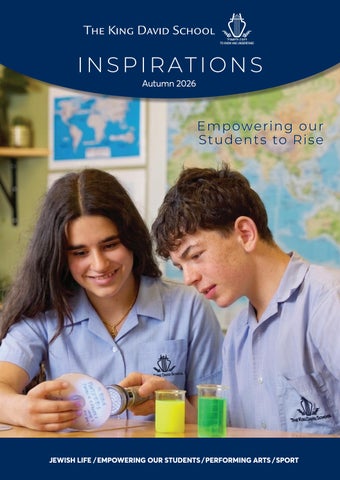
INSPIRATIONS
Autumn 2026
Empowering our Students to Rise


This magazine is printed on Sovereign Silk stock which is Acid Free, EMS, Element Chlorine Free and comes from Responsible Forestry Practices.
Autumn 2026
Empowering our Students to Rise
t is hard to believe Term 1 is already behind us. It feels like only yesterday that the school year started. From a school perspective, we have had an incredibly positive start to 2026, with all of our students settling in quickly and confidently.
A huge part of this success is due to our outstanding staff and their commitment to our students. On behalf of the whole school community, I sincerely thank them for their dedication and professionalism.
I am thrilled to share that in the last week of March, we successfully settled the purchase of the property at 511 Orrong Road. Expanding our campus has been a long-held strategic goal, and opportunities like this — with
a block of land contiguous to our existing campus — are truly rare. School Council immediately recognised this as a once-in-ageneration opportunity which gives us the chance to increase our footprint and create exciting new possibilities for generations of students to come.
Our long-term plans for the site and how it will be integrated into the School are still being developed. This process will include a review of our Masterplan and, importantly, consultation with a cross section of our stakeholders drawn from staff, parents, students and friends of the wider school community. Our goal is to ensure that this opportunity delivers maximum benefit and
aligns closely with our vision for exceptional education and facilities.
This exciting development sits perfectly with our RISE theme in that it will help us to provide even more opportunities for every student to reach their full potential.
With your ongoing support, we know this expansion will bring lasting benefits to our students for many years ahead. Together, we are building an even brighter future for our school.
Va’adat RUACH (School Spirit)
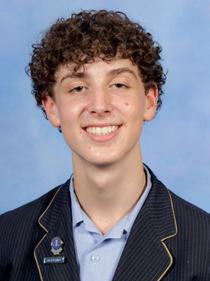
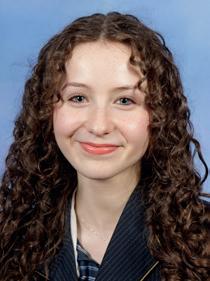
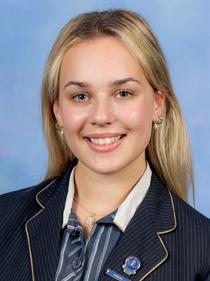
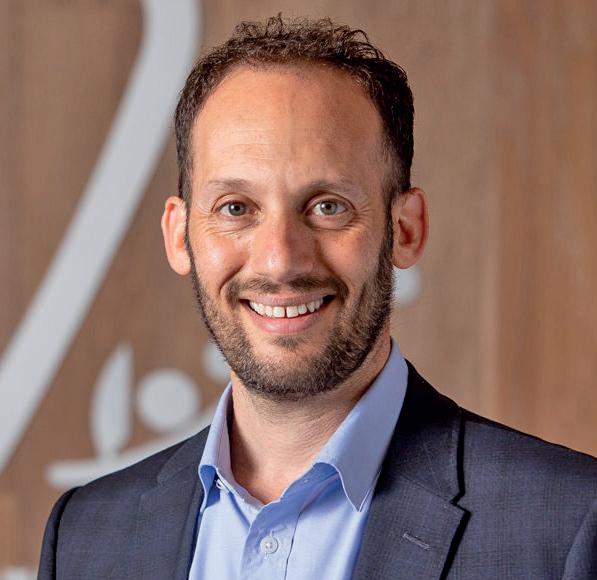
t King David, we believe every student deserves to reach their full potential, which is why we’ve built a culture that prioritizes personalized challenge.
Through differentiated learning, students are provided learning opportunities which are purposefully designed to extend an appropriate level of challenge. By offering specialised enrichment and extension programs we keep our students deeply engaged and intellectually curious.
I am particularly proud of our recently launched RISE program in the Middle School. Specifically designed for high-potential learners, RISE creates a rigorous space for students to test bold
ideas, take significant intellectual risks, and engage in robust, highlevel discussion.
Our educational focus is to provide the scaffolding for students to soar, ensuring they
are consistently challenged, supported, and inspired to achieve their personal best.
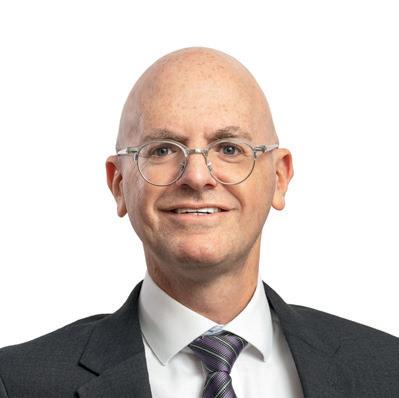
Marc Light Principal
Va’adat TIKKUN OLAM (Social Justice)
YAHADUT (Jewish
LIFE & LEARNING
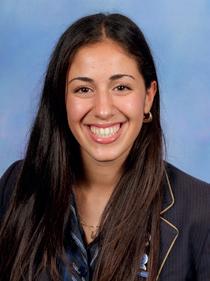
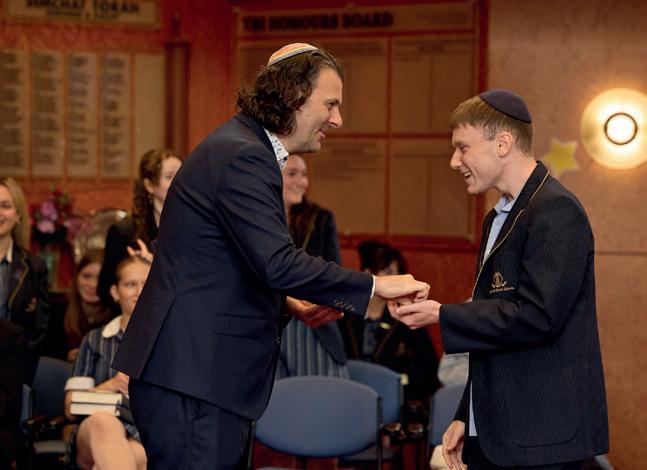
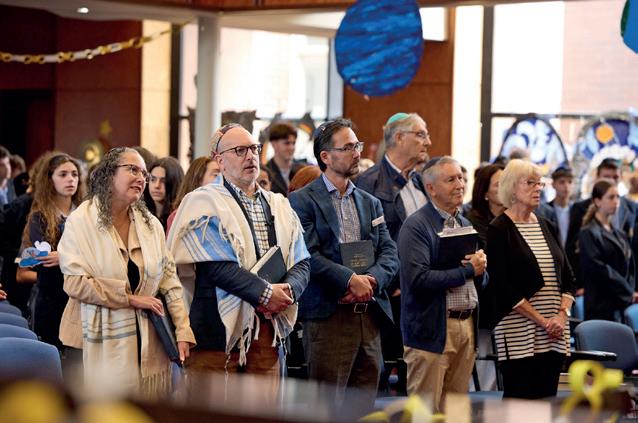
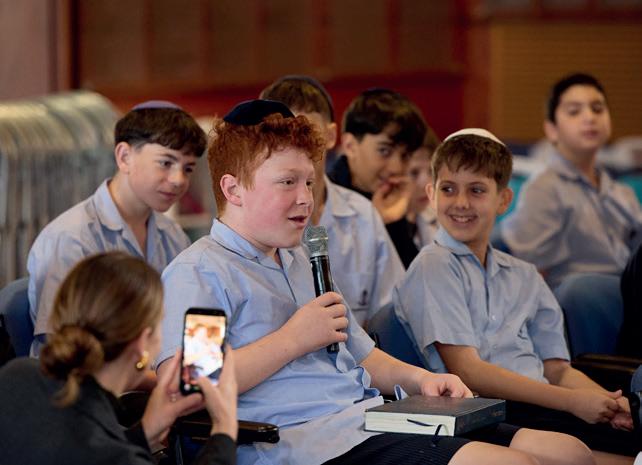
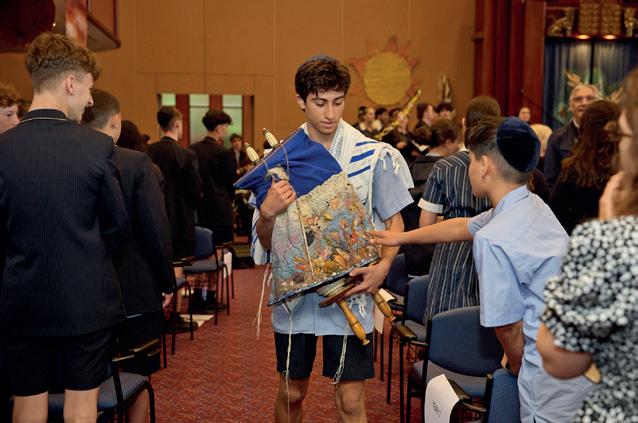
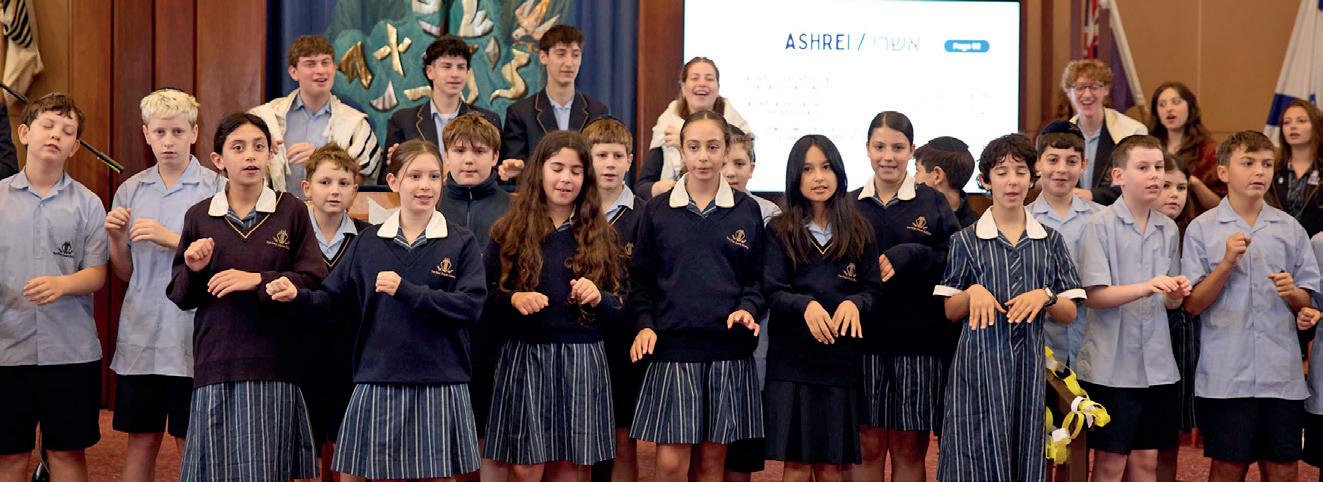
Our 2026 Back to School Service was truly out of this world! To launch the new school year, our Va’adat Yahadut (Year 12 Jewish Life) leaders and Jewish Experiential team took Years 6–12 on a cosmic journey of reflection and purpose.
Principal Marc Light set the trajectory with a space-themed address, urging us not to take our place in the vast universe for granted. His message was clear: use this year to orbit toward the best version of ourselves.
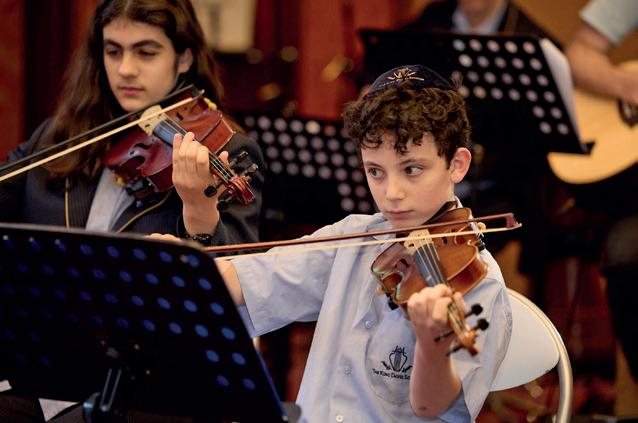
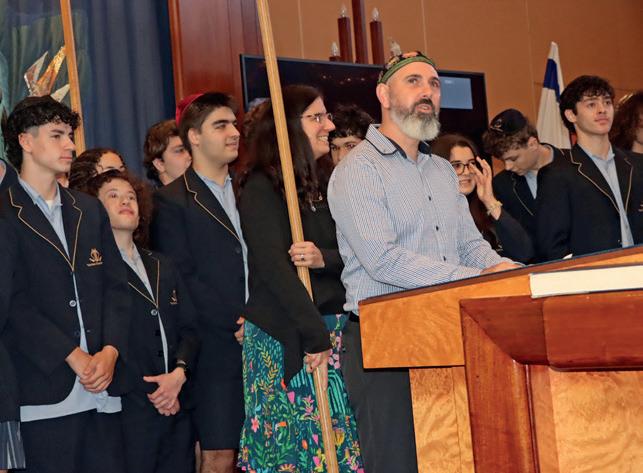
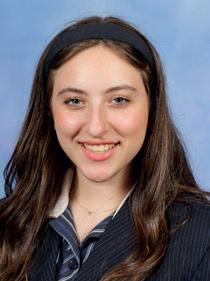
This call to intentionality was echoed by Ami M (Year 12), who shared how her Jewish identity is anchored in action and caring for others.
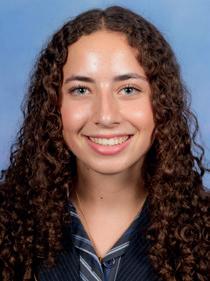
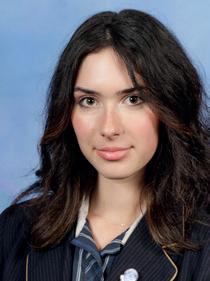
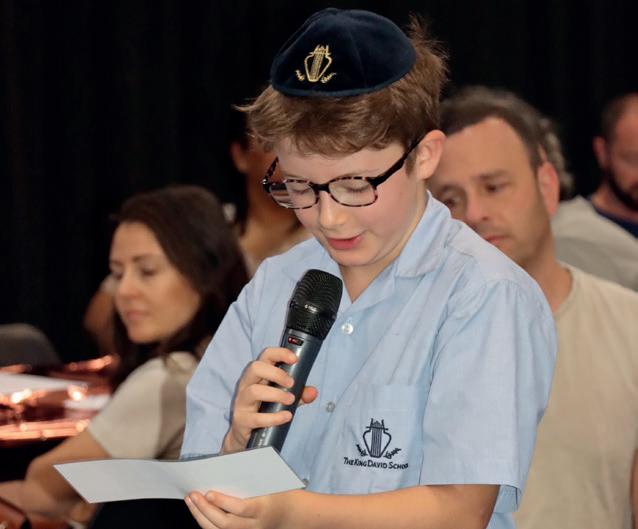
The atmosphere was electric as the community celebrated Mimi L (Year 12), who was called to the Torah for her Bat Mitzvah. Mazal Tov, Mimi! To ground our celestial theme in ancient wisdom, Eden C-B (Year 12) delivered a powerful drash on Parashat Mishpatim, exploring the vital link between “doing” and “learning”.
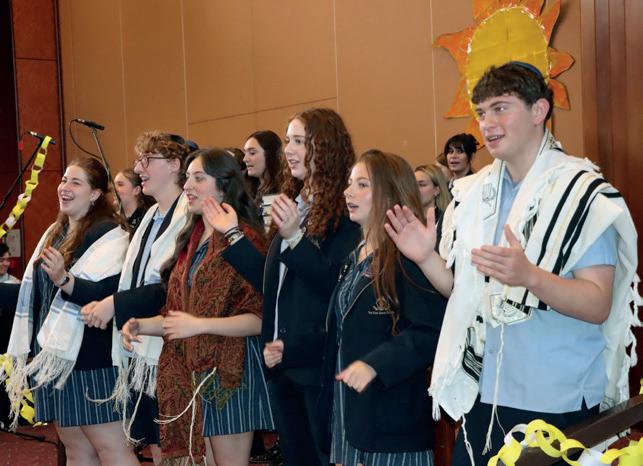
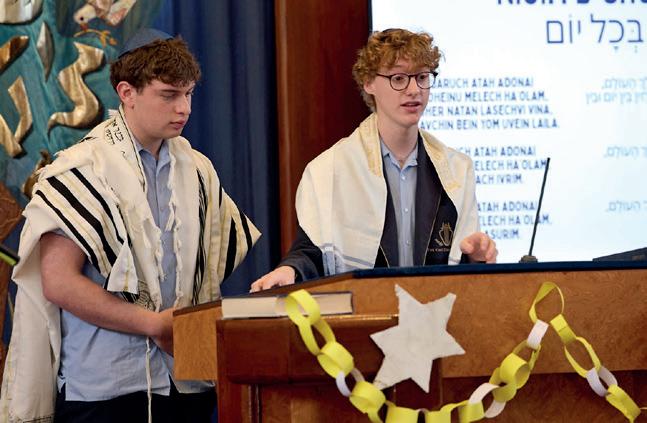
It was more than just a ceremony; it was a meaningful lift-off for the year ahead. With our values as our compass, 5786 is looking bright.
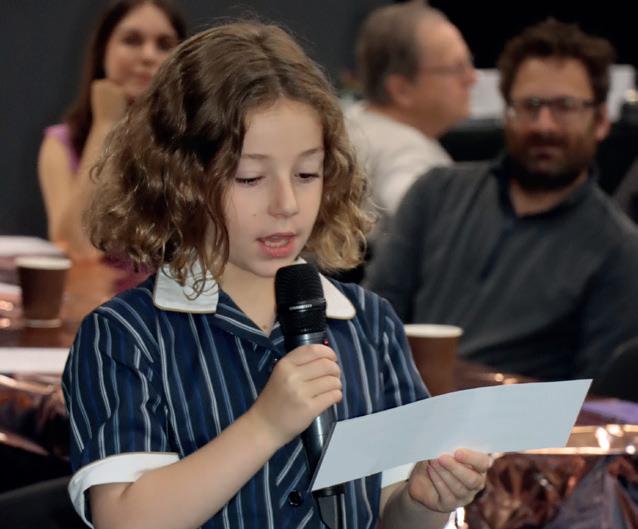
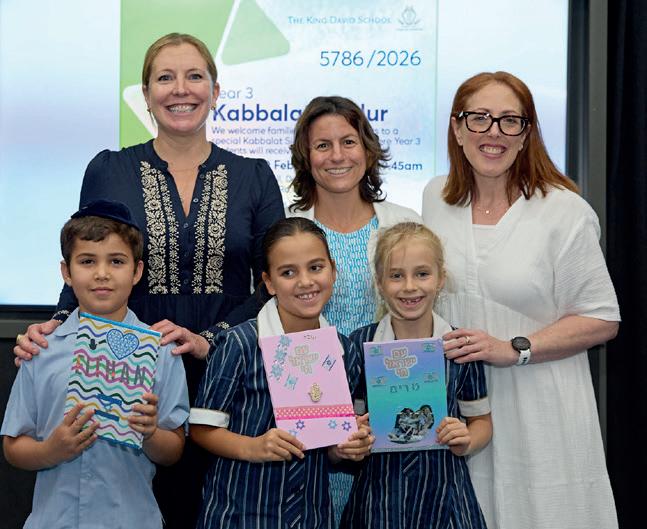
Year 3 students participated in a truly special and meaningful Kabbalat Siddur ceremony, celebrating an important milestone in their Jewish learning journey. With pride and excitement, each child received their Years 3-5 siddur, symbolising their growing connection to prayer and Judaism. Through t’filah, we were reminded that prayer connects us to ourselves, to one another, and to God. It was a joyful and reflective moment that brought students and their families together in shared purpose and spirit.
Rachel Ben - Atar Jewish Studies Teacher
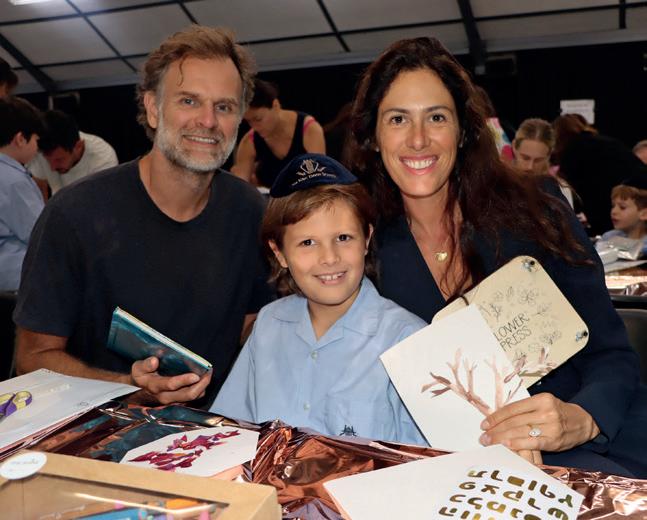
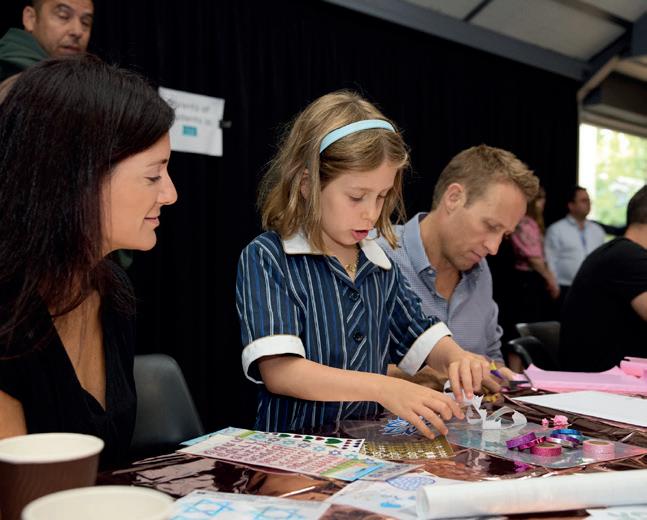
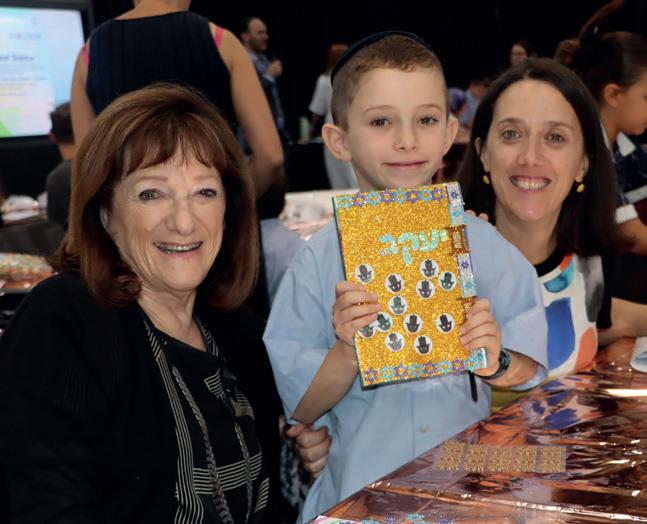
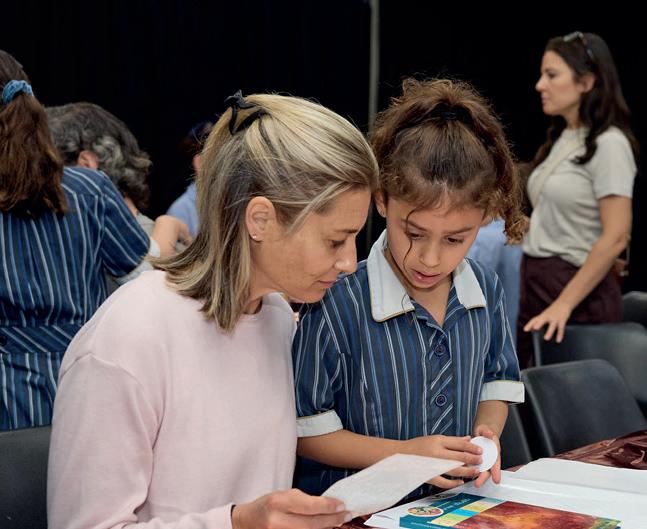
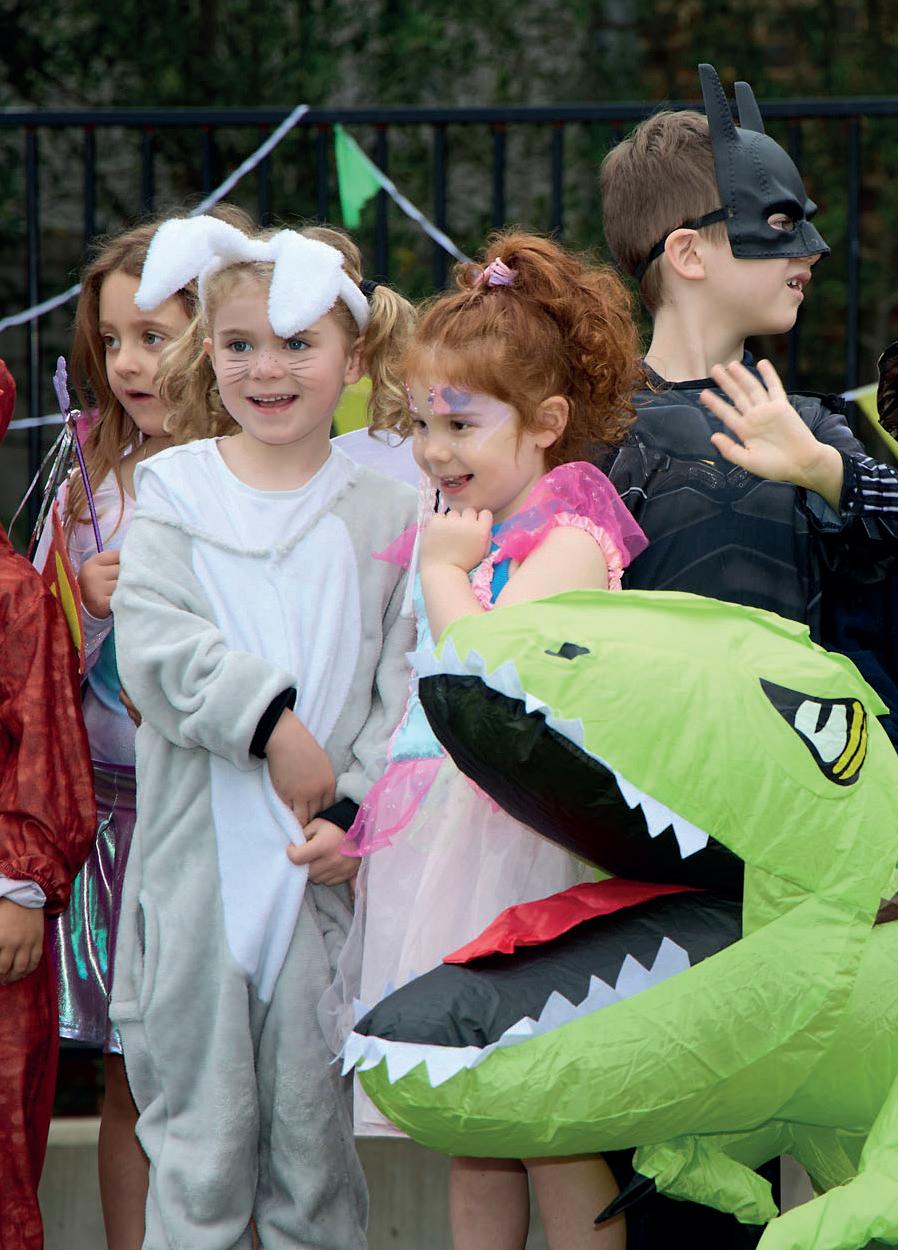
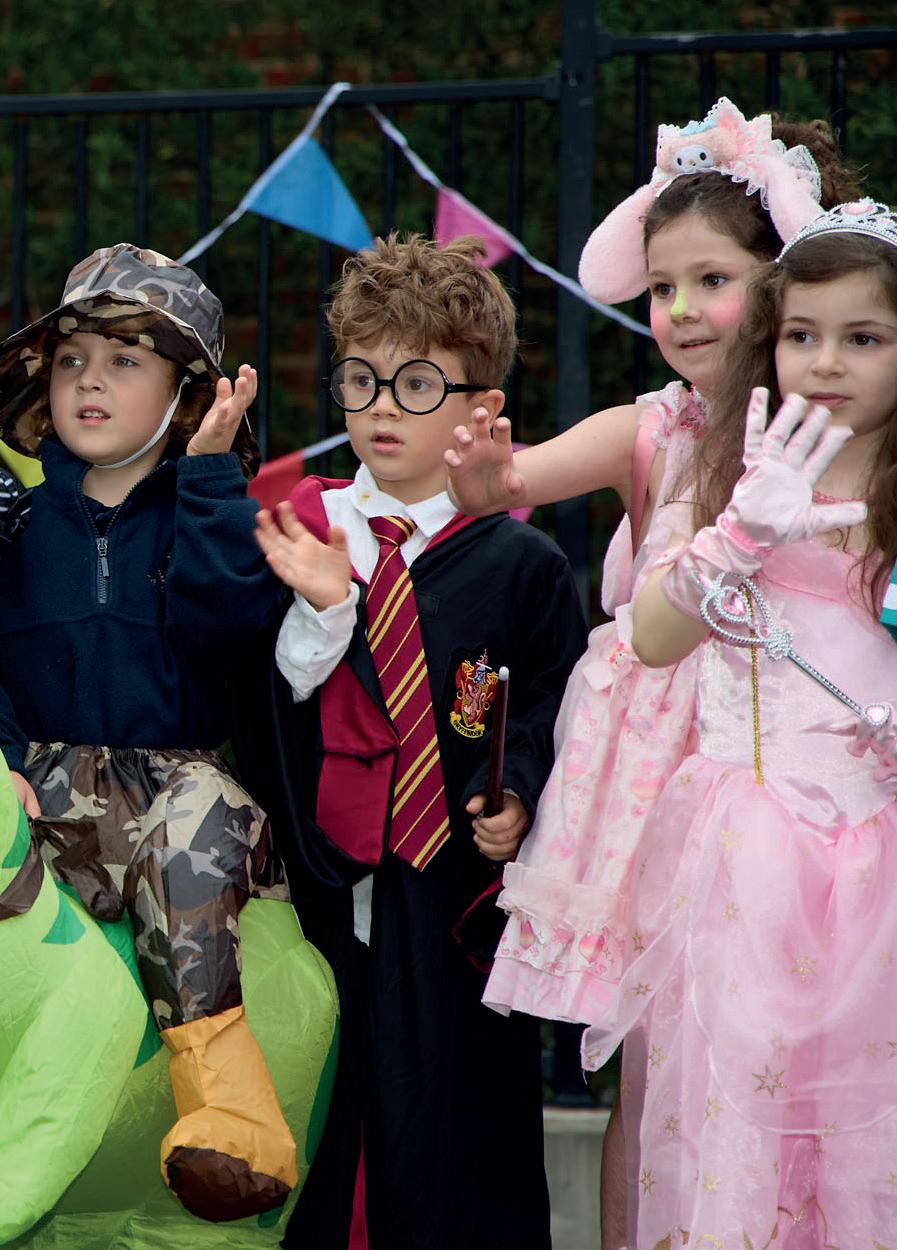
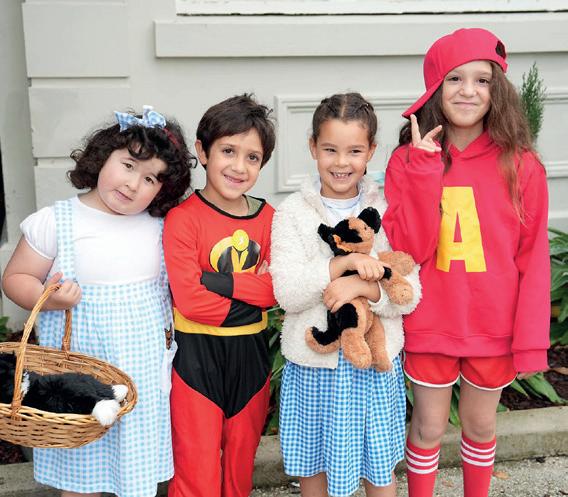
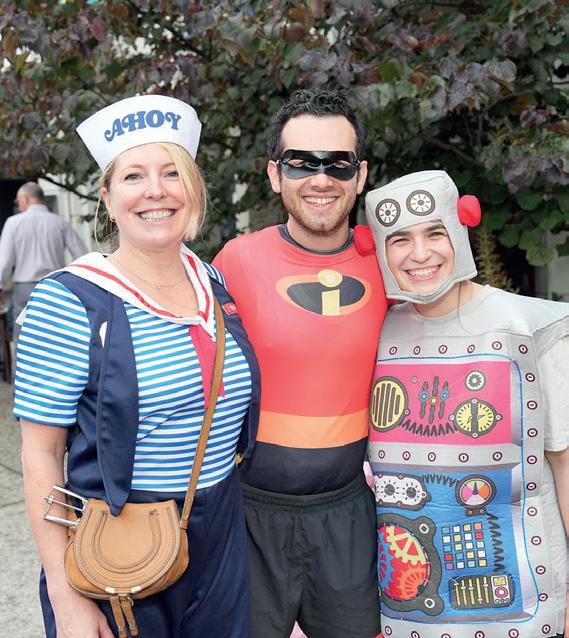
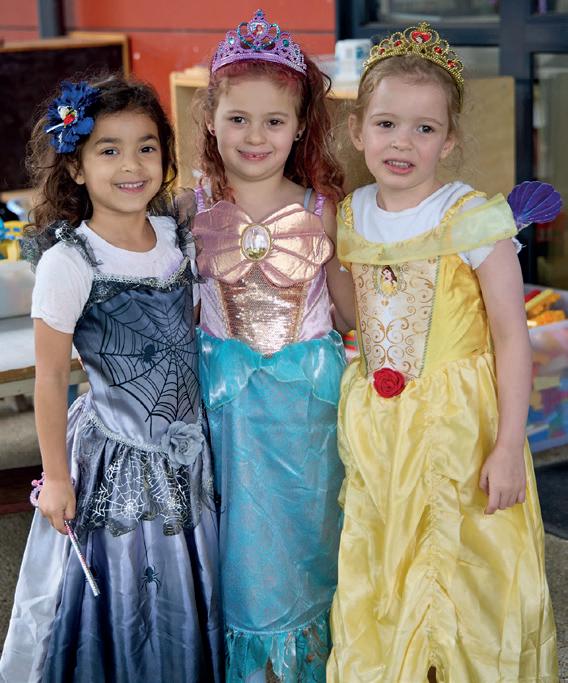
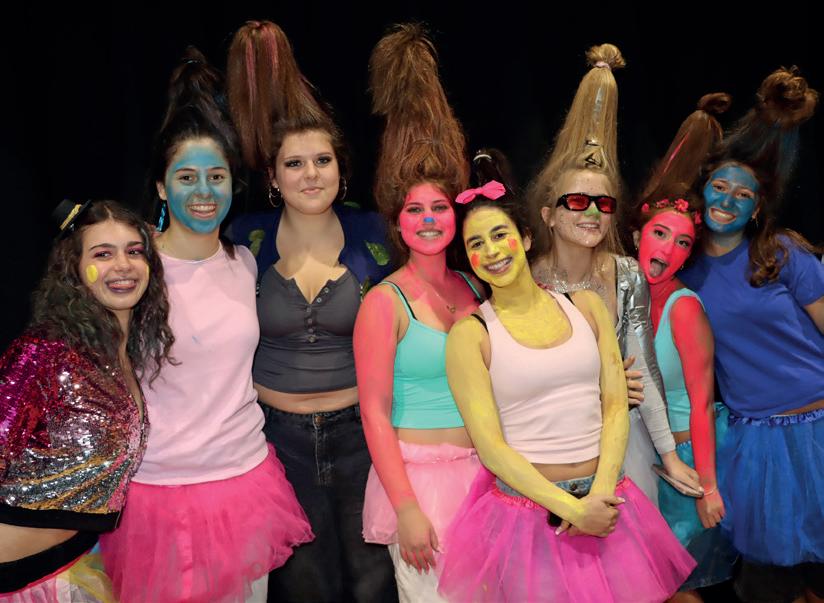
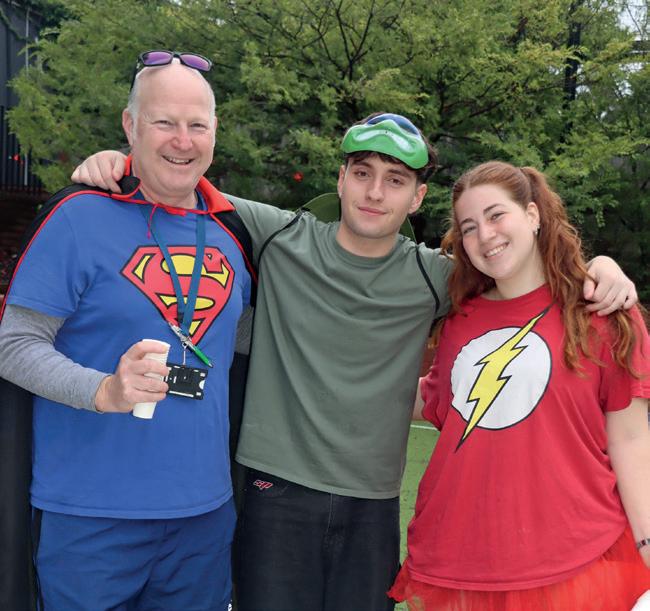
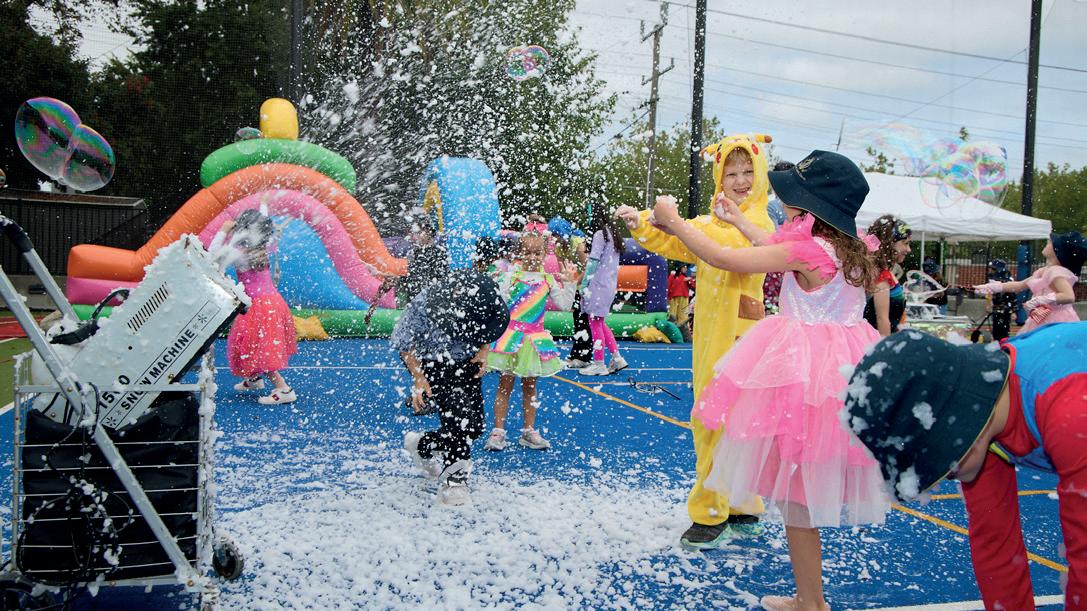
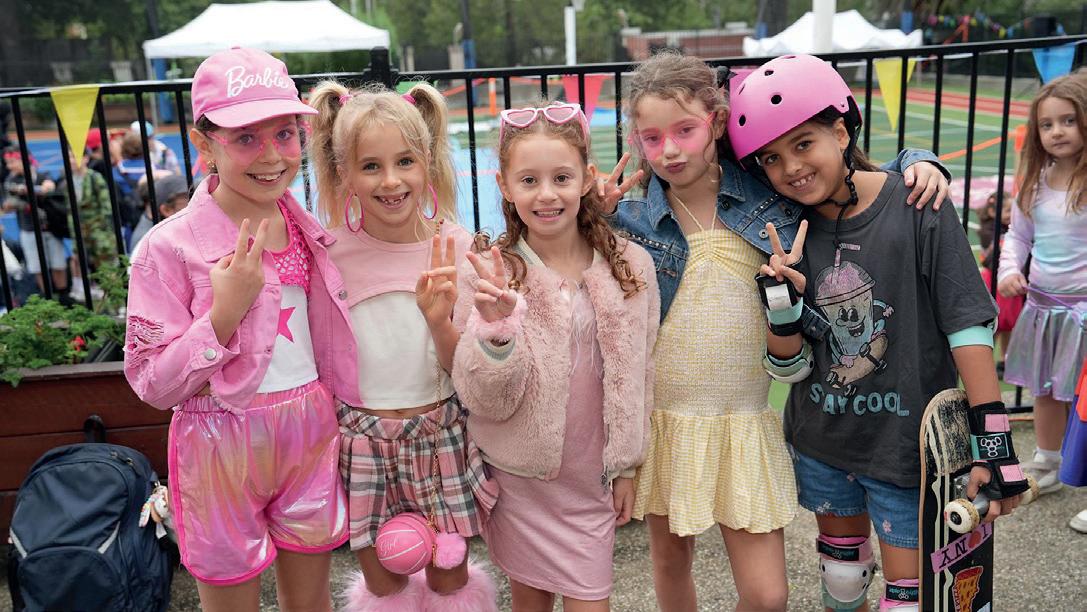
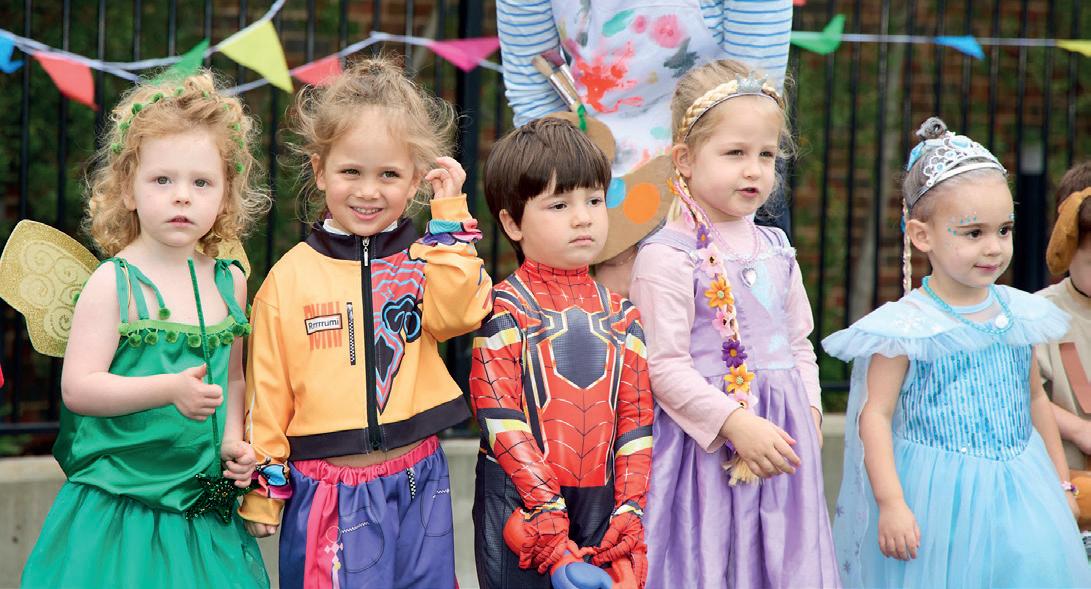
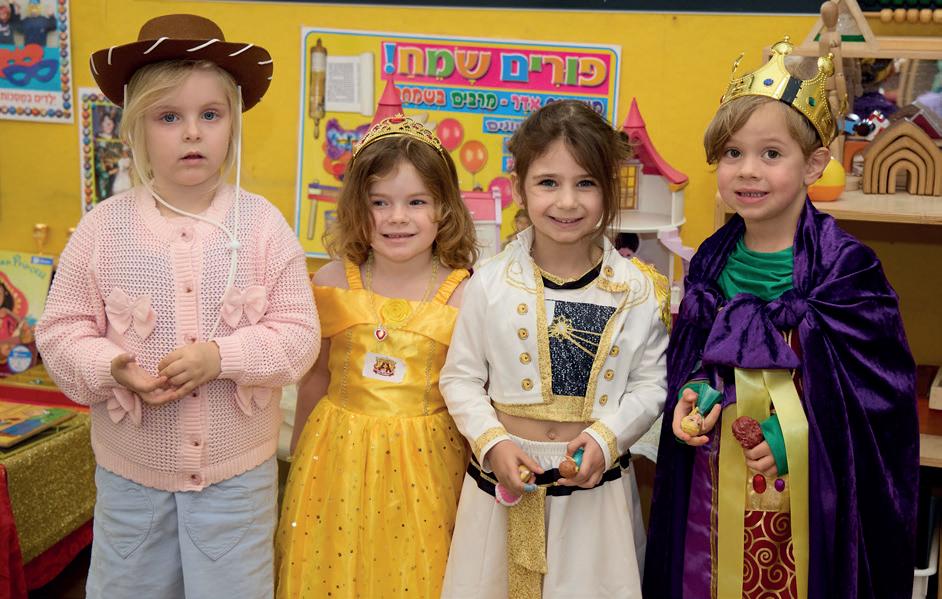
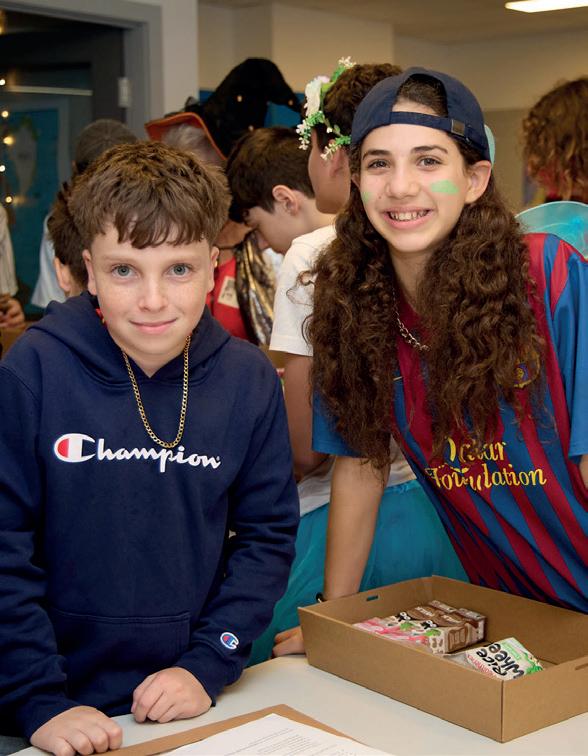
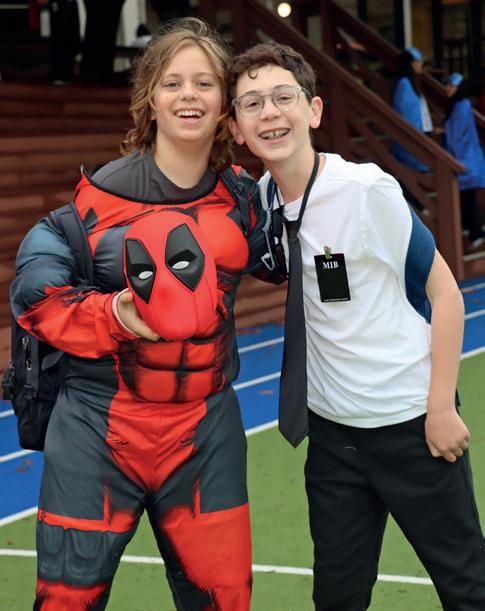
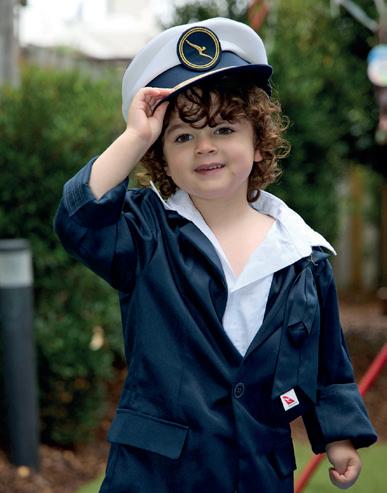
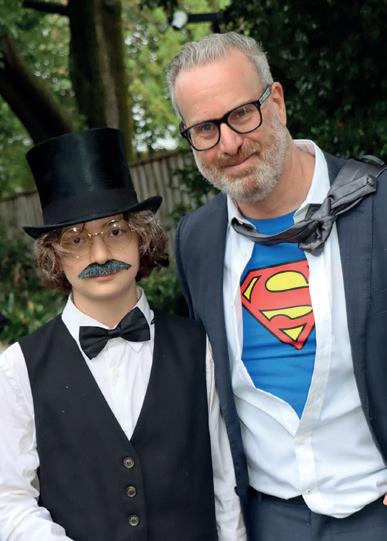
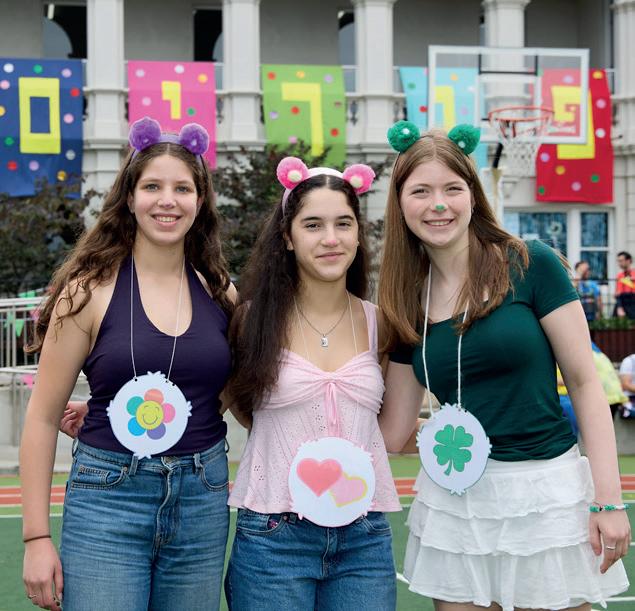
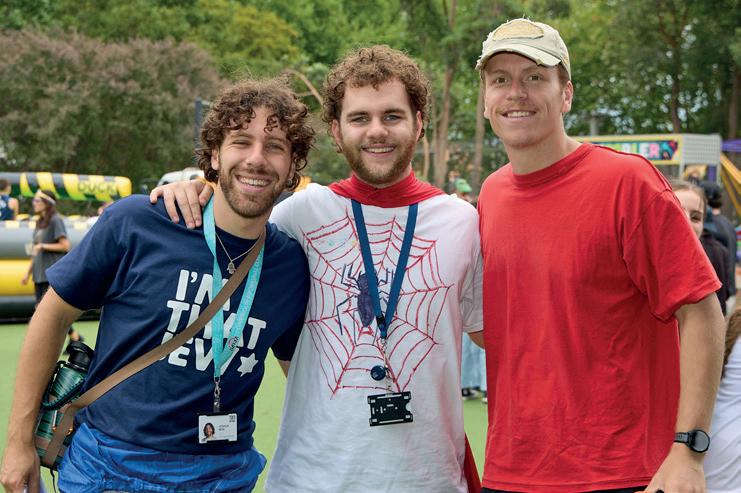
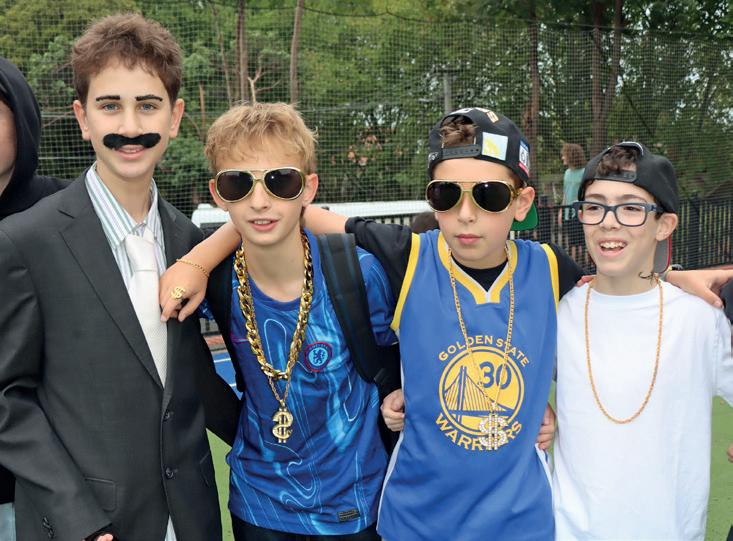
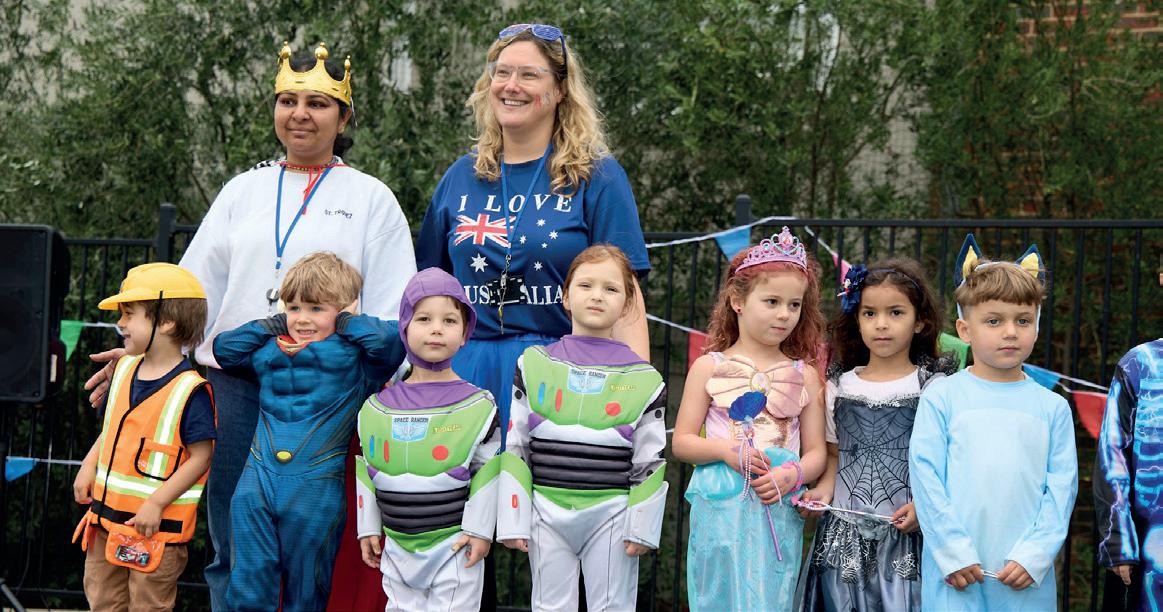
Purim 5786 at King David was a high-energy celebration across all campuses. Staff and students embraced the festive atmosphere with creative costumes, based on “Alphabet Soup” (DRC) and “Superheroes” (Magid) themes. ELC and Junior School students participated in a magic show, made ra’ashanim (noisemakers) and oznei haman (hamantaschen) and enjoyed a fair on the oval supported by Year 10 leaders.

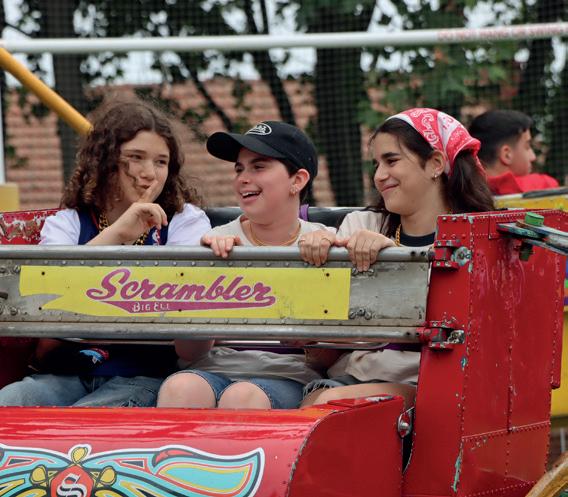
At the Magid Campus, Years 6–12 watched the traditional Year 12 Purim dance and joined games organized by the Hanhagah. Activities ranged from “Purim Science” to carnival rides and a poke bowl seudah (feast). Central to the celebrations was the mitzvah of Matanot L’Evyonim (gifts for the needy). Year 7 students packed lunch boxes for children in need, and the school collected donations for Mazon Australia.
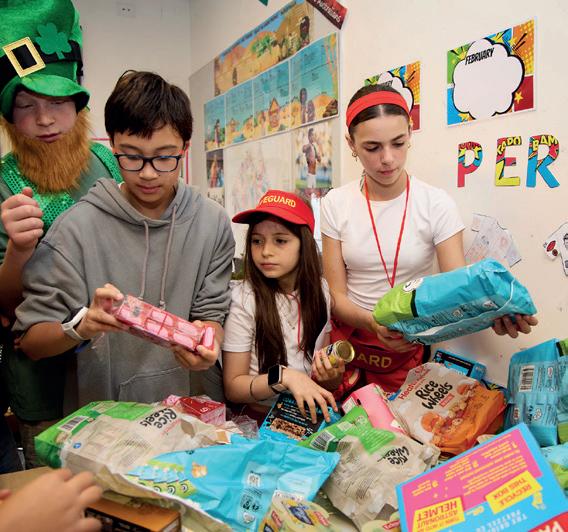
From the morning M’gillah readings to the afternoon festivities, the day successfully balanced holiday fun with a meaningful commitment to communal responsibility.
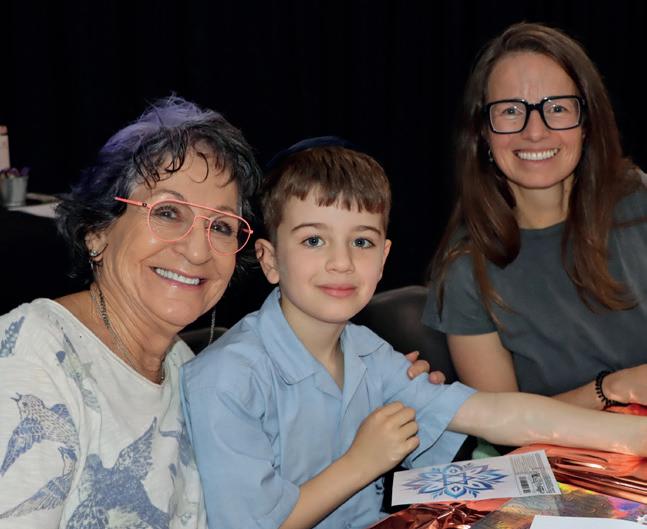
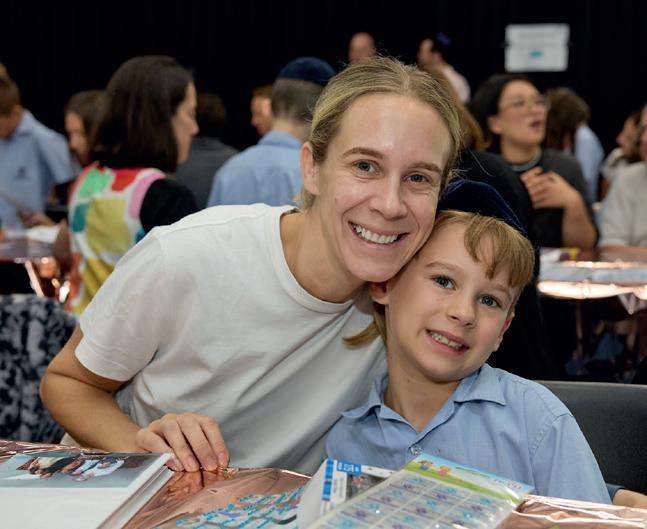
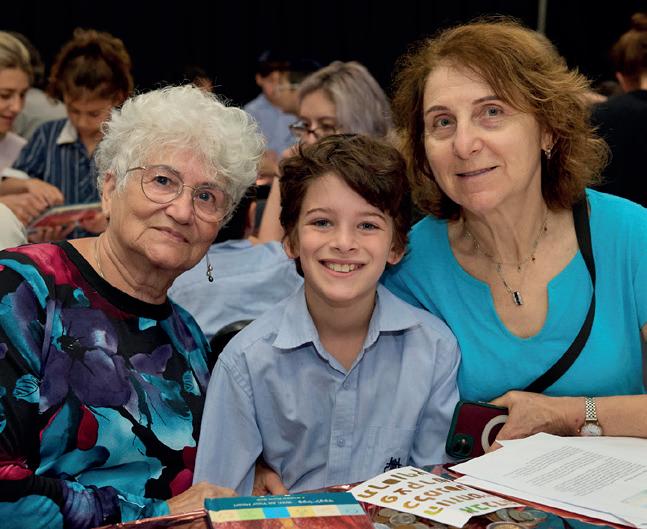
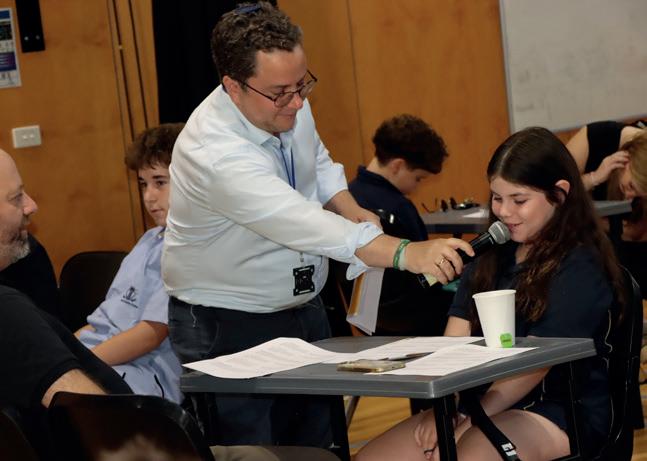
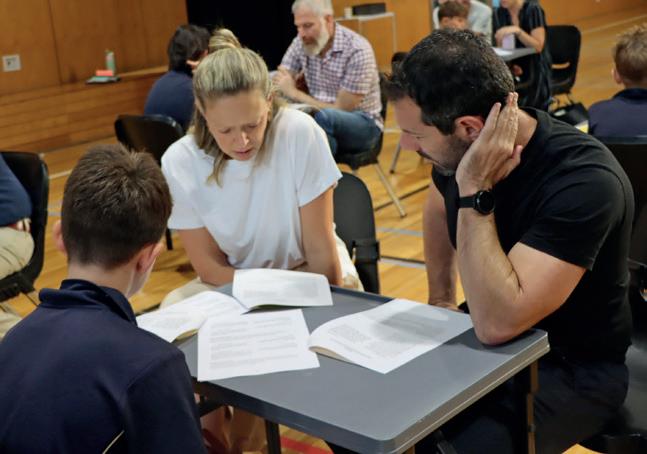
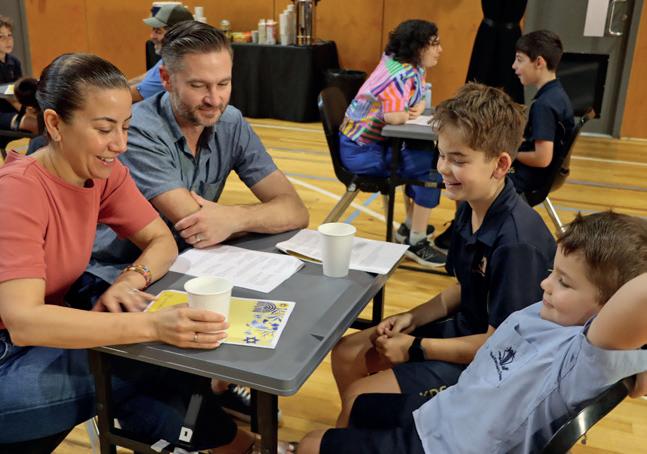
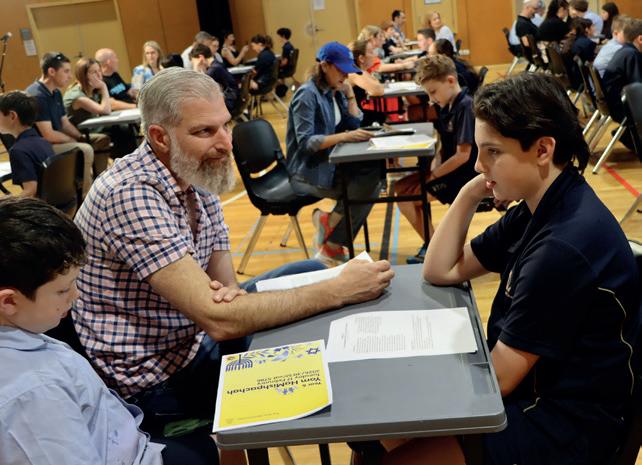
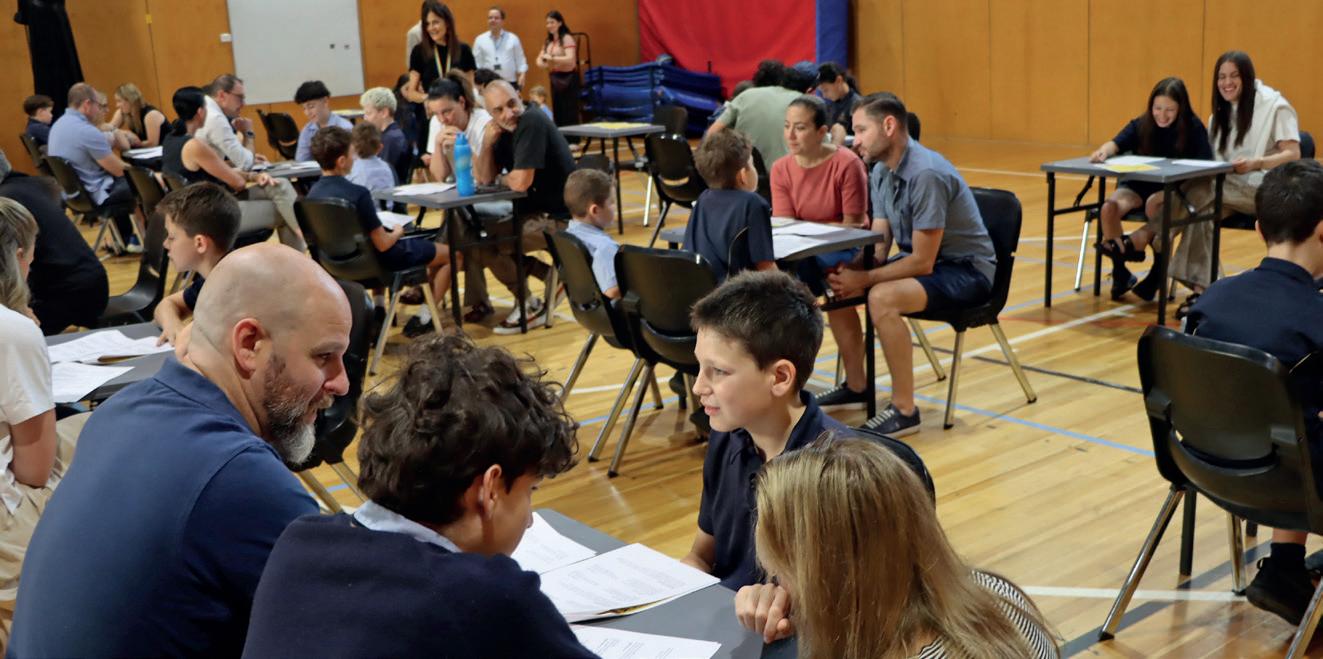
Year 6 students and their parents joined together for our second Year 6 Yom HaMishpachah (Family Day) event. Yom HaMishpachah, which falls on the 30th day of the Hebrew month of Sh’vat, marks the anniversary of the death of Henrietta Szold, who died on this day 81 years ago. In the 1990s, Yom HaMishpachah was instituted in Israel - a day to celebrate all families and to bring them closer together through activities.
Szold was an American Jew whose father was the Rabbi of one of the oldest Reform congregations in the world.
She was the founder of Hadassah, a Jewish women’s volunteer organisation, which supported tipat chalav (well-baby clinics), Hadassah hospitals and the Youth Aliyah program. Even though Szold herself did not have
children, because of her amazing contribution to children across Israel, she is known as “the Mother of all Children”.
We honoured Szold’s legacy by bringing our families closer together through engaging in limmud - learning Jewish texts together. Students and their parents learned Pirkei Avot, which deals with how to live ethically
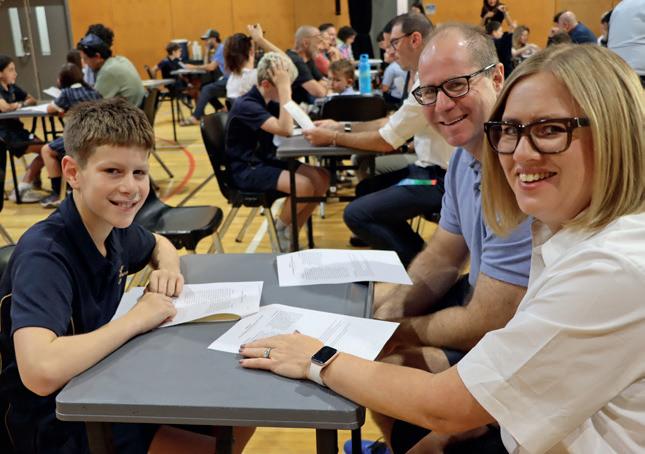
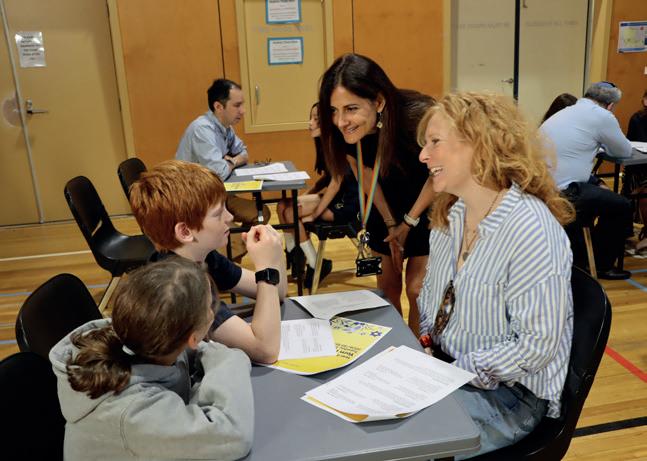
and with some big philosophical questions of life, and discussed and debated some key questions together.
Thank you to all the families who joined us for this morning of learning.
Ilan Bloch Director of Jewish Life and Learning
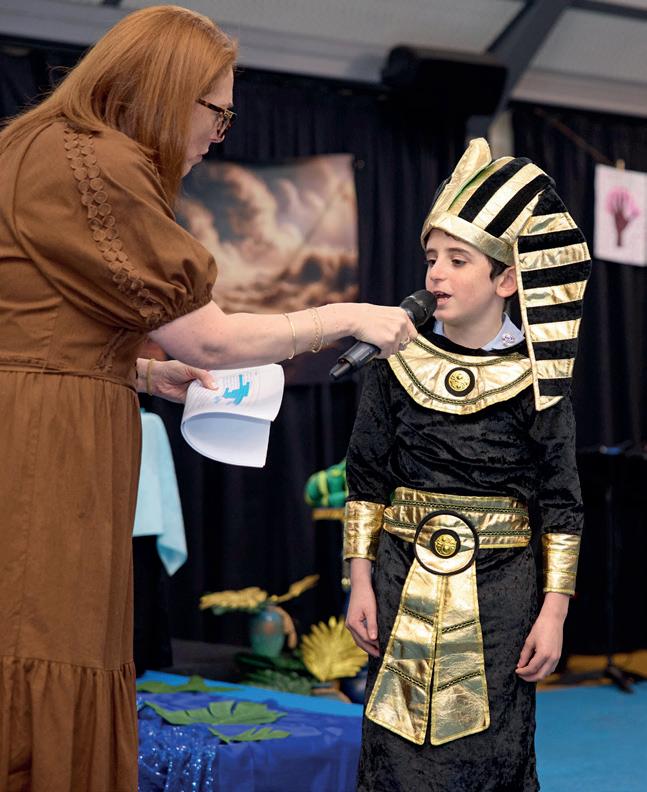
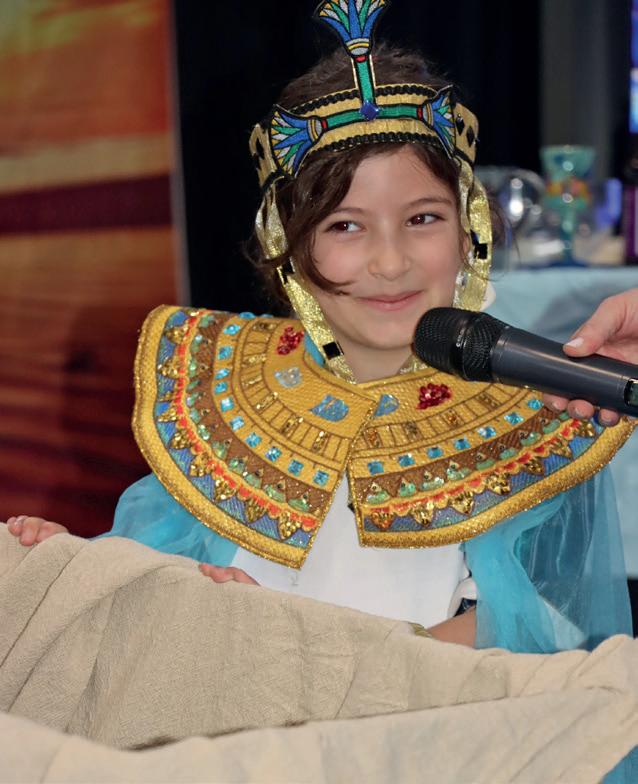
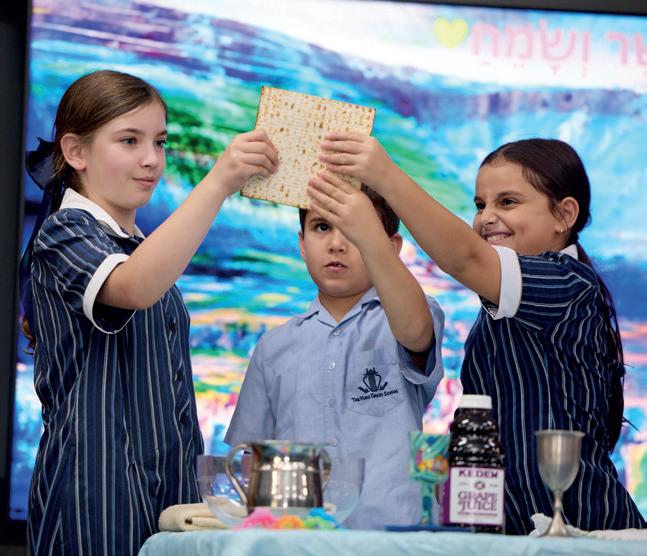
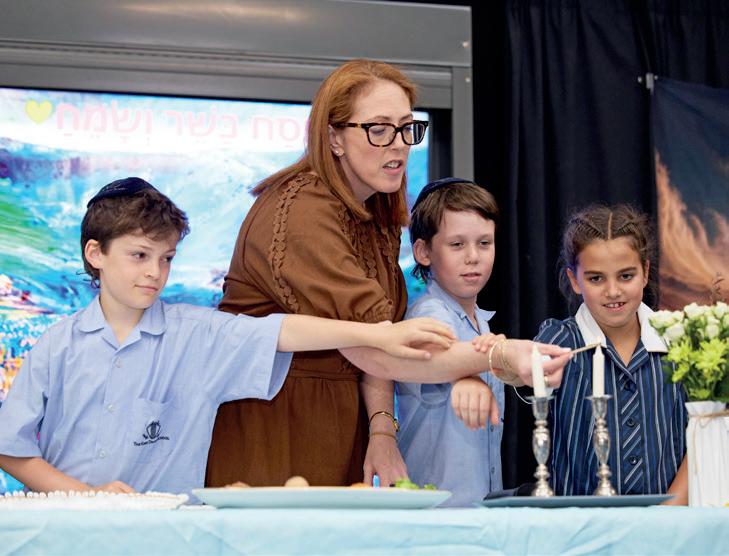
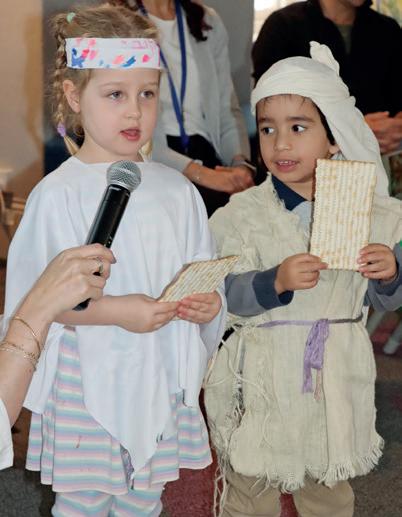
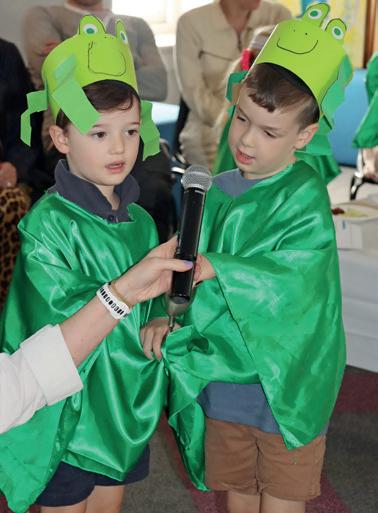
Our Junior School was filled with frogs, Pharoahs and matzah as Prep to Year 5 students engaged in Pesach s’darim. Students remembered the fifteen steps of the Seder with a special melody (‘Kadesh Urchatz’), enacted the story of Pesach through costume, songs and props and much more!
Prep - Year 2 students shared their s’darim with family members
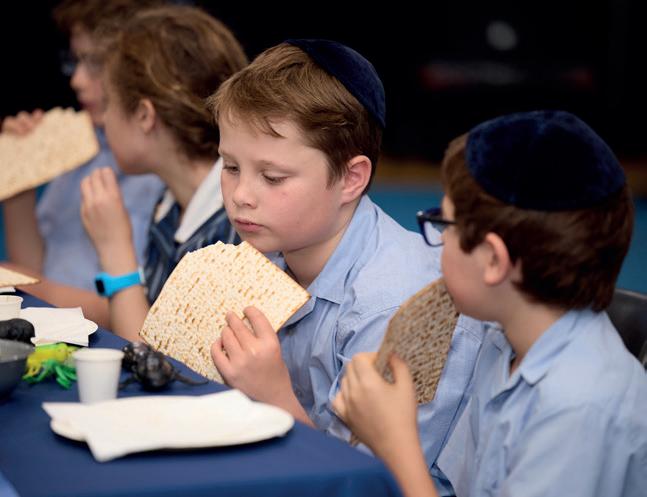
and friends, while the Years 3 - 5 students delighted in sharing the tradition with each other.
Thank you to our wonderful Jewish Life and Learning team for ensuring a meaningful and celebratory learning experience for our students.
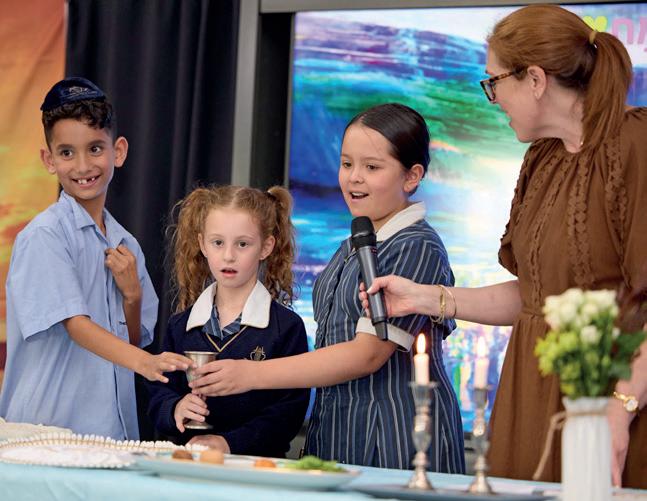
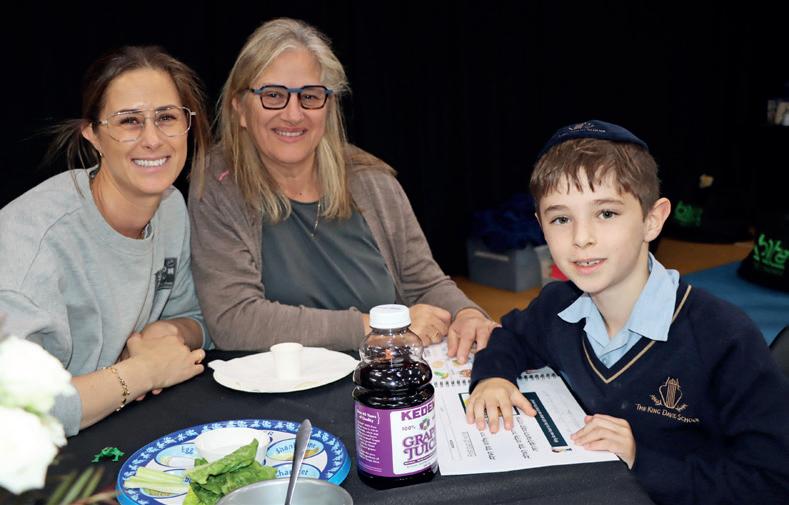
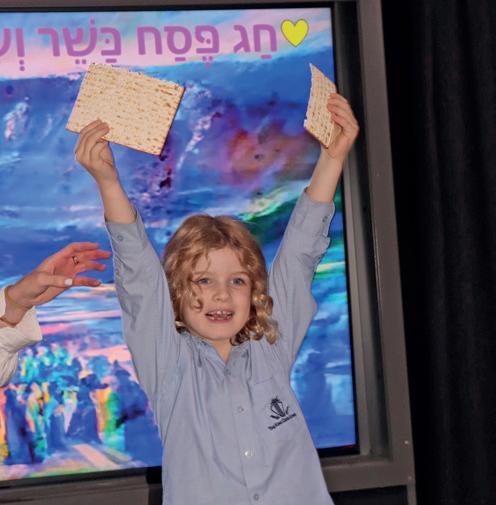
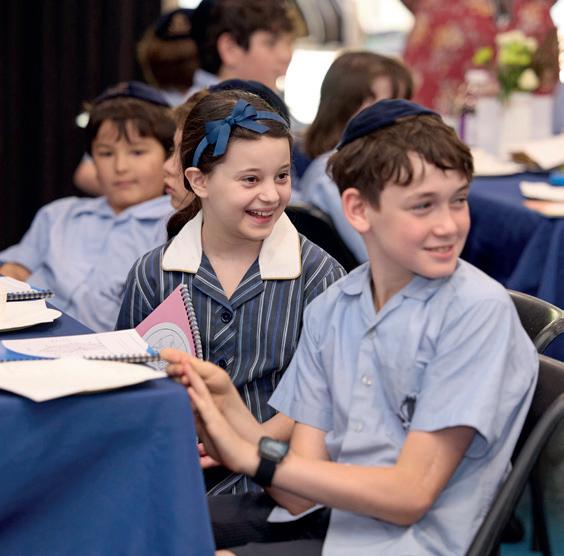
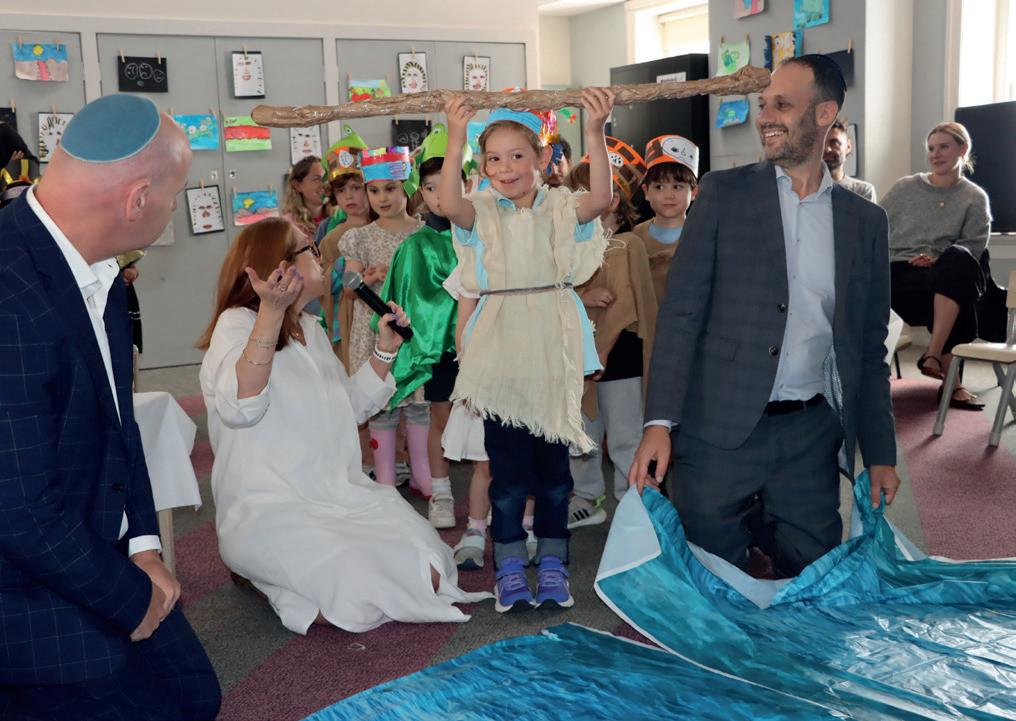
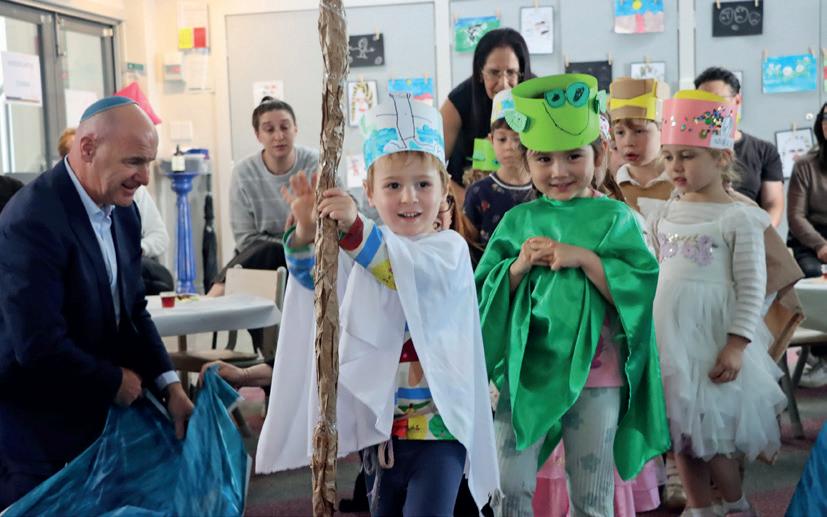
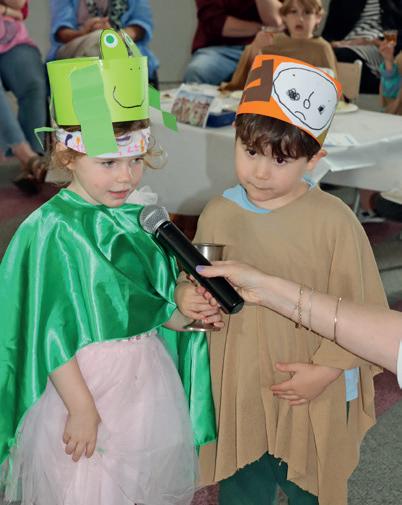
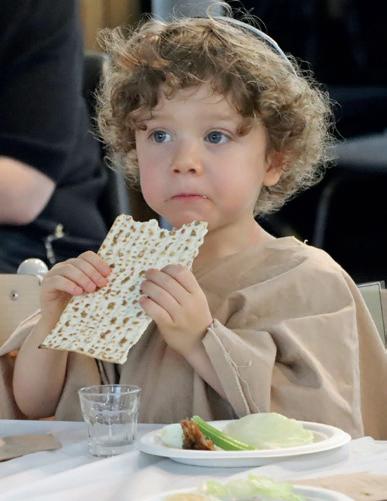
Our Junior and Senior Kinder children didn’t just learn about the Exodus–they lived it! In a whirlwind of frogs, Pharaohs, and baby Moshe, students celebrated their learning with spirited model s’darim at the end of Term 1.
They also engaged in Pesach-themed arts and crafts, creating beautiful pieces, including the artwork for their Haggadah and singing Pesach songs while acting out the story of Pesach.
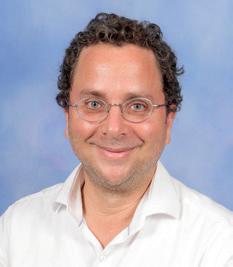
ewish tradition embraces universal education. “Yehoshua ben Gamla came and instituted an ordinance that teachers of children should be established in each and every province and in each and every town, and they would bring the children in to learn at the age of six and at the age of seven” (Bava Batra 21a). Notwithstanding the importance of education for all, our Jewish heritage also recognises the importance of differentiation.
Our Sages teach us that “the secrets of the Torah are only transmitted to someone who possesses five qualities” (Chagigah 13a). One should not think that the Rabbis are suggesting that Jewish education should be the privilege of just a few but rather that advanced learning opportunities should be reserved for those who can perform deductive reasoning and can convincingly convey the essence of their arguments.
Specifically, the Rabbis discuss merkava (chariot, or throne) mysticism (a predecessor to Kabbalah mysticism) and warn that “one may not teach the (Divine) Chariot to one, unless that student is wise and understands on their own” (Chagigah 11b). The Rabbis teach that certain topics are intended for study by those who can grasp complex concepts without too much mediation and can extrapolate based on solid prior knowledge, and can therefore move beyond the standard curriculum. The student with intuitive insight can grapple with the incredibly difficult - one might even say “messy” - content.
Our tradition also teaches that “a person can learn Torah only from a place that their heart desires” (Avodah Zarah 19a). Even though the Rabbis are speaking here more about motivation than ability, they teach us that not every student needs to be in the same stream, but that all should be given opportunities to thrive intellectually to the best of their ability.
Ilan Bloch Director of Jewish Life and Learning
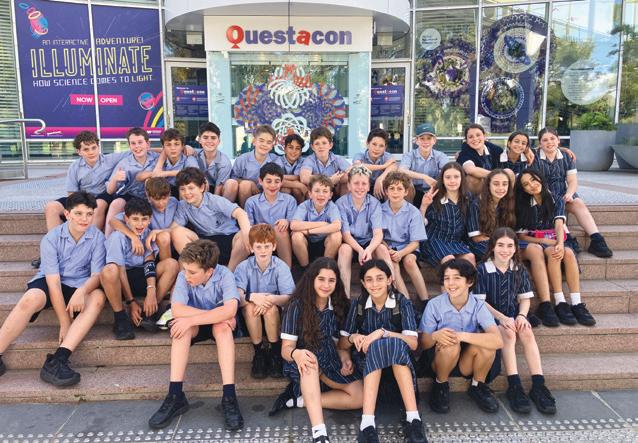
Our Year 6 students had a truly transformative journey of discovery and friendship on their trip to Canberra. The cohort bonded strongly as they experienced history, science and a few high-profile surprises!
During the tour of Government House, the Governor General made a surprise appearance to greet the group! She fielded questions, giving our students a rare and personal insight into her role.
The civic lessons continued at Parliament House, where students were treated to visits from Dr. Monique Ryan MP and Mark Dreyfus MP.
Between these political deepdives, the students also visited: Questacon, the War Memorial & Old Parliament House, the Mint and the National Museum and Gallery.
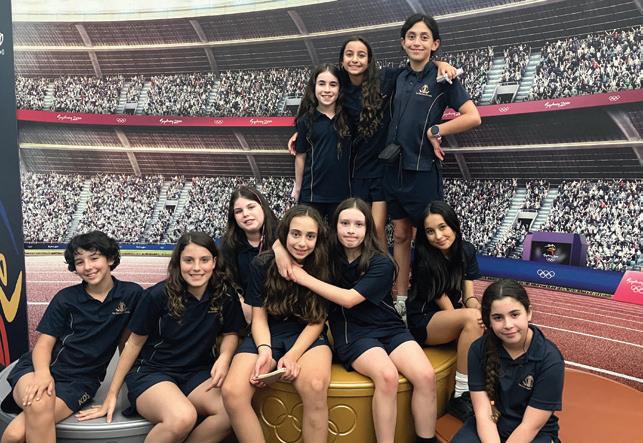
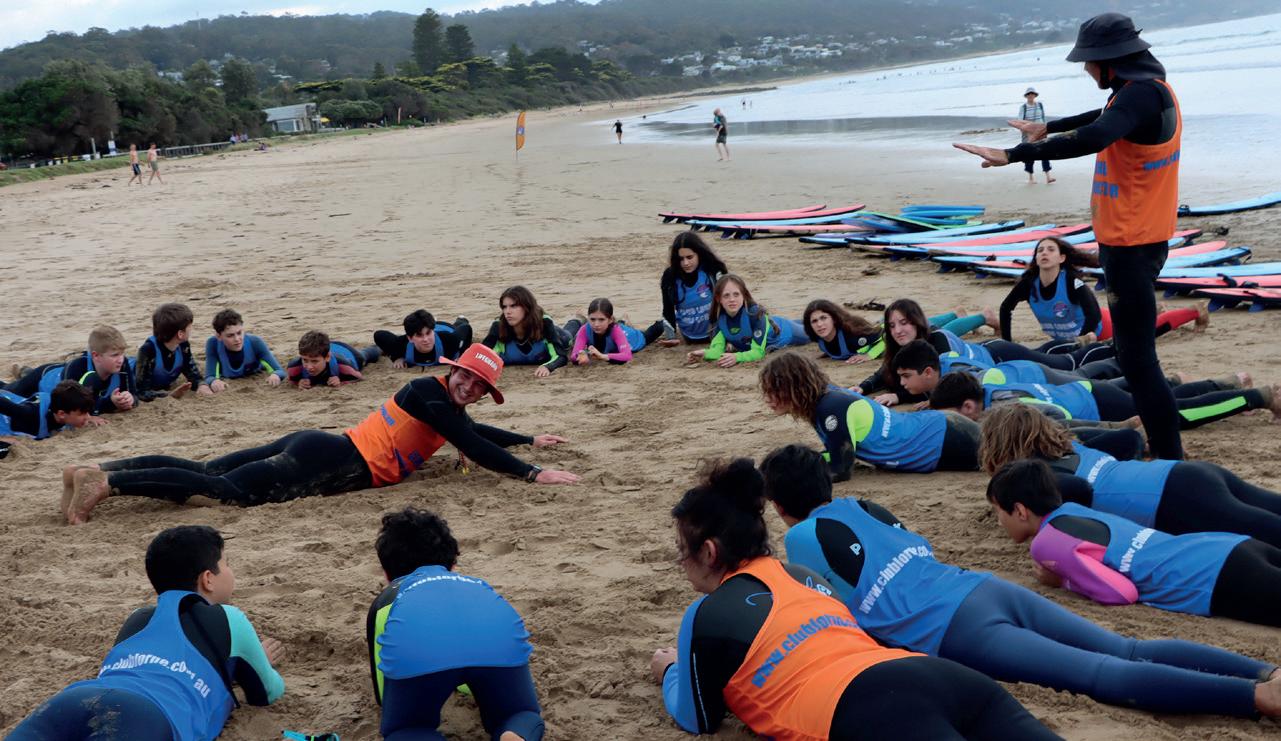
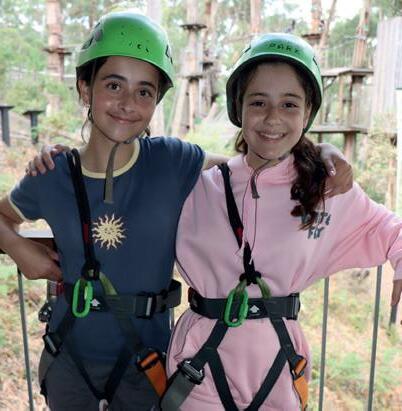
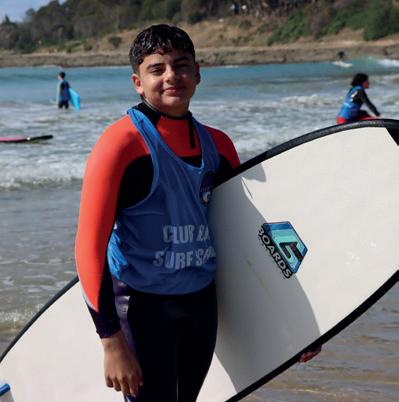
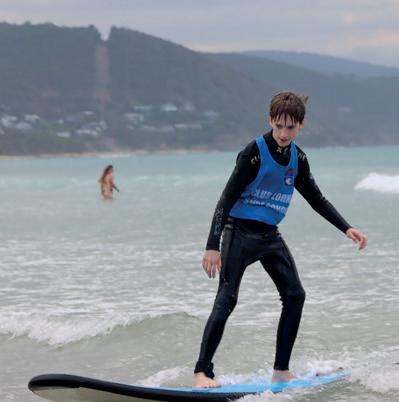
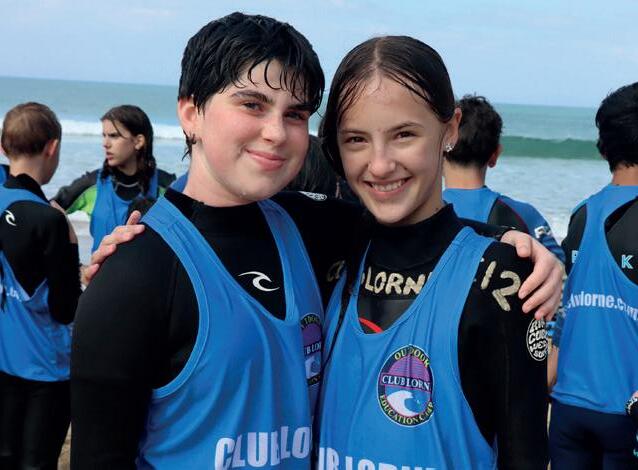
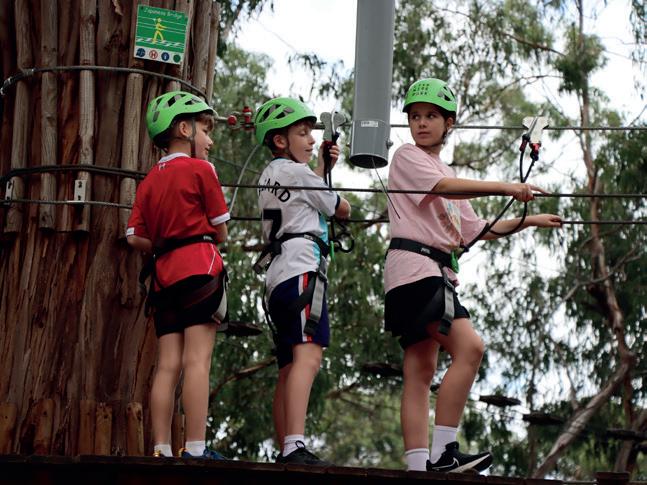
Our Year 7s stepped outside their comfort zones while still having lots of fun on their camp adventure.
This full and varied outdoor education program included morning yoga, walks along the beach, surfing, bodyboarding, a lifesaving session, a high ropes experience and beach games.
The best part? Seeing everyone step up, support one another and find out just how brave they really are.
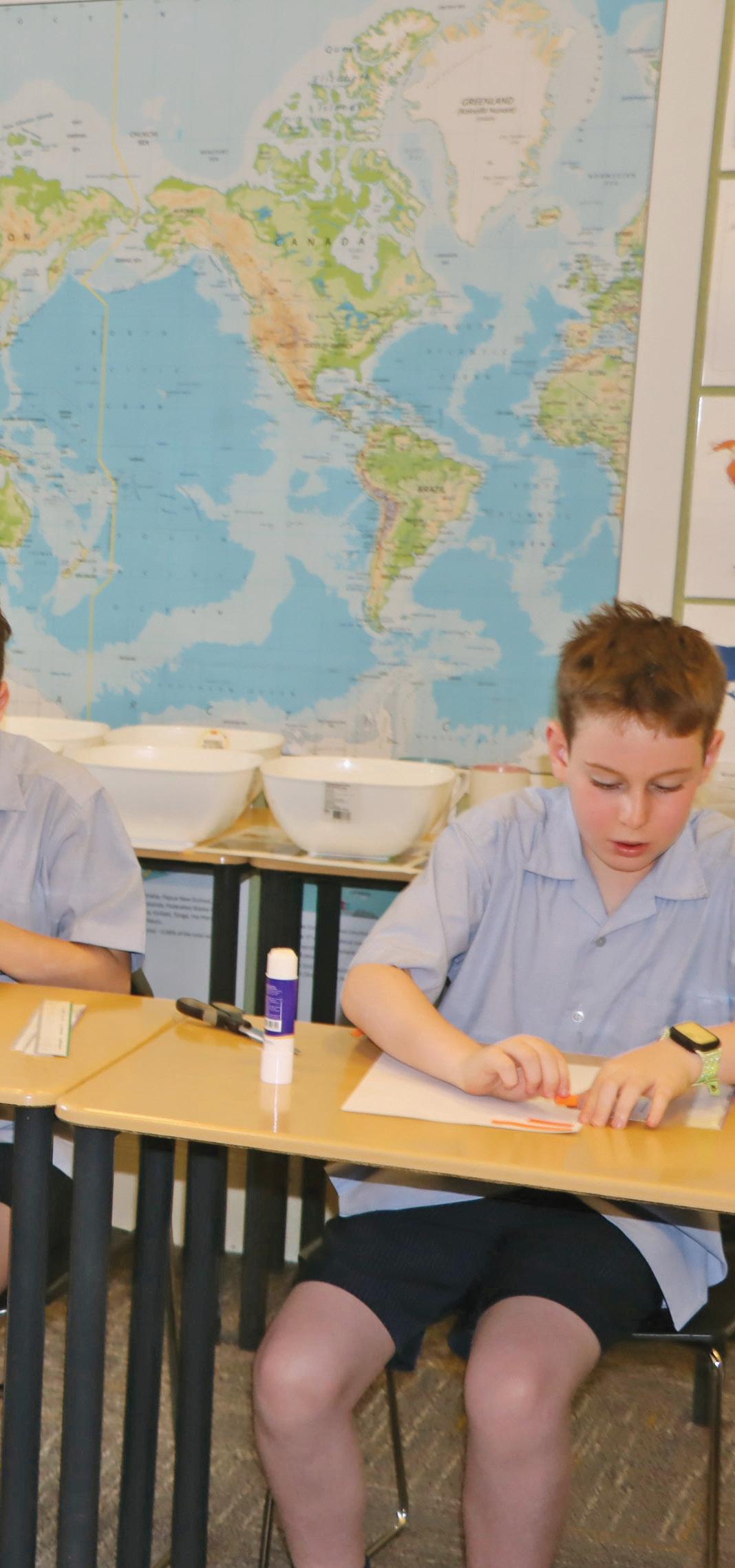
Designing an exhibit to showcase Renaissance art, debating whether a gecko would stick to a shark, discussing the workings of the United Nations and exploring the status of women in the Victorian era are just a few of the topics happening in our programs for high potential students throughout our school.
Vice-Principal Teaching and Learning, Russell Kaplan, explains that in the classroom there is an expected gap of approximately 12 to 18 months between students at either end of the learning spectrum. A student in Year 5 could be reading at a mid Year 4 level or at a mid Year 6 level, for example. This means that “Differentiation is standard in every class at King David. Learning is centred around stage and age of the child.” Every student has access to differentiated teaching in the classroom.
Students who fall outside of this standard 12-18 month range require specialised interventions to ensure their learning needs are met. For certain students, this means support from our dedicated student services team. For other students, this means participation in an extension or enrichment program. Junior School Talent Development Coordinator Debbie Arnheim says, “We want our students to reach their potential, to achieve at levels that correlate with their abilities. We support students at all levels to do that. We cater so well to every individual – both ends and the middle.”
As well as differentiated teaching within the classroom, at both the Junior School and the Magid Campus, Mathematics and Hebrew are grouped according to ability. In addition to this, students at the Junior School can participate in enrichment units, the Talent Science Search, Mathematics and English competitions, and lunch time clubs such as the ‘Lab Rats’ Science Club that is designed to stretch their thinking.
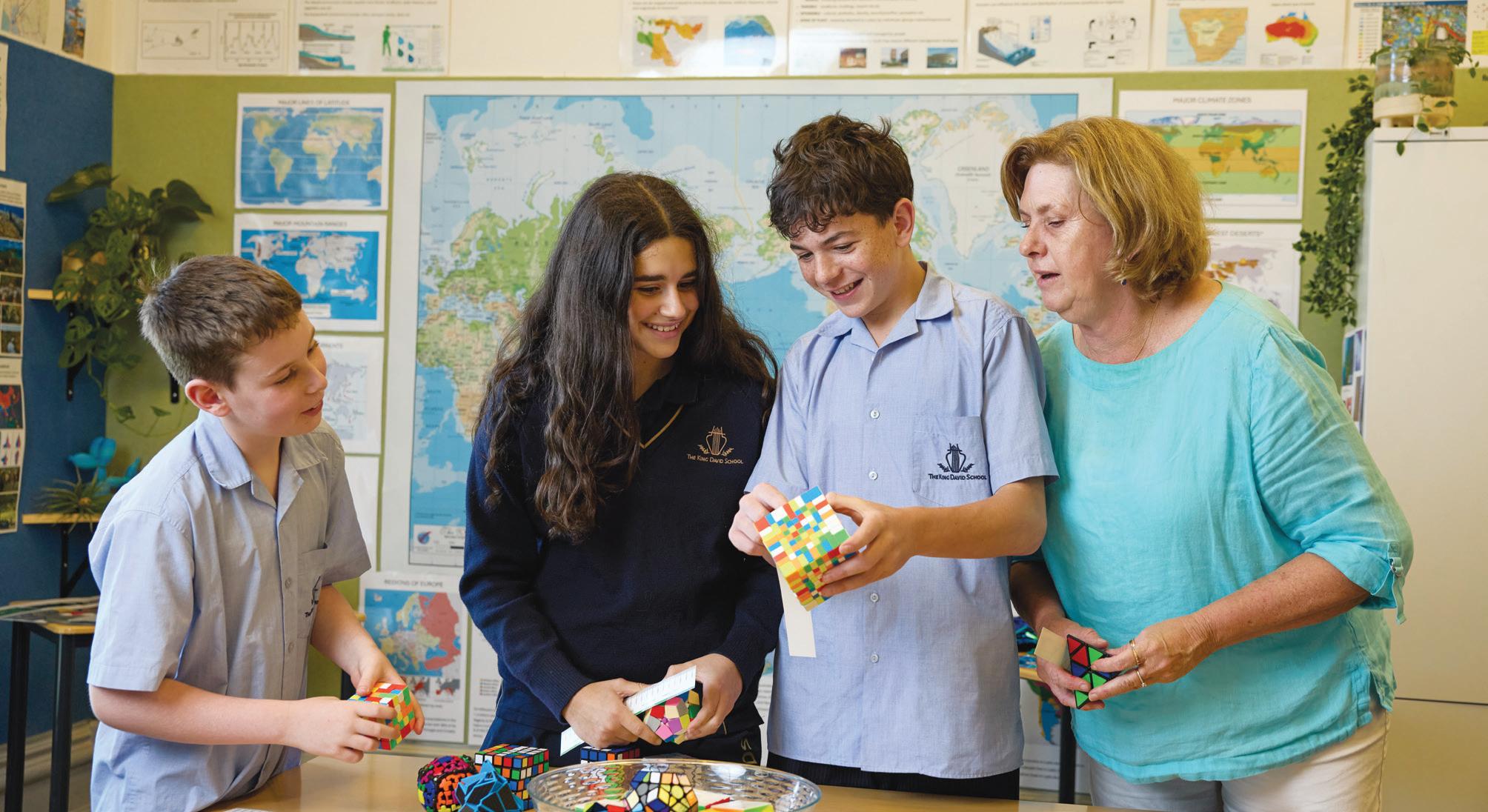
“We want our students to reach their potential, to achieve at levels that correlate with their abilities. We support students at all levels to do that. We cater so well to every individual –both ends and the middle.”
At the Magid Campus, students are extended through the Love of Literature program (Years 6-8), the before-school Mathematics extension program (in addition to streamed Mathematics classes), the Literature elective in Year 9, the MERIT (Making, Engineering, Robotics and Innovative Technologies) program, Humanities enrichment unit, the interdisciplinary RISE (Research, Innovate, Strive, Excel) program launched this year, and the early commencement of VCE subjects in Years 10 and 11. Russell Kaplan says that high potential students have “a higher rate and speed of understanding, levels of understanding, and a faster rate of making connections.” These programs help ensure that students stay engaged.
Debbie Arnheim runs enrichment and extension programs at the Junior School and provides resources to teachers, including classroom tasks and discussion prompts. The Junior School utilises the ‘gifted and talented’ framework developed by French-Canadian academic Françoys Gagné.
Debbie explains that “‘Gifts’ are raw potential and ‘talents’ are when that raw potential is demonstrated in performance. Talent development is what happens in between – it can transform gifts into talents. We want to see our high performing students demonstrate their gifts as achievements.”
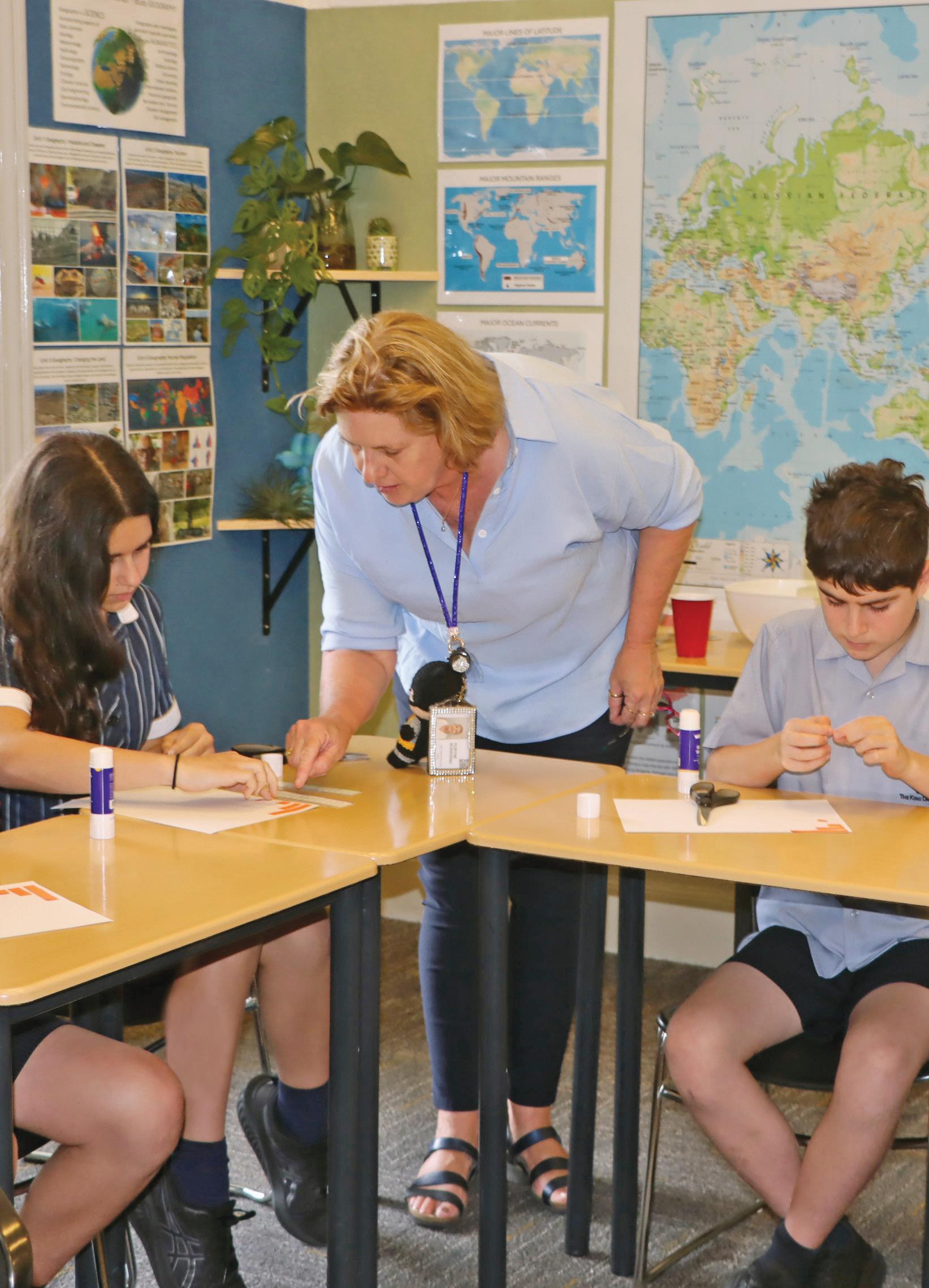
Robyne Bowering, who runs the RISE enrichment program for Years 6-9 students, explains that the term gifted is often used colloquially – how many times have we marvelled at how gifted our own children are? However at both the Dandenong Road Campus and the Magid Campus, the assessments undertaken by every child are used to determine whether a student displays gifts or not. Robyne says, “What we are looking for are students that we know have significant potential. We use a wide range of testing to determine who are our top 15% who really need the enrichment opportunities.”
This universal testing includes NAPLAN testing and a range of other cognitive assessments. Debbie says that as well as
tests, it is teachers whose opinions regarding a student’s readiness for enrichment are the most valuable, as “we know our students well.” Following the professional development the School undertook with Australian education academic Manoj Chandra Handra, we also refer to gifted students as ‘high potential’ students.
At the Junior School, Debbie collaborates closely with teachers to develop programs that extend the classroom curriculum. For example, a teacher may see the need to extend high potential students during a poetry unit, so Debbie will develop a poetry program for these students to do during English. Debbie’s Year 5 Model UN program supports the Humanities curriculum, and Year 4 Catapults and Forces program corresponds with the Science curriculum. Debbie says, “I use practices from gifted education – thinking frameworks and gifted education models in my programming. I also use, as much as I can, external professionals – experts in the field. For example, Kevin Rudd
for the Model UN, Dr Megan Sebben at CSIRO for STEM units, and Urban Light Lab for the Reflection and Refraction enrichment unit in Year 5.”
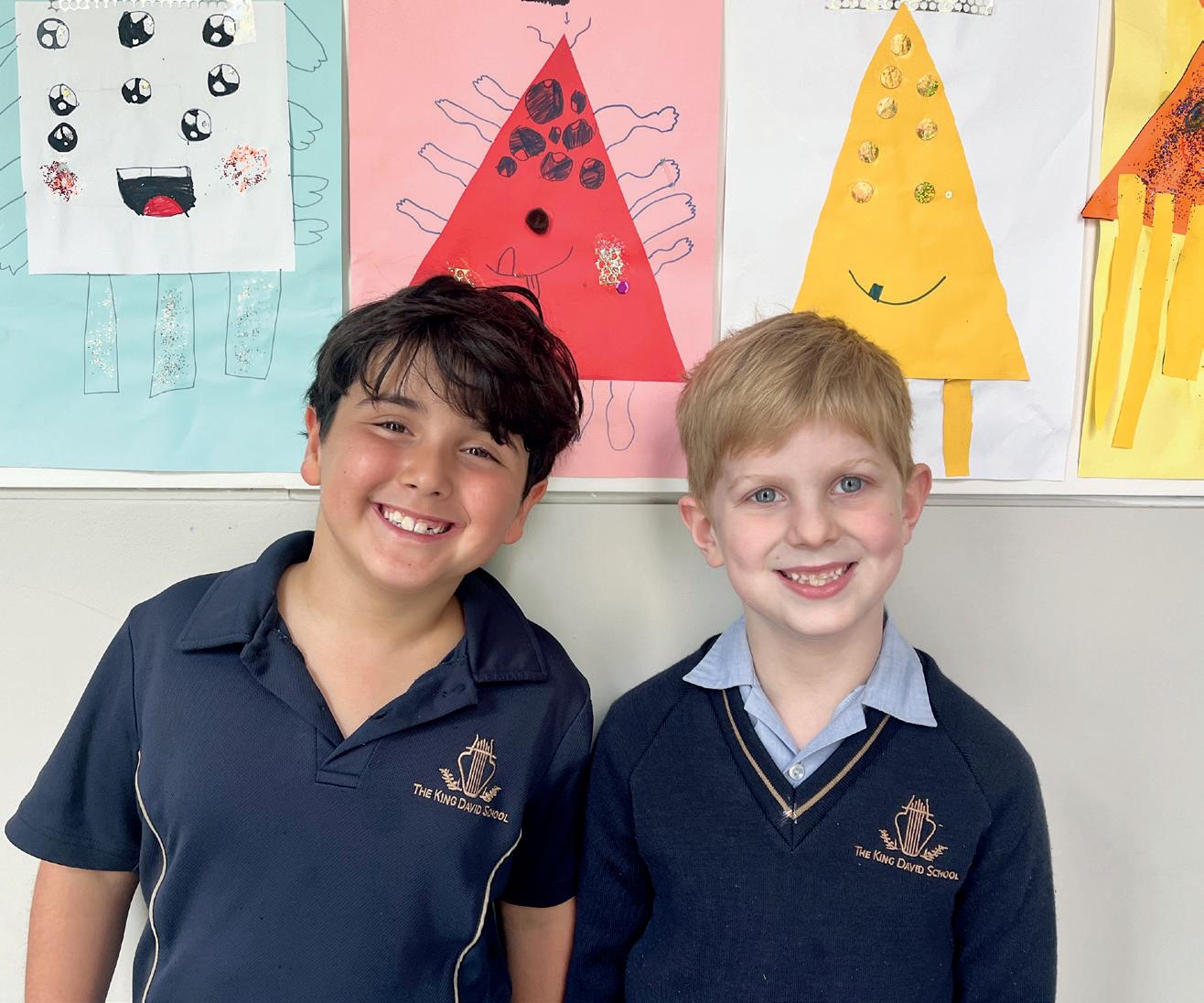
Year 2 students Sage G and Lenny Z participated in an English unit with Debbie, analysing Nicola Davies’ chapter book Ariki and the Giant Shark together. Sage explains “I like that Debbie really goes far and that she really explains – she says ‘you have to explain it more, you have to go deeper’ – she really pushes me to go harder.” Lenny adds that Debbie encourages students to be autonomous, “Debbie will let us make our own decisions, she asks us ‘should we read one chapter or two’ and lets us decide.” The students enjoy the way that Debbie facilitates the analysis of Davies’ work. Sage says, “We’ve chatted about the text and how Ariki might feel and how we might feel. We do self connections, text connections and even world connections.”
Rich discussions are a key part of extending students. As Robyne says, “High potential students need a different pace and structure to stay in the
Rich discussions are a key part of extending students. As Robyne says, “High potential students need a different pace and structure to stay in the zone.“
(continued from page 19)
zone. Often conversation itself is the extension. They have bigger cognitive leaps so these students need more depth, challenge and autonomy.”
Speaking about Mathematics extension, Year 3 student Dari P says “The thing that I like most about it is that we get away from the easy stuff. We’re going higher. In extension level there’s not as much repetition.” Scotty C adds, “I like how we do harder things, and more challenging tasks.”
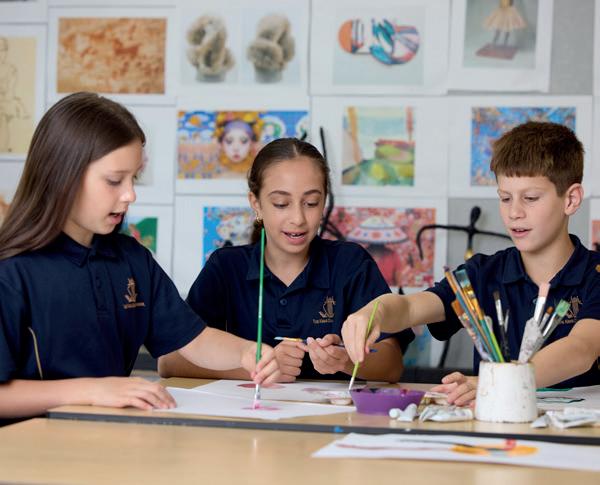
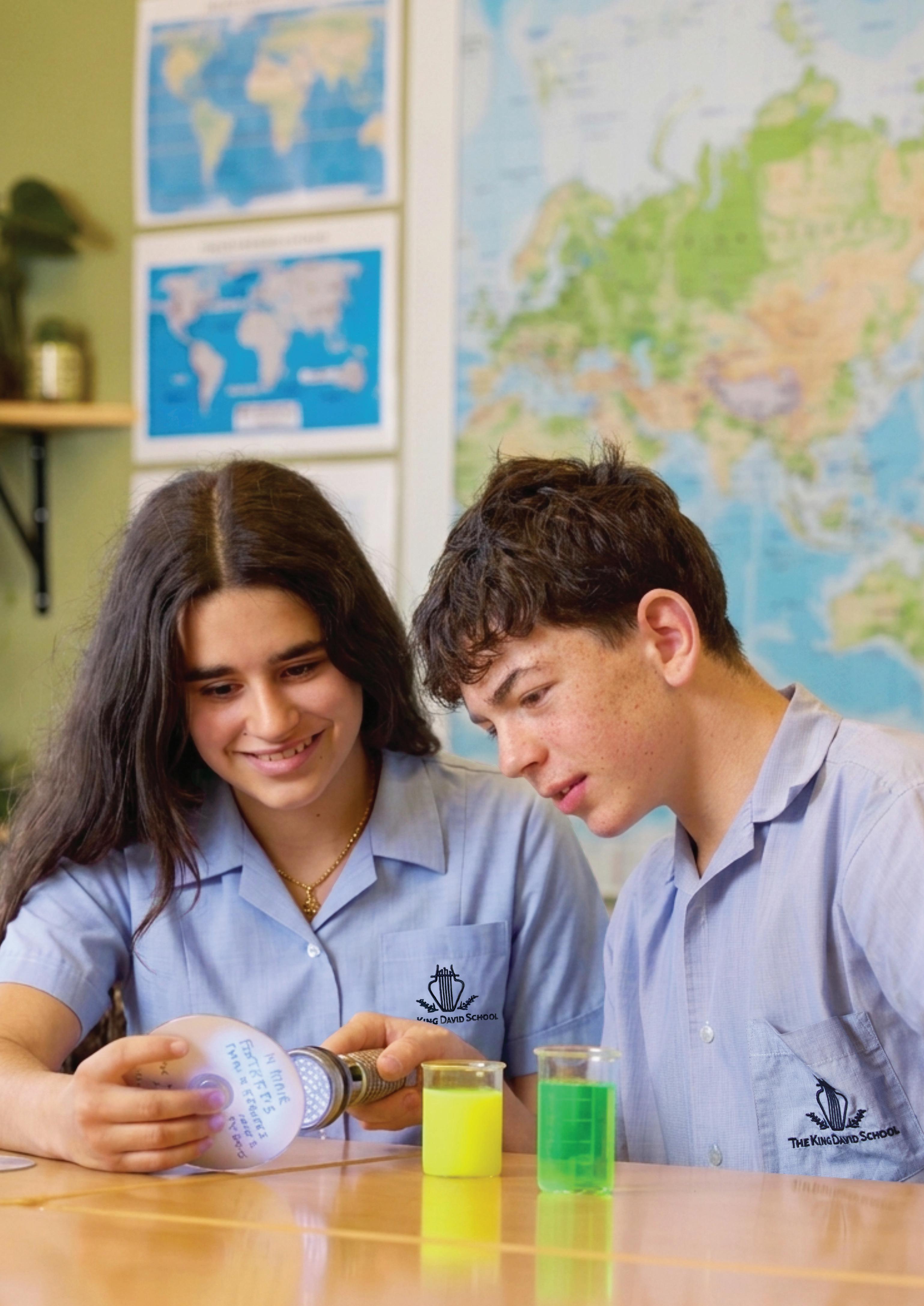
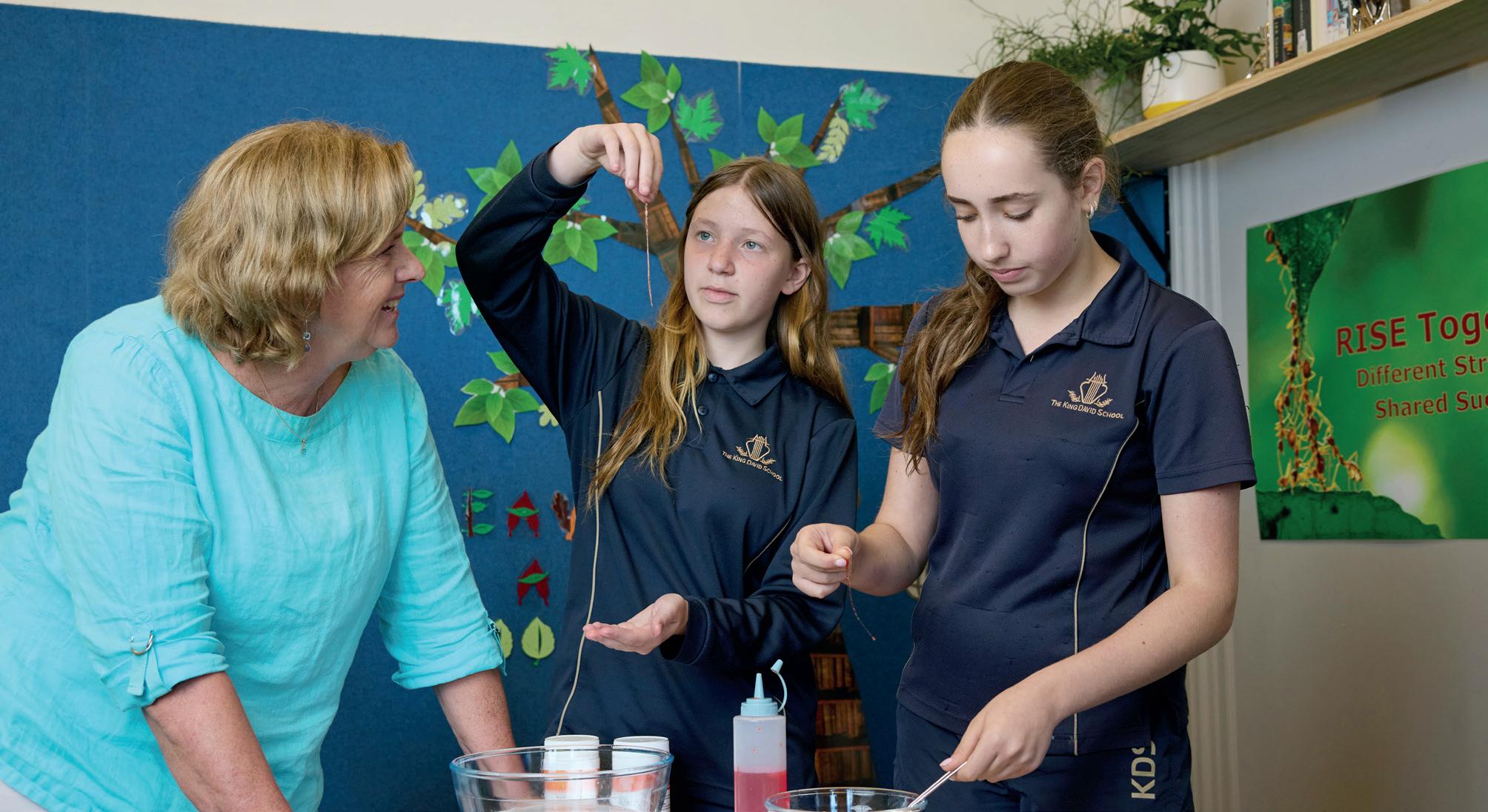
The new RISE program engages our high potential Years 6-9 students. Students in Years 6-8 may participate in one program per term, whereas students in Year 9 may participate in two. In term one, students could choose from programs about nanoparticles, the chemistry of everyday cosmetics products, electromagnets, and water. These are project-based interdisciplinary programs that students take across year-levels, working together to experiment, question and stretch their knowledge.
Robyne explains “The idea about the RISE program is that we know that our high-potential students are faster, much more complex learners. We need to then offer an opportunity of a different pace and structure to keep them engaged.” The program emphasises making cognitive links and working together. Robyne adds that problem-solving is built into each program. “We have a lot of problems in the world so if we’re not spending time teaching students how to collaborate, problem-solve, how to be creative, how to make links between different concepts, then we’re not doing enough.”
Year 9 student Asha Z highly enjoyed her first RISE program on nanotechnology, as well as Love of Literature in Years 6-8. Reflecting back on the Love of Literature program, Asha says “You do really deep dives on small parts of the book and look at the history and makeup of the book, the era that it was written in and the context of society.
Speaking about Maths extension, Year 3 student Dari P said “The thing that I like most about it is that we get away from the easy stuff.”
So when we did Alice in Wonderland we looked not just at the movie and the book, we also looked at the way women were treated at the time, their roles and expectations versus the way women were presented in the text.”
Asha adds that in these enrichment programs, “It’s a really rewarding experience to make those connections and learn deeper, not because you have to but because you really want to and you’re surrounded by other people who want to make those connections too.”
At King David, every student is challenged to reach their potential. Inside the classroom, in special programs, in clubs and co-curricular activities, we work hard to ensure every student is known and supported to grow to new heights.
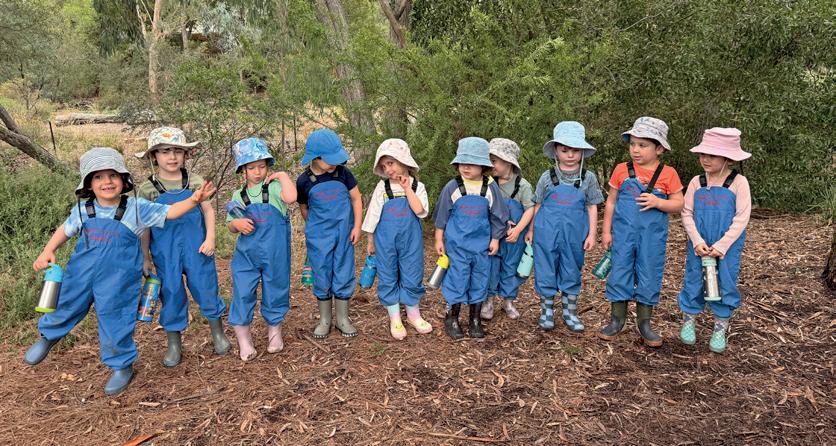
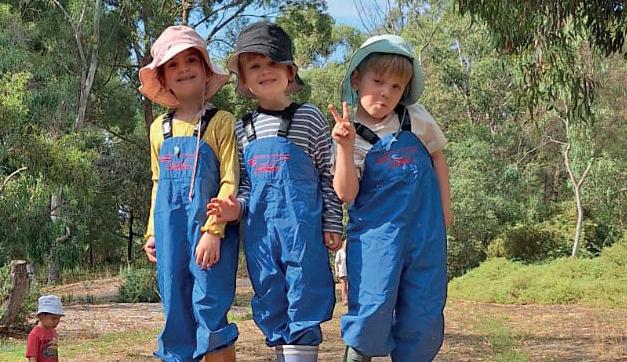
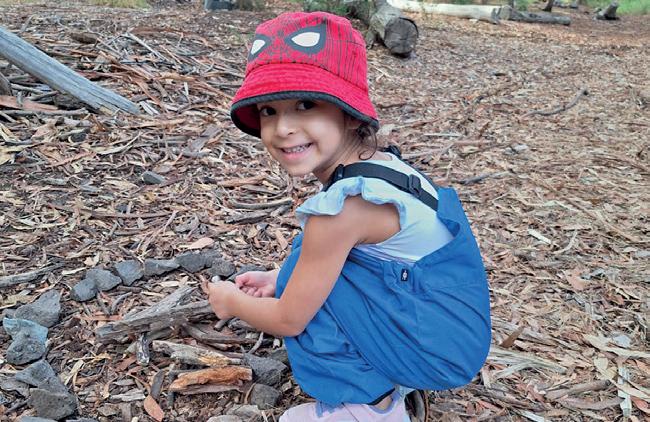
The ELC’s regular Gan Tevah (Bush Kinder) program provides an immersive experience designed to foster resilience, independence and confidence.
The children absolutely love being out in the bush, exploring the wonders of nature. Earlier this term, our young explorers discovered slaters, millipedes, and honeybrown beetles which they loved. There was so much curiosity, gentle handling, and thoughtful discussion as the children observed the tiny details of these creatures.
These sessions cultivate a respect for the environment and a sense of belonging in the natural world.
t The King David School, we support every student to achieve their educational potential regardless of background, through the provision of explicit teaching strategies and quality teaching in a supportive learning environment. Our teachers work tirelessly to develop a rich, challenging and engaging curriculum that is suitably scaffolded and adjusted for each student in the classroom, thereby ensuring that we are meeting the learning needs of all students.
We also recognise the need to appropriately differentiate the intellectual growth of students who demonstrate advanced learning aptitudes in specific areas. High potential students are those whose potential exceeds that of students of the same age and stage in one or more domains (creative or intellectual). Their potential may be assessed as beyond the learning range within the classroom. For these students, there is a need to go above and beyond classroom differentiation.
Challenging, complex and innovative learning programs are carefully planned and delivered outside of the subject specific classroom, for our high potential students. These enhanced learning experiences are designed to not only meet the academic needs of the students, but also to allow them a space to connect and collaborate with like-minded students. By providing these enhanced learning environments which support the academic, social-emotional and wellbeing of high potential students, The King David School is ensuring that all students irrespective of their cognitive needs, is provided with every opportunity to succeed and thrive.
Russell Kaplan Vice-Principal Teaching & Learning
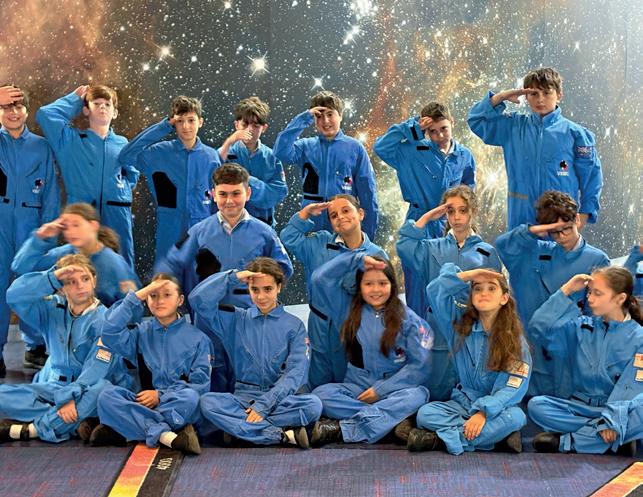
Year 5 recently blasted off to the Victorian Space Science Education Centre (VSSEC) to further their exploration of our solar system and participate in a range of amazing activities. The first step: get suited up in a space suit and travel to Mars!
After awakening from cryosleep and touching down on a Mars research base, Year 5 were tasked with conducting experiments testing the living conditions on Mars. Programming robotic arms, checking the Ph levels of chemicals and growing hydroponics were all in a solar cycle’s work for the young Mars scientists.
Back on Earth, Mission Control was being staffed with other Year 5 scientists.
This command center helped monitor the oxygen levels, waste and communication between Earth and our interstellar base. While conducting our normal operation, there were even a few emergency situations. Fortunately, Mission Control was able to detect a deadly alien virus before it infected the Mars scientists and they made it home safely.
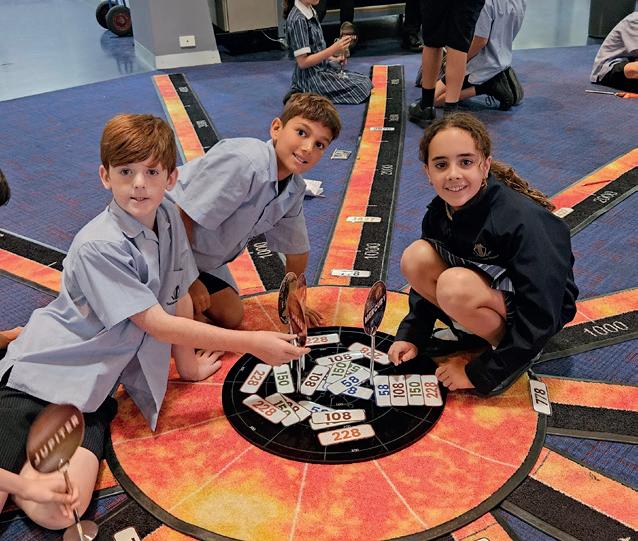
Year 5 was also given a chance to explore the other celestial bodies in our solar system. Using a range of models, students measured the size, distance and rotations of different planets. After a long day, our students’ knowledge of the solar system had increased by not just one small step, but by one giant leap.
Mission Commanders Signing Out!
Gideon and Romy Year 5 teachers
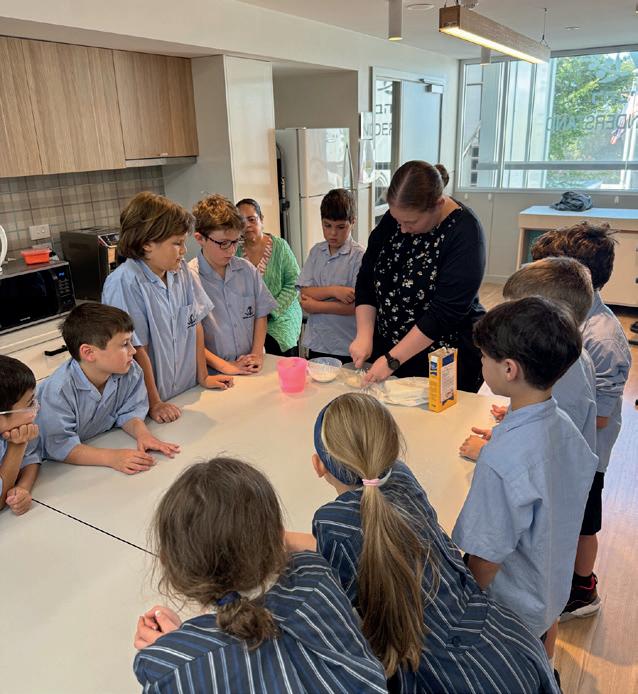
Year 3 got their hands dirty recently making Oobleck!
Oobleck is a non-Newtonian fluid, which means it doesn’t behave like normal liquid or solid. When you squeeze it, it feels hard like a solid, but when you let it go, it flows like a liquid.
We made our Oobleck in our Junior School Science Lab using simple ingredients (corn flour and water) and tested it by squishing, rolling and dripping it through our fingers.
There were lots of giggles, some groans at the sliminess, messy hands and curious scientists all around.
We also enjoyed the story Bartholomew and the Oobleck by Dr Seuss, which helped us imagine how strange and sticky Oobleck could be.
We loved every gooey minute!
Taryn and Mrs N Year 3 teachers
One of the most powerful aspects of our Middle School Launch Experience is that it marks far more than the beginning of a school year; it marks the beginning of belonging.
It is in these first days that students begin to form the relationships that will sustain them, learn the rhythms of the campus, and understand what it means to be part of this community.
What is striking each year is how quickly students begin to shift, from uncertainty to familiarity, from hesitation to participation. They start to find their people, recognise their spaces, and see themselves reflected in the life of the school.
Launch Experience creates the conditions for this. It allows students to step into Middle School not just as learners but as members of a community, grounded in relationships and ready to begin the journey ahead.
Jayne Wise Head of Middle School
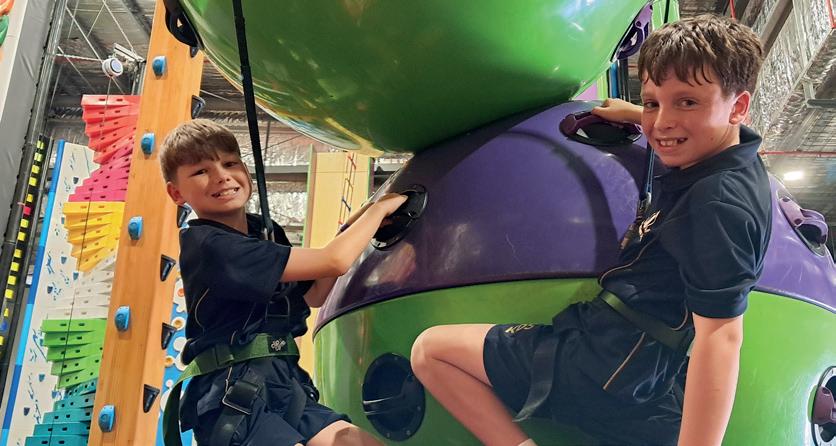
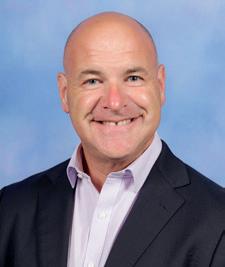
ne of the key aspects of the learning process is taking students to the edge of their current knowledge and skills and then helping them move past that boundary. In fact, this is essentially how we learn. We may do an exercise about 2D shapes; the students understand it and then we start teaching about 3D shapes and their minds stretch to encompass the new information.
There is a very important psychological aspect to this. Does the learner have self-belief that they can expand their skills and knowledge? Can they manage the discomfort of being unsure? Do they know how to manage the possibility of failure? Is there an issue with comparison and selfjudgement? There are many more questions of this nature. Fundamentally we need to understand that learning has a major emotional aspect, often we think about learning as purely a cognitive process regarding the accumulation of information. If a student is not able to manage the emotional aspects of learning, it is very hard for them to stretch.
So, Hymie sits in the classroom listening to a teacher explain the use of adverbs to make writing more interesting. He becomes worried because he is not sure when you use an adverb. He decides that it will be much easier to avoid these and just stick with verbs. Psychologically he has decided to not take a chance and potentially make a mistake and therefore feel uncomfortable. No stretch, no learning. To learn we must deal with our emotions. The best learners recognise the uncomfortable feelings, push through with optimism and develop academic resilience.
These qualities are addressed and encouraged throughout our wellbeing program to help our students access their amazing cognitive skills and develop their thirst for learning.
David Opat Vice-Principal Wellbeing and Head of Junior School
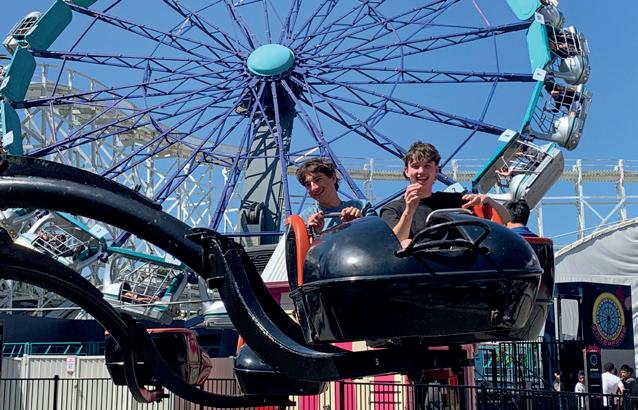
In Term 1, our Year 12 Physics students swapped their textbooks for safety bars and lab coats in an action-packed, all-day excursion that bridged the gap between classroom theory and world-class research. The day kicked off at Luna Park, where our students joined other Physics students across Melbourne for a handson experience. Students got to go on each ride and then subsequently solve the motion equations for each one. Rather than conducting circular motion experiments they themselves were put in circular motion.
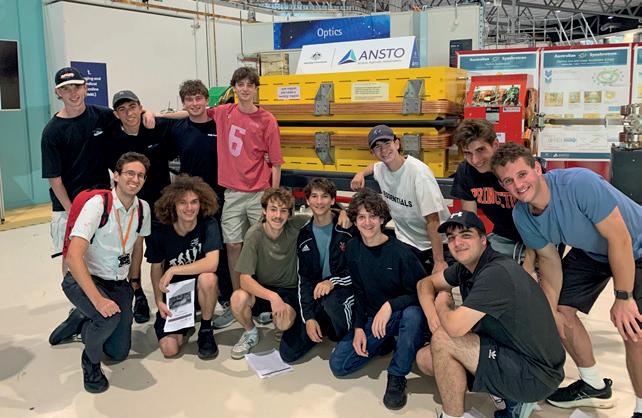
A visit to Monash Clayton followed to visit the Australian Synchrotron. King David was one of only three schools across Melbourne invited to tour Australia’s only particle accelerator.
Despite being a Physics excursion, students also saw the chemistry, biomedical and radiological applications available at the Synchrotron. Students left inspired having seen one facility containing 18 of Australia’s top research centres in one spot.
Asher Myerson Physics Teacher
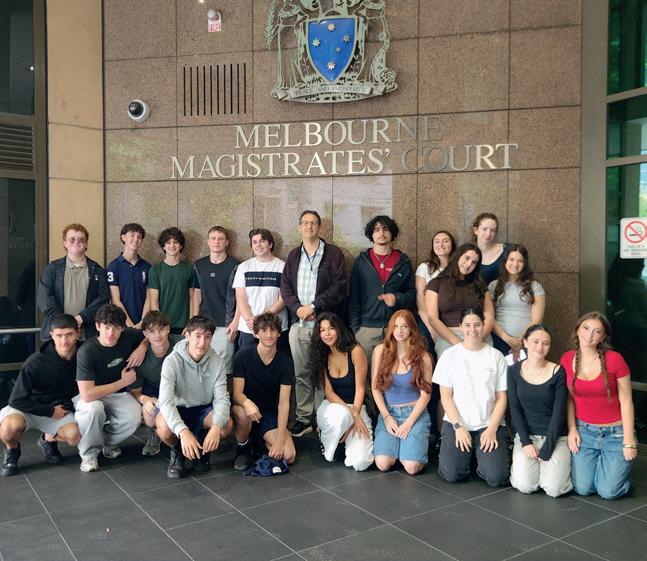
For VCE Legal Studies students, our day of judgement came earlier than the anticipated end of year exam. On Wednesday 18 February we were lucky enough to visit the Melbourne Magistrates Court. The first case on the docket was an introduction to the court by Magistrate Vincenzo Caltabiano. With Magistrate Caltabiano we learned about some of the nuances associated with the court system, specifically how to treat offenders in a way that applies both humanity and legality.
After the illuminating intricacies of how justice is applied, we went off in groups, and went through the different courtrooms to observe a
range of matters that were being heard. From a dynamic Law & Order-esque cross examination of witnesses in relation to an assault charge, to the bail application of a member of a notorious organised crime family. Safe to say crime is only profitable until you’re handcuffed and judged in front of a gaggle of 17 year old school students. We concluded the day with a debrief from Magistrate Caltabiano and we were off, hopeful our education would give us the wisdom not to meet the Magistrate again from the accused box.
Reuben
G (Year 12)
Our excellent teachers are the backbone of our school. Each Inspirations we highlight two of our educators, getting to know their inspirations. This issue, we feature Rebecca Fiala, Curriculum Specialist Junior School (and Junior School Teacher) and Hayley Rosenbaum, Gifted Education Coordinator (and Magid Campus Teacher).
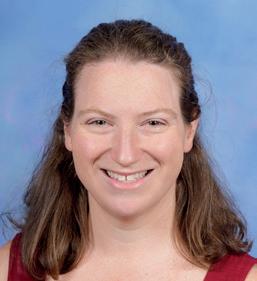
Rebecca Fiala Curriculum Specialist & Teacher (Junior School)
Q: Why did you become a teacher?
I became a teacher because I love those lightbulb moments when a concept suddenly clicks for a student. Helping children realise they can tackle something that once seemed tricky is incredibly rewarding – and no two days are ever the same.
Q: When did you start at King David?
I started at King David ten years ago, and it has been a wonderful place to grow as a teacher. I love being part of such a warm, caring and vibrant community.
Q: What do you like most about teaching at King David?
The community is very special. There’s a real sense that everyone, staff, students and families, are working together to help our students. I love to tell the students that all the teachers are friends so we get to hear from each other when our past students do a great job!
Q: What has been a surprise about King David?
One thing that really surprised me is how committed teachers are to constantly improving their teaching. There’s a real culture of sharing ideas and striving to teach in the best ways possible, which makes it an exciting place to work.
Q: What is one of your favourite differentiation techniques in the classroom?
I love using questions to stretch students’ thinking. A well-timed question can help students explain their reasoning, make new connections, or look at a problem in a completely different way.
Q: What are your hobbies outside of school?
Outside of school I love music and the arts. I sing in a choir, play instruments – piano and guitar –and enjoy going to the theatre. My favourite show is Come From Away. I also love getting outdoors for a hike whenever I get the chance.
Q: What’s something that might surprise us about you?
People are sometimes surprised by how much of my free time revolves around music and performance! When I’m not at school, there’s a good chance I’m singing, playing music or heading off to see a show.
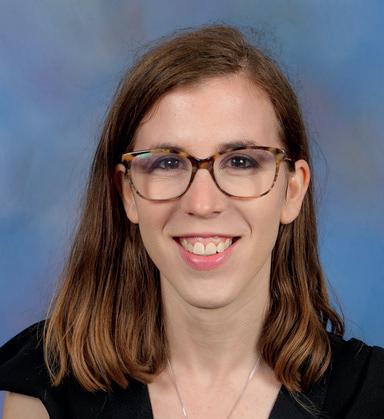
Hayley Rosenbaum Gifted Education Coordinator (and Magid Campus Teacher)
Q: Why did you become a teacher?
My mother was a high needs educator, and my grandmother was a piano teacher. As a young child, playing “school” with my neighbours, I was always the teacher at my little blackboard. At high school, my friends would come to my tutoring sessions; they provided the snacks, and I provided the note-taking and theory review. Upon reflection, being a teacher was ever-present.
Q: When did you start at King David?
2026 marks a decade of teaching and learning at The King David School.
Q: What do you like most about teaching at King David?
King David is a school that truly understands what it means to differentiate to the needs of our learners. The school is educationally and socially inclusive, which means that every student finds a sense of belonging in their personal and academic journey. To be able to teach in a school where inclusivity is not a buzzword, but rather exists in every aspect of planning, teaching, learning, clubs, as well as the broad and diverse opportunities on offer, is a real privilege.
Q: What has been a surprise about King David?
It is a small school that packs a big punch. It is incredible to be a part of and witness the amount that we can offer our students. It is not just the quantity of programs and opportunities on offer, but also the quality. Every branch of the school, from RISE to Wellbeing, Jewish life, Support Services, the Arts, Nitzan and beyond, offers the students rich experiences to ensure that their needs are met in an inclusive and academically rigorous environment.
Q: What is one of your favourite differentiation techniques in the classroom
One of my favourite techniques is using tiered tasks (or as I call it, “ski runs”). The idea of this is that all students work towards the same learning goal or skill acquisition; however, they achieve it at varying levels of complexity and scaffolding with an element of built-in choice and a sense of learning autonomy.
Q: What are your hobbies outside of school?
Unsurprisingly, one of my hobbies is reading and book collecting. I also love spending time with my young family, getting lost in the worlds of museums and theatres. We are also beach people, who can be found year-round in the ocean, building sandcastles and peering into rock pools.
Q: What’s something that might surprise us about you? Inspired by the Women’s Weekly birthday cakes of my childhood, my children’s birthdays are marked by novelty cakes, created by me, based on their current obsessions.
The talented cast of our Magid Campus Musical - Beauty and the Beast - spent four days at SHIR camp, prior to the start of our school year.
The cast participated in a series of workshops and bonding activities as well as choreography, vocal and staging rehearsals. Tickets to our production of Beauty and the Beast will go on sale in Term 2.
Eli Erez Head of Performance
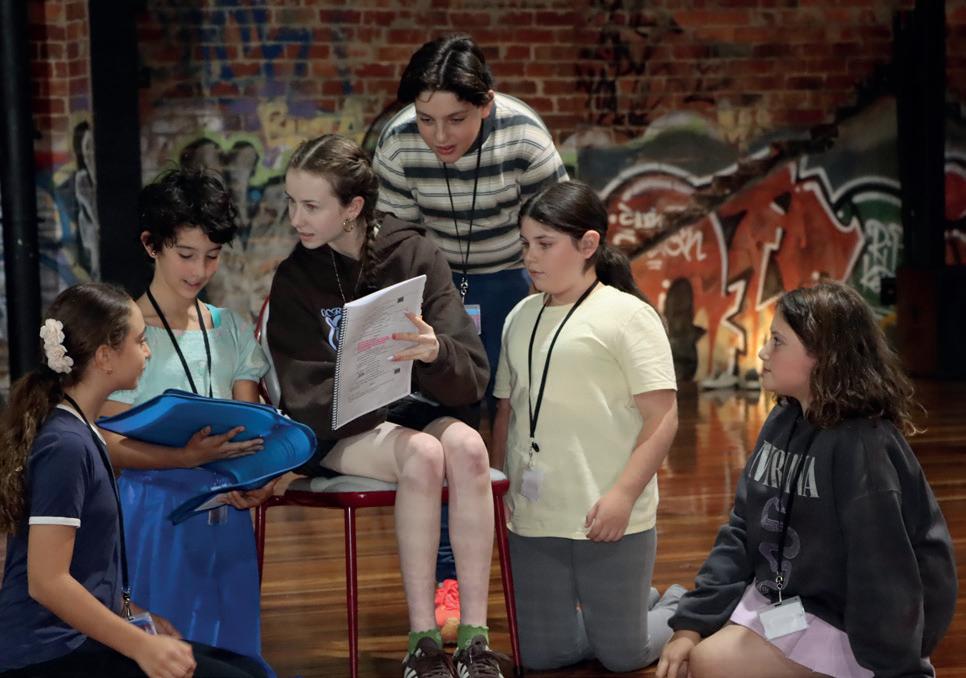
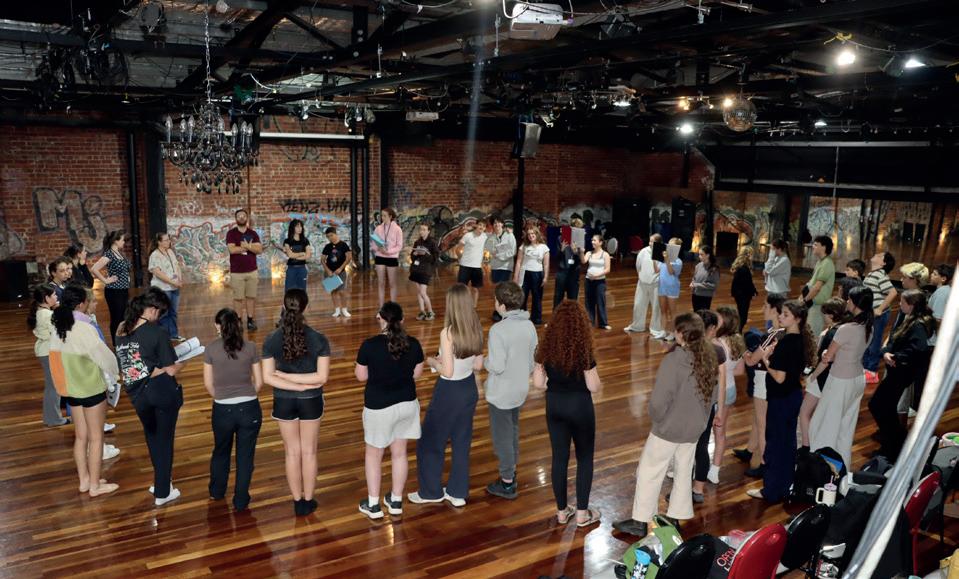
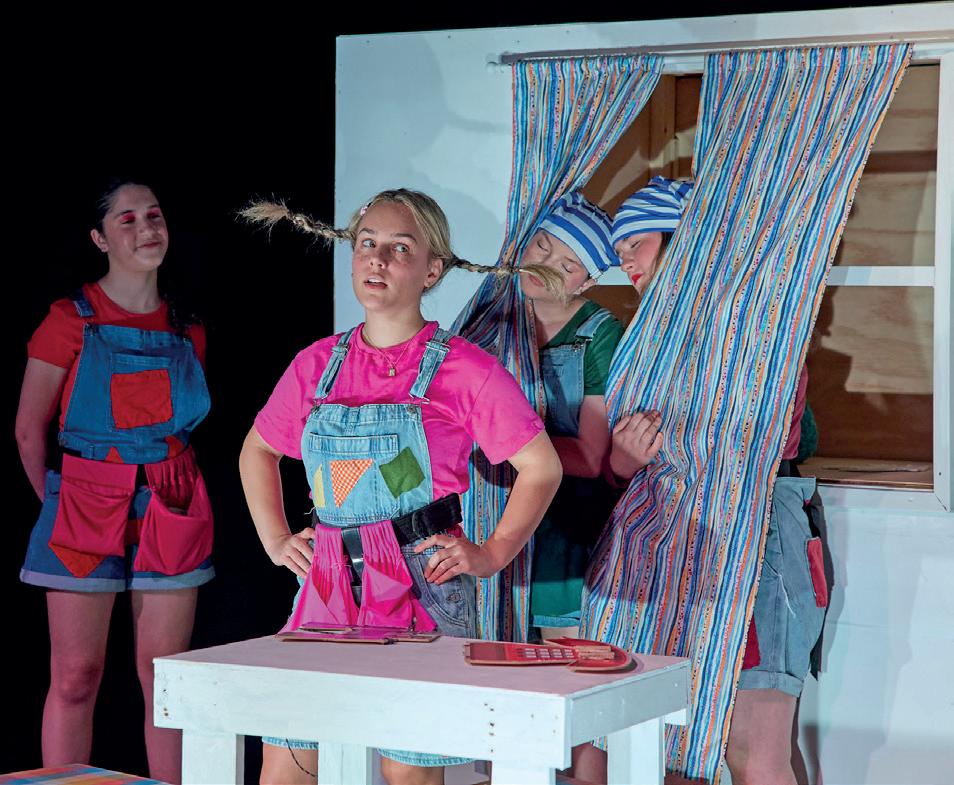
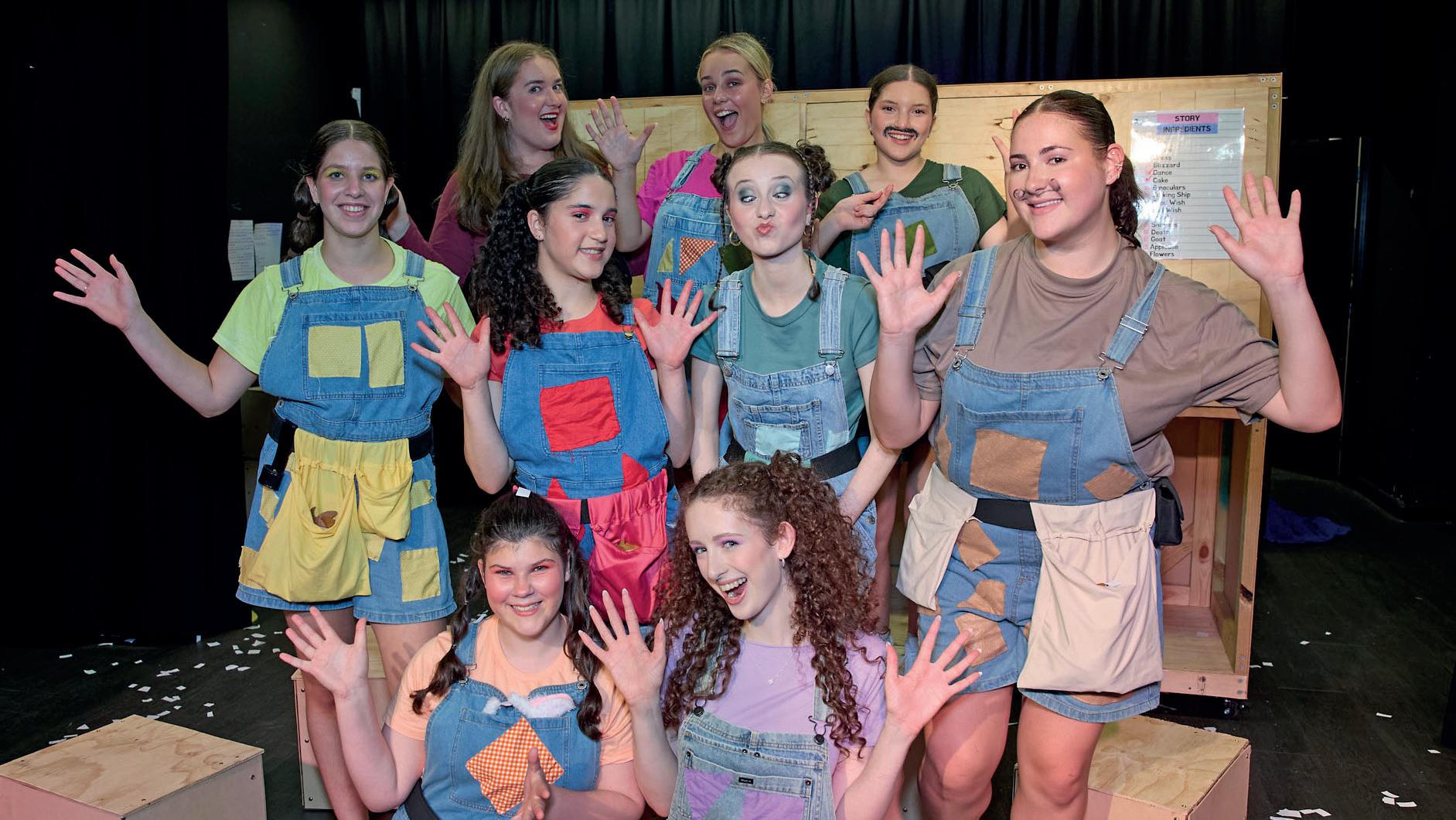
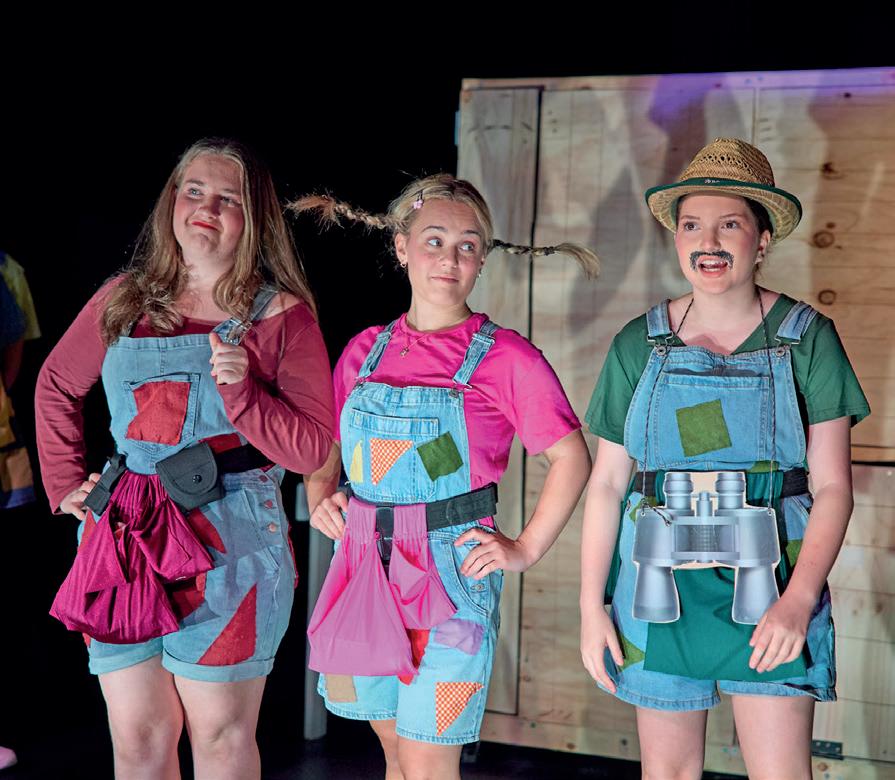
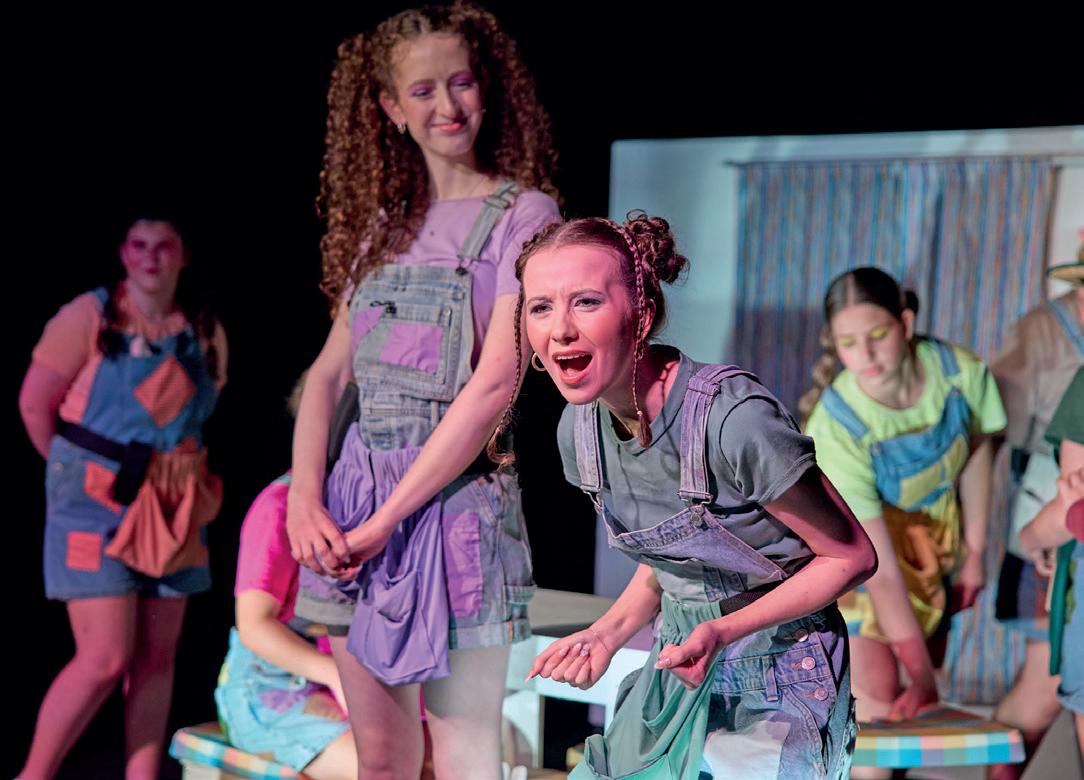
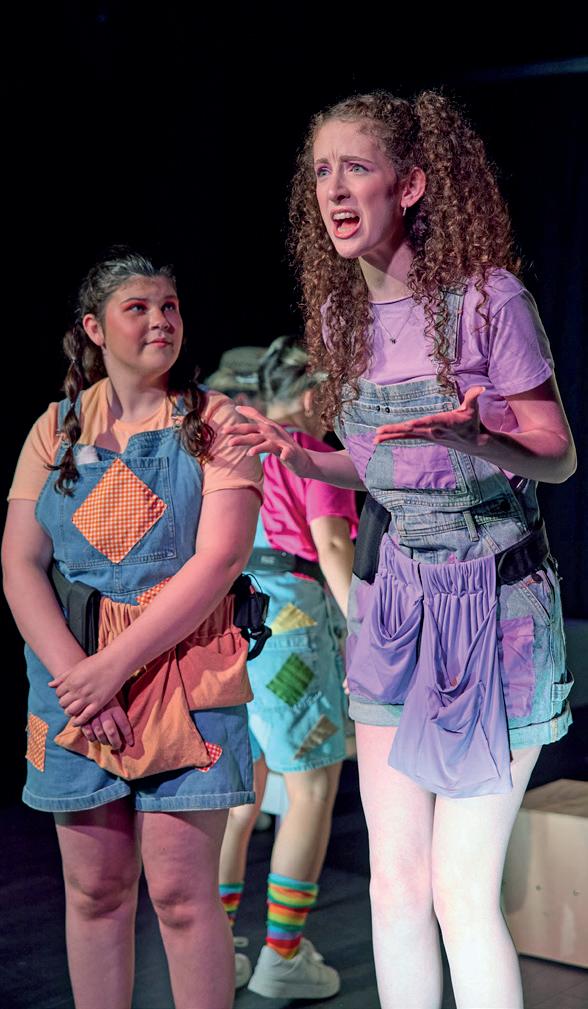
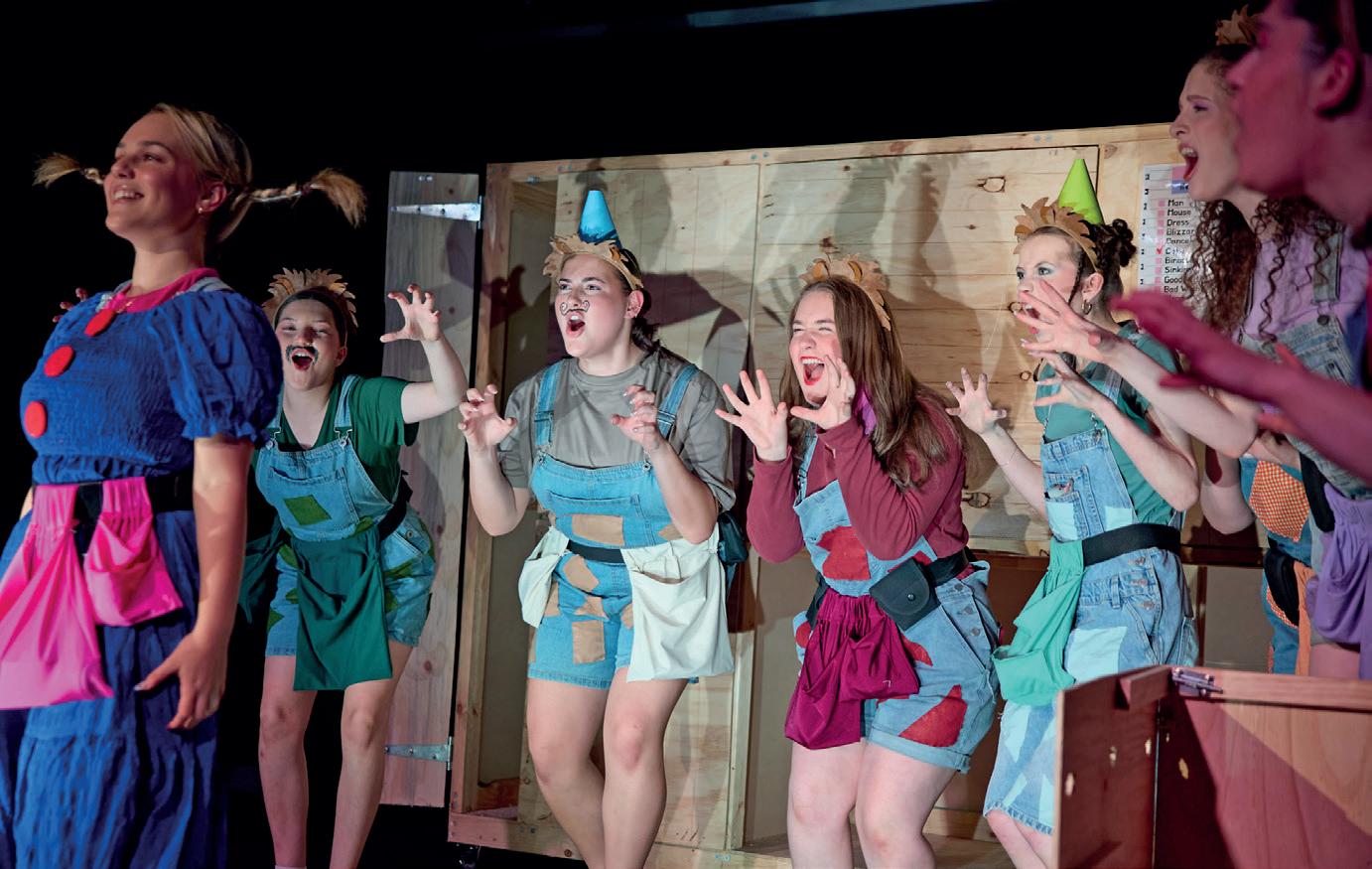
Finegan Kruckemeyer’s play The Girl who Forgot to Sing Badly was brought to life by our VCE Theatre Studies students towards the end of Term 1. The play tells the story of Peggy who must discover why everyone in the city has disappeared and shows that small can triumph over large forces. Head of Performing Arts Eli Erez said that through the process of producing the play, “our students have certainly demonstrated that little people can indeed achieve big things, and they have proven without a doubt that they can triumph over adversity.”
Alongside their acting roles, students had to develop production design skills and collaboration. Our own instrumental music teacher Max Reina-Henriksen also composed a piece especially for this production. Kol HaKavod to everyone involved in this delightful play!
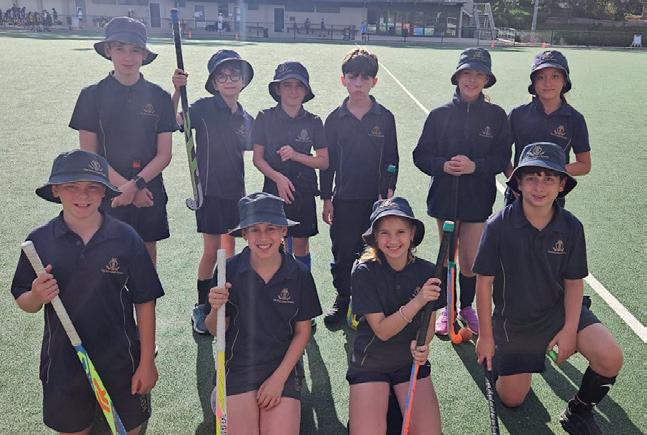
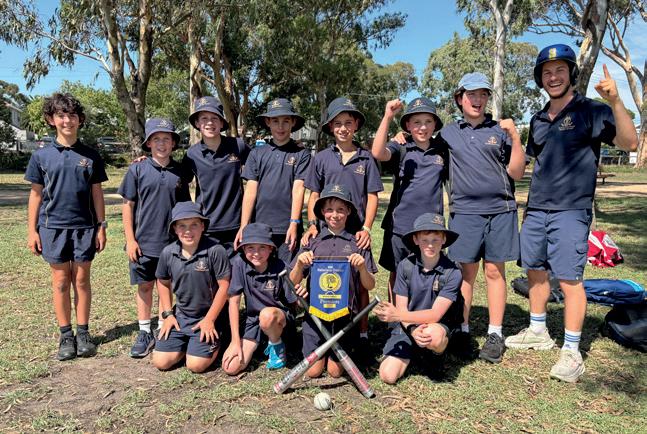
Our Years 5 and 6 students participated in their first round robin of the year recently and it was a perfect day of sport! Students competed in basketball, volleystar, cricket, hockey, and T-ball matches.
Kol HaKavod to our T-ball team, who won the final in nail biting fashion! Silver went to our Volleystar team who narrowly lost their final. Congratulations to all of our students and teams, who competed with the utmost enthusiasm, respect, and pride for our King David community!
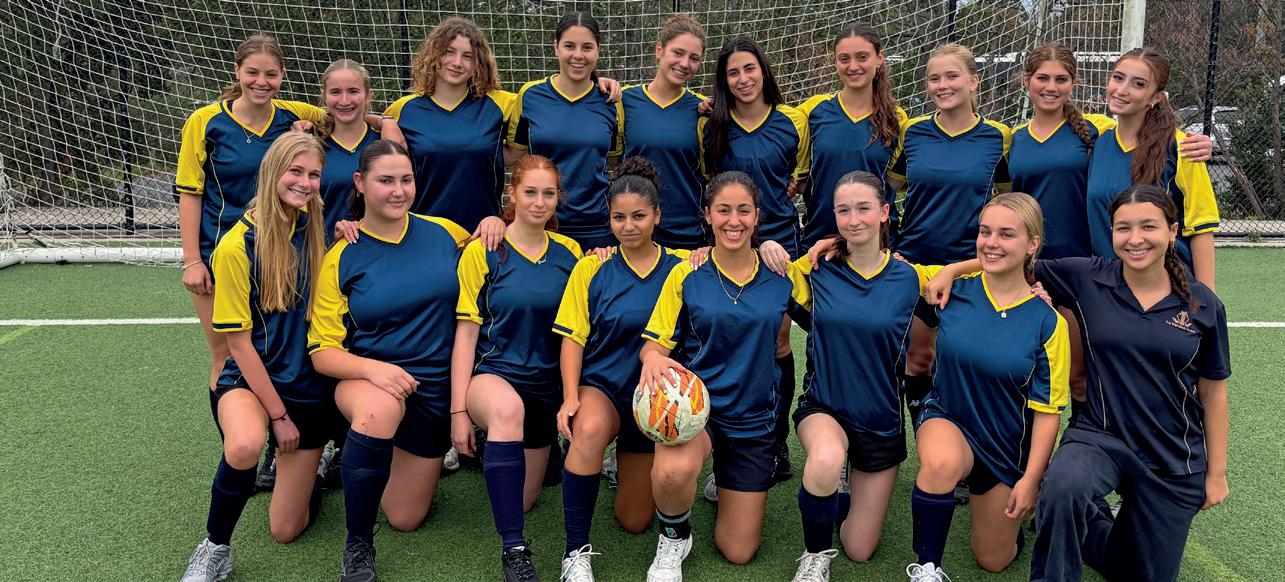
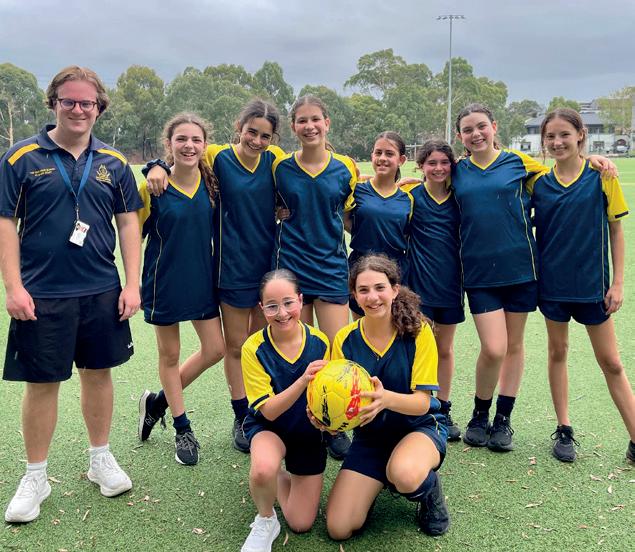
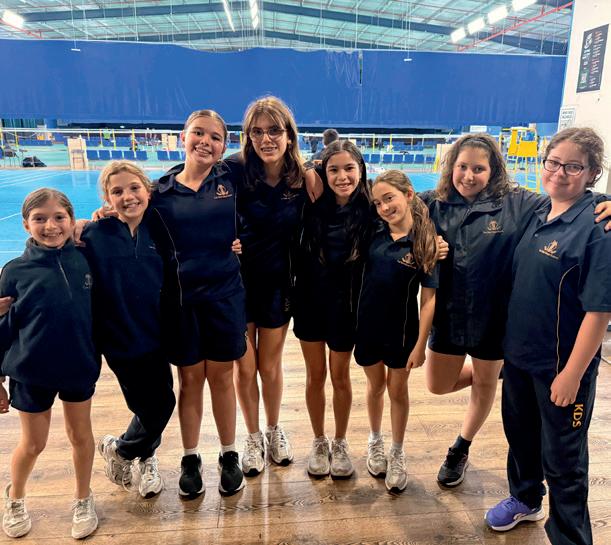
EISM Sport in 2026 started strongly, with Years 7, 8 and 9, and Senior sport (Years 10, 11 and 12) well underway. Many of our Year 7 students are experiencing new sports and team environments, with several trying badminton for the first time.
In Years 8/9 sport, both girls’ and boys’ soccer teams performed well in Term 1 alongside students continuing to develop their skills in softball. Our Senior sport teams have had a busy Term 1, with the Senior girls’ soccer team showing great enthusiasm and spirit.
The boys’ softball team has enjoyed strong success each week and is hopefully tracking towards semi-finals and a grand final next term.
We are now gearing up for the Years 6-12 Inter-House Athletics and EISM Athletics in early Term 2.
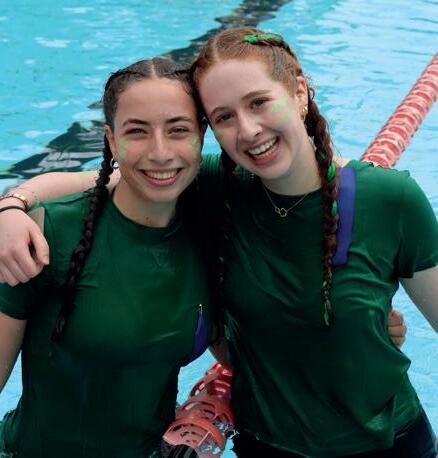
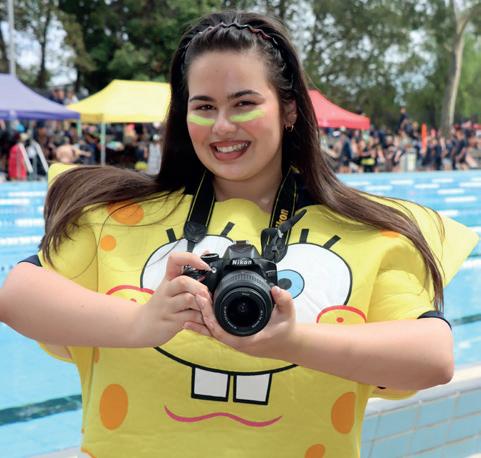
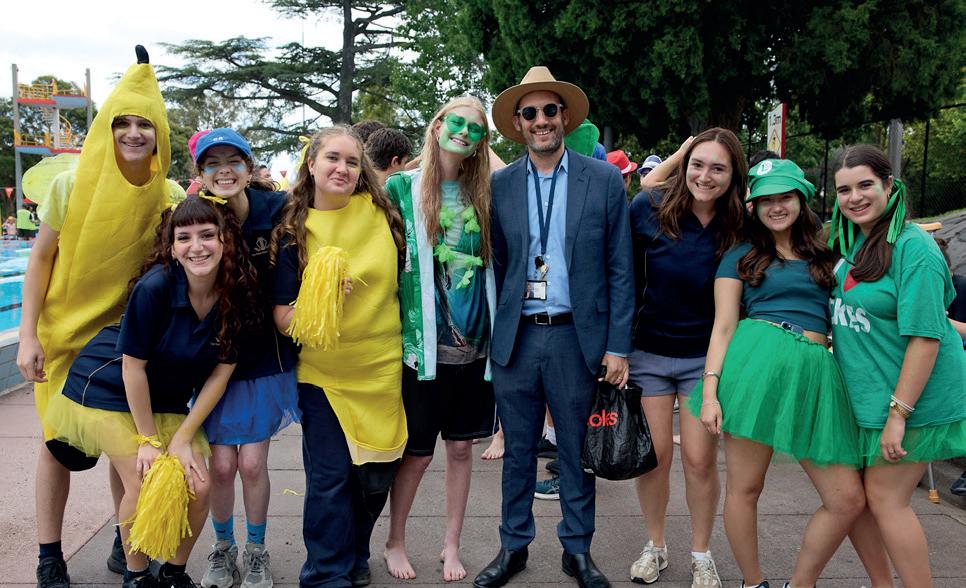
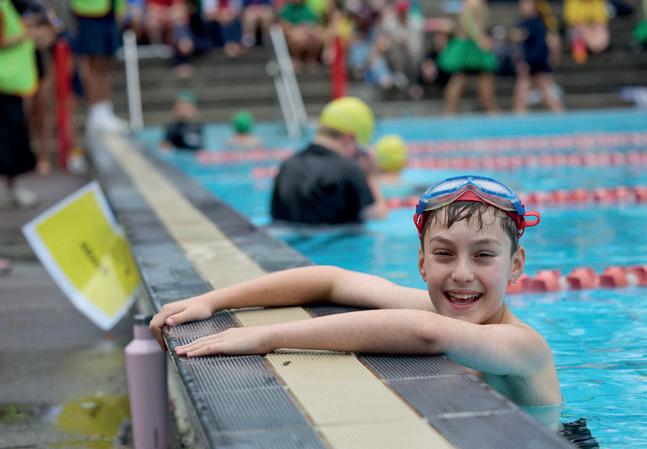
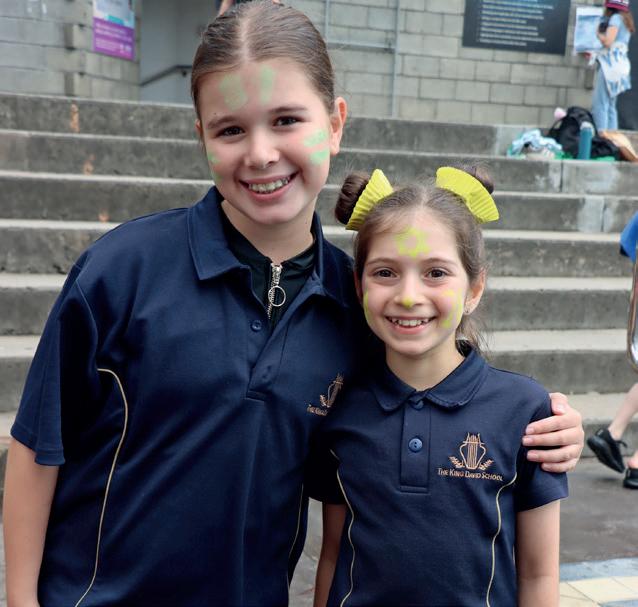
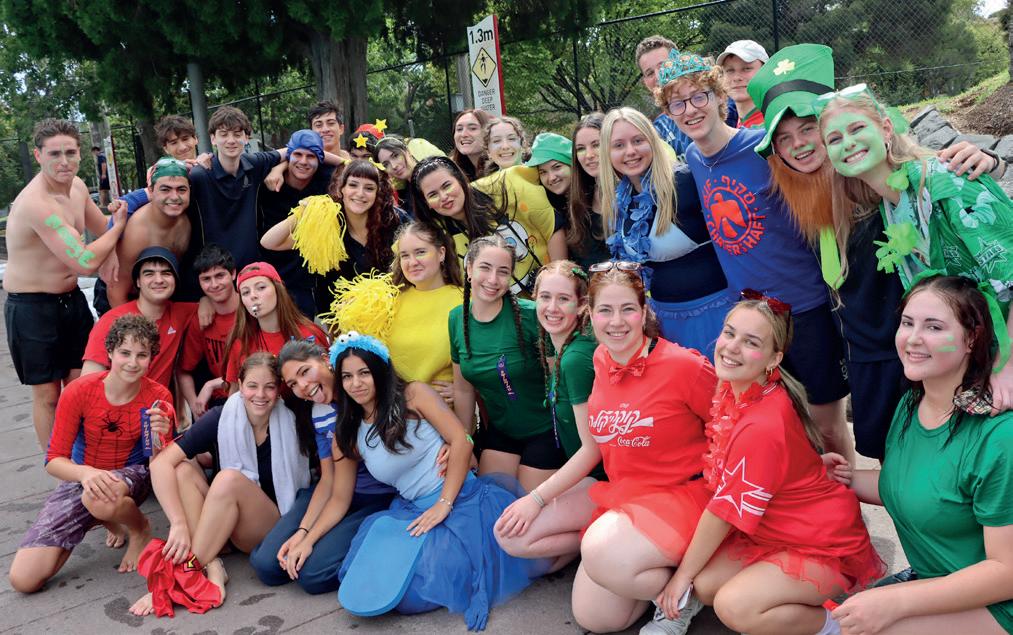
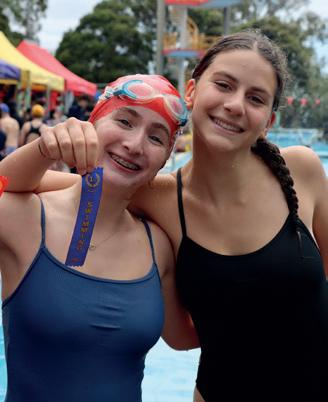
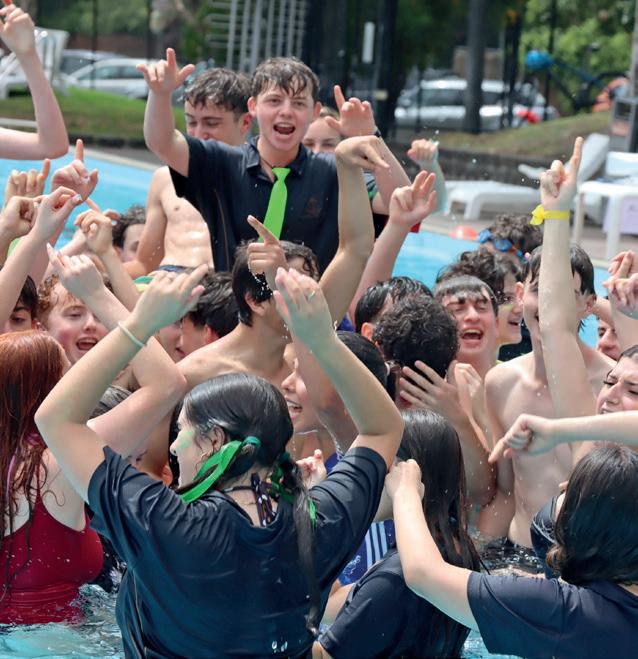
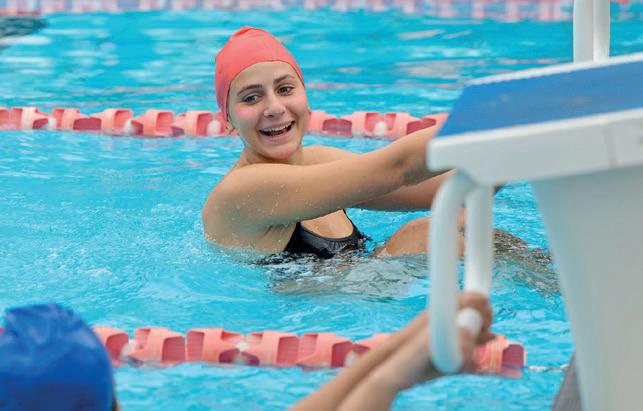
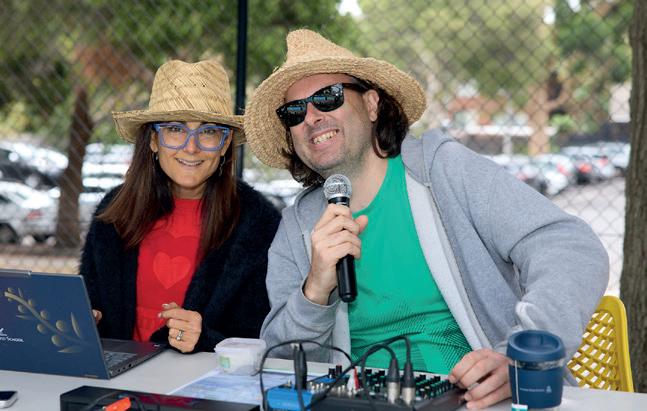
The energy was electric in Term 1 as students from Years 6–12 dove headfirst into our annual InterHouse Swimming Gala. It wasn’t just about the fast times in the water; the poolside atmosphere was charged with incredible team spirit and high-octane participation from every House. As always, the lunchtime ruach was the heart of the day–a sea of colour and chanting that proved our students’ spirit is just as strong as their stroke! After a day of fierce competition and narrow finishes, Galil House surged ahead to claim the top spot on the podium.
Chelsea Dabner Sport/PE Learning Area Leader
What happens when you give bright minds the space to soar?
The King David Foundation is pleased to champion the RISE program (Research, Innovate, Strive, Excel) - a transformative initiative dedicated to our high-potential learners in Years 6-9. As detailed on page 16, this program is designed to empower our high achieving students with the specialised support they need to truly flourish.
Addressing the Need for Challenge
Research shows that up to 25% of gifted students underachieve when their educational environment lacks sufficient challenge.* Without the right stimulation, these students often face disengagement and decreased wellbeing. The RISE program directly addresses this by fostering a “safe-to-fail” culture where students feel secure enough to test bold new ideas and take significant intellectual risks.
*Research from UNSW and the OECD
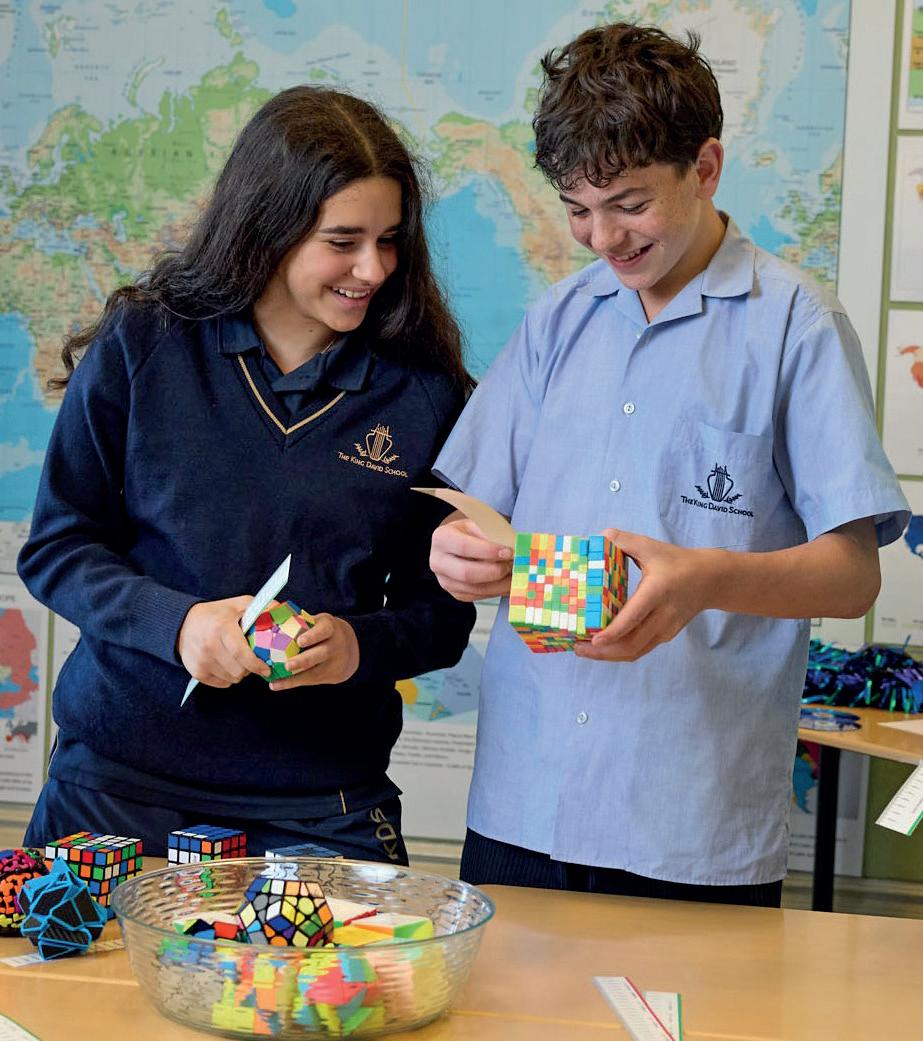
The Foundation is seeking funds to support the transformation of an existing classroom into a state-ofthe-art RISE Room. This will not be a standard workspace; it is being designed as an intellectual hub with:
• Specialised Environmental Design: A calming palette of soft greens, blues, and warm wood tones to support focus.
• Project Continuity: Space for long-term investigations, like the 2026 Canstruction Challenge, to remain set up between sessions.
• Collaborative Innovation: Modular furnishings and soundproofing to facilitate deep inquiry and mentorship.
How You Can Help
We invite the community to support the RISE program through the following giving tiers:
• Champion the Future ($40,000): Fully funds the Year 1 Pilot and the first two years of operation to establish a sustainable program.
• Support the Space ($10,000): Directly enables the redesign and modular furnishing of the RISE room.
• Invest in Talent ($5,000): Provides students with high-level enrichment, including universitystandard research opportunities and expert mentorship.
• Equip Innovation ($2,500): Funds the cutting-edge technology and academic resources essential for sophisticated student research.
As the King David School Foundation is a registered charity, all donations of $2 or more are fully tax-deductible.
Together, we can ensure KDS remains a leader in academic engagement and excellence.
For more information please contact: Ruth Lew Head of Foundation Tel: (03) 9527 0122 Email: ruth.lew@kds.vic.edu.au

From 12pm-2.30pm, 12.30pm
SHARP START Melbourne CBD venue
Longevity Unleashed:
The Impact on Business, Economics and Society
Industry leaders and innovators will explore how science and technology are reshaping the way we age, work, and live.

For information & bookings please use the QR code

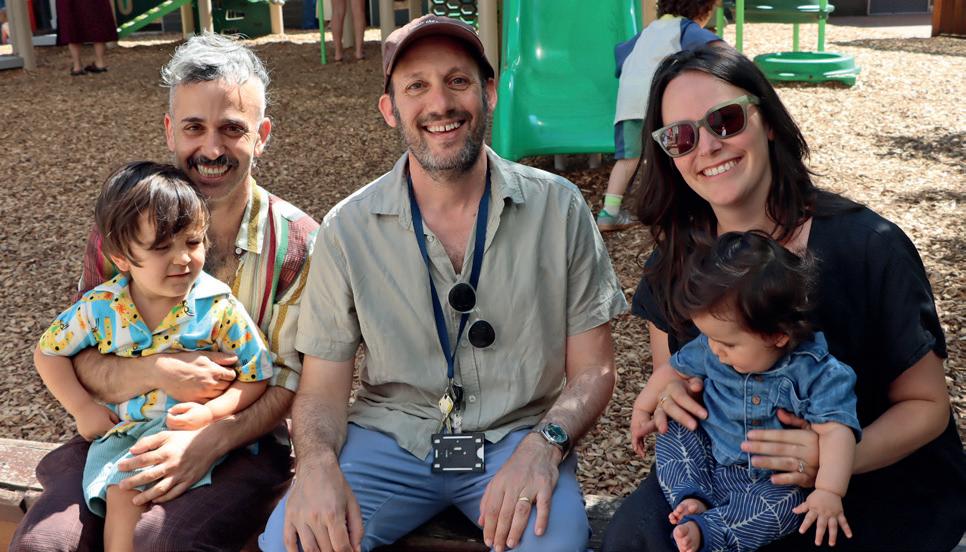
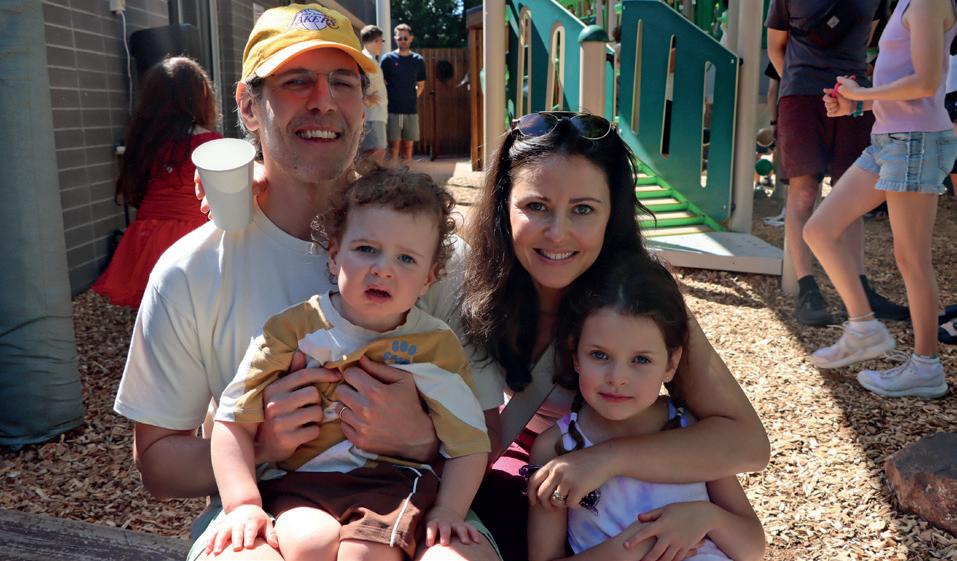
Hosted by KDSPA, the annual ELC picnic was held at the start of the year to welcome new families and offer a relaxed way for everyone to meet each other. It was a lovely sunny morning and the children (and their siblings) enjoyed the playground and the activities that were led by our wonderful Middle School student volunteers.
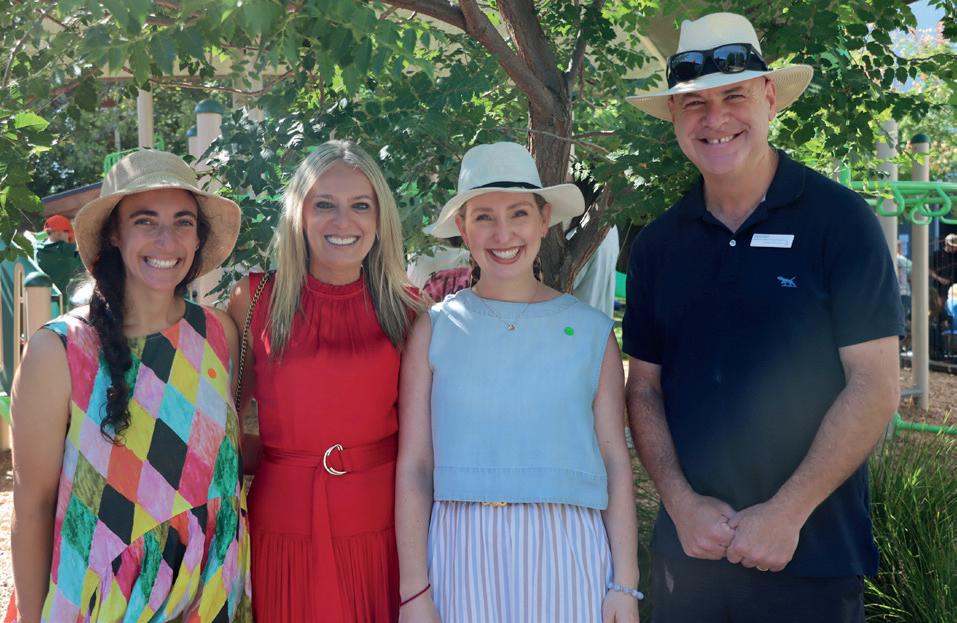
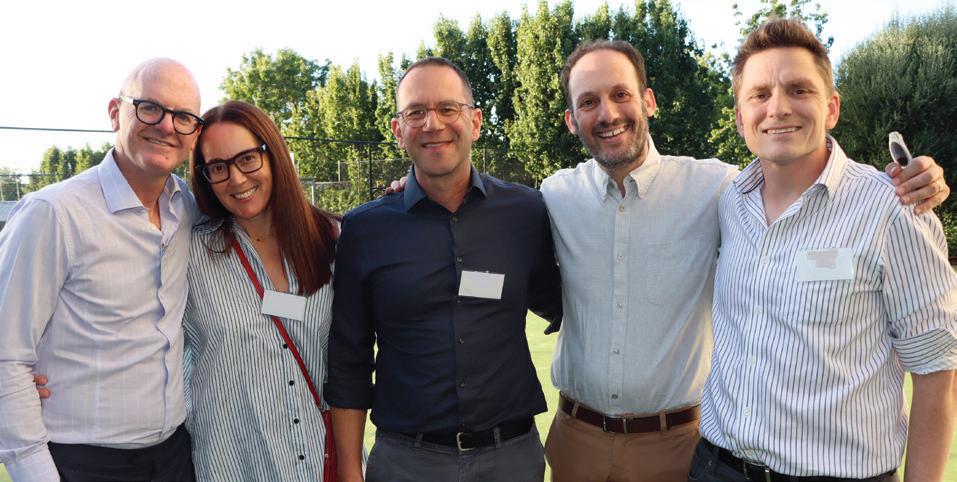
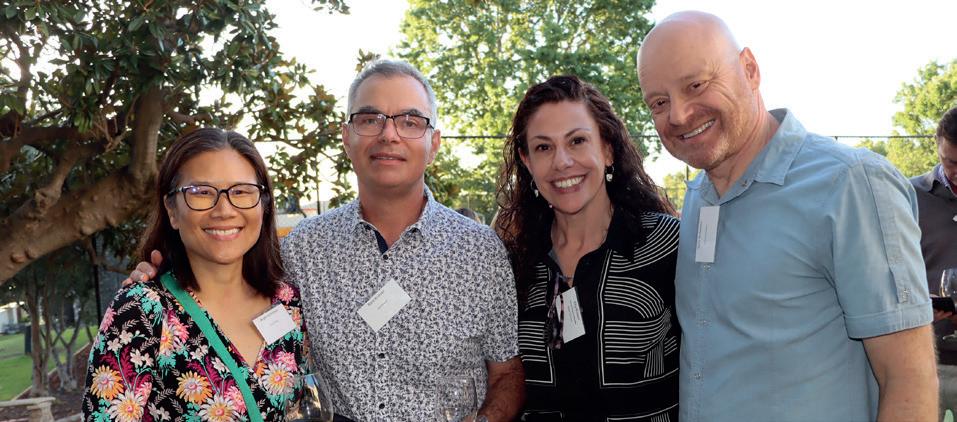
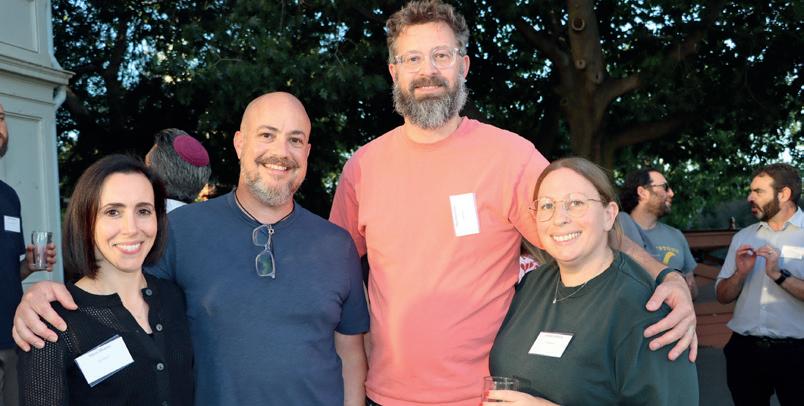
Our Year 7 parents gathered at the Magid Campus at the start of term for a beautiful evening as the sun set behind the mansion. It was wonderful to welcome so many new families, share stories from the first few weeks, and celebrate the start of an exciting journey together. Here’s to new friendships, great memories, and the amazing Class of 2031!
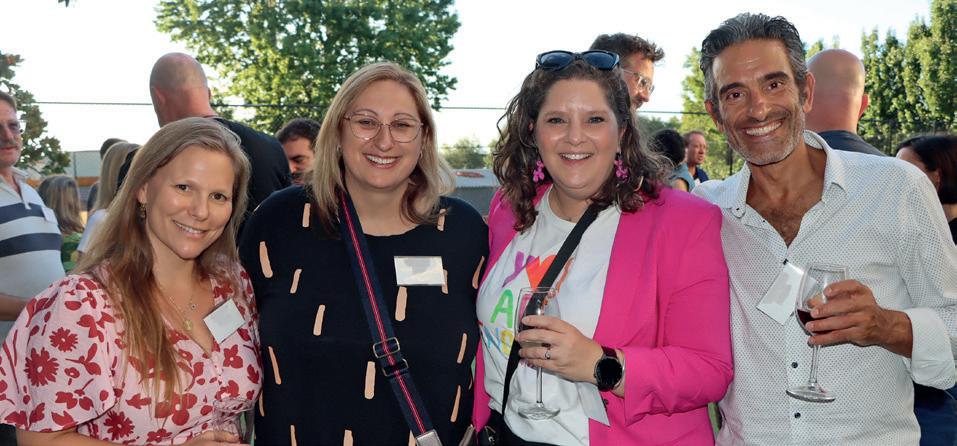
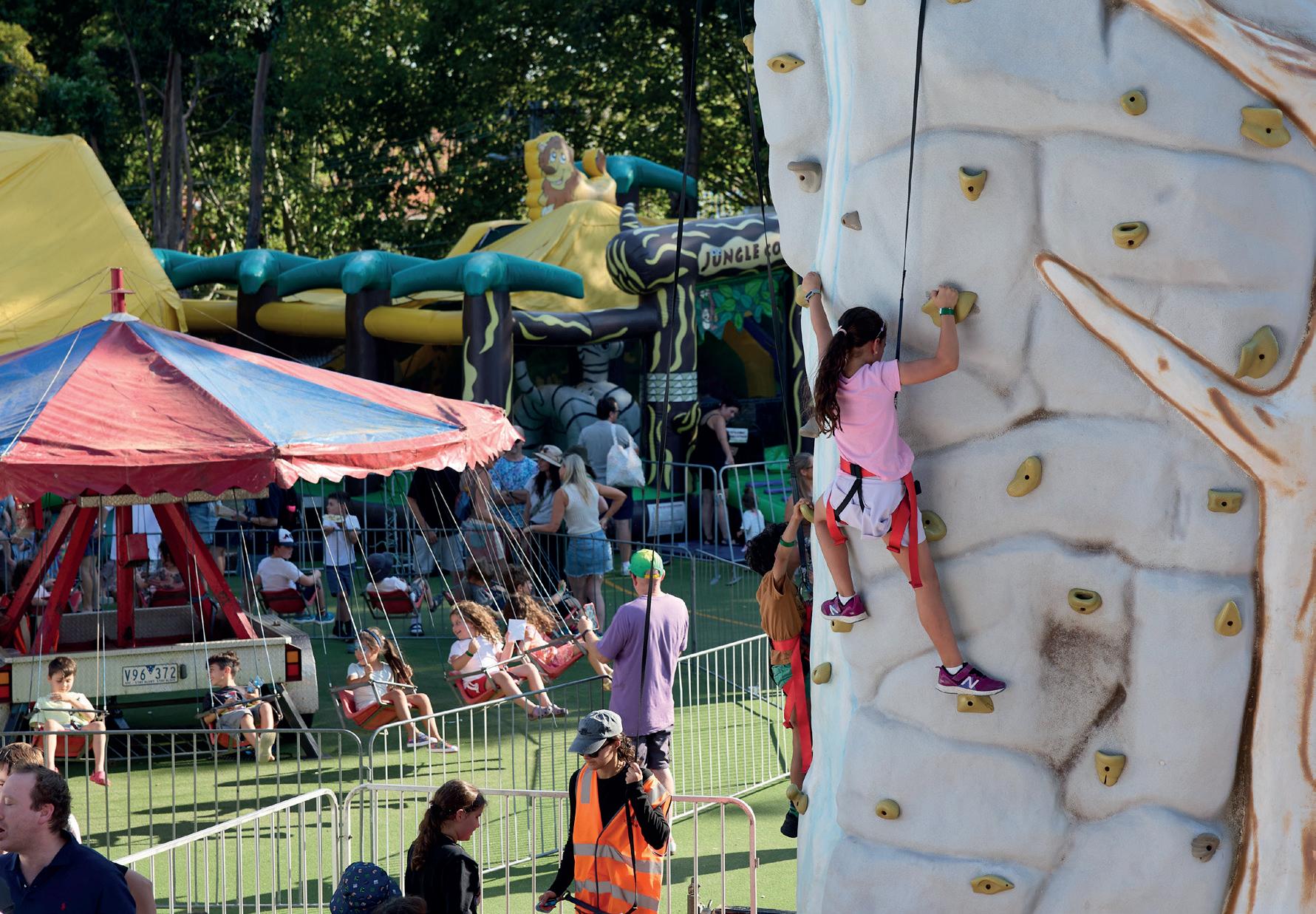
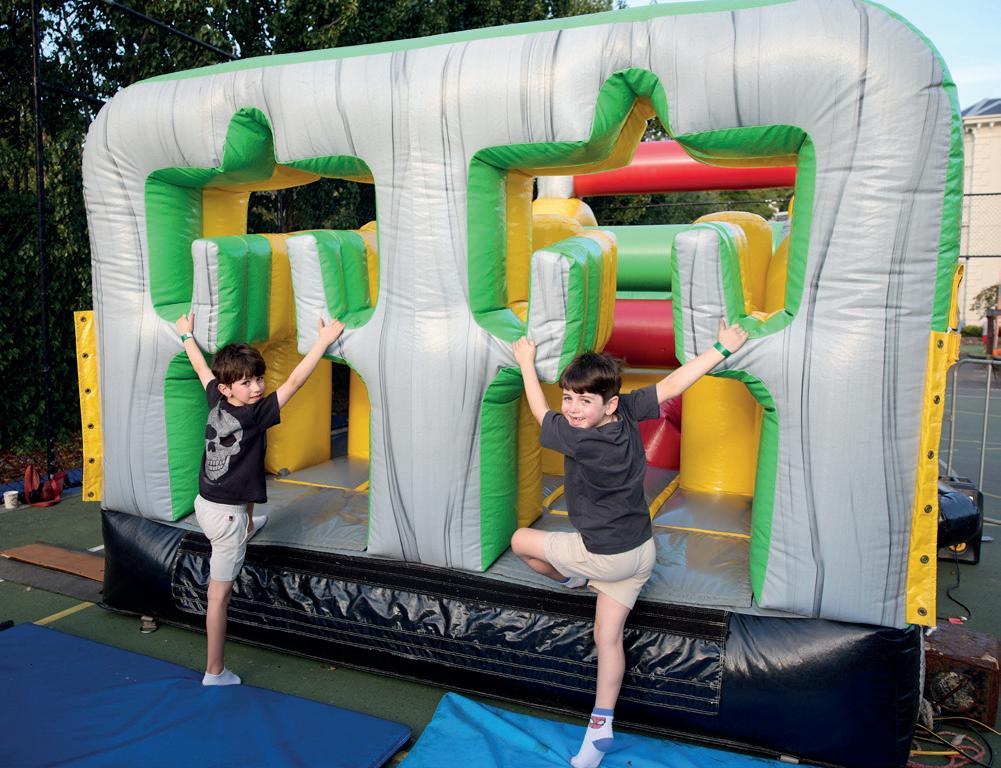
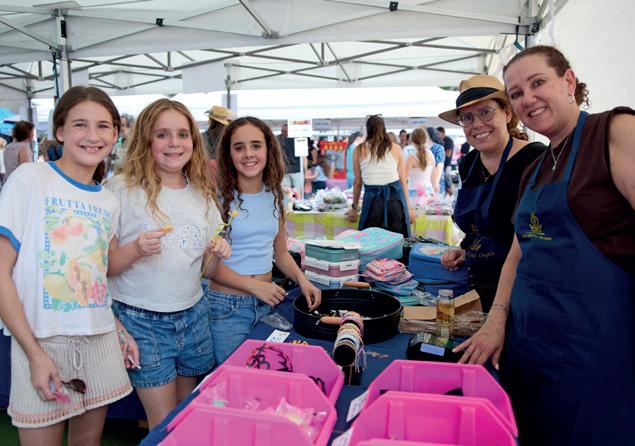
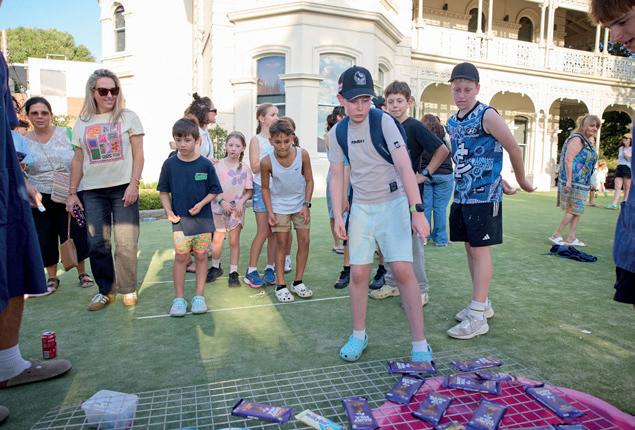
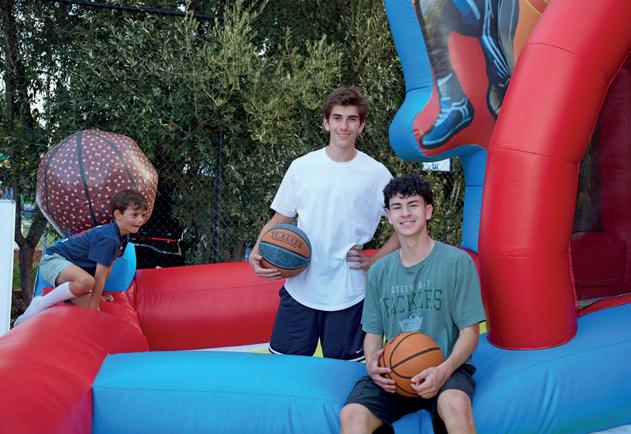
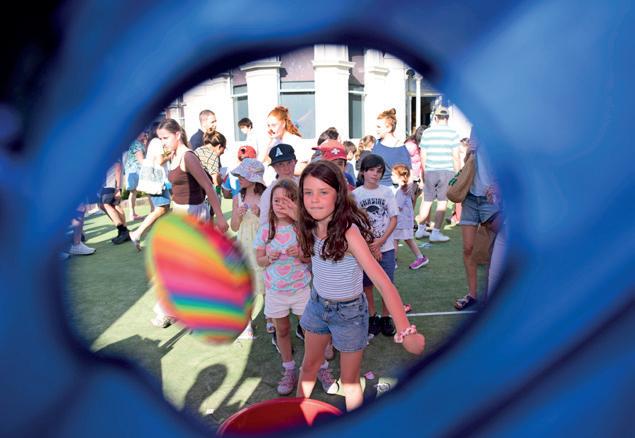
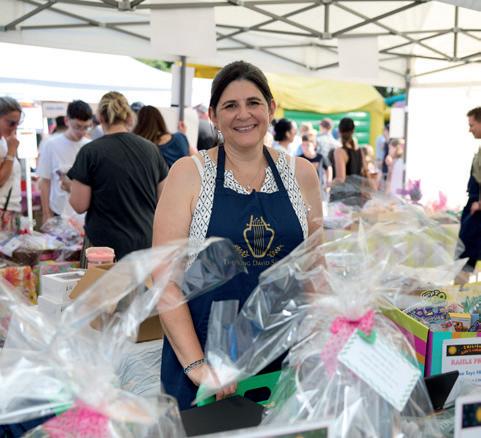
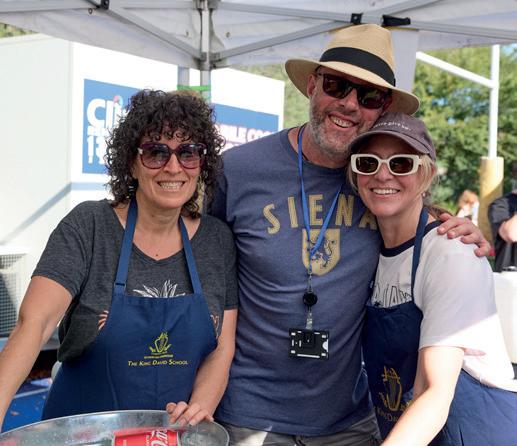
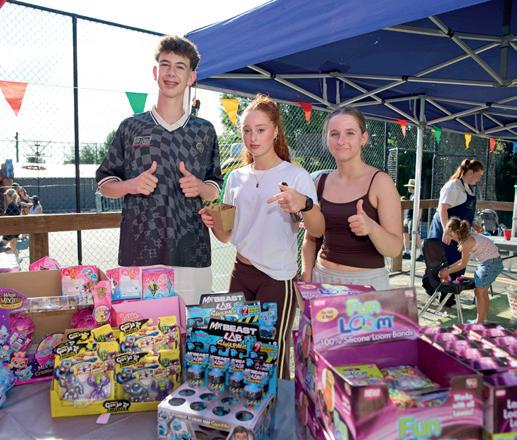
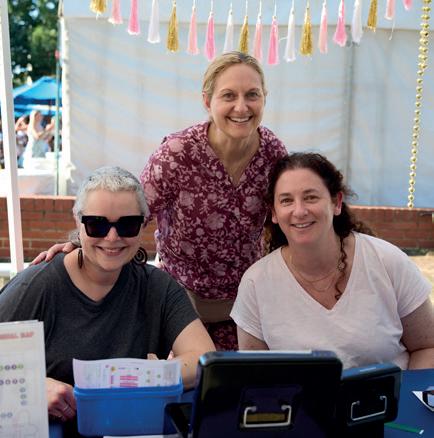
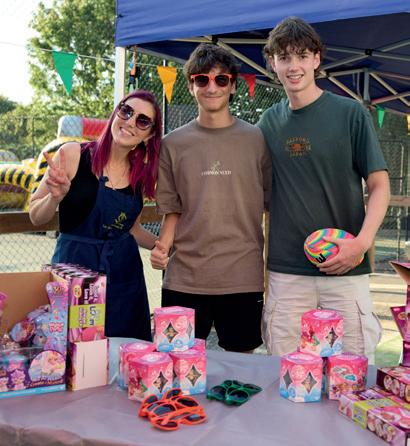
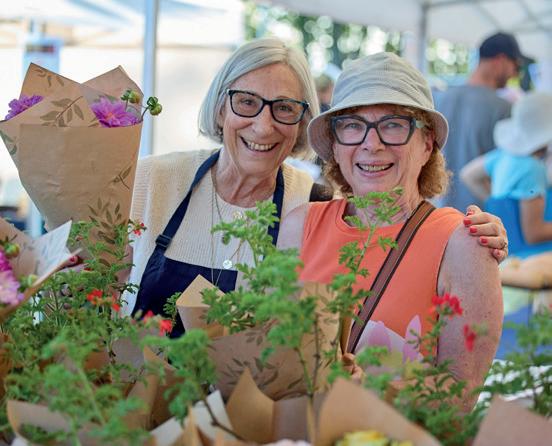
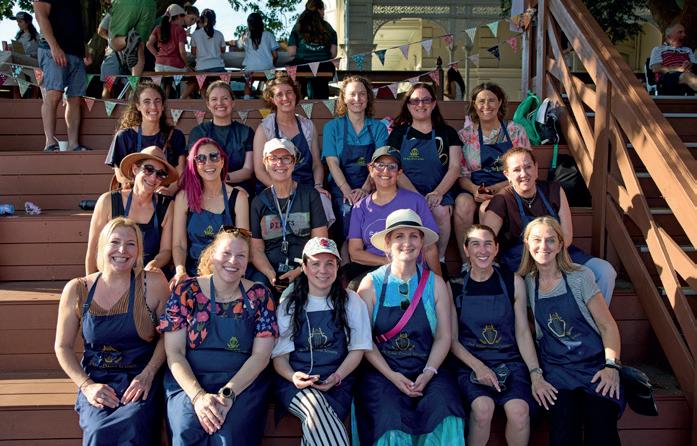
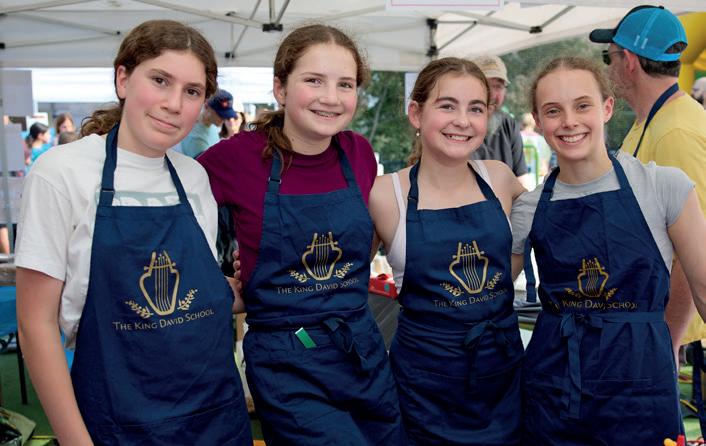
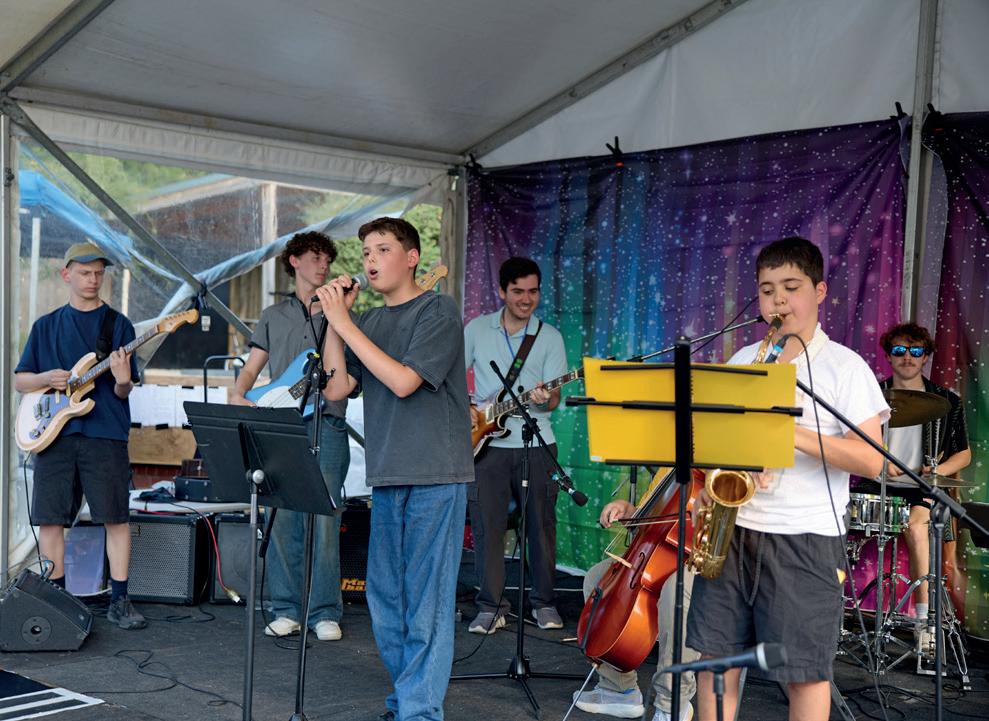
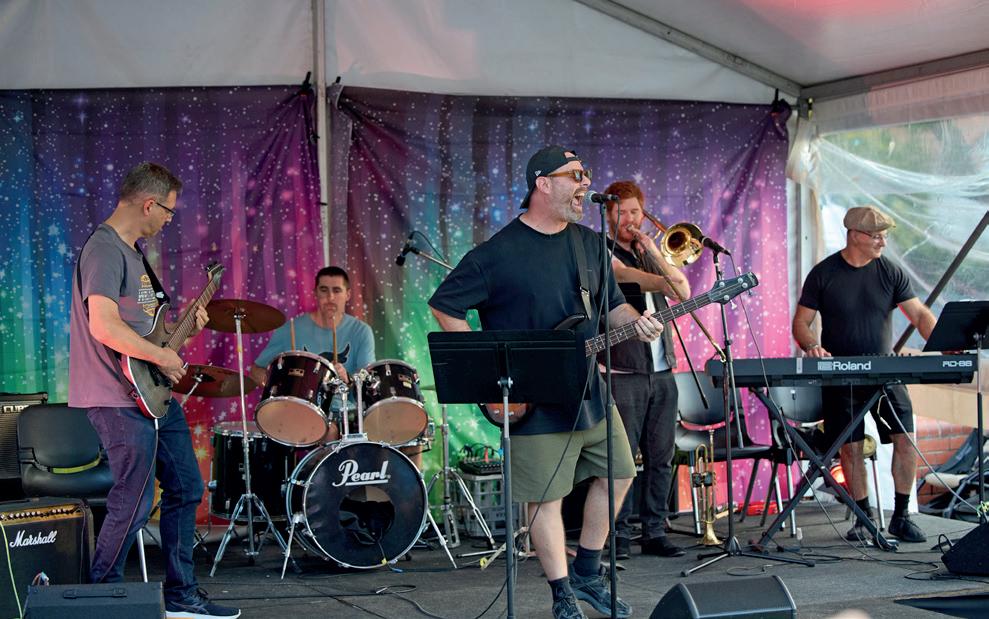
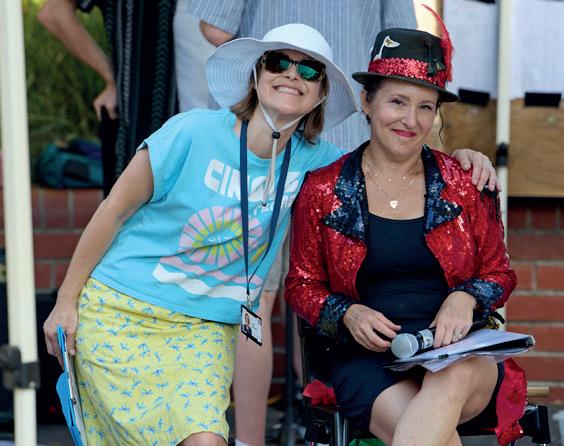
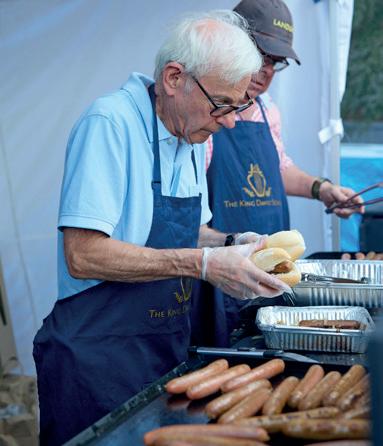
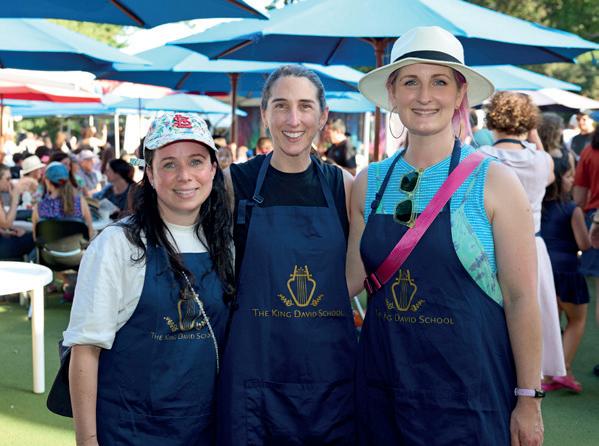
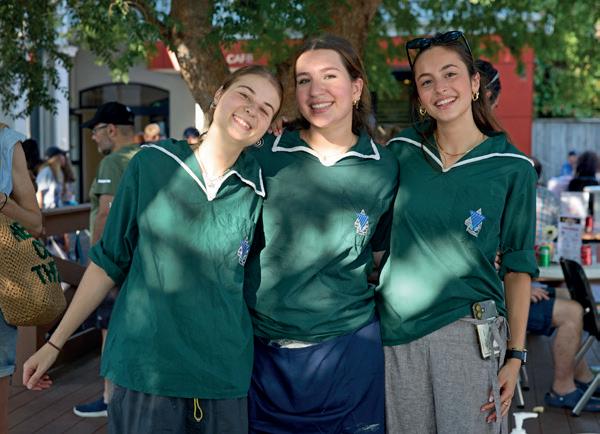
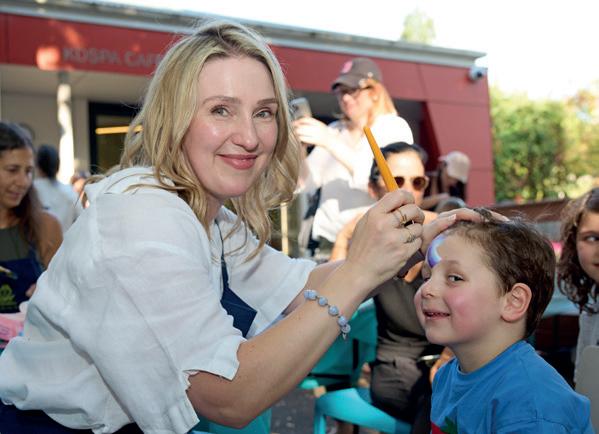
What an incredible day of community spirit and fun we shared at the Twilight King’s Carnival! With beautiful sunshine and plenty of enthusiasm, we welcomed over 1500 people to enjoy sensational entertainment, delicious food, exciting games and crafts, and wonderful stalls that delighted all ages. The Carnival was truly a massive collaborative effort, and we could not have done it without the support of the entire KDS community!
THANK YOU to the more than 250 parents, grandparents, and students who generously volunteered their time. We are so proud of what our King David community can achieve when we all work together.
We also extend our sincere gratitude to our sponsors— Cupra, Gary Peer, and Moose—as well as the many donors who contributed products for the stalls and prizes for our raffle.
As always, your feedback is invaluable. Please email kdspa@kds.vic.edu.au with what you thought worked well and any suggestions for improvement. If this event has inspired you, we encourage you to get more involved in the Parents’ Association! Please reach out and join our planning committee for our next big event.
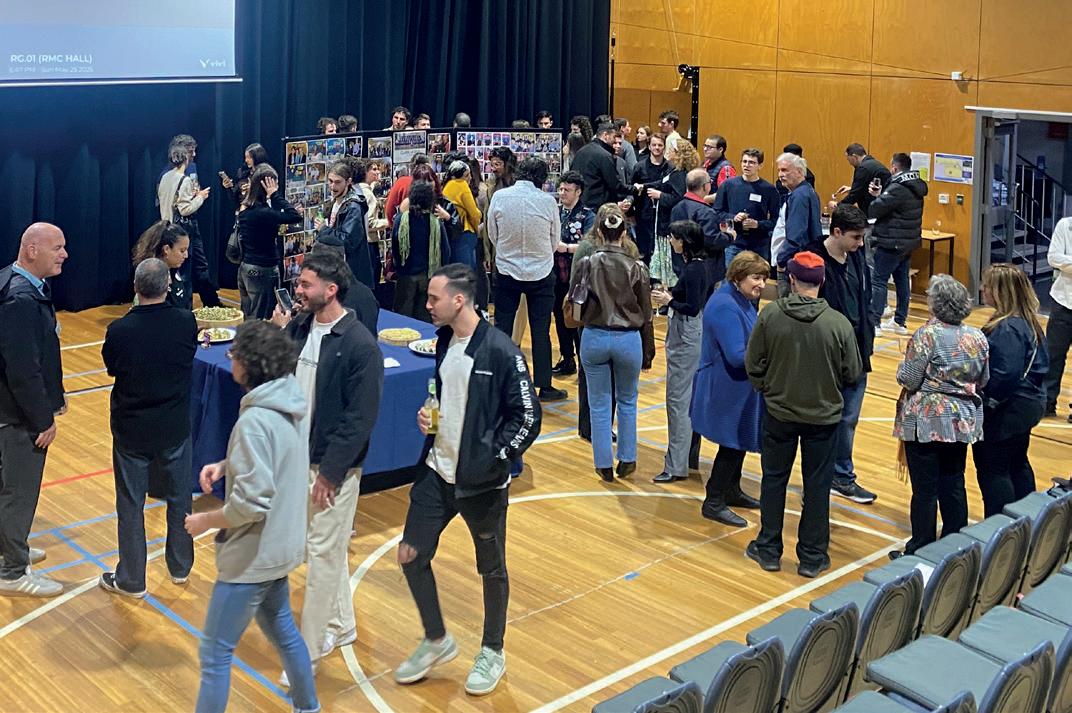
Walking through the corridors at the Early Learning Centre, you can hear the sounds of old school friends reuniting! Did you know that approximately one quarter of our Early Learning Centre families have something in common… they also used to be King David students themselves!
We have loved welcoming back so many alumni as parents and also having the chance to reconnect with past parents who are now the grandparents assisting with drop off and pick up time for so many families.
A few of these ELC parents shared their journey post school with us and what it’s like to be back at KDS… this time as a parent!
Alexandra Harrison-Ichlov graduated from KDS in 2008 and was School Captain. After school she completed an Arts degree and Juris Doctor at the University of Melbourne, followed by a Master of Law at the University of Cambridge. Alexandra is currently employed as a Senior Associate in the Dispute Resolution and Litigation team at Arnold Bloch Leibler.
Alexandra fondly remembers singing and playing music at the old Music House at Magid Campus and said she will never forget her first Hebrew class when she started at King David in Year 4!
Leor Haimes graduated from KDS in 2008. He recalls being “quite a handful as a student” and says he is “grateful they never gave up on me!” He always looked forward to school camps as a highlight and something to look forward to. After school, Leor found his way into the Hospitality industry. In 2000, he partnered up with KDS friend, Elliot Koren (2008) to start Saul’s Sandwiches and they now have six stores and a successful catering business.
Leor said that choosing to send his children to King David was straightforward. The decision “felt quite natural. KDS gave me a strong foundation - academically, socially, and in terms of Jewish identity. Knowing the community and the values, it made it an easy choice. The warmth of the community is exactly as I remember it. There is a real sense that the teachers know each child as an individual, and that the parent community genuinely looks out for one another.”
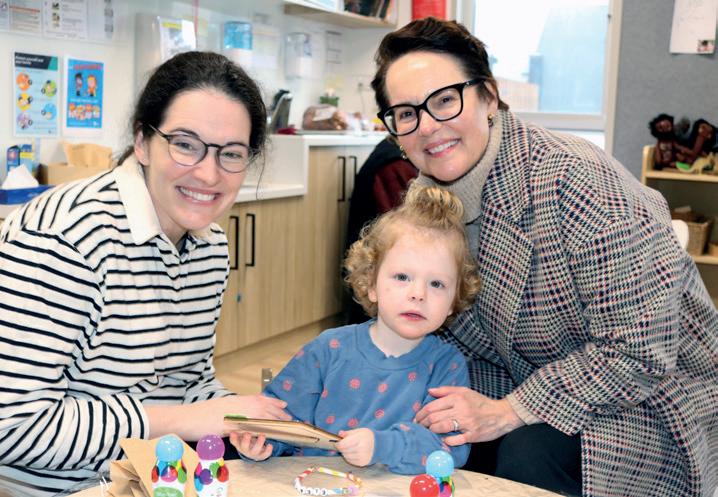
Coming back as an ELC parent, Alexandra said she knew KDS would offer her daughter “a very supportive and caring community to begin her Pre-School education in.
We know how invested the teachers and staff are in making our
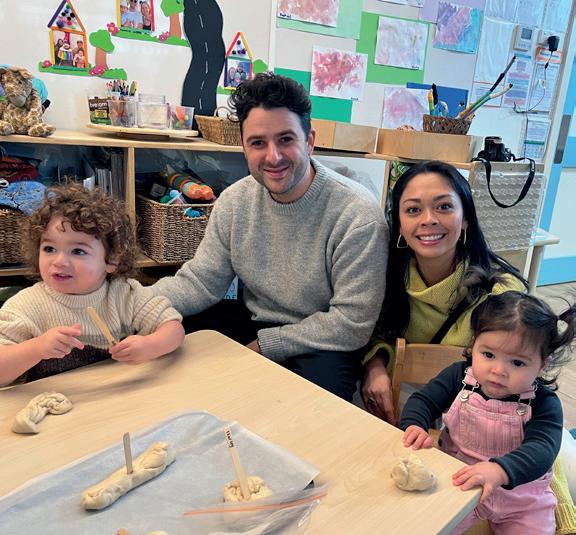
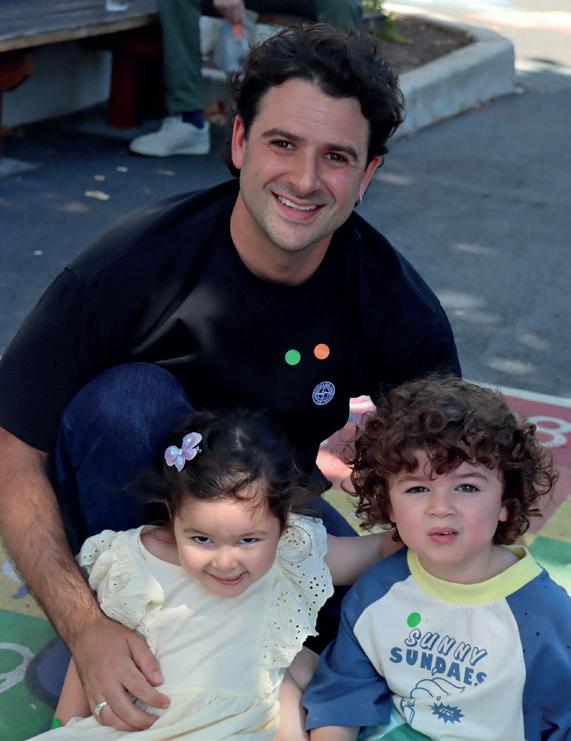
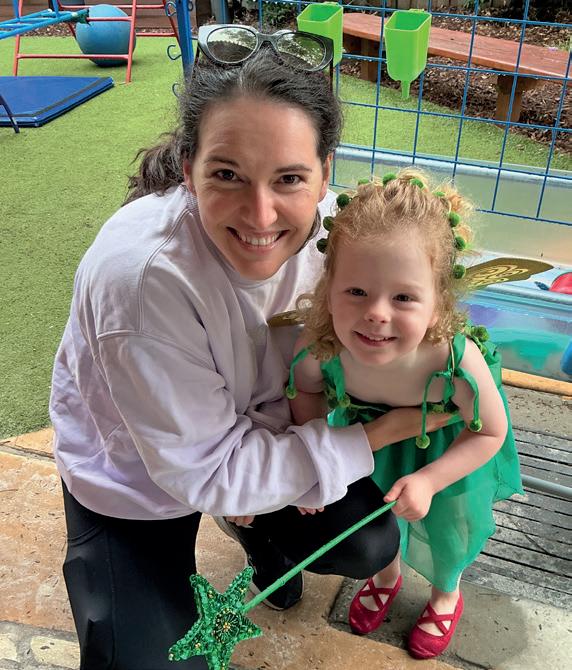
daughter’s time in Junior Kinder special and rewarding, just like my experience as a primary and secondary student.”
Olivia Sandloff (Sandler) graduated from KDS in 2009. After school, she studied a Masters of Speech Pathology, and works as a Paediatric Speech Pathologist. Olivia works with children in their homes, daycares, kindergartens and schools. She loves helping children to get their message across, and support their parents and educators to understand their communication and behaviour.
Attending King David from Junior Kindergarten to Year 12, she has many fond memories of her time at the School. She always loved sports days - with David Opat making jokes as the MC on the microphone (some things haven’t changed!)
Her grandmother, Beryl, always came along to support her and all
We are very proud of the achievements of our Class of 2025. Their dedication, guided by the expertise of their teachers, has enabled them to achieve results that have opened doors to exciting careers in the future.
With results placing KDS in the top 20 schools in Victoria, our students have been accepted into a diverse range of courses.
of her sisters and cousins. It was wonderful to welcome Beryl back to KDS as a great-grandmother for the recent ELC Pesach seder.
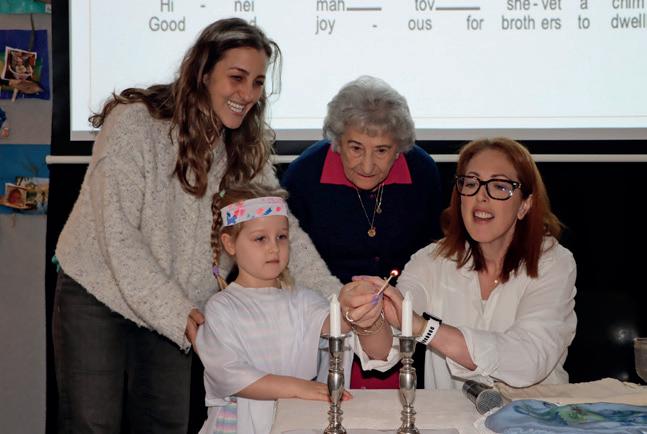
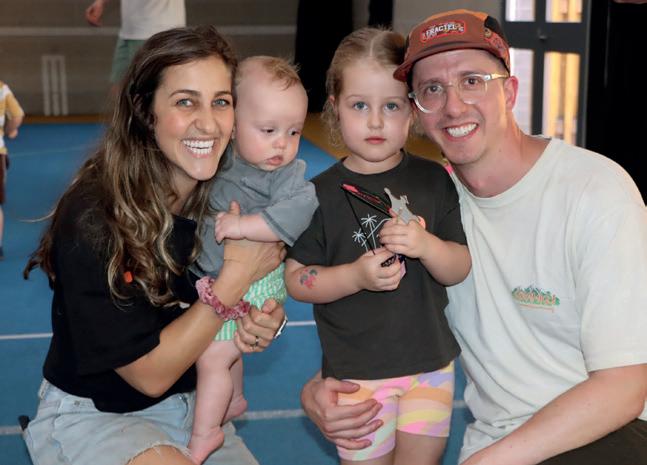
Coming back to KDS as a parent, Olivia loves the community and values of the School. “Walking into the ELC, it is clear how much the educators care about the students, and foster a strong sense of belonging. We wanted our children to understand the Jewish holidays and rituals, while still being in a space that encourages childhood development and playbased learning.
Olivia commented that she loves how parents still get involved. “Seeing parents sell icy poles on a Friday afternoon, or organise new parent catch-ups, it shows how much of a strong community the School has.
The School has always been inclusive and diverse, and I appreciate that it still is like that today.”
Please continue to keep us informed by sending your news or changes to your contact details to: alumni@kds.vic.edu.au
Zali Altman (2017) and Joe Keats
Joel Burston (2014) and Emily Klooger
Rebecca Fuerst (2013) and Devin Rod
Raul Joffe (2011) and Maria Arcos
Romi Lazarus (2016) and Daniel Kahan (2014)
Ellie Loummer (2013) and Jack Tzikas
Ari Mushin (2014) and Gill Lim
Max Ruttner (2008) and Tahnee Malina
Lexie Coleman (2016) and Jaren Israel
Lily Gean (2016) and Jarrod Herscu
Dillon Mordech (2011) and Tobi Rosengarten
Gaby Pecherskiy (2013) and Tyler Fenton
Tessa Teitelbaum (2013) and David Bookman
Shannon Zaidenberg (2011) and Leonard Krasny
Eva Zeleznikow (2013) and Jeremy Kraus BIRTHS
Melanie Agnew (Horin) (2006) and Stuart Agnew
Hallie
Jonathan Blashki (1999) and Jacqueline Rakov
Mischa and Celine
Ellie Cukierman (Zarfaty) (2010) and Yoni Cukierman
Eyal
Sophie Fink (2014) and Mitchel Tuul
Theodore
Peter Fishman (2011) and Pimpan Fishman
Emily
Aviva Joffe (Meisner) (2010) and Justin Joffe
Jack
Meital Khanin (Gofman) (2008) and Yuri Khanin
Ellie
Shanty Lourie (2007) and Kevin Cope
Zachary
Kim Smorgon (Avital) (2017) and Todd Smorgon
Aria
Maddy Steinkoler (2011) and Jonathan Bryce (2011)
Ruby and Beau
From early learning to VCE, King David students acquire the skills and knowledge they need to thrive in the world they will graduate into.

Sunday 31 May
5:30pm - 7:30pm
Class of 2021 (5 year reunion)
Class of 2016 (10 year reunion)
Class of 2006 (20 year reunion)
For further information email: