GARDENER
Independently owned and operated since 1996
PUBLISHER
Michael Cavanaugh
EDITOR
Elizabeth Cavanaugh
CONTRIBUTORS
Natalie Carmolli
Melissa Cotton
Laura Dickinson
Markis Hill
Sean Holland
Jesse Kirk
Lenora Larson
Tamra Reall
Anthony Reardon
Anne Wildeboor
DISTRIBUTION
Publishers Delivery Solutions, Inc.
IF YOU WOULD LIKE TO DISTRIBUTE the magazine at your place of business, please contact Mike Cavanaugh at mike@kcgmag.com 913-648-4728
NEED MORE MAGAZINES? mike@kcgmag.com 913-648-4728
CONTACT US P.O. Box 8725 Prairie Village, KS 66208 913-648-4728
ADVERTISING
Mike Cavanaugh at mike@kcgmag.com 913-648-4728
QUESTIONS ABOUT EDITORIAL AND SUBSCRIPTIONS
Elizabeth Cavanaugh elizabeth@kcgmag.com 913-648-4728
HOW TO SUBSCRIBE
See details on page 23.
WEBSITE kcgmag.com


Journal entry: summer
The garden has been impressive this season. This has been the year that proved the sleepcreep-leap theory about perennials. The plants in this particular sunny perennial bed have always displayed plenty of blooms (e.g., echinacea, rudbeckia, salvia, stokes aster, penstemon, daylily). More noticeable though is the growth and maturity of the plants. They have filled out and grown into the space allowed. It is remarkable to admire a mature garden, and rewarding to know that my soil-stained hands played some part in this success.
Now the garden is in summer survival mode. Long days of heat and humidity forces the landscape to instinctively utilize natural resources to preserve the species. Those plants well suited for heat and drought will have no trouble making it through the dog days of summer. And those that aren’t ... well … they will likely be replaced. Thus begins the search for suitable replacements. And “I got a guy.”
That guy is our friend Sean Holland, the Perennials Manager at Suburban Lawn & Garden. To the guy
who could teach a master class on perennials, we asked him to identify plants that dig the dog days of summer. You know, the ones, once established, that will carry the floral load to season’s end... and look good doing it. Of course, he named several varieties that met our criteria, that tolerate summer conditions and perform well in the Midwest. Read his article, “Stars of Summer” beginning on page 12.
As the cicadas sing their summer song, and the night skies are star filled, I cling to the remaining days of summer. Yes, it’s hot outside. These days are still good gardening days. Whether early morning or early evening, simple tasks like pulling weeds, hand watering, or removing spent daylily blooms are physically less taxing. Afterwards, some frozen treat soothes my sweaty self.
Television commercials showcasing back-to-school items, and bulb catalogs arriving in the mail are sure signs of summer’s end. And like the last spoonful of our favorite ice cream, we are disappointed when summer is gone. So enjoy these last days of summer. Whether in the gar-
den or at the park, pulling weeds or paddling a canoe, savor these days. Make the most of them. They are short lived. As I’ve been reminded of late, “Slow down your body, so your soul can catch up.” Summertime is a good time to slow down. I’ll see you in the garden!

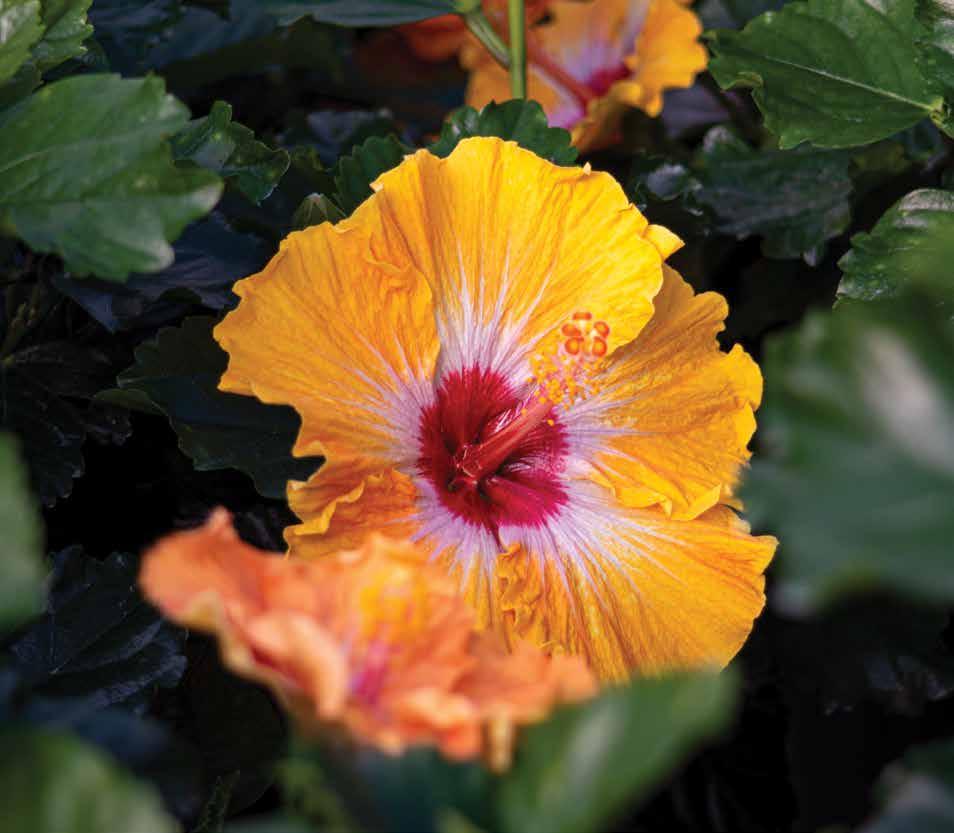
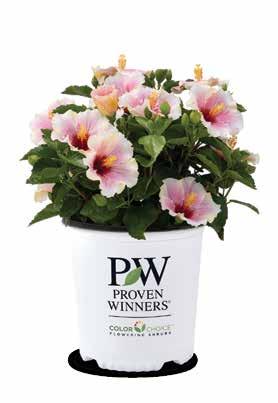
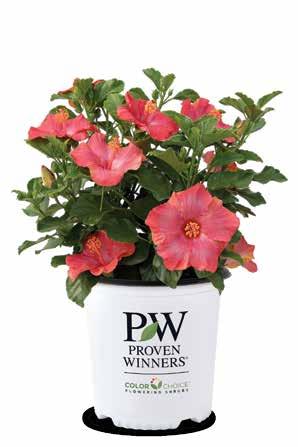
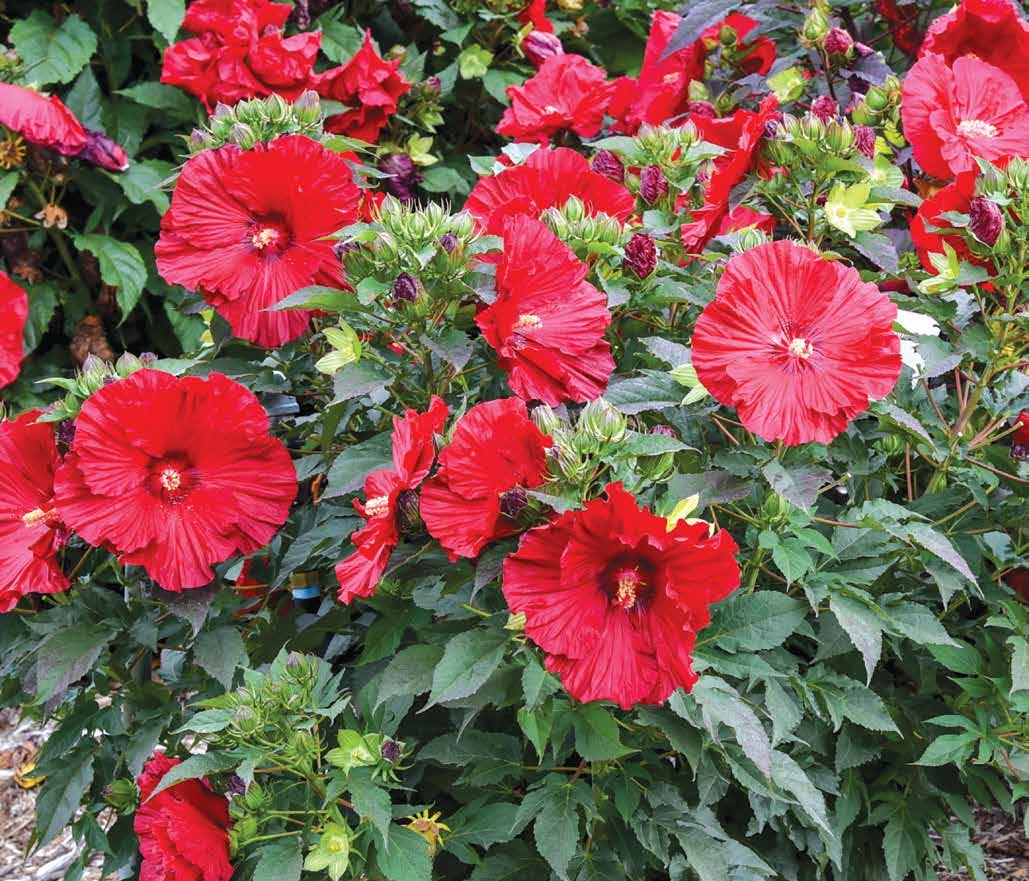
sized blooms and unstoppable color! Hollywood Hibiscus is your garden’s tropical star, thriving in the heat with longblooming flowers that make a bold statement in any space.
Look for Hollywood Hibiscus tropical hibiscus in the distinctive white Proven Winners® container at your local garden center, or learn more at ProvenWinnersColorChoice.com

HOLLYWOOD HIBISCUS ™ HEARTTHROB™, HOLLYWOOD HIBISCUS ™ FIRST LADY ™ , HOLLYWOOD HIBISCUS ™ AMERICA’S SWEETHEART tropical hibiscus
Ask the Experts
NOTE: Tom Good, Horticulture Assistant, and Mary Matthew, Extension Master Gardener, Extension Master Gardener Volunteer Coordinator, filled in to answer questions while extension agent Markis Hill is on vacation.
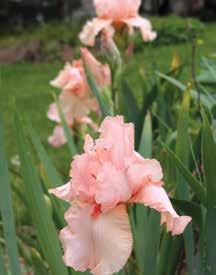
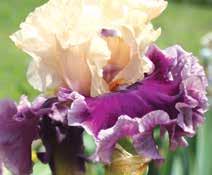
TIME TO DIVIDE AND PLANT IRIS
Question: My neighbor divided her irises and gave me some to plant in my garden. I’ve never grown irises before. Is this the right time to plant them, and what should I do?
Mary’s Answer: Late July through mid-August is the ideal time to divide and replant irises after they have finished blooming and recovered from flowering.
Plant them in a location that receives at least six hours of direct sun each day and has well-drained soil. If you have heavy clay, incorporate compost or plant on a slight mound to improve drainage, as irises don’t tolerate soggy soil.
The most common mistake is planting the rhizome too deeply. Position the thick, horizontal rhizome at or just below the soil surface, with the roots spread beneath it. In Kansas, the top of the rhizome should

remain visible or nearly so. Space plants 12 to 24 inches apart, water thoroughly after planting, then water only as needed once established.
Don’t worry if newly divided irises don’t bloom next spring. They often spend their first year developing roots before returning to their full flowering potential.
After blooming, remove spent flower stalks but leave the foliage until it browns in late fall. Then cut leaves back to about six inches to help reduce insect and disease problems.
DECIDING WHEN OR IF TO PLANT A COVER CROP
Question: As we approach fall, I would really like to install a cover crop this year to hold my beds over through winter. Looking at the recommendations for planting times, it doesn’t seem I can do this while still planting a fall garden in August. Is this correct?
Anthony’s Answer: Most winter cover crops are indeed planted into the ground by mid-September at the latest. Sown then, the plants are given just enough time to sprout and establish deeper roots before a hard freeze is likely. Unfortunately, the trade-off is not being able to plant longer-developing fall vegetables in the same area. Rather, gardeners can plant crops such as turnips, radishes, beets, lettuce, and other greens now in August for a quicker turnaround. Bear in mind, however, that many of these crops like to bolt in extreme heat. Planting them at this time of
year often requires special attention to thick mulching, consistent soil moisture, and, sometimes, structures with shade cloth. If you would rather not invest effort into crops that only have a short time to grow before planting cover crops, keeping summer vegetables around a bit longer may be the better choice.
BERMUDAGRASS HAS INFILTRATED TALL FESCUE LAWN
Question: My neighbor has bermudagrass, which has invaded much of my tall fescue lawn. I don’t like how it turns brown in spring and fall, and it keeps spreading into my landscape beds. What’s the best way to get rid of it?
Tom’s Answer: Bermudagrass is one of the most common lawn problems we hear about on the Extension Master Gardener Garden Hotline. It spreads aggressively by both aboveand below-ground stems, making it difficult to control once established.
While selective herbicides can be effective on small patches, extensive infestations are best managed through complete renovation. Apply a non-selective herbicide containing glyphosate in early August while the bermudagrass is actively growing. Wait three to four weeks, make a second application, then allow an additional two weeks before reseeding with tall fescue in September, the ideal time for establishing coolseason lawns.
For the best results, water and fertilize the bermudagrass before treatment. Healthy, actively growing plants absorb more herbicide, improving control. If the bermudagrass has already begun going dormant, wait until next summer and start the
process earlier.
As always, read and follow all herbicide label directions. Proper timing and patience are the keys to successfully reclaiming a tall fescue lawn.
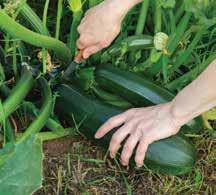
LATE SUMMER VEGETABLE ABUNDANCE
Question: I always love August because my vegetable garden starts producing in abundance, but at the same time, I can only do so much with cucumbers, zucchini, and tomatoes! Any tips on what to do with the extras?
Anthony’s Answer: Finding places to unload extra produce can sometimes be tricky, but there are numerous options available! So long as they have a refrigeration unit, most food pantries are happy to take donations of extra produce off your hands. If your objective is to keep your harvest, freezing, canning, and dehydrating are all options for long-term storage. And if you say your produce has been held a little too long to be consumed, adding it to an at-home composting operation will help reclaim all those inputs for growing it, bringing them back into your garden.
MARKIS HILL | Horticulture Agents | ANTHONY REARDON
Markis Hill and Anthony Reardon are the horticulture agents for K-State Extension Johnson County, each specializing in ornamentals and edible crops, respectively. For free information fact sheets, visit www.johnson.k-state. edu, or call our Garden Hotline at 913-715-7050.

Iris
Zucchini squash












Hidden Gems of the Overland Park
Arboretum
& Botanical Gardens
There are still people that say, “What’s that?” or “I’ve never made it out there,” when I tell them where I work. Sometimes I hear, “Oh, we come out for the Luminary Walk every year.” Which is wonderful, but that’s all the way in November and December; not exactly our prime garden season. In my opinion, summer is the very best time to visit the gardens. The gardens are full, birds and butterflies are abundant, and it can be very serene at many times of the day. If you have a couple of hours to spend, you can make it through our 20-plus acres of formal gardens. Some of our gardens are very recognizable; the Monet Garden is one of

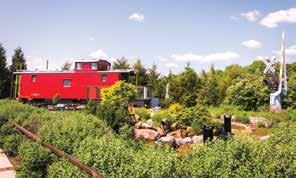
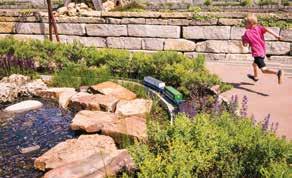
the most photographed. The Johnson County Extension Master Gardeners do a wonderful job in caring for this beautiful space. The Train Garden with our G-scale model trains is always a favorite of families and kiddos. Let me introduce other gems at the Overland Park Arboretum & Botanical Gardens that you might be missing.
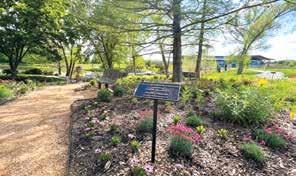
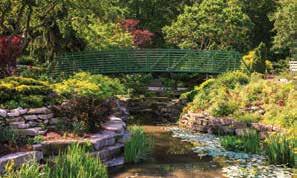
In between the sidewalks that go to our two bridges, is the Emily Dickinson Poetry Garden. Tucked underneath a majestic Bald Cypress, this garden features cottage and old fashioned varieties, some of which could be found in Emily Dickinson’s garden in the northeast. A little formal with groupings of Astilbe, Hy-
drangeas, Hostas, Ferns and Veronica. A little wild with Hollyhocks, Dara, and Cosmos sprinkled about. The benches offer a shady spot to sit and look out across the pond, read, or write your own poetry.
The Kopperman Garden is located on the southwest side of LongHouse Visitor Center. It has custom built, six foot, corten steel panels that surround the interior of the garden and a small fountain on the far west side. This garden features groupings of perennials that show off at different times of the year. In the past three years we have added more perennials, switched some out, and added thousands of bulbs and annuals for additional pops of
color. The steel panels make this a cozy, almost hidden space, as you truly don’t see all the plants until you enter. What they also do is make this garden very warm. Those panels warm up in the sun and create this kind of micro climate. So, I am embracing it, trying some plants that are Zone 7 hardiness instead of our Zone 6. Like two different types of Figs and some fun Hydrangeas. The hummingbirds also adore this space. They have feeders there but we are also planting annuals that they enjoy, like Tithonia, Cuphea, Lantana and Salvia. Outside of the steel panels we have added Hydrangeas, Abelia, Nepeta, Rudbeckia, Buddleia. The annuals we have selected are
Anne Wildeboor, is long-time horticulturist at the Overland Park Arboretum & Botanical Gardens. She loves sharing her passion for plants with the public and working alongside dedicated staff and volunteers.
ANNE WILDEBOOR Horticulturist
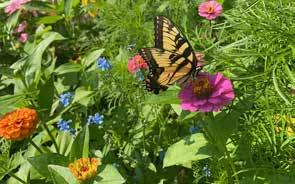
good for both our hummingbirds and butterfly friends. Last year, the Monarchs were all fluttering outside the Kopperman Garden. We planted over 50 Gomphocarpus physocarpus Milkweed (If you know the common name, you know) along with Asclepias curassavica. The pollinators adore them, both the flowers and the foliage, and it adds great height to this new garden.
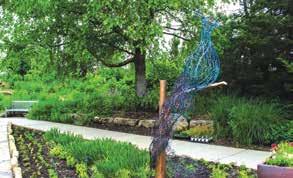
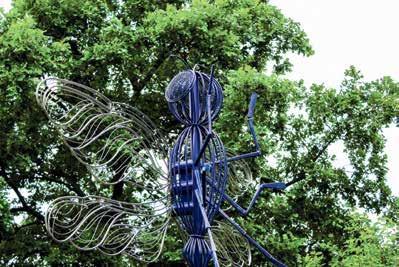
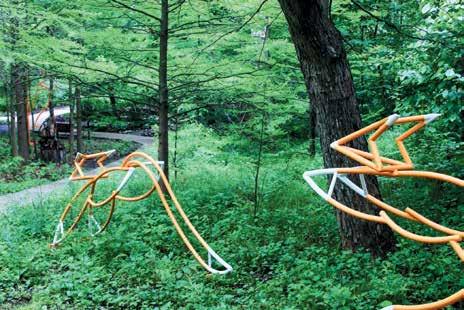
Our official bird and butterfly garden is the Erickson Water Garden. It is a Monarch Waystation and features many host and nectar sources for all kinds of butterflies. You can see multiple types of Swallowtails, Viceroys, Sulphurs, Painted Ladies, Frittilary and our friends the Monarch. The beds in the upper part of the garden have two very large color beds and three large perennial spaces. One of the annual color beds features the Erickson Bell, which happens to be a hollowed out oxygen tank that rings strong and true on breezy days. The other large color bed has a special resident this summer, Carl the Peacock. He is part of the Forest Forms art display we are hosting in the gardens through the end of September, featuring 18 different sculptures throughout the gardens.
Spring in Ailies Glade is magnificent. The Redbuds, Magnolia, Hellebores, Daffodils, Bluebells, Celandine Poppy and Flowering Quince play off of each other and appear in perfect harmony. Summer is also wonderful; the large Sycamore adds shade to the benches, making it a great place to read a book or rest during your walk. With only a handful of truly shady gardens this is a great space to check out perennials that do well in shade or part shade conditions. Astilbes, Hostas, Barrenwort and Ferns are a few that you can find. Typically, our summer annual palette consists of some color of Sunpatiens. They flourish in the light conditions down there, enough sun that they bloom well, but not too much sun that they need water every five minutes.
If there is not a rental going on in the Gathering Place at LongHouse,
guests are welcome to enjoy the Waterside Terrace. There is outdoor furniture for resting, especially in the afternoon when the sun is on the other side of the building. You can sit and enjoy the Family Pond and the Beautiful Wisdom Garden which is adjacent to Waterside Terrace to the south. Climbing Hydrangeas are against the limestone wall. The beds
are filled with a mixture of shrubs, perennials and some annuals. We have had success with some of our annuals overwintering, like Rudbeckia, Salvia and Verbena.
Whatever your favorite spaces are within our garden grounds, I hope you get to enjoy them multiple times during the growing season. They change each and every
NE W THIS FALL!
EXPANDED GARDEN
month. If you haven’t been to visit the Overland Park Arboretum & Botanical Gardens yet, I hope this has piqued your interest to come out and explore all that we have to offer. We are open seven days a week! For more information on hours and admission check out our website, www.opkansas.gov. Hope to see you out and about in the gardens!
SOIL TESTING PILOT



It’s been a hot summer! High temperatures, limited rain, wild storms, bugs, diseases, whew! Our roses take a beating in the summer, and we need to give them extra TLC while preparing for winter.
It’s Too Darn Hot!
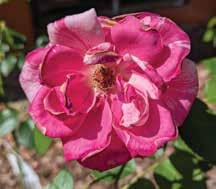
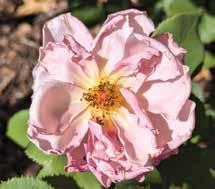
You may have noticed that your roses took a mid-summer nap during the highest heat of summer. They didn’t produce many flowers or new green growth. The chemical processes that drive plant growth just don’t work well when it is hot. In extreme heat and drought, leaves will actually burn and turn brown, or turn a strange purple-black color. Flowers bloom then immediately shrivel. This heat stress allows insects and disease to gain a foothold on even the hardiest roses. Black spot may appear on normally disease-resistant roses. Spider mites, which reproduce more quickly in the heat, can grow out of control quickly. Here are some things you can do to help your plants recover from the hot summer months.
Watering
Continue to water at least one inch per week, two inches if the temperature is over 90 degrees.
Water deeply and infrequently once or twice a week to reduce the time that the leaves are wet.
Disease management
To reduce disease, remove a few canes in the center of the plant so air can flow through and the leaves can dry out more quickly.

Rose Report Late Summer Rose Care
Remove any leaves with black spot from the plant, and the ground under the plant. Send them away in the “brown bag” compost or the trash. Do not put them in your home compost pile because the temperature in most home compost is not hot enough to kill the fungal spores.
Another hot weather fungal disease may appear called Cercospora. It also has black spots, but the edges of the spot are well defined, unlike the feathery edges of black spot disease. And Cercospora spots are gray or tan in the center.
If you have a fungal disease spray routine, continue this until the leaves have dropped in the fall.
If you do not have a spray program, you may see fungal disease on normally resistant roses. Remove the affected leaves to minimize disease spread and know that your roses will probably survive the rest of the season, despite looking rather sad and ragged!
Examine your roses carefully for rose rosette disease, which often appears in late summer, even though the plant may have gotten infected
LAURA DICKINSON
the previous year. Symptoms include excessive small, straight thorns on the canes, red malformed leaves and buds, and clusters of twisted growth described as “witch’s broom.” Roses with this disease need to be dug up and disposed of immediately away from your garden. There is no cure and the disease will spread to your other roses via a microscopic mite.
Insect pests
Fortunately, the annual invasion of Japanese Beetles should be over by August! Remove any remaining damaged flowers and leaves. The plant will begin to put out new growth as the weather cools.
Spider mites may still be present. Look for leaves stippled with yellow and fine webbing on the undersides of leaves. Continue treating them with chemical miticides or organic options such as neem oil. They will become less prevalent when the weather cools.
The Good News!
Fall is coming and September can be the best month for rose
blooms of the entire season! Nurturing your roses through the Dog Days of August will reward you with a beautiful fall season of blooms and remind you why you grow roses in the first place.
Questions about
Roses?
Contact our Ask a Rose Expert email hotline at rosehelp@kcrosesociety.org You can find articles on all aspects of rose gardening, including photos and treatment of pests and diseases mentioned in this article, on our website. www.kansascityrosesociety.org. Click on the Grow Roses tab.
FEATURED ROSE
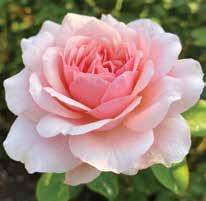
‘Quietness’ is a large, disease resistant landscape shrub with delicate, light pink flowers and a delicious bright, fresh scent. It is my favorite rose! Look for it in the northeast quadrant of the Laura Conyers Smith Municipal Rose Garden in Loose Park.
Laura Dickinson is an American Rose Society Master Consulting Rosarian and past President of the Kansas City Rose Society. She has a special interest in low maintenance roses and encouraging reluctant gardeners to give roses a try. Her motto is: Roses are easier than tomatoes.
Photo by Lauren English.
The petals of these rose blooms have turned brown caused by heat stress.
Photo by Laura Dickinson.












Small Cuts Today to Prevent Big Problems Tomorrow
Tree pruning is likely the most important aspect of tree care in the Kansas City metro. The way a tree is pruned has long-term consequences for its health, structure, and safety. Modern arboriculture has moved beyond the old habits of aggressively thinning, topping trees or removing large branches simply to “clean them up.” Today, arboricultural research supports a more thoughtful approach: guide a tree’s structure early, make smaller cuts, and guide the natural systems that help trees withstand wind, ice, and other environmental stresses common in our region.
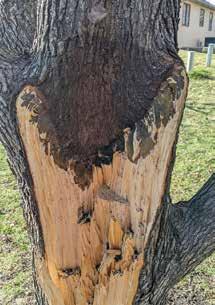
One of the most important principles of proper pruning is simple: smaller cuts are better than large ones. Small pruning cuts expose less heartwood and allow the tree to compartmentalize the wound more quickly. Trees naturally defend themselves by sealing off injured tissue through a process known as compartmentalization. The smaller the wound, the faster and more effectively this defense process occurs, reducing the likelihood that decay organisms will enter the tree and begin breaking down structural wood.
Large pruning cuts, especially on mature trees, expose a much greater portion of heartwood. Removing a large limb may address immediate concerns, but it often passes the problem down the road by creating a point where significant decay can develop in the future.
This is why experienced arborists emphasize “training” tree

structure while the tree is young. A few thoughtful pruning cuts every couple of years early in a tree’s life can prevent the need for large, damaging cuts decades later. As the saying goes, “an ounce of prevention is worth a pound of cure.”
Not only does formative pruning enhance the longevity and structural integrity of a tree, it’s likely to save money over time. A few small cuts from the ground are far less costly than correcting major structural defects later.
Structural pruning focuses on en-
JESSE KIRK Master Arborist
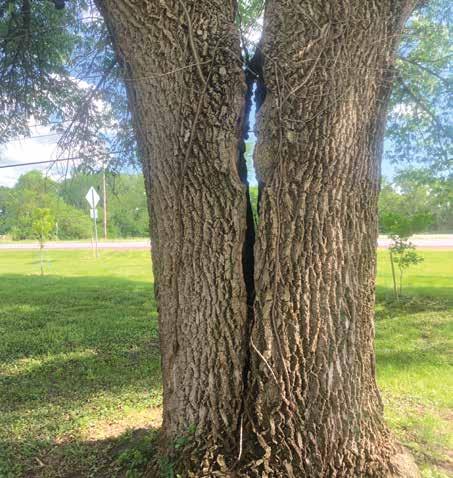
couraging strong branch attachments and balanced growth throughout the canopy. This typically includes maintaining a dominant central leader, reducing competing stems, establishing the lowest permanent limb and spacing major scaffold limbs appropriately along the trunk. When trees develop multiple codominant stems or branches with included bark, those attachments are often weak and prone to failure later in life. When planted in open landscapes, branches may compete for dominance. Without guidance
through structural pruning, these competing stems can eventually become large structural liabilities. Reduction cuts are one of the most useful tools in structural pruning. Rather than simply removing a large branch entirely, a reduction cut shortens the branch back to a smaller lateral branch that can assume the terminal role. This reduces both lever arm length and tip weight. This reduces mechanical load on the branch union during wind or ice events. Properly applied reduction cuts can significantly reduce the likelihood of branch failure during storms while still maintaining the tree’s natural form and appearance. Another concept that has changed significantly in modern arboriculture is crown thinning. For many years it was widely believed that thinning the interior canopy would reduce wind resistance and make trees less likely to fail during storms. How-
Jesse Kirk is District Manager for Wellnitz Tree Care and a Registered Consulting Arborist and ISA Board Certified Master Arborist. A graduate of Kansas State University, he specializes in professional tree management, plant health care, and arboricultural consulting. Email him at Jkirk@wellnitztreecare.com or call 913-350-0050.
ever, newer research has shown that this assumption is often incorrect.
When interior foliage is removed, trees can actually move more violently in the wind.
The reason involves a phenomenon known as mass dampening. The smaller branches and interior foliage of a tree move independently when exposed to wind. This movement allows the energy to dissipate.
When too much interior foliage is removed, a practice commonly referred to as lion’s-tailing, the tree loses this natural dampening effect. The canopy swings with greater force, increasing oscillation and potentially increasing the likelihood of branch or trunk failure.
Timing is another important factor in proper pruning. In the Kansas City region, oaks and elms should only be pruned during dormancy. During the growing season, insects can vector fungal spores from infected trees to fresh pruning wounds, spreading diseases such as oak wilt and Dutch elm disease.

Ultimately, good pruning comes down to knowledge; every pruning decision should be based on the needs of the tree and the surrounding site. Species, age, vigor, pruning history, and site conditions all influence what type and level of pruning is appropriate.
Professional tree pruning should follow the ANSI A300 standards. These industry guidelines define proper pruning practices and provide the framework arborists use when determining how and where cuts should be made.
If the company you are considering hiring does not know what the A300 standards are or cannot explain how they apply to your trees, it’s worth seeking a qualified professional who can.
Proper pruning is an investment in the long-term health, structure, and safety of Kansas City’s trees. When pruning is done thoughtfully and according to modern arboricultural practices, the benefits can last for generations.






Stars of Summer
Perennials that endure through the dog days of summer
Heat, endless watering, crispy perennials, and an overabundance of late-season weeds—this is August gardening in Kansas City. We are approaching the time of year where gardening becomes an early morning or late evening activity. If you are like me, once August arrives, we prefer to sit on the patio with a favorite summer beverage, while admiring our gardens. Think of all the hard work it took to get to this point in the year.
One of the challenges of perennial gardening is finding those plants that can power through the summer heat so that they can give their show during those “dog days.” Aside from the usual July-September blooming perennials that I recommend to clients and customers (Echinacea, Coreopsis, Rudbeckia, Achillea), I like to think outside the box and offer some alternatives for gardeners to mix into their beds.
Allium has come a long way in recent years. It’s uniquely shaped July-August blooms and tidy habit make it a perfect addition to a sunny border or pathway, even becoming a substitute for Liriope. ‘Millennium’ Allium is a true powerhouse of a perennial, handling drought, heat, and extreme conditions without much need for additional care. I should note that it seems that this year, Allium around the KC area got a head start and bloomed earlier than normal. However, many

SEAN
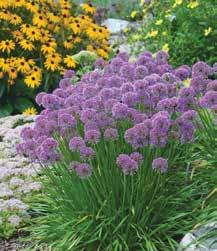
gardeners continue to enjoy the globe-shaped spent blooms through the fall.
Once very popular, Tall Garden Phlox (Phlox paniculata) seems to be making a comeback among plant breeders, with improved blooming and disease resistance. Though older varieties like ‘David’ are still popular, members of the Luminary® Series by Proven Winners are much more resistant to powdery mildew. Try mixing ‘Backlight’, ‘Ultraviolet’, and ‘Pink Lightning’ together in the back of a sunny bed. Though disease resistant, it is still a good idea to avoid overhead watering when possible.
If you love seeing hummingbirds visit your garden (but don’t want to feed the deer and rabbits), consider adding Lobelia cardinalis Cardinal Flower. Offering a long-bloom time, it is not uncommon to see multiple
hummers darting around (and chasing each other away from) the irresistible feast in the perennial buffet! For sun to part shade native gardens, L. cardinalis and L. siphilitica make wonderful choices, but they need space to spread out. For those who love Lobelia but need something a bit more compact, the Starship® series won’t spread as much.
For gardeners on the search for something very unique, Chelone (chuh-LOW-nee), or Turtle Head, is a lesser-known perennial perfect for attracting hummingbirds late in the season. Luckily, it is much easier to care for than it is to pronounce its name. Apart from the native species, ‘Tiny Tortuga’ and ‘Hot Lips’ make for a perfect August bloomer in rain gardens and landscapes in full to partial sun. As with Lobelia, Chelone loves the summer heat, but needs some extra water during dry
periods.
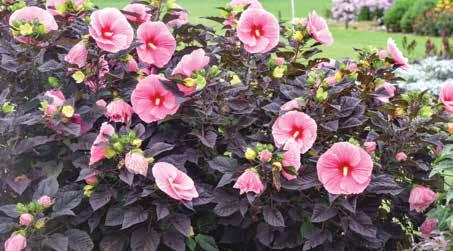
Finally, for gardeners going for the grand effect, a hardy hibiscus or two (or ten) are a must-have! Another perennial that has come a long way from its roots with ‘Lord Baltimore’ and ‘Lady Baltimore,’ there are so many colors available at garden centers now. Proven Winners is continually releasing unique and longblooming varieties in its Summerific® Collection. ‘Midnight Marvel’ is another highly recommended variety with deep red blooms and red foliage, making a perfect focal point in a full-sun garden.
So, while you are enjoying that beverage on your patio and looking out at the landscape considering what areas need more perennials, consider heading to your favorite local garden center to check out some of these summertime favorites. Margaritas, anyone?
Sean Holland is Perennials Manager at Suburban Lawn & Garden, 135th and Wornall location, in Kansas City, Missouri. You may reach him at seanh@suburbanlg.com.
HOLLAND Perennials Manager
Allium Millenium
Hibiscus Edge of Night
Photo courtesy of Proven Winners.
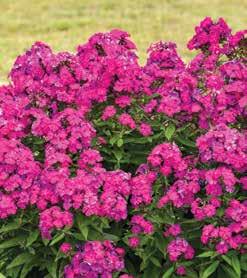
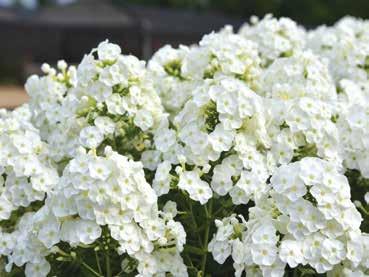
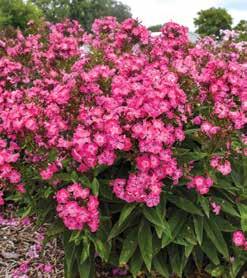
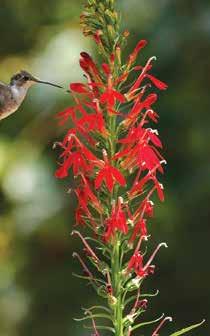
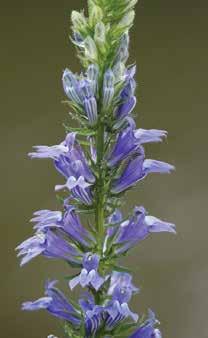
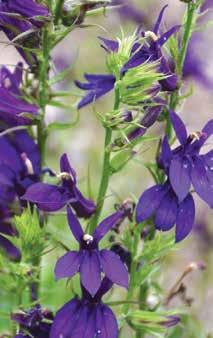
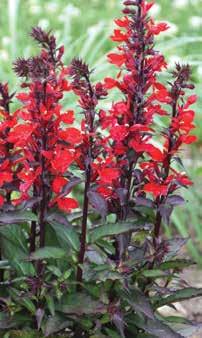
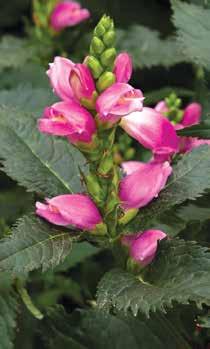
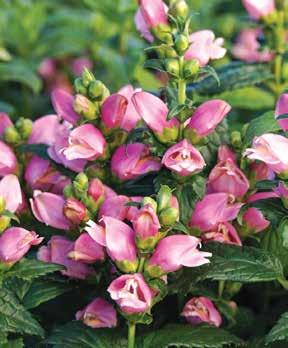

Photo courtesy of monrovia.com.
Photo courtesy of monrovia.com.
Photo courtesy of Campbell’s Nursery.
Photo courtesy of Walters Gardens.
Photo courtesy of Proven Winners.
Photo courtesy of Missouri Wildflowers.
Photo courtesy of Missouri Wildflowers.
Photo courtesy of Proven Winners.
Photo courtesy of Proven Winners.
Photo courtesy of Proven Winners.
Hibiscus Midnight Marvel
Chelone Tiny Tortuga
Chelone Hot Lips
Lobelia siphilitica
Lobelia cardinalis
Lobelia Starship Scarlet
Lobelia Starship Blue
Phlox Ultraviolet
Phlox Backlight
Phlox Pink Lightning
A Change is Coming: Butterfly Metamorphosis
Many animals resemble their parents at birth and gradually mature into adults, able to feed themselves and reproduce. However, many species of insects have far more dramatic transformations, especially the moths and butterflies, which change from a crawling worm-like creature into a winged flying adult. The scientific term for this amazing transformation is “metamorphosis”, which has become a symbol of positive, profound change. Butterflies and their caterpillars look and behave so differently that scientists did not realize that they were the same animal until 1679, when Maria Sibylla Merian published her observations from breeding butterflies and raising caterpillars. During her lifetime, critics labeled her as a mere woman with an active imagination, but today she is celebrated as an entomological pioneer.
Incomplete and Complete Metamorphosis
Some insects do not pupate and skip the process of metamorphosis. Their immature young are called “nymphs” and look like miniatures of their parents. Nymphs repeatedly shed their skins to grow and finally acquire adult characteristics such as genitalia and wings. Practitioners of “incomplete metamorphosis” include dragonflies, cockroaches, termites, true bugs and grasshoppers. Complete metamorphosis is the maturation process for most familiar insects such as bees, ants, beetles,

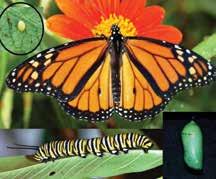
flies, mosquitos, fleas, butterflies and moths. These insects experience life as four completely separate stages: egg, larva, pupa and adult. Each life stage has a unique appearance, needs and purposes. The egg functions like a plant’s seed, carrying the genetic information for the next generation. The larval stage focuses exclusively on eating and storing nutrients in its body. The mature larva then forms a pupal chamber so larval tissues can dissolve into a molecular soup and metamorphosize into the reproductive adult stage. In temperate zones, many insects pupate during the winter to survive freezing temperatures and complete the metamorphosis the next spring.
What’s in a Name?
When its biological clock signals “time to grow up,” all juvenile insects that transform through complete metamorphosis shed their skins one last time to reveal an exterior protective case usually called a pupa. The exceptions include
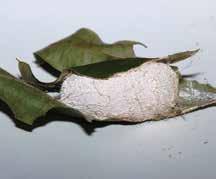
butterflies, whose naked hardened outer shell is defined as a chrysalis. Some moth caterpillar species such as Tiger moths and silk moths like Cecropia add an extra step to pupate in a cocoon formed by spinning layers of silk thread over their pupa for protection. And some non-insects like spiders also spin silk to encase their egg sacs, which may be called cocoons.
Pupation Preparation
When a baby butterfly, the caterpillar, prepares to transform into an adult butterfly or moth, it vomits a dark green puddle of goo. First-time caterpillar raisers may panic, assuming that their precious caterpillar is sick. However, this normal purging expels excess food from the gut, which would rot during pupation. Most species then “get the wanders” or do a “walkabout” and abandon their host plant to crawl off in search of a suitable pupation site and scientists still puzzle why a caterpillar chooses a particular location.
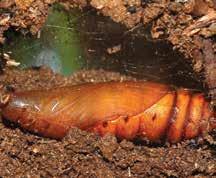
For many moths, burrowing underground provides protection during this immobile pupal stage. Butterfly caterpillars usually search for a vertical surface to suspend themselves head-up by secreting a silken pad and thread-like silk slings. Within 24 hours of attaching and assuming a J-shape, a butterfly caterpillar wiggles out of its skin to reveal its chrysalis and begin metamorphosizing into an adult butterfly.
Summary
The butterfly lives its life in four stages: egg, caterpillar, chrysalis and adult. The full-grown (fifth instar) caterpillar chooses an undisturbed area to attach itself vertically. The chrysalis is revealed when it sheds its skin a final time and the transformation into a winged adult completes within a few days or weeks or months, depending on the species and the time of year. This metamorphosis is an inspiring metaphor for the process of personal growth.
LENORA LARSON Butterfly Maven
Marais des Cygnes Extension Master Gardener, Idalia Butterfly Society and Kansas Native Plant Society member, Lenora Larson gardens and hosts butterflies in the cruel winds and clay soil of Paola, Kansas. She may be contacted at lenora.longlips@gmail.com.
The Monarch’s transformation from egg to caterpillar to chrysalis to adult
Luna moth’s silken cocoon wrapped around the pupa
White-lined Sphinx moth pupa buried underground
Photos by Lenora Larson.








Houseplant




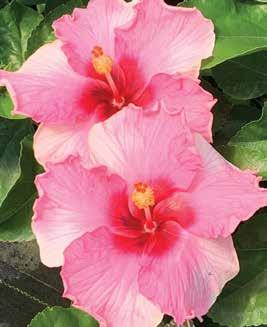
Tropical Hollywood Hibiscus Some Really Do Like It Hot
Midsummer in Kansas City has a way of testing your patience. The air gets thick, the patio feels like a sauna, and even the most enthusiastic gardener starts looking for shade instead of soil. Most plants slow down this time of year, but tropical hibiscus has always been the exception, and a specific variety, called Hollywood Hibiscus® takes that heat tolerance even further.
Anyone who has grown tropical hibiscus knows the rhythm: a flush of blooms in the morning, gone by evening, on to the next batch tomorrow. Hollywood Hibiscus (Hibiscus rosa sinensis) holds onto its flowers longer, which changes the math on a plant that’s historically been a bit fleeting.
The flowers themselves are built

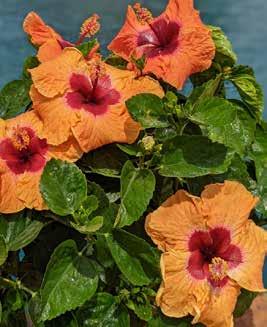
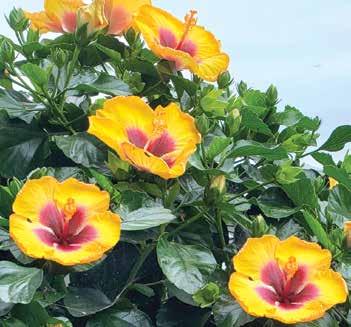
differently, too. Conventional tropical hibiscus blooms tend to face downward, so you find yourself peering up underneath the plant to get a good look. Hollywood Hibiscus flowers face outward instead. They also open completely flat into a wide, saucer-like disc rather than staying cupped in the familiar funnel shape, which makes each bloom look larger and more substantial than what gardeners might expect from this category.
Thirteen varieties make up the current lineup, but varieties such as Disco Diva or Rico Suave are good entry points if you’re not sure where to start. The color is vivid and eye-catching, and on a patio or near a pool, it does the kind of work a single statement plant is supposed to do.
NATALIE CARMOLLI
The obvious question for anyone gardening in the Midwest is whether these are even worth trying. Hollywood Hibiscus are warmclimate shrubs, hardy in the ground year-round only in zones 9 to 11, so winter survival outdoors here is not in the cards. But that’s not really the point. These are container plants for the Midwest, grown for a single hot season and brought indoors before the first frost, where they’ll sit out winter as houseplants until it’s warm enough to put them back outside. It’s the same arrangement gardeners have long made with other tropicals, just with better flowers attached.
Treated this way, Hollywood Hibiscus earns its keep as a seasonal centerpiece: a pot by the front door, a cluster near the pool, anywhere that could use a pop of color through
the hottest stretch of summer. It pairs easily with other heat-loving annuals and perennials, and it doesn’t ask for much beyond sun and regular water in return.
There’s something almost contrarian about a plant that gets better as the temperature climbs, when everything else in the garden is just trying to hang on. Whether that’s Rico Suave or one of the other eleven varieties, Hollywood Hibiscus makes a case for leaning into summer instead of waiting it out.

Scan the QR code to explore all 13 varieties of Hollywood Hibiscus, or look for them in the distinctive white container wherever Proven Winners® ColorChoice® Shrubs are sold.
Natalie is rooted in horticulture, having worked in the family floral business until college, where she earned her degree in fine and theatrical arts. Now, an avid gardener, writer, and public speaker for Spring Meadow Nursery, Natalie delights in sharing her expertise and enthusiasm about the art of gardening, using Proven Winners® ColorChoice® Shrubs.
Hollywood Disco Diva
Hollywood Rico Suave
Hollywood Talk of the Town









The Healthy Gardener Freezing Produce
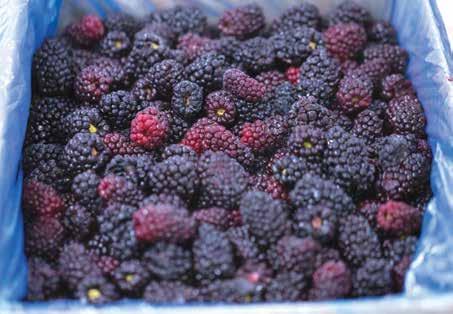

Summer gardens often produce more fruits and vegetables than we can enjoy fresh. If your garden outgrows what you can eat or share with others, know your options to avoid food waste. One way to enjoy your garden’s bounty longer is to preserve it at home. Choosing a safe food preservation method is an important first step. Freezing is a great option for people who are new to food preservation, have busy schedules, or don’t have the equipment for other methods, such as canning or dehydration.
Pros of Freezing Produce
• Many fruits and vegetables freeze well.
• Quick and simple way to preserve food.
• Frozen foods often keep a better texture than foods preserved by other methods.
• Requires only basic equipment.
• Easy to freeze small or large amounts.
Cons of Freezing Produce
• Some fruits and vegetables with high water content become soft after thawing.
• Freezer space is limited.
• Power outages can affect frozen food if temperatures rise for too long.


free MU Extension guides at www.extension.missouri.edu by searching “Freezing Vegetables” or “Freezing Fruits” by scanning either of the QR codes above.

Freezing affects texture and enzymes. Enzymes are natural substances found in fruits and vegetables that help them ripen. Over time, these same enzymes also cause food to age past its peak quality. Before freezing, many vegetables should be blanched. Blanching means placing vegetables in boiling water or steam for a short time and then quickly cooling them in ice water. This helps preserve color, texture, and nutrients. There should be no guesswork here because blanching times vary by vegetable. Always follow a trusted resource or recipe. You can find free MU Extension guides at www. extension.missouri.edu by searching “Freezing Vegetables” or by scanning the QR code above.
Fruits, on the other hand, are typically not blanched but are treated with ascorbic acid instead. Start with fresh, firm, ripe fruits of good quality. Freezing does not improve quality. Sort for size, ripeness and color. To learn more about freezing fruits, scan the QR code above or search “Freezing Fruits” on our website.
Use freezer-safe bags or containers to prevent freezer burn. Wash your hands and clean work surfaces before preparing food. Label each package with the food name and the date it was frozen. These details keep track of the contents and storage times.
Keep safety top of mind, and freezing can help you enjoy your garden harvest for months to come.
Melissa Cotton is a Field Specialist in Nutrition and Health Education with the University of Missouri Extension. She offers programming related to healthy aging, chronic disease prevention and management, and overall wellness in the Kansas City area. Email her at cottonmr@missouri.edu for more information.
HOW TO FREEZE VEGETABLES
HOW TO FREEZE FRUITS













Kids Ask Dr. Bug about the curious things found in the garden
How do insects find my garden?
August gardens across the Kansas City area seem to hum from sunrise to sunset. Bees drifting from bloom to bloom, butterflies gliding through the heat, beetles and true bugs ducking under leaves to escape the afternoon sun. It’s tempting to think insects are just wandering around. But look closer, and you’ll see something different: every visit is a choice. All day long, insects are deciding where to eat, where to rest, and where it’s safe to land.
Do butterflies remember where my garden is, or do new ones find it every day?
Honestly, it’s a bit of both. Butterflies that discover a garden full of nectar may return to it again and again. They can recognize familiar colors and shapes, and some can even detect flower scents from surprising distances. But many of the butterflies visiting this week won’t be the same ones from last week. Butterflies have short lifespans, so new adults are constantly emerging to replace the ones finishing their life cycle. What stays constant isn’t the individual butterfly, it’s the garden’s availability. A yard that consistently offers food becomes a reliable stop on countless butterflies’ routes, generation after generation.
Why do some flowers have lots of insects while others don’t?
Think about choosing between two restaurants: one with a full menu and short wait, the other doesn’t have anything you want to eat or the food is hard. Insects are making the same

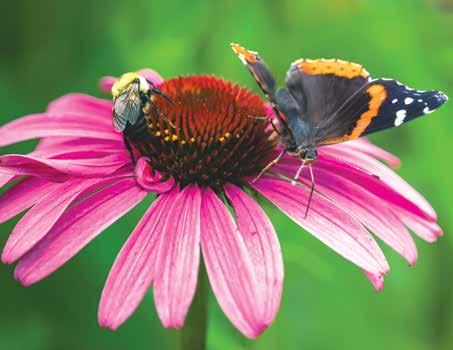
kind of calculation. Some flowers produce nectar that’s abundant and easy to reach; others offer very little, or hide it deep where only certain mouthparts can get to it. Flowers also advertise using cues we can’t always detect: ultraviolet patterns called nectar guides, for instance, act like runway lights that only bees can see, pointing them straight to the reward. A flower’s popularity usually comes down to how much it offers and how easily insects can access it.
Are wasps actually helping my garden, or are they just there to sting?
Wasps spend very little time thinking about people at all. Their real job is hunting! They are searching leaves and stems for caterpil-
lars, aphids, and other little critters to feed their young. Some especially small wasp species lay their eggs directly inside pest insects, which keeps those populations in check. Adult wasps also visit flowers to refuel on nectar, which makes them pollinators, too. They can sting if they feel cornered or threatened, but that’s a last resort, not their purpose. Give them space, and most wasps are too busy working to bother you.
If a plant has bugs on it, should I get rid of them?
Not necessarily. Finding a few insects on a plant is normal, even to be expected. Those insects are often food for lady beetles, lacewings, spiders, and birds, which means a plant with a little insect activity can actually support a healthier garden
overall. Instead of asking “Are there bugs?” try asking a few better questions: Are there just a few, or a lot? Is the plant still growing and thriving? Are helpful predators showing up, too? Often, the smartest move is to simply watch for a few days before deciding whether the plant needs any help at all.
Mini Bug Lab: Where Did the Bugs Go?
Here’s something to test: are insects visiting every flower in your yard equally, or do they have favorites? This month’s mission turns you into a Flower Popularity Scientist. Pick two or three blooms, watch each one for a few minutes, and tally who shows up. Scan the QR code on this page for the full printable investigation, complete with a recording chart and a prediction sheet to test your hypothesis like an entomologist.

Dr. Bug’s Big Idea: So much of what happens in your garden isn’t random at all. Every flower visited and every pest hunted is shaped by decisions insects are making in real time. The more closely you watch, the more of that hidden decisionmaking you’ll start to notice.
Happy bug hunting! ~Dr. Bug
Watch the Kids Ask Dr. Bug video series: https://bit.ly/KADBvideos Send your questions: https://bit.ly/ KidsAskDrBug Share feedback (we’d love to hear from you!): https://bit.ly/KidsAskDrBugSurvey
Dr. Tamra Reall (@MUExtBugN Garden) is the horticulture specialist for MU Extension— Urban West Region. For free, research-based gardening tips, call 816-833-TREE (8733), email mggkc.hotline@gmail.com, or visit www.extension.missouri.edu.
TAMRA REALL Horticulture Specialist
Different visitors, same flower. Every insect here made a choice to stop by.
Photo by Chris F on Pexel.
Upcoming Garden Events
Garden Club of Shawnee
Thurs, Aug 6, 7p; at Shawnee Town, 1929 Town Hall, 11600 Johnson Dr, Shawnee, KS. Our program will be “Native Plants and Shrubs for the Shade” presented by Ann Manzardo, JOCO Extension Master Naturalist. We will serve drinks and snacks, and great door prizes will be given away. As always, visitors are welcome! You can also learn about us at our website gardenclubofshawnee.org and our Facebook page.
Heartland Hosta and Shade Plant Society
Sat, Sep 12; at the Woods Chapel Community of Christ Church, 500 NE Woods Chapel Rd, Lee’s Summit, MO 64064. Hospitality at 9:30a, brief meeting and speaker 10a-12p. Guests are welcome.
Leavenworth County Master Gardeners
Wed, Aug 19, 11a; at Riverfront Community Center, 123 Esplanade St, Leavenworth, KS 66048. Erin Busenhart, Family Tree Nursery will share tips on “the best and brightest of the year” including discussion on natives and cultivars. The meeting is free. Visitors are welcome. For more information contact the Leavenworth Co K-State extension office at 913-364-5700.
Olathe Garden & Civic Club
Tues, Aug 18, 1p; Grace Church, Chapel, 11485 S Ridgeview Rd, Olathe, KS 66061. Club Meeting & Flower Show Prep **Free & Open to the Public** Join us for a meeting with details about how and what to enter in the annual Flower & Horticultural show at the Johnson County Old Settlers event in September.
Raytown Garden Club
Tues, Sep 1, 10a; at Blue Ridge Presbyterian Church, 6429 Blue Ridge Blvd, Raytown, MO 64133. The program will be “Growing Trees as Mother Earth Intended,” presented by Matt Evans, Ryan Lawn & Tree, Certified Master Arborist. Guest are always welcome. For more information about our club, check our Facebook page: www.facebook.com/RaytownGardenClub
Water Garden Society Tour
See our ad on page 17 in this issue.
Forest Forms
Now through Sep 30; at Overland Park Arboretum & Botanical Gardens. An artful exploration of nature’s lines, rhythm and movement.
Special Garden Experience at the Backyard Garden
Wed, Aug 5, 9-11a; K-State Backyard Garden, 35230 W 135th St, Olathe, KS 66061. Join the Johnson County Silver Clovers for an exclusive visit to the Backyard Garden—an educational garden normally closed to the public. Explore the All-American Garden and see how plant varieties are tested, showcased, and grown using
research-based practices. Learn whether you’re a first-time gardener ready to start or a seasoned gardener looking for new ideas and inspiration. Discover the purpose behind the Backyard Garden and how it supports learning, experimentation, and community wellness. FREE for Silver Clovers. Registration required: https://www. johnson.k-state.edu/ then Classes and Events.
Historic Downtown Liberty Farmers Market Sat, Aug 8, 8a-noon; at 11 Gallatin St, Liberty, MO 64068. Visit the Extension Master Gardeners of Greater Kansas City (MGGKC) at the Public Relations Table, where we’ll be sharing fun, research-based horticulture information along with details about Missouri University Extension services and programs! Free, Familyfriendly (all ages) with children supervised by a parent or adult.
Greater Kansas City Dahlia Society Shows
Aug 21-22 Missouri State Fair • Sep 4-5 Powell Gardens • Oct 2-3 Suburban Lawn & Garden (135th & Wornall Rd, KCMO). For more information on shows or regular meetings held at the Anita B Gorman Conservation Center, visit our website www.kcdahlia.org; Or email: greaterkcdahlia@gmail.com.
GKC Iris Society Plant Sale
Sat, Aug 22, 10a-3p; at Social Hall, Colonial Church of Prairie Village, 7039 Mission Rd, Prairie Village, KS. New and historic varieties of iris grown by local members will be offered for sale. Members will be available to answer questions on growing iris.
Native Plant Sale
Sat, Sep 5, 8a-noon; at Lenexa Farmers Market, 17201 W 87th St Pkwy, Lenexa, KS 66219. Fall is a smart time to plant native perennials to set them up for healthy spring growth. Get advice from area nurseries on how to pick easy-care, pollinator-friendly plants. For more information, lenexa.com/nativeplantsale.
Monarch Watch Fall Open House
Sat, Sep 12, 9a-2p; at Monarch Watch, Foley Hall, KU West Campus, 2021 Constant Ave, Lawrence, KS 66047. https://monarchwatch. org/events. We’ll be celebrating the arrival of migrating monarchs coming from the north. This is a free, family-friendly, and mainly outdoors event, with activities for both children and adults. We’ll also have tours of our gardens, numerous educational activities, tagging demonstrations, games, monarch butterflies, caterpillars, and (new this year) butterfly host plants available in limited quantities for fall planting. Check our event page on our website for further details and updates to our Fall Open House.
Urban Grown Tour
Sun, Sep 13, 10a-4p. This year’s tour features 15 farms and gardens across the Kansas City Metro and aims to connect to the community with the folks who grow their food. You can learn more about the tour at https://www.culti-
vatekc.org/urban-grown-tour/.
Terra Luna
Sep 10-12 and 17-19. Immerse yourself in a spellbinding experience created exclusively for the Overland Park Arboretum & Botanical Gardens by Quixotic! Ticket sales opening Aug 3. https://artsandrec-op.org/arboretum/terra-luna/ Gesneriad Flower Show
Sep 25, 8a–4p (Entries and Judging), and Sep 26, 9a-2p (Show and Sale open to the public); at Overland Park Christian Church, 7600 W 75th St, Overland Park, KS. Heart of America Gesneriad Society, a chapter of The Gesneriad Society, Inc., Presents A Judged Flower Show “America, Land of Gesneriads.” Contact Linda Hall for entries: lhall@grm.net. Admission to the Show and Sale is Free.
Kaw Valley Farm Tour 22nd Annual Oct 3-4. Get tickets and plan your adventure at: kawvalleyfarmtour.org
Houseplant Palooza Symposium Sat, Oct 17, 9a-4p; at Fulkerson Center, Missouri Western State Univ, St Joseph, MO. Presented by Northwest Missouri Master Gardeners. Learn how to be successful growing indoor plants from preparing them for winter, propagation, succulents, and houseplant bonsai. Tickets $54 including lunch and a plant to take home. Register at https://nwmomastergardeners.org
K-State Garden Hour Webinar: Local Food Gardening Projects in Kansas Wed, Aug 5, noon-1p. Virtual Webinar FREE. Extension is committed to community success and expanding access to healthy food. Join KState Horticulture Agents from around the state to learn more about food gardening initiatives in Kansas. Explore the success stories of these gardens and discover how these programs give back to the community through education, volunteerism, and shared harvests. Dive into practical strategies that inspire collaboration and help expand food gardening opportunities statewide. Register at https://hnr.k-state.edu/extension/ consumer-horticulture/garden-hour/.
What to Do With Too Many Tomatoes! Sat, Aug 8 | In-Person | $30.00; at Johnson County Extension Office. Tomato overload? Let’s cook! Join us to transform piles of ripe tomatoes into flavorful dishes, sauces, and preserves. You’ll leave with smart strategies for stretching your tomato harvest and fresh ideas to enjoy them beyond salad season. Register at: johnson.k-state.edu, then Classes & Events.
Gardening and Cooking with Herbs Tues, Aug 11 | In-Person | $5/ $6 non-residents Discover the joy of growing and using fresh herbs in this engaging, hands on session! Gardening and Cooking with Herbs introduces
participants to the basics of cultivating common culinary herbs. The session also includes a delicious culinary component: simple demonstrations and tasting opportunities that highlight how fresh herbs can elevate everyday meals. 913-715-7000
Soil Alchemy: Composting for Beginners Thurs, Aug 13, 6:30p; at Basehor Community Library, 1400, 158th St, Basehor, KS 66007. Join Leavenworth County Master Gardeners, Ernie May and Shannon Chambless as they present an overview of the basics of composting. They will discuss the benefits, what to compost and a detailed How-to. The meeting is free and open to the public. For more information contact the Leavenworth County K-State extension office at 913-364-5700.
Dig Your Dinner: All About Melons Wed, Aug 19 | Virtual | FREE Cool, sweet, and satisfying — join Anthony Reardon, Horticulture – Small Farms agent, and Chelsea King, Nutrition, Food Safety, and Health agent, as they share tips for growing melons at home, creative ways to enjoy them, and their nutritional benefits. 913-715-7000
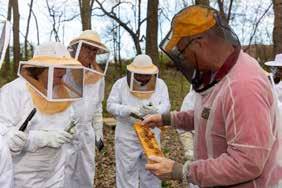
Beekeeping Classes
Starting Aug 19 at Johnson County Community College. If you’re curious about the buzzy pollinators of the world, these courses are sure to hit the sweet spot. Come discover the secrets of the beehive with like-minded enthusiasts! Questions? 913-469-2323. JCCC.EDU/WDCE
Eco-Friendly Gardening
Starting Aug 19 at Johnson County Community College. Dig into sustainable gardening. Explore classes that help you work with nature to create a beautiful, low-maintenance yard that supports pollinators, birds, and more. Questions? 913-469-2323. JCCC.EDU/WDCE
Soil Alchemy: Composting for Beginners Thurs, Aug 20, 7p; at Leavenworth Public Library, 417 Spruce St, Leavenworth, KS 66048. Join Leavenworth County Master Gardeners, Ernie May and Shannon Chambless as they present an overview of the basics of composting. They will discuss the benefits, what to compost and a detailed How-to. Free, open to the public. More information, call Leavenworth County KState extension office at 913-364-5700.
Peony Grafting Class
Sat, Sep 12, 9a-noon; at Asbury United Methodist Church, 5400 W 75th St, Prairie Village, KS 66208. The Heartland Peony Society is hosting a Grafting Class for tree or woody peonies. All necessary supplies, including rootstock and scions, will be provided. The grafts you make are yours to plant. To participate, you must be a member of the HPS and register online at peonies.org. Only 20 seats available and it is free.
List garden events, club meetings, plant sales, and more for FREE! Send details to: elizabeth@kcgmag.com. Deadline for the September issue is August 7.
CLASSES
TOURS | PLANT SALES | MORE
GARDEN CALENDAR
August list of what to do in the garden.
TURF
• Apply about 1 to 1 ½ inches of water per week to Bluegrass to remain spring green.
• Apply about 1 inch of water per week to a tall fescue lawn.
• Apply the last application of fertilizer to Zoysia by mid-month.
• Be on the lookout for grubs and apply proper control methods.
• Plan for fall renovation projects such as aerating and seeding.
• Check the sharpness of the mower blade and repair it.
• Mow turf as needed depending on summer growth.
• Treat unwanted Zoysia and Bermuda grass.
• Take a soil test to determine your fertility program.
FLOWERS
• Apply 1 to 1 ½ inches of water per week to gardens.
• Divide iris and daylilies during the dormant period through early August.
• Make the last application of fertilizer to roses by mid-month.
• Control black spot and other rose diseases.
• Fertilize mums, hardy asters, and other fall-blooming perennials.
• Deadhead annuals to encourage late-season blooms.
• Cut back and fertilize annuals to produce new growth and fall blooms.
• Sow hollyhocks, poppies, and larkspur for spring blooms.
• Prepare for fall bulb planting by making orders or researching varieties.
• Take cuttings from geraniums and begonias for wintering indoors.
TREES AND SHRUBS
• Water young trees every one to two weeks by deeply soaking the root system.
• Prune and shape hedges.
• Check the mulch layer and replenish if needed.
• Prune broken, dead, or crossing limbs for healthier plants.
• Check young trees and shrubs for girdling wires and ropes for planting.
• Avoid fertilizing ornamentals now so they harden off before winter.
• Remove bagworms by handpicking.
VEGETABLES AND FRUITS
• Water about 1 inch per week.
• Plant a fall garden: beets, carrots, beans, and turnips for autumn harvest.
• Plant transplants of broccoli, cauliflower, or cabbage for fall production.
• Harvest crops regularly for season-long production.
• Ease fruit loads on branches by propping them with wooden supports.
• Net ripening fruit to protect from hungry birds.
• Fertilize strawberry bed for flower bud development, improving yields next spring.
• Turn the compost pile and add water when dry.
• Keep weeds under control to reduce problems next year.
HOUSE PLANTS
• Water summered houseplants regularly and fertilize to promote growth.
• Check plants for insects such as scales, aphids, and spider mites.
• Wash plants to remove the dust layer.
• Make cuttings and repot plants before summer sun slips away.

K-State Extension Johnson County recommends environmentally-friendly gardening practices. This starts by identifying and monitoring problems. Cultural practices and controls are the best approach for a healthy garden. If needed, use physical, biological or chemical controls. Always consider the least toxic approach first. Markis Hill and Anthony Reardon are the horticulture agents for K-State Extension Johnson County, each specializing in ornamentals and edible crops, respectively. For free information fact sheets, visit www.johnson.k-state.edu, or call our Garden Hotline at 913-715-7050.
Aug. 11 (8/11) serves as convenient reminder for Kansas & Missouri residents to ALWAYS CALL 811 BEFORE DIGGING
Kansas 811 & Missouri One Call encourage people to make a free call 2 full working days before digging to know what’s below.
With Aug. 11 almost here, Kansas 811 & Missouri One Call hope this date on the calendar, 8/11, will serve as a natural reminder for residents to call 811 prior to any digging project to have underground utility lines marked. Every hour, more than six damages to buried utilities occur because someone decided to dig without first calling 811.
When calling 811, homeowners and contractors are connected to the local one call center for Kansas or Missouri, which notifies the ap-

propriate utility companies of their intent to dig. Professional locators are then sent to the requested digging site to mark the approximate locations of underground lines with flags, spray paint or both.
Striking a single line can cause injury, repair costs, fines and inconvenient outages. Every dig-
Hotlines for Gardeners
Extension Master Gardeners are ready to answer all your gardening questions.
CASS COUNTY
816-380-8194; Wed, 9am-noon; casscomg@gmail.com
DOUGLAS COUNTY
785-843-7058; dgcogardenhotline@gmail.com; Mon, Wed, Fri, 1-4pm
GREATER KANSAS CITY MISSOURI AREA
816-833-8733 (TREE); Mon-Fri, 9am-noon; mggkc.hotline@gmail.com
JOHNSON COUNTY, KS
913-715-7050; Mon-Fri, 9am-4pm; garden.help@jocogov.org
JOHNSON COUNTY, MO
660-747-3193; Wed, 9am-noon
LEAVENWORTH COUNTY
913-364-5700; Leave a message. A Master Gardener will contact you.
MIAMI COUNTY & LINN COUNTY
913-294-4306; Apr 1 thru Oct 1; Thurs, 8am-noon
WYANDOTTE COUNTY
913-299-9300; Mon-Fri, 9am-4pm
QUESTIONS ABOUT ROSES?
Ask a Rose Expert; rosehelp@kcrosesociety.org; www.kansascityrosesociety.org
ging project, no matter how large or small, warrants a call to 811. Installing a mailbox, building a deck, planting a tree and laying a patio are all examples of digging projects that need a call to 811 before starting.
On Aug. 11 and throughout the year, it is a reminder to homeowners
and professional contractors alike to call 811 before digging to eliminate the risk of striking an underground utility line. It really is the only way to know which utilities are buried in your area.
The depth of utility lines can vary for a number of reasons, such as erosion, previous digging projects and uneven surfaces. Utility lines need to be properly marked because even when digging only a few inches, the risk of striking an underground utility line still exists.
Remember to visit www.call811. com, www.kansas811.com in Kansas or www.mo1call.com in Missouri for more information about 811 and safe digging practices.
SUBSCRIBE TODAY
For convenient mail delivery, complete the form below and send with your check for $38.00. You will receive a one-year subscription.



State, Zip:
Kansas City Gardener? Please enclose your check payable to The Kansas City Gardener and mail with this form to: P.O. Box 8725, Prairie Village, KS 66208 The Kansas City Gardener is