SHORE AHA CLUB MEETING
AUGUST - 2025
HOSTED BY:
Helen-Ann Lloyd
FEATURED SPEAKERS:

Kevin Newbert
Adam Cohen




AUGUST - 2025
HOSTED BY:
Helen-Ann Lloyd
FEATURED SPEAKERS:
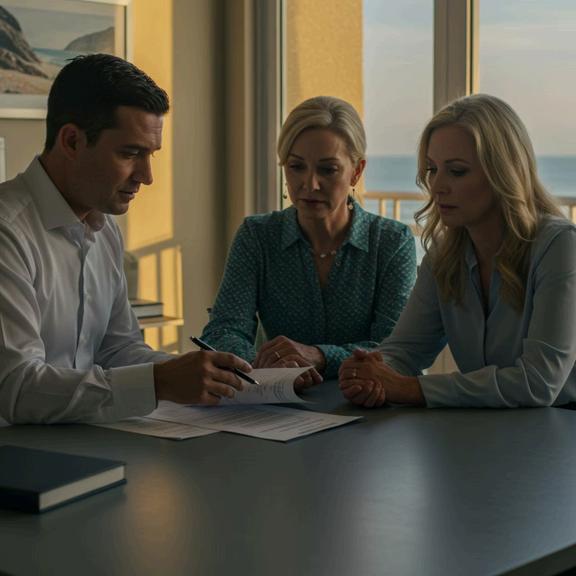
Estate planning for Jersey Shore properties has evolved beyond mere paperwork it's now fundamentally about preserving a cherished family legacy Donna Byrnes' poignant question at our meeting highlighted a common predicament: "The Heirs who do not want the property sold can withhold their signatures blocking any sale! So, what does one do?" This scenario captures the essence of why proactive planning has become essential
The rising value of shore properties has dramatically intensified these challenges. When family members inherit valuable real estate without clear directives, emotional attachments often collide with financial realities. According to IRS Estate Tax Statistics (2023), a staggering 60% of family estates face disputes when proper planning isn't in place disputes that can permanently damage family relationships
The current market dynamics make this planning even more urgent With property values climbing steadily, heirs may have vastly different financial situations and needs Some may wish to maintain the property for sentimental reasons, while others might require liquidity. Without predetermined guidance, these conflicting priorities can lead to protracted legal battles that diminish both the estate's value and family harmony


Warning Sign: When property values rise significantly, the financial stakes of inheritance disputes increase proportionally, making clear estate planning more crucial than ever.
For Jersey Shore homeowners, understanding these shifts isn't just about protecting assets it's about ensuring that the memories and traditions associated with shore properties can continue without the shadow of family conflict. The current market trajectory suggests these challenges will only intensify in coming years, making now the ideal time to revisit or establish comprehensive estate plans
The Shore AHA Club's August meeting addressed a critical concern for Jersey Shore homeowners: how to effectively secure beloved shore properties through proper estate planning amid rapidly evolving market dynamics. With Cape May County homes reaching a median value of $625,000 in August 2025 representing a 5.8% year-over-year increase the financial and emotional stakes of inheritance planning have never been higher This document explores key insights from the meeting, practical strategies for preventing heir disputes, and innovative approaches to preserving your shore legacy for generations to come.
"A
"If choosing two, they need to get along " — Adam Cohen
The meeting provided valuable insights from lending and legal perspectives, with experts Kevin Newbert and Adam Cohen offering practical wisdom on executor selection and estate administration Their emphasis on communication underscores a fundamental truth: even the most meticulously crafted estate plans can falter without clear channels for implementation
Single executors can streamline decision-making processes
Multiple executors must have strong communication skills
Professional executors may provide neutrality in highconflict situations
Consider naming alternates in case primary executors cannot serve
Updated rates effective July 10, 2025
1% tax on properties sold between $1M-$2M
Graduated scale reaching 3.5% for properties over $3.5M
Sellers bear the tax burden, affecting net inheritance value
New Jersey's updated Mansion Tax presents a significant consideration for high-value shore properties. According to the NJ Division of Taxation (2025), properties sold for over $1 million now face a tax rate of 1% to 3.5%, depending on the sale price. For shore properties, which increasingly fall into this category, this tax can substantially impact the net proceeds from a sale.
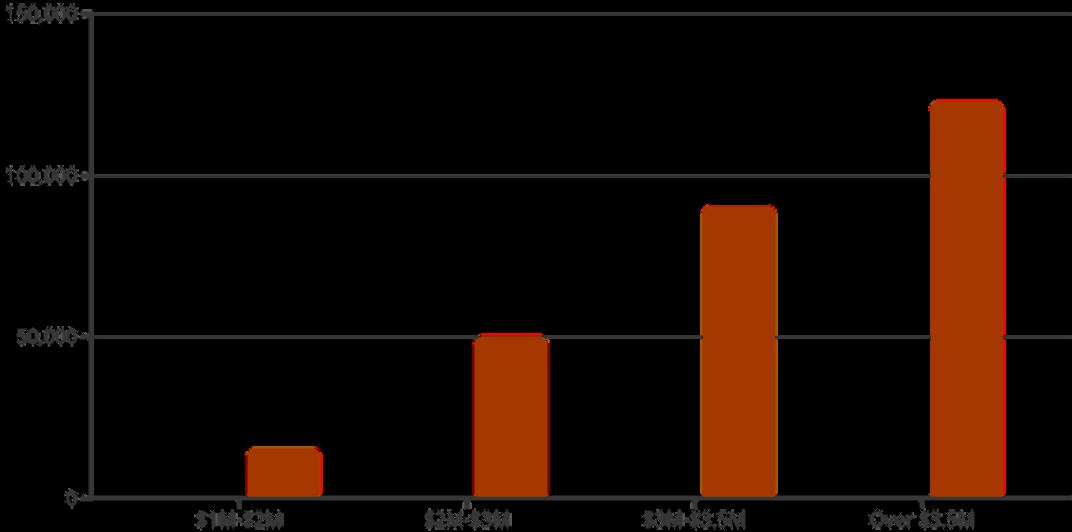
When advising clients, it's becoming increasingly important to consider how these tax implications intersect with potential heir disputes A property valued at $2 5 million, for instance, would incur a $50,000 Mansion Tax a significant sum that could further complicate negotiations among heirs with differing financial situations Integrating tax planning with dispute prevention strategies represents a holistic approach to securing your shore legacy
The meeting's discussion shifted to proactive solutions for preventing heir disputes, with experts highlighting the value of trusts and Limited Liability Companies (LLCs) as effective vehicles for shore property management These tools offer structured approaches to address the concerns raised by Donna's question about deadlocked heirs
Adam Cohen suggested that "mediation or a buyout can break the deadlock" when heirs reach an impasse over property disposition. This practical approach acknowledges that even with planning, conflicts may arise. Having predetermined mediation protocols or buyout formulas can prevent costly litigation
Kevin Newbert proposed "setting up a trust early to lay out sale terms, " a strategy that can preemptively address potential disputes. By establishing clear parameters while the property owner is still living, families can avoid the emotional and financial toll of disagreements after inheritance
According to the American Bar Association (2024), estate disputes cost families an average of $50,000 in legal fees not including the emotional cost and potential property value depreciation during protracted battles. These innovative structures represent an investment in family harmony and financial efficiency.



Establish clear terms for property management and eventual disposition

Communicate intentions and reasoning with all potential heirs

Ensure all documents meet current NJ and federal regulations

Review plan as property values and family circumstances change
The meeting also revealed that LLCs with corporate managers (either C or S corporations) can provide enhanced protection for shore properties, though this structure adds complexity. Kevin noted the cost factor establishing and maintaining these entities requires professional assistance and ongoing administration but for many high-value shore properties, these costs represent a small fraction of the potential legal expenses and value preservation.
For Jersey Shore homeowners, especially those with properties valued near or above $1 million, these strategies warrant serious consideration. The combination of rising property values, updated tax implications, and the potential for heir disputes creates a perfect storm that proper planning can help navigate.
Expanding on the solutions discussed, trusts emerge as particularly powerful tools for Jersey Shore homeowners seeking to preempt conflict Kevin's trust suggestion offers a mechanism to establish binding sale terms before disputes arise, directly addressing the gridlock scenario Donna highlighted where "heirs who do not want the property sold can withhold their signatures "
Initial purchase of shore property, often as personal residence 2 Structure Selection
Decision point: Trust vs LLC based on usage and family dynamics 3
Periodic updates as property values and tax laws change
Trusts offer flexibility in designing succession plans For example, a properly structured trust might include:
First right of refusal provisions for heirs interested in purchasing the property
Formulas for determining fair market value
Mechanisms for distributing proceeds when a sale does occur
Schedules for mandatory periodic reviews of the arrangement
Voting procedures when decisions about property usage or disposition are required
Meanwhile, the LLC discussion opened up possibilities for integrating shore properties into broader business strategies. Adam mentioned the value of this approach particularly for larger estates, which might include multiple properties or significant rental income.
Avoids probate process entirely
Can specify detailed usage rights among heirs
Offers privacy protection not available with wills
Can include specific instructions for property maintenance
May provide tax advantages depending on structure
Liability protection for owners
Simplified transfer of ownership interests
Operating agreement can detail management responsibilities
Potential tax benefits for rental properties
Professional management option through corporate structure
For clients with rental properties along the Jersey Shore, the LLC structure merits serious consideration. Not only does it provide liability protection, but it also creates a framework for professional management that can continue seamlessly after the original owner ' s passing. The operating agreement can specify precisely how decisions are made, preventing the deadlock situation that concerns many property owners
While these structures add initial complexity and cost, they provide frameworks that can adapt to changing family circumstances and property values For Jersey Shore properties, which often represent both significant financial investments and irreplaceable emotional value, this flexibility is particularly valuable. As property values continue to rise, the relative cost of establishing these protective structures becomes increasingly justifiable.
Donna's question about heir disputes connects directly to tax planning considerations, particularly in light of New Jersey's updated Mansion Tax These tax implications can significantly influence decisions about property disposition and timing, adding another layer of complexity to shore property estate planning
$1.2M
Average Shore Home Sale (2025)
According to Cape May County MLS data, the average sale price for shore homes in 2025
$12K
Minimum Mansion Tax Impact
Minimum tax amount for properties selling at the average price (1% rate)
$42K
Maximum Potential Tax
Tax amount for luxury properties selling above $3 5M (3 5% rate)
2025
Effective Date
Date when the updated tax rates officially took effect in New Jersey
Adam's observation that " some states might require updates or a new Will" highlights the importance of cross-state tax alignment Many Jersey Shore property owners maintain primary residences in other states, creating potential jurisdictional complications that must be addressed in comprehensive estate plans
The graduated nature of New Jersey's Mansion Tax creates planning opportunities for estates with properties valued near the threshold amounts. For instance, a property valued at just over $2 million would incur a 2% tax rate, while one valued just under would qualify for the 1% rate a difference of approximately $20,000 in tax liability
For families contemplating eventual sale of inherited shore properties, timing becomes a critical factor Market trends indicate seasonal fluctuations in Jersey Shore property values, with peaks typically occurring during spring and summer months when buyer interest is highest. Coordinating a potential sale during optimal market conditions could offset some tax impacts through higher sale prices
Additionally, phased property improvements might be considered as part of an estate plan Strategic renovations that enhance property value while maintaining it below tax threshold increments could optimize eventual tax outcomes. Such considerations should be documented in trusts or LLCs to guide executor or manager decisions

Tax Planning Tip: Consider consulting with both real estate and tax professionals about timing property improvements relative to potential sale dates to optimize after-tax proceeds.
For homeowners with properties valued near $1 million, monitoring market trends becomes particularly important. As property values continue to rise, homes currently valued below the Mansion Tax threshold may cross that line in coming years. Proactive planning might include provisions for expedited sales should property values approach threshold amounts, potentially saving substantial tax costs for heirs
The combination of these tax considerations with heir dispute prevention strategies creates a comprehensive approach to shore property estate planning. When trusts or LLCs include guidance on tax-optimal timing and methods for property disposition, they serve both family harmony and financial efficiency goals
"How protect their assets from a Medicaid perspective?" — Barbara's question
"Irrevocable trusts or gifting assets five years ahead can protect wealth" Adam's response
"Timing is tricky due to the 'look-back' rules." Kevin's caution
Barbara's question shifted the discussion to another critical dimension of estate planning: protecting shore properties from potential Medicaid recovery actions With 20% of New Jersey seniors relying on Medicaid according to the NJ Department of Health (2024), this consideration affects a significant portion of shore homeowners.
Optimal window for asset transfers and trust establishment
2 3-5 Years Before
3 1-3 Years Before
Limited options, significant penalty periods likely
Partial protection possible, increased risk
4 Less Than 1 Year
Crisis planning only, substantial asset exposure
5-year look-back period begins from application date
The IRS's 5-year look-back period (IRS Publication 590, 2025) creates a critical timeline for Medicaid planning. Any transfers or gifts made within this window can trigger penalties that delay Medicaid eligibility, potentially forcing families to liquidate cherished shore properties to cover care costs.
More in-depth discussion about advanced Medicaid strategies will be a key topic at the next Shore AHA Club meeting Please keep an eye out for further announcements regarding the date and time
Adam's suggestion of irrevocable trusts offers a structured approach to Medicaid planning. Unlike revocable trusts, properly designed irrevocable trusts remove assets from an individual's countable resources for Medicaid eligibility. For shore properties, this means:
The property can remain in the family even if the original owner requires long-term care
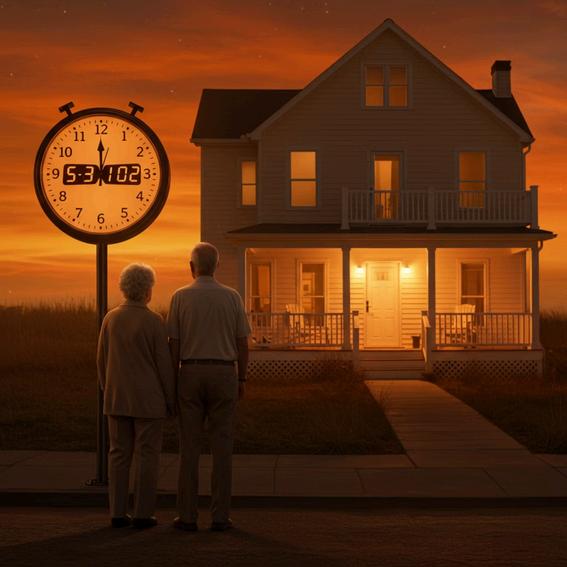
Future appreciation occurs outside the owner ' s estate
The 5-year clock starts when the property is transferred to the trust
Specific usage rights can be maintained through careful trust design

Critical Timing: The 5-year Medicaid look-back period makes early planning essential. Waiting until health concerns arise often eliminates the most effective protection strategies
Kevin's warning about timing highlights the need for early action. Shore property owners should ideally begin Medicaid planning while still in good health, as the 5-year look-back period creates a substantial waiting period before protection is complete. This planning horizon aligns well with broader estate planning timelines, making integrated approaches particularly efficient
For Jersey Shore properties specifically, Medicaid planning presents unique considerations The high value of these properties means they often represent a substantial portion of an owner ' s assets, making them particularly vulnerable to Medicaid recovery actions Additionally, the emotional attachment to shore homes makes their potential loss especially devastating for families.
Connecting clients with elder law specialists who understand both Medicaid regulations and New Jersey's specific rules regarding shore properties is essential. These experts can design strategies that protect both the property's value and its availability for family enjoyment while navigating complex eligibility requirements
The insights from our meeting provide valuable tools for educating clients about protecting their shore properties. As demand for Jersey Shore homes rose 8% in Q2 2025 according to Zillow data, the need for clear guidance on estate planning, taxes, and Medicaid considerations has never been more pressing

Offer complimentary estate document reviews focusing specifically on shore property provisions
Check for outdated language predating tax changes
Identify potential heir dispute triggers
Assess Medicaid vulnerability

Host small group sessions for clients and their adult children
Discuss property transfer intentions openly
Address potential conflicts proactively Explain tax implications for all parties

Create shore-specific planning materials
Digital decision trees for structure selection
Tax calculator tools for property transfer
Checklists for Medicaid planning timelines
Adam's mediation tip and Kevin's trust strategy offer practical frameworks for these educational efforts. By positioning ourselves as knowledgeable guides through these complex decisions, we can build deeper client relationships while providing genuine value
According to the National Association of Realtors (2024), 70% of realtors report stronger client relationships through planning advice This statistic underscores the value of educating clients not just about immediate transactions, but about long-term property stewardship
For Jersey Shore properties specifically, educational approaches might include:
Case studies of successful family property transitions
Comparison tools for different ownership structures
Mansion Tax calculators with visualization of different timing scenarios
Shore-specific Medicaid planning timelines
Family meeting facilitation services to discuss property futures

Services No Measurable Impact
By approaching education as a relationship-building opportunity rather than a transactional service, we can position ourselves as trusted advisors for Jersey Shore homeowners. This approach aligns with the emotional significance of shore properties, acknowledging that decisions about these assets go beyond financial considerations to touch on family legacy and shared memories
Educational efforts should emphasize early planning, particularly given the extended timelines required for effective Medicaid protection and the potential for family discussions to prevent future disputes By helping clients understand the value of proactive approaches, we can motivate them to address these issues while they have maximum flexibility in designing solutions.
The Shore AHA Club continues to serve as an invaluable partner in professional growth and client service enhancement To build on the insights gained from our August meeting, I'm committing to several concrete next steps:
Maintain active participation in future Shore AHA Club meetings to track evolving tax regulations, market trends, and planning strategies
2 Test Kevin's Trust Strategy
Implement the trust approach with select clients who have shore properties and multiple heirs, documenting outcomes to share at future meetings
Cultivate relationships with elder law specialists and tax professionals who understand the unique aspects of shore property planning


Join Us! The Shore AHA Club welcomes new members who serve Jersey Shore homeowners Our next meeting is scheduled for September 2, 2025, featuring a specialist in Medicaid planning
I'm particularly excited to report back on our collective progress in helping Jersey Shore homeowners secure their legacies. By sharing our experiences both successes and challenges we create a community of practice that elevates all of our service offerings.
The increasing complexity of shore property planning creates opportunities for those of us committed to ongoing education and client advocacy As property values continue to rise and tax regulations evolve, our expertise becomes even more valuable to families navigating these challenging waters
I encourage each of you to invite colleagues who might benefit from our discussions. The strength of our community grows with each new perspective, and the Shore AHA Club has proven to be a remarkably supportive environment for professional development
Let's continue working together to ensure that Jersey Shore properties remain sources of joy and connection for generations to come, rather than catalysts for family division Through thoughtful planning and proactive education, we can help our clients preserve not just property values, but the irreplaceable legacy of shore memories.

Thank you for your continued partnership in this important work!