PLANNING
MONITORING DIVES
• Adjust personal watch and camera to the local time
• Find a shallow area (Max. depth: 40 feet/12 meters) with high coral cover
• Follow bottom times respecting nodecompression times and diving rules
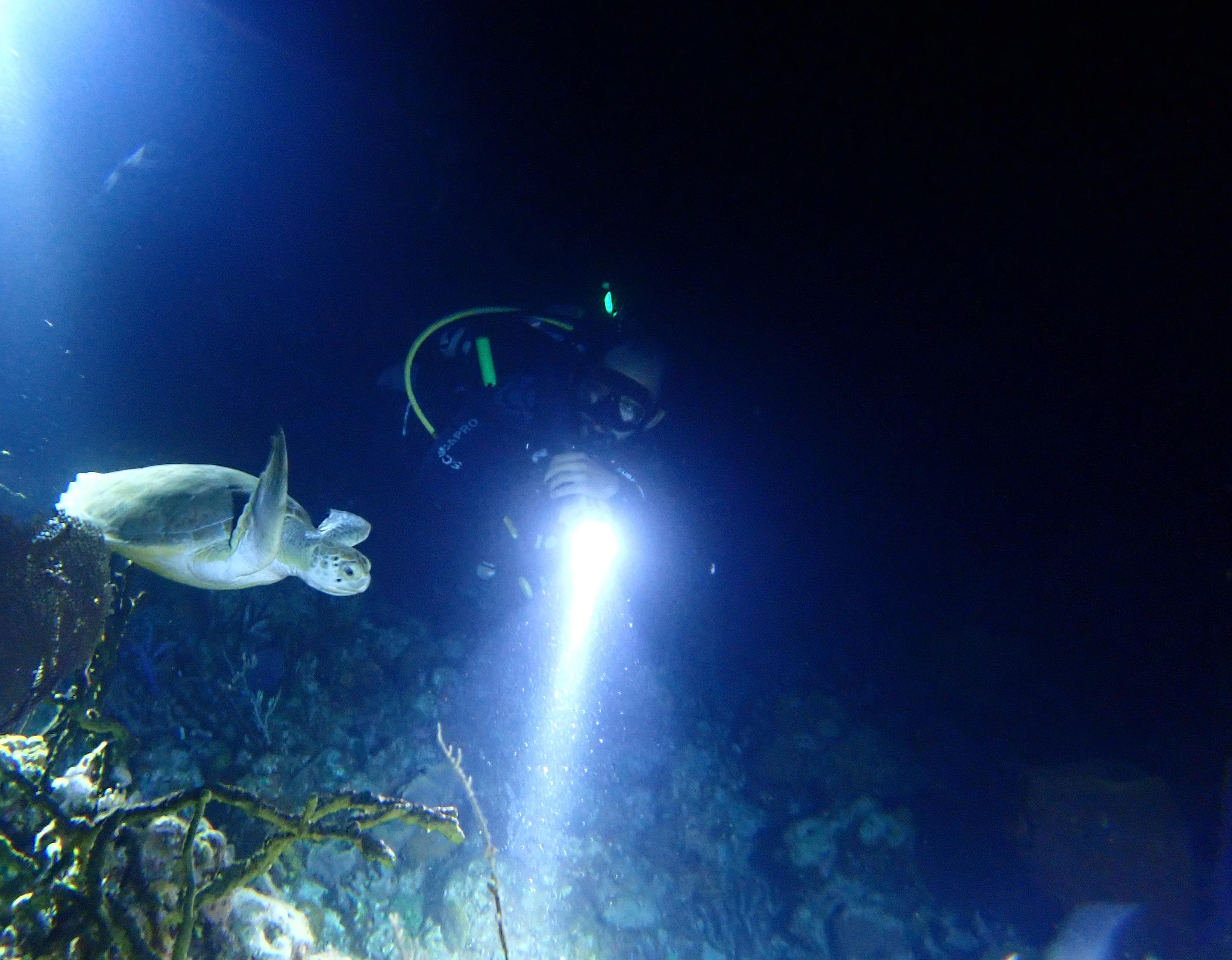
• Dive lights could attract worms and some jellyfish are more active at night, therefore it is highly recommended to be fully covered
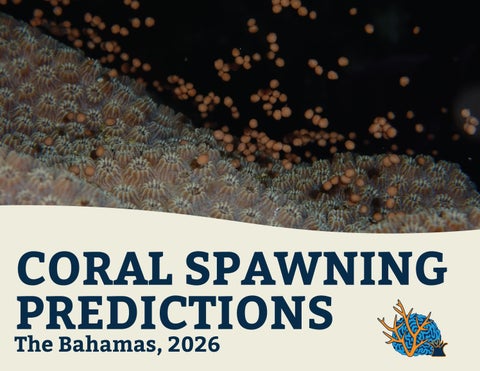
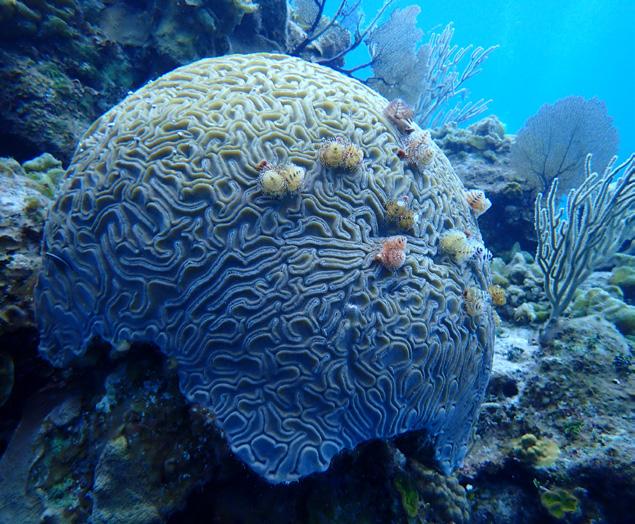
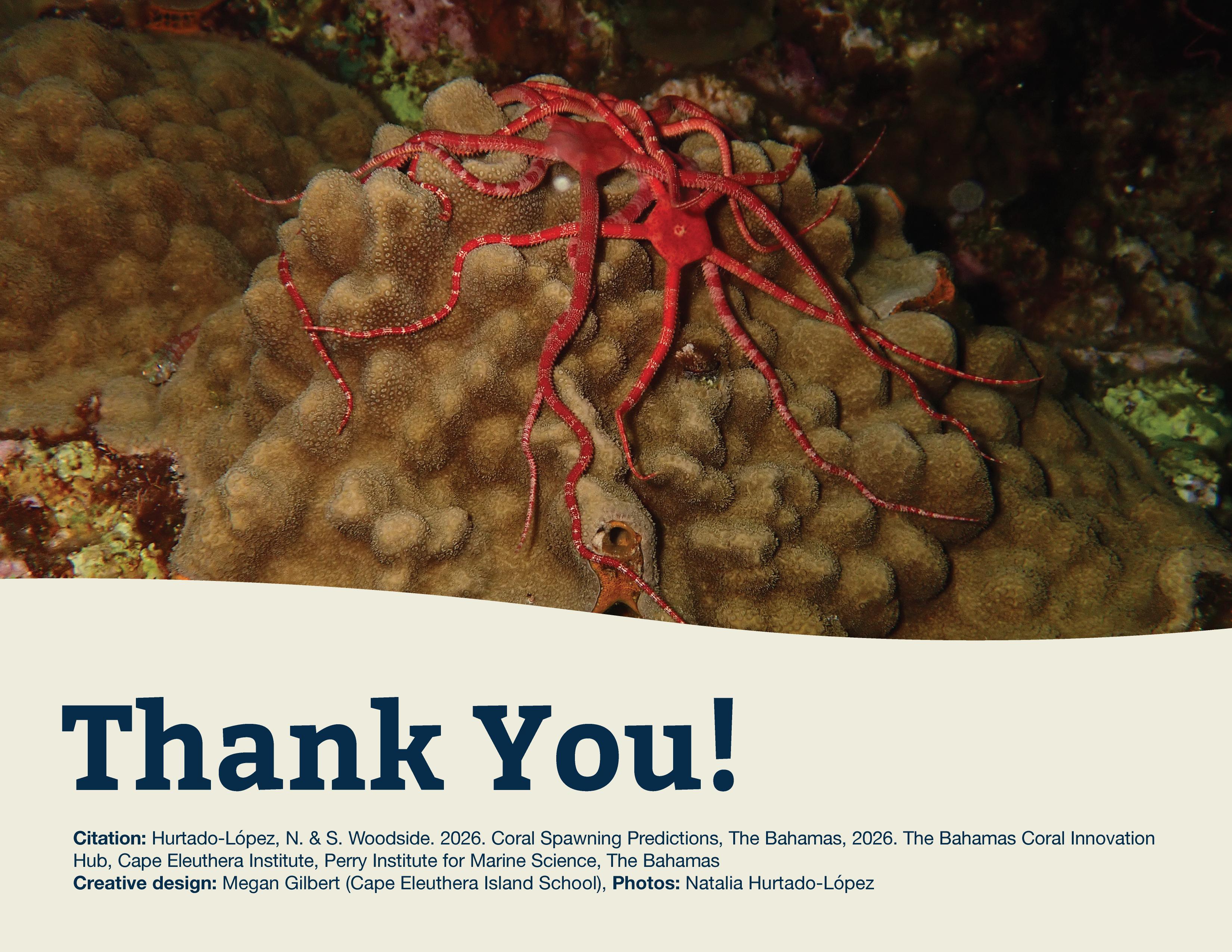
• It is possible to observe other reef creatures releasing gametes, such as soft corals, brittle stars, sea urchins and Christmas tree worms
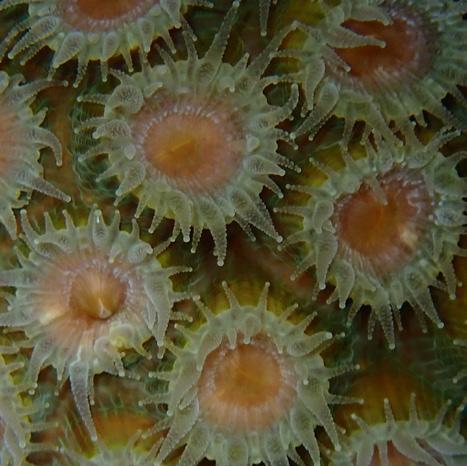
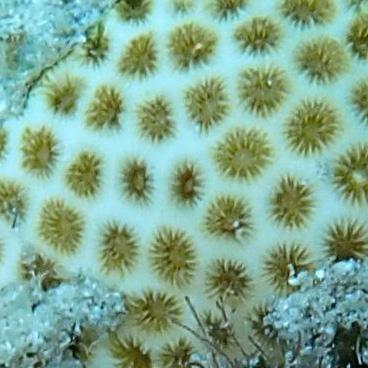
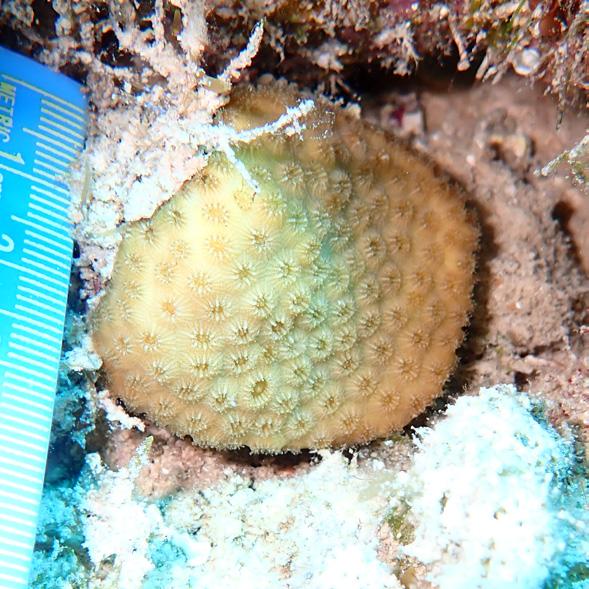
GREAT STAR CORAL
(Montastraea cavernosa)
0-35 minutes after sunset
-Gonochoric spawner
-Spawns right after sunset
-First males release sperm and then females release eggs
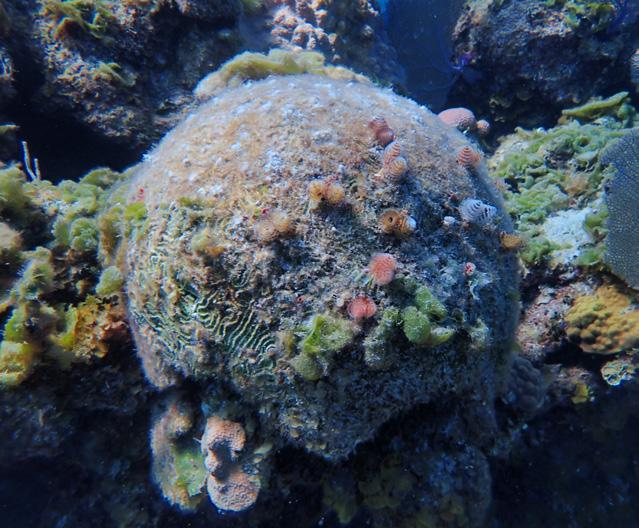
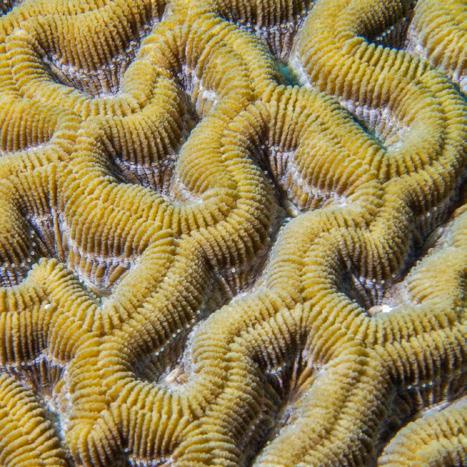
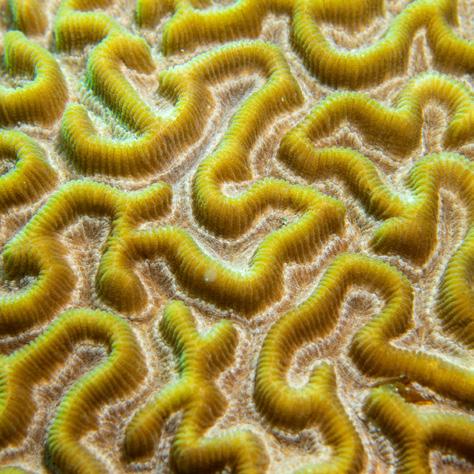
BOULDER BRAIN CORAL
(Colpophyllia natans)
30-60 minutes after sunset
-Hermaphroditic broadcast spawner
-Large gamete bundles
-Setting lasts a couple of seconds
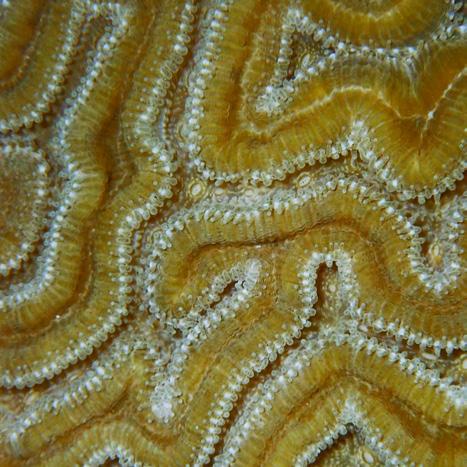
GROOVED BRAIN
CORAL
(Diploria labyrinthiformis)
0-70 minutes before sunset
-Hermaphroditic broadcast spawner
-Spawning could be seen with daylight since happens before sunset
-Butterflyfish and sergeant major aggregations can be used as a cue for spawning
-Setting lasts a couple of seconds
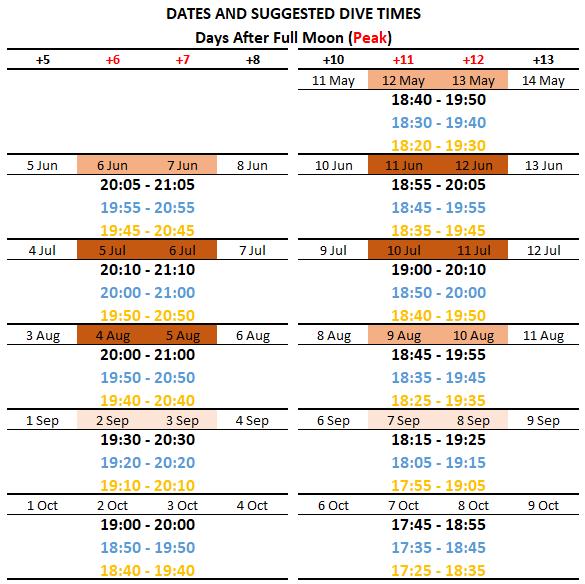
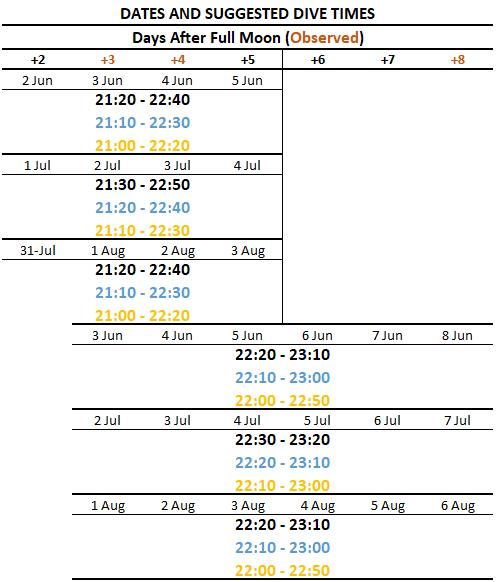
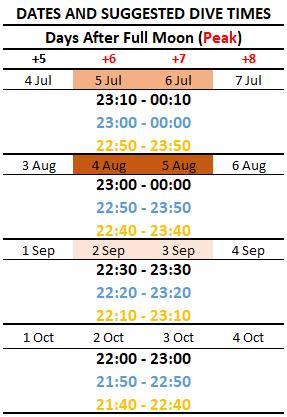
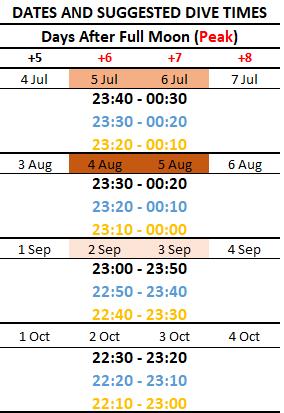
Highlighted dates when spawning is possible, likely or very likely
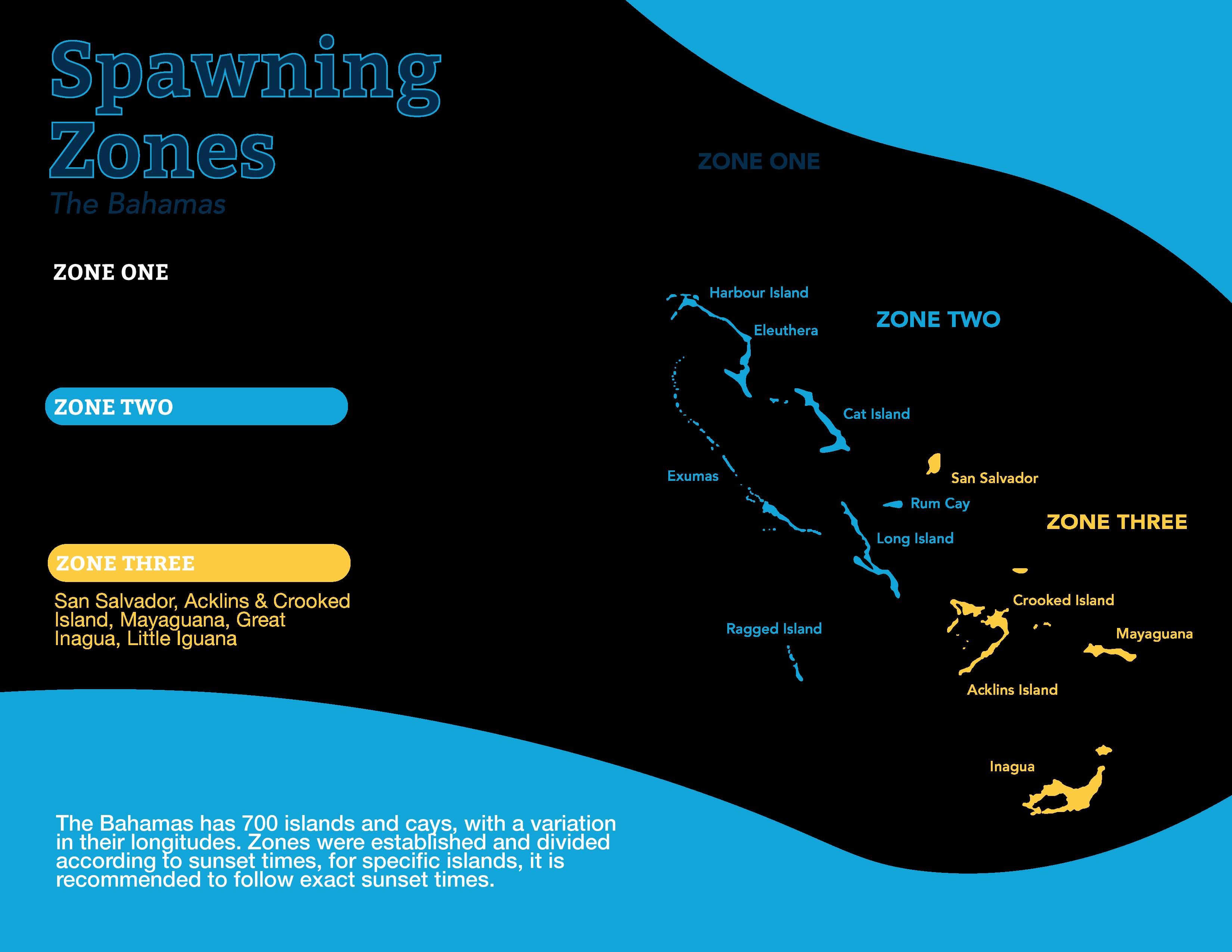
Zone 1: Bimini, Grand Bahama, The Abacos, The Berry Islands, Andros, Nassau, Paradise Island
Zone 2: Eleuthera, Harbour Island, The Exumas, Ragged Island, Long Island, Musha Cay, Cat Island, Conception Island, Rum Cay
Zone 3: San Salvador, Acklins & Crooked Island, Mayaguana, Great Inagua Island, Little Inagua Island
-Hermaphroditic broadcast spawner
-Highly unpredictable species
-Spawning peak has not been identified in The Bahamas
-Setting time can last several minutes
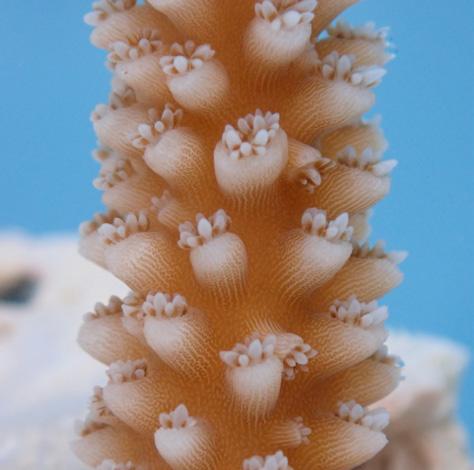
STAGHORN CORAL
(Acropora cervicornis)
140-190 minutes after sunset
-Hermaphroditic broadcast spawner
-Highly unpredictable species
-Spawning peak has not been identified in The Bahamas
-Setting time can last several minutes
Note: Both species are highly unpredictable, observations needed
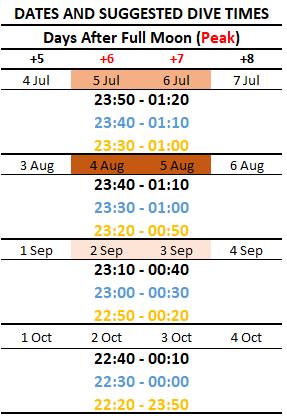
Highlighted dates when spawning is possible, likely or very likely
Zone 1: Bimini, Grand Bahama, The Abacos, The Berry Islands, Andros, Nassau, Paradise Island
Zone 2: Eleuthera, Harbour Island, The Exumas, Ragged Island, Long Island, Musha Cay, Cat Island, Conception Island, Rum Cay
Zone 3: San Salvador, Acklins & Crooked Island, Mayaguana, Great Inagua Island, Little Inagua Island
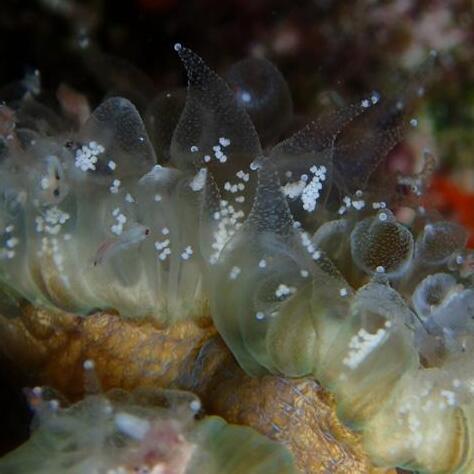
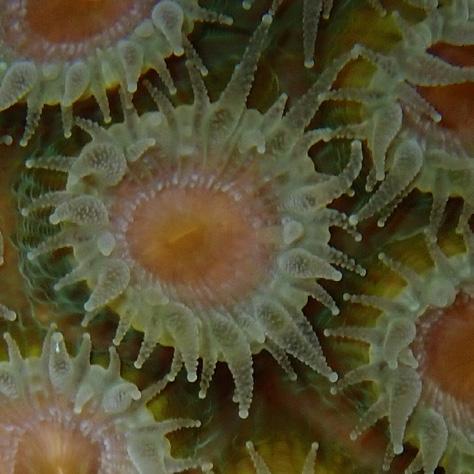
SMOOTH FLOWER & GREAT STAR
CORAL
(Eusmilia fastigiata & Montastraea cavernosa) 180-230 & 190-240 minutes after sunset
-Gonochoric spawners
-Hold eggs in tentacles for several minutes
-Expose their tentacles at night
Highlighted dates when spawning is possible, likely or very likely Zone 1: Bimini, Grand Bahama, The Abacos, The Berry Islands, Andros, Nassau, Paradise Island Zone 2: Eleuthera, Harbour Island, The Exumas, Ragged Island, Long Island, Musha Cay, Cat Island, Conception Island, Rum Cay Zone 3: San Salvador, Acklins & Crooked Island, Mayaguana, Great Inagua Island, Little Inagua Island
SYMMETRICAL BRAIN, BLUSHING & SMOOTH STAR
CORAL
(Pseudodiploria strigosa, Stephanocoenia intersepta & Solenastrea bournoni)
210-240 & 215-260 minutes after sunset
Symmetrical Brain Coral: Hermaphroditic broadcast spawner, could spawn earlier at night
Blushing & Smooth Star Coral: Gonochoric spawners
Zone 2:
Highlighted dates when spawning is possible, likely or very likely
Zone 1: Bimini, Grand Bahama, The Abacos, The Berry Islands, Andros, Nassau, Paradise Island
3:
Eleuthera, Harbour Island, The Exumas, Ragged Island, Long Island, Musha Cay, Cat Island, Conception Island, Rum Cay
Zone
San Salvador, Acklins & Crooked Island, Mayaguana, Great Inagua Island, Little Inagua Island
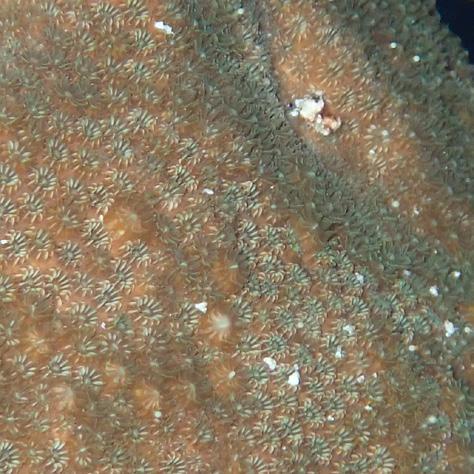
LOBED & MOUNTAINOUS STAR CORAL
(Orbicella annularis & Orbicella faveolata)
220-310 minutes after sunset
Lobed & Mountainour Star Coral:
-Hermaphroditic broadcast spawners
-Setting time lasts a couple of minutes
Highlighted dates when spawning is possible, likely or very likely Zone 1: Bimini, Grand Bahama, The Abacos, The Berry Islands, Andros, Nassau, Paradise Island Zone 2: Eleuthera, Harbour Island, The Exumas, Ragged Island, Long Island, Musha Cay, Cat Island, Conception Island, Rum Cay Zone 3: San Salvador, Acklins & Crooked Island, Mayaguana, Great Inagua Island, Little Inagua Island