Resilience and innovation
i
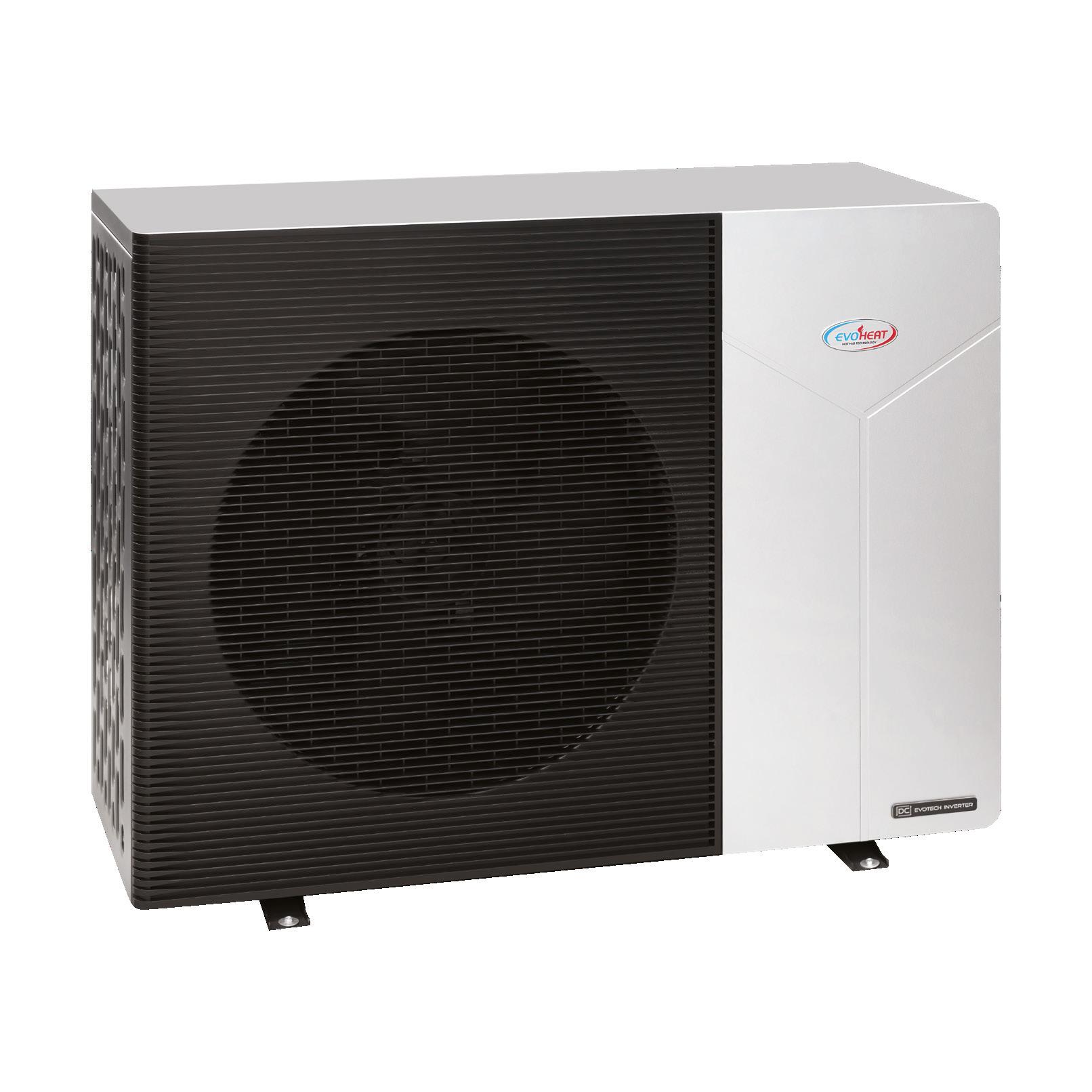
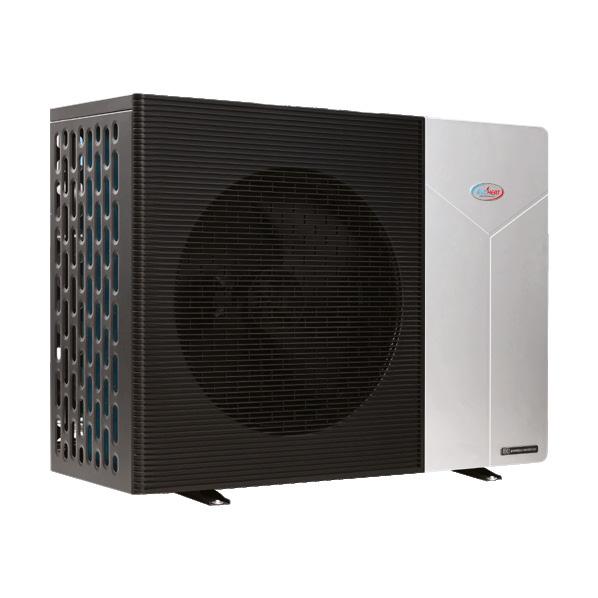
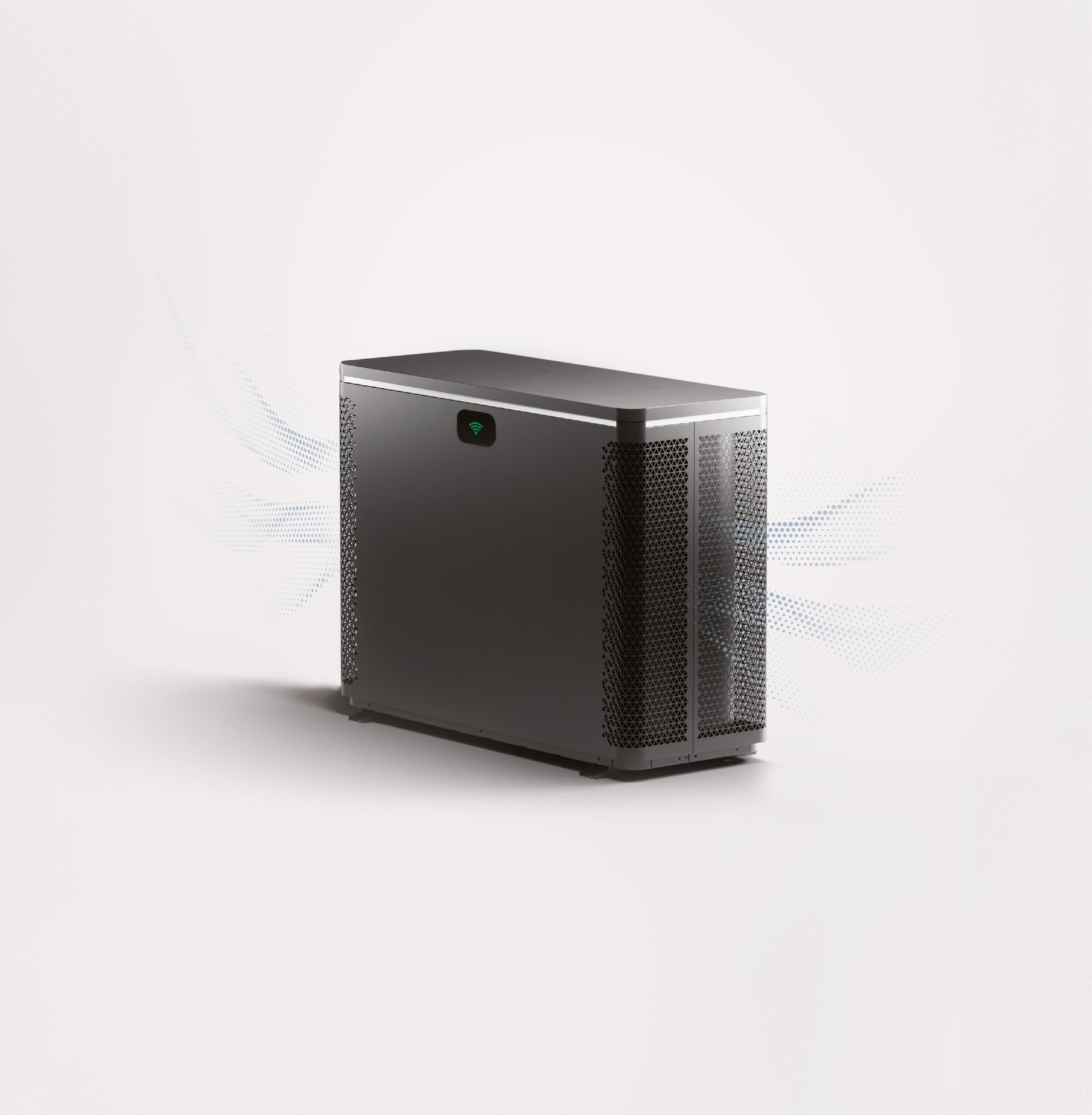
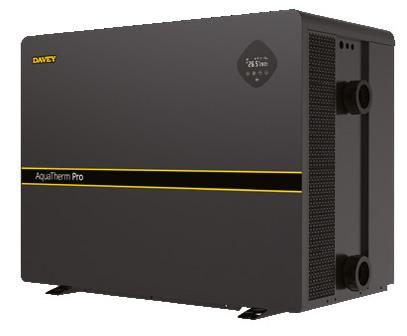
The Evo Force-Ai is the next generation in pool heating. It’s the first of its kind, combining full inverter heat pump technology with smart artificial intelligence (AI) to deliver exceptional performance, comfort, and running cost savings.
Unlike conventional heaters that simply switch on and off, the Evo Force-Ai thinks ahead - using real-time temperature data and advanced weather analysis to predict demand and automatically optimise power consumption, maintaining the ideal pool temperature with maximum efficiency.



30%+ ENERGY SAVINGS UP TO
Using its AI-driven operation, the Evo Force-Ai automatically increases heat output when colder conditions are approaching and scales back power when ambient conditions assist heatingensuring the pool stays at temperature without unnecessary energy consumption. This delivers up to 30% greater energy savings compared to standard inverter heat pumps, while maintaining precise, consistent comfort.
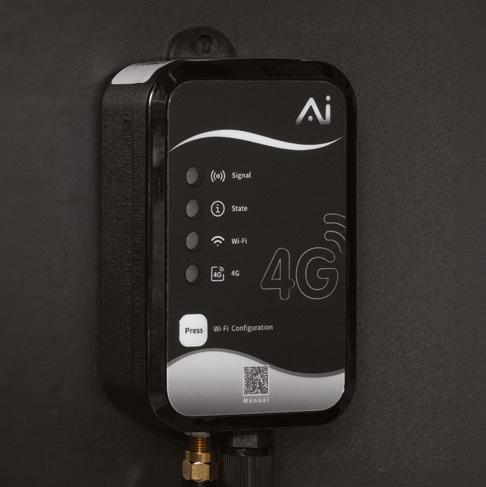
The Evo Force-Ai includes 4G Cloud Connect with an integrated SIM, providing instant online access without requiring home Wi-Fi setup. Pool owners can monitor performance, adjust settings, and access system data remotely from day one.
Combined with EvoHeat’s full inverter technology, the Evo Force-Ai delivers ultra-quiet operation, advanced temperature control, and industry-leading efficiency across all conditions.

ARTIFICIAL INTELLIGENCE
Advanced control logic delivering maximum efficiency, consistent comfort, and reduced energy usage.
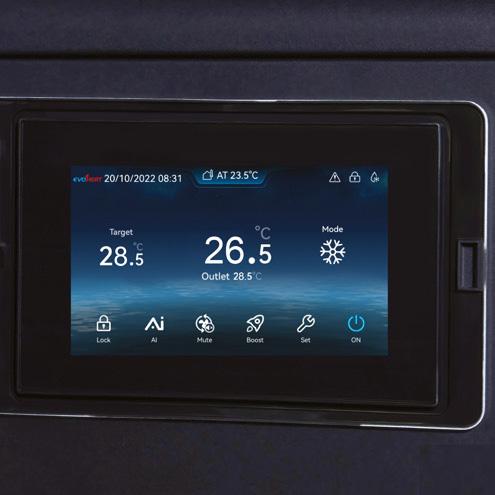
ADVANCED CONTROLS
Intelligent controls and settings designed to maximise heater operating performance.
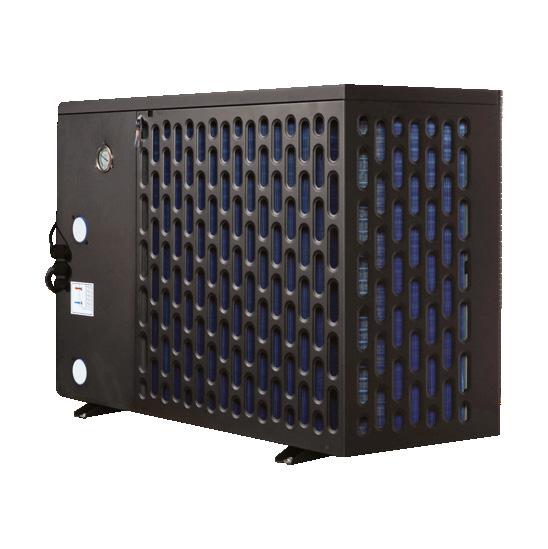
4G CLOUD CONNECT
Built-in SIM connects automatically to a cellular networkno pairing, no hassles!
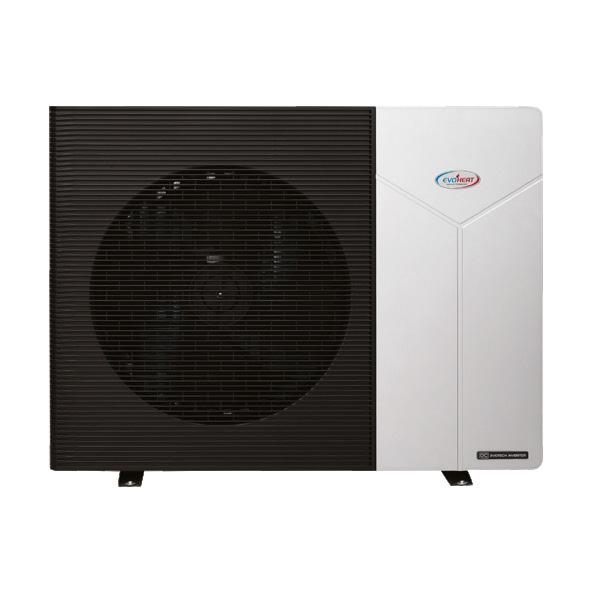
SOLAR SMART MODE
Program multiple daily timers and performance parameters to harness free energy from the sun.



Published by
The Intermedia Group Pty Ltd
ABN 940 025 83 682
41 Bridge Road, Glebe, NSW, 2037 Australia
Ph: (02) 9660 2113
Fax: (02) 9660 4419
On behalf of The Swimming Pool & Spa Association of Australia Ltd (SPASA Australia)
Managing Editor: Chris Maher
Phone: +61 412 048 639
Email: chrismaher@intermedia.com.au
Contributors: Veda Dante, Kristin Brookfield, Ben Makepeace, Glenn Smith.
Advertising enquiries: Gillian Doreian
Phone: +61 488 983 102
Email: gillian@spasa.com.au
Graphic Designer: Leanne Hogbin
Production Assistant: Tazlin Cantrill
Subscriptions: 1800 651 422
Email: subscriptions@intermedia.com.au
Copyright All material in this publication is copyright to the publisher and/or its contributors. No material may be reproduced without the express permission of the publishers.

Disclaimer: This publication is published by The Intermedia Group Pty Ltd (the “Publisher”) on behalf of SPASA Australia. Materials in this publication have been created by a variety of different entities and, to the extent permitted by law, the Publisher accepts no liability for materials created by others. All materials should be considered protected by Australian and international intellectual property laws. Unless you are authorised by law or the copyright owner to do so, you may not copy any of the materials. The mention of a product or service, person or company in this publication does not indicate the Publisher’s endorsement. The views expressed in this publication do not necessarily represent the opinion of the Publisher, its agents, company officers or employees. Any use of the information contained in this publication is at the sole risk of the person using that information. The user should make independent enquiries as to the accuracy of the information before relying on that information. All express or implied terms, conditions, warranties, statements, assurances and representations in relation to the Publisher, its publications and its services are expressly excluded save for those conditions and warranties which must be implied under the laws of any State of Australia or the provisions of Division 2 of Part V of the Trade Practices Act 1974 and any statutory modification or re-enactment thereof. To the extent permitted by law, the Publisher will not be liable for any damages including special, exemplary, punitive or consequential damages (including but not limited to economic loss or loss of profit or revenue or loss of opportunity) or indirect loss or damage of any kind arising in contract, tort or otherwise, even if advised of the possibility of such loss of profits or damages. While we use our best endeavours to ensure accuracy of the materials we create, to the extent permitted by law, the Publisher excludes all liability for loss resulting from any inaccuracies or false or misleading statements that may appear in this publication. This issue of SPLASH! magazine published by The Intermedia Group Pty Ltd (Intermedia) may contain magazine or subscription; offers, competitions, forms and surveys (Reader Offers) which require you to provide information about yourself, if you choose to enter or take part in them. If you provide information about yourself to Intermedia, Intermedia will use this information to provide you with the products of services you have requested and may supply your information to contractors that help Intermedia to do this. Intermedia will also use your information to inform you of other Intermedia publications, products, services and events. Intermedia may give your information to organisations that are providing special prizes or offers that are clearly associated with the Reader Offer. Unless you tell us not to, we may give your information to other organisations that may use it to inform you about other products, services or events or to give it to other organisations that may use it for this purpose. If you would like to gain access to the information Intermedia holds about you, please contact Intermedia’s Privacy Officer at The Intermedia Group Pty Ltd, PO Box 55, Glebe, NSW 2037.
Copyright © 2026 - SPASA Australia.



editorial

The warmest winter
I am writing this letter on the cusp of the winter solstice. A time of short days and typically cold weather.
But I went for a swim at my local pool today and it was the most packed I’d see it all year. Lanes full, people basking in the sun. It could be summer.
Then I came home to find the BOM has officially declared El Niño. That disruptive weather phenomenon that brings warmer water to our side of the Pacific, and with it a mild winter. In fact, they expect this June to be the hottest on record, and it is also likely to bring a dry hot summer. While this is traditionally good for the swimming pool industry, because everyone starts thinking about cooling off in a backyard pool, it also brings many challenges, including the potential for drought.
The Intermedia Group takes its Corporate and Social Responsibilities seriously and is committed to reducing its impact on the environment. We continuously strive to improve our environmental performance and to initiate additional CSR based projects and activities. As part of our company policy we ensure that the products and services used in the manufacture of this magazine are sourced from environmentally responsible suppliers. This magazine has been printed on paper produced from sustainably sourced wood and pulp fibre and is accredited under PEFC chain of custody. PEFC certified wood and paper products come from environmentally appropriate, socially beneficial and economically viable management of forests.
Chris Maher Managing Editor chrismaher@ intermedia.com.au
So we all need to be mindful of water usage – and as we all know, without water we wouldn’t have a swimming pool industry.
It is timely then to be discussing the circular economy in this issue. This is the idea that eliminating waste of materials – and in our case, especially water – is a sensible, efficient and cost effective practice.
This edition is a bit of a bumper issue, and we also have articles on segmentation in the pool cleaner market, safe handling of pool related chemicals, changes to the national construction code, and a landmark new aquatic centre construction, among many other stories and items of interest.
On top of that, we have the SPLASH! Trade Expo Product Launch Showcase. We run this feature every two years in the lead up to the biggest – and it’s fair to say, the best – swimming pool and spa trade show in our region and our hemisphere.
The showcase is merely a taste of the thousands of products that will be on show, and the hundreds of products that will be seen for the first time. Everyone is starting to get excited about the event to be held on August 17 to 21 on the Gold Coast.
The weather is always warm and inviting in Queensland, as we know, and the expo in the sunny clime is an ideal way to prepare for what is anticipated to be a very exciting pool season.
I hope you enjoy this issue, and I hope to see you at the expo in August.
The cover
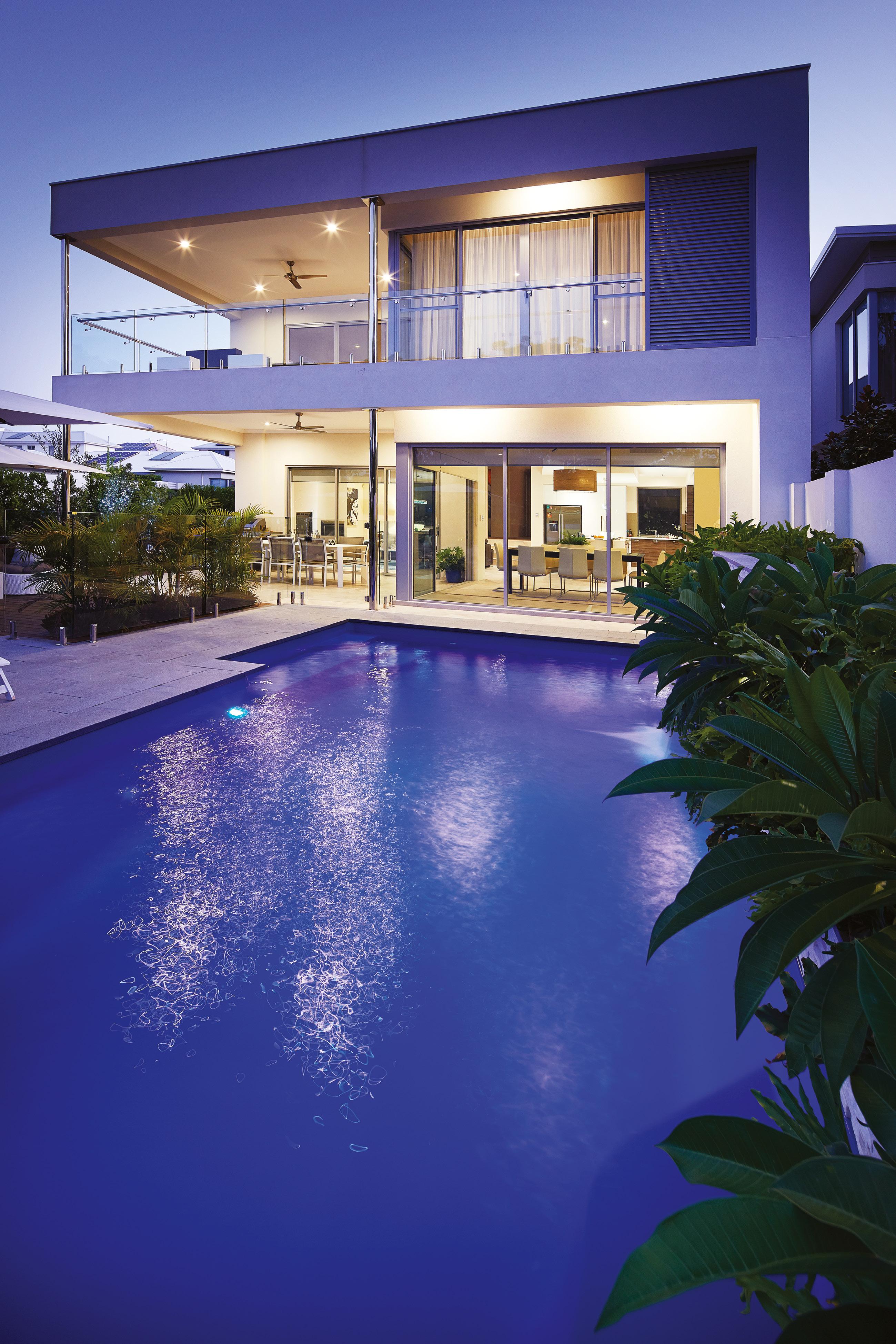
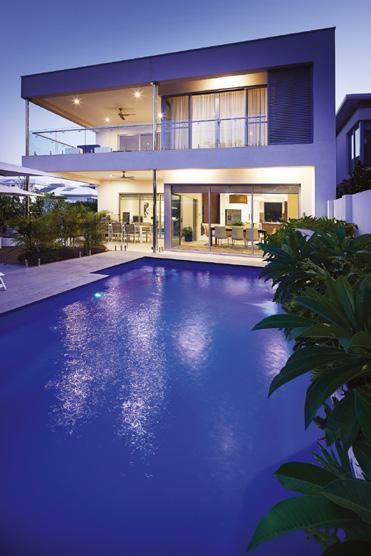
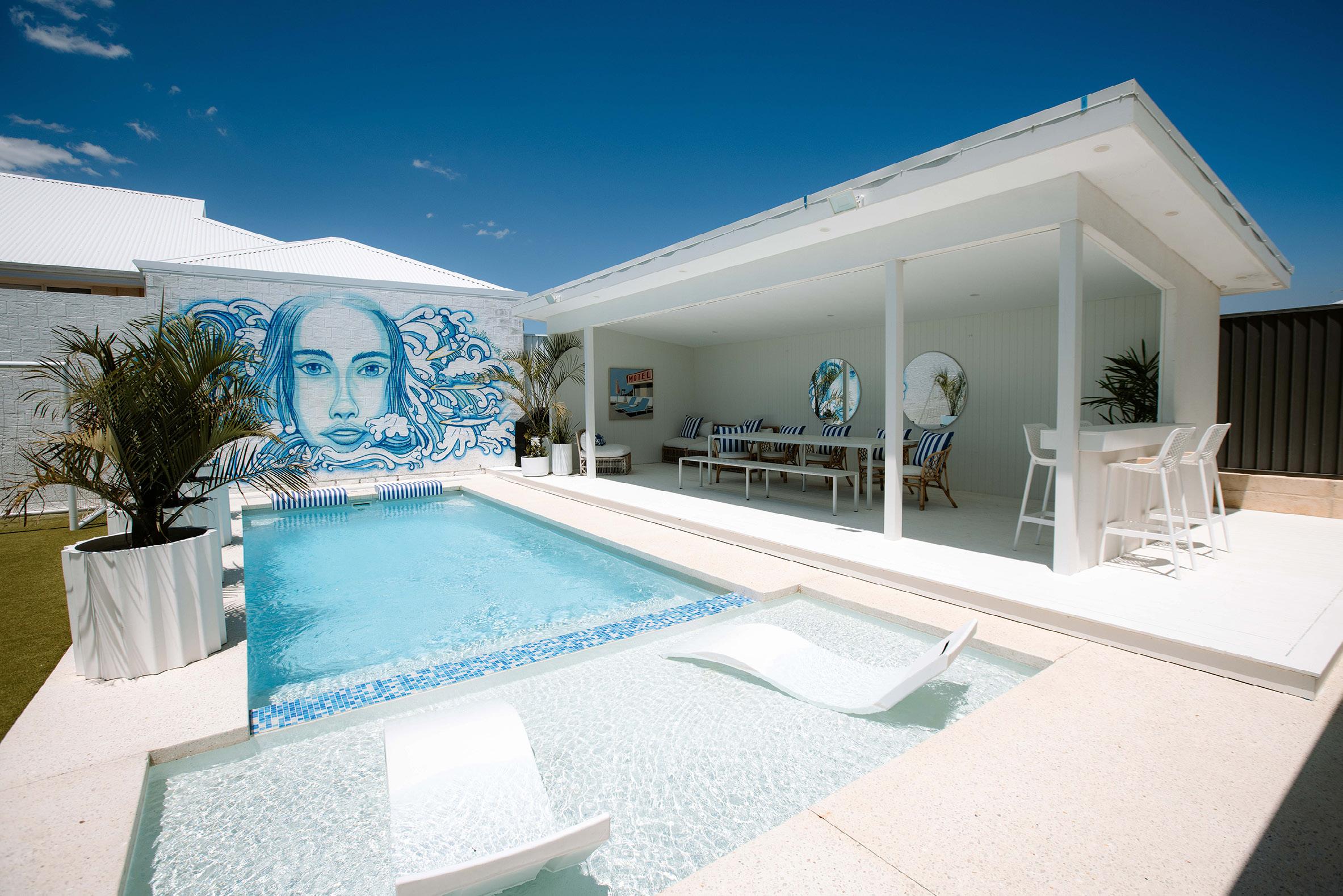
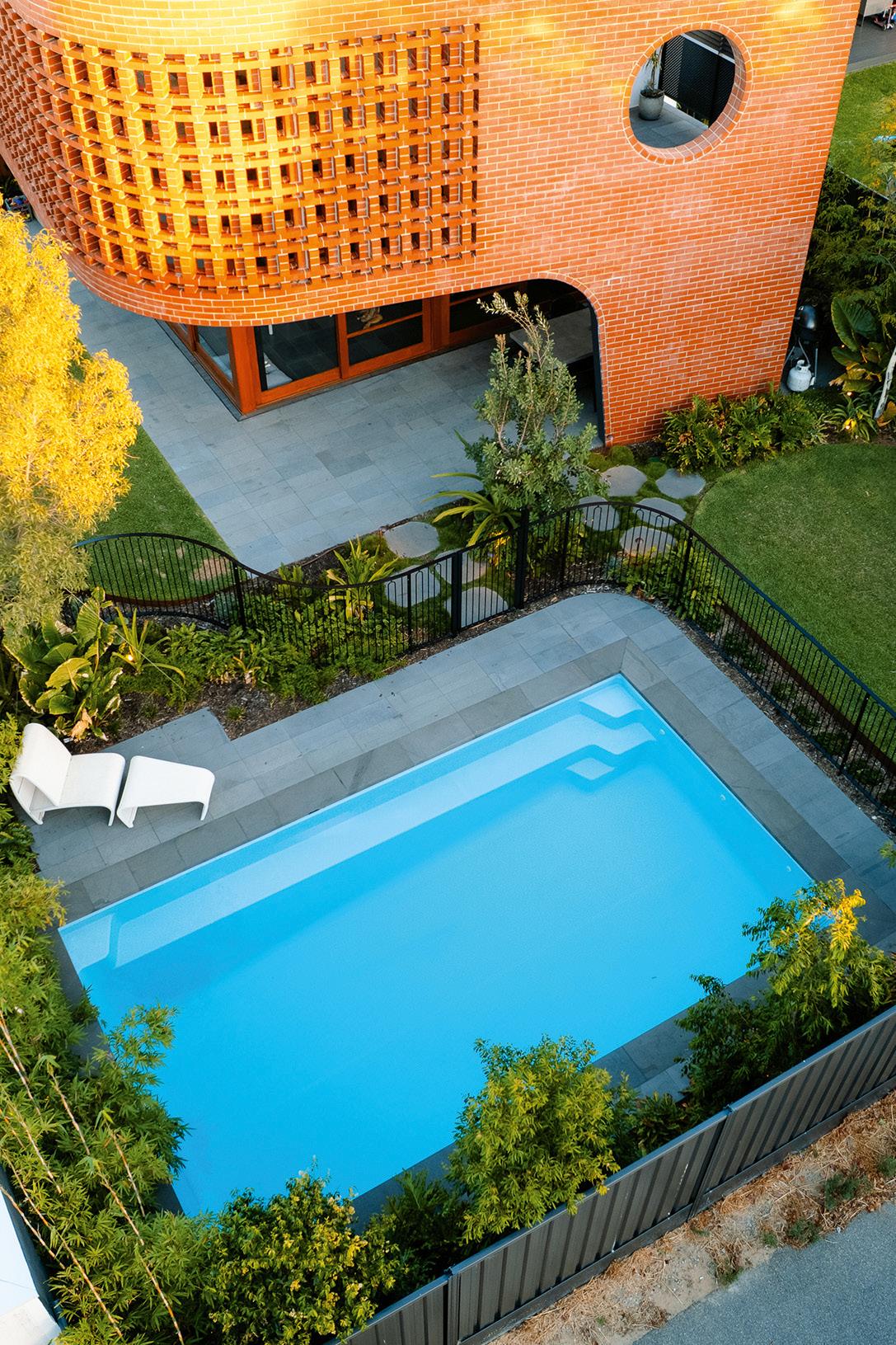
This pool is by Aquatic Leisure Technologies brand Buccaneer Pools. There is more on ALT’s inspiring 50-year journey in the pool and spa industry on page 22.
“Connected, automated, app-driven pool ownership is rapidly becoming the baseline expectation in Australia. Pentair is already there.”
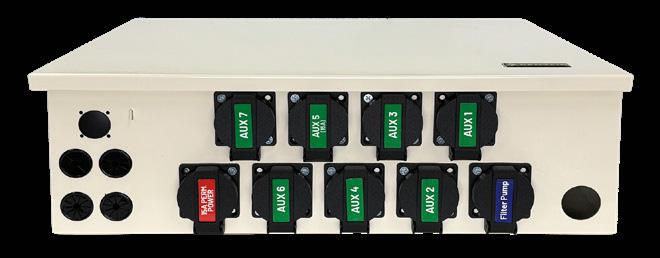
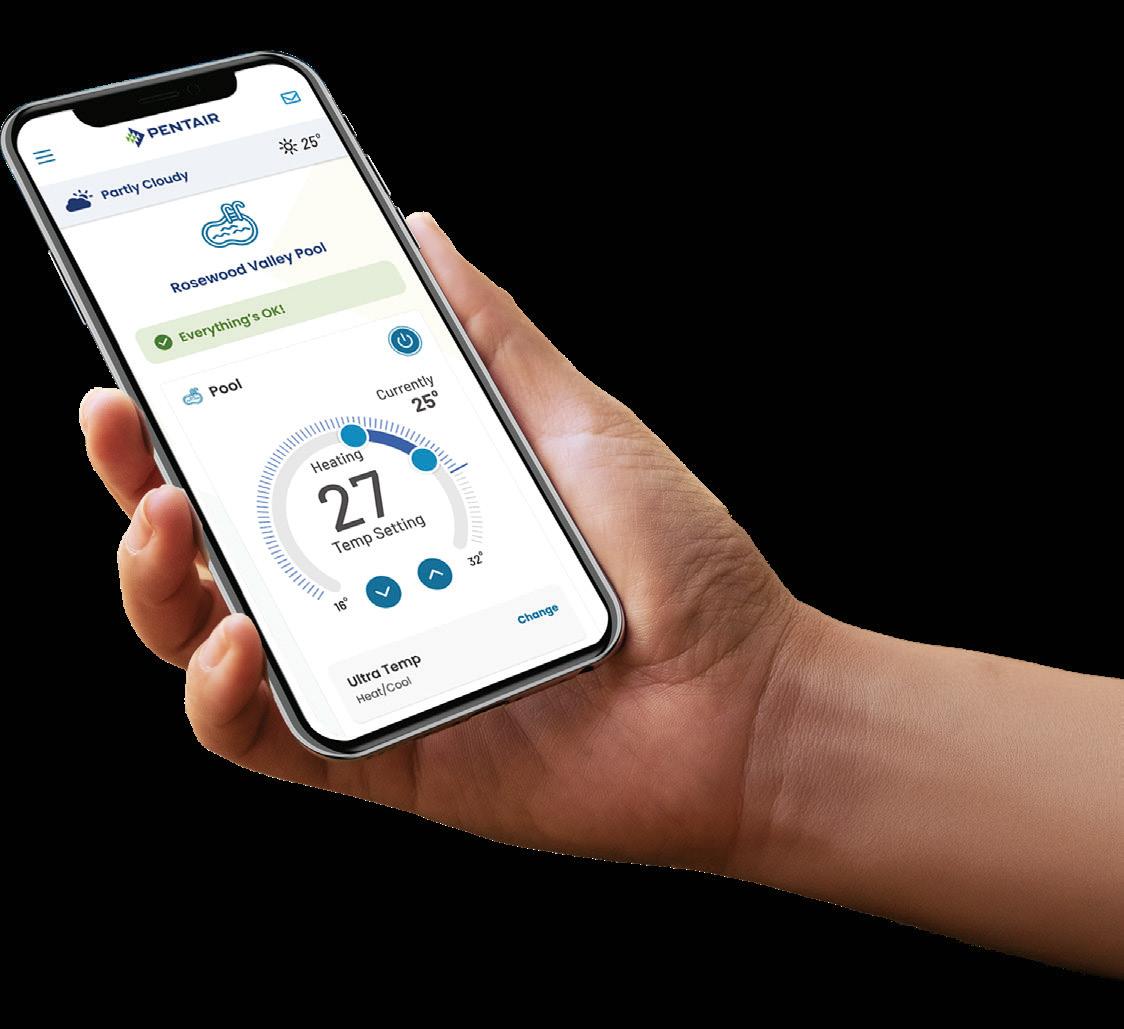
Pool automation in Australia has moved from early adopter territory into the mainstream. Today’s pool owners expect app-based control, water quality they can trust, and a system that just works. IntelliCenter® Plug ‘n’ Play and IntelliChlor® Plus deliver exactly that — and when installed together, they create a fully integrated pool that’s as easy to manage as it is to install.
Discover effortless pool & spa control at pentairpool.com.au
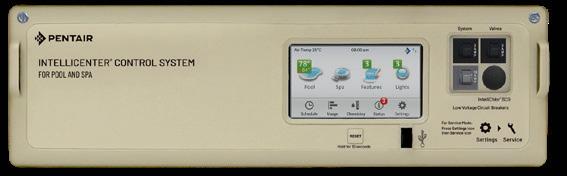
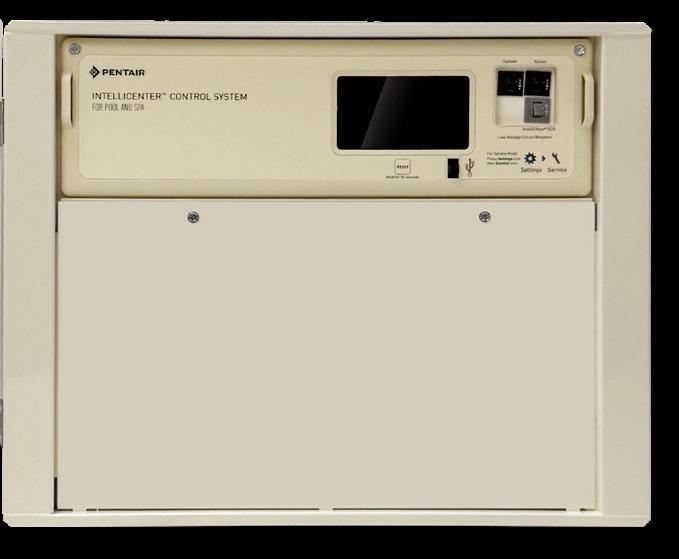





INTELLICENTER® PLUG ‘N’ PLAY
Smarter automation, simplified installation
FOR POOL PROFESSIONALS
• Plug-and-play outlets built into the control system
— reduced electrical work.
• Weatherproof, clearly marked connections for fast, clean installs.
• Reduced labour costs; compelling quote differentiator.
FOR POOL OWNERS
• App control via iOS® or Android®, touchscreen, or voice via Amazon Echo®
• Intuitive setup — fewer support calls, happier customers.
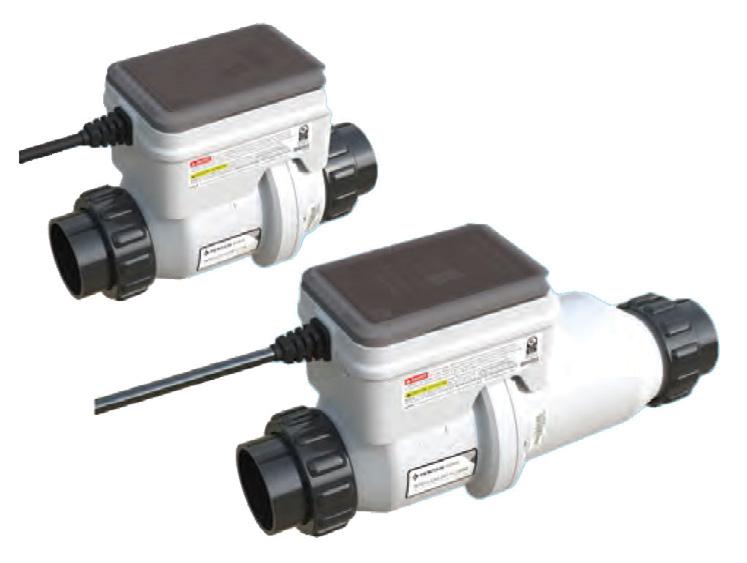
INTELLICHLOR® PLUS SALT CHLORINE GENERATOR
Perfect water. No handling chlorine.
WATER QUALITY BENEFITS
• Uses common salt to produce chlorine automatically in the pool.
• No buying, storing, or handling chlorine compounds.
• No odour, stinging eyes, or skin irritation.
FOR POOL PROFESSIONALS
• Real-time monitoring integrated with IntelliCenter.
• Easy to install & connect to IntelliCenter Plug’n’Play.

18 A year in the life of SPASA
Kristin Brookfield reports on the 2026 Annual General Meeting, along with an update on initiatives currently being undertaken by the association.
22 Resilience and innovation: ALT’s recipe for long term success
50 years after its founding, Aquatic Leisure Technologies won SPASA’s Australasian Business of the Year Award. Founder Lew Beale and managing director Lynley Papineau discuss the long and successful journey of this family business.
30 The segmentation of the pool cleaner market
Veda Dante investigates the disruption, differentiation and key forces reshaping the pool cleaner market.
42 NCC 2025 – who’s doing what and when
SPASA’s policy manager Ben Makepeace provides a comprehensive update on the relevant changes to the National Construction Code.
50 SPLASH! Trade Expo
Product Launch Showcase
SPLASH! 2026 is just around the corner. To whet your appetite, we are showcasing a taste of the top products and services that will be launched at the expo.
62 The circular economy: swimming pools and end-to-end sustainability
Veda Dante discovers how circular economy principles are influencing the future of residential and commercial pool and spa design, construction and operation.

44 Chemical safety in the swimming pool and spa industry
Glenn Smith, senior safety advisor at HazardCo, outlines some of the risks and protections associated with handling chemicals in the swimming pool industry.
48 Designing gardens for year-round wonder
Victoria-based, internationally recognised horticulturist Jac Semmler has written Flower Power, a book about landscape seasonality and maintaining year-round colour.
Adaptability and the Adelaide Aquatic Centre
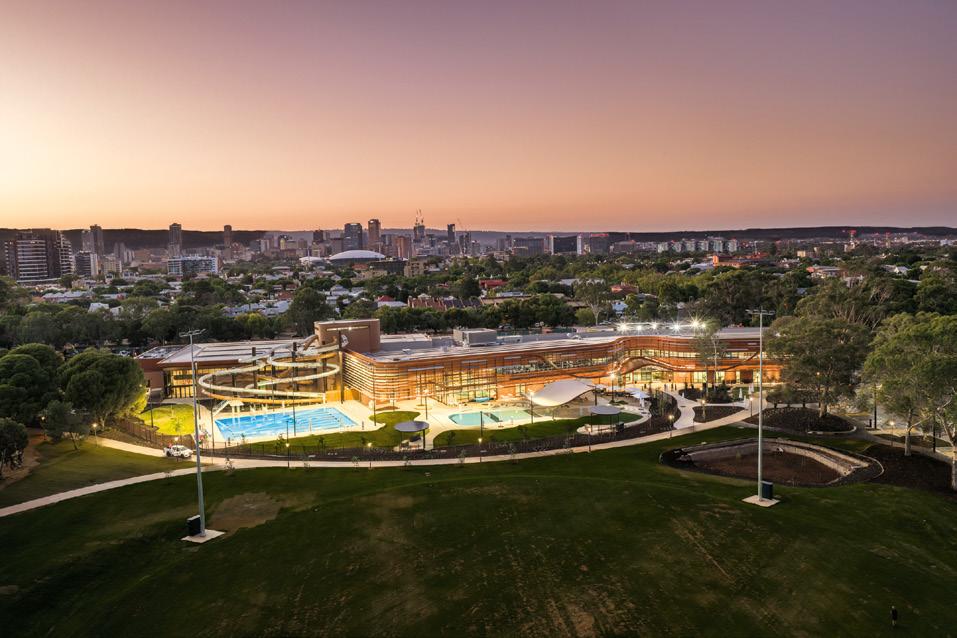
Consulting engineer Neil Davey discusses how the Adelaide Aquatic Centre marks a defining moment for South Australia’s public infrastructure landscape.
Why a school swimming carnival shocked a drowning prevention researcher
NHMRC fellow, Amy Peden, describes her recent experience at a swimming carnival, and offers a warning about swimming competency rates among schoolchildren.
Pooled resurrects in new pilot program with Poolwerx
Pooled, the re-incarnation of Pooled Energy under new owners Intellihub, is initiating a national pilot project in conjunction with Poolwerx.
The pilot involves the installation of the Pooled Gen 2 Controller to backyard swimming pools, with the aim of using the technology to reduce the energy consumption of the pools and improve their value as an asset.
Partially funded by the Australian Renewable Energy Agency (ARENA), the Pooled Gen 2 partnership applies real-time data management, automation and proactive servicing to residential pool management. The aim is to use technology to shift pool care from reactive maintenance to a more efficient and connected experience for clients.
The Pooled Gen 2 Controller is a retrofit smart device installed between pool equipment and the power supply, monitoring and automating key pool functions in real time. Using intelligent automation, the system learns a pool’s filtration needs and shifts pump operation into off-peak tariff windows, reducing unnecessary runtime and optimising chemistry cycles.
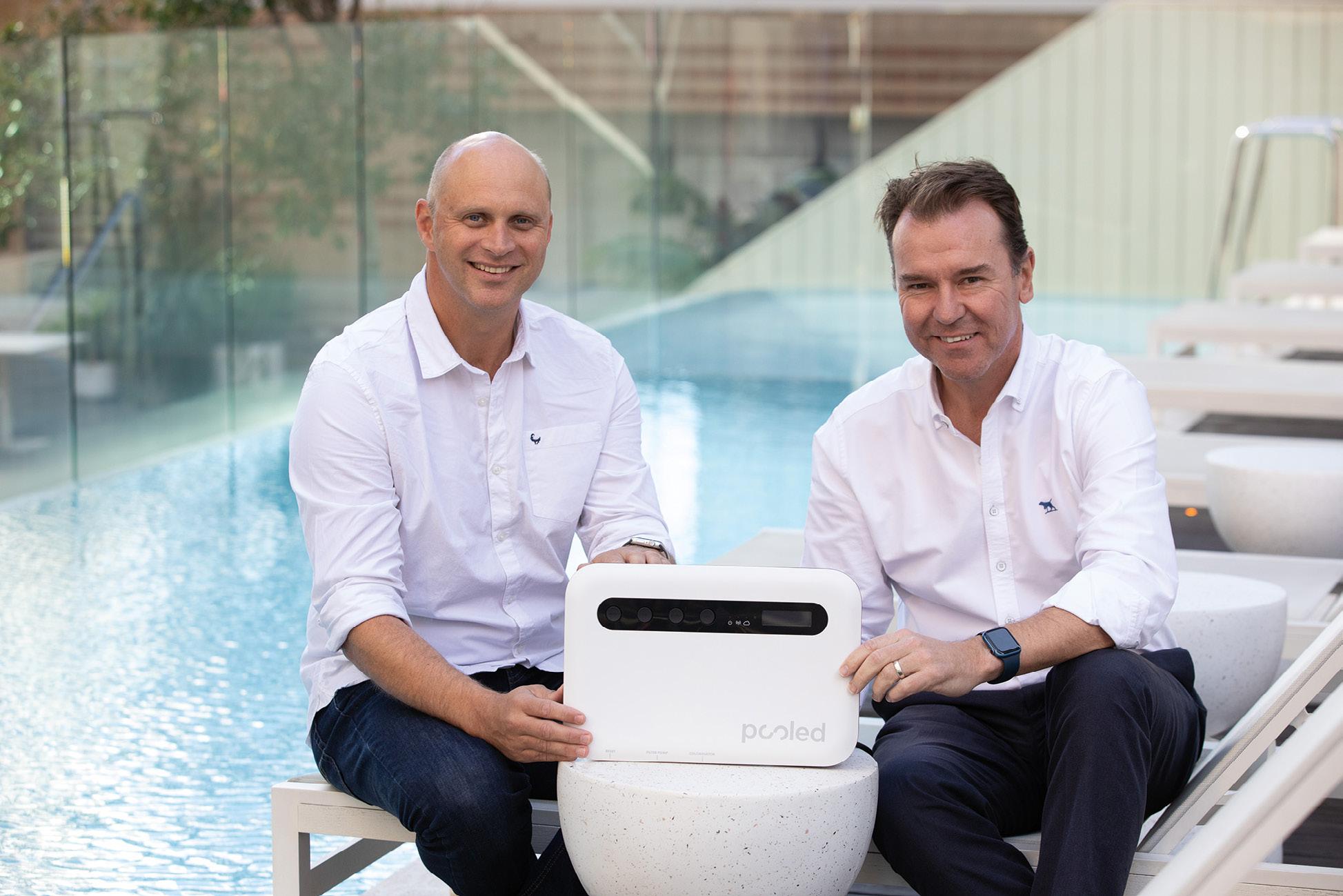
The first phase of the partnership sees Poolwerx and Intellihub invite existing and new Poolwerx clients to join the Pooled Gen 2 Controller trial via a subscription service that bundles the hardware, app, installation and ongoing Poolwerx remote monitoring into a single monthly fee.
To encourage participation and to gather vital data on household savings, selected homeowners will receive a 12-month free subscription to the Pooled Gen 2 Controller management service, valued at more than $700.
Poolwerx CEO Nic Brill says the trial is a new era of innovation and a critical step in modernising the franchise and industry service offering.
“Our ultimate vision at Poolwerx has always been about creating the backyard lifestyle and ensuring families can seamlessly create lifelong poolside memories. Traditionally, pool care has been reactive – homeowners only seek help once the water turns green or equipment breaks down, disrupting those precious moments,” he says.
“The launch of the Pooled Gen 2 Controller completely shifts the mindset from reactive to proactive maintenance and health management. By combining Intellihub’ s advanced data capabilities with our pool care expertise, we are delivering a first-to-market technology that gives Poolwerx a clear competitive edge.”
He says that as well as providing customer savings of up to 40 per cent off the energy costs while optimising water health, it also provides franchisees with unparalleled insights and remote diagnostics to solve issues before they occur.
These insights include identifying a pump drawing less current than
expected before failure occurs; chemistry imbalances that can be corrected early through a dosing adjustment; or preparing for a heatwave, gathering or holiday period with proactive updates on the swim-readiness of their pool.
Intellihub CEO Wes Ballantine says the potential benefits extend to the entire national grid, with envisaged final energy savings of up to three gigawatts equating to one new major power station.
Insights from the trial will help shape a broader national rollout planned for summer 2026, with the ambition of targeting more than a million residential pools across Australia for future smart integration.
Background
In 2018, the first incarnation of Pooled Energy launched a $5 million pilot program and, at its peak, serviced approximately 1600 customers mainly in Sydney and the Central Coast before its assets were acquired by the Intellihub Group.
The original model operated primarily as an energy retailer, as well as supplying pool equipment and managing and monitoring backyard swimming pools. The model fell over in 2022 when energy costs spiked –increasing by as much as tenfold in some locations.
In 2023, the Pooled Energy business was acquired by the Intellihub Group, an Australian and New Zealand smart metering and energy data specialist organisation.
Intellihub bought the business with the aim of focussing on pool monitoring and management without an energy retailing component. This venture has now moved forward with its first pilot program, without the risks of the highly variable energy retailing component.
Contact: https://pooled.poolwerx.com.au
CEOs Nic Brill of Poolwerx and Wes Ballantine of Intellihub
Training
First Australian trainees commence swimming pool building pathway
Patrick Lemcke and Marcus Deane have become the first trainees in Australia to start on the pathway to a CPC40820 Certificate IV in Swimming Pool and Spa Building.
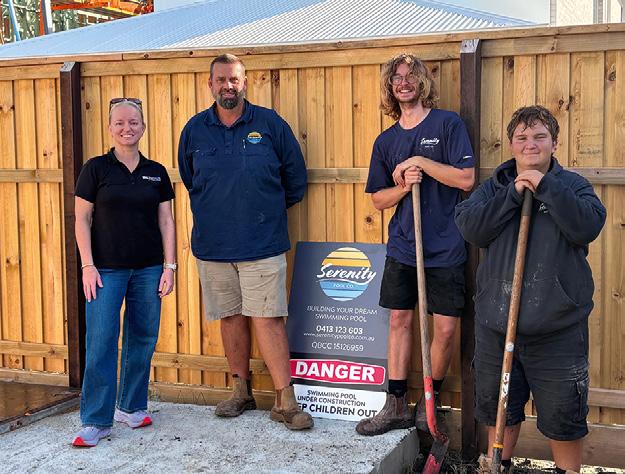
Both are working with Queensland-based Serenity Pools, and were both on hand under the supervision of site supervisor Luke Dehey when IRLearning’s executive manager Rachael Bambry and assessor Anita Zaplin recently visited a Serenity Pools’ construction site. Bambry says the milestone represents a significant step forward for the local swimming pool and spa industry, creating a genuine career pathway for future pool builders through nationally recognised training.
Lemcke joined Serenity Pools six months ago after originally following in his father’s footsteps in concreting. Like many in the industry, he says that while he “sort of fell into pool building,” he quickly discovered a genuine passion for the work.
Since starting with Serenity Pools, Lemcke has been exposed to a broad range of practical construction activities and is developing skills across the full pool building process.
“I really enjoy the role,” he says. “It gives me purpose.”
Fellow trainee Deane started with Serenity Pools as a general labourer before progressing into pool construction. He says the variety within the industry is what motivated him to pursue pool building as a long-term career.
“What I enjoy most is learning all the different components involved,” he says. “From estimating and site preparation through to excavation, steel fixing, formwork, trenching, pipework, concreting and final handover – there’s always something different to learn.”
Dehey says the team was thrilled to learn Lemcke and Deane are officially the first trainees in Australia enrolled into the CPC40820 Certificate IV in Swimming Pool and Spa Building traineeship pathway.
"Formal training brings value to businesses and to the broader industry, helping to raise standards, strengthen professionalism and support the next generation entering the trade," he says.
“The introduction of the traineeship pathway marks a major milestone for the swimming pool and spa industry, providing structured training and recognition for the highly specialised skills involved in pool and spa construction,” says Bambry.
“As the first trainees undertaking the qualification in this format nationally, Patrick and Marcus are helping pave the way for future pool builders across Australia.”
Contact: www.irlearning.com
Swimming
Available pool DA figures from Cotality for the three months from March to May show applications up by seven per cent, while the annual numbers for the 12 months to May are also up by seven per cent.
The three-monthly number show Victoria up by 90 per cent and Queensland up by nine per cent; while Western Australia is down by two per cent, New South Wales is down by five per cent and South Australia is down by 10 per cent.
The national annual DA numbers continue to improve when compared to the same period last year, with New South Wales up by 18 per cent, Queensland up by 10 per cent, and Western Australia up by two per cent; while South Australia is down by two per cent and Victoria is down by 11 per cent.
Anita Zaplin, Luke Dehey, Marcus Deane and Patrick Lemcke. (Supplied, IRLearning)
Small business alert: scams are on the rise
A recent report released by the National Anti-Scam Centre shows scam losses overall are rising across Australia, and small businesses are a key target.
Scammers often target payments, invoices and bank details. They may pretend to be suppliers, banks or government agencies, and usually contact businesses by email or phone.
The report shows:
• Small businesses made 2228 scam reports.
• 287 businesses lost money, adding up to $9.5 million.
• Investment scams caused the biggest losses ($6.2 million).
• False billing scams were the most common. These usually involve changes to bank details on legitimate invoices (payment redirection scams) or completely fake invoices.
• Small businesses reported more scams and higher losses than larger businesses.
Scammers know small businesses are busy. They look for quick chances to trick you into paying money or sharing details. Even one pressured oversight can cost your business money. It can also disrupt your work.
Common scams to watch for
• Payment redirection – fake emails asking you to change bank details.
• Fake invoices – bills for things you did not order.
• Email scams – messages that look real but are not.
Industry moves

Small business is a key target for online scams. Image: iStock
• Impersonation – scammers pretend to be a supplier, bank or government.
Simple ways to protect your business
Scammers rely on urgency and impersonation to catch businesses off guard. Take a moment before making any payments or sharing information.
Always verify changes to bank details by contacting the supplier using trusted contact details – not those provided in an email.
Avoid relying on email alone for payment requests, use multi-factor authentication, and make sure staff are trained to recognise scams.
Limiting who can approve payments can also reduce risk.
If you think you have been scammed, contact your bank straight away. You can also report it to Scamwatch.
Know the warning signs. Be alert to urgent payment requests, pressure to act quickly, unexpected invoices, or small changes in email addresses. These are common ways scammers use to get around normal checks.
If you’re unsure – stop and check before you pay. Most business losses happen after a payment is made to the wrong account.
Scamwatch has new, simple small business scams guidance to help keep your business safe.
Contact: www.scamwatch.gov.au
Pentair Pool Australia appoints new area sales manager
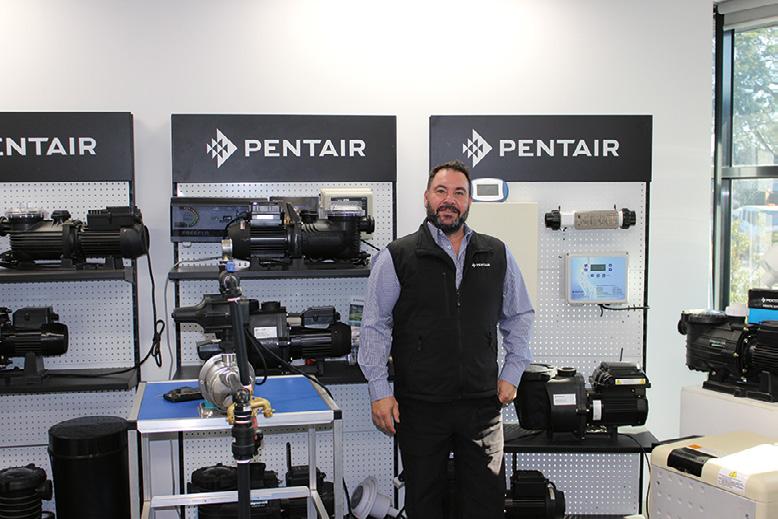
Pentair Pool Australia has appointed Mark Moscatelli to the growing Pentair Pool team as area sales manager covering part of Melbourne and the state of Victoria.
Moscatelli brings significant experience from the pool servicing and building industry, providing valuable insight into the challenges and opportunities facing pool professionals across his territory.
Marketing manager Peter Kolomyjec says that in his new role, Moscatelli will work closely with Pentair’s trade partners to deliver expert product knowledge, technical support, and solutions that help grow their businesses.
“Trade partners in Mark’s territory can reach out to introduce themselves and discuss how Pentair can support their business needs.”
Contact: www.pentairpool.com.au
Keep informed by subscribing to the free online newsletter.
First Australian trainees commence pool building pathway
Patrick Lemcke and Marcus Deane became the first trainees to start on the pathway to a CPC40820 Certificate IV in Swimming Pool and Spa Building.
Top five online news stories
The online stories that made the news over the past two months.
Local manufacturers celebrate Australian Made Week
Local manufacturers celebrated Australian Made Week, at the same time as the Australian Made logo had its 40th anniversary.
Ruthenium shock: chlorinator prices under pressure
Issues with the supply of a critical element involved in cell production are leading to price pressure on salt chlorinators.
Mandatory Australian building Standards to be made free
Among the raft of measures in the 2026-27
Federal Budget is the pending introduction of free mandatory Australian Standards for construction businesses.
ACCC says immediately stop using recalled saunas
A recall notice was issued for Far Infrared Saunas supplied by Found Space Trading Pty Ltd which has since ceased trading and is unable to provide a remedy to customers.
Mark Moscatelli
Upcoming events
July 11
Awards of Excellence WA Gala
July 18 Awards of Excellence Vic Gala
Aug 11-14 Expolazer & Outdoor Living, Sao Paulo, Brazil
Aug 17-21 SPLASH! Trade Expo, Gold Coast Convention & Exhibition Centre, Broadbeach, Queensland
Aug 19 Australasian Awards of Excellence Gala, Gold Coast
Aug 25-27 SPARK 26, Gold Coast
Sep 2-3 RLS Pool Managers Conference, Mudgee
Sep 10-12 Asean Patio Pool Spa Expo, Kuala Lumpur, Malaysia
October 6-8 Interbad, Stuttgart, Germany
Nov 17-20 Piscine Global, Lyon, France
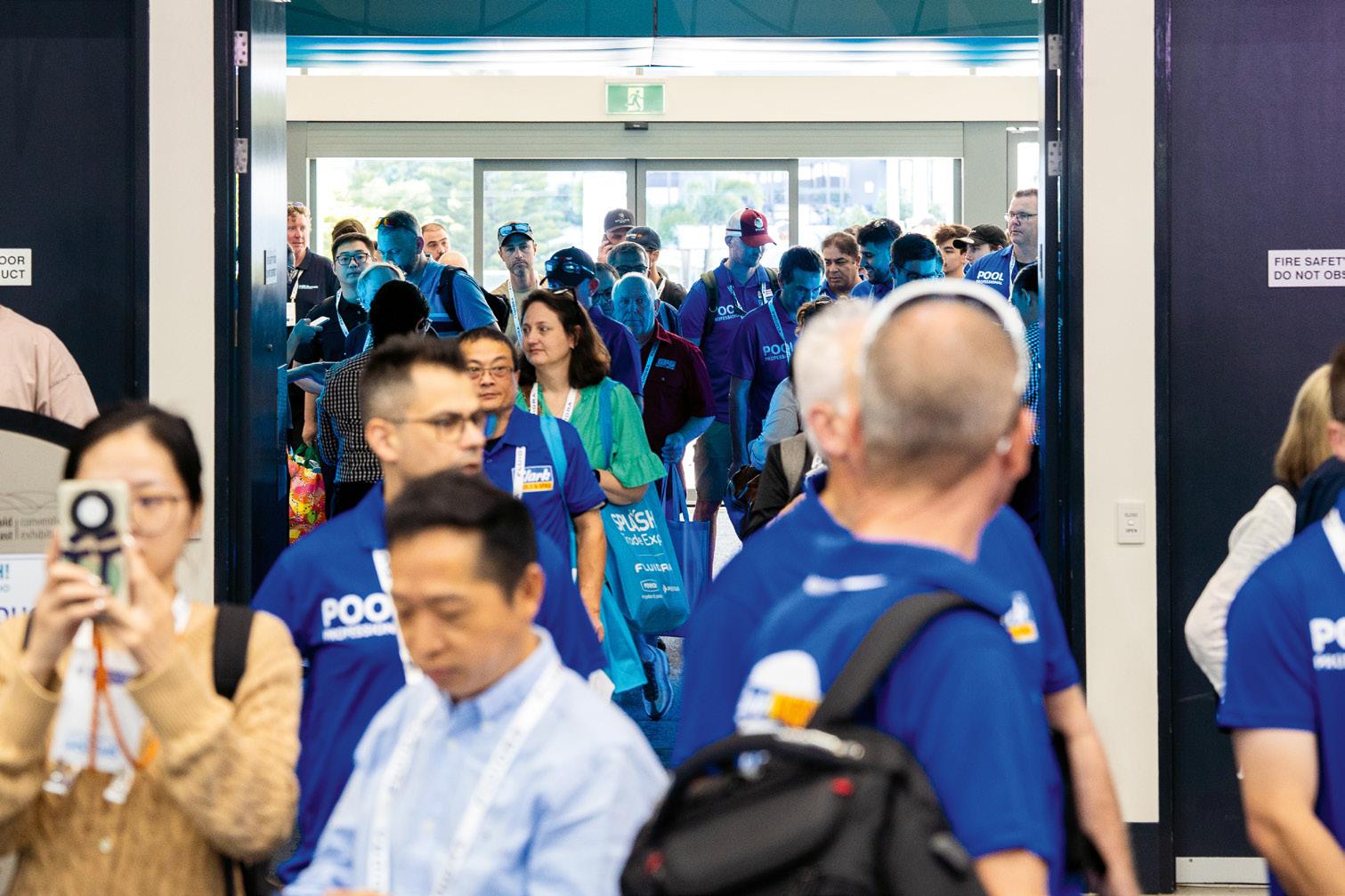
More details at www.splash.online Dates are subject to change and should be checked with the relevant organisation. Send calendar submissions to info@splashmagazine.com.au.

Industry moves
Pool Systems appoints new Gold Coast sales centre manager
Pool Systems has appointed Helena Kerr as sales centre manager for the Gold Coast branch.
Kerr brings close to a decade of experience within the pool industry, having started her career with Zodiac before continuing with the business following its acquisition by Fluidra.
Throughout her career, she gained valuable hands-on experience within retail pool stores, including Poolwerx Shailer Park and Captain Nemo’s Helensvale, as well as experience in pool safety compliance.
Prior to entering the pool industry, Kerr built a strong background in customer service and operations within the banking sector, working with both Suncorp Bank in Australia and ASB Bank in New Zealand.
Kerr has joined the businesses at an exciting time for the Gold Coast branch and is looking forward to supporting customers and contributing to the continued growth of the region.
Sales and marketing manager Josh Clinen acknowledges the outgoing manager Marly Espinosa.
“She has done a fantastic job leading the Gold Coast branch as sales centre manager over the past seven months,” he says.
“Marly has recently taken on a new opportunity within the business and will remain part of the Pool Systems team, with a further announcement to come in the near future.”
He says that as Pool Systems continues to strengthen its presence and invest in the Gold Coast region, Kerr will play a key role in supporting the next phase of growth for the branch.
“Further exciting updates for the region will be announced soon.”
Poolcorp board
Meanwhile, Pool Systems’ parent company, PoolCorp, has announced that its board of directors appointed John B Watwood as president and chief executive officer, effective May 4, 2026.
Peter D Arvan has stepped down as president and chief executive officer and as a member of the company’s board of directors on the same date.
John E Stokely, chair of the board, has also been appointed as executive chair. Watwood is a seasoned operational leader

with more than two decades of experience in industrial and specialty distribution, bringing strategic, operational, and sales expertise to PoolCorp.
He joined the company as executive vice president in January 2026. Prior to his transition to PoolCorp, Watwood most recently served as senior vice president of sales and operations at Motion Industries, a subsidiary of publicly traded Genuine Parts Company, and a leading distributor of industrial parts and value-added solutions, where he led growth and operational performance and strengthened customer relationships across the business.
Earlier in his career, he held positions at SMC Corporation of America and Applied Industrial Technologies.
“As PoolCorp continues to execute its strategic priorities, the board believes now is the right time for this leadership transition,” says Stokely.
He thanks Arvan on behalf of the board for his tireless efforts over the past nine years, and wished him continued success.
“Through a steadfast commitment to innovation and operational excellence, strengthened during Pete’s tenure, the company is well positioned for long-term value creation.”
Watwood says he is honoured to have the opportunity to lead this exceptional company and appreciate the board’s trust and support.
“My priority will be building upon the strong foundation already in place to continue as the best worldwide distributor of outdoor lifestyle products. I am excited to continue working with the talented PoolCorp team as we execute our strategy and continue delivering the exceptional value and service that have long defined PoolCorp.”
The appointment further supports PoolCorp’s continued global growth strategy, including its presence in Australia through Pool Systems Australia, part of the SCP International group.
Business Instant asset write-off ends uncertainty
CPA Australia has praised the permanent instant asset write-off as ending uncertainty for small business and unlocking business investment.
CPA Australia business investment
lead Gavan Ord says making the instant asset write-off permanent is a critical step toward giving small businesses the certainty they have long been calling for.
“CPA Australia has consistently advocated for this measure to be made permanent, so the announcement is a very welcome development,” Ord says of the federal government’s budget initiative.
“For too long, small businesses have had to contend with year-to-year extensions and shifting thresholds, making it difficult to plan and invest with confidence. Locking in a permanent setting changes that.”
The instant asset write-off allows eligible small businesses to immediately deduct the cost of assets up to $20,000, rather than depreciating them over several years, improving cash flow and reducing taxable income.
Ord says certainty is just as important as the tax benefit itself.
“Small businesses don’t just need incentives – they need stability. When policy is predictable, businesses are far more likely to invest in equipment, technology and productivity improvements.
“Making the write-off permanent removes unnecessary complexity and gives business owners a clearer runway to make long-term decisions,” he says.
Ord said the measure will be particularly important in the current economic climate.
“This is a practical reform that will help businesses invest in their future, whether that’s upgrading technology, improving efficiency or expanding operations.
He says the focus should now turn to ensuring Australia’s tax and regulatory settings continue to support investment and productivity.
“This is exactly the kind of policy that can help lift business confidence and support economic growth – but it must be part of a broader, stable framework that encourages long-term investment.”
Helena Kerr John B Watwood



Pool Controls evolves into full line supplier
Pool Controls has dramatically expanded its offering to the swimming pool and spa industry, evolving into a complete end-to-end supplier of pool equipment. At the same time is has bolstered its resources across Australia.
In 2024, Pool Controls entered a new era under the leadership of Eddie Melle and Declan McGuire.
McGuire, who is Pool Controls director of operations, says they had a clear vision seeking a fresh direction.
“The focus was simple: strengthen the foundations of the business while positioning it for long-term growth in an evolving pool industry.”
He says that very early on they identified four key areas that required immediate attention: product offering, sales and customer engagement, aftersales service, and company culture.
“One of our first observations was that our product range, while strong in certain areas, was too narrow for the broader needs of today’s market,” he says.
“To address this, we partnered with several well-regarded manufacturers within the industry, allowing us to expand quickly without compromising on quality.”
This led to the introduction of the Zen range, including pumps, filters and heat pumps, providing a more complete equipment solution for their trade partners.
Water should be clean, clear and ready to indulge
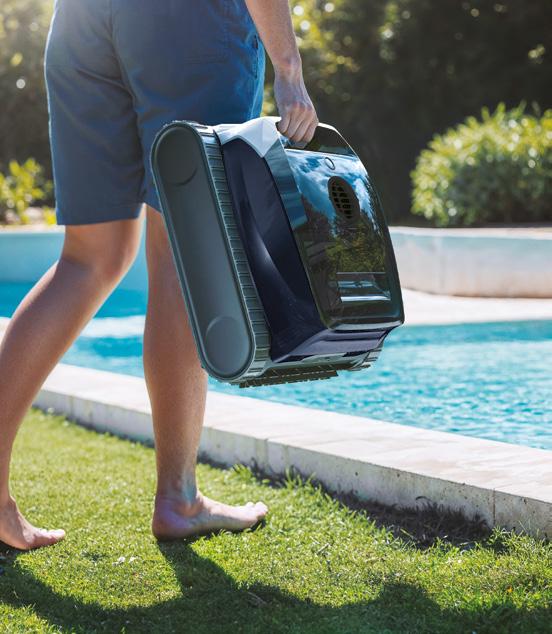
In addition, they embraced the rapid shift toward automation and convenience by adding cordless robotic pool cleaners to the portfolio. This move not only strengthened their offering but aligned them with the direction the market is clearly heading – toward smarter, more efficient pool ownership.
Strengthening the sales team
The second area of focus was the sales structure and frontline engagement with trade customers.
“We recognised the need to invest in people and presence,” McGuire says.
New business development managers were appointed across key regions: Rachel Broadhead in Queensland, Phil Jones in Victoria, Ketan Jaiswal in Western Australia, and Jason Van Putten in NSW.
“Each of them brings energy, commitment, and a strong customer-first mindset to their roles.”
The next step to support their national growth strategy was to establish a new warehouse in Park Ridge, south of Brisbane.
“The Park Ridge facility strengthened our logistics capability in Queensland, improving product availability and delivery times for our trade partners.”
To unify and lead the growing team, they appointed Matt Casey as national sales manager.
“Matt’s long-standing history with Pool Controls, particularly his success in developing the Queensland market, made him the natural choice to guide our national sales strategy,” says McGuire.
Elevating aftersales service
McGuire says that while Pool Controls has always had a capable aftersales team, they identified a gap – not in skill, but in structure and representation.
“Historically, the service team operated somewhat independently, without a strong voice in the broader business. We knew this needed to change,” he says.
To bring cohesion and leadership to this critical function, they appointed Tamara Hunter as national service coordinator.
“Tamara’s return to the business – which she describes as ‘coming home’ - has been instrumental in aligning service operations nationally.”
Building a stronger culture
McGuires says all of these initiatives ultimately fed into what he believes is the most important area of all – culture.
“Our goal has been to create an environment where people genuinely want to come to work, where they feel part of something meaningful, and where collaboration drives results,” he says.


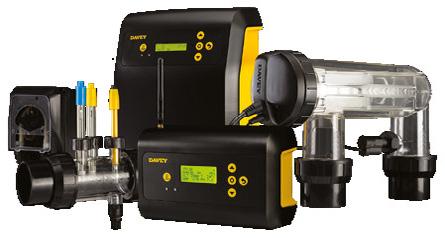
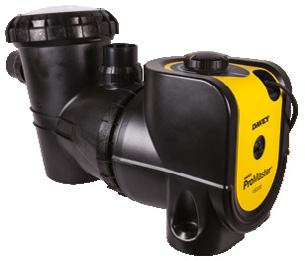
Scan here for the Davey Pool & Spa Range
“We’ve worked to improve communication, empower our teams, and create a sense of shared purpose across all levels of the business. It’s about giving our people something to be part of – not just a job, but a journey.”
However, he is under no illusions that this is not a finished product – and that Pool Controls is very much a work in progress.
“What has changed is the direction, the energy, and the collective mindset of the team. There is a clear alignment across the whole business, and a genuine commitment to building something special,” he says.
“As we continue this journey, our focus remains on supporting our trade partners, delivering reliable and innovative products,
Dependable Pool Solutions
Create a pool that’s effortless to enjoy.
• Intelligent automation puts control at your fingertips
• Quiet performance designed for comfort and peace of mind
• Built for Australian conditions with proven reliability
Whether it’s for the family splash zone, the lap pool, or the ultimate backyard oasis - there’s a Davey solution to suit.
and strengthening the relationships that have underpinned Pool Controls for more than four decades.
“The future is not about quick wins – it’s about sustainable growth, backed by the right people, the right products, and the right culture.
“And we’re only just getting started.”
Contact: www.poolcontrols.com.au



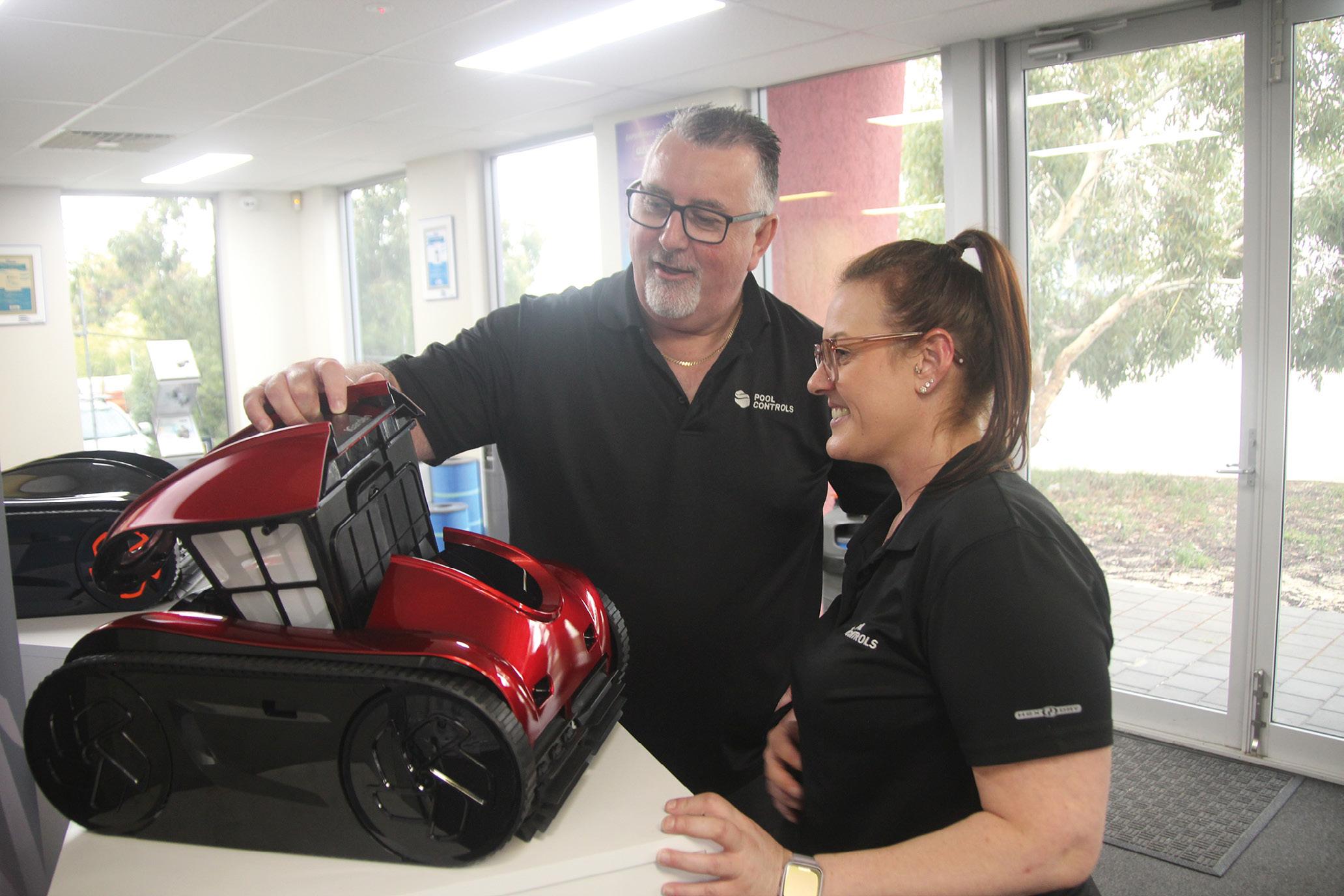
Director of operations Declan McGuire and national service coordinator Tamara Hunter with one of the new pool robots
Industry moves
PoolFlow appoints new business development manager
Melbourne-based liquid pool and spa chemical manufacturer PoolFlow has appointed Clare Sacker as its new business development manager.
Director and co-founder Campbell Heath says this marks a significant step in the company’s commitment to its growing national stockist network.
Before moving into the pool industry, Sacker founded and built GradeXpert from the ground up into a highly successful product for student data analytics which is used by schools nationwide.
Following that she moved into the pool industry through fibreglass pool construction, and quickly found it a rewarding sector to work in.
In her new role, Sacker will be the primary point of contact for PoolFlow’s stockist network, which currently includes more than 200 independent pool shops and major retailers across Australia, with New Zealand expansion underway through Spa World.

Clare Sacker
Business
National Minimum Wage increase
The Fair Work Commission announced at the end of May that the National Minimum Wage is increasing by 4.75 per cent, bringing the new rate to $26.44 per hour, or $1004.90 per week.
This also applies to minimum award wages for employees covered by an award.
Most employees are covered by an award. Awards are legal documents that outline minimum pay rates and conditions of employment in an industry or occupation. The Commission has announced a 4.75 per cent increase to minimum wages, provided that:
• The lowest rate in any award that applies to ongoing employment must be at least $1004.90 per week or $26.44 per hour
• Any entry-level rate that applies to the first six months (or less) of employment must be at least $978.10 per week or $25.74 per hour.
This increase will apply from the first full pay period starting on or after July 1, 2026. This means if your weekly pay period starts on Wednesday, the new rates will apply from Wednesday July 1, 2026.
If you have an enterprise agreement in place, the minimum wage increase may still apply because the base pay rate in an enterprise agreement can’t be less than the base pay rate in the relevant award.
Businesses are encouraged to check their employees’ wage entitlements and ensure you’re ready to apply the updated pay rates from your first full pay period in July.
Read more from Fairwork here: https://tinyurl.com/minimum-wage-change
“As PoolFlow continues to grow, we are committed to investing in the people and resources that keep our stockists properly supported,” says Heath. “Clare brings real experience and genuine drive, and her appointment reflects how seriously we take our responsibility to the network that backs us.”
Sacker is also a competitive swimmer, giving her first-hand understanding of the importance of properly balanced water, including the skin irritation that comes when it is not quite right.
“I am excited to join a company with genuinely innovative, patented products, and to work alongside the stockists who sit at the heart of the business,” she says.
“The pool industry is a fun one to be in, and I am looking forward to meeting the network in person.”
A PoolFlow dedicated dealer portal is also in development.

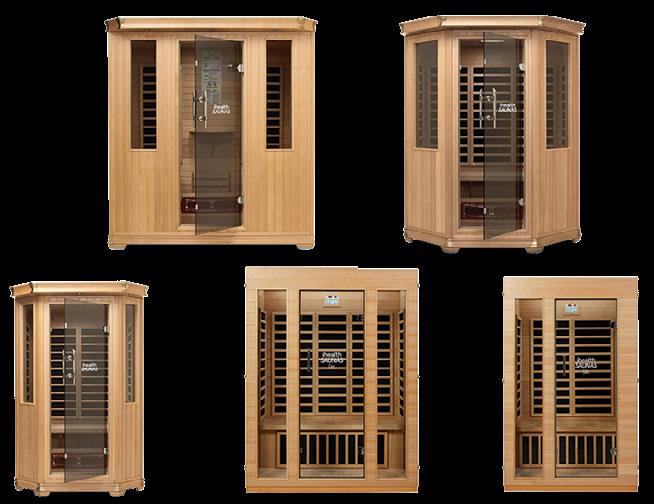
ACCC says immediately stop using recalled Far Infrared saunas
A recall notice was issued for Far Infrared Saunas supplied by Found Space Trading Pty Ltd in July 2024. Since that time Found Space Trading Pty Ltd has ceased trading, being placed into liquidation, and so is unable to provide a remedy to customers.
The ACCC issued an update in May 2026 that consumers should stop using the saunas immediately.
Product description: Pre-fabricated, free standing Far Infrared Saunas. Includes a range of iHealth Saunas, Found–Space, Vortex branded 1–4 person saunas in Standard, Deluxe, Premium and Lite models, iHealth Saunas – 2 Person Premium Far Infrared Sauna, iHealth Saunas – 3 Person Lite Far Infrared Sauna, iHealth Saunas – 4 Person Premium Far Infrared Sauna iHealth Saunas – 2 Person Lite 1 Far Infrared Sauna, iHealth Saunas – 3 Person Premium Far Infrared Saunas.
Reason the product is recalled: There are two parts within the heating system of the sauna that may catch fire: faulty heater elements, and/ or ceramic electrical connectors that do not have sufficient ventilation
The hazards to consumers: There is a risk of serious injury, death and/or property damage if the sauna catches fire. Fires with associated property damage have occurred. What consumers should do: Stop using the sauna immediately. Found Space is no longer trading and cannot provide a remedy to customers.
Dispose of the product in accordance with local regulations. Do not donate or resell the sauna.
Important message from the ACCC to consumers:
If you purchased the sauna from another retailer, you may have rights to a remedy from that retailer in accordance with the consumer guarantees, which may, in certain circumstances, entitle you to a refund or replacement product that is free of defects.
Clarity. Perfected.
Bringing control and simplicity together, Davey Lifeguard helps create a pool experience that feels effortless every day.
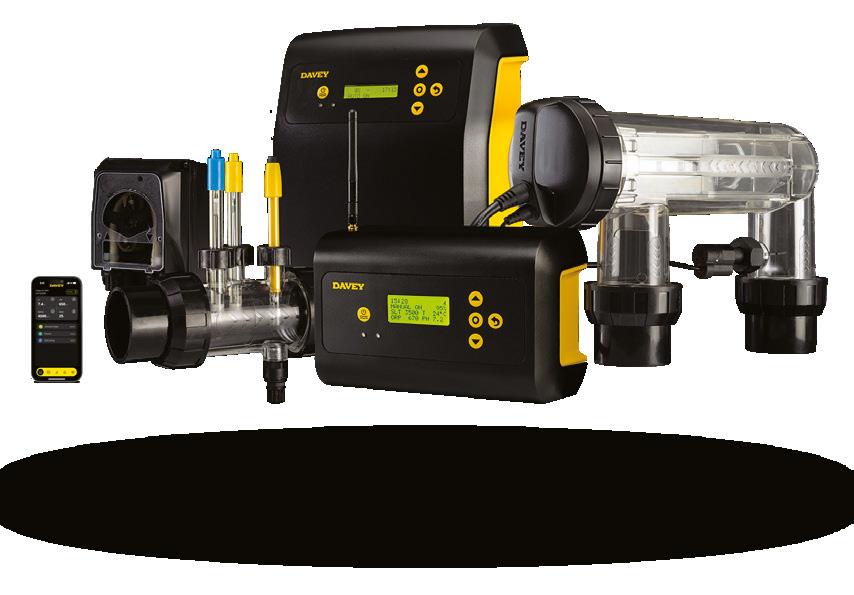
The Davey Lifeguard is the ultimate plug-and-play pool and chemistry controller, designed for simplicity, connectivity and complete peace of mind. With its intuitive, user-friendly app, you can easily monitor and automate your pool’s chemistry, filtration schedules and temperature, all from your phone.
The Davey Lifeguard system adjusts dosing, chlorination and heating automatically, even alerting you when salt or minerals run low. If Wi-Fi isn’t available, local control from the unit is easy.
With seamless integration with Davey’s Nipper, and compatibility with Davey heat pumps, Davey Lifeguard makes pool care effortless, so you can spend less time maintaining and more time enjoying.
Supplier running the recall: Found Space Trading Pty Ltd
Who sold the product: Found Space (no longer trading), iHealth Saunas, Spa World
Contact: https://tinyurl.com/sauna-recall
Garden chain saws recalled due to potential for dangerous brake
failure
The Milwaukee Tool M18 Fuel top handle chainsaw in both 12” and 14” models has been recalled.

The chain brake may not activate correctly if wood chips or debris accumulate, and the chainsaw is not cleaned and maintained regularly as per the manufacturer’s instructions. Risk of serious injury from laceration if the chain brake does not activate during a kickback. Incidents have occurred overseas.
Product description: Electric chainsaw for cutting wood.
Brand: Milwaukee. Available in 12” and 14” models.
Sold individually and as part of kit including a battery and charger. Affected chainsaws have 4670 11 or 4670 21 listed as the first 6 digits of the product serial number.
What consumers should do: Stop using the product immediately. Contact Milwaukee Tool (Australia) for a free service and repair. Do not take the product back to the place of purchase. If the product was purchased as part of a kit, no action is required for batteries or chargers sold with the kit.
Contact: https://tinyurl.com/chainsaw-recall
daveywater.com Proudly Australian since 1934.
Chainsaw affected by the recall
Saunas affected by the recall
A year in the life of SPASA
By Kristin Brookfield
SPASA CEO Kristin Brookfield reports on the 2026 Annual General Meeting, along with an update on initiatives currently being undertaken by the association.
SPASA held its 2026 Annual General Meeting (AGM) at the end of May.
Attending this meeting marked the end of my first year leading the association and learning about the swimming pool and spa industry in Australia and New Zealand.
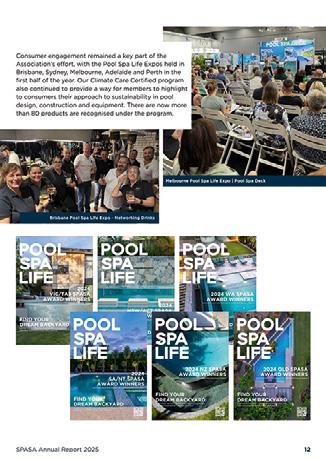
The SPASA 2025 Annual Report was presented at the AGM. It provides a snapshot of the work the association achieved last year, along with providing insights for members about our operations. A copy of the annual report can be viewed on SPASA’s website.
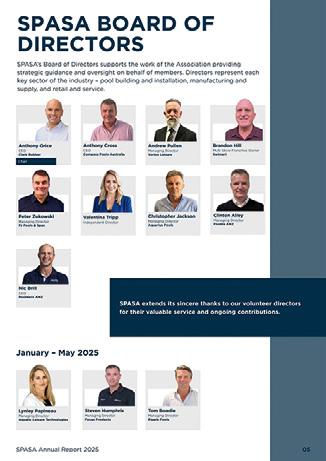
In the lead up to the AGM, SPASA sought nominations for the board, and it was pleasing to have seven members nominate for this year’s election. At the AGM, three new directors were confirmed. Peter Zukowski, managing director of PJ Pools (Victoria), and Brandon Hill, franchise owner of Swimart Frenchs Forest & Lindfield (NSW), were re-elected. Mario Aiezza, managing director of Innovezza Engineering and Surveyors (Victoria) joined them as a new director.
Prior to the AGM, the board re-appointed chair Anthony Grice, CEO of Clark Rubber, and director Anthony Cross, managing director of Compass Pools Australia, for further terms.
Members also voted in favour of changes to the SPASA constitution.
While not groundbreaking, these changes are intended to assist the association operate in a way that meets best practice, and to build strength and continuity.
I believe the nominations and support at the AGM reflect our members’ passion and interest in helping grow a strong association for the future.
Choose a SPASA member
We are excited to share a new initiative that SPASA has been working on as part of our effort to protect, promote and grow the industry.
Members may have seen some of the early online promotion of our Choose a SPASA Member campaign – and there is more to come.
SPASA members offer professionalism, quality and peace of mind.
To help build this campaign, we hope members will take up the opportunity to use the SPASA logo prominently. Put it on your websites, your front doors, your utes and your marketing. This helps amplify the key message.
A campaign like this gains strength by everyone being involved and showing support for the SPASA brand. Improving brand awareness supports your business and helps engages your customers, ensuring they recognise the value of choosing a SPASA member.
Awards of Excellence 2026
June saw the Awards of Excellence program kick off in Auckland, New Zealand, and from there we travel to each Australian capital city.
All our regional winners will be celebrated as finalists on August 19 at the Gala Awards ceremony on the Gold Coast. Tickets for all
these awards are available online and I look forward to joining you all to celebrate the best of the industry’s efforts over the past year.
Of course, the Gala awards are part of SPLASH!26, and we hope to see you all on the Gold Coast from August 17-21. There is a full program of activities and tickets are now on sale..
State of the Industry
Over the past three months, members have been working hard to navigate the impact of global fuel price increases and supply chain changes. Persistent inflation pressures, increasing interest rates and low consumer sentiment, before and since the federal budget, is also continuing to add pressure locally.
In April, SPASA released a consumer guide helping you explain to your clients and customers that your business needs to manage these pressures. SPASA has also released our SPASA Contract Guide #1, which provides detailed information on the ways builders can utilise the terms and conditions in SPASA contracts to manage these increasing costs within each state’s legislative and regulatory limitations.
While there is no clear end in sight, there were some small wins in the recent federal budget that may assist businesses in the short term. Key budget initiatives include funding to provide free public access to Australian Standards, making the $20,000 instant asset write off permanent, and measures to remove red tape for housing and planning.
Speak to your accountant ahead of June 30, to ensure you access any benefits available to you in the 2025/26 financial year. While a year in the job is a long time, the truth is I’ve only just had a glimpse over the edge, and have observed how much there is to do and learn in guiding the association for the year ahead.
There are many opportunities and ideas we will look to harness, in collaboration with members, and I’m confident we can continue to work together to build a cohesive and strong association. n
Links
SPASA 2025 Annual Report: https://tinyurl.com/spasaAR2025
SPASA Award events: https://tinyurl.com/spasa-award-tickets
SPLASH! 2026 tickets and program: https://tinyurl.com/splashexpo26-tickets-program
Managing supply chain pressures: https://tinyurl.com/supply-chain-pressures
Managing material cost increases: https://tinyurl.com/material-cost-increases Information on the $20,000 instant write off: https://tinyurl.com/ATO-instant-writeoff
Pages from the 2025 SPASA Annual Report







Resilience and innovation:
ALT’s recipe for long term success
In 2025, Aquatic Leisure Technologies won SPASA’s Australasian Business of the Year Award. Founder Lew Beale and managing director Lynley Papineau discuss the successful journey of this 50-year-old family company.
When Lew Beale, founder of Aquatic Leisure Technologies (ALT), grew up in Perth, swimming pools weren’t really on his radar.
“I wasn’t really aware of swimming pools when I was a kid,” says Beale. “Because we lived in Doubleview, which was only a bike ride down to the beach, and we’d go body surfing and swimming whenever we had the opportunity.”
But that changed in 1970 when his brother-in-law bought Sapphire Plastics Proprietary Limited, trading as Sapphire Pools. By that time, Beale had become a maths and science teacher, but was looking to pivot to something new, so he joined the pool company as a supervisor. By the age of 27 he moved up to become installation manager.
Then in 1978, he joined with the two previous founders of Aqua Technics, who had trained under the legendary Frank O’Neill.
“They left there and started Aqua Technics in 1976,” Beale says. “One was a fibreglass genius, and the other one was an engineer. I joined them, adding the expertise I’d learned with Sapphire Pools, and we increased the business from 50 pools a year when I joined to about 250 pools within three years.
“West Australia was very fortunate,” he says. “We have about 80 per cent free draining sand, which the rest of the country doesn’t have. So, fibreglass pools actually loaned themselves to being the perfect substitute for concrete pools.”
Sapphire Pools built Western Australia’s first fibreglass pool display centre in the early 1970s, and sold 100 pools in a month – many to British migrants who were finding Perth’s summer far too hot for them. Additionally, some house and land packages were sold with a pool included. All this saw pool sales rise.
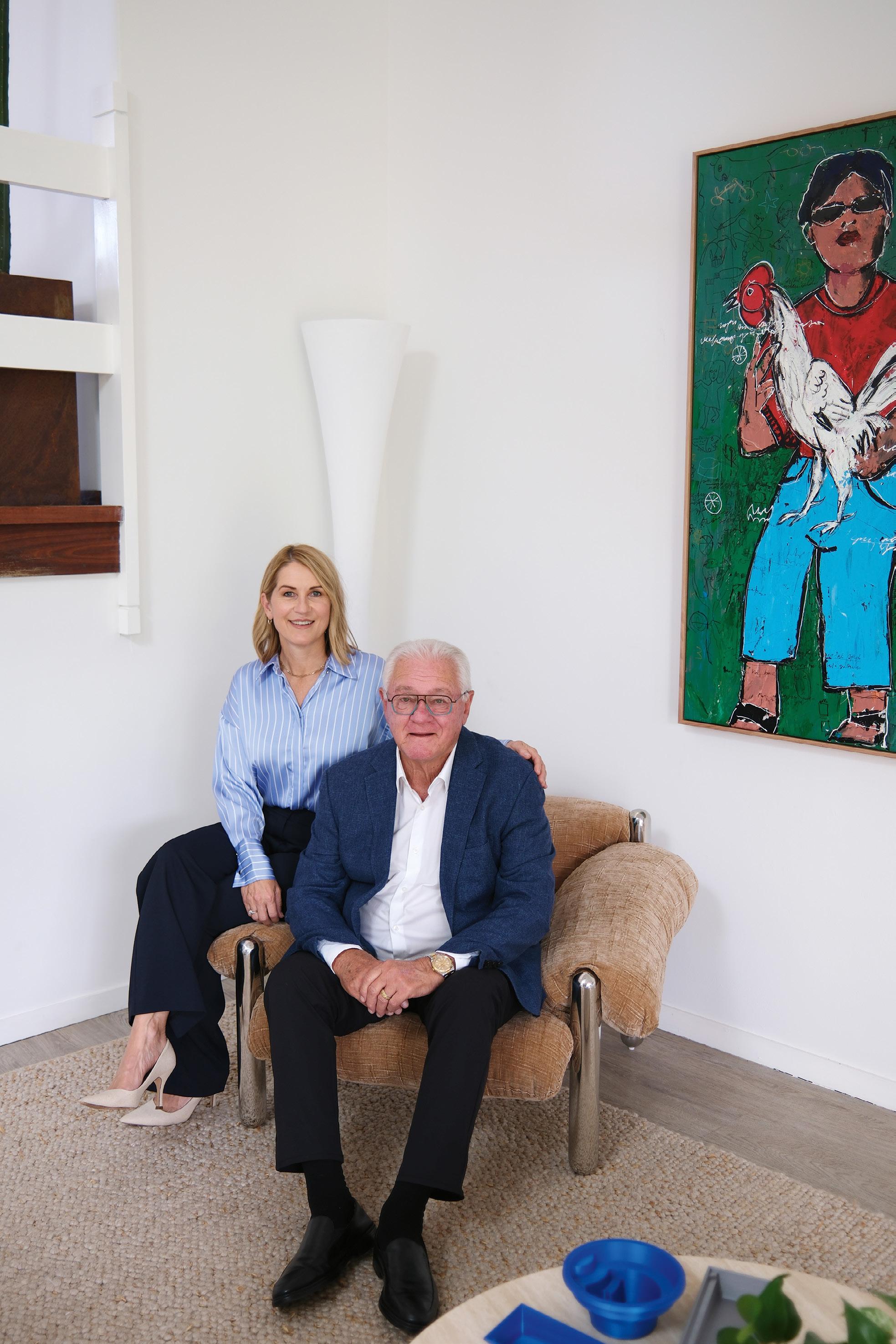
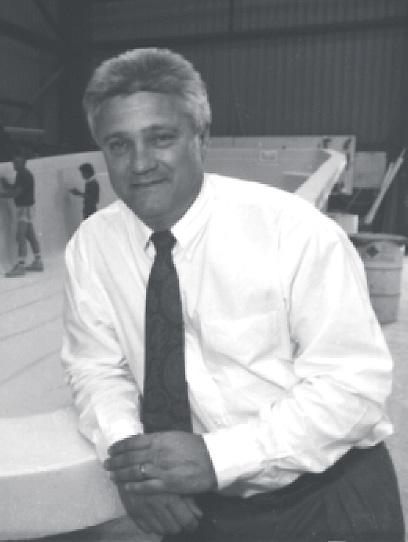
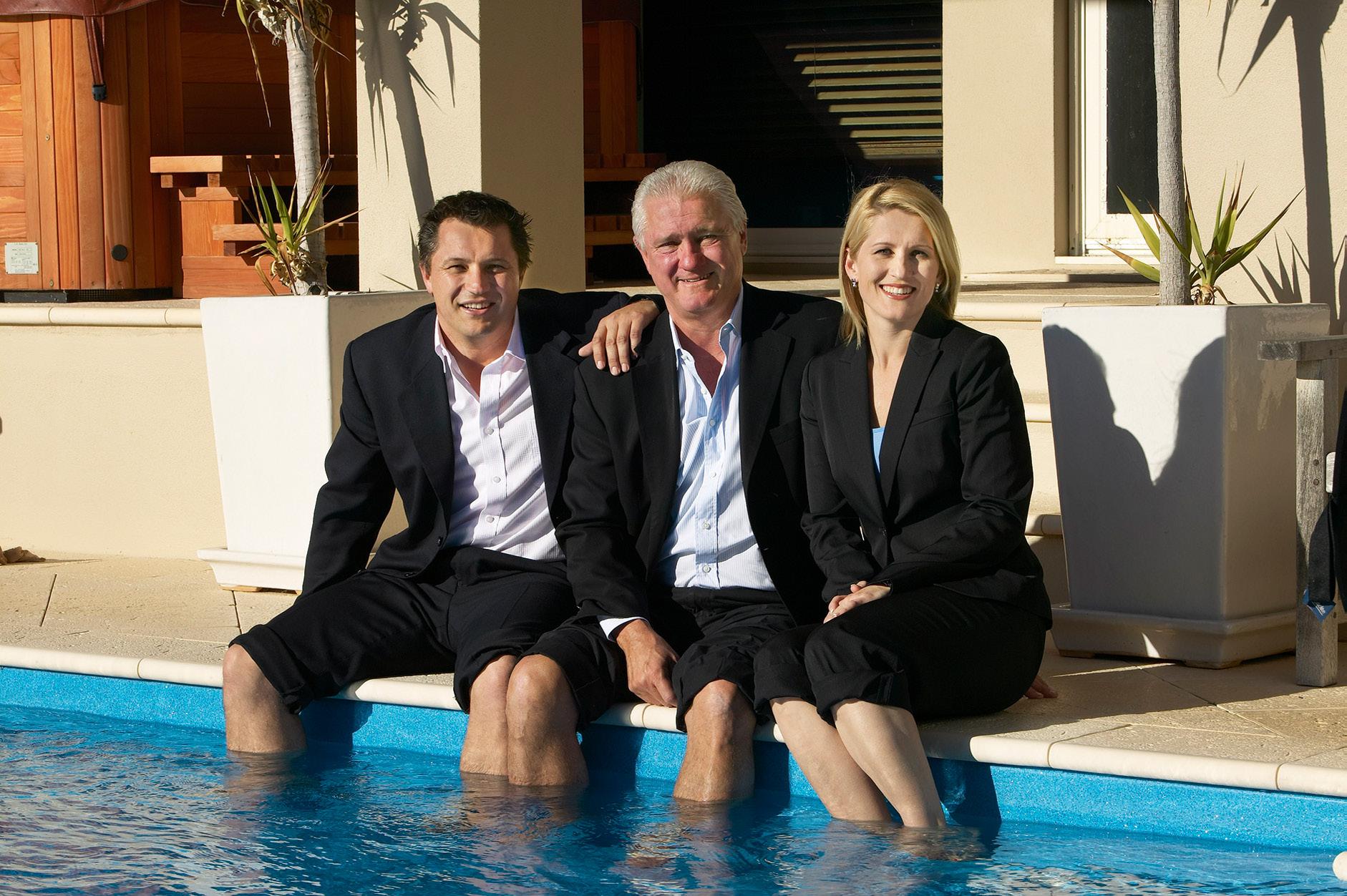
Aquatic Leisure Technologies managing director Lynley Papineau with founder and executive chairman Lew Beale
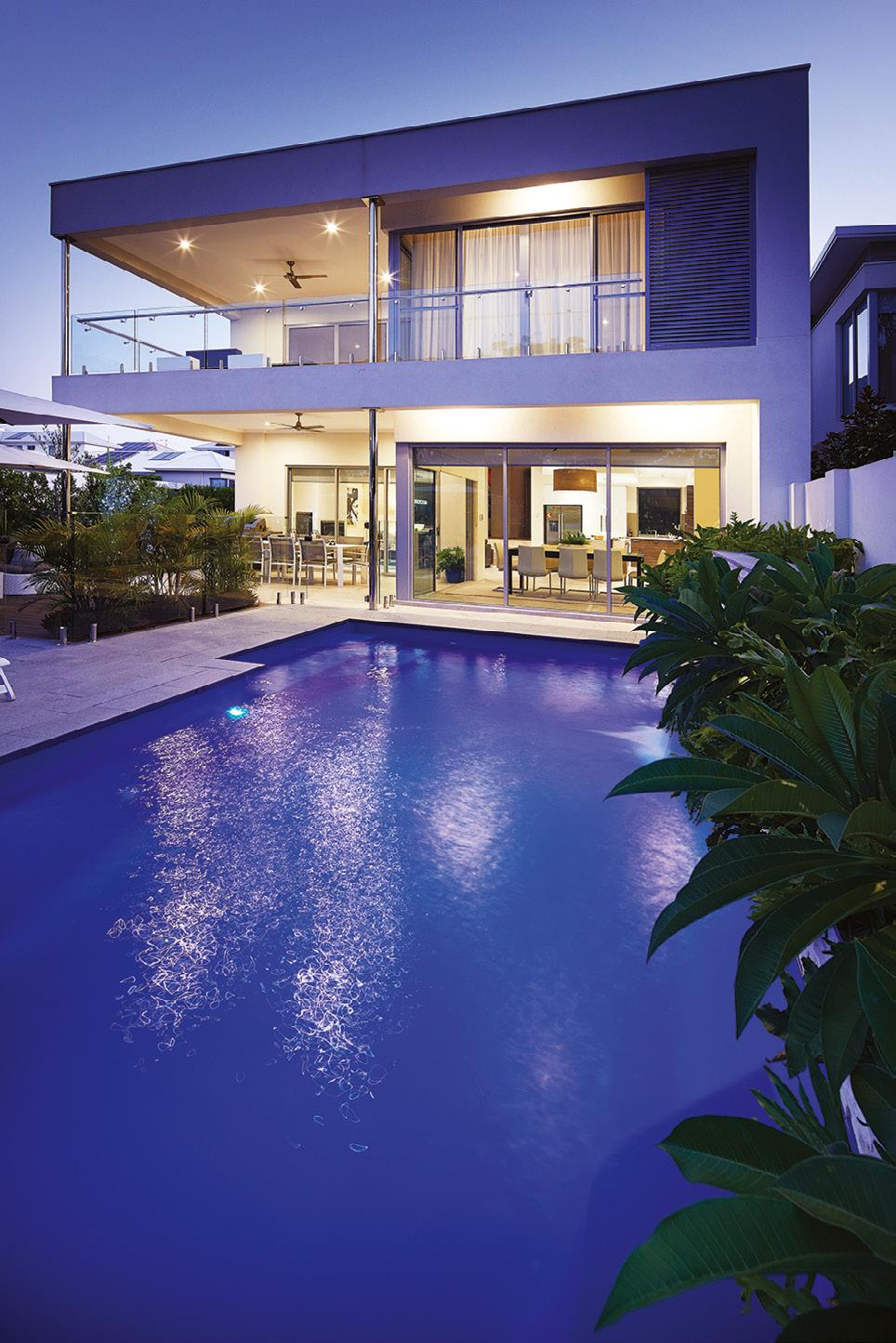
A Buccaneer Pools Hampton Blue pool
“Acquisitions increased our capacity in both sales and manufacturing, because not only did we take on the other brands, we also took on the range of their product, and we kept and maintained the other companies and maintained their own personalities and their own names.
“The public didn’t really know that we’d had acquired them, and we just kept on quietly manufacturing them here in a similar fashion, but each with their own signature.”
Parent company ALT now owns four retail brands: Aqua Technics, Buccaneer Pools, Riverina Pools and Sapphire Pools and additionally has Quantum Composite Pools in the wholesale market. The business also extends to Jadan Landscaping, Jadan Pool Renovations, Eleven Finance and a number of other subsidiaries to complement the industry.
Testing times
Fast forward 40-odd years to 2020, when Lynley Papineau had successfully negotiated the acquisition of Riverina Pools, and covid was starting to bite.
“Between 2015 and 2019 the swimming pool industry in Perth dropped by 47 per cent,” says Papineau.
“Meanwhile, the East Coast, like Victoria for example, were having a great run at it.
“We moved into the Jandakot facility in 2015 and it was officially opened in early 2016. We had to look at all different opportunities because of the new investment we’d made. We’d always been friendly competitors with Riverina Pools, and when the opportunity came up we started the conversation in October of 2019, and looked at the purchase around March 2020.
“But meanwhile that was right at the time when covid was breaking out. So there was quite a few people asking me, are you sure you want to go through with this? Are you sure this is the right time to do this? But I knew that we’d built this magnificent facility, and manufacturing needs numbers, and that was the opportunity through acquisition to put numbers into this facility.
“I remember thinking, is this going to take us out? You know, we’ve survived so much as a company, as a family, as a business together. Is this what could end it all?
“But then you dust yourself off, and realise you’ve got to fight like you’ve never fought before, and go about putting all the actions in place that you need to for survival. Little did we know it was going to be one of the best boom times. And with people locked in the state, they would be holidaying at home in their backyard, and the backyard pool became an integral part of that.”
ALT made 4400 pools that year, and Riverina proved to be a great investment, paying for itself in 18 months.
Supply chain
Despite the boom, covid was a difficult time because of supply chain issues. However, the lessons learned in that crisis helped inform the business as it navigates the current supply chain crisis.
One key thing was inventory management.
“We would have gone from holding about three weeks inventory to three months inventory, which is not ideal from a cash flow point of view, but it was a necessary protection,” she says.
At one stage, the overseas skimmer box factory had been shut down and supplies were limited in Australia.
Lew Beale when his pool journey was just starting
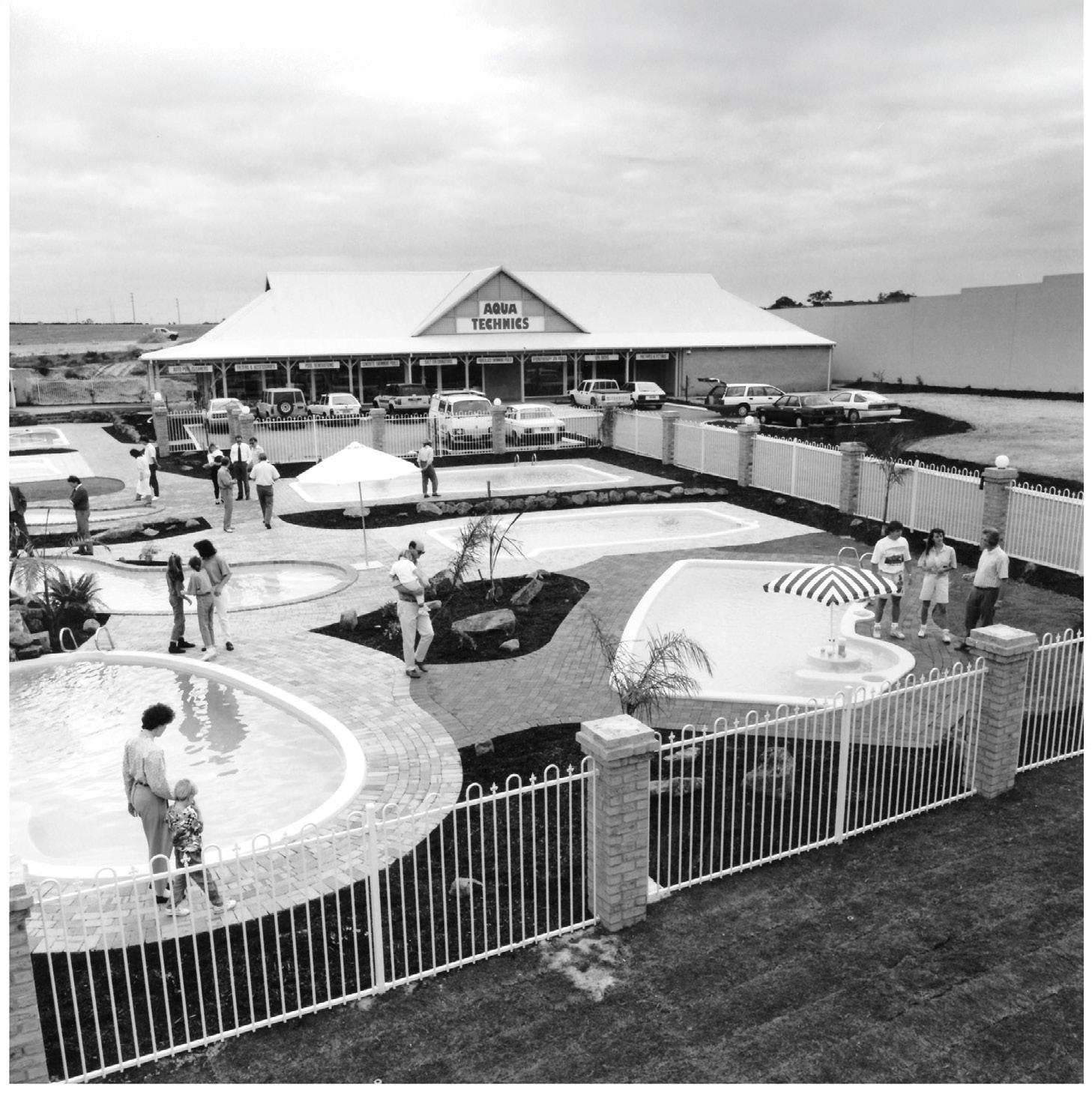
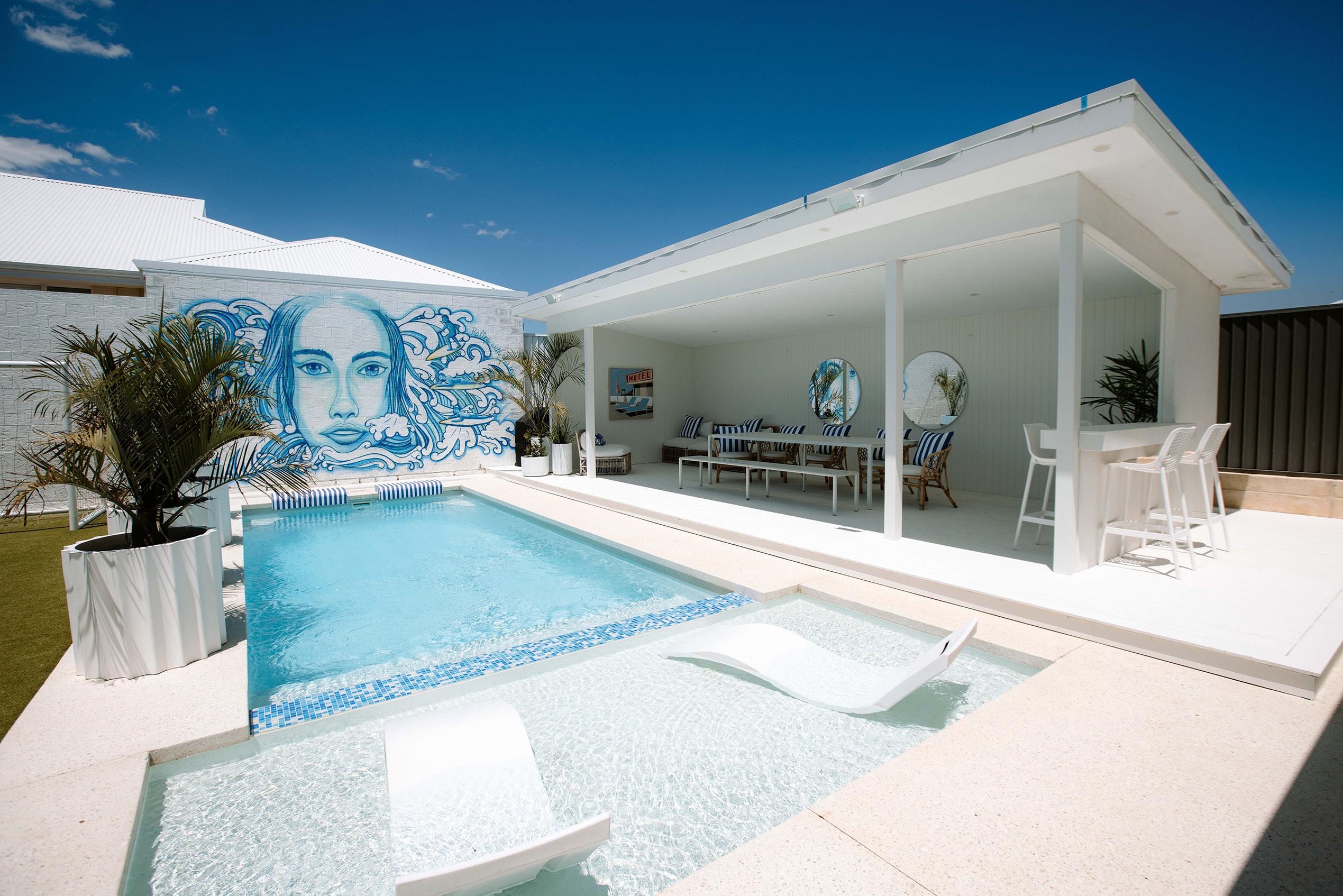
An early Aqua Technics display centre at Joondalup Cayman Cyber Blue pool by ALT brand Buccaneer Pools
“ We try to get as many people as possible involved in decision making.”
“So we went about trying to find every single skimmer box we could in the country. The things that you had to do at the time!”
Now, they still hold more materials and equipment inventory than previously, but have modified it to about two months’ worth.
“That’s held us in good stead with the Middle East War, so we’ve got a little bit of a buffer there. But that’s about to change pretty quickly with some of the price increases we’re getting across the business.
“It’s another unusual dynamic, and with some of the geopolitical things that are happening, you don’t always know what it’s looking like, and that’s very similar to what happened during covid.
“You have to be on your toes. You put a lot of plans in place, you’ve got contingencies, but then you get another curve ball thrown at you.
“We’ve got an incredible senior leadership team and management team in the organisation – over 250 staff now –and everyone just clicks into action and does what they need to do to make sure we’re making the right decisions when we need to.”
She says the current crisis also has lessons to be learned at a national level about sovereign capability, and how as a country we need to become less reliant on some overseas supply chains, including looking at best practice overseas and bringing some of that learning here.
As ALT manufactures the majority of their pools to order, they don’t need to hold a high level of stock pools, but also have yards in Queensland, New South Wales and Victoria.
Nonetheless, they still have between 150 and 200 pools on
the factory premises at any one time, because they supply a diverse market.
Beale says that after Papineau took over as managing director, he spent time establishing significant additional supply chains throughout the world.
The knowledge he gained in establishing US supply chains became critically important once they started their manufacturing facility in Alabama.
“It’s as difficult as putting a man on the moon establishing a new facility in the US – because they work to a different time frame, and they sometimes wouldn’t respond to us because we had a dot au after our email address or a plus 61 in front of our phone number,” he says.
But now they are established and have runs on the board, they are treated seriously.
The other way their increased size helped with supply chain, is by being able to fill 20-foot or 40-foot containers, which also gave them advantages in purchasing.
Alabama
When ALT set up in Alabama, they took the brand they had spent 50 years building, as well as their systems and their reputation.
Papineau says it was important that they were able to replicate their way of doing things to ensure their products were faithfully reproduced.
“So sourcing matching pigment colours and replicating every element of the recipe was really important to us. Lew and I are constantly looking at different samples to see if anyone can pick the difference between the two of them. All those core ingredients are our differentiating factors. Our secret herbs and spices.
“And they weren’t available in the US, so it gave us confidence to know that our manufacturing method is special, because it wasn’t being done by anyone else in the United States.”
Terraza Sky Blue Pool from Aqua Technics
Equally, they also learned different methods and different approaches from what’s happening in the US.
“It’s been a big learning curve, and as Lew said, the time difference means when you’re going to bed, they’re just waking up for the day; and when you wake up in the morning, you’ve got a whole day’s worth of US work to get through.
“So, we’ve got some of our Australian-based team relocating over there for the first 12 months to two years to make sure that the quality is built in over there as well. We’ve now got a team of seven manufacturing staff over there, in addition to our Australian team, and we will be building our first pool any day now.”
Research and development
Papineau says that one thing that did suffer a little during covid was R&D.
“At the end of the day we didn’t have the time to do it, because we were focusing on the survival of the other elements of our business,” she says.
“Equally, now our attention gets diverted by the Middle East War to other things like pricing controls and supply chain management, but R&D is still the absolute fabric of our business.
“Lew has been the innovator of so many technologies, and he taught us that innovation is the absolute underpinning for us to be competitively ahead of the game.”
There were a number of significant – and patented –innovations in the business, particularly the Pool ColourGuard technology which protects the shell colour against UV and chemical oxidation whilst protecting the colour gloss and retention; and Graphene Nano-Tech which enhances the physical strength and water resistance of the pool shell.
Papineau says there is more to come, and they are currently working on the next innovation.
Earlier this year they both attended the JEC World Composite Conference in Europe, and as well as looking at different resins and technologies such as 3D printers and CNC routers, they observed players in other industries attempting to utilise
similar technologies to those they brought to the swimming pool industry.
“Especially the graphene,” says Beale. “There were a few companies there delving into it, but I don’t think they’ve really cracked the recipe as yet, as to how to utilise it properly. Our patent is quite unique, has to do with the manufacturing process, and we’re taking that to the US as well.”
As well as the obvious benefits for the end-user, the innovations provide grist for the marketing mill.
ALT have been using their own in-house marketing and promotional department for the past two decades, know their way around television and radio, and develop their own campaigns inhouse.
Papineau points out that innovation takes many forms, and while product innovation is crucial, they are also focused on innovating the system processes as well.
“Three years ago, we were building some of those systems into our business, and what we’re doing today looks completely different due to AI.”
She believes within another 12 months to 24 months, the processes will become even more advanced, and concepts that once took six weeks to build and deliver could be completed in hours.
However, she warns that AI is not the solution to everything.
“The AI doesn’t always give the right answer – so you still need the experience, the wisdom, the knowledge, and the intellect to evaluate the answer it gives you, to see whether it still sits in the right place.
“The entrepreneurial spirit and gut instinct that Lew taught me are some of the most powerful decision-making tools you
“It’s as difficult as putting a man on the moon establishing a new facility in the US.”
Ben Beale with father Lew and sister Lynley Papineau
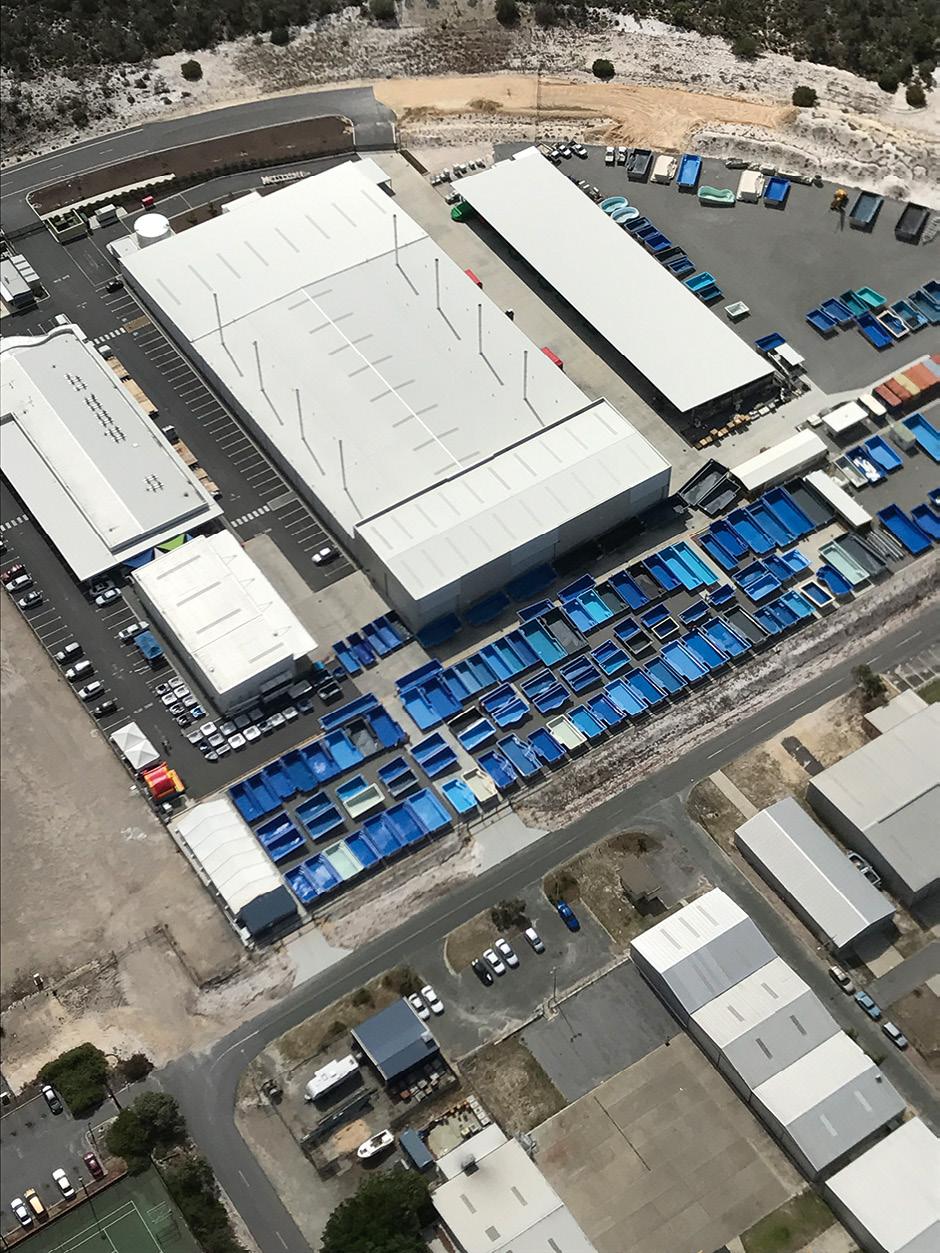
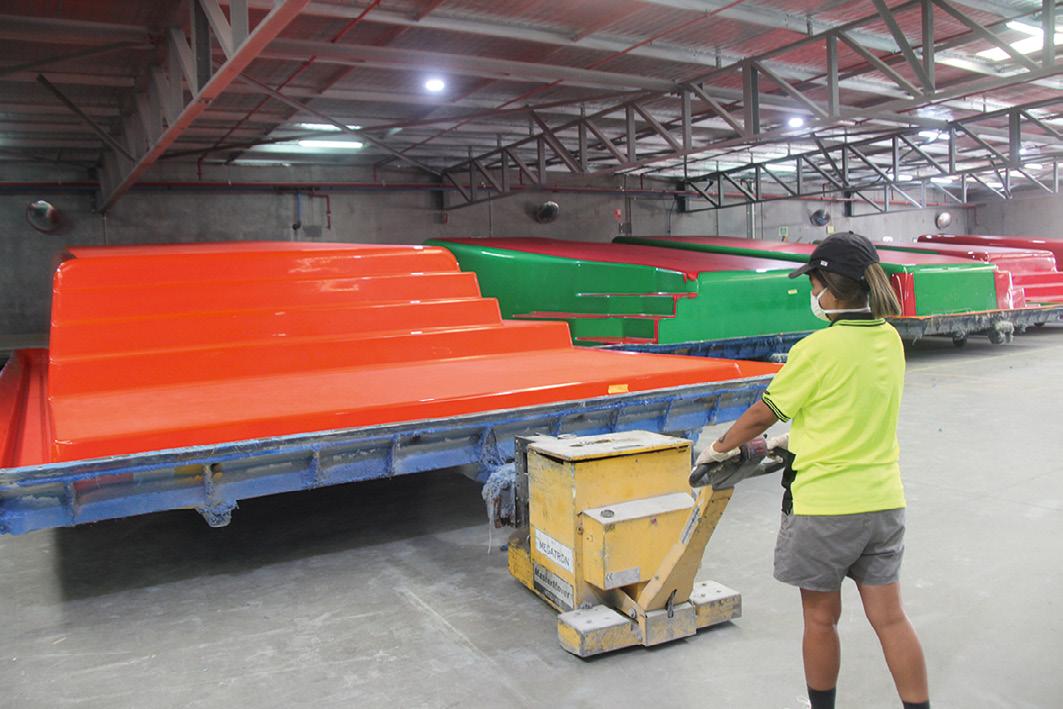
The Jandakot factory has the capacity to manufacture 3000 pools per annum in a single shift. They put 1300 pools in the ground themselves through as a retail pool builder
have, because you’ve got to understand what looks right, what feels right, to make the right decisions for the business.”
Staff development and retention
While the company has been invigorated through careful recruitment, in particular strategy and digital transformation management, it is also critical to retain and nurture existing staff to fully utilise their talents and experience.
ALT have programs for the management team, the leadership team, an emerging leaders program, and an Opportunity for Improvement team (the OFI).







“While it’s important to mentor new people coming into the business, it’s also important to bring people in through the business, through mentorships, and give them projects throughout the year they can really sink their teeth into and take on as their own,” says Papineau.
“We try to get as many people as possible involved in decision making, to help work through the challenges the business faces.
“We are a family-owned business, but at the same time, we do share a lot of information that some family businesses might choose not to. But that’s the way we see to bring more people into it.
“Our management team is highly experienced and long serving – a lot of them have been with the company for over 20 years, and we’ve had our children grow up together, part of that extended family.”
Female leadership
Papineau is a leader not only in the business, but in the industry – she was inaugural president of the united SPASA Australia. She says that despite the general blokey nature of the industry, she didn’t really feel too much resistance to being a female leader.
“I just went in there and had a red hot crack. I’ve been the only female at the table for many, many years – with Linda Taylor from Waterco in the early days. I just get involved in almost everything where I can see an opportunity for improvement, or there’s an opportunity to contribute to the industry.
“I’ll never forget being elected president of SPASA WA, and











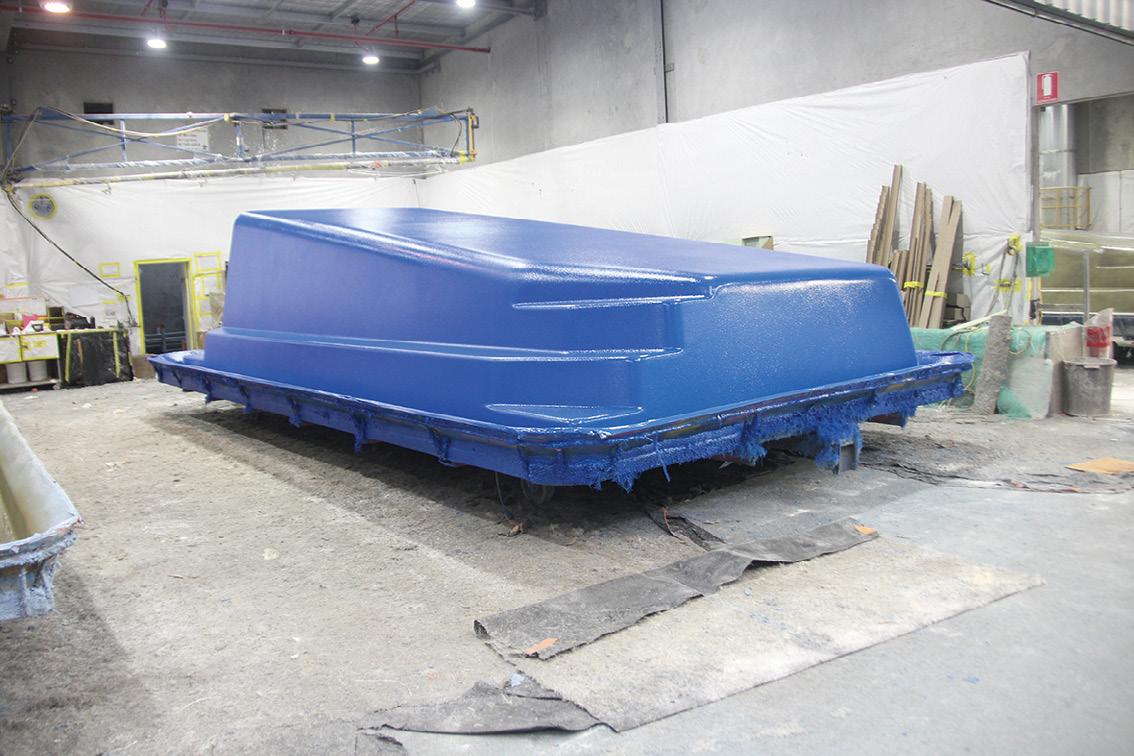
16 pools can be built in a single shift, but the factory works optimally at 13 or 14 per shift
then I fell pregnant. I was sitting there wearing big jackets, covering it all up, because I was thinking, oh my god, I’m a female, finally been elected to this position, and I’m pregnant! What are they going to think?
“And then Cal Stanley just said to me, Lynley, that’s fantastic news, and we’re so happy for you, congratulations. And I was like, do you think I can still go on, and he’s like, absolutely! You do your job and you do it exceptionally well, so why would that even matter?
“But it was a different mindset back then, and you didn’t really know how it sat. So I just tried to get on and demonstrate through example,” she says.
ALT tries to foster a family-friendly environment in the business as well.
“Long-serving staff have had maternity leave and come back again – come back in part-time flexible roles as well.
“From an industry perspective, I think we’ve got some great things happening at the moment with the WAVES program. Our whole team went to the recent event that was held in Western Australia, and I think it is changing – you’re seeing so many more females involved.
“It used to be that the pool builder was the guy out there building the pools, and the mum was the one doing the books.
The Ben Beale legacy
As well as the many successes the family and the business have enjoyed, there was also heartbreaking tragedy.
In 2017, Ben Beale unexpectedly passed away from a heart attack caused by atherosclerosis. The father of five was just 47 years old and had been executive director of ALT.

15,000 utility strikes happen across Australia each year. Scan to discover Before You Dig Australia’s industry education resources on utility risk management. Advance your practical skills and awareness through:


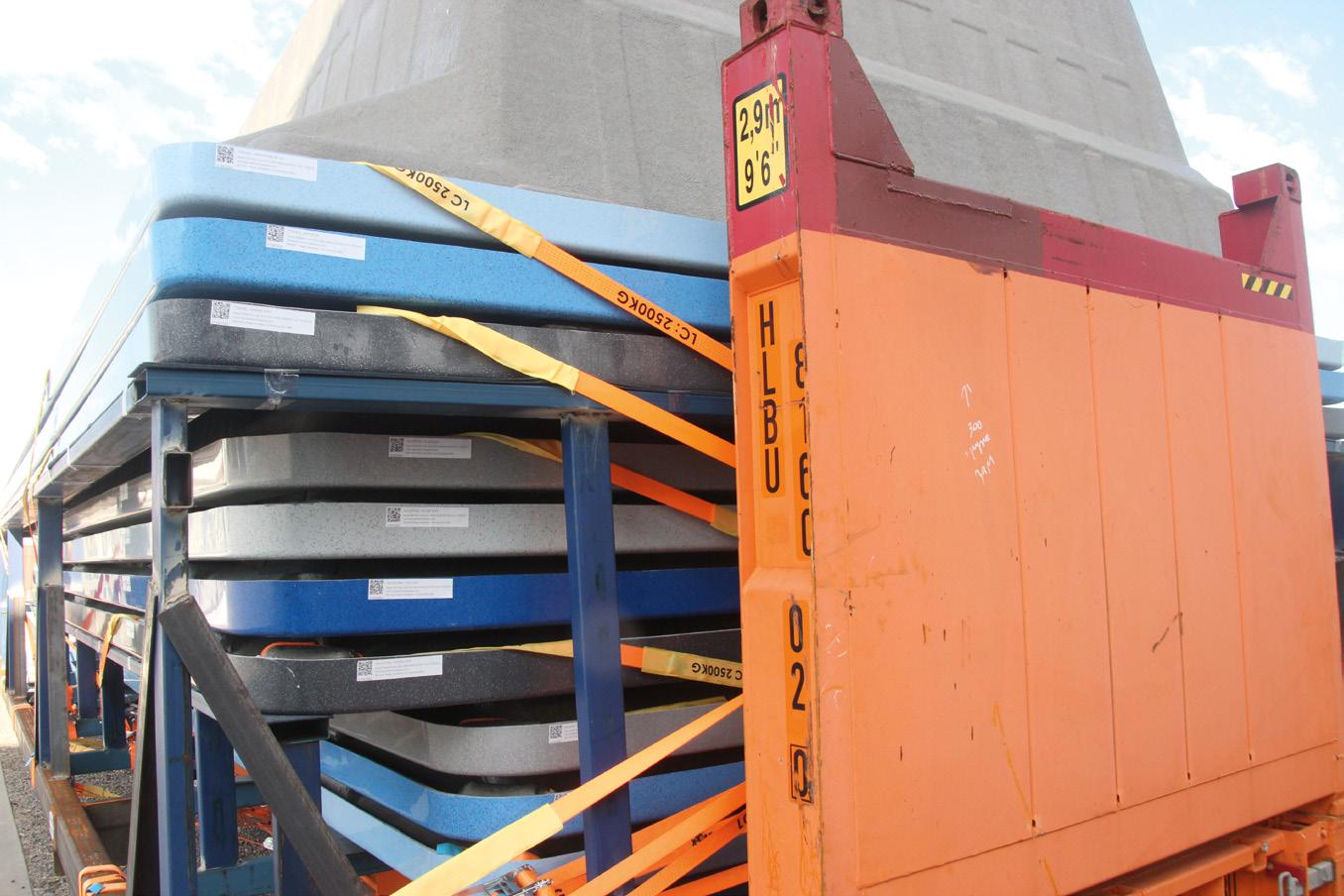
ALT manufactures 120 designs across its four brands
has meant so much to us since. People would say, ‘We’ve got your back, it’s all right, just take more time off.’ We didn’t take too much time off, because we needed to get back here, and that helped us too, I think, by getting back into the business to help us overcome the situation, but it was always pretty painful walking past his office.”
“Obviously that was pretty traumatic time for us as a family,” says his sister Lynley Papineau. “It so fundamentally shifted everything for us as a family, and as a business. In times like that, that’s the true test of the culture and the loyalty within the business. And obviously I had to step up and take a different role. I was the engine room; Ben was the front man. But my role had to change, and change really quickly,” she says.
“It’s almost 10 years since his passing, and he lives with us every day. This room we’re conducting the interview in, was his room. We’ve turned it into the reflection room, and we have many meetings in here.
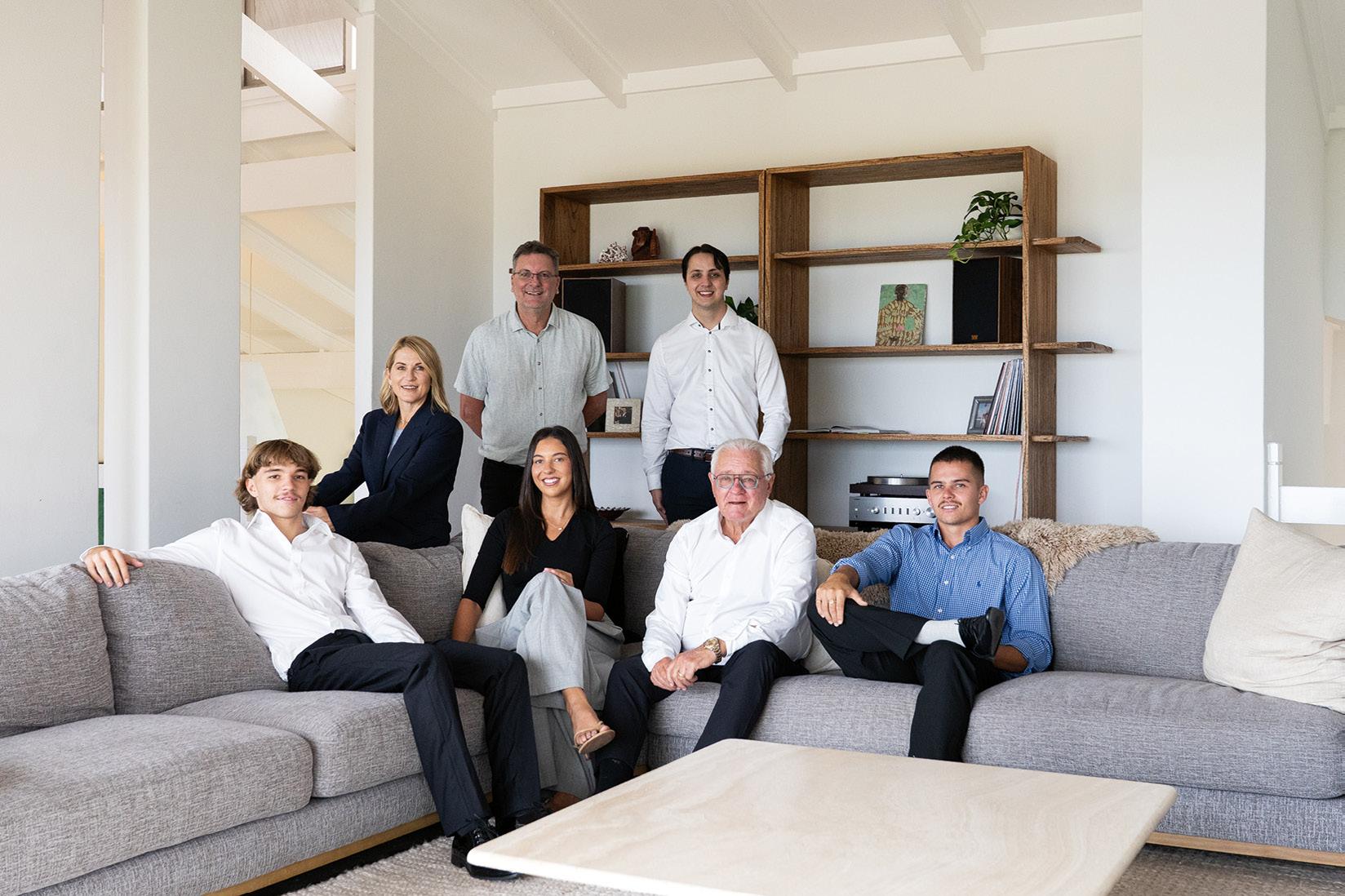
“We’re really proud to say that three of his children, Hayden, Mitch and Jasmin are working in the business in a full-time capacity. So we’ve got the third generation coming through pretty strongly, and his youngest, Jett, is on the tools, he’s on the shovel, and he’s out there back-filling pools as well in his school holidays. My son Kai has also just joined, and each brings their own skillset and ability.
“We regularly get together for family dinners, and just last week we got together with all the grandchildren. Family is his legacy. We grow the business, but never lose sight of the culture a family business delivers.
“You know we might be a big corporate in the industry, but at the end of the day we can still connect with each other, hang out with each other. We work hard, but we like to go out there and have some fun together as well.
“Ben’s legacy will always carry forward with us, and we try to make sure that when we make decisions, we do it in the spirit of all of us as a family unit, all three of us, and how we would make those decisions.”
In 2017, the Victor Chang Cardiac Research Institute joined forces with the family in setting up the Ben Beale Laboratory in Cardiovascular Research. This continues on today with a new laboratory being completed at the Institute’s centre at the University of Western Australia and is being established to accelerate new treatments for cardiovascular disease and atherosclerosis.
The future of the industry
Papineau says that for ALT, it’s pretty clear that the American expansion is where they’re going as a business.
“It’s a very, very big country,” she says. “I like saying this is the first of our US manufacturing facilities, and then we’ll see where that takes us across America.
“The US is currently only at 23 per cent fibreglass compared to gunite and vinyl. In Western Australia, it’s 80 per cent. On the East Coast, in different states, it’s 65 per cent to 70 per cent fibreglass. If we can move that US dial slightly from 23 per cent to 30 per cent or 35 per cent, that’s significant. Then there’s plenty of other countries for us to go and look at setting up our business in.”
Regarding the fibreglass industry itself, Beale says there are lots of things to consider, including robotics and 3D printing.
“Fibreglass lends itself very well to doing that,” he says. “And AI is going to have a huge effect in the advancement of robotics in the next 10 years.”
Papineau agrees that AI can be used in many aspects, including the manufacturing process.
“You can use it to get consistency across your whole product. So for example, you might have four millimetres thickness in one area of the shell, two millimetres in another, but the goal was three millimetres. So your total weight reads correctly, but not your actual quality across the whole pool. That’s one place where it can help the processes improve.”
When asked a blue sky question about what the industry may look like in 50 years, Beale suggests that perhaps total automation will exist in manufacturing – where you have a factory the size of Subiaco Oval, and just input what design you want, press a button and it produces a swimming pool for you out the other end.
Maybe even having drones to deliver the pools.
Lynley says that one thing that will never change is what a swimming pool adds to a family’s life.
“Our young children on a Sunday night jumping in the spa after footy, those little moments where you get to share things with each other, and they open up to you.
“The days when I grew up, you were in the spa and did a bombie in the pool, then back to the spa. And those moments are irreplaceable.
“Fifty years in the future might be hard to imagine, but I think pools will continue to play an important part in the Australian lifestyle. They benefit people’s rehabilitation, health and wellbeing, and bring the family unit together as well.” n
Contact: www.aqualeisure.com.au
65 per cent of the pools manufactured in Jandakot leave WA
The extended Beale family

The original &
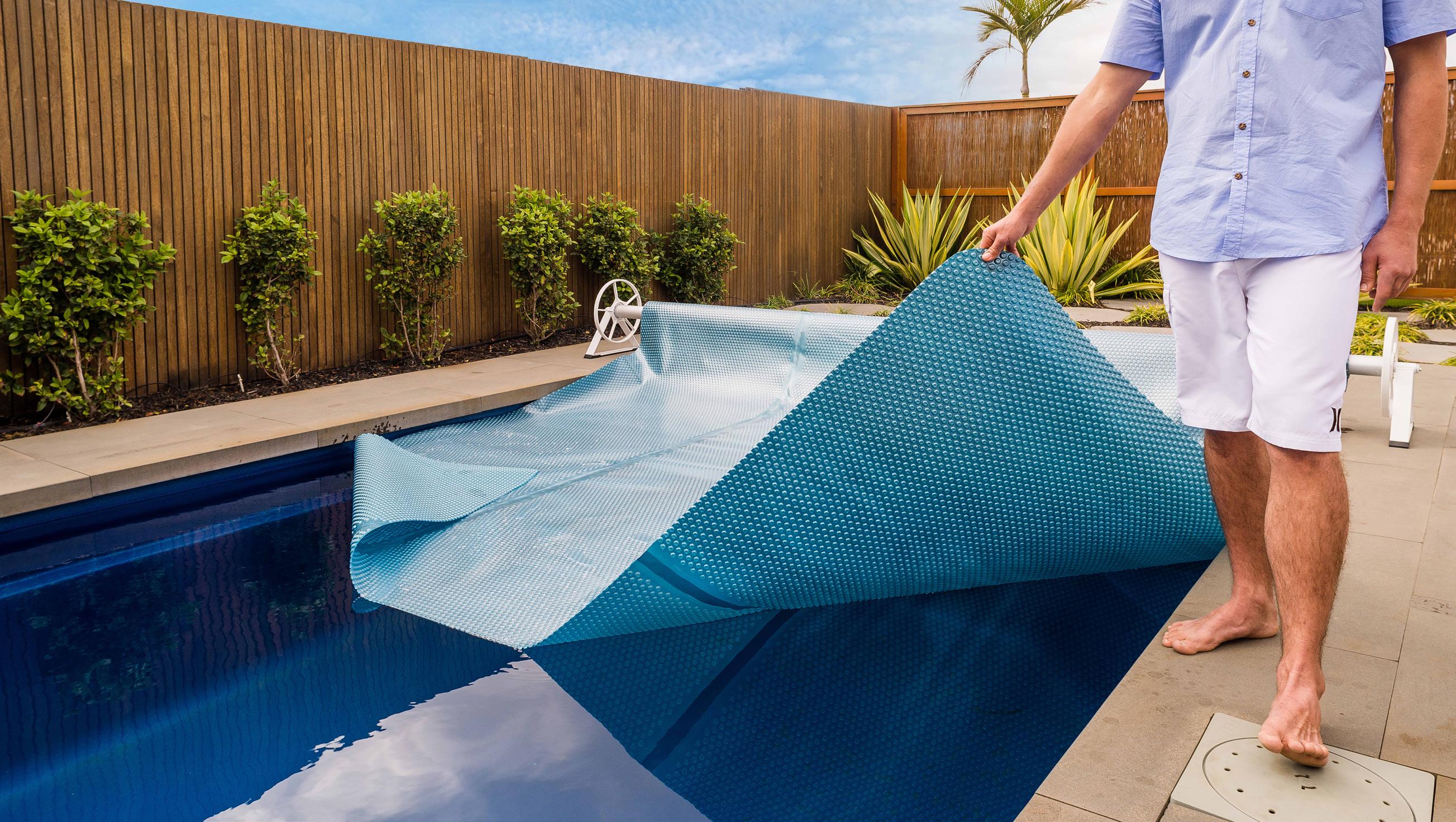
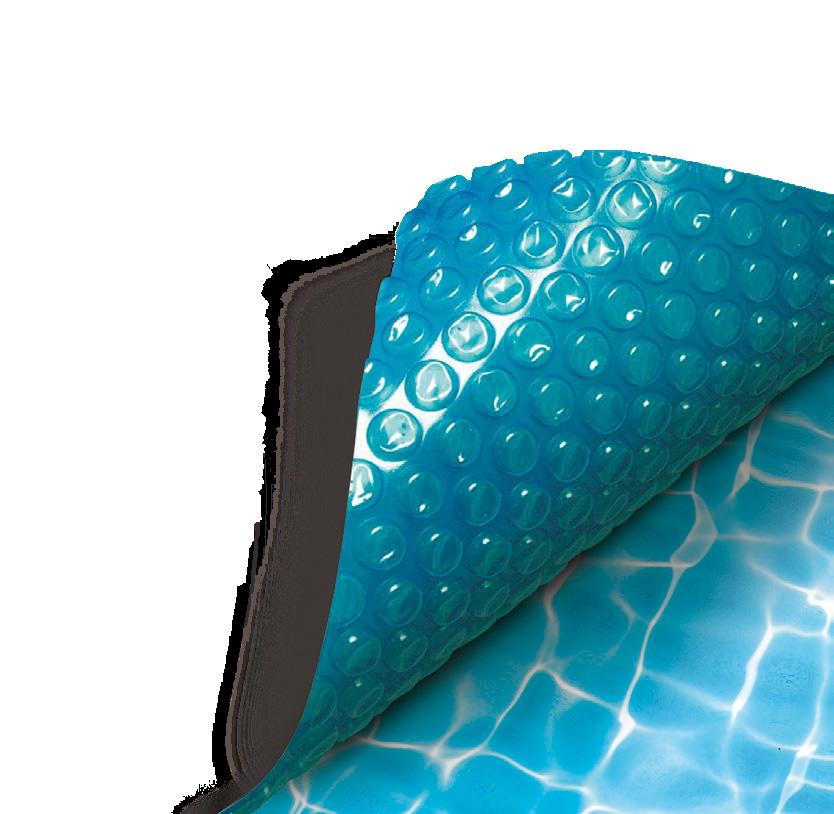
BENEFITS OF A DAISY SOLAR POOL COVER
best
Save money.
Higher quality. Better design. Lasts longer.
Reduces evaporation by 99%.
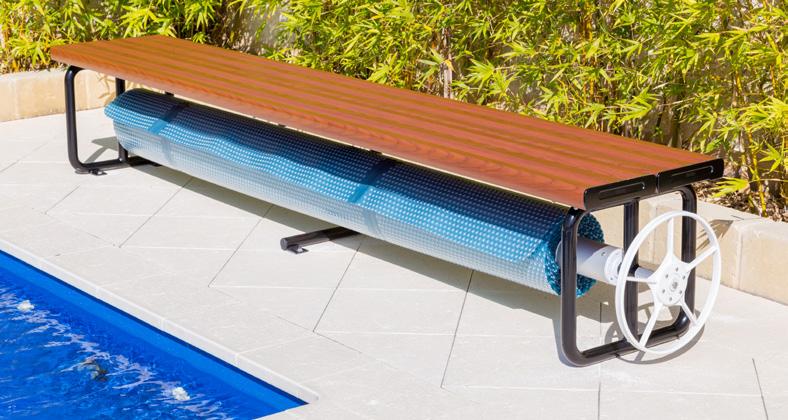
Warms your pool by up to 8˚C for free.
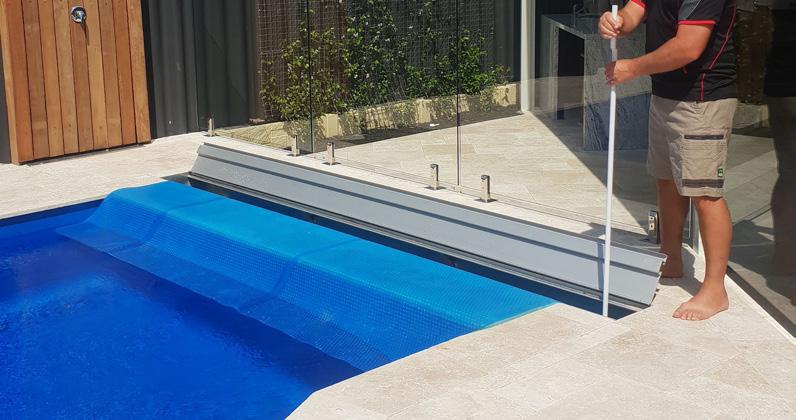
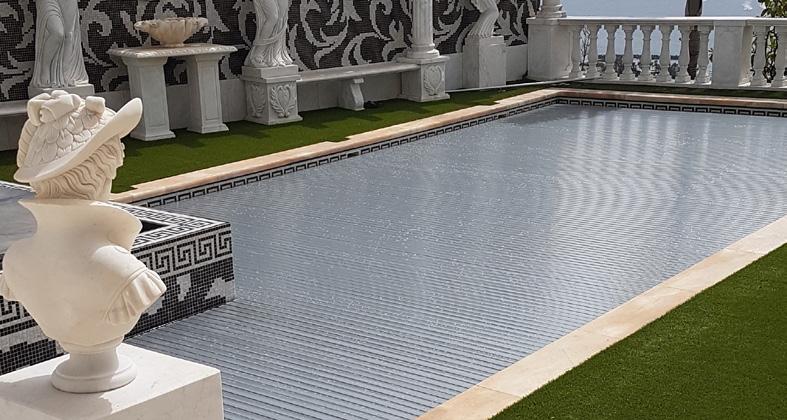
Daisy Pool Covers™ has been Australia’s favourite brand for pool covers and rollers since 1983.
Daisy Pool Covers™ provides the largest and best range of pool cover and roller designs in Australia, manufactured using the highest quality materials, specially formulated to protect swimming pools all year round.
The experienced team at Daisy Pool Covers™ can provide cover and roller solutions for any pool type or shape.
Reduce the cost of maintaining a warm, sustainable swimming pool with the original and best Daisy Pool Covers™.
The segmentation of the pool cleaner market
By Veda Dante
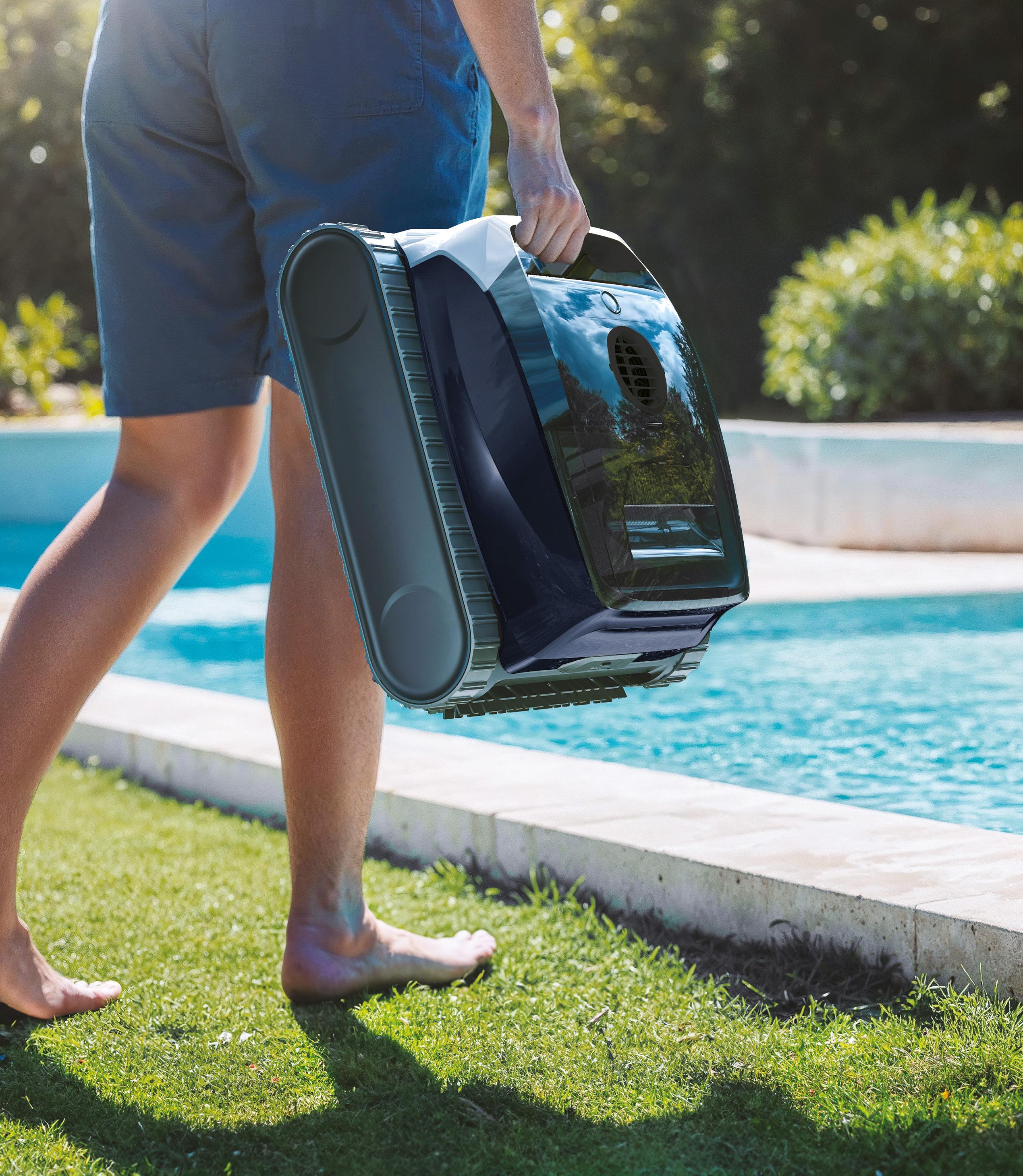
The pool cleaner category is undergoing rapid transformation, driven by shifting consumer behaviour, new technologies, and increased competition across both retail and trade channels.
What was once a relatively stable market is now becoming more fragmented, more visible, and more complex.
At the same time, the fundamentals have not changed. Pools vary significantly in size, environment and usage, and cleaner performance remains highly dependent on those variables. As choice expands, the challenge is no longer access, but selection.
In recent years, a wave of new entrants has accelerated the growth of cordless robotic cleaners, introducing lower price points, direct-to-consumer sales and strong online visibility into a category traditionally driven by specialist distribution.
Veda Dante investigates the disruption, differentiation and key forces reshaping the pool cleaner market.
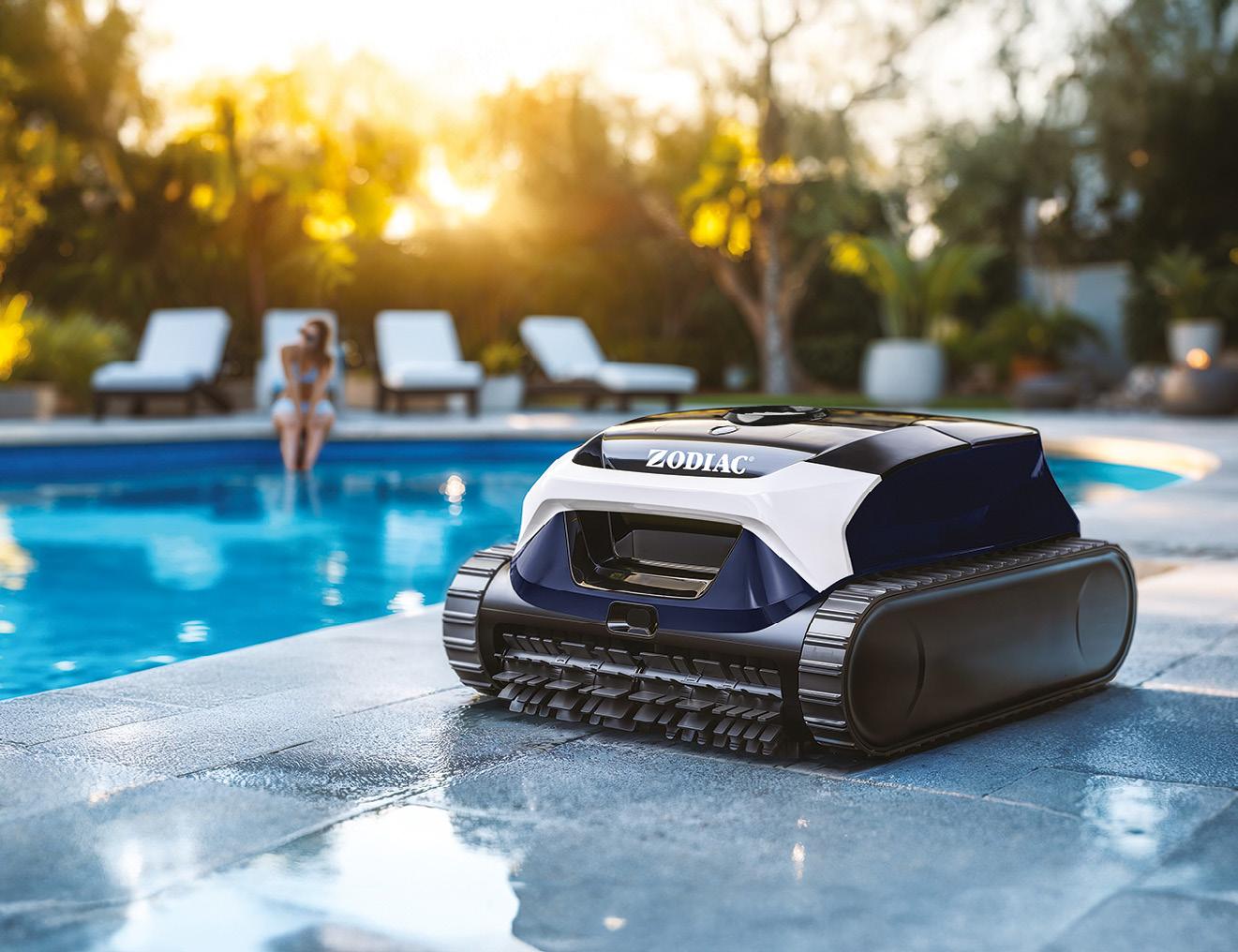
Convenient and easy to use, cordless robotic pool cleaners are proving popular.
Image: Fluidra
The Zodiac FR350 iQ robot
There is a shift away from feature-heavy products towards those that deliver consistent, dependable outcomes.
For pool owners, choice has never been greater. But more options do not always lead to better outcomes.
“What we’re seeing is a real shift in how pool owners discover and purchase cleaners,” says Nathalie Carton, Fluidra Australia’s head of product marketing.
“Convenience has become a major driver, particularly with cordless models, but it also means decisions are increasingly being made without a full understanding of what different pools actually require.”
Cordless robotic cleaners have gained traction for a simple reason: ease of use. With no cables and minimal setup, they offer a quick, accessible solution for time-poor homeowners.
That simplicity has been amplified by online retail and social media, where products are often positioned as universal solutions. Entry-level models have also lowered the price barrier, making robotics accessible to a broader segment of the market.
“Cordless robotic cleaners have genuine appeal. No tangled cables, easy setup, and ‘just drop it and it goes’,” she says.
“That simplicity resonates with time-poor homeowners, and it’s also what new entrants have moved quickly to capitalise on through aggressive pricing, influencer marketing and e-commerce.”
The result is a category that barely existed three years ago now commanding significant attention and share of voice.
“Entry-level cordless units priced under $500 are increasingly positioned as impulse-friendly alternatives to more traditional solutions,” Carton explains.
“We’re not seeing one technology replace another. We’re seeing a wider mix of solutions being used depending on the pool.”
A more fragmented market
While cordless robots are gaining attention, the broader cleaner market is not being replaced: it is becoming more segmented.
Different pool environments continue to demand different solutions. Suction cleaners remain effective in pools with lower debris loads and consistent circulation. Pressure cleaners are better suited to environments with heavier debris. Corded robotic cleaners offer deeper cleaning and more advanced navigation, particularly for larger or more complex pools.
Fluidra’s portfolio across Zodiac, Polaris and Baracuda reflects this range, but the shift is less about individual products and more about how technologies are selected.
“We’re not seeing one technology replace another,” she says. “We’re seeing a wider mix of solutions being used depending on the pool. The challenge is helping people understand which one is right for them.”
The risk of one-size-fits-all thinking
The rapid growth of direct-to-consumer brands has changed how cleaners are marketed, with simplicity and price often front and centre. What can be overlooked is the variation between pools.
Pool size, surface type, debris load and circulation all influence performance. A cleaner that works well in a small, enclosed pool may struggle in a larger outdoor environment with heavy leaf fall.
“The biggest risk is assuming that one solution fits every
cleaning leaves you more time to
Automatic
enjoy the pool.
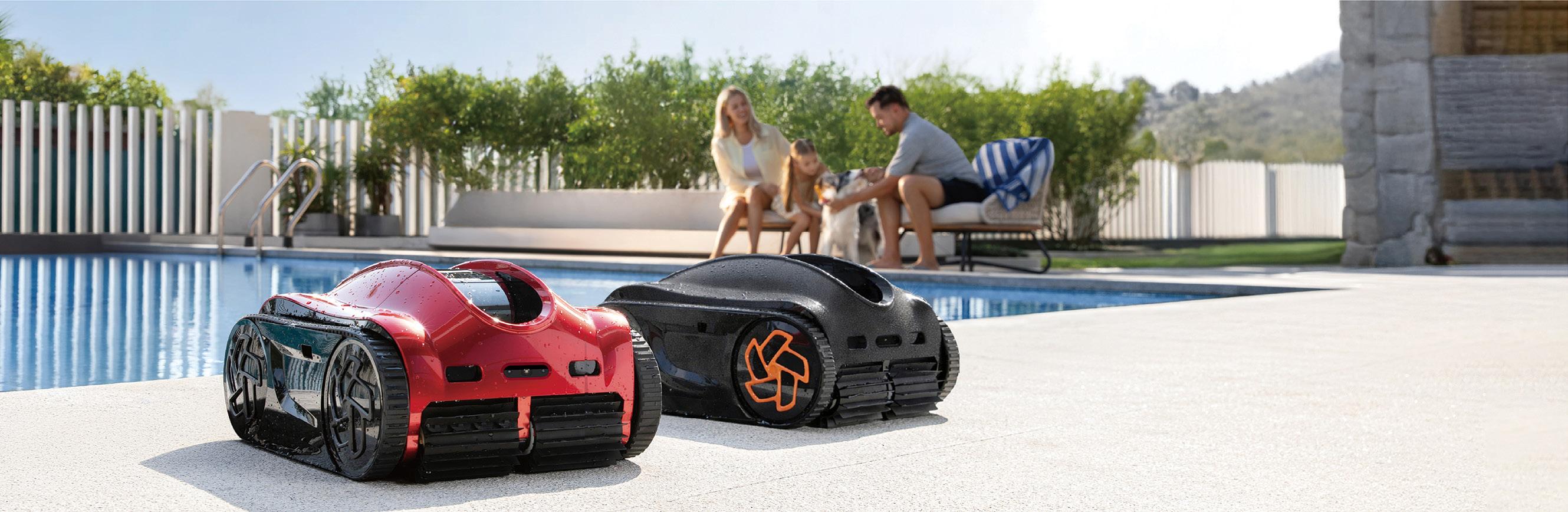
Image: iGarden
Image: iGarden
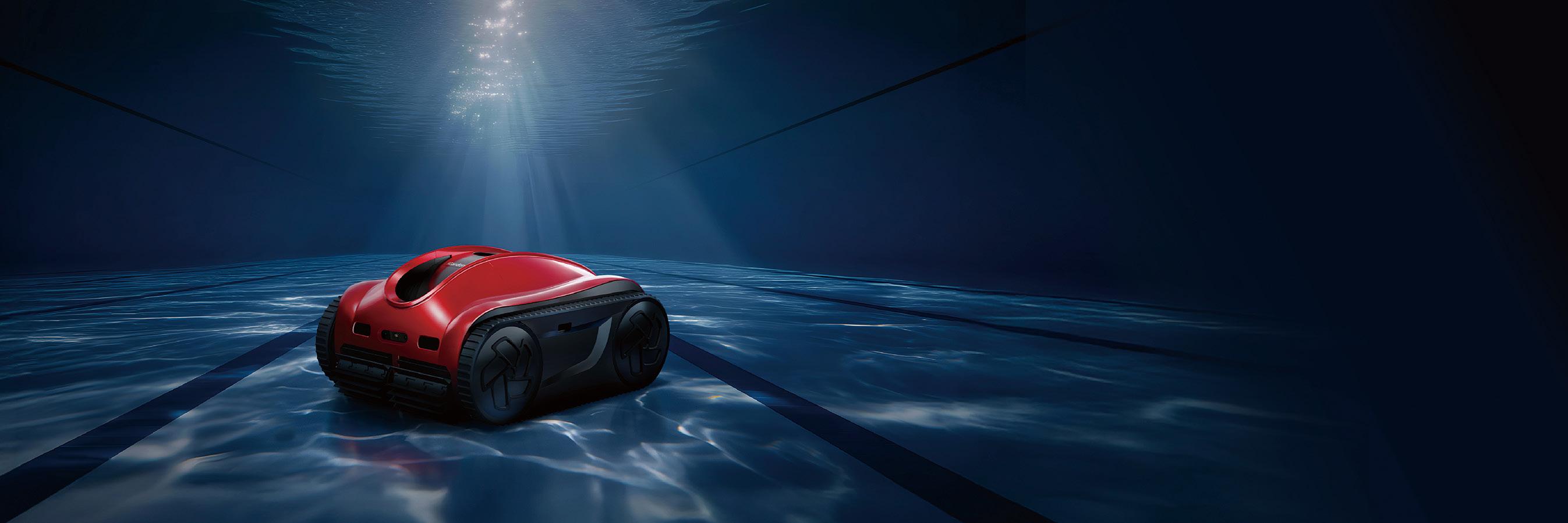
“The move to cordless is primarily about user experience.”
pool. A cleaner that looks great online may not perform the same way in a specific environment. That’s where experience and advice still matter,” Carton explains.
As the market evolves, so too do the questions pool owners need to ask. Rather than focusing on price or convenience alone, there is increasing emphasis on performance, durability and long-term value.
Considerations such as runtime, filtration capability, servicing requirements and local support can significantly impact the overall experience.
“Price is often the starting point, but it shouldn’t be the only consideration,” she says. “Understanding the pool and how it’s used is just as important as the product itself.”
The influx of new entrants has accelerated innovation and brought fresh energy into the category, but it has also introduced greater complexity.
For established manufacturers, the role is shifting from simply supplying equipment to helping guide decision-making in a more crowded and fast-moving market.
“The increase in choice is a positive for the industry, but it also means there’s a greater need for clarity,” Carton says. “Ultimately, it’s about helping pool owners make decisions that work for their pool, not just what looks appealing in the moment.”
New entrants and shifting expectations
The cleaner category is also being shaped by newcomers, bringing a different perspective to product design and market approach.
For Pool Controls, its partnership with iGarden reflects a broader strategy to expand its offering while reinforcing its position within the trade channel.
As a newer brand, iGarden has been able to approach the category without the constraints of legacy product platforms. The focus has been on simplifying the user experience while maintaining consistent cleaning performance.
“As a newer entrant, the advantage is being able to design with a clean slate,” says Declan McGuire, director at Pool Controls.
“The emphasis has been on simplicity, energy efficiency and intuitive operation, while still delivering the performance expected in this category.”
That simplicity is being paired with a deliberate go-to-market strategy. While direct-to-consumer channels continue to influence purchasing behaviour, the role of the trade remains central.
“In Australia, long-term success still relies heavily on the trade channel,” McGuire says.
“Supporting builders, retailers and service technicians, rather than competing with them, is critical to building trust and maintaining consistency in how products are specified and supported.”
Accessibility and value
Accessibility is playing an increasingly important role in shaping expectations across the cleaner market. Products are expected to be easy to operate, quick to deploy and capable of delivering reliable results without technical complexity.
“Customers are expecting strong performance in a format that is intuitive and easy to use,” McGuire explains. “There is less tolerance for complexity, particularly in residential applications.”
At the same time, price sensitivity is influencing purchasing decisions more than in previous cycles. Buyers are placing greater emphasis on overall value, rather than feature density alone.
The F1 Sonic Pro robots are light and easy to use. Image: Waterco
The BWT F1 Sonic Pro
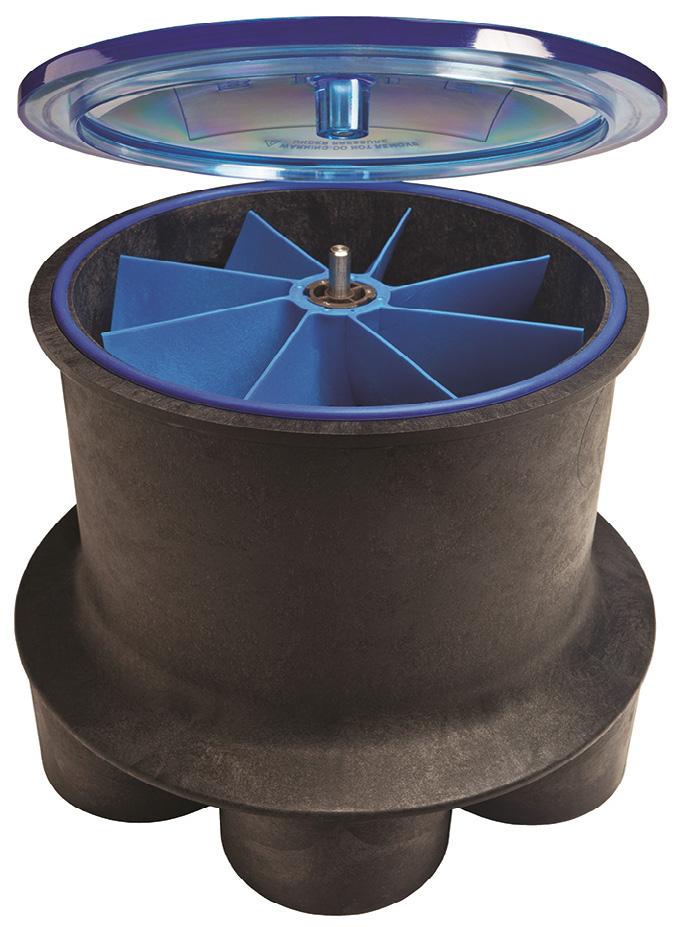
“Lifecycle cost is a key consideration.”
“What we’re seeing is a shift away from feature-heavy products towards those that deliver consistent, dependable outcomes,” he says. “Value is being assessed over the life of the product, not just at the point of purchase.”
This shift aligns with broader market trends, where performance, usability and reliability are becoming more important than incremental feature additions.
Maintaining performance and durability in a more pricesensitive market requires a focus on fundamentals. For Pool Controls, this means prioritising core cleaning capability over unnecessary complexity.
“It comes back to the basics,” McGuire says. “Battery efficiency, filtration performance and build integrity are what ultimately define how a cleaner performs over time.”
Consistency in manufacturing also plays a role. Proven production processes and quality control are essential in delivering reliable products at scale.
“In a trade-led market, durability is critical,” he explains. “It’s not just about the end user. It’s about the professionals whose reputation is tied to the products they recommend.”
Digital influence and the role of trade

Online visibility is now a key part of how pool owners engage with the category. Research often begins well before a conversation with a pool professional, shaping expectations around price, performance and ease of use.
“Most customers will do their research first,” McGuire says. “Digital channels are a major influence in how products are perceived and shortlisted.”
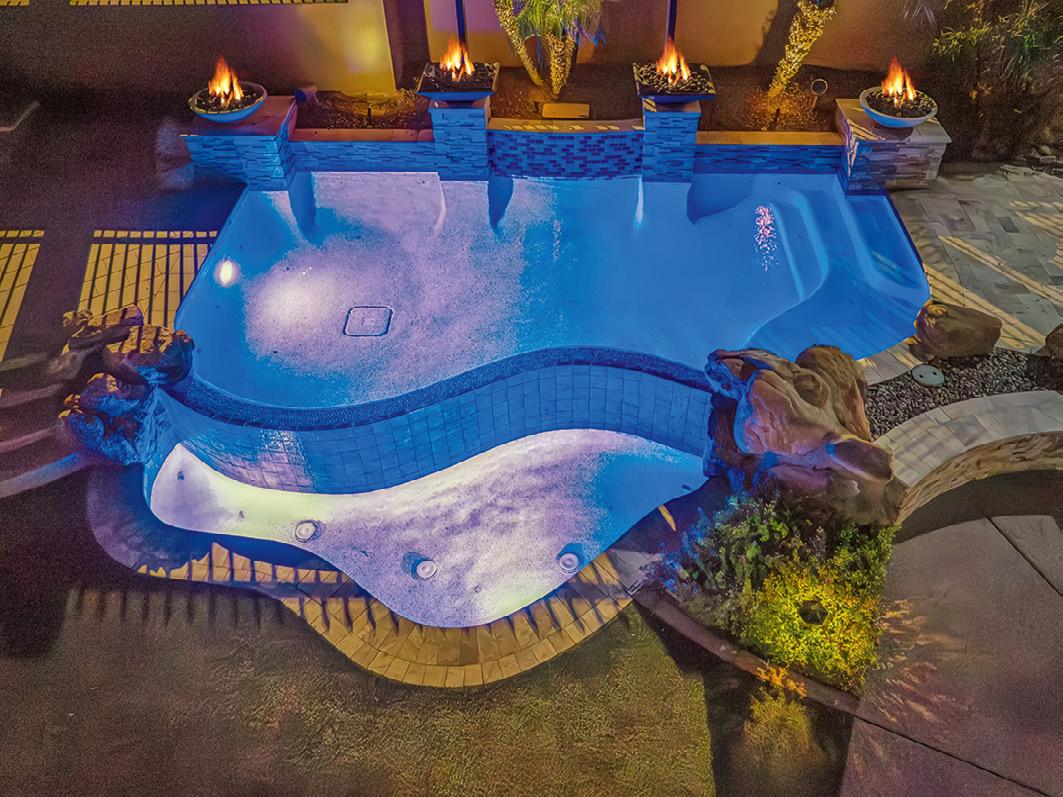
25 years of proven field history, proudly manufactured in Australia, and exported all over the world.
leading cosmetic finishes with exceptional durability High Quality Pigments Vibrant and long-lasting colours Outstanding UV Protection Aquaguard® X protection for extreme environments.
Chemical Resistance Extensively tested for fade resistance to maximise the lifespan.

The Q360 Hydro Fusion is installed in this pool. Image: Waterco
The Q360 main drain. Image: Waterco
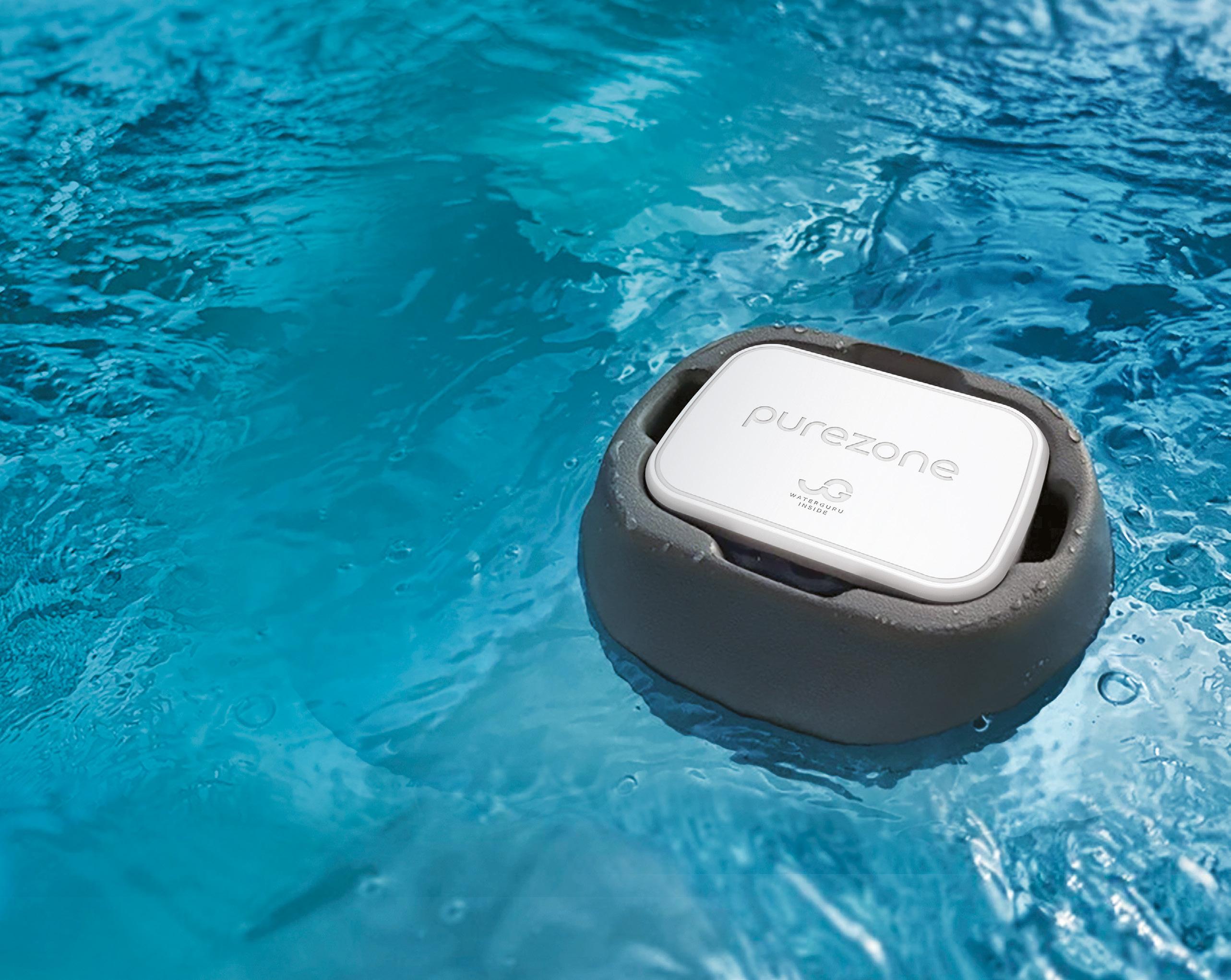



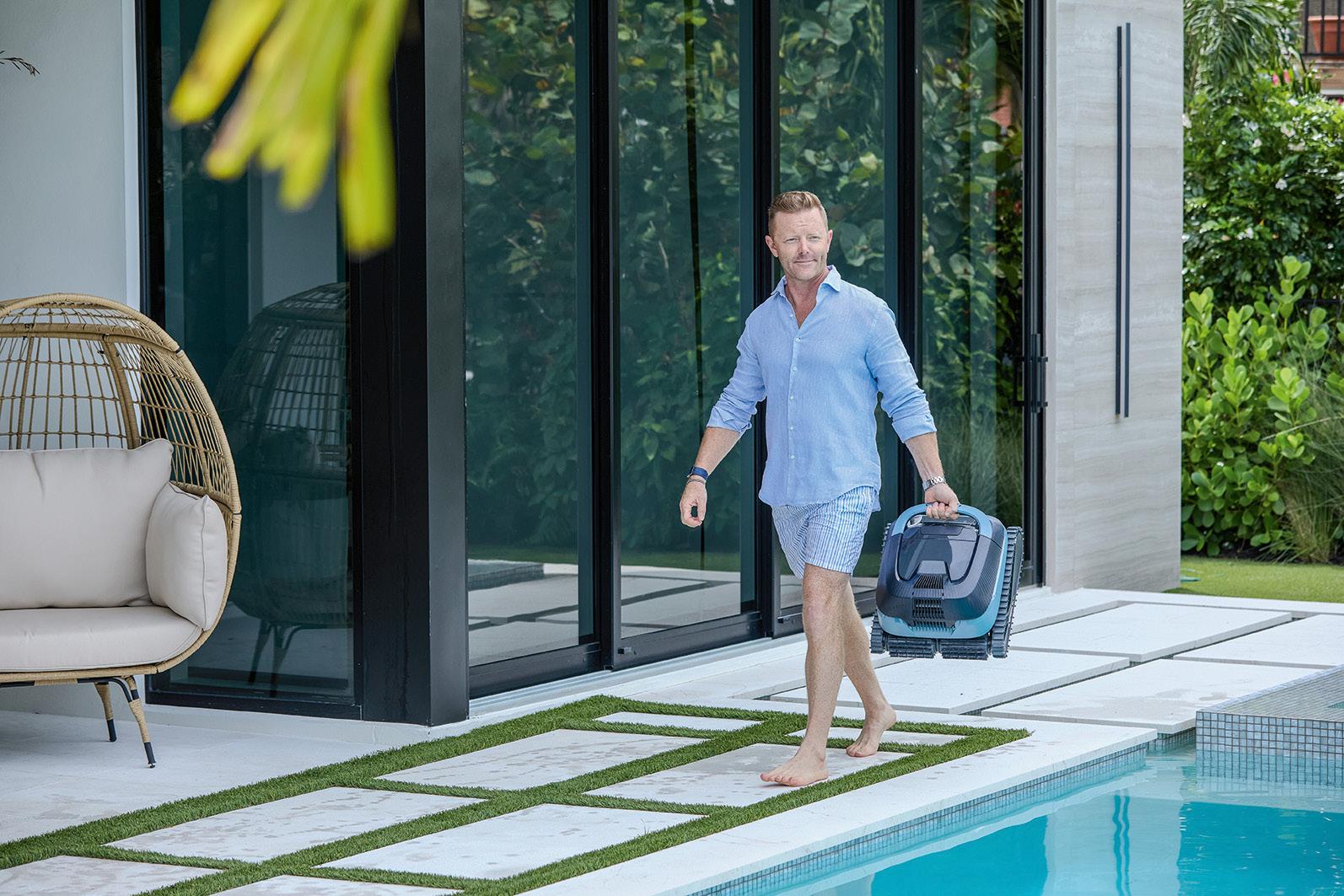
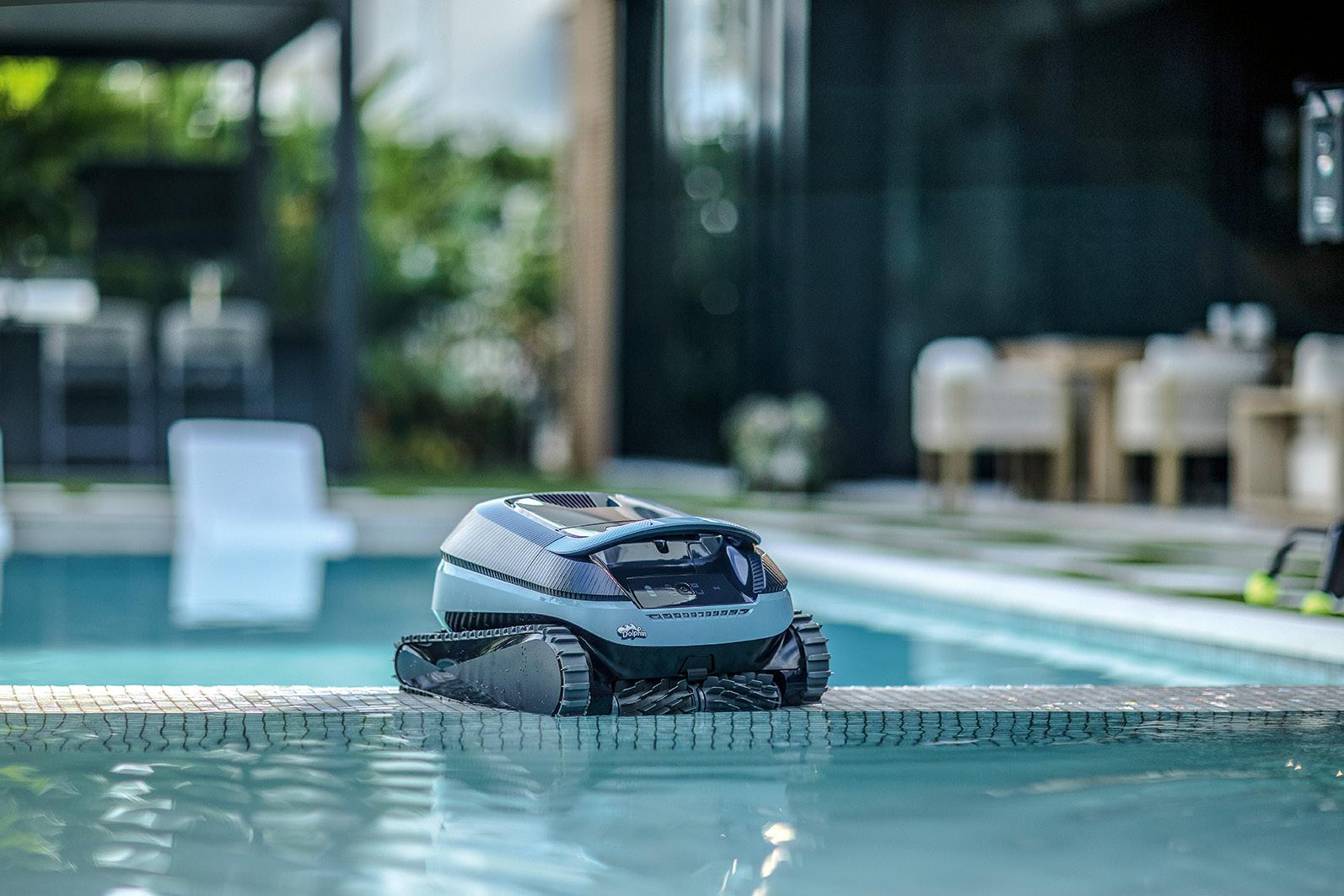
However, the role of digital is evolving beyond transactions. Increasingly, it is being used to inform and guide decisionmaking, rather than replace the trade.
“The balance is important,” he says. “Online engagement should support the customer journey, but the trade remains central to supply, installation and aftersales support.”
Maintaining that alignment is critical to long-term channel sustainability, particularly as new entrants continue to enter the market.
A clear shift is also emerging toward simpler, more flexible cleaning solutions, particularly those that operate independently of the pool’s existing infrastructure.
“There is strong demand for solutions that can be deployed quickly without additional setup,” McGuire says. “That is where cordless robotics are gaining traction.”
This is especially relevant in retrofit applications, where owners are looking for effective cleaning without modifying existing systems. At the same time, expectations are beginning to influence new pool builds, where flexibility and ease of use are becoming more important considerations.
“It reflects a broader change in how pool care is approached,” he explains. “Convenience and simplicity are now central to the ownership experience.”
Cutting the cord: the next phase of robotic pool cleaning
The rapid growth of robotic pool cleaners has reshaped the cleaner category, particularly at the premium end of the residential market. Cordless models are influencing how pool owners and service professionals assess convenience, installation and energy use.
The question for the industry is whether this shift represents true category change, or an expansion within an already established mix of suction, pressure and robotic systems.
According to George Flory, Waterco’s domestic water care product manager, robotics are broadening the category rather than displacing other technologies.
“Robotic pool cleaners have strengthened the premium segment. They offer a high level of convenience, but they sit alongside other systems rather than replacing them,” he explains.
“Each solution still has a role depending on the application.”
Builders and service technicians continue to make recommendations based on pool type, usage patterns, and client expectations. Practical considerations such as debris load, pool shape, and access all influence product selection.
Suction cleaners continue to hold relevance in applications where power, runtime and debris handling are critical. Advances in pump performance, improved suction efficiency and non-tangling hose designs have reinforced their role in larger pools and environments with heavy debris loading.
“In practice, it is about suitability,” says Flory. “Robotic pool cleaners are often selected for their independence and ease of use, particularly in existing pools where there is no appetite for additional plumbing or installation work.”
Suction cleaners, in contrast, remain closely tied to the pool’s hydraulic performance, delivering extended cleaning cycles and strong debris removal when supported by higher-capacity pump systems.
Cordless robotics have introduced a further shift in usability. By removing the external power cable, these systems simplify deployment and reduce some of the operational constraints associated with earlier robotic designs.
“The move to cordless is primarily about user experience,” he says. “There is no cable to manage, no risk of tangling, and fewer limitations on how the cleaner moves through the pool.”
This independence also defines how robotic cleaners operate. As self-contained units, they function separately from the pool’s filtration and circulation system.
“Robotics are designed to clean surfaces,” he explains. “They operate independently, which makes them well suited to retrofit applications and pools where simplicity is a priority.”
Durability and servicing remain central to long-term performance. Battery lifespan, charging cycles, and wearing of components all influence lifecycle cost and product selection.
“Lifecycle cost is a key consideration,” says Flory. “It’s not just the initial purchase. It’s how the cleaner performs over time, how often it requires servicing, and how easily it can be maintained.”
Cordless models also contribute to energy efficiency in a different way to traditional systems. Operating on low-voltage,
The robot lifestyle. Image: Maytronics
Maytronics EON 120D robot
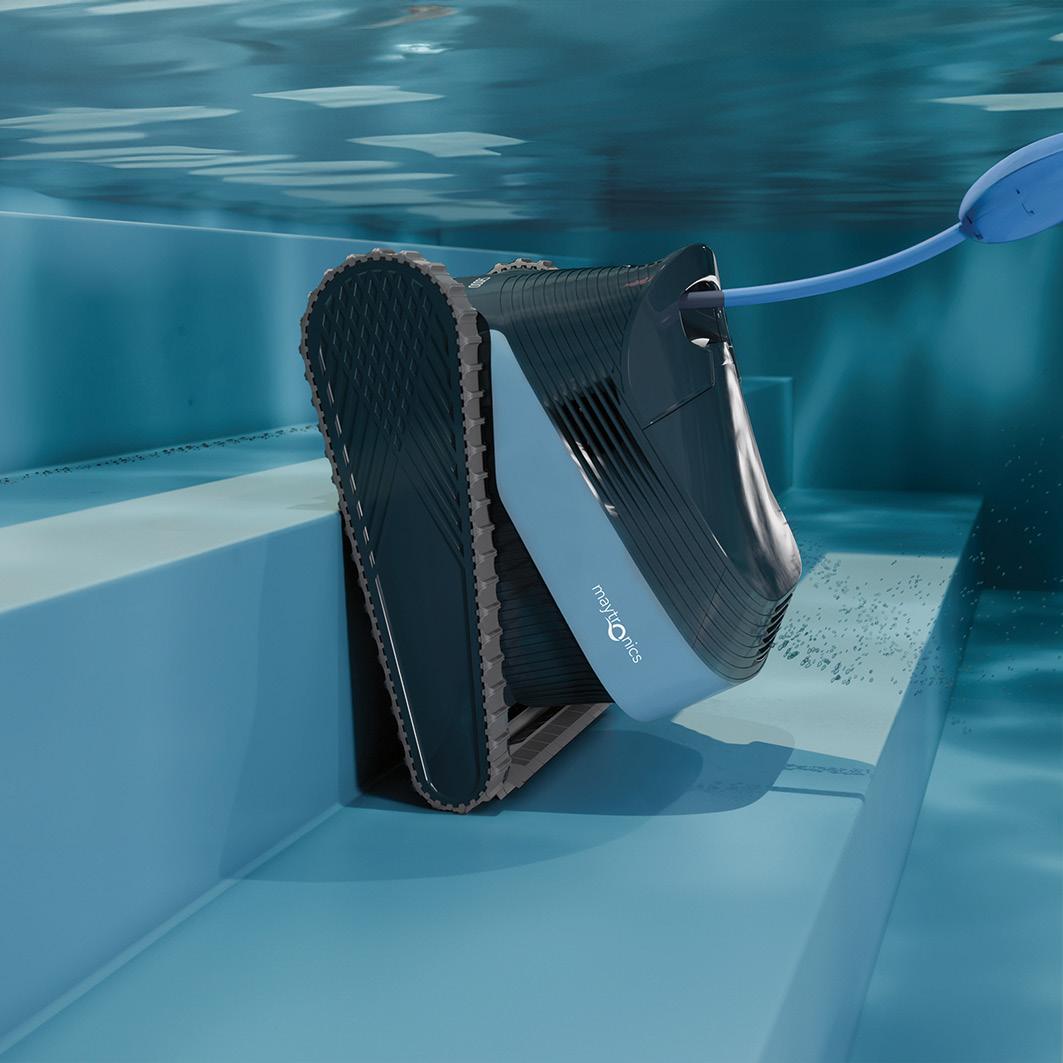
battery-powered platforms, they draw power only during active cleaning cycles.
“A cordless robotic cleaner uses energy only when it is in operation,” he says. “It does not rely on the pool pump, which can reduce overall electricity demand depending on how the pool is managed.”
The latest generation of cordless cleaners reflects this progression. Features such as adaptive navigation, multi-stage filtration, and automated retrieval are now standard in the upper end of the market.
As the category evolves, robotic cleaners are becoming less about novelty and more about application.
“The technology has matured,” Flory explains. “The focus now is on reliability, efficiency, and how well the cleaner fits the specific needs of the pool and the owner.”
Robotics and the expanding cleaner landscape
The cleaner category is broadening as robotic technologies mature, but not in isolation.
Growth is being shaped by changing expectations around usability, integration, and long-term ownership.
For Maytronics Australia’s marketing and customer experience manager, David Dean, robotics are driving expansion rather than replacement.
“The category is evolving towards simpler and more complete ownership experiences,” Dean explains. “Robotic cleaning remains a key part of that, but it now sits within a wider mix of solutions.”
This shift is evident in the coexistence of corded and cordless platforms. While cordless models have gained traction for their ease of handling, corded units continue to hold relevance in the Australian market.
“Corded cleaners remain widely used because of their consistent runtime and suitability for larger pools,” he says. “Cordless and corded systems address different operating conditions rather than competing directly.”
Beyond cleaning, the category is moving towards greater levels of automation and system connectivity. Pool owners are increasingly expecting simplified control over multiple aspects of pool operation.
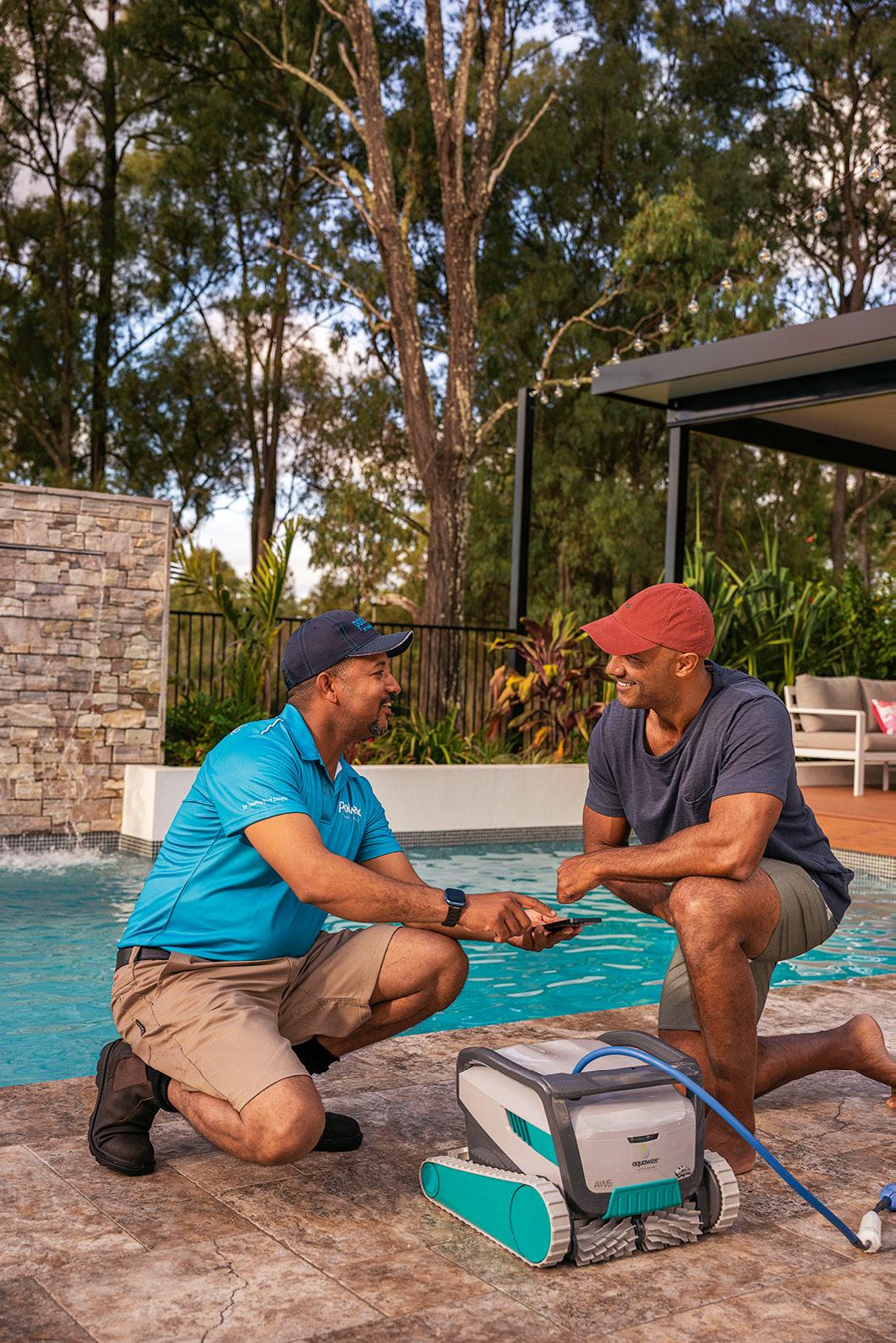
“Demand is extending beyond cleaning into broader pool management,” Dean explains. “Automation, remote control, and system integration are becoming more familiar to pool owners.”
This trend reflects wider adoption of connected technologies in the home. For the pool sector, it is influencing how equipment is specified, monitored, and maintained over time.
“Connected systems allow for more proactive management,” he says. “They can support faster diagnostics and more efficient servicing.”
Despite this shift towards technology, reliability remains a central consideration. As features increase, the emphasis has moved towards ensuring consistent performance over time.
“Innovation only has value if it improves the ownership experience,” Dean explains. “That includes ease of use, but also durability and serviceability.”
For trade professionals, this balance between innovation and reliability is critical when advising clients. Product selection is rarely driven by a single feature.
“Pool professionals play an important role in translating product capability into practical outcomes,” he says. “They consider how the pool is used, the environment, and what the owner expects day to day.”
This guidance is particularly relevant in Australia, where pool conditions vary widely. Debris load, climate, and pool size all influence cleaner performance and suitability.
Across residential and commercial settings, robotics continue to gain ground where labour efficiency and consistent presentation are priorities. At the same time, different formats remain in use depending on operational needs.
“There is no single solution for every application,” Dean says. “Cleaner selection is increasingly about matching the technology to the environment and the way the pool is managed.”
As the category evolves, the direction is less about individual products and more about how systems support overall pool operation.
“The focus is shifting towards convenience, automation and ease of ownership,” he says. “That is where the category is heading.”
Maytronics EP S3000
Trade, retail and service are still key components of the pool cleaner market.
Image: Poolwerx




















































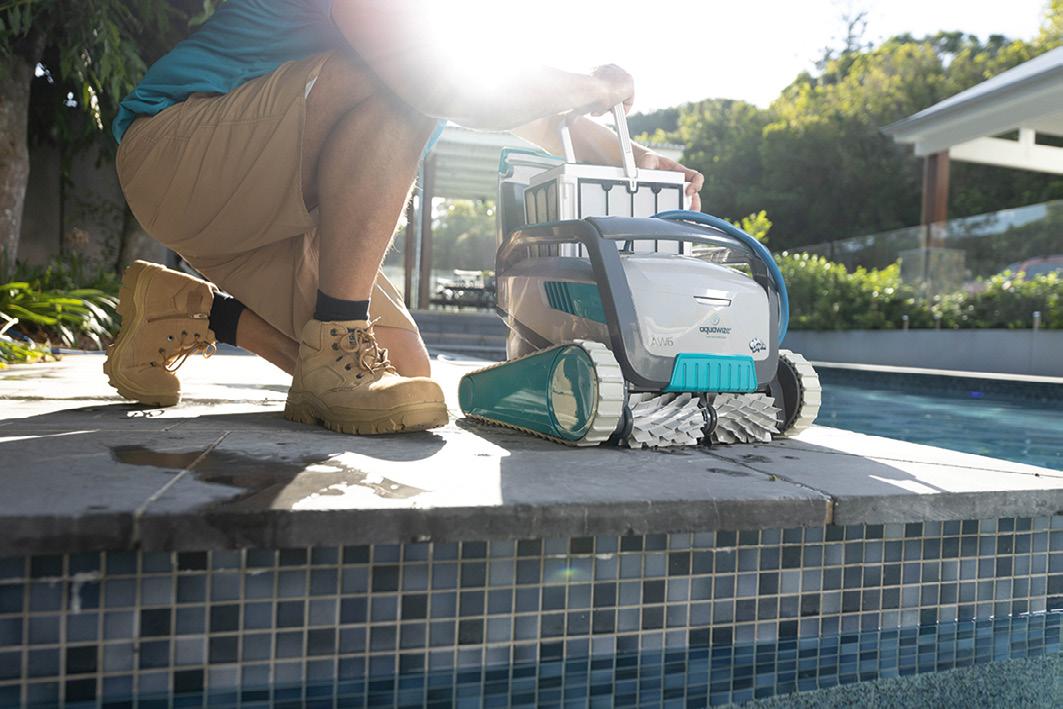
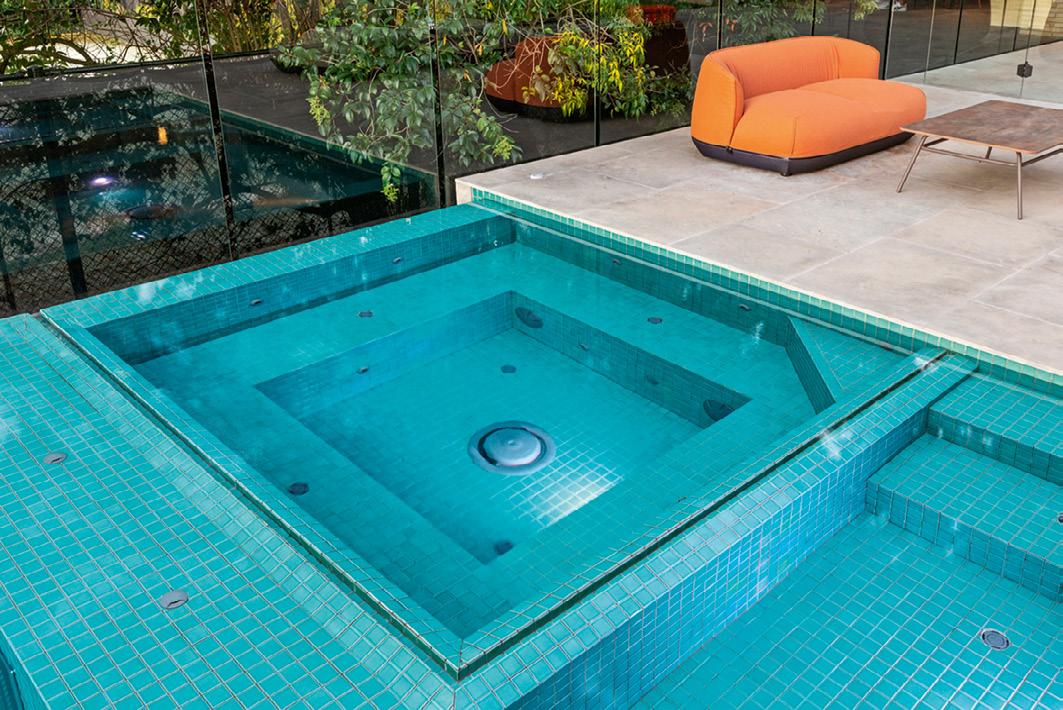
“Cordless and corded systems address different operating conditions rather than competing directly.”
Smarter automation, stronger pool care
Robotic cleaners may dominate industry discussion, but for Poolwerx chief operating officer Steve Halls, the category continues to evolve around practical application rather than a single technology trend.
“Cordless robotic cleaners are seeing strong momentum across the Poolwerx network, driven by improvements in convenience, performance and energy efficiency,” he says. “At the same time, suction and corded systems still perform well in larger pools or where a simpler and more cost-effective solution is required.”
Rather than replacing other technologies, robotics are increasingly being positioned within a broader pool care ecosystem.
“Robotic cleaners deliver a more comprehensive clean independent of the pool’s filtration system,” he explains. “For many pool owners, that means improved water clarity and reduced strain on pumps and filters.”
Automation across pumps, chlorination and cleaning is also reshaping customer expectations. Halls says systems can reduce manual intervention, but performance still depends on correct setup and ongoing servicing.
“Technology can elevate the baseline of pool care, but it doesn’t remove the need for professional support,” he says. “Water chemistry, equipment condition and environmental factors still require oversight.”
Growing product complexity has reinforced the role of pool professionals, particularly as direct-to-consumer purchasing expands.
“Not all robotic cleaners are equal,” Halls says. “Performance varies depending on pool size, shape and surrounding environment. A large part of our role is ensuring products are matched correctly from the beginning.”
Poolwerx continues to see service callouts linked to incorrect product selection or setup.
“In many cases, the technology itself is sound,” he explains. “The problem is that it hasn’t been properly matched to the application.”
Reliability and lifecycle value
Cleaner technology is also changing how franchise networks assess reliability and long-term support.
“Features such as app connectivity, mapping and smart navigation have advanced quickly,” Halls says. “What matters is balancing those features with durability, servicing support and local parts availability.”
Regular maintenance remains essential to performance and lifespan.
“Filter cleaning, software updates and component replacement all contribute to product lifespan,” he says. “Well-supported robotic systems are proving they can deliver both convenience and reliability over time.”
Residential and commercial applications also continue to diverge.
“Robotics have become the dominant solution in residential pools where convenience and energy efficiency are major drivers,” Halls explains. “Commercial environments place much greater demands on equipment through operating hours, bather loads and compliance requirements.”
In commercial settings, robotics are more commonly integrated alongside continuous-duty equipment and larger infrastructure.
“Robotics work particularly well as part of a broader cleaning strategy,” he says. “They provide targeted cleaning and operational flexibility without major infrastructure changes.”
Halls believes enduring customer relationships remain central to the Poolwerx model.
“The long-term value comes from providing the right product, supported by ongoing service and expertise,” he says.
Differentiation and durability
As the pool cleaner category expands, clearer segmentation is emerging across product types. For Best Water Technology (BWT), the distinction between corded and cordless platforms is now shaping both product development and market positioning.
“The strongest differentiation today is cordless versus corded,” says Craig Buchanan, managing director at Lincoln Pool Equipment, part of the BWT Group.
“The market has moved significantly in recent years in terms of technology and features. Our focus is on where we can deliver the most value and meet the key needs of the market.”
Rather than competing across every segment, the emphasis is on aligning performance, usability and price with specific applications. This is particularly relevant as buyers navigate a broader range of options and increasingly look for clarity around suitability and long-term value.
Product construction continues to play a defining role in performance outcomes. In a category where equipment is exposed to demanding operating conditions, material quality and engineering consistency are critical.
Aquawise by Dolphin. Image: Poolwerx
Concrete tiled spa featuring Paramount infloor cleaning.
Image: Aquarius Pools



















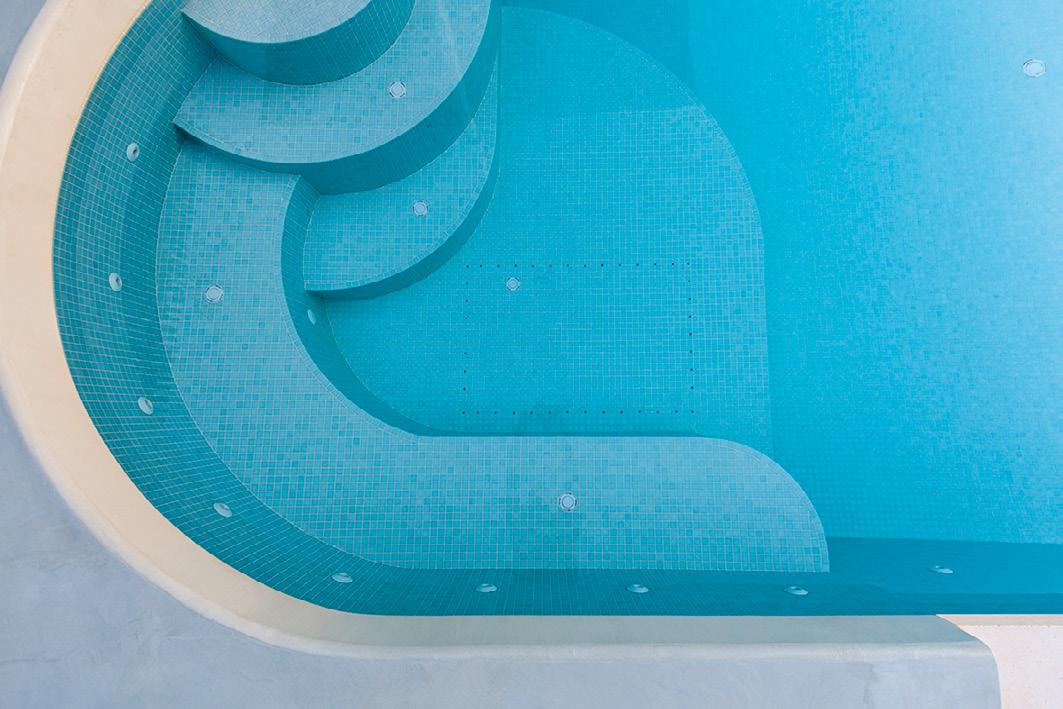
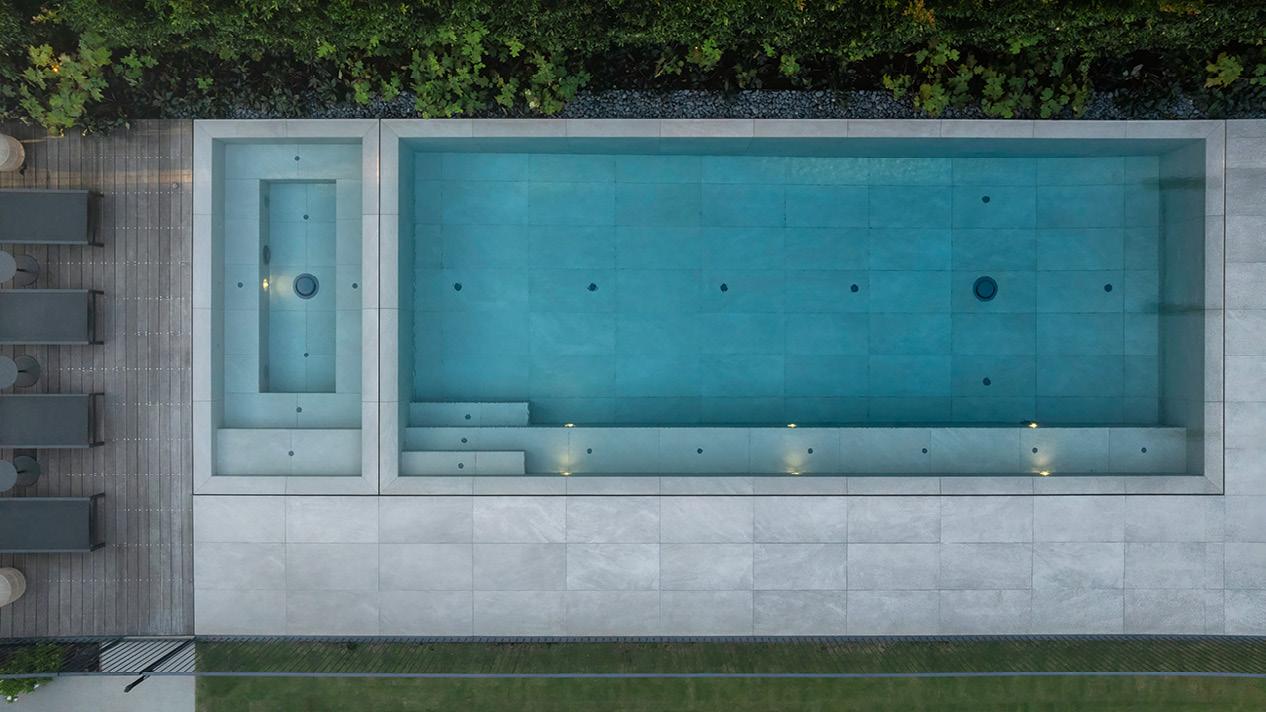
“Infloor pool cleaning continues to be specified where performance and integration matter.”
“Build quality is paramount in terms of long-term performance and building brand trust,” says Buchanan. “Our robots are manufactured to world-class standards using high-quality materials and engineering.”
BWT’s European manufacturing base underpins this approach, with a focus on precision and repeatability across production. This supports reliability in the field and provides confidence for both trade professionals and end users.
“Technology integration is also advancing, with features such as intelligent navigation, strong suction capability and energy-efficient operation now standard across much of the range,” he explains.
“These systems are designed to deliver consistent cleaning performance across varying pool sizes, shapes and debris conditions.”
For Buchanan, this is shifting the conversation beyond features alone, placing greater emphasis on how each solution performs within specific pool environments.
Infloor cleaning in a multi-system market
The growth of robotic pool cleaners through retail and online channels has reshaped how cleaning solutions are presented to consumers. Visibility has increased. Perceived convenience has improved. Yet within the trade, infloor cleaning systems continue to occupy a different position.
Their role is less about product substitution and more about system integration. Waterco’s infloor pool cleaning specialist Adam Shelley explains that this distinction is often overlooked in broader market conversations.
“Infloor cleaning is not a standalone accessory,” he explains. “It is designed into the hydraulic system from the outset, which changes how the pool performs over time.”
This design-led approach has implications for circulation, filtration efficiency, and chemical distribution. By introducing floor-based return points, infloor cleaning systems promote upward water movement, improving turnover in areas that are typically harder to manage.
“Infloor solutions like Waterco’s Blue Square Q360 address circulation at the source,” he says. “You are not relying on a cleaner to pass over an area. You are actively moving water through the entire system.”
This becomes particularly relevant in larger installations, high-end residential projects, and environments with consistent debris loads. In these applications, cleaning performance alone is not the primary driver. System stability and water quality are equally important.
“In complex or debris-prone environments, the benefit is consistency,” Shelley says. “The system operates as part of the daily filtration cycle, not as an intermittent solution.”
From a cost perspective, the discussion often centres on upfront investment. Infloor systems typically require greater planning and installation input. However, this framing can be limiting when viewed against long-term operational outcomes.
“When assessed over the life of the pool, the efficiencies of Blue Square Q360 become more apparent,” he explains. “Reduced manual intervention, more effective circulation, and lower chemical demand all contribute to overall performance.”
Perceptions around installation complexity and maintenance have also influenced uptake. Earlier system designs carried higher servicing requirements, which shaped industry views. Advances in valve engineering and system simplification have since addressed many of these concerns.
“Modern technology means fewer moving parts and improved reliability,” he says. “That has reduced maintenance compared to earlier generations.”
At the same time, the market is not moving in a single direction. Hybrid configurations are emerging, particularly in residential settings where owners seek flexibility.
“A combined approach can suit certain conditions,” Shelley explains. “An infloor system maintains baseline cleanliness and circulation, while a robotic cleaner can be used for targeted cleaning when required.”
This shift reflects a broader change in how pools are specified and used. Cleaning is no longer treated as an isolated function. It is increasingly considered alongside hydraulics, energy use, and whole-of-system efficiency.
“Infloor pool cleaning continues to be specified where performance and integration matter,” he says.
“It is less about competing with other cleaners and more about how the overall system is designed to operate.” n
Contacts:
www.bwtpools.com.au
www.fluidra.com.au
www.infloorpoolcleaning.com.au
www.kreepykrauly.com.au
www.maytronics.com.au
www.poolcontrols.com.au
www.poolwerx.com.au
www.waterco.com.au
Paramount infloor cleaning jet positioning.
Image: Aquarius Pools
Infloor pool cleaning is a top choice where performance and integration matter.
Image: Aquarius Pools
One supplier. One invoice. One relationship.
Zero headaches.
The expert team at Pool Controls gives you a FULL range of quality, robust pool equipment, along with the fastest service and support in Australia. And that means the best products for your clients, without blowback on you.


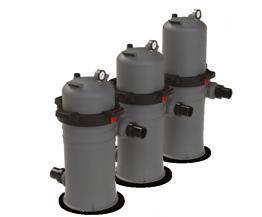

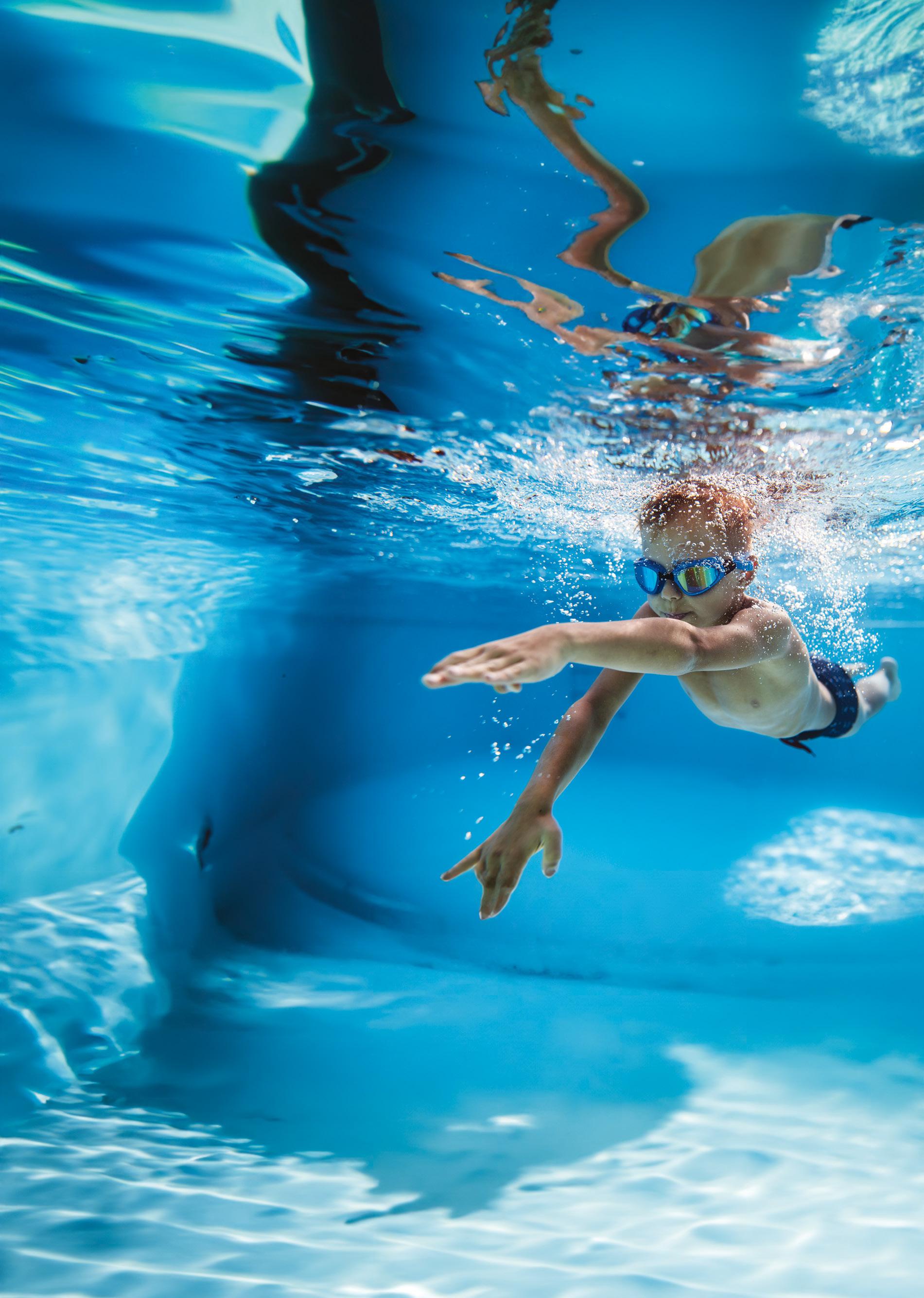


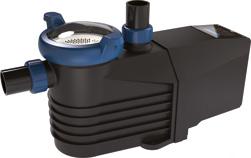


Pool Filters
Pool Pumps
Pool Cleaners
Pool Controllers
Pool Heaters
NCC 2025 – who’s doing what and when
By Ben Makepeace
SPASA’s policy manager Ben Makepeace provides a comprehensive update on the relevant changes to the National Construction Code.
The Australian Building Codes Board (ABCB) update to the National Construction Code (NCC) 2025 was published on May 1, 2026. Since then, each state and territory has been announcing their adoption dates and confirming state variations. There are two key changes in NCC 2025 for swimming pools and spas:
• The adoption of the 2024 version of AS 1926.1 –for swimming pools; and
• The introduction of Clause H2D2(2) – a new sub-clause related to swimming pool drainage stating that Performance Requirement H2P4 is satisfied for swimming pool drainage if the swimming pool’s pumped discharge is discharged to the sanitary drainage system in accordance with AS/NZS 3500.2.
NCC 2025 overrides AS 1926.1:2024
clause 2.3.1
SPASA was extremely disappointed that a late change was made to the adoption of AS 1926.1 after the public comment period had closed.
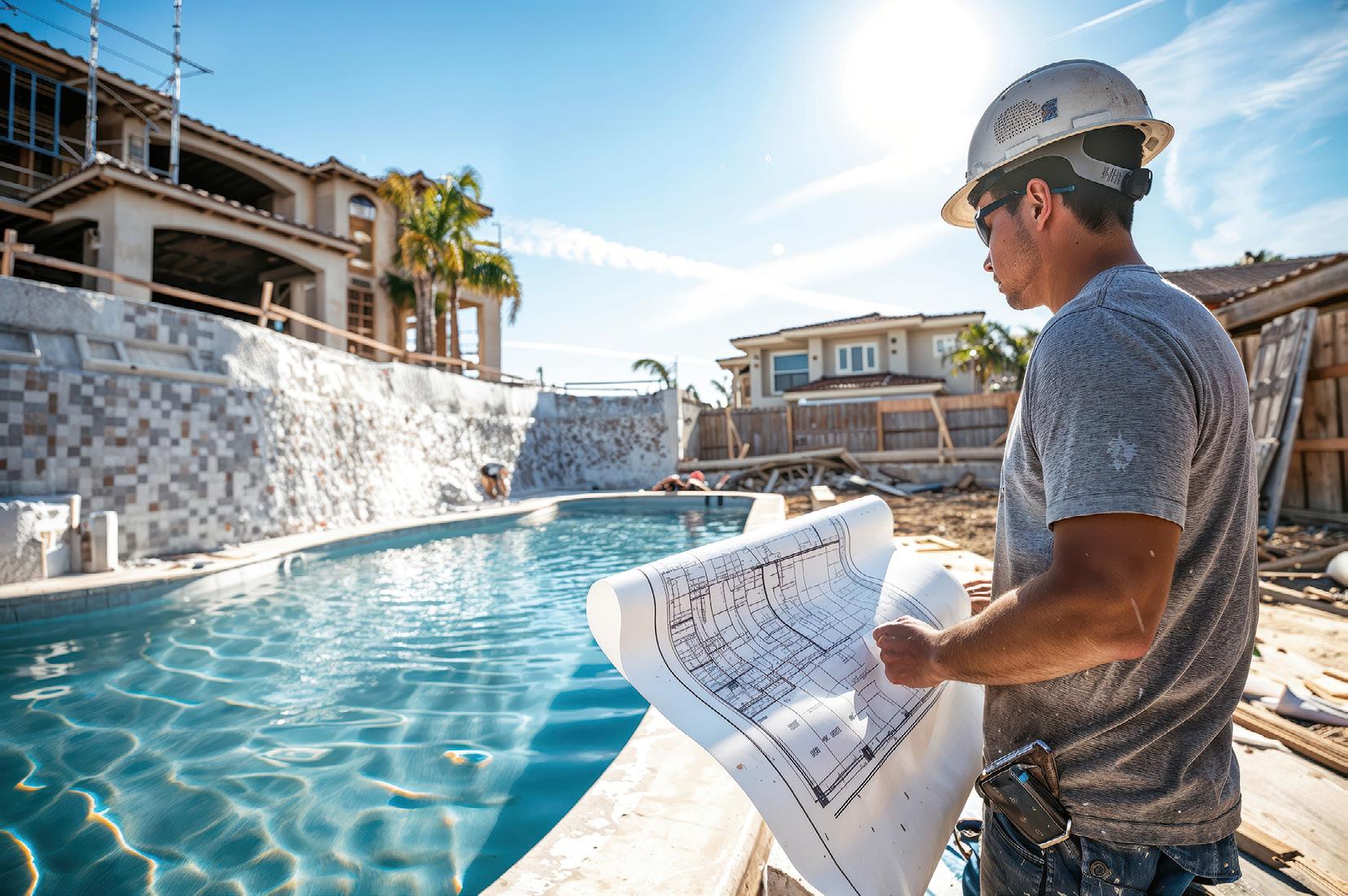
This change to NCC 2025 will include a specific amendment to H7D2 – Swimming Pools, that overrides Clause 2.3.1 –Features and objects near a barrier.
Instead of accepting the new wording developed by the Standards Australia Committee that Clause 2.3.1, “… shall not apply to boundary barriers” the variation states that H7D2(1) is, “Amended such that clause 2.3.1 of AS 1926.1 applies to boundary barriers.” This variation previously only applied in NSW.
This relates to including boundary barriers in the 500mm limitation, and SPASA’s position reflects the work that the Standards Australia Committee has done in clarifying, reviewing, and re-confirming the intent of Clause 2.3.1 in the new 2024 version of the standard.
SPASA has written to, and is meeting with, each state and territory seeking a change to override this variation.
Australian Capital Territory
The ACT has adopted a 12-month transition period for the adoption of NCC 2025, which means that projects with building approval granted after May 1, 2026 and before May 1, 2027 can choose to comply with either:
• NCC 2022 and the ACT 2022 Appendix, or
• NCC 2025 and the ACT 2025 Appendix.
Projects with building approval granted after May 1, 2027 must comply with NCC 2025 and the ACT 2025 Appendix.
New South Wales
NSW will adopt the NCC 2025 on May 1, 2027.
NSW has a significant list of state variations, many of which have been carried over from NCC 2022. The variations are set out in the schedules to NCC 2025: https://tinyurl.com/NSW-variations.
For the swimming pool industry, NSW retains several key variations:
• NSW H7P1 is maintained.
• NSW H7D2 is retained, with a slightly expanded definition. Additional notes and explanatory information are retained.
Northern Territory
The NT Government declared that the new NCC 2025 requirements will not apply in the Northern Territory until the publication of the next edition of the NCC.
Queensland
The Queensland Government will delay the commencement of NCC 2025 in Queensland until May 1, 2027, with NCC 2022 remaining in force until then.
The Queensland Development Code (QDC) and Queensland Plumbing and Wastewater Code (QPWC) will continue to apply and vary aspects of the NCC edition that is in effect at the time. Queensland is maintaining all current Schedule 7 variations, and introducing a few new variations.
Relevant variations for swimming pools:
• Queensland will amend NCC 2025 to remove the requirement for additional reserved capacity and space for gas-heated swimming pool and spa water systems in certain areas of the building.
South Australia
South Australia will adopt NCC 2025 Volumes One and Two on May 1, 2027.
The South Australian variations to NCC 2025 include:
• Transfer relevant NCC 2022 variations in MBS 007 to NCC 2025,
NCC 2025 adoption dates and transition periods vary across the states.
Image: AdobeStock, Illustrative only
including modifications related to Volume 1 Part J8 Heated water supply and swimming pool and spa pool plant.
• Update variations from NCC 2022 to reflect changes made to standard clauses relating to Parts G1 and H7 swimming pool barriers and Part H3 fire safety.
• Delete SA Part H9 water efficiency.
Relevant variations for swimming pools:
• SA H7P1 is retained, requiring pools to have prominent and visible signage that assists persons to provide first-aid and to perform cardiopulmonary resuscitation (CPR) on young children.
• SA H7D2 is retained regarding skimmer boxes and CPR signage.
Volume Three of the NCC (the Plumbing Code) will be adopted from May 1, 2026. Further information about the Plumbing Code is available from the Office of the Technical Regulator.
Tasmania
Following on from its 2025 announcement that it would defer implementation of changes to the NCC, the Tasmanian government has now passed the Building Amendment Bill 2026. This delays the commencement of NCC 2026 until 1 May 2027.
Victoria
The Victorian government announced that it would be adopting the NCC 2025 commencing on May 1, 2026.
It’s important to note that Section 10 the Victorian Building Act gives a building permit applicant scope to continue using the previous edition of the NCC where they can show their building certifier that they have substantially commenced the design work for the project.
Members should engage their building certifier for any projects in design stage and yet to be submitted for approval to gauge which edition of the NCC will apply.
Variations
Victoria has a long list of amended, new, and deleted variations across all volumes. Readers are encouraged to head to the Victorian government’s website for all the details: https://tinyurl.com/Victoria-variations
There is also a full suite of videos to watch as part of their Practitioner Education Series: https://www.bpc.vic.gov.au/ practitioner-education-series
Relevant variations for swimming pools
• Deletion of VIC G1P2 and VIC G1D2.
Western Australia
The Western Australian government has adopted the Volumes One and Two of the NCC 2025 on May 1, 2026. From this date, NCC 2025 became the Building Code in effect in WA (BCA 2025). Most building permit applications in WA have the choice of applying either:
• The Building Code in effect; or
• The Building Code that was in effect 12 months before the time the application is made.
Having the choice means that:
• BCA 2025 can be applied from May 1, 2026, but only becomes mandatory for most building permit applications from May 1, 2027.
• BCA 2022 with Amendments 1 and 2 (BCA 2022) can be applied until April 30, 2027.
Western Australia has a list of amended, new, and deleted variations which are available on the WA government’s website: https://tinyurl.com/WA-implementation-BCA25.
There are four variations to the 2025 edition of the Building Code of Australia (BCA) 2025 that affect private swimming pools in WA. These are:
More information & links
Australian Capital Territory
Adoption date: May 1, 2026
Transition period: 12 months
Further information: https://tinyurl.com/ACT-planning
New South Wales
Adoption date: May 1, 2027
Further information: https://tinyurl.com/NSW-NCC2025; https:// tinyurl.com/NSW-variations
Northern Territory
Not adopted
Further information: https://tinyurl.com/NT-NCC-response
Queensland
Adoption date: May 1, 2027
Further information: https://tinyurl.com/Qld-Newsflash
South Australia
Adoption date BCA: May 1, 2027
Adoption date PCA: May 1, 2026
Further information: https://tinyurl.com/SA-building-code
Tasmania
Adoption date: May 1, 2026
Further information: https://tinyurl.com/Tasmania-NCC; https:// tinyurl.com/Tasmania-deferral-announcement
Victoria
Adoption date: May 1, 2026
Further information: https://tinyurl.com/Victoria-NCC25; https://tinyurl.com/Victoria-Education; https://tinyurl.com/ Victoria-variations; https://tinyurl.com/Victoria-announcement
Western Australia
Adoption date: May 1, 2026
Transition period: 12 months
Further information: https://tinyurl.com/WA-implementationBCA25; https://tinyurl.com/WA-industry-bulletins
1. AS 1926.1:2024 – not adopted in WA for private swimming pools.
2. Whole-of-home energy usage – may not apply to existing buildings but does apply for new pools with new building.
3. Pool covers and blankets must comply with AS 5348 instead of the Smart Approved WaterMark Scheme.
4. Building Regulations 2012 – maintains existing modifications to AS 1926.1-2012 for boundary barriers and horizontal elements.
These are explained in greater detail in Industry Bulletin 175 (see box for link).
The Building Regulations 2012 were recently amended by the Building Amendment Regulations (No.2) 2026 — see Industry Bulletin 176. These amendments modify the application of BCA 2025, but are not typically relevant for the swimming pool industry.
Additional resources
The ABCB has a range of guidance material and training available to assist in understanding the NCC.
NCC Guides are available in the Resource Library. https://www. abcb.gov.au
SPASA provides regular updates for members when state governments announce changes. These updates are shared in the weekly newsletter, on the website https://www.spasa.com.au/ advocacy/advocacy-activities.
Members can contact SPASA directly with questions on members@spasa.com.au. n

Chemical safety in the swimming pool and spa industry
By Glenn Smith
Glenn Smith, senior safety advisor at HazardCo, outlines some of the risks and protections associated with handling chemicals in the swimming pool industry.
As industry members are aware, the pool industry isn’t just about digging holes, tying steel and laying tiles. It is a chemistry business.
Every pool builder, service technician and installer works with substances that can burn skin, damage lungs, corrode metal and create toxic gas if mishandled. Liquid chlorine, muriatic acid, calcium hypochlorite, stabilisers and flocculants are all common products on pool sites, but “common” should never be mistaken for “harmless”.
When you are handling oxidisers, corrosives and reactive chemicals, you are not just a builder, you are effectively a hazardous materials handler.
Whether you are working on a suburban backyard project in Auckland or a high-end residential home in Adelaide, the principles remain the same: keep your crew safe, protect the public, and stay compliant with your legal obligations.
Chemical safety is not red tape. It is a practical system that prevents injuries, avoids environmental damage, and keeps your business out of the spotlight for all the wrong reasons.
Here is a down-to-earth guide to chemical safety for the modern pool builder.
Respect the product
The most experienced pool professionals often develop a healthy attitude toward chemicals.
Not fear, but respect. The difference matters.
Fear can lead to overreaction or avoidance. Respect leads to good systems, proper training and consistent habits.
Most chemical incidents do not happen because someone lacked technical knowledge. They happen because someone got comfortable, rushed a task or assumed “I’ve done this a hundred times before”.
That attitude can result in acid burns, chlorine gas exposure, damaged vehicles or a call to emergency services.
The reality is simple: the chemicals you use every day are safe when handled correctly, and dangerous when they are not.
At the build site: mixing without the mishaps
Build sites are busy, noisy and deadline-driven environments. Pool builders are juggling excavation crews, steel fixers, plumbers, electricians, tilers and clients who want to know if they can swim by Christmas.
In that kind of environment, it is easy to cut corners. Chemical safety on-site comes down to three fundamentals:
1. Protect yourself.
2. Keep chemicals separate.
3. Follow the right mixing sequence.
PPE is your first line of defence.
Your standard work gear is not enough when handling hazardous chemicals.
Sunnies, leather gloves and a dust mask might be fine
Up-to-date Safety Data Sheets are essential.
for cutting pavers, but they offer limited protection against corrosive liquids and reactive powders.
When handling liquid chlorine or muriatic acid, your minimum personal protective equipment should include:
• Wraparound safety glasses or chemical splash goggles.
• A full-face shield for pouring larger quantities.
• Chemical-resistant nitrile or neoprene gloves.
• Long sleeves and long trousers.
• Closed-in boots.
• A P2 respirator if powders or fumes are present.
One splash of acid to the eyes can change a life in seconds. The right PPE is a small investment compared with the cost of an injury.
The “one at a time” rule.
Never mix different chemicals together in the same bucket, container or measuring cup.
Even products that appear stable can react violently when combined outside of the pool water. Some combinations generate heat, others release toxic gas, and some can ignite combustible materials.
Treat every chemical as though it must remain in its own lane until it reaches the pool.
Measure, add, rinse and repeat. No shortcuts.
The golden sequence.

Always add chemicals to water, never water to chemicals. This is one of the oldest and most important rules in chemistry. Adding water to concentrated acid can cause an immediate exothermic reaction, creating a violent splash or “volcano effect” that can send corrosive liquid straight into your face and onto your skin.
The same principle applies to many powdered chemicals. If dilution is required, fill the container with water first, then slowly add the chemical according to the manufacturer’s instructions.
Environmental awareness.
Build sites often have stormwater drains, gardens and neighbouring properties close by. A single spill can kill plants, stain concrete or enter waterways.
Keep spill kits readily available and ensure workers know how to contain and neutralise small incidents.
A bucket of absorbent material and a clear response plan can turn a serious event into a manageable inconvenience.
In the ute: the mobile hazard
For many pool builders, the vehicle is effectively a rolling chemical store.
That makes the ute, trailer or van one of the highest-risk environments for chemical incidents. Leaks, incompatible storage, and poor ventilation can turn a routine delivery into a dangerous situation.
Transporting chemicals safely is not optional.
If quantities exceed “tools of trade” exemptions, additional requirements under the National Transport Commission Australian Dangerous Goods Code and the New Zealand Transport Agency Waka Kotahi Land Transport Rule may apply. No chemical cocktails.
Never transport acids and chlorine products directly next to one another. This is the cardinal rule of pool chemical transport. If hydrochloric acid leaks and contacts sodium hypochlorite, the reaction can release chlorine gas, a highly toxic respiratory irritant that can incapacitate the driver in moments.
In confined vehicle spaces, this can quickly become a lifethreatening emergency.
Separate incompatible substances using dedicated compartments or physically isolated storage bins.
“ When you are handling oxidisers, corrosives and reactive chemicals, you are not just a builder, you are effectively a hazardous materials handler.”
Secure the load.
A 20-litre drum of acid rolling around in the tray is not just untidy, it is highly dangerous.
All chemical containers should be:
• Upright.
• Sealed.
• Restrained against movement.
• Protected from impact.
• Inspected for damage before transport.
Use purpose-built chemical bins or lockable cabinets fixed securely to the vehicle. If you can hear drums sliding when you brake, the system is not good enough.
Ventilation matters.
Enclosed vans require special attention. Even a minor leak can allow fumes to accumulate, creating a hazardous atmosphere for the driver.
Install floor or roof vents to ensure adequate airflow and regularly inspect the cargo area for signs of corrosion or chemical odour.
If you open the doors and immediately smell chlorine or acid, stop and investigate before driving any further.
The paperwork.
Every chemical should have an up-to-date Safety Data Sheet (SDS) readily available. These documents provide critical information on:
• Hazards.
• First aid.
• Spill response.
• Fire-fighting measures.
• Storage requirements.
If there is a vehicle incident, emergency responders need to know exactly what substances are involved.
Keeping SDSs in a folder or digital app is a straightforward and professional practice.
At the workshop: professional storage
Your workshop or depot is the backbone of your chemical management system. A spare corner of the shed is not enough. Safe storage requires planning, segregation, containment, and accurate information.
PPE is the first line of defence. Image: AdobeStock
“Respect leads to good systems, proper training and consistent habits.”
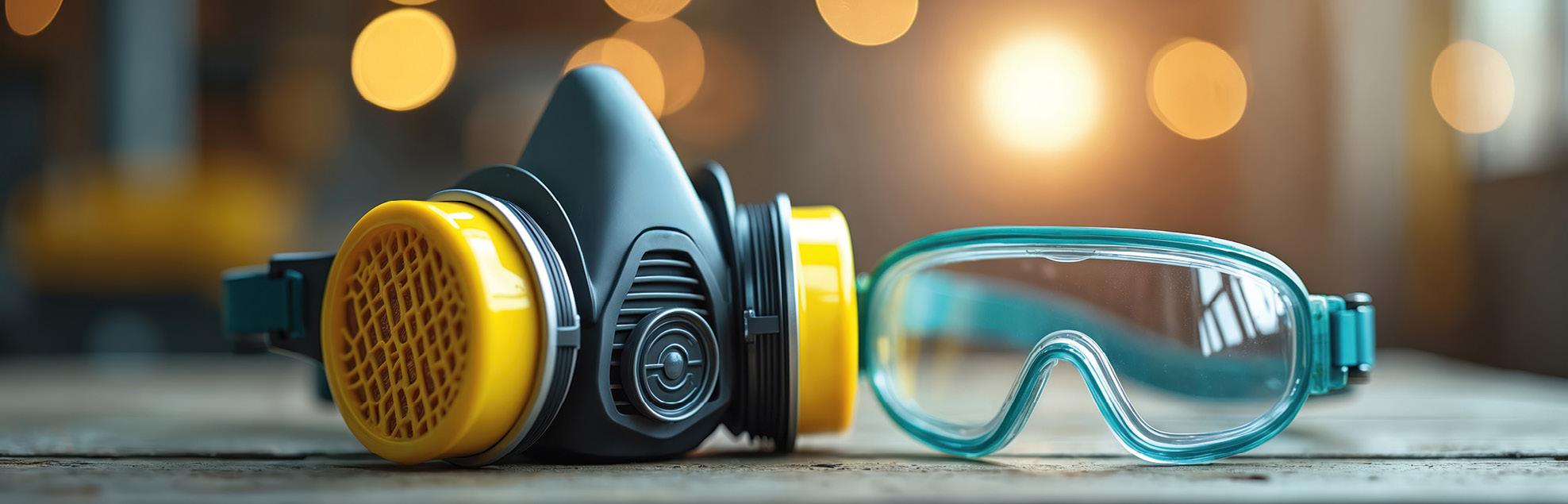
The 3-metre rule.
Incompatible chemicals should be kept at least three metres apart unless a suitable fire-resistant and chemical-resistant barrier is installed.
This is particularly important for:
• Acids and oxidisers.
• Liquid chlorine and fuel.
• Reactive powders and combustible materials.
Segregation reduces the chance that a single leak becomes a major emergency.
Bund it up.
Secondary containment, commonly called bunding, is essential.
Use spill pallets or bunded cabinets capable of holding leaks from damaged containers. If a drum cracks overnight, the liquid should remain contained rather than spreading across the floor, entering drains, or reaching neighbouring properties.
Bunding is one of the simplest and most effective controls available.
Signage and placarding.
When stored quantities exceed regulatory thresholds, clear hazard signage and placarding are required at the site entrance and storage area.
These signs provide immediate information to workers, visitors, and emergency services.
Even where thresholds are not reached, good signage is a smart business practice. It communicates professionalism and reduces confusion during an emergency.
Inventory control.
Maintain an accurate chemical register that includes:
• Product names.
• Quantities.
• Storage locations.
• SDS references.
• Expiry dates.
A current inventory helps with compliance, purchasing, and emergency response.
It also prevents over-ordering and allows you to identify old or degraded stock before it becomes a problem.
Training: the control that ties everything together
The best storage setup in the world means little if workers do not understand the risks.
Everyone who handles pool chemicals should know:
• What each product does.
• Which chemicals are incompatible.
• How to use PPE correctly.
• What to do in the event of a spill.
• Basic first aid procedures.
• When to call emergency services.

Training does not need to be complicated.
Short toolbox talks, refresher sessions, and practical demonstrations are often more effective than lengthy manuals that no one reads.
The key is consistency.
Emergency preparedness.
No matter how good your systems are, incidents can still occur.
That is why preparation matters.
Every business should have:
• Eye wash facilities.
• Clean water for flushing.
• Spill kits.
• Emergency contact numbers.
• Clearly accessible SDSs.
• Workers trained in first response.
When something goes wrong, the first few minutes make all the difference.
Prepared crews respond calmly and effectively. Unprepared crews panic.
The cost of getting it wrong
Chemical incidents can result in:
• Serious burns.
• Respiratory injuries.
• Environmental contamination.
• Vehicle damage.
• Lost time.
• Regulatory penalties.
• Reputational harm.
For small and medium-sized pool businesses, one significant incident can disrupt operations for weeks and damage hardearned trust.
Clients expect professionalism. Regulators demand compliance. Workers deserve to go home healthy.
The bottom line.
Chemical safety is not about being afraid of the products you use. It is about respecting them.
The best pool builders understand that quality construction is not just measured by straight tiles and crystal-clear water. It is also measured by the systems behind the scenes that protect workers, clients and the community.
• Wear the right PPE.
• Keep incompatible chemicals apart.
• Transport them properly.
• Store them professionally.
• Train your team.
And never assume that “she’ll be right” is a control measure. Because in the pool industry, a little chemistry knowledge and a lot of common sense go a long way.
Build great pools, but more importantly, build them safely. n
Your standard work gear is not enough when handling hazardous chemicals.
Image: AdobeStock
It is important to maintain an accurate chemical register.
Image: AdobeStock
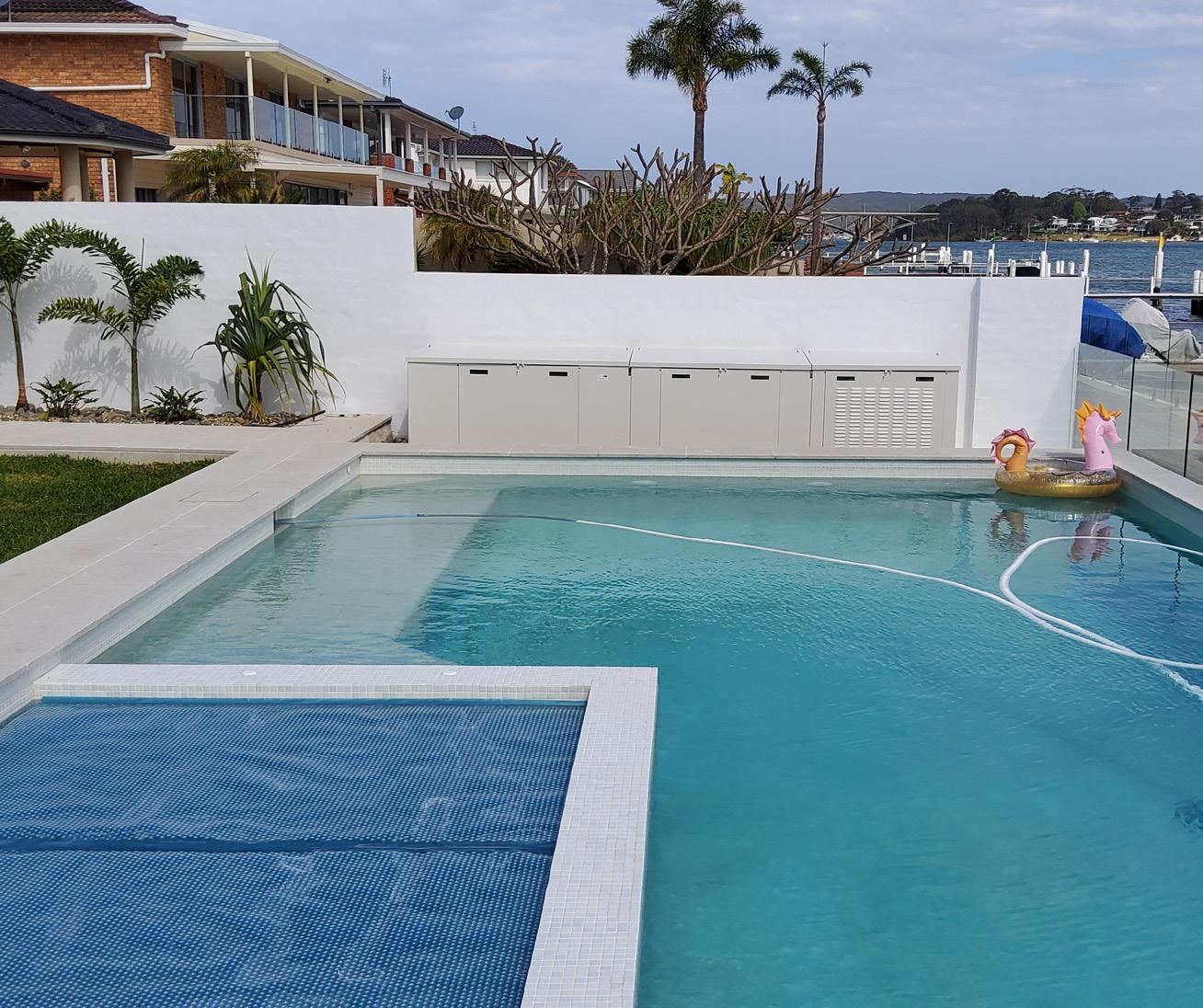
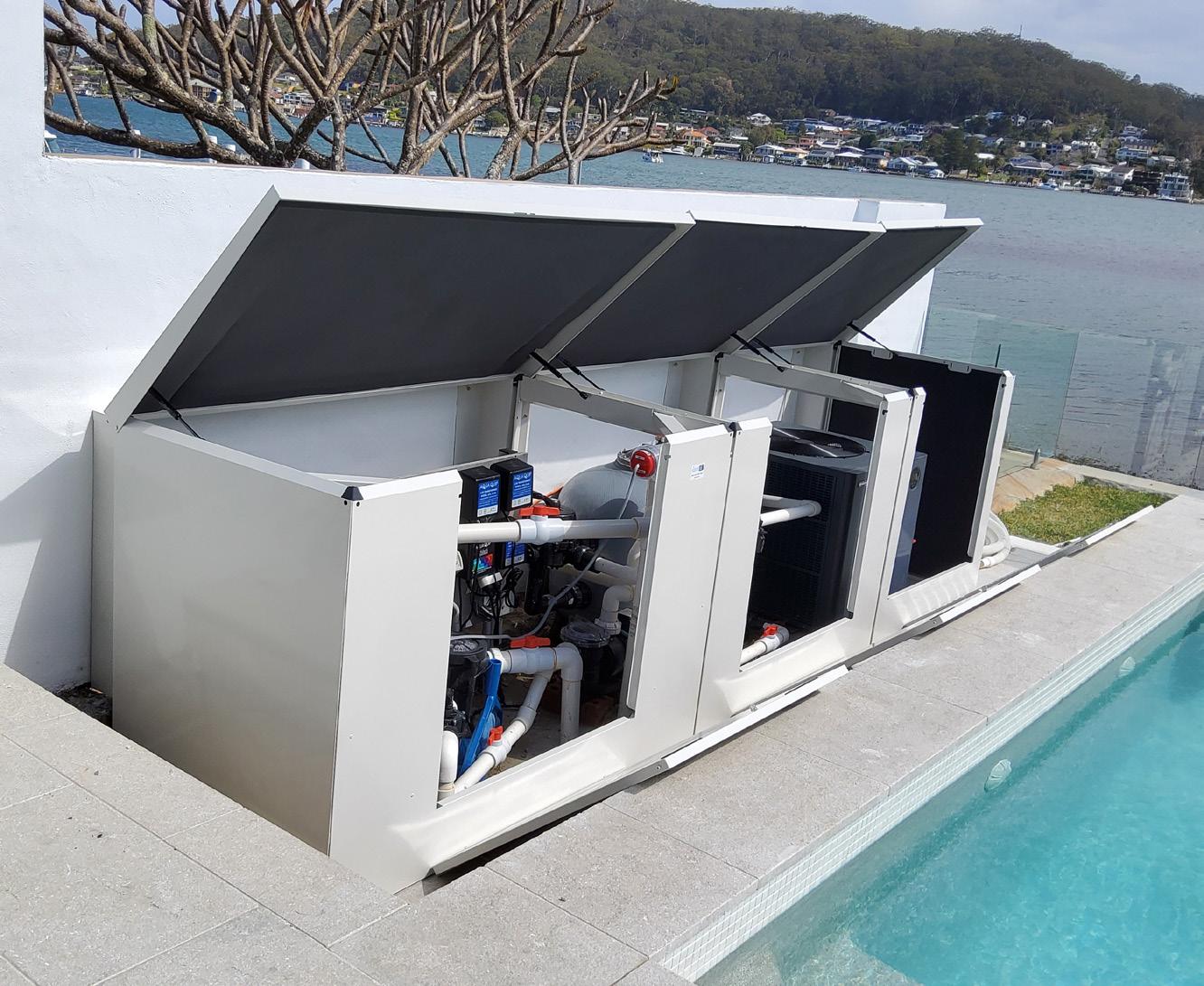


Designing gardens for year-round wonder
Victoria-based, internationally recognised horticulturist, planting designer and visionary, Jac Semmler, has written Flower Power, about seasonality in the landscape and maintaining year-round colour.
Where Jac Semmler’s first book, Super Bloom, illuminated the “ingredients” to create a garden, Flower Power is the companion for the approach –the “recipe”, offering guidance and consideration on how to compose your planting design to create an immersive and floral wonderland, all year round.
A visionary plant advocate, Semmler introduces a groundbreaking philosophy to create year-round wonder: a garden with layers of heroic and supportive plants and flowers; textures and patterns; resilience and delight – no matter the season or climate.
This is not about following rules; it’s about unlocking your vision and understanding the core creative elements of garden design to create plant-driven gardens of beauty that are truly your own.
With a seasonal calendar of care, practical how-tos, and innovative graphic guides that explore methods for
“A
joyful invitation to see gardening as an ongoing, creative partnership with nature.”

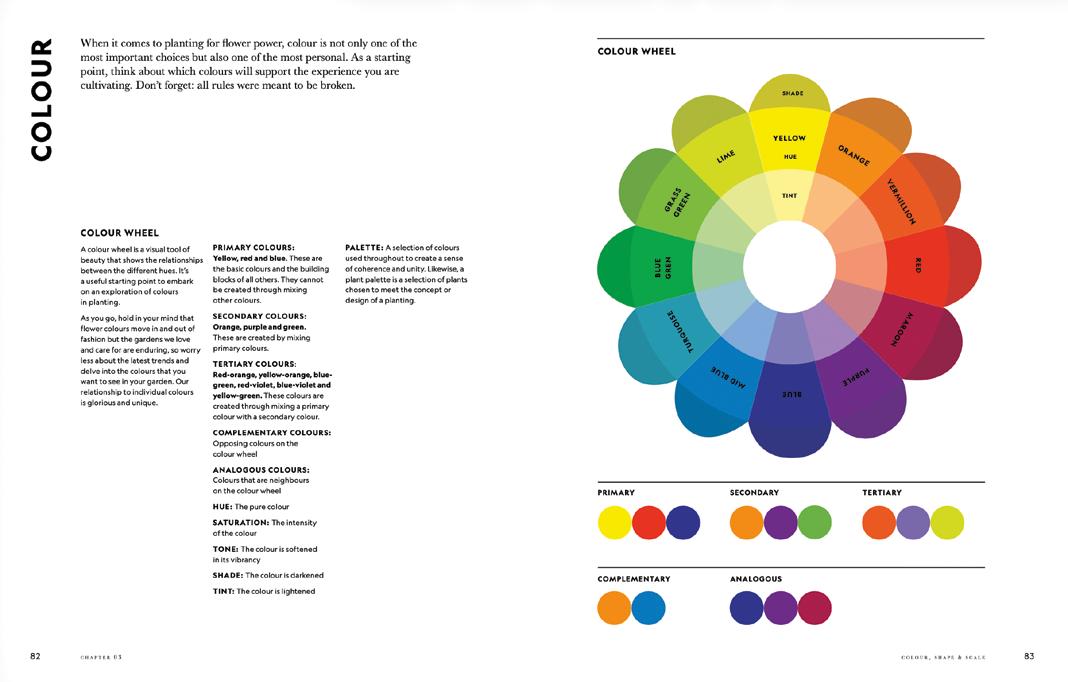

composition and layout, Flower Power lights the way for gardens that flourish, change and captivate year-round. The book includes chapters on plant selection, including how to select for colour, shape and scale; plant composition; how to create “a year of wonder” with constant floral blooms; and practical guides on the design and planting process.
About the author
Semmler is a plant practitioner and director of Super Bloom,
Flower Power
Seasonal gardening guide
A landscaping colour wheel
Plant colours


a creative plant practice bringing dynamic living beauty and diversity to gardens and landscapes through planting design, high skill horticulture and plant x art projects.
Super Bloom works across a variety of projects and partnerships, including planting design for major public realm projects both in Australia and internationally, such as Laak Boorndap for the Melbourne Arts Precinct.
Super Bloom are plant creatives and design partners, also offering adaptive, highly skilled horticulture, planting design, and strategy for studios and firms.
Diversity in Super Bloom’s approach and work to date is also exemplified in temporary gardens and installations of impact, such as those at Art Gallery of South Australia or Fed Square’s Test Garden, together with select private projects of beauty.
Reviews
Cherrie Miriklis of Flowers Vasette says Flower Power is a “joyful invitation to see gardening as an ongoing, creative partnership with nature.”
Nigel Dunnett, professor of Planting Design and Urban Horticulture at the University of Sheffield says we all need more plants in our lives.
“In this beautiful and evocative book, Jac Semmler sets out a clear path towards achieving your own truly fulfilling, wonderful and exuberant plant-based garden.”
Flower Power is available internationally, and in all good local booksellers.
Contact: www.thesuperbloom.com.au
Maintaining colour throughout the season
Patterning through a landscape
SPLASH! Trade Expo Product Launch Showcase
SPLASH! Trade Expo 2026 Product Launch Showcase
SPLASH! 2026, the biggest and best swimming pool and spa trade show in the region and the hemisphere, is just around the corner.
To whet your appetite, we are showcasing 37 of the top products and services that will be launched at the expo. While this is just a taste of the thousands of products on show, it will provide a glimpse into the upcoming offerings at the Gold Coast Convention and Exhibition Centre on August 18 to 21.
Aquea
New skimmer range with Swingloc basket
Working closely with pool builders, installers and manufacturers, Aquea has developed and will launch a range of skimmers designed to address real on-site challenges with innovations that simplify installation for trade professionals while making routine cleaning easier for pool owners.
At the centre of the design is the patent-pending Swingloc basket, delivering generous leaf capacity, smooth and intuitive operation, and durability for long-term performance, tested in Aquea’s custom-built tank.
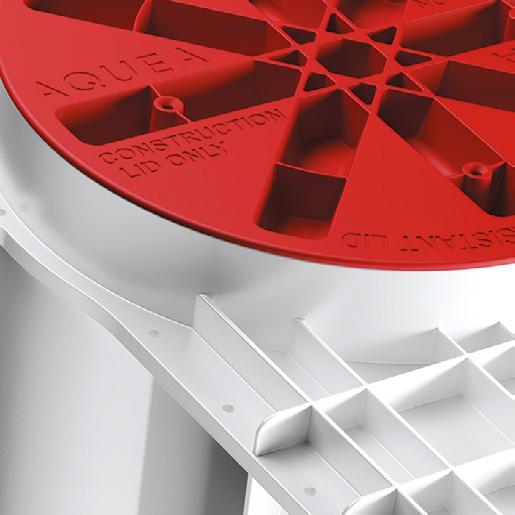
The range includes models for concrete and fibreglass pools, with standard and extended throat options to maximise installation flexibility. A selection of colours complements contemporary pool interior palettes, while seamless integration with Aquea’s awardwinning V-Lock concealed skimmer lids.
STAND NUMBER: 36
If you haven’t already done so, register online now at www.splash.online/expo to join the most exciting industry event that only comes around once every two years.
If any of these products pique your interest, go directly to the stand at the expo, or call the contact number to arrange an appointment.
And don’t forget to check Pages 72 to 77 of this edition to see more information on the expo. n
Bionizer Hybrid Fresh Water System
Following on from years of B2C direct online sales using copper and silver ionisation with chlorine as a “wingman”, Bionizer is now developing products to suit the B2B sales area.
The new system comprises one central control unit with inbuilt technology advances that eliminate issues caused by poor pool circulation and pool maintenance issues. This single control unit drives their proven pH Boss auto pH controller (not just a hands-on acid doser) plus their new XLS Eco Oxidizer Pro.
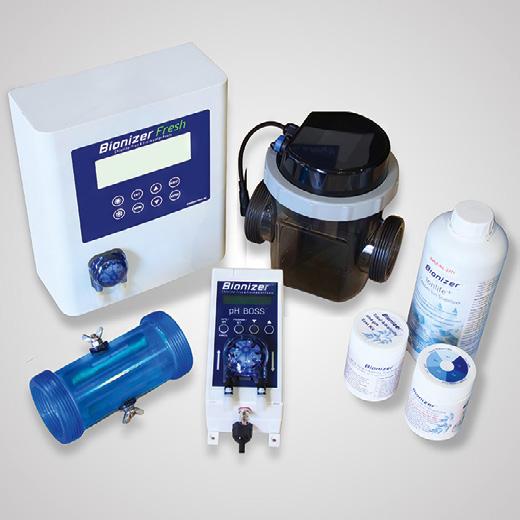
The XLS Eco Oxidizer Pro has a No Chlorine setting or Low Chlorine setting (0.2ppm to 0.5ppm) as well as Normal Chlorine setting, delivering a choice of swimming experiences.
STAND NUMBER: 42B
Contact: Ian Jones, 0434 531 886, www.bionizer.com.au
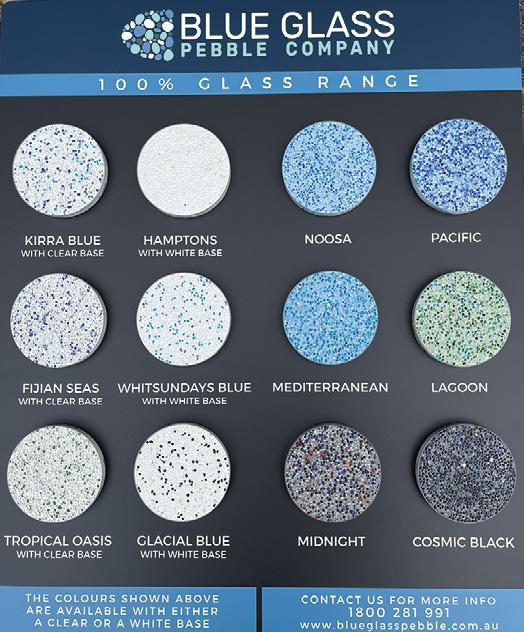
Contact: Indigo Goozee, 0436 365 041, www.aquea.com.au
Compass Pools Australia Fusion8
Compass Pools’ all-new Fusion8 brings two swimming environments into a single design, combining a full-size pool with an integrated spa zone in one seamless piece.
At 8.2m long and 4.2m wide, it delivers a useful space without compromising the clean lines and visual calm that make an outdoor space enjoyable.
Blue Glass Pebble Company 100 per cent glass beads range
The Blue Glass Pebble Company has expanded its product range to include 100 per cent glass bead versions of all their existing colours. These 100 per cent glass bead interiors are smooth and all sparkle “like crazy” with show-stopping mother of pearl shells. They are the same stunning colours and same names, but now are 100 per cent glass. The Blue Glass Pebble Company says this creates incredibly vibrant water colours, ultra smooth texture and dazzling sparkle; and they are colour fast, durable and versatile.
STAND NUMBER: 98
Contact: Michael Kettewell, 0401 695 337
Including a full-size pool, integrated spa and beach zone in a seamless, single-piece construction results in something that looks a deliberate well-considered addition to a backyard rather than an afterthought, with multiple ways to enjoy the water within a single structure.
STAND NUMBER: 24-27
Contact: Adam Gallagher, 0401 970 615, www.compasspools.com.au
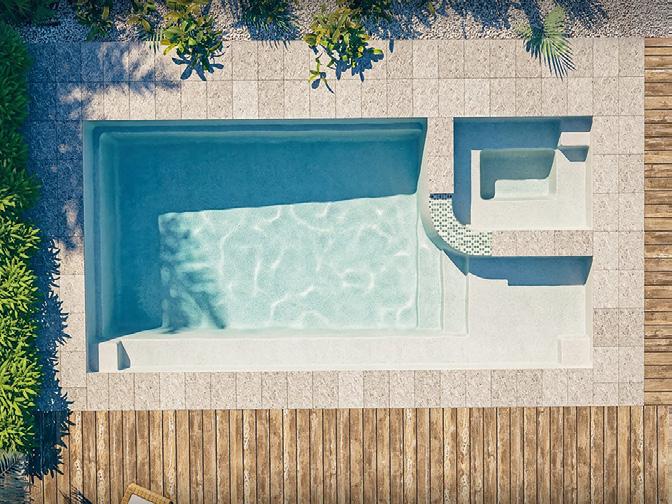
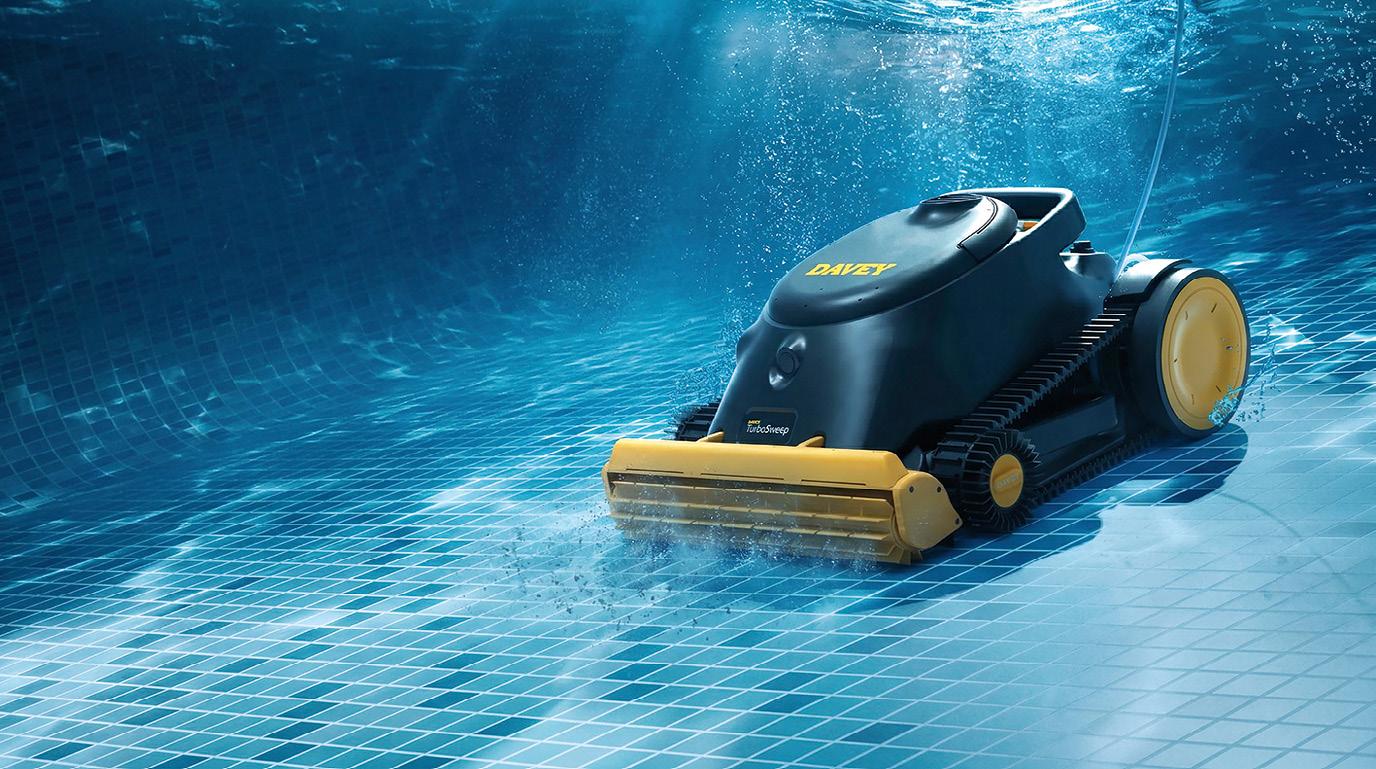
Davey Water Products TurboSweep
The TurboSweep is Davey’s fully automatic robotic pool cleaner, designed to deliver thorough, hands-free cleaning across the floor, walls, waterline and water surface in a single cycle. Powered by AdaptiveNav 4.0 path planning and dual ultrasonic sensors, it navigates the pool systematically for consistent, reliable results every time.
With up to six hours of runtime, 1000W suction power and a 6L filter basket, TurboSweep handles pools of all sizes with ease. App control via Bluetooth and Wi-Fi, automatic poolside parking and a modular design make it a seamless addition to the complete Davey pool solution. The remote control has a 30-metre range.
STAND NUMBER: 39
Contact:
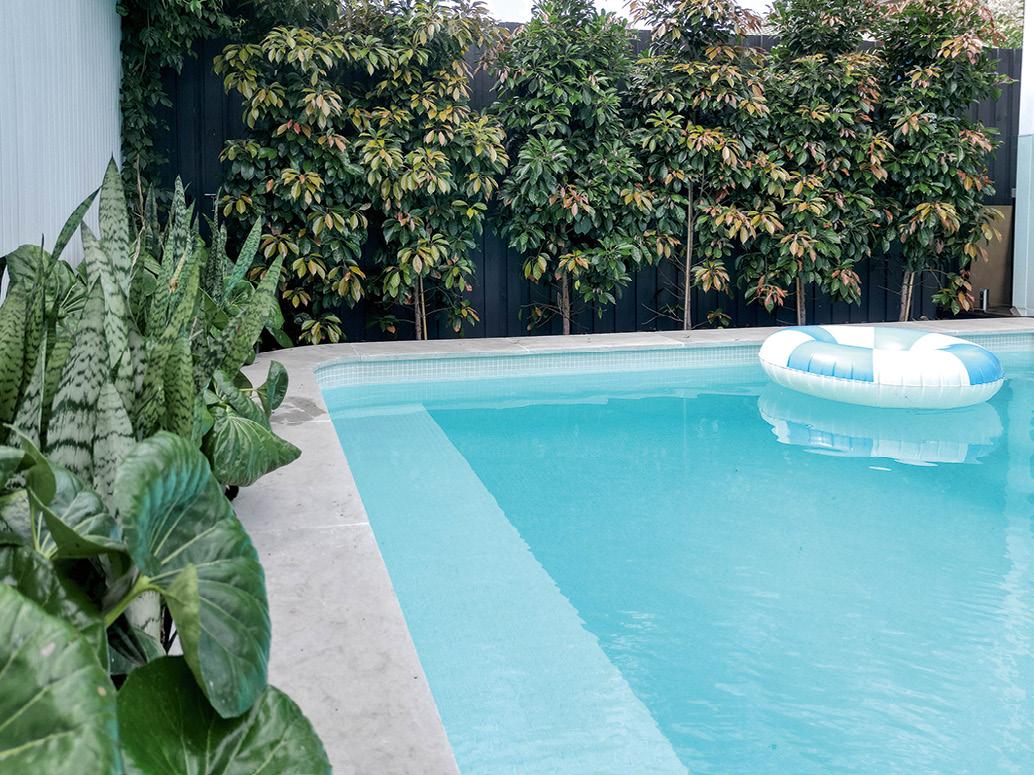
Europe Imports Aqua Vivo Collection
Aqua Vivo is an affordable collection curated in-house by Carl Yench and the Europe Imports team, in response to current design trends and evolving customer needs. The collection combines contemporary colour palettes, refined finishes and timeless style with a strong focus on accessibility and value, tailored for the Australian lifestyle.
The vision behind Aqua Vivo is that everyone deserves the luxury and visual impact of a fully tiled Ezarri pool. While Europe Imports continues to stand behind the exceptional quality and long term performance associated with Ezarri mosaics, the Aqua Vivo collection was thoughtfully developed to provide a more affordable option without compromising on durability or design.
STAND NUMBER: 68
Contact: Luke Richardson, 0448 461 900
Elite Pool Covers Aquaroll
The Elite Aquaroll has been engineered to bridge the gap between high-end performance and budget-conscious reality. Elite says that for too long, commercial and domestic operators had to choose between flimsy, entry-level rollers or expensive automated systems. The Elite Aquaroll breaks that cycle, offering a robust, professional-grade solution at a price point that makes sense for the bottom line.
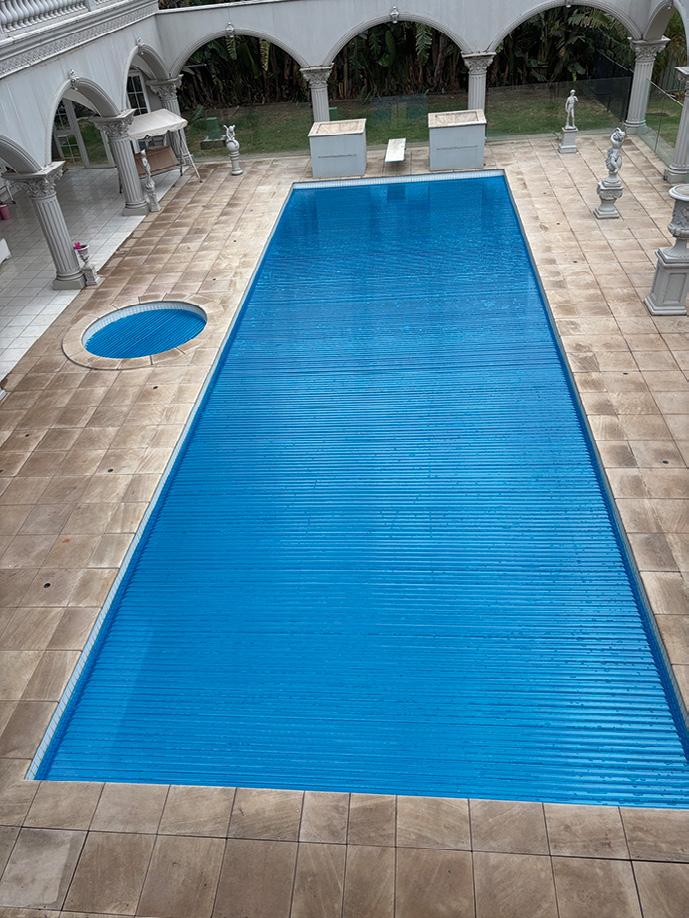
The sleek design looks the part and is built to perform under pressure. It is designed to suit high-traffic aquatic centres as well as backyard oases, with systems that ensure the pool covers deploy and retract with surgical precision.
STAND NUMBER: 48
Contact: Tom Malone, www.poolcovers.com.au
EvoHeat Evo Force-Ai
EvoHeat is introducing the Evo Force-Ai, the first AI-driven inverter pool heat pump launched in Australia – setting a new benchmark for intelligent pool heating.
Combining advanced full inverter technology with intelligent AI-driven control, the Evo Force-Ai proactively analyses live and forecast weather patterns and water temperature to optimise performance before demand occurs. This delivers up to 30 per cent greater energy savings compared to standard inverter systems, while maintaining precise, consistent comfort.
It has smarter performance, faster diagnostics and simplified installation, and also features 4G Cloud Connect with an inbuilt SIM for instant remote monitoring – no Wi-Fi or setup required.
STAND NUMBER: 97
Contact: Sam O’Sullivan, sosullivan@evoheat.com.au, 0407 875 976
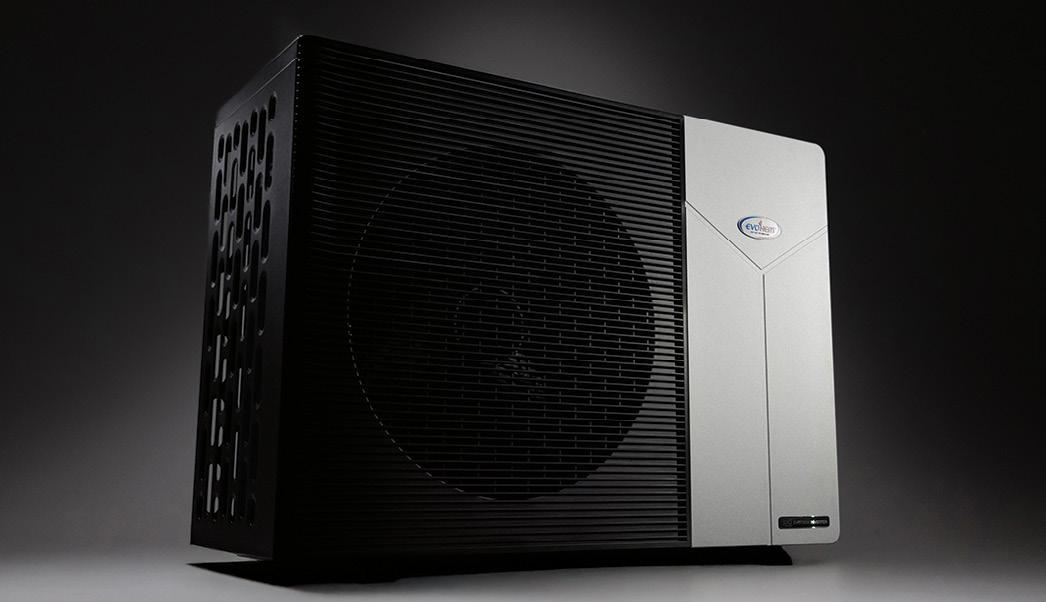
The Aqua Vivo Collection captures the fluid elegance of moving water through stunning mosaic designs.


Aqua Vivo Eggshell
Evolution Water & Lighting Solutions
Evoclear Glass Crystals
Evoclear Glass Crystals is a premium pool filter media manufactured from 100 per cent virgin crushed glass, enabling cleaner filtration and exceptional water clarity for residential and commercial pools.
Unlike conventional recycled glass media, Glass Crystals contains no impurities – it is free of dirt, paper, plastic and contaminants found in recycled sources. An optimal premixed blend of coarse and fine media, it eliminates the need for multiple media layers or separate bags while improving water flow and circulation, filtering impurities down to 3 microns.

The crystal structure promotes cleaner, faster backwashing and extended media life up to three times that of sand media.
STAND NUMBER: 61
Contact: Christian Ruediger, (07) 5565 0000, https://evolutionwls.com.au
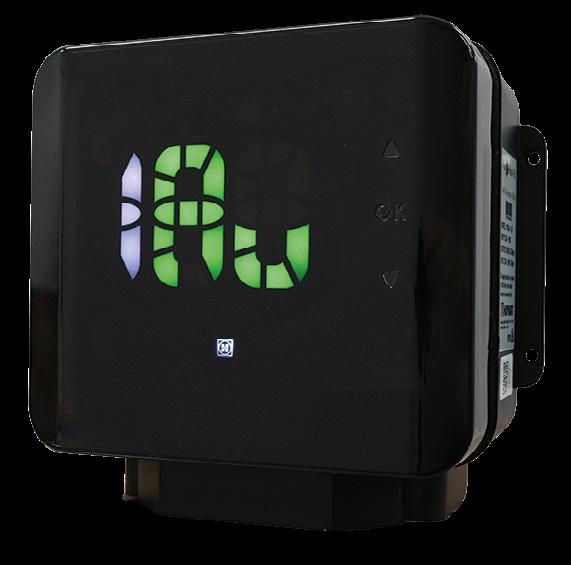
Hayward Pool Products
Plug-N-Clear Chlorinator
The Plug-N-Clear chlorinator features three intelligent operating modes: Auto, Boost and Manual, so the pool can stay pristine with minimal effort.
Inbuilt scheduling lets you set AM and PM production timers, while Boost Mode delivers eight hours of full-power chlorination after heavy use or storms. The intuitive LED display provides real-time diagnostics at a glance. Available in 15 g/h and 30 g/h models to suit any pool size, and backed by Hayward’s trusted quality and Australian warranty support. It is compatible with external pool automation systems, and includes visual and audible alarm alerts.
Hayward is also launching its new Commercial Inverter Heat Pump. There is more on this on page 88.
STAND NUMBER: 16
Contact: Yulia Mygovych 614_3106_4852
Fluidra Australia All New Halo
Fluidra is unveiling its boldest wave of innovation yet at SPLASH! 2026.
Leading the charge is the all new Halo, the next evolution in AstralPool’s pool chlorinator series – featuring a striking new design, smarter performance and an unmatched user experience.
This is among other new entries including AstralPool Solo, Echo and Pure saltwater chlorinators. Other products from Fluidra include the Zodiac Freerider FR350 iQ, their latest advancement in robotic pool cleaning; the AstralPool Smart Pressure Gauge, designed to help keep filters clean and healthy while saving money; Canopy, the allin-one equipment pad solution; and the Fluidra Pool App, connecting equipment while offering fingertip control.
Plus other innovations yet to be revealed.
STAND NUMBER: 65
Contact: www.astralpool.com.au

LaMotte Pacific LaMotte Academy: The Business of Pool Water Testing
LaMotte Pacific is introducing the new LaMotte Academy training course, designed for pool technicians and pool store professionals. This course combines essential technical knowledge with realworld application, covering pool chemistry, water balance, and the psychology behind customer purchasing behaviours. It is designed to improve accuracy in water testing and build confidence in recommending the right solutions to customers.
Participants will enhance their understanding of water testing, implement educated decision making, and improve sales strategies. The course also provides practical insights into customer behaviour, helping you communicate value and build trust at the point of sale. It also gives participants a clear understanding of the importance of water testing in driving sales outcomes and protecting customer assets.
With increasing demand for accurate advice and reliable results, this course equips you with the skills to stand out in today’s competitive market.
STAND NUMBER: 63
Contact: Hiren Maiwala, 0423 210 466, sales@lamottepacific.com

SPLASH! Trade Expo Product Launch Showcase
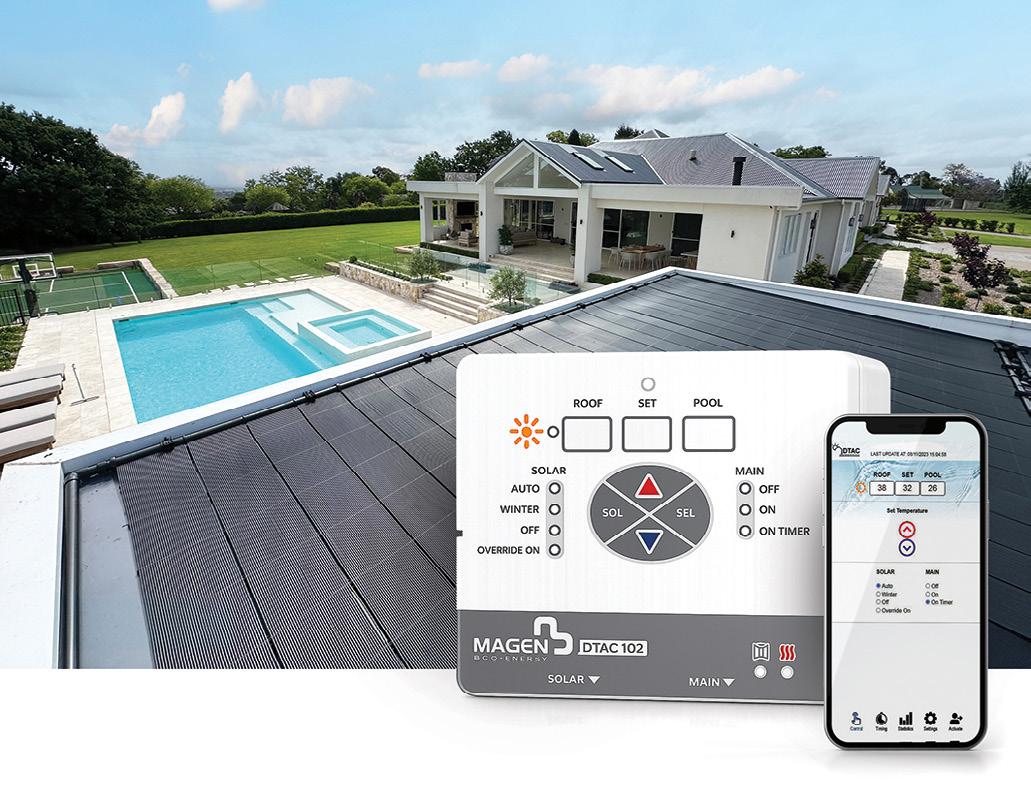
Magen Eco-Energy Smart Control for Solar Pool Heating
Magen Eco-Energy is introducing the latest DTAC controllers, designed for easy and efficient operation of solar pool heating systems while maintaining a consistent water temperature.
Compatible with all brands of solar pool heating, including hybrid systems, the DTAC range offers several models. From simple setups to advanced configurations, users can choose the level of control that suits their needs. Selected models include mobile app access, enabling remote management, real-time temperature monitoring, and system performance logs.
Built for reliability and ease of use, DTAC controllers provide a
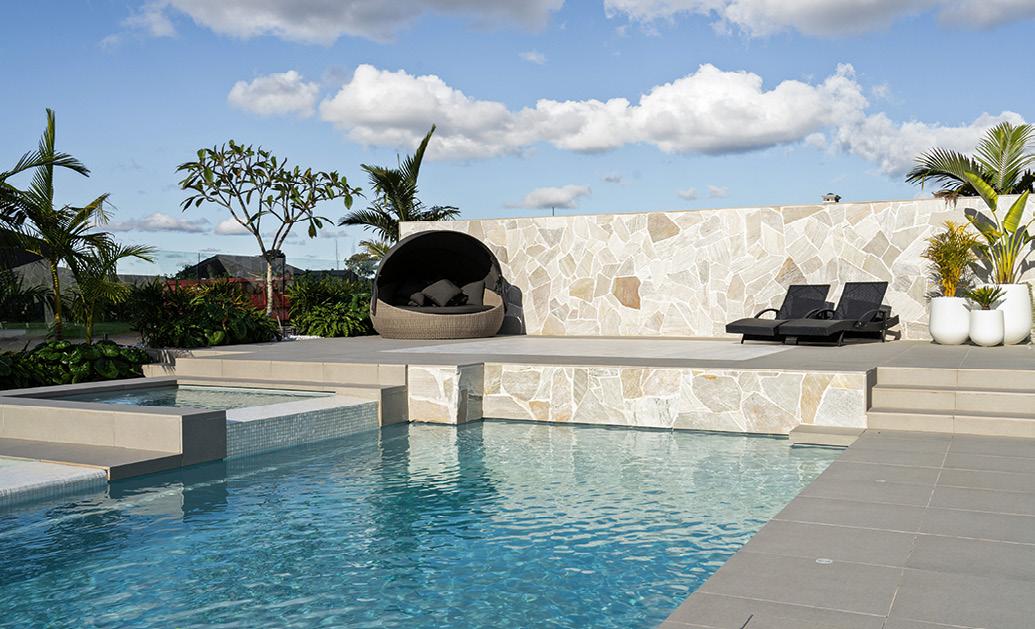
Masterbuilt Pools
Sustainable Composite Pool Technology
Masterbuilt Pools’ next generation of composite pool technology has a strong focus on innovation, installer-friendly design and sustainability.
They are driving what they believe is the future direction of the industry – combining the speed and precision of fibreglass with the architectural flexibility of concrete through advanced hybrid pool systems. These systems allow for premium features such as negative edges, wet decks, perimeter overflows, and modular configurations, while significantly reducing installation complexity and project costs compared to traditional concrete construction.
Additionally, through its MP eco initiative, 1000 recycled PET bottles are incorporated into the resin systems used in its pools – a world-first innovation that embeds sustainability directly into the structure of the product.
STAND NUMBER: 59
Contact: Marty Magro, 0417 665 550, www.masterbuiltpools.com.au
Mammotion Spino S1 Pro
Mammotion describes their new Spino S1 Pro as the world’s first fully autonomous, self-docking robotic pool cleaner that doesn’t just clean the swimming pool, it also takes care of itself.
Combining AI Vision mapping, industry-first AutoShoreCharge robotic docking technology and powerful commercial-grade cleaning performance, the Spino S1 Pro eliminates the hassle of manual pool maintenance.
Designed for the modern smart home and built to redefine what’s possible in outdoor robotics, Mammotion believes the Spino S1 Pro is set to become one of the standout innovation products at the 2026 SPLASH! Trade Expo.
STAND NUMBER: 74
Contact: David Sambrooks, 0419 663 987, au.mammotion.com
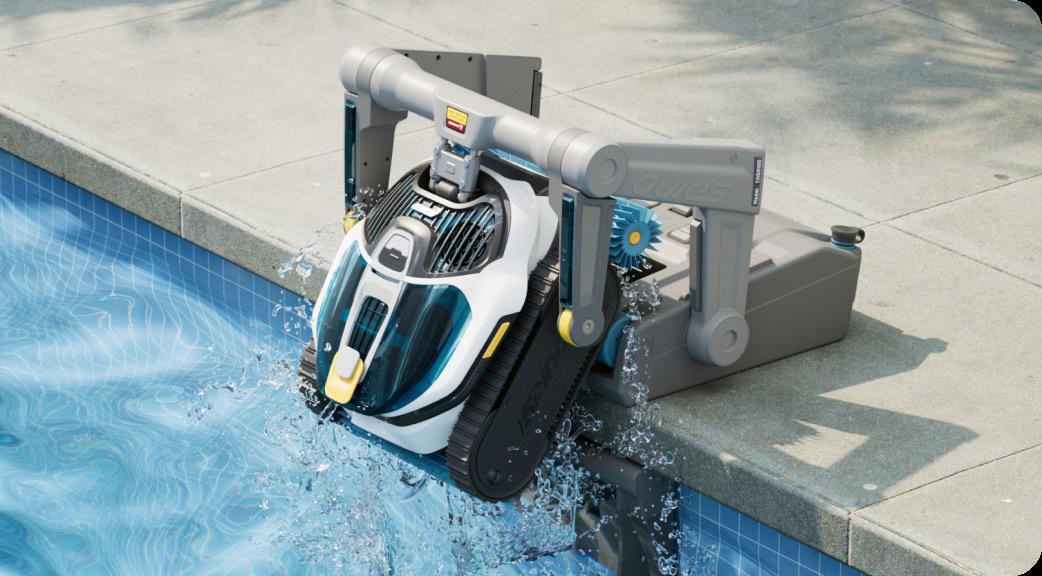
Maytronics Australia New Dolphin Innovations
Maytronics is launching the new Dolphin Eon range, including the Eon 100 and flagship Eon 120d. The Eon series combines advanced navigation, ultra-fine filtration, extended runtime and appcontrolled simplicity into a premium consumer experience.
Key innovations include JetIQ technology for improved grip and stair climbing, SmartMap navigation for tailored cleaning paths, and DebrisLock filtration for visibly clearer water with reduced maintenance, which Maytronics says is a world first.
They will also unveil the refreshed Dolphin S-Line range with a more
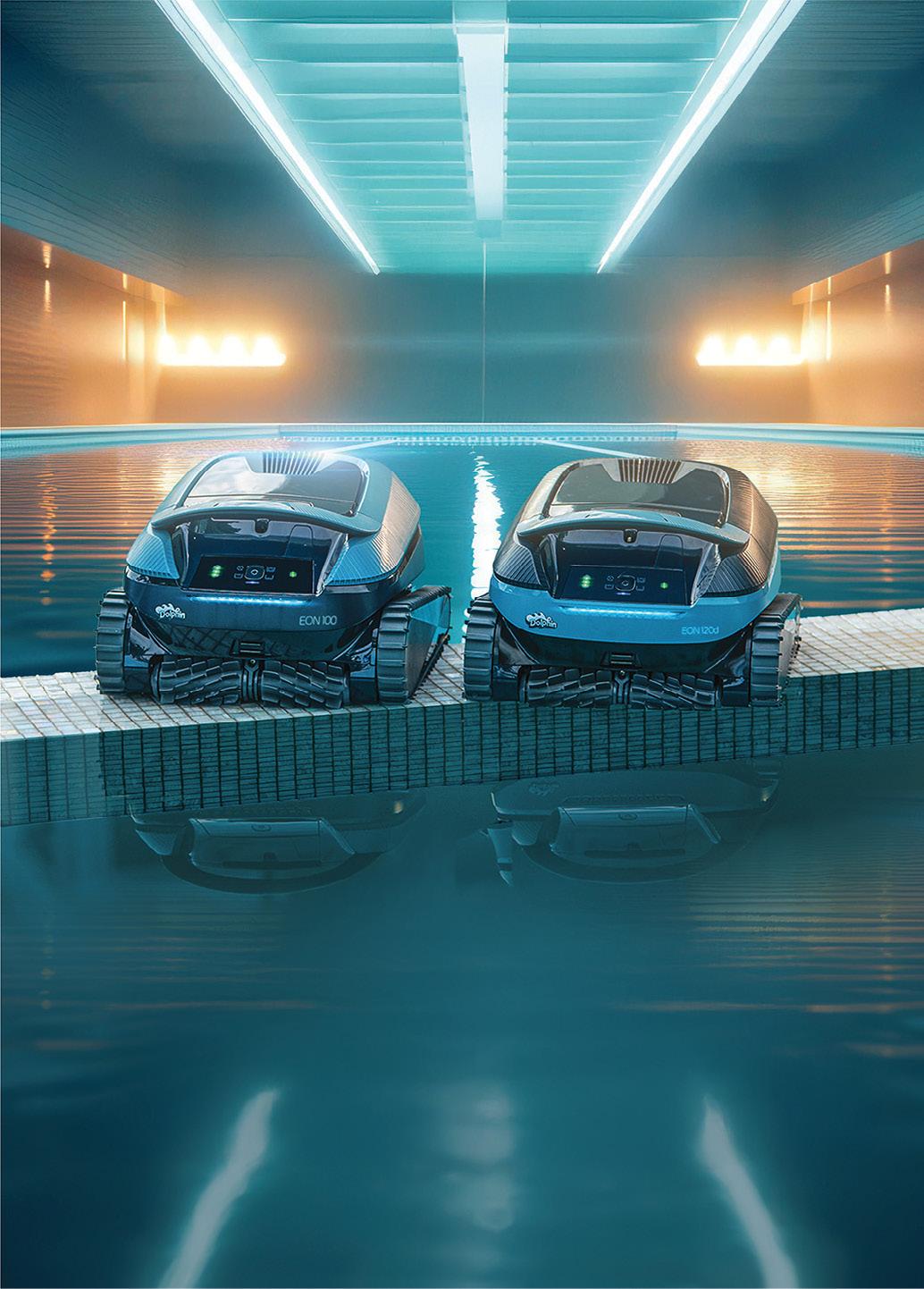
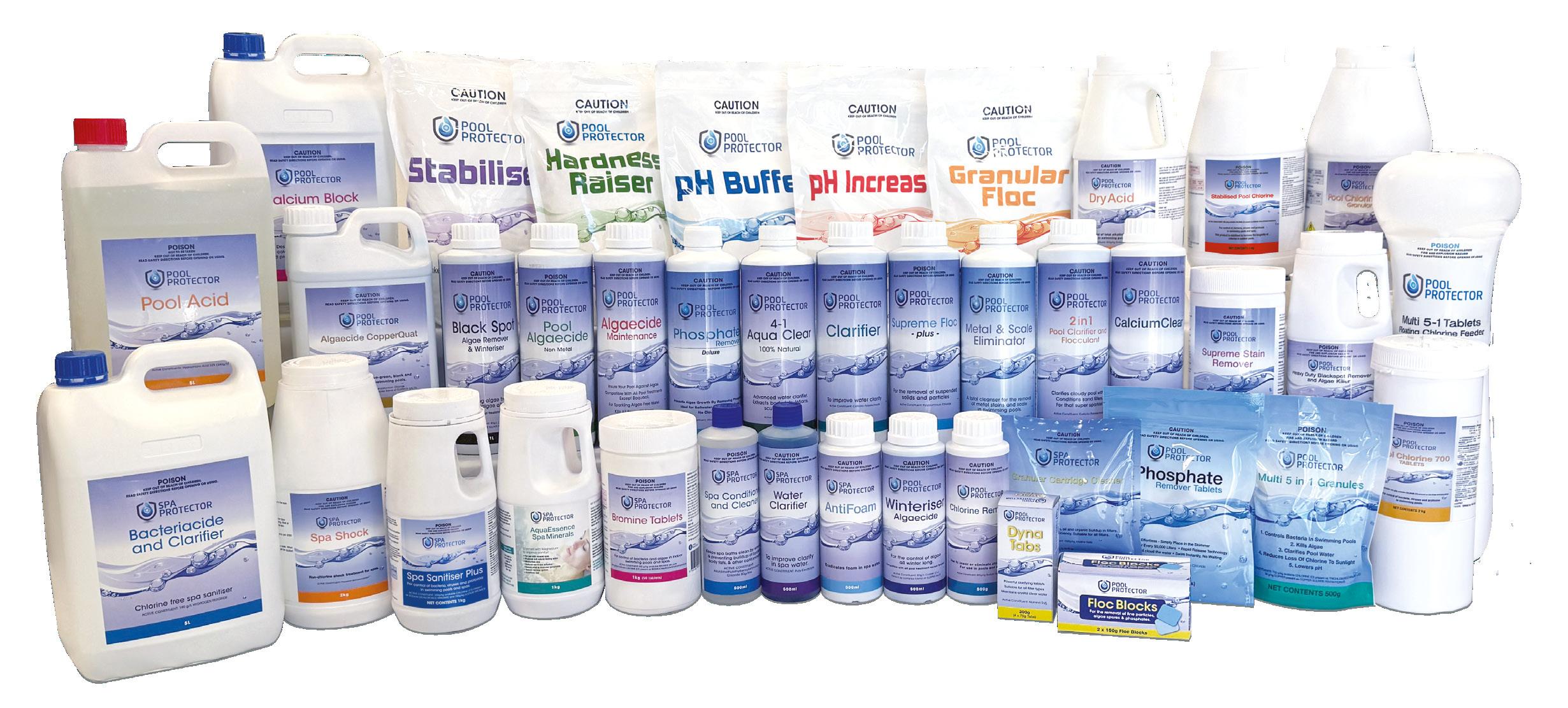



SPLASH! Trade Expo Product Launch Showcase
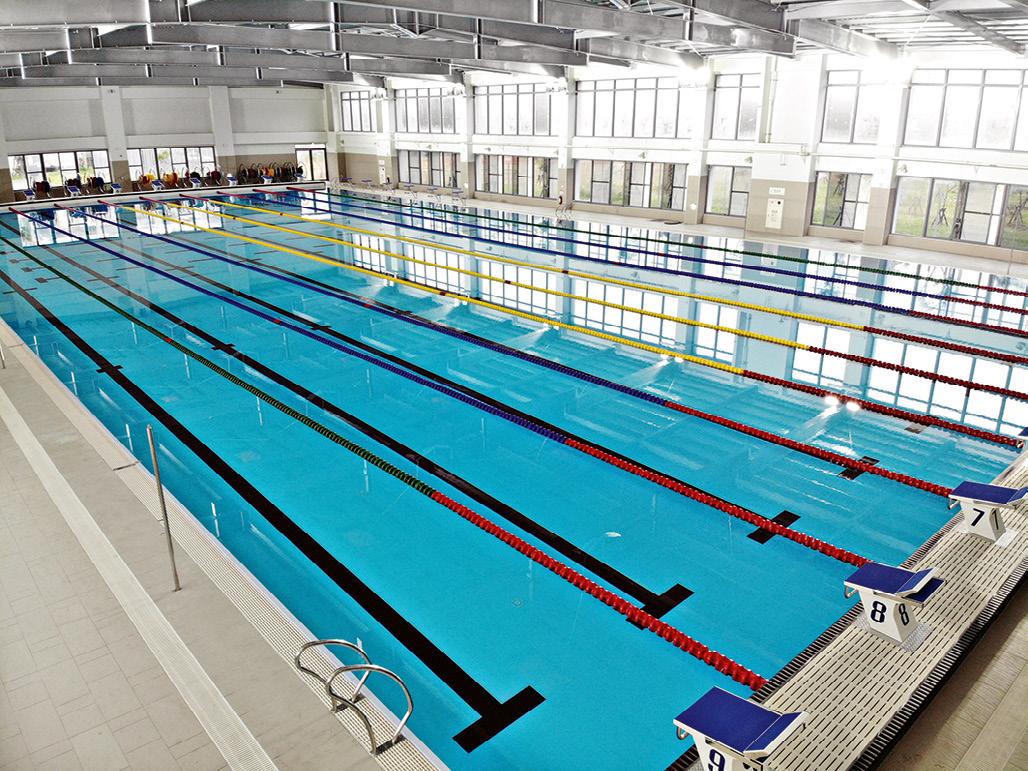
Ming Aqua Machinery MAM Modular Pools
Taiwanese company Ming Aqua Machinery is presenting their MAM Modular Pools. These are stainless steel modular structures that cut installation time by 40 per cent compared to concrete pools. Ming Aqua Machinery says they are perfect for both new builds and complex renovations.
They are lightweight, leak-proof, and require minimal civil works. The pool structure comes with a 10-year warranty.
Additionally, the company is presenting their 1 micron MAM Perlite Filter, which offers water and energy savings, reduced chemicals use, and reduced plant room space. It comes with a 5-Year Warranty on the tank structure.
STAND NUMBER: 109
Contact: Marcos Hsu, (886) 426 312 557, www.mingaqua.com
Oceania Pool Interiors
Premium Quartz Finishes
Oceania Pool Interiors is launching their new range of premium quartz pool finishes, combining carefully selected natural quartz aggregates to create durable, visually striking surfaces. Designed for both residential and commercial applications, the company says their interiors offer exceptional strength, colour consistency, and long-term performance in even the harshest aquatic environments.
The quartz pool finishes are made in Queensland and distributed throughout Australia and New Zealand. They are also exported across Oceania including Fiji, Vanuatu, Solomon Islands and the Cook Islands.
The range is inspired by natural coastal tones and modern architectural trends, providing a high-end aesthetic while maintaining practical performance.
STAND NUMBER: 92
Contact: Aaron Davis, 0400 554 906, oceaniapoolinteriors.com.au, oceaniapoolinteriors.co.nz
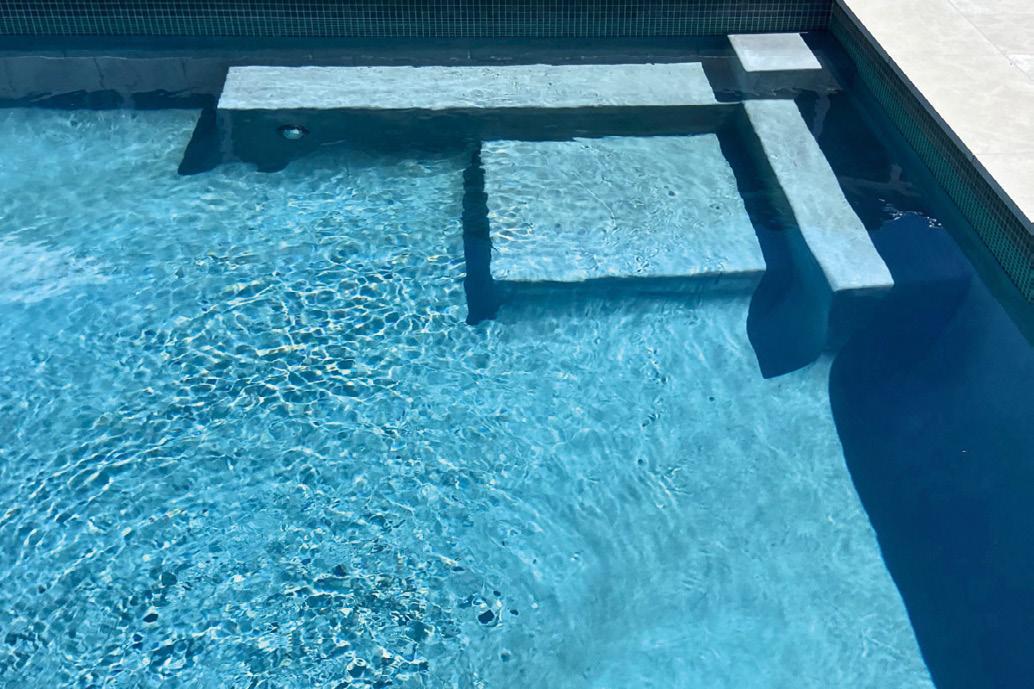
Neptune Benson Australia Defender Virtuo
Designed to fit plant rooms with a 2.4 metre ceiling height, the Defender Virtuo is the latest addition to the Neptune Benson Defender regenerative media filter range, supporting flow rates of up to 389 m³/h. Its lowerheight design removes the need to construct higherceiling pump rooms while maintaining reliable filtration performance.
Compared to sand filtration, the Virtuo helps aquatic facilities reduce operating demands with up to 90 per cent water savings, 50 per cent lower energy use, 30 per cent reduced chemical consumption and up to 75 per cent less footprint, reducing both operating costs and environmental impact.
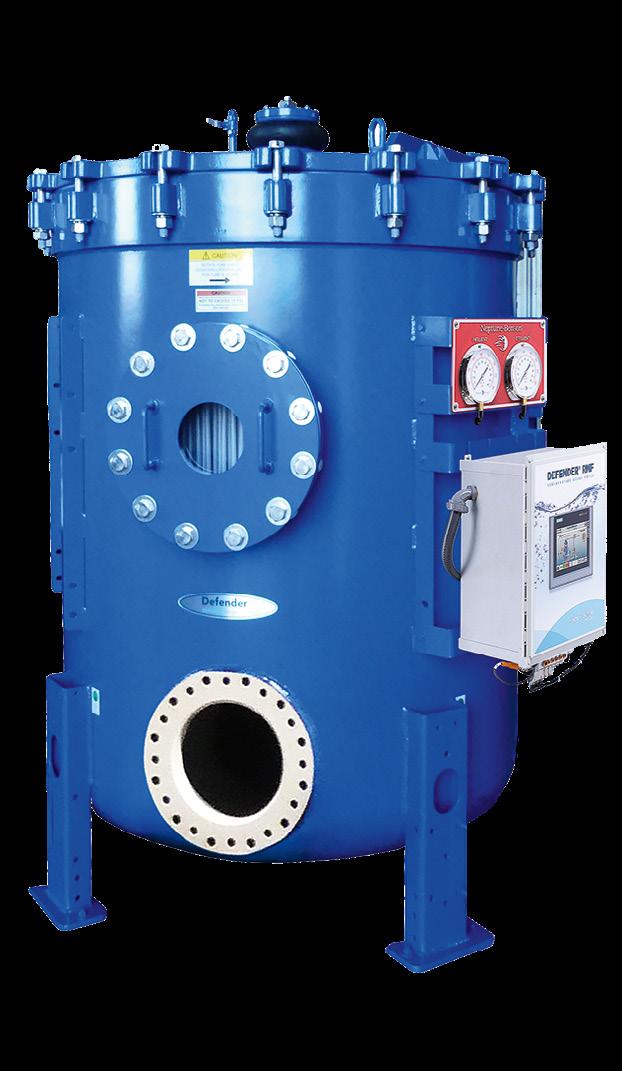
The advanced 1 micron filtration improves removal of fine particulates, and the six models offer filtration areas from approximately 40 m² to 115 m².
STAND NUMBER: 64
Contact: Brad Weir, 0407 484 847, www.xylem.com
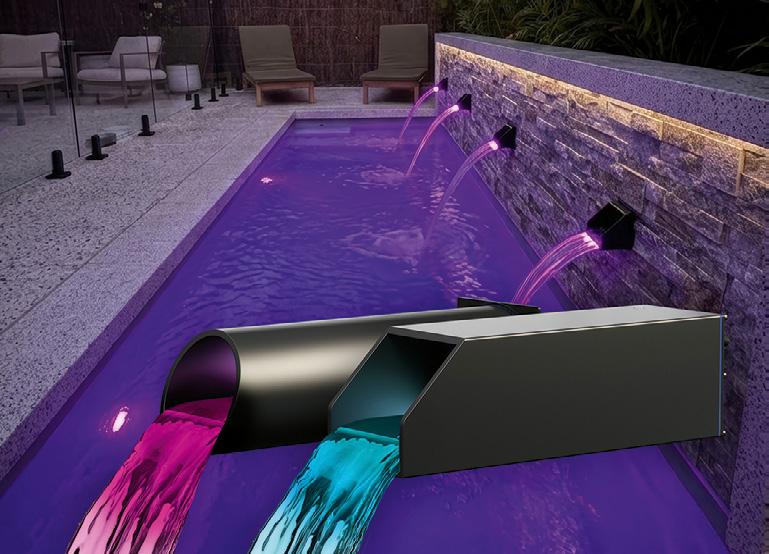
PAL Lighting Illuminated WaterScupper
PAL Lighting’s interactive booth will showcase the latest in illuminated innovation, featuring the official debut of the Illuminated WaterScupper, which adds a dynamic, glowing water trajectory to a pool’s vertical surfaces.
They will also feature high-performance strip lighting, specifically engineered for pool environments, providing a seamless glow that enhances the pool at night and creates an immersive backyard experience.
The synergy between these products is powered by PAL’s advanced Colour Touch technology, allowing builders to offer clients a fully synchronised multi-colour environment.
The strip lighting, noted for its flexibility, ease of installation, and uniform diffusion, complements the illuminated WaterScupper by ensuring there are no dark spots or mismatched hues.
STAND NUMBER: 1A
Contact: Adrian Van Der Zant, (02) 9531 1555
SPLASH! Trade Expo Product Launch
Pentair
IntelliCenter Plug ‘n’ Play
Pentair is introducing their IntelliCenter Plug ‘n’ Play. The unit saves electrical installation costs with plug-n-play electrical outlets built directly into the IntelliCenter control system.
For pool professionals, this means faster installations, reduced labour costs, and a compelling point of difference when quoting projects. Inbuilt, clearly marked outlets with weather-proof, dustproof covers allow straightforward equipment connection and future modifications without additional electrical work.
It delivers comprehensive pool and spa automation your customers can control via iOS or Android mobile devices, colour touchscreen at the equipment pad, optional indoor control panel, or wireless poolside remote. The intuitive step-by-step interface ensures minimal support calls, while voice command integration through Amazon Echo adds contemporary appeal.
STAND NUMBER: 80
Contact: Peter Kolomyjec, 0436 386 340, www.pentairpool.com.au
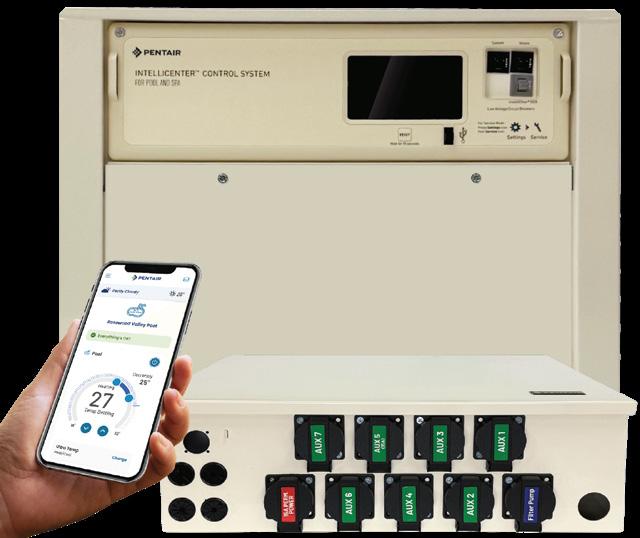
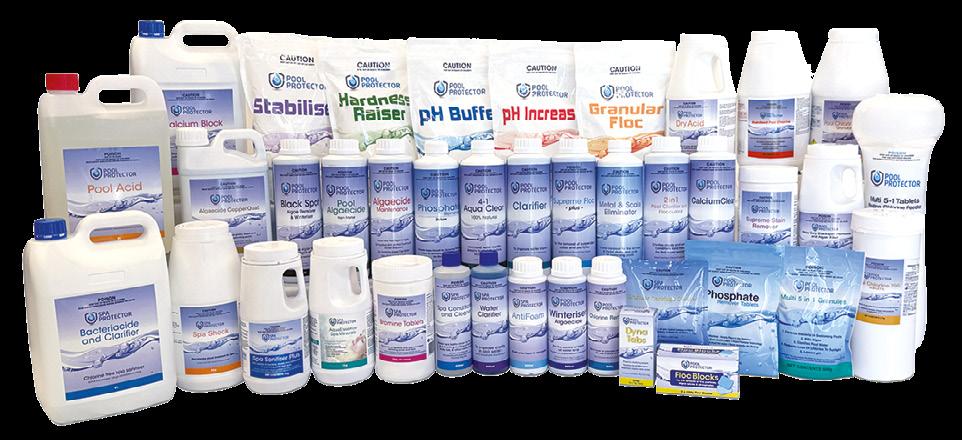
Pool Ranger
New Pool Protector & Spa Protector Ranges
Pool Ranger is introducing the newly branded Pool Protector and Spa Protector chemical ranges. From routine sanitising and water balancing through to ongoing protection, the products are formulated to simplify maintenance while supporting consistent results for customers.
The updated branding brings a clear distinction between pool and spa applications, making it easier for staff and end users to identify the right product quickly. With clean, professional packaging and strong shelf presence, the retail appeal helps drive confidence at the point of sale.
For trade customers, the benefits are easy-to-understand products, consistent quality, and a refreshed look that reflects a modern approach to water care.
STAND NUMBER: 53
Contact: Michael Griffin, 1300 731 905, www.poolranger.com.au
Pool Controls New Pool Equipment Range
Pool Controls now has a complete end-to-end range of quality pool equipment, offering a smart, simple way to source premium pool equipment for every project. From pool pumps, filters, cleaners, heaters, controllers and swim jets, everything is backed by one trusted supplier with more than 45 years of industry expertise. That means one relationship, one invoice, streamlined ordering, and faster support when it is needed most.
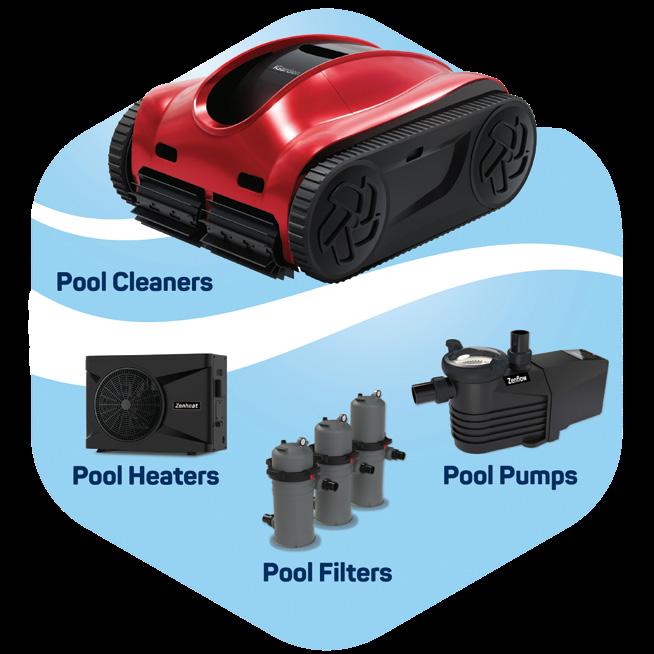
Pool Controls is known for robust, award winning products designed to perform reliably in Australian conditions, helping reduce callbacks and protect your reputation with clients. Pool Controls says they have the fastest service and support in the country, offering confidence that customers are getting dependable products backed by experts who understand the industry.
STAND NUMBER: 6
Contact: Declan McGuire, 0419 961 997, www.poolcontrols.com.au
Pool Systems Vektro Orkka
The Vektro Orkka is not just another pool vacuum, it is a service-tech tool designed to help pool professionals get more done, faster. Not available for retail sale, the Orkka is built specifically for technicians on the road who need power, reliability and efficiency every day. With an interchangeable battery system and serious cleaning performance, it gives professionals the flexibility to keep moving from job to job without being held up. Each battery provides 120 minute runtime and has a three hour charge time – but it is also interchangeable and spares are available for sale.
For business owners, this is about productivity. More power, less downtime, faster cleans and more jobs completed in a day.
STAND NUMBER: 111
Contact: poolsystems.com.au
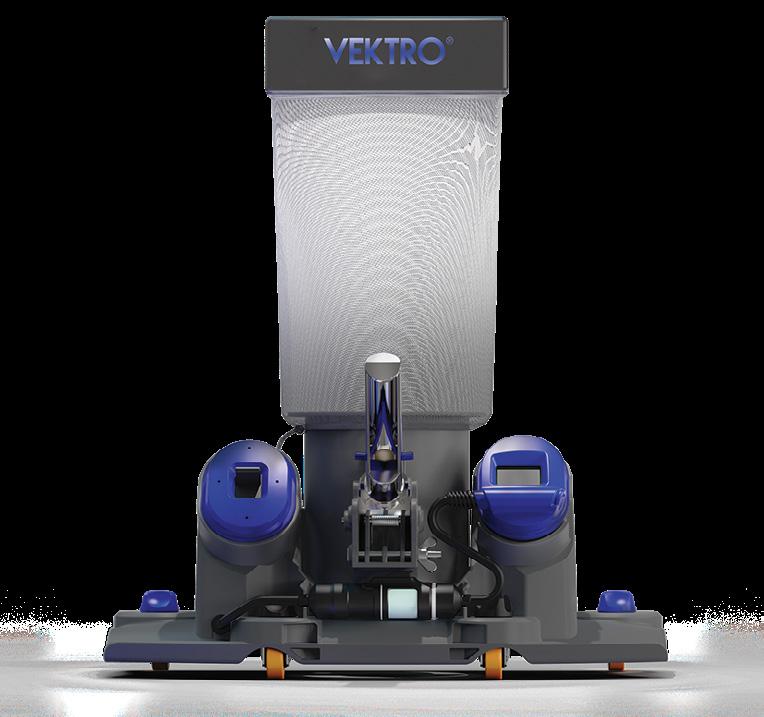
SPLASH! Trade Expo Product Launch Showcase
Pul Products Australia Infloor Cleaning System
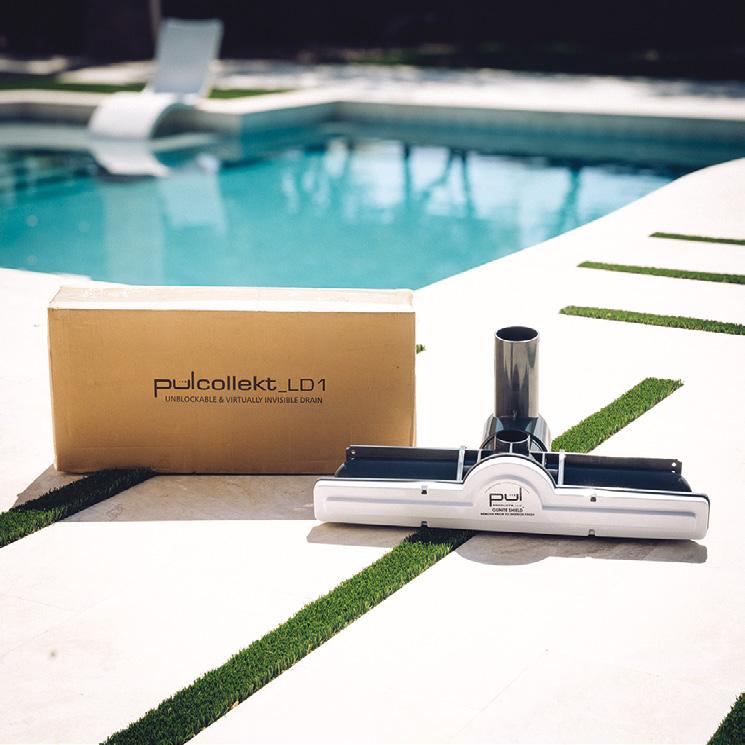
Pul Products says their infloor cleaning system represents one of the most significant advancements in self-cleaning pool technology in more than 20 years, delivering improved reliability, smarter water flow control, and superior cleaning performance that provides pool builders and owners with confidence they are investing in the latest and most effective solution available.
Its strategically placed pop-up heads circulate the water, pushing debris toward the main drain, eliminating dead spots and improving both hygiene and water clarity. It’s fully integrated, hidden from view, and operates automatically as part of the pool’s circulation system.
It reduces the need for manual vacuuming, improves chemical distribution, and can even lower long-term maintenance costs.
STAND NUMBER: 59B
Contact: Joel Kean, 0419 508 418, www.pulproducts.com
Reece Combined Quantum and Low Salt Chlorinator
Reece is launching the pairing of its Quantum combined with the Henden Low Salt Chlorinator.
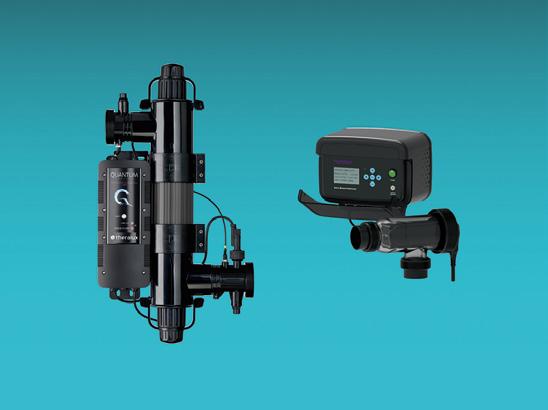
Designed to work seamlessly together, this solution delivers a smarter, more efficient approach to pool maintenance. The Quantum purifies pool water by destroying bacteria, viruses and pathogens, while significantly reducing the chlorine required by up to 80 per cent.
When paired with the Low Salt Chlorinator, it creates a balanced system that maintains crystal-clear water with fewer chemicals and less ongoing intervention. For pool owners, the result is a noticeably better swimming experience – softer water, reduced eye and skin irritation, and improved overall comfort.
For pool professionals, it offers a reliable, easy-to-manage solution that supports long-term performance and helps extend the life of pool equipment.
STAND NUMBER: 61 & 62
Contact: Marcelle Benjamin, www.reece.com.au
Spa Electrics Titan Pencil Light
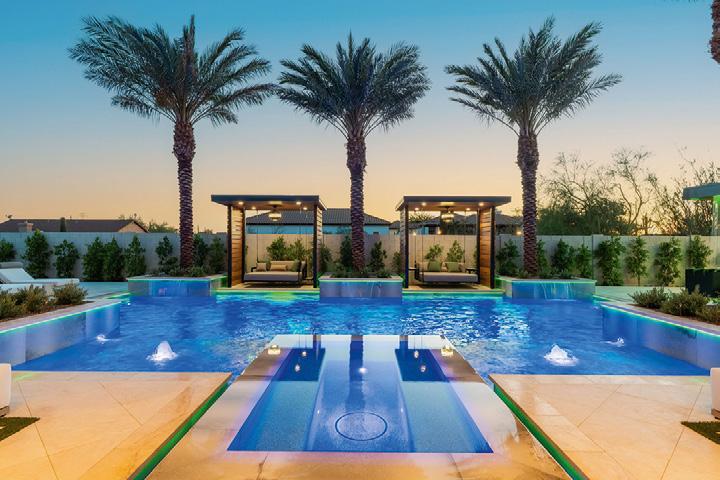
Pool-Water Products Paramount RDX Drain
The Paramount RDX Drain delivers a highly effective drainage solution for modern pool applications.
Designed for swift debris removal, the RDX combines high performance with a clean, low-profile finish that can be fully tiled or rendered to blend seamlessly into the pool floor. It requires less plumbing than conventional drains, is simple to install, and is available in four designer colours to suit a range of project styles.
Engineered to deliver superior flow rates, the RDX provides builders with a reliable high performance drainage solution across a wide variety of applications.
STAND NUMBER: 83
Contact: Rohan Beasley, 0417 539 665, www.poolwaterproducts.com.au
Remco Pool Products Coverseal Pool Cover Systems
Remco is launching its partnership with Coverseal, one of the world’s most sophisticated pool cover systems trusted by builders and architects across Europe. Coverseal is a patented, four-season pool cover engineered to perform at the highest level across safety, aesthetics, energy efficiency and ease of use. The system maintains pristine water quality year-round, eliminates daily maintenance burden for homeowners, and integrates cleanly into any pool environment through fully customisable membranes, casings and finishes.
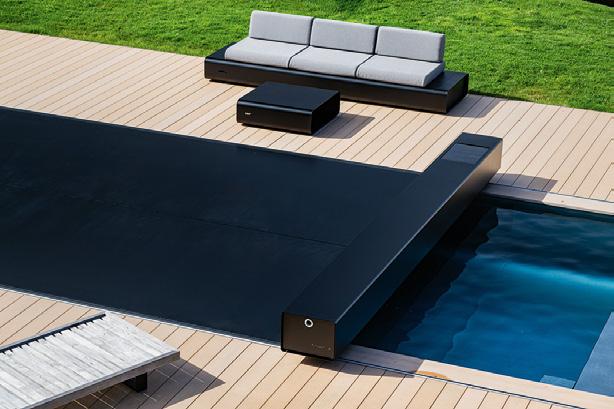
For builders, that means a product you can recommend with complete confidence. One that reflects the quality of your work, holds up over time, and gives your clients something they’ll be proud of every day. Available in fully automatic and semi-automatic models, Coverseal suits new builds and existing pools alike.
STAND NUMBER: 96
Contact: Carl Voshege, remco.com.au
Spa Electrics’ new Titan Pencil Light delivers a softer, controlled output working alongside primary pool lighting to illuminate steps, benches and shallow zones in concrete pools – helping eliminate shadowing while improving safety and overall finish.
For builders, the compact 66mm Titan is straightforward to install and integrates seamlessly into new builds. It features Spa Electrics’ Multiplus RGBW LED for full colour synchronisation and is compatible with iRIS WiFi control.
Titan incorporates a titanium heat sink to support thermal management and consistent performance, while the IPX8 QuickConnect plug system allows for fast installation and simple servicing on site.
It is engineered and manufactured in Australia, and backed by 50 years of Australian manufacturing and local support.
STAND NUMBER: 35
Contact: Greg Cox, 0419 304 549

SPLASH! Trade Expo Product Launch Showcase
SplashMe Pool Systems
Poolside Switch
SplashMe says their Poolside Switch redefines poolside control, delivering instant, tactile access to pool and spa features without a phone.
Featuring a sleek, touch-sensitive (piezo) button with no moving parts, it is intuitive, durable and effortless to use. With a single touch, users can activate lighting, spa jets and water features in a moment. It can use a standalone wireless switch or be fully integrated with the SplashMe system, and can be installed anywhere around the pool or spa area with wireless connectivity. Timers can be set via the app (one minute to 30 minutes) for smart automation and improved energy efficiency.
Finished in a brushed metallic casing and built for outdoor conditions, it also features a long-life rechargeable battery lasting 12 months to 36 months between charges.
STAND NUMBER: 19
Contact: Rebecca Buonsanto, 0422 221 658, www.splashmepool.com.au
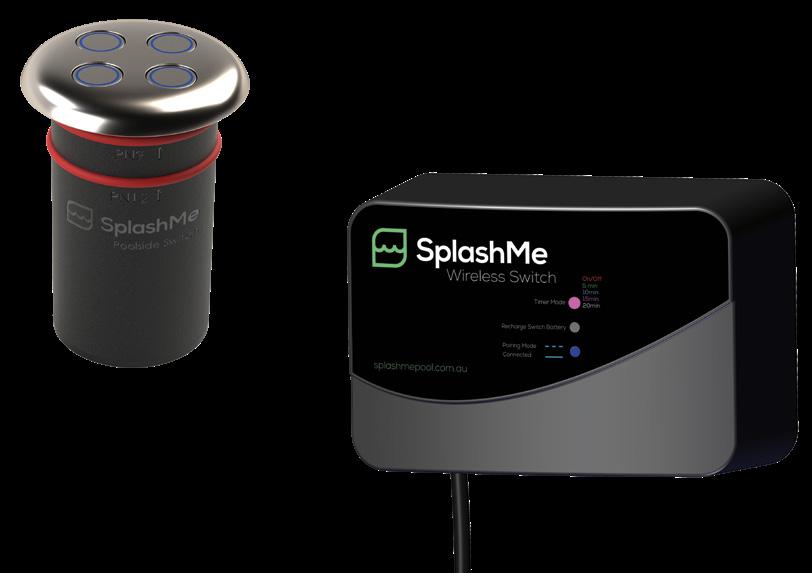
New Acquisition and Conversion Systems
Swimart has two new business products for independent pool business owners.
Their New Acquisition Product is a structured pathway designed for owners ready to realise the value of what they’ve built. It provides a clear, supported transition into Swimart’s network and is suited to owners seeking a defined next chapter, whether stepping back, exiting, or transitioning ownership.
Their New Conversion Product is a business transformation framework for owners looking to strengthen performance while remaining actively involved. It enables businesses to access Swimart’s proven model and brand recognition, and is suited to those looking create long-term flexibility as part of a franchise community.
STAND NUMBER: 49
Contact: Barry Conomy, 0425 213 616
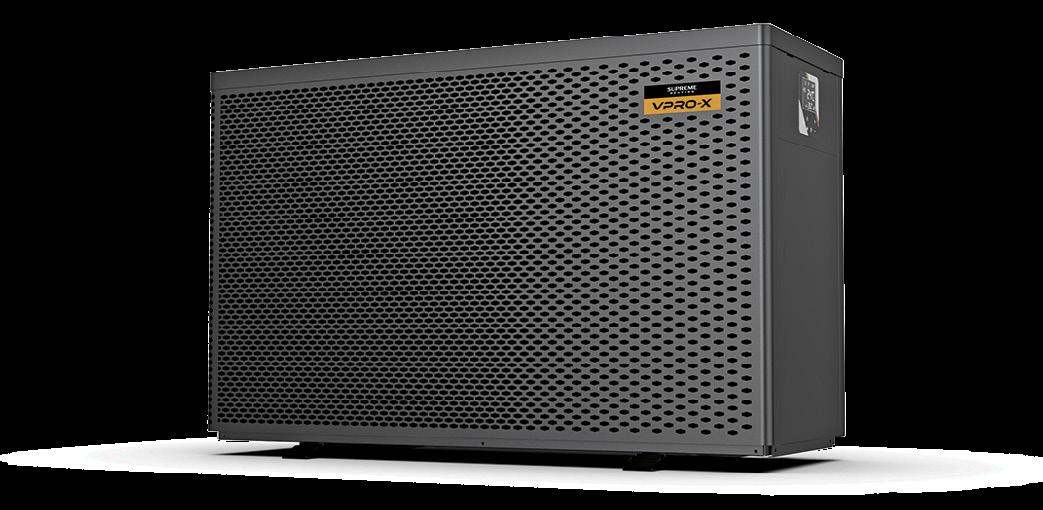
Supreme Heating VPro-X Inverter Pool Heat Pump
Supreme Heating is launching the new VPro-X inverter pool heat pump, combining up to COP30 efficiency with advanced technology engineered specifically for Australian conditions.
The VPro-X delivers faster heat-up times, lower running costs, quieter operation, and long-term reliability across a wide range of pool applications.
The advanced full inverter technology is paired with the natural, ultra-low Global Warming Potential (GWP) R290 refrigerant. With 130 per cent Turbo Boost mode, it allows rapid pool heating during high-demand periods.
For trade professionals, the combination of ultra-high efficiency, premium construction, modern low-profile design, and advanced protection systems positions the product strongly within the growing premium pool market.
The platform is backed by warranty up to 30 years across key components.
STAND NUMBER: 2A
Contact: 1300 787 978
The Acoustic Box Louvered Door Assembly
The Acoustic Box has introduced a new folded louvered door, designed to deliver improved airflow for pool equipment enclosures where ventilation is critical.
Developed with real installation conditions in mind, the new foldedlouvre profile better manages heat within enclosures that house pumps, heaters and associated equipment. It’s particularly suited to tighter spaces or setups where additional airflow is required to support performance and longevity.
For trade customers, the key benefit is simplicity. The new door integrates seamlessly across the Acoustic Box range, with no changes to enclosure sizing, footprint or installation method. Also see page 89 for parent company Daisy's innovate new aerial pool cover measurement system.
STAND NUMBER: Stand 111
Contact: David Petrillo; www.theacousticbox.com.au
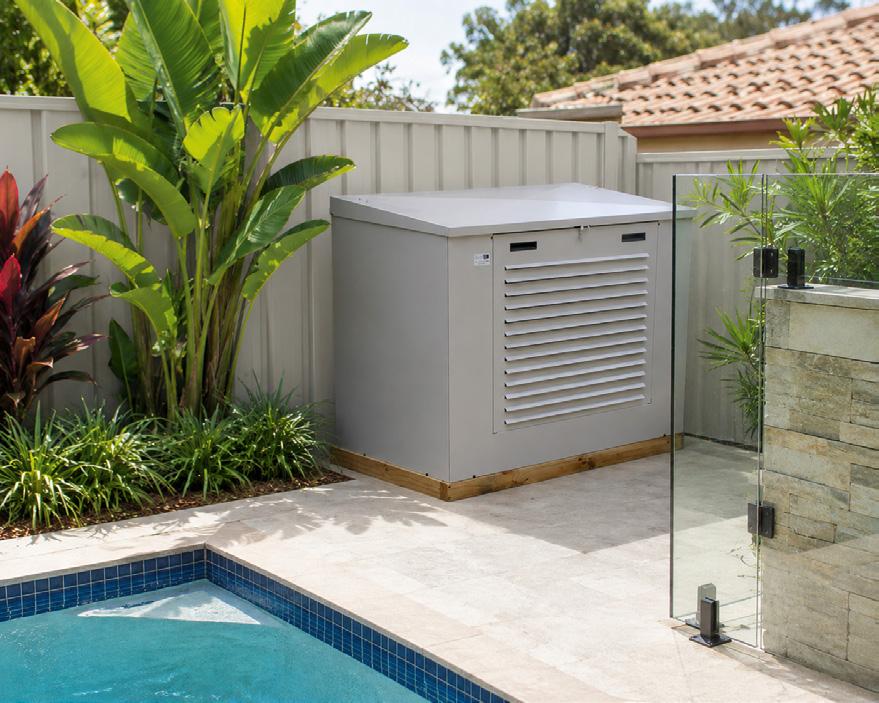
Vodalogic Vodafill
Vodalogic is a smart, totally wireless auto-filler for pools, spas, ponds and water features.
Using advanced Bluetooth, radio and Wi-Fi technology, it measures water levels with precision down to 2mm. The intuitive app keeps the owner informed with real-time notifications – alerting them when levels drop, filling begins or ends, temperature changes, or water rises too high.
Controlled via the Vodalogic app, it is designed for convenience, efficiency, and peace of mind, offering complete control of the water system anytime, anywhere.
It is a totally wireless system and a true retrofit solution with no major plumbing or new builds needed.
STAND NUMBER: 3
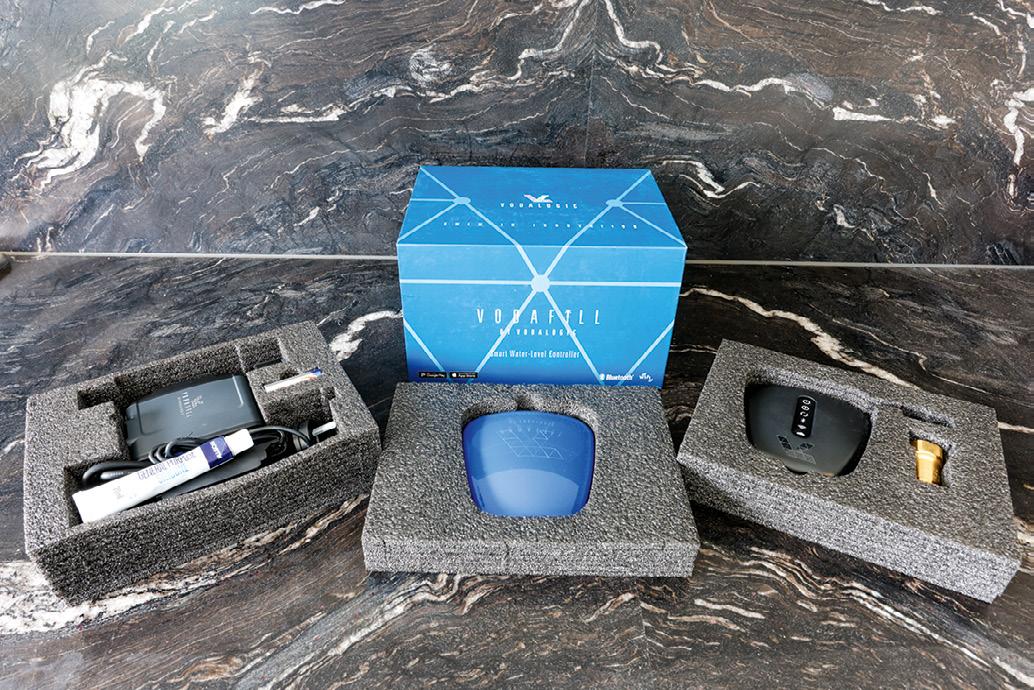
Opti Automated Pool Water Monitoring
Waterco is set to introduce Opti at the upcoming SPLASH! Trade Show, showcasing a breakthrough in automated pool water monitoring.
Unlike traditional systems that estimate chlorine levels indirectly through electronic water sensors, Opti directly measures free chlorine using advanced optical analysis technology in a similar way to professional laboratory water testing. The result is more stable, accurate and reliable monitoring, designed to help maintain clearer and healthier pool water.
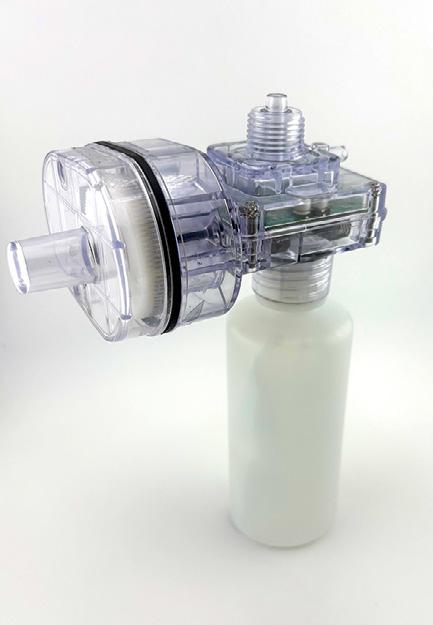
Warner Pool Care Underwater Treadmill
This state-of-theart underwater treadmill transforms an exercise routine into a luxurious experience. Powered by a hydraulic running system and a robust F-class servo motor, it guarantees smooth, safe and stable operation with a waterproof IP65 rating.
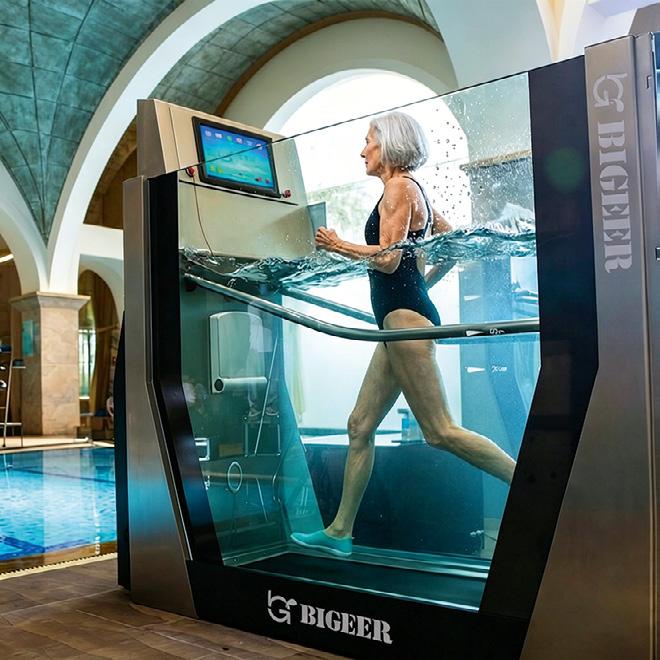
Whether for professional training or family leisure, it can turn a 2.5-square-metre space into a personal aquatic gym.
The overall dimensions are 2260mm x 1000mm x 1900mm, with the treadmill dimensions being 1450mm x 540mm. It is made from SS3304 stainless steel and tempered glass, and includes an electronic control system, a foldable seat, shell insulation foam and a 1kW heater.
Both the Underwater Treadmill and the sleek range of spa pools are exclusively distributed in Australasia by Aquatic Health Systems.
STAND NUMBER: 40A
Contact: Michael Sullivan, 0450 368 611, www.warnerpoolcare.com
Waterlilly Australia Lovibond MD150 MultiTest Photometer
The MD150 is the next generation of Lovibond’s trusted range of photometers, delivering six pre-programmed parameters (Cl/Br/ pH/Alk/Cya/CalHardness) for pool water monitoring in one compact handheld instrument.
Designed for poolside and laboratory use, the MD150 features an IP67-rated waterproof housing with rubber-protected sides for robustness and reliability in demanding environments. Flexible reagent compatibility – tablets, liquid or powder – gives operators complete freedom of choice.
Data management is effortless: results transfer via NFC (phone-tap) to the AquaLX app, or to a PC. The instrument stores 100 readings. Supplied with reagents, cuvettes and carry case, it is ready to use straight from the box.
Waterlilly is also launching the New Scuba3s. See more on this on page 88.
Compact and easy to install, Opti has been engineered to automate chlorine monitoring in real time while helping reduce chemical fluctuations, swimmer discomfort and unnecessary maintenance. The streamlined design also uses minimal reagent, with a single bottle designed to last an entire swimming season for most residential pools.
By delivering more precise chemical balance, Opti may also help reduce odours, improve water consistency and extend chlorinator cell life.
STAND NUMBER: 91
Contact: Bryan Goh, 0411 645 979, www.waterco.com.au
STAND NUMBER: 85
Contact: Yvette Thommesen, 0418 660 133, www.waterlillyaustralia.com
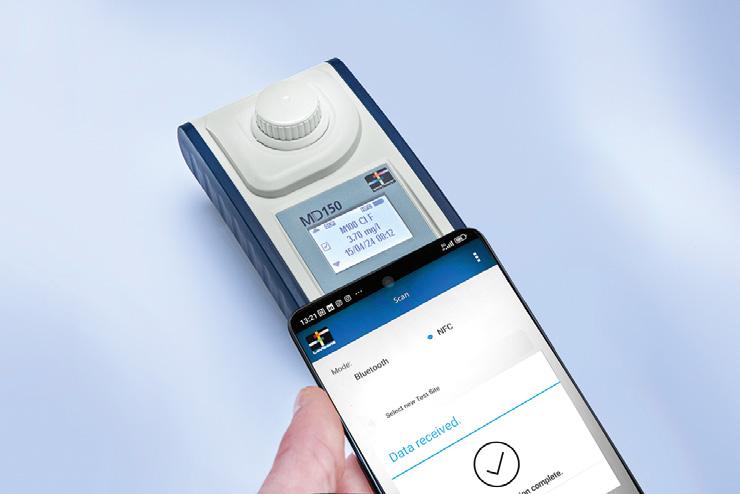
The circular economy: swimming pools and end-to-end sustainability
By Veda Dante

Veda Dante speaks with industry leaders on how circular economy principles are influencing the future of pool and spa design, construction and operation, in both the residential and commercial markets.
For decades, the pool and spa industry has largely measured performance through upfront cost, water quality and operational reliability.
In both the residential market and the commercial market, the measure of success has developed to include the effect of the construction and the ongoing running of the pool on the environment.
In the residential sphere, this is led by consumer concern over the effects of water and energy usage, and the ongoing legacy of waste on the local environment, and more broadly on the globe.
In the commercial sphere, attention is shifting to how aquatic infrastructure can operate more efficiently over its entire lifecycle while reducing waste, extending asset life and lowering resource consumption.
From water management and modular infrastructure to connected technologies and lifecycle design, circular economy thinking is reshaping how pools are specified, constructed and maintained.
Across the industry, manufacturers, designers, engineers and operators are reassessing long-held practices in relation to sustainability, ageing infrastructure and operational cost.
Water efficiency in focus
Smart Drop Certified, formerly Smart Approved WaterMark, was established in 2004 during the millennium drought as a national water efficiency certification program.
It sets an independent benchmark for water efficient products and services, giving households, businesses and utilities a clear and credible way to identify solutions that deliver measurable savings.
Against this backdrop, The Water Conservancy CEO Chris Philpot says the pool and spa sector has traditionally viewed water as a utility input rather than a resource requiring active
Above: Are we simply becoming more efficient, or are we genuinely changing the way we design pools?
management. That mindset is now being challenged by growing pressures around supply, cost and sustainability.
“Water performance is still not weighted alongside energy or chemical efficiency at the specification stage,” he says.
“Without baseline data, operators cannot manage what they cannot measure.”
Programs such as Smart Drop Certified extend this beyond initial performance. Durability and fitness for purpose in Australian conditions are critical considerations, particularly given the impact of UV exposure and long operating lifecycles.
“A product that performs well when new but degrades quickly has not delivered meaningful water efficiency,” he says. “Longevity is a core part of circular thinking.”
Technology continues to play a supporting role. Cartridge filtration can eliminate backwash losses in suitable applications, while real-time monitoring systems provide visibility over water levels, chemical balance and system performance. These tools enable earlier detection of leaks and abnormal consumption, reducing the risk of sustained losses.
At the same time, misconceptions remain a barrier to progress. Many pool owners and operators still attribute water loss primarily to use rather than evaporation, and backwashing is often carried out more frequently than required. Temperature management is another overlooked factor, with higher water temperatures significantly increasing evaporative loss.
“An uncovered pool can lose tens of thousands of litres a year through evaporation alone,” Philpot says. “Understanding that changes how people approach water management.”
Behavioural change is therefore critical. Initiatives such as Water Night aim to improve water literacy and encourage more conscious use, creating a direct link between awareness and action.
“When people understand where water is going, they change how they manage it,” he says. “That is where the real savings occur.”
At an industry level, the pathway forward is increasingly clear. Stronger procurement frameworks, independent certification and greater accountability across manufacturing and operation will help shift water efficiency from optional to expected.
“Water efficiency is technically feasible and economically viable,” Philpot says. “What has been missing is consistent prioritisation. That is now starting to change.”
Applying circular thinking in practice
Applying circular economy principles to pools centres on one core objective. Water should remain in productive use for as long as possible, with losses minimised and recovery considered wherever feasible.
“The question is simple,” Philpot says. “How do we retain water within the system and minimise losses across the lifecycle?”
Backwash recovery is one of the most immediate opportunities. Traditional filtration systems discharge significant volumes of water to waste, despite the potential for reuse through relatively simple settlement or treatment processes. The barrier is less technical than procedural, with decisions needing to be made early in the design phase rather than retrofitted later.
Backwash practices also require attention. Moving from time based to pressure driven cycles is well established as best practice, yet adoption remains inconsistent.
“Running backwash on a fixed schedule wastes both water and energy,” he explains. “It should be triggered by actual filter load.”
Evaporation remains the dominant loss pathway across most outdoor pools. Consistent use of covers, particularly overnight when evaporation rates are highest, can reduce losses by 50 to 70 per cent or more.
However, achieving these savings depends as much on behaviour as it does on technology.
“Behaviour is the missing link,” Philpot says. “A cover only delivers value if it is used consistently.”
Designing for circularity
As the pool and spa industry places greater focus on product lifecycle performance, manufacturers
Above: It is important to save energy throughout all stages of construction as well as once the pool is in use.
Image: AdobeStock
“Many pool owners and operators still attribute water loss primarily to use rather than evaporation.”
are increasingly reassessing product stewardship, including how products are designed, operated, maintained and supported over time.
For Fluidra, this extends beyond individual products to a broader systems approach centred on efficiency, durability and long-term resource management.
“The biggest challenge sits in design and specification, where most of the trade-offs need to be managed to achieve higher circularity,” says Fluidra’s sustainable product team manager Gaia Piazzesi.
“Installation and operation are not really in question. We cannot compromise on what the market expects in terms of performance and reliability.”
To address this, Fluidra has embedded circularity considerations into its product development framework, helping cross-functional teams evaluate decisions around materials, manufacturing and performance at the project level.
Below: Water is the most important element of a swimming pool, it is essential to keep it usable for longer, and to retain it in the system without needing to replace it.

“That framework is not the solution itself,” she says. “It is the foundation that helps teams make more consistent decisions around circularity across the organisation.”
Increasingly, a full product lifecycle perspective is being used to better understand where and how environmental impacts occur. In many cases, the use phase remains the dominant factor, particularly through long-term energy and water consumption.
“Lifecycle assessments play an important role, because they help us understand where the real impacts lie,” Piazzesi explains.
“They also help challenge assumptions internally and guide better design decisions.”
For swimming pools and spas, environmental impact is rarely confined to manufacturing alone. Much of the long-term resource consumption occurs during operation, often over many years.
Fluidra’s approach has therefore focused heavily on improving efficiency during the use phase through technologies such as variable speed pumps, inverter heat pumps, saltwater chlorinators, pool covers and cartridge filtration systems.
“We prioritise technologies that help reduce
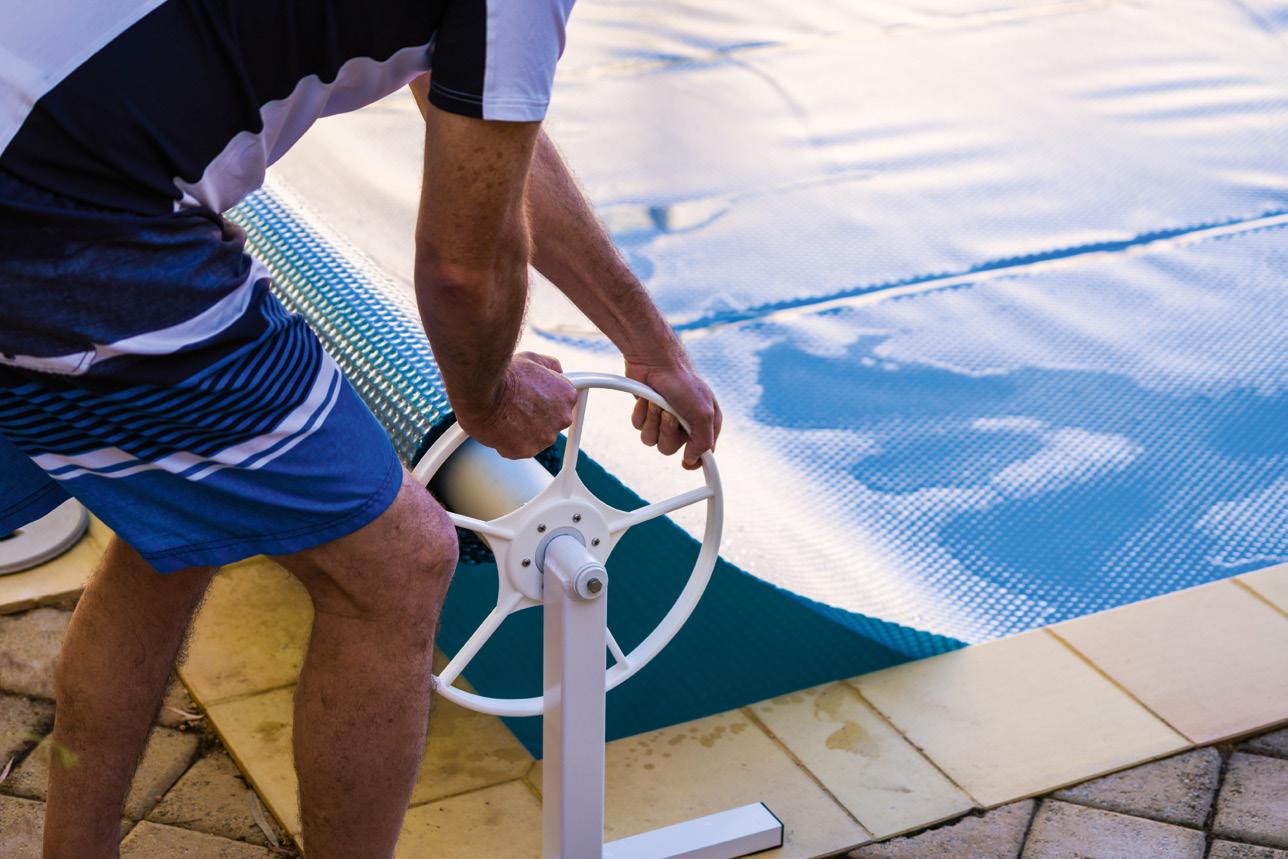
energy and water consumption while also lowering operating costs over time,” she says. “Responsible water use is a major focus, particularly through more efficient filtration and circulation.”
Embedding efficiency into everyday operation
Connected systems are also becoming increasingly important in understanding how products perform outside controlled testing environments. Rather than relying solely on theoretical efficiency models, Fluidra is using data from its R&D testing facility in Keysborough, alongside real-world usage data, to better understand pool operations and user behaviour.
“Smart connected products allow us to move from theoretical performance to real data at scale,” Piazzesi explains. “That gives us a much clearer understanding of how products are actually being used.”
Real-world usage data has revealed meaningful differences in how consumers interact with pool technologies, including varying usage patterns between cordless and corded robotic cleaners.
“These insights are valuable because they help us improve both product design and the way products are used,” she says.
Fluidra’s broader objective is to create a more integrated pool ecosystem where efficiency is embedded into everyday operation through automation, monitoring and intelligent control.
“This is really the foundation of our Positive Pool vision,” she says. “The pool becomes an integrated system designed to minimise resource consumption while improving the ownership experience over time.”
Balancing circularity with market realities
Despite growing momentum around sustainability, the pool industry continues to balance circular ambition with practical realities around performance, cost, and reliance on established products and systems.
For Piazzesi, one of the main barriers is that
Above:Pool covers must be easy to use consistently to be truly effective.
circularity itself remains difficult to measure consistently across products and systems.
“There is still no fully standardised way to assess circularity at product level,” she explains.
“Areas like durability and repairability have not historically been measured in a comparable way.”
This creates challenges not only for manufacturers, but also for specifiers, distributors and service professionals attempting to compare solutions.
“Meaningful circularity is not only about product design. It also involves maintenance, repair, aftersales support and what happens at the end of a product’s life,” says Piazzesi.
That places increasing emphasis on how products are maintained, serviced and supported throughout their lifecycle, with both service professionals and pool owners playing a critical role in achieving long-term circular outcomes.
As a result, education and communication are becoming more important across the supply chain, particularly as technologies become more sophisticated and connected.
Fluidra is also exploring a refurbishment system for older models and product lifetime extension initiatives as part of its broader sustainability strategy.
“Meaningful circularity today is less about reaching a final destination,” she says. “It is about progressively improving products and systems to extend product life, reduce resource consumption and move towards greater material circularity over time.”
Water stewardship
Water stewardship is becoming increasingly important across the Australian pool sector as climate pressures and water restrictions continue to intensify.
Below: Consumer sentiment as well as regulation leads the impetus for the circular economy to become successfully embedded in construction.
Image: AdobeStock
“We do not have a business unless we have access to water,” says Jeremy Tang, Fluidra’s sustainability manager. “This is a core pillar of the ESG strategy at Fluidra.”
Water restrictions have already reshaped parts of the industry, influencing product development,

Image: Daisy Pool Covers
accelerating demand for pool covers, and driving the adoption of more efficient hydraulic technologies.
Recognition of these efforts has continued to grow. In 2025, Fluidra Australia was recognised as the Corporate Startup Rising Star for 2024 for its work in sustainable and connected pool technologies. Fluidra Commercial also supported the Aquatic and Recreation Institute NSW Social Impact Award, recognising sustainability-focused community projects.
Tang says rising climate pressures and population growth will continue reshaping how the industry approaches sustainability, water use and long-term resource management.
“Whether it’s energy use, water efficiency or waste management, the focus is on what we can actively change on the ground for builders, service technicians and end users.”
Turning awareness into action
Sustainability became more than a corporate objective for Tang after a personal experience shifted how he viewed product consumption and environmental responsibility.
“I remember walking along a beach in Phuket and seeing a plastic toy washed up in what should have been a pristine environment,” he recalls.
“At the time, I was working in retail, and it hit me that I could have been responsible for selling that product into the market. That moment really stuck with me, so I decided to change my career from ‘selling more things to more people’ to finding a sustainable way for us to consume.”
Since then, the experience has influenced how he approaches sustainability, with a focus on accountability across the full lifecycle of products.
“It made me think more critically about where products end up, not just how they’re sold,” Tang says. “Now the focus is on applying that thinking in a more structured way, whether through lifecycle assessment, material selection or designing products that are more durable, longer lasting and easier to repair.”
From an Asia-Pacific perspective, translating global sustainability targets into practical outcomes remains a key priority.
“The challenge is making the environmental, social and governance (ESG) frameworks meaningful at a local level,” he says. “Whether it’s energy use, water efficiency or waste management, the focus is on what we can actively change on the ground for retail and commercial customers, builders and service technicians.”
Fluidra’s next phase is firmly focused on acceleration, with targets of 96 per cent renewable electricity and a 90 per cent reduction in Scope 1 and 2 greenhouse gas emissions by 2027 (from 2021 levels). This momentum is being supported by continued investment in infrastructure, including solar installations across sites in Dongchuan, China, and Les Franqueses del Vallès and Sant Feliu de Buixalleu in Spain.
“In Australia, Fluidra has committed to 100 per cent renewable electricity use in all its
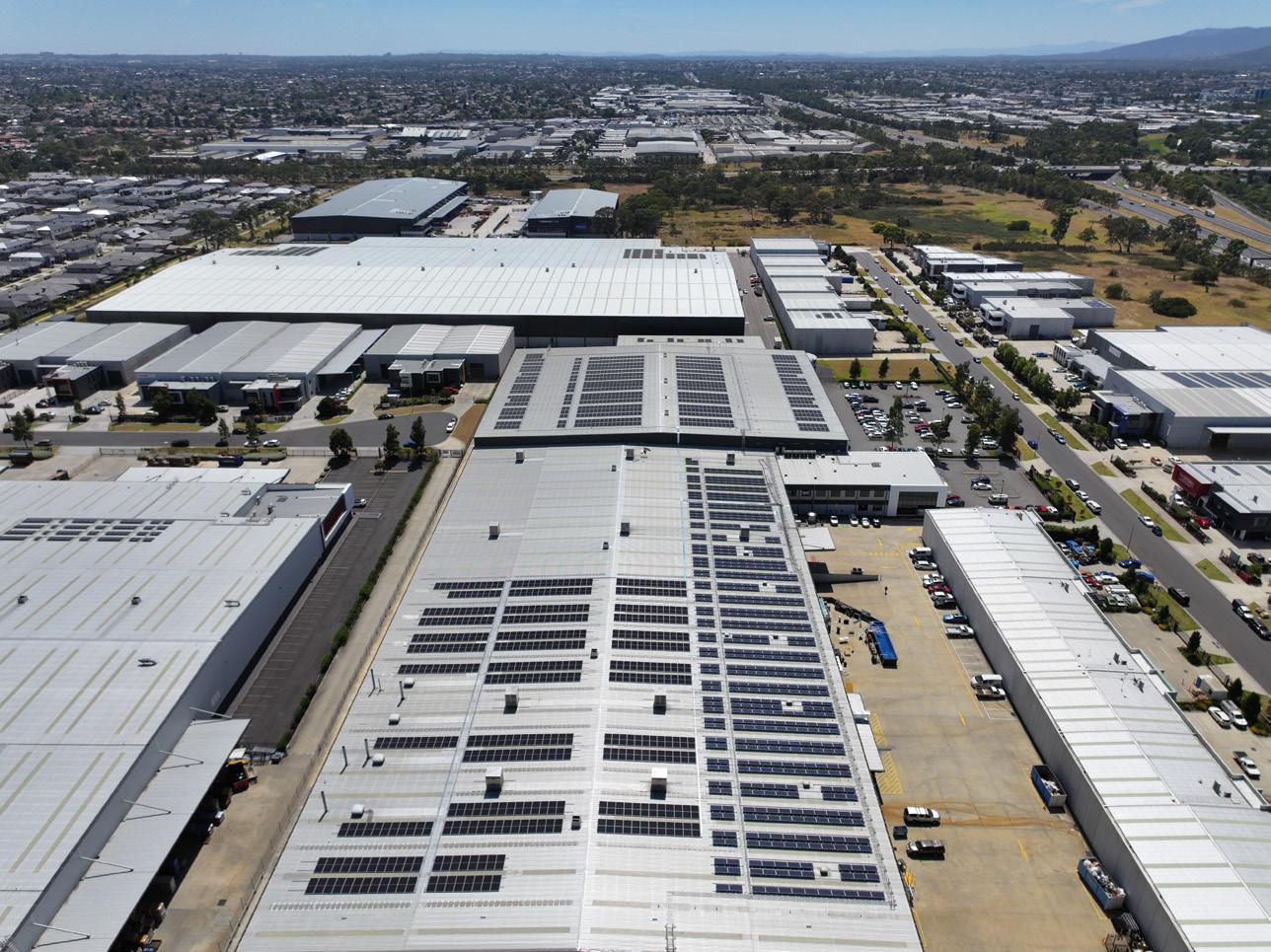
Above:
facility has
total solar capacity of
In Australia, Fluidra has committed to 100 per cent renewable electricity use in all its sites as well as transitioning to green gas where possible
sites as well as transitioning to green gas where possible,” Tang explains. “This complements the approximately 900,000 kilowatts of solar that has been installed.”
Its Keysborough facility also achieved ISO 14001 certification at the end of 2025, further strengthening the company’s environmental credentials.
“The business is looking to expand this to get full accreditation for Australia in 2026,” he adds.
As sustainability frameworks evolve, the focus is shifting from ambition to accountability.
For Fluidra, success lies not only in meeting targets, but in demonstrating measurable outcomes across the full lifecycle of its products and operations. These outcomes must also deliver real benefits for both pool professionals and consumers.
Is discipline the path to true circularity?
“Running backwash on a fixed schedule wastes both water and energy. It should be triggered by actual filter load.”
Spiros Dassakis, director of NextGen Experts, says that while the pool and spa industry has never lacked innovation, the circular economy asks a larger and more confronting question: are we simply becoming more efficient, or are we genuinely changing the way we design, supply, build, operate, maintain, refurbish and ultimately retire what we put into the ground?
“The circular economy is not just another sustainability slogan,” he says. “At its simplest, it is about designing out waste, keeping products and materials in use for longer, and recovering value instead of defaulting to disposal.”
For the Australian swimming pool and spa sector, that matters because our work sits at the intersection of manufacturing, supply, residential and commercial construction, transport, water, energy and long-life asset management.
“In other words, this is exactly the kind of industry where poor decisions compound over time, and where better decisions can deliver longterm commercial and environmental gains.”
He believes the Australian pool and spa industry is stronger on efficiency than on true circularity.
Fluidra’s Keysborough
a
972kW.
“We are getting better at reducing energy use, water loss and chemical demand. But we are still less mature when it comes to repairability, material recovery, design for refurbishment, product stewardship, end-of-life planning and procurement systems that value durability and reuse alongside new supply.”
He believes in the residential pool construction sector, the biggest gains are often made before excavation even begins. Smarter design reduces waste. Correct plant sizing reduces overspecification. Better set-out reduces rework. Better procurement reduces damaged and surplus material. Better coordination between builder, supplier, engineer and trades reduces the all-too-common habit of solving avoidable site problems with more labour, more material and another skip bin.
“For residential pool builders, then, circular economy does not begin with a glossy environmental claim. It begins with discipline.
“Can the project be designed to use fewer resources? Can spoil be better managed or reused? Can the shell, surrounds and plant be specified in a way that reduces future replacement cycles? Can the product mix favour durability, repairability and spare-parts availability over short-term savings?”
He adds that these are commercial questions as much as environmental ones.
Extending life through modular renewal
While water efficiency is critical, it is only part of a broader shift. Across the aquatics sector, how infrastructure is designed, delivered and sustained is now under closer scrutiny.
That shift is being driven by a growing reality. Across developed markets, public pools built decades ago are reaching the end of their useful life, with rising replacement costs and changing community expectations adding pressure.
For Royal Life Saving NSW, this is a structural issue rather than a one-off funding challenge.
“We cannot continue to respond to ageing aquatic infrastructure by rebuilding outdated facilities,” says Michael Ilinsky, CEO of Royal Life Saving NSW. “The opportunity is to shift toward more adaptable, efficient and longer-life community assets.”
A collaboration between Royal Life Saving NSW, Cox Architecture and Waterco, the Future of Pools initiative applies circular thinking at its core. Rather than demolition and rebuild, it prioritises renewal, adaptation and staged upgrade.
Existing sites are treated as assets with ongoing value. Plant can be upgraded. Amenities can be replaced. New indoor components can be added. Infrastructure can be reconfigured over time.
“Instead of discarding entire facilities, we look at how sites can evolve in stages,” Ilinsky says. “That reduces waste, lowers disruption and improves cost certainty.”
Modular and prefabricated components play a central role. Standardised elements can be installed, replaced or upgraded as needed. This supports faster delivery and better whole-oflife performance.
“The model gives councils a pathway to extend asset life without facing a binary choice between keeping an unsustainable pool open or replacing it entirely,” Ilinsky says.

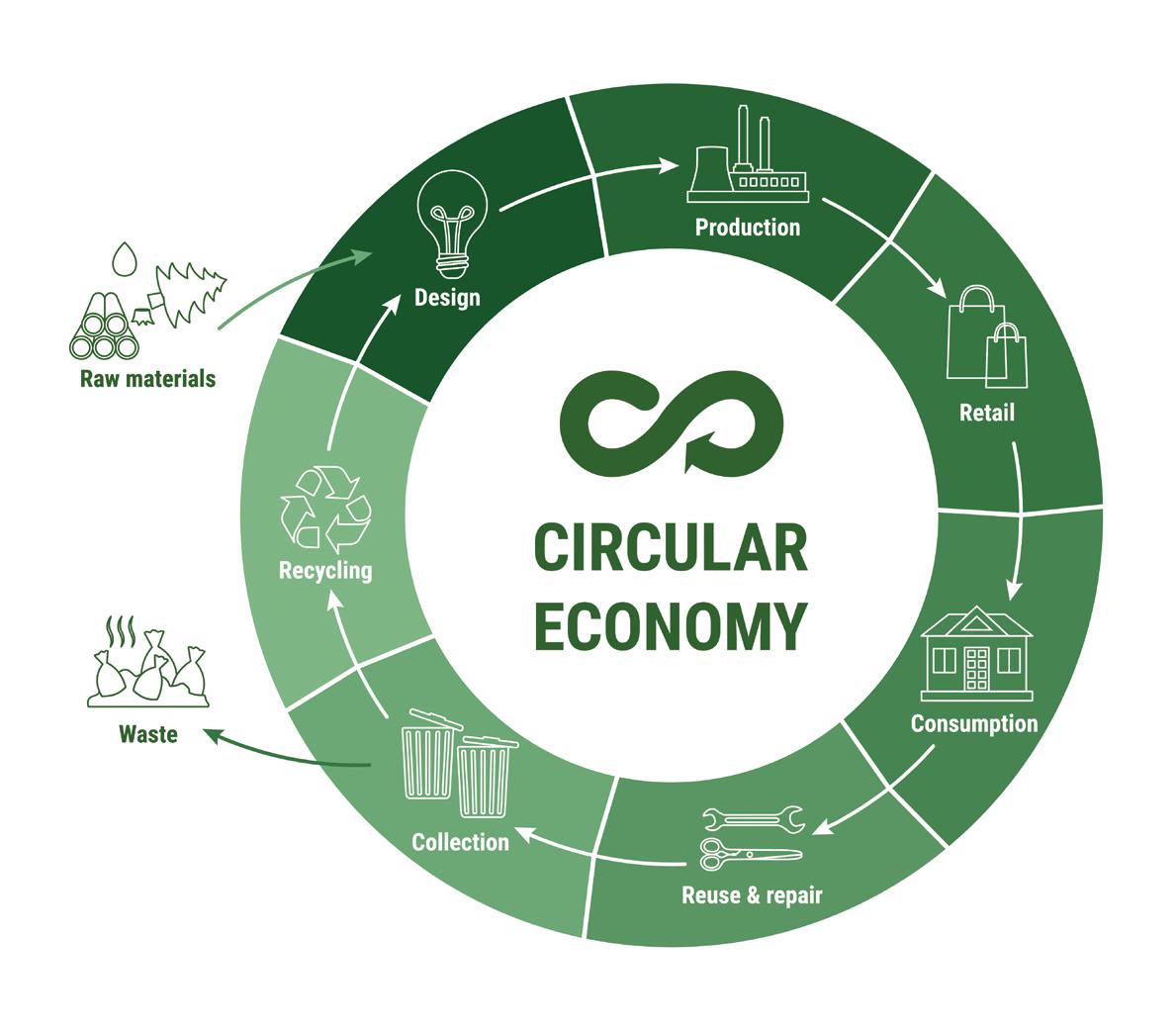
Making circular delivery achievable
For councils, the shift does not require complexity. It requires different decisions earlier in the process.
“The most practical step is to stop treating every project as a blank sheet,” Ilinsky says. “Adopt repeatable designs, modular systems and staged renewal wherever possible.”
Right sizing projects is critical. A 25-metre indoor facility or staged upgrade often delivers better utilisation and lower lifecycle cost than a full-scale replacement.
Councils are also encouraged to prioritise efficient plant,
electrification and monitoring as standard, and to assess projects on whole of life value rather than upfront cost alone.
“That is how circular principles become achievable,” Ilinsky says. “Not through complexity, but through smarter, more consistent decisions.”
From an architectural perspective, this shift is driving a move away from bespoke projects toward more repeatable and adaptable design systems.
“It is an opportunity to rethink how we design aquatic infrastructure so it can serve more communities, particularly in regional and remote areas,” says James Park, associate director at Cox Architecture.
A modular, pattern-based approach allows pool and building components to be configured in different ways depending on site conditions and community needs. This supports staged delivery and reduces the need for full replacement.
“Many clients are not looking to build entirely new facilities,” he explains. “They want to upgrade or expand what they already have. Modular systems allow those changes to happen over time.”
The approach also improves efficiency at the construction stage. Off-site fabrication enables more precise use of materials and reduces waste, while repeating established designs improves build quality and consistency.
“When every project is bespoke, there is inefficiency built into the process,” Park says.
“Using developed systems allows us to refine quality and reduce disruption during construction.”
When a Standard Pool Won’t Work, You Still Can.
Tank Pools are the perfect filler pool shell that solves space, time, weather, access, and price issues...not to mention they look great.

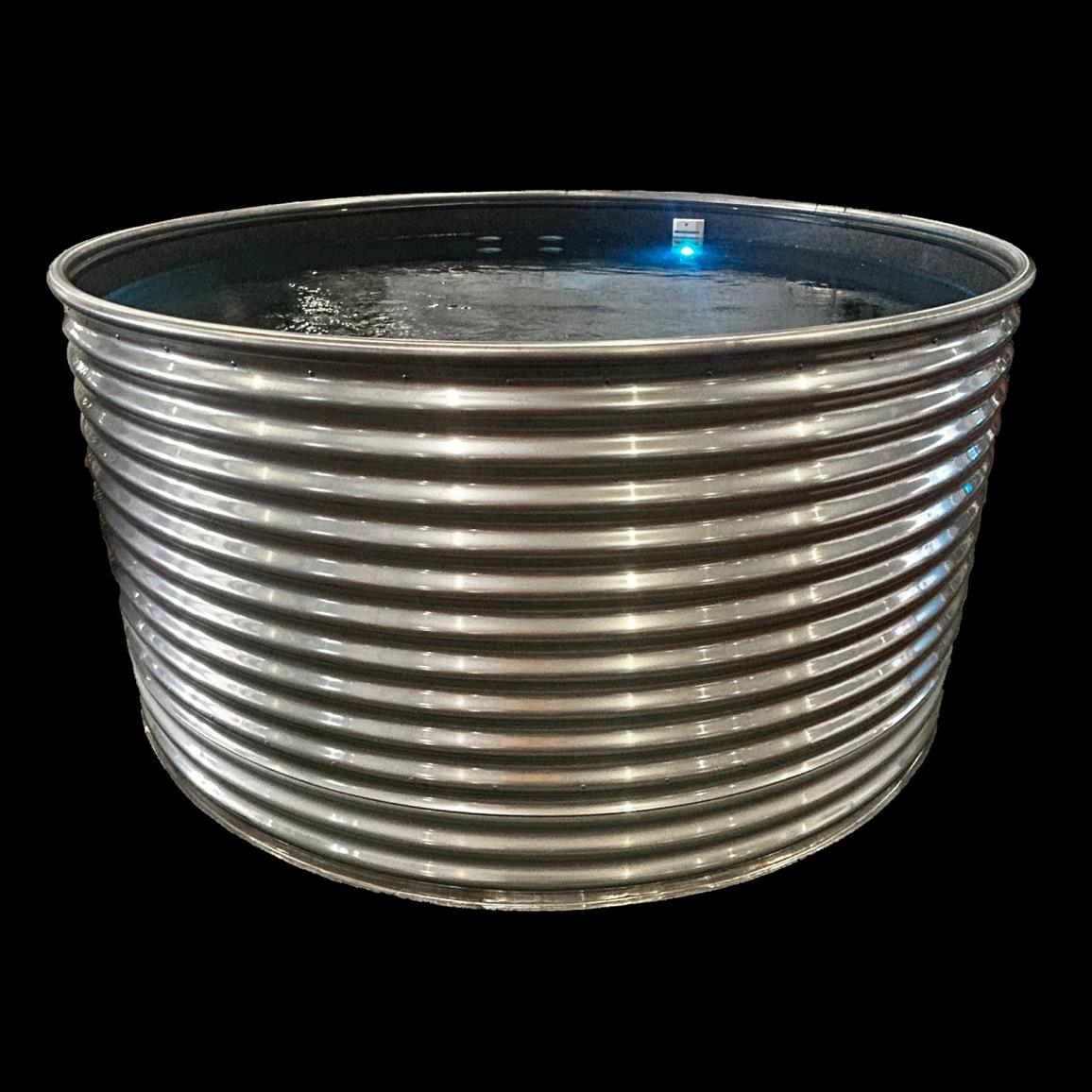

These principles are increasingly relevant in international markets where cost pressures, labour constraints and sustainability targets are reshaping infrastructure delivery.
“Our focus is on designing smarter systems, not just individual buildings,” he adds. “That is how the industry can deliver high quality aquatic infrastructure at scale.”
At the same time, design is expanding to address broader performance criteria. Accessibility, climate response and longterm adaptability are becoming baseline requirements.
“Good design considers the full user experience and ensures equitable access for all,” Park says. “It also needs to respond to environmental conditions and support long term resilience.”
Simple, robust assemblies and considered material selection support durability in demanding aquatic environments. They also enable future adaptation, including disassembly and reuse where appropriate
Engineering for performance and efficiency
Alongside design, system engineering plays a critical role in improving how aquatic facilities perform over time.
From Waterco’s perspective, circular outcomes in aquatic infrastructure are driven by long life equipment, proven performance and increasingly intelligent system control.
“Circularity comes from how systems are designed, how long they last and how efficiently they operate over time,” says Andy Gale, commercial business unit manager at Waterco.
Gale believes modular water treatment systems are central to this approach. Containerised or skid-based plant solutions
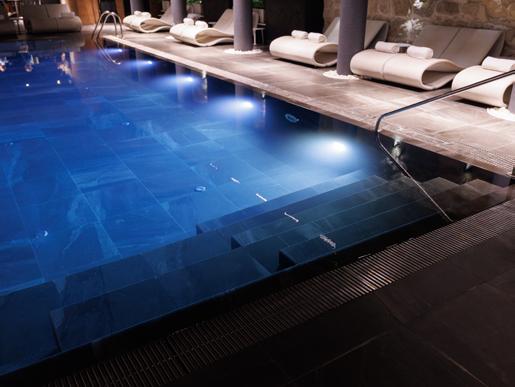
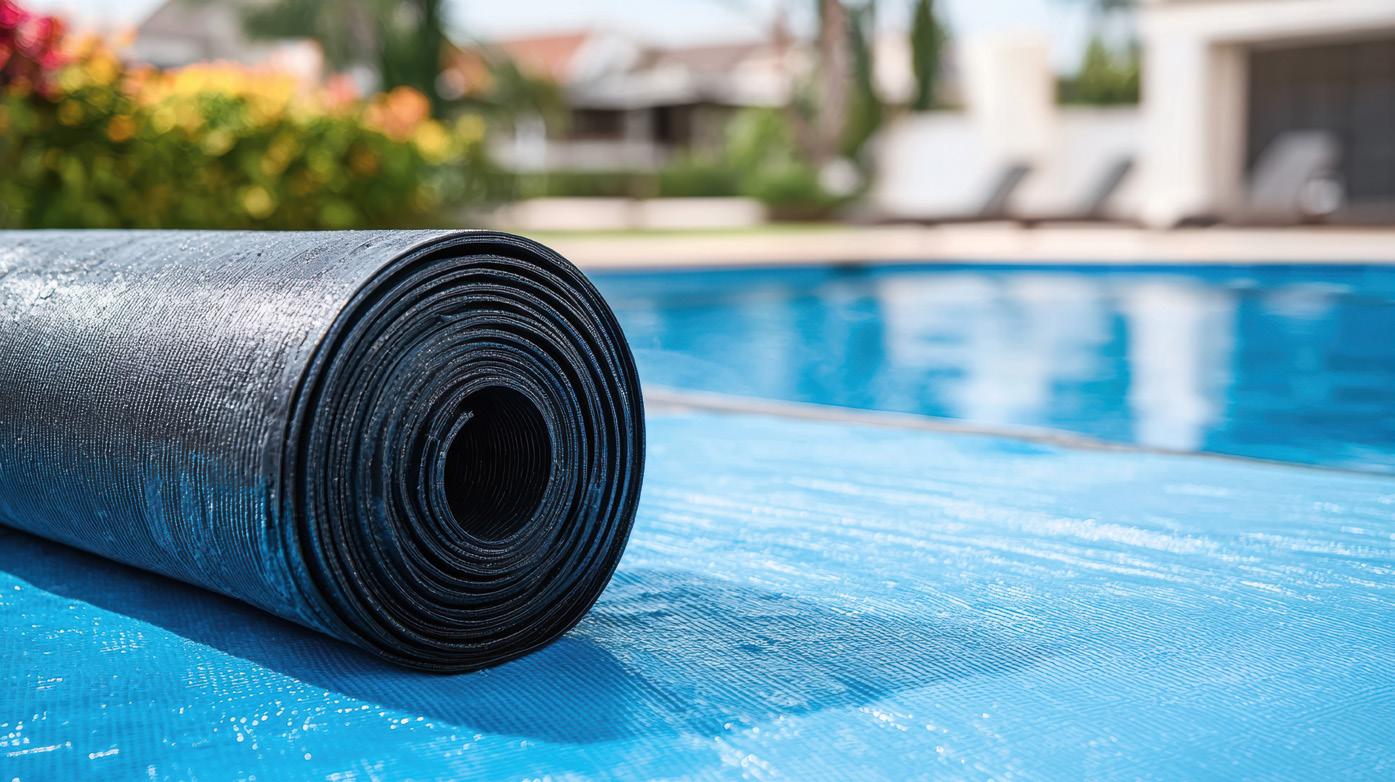
allow facilities to be installed, upgraded or expanded in stages without full replacement.
“That flexibility reduces construction waste and shortens delivery time,” he explains. “It also allows aquatic centres to evolve with community demand rather than being locked into a single build outcome.”
Modularity also supports manufacturing efficiency. Repeatable architectures improve engineering precision, production consistency and material use.
“For manufacturers, standardised systems lead to better performance and more efficient use of resources,” Gale says. “Over time, that supports lower lifecycle costs while maintaining reliability in the field.”
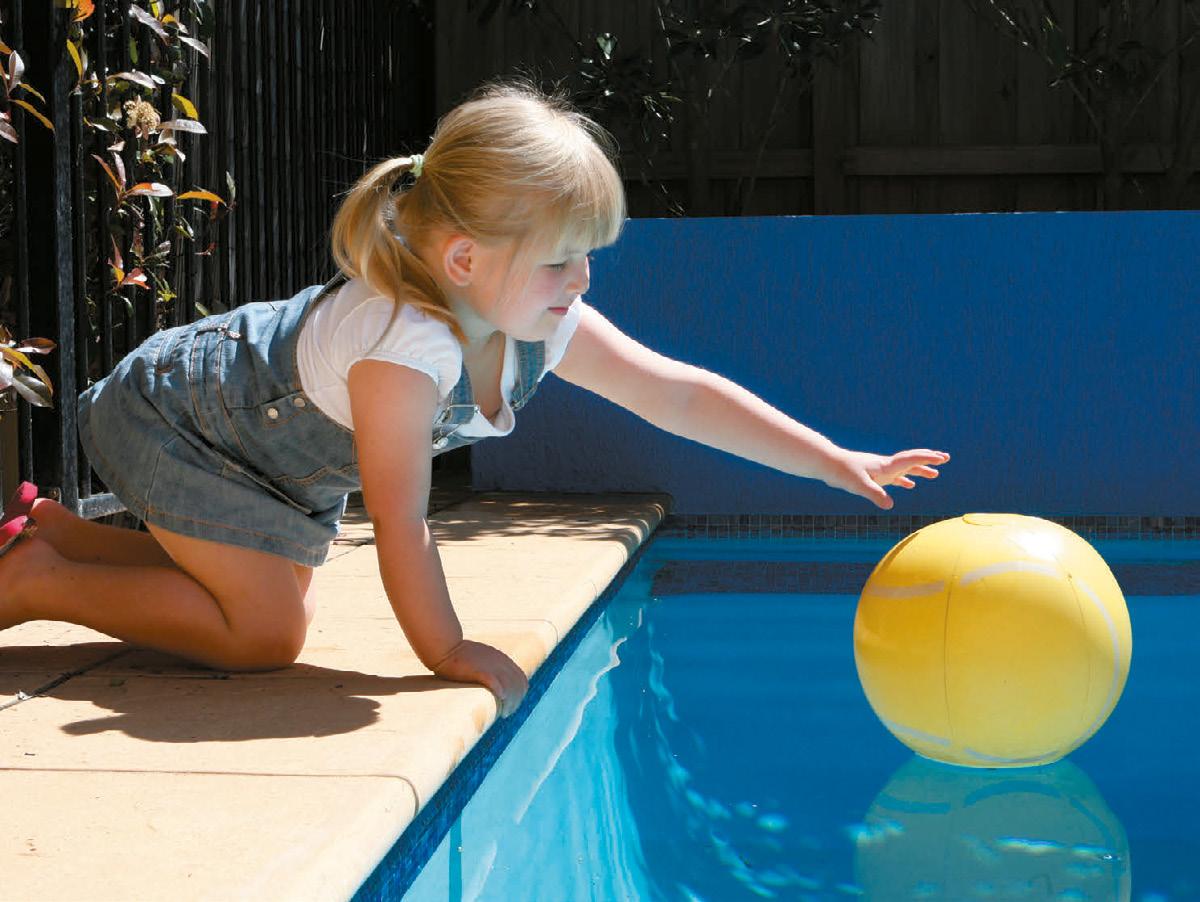

Filtration, durability and system efficiency
At the core of ongoing performance is filtration. Waterco’s glass pearl filter media has been independently tested by the University of New South Wales, demonstrating strong results across fine particle capture and hydraulic performance.
“Testing showed improved capture at finer micron levels, with around 78 per cent capture under three microns, along with
www.lovibond.com
reduced hydraulic losses and shorter backwash cycles,” Gale says. “In practical terms, this means lower water consumption, reduced chemical demand and less operator intervention.” Durability extends beyond the media itself. Waterco’s fibreglass reinforced filter vessels are widely used in commercial aquatic environments and are proven to operate reliably for more than 20 years.


















“That service life reduces the need for premature replacement and minimises embodied material waste,” he explains. “It delivers strong whole of life value, particularly for councils.”
Integrated system design across filtration, hydraulics and sanitation is equally important.
“When these elements are engineered together, you reduce hydraulic losses, optimise chemical dosing and lower energy use,” Gale says. “That improves efficiency and reduces stress on the equipment, extending asset life.”
Smarter operation and lifecycle optimisation
Automation and remote monitoring are becoming key enablers of more efficient aquatic operations. Advanced control systems provide real time visibility of water quality, flow, energy use and system performance.
“Real time data allows plant to be continuously optimised and issues identified early,” Gale says.
There is also a practical operational benefit. Reducing manual plantroom intervention allows operators to spend less time on system monitoring and more time focused on supervision and safety.
As these technologies continue to evolve, aquatic facilities are moving closer to tightly controlled, optimised operation across water, energy and chemical use.
For councils and operators, the pathway is clear. Prioritise durable equipment, adopt modular plant solutions and focus on lifecycle performance rather than upfront capital cost alone.
“That is how you achieve more efficient, adaptable and sustainable aquatic infrastructure over time,” Gale says.
From replacement to repairability
Repairability, servicing and long-term performance are becoming increasingly important considerations across the pool care sector, particularly as equipment grows more advanced and replacement costs rise.
Steve Halls, chief operating officer of Poolwerx Australia & New Zealand says higher-quality robotic cleaners are increasingly being designed with serviceability in mind.
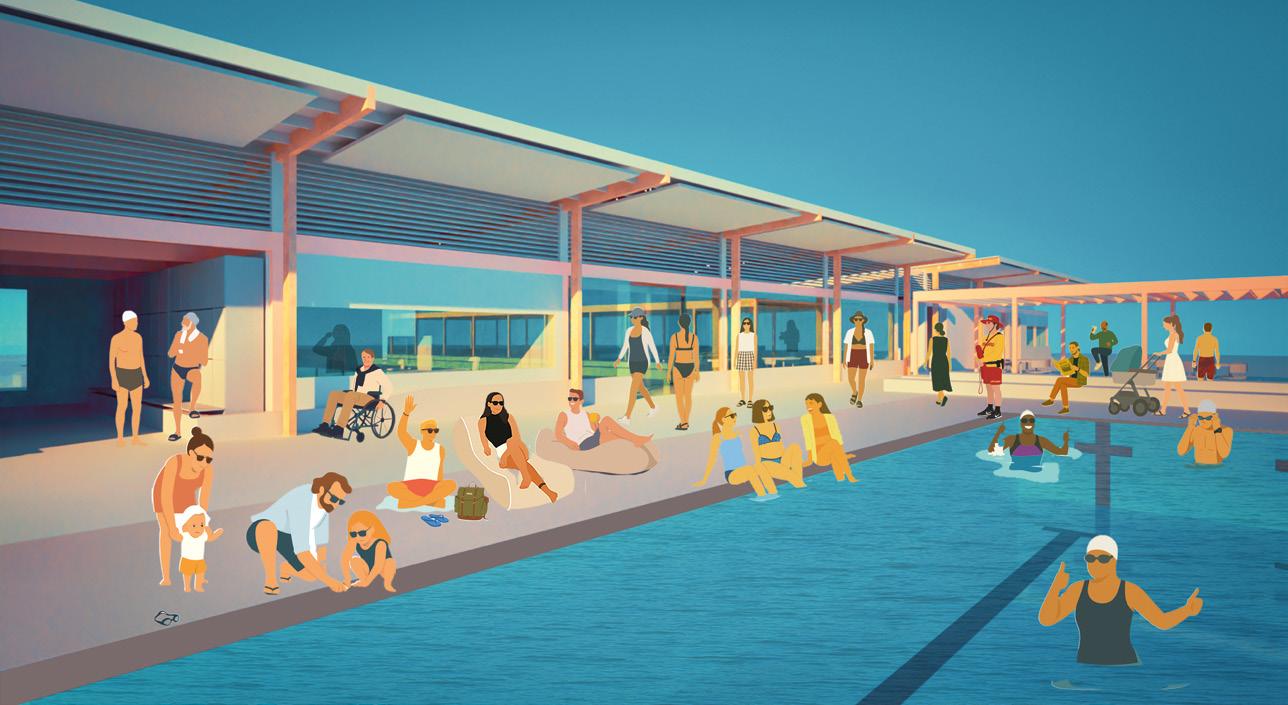
“Many now feature modular components, such as filters, brushes and drive systems, that can be maintained or replaced as part of regular servicing,” he explains. “That means we can support clients over the full lifecycle of the product, rather than defaulting to replacement.”
Access to spare parts remains one of the sector’s biggest operational challenges, particularly when supply chain delays affect repairs across pumps, chlorinators, filters and cleaners.
“Responsible water use is a major focus, particularly through more efficient filtration and circulation.”
“When lead times are too long or repair costs become less viable, customers may opt for full replacement,” Halls says. “That increases downtime, cost and material waste, particularly when the issue is isolated to a single component.”
Halls says water and energy efficiency gains are also strongest when pool equipment is viewed as part of a complete system rather than as standalone products.
“Variable speed pumps are one of the biggest contributors when correctly sized and programmed,” he explains. “Robotic cleaners also reduce the load on pumps and filters, while cleaner water can mean less backwashing and fewer chemical corrections.”
Advances in filtration are contributing to the same shift, particularly through improved media performance and pre-filtration.
“Improved media and pre-filtration help reduce backwashing frequency and chemical demand,” Halls says. “In real-world conditions, the strongest outcomes come from combining better filtration, pre-filtration and robotic cleaning.”
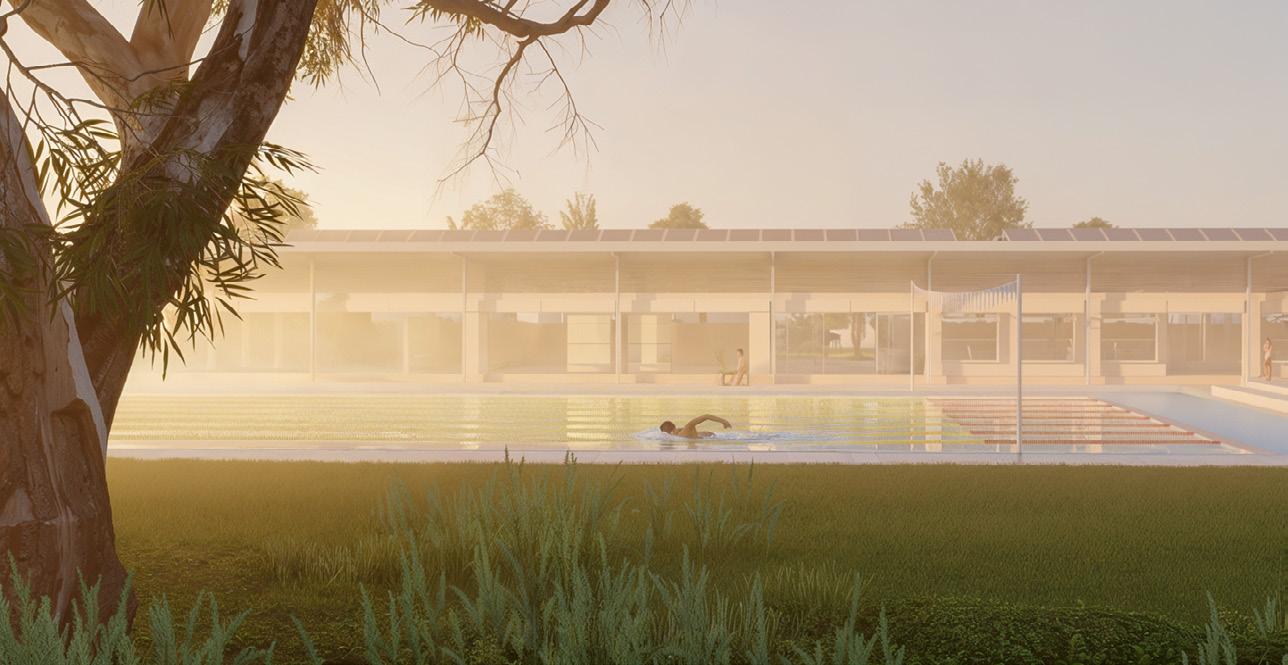
Operational waste streams remain significant across the sector, particularly around cartridges, filter media, backwash water, chemical containers and packaging.
“There’s no single solution,” he says. “It’s about incremental improvements across equipment quality, servicing practices and supplier alignment.”
For franchise networks, that also creates an opportunity to influence product design and longterm support standards.
“We see how equipment performs in real-world conditions over time, not just at the point of sale,” Halls says. “By prioritising products with longer warranties, modular design and strong service support, we can help shift demand toward equipment built for longevity and repairability.”
Above: The Future of Pools initiative applies circular thinking at its core. Image: Cox Architecture
Below: One of the Cox Architecture designs
Climate Care Certified
The Climate Care Certified Program verifies and promotes the sustainability of products, systems and installations used in residential and commercial environments.
This program was originally developed for the swimming pool and spa industry, but has since expanded to include other sectors such as backyard and lifestyle businesses.
To ensure impartiality, the Climate Care Certified program utilises independent third parties to evaluate and grant certification to applicants. The certification panel is made up of individuals who are highly regarded as experts in their field and hold no conflicts of interest.
Certification signifies that a product, service, or installation meets the highest standards in sustainability, particularly regarding water consumption, energy efficiency, noise reduction, and innovative solutions.
The Climate Care Certification Program is an initiative of the Swimming Pool & Spa Association of Australia Ltd (SPASA). It is the industry’s efficiency and sustainability certification program.
Examples of products, systems and installations certified under the Climate Care Certification Program may include (but are not limited to): pool covers, solar heating, spa lids, backwash, water treatment and recycling systems, cartridge filters, filter media, pre-filtration devices or backwash minimisation systems, pool pumps, noise reduction measures, LED pool lighting, smart meters/ controllers, pool cleaners, construction/installation/renovation of pool/spa, retrofitting of products/systems to existing pool/spa, swimming pools, and spas.
Contact: www.climatecarecertified.com
The role of water stability
For AIS Water CEO Elena Gosse, circular economy outcomes in aquatic facilities begin with one often overlooked factor: water stability.
“The real question is not simply how we disinfect water, but how long we can keep water safe and in use, with its chemistry stable, without constantly correcting it,” Gosse says.
She argues that traditional pool treatment methods often operate in a linear cycle of chemical dosing, corrective balancing and water replacement, creating ongoing instability and unnecessary water waste over time.
AIS Water’s approach instead focuses on generating chlorine inline through electrolysis, directly within the water itself.
“That distinction is important because inline generation changes how the water behaves,” Gosse explains. “Instead of large dosing peaks and continual correction cycles, chlorine is produced consistently and in real time, helping maintain stable water chemistry and reducing the accumulation of unwanted by-products.”
The company has invested heavily in independent university research to better understand how stable water chemistry influences long-term operational performance and water conservation outcomes.
Research into pools converted from traditional chlorine dosing to inline chlorination demonstrated measurable improvements in water stability and reductions in corrective water dumping. In one 50-metre commercial pool,
findings showed potential savings of up to 1.6 million litres of water annually.
“That is where circular economy principles become real in aquatic environments,” she says.
“Not simply through reducing inputs, but by keeping water usable for longer.”
The approach also reduces dependency on the transportation, storage and handling of hazardous chemicals, particularly in remote locations and large commercial facilities.
AIS Water systems are now operating across resorts, universities, aquatic centres and Olympic-standard pools globally, including InterContinental Hayman Great Barrier Reef Resort, where reduced reliance on chemical deliveries delivers both operational and environmental benefits.
Importantly, Gosse says sustainability and compliance should not be viewed as competing priorities.
“When systems remain balanced, water quality improves, swimmer experience improves, operational intervention reduces, compliance becomes easier to maintain, and unnecessary water waste decreases,” she explains.
Looking ahead, Gosse believes the future of circular aquatic facilities will rely on greater integration between disinfection, filtration, hydraulics, automation and water reuse systems.
“But it starts with stability,” she says.
“Circularity doesn’t begin with adding more systems. It begins the moment water no longer needs to be corrected, only maintained.”
From efficiency to longevity
The circular economy is no longer a theoretical discussion within the pool and spa sector. Across design, manufacturing, water treatment and infrastructure delivery, the industry is beginning to reassess how aquatic assets are built, operated and sustained over time.
“It’s about incremental improvements across equipment quality, servicing practices and supplier alignment.”
While challenges remain around cost, behaviour, measurement and adoption, the direction is becoming increasingly clear. Future aquatic facilities will not be defined solely by performance or aesthetics, but by how efficiently they conserve resources, extend asset life and adapt to changing environmental and community expectations. n
www.aiswater.com.au
www.coxarchitecture.com.au
www.fluidra.com.au
www.nextgenexperts.com.au
www.poolwerx.com.au
www.royalnsw.com.au
www.smartdropcertified.org
www.waterco.com.au















WHAT’S ON
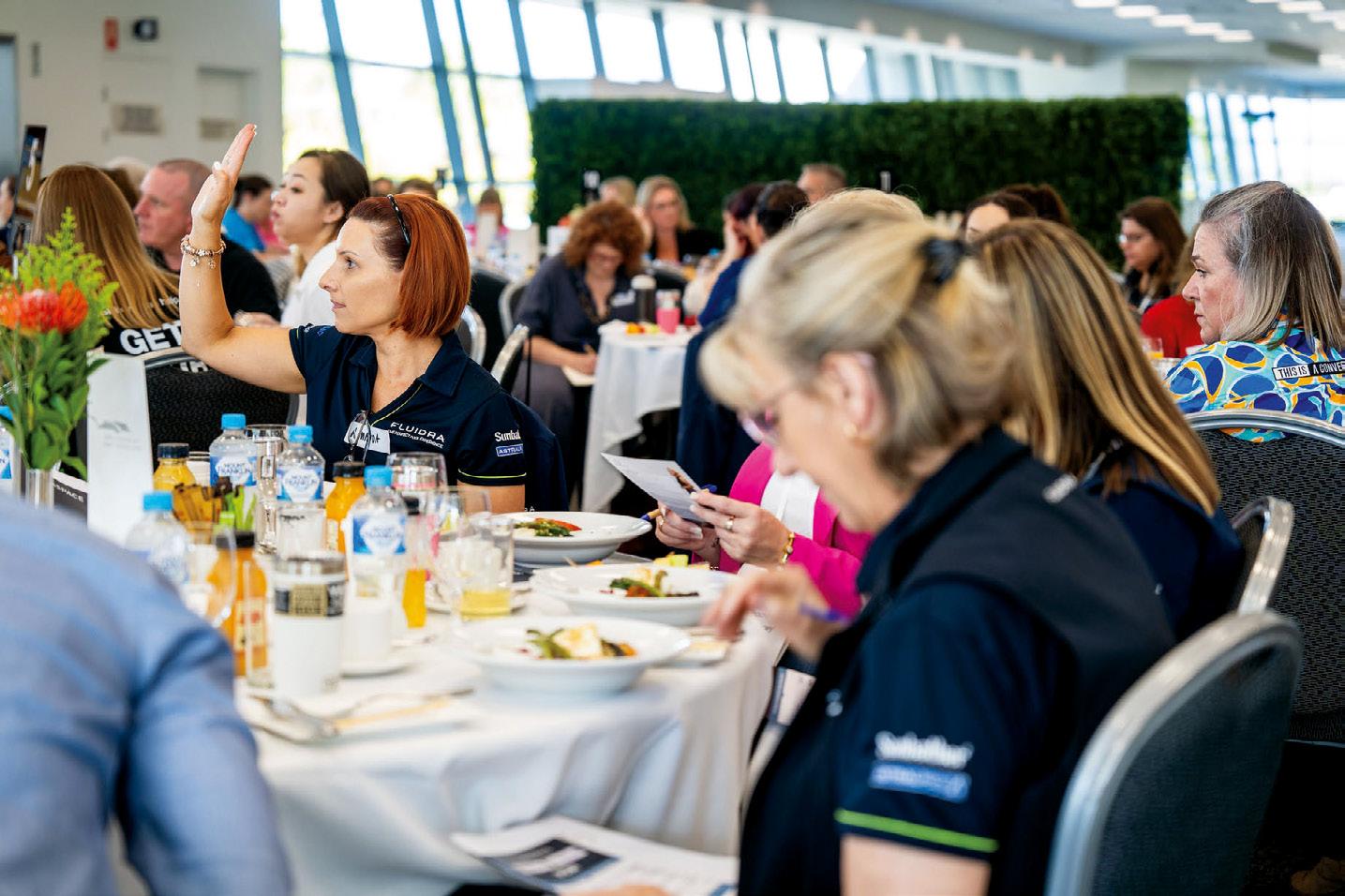








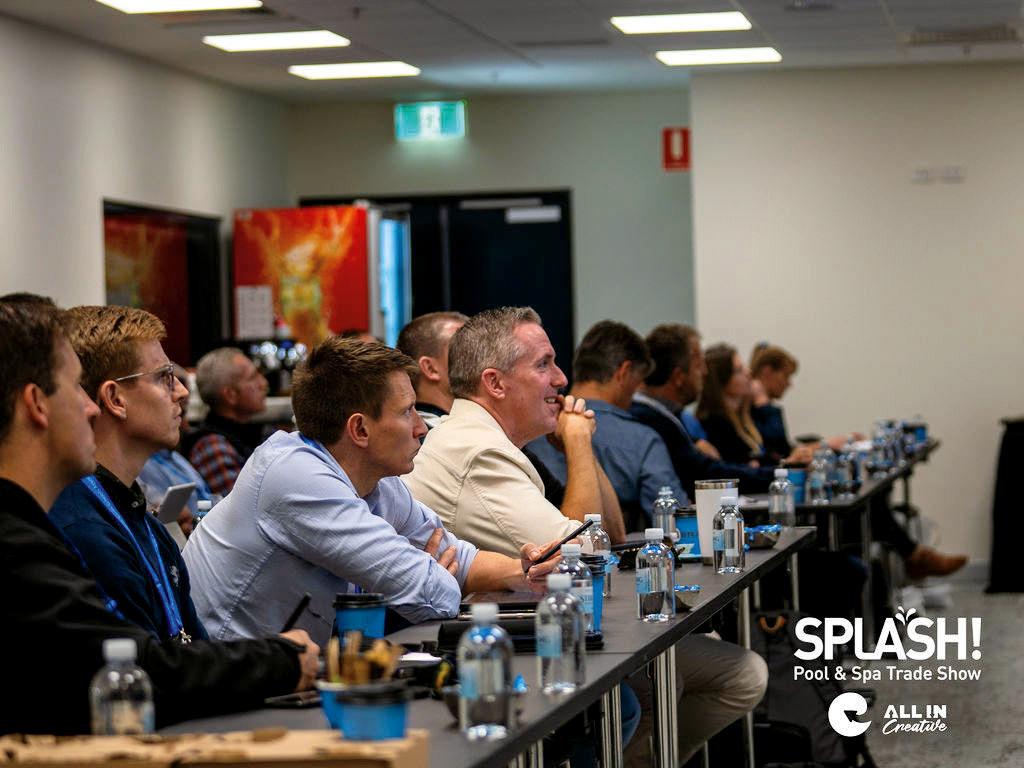

GOLD COAST CONVENTION AND EXHIBITION CENTRE 10:00am - 3:00pm SEMINARS & FORUMS 19th - 20th AUGUST WED - THURS
GOLD COAST CONVENTION AND EXHIBITION CENTRE 10-11am & 1-2pm MASTER CLASS 19th - 20th AUGUST WED - THUR PALMERS GOLD COAST GOLF COURSE 11:15 am - 8:00 pm GOLF DAY 21st AUGUST FRIDAY
SPECIAL THANKS TO OUR SPLASH! 2026 SPONSORS
PLATINUM SPONSOR







MASTER CLASS
LEADING EXPERTS, INNOVATORS, THINKERS & PROFESSIONALS
With one ticket granting access to any or all sessions across the two days.
WEDNESDAY 19 + THURSDAY 20 August th th 10am - 11am and 1pm - 2pm
MASTER CLASS PASS
$200 Non-members | $150 SPASA members


MASTER CLASS LINE UP
WATER CHEMISTRY & DIAGNOSTICS
Focusing on diagnosing and resolving complex, real-world water issues that technicians regularly encounter but don’t always have a clear framework for fixing Participants will work through structured troubleshooting methods for persistent problems such as high bather loads, combined chlorine, recurring algae, staining and unexplained water instability. The emphasis is on understanding cause and effect, not product pushing.
POOL SYSTEM PERFORMANCE: HYDRAULICS & AUTOMATION
Takes participants beyond basic hydraulics and into how modern pool systems actually behave in the field. It explores flow optimisation, variable speed pump set up, hydraulic efficiency and how small design or installation issues can cause ongoing performance problems. Attendees will learn how to diagnose circulation faults that often present as water quality or equipment issues, helping reduce energy use and repeat visits.
BUSINESS GROW TH THROUGH EXCELLENCE CUSTOMER EXPERIENCE
Designed for those running or managing pool service businesses, this workshop focuses on sustainable growth through better pricing, communication and customer experience. It looks at how technical expertise translates into perceived value, how to structure services profitably, and how to build long-term client relationships in a competitive market.
WATER QUALITY & SANITISATION
WEDNESDAY PM SESSION ONLY
Focuses on understanding and applying effective sanitisation strategies across a range of pool and spa systems. Participants will explore the principles of pathogen control and compare traditional methods such as chlorine and salt chlorination with alternative, low-chemical and mineral-based approaches. The session will also address common misconceptions around “chemical-free” pools and provide practical guidance for diagnosing water quality issues across different sanitisation systems. The emphasis is on making informed, systembased decisions rather than relying on assumptions or trends.
Commercial & Aquatics
In brief 79, 80
Programming versatility results from smart upgrade 80
Hoppo helps strengthen drowning prevention education 81
Adaptability and the Adelaide Aquatic Centre 82
My kid’s school swimming carnival shocked me 87
North Sydney Olympic Pool moves into final readiness phase
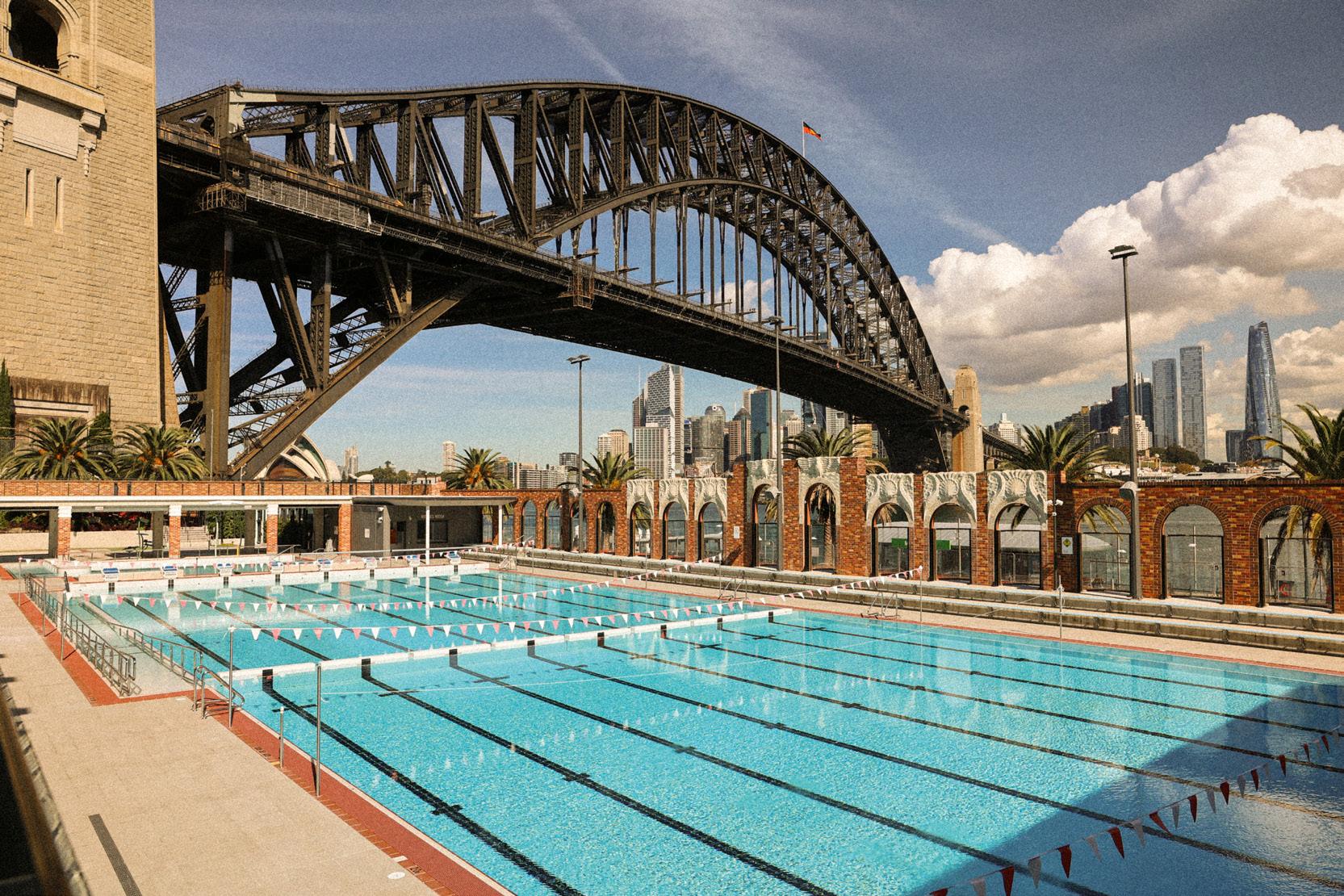
North Sydney Olympic Pool has officially reached Practical Completion, marking the formal handover of the facility from the construction contractor to North Sydney Council. This is a significant milestone for a project that has been plagued by delays and budget blowouts.
The iconic harbourside facility, first opened in 1936 and beloved by generations of
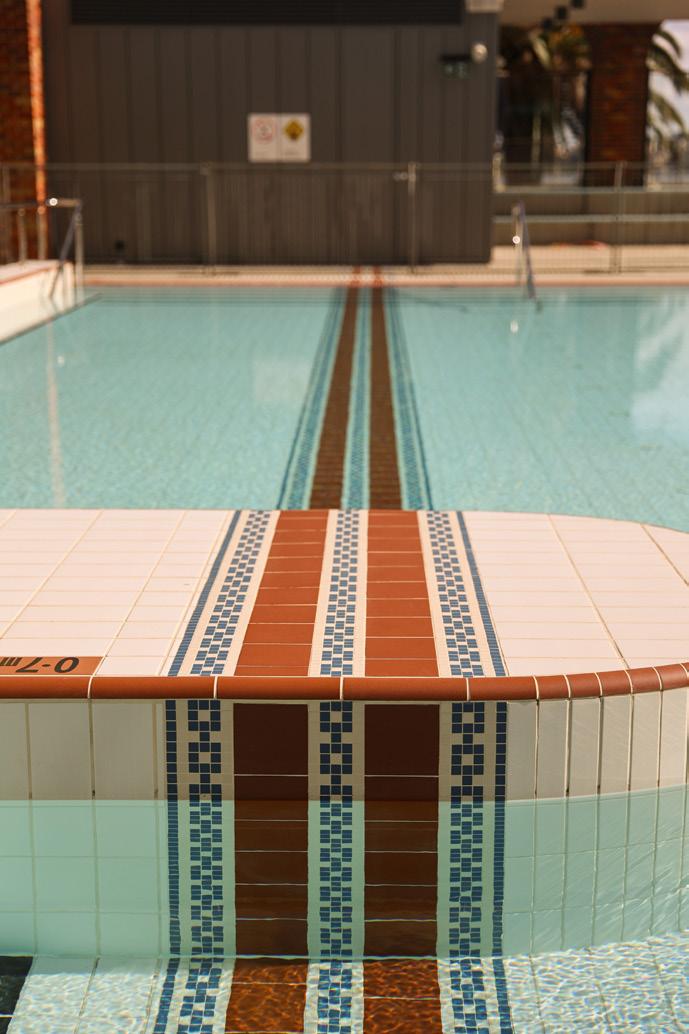
Sydneysiders, is confirmed to reopen to the public on Friday August 7, 2026 during its 90th anniversary year.
Over the coming months, council teams will be on site completing the final stages of preparation to deliver the best possible experience for the community when the facility reopens. This includes fit-outs, installation of equipment and furnishings, staff recruitment and training, implementation of technology and systems, commissioning and testing of plantrooms, finalisation of facility assessments and operating procedures, and completion of the remaining heritage restoration works.
The redeveloped facility will feature Sydney’s only 50-metre heated outdoor pool with direct views of the Harbour Bridge and Luna Park, alongside a 25-metre indoor pool, program pool, children’s splash pad and water play area, state-of-the-art gymnasium, reformer Pilates studio, swim school, crèche, spa, sauna, steam room, sundeck, café and gelato bar.
The redevelopment also includes extensive heritage restoration works celebrating the Pool’s iconic Art Deco character.
Mayor Zoe Baker thanks the community for its patience throughout this project.
“We recognise the frustration many people have felt over the course of the redevelopment and, honestly, there were times I never thought we would see this day,” she says.
“But what now stands on this extraordinary
harbour foreshore is a truly beautiful public facility that honours the history of the original pool while creating something future generations will enjoy for decades to come.
“This is a facility built not just for today, but for future generations of swimmers, families, visitors and the wider community.”
Meanwhile, the Independent Pricing and Regulatory Tribunal has approved a number of council rate increases, including North Sydney Council’s application for a permanent 52.66 per cent increase in general income over three years, clearing the way for residential rates to rise by an average 52.3 per cent by 2028-29.
This is increase has been required in part by the blowout in costs for the pool redevelopment, and in the face of strong community opposition.
The pool redevelopment was only one factor however, and other factors included the need to restore financial sustainability, address long-running underfunding of infrastructure renewal, fund new corporate and financial systems, maintain service levels and set aside about $40 million in special variation income to support future co-funding of projects in its Local Infrastructure Contributions Plan.
The North Sydney Sun reports that, while noting some shortcomings in the council’s community engagement, the tribunal found the council had adequately consulted the community and provided sufficient information about the need for and extent of the proposed increase.
Right: North Sydney Pool (Supplied, North Sydney Council)
Below: Heritage features are being retained and enhanced in the redevelopment
Local manufacturers celebrate Australian Made Week
Local manufacturers celebrated Australian Made Week this May, at the same time as the Australian Made logo has its 40th anniversary.
By buying Australian-made products, purchasers are supporting Australian workers, Australian innovation and helping build stronger local communities.
Clinton Alley, manager director of Fluidra Group Australia, says that, particularly in times of global uncertainty, councils and consumers should be looking to support local commerce.
“Fluidra is proud to support Australian manufacturing and the communities behind it,” he says.
He says Australian manufacturing remains critical to building resilient local supply chains, supporting skilled employment and delivering products specifically designed for Australian conditions.
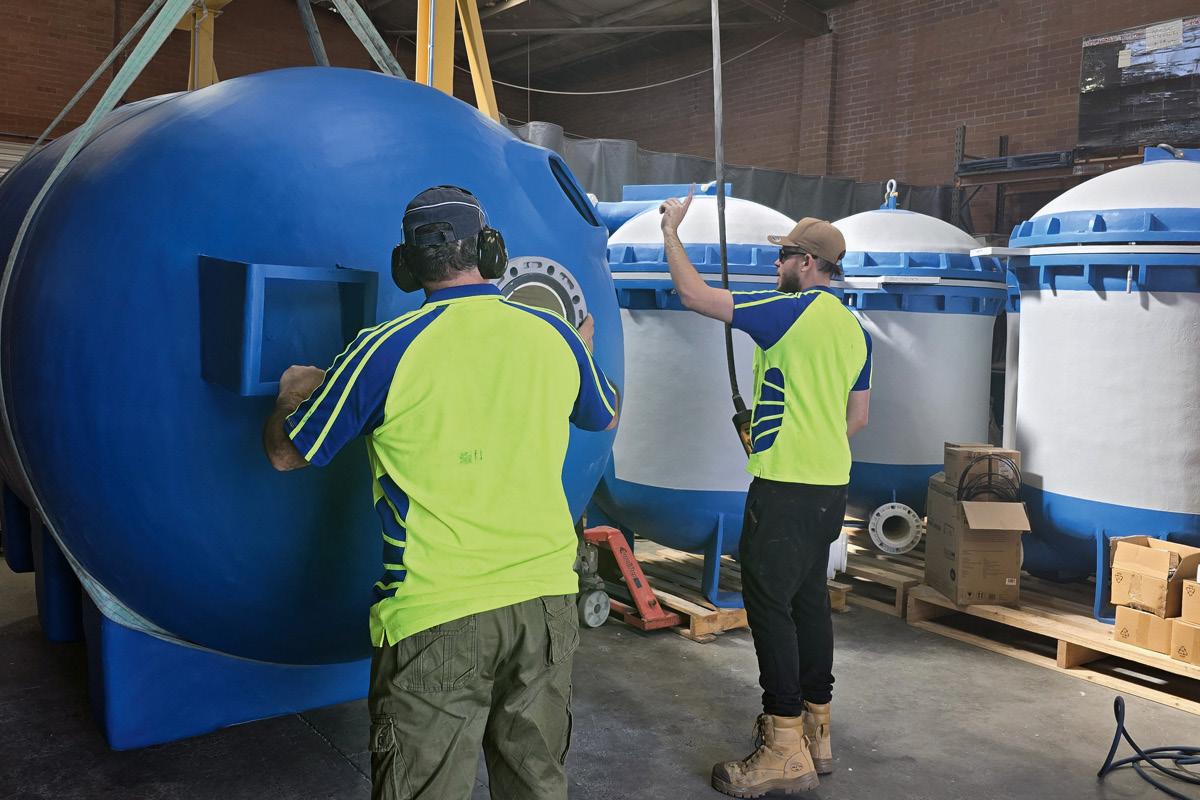
research and development site in Melbourne focused on innovation for the aquatic industry,” he says.
“Across our product portfolio, Fluidra has invested in Australian manufacturing facilities, engineering capability and dedicated production spaces that continue to create skilled employment opportunities for local communities. This includes supporting specialised manufacturing teams, engineering professionals and a
Australian-made aquatic products not only strengthen local economies, but also provide clients with reliable supply chains, local technical expertise and products engineered specifically for Australian operating conditions.
The focus on local manufacturing also supports long-term industry capability, apprenticeships, skilled trades and regional employment opportunities across the aquatic and construction sectors.
In Brief
July 25 is World Drowning Prevention Day
– the day adopted by the United Nations five years ago as part of its historic first Resolution on Global Drowning Prevention, recognising the scale of the problem and calling for coordinated action to prevent drowning. While drowning doesn’t have a single cause or a single solution, it can be prevented. Globally, more than 300,000 people lose their lives to drowning every year. Drowning predominately impacts children and young people, with more than nine in 10 deaths occurring in low and middle-income countries, highlighting that vulnerable communities are most at risk.
On Saturday July 25, landmarks across Australia will turn blue to both remember those who have been lost to drowning, and as a reminder that “anyone can drown, but no one should”. To get involved in World Drowning Prevention Day 2026 email marketing@rlssa.org.au.
Swimming Australia announced the appointment of Tony Peake to its board of directors and the appointment of Jess Hansen as athlete director to the board. A former senior partner at PwC, Peake is a highly experienced non-executive director with more than 30 years of board-level experience in the corporate, government and not-for-profit sectors specialising in audit, accounting, risk management and management consulting. Hansen is an Australian Olympian, representing the Dolphins at the Tokyo Olympics and winning multiple medals at World Championships, Pan Pacific Championships and Commonwealth Games. She has a double degree in Exercise and Sport Science and Business (Sport Management) and experience in leadership and athlete advocacy roles within the sporting system including advocating for athletes as a member of the World Aquatics Athletes’ Committee.
Moyne Shire councillors unanimously voted to decommission the Belfast Aquatics Community Pool at Port Fairy, amid emotional scenes in the council chamber. Degradation of building components over time, coupled with ageing plant and equipment, have led to emerging building structure risks, and the development of isolated pockets of mould. The 2007 pool had been closed since November 2025, and an independent assessment called for the facility to be demolished after finding more than 70 per cent of the building’s roof and structure required replacement or fixing. The report said it would likely cost between $3.19 million and $5.92 million for shortto-medium term repairs, but it could even cost more to get the pool up to operating standards. Council has not made a decision about future aquatic provision in Port Fairy.
Above: Chadson Filters manufacturing plant (supplied, Fluidra)
Regional Queensland pool gains programming versatility from smart upgrade
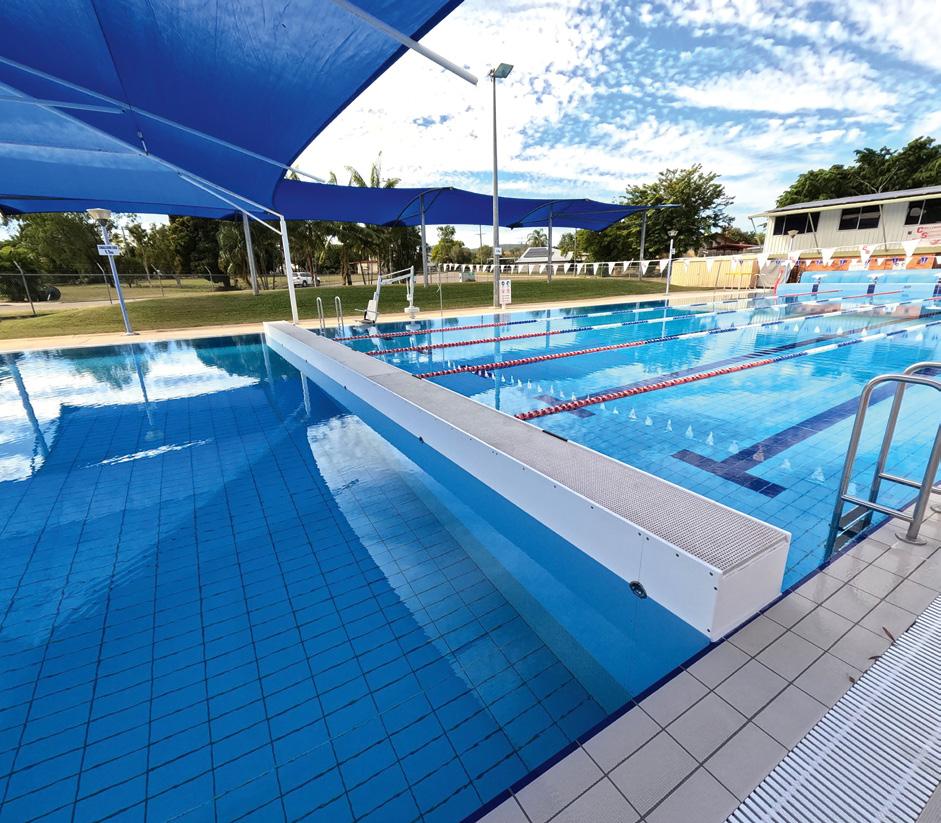
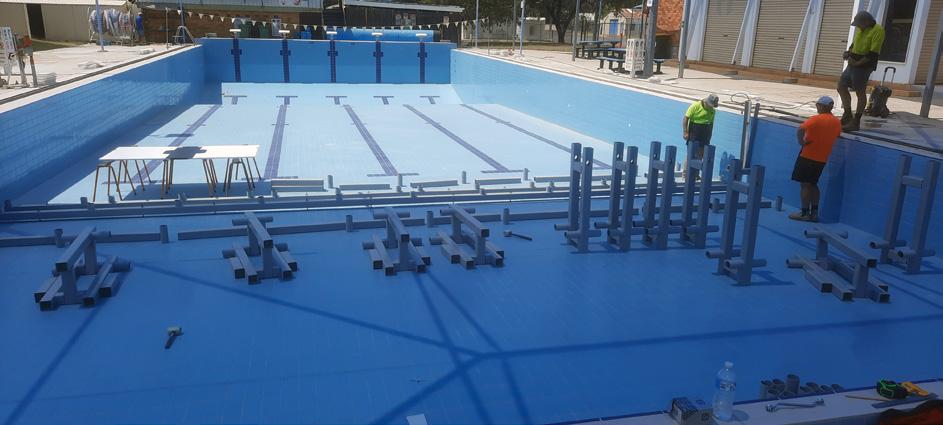
In Brief
In May, more than 300 Canberrans rallied to save the waterslides at the Big Splash water park in Macquarie. This follows the ACT Government deciding against cancelling the Translink lease, despite it being a condition of the lease that the property remain open. Last year the government asked the owners of the popular but derelict attraction, which has been closed for about two years, to explain why its lease should not be terminated. The park was due to reopen in November 2025, but Translink now says they will open in November 2026. While the reopening of the outdoor pool is a requirement of the lease, the government says the continuation of the waterslides is not. Hence the community rallying to protest, with the spokesperson believing that once the slides are gone, Big Splash would soon follow.
The redevelopment of the 1960s-built Richmond Swimming Centre has seen
A regional North Queensland pool has installed a modular static composite wall that enables the old 33-metre pool to be used as a 25-metre pool while creating additional recreational and program space.
Located in the Whitsunday Region of North Queensland, the Collinsville Memorial Pool has undergone a smart upgrade that has dramatically increased the facility’s programming capability and community access.
As well as the new 25-metre pool space enabling competitive swimming, learn-toswim programs and recreational use can occur simultaneously in the remaining space.
The installation was completed in just three days, demonstrating how targeted infrastructure upgrades can unlock new potential within existing aquatic facilities –particularly in regional communities where maximising facility use is critical.
This project marks the first installation of its kind in Australia for Fluidra Commercial. The company intentionally waited before widely promoting the solution to ensure the system performed successfully in a live operational environment and delivered
a cost blowout from an initial budget of $30 million to $73 million. Now the Hawkesbury City Council will have to find an additional $43 million through alternate financing arrangements, after it approved the addition of a gymnasium and expanding the outdoor pool from six to eight lanes. The pool upgrade was initially to be fully funded through the state government’s WestInvest Western Sydney infrastructure grants program. Some councillors have expressed concern that if costs blew out any further, Hawkesbury would have to raise rates, as happened in North Sydney. The final completion of the upgrade is now expected in 2028, including the gymnasium, expanded outdoor pool, 25-metre indoor pool, kids splash park, new amenities and a cafe.
The Western Australian State Government will not fund a $1.9 million refurbishment
meaningful benefits for both operators and the community.
Jenny Rush, pool operator from Aquatic Rush, says the Collinsville Memorial Pool installation has exceeded expectations.
“Since installing the Static Composite Wall at the Collinsville Memorial Pool, we’ve been able to run recognised 25-metre competitions while still keeping space for learn-to-swim and junior programs,” she says.
“It has significantly increased the number of programs we can offer and brought more patrons through the facility than ever before. The wall has transformed how we operate the pool, and we would highly recommend other aquatic facilities consider the same solution.”
Aquatic facilities across Australia are increasingly evolving into versatile community hubs that must cater for diverse users – from competitive swimmers to families and learn-to-swim participants. Solutions such as modular pool walls allow operators to increase flexibility and programming capacity without major structural redevelopment.
Contact: www.fluidra.com.au/commercial
and recommissioning of Albany’s public hydrotherapy pool, despite a report finding it a justifiable case for investment, reports the ABC. There is currently no public hydrotherapy pool in the Western Australian town, 400 kilometres south of Perth, despite 100 people previously using the service. The pool was closed during covid in 2020, reopening for a brief period in early 2023, then closed again to due to infrastructure failure and compliance issues.
James Magnussen has finished last in the 100-metre and 50-metre freestyle races at the Enhanced Games despite having undergone two years of supervised doping. Ironically, he was beaten in the 100 metres by “non-enhanced” American, Hunter Armstrong. However, he still pocketed $50,000 for participating in the promotional event held in Las Vegas.
Installing the static wall
Collinsville Memorial Pool with its new static wall
Hoppo helps strengthen drowning prevention education
Swim Australia has announced a collaboration with Float to Survive founder and Bondi lifeguard Bruce “Hoppo” Hopkins to support the rollout of its Teacher of Float to Survive professional development course, equipping swim teachers and coaches with the knowledge and skills to teach a simple yet potentially lifesaving aquatic survival technique.
Hopkins says the Float to Survive message is a simple message, but it maximises the chance of survival.
“Learning to float can buy you time, save your energy, and give rescuers a chance to get to you,” he says.
While learning to swim remains an essential life skill, swimming ability alone does not guarantee safety in an aquatic emergency. Float to Survive teaches people how to remain calm, control their breathing and conserve energy until they can self-rescue or help arrives.
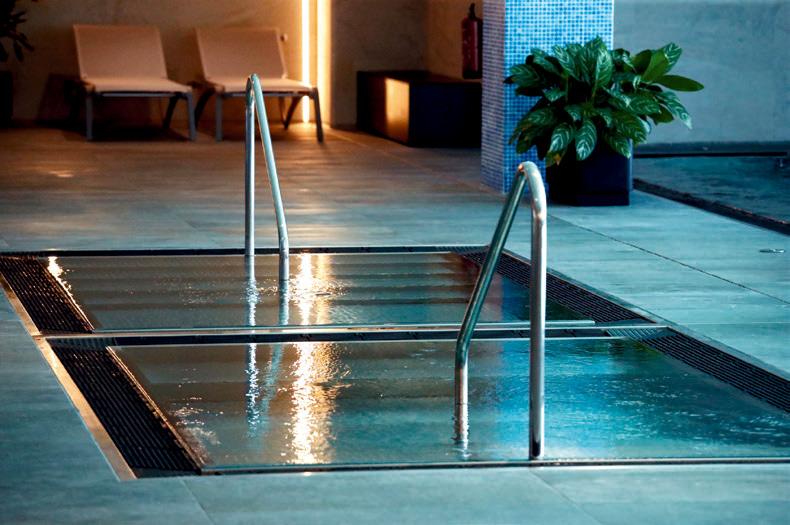
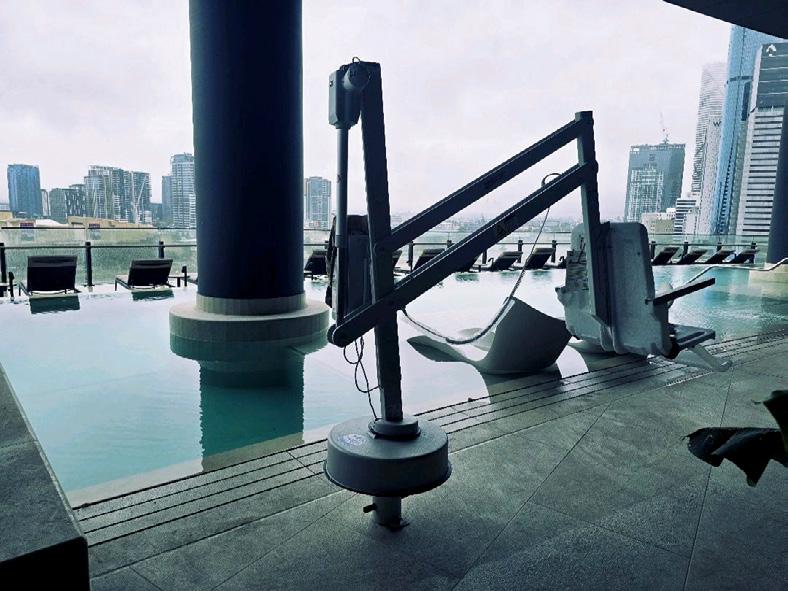
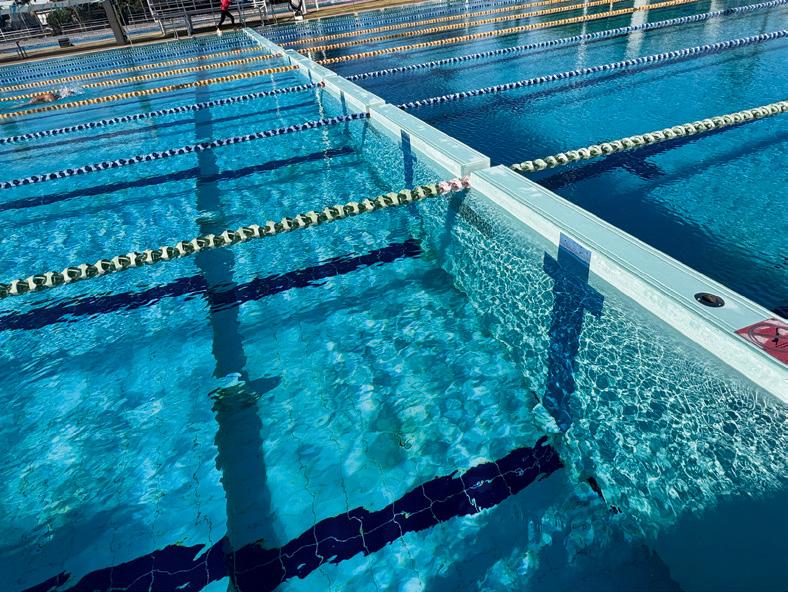
Swim Coaches & Teachers Australia
CEO Brendon Ward says the partnership helps bridge the gap between traditional swimming and real-world survival skills.
“By equipping swim teachers and coaches with the knowledge and confidence to teach these skills effectively, we can help more people develop an instinctive survival response when they unexpectedly find themselves in difficulty in the water," Ward says.
The Teacher of Float to Survive course was developed by aquatic educator and water safety specialist Graham Dietrich and provides a practical framework for teaching floating as a survival skill to swimmers and non-swimmers alike.
Dietrich said one of the course’s greatest strengths is its accessibility.
“Many people assume these skills are only relevant for swimmers, but Float to Survive can be taught quickly and effectively
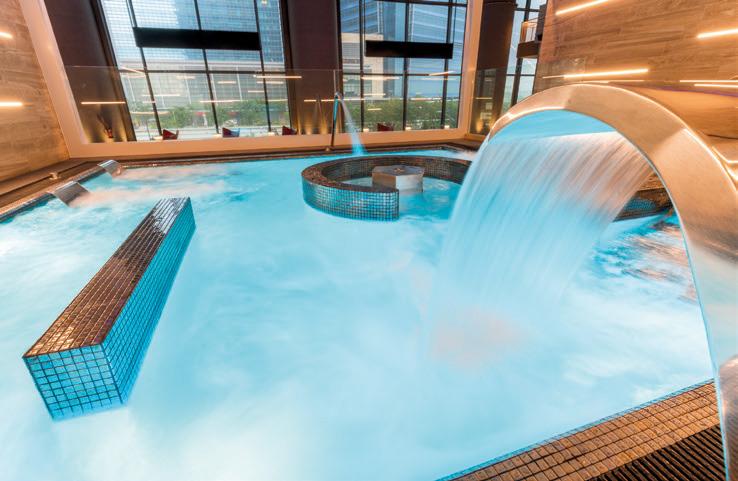
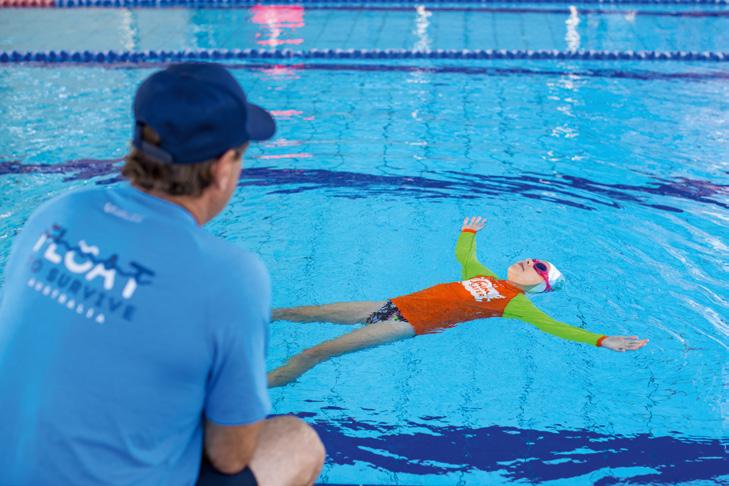
Bruce “Hoppo” Hopkins demonstrating the Float to Survive teaching technique
to non-swimmers as well,” Dietrich says.
“By building confidence and reducing fear, it often becomes a gateway to learning to swim while providing an essential survival skill that could one day save a life.”
As part of the partnership, $10 from every course enrolment will support Float to Survive projects in Australia and in countries where access to Learn to Swim education and aquatic safety resources is limited.
“Every enrolment helps expand access to water safety education for communities that need it most,” Dietrich says.
The Teacher of Float to Survive course is now open for enrolments.
Contact: www.swim.org.au
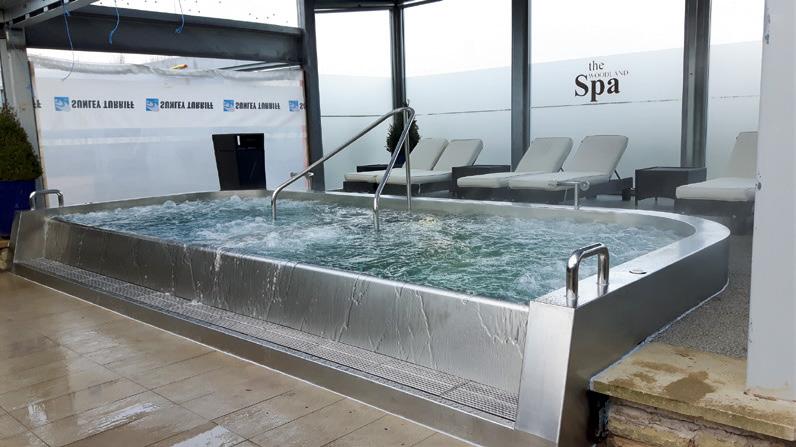
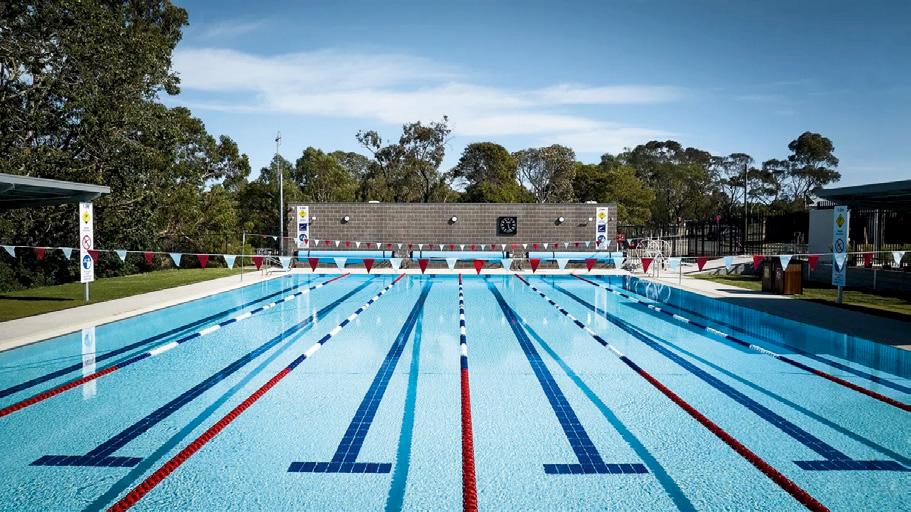
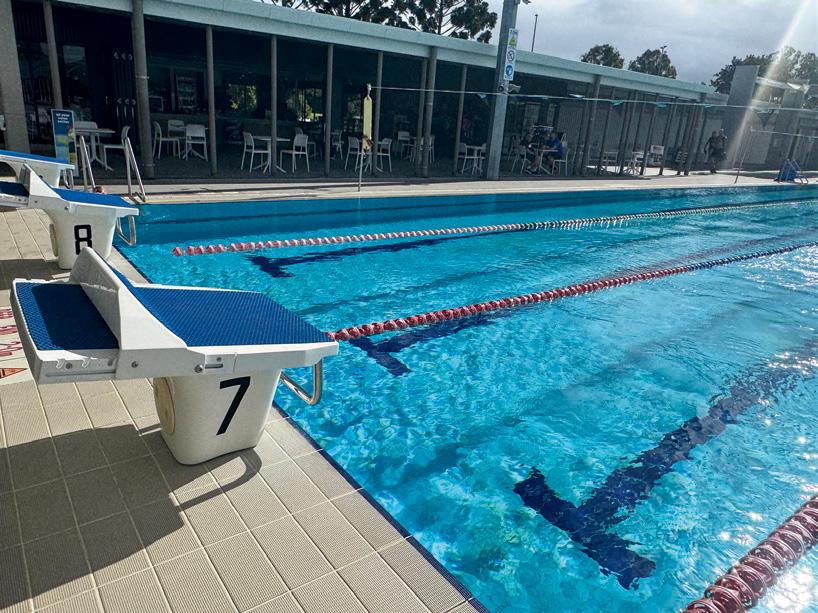

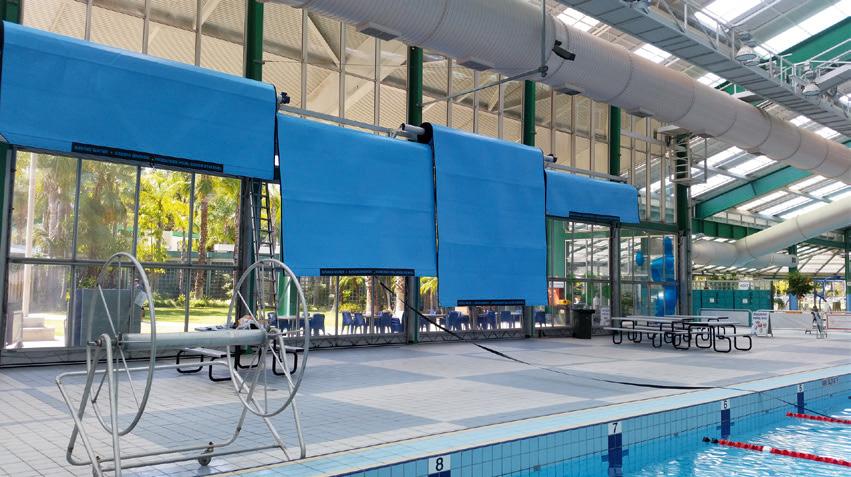
Adaptability and the Adelaide Aquatic Centre
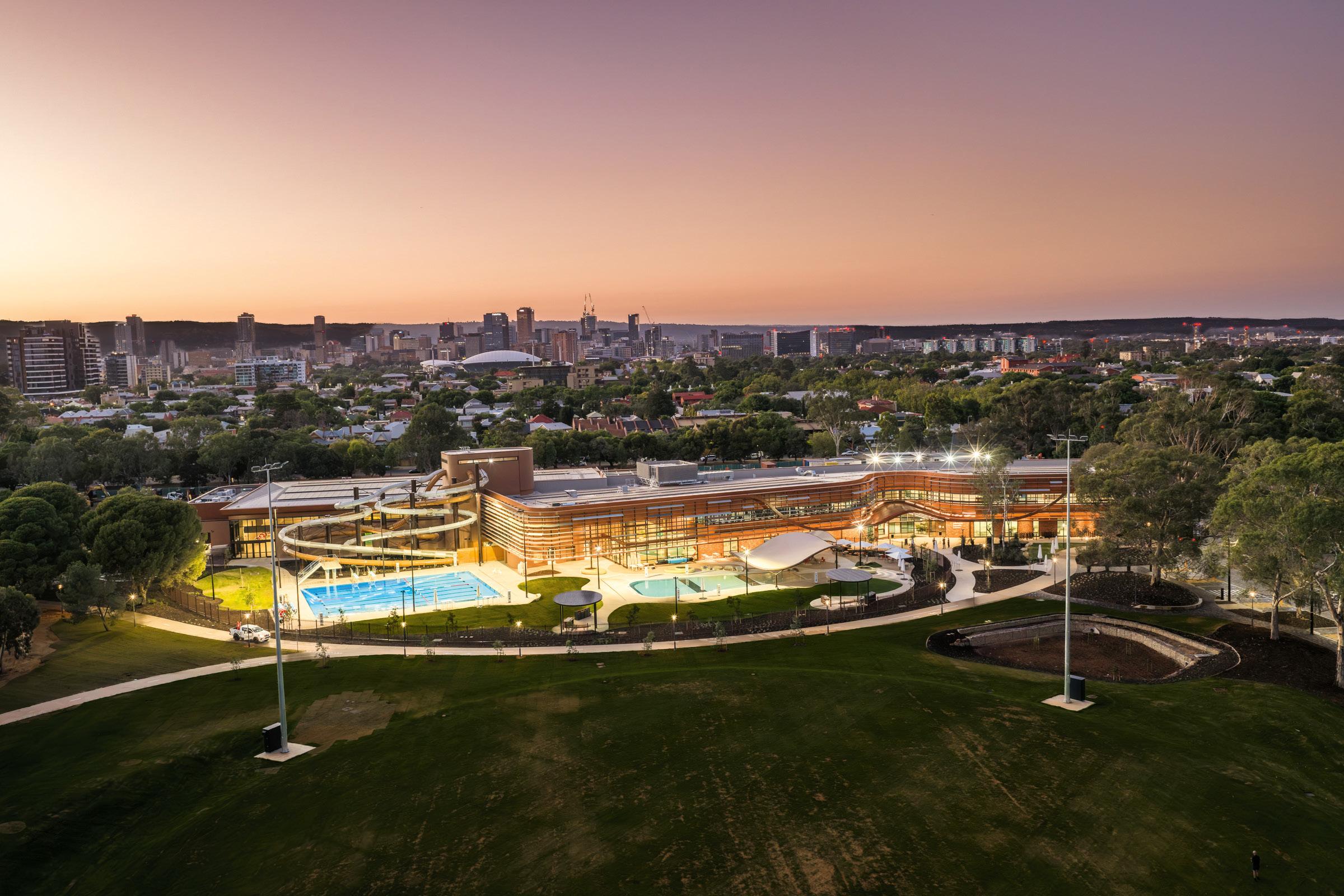
AThe completion of the Adelaide Aquatic Centre marks a defining moment for South Australia’s public infrastructure landscape .
quatic engineer and associate with MLEI Consulting Engineers, Neil Davey, says the recently completed Adelaide Aquatic Centre represents an investment in long-term community wellbeing, accessibility and sustainable design, delivered through a highly coordinated and technically demanding process.
The project was led by Davey and Serhan Halil, supported by a highly experienced technical team working collectively to bring clarity, consistency and technical rigour to a complex and evolving delivery environment.
The centre is a multi-layered aquatic facility comprising eight distinct water environments, from a 50-metre indoor competition pool to outdoor leisure and lap pools, rehabilitation and learn-toswim facilities, and family-focussed waterplay zones.
“Each element carries its own engineering demands,” says Davey. “But it is their integration into a single, high-performing system that defines the project.”
MLEI’s role spanned structural pool shell design, hydraulic systems, filtration and water treatment disciplines that must operate seamlessly together to ensure performance, safety and longevity.
MLEI’s approach
“The delivery environment required a level of adaptability not typically encountered in aquatic infrastructure,” says Davey.
“Early works commenced while aspects of the architectural design were still evolving, placing heightened importance on coordination across structural, hydraulic and building interfaces.”
He says that the pool shells, functioning as both structural elements and integral components of the hydraulic system, required precise alignment with embedded services, wet deck guttering systems and waterproofing methodologies.
“These decisions were not isolated; they influenced construction sequencing, long-term durability and operational performance.”
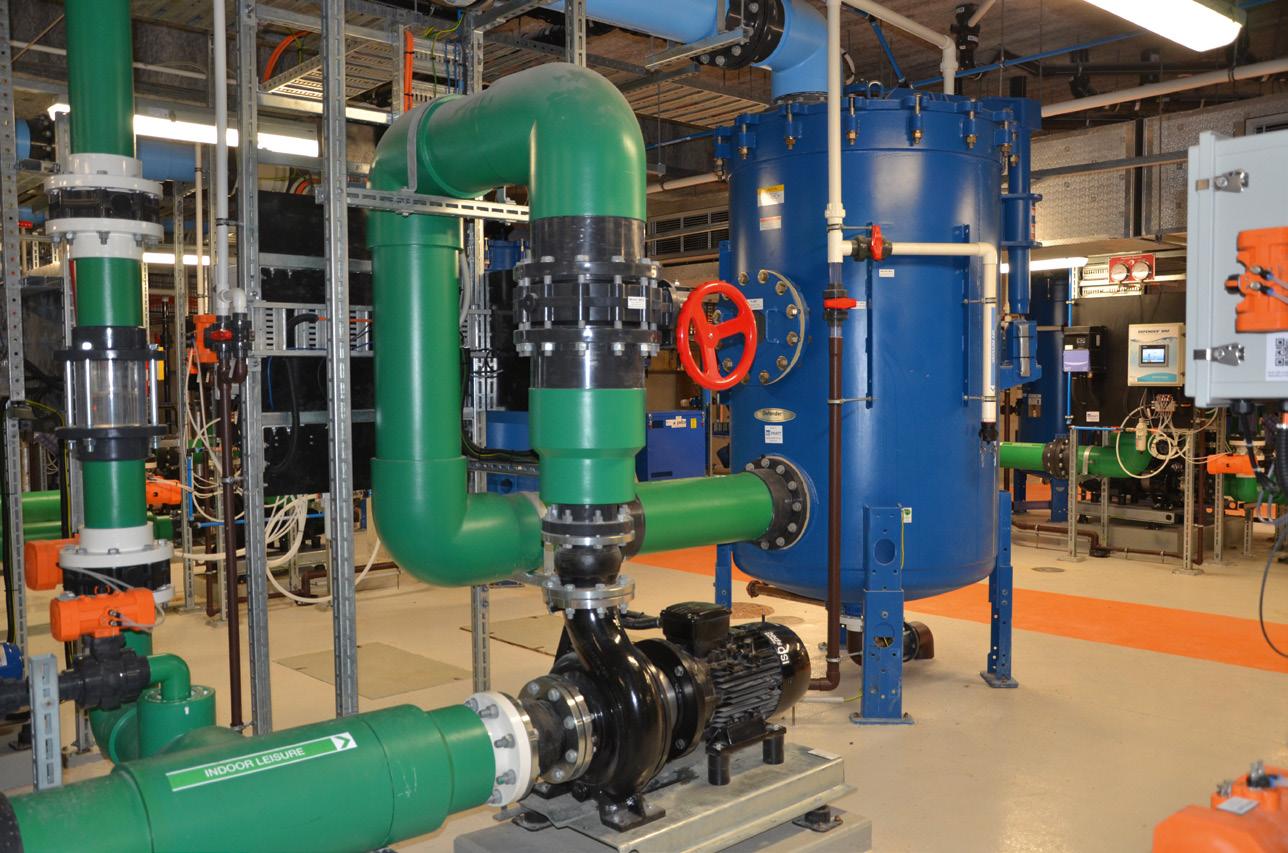
Above: Aerial view of the new Adelaide Aquatic Centre with the city in the background.
(Supplied, Government of SA, Department of Infrastructure and Transport. Tom Roschi Photography)
Below: Indoor leisure filter system
Balancing program, budget and quality outcomes remained a constant focus for the MLEI team. With cost pressures emerging early, the project team was required to identify efficient, practical solutions without compromising the overall vision.
“This demanded a disciplined and highly collaborative approach across all stakeholders,” he says.
Key challenges
Navigating this environment required not just technical capability, but a coordinated leadership approach across disciplines.
Davey says the highly experienced team brought together deep technical capability across aquatic design, hydraulics and structural integration.
Under the leadership of Davey and Halil, supported by technical lead Carmine Perrotta and the broader team including Dave Love, Goh Hoo and Joseph Whelan, the MLEI Sports + Recreation team worked collectively to navigate both the technical and delivery complexities of the project.
This was complemented by the leadership of senior project manager Terry Kildea, whose role in maintaining clear communication and program alignment across the broader project team was critical as delivery progressed at pace.
“MLEI’s approach was underpinned by a focused, specialist team structure that enabled agility without compromising detail,” says Davey.
“Direct and continuous communication with the builder, architect and engineering partners ensured that challenges were addressed early and collectively, maintaining both quality and momentum throughout delivery.”
Innovation
Davey says that, from a technical perspective, the project incorporates a number of forward-looking solutions that position the centre as a benchmark for aquatic facilities.
“The filtration system, utilising advanced media technology, is capable of removing particles down to approximately one micron, significantly enhancing water quality and public health outcomes. This is supported by a dual sanitisation approach, combining chlorine gas treatment with UV systems to provide a robust and reliable process.”
Strategic decisions were made to improve operational efficiency, including the selection of more user-friendly pH control chemicals contributing to safer handling and reduced long-term costs.
The integration of hydraulic systems within the concrete pool shells represents another key design outcome. By coordinating pipework, guttering and structural elements as a unified system, the design supports both performance and durability.
“Waterproofing and tiling methodologies were approached with the same level of rigour, recognising their importance in protecting the asset over its lifecycle,” he says.
Measurable results
Davey says that sustainability is embedded throughout the facility, most notably through
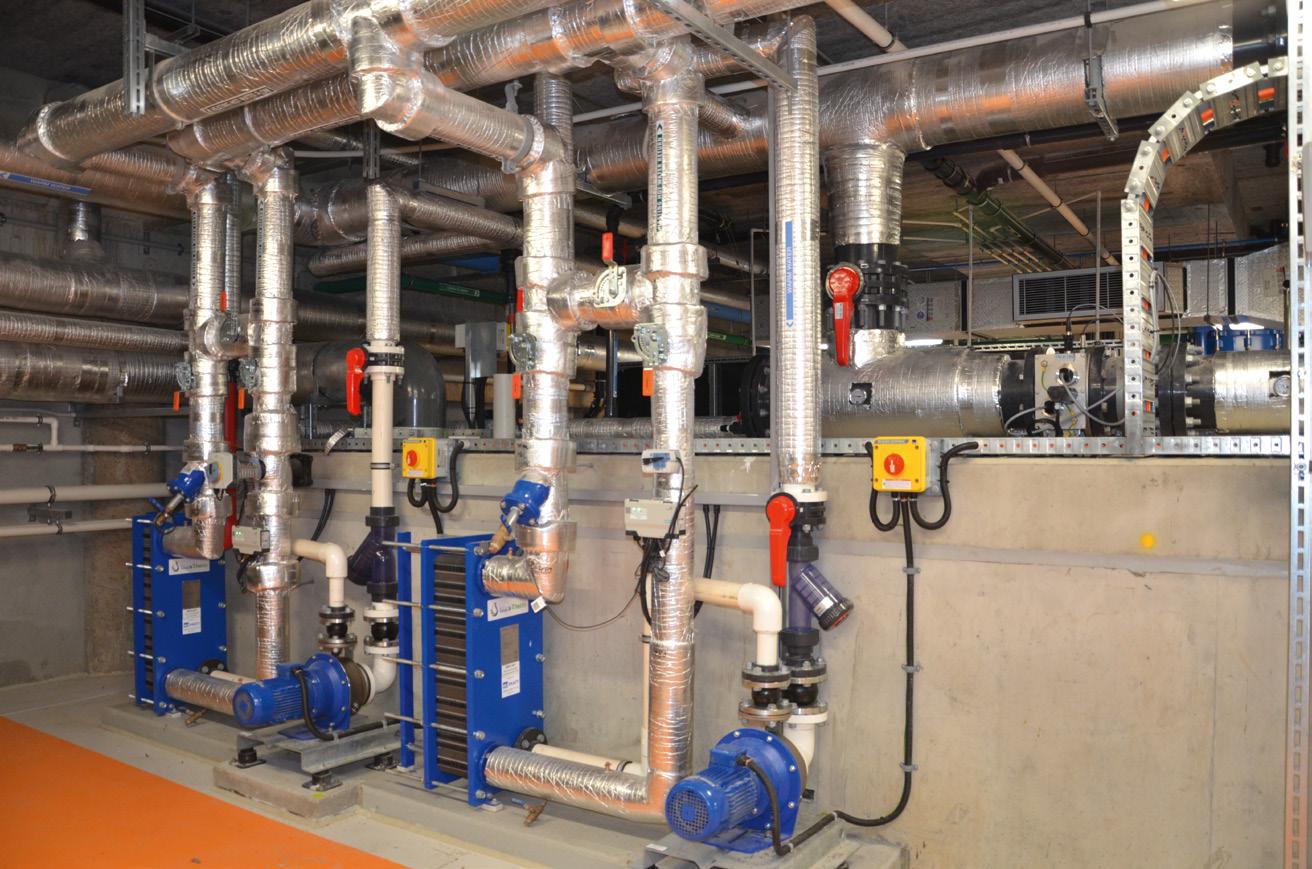
its operation on 100 per cent certified renewable energy.
“Engineering decisions were guided by a whole-oflife perspective, balancing upfront investment with long-term efficiency, resilience and maintainability. These considerations extend beyond energy to include water quality management, chemical handling and system resilience, ensuring the centre delivers ongoing value.”
Cultural awareness also informed the project, with consideration given to Kaurna heritage and connection to place.
“This contributes to a facility that is not only technically accomplished, but also respectful of its context and inclusive in its design intent,” he says.
The impact of the Adelaide Aquatic Centre is already being realised. Strong community uptake, from memberships to program participation, reflects the importance of the facility as a social and recreational hub.
More broadly, it demonstrates how complex public infrastructure can be delivered efficiently while maintaining a high standard of quality and user experience.
A pivotal role
Terry Kildea, senior project manager at Sarah Constructions, says that MLEI played a
Top: Heat exchangers with shunt pumps
Above: Wallace and Tiernan water chemistry analyser for the outdoor lagoon
“Direct and continuous communication with the builder, architect and engineering partners ensured that challenges were addressed early and collectively.”
pivotal role in the Adelaide Aquatic Centre redevelopment.
“Their team consistently provided expert technical advice throughout the project, and particularly in collaboration with our aquatics contractor during the demanding and timesensitive value management phase, helping the project meet critical milestones and maintain forward momentum,” he says.
“Their ongoing support throughout construction, spanning quality assurance and constructability engineering, was instrumental in the successful delivery of this landmark $135 million, state-of-the-art facility.
“Benchmarking against similar projects nationwide, the centre was delivered in record time.”
Project takeaways
Davey says the project reinforces the evolving nature of delivery across complex infrastructure.
“As design and construction increasingly overlap, the need for confident, timely decision-making across all disciplines becomes critical. It highlights an opportunity for the industry to continue strengthening capability, accountability and integration between design and delivery teams.”
He says the experience reinforced the value of collective leadership, where outcomes are not driven by individuals alone, but by aligned teams bringing clarity, communication and technical depth to every stage of the project.
“Early engagement, consistent coordination and strong relationships remain fundamental to successfully delivering projects of this scale and complexity.
He says the result reflects the value of specialist consultancy engineering delivered through collective leadership and deep technical integration.
“The project stands as a benchmark for future aquatic infrastructure – demonstrating how coordinated expertise, early engagement and disciplined decision-making create enduring public assets.” n
Contacts:
www.mlei.com.au
www.adelaideaquaticcentre.com.au
The Adelaide Aquatic Centre
The landmark $135 million Adelaide Aquatic Centre opened on January 26, 2026. The completion of the project came less than two years after major construction began in February 2024.
More than 1500 full-time equivalent jobs were supported over the life of the project, with more than 2500 people working at pace in recent weeks to complete the finishing touches.
Approximately 2800 cladding panels, 685 tonnes of structural steel, 720 concrete piles, and 1.35 kilometres of underground plumbing were used in the build. Around 160,000 tiles were installed in the leisure pool, with just under 153,000 tiles used across the other indoor pools.
More than 50 timber beams and columns, each one up to 37 metres long – or more than 10 metres longer than the 25 metre, 8-lane outdoor pool – were used in the centre
framework. These were milled in Austria, as there are no facilities in Australia capable of producing beams of this size.
Excavators removed 40,000 cubic metres of soil during construction, helping backfill the former pools at the old aquatic centre site, ahead of more than 1000 square metres of space being returned to park land.
Powered by 100 per cent certified renewable energy, the new centre is an accessible space for everyone and sets a new benchmark for recreational aquatic facilities nationally.
Features include:
• 50m, 10-lane indoor pool.
• 25m, eight-lane outdoor pool.
• Dedicated indoor warm water rehabilitation pool.
• Dedicated indoor learn-to-swim pool.
• Lagoon outdoor pool.
• Four new waterslides, reaching speeds up to 40 km/h.
• Entry level diving amenities.
• Indoor leisure space, with splash zones.
• Relaxation zone, sauna and steam room.
• Outdoor splash pad with waterplay.
• Outdoor aquatic zone with BBQs and lawned areas.
• Café available for both centre visitors and other Park 2 users.
• Gym and fitness facilities three times larger than first planned.
• Inclusive amenities and changerooms.
• Increased car parking with access from Jeffcott Street.
• Improved pedestrian and cycle pathways connecting the centre with existing networks.
Grundfos pumps Eco Optidrive and Defender controls


I’m a drowning prevention researcher – my kid’s school swimming carnival shocked me
By Amy Peden
National Health and Medical Research Council (NHMRC) fellow, Amy Peden, describes her recent experience at a swimming carnival, and offers a warning about swimming competency rates among schoolchildren.
The swimming carnival season in Australia typically means children from about Year Two and up are asked to swim a distance of 50 metres or one length of an Olympic-size pool – if they say they can.
As a parent of primary school kids, I recently went to my child’s carnival to show my support.
As a drowning prevention researcher, I was already well aware of the dire state of children’s swimming abilities – and so wasn’t expecting all children to be able to compete. But I was shocked to see numerous rescues during the day. This is where children are unable to finish events and need help to get out of the pool.
What is going on?
A drop in swimming ability
We know swimming ability is declining in Australia.
One in four schools no longer holds a swimming carnival at all, citing low swimming skills as the main reason. When they run carnivals, teachers estimate 50 per cent of eligible children do not participate.
In a 2025 report, surveyed teachers told Royal Life Saving Australia almost half of Year Six students cannot swim 50 metres and tread water for two minutes – the minimum water safety requirements for their age.
Parents reported 46 per cent of children aged 11 to 12 (Years Five and Six) can’t swim 50 metres. An estimated 46 per cent of children aged seven to 14 do not have the minimum safety skills set for children aged six.
Teacher survey responses identified about 31 per cent of schools no longer offer swimming skills programs due to cost, resourcing and time. Parents report similar barriers to enrolling their children in private swimming lessons.

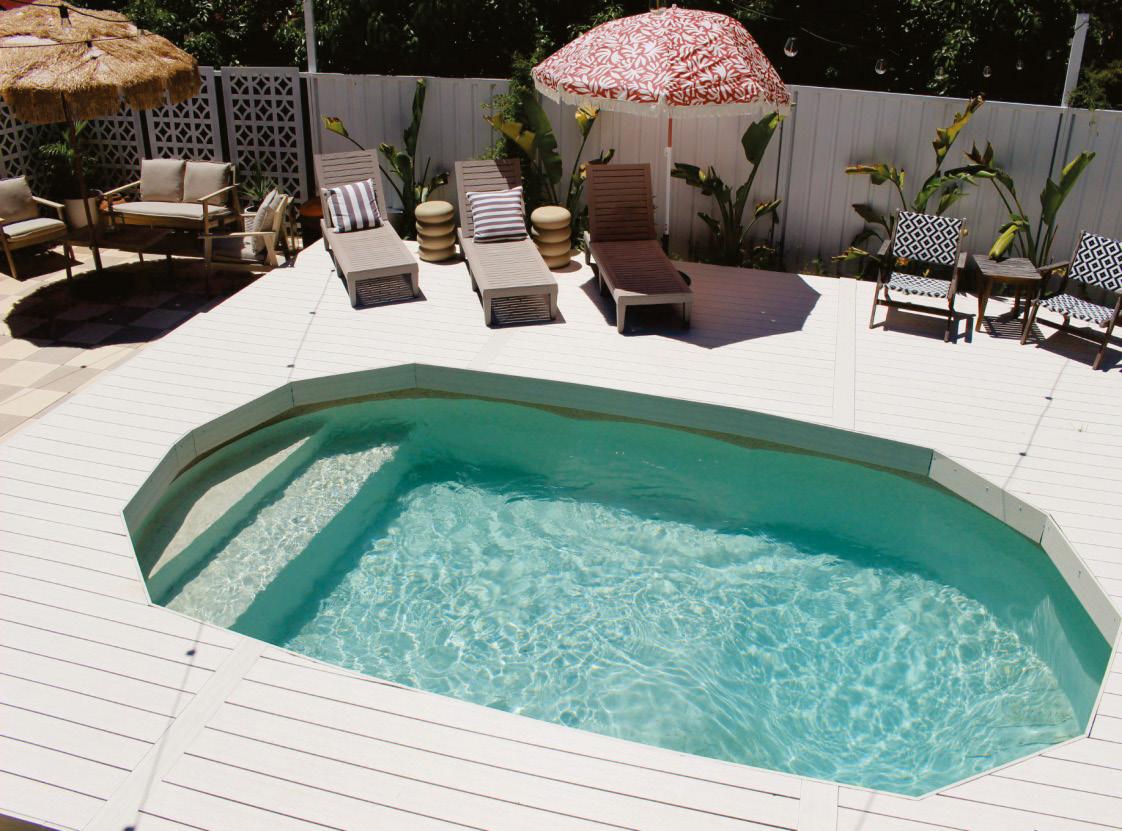
One in four schools no longer hold swimming carnivals. AdobeStock, illustrative only
Are parents overestimating ability?
But the rescues at our school carnival led me to wonder whether there was something else at play.
At my child’s school, parents were asked to assess their child’s swimming ability on the carnival permission note. The information was used for lane allocation with weaker swimmers to race in outer lanes, closer to lifeguards.
So perhaps some parents were overly optimistic about how well their child can swim. Research shows parents often overestimate their child’s swimming ability and therefore underestimate their drowning risk.
But in defence of parents, children rarely have the opportunity to swim 50 metres nonstop. Lessons are often held in smaller, learn-to-swim pools or those that are only 25 metres in length.
For residents in country areas with seasonal pools (like my home town), their outdoor 50-metre pools are also closed for half the year.
What can parents do?
So, as a country that’s supposed to be a “nation of swimmers” with a strong lifesaving history, how can we counter this decline and avoid children needing to be rescued at their carnivals?
Encourage parents to prioritise swimming lessons over other sports wherever possible. This recognises learning to swim is a non-negotiable life skill that both reduces drowning risk as well as opens up the joys of swimming for fitness and fun. Even if your child is in high school and you’ve let swimming lessons slide, it is not too late for them to learn and improve.
Check your child’s ability against the national standards. If you’re not sure their ability is where it should be for their age, consider some top-up lessons or a holiday intensive program.
Observe how your children are doing in swimming lessons. Ask for feedback from their teachers. Where are they up to in terms of water safety?
Get in the water with your child, preferably at a 50-metre pool. Swim alongside them and see how they go at completing a length nonstop. Explain what to do if they feel like they can’t make it, either practising floating on their back or holding onto a lane rope.
Child swimming competency
All Australians at the age of 12 years should be able to:
• Understand and respect safety rules for a range of aquatic environments.
• Enter and exit the water for a range of environments.
• Float, scull or tread water for two minutes and signal for help.
• Swim continuously for 50 metres.
• Surface dive, swim underwater and search to recover an object from deep water.
• Respond to an emergency and perform a primary assessment.
• Rescue a person using a non-swimming rescue technique with non-rigid aids.
• Perform a survival sequence wearing light clothing.
This is vital
We don’t want the swimming carnival to disappear forever. Nor do we want it to be just for the top swimmers. My kid’s swimming carnival was described as being for “competitive swimmers only”, which is part of a growing trend among schools.
Amid record drowning deaths in Australia, and during a summer when 79 people have lost their lives to drowning, ensuring our kids know how to swim safely has never been more important. n
Amy Peden is a NHMRC Research Fellow, School of Population Health and co-founder of the UNSW Beach Safety Research Group. Disclosure: She receives funding from the National Health and Medical Research Council, the World Health Organization and Surf Life Saving Australia. She maintains an honorary affiliation with Royal Life Saving Society – Australia. This article first appeared in The Conversation.

BUILDING EXCELLENCE THROUGH ACCREDITATION, ENGAGEMENT, DISCIPLINE, AND IMPACT.


Daisy launches world-first aerial measurement platform
Daisy Pool Covers has unveiled CoverVision, a world-first aerial-photo-based pool measurement platform developed exclusively for its national dealer network.
Harnessing high-resolution aerial imagery covering approximately 99 per cent of Australia, backed by more than 25 years of historical photographic data, CoverVision enables Daisy Dealers to measure any pool across the country with pinpoint accuracy.
They can then generate a precise pool cover quote and even get the cover custom precut with a few clicks, including oversized rectangle and custom precut shaped covers, spanning Daisy’s Solar, WinterKleen and Thermotech insulating foam cover ranges.

CoverVision addresses two persistent and costly pain points facing pool retailers, pool builders and pool service businesses: the time and logistical burden of conducting in-home pool measurements, and the specialised skill requirement that has long acted as a bottleneck on how many jobs a business can profitably take on.
Dealers no longer have to dispatch staff to a customer’s property, absorb travel time and fuel costs, and critically, rely on personnel with the specialist triangulation measurement skills needed to produce an accurate result in the field.
For businesses operating in regional areas, or those simply trying to scale, that overhead has represented a genuine ceiling on growth.
CoverVision is designed to remove that ceiling entirely.
Contact: hello@daisypoolcovers.com.au, www.daisypoolcovers.com.au
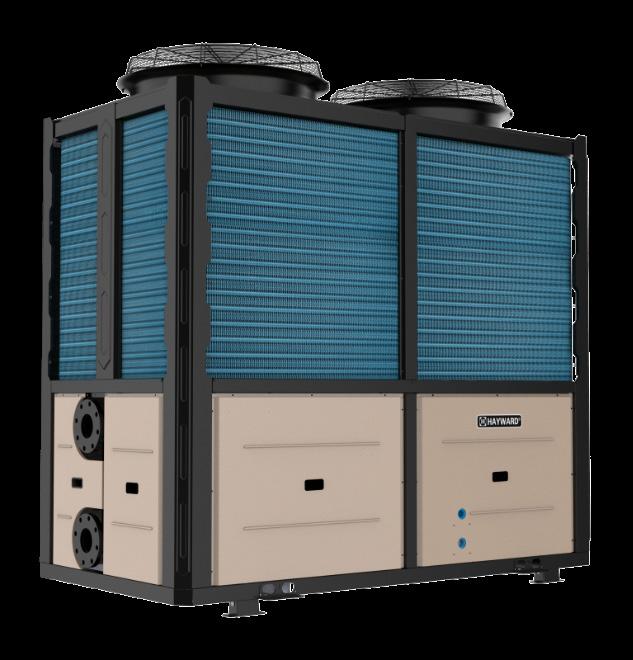
Hayward launches new Commercial Inverter Heat Pumps
Hayward says it’s new Commercial Inverter Pool Heat Pump delivers efficiency and reliability.
They have full inverter technology achieving COP ratings of up to 16.5 and operating across a wide 15C to 43C temperature range.
Available in two sizes – 68kW and 135kW – these units provide both heating and cooling year-round, using eco-friendly R32 refrigerant and soft-start technology for long-term dependability.
A five-inch touchscreen with dual timer, built-in 4G-DTU remote monitoring, and RS485 connectivity make management effortless, whether on-site or across a portfolio of facilities.
Quiet enough for noise-sensitive environments, from just 53 dB(A), and backed by an industry-leading 25-year heat exchanger warranty, the Hayward Commercial Inverter Heat Pump is suited to aquatic centres, hotels, and commercial pools serious about performance.
Contact: au.hayward.com
New Scuba3s smart and fast pool control
The new generation of Lovibond’s popular Scuba electronic pool tester combines NFC technology with an expanded range of capabilities. Featuring more pool parameters than before and the ability to wirelessly transmit measurement results anytime, anywhere, the new Scuba3s is the ideal companion for every pool owner.
The Scuba3s covers the 12 most important measurement methods for pool water quality, all accessible at the touch of a few buttons. Core hygiene parameters - total, free, and combined chlorine, pH, bromine, alkalinity, and cyanuric acid - are now complemented by active chlorine, calcium hardness, active oxygen, phosphate, and copper, giving users a comprehensive picture of whether their pool water is hygienically safe.
The device also helps users interpret results at a glance: a traffic light system uses background lighting to indicate whether values fall within the target range (green) or exceed or fall short of it (red). Detailed evaluations are available instantly through the companion app.
Measurement results can be saved as data sets directly on the Scuba3s, then quickly and effortlessly transferred to a smartphone or tablet using the Scuba app. On-screen animations and icons guide users through every step of operation, making the Scuba3s straightforward to use from the very first time.
The new Scuba3s will make its debut at the SPLASH! Trade Expo at the Gold Coast Convention and Exhibition Centre, Broadbeach, Queensland, on August 17-21, 2026, at Stand Number 85.
Contact: Yvette Thommesen, 0418 660 133, www.waterlillyaustralia.com
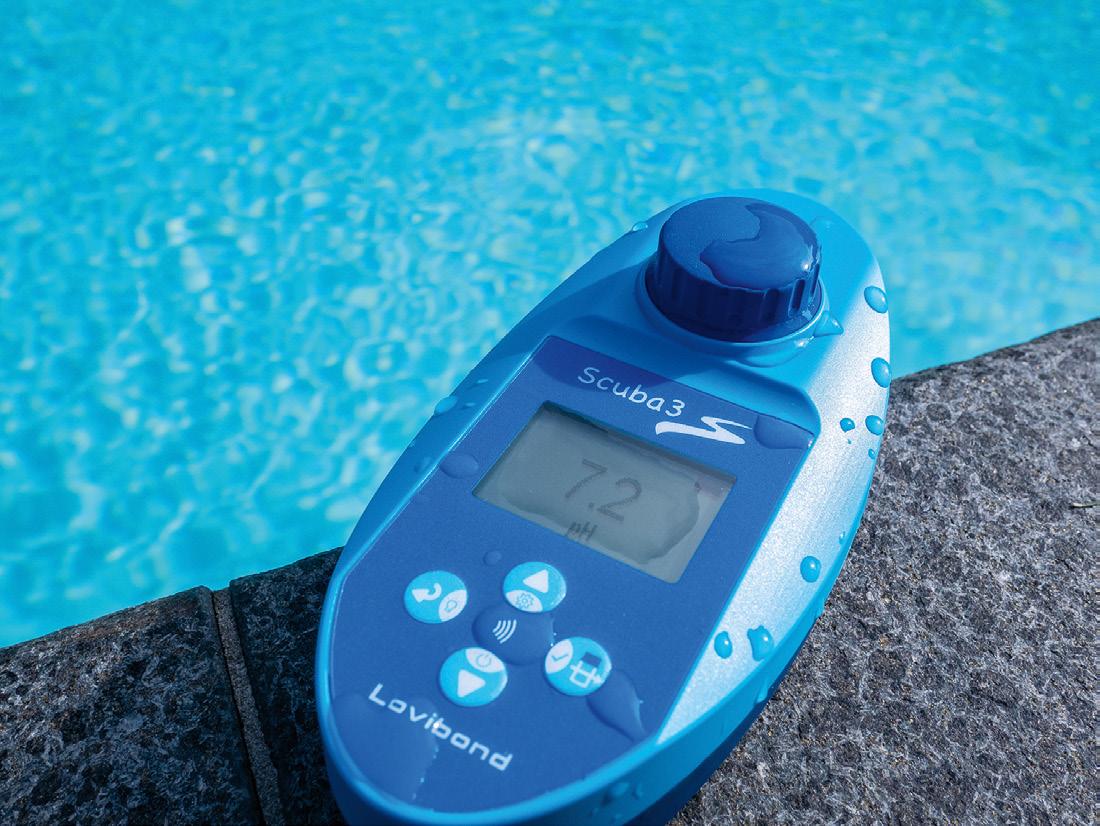
Subscribe to
Tax
invoice
Please find enclosed my cheque/money order for $_________ payable to The Intermedia Group Pty. Ltd. OR please charge my:
Mastercard Visa Amex
Cardholder Name:
Expiry Date: __ __ / __ __ Signature:
Name:
Job Title: Company:
Address:
Suburb/Town: Postcode:
Ph: Fax:
Email:
Yes! I wish to receive SPLASH! magazine
Within Australia *
$AUD65.00 – 1 year, 6 issues
$AUD104.00 – 2 years, 12 issues – Save 20%
$AUD136.50 – 3 years, 18 issues – Save 30%
* Prices quoted include GST
Overseas Rates
New Zealand
$AUD75.00 – 1 year, 6 issues
Asia Pacific
$AUD80.00 – 1 year, 6 issues
All Other Countries
$AUD90.00 – 1 year, 6 issues
We are committed to handling your personal information in accordance with the privacy act. Please Select one of the following: Yes No - Please send me information about special offers and or events from SPLASH!
The Intermedia Group Pty Ltd ABN 94002583682 PO Box 161 Hornsby NSW 2163. Call +61 8227 6486