113 – Winter – 2026
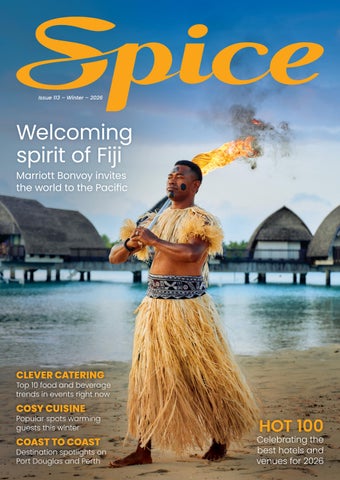
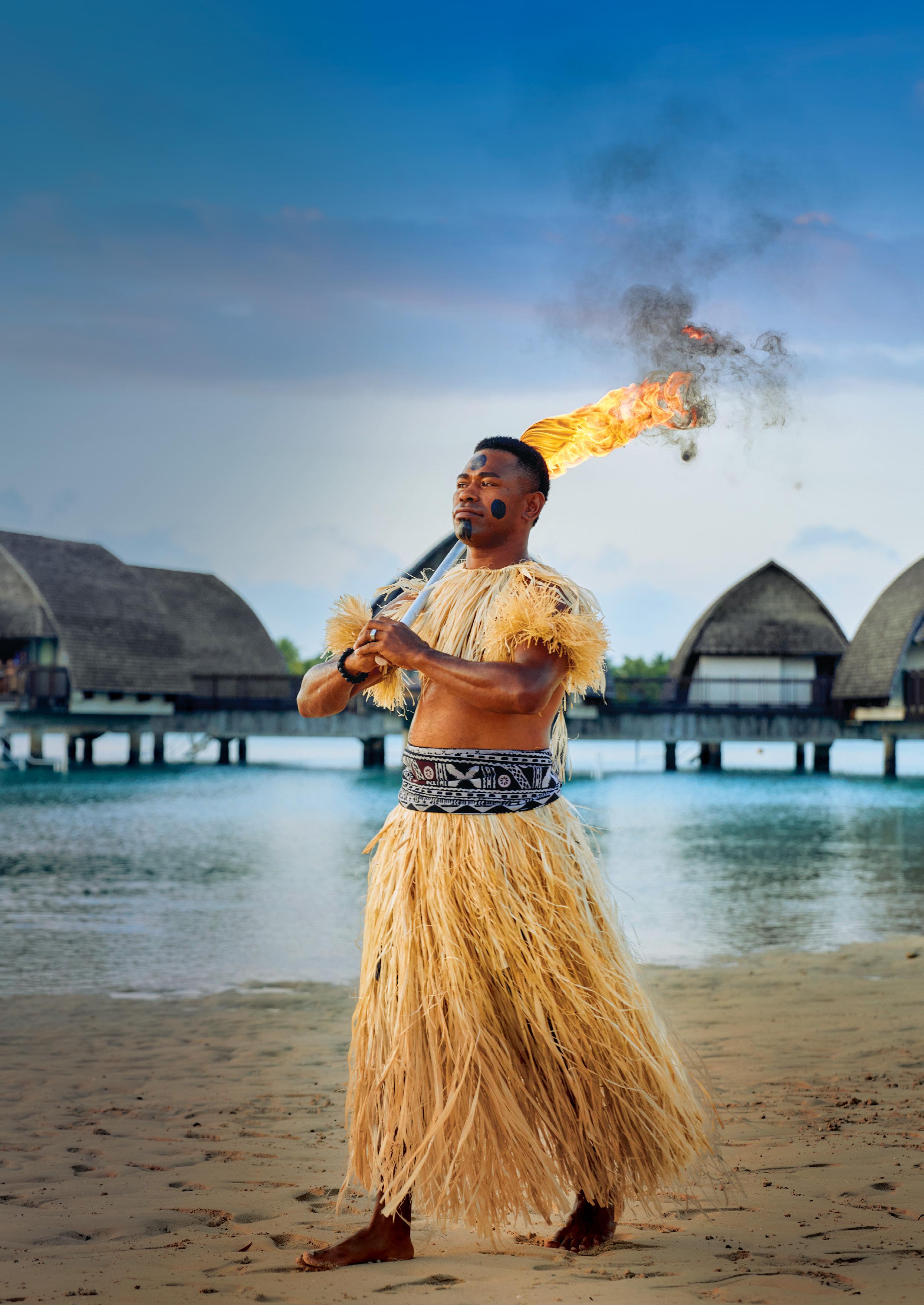
Welcoming spirit of Fiji
Marriott Bonvoy invites the world to the Pacific
CLEVER CATERING
Top 10 food and beverage trends in events right now
COSY CUISINE
Popular spots warming guests this winter
COAST TO COAST
Destination spotlights on Port Douglas and Perth
Celebrating the best hotels and venues for 2026
CONFERENCE IN THE CITY, COUNTRY OR ON THE COAST?
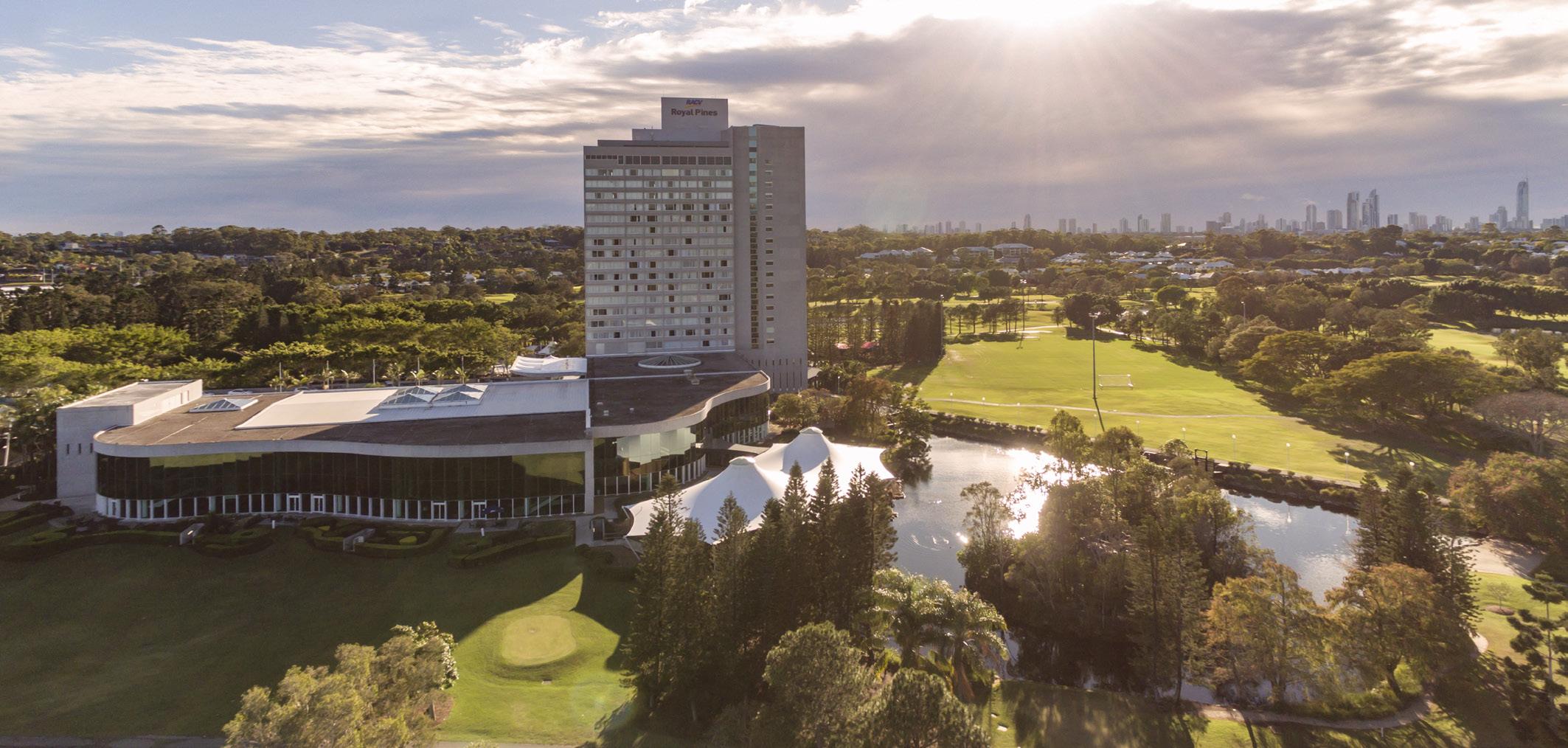
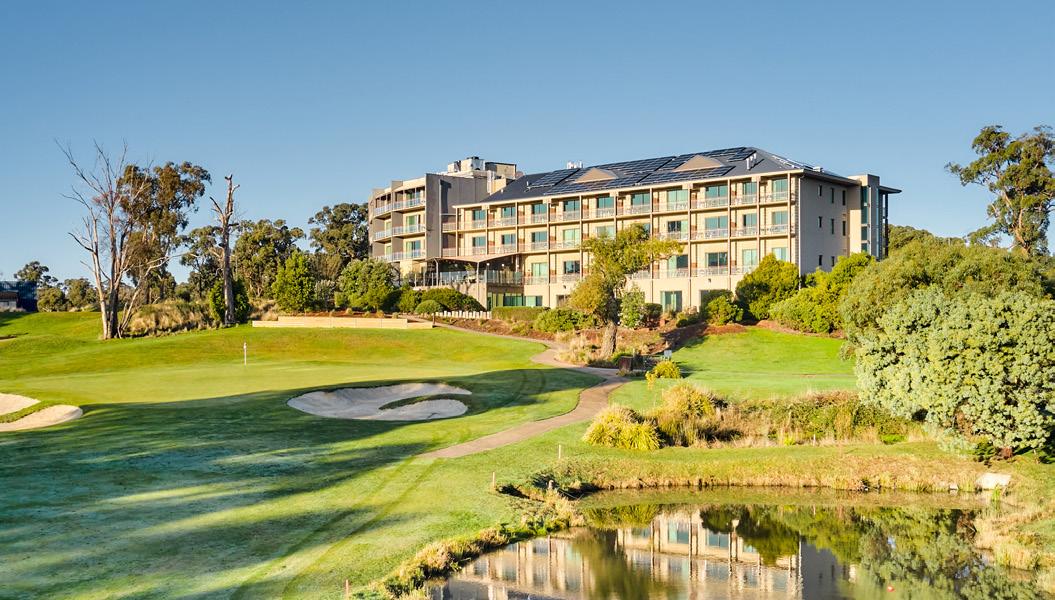
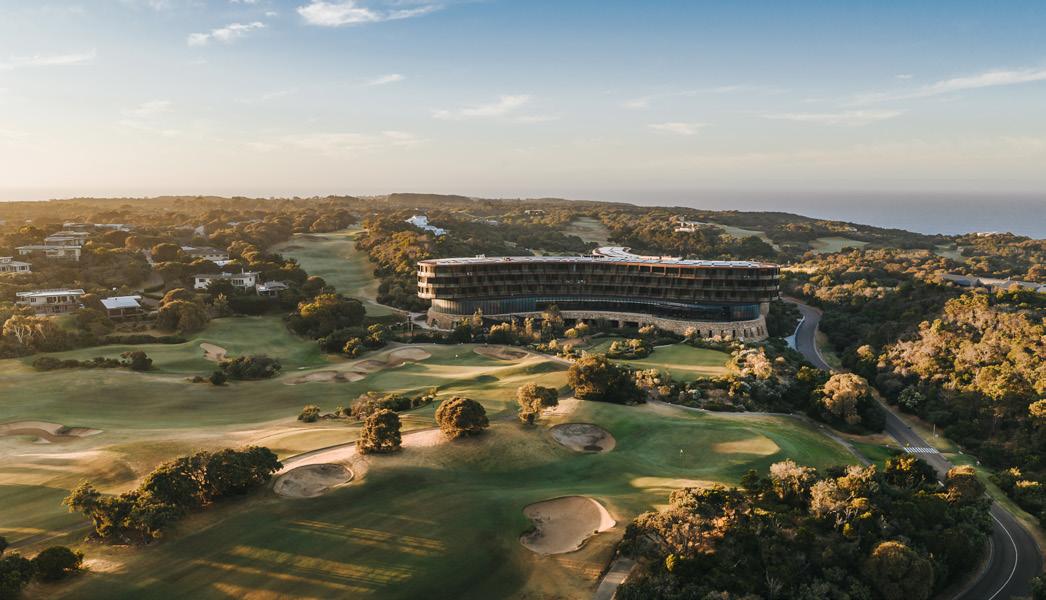
MELBOURNE CBD | YARRA VALLEY | TORQUAY | MORNINGTON PENINSULA
GOLDFIELDS | INVERLOCH | NOOSA | GOLD COAST | HOBART
AUSTRALIAN-FIRST ADVANCED SUSTAINABLE TOURISM
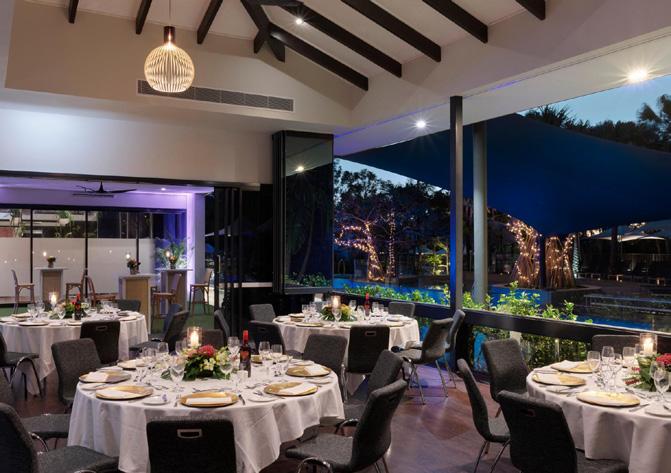
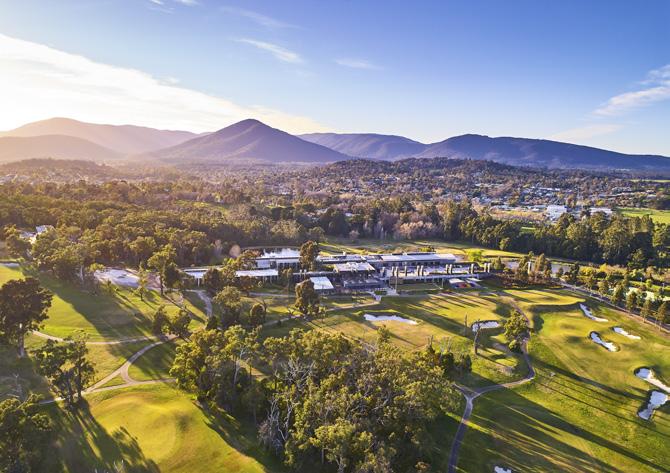
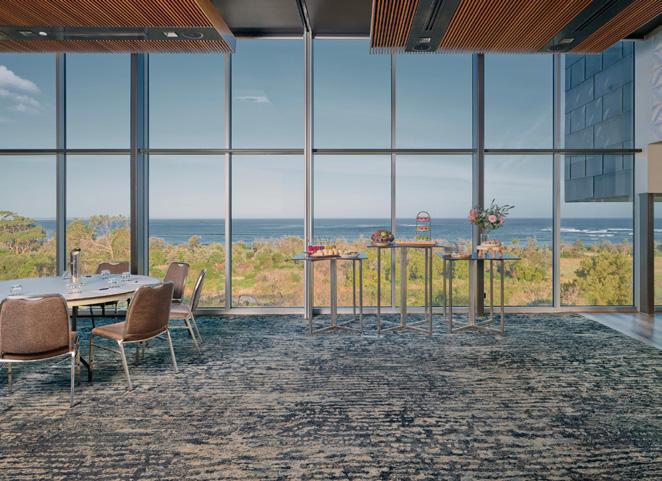
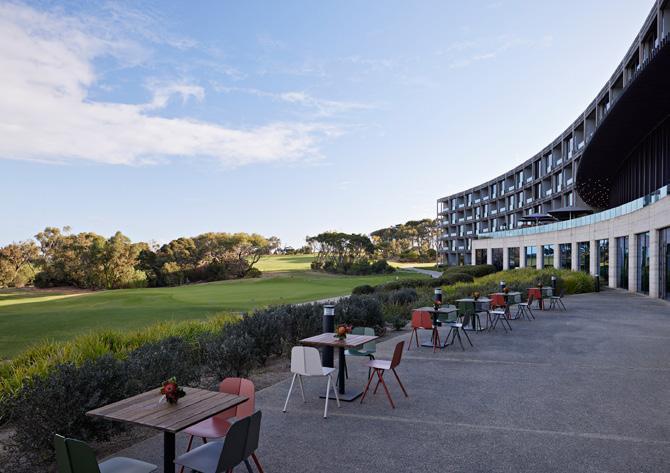
Sustainability is no longer a value-add, it’s an expectation. Every RACV Club and Resort is now independently certified for sustainable tourism by Ecotourism Australia, with RACV Noosa Resort and RACV Royal Pines Resort becoming the first hotels in Australia to attain Advanced Sustainable Tourism Certification.
MELBOURNE CBD
NOOSA
TORQUAY
GOLD COAST
HEALESVILLE
GOLDFIELDS
HOBART
INVERLOCH
CAPE SCHANCK
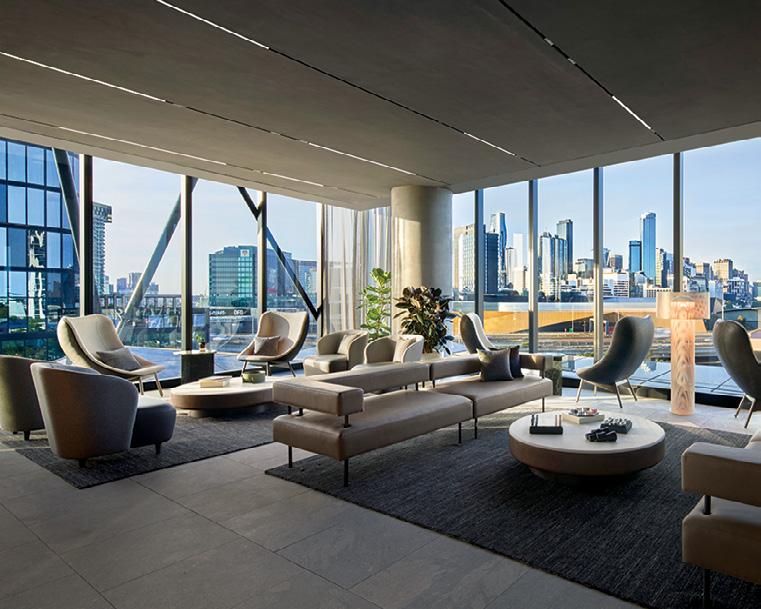
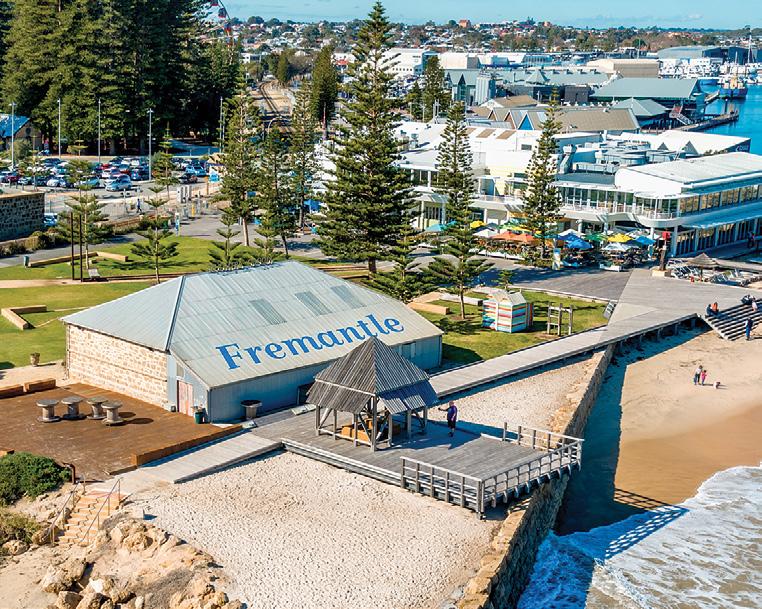
REGULARS
Meeting
The 11th edition of Spice’s event is coming on
A
42 Changes in major events
Maximising major events before they’re gone.
44 A new era for exhibitions
A deep dive into what is next for the exhibitions sector.
46 Multilingual events
How multilingual communication is embedded into Australian events.
48 Events advocacy
Urging governments to recognise events as a creative industry.
52 International business travel
New UK and EU border entry rules explained.
54 Events food and beverage
Top 10 events catering trends for 2026.
70 Hot 100 Hotels and Venues
Celebrating the best of 2026 as voted by Spice readers. 84 Winter venues
Popular spots warming guests this season.
DESTINATIONS
96 Perth
The soothing pulse of Western Australia.
104 Cairns and Port Douglas
Incentives and events in Tropical North Queensland.
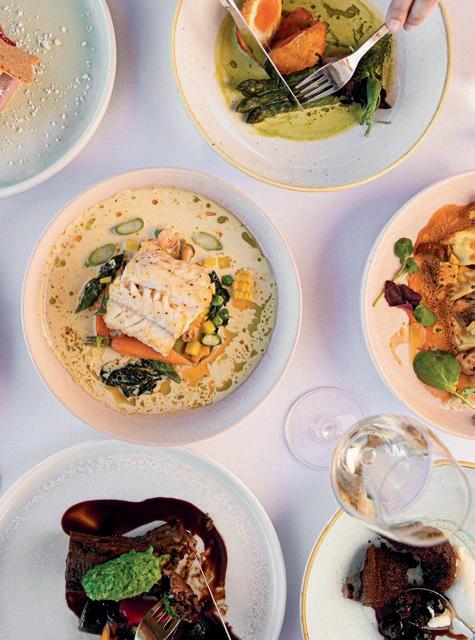
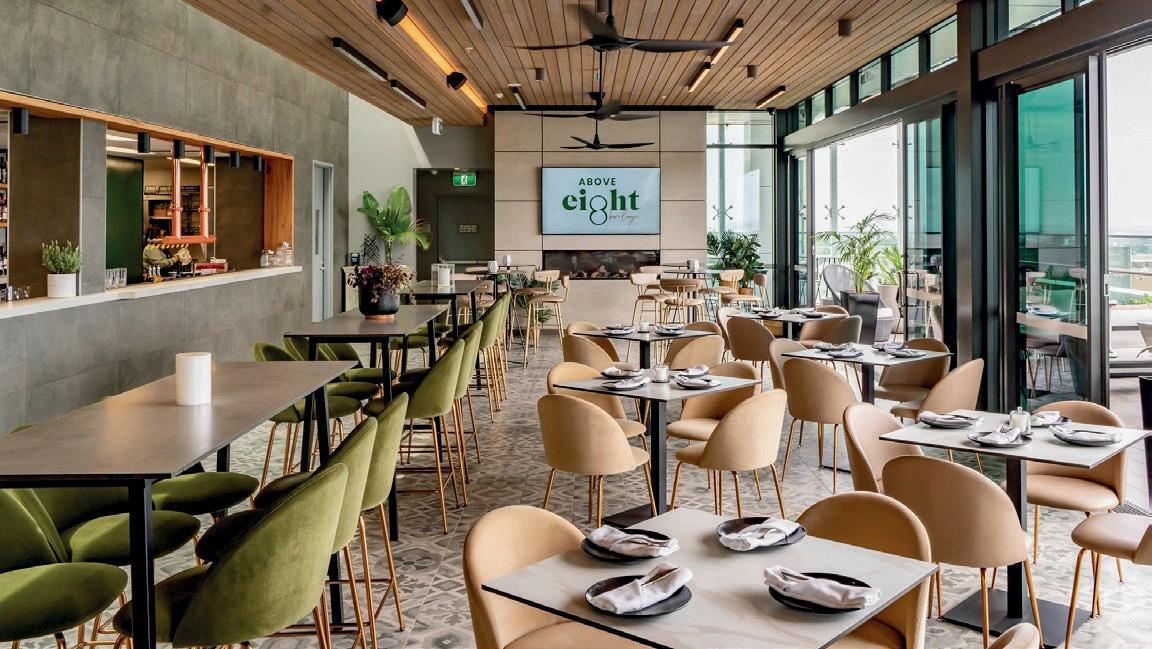
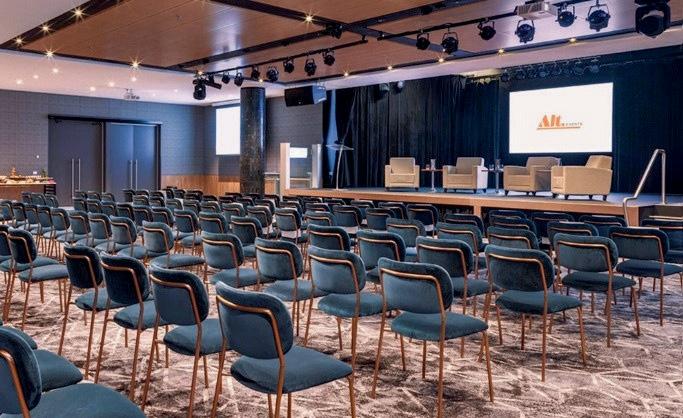
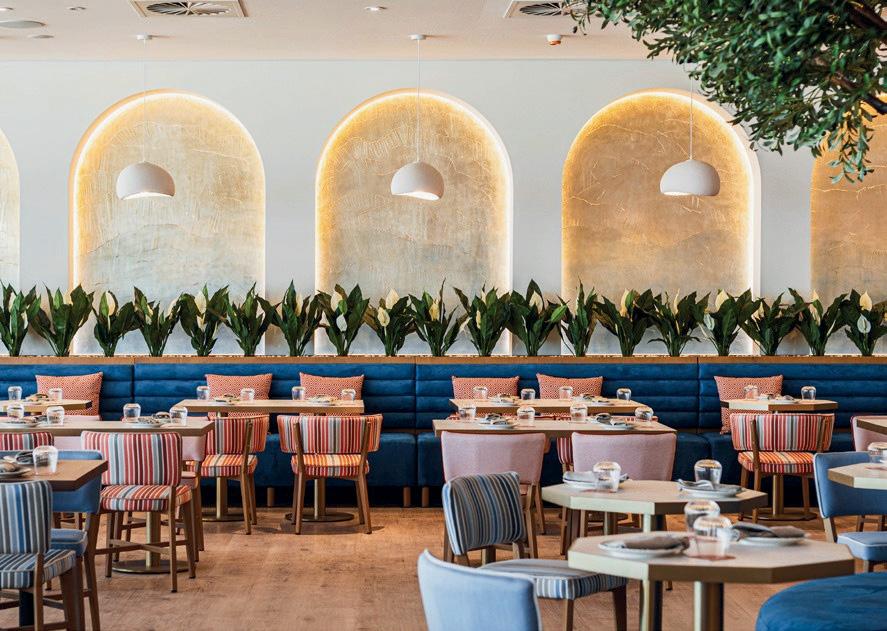
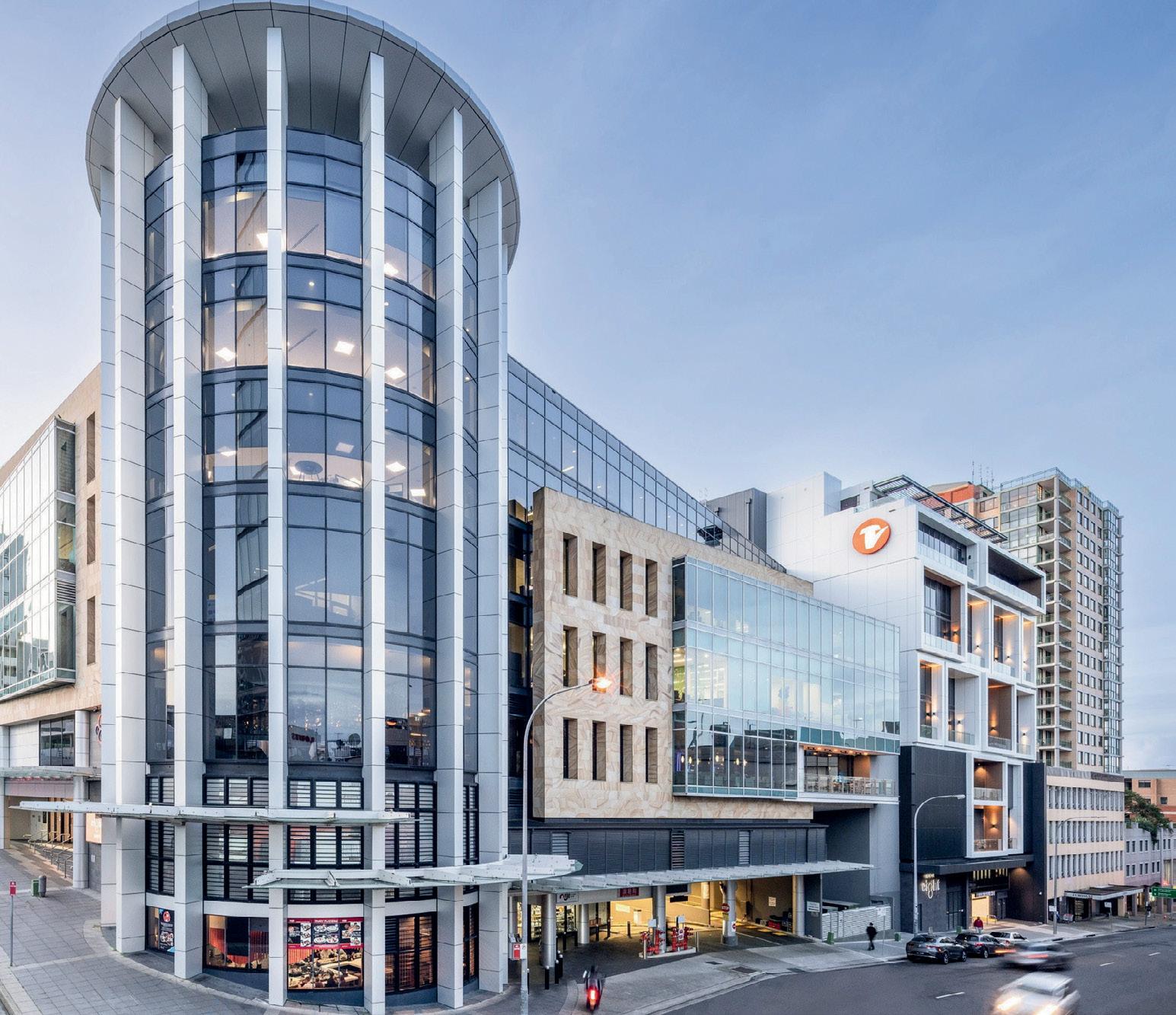
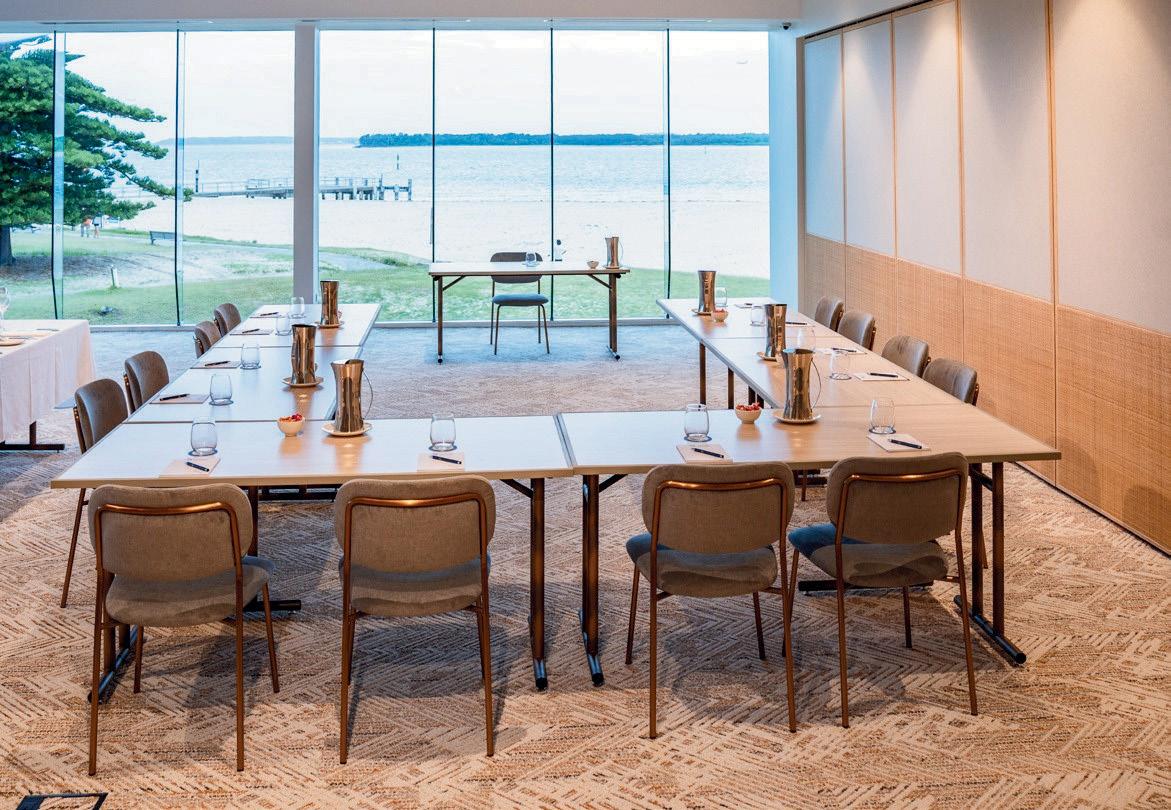
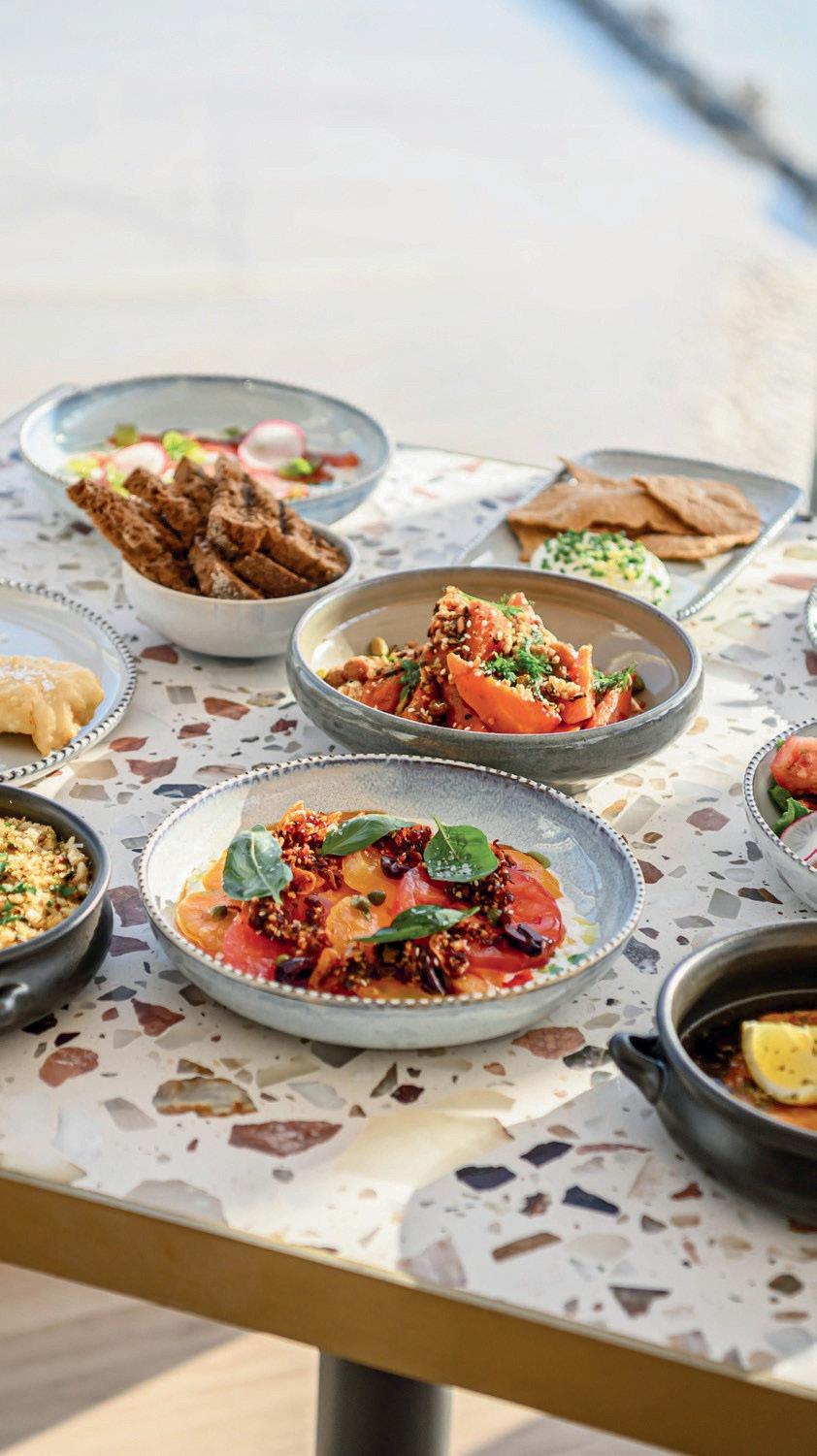
From waterfront views at Georges River Sailing Club and relaxed Mediterranean vibes at Porta, to the rooftop ambience of Above 8, expansive function spaces at Club Central Hurstville, and heritage charm of our Blue Mountains destination, Hotel Mountain Heritage — ALT Events offers tailored corporate and social packages across a diverse portfolio of venues, designed to deliver seamless business events. Meetings - Milestones - Made Memorable Enquire today! DISCOVER
ENQUIRE TODAY


The resilience of the events industry
It’s hard to believe we are almost at the midway point of the year, but here we are, entering winter 2026. The year so far has brought major challenges, largely in the form of the US-Iran war that has created global fuel shortages and spikes in operating costs across the sector. Hopefully all Spice readers are hanging in there, and that whatever your role is in our events industry, you can ride it out until things improve.
We are looking forward to Events Uncovered presented by Spice, which comes to Hyatt Regency Sydney on Tuesday, 1 September, 2026. Preparation is gearing up to deliver the 11th edition of the annual event, which aims to be the biggest yet. With a new venue to showcase and the events industry coming together for knowledge sharing, networking, education and fun, make sure you get your Early Bird tickets before 30 June to secure your place on the day.
Gavin Dennett Editor
Managing Director
Simon Grover
Publisher Paul Wootton pwootton@intermedia.com.au
Editor Gavin Dennett gdennett@intermedia.com.au
National Sales Team
Charlotte Marshall and Katherine Ross
Production
Jacqui Cooper and Tazlin Cantrill magazine.material@intermedia.com.au
Art Director
Alyssa Coundouris
Prepress Tony Willson
Subscriptions subscriptions@intermedia.com.au
opinions expressed by contributors and advertisers in Spice magazine are not necessarily those of Food and Beverage Media's management or staff. All material contained in Spice is copyright.
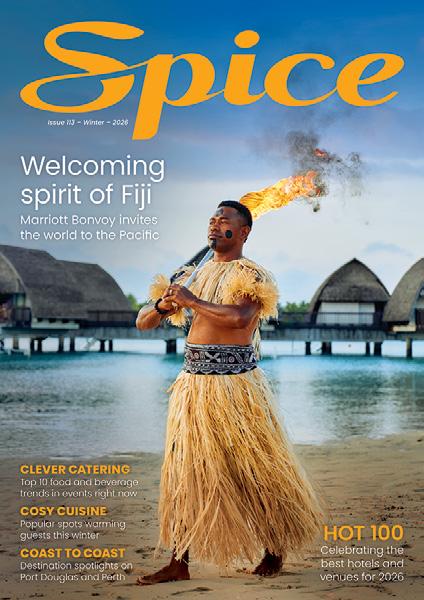
This issue of Spice features Marriott Bonvoy Fiji as the cover story, with the international hotel chain boasting four major resorts on the Pacific island nation, which offer idyllic locations for business conferences, events and incentive travel. To read more on how Fiji is welcoming the world, turn to page 26.
Also appearing in this issue is our annual food and beverage special (page 54), where we outline the top 10 catering trends defining events in 2026. Additionally, we reveal the Hot 100 Hotels and Venues for 2026, as voted by Spice readers (page 70).
You can also read a wrap of AIME 2026 (page 36); a forecast on the next era for exhibitions (page 44); a call for the events sector to be recognised as a creative industry (page 48); a compilation of some of Australia’s finest winter venues (page 84); and destination spotlights on Perth (page 96) and Cairns and Port Douglas (page 104).
Enjoy the issue!
ON THE COVER: Fiji Marriott Resort Momi Bay.


kross@intermedia.com.au

magazine and spicenews.com.au



magazine is published by Food and Beverage Media Pty Ltd (ABN 81 163 792 292)
41 Bridge Road, Glebe NSW 2037 ph: 02 9660 2113, fax: 02 9660 4419 ISSN 1832-7176

Themed experiences with purpose
Thoughtfully curated theme parties and dress codes are back. When done well, they create instant connection points, encourage conversations and give delegates shared stories to take home.
Going up
Whole-of-event branding
An event’s brand is no longer just a tagline and logo. The strongest conferences are anchoring their brands with values and embedding them across the entire experience – from program design and speaker selection to catering, supplier choices and styling. The conference brand becomes a strategic thread, not just creative dressing.

Sofia Figuera Lairet, senior event manager at ICMS Australasia, gives her verdict on what’s in vogue and what’s out of favour in events in 2026.
Designed networking
Intentional networking is replacing passive mingling. Curated roundtables, bilateral meetings and structured B2B opportunities are creating high-value interactions and stronger return on investment for delegates and sponsors.


Investing in future leaders
Forward-thinking events are intentionally creating space for the next generation. From emerging leader program streams and subsidised registrations to mentoring sessions and curated networking, conferences are actively shaping future industry talent.
Photos: iStock.com –Luzo Reis; Alex Cristi; mesh cube; 123sasha.

All-or-nothing sustainability
Focus is shifting away from the notion that sustainability is only worthwhile when it’s at 100 per cent. Incremental improvements – even 25 per cent – create measurable impact. Embedding sustainability across various elements of the event experience is more common, with benchmarking progress year-on-year rather than aiming for perfection in a single edition.
Excessive styling
Overproduced styling without intention is fading. Audiences are responding to curated, meaningful design choices that support a tailored narrative. Strategic styling allows delegates to connect, experience cultures or discover a destination.
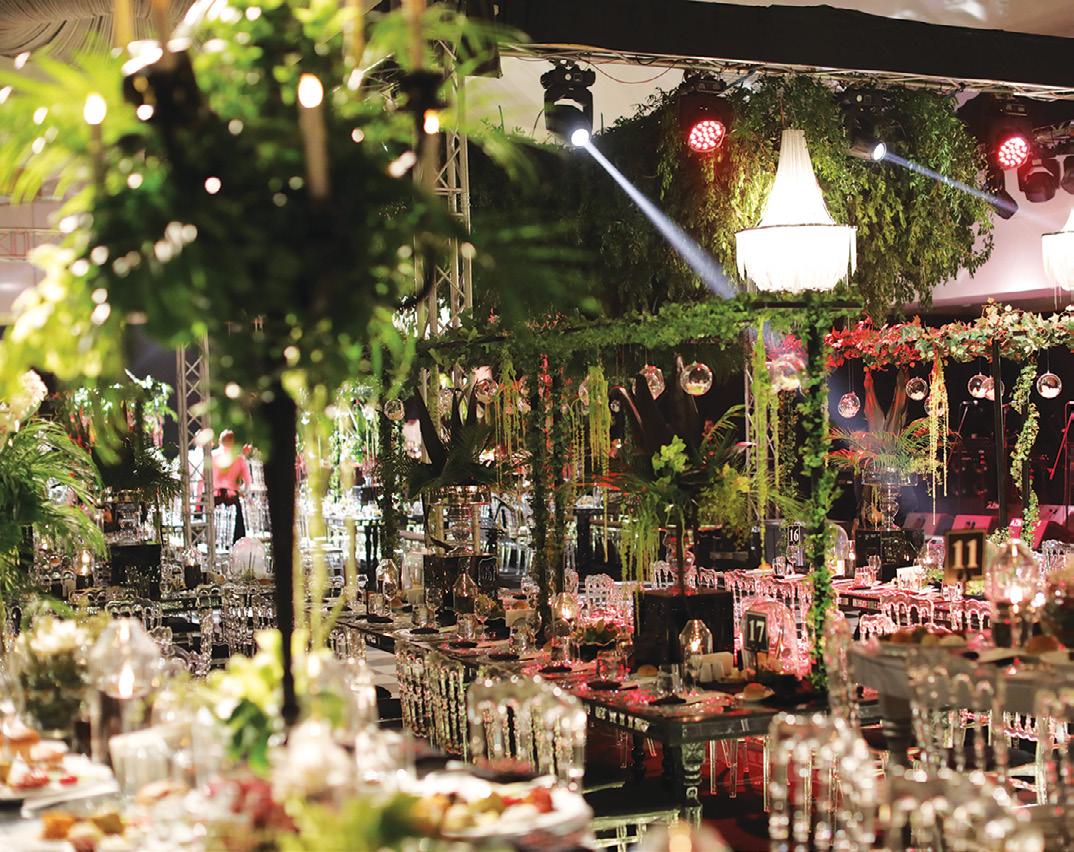
Going down
One-dimensional programs
Successful events must provide a platform where delegates can connect with others and share knowledge. Back-to-back plenaries with limited interaction are losing traction. Delegates want layered experiences such as workshops, discussion formats and interactive elements that allow them to participate and engage, not just listen.

Merch for merch’s sake
Branded merchandise and single-use items are becoming a thing of the past. If it’s not useful, ecofriendly or aligned with an event’s values, these products are losing favour. Delegates are expecting smarter, reusable or digital-first alternatives. While we all get excited for a free water bottle, it’s likely headed for landfill and audiences are increasingly aware of that.

New + noteworthy
$90 million hotel opens in Melbourne CBD
The largest purpose-built hotel to open in Melbourne’s CBD in 2026 has opened its doors to guests. The $90 million Mercure Melbourne La Trobe Street is a design-forward, 195-room hotel that represents the first new-build Mercure to enter the Melbourne city centre in more than a decade.
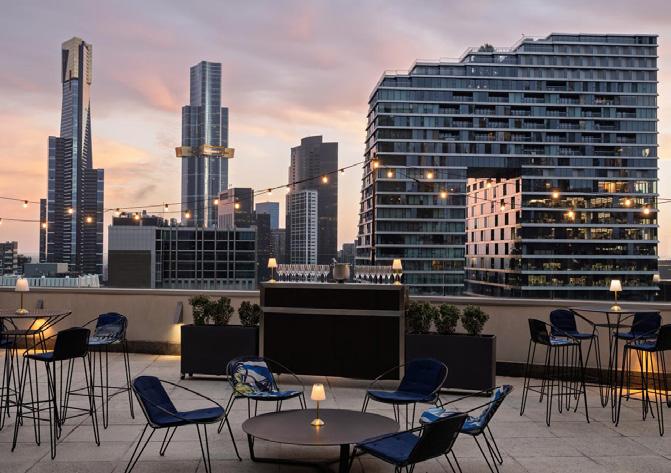
The 18-storey hotel features interiors designed by Sora Interiors and has meetings facilities, a gym and outdoor terrace bar and restaurant Foundry. The lobby’s aesthetic draws from the site’s history as a tinsmith factory with an abstract artwork depicting tin offcuts that once would’ve littered the floors.
The hotel is a six-minute walk to Southern Cross Station, eight minutes to Marvel Stadium, and a 12-minute walk to Queen Victoria Market.
“We’re in a unique pocket of the city and are fortunate to have great separation between ourselves and other tall buildings on all sides,” says Justin Phillips, general manager, Mercure Melbourne La Trobe Street. “No matter where you
MCEC celebrates 30 years
Melbourne Convention and Exhibition Centre (MCEC) is celebrating its 30th birthday in 2026, with Australia’s largest exhibition and convention centre reflecting on three decades of events.
Since opening in 1996, the venue has hosted more than 20,000 events, from international summits and global conferences to community celebrations, cultural events and immersive art experiences.
“During the past 30 years, this venue has welcomed some of the world’s most preeminent forward thinkers, while at the same time showcasing Melbourne’s incredible culture,” says Natalie O’Brien AM, chief executive, MCEC.
“MCEC is woven into the fabric of Victoria and has evolved to become a core part of Melbourne’s identity.”
Through hosting of major events, MCEC is a significant driver of economic activity in Victoria. In 2024-2025, the venue welcomed more than 800,000 delegates and generated $686 million in economic impact to the state’s economy.
MCEC has also been recognised as the top business events venue for the past three years in the Victorian Tourism Awards.
Melbourne Convention and Exhibition Centre is sharing its 30-year milestone with Melbourne Convention Bureau (MCB), which is celebrating its 60th anniversary in 2026.
stay in the hotel, you’ve got great views, whether it’s towards Docklands, back towards Flagstaff Gardens or views of the CBD and out towards North Melbourne.”
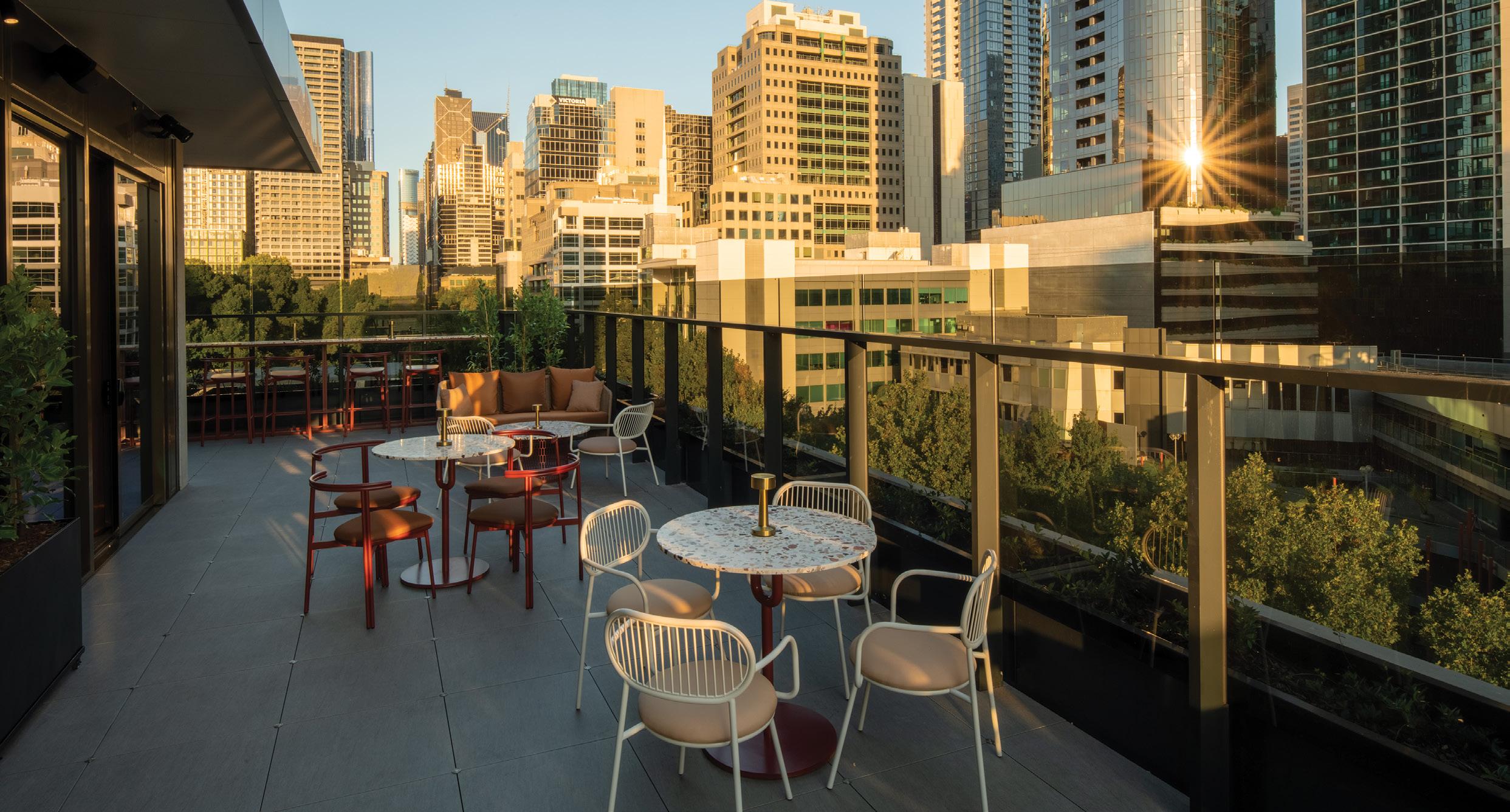
Foundry is located on level six, which boasts city views and an outdoor terrace (pictured, above).
“The sun sets behind Docklands, and during golden hour, the buildings are illuminated and the water sparkles,” says Phillips. “It’s just a very nice place to be at that time of day.”
Guest rooms feature floor-to-ceiling windows that allow for plenty of natural light, and some suites open onto private outdoor terraces.
“The opening of Mercure Melbourne La Trobe Street is a hugely exciting moment for Accor and for Melbourne’s tourism offering,” says Adrian Williams, chief operating officer, Accor Pacific. “The hotel brings a bold new expression of our Mercure brand to the heart of the city, thoughtfully designed for how today’s travellers live, work and explore.”
“MCB and MCEC have shared a successful partnership for 30 years,” says Julia Swanson, chief executive, Melbourne Convention Bureau. “This strong collaboration across three decades has resulted in economic growth for Melbourne and Victoria, as well as a legacy of business events that have created lasting change. Together, we have strengthened Melbourne’s reputation as a leading global destination for business events.”
$20 million renovation for Queensland resort
A Sunshine Coast resort has announced a multimillion-dollar renovation that will revitalise its guest rooms and events spaces.
Novotel Sunshine Coast Resort has commenced work on its $20 million transformation to the property’s meetings and events spaces, plus 178 guest rooms. The renovations will focus on 110 one-bedroom suites and 68 resort rooms, as well as conferencing and events facilities.
The work will be delivered in stages, with completion scheduled for late 2026.
“This renovation marks an important milestone for the resort and the wider precinct,” says Michael Daviss, general manager, Novotel Sunshine Coast Resort, and portfolio general manager, Accor – Shakespeare Property Group. “We are deeply committed to offering an experience that reflects the evolving needs of our guests, our conference partners and the Sunshine Coast community.
“The refreshed accommodation and upgraded facilities will honour the relaxed coastal character of the resort while introducing a new level of comfort and contemporary design.”
The upcoming renovation follows the revitalisation of the resort’s lobby in 2019, as well as full refurbishment of 176 executive rooms and the addition of new bungalows in 2021.
Located within the resort, Sunshine Coast Convention Centre offers flexibility for conferences, exhibitions and gala occasions, with space for up to 1400 delegates across indoor and outdoor venues, including a 1400-square-metre ballroom and dedicated breakout rooms.
Aussie hotel brand to debut in Hobart
Homegrown Australian hotel brand Adina is set to make its debut in Hobart with an apartment-style property. International hotel company TFE Hotels will unveil 48-room Adina Hobart in the second half of 2026, which will mark the first time the brand comes to Tasmania with its contemporary design, spacious living and flexible apartment accommodation.
Set within the same mixed-use development as the existing 142-room Vibe Hobart, Adina Hobart guests will have full access to onsite amenities including Belvedere restaurant and bar, conferencing facilities, a pool and gym.
According to TFE Hotels, the property is “inspired by the warm, organic beauty of a Tasmanian eucalypt forest … blending natural timbers, neutral tones, and soft green and deep orange accents to create a calming, contemporary retreat”.
Adina Hobart will feature contemporary studios and one-bedroom and two-bedroom apartments to cater to growing demand for flexible accommodation at the
“Demand for exceptional meetings and events environments continues to grow, and this transformation allows us to support business travellers and conference planners in new and exciting ways,” says Jenifer Dwyer Slee, director of sales, Novotel Sunshine Coast Resort and Sunshine Coast Convention Centre.
“The combination of revitalised guest rooms and conference rooms, as well as our established convention centre, creates an elevated experience for delegates, planners and attendees.
“We are creating a destination that inspires brand visibility, knowledge sharing and enhanced delegate experiences, all in one of Australia’s most stunning coastal settings.”
premium end of the market in Tasmania.
“As we expand our global footprint, we’re seeing increasing demand for apartment-style hotels that offer the space, flexibility and contemporary design Adina does so well,” says Chris Sedgwick, group chief operating officer, TFE Hotels.
“With every new opening, whether here at home or in key international cities, Adina anchors our premium offering and showcases the best of Australian hospitality on the world stage.”
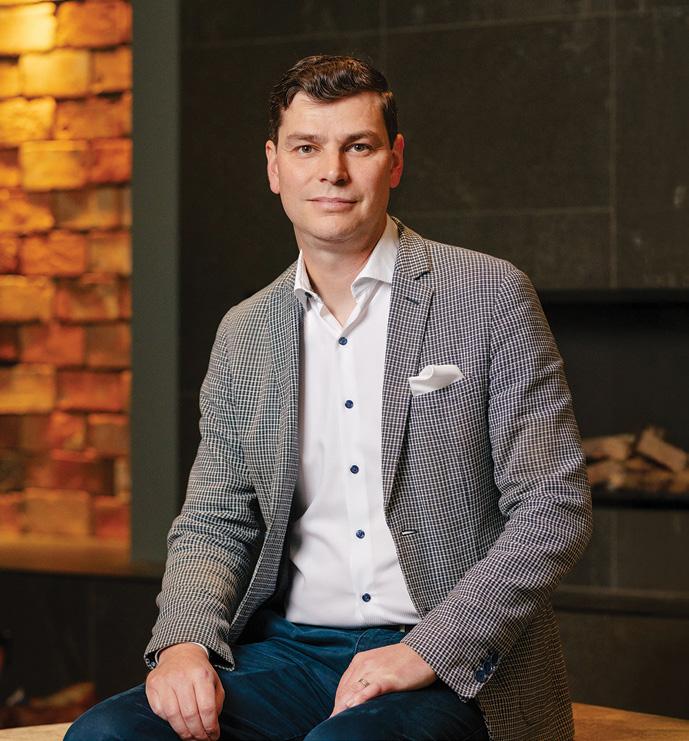
Adina Hobart general manager Jamie Capp (pictured, right) says demand for apartment-style accommodation in the Tasmanian capital is rising.
“Apartment-style stays are increasingly important to the visitor economy because they encourage extended travel and support local operators,” he says. “With both Adina and Vibe now in Hobart, we’re offering travellers more choice – whether they’re here for business, culture or nature.
We’re proud to contribute to Hobart’s growth at such an exciting time for the city.”
“Apartment-style stays are increasingly important to the visitor economy because they encourage extended travel and support local operators.”
Avani Hotels to make NSW debut
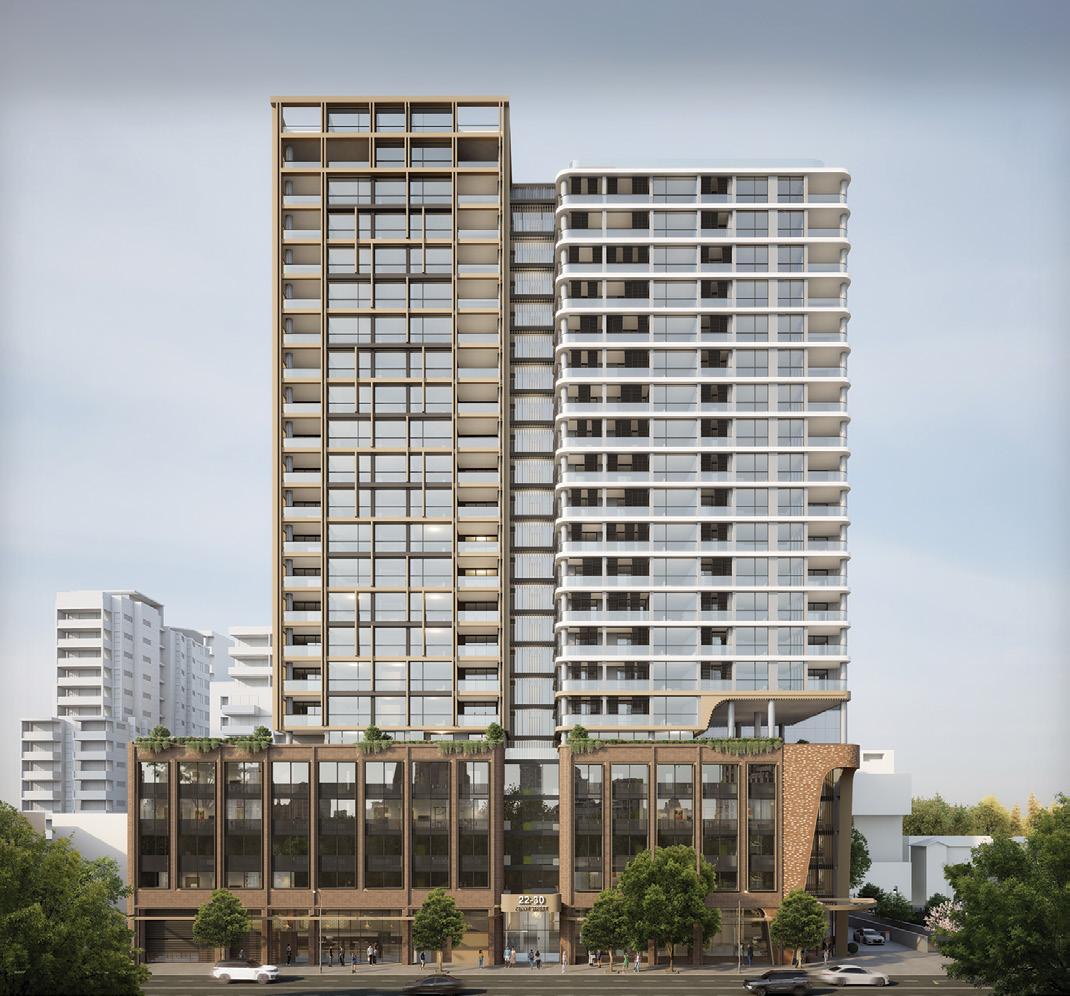
Minor Hotels is bringing its Avani Hotels & Resorts brand to NSW for the first time, launching a new-build property in Wollongong in 2027.
Avani Wollongong Hotel represents a milestone in Avani’s growing footprint across Australasia and taps into the growth of NSW’s third largest city.
The hotel’s coastal location will anchor a mixed-use development by local developer Blaq Property Group, with development changes to increase the number of guest rooms from 107 to 140 currently under assessment. The hotel is expected to introduce a restaurant, bar and events space to the property.
“Avani Wollongong will be our first Avani-branded property in NSW and will bring a breath of fresh air to this vibrant south coast city,” says Craig Hooley, chief operating officer, Australasia, Minor Hotels. “This development will fill a much-needed gap in new hotel growth in Wollongong and the Illawarra.
“The hotel is set to become part of the region’s next chapter, offering a world-class, contemporary stay for business and pleasure that delivers upscale positioning in a growing urban destination.”
Minor Hotels will work with Destination Wollongong to ensure the hotel aligns with the region’s long-term tourism strategy and supports major events.
“Having an internationally recognised brand commit its name and expertise here is a genuine vote of confidence in Wollongong’s trajectory,” says Jeremy Wilshire, CEO, Destination Wollongong. “It also marks an early step towards the NSW Government’s goal of delivering an additional 40,400 hotel rooms by 2035, and Wollongong is well placed to be a key contributor.”
$35 million convention centre for Launceston
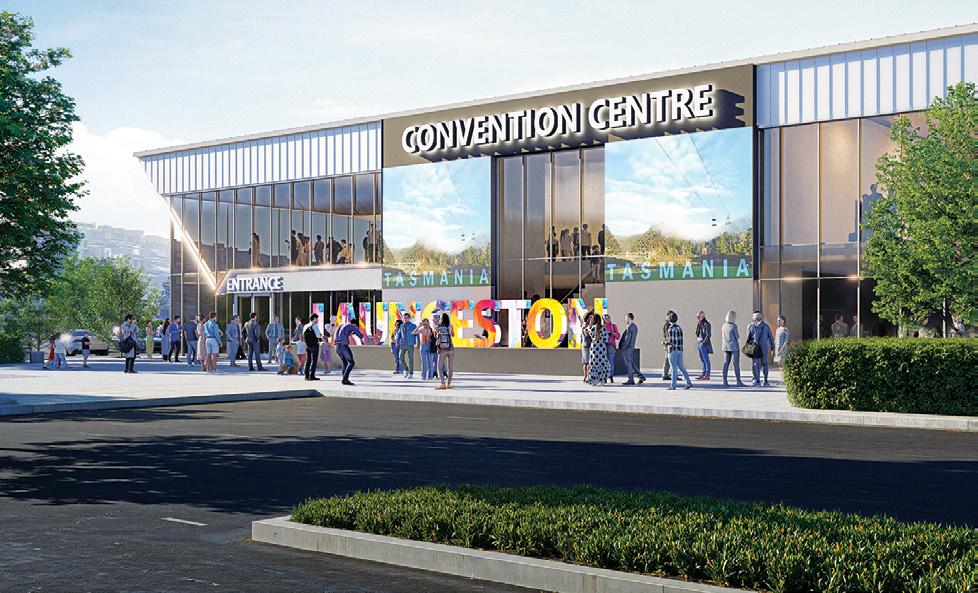
The Tasmanian Government has announced a $35 million purposebuilt convention centre will be built in Launceston, in the state’s north.
With business events injecting nearly $200 million into Tasmania’s economy each year, demand for venues is growing. In 2025, more than 25,000 people attended business events in Tasmania – up 20 per cent on 2024 – with more than 90 per cent of delegates travelling from interstate or overseas, and many staying on post-event.
A study by Visit Northern Tasmania reveals a new purpose-built facility in Launceston will double business events in the region, resulting in nearly $30 million in additional economic activity to Tasmania’s north.
The Tasmanian Government will invest $10 million into the Launceston Convention Centre project.
positioning the region as a must-visit destination for business events.
“It will generate tens of thousands of additional visitor nights, delivering significant flow-on benefits for hotels, hospitality, retail and tourism operators. There will also be opportunities across high-growth sectors including health, defence, advanced manufacturing, green energy, agriculture and science.
“We are proud to be partnering with [developer] JMC and the City of Launceston to deliver a new convention centre for northern Tasmania,” says Tasmanian Premier Jeremy Rockliff. “This job-creating and economy-boosting development will unlock a new era of opportunity for northern Tasmania by
“The Tasmanian Government has negotiated access to the convention space for the first decade of operations to enable more events to be held in the region and enhance the return on investment.”
Launceston Convention Centre – to be built just 50 metres from Peppers Silo Launceston hotel – will be the catalyst for
further development, including infrastructure such as additional hotels and the remediated Kings Wharf boardwalk.
Tourism Industry Council
Tasmania CEO Amy Hills welcomes the Tasmanian Government’s commitment to Launceston Convention Centre.
“Northern Tasmania is a key driver of our visitor economy,” she says. “Strengthening its ability to host business events will support accommodation, hospitality and regional tourism businesses right across the north and northwest [of the state].”
However, Hills says capital investment must be matched by sustained funding for tourism marketing and events attraction.
“A convention centre creates capacity, and ongoing investment in tourism and business events ensures that capacity is utilised,” she says. “At a time when other states are increasing investment to grow their visitor economies, Tasmania must ensure we are backing infrastructure and demand. We look forward to working with government to ensure the project delivers long-term regional growth and strong returns for the visitor economy.”
Luxury hotel brand to debut in $3.8 billion Perth precinct
A luxury hotel brand will make its Australian debut as the flagship property in a $3.8 billion development in Perth.
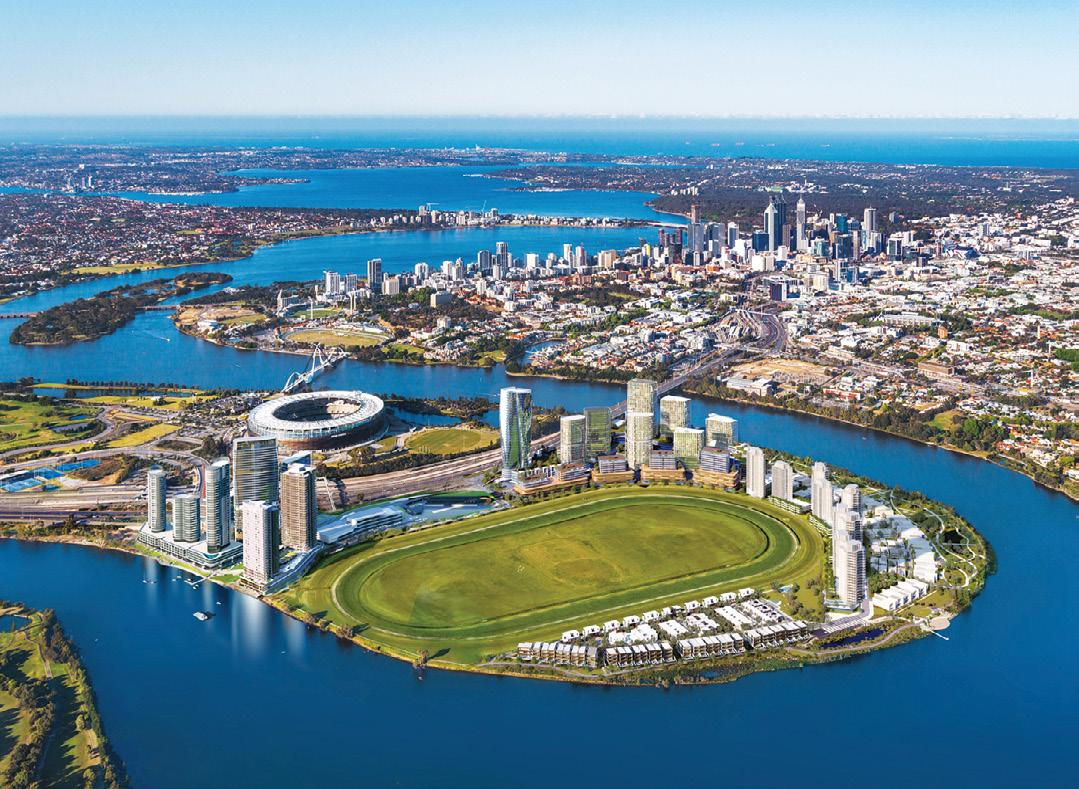
Minor Hotels will bring its Anantara brand Down Under with the signing of Anantara Perth Hotel, which is set to open in 2032 at the Burswood Point development.
The announcement marks a pivotal expansion for the brand, which has 50 properties across Asia, Africa, the Middle East and Europe.
The newly built property will be developed by Golden Sedayu, a partnership between Perth’s Golden Group and Agung Sedayu, one of Indonesia’s leading property developers.
The hotel will feature 150 guest rooms and suites, two destination restaurants, a swimming pool, a fully equipped fitness centre and an Anantara Spa.
Located near Perth’s CBD, the new hotel will “help define Burswood Point as a world class entertainment, tourism and residential destination – its design will embrace contemporary architecture and sustainable practices, reflecting Minor Hotels’ commitment to environmentally conscious luxury,” according to Minor Hotels.
The luxury hotel will join Minor Hotels’ portfolio of more than 60 properties under its Oaks Hotels, Resorts and Suites and premium Avani Hotels and Resorts brands in Australia.
“We are delighted to introduce Anantara to Australia,” says Dillip Rajakarier, CEO, Minor International Group. “Perth is experiencing rapid development across its urban and tourism landscape, creating the ideal environment for a property of this standard. Anantara Perth represents our commitment to expanding world-class luxury experiences into new markets.”
Major redevelopment for Brisbane hotel
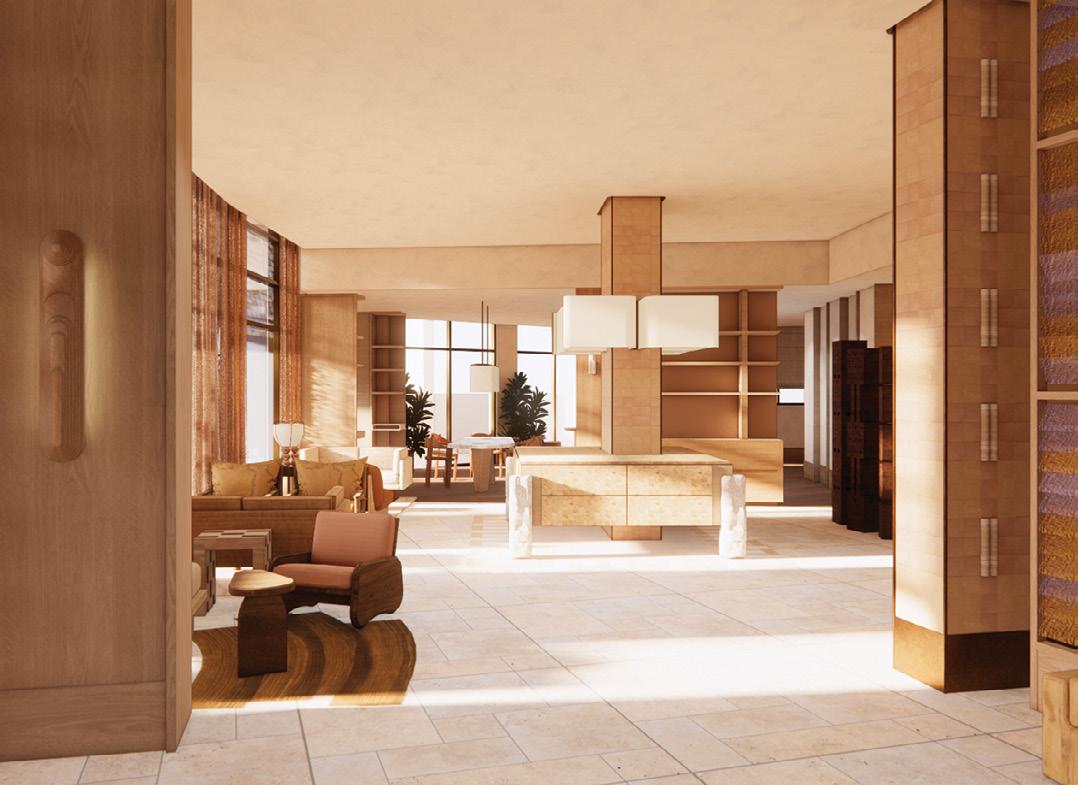
A Brisbane hotel is undergoing a major redevelopment in a growing hospitality region of the Queensland city.
Point Hotel (formerly The Point Brisbane Hotel) is investing in a major transformation, seeking to elevate the hotel along with its precinct, positioning Kangaroo Point as one of Brisbane’s prominent neighbourhoods to dine, stay and explore.
Located between the CBD and Brisbane Airport, and bordered by Brisbane River and Story Bridge, Kangaroo Point has long been loved by locals for its scenic outlook and relaxed charm. Now, Point Hotel is shining a spotlight on the area’s potential as a top destination for leisure guests and business travellers.
Design studio Bergman & Co – the company behind projects such as The Continental Sorrento and Hotel Esplanade
– and hospitality fit-out specialists Unita, who have worked on top venues including MAYA and Fiume Rooftop Bar, are bringing the transformation to life.
Their approach combines natural textures, lush greenery and intimate lighting to capture the subtropical rhythm of Queensland life.
“Our vision is to shape a true landmark for Kangaroo Point – a place the local community can take pride in and one that visitors will naturally gravitate towards,” says Jin Keng Ng, director, Point Hotel. “We are elevating the hotel experience with care, confidence and a deep respect for this remarkable location.”
The property’s upgrade marks the beginning of a staged plan that will continue with a pool and wellness refresh, and guest room enhancements in the coming years.
“Whether they’re with us to stay or dine, we want every guest to feel relaxed and inspired,” says Aaron Roberts, general manager, Point Hotel. “With exceptional dining, a thoughtful design approach and our signature warm service, Point Hotel will offer a new style of hospitality for guests who want to feel connected to the city.”
Works began in December 2025, and include the property’s bar and restaurant spaces, but dining services remain fully operational, relocating temporarily to the hotel’s rooftop.
Under head chef Marcus Turner, the reimagined restaurant and rooftop concept embraces seasonal Queensland produce, delivering modern dining that celebrates connection and encourages shared moments.
Hotel operations, events and accommodation are continuing throughout the refresh, with the transformed dining and lobby spaces set to be unveiled sometime in the first half of 2026.
Green light for regional event centre redevelopment
A regional event centre in NSW commenced a major redevelopment in April 2026.
Albury City Council accepted the $32.8 million tender from Albury-based Zauner Construction for Albury Entertainment Centre’s Convention Wing redevelopment.
Built in 1972 and last upgraded in 1993, the Convention Wing redevelopment is supported by $15 million in NSW Government funding and $10 million in Federal Government funding.
“Council resolved to accept the tender so the project could move to the construction phase within the approved budget,” says Albury Mayor Kevin Mack. “The decision recognises the external funding secured for the redevelopment. It is important we now manage delivery carefully and maintain strong oversight of costs.”
The city of Albury is located in southern NSW, on the border with Victoria and the twin town of Wodonga.
Construction at the venue has commenced and the redevelopment is anticipated to generate an estimated $124.9 million economic contribution during construction, creating 336 full-time equivalent jobs.
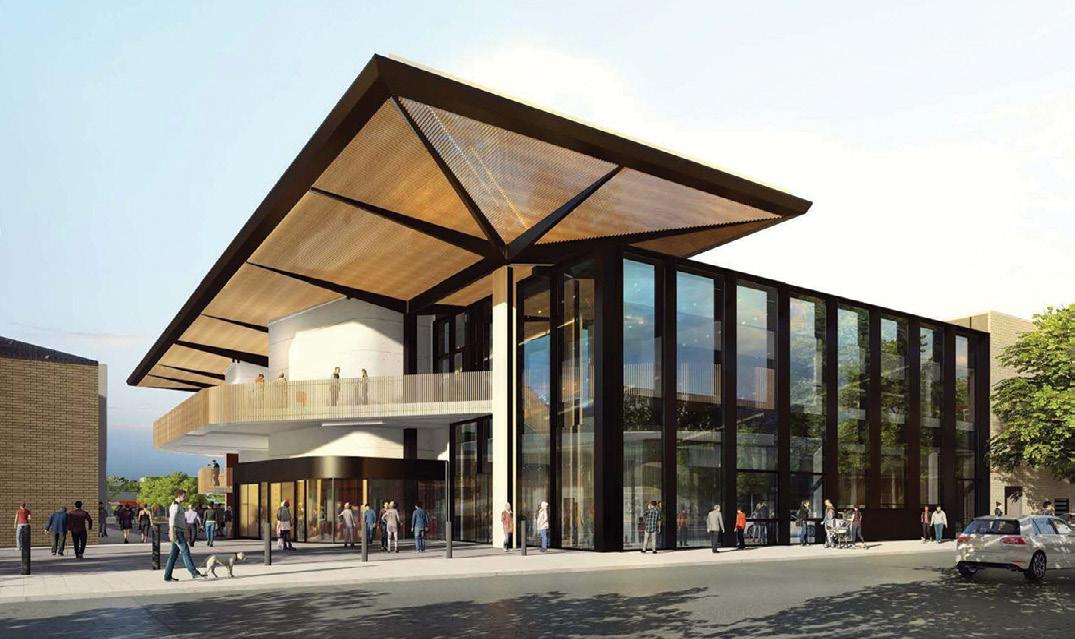
It will also deliver ongoing annual economic benefits of $22.5 million, supporting 267 jobs; increase Albury City annual revenue from approximately $1.1 million to almost $5 million by 2028-2029; double conference seating capacity to 2000 patrons; and position Albury Entertainment Centre as a leading regional conference destination.
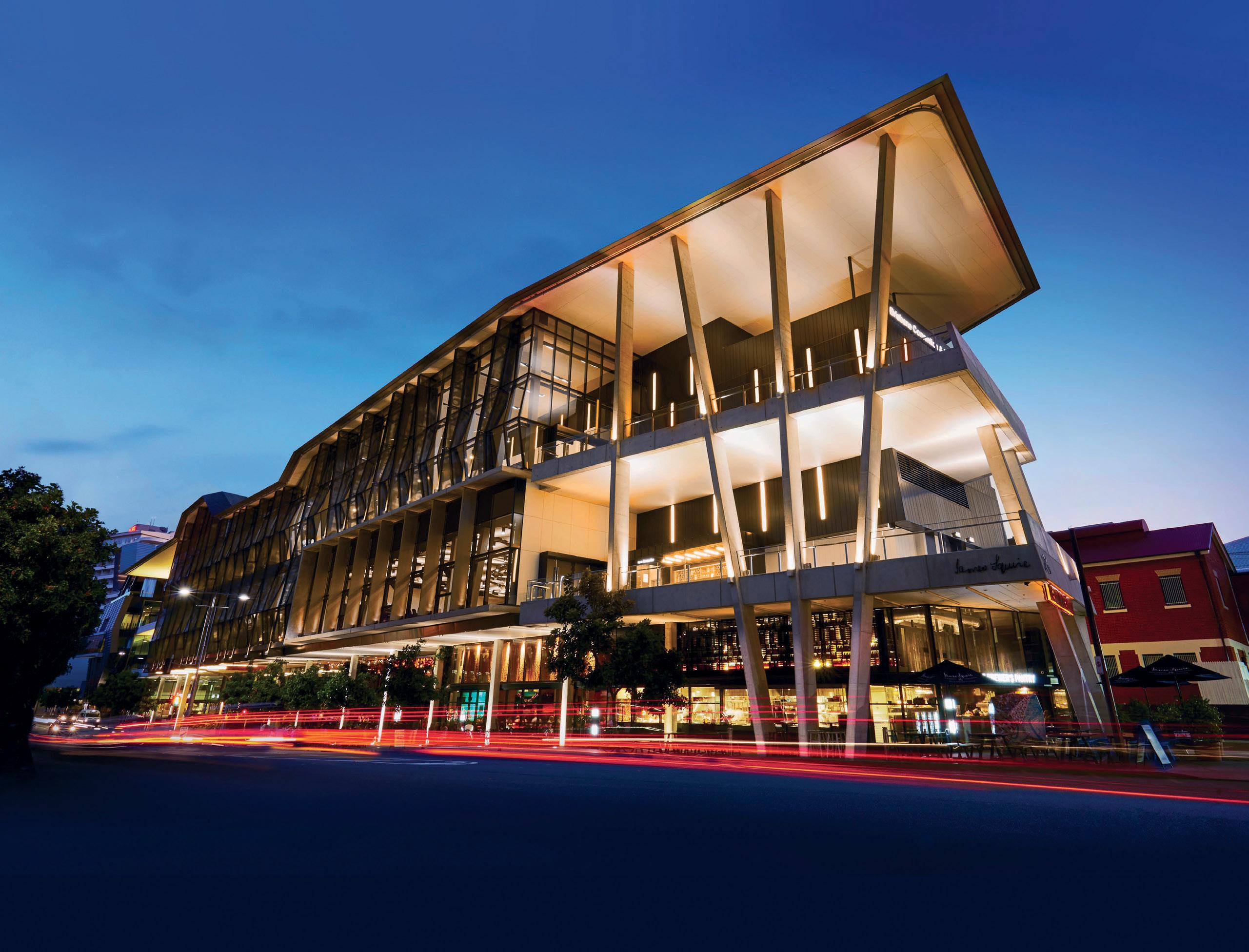
30 years of bringing people together.
For three decades, BCEC has been at the heart of Brisbane, bringing people together for global summits, scientific breakthroughs, community milestones and unforgettable performances. Consistently ranked among the world’s top three convention centres, we combine versatility, ingenuity and a passionate team to deliver truly exceptional events.
Experience the warm Brisbane welcome that’s defined us for 30 years.
Our city, your canvas.
Upfront
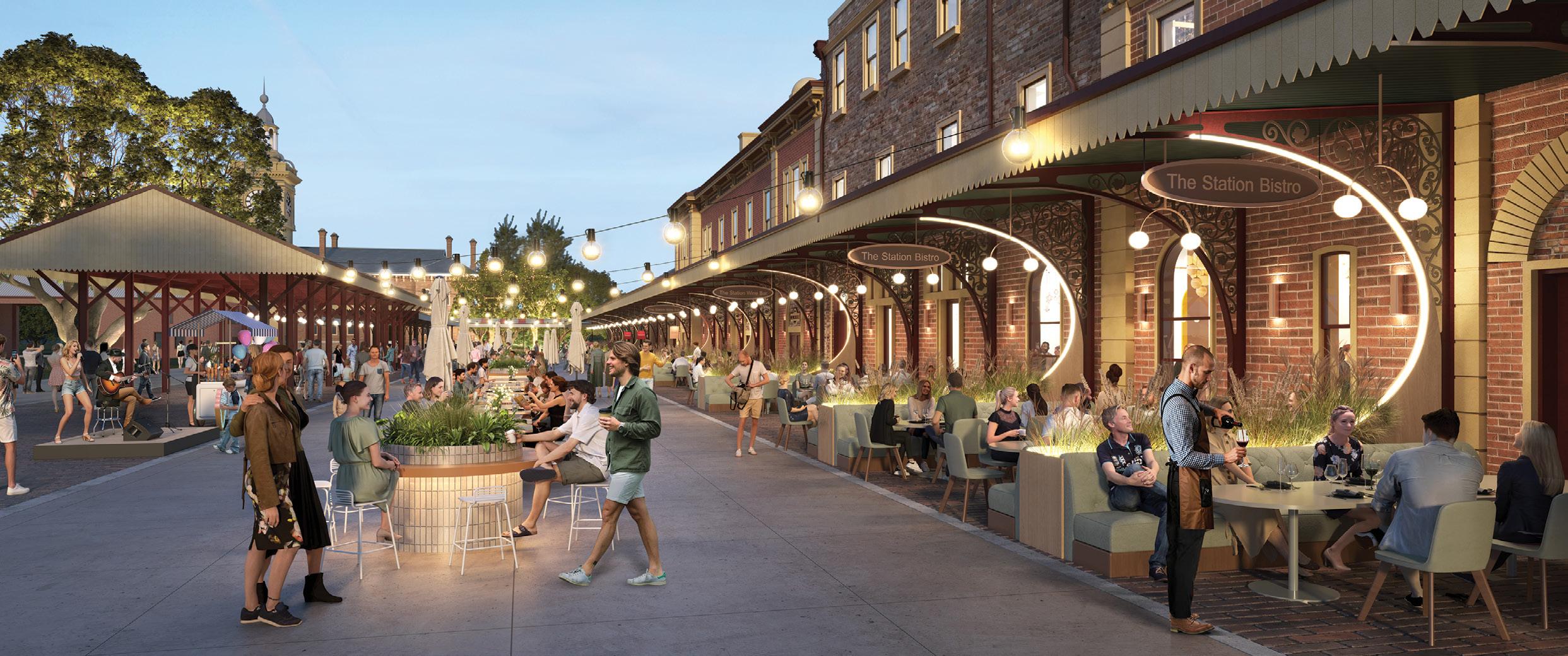
Plans for events hotspot at heritage landmark
A historic landmark in Newcastle is set to be transformed into a world-class events, hospitality and tourism precinct, with NSW Government releasing plans for the project.
The NSW city’s former railway site, The Station Newcastle, is set to be reimagined as a retail and hospitality hub, with the NSW Government and Ashbridge Capital partnering to deliver the project that is set to commence works in 2027, pending approvals.
As part of a 99-year lease, Ashbridge Capital will restore the site’s heritage buildings, with plans to include restaurants with outdoor dining options; a wine bar and cellar door; a gastropub focused on regional beers and local produce; a multipurpose functions room on the top floor; boutique short-stay accommodation; a cafe; artisanal bakery; and specialty fine food retailers.
Plans for The Station include outdoor spaces that will be activated with community and public events such as markets, live music and charity events.
“This is fantastic news for the Hunter,” says NSW Minister for the Hunter Yasmin Catley. “This redevelopment will bring The Station’s beautiful heritage buildings to life as a harbourside
destination for dining, shopping and great community events that will draw locals and visitors.
“The transformation will create new opportunities for events, dining and cultural experiences, bringing new vibrancy to a landmark destination on the foreshore.”
Member for Newcastle Tim Crakanthorp says the development will revitalise Newcastle’s hospitality landscape.
“The Station is an iconic Newcastle landmark and this exciting transformation will make it a must-visit destination, providing a new space to gather, celebrate and experience a reimagined heritage space,” he says. “We’ve already seen the community embrace The Station as a venue for pop-up events, and this project will take that activation to another level.”
NSW Minister for Planning and Public Spaces Paul Scully echoes the sentiment on the project’s boost for the greater Newcastle region.
“We’re bringing back bold, vibrant cities by enabling great new precincts such as this transformative plan for The Station Newcastle,” he says. “Projects such as this are exciting because they bring new activations in our cities and put heritage buildings back to the heart of the community.”
New inner-Melbourne events space opens
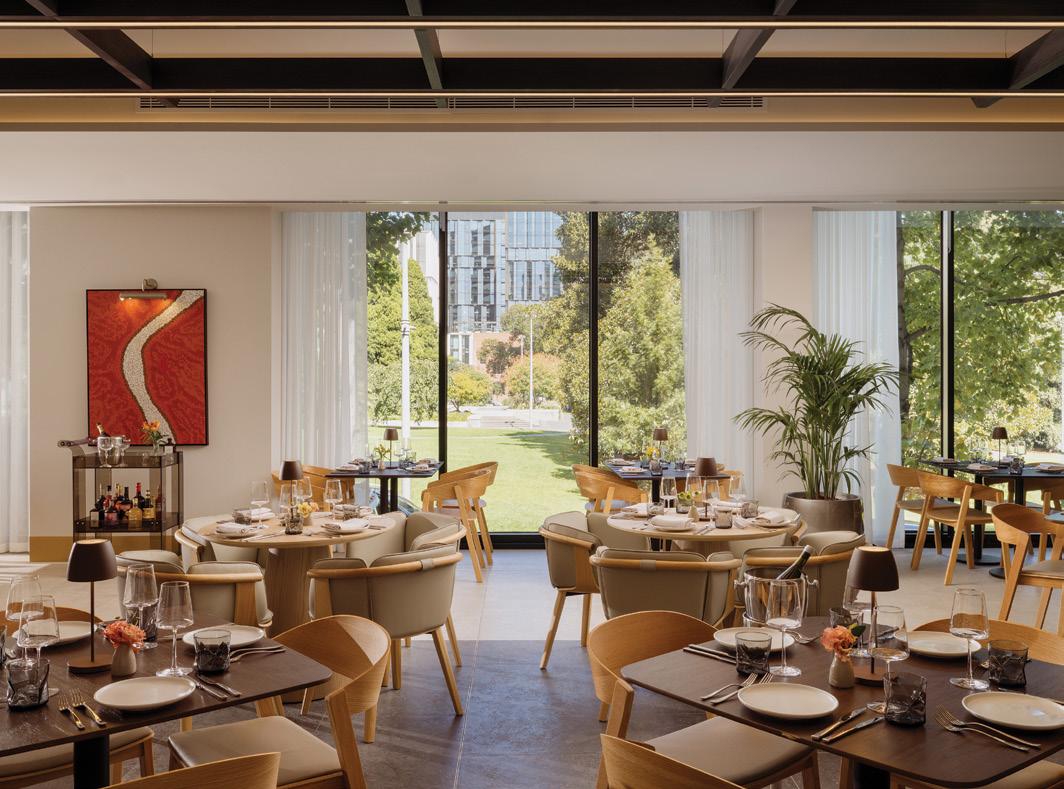
A new international hotel brand has opened in the inner-Melbourne suburb of Carlton, with 270 square metres of events facilities.
Crowne Plaza Melbourne Carlton has opened for business and marks the suburb’s first internationally branded hotel.
Located on the fringe of Melbourne’s CBD, the hotel overlooks Lincoln Square and offers convenience to the city’s universities, medical institutions and cultural landmarks.
The 107-room hotel features 270 square metres of meetings and events space, including four adaptable rooms and a pre-function area.
Crowne Plaza Melbourne Carlton also features a groundfloor working lounge, as well as Fico Restaurant and Bar, which takes influence from the area’s Italian heritage. The restaurant is helmed by executive chef Patrick Chung, and food and beverage manager Chris McNally, and is open for lunch and dinner.
Stadium and arena upgrade for Wollongong
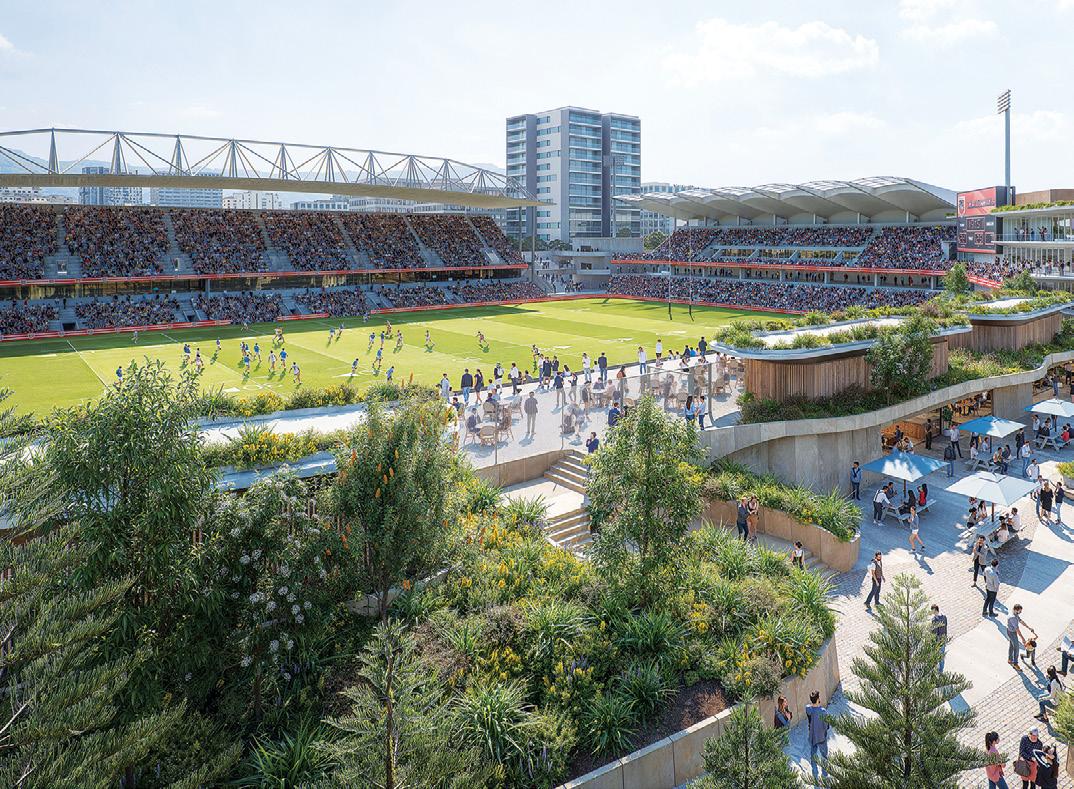
The NSW Government has revealed plans for a new sports, entertainment and events precinct in Wollongong. The government has announced it is committing $17 million to accelerate the next phase of planning for the project, which includes a new WIN Arena in the city’s CBD with a capacity of 9500 people, which will double its existing capacity of 5300.
The precinct will also take in a redevelopment of WIN Stadium, including a new northern grandstand and an extended and reconfigured southern grandstand, as well as a new beachside complex including multipurpose spaces for functions and events.
New-build
The Wollongong sporting and entertainment precinct is predicted to host up to 150 events per year, delivering approximately $550 million in economic value to the region.
The game-day experience at WIN Stadium for NRL tenant St George Illawarra Dragons and other major events will be enhanced with modern upgrades to scoreboards, ribbon boards, sports lighting and the stadium’s sound system.
As part of the redevelopment, both WIN Arena and WIN Stadium will feature upgraded corporate areas and function rooms.
“Wollongong is one of Australia’s great regional cities, and this investment recognises its importance to NSW,” says NSW Premier Chris Minns. “By nearly doubling the capacity of WIN Arena and upgrading WIN Stadium, we’re creating a venue capable of hosting up to 150 events a year. That means more concerts, more sporting events and more reasons for people to visit, stay longer and spend locally.”
NSW Minister for the Illawarra and South Coast Ryan Park says the project is a major boost for the region.
“This is a game-changing announcement for the Illawarra region,” he says. “The new world-class precinct will transform Wollongong into a global sporting and entertainment destination, attracting more tourism and investment to the already thriving region.
“The Minns Labor Government is putting Illawarra on the world stage, with a new WIN Arena and redeveloped WIN Stadium right on the foreshore of some of Australia’s most iconic beaches.”
Marriott hotel coming to Sydney CBD
Marriott International will debut a new brand in NSW in 2027, with a 104-room lifestyle hotel to be developed in Sydney’s CBD.
AC Hotel Sydney Hyde Metropolitan will be located opposite Hyde Park at 133 Liverpool Street in the city centre, forming part of a 55-storey mixed-use development comprising the hotel, luxury residential apartments and retail.
The hotel is expected to open in late 2027 and will feature a ground-floor all-day dining restaurant; AC Bar & Lounge on level six; a ground-floor food and beverage outlet; library; gym; and meeting rooms.
“Expanding Marriott International’s footprint in the tightly held Sydney market is always a milestone, and to do so alongside [developer] Deicorp is particularly pleasing,” says Tristan Cooper, director, hotel development – Australia, New Zealand and the Pacific, Marriott International. “This lifestyle hotel is slated to bring a sophisticated edge to the Sydney market, backed by our world-leading Marriott Bonvoy loyalty program with nearly 271 million global members.
“We thank Deicorp for their trust in Marriott International and AC Hotels, and we look forward to a successful collaboration with Trilogy Hotels as they lead the hotel’s management.”
There are 250 AC Hotels across 33 countries and territories worldwide, including AC Hotel Melbourne Southbank. AC Hotel Gold Coast will open in mid-2026 and AC Hotel Sydney Hyde
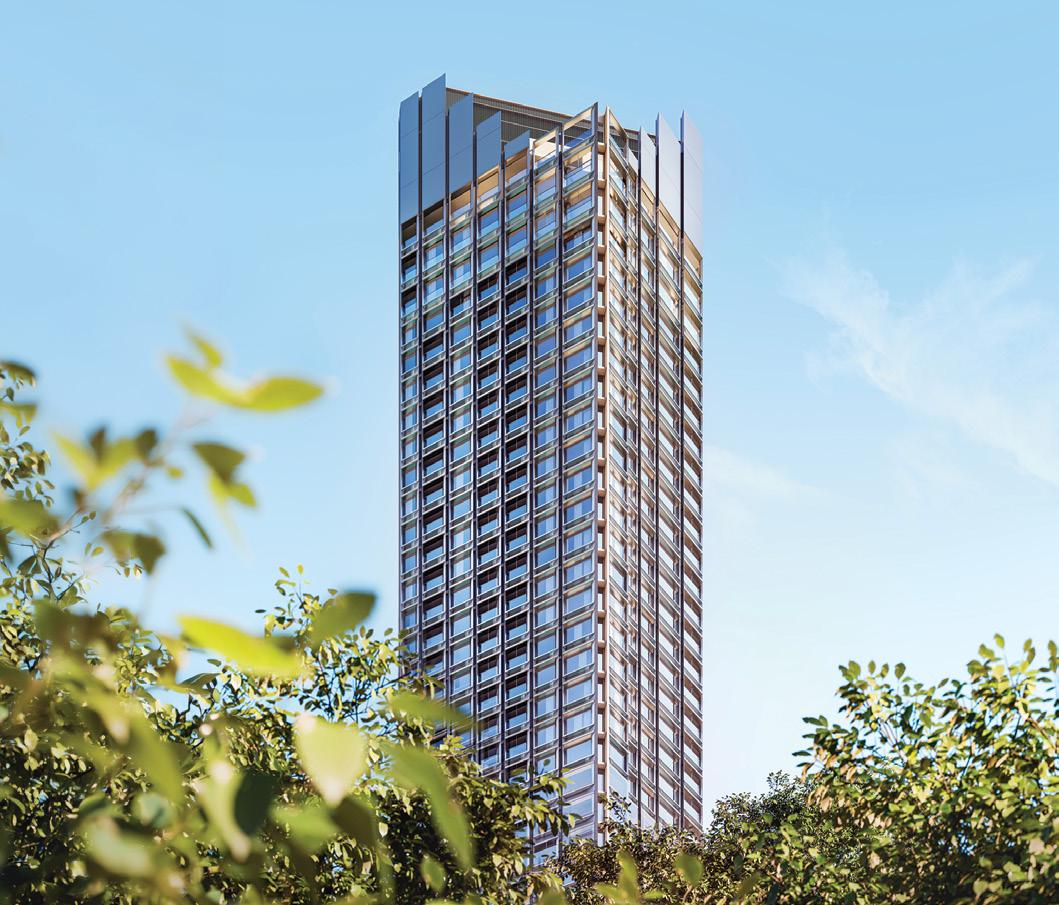
Metropolitan will be Marriott International’s third AC Hotel in Australia.
“Together with Trilogy Hotels and Marriott International, we will deliver the first AC Hotel in Sydney, reflecting the project’s vision of refined elegance and style,” says Fouad Deiri OAM, founder and chairman, Deicorp. “It will introduce a grand new hotel experience to the Hyde Park precinct [which is] design-led, elegant and perfectly positioned to reflect our ambition for this building and the city around it.”
Upfront
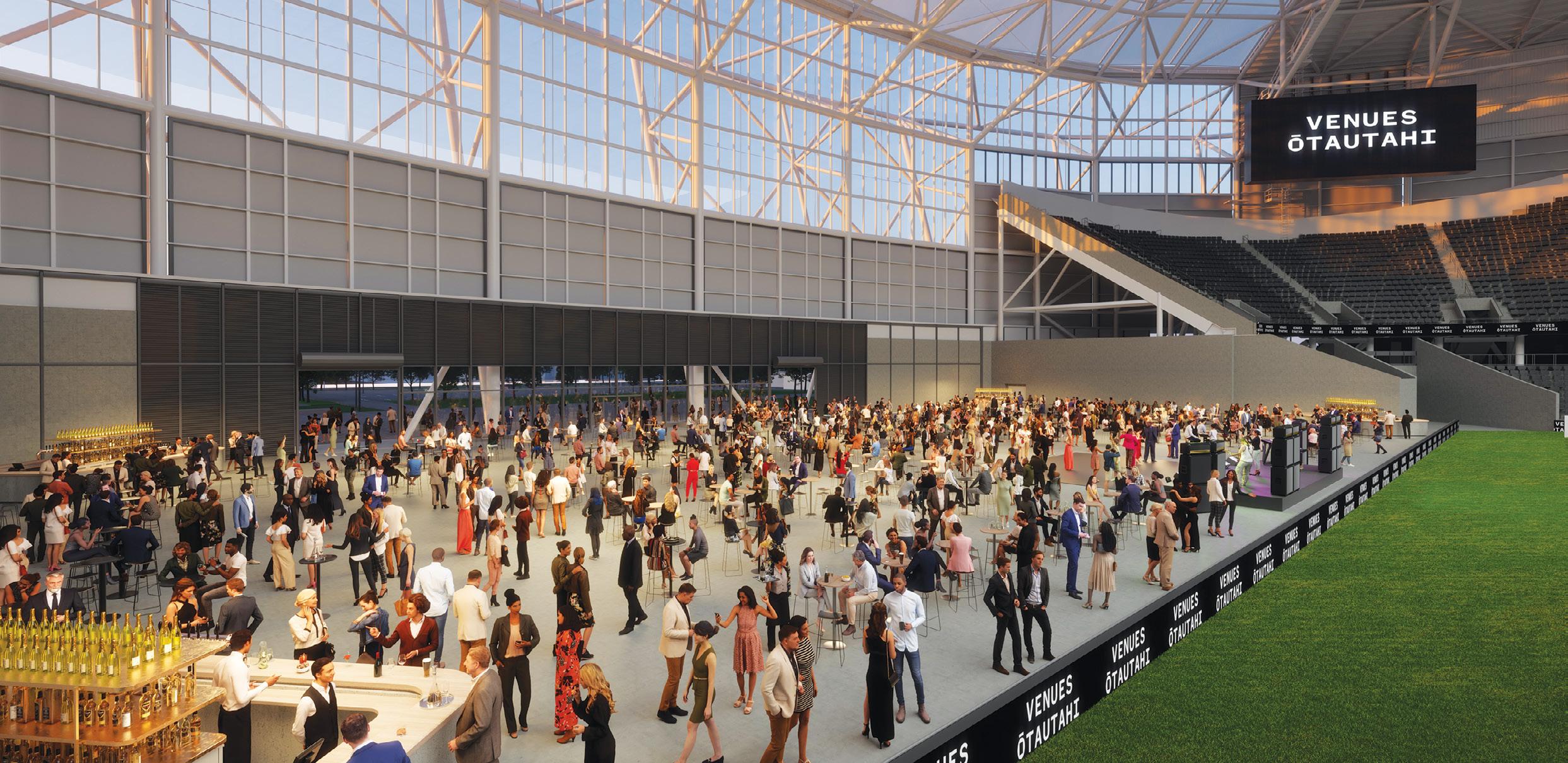
Christchurch stadium officially opens
The One New Zealand Stadium has officially opened in Christchurch, with the fully covered multi-use facility home to multiple conferencing and events spaces.
The NZ$683 million project was officially opened by Christchurch Mayor Phil Mauger on 27 March 2026, and it represents the largest construction project ever undertaken by Christchurch City Council.
“Christchurch has a real sense of momentum about it and the Te Kaha Project has played an important role in the long journey of the city’s rebuild [following the 2011 earthquake],” says Mayor Mauger. “I’m delighted this day has finally arrived and we get to see this amazing stadium finished. I’m so proud of council staff and everyone who has contributed to delivering One New Zealand Stadium on time and within budget.”
The New Zealand Crown contributed NZ$230 million towards the project, as well as the land for the stadium.
“I want to acknowledge the Crown for its contribution,” says Mayor Mauger. “Its support allowed us to get the project off the ground and deliver this worldclass facility. Most of our contractors, subcontractors and suppliers have come from Canterbury and the South Island, and this project has supported local jobs, strengthened local firms and injected confidence into our regional industries – it’s a real local success story.”
Construction commenced in 2022 and around 4000 people worked on the project, delivering approximately 2.4 million work hours.
“This is a feat of engineering, design and human dedication – everyone involved has been a real credit to your companies,” says Mayor Mauger.
The stadium has capacity for more than 37,000 people at concerts, the ability to “transform into a cut-down event mode”, and flexibility to support a range of sporting and cultural events.
“This is a place for our people; a place where families will make memories, where young people will be inspired by their heroes, and where visitors will feel the pride, energy and optimism that defines the Christchurch of today,” says Mayor Mauger.
Venues Ōtautahi is expecting to host more than 150 private and business events per year at One New Zealand Stadium. The biggest number of bookings for the stadium’s spaces are expected to come from businesses, individuals and community groups for conferences, meetings, seminars, dinners, cocktail functions, community events and exhibitions.
“One New Zealand Stadium is purposebuilt to be the most accessible, flexible and sustainable venue in Aotearoa [New Zealand],” says Caroline HarvieTeare, chief executive, One New Zealand Stadium. “Located in the heart of Ōtautahi, Christchurch, it’s already building an impressive calendar of events. Being the premier stadium in the country, it is important it’s humming year-round.
“It has been designed as a multifunctional venue and every aspect of the layout and technology in
each space ensures that no matter the event, One New Zealand Stadium will deliver an unrivalled experience.”
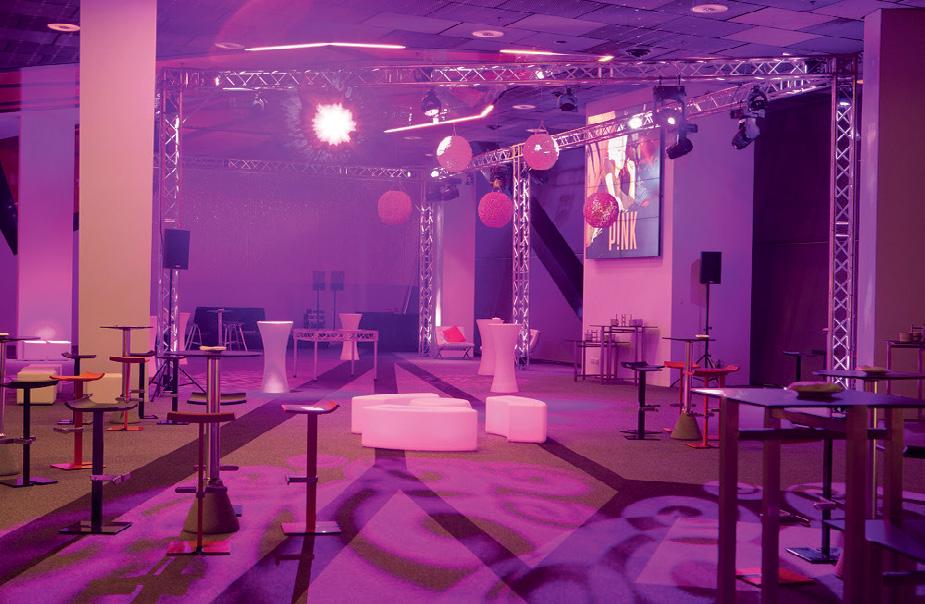
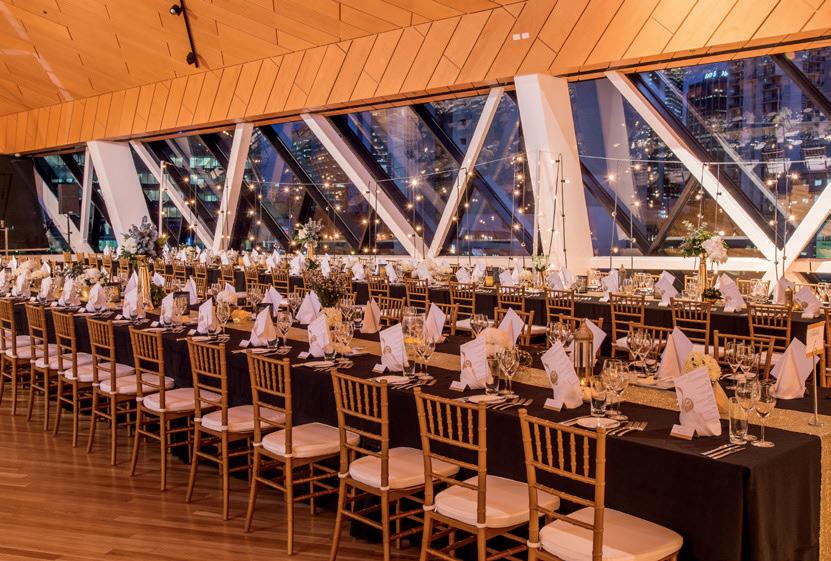
The stadium’s Ōtautahi Lounge is 1150 square metres and can host up to 892 people for a cocktail function and 520 for a banquet dinner. It includes a pre-function space in the foyer and an outdoor terrace with potential to light up events with views of big screens and dual LED ribbon boards.
For smaller events, the lounge also has a divider allowing it to be split into two smaller spaces: Tahi and Rua.
The 23 suites on level two provide breakout rooms with capacities ranging from 24 to 74 people, with the spaces also options for smaller events.
The Club on level three features a bar and is suitable for up to 500 people, and includes views across Ōtautahi, looking west over Madras Street and down to the field of play.
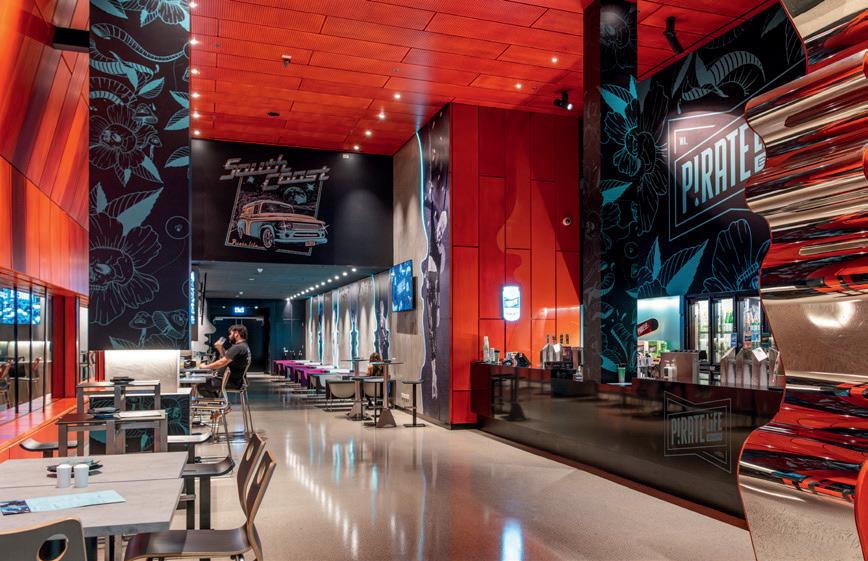
The Lancaster (pictured, above) – named after Lancaster Stadium, which was closed after the 2011 Christchurch earthquake – is in the stage pocket at the northern end of the stadium.
It provides a blank canvas and an openair feel for expos under the stadium’s clear roof, with capability of hosting up to 1360 people for banquet dinners and up to 2500 for cocktail functions.
For larger events, the stadium’s field of play provides 10,660 square metres of open space, allowing banquet dinners for 5400 people or cocktail functions for 10,000 guests. The stadium’s concourse is also available for events.
More events on horizon in 2026
A new
events industry report paints
a
picture
of
confidence in
the sector, with growth and more events firmly on the agenda in Australia and New Zealand in the year ahead, writes Gavin Dennett

Meetings, events and hospitality technology provider Cvent has released its “Cvent Event Industry Report – Australia and New Zealand Edition”, which covers the latest sector trends and insights.
The report aims to “help events professionals navigate the competitive and cost-conscious landscape, make informed decisions and uncover new opportunities to design engaging, secure and sustainable experiences for their target audiences”.
Cvent commissioned independent market research consultancy Censuswide to conduct the survey for the report, which was done between 2 November 2024 and 16 November 2025 with 200 senior event planners, marketers and other decision makers from Australia and New Zealand.
Its findings point to continued confidence in events as a growth driver, with 65 per cent of event professionals planning to increase their total number of events in 2026. However, this figure was 81 per cent in 2025.
More than 55 per cent of respondents plan to organise an increasing number of events across the formats of in-person, hybrid, virtual and webinars.
The report also emphasises that cost containment has become the primary factor influencing event strategies in Australia and New Zealand, reflecting increased scrutiny of expenditure and stronger focus on efficiency and return on investment.
Respondents identify event data and information security as their main management challenges, followed by competition from other events, making events more sustainable, and enhancing attendee engagement.
For virtual events, security breaches are the top concern, underscoring the importance of trust and data protection for event success.
Networking remains the primary reason for attending B2B conferences, closely followed by discovering new products and solutions, the quality of event content, and professional development.
Budgets remain a priority, with 96 per cent of respondents viewing event expenditure as a priority – one in four call it essential, yet only 63 per cent plan to increase their event program budgets in 2026, down from last year’s higher growth levels.
Where budgets are rising, the top focus is enhancing event experiences with stage design, AV, entertainment, giveaways and speaker quality.
“AI and next-generation event technology have moved firmly into the mainstream, enabling teams to work more efficiently and personalise experiences at scale.”
Organisations are showing a strong appetite to invest in event technology, travel and accommodation, event promotion, onsite experience, and content and speakers, but only 31 per cent have expanded budgets specifically for event tech, suggesting it is still often treated as a “nice to have” rather than a fully embedded line item.
The report also highlights a tech-forward, AI-driven market that still values human connection. Ninety-one per cent of organisations identify as innovators or early adopters of event technology.
When selecting event-management solutions, customer support, brand reliability and access to an all-in-one platform that supports in-person, virtual and hybrid events are the top purchase drivers, followed by ease of use, breadth of features, pricing and strong reporting and analytics. Around 78 per cent of organisations already use AI to plan, design, manage and/or market events, most commonly to streamline logistics, shape content, power reporting and enhance attendee experience. Looking ahead, 87 per cent plan to increase their AI budget in 2026 and 76 per cent expect to keep using AI across the event lifecycle, with 66 per cent believing there is no event-management problem AI cannot solve.
Non-AI users cite security concerns, perceived complexity, lack of confidence in AI, and cost as key barriers, and many emphasise technology is an enabler, not a replacement, for the emotional energy and spontaneity of in-person experiences.
“As we look towards 2026, event professionals across Australia and New Zealand remain deeply committed to using events as powerful growth engines, but they are doing so with greater intention,” says Jack Ukil, country head, Cvent Australia. “This year’s report reflects an industry that continues to expand while sharpening its focus on cost management, security, sustainability and accessibility.
“At the same time, AI and next-generation event technology have moved firmly into the mainstream, enabling teams to work more efficiently, personalise experiences at scale, and measure impact with greater precision.
“Most encouraging of all is that even as innovation accelerates, planners across the region continue to prioritise the human connection and meaningful experiences that only well-designed events can deliver.”
The report also shows sustainability and accessibility are embedded expectations across Australia and New Zealand. More than half of event professionals say it is important the events they attend are sustainable, and 92 per cent of organisations report having an event sustainability target in 2026, with 77 per cent willing to track event and attendee carbon footprints.
Common practices include reducing paper via digital tools, eliminating single-use plastics, implementing zero-waste strategies, encouraging low-carbon transport, and using energy efficient and renewable technologies.
Sixty-five per cent of respondents say their organisation has an accessibility target for events in 2026, and, in 2025, 58 per cent implemented accessibility measures such as accessible venues and seating, real-time captioning and interpreters, sensory-friendly spaces, improved wayfinding, and clear processes to capture and support individual accessibility needs. n

Five minutes with…
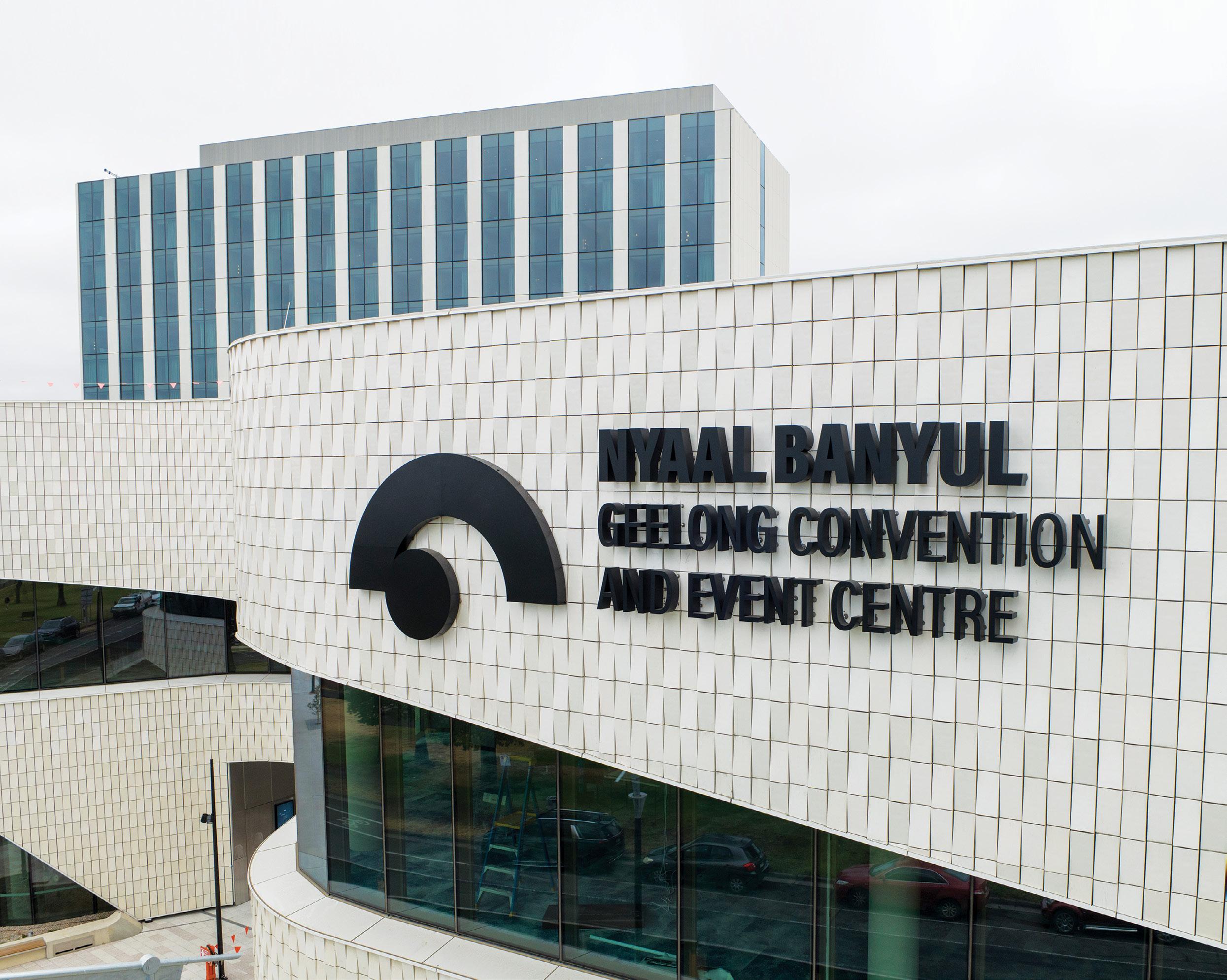
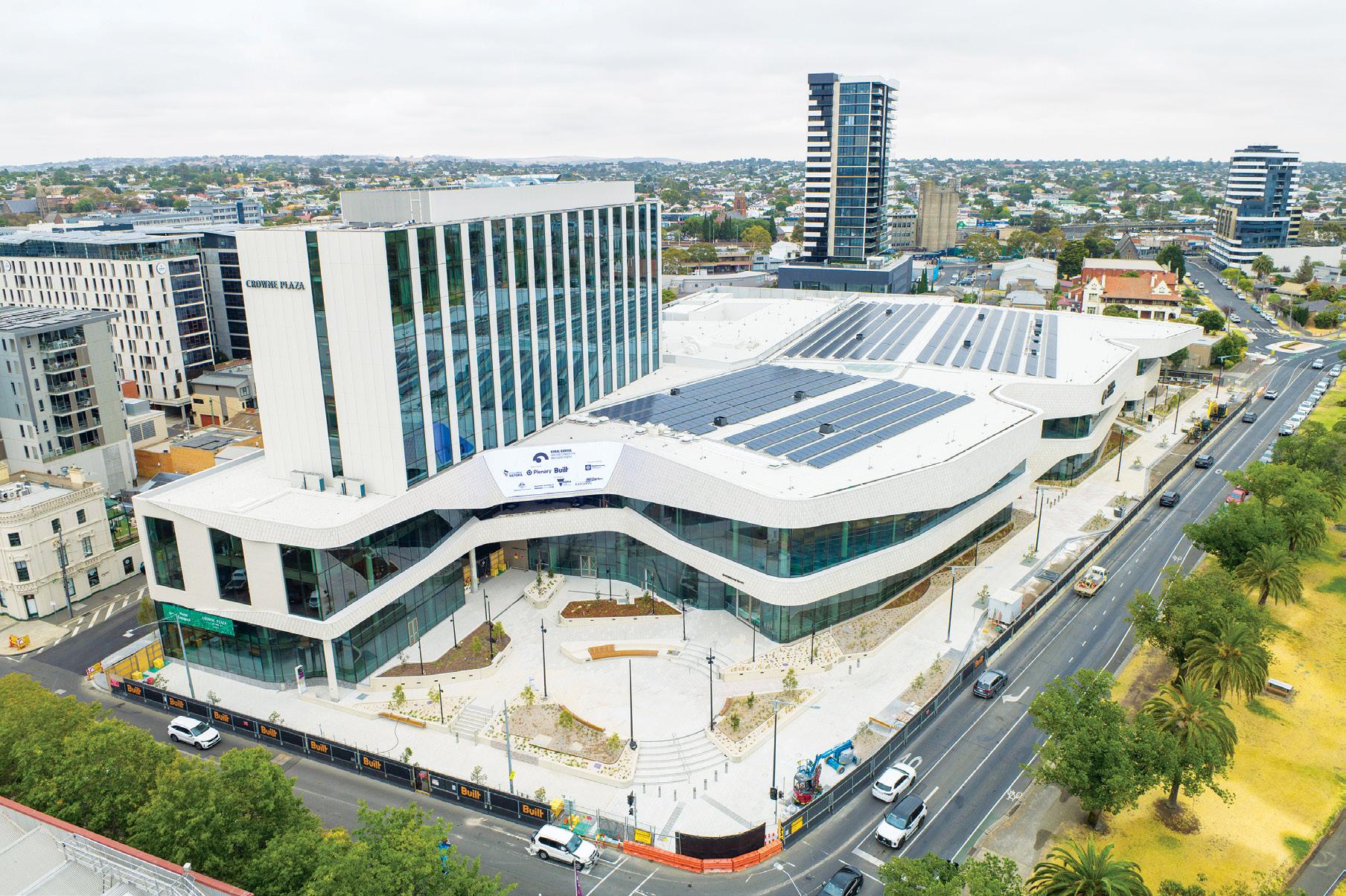
Rick Aylett, general manager, Nyaal Banyul Geelong Convention and Event Centre
The Victorian city of Geelong is buzzing ahead of the city’s anticipated convention centre opening its doors, writes Gavin Dennett
Since 2019, when the Victorian Government first announced Geelong would receive a shiny new convention centre, anticipation has been building as the project takes shape. A linchpin in the Geelong City Deal 10-year plan to revitalise the city and unlock the potential of the Great Ocean Road visitor economy, Nyaal Banyul Geelong Convention and Event Centre is a beacon of progress for the region.
Now as the facility prepares to open its doors, in July 2026, general manager Rick Aylett is preparing to welcome guests to a venue transforming the city of Geelong.
How exciting is it to be so close to opening Nyaal Banyul Geelong Convention and Event Centre?
It is really exciting. Anticipation has been building and there is very strong interest in the venue. It will be transformational for the Victorian and Australian business events industry and will revitalise Geelong. It will actually be the heartbeat of Geelong, especially its economic contribution. These economic benefits are going to be incredible through job creation and supporting the local ecosystem and suppliers. For example, our produce and wine is local and the quality is sensational. Whether it’s baby cherry tomatoes or Port Arlington mussels, it is great to have a direct relationship with niche suppliers.

Is Geelong and the Bellarine growing as a conferencing and incentives destination?
Absolutely. There is growing interest in regional conferences and incentives generally, but this part of the world is becoming very popular. There is so much here with the Surf Coast, Great Ocean Road, wineries, Twelve Apostles, artisanal food producers and the city of Geelong itself. It’s a stunning location that offers so much to elevate visitor experiences.
We also have the new Crowne Plaza Geelong that has opened onsite at Nyaal Banyul, and the development of Novotel Geelong on the waterfront so the city is expanding to accommodate future events.
How is the pipeline of events tracking?
It is very strong. We have interest in a range of event sizes, from gala dinners to really interesting multi-day conferences. Our events are going to be between two days and five days, with the majority being three-day conferences and events.
Around 45 per cent of that sales pipeline is from interstate, which is very positive exposure for the region. There is strong interest in concerts and ticketed events, as well as community events. We are also well positioned for not-for-profit events.
Does the venue have a strong community focus?
That is part of the reason why Nyaal Banyul is being built. Geelong is thriving and it’s the fastest-growing regional city in Australia. There is a lot of investment and so much to do in the region so it will be a game-changer for Geelong and the Bellarine.
Is the venue’s accessibility for interstate visitors a big selling point?
Accessibility is vital. We have Avalon Airport [21km from Geelong CBD] and we are one hour from Melbourne Airport. Visitors can also catch the ferry over from Docklands, and Geelong Railway Station is just five minutes away. Then there is the CBD location overlooking Corio Bay with public space around it.
Gheringhap Plaza in the northeast corner has a 77-square-metre LED screen which will be superb for pop-up community events. Some conferences and events will flow into this area.
How important is cultural integration at the venue?
It is deeply ingrained and isn’t just window dressing. That has been a story in itself. The site we have built on has been a gathering place for 65,000 years and now we are honouring that as a contemporary version, which the [local Indigenous community] is supportive of.
Have you taken inspiration from new Australasian convention centres that have opened in recent years?
Definitely, especially what Te Pae Christchurch Convention Centre is doing with cultural integration. We have visited those venues and Te Pae was really open and transparent, and we learned a lot from that venue as well as convention centres around Australia. We have the benefit of starting from a clean slate in terms of building design, efficiency, sustainability and technology.
Above: Nyaal Banyul
Geelong Convention and Event Centre opens in July 2026, with the onsite Crowne Plaza Geelong having opened back in January.
Welcoming the world to Fiji
Marriott Bonvoy hotels invites you to the Pacific nation of Fiji, where the bula spirit transforms incentives, conference and events.
For Australian and New Zealand event planners, Fiji is close enough to be practical, yet far enough away to feel transformative. The Pacific island nation is evolving its MICE offerings for planners seeking scale, substance and return on investment.
Across four Marriott Bonvoy Fiji hotels, programs scale from the Pacific’s largest convention centre to lagoon-side incentives and island immersions. Conferences deliver outcomes, incentives leave legacies, and every agenda is rooted in sustainability and authentic Fijian culture.
Scale meets flexibility on Denarau Island
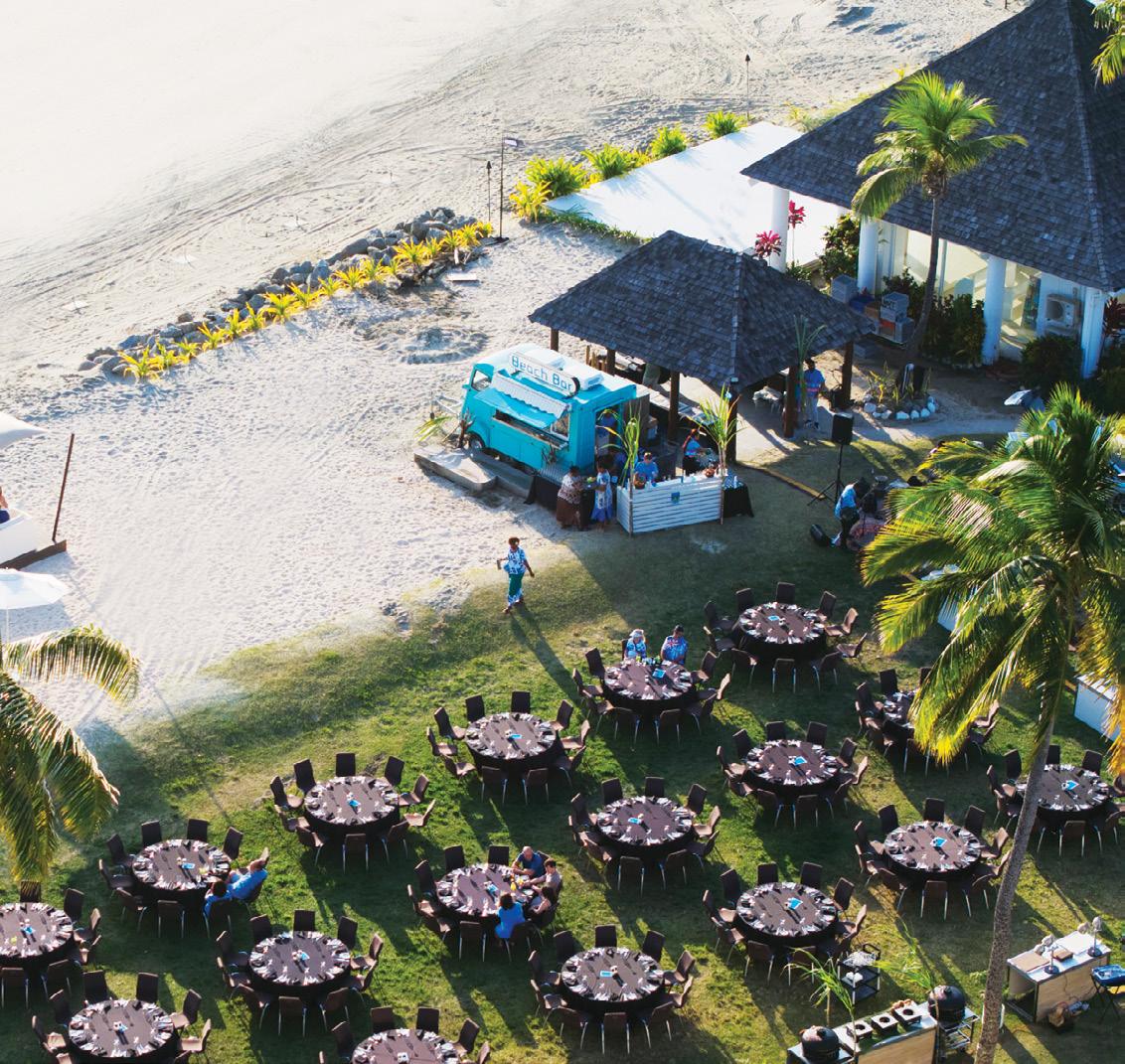
At the heart of Denarau Island, Sheraton Fiji Golf & Beach Resort anchors Fiji’s conference landscape. Offering the largest integrated meetings facility in the Pacific, the precinct enables planners to deliver multiformat programs, moving seamlessly between plenary sessions, outdoor networking environments and beachfront activations.

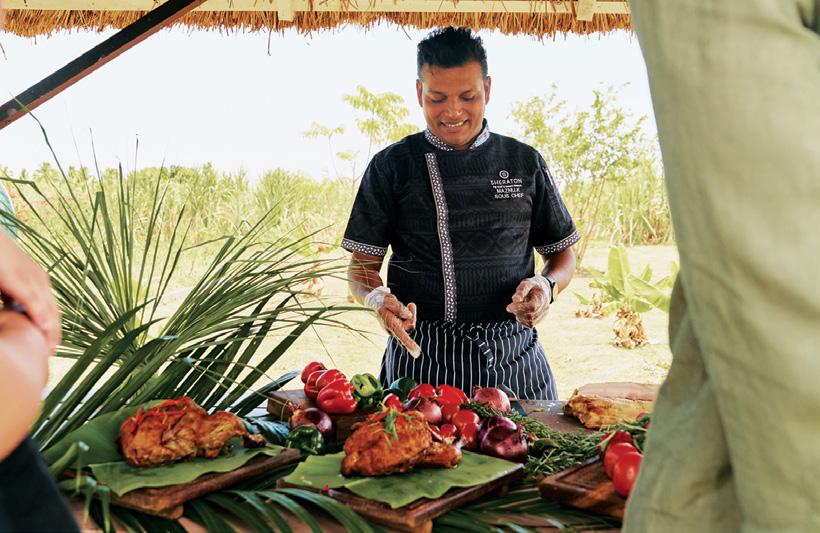
Programs scale for up to 1000 delegates, including plenary sessions indoors, cocktail receptions on the lawn, and cultural dinners staged at the resort’s five-acre Denarau Farm EarthCheck Silver Certified operations come to life through carbon-zero menus showcasing onsite produce, honey harvested from beehives, and traditional lovo feasts accompanied by meke performances.
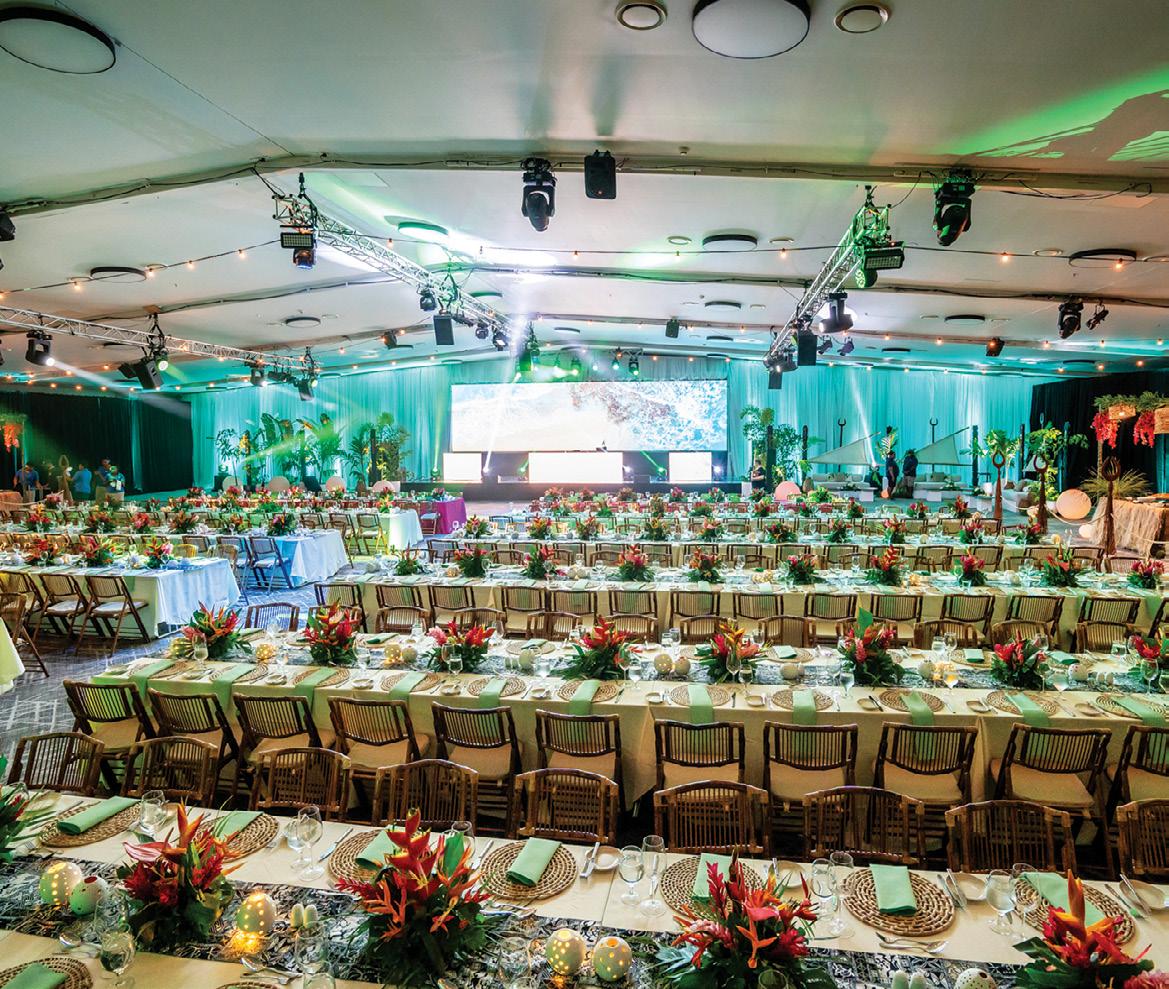
Delegates transition from breakfast at Island 619 to Denarau Island Convention Centre – the Pacific’s largest integrated venue – with flexible spaces that shift between indoor plenaries, outdoor terraces and beachfront breakouts.
Culinary experiences span the resort, from fire-grilled dining at Tatavu Grill & Bar to intimate tastings at Cellar & Barrel speakeasy and casual networking at 28g cafe. A championship 18-hole golf course and tennis facilities add recreational depth, while corporate and social responsibility (CSR) initiatives such as farm-to-fork tours and composting programs ensure every event delivers impact beyond the meeting room.
“From EarthCheck Silver Certified operations and sustainably designed ocean-to-plate or farm-to-fork menus, to carbon-zero menus at Denarau Farm and convening at our Fijian-owned resorts, delegates leave with the assurance their event footprint contributes positively to Fiji’s future,” says Javed Shameem, market director of sales and distribution, Fiji and Samoa, at Marriott International.
Next door, Sheraton Denarau Villas provide flexibility for extended stays and remote work offices, even for delegates travelling with families. Available in two-bedroom and three-bedroom configurations, these villas offer residential-style comfort with direct access to the convention centre and resort facilities, which balances privacy with connectivity.
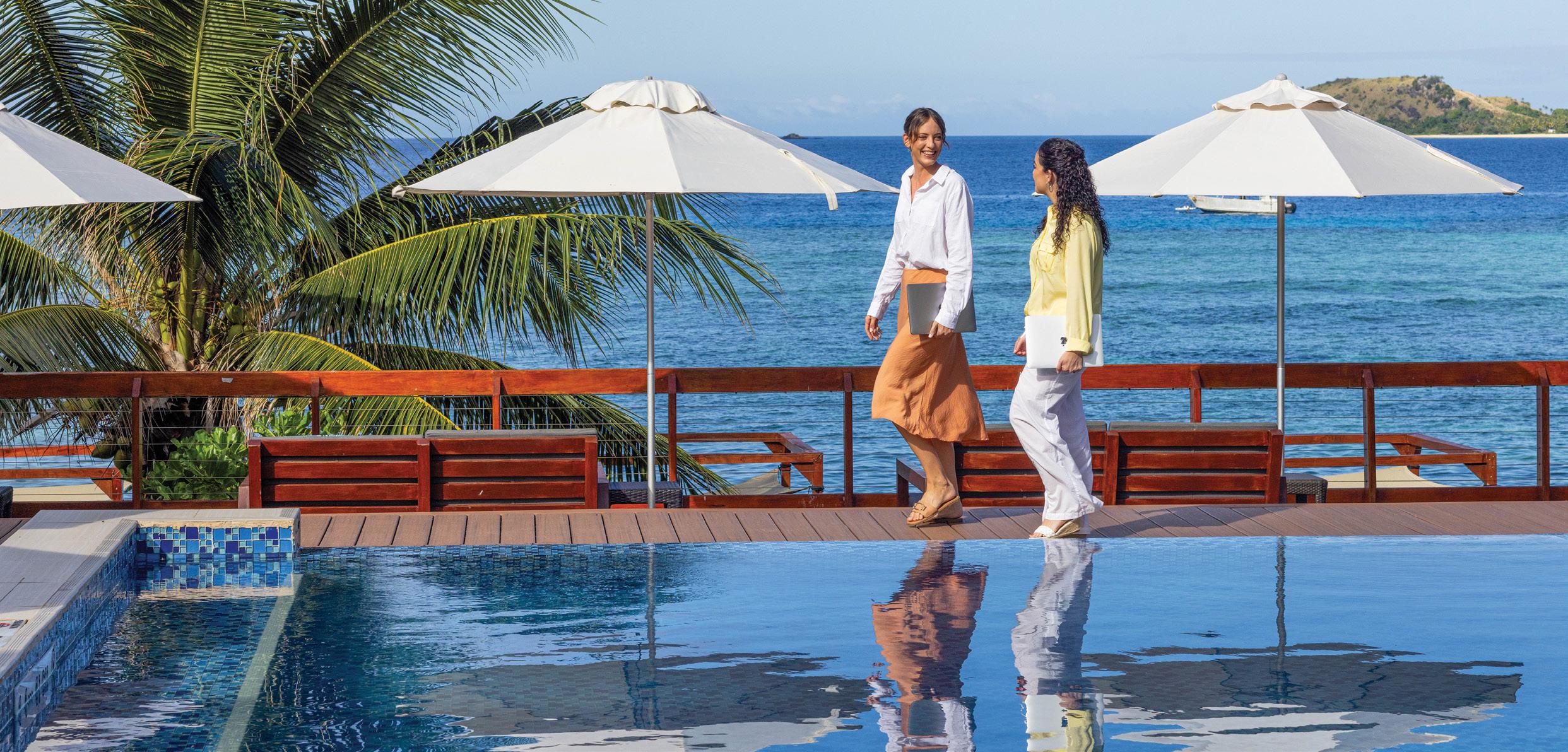
Above: Business, culture and cuisine come together at four idyllic Marriott Bonvoy hotels in Fiji.
Below: The fish house building experience for incentive delegates at Fiji Marriott Resort Momi Bay.
Purpose-driven incentives
At Fiji Marriott Resort Momi Bay, incentive travel is redefined through strong focus on purpose-driven experiences that balance indulgence with impact.
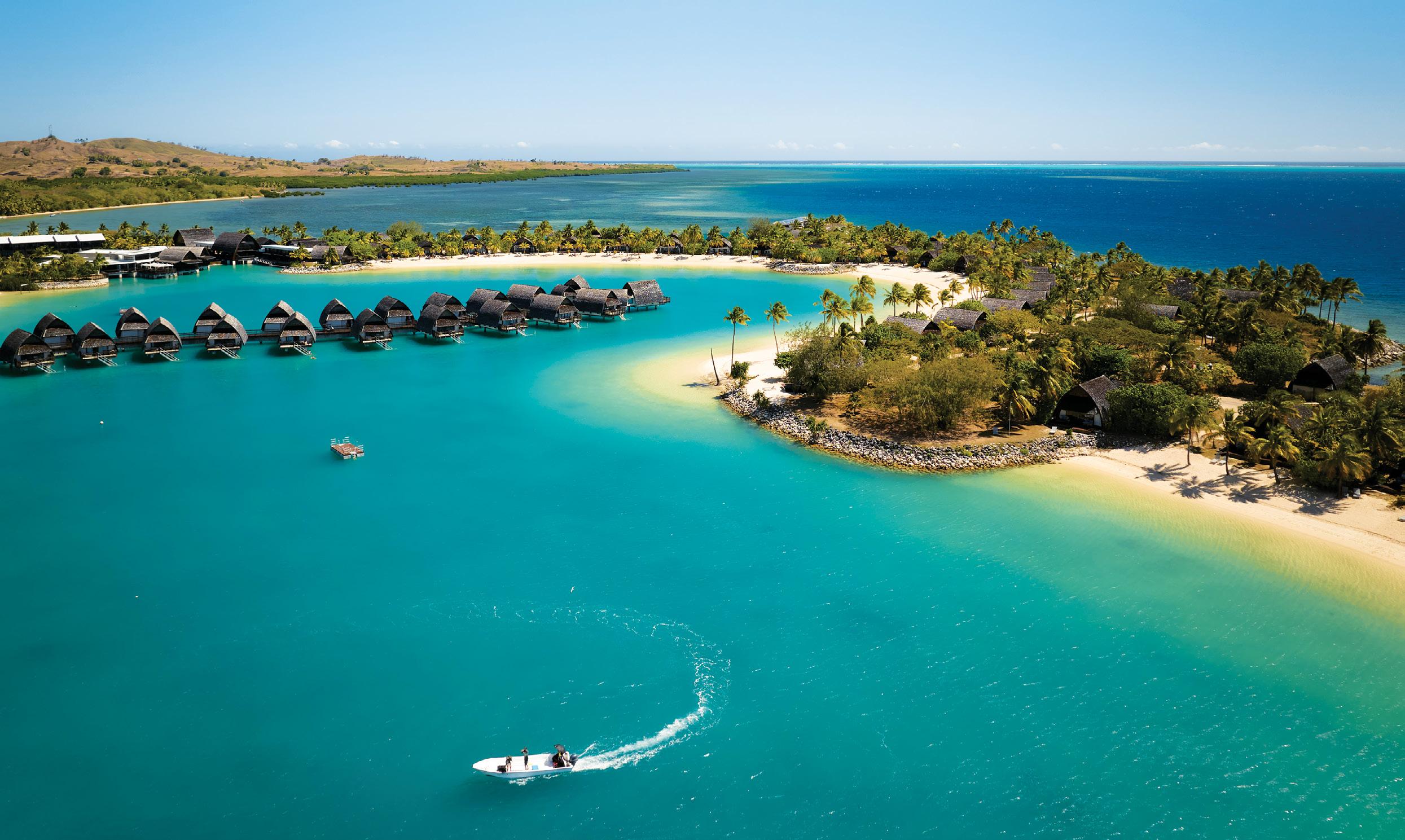
Overwater bures stretch across a turquoise lagoon, creating a setting that is memorable and restorative. Incentive programs go beyond relaxation, with delegates surfing world-class breaks, snorkelling in vibrant reefs, unwinding with spa rituals such as the Warm Seashell Massage, and taking part in CSR initiatives that leave a lasting footprint in Fiji’s marine ecosystem.
Groups plant mangroves, construct fish houses and support coral regeneration – activities that deliver emotional return on investment while strengthening the lagoon. A visit to the local community can also be arranged.
“When groups plant mangroves or build fish houses, they leave a legacy in our lagoon,” says Silvano Dressino, general manager at Fiji Marriott Resort Momi Bay. “That sense of giving back resonates deeply with delegates.”
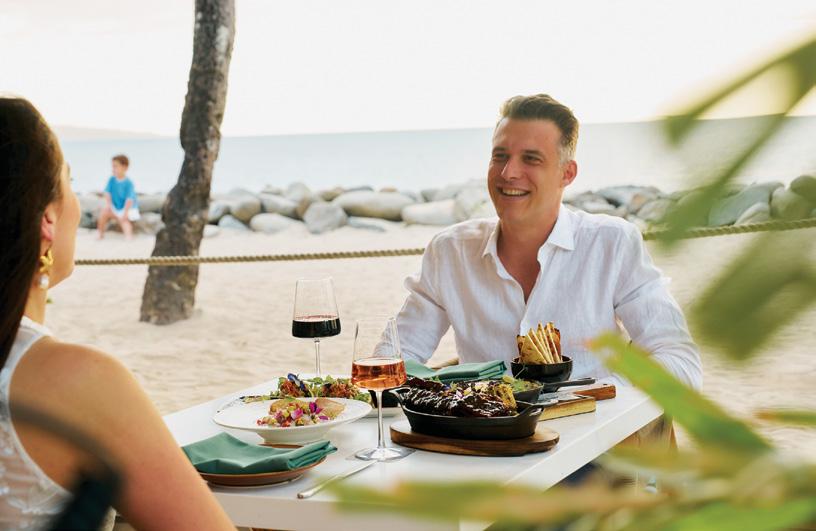
Dining reinforces the sustainability narrative. Fish Bar – Fiji’s first fully solar-powered restaurant – serves ocean-to-table flavours at sunset, while Lagoon House offers relaxed hospitality throughout the day. For gala evenings, elevated venues transform into celebration spaces with panoramic lagoon views.
Exclusive incentive buyouts
Accessible by boat or helicopter, Sheraton Resort & Spa, Tokoriki Island is the ultimate incentive buyout – a private island paradise where exclusivity meets authenticity. Groups can take over the resort, creating a self-contained program with no distractions and complete immersion.
Delegates spend their days exploring coral gardens or venturing out on jet-ski safaris, while evenings transform into long-table dinners at Waitui Deck at Waitui House Restaurant, which is set beachside with seafood share platters and the sound of the ocean as backdrop.
For gala occasions, Curcuma restaurant is the only dedicated Asian-Indian venue in the Mamanuca Islands, which delivers layered flavours and spiced cocktails in a setting designed for celebration.
“What stays with delegates is the warmth of our associates and the cultural richness of island life,” says Wilbur Tauro, hotel manager, Sheraton Resort & Spa, Tokoriki Island.
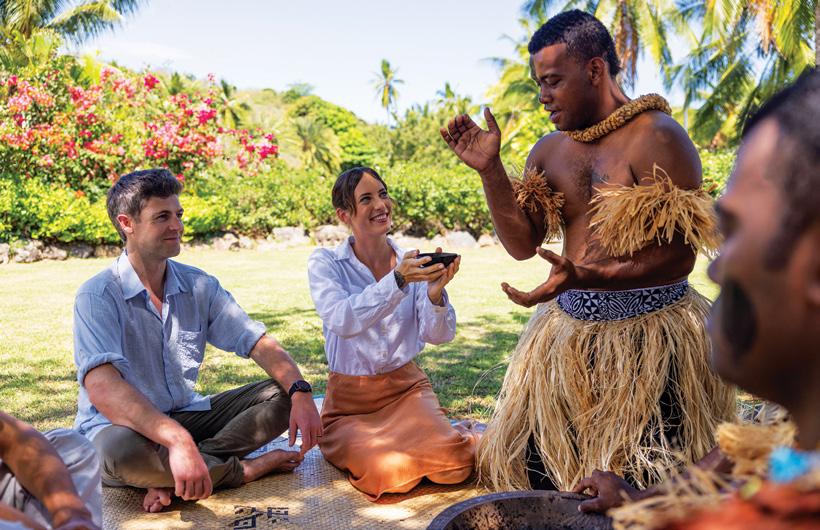
Beyond the resort, incentive groups can cross the lagoon to nearby villages, where tours offer a chance to connect with everyday Fijian life. These cultural exchanges add depth and authenticity, ensuring programs resonate long after delegates return home.
Driving value through loyalty
For professional conference organisers and corporate planners, value matters. Marriott Bonvoy Events ensures every event booked at Marriott Bonvoy Fiji Resorts earns points that can be redeemed for future stays, upgrades or experiences. It’s a tangible return on investment that rewards planners while enhancing delegate journeys.
For a limited time, Marriott Bonvoy Fiji Resorts is offering an incentive structure aimed at driving conversion across group and catering segments, while rewarding higher-value bookings. For events contracted between 1 April and 30 June 2026, and delivered by 31 December 2026, planners can access a tiered set of benefits for programs including triple Marriott Bonvoy Points across group and catering, group-only or catering-only bookings, increasing long-term value for organisers; 10 per cent off the master bill for group-only bookings, supporting cost efficiencies on accommodation-led programs; and 10 per cent off room rates, plus 5 per cent off catering, for combined group and catering bookings, encouraging more integrated event design and higher on-property spend. n
Perfect beachside events at Sheraton Fiji Golf & Beach Resort.
Denarau Island Convention Centre at Sheraton Fiji Golf & Beach Resort.
Pacific island escape
With Fiji’s MICE focus taking a back seat during COVID-19 and the subsequent bounce-back period, new tourism boss Dr Paresh Pant is putting it firmly back on the map, writes Gavin Dennett
Fiji is currently a hotbed of progression when it comes to the Pacific island nation’s appeal as a business conferencing, events and incentives destination.
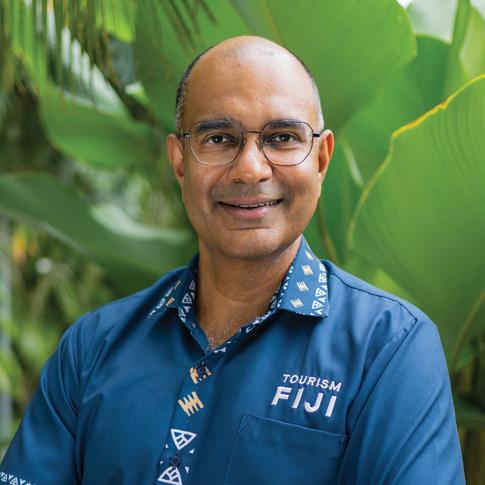
Dr Paresh Pant was appointed CEO of Tourism Fiji in late 2025, and he has been assigned the task of leading the country’s tourism growth and global brand strategy.
With more than 25 years of experience across tourism, hospitality and aviation, Dr Pant is no stranger to the organisation, with previous stints as Tourism Fiji’s regional director for Australia and New Zealand.
A significant component of his charter is increasing Fiji’s long-term tourism growth and enhancing its standing as a MICE destination, with the Australian and New Zealand markets firmly in focus.
Are you excited to come into your new role during a period of growth for tourism in Fiji?
There is a lot happening in Fiji. There are big refurbishments and renovations [at hotels and resorts] especially targeting the MICE market.
Is Fiji ramping up its appeal as a MICE destination?
When borders reopened after COVID-19, focus was on getting Fiji back on track for about three years, and MICE is a growing segment of the market, especially because it performs during off-peak periods.
Clients can choose from all levels of accommodation and so many hotel brands have arrived in recent times – many of which have conference facilities – with renovations and more properties on the way.
Most resorts have a relationship with an outer-island experience so delegates can enjoy more than just their conference by taking in experiences, activities and fresh local cuisine. The incentive market is really growing here.
Is airline connectivity on the rise?
Absolutely, especially out of Australia, New Zealand and the US. We have daily flights out of Melbourne, Sydney, Brisbane, Auckland and Los Angeles, as well as regular services from Cairns, Canberra, Adelaide, Dallas, San Francisco, Hawaii, Vancouver, Tokyo, Hong Kong, Singapore and, from June, the Gold Coast. Canberra is good for us as it connects Fiji with plenty of government accounts without having to stopover in Sydney.
With Fiji Airways, many of the flights from the main ports of Brisbane, Sydney and Melbourne have wide-body operations. Sydney has a daily wide-body in addition to a narrow-body, but out of Brisbane and Melbourne, there's a combination of wide-body and narrow-body, which opens avenues for the amount of people you can move. Qantas and Virgin also fly to Fiji.
How important is Fiji’s cultural appeal for incentive groups?
It is a huge selling point. From the moment you arrive at your hotel, you are warmly welcomed and some great cultural immersion trips are available for authentic Fijian experiences. We are seeing increased demand for cultural experiences. It comes very naturally and we don’t engineer it – it is in Fiji’s DNA and we don’t need to inject our people with happiness! n
Top: Fiji Marriott Resort Momi Bay.
Above: Dr Paresh Pant, CEO of Tourism Fiji.
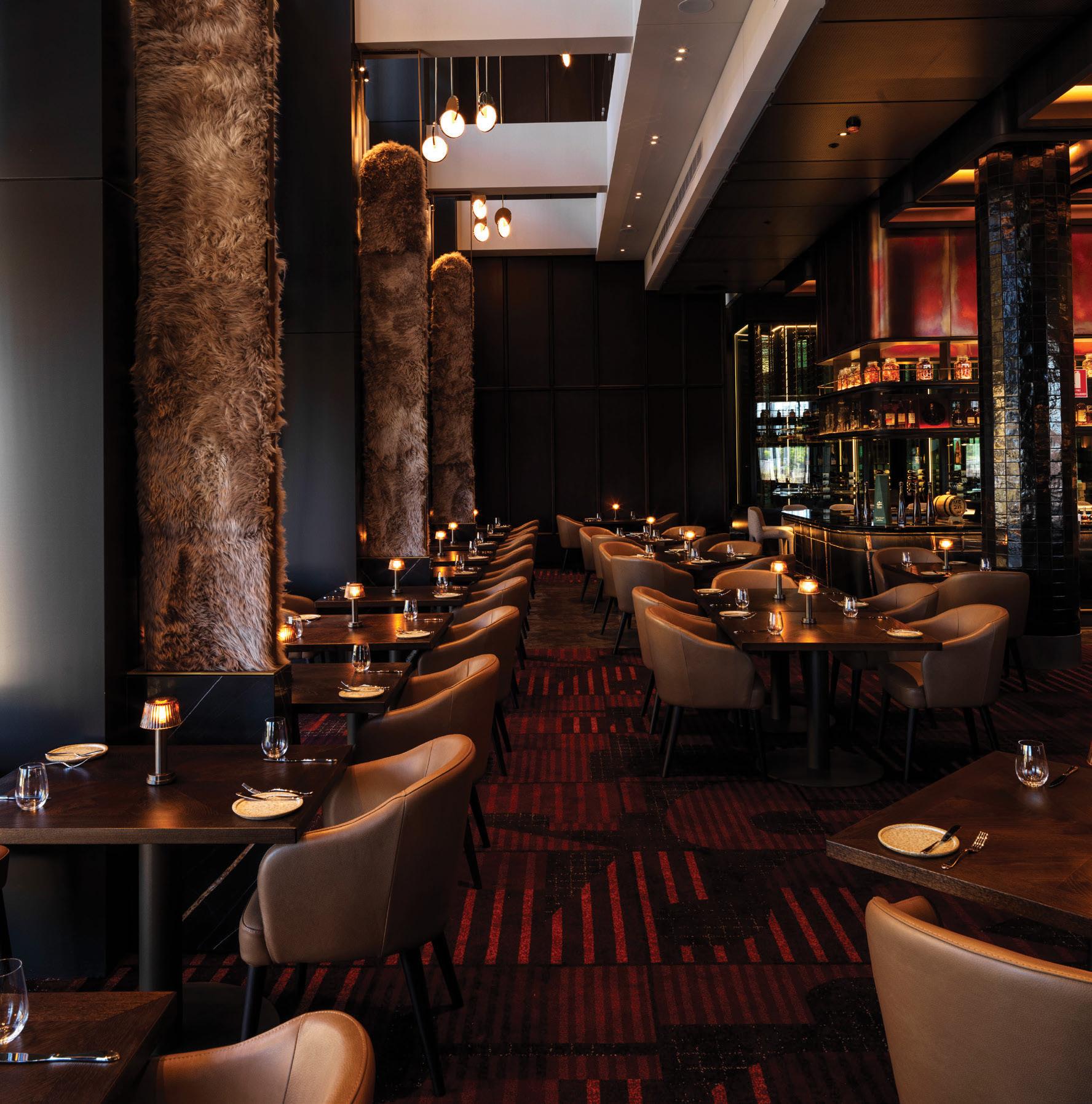

#14 in Australia by the World’s 101 Best Steak Restaurants 2026 and is the only steak restaurant in Western Sydney to be in this list.
Events Uncovered
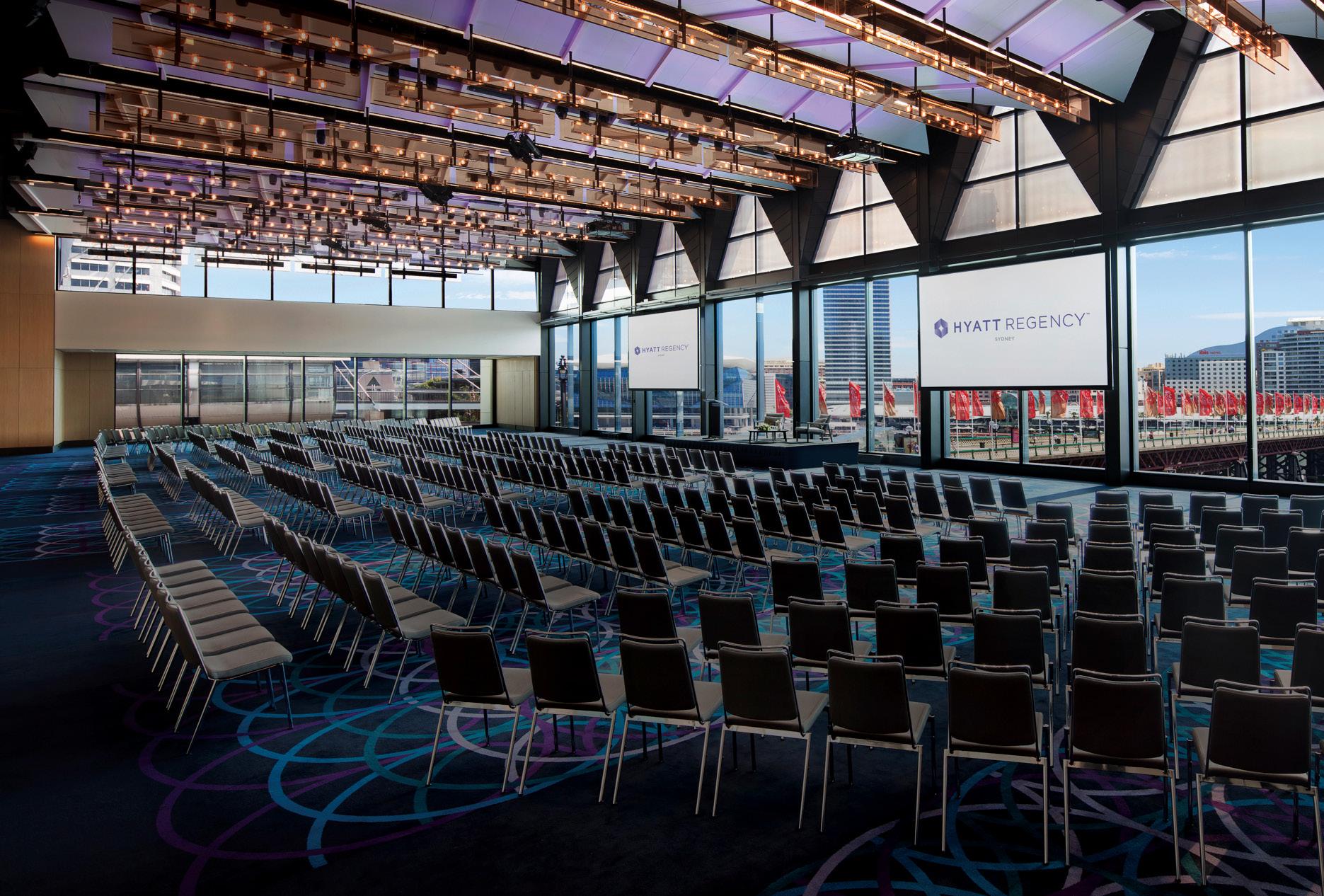
Endless possibilities at Events Uncovered
New year, new venue and great expectations – anticipation is running high as Events Uncovered presented by Spice comes to Hyatt Regency Sydney on Tuesday, 1 September, 2026.
Events Uncovered presented by Spice returns for its 11th year in 2026, with the events industry coming together at Hyatt Regency Sydney for an unmissable day of learning, networking, business and fun.
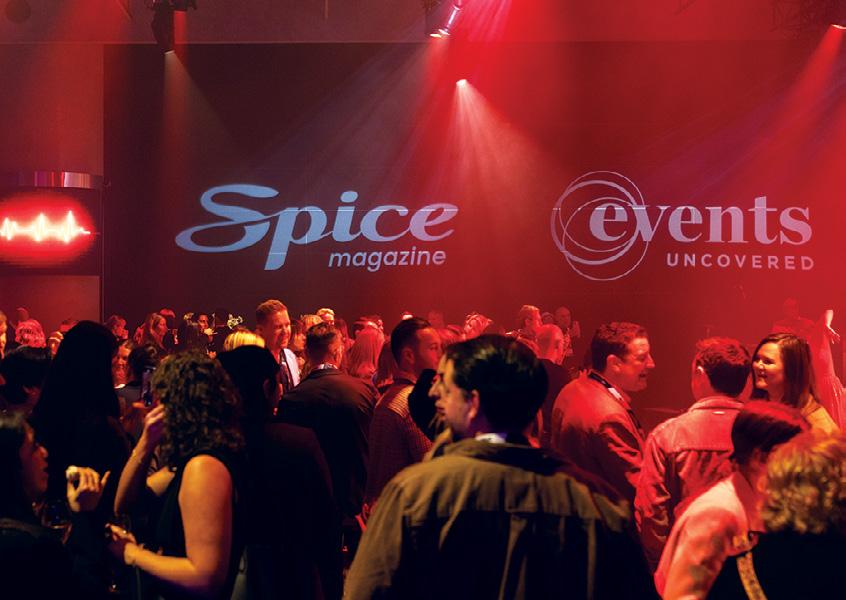
In a full day of excitement, Events Uncovered presents a free Showcase with more than 40 exhibitors offering information, entertainment and activations; the ticketed Spice Knowledge Sessions featuring the events industry’s innovators and thought leaders delivering educational keynotes and panel discussions; the Sundowner networking drinks; and evening closing party, Uncovered After Dark.
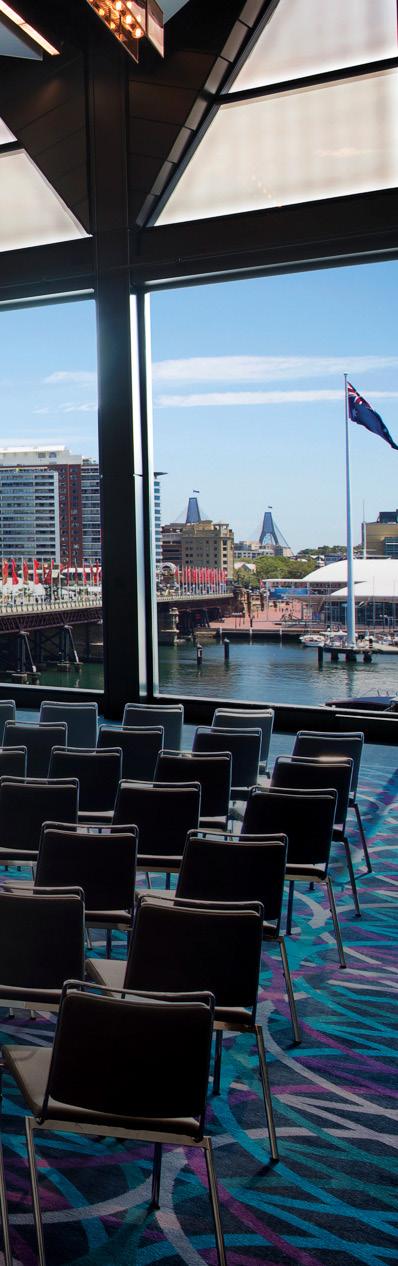
In a new chapter for Spice’s signature event, it will be held at Hyatt Regency Sydney, overlooking Darling Harbour in the CBD. The hotel features 878 guestrooms, 23 meetings and events spaces, and two incredible pillarless ballrooms, which will be home to Events Uncovered.

Hyatt Regency Sydney was named Oceania’s Leading Business Hotel 2025 at the World Travel Awards that acknowledge, reward and celebrate excellence across all sectors of the global travel and tourism industry.
“We are proud to partner with Spice to be the host venue for Events Uncovered 2026,” says Jane Lyons, general manager,
Hyatt Regency Sydney. “As Australia’s largest hotel and a hub for meetings, conferences and events, we know how powerful it is when the industry comes together to connect, share ideas and be inspired.
“We are also excited to work with the talented Events Uncovered team as it delivers the 11th iteration of this much-loved industry event. Our team can’t wait to welcome Australia’s leading events professionals on 1 September 2026 to showcase our dynamic spaces, stunning harbour views and world-class Hyatt service.”
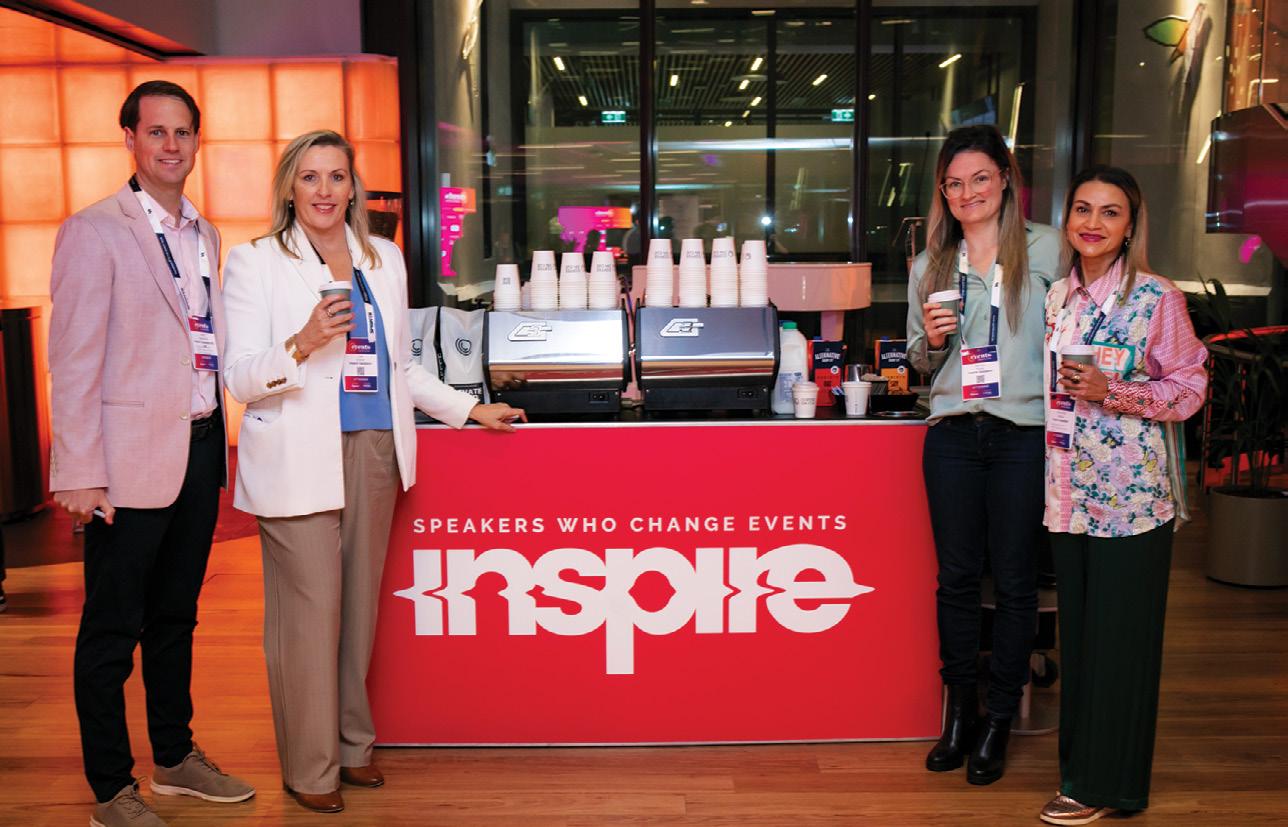
Thanks to Inspire Speakers, television presenter, journalist, media coach and entrepreneur Jessica Ridley will MC Events Uncovered. The broadcaster boasts more than a decade of experience in some of Australia’s busiest newsrooms, having worked for Sunrise on the Seven Network, Today on the Nine Network, 2GB radio in Sydney and 7News, covering a range of news categories including finance, health and entertainment.
Ridley is also the founder of BTW Media, a Sydney-based media training, public relations and content business, and is an in-demand speaker, presenter and corporate trainer for organisations across Australia. She will bring a wealth of expertise to her role helming the Spice Knowledge Sessions.
Also thanks to Inspire Speakers, the opening keynote speaker has been announced for the Knowledge Sessions, with international keynote Yasmin London presenting her session, “The courage to connect: A first-movers guide to a human future in the AI era”.
Above: Hyatt Regency Sydney, home of Events Uncovered presented by Spice.
Below: Jessica Ridley will MC the Spice Knowledge Sessions at Events Uncovered.
London is an events and podcast host, and founder of First Movers Co, an organisation “redefining leadership for a human-focused future in the AI era”. She is a former professional swimmer, NSW police officer and tech director, who brings expert insight into the worlds of technology, gender, youth and culture, and how they impact our human potential.
London brings grit, empathy and real-world expertise to the complex challenges of leadership, digital culture and human connection. She blends powerful storytelling with brave, evidence-based strategy to help people lead, influence and innovate with purpose.

Whether she is onstage, online or on air, London “champions a world where humanity, not just technology, drives progress … activating leaders who go first, create momentum and shape environments where everyone can rise”.
In her work, London consults with leading safety technology companies, advises governments on digital and social policy, and collaborates with major tech platforms to influence safer, more empowering online environments.
Below:
Events
Spice has partnered with renowned styling and hire company Simply Seated to curate bespoke design for Events Uncovered’s multiple spaces. The company’s director, Belinda Porra, promises attendees can expect a vibrant, engaging experience with a statement entrance, colourful furniture, immersive styled spaces and photo-ready moments, all designed to inspire and captivate.
“Being a partner for Events Uncovered allows us to collaborate closely with the organisers and the events community,” she says. “We’re excited to provide a vibrant and functional environment that enhances the experience for all attendees and showcases the best in event design.
“Events Uncovered is a celebration of ideas, creativity and collaboration in events, and we’re thrilled to bring a lively, energetic space to match that vibe.”
Entertainment on the day will be presented by Sydney-based company Event Entertainers. Attendees can expect a series of high-impact live entertainment moments curated to energise the show floor and showcase what’s possible when entertainment is thoughtfully integrated into an event environment.
From vibrant roving performances on arrival and curated five-minute showcase activations across the exhibition floor, to a lively transition into the evening networking experience, Event Entertainers will deliver multiple touchpoints that bring energy, interaction and atmosphere to the event, culminating in Uncovered After Dark, where live music will set the tone for a celebratory close to the day.
“At Event Entertainers, we specialise in helping planners create experiences their guests remember,” says Josephine Ison, director, Event Entertainers. “Events Uncovered is the perfect environment to showcase how the right entertainment can transform the atmosphere of an event. We’re looking forward to bringing a curated mix of performers and creating moments throughout the day that feel engaging, unexpected and fun.”
Save $20 with Early Bird tickets for Events Uncovered, which are now on sale until 30 June 2026. To purchase tickets and for more information, visit eventsuncovered.com.au. n
Above: First Movers Co founder Yasmin London will deliver the opening keynote at the Spice Knowledge Sessions.
The
Uncovered MC and opening and closing keynote speakers are courtesy of Inspire Speakers. Photo: Oneill Photographics.
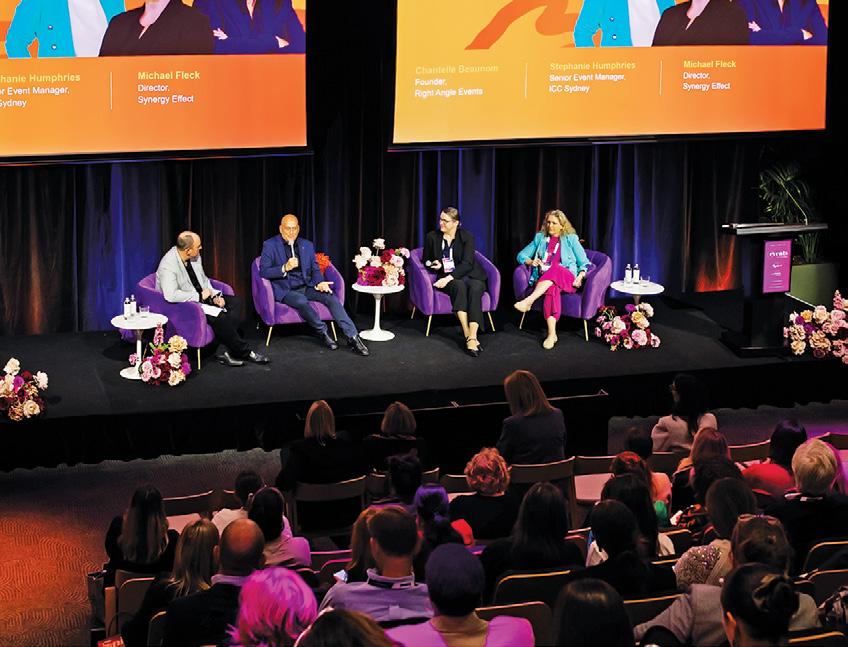
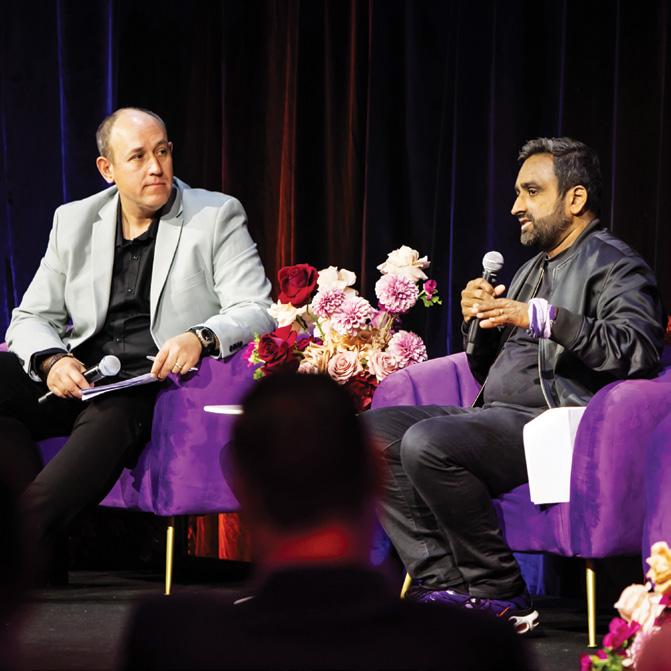
Insights from events industry thought leaders at the Spice Knowledge Sessions.
Uncovered After Dark.
Photos: Oneill Photographics.
Events Uncovered curated
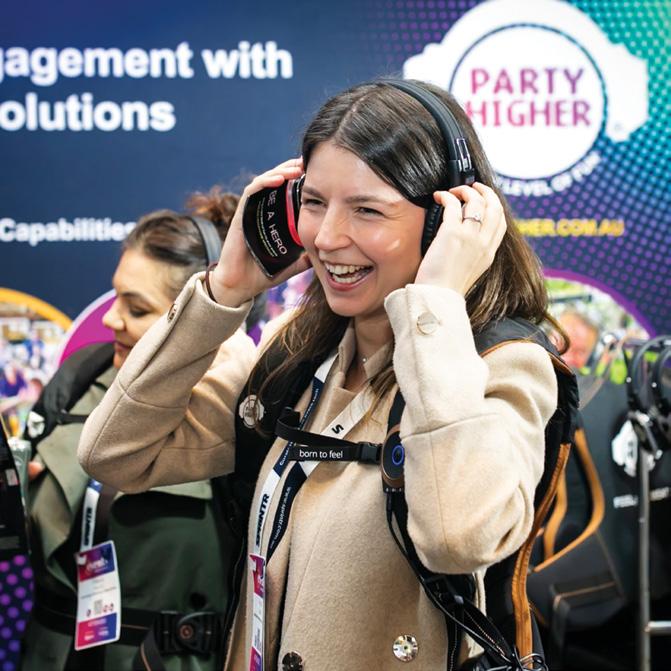
expo
A free expo of venues, destinations and suppliers to spark ideas and elevate your events.
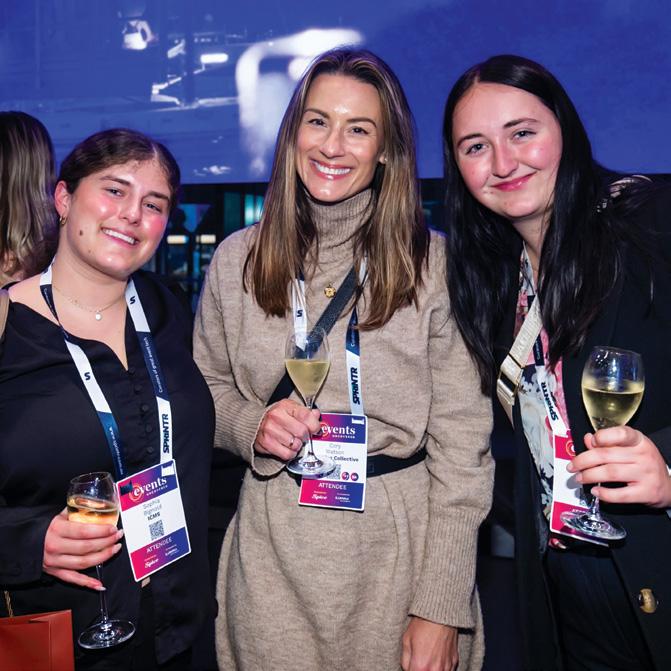
Sundowners and networking
Unwind over a complimentary drink as you network and build meaningful connections.
The exclusive wrap party where the industry connects beyond the exhibition floor. Register
Spice Knowledge Sessions
Learn from industry leaders and uncover new ways to create successful events.
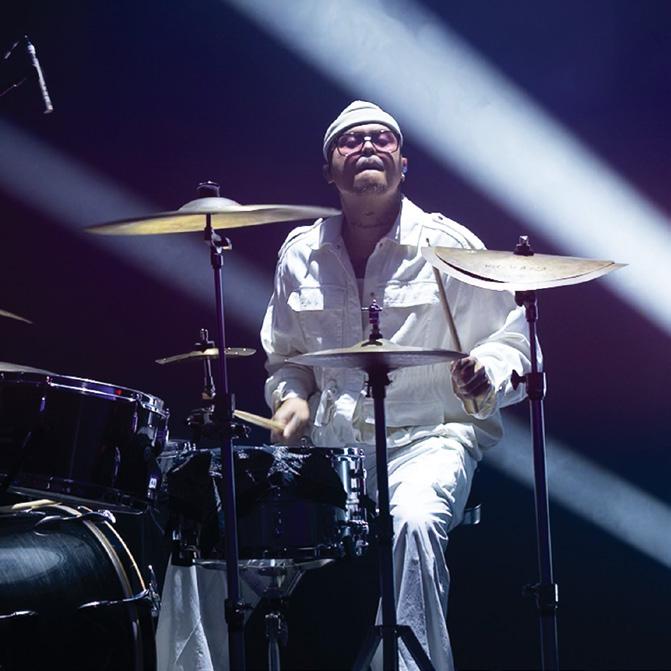
Uncovered After Dark
Photos:OneillPhotographi
A STAR ON THE RISE
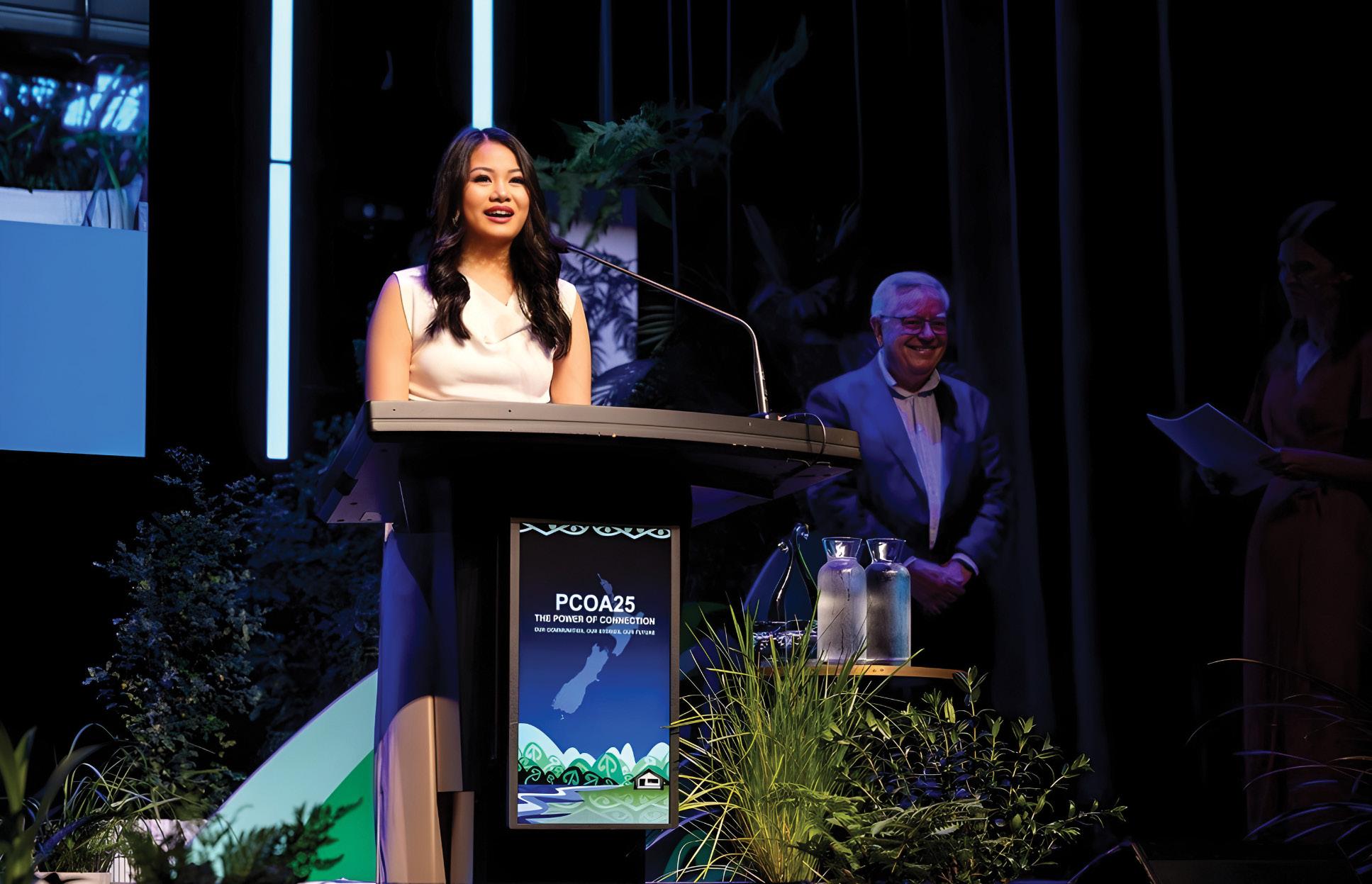
Sydney-based senior conference coordinator Vivian Vo has been recognised for her standing as a gifted talent in the events industry, and she is eyeing off further achievements as her burgeoning career takes shape, writes Gavin Dennett
In the second instalment of Spice’s regular feature on emerging leaders in business events, meet Vivian Vo, senior conference coordinator at Think Business Events.
What first attracted you to working in business events?
I’ve been drawn to event management since high school, which led me to pursue an internship with a professional conference organiser (PCO) during university. This gave me a strong foundation and launched my career in business events.
What was your career pathway before joining Think Business Events?
I worked across two organisations in the business events sector, starting with a PCO then moving into corporate events, and ultimately returning to conference delivery at Think Business Events, which is where I have chosen to focus my career.
Who has guided you in the industry and what are some of the main principles they adhere to?
My first conference manager was incredibly supportive and played a vital role in shaping my professional approach. They reinforced the importance of attention to detail, and a client-focused and solutions-focused mindset, while staying open and adaptable in a fast-paced environment.
What do you enjoy most about your role?
What I enjoy most at Think Business Events is the team culture. We genuinely share knowledge and support one another, and we’re aligned in delivering distinctive, high-quality events – an approach that has helped us build strong, ongoing client relationships. That same collaborative, people-first environment is a key reason the business events industry has provided me with the platform to broaden my skills.
Photos: Magnetic Shots.
What memorable projects have you worked on?
ADSTAR 2024 was a particularly memorable summit to deliver, given the complexity of managing an Australian Defence Force event. It required detailed logistical planning to meet strict protocols and security requirements, while coordinating a large and multifaceted program.
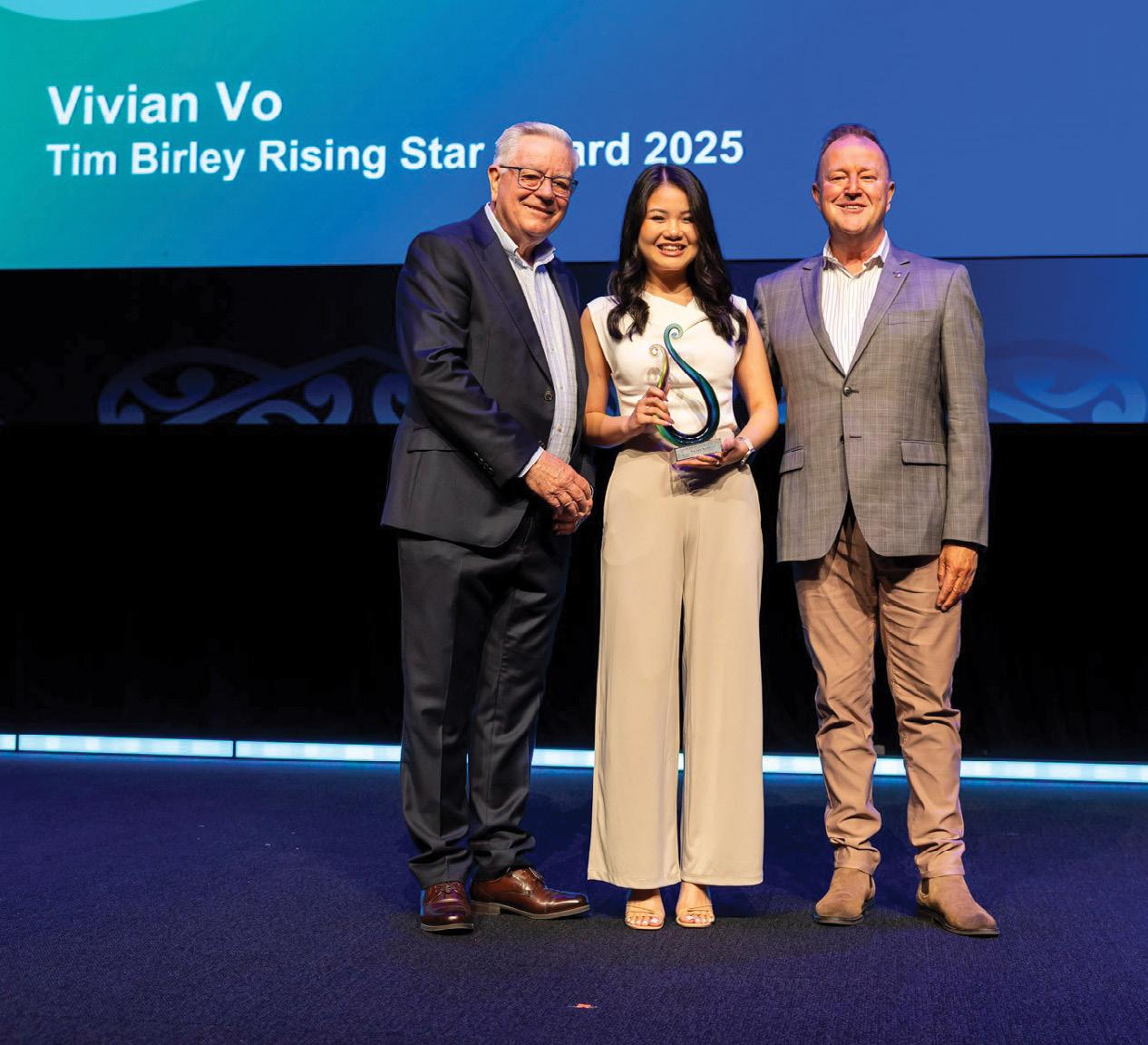
You won the Professional Conference Organisers Association (PCOA)
Tim Birley Rising Star Award 2025 – was that a proud moment for you?
I had heard consistently positive feedback about the work ethic of Tim Birley [former national business development manager at Pan Pacific Hotels Group, who died in 2022] and his ability to connect with people. I value the opportunity to be associated with that standard, and when a colleague encouraged me to apply for the Tim Birley Rising Star Award, I did so because its focus on exceptional customer service and professionalism strongly aligns with the way I approach my work.
How does it feel to be recognised by your peers?
I was genuinely thrilled to receive the call from [PCOA president] Barry Neame confirming I had been selected as the award recipient. I have always believed recognition should be given where it is earned, and this acknowledgement feels like a rewarding milestone for the effort and commitment I have invested.
Do you share knowledge and ideas with other next-gen talent in the events industry?
Absolutely, knowledge sharing is one of the most valuable learning experiences for me. Exchanging insights on common challenges and how others address them helps refine my approach and broadens my perspective. It also keeps me current with industry trends, including new formats, technologies, supplier capabilities and evolving attendee expectations.
Does the events industry value input of young workers enough?
It depends largely on the culture of the teams and stakeholders young professionals work with. When individuals take initiative and contribute fresh ideas or more efficient approaches, their input can be highly valued regardless of age. However, younger talent still faces age-based bias, and their recommendations may be given less weight – I have experienced this firsthand. Recognising the input of young professionals is essential because they are our sector’s future leaders. When experience is prioritised at the expense of emerging talent, it can undermine morale, increase turnover and limit experience across the sector.
“I have always believed recognition should be given where it is earned, and this acknowledgement feels like a rewarding milestone for the effort and commitment I have invested.”
This is why flat-structured organisations, where teamwork and shared responsibility achieves a common goal, is so important. These organisations support faster decision-making, empower teams and encourage open communication. A sense of shared ownership also brings teams closer together, reinforcing collaboration and accountability around a common goal.
What advice do you have for any young person considering a move into business events?
Stay curious, take initiative and embrace challenges. Business events is a fast-paced industry so communicate openly with your team about priorities and workload. A shared focus on delivering exceptional experiences results in successful events and lasting client relationships.
What are your long-term career ambitions?
In the long term, I’m excited to step into an event manager role, leading and supporting high-performing teams. I hope to oversee end-to-end planning and delivery across departments, while bringing fresh, innovative ideas to create impactful events. n
Barry Neame (left), president, PCOA, and Paul Fidock (right), national business development manager, MICE, Pan Pacific Hotels Group, presenting the Tim Birley Rising Star Award 2025 to Vivian Vo.
Breaking records at AIME 2026
With the dust settled following a bumper 2026 edition of Asia Pacific Incentives and Meetings Event (AIME) in Melbourne, the industry reflects on the magnitude of the trade show that leaves a lasting economic and experiential legacy, writes Gavin Dennett
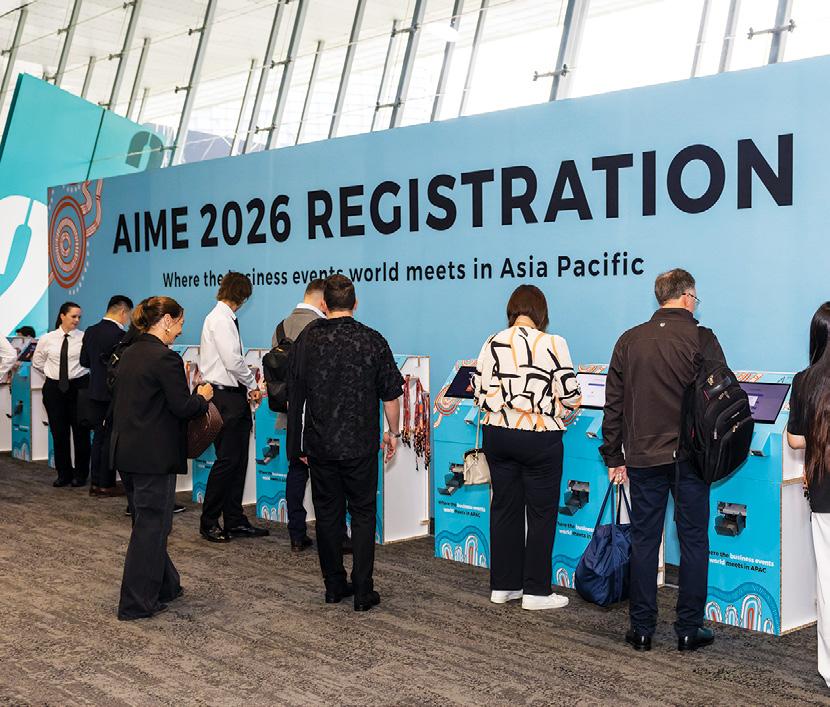
As Asia Pacific’s preeminent business events trade show, AIME continues its rise as an economic juggernaut. The 2026 edition was delivered by Talk2 Media and Events and held at Melbourne Convention and Exhibition Centre (MCEC) across three days on 9-11 February.
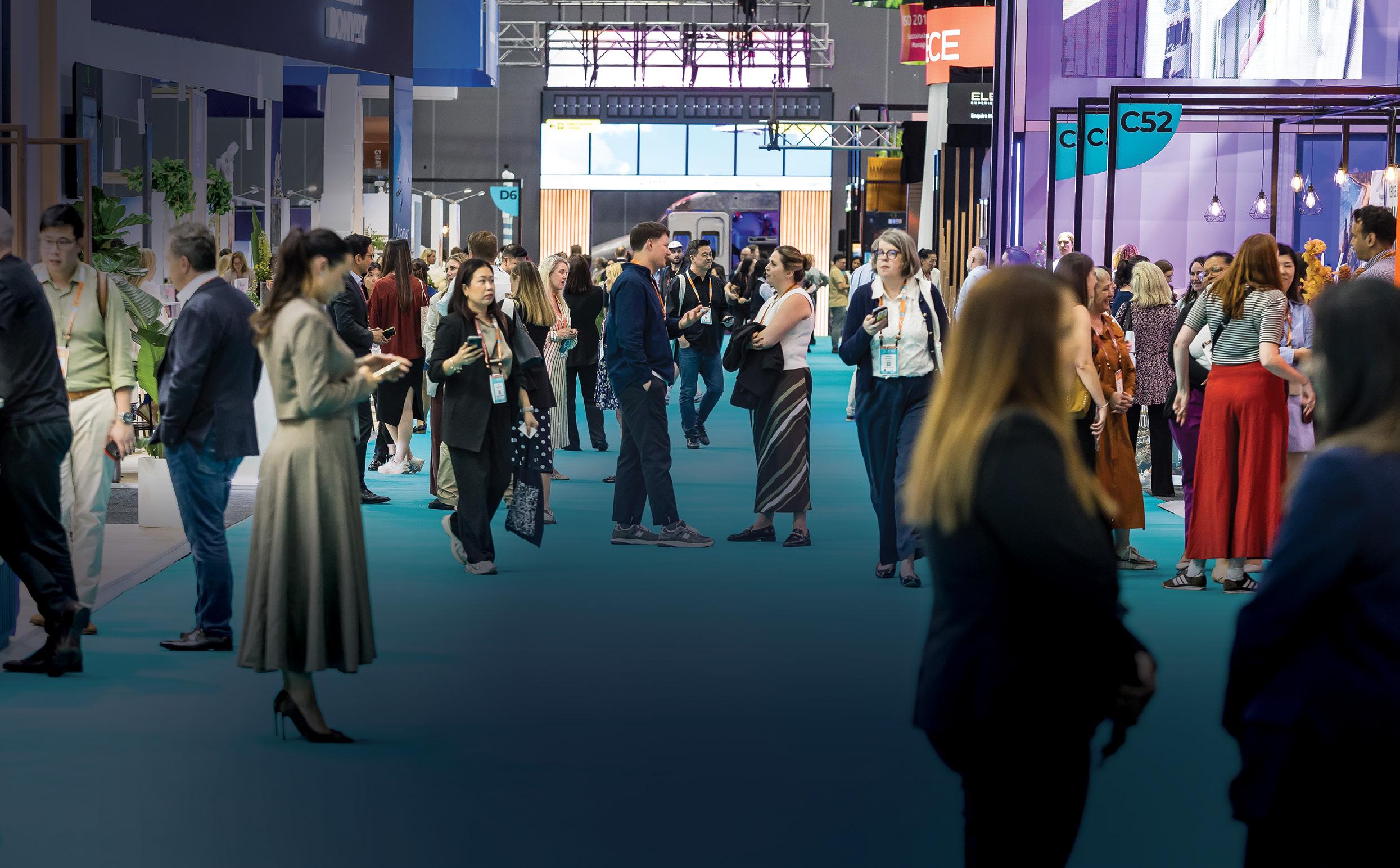
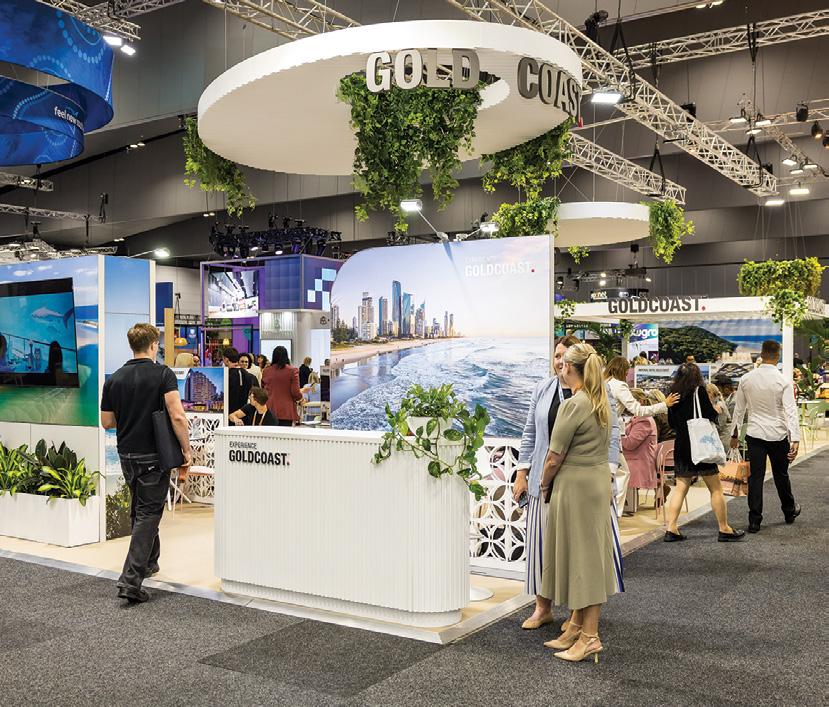
Owned by Melbourne Convention Bureau, AIME 2026 welcomed more than 1500 hosted buyers, more than 765 exhibitors from 36 countries and territories, and in excess of 5000 attendees from the global business events industry. Across the two-day trade show on 10-11 February, more than 25,000 pre-scheduled meetings took place between buyers and exhibitors.
It is Asia Pacific’s largest and longest-running business events exhibition and learning platform, connecting a global community of business events professionals with industry suppliers. Now, two months down the track from the event, independent post-show research projects a record-breaking $425 million in business transactions between exhibitors and buyers during the next 12 months on the back of the event.
“AIME is uniquely built around the quality of the connections we create,” says Matt Pearce, CEO, Talk2 Media & Events. “Our event is carefully curated to ensure the right people are meeting each other, which leads to stronger conversations, better partnerships and real commercial outcomes.
“The projected $425 million in business shows the value of those meetings and the role AIME plays in supporting destinations, venues and suppliers across the Asia Pacific region.”
Melbourne Convention Bureau CEO Julia Swanson says AIME is seeking to grow on the success of its 2026 event.
“AIME continues to shine as the premier business events trade show in our region, and Melbourne Convention Bureau is incredibly proud to own such an impactful event,” she says. “The ongoing success of AIME reflects the strength of our local business events industry as well as the capacity for Melbourne to host large-scale trade shows that draw exhibitors and buyers from around the world and generate record-breaking amounts of business.
“We look forward to the continued growth and success of the show as we continue to innovate and provide further opportunities for strong partnerships and excellent outcomes.”
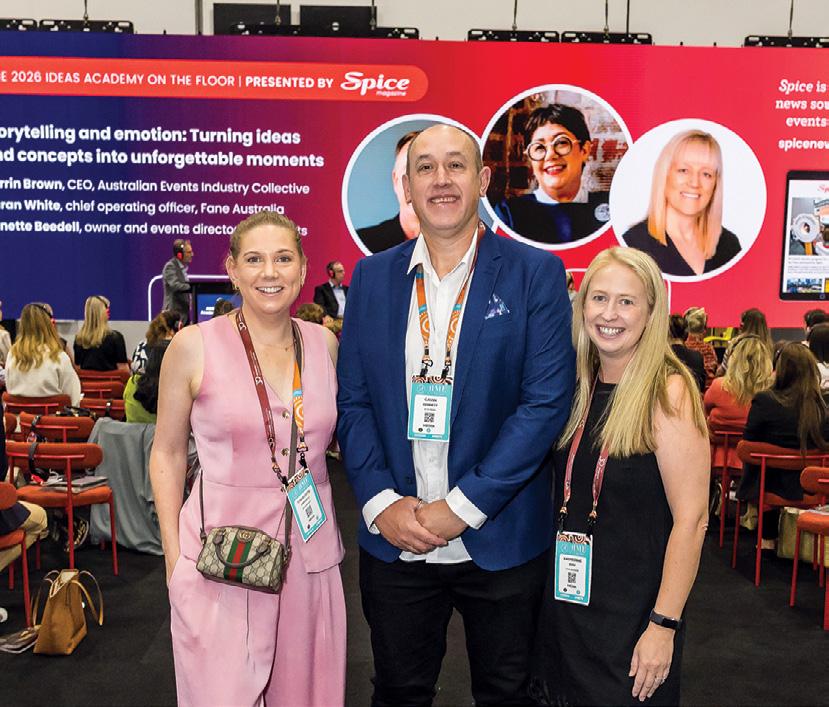
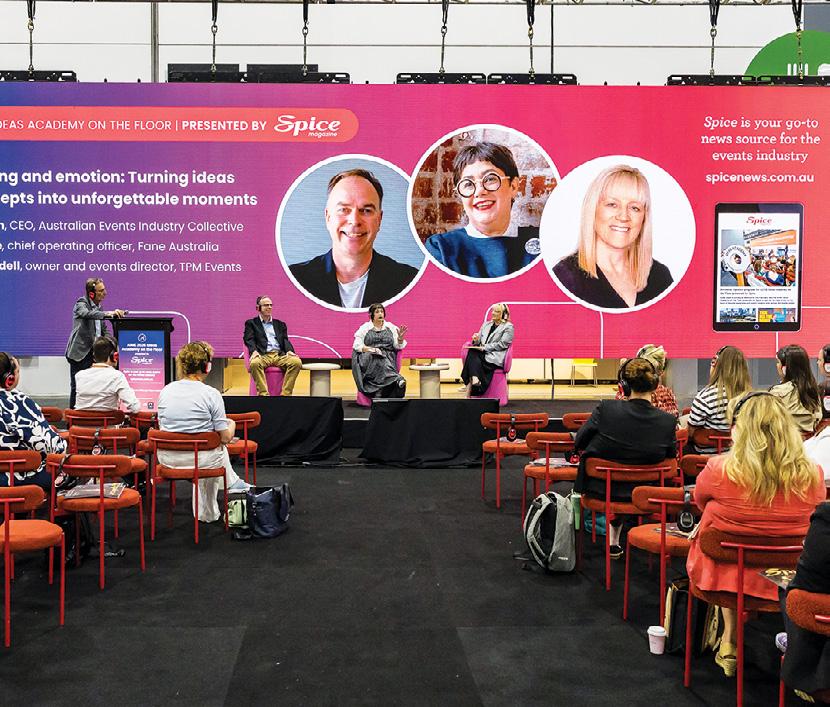
Spice is proud to be a partner of AIME, and for the third consecutive year delivered the Ideas Academy on the Floor speaker program. Curated by Spice and MCed by Simon Cooper, the program delivered two days of keynote speakers and panel sessions on the trade show floor.
Session attendees gained valuable insights and thought leadership from industry experts who imparted their wisdom and expertise across topics including cultivation of workplace culture; attracting top talent; digital marketing; risk management; utilising AI tools; storytelling in events; modern event design; strategies for events success; and managing public affairs.
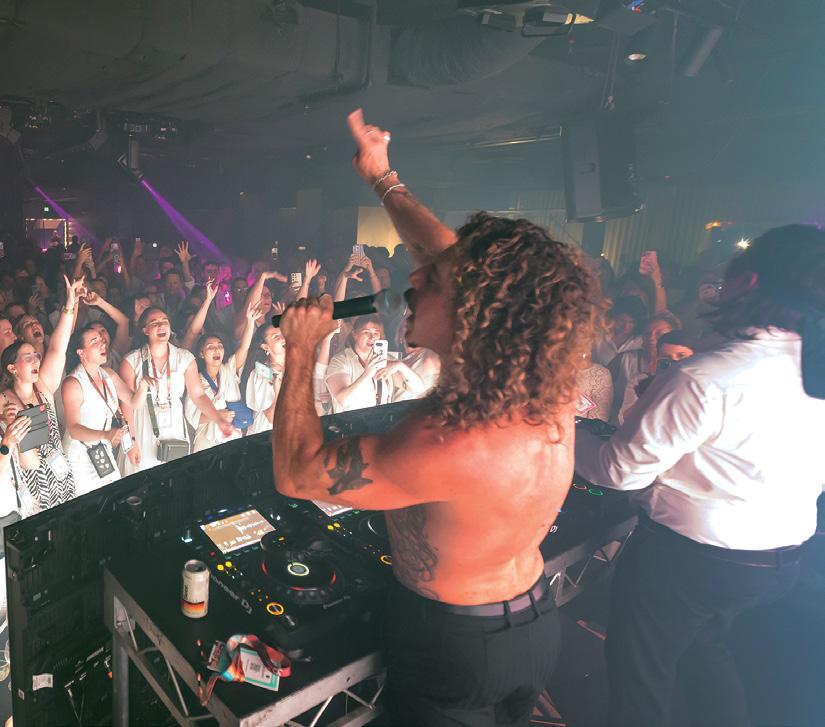
Other notable highlights from AIME 2026 were the Knowledge Monday program with its keynote speakers and theme of “Expertise Matters!”, as well as the colossal “Aimagination” Welcome Event at Evoqé in Melbourne CBD that featured thousands of attendees all dressed in white rocking out to electronic duo Peking Duk.
AIME 2027 will be held on 15-17 February 2027, with AIME 2028 scheduled for 14-16 February 2028.
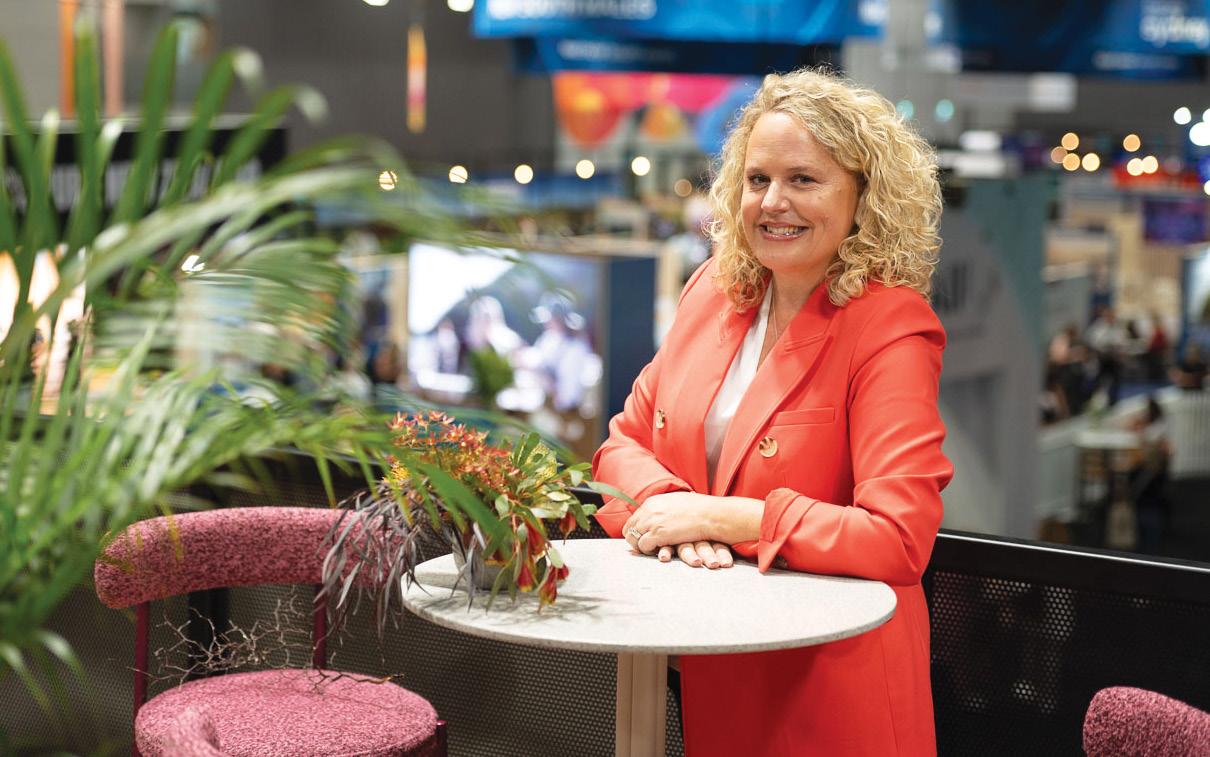
Reflections on AIME from event director Silke Calder
How are you feeling following the success of AIME 2026?
I am incredibly proud of what the team achieved. It felt like a landmark year where scale, global reach and meaningful connections came together. To have the industry congregate and to see the show floor buzzing with energy and purpose was so rewarding. But we don’t rest on our laurels; we are always seeking to keep improving the event, getting the small details right to ensure AIME gets better each year.
You must be pleased with the record $425 million generated? This figure is testament to our qualityover-quantity strategy and the rigorous vetting of our 1500 hosted buyers. It proves the 25,000-plus meetings were not just conversations, but commercial engines for the global business events sector. We make sure our buyers are ready to do business and they meet the right exhibitors at AIME to do so.
Are you pleased with the international exhibitor contingent?
Absolutely. Welcoming 766 exhibitors from 36 countries – including new representation from South Africa, UAE and Uganda – brought a fresh, diverse perspective to the show floor. It reinforces AIME’s position as the premier event for the Asia Pacific region to connect with the rest of the world.
What are your thoughts on the Knowledge Monday program and Welcome Event?
The “Expertise Matters!” theme for Knowledge Monday resonated, providing attendees with valuable insights and practical tools. Our “Aimagination” Welcome Event was great, sparking the creativity and human connection that sets the tone for the following days. Seeing 2500 people dressed in white was a “wow” moment. And, of course, Peking Duk got the dance floor going.
Are you pleased with what the AIME Ideas Academy on the Floor added to the event?
The Ideas Academy on the Floor was a success, thanks to your hard work! The high-quality sessions kept the learning and development going right in the heart of the action on the show floor. We value the partnership with Spice to deliver such great content and the sessions were relevant, punchy and aligned with current industry trends. Thank you!
Are you anticipating a bigger event in 2027?
The momentum for 2027 is staggering, with expressions of interest already received for more than 70 per cent of the show floor. Given the record-breaking success of 2026 and the number of exhibitors already confirming their return, we are working hard preparing for a successful AIME in 2027. →
The Spice team: (From left) Charlotte Marshall, Gavin Dennett and Katherine Ross.
The bustling trade show floor at AIME 2026.
The AIME Ideas Academy on the Floor speaker sessions.
Peking Duk rocking the AIME Welcome Event at Evoqé.
More than 5000 people attended AIME 2026.
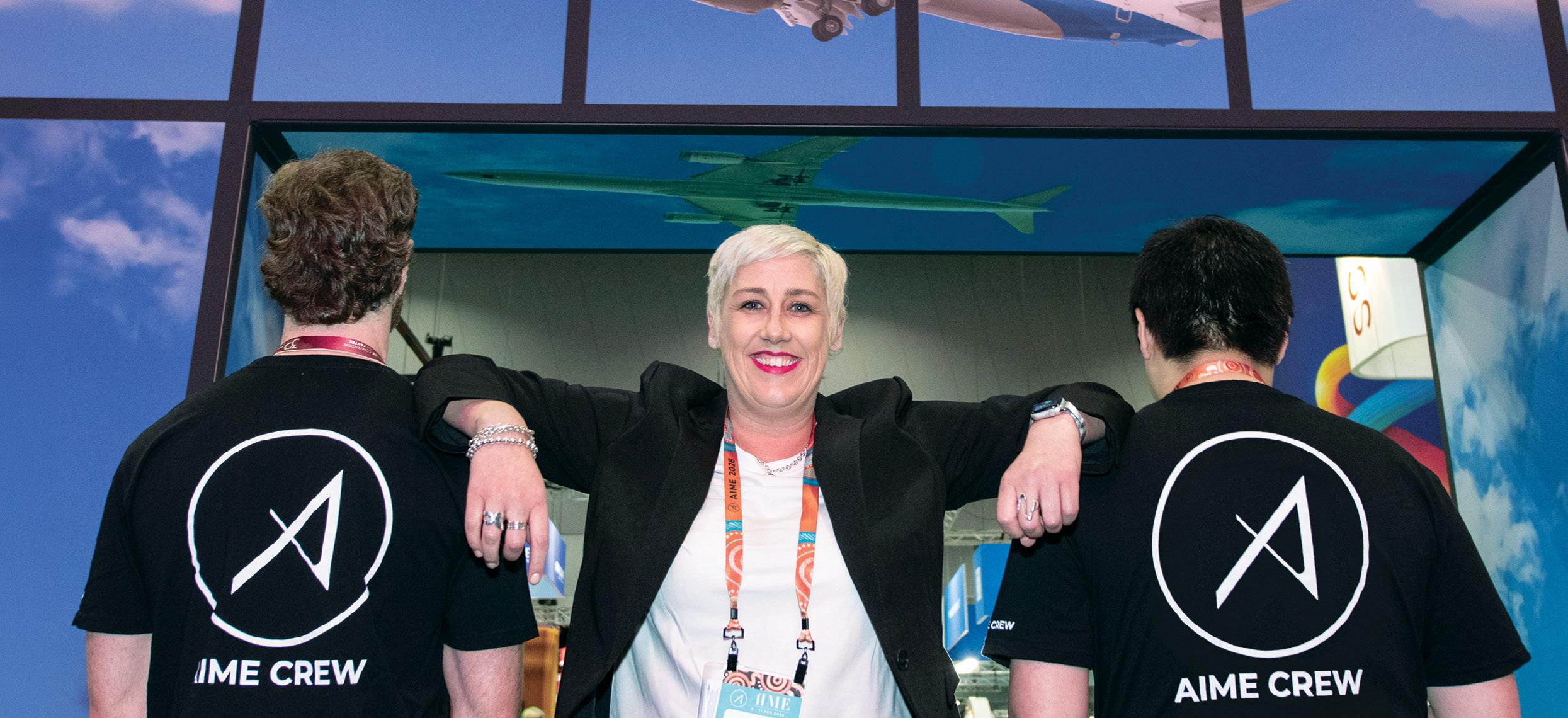
Behind the scenes of AIME 2026
Meet Claire Graham, the director of operations at AIME, who keeps the show running like a well-oiled machine.
What is your background in the events industry?
I’ve been in the events industry for more than 20 years, focusing mainly on exhibitions since moving to Australia from Scotland in 2014. I have managed a diverse range of large-scale events across many different industries, including food and drink festivals, trade show exhibitions, award shows and brand activations. My career started in Glasgow at Radio Clyde touring big name acts around intimate venues, which was the perfect training ground for the unpredictability of the events world.
How long have you worked for Talk2 Media & Events on AIME?
I started working with Talk2 Media in November 2023, with AIME 2024 being my first insight into the show. I then officially joined the team as director of operations and content in July 2024. I have been involved in three AIMEs so far, which has been such a rewarding experience.
What does your job entail?
Everything from liaising with venues and sourcing talent, to organising builds and AV with our suppliers. Every day is different and comes with interesting troubleshooting questions each time. Sometimes I think I’ve heard all the scenarios possible, but then a new one comes along. The main thing is making sure everyone is in the right place at the right time, including exhibitors, attendees, speakers and crew.
Do you enjoy your role?
I love the responsibility of delivering a large-scale show and the satisfaction of seeing a massive, complex project come to life.
What is your favourite part of the job?
There’s magic that happens when the doors open and you see months of planning and floorplan updates transform into a living, breathing event. Seeing designs and concepts in 2D on a screen can’t compare to seeing it come together in real life.
How do you handle the pressure of the job?
I am quite level-headed and if there is a pressure point, it’s best not to panic. There is always a solution to every problem; you just need to work through it systematically and prioritise what needs to be actioned first. I try to do everything with a smile, even if my brain is going crazy on the inside.
Most large events are basically an Olympic sport of troubleshooting. No matter how much you plan, someone will always need a power point where there isn’t one, or a speaker onstage will go rogue so you have to be ready to act.
Are there essential things that get you through long days?
A Berocca and sparkling water is a non-negotiable start to the day, followed closely by a sense of humour and enjoying every second.
How important is it to have a good support team around you?
Essential – you’re only as good as the people in the trenches with you. I value reliability and dedication above all else. Having a team that can anticipate the next fire before it starts is the only way we survive the event together.
What’s the most challenging part of your role?
Balancing the microscopic details of operations with the big picture of content strategy. Ensuring the AV for signage is perfect while simultaneously thinking about the logistics of 760-plus exhibitors is a constant mental juggle. The biggest challenge is AIME being an event for event specialists – no pressure!
What advice would you give to someone thinking about a career in events operations?
Get comfortable with being uncomfortable and learn to love a checklist. You need a thick skin, a quick mind and the realisation that while it looks glamorous from the outside, someone has to ensure bins are emptied and the tech actually works. n
www
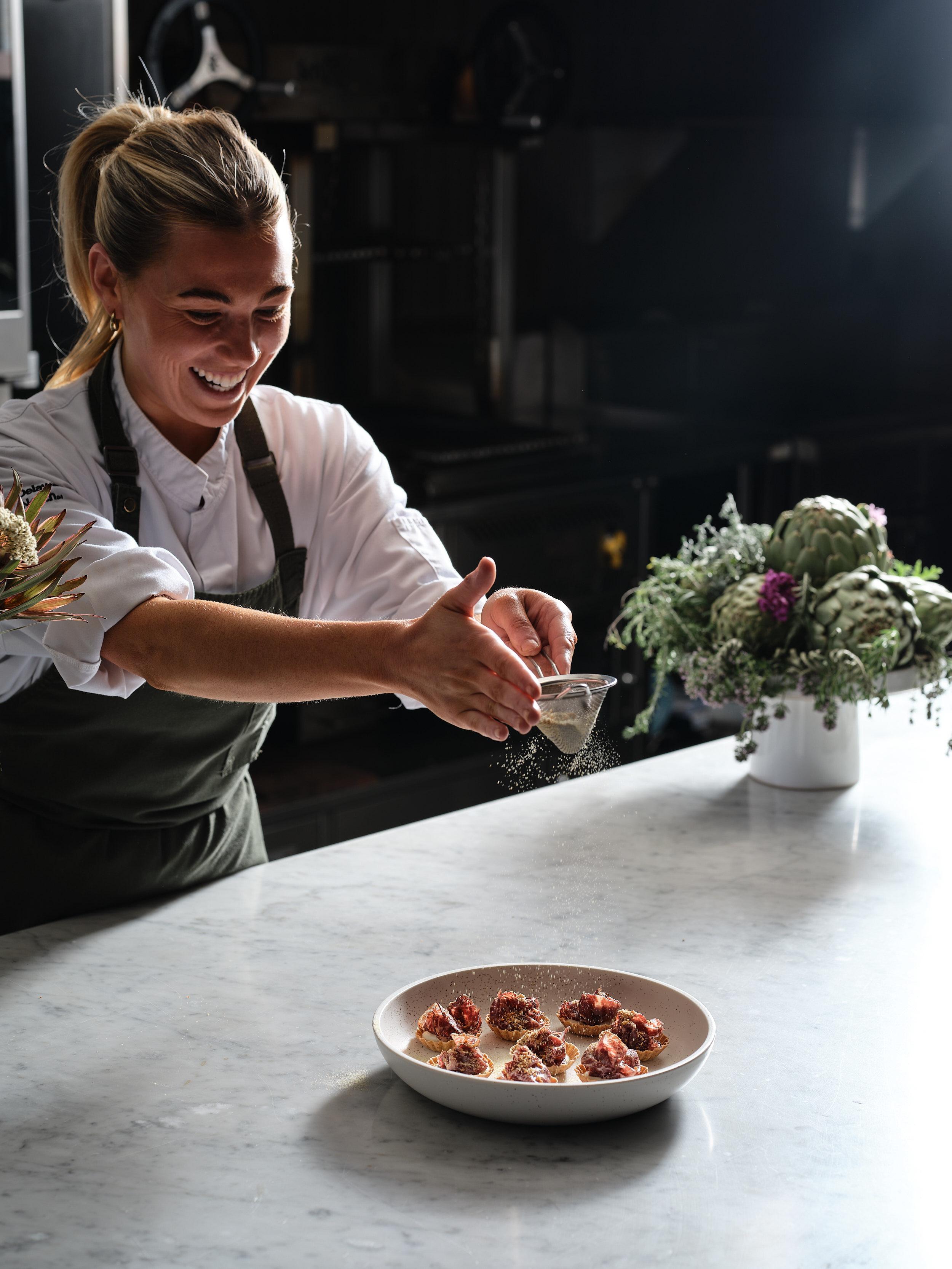


Addressing the future of events
A new study commissioned by Saxton speaker bureau delves deep into the Australian and New Zealand business events ecosystem to reveal where the sector is headed, writes the company’s CEO,
Anne Jamieson

In more than 60 years since Saxton speaker bureau was founded, event formats have come and gone, technologies have arrived and receded, and plenty of predictions about the death of live events turned out to be wrong. But what we’re seeing now is different. Not because the industry is in decline – it isn’t – but because the rules that governed what made an event worth attending have fundamentally changed.
Saxton recently commissioned “The Future of Business Events: 2030 and Beyond” with foresight agency ThinkerTank. It is the most comprehensive study of its kind ever conducted in Australia and New Zealand.
In the research, more than 360 industry professionals were surveyed; 15 in-depth interviews with senior leaders across the ecosystem were conducted; and more than 20 published sources were analysed.
The study wasn’t carried out to produce a trend report that sits on a shelf. It was done because Saxton is at the intersection of organisers, speakers and audiences every day, and can see a gap forming between what events are delivering and what people actually need from them.
The central finding of the study is that business events are not facing a crisis of demand, they are facing a crisis of relevance.
People want to be in the room; the data is unambiguous on that. Nearly eight in 10 companies consider in-person events their most impactful marketing channel. Investment is flowing, and pipelines are strong, but overall confidence in the industry is not the same as confidence in a single event actually earning someone’s time.
“When someone says they can’t justify three days out of the office, they’re not telling you about their calendar,” revealed Sherrif Karamat, CEO, Professional Convention Management Association (PCMA), during the research. “They’re telling you about your value proposition.”
Rising costs were cited as the single biggest change in the past 12 months, with more than one-third of respondents naming it as number one. At the same time, 54 per cent reported flat budgets. Higher costs meeting flat budgets forces hard choices, and the people making those choices – your attendees, their managers and their procurement teams – are asking sharper questions than they used to.
Six themes emerged clearly from the research: experience, connection, relevance, personalisation, quality and proof. None of them are abstract, and each represents a shift already underway.

Future of events
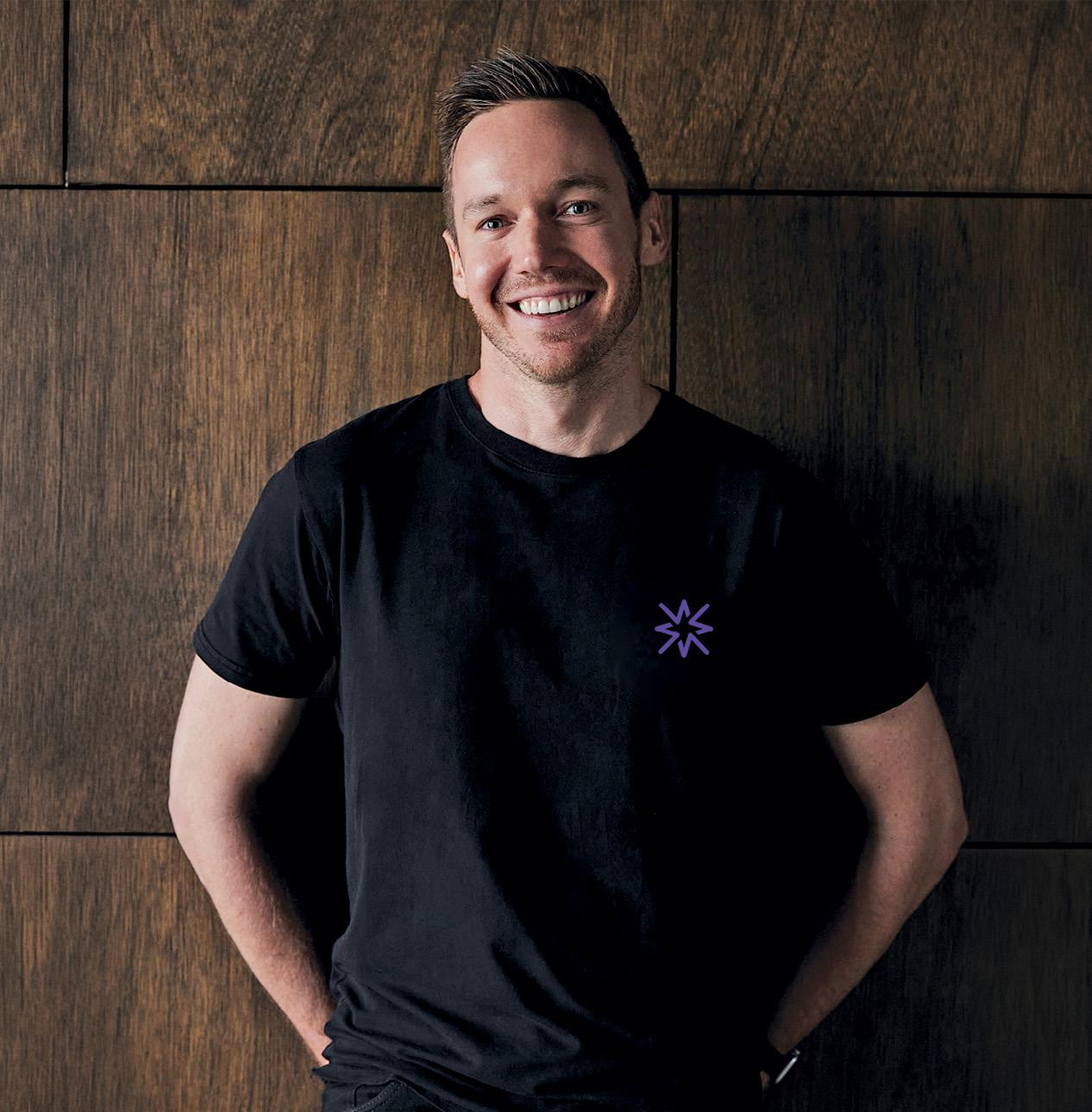
Audiences now benchmark events against every experience in their lives, not just other conferences. Connection and networking is the number-one behaviour shift event professionals are reporting. Content that isn’t relevant or practical is the primary attendee complaint.
Personalisation is expected to be among the most important factors in events by 2030. Smaller, more targeted events are predicted to be the dominant growth format, and measurable return on investment is now rated as essential or very important by nearly three-quarters of the industry.
“The most effective events during the next five years won’t be built on more complexity, more content or bigger production budgets; they’ll be built on clearer intent, stronger design choices and a sharper focus on what people actually take away.”
“People aren’t just asking whether events are worth attending anymore,” says ThinkerTank founder and chief futurist Dr Ben Hamer, who led the research. “They are asking whether events are worth their time. That’s a harder question and it’s changing everything.”
The study’s findings reinforce what we’ve observed firsthand at Saxton. The speakers and facilitators that clients are asking for have shifted.
Relevance to the audience outranks name recognition by more than three to one as a selection criterion. Organisers want someone who can walk into a room and make the content matter to the people in it. They want practical takeaways over polished performances, and want speakers who can facilitate genuine conversation, not just deliver a keynote and leave.
This research has implications for how clients are advised, how speaker talent is developed, and how organisations design the right combination of voices, formats and moments to create real impact.
The most effective events during the next five years won’t be built on more complexity, more content or bigger production budgets; they’ll be built on clearer intent, stronger design choices and a sharper focus on what people actually take away. Not what they sat through, but what changed because they were in the room.
The opportunity now isn’t to reinvent everything in events – it’s to make more deliberate choices about what stays, what shifts and what no longer earns its place moving forward.
“The Future of Business Events: 2030 and Beyond” is available to download at saxton.com.au/the-future-of-business-events-2030-and-beyond. n
ThinkerTank founder and chief futurist Dr Ben Hamer.
Maximising major events before they’re gone
With Victoria recently losing out to South Australia as the Australian MotoGP moves from Phillip Island to Adelaide in 2027, it’s a reminder no event is safe from the highest bidder, writes Gavin Dennett.
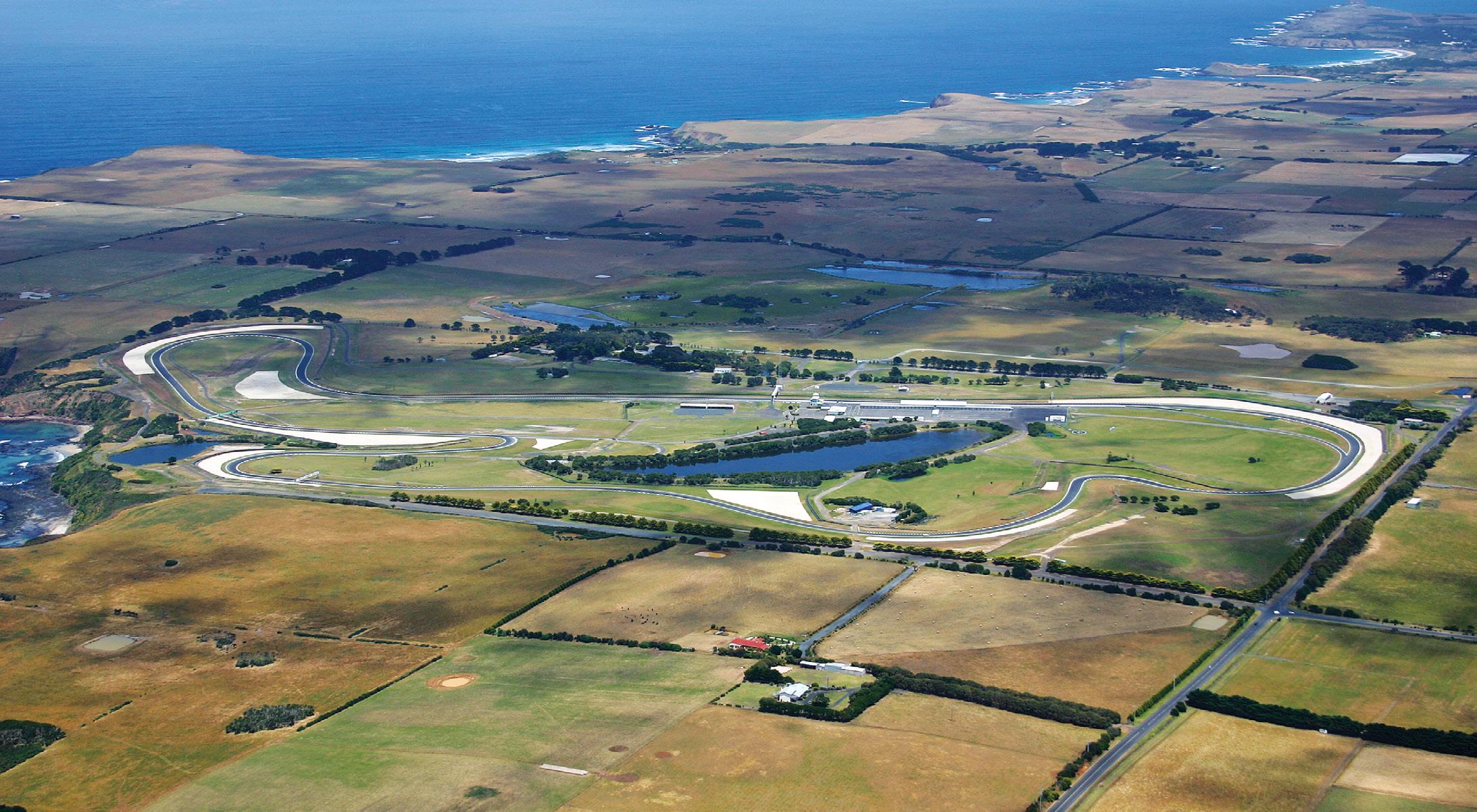
On 19 February 2025, as South Australian Premier Peter Malinauskas gloated that his state had snatched the Australian MotoGP from under Victoria’s nose, event organisers at Phillip Island – the race’s home Down Under since 1997, with the first race dating back to 1989 – were left reeling.
The 2026 Australian MotoGP in October will be the last at the picturesque Phillip Island Circuit before a street circuit through the centre of Adelaide becomes its new home from 2027.
In the cut-throat world of major events bidding, governments are played off against each other by event owners who have the upper hand, knowing each destination in contention is desperate to play host and reap the economic benefits from doing so.
In this case, MotoGP Sports Entertainment Group – the commercial rights holder for MotoGP motorcycle racing, which is owned by Liberty Media – wanted to move the event from the ageing Phillip
Island track to a street circuit at Albert Park in Melbourne, and that is where negotiations stalled.
“In any negotiation, you have to draw a line, otherwise you’re not worth anything,” said Victorian Minister for Sports and Events Steve Dimopoulos in the aftermath of the decision. “The line we drew is we were backing regional Victoria and Phillip Island, and the line they drew obviously was, ‘If you’re not moving it to Albert Park, we’re out.’”
So in stepped Adelaide, a city only too happy to nab the event from Melbourne, in an act of payback after former Victorian Premier Jeff Kennett clandestinely took the Australian Formula 1 Grand Prix from the City of Churches in 1993 (for the 1996 race and beyond).
Ironically, the new MotoGP race will be held on a modified version of the former Formula 1 street circuit in Adelaide, delivering political pointsscoring aplenty for Premier Malinauskas and his state government.
Above: Phillip Island has hosted the Australian MotoGP since 1997, but the race is moving to Adelaide in 2027.
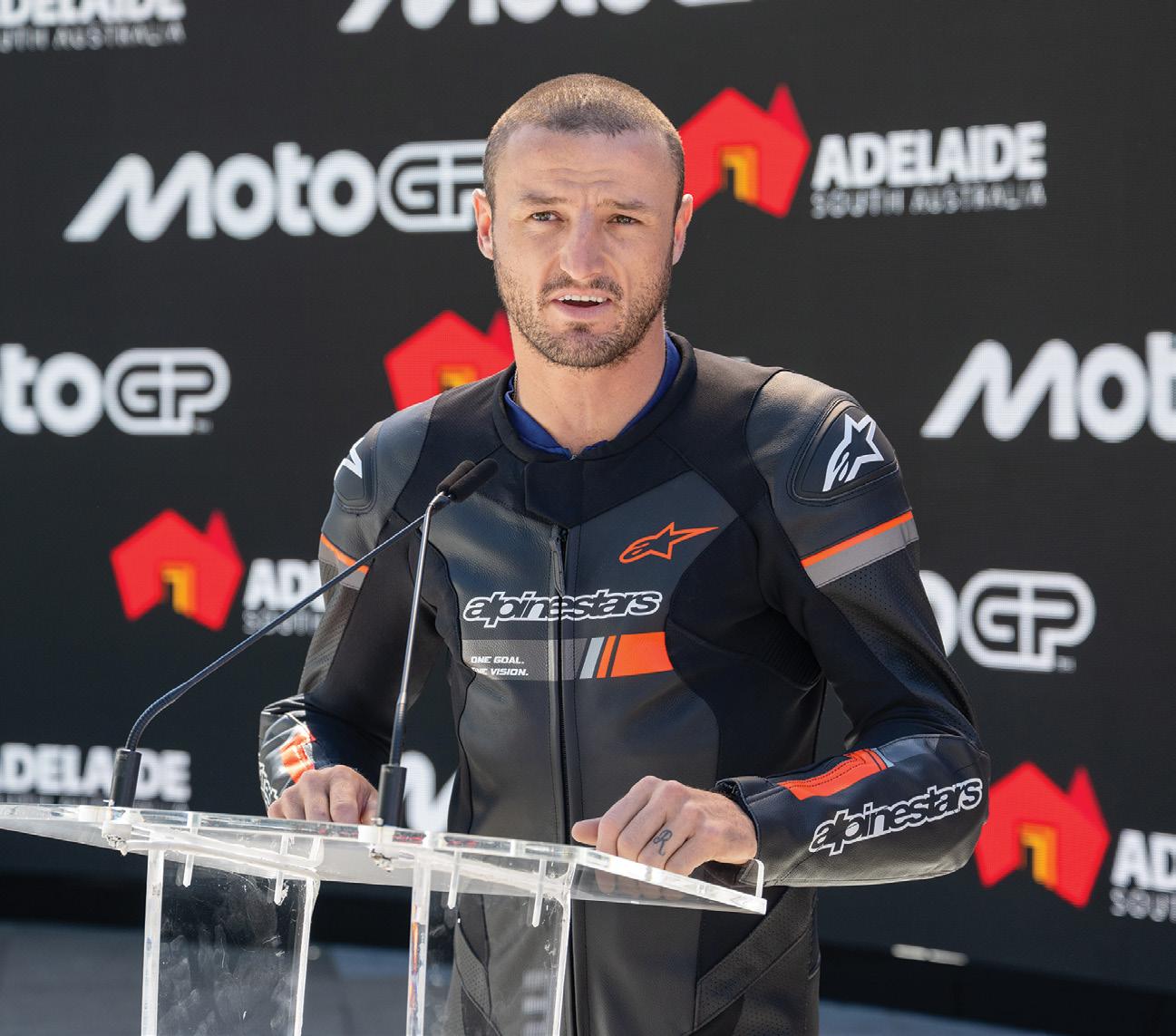
The Adelaide race represents the first time MotoGP will be held on a street circuit, with critics alarmed by the safety implications of two-wheel racing on the tight 18-turn, 4.195km track through city streets. History shows motorcycle racing and street circuits are a dangerous combination, a fact not lost on former professional riders and pundits lamenting the move from Phillip Island.
But while the merits of motorcycle racing on street circuits will be debated at length, Premier Malinauskas will take comfort knowing his state has the event for at least six years from 2027, while the event’s owners eagerly tap into a pipeline of revenue from a city-centric race with premium hospitality and mainstream crossover appeal.
The negotiations also lay bare the ruthless nature of the bidding process and emphasises the need to make hay while the sun is shining for major events. In other words, enjoy them before they’re gone.
According to Australian independent events industry specialist Simon Thewlis, this is the reality facing venues for all major events.
“A reality of major events when you don’t actually own them is that event owners will play governments off against each other to get the best deal,” he says. “We saw this with the Formula 1 Grand Prix, where the price for keeping the event in Melbourne was to invest $300 million in a new pit building and give up all of the revenue from the very lucrative Paddock Club – on top of the $100 million a year it already costs to host the event.
“There is nothing untoward in this as the primary responsibility of the event owner – Liberty Media in this case – is to get the best outcome for their shareholders. And for the destination to decide if the return on investment makes sense.”
“A reality of major events when you don’t actually own them is that event owners will play governments off against each other.”
Thewlis says it was inevitable the venue for the Australian MotoGP would change once the event’s goalposts moved.
“When Liberty Media bought MotoGP, it was always on the cards they would want to replicate the success they’ve had with Formula 1, and a key part of this is greatly broadening the audience for it,” he explains. “The Melbourne F1 deal shows high-end corporate hospitality – such as the Paddock Club – is one of Liberty Media’s top priorities. Phillip Island was quite literally a bridge too far for this, hence they wanted a circuit in a capital city so they could leverage it.
“I live a few minutes from the Albert Park F1 track and I can understand why MotoGP was never going to be an option so full points to Adelaide for coming up with a way to make the event work in their city. This is no criticism of the Victorian Government; the core requirements for the MotoGP destination changed and Victoria was no longer the best option.
“The lesson in this is that it’s always better to own events that you invest heavily in than to just host them. But when you do only host the event, you need to make sure you get the greatest benefit from it while you have it, before it inevitably moves on to the next place.
“Victoria got huge benefits from hosting MotoGP at Phillip Island for three decades – that’s something to celebrate.” n
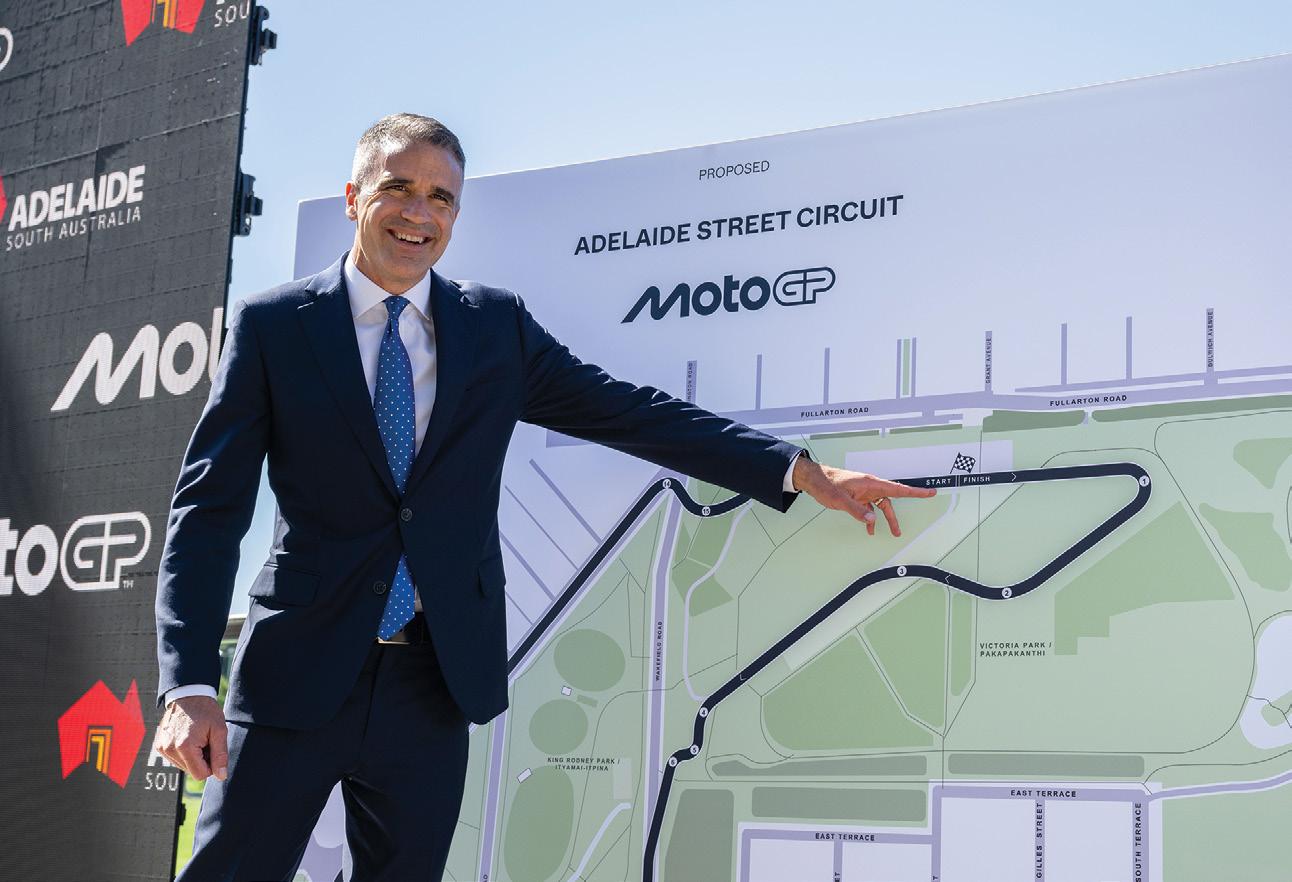
Australian MotoGP rider Jack Miller at the announcement of the Adelaide street circuit event.
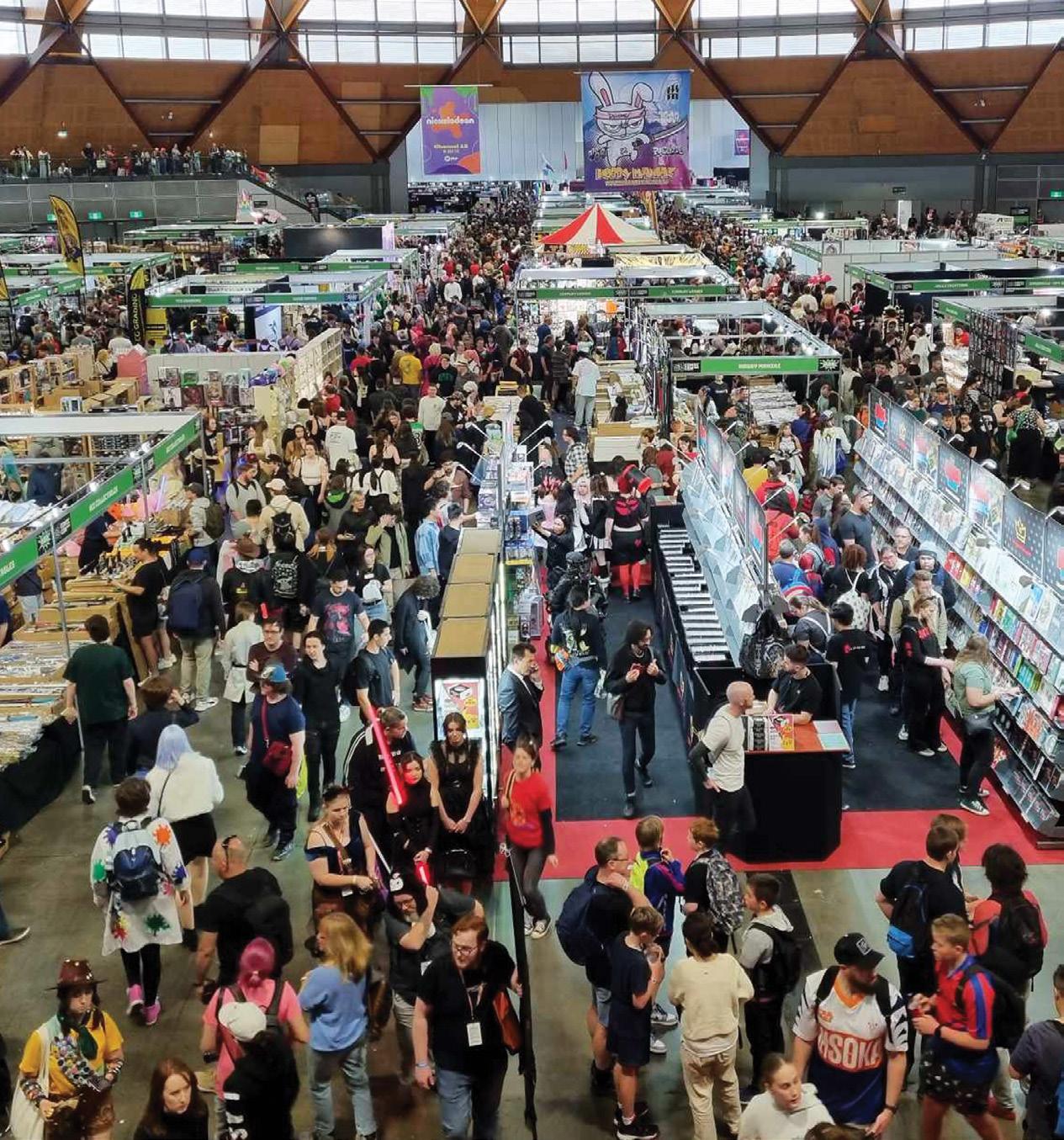

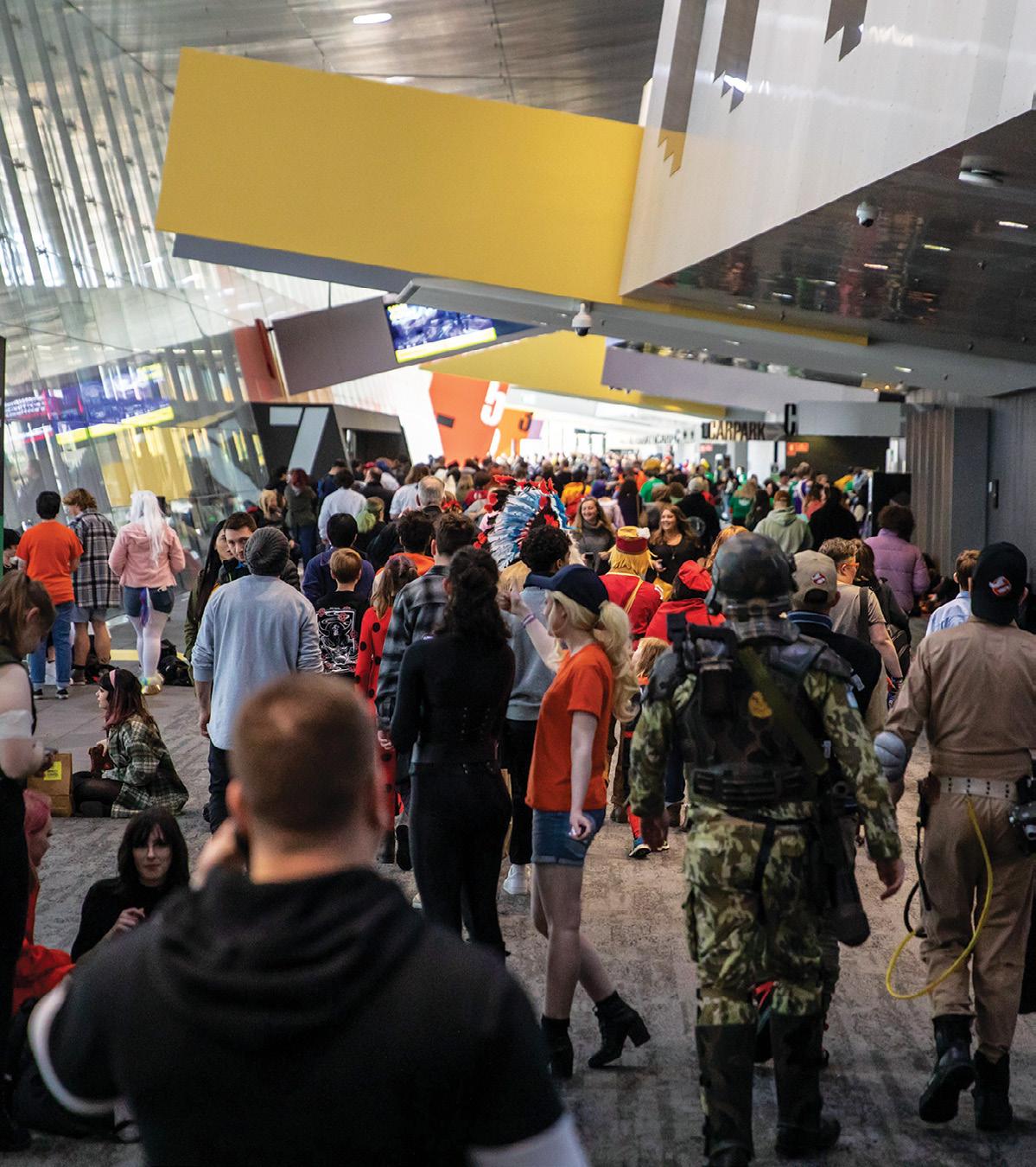
AA new era for exhibitions
The next wave of exhibitions will be defined by clarity, trust and capability, writes Gary Fitz-Roy, founder of Expertise Events.
s the exhibitions and events industry moves into the middle of 2026, it is no longer being tested on its ability to recover, but on its ability to evolve. After years of disruption from COVID-19, many businesses have only just regained their footing. Others are still operating with fatigue, constrained resources and a reduced tolerance for risk.
This matters because the next phase of growth is not being built on a blank canvas; it is being built on the reality of tighter budgets, stretched teams and far less patience for activity that doesn’t clearly deliver value.
At the same time, geopolitical change has shifted from background context to operational reality. It now shapes who can travel, where and when they travel, how trade flows, how supply chains function, and where opportunity exists.
For exhibitions, understanding these dynamics has become as critical as understanding audiences. Without that awareness, strategy becomes assumption and assumption carries risk.
Given all this change, the exhibitions and events sectors must consider and actively seek cross-support to achieve success. Or is it still every person and company for themselves?
Purpose over scale
As global trade becomes more fragmented, exhibitions are being forced to sharpen their purpose. Events in Australia and New Zealand must serve their local industries first, not replicate global templates or chase scale without relevance. When local value is clear and credible, global relevance follows.
Depth of engagement is increasingly outperforming breadth of reach. Highly targeted events with a clearly defined reason to exist are proving more resilient than those that rely on size or legacy alone.
Trust is another current defining issue. Trust in institutions, information, digital platforms and traditional marketing continues to erode. In this environment, in-person events play a more critical role than ever.
Face-to-face engagement accelerates relationships, deepens conversations and reduces friction in decision-making. Trust is built in real time, but it does not happen by accident. It must be designed through transparency, ethical use of data, and experiences that prioritise participation over passive attendance. Where people feel respected and included, confidence grows.
Photos at top:
Oz Comic-Con 2022 at Melbourne Convention and Exhibition Centre.
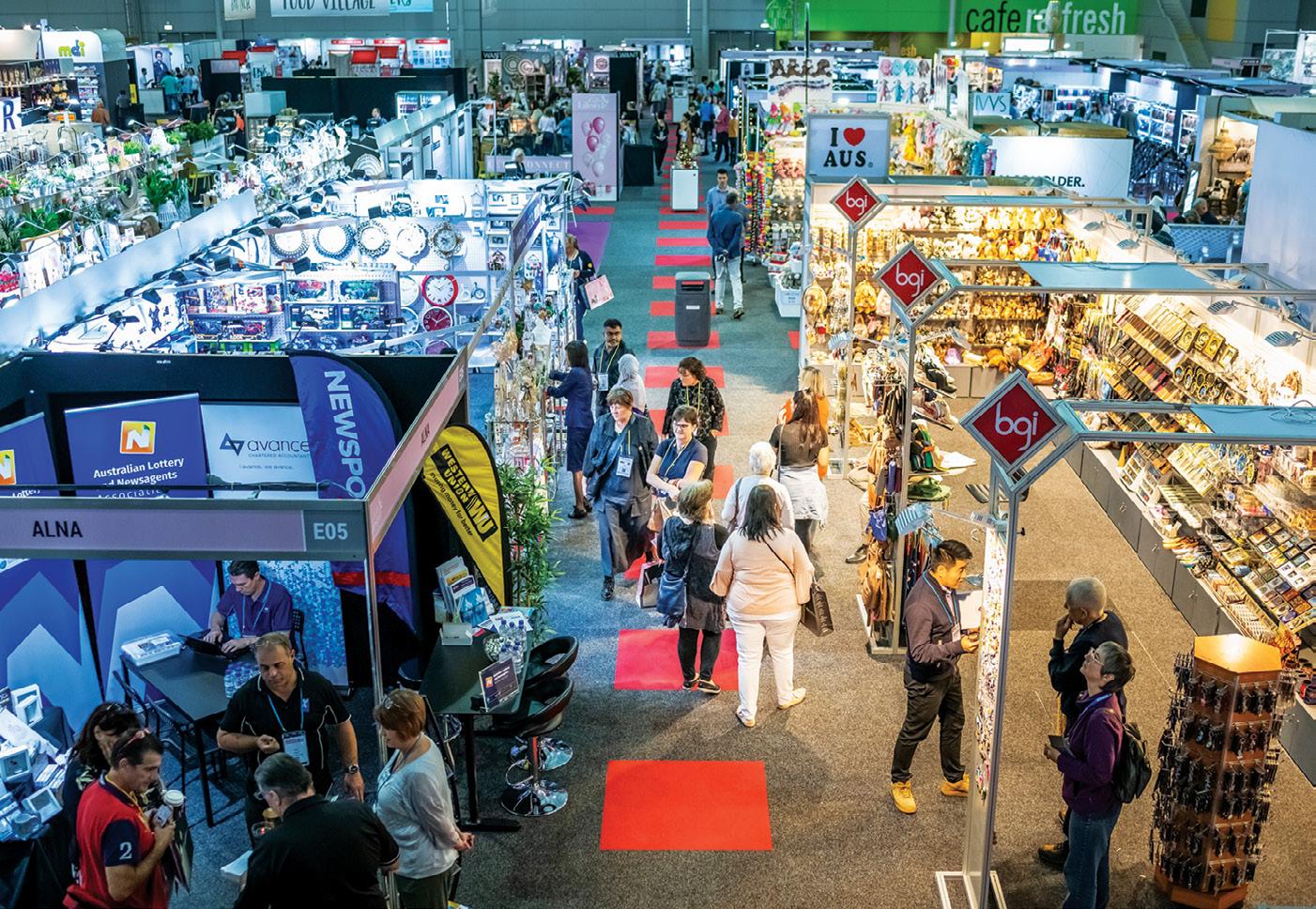
The end of hope-based exhibiting Economic pressure remains constant. Rising travel costs, fuel, freight, labour and inflation are forcing more deliberate decision-making across the ecosystem. Exhibitors and attendees are scrutinising value with new intensity. Return on investment can no longer be implied; it must be demonstrated.
This shift is particularly evident among Gen Z and younger Millennials, who are highly intentional with time and spend. In crowded exhibition halls, visitors often make decisions in seconds; if relevance is not immediately clear, they move on.
Technology is helping to support this shift. AI and real-time data is improving personalisation, operational efficiency and value measurement, but technology is not the objective. Its role is to strengthen human connection, not replace it. The most effective innovations are those that make live experiences more relevant, more efficient and more human.
Sustainability has also moved from aspiration to expectation. Environmental and social responsibility are now baseline credentials, shaped by regulation, investor scrutiny and community standards. Far from being a constraint, this alignment positions exhibitions alongside the future their industries expect to support.
The capability gap no-one is talking about
Despite all this change, one challenge remains under-addressed: exhibitor capability. Too many businesses are still approaching exhibitions with outdated tactics, passive stands, generic messaging, and the assumption presence alone will deliver results. In a tougher, noisier market, this approach is no longer viable.
The reality is that exhibiting has changed and become a skill. It requires clarity of purpose, confidence in value, and the ability to communicate that value quickly and credibly. Without these capabilities, even well-designed events struggle to deliver outcomes for participants.
At the heart of effective exhibiting is a clearly articulated point of difference – a reason to stop, engage and continue the conversation. In an environment where attention is scarce, clarity is the new currency.
Education as infrastructure
This is where the next evolution of exhibitions will be won or lost. Education for companies can no longer be treated as a nice-to-have or pre-event extra; it must become core infrastructure, embedded into how exhibitions prepare, support and elevate their exhibitor communities.
Education must go beyond logistics and compliance to focus on:
• Helping businesses clearly define and articulate their value.
• Designing stands and experiences that invite conversation, not avoidance.
• Equipping teams with the confidence to engage, qualify and convert.
• Shifting exhibitors from passive participation to intentional performance.
• Making return on investment measurable, repeatable and improvable.
The strongest exhibitions of the future will not simply host exhibitors; they will build exhibitor capability.
Collaboration: The competitive advantage
Looking ahead, the most successful exhibitions will not be the biggest or the longest running. They will be the most intentional and those that understand shifting trade dynamics, build trust by design, communicate value clearly, and invest in the capability of the businesses they bring together.
The defining question is no longer whether the industry can withstand pressure after the past five years. It is whether venues, organisers and suppliers can move beyond siloed thinking and work together more effectively.
Education is no longer optional. Collaboration is no longer idealistic. Both are now competitive advantages and they will shape which exhibitions lead the next era, and which are left reacting to it. n
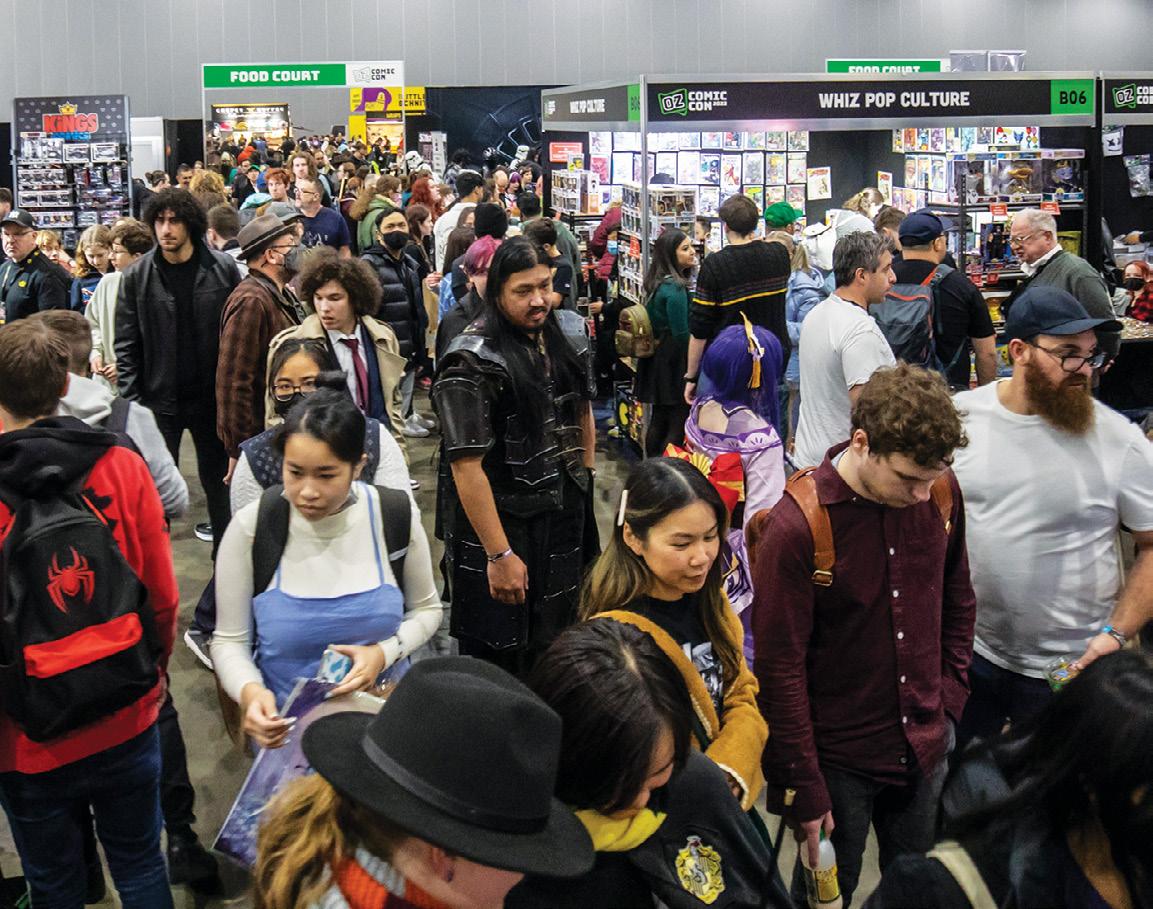
Sydney Gift & Lifestyle show.
Multilingual events

Crossing the language divide
As inclusivity is weaved into the fabric of the modern business ecosystem, multilingual communication is being embedded into Australian events, writes Oddmund Braaten, CEO of global multilingual events and technology company Interprefy.
“Multilingual communication is now being incorporated into a range of business settings, including product launches, incentives, conferences and exhibitions.”
– Oddmund Braaten.
Australia’s events industry has long operated in an international context, but expectations are changing. Event organisers are under pressure to deliver experiences that are more accessible and easier to engage with.
Across conferences, exhibitions and incentive programs, audiences expect clarity, participation and inclusion as standard. For organisers delivering multiple events each year, this raises a practical challenge: how should multilingual communication be applied across different event formats and audiences without adding unnecessary complexity?
A key learning is that language access can no longer be treated as an optional add-on; it must be considered as part of core event design and planning. At the same time, Australian organisers are extending AI-powered live translation and interpretation beyond traditional applications at large international conferences.
Multilingual communication is now being incorporated into a wider range of business settings, including product launches, incentives, conferences, exhibitions and special events, reflecting a shift towards more inclusive delivery across event portfolios.
This mirrors how Australian organisations operate today. Workforces are more distributed, collaboration is more cross-border, and events are expected to support participation from audiences across Australia and beyond. As a result, language planning is becoming part of standard event delivery rather than a specialist consideration reserved for limited sessions.
Multilingual audiences across more event formats
Recent research commissioned by Interprefy highlights the scale of this shift, with 71 per cent of APAC event organisers reporting strong demand for multilingual support. Internal business meetings are among the fastest-growing use cases for live translation and interpretation.
For Australian organisers, multilingual audiences are no longer confined to plenary sessions or international conferences. They now appear across breakout rooms, education sessions, internal updates and hybrid formats within the same program. Planning language access across all session types helps ensure information is shared effectively and participation is not limited by communication barriers.
Multilingual
Engagement depends on real-time understanding
When multilingual communication is not addressed, the impact on engagement is immediate. Questions are delayed or avoided, panel discussions lose momentum, and breakout sessions are often dominated by participants confident in the primary event language.
For event organisers, engagement outcomes depend on more than production quality alone. Sessions designed to encourage discussion, alignment or collaboration are most effective when participants can follow and contribute in real time. Without this, the value delivered to audiences and stakeholders is reduced.
From engagement challenges to operational efficiency
Many organisers recognise the issue extends beyond engagement to operational efficiency. When multilingual delivery is managed on an event-by-event basis, teams spend time repeatedly assessing platforms, workflows and support models. For organisations delivering multiple conferences, exhibitions and business events, this approach becomes difficult to sustain.
A key learning for Australian event organisers is the value of consistency, as more teams are moving towards standardised language strategies that can be applied across annual event programs. These typically combine professional interpretation, AI-supported live translation, technical integrations and advanced planning, resulting in simpler delivery and more predictable outcomes.
Technology broadening how language support is applied
Historically, the cost and complexity of multilingual delivery limited its use. Professional interpreters, physical infrastructure and logistics made it difficult to extend language support beyond core sessions. However, advances in AI-powered speech translation and live multilingual captions have changed this.
A practical takeaway for organisers is that technology now enables language support to scale across a wider
range of sessions, including internal meetings, without the overheads that previously made this impractical.
Human and AI hybrid language solutions
Despite these modern advances, language remains complex. Tone, intent and cultural context are especially important in high-stakes environments such as executive briefings, negotiations and regulatory discussions. In these scenarios, professional interpreters continue to play an essential role.
A clear takeaway for organisers is the growing role of hybrid models. Combining AI speech translation for scale with human expertise, where accuracy and judgement are required, allows broader language coverage while maintaining confidence in critical moments.
Security, quality and preparation still matter
As multilingual delivery becomes embedded in event workflows, questions of security and quality move to the forefront. In the APAC region, 41 per cent of event organisers express concern about confidential discussions being processed or stored by AI systems.
A key learning for Australian event organisers is that language solutions must meet enterprise security standards and provide transparency around data use. Quality also depends on preparation, as AI performs best when trained with event-specific terminology, names and acronyms.
What this means for Australian event professionals
Australia’s role as a regional business hub continues to strengthen. For Australian event organisers, the overarching learning is that multilingual communication needs to be treated as a core capability rather than a tactical decision.
Assessing language needs early, aligning solutions across event portfolios, and matching technology to audience expectations supports stronger engagement, operational efficiency and more inclusive outcomes for everyone involved. n

Events as a creative force
The events sector is one of Australia’s largest creative and innovative industries, and the nation’s governments should recognise it as such, writes events industry advocate and policy proponent Simon Thewlis
Right now, the world is going through massive disruption. Technology is reshaping how we work. Climate and energy transitions are forcing industries to rethink their models. Social structures are shifting and social cohesion is frayed. Geopolitical tensions are rewriting the rules.
For organisations and communities, standing still is no longer safe, and this is exactly when events are most valuable.
Events drive real change. They are where industries innovate and adopt new practices, where businesses align their people and change how they operate, and where communities come together to rebuild connection. This is what we do as event professionals.
“Events drive real change. They are where industries innovate and adopt new practices, where businesses align their people and change how they operate.”
– Simon Thewlis.
The reality of the events industry
The events industry is one of Australia’s largest creative sectors – an industry where creativity drives innovation. It brings together more creative disciplines than almost any other sector – design, storytelling, performance, screen, digital, spatial design, lighting, sound, content creation and emerging technologies – and they are applied to real-world outcomes at scale.
When a conference is staged, it creates an environment where innovation gets shared, skills get built and industries evolve. When a festival is run, an experience is designed that strengthens identity, builds belonging and helps communities navigate change. When a product launch is held, it translates brand strategy into emotional engagement and behaviour change.
Every event is a live, public prototype blending creativity, logistics, technology and human behaviour to achieve real outcomes within tight constraints. This is creativity in action.
The events industry is also a massive economic contributor. Before COVID-19, it generated about $50 billion in direct spend annually in Australia. That is larger than the entire sporting sector, several times larger than the performing arts, and more than one-third of the visitor economy.
This work is done across every region and sector year-round, supporting jobs, businesses, skills development and community connection.
Why the industry is undervalued
Despite this scale and impact, Australia’s events industry remains largely invisible in government policy and data. It is missing from official classifications, is absent from skills and workforce planning, and is almost entirely excluded from innovation and export frameworks.
When events are noticed at all, they are usually measured through one narrow lens: hotel room nights. That metric works for a small subset of visitor-driven events, but it misses the vast majority of what the sector does.
Business events that drive productivity and innovation generate little accommodation spend, but they are where industries learn, adapt and grow. Community festivals that strengthen social cohesion and local economies are invisible in tourism data, but they are essential infrastructure for regions. →
Events advocacy

“What if policy settings reflected the reality that events drive innovation, build skills, strengthen communities and support economic growth across the country?”
– Simon Thewlis.
Business events that align teams, change behaviour and build capability never show up in visitor metrics, yet they support some of Australia’s most important organisations.
The cost of being “invisible”
This “invisibility” can mean skills aren’t valued. For example, event professionals are regularly offered contract rates equivalent to generic admin roles despite years of specialist experience. Governments often design major projects without involving people who understand how events work. There is no clear policy home for our industry, no structured training pathways, no coordination across government, and no recognition of the economic, creative and social infrastructure the industry provides.
When times get tough, as they did during the COVID-19 pandemic, there is a tendency for the industry to be viewed as a nice-to-have rather than an essential service.
The industry opportunity
There is another way to look at this. What if governments fully recognised what events do and what the events industry is? What if policy settings reflected the reality that events drive innovation, build skills, strengthen communities and support economic growth across the country?
What if the sector was embedded in creative industry frameworks, aligned with innovation policy, integrated into skills development and supported as an export-capable sector, in the same way as screen, design and digital services?
That is the opportunity I have set out in a discussion paper recently shared with the Victorian Government. The paper shows what the industry does, who we are, and the purposes and benefits of events. It explains the economic models behind different types of events, including business conferences, community festivals and major public events. It shows where the money flows, who benefits and why most of this value is invisible under current policy settings.
The paper proposes a coordinated Victorian Event Strategy that embeds the events industry across
government policy in economic development, creative industries, innovation, skills, regional development and exports. It also recommends establishing an Events Victoria body, which would be a small expert unit to help coordinate and deliver this strategy.
The strategy shifts the question from, “How many hotel rooms did this event fill?” to, “What did this event enable? What capability did it build? What change did it create?”
Optimal outcomes
Ideally, the sector would be properly recognised as a creative industry and connected to innovation and creative-industry development programs, which means its work gets seen for what it is: applied creativity that drives economic and social outcomes. Event businesses could then be properly valued for the specialist work they do and supported through export programs. Additionally, regional and community events could potentially have access to practical support, simplified approvals and funding that reflects their real value. Event professionals could have clearer career pathways, better recognition of skills, and stronger links to education and training systems.
But none of this happens until the events industry changes how it talks about its work. For too long, it has accepted being defined by others – as logistics coordinators, as service providers, or as a subset of tourism.
However, the sector helps organisations change and innovate; it builds skills and capability across entire industries; and it strengthens communities to help them navigate disruption. Members of the industry need to work together to shift how government, media and the public view them.
In a time of unprecedented change, the events industry’s work has never been more needed or more valuable. The time has come for it to be properly recognised and valued.
Simon Thewlis has spent more than four decades producing and organising events across Australia. Since 2020, he has worked extensively in events industry advocacy and policy. n
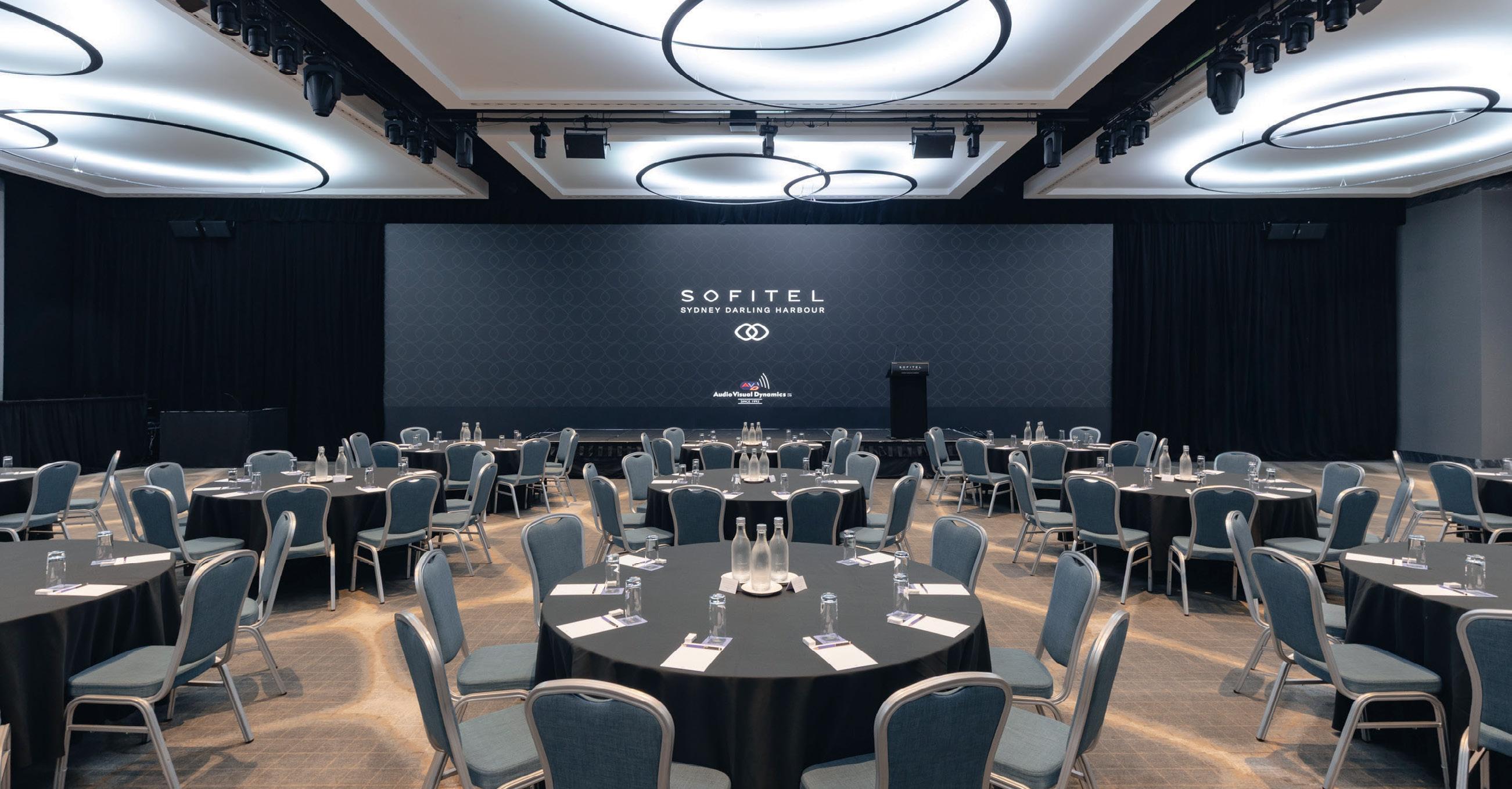
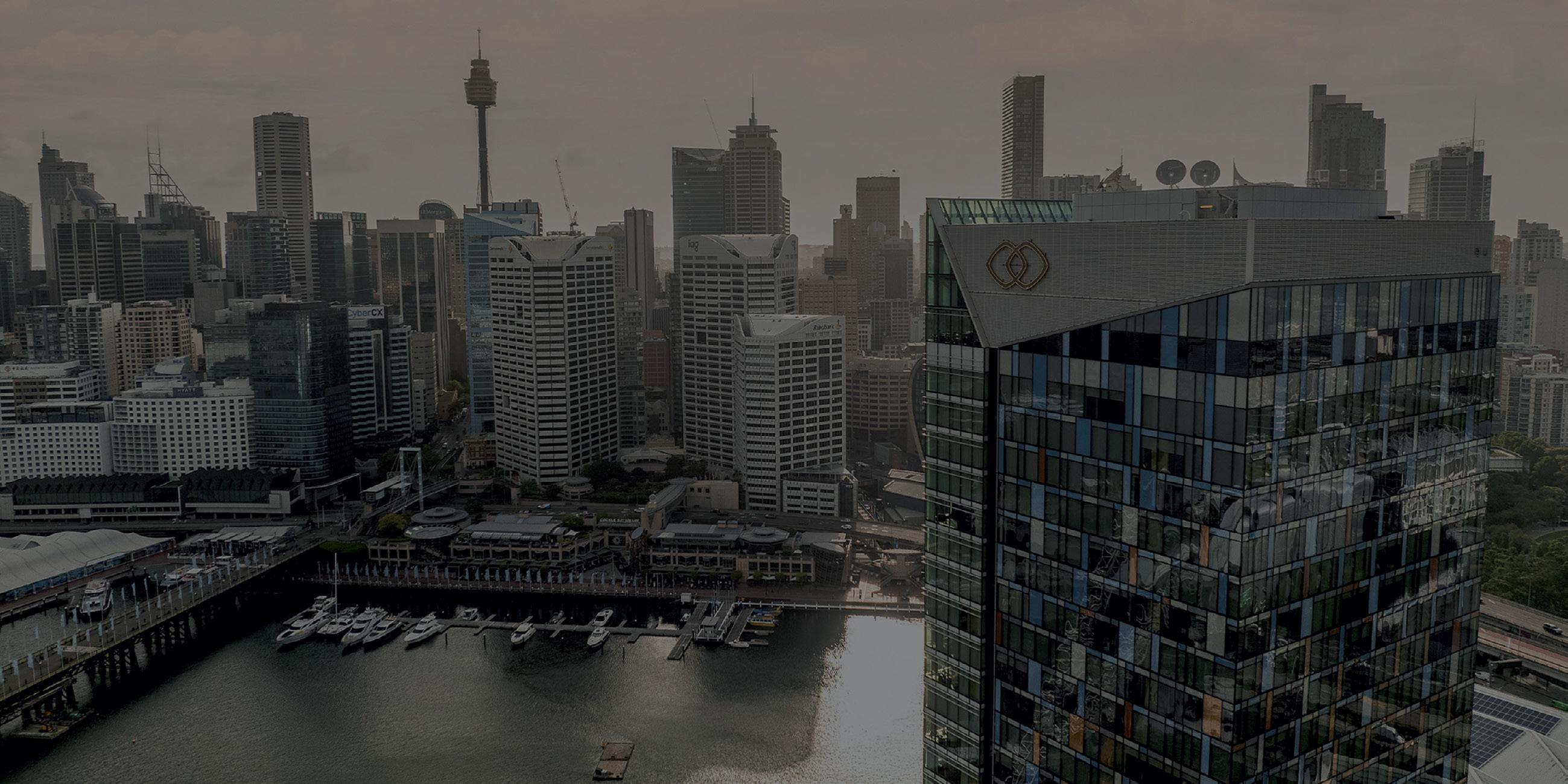

New UK and EU border entry rules explained
Confusing new entry rules have come into effect for travellers to the UK and Europe so it’s important to know what applies to you before you jet off, writes Chris Waite, travel trends expert for Seven Network program Sunrise
If you’re planning a UK trip, there is a new step on your pre-flight checklist. Since 25 February 2026, the UK has introduced an Electronic Travel Authorisation (ETA) scheme for visa-free visitors, including Australians.
The rollout has felt a bit confusing – and, at times, slightly chaotic – because it forces a question many people haven’t had to think about previously: “What citizenship do I have and which passport should I be travelling on?”
The good news is, with the right info and a little planning, it should be quite straightforward for most travellers.
For most Australians, ETA is quick and easy
If you’re travelling on an Australian passport and you’re not a British or Irish citizen, you’ll generally need a UK ETA before you fly. Apply via the official UK ETA app (or online through gov.uk/eta).
The fee is £16 (about $31) and most people should get a decision quickly, but allow a few days just in case.
Where it gets complicated: dual citizens
The big watch-out is Australians who are also British or Irish citizens. If that is you, you can’t use the ETA pathway – you need to enter on your British or Irish passport, or prove your status with the right document. British dual citizens must travel on a valid British passport or have a Certificate of Entitlement (CoE) in another valid passport. Irish citizens are exempt from the ETA under the Common Travel Area but should travel on their Irish passport. However, if Irish citizens check in using only an Australian passport, they may be treated as an Australian traveller and asked for an ETA.
The UK Government has also said it will currently accept an expired British passport issued in 1989 or later alongside a valid ETA-eligible passport, provided personal details match. But it’s still at the airline’s discretion whether they’ll accept this (Qantas does) and you should expect additional identity and citizenship checks at immigration. Without the right document, airlines can refuse boarding and you may face extra checks on arrival.

The “accidental Brit” trap
Some Australians have always considered themselves Australian, and may never have held a UK passport, but are British citizens by descent because a parent was born in the UK. Of course, this can apply to children, too, which is why families should check early, not at the airport.
This is not a niche issue. In the 2021 Census, more than two million Australians reported having a British parent so this could affect a sizeable slice of the population. It’s certainly come up repeatedly in conversations I’ve had recently, including within my own family.
If you’re unsure, use the UK Government citizenship checker: gov.uk/check-british-citizenship.
Travelling soon? Your options
• British passport: Probably the cleanest fix. Budget around $200 and allow around six weeks for overseas processing – there’s no fast-track or one-day premium service available for applications made outside the UK.
• Certificate of Entitlement (CoE): Proof of right of abode placed in your Australian passport. It can take around three weeks and costs £589 (about $1100). Note that it’s likely only valid for as long as the passport it’s issued in. Renew the passport and you’ll need to renew the CoE, too.
• Emergency Travel Document: For genuine urgent travel if you meet the criteria. It costs £125 (about $250), can be issued quickly, and comes with restrictions (including checking it will be accepted for any transit points). More information is available at gov.uk/travel-urgently-from-abroad-without-uk-passport.
• Renouncing British citizenship: This is the big, permanent step if you decide you really don’t want to be British. This option can take months – even up to a year – and costs just under $1000.
Europe is moving the same way: EES and ETIAS
If you’re heading further into Europe, two separate systems are coming in across the Schengen Area, the zone of free movement covering 29 European countries that have abolished internal border checks.
EES (Entry/Exit System) began rolling out on 12 October 2025, replacing passport stamping with biometric entry and exit checks for short stays. It doesn’t require pre-registration.
ETIAS (European Travel Information and Authorisation System) is expected in late 2026 and will add a pre-travel authorisation for visa-exempt travellers (fee expected to be €20, valid up to three years). Keep an eye on confirmed start dates and beware unofficial fee-charging websites already claiming you need it before it’s live.
The takeaway
A lot of people braced for long queues as the UK began enforcing these changes, but so far there haven’t been widespread reports of major delays at UK entry points that are clearly linked to the ETA itself.
The bigger issue has been travellers discovering late that their documents don’t match their status, which is why doing a quick check now matters.
So don’t roll the dice. Confirm your citizenship status early, sort your documents before booking anything non-refundable, and use official sources, such as gov.uk and smartraveller.gov.au, or your travel agent if you’re unsure. n
Chris Waite regularly appears on Seven Network’s Sunrise as the morning program’s travel trends expert. He has also recently launched Powerhouse Communications, a reputation and profile business for the travel, tourism and hospitality sectors.
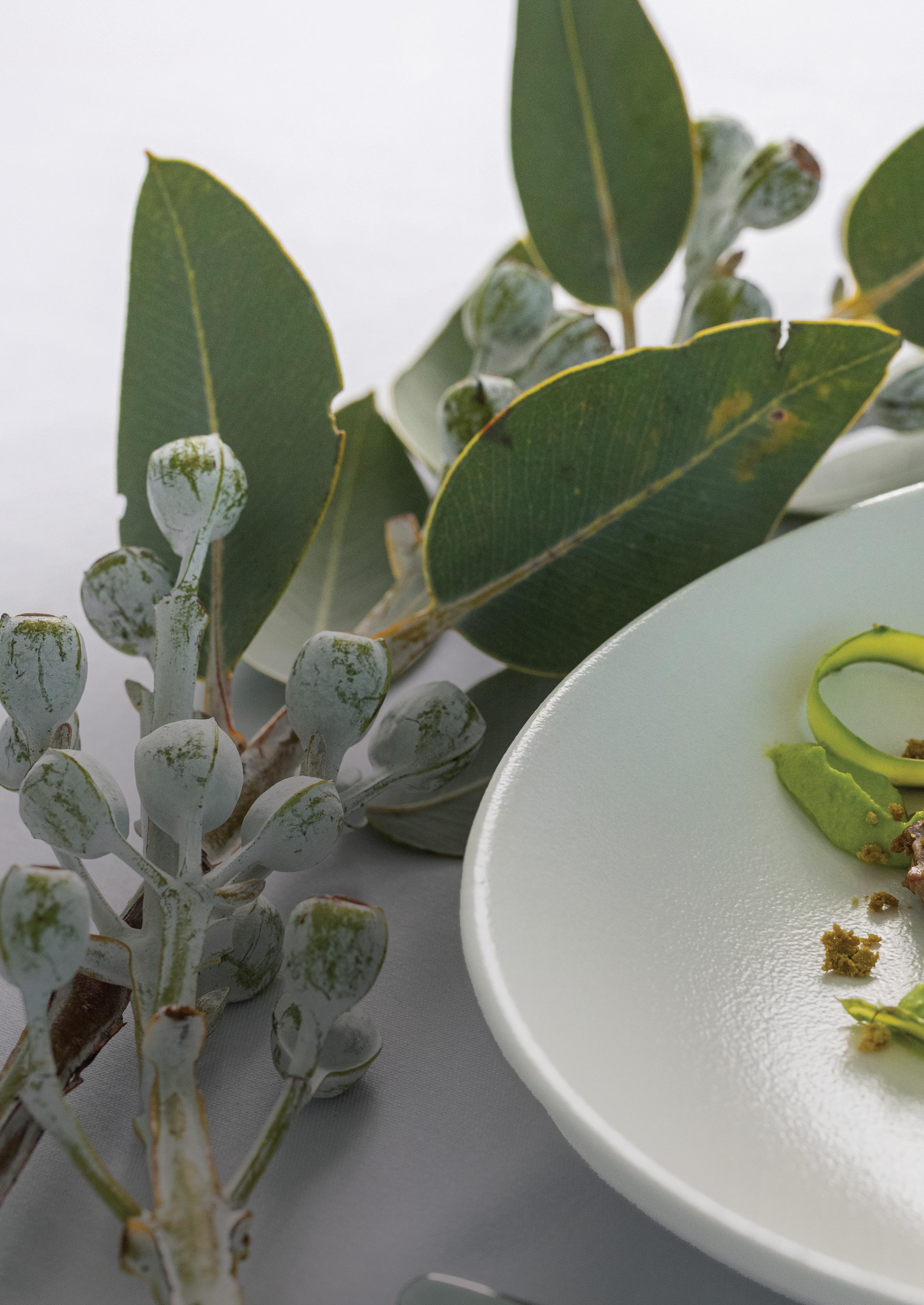
TOP 10 EVENTS CATERING TRENDS FOR 2026
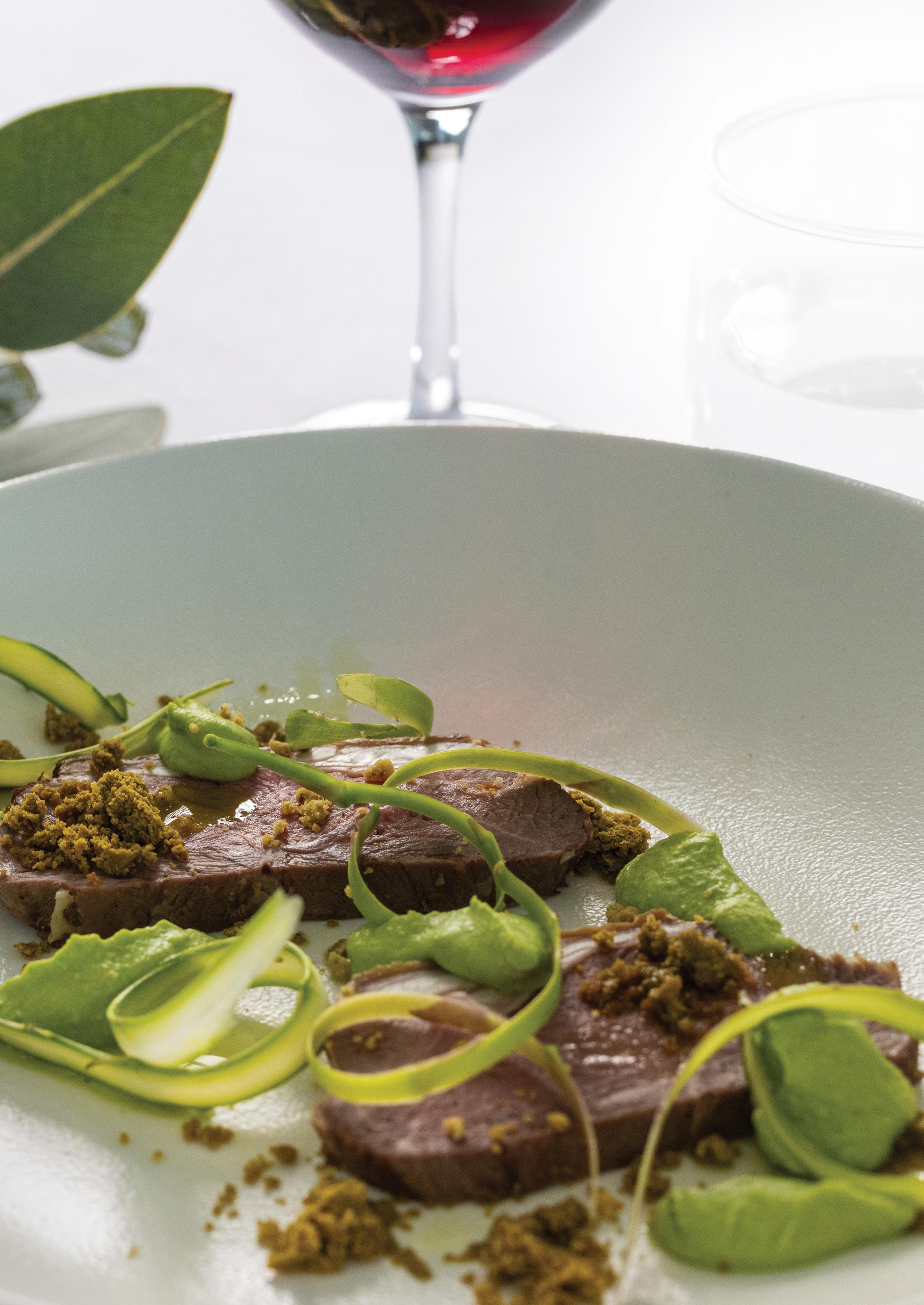
With the bar well and truly raised for food and beverage offerings at Australasian conferences and events, Matthew Sainsbury presents the sizzling catering trends shaping modern delegate experiences.
Food and beverage
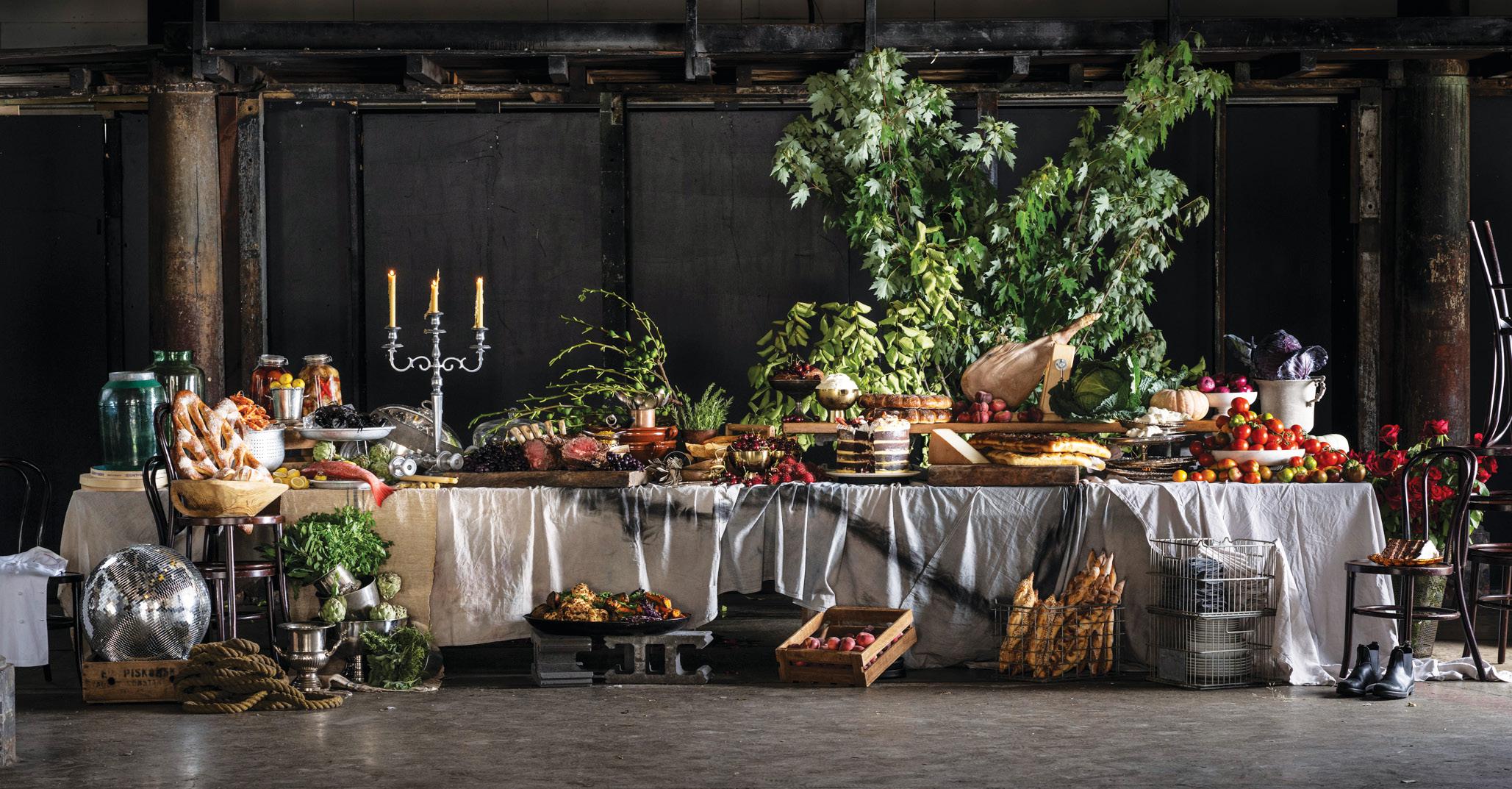
At modern events, food and beverage has become the component guests remember, talk about and share.
Among all the elements that go into an event, catering is the most Instagrammable, the easiest to articulate in a quick conversation, and the first thing to excite a delegate when they hear an event will be held at a specific location.
The conversations happening in kitchens and boardrooms across Australia point to an industry in the middle of transformation. Technology is changing how chefs manage complexity, cultural awareness is raising the standard for what hospitality looks like, and economic pressure is sharpening thinking around where investment creates the most impact.
A new generation of guests is demanding more from every plate they are served. This makes food and beverages a new avenue of opportunity for venues that are at the forefront of the hottest trends.
1. Food no longer the supporting act
The fundamental role of food at events has changed. Guests are no longer content with a meal that simply fuels them through a conference day. They want food to mean something and to reflect the brand, the occasion and the story behind it.
“Food and drink has moved from being a supporting act to the main event,” says David O’Brien, managing director and founder of Cook & Waiter, which owns and operates Sydney flagship venue Saltbox. “Clients are no longer just asking what’s on the menu, but rather what it says about the experience they are creating.
“Briefs are becoming more specific. Clients are moving beyond broad food styles and asking for something more defined, whether that’s a particular region, a focus on texture, or a more sensory-driven approach to how food is experienced.
“Interestingly, while briefs are getting more detailed, the desired outcome is often simpler. There is a push towards food that feels refined and well designed, without being overworked.”
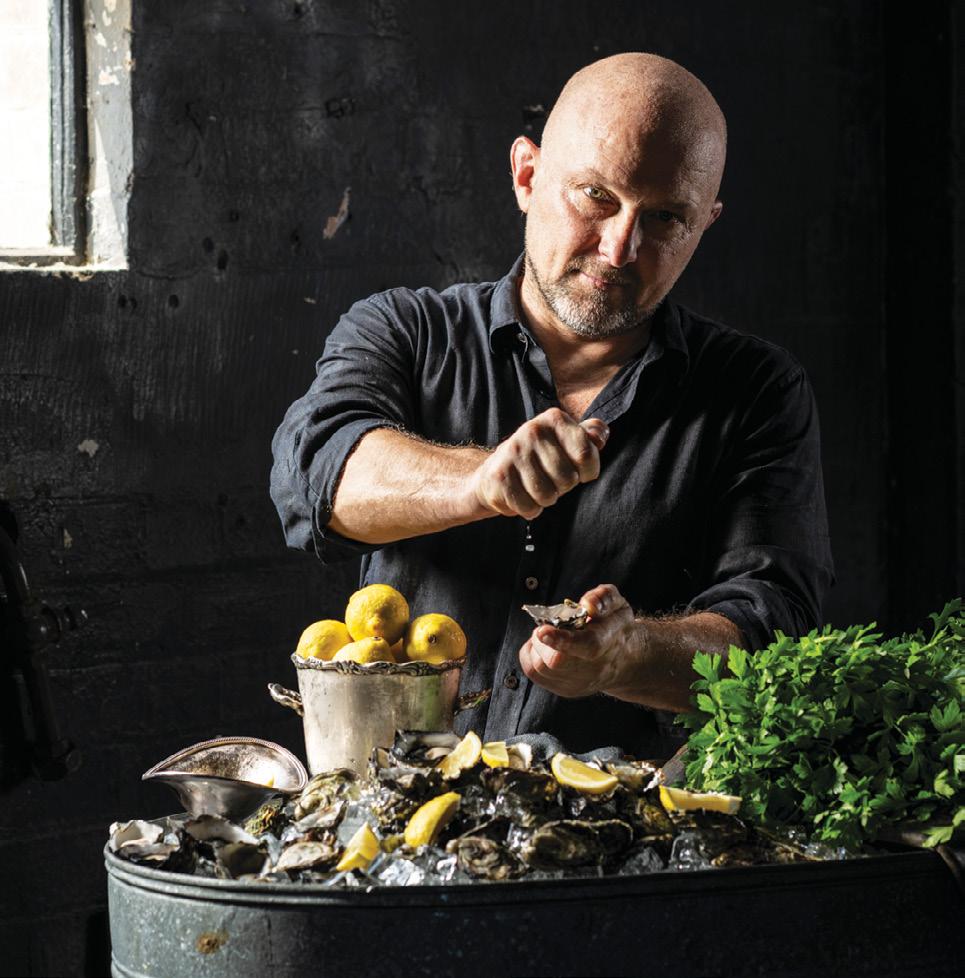
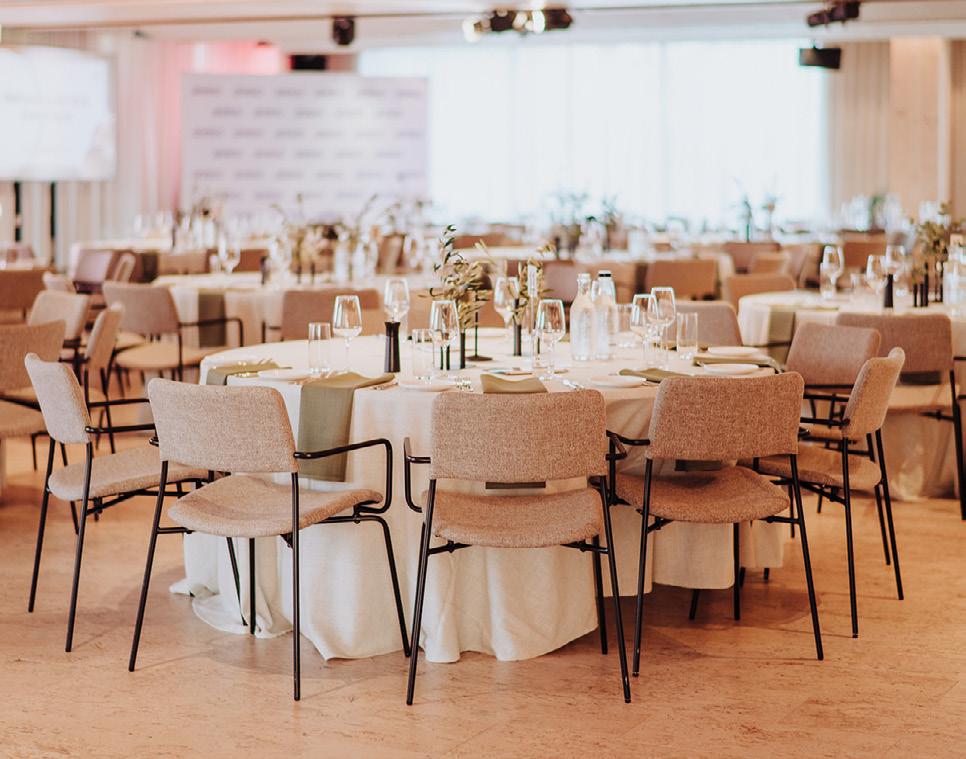
David O’Brien, managing director and founder, Cook & Waiter.
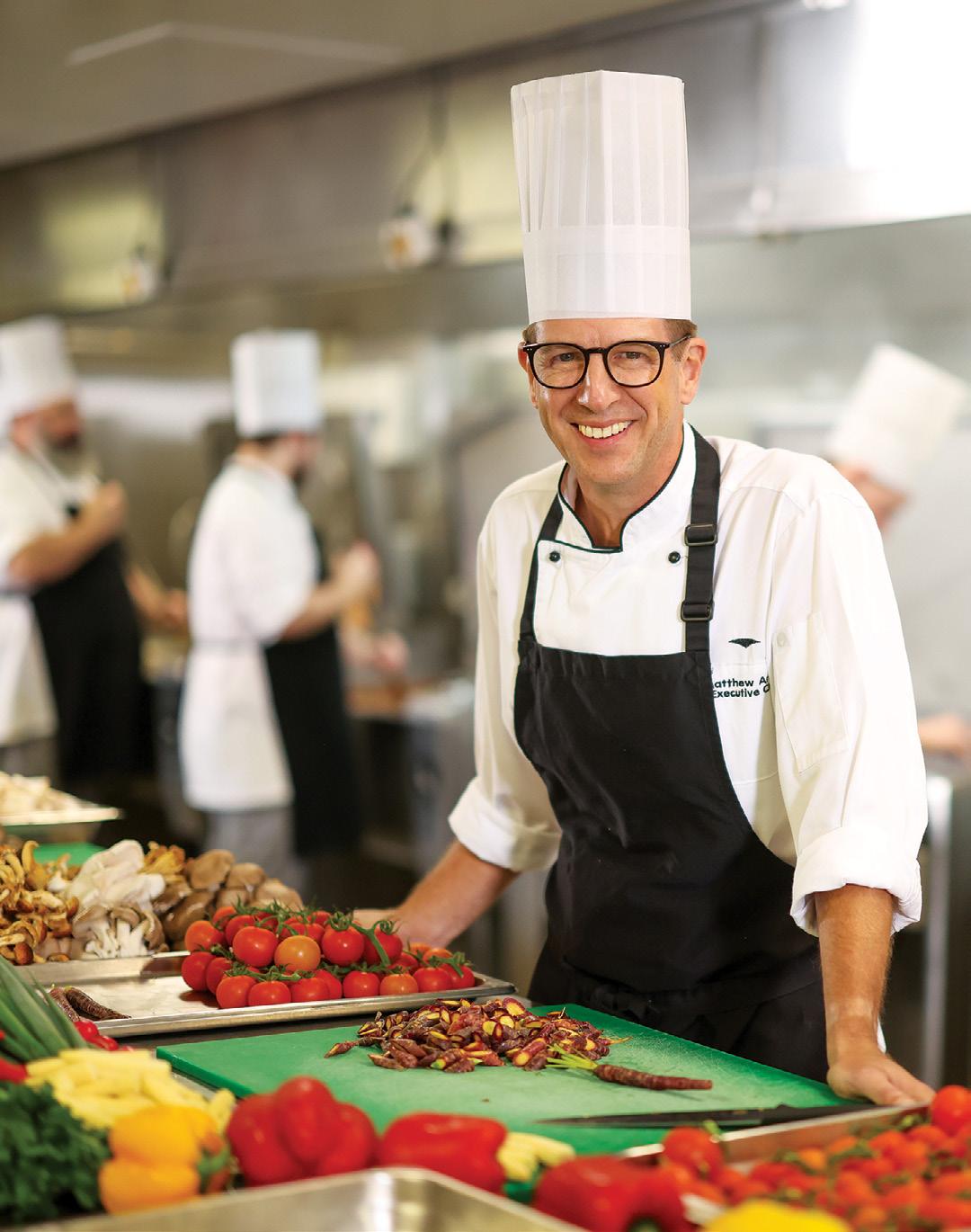
“Venue and event plans are being rethought, with chef-led moments built into the experience from the first planning conversation.”
– Matthew Arnold, executive chef at Brisbane Convention and Exhibition Centre.
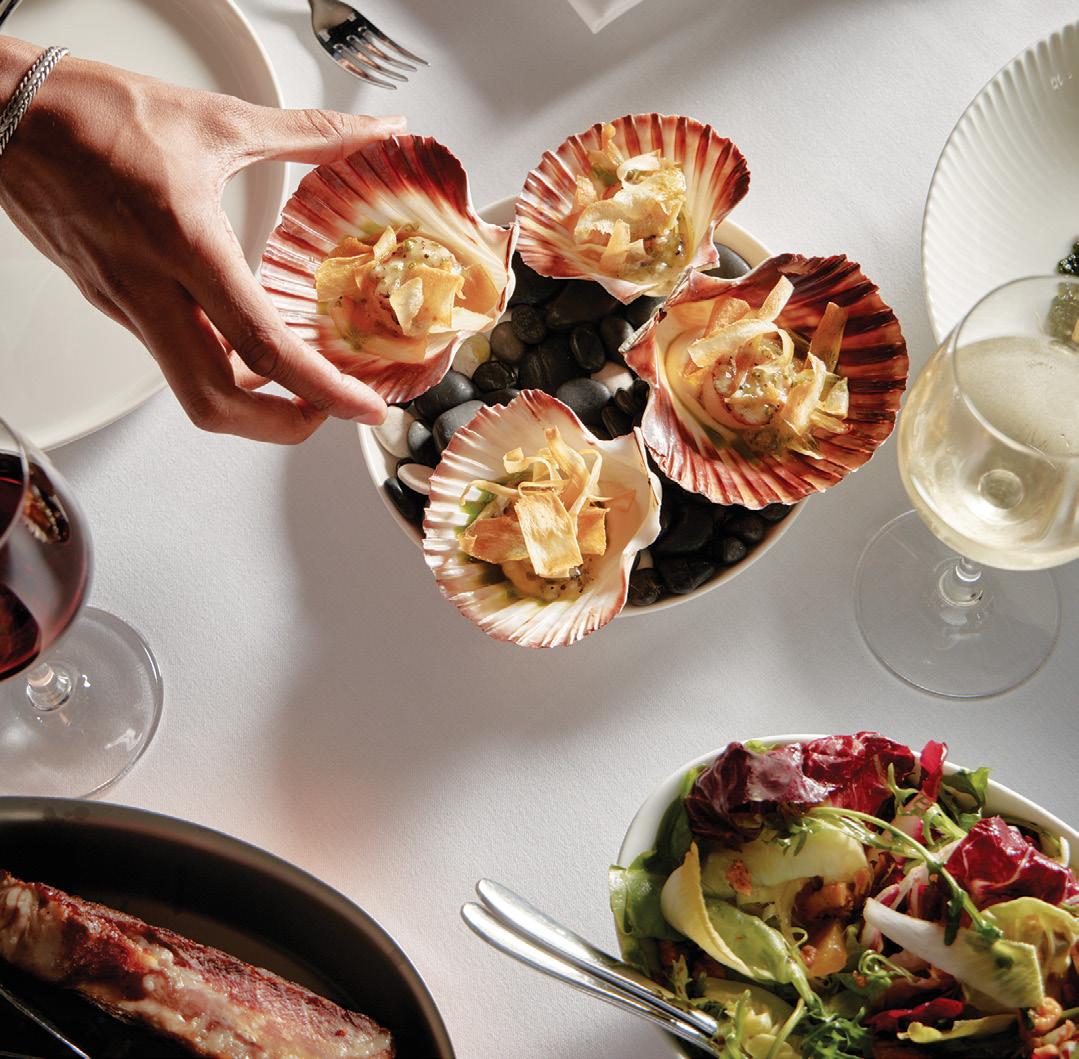
2. Live kitchens the new centrepieces
Guests want to witness the craft behind what they eat. The transparency and energy that comes with that kind of access has become one of the most requested elements of the contemporary event experience.
Matthew Arnold, executive chef at Brisbane Convention and Exhibition Centre, says the appetite for this kind of access has been building for years.
“We are finding guests want to see chefs at work,” he says. “This shift has been building during the past decade as social media and television have opened people’s eyes to what happens behind the scenes.
“Programs such as MasterChef and Kitchen Nightmares sparked interest from a chef’s perspective, and even non-culinary shows such as Ambulance Australia, RBT and Emergency have fuelled fascination with worlds most people never get to see firsthand.”
The theatre of the kitchen – once hidden behind closed doors – is now the event itself. Venue and event plans are being rethought, with chef-led moments built into the experience from the first planning conversation.
For Brisbane Convention and Exhibition Centre, social media has become a major part of Arnold’s work.
“We created a dedicated Instagram page, @seasonedbyqld, which is entirely chef-led,” he says. “It’s a space where the team can showcase their craft, share daily stories of what they’re developing, and offer an authentic window into our kitchen culture. The menus they create are reflections of that passion and collaboration.”
3. AI as a kitchen tool
AI is finding its place in the events kitchen, but the venues doing it well are clear about what the technology can and can’t do.
Stephan Leroy, general manager of Sofitel Melbourne on Collins, describes how one AI-powered system has changed the way his team understands and manages waste.
“AI has been most valuable for Sofitel Melbourne as it simplifies tasks for our chefs, and the implementation of [AI-powered food waste prevention system] Winnow has transformed how we understand waste,” he says.
“The system photographs and identifies everything that goes into the organics bin, saving chefs from having to stand over a bin trying to match scraps to a menu item – something that would never survive the pace of a real kitchen.
“Instead, it provides exact cost breakdowns, acting almost like an automated cost controller that shows us in real time where improvements can be made, which is crucial as food costs rise.”
Leroy is clear there are hard lines where technology stops and human judgement begins.
“When it comes to dietary needs, technology can only support the process,” he says. “The judgement, empathy and care required to get it right must come from our team. In Melbourne, where dietary requirements are common and complex, our chefs rely on clear communication, follow-up and personal responsibility to ensure every guest feels safe and valued.” →
Matthew Arnold, executive chef, Brisbane Convention and Exhibition Centre.
Photo: Dave Green.
Food and beverage
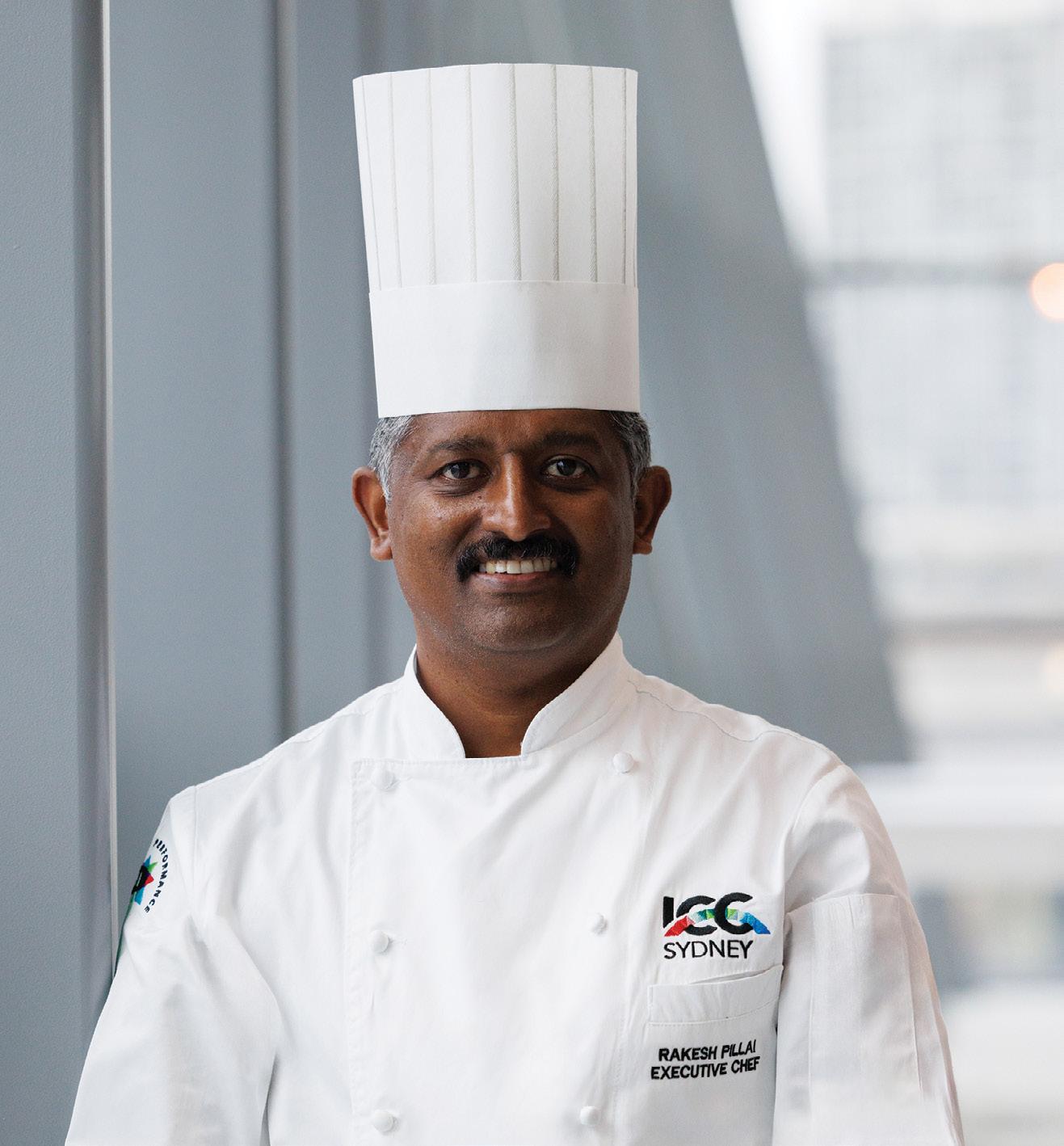
4. Dietary inclusion by design
The best venues have a no-compromises approach to inclusivity. It is being built directly into menus from the first concept meeting. That way, every guest, regardless of requirements, can enjoy something curated with the same craft as everyone else.
“Dietary, cultural and religious requirements are embedded into our thinking from the outset so a halal, vegetarian, Jain, kosher or allergen-aware dish carries the same level of craft, care and storytelling as the main menu,” says Rakesh Pillai, executive chef at International Convention Centre Sydney (ICC Sydney).
“The difference between accommodating a guest and genuinely considering them comes down to intent, curiosity and respect. It’s about understanding why those requirements matter and responding with generosity, ensuring every guest feels equally valued and fully part of the experience.”
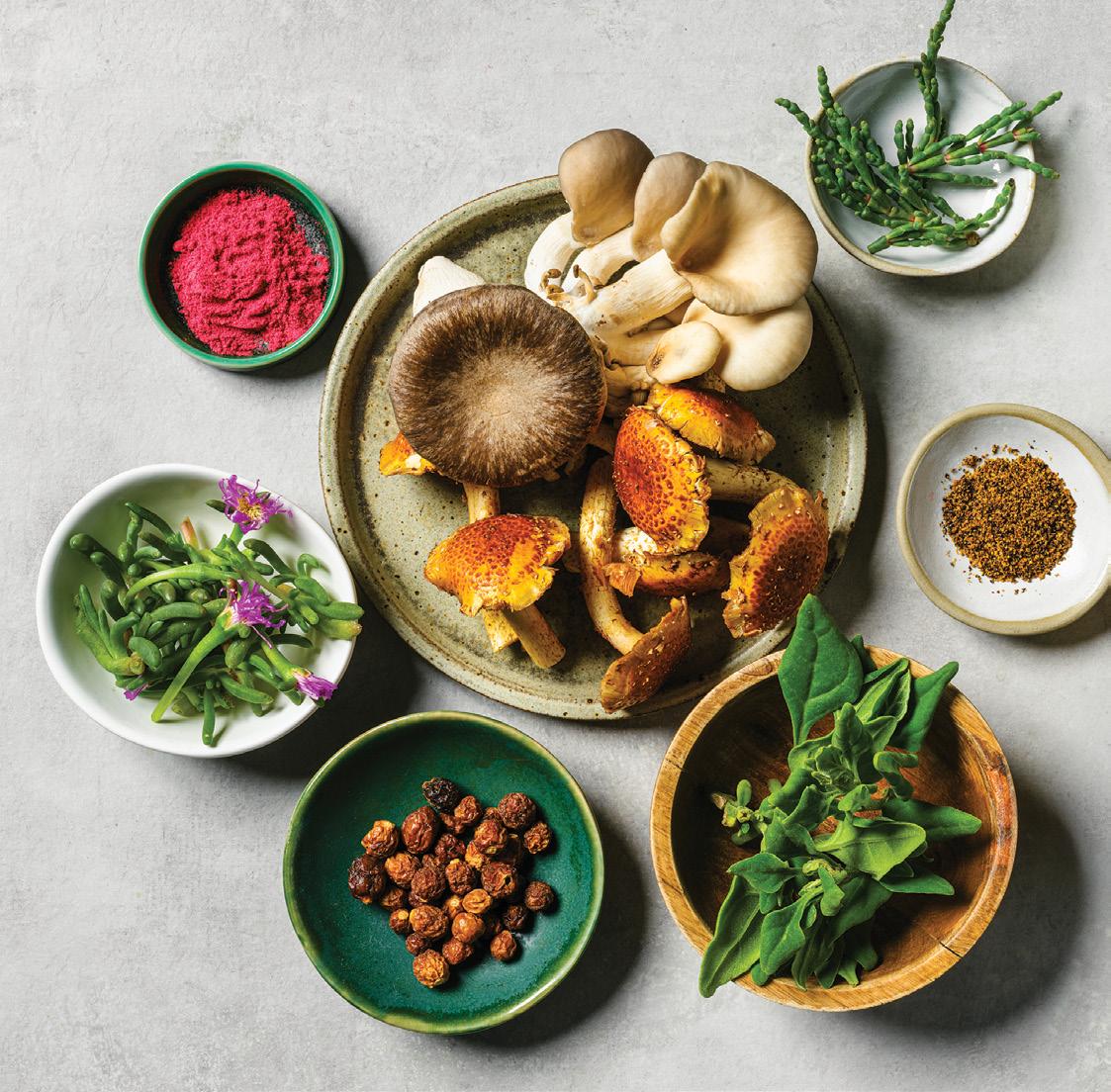
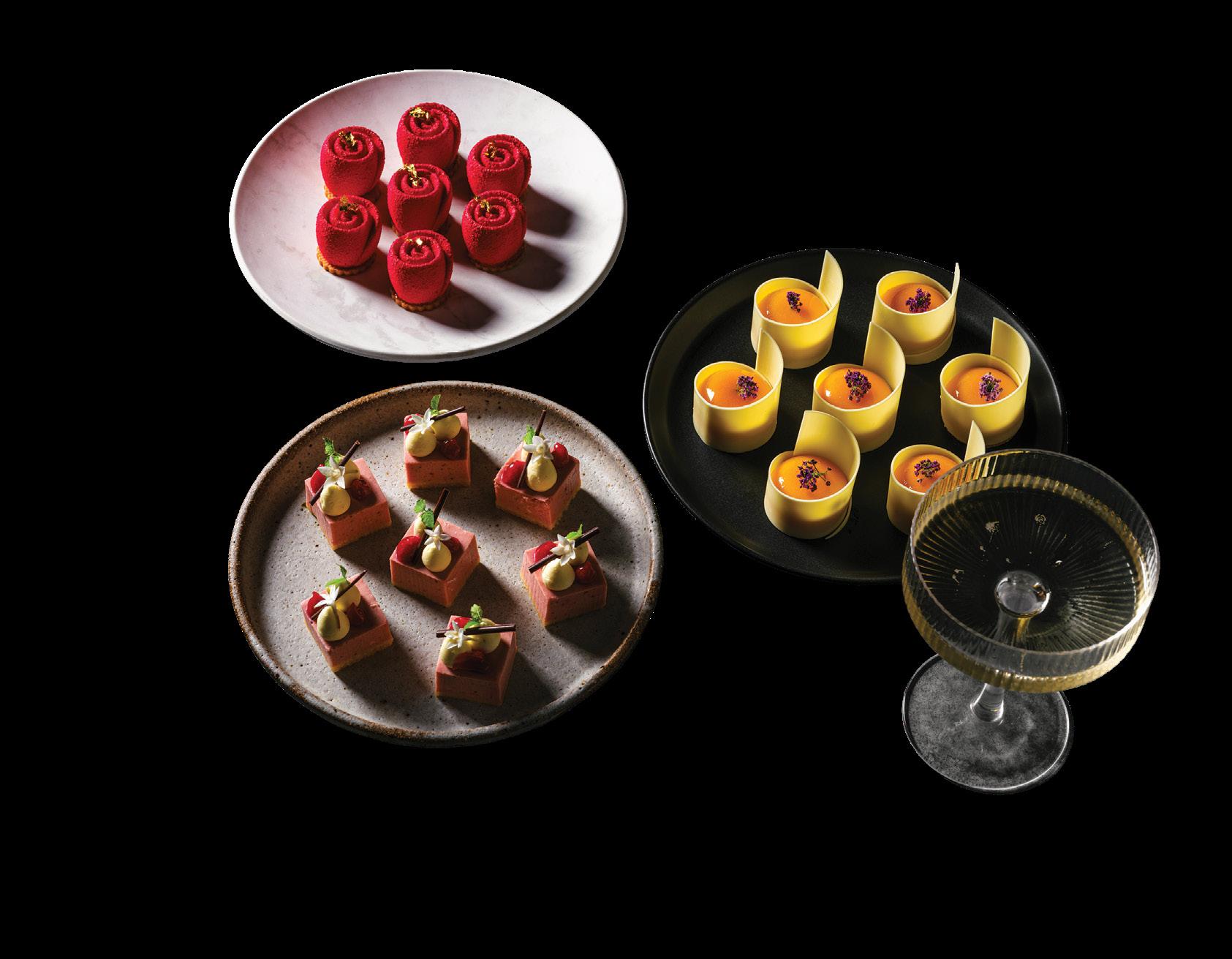
are embedded into our thinking from the outset so a halal, vegetarian, Jain, kosher or allergen-aware dish carries the same level of craft, care and storytelling as the main menu.”
Pillai highlights ICC Sydney’s Planet First menu as a prime example of the work that goes into ensuring a menu can be tailored around intent and respect.
“One menu I’m particularly proud of is our Planet First menu, which was built around close collaboration with our suppliers and producers,” he says. “From the outset, we’ve worked hand-in-hand with local NSW growers and native ingredient suppliers to ensure every dish reflects a clear philosophy: sustainability, provenance and performance.
“What makes it work is the strength of those supplier relationships and the shared commitment to quality. Pulling it off at scale has required careful planning, trust and deep understanding on both sides – designing dishes that are flavour-led and expressive, while still practical for high-volume service.
“It’s a great example of how strong partnerships behind the scenes are what ultimately elevate the experience on the plate.”
– Rakesh Pillai, executive chef at International Convention Centre Sydney (ICC Sydney).
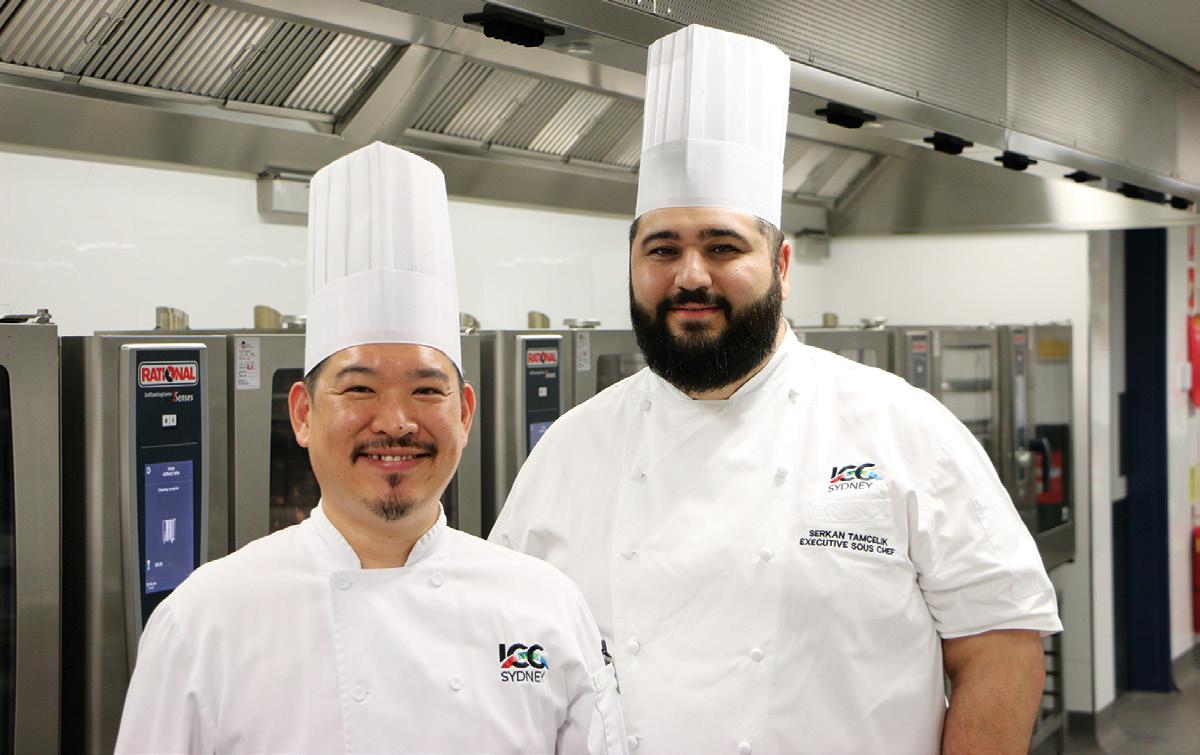
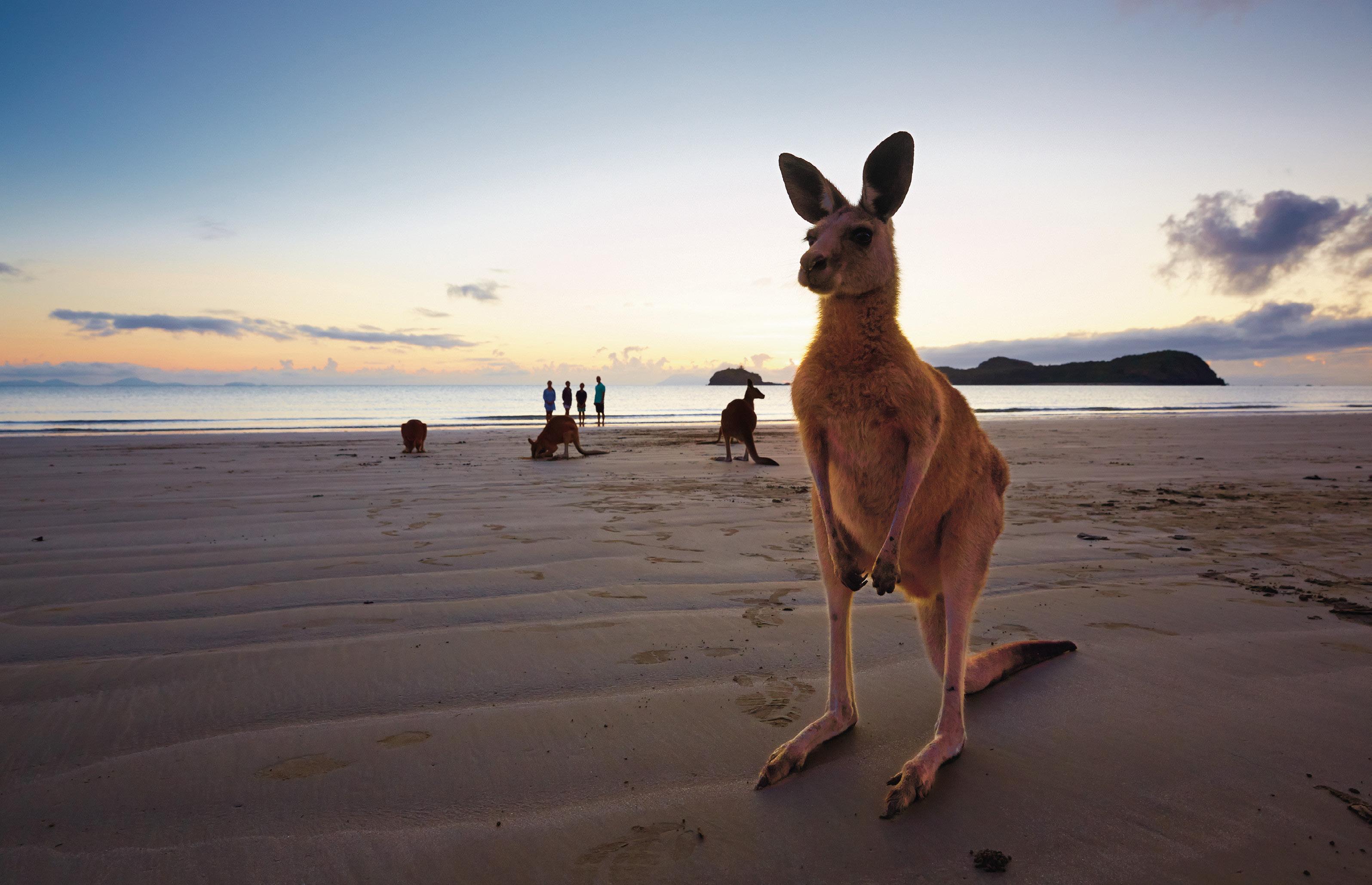
Rakesh Pillai, executive chef at ICC Sydney.
From left: Sewoo Son and Serkan Tamcelik from ICC Sydney.
5. Allergen management at scale
Allergen management has become one of the fastest-evolving areas in events catering. The volume of requests is rising and venues keeping pace are the ones that have restructured their operations accordingly.
“Allergen management has become significantly more complex and we have adapted accordingly,” says Peter Carlyle, catering coordinator at Mackay Entertainment and Convention Centre.
“At MECC, we have seen allergenrelated requests rise from 10 per cent of attendees five years ago to 14 per cent in 2026, along with a growing number of dietary preferences.
“Our focus now is on clear communication, accurate information and strong processes to avoid crosscontamination. We work closely with organisers to identify needs early and provide safe, high-quality alternatives
However, allergen management shouldn’t come at the expense of the delegate experience. Carlyle notes this is ultimately an exercise in flexibility and creativity, and venues rely on the strength of their people and supply chain relationships to ensure needs are met with quality, not compromise.
“We’re very fortunate to have executive chef Haley Aldred, who excels at tailoring menus to each client and event theme,” he says.
“Two that highlight our range are the annual Mayor’s Ball and the CQ Rescue Gala Dinner. These menus work because they balance creativity, local flavours and flawless execution at scale. Delivering them takes careful planning, strong supplier relationships, and a highly coordinated team coming together to create memorable dining experiences
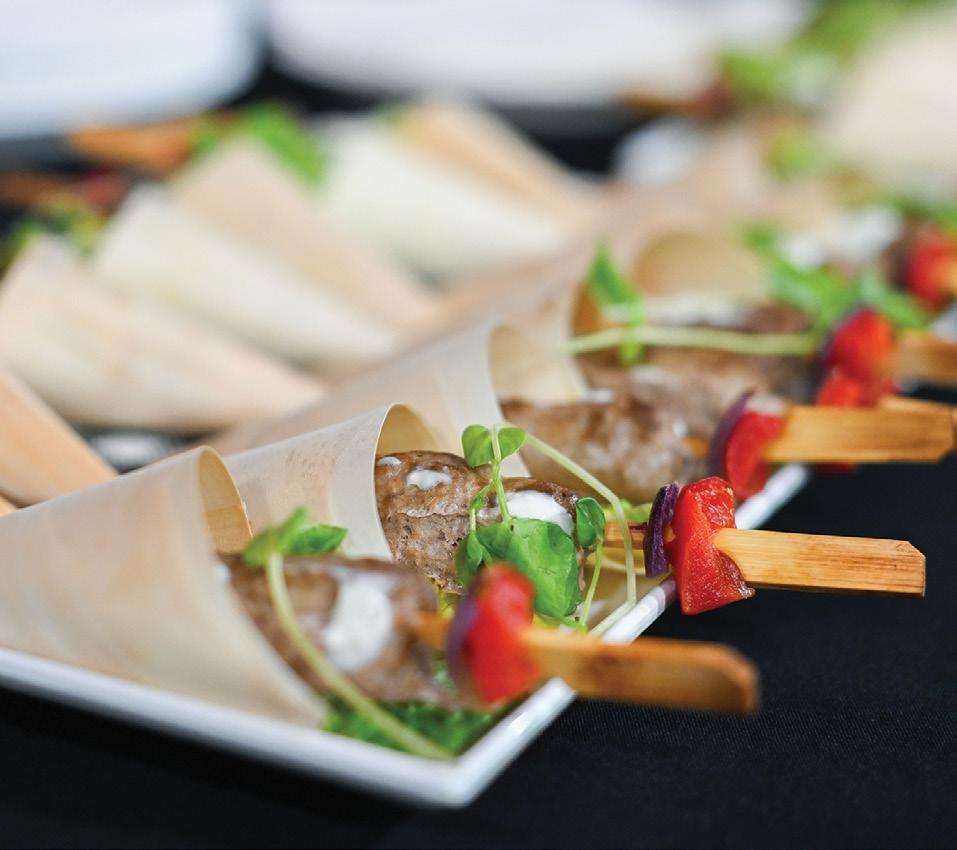
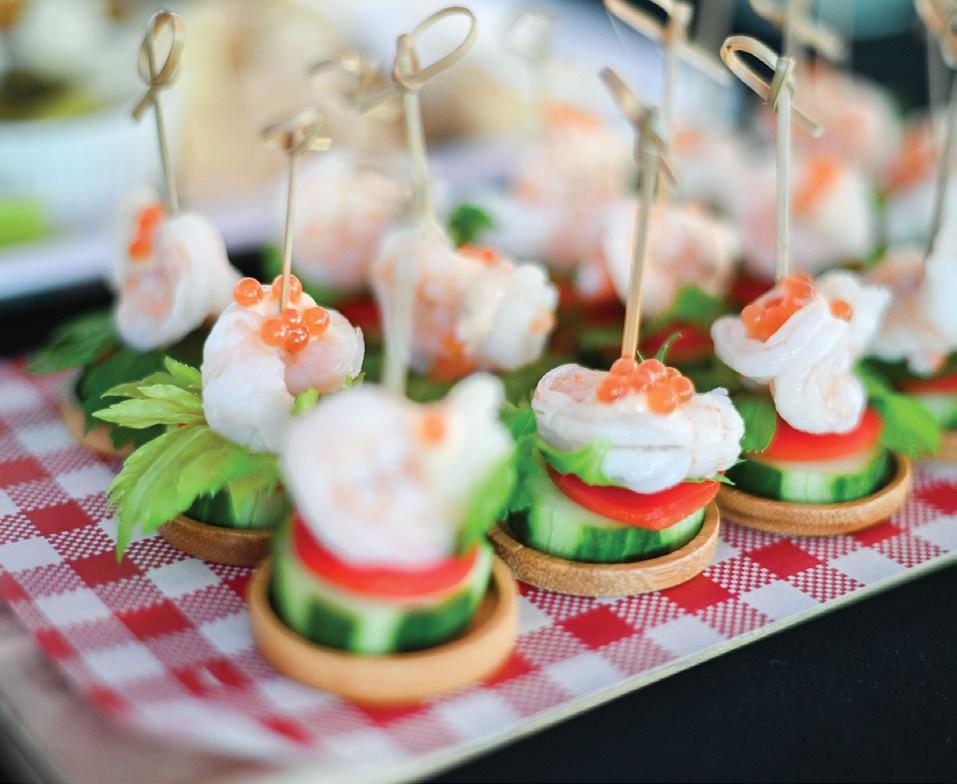

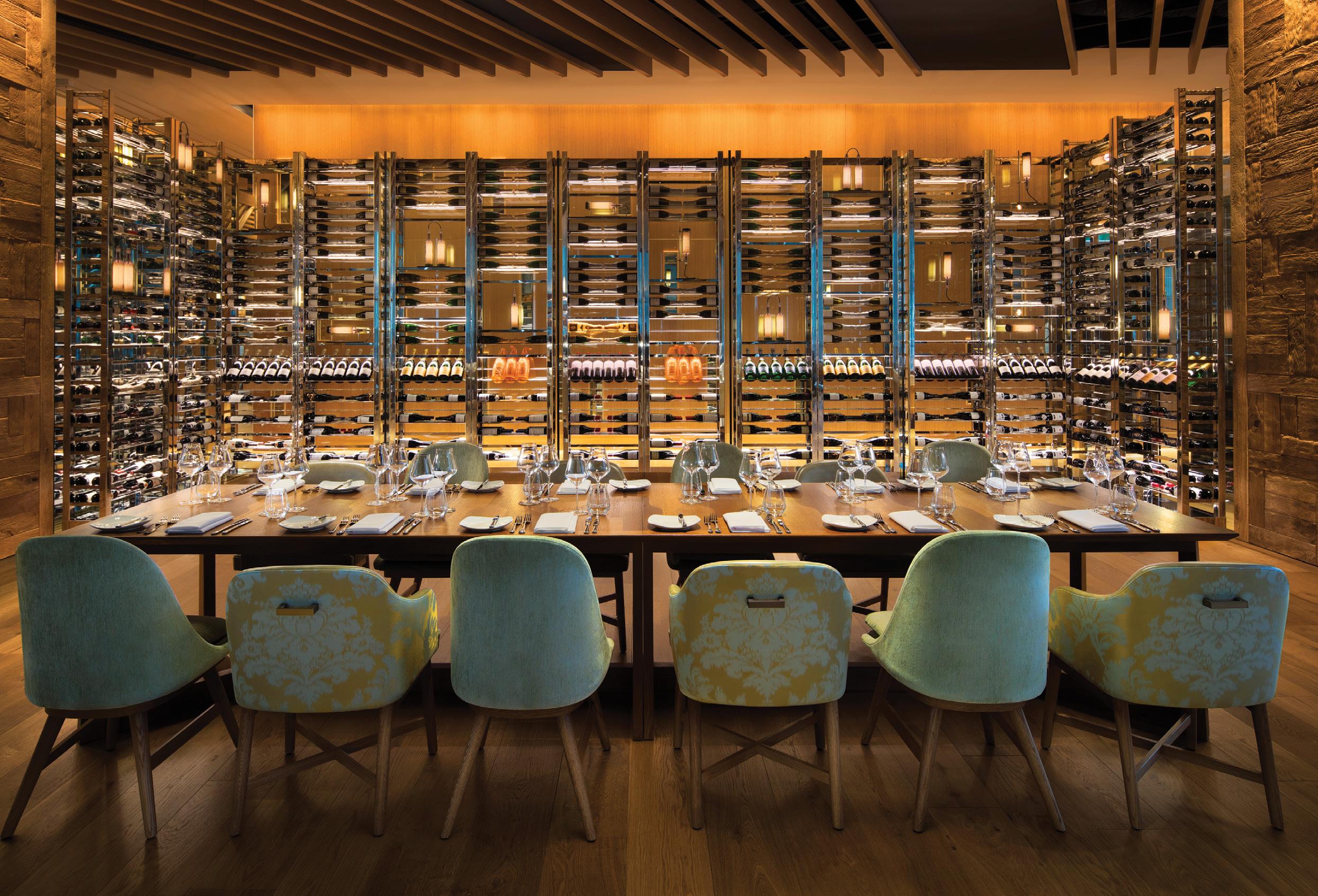
DINING AT THE ’G
The latest menu for MCG Events at the iconic Melbourne Cricket Ground promises no gimmicks and no filler – just great produce and a nostalgic nod to the past.
For MCG Events executive chef Dylan Sanding, the food he serves must live up to the legendary status of one of the world’s most famous stadiums. He knows there is nowhere to hide at such an iconic venue, and that the cuisine for guests must live long in the memory.
Local Victorian produce is at the heart of everything Sanding and his team delivers at the MCG.
“Victoria gives us incredible produce and Melbourne gives us the attitude, culture and diversity to do something interesting with it,” he says, referring to the playful twist on classic menu items.
“We started talking about the foods that made us fall in love with eating in the first place – the dishes we grew up with, the flavours that bring back memories, and the things that made us excited to sit at the table – such as roast chicken, chilli crab, iced treats and old-school sweets.
“The result is a menu collection that’s nostalgic without being stuck in the past. Familiar flavours, reimagined with a bit more polish, a bit more confidence and a lot of respect for the ingredients. These are dishes that make you smile when they hit the table and bring back childhood memories.”
Despite the fun, back-to-the-future vibe Sanding is going for, he makes sure the produce does the heavy lifting.
“We work with some incredible Victorian suppliers – many of them small, specialist producers who do one thing really well,” he says. “We don’t ask them to supply everything; we ask them to supply their best. When the ingredients are that good, you don’t need to overthink it.”
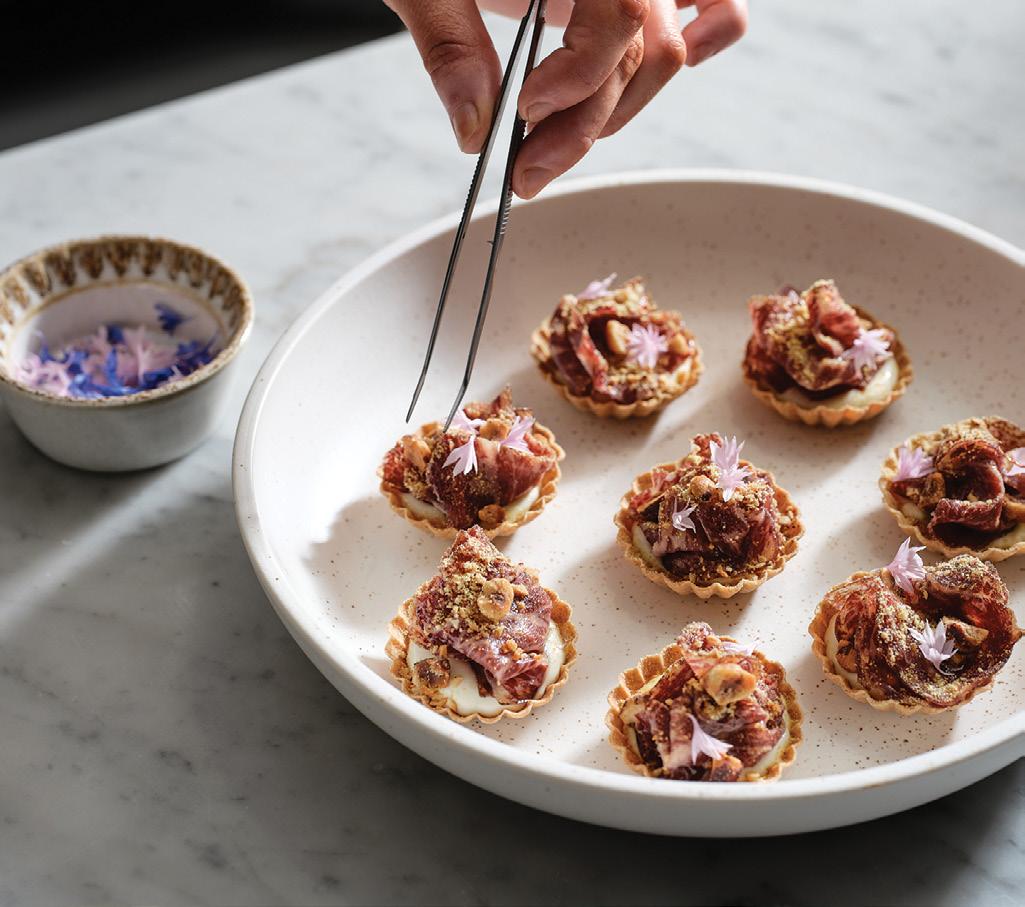
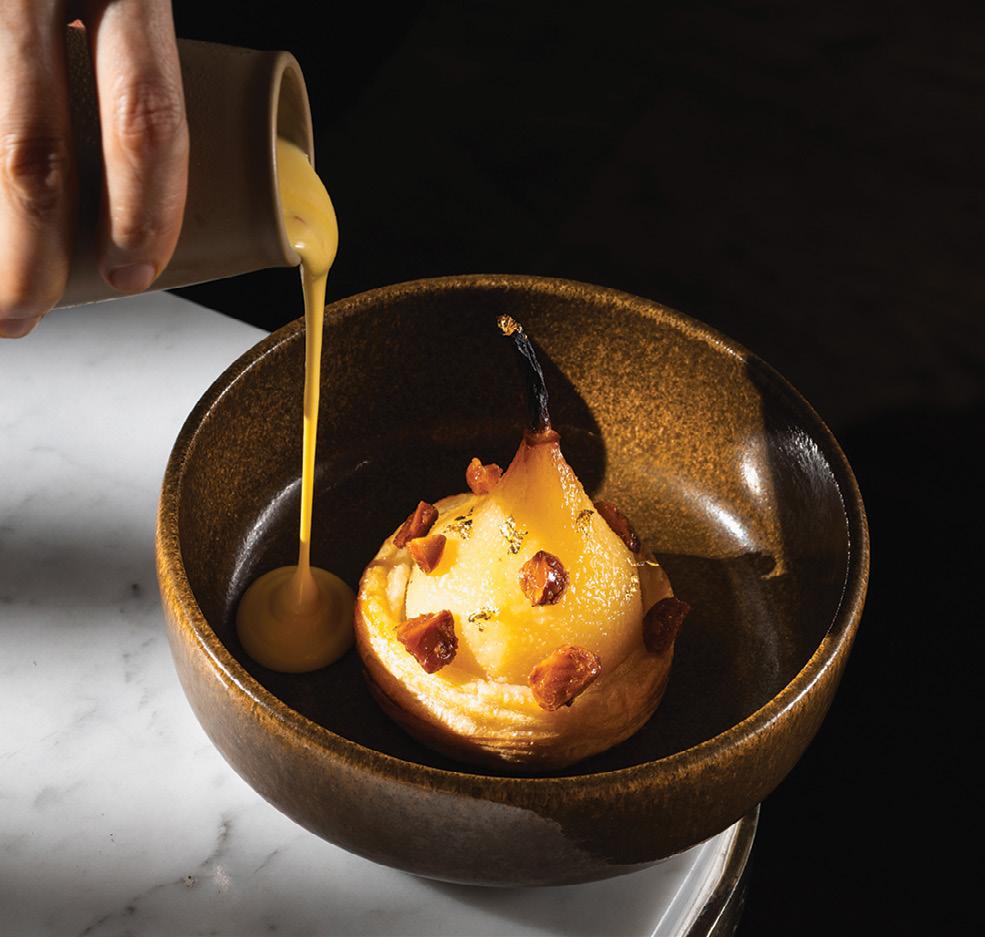
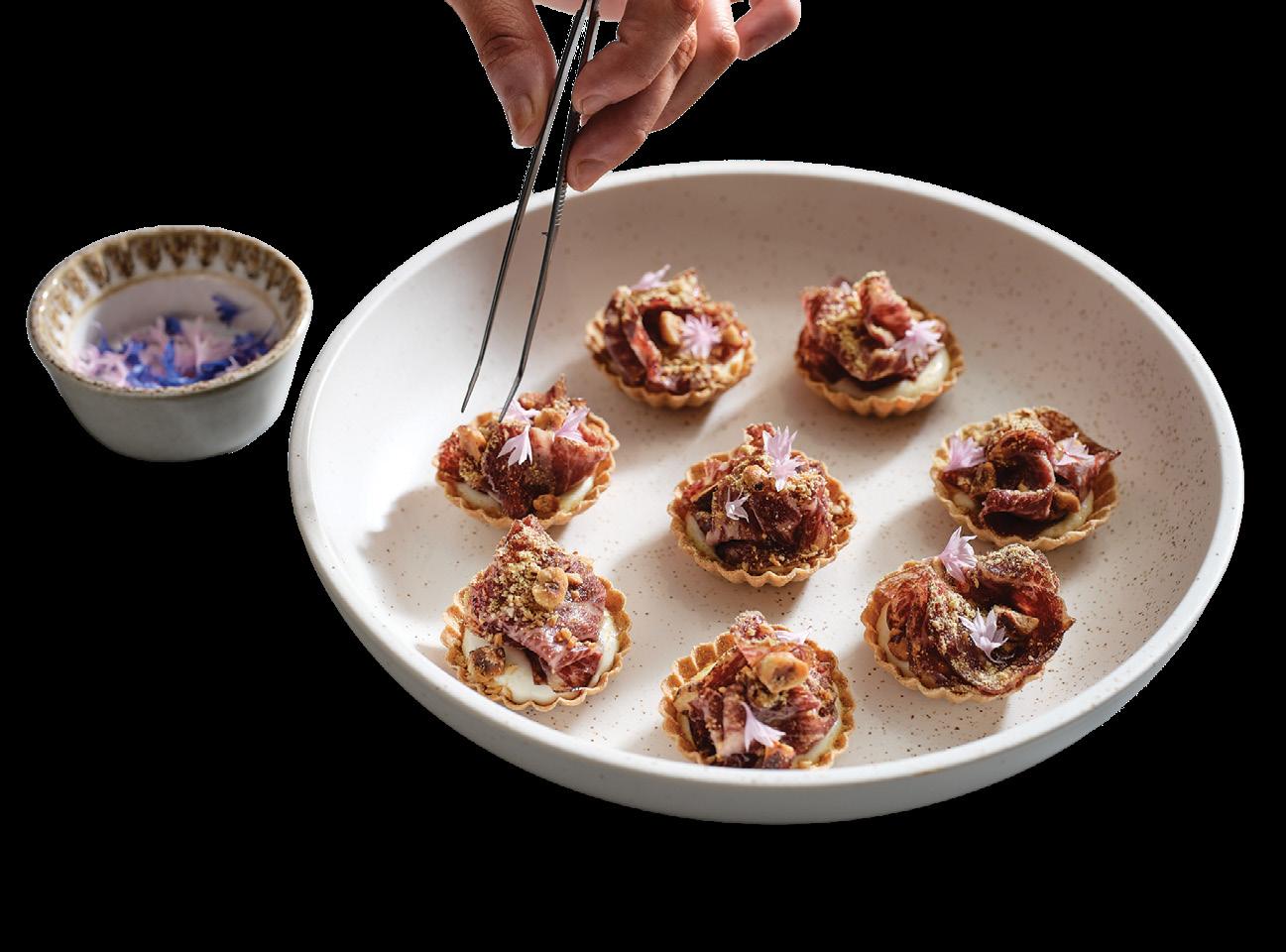
6. Flexibility the new luxury at high-end events
For those looking to impress with luxury, creative flexibility that speaks to a clients’ unique circumstances is the name of the game.
“No client or guest is the same as the last, and in a five-star property, nor should they be buttonholed into a formula we set,” says Sam Moore, director of culinary at Sofitel Sydney Darling Harbour.
“The ability for guests to add on or subtract dishes from a menu and to develop custom menus based on budget is becoming increasingly important. The flexibility in being able to react to this and provide a menu based on guests’ needs is something I am very proud of. It takes a lot of planning, creative and teamwork to deliver.”
Moore says the next evolution of that thinking is already taking shape.
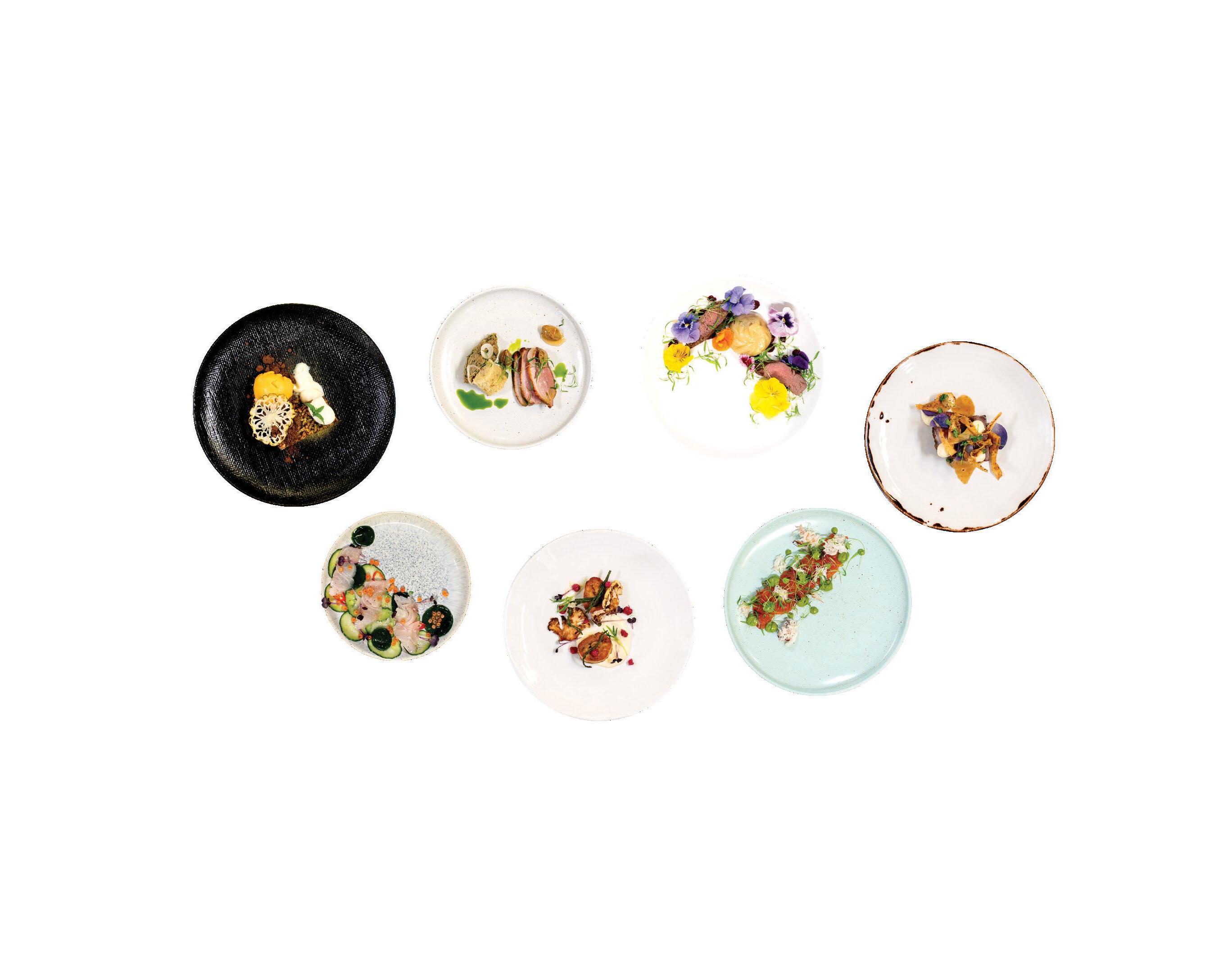
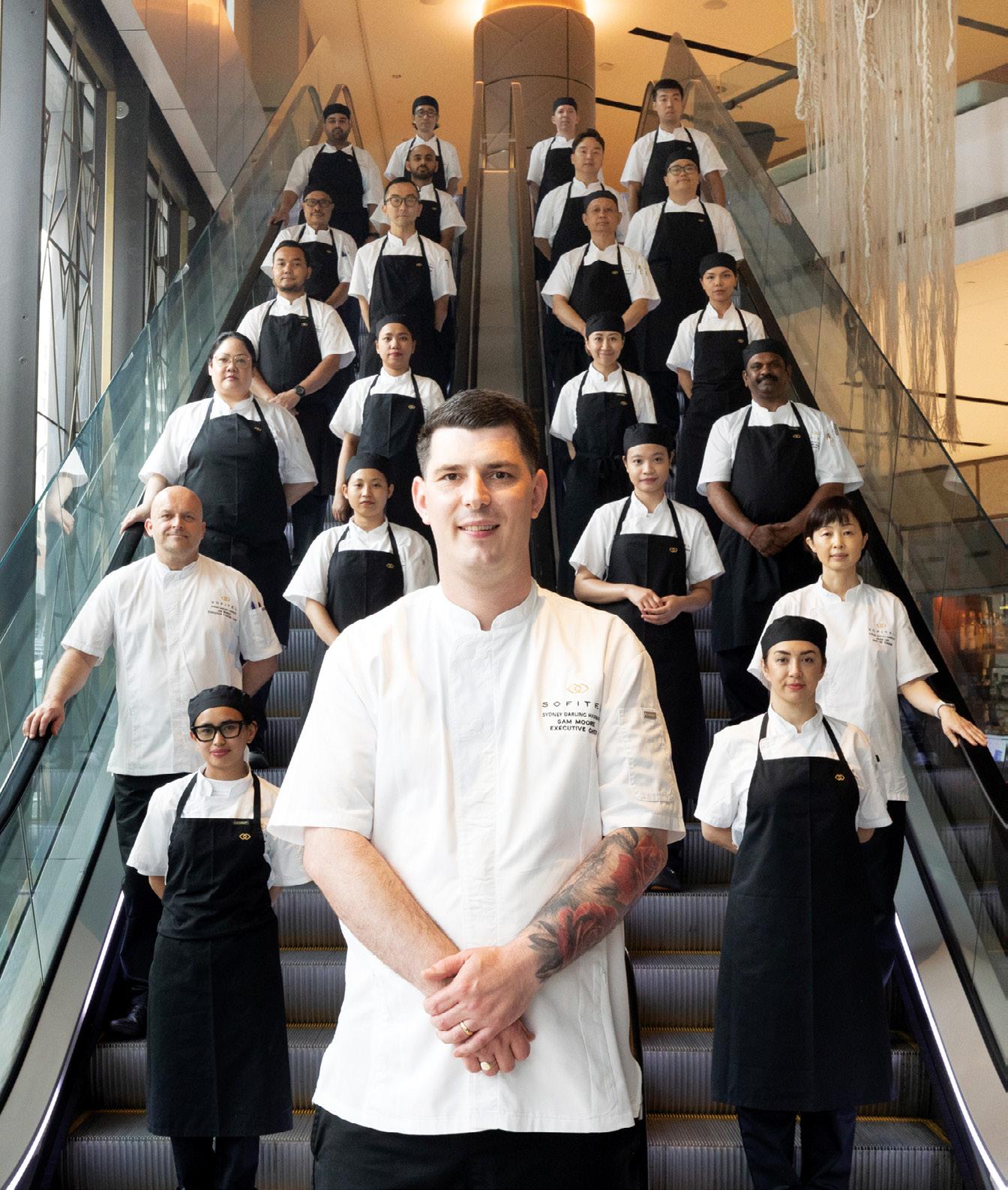
“The ability for guests to add on or subtract dishes from a menu and to develop custom menus based on budget is becoming increasingly important.”
–
director of
Inspired by the changes of the Gulumoerrgin (Larrakia) seasons, Darwin Convention Centre offers a unique cultural dining experience that takes delegates on a multi-sensory culinary journey.
Available to book as a seven-course degustation for smaller groups, or a three-course banquet for large events.
EXPERIENCE
SEVEN SEASONS
Sam Moore,
culinary at Sofitel Sydney Darling Harbour.
Food and beverage
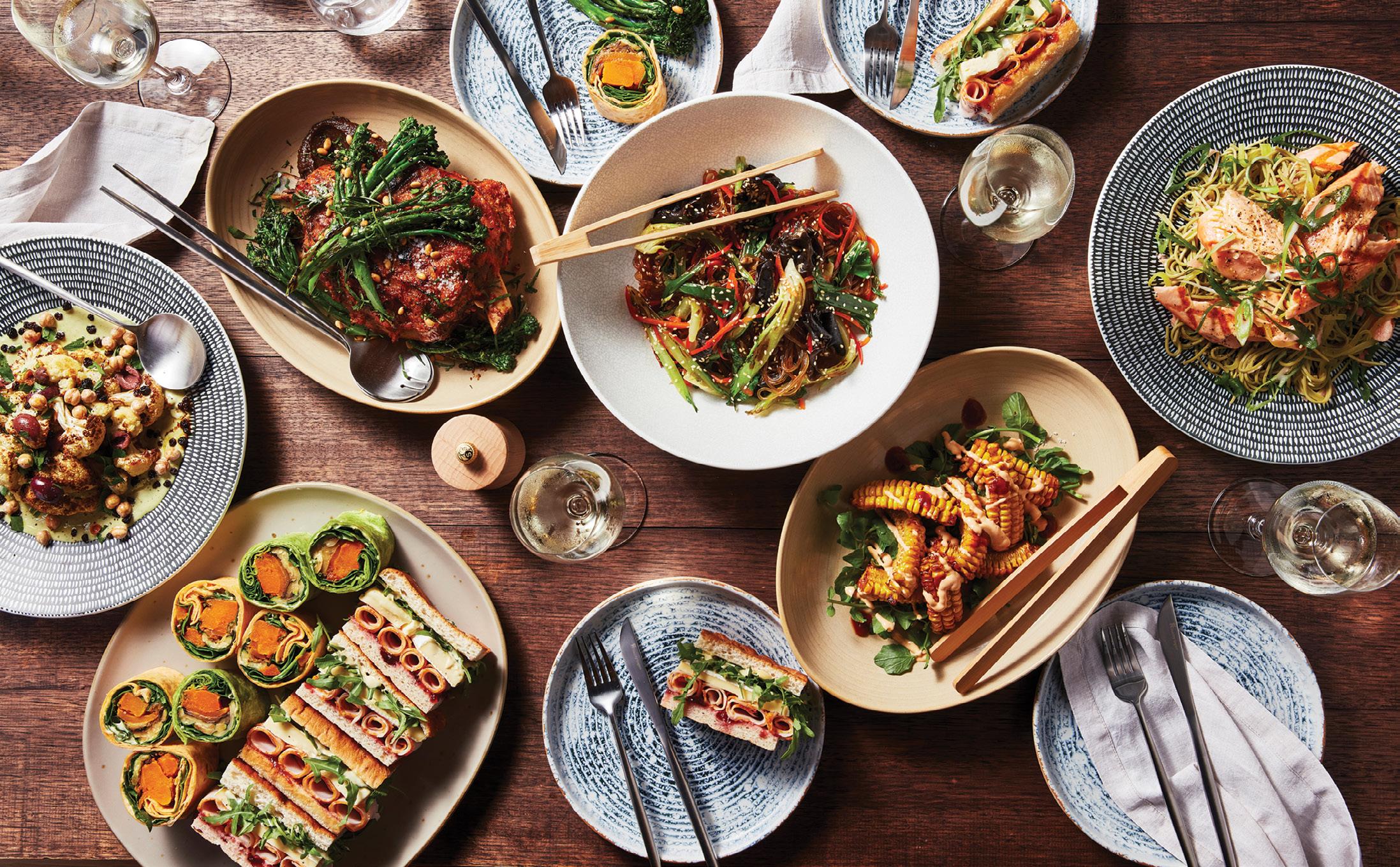
7. Advance food waste design and management
The most progressive operators in the events and hospitality industries have stopped thinking about food waste as something to manage at the end of an event. They are engineering it out of the experience before the first dish is plated.
James Farr, director of food and beverage at Sydney Showground, says this shift has come through better planning, smarter purchasing and a structural connection to the producers at the heart of the supply chain.
“Food waste is an area where meaningful progress has been made, largely through better planning and smarter purchasing,” he says. “Being disciplined about forecasting means we don’t generate unnecessary waste in the first place.
“As part of the Royal Agricultural Society, there is also a natural alignment between our food and beverage operations and the Sydney Royal competitions. That connection gives our chefs a direct link to local producers and award-winning suppliers, many who are recognised for quality and sustainable practices. It means menu decisions are informed by seasonality, provenance and availability, which helps reduce waste while supporting Australian agriculture.”
Sydney Showground’s food organics and garden organics (FOGO) program has also made a material difference, diverting organic waste from landfill and embedding more sustainable habits into daily operations across the site. →
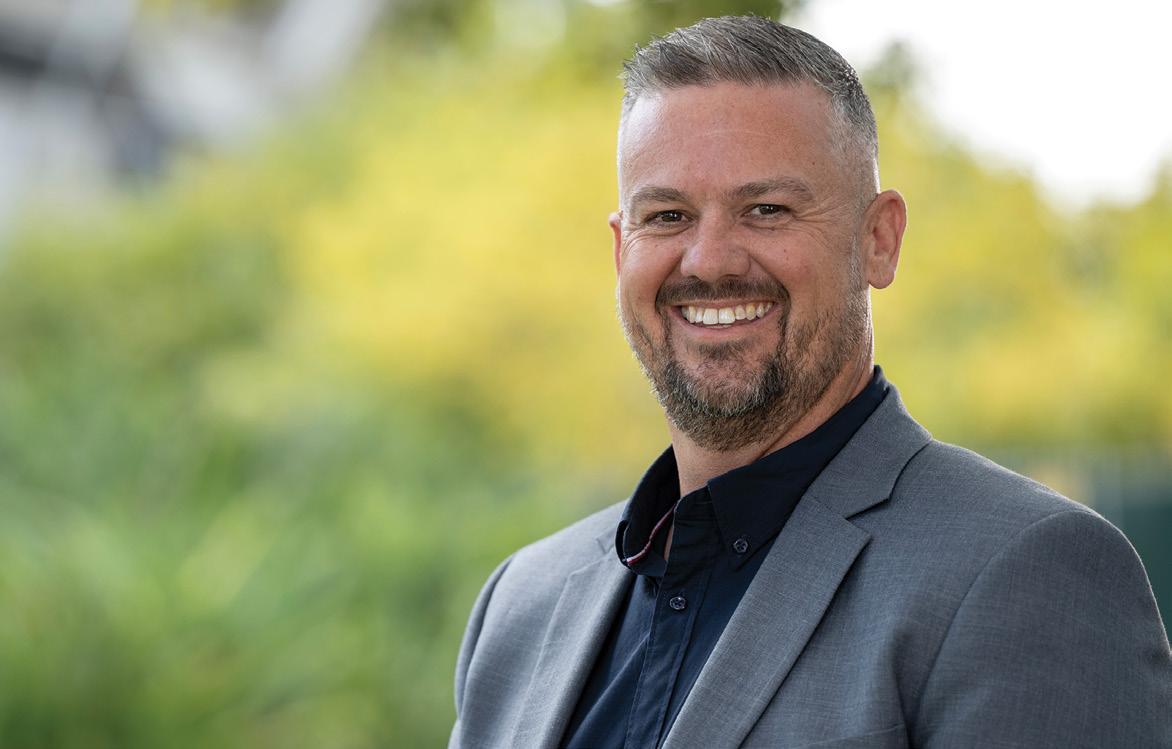
“Food waste is an area where meaningful progress has been made, largely through better planning and smarter purchasing.”
– James Farr, director of food and beverage at Sydney Showground.
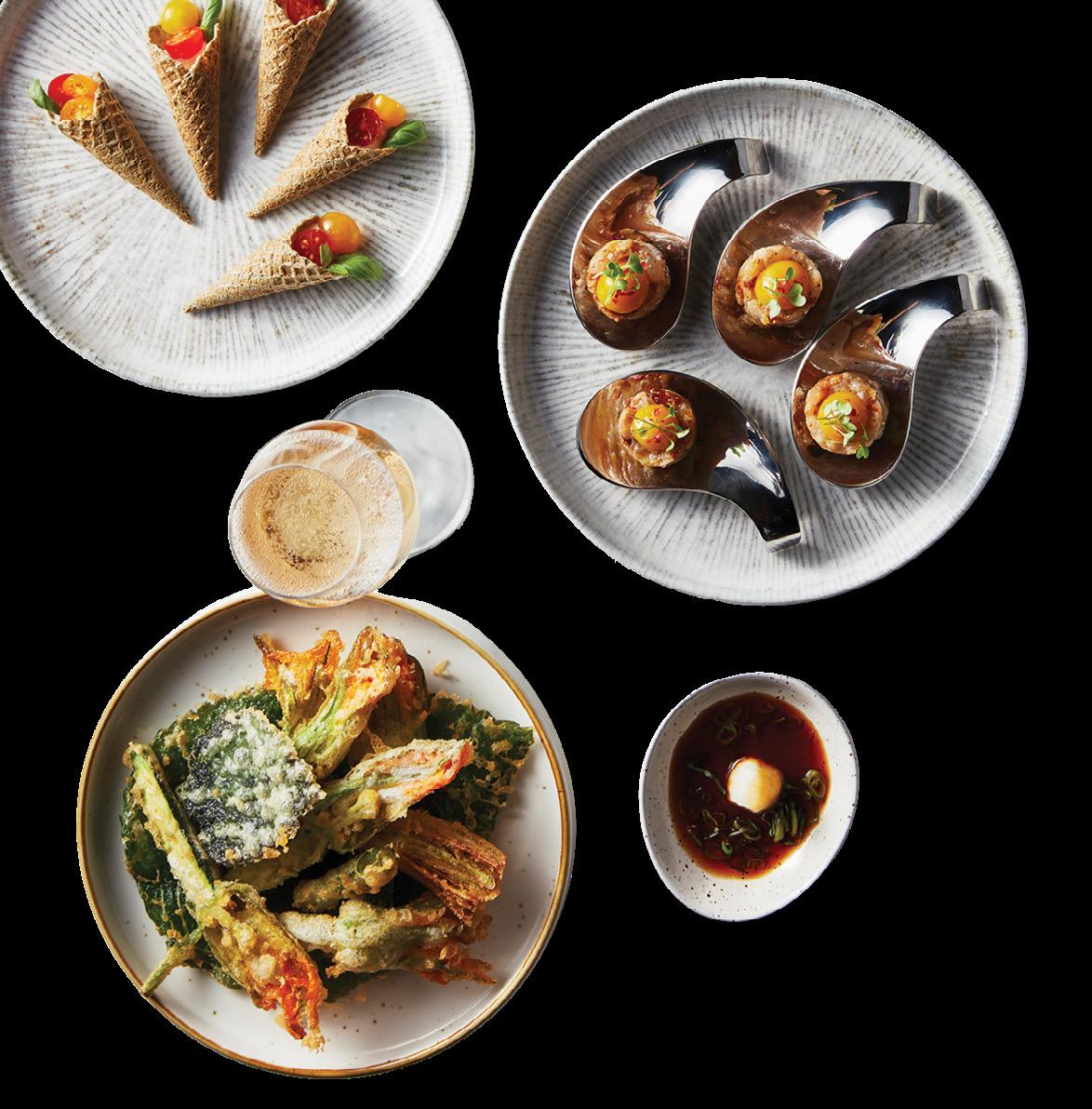
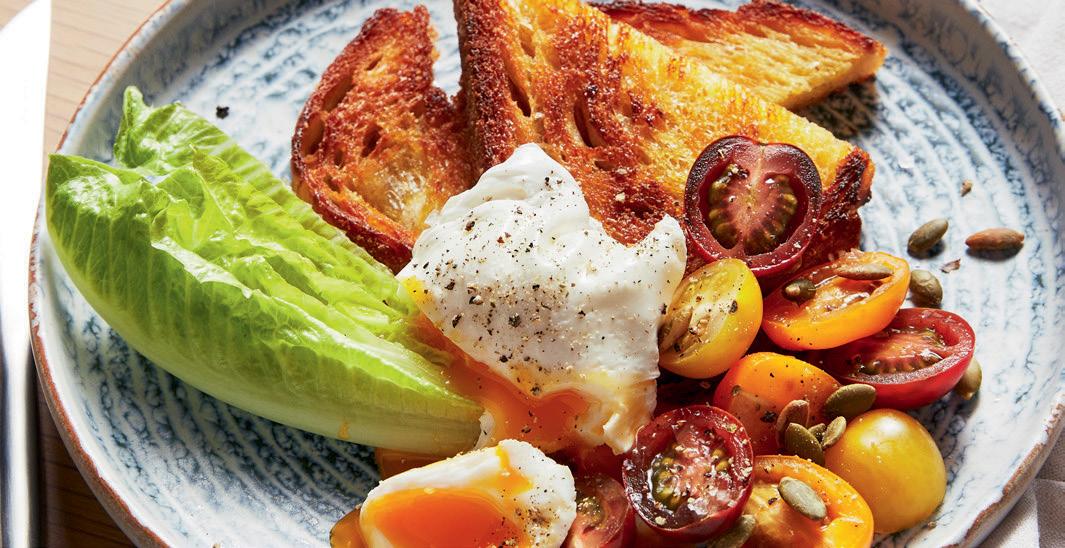
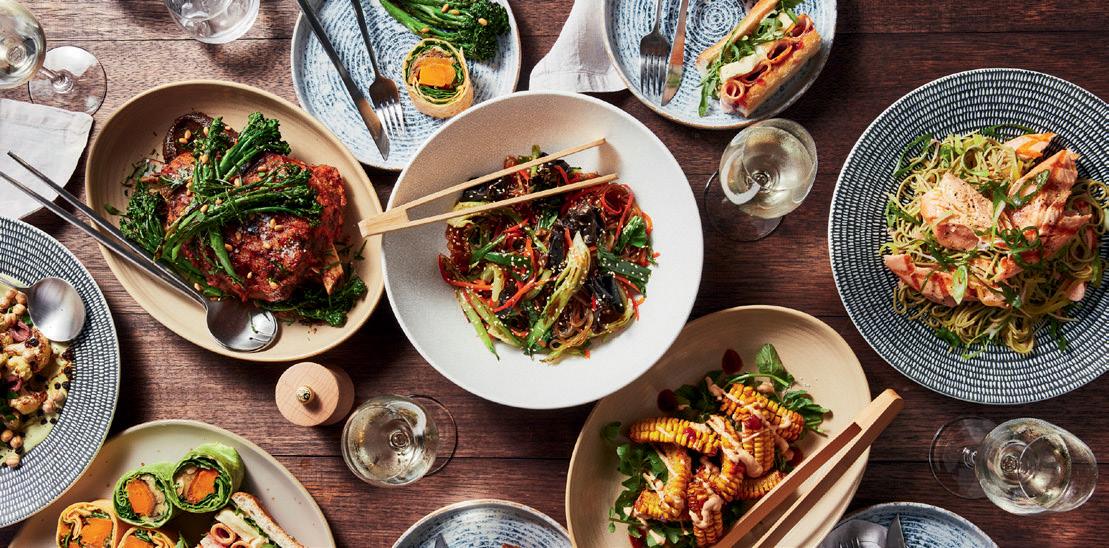
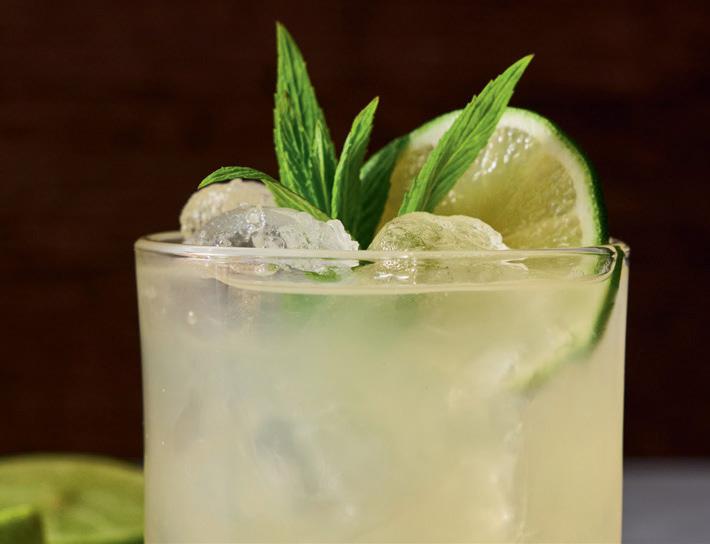
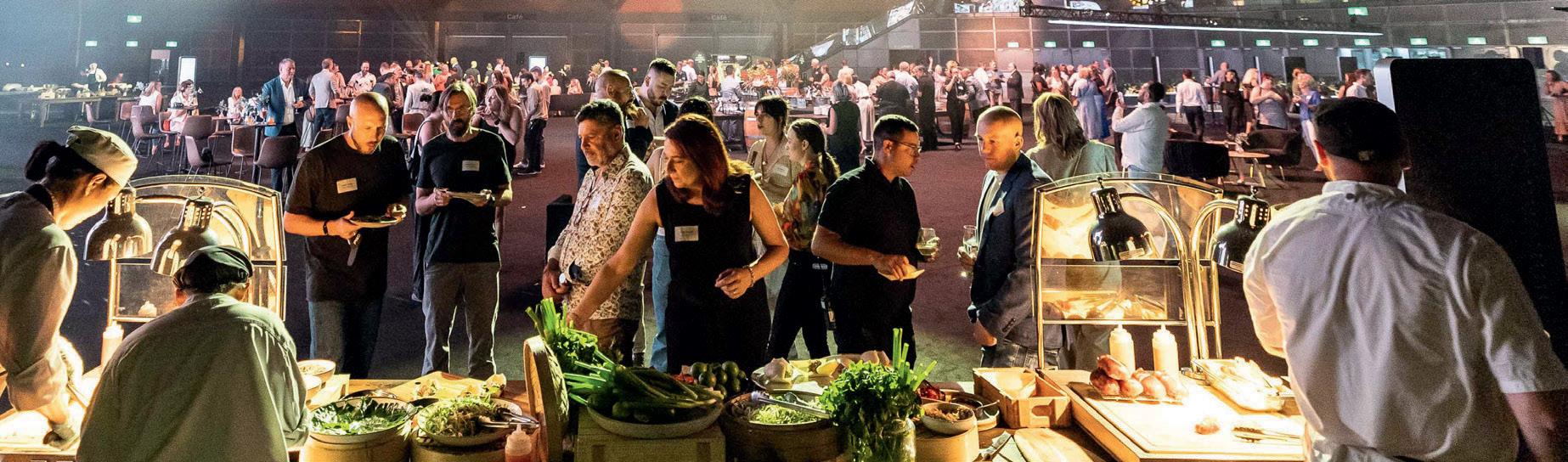
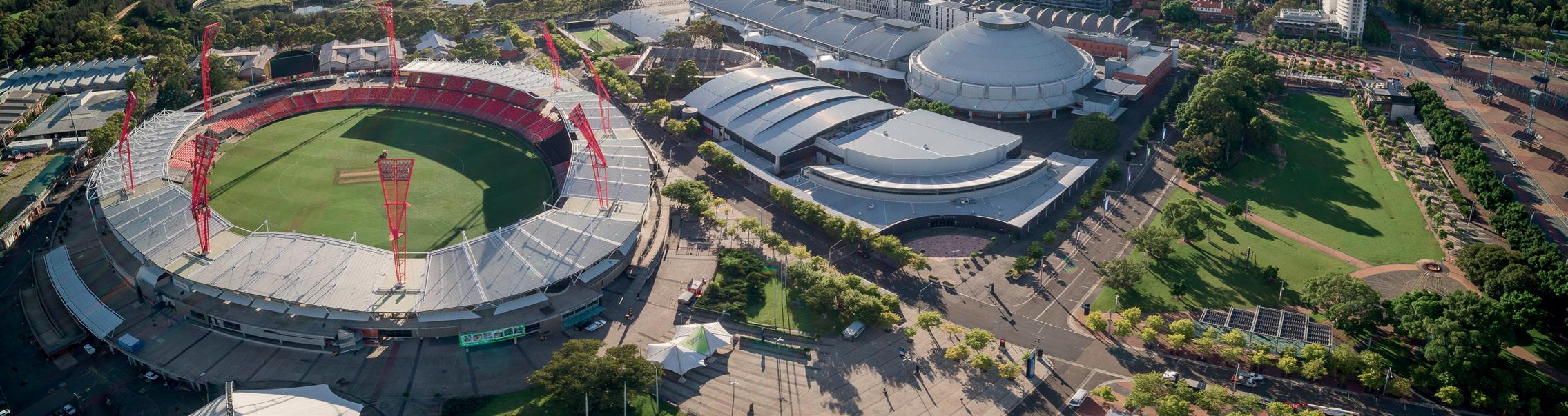
MORE THAN A VENUE
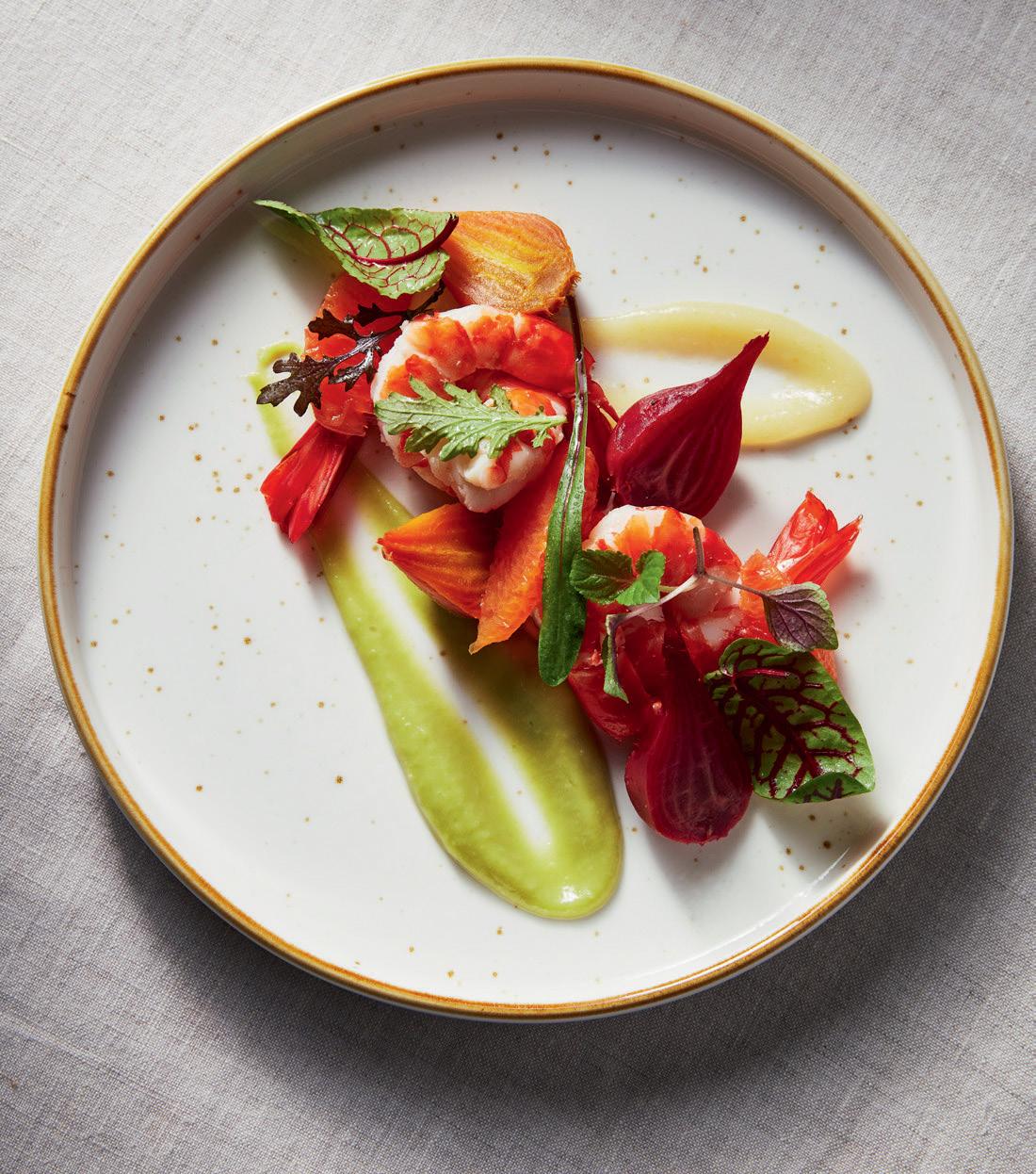
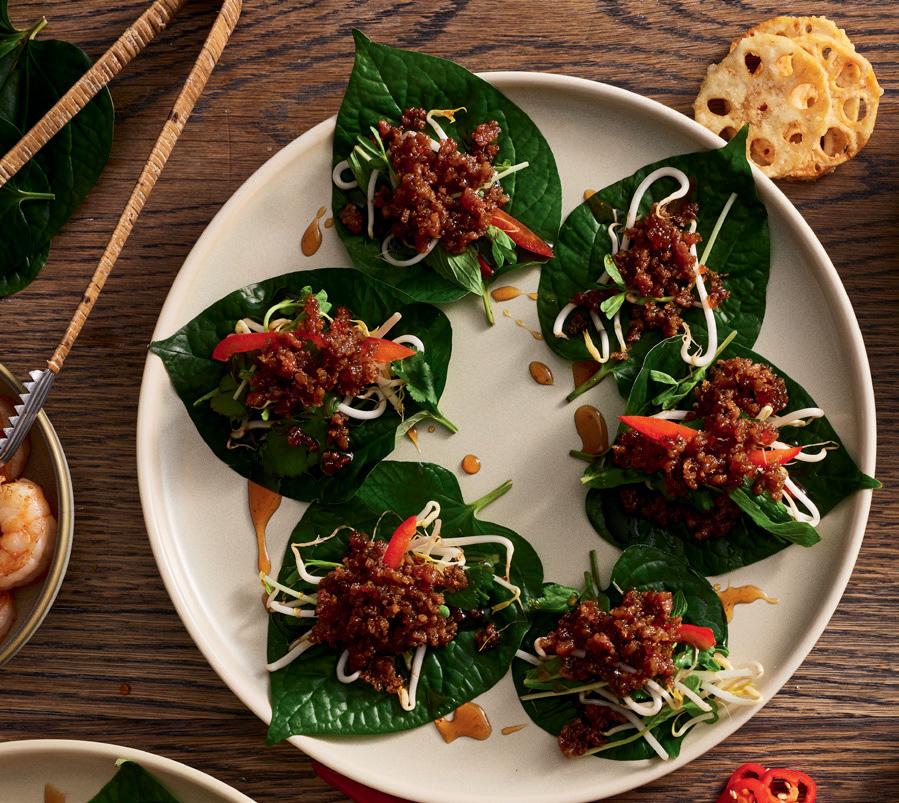
World class food and beverage is built into every event at Sydney Showground delivering culinary experiences that go far beyond expectation.
Menus are crafted around fresh, local ingredients, award winning Sydney Royal produce and premium beverage partnerships—designed to flex seamlessly from corporate events to large scale live entertainment.
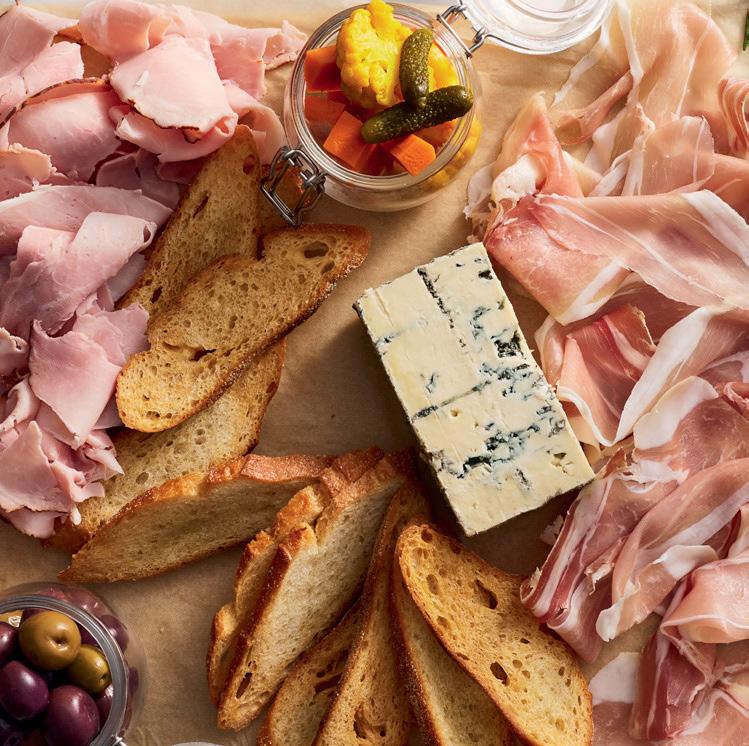
Whether you’re planning a conference for 200 or a dinner for 2,000, our menus are designed to compliment your vision.
Food and beverage
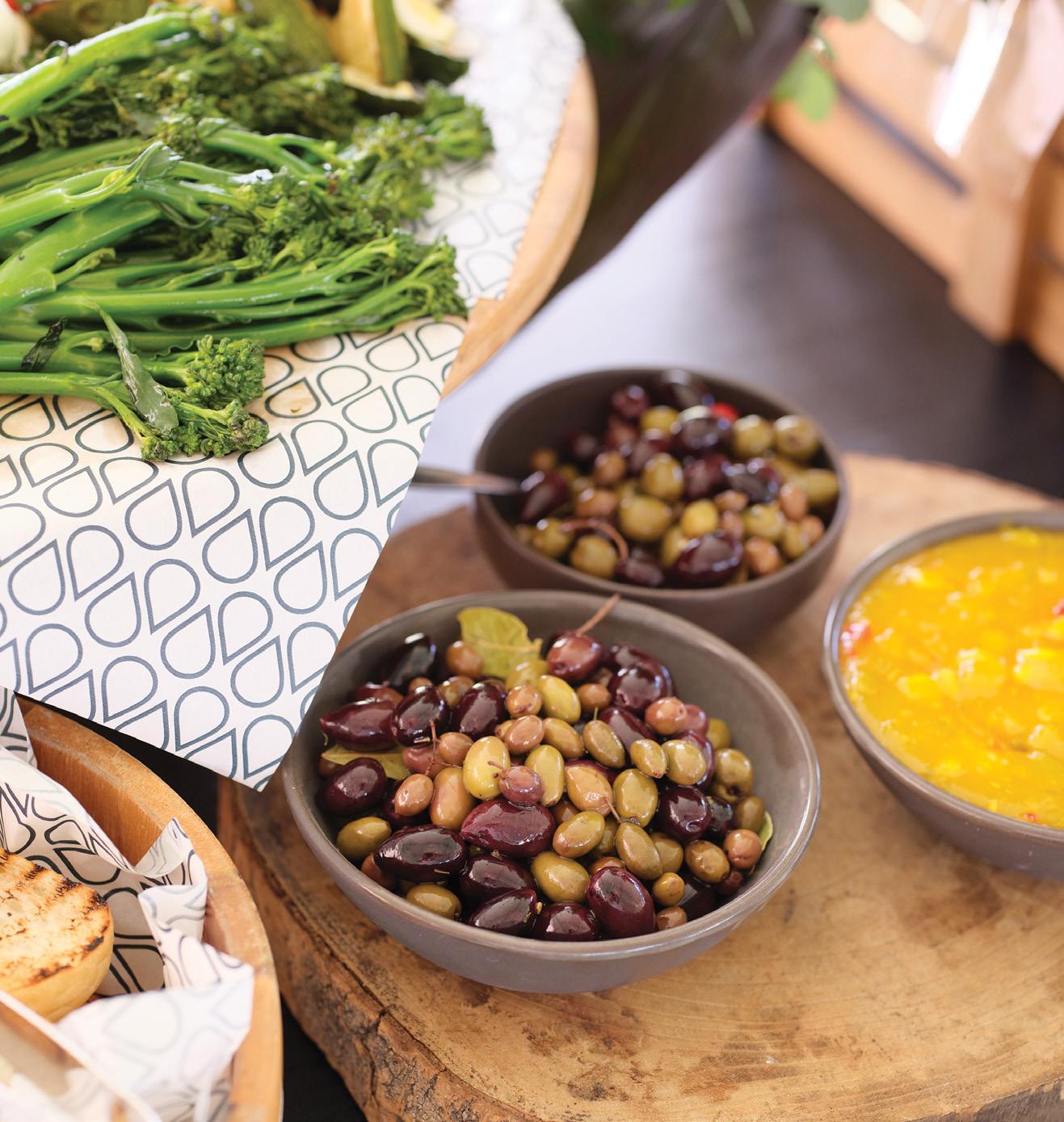
“We’ve been working on concepts where the food ties directly into the environment – for example, experiences where guests ‘eat like the animals’ or menus inspired by specific habitats.”
–
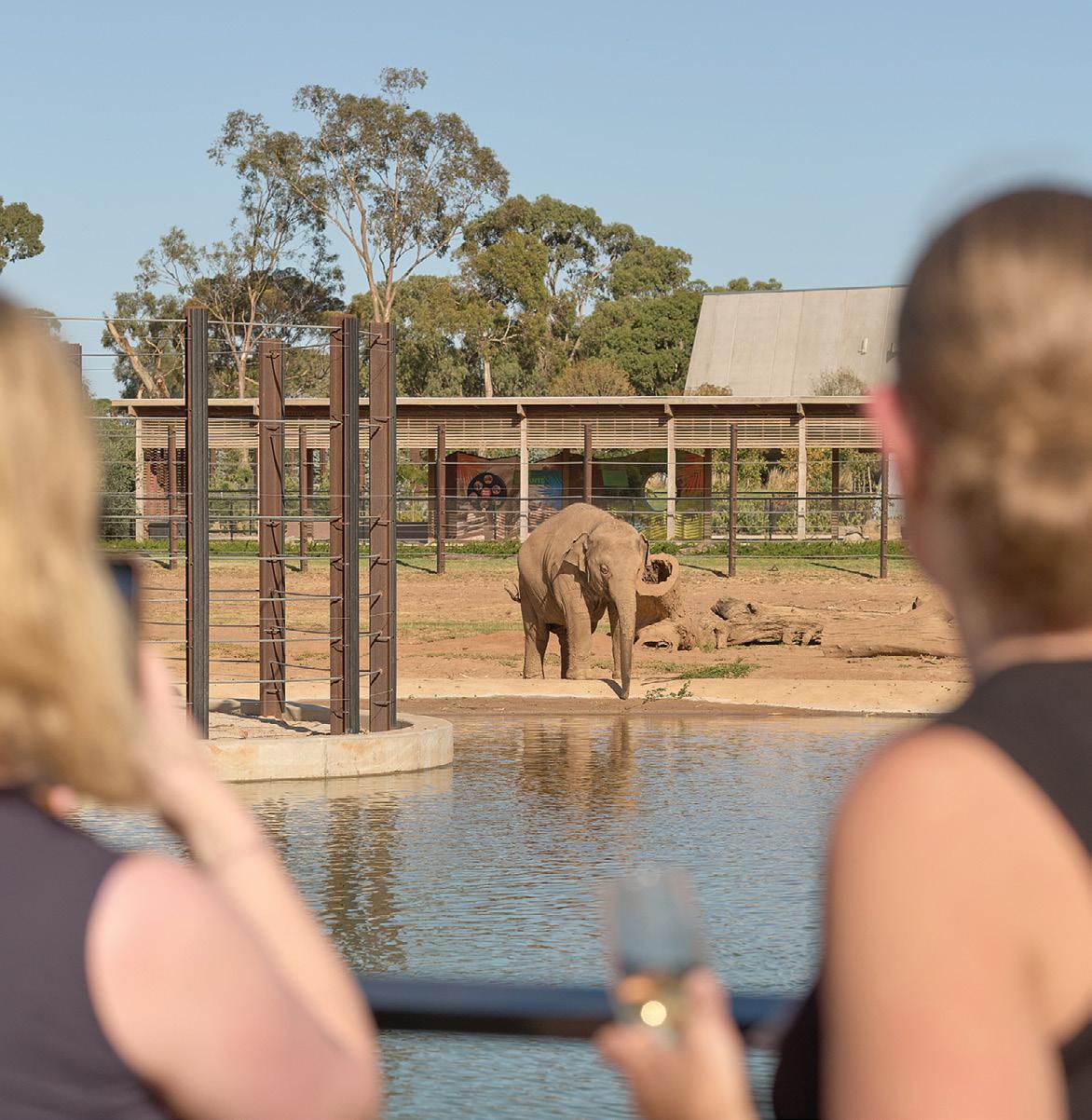
8. Venues are becoming the menu
Some of the most inventive event food currently being produced takes cues directly from the physical environments in which it is served.
Zev Forman, retail brand ambassador for Restaurant Associates at Melbourne Zoo and Werribee Zoo, says this approach has produced some of his team’s most memorable work.
“A recent one was a roving food experience we built for Melbourne Food and Wine Festival,” he says. “Guests moved through the zoo at night, with each stop offering a different dish and drink tied to the environment, from native ingredients to more refined, chef-led bites. What made it work was the storytelling. It wasn’t just good food; it felt cohesive and intentional.
“What it took was a huge amount of coordination, logistics, timing, staffing and making sure every element landed consistently across multiple locations.”
Forman says that same thinking extended to even more unexpected territory.
“We’ve been working on concepts where the food ties directly into the environment – for example, experiences where guests ‘eat like the animals’ or menus inspired by specific habitats,” he says. “The fun part is translating that into something that still feels genuinely good to eat, not gimmicky. It’s about finding the balance between playful and considered.”
That balance is harder to strike than it sounds. When environment-led food works, guests experience the setting and the meal as a single, unified thing. When it doesn’t, it feels like a theme park. The difference is almost always in the quality of the thinking behind it. →
Zev Forman, retail brand ambassador for Restaurant Associates at Melbourne Zoo and Werribee Zoo.
Photos: Adam O'Sullivan.
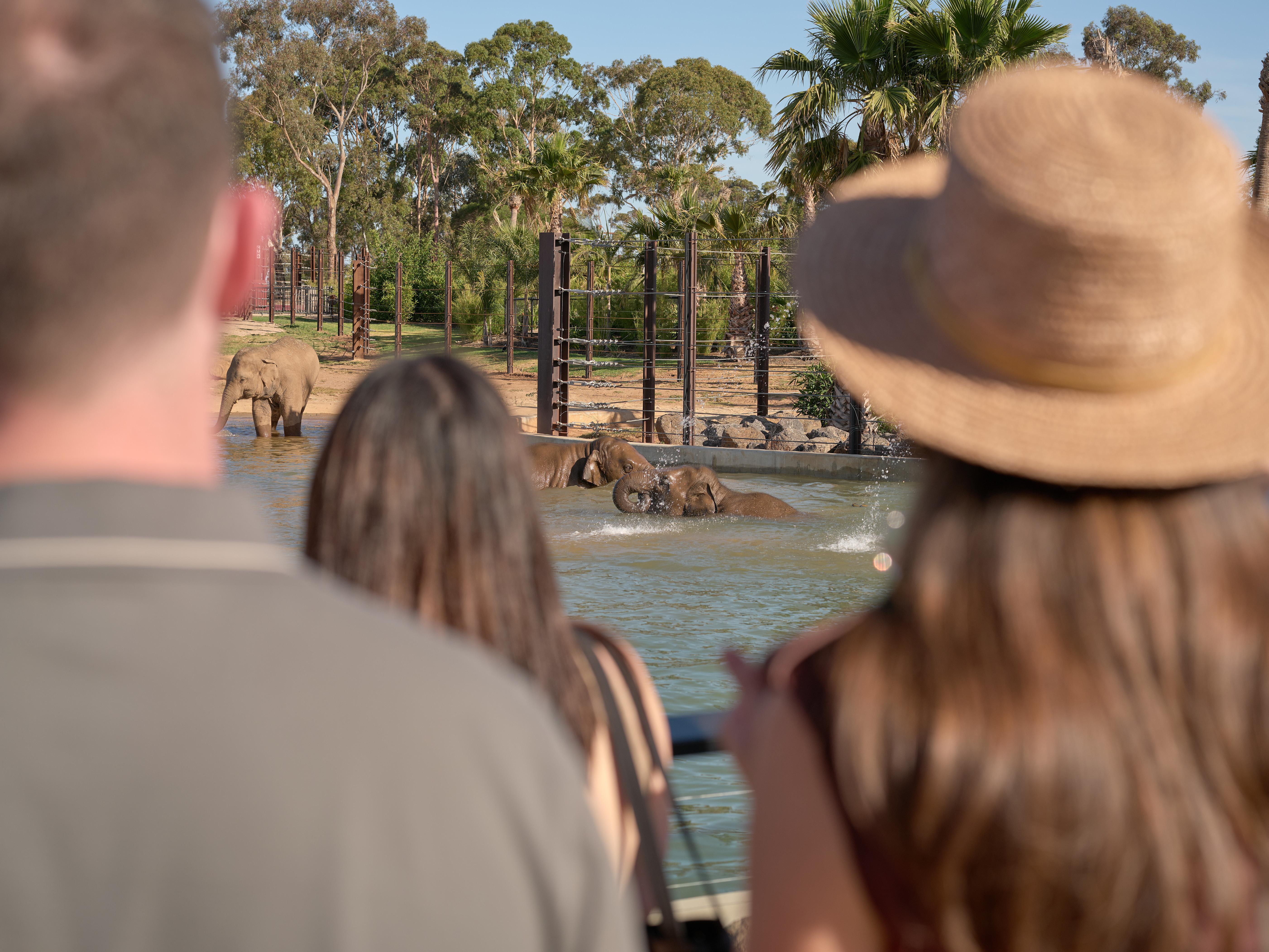
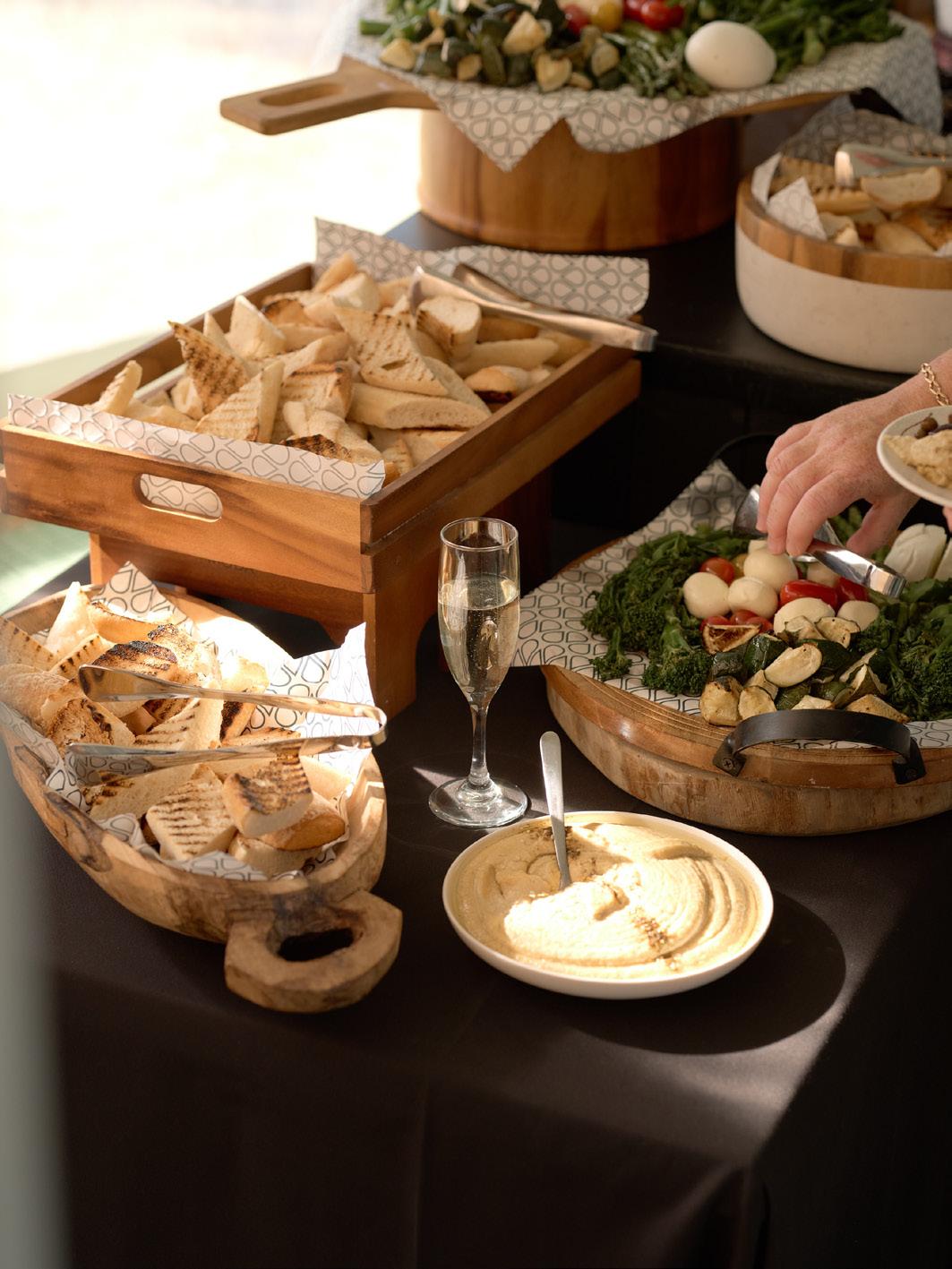
A wildly different setting for unforgettable events
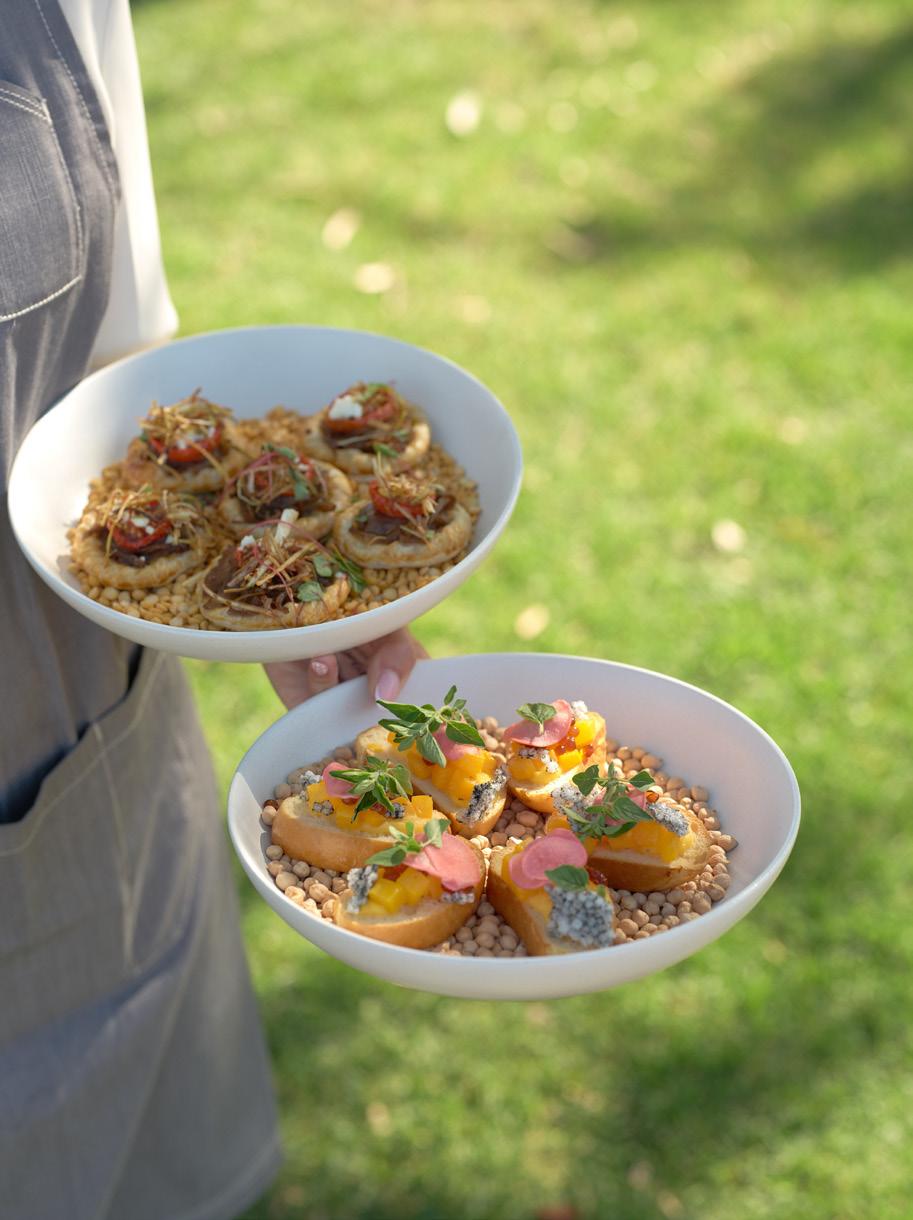
Booking your next function or event at Zoos Victoria helps fight extinction and create a future rich in wildlife With a variety of rooms and spaces available catering to corporate events, weddings, children’s parties and more Set your next event in a unique and unforgettable environment.
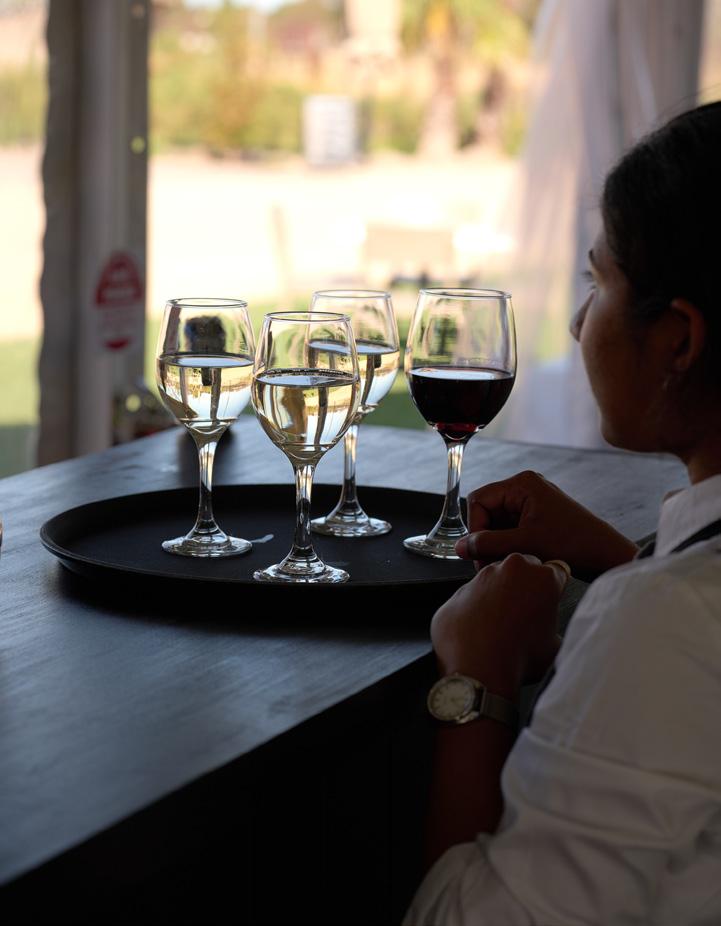

Food and beverage
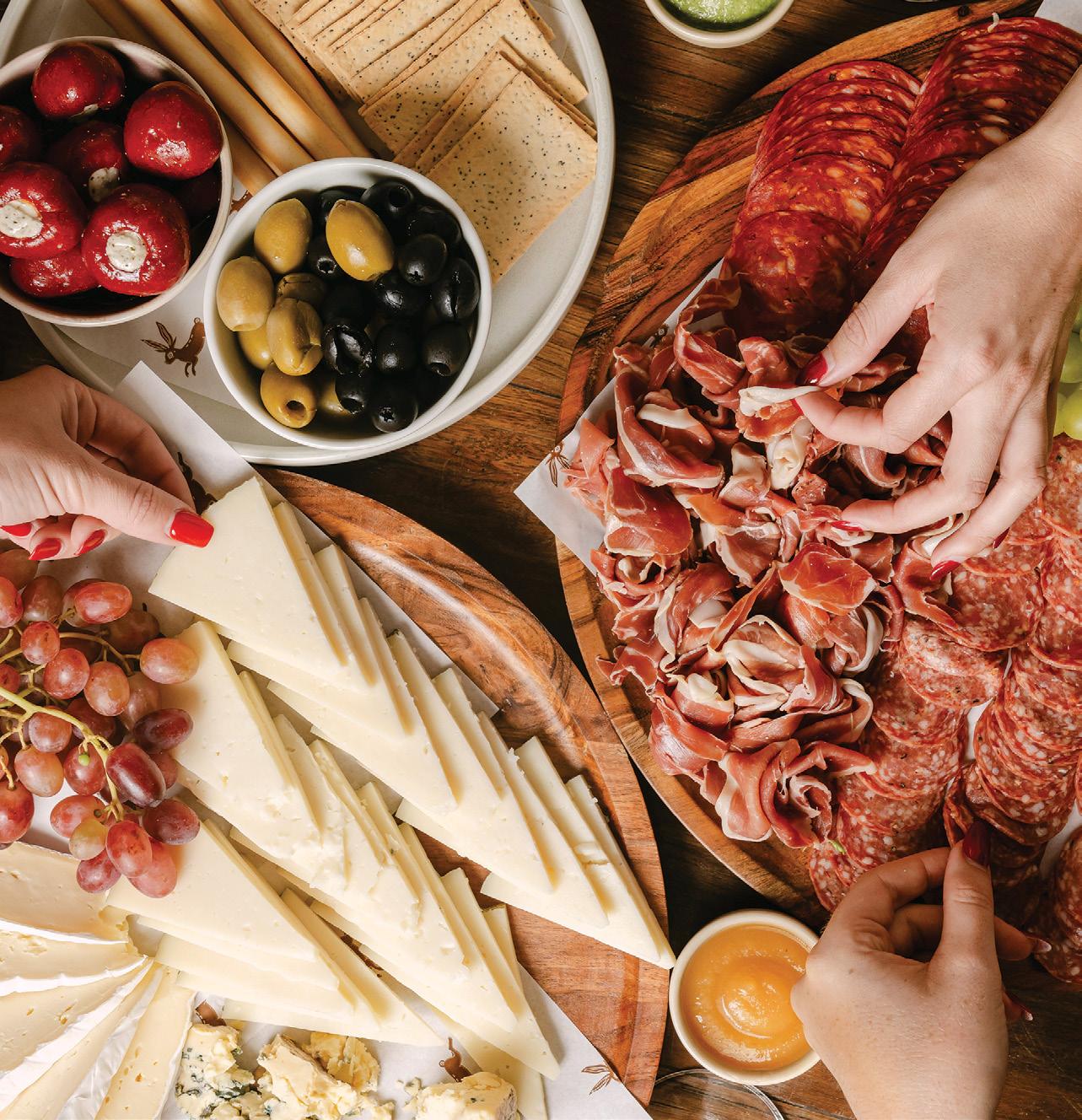
9. Guests are consuming with their eyes
Social media has fundamentally changed the relationship between venues and prospective clients. The decision to book is increasingly being made on the basis of what people have already seen online, which means the visual impact of food and beverage has become as important as the food itself.
Brooke Allen, events manager, Queensland and northern NSW, at Tilley and Wills Hotels, says this shift has reshaped what clients ask for from the first planning conversation.
“Guests now share and compare their experiences in real time, which has raised expectations across the board,” she says. “When it comes to deciding on a venue, customers are consuming with their eyes first before taking the step to come to the venue.
“Our food and beverage offering has shifted from a functional service to a key experience driver. Clients are increasingly looking for curated, high quality, healthy and interactive offerings such as live stations and Instagrammable spreads that deliver genuine ‘wow’ factor.”
Allen says the appetite for interactive formats has produced some of the most enjoyable briefs her team has worked on.
“We’re seeing strong demand for interactive, experience-led concepts rather than traditional briefs,” she says. “Live food stations such as Brazilian barbecue, paella and yiros; we love to bring these requests to life, creating something dynamic and memorable for the client.” →
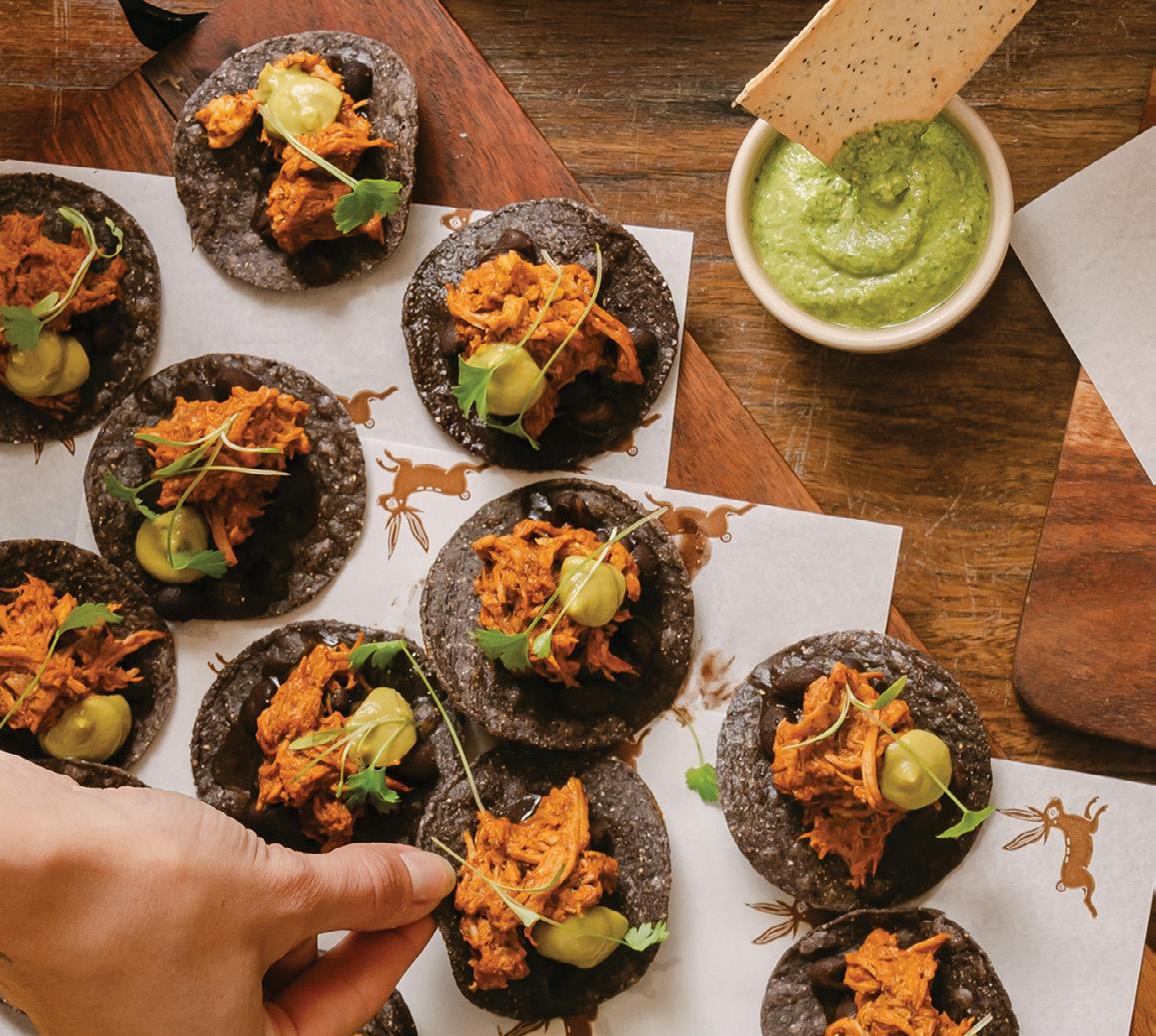
“Guests now share and compare their experiences in real time, which has raised expectations across the board.”
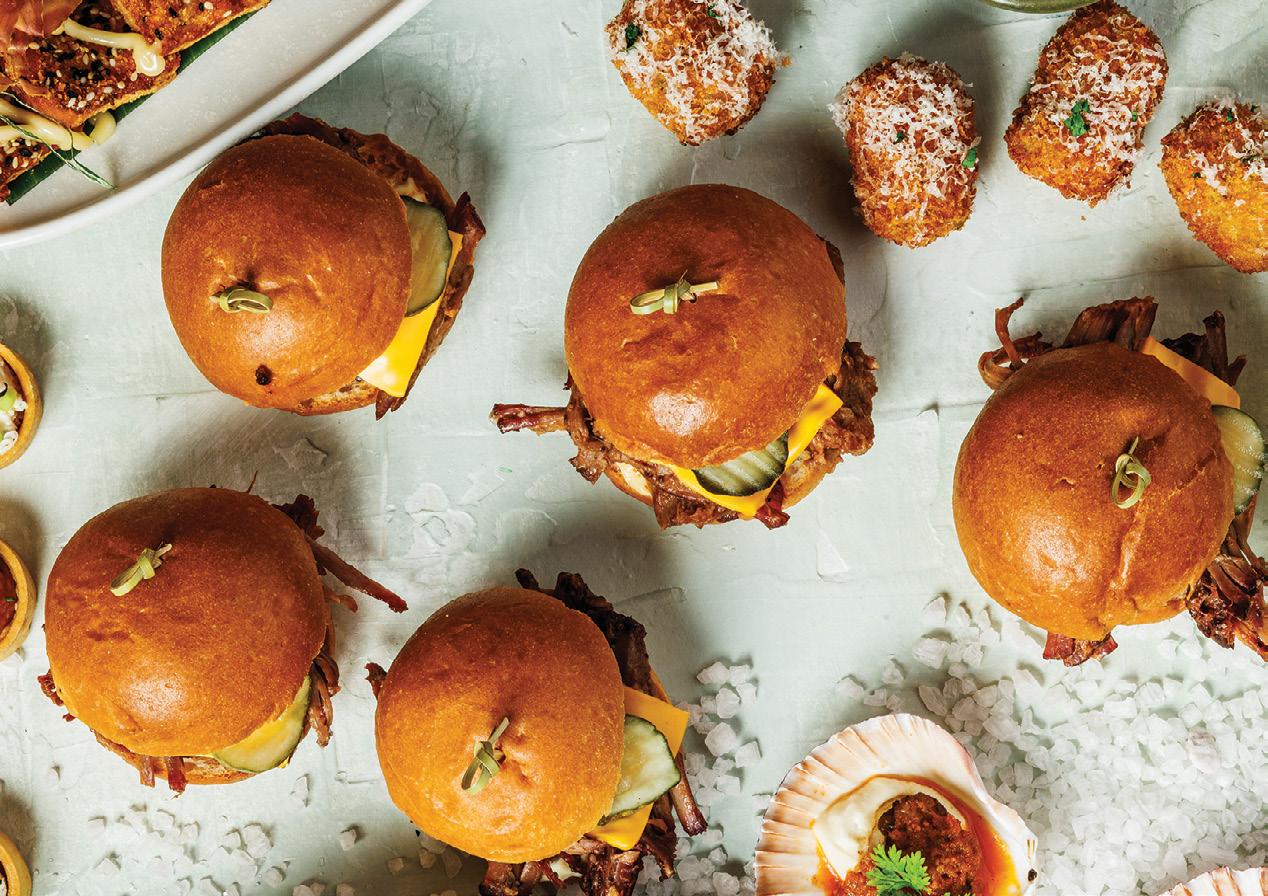
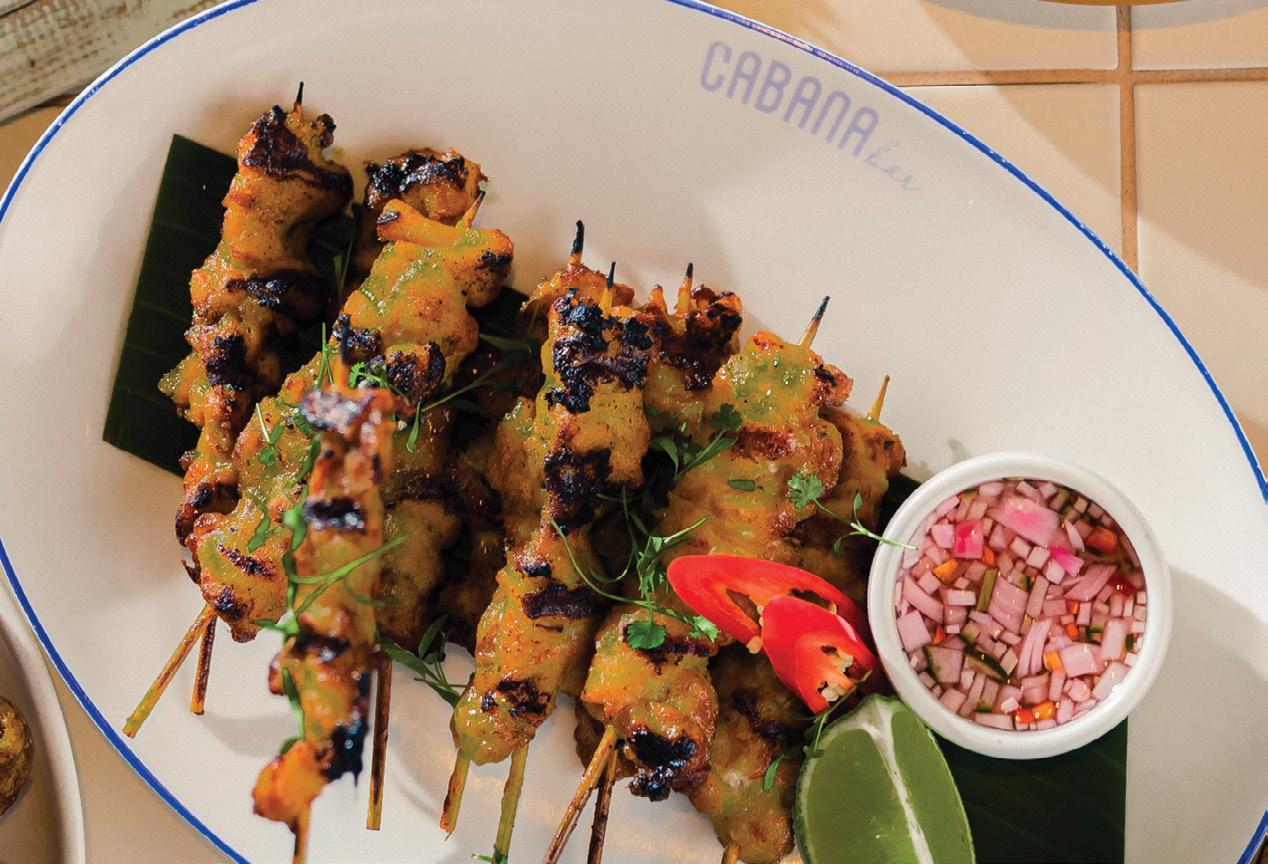
– Brooke Allen, events manager, Queensland and northern NSW, at Tilley and Wills Hotels.
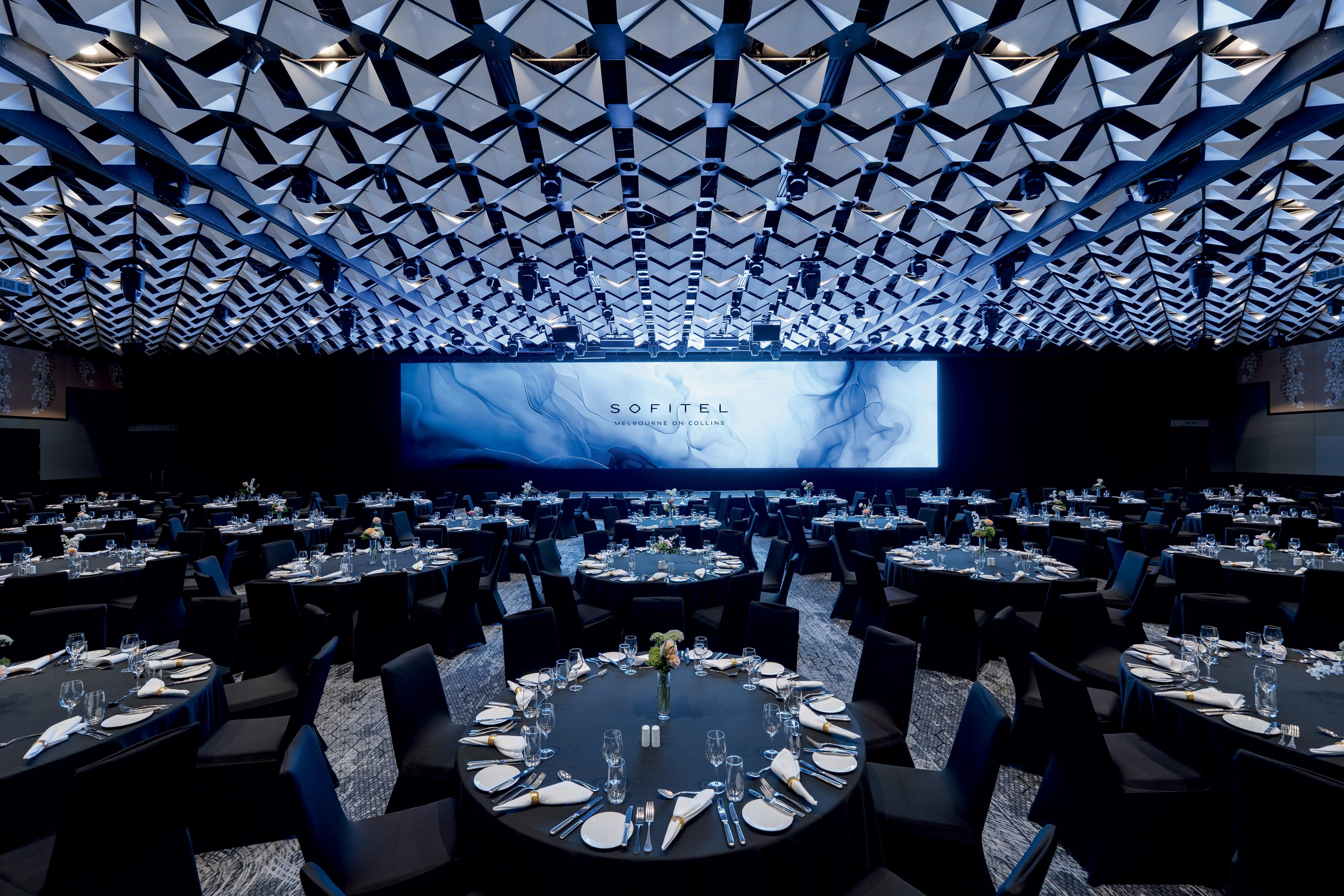
A new dimension for events
Redefining the Grand Ballroom at Sofitel Melbourne On Collins, an 18metre LED wall brings scale and clarity to every moment. From intimate meetings to large-scale events, each space is designed to adapt with ease, creating a seamless experience for every occasion.

Food and beverage
10. Powerful food stories rooted in country
Interest in native Australian ingredients has been growing for years, and chefs and venues are increasingly looking to cultural knowledge, seasonal frameworks and culinary traditions of the country they operate in as the foundation for menus that are distinctive.
Toby Beaton, executive chef at Darwin Convention Centre, describes the menu that has come to define his approach to that challenge.
“Being a local boy here in Darwin, I would have to say from all my travels of work, the seven-course degustation that represents the Larrakia seven seasons has made me proud of what we showcase to today’s clients,” he says.
The Larrakia people recognise seven distinct seasons in Australia’s Top End, each tied to specific environmental conditions, food sources and cultural practices. Building a degustation around that framework is an act of deep culinary respect.
It also points to something the events industry is beginning to understand: the most memorable event food is rarely about technique alone. It is about place, culture and the stories that give a dish its meaning.
As international attention on Australia builds towards the 2032 Olympic Games in Brisbane, the venues that tap into this ethos will be the ones best placed to show the world how good Australian cuisine can be. n
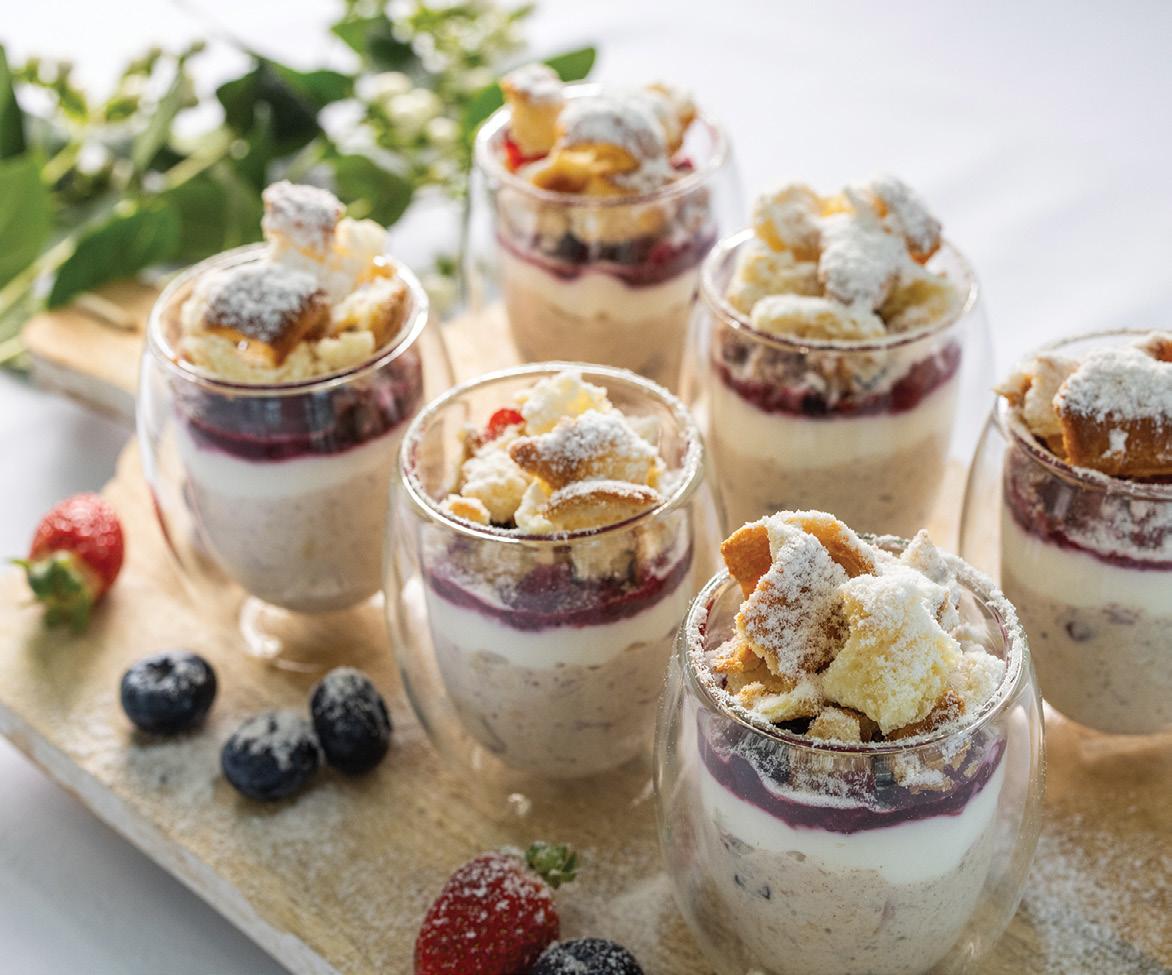
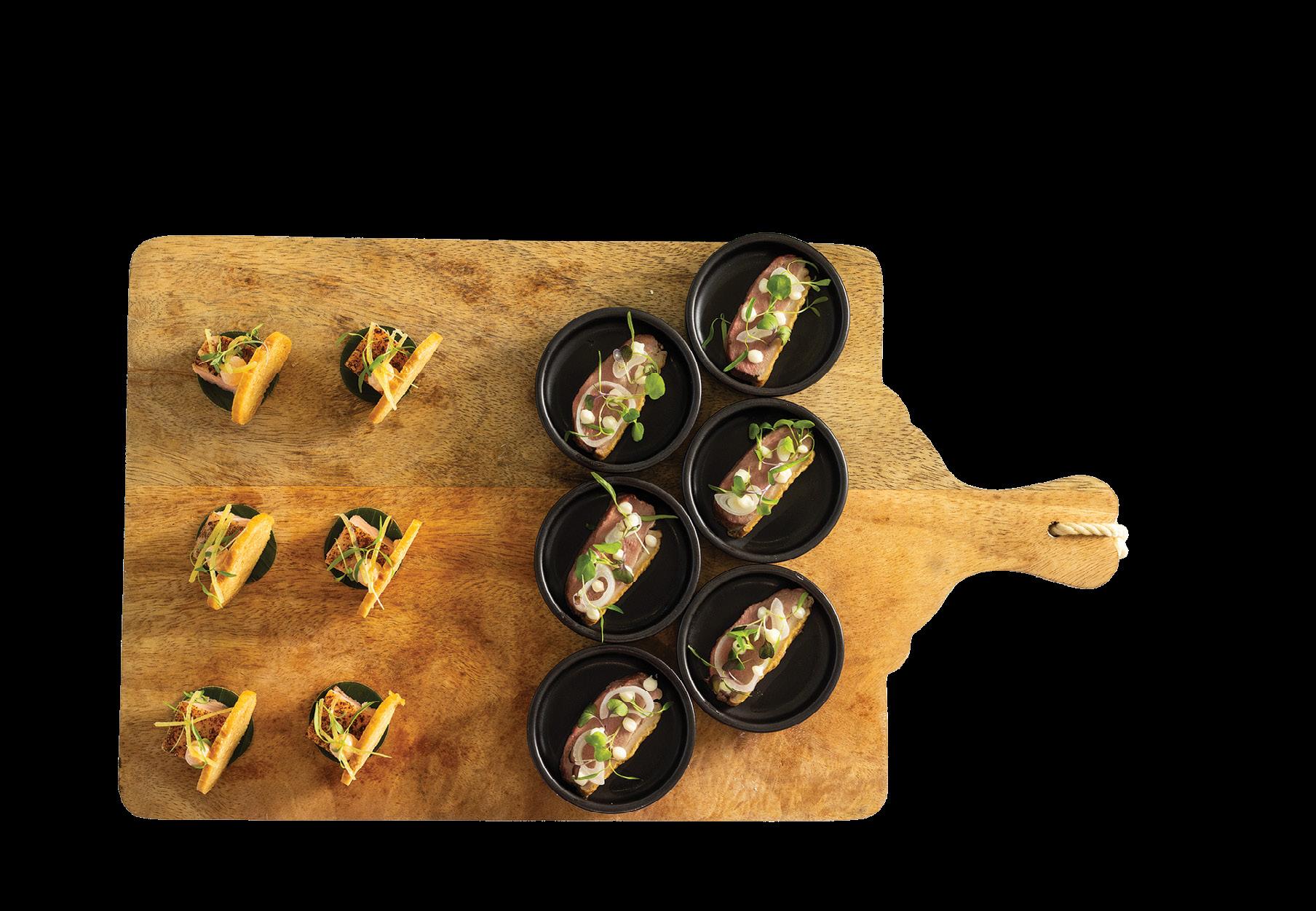
“Being a local boy here in Darwin, I would have to say from all my travels of work, the seven-course degustation that represents the Larrakia seven seasons has made me proud of what we showcase to today’s clients.”
– Toby Beaton, executive chef at Darwin Convention Centre.
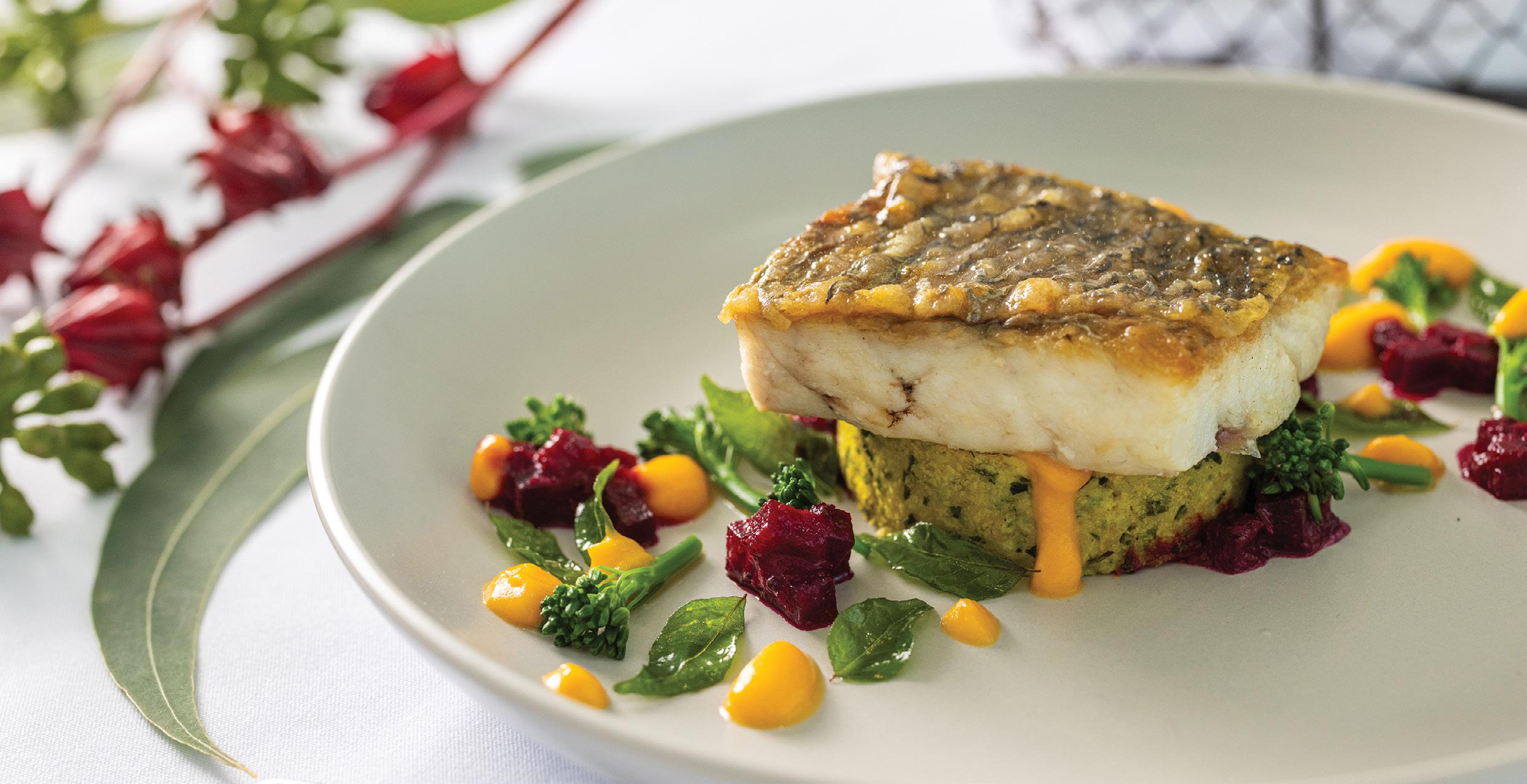
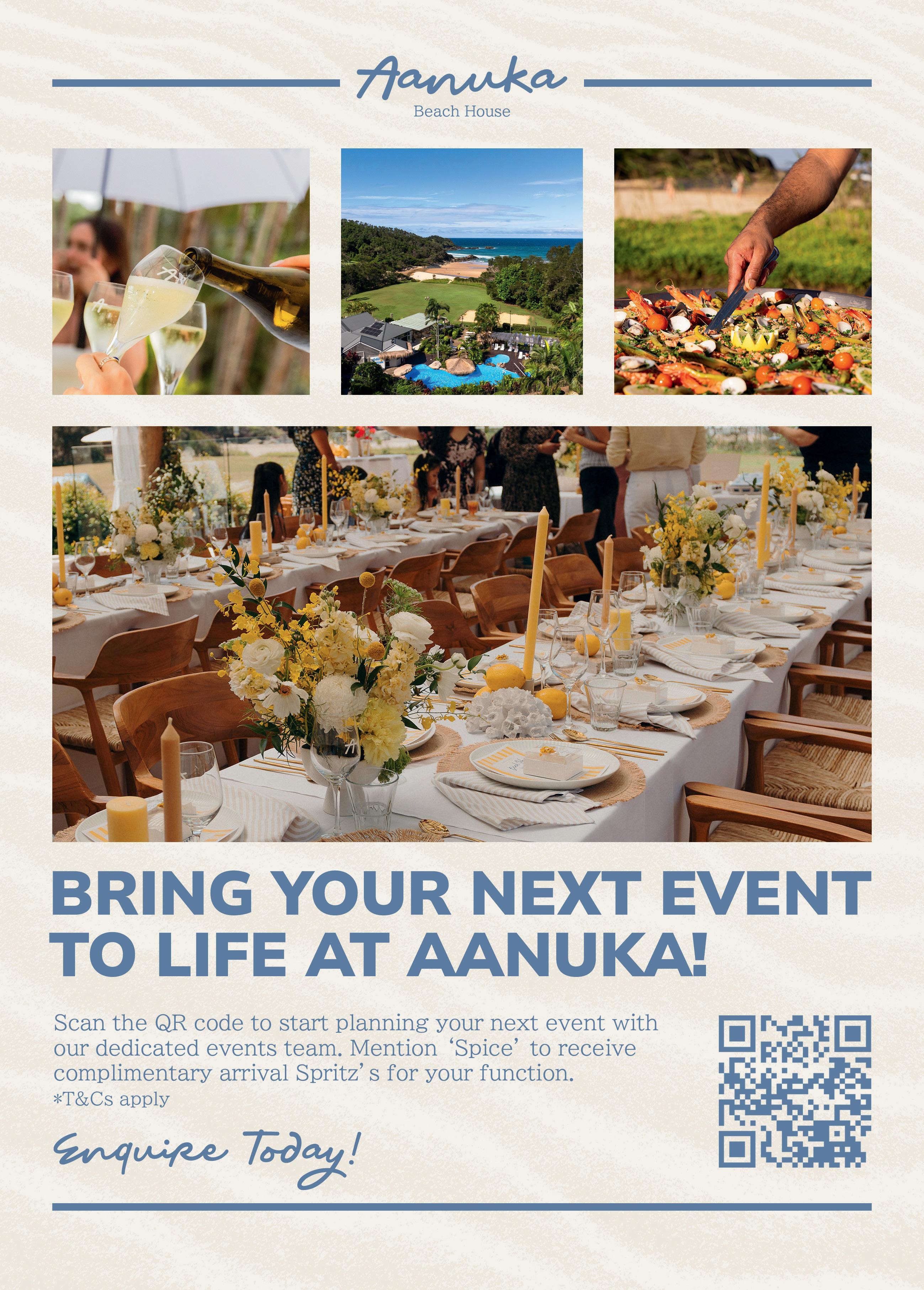
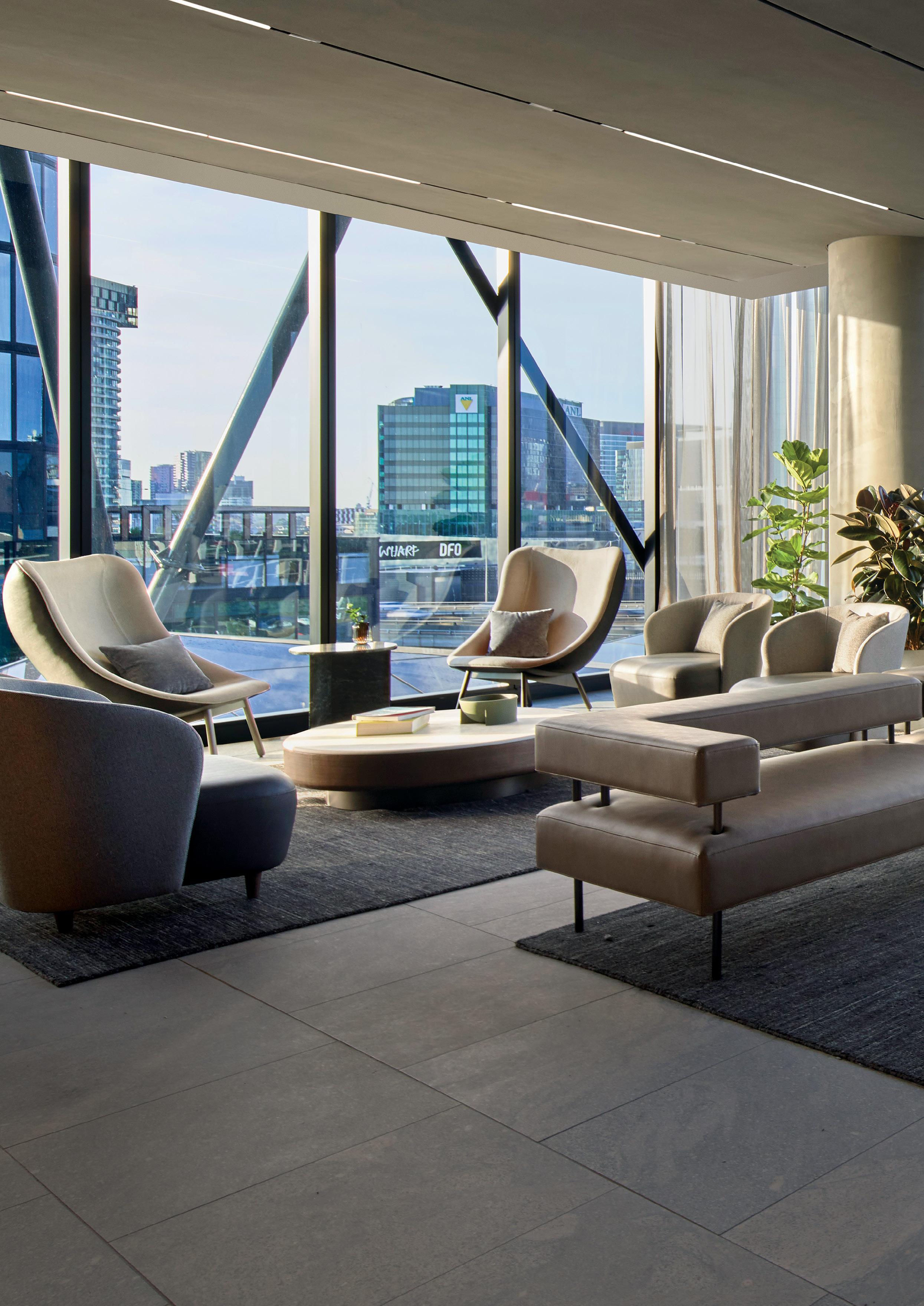
Hotels and Venues Hot 100
Spice’s annual Hot 100 Hotels and Venues returns for another year, with our readers flooding the ballot box with their nominations for 2026. We have had an overwhelming response to our call to honour the most distinguished events properties of all sizes across Australia and New Zealand, including hotels, convention centres, stadiums, restaurants and bars. Without further ado, we present (and congratulate) the joint-winners in each of the 20 categories.
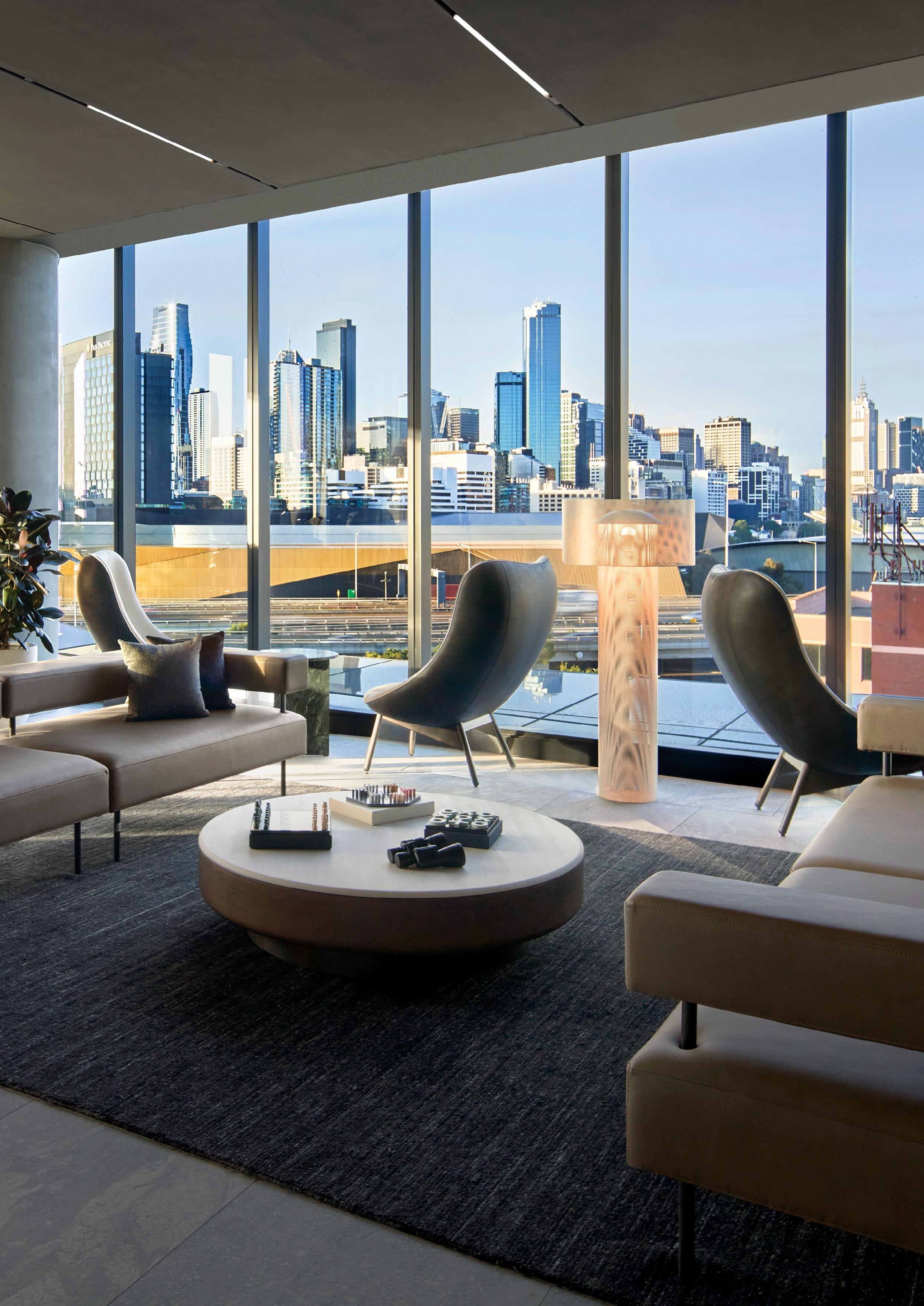
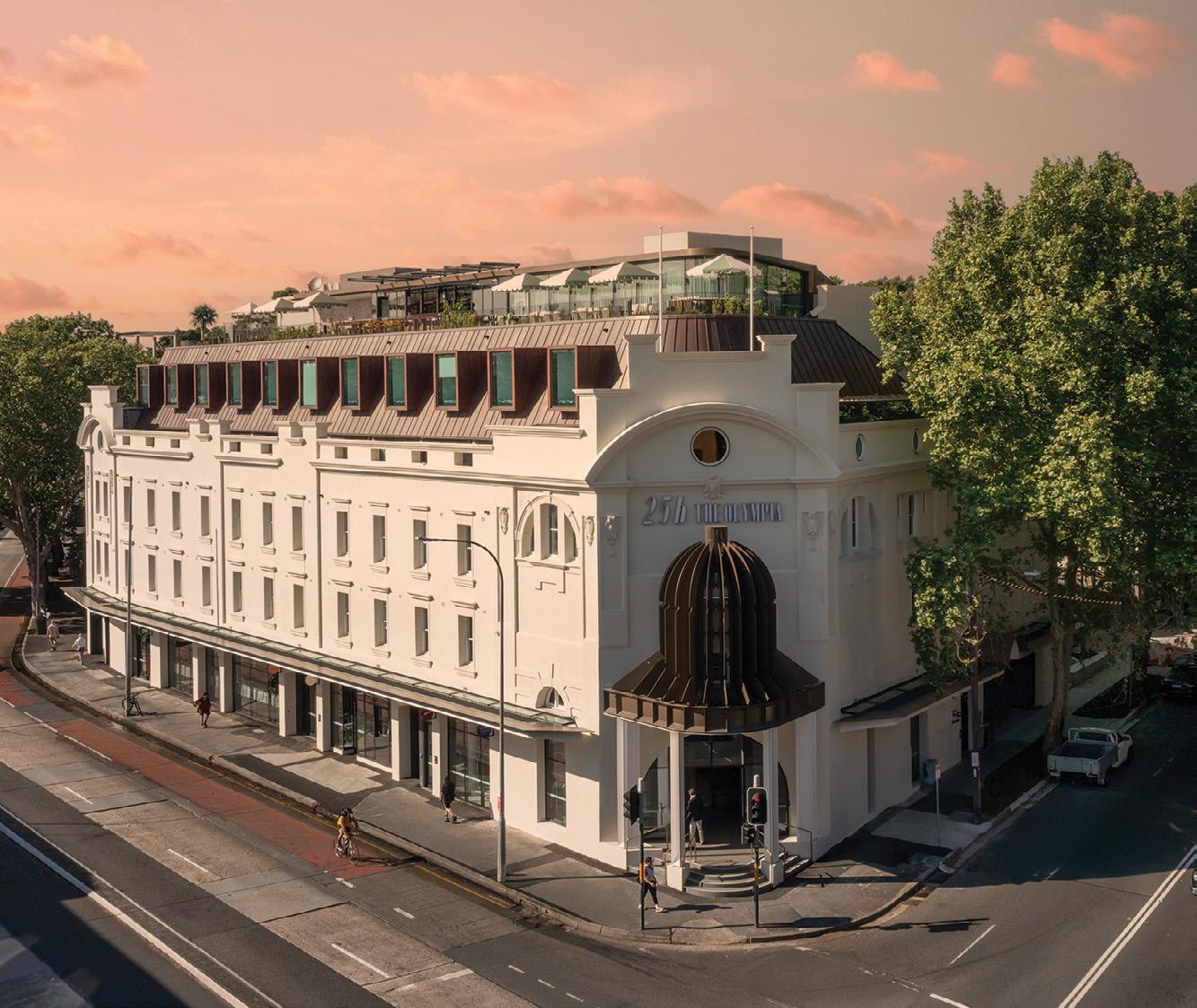
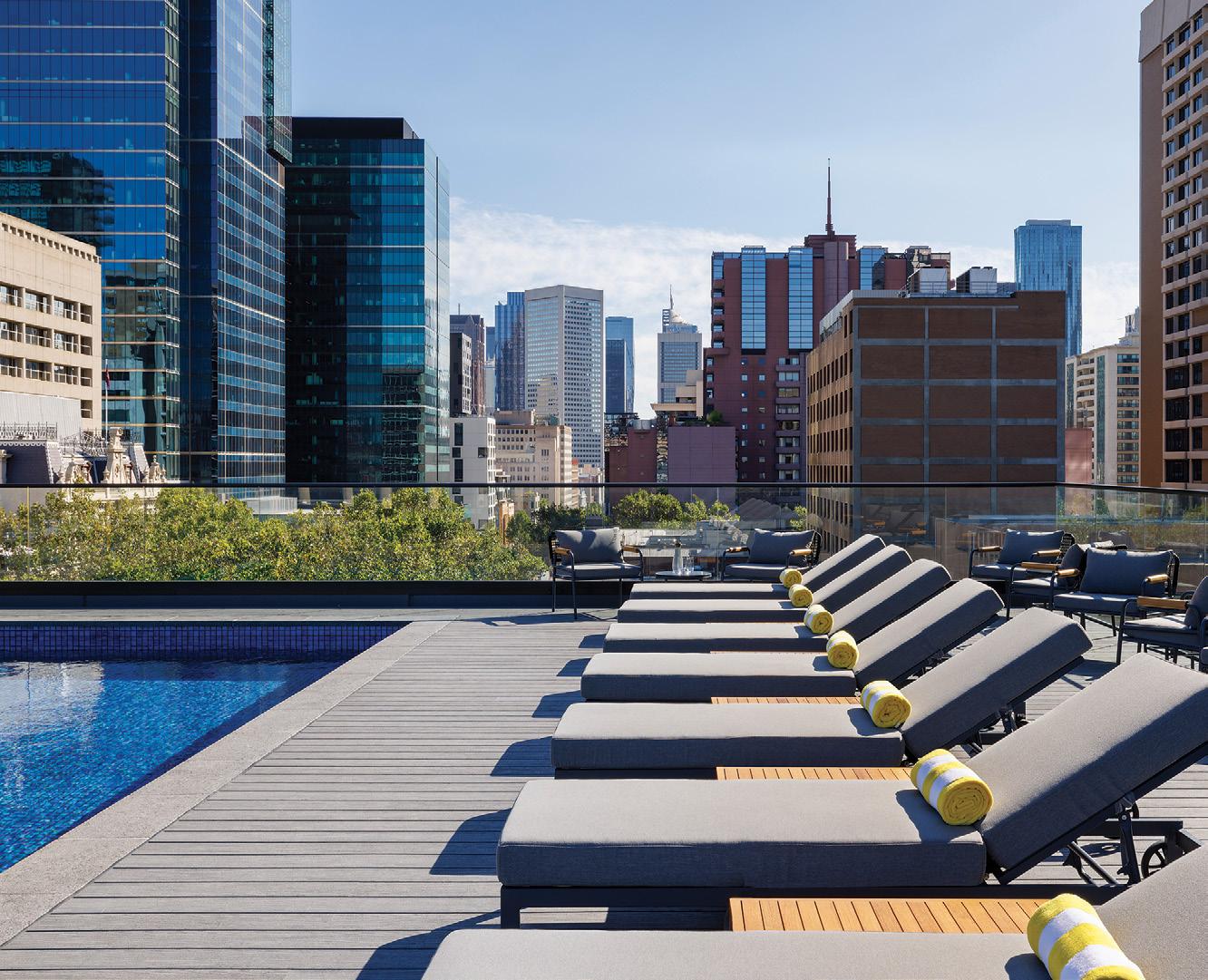
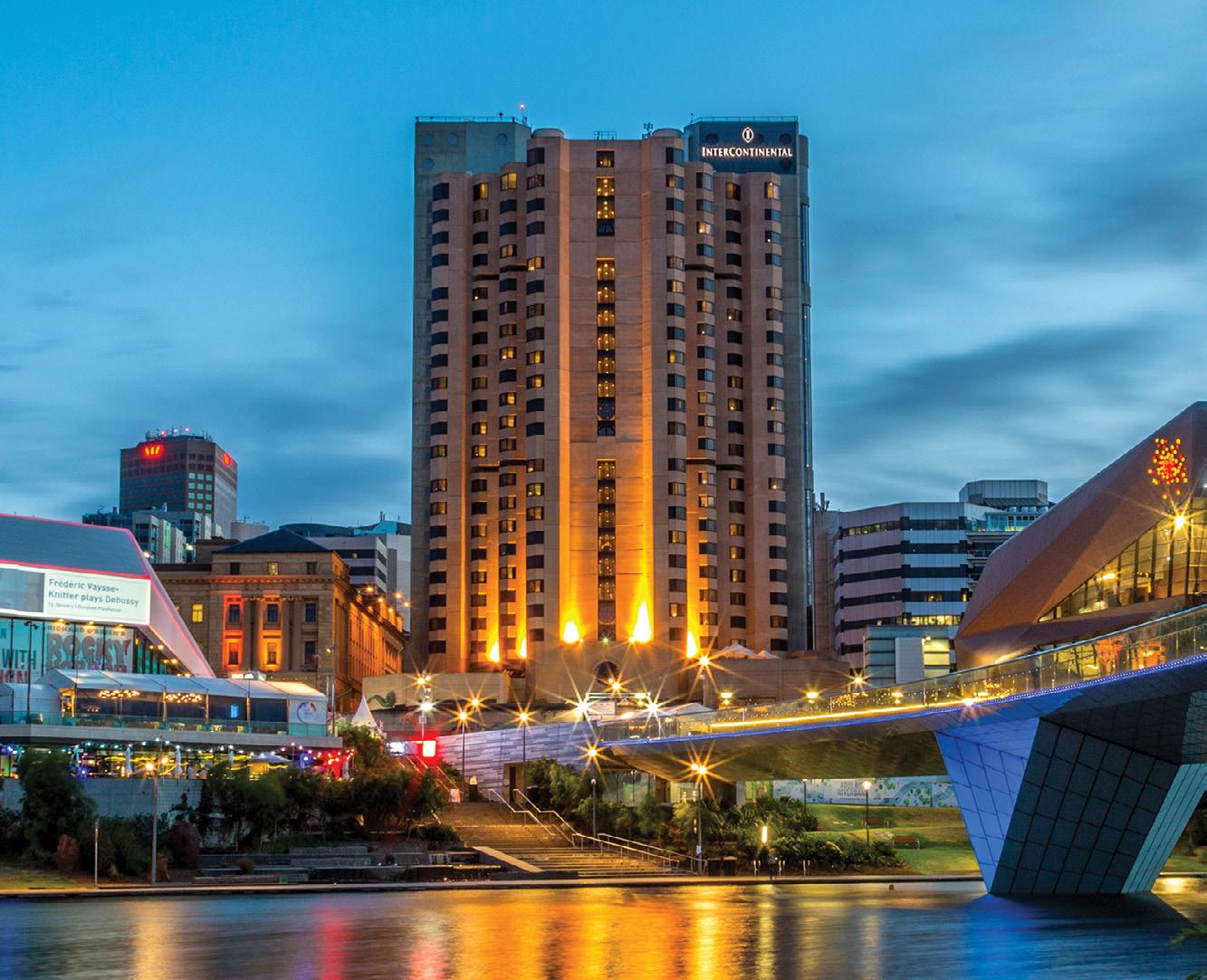
“
SPICE READERS LOVE: Hyatt Regency Sydney
“The ballroom over Darling Harbour is spectacular.”
Best
boutique hotel
Pier One Sydney Harbour
Dawes Point, Sydney, NSW | @pieronesydney
Hotel Woolstore 1888 – Handwritten Collection
Sydney, NSW | @woolstore1888sydney
Ace Hotel Sydney
Sydney, NSW | @acehotelsydney
The Calile Hotel
Brisbane, Queensland | @thecalilehotel
25hours Hotel Sydney The Olympia Sydney, NSW | @25hourshotel_sydney
Best business hotel
Hyatt Regency Sydney
Sydney, NSW | @hyattregencysydney
Sofitel Melbourne on Collins
Melbourne, Victoria | @sofitelmelbourneoncollins
Le Méridien Melbourne
Melbourne, Victoria | @lemeridienmelbourne
Adelaide Marriott Hotel
Adelaide, South Australia | @adelaidemarriott
The Ritz-Carlton, Perth
Perth, Western Australia | @ritzcarltonperth
AC Hotel Melbourne Southbank
Melbourne, Victoria | @achotelmelbournesouthbank
Dorsett Gold Coast
Gold Coast, Queensland | @dorsettgoldcoast
Sofitel Sydney Darling Harbour
Sydney, NSW | @sofiteldarlingharbour
Rydges South Bank Brisbane
Brisbane, Queensland | @rydgessouthbank
InterContinental Adelaide
Adelaide, South Australia | @interconadl
25hours Hotel Sydney The Olympia.
Le Méridien Melbourne.
InterContinental Adelaide.
Best convention centre hotel
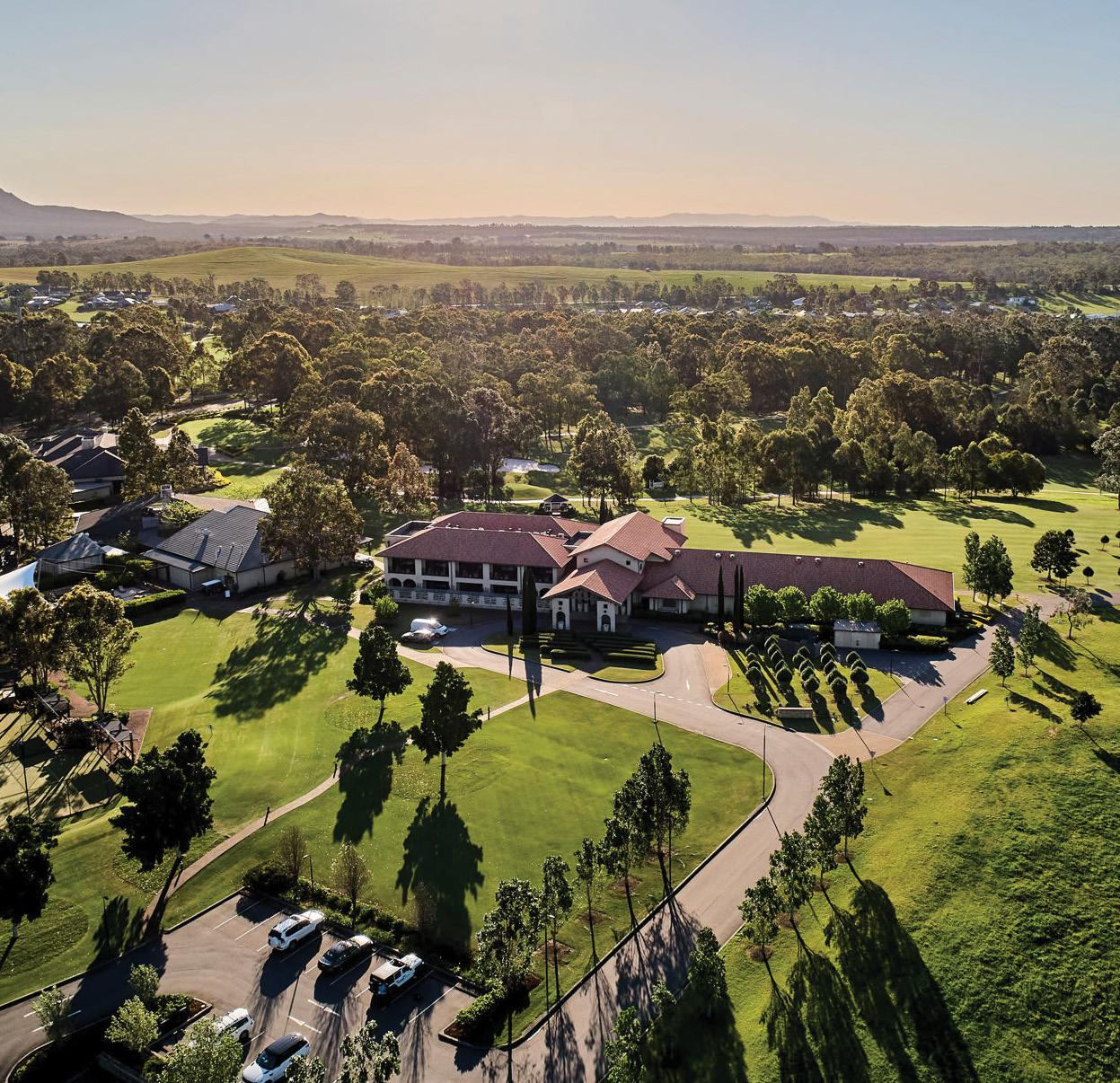
Best regional hotel
The Stirling Hotel
Stirling, South Australia | @thestirling
The Lane Retreat
Hunter Valley, NSW | @thelaneretreat Jackalope
Merricks North, Mornington Peninsula, Victoria @jackalopehotels
Fairmont Resort Blue Mountains by MGallery Collection
Leura, NSW | @fairmontresortbluemountains
Chateau Elan at the Vintage, Hunter Valley
Pokolbin, NSW | @chateauelanhuntervalley
Chateau Elan at the Vintage, Hunter Valley.
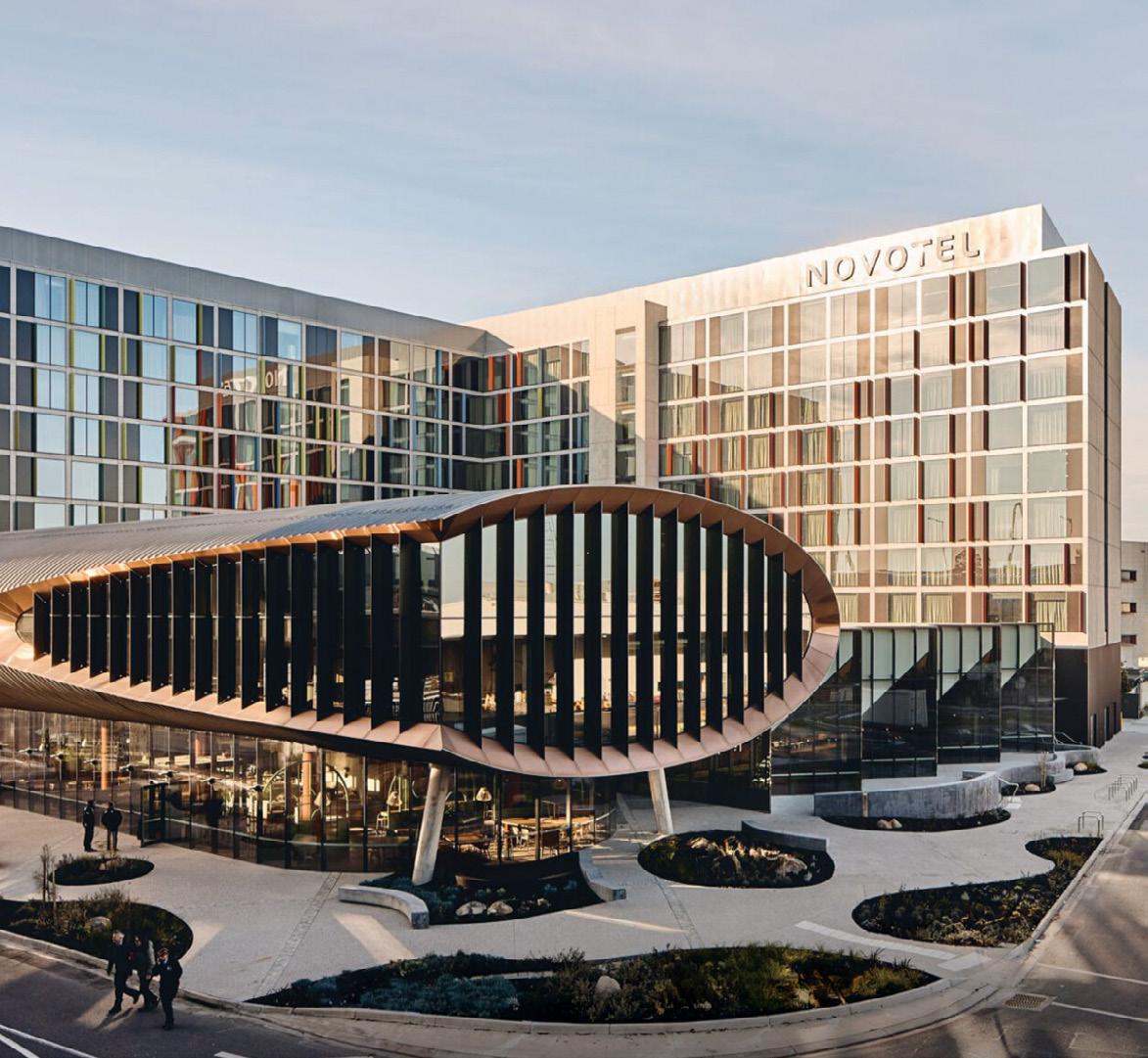
Best regional event venue
Mexicairns
Cairns, Queensland | @mexicairns
Lot.100
Hay Valley, South Australia | @lotonehundred
Alice Springs Convention Centre
Alice Springs, Northern Territory
@alicespringsconventioncentre
Frankston Arts Centre
Frankston, Victoria | @the_fac
Bunbury Regional Entertainment Centre
Banbury, Western Australia | @brecbunbury
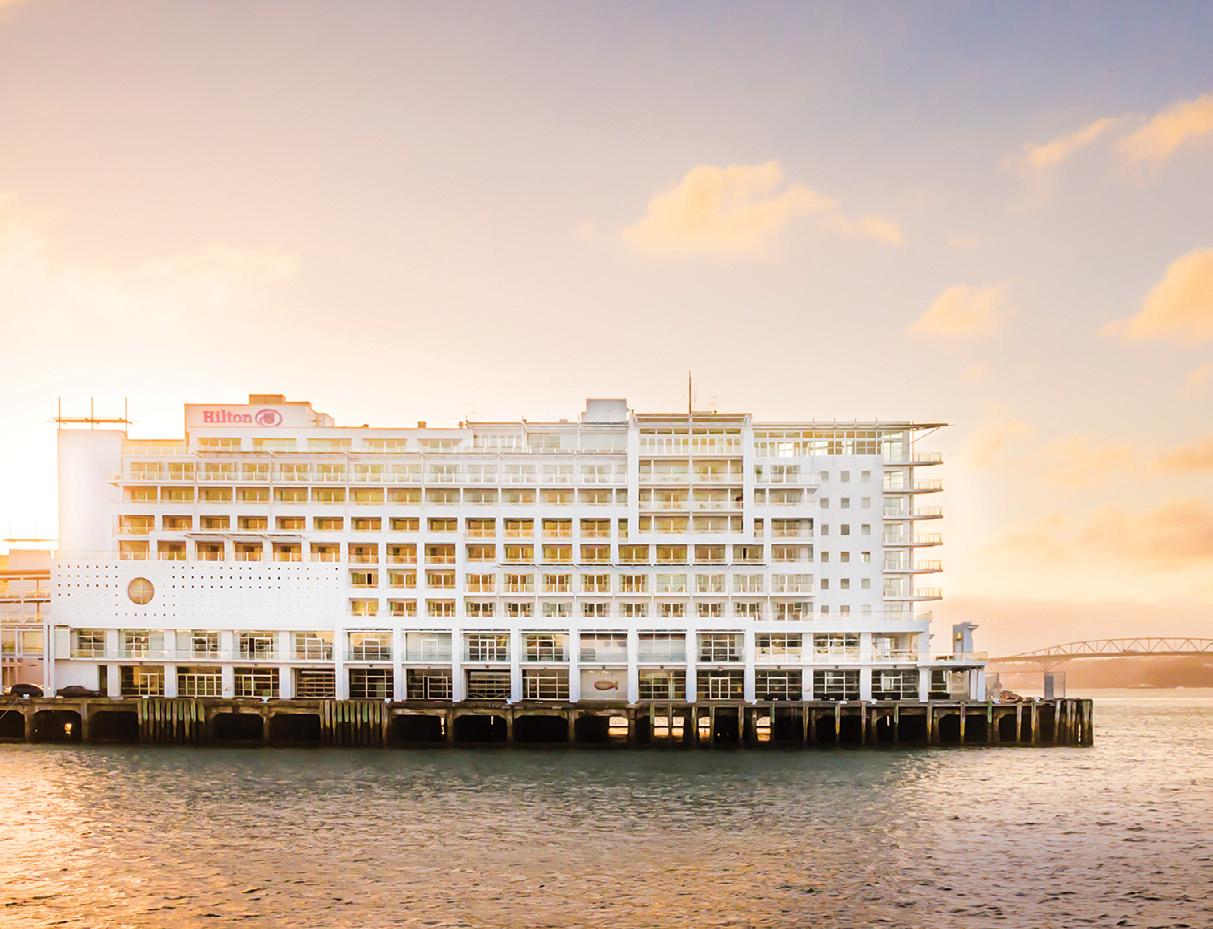
Best airport hotel
Moxy Sydney Airport
Sydney, NSW | @moxysydneyairport
Atura Adelaide Airport
Adelaide, South Australia | @aturaadelaideairport
Hyatt Place Melbourne Essendon Fields
Essendon Fields, Melbourne, Victoria | @hyattplacemelbourne
Mercure Darwin Airport Resort
Eaton, Darwin, Northern Territory | @mercuredarwin
Novotel & ibis Styles Melbourne Airport
Tullamarine, Victoria | @novotelibisstylesmelbourneairp
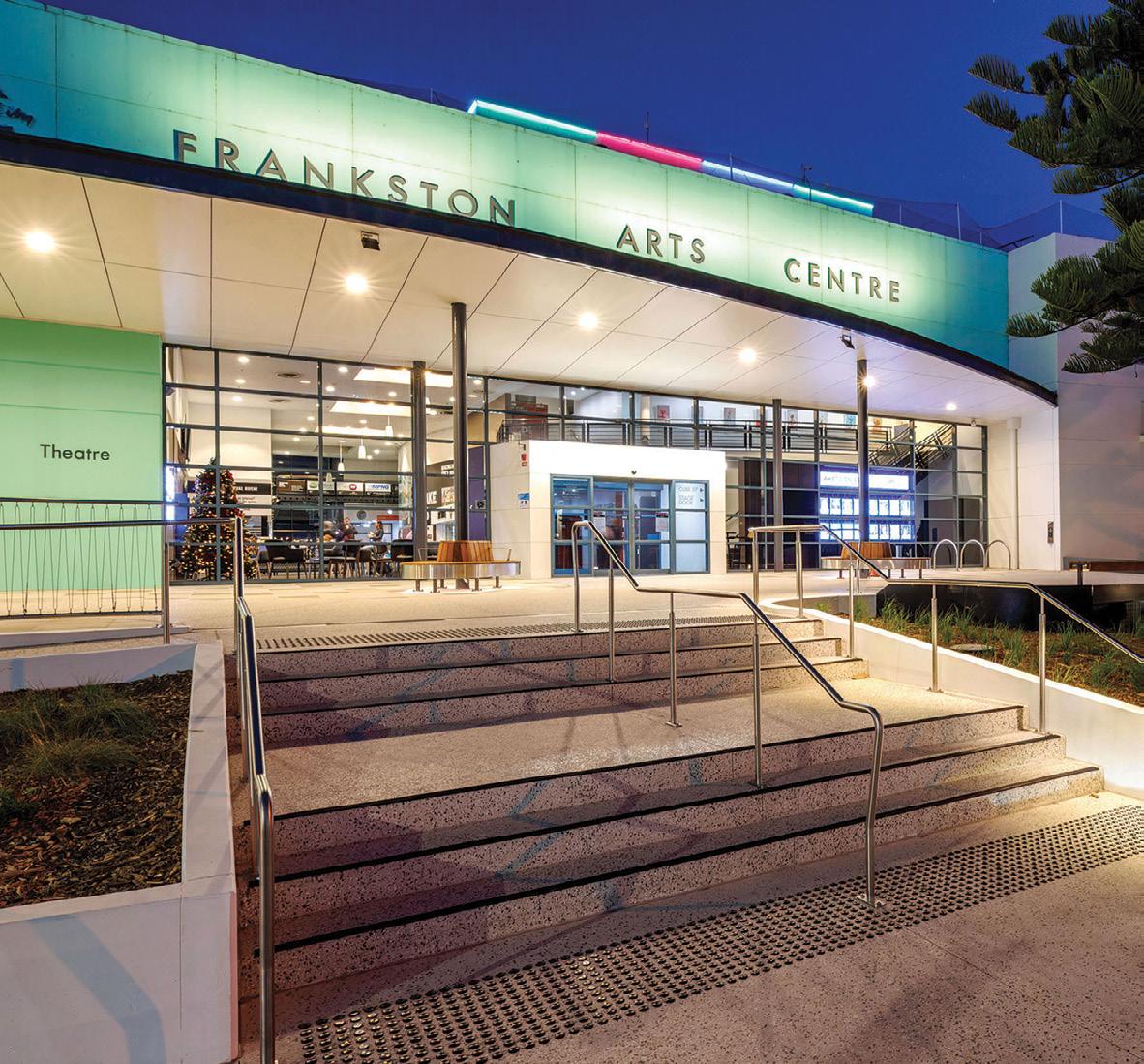
Best MICE hotel in New Zealand
JW Marriott Auckland
Auckland, New Zealand | @jwmarriottauckland
Crowne Plaza Queenstown
Queenstown, New Zealand | @crowneplazaqueenstown
Hilton Auckland
Auckland, New Zealand | @hiltonauckland
Rendezvous Heritage Hotel Queenstown
Queenstown, New Zealand
@rendezvous_heritage_queenstown
InterContinental Wellington
Wellington, New Zealand | @interconwlg
Hilton Auckland.
Novotel & ibis Styles Melbourne Airport.
Frankston Arts Centre.
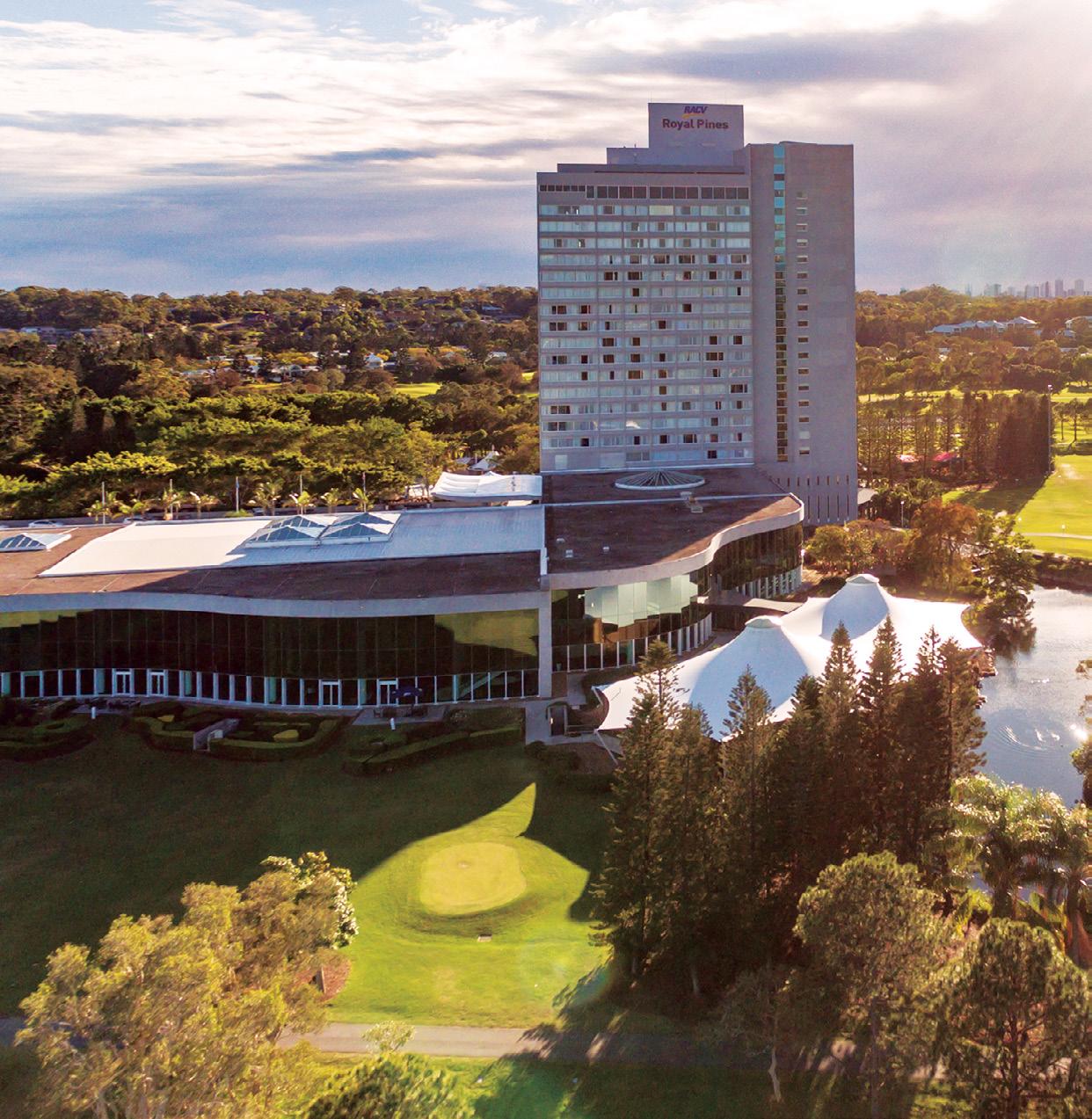
Plan to be Rewarded
at Sheraton Grand Mirage Resort Port Douglas
Tropical North Queensland is short plane journey from most major Australian cities, but with its warm tropical breezes and palm-fringed views, feels like a world away.
Secure your 2026 or early 2027 event at Sheraton Grand Mirage Resort Port Douglas before 30 June and receive exclusive benefits, including:
Up to triple Marriott Bonvoy points on event spend
10% off group
accommodation rates
5% off master billed food and beverage spend
Terms and conditions, including minimum spend and validity dates, apply. Reach out to the resort’s dedicated sales team to learn more.
Sheraton Grand Mirage
Resort Port Douglas
168-190 Port Douglas Road, Port Douglas, QLD
Marriott.com/CNSSI
+61 07 4099 5888 sales.portdouglas@sheraton.com

Best resort
RACV Royal Pines Resort
Gold Coast, Queensland | @racvroyalpines
JW Marriott Gold Coast Resort & Spa
Gold Coast, Queensland | @jwmarriottgoldcoastresort
Sheraton Grand Mirage Resort, Port Douglas Port Douglas, Queensland @sheratongrandportdouglas
InterContinental Hayman Great Barrier Reef Hayman Island, Queensland @ichaymangreatbarrierreef
Freycinet Resort
Coles Bay, Tasmania | @freycinetresort
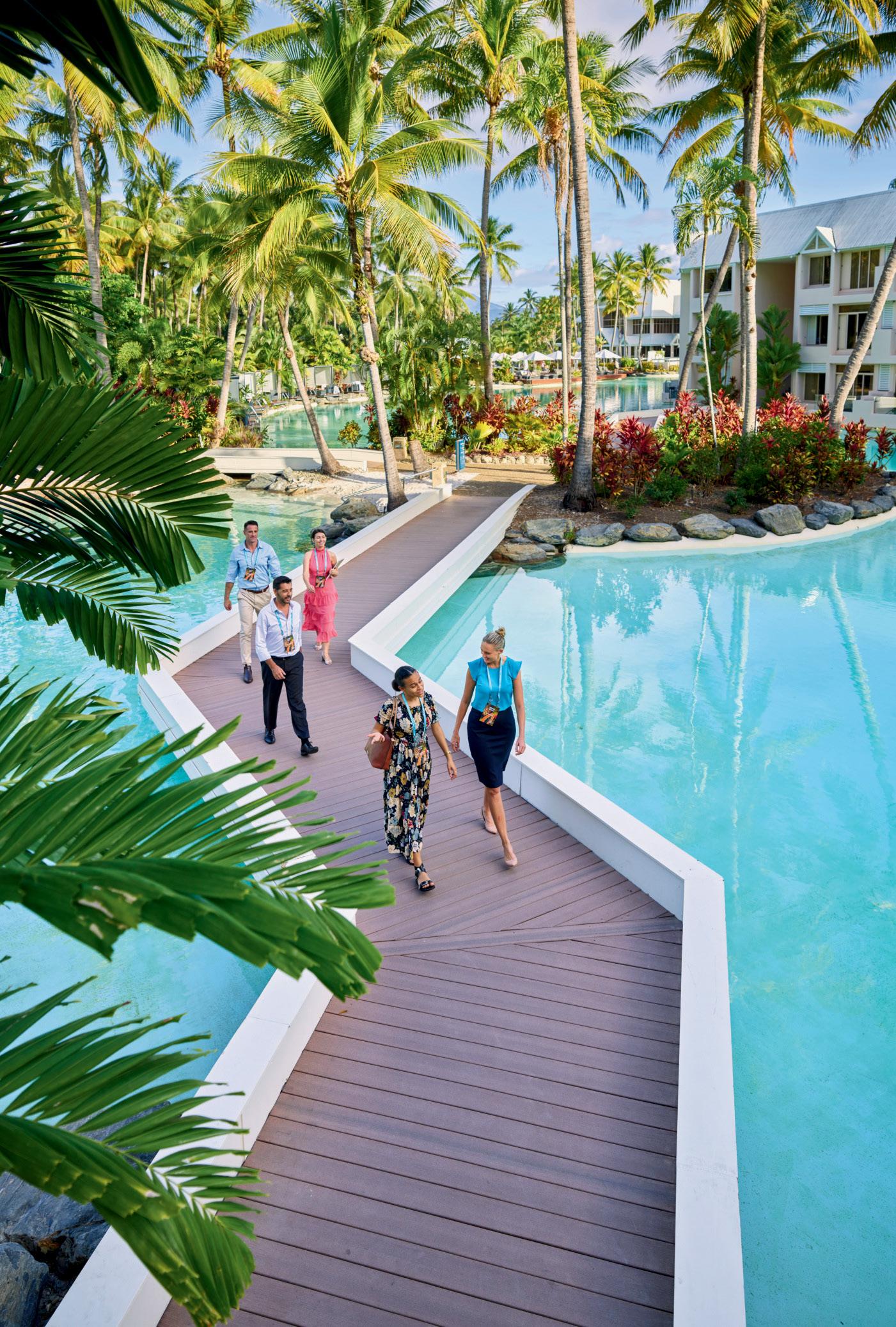
RACV Royal Pines Resort.
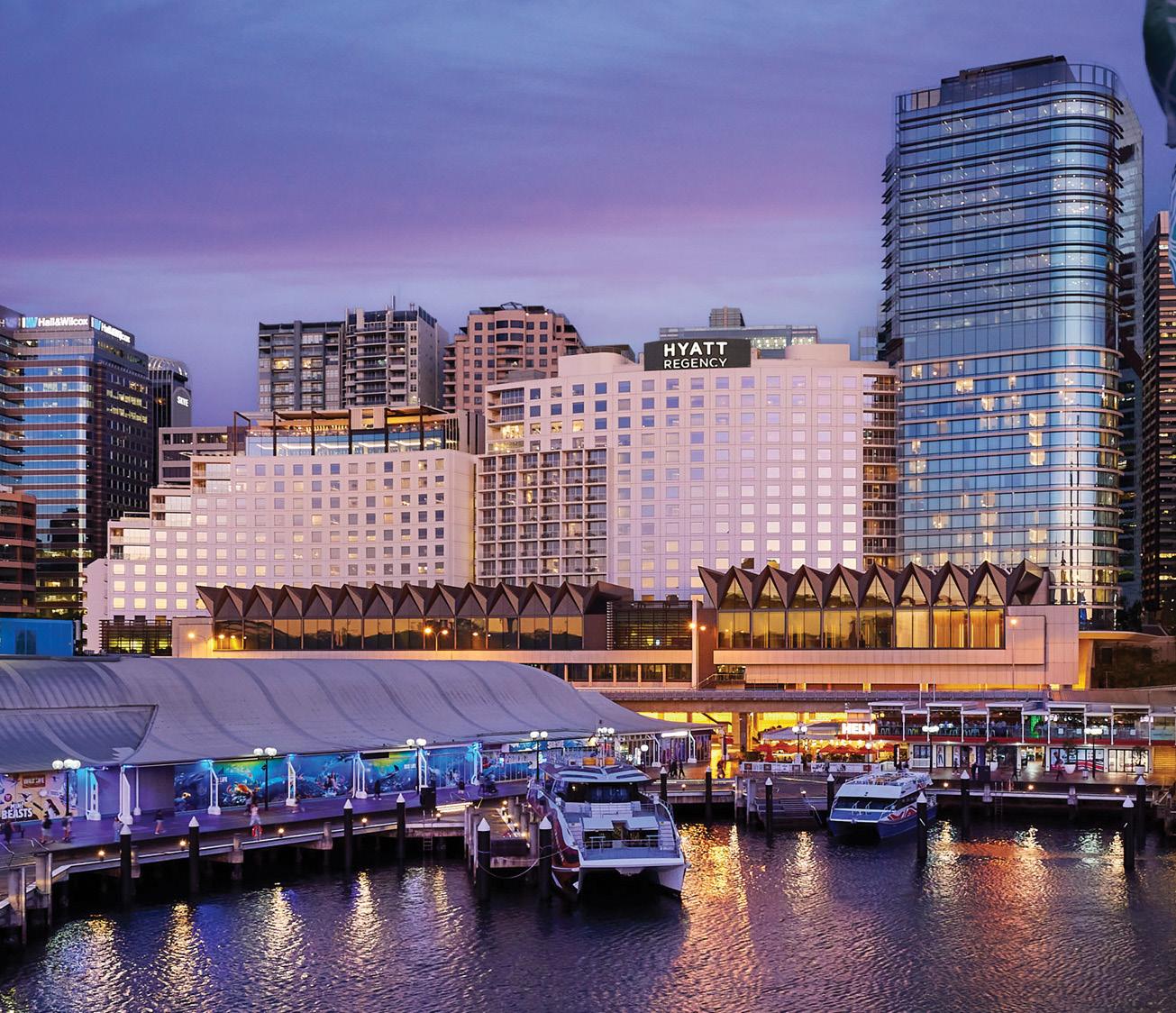
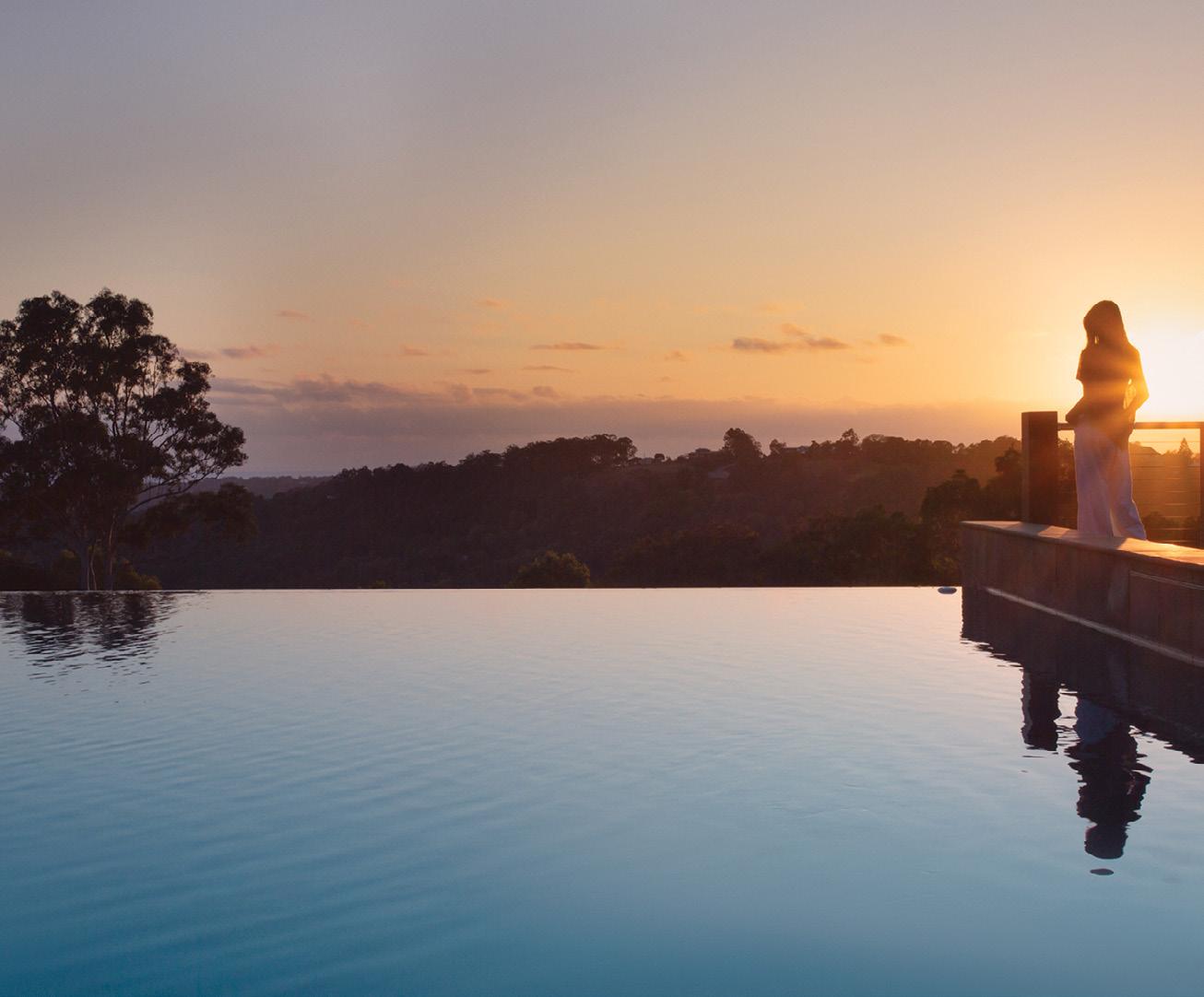
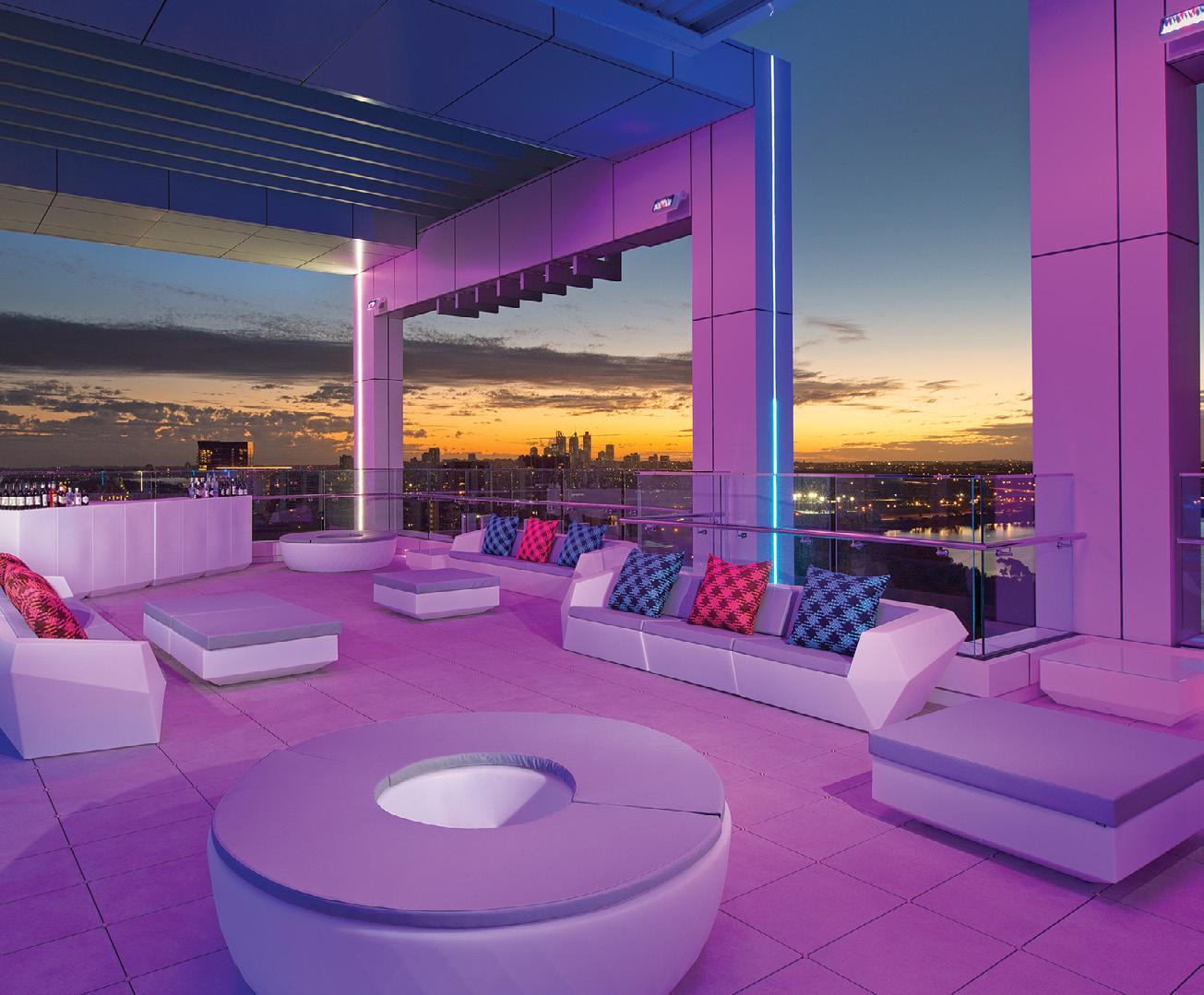
“
SPICE READERS LOVE: Lady Banks Rooftop
“A wonderful rooftop space.”
Best sustainable hotel or venue
1 Hotel Melbourne
Melbourne, Victoria | @1hotel.melbourne
Gold Coast Convention and Exhibition Centre
Broadbeach, Gold Coast, Queensland | @gccec
ICC Sydney
Sydney, NSW | @iccsyd
Hyatt Regency Sydney
Sydney, NSW | @hyattregencysydney
Royal International Convention Centre
Brisbane, Queensland | @brisbaneshowgrounds
Best wellness hotel or resort
Lon Retreat & Spa
Point Lonsdale, Victoria | @lon_retreat
Sequoia Lodge
Crafers, South Australia | @sequoiaaustralia
Soma Byron
Byron Bay, NSW | @soma.byron
Gwinganna Retreat & Spa
Tallebudgera Valley, Queensland | @gwinganna
Injidup Spa Retreat
Yallingup , Western Australia | @injidupretreatandspa
Best venue for a product launch
The Collider
Sydney, NSW | @thecollider_
Lady Banks Rooftop
Bankstown, Sydney, NSW | @ladybanksrooftop
Aloft Perth, Rooftop
Perth, Western Australia | @aloftperth
Brisbane Powerhouse
Brisbane, Queensland | @bris_powerhouse
The Princess Theatre
Brisbane, Queensland | @theprincessbrisbane
Hyatt Regency Sydney.
Gwinganna Retreat & Spa.
Aloft Perth, Rooftop.
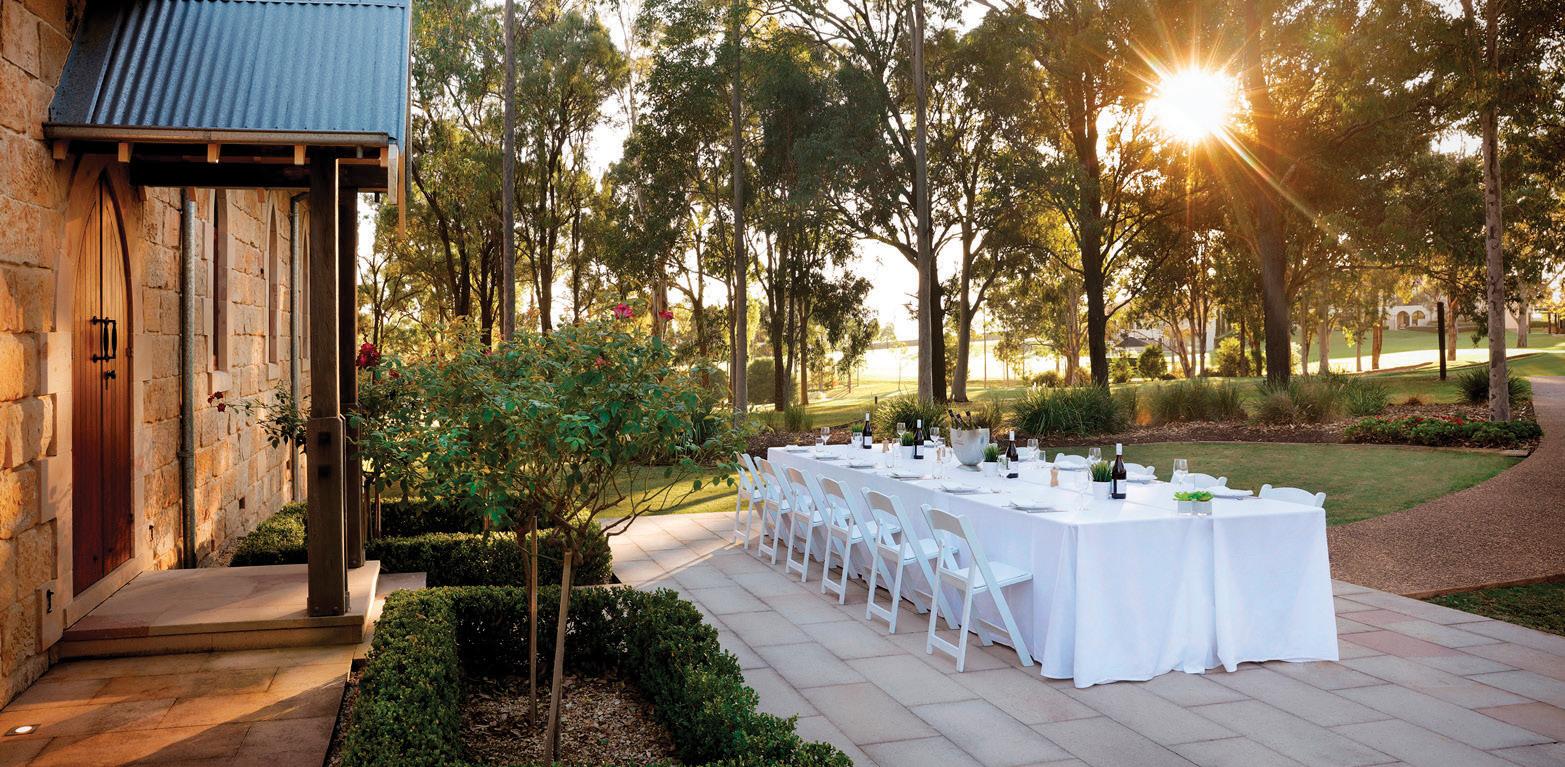
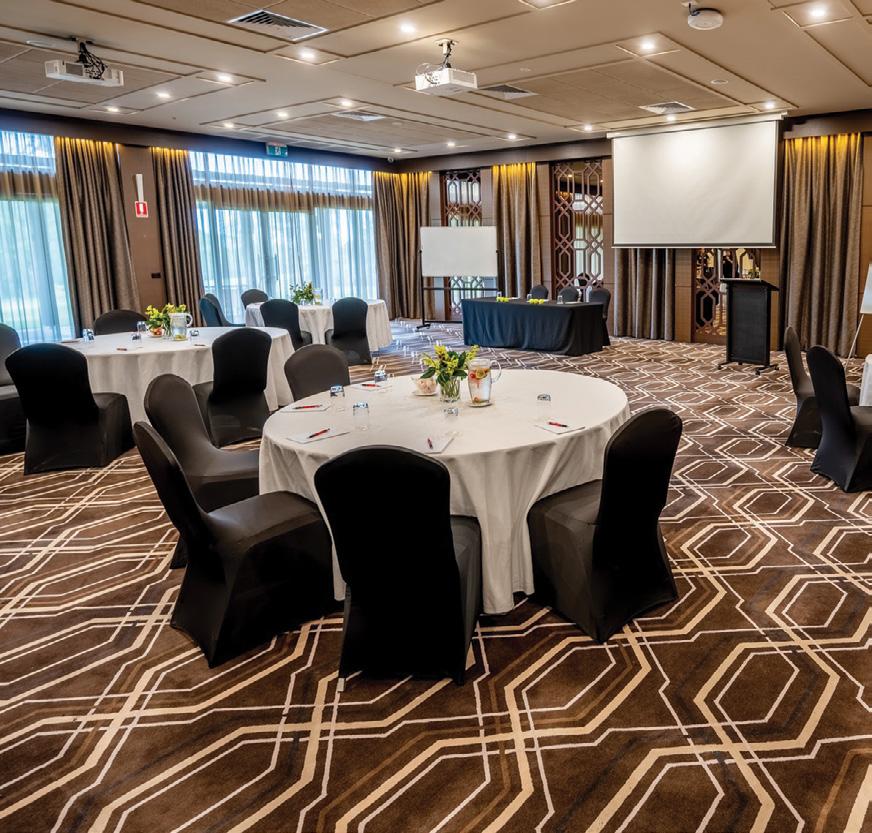
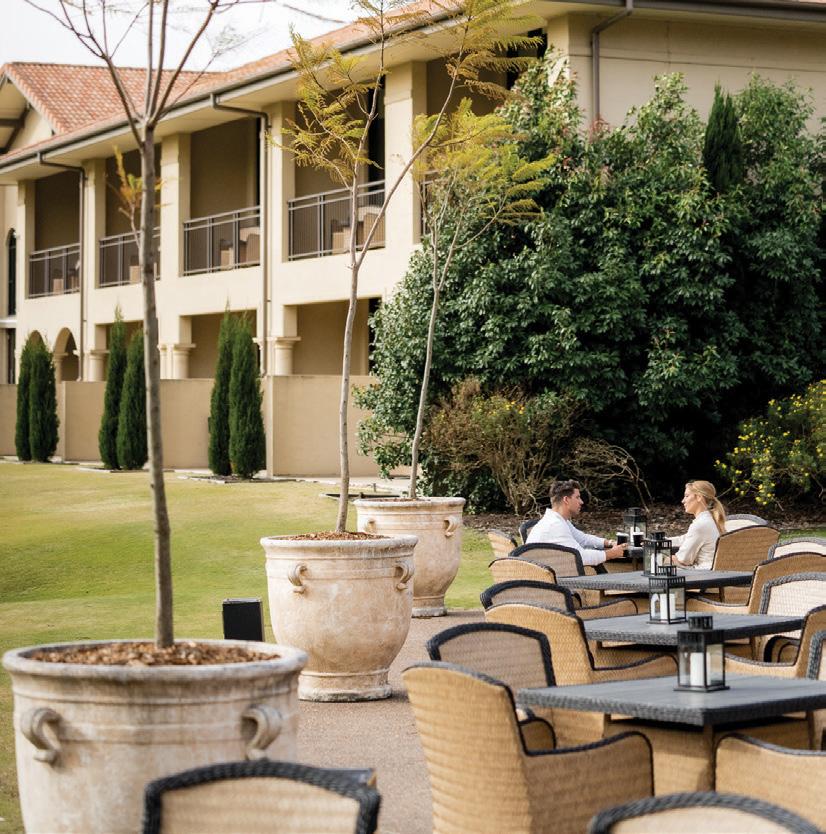
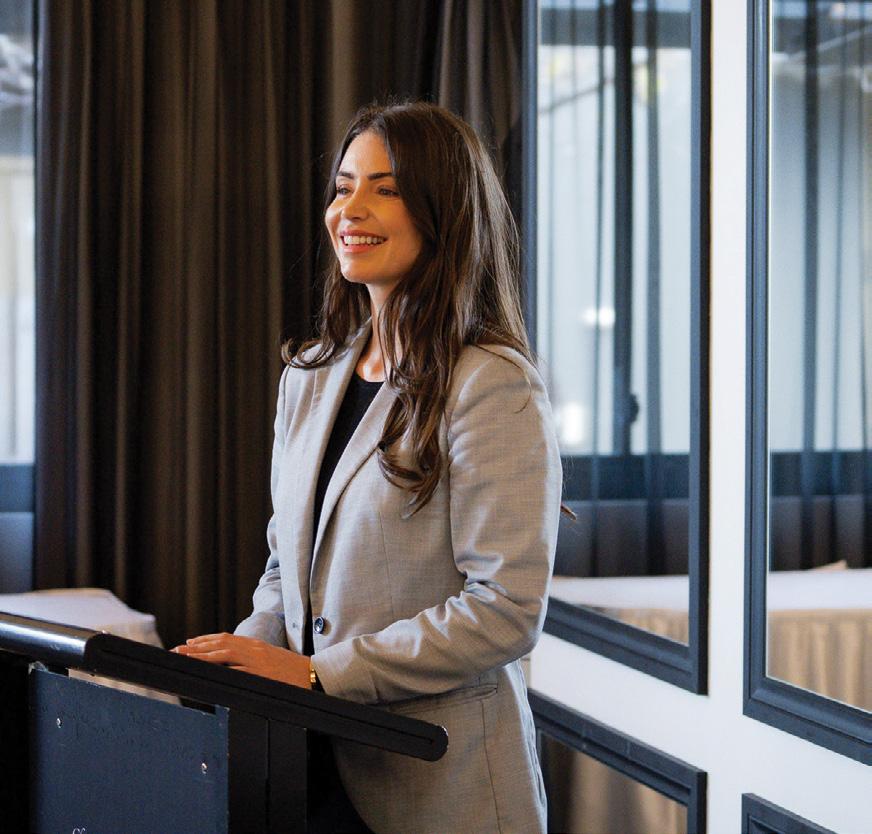
THE HUNTER VALLEY’S PREMIER CORPORATE DESTINATION
Set among the rolling landscapes of the Hunter Valley, Château Élan is a leading destination for conferences, corporate functions, and special events. With versatile spaces and a setting that balances professionalism with a luxury escape, it creates the ideal environment for connection, collaboration, and celebration.
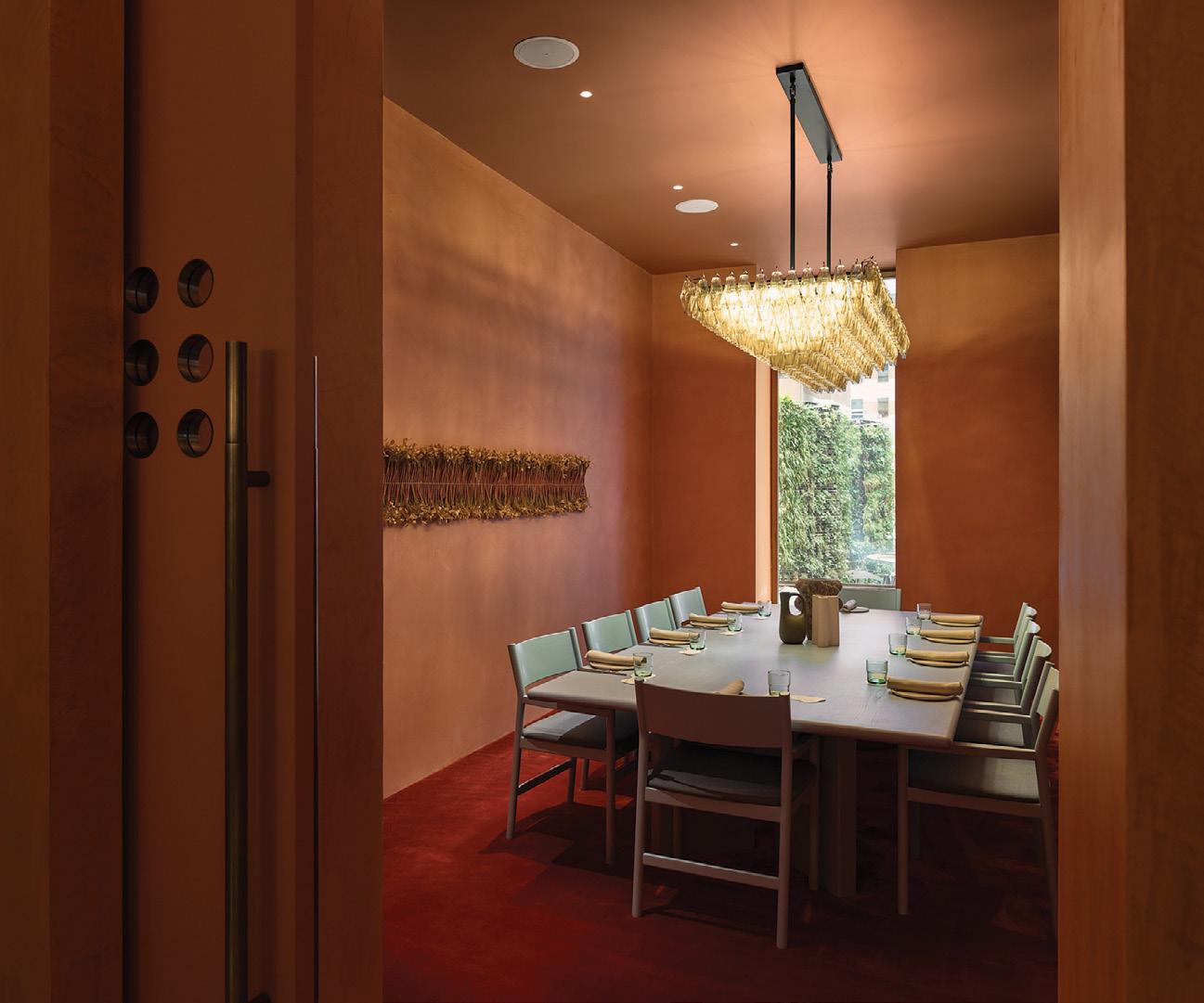
Zephyr at Hyatt Regency Sydney
Sydney, NSW | @zephyrbarsyd
Aster at InterContinental Sydney
Sydney, NSW | @astersydney
Mr Mills at HYDE Melbourne Place Melbourne, Victoria | @mrmillsbar
The Douglas Club at Hilton Melbourne Little Queen Street Melbourne, Victoria | @thedouglasclub
Rooftop at QT Perth Perth, Western Australia | @qt_perth
Best private dining venue
Frasers Restaurant Kings Park
Perth, Western Australia | @frasersrestaurant
Magill Estate Restaurant
Magill, South Australia | @magillestaterestaurant
Magma by Dany Karam Canley Vale, Sydney, NSW | @magmabydanykaram
Warabi, W Melbourne
Melbourne, Victoria | @warabimelbourne
Tilda, Sofitel Sydney Wentworth
Sydney, NSW | @tildadining.sydney
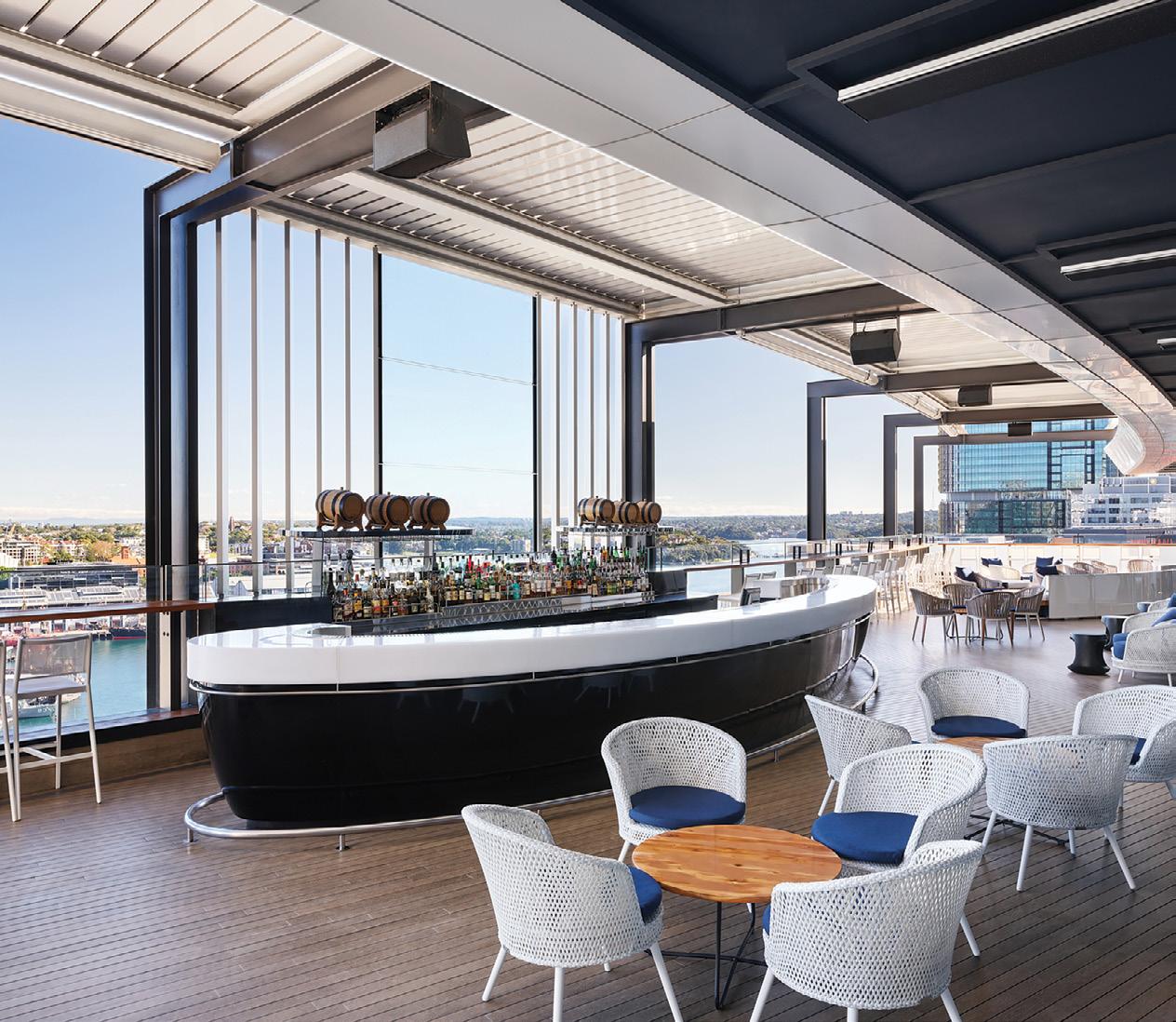
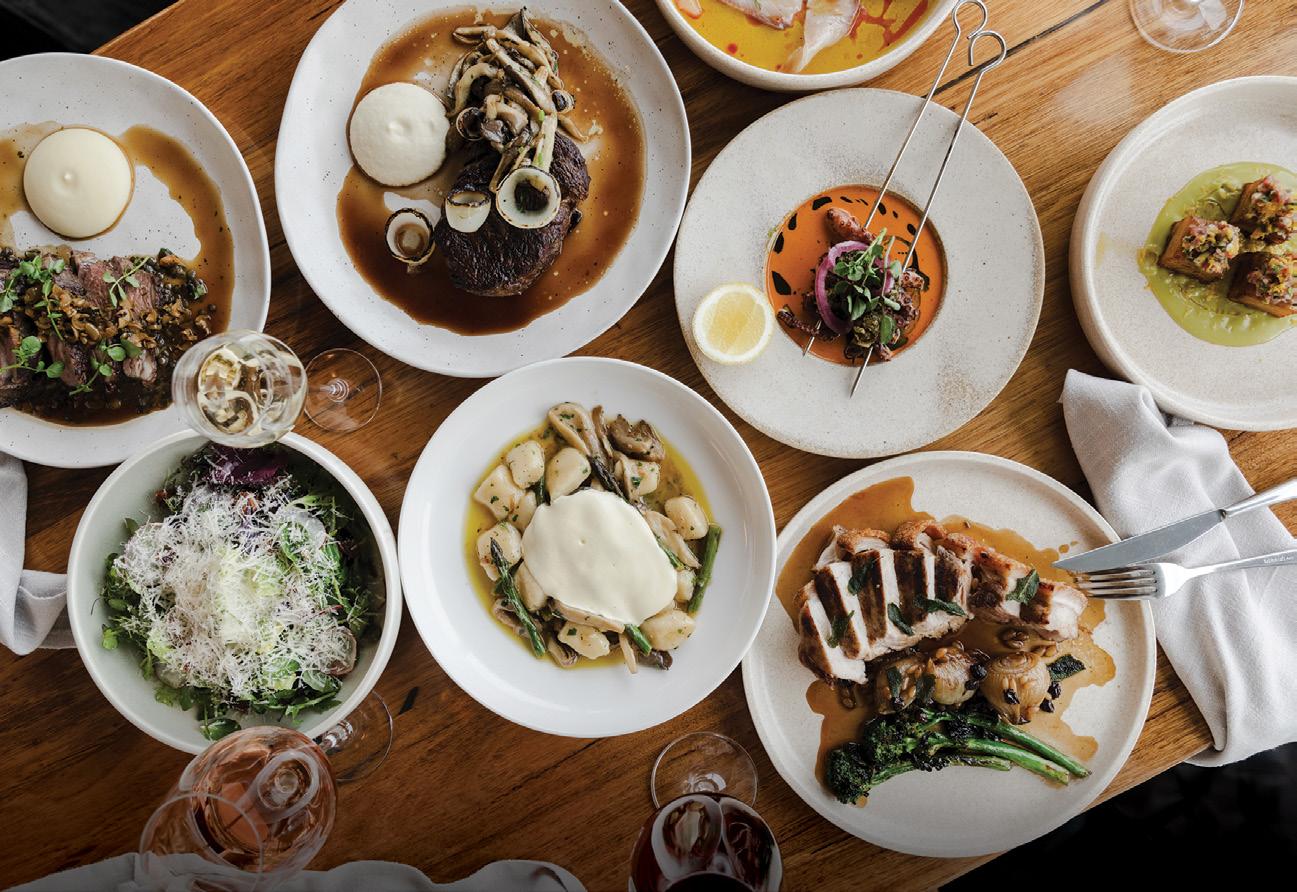
The Lex at W Brisbane Brisbane, Queensland | @thelexbrisbane
Salted Egg Melbourne at Quincy Hotel Melbourne Melbourne, Victoria | @saltedeggmelbourne
Grain of the Silos at Peppers Silo Launceston Invermay, Launceston, Tasmania | @grainofthesilos
SK Steak & Oyster, The Calile Hotel Brisbane, Queensland | @sk.steakandoyster
The Terrace Rooftop Bar at Emporium Hotel Brisbane, Queensland | @theterraceemporiumhotel
Tilda, Sofitel Sydney Wentworth.
Zephyr at Hyatt Regency Sydney.
Best hotel bar
Best hotel restaurant
Grain of the Silos at Peppers Silo Launceston.




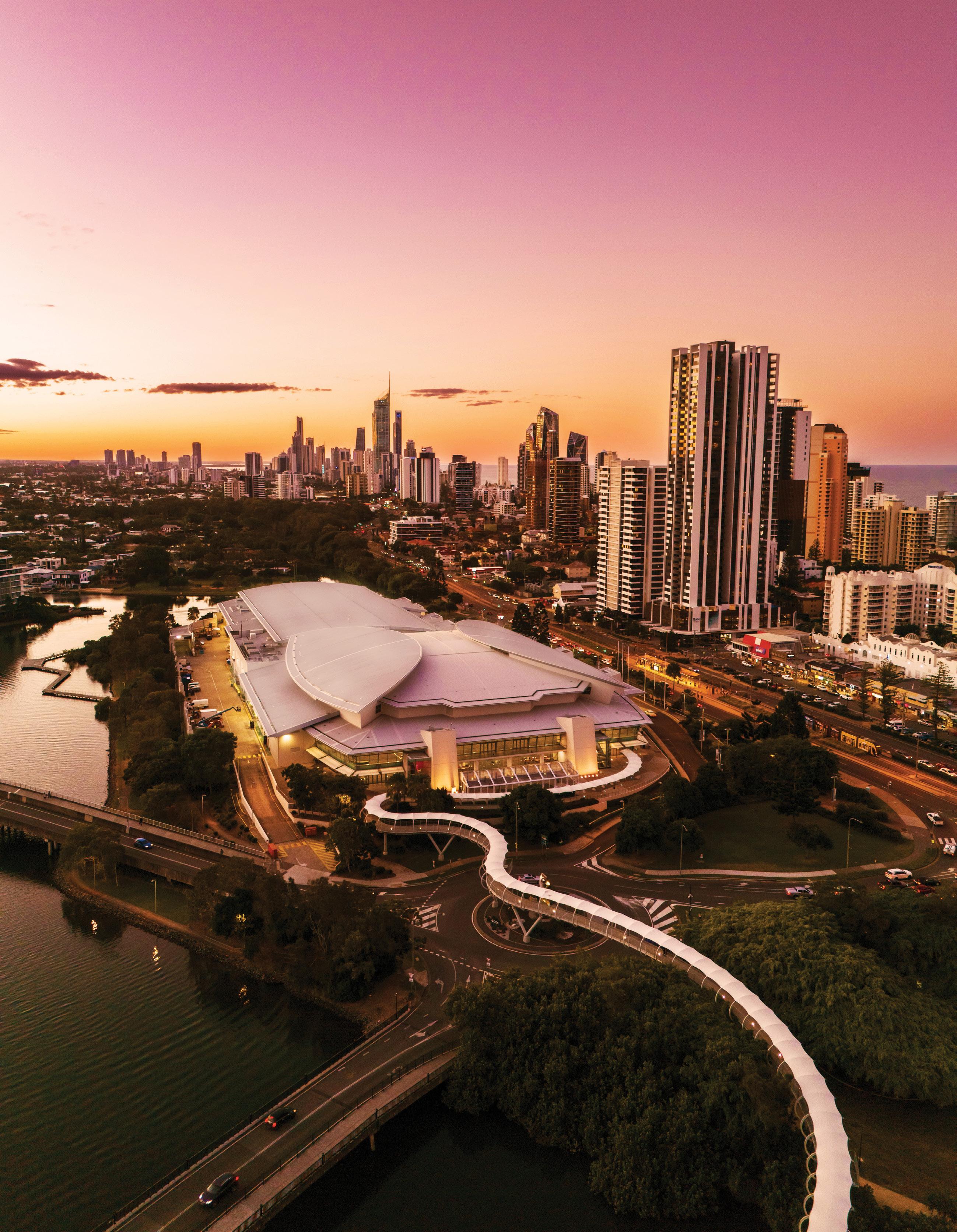

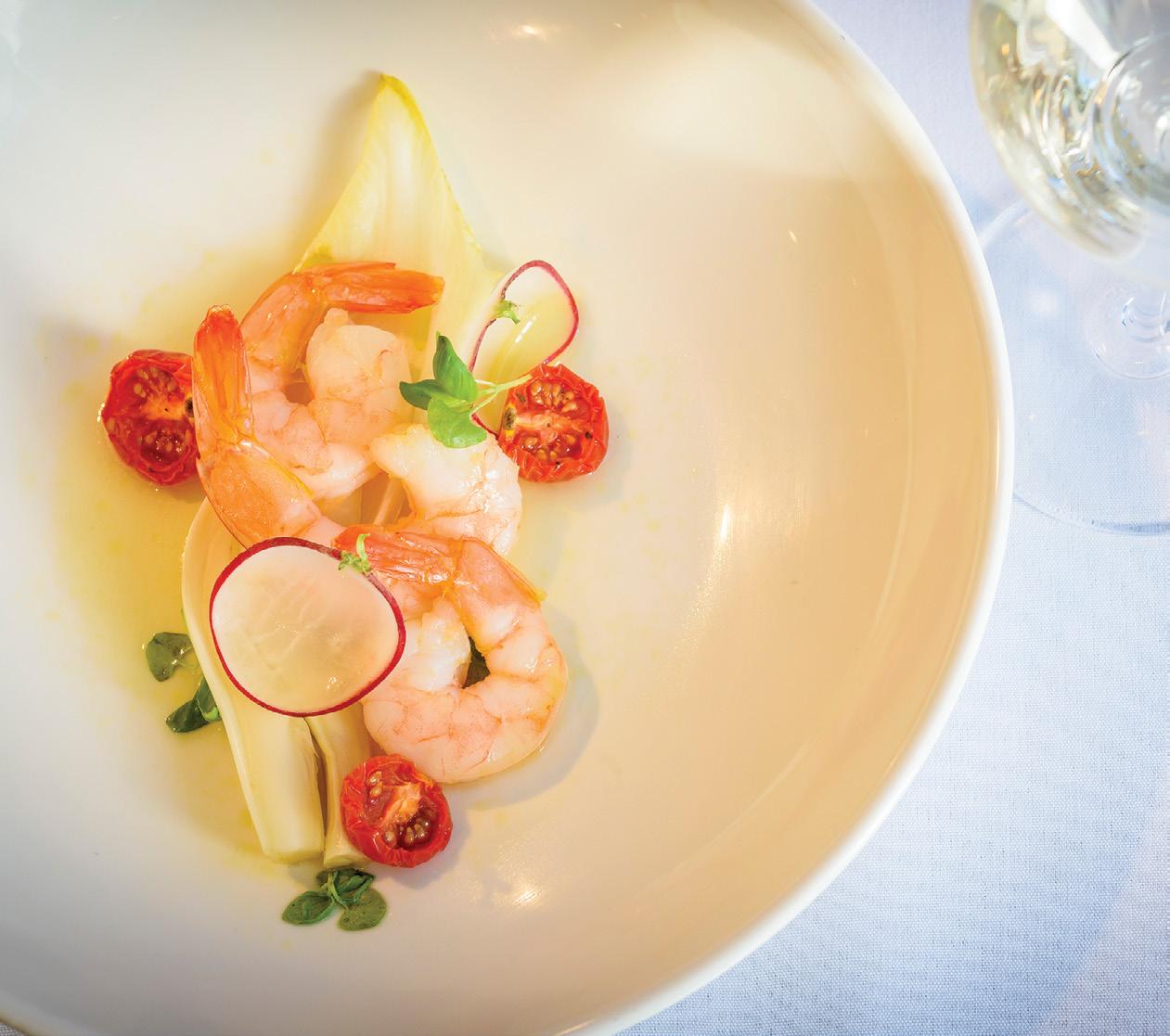
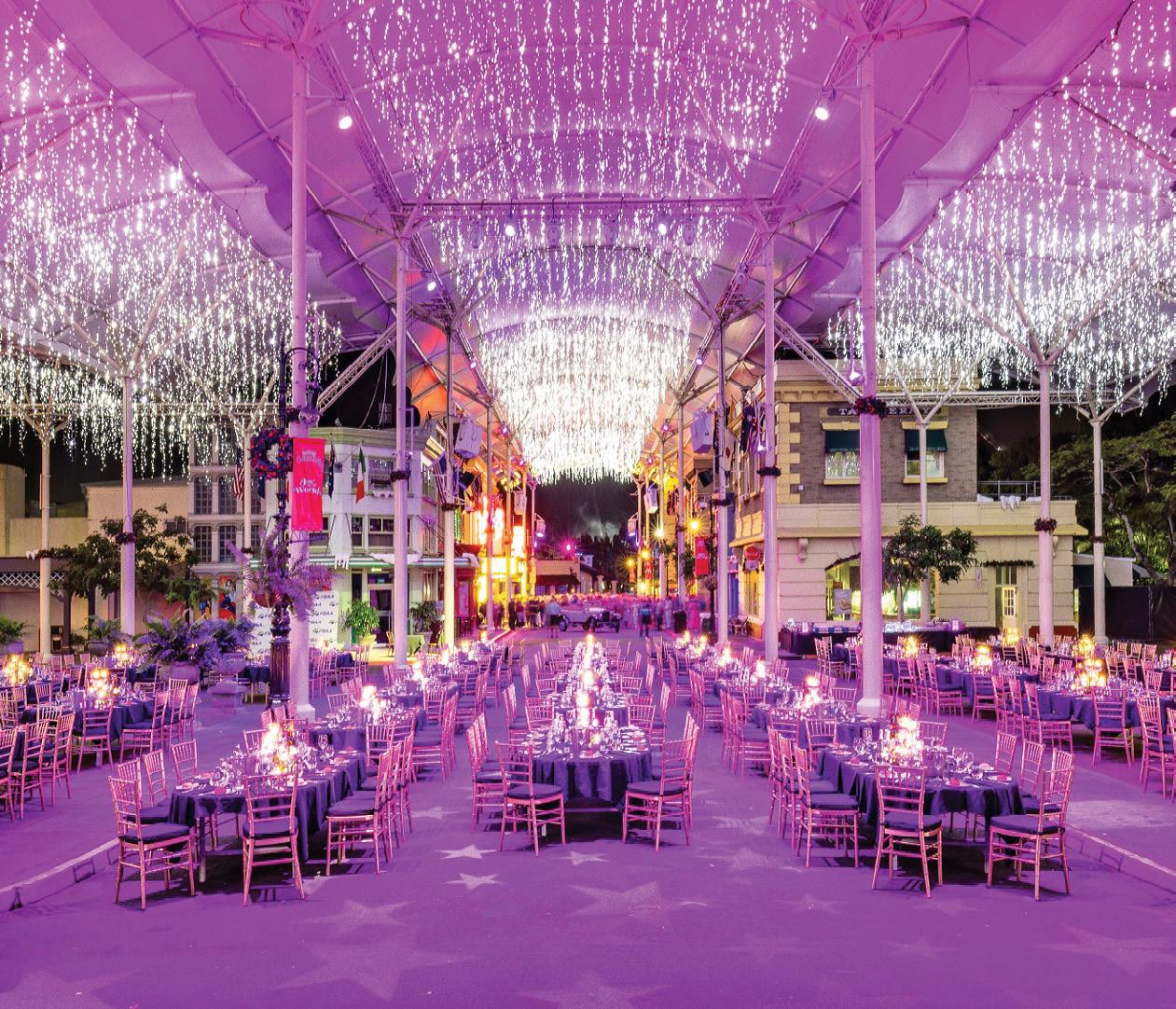
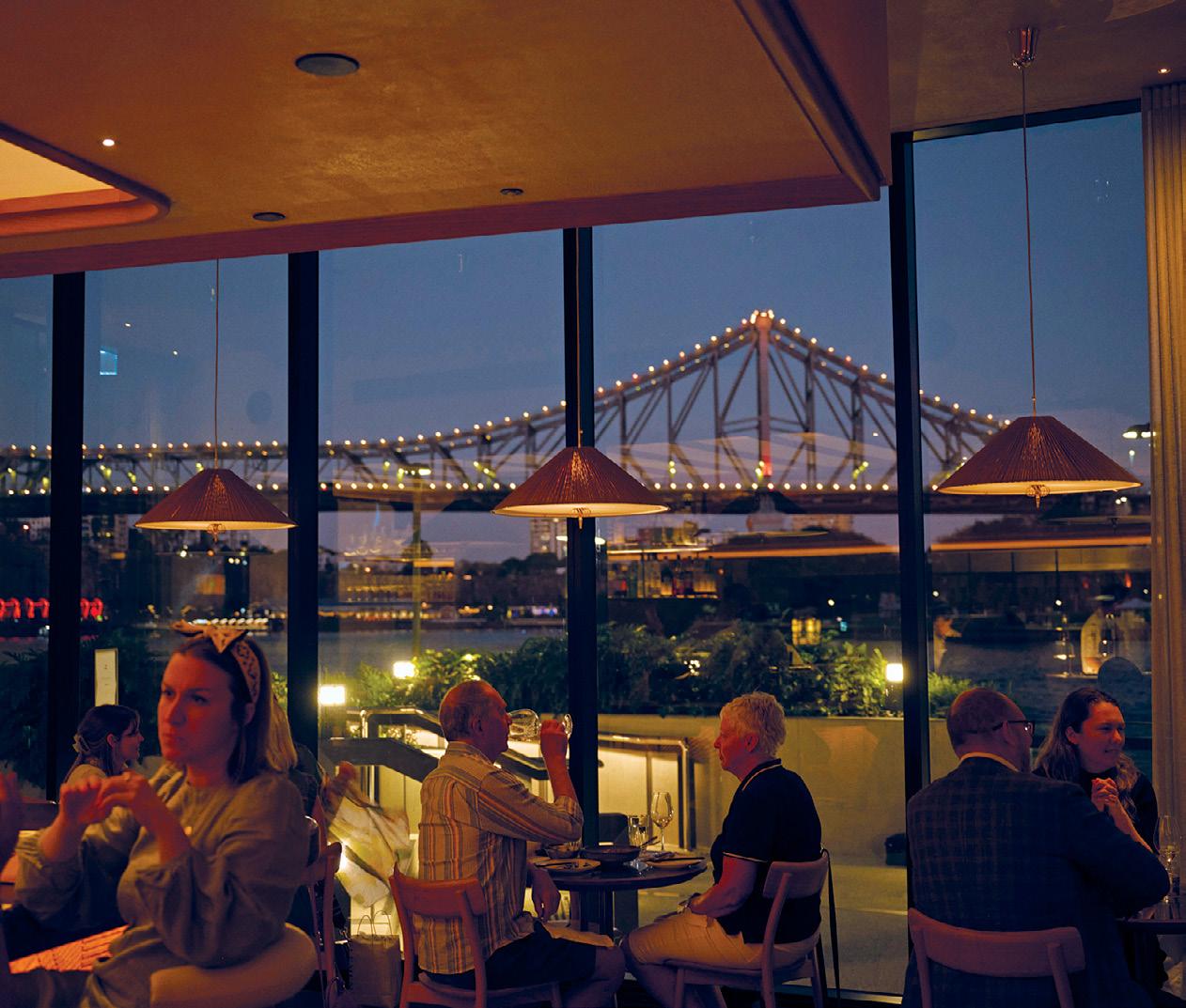
“
SPICE READERS LOVE: Coupette Corner Bistro & Bar
“A fabulous cosy restaurant.”
Best convention centre catering
ICC Sydney
Sydney, NSW | @iccsyd
Gold Coast Convention and Exhibition Centre
Broadbeach, Gold Coast, Queensland | @gccec
Melbourne Convention and Exhibition Centre
Melbourne, Victoria | @mcec
Adelaide Convention Centre
Adelaide, South Australia | @adelaidecc
Cairns Convention Centre
Cairns, Queensland | @ccc_cairns
Best venue for a gala dinner
Adelaide Town Hall
Adelaide, South Australia | @adelaidetownhall
Centrepiece
Melbourne, Victoria | @centrepiecemelbourne
Doltone House
Sydney, NSW | @doltonehouse
Warner Bros. Movie World
Gold Coast, Queensland | @eventsthemeparks
Wrest Point Hotel
Hobart, Tasmania | @wrestpoint
Best small venue (1-50 pax)
Supernormal Brisbane
Brisbane, Queensland | @supernormal_brisbane
Shadow Bar & Kitchen at The Alex Hotel
Perth, Western Australia | @shadowbarandkitchen
Bridge Marquee at Pier One
Dawes Point, Sydney, NSW | @pieronesydney
The Sussex Store
Sydney, NSW | @thesussexstore
Coupette Corner Bistro & Bar
Melbourne, Victoria | @coupettemelbourne
Adelaide Convention Centre.
Warner Bros. Movie World.
Supernormal Brisbane.
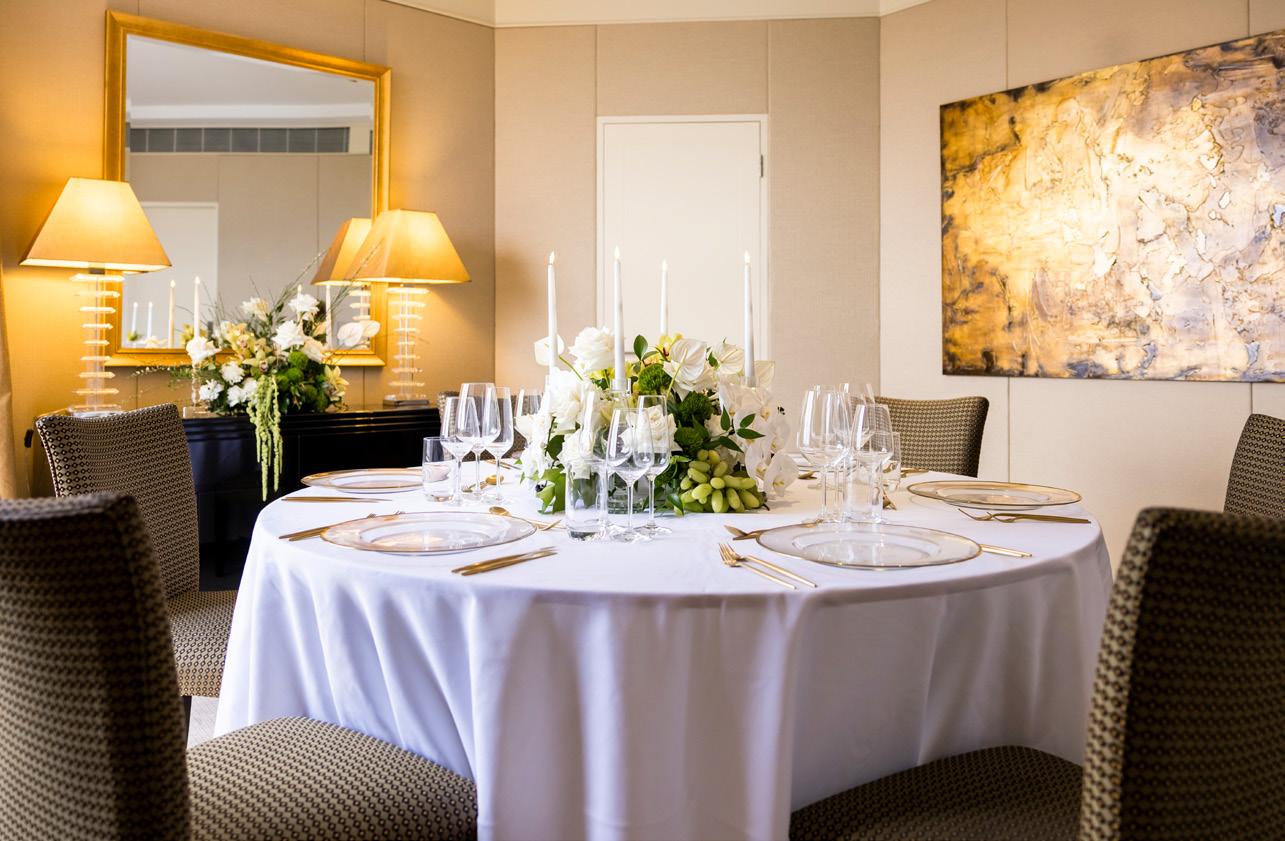
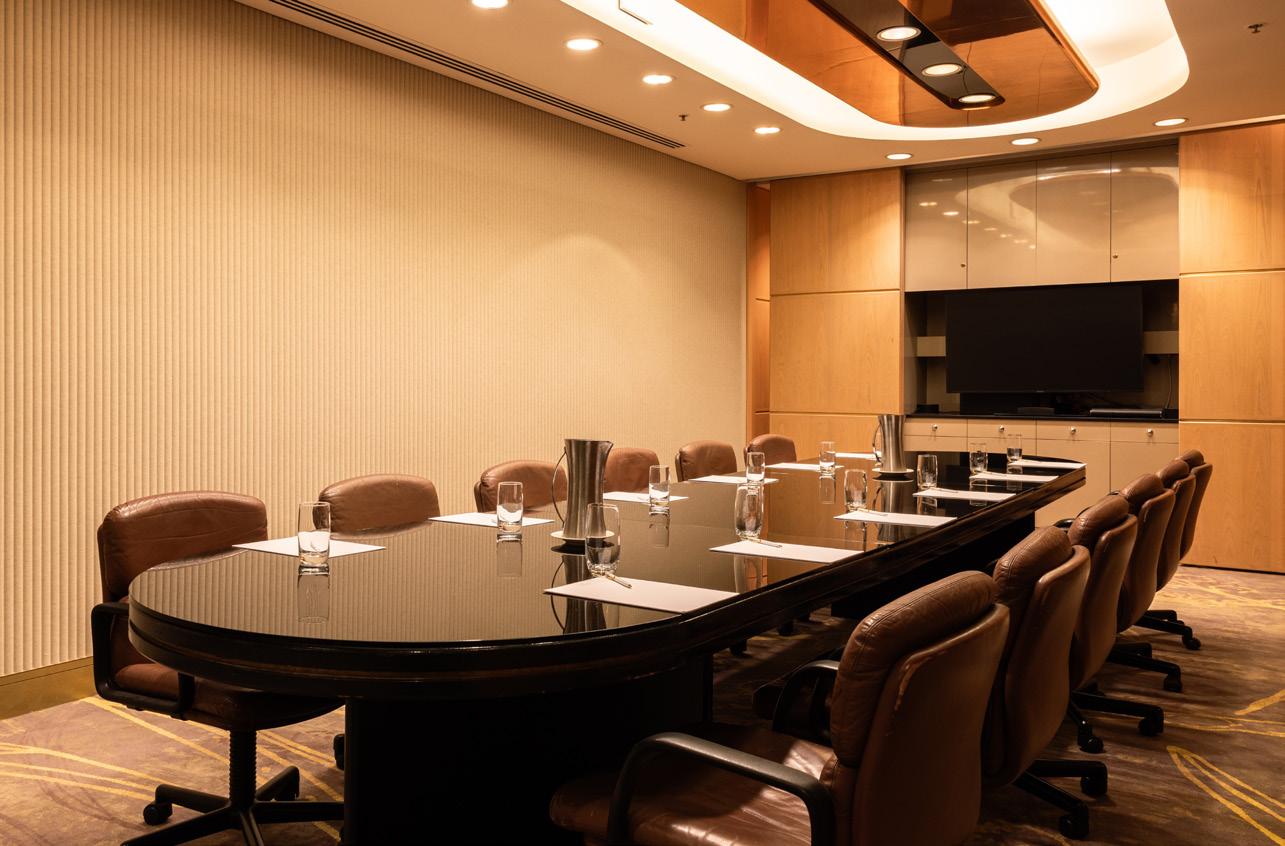
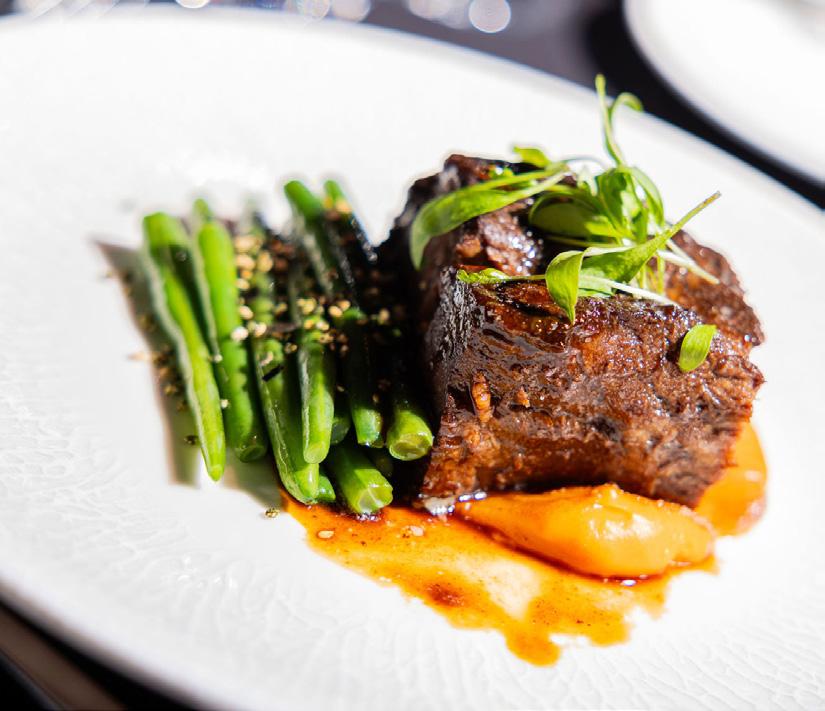
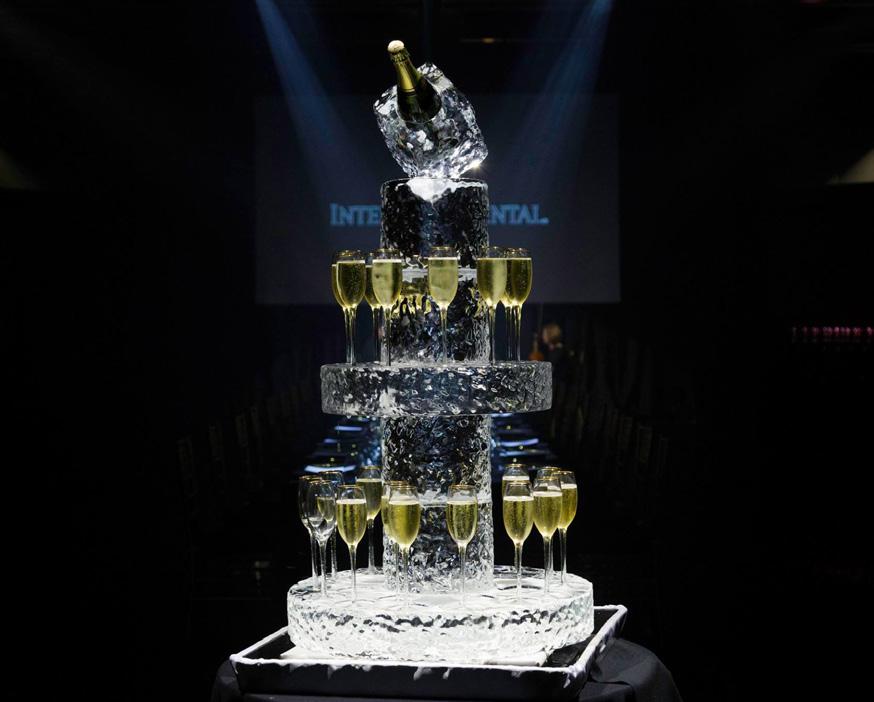
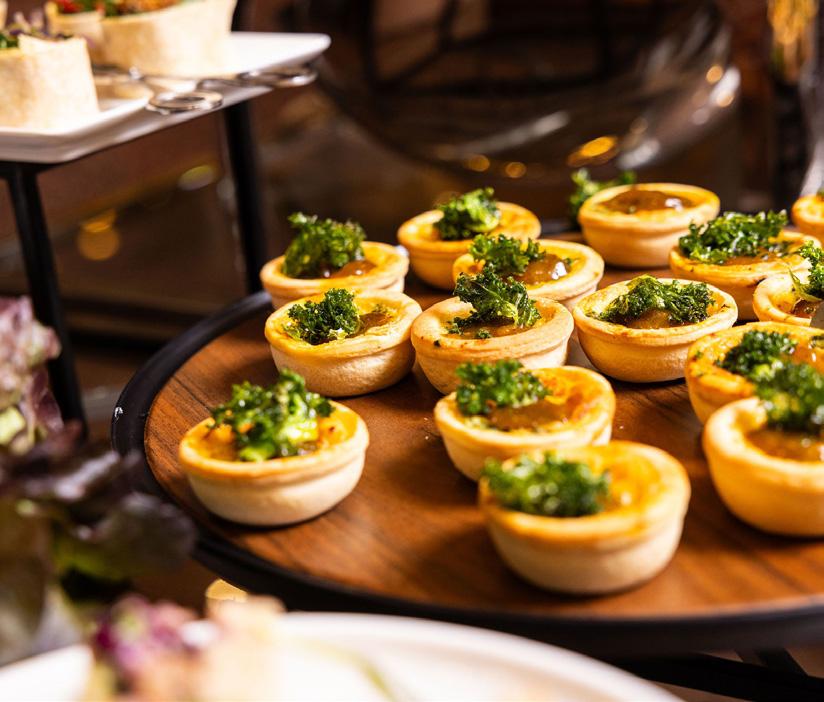
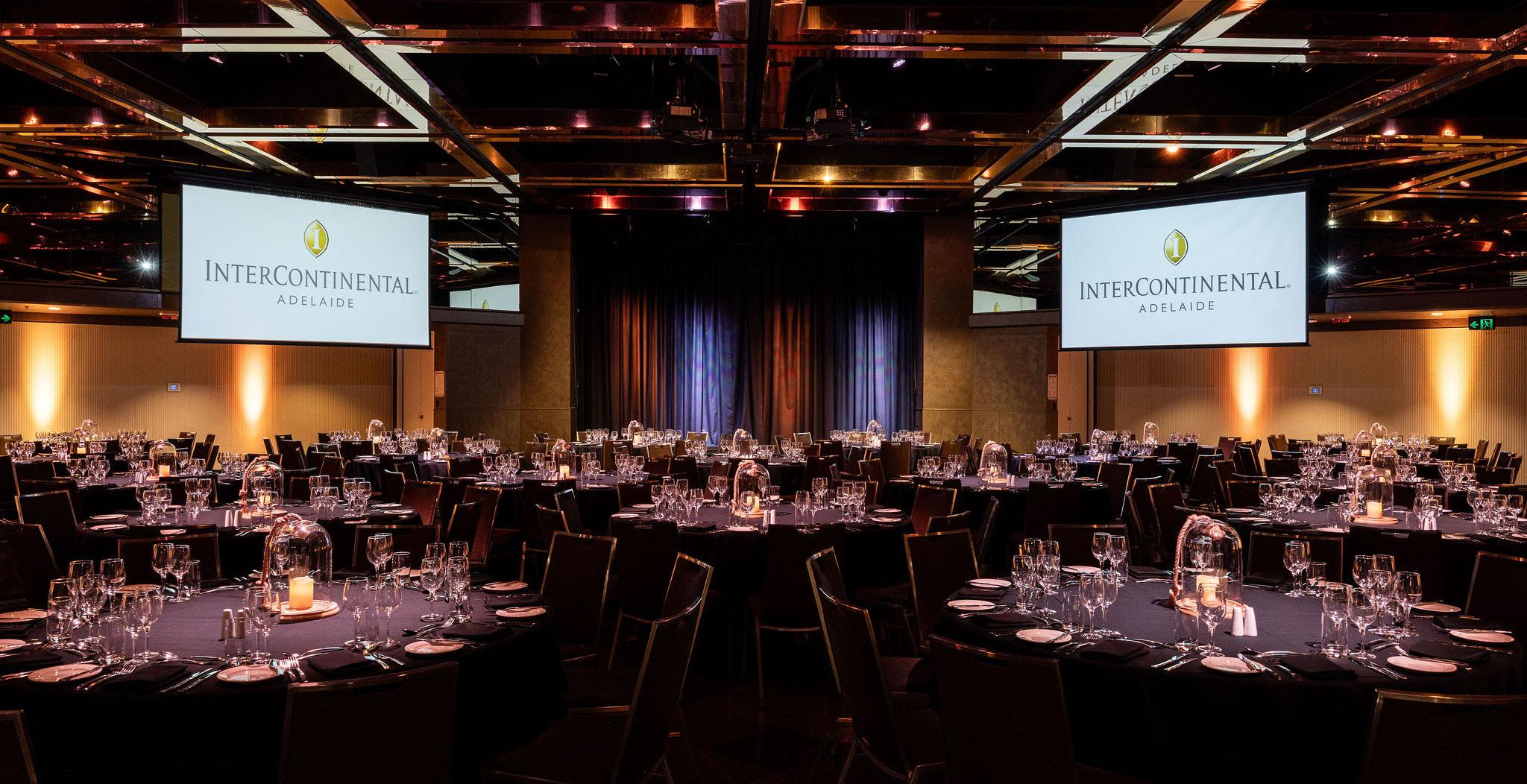
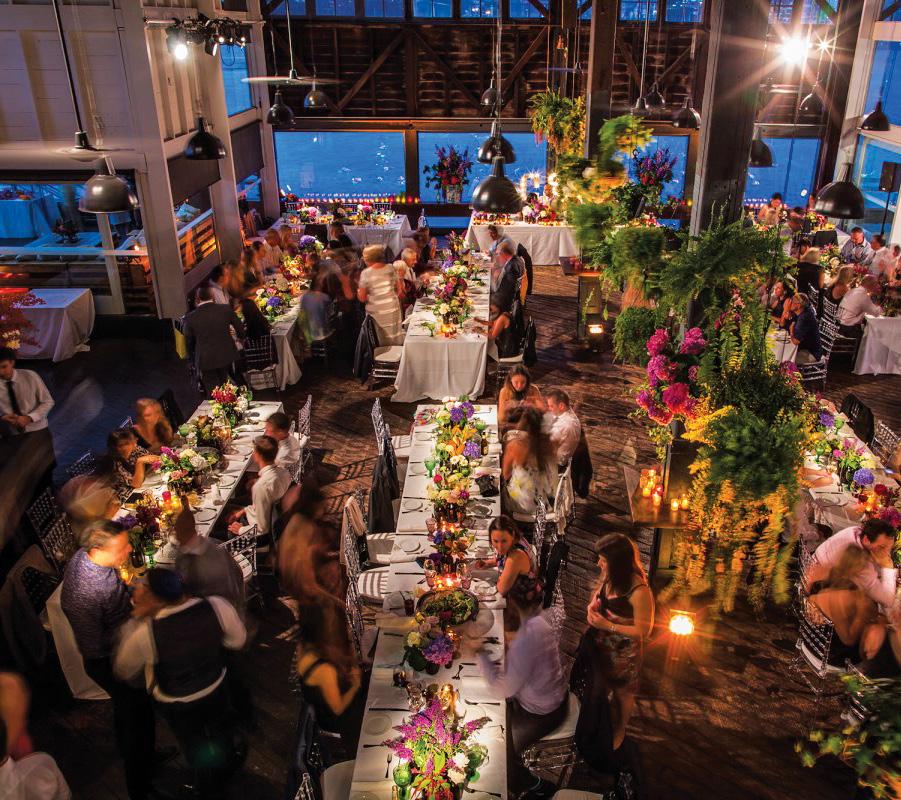
Best large venue (151-500 pax)
Saltbox
Sydney, NSW | @saltboxvenue
Melba’s Rooftop
Sydney, NSW | @melbas.rooftop
Customs House
Brisbane, Queensland | @customshousebne
The Perth Mint
Perth, Western Australia | @theperthmintaustralia
Rendezvous Hotel Melbourne
Melbourne, Victoria | @rendezvousmelbourne
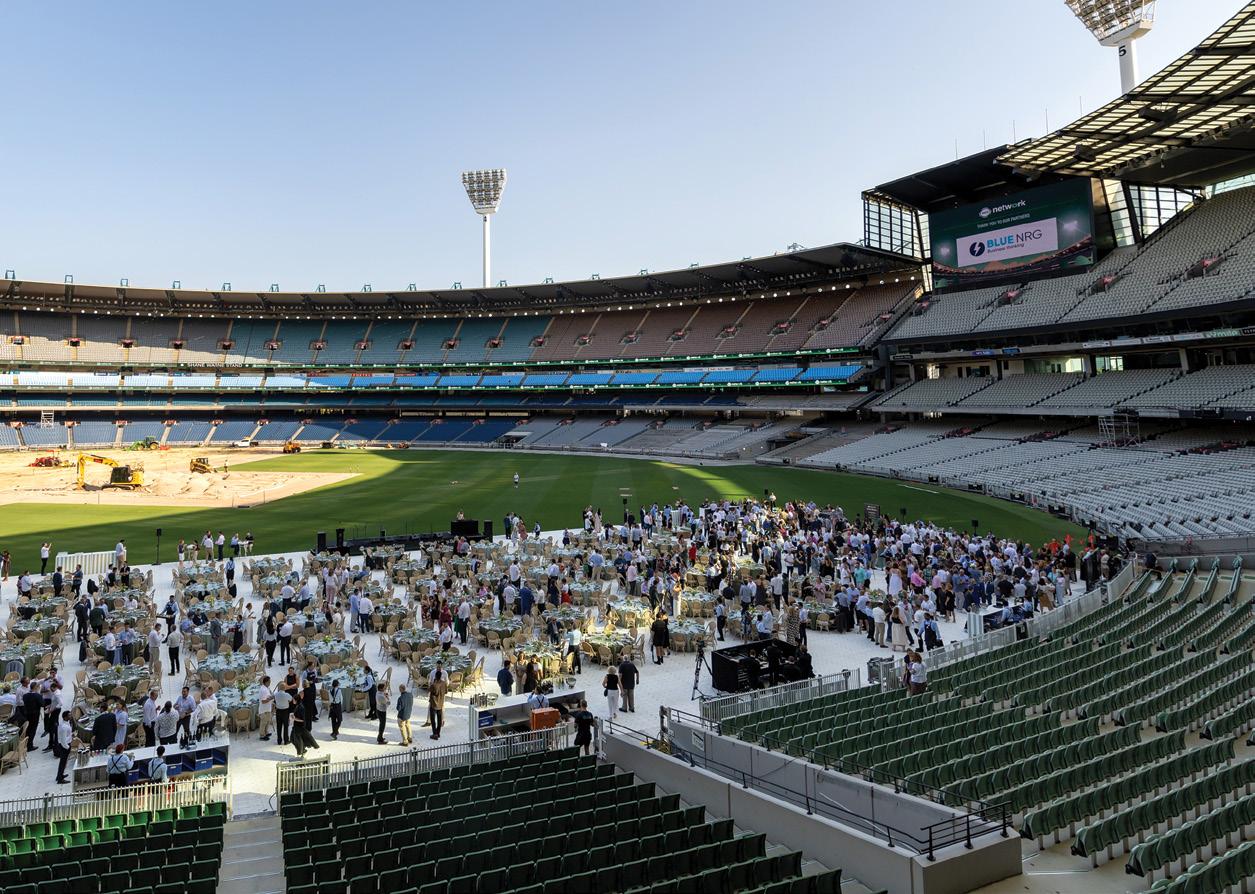
Best midsize venue (51-150 pax)
The Aviary
Perth, Western Australia | @theaviaryperth
The Wharf Restaurant and Bar
Sydney, NSW | @thewharfrestaurantandbar
Bar 1603 at Hotel Indigo
Brisbane, Queensland | @bar1603_
Amber Restaurant at Rydges World Square
Sydney, NSW | @amber_worldsquare
Leyla Bar
Barton, ACT | @leylabar_
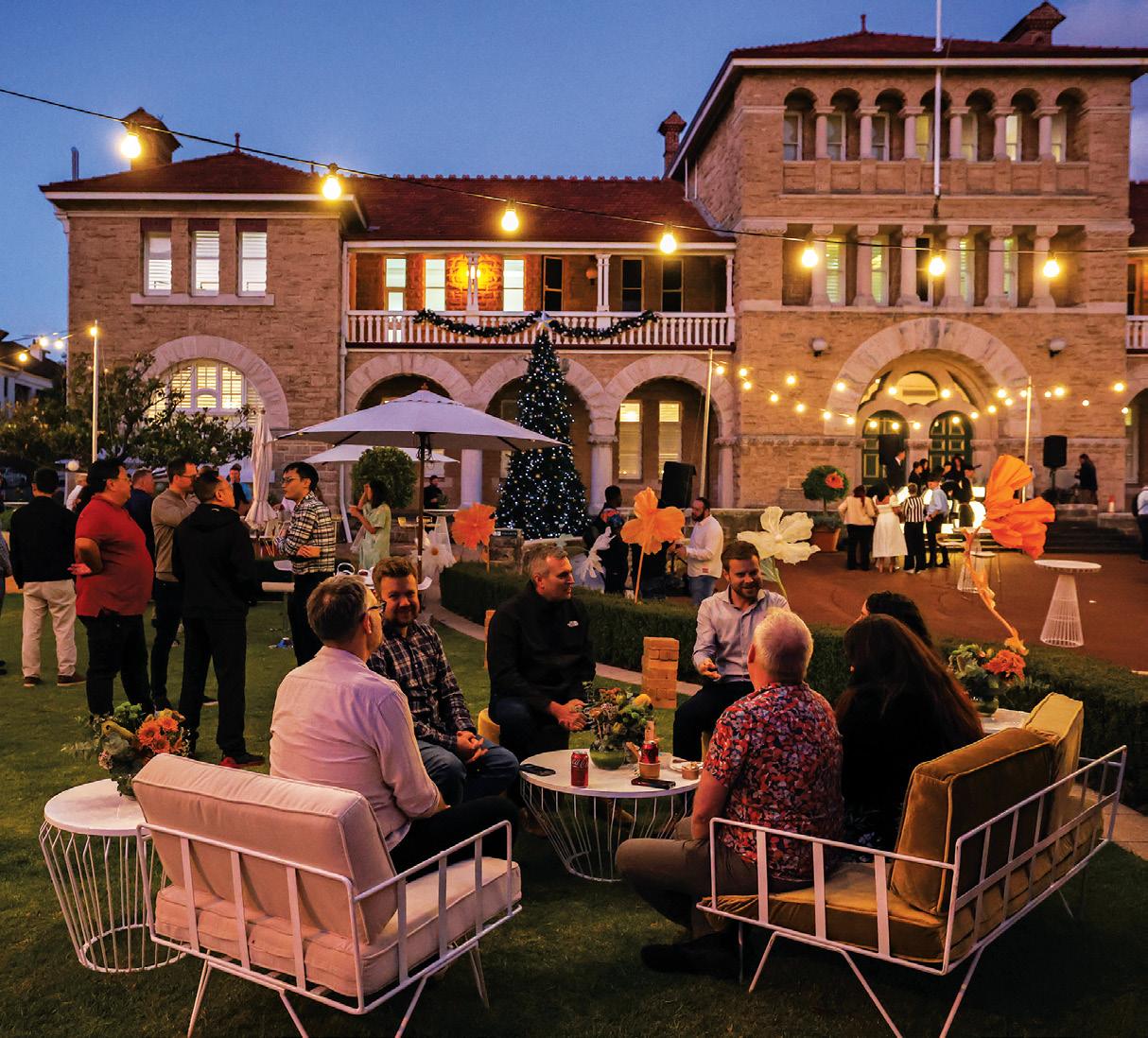
Best mega venue (500+ pax)
Melbourne Cricket Ground
Melbourne, Victoria | @eventsmcg
Adelaide Oval
North Adelaide, South Australia | @adelaideoval
Accor Stadium
Sydney, NSW | @accorstadium
Zinc at Fed Square
Melbourne, Victoria | @zincatfederationsquare
ICC Sydney
Sydney, NSW | @iccsyd
Melbourne Cricket Ground.
The Wharf Restaurant and Bar.
The Perth Mint.
ALWAYS OPEN TO Connect
Set the stage for impactful meetings and events at Hyatt Regency Sydney, Australia’s largest premium hotel, perfectly positioned adjacent to vibrant Darling Harbour. With over 4,000 square metres of flexible event space, advanced technology and world-class service, the hotel’s planning team will collaborate with you to ensure each experience is thoughtfully designed to spark connection and create lasting memories. Delegates enjoy modern facilities and guestrooms, standout dining, harbour views and seamless access to the CBD.
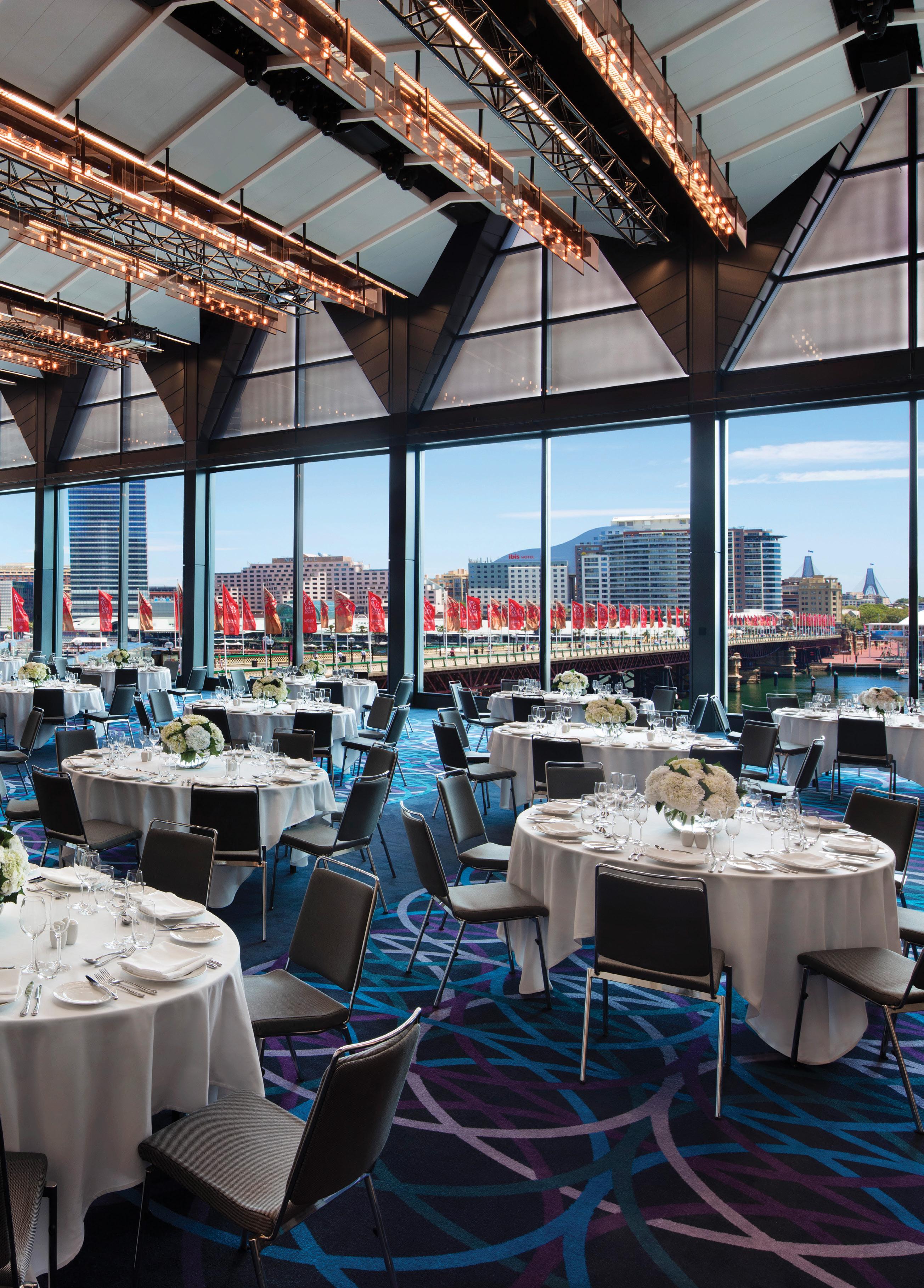
Proudly recognised in the 2026 Spice Hot 100: Hotels & Venues, as the recipient of Best Business Hotel, Best Sustainable Hotel or Venue and Best Hotel Bar for Zephyr Sky Bar.
To collaborate on your next event email sydrs.sales.enquiry@hyatt.com or visit hyattregencysydney.com
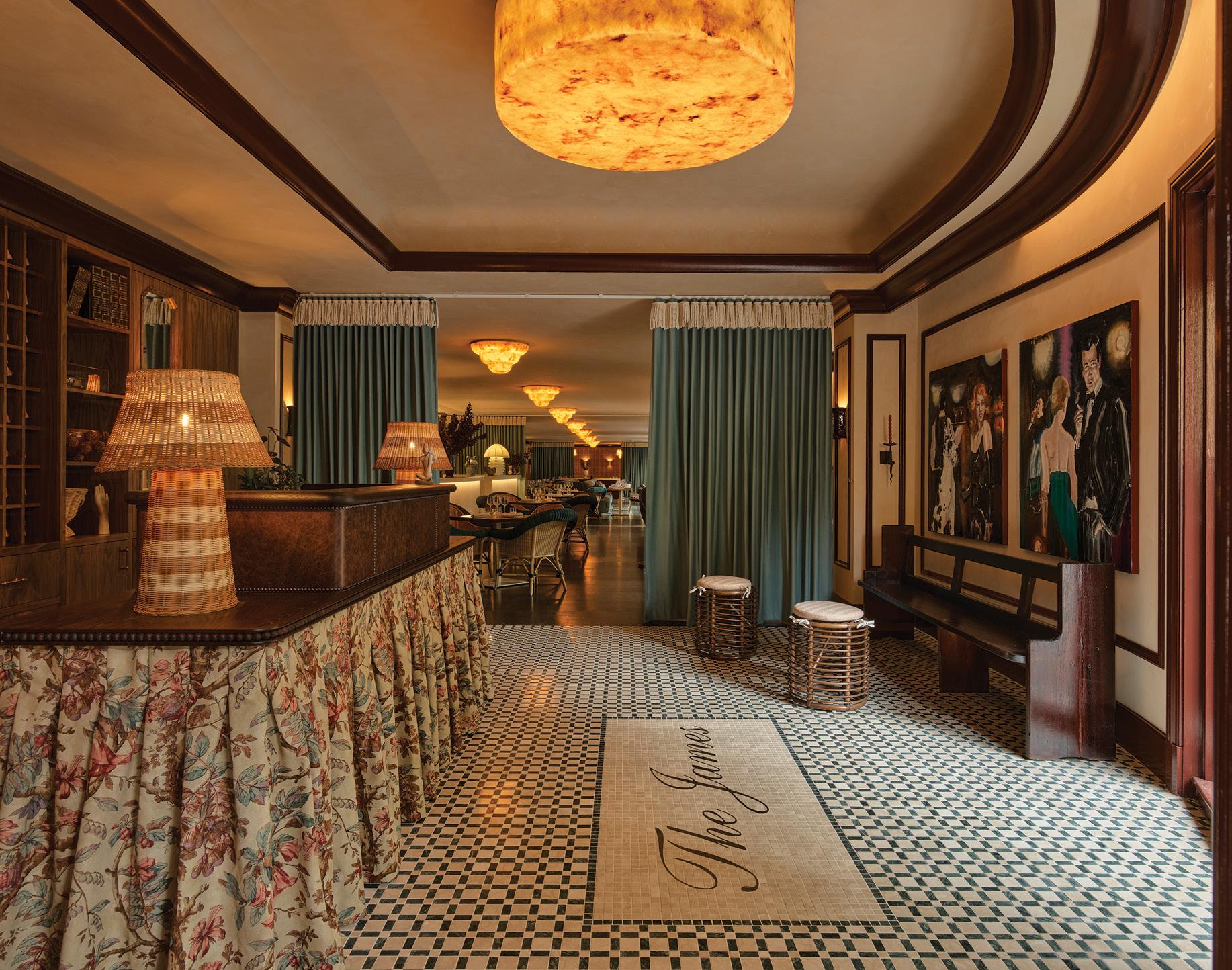
Cosy cuisine
Coupette
Melbourne, Victoria
Coupette Corner Bistro & Bar brings a fresh, design-led dining option to Melbourne’s Southbank, which is ideal for business events and incentive groups. Created by The Mulberry Group with interiors by David Flack, Coupette blends European bistro sensibilities with Melbourne character. Its position within The Queensbridge Building makes it an accessible choice for pre-event dining, executive lunches or relaxed networking sessions.
Designed for flexibility, Coupette suits any occasion: a quick bite between meetings, a long team lunch, client dinner, or solo travellers unwinding at the bar after a day at Melbourne Convention and Exhibition Centre. The all-day menu showcases confident, ingredient-driven dishes from executive chef Andrew Beddoes, spanning pastries and breakfast signatures through to classic bistro dishes such as steak frites, market fish, wagyu burgers and stand-out desserts.
With warm service, stylish interiors and refined, yet approachable, food, Coupette offers an elevated and welcoming setting for group reservations and tailored business experiences.
The
James Sydney, NSW
Nestled in the heart of Millers Point, The James offers a modern take on classic British dining that is perfect for cosy winter outings. Designed by Perry Drakopoulos, its interiors blend old-world glamour with “elevated grandma chic”, featuring warm, layered textures, bold colours and whimsical details that invite guests to linger.
Head chef Sam Tuchband serves hearty, comforting dishes with a contemporary twist – from tableside beef Wellington and sticky toffee pudding souffle to seasonal game and rich, shareable mains. Thoughtfully sourced produce, indulgent desserts and a curated wine and cocktail program complete the experience.
With intimate booths, social tables and a private dining room, The James offers a welcoming, immersive space to escape the cold, savour comforting flavours and enjoy the warmth of elegant British hospitality in Sydney’s city centre.
Winter has arrived Down Under, bringing cool days and chilly nights, but these popular spots will warm guests this season with comfort food and snug surrounds.
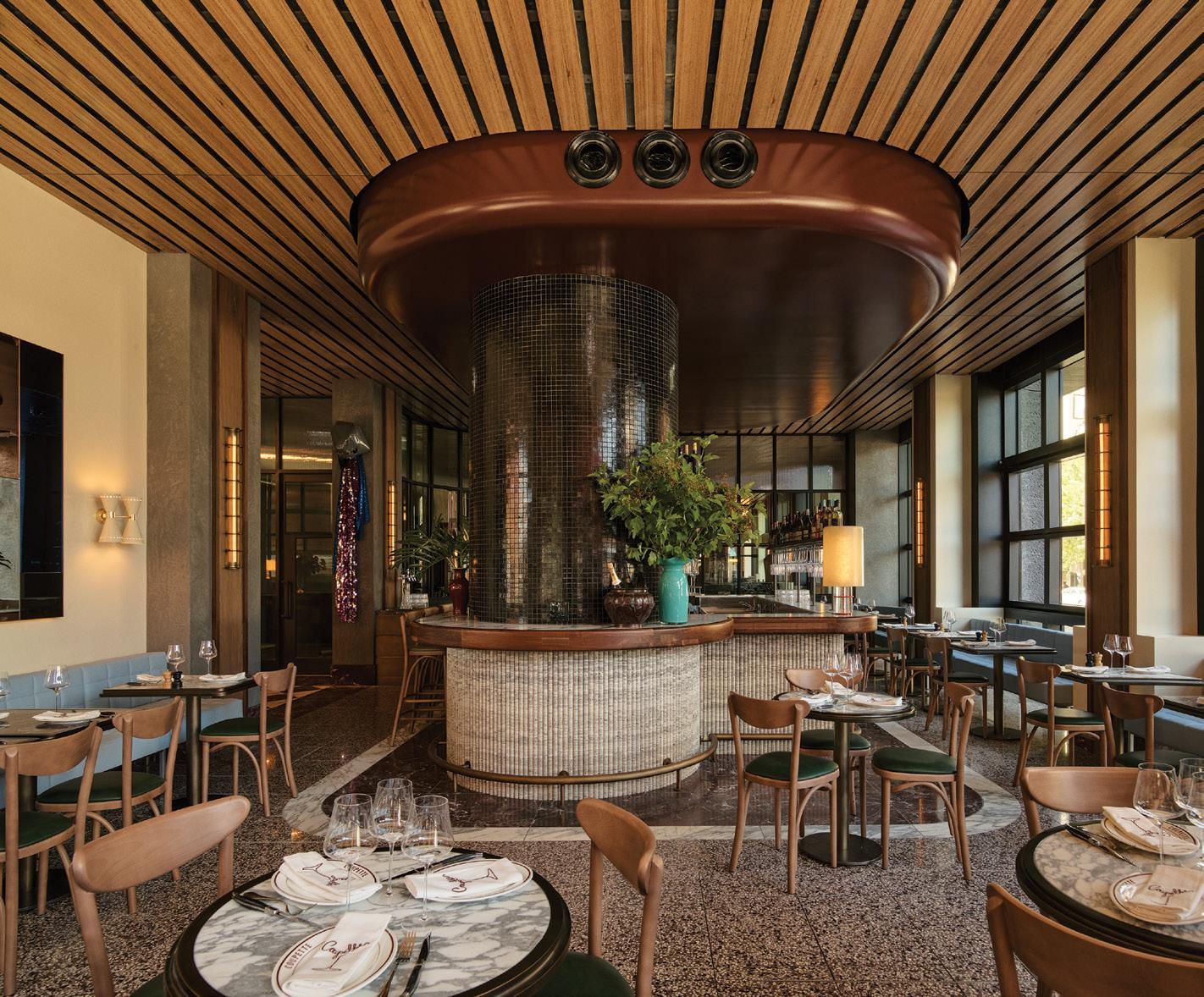
Oaks Melbourne on Market Hotel
Melbourne, Victoria
Located in the heart of Melbourne CBD, Oaks Melbourne on Market Hotel is a winter-ready destination for sophisticated events. As the city cools, guests can retreat indoors to versatile, light-filled event spaces that flex effortlessly from intimate meetings to large-scale conferences.
With capacity for up to 220 attendees and adaptable room configurations, every event feels considered and connected. Onsite restaurant Oak & Vine delivers seasonal comfort dining with its warming winter menu. Between conference sessions, delegates can unwind in the hotel’s indoor facilities or step onto the terrace for a breath of crisp city air. Centrally located and effortlessly accessible, it’s a polished CBD venue where winter events feel cosy, curated and expertly executed.
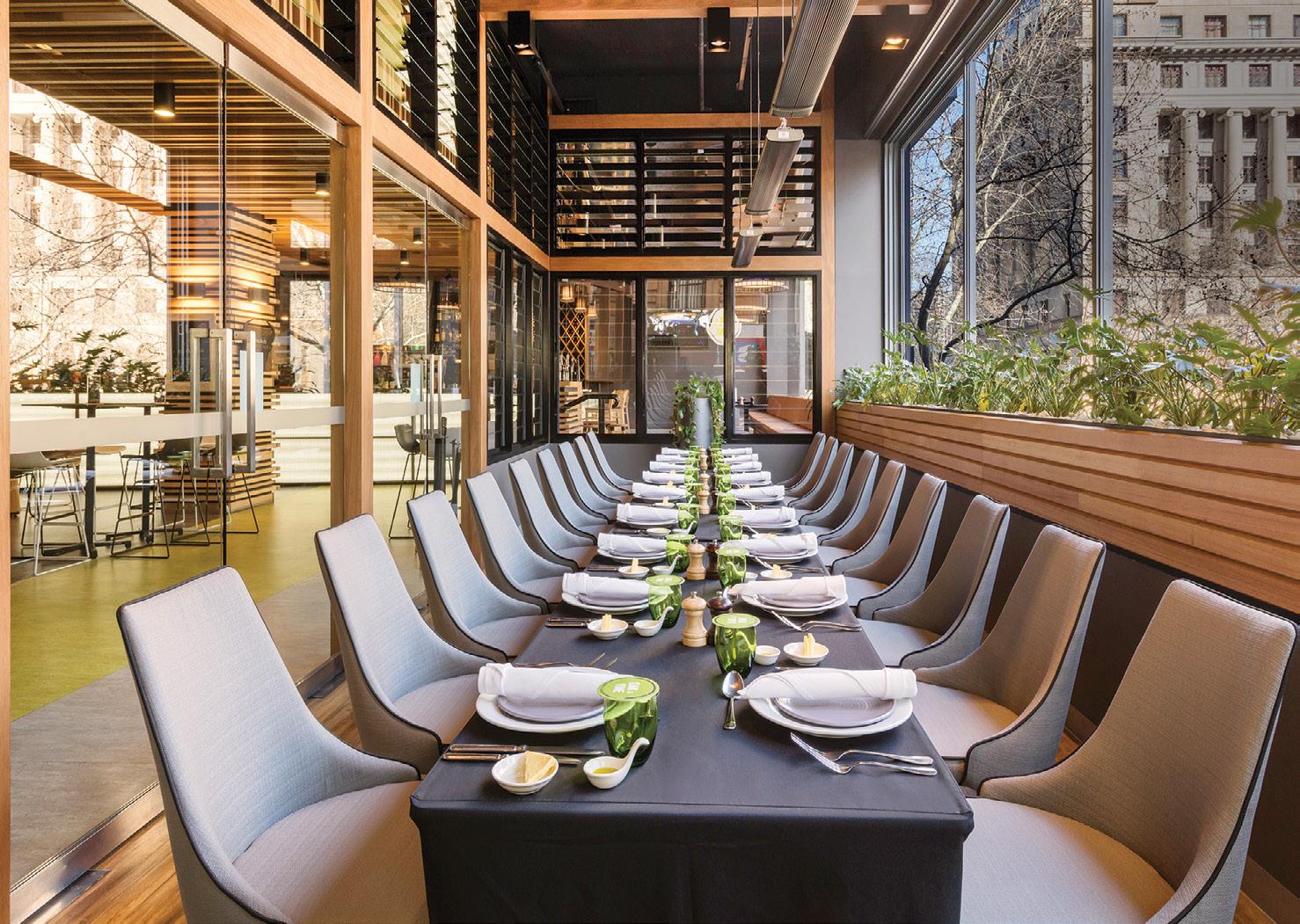
Bar Hanami
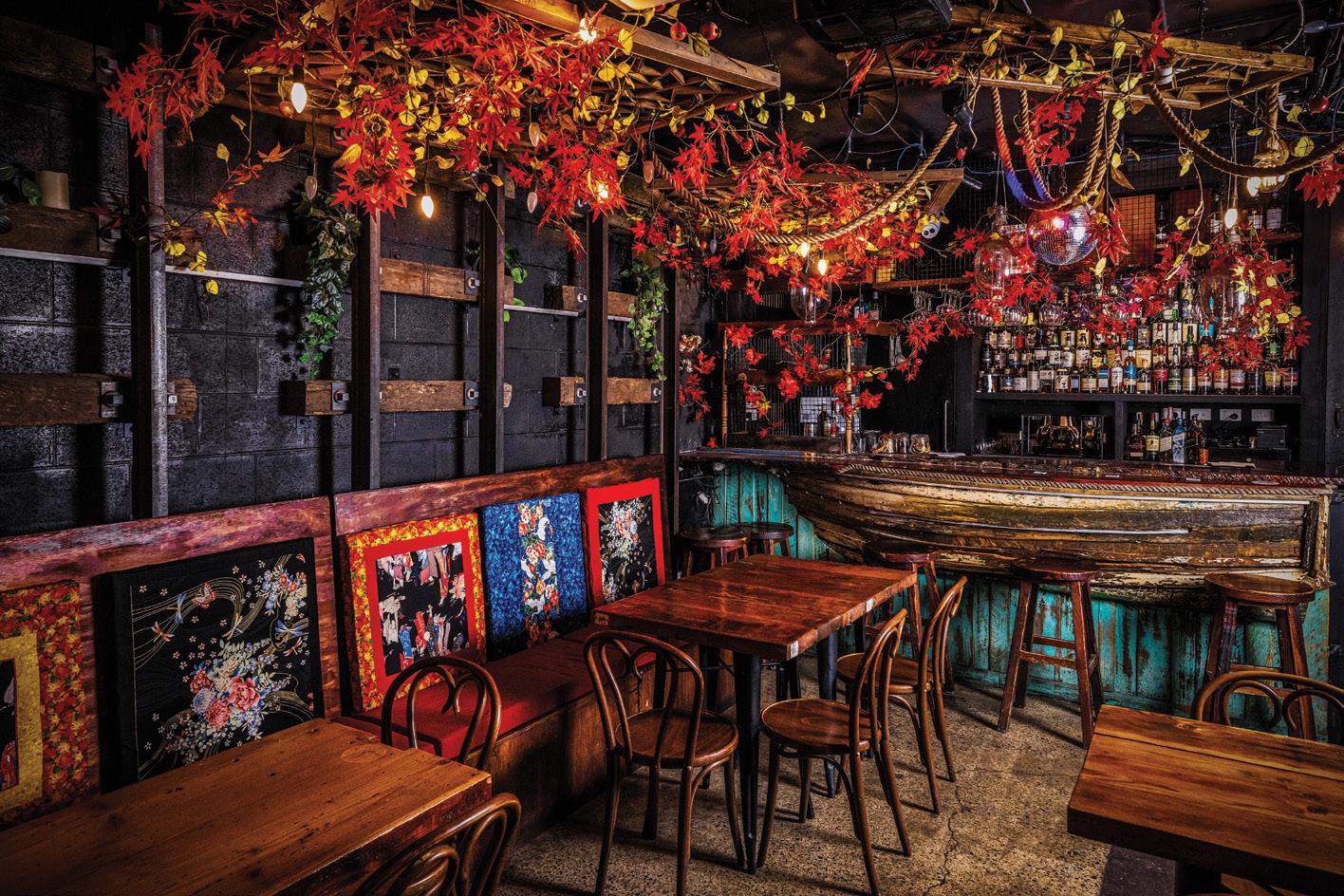
Sydney, NSW
Bar Hanami’s Japanese-inspired venue warms Surry Hills nights. Designed for grazing and sharing, its Asian-inspired menu encourages guests to mix and match dumplings, bao and noodles.
Beneath a cherry-blossom-pink ceiling upstairs and in the moody whisky dungeon below, groups settle in for comfort food and whisky tastings. The menu spans a variety of winter-warming dishes, including chicken karaage with yuzu mayo, wagyu cheeseburger spring rolls and keema noodles.
With multiple levels, intimate nooks and 98 seats, Bar Hanami suits business functions or celebratory catch-ups, offering shareable plates and an extensive whisky list. It’s an immersive space where winter becomes an occasion for slowing down, connection and discovery.
The Cellar Kitchen
Barossa Valley, South Australia
Set high above Barossa Valley, The Cellar Kitchen at Novotel Barossa Valley Resort offers a winter dining experience that balances atmosphere with substance. The restaurant’s open fireplace becomes a natural focal point in cooler months, adding warmth to the clean, contemporary design.
Floor-to-ceiling windows keep connection to the landscape front of mind, even on grey winter days. The menu leans into the season with generous, produce-driven dishes, including the popular Sunday roast lunches.
Paired with a strong selection of Barossa Valley wines, the experience is well suited to business dining, small group gatherings and incentive itineraries seeking something polished and distinctly regional.
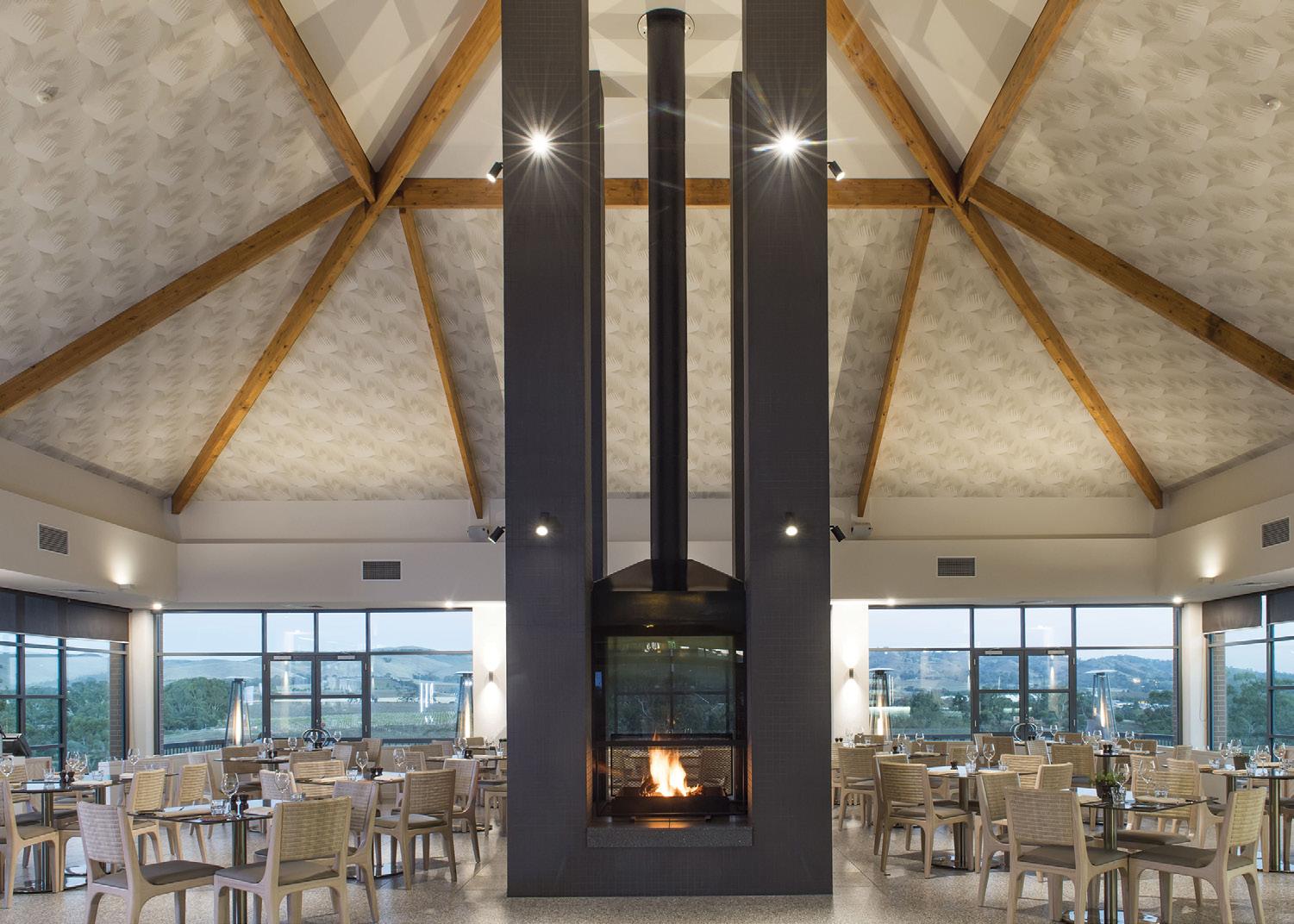
Winter venues
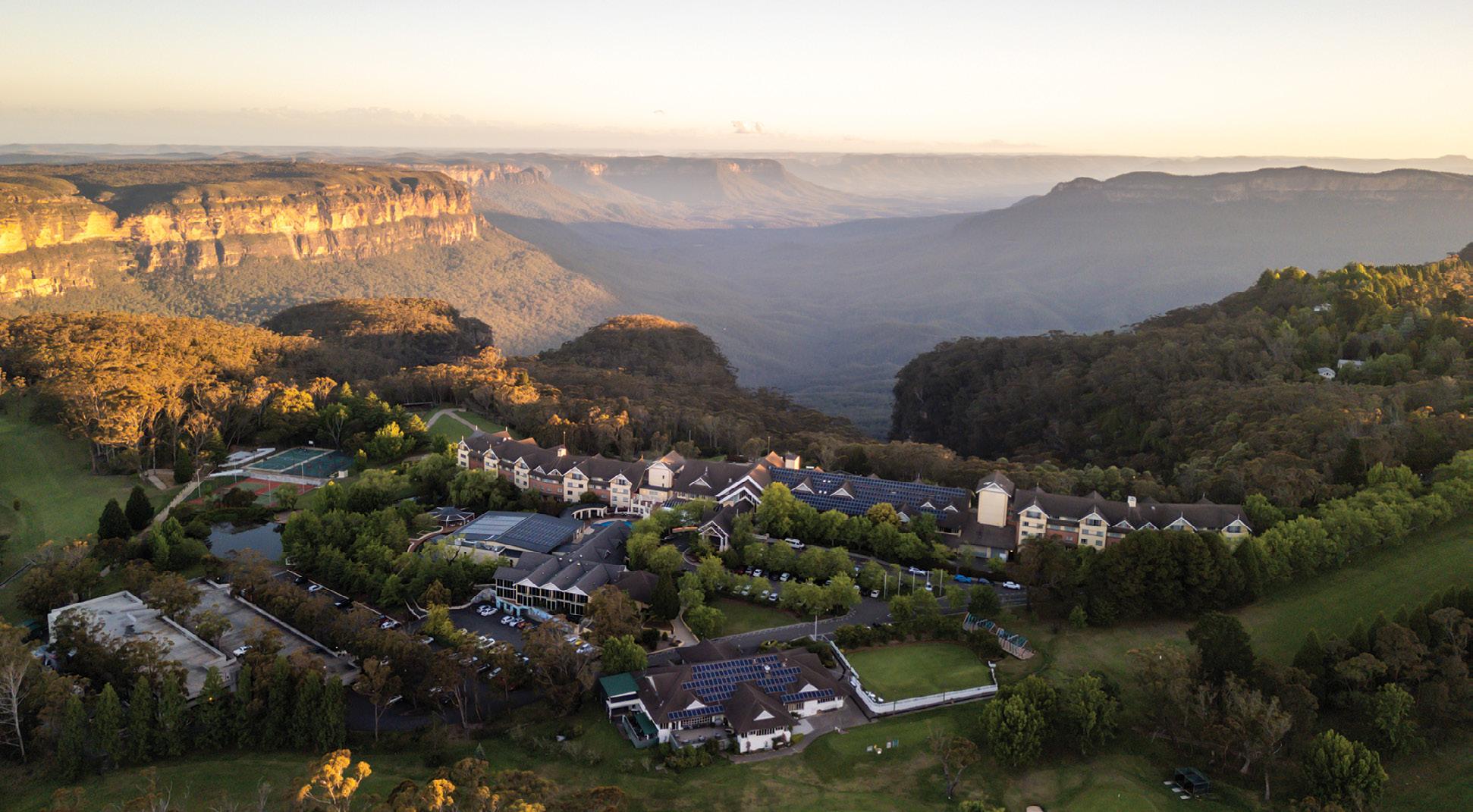
The Boat House
Canberra, ACT
Set on the tranquil shores of Lake Burley Griffin, The Boat House offers an elegant and inspiring backdrop for business events. Just minutes from the city, yet peacefully secluded within Grevillea Park, this private waterfront venue blends natural beauty with refined sophistication.
Surrounded by landscaped gardens, The Boat House features versatile event spaces paired with award-winning dining. Its culinary team elevates every occasion with distinctive, seasonal menus that go beyond standard conference fare, turning each meal into a memorable gastronomic experience.
With three rooms catering for groups of 15 to 300 guests, and additional space with gardens along the lake’s edge for marquees and trade displays, this Canberra venue can accommodate small meetings to large business gatherings, with premium audiovisual technology included.
The venue’s dedicated events team delivers high-end personalised service from planning to execution, creating a bespoke experience for guests. With free parking only steps away, The Boat House combines convenience, luxury and exceptional hospitality for business events.
Fairmont Resort Blue Mountains
Blue Mountains, NSW
Fairmont Resort Blue Mountains is a tranquil escape set on the edge of the Jamison Valley within the World Heritage-listed Blue Mountains National Park. Just 90 minutes from Sydney, Fairmont Resort offers 224 spacious rooms, family friendly facilities and breathtaking natural surrounds.
Guests enjoy leisure amenities, including indoor and outdoor pools, Ubika Day Spa & Wellness Centre, tennis courts, a KidsZone and an onsite ice-skating rink for winter fun.
The resort features multiple dining venues, including a whisky bar, offering a variety of culinary experiences for all tastes. With nearby walking trails, Leura Village and panoramic views, the resort is ideal for business retreats, family getaways and romantic escapes.
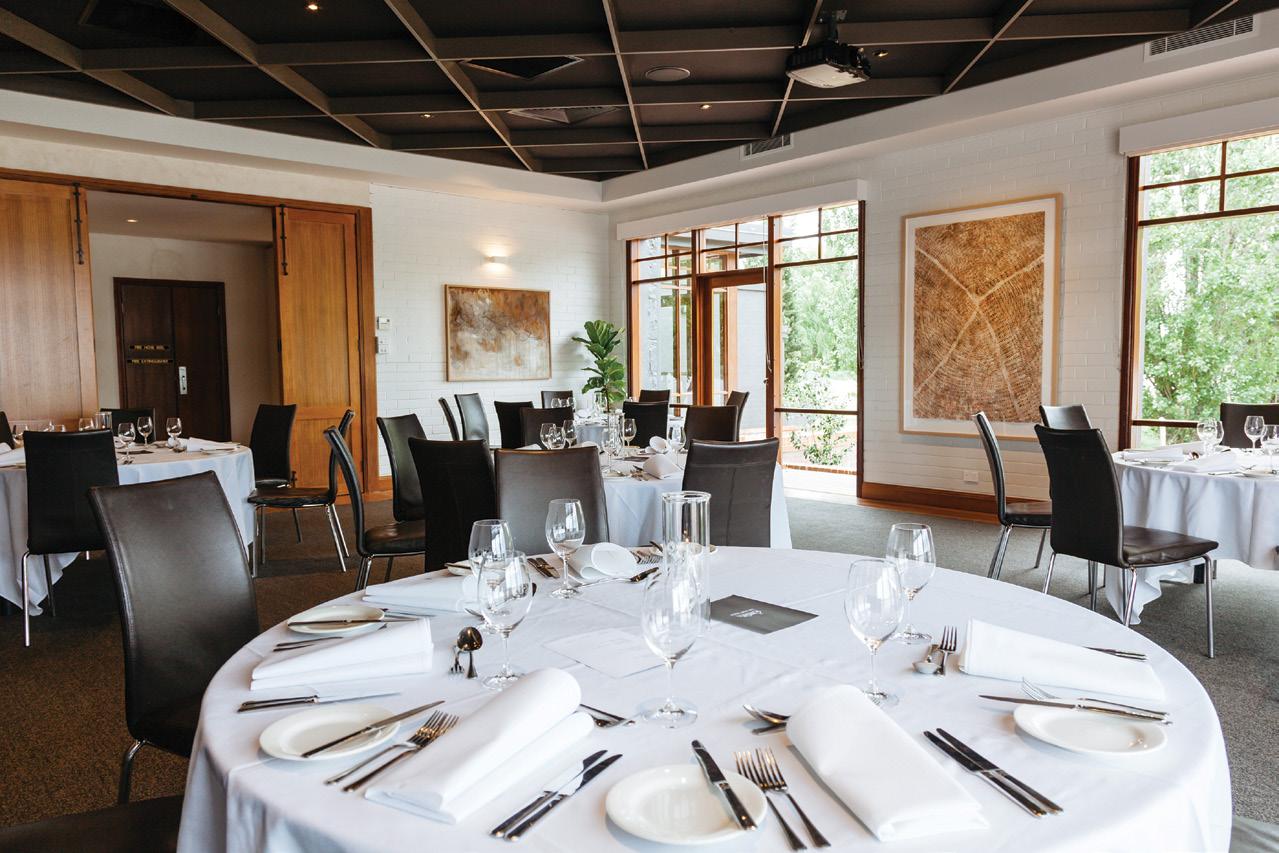
Circa 1876 Hunter Valley, NSW
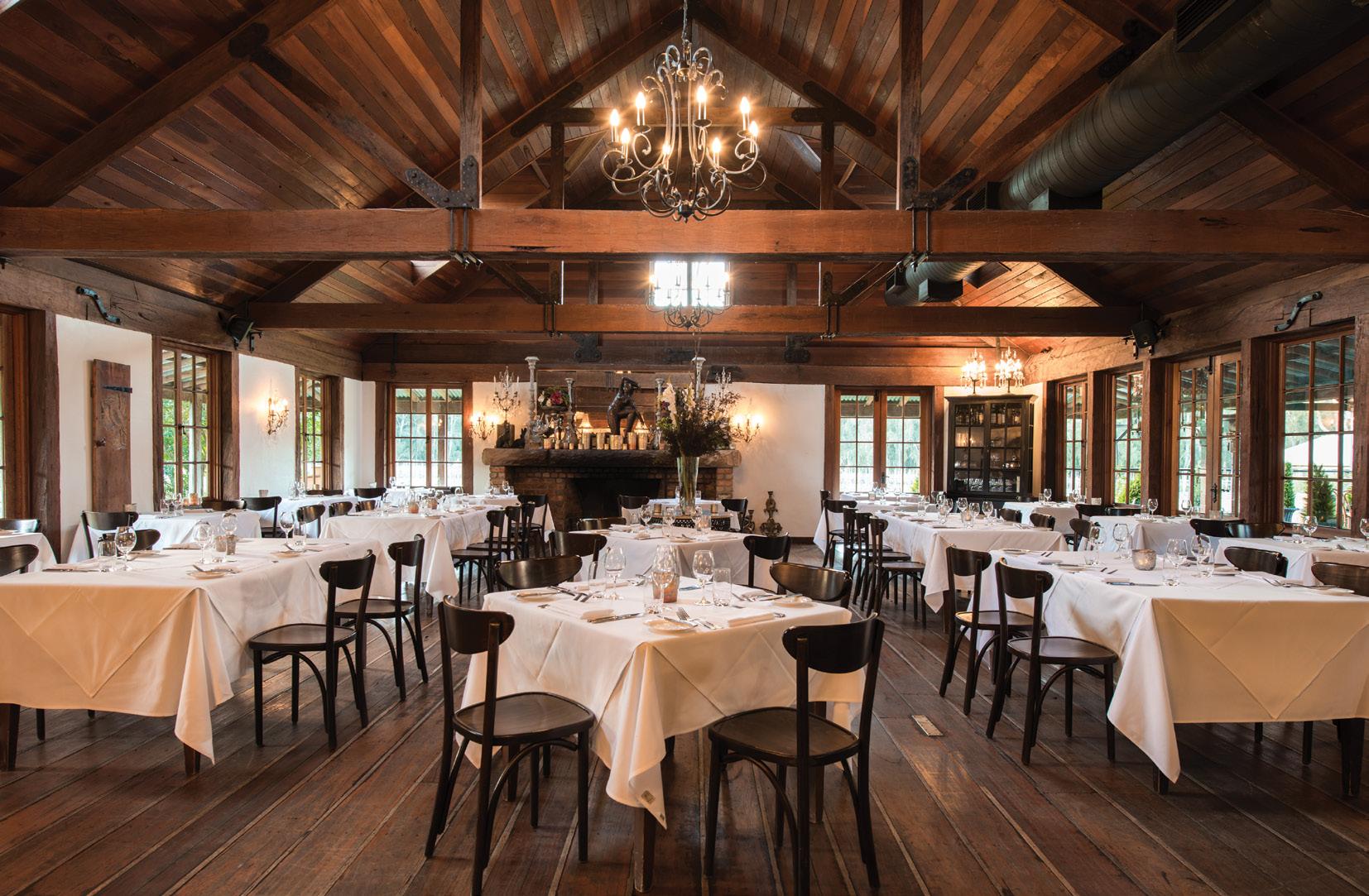
Set within the historic grounds of The Convent Hunter Valley, Circa 1876 offers a winter dining escape in the heart of Pokolbin. Housed in a heritage timber homestead, the restaurant provides a warm, intimate setting.
Executive chef Anthony Fullerton presents a menu inspired by French provincial cuisine, highlighting seasonal Hunter Valley produce through generous, technique-driven dishes. Highlights include slow-cooked lamb shoulder with cauliflower and jus, and lobster bisque-filled tortellini. Paired with local wines and the glow of heritage interiors, Circa 1876 invites guests to settle in for comforting flavours.
Beyond the restaurant, The Convent hosts business retreats and private events, with meeting spaces for eight to 30 delegates. From an intimate boardroom to the character-filled Chapel, each venue combines heritage charm with modern comfort for memorable gatherings.

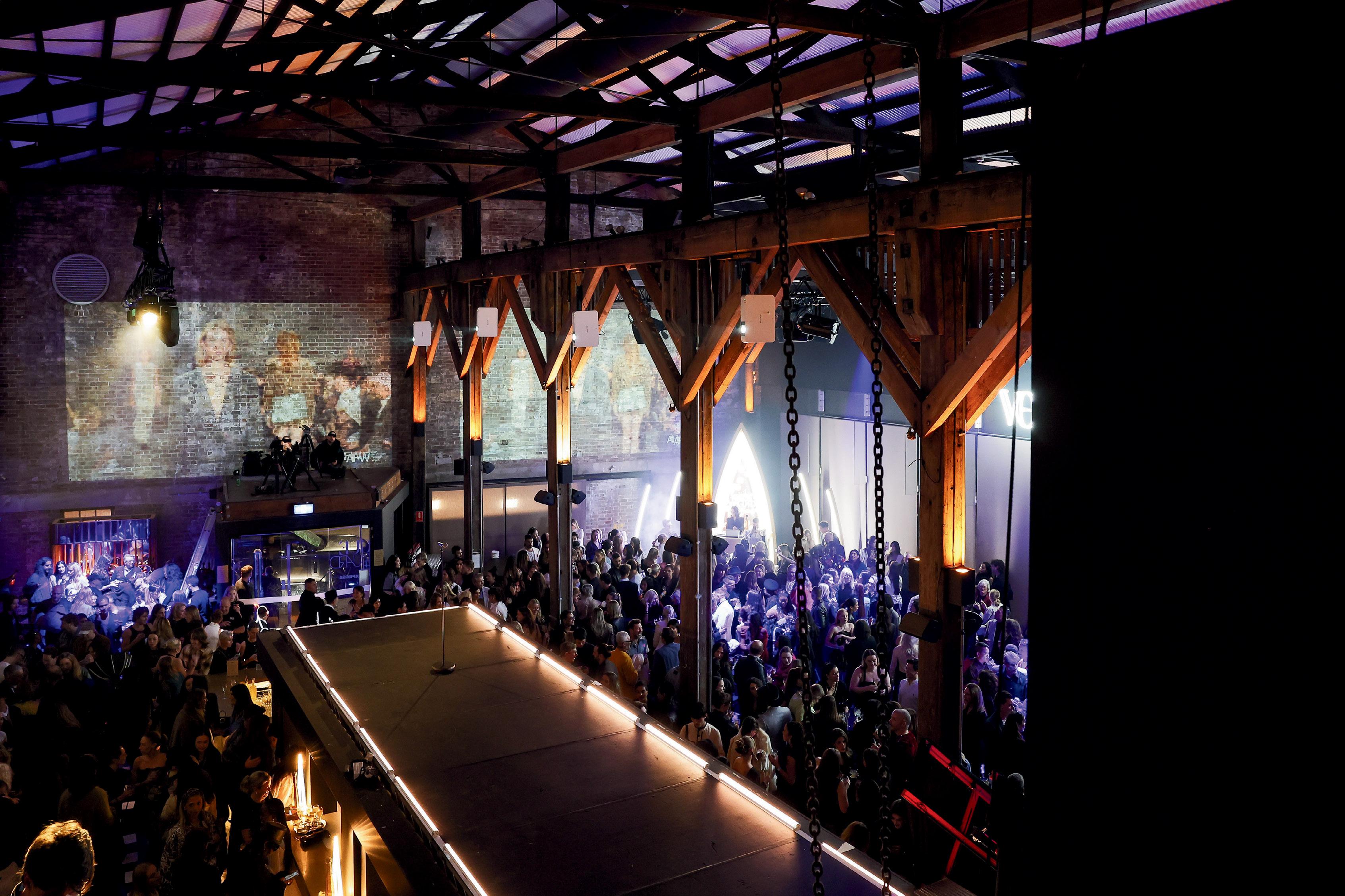
Winter venues
NUMBER 10
Sydney, NSW
NUMBER 10 is a bespoke events space designed for clients with a vision. This architecturally crafted hub offers a blank canvas to curate unforgettable experiences that exceed expectations. Blending rich historical charm with contemporary elegance, NUMBER 10 features post-industrial architecture with premium finishes, making it ideal for private dinners, networking events, brand activations and weddings.
The venue’s space is defined by elegant decor and exceptional cuisine. Culinary experiences are tailored to your vision, with menus showcasing the finest seasonal, locally sourced and sustainable ingredients that are guided by paddock-to-plate principles, ensuring freshness and environmental responsibility in every dish.
Behind the bar, sommelier-curated wines and mixologist-crafted cocktails add a creative touch to events to help bring stories to life.
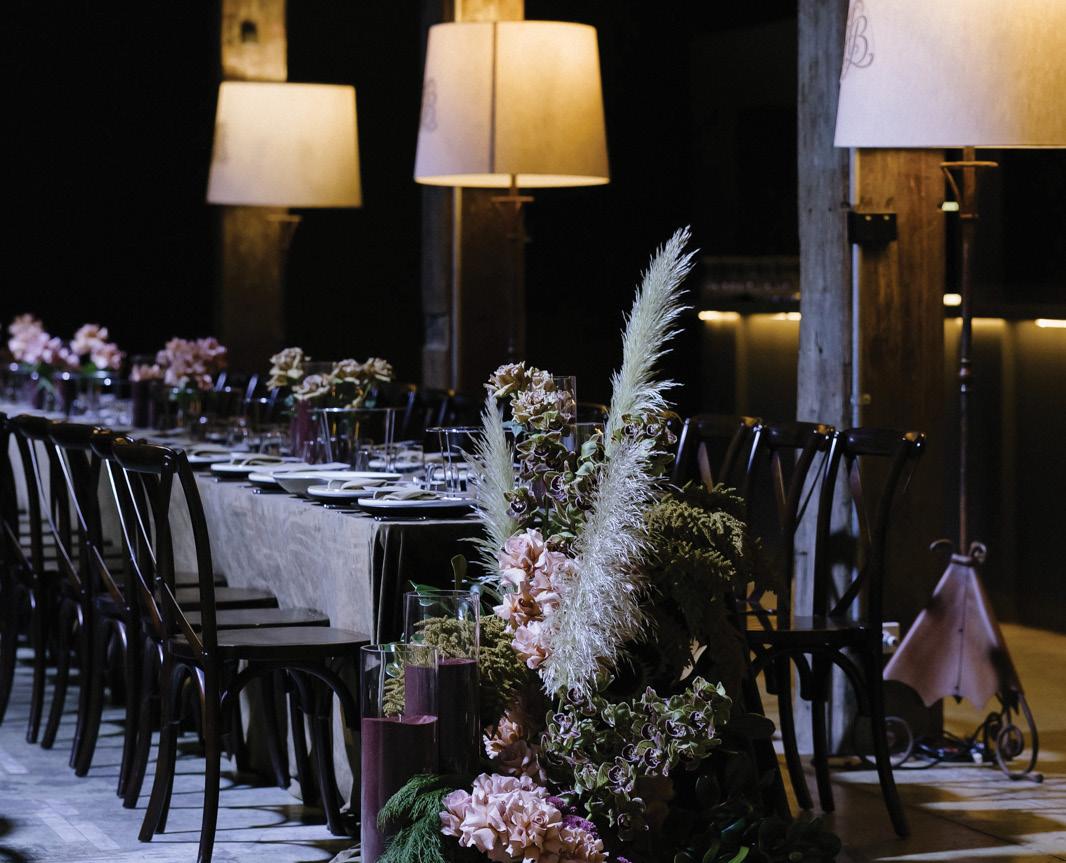
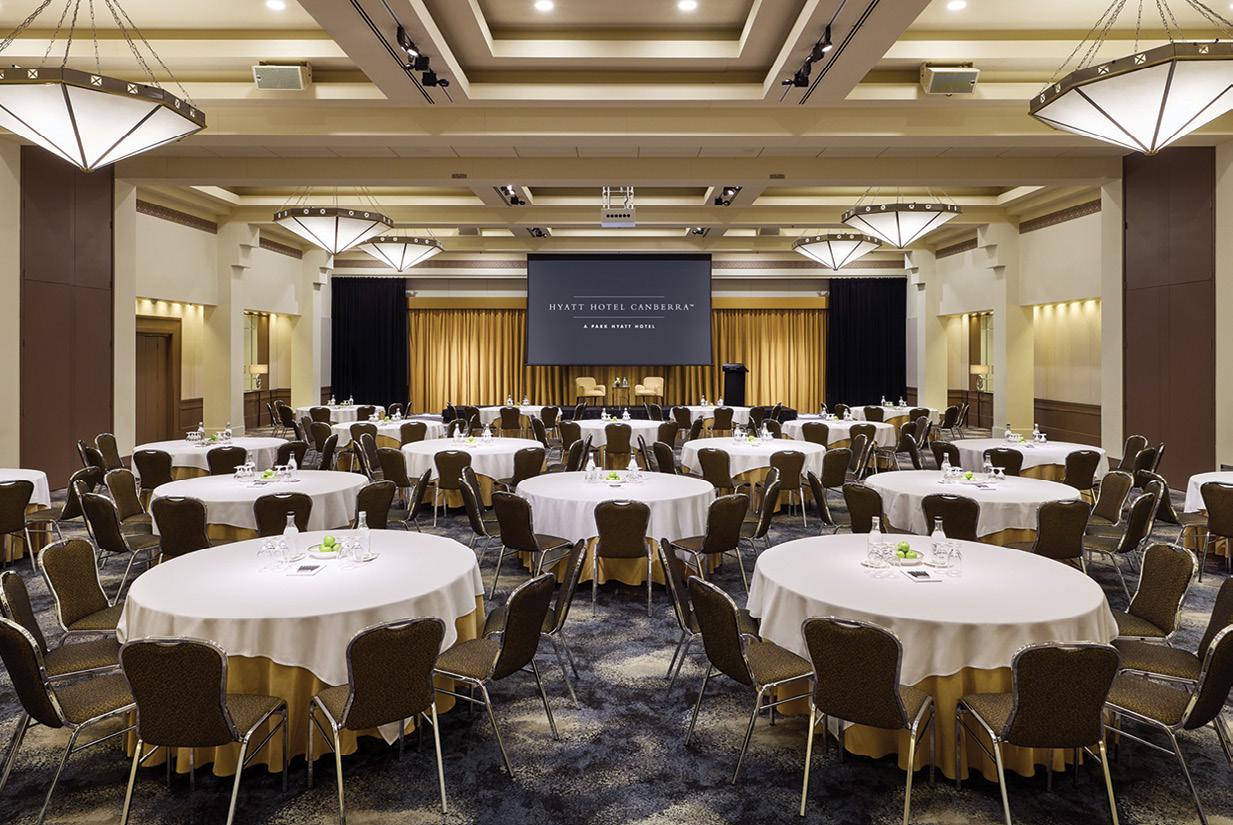
Saddles Mount White Central Coast, NSW
Saddles Mount White is a natural winter drawcard, offering a warm and inviting escape set within the beautiful surrounds of Mount White on the NSW Central Coast, just under one hour from Sydney.
The homestead-style Saddles restaurant centres around generous comfort dining, with seasonal menus that showcase Australian produce, from slow-cooked dishes to hearty shared plates, all designed for long, leisurely meals.
Inside, timber finishes, soft lighting and sandstone fireplaces create a relaxed setting that lends itself to cooler days and evenings.
For groups, Saddles Barn provides a delightful setting, showcasing a flexible and character-filled space, complete with fireplace, leather and velvet lounge areas, and a layout suited to everything from intimate gatherings to large celebrations.
Hyatt Hotel Canberra Canberra, ACT
Nestled beside the prestigious National Triangle in the heart of Australia’s capital, Hyatt Hotel Canberra is a harmonious blend of modern luxury and old-world charm. Surrounded by Canberra’s cultural institutions, the heritage-listed hotel offers an exceptional setting for conferences, meetings, formal dinners and cocktail receptions, accommodating everything from intimate gatherings to events up to 1000 guests across nine versatile spaces.
Inspired by the city’s rich cultural heritage, the hotel features 252 elegantly designed and recently refurbished rooms. Social spaces and event venues reflect refined Art Deco design, delivering a timeless, yet contemporary, atmosphere that is ideal for business and social occasions.
With private function rooms opening onto courtyards, and expansive outdoor gardens suitable for business or social events, Hyatt Hotel Canberra provides a premium destination for memorable events and stays.
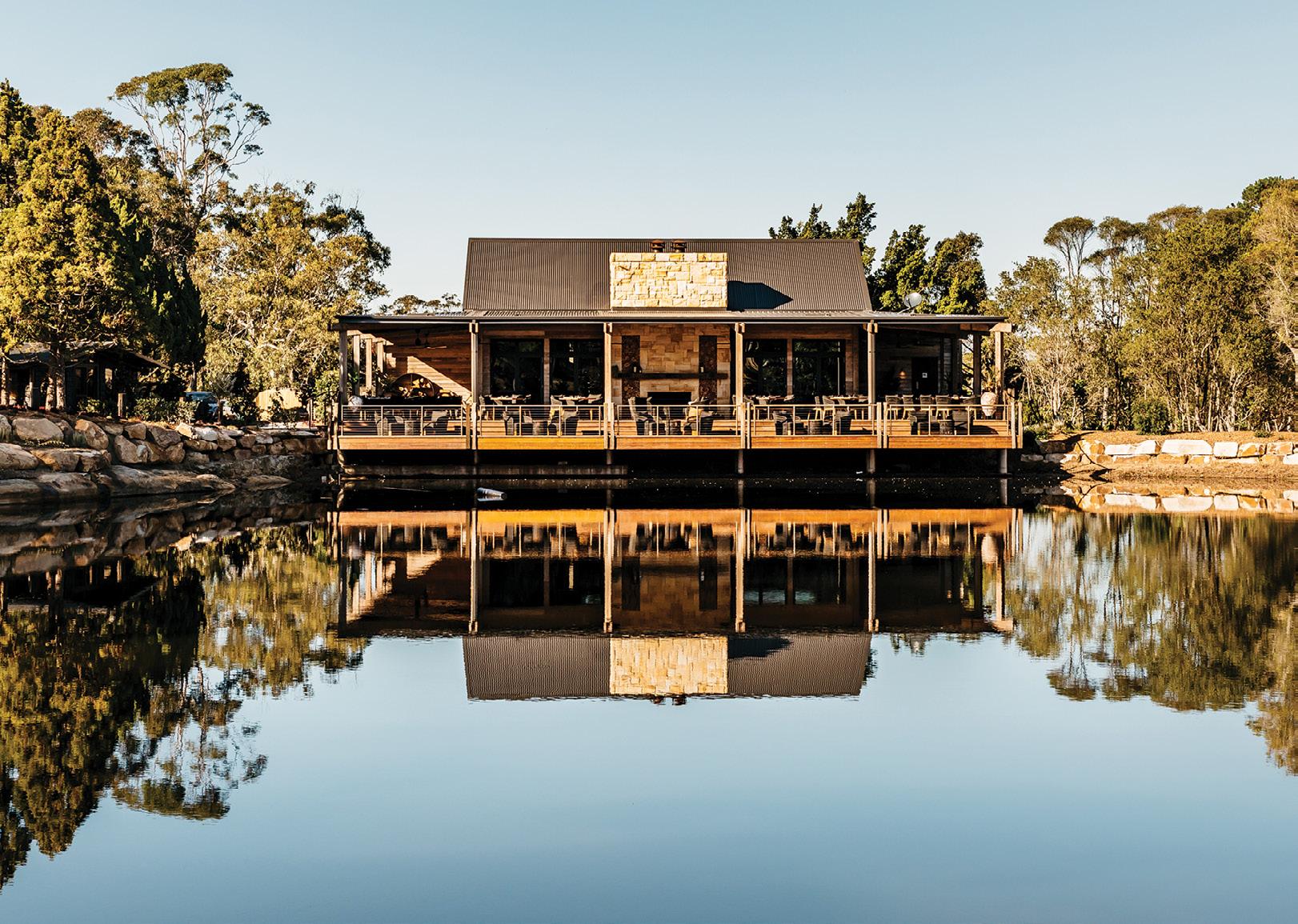
Winter
IN THE BLUE MOUNTAINS
Host your meeting in the serene surrounds of Fairmont Resort Blue Mountains MGallery where productivity meets comfort.
Half Day Package: $85.00 per person
Full Day Package: $95.00 per person
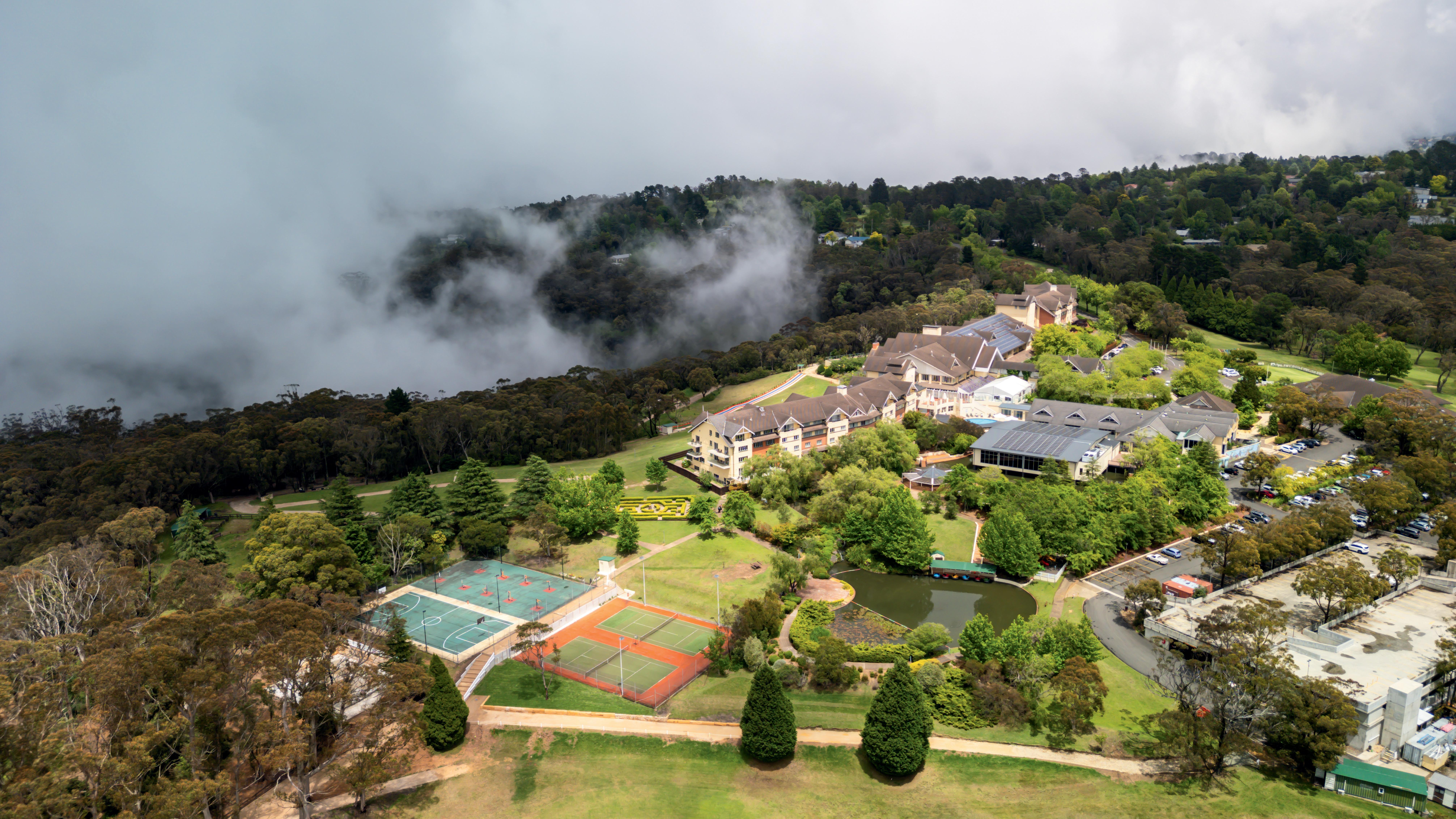
Enhance your delegates’ experience with a complimentary seasonal treat, select from: Hot Chocolate @ Morning Tea
Mulled Wine @ Networking Drinks A delicious addition to any meeting


Winter venues
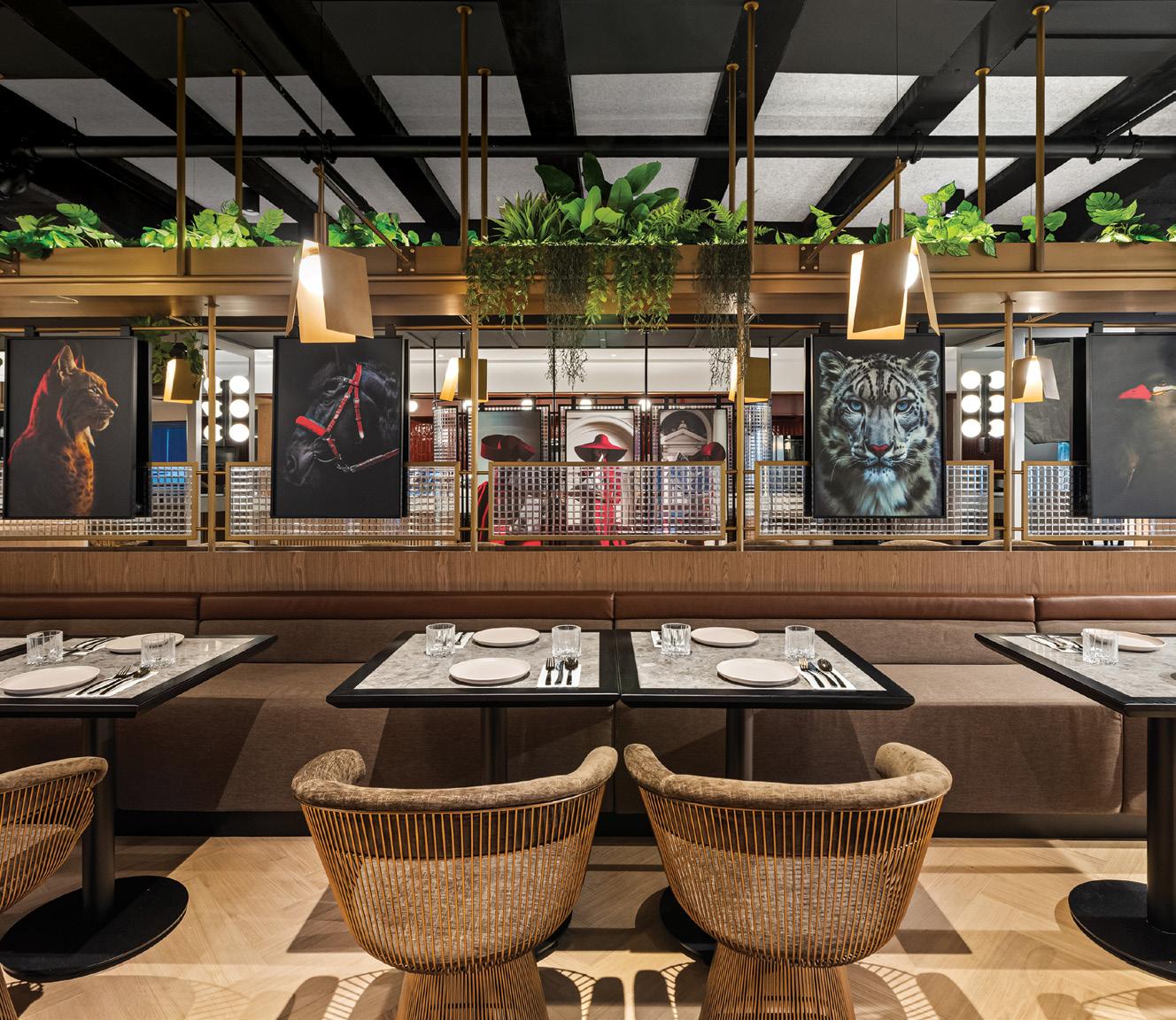
Aka Rooftop
Auckland, New Zealand
Radisson Hotel Group has opened a vibrant new hotel in Auckland city centre, which boasts New Zealand’s largest rooftop events space and Aka Rooftop bar. Located in the city’s Arts District, the 322-room Radisson RED Auckland marks the Australasian debut for the brand, and the New Zealand debut for Radisson Hotel Group.
Radisson RED Auckland features an all-day dining venue, and Aka Rooftop, which boasts sweeping open-air views of Auckland CBD. The rooftop space has capacity for up to 219 guests in a cocktail-style set-up, with the meetings and events spaces designed “to feel like a creative playground” – ideal for celebrations, live performances, pop-ups, private gatherings, weddings and business events. The venue can be configured into four flexible rooms, each filled with natural light.
“Opening Radisson RED Auckland marks an exciting new chapter for the city – one that celebrates creativity, connection and a bold new way to experience hospitality,” says Reinout Engel, general manager, Radisson RED Auckland.
“We’ve designed Radisson RED Auckland to be far more than a place to stay; it’s a creative hub where locals and travellers can plug into the heartbeat of the central business district and feel the city’s culture, colour and energy from the moment they arrive.”
Springs Bar & Lounge
Creswick, Victoria
Overlooking 150 acres of state forest, RACV Goldfields Resort, at Creswick, 11km from Ballarat, Victoria, offers a distinctly seasonal experience through Springs Bar & Lounge. In winter, the landscape becomes part of the moment, with evening mist rolling gently across the treetops, creating a soft, ever-changing backdrop.
Inside, the space is warm and relaxed with soft lighting and natural textures that reflect the surrounding environment. As the temperature drops, the lounge becomes a place to gather for a quiet drink, shared conversation or informal connection as the day winds down.
There is a quiet rhythm to the setting that feels immersive, understated and deeply connected to its surroundings.
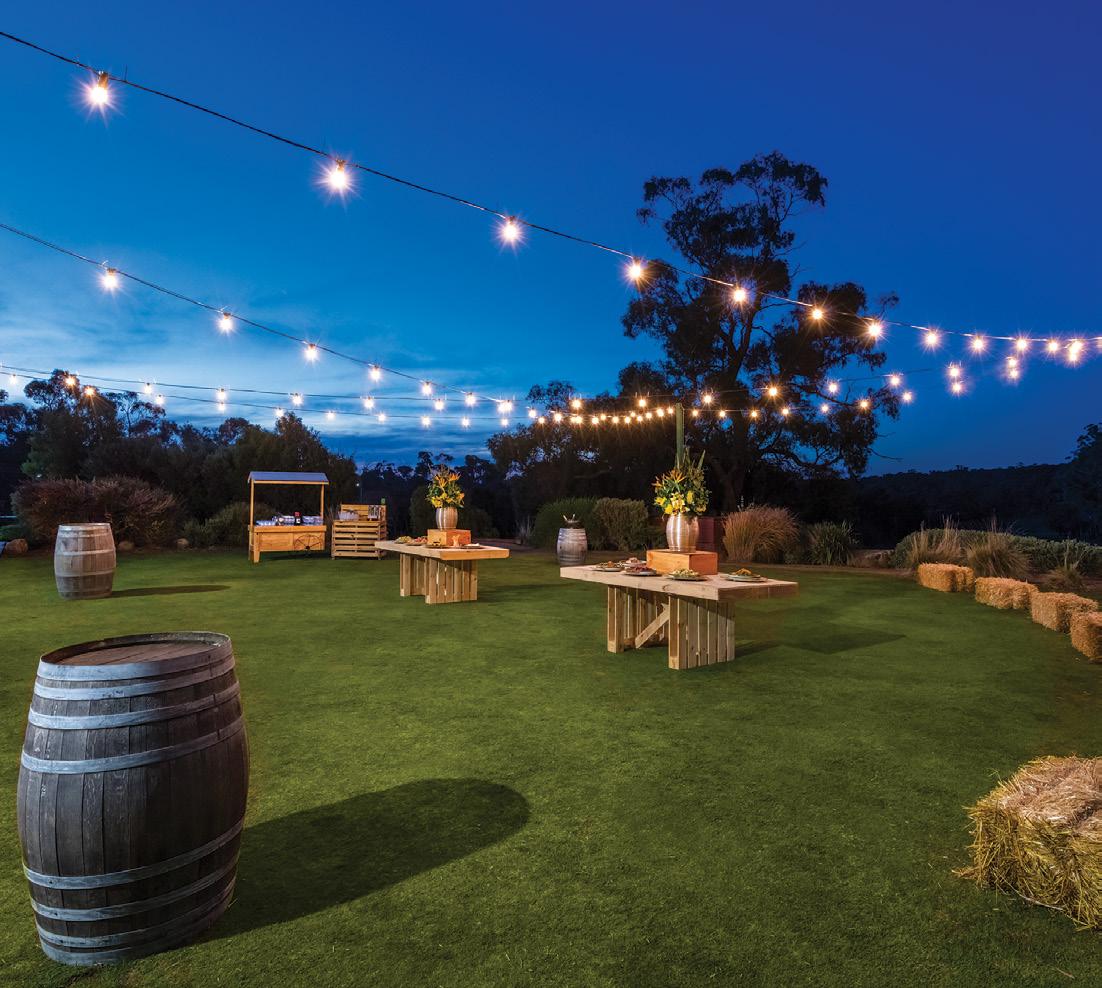
Magma by Dany Karam
Sydney, NSW
Magma by Dany Karam opened in November 2025 in Canley Vale and has made its mark as the most exciting new addition to the culinary landscape of western Sydney by taking out 14th place in Australia’s best steak restaurants according to World’s 101 Best Steak Restaurants
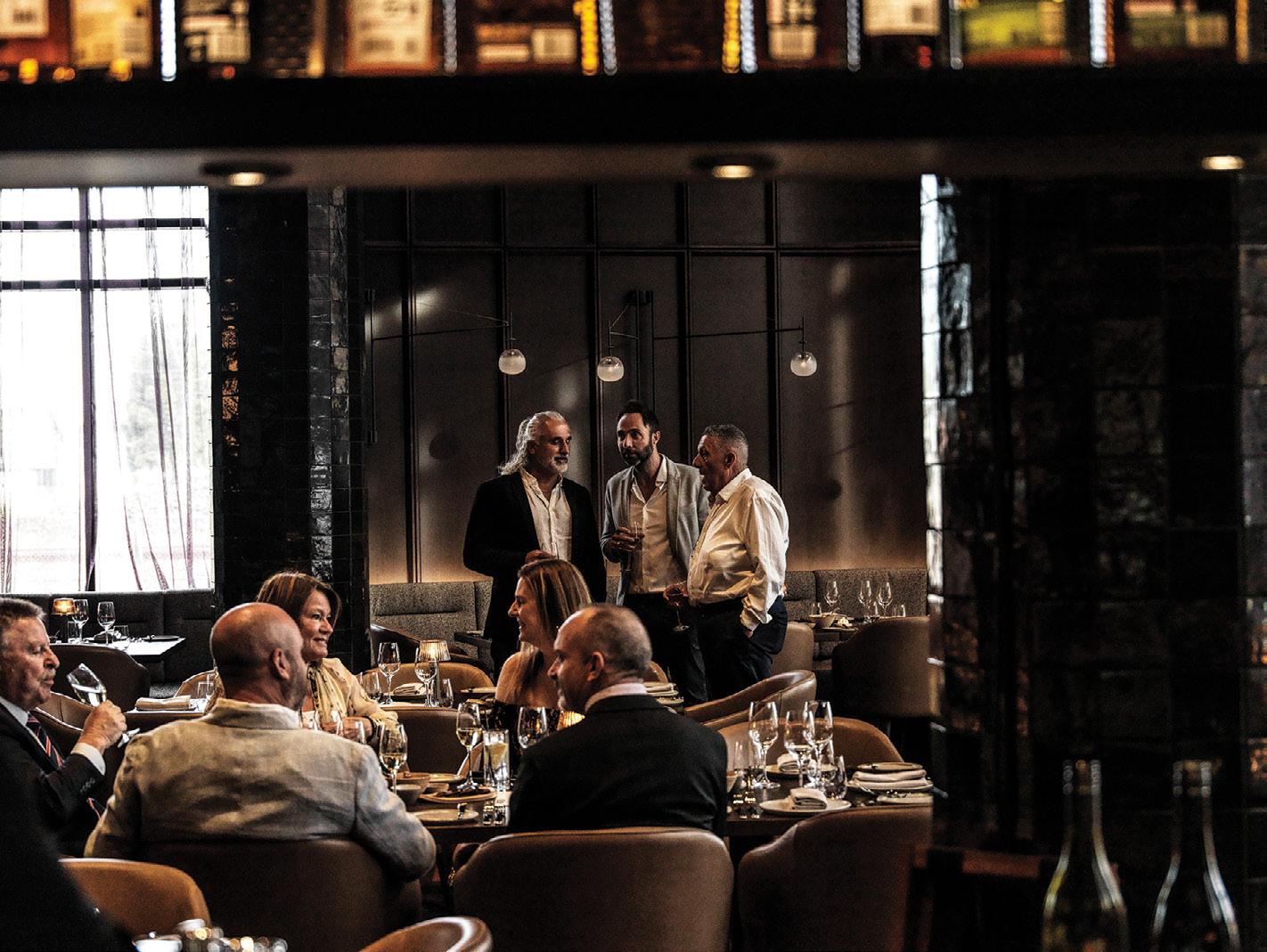
Four years in the making and featuring a multimilliondollar build, Magma brings chef-owner Dany Karam’s signature theatre of fire to Cabramatta, pairing an open charcoal grill with a dedicated dry-age butchery to showcase exceptional Australian produce.
Magma has built an incredibly impressive wagyu and beef program. Leaning on Karam’s 12-year relationship with Ben and David Blackmore, he has secured Blackmore’s Rhone wagyu and receives whole-carcass deliveries to maximise quality and minimise waste.
The main room seats 140 people, with a 16-seat private dining space available. Magma proudly features a sleek whisky-style bar lined with black marble and copper detailing, setting the tone for an elevated and welcoming experience.
EXCLUSIVE
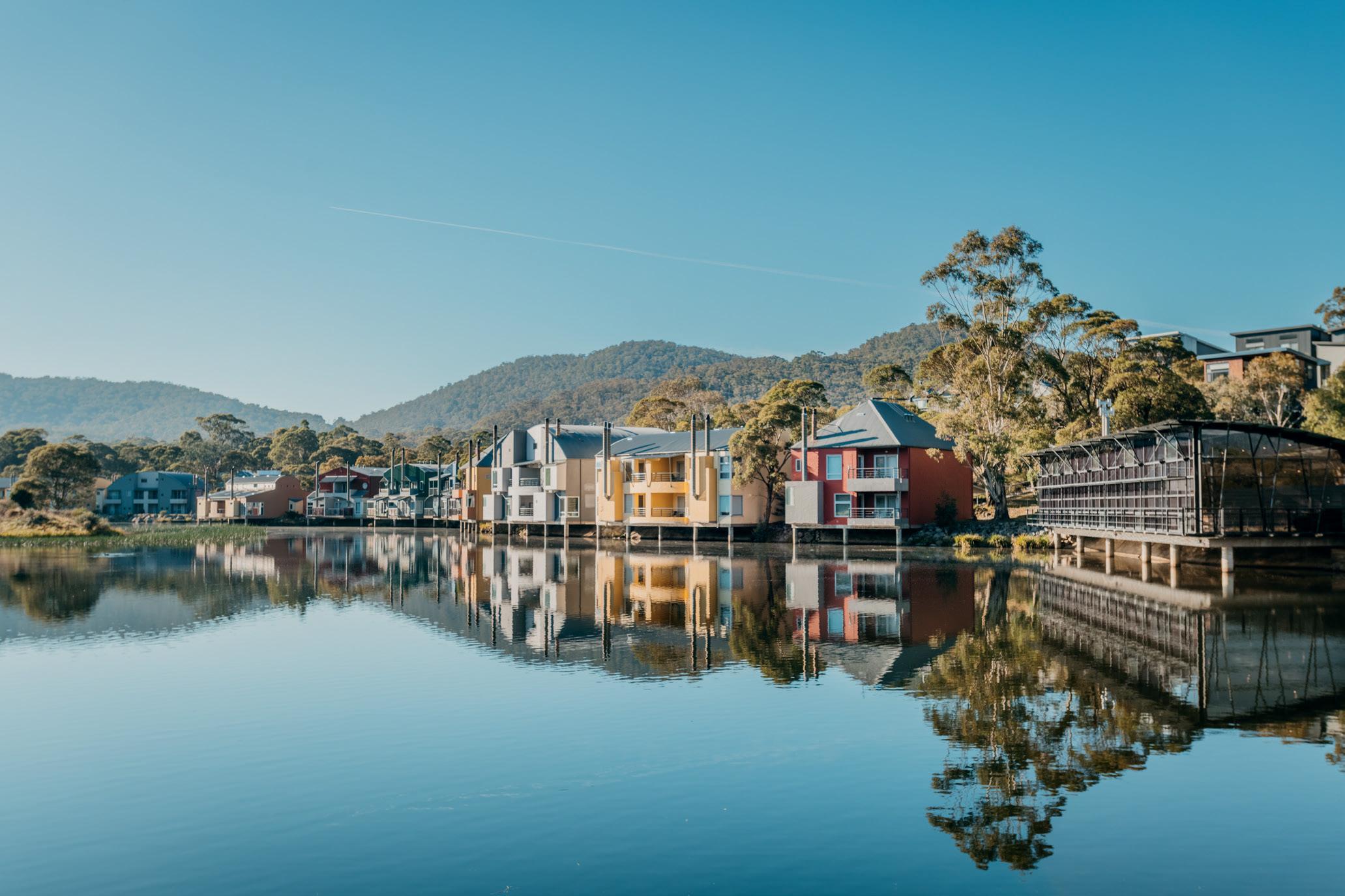
YOUR CONFERENCE FROM COASTLINE TO ALPINE
It's on at Oaks
From beachside resorts to alpine retreats, Oaks Hotels, Resorts & Suites offers flexible venues across Australia and New Zealand designed to adapt to your agenda, not the other way around.
Whether you’re planning a mid year working session, team meeting or strategy day, our spaces are designed to give you more ways to come together. Because it’s your event. Do it your way.
This winter, elevate your corporate event with seasonal inclusions, exclusive package offers and bonus value adds, when you book and hold your event by 31 August 2026.
Oaks Meetings & Events
Winter venues
Westpac Long Gallery, Australian Museum
Sydney, NSW
When the temperature drops, the Westpac Long Gallery comes into its own. One of Sydney’s most magnificent event spaces, this grand Victorian hall at Australian Museum offers a warm, sheltered retreat from the winter chill without sacrificing atmosphere.
Picture your guests arriving to candlelit tables, seasonal menus built around hearty comfort food, and the quiet drama of Australia’s first museum gallery wrapping around them. High-vaulted ceilings, mezzanine balconies and a beautiful heritage staircase set the scene, while glass cases displaying 200 treasures from the museum’s vast collection give guests something fascinating to discover.
Recently restored to its full grandeur and recognised with a National Trust Heritage Award, the Westpac Long Gallery turns any winter occasion into something unforgettable.
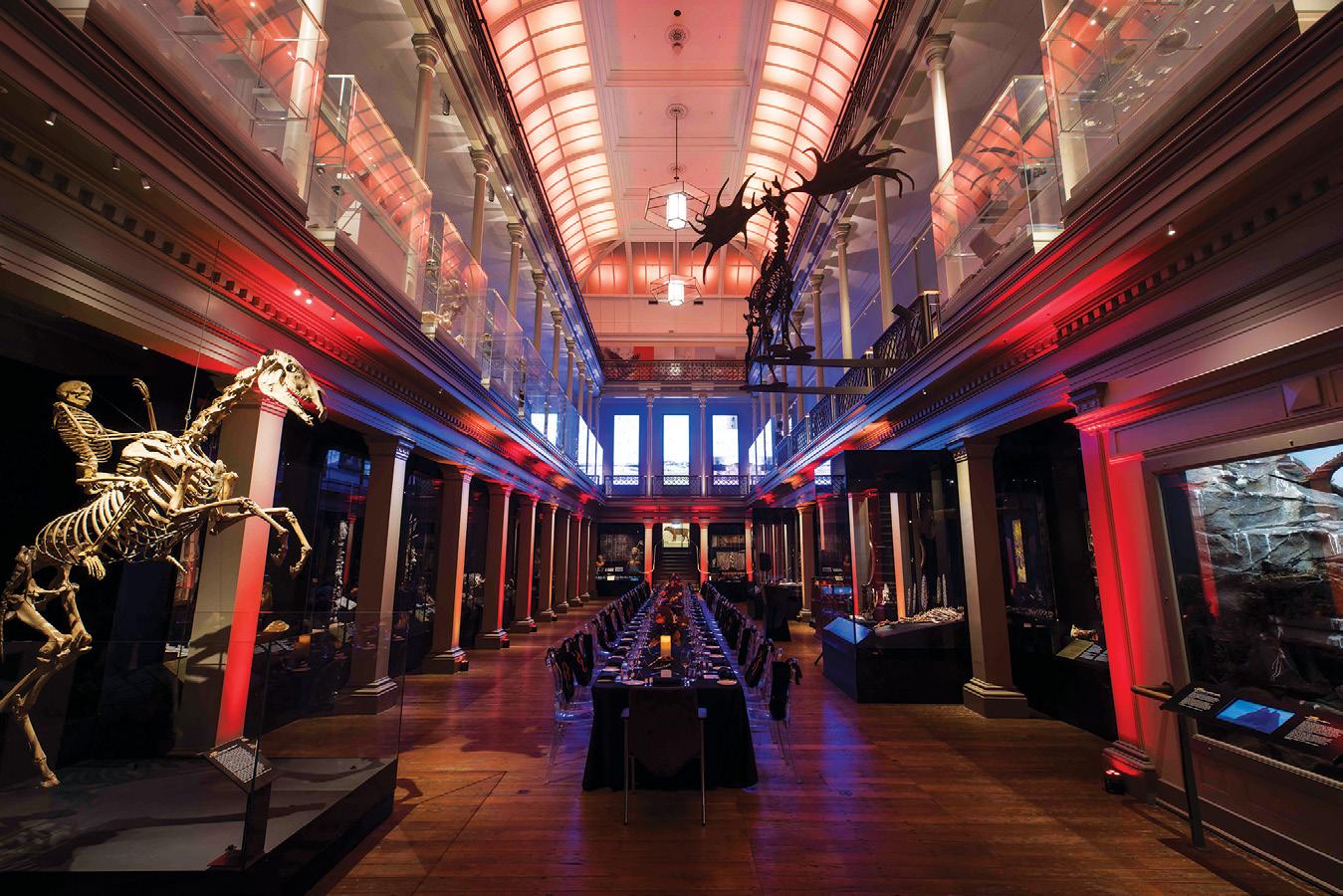
Eden
Melbourne, Victoria
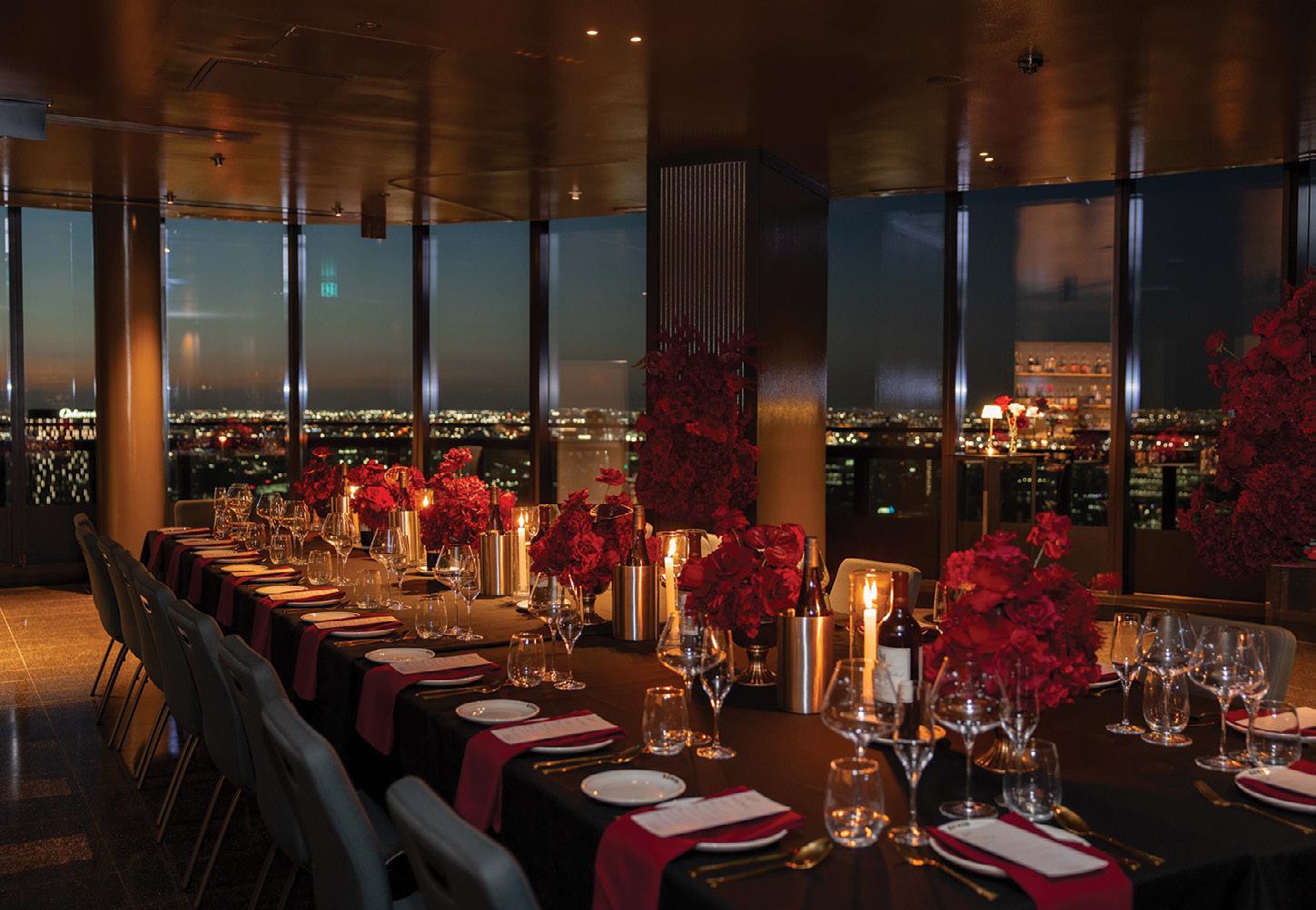
Shadow Play Melbourne by Peppers recently unveiled Eden, a reimagined premium events space on level 46 of the Southbank hotel. Its high-rise space has been transformed into an intimate, boutique events venue with panoramic views across Melbourne CBD.
With contemporary interiors, premium furnishings and flexible configurations, Eden is suitable for business and social events, product launches and private dining.
The venue can accommodate up to 120 guests standing or 60 seated. Catering at Eden is led by Edwin Wine Bar & Cellar, offering tailored canapes, multi-course dining and paired wines and cocktails, complemented by an exclusive Victorian wine list and menus showcasing the state’s local growers and suppliers.
The venue has capability to extend the event experience across a private two-level precinct – level 46 houses Eden and three additional event spaces, while Level 45 offers five three-bedroom penthouses ideal for VIP stays, wedding parties, executive teams or guests attending multi-day programs.
Cascade on Collins Hobart, Tasmania
Set within a restored heritage building, RACV Hobart Hotel brings winter atmosphere to life through its Cascade on Collins space. Framed by original architectural features, it blends historic character with a contemporary finish, creating a setting that feels intimate and refined.
A central lounge anchored by a fireplace invites delegates to settle in, while an atrium-style roof draws in natural light, offering a sense of openness, even on cooler days. The space flows easily from day to evening, shifting from relaxed daytime conversations to a warmer, more ambient setting.
Cascade on Collins is a considered, comfortable and quietly atmospheric venue that captures Hobart’s seasonal charm.
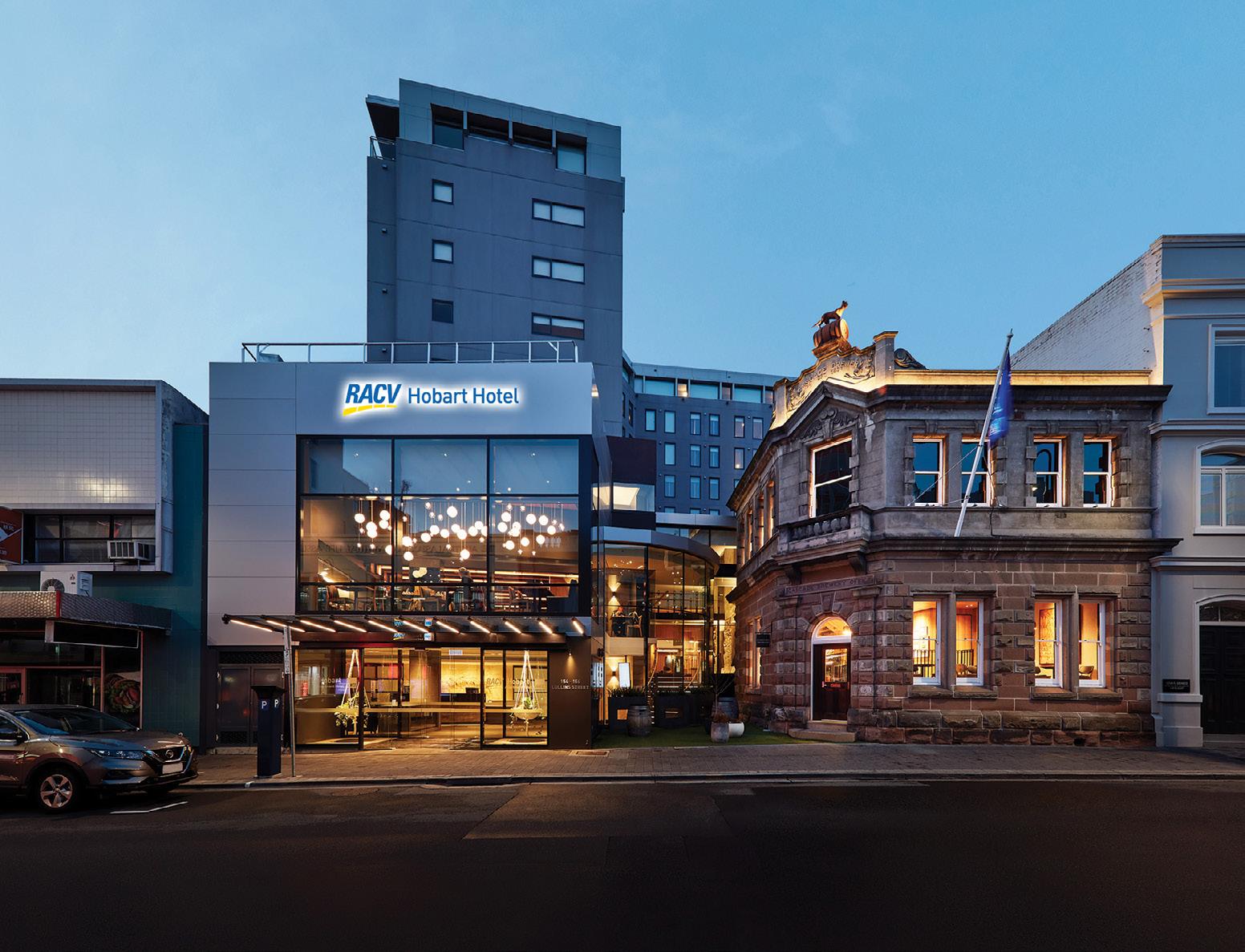
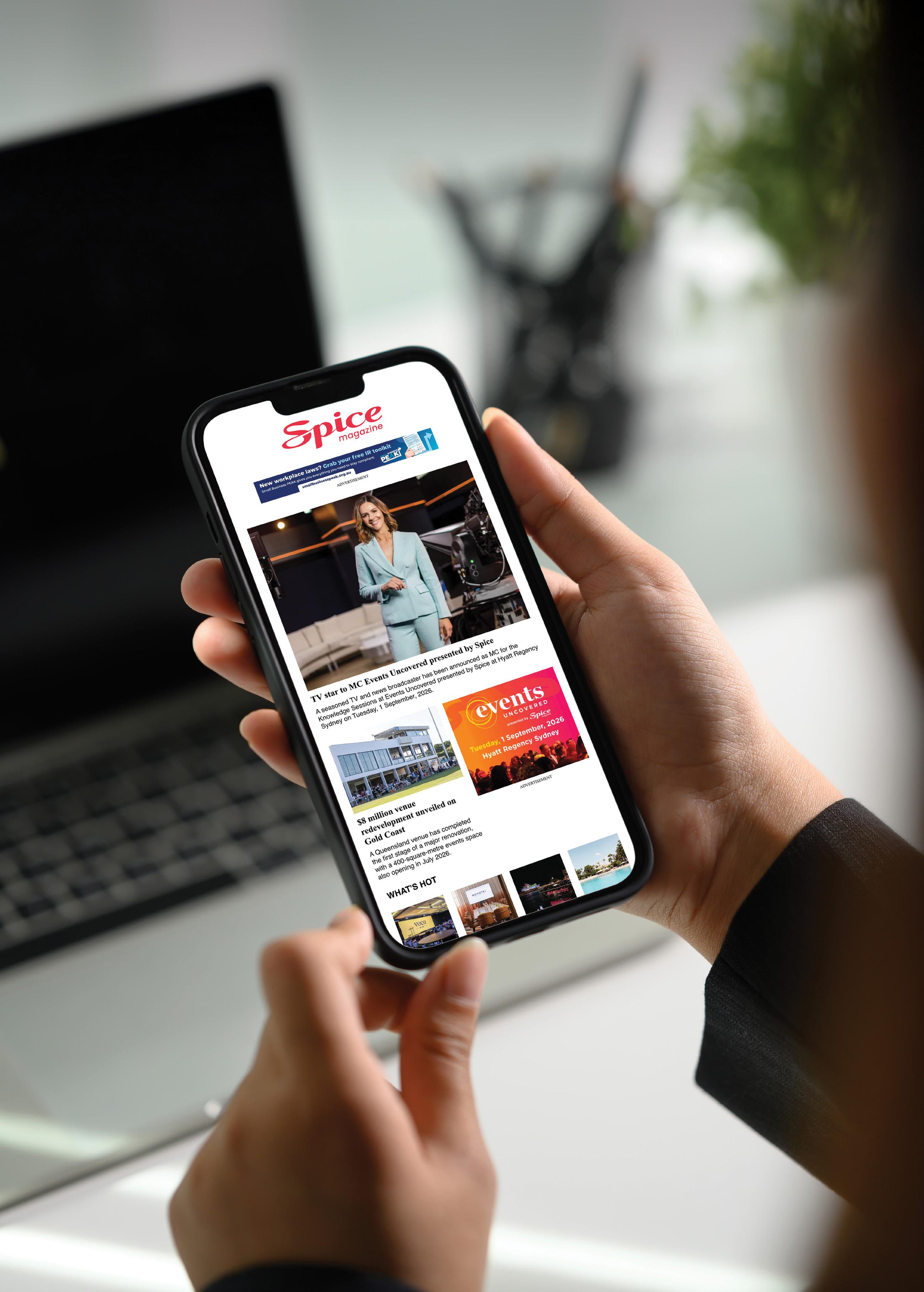
Meet with Purpose Leave with Memories
Your Dream Event Awaits in Perth
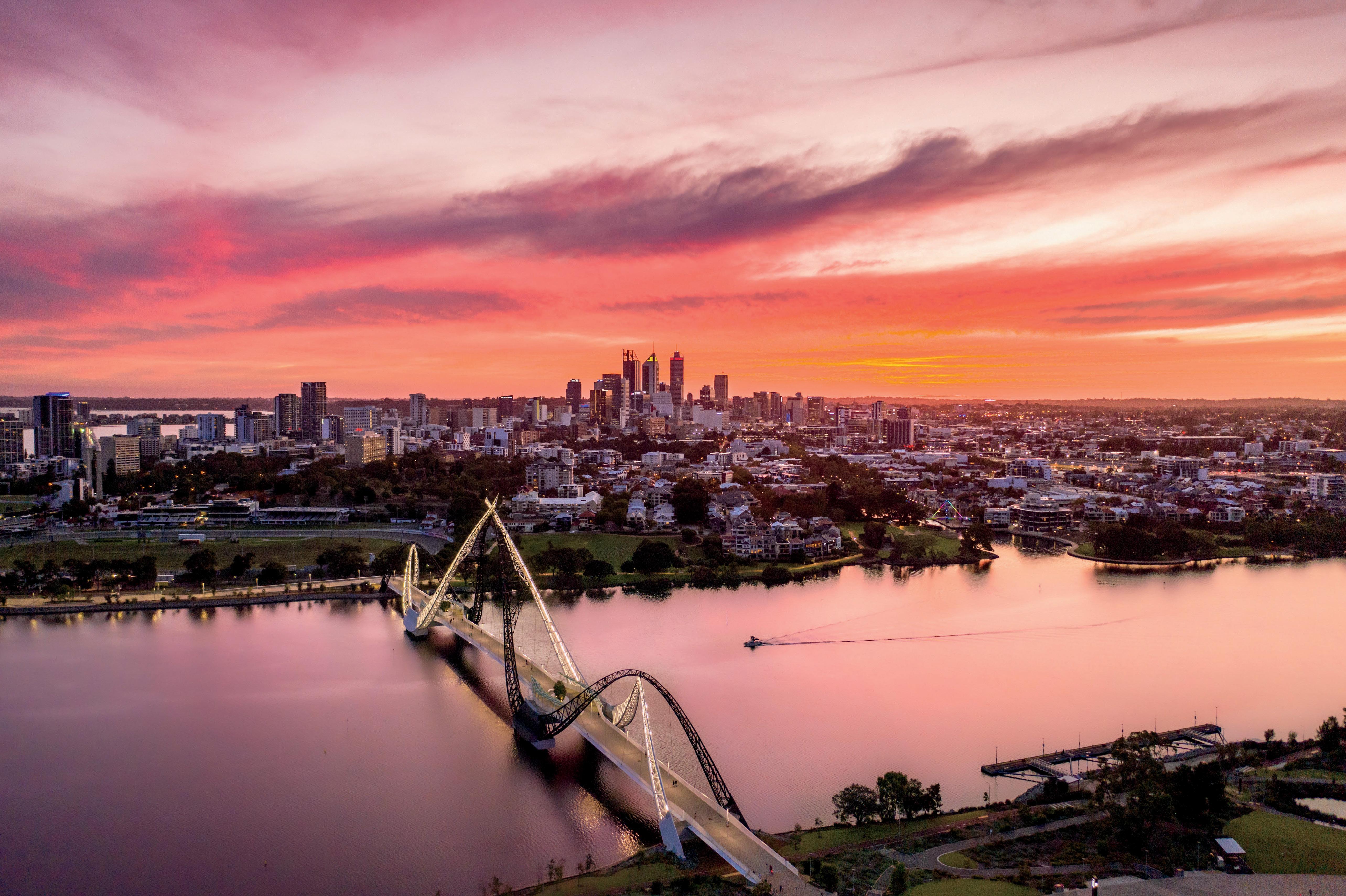
Looking to host your next meeting, conference, or roadshow in Perth? Marriott Bonvoy® welcomes you to experience world-class hotels, breathtaking sunsets, and distinctive event spaces each designed to deliver elevated experiences and exceptional service that bring your vision to life.
From riverfront luxury at The Ritz-Carlton, Perth, to wellness-focused experiences at The Westin Perth, each hotel offers premium spaces tailored for standout events. Aloft Perth brings vibrant Rooftop Ballroom energy,
Four Points by Sheraton Perth delivers contemporary, centrally located meeting spaces in the heart of the CBD, while Courtyard by Marriott Perth, Murdoch offers fresh, flexible venues in a fast-growing southern hub.

Start Planning Here
Explore your next event destination
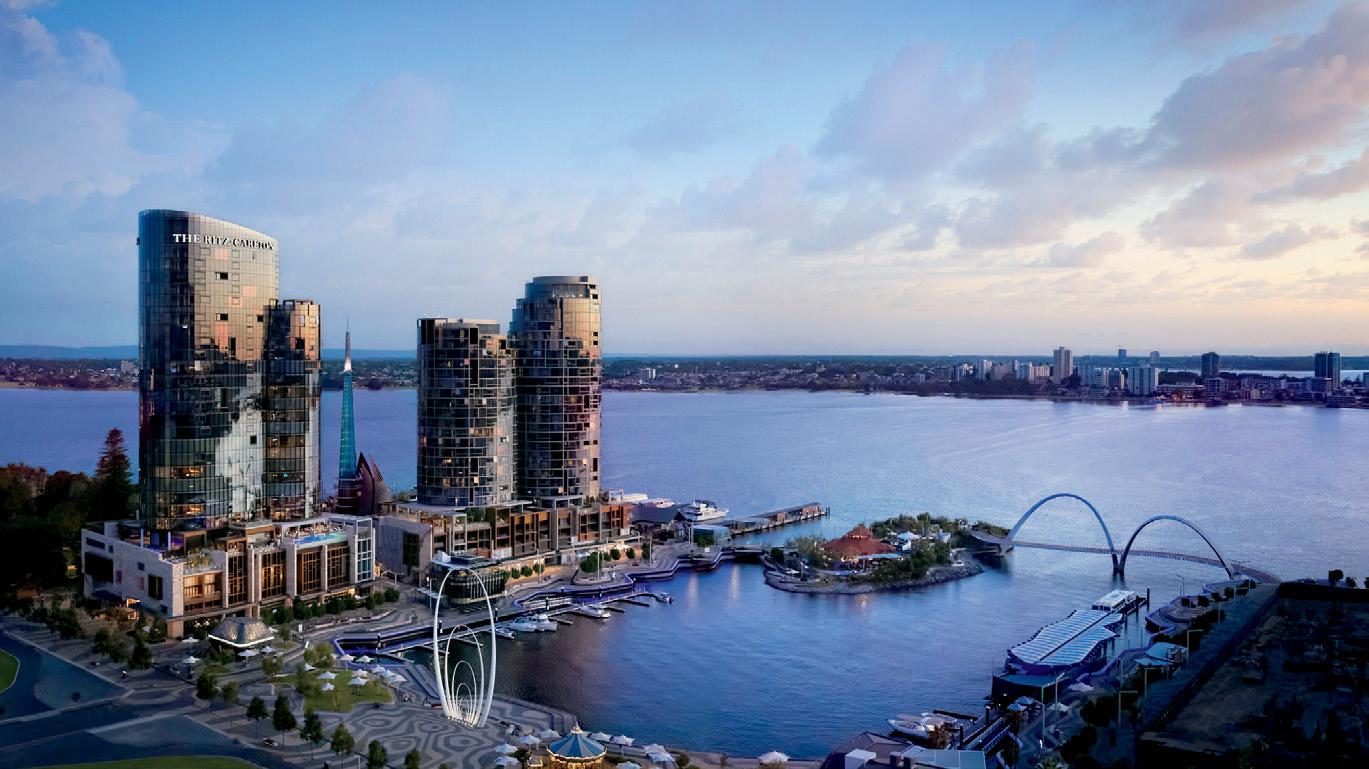


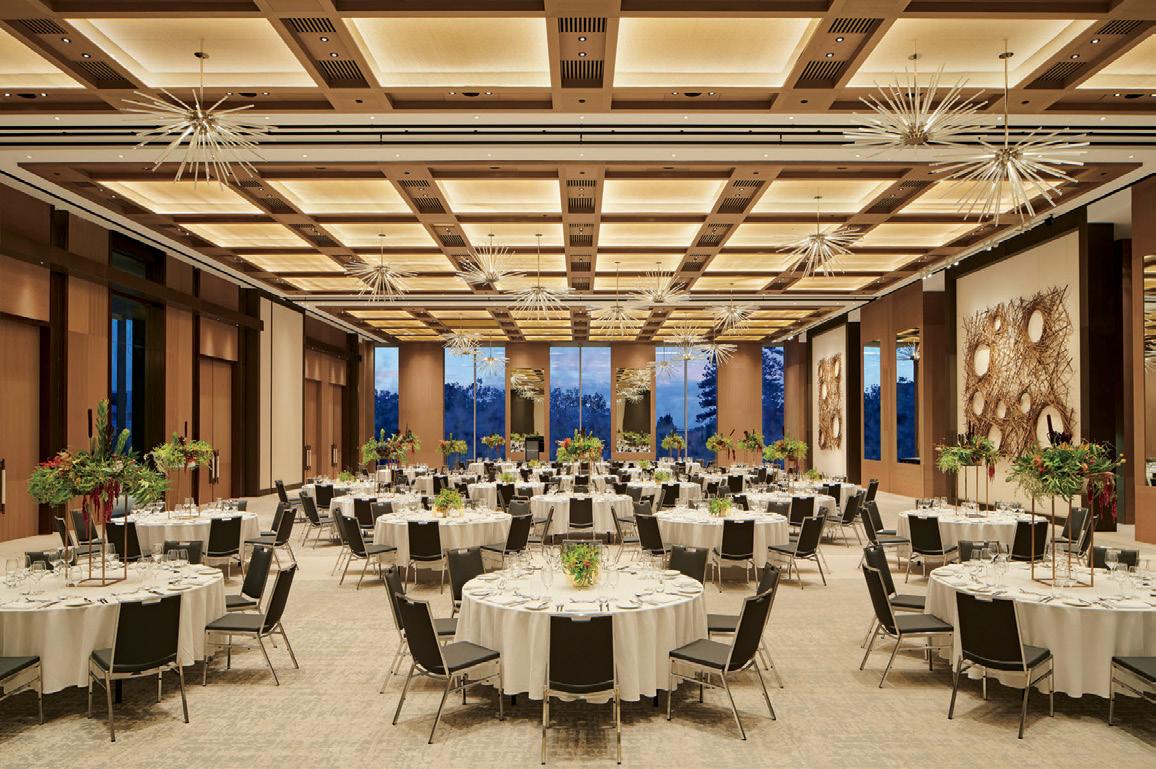


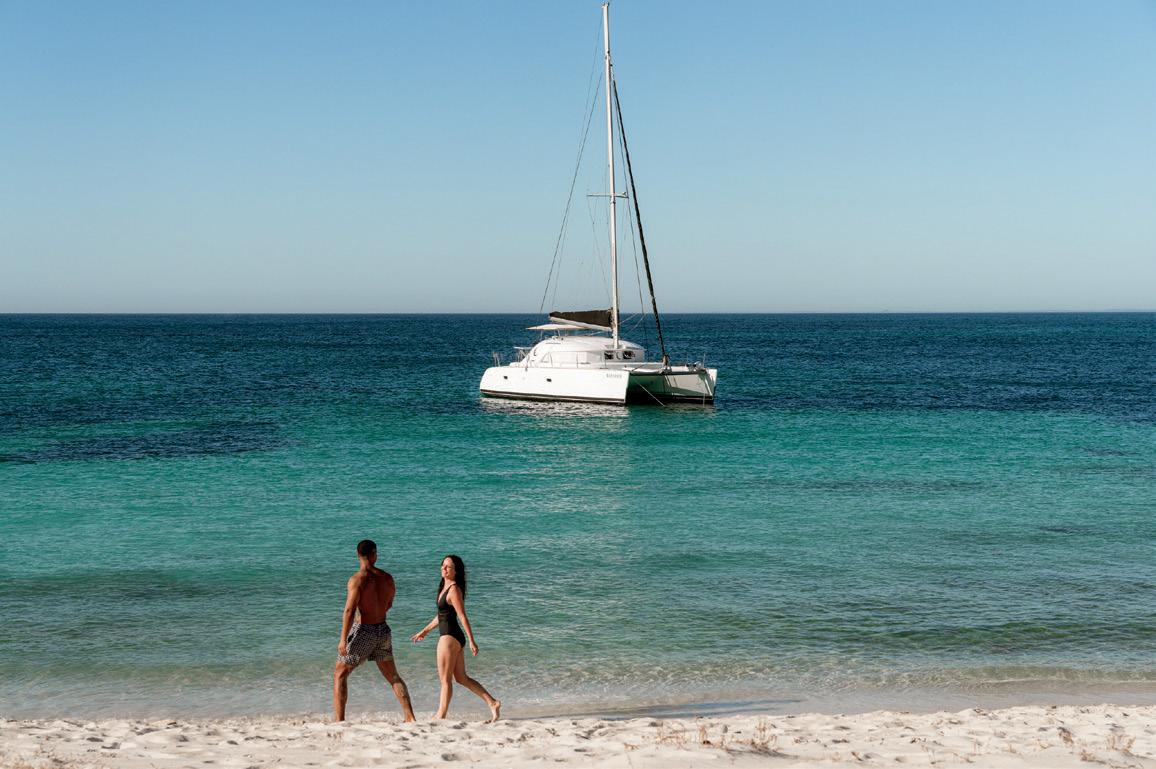

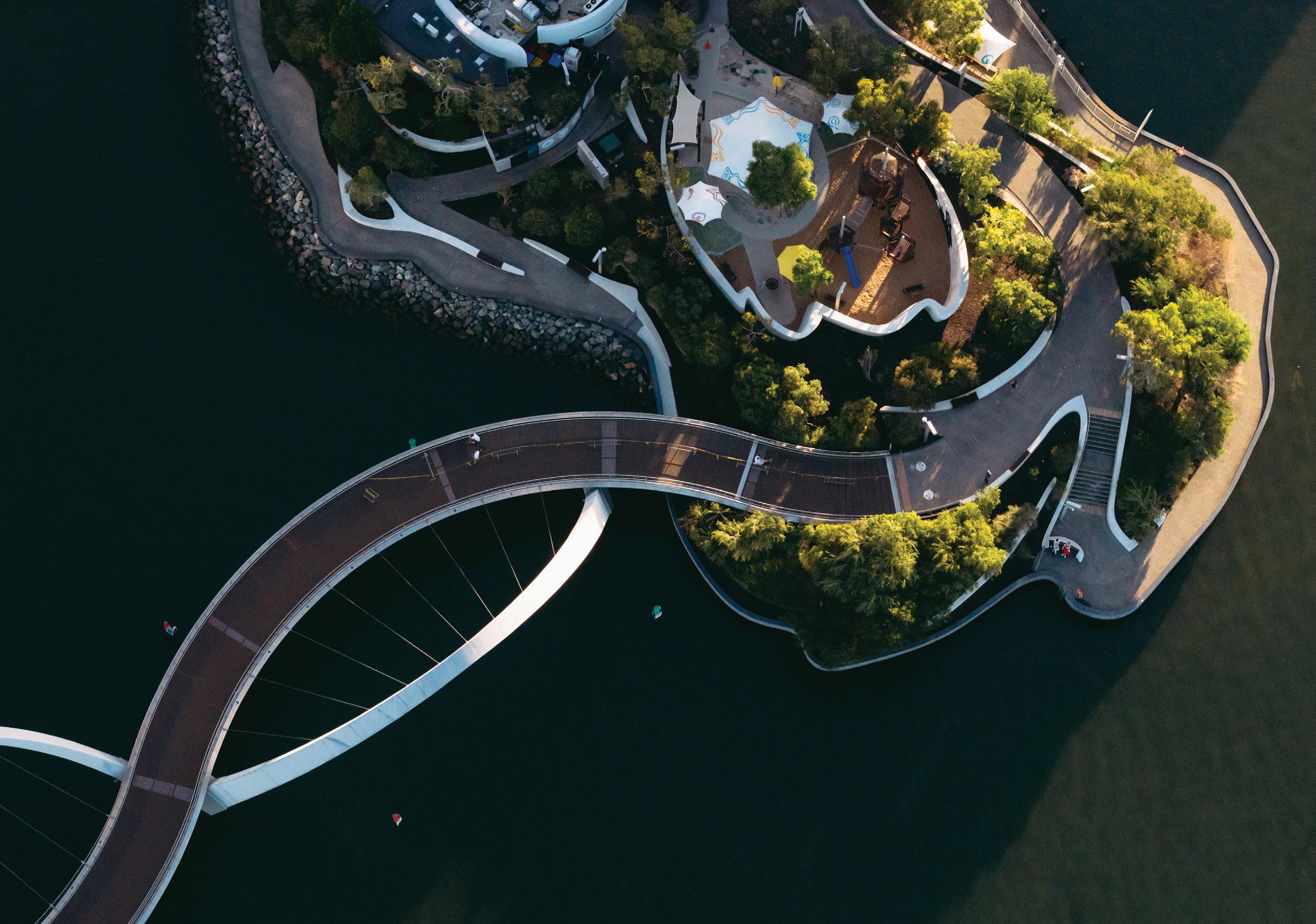
The calming rhythm of Perth
Perth has positioned itself as a thriving city where serene natural wonders and a modern metropolis combine, boasting a hospitable vibe where visitors can reset and catch their breath, writes Gavin Dennett
Of all the incredible attributes Western Australia has going for it, the state’s people are one of its most valuable gems.
From First Nations inhabitants who have called the region home for 65,000 years to modern-day locals living and working in the state, there is an overriding sense of identity and pride in the west.
For all its sunny days, gorgeous beaches, stunning scenery, deep cultural ties and fabulous wildlife, the state’s communities are steadfastly self-assured in their Western Australian identity. Perhaps this comes from perceived isolation from the rest of the nation, or is simply a form of gratitude for living in a state that ripples with a gentle pulse.
But while the pace of life and welcoming vibe allows space for deep breaths, Western Australia is a state on the go. Its capital city of Perth is forging ahead with a vision for growth and innovation. When it comes to business events and tourism, few do it better.
The state and its major city comfortably spruik their wares with a feast for the eyes – 12,500km of state coastline, shimmering sands and proud standing as Australia’s sunniest capital – but the progression in Perth is seeing the city launch headlong into the future.
The CBD boasts new hotels and refurbishments, and major construction projects dot the skyline.
Perth Airport is currently undergoing a $5 billion upgrade that is due to be completed in 2031, and connectivity is growing fast.
Perth has direct accessibility to Asia and Europe, and shares time zones with China, Hong Kong, Singapore, Malaysia and Philippines. A flight from Perth to Singapore is only five and a half hours, and the city is closer and more immediately linked to Europe than the rest of Australia, with direct connectivity to 20 international cities.
Underpinning this progress is a state government that drives its vision, with Tourism Western Australia and Business Events Perth excelling at getting people to pack their bags to see what the region can deliver.
“Perth offers conference organisers a unique blend of world-class event infrastructure and memorable delegate experiences,” says Gareth Martin, CEO, Business Events Perth. “As Australia’s sunniest capital city, it combines vibrant urban precincts with stunning nearby attractions, from the historic port city of Fremantle and Swan Valley wine region to the island paradise of Rottnest, all within easy reach of the CBD.
Above: Crossing Swan River at Elizabeth Quay.
Photo: Jarrad Seng.
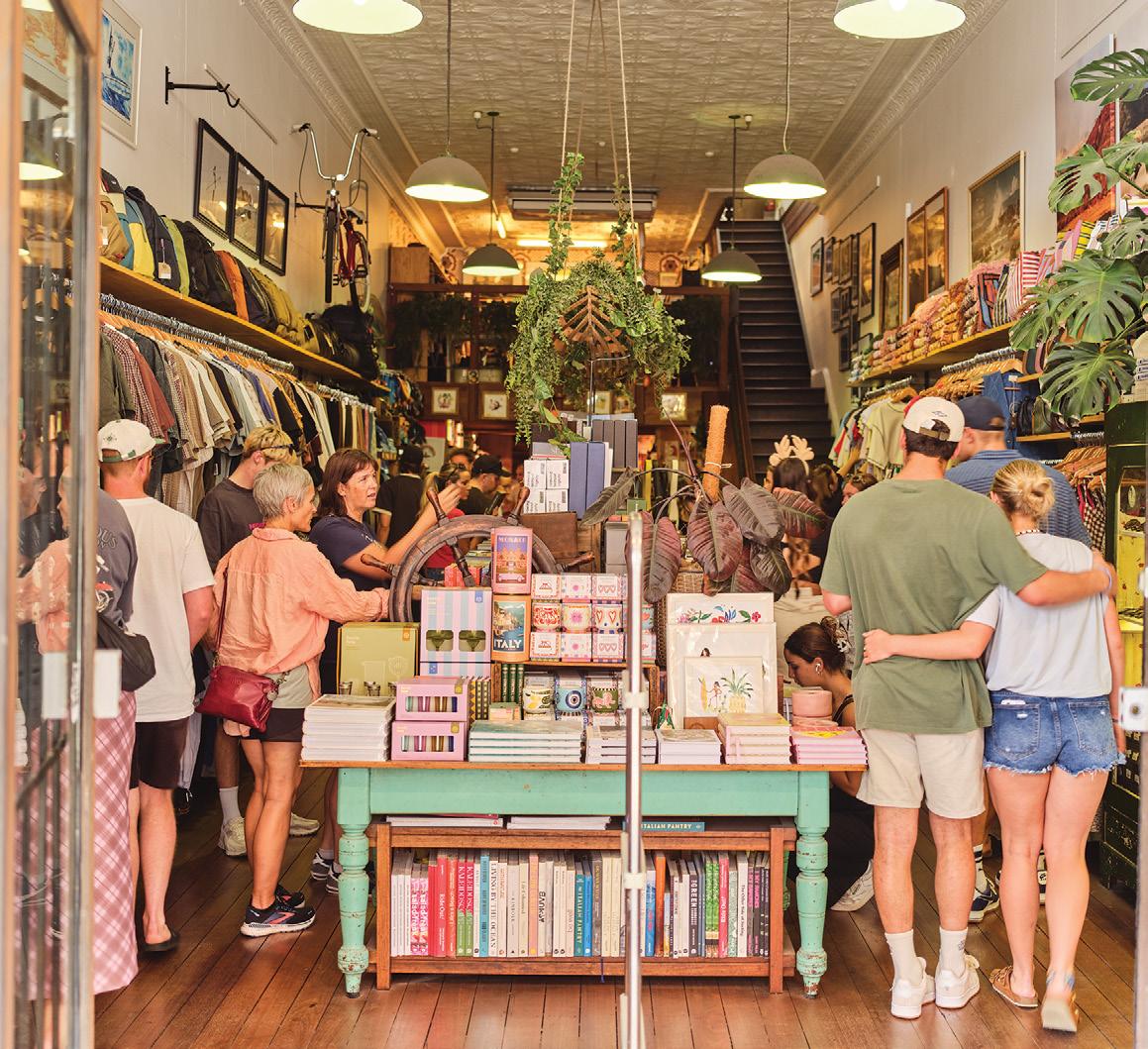
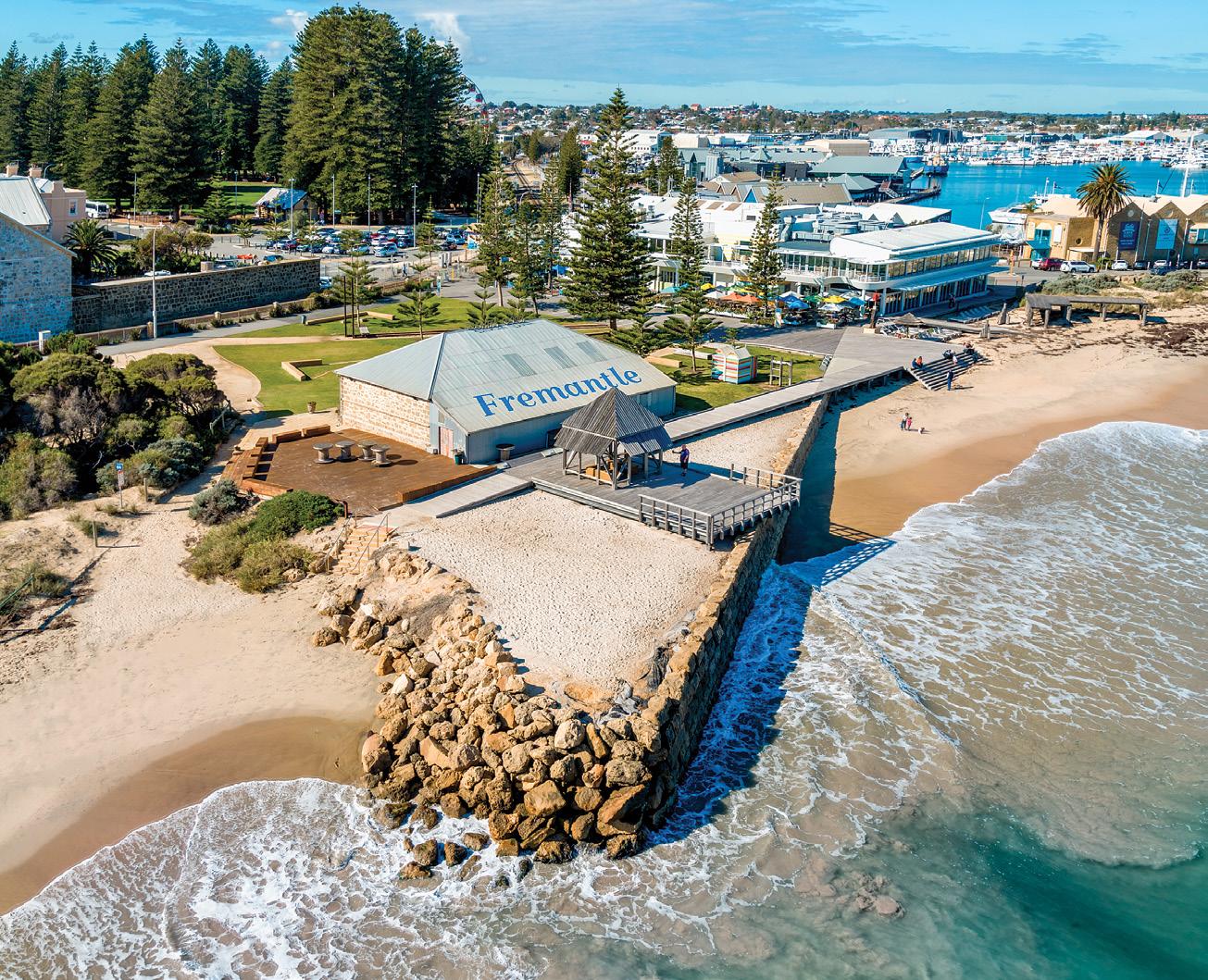
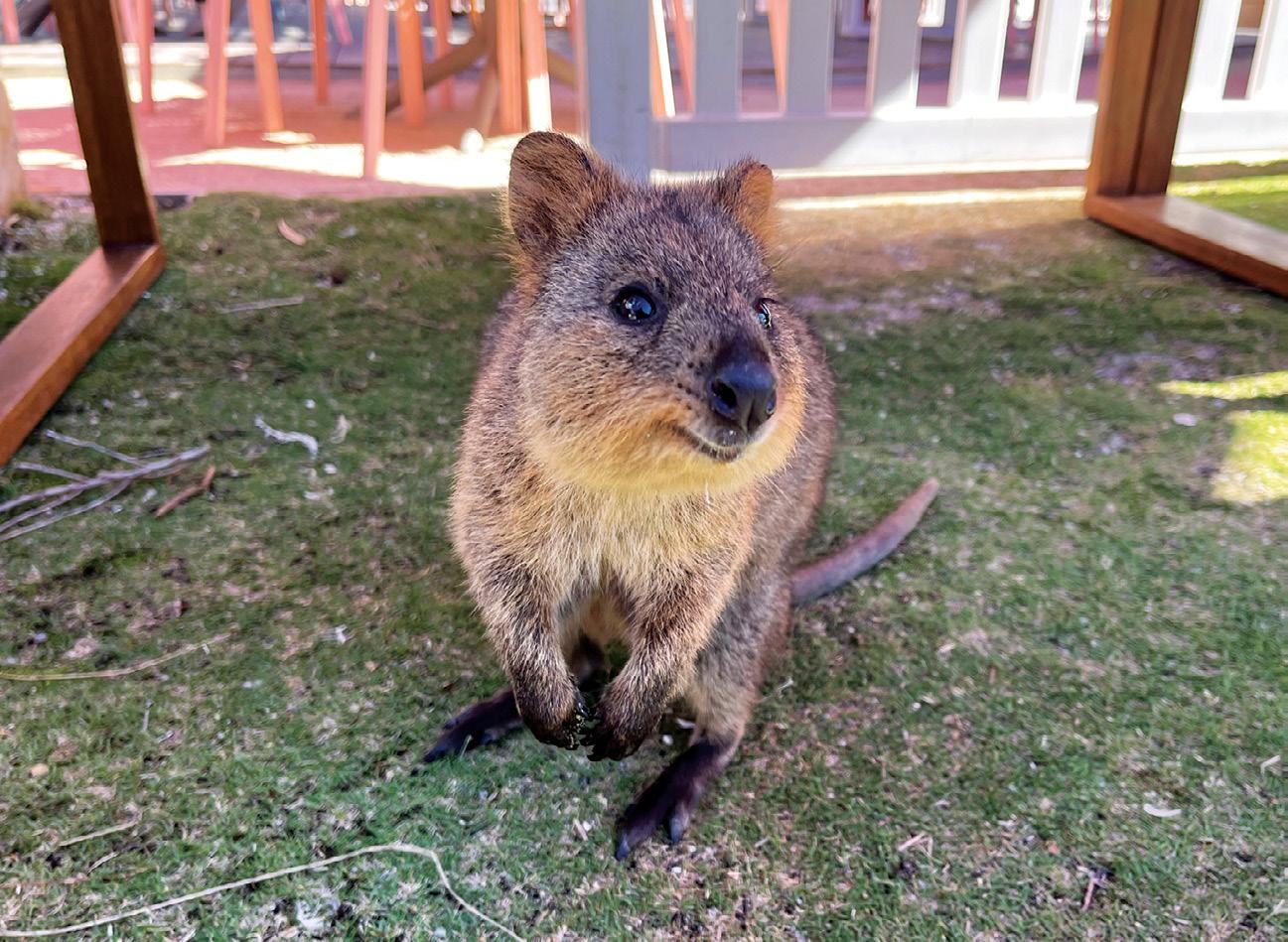
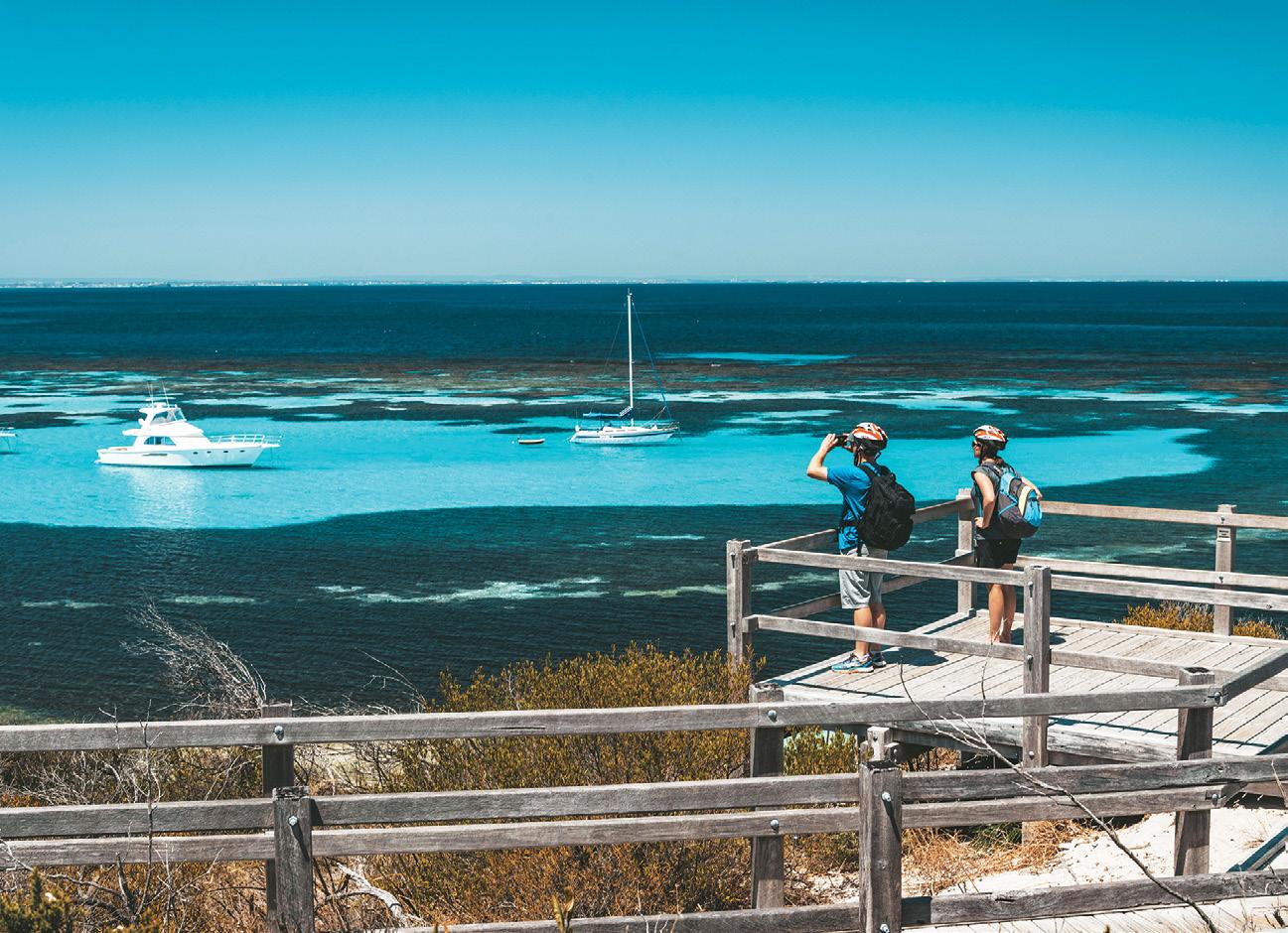
“Delegates can meet in a vibrant, globally connected city, then explore breathtaking coastlines, ancient landscapes and award-winning wine regions. Our natural beauty, fresh perspectives and strategic location in a shared time zone with much of Asia makes Western Australia an ideal setting for conference programs, business exchanges and meaningful global connections.”
Perth Convention and Exhibition Centre general manager Kendra Naidoo echoes the people-first sentiment, and says human connections are at the centre of every successful event.
“The team at Perth Convention and Exhibition Centre brings deep knowledge, warm hospitality and an unwavering commitment to making every delegate feel welcome,” she tells Spice. “It’s this people-first approach – which is rooted in connection, culture and genuine Western Australian warmth – that transforms events into lasting moments.”
For Adjunct Associate Professor Bradley Woods, who juggles multiple roles as chair of Business Events Perth, chair of Australia Day Council WA, and is CEO of Australian Hotels Association (WA), business events in Perth are an important driver of community change.
“Conferences held in Perth bring people together to exchange ideas and learn from one another,” he tells Spice. “They also provide an opportunity to recognise the individuals who step up in their communities and inspire others to drive positive change.”
Fremantle and Rottnest Island
The historic port city of Fremantle is 20km from Perth CBD and offers a vibrant, yet laidback, atmosphere with a thriving dining and bar culture, arts scene, markets and maritime heritage. The city offers walking tours, including to its historical jail, and cultural experiences through First Nations guides. →
Boutique shopping in Fremantle.
Photo: This is Fremantle.
One of 10,000 quokkas at Rottnest Island.
Bathers Beach in Fremantle.
Photo: Osprey Photography/This is Fremantle.
Stunning views from Rottnest Island.
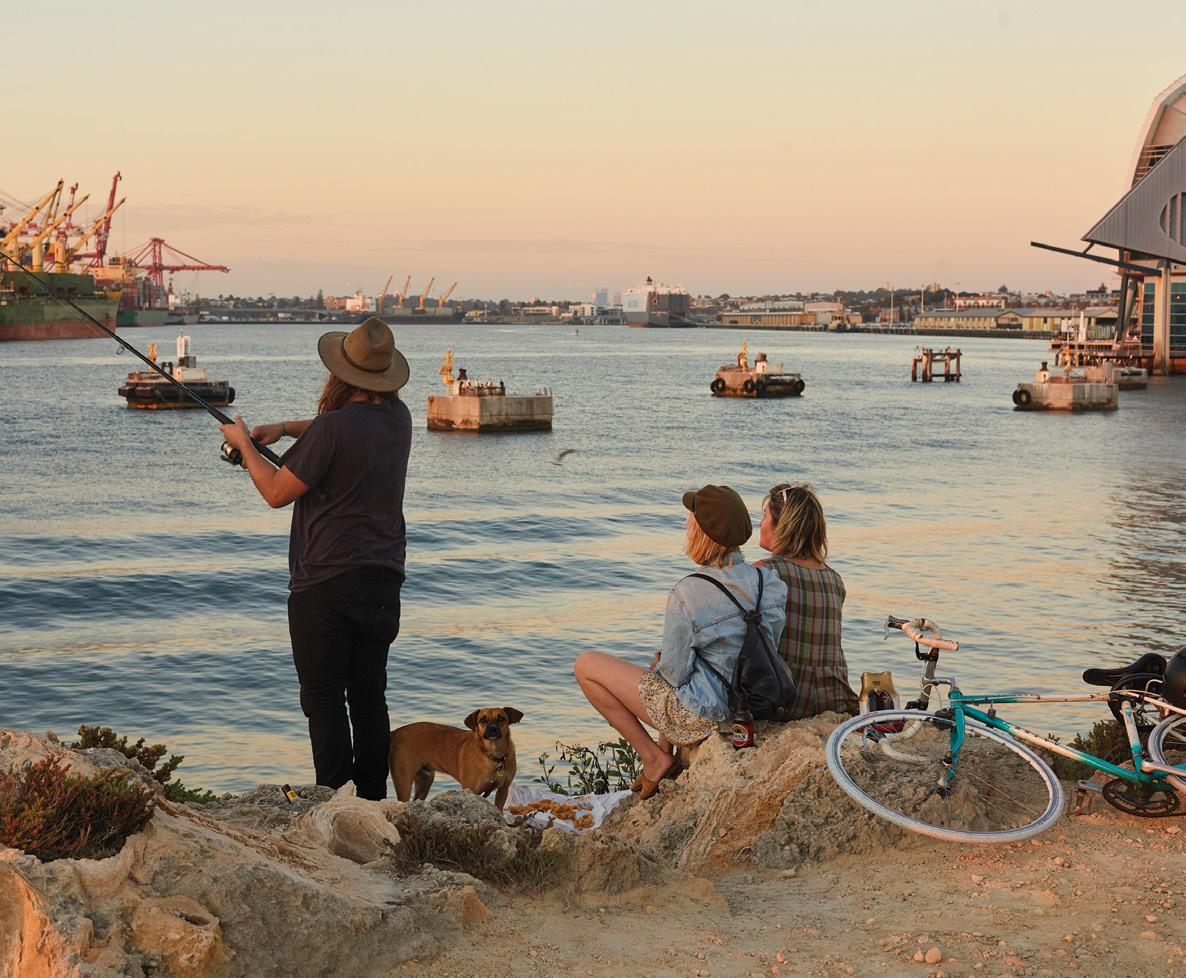
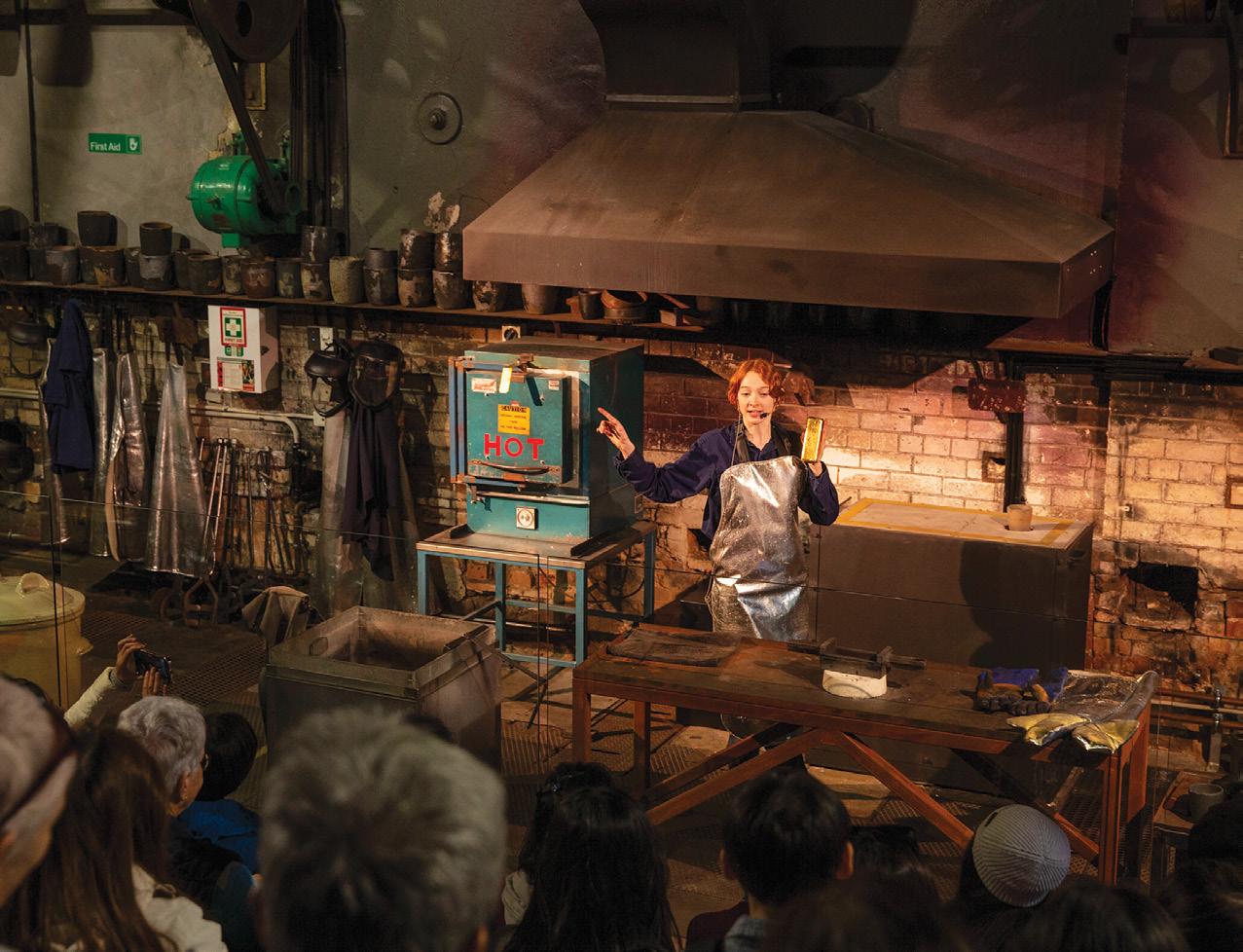
City of Fremantle Mayor Ben Lawver tells Spice how “Freo” is the perfect place for business events delegates to relax.
“Fremantle is an ideal destination for business events because it offers something you don’t find anywhere else in Western Australia,” he says. “It’s a walkable, human-scale city where delegates can easily move between venues, accommodation, restaurants, cultural attractions and our waterfront.
“What makes Fremantle special is the way our rich heritage sits comfortably alongside contemporary innovation, giving every event a sense of place and story.
“Add our vibrant hospitality scene, boutique hotels, iconic breweries [including Gage Roads and Little Creatures], cafes, markets and standout dining, alongside a diverse mix of venues – from historic buildings to creative studios and modern conference spaces – and your event is memorable.
“Fremantle’s relaxed coastal atmosphere creates an environment where people feel welcome from the moment they arrive. It’s a city that naturally encourages connection, creativity and collaboration – qualities that sit at the heart of every successful event.”
Fremantle serves as a gateway port to iconic Rottnest Island, which is 19km from Australia’s mainland.
SeaLink ferries transport visitors from the port to the car-free island that is home to more than 10,000 quokkas, 63 white-sand beaches and 20 bays.
Activities on the island include bike tours along its 22km of cycling paths, hiking trails, snorkelling, diving and swimming.
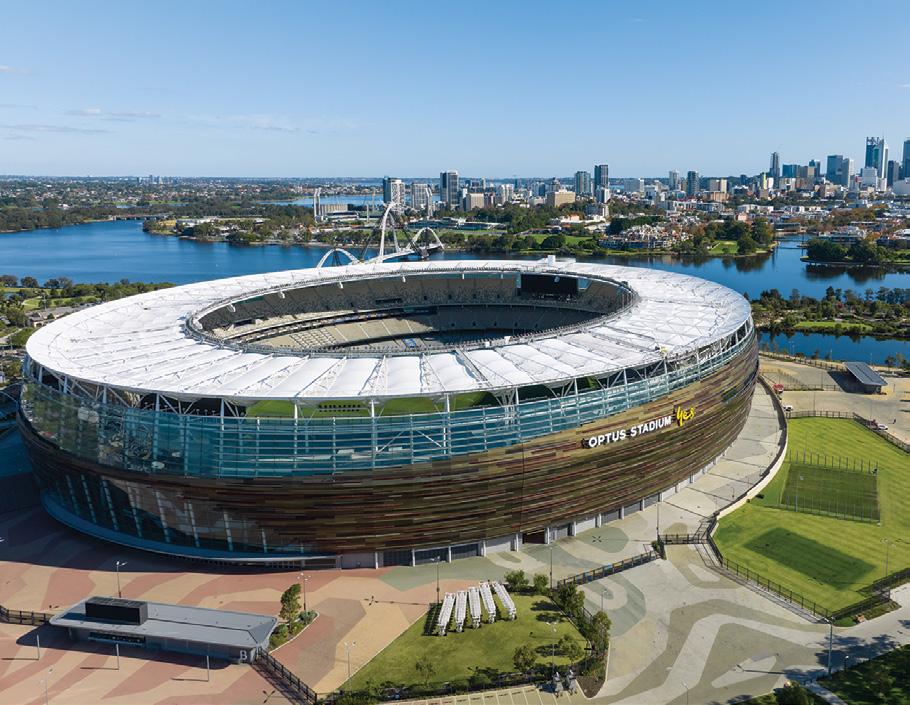
For hospitality and accommodation, Rottnest Island is well equipped with Samphire Rottnest offering beachfront suites, bars and restaurants; Discovery Parks with its glamping resort and events facilities; and Pinky’s Rottnest Island, which is part of Discovery Parks with its beachside bar and events offering.
Exceptional venues
Perth boasts myriad venues that provide event planners variety when choosing the perfect spot for their conference, gala dinner or business event.
Located just outside the eastern fringe of the CBD, The Perth Mint is close to hotels and offers immersive experiences such as live gold-pour demonstrations, live medallion engraving, diamond masterclasses and luxury jewellery boutique shopping.
As a heritage venue for hire, The Perth Mint has spaces to suit events of all sizes, including the Heritage Building, which can house 50 people for a sit-down dinner in the Melting House, or 125 people for a cocktail event; and the Forecourt front gardens that showcase the heritage building as a backdrop and can hold 200 people for a sit-down dinner and 400 people for cocktail events. The whole property is also available for hire.
“The Perth Mint is unlike any other events space in Perth,” says Tina Kircher, general manager, retail and customer experience, The Perth Mint. “What sets us apart is our ability to offer more than just a beautiful venue. From live gold pours to custom medallion engraving and private boutique access, we enable brands and organisations to create events that are memorable, meaningful and unlikely to be replicated anywhere else.”
One of Perth’s jewels in its crown is Optus Stadium, a world-class facility that is home to major sporting events including AFL, Test and Big Bash League cricket and international football, as well as being a magnificent venue for business events, trade shows, gala dinners, conferences, meetings and cocktail parties for up to 2000 people.
“Anyone can host an event, but not every venue creates momentum,” says Nadia Owen, head of meetings and special events, Optus Stadium. “There’s an energy at Optus Stadium that you simply can’t replicate. It’s where opportunity meets purpose – where every event has the potential to inspire, connect and leave a lasting impression well beyond the room. →
The relaxed vibe of Fremantle.
Education sessions at The Perth Mint.
Optus Stadium.
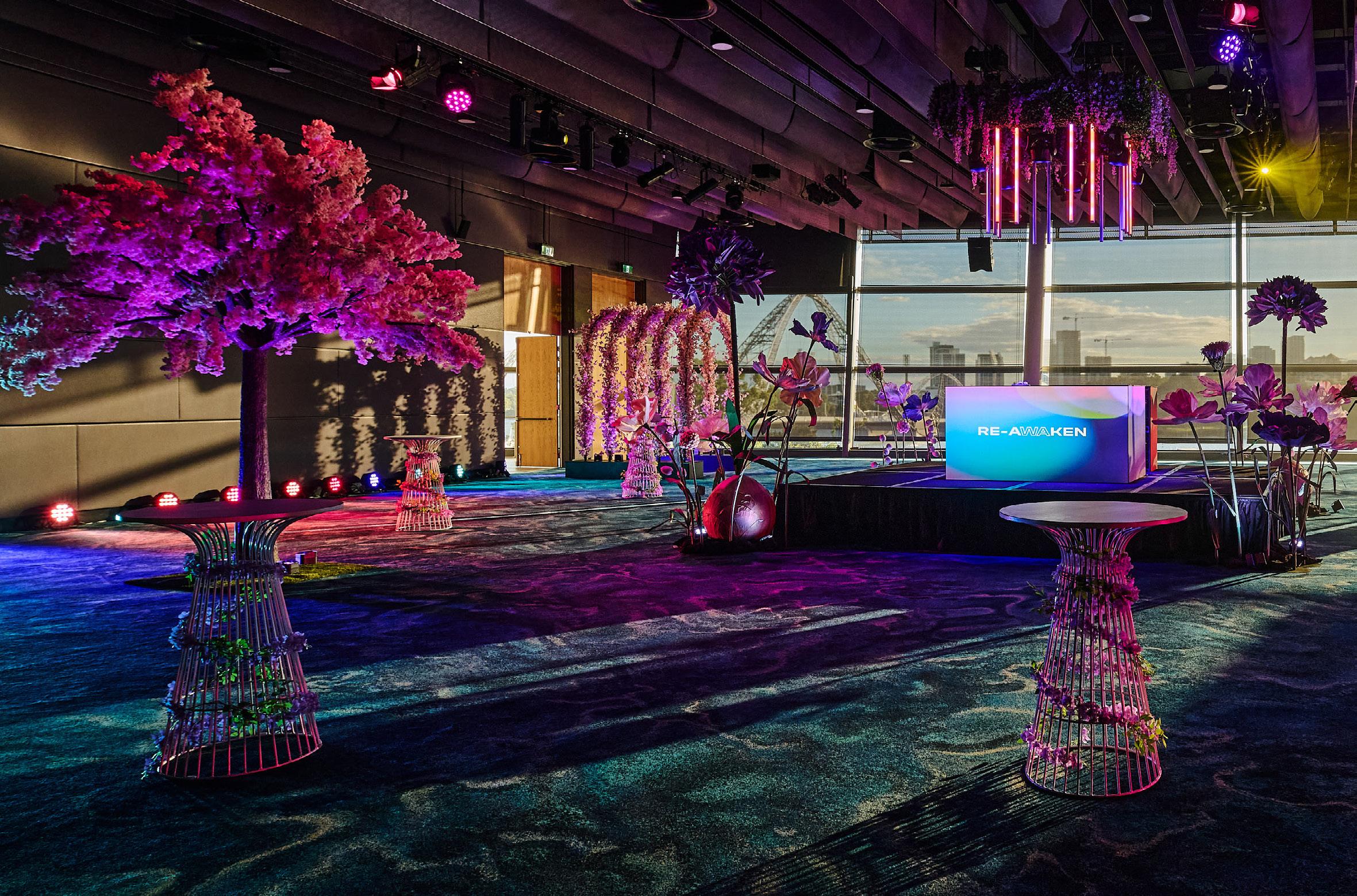
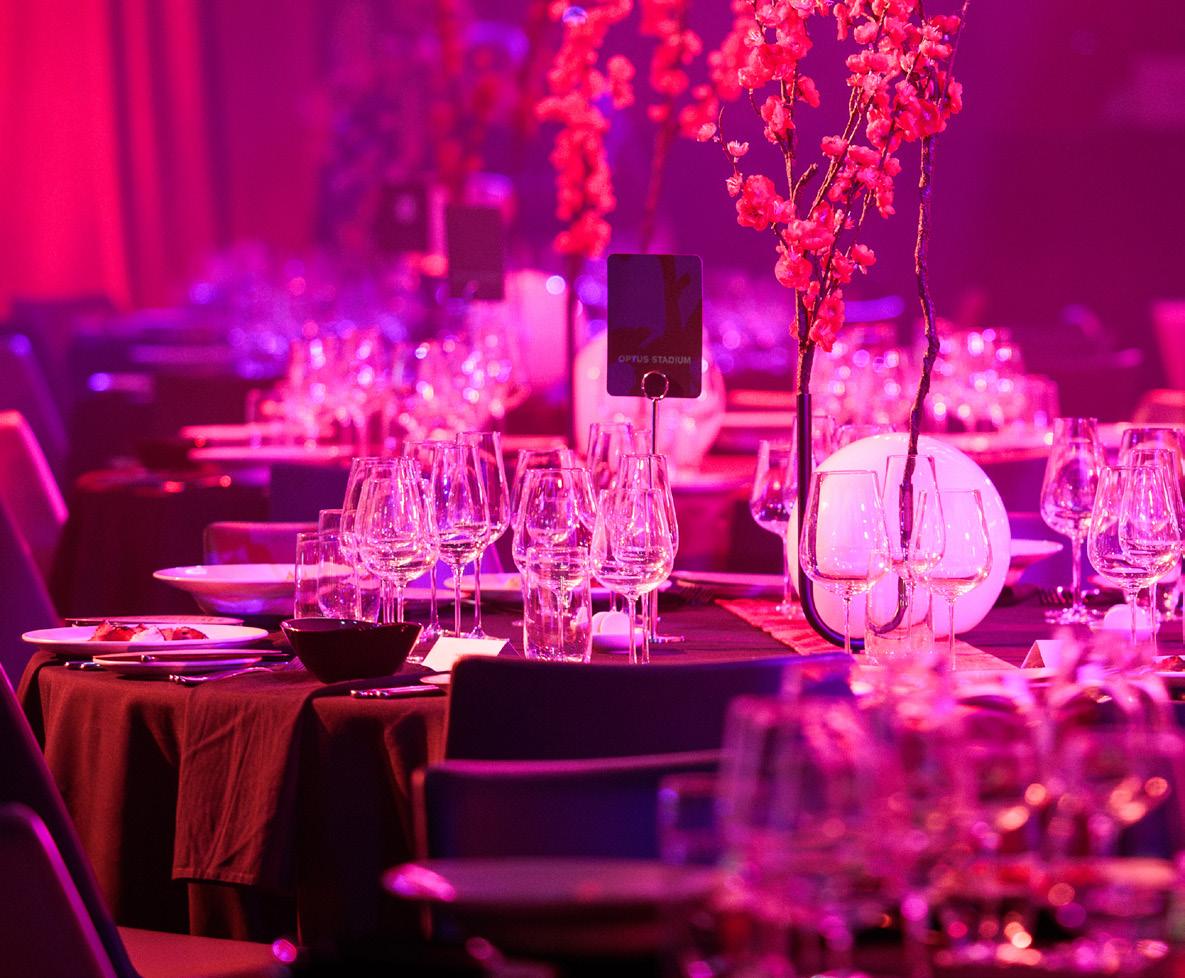
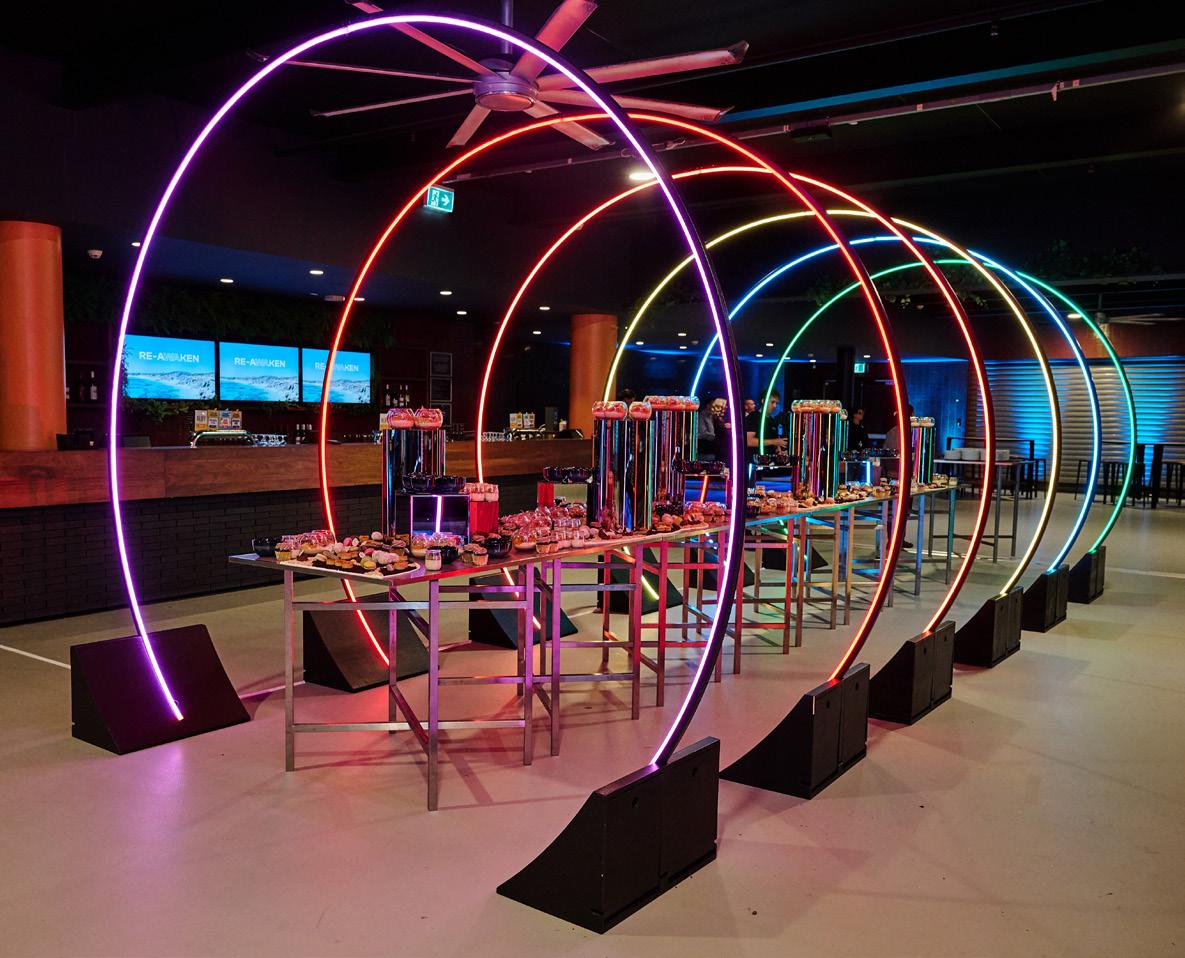

TV
star, podcast host, MC and Tourism
Western Australia
ambassador Amberley Lobo reveals her top five things she loves about Perth
The beaches
Perth has the best beaches in the world (in my completely unbiased opinion). Picture this: early morning swims under pink skies, and if you’re lucky, you might even spot dolphins.
SailGP Perth
SailGP was so much fun this year and it will be back for 2027. Sunshine, ocean views, excellent catering, and world-class racing off the iconic Fremantle coastline.
Rottnest Island
Just off the coast of Perth, Rottnest Island feels like a true escape: crystal-clear waters, bike rides, beautiful accommodation, cultural workshops, relaxed oceanfront dining, and those ridiculously cute quokkas.
Little Creatures Brewing
I absolutely love Little Creatures, with locations in Fremantle and Elizabeth Quay. It’s perfect for great food, sunshine and an easy catch-up with friends.
Fringe World
Fringe World is a gigantic annual arts festival held in Perth at the start of the year. It is Perth’s biggest, pinkest party and such a fun time to be in the city.
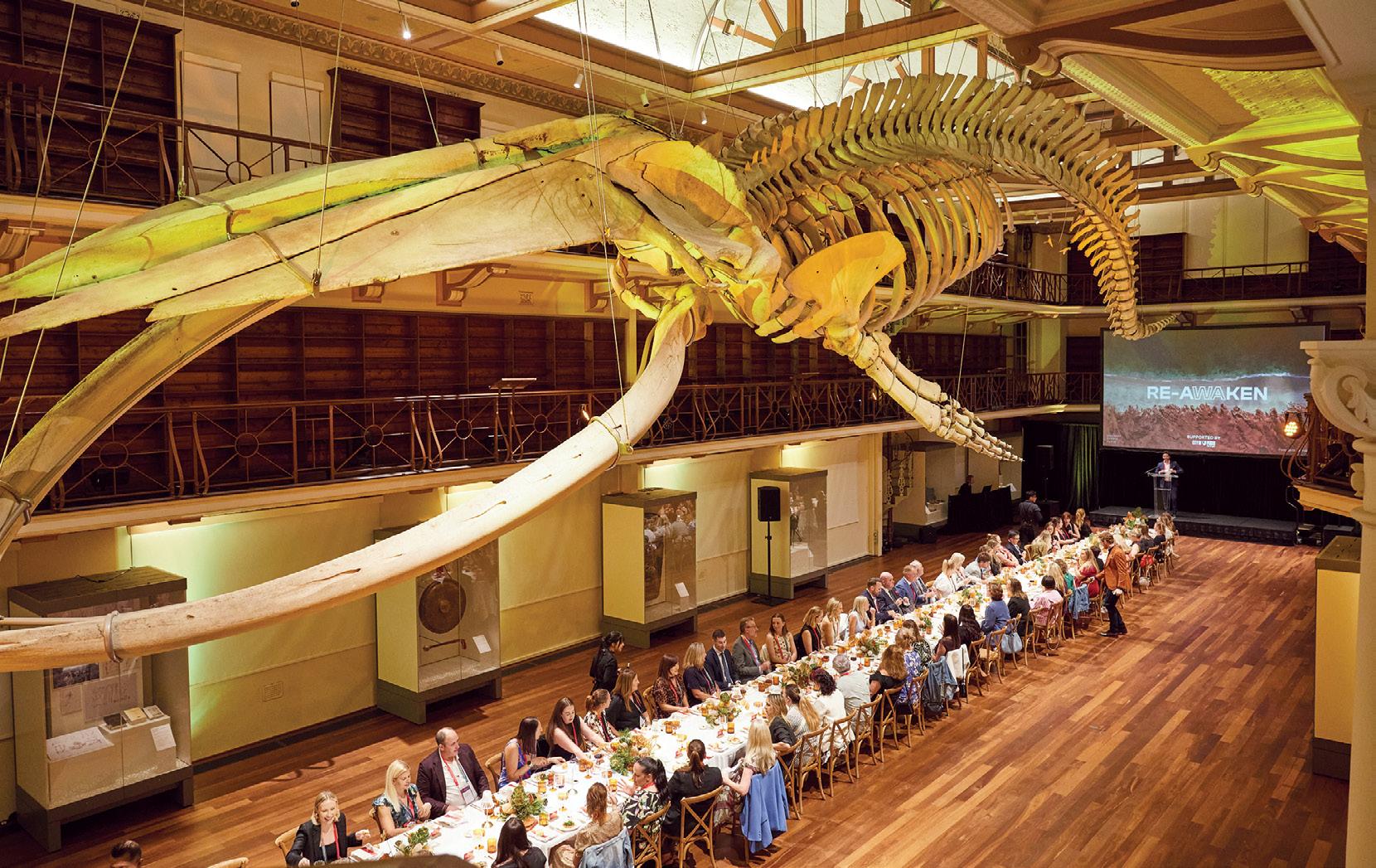
“Our showcase gala dinner for the ReaWAken event [for Business Events Perth in March 2026] was designed to show what’s possible when everything comes together – local flavour, creative vision and a fully integrated team delivering an experience that feels uniquely Western Australian.
“From phenomenal local produce and suppliers to the incredible depth of creative and entertainment talent we have in this state, this was about bringing the very best of WA to life in one cohesive, immersive experience. Set across a series of distinct and dynamic function spaces within Optus Stadium, the evening was designed to take guests on a journey – showcasing not just the scale of the venue, but its versatility and ability to transform with each moment.
“I like to say we’re Australia’s best stadium – which might sound a little controversial – but I’d challenge anyone to show me another venue that can deliver this level of scale, creativity and end-to-end experience under one roof.”
Across Swan River, the WACA Ground recently unveiled its $189 million renovation, including The Pavilion, a new aquatic and wellness zone with a resort-style pool, waterslides and splash park.
“It’s exciting to see this iconic ground enter a new era,” says City of Perth Lord Mayor Bruce Reynolds. “The city’s $25 million investment in the new aquatic facility is a major contribution towards making Perth an even better, more liveable city for generations to come. The City of Perth is proud to support cricket in WA while also delivering vibrant community infrastructure that benefits residents and visitors.”
The WACA Ground is also home to several spaces for large-scale events, gala dinners, expos, cocktail parties and conferences, including dedicated function rooms, outdoor concourses and the 17,800-square-metre playing surface.
In the northwest corner of the CBD, RAC Arena is a 16,500-capacity venue that attracts top sporting events and is “the home of live entertainment in Western Australia”. Opening its doors in 2012, the arena boasts many events spaces across multiple levels, catering to gala dinners, conferences, exhibitions and business events.
“RAC Arena is renowned not only as Perth’s premier live entertainment venue, but also for its award-winning culinary offering, led by executive chef Stuart Montgomery,” says Michael Scott, general manager, RAC Arena. “With six distinctive function spaces, convenient onsite parking, comprehensive in-house technical support, and a level of service designed to impress global superstars, RAC Arena provides a business events experience worthy of the world stage.”
WA Museum Boola Bardip is another spectacular venue on the edge of the CBD that blends educational experiences with spacious events facilities. Its centrepiece is Hackett Hall, a stunning formal dining space built in 1913, with a 24-metre whale skeleton suspended from the ceiling. →
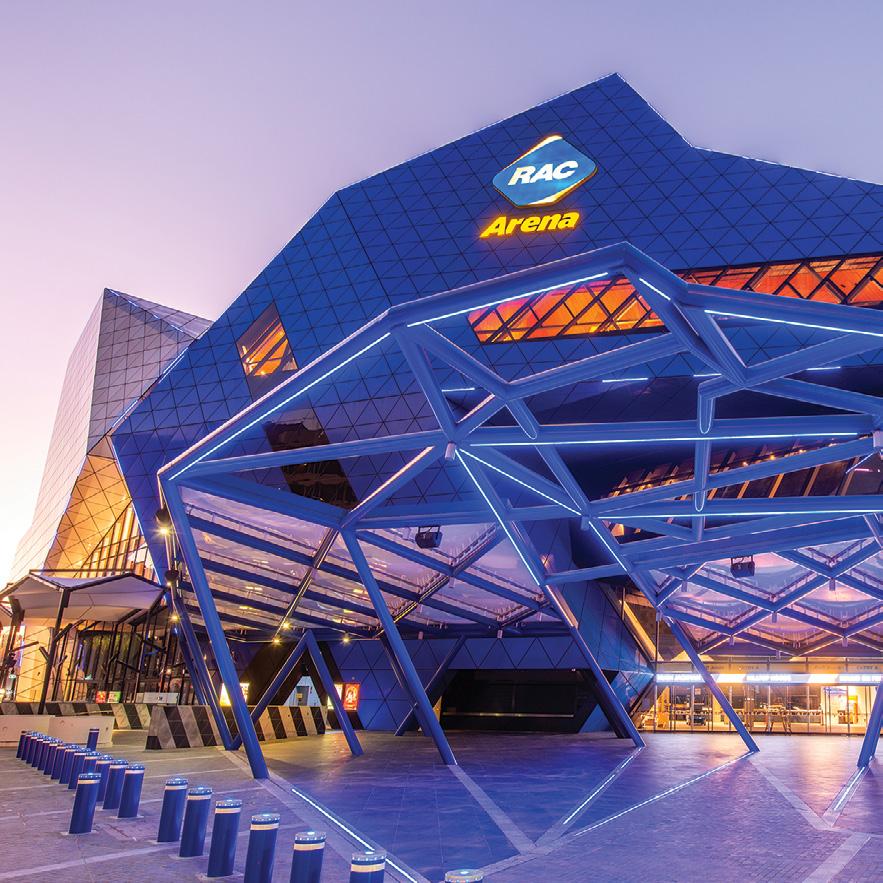
Photo: Rachel Claire Photography.
The ReaWAken 2026 welcome function at WA Museum Boola Bardip.
RAC Arena.
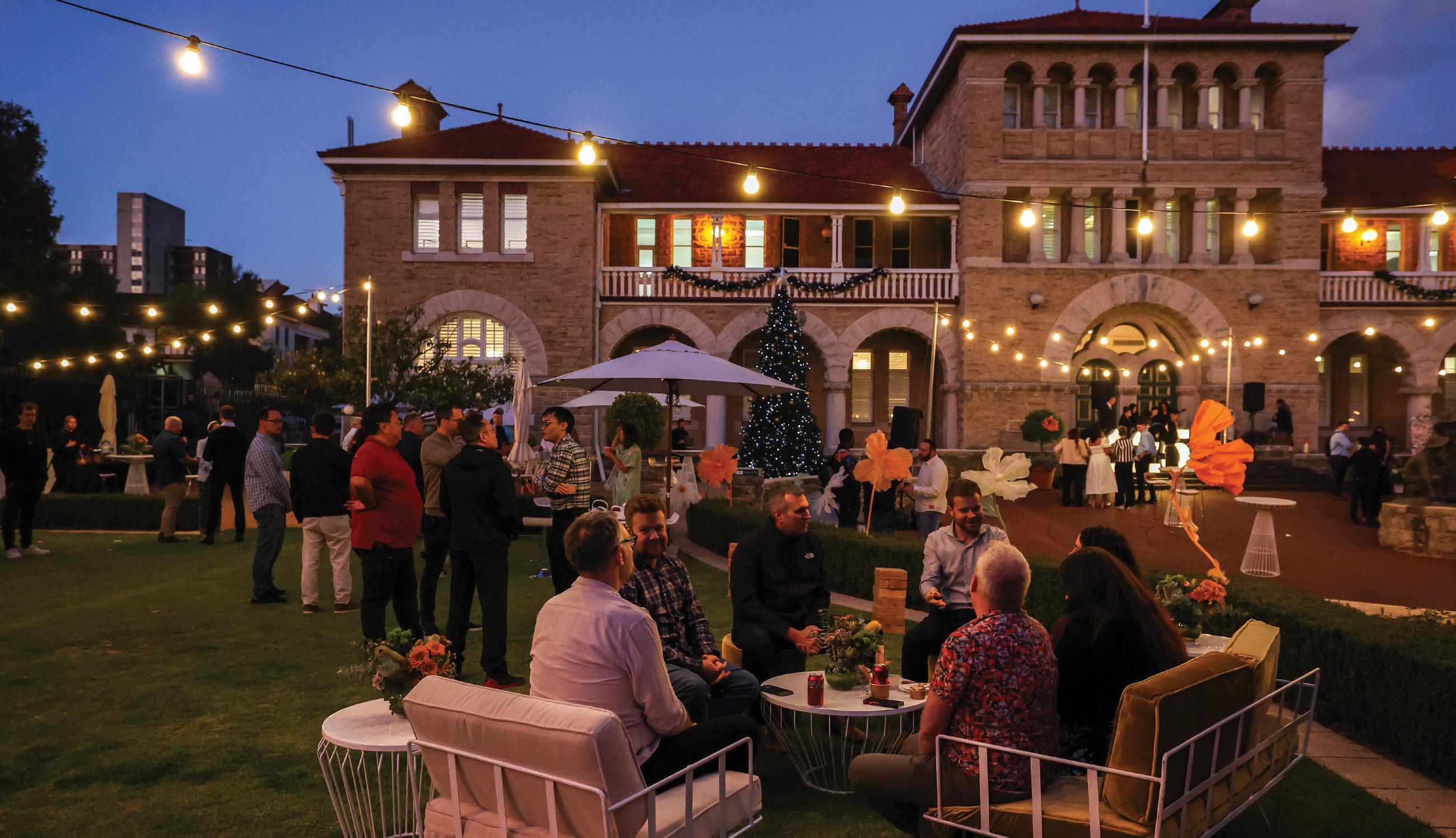
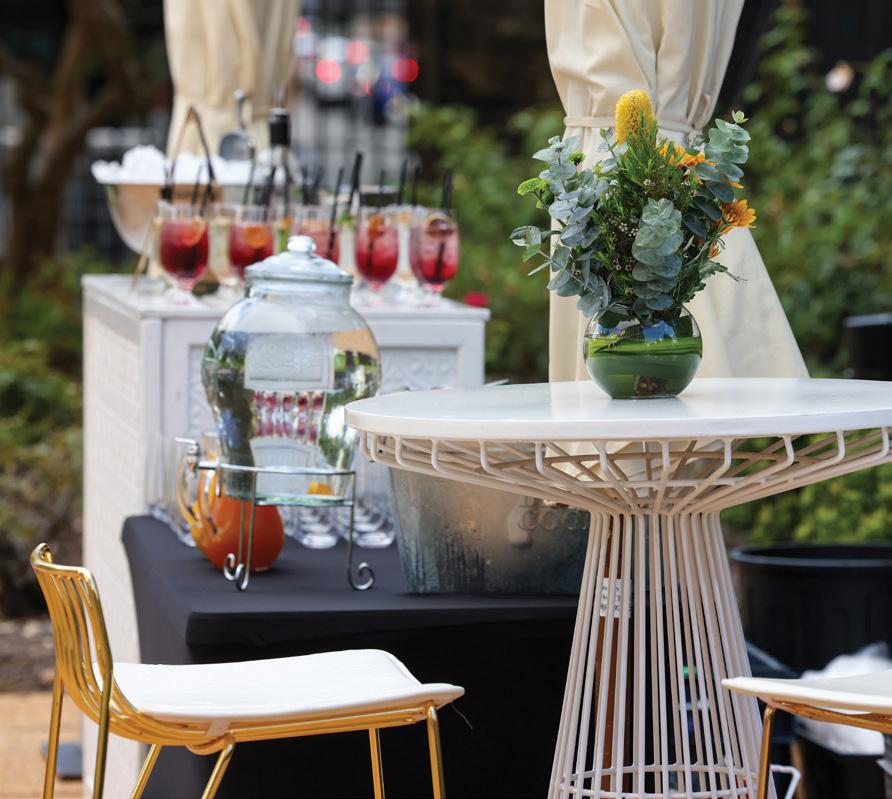
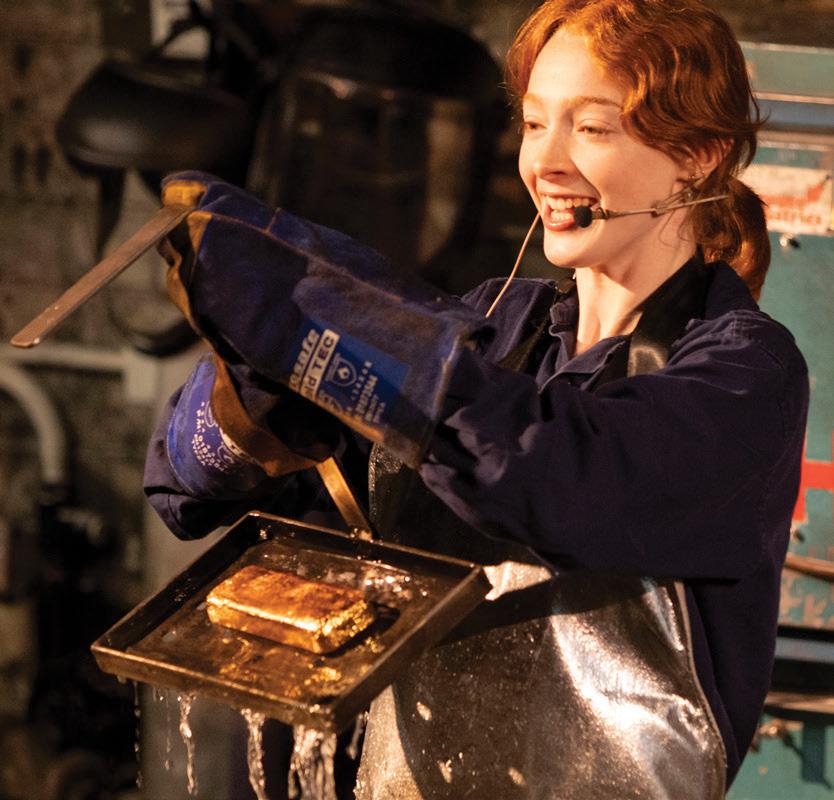
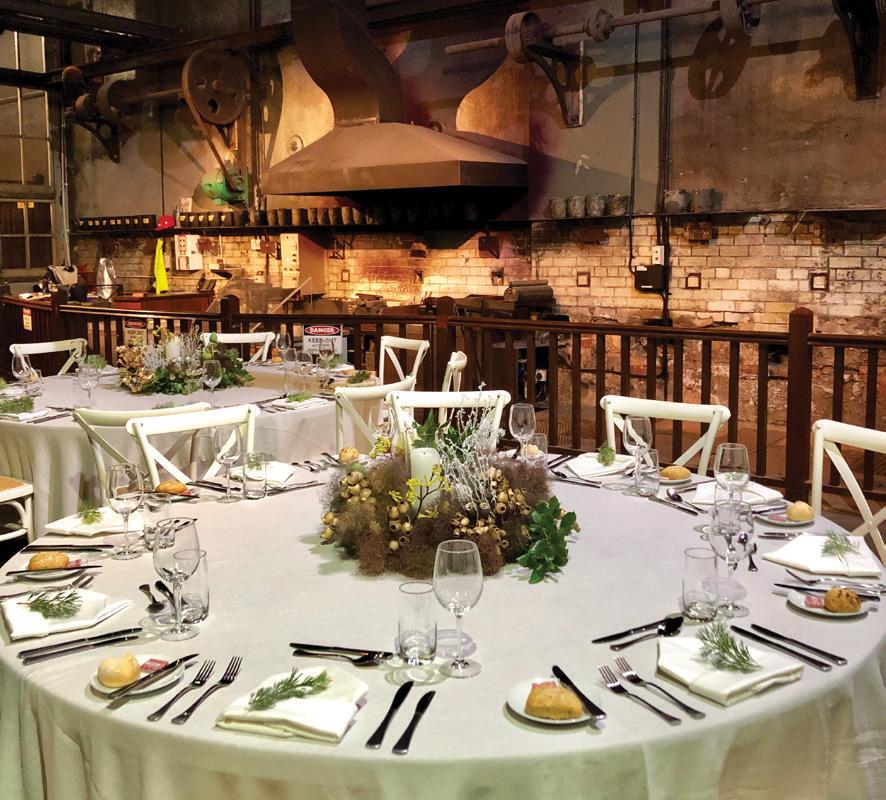

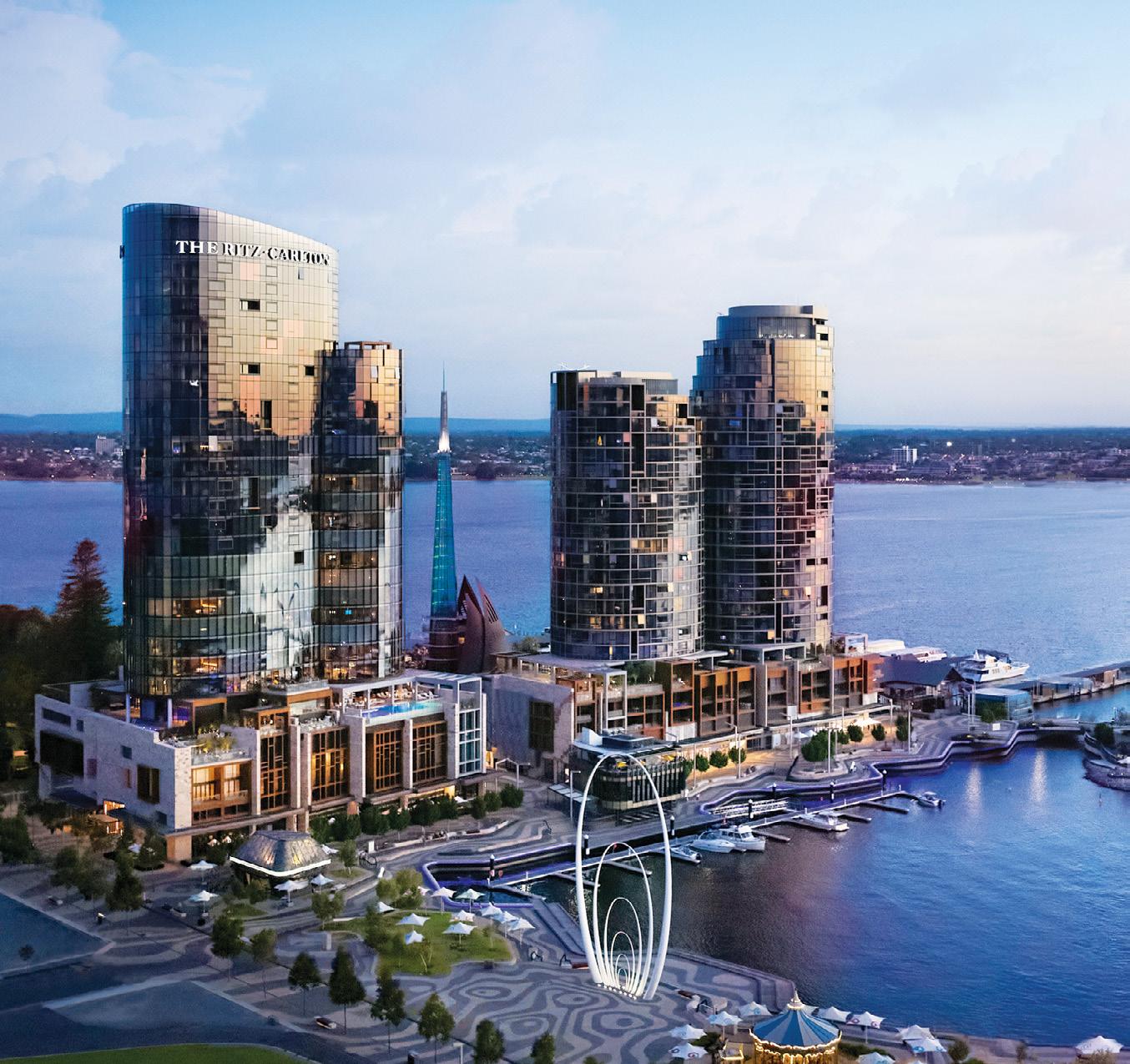
Perth hotels
Located in East Perth is Residence on Langley Park, an upscale hotel with more than 350 accommodation rooms plus multiple events spaces. The property recently appointed Olio’s Fine Food as its in-house catering and event management provider, including for its Lobby Lounge, Origin by Olio’s restaurant, conference catering and future activation of its pool bar.
“From restaurant dining to conferencing and events, this appointment supports a more cohesive food and beverage experience across the property,” says Michael Ribaudo, general manager, Olio’s Fine Food. “This partnership is about long-term culinary credibility and operational excellence.”
Located in Hibernian Place, in the heart of Perth CBD, five-star The Westin Perth features 368 guest rooms and executive suites. With 11 meetings and events spaces spanning 2370 square metres across two levels, the property is home to Perth city centre’s largest hotel ballroom, which is supported by an in-house audiovisual team. The hotel also features the excellent Garum by Guy Grossi restaurant.
“The Westin Perth offers the perfect base to host an event,” says Peter Brampton, general manager, Westin Perth. “We offer easy access to the city’s business, cultural and leisure precincts, making us an ideal hub for conferences, incentives and executive gatherings. Together with easy access to world-class nature, culture and culinary experiences, Perth presents a compelling and differentiated proposition for meeting planners.”
Located waterside at the stunning Elizabeth Quay, 205-room The Ritz-Carlton, Perth rises above Swan River. The hotel features 2000 square metres of events space, including 935 square metres of pre-function space, the 550-square-metre Elizabeth Quay Ballroom, eight additional rooms, and breakout spaces, framed by sweeping views of the Perth skyline, Swan River and The Bell Tower. Also onsite is an infinity pool, signature restaurant and lounge Hearth, and terrace bar Songbird.
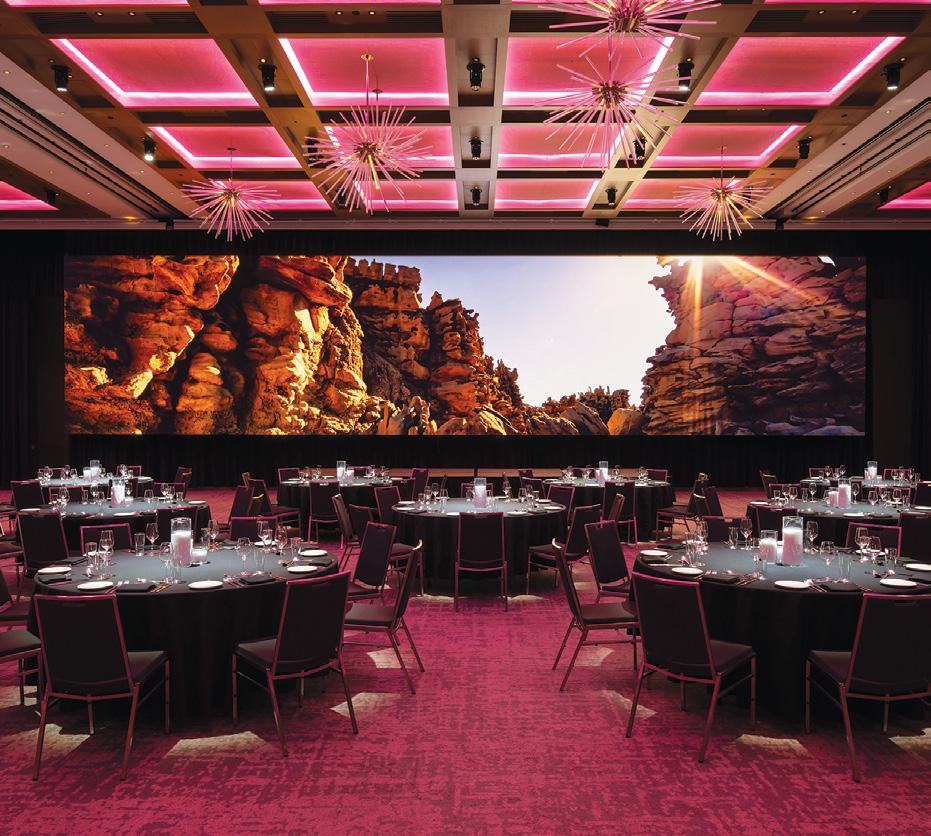
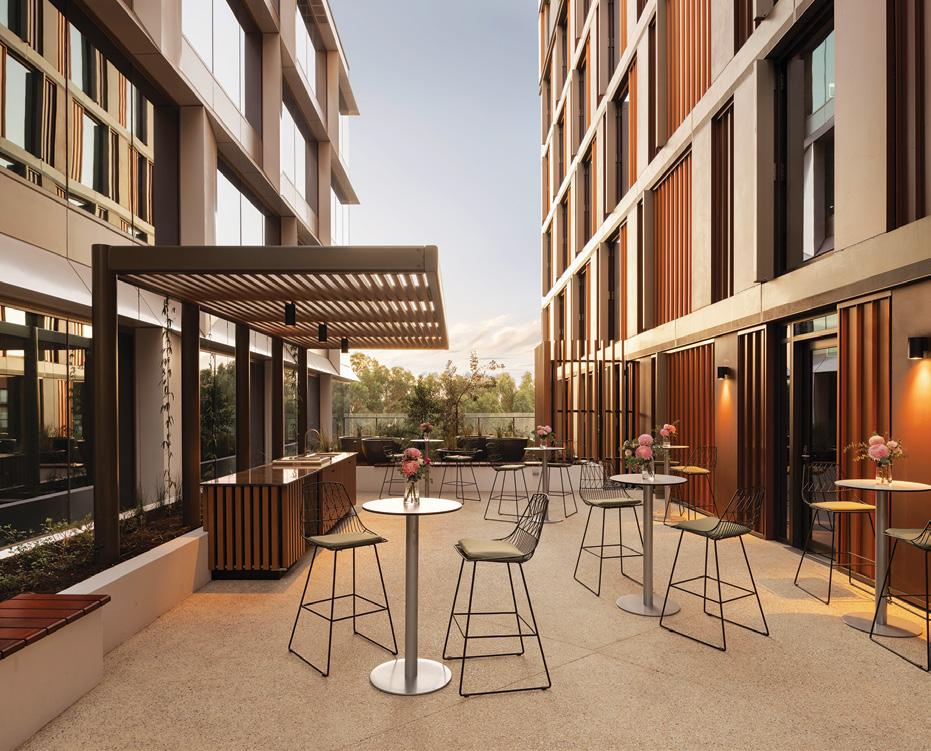
Located minutes from Perth Airport and the CBD, and steps from Optus Stadium and Swan River, Aloft Perth is home to the city’s only rooftop ballroom. It features floor-to-ceiling windows framing sweeping skyline and river views, and can hold up to 180 people. Guests at the modern 224-room hotel can also enjoy cocktails at W XYZ Bar, woodfired Italian cuisine at 450° Pizza, and relaxed dining at Springs Kitchen.
Courtyard by Marriott Perth, Murdoch heroes contemporary design, versatile spaces and its convenient location near Fiona Stanley Hospital and Murdoch University, south of the CBD. The 150-room hotel offers three adaptable events spaces. Dampiera Library is ideal for meetings and seminars, with added pre-function area; The Outdoor Terrace provides a relaxed, open-air setting for up to 50 guests; and for larger events, Substance Restaurant & Bar accommodates up to 180 guests in a vibrant, industrial-chic space.
Adjacent to RAC Arena, Four Points by Sheraton Perth offers a stylish, all-in-one destination for meetings and events. The 278-key hotel features 422 square metres of events space across four rooms. The Maarli Mia Room hosts up to 200 guests cocktail-style or 120 seated, while the Marawar and Wanju Rooms suit meetings, training and breakout sessions. Onsite dining is also available from Best Brew Bar & Kitchen.
At Burswood, overlooking Swan River and the city skyline, Crown Towers Perth is a luxurious 5-star hotel resort with spacious rooms, multiple events spaces and numerous bars, restaurants, a pool and wellness centre just a few minutes’ walk from Optus Stadium. n
The Ritz-Carlton, Perth.
Perth city centre’s largest hotel ballroom at Westin Perth.
Courtyard by Marriott Perth.
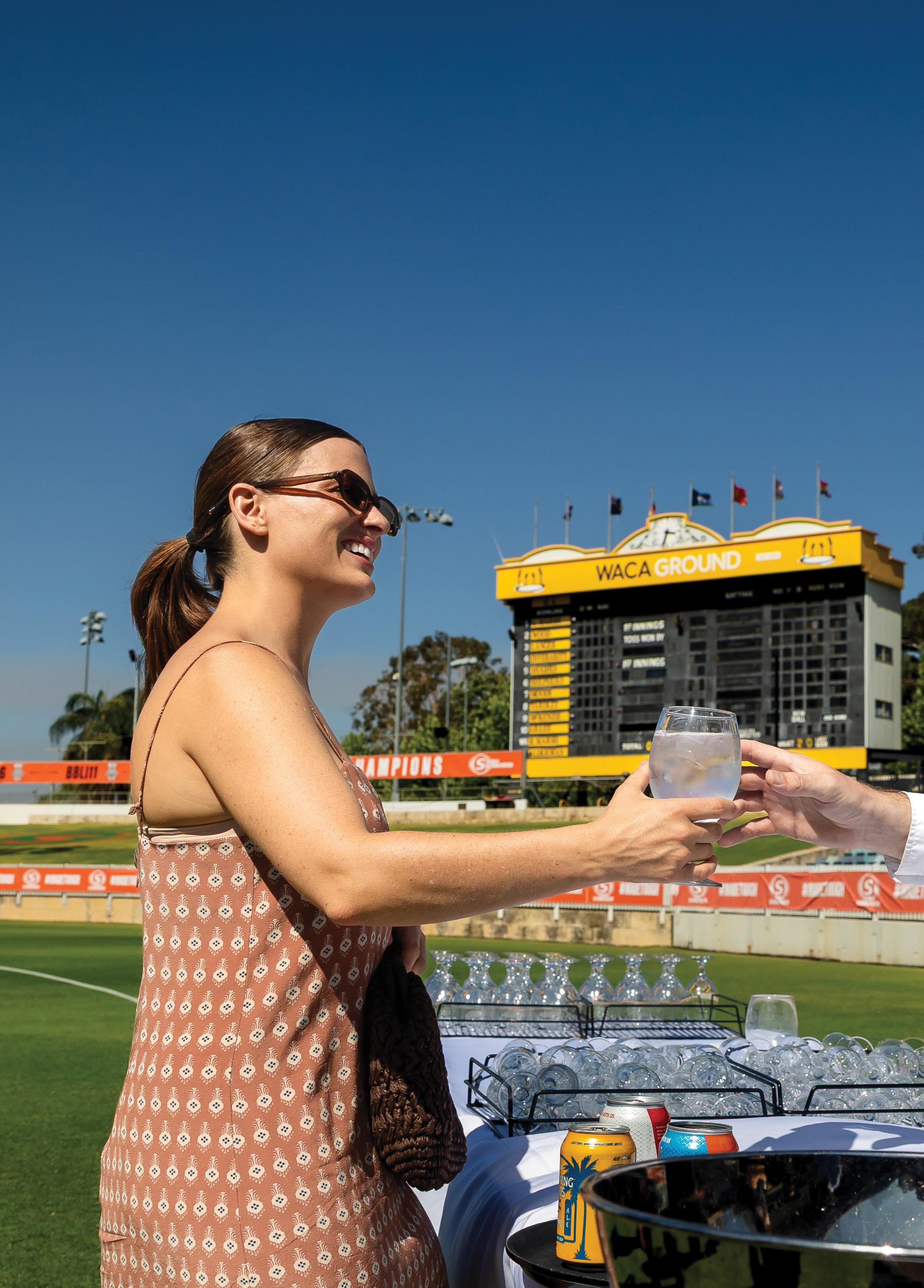
A SPACE FOR EVERY STORY.
Whether hosting a private meeting or a large-scale celebration, experience events framed by the timeless backdrop of the iconic pitch.
Destination Cairns and Port Douglas
Revelling in natural wonders
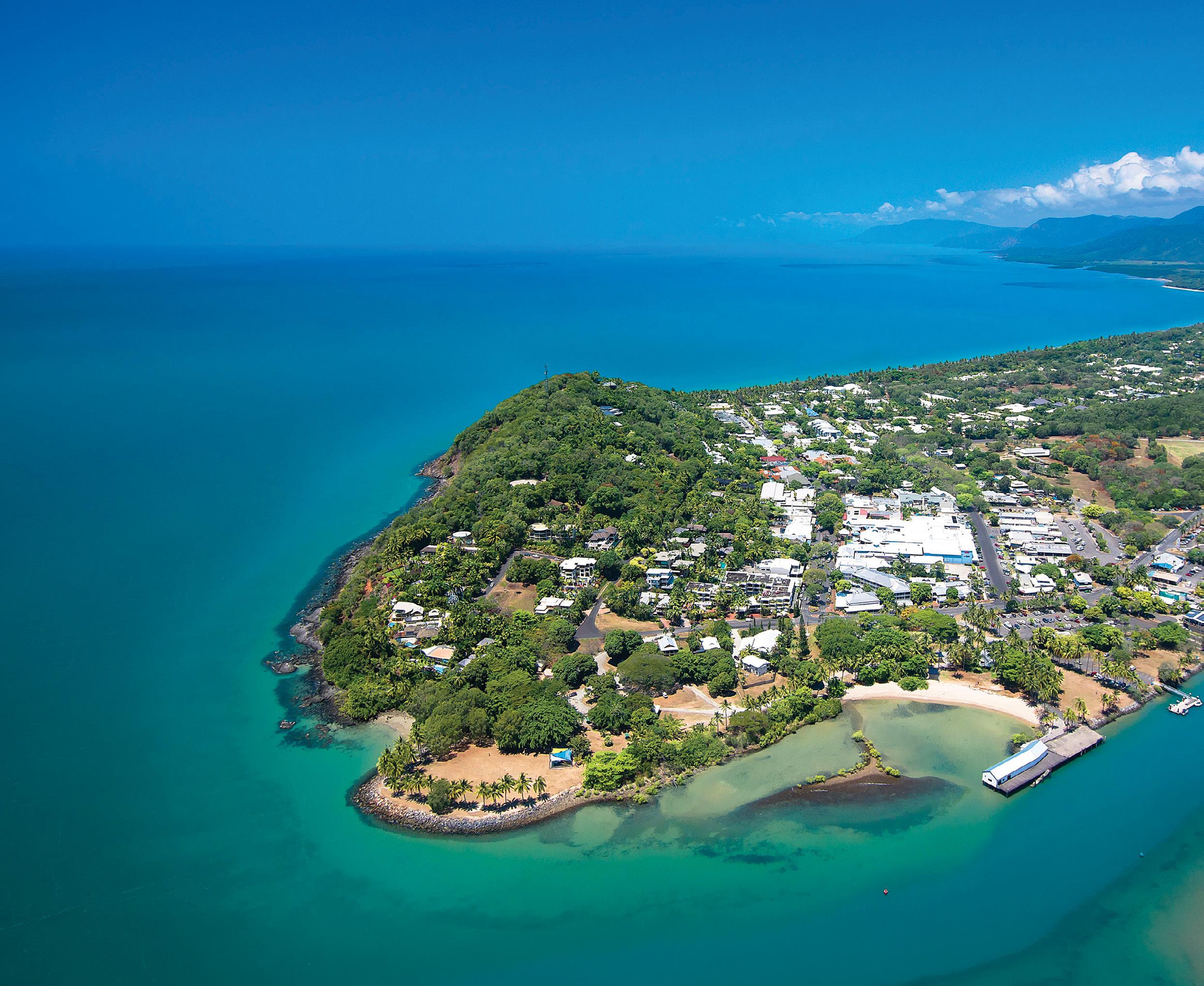
Where
rainforest meets reef, the spectacular delights of Cairns and Port Douglas in Tropical North Queensland make for a unique destination like nowhere else on the planet, writes
Gavin Dennett
When it comes to transformational experiences blending work and leisure, there are few Australian destinations like Tropical North Queensland. One of the most unique places on earth, at the juncture of two UNESCO World Heritage Sites, the Cairns and Port Douglas region is a globally renowned paradise melding natural wonders of tropical rainforests, golden beaches and the Great Barrier Reef, as well as cultural richness courtesy of First Nations inhabitants who have lived on the region’s lands for more than 65,000 years.
The idyllic natural beauty of Tropical North Queensland sells itself though postcard-perfect surrounds, warm weather and welcoming locals. But beyond its prevalent striking landscapes and vividly attractive scenic attributes is a destination thriving as a business events hotspot.
For organisations seeking a destination for conferences and events, Cairns and Port Douglas boast top hotels, modern and unique venues, and endless incentive possibilities. For Tourism Tropical North Queensland chief executive officer Mark Olsen, growing interest for transformational business events experiences is giving the region a distinct edge.
“With two World Heritage areas shaping the way we do business, delegates leave as custodians of Cairns
and Great Barrier Reef, and our conscious-travel stories are ingrained in every event,” he tells Spice. “The ease of doing business adds to the attraction because Cairns city has luxurious five-star hotels within walking distance of Cairns Convention Centre, plus restaurants and the waterfront, all just a 10-minute drive from Cairns Airport.
“The resort town of Port Douglas is an hour north of the airport along spectacular Great Barrier Reef Drive. It is known for integrated beachfront resorts, hotels and luxurious apartments. The Great Barrier Reef can be accessed from the marina, and the ancient Daintree Rainforest is on its doorstep, providing a stunning backdrop for offsite venues such as Sugar Wharf or the Flames of the Forest experience in the rainforest.
“Exceptional offsite venues at unique locations are the essence of events in Cairns, Port Douglas and Great Barrier Reef. These could include a welcome event at a rustic microbrewery, a seaside extravaganza featuring dinghies filled with seafood, or a gala farewell in a cane field with local produce emerging from a smoker.
“Repurposed venues such as the timber mill, city wharf and our World War II fuel tanks celebrate the destination’s history, while cultural connections can be made through bespoke Welcome to Country ceremonies or by walking with First Nations people on their country.”
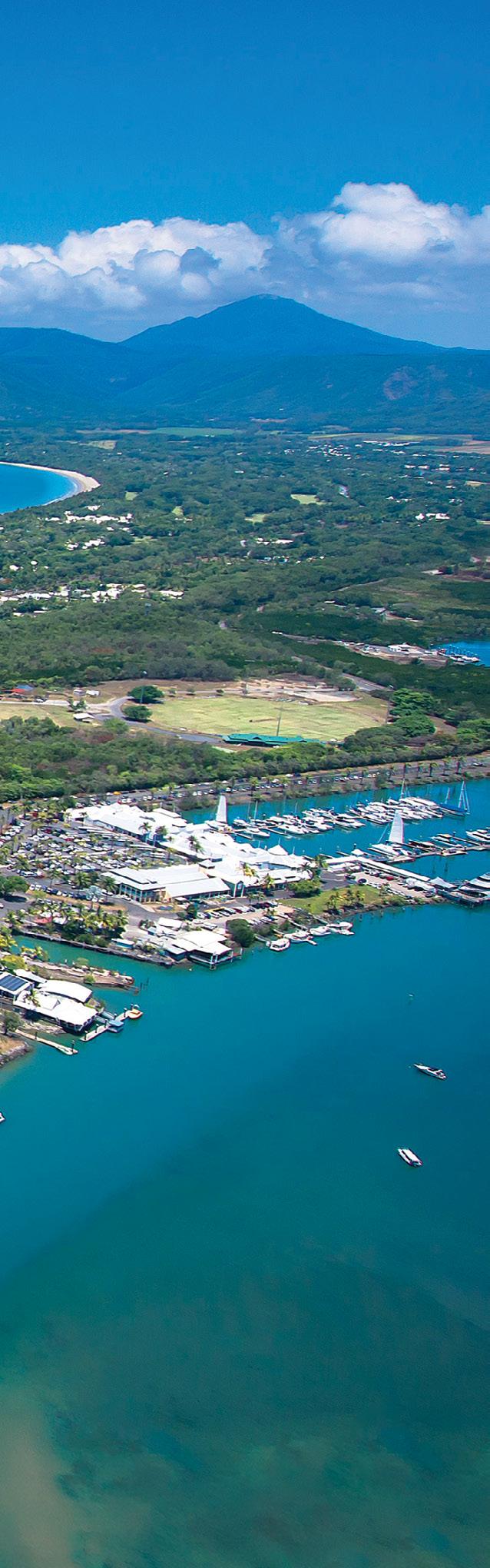
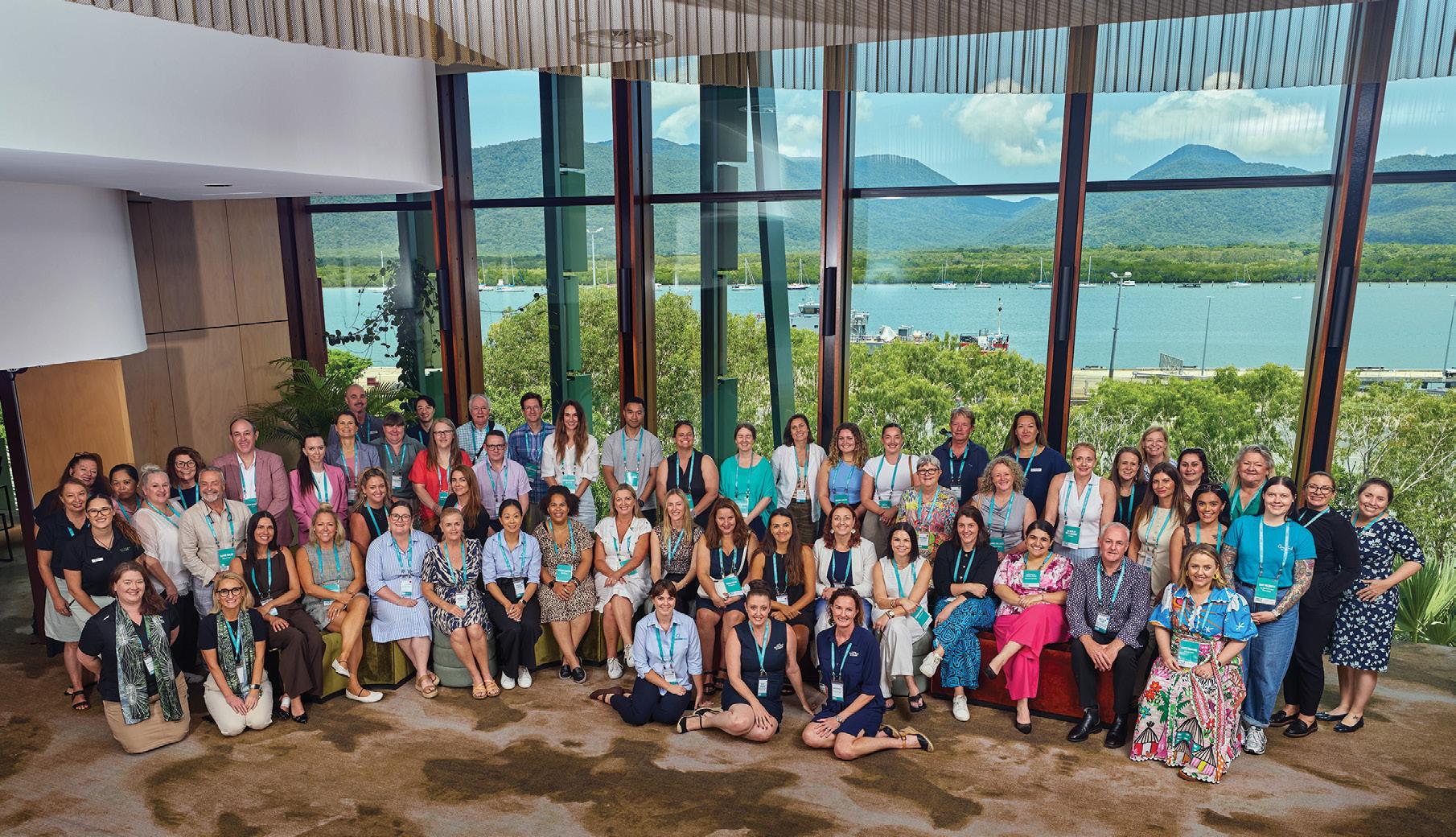
Destination Port Douglas and Cairns
Accessing Cairns and Port Douglas has evolved significantly in recent years, with major international airlines adding to Australia’s domestic carriers flying in and out of the region.
“We know strong aviation connectivity is a key consideration for corporate organisers when they are selecting a destination for business events,” says Richard Barker, chief executive officer, Cairns Airport.
“Supporting a flourishing business travel market also benefits local industries and the broader community, particularly in a destination such as Tropical North Queensland. Recent data shows business visitors are increasingly opting to blend work travel with leisure, choosing to stay in the Cairns region for twice as long as they would in a capital city further south.
“Cairns’ aviation network has expanded during the past 12 months, with additional direct services including Fiji Airways’ flights from Nadi – which has created a seamless one-stop connection for the United States market – and Jetstar’s Christchurch service, which has delivered our region’s first non-stop route from New Zealand’s South Island.
“We are also looking forward to welcoming an additional Singapore Airlines A350 wide-body service during our peak visitor period between July and September 2026, moving from four services per week to five.
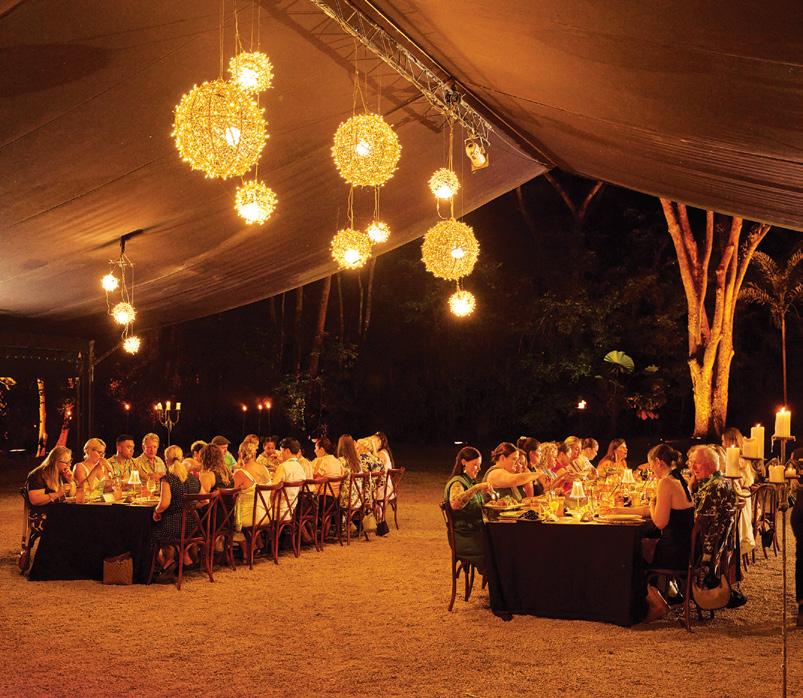
“Our airline connections now cover most of the globe, from the US and Pacific, across Asia, Europe, UK, New Zealand and beyond. We are ideally placed to offer world-class business events experiences as we continue to cement our status as Australia’s northern gateway.”
Cairns: A connected city
As the entry point to the region, Cairns is a growing city that offers an attractive base for conferences and events. It’s proximity to the Great Barrier Reef, Daintree Rainforest and Port Douglas, means visitors can stay within its radius, or venture further afield for incentives and escapes.
With the 2.5km Cairns Esplanade boasting tranquil surrounds for walks and relaxing, and Esplanade Lagoon a spot for cooling off, there are plenty of free options in the centre of town. Cairns Botanic Gardens is another peaceful offering that allows conference delegates space to unwind between business sessions.
In the centre of town, Pullman Cairns International is a striking hotel that offers contemporary luxury across 324 rooms and more than 3000 square metres of events space. The property’s Grand Ballroom is the largest pillarless ballroom in Cairns, which can accommodate gala dinners, awards nights and trade shows for up to 600 guests. →
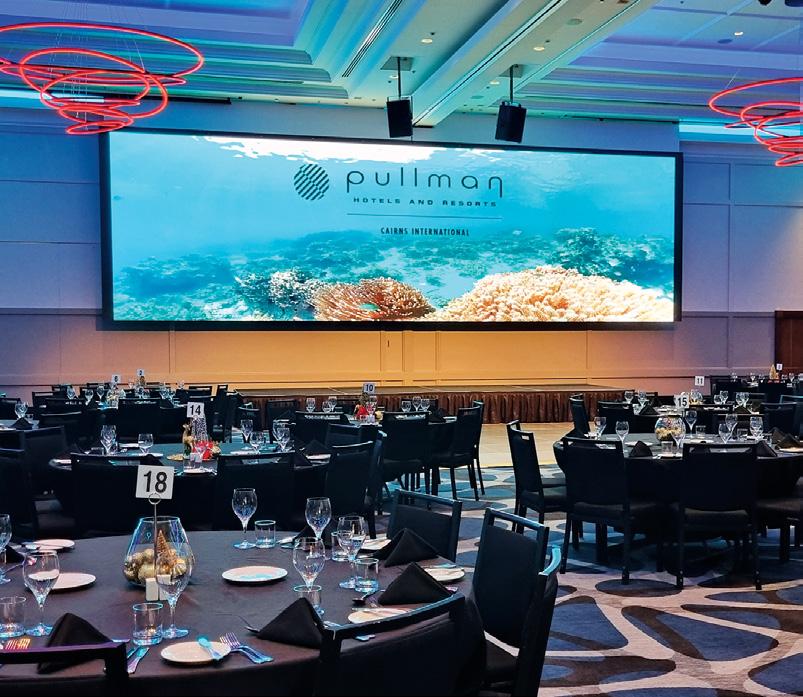
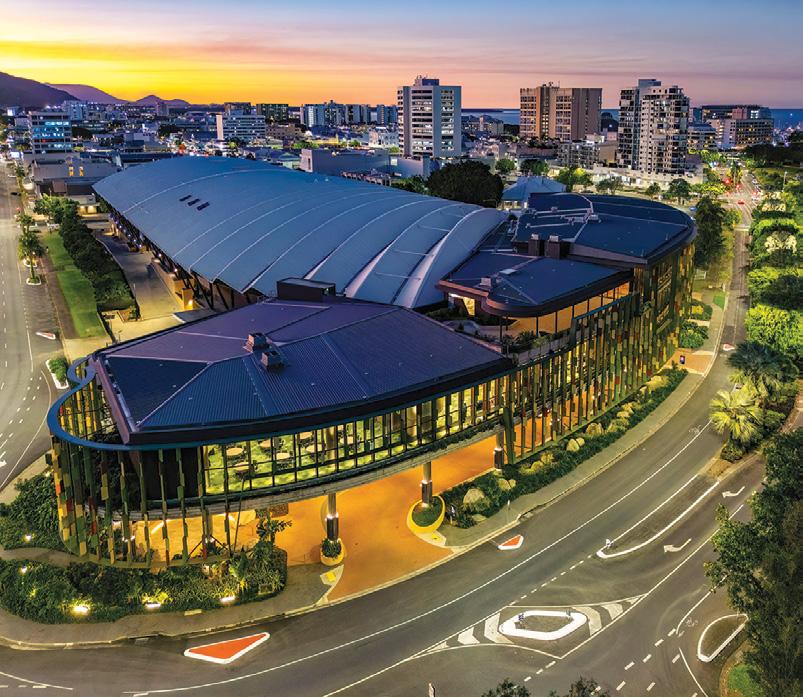
The tropical town of Port Douglas in Far North Queensland. Photo: TEQ, Vince Sofia.
Attendees of Connect in Cairns at Cairns Convention Centre. Photo: Brad Newton Photography.
Flames of the Forest.
Photo: Brad Newton Photography. Pullman Cairns International hotel. Cairns Convention Centre.
Destination Port Douglas and Cairns
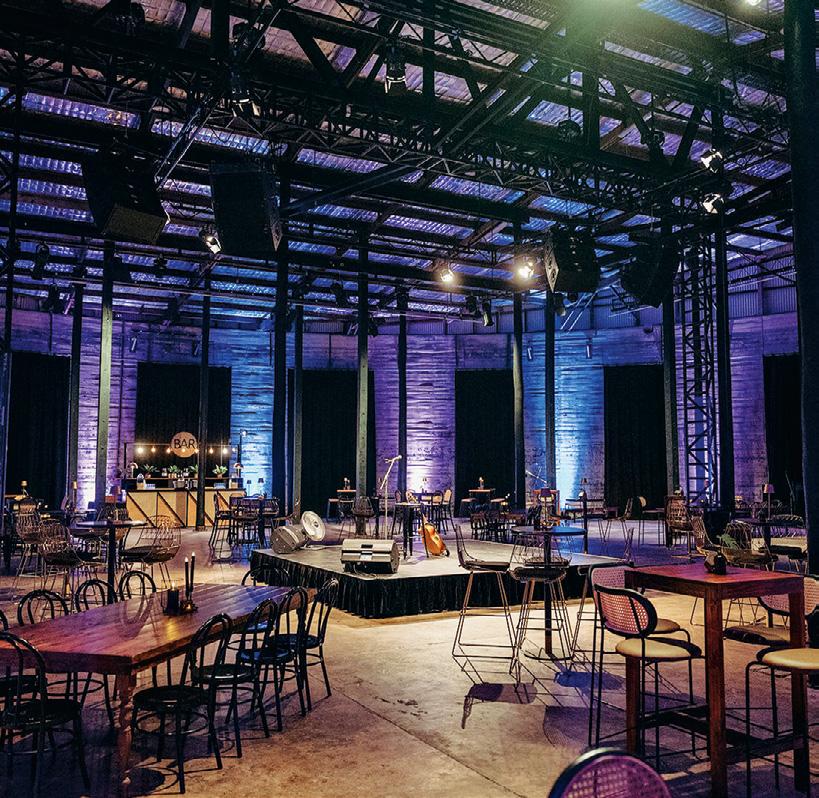
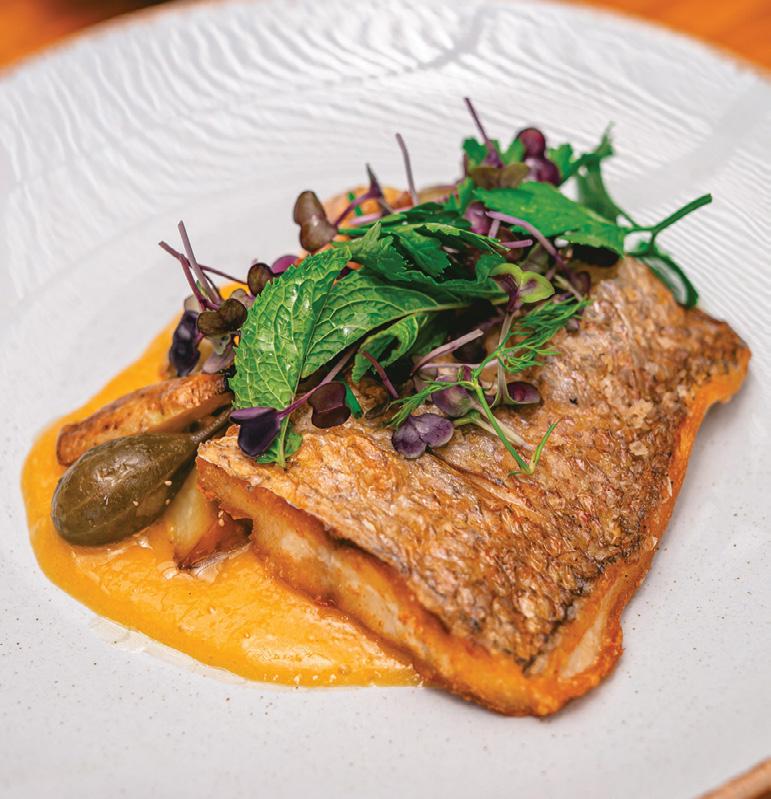
With multiple smaller ballrooms, conference spaces, foyers, meeting rooms, outdoor spaces, Coco’s Kitchen + Bar and pool deck, all types of business events are catered for at the hotel. Additionally, Cairns Convention Centre is just 10 minutes’ walk from the property.
“What sets Pullman Cairns International apart is the versatility of the experience we offer – whether guests are visiting for leisure, business or major events,” says Scott Grant, general manager, Pullman Cairns International. “From our accommodation to our conference and event spaces, everything is designed to reflect the energy of Cairns while delivering a polished, premium experience.”
Other hotels in Cairns providing diverse options for accommodation, conferencing and dining include Pullman Reef Hotel Casino, Shangri-La The Marina, Hilton Cairns, Rydges Esplanade Resort Cairns and three Crystalbrook Collection properties: Crystalbrook Riley, Crystalbrook Bailey and Crystalbrook Flynn.
On the Cairns waterfront, Salt House restaurant and bar overlooks the marina with an outlook across Chinaman Creek to the mountains beyond. The open-plan venue is a relaxing spot for pizza, seafood, cocktails, events and private dining.
“Salt House is known for our waterfront dining and extensive cocktail list,” says Jay Berghofer, general manager, Salt House. “I’m very proud of our executive chef, Julian Hernandez, and the menus he creates using the amazing local and fresh produce available in Far North Queensland.
Our Argentinian woodfired grill is a highlight inspiring our ‘Kissed By Fire’ menu. Salt House has something for everyone – sunset drinks, tasty food, live music and panoramic views.”
Further along the promenade is Hemingway’s Brewery, which is home to some of the region’s finest craft beer, as well as vast indoor and outdoor spaces for events. A few blocks away is Coral Sea Brewing, a small craft beer destination that connects to Mexicairns, a fun and vibrant games bar for groups featuring cocktails, food and activities such as bowling, augmented darts, shuffleboard, ping pong and pool.
North of the city centre, at Edge Hill, is Tanks Arts Centre, a spectacular heritage-listed multi-arts facility housed in three repurposed WWII naval oil storage tanks set among towering fig trees. Located in the Cairns Botanic Gardens precinct, it is a stunning venue for gala dinners, business events, live music, performances and visual arts. →
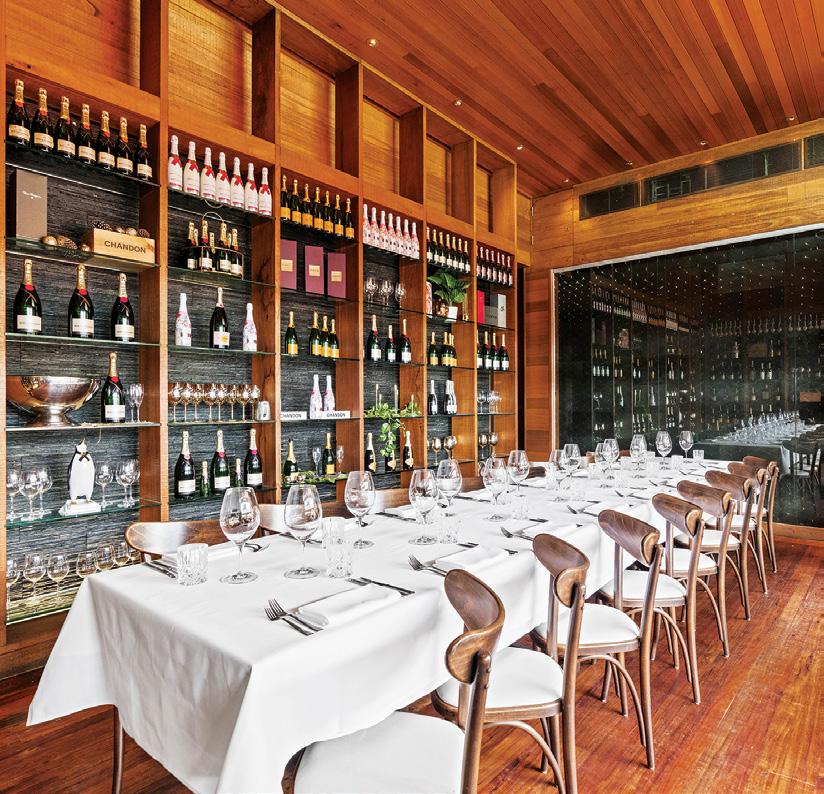
“Salt House has something for everyone – sunset drinks, tasty food, live music and panoramic views.”
– Jay Berghofer, general manager, Salt House.
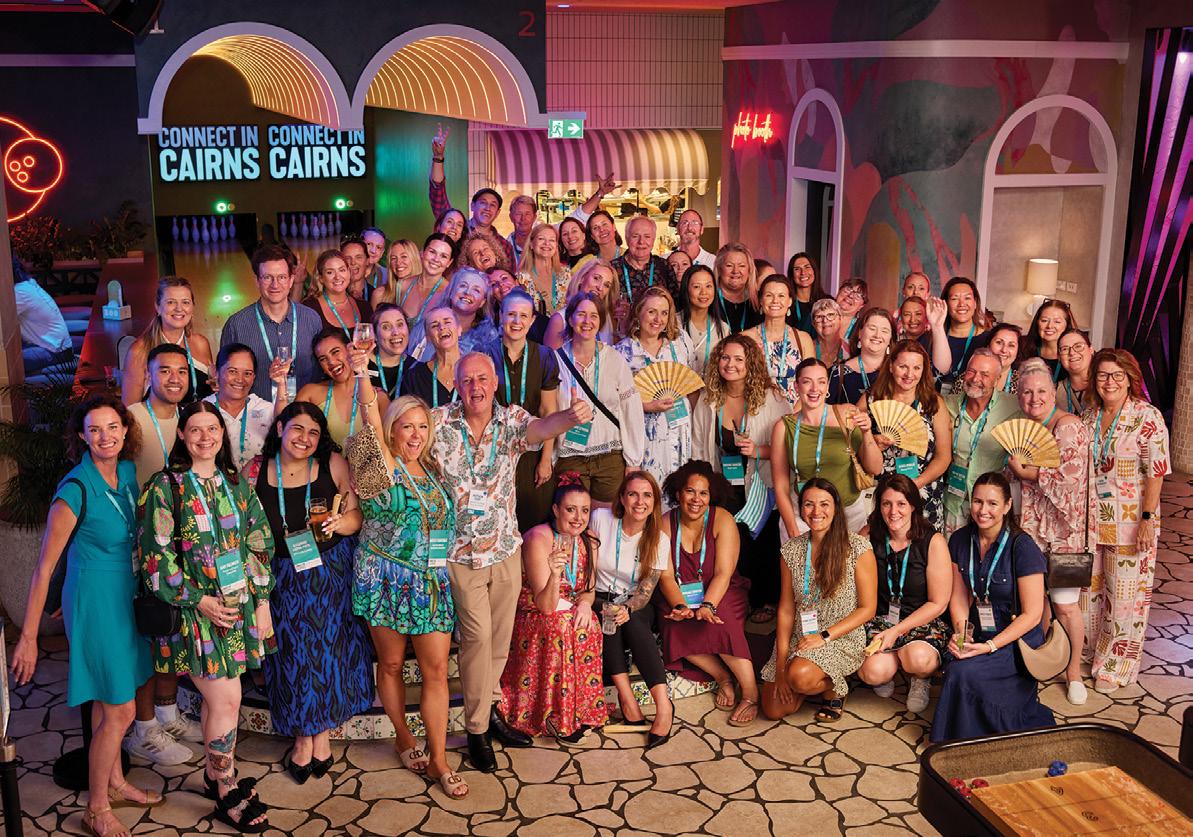
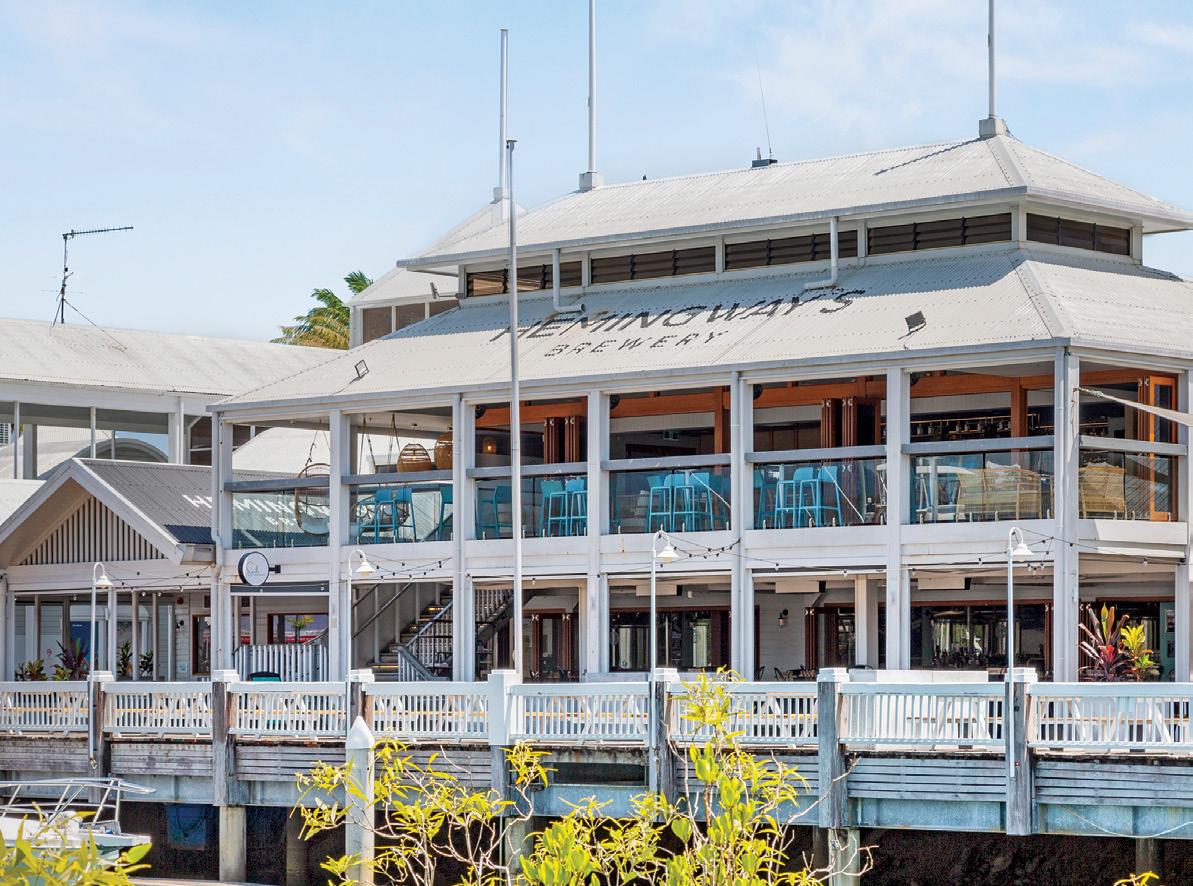
Fresh local cuisine at Salt House in Cairns.
Private dining at Salt House.
Fun times for Connect in Cairns delegates at Mexicairns.
Photo: Brad Newton Photography.
Hemingway's Port Douglas – sister property to its Cairns brewery.
Tanks Arts Centre.
Photo: Two Tribes Events.
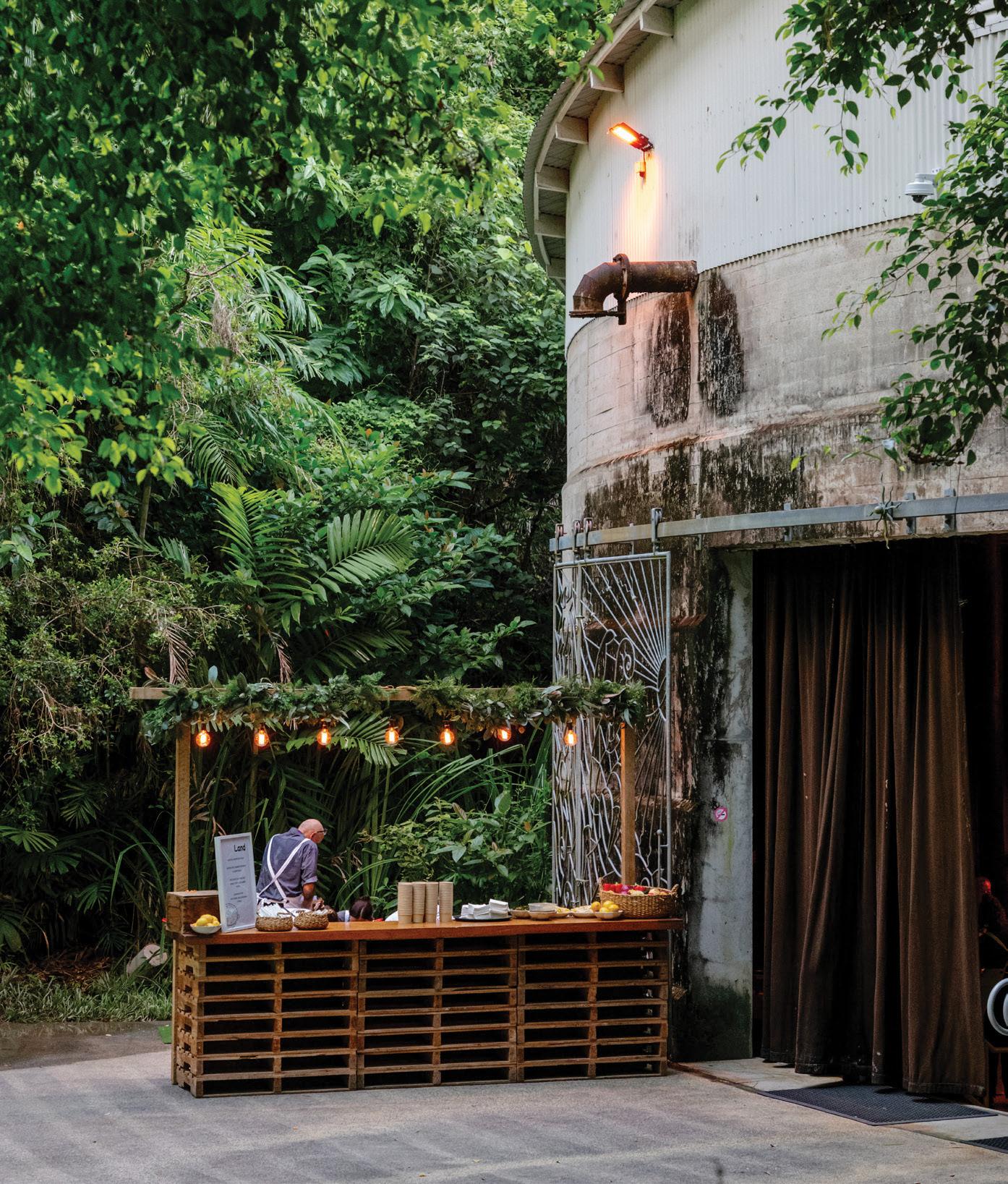
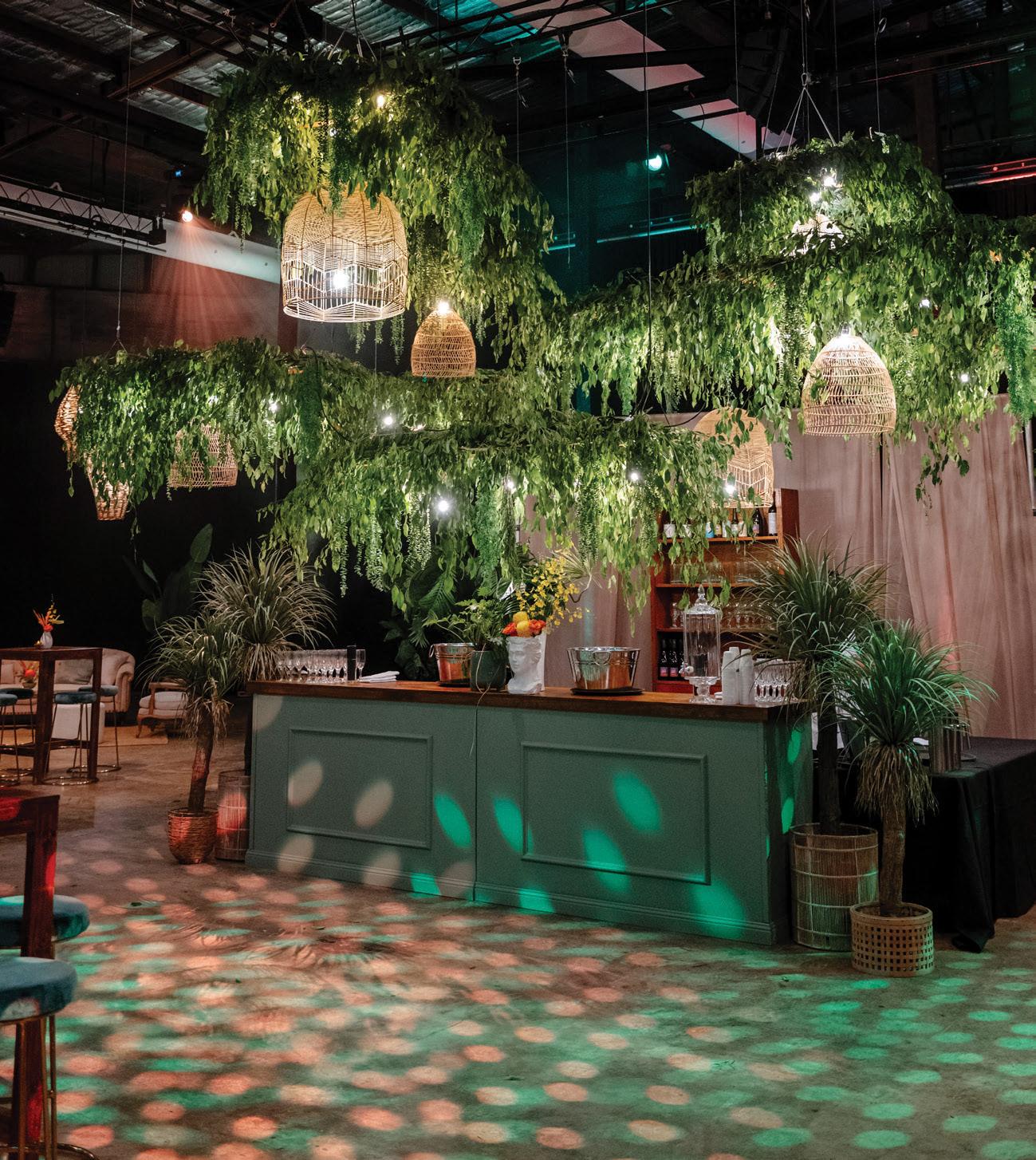
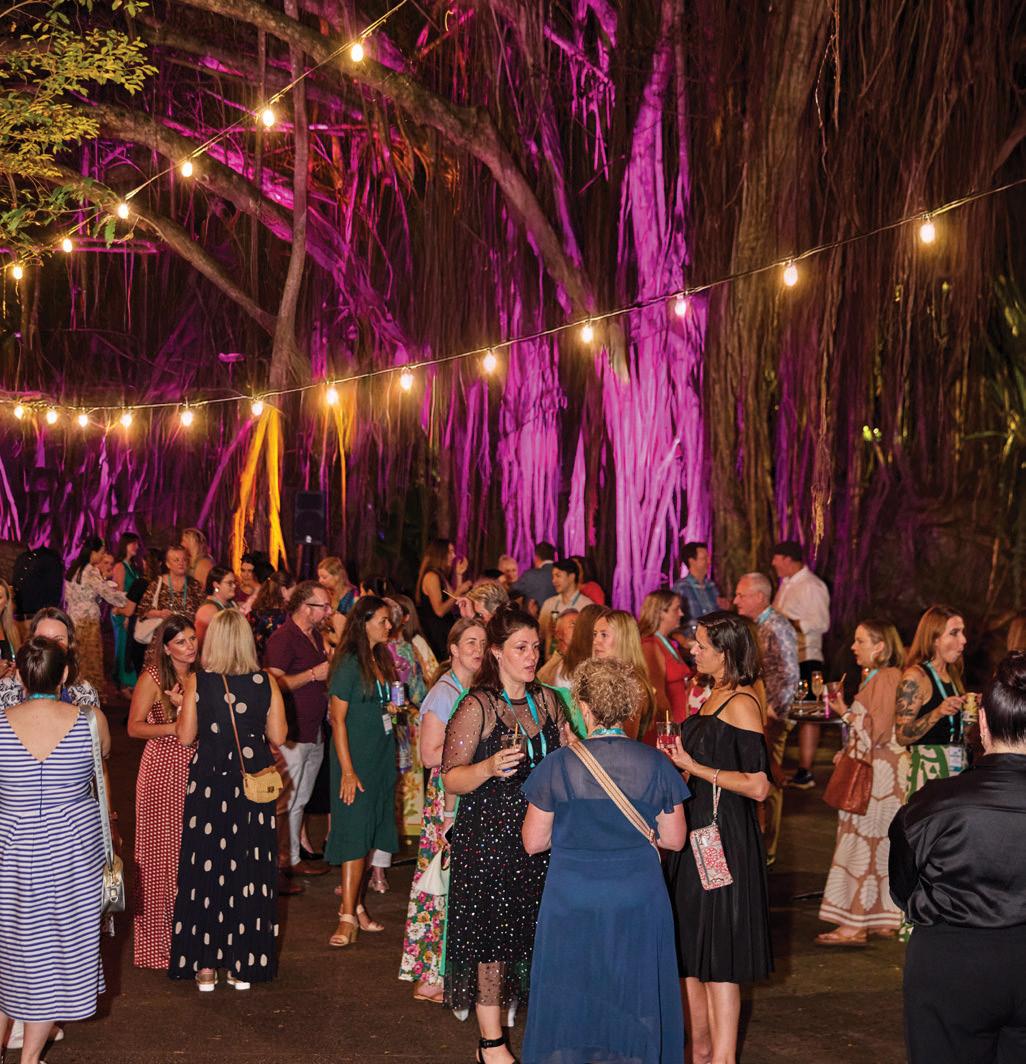
Destination Port Douglas and Cairns
“One of the most unique aspects of hosting an event at Sheraton Grand Mirage Resort Port Douglas is the connection guests feel to the natural environment.”
– Allan Horne, director of sales and distribution, Sheraton Grand Mirage Resort Port Douglas.
“What makes Tanks Arts Centre so powerful for business events is the intersection of creativity and capability,” says Jillian Causer, precinct manager, Tanks Arts Centre.
“We’re a working arts centre and a nationally recognised live music venue so everything we do is built around audience experience, technical excellence and atmosphere.
“Whether it’s a conference, corporate function or industry gathering, we offer something distinctive in a setting that sparks ideas and leaves a lasting impression. That means your guests aren’t just attending – they’re immersed in a space that feels memorable, inspiring and distinctly Cairns.”
Laidback vibe of Port Douglas
Just 60km north of Cairns is tropical town Port Douglas. Renowned as a stunning small community on the doorstep of Daintree Rainforest, Mossman Gorge, Cape Tribulation and Great Barrier Reef, it serves as an access point for these world famous attractions.
Home to palm-lined Four Mile Beach, luxury marinas and high-end dining, it is a popular hub for nature and adventure, and a burgeoning spot for cuisine, incentives and events. The town is a low-rise development with no building taller than a palm tree.
There are plenty of palm trees to be found at world-famous Sheraton Grand Mirage Resort Port Douglas, which is 130 hectares of lush tropical gardens, an 18-hole golf course, and a property featuring 295 rooms, multiple lagoon pools, restaurants and expansive events facilities. The famed five-star resort has helped put Port Douglas on the global map.
“Sheraton Grand Mirage Resort Port Douglas delivers exactly what event planners seek most:
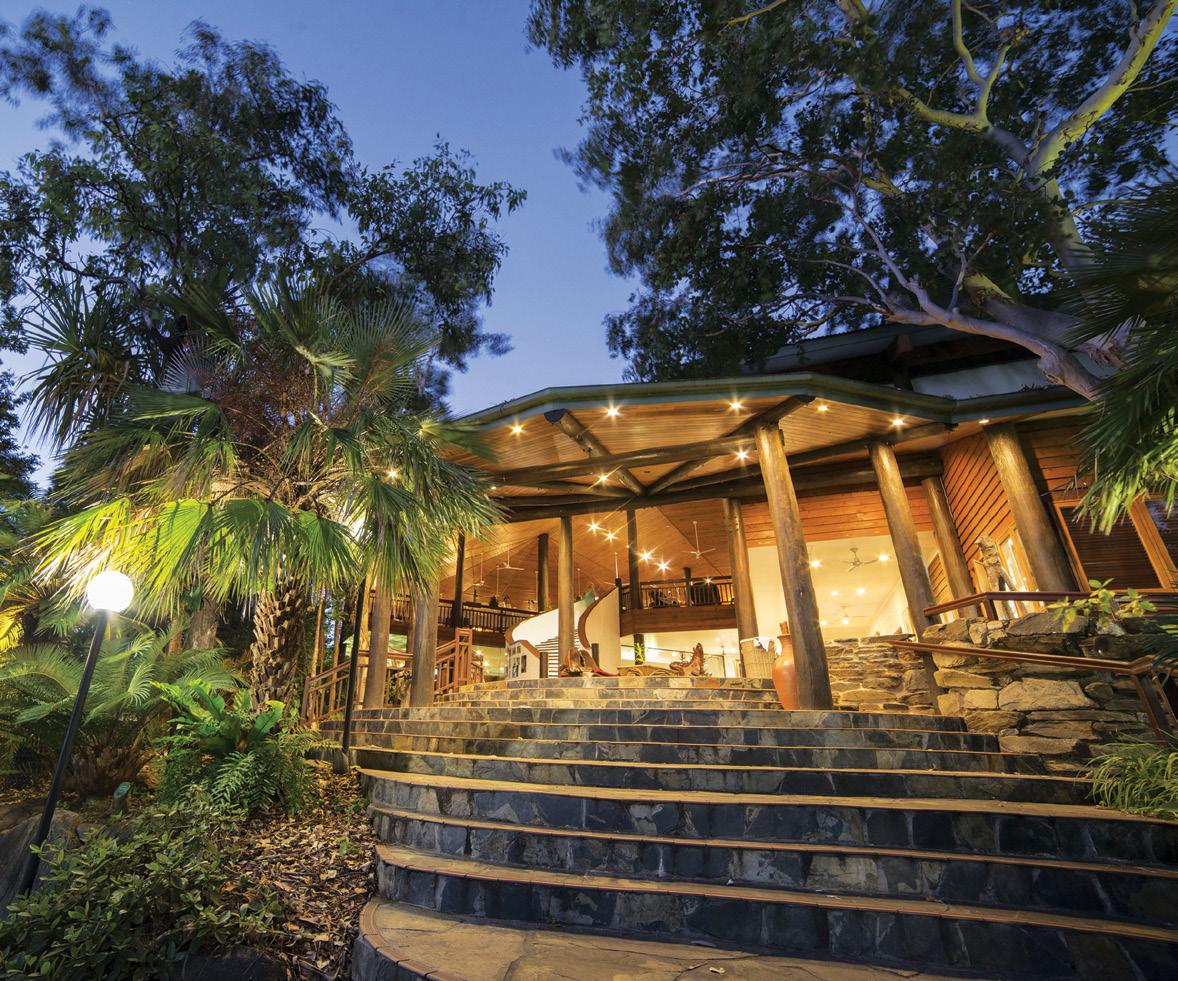
space, flexibility and ease,” says Allan Horne, director of sales and distribution, Sheraton Grand Mirage Resort Port Douglas. “Expansive guest rooms, palm tree-lined outdoor venues and adaptable conference facilities allow for a highly customisable event experience, whether it’s an intimate incentive for 20 people or business conference for 400 guests.
“One of the most unique aspects of hosting an event at Sheraton Grand Mirage Resort Port Douglas is the connection guests feel to the natural environment. Set among tropical gardens and steps from Four Mile Beach, the resort invites delegates to disconnect from distraction, reconnect with their surroundings and engage more meaningfully.”
Between Cairns and Port Douglas, inland from the coast, several natural wonders attract visitors for incentive activities among the rainforest setting. Since 1974, Rainforestation Nature Park has welcomed visitors to its 100-acre property near Kuranda Village. Its offering combines Australian wildlife and Indigenous culture, with its World War II Army Duck experience a unique way to explore the wetlands. Events of all sizes are catered for, from intimate gatherings to galas up to 2000 guests.
Thala Beach Nature Reserve is a resort on a 145-acre private headland between Cairns and Port Douglas, offering deluxe beachfront eco accommodation, treetop dining at Osprey’s Restaurant and activities such as nature walks and stargazing nights.
“Nestled between the Daintree Rainforest and Great Barrier Reef, Thala Beach Nature Reserve features private bungalows set on a stunning headland, where luxury meets immersive natural beauty,” says the property’s sales and marketing executive, Eleanor Jones. →
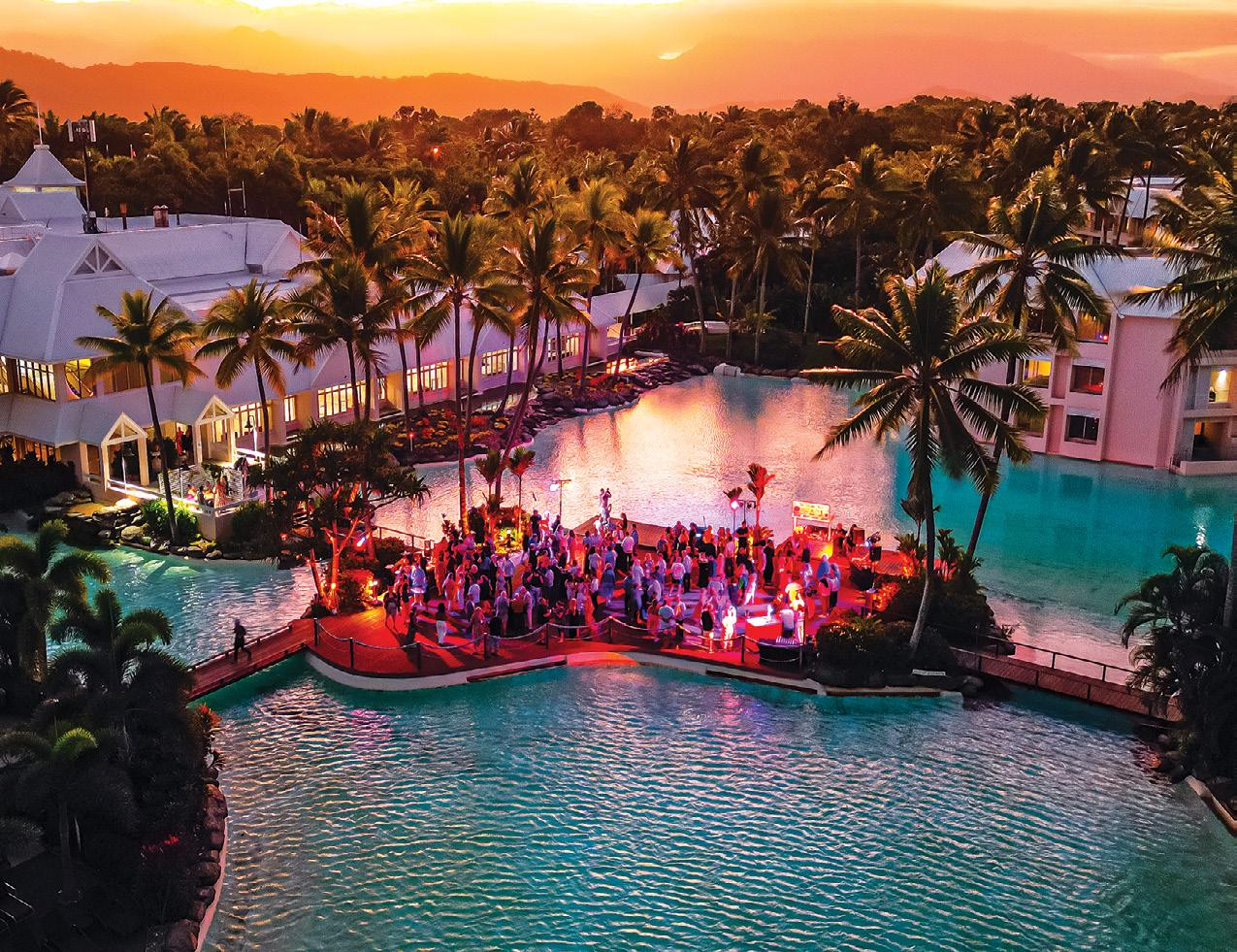
Thala Beach Nature Reserve.
Sheraton Grand Mirage Resort Port Douglas.
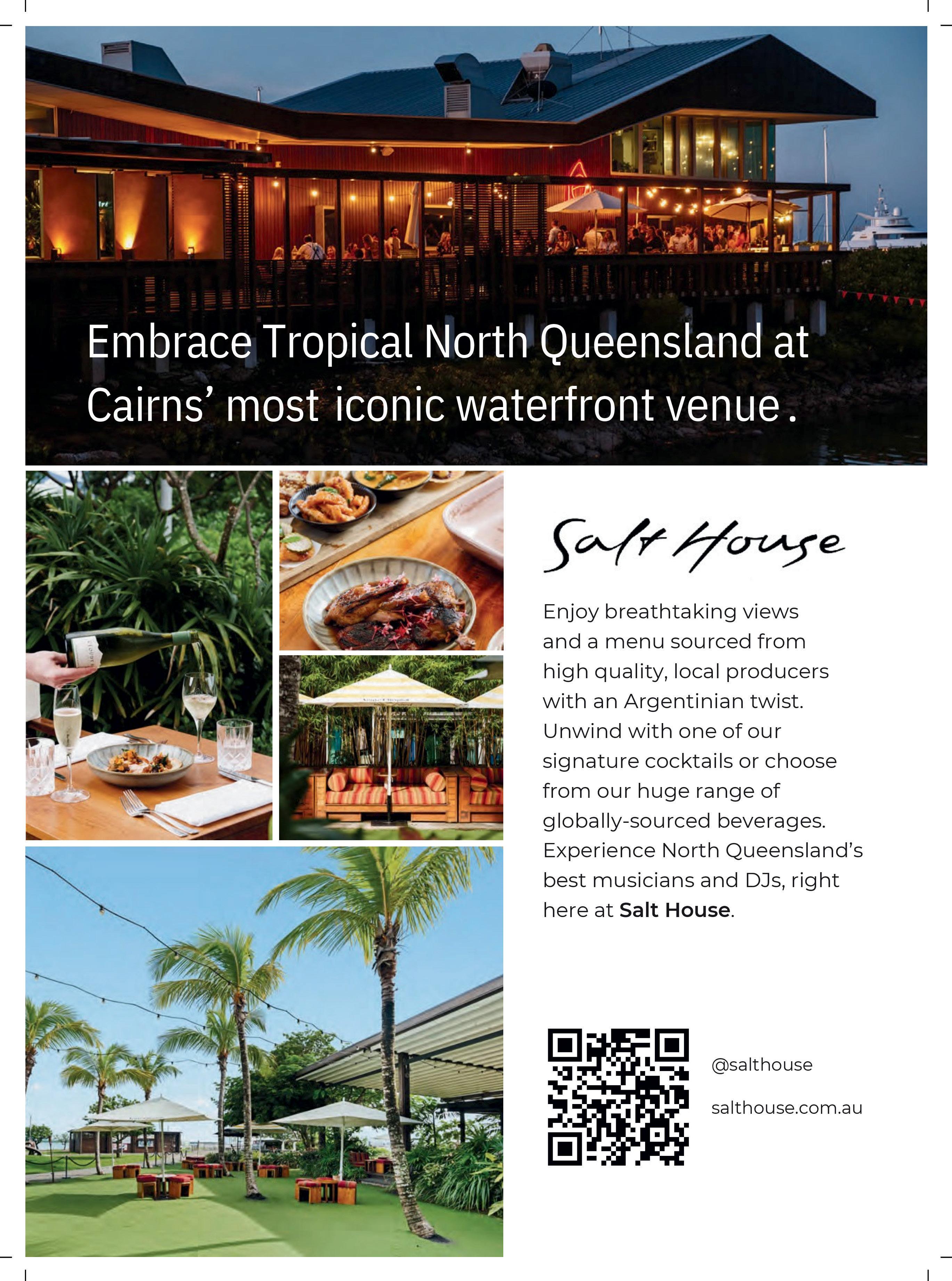
Destination Port Douglas and Cairns
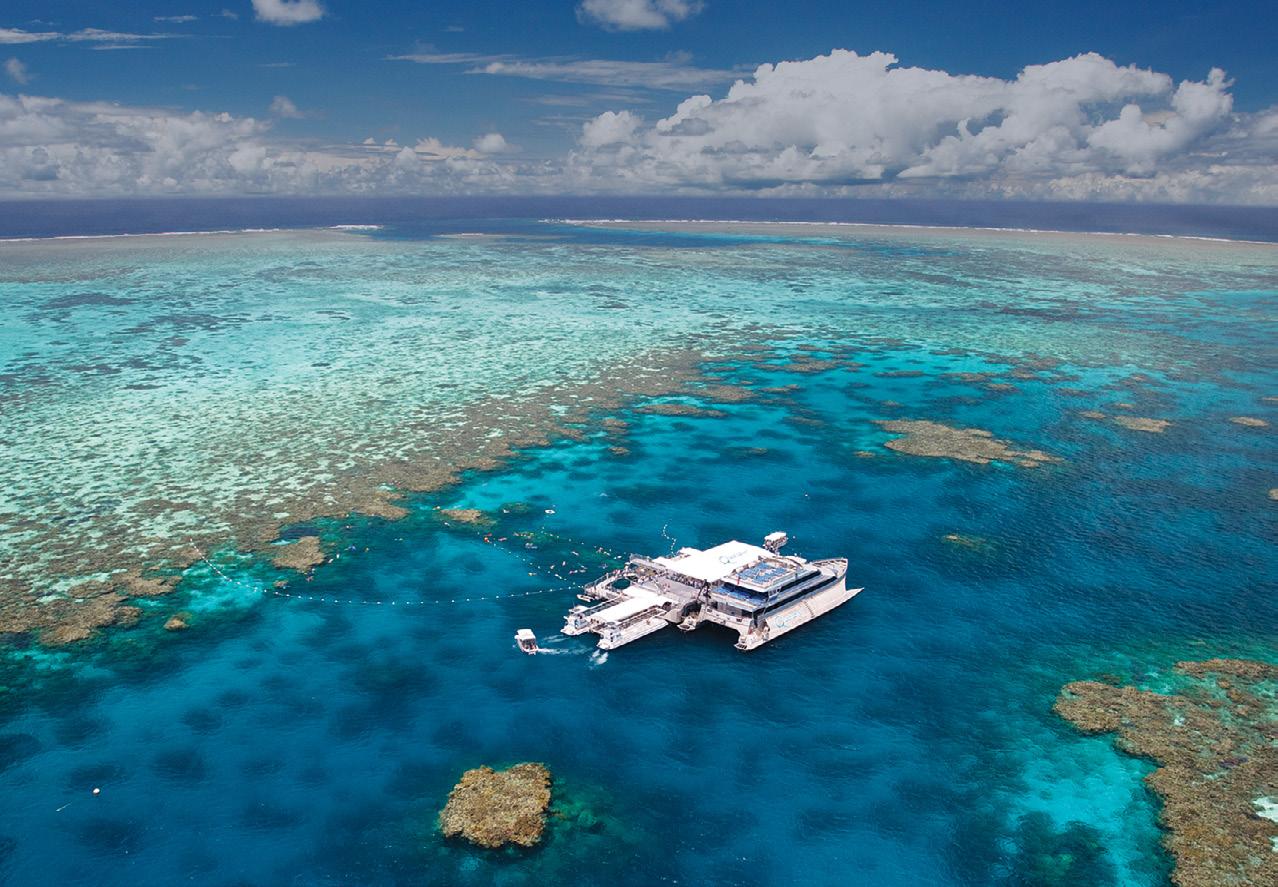
“Perfect for business events, incentives and team building, you will be at one with nature in ultimate luxury and style as part of a tailor-made event.”
– Matthew Lloyd, operations manager, Sailaway Port Douglas.
For an incredible rainforest dining experience, there is nothing else like Flames of the Forest in Tropical North Queensland. Just 10 minutes from Port Douglas, it is the largest permanent offsite venue in the region. With a marquee illuminated by candlelight, it is an elegant and captivating private events space – with no noise restrictions – for up to 800 people.
Twenty minutes north of Port Douglas, Mossman Gorge is a remarkable natural wonder deep in the Daintree Rainforest. With towering canopies, ancient granite boulders and sparkling waters, the local Kuku Yalanji people have cared for the land for tens of thousands of years.
Visitors can enjoy ancient stories and cultural immersion during the Ngadiku Dreamtime Walk experience via the Mossman Gorge Cultural Centre, which celebrates its 40th anniversary and 500,000th visitor in 2026.
Other popular inland experiences include wildlife encounters at Hartley’s Crocodile Adventures, and the 7.5km treetops Skyrail Rainforest Cableway running above Barron Gorge National Park.
Exploring the Great Barrier Reef
The UNESCO World Heritage-listed Great Barrier Reef is the world’s largest coral reef system, stretching across 2300km off the coast of Queensland. Covering 344,400 square kilometres, it comprises nearly 3000 individual reefs, 900 islands and immense biodiversity, including thousands of fish species, marine turtles and coral.
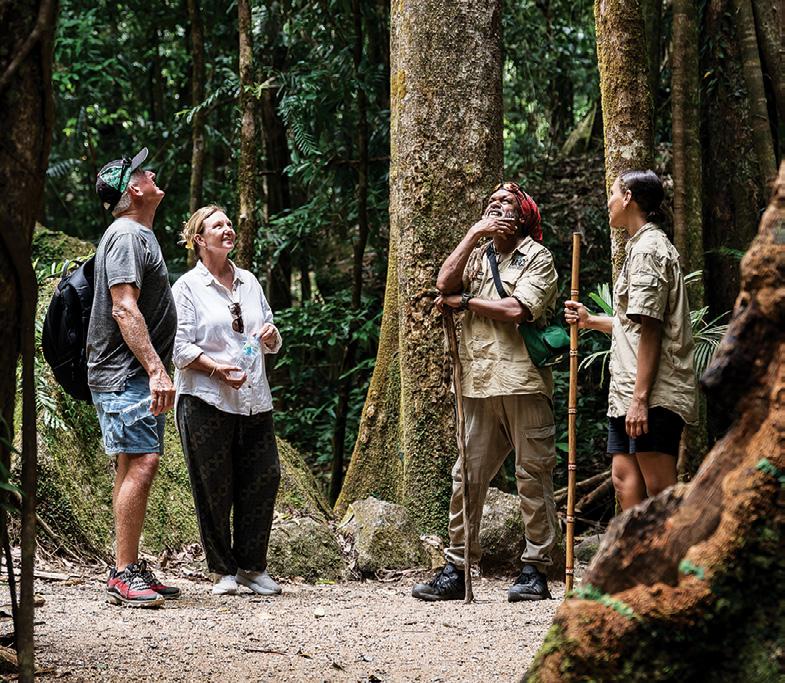
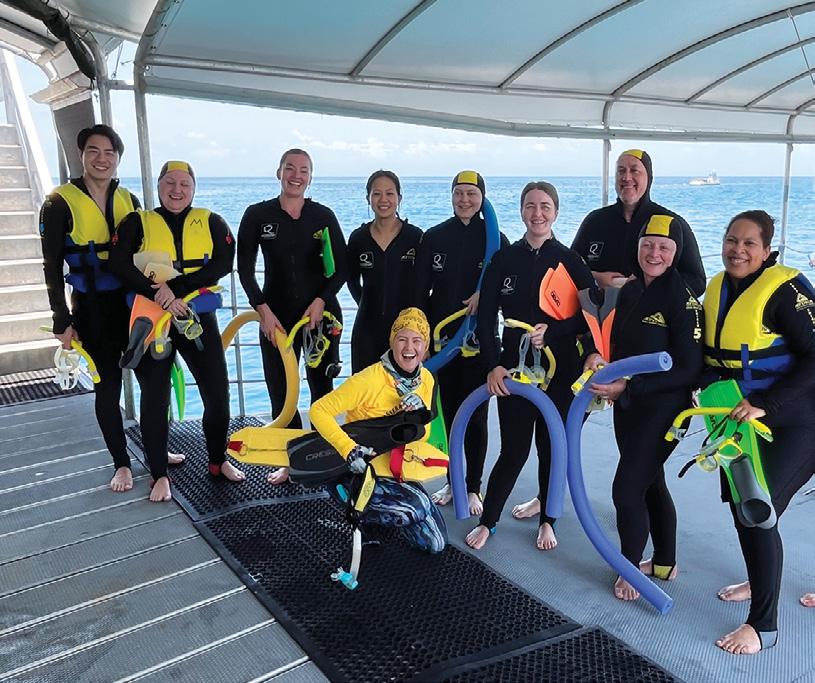
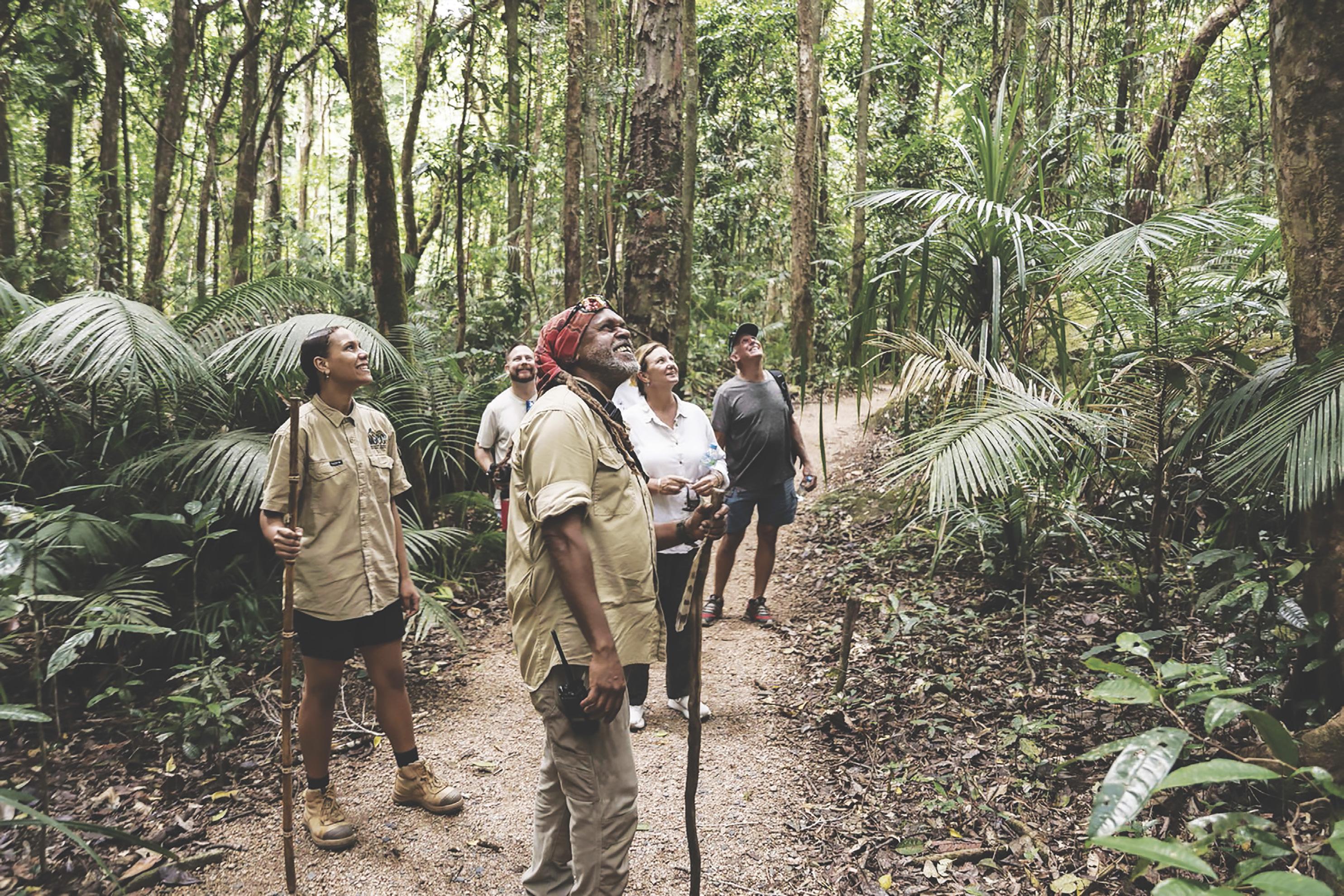
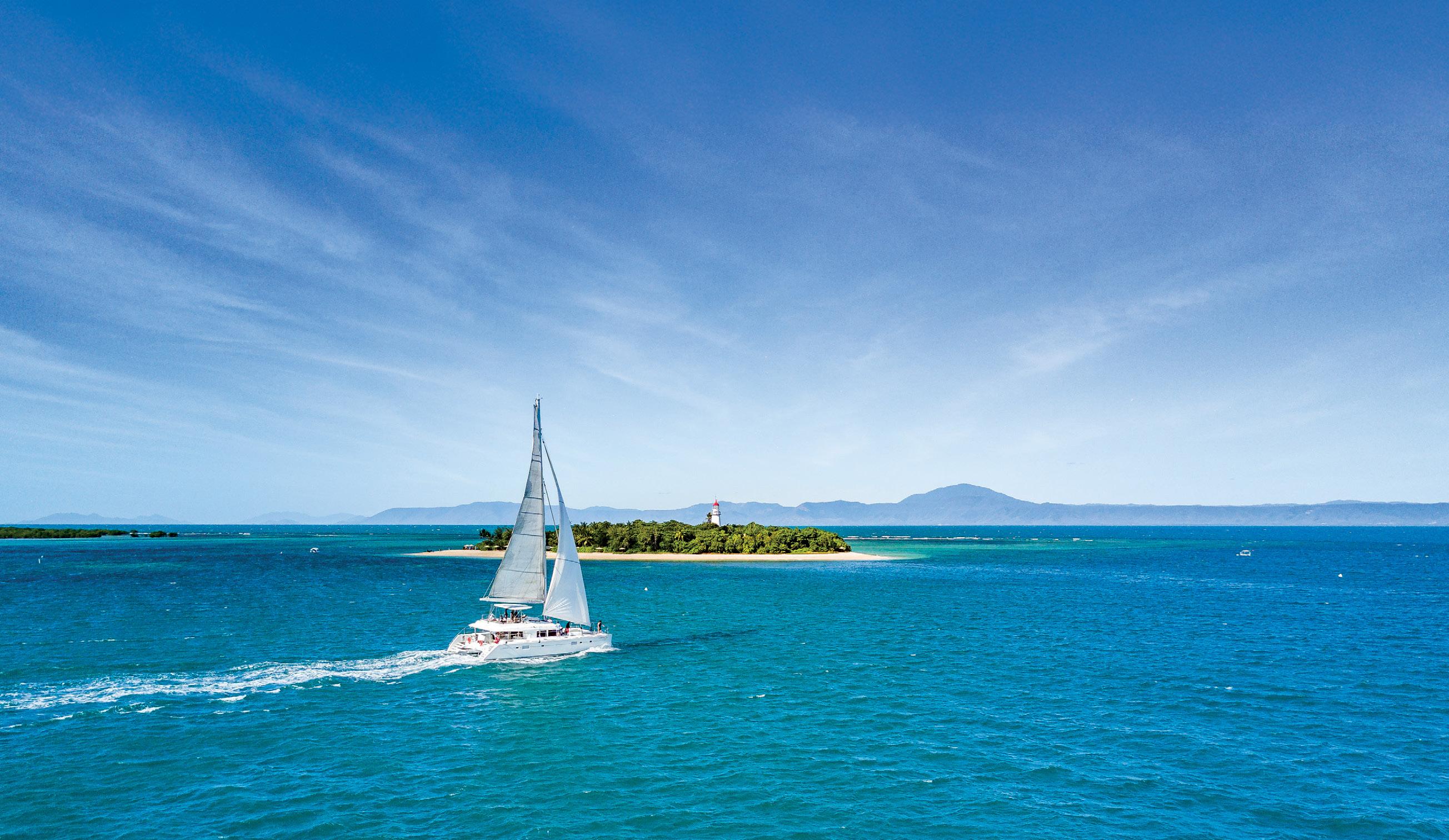


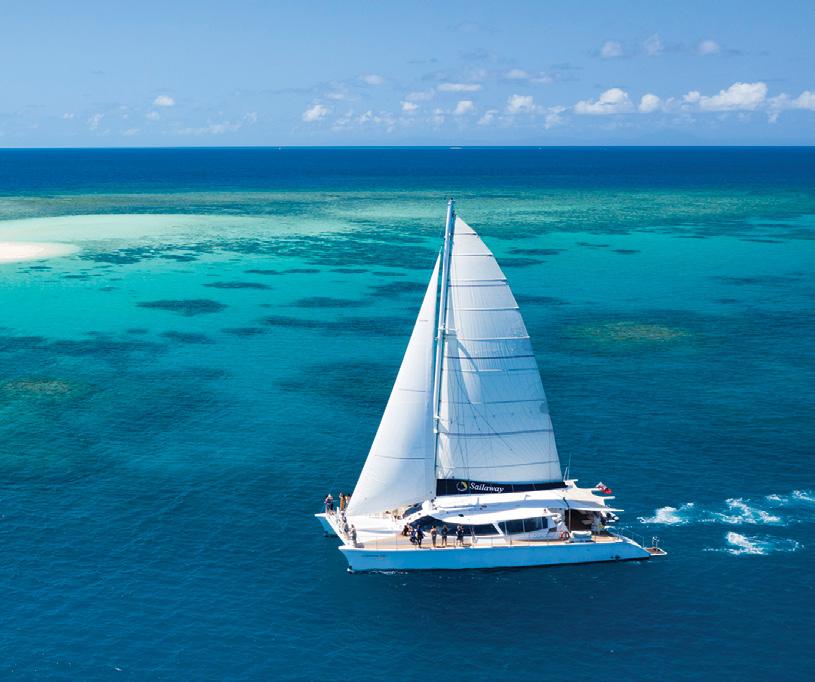
Connect in Cairns delegates at the Quicksilver pontoon on Great Barrier Reef.
Great Barrier Reef cruising with Sailaway.
Quicksilver’s Agincourt Reef Pontoon.
Cultural walks at Mossman Gorge.
INCLUSIONS
CHARTERS
Contact the team on (07) 4099 4200 or info@sailawayportdouglas.com Celebrate your next corporate event in one of the world’s most spectacular natural settings - the World Heritage-listed Great Barrier Reef
CAIRNS & GREAT BARRIER REEF
THE NATURAL PLACE TO MEET