
80% 0
80% 0
1
I’ve had a chance to open the boxes and I’m absolutely thrilled with the quality. The print colour, detail and finish are all beautiful, and the textured stock looks fantastic.
Thank you for all your help throughout the process. It’s been a pleasure working with you.
Amanda 3/7/26
2
Thanks Hero Print for the incredible business cards and fliers. Love the raised holographic foil. Also the long edge printing services and die cut services are excellent too, items that are not available everywhere. Great value and fast service.
I couldn’t be happier.
Alayna 27/5/26
3
Thank you & your team so very much for your help with this job. The progress tracker and your efficiency has been excellent.
The product was delivered to the client yesterday afternoon, very happy!
Thank you again!
Stacey 14/5/26
4
Everyone was happy with the finished job. I was impressed with both communication, speed and price.
I appreciate all efforts made to get this job sorted out under a tight deadline. Well done to you and your team.
Cayne 17/6/25
6-10 News update
A news roundup from the world of print
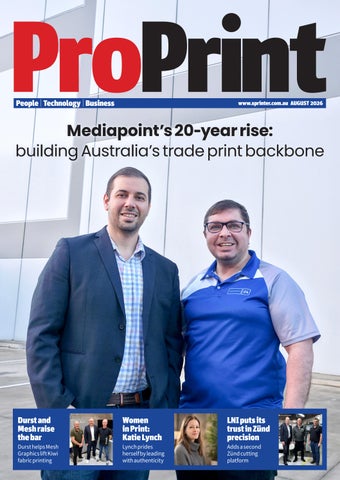
12-14 Cover Story: Mediapoint’s 20-year rise
Mediapoint navigates the next phase of its growth while maintaining a trade-only focus central to its long-term strategy
16-19 Installations: Durst and Mesh Graphics take Kiwi fabric printing and cutting to the next level
Mesh Graphics installs a Durst P5 350 TEX iSub
20 Women in Print: Katie Lynch
The Katie J Design and Events owner leads with resilience and authenticity
22-23 Star Business: Ricky Richards
Ricky Richards finds ‘giving back’ is a good working philosophy
24 Case Study: LNI buys second Zünd cutting machine Company makes investment in response to continued growth
26 Case Study: Billboard Media amps automation
Billboard Media turns production knowledge into automation
28-32 Preview: Visual Impact
A sneak peek of what can be expected at the upcoming show
34-35 Preview: Printing United
Preparations underway for another landmark event
38 Study: Global printing industry forecasts
Smithers shares global printing industry forecasts to 2031
39 Comment: Mitigating disaster risk in business
The preparation, systems, and the discipline needed to adapt
40 Comment: Fair Work Act general protections
The Fair Work Commission is changing the way claims are managed
42-43 Downtime: Durst Next Honors
Event recognises global industry achievement
44-45 Downtime: New Revoria Press launch in Sydney Fujifilm BI Aust event showcases its enhanced colour capabilities
46 ProPrint Diary
Keep up-to-date with the latest industry events
Editor Pamela Connellan, pconnellan@intermedia.com.au
Design and Production Manager Sarah Vella, svella@intermedia.com.au
Managing Director James Wells, james@intermedia.com.au
Subscriptions (02) 9660 2113, subscriptions@intermedia.com.au
Printed by Hero Print Alexandria, NSW, 2015
Mailed by D&D Mailing Services Prestons, NSW, 2170

Welcome to the August edition of ProPrint where we find out how Melbournebased wide-format trade printer Mediapoint has stayed ahead of the competition by continually evolving its business to meet the changing needs of the market. Jamie and Jason Xuereb founded Mediapoint in 2006 and have grown it into one of Australia’s most trusted trade printers. They’ve done this by investing in the right printing and finishing technologies, and by keeping up with advancements in technology. The business celebrates 20 years in operation this year. To read more on its journey and future plans, see our story on page 12.

410 582
We also take a look at how Durst and Auckland-based Mesh Graphics have taken Kiwi fabric printing and cutting to the next level. With the highperformance Durst P5 350 TEX iSub dye-sublimation printer, Mesh Graphics is delivering outstanding print quality for printed fabrics. And with this market poised for further growth, the press is only going to future-proof Mesh Graphics’ operations. For the full story, see page 16.
Plus, don’t miss our story on Ricky Richards – a business which has made giving back a core part of its business philosophy. Ron Gottlieb tells us how he was inspired to give back to hospitals and the community in general – and his customers have been inspired by it too. See more on page 22.
In addition, this issue revisits the night where more than 100 people attended the launch of the FUJIFILM BI Australia Revoria Press PC2120 in Sydney – see more on page 45.
Ricky, your long time provider of Print Media products supplying a market-leading range of specialised material for a broad range of applications.
Our specialised products include Wall Coverings featuring the world-leading DreamScape® range and Printable Flooring featuring G-Floor®
With stocked warehouses and quick delivery times, Ricky is your partner of choice for your upcoming print projects.
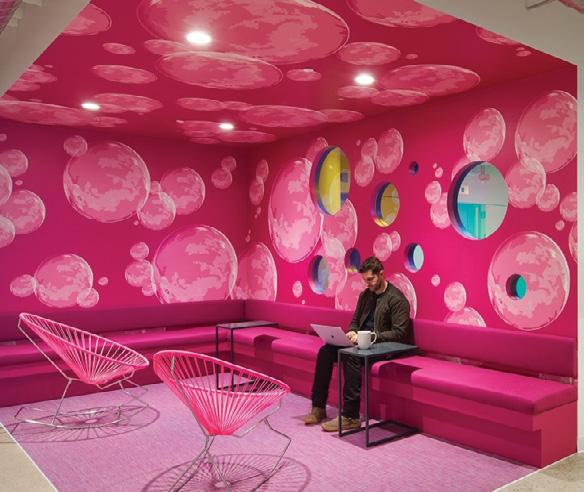
DreamScape® is the global market leader in commercial grade wall coverings, delivering the highest quality product to turn white walls into dreams. Design2Wall is a premium non woven printable wallpaper with Group 1 fire retardancy and easy installation.
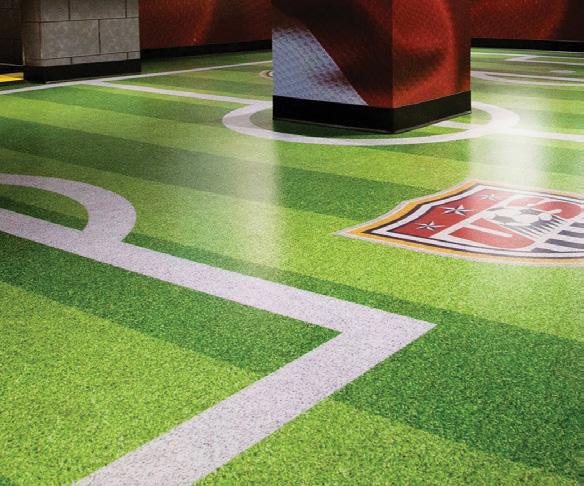
G-Floor® is a revolutionary printable vinyl flooring that transforms any space with high-impact, durable graphics. Rickyfloor our premium printable linoleum designed to turn high-traffic surfaces into temporary high-impact canvases.
Frontlit, backlit and blockout options, for retail displays, exhibitions, events and large-format interiors where premium colour vibrancy and tactile appeal are essential.
Frontlit, backlit, blockout and mesh materials designed for high-impact signage in demanding environments. Ideal for events, retail, construction and long-term outdoor promotions
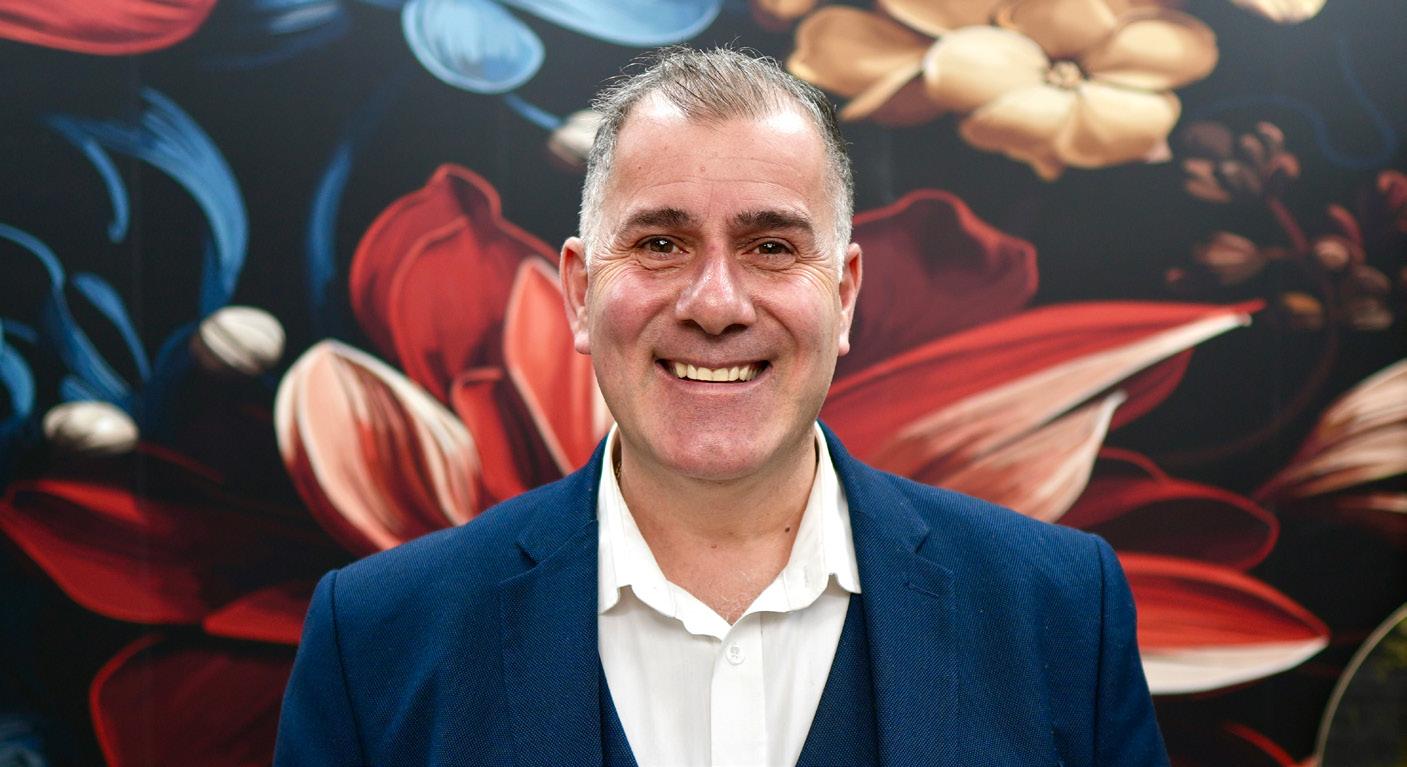
After almost nine years at the helm, well-known industry figure and GENR8 Printing director Yianni Moratidis has sold his printing business and announced his exit from the industry.
Moratidis, who spoke to ProPrint exclusively, said he made the decision to sell the printing arm of his company as he wanted to direct his focus to his fastgrowing entertainment business.
“I love this industry and the people in it, but I’ve just got too much going on with GENR8 Entertainment – and it’s only getting busier, which is good, but that means I need to direct my focus to it entirely. I’m going back to my roots in entertainment,” the Newcastle-based entrepreneur said.
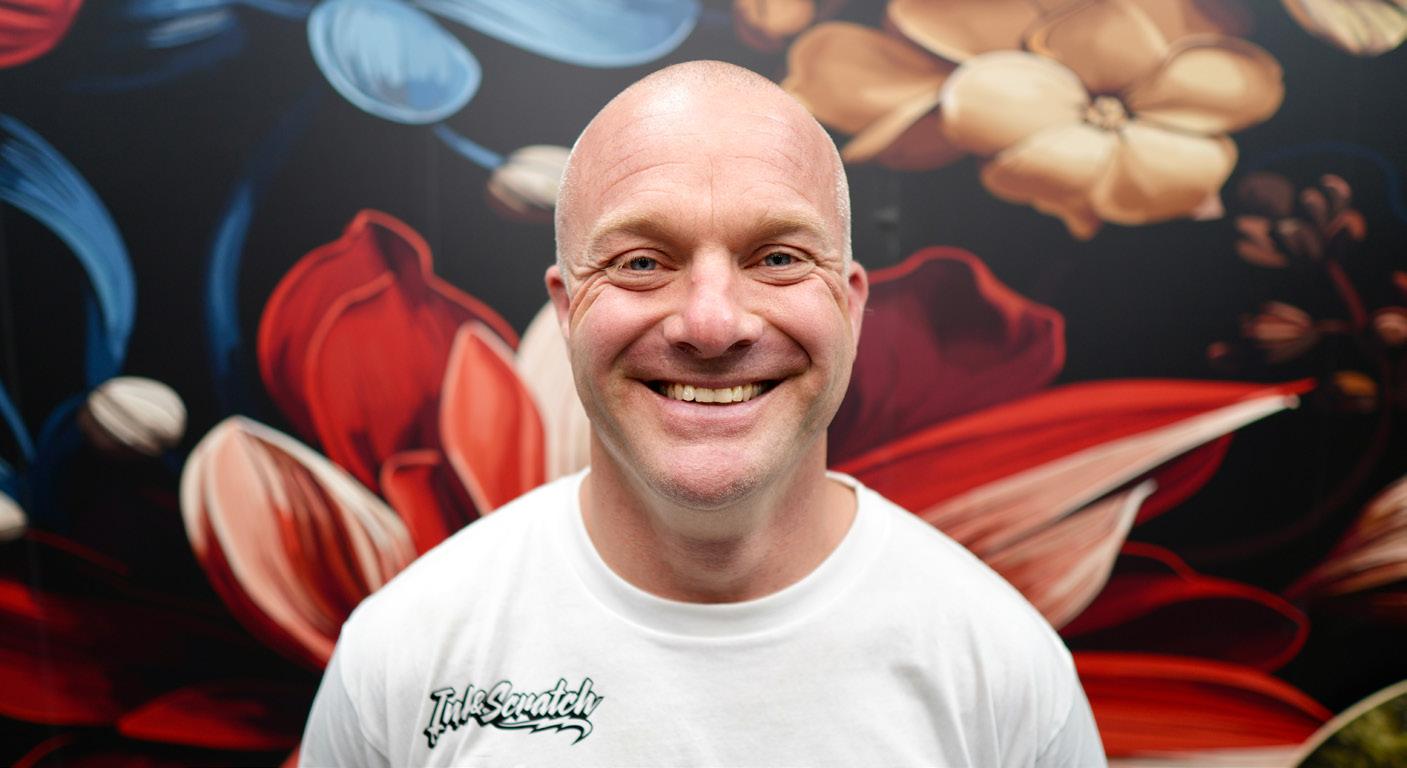
As a result, Moratidis has handed over ownership of GENR8 Printing to Trent Eagle, who is also the business owner at custom design and printing company Ink & Scratch and Street Vision Signs.GENR8 Printing will still continue to operate as is
I won’t be coming back in. Thanks to everyone that has embraced me in this industry.
“To look back on the past years to see what’s been achieved, the equipment, the challenges, the learning curve, the people, and the applications – let alone the things we have produced – still blows my mind even today. From starting out doing business cards and posters, to becoming a fully loaded digital production house covering small format and wide format [has been] amazing!”
Incoming GENR8 Printing managing director, Eagle said, “Prior to the deal, Yianni’s business and my business have worked together for a long time – we’ve done work for each other. So, when this opportunity presented itself, I took it as I found our businesses to be very complementary of each other.
“I own Ink & Scratch and Street Vision Signs, and now, the inclusion of GENR8 Printing means synergies across all three businesses; they just fit like pieces of a puzzle.
“I plan to make no changes within GENR8 Printing and how things happen and operate within that model from a production perspective, but there might be some further changes with how everything comes together on a business structure level in future.
“But through it all, our customers’ expectations will remain our first priority.”
– under the same name, housing the same machines, servicing the same client base, and employing the same staff – with the only change being management handled by Eagle.
There will be no change to its physical address as well. The Newcastlebased business is housed in a building of approximately 290sqm in size, and offers small format and wide format services, as well as installation and 3D/ fabricated signage.
Moratidis will run GENR8 Entertainment from one of his other buildings – he has about 25 commercial property offices and will move to one of those.
“I’m thankful to have come across anyone in this industry, in whatever capacity small or large – whether I bought something from them or dealt with them, or even just became friends with them,” he said.
“They have always been supportive. I am truly going to miss a lot of them as
Moratidis had been contemplating the sale of his printing business for a while now – a report by ProPrint in 2024 outlined his hopes to pass on the baton to a suitable industry player who can take the company into the future.
At that time, Moratidis also confirmed that his decision to sell the business had nothing to do with financial struggles and hoped to defuse any industry gossip of that nature.
GENR8 Printing has also been on an investment spree in the past year, having recently added a Ricoh Pro C7500 with 5th colour and a Plockmatic BM4000 Booklet Maker in September 2025, as well as two new JWEI finishing solutions in August 2025.
“I love innovation. From my perspective, the addition of all these new machines mean as a combined entity, we can look at how else we can create products differently, how we can rethink and improve our processes, and how we can expand our portfolio,” Eagle added.
“So, I’m just excited to see where it all goes, whilst also keeping to the core lanes of what GENR8 does.”

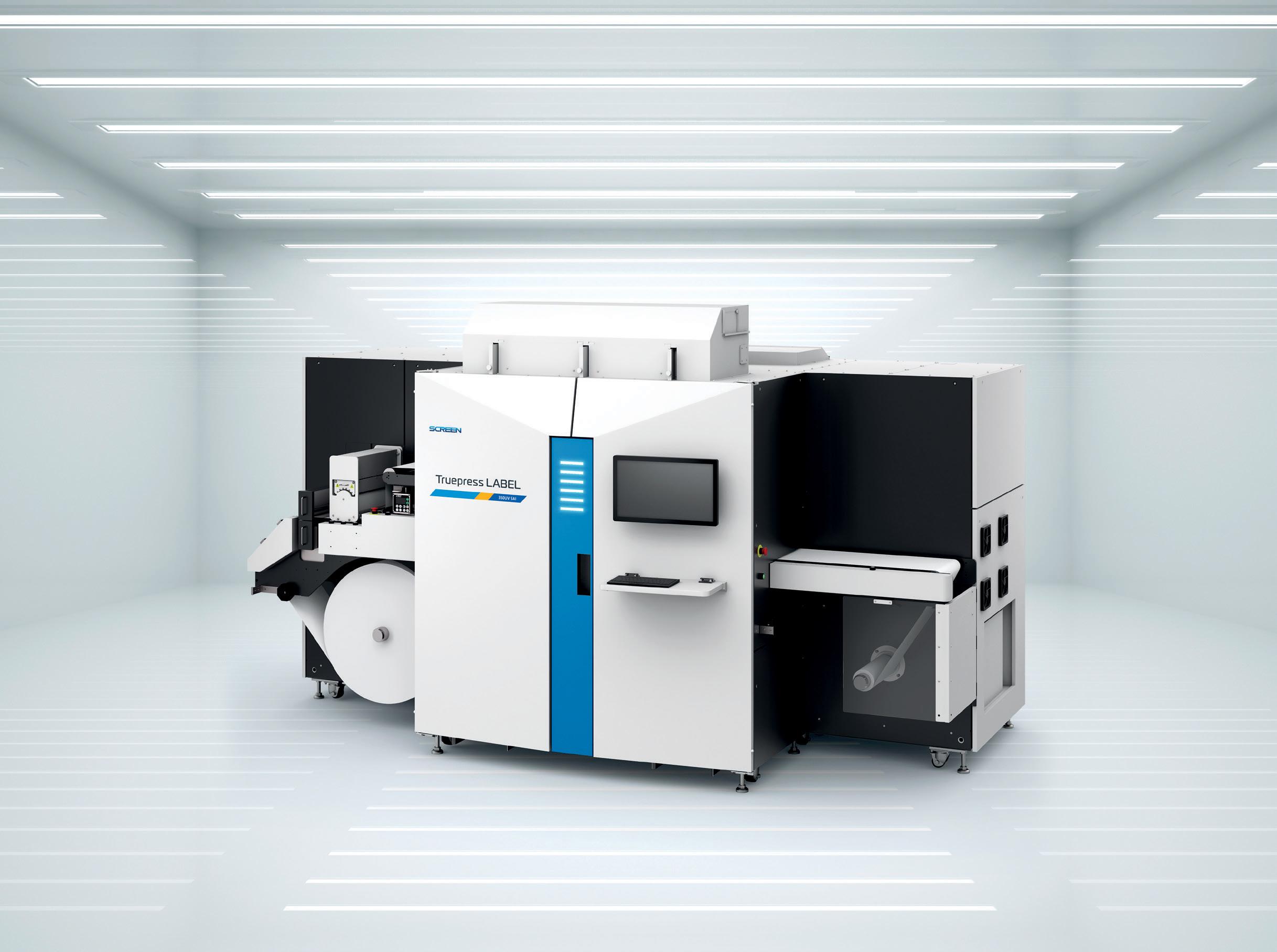
RELIABILITY
•Dependable performance
•Trusted platform
•Easy maintenance
PRODUCTIVITY
•High machine uptime
•High volume label printing
•Consistently high print speed

AUTOMATION
•Seamless integration
• Streamline production
• Maximum efficiency


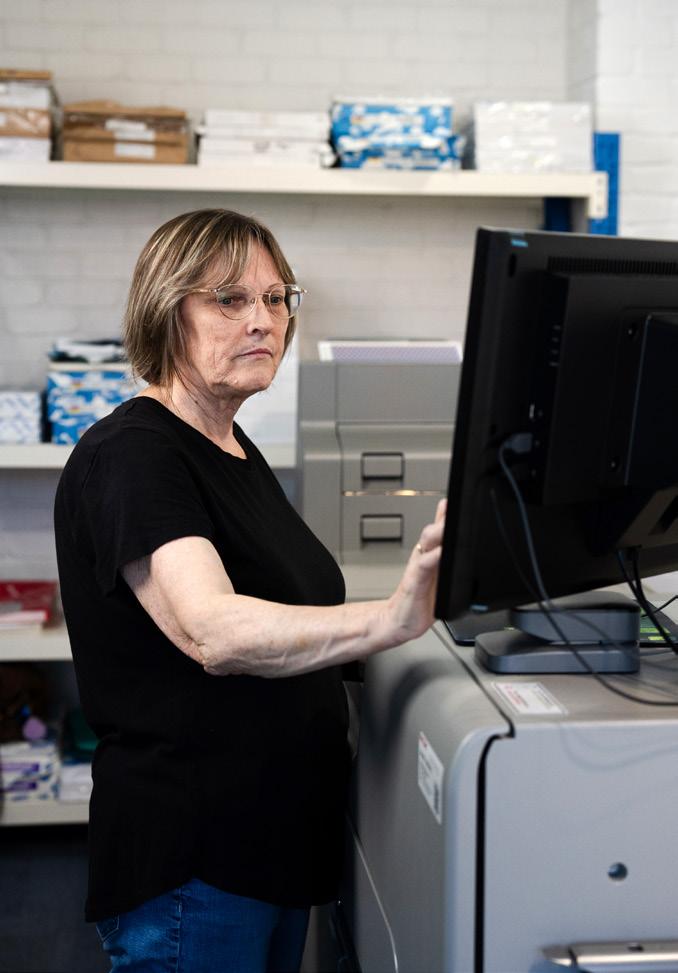
Creative Print Group (trading as Creative Plastic Cards) – widely regarded as one of Australia’s premier supplier of plastic cards – recently relocated its Queensland production facility to a larger, purposesuited premises in Narangba, north of Brisbane, and installed a new Ricoh Pro C7500 digital colour press.
The new facility delivers meaningfully improved operational efficiencies and, most importantly, provided the company with the space to upgrade its digital press from the Ricoh Pro C7200 to Ricoh Pro C7500.
Led by the company’s technical experts, Cindylee Redding and Paul Clinen – whose expertise has been central to the successful integration of the new press – Creative Print Group founder Christina Farrugia said the Ricoh Pro C7500 is a production-class printing system that represents a major step forward for its capabilities and its clients.
“The press is engineered for higher production volumes, richer and more consistent colour output, broad media versatility, and streamlined production workflows – all necessary attributes in
Canon Production Printing Australia (CPP Australia) has strengthened its national sales capability with the appointment of Justin Kirkland and Damian Schaller as business development managers.
Kirkland brings to the role 20 years of print and graphics industry experience, with expertise in wide format and customer-focused business development.
Based in Sydney, he previously served as a business development manager with CPP Australia between 2019 and 2022, before holding senior account management roles in the industry at companies including Apex Signage, Fujifilm Australia, and Fujifilm Business Innovation Australia.
Kirkland was named the 2024 FESPA Future Leader and CPP Australia said his return to the business further strengthens its customer-facing sales team.
Damian Schaller returns CPP Australia as well with more than 20 years of international professional printing experience across sales, marketing, and product management.
the demanding world of card and premium print production,” Farrugia said.
Perhaps the most exciting development enabled by the Ricoh Pro C7500 is the fact this press supports an exceptionally broad media range – from 40gsm through to 470gsm – giving clients significant flexibility across paper weights and stock types – and all delivered with high operational efficiency. The Ricoh Pro C7500 also provides a fifth colour, which
Farrugia said, “The result is an ability to produce striking colours across the full spectrum – from blush pinks and deep purples to vivid greens. This is a level of consistency and quality is what sets Creative Print Group’s output apart”.
In addition, the company’s clients can access a range of specialist colour toners including neon colour toners for striking, high-energy colour effects, white toner for vibrant printing on dark or coloured stock, clear toner for subtle gloss effects and spot varnish-style finishes, invisible red toner for security and authentication applications, as well as gold and silver metallic toners for premium, high-impact finishes.
“My favourite feature of the new press is its intuitive digital front end – a sophisticated yet accessible system that enables the group’s multi-skilled production team to operate confidently across a wide variety of projects and print specifications,” Redding added.
Farrugia said that looking ahead, the group has its sights set on further growth –with plans underway to explore expansion into New Zealand, extending its premium offering to businesses across the Tasman.
Creative Print Group strives to maintain a strong presence in Queensland for years to come, building relationships and a trusted reputation within the local business community. The company also has a factory site in Sydney.
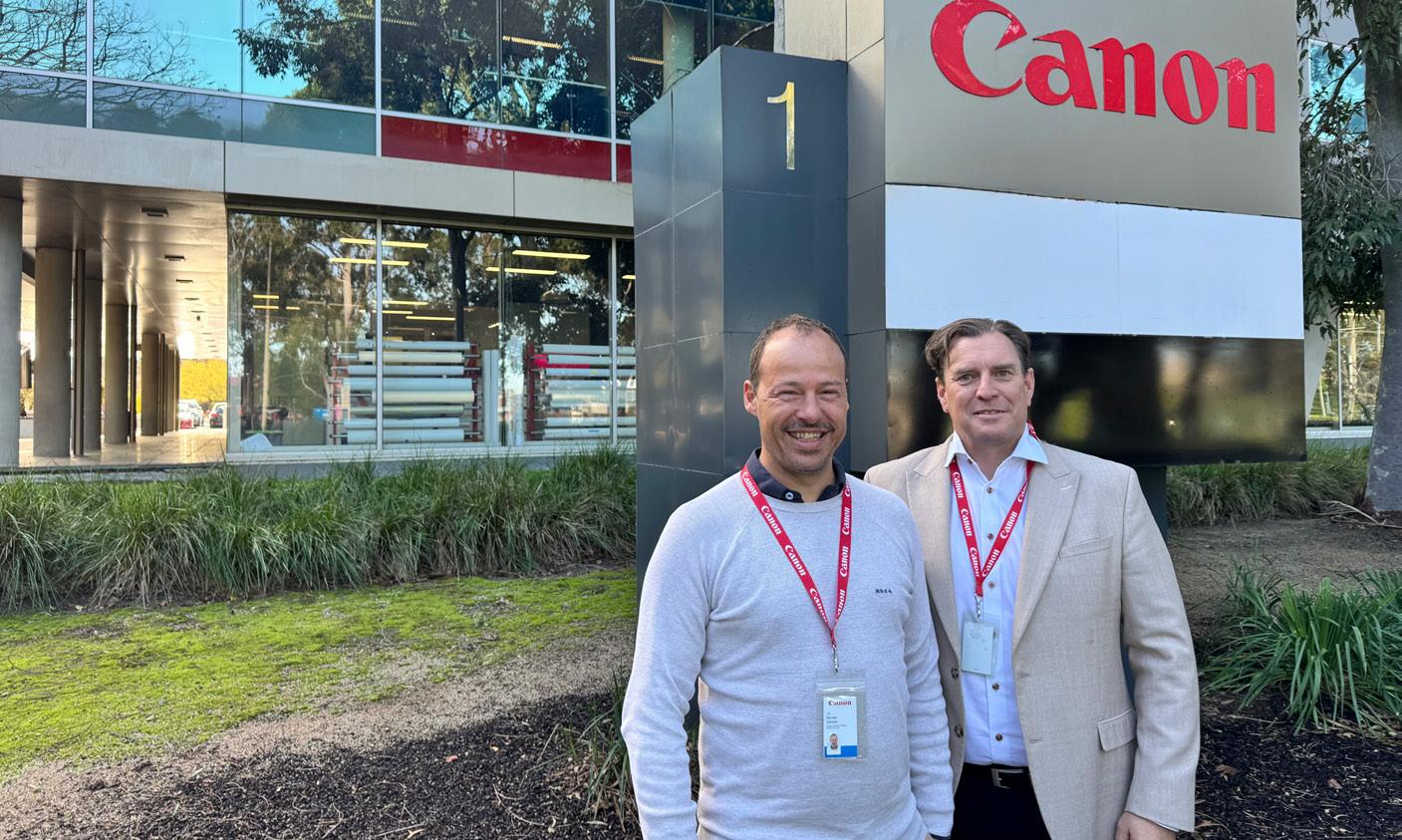
Now based in Brisbane, he has held senior roles with Canon and Océ in Australia and Switzerland, most recently as European learning and development consultant with Canon Europe, delivering sales and product training across Europe, Africa, and the Middle East.
CPP Australia head of sales and professional services Steven Badger said, “We are delighted to welcome Damian and Justin to the team. Their industry
knowledge, customer focus and Canon experience complete our national sales team and further strengthen our ability to support print service providers with the right solutions for long-term success”.
CPP Australia added that with these appointments, the company’s sales team is now complete, reinforcing its commitment to supporting customers across Australia with industry expertise, responsive service, and tailored production printing solutions.
Built to help you move beyond today’s jobs and into new opportunities.
More than production presses, these are tools to help you take on more work, expand into higher value applications, and produce with confidence. From specialty colours to smarter workflows, Ricoh works with you through co-innovation to unlock new ways to differentiate and grow.
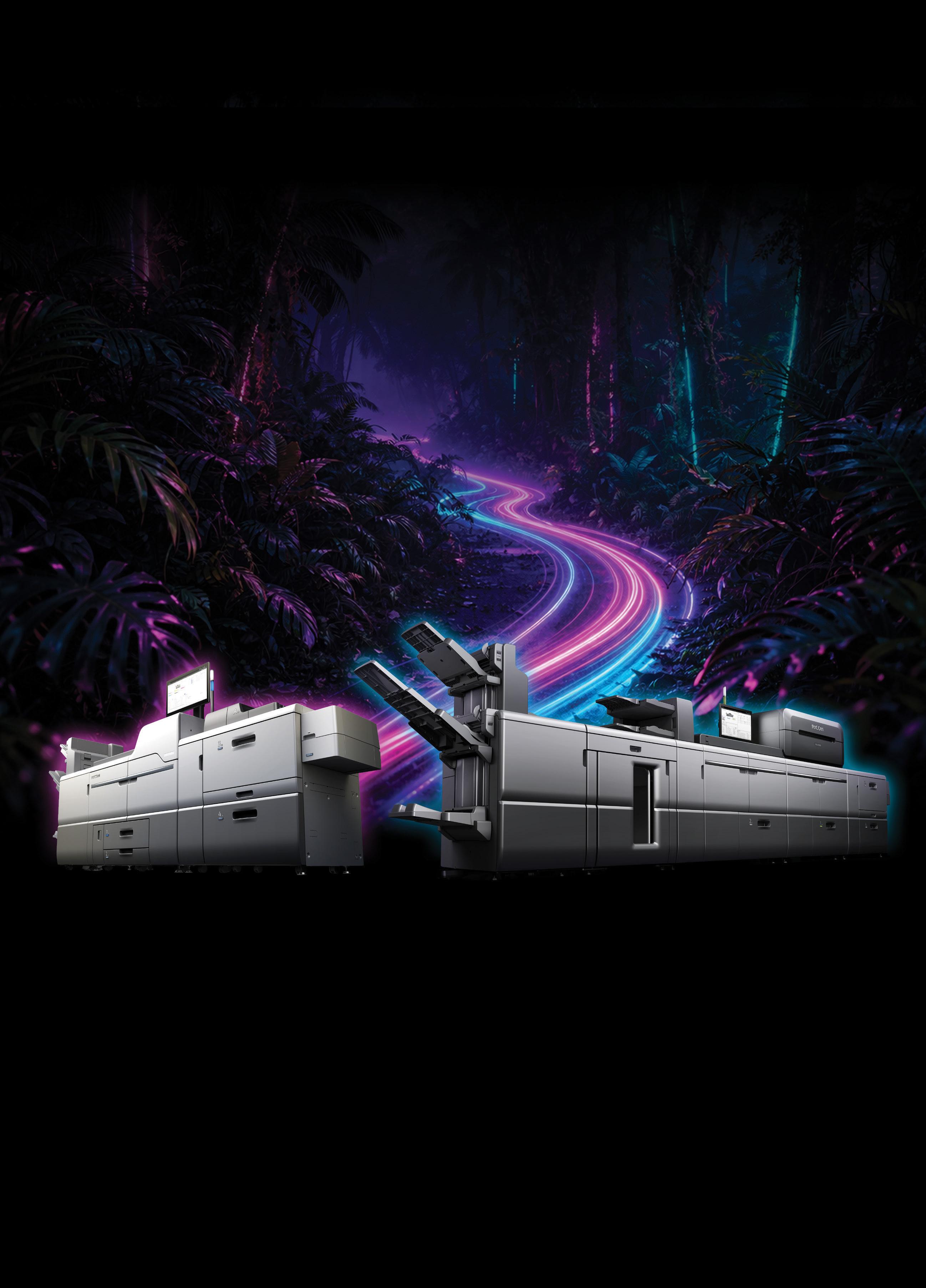
Pro C7500
Built for flexibility across applications without compromising quality
Let’s build what’s next. ricoh.com.au
Pro C9500
Built for high-volume environments where consistency and uptime matter
Durst Group recently acquired a majority stake in Triple C Labs GmbH, the company behind CoCoCo Platform.
CoCoCo Platform will continue to operate as an independent entity under its existing brand, leadership, and customer commitments, and will remain fully open to third-party OEMs, software vendors, and print production customers.
Durst said the transaction is a targeted reinforcement of Kyveris, its industrial software and AI stack for connected print production.
Kyveris provides the physics, colour, and orchestration intelligence that turns installed presses into data-driven production environments, while CoCoCo Platform contributes the horizontal integration layer that completes the picture: a JDF-based and JMF-based data fabric that connects presses, prepress systems and shop-floor software across manufacturers into one coherent, AI-ready production graph.
Tottenham Minuteman Press franchise owners – Jag Khairajani and Durga Murjani – have been welcomed into the Minuteman Press International President’s Club for achieving over US$1 million in gross sales for the year ending 2025.
Regional vice-president Glenn Coyle presented Khairajani, Murjani, and their team with the President’s Club Award at the Minuteman Press International President’s Club in Tottenham, Melbourne.
Khairajani said, “Joining the President’s Club means a lot to us as it really reflects the hard work that the whole team has put in to really help the business grow. It shows that our efforts to maintain outstanding product quality and develop strong relationships with our customers have helped us be recognised as a highperforming location. This award is a testament to the high levels of service, quick turnaround times, and quality we are proud that our team has helped us deliver”.
Khairajani added that some keys to its growth are “Having a strong, experienced, and friendly team that has kept customers coming back, and constantly looking for new products that customers can use to promote their businesses”.

Together, Durst said Kyveris and CoCoCo Platform close the gap between what a machine does and what a production floor knows – physics meets flow; colour meets context; data becomes decisions.
Durst Group CEO and co-owner Christoph Gamper said, “The right answer to complex production landscapes is rarely more machines. It is more clarity about the machines already running.
“CoCoCo built exactly that: a common data language that presses, pre-press systems and shop-floor software can
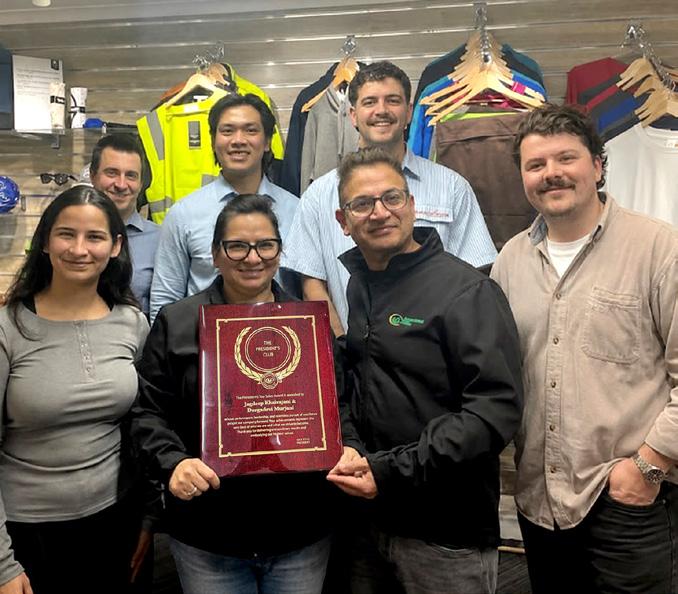
He added that it’s also important to, “Engage with local businesses to develop strong working relationships and build their trust”.
For marketing the business, Khairajani adds, “Investing in the Internet Marketing Programme helps us to get new leads. We also price accurately to secure new customers”.
He said that at Tottenham Minuteman Press, the team does email blasts, mailout campaigns, and has constant conversations with customers to see what new projects they have going on. He said these word-of-mouth interactions with existing happy customers means they often can’t wait to tell others about the products and services Tottenham Minuteman Press offers.
During their six years in business, Tottenham Minuteman Press has
actually share. Dashboards, automation, AI assistants are all downstream questions.
“Get the data model right, and the rest follows. We are joining forces to accelerate the roadmap. And we are keeping CoCoCo Platform open, because a data fabric that is not open is not a fabric. It is a fence.”
CoCoCo’s core is a typed, event-driven data model with standardised entities. Presses, pre-press systems, and shopfloor software agree on what a job, a product, or a resource is, in real-time.
Everything above that layer, from dashboards to automation to agentic AI, is a downstream consumer of the same live structure. It is a technical decision with a strategic consequence: modern AI systems can reason about a print operation with the same reliability they reason about code or text.
Durst Oceania managing director Matt Ashman added, “Establishing such an amazing partnership with one of the leading software companies in print shows Durst’s ongoing commitment to our wonderful industry and Christoph Gamper’s continuing vision of how new technology AI software and hardware can work in harmony to enhance out already successful customers’ businesses”.
maintained a strong focus on community and this has been one of the biggest drivers of its growth.
Khairajani said, “Our business community is supportive and welcoming. Other franchisees and our suppliers are always ready to help address our questions and help us learn. Our customer base also forms a large part of our business community. Keeping in touch with them regularly and being aware of their upcoming projects comes from our daily involvement and interactions in the community”.
This strong connection to community and desire to meet the needs of local businesses is further reflected in Khairajani’s comments about the rewards of being a business owner.
He said, “One of the biggest rewards is being able to deeply connect with the community. Understanding the work other businesses do, helping them grow, and working on new and interesting projects every single day has made this journey really rewarding.
“On top of this, we have been supported by a truly great team that has worked sideby-side with us to make this business what it is, and for this we are truly grateful.
“As someone who has operated several businesses in the past, it is important for the owner/operator to work on the business. It’s easy to get distracted with the day-to-day production, but looking at the bigger picture is important for growth and success.”

Mediapoint navigates the next phase of its growth and makes investments to shape its future, while maintaining a trade-only focus that is central to its long-term strategy
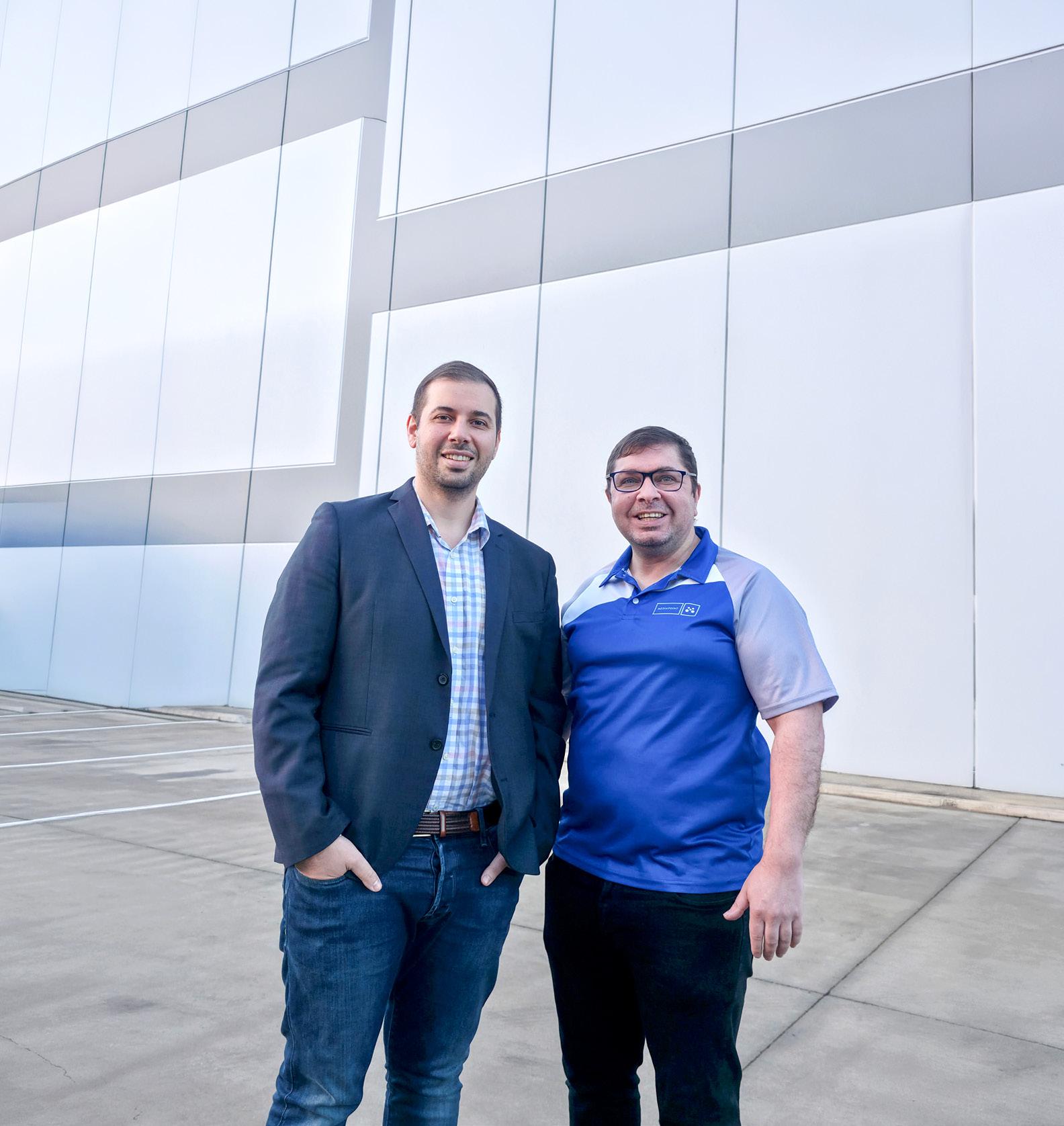
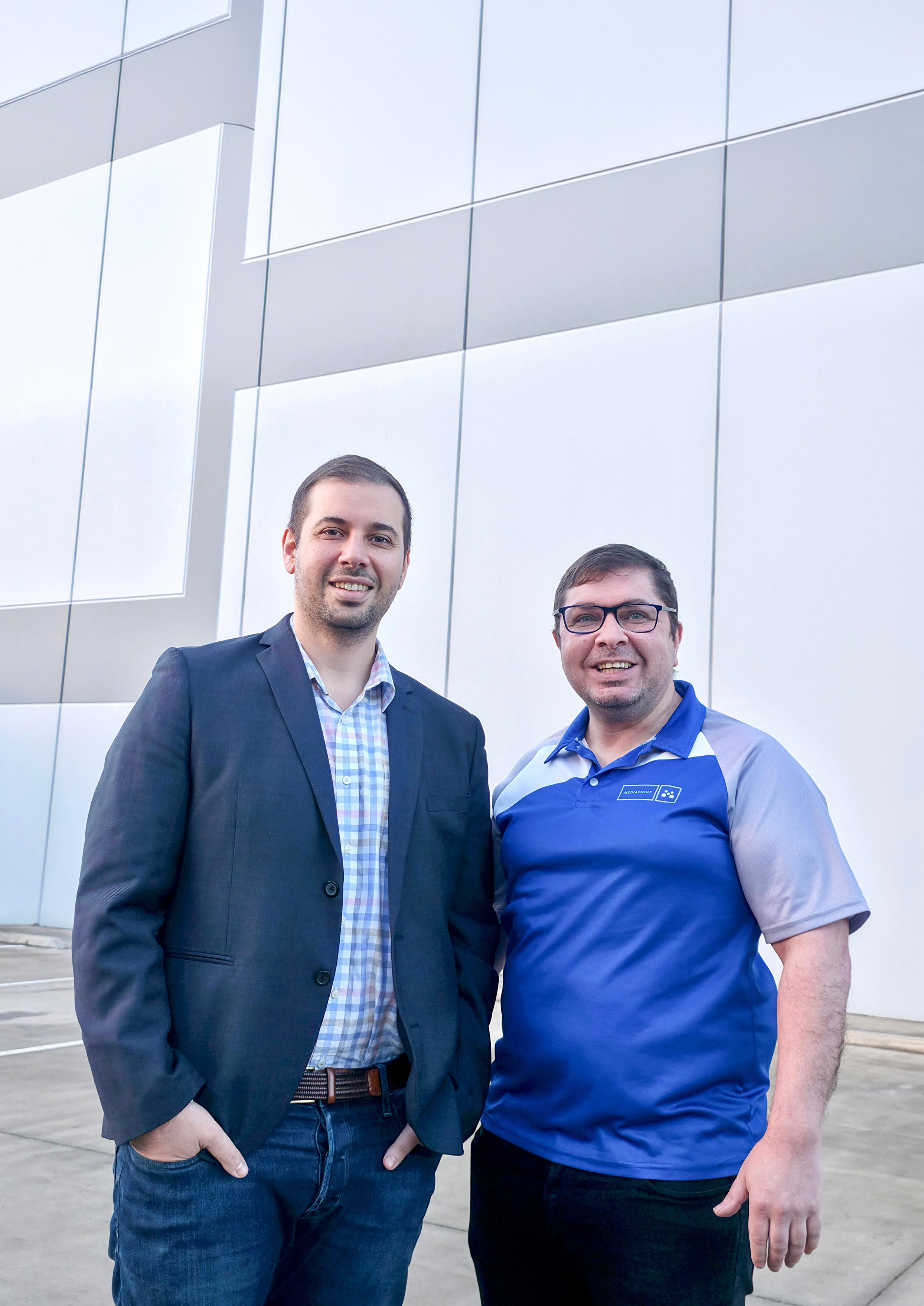
In an industry where speed, consistency, and reliability can make or break customer relationships, Melbourne-based wide-format trade printer Mediapoint has stayed ahead of the competition by continually evolving its business to meet the changing needs of the market.
Over the years, the company has invested strategically in new printing and finishing technologies, expanded its production capabilities, and refined its workflows to help customers meet increasingly demanding turnaround times without compromising on quality.
These investments have enabled Mediapoint to deliver a broad range of wide-format applications while maintaining the precision, efficiency, and consistency that trade customers expect.
But as the wide-format sector continues to evolve at a rapid pace, driven by growing demand for faster delivery, shorter production runs, greater customisation, and more sustainable manufacturing practices, Mediapoint’s success has expanded beyond having the latest equipment to include the creation of streamlined production environments that maximise productivity and deliver reliable results day after day.
The company has also embraced these industry shifts while remaining focused on the core principles that have underpinned its success since it was established –dependable service, consistent output, and strong partnerships with the print businesses it supports.
With that ethos, the company has seen success after success and today, celebrates 20 years in operation supporting over a thousand Australian businesses that trust Mediapoint as the invisible backbone behind their brands.
Founded in 2006, Mediapoint has grown from humble beginnings into one of Australia’s most trusted production partners for resellers.
Brothers Jason and Jamie Xuereb started the company with a mere investment of about $1,000 and a cheap plotter they bought off eBay.
“There was no big backing, no industry playbook and no shortcut. Our parents were Maltese immigrants and cleaners by trade, so what we did have was a consistent work ethic, resilience, and a willingness to figure things out the hard way,” Jamie told ProPrint
The brothers started off in signage through the contacts of their parents’ business. After a few months, the machine broke down, so they looked for another unit. In their searches, they found a machine that could print and cut – a Roland SP-540V. That’s how the story of Mediapoint getting into print started.
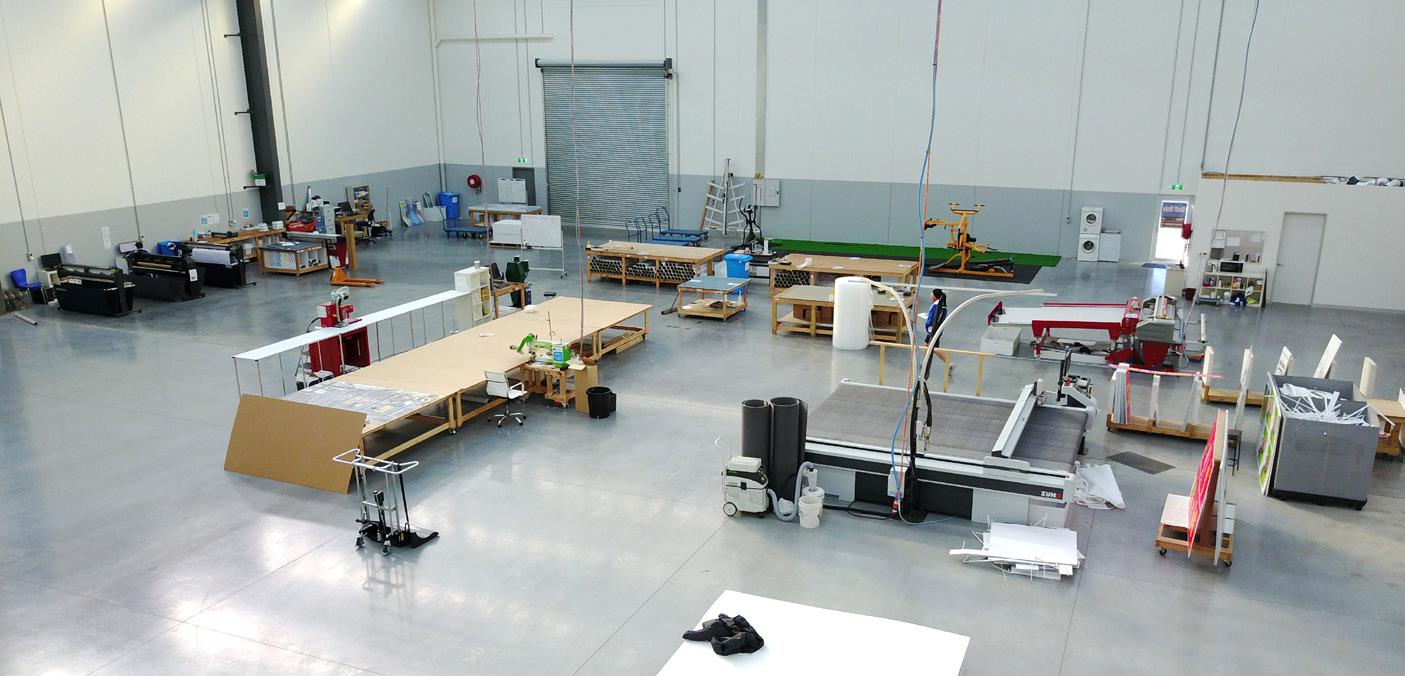
By 2007, Mediapoint had moved into its first factory in Sunshine West, Victoria, with a site of around 500 square metres.
“At that stage, we were trying to be all things to all people, but we kept finding ourselves drawn back to print. Large format printing was still relatively new, and if you could produce clean work with good resolution, no banding and reliable turnaround, that really stood out in the market,” Jamie mentioned.
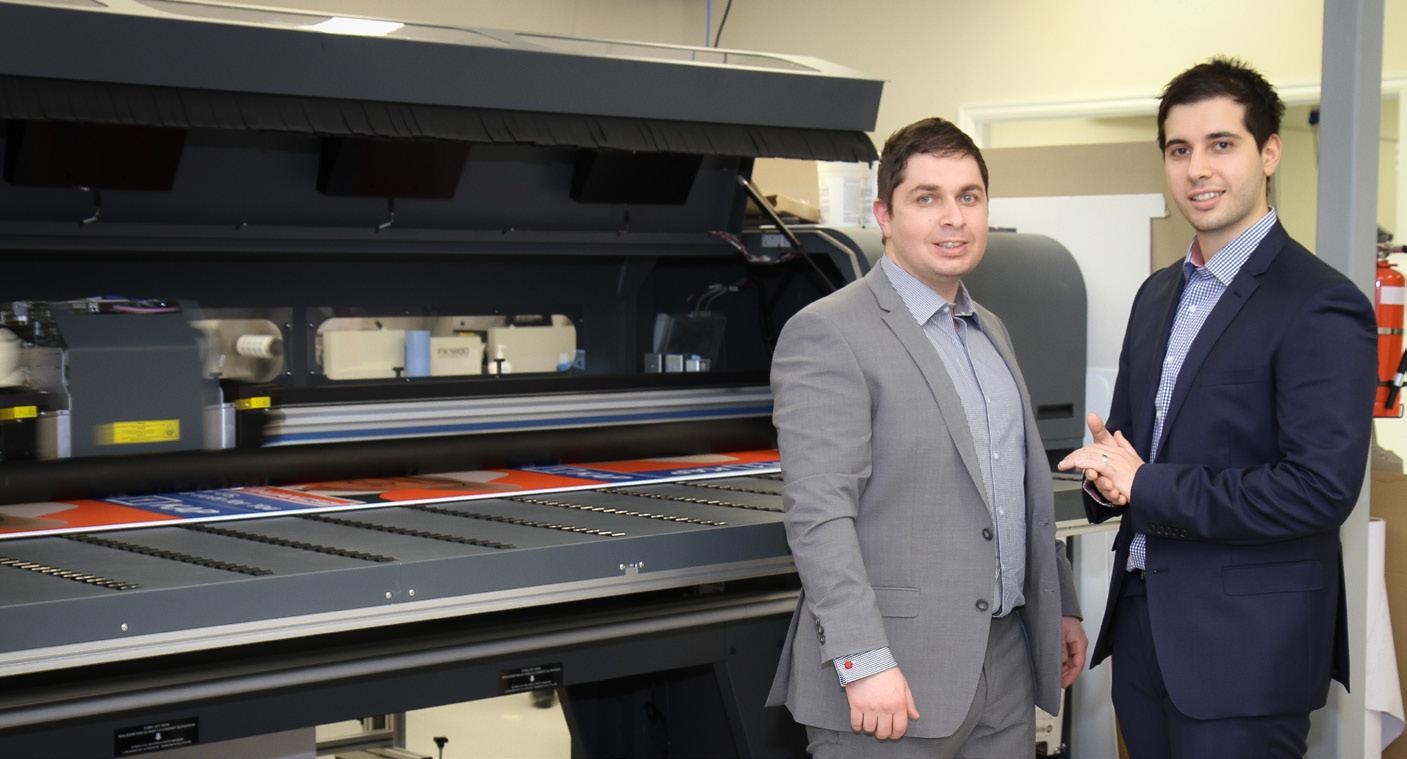
Very quickly, the duo realised a lot of their customers were actually trade customers using the company as their production partner. From that point on, the business became trade-only and no longer dealt with end-users of print.
“They trusted us because the quality was strong, the lead times were reliable, and we were focused on getting the work out. That was the point where we understood who we really were. We were not trying to be a retail printer; we were a production house, and becoming fully trade-only made sense,” Jamie said.
Identifying that the business’ strength was in production, they invested in a latex printer, followed by a flatbed printer, in 2011.
“We had to bootstrap everything and learn through each stage of the business. We
also cut our teeth during the GFC, so operating in a tough market is not new to us,” Jamie said.
“In some ways, the current market has similarities to those early years. It is challenging, but difficult markets also create opportunities for the businesses willing to adapt. So, we understand the pressure a lot of our trade partners are under, because we started there ourselves.”
According to Jamie, the first 10 years of running Mediapoint revolved around finding its feet as a business.
“I often say that going from zero to one in business is the hardest part. We did not have the luxury of skipping that stage, but the benefit is that we learned the lessons
that come with it. We had to understand customers, equipment, cash flow, staff, production, quality, and service from the ground up,” he said.
“At the time, technology was not where we wanted it to be. We have always believed in tight systems and strong processes, but in the early years, we still relied heavily on people to deliver great customer service.
“That became something we were known for, and those lessons still matter today. The difference now is that we are building those service principles directly into the system.”
A major tipping point came around 2016, when Mediapoint was 10 years into the business and had simply run out of space.
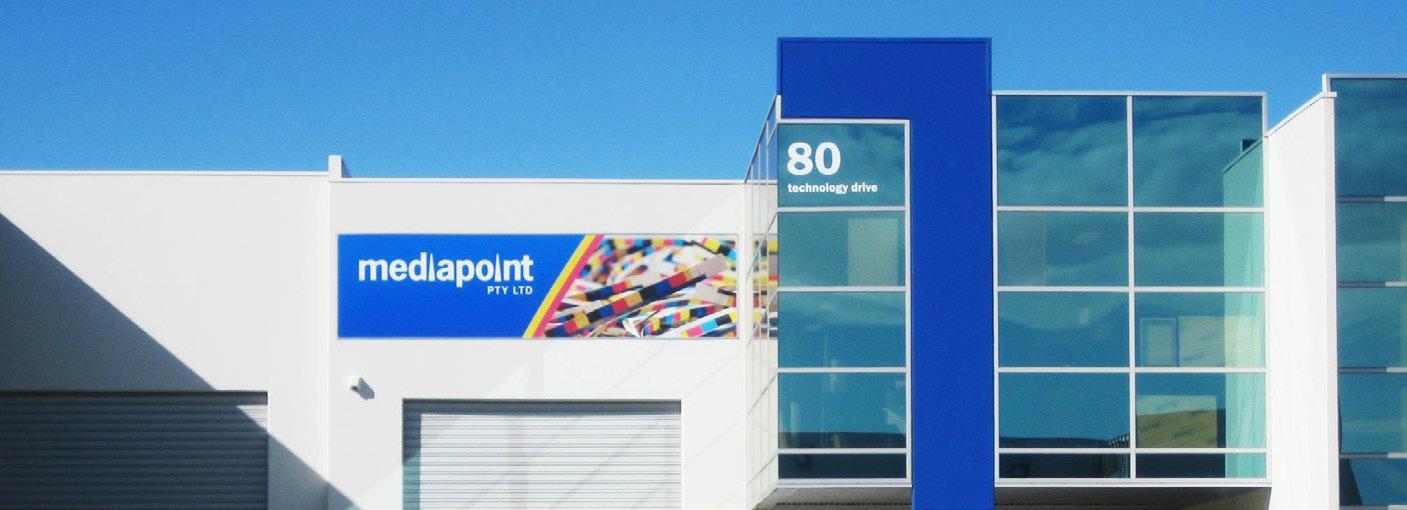
Big believers in owning what they can, especially in manufacturing, Jason and Jamie purchased Mediapoint’s current headquarters in Derrimut, Victoria – a 2,200 square metre facility on a 4,000 square metre block, with room to keep expanding internally.
“We moved in during 2017, and that site became a major step forward for us,” Jamie said.
“That location is also special to Jason and me personally. Our dad was able to come and see it once before he passed away, and that meant a lot. When you come from humble beginnings and your family has worked hard their whole life, owning a facility like that is not just a business milestone. It represents the journey.”
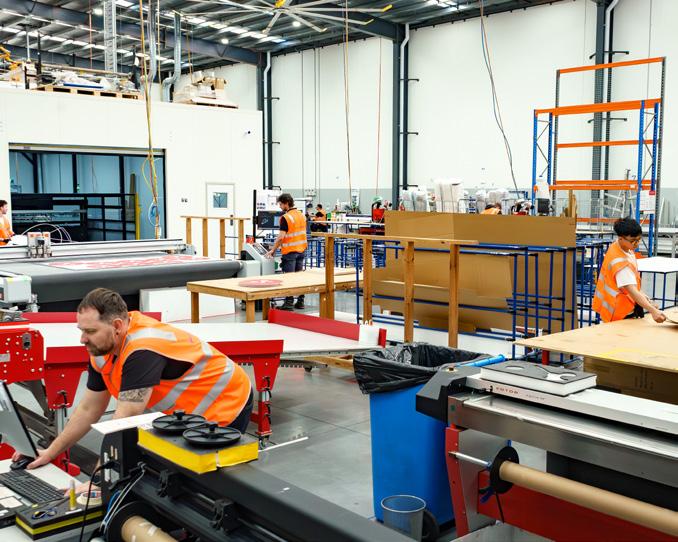
As one of the largest dedicated large format facilities in Melbourne, Mediapoint’s site houses some of the best flatbeds, large format, and finishing equipment in the market including the Durst P5 350 HS D4, Durst Tau RSC, two Canon Colorados, Durst 512R LED Plus, and two Zünd G3 3XL-3200 cutters, to name a few. Today, Mediapoint works
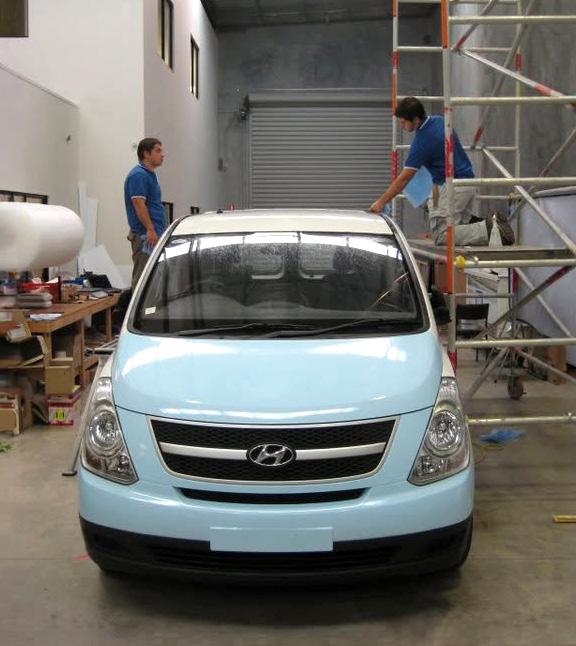
exclusively with print resellers. Its tagline says it simply: ‘We Print, You Sell’. That is still the core of what the company does. Its job is to be the production partner behind the reseller, protect their customer relationship and brand, and give them the confidence to sell more without needing to own every machine themselves.
“Our point of difference in the market has never been one single product or one single machine. It is the fact that most of our resources are focused on production: equipment, stock, systems, workflow, automation, quality and turnaround. By keeping the business focused that way, we can keep our cost base lean, offer strong trade pricing, and deliver consistent quality at speed,” Jamie said.
“In a way, Jason and I have gone back to our roots. Jason is a programmer by trade, and there are not many people in print with his mix of production knowledge and system-building ability. My background is in entrepreneurship, so I naturally focus on people, markets, and opportunity. Together, that has shaped where Mediapoint is going.”
The focus, Jamie said, is on making it easier, more efficient, and more reliable for trade partners to do business with Mediapoint. However, challenges do remain as the market is currently in a state of change, global uncertainty remains, and there is a major demographic shift underway.
“We can see a major shift happening in the market. I am nearly 40, and I understand that the generation above me often values very personalised, one-to-one service. But the generation coming through wants something different,” Jamie said.
“They want live pricing, instant answers, online proofing, clear delivery dates, and the ability to order when it suits them. That might be at 10pm after they have finished dealing with their own customers.”
As a result, three years ago, Mediapoint made the commitment to hire a development team and build its own automated ordering and production system. It launched that system this year, and every week, the business keeps improving it.
“It has been the biggest undertaking in our history in terms of resources, focus, and energy, but it is also the most important step we have taken for the future of the business,” Jamie stated.
“We believe good customer service should not only exist during office hours. For many resellers, the best customer service is being able to quote a job, upload artwork, approve a proof, see accurate production timing, and place the order in
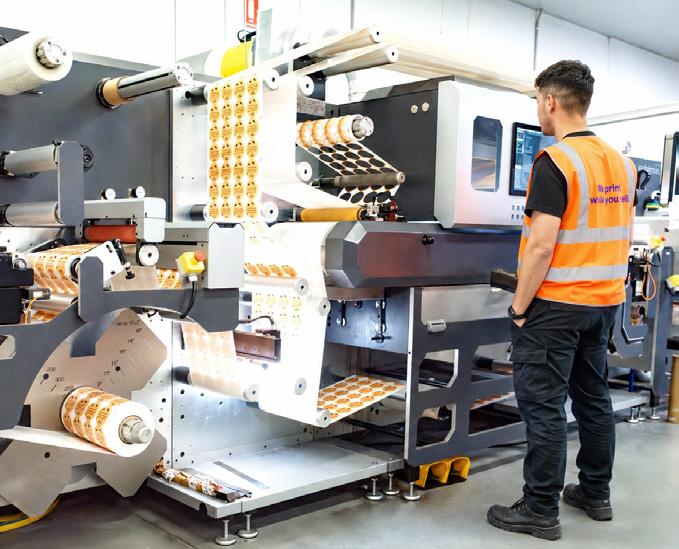
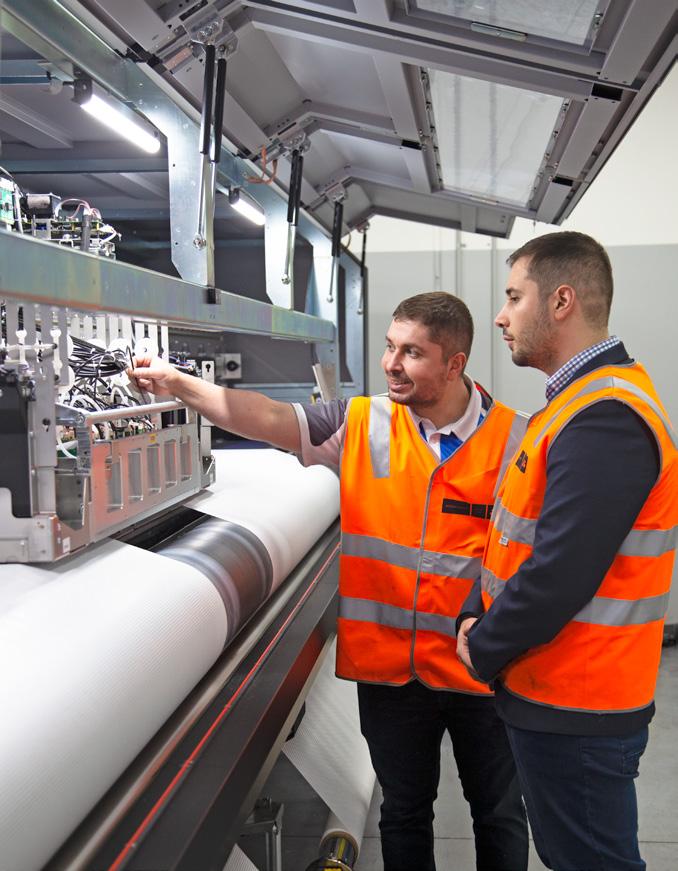
minutes without waiting for someone to manually confirm it the next day. That is what our system is built to do. That also means we have had to become very system-focused, with clear rules. Automation only works when the process is consistent. Our front-end team is there to coach customers on how to use the system well, not to break the system rules. That consistency is what allows us to deliver reliable lead times, sharper pricing, and faster turnaround.”
“Jason and I have been very involved at the coalface through the launch. We wanted to hear the issues directly, see where customers were getting stuck, and understand what needed to improve. That has already led to innovations in the market, and we will keep building on that. The system is not finished; it will keep evolving.”
The only constant in business, and especially the case in this industry, is change, with Jamie adding that the current cycle will change behaviour once the market picks up again.
“The next wave of businesses and people coming through look different to 20 years ago, and even different to 10 years ago. Many are leaner, more digital, and operating with lower overheads. Some are established businesses trying to become more efficient, and others are side hustlers or smaller operators building something around their existing work,” Jamie said.
“The way these businesses want to order and interact is different too. They do not necessarily want long email chains, manual quotes, and waiting for confirmations. They want to move quickly, protect their margin, and have confidence that their production partner will deliver. That is the future we are building for.”
Jamie also mentioned that technological revolution for the printing industry is impending and cannot be ignored.
“Automation, AI, and robotics are already being integrated into the market. Our job is to be ready for that change, so our trade partners can benefit from new technology without needing to carry all the capital outlay, risk, and complexity themselves,” Jamie said.
“These combined factors mean behaviour, expectations, and ways of working will change rapidly over the next 12 months.
“Print businesses often focus heavily on the technical side of production – how ink is put onto material. While that remains important, the bigger long-term question is where print fits within a broader, increasingly digital world.”
But one core characteristic is to remain at Mediapoint – the focus on its customers and to be a reliable production partner that caters to their needs.
“After 20 years, our message to Australian print resellers is simple: you do not need to own every machine to grow. You need a production partner that protects your brand, gives you reliable pricing and turnaround, and keeps improving behind the scenes. That is where Mediapoint is putting all its energy,” Jamie said.
“We started with $1,000, a second-hand plotter, and no guarantees. Twenty years later, we are still focused on the same basic idea: to help our customers win. If our resellers can sell more, protect their margin, and look good to their customers, then we are doing our job.”
The high performance Durst P5 350 TEX iSub dye-sublimation printer delivers outstanding print quality at leading Auckland-based print company
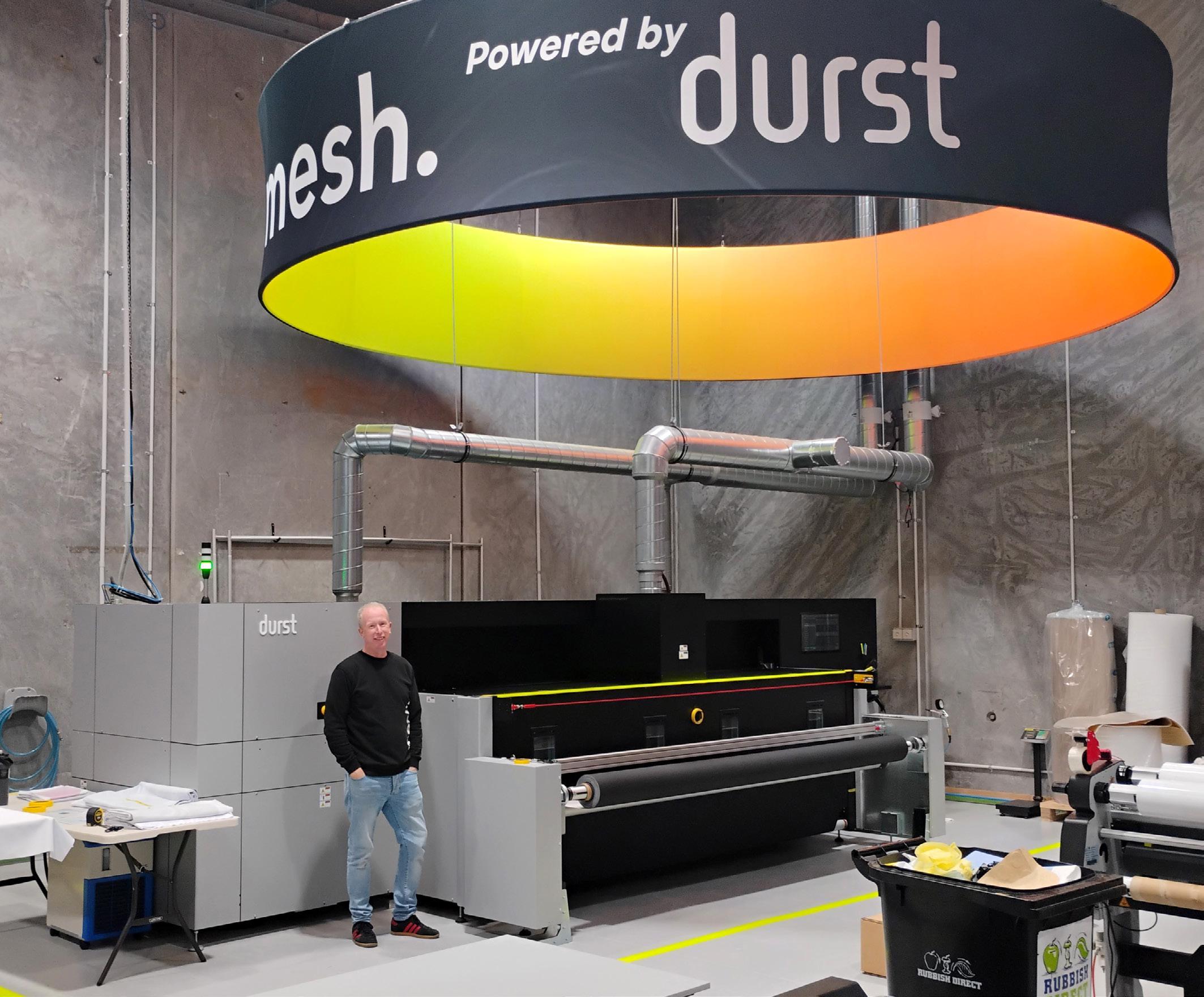
In October 2013, Mesh founder Steve Fowler and Andrew Crawford saw “an opportunity for a start-up business that specialised in fabric printing”.
Crawford, now owner and soon-to-be director of Mesh Graphics (formerly Mesh Print Auckland), said, “Steve already had the digital shop and the
signage shop in Wellington. The concept of creating a fabric printing shop was something that needed a lot of work, but we could see that it could grow into a decent sized business”.
Having established a strong reputation from running several successful printing operations, Crawford said, “I was ready for a new challenge. As we progressed, with a
small team, we started to build a nice fabric printing business, and it grew from there”.
In 2018, Crawford moved the Mesh operation to Avondale, West Auckland. He said, “We employed more staff and bought more machines. We were going along well, growing organically year-onyear, and then Covid arrived.
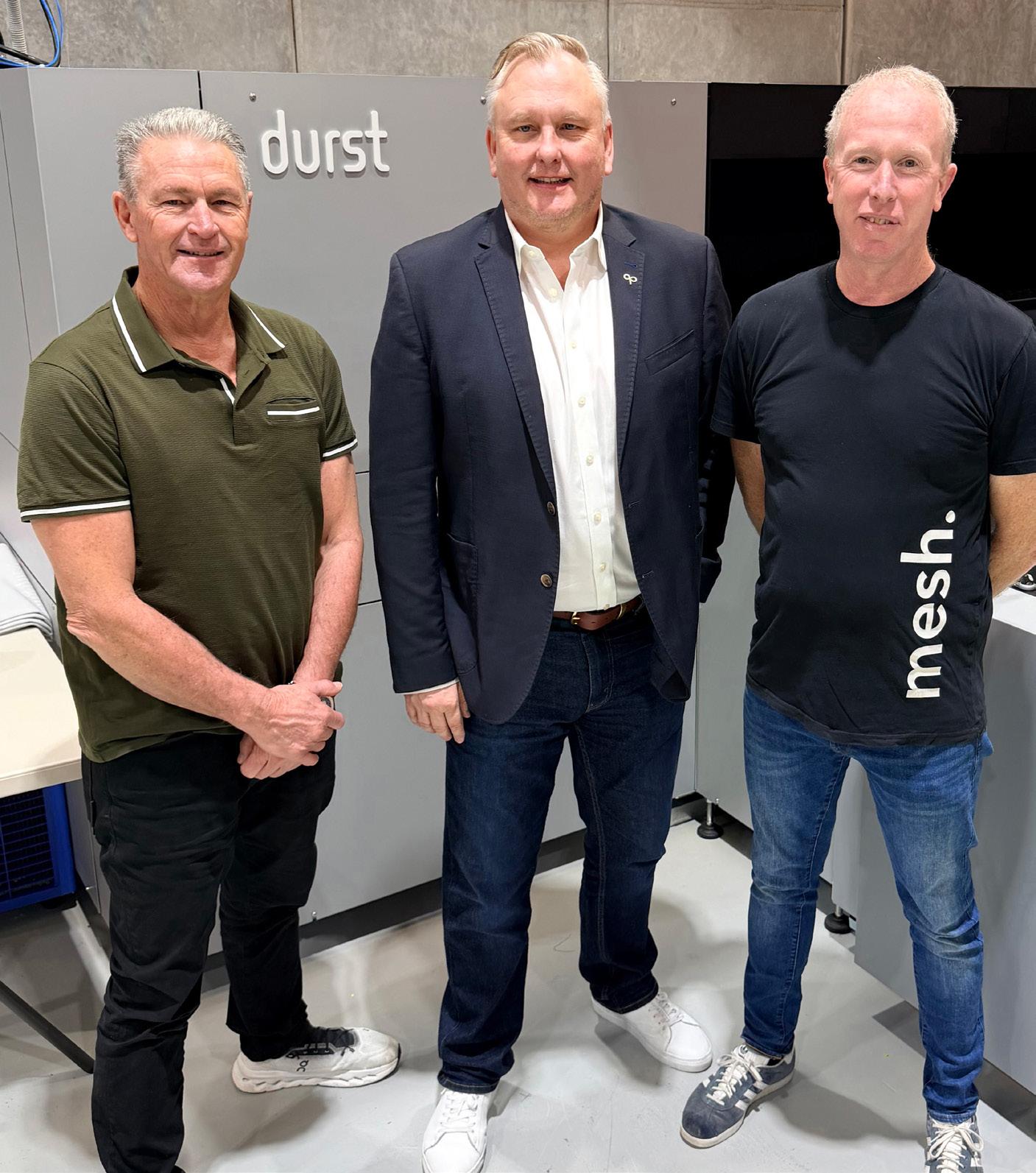
“Covid slowed the whole growth process but after Covid, the market changed for the better. Fabric came more to people’s attention. Customers could see fabric’s advantages in terms of ease of use and installation as well its more sustainable profile. They could see the environmental benefits.
“Since then, we have continued to grow, adding more machinery and we have added to our offering as well.”
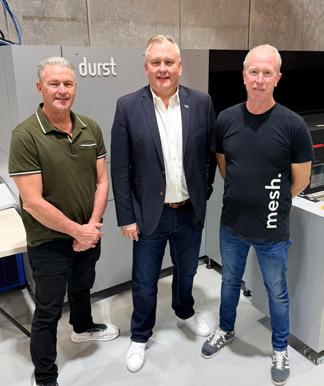
Just over a year ago, Mesh Graphics installed its first Durst solution: the Durst P5 350 TEX iSub dye-sublimation printer.
Crawford said, “We had some nice fabric gear, but it was starting to get a bit tired, and we had reached the end of where we could go with that. In 2024, we looked around for solutions, travelling to the US but we came away feeling a bit disappointed with what we saw.
“We already knew the people at Durst Oceania. We met with them and they told me what they were planning. They made a compelling case to join the Durst family.
“We see the Durst P5 350 TEX iSub dyesublimation printer as a Rolls Royce machine; out of Mesh’s league to be honest. The capacity that it has is just phenomenal. We now have the ability to do seamless graphics at three and a half metres wide. Seamless graphics is really massive for what we do. We can make graphics three metres tall with no joins; we can make 100 metre drops.
“We have had the Durst P5 350 TEX iSub dye-sublimation printer in operation for 12 months and we have not a negative word to say about it.
“This machine is reliable and the print quality is exceptional. The ease of use is excellent, and the Durst workflow platform is so simple to use and helps us to run our operation smoothly. And having Durst so close and on the ground means so much.
“It is impressive that this European company pours huge amounts of money into research and development to keep developing and improving its technology.
“The platform we have purchased is upgradeable. We can double its capacity, so it is not a short term investment.
“We can run this gear for more than 10 years and still remain at the forefront of the fabric sector in New Zealand.
“We are very happy Durst’lers, as they say. It has been very beneficial for our business.
“The Durst print quality is second to none and this particular platform is outstanding. Feedback from our clients about the print quality has been overwhelmingly positive with praise for everything from the greyscale to the high reds and the blacks. I have been around for a long time, and it still wows me. It is everything they said it would be and more.”
Crawford is still impressed with the attitude the Durst team has toward building a solid and long term relationship with Mesh Graphics. He said, “With Durst, it is a real partnership. I am working with Graham Blackall and Durst Oceania managing director Matt Ashman on other projects in the background. With Durst it is definitely not a case of, ‘I will sell you something, then take the money and run’.
“Partnering with Matt has been wonderful. He comes with ideas to help this business.
“One of our prerequisites was the need for support on the ground. Durst secured the services of the person we think is the best engineer in New Zealand, Justin Dunne (JD) as the Durst Oceania field service technician. He has been wonderful, not that the machine has needed much maintenance; it just goes and goes.
“Salesmen will sell you anything and you take what they say with a grain of salt. But in this case, it is real. The Durst P5 350 TEX iSub dye-sublimation printer is the best machine I have come across.
“It is important to invest in technology. The demands print businesses have are huge and having the print quality of the Durst platform is particularly significant for us.”
The Durst P5 350 TEX iSub dyesublimation printer brings several benefits to Mesh Graphics. Crawford said, “The fabric sector in New Zealand is still small. We like to think we are leading the way in a lot of areas. We want to give our clients the best products and the best results. This means spending the money on the right gear.
“Fabric is recyclable. All our fabrics now comprise a minimum of 50 per cent
recycled base. All our ink is OEKO-TEX Eco Passport certified as well. As more fabric mills come online, it gives us more solutions and more products we can sell to our clients.
“We supply everything from movie sets, exhibitions, and outdoor events. We offer other dye-sub solutions, and we still have traditional print solutions. Having a broad range of print options is great for our clients, but our main focus is fabric.
“Increasingly, we find clients want to see value add, and that is one of the things we can deliver on. The biggest benefit that fabric gives is freight costs. For any business, freight is a killer. Shipping pallets and oversized sheets around the country does not compare with placing fabric into a bag. With fabric signage, freight costs are significantly less that other substrates.
“The dye sublimation process means all the images the Durst P5 350 TEX iSub prints are within the fabric, not on the fabric. So those images are more hard wearing, more durable. The concept for the dye sublimation process has existed for a long time but now, the continuation of the concept sees us printing direct to the fabric and we have IR inline fixations to achieve it.
“The quality of the Durst is as good as transfer and the small text it delivers is excellent. It doesn’t bleed either.
“Another feature with the Durst P5 350 TEX iSub is that it is IR heated, so there is no uptime and no downtime. When you finish at the end of the day, you just go ‘Daily Shutdown’, and that’s it. You don’t have to cool the heaters down; the machine does it all. The guys can fire up in the morning and away they go. It also means we don’t have to run all day; we can fire it up when we need to.”
Mesh Graphics handles all its finishing. Crawford said, “From the finishing point of view, the work has become more challenging. We have developed the capabilities needed to handle the cutting and sewing.
“I have bought another Durst machine: the Durst Hasler 3.2m by 3.2m cutting system. This will arrive later this year and it will help us to streamline the process even more. It will give us far greater accuracy than what we can achieve with scissors. We are excited to add the Hasler cutter to our offering and that is again a demonstration of how well Durst does this; they turned up with the right solution.”
After more than 30 years in the industry, Crawford believes print is not going anywhere soon. He says, “I think we will continue to see consolidation continue over the next few years. The evolution of robotic and automated systems is inevitable, no doubt with a combination of automation and human input. There is a human element to printing. Deadlines will continue to become shorter as well.
“Print will always be here; I don’t think anyone will ever be able to replace print with digital. Print and digital complement each other. Digital is good in some spaces and it is terrible in others.
“These days, clients, agencies, and their clients demand unrealistic time frames, having moved from three to five days to one to two days. So, automating process is imperative.
“With the deadlines becoming more and more difficult, we need accuracy with the artwork. Unfortunately, some people try to cut corners, especially with AI artwork and it is not there yet. So, we still rely on the input to be accurate.
“In today’s modern businesses, we need to be agile and flexible to survive. If you don’t have agility, you can’t turn quickly and we can turn on a dime when something needs to change. We are there for our clients’ urgent requirements.
“The market is growing for fabrics, not just for informational print but also for solid background colours. Print has changed. It is not just about information and directive. We are using a lot of print for colour backgrounds and using a lot of three dimensional things on top of those backgrounds. This gives our clients a bigger scope to design and develop their concepts. Now, we have the confidence to produce their concepts to the level they need.
“Obviously, we need to have the best quality substrates to go with the inks and the machine.
“Quality is one part of it, but pace is the real key. These clients just don’t have the lead in times they used to have. The Durst P5 350 TEX iSub dye-sublimation printer gives that to us. From a print perspective, there is no wastage. We can load up a 100 metre roll and feel confident that the entire 100 metres is perfect.
“Also, when someone asks for a special Pantone colour, we can do it. In addition, we can do just 50 metres, whereas a dye house has to do 50,000 metres.
“Durst has sold over a hundred Durst P5 350 TEX iSub dye-sublimation printers globally. That shows just how good this product is and to have one of these in New Zealand gives us real confidence for the future. I have to say how lucky I feel to be part of the Durst family.”
He concluded, “We feel really excited and happy to have the Durst P5 350 TEX iSub dye-sublimation printer and we look forward to the second one arriving soon, and maybe even a third.”
Scan this QR code to see Christoph Gamper explain the Durst Hasler integration
Scan this QR code to learn more about the Hasler MAGNA cutting system
Scan this QR code to see Matt Ashman and Marc Hasler discuss Hasler cutting solutions
Scan this QR code to see the Durst P5 350 TEX iSub in action at Mesh Graphics
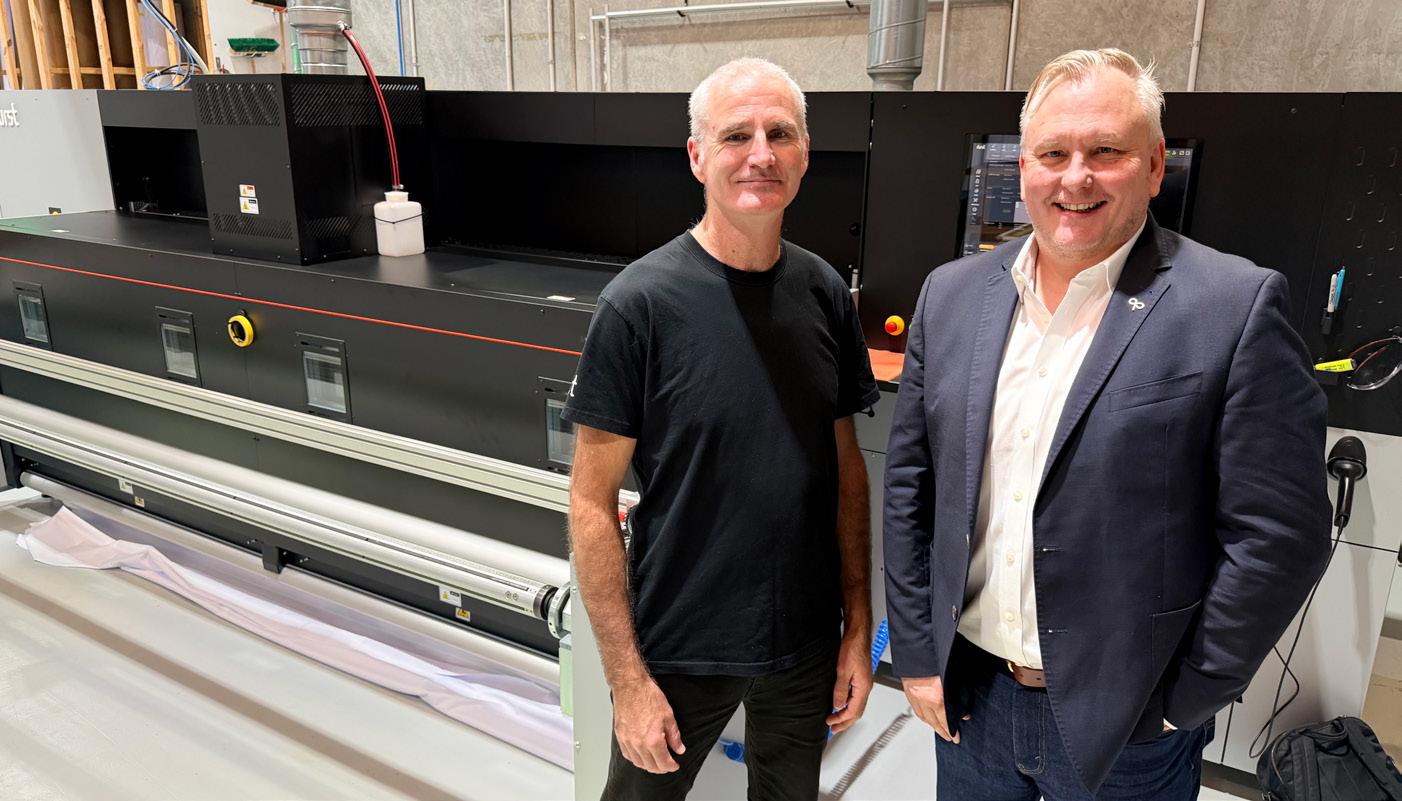
The Durst P5 350 TEX iSub dyesublimation printer has won awards in Europe (EDP Awards) and the US (PU Pinnacle Awards).
The EDP jury said, “The P5 Tex iSub is the best roll to roll textile printing system with an integrated inline finishing unit. The abbreviation iSUB stands for ‘inline sublimation’, suitable for direct printing, which eliminates the process of offline calendaring, resulting in a significant increase in quality and efficiency”.
The Pinnacle judges said the printer “will transform dye sublimation printing and that it has upended traditional thinking about dye sublimation printing by introducing a technology that both improves efficiency and lowers costs”.
Offering a range of innovative features, from its one-step direct to fabrics printing process of up to 337cm printing width to its drying system combined with IR and
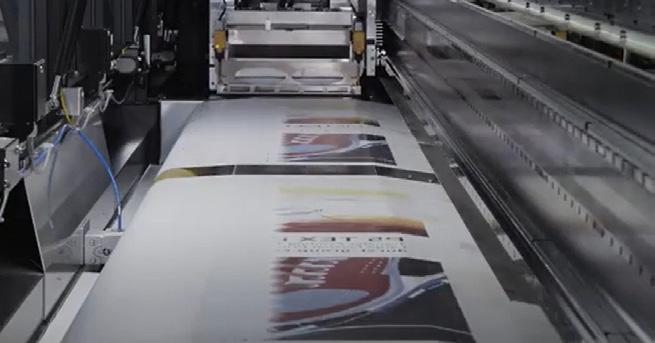
heated plates that enable transfer paper printing, the Durst P5 350 TEX iSub dyesublimation printer is changing the way we look at fabric printing.
The printer’s contactless, inline heating/ fixation completely eliminates the need for an external calender or heat press, which makes dye-sublimation a highly efficient process that a single operator can easily manage.
Durst’s inline sublimation (iSub) technology saves substantial production time and cuts overall energy consumption by up to 60 per cent
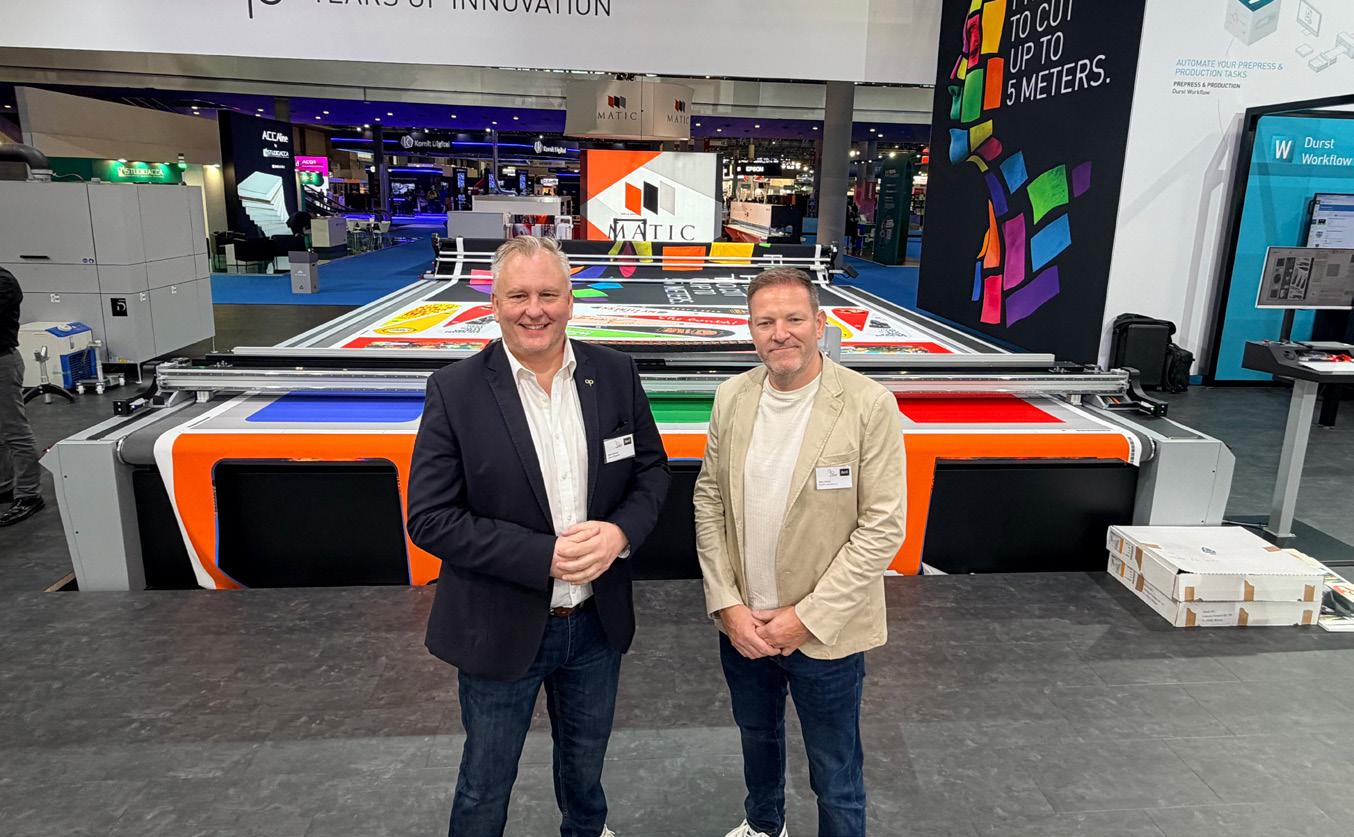
Earlier this year, Durst Group acquired a majority stake in cutting systems manufacturer Hasler Solutions, which produces its machines in Spain with up to 90 per cent of components from Germany. The company has operated for 17 years and has manufactured its own machines since 2019.
compared to traditional two-step external heat-press methods. It also ensures even temperature distribution across the entire width of the printer, preventing ink bleed and ghosting, resulting in exceptionally sharp, high quality images and text, even on fabrics like flag material, soft knits, and black-back materials. It uses water-based, odourless Sublifix inks that have Eco Passport certification from OEKO-TEX.
The printer’s zoned vacuum print plates make it easy for the operator to switch between direct to fabric printing and transfer paper. It also features multi-roll and dual-roll capabilities (running simultaneous 1.6 metre rolls) to boost throughput.
The iSub system’s ability to directly fuse the dye into the polyester means operators can fold the graphics for shipping immediately after printing, reducing logistics and transport cost, as well as slicing turnaround times. Its integrated features of multi-roll and dual roll printing make the Durst P5 350 TEX iSub dye-sublimation printer versatile and suitable for numerous soft signage and fabrics applications.
executive officer of Durst, said, “Hasler Solutions remains independent and open to all customers. That is non-negotiable. At the same time, together we will take print and cut to an industrial level that the market expects and deserves, scalable, robust, and uncompromising in quality.”
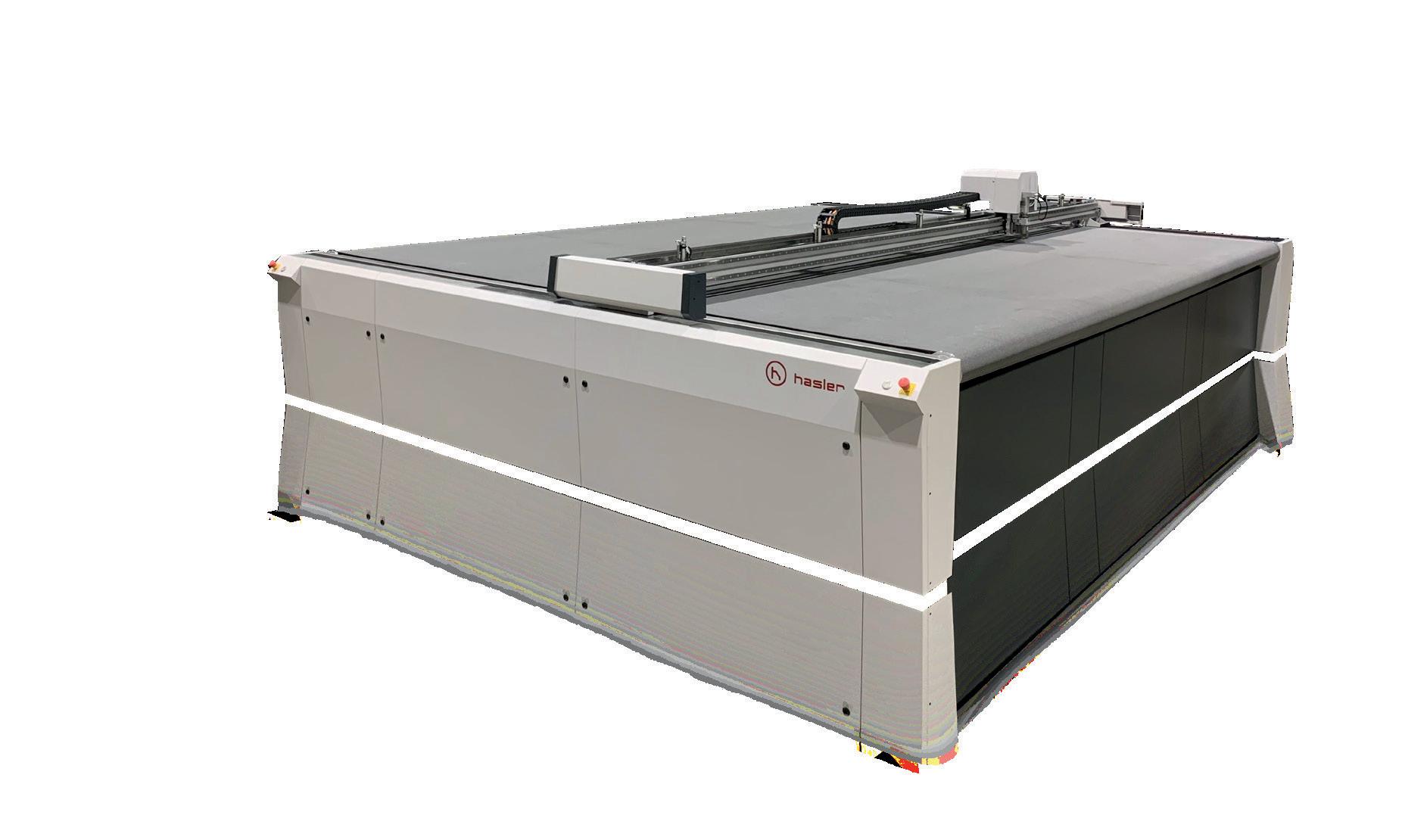
Mesh Graphics has ordered the region’s first Hasler cutting system, the MAGNA 3200. This 3.2m cutting machine offers a raft of innovative features for sign making, packaging, textiles, or printing. From general finishing to die-less cutting and customisation, it delivers precision cutting on roll to roll and flatbed. Key features include:
• High speed performance: offering cutting speeds of up to 120 metres per minute.
• Versatile tooling: includes drag knife, electric oscillating tool, electric driven rotary tool, creasing tool, V-Cut tool, kiss-cut tool, pen, router, and ultra-sonic tools.
• Heavy-duty vacuum: a robust 7.5kW vacuum pump holds materials securely and flat during high-speed routing and cutting.
• Workflow: integrates with optional continuous material transport (conveyor belts) and automatic unwinders for uninterrupted roll-toroll and sheet processing.
Katie Lynch has built her business by combining creativity with entrepreneurship, using her success to inspire and create opportunities for others in the industry
Having loved digital design since she was a child, Katie Lynch decided to pursue her passion professionally, and so 12 years ago, she started her own company called Katie J Design and Events.
A qualified events manager, Lynch said she kick started her own company when she divorced, and with two young children to support, needed a job that could provide for them financially but still allow her to be present for her children.
“I began by designing party decorations, photographing them on my dining table, listing them on eBay, then printing, editing, and hand-cutting each order myself,” she said.
Lynch said what excites her most about working in the design and print industry is being able to combine creativity, celebration, and connection.
“My products become part of people’s birthdays, weddings, baby showers, business events, and important milestones, which is really special. I love helping customers bring an idea to life and create something that feels personal to them. There is something very rewarding about knowing my work has helped make someone’s celebration feel more meaningful,” she said.
“The most interesting part of my job is the variety. One day I might be designing a new product range, the next I am printing, cutting, packing orders, writing content, improving my website, learning new technology, or helping a customer solve a creative problem.”
But Lynch’s experience has developed far beyond where she began.
“I started as an events manager creating decorations, but over time, became a designer, printer, business owner, blogger, Shopify store manager and problemsolver,” she said.
“Much of my learning came through necessity, from understanding printers, inks, and materials to improving customer workflows and user experience. More recently, curiosity, technology, and industry groups have helped me keep evolving.”

Lynch cites a number of career highlights including winning the What’s On 4 Kids Awards in 2023 and Best National Party Planner/Stylist in 2024 – including both People’s Choice and Judges’ Recognition.
“Being featured on Channel 7’s Sunrise was also significant, especially since it connected back to the divorce party I created in 2014. Sharing that story helped show how creativity can bring healing, humour, and connection through difficult life moments. Plus, I was recently named in the Top 100 Women in Ecommerce by SHE-com, which was great,” she said.
As far as inspiration goes, Lynch said she looks up to women who build something from the ground up, especially those who keep going through difficult seasons while supporting others along the way.
“I’m also inspired by everyday women in business, print, tech, and creative industries who share their knowledge generously. My younger brother has also been a major inspiration. We have both built businesses in different ways and
seeing each other persist has made the impossible feel possible,” she added.
“I’ve learned from many mentors in different ways. My brother helped guide my tech learning and encouraged me to keep improving systems. The team at Sign Essentials and Ball & Doggett have supported my understanding of print equipment, materials, and quality. My early events work at Movie World taught me how to transform spaces, while my parents encouraged creativity, practical problemsolving, and building things with heart.”
As a woman in print, Lynch promotes change by leading with authenticity.
“I show what is possible when creativity, resilience and technology come together. My business has allowed me to build a flexible career around motherhood while developing skills in design, print, e-commerce and automation. I try to share that journey openly so other women can see there are different pathways into print, business ownership and leadership,” she said.
“Women in print can also give back by sharing knowledge, creating opportunities and supporting pathways for others. Long term, I would love to employ and re-skill mums returning to work through flexible, school-hour roles.
“For now, I give back through community work with New Life Community Care, supporting their marketing and socials, and through our sustainability initiative, Little Hands, Big Reuse, which repurposes offcuts into creative materials for schools, kindergartens and community projects.”
Moving forward, Lynch’s goal is to continue building Katie J Design and Events into a strong, creative, and scalable business that helps customers celebrate life’s moments in personal ways.
“I want to keep improving our products, technology, and customer experience while creating more capacity to give back. Long-term, I would love the business to support flexible employment, community projects and new pathways for women, especially mums, in print and creative industries,” she added.
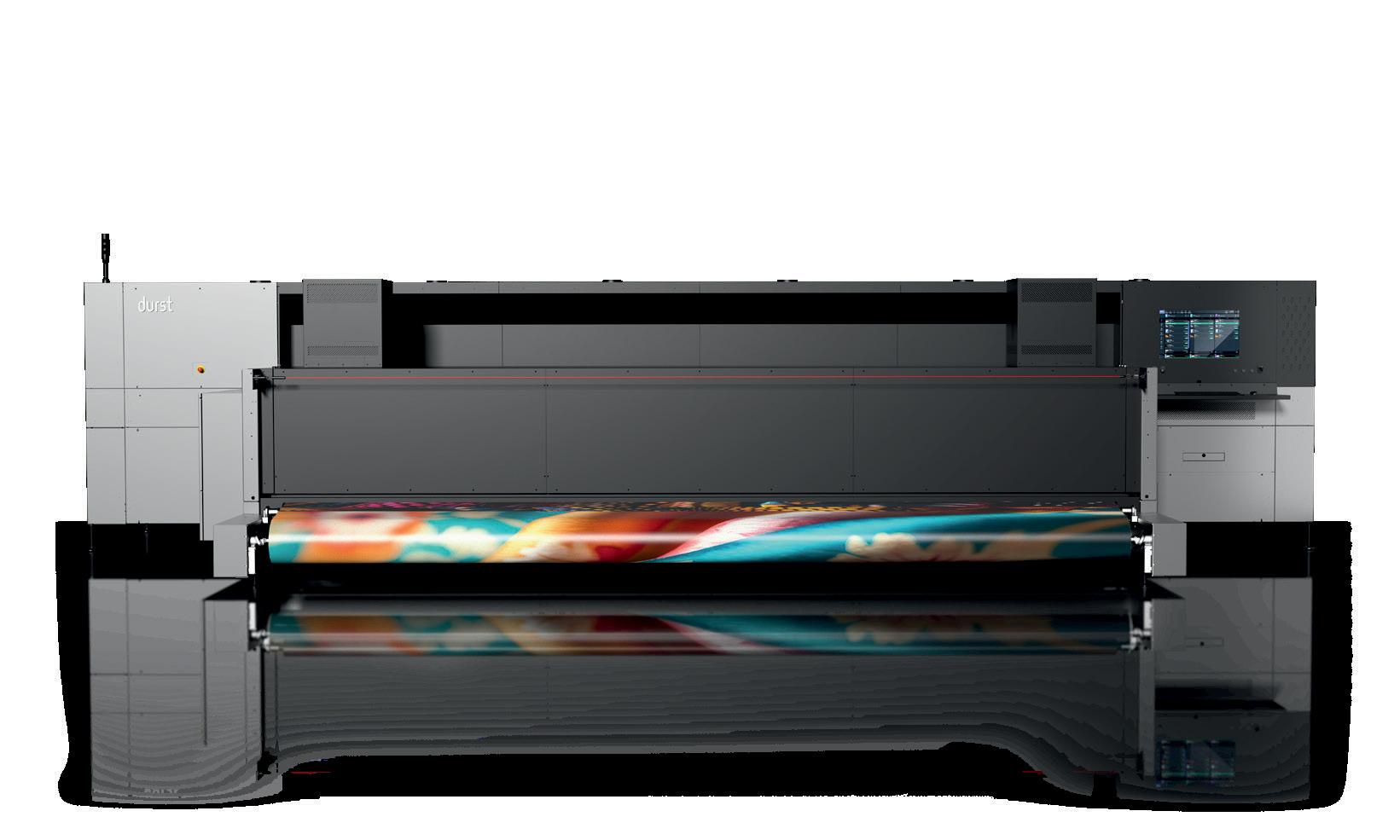
Beyond its business success, Ricky Richards has made giving back a core part of its identity and has earned industry recognition for its community impact
Ricky Richards – a company specialising in selling materials for use in print, shade, marine, upholstery, and industrial applications – started out in 1983 when Norman Gottlieb – Ron Gottlieb’s late brother, set up the company with a view to becoming a wholesale trader.
As Ron looked back, he said, “He had a few products in the industrial fabrics space and got me to join him a year later at the beginning of 1984. I can still remember writing my first order in a selfcarboning triplicate order book! We didn’t know the rules, we just wanted to buy and sell products.
“We had nobody on the road in those days. Our marketing consisted of little samples stapled to a photocopied piece of A4 paper and sent by Australia Post around the country. There were times when we didn’t have $100 to buy stamps for the next marketing campaign and we’d have to wait for some money to come in before we could ‘go again’.
“We had telephone books from every area in the country, and it was simple cold calling that got us going. Plenty of rejections and every now and then, a win that would give us the impetus to keep on rocking.
“In 1985, we were able to secure a deal with Bradmill Outdoor Fabrics to sell
canvas – which ended up being a 30-year relationship – and that certainly helped us gain some credibility in an industry that had been quite conservative.
“Suddenly, these two brothers were seen as ‘upsetting the applecart’ and in today’s language, might have been considered disruptors. In 1985, we ordered our first container with Wonpoong of Korea, which has been a 40-year relationship continuing to this day.
“To round things off, we began our relationship with Phifer Inc from Alabama – which is also a 40-year relationship that continues today. In 1985, my brother Norman went to an ACASPA (now STA) meeting in Manly and we became a member of the organisation.
“During this time, our father – who still had his own business – would come and help here and there, but within a few years, he closed his business down and joined us full-time. How lucky for us to have him as a guide and mentor. He would make sure any mistakes that he made along his journey weren’t repeated by us. It appears with hindsight that 1985 was to prove a pivotal year.”
After starting with only industrial textiles in the ‘80s, by the ‘90s the brothers were selling awning and blind fabrics in both
canvas and PVC mesh. In 2001, they started their relationship with Citel of Spain – a 25-year relationship that still exists too.
From around 2001, they also began their journey exploring the digital printing world and today, these three divisions make the backbone of Ricky Richards.
Ron said over the last two decades, these divisions have managed to entwine themselves with each other and there is a lot of synergy to be found.
Ron said, “We must have done something right because customers kept coming back and would request us to look into sourcing other products for them. Our staff numbers grew and those who had helped us from the beginning stayed on. What a bonus it was that they continued to enjoy the ride and the challenge”.
This stability assisted the business to develop the culture that it still has today – one of trust and fun, while still getting the job done.
“A perfect example of this is the ‘Ricky 5’. When people join Ricky Richards, they’re always introduced to the ‘Ricky 5’. This is
where they’ll put on five kilograms in a short space of time because we love to celebrate all sorts of milestones for individuals – and what better way than with food?” laughed Ron.
The staff at Ricky Richards have enjoyed this friendly culture and Ron added it’s been a great way to make sure people enjoy their work.
He said, “We came from exactly the same place that most of the people in our industry will have come from. Two brothers just having a crack at life in business. There have been speedbumps and problems that you would hope to never see – but this happens.
“Customers who have gone broke and cost us money. Suppliers who have let us down at one time or another. I’ve learnt this is just part of the game and it has been how we’ve dealt with these speedbumps that’s ultimately made us stronger. We all start out as small businesses. I reckon if we can do it, then you can too.”
Inspired by and adopting a philosophy of ‘giving back’
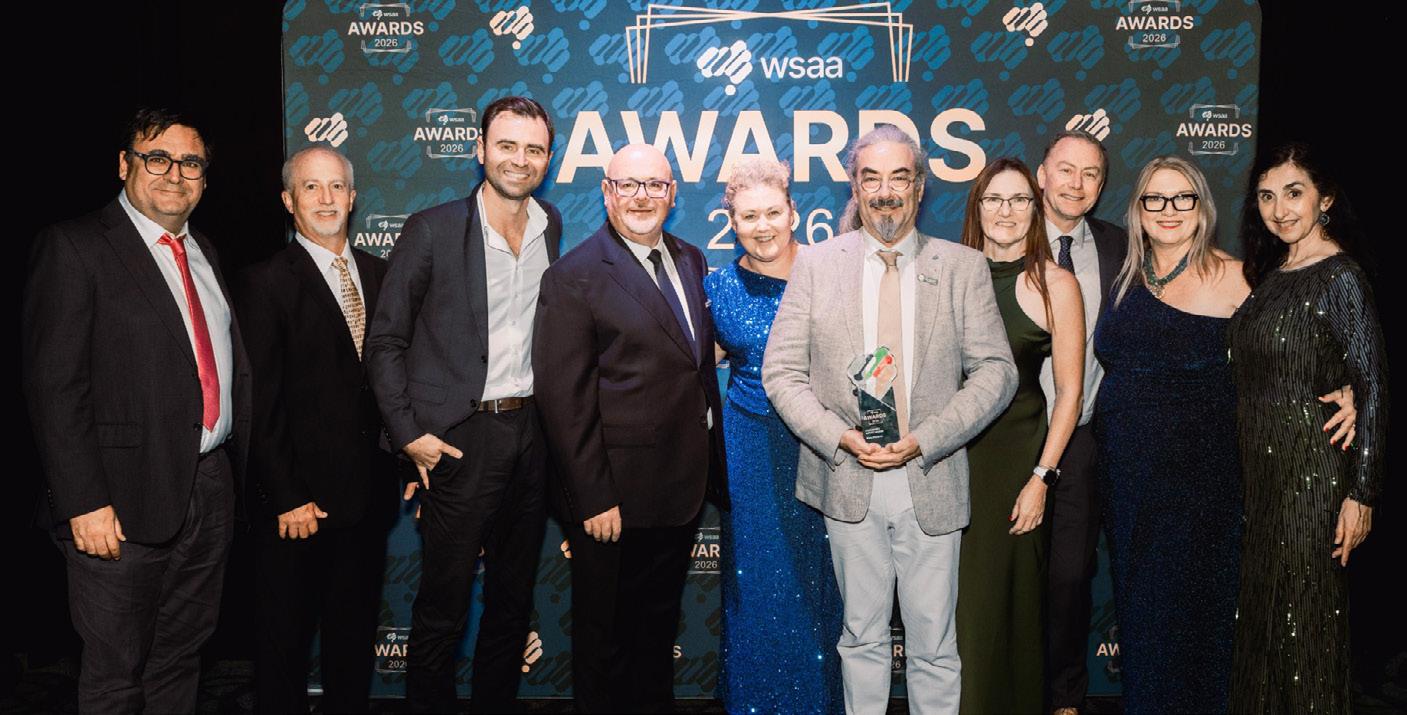
Recently, Ricky Richards was given a Community Impact Award by the Windows Shading Association of Australia (WSAA). This was at the Super Expo this year in recognition of how Ricky Richards gives back to the community.
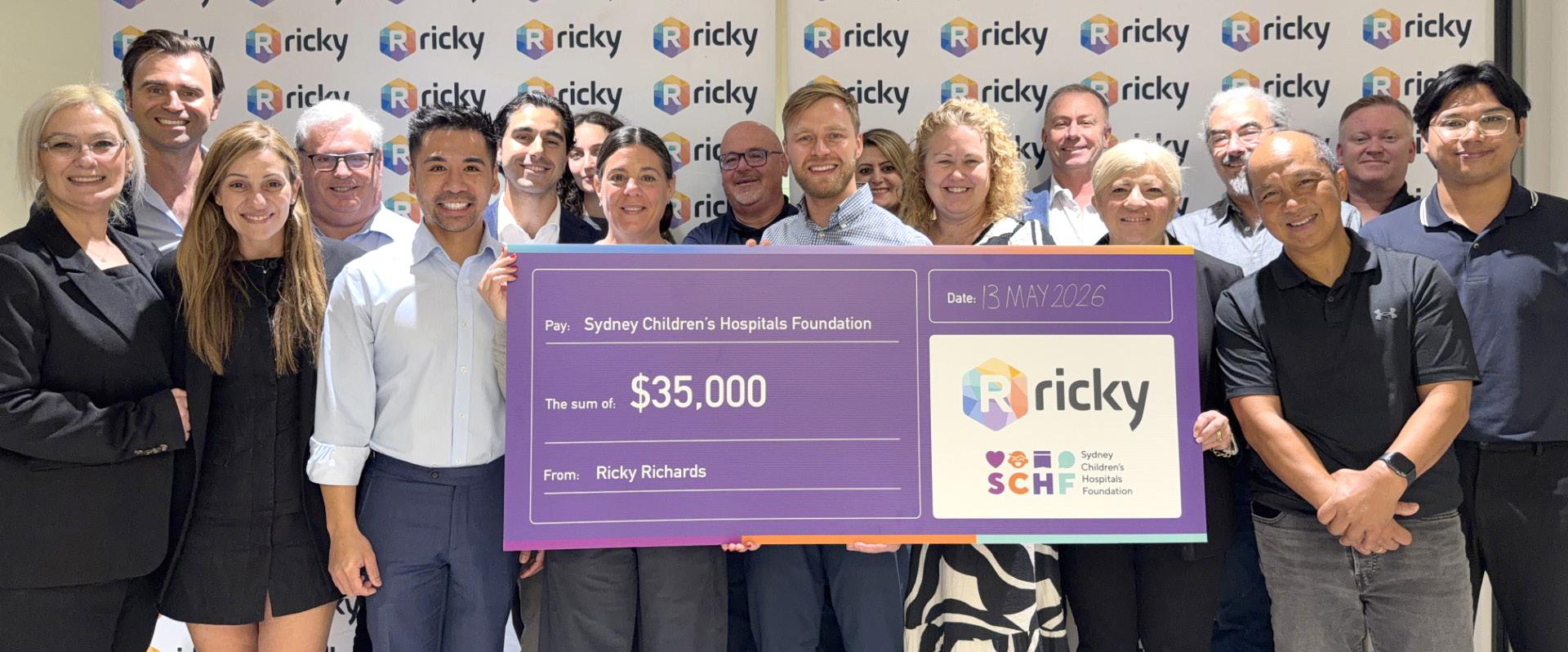
As Ron said, “Over the past few years we’ve been able to give over $200,000 to various charities – particularly the Sydney Children’s Hospital Foundation which is a relationship that goes back 30 years.
“It all started when we decided to be philanthropic – so, instead of sending Christmas cards out each year, the money we would normally spend on that we decided to give to the Sydney Children’s Hospital. We thought this would be a good way to help – my wife is a doctor who’s retired now and she worked at the hospital for 30 years.

“So, we started with a $500 donation all those years ago and then every year we’ve given a little bit more. But after a while, we decided to turn one day of the year into a special sales day. So, we told our customers that this one day of the year – we will give a percentage of our turnover to the Children’s Hospital.
“Then it started to grow. Our customers would ring in and buy up big on that day. So, over the years it has built up and last year we gave $35,000 to the Sydney Children’s Hospital Foundation because of that one day.”
Ron added that Ricky Richards recently expanded its philanthropic efforts to include the Queensland Children’s Hospital as well.
“There were times when I personally travelled to the US and found out how Americans operate philanthropically; they are much more proactive than we are. They give to their local community, high school or college, and they urge each other to do so. They’re good like that and this helped my family decide to do a bit more,” Ron said.
“We then started to do some work with the Melanoma Institute of Australia because melanoma is such a big thing in this country. We’ve got the highest rate of it in the world, and we supply fabrics that shield people from the sun – so it made sense. Our commitment was to give a percentage of every metre of shade products we sell to them.
“We now also support the Australian Skin Cancer Foundation – Jay Allen who started it is a melanoma survivor. He has two trucks which go around the country stopping at places and doing free skin checks. His goal is that there’ll be zero deaths from melanoma in Australia – a noble goal if ever there was one.
“We’ve been fortunate because we’ve built a successful business – so this is a way for us to give back. That’s why it was so special for us to win the Community Impact Award.”
Personally, Ron was appointed the 32nd Life Member of the Specialised Textiles Association (STA) at the recent Super Expo.
Ron said, “Ricky Richards has been a member of both the STA and the WSAA organisations for a long time. At the recent Super Expo, the STA had their awards ceremony and I was awarded the 32nd Life Membership. To say that I was surprised would be an understatement. It was beyond a humbling experience.
“There is no way that we would have built the business that we have today without the support, encouragement, and education that we have had by being a member of the organisation, attending many meetings and especially the annual conventions every year.”
In reference to both the STA Life Membership and the WSAA Community Impact Award, Ron said, “I am grateful to the people at Ricky Richards that I have worked with. They have all been a part of my story.
“To the suppliers over the years that have helped us grow our business, I thank you as well. To the mentors that I have had, I cannot thank you enough. Most of you were customers who somehow took a shine to myself and my brother and gave us a go.
“To my partners in crime – my late brother Norman and to my father Eric – who is about to turn 95 – words cannot really express or do justice. Suffice to say that we always had each other’s back, we always had trust in each other – even when we screwed up. We always wanted to do the right thing by those who interacted with us. So, thank you everyone.”
Responding to continued business growth, Luna Nameplate Industries (LNI) has added a second Zünd cutting platform to its manufacturing operations. Peter Kohn reports
Luna Nameplate Industries (LNI) is behind a wide array of badges, labels, and nameplates that are a part of Australia’s industrial processes and everyday living, and the Melbourne company has just acquired a second Zünd cutting platform to position itself for growing demand.
For more than half a century, LNI has been at the forefront of nameplate manufacturing technology and along the way, has added automation and the flexibility of digitally printed output, often providing solutions that are a hybrid of these technologies, said national sales and marketing manager Michael Smith.
With a company motto of “When your brand matters”, LNI has the solutions –whether it’s 3D chrome emblems, metal or decorative nameplates, self-adhesive decals, or Lenscal (domed) badges.
Independently certified to IATF 16949, ISO 9001, and ISO 14001, LNI’s growing client portfolio for validated and compliant branding products – in sectors as diverse as defence, automotive, and pop-culture merchandising – has created the demand for rapid, intelligent, highly automated digital cutting.
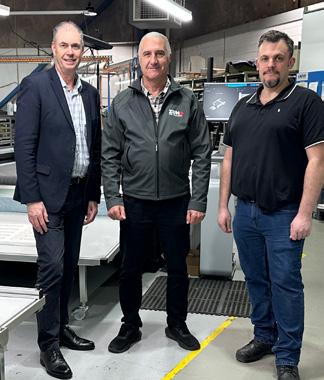
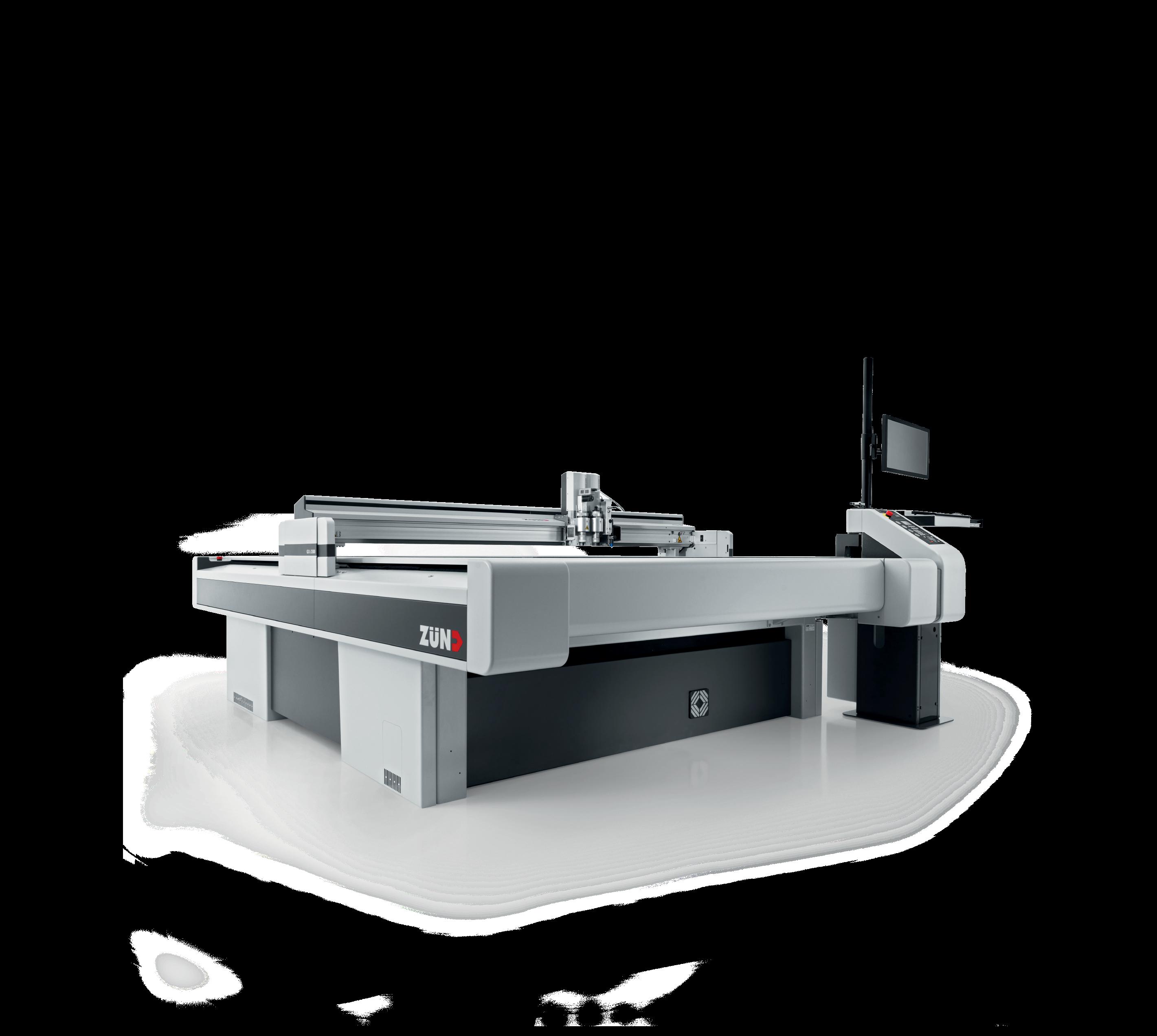
With a Zünd S3 L-1600 automated digital flatbed cutting platform already on the production floor for several years, LNI decided to add another Zünd S3 L-1600 to handle the growing workload. LNI has been a valued Zünd customer for more than two decades, having first invested in Zünd digital cutting technology in 2002.
Since then, the company has continually recognised the benefits of Swiss-built precision, reliability, and long-term value by upgrading through successive generations of Zünd technology.
“The Zünd S3 L-1600 features a 1800mm-wide by 1630mm-long cutting area and can process materials up to 25mm thick, depending on the selected tooling, offering exceptional versatility across a broad range of industrial applications,” said Zünd Australia technical sales and applications manager William Berlowitz.
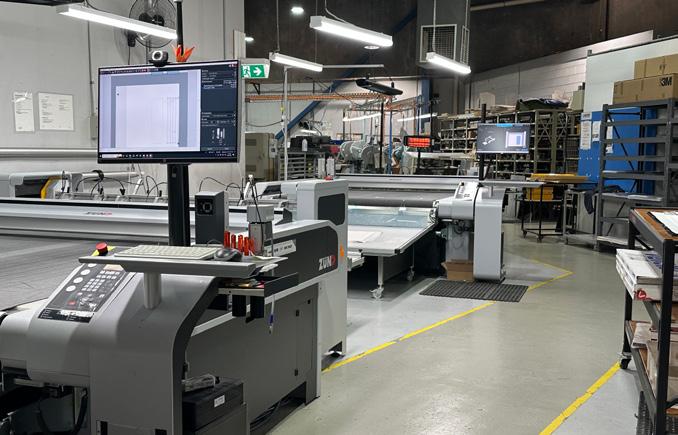
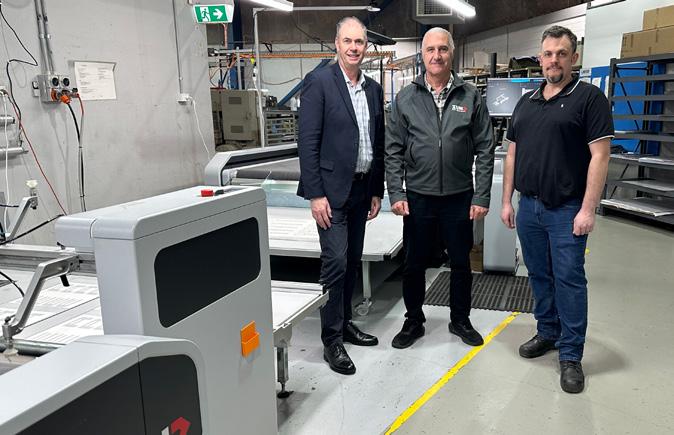
LNI technical manager Adam Smith explained that the Universal Cutting Tool (UCT), Kiss Cutting Tool (KCT), and the recently installed Zünd Kiss-Cut Module (KCM) provide the flexibility to seamlessly transition between full-depth cutting and precision kiss-cutting, where only the top layer of the material is cut. No tool changes are needed, resulting in minimal downtime.
“The machine gives us higher speeds, better registrations and enables us to produce thinner backings, which works well with soft labels such as vinyls, polyesters, and polycard film,” Adam said.
The Electronic Oscillating Tool (EOT250), designed for processing soft to medium-density materials, features a 2.5mm oscillating stroke and highfrequency operation, delivering fast cutting speeds, excellent productivity, and efficient throughput.
Both Zünd S3 L-1600 cutters are equipped with Zünd’s fully automated Sheet Feeder and Stacker system, which automatically loads, unloads, and stacks sheets. The system can also process up to two material stacks simultaneously, making it ideal for high-volume production.
The second platform has enabled LNI to also meet deadlines on premium-quality automotive decals and vehicle graphic kits
made from vinyl and polyurethane films, as well as labels and graphic panels.
The company has also invested in a suite of Canon digital presses – a seven-colour Arizona 2380 flatbed and a five-colour Colorado M5W roll-to-roll with varnish options for outdoor signage materials. The Canons have enabled LNI to print VDP embossed plates from serialised databases.
When Zünd cutting is required, the Canon printers can also print registration marks and job information on each sheet, which are automatically recognised by Zünd Cut Center (ZCC4). This enables the cutter to accurately identify, align, and process each job with minimal operator intervention. LNI also has three laser cutters/engravers from Trotec Lasers Australia.
Michael said the Zünd machines have opened the door for LNI to markets in medical, mining, home improvement, and marine. With vehicle modifier Walkinshaw (famous for its HSV marques) as a client, LNI provides decals, build-plates, and validation plates used in up-speccing and in vehicle conversions to Australian right-hand drive.
He is especially excited at the explosion in merchandising orders, with LNI now manufacturing licensed merchandising collateral, including popular Fan Emblems for the AFL and NRL, and selling product over Amazon. LNI also generates merchandising product using the Warner Brothers’ Harry Potter, DC Comics, and Looney Tunes brands.
A pivotal part of the LNI operation is LunaKrome, an automated workflow for manufacturing flexible 3D chrome badges. LNI has the exclusive A/NZ licence for LunaKrome from the process developer.
The process generates badges and emblems that appear like injectionmoulded chrome but are flexible and durable. CAD-developed concepts are used to create a 3D prototype which is then printed in full colour with chrome and adhesive backing.
Michael said, “Whether it’s in validation and compliance, or in brand management, we see an exciting future.”
zund.com/cutting-beyond
Billboard Media was supported in its automation journey by Workflowz Australia, which recommended a solution that matched the way Billboard works
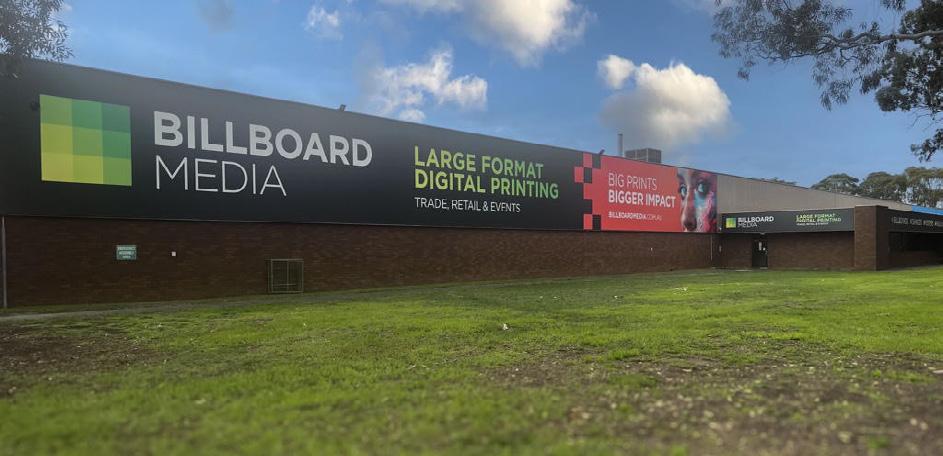
Melbourne-based Billboard Media has been operating for more than 40 years and has grown into one of the country’s most capable largeformat, point-of-sale and corrugated packaging providers. It produces banners, billboards, self-adhesive vinyl, rigid signage, retail displays, short-run boxes, and national campaigns – often for customers who need more than straightforward print production.
“We’re primarily a trade printer,” explains Dominic Plutino, prepress manager. “Large format is still a big part of what we do: banners, posters, self-adhesive vinyl, rigid flatbed work, billboards. But over the years, we also moved into corrugated board, point-of-sale displays, and shortrun packaging.”
into actual PDF processing. For Plutino, the appeal of pdfToolbox was not only that it could check and fix PDF files. It was that it could be built on. That flexibility matters because many of the company’s products are not as simple as they look.
Plutino manages a small prepress team, while much of his own time is now spent on coding and automation. The more routine production knowledge can be captured in software, the more effectively the team can focus on the work that really requires experience.
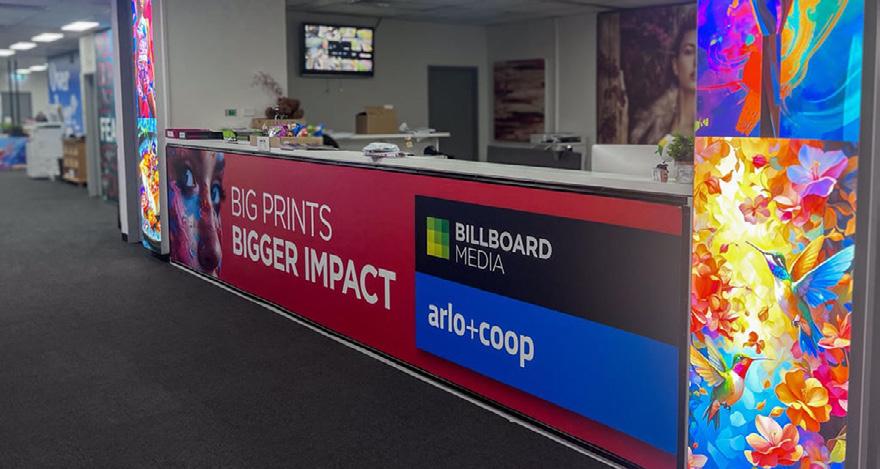
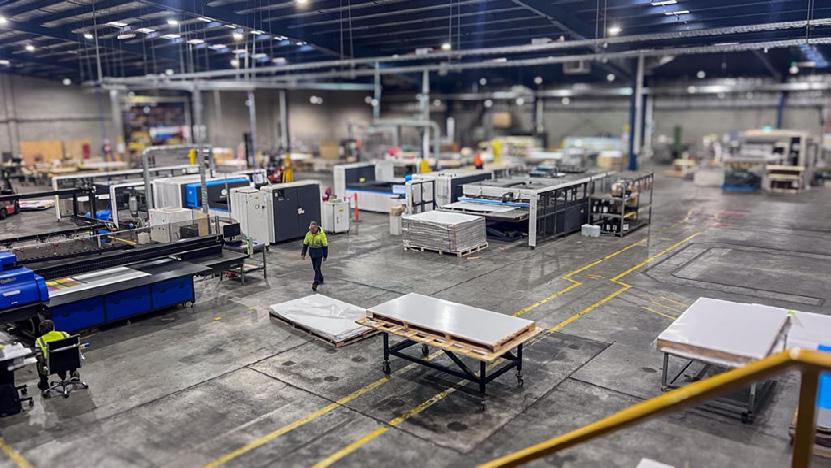
All production is handled from a single Melbourne facility, serving customers across Australia. Much of the work is practical, time-sensitive, and productiondriven, resulting in a lot of knowledge being retained in the company. That knowledge is valuable but difficult to scale if it remains locked inside manual processes.
The move toward automation started with a broader modernisation project. For many years, Billboard Media had relied on a highly customised FileMaker-based system. That system had evolved with the business and contained a lot of useful custom behaviour. But it also created inconsistency. Different account managers described jobs in different ways, and prepress staff had to understand how to interpret those differences.
They decided to start by implementing a new MIS system and went with PrintIQ. That decision was therefore not only about replacing one business system with another. It was about creating the data foundation for automation. The transition was not without challenges; some of the old custom behaviour could not simply be carried across. But the new structure made it possible to describe jobs more consistently, connect systems more reliably, and use job data in more meaningful ways.
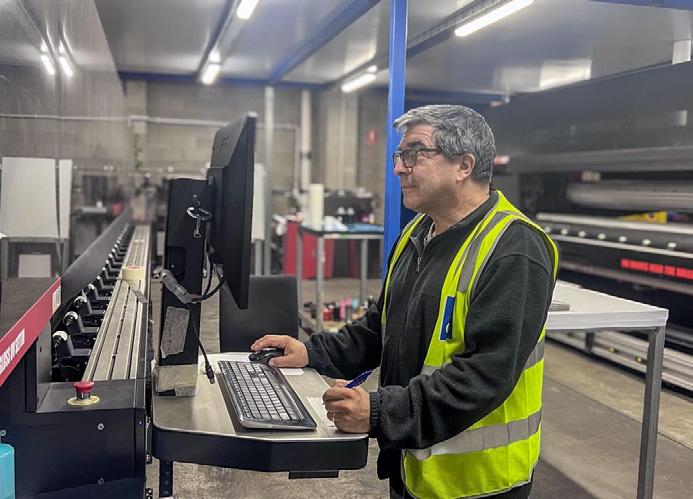
“We needed more standardisation,” Plutino said. “We needed something more transparent, because once you have consistent data, you can start doing more things with it.”
That is where callas pdfToolbox entered the picture. PrintIQ provides the job data. Enfocus Switch orchestrates the workflow. pdfToolbox then uses variables, Process Plans, and JavaScript to turn those rules
Billboard Media was supported in its automation journey by Workflowz Australia. Plutino approached the project with a clear idea of what he wanted to achieve and a willingness to explore different tools. What mattered was not just buying software, but finding a partner who could understand the technical requirements and recommend a solution that matched the company’s way of working.
Workflowz Australia helped evaluate the available options and introduced pdfToolbox as a strong fit for Plutino’s development-oriented approach. That distinction mattered. He did not want a closed workflow where he could only use predefined functionality. He wanted a system he could learn deeply, extend, connect, and keep building on.
Today, pdfToolbox is part of a wider automation strategy. It sits between customer artwork, job data, production rules, and output requirements. It checks files, prepares files, composes productionready PDFs, and helps decide which jobs can flow through automatically and which need attention.
That makes it an important part of how the company scales. The business still depends on experienced people. But instead of relying on those people to repeat the same manual checks and setup tasks repeatedly, more of their knowledge can be turned into softwaredriven processes.
LESS COMPLEXITY.
MORE IMPACT.
Simplify processes. Eliminate bottlenecks. Empower your team to do more with less.
That's the power of workflow efficiency.

Smart workflow solutions that adapt to your business and unlock your potential.
FOCUS
On what matters most. REDUCE RISK
SAVE TIME Automate tasks. Accelerate results.
Minimise errors. Ensure consistency.
DRIVE GROWTH
Improve efficiency. Accelerate results.
Certified resellers for:
The new Connect Conference at Visual Impact 2026 has a strategic, economic, business, and innovation focus aimed at key leaders and decision-makers
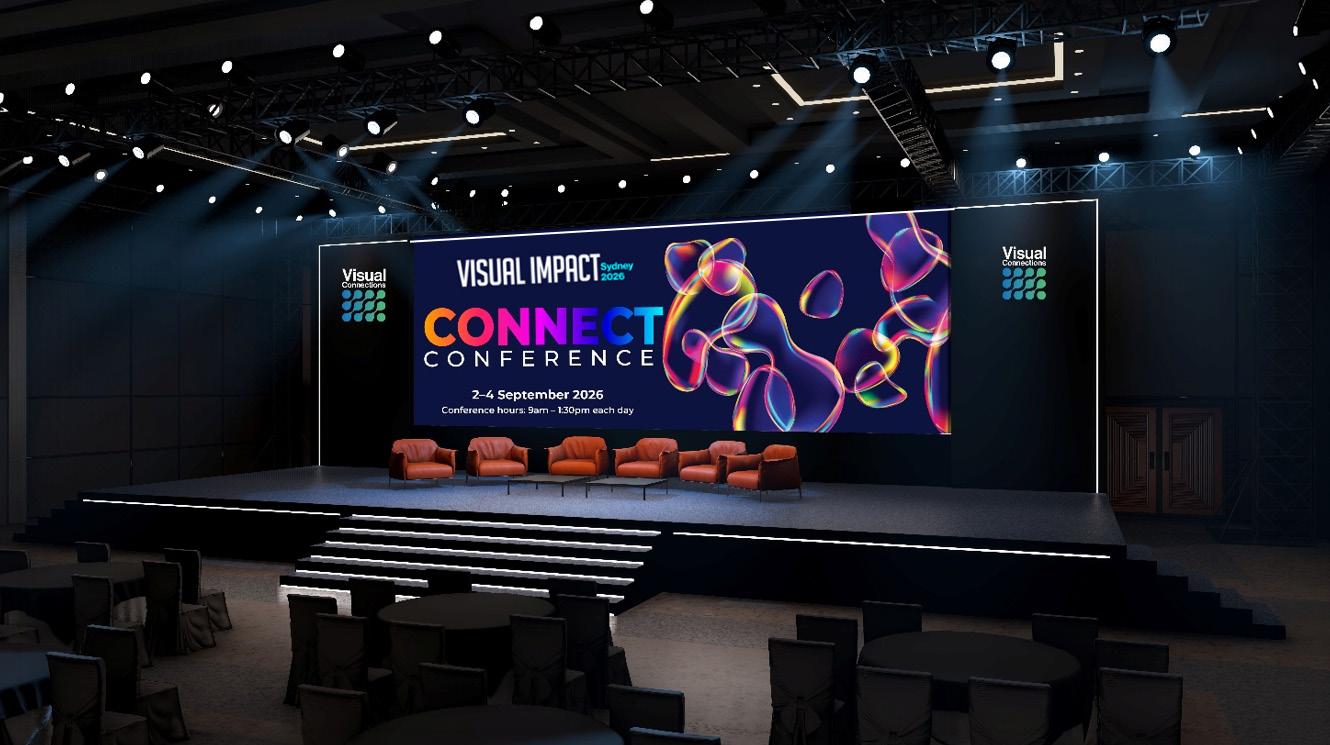
Excitement is building around the upcoming Connect Conference 2026, with early bird tickets now on sale and a number of high-profile speakers and important sessions confirmed. The conference will run alongside Visual Impact Expo at the Sydney Showground, Sydney Olympic Park, from 2-4 September 2026.
Organisers and hosts Visual Connections say the conference, which is supported by Premium Sponsor ORAFOL Australia, brings something entirely new to the sector, with a strategic, economic, business, and innovation focus aimed at key leaders and decision-makers.
“The concept behind Connect Conference 2026 was always to complement the industry’s technical conferences with a more strategy and leadership-focused event,” Visual Connections CEO Karren Challoner-Miles said.
“This event is targeted at c-suite executives, operational leads, marketers and specifiers – the business leaders who influence strategy, set business direction, and make the financial investment and purchasing decisions that support success.
“It brings together experts and thought leaders to tackle topics from leadership and business ethics to the economy,
emerging technologies, innovation and sustainability. Delegates will also hear case-studies from end-users of our industry’s products and services, and reflections on trends and directions from both local and international industry leaders.”
The program is designed to inform, challenge, inspire, and open up dialogue around some of the key issues, challenges, and opportunities for industry businesses.
Speakers and sessions confirmed at the time of going to press include:
• Gillon McLachlan, CEO of Tabcorp, in conversation with Matt Aitken, MD of IVE Group
• Steve Vamos, leadership expert who has held senior positions with Apple, Microsoft, and IBM and as CEO of Xero and NineMSN
• Dr Craig Emerson, leading economist and former political advisor and Australian Minister for Trade and Competitiveness
• Dr David Cooke, well-known for his time in leadership at Xerox, Canon, and Konica Minolta, and now a leader in corporate sustainability and author of Kind Business: How Values Create Value
• Richard Williams, expert on cyberawareness and adaptability in business
• Dr Xun Li, CSIRO AI expert
• Panel sessions –
o International Industry Insights led by Visual Connections CEO Karren Challoner-Miles, featuring leadership from ISA, BSGA, Printing United Alliance, and FESPA
o Education & Careers led by Visual Impact editor Rob Griffith, featuring Megan Lilly, deputy commissioner, Jobs & Skills Australia, Paul Richards – head teacher, Sign & Graphics at Sydney TAFE, and apprentice signwriter Charbella Ayoub from Cunneen Signs
o Digital & Print – global and local outdoor advertising and signage trends featuring leaders from Signarama and JC Decaux
o Future of Signage – led by ASGA president Mick Harrold, featuring Steen Zimmerman from Zimmerman Industries, Steve Lambourne from SS Signs, and Callan Laughton from Insigns.
Tickets are now available, with prices starting from just $249 a day. The prices have purposely been kept low, according to Challoner-Miles, to encourage attendance and access for small and large businesses.
The conference complements Visual Impact Expo, which will be held under the iconic Showgrounds Dome, with a diverse and comprehensive showcase from well over 50 exhibitors.
Platinum sponsor, Roland DG, gold sponsors Epson, Graphic Art Mart, HP, and Mimaki, and silver sponsors Celmac, SAS, and Project Sirius will be joined by a wide range of leading names including SA-led, Multicam, PHE, Mutoh, Stick on Signs, Pozitive, and Ball & Doggett, amongst others.
Recent new additions to the floorplan include Apple Air Filtration, E-Power, Sydney Print Media, XTL Australia, and Project Sirius.
Make it Happen Signage Bootcamps will also run at the Showground during the week, and the 2026 Easy Signs National Sign & Graphics Awards gala dinner will be held on Thursday 3 September.
More information on these events can be found at visualimpact.org.au.

Epson will showcase its latest large-format, UV, eco-solvent, dye sublimation, and garment printing technologies at Visual Impact, under the theme ‘Larger Than Life’
Visitors to Stand D11 at this year’s Visual Impact Sydney can expect an immersive experience as Epson showcases its latest professional printing technologies under the theme ‘Larger Than Life’.
Designed to highlight Epson’s industryleading expertise in colour, detail, and large-format output, the stand transforms the unseen into the unforgettable.
Through ultra-high-resolution macro photography of insects and oversized natural elements, visitors will step into a world where intricate textures, vibrant colours, and microscopic details are magnified beyond imagination. The concept perfectly reflects what Epson technology does every day, bringing extraordinary detail, precision, and colour accuracy to life.
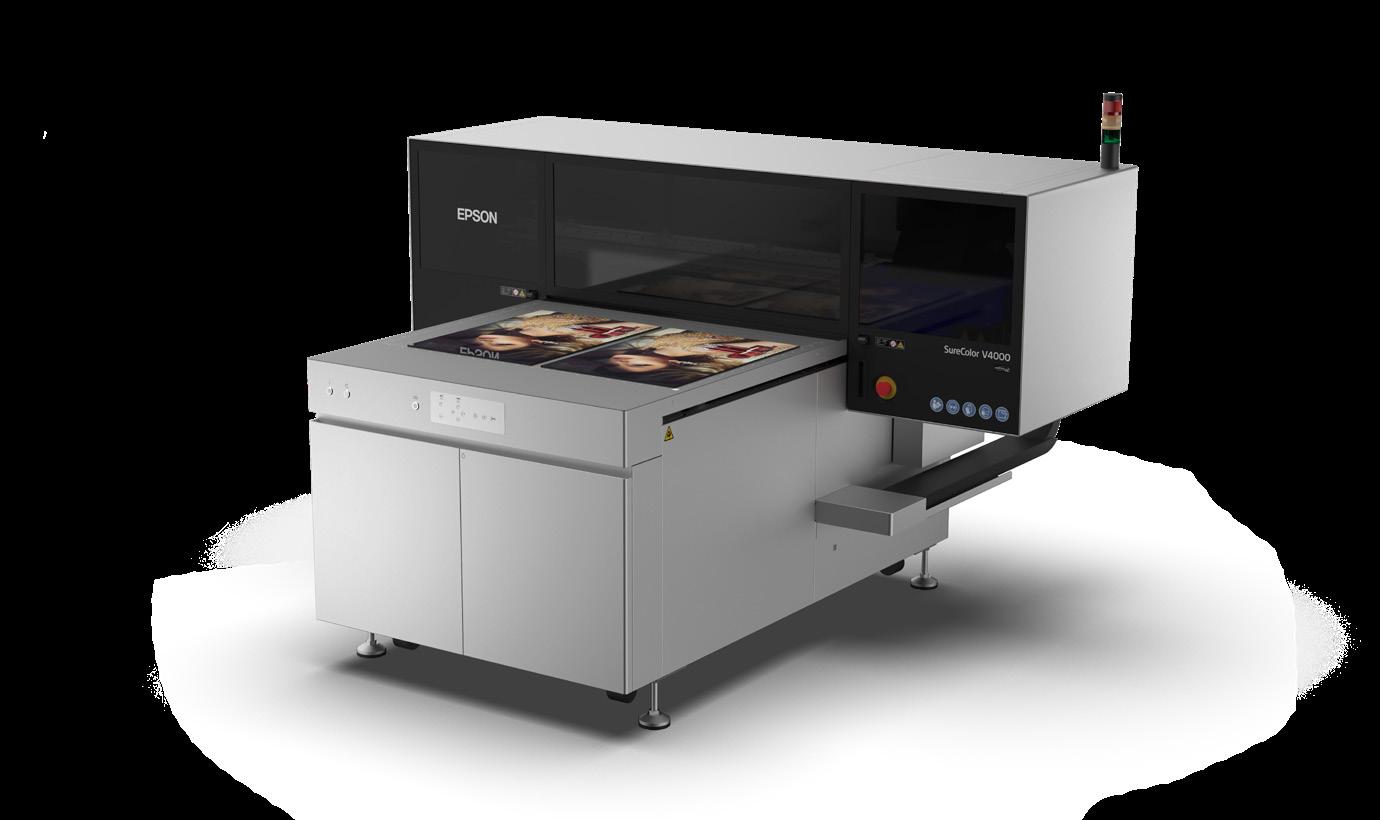
Leading the display are the SureColor V4000 and SureColor G6060, representing the latest innovations in UV and direct-tofilm (DTFilm) printing, respectively.
The SureColor V4000 delivers exceptional versatility for signage, promotional products, and customised merchandise production.
Featuring advanced UV printing technology, it enables high-quality output on a wide range of materials while producing vibrant colour, fine detail, and durable results. It is an ideal solution for businesses looking to expand into value-
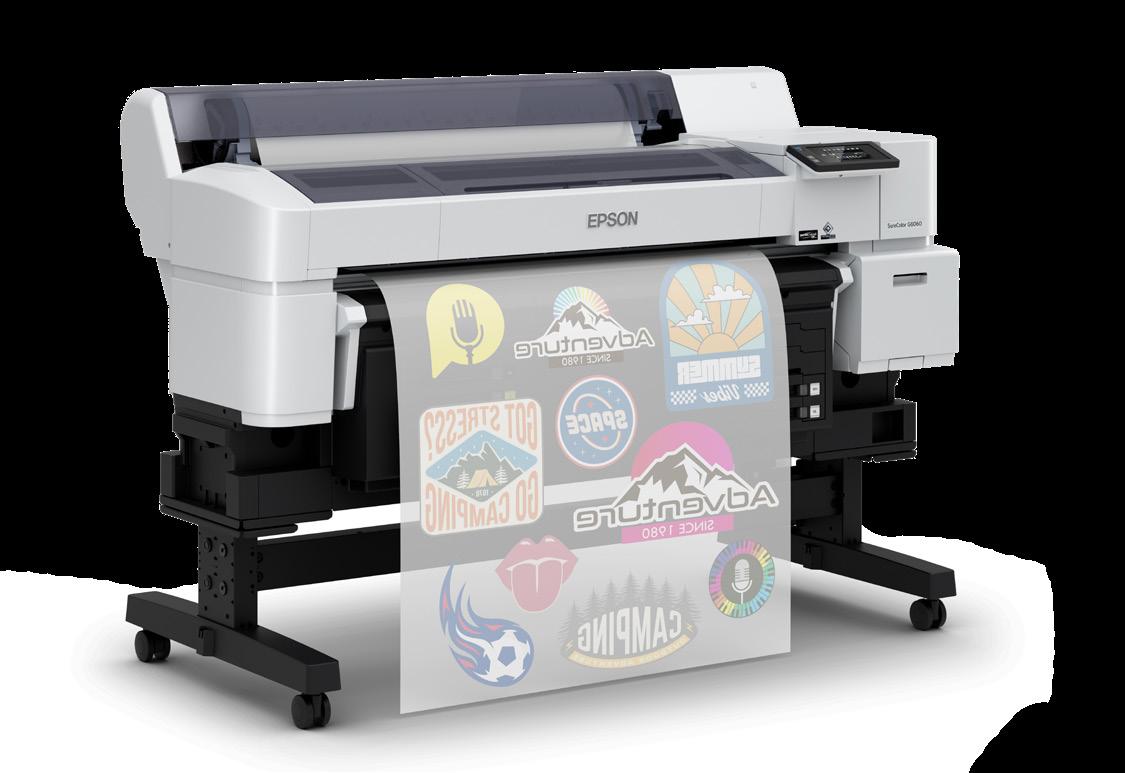
added and personalised applications. Also taking centre stage is the SureColor G6060, Epson’s dedicated wide-format DTFilm printer designed for high-volume apparel and merchandise production.
As demand for customised clothing, workwear, and promotional products continues to grow, the G6060 provides reliable, cost-effective production with excellent colour consistency and productivity. The printer demonstrates Epson’s commitment to supporting businesses capitalising on the expanding personalisation market.
For dye sublimation professionals, Epson will showcase one of its advanced SureColor F-Series production printers built for sportswear, soft signage, home décor, and customised merchandise. Delivering outstanding image quality, speed and efficiency, it enables businesses to produce vibrant fabric applications with confidence.
The SureColor F1060 will also be on display. Designed for both direct-togarment (DTG) and DTFilm production, the compact printer makes garment and merchandise customisation more accessible to creative businesses, print providers and apparel decorators.
Its ease of use and ability to produce professional-quality output make it an attractive solution for businesses entering or expanding within the custom apparel market.
The signage and display sector is represented by Epson’s latest eco-solvent technology, including the SureColor S7160 and flagship SureColor S9160.
Built for signmakers and graphics professionals, these printers combine impressive productivity with outstanding image quality. The S9160 delivers an expanded colour gamut for highly accurate colour reproduction, while both models provide the reliability, versatility, and precision required for demanding signage, vehicle wrap, display, and retail graphic applications.
Across the entire stand, visitors will experience the technologies that underpin Epson’s reputation for quality and innovation.
From advanced printhead engineering and precision droplet control to exceptional colour reproduction and media versatility, Epson said every product on display demonstrates its focus on helping businesses produce work that stands out.
“Whether you’re creating signage, customised merchandise, apparel, décor or promotional products, Epson’s ‘Larger Than Life’ showcase will demonstrate how exceptional detail, vibrant colour and scalable production can open new opportunities for growth,” Epson said.
Visit Epson at Stand D11 to discover how its technology can help bring your biggest ideas to life.


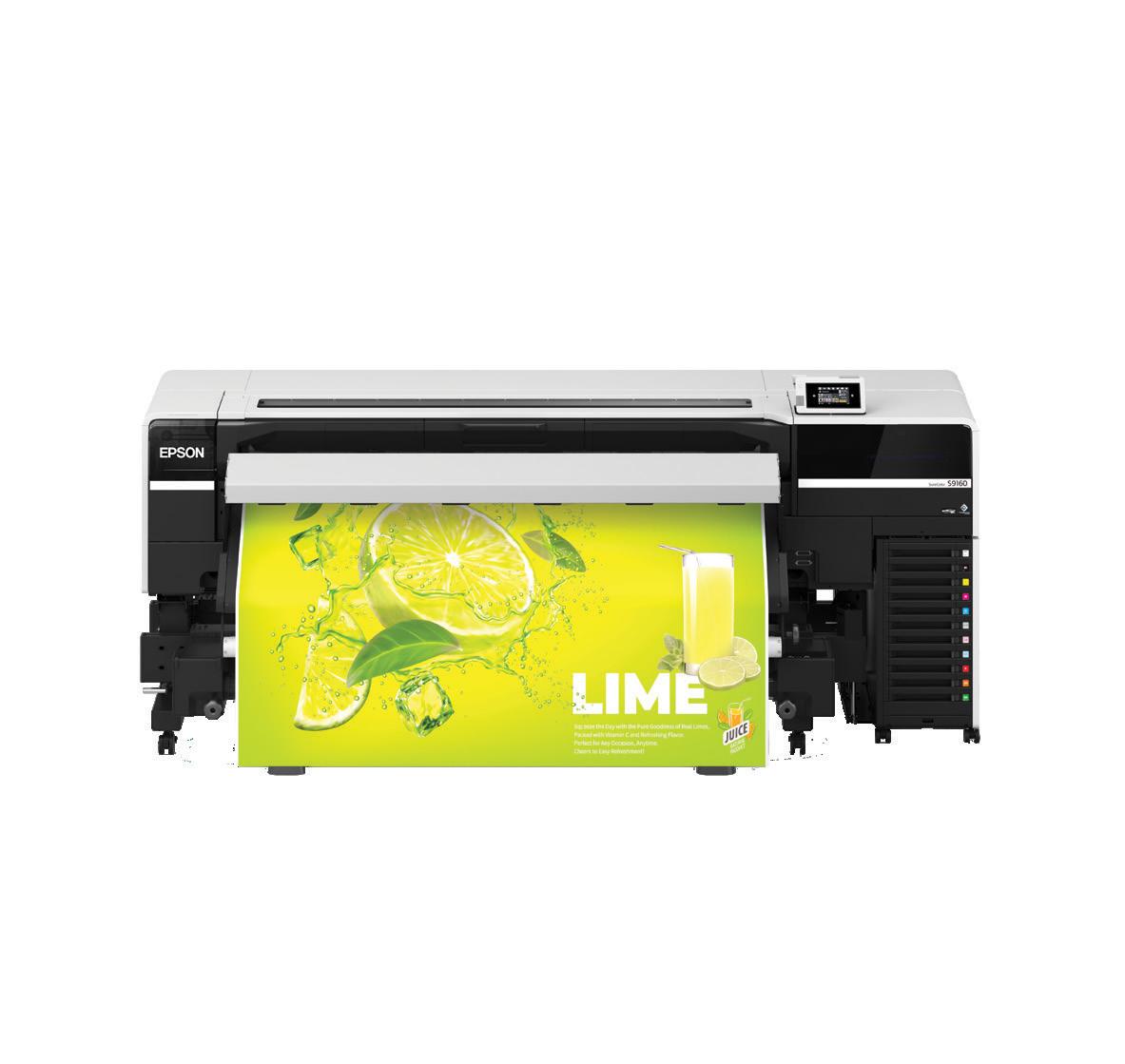
At Visual Impact, Stick On Signs will demonstrate several of its solutions that improve print quality, productivity, and application versatility
Visitors to this year’s Visual Impact Expo will have the opportunity to explore the latest developments in printable media, application solutions, and finishing equipment at the Stick On Signs stand.
As a long-standing supplier to the Australian sign and print industry, Stick On Signs will be showcasing products designed to help businesses improve print quality, increase productivity, and expand the range of applications they can offer customers.
The spotlight will be on Nekoosa’s growing range of printable media, the trusted RTape application tape range, and live demonstrations of the Neschen laminator.
Nekoosa has earned a strong reputation for producing premium graphic media, with products developed to meet the evolving needs of today’s sign and print market. Visitors will be able to explore materials suitable for wall, window, and floor graphics, exhibition displays, retail promotions, and general signage, with a variety of printed samples on display throughout the stand.
The samples will allow visitors to compare finishes, print performance, and application possibilities while discussing which products are best suited to specific jobs. With customer expectations continuing to increase, selecting the right media has become just as important as choosing the right printer or ink system.
The Stick On Signs team will be available throughout the exhibition to answer questions and provide practical advice based on real production experience.
Also featured will be the RTape application tape range from Nekoosa. Recognised throughout the sign industry, RTape offers paper and clear application tapes for everything from everyday cut vinyl lettering to large-format graphics and more demanding installation work.
Visitors can compare the different grades and tack levels while learning how choosing the correct application tape can improve installation efficiency and produce cleaner, more professional results.
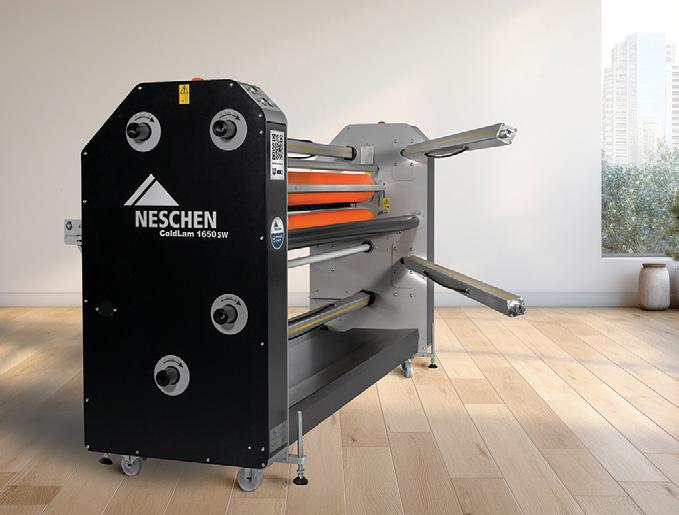
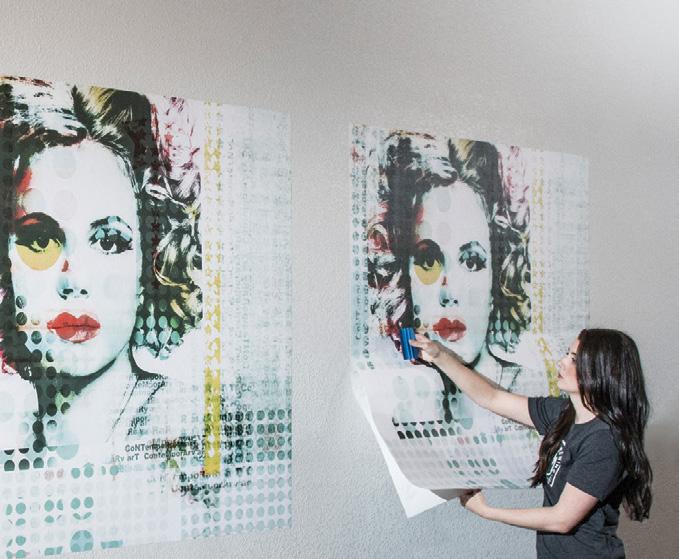
Alongside the media display, Stick On Signs will be conducting live demonstrations of the Neschen laminator throughout the exhibition.
While laminating is often the final stage of production, it has a significant impact on the appearance, durability and presentation of the finished graphic. Designed for accuracy and ease of use, the Neschen laminator delivers consistent results across a wide variety of print media while simplifying both laminating and mounting applications.
The demonstrations will give visitors the opportunity to see the machine operating under real production conditions while handling different media with speed and precision. Whether producing retail graphics, signage or display work, attendees will gain a better understanding of how professional finishing equipment contributes to overall print quality.
The stand will also feature finished samples produced using Nekoosa printable media, RTape application tapes, and the Neschen laminator, demonstrating how quality materials and
reliable finishing equipment work together to achieve outstanding results from printing through to final installation.
Technical knowledge has always been one of Stick On Signs’ greatest strengths. Beyond supplying products, the company works closely with customers to recommend solutions that suit individual production environments, helping businesses improve efficiency while delivering consistently high-quality graphics. Visitors will have the opportunity to discuss new products, application techniques, and current industry trends with experienced staff throughout the show.
“Visual Impact continues to be one of Australia’s premier events for the sign, display and wide-format print industries, bringing together suppliers, manufacturers and print professionals under one roof. It provides an ideal opportunity to compare products, speak directly with industry experts and evaluate equipment before making purchasing decisions,” Stick On Signs said.
“Stick On Signs has designed its stand to be practical and interactive, allowing visitors to inspect printed samples, compare media, evaluate RTape application tapes, and watch live demonstrations of the Neschen laminator throughout the exhibition. Whether businesses are looking to expand into new applications, improve production workflows or upgrade their finishing capabilities, there will be plenty to discover.
“The combination of Nekoosa’s expanding printable media range, the proven performance of RTape application tapes, and the precision of the Neschen laminator reflects Stick On Signs’ commitment to supplying reliable products backed by expert advice and ongoing technical support. Together, these solutions help sign makers and print professionals produce high-quality work with confidence and efficiency.
“If you’re attending Visual Impact 2026, make sure you visit the Stick On Signs stand to explore the latest Nekoosa media, discover the RTape application tape range, watch the Neschen laminator in action and speak with the team about practical solutions that can enhance your next print project.”
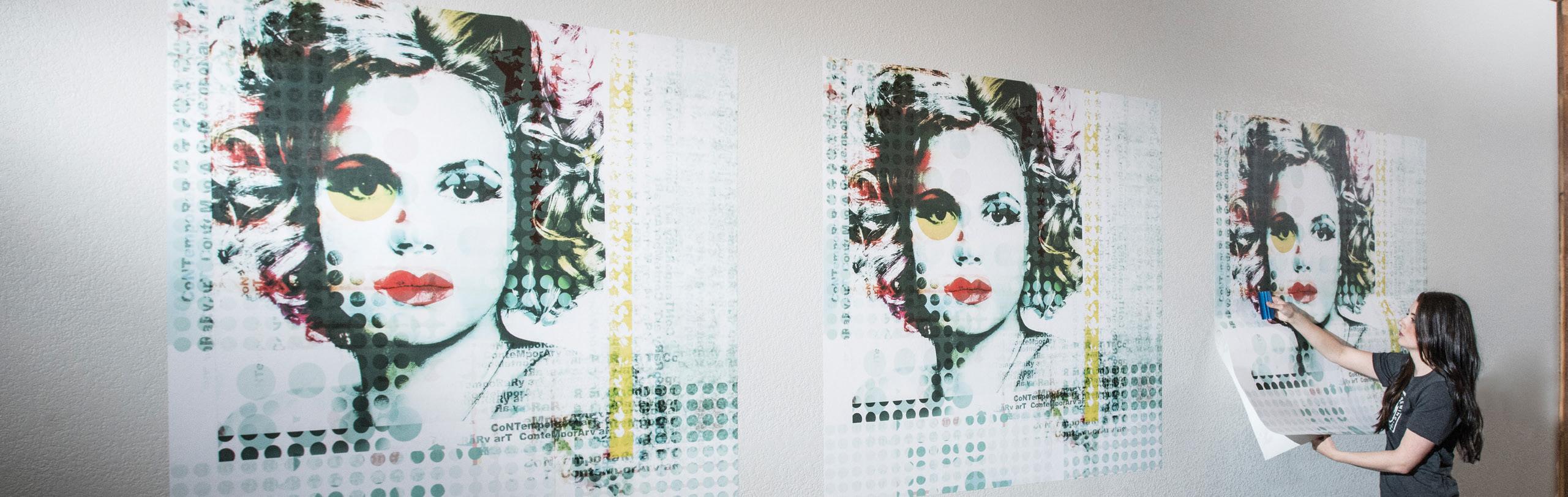
Printing United 2026 is expected to showcase the latest innovations driving productivity, automation, and growth across the global printing industry
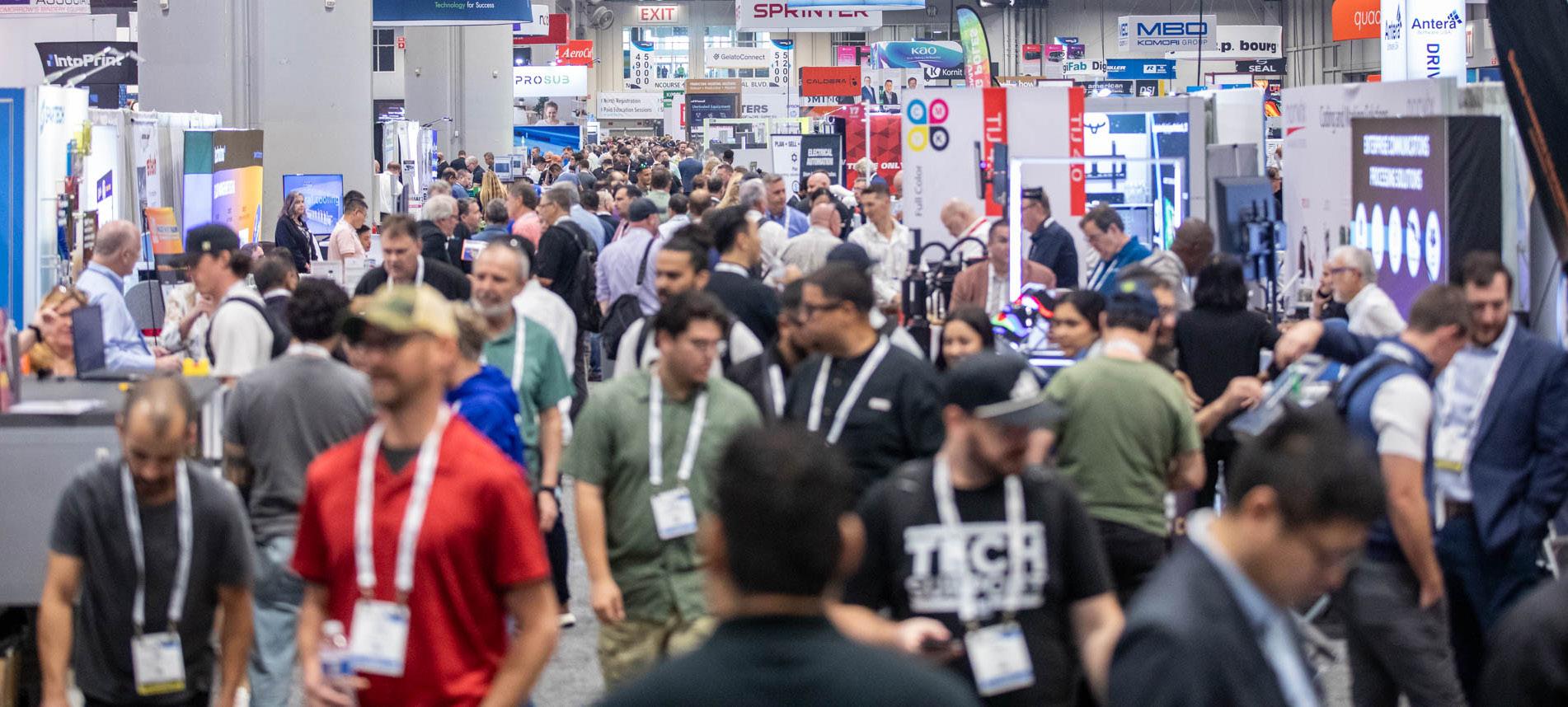
Printing United Expo 2026 will soon be returning to Las Vegas, US, from 23-25 September, once again bringing together every major segment of the global printing industry under one roof.
Held at the Las Vegas Convention Center, the exhibition has established itself as one of the US’ premier print events, offering a comprehensive showcase of the latest equipment, software, workflow solutions, consumables, and finishing technologies spanning commercial print, wide-format, packaging, labels, apparel decoration, industrial printing, and mailing.
The expo is organised by the largest member-based printing and graphic arts association in the US – the Printing United Alliance.
This year, organisers promise more technology, more live equipment, more education, and more opportunities to see where print is headed next. Attendees this year can expect more first-in-North America debuts, major product launches, and new experiential activations designed to spotlight the future of print across all segments.
As printers worldwide continue to navigate rising production costs, labour shortages, sustainability targets, and the
rapid integration of artificial intelligence, this year’s event is deemed to arrive at a pivotal moment for the industry.
More than ever, manufacturers are expected to demonstrate technologies that deliver greater automation, smarter workflows, increased productivity, and improved profitability.
From AI-powered software and cloudbased production management to nextgeneration digital presses and automated finishing systems, Printing United 2026 aims to provide visitors with a first-hand look at the innovations shaping the future of print.
Beyond the equipment launches, the expo also offers printers, converters, signmakers, brand owners, and suppliers with the opportunity to exchange ideas, explore new business opportunities, and gain practical insights through an extensive education program – with more than 70 sessions to be held – led by industry experts.
Live demonstrations, technical sessions, networking events, and product debuts ensure attendees leave with not only a
clearer understanding of emerging technologies, but also strategies they can implement within their own businesses.
In addition to the show floor, the in-show features of Printing United range from hands-on training zones and paid education sessions, to the Printing AI Pavilion which explores how AI is transforming the printing and packaging industry. A drop-in discussion stream named Spill the Ink has been built for realtime conversations.
At the Printing AI Pavilion, attendees can explore how AI is enabling print with automation and smarter decision-making. It will also provide tools and insights that will help streamline operations, unlock efficiencies, and stay ahead in a rapidly evolving landscape.
In the Apparel Zone, attendees can see where creativity meets production at scale. In addition to exploring new technologies, attendees can see trending techniques and opportunities to expand apparel offerings.
As for the Paid Education stream, attendees can go deeper with expert-led sessions designed to deliver practical, actionable insights. It also offers focused
learning opportunities to help sharpen strategy, skills, and competitive edge.
Plus, the G7+ Exchange lets attendees experience where colour accuracy meets advanced process control. This is also where attendees can connect with industry experts and peers to explore evolving G7 methodologies, advanced applications, and the future of print standardisation. It’s a deeper dive into achieving consistency, efficiency, and excellence in production.
For Australian and New Zealand print businesses, Printing United presents a wealth of opportunities as it remains one of the industry’s most influential international exhibitions. The technologies unveiled at the show often signal the direction of future investment across the Asia Pacific region, making the show an important barometer for where print is heading next.
Exhibitor highlights: convergence in action
As innovation accelerates across every print sector, Printing United 2026 is set to showcase how technology is helping businesses become more efficient, more sustainable, and better equipped to meet the changing demands of today’s market.
At Printing United 2026, attendees will experience how technologies are blurring traditional lines between print segments, like solutions that allow packaging converters to expand into signage, promotional printing, and even commercial print markets.
Attendees will also see workflow platforms that unify processes across packaging, wide-format, labels, and specialty printing – enabling shops to manage multiple applications in one integrated system.
Digital embellishment tools will be on display that apply decorative finishes across packaging, signage, merchandising, and specialty print, opening high-value opportunities across markets. Plus, textile and apparel decoration technologies that merge garment printing with digital workflows and automation will be showcased, redefining what’s possible for apparel production.
Some confirmed exhibitors at the event include: Agfa, Canon, Colex Finishing, Digitech, Drytac, Durst Group, EFI, Enfocus, Epson, Fujifilm, GelatoConnect, Hasler Solutions, HP, Hybrid Software, Koenig & Bauer, Komori, Kongsberg PCS, Konica Minolta, Kornit Digital, Kyocera, Mimaki, Müller Martini, ORAFOL, Ricoh, RMGT, Rollem, Screen, Summa, swissQprint, Trotec Laser, Vanguard Digital Printing Systems, Xerox, and Zünd.
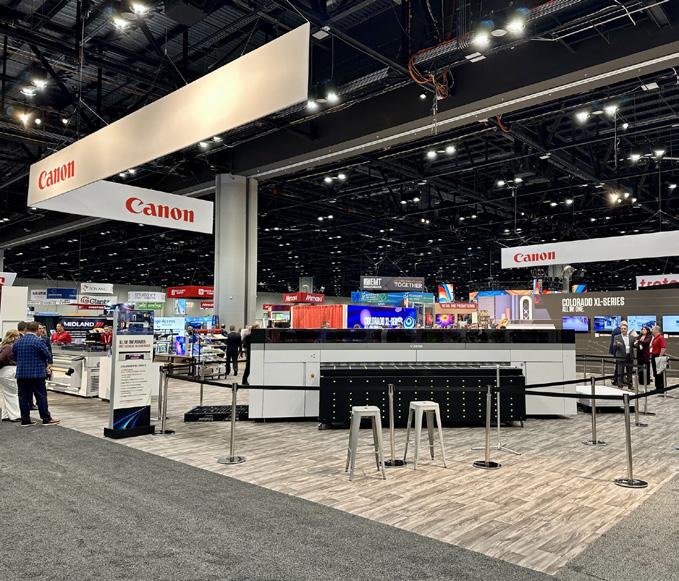
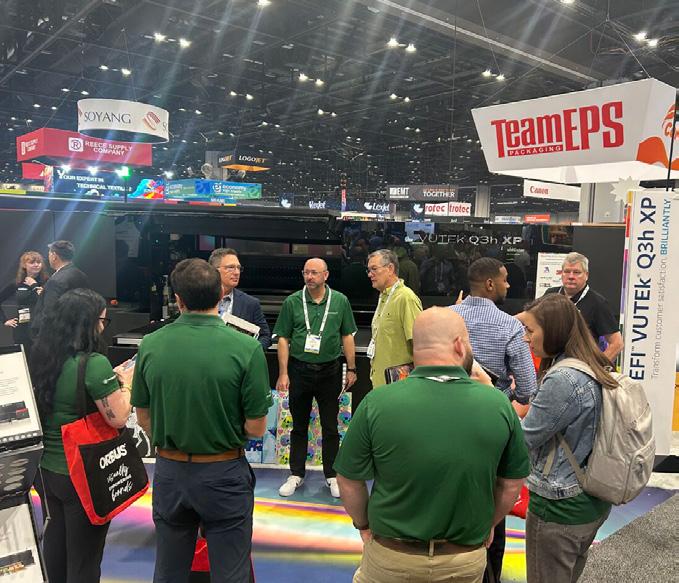
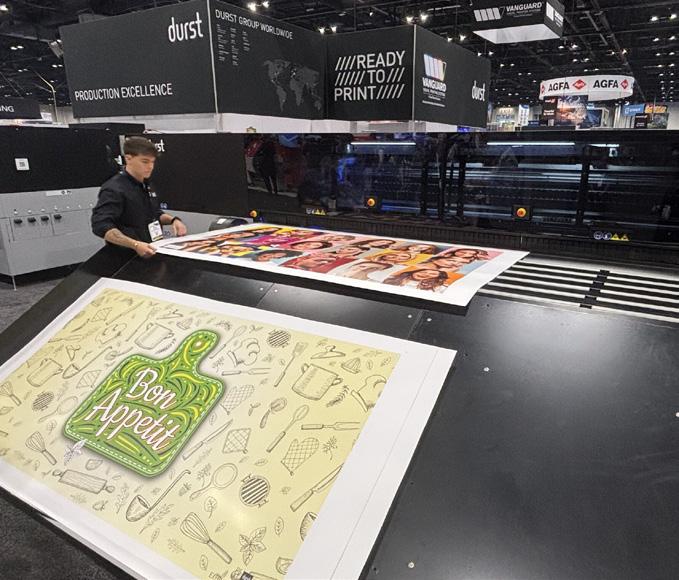
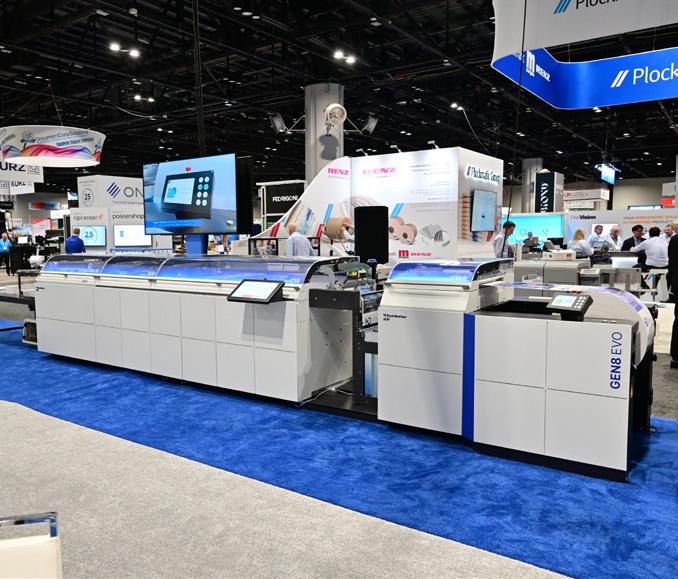
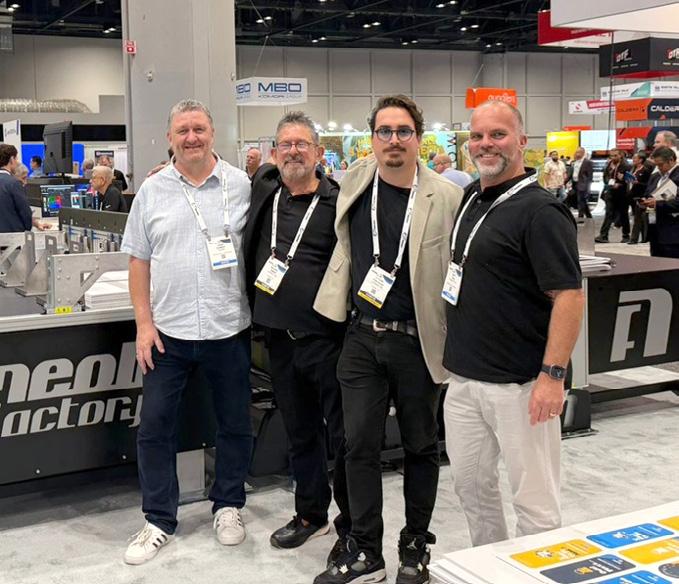
Printing United 2026 follows on from the success of its show last year. The event, which took place in Orlando, Florida, delivered a record-breaking number of attendees and exhibitors, with organisers saying there was “extraordinary energy and engagement across every segment of print, from commercial and packaging to apparel, functional, industrial, in-plant, and wideformat graphics”.
The 2025 show welcomed over 30,000 registered attendees from 104 countries, featuring 838 exhibitors showcasing the latest advancements in printing technology, materials, and workflow solutions. The event spanned a million square feet of exhibit space sold – buzzing with innovation and excitement from start to finish.
Below are some of the statistics from the Printing United 2025 Expo:
• More than 30,000 registered attendees
• 838 exhibiting companies across all industry market segments
• 4.7 million pounds of equipment on the show floor
• 104 countries represented
• Hundreds of new product launches including global debuts
• More than 100 educational sessions and presentations
• Nearly 60 participating media outlets and association partners from around the world
• 50 top global media outlets attended the exclusive pre-show Media Day event on October 21
• Over 60 students from local and national schools and universities attended the annual Student Day, held in partnership with Print & Graphics Scholarship Foundation (PGSF)
• More than 300 attendees convened at the Women in Print Alliance luncheon.
The 2026 iteration of the show promises even greater opportunities for discovery, connection, and growth.
Registration is now open for Printing United 2026 at the Las Vegas Convention Center.
“Printing United Expo continues to prove that the printing industry is vibrant, evolving, and full of opportunity,” Printing United Alliance CEO Ford Bowers said.
“Each year, we see stronger engagement, deeper collaboration, and an even greater spirit of innovation and scale from every corner of print. There is no other event that delivers this level of access, learning, and connection across the entire printing industry”.




A night dedicated to celebrating the best of the best in the printing and packaging industry.

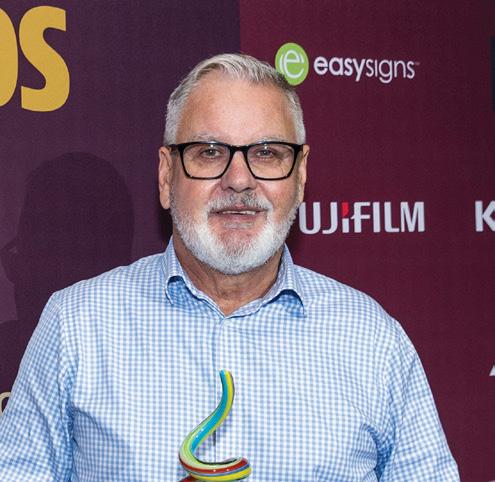
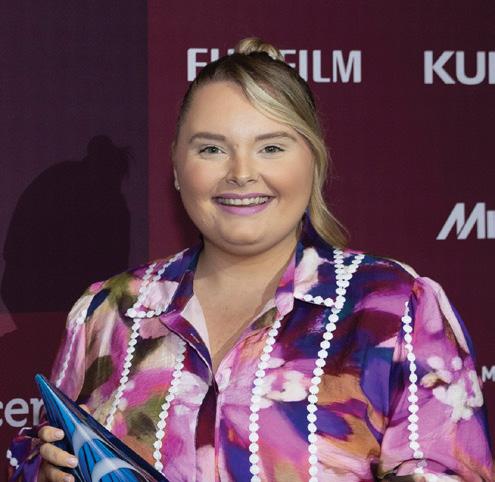
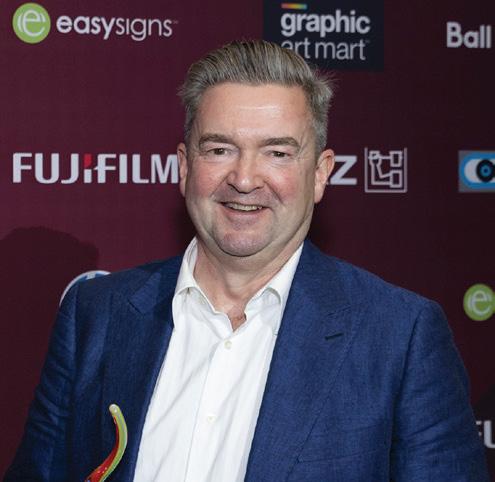
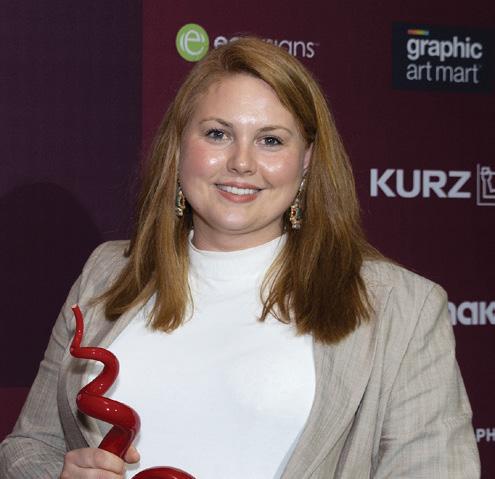

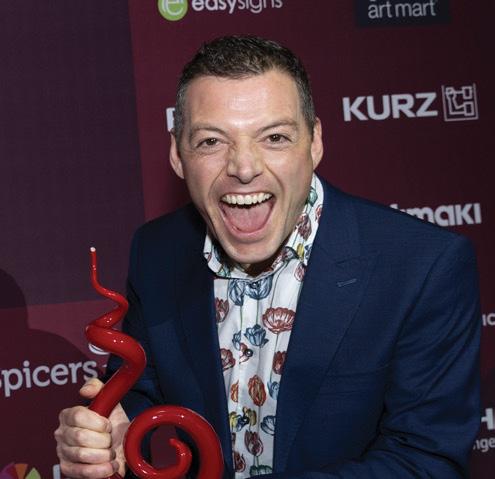
Proudly supported by
PLATINUM SPONSOR

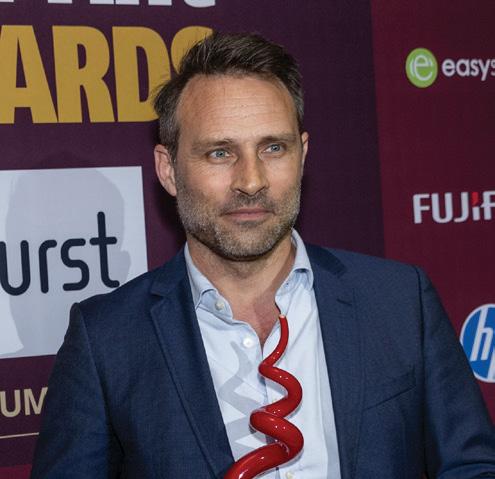
GOLD SPONSORS


SPONSORS
COUNTDOWN TIMER SPONSOR
The companies that understand the underlying drivers of the global printing industry are the ones most likely to emerge in a stronger competitive position, according to Smithers
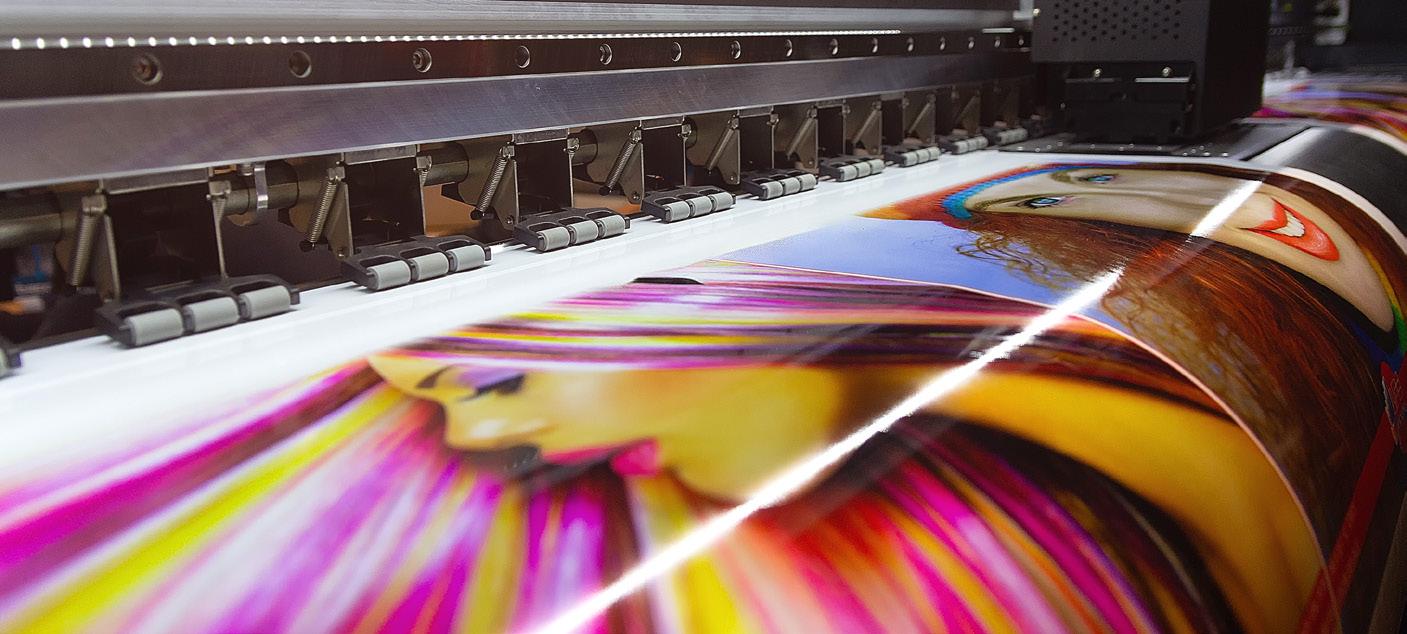
The global printing industry is undergoing a period of profound structural change. Establishment numbers are falling, workforces are contracting, and the forces reshaping demand show no signs of reversing. To make sense of where the market is heading, Smithers analyst Jon Harper Smith – author of newly published report The Future of Printer Demographics to 2031 – sets out the forces reshaping the competitive landscape.
Q: How has the global printing industry changed in recent years?
A: The contraction has been significant and sustained. In 2024, there were 353,707 printing and allied industries establishments operating across the countries covered in our research – a decline of 7.9 per cent from 384,102 in 2019. Employee numbers tell a similar story: the sector employed 3.4 million people in 2024, down 12.7 per cent from 3.9 million in 2019. These are not marginal shifts; they reflect a structural realignment that was already underway before 2019 and has accelerated since.
A: Several forces are converging. The most fundamental is the long-term reduction in demand for physical print, particularly in commercial and publication segments. The transition to digital content distribution has hit newspapers, magazines, and advertising print especially hard. The Covid-19 pandemic accelerated an already
established downward trend, and a series of subsequent geopolitical events meant that any recovery was short-lived.
Beyond demand-side pressures, there are operational factors at work. Newer printing presses are substantially more productive than the equipment being retired, meaning more output can be achieved with fewer machines and fewer facilities. This is compounding the decline in establishment numbers as the industry rationalises. Sustainability concerns are also playing a role, with consumers and content owners increasingly questioning the case for physical print – though there is some pushback on this.
Recruitment and retention remain a persistent challenge. Across most regions, companies report difficulty attracting qualified press operators. The industry is widely perceived as unattractive, and the skills required for newer, more sophisticated equipment are in short supply.
Q: Are all regions equally affected?
A: No, and the regional picture is one of the more telling findings in our data. Asia is by some distance the largest region in the sector, accounting for 41.9 per cent of global establishments and 55.4 per cent of all employees in 2024. Crucially, its share has held up better than other regions –and in the case of employee share, has actually increased slightly since 2019. This reflects a combination of populationdriven domestic demand growth and Asia’s substantial export position.
At the other end of the spectrum, Latin America, and Eastern Europe have seen the steepest proportional falls in establishment numbers. North America sees the largest fall in terms of employee numbers, followed by both Eastern and Western Europe.
Q: What is the outlook to 2031?
A: The decline will continue, but the rate is expected to slow. Publication and graphic printing – the segments most exposed to digital substitution – will keep contracting, though some titles will persist as niche or premium physical products. Packaging and labels are growing segments, though their data sits outside the scope of this particular analysis.
Several dynamics are expected to shift in the sector’s favour over the forecast period. Physical print is viewed as highly effective in advertising and other media. Plus, the rise of AI-generated content has created a trust deficit in digital channels that physical print does not share.
On the skills side, enhanced automation in newer press generations is expected to narrow the workforce gap, and the industry is making progress through training and support programmes. The broader acceptance that remote working has its limits also removes one longstanding deterrent to press-floor careers.
Q: What should businesses be taking from this data?
A: The outlook is challenging, but not without strategic opportunity. The businesses best positioned for 2031 are those investing in high-productivity equipment, building capability in growing segments, and operating in – or supplying to – markets where domestic demand and export strength provide a buffer against Western print contraction. Asia, as our data confirms, will only grow in importance as the anchor of global print activity.
The sector has navigated significant disruption over the past five years. The companies that understand the underlying drivers are the ones most likely to emerge in a stronger competitive position.
In business, disasters are rarely single catastrophic events. More often, they are the result of compounding small failures – missed signals, outdated systems, complacency, or the belief that yesterday’s success guarantees tomorrow’s success.
Mitigating disaster risk is not about predicting every possible crisis; it is about preparation, intention, and disciplined execution that allows a business to respond rather than react.
The strongest organisations operate with the mindset that something will go wrong. Their competitive advantage lies in how well they prepare for that inevitability.
Preparation is a behavior.
Businesses that survive disruption treat preparation as an ongoing process rather than an annual planning exercise. Preparation includes scenario planning, stress testing assumptions, cross training key roles, and ensuring that critical knowledge is not locked inside one person’s head.
True preparation answers one core question: What happens to the business if a key person, system, supplier, or assumption disappears tomorrow?
When this thinking is embedded early, disasters rarely become existential threats. Instead, they become operational challenges that can be worked through with confidence and clarity.
Many businesses avoid asking “what could go wrong?” because it feels pessimistic. In reality, it is one of the most optimistic questions a leader can ask because it assumes the business will still be standing afterward.
Common failure points include:
• Over reliance on one or two key people
• Undocumented processes
• Single points of failure in technology or suppliers
• Cash flow fragility
• Decisions driven by habit rather than data
By identifying these risks early, leaders convert uncertainty into readiness.

Michael Phelps did not win eight Olympic gold medals by waking up inspired each morning. He won by building routines so deeply ingrained that even chaos could not knock him off course.
Before every race, Phelps followed the same routine – visualisation, music, warm up, and timing. When his goggles famously filled with water during the 2008 Beijing Olympics, he did not panic. He had already rehearsed that scenario mentally. He knew his stroke count. He trusted the system.
Businesses need the same discipline. When a crisis hits, decision making capacity shrinks. Routines and systems then become the difference between execution and collapse.
Routine creates stability when external conditions are unstable.
In business, this means:
• Regular financial reviews
• Consistent operational reporting and forecasting
• Defined escalation paths for problems
• Predictable decision frameworks
Routine removes emotion from critical moments. It ensures that when pressure rises, the business falls back on process rather than impulse.
Ironically, routine is what enables flexibility. The more consistent the foundation, the easier it is to adapt at speed.
Disaster planning should not live in a
binder on a shelf. It should be active, tested, and understood.
Effective disaster planning focuses on:
• Continuity of cash flow
• Continuity of decision making authority
• Continuity of customer service
• Continuity of data and access
The question is simple: How does the business continue to operate tomorrow, even if today goes wrong?
Well designed plans do not eliminate loss, but they prevent disorder – which is often more damaging than the initial crisis itself.
Resilient businesses are intentional businesses.
Intention is the deliberate choice to design for sustainability, not just speed. It governs how decisions are made, how risks are treated, and how much margin for error is built into the organisation.
Without intention, businesses drift. With intention, they prepare.
Don’t live the same year for 20 years
Perhaps the greatest long term business disaster is stagnation disguised as experience.
Repeating the same year for two decades does not create wisdom – it creates blind spots. Markets change. Technology shifts. Customer expectations evolve. Businesses that learn, adapt, and refine their systems continuously are the ones that stay relevant.
Resilience is not static. It is a habit.
Mitigating disaster risk in business is not about fear, it is about discipline. Like Michael Phelps, the most successful organisations win long before the race begins. Through preparation, routine, systems, and intentional growth, they ensure that when things go wrong, they are ready.
Disaster does not reward talent alone. It rewards those who prepared.
Andrew Ash is a business advisor, fractional CFO, and tax agent. He can be contacted at pfbconsulting@outlook.com or 0412 055 814.
When General Protections provisions were introduced into the Fair Work Act, they represented a significant shift in Australian workplace law. Unlike traditional unfair dismissal claims, the jurisdiction was designed to protect fundamental workplace rights, including protection from adverse action because an employee exercised a workplace right, made a complaint or enquiry, engaged in industrial activity, or possessed a protected attribute. The provisions were deliberately drafted broadly.
Combined with a reverse onus of proof requiring employers to establish that unlawful reasons did not form part of a decision-maker’s reasoning, General Protections claims quickly developed a reputation as one of the most challenging jurisdictions for employers. For employers, that means a decision which appears entirely justified may still prove difficult to defend if the business cannot clearly demonstrate, with contemporaneous evidence, the genuine reasons for the action taken.
However, over the past decade something else became increasingly apparent. The jurisdiction has become extraordinarily popular. That trend has accelerated in recent years. The Fair Work Commission has confirmed that General Protection claims have increased dramatically in recent years, contributing to unprecedented workloads across the Commission. The President of the Commission has publicly described the current trajectory as unsustainable and requiring reform. From a practical perspective, the reasons are not difficult to identify.
General Protection claims are comparatively accessible to commence, are seen by employees as the alternative to making an unfair dismissal claim, carry potentially uncapped compensation, and place employers in the difficult position of having to disprove an alleged prohibited reason because of the reverse onus provisions. Combined with increased selfrepresentation and the widespread use of generative AI to prepare applications, the number of claims has continued to rise. Against that background, the Commission’s recent procedural reforms should not come as a surprise.

The Commission has introduced an Early Dispute Resolution pilot that seeks to engage parties within approximately two weeks of an application being lodged, and often before a formal response has been filed. The objective is straightforward: identify matters capable of early resolution before the parties incur significant costs or commit substantial Commission resources.
The Commission has also adopted a more focused conference model for General Protections dismissal matters. Rather than lengthy conciliations that often become rehearsals for later litigation in the Federal Court, conferences are intended to concentrate on the key issues in dispute. In many related matters, conferences are now being scheduled for 60 minutes, reflecting the Commission’s emphasis on efficiency and resolution.
These administrative changes may soon be reinforced by legislative reform, with the Federal Government introducing amendments intended to streamline the handling of dismissal related General Protections matters. The reforms are directed to allowing the Commission to deal more quickly with matters that lack merit while focusing resources on disputes that genuinely require determination.
For employers, these developments should not create a false sense of security. The procedural pathway may become faster; however, the substantive obligations remain unchanged. Employers will continue to bear the reverse onus of proving that adverse action was not taken for a prohibited reason. Decision makers will still need to provide credible evidence explaining why decisions were made. Poor documentation, inconsistent explanations, or careless communications will remain capable of undermining an
otherwise legitimate management decision. Additionally, this earlier intervention also means employers may have less time to prepare before engaging with the Commission.
Managers should continue documenting legitimate business reasons for disciplinary action, performance management and dismissal decisions. Contemporaneous records remain one of the strongest forms of evidence in defending a General Protections claim. Equally, employers should carefully consider complaints, requests for flexible work, safety concerns, industrial activity, and other workplace rights before taking any action that could later be characterised as adverse action.
Ultimately, these reforms should not be viewed as making General Protections claims any less significant. Rather, they reflect the reality that the jurisdiction has become one of the Fair Work Commission’s busiest and most demanding areas, requiring a more efficient approach to managing an ever-increasing volume of applications.
For employers, the message remains much the same as it has always been:
• make decisions for legitimate business reasons;
• document those reasons carefully;
• follow fair and consistent processes; and
• seek advice before taking action where an employee has recently exercised a workplace right or raised a complaint.
While the Commission’s processes may become faster and more streamlined, employers who approach workplace decisions thoughtfully and maintain robust records will continue to be best placed to manage the legal risks and practical realities of General Protections claims.

Charles Watson is GM – IR, Policy, and Governance at the Visual Media Association
This article is of a general nature and guidance only and does not constitute legal advice.
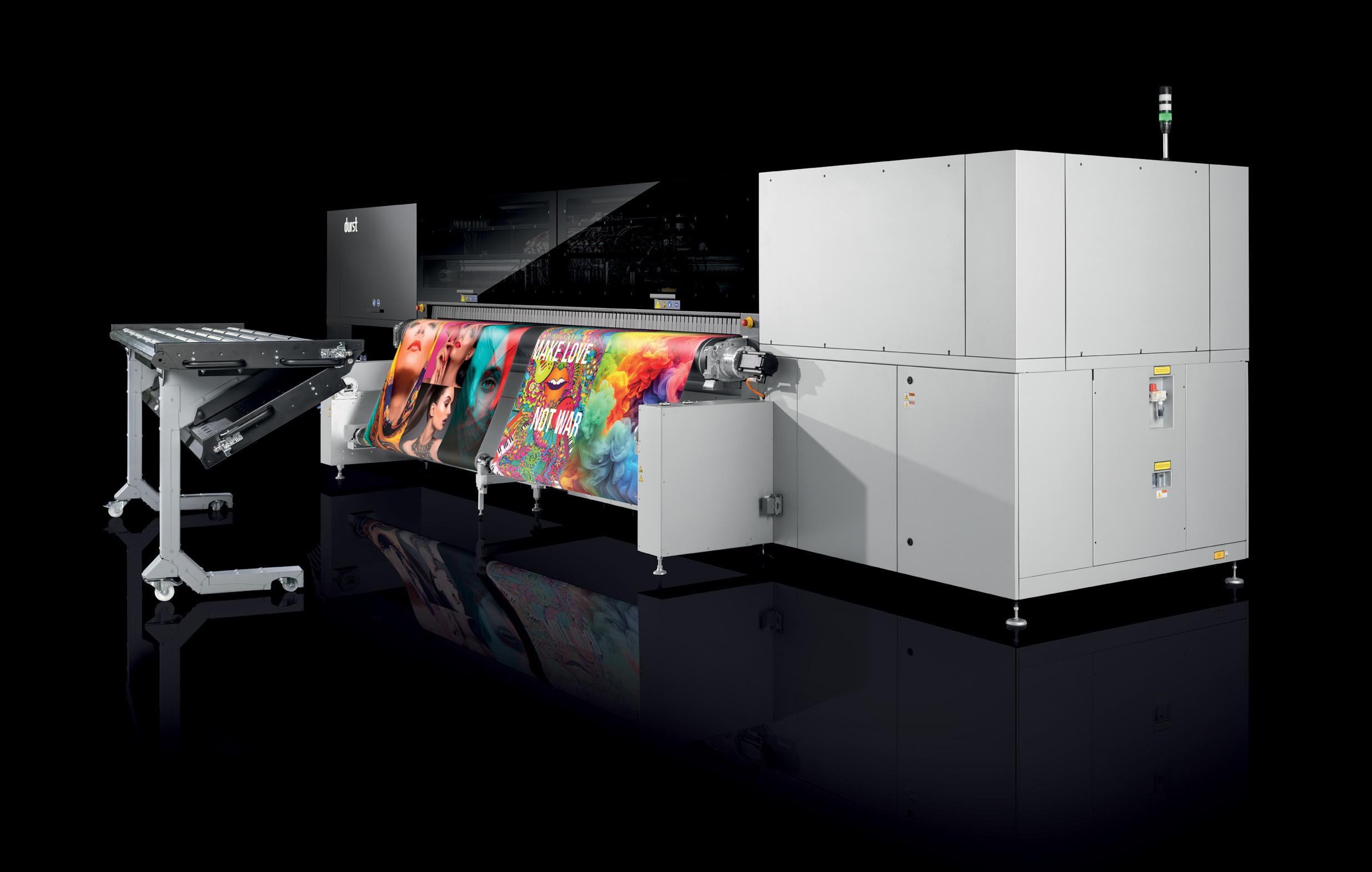
Durst recently hosted a special black-tie global awards event in Italy, named Durst
Next Honors, recognising the successes of global print service providers
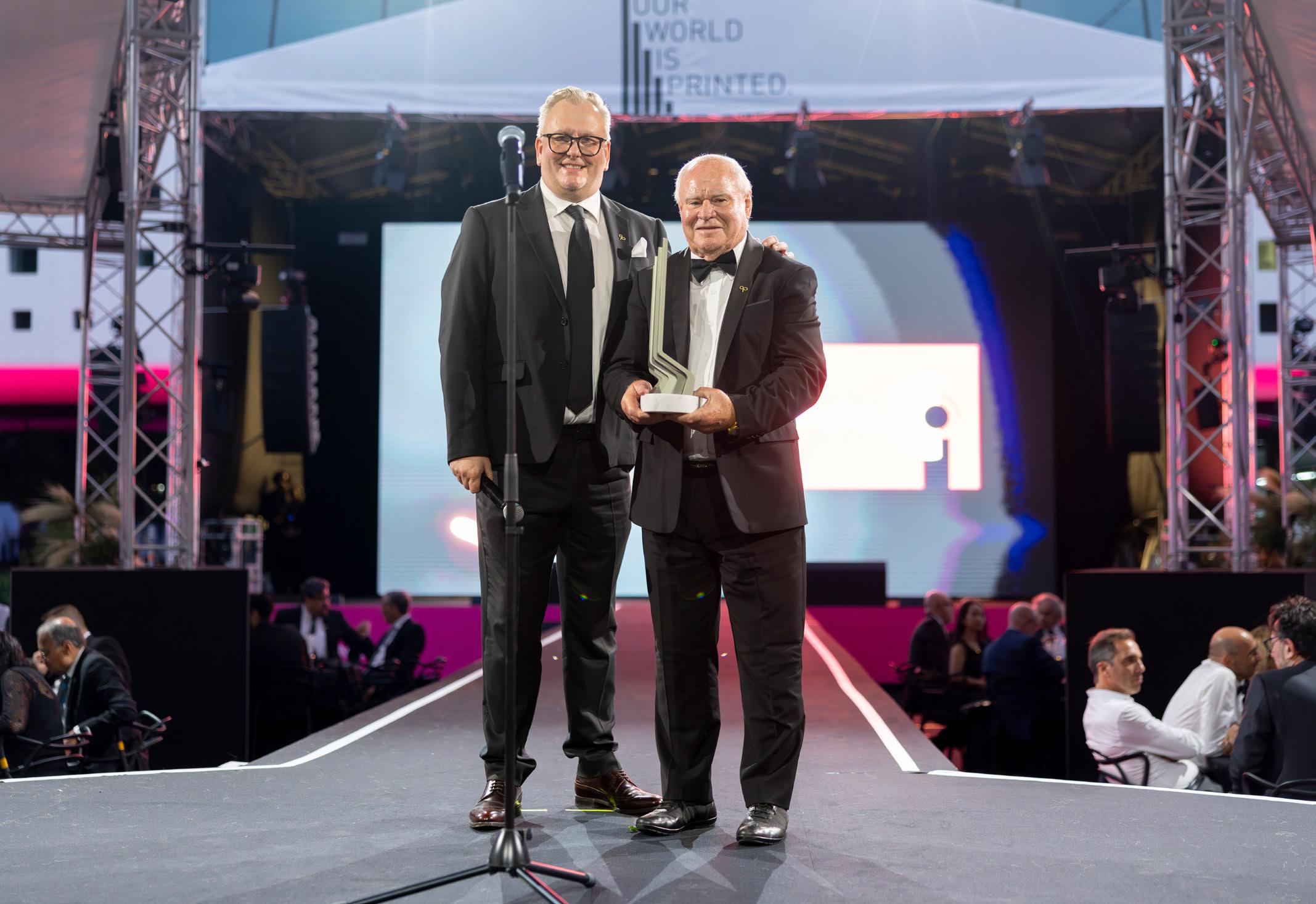
As part of the company’s 90th birthday celebrations, Durst recently hosted a special global awards event in Italy, named Durst Next Honors, where Keith Ferrel from Cactus Imaging won a coveted award.
The award ceremony was held on the first evening of the two-day Durst Next Technology Festival at the company’s head office in Brixen.
Ferrel received the special award from Durst Oceania managing director Matt Ashman in front of hundreds of guests at a black-tie dinner.
“I am truly honoured and grateful to receive this award, but achievements like this are only possible due to the support and dedication of the entire team at
This award is a testament to their loyalty and professionalism,” Ferrel said.
“I did not start Cactus Imaging on my own. I was fortunate to co-found the business 35 years ago in partnership with Warwick Spicer, a visionary who became a friend and then a business partner… Throughout my journey, I have been lucky to meet and be advised by many amazing people around the world, many of whom have taught me invaluable lessons.
“I extend my congratulations to the entire team at Cactus Imaging, as these awards reflect your skill and professionalism.”
Ashman paid tribute to Ferrel and his achievements in the industry.
“[Keith Ferrel] is an exceptional person… [Cactus Imaging] has grown consistently and continued to innovate, always focused on delivering the best solutions for its customers and partners. That commitment to his customers has always been central to Keith’s mission, and it is a big part of why he is receiving this great honour,” Ashman said at the event.
“In Australia and New Zealand we have a phrase: ‘mateship’. Most of all, Keith, you are a bloody good mate. I am proud to know you, proud to call you a mate, and proud to honour you tonight. Congratulations.”
At the event, Next Printing managing director Romeo Sanuri was also named as a Durst Influencer. See some photos from the event on the next page.
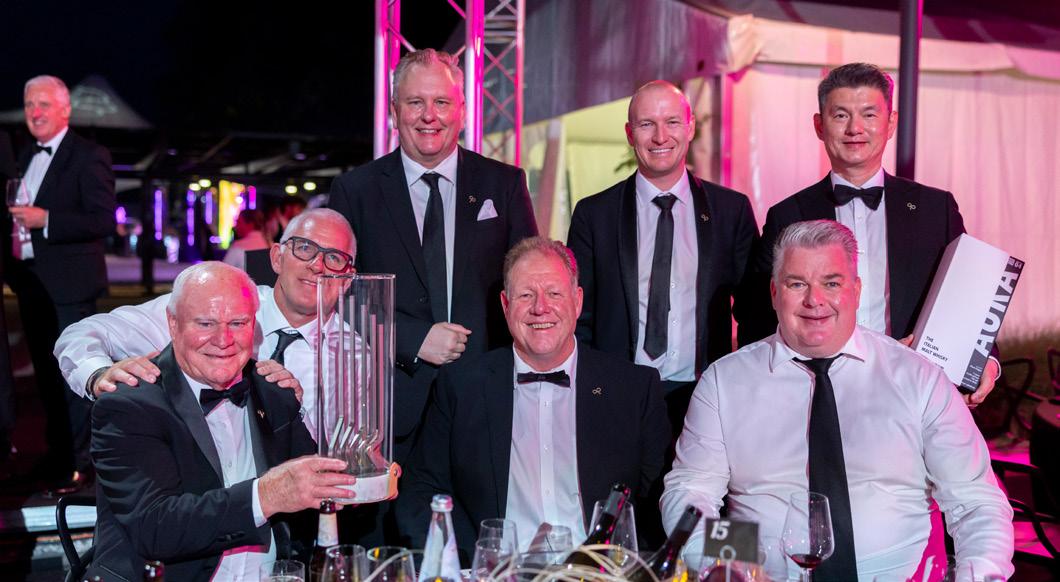

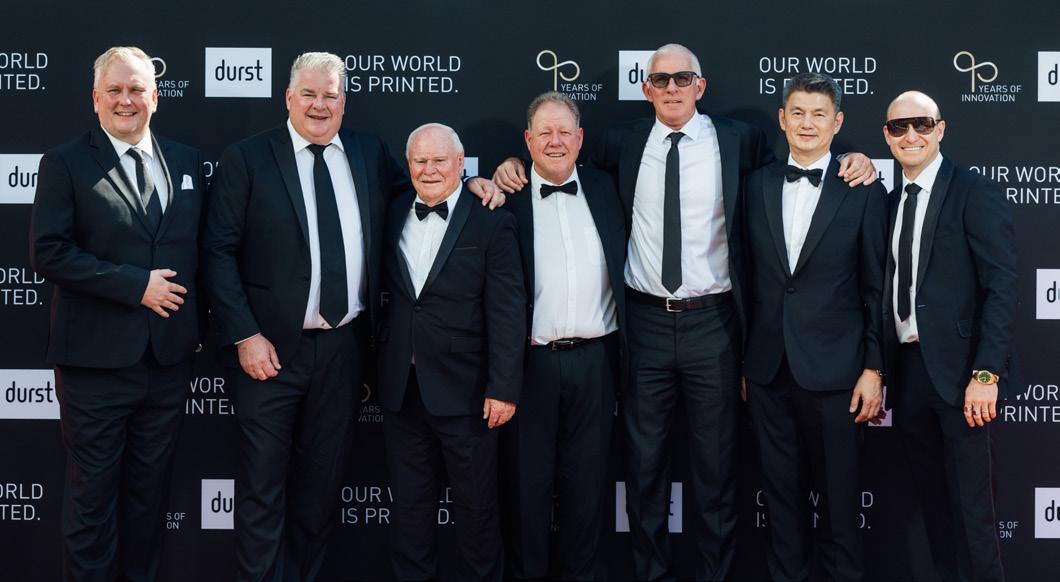
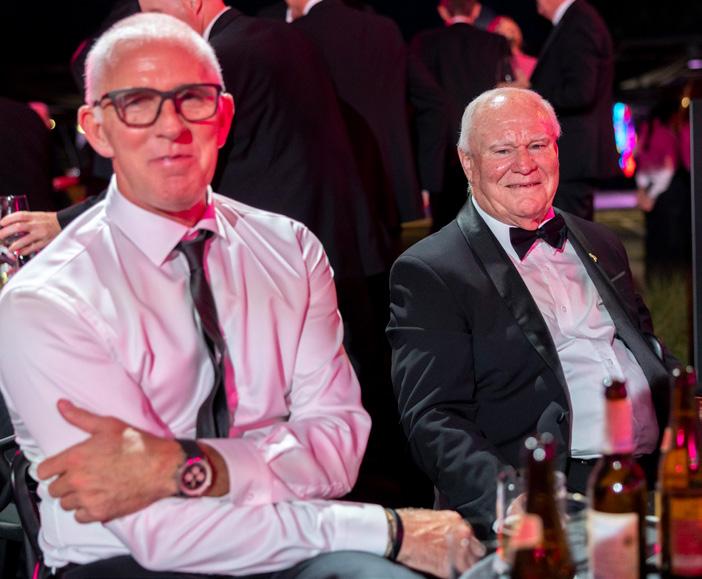
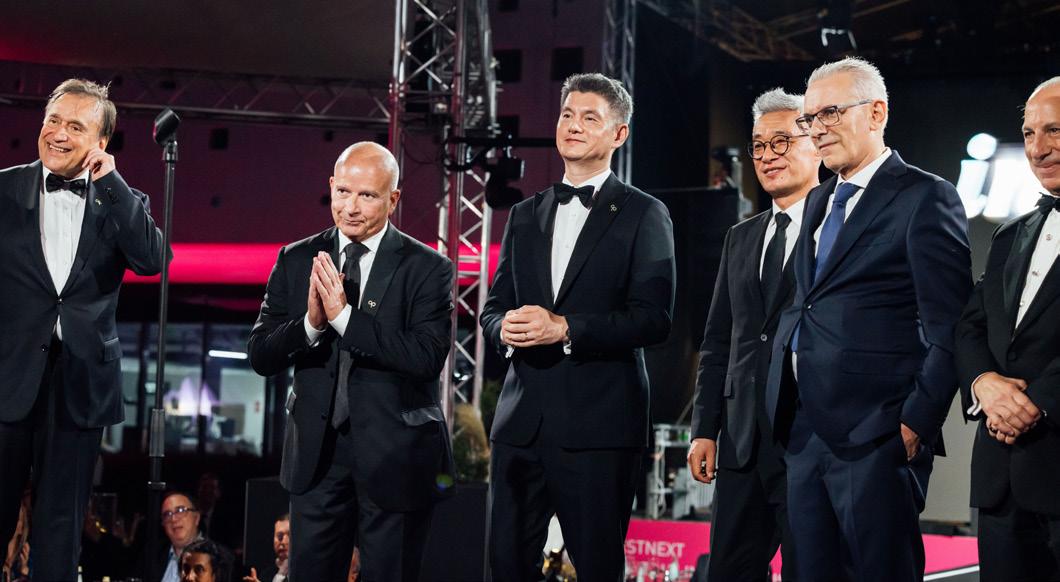
Next Printing’s Romeo Sanuri
several people named as Durst
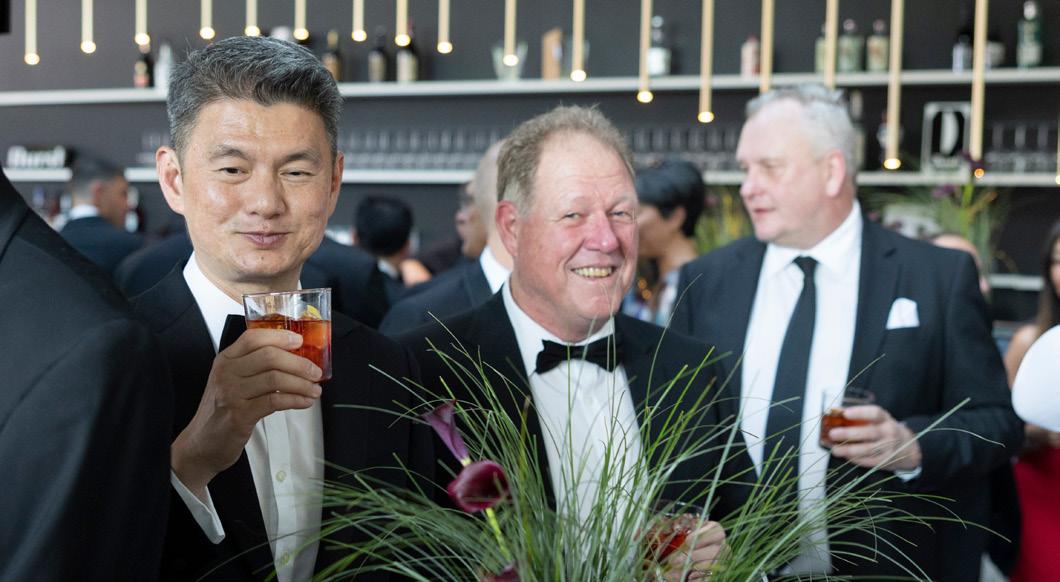
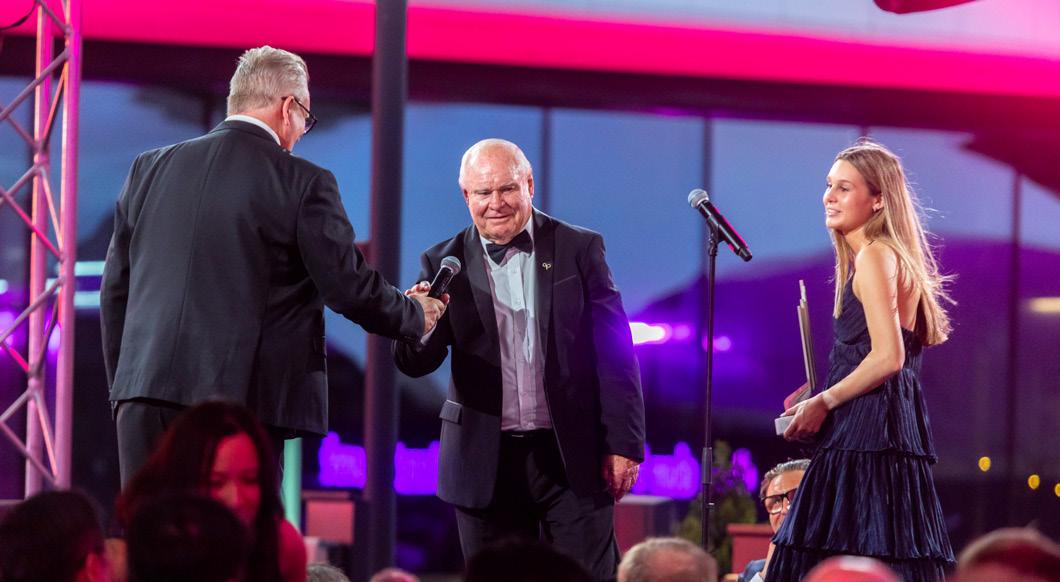

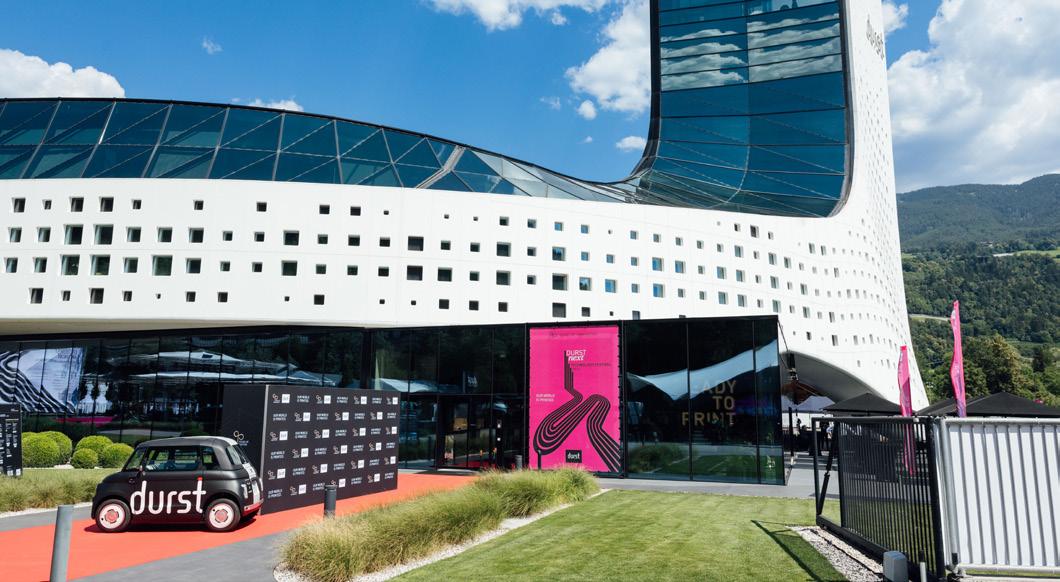
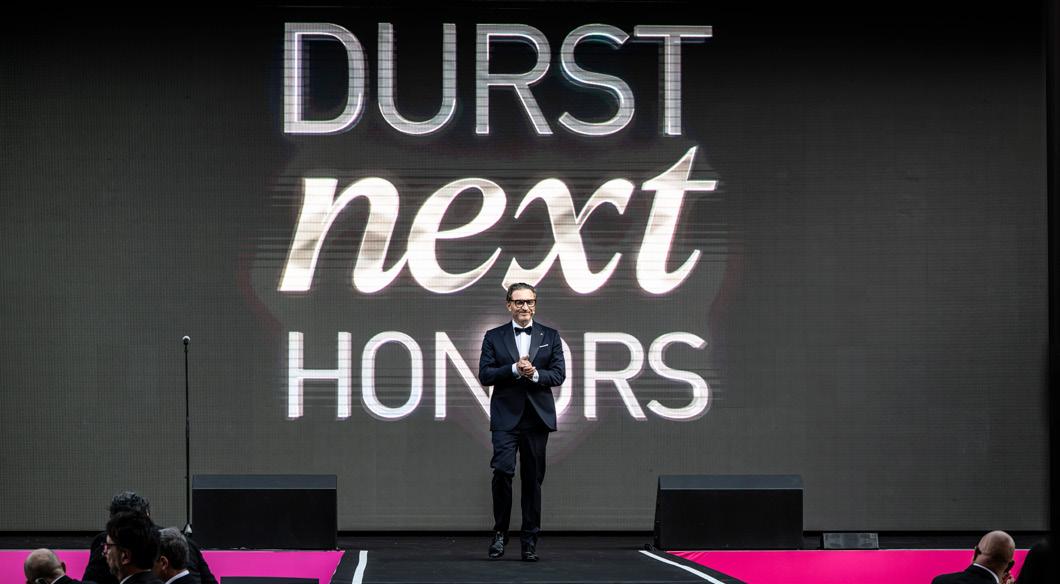
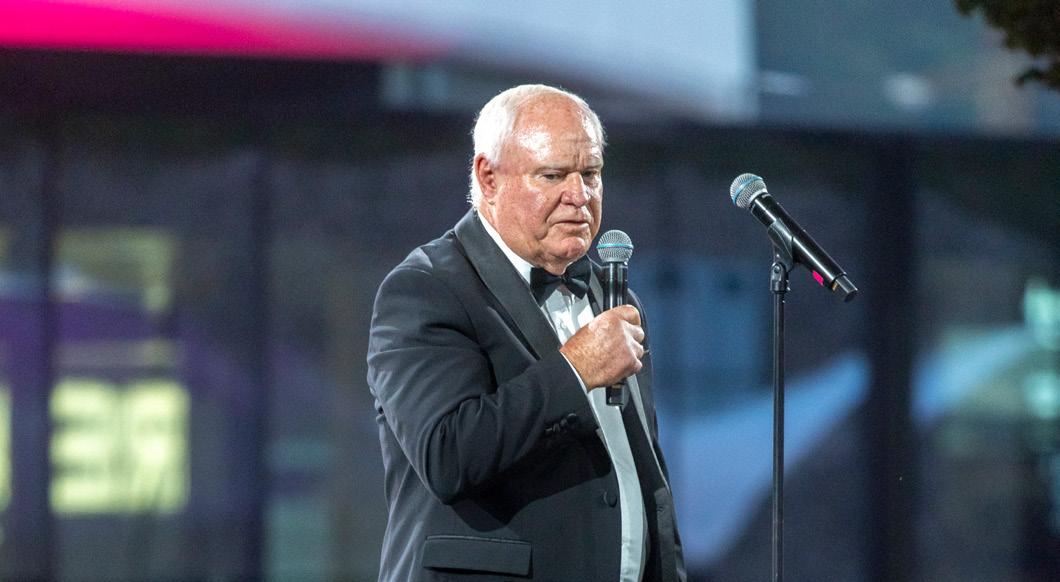
The FUJIFILM Revoria Press PC2120 was unveiled to more than 100 attendees in Sydney, showcasing its enhanced colour capabilities through live demonstrations
More than 100 people packed out the launch of the new FUJIFILM Revoria Press PC2120 in Sydney. At the launch – ‘Colour Bloom: The Evolution of Brilliance’ – attendees were able to watch the new PC2120 in action and see the difference in what it produced.
The first part of the launch was held at the Henson Park Hotel in Marrickville, NSW, and all along one wall of the room, rows of print samples were displayed with side-by-side CMYK Plus/RGB
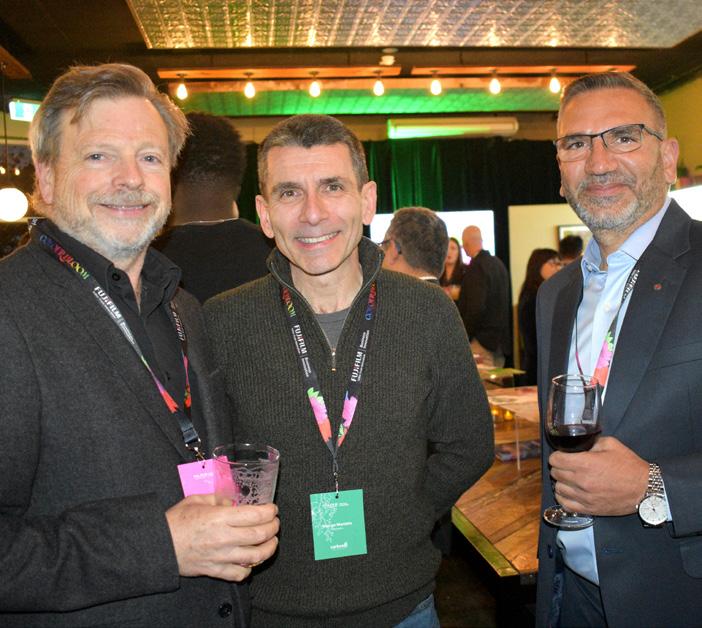
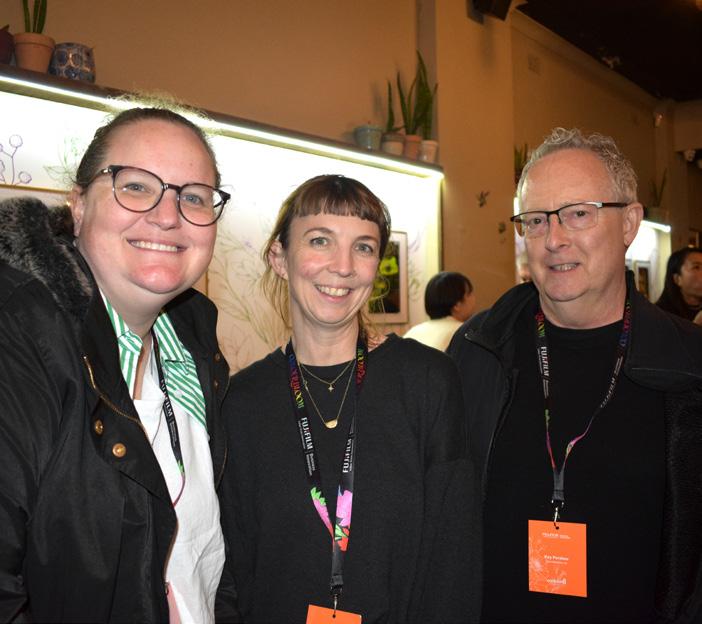
comparisons. The printed RGB colours were distinctive and the difference was noticeable.
After the official launch, shuttle transfers took guests to watch the demonstration of the FUJIFILM Revoria Press PC2120 in action, at Carbon8’s nearby facility.
Here are some photos from the launch and the demonstration of the PC2120 at Carbon8 in Sydney.
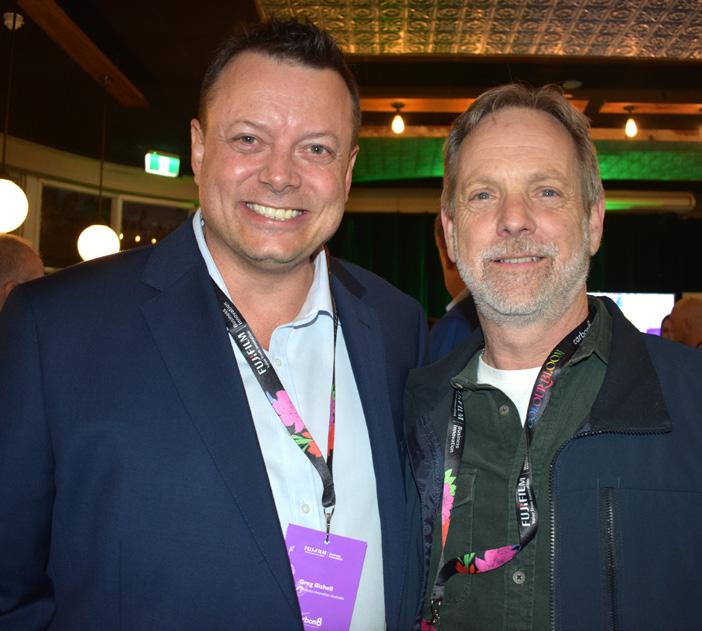
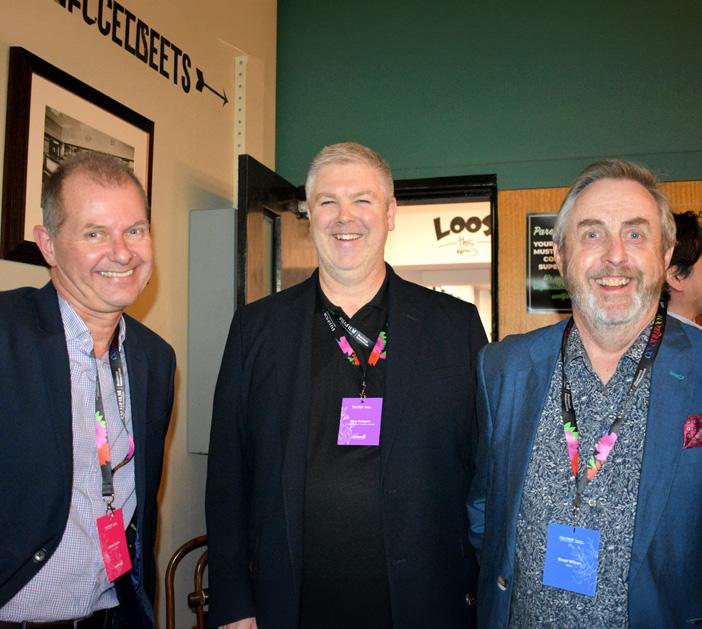
Chris Gudgeon (FUJIFILM
and Brent
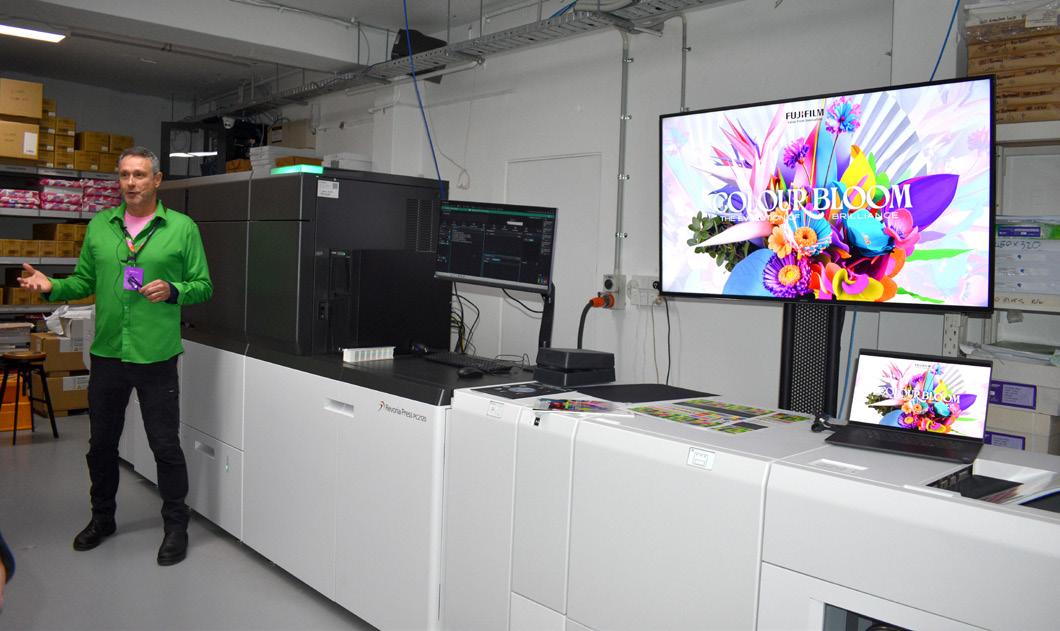
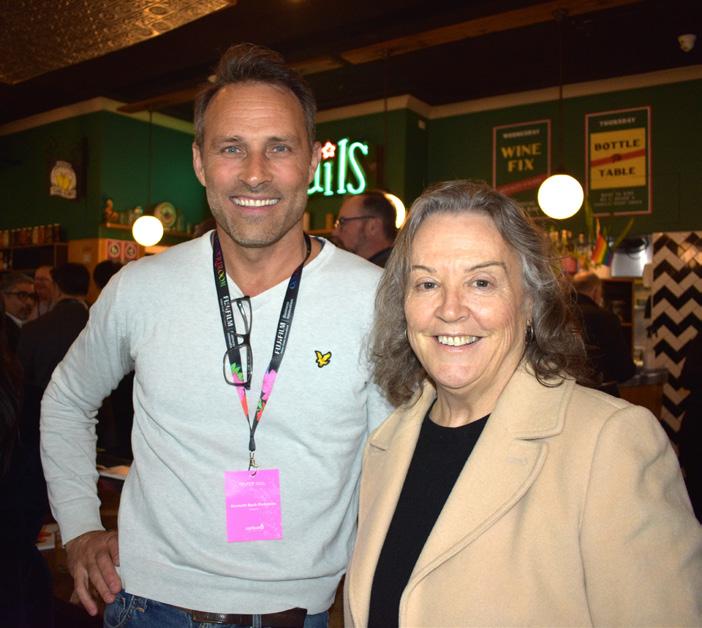
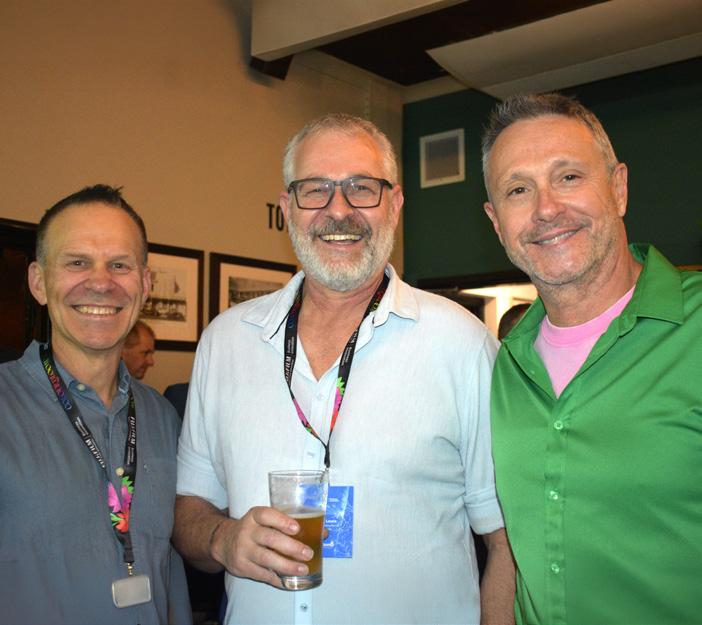
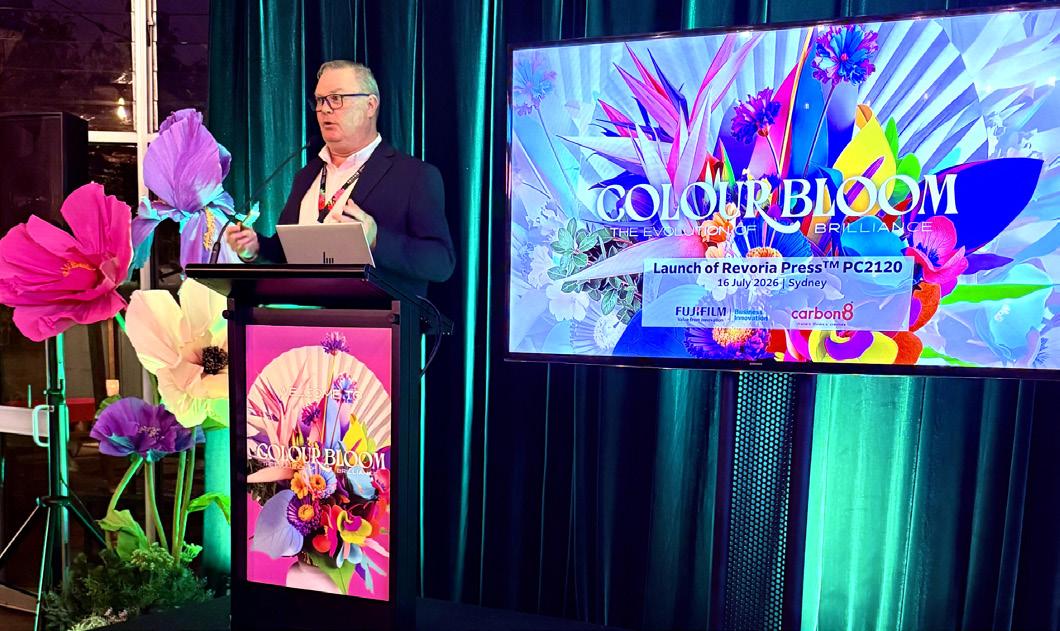
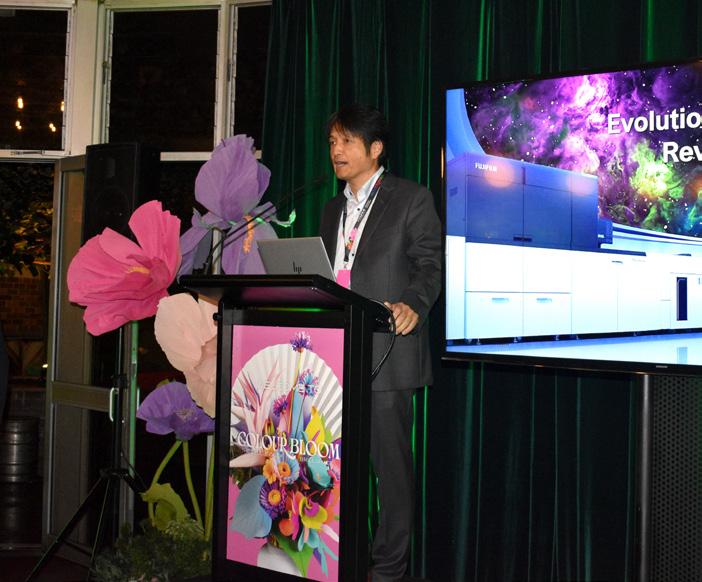
Yoshitaka Nakamura (FUJIFILM BI Australia) described the PC2120 as “breakthrough technology”
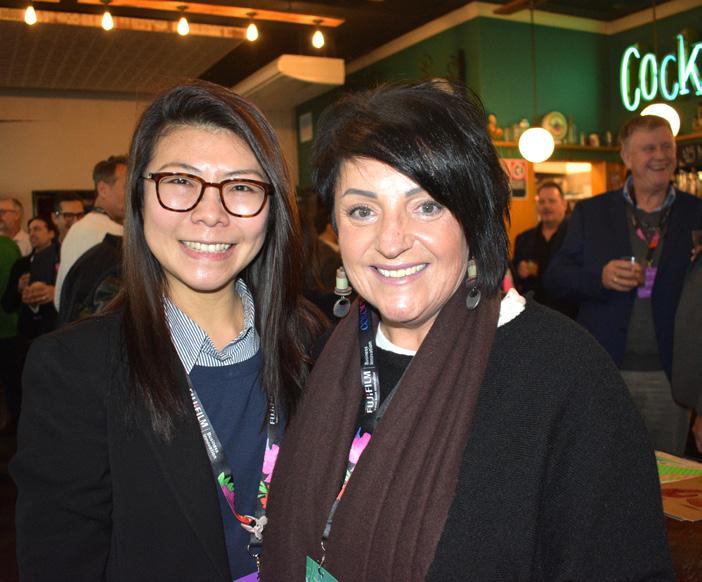
Angel Khoo (FUJIFILM BI Australia) and Carmen Ciappara (Printer Media Group)
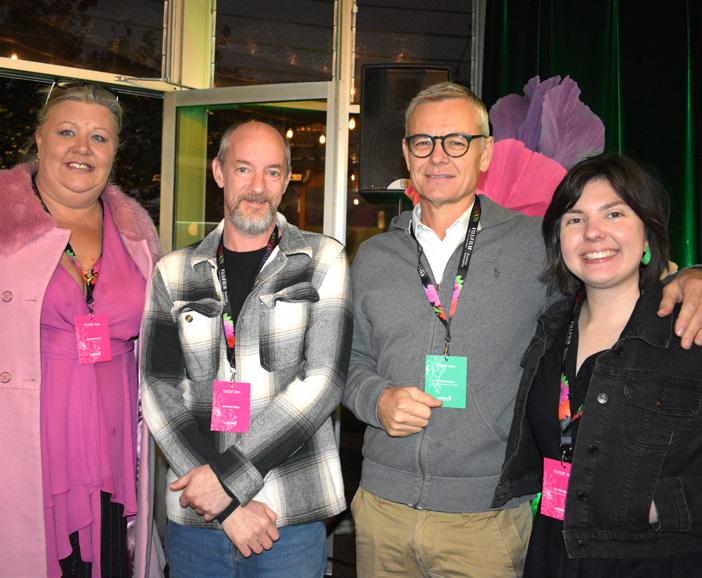
Kerry Peters and Graeme Ross from PX with Damien Hunt and Liz Sheppard from Print Australia

Sue-Ella McDowall (Boston Projects) and Chelsia Nip (FUJIFILM BI Australia)
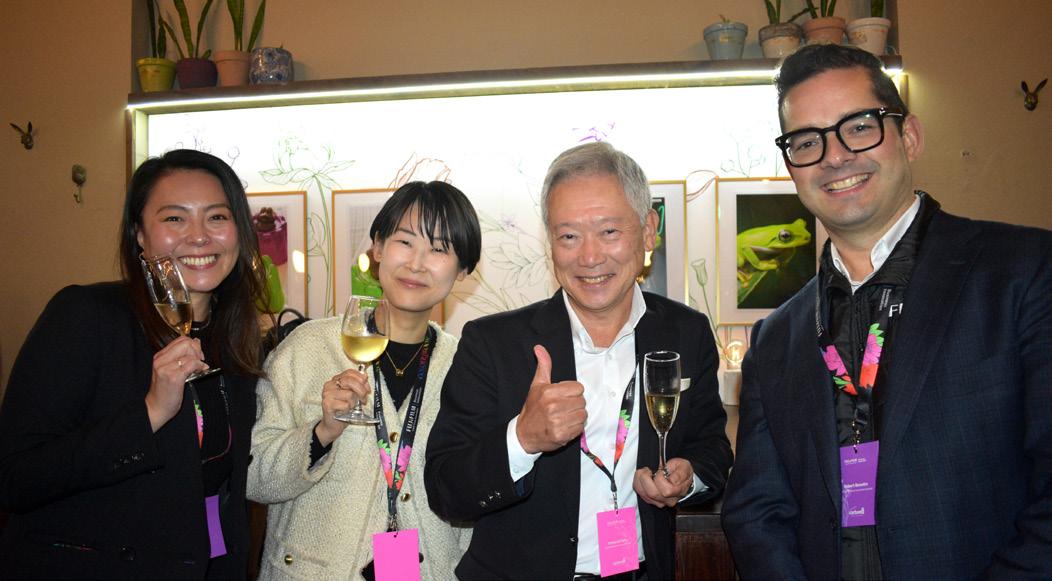
Megu Akiyoshi, Asuka Yamada, Yoshiyuki Kato, and Robert Bonotto from FUJIFILM BI Australia
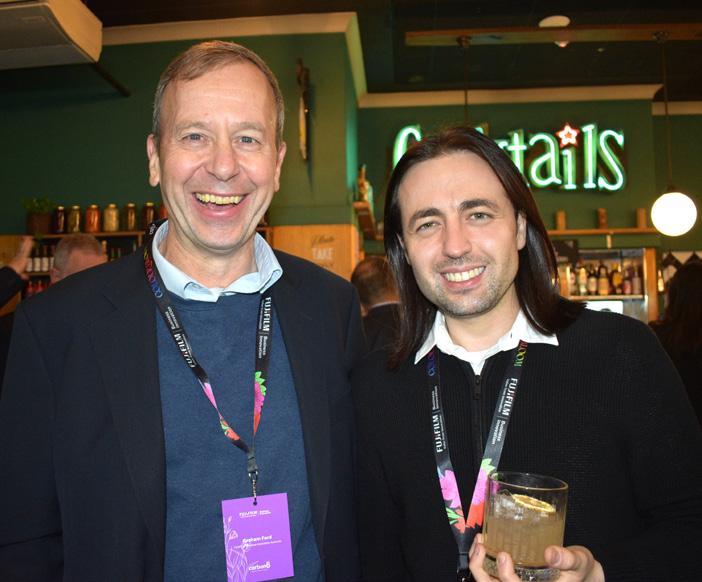
Graham Ford and Aaron Prestipino from FUJIFILM BI Australia
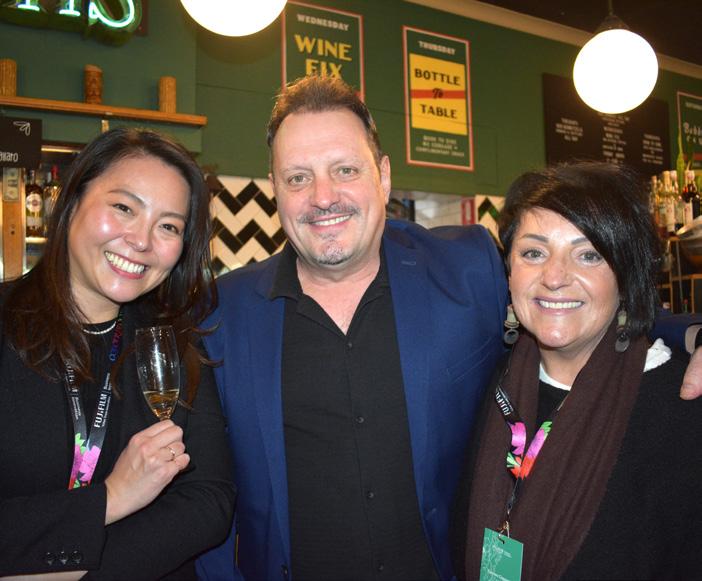
Megu Akiyoshi and Brett Maishman from FUJIFILM BI Australia and Carmen Ciappara (Printer Media Group)
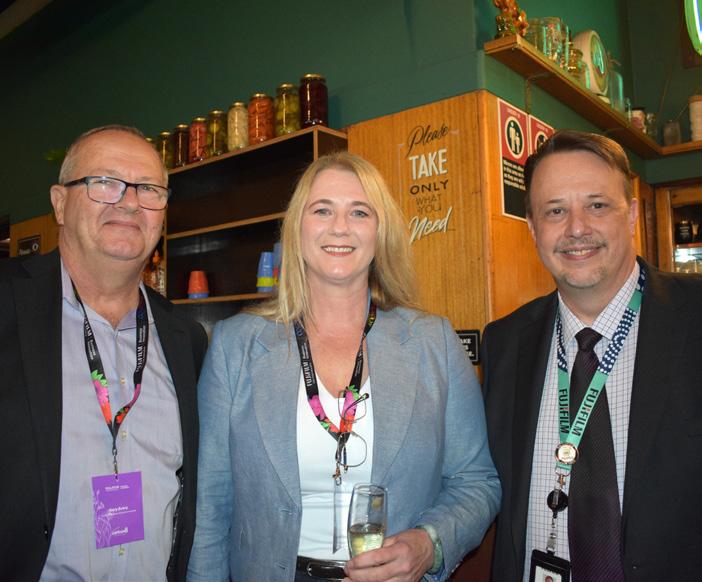
Gary Avery (FUJIFILM BI Australia), Sue Davies (MSP Photography), and Duane Mackey (FUJIFILM BI Australia)
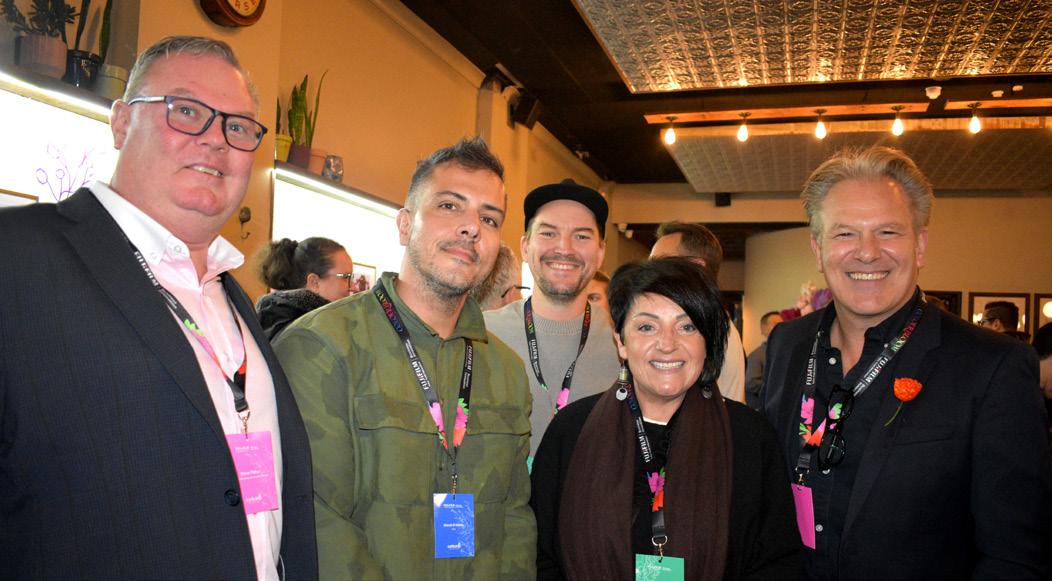
Steve Fisher (FUJIFILM BI Australia), March D’Altilia (Blow), Nick Somer (Blow), Carmen Ciappara (Printer Media Group) and Peter Musarra (Carbon8)
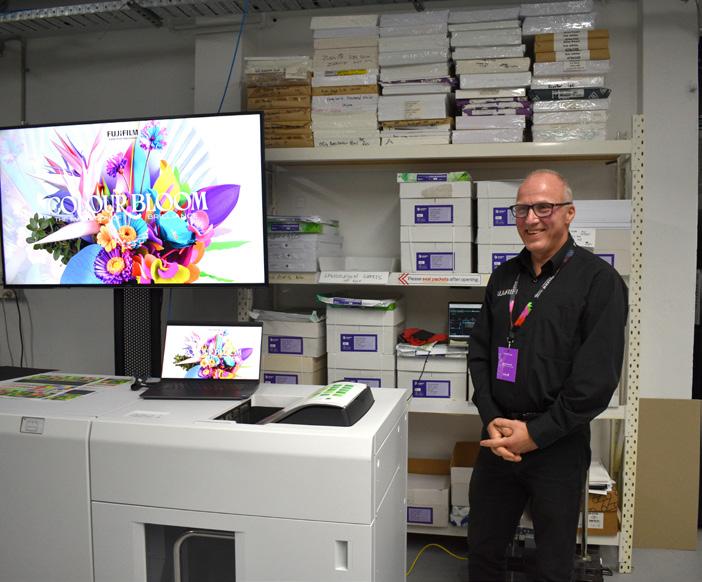
Jack Starnawski (FUJIFILM BI Australia) helped with the demonstration of the new press
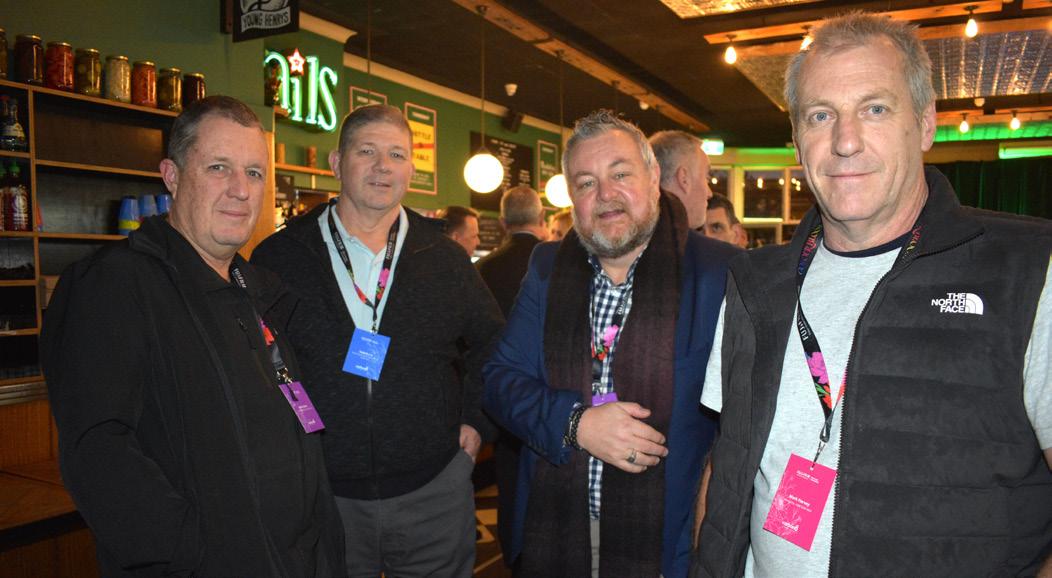
Peter Saxby (FUJIFILM BI Australia), Todd Burns (Avery Dennison Office Products), Mark Wilton (FUJIFILM BI Australia), and Mark Harvey (Inhouse.Org)
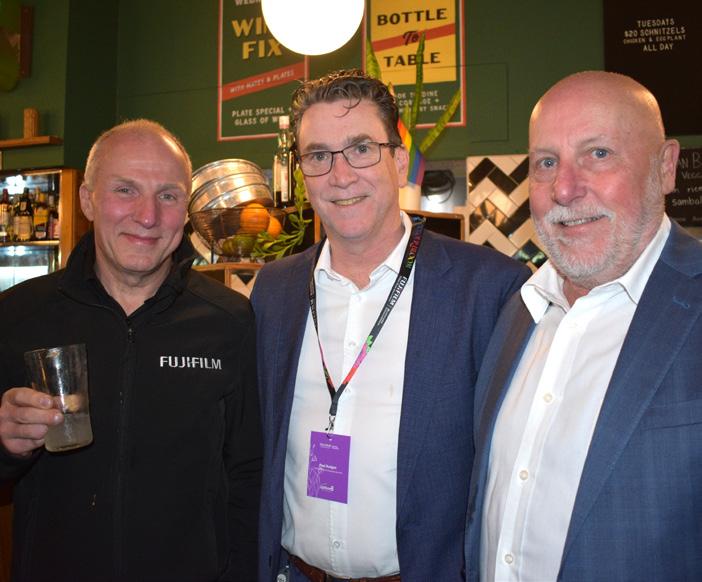
Jack Starnawski, Paul Budgen, and David Luthje from FUJIFILM BI Australia
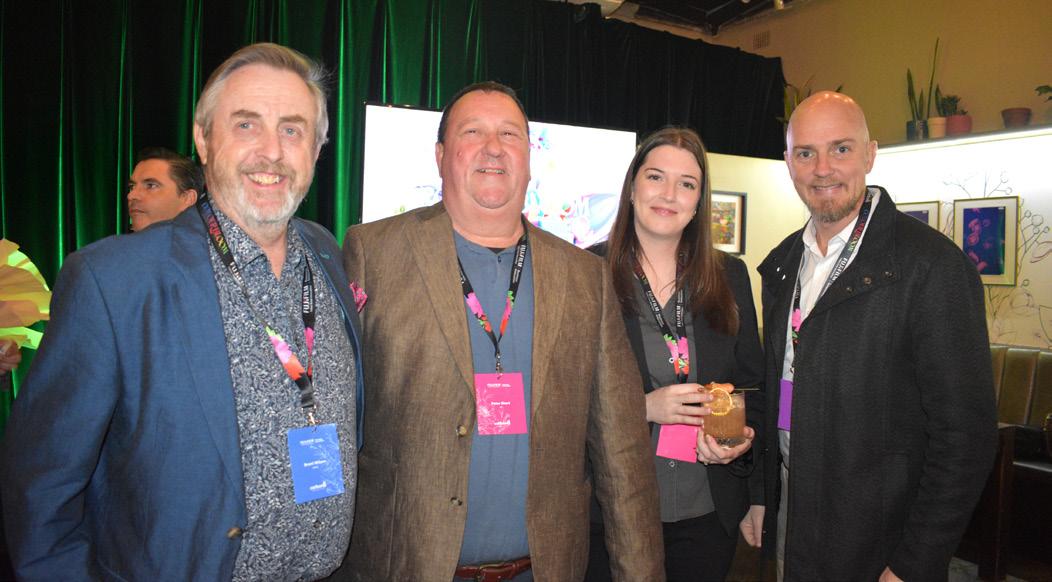
Brent Wilson (XMPie), Peter Short (QL), Lauren Hale (Kingswood Print), and Stephen Holland (FUJIFILM BI Australia)
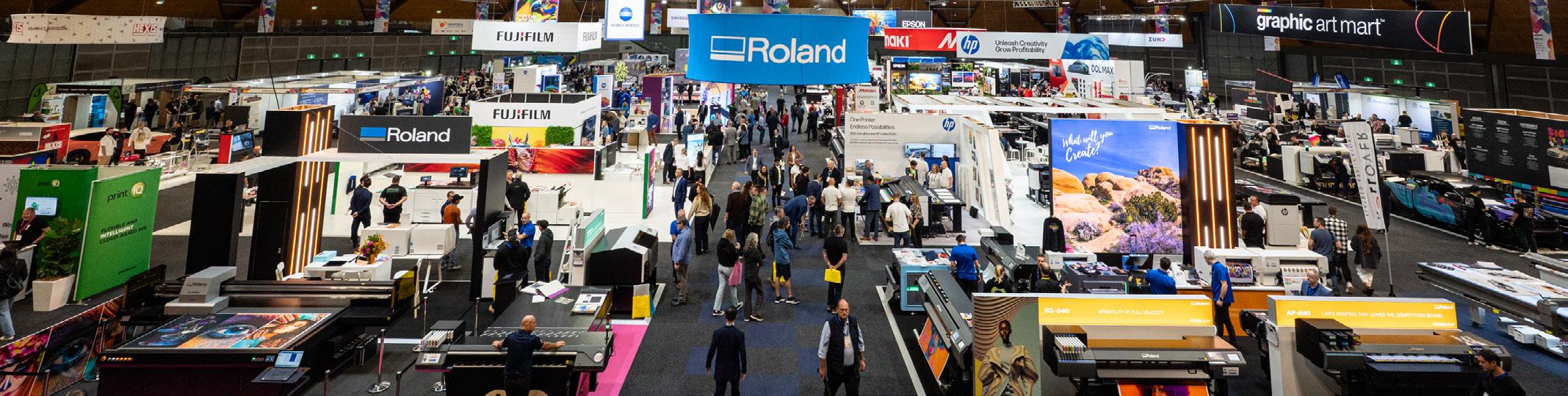
Visual Impact Conference & Expo
Easy Signs National Sign & Graphics Awards
LOUPE Americas 2026
Printing United
2026 ProPrint Awards
ProPack Packaging Forum
Fespa Australia Conference
Hosting an event? Send an email to ProPrint magazine managing editor – Pamela Connellan – pconnellan@intermedia.com.au with the details EVENT
Sydney, Australia
Sydney, Australia
Chicago, US
Las Vegas, US
Sydney, Australia
Sydney, Australia
Sydney, Australia
16
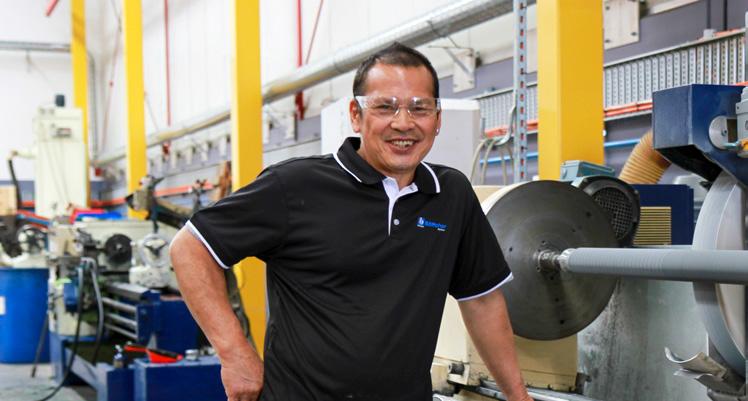

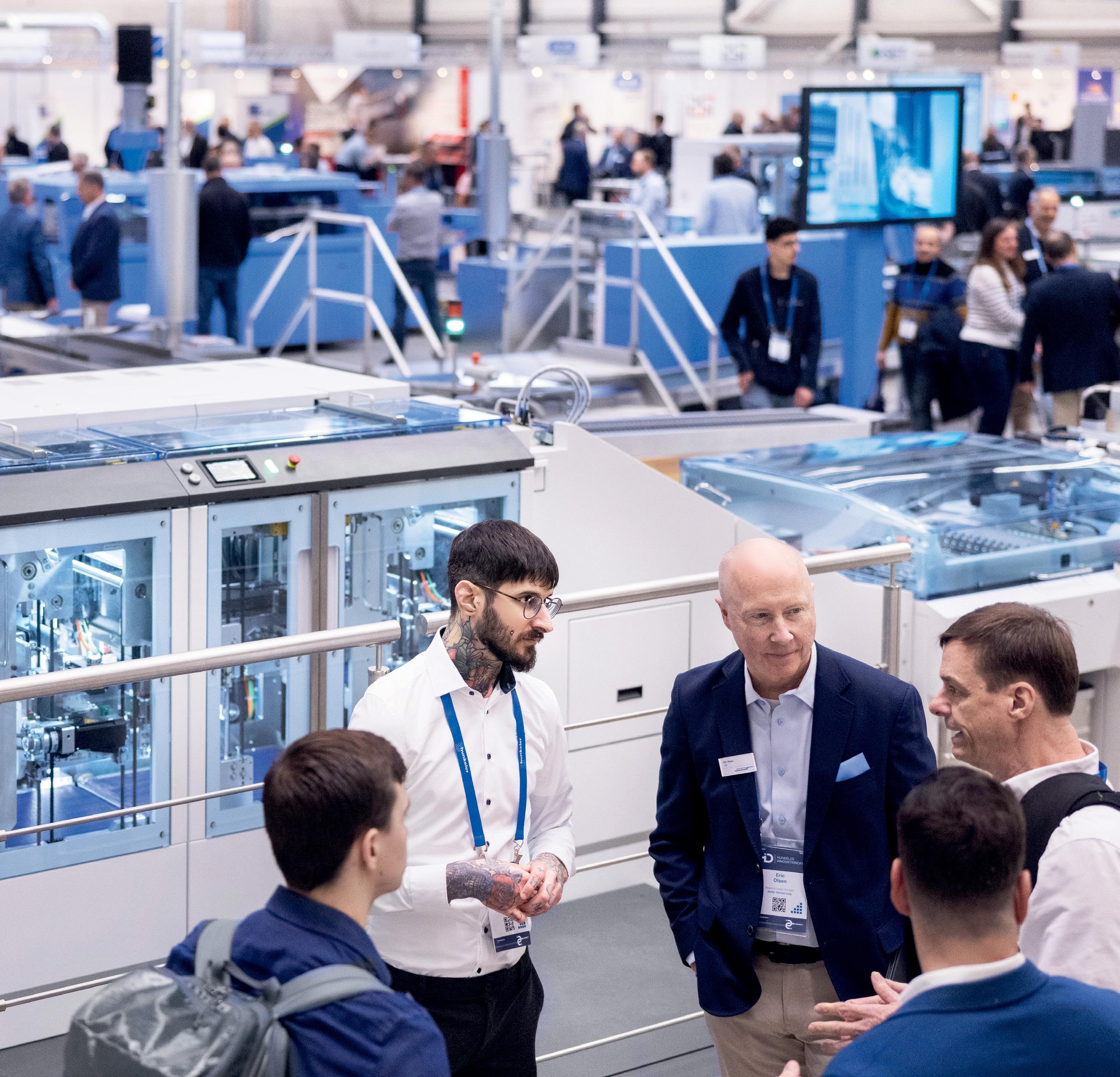



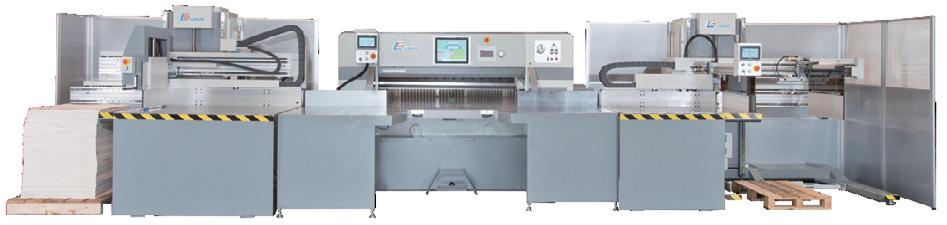






































































































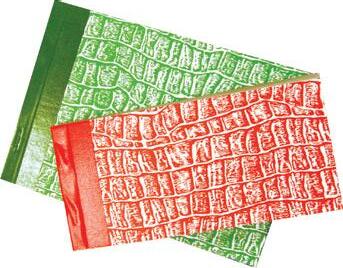



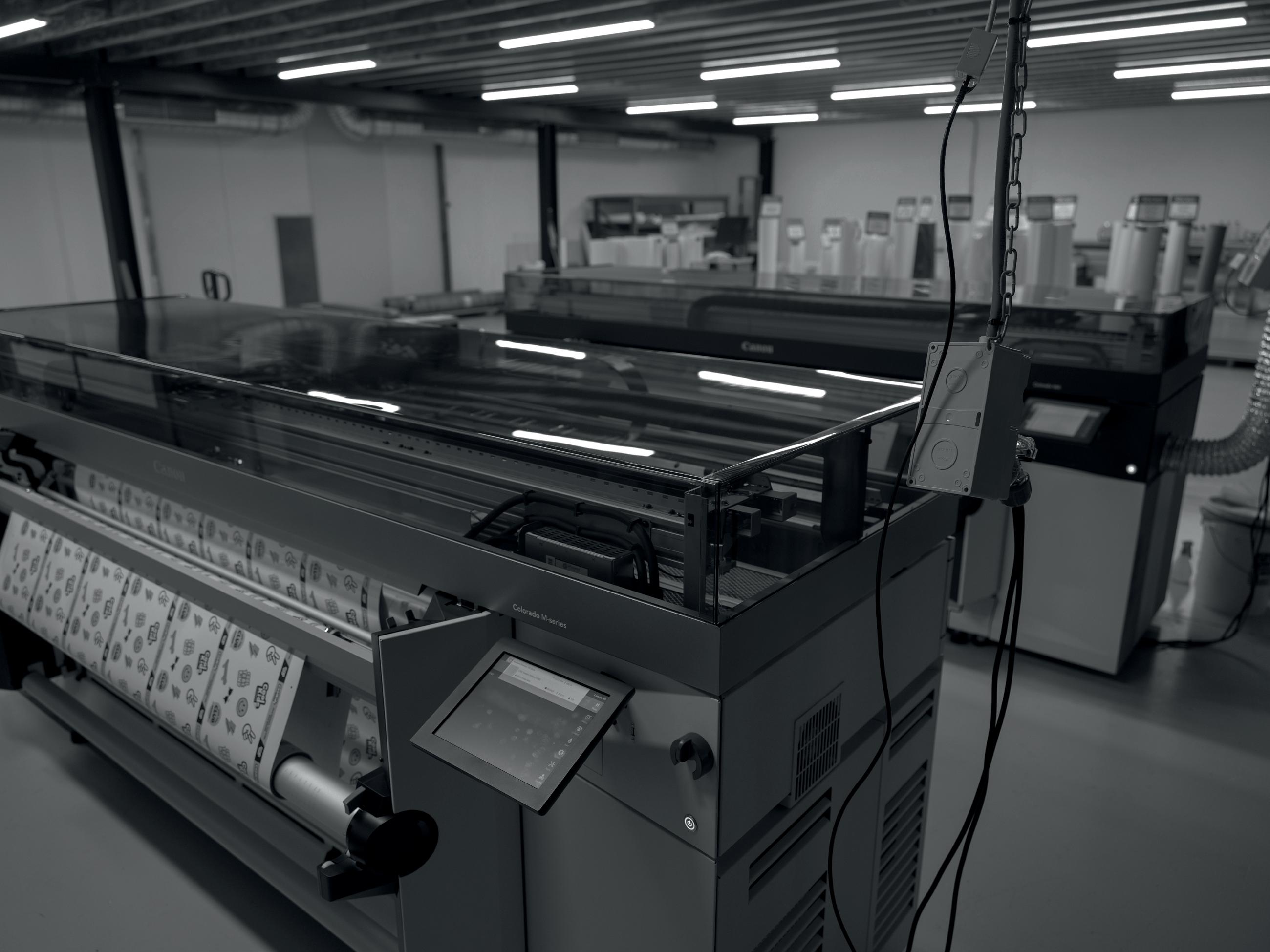
Trade-only large format and flatbed printing. No minimums.
24-hour turnaround. Nationwide.



























































Auscote now offers:
• PUR binding - all run lengths including digital book blocks
• Cloth back lining for hardcase books
• Lockbinding, Wiro Binding & Plasticoil Binding
• Folding & Die-cutting
• Foil Stamping, Embossing, Celloglazing (film laminating)
• UV coating - Flood, Spot and High Build
• Scratch Off, in-house Die-making and more
Queensland’s last true trade finishing house.