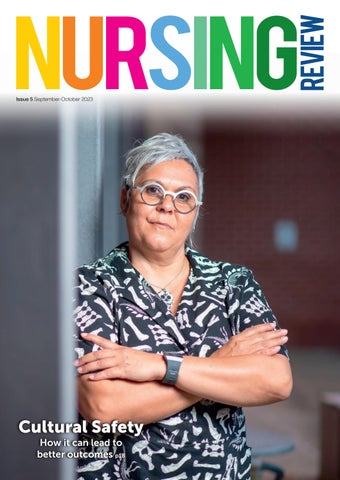
Issue 5 September-October 2023
Cultural Safety How it can lead to better outcomes p18
New name. Same formulation. Over 50 years of history in Australia
Nutrition, Science and Care for Healthy Growth and Development
Low protein for appropriate weight gain, 1.28g/100mL. In line with NHMRC recommendations1
Enriched with sn-2 Fat Easy to digest. May help to soften stools2-5
Nucleotides and Zinc To promote a healthy immune system6-11
DHA/AA To help support brain development when they need it most12-14
Alula Gold Newborn premium infant formula has been carefully formulated to provide complete nutrition for infants 0-6 months IMPORTANT STATEMENT: Breastfeeding is best for babies. It has benefits for the infant, such as reducing infection risk, and for the mother. It is important to have a healthy balanced diet in preparation for, and during breastfeeding. Infant formula is designed to replace breast milk when an infant is not breastfed. Breastfeeding can be negatively affected by introducing partial bottle-feeding and reversing a decision not to breastfeed is difficult. Infant formula must be prepared and used as directed. Unnecessary or improper use of infant formula, such as not properly boiling water or sterilising feeding equipment, may make your baby ill. Social and financial implications, including preparation time and the cost of formula, should be considered when selecting a method of infant feeding. References: 1.NHMRC, (National Health and Medical Research Council) Canberra 2012 (Updated 2017); Infant Feeding Guidelines, NHMRC. 2. Béghin L et al.,2019, Clin. Nutr. Jun; 38(3):10231030. 3. Kennedy et al. 1999. Am. J. Clin. Nutr., 70: 920-927. 4. Yao, M., et al., 2014. JPGN, 59: 440-448. 5. Bar-Yoseph et al. 2013. PLEFA, 89: 139-143. 6. Yu, V., 2002, J. Paediatr. Child Health: 38, pp. 543-549 7. Hess, J. & Greenberg, N., 2012,: Am. Soc.Par. Ent. Nutr., 27 (2), pp. 281-294 8. Singhal, A., et al., 2008. AJCN, 87: 1785-1792 9. Ackland, M. & Michalczyk, A., 2016, Archives of Biochemistry and Biophysics, 611, pp. 51-57 10. Aumeistere L.,et al., 2018, Nutrients, 10 (1438), 1-9. 11. Carver, J., 1999, Acta Paediatr Suppl: 430, pp. 83-8.163 12. Brenna, J. T., et al. 2007. AJCN, 85:1457-1464.13. Koletzko, B., et al 2008., J. Perinat. Med., 36, pp. 5-14. 14. EFSA NDA Panel (EFSA Panel on Dietetic Products, Nutrition and Allergies), 2014. Scientific Opinion on the essential composition of infant and follow-on formulae. EFSA Journal 2014;12(7):3760, 106 pp. doi:10.2903/j.efsa.2014.3760
Sanulac Nutritionals Australia Pty Ltd. Suite 1002, Level 10, 100 Christie Street, St Leonards NSW 2065. AN05955 12/05/2023
85788 Alula Gold Newborn Nursing Review FPC.indd 1
For Healthcare Professionals Only. For Formula-fed infants.
16/8/23 1:32 pm
contents
MANAGING EDITOR
news
Rebecca Cox rebecca.cox@news.com.au
2
Boosting rural maternity services
HEALTH EDITOR
Arshmah Jamal arshmah.jamal@news.com.au NEWS EDITOR
Erin Morley erin.morley@news.com.au SALES MANAGER
Nicola Mohtram 02 9936 8666 nicola.mohtram@news.com.au
02
04
Deescalating violence
8
New subsidised courses
industry and reform
14 Use nurses to fix ED waits specialty focus
COVER
Dr Odette Best pro-vice chancellor of First Nations education and research at the Australian College of Nursing. Picture: News Corp Australia.
16 One nurse’s upskilling story 18 Cultural safety is key
10
12
clinical practice
20 Better use of nurse practitioners workforce
22 NSW budget breakdown 24 Addressing the
PUBLISHER’S NOTE
© Copyright. No part of this publication can be used or reproduced in any format without express permission in writing from Nationwide News Pty Ltd. The mention of a product or service, person or company in this publication, does not indicate the publisher’s endorsement. The views expressed in this publication do not necessarily represent the opinion of the publisher, its agents, company officers or employees.
6
12 Midwives and birth trauma
Asher Morris asher.morris@news.com.au
Nationwide News Pty Ltd GPO Box 4245 Sydney NSW 2001 ABN 98 008 438 828 Print Post 100008043 ISSN 1836-1501 OCLC 536881479
Nurses to prescribe abortion pill
10 NSW birth trauma inquiry
SUBSCRIPTIONS MANAGER
PUBLISHED BY
4
midwife shortage
26 Labour market update technology
18
20
22
28
28 VR training for remote nurses
nursingreview.com.au | 1
news Queensland minister for health Shannon Fentimen said the initiatives were crucial. Picture: Steve Pohlner News Corp Australia
Bush babies New initiatives to help Queensland rural maternity services By Arshmah Jamal
T
he Queensland Government has introduced new initiatives to boost regional maternity services in rural and remote areas. As part of the $42 million funding package announced in June, five new actions have been introduced following stakeholder feedback from the Ministerial Maternity Roundtable. Queensland Minister for Health Shannon Fentiman said the initiatives were crucial in putting together a “much broader piece of work”. “I have travelled the state of Queensland to talk to women about maternity services – they’ve said that they want choice, continuity of care, and services closer to home,” Ms Fentiman said. “We have also incorporated feedback from our hard-working frontline staff and other stakeholders at both the Women’s Heath Workforce in March and the Ministerial Maternity Roundtable in June.” “While we know we need to grow our own health workforce in the regions, we also need to ensure that we are attracting
2 | nursingreview.com.au
the best locums to assist our local workforce when needed – and boosting out First Nations midwifery models of care will be invaluable.” In August, Queensland midwives rallied outside the state’s Parliament House to protest that the $42 million in funding still hadn’t been allocated. Queensland Nurses and Midwives Union (QNMU) secretary Kate Veach told Nursing Review that midwives wanted the funding to be allocated to maternities and midwifery-led models of care such as Midwifery Group Practice (MGP). “Queensland women are also experiencing difficulty accessing midwifery services close to home, and funding for MGP would allow women to birth safely where they live,” Ms Veach said. The five initiatives introduced for rural and regional areas are: • funding to train 20 GPs to advance in obstetrics training through a diploma program • a “digital passports” system to help clinicians move between hospitals • a review of Queensland Health’s locum policies to maximise incentives • additional funding to train doctors, nurses, and midwives on bestpractice woman-centred care and collaboration
“These initiatives are the direct outcomes of our advocacy to ensure families in these communities have access to fundamental healthcare services. •b oosting First Nations midwifery models of care services Chief of the Australian Medical Association Queensland (AMA Queensland) Dr Maria Boulton, said the pipeline of GPs played an essential role for rural families. “GPs play an integral role in delivering obstetrics and anaesthetic services in rural communities,” Dr Boulton said. “The Ministerial Maternity Roundtable and five new initiatives are the direct outcomes of our advocacy over the past year to ensure families in these communities have access to fundamental healthcare services, and the health workforce is best supported to deliver those services.” “Meanwhile, the digital passports AMA Queensland advocated for will give our existing medical workforce the flexibility to fill staffing shortages in other regions and keep maternity and other health services operating.” ■
Ready to get ahead in your career? Now is your moment. Qualify to become a registered midwife or upskill your graduate registered nurse qualification with Notre Dame’s postgraduate programs. • Our postgraduate programs are flexible so your study works for you. • Blended learning with online study and on-campus intensives in Sydney, Fremantle or Broome. • Clinical placements in a variety of settings. • Qualify in as little as 18 months.
Mal
Nursing student
Apply now for Semester 1, 2024
ND6077 | CRICOS 01032F
notredame.edu.au
news
‘Removing barriers’ Australian nurses refute claims around prescribing the abortion pill By Arshmah Jamal
P
eak nursing and midwifery bodies have countered warnings around regulations restricting who can prescribe the abortion pill in Australia. In Australia the drugs used in these pills are mifespristone and misoprostol, sold as MS-2 Step medication. National Association Specialist Obstetricians and Gynaecologists president Dr Gino Pecoraro recently told the media that allowing nurses to prescribe these would see “lesser trained practitioners” administering the medication. “You can’t just start something like this because you have to have all the infrastructure in place to deal with all the complications,” Dr Pecoraro told The Australian. From August 1, restrictions around the pill were lifted nationwide, with all doctors and nurse practitioners now allowed to prescribe the pill. Pharmacies will also not need “special certification” to dispense it.
4 | nursingreview.com.au
Australian College of Nursing chief Kylie Ward said Dr Pecoraro’s comments are “insulting, patronising, and out of touch with reality”. “We are not ‘lesser trained practitioners’ as claimed by Dr Pecoraro,” Ms Ward said. “Nurse practitioners are highly trained professionals who know their responsibilities in prescribing, providing, and responding.” “We are often the highestqualified health professional in many rural, regional, and remote communities where women constantly have healthcare needs.” Children by Choice estimated that half of pregnancies in Australia are unplanned, and half of those are terminated. The association also predicted between a quarter and a third of Australian women will have an abortion in their lifetime. Peak nursing and midwifery associations said their members were already well-equipped to prescribe the medication. Australian Nursing and Midwifery Federation’s acting federal secretary Lori-Anne Sharp said the reform would allow nurse practitioners to work to their full scope of practice.
“Nurses and midwives often have direct experience of the enablers and barriers to universal access to sexual and reproductive healthcare “Allowing highly qualified nurse practitioners to prescribe the pill will go a long way in removing some barriers that exist for women, particularly in rural and remote areas,” Ms Sharp told Nursing Review. “Nurses and midwives provide care across all reproductive healthcare services and, as female-dominated professions, often have direct experience of the enablers and barriers to universal access to sexual and reproductive health services.” Queensland Nurses and Midwives Union secretary Kate Veach said the reform was necessary and acknowledged further investments in education and training would be made. ■
Study Health Promotion and progress into a rewarding career influencing the health of whole communities. Foster healthy, safe and
GOVERNMENT FUNDED PLACES AVAILABLE
communities, and positively
STUDY 100% ONLINE
supportive environments and influence the health and well-being of people.
GET QUALIFIED FOR $4,148 6 MONTH QUALIFICATION
Learn more usc.edu.au/online-health-promotion
University of the Sunshine Coast | CRICOS 01595D
news
Students from the Western Australian Academy of Performing Arts bring the immersive virtual experience to life through use of motion capture technology. Picture: supplied.
‘Crucial training’ VR program helps nurses learn to de-escalate violence in hospitals By Arshmah Jamal
A
new project will allow student nurses to learn how to negotiate verbal and physical abuse without being put in harm’s way. IVADE is an immersive computer simulation program by Edith Cowan University (ECU), made to help nurses and nursing students practise making decisions when faced with a hostile patient. Participants can either wear virtual reality goggles or access the program on their desktop computer. When confronted with the agitated patient they are given a number of options that can lead to six outcomes ranging from calming him down to physical violence. Joshua Johnson, a research assistant from the Simulation and Immersive Digital Technology Group at Edith Cowan University, said the development of the program was integral for the future of nursing. “We know that aggression, violence, and the incidents stemming from it have
6 | nursingreview.com.au
serious and far-reaching consequences on the clinicians, their mental health, and the delivery of patient care,” Mr Johnson said. “But, training to combat violent incidents can assist in reducing the possibility of harm to themselves, their colleagues, the patients.” “IVADE uses immersive virtual reality as an avenue to allow them to access training in their own time, which removes the barrier of staff waiting for crucial training.” Workplace violence is among the most significant and dangerous issues nurses face globally, with patients being the most common source. A study by the NSW Nurses and Midwives Association revealed that 80 per cent of nurses had experienced an episode of violence, with a reported injury rate of 28 per cent. NSW Bureau of Crime Statistics and Research recorded a six per cent increase in violent hospital incidents over five years. Mr Johnson said IVADE would eventually help lower these statistics, with professionals providing positive feedback. “We had 150 professionals and students trialling this out, and we received positive feedback,” Mr Johnson told Nursing Review.
“80 per cent of nurses had experienced an episode of violence, with a reported injury rate of 28 per cent “Nine out of 10 said they had a strong desire for further aggression and violence training in virtual reality.” The program has been integrated into three metropolitan healthcare systems in WA and offered to nursing students at ECU. Mr Johnson said the future of IVADE suggested positive outcomes for nurses and students, with a potential for the program to be integrated into other areas. “We’re looking at collaborating with Perth Children’s Hospital to develop a violent paediatric patient,” he said. “Other potential markets we’ve had interest from is the government, where we’ve had initial talks about how this training style will play out and be integrated into areas such as customer service roles in Centrelink.” “When developing this program, we made sure to make it in conjunction with the nurses so it is relevant and beneficial.” ■
How We Save Nurses $16,500 On Average Fantastic The Loan Lounge team were fantastic in helping us with our loans. There was quite a bit to do to consolidate existing loans, apply for new loans, and refinance - it was so helpful to have a team we could trust to get things done. Adrian C
We have home loan specials for nurses! Nursing is demanding career – for many nurses a job means working 12-hour shifts, 7 days per week, seeing critically ill patients first thing in the morning and last thing at night. We understand the value of hard work and dedication that comes with being a nurse, and that‘s why we have special interest rates exclusively for nurses, so you can rest assured that you’re getting the best deal on your loan.
loanlounge.au I 02 9037 2825
Chat to us now.
news
“We need to look after ourselves and recognise when our own mental health is being affected
New postgraduate courses at Edith Cowan University are aimed to help bolster the mental health nursing workforce.
Gaining confidence Subsidised flexible postgraduate courses for mental health nurses By Arshmah Jamal
A
lmost half of all Australians have experienced an episode of poor mental health in their life. However, a dramatic shortage of mental health nurses puts a heavy burden on individuals and nurses. To address the ongoing problem, Edith Cowan University (ECU) is looking to upskill nurses through new postgraduate courses. Director of postgraduate studies in nursing and midwifery Dr Yvonne Middlewick said the courses aimed to help nurses navigate the skills and experience needed to negotiate the often-complex mental-health challenges faced in their workplace. “We’re offering courses that specifically help in addressing the specialities of mental health, such as perinatal mental health or forensic mental health,” Dr Middlewick said. “Our courses are flexible and online, making it more accessible, which is key if you are a working practitioner.”
8 | nursingreview.com.au
“Nurses have said the costs make it difficult to access education, so ECU got additional funding to help reduce these costs.” Almost 44 per cent of Australians aged 16-85 have experienced a mental health disorder at some point. The Australian Bureau of Statistics reported that 22 per cent had experienced a mental health condition in the past 12 months. According to the Australian Institute of Health and Welfare, there were 7.2 million visits to mental healthcare facilities between June 2018 and September 2020. Despite an apparent need for mental health nurses, an estimated 20 per cent of posts in mental health nursing remain unfilled. Dr Middlewick said it was important to address the issue, especially with the recent estimate by the Department of Health that the mental health nursing workforce will be 60 per cent short by 2030. “If we have more mental health nurses, then we’re able to provide more responsive services and early intervention – and we know that early access is key
to help support people so their mental health doesn’t further deteriorate,” she said. The Australian College of Mental Health Nurses (ACMHN) recently awarded ECU full accreditation for its graduate diploma – only four other Australian universities have achieved this. “We are the only university in Western Australia [that received it], which we’re very excited and proud about,” Dr Middlewick told Nursing Review. “ACMHN applauded us in having a large group of experienced mental health nurses, and we’re able to deliver the specialist courses to meet our students’ needs.” It is widely known that nurses are experiencing burnout and leaving the profession. The Department of Health and Aged Care revealed that since 2016, there has been a 60 per cent increase in nurses who have taken an extended leave of absence. Research by the Australian Primary Healthcare Nurses Association also found that 30 per cent were planning to leave their jobs within the next five years. Dr Middlewick said ECU ensured the courses included and emphasised personal well-being alongside the well-being of others. “To help support people with mental health problems, we need to look after ourselves and recognise when our own mental health and well-being is being affected.” Despite only starting this year, the course has gained positive traction, with some students furthering their studies to a PhD. “What we are finding is that people who do the extra education and gain that additional level of skill and confidence are more confident in applying for promotional posts earlier,” Dr Middlewick said. “I think that’s what you see in people who have gained confidence in their abilities.” “They’re also able to look at the bigger picture of what’s going on for mental health nursing and develop services and work to co-design services with consumers and their families.” ■
ADVANCE YOUR CAREER IN 2023
Apply now for an online graduate certificate
ACN is now the largest graduate certificate provider for nurses in Australia. Become an expert practitioner in your clinical specialty and increase your earning potential with an online graduate certificate, including the all-new Graduate Certificate in Digital Health and Graduate Certificate in Diagnostic and Interventional Radiology Nursing. Apply for the January 2024 intake. � 100% online
� Complete in 12 months � FEE-HELP available
SCAN TO FIND OUT MORE or visit acn.edu.au/grad-certs
10% OFF FOR MEMBERS OF ACN*
*Not applicable to Start-Ups and Undergraduate Members. TEQSA Provider ID: PRV14001 Institute of Higher Education
25.08.23
Industry & Reform
‘Painful memories’ “The MeToo moment for birth”: NSW birth trauma inquiry By Arshmah Jamal
“I
’m sorry.” These are the words that Naomi Bowden repeated as she tearfully attempted to get through her opening statement to a New South Wales parliamentary inquiry into birth trauma in Wollongong held in early September. Ms Bowden tearfully spoke about her daughter, Bella, who was born stillborn 14 years ago at Wollongong Hospital. “The death of my baby was heartbreaking enough, but it was the disrespectful, inappropriate, and appalling
10 | nursingreview.com.au
treatment by numerous staff at this hospital that exacerbated and left me profoundly traumatised.” Ms Bowden explained that aside from perinatal depression, which she had been treated for, it was a “textbook” pregnancy. During her labour on 4 November 2009, Ms Bowden had high blood pressure, causing concern among medical staff. However, she realised the severity of the problem when Bella was placed on her chest moments after birth, where she seemed “white, floppy, not crying, and unresponsive”. “The time immediately after her birth holds vivid, painful memories, including seeing my baby for the first time after being rudely directed into a small room where
she lay lifeless and intubated,” Ms Bowden tearfully explained at the inquiry. Bella was taken away for emergency care but could not be revived. Her death was listed as unexplained, and Ms Bowden said the coroner was contacted, with the police arriving shortly after. She was then forced to identify her newborn’s body. “It was distressing having your baby taken off you by police officers and placed into a Styrofoam box,” Ms Bowden said. “I felt confused, unsure, and no one was there to help us understand at all.” Six weeks later, Naomi went to a post-birth appointment. On arrival, the medical staff questioned where her baby was.
Industry & Reform A record number of 4,000 submissions were received over a six-week period, detailing trauma during childbirth.
“No means no, except apparently in childbirth, and it’s time to change that.
“I broke down… they didn’t even read my notes.” Naomi’s story is just one example of the 4,000 submissions received by the inquiry, detailing the disrespectful – and sometimes dehumanising – treatment women have received in NSW’s maternity system. Some lost their babies. Others carried the child home together with physical and mental trauma, which many blamed on themselves. Many submissions wrote about a lack of informed consent to birth intervention, inadequate pain relief, weight shaming, and clinical incompetence. “No means no, except apparently in childbirth, and it’s time to change that,” Hannah Dahlen, professor of midwifery at Western Sydney University, said.
“This is the ‘MeToo’ movement of birth.” New research, co-authored by Professor Dahlen, found that over 85 per cent of women in Australia would make different maternity care choices if they had another baby. “Women who stated that they would do something different for their next birth are more likely to describe their birth as traumatic,” Professor Dahlen told Nursing Review. “Being informed of their choices and making personalised decisions regarding the available models of care would ideally lead to less regret and improved birth experiences.” Just 48 hours after the inquiry in Wollongong, the state announced a “blueprint” for an expert advisory group
that will centre women’s care and support during pregnancy. Health minister Ryan Park said the accounts impacted him and he would never forget the stories that were shared. “I’m committed to improving the birthing experience of women, their partners and families right across NSW, and I care about getting their input into our maternity services,” Mr Park said. “The stories coming out of the parliamentary inquiry into birth trauma were challenging to hear, but we must learn from the lived experience of these women and understand how we can do better. “This new expert advisory group is the next step in implementing our strategic plan Blueprint for Action - Maternity Care in NSW and will ensure women are put at the centre of their own care.” The advisory group will include midwifery and obstetric leads from each local health district and is expected to meet for the first time in the coming months. The 52-page blueprint outlined 10 goals, including respectful and inclusive care, and providing complete, timely, unbiased and tailored information about outcomes associated with labour and birth. It also discussed co-designed postnatal care and briefly referenced care after stillbirth or miscarriage. Mr Park said the group will run until there were “significant improvements”. Better Births Illawarra vice president Sharon Settecasse supported the group but voiced scepticism regarding action. “We have supported the blueprint for action in principle; however, we really want this advisory group to live up to its name and actually take action,” Ms Settecasse said. “If the minister can guarantee to consumers that they are involved from the very beginning, that there is power balance in the room between obstetricians, midwives, researchers and consumers, then I think it’s a really positive move forward, but it is just a step.” “We really want a guarantee that this advisory group will create change.” Three more public hearings are scheduled to run till the end of the year, with a final report due in February 2024. ■ nursingreview.com.au | 11
Industry & Reform
‘Particularly challenging’ When midwives face their own birth trauma: study By Elise Hartevelt
A
groundbreaking study is investigating the ‘overlooked issue’ of midwives coping with their own birthing trauma and its impact on their professional lives. It’s estimated that one in three women who deliver a baby experience some level of trauma. According to PhD candidate at Southern Cross University, and registered midwife Lisa Charmer, there’s a significant gap in research on how this impacts a midwife returning to the workforce.
12 | nursingreview.com.au
“Many midwives may not realise they’ve been affected until they re-enter the workplace and are confronted by their experiences,” Ms Charmer said. “They may find it emotionally challenging, leading them to eventually leave or decide not to return to the workforce at all.” The study is interviewing practising midwives to better understand their experience of a personal birth trauma, also called primary trauma, and how it affects them returning to the maternity workplace. Ms Charmer said that while childbirth is typically seen as a positive experience, complications and adverse events can increase the risk of post-traumatic stress symptoms (PTSD).
“When her own baby’s birth is traumatic, very little is known about the impact on midwives’ general health and mental wellbeing. PTSD is a mental health condition that can develop in people who have experienced or witnessed a traumatic event. While the event has passed, people are left with intense feelings and disturbing thoughts that can lead to heightened anxiety and fear, depression and a feeling of detachment.
Industry & Reform
People with PTSD may ‘relive the traumatic event’ through flashbacks and nightmares and can avoid or respond negatively to situations that remind them of those events. Ms Charmer emphasised that reaching the stage of PTSD is the ‘worst-case scenario’ and that many midwives experience individual symptoms or effects. “Knowing the significant impact of secondary trauma on a person, we can only presume there may also be implications when it’s personal birth trauma,” she said. “There is acknowledgement of the impact of secondary trauma on midwives working with women who have less than an ideal birth. “However, when her own baby’s birth is traumatic, very little is known about the impact on midwives’ general health and mental wellbeing as well as on her professional quality of life.” Ms Charmer said the lack of research into primary trauma was ‘surprising’ considering over 88 per cent of the workforce is
female, and many have ‘walked their own birthing journey.’ “It’s extra complicated because midwives have such unique professional knowledge about childbirth as well.” Witnessing traumatic events can have a profound emotional impact on people and lead to the loss of self-confidence at a personal and professional level. For midwives, experiencing traumatic births can be particularly challenging since they’re often emotionally connected with these events. A study conducted in the Netherlands found that 13 per cent of midwives were traumatised after witnessing a problematic birth. Another study reported that over 35 per cent of American midwives experienced PTSD due to traumatising childbirth in the workplace. Most midwives faced PTSD and avoided similar events after witnessing neonatal deaths and miscarriages. Ms Charmer said the research underlines the significant impact of traumatic births
on midwives, either primary or secondary, and provides them with psychological support to cope effectively. “I’ve found that some midwives have had positive experiences with supportive managers who facilitate a gradual transition back to work,” Ms Charmer said. “But there are also instances where midwives have not been as fortunate in receiving such support. “Overall, there are no specific initiatives or programs available to midwives in Australia, as far as I’m aware.” Ms Charmer said that she decided to research the topic after experiencing the difficult births of her three children. “When I returned to work, I reflected on those experiences and decided to do this study,” she said. “The ultimate goal is to provide much-needed support for midwives as they navigate their return to the workplace. “Better support could also help address the retention of midwives in the workforce.” ■
Gain the knowledge and experience you need to take your career in health to the next level, at the #2 university for postgraduate employment outcomes*.
CRICOS Provider No. 00300K | TEQSA Provider ID PRV12069 | RTO Provider No. 0373
*The Good Universities Guide, 2024
nursingreview.com.au | 13
workforce
‘Pressure points’ Emergency departments are overwhelmed, with patients waiting for hours on end. Photo: NCA Newswire / Jeremy Piper
Nurses are the solution to overwhelmed emergency departments By Arshmah Jamal
W
ith the ongoing problems of overwhelmed emergency departments across Australia, calls are being made to utilise and increase nurses to alleviate the situation. Chief of the Australian College of Nursing Kylie Ward, said the lack of GPs contributes to overwhelmed emergency departments. “People should not be forced to wait for hours at stressed emergency departments because there are too few GPs or already burdened GPs – especially patients with minor ailments,” Ms Ward said. “Systems must be adapted and updated to keep people out of hospitals and take the pressure off GPs.” “For these pressure points, nurses are the solution.” Hospitals nationwide are struggling to cope with overcrowded emergency departments – resulting in prolonged
14 | nursingreview.com.au
wait times and sometimes patients being “ramped for hours”. Ramping refers to patients being made to wait in ambulances outside the hospital due to overcrowded emergency rooms. The Australian Medical Association reported in its May Ramping Report Card that every state and territory has failed to meet its performance targets. Queensland’s target of 90 per cent of patients being transferred from the ambulance to the emergency department has not been met in the past seven years. A story in Queensland’s Courier Mail reported that thousands of Queenslanders were visiting overwhelmed emergency departments for repeat prescriptions, sick certificates, and trivial ailments like ingrown toenails. “All of these conditions can be treated, or advice can be given, by registered nurses and nurse practitioners outside the hospital,” Ms Ward said. Health Services Union president Gerard Hayes said it was essential to start looking into expanding the scope of nurses. “Where health was before and after 2020 is different, and I think we need
“We need to start opening our minds and looking at alternatives like using and increasing nurses to start opening our minds and looking at alternatives like using and increasing nurses,” Mr Hayes said. Increasing the nursing staff to prevent overcrowding in emergency departments would mean increased costs. Mr Hayes said transparency of the health budget would allow for conversations about upskilling nurses to start. “The HSU has been calling for a royal commission into health expenditure, including how operations within health are occurring,” Mr Hayes told Nursing Review. “We need to think differently about what has been standard practice and what can be standard practice.” “I think we need to have a total review of how we maximise the efficiency and productivity in health and particularly where we are today and where we are going to be in the future.” ■
Make a real difference with postgraduate study in health Courses in:
Clinical Exercise Physiology Diabetes Genetic Counselling High Performance Sport Orthoptics Palliative Care Pharmacy Speech Pathology
To download an info pack visit: pghealth.uts.edu.au CRICOS Provider No: 00099F | TEQSA Provider ID: PRV12060
specialty focus
“Keep professionalising mental health nurses and providing support and incentives for us to grow, learn, and develop
Sonia Bayley graduated with a master’s in mental health nursing. Picture: Supplied
Course correct Nursing for a stronger tomorrow: one mentalhealth nurses’ journey By Arshmah Jamal
A
mental health nurse graduated with her master’s degree, hoping to climb the ranks to help patients at her rural hospital. Sonia Bayley was a consultant liaison nurse at Alice Springs Hospital when she realised she needed to further her studies to help her local community. “We’re very short-staffed in Alice Springs,” Ms Bayley told Nursing Review. “Having this degree and specialised training will help the community we care for.” Ms Bayley began her journey as a mental health nurse in 2013 working at various acute psychiatric hospitals across Melbourne. When Covid-19 hit, Sonia felt like her life and job had reached a standstill. “I was really burning out, and I was just very unhealthy with everything,” she said.
In 2021, Ms Bayley made the decision to move to the Northern Territory and found her calling as a consultant liaison nurse at Alice Springs Hospital. “Since coming here, I’ve come to a highly specialised and unique unit in Australia that I don’t think I can get anywhere else,” Sonia said. “I work with First Nations Australians suffering from mental illnesses, and we have a very holistic approach where we incorporate traditional Western medicines and traditional cultural medicine. “Witnessing their interwoven hardships, adversities, and complexities when delivering holistic care is a really social, spiritual, and emotional experience.” A year ago, Ms Bayley realised that she wanted to do more with her work at the hospital and broaden her scope of practice. After a long search, she enrolled at the University of Newcastle’s Master of Mental Health Nursing program. “I needed something that was online and flexible because I wanted to still work at the hospital,” Ms Bayley said.
C_AD_2302_QNMU-InScope_CNurs_185x64
WE SEE YOU TAKE ON A NEW CHALLENGE STUDY A GRADUATE CERTIFICATE IN CORRECTIONAL NURSING Available via our affordable and hyperflexible online Be Different mode. With Commonwealth Supported Places currently available, apply now and you could take advantage of fee savings of over 70%*. *Eligibility criteria apply.
16 | nursingreview.com.au
“I emailed the Australian College of Mental Health Nurses about studying at the University of Newcastle, and they said it was a great curriculum.” It’s no secret that nurses are burning out and quitting their jobs. For Ms Bayley, burnout was a lived and learned experience that she would never want to go through again. “I am reluctant to do extra shifts unless I feel motivated myself,” she said. “I have clear boundaries and really practice self-care like exercising, having hobbies outside of work, and being kind to myself.” Due to the closeness and cohesiveness of the team, Ms Bayley said feelings of guilt would sometimes bubble within her when she would reject a shift. “It was bad when I first started, but I had to get into a habit of reminding myself that extra shifts would not help in the long run and would damage me and, eventually, the team.” With the need for mental health nursing on a steep rise, Ms Bayley said the government should support mental-health nurses to keep them on the job. “Keep professionalising mental health nurses and providing support and incentives for us to grow, learn, and develop,” Sonia said. “When people stay in jobs, they believe to be static, it kills their enthusiasm to learn and become better.” ■
APPLY NOW, START ANYTIME CRICOS: 00219C | TEQSA: PRV12073
SubScribe for leSS than $2 a week
The laTesT news and resources for healThcare professionals
• Analysis of the major issues facing the health sector today
Nursing Review is essential reading for anyone involved in the healthcare sector in Australia. It provides unrivalled coverage of specialist topics from features and opinion pieces, to international news and profiles.
• Can be used as a professional development resource
At Nursing Review we pride ourselves on being at the forefront of the ever changing healthcare sector. We provide an independent source of news, and cover the issues relevant to nurses and the sector giving an informative, practical and insightful view into day to day life in hospitals and in surgery.
• 6 issues per year • Interviews and opinion pieces from professionals in the industry • Written by an independent voice • Tax deductible
Please call 02 9936 8666 to find out more.
specialty focus Dr Odette Best says that all nurses, not just students, need to be taught cultural safety. Image: News Corp Australia
Health bias ‘Racism is alive and well’: lack of cultural safety in nursing By Erin Morley
I
mproving unequal healthcare starts with addressing individual bias and racism, according to former nurse Dr Odette Best, who is pro-vice chancellor of First Nations education and research at the Australian College of Nursing (ACN). “Racism is alive and well. That’s the reality ... our research has looked at racism experienced by both Aboriginal and Torres Strait Islander nurses and patients,” Dr Betts told Nursing Review. “Cultural safety lets us understand people can be more than just their ethnicity,” she said. The Goreng Goreng, Boonthumurra and Yugambeh woman explained these include not asking the most basic questions. Often Indigenous patients aren’t asked whether they are Aboriginal or Torres Strait Islander when admitted to hospital. Instead, assumptions are made based on appearance or stereotypes. “What still astounds me is the lack of curriculum time [in nursing education] given for cultural safety and learning about Indigenous health,” she said. The Australian Institute of Health and Welfare published a 2018 study that found the burden of disease for Aboriginal and Torres Strait Islander people is 2.3 times that of non-Indigenous Australians, and
18 | nursingreview.com.au
Indigenous Australians were 2.5 times as likely as non-Indigenous Australians to die early, and 2.1 times as likely to live with poor health.
WHAT ARE THE GAPS? Dr Best stressed that all nurses, not just student nurses, need to be taught about Indigenous health and safety by looking at and addressing their individual biases, along with adopting a genuine interest in culturally safe learning. “It’s about you, your values, your assumptions and your stereotypes. It’s not okay to be a nurse or doctor and be racist, misogynistic, homophobic or transphobic,” she explained. “Cultural safety is about looking at your own behaviours and how that impacts the care you give to patients. “It seems to me a lot of people just don’t have an interest in Indigenous health to undertake research around it.” She added that nurses who have completed their study in the last three or four years have been taught about Indigenous-specific healthcare and cultural safety, but she is concerned about nurses who weren’t given that opportunity when they were students. Dr Best said there needs to be online, accessible learning opportunities that are part of nurses’ continuing professional development hours, which are opportunities for the remainder of the nursing workforce to catch up and learn about Indigenous health.
“Cultural safety is about looking at your own behaviours and how that impacts the care you give to patients. “I wasn’t taught anything about Indigenous health during my training, I knew it because it’s a lived experience for me, but I copped a lot of racism during my nursing training,” Dr Best said. “We also need to support our Indigenous nurses and midwives better, because research shows we also cop racism as healthcare providers. “We need to have the tough conversations about calling out racism ... because whistleblowing in the nursing profession can be really difficult; we need to provide the skills to be able to call out that behaviour.” All ACN Indigenous curriculum content has to be endorsed by the Australian Nursing and Midwifery Accreditation Council (ANMAC), the regulatory authority that provides annual accreditation and professional development to nurses and midwives.
WHAT IS BEING DONE There are a number of different organisations supporting Aboriginal and Torres Strait Islander healthcare, and Aboriginal care training for all health
specialty focus
staff has recently been mandated by NSW Health. NSW Health told Nursing Review that it partners with the Aboriginal Health and Medical Research Council (AH&MRC) to close the gap between Aboriginal and non-Aboriginal people in the healthcare system through mandatory cultural training implemented last year and the 2022-2024 ‘Closing the Gap’ implementation plan. The plan states it aims to afford long and healthy lives to Indigenous people through addressing the lack of cultural safety in the healthcare system, with the aim to improve life expectancy, birthweight, early childhood development and social and emotional wellbeing. Closing the gap also includes transforming government organisations into culturally safe bodies, and letting Aboriginal voices come to the forefront and provide care for their peers. “NSW Health and the health system more broadly are also working to increase the proportion of Aboriginal people in the
health workforce across all salary bands as a key factor in improving the access and equity of health services,” a spokesperson from NSW Health said. “A strong Aboriginal communitycontrolled health sector is central to closing the gap, delivering culturally safe and locally led programs and maintaining continuity of care between primary health and hospital care.” NSW Health said they maintain a strong partnerships with the AH&MRC to create holistic care to Aboriginal and Torres Strait Islander people through local health districts.
VR TRAINING FOR CULTURALLY SAFE LEARNING A new virtual patient simulator, Shadow Health by Elsevier, aims to combat healthcare inequality for Indigenous Australians by teaching student nurses to tailor care to culturally diverse patients in an interactive environment. Kayla Cartledge, founder of cultural learning platform Our Songlines and
Gurindji woman, was consulted by Elsevier in creating the Wiradjuri Allyra Watts avatar. Ms Cartledge told Nursing Review that cultural barriers often stop nurses and doctors from understanding the needs of First Nation Australians. “We’ve found a lot of the time, [Aboriginal or Torres Strait Islander] patients leave [an appointment] and don’t understand what’s wrong, or they might be handed drugs or medicine and they don’t understand why they’re taking it, or what its side effects are,” she said. “It’s so embedded that it’s considered normal to walk away not knowing what you’re doing.” Ms Cartledge said she hopes the character will close this gap in healthcare that so many Indigenous people experience. “We wanted it to be a younger person who was not the stereotypical Aboriginal person shown in the media. We wanted her to be strong and confident, but still struggling in the health system,” Ms Cartledge said. ■
subscribe for less than $2 a week The laTesT news and resources for healThcare professionals Nursing Review is essential reading for anyone involved in the healthcare sector in Australia. It provides unrivalled coverage of specialist topics from features and opinion pieces, to international news and profiles. • Latest news and resources for all healthcare professionals • Comprehensive coverage of a diverse range of topics • Analysis of the major issues facing the health sector as a whole • Delivered free of charge • 6 issues per year • Only publication in the country dedicated to reporting issues important to nurses
Please call 02 9936 8666 or email subs@apned.com.au to find out more. nursingreview.com.au | 19
clinical practice
‘Remove barriers’ It can be tough getting a GP appointment. Nurse practitioners could take some of the load By Reema Harrison and Laurel Mimmo
A
ustralians are living longer than ever. But these extra years of life come with higher rates of long-term and complex conditions and greater health care needs. The government wants to improve Australians’ access to primary care services. These services would usually be delivered by a GP. But as part of this change, a new review is exploring how other health professionals could expand their current scope of work to meet growing needs.
20 | nursingreview.com.au
Nurses make up more than 50% of the health workforce and have untapped and under-used skills that would ease the skills gap in our health system. Within this group, nurse practitioners have advanced training and the potential to deliver more services than they’re currently allowed – without the oversight of a GP.
How will access to primary care change? One of the big changes is that from October 2023, some patients will be able to register with one GP or general practice under the MyMedicare scheme. Those who are registered will start to have access to extra funded services like longer telehealth appointments. The first patients who will get access to these benefits are people with multiple
health conditions and/or additional social needs. Having one doctor who knows them, and their history, can connect them more seamlessly with all of the different health professionals and services. This saves patients and carers time, money and effort. For MyMedicare to work, Australia will need more health professionals with the right skills available in cities, regional towns and in rural and remote locations. Currently, Australia is set to have a shortfall of 10,600 GPs by 2032. This represents a serious problem. While steps are being taken to grow the GP workforce, this takes time. And with a worldwide health workforce shortage, it will not be easy.
clinical practice
order and interpret diagnostic tests, prescribe medicines, refer patients to other health professionals and even admit them to hospitals. Nurse practitioners have been practising in Australia since 2000, starting in emergency care, with more than 1,400 practising in total in Australia by 2019. However, unlike other countries, Australian nurse practitioners must work in collaboration with a doctor. If they were to practise more independently, nurse practitioners could expand health-care access for thousands of Australians, including those living in rural and remote areas. A recent NSW Health report presented a framework for specialised rural nurse practitioners that shows how care might be provided to focus on local community needs. For people living with a disability, or chronic and complex conditions, nurse practitioners can provide services in their communities, such as diagnosis, treatment plans, dialysis and make referrals to a specialist, including via telehealth. This could reduce the need for long-distance travel or a long wait time to access a GP.
“Nurses make up more than 50% of the health workforce and have untapped and under-used skills that would ease the skills gap. remove barriers to patients accessing a nurse practitioner. The plan is looking at whether nurse practitioners should provide Medicare-funded services, create additional nurse-led care items and remove the requirement for them to collaborate with doctors in delivering care. The federal government’s current proposals may therefore see nurse practitioners working completely independently, in a similar way to that overseas. But despite evidence showing nurse practitioners provide safe health care, the proposal has been met with concern from some doctors that increased independence may risk patient safety and lead to more fragmented care. They also argue it would be unfair for patients who can’t see a doctor and who must see a nurse practitioner instead.
Don’t we have a shortage of nurses?
Australia will need to find other solutions. One option is to look to nurses to take on tasks for which they are suitably skilled but have historically been undertaken by doctors.
How nurses can help In the United Kingdom, the United States, The Netherlands and Canada, advanced nursing – where nurses have postgraduate education and training to take on more specialised tasks and roles – has been relied on for years. At the most advanced level of nursing, a nurse practitioner is a trained registered nurse who provides advanced nursing care either independently and autonomously, or with a doctor. Nurse practitioners can assess and diagnose health problems,
It is true, nurses are leaving the workforce in the thousands. One-fifth of nurses in Australia intend to leave nursing in the next 12 months. Keeping them requires better working conditions. But it’s not just about reducing burnout, stress and workloads. Nurses want career development, the opportunity to extend their scope of practice with advanced training, and for these complex care skills to be recognised and used. Access to opportunities for career development and progression is a key driver of nurse retention.
Why haven’t nurse practitioners already solved the workforce crisis? Nurse practitioners are registered nurses who have additional postgraduate education and clinical training in their speciality area. Nurse practitioners are currently required to work in collaboration with a doctor to deliver care, which limits the extent to which they can resolve the workforce gaps we face. A nurse practitioner can prescribe medications, for example, but must do so with oversight via a sign-off from a doctor. The federal government’s nurse practitioner workforce plan aims to
What should happen next? Delivering better quality primary health care in Australia ultimately means we need to make better use of our health services and align it with our changing population needs. To achieve this, we will need to grow our nurse practitioner workforce and use them more effectively. Enabling nurse practitioners to use all their skills independently might also help to stem the loss of nursing workforce. But expanding the scope of any profession must be done in a way that improves collaboration, team-based working and patient-centred care. Health care is safest and most effective when health professionals work together – and with patients – to make decisions about care. So it’s important for the plan to include incentives that make collaboration more likely between nurse practitioners and doctors. ■ Reema Harrison is an associate professor at Macquarie University Laurel Mimmo is an honorary post-doctoral fellow at Macquarie University This article is republished from The Conversation under a Creative Commons license. nursingreview.com.au | 21
WORKFORCE
“Infrastructure such as hospitals will be “treated as assets”, not liabilities, with $13.8 billion set aside for improving and building hospitals. scholarship for each year of study, with existing students receiving a one-off payment of $8,000.
INVESTMENT INTO WESTERN SYDNEY HOSPITALS
NSW Treasurer Daniel Mookhey delivering his first budget. Image: News Corp Australia
‘Train, recruit and retain’ What’s in it for the healthcare sector? A close look at the NSW budget By Erin Morley
T
he Minns government’s much-anticipated first NSW budget was released on September 19, and included $3.6 billion for essential services and the largest wage increase for healthcare workers in a decade. Calls for more investment into the nursing and healthcare sector have been heard by the government for months and this budget has delivered for nurses and other frontline workers.
22 | nursingreview.com.au
WHAT’S IN IT FOR NURSES Overall, $2.5 billion will be allocated to the health sector to recruit and retain workers, including $170.8 million into salary packaging benefits for over 50,000 health care workers. Just over $419 million will be invested to hire an additional 1,200 nurses as part of the Safe-Staffing levels reform. A further $572.3 million will be spent over three years to allow the 1,112 full-time nurses and midwives, who were previously funded temporarily to June 2024, to be made permanent. Study subsidies will be given to 12,000 healthcare students at a cost of $121.9 million over five years, including a $4,000
Infrastructure such as hospitals will be ‘treated as assets’ instead of liabilities in this budget, with $13.8 billion set aside for improving and building hospitals. This is part of the much larger $116.5 billion Essential Infrastructure Plan, which invests in schools and hospitals without privatising public assets. Western Sydney is a winner overall in this year’s budget, especially in its hospital and infrastructure funding, which will cost the government $13.8 billion overall and build 600 new hospital beds in the region. Blacktown and Mt Druitt hospitals will see $120 million to increase bed capacity, and Fairfield hospital is receiving a $550 million investment to increase its bed capacity in emergency and critical care services. There is $1.3 billion to rebuild Bankstown hospital on a new site, while the already $400 million that has been put into the Rouse Hill hospital development will see an additional $700 million of funding. The Royal Prince Alfred hospital in the Inner West also has a $190 million investment for upgrades.
INVESTMENT INTO REGIONAL HOSPITALS Infrastructure in regional communities will see a $3.8b fund, with $7.5m going to the Milton Ulladulla hospital, to include upgrades to its Community Cancer Service Centre in Milton. Bathurst Hospital will get $200 million to improve health needs of the central west, and the south coast is receiving a new ‘sustainable and modern’ all-purpose hospital in Eurobodalla with a $260 million price tag. Albury Wodonga Regional Hospital is receiving a $538 million investment to
WORKFORCE
improve patient safety and increase its capability to match rising health demands. Overall, $19 million will be spent to support free parking at rural and regional hospitals.
WOMEN’S HEALTH AND WELLBEING An investment of $18.6 million will go into 28 new and eight existing McGrath Foundation breast cancer nurses in the budget’s $100 million spend on improvements to women’s healthcare and wellbeing services. Additionally, a $34.3 million boost will go to Women’s Health Centres, which provide general and mental health services to women. Employing 48 new sexual assault nurse examiners and medical and forensic officers, aims to fill gaps in sexual assault healthcare services for victims with $52.7 million.
ESSENTIAL SERVICES FUND KEY TO STRENGTHEN PUBLIC SECTOR NSW treasurer Daniel Mookhey announced the government’s ambitious
plan in parliament explaining how the $3.6 billion Essential Services Fund will enable the government to negotiate workplace changes and improve these services. “I would much prefer to be able to spend money on the state’s essential services and essential workers, rather than have to write big cheques to the state’s bondholders,” the treasurer said during his announcement. “This is an investment New South Wales must make to deliver vital public services to the standard people expect.” The budget’s $13 billion in cuts and savings, and the tax increases on big multinationals, will fund the promised $3.6 billion in pay rises for public sector workers such as nurses and teachers. “If we want a world-class health system, we have to train, recruit and retain enough health workers to staff our hospitals,” he said. “The government will work to rebuild essential services by working to fill labour shortages.
“The Essential Services Fund will give them certainty and help bolster their ranks to ensure essential services workers are supported to deliver the best outcome for the people of New South Wales.” By removing the wage caps at the start of September, the state government will now start to introduce a new wage bargaining system, and it’s hoped that the plans to reform salary packaging benefits for some of the lowest-paid health workers will retain them in the healthcare industry. The budget paper states better healthcare will come from rewarded and respected nurses, paramedics, and healthcare workers in our hospitals and health facilities. NSW’s overall debt is climbing and will reach $188.2 billion by 2026, exacerbated by rising interest rates. However, the government forecasts there will be an $844 million surplus for 2024-25 thanks to this year’s modest spending. ■
The laTesT news for aged care professionals For nearly 20 years, Aged Care Insite has remained the respected industry journal aimed squarely at the growing number of Australians working in the burgeoning aged care industry. At Aged Care Insite we pride ourselves on being at the forefront of the ever-changing care sector. We provide an independent source of news, and cover the issues relevant to you. • Latest updates in technology and research • Community stories from facilities just like yours • Comprehensive coverage of a diverse range of topics • Regular updates via email • Tax deductible • Delivered bi-monthly directly to your door
Please call 02 9936 8666 to find out more. nursingreview.com.au | 23
workforce
‘Time to step up’
Griffith University associate professor Amanda Carter is on the Midwife Advisory Group. Image: Supplied.
We talk to Professor Amanda Carter about solutions to the serious issues affecting midwives. By Arshmah Jamal
C
hronic shortages of midwives in hospitals are causing a number of serious workforce issues, such as ineffective leadership and burnout – leading to a dire future for the midwifery workforce. The Australian Institute of Health and Welfare reported a record number of babies being born in 2021, with an increase of 7 per cent. However, last year, the National Skills Commission found that there were midwife shortages across the nation
24 | nursingreview.com.au
despite there being a 100 per cent future demand. The Council of Deans of Nursing and Midwifery (CDNM) recently published a position paper, The Future of the Midwifery Workforce in Australia, identifying six issues and providing recommendations. These were to create a more supportive workforce while developing leadership, addressing burnout, mainstreaming continuity of care, sustaining growth and quality of professional placements, strengthening professional recognition, and promoting workforce diversity. Nursing Review spoke with Griffith University associate professor Amanda Carter, who is on the Midwifery Advisory Group to CDNM, about the importance of addressing the paper to ensure the future of midwifery remained strong.
NR: What does the future for midwives look like right now? AC: I think the future of midwifery looks quite bleak if the problems are not addressed. Midwives are becoming frustrated by their lack of autonomy in their roles, and they know they can make such a difference in outcomes for women and babies if they can provide continuity of midwifery care.
We know through insurmountable research and randomised controlled trials that midwifery continuity of care has significant improvements in outcomes for women and their babies. We know that there are fewer premature births. We know there's less stillbirth. We know there are greater breastfeeding rates with midwifery continuity of care – and that's the model that a large majority of midwives want to work in, and they can work more autonomously. Midwives are increasingly becoming frustrated at the over-medicalisation of birth and really want to use their skills to the full scope of practice.
NR: What are the areas of improvement that are needed as soon as possible? AC: I think one of the areas that is desperately needed is a chief midwife nationally and also for each state. We really need strong midwifery leadership. At the moment, the people in the chief nursing and midwifery positions are generally nurses, and nursing and midwifery are two totally different disciplines. It's like comparing medicine to dentistry. We really need someone in that position who's going to have a strong voice
workforce
politically and also have a strategic vision and ensure that all these other solutions can be implemented. One of the main solutions is increasing midwifery continuity of care models and facilitating midwives to work that way. It's what women want. It's a more economical model of care – and, as I said, it results in better outcomes. The other thing that can be done immediately is to bring more midwives into the workforce. Currently, I work at a university, so I'm involved in educating midwives for the future, and they face what we call significant placement poverty. In a midwifery degree, they undertake 50 per cent of their degrees in practice. By going on placement, they also undertake continuity of care requirements where they follow women through their whole journey, meaning being on call for their labour and birth. [This] really restricts what outside work you can undertake with clinical and being on call. They go to placement; they have to pay for petrol to get to placement, and they have to pay for parking at placement. Our students are currently really struggling with the increasing cost of living and affording to be able to do this degree. Obviously, it's a priority area that we need more midwives, but they shouldn't be disadvantaged by starting midwifery. We need scholarships for students to undertake midwifery if the government's really serious about increasing numbers. Also, obviously, we need to improve the cultural diversity of our workforce. Looking at ways, again, for scholarships and encouragement for our First Nations people to become midwives so that we
can provide adequate care, and address some of the disparities in Aboriginal and Torres Strait Islander women and babies, and their mortality and morbidity. There’s an increase in burnout among midwives, with research showing that 30 per cent were planning to leave their jobs in the next five years. What is being done to combat the shortages, as well as maintain retention? The next five to seven years is a real pinch point post-graduation in midwifery. Some of the solutions to that is that we need some greater mentorship, continuity of care, and better staffing levels. There's a project at the moment called Every Baby Counts, where they're talking about counting heartbeats. Most maternity units, regarding staffing, count the mother and the baby as one unit rather than individuals. That means that midwives can be responsible for up to 20 mothers and babies - one midwife. There's a campaign to count every heartbeat, which means you'd be counting the mother and the baby as separate because you're caring for two individuals. That's been trialled in south-east Queensland with great success. Addressing those sorts of issues is going to help retain our current workforce.
NR: As we know, midwives have been struggling in metropolitan areas, but what about rural and regional midwives? AC: They're really struggling. You hear on the news and in the press all the time of rural midwifery services closing down, maternity services closing
“We need scholarships for students to undertake midwifery if the government's really serious about increasing numbers. down, and women having to cover long distances. Rural areas are an ideal place for midwifery continuity of care models to be established and to provide midwives with the opportunity to work that way. However, we need incentives for students to undertake placement in rural areas and incentives for midwives to work in those areas. We can't run maternity services without midwives.
NR: Speaking of incentives, the government has put forward money for midwifery students to go to rural and regional areas. Is this enough? AC: I don't think it's enough. I think for a student to leave their family in a metropolitan area and go to a rural area, pay for accommodation, uproot everything, and not be able to work – they might be leaving a paid job here. No, I don't think it is enough. The government should increase those incentives and give students free accommodation and facilities for that to happen. Even a larger scholarship would help. All these issues have now been put on the table, and it’s time for the government to step up with the solutions outlined in the paper. ■
SubScribe for leSS than $2 Per week The laTesT news for nursing & healThcare professionals Nursing Review is essential reading for anyone involved in the healthcare sector in Australia. It provides unrivalled coverage of specialist topics from features and opinion pieces, to international news and profiles. • Latest news and resources for all healthcare professionals • Comprehensive coverage of a diverse range of topics • Analysis of the major issues facing the health sector as a whole • Delivered free of charge to your home or place of work monthly
Please call 02 9936 8666 to find out more. nursingreview.com.au | 25
workforce
Growth spurt Healthcare workforce grew the most last quarter By Erin Morley
T
he labour market update for 2023’s September quarter found employment grew the most in the aged and disabled carer, registered nurse and child carer workforces in the year to June 2023. The Jobs and Skills Australia report recognised these top three jobs as caring services, which it says “underscores the continued need for the range of skills required to provide affordable, efficient and equitable access to care.” Employment across the board grew over the year, with women showing particularly strong growth in full-time work, recording a 6 per cent rise, more than double men’s 2.7 per cent rise. According to the report, 80 per cent of aged and disabled carers and 89 per cent of registered nurses are women, but only 32 per cent (aged care and disabled) and 49 per cent (registered nurses) of those
26 | nursingreview.com.au
workforces work full-time hours (at least 35 hours of all occupations combined). The entire health care and social assistance industry saw the largest growth in employment, rising 5.9% over the year to June 2023, recruiting 119,000 people to meet its 2.1 million strong workforce. This industry has experienced 11 consecutive quarters of employment growth, with the ‘social assistance services’ sub-industry as a driving force, which includes disabilities assistance services and aged and residential care services. This is followed by strong increases in the ‘medical and other health care services’ and ‘hospitals’ sub-industries. These rises could be a response to the demand created by the backlog of patients waiting for elective surgery after the Covid-19 pandemic, which the Australian Medical Association (AMA) says added to a backlog that already existed before the lockdowns. Healthcare spending could be another driver of industry growth, as a 2022-23 federal budget paper states 16.8 per cent of the Australian government’s total
“This industry has experienced 11 consecutive quarters of employment growth, with the ‘social assistance services’ sub-industry as a driving force. spending went to the healthcare workforces following the pandemic and as an ongoing strategy to support Australia’s ageing population. The workforce is expected to continue to grow as outlined in the 2021 National Skills Commission Care Workforce Labour Market Study, which states that by 2050, total demand for the aged care and disability support workforce will be double today’s, estimated to be 425,000 up from 225,000 in 2020. The report also expects the number of aged care workers and registered nurses to rise significantly by 2026, jumping to 341,800 and 331,200 respectively. ■
SubScribe for leSS than $2 a week
The laTesT news and resources for healThcare professionals
• Analysis of the major issues facing the health sector today
Nursing Review is essential reading for anyone involved in the healthcare sector in Australia. It provides unrivalled coverage of specialist topics from features and opinion pieces, to international news and profiles.
• Can be used as a professional development resource
At Nursing Review we pride ourselves on being at the forefront of the ever changing healthcare sector. We provide an independent source of news, and cover the issues relevant to nurses and the sector giving an informative, practical and insightful view into day to day life in hospitals and in surgery.
• 6 issues per year • Interviews and opinion pieces from professionals in the industry • Written by an independent voice • Tax deductible
Please call 02 9936 8666 to find out more.
Technology The North West Hospital and Health Services has welcomed and implemented the use of virtual reality to help train remote nurses in maternity care.
Closing the distance VR helping nurses in rural Qld deliver babies By Arshmah Jamal
V
irtual reality (VR) is helping to create safer birthing experiences for Queensland mothers and their babies in remote towns. Nurses in the remote and predominantly Indigenous towns of north-west Queensland are learning how to prepare mothers for childbirth with the help of VR. Using the platform Bundle of Rays, which creates immersive learning experiences for healthcare workers, North West Hospital and Health Service (North West HHS) launched its first package on clinical management of presentations of pregnant, labouring and birthing women, and emergency neonatal care. “[During the training] staff will have the chance to experience simulation scenarios by wearing headsets. The immersive training experience will help build confidence and proficiency in clinical staff across our remote facilities and prepare them in case there is an emergent or unexpected birth,” North West HHS midwifery educator Helen Bailey said of the package. In communities such as Doomadgee or Julia Creek – where expectant mothers are hundreds of kilometres away from the closest midwife in Mount Isa – clinical nurses on site are critical to ensure safe births. 28 | nursingreview.com.au
“[With the VR] I can pick up a stethoscope, put it in my ears, and listen to heart sounds. I can listen to lung sounds, I can dress a patient, put ECG dots on,” Ms Bailey said. “We teach [the nurses] how to care for a woman, how to make them comfortable, how to provide that service until we can retrieve those women.” North West HHS chief Michelle Garner said introducing VR helps close the distance between remote health workers and education delivery in Mount Isa. “The utilisation of VR is responsive to the changing environment of today’s healthcare needs and supports the health service in being an agile and connected health system,” Ms Garner said. “We are thrilled to be at the forefront of this new technology, which will allow us to provide high-quality training to our staff across rural and remote facilities.” “The benefits of this approach are significant, and we are excited to see the impact it will have on patient care and outcomes.” The lack of maternity services in Queensland is a longstanding problem. The government introduced new initiatives to boost these services in rural and remote areas at the beginning of September. The initiative is allocating funding to train 20 GPs to advance in obstetrics training through a diploma program, additional funding to train doctors, nurses, and
“It will help build confidence and proficiency in staff across our remote facilities and prepare them in case there is an emergent or unexpected birth. midwives on best-practice woman-centred care and collaboration, and boosting First Nations midwifery models of care services. The Minister for Health Shannon Fentiman said the schemes would play a more prominent role in the future of midwifery. Nonetheless, labour shortages continue across the north-west Queensland’s healthcare sector. Last year, a permanent GP was recruited to Julia Creek – a town of 500 people, 250 kilometres east of Mount Isa – after two years without one. The town’s offer of a rent-free house and an annual salary package of $500,000-plus failed to attract suitable applicants until an online news story drew attention to the town's situation. “The remote sites are the worst places to attract staff and even retain staff,” Ms Bailey said. “It’s really hard.” The North West HHS hopes using advanced technologies such as VR in its training toolbox will help upskill staff and attract more workers to the region. ■
The laTesT news for aged care professionals
Aged Care Insite provides the best in original journalism and is the authoritative source of news and analysis for the residential and community care sectors. At Aged Care Insite we pride ourselves on being at the forefront of the ever-changing care sector. We provide an independent source of news, and cover the issues relevant to you. • Comprehensive coverage of a diversity of topics affecting the aged care sector • News and information on medical matters and products • Analysis of the major issues facing the aged care sector as a whole • 6 issues per year • Editorial integrity and industry relevance • Keeps industry professionals up-to-date on the politics and policy that matter • Tax deductible
please call 02 9936 8666 to find out more.
SubScribe for leSS than $2 a week
The laTesT news and resources for healThcare professionals
• Analysis of the major issues facing the health sector today
Nursing Review is essential reading for anyone involved in the healthcare sector in Australia. It provides unrivalled coverage of specialist topics from features and opinion pieces, to international news and profiles.
• Can be used as a professional development resource
At Nursing Review we pride ourselves on being at the forefront of the ever changing healthcare sector. We provide an independent source of news, and cover the issues relevant to nurses and the sector giving an informative, practical and insightful view into day to day life in hospitals and in surgery.
• 6 issues per year • Interviews and opinion pieces from professionals in the industry • Written by an independent voice • Tax deductible
Please call 02 9936 8666 to find out more.