Issue 5 September–October 2016
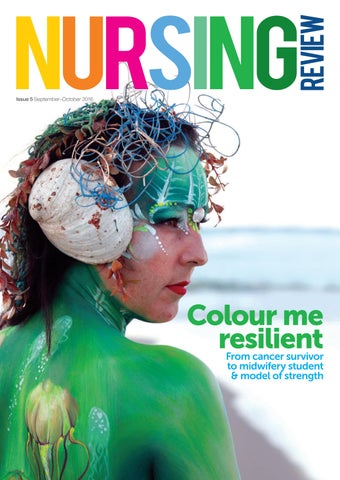
Colour me resilient
From cancer survivor to midwifery student & model of strength
For formula-fed infants
Available now with S-26 ORIGINAL PROGRESS® available from September ®
Made in New Zealand The brand your patients know, still made to standards you can trust. We’re pleased to announce S-26® ORIGINAL NEWBORN and S-26® ORIGINAL PROGRESS® will be joining S-26 GOLD® NEWBORN and S-26 GOLD® PROGRESS® to be made in New Zealand. Reconstitution rates remain the same, and nutrient levels are similar with minor nutrient adjustments – so you can continue to recommend and be confident they are manufactured to high standards. In addition they now offer: • A new in-can leveller
• A new scoop
For more information contact your S-26 product specialist or our Careline.
IMPORTANT STATEMENT: Breastfeeding is the normal method of infant feeding, and is best for babies. It has benefits for the infant, such as reducing infection risk, and for the mother. It is important to have a healthy balanced diet in preparation for, and during breastfeeding. Infant formula is designed to replace breast milk when an infant is not breastfed. Breastfeeding can be negatively affected by introducing partial bottle-feeding, and reversing a decision not to breastfeed is difficult. Infant formula must be prepared and used as directed. Unnecessary or improper use of infant formula, such as not properly boiling water or sterilising feeding equipment, may make your baby ill. Social and financial implications, including preparation time and the cost of formula, should be considered
S-26, S-26 GOLD and PROGRESS are registered trademarks. Used under licence. Distributed by Aspen Nutritionals Australia Pty Ltd. 34–36 Chandos St, St Leonards, NSW, 2065. ABN 31 160 607 509. 00969-01/07/2016, ASP3461. FOR HEALTHCARE PROFESSIONAL USE ONLY.
®
contents
MANAGING EDITOR
news
Andrew Bracey 02 9936 8668 andrew.bracey@apn.com.au
02 Dementia experts graduate 04 Skin directory trumps Google 05 Care from the neck up 06 Anti-pregnancy robots fail 07 Medicare wastage 09 Students land on Trauma Island
NEWS EDITOR
Patrick Avenell 02 9936 8610 patrick.avenell@apn.com.au
industry & reform
11 Health Care Homes Sector lends highly conditional endorsement
HEALTH EDITOR
Dallas Bastian 02 9936 8637 dallas.bastian@apn.com.au
07
09
specialty focus
12 Turning the tide Cancer survivor inspired into midwifery career
PRODUCTION MANAGER
Cj Malgo 02 9936 8772 cj.malgo@apn.com.au
clinical practice
14 Put down the pills Prolonged benzodiazepine use a problem
SUBEDITOR
Haki P. Crisden 02 9936 8643 haki.crisden@apn.com.au
16 Defence against killers
SALES ENQUIRIES
Benefits of the low-salt, high-Omega-3 diet
02 9936 8664 ads@apn.com.au
18 Mindful of possibilities
SUBSCRIPTION ENQUIRIES
12
16
02 9936 8666 subs@apned.com.au
Can mindfulness help reduce chronic pain?
workforce
20 Healing hands Tech gains should not mean losing benefits of touch
COVER IMAGE
Megan Grisman Photo: Jodie Price, Salt Images Bodypainter: Wendy Fantasia
22 Sign of the times Auslan’s potential to unlock better care
PUBLISHED BY
24 Lessons for all APN Educational Media PO Box 488 Darlinghurst, NSW 1300 ABN 58 090 900 999 ISSN 1326-0472 PP100001944
Postgrad education benefits nurses, institutes alike
20
22
26 Skills will travel 12 years of international aid work, and counting
PUBLISHER’S NOTE
legal corner
© Copyright. No part of this publication can be used or reproduced in any format without express permission in writing from APN Educational Media. The mention of a product or service, person or company in this publication, does not indicate the publisher’s endorsement. The views expressed in this publication do not necessarily represent the opinion of the publisher, its agents, company officers or employees.
28 Crime and punishment Drug management is serious business
technology
30 Health by numbers How nurses can become informatics leaders
32 Snapchat 101
26
32
Time for a social media curriculum? nursingreview.com.au | 1
news
The fully online course is available to domestic and international students and aims to help them develop specialised knowledge. It has no face-to-face or workplace assessment component and can be studied full time or part time. Co-directors of the university’s Wicking Dementia Research and Education Centre, professors Andrew Robinson and
James Vickers, said the program would be an important part of future dementia care in Australia. Robinson said: “The graduation of our bachelor of dementia care students marks an important milestone in our mission to transform dementia care in Australia.” Graduate Suzanne Teague, who used her retirement to study for her degree, said she enjoyed gaining new knowledge and learning more about herself. “I am aiming to eventually undertake the bachelor of dementia care honours program and in the meantime, if there is a part-time employment opportunity where I can help those with dementia or their families, I will consider that option,” Teague said. The graduates join a growing number of UTAS dementia care alumni, including 16 with associate degrees and 96 with diplomas. Robinson said he hoped the growing pool of expertise would build capability and leadership for dementia care in multiple settings throughout the community and in residential care. “Enhanced understanding through education will also help make our society more dementia inclusive,” he added. ■
from Dartmouth College in New Hampshire and the University of Washington. The findings were published in the British Medical Journal. The team found that people should be running six hours a week or walking for 15 hours, which is a sharp incline on the three hours of running or power walking WHO advises.
“Although the first minutes of activity do most for health, our research results suggest activity needs to be several times higher than current WHO recommendations to achieve larger reductions in risks of these diseases,” Veerman said. “WHO advises a minimum total physical activity level of 10 metabolic equivalent (MET) hours a week, but the study found health gains accumulated up to levels of 50 to 70 MET-hours a week. “A lot of previous research had shown the benefits of being physically active, but we still do not definitively know the exact type and quantity of activity that most reduces the risk of common conditions, because it is difficult to accurately measure physical activity.” Veerman and his colleagues reviewed 174 studies that were published between 1980 and 2016. “People may need to incorporate additional daily activity to achieve 50 MET-hours,” he continued. “This could mean being more active at work, doing housework, using stairs where possible, gardening or running, and using active transport such as walking or cycling. “The trick is to incorporate physical activity into daily life, making it a habit rather than a chore.” ■
Fresh troops against dementia First batch of graduates in program look to a future with better care and increased understanding of the disease. (From left) Suzanne Teague, Jillian Chisolm, Marcia Penn, Melisa Sincock and Evthoxia Lynch (absent, Janet Siversen). Photo: Natalie Mendham Photography
A
ustralian experts hope the first group of graduates of the University of Tasmania’s (UTAS) bachelor of dementia care will help make a difference in lives and contribute to a growing pool of leaders in the field. The first six bachelor’s graduates to complete the program recently took to the stage for their winter graduation ceremony.
New exercise standard a handful Research finds people need to work out up to 5 times longer than WHO recommends, in order to gain health benefits.
A
study by University of Queensland researcher Dr Lennert Veerman has concluded that a five-fold increase beyond current World Health Organization (WHO) exercise recommendations is required to significantly help ward off heart disease and stroke, and reduce the chances of breast and bowel cancer. Lennert collaborated with researchers
2 | nursingreview.com.au
More people in health and community services choose HESTA for their super Supports your industry | Low fees
| A history of strong returns
WORKPLACE SUPER PRODUCT OF THE YEAR - VALUE CHOICE
WINNER
2015 RAINMAKER EXCELLENCE AWARDS
Issued by H.E.S.T. Australia Ltd ABN 66 006 818 695 AFSL 235249, the Trustee of Health Employees Superannuation Trust Australia (HESTA) ABN 64 971 749 321. Investments may go up or down. Past performance is not a reliable indicator of future performance. Product ratings are only one factor to be considered when making a decision. See hesta.com.au for more information. Before making a decision about HESTA products you should read the relevant Product Disclosure Statement (call 1800 813 327 or visit hesta.com.au for a copy), and consider any relevant risks (hesta.com.au/understandingrisk).
news
From age spots to zits Skin directory aims to educate public about symptoms, offer alternative to Dr Google.
W
hen the visual symptoms of a skin condition first become apparent, people often turn to the web for comfort, scouring Google images for photos of similar bumps or discolouration and possibly encountering incorrect information. To address this phenomenon, the Australasian College of Dermatologists (ACD) has launched the ‘A to Z of Skin’ tool, an
online directory of skin conditions, created and peer-reviewed by more than 100 Australian dermatologists. The directory aims to offer a reliable source of information for people taking to the internet to find out more about skin conditions and their symptoms. ACD president associate professor Chris Baker said: “The best option for anyone suffering from a skin complaint is to visit a GP or a dermatologist, however we know there is an increasing number of patients who search their symptoms and conditions online”. Baker said while the resource should not be used in isolation as a substitute to visiting a GP or dermatologist, it does provide carefully reviewed information that may help educate a wide variety of people. The directory houses images relating to more than 200 conditions and includes details such as causes, dermatological terms, possible treatment types and related illnesses. The tool also aims to raise awareness of health issues that are linked to skin conditions. “In practice, dermatologists have observed that many patients are uninformed of other medical issues which may be connected to common dermatological conditions,” Baker said. “For example, patients with severe psoriasis have a higher risk of arthritis, Type 2 diabetes and developing heart disease.” Baker added that while the directory can be accessed directly by the public, GPs, nurses and allied health professionals can also used it as an extra resource to help inform their patients. ■ To see the directory, go to: dermcoll.edu.au/a-to-z-of-skin
Occasional doses often missed Infrequent takers of medications are more likely to skip them than frequent users.
O
ccasional users of medicines are more likely than frequent users to forget to take their medications or stop taking them early without speaking to a health professional, research has revealed. The Be Medicinewise Week survey, conducted for NPS MedicineWise by
4 | nursingreview.com.au
Galaxy Research, also found people who take medicines less often or who take fewer medicines are less likely to follow instructions relating to their drugs. NPS MedicineWise chief executive Dr Lynn Weekes said the group is reminding professionals to be especially vigilant with patients not used to taking medicines.
The research indicated that nearly 1 in 6 people (15 per cent) don’t take their medicine as instructed. In those who take medicines less often than daily, this figure rises to 28 per cent. Age was also found to be a factor. Just under a quarter of people aged 18–34 don’t always take their medicines as instructed. Older Australians fared better. Only 3 per cent of those aged 65 and over don’t always take their medicines as instructed. People who are younger, those who take medicines less than daily and those who take fewer medicines were also more likely to have stopped their course of medicine early. NPS MedicineWise medical adviser Dr Jeannie Yoo said there are sometimes good reasons to stop taking a medicine, but urged consumers to first speak with a health professional. “Even though you might be feeling better, if you don’t feel a medicine is helping you, it’s always a good idea to speak to health professionals first to check that it is safe to stop [taking it],” Yoo said. “For example, some regular medicines need to be stopped slowly or must be replaced by another medicine to prevent serious effects on your health.” ■
news
Support for head and neck Researcher says care for survivors of cancers above the shoulder must include better management after treatments.
C
are doesn’t end at the completion of treatment for head and neck cancers. That’s one message University of Queensland School of Dentistry researcher Kelsey Pateman sent out ahead of World Head and Neck Cancer Day earlier this year. She said it’s important for all health practitioners who work with head and neck cancer patients to be aware of their needs
and continue multidisciplinary management after treatment. Common post-recovery illnesses and ailments include tooth loss, xerostomia (dry mouth), mucositis, recurrent infections and dysphasia. Pateman’s research aims to spotlight the psychological and social care needs of survivors. “One of the reasons this is becoming more important is actually a positive – the survival rate for head and
neck cancers has improved,” she said. “People are living longer after undergoing treatment and there are greater numbers of survivors in the general population.” Pateman is completing her PhD and has published several research papers on head and neck cancers. “My research has highlighted a real need to support oral health and eating after treatment in a holistic way that focuses on building self-confidence and self-efficacy of an individual,” she said. “Social support from spouses, close family members and peers is an essential part in this process. However, this can be a problem for people who lack these social networks, so help from professional sources is important.” Pateman said common threads she’s noticed when speaking with survivors or those undergoing treatment include feeling isolated and a tendency not to speak about their experiences. “I’d like to increase awareness in the community, both about the challenges survivors encounter and the gaps in funding they face,” she said. ■
Four Steps to Building Dementia Practice in Primary Care Free online learning. Promoting an evidence-based approach to dementia detection, diagnosis and support in a primary care setting.
TO UPre e
F P D BagRrSy! 4C ia OU Modules • Step 1: Building dementia knowledge • Step 2: Building a process towards dementia diagnosis • Step 3: Building an approach to dementia support • Step 4: Building sustainable dementia practice www.apna.asn.au/onlinelearning admin@apna.asn.au | 1300 303 184 The Supporting GPs and Practice Nurses in the Timely Diagnosis of Dementia Project is funded by the Australian Government. It is delivered by a partnership between Alzheimer’s Australia, the Australian Primary Health Care Nurses Association, Alzheimer’s Australia Victoria, Dementia Training Study Centres, and the Australian Primary Health Care Research Institute.
How to access the education?
HD &
It’s easy! Follow the simple steps below and if you get stuck APNA is just a phone call or email away. 1. Open up Google Chrome as your web browser (please note – Internet Explorer is not compatible for these online modules) 2. Head to www.apna.asn.au/onlinelearning 3. Under ‘Courses Available Online’ click ‘View Courses’
Existing APNA Users
New APNA Users
4. Under ‘Existing APNA Users’ click ‘Login Now’ 5. Enter in your username and password (call APNA if you have forgotten these details) 6. Scroll down the page until you find all four Building Dementia Practice in Primary Care modules 7. Click ‘Buy’ on all four modules 8. Once all four modules are in your Shopping Cart (at the top of your page) click on ‘Proceed to Checkout’ 9. The transaction should be complete and you can access the education by clicking on ‘My Training’ at the top of the page
4. Under ‘New Users’ click ‘Start Shopping’ 5. On the left hand side of the page click on ‘All Courses’ 6. Scroll down the page until you find all four Building Dementia Practice in Primary Care modules 7. Click ‘Buy’ on all four modules 8. Once all four modules are in your Shopping Cart (at the top of your page) click on ‘Proceed to Checkout’ 9. You will then be asked to register your account, please complete the fields required and then click on ‘Next Step’ 10. The transaction should be complete after this step and you can access the education by clicking on ‘My Training’ at the top of the page
nursingreview.com.au | 5
news
Robots can’t shortcircuit teen pregnancy Electronic dolls designed to make child-rearing unattractive to young girls are linked to higher rates of high-school mums instead, in study.
I
t might be time to throw the electronic baby out with the bath water. Research shows educational dolls designed to simulate the real experience of having a baby don’t help cut teen pregnancy rates. In fact, young girls exposed to the robot babies are more likely to get pregnant. An Australian study published in The Lancet has found that teenage girls who used the dolls as part of a pregnancy
prevention program were more, not less, likely to become pregnant. The electronic Baby Think It Over dolls were part of a Virtual Infant Parenting (VIP) program run in 57 schools in Western Australia, first implemented in 2003. Similar programs, based on the US concept, are now delivered in 89 countries, despite no robust evidence of their effectiveness. Researchers from the Telethon Kids
Healthy life, happy head
Study finds an apple a day – and working out, eating right and avoiding liquor and cigarettes – keeps the psychologist away.
P
eople with healthier lifestyles are less likely to develop depression, a study that followed 1200 people over five years has found. The research, published in the journal Psychological Medicine, also found there was a tendency for those with a history
6 | nursingreview.com.au
of depression to lose points in a lifestyle assessment over the five years. Researchers assessed lifestyles through a rating comprising body mass index, smoking, alcohol consumption, leisure time, physical activity and diet. Study lead Dr Seana Gall, from the University of
Institute in Western Australia conducted a randomised controlled assessment of the VIP program and warned that the electronic babies were an ineffective use of public funds. Nearly 3000 Western Australia school girls aged 13–15 participated in the study. It was found the girls who were in the VIP program had higher rates of pregnancy by the age of 20, at 17 per cent, than those who were not, at 11 per cent. Of the girls who did fall pregnant, 58 per cent had abortions, compared with 60 per cent of girls from the control group. While the researchers said this wasn’t statistically significant, it did show girls exposed to the program were more likely to go through with the pregnancy. Lead investigator Dr Sally Brinkman said their study demonstrated that even the most well-intentioned programs can have “unexpected consequences”. “Australia has the sixth-highest teen pregnancy rate out of 21 OECD countries and this study will help policymakers better tackle the issue,” Brinkman said. ■ With AAP.
Tasmania’s Menzies Institute for Medical Research, said the study’s grouping of health behaviours was significant, as studying individual risk factors and their relationship with depression ignores the fact that risk factors often cluster as unhealthy lifestyles. The team followed people aged 25–36 at the start of the study. Gall said people with healthier lifestyles at the outset were 22 per cent less likely to develop a first episode of depression over the five years, while people with depression were 46 per cent more likely to receive a lower score in a lifestyle assessment over the same period. “Our findings have implications for reducing the higher risk of cardiovascular disease that is seen in those with depression and also potentially reducing the risk of developing depression in young people,” Gall said. “The study highlights the need for holistic management of young adults in terms of their mental and physical health, including health behaviours.” The results suggest that a healthier lifestyle may protect against the first onset of depression, Gall said, adding this means the findings are relevant for those managing the physical and mental health of younger adults. ■
news
Was this doctor trip necessary? Consumers question value of some tests and visits for healthcare in survey.
T
he need to see a doctor just to get the all clear on a routine blood test is one of the gripes a review to weed out wastage in the Medicare system has uncovered. The interim report of a review into the Medicare Benefits Schedule ordered by the health minister, Sussan Ley, has identified unnecessary surgeries, diagnostic imaging and pathology tests as areas of concern for patients and health professionals.
The report has also pointed to low-value administrative GP consultations for things such as repeat prescriptions, test results or sick-leave certificates. Ley insisted the review, ordered last year, isn’t just about saving health money. “If the government is paying, effectively, too much for small appointments that aren’t necessarily adding to a person’s overall health, that money does need to be reinvested,” she said. ”Part of my job as
health minister is to make sure that where we see inefficiency we reinvest it for the benefit of patients.” The review found 50 per cent of health professionals had identified items on the MBS that they thought were low value. One-quarter of consumers surveyed said they or someone they knew had received or been recommended tests, procedures or consultations they thought were unnecessary. One respondent asked why it was necessary to see a GP for blood test results that uncovered no medical concerns. “Why can’t these be given over the phone or email or text?” the person asked. Australian Medical Association president Michael Gannon said, however, that going to a GP for a repeat prescription or referral was not a waste of time. “We support any initiatives to see a more efficient health system,” Gannon said. ”But continuing to bash general practice as an inefficient or expensive area – it’s simply not right.” ■ With AAP.
Cochlear cash and implant empower Scholarship winner climbs towards career in nursing and midwifery.
Brooke Michalanney. Photo: Cochlear Graeme Clark Scholarship
B
rooke Michalanney is not one to let something like hearing loss stop her from achieving her goals of self-fulfilment and giving back to the community. When she was 18 months old, a hearing impairment was discovered, and this was exacerbated a few years later when her older brother accidentally hit her with a cricket bat, resulting in total hearing loss in both ears. Now, armed with a Cochlear implant and the Cochlear Graeme Clark Scholarship for Australia and New Zealand, Michalanney is studying a bachelor of midwifery at the University of South Australia and looking to break
into the linked bachelor of nursing. Speaking about the awarding of the scholarship that bears his name, professor Graeme Clark, Cochlear implant pioneer, praised Michalanney’s perseverance and ambition. “I am proud to recognise this remarkable student and reward her with this accolade,” Clark said. “Like so many of our past scholarship recipients, Brooke has overcome remarkable challenges, and has already achieved so much in her young life. I am excited to see what is in store for this inspiring young woman.” Michalanney said: “I had always wanted a career in a medical field and therefore
obtaining a high ATAR was imperative. I have continually applied myself to my school work, studying hard to attain high grades. I was extremely happy to be accepted into the University of South Australia to study midwifery. “My ambition is to be a highly trained, well-educated, compassionate, hardworking healthcare professional. [I was] born in a small regional hospital and grew up on a remote farm, and I want to provide maternity and nursing care to women in isolated areas. I would not only provide support during their pre- and post-natal care, but also play an important role in health education, with family planning, parenting and infant care.” ■ nursingreview.com.au | 7
OPTIMISE CARE TO THE ELDERLY WITH THE 2016 AMH AGED CARE COMPANION 2016 Aged Care Companion Book Release. This companion is a valued, practical and easy to read reference for nurses who are dedicated to helping care for the elderly. It contains the latest evidencebased information and is useful when reviewing medication and other activities aimed at improving patient outcomes. There is information on the management of more than 70 conditions common in older people, including dementia and its behavioural symptoms, delirium, cardiovascular diseases, fall prevention, osteoporosis, COPD, insomnia, depression and wound management. It also contains general principles on the use of medicines in older people. The May 2016 release contains new content including a topic on actinic keratosis, information on the process of deprescribing, which is important for optimising the use of medicines in older people, along with a simple diagrammatic guide to inhaler devices with links to instructions for use and considerations for choosing a suitable device in older patients. Other topics reviewed include asthma, COPD, gout, hypertension, dyslipidaemia and dyspepsia.
ial Spec eview er ing R Nurs if you ord t t c offer re 31s O befo
$70
t! reigphply F . l c a in ditions *Con
Online version also available. For more information go to www.amh.net.au
ORDER DETAILS (All prices include GST)
RRP Price
ACC Special Price (per item)
+ Postage & Handling
AMH Aged Care Companion - 2016 (Print)
$99.00 $99.00
$70.00 (order by 31st Oct) $80.00 (order by 30th Nov)
NO CHARGE $12.00
AMH Aged Care Companion - 2016 (Print)
*To purchase a copy of CDC for $70 & pay no postage or handling, your order must be submitted by 5pm on 31/10/16. To purchase a copy of CDC for $80 your order must be submitted by 5pm on 30/11/16. By completing this form, you are deemed to have read & agreed to the terms and conditions of the product licence/s. Details can be viewed online at www.amh.net.au (under PRODUCTS in the LICENCES section).
PURCHASER DETAILS
Quantity
Total Price (inc P&H)
TOTAL
$
Please complete all sections
Purchaser Name
Profession
Delivery Address Phone
Fax
Personal information will only be accessed and used for the primary purpose for which it is collected, and for purposes related or ancillary to the main reasons we collect it, such as invoicing, reminder notices and services offered by us. We engage third party contractors to perform services for us which involve the contractor handling personal information we hold. We will take all reasonable steps to ensure that personal information is protected against loss, unauthorised access, modification or disclosure, and other misuse.
PAYMENT DETAILS
Full payment (Cheque/Money Order/Credit Card Details) MUST be included with Order
TOTAL AMOUNT $ CREDIT CARD DETAILS NUMBER
PAYMENT METHOD: Please tick applicable box VISA
MASTERCARD
AMEX** **A surcharge of 2.5% applies to any purchase made using AMEX
NAME ON CARD EXPIRY DATE
SIGNATURE
*For P&H charges on multiple items, please contact AMH on 08 7099 8800.
CHEQUE/MONEY ORDER (Send by post; make payable to Australian Medicines Handbook) EFT (Invoice will be forwarded with bank details enclosed. Use invoice number as reference when paying.)
SEND THIS ORDER FORM SCAN & EMAIL to: sales@amh.net.au BY FAX: 08 7099 8899 BY MAIL: Australian Medicines Handbook PO Box 240, Rundle Mall, SA 5000
Australian Medicines Handbook Pty Ltd as Trustee for The Australian Medicines Handbook Unit Trust. Level 13, 33 King William Street, Adelaide SA 5000. ABN 73 586 204 918
news
Welcome to Trauma Island Health students head into the wilderness to experience simulated emergencies in realistic conditions. Highly prized on-the-job skills are learnt on Trauma Island. Photo: USC
B
eing run over by an automobile. Falling into a fire pit. Misadventures while scuba diving on the high seas. These three terrifying scenarios aren’t stolen from an iconic Aussie outback horror genre flick, they are from the University of the Sunshine Coast’s emergency simulation used to train its healthcare professional students.
On the largest sand island in the world, normally called Fraser Island but dubbed Trauma Island for this purpose, USC paramedic students raced to the aid of would-be sufferers on the brink of death to administer first aid and begin the healing process. The course was conducted in partnership with the Queensland Ambulance Service and
The bane of babyhood
Antibiotic use in infants linked to allergies, hay fever and eczema in adulthood.
B
abies given antibiotics in the first two years of life are more likely to develop allergies as adults, according to an extensive analysis of past clinical studies involving nearly 400,000 people. The findings, presented at the European Respiratory Society annual meeting in London, point to a clear association with the risk of eczema or hay fever later in life.
Some previous research has suggested a link between early antibiotic use and allergies, but the results have been inconsistent. Lead researcher Fariba Ahmadizar, of Utrecht University, said antibiotics most likely disrupted the body’s immune system by affecting microbes in the gut, which can hurt immune responses. Scientists have long puzzled over soaring
was a hit with cohorts, according to third year Bachelor of Paramedic Science student Emma Austen. “Trauma Island took us outside the classroom into a supervised remote setting, allowing us to use medical equipment and act as qualified paramedics on a real job,” Austen emoted. Why Fraser Island? Aside from its natural and largely untouched rugged sylvan beauty, the locale provides the perfect spot for a range of simulations that challenge perspicacity and fortitude. Here is associate professor of paramedic science Bill Lord. “Fraser Island is a very challenging work environment,” Lord professed. “You are trying to retrieve people from areas where there is only 4-wheel-drive access, and move and treat patients on sand. “As the students experienced, this increases the complexity of providing care, especially compared to an urban setting. “On Fraser Island, immediate back-up isn’t available, so paramedics have to be resourceful and may have to provide prolonged care until they can arrange to ferry or airlift patients off the island.” ■
allergy rates in developed countries. Many have speculated that changing exposure to germs in childhood may be to blame, although the precise mechanism for this remains unclear. The latest research involved trawling back through 22 studies conducted between 1966 and 2015. After pooling the results, Ahmadizar and colleagues found an increased risk of eczema following early life use of antibiotics of 15–41 per cent, while hay fever risk increased from 14 per cent to 56 per cent. The association with allergies was stronger if patients received more than one course of antibiotics early in life. Adam Finn, a professor of paediatrics at the University of Bristol, who was not involved in the research, said the findings added weight to evidence of the long-term downside from antibiotic use. Doctors are already worried about the emergence of antibiotic resistance due to drug overuse. Still, Finn and other experts said doctors needed to balance out the risks and benefits, since antibiotics remain essential weapons in fighting bacterial infections, saving millions of lives. ■ With AAP. nursingreview.com.au | 9
Your Nursing Agency
industry & reform
Health Care Homes wish list The sector embraces the government’s reform scheme, but only with calls for better funding and a flexible system. By Dallas Bastian
H
ealth sector bodies have welcomed Prime Minister Malcolm Turnbull’s announcement of stage one of the Health Care Homes (HCH) model, but not without caveats. The government announced the 10 regions that will participate in the first stage of the model. They are: Western Sydney, Hunter New England and Central Coast, and Nepean-Blue Mountains in New South Wales; Perth North in Western Australia; Brisbane North in Queensland; SouthEastern Melbourne in Victoria; Adelaide and country South Australia in South Australia; as well as the Northern Territory and Tasmania.
The Australian Healthcare & Hospitals Association (AHHA) gave its support to the reform but urged the government to ensure the HCH trial is provided the funding and resources it needs to succeed in delivering transformational change to the primary care system. AHHA chief executive Alison Verhoeven says: “The establishment of Health Care Homes is a step in the right direction to resolving fragmented primary and acutecare services for people with chronic conditions, but it will be important to get the funding balance right so incentives promote value, not volume of services.” Verhoeven says the investment proposed
for the trial looks set to fall substantially short of requirements. “Evidence from a number of sources suggests that funding of between $1300 and $2500 a person per annum would be required to truly deliver reform via a Health Care Home,” she says. The AHHA head also urges the government to avoid a one-size-fits-all approach to the HCH package. “Chronic care reforms must be flexible, patient-centred and integrated with other reforms throughout the broader health sector, including the acute sector, and designed in partnership with the states and territories,” she argues. “Such initiatives have been shown to be most effective when primary care-based population approaches are taken.” Consumers Health Forum of Australia (CHF) chief executive Leanne Wells agrees that the model would need to be focused on the individual needs of patients and that funding increases would be an important part of its success. Wells says: “HCH has the potential to transform the way people with chronic diseases receive care, but only if it is adequately resourced and supported.” She adds that a commitment to substantially more money is needed, as is a truly comprehensive national approach. “At the moment, we are seeing a somewhat scattered approach, with some federally financed pilot programs while some primary health networks are separately commissioning joined-up care services,” Wells explains. “The stage one plan is to attract 65,000 patients in 200 GP clinics. Both patients and doctors will need to be convinced there is more support being offered to focus on the overall needs of chronic patient care.” Wells adds that CHF wants to see Health Care Homes as part of an integrated approach and not as a separate silo that does not have strong connections to the rest of the system. Palliative Care Australia (PCA) would like end-of-life planning and care to be part of the equation. The group states that 4 out of 5 deaths in Australia are from chronic disease and the HCH model provides the opportunity for co-ordinated care and early referral to palliative care when needed. PCA chief executive Liz Callaghan says: “It is important that primary health networks work with palliative care services in their areas to ensure impeccable care is delivered to their population groups.” ■ nursingreview.com.au | 11
specialty focus
After surviving cancer and embarking on a career in midwifery, posing in body paint is just one more way to give others hope. Megan Grisman interviewed by Dallas Bastian
M
egan Grisman is an activist and a cancer survivor. Soon she will add midwife to that list. After being diagnosed with breast cancer at 28 and again at 33, Grisman’s battles have made her determined to enter midwifery and help in any way possible in the fight against breast cancer. Grisman, who was diagnosed when her three sons were all under the age of 6, says going through cancer changes your outlook on life and added she refuses to let the disease get to her. “I have risen above, stronger and more determined than ever to live life to the max, as well as making a commitment to helping in any way that I can to beat this ghastly disease,” she says. Grisman, heeding advice from loved ones that she would make a good nurse or midwife, finished the University of the Sunshine Coast’s bridging program, Tertiary Preparation Pathway, in Semester 1 last year, before enrolling in a bachelor of nursing science and midwifery. “I gave myself all these excuses as to why I couldn’t go to university, then finally I decided to listen to my family and friends and made the decision to go for it,” she says. Grisman also put her hand up to be one of the faces for a fundraising and awareness campaign for the National Breast Cancer Foundation and breast cancer research. The fundraising calendar features women from across Australia who were diagnosed with breast cancer before they were 40. Here, Nursing Review sits down with Grisman to discuss the photo shoot and how her battle with cancer affected her desire to work in healthcare.
NR: When did you know you wanted to become a midwife and how did your battle with cancer affect that decision? MG: I’d thought about it for quite a while, on and off. I suppose life got in the way and different things happened along the way – children and marriage and work and everything else. I suppose it was never the right time but it was something I kept thinking more and more about as I started getting older. Obviously, being diagnosed 12 | nursingreview.com.au
specialty focus
with cancer does change how you look at life and what’s important. For me that meant, basically, looking at what makes me happy. There were parts of my life that I wasn’t happy with and that I wanted to improve. I just decided to take the plunge. That was the catalyst, thinking, ‘Yep, OK, we need to do something here and I’ve been given a second opportunity to live life the way I want to live it.’ So I decided to do it.
What has your university experience been like so far? It’s been good. I went to university after I finished high school, it wasn’t a good experience for me. I moved away from home and I just went because it was what was expected of you. I wasn’t doing something I was passionate about. I did it for only a year and a half. So when I decided [to go back] this time around, I was a bit hesitant. I had to do the bridging program to get myself in a position to go and apply for a course. Straight from the get-go I found it great. It’s good for me that University of the Sunshine Coast is just down the road from where I live, so it’s quite easy to juggle work and the kids and so forth. The whole culture that’s there is totally different from what I experienced when I left school the first time. There’s a lot of support. The tutors and the teachers are all supportive and programs are out there [to develop] academic skills and help you do the essays. That’s the way they teach as well. The technology’s a bit more advanced now, so there are all these different ways, depending on what type of learner you are, that you can find a class to help you get the content. I’m loving it and I’m sort of getting into the hands-on bit of nursing-midwifery at the moment, so that’s exciting. Some of us have placements at the end of the year. I’m looking forward to that, too.
Looking back, what do you make of your hesitance to start studying? There was a lot going on at the time. I was a mother and that was my job. Work was kind of just a way to support my family. I had a marriage breakdown after my second cancer diagnosis, which for me was a good thing, one thing in my life that I needed to deal with. Once I sort of came through the other side of that, I started to get a lot more self-confidence and I started talking to close friends of the family about the idea that I might [pursue midwifery as a career]. I had a dozen or so people that I’d spoken to, all of them said, ‘Yeah you should do it,
you’d be a great nurse or a great midwife.’ It started with just their belief in me. There was no hesitation in them saying that and I thought, ‘Well, if these people believe in me I should start by being myself and do it and what’s the worst that can happen? The worst that can happen is either I don’t like it and I do something else or if I fail I’ll just get up and I’ll go again.’ I suppose the cancer kicks in there as well and I get determination and [capacity for] perseverance. There are days when you go through treatment and you have to sort of put your head down and keep going and I suppose I took that with me [into pursuing a career]. It’s been a bit of a struggle with my boys and juggling two jobs and stuff like that, but I’ve started to get a bit of an equilibrium happening, which is great.
You’re also one of the faces for a major fundraising and awareness campaign for the National Breast Cancer Foundation. What is that project about and why did you want to get involved? I heard about these projects from a lady named Rachelle Panitz. She’s the brains behind it all. She posted on a closed Facebook group called Young Pink Sisters. It’s for people under the age of 40. We get on there and it’s a forum for us to talk. She posted something on there and when I was diagnosed with cancer, when I was 28, after all my operations. It was similar to an idea that I’d come up with, which was to do a calendar of breast cancer survivors, particularly for those under 40, because its occurrence in the older generations is spoken about a lot, but it’s now becoming more common in people under 40, unfortunately. At that stage it wasn’t, though. [The idea was to] bring awareness and to show that despite all the surgeries and the treatments, we are still women – and beautiful at that. I rang her the next day and we clicked. There were many of us interested so we had to apply for it, and I was lucky enough to be picked. The brief was that all the ladies were obviously diagnosed under 40 and it was a body paint calendar. We were painted by Wendy Fantasia, a Melbourne body artist. Each shoot was in a unique location. Mine was at Mudjimba Island, which is up here on the Sunshine Coast. There are some ladies in Melbourne and in Sydney, with the Opera House and Harbour Bridge in the background. The Three Sisters [in the Blue Mountains] is a backdrop as well – all iconic locations in Australia. For me, the calendar is about an
opportunity to do something amazing that you probably would never get to do again in a lifetime. The whole experience is amazing; it was like being a model for a day. You’re the centre of attention and the work of art that Wendy did was just amazing. It made all of us feel so empowered and beautiful. Many of us have been through a lot; we’ve lost our hair, we’ve put on weight, we’ve had chemotherapy treatment and so forth. That was a nice way to make us feel better within ourselves and make us feel beautiful after everything we’ve been through. I had a double mastectomy and reconstruction so being body painted was a big thing for me, and for all the other girls, too. There was one woman who hadn’t been reconstructed as well, so that’s a big deal. Also, it’s raising money for organisations that do a lot and have done a lot for us in giving us the treatments that enabled us to beat this disease. The National Breast Cancer Foundation, for example, and the [Australian Institute for Bioengineering and Nanotechnology], which is doing amazing work. I hope this will change the way cancer is looked at in the coming years, which is exciting.
What do you hope people battling cancer and other members of the public take away from the photos in the calendar? Just to show newly diagnosed women that, despite the road ahead, there is a light at the end of the tunnel and you do come out the other side. And when you do, you can still be a whole woman. A lot of ladies these days lose one or two breasts. Some of them have their ovaries taken out to reduce their risk. The surgeries and the scars do a lot to your self-esteem and how you look at yourself. It can be distressing at times. For me, [the idea] was to show that we’ve been through that but we’ve come out the other side and we look amazing. All the girls look fantastic. [It’s an opportunity] for someone who’s coming in at the start of that journey to look at this and go: ‘You know what? These girls have been through so much.’ But anyone can read through our stories on the website as well. They can see what we’ve been through. This shows that we’re strong women. After everything we’ve been through, we can try to make a difference somehow and contribute as well. ■ For more information on the calendar, go to: sobrave.com.au nursingreview.com.au | 13
clinical practice
Give sleeping pills a rest Benzodiazepines have only short-term benefits in treating insomnia but some older Australians are using them for years. Fiona Williams interviewed by Dallas Bastian
Dr Fiona Williams
O
lder Australians are using sleeping tablets for longer than what’s recommended and it may be better if they lay off them altogether, recent research shows. The study, published in the journal Australian Family Physician, finds that patients are often unaware of the side-effects and addictive traits of benzodiazepines, with some using the drug for more than 20 years, despite studies showing they provide limited benefit when taken for longer than two to four weeks. Study lead Dr Fiona Williams, from the University of Wollongong School of Medicine, says it’s estimated that 15 per cent of Australians aged 65 and older use benzodiazepines. “Benzodiazepines have a significant negative health impact on the elderly, including an increased risk of falls, fractures, road-traffic accidents and cognitive decline, yet they continue to be used,” Williams says. Her team surveyed elderly patients in the Illawarra region about their use and knowledge of benzodiazepines, and their attitudes about cessation. “Our study found that the initiation of benzodiazepine use was often at a time of stress for the patient,” she says. “Long-term use was not intended, and patients conveyed poor awareness of the side-effects and addictive potential of benzodiazepines.” Here, Nursing Review sits down with Williams to discuss what’s needed to reduce overuse of benzodiazepines and the things people should know when they stop taking the medications.
NR: When are benzodiazepines prescribed and how are they used among older Australians? FW: Benzodiazepines can be used for a number of things. Sometimes they can be used for short-term treatment of anxiety. 14 | nursingreview.com.au
The ones we looked at were benzodiazepines that are taken at night and used as a form of sleeping tablet.
Among those surveyed, you found that some elderly patients were using benzodiazepines for more than 20 years. Was that common and what concerns do you have if people use the drugs for prolonged periods? The people we interviewed took them for varying amounts of time, but some certainly have been taking them for up to 20 years. You see that over the years in general practice; it’s not uncommon that you would see people that had been taking them for considerable time periods. As far as concerns, it has been shown that they become much less effective after they’ve been used for two to four weeks. Often they’re not having any benefit to the person taking them for so long. Whenever patients take them, whether it’s short-term or long-term, they risk side-effects, particularly the elderly. Other studies have shown they increase risks of road-traffic accidents, falls and cognitive decline.
You found that many older patients would be willing to stop taking the drugs if counselled to do so. Why does this not happen more often? Is lack of communication or public awareness of benzodiazepine use to blame? Probably a little bit of both. [Based on our interviews], often patients weren’t aware of the potential side-effects and the fact that benzodiazepines were addictive. We titled the paper A Circle of Silence [because] it seemed that no one was talking about it. When patients presented for a repeat prescription, they felt that their doctors approved of them taking
clinical practice
[benzodiazepines] because they weren’t challenged when they asked for the prescription. From the doctors’ side of things, other studies have shown that they can perceive that patients will be resistant to not taking the medication, so they can become less inclined to bring it up during the consultation. Also, older patients often have a number of medical problems that need to be dealt with, so limited time could play an issue in it not being covered during the consultation. A combination of all of that often facilitates unintended continuation of the tablets.
out at a time of stress, so perhaps a bereavement, or a difficult time in their lives. When we did the interview, often many years after they’d been taking them, the cause of sleep [trouble] was often something completely different. It could be pain from arthritis, or it could be the need to get up to the bathroom. Those are things that can be tackled in their own right with different types of medications specifically for those causes. If there isn’t an underlying cause, studies have shown that cognitive behavioural therapy, through a psychologist, can be useful in treating insomnia.
What should people be aware of if they do stop taking benzodiazepines?
What are some of the conversations GPs and other health professionals should have with people as they’re about to start taking benzodiazepines?
It would be important not to stop taking the medication without first discussing it with their doctor – with any medication. They’re only for use in the short-term treatment of There can be some side-effects if benzodiazepines insomnia. They’re not recommended for prolonged are stopped suddenly, so it needs to be done in periods. As I said, they stop being effective after association with their doctor. People need to be about two to four weeks, and they are addictive. weaned off them over a period of time. People need to be warned that if they are using ...they stop being It’s also worth mentioning that one of the them, they have the risk of addiction and there effective after about side-effects of stopping benzodiazepines is are significant side-effects. two to four weeks, and you can get a rebound insomnia; for a period People presenting for repeat prescriptions of time after stopping the tablets, sleep can should be [examined to determine] the they are addictive. often be disturbed. It’s a recognised side-effect underlying cause of their sleep problems. Is of having come off the medication. People should there something that could be better treated? And be educated that it’s a normal experience and they make the patient aware that there are side-effects, shouldn’t restart the tablets. They should persevere and benzodiazepines not something you can take without it will settle down over time. risk. Determine whether there’s an ongoing need to take the medication.
“
You also discovered that patients weren’t aware of some alternative therapies on offer. What options can older Australians look to for help?
What else should health professionals take away from the study?
It often depends on what the cause of their insomnia is, and that’s something the doctor should discuss with the person. From the study, we found [these drugs] were often initially given
It’s important to realise that in our study many of patients were quite willing to consider stopping the medication, so the perceived resistance to that may not be there. Be optimistic and bring up the
MAKE A DIFFERENCE IN LIFE Monash Postgraduate Nursing and Midwifery courses We believe the greatest difference in your life comes from making a difference in the lives of others. Our postgraduate Nursing and Midwifery courses are based on the latest theories in evidence-based health care. Taught by practicing staff whose thinking and research is shaping the future of health care, these courses put you at the centre of a rapidly evolving and dynamic human field.
Whether you want to develop your clinical expertise or step up to the next level of senior management or take on a role in education, the combination of our high quality mentoring and flexible course design will allow you to make a difference. Apply now med.monash.edu/nursing
nursingreview.com.au | 15
clinical practice
Eat your heart out (of trouble)
A diet high in Omega-3 fatty acids and low in salt can help decrease the odds of falling victim to Australia’s biggest killer. By Katherine Baqleh M @KatherineBaqleh
16 | nursingreview.com.au
T
he Australian Institute of Health and Welfare names cardiovascular disease as the leading cause of death and disease burden in Australia, representing 30 per cent of all deaths. CVD risk is compounded by other chronic diseases that share the same modifiable risk factors. Nutrition and other lifestyle factors play an important role in prevention and management of CVD. Chronic diseases such as diabetes and chronic kidney disease are among those that share a number of risk factors with CVD. Although these complex interactions are not well understood, diabetes has been shown to greatly increase the risk of CVD. Diabetes doubles the risk of CVD, with prevalence rates of heart attacks up to 10 times greater and prevalence rates of stroke up to five times greater. Metabolic syndrome (MetS, also known as Syndrome X) – comprising insulin resistance, abdominal fat accumulation, dyslipidemia, and hypertension – further exacerbates the risk of CVD and total mortality. Individuals with just one or two MetS risk factors carry double the risk of mortality from CVD, suggesting that risk is not ‘optimal’ unless all risk factors are absent. A 2003 study published in the New England Journal of Medicine has indicated that intensive treatment for people with diabetes involving control of blood pressure, blood sugar and blood lipids can result in a 50 per cent reduction in macrovascular and microvascular complications. The American Journal of Cardiology further supports that a huge 80 per cent of coronary heart disease events in individuals with MetS may be preventable through optimal control of LDL-c, HDL-c and blood pressure. The main indicators of increased CVD risk are high blood cholesterol and triglycerides, hypertension, and being overweight or obese. Hypertension itself (starting at systolic 115mmHg) is the most significant cause of CVD, accounting for 62 per cent of strokes and 49 per cent of coronary heart disease (CHD). Much of Australia’s chronic disease burden is preventable and could be significantly reduced by addressing modifiable behavioural risk factors. These include insufficient physical activity, poor diet, excessive alcohol consumption and tobacco smoking. Australians’ high consumption of salt is a major factor in increased blood pressure and, therefore, CVD. However, risks that are independent of elevated blood pressure (but additive), including stroke,
clinical practice
left-ventricular hypertrophy and renal disease, are also apparent. The diversity and strength of the evidence connecting blood pressure and salt is stronger than for other lifestyle factors, such as being overweight, inadequate fruit and vegetable consumption, and little or no exercise. In addition, over the past four decades, numerous scientific reports have examined the relationships between physical activity, fitness and cardiovascular health. More active and fit individuals developed less heart disease than their sedentary counterparts. The most favourable effects of exercise on the risk factors for CVD are weight loss, reductions in blood pressure, improved blood lipid profile and better insulin sensitivity in people with diabetes. Dramatic improvements are particularly noted when smoking cessation, medicine and proper nutrition are also included. Omega-3 fatty acids obtained from certain seafood, nuts and plant oils are reported to improve CVD, reducing CV events such as non-fatal heart attacks and strokes, death and atherosclerosis.
The Heart Foundation recommends 250–500mg of marine sourced omega3s (EPA, DHA) and 1g of plant sourced omega-3s (ALA) each day. The scientific evidence supports oily fish such as salmon, sardines and mackerel as the best dietary source of omega3s. Higher fish intakes are consistently associated with lower rates of heart disease (heart failure and sudden cardiac death), myocardial infarctions and stroke. Sources of ALA include walnuts, linseed/ flaxseed, canola and soybean oil and chia seeds. A diet with Omega-3s, vegetables, fruit, legumes, wholegrain breads and cereals, lean meats and alternatives, fish, nuts and seeds, reduced fat dairy, healthy fats and oils, plus limited salt and saturated fats is crucial for better heart health. It is important to shine light on the fact that CVD risk may also stem from childhood. Multiple epidemiological studies have demonstrated a disturbing increase in the prevalence of obesity beginning in childhood, with 25 per cent of Australian children classified as overweight or obese.
185 mm x 134 mm
This is in addition to the 63 per cent of Australian adults who are overweight or obese. Given the strong association between obesity and hypertension, dyslipidemia, and type II diabetes mellitus beginning in childhood, this is cause for concern. Long-term follow-up studies have indicated the development of obesity, hypercholesterolemia, and hypertension from childhood into adult life, increasing CVD risk. There is mounting evidence in literature that lifestyle modifications can reduce the risk of chronic disease. Improved nutrition has a powerful influence on a host of chronic diseases, including CVD. ■ Katherine Baqleh is an accredited practising dietitian and nutritionist and founder of Health Victory Nutrition Experts, a private practice and nutrition consultancy. healthvictorynutrition.com.au To locate an accredited practicing dietitian in your area, go to the ‘Find an APD’ section of the DAA website at daa.asn.au or call 1800 812 942.
Cleveland Clinic Abu Dhabi is now hiring - ICU Nurses Interviews this October The intensive care unit is an exciting and challenging environment at Cleveland Clinic Abu Dhabi (CCAD), offering world class innovative experiences and opportunities for nurses. You will be challenged with high acuit y critical patients, work with a world class team and receive support to provide patient centered care. While patients are complex, CCAD will support your professional growth and offer mentorship. Cleveland Clinic Abu Dhabi, part of Mubadala’s network of world-class healthcare facilities, is a multispecialty hospital on Al Maryah Island in Abu Dhabi, UAE. CCAD is a unique and unparalleled extension of US-based Cleveland Clinic’s model of care, specifically designed to address a range of complex and critical care requirements unique to the Abu Dhabi population.
Come and meet us! CCAD representatives will be in Australia for the ANZICS ACCCN Annual Scientific Meeting. Information sessions and face to face interviews will be available during this time. Skype interviews can be arranged for nurses located within Australia and New Zealand unable to attend in person. Please contact CCM Recruitment to register your interest in attending. Benefits: In addition to being part of an international clinical team, successful applicants will receive accommodation, a transportation allowance, health insurance, monthly travel allowance and a generous annual leave package.
To apply, please email: Raquel at raquel@ccmrecruitment.com.au or Sarah at sarah@ccmrecruitment.com.au or by phone at Free Phone AUS: 1800 818 844, Free Phone NZ: 0800 700 839 www.ccmrecruitment.com
CCAD_Nursing_Recruitment_Adverts.indd 16
nursingreview.com.au | 17 26-07-2016 9:34:40 AM
clinical practice
Mindfulness over matter Chronic pain is often linked with depression, which makes it even worse; certain mindsets may be better than others at helping patients cope when they’re always hurting.
Mirella Di Benedetto interviewed by Dallas Bastian
A
ustralian researchers are set to explore the benefits of mindfulness interventions in the treatment and management of chronic pain. A team from RMIT University says recent research has shown that mindfulness interventions may be an effective and alternative method for the treatment and management of chronic pain. Such interventions have been successful in reducing pain severity, distress and disability, and may be particularly beneficial for those with depression, the researchers say. Dr Jon Kabat-Zinn, emeritus professor of medicine at the University of Massachusetts Medical School, in the US, has defined mindfulness as a state of awareness in the present moment, characterised by non-judgement and non-reactivity. Mindfulness can be used in a variety of activities but clinical applications often centre on a mindfulness-based stress reduction program or mindfulness-based cognitive training. For more than a decade, researchers have been exploring the benefits mindfulness-based interventions may bring about in stress reduction and for people with mental disorders, including depression, but the RMIT team says it’s unclear what mechanisms are underlying the link between mindfulness interventions and depression in chronic pain. Dr Mirella Di Benedetto, from RMIT, along with honours student Saari Nigol, will examine the effects the different facets of mindfulness have on pain severity, pain interference and depression. The results are expected to be publicly available toward the end of this year. Here, Nursing Review sits down with Di Benedetto to discuss what mindfulness involves, the ways in which it may be able to help those living with chronic pain and what more needs to be understood about the relationship between mindfulness interventions and depression.
18 | nursingreview.com.au
NR: You’ve said mindfulness involves five main areas: observing; describing; acting with awareness; being non-judging; and non-reacting. How are these applied to chronic pain management? MDB: Not a lot of research has been done with mindfulness and chronic pain. There’s been some, and we know mindfulness therapies can help people cope better with their pain; the aim is not to get rid of the pain because that’s pretty difficult to do. If we can pinpoint which of those five facets or different areas of mindfulness are effective in helping people with chronic pain, then in the future we can target interventions much better.
What else has research told us so far about the overall impact mindfulness interventions can have on chronic pain? It enhances people’s existing coping mechanisms. It also helps them with pain-management strategies. Overall, people end up with a more positive appraisal or assessment of their pain than they would have had before. People with chronic pain tend to be alarmed when they experience the pain, and some people might, to use some jargon, ‘catastrophise’. They begin to think the pain is a terrible thing, and then start thinking about how it might interfere with their daily activities. Mindfulness helps people detach from those sorts of thoughts. It sort of keeps them in the present moment, and focused on the things they’re doing [instead of] on [the pain]. When we [focus on the pain], and most people do that sort of thing, we can get carried away with our thoughts. And if we have a lot of negative thinking, that can exacerbate whatever we’re feeling. For example, people with depression can get caught up in negative thoughts. Mindfulness is effective for helping people with depression.
clinical practice
You said it was unclear what mechanisms are underlying the link between mindfulness interventions and chronic pain and you plan to explore them in your study. What will you be looking into in particular? We’re surveying people with chronic pain, and we’ll be asking them – via a mindfulness questionnaire – questions about their levels of mindfulness, questions about their experience of pain. We’re also looking at their levels of depression, because we’re also interested in links between mindfulness, depression and chronic pain and how the three interact with one another. Given that mindfulness is broken up into those five areas [mentioned above], we’re hoping that a couple will have stronger links in terms of being able to predict pain severity. If our research finds that’s true, then future intervention studies can target those particular facets of mindfulness in therapy, rather than trying to apply all five.
Apart from that, what more needs to be understood about these types of interventions for chronic pain? Much more has to be done in terms of depression, because depression tends to be overlooked. People might present to a pain-management centre and not get assessed for depression. That can make their experience of pain far worse. That’s one of the things that does clearly need to be explored much further. In developing interventions for pain management, it’s important that first the person is assessed for depression, and then if they do have depression as well as chronic pain, then intervention needs to target both.
How are mindfulness interventions applied in care settings? Are they widely used at the moment? I don’t think they would be, because it’s a fairly new area of research, and it takes a while for the research to translate into care management. Although mindfulness is used for depression, and there’s a strong link between chronic illness and depression. Some studies suggest that up to 60 per cent of people with chronic illness also experience depression. And no matter what other illness you might have, depression makes the symptoms worse, or it makes your prognosis worse. So one way that mindfulness can be effective for people with chronic illness is if they have depression, then mindfulness therapies can target the depression and help alleviate it. That will have a flow-on effect in terms of managing their pain.
If some of the facets of mindfulness interventions can be shown to be effective in managing the depression related to chronic pain or chronic pain itself, how would they then be applied in practice? [Here’s an example.] One of the facets is being non-judging. What that means is when we experience unpleasant thoughts, intense emotions or negative emotions, we don’t get engaged in thinking, ‘This is really bad, this is awful, I don’t want to be thinking this’, or ‘I don’t want to be feeling this’. When we do that, we’re not being mindful, because we’re attaching to the thoughts and the emotional experience we’re having. What mindfulness will teach in that instance is for a person not to be judgemental about those particular experiences, rather to just accept them as they are, and focus on what they’re doing in their daily life instead. ■
Looking for humanity in healthcare? Come remember the Art of Nursing and volunteer with us at Lao Friends Hospital for Children. Where we treat each child as if they were our own because everyone has the right to a healthy and loving life. Develop new skills, meet a diverse group of people and give the gift of humanity and compassion. We are looking for: •
Director of Nursing (Full-Time)
•
Emergency, ICU, NICU and OR nurses (volunteer)
Applications are accepted on a rolling and continued basis throughout the year. Please send your resume to nursing@fwab.org or via www.fwab.org
nursingreview.com.au | 19
workforce
‘We must not lose touch’ Technology is responsible for many advances in medicine but it cannot be allowed to make us forget the value of human physical contact. Sue Dean interviewed by Dallas Bastian M @suedeandean
N
urses have seen the value of touch and must keep it in mind as healthcare technology advances. This is one of the key messages Australian academics made in a recent editorial in the Journal of Clinical Nursing. They wrote that the increasing use of a variety of technological supports for nursing work may be at the expense of offering a comforting touch to patients. While the authors say they are proponents of the use of technology, they added that nurses must pay careful attention to how they best integrate technology into practice without risking the interpersonal relationship at the heart of their work. “In embedding technology in nursing practice, it is imperative that we consider how this [affects] nurse-patient relationships,” they wrote. “We must not lose touch.” Here, Nursing Review sits down with lead author Sue Dean, a lecturer at the University of Technology Sydney, to discuss the ways touch can affect the patient experience and how nurses can ensure they aren’t losing sight of its importance.
NR: Where did the idea to explore this area, as in your editorial “Is Technology Responsible for Nurses Losing Touch?” come from? SD: I’ve taught communication in nursing programs for more than 20 years now and I was sitting around one morning with two colleagues, one of them Dr Jo Lewis whose area of expertise is palliative care, and another colleague, Dr Caleb Ferguson, whose 20 | nursingreview.com.au
area of clinical practice and research is in cardiac and stroke. Caleb has also published quite a bit on social media and technology, and the use of technology in nursing in a positive sense. We were just talking about technology and about patient-centred care and caring and compassion and how all of us were concerned at the literature that’s around now about nurses not being as compassionate and caring as we would like. We started thinking about whether technology played a role in that; hence we got together and wrote the editorial.
In your experience, why is nurse-patient physical contact so important? There is lots of evidence around that touch has an important, therapeutic effect on patients. Even as early as when Florence Nightingale started training nurses in the mid-1880s, she included massage as a part of nurses’ qualifications. My co-authors and I, we know [the importance of touch] from years and years of experience just because we can see in patients how important it is when you just sit and hold the hand of somebody. You don’t have to say any words, you don’t have to do anything, just holding a hand has a therapeutic effect. Giving someone a massage [can be comforting]. Often there are no words to say to make a patient feel better or comforted and touch is important. We’ve seen over decades of nursing practice just how important that is.
What are some of the ways nurses may be offering comfort or support through physical touch that they may not realise? Going back to my experience, things like just holding a hand when a patient has a painful experience. If someone is having an injection or a dressing or something that’s quite painful, just holding their hand. [I mean having] another nurse just saying to the patient: ‘Just squeeze my hand as hard as you can if it’s hurting you.’ People are inventing virtual reality things to put on patients when they’re undergoing painful procedures, to distract them. There are many innovations now in technology that are taking away the need to touch the patient.
workforce
touch the patient to monitor a pulse rate. That’s often not being done now. Nurses just put on a machine and take the pulse. Of course that monitors the rate, but it doesn’t monitor a whole lot of other things that are important about monitoring a pulse rate and, certainly, patients miss out on having a nurse just touch them and hold their hand while they’re doing their pulse. There are many effects. For example, there’s evidence around about how nurses are desensitised to the use of alarms in areas such as the ICU, because there are so many false alarms. Often when the alarms go off, nurses don’t even respond. There are many opportunities for nurses to touch a patient, and often students tell us they’ve got so many tasks to do they haven’t got time to sit down and talk with a patient and hold their hand.
In what ways can technology exist side by side with a warm personal or tactile approach to patient care? What are some of the things nurses should keep in mind, other than just taking opportunities where they come?
[Examples like] holding a patient’s hand are now are being displaced by technology, and I don’t think anything can [adequately] replace the value and therapeutic benefit of somebody just touching somebody – hand-to-hand contact.
In what other ways is technological disruption having a direct effect on that physical contact? A common thing that’s happening in nursing now is when patients are33001_NursingReview having their pulse taken by a pulse oximeter. A device is put 2016-09-13T10:43:56+09:30 on the patient’s finger to monitor a pulse. In the old days, and I would hope that many nurses still do it, nurses hold the hand and
World Top 50 for Nursing* Advance your nursing career with postgraduate study. Learn from outstanding teachers, and choose flexible study options, with specialisations including: • Allergy Nursing • Cardiovascular Nursing • Critical Care Nursing • Health and Ageing
• Mental Health Nursing • Nurse Practitioner • Nurse Education
33001_CRICOS PROVIDER NO 00121B
STUDY WITH THE BEST.
Technology is here to stay and that technology is absolutely wonderful. Great advances have been made with technology, but, particularly as nurse educators, we need to role model the sorts of behaviours we would expect our students and graduates to undertake when they’re out in the clinical area. We need to talk to them all the time about things like touch, about how important it is. Years ago, there was much evidence in the literature about the therapeutic effects of touch. Not so much now. People aren’t talking about it as much as they could be, and we need to raise awareness in our students about how important all of these things are. They need to maximise every opportunity they can, when they’re undertaking procedures with patients, to remember that holding someone’s hand or touching someone is often therapeutic. Of course, along with the obvious benefits of touch to patients in an emotional sense, there are studies now that show touch releases oxytocin, which is [often referred to as] the ‘feel-good’ hormone. Early studies show that therapeutic touch raises hemoglobin levels. So there are also those added benefits. ■
Apply now to study in February 2017. unisa.edu.au/postgrad/nursing *QS World Subject Rankings 2016.
nursingreview.com.au | 21
workforce
Photo: Deaf Services Queensland
Learn their language
H Auslan isn’t simply English for the hearing impaired; learning to be fluent in it can greatly improve communication and care for an entire community. Ashley Denham interviewed by Dallas Bastian
22 | nursingreview.com.au
ealth students from the Townsville area have been learning Auslan to better communicate with deaf patients and help them feel more comfortable and accepted. Central Queensland University Townsville has been hosting evening classes in Auslan – Australian sign language – aimed at nursing and paramedic students and open to any other local university health students. Paramedic science lecturer Ashley Denham said learning the language is of high importance to ensure cultural awareness for the deaf community. “There is a common misunderstanding amongst paramedics that a deaf person can communicate through pen and paper,” Denham said. “Unfortunately, it becomes clear that English is often difficult for these patients, so often the questions asked are not fully understood, and they also find it difficult to write their answers.” Here, Nursing Review sits down with Denham to discuss the benefits of the classes for students and patients and what she learned about communicating with deaf patients during her time as a paramedic.
NR: Why is teaching Auslan to health professionals something you’re passionate about? AD: It’s important because it’s not well known and we tend to think that only those who are directly involved with the deaf community need to know this language. However, especially in the health discipline, we do need to be aware [that people with hearing difficulties] may not understand us and we need to be able to be aware of their culture and make them feel comfortable with us.
You said people often think a hearing-impaired person can communicate through pen and paper, but it’s more complex than that. What might students not understand about communication with a hearing-impaired person? The students think [hearing-impaired patients] would know English and if they write down a question in English, a patient can just respond and write down an answer. However, most people who can’t hear don’t know English and it’s not their first language because Auslan is a symbolic language,
workforce
rather than a direct interpretation of English. If we just try to write answers and questions, they sometimes get quite confused and stressed. If we can go through their own language, rather than ours, it makes them feel much more comfortable.
How are the classes run? Normally they’re run by Deaf Services Queensland as eight two-hour sessions. However CQUni has [run a format of] one eight-hour session on a Saturday [followed by] Monday evening sessions for two hours, for four weeks after that. We also do it with Deaf Services Queensland and they do have a tutor who comes in. In the first session, they have an interpreter to assist, but once they’re all comfortable they do the whole session with the tutor. No speaking is allowed and they just sign.
How have the students found the sessions? What reactions have you received and have you had much interest from people in the surrounding community? The students have loved it. They’re just over halfway through all of their sessions and they’ve been showing me what they’ve learned and they’re excited to be able to practise. There were some students who were unable to sign up for the initial sessions and they were disappointed and now that they’ve heard how wonderful it is, they’re desperate to have another session running. Sarah Malkus, who is the organiser of this [at CQUni] is going to have another one in November and December.
What benefits will the classes bring about, both for students and for the deaf community? For the students, even though it’s not a nationally accredited course for them, it will look good on their CVs. When they go to apply for jobs, it’s something that will set them apart from others who haven’t done this. There are many deaf patients in the community, so if they already have this knowledge and this skill, employers will be interested in these students. For the deaf community, this is something that shows we’re caring about them
and that we’re aware of their own culture and their language and they will feel much more comfortable. In a health situation, we’re often seeing these patients when they’re in their worst times. They’re sick and they’re distressed. If we can do our best just to try to communicate at their level and with their language, they’re able to trust us more and they’re more likely to be able to tell us what’s wrong, and we can treat them the best we can, rather than getting our messages mixed.
In your time as a paramedic, did you come across people from the deaf community? Yes, I definitely did. I came across quite a lot and I didn’t have any knowledge of Auslan or sign language, so I found it difficult with these patients and I could see they were trying hard to communicate with me and I was trying hard to communicate with them. However, I was trying to communicate with English and they were trying to communicate with sign language and so often we didn’t treat the patient the best we could have, because we didn’t understand what the problem was. We often had to wait until we got to the hospital and then the patient also had to wait there, because a lot of the nurses didn’t know Auslan and they had to wait for a translator. If I had been able to communicate, even just a little bit, with sign language, I would have eased the patient’s mind and also treat them in a better way.
What advice would you give to other education providers or workplaces interested in running similar classes? We can encounter deaf people everywhere, so if any education provider would want to give Auslan a go, it would benefit every student and the deaf community in general as well. Definitely get onto it. Deaf Services Queensland was also keen to get involved. When Sarah approached them, they jumped straight onto it and they’re so excited that people want to learn Auslan and help their community. ■
MASTER OF NURSING Avondale’s Master of Nursing is designed to extend and deepen a registered nurse’s knowledge, skills and appreciation of advanced practice within complex health care environments. Students are given the choice to develop nursing specialist qualifications in either Clinical Nursing, Clinical Teaching or Leadership and Management. Mode: Distance education (Online)
APPLY NOW FOR 2017 for February and August intakes.
To find out more, visit www.avondale.edu.au/nursing, phone +61 2 4980 2377, or email study@avondale.edu.au
nursingreview.com.au | 23
workforce
Clear a path to learning
S
tress, work-life balance, cost and lack of employer support are some of the factors inhibiting nurses from undertaking postgraduate education, an Australian study has found. The research team said despite the increased requirement for postgraduate education for advanced practice, little has been reported on the factors involved in the decision to undertake further education. While the team found registered nurses’ pursue further study due to the consequent influence on patient care, safety and outcomes, as well as possibilities of career advancement, financial constraints and issues around nursing work hindered their pursuit of postgraduate education. The authors said participation could be improved if employers recompensed registered nurses who continue with further study. Their study, “Exploring factors affecting registered nurses’ pursuit of postgraduate education in Australia” was published online, ahead of its inclusion in the journal Nursing & Health Sciences. Here, Nursing Review sits down with lead author Linda Ng, associate lecturer in the School of Nursing, Midwifery and Social Work at the University of Queensland, to discuss the causes of stress nurses identified and what employers and education providers can do to better support nurses who undertake postgraduate education.
NR: You said little has been reported on the factors involved in a nurse’s decision to undertake further education. Why is it important that we get a better understanding of what goes into those decisions?
Postgraduate study benefits nurses and the institutions that hire them; employers should do all they can to support it. Linda Ng interviewed by Dallas Bastian
LN: Nursing is evidence based and in order to advance in the profession and ensure that we provide excellent patient care, we need to understand what the barriers or facilitators are that encourage or prevent nurses from advancing their education. There are plenty of studies done in Australia, the US and internationally that demonstrate patient care is linked to nurses’ education. With better educated nurses, it has been shown that the patient’s length of stay has been decreased and patient care has been so much better.
What were some of the facilitators of RNs pursuing postgraduate education that the study uncovered? Many nurses who undertook postgraduate education [did so due to] their desire for
24 | nursingreview.com.au
workforce
new knowledge. In the study, I found they [verbalised] that the advanced education gives them instrumental values, such as enhanced critical thinking and improved clinical skills, and it made them better practitioners. The support that the ward or the nurse manager or their peers and partners provided them encouraged them to pursue postgraduate education. For example, nurses who want to undertake further education need to have flexible rostering. If the ward is supportive in that way, that is a positive facilitator. Nurses will want to continue to study because they needn’t jump through hoops just to get a shift off for them to sit their exam. Support from partners and peers is also important. Some nurses find that, when they are studying, they tend to do it alone but if some of their peers who have undertaken the same course give them that extra support, it helps them so much in completing their study. Some nurses are extremely motivated. They want to improve, not just for themselves. They find that it’s also helped them with their career progression and it’s also part of professional expectation. If you look at our nurses’ code of conduct, [it states that] we need to be updated on the latest knowledge and whatever technology that has been developed for nursing care and medical care. [Some nurses’ decision to pursue postgraduate study is driven by a feeling] that they have a responsibility to ensure that the public has the best care. In my study, those were the key facilitators that pushed the nurses to upgrade [their skills].
The study revealed the ways in which RNs perceived postgraduate education were largely shaped by professional requirements. What are some of the aspects of the healthcare environment or nursing profession that underpin that response? In my interviews with some of the participants, they verbalised that it’s their responsibility as a nurse because they’re accountable to the patients, to the public that they’re serving. They said they need to be updated. They need to know what is the best care for their patient and if the treatment prescribed for the patient is appropriate. The professional bodies, such as AHPRA and ANMAC, instil that accountability in nurses to ensure that they are credible in their practice, that they are responsible for all their practice, as well as for their care towards the patient, the public they are serving.
The study revealed stress was an inhibitor to postgraduate education uptake. Where might some of that stress stem from? We all have families and it’s difficult for nurses to balance work, life and study. We know that 89 per cent of the nursing workforce is composed of women. They have that dichotomy of [a perceived obligation to be] a model student while also [feeling pressure to ensure] they’re running a good household – so that is the added stress. If the ward is able to support the nurses in helping them when they pursue their postgraduate education, that will relieve part of the work stress ensuring that they are able to go and sit for the exam and meet all the requirements outside work as well. Those are the stressors that they experience as a student, having to balance having a family and being a student, as well as being a nurse working in the workforce.
Most of them have verbalised that it is a delicate experience and a delicate balance. If the [employer] can help them by being a bit more flexible, it helps relieve the stress.
How might healthcare organisations or education providers interested in supporting nurses undertaking further study use or apply your findings? One of the major findings of my study surrounded the financial barrier. The nursing administrators need to recognise and reward staff for advancing their education. They should think about helping them with funding incentives. They should also think about tuition reimbursement and they need to stimulate or help to encourage the nurses by having better and better career ladders, such as clinical nurse, nurse manager, clinical nurse consultant, [with progress] contingent on the attainment of postgraduate qualification. Nurse managers and educators need to continue to support staff by being more flexible with their rosters and by giving them time off to study for their exams. At the end of it, the healthcare organisation will benefit because if you have a better-educated workforce, your patient care is much better. It’s a win-win situation. Healthcare educators, the universities, are the ones promoting the education, so they must create a culture of professionalism in nursing. What they can do is have stakeholder meetings with the hospital to think about recognising prior learning. They can give nurses who have been in the profession for a long, long time, recognition for their contribution, their knowledge and experience, by giving them some credit transfers. That will motivate the nurses to continue to pursue further education. Healthcare educators have a role in helping to advance nurses’ education. ■
Specialising in Clinical Pain Management FORMAL DEGREE COURSE (ONLINE)
PAIN MANAGEMENT RESEARCH INSTITUTE ROYAL NORTH SHORE HOSPITAL
Endorsed by the International Society for the Study of Pain, this leading degree program provides advanced evidence-based and clinically relevant education in pain management. (Graduate Certificate, Graduate Diploma and Masters)
PAIN MANAGEMENT MULTIDISCIPLINARY WORKSHOP Explore the extent of the problem, pain contributors & current principles of pain assessment, treatment & management over two weeks. (6 - 9 and 13 - 16 Feb 2017)
PUTTING COGNITIVE BEHAVIOURAL SKILLS INTO PRACTICE Develop your cognitive behavioural therapy skills over 7 online webinar training sessions to help patients manage chronic pain conditions. sydney.edu.au/medicine/pmri/education
T: +61 2 9463 1516
E: paineducation@sydney.edu.au
nursingreview.com.au | 25
workforce
Adapt with head & heart
Denise Moyle with a patient in a remote field hospital on the border of Pakistan and Afghanistan.
Providing aid in crises overseas requires applying your skills under various challenging circumstances and remaining focused and professional under pressure. Denise Moyle interviewed by Dallas Bastian
W
hen Denise Moyle got the call for her first international aid mission, she was nervous, excited and a little scared about what was in front of her. Moyle ended up working on the perimeter of Kenya and Sudan, providing care to the weapon-wounded from the latter. She said it didn’t take her long to settle into the role or to shake the daunting feeling she had on her way overseas. Now, she’s an international health co-ordinator with the Australian Red Cross and has been with the Australian Red Cross and the International Committee of the Red Cross for the last 12 years, working in such countries as Sudan, Pakistan and Yemen, across areas affected by conflict and disaster. Here, Nursing Review sits down with Moyle to discuss the ways she has been able to use her skills overseas, the challenges of working in the face of trauma, and how the reality of her aid experience has compared with her initial expectations.
NR: What were some of the thoughts going through your head when you embarked on your first mission, and how did they stack up against what you’ve experienced over the past decade? DM: My first mission was to Kenya, on the perimeter of Kenya and Sudan. I went as a ward nurse working on a big-picture hospital providing care to weapon-wounded from Sudan. Of course, when I got the call, I was nervous, excited, and a little scared about what was in front of me, but it didn’t take long to settle into that role, and it didn’t take long for the feelings of excitement, the daunting nature of what was in front of me, to plateau and then I was able to function according to my role and have a real impact. So what’s different now? There’s a little element of knowing what I’m heading into. All those feelings of the first mission, the excitement 26 | nursingreview.com.au
and the daunting feeling, they’re still present today. If I was offered a mission tomorrow, I’d still have all those feelings, but when you land on the ground, you settle down and you focus on the task and the job ahead of you. In some ways, some of those thoughts remain the same, and some are a little bit more guided by experience.
What drives you to continue working in international aid, both in terms of the work you do and what you get out of your experiences personally? It’s been about 12 years for me. The first eight with the Australian Red Cross and the International Committee of the Red Cross were pretty much in the field, on and off. I’d do a period of time in the field then come back and try to pick up my life here in Australia before embarking on the next opportunity. The drivers for me are the humanitarian quality and being able to offer an opportunity for those in the field to access good healthcare. Being able to have an opportunity to head into the field and offer a service you know people [can’t normally access] is rewarding, it’s fulfilling, and it instils a great sense of achievement. Sometimes I think it’s a little selfish, the work, to be honest, because what I take away from my experience abroad sometimes is far greater than what I deliver. I know the people at the other end would see that differently, and are immensely grateful for the care that you’re able to provide them. But I honestly can’t help but feel it’s rewarding for myself, having the opportunity to assist those in real diabolical times, whether it be post-disaster or war-torn conflict environments. Being able to offer those people a sense of hope, and help them rehabilitate mentally and physically and get back up and get on with their life. That’s a rewarding experience to be part of.
You’ve been able to use your skills in many roles. You’ve been able to become a head nurse of a hospital, a ward nurse, teaching nurse, flying surgical nurse. What has it been like to move between those roles and between countries at the same time? Often you’re heading out to the unknown, so you get an opportunity where your skill set is required. It may be in a different context … but my skill set has expanded over the years
workforce
be the support for the person who is emotionally traumatised by the experience. That’s my job, that’s my focus; it helps me deliver the work I need to do. Maybe there are periods of time when I’m not working and I reflect on a case or an injury for which I rendered care, and that’s when you stop and think and sit back, and realise that you are human and some cases do affect you more than others. Yes, it’s hard to get the right balance, but if you stay focused on what it is you are delivering – the purpose of you being there – then you realise you need to put your head down, get on with the job, be strong and supportive, and be professional. Talk about it with others at a later date, or however best you work through those scenarios, but at the time, stay focused and use your expertise to help that traumatised person.
Remaining impartial is an important aspect of the work you do, particularly in areas affected by conflict. Does that play a role in remaining focused and making sure that you’re always professional?
Moyle assisting a weapon-wounded patient from South Sudan. Photos: Red Cross
working with Australian Red Cross. It’s great not to be pigeonholed, it’s great to have the opportunity to use your skill set in a number of contexts. That experience of being able to show or demonstrate your adaptability, your flexibility, your resistance [is so rewarding in itself]. In the field, I might be a ward nurse in a temporary, tented hospital. I have been part of a surgical flying team; we flew to help out weapon-wounded people in circumstances that were far less than desirable. We would often construct a make-do mini-operating theatre out of what was left of a shelter. Throughout Darfur, we would fly in and treat those weapon-wounded patients, and it might be that we set up a temporary makeshift mini-theatre environment in the remains of a bombed-out building. We have done that in the back of the Land Cruiser that we’re traveling in. Having that basic skill set of health, and being able to use that across the globe and in different contexts is challenging, but it’s also an opportunity. You’re delivering a great health service, and you’re making a difference to those you can reach. It truly demonstrates flexibility and adaptability, and cements some of those great health skills that you have in different contexts.
When working in areas affected by conflict or disaster, do you become de-sensitised out of necessity? How difficult is it to strike the right balance and protect yourself to ensure that you can continue doing the work? I’m not quite sure if ‘de-sensitised’ is the right word … But it is a hard balance [to strike] and as a health professional, you’re exposed to a lot of real trauma; it could be psychological as a result of someone being near a bomb explosion, or standing on a grenade. All those things that we see in the field are clearly traumatic for the individual, but also for you as the person involved in their care. We are all human, and I’d be lying to say that these things didn’t emotionally affect me – some cases more than others – but you have a job to do. You’re not going to be particularly effective or highly functional if you get emotionally involved about every case in which you render care. During an episode, when you are part of a team delivering care, you need to remain focused, you need to get on with the job and
Yes, being impartial is one of Australian Red Cross’s seven fundamental principles; that is who I am representing when I go away, and to be honest, when I’m in the field it makes my job much easier if I remain impartial. I’m treating a number of clients and people from a number of religious backgrounds or certainly different groups within the same community, so it’s easy to apply impartialness to my work in the field. It enables me to be fair and provide equity to all those I’m treating. That’s a good message for the other parties to see, that we’re there for a purpose and we have a particular skill set. It doesn’t matter what race or what religion or what colour you are. This demonstrates that the organisation is impartial, and we will get the job done and provide the care to those we can.
Is there a case you could discuss that was perhaps particularly hard to deal with on a personal or emotional level? I was head nurse in a hospital on the border between Afghanistan and Pakistan in a place called Peshawar. It was a tented field hospital that we had set up, and the criteria for admission was anyone who had been injured [by a weapon]. We did have a particular set criteria. It was never our intent to go in and replace an existing health system in Pakistan. It was more to assist those in that small niche of weapon-wounded who might not be able to access care anywhere else. It was a small hospital, we catered for about 100 beds and we had a strict criteria. I remember one lady coming in and she’d already been treated by the existing health system in Pakistan. Unfortunately, that was one of our exclusions to admitting. If someone had previously received care at the hospital down the road [then they] weren’t able to come and have treatments with us. We were purely there to treat weapon-wounded who hadn’t been treated at a local facility. So unfortunately, we couldn’t help this particular woman because she’d had a previous surgery for a leg amputation. It did get a little bit tricky at times to [hold that line]. As a healthcare professional, you want to make a difference to all that you encounter, but at the same time, bearing in mind that you’re part of a large organisation, [we had to be] realistic about the care we could deliver and the expectations for the community. It did challenge some ideas. It’s about being focused. Sometimes it’s quite hard to watch people go. You do get emotionally attached to people, and injuries are such that you want to help, but you’re a part of a broader organisation and you need to remain within the rules and regulations. ■ nursingreview.com.au | 27
Legal corner
Take drug control seriously The public must have confidence in nurses’ ability and willingness to practise proper medication management. Those who violate that trust rarely get off lightly. By Scott Trueman
N
urses are entrusted with significant responsibility in relation to the handling, dispensing and giving of medications. Accordingly, it is important that such trust is not abused. The public expects the highest of standards and professionalism from nurses. Hence any breaches are treated as serious and penalties can be significant, so as to reassure the public of safe medication management and maintain its confidence. A recent disciplinary hearing reinforces these points. On October 24, 2014, a nurse inappropriately administered one tablet of Risperidone each to three patients – B, C and D – from patient A’s Webster pack, did not document the administration of Risperidone to Patients B, C and D, did not discuss his concerns about the medication regime of Patients B, C or D, with any medical practitioner at the hospital and failed to obtain a written order prior to administering the tablets. For six months leading up to
28 | nursingreview.com.au
that incident, the nurse had also inappropriately removed Risperidone tablets from a number of residents’ Webster packs and administered the medication, about twice a week, to patients B, C and D. In doing so, the nurse did not discuss his concerns about the medication regime of patients with medical officers, senior nursing colleagues or the patients prior to administration. The only oral evidence at the hearing was from the nurse. Under crossexamination, he agreed that he gave someone’s drugs to another patient. When asked directly why he took the drugs from patient A, he said “they were there”, and when further questioned responded with “... What [do] you want me to say?” The tribunal was left with no satisfactory explanation. He accepted that in acting as alleged on October 24, 2014, he was not acting in accordance with hospital protocols. He made no assessment of the patient, did not administer the medication
from the appropriate container, did not check the relevant medication charts and took it upon himself to dispense medication against policy and good clinical and medical practice. When asked why he acted in this way, and whether it was easier to have less disruptive patients, the nurse said there were some patients who had an ability to reason, but others could not. In relation to the six-month period in 2014, during which the nurse had taken medication from some patients’ supplies to give it to others, the nurse said it was his usual practice to act in this manner and give patient A’s medications to each of patients B, C and D on a number of occasions and agreed that he made no records of this. Further, he agreed that he was aware patient B had not been prescribed Risperidone and admitted not seeking approval from a medical officer to give it to patient B. The nurse’s only ‘justification’ for his actions was that he thought such medication may help patient B. As part of the nurse’s acknowledgement, he accepted that his conduct was totally inappropriate nursing practice and was potentially unsafe. He agreed that the medication was not prescribed nor recorded, and therefore was dangerous, particularly in circumstances where the patient did not have their full wits about them and could not communicate. He agreed that accurate records were critically important in a hospital, and that he knew
Legal corner
it then and knew it at the time of the hearing. Finally, he said his behaviour was unacceptable and that he made a stupid decision, but did not know what to say to explain why he did it. In the exercise of a tribunal’s ‘protective jurisdiction’ it is required to take into account the maintenance of the standards of the nursing profession, the preservation of public confidence in the nursing profession and the protection of the community. The tribunal referred to an earlier court decision, which stated: “ … It may also be noted that the protective purpose may operate in different ways. First, by its direct effect upon the practitioner, the order will either remove that practitioner from membership of the profession (by disbarment or suspension) or will provide a deterrent against the repetition of such conduct (in the case of a fine or reprimand). There are also important but indirect effects to be considered. First, the order reminds other members of the profession of the
public interest in the maintenance of high professional standards. Secondly and more specifically, it may give emphasis to the unacceptability of the kind of conduct involved in the disciplinary offence. Thirdly, by speaking to the public at large, it seeks to maintain confidence in the high standards of the profession. The underlying purpose is not self-aggrandisement on the part of the profession, but a recognition of the social value in the availability of the services provided to the public, combined with an understanding of the vulnerability of many who require such services.” The tribunal when discussing assurance for the public and professional colleagues made the following comment “… One element of deterrence is providing an assurance to the public that serious lapses in the conduct of … practitioners will not be passed over or lightly put aside, but will be appropriately dealt with.” Before the tribunal made a determination, the nurse submitted that he had “suffered enough”. He had been
without a job since his employment was terminated (despite applying for more than 300 jobs), and stated that he was finding it difficult to cope financially. Yet it was his intention to re-register in the future, as he wanted to redeem himself. Taking the nurse’s submissions into account, the tribunal ordered that: • He was guilty of unsatisfactory professional conduct and professional misconduct • He was publicly reprimanded • He was disqualified from registering as a nurse for a minimum period of two years from the date of the decision. The decision highlights that significant penalties apply, even if nurses admit the allegations, plead guilty to the charges and throw themselves at the mercy of the tribunal for leniency in sentencing. ■ Scott Trueman is a lecturer in the School of Nursing, Midwifery and Nutrition at James Cook University.
Supports easy digestion
1,2
With a unique blend of prebiotics* Our Careline team is on call for healthcare professionals and parents Our dedicated team includes experienced Midwives, Nutritionists and Dietitians. Their experience and knowledge about early life nutrition is available when you need it, for specialised, unbiased advice and one-to-one support.
Call us 1800 060 057
LiveChat www.karinourish.com
Email careline@karinourish.com
Monday to Friday, from 6:30am – 5:00pm (AEST)
BREAST MILK IS BEST FOR BABIES: Professional advice should be followed before using an infant formula. Introducing partial bottle feeding could negatively affect breast feeding. Good maternal nutrition is important for breast feeding and reversing a decision not to breast feed may be difficult. Infant formula should be used as directed. Proper use of an infant formula is important to the health of the infant. Social and financial implications should be considered when selecting a method of feeding. *Nutricia’s patented blend of prebiotic fibre = 90% short chain Galacto-oligosaccharides (scGOS) from milk, 10% long chain Polyfructose (lc Polyfructose) formerly known as Fructo-oligosaccharides (lcFOS) from chicory inulin. References: 1. Moro et al. 2002 Journal of Paediatric Gastroenterology and nutrition 34:291–295. 2. Costalos C et al. Early Hum Dev 2008; 84:45–49.
FOR HEALTHCARE PROFESSIONALS ONLY
Nutricia Australia Pty Limited, Level 4, Building D, 12–24 Talavera Road, Macquarie Park, NSW 2113. ANZ/KC/16/0054. 13507-NR.
13507 Karicare Support Easy Digestion - Nursing Review FA.indd 1
nursingreview.com.au | 29 31/05/2016 3:55 pm
Technology
Let’s shape the systems
I M @ CPMRCmichelle
The largest healthcare workforce must make sure it has a big say in how IT’s integration into care evolves. Michelle Troseth interviewed by Dallas Bastian
t’s critical that nurses be at the forefront of the movement into the digital health era and heavily involved in leading change, not just for the care team and patient but also to ensure they are advocating for their own needs as well. This was one of the messages shared by Michelle Troseth, an international health informatics expert, during her recent visit with nursing staff at a number of Australian hospitals. Troseth, who is chief professional practice officer of health IT firm Elsevier, also led an Australian College of Nursing member presentation on nursing informatics, which homed in on its importance, usability and clinical application. Here, Nursing Review sits down with Troseth to discuss the role staff can play in leading change in the area of health informatics and how they can ensure their voice is heard.
NR: In your time working in the area of health informatics, what has struck you about the role nurses can play in improving patient care and leading change? MT: Nurses have a tremendous opportunity to lead in this stage, and it’s critical that they are at the forefront and very involved, and I say that for a few different
30 | nursingreview.com.au
reasons. One is that nurses are the largest workforce. In the US, there are more than 2 million nurses, and in Australia they also represent the largest workforce in caring for the Australian patient population. When you think about the scalability of nurses, it’s going to be critically important that they’re engaged at the forefront of the movement into the digital health era. [It is vital] that they have a voice in how technology is used when they’re providing patient care, and certainly that they are competent in using some of the new tools, such as the electronic health records, that are going to be major platforms on which to deliver care in the future. [But on the flipside] as nurses are engaged, you’re going to have a number of caregivers who may not know how to use the applications correctly, and can slow down the whole movement into the digital era of healthcare. So nurses are pivotal. Also, nurses are often integral in co-ordinating patient care, so we need to have them be keen on designing systems that will help with doing that. One of the biggest challenges in healthcare is the fragmentation that occurs. Not only from setting to setting, but even amongst caregivers themselves. So nurses playing a key role in health informatics is critically important.
Technology
How can nurses best use their skills to inform the introduction of new technologies or systems to benefit the healthcare team and the patient? When you ask that question, I go right back to the nursing process. The first thing is to assess what’s out there. Is it working, and how can we make it better, and be engaged in the whole process? The assessment from nurses and their input on how systems are designed is critically important. If you are using a tool that’s not designed to support your critical thinking, it’s not designed to bring you the latest evidence and relevant information about what is wrong with your patient, and help provide a guide for care. If it doesn’t help you capture the professional services you deliver, and if it doesn’t help tell a patient’s story, [then it’s the wrong tool]. We don’t often think of what we document, especially now that it can be captured as data in electronic health records, [If it does not honour the clinicians that came before you, and serve the patient’s interest] and those [of the clinicians] that come after you, then it’s not going to be effective. Nurses can use their skills at being systems-thinkers and seeing how patients flow into a system to design schemes that help support them for better patient care.
In your experience, are many nurses or healthcare professionals in general reluctant to engage with health informatics? Oh, absolutely. You always have those who resist it. It is a major change to move from pen-and-paper documentation and communication, to a whole eHealth environment. Everything is electronic. The reluctance that we tend to see is [symptomatic of] what I call the ‘digital immigrants’. Those are nurses who have not grown up in a technology-savvy environment. It’s just the frustration of learning a new way to do things. [There is also reluctance over just] not having the competencies in informatics to know how to search for information and document information. Those skills are important. Whereas, I must say, having been in the field of informatics for more than 20 years, the new generation of nurses – the millennials who are now here amongst us and are more the digital natives, who grew up with smartphones and different digital devices – aren’t as reluctant. In fact, many physicians and nurses look for organisations that are on the cutting edge with health information technology because documenting on pen and paper, to them, seems backward. We’re starting to see that shift but there is still some reluctance.
Where can someone keen to play an active role in health informatics start? How can they ensure their voice is heard? I recommend that nurses who want to get involved with informatics look for opportunities to volunteer. And I would say the most opportunities to volunteer are in your own place of work. Hospitals in Australia are now either up on the eHealth records, or they are going to be going in that direction. One of the things we need is for nurses to get engaged and that can mean anything from just taking informatics seriously, taking courses and learning about it, to volunteering as a superuser or a champion as your organisation rolls out devices and new technologies. Volunteering is a great way to get involved. In fact, many nurses start by volunteering and end up creating careers for themselves. An emerging role for nurses that is exciting is chief nursing informatics officer – or CNIO. It’s clearly a role that can partner with
nursing leadership and physicians. Informatics can make a difference. Another recommendation I make is to look at your local informatics organisation. You can just google maybe ‘nursing informatics’, and look for regional organisations. One I strongly recommend nurses get engaged with is called HIMSS, Health Information Management Systems Society. On the HIMSS website, there is a section called The TIGER Committee. TIGER stands for Technology Informatics Guiding Education Reform. You can access a virtual learning environment off the TIGER site and it has rich information about informatics. Not only from a nursing perspective but [among various professions] and internationally as well. There are nurses in Australia who are engaged in the TIGER community, and I would highly recommend getting connected with other TIGERs at the HIMSS community as well.
What challenges might nurses face in the health informatics arena, and how can they be overcome? The first thing that comes to my mind is time. It may be taking too long to move the work onto an automated format, and that could be frustrating and a challenge. But on the flip-side – and I know it’s going to sound like I’m talking through two sides of my mouth here – technology could be moving too fast without nursing input. Nurses can live on the downside of technology design and it can be frustrating. That’s why we need to look and ask ourselves as healthcare leaders: ‘Where are the best places for nurses to fit in to assure that [systems design] can be guided, not only to support the technology, but also so that we are smart users of the technology and the design supports our professional practice?’
While in Australia, you also led an Australian College of Nursing presentation on nursing informatics. What did that talk home in on and what are your key messages for Australian nurses? My key message was to re-centre themselves regarding what this is all about, and to think about … this as an opportunity for them to lead and advocate for what they need as nurses when it comes to informatics and health information technology. We talked much about evidence-based practice and how critical that is, and the need to decrease care fragmentation. [We talked about the need to] create system standardisation using technology as a tool. There’s great potential sitting there right now but we need to assure that the design of the system wires in evidencebased practice methodologies. Also, another key message that I talked about is not to look at nursing alone. This is an opportune time to design screens, systems and reviews to capture that patient’s story [so it can be enhanced] in a professional collaboration. Then the other thing that I introduced to the group – and they just absolutely loved it – was the new skillset and skill competency for leaders called polarity thinking. We did it as an exercise together, so we could help illustrate how we need to look at both technology and practice and achieve the upsides of both. The key message was having evidence-based [methodology] in a professional practice. Leverage technology in some new ways of thinking and look at it as an opportunity to take a frameworkdriven approach to adoption of this technology and not to look at it as just another project. [The feedback was positive] and I hope to come back to Australia soon to continue the momentum related to what the nurses here can do and how they can lead the way for a strong informatics experience and community for the patients they serve. ■ nursingreview.com.au | 31
Technology
NR: In the article, you said the growth of social media use has led to tension affecting the perception of professionalism of nurses in healthcare environments. What problems have arisen in this space? What tension are you talking about? CM: A number of studies have explored the health profession and nurses using social media and mobile technology. There have been mixed findings in the workplace and they’ve included the implication [that such activities are distractions] for health professionals and that there is inappropriate use, such as images being taken without consent or images finding their way onto the internet. There has been that thought about a lack of professionalism in using social media.
Get a Cert III in Snapchat Social media has become so widespread and important that nurses should be taught courses in appropriate and effective use of it. M @PEPCommunity
Carey Mather interviewed by Dallas Bastian
N
ursing students may soon be taking classes in Twitter, Facebook and LinkedIn if education providers heed advice from the authors of an article published in Nursing Informatics 2016 on the importance of social media training for undergrads. University of Tasmania lecturer Carey Mather and her team say the growth of social media use has led to tension affecting the perception of nurses’ professionalism in healthcare settings. The team surveyed nursing students at the University of Tasmania about social media and found they use a variety of media platforms for information, knowledge building and connections. The authors say there is a need for the curriculum in nursing courses to include learning opportunities surrounding safe and appropriate social media use. Here, Nursing Review sits down with Mather to discuss the problems that have arisen in this space and the aspects of social media the classes should address.
32 | nursingreview.com.au
What did the findings reveal about the way students were using social media? The most surprising finding was that there was no development in the students’ use of social media. Social media is quite a broad definition of a cluster of collaborative networks. It’s probably better to give a classification or definition. When we think about social media, often we’re thinking about Facebook or Twitter but it’s much broader. It’s YouTube and Snapchat, blogs, wikis. So we were surprised that students didn’t seem to change in their use of this media from first year to final year.
Based on the findings, you say curriculum needs to include opportunities for students to learn about appropriate and safe use of social media. What should be the focus? First of all, people need to understand what social media is. They need to understand that it is broader than just using Facebook or Twitter. They need to understand how to use it appropriately and that we don’t want pictures of patient wounds or people saying things about anyone or anything that impacts on the place you work. Students also need to understand that there may be opportunities to use mobile technology in the workplace but using social media whilst at work, for socialising purposes, may not be appropriate. There are those anecdotal reports from some of the studies we’ve found that demonstrate distraction can occur. Students and nurses need to be aware that what they do is being watched, so professionalism must be demonstrated at all times.
What can safe and appropriate use of social media bring about for nurses? There are a number of ways of looking at this. It’s an immature technology at the moment. There are certainly aspects of current social media that can be used in the workplace but I don’t think we’re there yet [in most instances]. What I’m alluding to here is, within Facebook there’s instant messaging. You can use that as a closed group for people on a ward, including the allied health professionals who are on the outside. You can get instant and safe discussion going within that closed group. But we’re not there yet. We’re more talking about ensuring that people keep their work-life and socialising aspects of social media separate. But they still can use aspects of social media in the workplace. For instance, if they are doing a procedure they haven’t done for a long time or they want to show someone else how to do it. If they can find appropriate information on mobile technology – and it may be through asking an expert or looking at a YouTube clip – then that would be an appropriate way of using social media. You wouldn’t do it if you had a deteriorating patient so you need to do it at a safe time. ■
FOR FORMULA FED INFANTS
Aptamil helps provide long-term allergy protection through immunity. ®
1–3
When introduced within the first 6 months of life, Aptamil has been clinically shown to help provide long term protection against atopic dermatitis, up to 5 years of age, through Nutricia’s patented prebiotics.*1–3
BREAST MILK IS BEST FOR BABIES: Professional advice should be followed before using an infant formula. Introducing partial bottle feeding could negatively affect breast feeding. Good maternal nutrition is important for breast feeding and reversing a decision not to breast feed may be difficult. Infant formula should be used as directed. Proper use of an infant formula is important to the health of the infant. Social and financial implications should be considered when selecting a method of feeding.
of years in Allergy – 20 years 55 Scientific Prebiotic Science 40 Immunity Research Publications
For more information visit aptaprofessional.com.au
*Patented blend of prebiotic oligosaccharides when used at 0.8g/100 mL, 90% scGOS (galacto-oligosaccharides) and 10% lc Polyfructose (long chain Polyfructose). References: 1. Moro G et al. Arch Dis Child 2006; 91:814–819. 2. Arslanoglu S et al. J Nutr 2008; 138:1091–1095. 3. Arslanoglu S et al. J Biol Reg & Homeo Agents 2012; 26:49–59.
FOR HEALTHCARE PROFESSIONALS ONLY Nutricia Australia Pty Limited, Level 4, Building D, 12–24 Talavera Road, Macquarie Park, NSW 2113. ANZ/APT/16/0066. 13755-NR.