Issue 3 May–June 2016
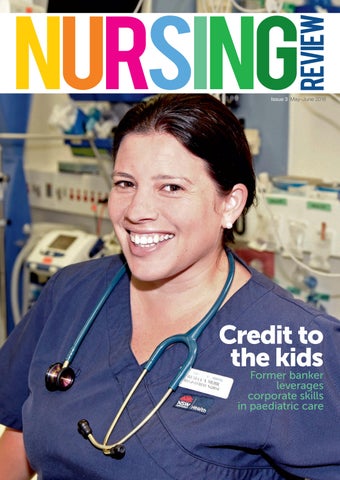
Credit to the kids Former banker leverages corporate skills in paediatric care
palliAGEDnurse is a free smartphone app which provides current clinical advice to help nurses care for their older patients approaching the end of life. The app covers advance care planning, case conferencing, and terminal care management. Designed by Decision Assist, it even works when you are not online. To download this easy to use app go to Google Play or the App Store.
Are you caring for older people near the end of life? Do you need more clinical advice at your fingertips?
To find out more visit decisionassist.org.au Decision Assist is funded by the Australian Government
contents MANAGING EDITOR
Andrew Bracey 02 9936 8668 andrew.bracey@apned.com.au NEWS EDITOR
Patrick Avenell 02 9936 8610 patrick.avenell@apned.com.au HEALTH EDITOR
Dallas Bastian 02 9936 8637 dallas.bastian@apned.com.au
08
13
16
PRODUCTION MANAGER
Cj Malgo 02 9936 8772 cj.malgo@apned.com.au SUBEDITOR
Haki P. Crisden 02 9936 8643 haki.crisden@apned.com.au SALES MANAGER
Adele Flint-Elkins 02 9936 8664 adele.flint-elkins@apned.com.au
22
28
34
news
18 Workforce modelling
30 Lifelines
SUBSCRIPTION ENQUIRIES
02 Blueprints for staff morale 04 Autoimmune disorders
02 9936 8666 subs@apned.com.au PUBLISHED BY
APN Educational Media PO Box 488 Darlinghurst, NSW 1300 ABN 58 090 900 999 ISSN 1326-0472 PP100001944
20 Fountain of youth
Marijuana’s impact on pregnancy
Midwives aid trainees
workforce
efforts failing
08 Aussie kids, eat your vegies 10 Oral hygiene full of holes
Towards better vascular access
33 Hashing out the issue
in disguise
05 The fasting track to trouble 06 Heart disease prevention
clinical practice
22 Team effort Mental healthcare delivers
34 African pride Stomal therapy nurses establish Kenyan training program
industry & reform
13 Where’s the money? Nurses miss out in Budget 2016
PUBLISHER’S NOTE
© Copyright. No part of this publication can be used or reproduced in any format without express permission in writing from APN Educational Media. The mention of a product or service, person or company in this publication, does not indicate the publisher’s endorsement. The views expressed in this publication do not necessarily represent the opinion of the publisher, its agents, company officers or employees.
Mentors can boost nurse numbers
24 Fading away Poor diet increases hospital mortality
legal corner
36 Lost in translation Patients must understand risks
14 Consumer-centred care The customer is always right
specialty focus
26 Screening focus Culturally sensitive cervical care program
technology
39 Healthy IT Keep testing for safety, privacy
16 Banking on experience From corporate finance to paediatrics
28 Eating for two Achieving nutritional balance during pregnancy
40 The numbers are in Data tracking a boon for health awareness
Health worker? Read this now. In 2015 Prime Super’s MySuper option outperformed Hesta and First State MySuper with a healthy 10.84% return*. Contact your local Regional Manager to find out more.
call 1800 675 839 *Based on the 2015 SuperRatings Accumulation Fund Credit rating Survey-MySuper. Call 1800 675 839 for a Product Disclosure Statement. Prime Super (ABN 60 562 335 823, RN 1000276) is issued by Prime Super Pty Ltd (ABN 81 067 241 016, AFSL 219723, RSE L0000277).
nursingreview.com.au | 1
news
The workplace nurses want
Dos and don’ts of keeping staff happy and productive via hospital design.
P
oorly designed hospitals that don’t have enough areas for breaks, meetings or storage are wearing down nurses and hurting staff retention, a study has revealed. The layout of wards can have a negative impact on nurses’ workflow and morale, and contribute to a culture where their work is devalued, the “Design Matters for Nurses” study found.
Nursing Review wanted to find out exactly what types of architectural and ergonomic features make and break it for this vital sector, so we spoke to Megan Reading, principal of architecture firm Hassell and an erstwhile intensive care nurse, a co-author of the study, to learn the critical facets of hospital design. “Good design takes effort and collaboration – nurses need to be involved
Legionnaires’ sparks controversy NSW health minister knew about ‘cluster’ of cases days before informing public.
I
nformation about a deadly Legionnaires’ cluster in Sydney’s inner-west was given to the NSW health minister, Jillian Skinner, a “few days” before the public was notified, following the death of a patient from the disease in late May. The elderly male patient died in Concord Hospital mid-May, NSW Health revealed. His death was part of a small cluster of four
2 | nursingreview.com.au
cases in the inner-west suburb of Burwood being investigated by Sydney Local Health District’s public health unit. The cases have prompted inspections of at least nine cooling towers in local buildings, including the Westfield Burwood shopping centre and Burwood Shopping Plaza. The disease, which causes fever, chills, a
in the design process and be given time to collaborate with designers to get the best outcomes,” Reading said. “Staff need access to discrete respite spaces for tea breaks that have good daylight access and preferably access to outdoors. Staff get limited time for breaks so spaces need to be close to their workplace, otherwise time is lost waiting for lifts to [take them to] a central staff cafeteria.” Reading also said staff need access to education and meeting spaces for inservice training and multidisciplinary team meetings so they feel part of an integrated health care delivery team. Furthermore, she said, “Support spaces such as storage areas and staff toilets need to be centrally located to reduce walking distances. Interior environments that have a high level of quality to overall functionality and finish speak volumes about the regard given to nurses working in these environments. “Nursing as a vocation always puts patients first; what’s called ‘patient-centred care’. To provide an environment that is contemporary and pleasant confirms the value of nurses’ work.” ■
cough and shortness of breath, is known to mostly affect middle-aged and older people, particularly smokers and people with chronic lung disease or another underlying health problem. Skinner has brushed off questions about sitting on the data before making the public aware of the disease cluster, while admitting she knew about it “a few days ago” and was told about the death. Skinner told reporters the information was released “when we found out the actual cause and location of the cluster”. She has moved to play down the risk “to the majority of people”, saying there have been about 100 Legionnaires’ cases every year for the last two decades – about twothirds from cooling towers – with 2016 largely consistent with previous years. Sydney does not have an outbreak “in plague proportions”, Skinner said, before counselling that “people should not panic”. Jeremy McAnulty, director of health protection at NSW Health, said the number of Legionnaires’ cases was “on track” with expectations. “Although we’ve had a large number of relatively small clusters, they haven’t been big clusters,” he said. ■ With AAP.
news
A schizophrenia look-alike Test identifies patients with autoimmune condition in the brain that can cause delusions and hallucinations, study finds.
A
small number of patients admitted to hospital with schizophrenia-like symptoms actually have another condition that attacks the brain, a Brisbane study says. The neuronal autoimmune disorder, revealed through a blood test, can be treated early, giving patients the best chance of a good outcome. “If they get the treatment for schizophrenia [instead], they won’t recover, they will stay disabled all their lives,”
associate professor James Scott said. He presented the data at the conference of the Australian and New Zealand College of Psychiatrists in Hong Kong. The study involved 116 patients, aged between 12 and 50, admitted to hospital between July 2013 and May 2015 for their first presentation of psychosis, characterised by delusions and hallucinations. They all were tested for the presence of autoimmune encephalitis, which causes inflammation of the brain.
Psych job: mind the body Patients with mental illnesses have much shorter average life spans; more attention to their physical health could improve this.
P
sychiatrists need to consider the physical health of their patients, who die up to 25 years earlier than those without a serious mental illness, an expert has said. The premature deaths, on average 10–25 years earlier than the average person in Australasia, are often due to physical conditions that could have been avoided with better management or a greater focus
4 | nursingreview.com.au
on prevention, said Royal Australian and New Zealand College of Psychiatrists (RANZCP) president professor Malcolm Hopwood. “There is a great irony in the fact that people under the care of mental health services often get less general medical care for their physical health,” Hopwood said. They experience much higher rates of physical ill-health, particularly from chronic diseases including cardiovascular ailments,
“For some patients, the body is producing antibodies that attack the brain, just like rheumatoid arthritis antibodies attack the joints,” Scott said. Four study subjects, “a small but not insignificant” number, were found to have autoimmune encephalitis. Instead of receiving psychiatric care, they were given immune-modulators therapy. “If they get therapy that stops the production of the antibodies attacking the brain, they have a very good chance of recovery,” Scott said. The condition affects brain function, but “it’s a mental illness for which we can understand the cause. Schizophrenia is going to be 100 disorders, many, many different illnesses and causes.” He recommended that the blood test for autoimmune encephalitis, which costs the health system about $200, be used for all patients presenting with first-episode psychosis. “Early identification of these patients and referral for appropriate treatment is critical to optimise recovery,” Scott said. ■ With AAP.
diabetes and respiratory conditions. Hopwood urged psychiatrists to consider providing more support to patients to reduce the side-effects of medication and place a greater emphasis on diet and exercise. They also should spend more time and energy in “reaching out to other clinicians to ensure that simple screening for cancer and chronic diseases occurs as effectively as it should”, he said. “I sometimes think the worse thing a person can do for their physical health is to be diagnosed with a mental health disorder,” Hopwood lamented. “What is not made difficult by the condition itself is exacerbated by stigma and discrimination, which is evident even in the health sector.” He noted that psychiatrists were trained in physical and mental health. The RANZCP recently released a report about the economic costs of the premature mortality of people with serious mental illness. It calculated the cost of the burden of disease in Australia annually at $56.7 billion, while the lost productivity cost was $45.4 billion. ■ With AAP.
news
Anorexia risk high at 15
Fasting is typically the first symptom to hit, then exercise and purging, study finds.
A
delaide woman Arabella was 15 when she started changing her eating habits and shedding weight. The active high school student and keen athlete was diagnosed with anorexia nervosa two years later, in 2010. Arabella’s story is typical of Australians with anorexia nervosa, who start fasting at an average age of 15, a study shows.
Subsequent behaviours include exercise at 16 and purging at 17. Fasting and exercise are the most common methods of weight control and typically start at a younger age, interim data from the world’s largest genetic investigation into anorexia nervosa shows. Most concerning, scientists said, is that only 32 per cent of local study participants are under the care of a professional.
Pills better with therapy Combining treatments is most effective against depression, mental health experts say.
P
eople being treated for moderate depression should all be offered sessions with psychotherapists to help boost their chances of recovery, Australian mental health experts have said. Australians are among the largest users of antidepressants anywhere in the world, but there has been a growing evidence questioning their effectiveness. Experts from the National Centre of Excellence in Youth Mental Health and the University of Melbourne said while
antidepressants have a role in treating depression, combining them with psychotherapy is more effective than using either alone. Offer all patients psychotherapy “and medication should be considered if depression is of at least moderate severity, psychotherapy is refused, or psychotherapy hasn’t been effective,” Dr Christopher Davey and professor Andrew Chanen wrote in the Medical Journal of Australia. They also recommend doctors
“The fact that an extremely large number of people living with anorexia are not under medical supervision is gravely concerning, given anorexia has the highest death rate of any mental health illness,” said Australian Anorexia Nervosa Genetics Initiative (ANGI) associate investigator professor Tracey Wade, of Flinders University. The ANGI study seeks to shed light on the genes that predispose people to anorexia nervosa. Arabella, who is medically classified as underweight, says she is making inroads into managing her illness and is participating in the study to learn whether it is genetic, environmental or both. She is one of more than 2400 Australian volunteers so far and the scientists hope to get to a total of 3000 blood donors by July. “This study represents the largest sample of Australian individuals with anorexia nervosa to date; information is providing compelling insights into weight control behaviours, and the ages at which these behaviours typically start,” lead Australian study investigator professor Nicholas Martin said. ■ With AAP.
encourage patients with depression to eat well and exercise. Their calls are based on a review of studies examining the effectiveness of antidepressants and psychotherapy for treating adults and children with depression. Ten per cent of Australian adults take antidepressants each day, with the usage rate having doubled since 2000. Davey and Chanen said several studies have shown that antidepressants aren’t as effective as previously thought, with many suggesting that the “placebo response” can be a key factor as patients taking medication automatically expect they will get well. Studies looking at psychotherapies, such as cognitive behavioural therapy, have also found a decline in effectiveness. “The modest effect sizes for depression treatments … suggest that combining treatments might provide the best outcomes for patients,” Davey and Chanen wrote. “In adults, the effect of combined treatment compared with placebo is about twice that of medication only. “The effects of psychotherapy and medication appear to operate independently of each other, providing a good rationale for their combination.” ■ With AAP. nursingreview.com.au | 5
news
Too much food & liquor Report finds Australia isn’t doing enough to promote healthy eating and alcohol consumption.
A
ustralia is losing the war against alcohol and weight-related illnesses, public health experts warned. They said Australia lacks a comprehensive approach to prevention. A report in the Medical Journal of Australia, by experts from the University of Melbourne, Victoria University’s Australian Health Policy Collaboration and the Obesity Policy Coalition, said investment in life-saving health promotion programs
in Australia lags well behind that in many Western countries. The authors said effective prevention could improve health and reduce pressure on clinical services. “Australia has had some outstanding successes in areas such as smoking, road trauma and heart disease,” they wrote. “However, we lack a sustained, comprehensive and strategic approach to prevention, together with adequate funding, co-ordination and monitoring.”
T
Take heart, prevention works There are effective ways to lower the risk of cardiovascular disease, but many Aussies fail to implement them.
he 1.4 million Australians at risk of heart attacks and strokes are failing to take steps to avoid them. The vast majority of people aged 45–74 considered highly vulnerable to cardiovascular disease are missing out on vital assessments and medications to address high blood pressure and cholesterol, a study in the Medical Journal of Australia has found. Heart disease is a leading cause of death in Australia. A dearth of understanding about the potentially lifesaving benefits of preventative treatments could be to blame for people being reluctant to seek them, authors said. The analysis, of more than 9500 responses in the 2011–12 National Health Measures Survey, found that those who smoked and had high blood pressure, high cholesterol, diabetes and lower kidney function were among the most vulnerable. But at-risk people could roughly halve their chances of enduring a heart attack or stroke if they got appropriate therapies. “There is this huge potential for prevention that is being missed,” lead author Emily Banks from Australian National University said. “The first thing is for people to understand just how effective these medicines can be. If you stop smoking, start taking these medications, get your cholesterol and blood pressure under control, you can substantially reduce your risk.” While those at the highest risk were failing to address the issue, people who did not believe they were susceptible also needed to seek assessment. “Often for people, the first sign that they’re at risk is having a heart attack or stroke,” Banks said. “We certainly find that if people have a heart attack or stroke, their first response is often ‘Why me?’. People don’t have a sense that they might be at risk.” ■ With AAP.
6 | nursingreview.com.au
University of Melbourne professor Rob Moodie, a former deputy chair of the Australian National Preventive Health Agency, said that with the exception of tobacco control, there is little or no progress being made in preventing and controlling risk factors for chronic diseases in Australia. “In particular, Australia is falling behind in healthy eating, healthy weight and managing alcohol harm,” Moodie said. “Australia is doing very well with tobacco because we have good bipartisan political support, but we are virtually getting nowhere with poor diet and obesity.” The report showed the average Australian is now 6 kilograms overweight. Moodie said this would have been largely avoidable if the government had instituted effective health policies decades ago. “We haven’t done well at all in the areas of healthy eating and reducing harm related to alcohol,” he said. “These are worrying areas because they can lead to [Type 2] diabetes, which is caused by poor eating and low levels of physical activity. “The nature of our lives has changed dramatically over the last 25 years and we haven’t adapted very well.” ■
advertorial
Have you ever considered a career in the Navy, Army or Air Force? We speak with three women who are leading exciting nursing careers in the Australian Defence Force.
F
or nurses who are looking for career progression, a challenge and an unparalleled variety of work the Australian Defence Force offers an exciting environment. Air Force nurse, Rebekah Heron, 31-years-old, joined the Air Force because she wanted something different in her career. She is currently a Specialist Health Recruiter, mentoring and supporting health care professionals who are interested in joining the Australian Defence Force in full-time and reserve roles. Rebekah said that it is easy to champion a job that has allowed her to grow and develop as a person, a manager and a health professional. “I enjoy speaking with other health professionals about my career and the great careers that they could have in the ADF,” she said. Rebekah said her career in the Air Force has presented her with wide ranging challenges, from clinical to professional and that she has worked in a diverse range of environments. This has enabled her to accrue a significant amount of experience and knowledge. As an Aeromedical Evacuation nurse, in 2009 Rebekah was involved in a mass rescue operation, transporting refugees after the Ashmore Reef explosion to Darwin. An Indonesian fishing boat SIEV 36 exploded off Ashmore Reef, killing five Afghani asylum seekers and seriously injuring 31 people, some had broken limbs but most had severe burns. The ADF was able to transport critically injured patients to Darwin by landing helicopters on a nearby oil tanker. The operation saved the lives of all who survived the initial explosion. Rebekah has also worked as a clinical nurse on the United States Naval Ship Mercy in South East Asia with the United States military and a multinational medical team. She said her nursing career in the Air Force has been mentally stimulating and has also been a job that keeps her active and healthy. “We stay fit in order to make sure we are ready for any environment – physically and mentally,” Rebekah said. Lieutenant Paula Evans, 53-years-old, joined the Navy many years ago following in her parents footsteps. “Both of my parents were in the Navy, and they spoke highly of their time there,” Paula said. “It was exciting family stories from my childhood that inspired me to pursue a career at sea.” Paula said, “One of the aspects I enjoy most about a Navy career is that it offers health professionals the unique opportunity to work
within a broader team of professionals.” “At sea, I am just one small part of a much bigger team of people from diverse professions. We all work together for one common goal, yet our skill-sets are vastly different. It’s certainly always exciting,” Paula said. “As a Nursing Officer in the Navy I have had opportunities for growth and career progression,” she said. “The work is challenging and stretches your clinical and personal skills.” “Throughout my career, my role has grown and expanded. I’ve been able to put both nursing and leadership skills into practice as I’ve moved through administration, people management, and clinical roles.” Army Captain Katrina Kelly, 32-years-old, also loves being able to use her clinical skills in challenging and difficult working environments. As a trained aviation nurse she has worked on exercises and operations with rotary wing aircraft crews. “It’s amazing how broad the work can be. You don’t always work in hospitals or clinics,” she said. “You need to be physically fit, you need to be resilient, and you need to be willing to adapt.” Katrina says the biggest highlight of her career so far was deploying to Afghanistan, where she worked with an infantry battalion for several months. “It was the most rewarding job I’ve done – that’s what people join the Defence Force for,” Katrina said. “I was there for seven months and my work focused on health and wellbeing management, primary healthcare and working with soldiers,” she said. During that deployment there was a mass casualty from an insider attack at a Defence University. Katrina received a commendation for ‘distinguished performance of duties in warlike operations’ for her response. Her citation states that her level-headed actions following this attack had a ‘force multiplying effect that aided the critical treatment and extraction of 14 casualties. Deployments test individuals’ professional, mental and physical capabilities. Nurses in a deployed environment play a role in primary health care, pre-hospital emergency care, evacuation of casualties, and surgical support. ■ A Nursing career in the ADF offers variety, challenges, travel, and the means to gain experience and skills that are in high demand. For more information on nursing careers in the Australian Defence Force visit: www.defencejobs.gov.au nursingreview.com.au | 7
news
V
DAILY DIETS WHAT’S ON THE AVERAGE AUSSIE PLATE EACH DAY • Vegetables and legumes/ beans: 2.7 serves. • Fruit: 1.5 serves. • Milk, yoghurt, cheese: 1.5 serves. • Lean meat and poultry, fish, eggs, tofu, nuts, seeds and legumes/beans: 1.7 serves. • Grains/cereals: 4.5 serves. (Source: ABS, based on Australians aged two and over)
RECOMMENDED DAILY SERVES FOR ADULTS AGED 19–50 • Vegetables and legumes/ beans: 6 for men, 5 for women • Fruits: 2 • Milk, yoghurt, cheese: 2.5 • Lean meat and alternatives: 3 for men, 2.5 for women • Grains/cereals: 6 (Source: National Health and Medical Research Council)
Salad slack
Australians are not eating enough fruit and vegies – as children or adults.
egies might be brimming with goodness, but less than 1 per cent of Aussie kids are eating the recommended amount each day. Children are having just 1.8 serves of vegetables a day compared with the recommended 2.5–5.5 serves. It doesn’t get much better as children grow into adults, with less than 2 per cent of men and about 4 per cent of women meeting the guidelines of 5–6 serves a day. The findings, based on analysis by the Australian Bureau of Statistics, found that most Aussies don’t eat the minimum recommended daily serves from the five major food groups: vegies, fruit, dairy products, lean meats, and grains. More than one-third of our daily intake is now coming from high-calorie, low-nutrient foods such as sweetened beverages, alcohol, cakes and pastries. “Less than 4 per cent of the population consumed enough vegetables and legumes or beans each day,” ABS director of health Louise Gates said. ”One in 10 were meeting the guidelines for dairy products, while 1 in 7 consumed the minimum number of serves of lean meats and alternatives per day.” Aloysa Hourigan, senior nutritionist at Nutrition Australia, said cost is a factor. “There could be benefits to a sugar or fat tax for those discretionary foods to help discourage people from purchasing as many,” Hourigan said. “That money could be used to help subsidise other foods.” ■ With AAP.
A Bad news for starch lovers Potatoes linked to blood pressure; blood pressure linked to dementia. 8 | nursingreview.com.au
weekly diet that includes four or more servings of the humble potato is linked to an increase in the risk of high blood pressure, researchers said. They found adults who had a higher intake of boiled, baked or mashed spuds and French fries had an increased risk of hypertension. Replacing one serving a day of boiled, baked, or mashed potatoes with one serving of a non-starchy vegetable is associated with a lower risk of developing hypertension, the US-based researchers said in a study published online in the British Medical Journal. The authors said potatoes have a higher glycaemic index than other vegetables, so can trigger a sharp rise in blood sugar levels, and this could be an explanation for the findings.
Meanwhile, a separate study found that having high blood pressure could raise your risk of developing the second most common form of dementia. The medical records of 4.28 million people in the UK were analysed by The George Institute for Global Health researchers. They found heightened blood pressure was associated with a 62 per cent higher risk of vascular dementia between the ages of 30–50 and a 26 per cent higher risk at age 51–70. “Vascular dementia rates are increasing all over the world and will pose a significant economic and social burden in both developed and developing countries,” lead author professor Kazem Rahimi said. “We already know high blood pressure can raise the risk of stroke and heart attack. ■ With AAP.
NOW RECRUITING: Nurses Surgeons Pharmacists Dentists Doctors
ARMY0087P/01_ 04/16
HELP PATIENTS YOU WOULD NEVER MEET IN CIVILIAN LIFE. DEVELOP SKILLS VALUED BY CIVILIAN HOSPITALS.
If you’re a healthcare professional or a student about to decide on your career, join the Army and challenge your experience with variety and travel that is well beyond the scope of usual healthcare. Find out more Defencejobs.gov.au/ArmyHealth
Challenge your experience
news
Tooth health in decay Australian children, on average, are not getting to the dentist often enough.
O
ne-quarter of Australian children under 10 have untreated tooth decay, while 1 in 9 kids up to the age of 14 have never been to a dentist, a new survey has found. “The prevalence of tooth decay was similar to [that in] other comparable countries, such as the United States and New Zealand, but the prevalence of untreated decay was somewhat higher
in Australia,” co-researcher associate professor Loc Do said. The National Child Oral Health Survey 2012–14, led by the University of Adelaide, involved more than 24,000 children aged 5–14, in each state and territory. “We found that tooth decay affected a significant proportion of children: over 40 per cent of children aged 5–10 had decay in their primary [baby] teeth,” Do said.
School changes linked to psychoses
Repeated moves during childhood increase chance of symptoms by age 18, study finds.
L
eaving old friends, making new ones and familiarising yourself with new surroundings are the hallmark challenges of changing schools. Now, research shows that children who frequently move between schools are also more likely to show psychotic symptoms when they are teenagers. Even moving around to multiple schools
10 | nursingreview.com.au
as a young child could have a detrimental effect, the study found. Researchers said doctors and teachers should be aware that “school mobility” is an important risk factor for psychopathology. Experts from the University of Warwick, in the UK, found that children who had moved schools repeatedly more than doubled their chance of developing at
One-quarter of children in that age group had never received treatment for their tooth decay. On average, kids aged 5–10 had 1.5 primary teeth with decay. “More than one-third of children aged 9–14 had decay in their permanent teeth, and 1 in 7 children in this age group had not previously been treated for decay in permanent teeth,” Do said. Children from Queensland and the Northern Territory had the highest prevalence and severity of tooth decay. The Queensland data was collected at the start of the expansion of water fluoridation, so it was too early to see its impact, Do said. “Children of low-socioeconomic backgrounds and Indigenous children had higher rates of dental decay, unfavourable dental and general health behaviours, and unfavourable dental visiting patterns.” Although the National Oral Health Plan’s target was for all children to see a dentist, the study showed 1 in 9 had never been to one. ■ With AAP.
least one psychotic symptom by age 18, compared with those who experienced fewer school moves. They warned that psychotic symptoms such as hallucinations, delusions and confused or disturbed thoughts could be precursors to psychotic disorders. The study, published in the Journal of Child Psychology and Psychiatry, examined 4000 18-year-olds. Of the 185 who had experienced four or more school moves, almost 10 per cent had developed at least one psychotic symptom in the past six months, compared with 4 per cent of those who had not moved schools repeatedly. “The study findings suggest that school moves, in particular, are harmful and may increase feelings of isolation and stress in those who have already experienced social exclusion,” study lead author professor Swaran Singh said. “School moves may also indicate other underlying problems, such as family breakdown, which may further contribute to an increased risk of psychosis.” Co-author Dr Catherine Winsper added: “Although school mobility appears to be a strong risk factor for psychotic symptoms … the majority who experience repeated school moves will not develop psychosis.” ■ With AAP.
REG0124P
NOT ALL HOSPITALS HAVE WARDS NURSING OFFICER: IT’S NOT YOUR GENERAL PRACTICE
CALL 13 19 1901 01OR ORVISIT VISITDEFENCEJOBS.GOV.AU/UNISPONSORSHIP DEFENCEJOBS.GOV.AU
As a Nursing Officer in the Navy, Army or Air Force, you’ll have opportunities that you won’t get in the private sector. For instance, your patients will be your co-workers, as well as civilians on deployment. You will get the chance to lead a team of health professionals and provide humanitarian aid. You’ll have the opportunity to further your career, specialise and progress into senior roles. Along with adventure, you’ll enjoy job security and excellent working conditions. You’ll also receive a favourable salary with subsidised accommodation and free medical & dental care. If you’re a registered nurse, contact us today for more information. NOW RECRUITING REGISTERED NURSES
For formula-fed infants
Now made in New Zealand The brand your patients know, still made to standards you can trust. S-26 GOLD ® NEWBORN and S-26 GOLD PROGRESS ® are now made locally. The reconstitution rates are the same and nutrient levels are similar with minor adjustments to linoleic acid and alpha-linolenic acid levels only. You can continue to recommend and be confident they are manufactured to the highest standards. In addition they now offer: • A new in-can leveller
• A new scoop
For more information contact your S-26 representative or our Careline.
IMPORTANT STATEMENT: Breastfeeding is the normal method of infant feeding, and is best for babies. It has benefits for the infant, such as reducing infection risk, and for the mother. It is important to have a healthy balanced diet in preparation for, and during breastfeeding. Infant formula is designed to replace breast milk when an infant is not breastfed. Breastfeeding can be negatively affected by introducing partial bottle-feeding, and reversing a decision not to breastfeed is difficult. Infant formula must be prepared and used as directed. Unnecessary or improper use of infant formula, such as not properly boiling water or sterilising feeding equipment, may make your baby ill. Social and financial implications, including preparation time and the cost of formula, should be considered. S-26, S-26 GOLD and PROGRESS are registered trademarks. Used under licence. Distributed by Aspen Nutritionals Australia Pty Ltd. 34–36 Chandos St, St Leonards, NSW, 2065. ABN 31 160 607 509. 00774 – 01/04/2016, ASP3447. FOR HEALTHCARE PROFESSIONAL USE ONLY.
®
industry & reform
‘No real respect’
The ANMF also wanted to see reverses to cuts in Medicare services such as pathology and diagnostic imaging. How did Medicare fare in the Budget?
The levels of funding for health in the federal Budget indicate that the government does not value the care workers provide. Annie Butler interviewed by Dallas Bastian
I
n the lead up to the Turnbull Government’s unveiling of the federal Budget, the Australian Nursing & Midwifery Federation called on the Coalition to begin restoring the $57 billion cut from national health funding under previous prime minister Tony Abbott. Since the Budget’s release, the federation has argued that the $2.9 billion promised for health won’t go anywhere near ensuring that the states’ and territories’ hospitals can operate effectively and efficiently. ANMF assistant federal secretary Annie Butler sits down with Nursing Review to dissect the health budget.
NR: What are some of your concerns surrounding the level of funding being promised? AB: While the government will be selling this as a close to $3 billion injection into hospital funding, we’re regarding it as putting a band-aid on a severed limb because the previous government had committed to $57 billion in growth funding for hospitals and public health services
across 10 years. Putting $2.9 billion back just for three years is still far less than is needed to run public health services. Our concerns are that nurses and midwives are going to see this in their daily practice. They’re going to see their workloads increase. They’re going to see hospitals continuing to pursue restrictions where they can to cut not just staff, but also resources. Simple things can seem like tiny little things if you just speak about them, but to nurses and midwives in their daily practice, [they are things such as] not being able to find linen properly, not being able to get supplies that their patients need, all those sorts of things. Then there are the larger things that are going to affect communities, which means they will make emergency departments more crowded and difficult. It can add to hospital waiting lists because this means hospitals can’t continue to keep beds open or open beds that they might need to cater for their populations. It has these compounding effects, which puts extra pressure on everybody in the system.
Medicare didn’t fare well at all. There was no commitment to any restoration for Medicare. There was a confirmation that the rebate freeze, which the government is now calling a “pause”, will continue for the next two years. This is a big concern because it’s a co-payment by stealth. It’s a backdoor approach to put the pressure on GPs, who ultimately are quite likely to be forced to have to put that cost onto their patients. While it hasn’t affected billing rates immediately, at this point we expect that’s going to happen because GPs are going to see they don’t have any other option. The government has announced it’s doing a number of what it would call positive things to Medicare, and that includes the continuation of the review of the Medicare benefits schedule, and clamping down on people they claim are defrauding Medicare. But that’s just tinkering at the edges. The sustainable changes needed to make sure Medicare is improved aren’t apparent in this Budget at all. While a review is a sensible thing, if we genuinely get to an outcome where the MBS is based on cost-effective, evidencebased procedures and practices, that will be something that is successful; but our basic take is it seems clear to us that the government is intent on its continued destruction of Medicare.
Overall, what does this Budget mean for nurses and midwives? I think nurses and midwives in general will be disappointed that there is no real funding for health, no real money, no real commitment for the work that’s done in hospitals or the health services community, no real respect for the work they do. The government just doesn’t respect their work enough to give them the resources for them to be able to do it properly. I think there are a couple of small positives. Some of our lower-paid nursing workforce could benefit from a return to the lower-income superannuation tax offset. That affects people who have low incomes who just suffer negative tax penalties because their income is so poor in relation to trying to accrue super. That is a step – albeit a small-step – in the right direction in trying to give some provision for low-income workers to accrue a decent superannuation amount. ■
nursingreview.com.au | 13
industry & reform
The consumer rules Health system stakeholders gathered to discuss a vision that truly centres on the customer. Vlado Perkovic interviewed by Dallas Bastian
A
ustralia should have a national vision for health that sets out the principles of consumer-centred healthcare. This was one of the points raised at a round table of about 35 health experts hosted by The George Institute for Global Health and the Consumers Health Forum of Australia (CHF). CHF chief executive Leanne Wells says Australians should be taking a more decisive and active role in their own healthcare, and adds that to achieve this, we need to innovate and provide consumers with the tools to make that happen. “Consumers must be the makers and shapers of the health system, rather than just the users and choosers,” Wells says. Following the round table, the George Institute and CHF released a report, Putting the Consumer First: creating a consumer-centred health system for a 21st Century Australia, detailing eight key recommendations: • To develop a national vision of Australia’s health through 2025, via the Council of Australian Governments, that describes and commits to setting the principles of consumer-centred healthcare, underpinned by regional plans for system improvement and innovation developed by primary health networks and local hospital districts and networks, in collaboration with public and private providers and the community. • Involve consumers in the governance of all levels of healthcare and research. • Invest in empowering consumers to become more involved in healthcare design and delivery, and self-management of their health. • Make consumer-centred professional practice a core professional competency in healthcare education to build skills in working with patients and as part of multidisciplinary teams. • Ensure that consumer experience drives the health system
14 | nursingreview.com.au
by routinely measuring patient experiences and outcomes, and making this information publicly available to allow informed decision-making. • Enable innovation while ensuring new approaches are evidence-based, developed collaboratively and fit for purpose. • Adjust drivers to create the right policy, infrastructure and incentives for change and to support consumer-centred care. • Develop a change-management strategy to facilitate the implementation of a consumer-centred health system. Here, professor Vlado Perkovic, executive director of The George Institute for Global Health, Australia, sits down with Nursing Review to discuss the recommendations and importance of empowering consumers when making decisions about their health and treatment.
NR: Why did George and CHF decide to hold this round table and why was its timing important? VP: Health is obviously important to all of us and it’s undergoing much change at the moment. There is a whole series of different reviews underway. We’ve heard [recent discussion] about new approaches to managing chronic care by redesigning GP payments. There are changes underway in mental health and digital health. There’s a whole range of things being looked at with a view to updating and modernising Australia’s healthcare system. All those are important but we wanted to ensure that the people who use the health system were the primary consideration in any changes. In other words, we want to make sure any changes in the system make it a better experience for them. That hasn’t always been necessarily the first consideration in designing aspects of the healthcare system and we think it needs to be.
industry & reform
What were some of the key concerns round table attendees raised? People talked about difficulty getting access to healthcare, long waiting times for appointments, long waiting times when they got to appointments. The [mentioned not getting] as much information about the issues they had or ways to treat them as they wanted. They didn’t feel empowered necessarily to look after their own healthcare. They felt there were some providers who were fantastic at engaging with patients and users in an appropriate way that enabled better participation, whereas others were less so. There wasn’t necessarily training [for all workers in how to do it. Another concern was that] many decisions about changes in healthcare delivery are being made primarily for cost or efficiency. Often the perspective came from those who were working in the health system, rather than those who were using it, whereas the latter, in our view, should be the priority.
The first of the eight recommendations in the report is to develop a vision for Australia’s health through 2025 via the Council of Australian Governments. What should this cover? It’s time for us, as a country, to talk about what sort of health system we want and what sort of outcomes we expect, focusing on the fact that the key goal is to improve the lives of all Australians. We should put that at the centre of the vision. It’s not about creating a business or an enterprise or employment primarily. It’s [primarily] about improving the health and wellbeing of individuals and the people who use the health system. All the other parts of the system should [build around] that. It was important for all Australian governments to express the fact that this is the core of our health system. This is what we want to be the focus going forward.
You would also like to see consumer-centred practice as a core professional competency in education. Where does the onus for this lie and at who, specifically, is this recommendation aimed? It’s an important aspect. As I said earlier, there are many doctors, nurses, healthcare professionals of all sorts, who are
fantastic at engaging with consumers. However, there are others who don’t have necessarily the same levels of skill, and who were never taught the sorts of skills that are required to implement consumer-centred healthcare. We need to help up-skill those people [in] all aspects of healthcare. It’s not just the doctors and nurses, it’s the allied health professionals, it’s the receptionists. It’s everyone involved in healthcare. It’s also broad in terms of the extent. For example, it’s something that should be built into university courses and training courses now and also made available to people who are already practicing. As well as involving universities and colleges and other training institutions, it’s important for the professional bodies to take some responsibility for helping up-skill existing practitioners and providing them resources and courses and training, to give them the skills to engage with people using the system in a 21st-century fashion.
Another recommendation was around routinely measuring patient experiences and outcomes and making the information publicly available. Why is this an important measure and what are some of the potential barriers to putting something like this in place? As someone who is a doctor working in the system at the moment, I can say from personal experience it’s often easy to focus on the blood test results, or the x-rays or the number of heart attacks. All of those things are important but sometimes we forget and leave behind the other, if you like, softer aspects of people’s healthcare experience that are at least as important to them. The quality of information, the quality of communication, the way they feel – these things are, we’ve learned, at least as important to people using the system, but aren’t measured in a routine way. Other countries are doing this now. [This is about asking whether] previous users of the system were happy with the way they were treated, and about the whole process as well as the outcomes. If consumers have all that information, we think they can make properly informed decisions and increase the likelihood that they get the service they expect. ■
MAKE A DIFFERENCE IN LIFE Monash Postgraduate Nursing and Midwifery courses We believe the greatest difference in your life comes from making a difference in the lives of others. Our postgraduate Nursing and Midwifery courses are based on the latest theories in evidence-based health care. Taught by practicing staff whose thinking and research is shaping the future of health care, these courses put you at the centre of a rapidly evolving and dynamic human field.
Whether you want to develop your clinical expertise or step up to the next level of senior management or take on a role in education, the combination of our high quality mentoring and flexible course design will allow you to make a difference. Apply now med.monash.edu/nursing
nursingreview.com.au | 15
specialty focus
From corporates to kiddies Being a senior account executive and a new mother was better preparation for life as an emergency nurse in paediatrics than you might think. Rebecca Muir interviewed by Dallas Bastian
16 | nursingreview.com.au
specialty focus
T
he interactions during meetings with corporate clients might be different from those on the paediatric wards, but RN Rebecca Muir says some skills transcend – and she’s well-versed in both. Muir left her job as a senior account executive with a leading Australian bank to work as an emergency nurse in paediatrics with the Sydney Children’s Hospital, Randwick. She said her previous role, in which she would regularly encounter new faces and speak with chief executives and financial officers, set her up to engage with nursing managers, doctors and other healthcare staff. Becoming a parent at the same time also helped her settle into her new role, Muir said. Nursing Review sits down with Muir to discuss the transition from corporate banker to emergency nurse, the skills she took with her during the move, and the parts of the role she didn’t expect.
NR: What did your corporate role involve and why did you decide to take the leap to join the nursing profession? RM: By the time I decided I was ready to move on from banking, I’d been working in corporate banking for about eight years. At that time, I was a senior account executive. We worked as part of the relationship team managing medium-to-large corporate clients and their lending and saving requirements, and at this time, I was looking for something ... I guess I never really felt like banking was a career [rather than just a job]. It wasn’t something I could see myself doing forever and I was wanting to start a family, so I wanted something that I thought would offer a better work-life balance. Then some things changed in my personal life and I was able to go back to uni and study for a couple of years. I stayed working at the bank during that time, too, just casually, which was great. So I guess I just thought nursing would be a better fit long term with what I wanted to achieve, both personally and professionally.
What are some of the challenges you faced when making that transition and how did you manage the move? [I was] driven by my personal situation because I’d had a baby. I was pregnant when I [was sitting] my final exams and I had a baby in February of the year I was to start my graduate year in nursing. I started that in July 2012 and I only ever worked part time, so it was quite challenging to find that first role. They were happy that I could work part time and balance that with looking after my first baby. The challenges for me were personal, so it was about how I balanced starting a new job, in a new industry, learning new skills, shift work ... Those types of things for me were what I found the hardest, but I was lucky I was working with a great team of people who helped. They were supportive and understood that I needed certain days, obviously, when [my daughter] Hannah was in day care. I was just lucky. It just seemed to fit well together.
How did the skill sets of your previous job and your current role differ, and what skills translated across? As part of my [banking] job [I would be liaising with] some quite senior people in business – chief executives, financial officers – so you learnt how to interact with people across different job roles, which translated to nursing, where you’re dealing with other nurses, nursing managers, doctors, surgeons, clerical staff. You learn your personal interactions and communication techniques. Then, for me, becoming a parent at the same time
helped with my communication with the parents of our patients, which is obviously crucial to our roles as nurses in a paediatric emergency department. Being able to study and apply myself and learn new skills obviously was necessary as well [since I was] coming into nursing and having to start again, learning an entirely new role.
In what other ways do you think being a new parent affected your approach to the role? Obviously, I don’t think you need to be a parent to be a good and excellent paediatric nurse. There are many who aren’t, but it helped me empathise with parents. I could see their anxiety, you can understand where they come from. I know what sleepless nights awake with sick children feel like. I was living it at the same time they were, so that helped me understand. Straightforward things like helping mums care for babies, changing nappies, feeding, breastfeeding – that all helps. When we look at the parents we deal with and sometimes see they are quite stressed, just being able to not dismiss that and have some level of understanding and empathy, I would say is probably one [way in which] I feel I can help them perhaps a little bit more than somebody who isn’t a parent yet. It is helpful.
What were some of the parts of your new role that you didn’t expect and which elements aligned with your expectations? Shift work is the one thing everybody talks about with nursing before you get started. One, you have to be prepared for it, and two, that’s just life. You’re working, you’ve got to be available to work seven days a week, 24 hours a day, just always. You think you can prepare for that, but I don’t think you can ever really. The one thing that helped me was being up and having the new baby, and I’ve since had another child so I’ve now got two children. You just don’t need the sleep you used to. I suppose I’m grateful that I was doing both at the same time, but I think you can never prepare for shift work, and it is extremely tiring and it is probably one of the hardest parts of the job. In saying that, the shifts are also great because they free up time; it works for me with balancing family and work as well, because I can work on weekends when my husband’s home, etc. The other thing that’s challenging in what we do, specifically, is the [reality that] there are some awful, distressing things that happen with children, and the first time you get a challenging situation like that, it’s difficult and you’ve got to work through it, and it is upsetting. Learning how to leave that at work and be professional about that, then acknowledge your own feelings is challenging. Sometimes you can forget in our job that we see such a small portion of all the well children and everybody else who’s out there. You have some tough days with some kids who are unwell.
What advice would you give to someone thinking about a similar career change? They should just do it. [That said], you do need to be supported. There’s no way you can do any change like this without some type of support, whether from friends, or family, or a [spouse], or whatever the case may be. Get some supports around you and change. However, if you are lucky enough to find something you love doing and you think will suit your life so much better, then you should do it because, let’s be honest, we all work for a long time and we all work hard, so if we can do something we love to do [we should be doing it]. You’ve only got one life, you might as well try to enjoy it as much as you can. ■ nursingreview.com.au | 17
specialty focus
Mentors can mend the gap A workforce shortage looms even as unemployment plagues the sector; greater commitment to teaching nurses at all levels new skills can address both problems. By Elizabeth Stewart
M
entoring is underused in addressing nursing workforce challenges. Australia’s healthcare system is facing an impending crisis, as increasing levels of chronic and complex disease combined with a rapidly ageing population. With nurses driving care and management of these types of diseases outside the acute setting, there is an urgent need to address recruitment and retention issues in the Australian primary healthcare nursing workforce. There is expected to be an acute shortage in this workforce. Analysis conducted by (now defunct) Health Workforce Australia projected a significant shortfall of 27,000 nurses in the primary healthcare sector by 2025. Two of the reasons for this projected shortfall are high exit rates and low numbers of workforce entrants. At the same time, there is an increasing rate of unemployment within the nursing profession overall. The Australian Institute of Health and Welfare states that 9100 RNs and midwives in Australia are unemployed – a 102 per cent increase since 2011. Many of these unemployed nurses are recent graduates. The solution could be staring us in the face. Australian Primary Health Care Nurses Association (APNA) chief executive David Malone says better use of innovative strategies, such as mentoring, is imperative to address nursing care for an ageing Australia. One of these strategies involves development of a mentorship program to support newly graduated and experienced Australian nurses transitioning into primary healthcare. Traditionally, transition-to-practice programs have focused on acute care, but there is considerable scope to extend this to primary healthcare. In the British Journal of Nursing, author James Vinales defines mentoring as, “A process by which one person (the mentor) encourages another individual (mentee) to manage his or her own learning so that the mentee becomes self-reliant in the acquisition of new knowledge, skills and abilities, and develops a continuous motivation to do so.”
18 | nursingreview.com.au
Involvement in mentorship and preceptorship is embedded in the competency standards for Australian RNs. Under part 4.3 of the Nursing and Midwifery Board of Australia’s National Competency Standards for the Registered Nurse, a nurse “participates where possible in preceptorship, coaching and mentoring to assist and develop colleagues”. Review of national and international literature reveals that the terms ‘mentor’ and ‘preceptor’ are often used interchangeably; however, the terms have different meanings. Mentoring is generally regarded as guidance, while preceptorship is more about direct teaching and supervision. In a December 2012 review undertaken for the Victorian Government Department of Health, it was acknowledged that mentors are a key element of most early graduate programs for nurses, and that mentors should provide support that encourages and facilitates independent practice, development of decision-making skills, and clinical judgement. What we need then, are appropriate resources and infrastructure to support the mentoring experience. While most mentorship programs have focused on acute care, a program for graduate nurses to transition to primary healthcare has been described as a potential nursing workforce development and sustainability strategy. A 2014 study by Peter Mellor and Jennene Greenhill looked at three South Australian rural transition-to-practice programs in the 2008–09 year and concluded that graduate nurse transition programs need to have the physical and human resources necessary to deliver clinical support and ensure patient safety. It also highlighted the need for three essential core elements – leadership support, clinical supervision, and effective inter-professional relationships – to be incorporated in all transition-to-professional-practice programs. In order for mentorship and preceptorship programs to be successful, APNA suggests a number of factors that should be incorporated into mentorship programs where possible: • Adequate training and support for mentors • Adequate preparation for mentees • Sufficient protected/designed time for mentors to undertake their role • Consistency in application of mentorship programs • Incorporation of peer support mechanisms in programs • Clarification of role and purpose of participants starting the program • Having measures in place to address potential crisis points for nurses undergoing transition programs. APNA is offering a transition-to-practice pilot program as part of the Nursing in Primary Health Care Program funded by the Australian Government Department of Health. The program is supporting up to 25 nurses who are transitioning to a variety of primary healthcare settings (e.g., correctional health, aged care, community, general practice), and their workplaces. These nurses, who may be either recently graduated or established nurses transitioning from acute-care settings, will be offered a range of support over 12 months, including self-directed learning modules and specified contact hours with their mentor. Workplaces will receive funding to ensure they can adequately invest in supporting the mentor-mentee connection. Tranche 1 of the program is underway. Tranche 2 commences in early 2017. ■ For more information, go to apna.asn.au. Elizabeth Stewart is project manager of chronic disease management and healthy ageing at APNA.
Pregnant? Tired?
Low Iron Levels? Get your energy back with Floradix! Iron supplementation during pregnancy is often recommended. During pregnancy your baby relies on all of its nutrients from the nutrients available in your blood. It is important that you ensure these essential nutrient levels are maintained. Floradix Herbal Iron Extract can help maintain your health and vitality. Floradix is a special formula that: Contains iron in a soluble form Contains natural herbal extracts Contains Vitamin C Contains Vitamins B1, B2, B6 and B12 Always read the label and use only as directed. If symptoms persist consult your healthcare professional.
HEALTHCARE SINCE 1916
F R E E F R O M A L C O H O L , A RT I F I C I A L C O L O U R S a n d P R E S E R VAT I V E S AVAILABLE AT ALL GOOD HEALTH STORES, SELECTED PHARMACIES AND SUPERMARKETS Enquiries Nature’s Synergy Pty Ltd Phone (02) 9499 7023 Fax (02) 9499 7024 Email: sales@cornell.com.au
visit us at www.floradix.com.au
find us at www.facebook.com/floradix
@Floradix_Aust CHC70149-09/14
specialty focus
Youth, once served, delivers
A The midwifery workforce is better prepared to help pregnant women and their babies now that younger students’ challenges are better understood. Jennifer Fenwick interviewed by Dallas Bastian
ge-related prejudice and transport issues when meeting on-call commitments are just a couple of the challenges young midwifery students face while studying, but they soon develop strategies to build confidence and competence both at university and in the clinical environment. These were some of the key findings from a study titled “Being a young midwifery student: A qualitative exploration”, soon to be published in the journal Midwifery. The report stated that while the students encountered unique issues related to their age, as they progressed through the program they developed confidence and visualised themselves having long midwifery careers. “They were strongly motivated towards providing woman-centred maternity care and considered their continuity of care experiences fundamental to them developing a strong sense of themselves as midwives,” the report read. Nursing Review sits down with study lead author Jennifer Fenwick, professor of midwifery at Griffith University and clinical chair at Gold Coast University Hospital, to discuss the obstacles young undergraduate students face while at university and the impact their studies have on them personally and professionally.
20 | nursingreview.com.au
NR: Why did you decide to look at the experiences of young midwifery students? JF: It was a team effort. We knew we had a mix of students and we had some teenagers coming straight out of school, and of course in the recent past, you had to be a nurse to be a midwife. Now the professions are seen as separate. We started to see young students or teenagers coming into midwifery and the midwifery program is a challenging program. It’s fantastic but it does require a level of commitment around clinical places. We ask our students to do something like 2000 hours of clinical placement, and we also have a requirement that they have to provide what we call continuity of care to women and follow them through the journey of childbirth, which means they often have to be on call for those women. They have to see them and then they have to be able to come in when they’re in labour. One of the students who was interviewed eventually made a comment about needing her mum to drive her to the labour and birth because she didn’t have a car. That started us thinking, what are the other challenges? Do we understand all the challenges they might face? There were some midwives saying [others were] too young to be a midwife. So it was really important to us to understand what the experience is like for our young midwifery students.
specialty focus
You recorded face-to-face and telephone interviews with 11 students aged 20 or younger, and you found that they do face some age-related challenges. What were some of the obstacles or issues you uncovered? One of the first things that hit us when they were talking to us was that they got such a shock when they came to orientation. We have about 100 students come into first year every year. That’s a little bit more than we have places for, and what they talked about was coming into a room full of 100 people and being shocked at how old they were, which we hadn’t conceptualised, I guess. That led us to think about what that meant for them. They talked about coming in and seeing all these oldies and being unsure. We’ve written another paper about [student] motivation. Many of the midwifery students are really keyed up; they’ve done a lot of research, they’re up on what it means to be a midwife. However, that didn’t prepare them when they were used to thinking university was going to be full of all young people. Three-quarters of the cohort are mature-aged women, many with children. One of the other things that was challenging for young students was [our] cohort of women who’d had their own children. You’ve got a cohort of students who’ve lived through the experience of childbirth. A lot of young students found that challenging and confronting, because they felt like, ‘Oh, she knows because she’s had that experience but I haven’t.’ So they often questioned [whether they could be good midwives on that basis]. We already knew when they went into clinical practice that some of our midwifery colleagues weren’t on the same page as us in terms of thinking [that] it’s fantastic to have these young students coming who want to be a midwife. [So some of the younger students] were challenged by many of our midwifery colleagues who sometimes felt that they didn’t have enough experience to be in this important space where women journey through pregnancy, labour and birth, and the transition to parenting. Another factor was [their need to] be on call. There were some young students who didn’t have their licence yet or didn’t have a car. Some had to catch buses. That presented challenges to them in terms of getting to where they needed to go to attend a birth or to do a post-natal visit in the community and not at the hospital or health facility.
You identified some strategies students use to build confidence and competence, in both university and the clinical environment. What were some of the coping strategies students developed over time? We know our young people are fantastic with social media. Our students come into the intensive teaching block and then they go out into clinical practice. They don’t come back in again. One of the challenges is how they can build links and relationships and support networks when they’re not coming back into uni every week, or every second week. They were hot on using social media to be able to talk to one another, to provide support. That was one of the first things they did; they often gravitated to one another quickly. They just beavered away and [found that self-belief]. It was just a matter of them finding the support, using their midwifery lecturers as well to say: “This is OK, you will get there. Give yourself an opportunity to be able to learn the language of childbirth.” While they initially often saw our [overall] cohort being quite
mature and perhaps them not having anything in common with them, quickly in their clinical facilities they learnt to build close relationships with one another, so those older students were really supportive of the younger one and vice versa. They learnt to give one another something special.
You said the continuity of care experience is fundamental to young midwife students’ transition to midwifery, what impact does that have on a student’s growth? It was interesting. There is some evidence in the literature that providing continuity of care is difficult – and it is to some extent. However, [our job is to] help them do that. How do we problem solve and make it easy for them to provide continuity of care? What we found when they talked about it was that following a woman through the whole experience was fundamental for them putting together all the pieces. We have a fragmented maternity system, and one of the reasons continuity is in the education standards is to get students understanding the woman’s whole journey and seeing it from her perspective. We’ve found that level of responsibility, that level of being part of what is an absolutely normal but significant life event, started to mature them in different ways they hadn’t expected. While their friends were all doing this and that, they sometimes were on call. They’d [say]: “No, I can’t go because the woman’s due.” Students [ended up telling us] how they came into the course and, in three years, absolutely transitioned to professionals and women as opposed to teenagers. It was that ability to follow women, to be part of that experience, to take responsibility for what they were doing and to see the whole picture and what a difference it makes to women when they have continuity of care from a known midwife. That’s our whole agenda at Griffith – it’s around helping reform the maternity system so we don’t provide fragmented care. It’s important for students to understand the continuity of care; it means they get to work across their full scope. They have to do antenatal care, they do labour and birth care, they do postnatal care and they stay skilled in that whole scope of practice, rather than coming into an institution and just working in the antenatal clinic, or just working in the postnatal ward, or just in labour and birth suites. That model is not evidence based, and it doesn’t provide women with the best outcomes.
In the article, you stated that attracting and retaining young students is essential if the profession is to realise its goal of ensuring all woman have access to a known midwife. What can be done to help students on their path to becoming a midwife? There are complex issues at play, and one of the things we’re doing as an educational facility is working closely with our practice partner to prepare them to work across their full scope of practice and [make sure] they understand the importance and benefit of that model to women and their families. The model also, we know now, is beneficial to midwives. The more intimate knowledge you have of a woman you’re caring for, the better off you are in terms of providing safe care. It’s important for us to have midwives who want to work towards that if we’re going to see some changes. Also, at the moment, we have a population of midwives with an average age of [about 50] … so it’s fundamental for our profession to have workforce sustainability to ensure that we have healthy women giving birth to healthy babies, because that’s what makes a healthy community. ■ nursingreview.com.au | 21
clinical practice
Better together Strong relationships between care workers and clients lead to exceptional results in a program designed to fight functional decline. Maree Bernoth interviewed by Dallas Bastian
A
participatory care model out of Hobart was the focus of recent research that delved into job satisfaction for care workers and functional decline in older people. The study evaluates a program to prevent functional decline of older, community-dwelling people, called Staying ActiveStaying Independent. Study lead Dr Maree Bernoth, from the School of Nursing, Midwifery and Indigenous Health at Charles Sturt University, says the evaluation gives older people and community support staff the opportunity to share their experiences from the program. In this interview with Nursing Review, Bernoth details the main messages participants raised during interviews and a focus group, the important elements of the relationship between the caregiver and receiver, and some of the areas of the program that can be expanded.
NR: In your article, you detail the challenges specialist mental health services may face in being effective for the older population. What do these issues stem from? MB: They stem from the [need] to firstly identify older people who have mental health issues. [We must ensure we] are able to identify those people, have them come forward, and deal with some of the stigma related to mental health. Our older population tends to have the traditional stigmas around mental health – that it’s 22 | nursingreview.com.au
shameful – but if we can have services, workers with the right skills [and the right] approach, and have media [show] that it’s OK to talk about mental health issues, we may be able to have people come forward and ensure that they’re comfortable with saying they have a mental health issue. The service providers and the staff within those services need to have the correct approach, so the older person feels comfortable talking about what’s happening. In the project we did in Hobart, the staff there did form relationships with the people, or had existing relationships with them, so the older person and the clients felt comfortable talking about those issues.
In that study, you evaluate a program designed to prevent functional decline of older community-dwelling people, called Staying Active – Staying Independent. What does this program involve and what did the evaluation cover? We’ve done a number of evaluations. We’ve done some qualitative work and identified what the meaning was for the clients and the staff. We’ve also done some quantitative evaluations. The quantitative evaluations will be in future papers, but we’ve published two lots of papers about the qualitative aspects of the program. The Hobart District Nursing Service received funding through Health Workforce Australia to look at a different approach to assessing clients’ needs and keeping them functional. It’s
clinical practice
much accepted by the clients and enabled them to reveal their deepest needs. That was based on the relationships that had been built between the care workers and the clients. While we’re talking about customer-directed care, if we’re going to identify the needs of the client, the relationship and communication between the person doing the assessing and the client are [critical] so the clients feel comfortable talking about their depression or their isolation or their loneliness – then the care workers can address those things. People’s functionality improved in the project. Functionality is a big thing; it [meant] reconnection with community, reconnection with neighbours, being able to get back out again. The programs had been specially tailored for each person; they were all supported in their program and [those elements] worked, they were effective. The clients talked about prevention, how they understood that the programs they were involved with were preventing functional decline so they were able to walk further, breathe better, put their washing on the line confidently, go out with neighbours. They also talked about the new confidence that they had. So as well as the physical effects [of the program], there was this psychological effect. They felt more confident, so they were able to take more risks and do more things. They also recognised that there was a reciprocity between the client and the care worker. The clients could see how the workers were appreciating the positive outcomes. As the clients improved, and their quality of life improved, there was much satisfaction for the care workers who were involved in the program. There were many positive things, but underpinning all that was the empowering of the care workers by the managers and the registered nurses and the allied health professionals. The care workers had support while they were implementing the program, just as the clients were receiving support. That was essential.
related to the consumer-directed care we’re working towards right now. What the Hobart District Nursing Service did was educate the staff, firstly, teaching the care workers the new approach, empowering them to do assessments on their clients, and also to support those clients as they went through the program that was identified as suitable for them. The care workers went out and spoke to the clients. Instead of assessing them from a nursing perspective, they asked the clients what was most important for them. The clients identified issues that weren’t obvious [including around mental health]. Then the care workers, in conjunction with an allied health professional and a registered nurse, worked to implement a program that was suitable for that person. The outcomes were just amazing. There were good [results] for the staff and for the care workers. There were positives for the clients, and for the communities involved. It was a terrific program and something that can be replicated throughout the country.
As you mentioned, you conducted in-depth interviews with older people receiving care and a focus group with seven community support workers. What were some of the key points this process raised? What all of the clients revealed or acknowledged to us was that the approach the care workers took was essential; it was very
You said the relationship between caregiver and receiver was crucial. What are some of the important elements of this relationship? There was an authenticity there. There were authentic partnerships between the care worker and the client. The care worker wasn’t coming in as the person with all the answers. The worker took on this inquiry: what’s best, or what does the client want? There was a real partnership between the two of them. There were also solid communication skills. They had been built before this program started. The care workers had been with their clients for some time, so they’d already developed a level of communication. This, and the attitude that underpinned authentic partnership, were the essential things to make this work. Again, it’s support at all levels. The care workers were supported in what they were doing by management, registered nurses and allied health professionals. They could then go and give that support to the clients. There was education for the care workers, because they were nervous about doing it. They didn’t think they had the skills, and they were the most appropriate ones to do the program with the clients. The other thing was that the allied health person who developed [each] exercise program went into the client’s house and did the exercises with the client where they [would normally be doing them]. So clients had the memory of doing the exercise with the allied health worker [in that location]. Then there were posters put up to remind the client of what was involved. ■ nursingreview.com.au | 23
clinical practice
Eat for life
H Malnutrition is related to increased risk of death for nearly all groups; healthcare must acknowledge how formidable this threat is. Ekta Agarwal interviewed by Dallas Bastian
ospital patients are more likely to die within 30 days of admission if they eat less than a quarter of the food they are offered or are already malnourished. This one of the key findings of recent research that looked at more than 3000 patients in 56 hospitals in Australia and New Zealand. Dr Ekta Agarwal, from Queensland University of Technology’s Institute of Health and Biomedical Innovation, says the study shows that poor food intake is associated with a high risk of in-hospital death, regardless of the patients’ age, nutritional status, and type and severity of disease. Agarwal sits down with Nursing Review to unpack the findings and discuss what should be done based on the data.
NR: You found that 1 in 3 malnourished patients ate less than 25 per cent of their offered food. What was the risk of death among the malnourished patients, within 30 days and beyond? EA: The malnourished patients had a 30 per cent increased risk of death within 30 days of hospital admission, in comparison with well-nourished patients. We also found that, when we evaluated the risk of death within 90 days of admission, malnourished patients had twice the risk of death as well-nourished patients.
24 | nursingreview.com.au
You’ve found that 1 in 5 patients classified as well-nourished also ate less than 25 per cent of the food offered. What effect did this have on their health and risk of death? If we just look at food intake, per say, we found that patients who ate 25 per cent or less of the offered food during the course of the study had the risk of death within 30 days of hospital admission increase – by as much as 2.6 times. The risk of death doubles within 90 days of admission. It didn’t quite matter whether they were well nourished or malnourished, if they were young or old, if they were male or female. The type of disease that they had, or the severity of the disease that they had also did not matter. In a nut shell, just eating poorly during hospital admission was an independent risk factor for an increased chance of death. When we look at well-nourished patients who were also found to be eating poorly during hospitalisation, it’s important to consider that when well-nourished patients have a prolonged poor intake during hospitalisation, they can become malnourished, and then experience the same risks that malnourished patients face, in terms of extended length of stay, frequency of admission, and increased risk of mortality.
clinical practice
procedures, which can impact their food intake. Another issue is, quite often, patients who are frail or have a diminished capacity to feed themselves, may not get the assistance that they need at mealtime. This assistance may be lacking from hospital staff, or they may not have family members visiting them at mealtimes to assist them with food intake. These are some of the complicating factors which could potentially lead to patients not eating adequately during hospitalisation.
How is the prevalence of malnutrition in hospitals affecting the health system overall? The Australasian Nutrition Care Day Survey, along with other studies, now confirm that malnutrition in hospitals is associated with prolonged hospital stay, greater risk of readmission, slower recovery, increased risk of pressure ulcers, decreased functional capacity in patients, and a greater risk of death. These outcomes not only have a significant impact on patients and their families, but they also have a big impact on the healthcare system. It’s been estimated that the cost of treating a patient who has the risk of malnutrition is at least 20 per cent higher than treating someone who is well nourished, in the hospital system. There have been studies done in the UK that estimate the cost of malnutrition there is more than £13 billion, which is about $20 million Australian. There have been a couple of good studies done between 2002 and 2004. One of them was done in 45 public hospitals in Victoria, and they estimated that the cost of malnutrition to public hospitals in Victoria was over $10 million. Another study that was done in Queensland based public hospitals found that the cost of malnutrition related pressure ulcers was over $13 million. As I said before, these studies were done at least 15 years ago, so one can only imagine what the equivalent cost estimates would be in the present age.
What might be contributing to the number of patients failing, or declining, to eat the food on offer? In this particular study, which is referred to as the Australasian Nutrition Care Day Survey, we found that two out of three patients did not eat all the offered food during hospital admission. This means that eating less is quite common in hospital patients. There is evidence to indicate that eating less could be due to a loss of appetite. This loss of appetite could be associated with a range of factors, which are patient related. Examples of these patient related factors could include the illness itself that the patients have, or the disease condition they’ve been admitted with. It could have issues in terms of experiencing early satiety. They may have a lack of flavour perception. They may be suffering from a depressed mood. They may be unfamiliar with the hospital’s food system, or the foods that are being offered to them, which is why their intake may reduce. They may also be suffering from swallowing or chewing difficulty. Apart from patient related factors, there are also certain organisational factors that may impact a patient’s ability to eat food during their admission. These include issues such as the timing of meals. Most hospitals would offer breakfast, lunch, and dinner at particular times, and may not offer snacks in between these main meals. There is evidence to suggest that patients do usually get hungry between those meals, and by not offering them the opportunity to eat, this is actually a lost opportunity for the patient to eat. It is also quite common for patients to be interrupted at mealtime. For medical rounds, or diagnostic tests or
What should be done to address this issue? A starting point would be to acknowledge and accept malnutrition as a formidable problem. Malnutrition in hospitals has long been known as a skeleton in the hospital’s closet. It is time that we bring the skeleton out of the closet, and out in the open. It is time now for the focus of malnutrition to shift from being within the dietitians’ domain, to extend beyond. Policymakers and all healthcare professionals, whether they are medical professionals, nursing professionals, allied healthcare professionals or food services staff in the hospital system, should feel more responsible in terms of managing malnutrition. When we talk about stakeholders, we also need to remember that patients themselves are important stakeholders in the management of malnutrition. There is evidence to suggest that malnourished patients don’t recognise that malnutrition is a problem when they’re admitted in hospital, which is a big issue. Patients need to become aware of the perils of malnutrition, because it is a big problem to them, and it can affect their recovery. There is a range of screening tools that are evidence based. One of them being a malnutrition screening tool which is literally a two question tool which anybody in hospital can administer. That can determine whether or not a patient is at risk of developing malnutrition. We need to use that tool as part of day to day good practice, because in summary, if malnutrition is not recognised, it is unlikely to be treated. For healthcare professionals, I think we need to adopt a collaborative, multidisciplinary approach, in addressing malnutrition as a problem. Because malnutrition is everyone’s problem. ■ nursingreview.com.au | 25
clinical practice
It helps to be sensitive A new project educates workers and the community on cervical screens for women who have experienced circumcision. By Dallas Bastian
T
wo health groups have launched a cervical screening project for women affected by female genital circumcision or cutting (FGC). It has been estimated that 130 million to 140 million people worldwide have experienced a form of FGC, PapScreen Victoria, the group leading the project along with Women’s Health West, says. The aim is to increase cervical screening participation amongst women affected by FGC through educational resources. PapScreen Victoria is encouraging professionals who work
26 | nursingreview.com.au
in the regions of Victoria with residents from the countries of Somalia, Egypt, Guinea, Sierra Leone, Djibouti, Mali, Sudan and Eritrea to use the resources. Hiranthi Perera, PapScreen manager, says countries where this procedure takes place have high rates of cervical cancer. “It is vitally important that these women, once they reside here in Australia, have access to our cervical screening program,” she says. Many such women, she observes, have no awareness of the potential benefits of screening or of the vast information, support and resources available to those
who may be at increased risk. In response, a suite of resources have been specially developed to get the messages out to both health professionals and women who have been affected. “Female genital circumcision is a highly emotional issue, and we aim to find ways to make sure women who have settled in Victoria are able to take part in cervical screening in a way that is culturally safe and ensure they are able to be guided by trained health professionals in female genital circumcision,” Perera says. The key, she says, is to ensure that such women feel they are seeing a healthcare provider equipped to manage their circumstances and provide them with the best advice and referral options. Intesar Homed, a Family and Reproductive Rights Education Program (FARREP) worker from Women’s Health West, says: “There is a continuing need among Australian healthcare professionals to better understand the healthcare needs of women who have been [affected] by FGC. The lack of understanding prevents women from accessing health services such as pap tests.” The resources within the project include a visual card that details information on FGC and offers cultural and clinical advice, as well as fact sheets on cervical screening that have been translated into languages commonly spoken among women who have experienced FGC. FARREP workers are also presenting professional development programs that delve into the history of FGC, the reasons it is practised and how nurses can conduct discussions with women it has affected. “I think a lot of people think it’s a religious practice,” Homed says. “There’s a lot of misinformation [around] so I think it’s important that health professionals do take note of these resources that have been recently launched, to get a better understanding of what cultural practice and tradition is behind this. “[This way we can] ensure they know they’re dealing with these women in a culturally sensitive way, and communicating using the right language, then providing the best possible care. If they’re not the right person to be doing that, knowing where to refer the women [is important]. Here in Victoria, we have a number hospitals and clinics specifically set up to support these women [in accessing] their screening, but also in other gynecological procedures that they may require.” ■
We do everything as if you are here You work hard caring for others; we work hard to care for you. Your needs, your goals, your future. You wouldn’t have it any other way. Neither would we.
Winner. Best Growth Super Fund.
firststatesuper.com.au | 1300 650 873 Consider our product disclosure statement before making a decision about First State Super. Call us or visit our website for a copy. FSS Trustee Corporation ABN 11 118 202 672 ASFL 293340 is the trustee of the First State Superannuation Scheme ABN 53 226 460 365.
clinical practice
Not what, but how much The subject of weight gain during pregnancy may be a touchy one to discuss with women, but it’s important to bring it up. By Cathy Knight-Agarwal
P
regnancy is a time when many women become motivated to improve their health, not just for themselves but for their growing baby as well. Traditionally, antenatal nutrition information has centred on what women shouldn’t eat and this has been reinforced by what they read in the media. Questions such as, “How do I avoid potential danger foods (such as mercurycontaining fish, some deli meats and soft cheeses)?” or “What are my chances of contracting listeriosis?” are frequently asked. While these are important food safety issues, they are quite uncommon and many dietitians have suggested a refocus of priorities. The majority of pregnant women in Australia perceive their diets to be healthy, yet they do not consume the recommended daily servings from the five food groups. Only 56 per cent meet their recommendations for fruit and
28 | nursingreview.com.au
29 per cent for dairy. Women who smoke during pregnancy are more likely to have a high pre-pregnancy body mass index (BMI) and have low household incomes. They are also less likely to meet their recommended fruit intakes. A resource that should be available in every antenatal care setting is Healthy Eating During Your Pregnancy, published by the Australian Government. This pamphlet outlines foods and their serving sizes that are best for optimal nutrition, as well as simple food safety and weight-gain advice. To access this resource, go to: eatforhealth.gov.au
MANAGING WEIGHT IN PREGNANCY More women are becoming pregnant with a BMI well above the healthy range and this may result in excessive gestational weight gain. This can have serious effects during pregnancy and may also contribute to lifelong risks for chronic disease in the offspring and for the mother.
So what is a healthy gestational weight gain? Although there are no locally developed guidelines, it is common for Australian antenatal healthcare professionals to use those published by the US Institute of Medicine (IOM). The IOM recommendations define obesity as a BMI of 30 kg/m2 or greater and do not differentiate between the different classes of obesity. Thus, weight gain during pregnancy is recommended to be 5.0–9.1kg for obese women. Some women with a high BMI may reduce their food intake during pregnancy to lose weight or to avoid weight gain. In these circumstances, there is a real risk of micronutrient deficiency, which may require supplementation with folic acid, iron, iodine and vitamin D. Like with excessive weight gain, in most circumstances not gaining enough weight should be actively discouraged. Consequently, high BMI in pregnancy has become an important challenge for health professionals working in antenatal care. Dr David Knight, senior obstetrician at the Canberra Hospital, argues that: “Prevalence of overweight and obesity among pregnant women in Australia has increased to such an extent that special multidisciplinary clinics have now been established in many teaching hospitals. Collaboration between obstetricians,
clinical practice
midwives and dietitians, in particular, is instrumental in improving outcomes for both mothers and babies in this population. Such collaboration has also provided opportunities for ongoing research and for the introduction of new and improved interventions.” Despite such professional partnerships, many pregnant women are still unaware of current weight gain guidelines and several put on more weight than is recommended. This is partly due to the fact that weight monitoring is not routinely carried out by many Australian antenatal clinics and weight can also be a sensitive topic to discuss. Some health professionals avoid ‘weight-related’ conversations for fear of embarrassing the pregnant woman or causing distress. Others have reported a lack of time or confidence with their knowledge base in this area. As a result, more and more pregnant women are looking online for answers to their nutrition- and weight-related questions. This does not always lead to credible information. A team of researchers
at the University of Canberra have used mobile technology in an attempt to address some of these issues. Professor of midwifery Dr Deborah Davis says she believes weight, especially women’s weight, is a complex issue that must be addressed in ways that are helpful and, above all, kind and empowering. Obesity has proved to be a health concern that can be difficult to manage, and this includes obesity in pregnancy. She suggests new and innovative approaches are required as part of a management plan. Davis and her team have developed the Eating4Two app, which aims to support women in achieving a healthy weight gain in pregnancy. She’s careful to point out that such technologies have been designed as an adjunct to usual antenatal care and should in no way replace the advice health professional provides an individual. Many women make a conscious effort to be healthy in pregnancy but obviously some need additional support. Clear gestational weight gain guidelines and access to credible dietary information is
paramount. Ideally, women should be encouraged to seek expert, individualised dietary advice from an accredited practising dietitian. Weight monitoring is particularly important for obese pregnant women because excessive weight gain during pregnancy is associated with an increased risk of adverse outcomes in this population. Women may be more receptive to regular weight monitoring if this is undertaken in a sensitive, non-judgemental way with a well-defined purpose. Ultimately, our goal as health professionals must be to reduce the morbidity and mortality associated with being overweight or obese in pregnancy by providing ongoing support, education and innovation. ■ Cathy Knight-Agarwal is an accredited practising dietitian. To locate an accredited practising dietitian in your area, visit the ‘Find an APD’ section of the DAA website at daa.asn.au or call 1800 812 942.
www.cherokeeuniforms.com.au
Look & Feel Professional at Work
Shop online now www.medeleq.com.au/Store
For Full range of Styles, Colours & Prints available, see www.cherokeeuniforms.com.au
Australian Distributor
MEDELEQ PTY LTD ABN 48 912 042 340 11 Palings Court Nerang Q 4211
E: cherokee@medeleq.com.au W: www.medeleq.com.au
nursingreview.com.au | 29
clinical practice
Stick with it Organisations are finally coming together to work on best practice for vascular access devices; a unified, persistent approach to patient assessment and research will pay off.
A
Samantha Keogh interviewed by Dallas Bastian
ustralia can put vascular access devices to better use, experts say. Academics from Griffith University’s Menzies Health Institute Queensland say best practice for IVs and other devices within medical settings would improve patient outcomes and provide cost savings. Professor Claire Rickard presented on the topic at the Australian Vascular Access Society’s (AVAS) Annual Scientific Meeting in Brisbane and provided evidence showing there are large gaps in IV research and implementation of best practice. Rickard said IV practice in Australia is lagging that in other developed countries. Griffith’s Dr Samantha Keogh, principal director of the Alliance for Vascular Access Teaching and Research (AVATAR), says vascular access hasn’t been owned by any particular group or specialty. She says she hopes the establishment of a national society and having a national meeting will help bring everybody functioning in their own silos together to tackle the issue collectively. Here, Keogh sits down with Nursing Review to discuss how the problems inherent to IVs and other access or drainage devices can be overcome.
NR: The national scientific meeting on vascular access in Brisbane delved into evidence showing there are large gaps in IV research and best-practice implementation. What areas of research haven’t been fleshed out enough? SK: I think the area of insertion, particularly of peripheral devices, needs to be worked on more. We know we have skills and technology, but exactly what difference they can make to the patient experience and the long-term outcome 30 | nursingreview.com.au
clinical practice
needs to be quantified. Certainly, the area of failure for vascular access devices, central and peripheral devices, needs to be explored more. We’ve focused, quite rightly, on reducing infection, and to some degree we’ve had big success and changes there. We wish to sustain those. The issue of failure due to occlusion or infiltration or dislodgment or localised infection, was unquantified and not realised until recently. Now there is data on that, and we need to tackle that. Then there’s the issue of removal. Much research has [indicated there are often] redundant IVs or ‘just in case’ IVs and [identified] the best time to remove an IV once it’s no longer needed.
The idea that where research evidence does exist there is often a failure to implement it was also discussed at the event. What’s impeding evidence from being translated into practice? A few things. First, vascular access hasn’t been ‘owned’ by any one particular group or specialty, and I hope the establishment of a national society [allows us to] tackle it collectively. That team approach will certainly have more impact. Second, there’s just the issue that people, I don’t think, realised there was a problem before. Vascular access failure wasn’t realised until recently. Finally, there’s people’s understanding and appreciation of research, just the general understanding of the levels of evidence and the powers and methodologies that should have a stronger impact on influencing your practice.
Apart from bolstering research in this area, how can the use of vascular access devices be improved? If we go from the life cycle of the device, if we look at insertion, better patient assessment and looking at better device decisionmaking tools. Looking at the patient, seeing what device is probably best for them for their treatment, and for the duration of that treatment. Patient assessment and device selection, looking at who is the best person to put in that device. We know that can influence the success and the dwell time of that device. Then there’s the issue of maintenance. The emphasis is on patient and device assessment but also on the products we use to dress and secure the cannula once it’s in and also to look after it with regards to flushing. With regard to dressing and securement, we have done studies in that area, and they didn’t identify a definitive device to reduce failure. What they did show is that just a simple transparent dressing wasn’t good enough when compared with more advanced dressings. Using an adjunct such as tissue adhesive or medical grade glue, or using a border polyurethane or suture securement device reduces the risk of dislodgment and the micro-pistoning that contributes to phlebitis and local infection. That’s one area where practice and products can work together to improve the vascular access experience for the patient and improve outcomes. Then there’s the issue of maintaining the functioning of the catheter, and that’s largely down to how we administer flushing, fluids and medications. We’re still working on what is the best evidence in that area. Our research has shown that practice is varied and inconsistent, and we can look at streamlining that and conforming to the best guidelines. Part of that is [documentation] so we’ll know that nurses have assessed the patency and functioning of catheters regularly. There are also potential products such as manufacturer prepared pre-filled syringe devices that can reduce the risk of infection and contamination, save time and reduce medication errors with pre-labelling. They can
also reduce damage to vessels because they are consistent with 10ml syringes, reducing the risk of damage from using a smaller, higher-pressure syringe. Then we come to the area of removal. That sometimes ties into [the question of]: “Should it have been in, in the first place?” We come back to patient assessment. That’s the root of all these areas. Then [we need] continuous assessment to determine, “Is it required? Do we still need it? When is the best time to take that out?” A number of randomised controlled trials and a significant Cochrane Review have demonstrated that clinically indicated removal is a safer, more cost-effective way to manage peripheral IV devices than routine removal.
What impact could improving the use of vascular access devices have on the work nurses do and on the health system as a whole? Nurses always wish to provide the best care they can for their patients, but they are busy. A number of these [improvements] could be time saving. [That can happen] if there is evidence-based care, a good rationale and products that, perhaps, have reduced the number of steps a nurse needs to go through to deliver a medication or flush, or manage the device. For the healthcare service, we’ve done health economics evaluations that show we can save hundreds of millions of dollars if we can preserve the functioning of catheters. Just within the peripheral devices, there are about 25 million used around Australia, and about 40 per cent of those are failing. It costs about $70 to replace each PVRC. We’re wasting about $700 million. If we just reduce that failure rate from 40 per cent to 30 per cent, we’ll save ourselves millions of dollars, and I’m sure we can get the failure rate down even lower. Then, there’s the ever present risk of infection, less so in peripherals but it’s still present, and we wish to make it low. The risk of infection in central venous devices equates to hundreds of thousands of dollars in treatment of complications.
What might the future hold in terms of technology in this area? There’s room for us to use ultrasound to guide the insertion of peripheral intravenous devices. All our patients are getting sicker, [so many of them] will identify in the difficult to cannulate category. Again, it comes back to patient assessment. [Sometimes] the poor patient goes through three, four, five, six, up to 10 attempts of individuals trying to find a vein with a blind stick. We need to put a stop to that, use a proper patient assessment tool and escalate in a timely manner. If we determine when some patients come in that they’re difficult to cannulate, then we escalate them straight to an expert inserter who can use ultrasound to help locate their veins and insert, to reduce the pain and discomfort and to optimise their vessel preservation. That technology is available to us now. We can always dream. For [long-term] goals, maybe we can have cannulas that change colour when they’re due to be changed or are starting to occlude. We can have pressure-limiting devices that mean none of our syringes or bolus deliveries will cause harm to the cannula or the vessel. Perhaps we can have small, portable … devices that the patient can walk around the hospital with and the children can play in the playroom with, rather than cumbersome IV poles and administration sets. There’s a lot of room for simple and quite advanced technology that can improve the experience and the outcome for the patient and reduce their healthcare costs. ■ nursingreview.com.au | 31
Become a health specialist Advance your career with postgraduate study in a range of health programs. Public Health
Clinical Nursing
Play a part in improving the health and wellbeing of populations with a postgraduate qualification in public health.
Focus your career and qualify as a specialist nurse. Choose from a range of more than 20 clinical specialisations, with 10 specialisations offered online.
Graduate Certificate in Public Health Graduate Diploma in Public Health Master of Public Health Master of Public Health (Global Health and Advocacy)
Clinical Education Health Administration Mental Health
Get the knowledge, skills and experience you need to succeed in your profession and make a difference.
APPLY NOW – START MIDYEAR
acu.edu.au/applynow
CRICOS registered provider: 00004G
• • • •
clinical practice
NR: Why is it timely to look at marijuana use and its associations with gestation length? CR: The importance of it is highlighted by the fact that there are 23 states in the US that have recently legalised the use of marijuana. This raises the question of whether it’s safe, particularly for pregnant women. If the public thinks it’s legal, they’re going to think it’s OK. But we have research that suggests otherwise.
What did the data reveal? We found out that 5.6 per cent of the 5500 women surveyed – these are women who have not had a baby previously – were using marijuana either before or during pregnancy. But 1 per cent of these women were still using marijuana at 20 weeks gestation. That’s halfway through pregnancy.
Buds, bubs don’t mix Research finds pregnant women who use marijuana are at greater risk of pre-term births. Claire Roberts interviewed by Dallas Bastian
E
xperts are advising women against using marijuana whilst pregnant, following research that links it to pre-term birth. The international research, led by the University of Adelaide, looked at data from more than 5500 pregnant women from Australia, Ireland, New Zealand, and the UK, who took part in the Screening for Pregnancy Endpoints study. Of those women, 5.6 per cent reported using marijuana before or during pregnancy. The team considered a range of risk factors, including cigarette smoking, age, obesity and socioeconomic status, and their links to serious pregnancy complications. Once all other major risk factors were accounted for, continued marijuana use through to 20 weeks gestation was independently associated with a five-fold increase in the risk of pre-term birth. Based on the findings, the research team considers marijuana to be a major public health concern for pregnant women and their babies. Lead author professor Claire Roberts, from the University of Adelaide’s Robinson Research Institute, says: “Anecdotally, we know some women are using marijuana to reduce nausea in pregnancy, even though there is no medical evidence to support this.” The study was unable to determine whether there is a safe time prior to 20 weeks gestation to give up marijuana, therefore, Roberts recommends total abstinence from marijuana during pregnancy. Here, she sits down with Nursing Review to discuss her research’s implications for health professionals.
The Australian centre participating in the study had the highest rate of women using marijuana before or during pregnancy. How did Australia compare to New Zealand, to Ireland, and to the UK? In our Australian recruiting centre, we had about four times the rate of marijuana use in pregnancy compared with the other centres, but I don’t think we should consider that this is an Australian phenomenon. It’s more likely that the hospital we recruited the pregnant women at serves a socioeconomically disadvantaged community. We know that people in general with a low socioeconomic status are more likely to use drugs such as marijuana, more likely to smoke cigarettes, drink alcohol, etc. The other centres tended to be recruiting women who had higher socioeconomic status, so we see lower rates of marijuana use in those centres.
Based on these findings overall, what advice around marijuana use would you give to pregnant women and the health professionals who care for them? Our data shows that women who continue to use marijuana at 20 weeks gestation – we believe that those women are likely to continue to use it throughout pregnancy – had higher rates of pre-term births. They also delivered earlier on average than women not using marijuana. They delivered earlier in gestation, which places the babies at much higher risk of needing admission into neo-natal intensive care. That would have potential effects on survival in the short term, but long-term effects on their health and wellbeing as well, particularly in regard to having disability in childhood and later. So we would urge clinicians to counsel pregnant women to stop using marijuana. We would counsel women planning a pregnancy to stop using as soon as they think they’d like to get pregnant, but certainly if women are already pregnant we strongly advise them to abstain completely from marijuana use.
Are there other areas to do with marijuana use and pregnancy that need to be looked into more deeply? Certainly. We don’t know what using marijuana is going to do to the brain of the developing infant. Our research was focused on pregnancy outcome, but we have not been able to look yet at following up with the children. You need quite a large population to do that because we don’t have huge numbers of women using marijuana throughout pregnancy. There is now an imperative to establish what using marijuana does to the fetal brain and, hence, what sort of effect it has on neuro-developmental outcomes for the children. ■ nursingreview.com.au | 33
workforce
A lasting influence Stomal therapy nurses assist counterparts and patients in Kenya and set up a plan for local staff to continue the work. Trish Griffin interviewed by Dallas Bastian
T
hree years ago, a call went out for stomal therapy nurses from Australia to help implement a new training program in Kenya, and Trish Griffin was one of the people who answered. The call came from Elizabeth English, from the Royal Adelaide Hospital, on behalf of staff from the Aga Khan University Hospital in Nairobi. English was looking for nurses to help get the Kenyan stoma, wound and continence nurse specialist training program off the ground. Griffin, who is a stomal therapy nurse with the Royal District Nursing Service (RDNS) but has been visiting the country during her annual leave time each year – separate from her work with the service – said she didn’t know what to expect when she and her fellow nurses first left for Kenya. The team landed in Nairobi just two months after 67 people were killed as a result of an attack by an extremist group on the local Westgate shopping mall. Griffin said the tragedy was a salient reminder that there was not only a clear and present danger, but also a clear, present and ongoing need for help. Here, she discusses her work in Kenya with Nursing Review.
NR: Why did you first decide to take your skills overseas, and what are nurses in Kenya encountering when it comes to stomas? TG: A call came out for volunteers to set up an educational program for [caring for] people with stoma wounds and incontinence. Here in Australia, all of us stomal therapists have attended this course, and it’s quite readily available for nurses to specialise in this field. In Africa, this was going to be the first specialist nursing for stoma wound incontinence program. So I was excited to volunteer for that. Initially, it was going to be a year commitment, which now is turning into probably about 4 years. We first deployed in 2013. I can honestly say that when we arrived there to set up the program, I had no idea what I was going to face. 34 | nursingreview.com.au
I went in, as we all did, very naïve and very passionate to share our knowledge with people who, unfortunately, don’t get the opportunity that our nurses get.
What were some of the things that arose in Kenya that you hadn’t foreseen? You do realise that you’re going into a war-like situation. You know that there’s danger there. You know there are going to be different obstacles, but when it’s real, when it’s in front of you, you’re seeing people who have been shot, who have been stabbed, who have cancer that hasn’t be diagnosed so it’s got to the point that it’s erupting out of their bodies because they didn’t have access to pre-screening or chemotherapy. If you’re in the public system, you’ve got children with the most horrific burns, which you just cannot imagine they would survive, and even injuries and wounds that you wouldn’t think people here could live through. We wouldn’t see [in Australia] some of the things that I saw there in absolutely foul conditions. Their medical staff is brilliant but there are too many people with too many injuries and too much happening for staff to be able to look after everyone – let alone to have a special sphere to treat for stomas, wounds. It was quite confronting.
On one of your trips, you arrived in Nairobi two months after an extremist group targeted the local Westgate shopping mall, killing 67 people. What was it like being in Kenya at that time and how does something like that affect your approach to work? That [happened just before] our first placement. Elizabeth English from the Royal Adelaide Hospital, was the person who set this up, and spearheaded the whole education program. She gave us the option to withdraw but none of us did. We went in there probably just a little bit nervous, not knowing what to expect. We were always looked after and still are always looked after. We [work] in an area that has barbed wire or razor wire all around it. We get bused everywhere or we taxi places. It’s not safe for us to walk around where we are. There are automatic machines guns everywhere in the supermarket. Every place you go, it’s razor wire and automatic weapons. We were mindful of this, but it didn’t affect us, I would say, because we were passionate about what we wanted to do and what we wanted to accomplish. Once we got there and met our students, saw the hospitals, saw the patients, we knew it didn’t matter, that we could make a difference.
workforce
One of your patients in Kenya was a gunshot victim with a stoma and that young man decided he wanted to embark on nursing training as a way to give back. What was it like caring for that man and seeing that outcome? Simon is his name; he’s a lovely young man, one of many we did look after. The public hospital that we worked at was close to Kibera slums, which are the largest urban slums in Africa. He was one of their patients from the slums and we looked after him, we cared for him, we showed him what to do. He’s great, he picked it up quickly. These people and patients [learn quickly]. They just need to be shown what to do and they can care for themselves. Getting appliances is a different case, but once we [had him sorted] he knew he didn’t have to smell, and he was so well looked after. He came back after he got the stomach closed because we had support groups. He’s decided he wants to be a nurse. He’s going to train and do whatever he can to be a nurse, because he saw while he was in hospital how much nurses do and how good it feels to have someone kind look after you.
What are some of the other rewarding aspects of your volunteer work in Kenya? The people just could not get enough knowledge. Not only were there nursing students watching and learning from us, the doctors were beside the beds, the nurses on the wards, so it became like crowd control. We were so valued and what we showed them was then used. It wasn’t something we did and then walked away from and no one used that knowledge. The most rewarding part was going back and stepping back in, you could see the difference. Each time we’d go back you could see that they had implemented [what we’d been showing them]. Now the hospital has an allocated stomal therapy nurse and a wound nurse. The hospitals are doing things a little bit differently, they’re passing on the knowledge. It’s rewarding to go back and see how you have made a difference to so many lives. There were more individual stories like Simon’s, too. There’s a young girl we were able to get to before she was prepubescent, she’d become lost by the system. Now she’s at school, she can be clean. She was illiterate because she wasn’t allowed to go to school because she smelt. People now can [avoid smelling] and they can go back to the communities, they can go back to their carers where before they couldn’t because they smelt, and they were isolated.
Knowing that all these people we saw now can move forward is all the reward a nurse ever wants.
You were recently in Adelaide to meet up with the Kenyan team to put together the 2016–17 program. How’s that shaping up? It was a big weekend. Five of us got together to sort dates out. Now dates have been set for the August, January, February and May programs, so it’s shaping up fabulously. We have more of an idea of what we’re doing and where we are. The course is more sought after, because of our well-known reputation for helping. The team has also been setting up a masterclass for the graduates from the last two courses so they can become tutors. They will take over the program after 2017 – that’s the plan. It was never that we were going to be there forever, it was always going to be that we hand this over to the Kenyan nurses to run and own and share.
I understand that funding is important to this work, what message would you like to send out about that? The problem is with us tutors we have to fund ourselves. We ask for donations to help with flights, to help with accommodation. We use our annual leave and our long service leave to go. It’s not a paid-for program whatsoever, it’s all out of the goodness of people’s hearts that they donate. We use what we can to help the Kenyan students, to fund some of their costs, even though we fund ourselves. We’ve started a GoFundMe website because we’ve run out of money. It’s a GoFundMe Kenya Australia nurse education site and people can get on board and help us get there and make a difference. There are no administration costs. It goes directly to the tutors and students, and to purchase equipment.
What advice would you give to nurses who are thinking about taking their skills over to developing countries? What should all professionals keep in mind when doing so? You can’t know what you’re going in for until you get there. You can’t really plan, but do your usual vaccinations and all that. Go with a succession plan, there’s no point in going there to ‘show off’. You have to go there to develop a program for the future – for when you walk away. We can’t keep going and just providing a service. That’s important but there also has to be that succession planning, having someone with a vision to follow you. ■ nursingreview.com.au | 35
Legal corner
Make sure they understand Language and cultural barriers to obtaining informed consent must be overcome, for the sake of the patient and the worker. By Scott Trueman
O
btaining a patient’s consent before providing treatment and care is a fundamental duty for nurses. In obtaining a valid consent, the patient must be provided with sufficient information to make an informed decision. Difficulties can arise when cultural or language barriers exist that make communications and understanding problematic. A recent case and subsequent appeal examined this issue. In November 2009, a Macedonian-speaking patient with a poor grasp of English underwent an operation to remove an acoustic neuroma – a tumour on the sheath of her acoustic nerve. The operation carried a significant risk of the injury that eventuated. During the course of the operation, an adjoining facial nerve was severed, which resulted in her suffering from facial palsy. Prior to the operation, the patient was consulted on four occasions. On the first two, a friend translated for her in discussions with the surgeon and on the latter two, she was provided with an accredited interpreter by the hospital/health service. Even so, the patient alleged negligence. The patient sued the surgeon for negligence in relation to the injury. The second limb of the patient’s case was the allegation that there had been a negligent failure to appropriately and adequately inform and provide her with an understanding of material information as to the risks associated with the operation. The patient alleged that had she been advised of the risks, including the one which did eventuate, she would not have consented to the procedure. On the issue of ensuring a patient understands, the trial court extensively outlined the steps required to be undertaken when communicating with a non-English speaking patient. The clinician needs to: • Understand the patient’s level of communication • Take time to establish rapport with the patient • Assess the patient’s ability to comprehend oral communications • Assess how to achieve effective feedback from the patient • Create a process of obtaining information from the patient • Provide a patient with opportunities to clarify/ask questions • Convey and/or condense important information for the patient • Ascertain the patient’s understanding of information conveyed • Revise the last two steps to ensure a patient’s understanding • Summarise the information and the patient’s understanding • Ascertain the patient’s wishes, expectations and concerns • Provide opportunities for patient questions and clarifications
36 | nursingreview.com.au
• Relate the patient’s wishes and expectations to any clinical possibilities • Reach a common understanding between clinician and patient • Record the facts and details of common understandings • Make arrangements consistent with the agreed treatment. As can be seen by the above checklist, the process is quite exhaustive and comprehensive. At trail, judgement was entered in favour of the patient. On the question of a breach of a duty to properly provide enough information and in a manner understandable to the patient, the surgeon and health services were in breach. They were found not to have ensured that the patient understood enough information so as to be able to provide a valid consent. The court awarded the patient $331,000 in damages. The surgeon and health service appealed the decision. The issues for determination on appeal were whether: • The duty of care in warning a patient of a surgical procedure’s risks (where effective communication relied on translation) was correctly articulated at trial, if not, the scope of the obligation • Whether in the circumstances adequate warnings as to risk had been provided to the patient • The failure in communication materially affected the patient’s decision to have the operation (i.e., would the patient have had the operation, even if she had been adequately informed of the risks). The appellate court consisting of three judges overturned the trial judge’s decision and found that the evidence did not support the patient’s assertion that she did not understand the risks involved in the operation due to her poor understanding of English and that the processes of translation had added to this. The trial judge’s 16-point checklist of obtaining an informed and valid consent was not specifically overturned. The appellate judges stripped back the 16-point checklist. The court unanimously stated the law (generically) in such situations, as: “A correct statement of the content of the duty of care owed by a [health] practitioner to a patient with a language barrier, is that [health] practitioners take reasonable care to ensure that the material risks attending a surgical procedure are conveyed, and that the practitioners satisfy themselves that the substance of the information has been conveyed and been understood.” What is clear is that nurses communicating with non-English speaking patients need to ensure that the patients understand the information being imparted. Obviously, this may mean using any or all of the 16 steps as outlined in the original judgement. These rulings illustrate that nurses should use great care, even if using the services of an interpreter. In such situations, the nurse still needs to satisfy themselves that the patient understands. ■ Scott Trueman is a lecturer in the School of Nursing, Midwifery and Nutrition at James Cook University.
advertorial by many mums to try to ease their child’s digestive issues and almost 60% believe it solved or helped reduce the problem. Their main priority in seeking a different formula was to find one with prebiotics or probiotics. Advanced Accredited Practising Dietitian, Melanie McGrice said prebiotics are a type of non-digestible fibre that selectively stimulates the growth of health-promoting bacteria in our gut. “Oligosaccharides are commonly used as prebiotic ingredients,” she explained. “Research indicates that prebiotic oligosaccharides improve health and well-being by fostering a healthy intestinal environment from an early age, helping with digestive health.” Goat’s milk is naturally endowed with up to six times the amount of oligosaccharides compared to cow’s milk and more closely matches human breast milk in structure. It is commonly used in many countries and is included in the infant feeding guidelines of Australia, New Zealand, the EU and England.
Baby digestive issues – nurses more important than ever in digital age A new survey of more than 500 mums has found that while parenting websites are the ‘go to’ source for mums seeking information about their child’s digestive issues, nurses remain key to providing personal advice to distressed mums.
W
hile nurses are only too familiar with the impact a baby’s digestive issues can have on the entire family, a Galaxy survey of 503 mothers of children aged 0-24 months has found that 44% of these mums did not realise their child’s digestive issues could be such a problem. The vast majority (86%) of 0-24mth olds experienced some form of digestive problem, with 29% of mums stating the problem caused their child a significant level of distress. This in turn impacted on mum and her partner, with more than half citing a lack of sleep as an example. Child and Family Health Nurse Consultant, Anne Partridge said the findings reflect patterns she sees on a daily basis with tired and distressed mums. “Mums become desperate for solutions the longer digestive problems go unresolved - they want credible information from health professionals they trust and can talk to,” she added.
THE INFORMATION GAP IN THE INFORMATION AGE Unfortunately, seeking solutions to their child’s digestive problems is adding to the stress of parenting for half of the mums surveyed. In an effort to address their child’s digestive issues, almost half (46%) of mums of children
aged 13-24 months changed formulae. The survey also found that one in two mums struggled to find information on different formulae, one way they believed could assist with their child’s digestive issues. “As nurses, we have the opportunity to fill this information gap by communicating the facts in relation to digestive issues, taking into consideration their personal situation and providing practical advice,” said Partridge.
DIGITAL SOLUTIONS TO DIGESTIVE ISSUES Online sites are proving most helpful for mums looking for solutions to their child’s digestive issues, headed by parenting websites (54%) online forums (31%) and mummy blogs (25%). However, more than four in ten mums (43%) still rely on material from a child and family health nurse/centre and 41% of mums are visiting their early childhood centre for face-to-face help with their child’s digestive issues, just behind GPs at 45%. “It is vital that mums continue to see nurses as a trusted source for personalised information. Online sources provide general advice only,” said Partridge.
SEARCHING FOR PREBIOTICS Changing formula type is a strategy used
OLI6™ DAIRY GOAT FORMULAE Oli6™ Dairy Goat Toddler Formula is a nutritionally balanced and gentle formula developed by Australian owned Goat Nutrition Australia. Minimally processed, Oli6™ retains a range of naturally-occurring vitamins and minerals including magnesium, calcium, vitamin A and vitamin C as well as other beneficial substances like prebiotic oligosaccharides. McGrice said that breast milk is the most nutritious milk for infants, however as not all mums are able to breastfeed, it’s important to have a variety of formulae available to suit the diverse dietary needs of toddlers. “Milk and a healthy diet should meet their nutritional needs, but if additional nutrients are needed, goat’s milk toddler formulae that comply with the Australia New Zealand Food Standards Code provide mums with another natural and safe choice,” she added. The following Oli6™ products are available via pharmacy and online at www.oli6.com.au: • Oli6™ Dairy Goat Infant Formula (Stage 1- Birth to 6 months) • Oli6™ Dairy Goat Follow On Formula (Stage 2 – 6 to 12 months) • Oli6™ Dairy Goat Toddler Formula (Stage 3 – 12 to 36 months). ■ Breastfeeding is best for healthy full term infants as it provides many benefits not delivered via infant formula feeding. The use of a combination of breastfeeding and infant formula feeding may reduce the supply of breast milk, which may be difficult to reverse. Prior to taking the decision to infant formula feed mothers should consider the social and financial implications and the health hazards of unnecessary or improper use of infant formula. nursingreview.com.au | 37
AMH IS ON THE MOVE
Australian Medicines Handbook
As from the 2nd of May our new address will be Level 13, 33 King William St, Adelaide, SA 5000
Aged Care Companion
Our postal address remains the same: PO Box 240, Rundle Mall PO, Adelaide, SA 5000 Our new phone number is 08 7099 8800
Children’s Dosing Companion EVIDENCE-BASED PEER-REVIEWED INDEPENDENT PREFERRED TRUSTED
Our new fax number is 08 7099 8899
technology
This is a clear example of why security considerations go wider than just the device itself. It’s also critical to evaluate the security of the wider enterprise networks used within the hospital or care setting. The design and implementation of the technical architecture, for example, are essential to ensuring that connected devices and mission-critical applications work reliably, quickly and securely.
TESTING TIMES FOR HEALTHCARE IT
Test, don’t trust The security and reliability of healthcare IT systems is dependent upon regular checks and updates. By Areg Alimian M @aregalimian
A
dvances in wireless connectivity are helping deliver better care for patients and greater efficiency for clinicians and staff within hospitals. More medical devices and applications are being attached to hospital-wide wifi networks to automate updates of eHealth records and clinical information systems. Connected medical devices need secure and reliable connectivity with various applications. Today’s hyperconnected hospital environment is creating new and escalating security concerns. Such concerns are increasingly justified. Although the information security technology protecting these devices is getting better, many of them continue to be relatively easy to hack. The vulnerability and potential risk posed by connected medical devices was clearly highlighted late last year by two security researchers – Scott Erven and Mark Collao – at the DerbyCon 2015 security conference in the US. The researchers found that more than 68,000 medical systems are potentially exposed online. An unsecured wifi network has the potential to provide an additional vulnerable point of entry for a determined hacker. In December last year, medical device security expert Todd Cooper issued a warning about wireless medical devices at the SRI Security Conference at Edith Cowan University. At the event, he dubbed the emerging generation of wireless devices, such as pacemakers, “a ticking time bomb”. While Cooper stressed that no cyber-criminals had yet been known to hack into a medical device with the objective of physically harming a patient, his presentation highlighted the risks such technology presents.
The wireless healthcare ecosystem is a complex market. Healthcare mobility requirements demand a high degree of secure roaming while ensuring a persistent connection to core systems. Data sheet specifications might show compliance with standards such as 802.11i, but it’s only proprietary manufacturer testing that validates the reliability of roaming in a device. As such, medical device manufacturers should stress test their products under enterprise roaming conditions, with the full range of security applications that would be deployed in normal usage. The best way to accomplish this is to conduct proactive testing using an ecosystem-testing model that mirrors the enterprise. In wifi patient monitoring, it is paramount that vital signs and alarms be transmitted with 100 per cent reliability. It is imperative to perform validation testing for roaming handoffs from access point to access point while maintaining enterprise security connections. With ongoing advancements in wifi, any updates to device software and applications also require testing. A continuous testing lifecycle should start during device or application development, then continue through live deployment. Continuous testing ensures that the device or application will still meet approved use requirements after launch. Here’s a checklist of testing best practices for the development of healthcare devices that are exposed to a patient and a healthcare facility network. • Testing should occur at the earliest point during design to verify that the wireless local area network (WLAN) or network technology chosen works as promised. • Upfront testing will serve as the foundation for regulatory submission, and also help to develop the correct deployment guidelines and support requirements in the field. • Continuous testing must be part of the internal regulatory process. Such validation is also needed throughout the product lifecycle to meet security and quality of service requirements of many life-critical applications. WLAN deployments for healthcare environments should also include a site assessment to measure the performance of multiple client devices and quantify the end-user experience in real-world network environments, including: • Measuring the wireless experience from the user or client perspective • Creating a live network ecosystem to assess how devices and applications perform and co-exist in real-world environments • Modelling ‘what if’ scenarios as new users, devices, applications and technologies are added to the network over time. Healthcare is still on a learning curve for leveraging wireless technology for medical devices. The security and reliability of such devices are a major concern. Following best practices from hospitals that have successfully deployed reliable wireless networks will help accelerate adoption, and improve the quality of healthcare. ■ Areg Alimian is senior director for solutions marketing at Ixia. nursingreview.com.au | 39
technology
Screenshot of good health Wearable devices made to track and log data are putting the focus on self-monitoring, reducing costs in the sector. By Bronwyn van der Merwe
W
e’re living longer and we want to live better. We’re also living more measured lives as our smart devices and wearables track and monitor many aspects of our movement, sleep and biometrics. As we expose more sensitive health data, we’re becoming more conscious of its value. We’re getting smarter about our health because it now makes economic sense to do so. In the past, health data was a complex cost managed by a closed set of entrenched players, but the speed of innovation in technology has driven down the price for personalised health monitoring. Self-monitoring via consumer wearables, apps and devices no longer sits primarily in the domain of a small, tech-savvy customer segment. Juniper Research reports that the uptake of fitness and healthcare trackers is estimated to increase by 600 per cent, to $2 billion, between now and 2019, supporting the claim that empowered consumers are interested in keeping track of, learning from, and being rewarded by, their personal health goals. As it stands, Australia’s healthcare system is incentivised by activity-based, rather than value-based outcomes. It’s also provider-centric rather than consumer-centric. In 2014 alone, private insurers in Australia paid out more than $5.1 billion in healthcare claims. As a result, both the public and private sectors are now looking towards optimising new health data arising from consumer devices and apps to transform industry behaviour and improve outcomes. This approach is allowing the sector to reduce costs and develop services that help individuals monitor their health, detect illness early and reward preventative measures. An example of this is private health insurer Medibank, which has teamed up with loyalty program flybuys to reward customers’ healthy diet choices and fitness levels. Under the program, each time Medibank members buy fruit and vegetables at Coles supermarkets, they have the opportunity to earn triple the amount of flybuys points, compared with other food items. Members can also link their Fitbit, Garmin, Jawbone or Polar fitness device to collect extra points
40 | nursingreview.com.au
according to the number of ‘steps’ they take on any given day. Other companies at the forefront include Orion Health and Precedence Health Care. Orion is advancing software with the idea of ‘precision health’, in which data gleaned from wearables can be used to pinpoint and build personalised recovery plans. At a local level, Precedence is transforming the treatment options for Australians suffering from chronic illness through the online service cdmNet. General practitioners, nurses and other healthcare providers use cdmNet to communicate, plan, follow-up, support, document and manage chronic disease and preventive care. Recently, the service has been extended to allow patients to upload data from wearable technology, which health professionals can access remotely. Another initiative close to home is the Australian start-up SiSU Wellness. The start-up provides self-serve eHealth stations, which allow users to measure their weight, height, blood pressure, body fat and heart rate. With this information, patients can upload their results to the SiSU Station app to receive personalised health and dietary recommendations and compare results with other individuals in the same age, gender and location bracket. Beyond specialised healthcare providers, mainstream technology manufacturers such as Samsung and Apple have also been quick to jump on board. Apple’s HealthKit is provided as a free app for every iPhone user. The app is best when synched with a wearable, like a Garmin vivofit or Jawbone’s UP, to provide a precise update on users’ weight, sleeping patterns, heart rate and blood pressure. With users’ permission, it can also provide researchers with rich health data for their studies – such as daily step counts and calorie use. Similarly, Samsung S Health tracks fitness and nutrition levels to allow users to measure and manage their health. The app has partnered with a number of wearables, including activity trackers, smart watches, heart rate bands, ‘smart scales’ and body fat monitors. As Australians enjoy longer lives, it is no longer the sole responsibility of the government to manage healthcare. As the health industry expands to include start-ups and non-traditional players such as banks and telecommunication providers, organisations need to consider developing the technology, incentives and insights extensive health data can offer, in order to remain competitive. In doing so, organisations should apply the following considerations as they look to redefine their consumer offerings and move closer to a value-based, consumer-centric system: • Imagine products and services as wellness agents: to enable new wellness services, organisations are opening their platforms to third parties, including wearables and apps. • Think beyond the pill: healthcare organisations are now taking to heart the idea that in every product there is a service that’s waiting to happen. This means designing a holistic service offering that provides added value through digital services like telehealth, wellness programs, connected devices and smart pills. • Work from head to toe: the customer journey has to be rebuilt from the ground up, moving the ‘point of care’ from costly hospitals to the patients’ home and the ‘level of care’ from specialised treatment to new levels of empowered self-service. As Australia struggles to keep up with rising global health costs, there is an opportunity for new business models and increased revenue to support existing service offerings. ■ Bronwyn van der Merwe is the Australian lead for global design and innovation consultancy firm Fjord, part of Accenture Interactive.
Cleveland Clinic Abu Dhabi is now hiring! Cleveland Clinic Abu Dhabi (CCAD), part of Mubadala’s network of world-class healthcare facilities, is a multispecialty hospital on Al Maryah Island in Abu Dhabi, UAE. Cleveland Clinic Abu Dhabi is a unique and unparalleled extension of US-based Cleveland Clinic’s model of care, specifically designed to address a range of complex and critical care requirements unique to the Abu Dhabi population. VACANCIES: Ophthalmic Techs, Wound/Stoma Nurses, Critical Care, Ambulatory Care Critical Care
This is an exciting challenging environment at CCAD offering world class innovative experiences and opportunities for nurses. You will be challenged with high acuity critical patients, work with a world class team and receive support to provide patient centered care. While patients are complex, CCAD will support your professional growth and offer mentorship. The team is growing and as they expand over this year they would like you to join them in Abu Dhabi.
Ambulatory Care
This is a unique realm of specialized practice. You will be working in multidisciplinary teams, using critical care thinking skills to help care for patients across the continuum of care. CCAD offers multiple ambulatory clinic settings including:
• Medical Sub-specialties including rheumatology, dermatology, nephrology, endocrinology, infusion
center, infectious disease, hematology, and general medicine • Surgical sub-specialties including ENT, plastics and urology • Digestive disease including gastroenterology, colon-rectal, and general surgery • Neurology, neurosurgery and pain management • Ophthalmology • Heart and vascular including cardiothoracic surgery • Pulmonology including allergy and immunology
Benefits: In addition to being part of an international clinical team, successful applicants will receive accommodation, a transportation allowance, health insurance, annual travel allowance to home country and generous annual leave package. To apply, please email: Dawn at dawn@ccmrecruitment.com.au or Raquel at raquel@ccmrecruitment.com.au or by phone at Free Phone AUS: 1800 818 844, Free Phone NZ: 0800 700 839
www.ccmrecruitment.com
FOR FORMULA FED INFANTS
Aptamil AllerPro: Two-way support for infants with mild-moderate CMPA ®
™
#
Allergy Management For formula fed infants with confirmed mild-moderate CMPA,# an extensively hydrolysed formula such as Aptamil® Gold+ AllerPro™ is recommended as the first choice.1,2
Immune Support Nutritionally supporting the immune system through Nutricia’s patented blend of prebiotic oligosaccharides (0.8g/100mL).*3–5
The only extensively hydrolysed formula available to recommend without a script ^
AVAILABLE EXCLUSIVELY IN PHARMACY BREAST MILK IS BEST FOR BABIES: Professional advice should be followed before using an infant formula. Introducing partial bottle feeding could negatively affect breast feeding. Good maternal nutrition is important for breast feeding and reversing a decision not to breast feed may be difficult. Infant formula should be used as directed. Proper use of an infant formula is important to the health of the infant. Social and financial implications should be considered when selecting a method of feeding.
For more information visit
aptaprofessional.com.au
References: 1. Kemp et al. MJA 2008; 188(2):109–112. 2. ASCIA Cows’ Milk (Dairy) Allergy 2016 http://allergy.org.au/patients/food-allergy/cows-milk-dairy-allergy, accessed 17 March 2016. 3. Moro G et al. Arch Dis Child 2006; 91:814–819. 4. Arslanoglu S et al. J Nutr 2008; 138:1091–1095. 5. Hoffen E.V et al. Allergy 2009; 64:484–487. # CMPA = Cows’ Milk Protein Allergy; *Nutricia’s patented blend of prebiotic oligosaccharides (0.8g/100mL, 90% short chain galacto-oligosaccharides (scGOS): 10% long chain polyfructose (lc polyfructose); ^Information valid as of 12.4.16; CMPA = Confirmed mild-moderate cows’ milk protein allergy.
FOR HEALTHCARE PROFESSIONALS ONLY
Nutricia Australia Pty Limited, Level 4, Building D, 12–24 Talavera Road, Macquarie Park, NSW 2113. ANZ/AAP1/16/0005. 13489-NR.