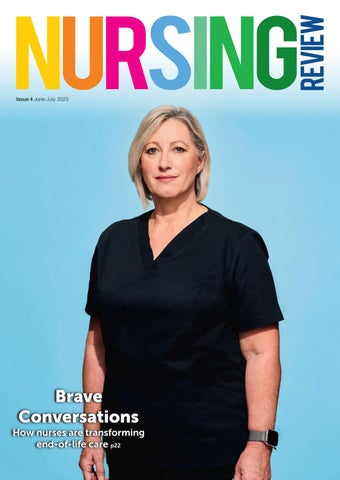
Issue 4 June-July 2023
Brave Conversations How nurses are transforming end-of-life care p22
NEW
Plant-Based Rice Formula
Infant with cow’s milk allergy? Introducing Alula Gold Allergy premium rice infant formula
ASCIA* recommends rice formula for infants with Cow’s Milk Allergy (CMA)1** New Alula Gold Allergy2:
3 Plant-based formula with 100% rice protein source 3 Does not contain the top 8 allergens including milk, fish and soy
3 Suitable for infants with lactose intolerance 3 Omega 3 DHA and Omega 6 AA from vegetable sources
**Unless allergic to rice. Rice formula is recommended as a 1st choice for immediate (IgE mediated) CMA, anaphylaxis and FPIES. DHA=Docosohexaenoic Acid AA=Arachidonic Acid
For more information, please visit www.alula.com.au or contact our Careline to find out more 1800 552 229 IMPORTANT STATEMENT: Breastfeeding is best for babies. It has benefits for the infant, such as reducing infection risk, and for the mother. It is important to have a healthy balanced diet in preparation for, and during breastfeeding. Infant formula is designed to replace breast milk when an infant is not breastfed. Breastfeeding can be negatively affected by introducing partial bottle-feeding and reversing a decision not to breastfeed is difficult. Infant formula must be prepared and used as directed. Unnecessary or improper use of infant formula, such as not properly boiling water or sterilising feeding equipment, may make your baby ill. Social and financial implications, including preparation time and the cost of formula, should be considered when selecting a method of infant feeding. References: 1. * Australian Society of Clinical Immunology and Allergy Guide for Milk Substitutes in Cow’s Milk Allergy. Available from: https://www.allergy.org.au/hp/papers/guide-for-milk-substitutes-cows-milkallergy (accessed May 2023). 2. Data on File. 10/05/2023. Sanulac Nutritionals Australia Pty Ltd. ABN 31 160 607 509. Suite 1002, Level 10, 100 Christie Street, St Leonards NSW 2065. SAN05957-23052023 Healthcare Professional Use Only. For formula-fed infants. Use under medical supervision.
contents
MANAGING EDITOR
news
Eleanor Campbell 02 9936 8629 eleanor.campbell@news.com.au
2
Tips to tackle burnout
3
Nursing duo celebrates
HEALTH EDITOR
4
Elective surgery delays
Arshmah Jamal Arshmah.jamal@news.com.au
5
New nurse mandate
6
Study alerts vaping risks
7
Maternity care gap
SALES MANAGER
Nicola Mohtram 02 9936 8666 nicola.mohtram@news.com.au
02
05
SUBSCRIPTIONS MANAGER
industry and reform
8
Midwife of the Year Award recognises service
Asher Morris asher.morris@news.com.au
10 ‘Don’t fear change’ Training rural nurses
COVER
Award-winning nurse practitioner Juliane Samara. Picture: Supplied.
11 Stand up Preventing domestic violence
12 Changing attitudes
PUBLISHED BY
Aged care nursing
13 Going digital APN Educational Media GPO Box 4245 Sydney NSW 2001 ABN 58 090 900 999 ISSN 1326-0472 PP100001944
New record system
11
14
New state health minister
specialty focus
16 At the frontline
PUBLISHER’S NOTE
© Copyright. No part of this publication can be used or reproduced in any format without express permission in writing from APN Educational Media. The mention of a product or service, person or company in this publication, does not indicate the publisher’s endorsement. The views expressed in this publication do not necessarily represent the opinion of the publisher, its agents, company officers or employees.
14 ‘Essential’
Nurses’ fight against climate change
18 Break the stigma Treating ED’s
clinical practice
20 Vicarious trauma Tips for health staff
18
20
22 Brave conversations Palliative Care Week
24 In-demand Catheter skills
25 Brain impact New Covid study
workforce
26 ‘Right to feel safe’ Hospital negotiations
27 Fair pay
24
26
Aged care wage rise
nursingreview.com.au | 1
news
‘Reclaim your health’ Mental health experts offer tips on how nurses can tackle burnout. By Arshmah Jamal.
O
verworked, overstretched, and overstressed – it is no secret that nurses and midwives are burning out and quitting their jobs across Australia. Data from the Department of Health and Aged Care shows that since 2016, there has been a 60 per cent increase in nurses and midwives who have taken an extended leave of absence. Research by the Australian Primary Healthcare Nurses Association also found that 30 per cent were planning to leave their job within the next five years. New nursing mandates, staffing shortages and workplace conditions have caused further strain on the workforce, breeding an environment of rampant burnout. The last few years have placed an exceptionally high burden on young nurses. The Australian Institute of Health and Welfare identified a 25 per cent increase in young nurses and midwives in Australia. However, many of these early career healthcare workers end up leaving due to burnout.
2 | nursingreview.com.au
Linda Williams, clinical lead at ReachOut, said young nurses could be more susceptible to burnout due to the abrupt shift from university coursework to fulltime work. “For young nurses, they may be experiencing a transition from learning and training into full-time work, in addition to the stressful nature of the job,” Ms Williams said. “Working in a complex job where there are often significant demands can contribute to a sense of constant stress.” “Eventually, too much stress on your body over a long period can cause burnout. And that burnout is a state of complete mental, physical and emotional exhaustion.” Ms Williams said the best approach to tackle burnout is to be proactive and practice good sleep habits, exercise and using downtime to “recharge batteries in ways that bring you joy”. “For those nurses who are experiencing burnout or are concerned about it, it is important to seek help and learn more,” Ms Williams said. “That might be by booking an appointment with your GP, getting more info via a mental health service, or even speaking to your manager if you feel comfortable doing so.”
Nurse and Midwife Support is Australia’s first national phone and online service to offer confidential advice, referrals, and support for nurses, midwives, graduates, and students nationwide. The team is run by nurses and midwives, highlighting the importance of mentors. “Many nurses and midwives that call us are experiencing burnout, but they don’t know how to describe what’s happening to them,” a Nurse and Midwife Support spokesperson told Nursing Review. “If you are feeling burnout, the good news is that it’s possible to reclaim your health and feel well again by implementing various strategies and tips.” The first step in preventing burnout is to develop a health plan that includes mindfulness and support. “Learn when to stop, do breathing exercises, reflect, and then access support.” “From there, start prioritising your health.” Nurse and Midwife Support said that when experiencing burnout, professionals should take a step back and re-evaluate the minor and significant details in their lives. “Take your entitlements like a mental health day, set boundaries at work, develop a career plan, and get support.” The Essential Network for Health Professionals (TEN) is a mental health service specifically for healthcare professionals to navigate burnout and maintain good mental health. Dr Matthew Coleshill, a postdoctoral research fellow at Black Dog Institute, has been evaluating the effectiveness and implementation of TEN. “Burnout is a pretty common problem, and we hear about it frequently,” Dr Coleshill said. “On the website, we found nearly 90 per cent of nurses had disengagement from work due to burnout while nearly 45 per cent had burnout-related exhaustion.” “In person, around 65 per cent reported burnout as a presenting problem.” Last year, TEN developed a new course focused on navigating burnout, including resources for individuals and organisations. “While the course can’t change the systematic issues that contribute to burnout, it targets many of the factors that contribute to it,” Dr Coleshill said. “If a nurse is experiencing burnout interfering with their life at or outside of work, they should reach out to a health professional – such as a GP or engaging with a clinical psychologist through TEN.” ■
news
Dr Barbara Black (right) with her daughter Elizabeth (left) in their graduation robes. Picture: Supplied
Like mother, like daughter Nursing duo celebrates graduation. By Arshmah Jamal
A
nursing professor said she felt immense pride as she watched her daughter graduate with a nursing degree from the same university she taught at. Barbara Black, who works as a nursing lecturer at the University of Southern Queensland (UniSQ), had front-row seats at her daughter Elizabeth’s graduation last month at Toowoomba Empire Theatre.
“I was the loudest one clapping,” Dr Black said. “It’s such an achievement because she had kids; she couldn’t finish her placements because of lockdown; her graduation was delayed because of COVID. But we got there.” Dr Black also walked the same stage later that evening to graduate with a doctorate in philosophy that she now hangs next to her other degrees. Over the years, she completed a perioperative nursing degree and two master’s, before going on to teach nursing at UniSQ while raising her two children. Her drive to continue studying, and
eventual career change, sparked when she realised her days as an enrolled nurse were numbered. “I worked as a nurse for over 40 years across hospitals when I decided I just needed to do some more,” Dr Black said. She then worked part-time whilst studying for her perioperative degree – eventually turning to teaching in 2006. “It’s really good because it fell into place as a student and teacher, and I get the students.” By chance, Dr Black had a hand in her daughter’s nursing journey by teaching her across three different schools. The first time was at the Bremer Institute of TAFE, where Elizabeth completed her Diploma of Nursing in 2010. In 2014, she started a Bachelor of Nursing at Charles Darwin University before transferring to UniSQ to finish her degree. “We tried not to lead on that we were related,” she said. “But there was always a bit of banter between us, especially with my little jokes like ‘I’ve been nursing that long that I nursed baby Jesus’ which gave it away.” For Dr Black, her education journey did not end when she graduated and she now plans to publish her theses. “I’ve got two about the history of nursing that I would like published and in the process of submitting it,” she said. “I haven’t heard back which is a good sign, so knock on wood!” Dr Black emphasised how important it was to love and enjoy what you’re doing. “I want to remind people that coming into university can be hard work,” she said. “Make sure you have a healthy worklife balance and always be realistic with yourself.” ■
SubScribe for leSS than $2 Per week The laTesT news for nursing & healThcare professionals Nursing Review is essential reading for anyone involved in the healthcare sector in Australia. It provides unrivalled coverage of specialist topics from features and opinion pieces, to international news and profiles. • Latest news and resources for all healthcare professionals • Comprehensive coverage of a diverse range of topics • Analysis of the major issues facing the health sector as a whole • Delivered free of charge to your home or place of work monthly
Please call 02 9936 8666 to find out more. nursingreview.com.au | 3
news
‘Hard work’ Elective surgery delays persist. By Elise Hartvelt.
N
ew data has revealed that people in NSW continue to wait beyond clinically recommended guidelines for elective surgeries. The latest Healthcare Quarterly data, covering the first quarter of 2023, also found that elective surgery activity has bounced back to pre-pandemic levels. One in ten patients scheduled for nonurgent surgeries waited more than 523 days – a record high compared to the previous five years. While nearly all urgent surgeries were performed on time (98.9%), over one in four patients on the semi-urgent and non-urgent waiting list exceeded clinical guidelines. The elective surgery guidelines in NSW are 30 days for urgent, 90 days for semiurgent and 365 days for non-urgent. NSW Nurses and Midwives Association (NSWNMA) Assistant General Secretary Michael Whaites said the findings demonstrated ongoing challenges in managing the backlog. “With longer hospital stays recorded, there’s plenty of reform needed,” Mr Whaites said. “The key is to introduce transparent and enforceable safe staffing ratios.”
4 | nursingreview.com.au
While there was an overall four per cent decrease in waiting times compared to the previous year, the number remained significantly higher than pre-pandemic levels. At the end of March 2023, nearly 100,000 people in NSW were on the waiting list for surgeries. Close to 15,000 patients waiting time exceeded the clinically recommended guidelines, marking a 24 per cent decrease (4,535) compared to March 2022. The majority of these patients were awaiting semi-urgent procedures (36%), followed by non-urgent surgeries (64%). One in ten people on the non-urgent surgery list waited over 523 days, continuing the upward trend of 465 days in Jan-March 2022 and 363 days in 2020. People scheduled for semi-urgent surgery faced times exceeding 159 days, continuing an increase compared to 143 days in JanMarch 2022 and 88 days in 2020. Of the patients awaiting surgery, the majority (69%) were in urban hospitals, while just over 30 per cent were in rural hospitals. Nearly 55,000 elective surgeries were performed between January and March this year, similar to pre-pandemic years’ quarters. Pandemic-related restrictions have heavily influenced the state’s waiting times and surgeries performed, leading to a 17 per cent decrease in elective surgeries nationwide compared to the previous year.
By the end of last year, nearly 100,00 people were awaiting elective surgeries, with over 17,000 exceeding the recommended clinical guidelines. NSW Health Minister told Nursing Review he prioritised fairer staffing ratios in hospitals and better working conditions for the state’s frontline workers. “We need to start staffing hospitals differently,” Mr Park said. “Achieving one-to-three staffing levels in emergency departments (ED) is our priority. “Then, we’ll roll that out across the hospital system.” NSW Premier Chris Minns announced a 4.5 per cent wage increase for public sector workers, including nurses and paramedics, which started on July 1. The announcement moved away from the wage cap policy that constrained wage growth to 2-3 per cent over the past three years. Mr Minns also introduced an industrial relations task force to enforce a ‘modern framework’, reform the bargaining structure, and ensure stability in the workforce. It’ll replace the previous wage cap system and facilitate a new wage determination process through negotiations between the government and public sector unions. But Mr Whaites said he was ‘unconvinced’ the government’s four per cent pay off plus super ‘would be enough’ to attract and retain nurses and midwives in NSW. “The data shows that healthcare workers’ hard work and the difficult circumstances under which they do it deserves a pay rise to acknowledge this.” The BHI report also found that ambulance activity in NSW reached a record high with 347,720 responses, marking the highest number since 2010. Over 156,000 cases were urgent among these, indicating a growing demand for immediate medical attention. Emergency Department (ED) attendance also hit a record high with 770,089 visits, including over 113,000 emergency cases. Mr Whaites said the numbers highlighted the urgent need for resources to meet the rising demand and pressure on the healthcare system. “We are taking every opportunity to raise our members’ concerns with the NSW government to deliver reforms to strengthen the state’s nursing and midwifery workforce,” Mr Whaites said. ■
news
Round-the-clock Everything aged care nurses need to know about the 24/7 mandate. By NCA NewsWire
N
ursing Review delved deeper into the details of reporting, breaks, and exemptions after a 24/7 nursing mandate in Australia’s nursing homes became law on July 1. The reform has emerged as a significant concern to health staff, especially for small and rural aged care facilities grappling with a nationwide nursing shortage. Recognising that not all homes could meet the requirement by July, the health department has allowed certain facilities to apply for temporary exemptions. Residential facilities with up to 30 operational places in Modified Monash Model (MMM) 5, 6, and 7 locations can be exempted from the 24/7 nursing mandate between July 1, 2023, and June 30 2024. The MMM locations are based on data from the 2020 Aged Care Workforce Census showing that smaller, rural and remote facilities had lower RN rates than larger ones. The 24/7 RN requirement involves only residential aged care facilities, not residential care services, nor does it include flexible care services, such as Multi-Purpose Services. While enrolled nurses are not allowed to substitute RNs, a graduate agency nurse registered under the National Law as a registered nurse is accepted. For co-located services within a single facility, only one RN needs to be present and on duty across all services. But for split services at different locations, each site associated with the service must have at least one RN onsite and on duty, as they are considered separate facilities.
If there are two or more co-located services within a residential facility, they’ll only be eligible for an exemption where their combined operational places are 30 or fewer. Additionally, exemption criteria are based on operational places, not occupied places, because the department said it would provide ‘more stability for providers.’ Using occupied beds as a criterion could lead to homes sometimes being eligible and sometimes not due to changes in the number of residents in care. If a facility is exempt from the 24/7 RN mandate, they still need to meet the other obligations, including the 200 care minutes from October 1 2023. The government is providing residential facilities with a 24/7 RN supplement through the AN-ACC funding model that should cover up to 60 residents per home. Providers who are granted an exemption will continue to receive subsidies for their residents through AN-ACC, but won’t receive the 24/7 nursing supplement. They can opt out of the exemption if the home can meet the 24/7 nursing requirement, after which they’ll receive the subsidy. Eligible aged care homes can apply for an exemption for free anytime since April 3. From July 1, 2023, all aged care providers are required to report monthly on the 24/7 nursing responsibility, including exempt facilities. The government is developing a new web-based system called the Government Provider Management System (GPMS) that’ll be used for 24/7 RN reporting. While more information will become available closer to July, the department indicated that an RN is considered ‘on duty’ when taking breaks. But if an RN leaves the premises during a break, the provider must report this period as if no other RN was present onsite and on duty. Facilities ineligible for exemption and unable to meet the mandate are expected to undertake comprehensive workforce planning to address immediate and longterm workforce supply. The department suggested strategies such as having a qualified RN as a supernumerary after-hours coordinator to manage clinical care needs. Earlier this year, the aged care and quality commission said they’d consider the circumstances and steps taken by the home to meet the responsibilities.
The Commission is ‘unlikely to take serious enforcement action against providers’ if there are no other compliance or performance issues, according to a recent department webinar. Several programs and incentives are in place to assist providers in attracting and retaining nurses, including payments for nurses working in aged care for 6 to 12 months. It also funds scholarships for nurses and allied health through the Australian College of Nursing and the transition into practice program to attract more students to aged care. To tackle workforce challenges in rural and remote areas, the department has commissioned independent research to explore evidence-based alternative arrangements. The final report is expected late in 2023. Additionally, the department plans to use data from the 24/7 nursing reports to develop a model for identifying issues in specific regions and designing future exemption arrangements. These efforts aim to refine the exemptions policy from July 1, 2024. Last Tuesday, Aged Care Minister Anika Wells told ABC Q+A host David Speers that the ‘vast majority of facilities’ had 24/7 nursing in place. However, Ms Wells couldn’t share the exact figures. “A lot of people have told us they’re going to do it from July 1, but they’re not doing it yet,” she said. “The numbers will come in when people start reporting on their 24/7 nursing policy from July 1.”
Reforming aged care Last year, the Albanese government introduced two pieces of legislation to reform the aged care sector. The Aged Care Amendment (Implementing Care Reform) Bill 2022 included a raise to 200 care minutes per resident per day by October 1 2023, including 40 nursing minutes. By October 1 2024, care time will increase to 215 care minutes, of which 44 nursing minutes. From July 1, 2023, all aged care facilities must have an RN on-site and on duty 24 hours a day, seven days a week. The second bill, the Aged Care and Other Legislation Amendment Act 2022, introduced the new AN-ACC funding model and launched a Code of Conduct for aged care workers. ■ nursingreview.com.au | 5
NEWS
‘Think again’ ‘Alarming’ new research on vaping risks. By NCA NewsWire
A
recent report on the chemical composition of 17 e-liquid vapes has uncovered alarming nicotine levels and other toxic chemicals, such as arsenic and formaldehyde. The QLD Health and Environment Committee began the tests after mounting concerns that flavoured vapes, such as Strawberry Watermelon Ice and Summer Breeze, were enticing children. As the Australian government is taking steps to strengthen controls on smoking and vaping, nurses are to play a crucial role in educating the public about the risks of e-cigarette use. “These results are staggering,” QLD Premier Annastacia Palaszczuk said. “There are people who might think vaping is safer than smoking or, indeed, harmless. “These test results should make those people think again.” All 17 samples of e-liquids tested positive for nicotine, with varying nicotine content ranging from trace levels to extremely high concentrations. They also contain formaldehyde and acetaldehyde, classified as a group one carcinogen and can lead to cancer.
6 | nursingreview.com.au
Tobacco use is one of Australia’s largest preventable causes of death and disease, accounting for the deaths of over 20,500 people each year. Young people using e-cigarettes are three times more likely to take up smoking. The samples also tested positive for Volatile Organic Compounds (VOCs), typically used in producing paints, pharmaceuticals, and refrigerants. Toxic heavy metals, including arsenic, zinc, lead, mercury, nickel and aluminium, were found in all the e-liquid samples. QLD Health Minister Shannon Fentiman said the results showed that e-cigarettes were ‘extremely dangerous and confronting.’ Last week, the state government approved legislation to reinforce regulations on smoking and vaping, including the sale of illicit tobacco products. The federal budget allocated $234m to combat vaping and tobacco, including a ban on single-use vapes. Australia’s Health Minister Mark Butler said that ‘discussions are underway within the Commonwealth’ about how to implement and enforce new policies. “We’re not going to raise the white flag,” Mr Butler said during a recent press conference in Canberra.
“The idea that we would allow a product deliberately designed to create a new generation of nicotine addicts to provide a gateway to cigarettes is simply unacceptable for us. “We’re confident that we can make very serious inroads into this market and stamp out this public health menace.” Earlier this month, Nursing Review spoke with senior lung cancer support nurse Nicole Parkinson from Lung Foundation Australia. Ms Parkinson said nurses were at the forefront of educating the public, especially young individuals, about the risks of vaping and nicotine addiction. Nurses are uniquely positioned to educate and support people to quit vaping and smoking since their reach extends across various settings, including schools and community centres. They can also assist in raising awareness about the addictive nature of nicotine and help people pursue healthier lifestyles. “Nurses are a source of help and advice,” Ms Parkinson said. “The new changes to vaping laws will be an incredibly effective tool in stopping the wave of vaping in young people. “This will ultimately prevent untold cases of lung damage and future respiratory symptoms, thus reducing future pressures on the healthcare system.” ■
News
‘Inequitable’ Study reveals ‘decades’ of maternity care access issues in remote areas. By Elise Hartevelt
W
omen from disadvantaged backgrounds in rural Australia are facing significant barriers to accessing quality maternity care, new research shows. A recent study from Victoria’s La Trobe University found women living in remote areas are to be at a far higher risk of ICU admissions, post-birth haemorrhages, stillbirths, preterm births, and low birth weight babies than women living in metro areas. Lead researcher Fiona Faulks said the persistent gap has existed for nearly two decades. “It shouldn’t be this way,” Ms Faulks said. “Where a woman lives can have a major impact on whether she and her baby experience poor birth outcomes or not.” “They consistently face worse outcomes than women living in more advantaged circumstances, and the consequences for these women and babies can be significant.”
Accessing healthcare poses greater challenges for around 28 per cent of Australia’s population who currently reside in rural and remote areas. The geographical spread, low population density, limited infrastructure, and increased healthcare costs have shown to greatly contribute to these difficulties. Pregnant women and young parents residing in these regions face particularly demanding circumstances. Limited availability of healthcare services and significant distances to the nearest healthcare centres or hospitals make accessing vital prenatal care, antenatal appointments, and emergency obstetric services a demanding undertaking. Although remote living contributed to poorer outcomes for women and their babies, the impact of social disadvantage was also significant, according to Ms Faulks. She emphasised that social disadvantage goes beyond poverty as a single factor, including adolescent pregnancy and being unpartnered. Even if women faced one or more elements of disadvantage, their risks of adverse outcomes, such as ICU admission, significantly increased.
Specifically, unpartnered women over 35 with a low BMI who smoked and lived in disadvantaged areas had higher chances of premature birth. Ms Faulks said the differences in outcomes might be because some women have difficulty accessing and staying engaged with pregnancy care due to distance and stress. “Rural maternity care is declining nationally as services close due to staffing and resource constraints,” she said. “This has had a profound impact on rural women and their outcomes.” “How women access, and experience care in rural areas is very different to women living in larger centres.” According to Ms Faulks, women in rural areas frequently lacked access to free public antenatal care, unlike their counterparts in many metropolitan and large regional centres. “For rural women, there is nearly always a financial cost associated with pregnancy care through a GP or costs associated with travel to larger centres to receive care,” she said. “This creates a barrier for rural women in accessing maternity care that is unnecessary and inequitable.” ■ nursingreview.com.au | 7
industry & reform Midwife April Jardine (centre) with her fellow winners at the 17th HESTA Australian Nursing & Midwifery Awards. Picture: Supplied.
‘Deep passion’ Victorian midwife recognised for her service. By Elise Hartevelt
M
idwife April Jardine has been honoured as HESTA’s 2023 Midwife of the Year for her instrumental role in integrating an innovative midwifery group practice model. Ms Jardine became Midwifery Clinical Coordinator and Educator at Dhelkaya Health in regional Victoria three years ago and leads a team of five midwives. In 2021, the service introduced the Midwifery Continuity of Carer Model Toolkit which provides a woman with a primary midwife and a backup midwife for the antenatal, intrapartum, and postnatal periods. “It’s great and important that rural services are recognised for the great work that they’re doing,” Ms Jardine said. “It’s crucial that women still have access to local maternity services.” Nursing Review spoke with Ms Jardine about how the model has improved the midwifery services in rural Victoria.
NR: What was your response to becoming HESTA’s Midwife of the Year? It only just started to sink in. When I heard, I felt overwhelmed but also grateful and humbled that a small service in a rural community could receive such a prestigious award. It’s such an honour to be recognised for the great work we’re doing in delivering women continuity of care. It’s important that rural services are recognised and to emphasise the value of smaller maternity services, especially at a time when many of them are closing down. 8 | nursingreview.com.au
In May 2021, we re-established our services under a midwifery group practice model, which received strong support from our General Practitioner Obstetricians (GPOs). Our remodelling also involved developing a collaborative relationship with our nearest tertiary-level hospital. So now, we have excellent multidisciplinary meetings with our GPOs, maternity and obstetric leads from the higher-level service, and our midwives. We can all come together to discuss our women and form collaborative plans for their care.
What are your tasks and responsibilities on a typical work day? It’s crucial that women still have access to local maternity services instead of having everything centralised in larger hospitals. If our service wasn’t available, women would have to travel long distances to high-level facilities, which can bring about numerous challenges. So, it is essential to have a service like ours, where women don’t have to drive for hours and can still receive care within their local community. It’s vital to continue providing women with accessible options, and the community immensely values it.
Our midwifery group practice midwives work closely with their assigned women and tailor the antenatal care based on individual needs and preferences. This allows us to structure our days around the women we care for. We provide antenatal care within our facility but also conduct domiciliary visits for those requiring it. And if a woman in our care goes into labour, she can contact her assigned midwife directly. The midwife will then meet her at the hospital and provide continuous care and support throughout the labour and birth.
How have you ensured that your clinic’s midwifery practice model was successful?
What do you enjoy most about your position?
The Midwifery Group Practice or continuity of care is still only offered to a few women across Australia. I feel proud that we are one of those services. We provide caseload midwifery, where we assign a dedicated midwife to care for women throughout the antenatal, intrapartum, and postnatal periods. Working in a group practice and managing a caseload allows for great flexibility in managing your time. We were looking for a new model because we realised that our current model was outdated. So, we thoroughly reviewed our practices and formed a working party, incorporating community input. It was then decided that offering women continuity of care was the best way forward. We had our first full year of the model running in 2022.
For me, it’s about forming that relationship with the women and their families. Getting to know them and understanding what’s important to them in their pregnancy and having contact for up to six weeks once they’ve had their baby to support them in becoming new parents. I’ve always had a deep passion for caring for others, especially babies. I feel a strong maternal instinct, and that’s why I have always been fascinated by pregnancy and childbirth. Providing care, support, and education to women throughout their pregnancy journey, childbirth, and the transition into parenthood is incredibly rewarding and holds a special place in my heart. Being present and involved in bringing a child into the world is an incredible privilege. And building a close bond with the family and getting to know them personally adds an extra layer of fulfilment. It’s truly an enriching and gratifying experience. ■
Australia’s Premier HOME CARE OFFICE NETWORK TAKE CHARGE OF YOUR FUTURE Have you reached a crossroads in your life and looking to make a change for the better? Secure your family’s future and make a difference in your community, whilst building a business in the thriving and dynamic home care industry with Right at Home. You’ll enjoy the freedom to grow your own business, with the full support of a top quality, national, home care brand delivering domestic support, personal care, skilled nursing, and allied health services. Your experience in nursing will assist in maintaining our high quality standards in delivering nurse supervised home care. You will be provided the necessary business training to ensure the success of your own local office. The home care market is guaranteed to grow for the next 20 years. The entry costs and overheads are very low compared with most businesses. Following rapid growth In QLD, NSW and WA, Right at Home is expanding into VIC, SA, TAS, ACT and the NT with prime territories up for grabs. Make your dreams come true… talk to Right at Home about a home care franchise today.
Apply to be a Right at Home office owner now! Go to www.rightathome.com.au/business-opportunities and fill in a form to be sent further information.
1300 363 802 | www.rightathome.com.au.
industry & reform
There’s a noticeable burnout and fatigue that’s hammering student nurses and nurses. How will ECU and the new program help students through this?
‘Don’t fear change’ WA uni opens $17m centre to train more rural nurses. By Arshmah Jamal
A
Western Australian university has launched a new research department to help train and drive more nurses into remote healthcare services. The federal government allocated $17m over four years to establish a department of rural health at Perth’s Edith Cowan University. ECU’s vice-chancellor Professor Cobie Rudd, who was appointed director of the new department, said the training centre will focus on providing placements and encourage more nurses to practice in South West WA. “We know that when students experience placements in rural regions, they are most likely to return,” Professor Rudd said. “Country placements provide an opportunity to feel the community warmth as well as the ‘hands-on’ experience in a team that students rarely get in metro areas.” Nursing Review spoke with Professor Rudd about the new department.
NR: How significant is the expansion of nursing education to rural and regional areas? CR: In my view, critical! Studying in regional locations will help students gain valuable professional and personal insights that they may never have imagined possible. Regional study will have more of a community feel that offers more personalised experiences, and students can immerse themselves in an exceptionally rewarding career chapter. Regional locations offer a much more relaxing lifestyle without compromising services, facilities and entertainment. Living costs are lower; you get the best personal, individualised mentoring and tutoring. 10 | nursingreview.com.au
Students often report they appreciate the independence and flexibility that regional study offers, and they regularly say the real highlights are the welcome they receive and the people that support them. ECU’s new UDRH will offer students from all health disciplines outstanding teaching and support environments during their clinical placements. UDRH will ensure students have highquality accommodation for their regional placements, outstanding clinical and academic guidance, and community placements that meet their specific course needs. Also, you can gain in-depth knowledge of cultural awareness relevant to local communities and have many unique learning opportunities and challenges they may never experience in a metro setting. The South West is also a preferred regional destination for health professionals as it’s a model of integration and collaboration between the co-located clinical training and research, public and private healthcare systems.
What are your thoughts on the effectiveness of incentives for student nurses in rural areas, considering costs and the nursing shortage, and how will the UDRH further help? ECU welcomes any financial support offered to the 350 WA nurses and midwives who complete their work in regional areas in the next financial year. While the government’s pledge to assist in paying off HECS debts will not cover all the costs, it is a promising start in helping our nurses in a gratifying but challenging job. The UDRH is such a game-changer – it will allow our students to have the best clinical experience of their course while on placement in the South West so they choose to live and work here upon graduation. The new program will also offer students a daily rate and financial support to cover their accommodation and travel.
ECU has a reputation for producing some of the highest quality nursing and midwifery graduates in WA and the country. However, we are not just recognised as a top 100 nursing program worldwide due to the exceptional quality of education and industry partnerships; it is also for the support that is on offer for our students by staff, whether completing their studies and work experience in the metropolitan area or regional or remote WA. The school has a proactive approach to students’ well-being and mental health, with strong connections with student success, access and inclusion, with all staff knowing processes and procedures for ensuring students are well supported and directed to services should they need or be identified. I am also a huge advocate for resilience – it can be learned. Many resilient people have powerful stories, usually with epic failures along the way. There’s probably no leader who hasn’t overcome adversity spectacularly – and probably many times over. These leaders commonly have energy and the resolve to push forward, despite failure or obstacles. They tend to be persistent and patient; I know my colleagues would say that I never give up!
Finally, what advice would you like to give to student nurses in rural and regional areas? Nursing is a remarkable platform for wherever you want your career to go. Nursing also gave me advanced organisational skills, including setting priorities and time management. So, my advice – use those generic skills, as there’s no limit to how and where you can apply them. I also implore all students to look after their health and fitness and do what makes them happy; this is paramount to succeeding. If you don’t feel you’re in a role that’s a good fit, then change – don’t fear change. Don’t simply wait for opportunities; try to create them also. And take chances, because if you don’t, you’ll never know what could have been. Finally, don’t worry if you fail at something. Failure has made me stronger. And get in touch with what you’re saying to yourself and erase negative self-talk! ■
industry & reform
‘Stand up’ Nurses ‘play a critical role in preventing and addressing domestic violence, expert says. By Elise Hartevelt.
A
leading academic in domestic violence prevention has underscored the influence of stigma towards abuse among people seeking healthcare support. In Australia, nearly eight women and two men are hospitalised daily due to spousal or partner assault. Chair in Family Violence Prevention at the University of Melbourne and the Royal Women’s Hospital, Professor Kelsey Hegarty, said that nurses frequently interact with survivors of domestic and family violence, often without realising it. “Domestic violence is a major public health problem,” Professor Hegarty said. “It’s a hidden issue for many patients seeking healthcare services. “It’s important to realise that people who have been abused want to be asked about domestic violence and are more likely to disclose if asked.” Family, domestic, and sexual violence pose significant health and welfare challenges and affect people of all ages, socioeconomic backgrounds, and demographics. While predominantly impacting women and children, it involves violence within family relationships, including between parents and children, siblings, or partners. Domestic violence specifically refers to violence between current or former partners and includes physical, sexual, and emotional abuse and controlling behaviours. Women are at higher risk of family, domestic, and sexual violence, often from their current or former partners, while men are more likely to experience violence from strangers in public places. In Australia, one in six women and one in sixteen men have faced physical and/or
sexual violence from a cohabiting partner since age 15. These acts of violence tend to be recurring, with more than half of women experiencing multiple incidents. Professor Hegarty said biased attitudes towards women persist among Australians, impacting their likelihood of seeking help. In 2021, one in four Australians believed that a woman who stayed with an abusive partner was partially responsible for the abuse continuing. Moreover, nearly one in four agreed that innocent remarks were often misinterpreted as sexist, and 34 per cent thought sexual assault accusations were sometimes used to retaliate against men. Sexual assault and emotional abuse are also highly prevalent in Australia, affecting one in five women and one in twenty men. On average, 52 sexual assaults against women and 11 against men are reported each day to the police. Yet, Professor Hegarty said many people wrongly assume that men and women are equally responsible for domestic violence (41%) and experience the same amount of physical harm (21%). Many downplay violence against women as a normal response to daily stressors (23%), while others believe a woman’s actions can unintentionally provoke a man to hit her (19%). She said it reflected a lack of awareness regarding gendered norms and biases contributing to gender-based inequalities and violence against women. “Many women experience embarrassment and shame, often blaming themselves for their encounters with domestic violence. “As a result, they may feel hesitant to open up about their experiences. “When nurses approach the topic with empathy and without judgement, patients are more likely to share their stories.” While health practitioners are the most common professional group people turn to for support, some nurses may also hold biased beliefs about domestic violence. Professor Hegarty said nurses faced both personal and structural barriers when identifying domestic violence cases. Structurally, issues such as lack of privacy, limited time for questioning, and inadequate system support can hinder their ability to help people seeking support. On a personal level, nurses may consider it a private matter or believe it falls outside their responsibilities. Professor Hegarty said overcoming these barriers required systemic changes to the
healthcare system, improved training and resources for healthcare workers, and challenging societal stereotypes. “Silence only perpetuates the cycle of violence,” she said. “It’s time to break it with our voices and stand up against domestic abuse. “We need to empower our nurses to identify and support domestic violence survivors.” Yet, Professor Hegarty said it could be challenging to recognise the signs that someone is experiencing domestic and family abuse. “Many survivors present at healthcare services with other complaints, without disclosing there’s a background of domestic violence,” she said. Mental health issues frequently coexist with instances of domestic violence, as do chronic pain conditions that stem from trauma and abuse. According to Professor Hegarty, chronic pain conditions can be rooted in trauma and abuse, emphasising the close link between physical and emotional wellbeing. “Creating a supportive and empathetic environment is essential for survivors of domestic and family violence to feel comfortable disclosing their experiences,” she said. “Nurses can play a crucial role in addressing domestic violence if given the opportunity for private conversations. “But we must provide our healthcare workers with more resources and a better understanding of how to recognise and respond to domestic violence.” She said hospitals may have trained managers who can provide guidance or consult with the social work department to offer direction. Professor Hegarty emphasised the need to build a trauma and violence-informed healthcare system that better prepared healthcare workers. She said interventions such as validation, safety planning, and supportive listening could make a significant difference in survivors’ lives. “Addressing domestic violence is not just a moral imperative; it’s a fundamental health issue that requires a comprehensive and coordinated response. “Being an ally and advocate for survivors, without aiming to ‘fix’ the problem, is essential in addressing domestic and family violence. “By promoting respectful relationships and gender equality, we can work towards a future free from domestic violence.” ■ nursingreview.com.au | 11
industry & reform
‘Dispel the myths’ Reshaping nursing students’ view on aged care careers. By Elise Hartevelt
A
new project has been launched to provide training and support for nurse educators and facilitate clinical placements for second-and thirdyear nursing students. The University of Canberra was awarded $2.1m as part of the Commonwealth’s Aged Care Nursing Clinical Placements Program to strengthen the nursing workforce. The Clinical Placements with Older People (CPOP) program, scheduled to run from semester two 2023 until the end of 2024, seeks to promote nurse specialisation in caring for older people. “We need to get onto it – the industry and our older people just don’t have time to wait for this to be fixed,” Stephanie Munk, Lead Project Manager and Registered Nurse, said. “This is about reaching the students before they graduate. “By training clinical facilitators in gerontology, we can enhance the quality of clinical placements and inspire nursing students to consider aged care as a fulfilling career path.”
12 | nursingreview.com.au
It’s customary for student nurses to partake in a clinical placement in aged care during their first year of studies. But Ms Munk said that aged care tended to be overshadowed by other nursing specialties and was often viewed as providing “basic” nursing care. Nurse academics and curriculum greatly influence students’ attitudes towards caring for older people, especially during the early stages of their education. But graduate nurses report feeling unprepared for working with older people due to a curriculum focused on acute care and a lack of gerontological expertise among nurse academics. Plus, clinical experiences in residential aged care facilities often prioritise fundamental nursing care but do not adequately address the complex needs of older people. “Aged care placements don’t tend to make much of a mark on student nurses. We want to change that perception,” Ms Munk said “We need to dispel the myths and negative perceptions about aged care and provide positive experiences to attract more nurses to work with older people. “Ageism can be a negative factor influencing nursing student’s views of aged care, but we can address it through curriculum changes and promoting
the rewarding aspects of working with older people.” The project will have a dual focus on nursing education: training facilitators with specialised knowledge in gerontology and enhancing aged care placements. The training program for facilitators will encompass areas such as clinical facilitation and mentorship, knowledge in gerontology, and promoting cultural safety and humility. The team hopes these mentors will emphasise the challenging and rewarding aspects of working with older people and ignite a passion for aged care. Distinguished Professor of Health and Ageing Diane Gibson said supporting nursing students to develop skills to respond to the complex clinical needs of this population was vital to improving care. The CPOP program will supplement the existing people and placements while attracting more student nurses and ensuring they have access to training to create quality placements. Professor Gibson said that teaching people about what’s involved in the care of older people encouraged them to feel confident to take up those roles in the workplace. “Once those additional facilitators are trained, they’re trained for keeps, so they’ll be able to support future cohorts of nursing students,” she said. “As the culture and structure of aged care changes, we expect see the negative consequences of long-term understaffing reduced. “It’s a way of ensuring increased resilience in the system.” The CPOP program has brought together expertise in research, education, and leadership in gerontological nursing from universities such as Edith Cowan, Wollongong and Curtin University. The program is evidence-based on the Gerontological Nursing Competencies program and the Murra Mullangari First Nations cultural safety program from CATSINaM (Congress of Aboriginal and Torres Strait Islander Nurses and Midwives). Professor Gibson said these programs showed that teaching people about the care of older people encourages them to take up those roles. “Because you can’t be what you can’t see.” Conjoint Professor of Gerontological Nursing Kasia Bail and Professor Tracey Moroney from Curtin University will present a webinar on the project on the 17th of July. ■
industry & reform
Bridge the gap Uni rolls out new medical record system. By Elise Hartevelt.
T
he University of Adelaide has incorporated a new medical record system into practical exams for fifthyear students. The move aims to provide a more authentic learning experience and better prepare students for real-world clinical practice. Professor Adam Montagu, Director of Adelaide Health Simulation at the University of Adelaide, said paper-based clinical records no longer align with contemporary medical practices. “Graduates told us they have felt unprepared for using electronic medical records in real-life clinical settings,” Professor Montagu said. “We wanted to bridge that gap.” The Sunrise EMR system, already used in major public metropolitan hospitals in South Australia, provides a digital solution that strongly resembles software used in prominent healthcare facilities across the country. Nursing Review spoke with Professor Montagu about how the new technology could help to better prepare nursing students for entering the workforce.
NR: What are major issues students face using electronic patient record systems? In education facilities, particularly in the context of medical and nursing education,
paper-based medical records are still predominantly used. But these paper-based charts no longer reflect contemporary practice. One reason why this is still the case is that access to electronic medical records that reflect the systems used in hospitals is difficult and expensive. There are some commercially available electronic medical records for education, but they are often subscription-based and do not align with the systems used in clinical settings. So, the problem is that students are graduating without the necessary skills to engage with electronic medical records authentically. The current systems used in education lack the features and functionality of the systems used in hospitals, making it challenging for students to transition smoothly into clinical practice. We heard from graduates that they have felt unprepared for using electronic medical records in real-life clinical settings. There’s a significant learning curve in transitioning from paper-based medical records to electronic medical records. So, we wanted to bridge that gap. It’s crucial for our students to train and be assessed in a manner that is consistent with clinical practice in the hospital setting. It’s an important step in the clinical readiness of our students.
What are some of the challenges associated with using electronic medical records in nursing education? One of the challenges is the need to present the same patient to different students at different times. Electronic medical records retain all data entered about a patient, making it difficult to reuse the same patient for different cases. So, designing a system that allows for presenting patient data at different points in time is crucial. The Sunrise EMR system is designed to strongly resemble the same technology used in hospitals but with fictitious data to ensure patient confidentiality.
How’s progress been since the start of the design, and what feedback have you had so far? We’ve been implementing the Sunrise EMR program in teaching over the past 12 months. They have conducted sessions for familiarisation with the EMR and integrated its use in basic simulations. Recently, they also used the Sunrise EMR system in an examination where students had to access the vital signs of a deteriorating patient. So far, feedback from students has been very positive. We’re excited to lead the way in implementing new technologies. We’re thrilled to be exploring this to improve the experience of our students. ■ nursingreview.com.au | 13
industry & reform Ryan Park is a former PE teacher. Picture: Simon Bullard/NCA NewsWire.
‘Essential’ Hospital staffing key concern for NSW’s new health minister. By Elise Hartevelt
T
he newly elected NSW Health Minister has said he will prioritise fairer staffing ratios in hospitals and better working conditions for the state’s frontline workers in his first year of service. Health Minister Ryan Park told Nursing Review he specifically planned to address staffing shortages, high work pressure, and recruitment challenges. “We need to ensure our healthcare workers are at the heart of our healthcare system,” Mr Park said. In June, state premier Chris Minns announced a 4.5 per cent wage increase for public sector workers, including nurses and paramedics, which began from July 1. The pay rise, estimated to cost $618 million within a year, also incorporated a 0.5 per cent boost in superannuation. The move breaks the wage cap that limited wage growth to 2-3 per cent over the last three years. “This is the first time that essential workers have had a pay increase at that size for over a decade,” Mr Park said. “The commitment to increasing wages for frontline and essential workers is a start.” The Minns government introduced an industrial relations task force to enforce a ‘modern framework’, reform the bargaining structure, and ensure stability in the workforce. It’ll replace the previous wage cap system and facilitate a new wage determination process through negotiations between the government and public sector unions. The government said it hoped to attract and retain healthcare workers who
14 | nursingreview.com.au
might otherwise move to other states by dismantling the wage cap and offering improved conditions. It’s estimated that over 60 per cent of the nursing workforce is planning to leave the sector in the next five years due to poor working conditions and chronic understaffing. Earlier this year, the state health department said it lost 12.6 per cent of nursing staff in 2021-22, compared to an average annual loss of 7 per cent over the past three years. Mr Park said the new task force was recruiting 1,200 additional nurses and midwives to be implemented over the next four years. “We need to start staffing hospitals differently,” Mr Park said. “Achieving one-to-three staffing levels in emergency departments (ED) is our priority. “Then, we’ll roll that out across the hospital system.” Mr Park said EDs were ‘the front door to the hospital’ and have been under enormous pressure as Covid-19 cases fluctuated. Over 1,600 people presented at the ED in January 2022 during the highest peak, followed by a sharp decline to 545 in February 2022. Presentations then increased to 801 in April 2022 and decreased to 469 in June 2022. Nurses in the ED faced extreme physical, mental, and emotional challenges due to a lack of staff, protective measures and increased demand. Most nurses that intended to leave the sector were working in the ED. Mr Park said reducing pressure on EDs and prioritising regional paramedics would help curb wait times and improve the delivery of quality healthcare.
“We’ve been exploring virtual and urgent care services to keep people in their homes for treatment and move them away from EDs,” he said. Mr Park said he wanted to boost research in NSW to support the workforce, attract the ‘very best’ to the state and deliver the highest level of care to community members. “Embracing world-leading innovations in healthcare is essential,” Mr Park said. “Virtual and urgent care is transforming how we deliver healthcare services.” He said he focused on ‘building the human capital, not just the physical spaces.’ Since his inauguration, Mr Park has made ‘surprise visits’ to private and public hospitals across the state to gauge the workforce’s and health system’s pressure points. One night in April, he surpised ED staff from Wollongong Hospital with an unexpected visit. Westmead Hospital’s ED department was also in for an unannounced midnight meeting with Mr Park. “I get a lot out of doing unannounced visits,” Mr Park said. “They’re an opportunity for me to see and listen firsthand to what is happening on the ground.” Healthcare workers have told Mr Park they mainly worry about workforce challenges around staffing shortages, high work pressure, and recruitment issues. In mid-May, Mr Park met with the surgical care task force to enhance surgical services and decrease the waitlist for elective surgeries in the state. Elective surgery waiting times were heavily influenced by pandemic-related restrictions, leading to a 17 per cent decrease in elective surgeries nationwide compared to the previous year. By the end of last year, it was estimated that nearly 100,00 people were awaiting elective surgeries, with over 17,000 exceeding the recommended clinical guidelines. On the helm of the task force are the Director of Surgery for South Western Sydney Local Health District, Professor Neil Merrett, and Deputy Secretary of System Sustainability and Performance for NSW Health, Mr Matthew Daly. The task force is to report back to the health department sometime in September. “It’s essential to reduce the number of people on our elective surgery waiting list, particularly those waiting outside clinically recommended times,” Mr Park said. ■
SubScribe for leSS than $2 a week
The laTesT news and resources for healThcare professionals
• Analysis of the major issues facing the health sector today
Nursing Review is essential reading for anyone involved in the healthcare sector in Australia. It provides unrivalled coverage of specialist topics from features and opinion pieces, to international news and profiles.
• Can be used as a professional development resource
At Nursing Review we pride ourselves on being at the forefront of the ever changing healthcare sector. We provide an independent source of news, and cover the issues relevant to nurses and the sector giving an informative, practical and insightful view into day to day life in hospitals and in surgery.
• 6 issues per year • Interviews and opinion pieces from professionals in the industry • Written by an independent voice • Tax deductible
Please call 02 9936 8666 to find out more.
specialty focus
At the frontline Preparing healthcare for climate change. By Elise Hartevelt
I
n the face of climate change-induced health challenges, nurses could emerge as vital healthcare providers by drawing from their unique perspective and experiences. Global warming is one of the greatest challenges of our time, with projections indicating it could lead to over 250,000 additional deaths per year between 2030 and 2050. Director of the Planetary Health Equity Hothouse Professor Sharon Friel said climate change could undermine decades of progress in global health. “Climate change is the greatest threat to human health,” Professor Friel said. “We’re going to see more people needing healthcare services in the future, and nurses will be on the frontline. “Already nurses and other healthcare professionals will be seeing the health impacts of climate change.”
16 | nursingreview.com.au
Heatwaves are becoming more frequent and intense as global temperatures rise, leading to heat-related illnesses, such as heat exhaustion and heatstroke, and an increased strain on emergency departments and critical care units. Between 2000 and 2018, at least 473 heat-related deaths were reported in Australia, with another study estimating over 36,000 deaths associated with heat between 2006 and 2017. Heat stress can worsen pre-existing health conditions such as diabetes, kidney disease, and heart disease, with older people being especially susceptible to its adverse effects. One study found that as temperatures rose, the number of people going to the emergency department increased, and they were sicker when they arrived. During a heatwave in 2009 in Victoria, there was a 12 per cent increase in emergency department visits and 374 more deaths than usual for that time of year. Professor Friel said the nursing profession had a unique opportunity
to integrate climate change into their practice and education. “Nurses can be powerful advocates for climate action, using their knowledge and expertise to raise awareness and push for change,” she said. “Nurses have firsthand knowledge of the vulnerabilities of different patient populations, and their insights are valuable in developing targeted climate change mitigation and adaptation strategies. “Climate change requires a multidisciplinary approach, and nurses can collaborate with other healthcare professionals to find innovative solutions.” The world is expected to warm by more than 1.5 degrees above pre-industrial levels by 2027, according to a recent Intergovernmental Panel on Climate Change (IPCC) report. Warmer temperatures can increase the spread of infectious diseases through disease-carrying organisms like mosquitoes and ticks. As these organisms move into new areas due to warmer temperatures, Australians are at a higher risk of diseases
specialty focus
such as dengue fever, the Ross River virus, and Lyme disease. For example, the Ross River virus infection affects roughly 265 Australians yearly, and those living around inland waterways and coastal regions are at increased risk. Typically, epidemics occur after periods of heavy rainfall or high tides that cause salt marshes or coastal wetlands to be flooded. As global warming is leading to more frequent floodings, thunderstorms and heavy rainfalls, Australia could expect a rise in Ross River virus infections. Victoria reported nearly 2,000 cases in 2017 following increased rainfall and floods. In 2022, areas like Lansvale and Camden faced their most severe flooding in forty years, while the floodwaters in Windsor reached their highest level since 1978. As natural disasters occur, they profoundly affect a lot of the health infrastructure, professor Friel said. Global warming and extreme weather events can also lead to more cases of foodborne and waterborne illnesses by affecting the reproduction rates of bacteria and viruses. Additionally, climate change contributes to air pollution through more frequent and severe bushfires, exacerbating respiratory conditions and cardiovascular problems, thereby burdening healthcare systems. According to a recent study, the duration of Australia’s bushfire season has extended by nearly one month over the past forty years, now spanning 130 days per year. By releasing large amounts of smoke and particulate matter into the air,
pollution can exacerbate respiratory conditions such as asthma, bronchitis, and allergies. One study found that 97 per cent of people living in the vicinity of the bushfires faced health complications due to smoke, and nearly 20 per cent had accessed healthcare services. Air pollution also contributes to cardiovascular problems and other chronic diseases, increasing the healthcare system burden. Professor Friel said Australia needed to prepare the healthcare system for the health problems associated with climate change. “We need the healthcare system to be resilient,” Professor Friel said. “By increasing capacity, expanding education and adaptation, we can ensure our healthcare system can respond appropriately to the health challenges brought about by a changing climate.” Paradoxically, the healthcare sector is responsible for around 7 per cent of the nation’s CO2 emissions, equivalent to the emissions output of entire South Australia. The global average is estimated at 4.4 per cent, with figures of 6 per cent in the UK and 10 per cent in the US. On the other hand, the health system also serves as the primary defence for people facing health risks associated with climate change. Research Fellow at the Planetary Health Equity Hothouse Megan Arthur emphasised that collective action and coalitions were crucial in addressing climate change. “We need a political and policy framework to strengthen the healthcare system and reduce emissions,” Ms Arthur said.
“We need to be champions for action across all sectors, calling for mitigation and fair adaptation.” Vulnerable populations, including older people, young children, and low-income communities, are disproportionately affected by the health effects of global warming. They’re impacted by climate change through limited access to healthcare, pre-existing health conditions, and social determinants of health. Ms Arthur said equitable access to healthcare services and targeted interventions were essential. “These impacts are inequitably distributed, driven by social, political, and economic systems,” Ms Arthur said. “The health impacts of climate change will grow for future generations.” Reducing greenhouse gas emissions, transitioning to renewable energy sources, and promoting sustainable practices are crucial steps in halting and reversing climate change. Ms Arthur highlighted that community awareness and education programs could empower the public to adopt climate-friendly behaviours and contribute to collective efforts in combating global warming. By prioritising the health impacts of climate change, Australia can pave the way for a more sustainable and resilient future, she said. “It’s important to recognise that solving climate change is not solely an individual responsibility. “But healthcare workers can start by advocating for action within their own circles, communities, and workplaces. “Collective action and coalitions are crucial in addressing climate change.” ■
SubScribe for leSS than $2 Per week The laTesT news for nursing & healThcare professionals Nursing Review is essential reading for anyone involved in the healthcare sector in Australia. It provides unrivalled coverage of specialist topics from features and opinion pieces, to international news and profiles. • Latest news and resources for all healthcare professionals • Comprehensive coverage of a diverse range of topics • Analysis of the major issues facing the health sector as a whole • Delivered free of charge to your home or place of work monthly
Please call 02 9936 8666 to find out more. nursingreview.com.au | 17
specialty focus
Break the stigma Nurse sheds light on challenges in treating eating disorders. By Elise Hartevelt.
P
eta Marks, a renowned mental health nurse, has dedicated over 20 years to improving the quality of care for people living with eating disorders. Peta specialises in psychological therapy for people with Anorexia Nervosa (AN), a mental illness characterised by a distorted body image and a fear of being overweight. Peta shared insights from her daily work routine with Nursing Review, emphasising the importance of early intervention and collaboration with other healthcare professionals in delivering comprehensive care.
NR: What does your day-to-day work life look like? I work with individuals just like a psychologist or any other clinician would. In my private practice, I see children, adolescents, and adults with eating disorders, primarily with AN and their families. 18 | nursingreview.com.au
My sessions are funded through the local Primary Health Network (PHN) and fall under the mental health nurse funding arrangements by my PHN. It’s a publicly funded program for people with severe mental illness, and people with AN meet the criteria due to the condition’s severity and potentially life-threatening nature. Based on their age, development stage, illness, and previous treatment experience, we collaborate to create a treatment plan, such as Cognitive-Behavioral Therapy (CBT). The treatment approach depends on the individual’s needs and what the evidence suggests is most effective. I often collaborate with the person’s general practitioner (GP) and coordinate with eating disorder coordinators in the local health districts in NSW. If additional support is required from the Crisis Assessment and Management Service (CAMS) or the mental health eating disorder team, I work with the coordinator to ensure the person receives appropriate care. I also collaborate with local dietitians who specialise in eating disorders.
Even though I work independently, I operate within a team framework, collaborating with other professionals to provide comprehensive care. I’m very much like all nurses who come from a team framework where I collaborate with all the other professionals.
What do you find most rewarding working with people with AN? It’s very rewarding as a mental health nurse to have an opportunity to work with someone to help them to recover. I still receive messages from people years after treatment. In fact, I had a lovely experience this week where one of the people I worked with 25 years ago, who had severe and complex AN, has now recovered. She just gave her maiden speech in the NSW parliament and thanked all the clinicians involved in her care for not giving up on her. That’s a real demonstration of how rewarding it is to work with people with eating disorders. If you can harness your interest, knowledge, and skills as a mental health nurse, it’s fantastic work to do.
specialty focus
But it’s also lovely when I hear from mothers who have reached out to me after their child has received treatment and recovered. They share stories like their child getting married, having children, something they never thought would happen or expressing gratitude for the support during a difficult time. They say, “It was so hard, and you saved our lives.” Or when a mother says, “My daughter is now going to university, doing this great course and living independently.” It’s just amazing. I have had many experiences like that with young people who receive early treatment, have good family support, actively participate, and achieve positive outcomes. So I receive lots of fantastic feedback from people.
However, we know that most individuals with eating disorders fall within the healthy weight range or overweight category. Additionally, people can exhibit severe anorexia symptoms while being within the normal weight range. This misconception often invalidates people with atypical anorexia, causing embarrassment and hindering their ability to talk about their struggles. This contributes to the stigma surrounding eating disorders and the difficulty in identifying them, even among healthcare professionals. There’s also commonly accepted stereotyping about people with eating disorders, such as that it only affects rich young girls who want to be just beautiful. Of course, we know that’s not the case at all.
What makes eating disorders so challenging to treat? Like all other mental illnesses, we know that if people are identified and receive treatment early, they have a much better chance of recovery. The problem is that many people with eating disorders feel intense fear and stigma, preventing them from discussing it or seeking treatment. They might visit a general practitioner (GP) with symptoms of an eating disorder without explicitly mentioning it. Studies show that people with eating disorders tend to visit GPs more frequently in the five years leading up to their diagnosis than those without eating disorders. But they often don’t explicitly disclose their condition, leading to missed early intervention opportunities. It’s usually when the disorder has progressed, and others start noticing, or the individual becomes desperate and scared that they seek help and get identified. Sometimes, I see cases where people have been seeing a psychologist for years for anxiety or depression, and it’s only later that an eating disorder is discovered as the person’s weight loss becomes apparent or their eating behaviours become more pronounced.
What role does stigma play in eating disorders? Many people hold stereotyped thoughts about eating disorders, assuming that only extremely thin individuals or those underweight have eating disorders.
Peta Marks. Picture: Supplied.
Eating disorders are experienced by people across all age ranges, body shapes and types, and cultural backgrounds. Certain groups, like the LGBTQI+ community, are more likely to present with an eating disorder than the general population. Adolescents and people in the overweight range or above their most healthy body weight are also more likely to have an eating disorder. Therefore, a lot of assumed and stereotyped information, including among health professionals, contributes to the lack of identification of people with eating disorders in healthcare settings.
What role can nurses play in the early identification of eating disorders? So, early identification is crucial, and this is an area where nurses can play a significant role.
Nurses can encourage individuals to talk about their eating issues and gently inquire about their feelings regarding their bodies and eating during routine health checks. They can integrate these questions into mental health assessments when people from high-risk demographics seek treatment for the first time. Inside Out has an e-screening tool with six user-friendly and acceptable questions that any nurse can use to let people know it’s okay to discuss the issues they are experiencing. Regarding the role of a nurse compared to a psychologist in treating and helping people with eating disorders, there are some commonalities but also differences.
In what way has your nursing background helped you treat people with eating disorders? Nurses have a background in biological science, allowing them to conduct assessments such as measuring weight and blood pressure, discussing medications, and explaining the biology of the disorder. While psychologists can also engage in these discussions if trained in eating disorders, nurses often take on a care coordination role and work as part of a team. Nurses have the capacity to work with and involve families in the treatment process, which may be limited by funding arrangements for psychologists. The interdisciplinary nature of nursing enables a holistic approach to treatment, including psychoeducation on the impacts of starvation, nutritional requirements and recognising signs of starvation. It also helps manage risks associated with eating disorders, including the high risk of suicide and biomedical complications in individuals with anorexia. Recovery is always possible, and seeking help as early as possible is crucial. Don’t allow the thoughts and beliefs of the eating disorder to minimise your experiences and concerns. If you’re worried about your eating habits or the impact of weight and shape concerns on your life, it’s time to take action. There are health professionals, including mental health nurses, who have knowledge and expertise in eating disorders and can provide the necessary support. Treatment options are available, and more resources are emerging to address these issues. Remember, the sooner you seek treatment, the better the outcome can be. ■ nursingreview.com.au | 19
clinical practice
‘Post-traumatic growth’ Vicarious trauma for healthcare professionals. By Tona Gillen
A
ccording to Monash University 2021, ‘Vicarious trauma’ (VT) describes the cumulative effects of exposure to information about traumatic events and experiences, potentially leading to distress, dissatisfaction, hopelessness and serious mental and physical health problems. VT can directly impact a person’s emotional well-being when exposed to cumulative trauma. When you walk with people in crisis, it is inevitable that you will carry some of their pain. Most people recognise that professions such as emergency services personnel
20 | nursingreview.com.au
(pre-hospital, search and rescue), law enforcement (the police service), plus fire and rescue services witness human suffering on a daily basis. They deal directly with significantly challenging, traumatic and distressing events on a regular basis and are therefore prone to VT. Patients and clients trust healthcare professionals, disclosing their experiences of adversity to the clinician in detail. Unfortunately, repeated exposure to traumatic events can take a heavy toll on healthcare workers. However, people may be affected by VT that never directly face the distressing situation. Consider the administration team or data managers working in a trauma service, staff working in child protection
units or at rape crisis centres who read documentation that contains distressing information. They, too, are exposed to information, sometimes of a graphic nature relating to survivors of traumatic events and incidents. There are many questions to consider in trying to understand vicarious trauma. Is VT a natural phenomenon? Does it affect all healthcare employees? Are some people more predisposed to VT than others? What we do know is that constant exposure is a risk factor. Evidence suggests that it can affect anyone, administration staff, peer workers, clinical managers, executive directors and new or experienced workers. It does not discriminate. Personal experiences of trauma, coping strategies,
clinical practice
and work environment can all contribute to the effects of VT. A colleague of mine maintains that VT is an inevitable consequence of working as a healthcare professional within a hospital and that only a naive person would refute this. There are surgeons who are reluctant to upgrade their young child’s tricycle to a bicycle because of the potential handlebar injury to their abdomen in case their child falls while riding. There are plastic surgeons who have refused to acquiesce to their children’s relentless request for a puppy to mitigate the risk of a dog bite. Do ear, nose and throat surgeons and gastroenterologists store their dishwasher tablets in childproof containers to prevent horrendous burns to their children’s mouth and oesophagus after accidental ingestion? Is this not a form of VT? Everyone responds to VT in different ways. There is an inner transformation in the healthcare professional as a result of empathic listening. VT is usually associated with a negative connotation, where the healthcare clinician reacts negatively to the ongoing exposure to other people’s trauma. VT can affect the clinician’s quality of life. In fact, it can affect all aspects of one’s life – physically (from sleep disturbance and fatigue to abdominal pains and compromised immunity), psychologically (there may be heightened anxiety, intrusive thoughts, depression, avoidance and emotional exhaustion), cognitively (brain fog, headaches, difficulty concentrating), socially (some may experience difficulty separating personal and professional life, there may be relationship distancing) and behaviourally (one may exhibit irritability and anger, increased alcohol and drug use, absenteeism and avoidance). People may change their attitudes and worldview and become more cynical or more risk-averse and fearful of activities. Some people may have a neutral reaction to VT which implies the healthcare clinician’s tenacity, experience, support, and coping strategies are sufficient to manage the situation so that it has no perceptible negative effects. Individuals may draw inspiration from their patient’s resilience, and that, in turn, strengthens their own mental and emotional fortitude. Many clinicians develop an ability to survive and thrive, this is referred to as
vicarious ‘post-traumatic growth’ or vicarious resilience. This reflects the positive effects of adversity, trauma, and tragedy. The clinician may have improved interpersonal relationships, greater selfperception, and insight. They adapt well in the face of hardship. As a trauma nurse, I see injuries of varying severity every day, and consequently, I am aware of my own VT. For the most part, it takes the form of injury mitigation I am aware of how I store and dispose of button batteries to prevent accidental ingestion, which may result in devastating internal burns and bleeding, and potential death. My blind cords do not dangle and become a strangulation risk. I advocate for using helmets with closed chin straps when cycling, using recreation devices or horse riding because I have seen too many traumatic brain injuries. I have my own amazing gentle dog, but I supervise closely when a child comes to pat my dog. I recommend swimming lessons from a very early age and wearing a life vest when on, or in the water to mitigate the risk of drowning. I highly recommend baby capsules and seat belts when travelling in motor vehicles. Correctly fitted baby capsules save lives. I have working smoke alarms in my home, and a tempering valve to regulate the hot water in my home to prevent inadvertent burn and scald injuries. I advocate that ride-on lawn mowers are used for the purpose that they were specifically intended to mow the lawn, because I have witnessed too many horrific injuries and amputations. Personally, I use my VT to mitigate risks and unintentional injuries, but I do not let my VT stop me from participating in fun activities. Professionally, I use health promotion and injury prevention education to counsel my patients and their families at every opportunity! When we understand the impact of trauma and VT on others as well as on ourselves, we can use this knowledge to be kind, as well as competent in delivering the best possible care to those that need it. We know that people have an innate capacity to heal themselves given the right support and a good work-life balance.
Some management strategies to promote vicarious ‘post-traumatic growth’ may include: Developing positive self-care routines, such as adequate nutrition, hydration, sleep, and exercise. Walking, running, dancing, gym, cycling – it does not matter, find something that you enjoy and incorporate it into to your daily life. Perhaps try a new approach to selfcare, such as a yoga class, massage, mindfulness, meditation or Tai-Chi etc. Practise self-compassion and compassion for others in the workplace. Utilise self-awareness to identify your boundaries and your triggers for stress. When triggered, try changing the work assignment or shift; if possible, take time off or reduce your working hours; or perhaps become involved in a project of interest to you. Receive adequate training in areas related to work, including formal classes on relevant topics such as managing time, communicating effectively, and reducing stress. Frequently seek support, supervision, and mentoring from colleagues and peers. Develop and nurture supportive relationships with those around you. Review the resources that are available in your workplace, such as the employee assistance program or similar and know how to access these resources. Prioritise physical exercise and, when possible, get out in nature; both are known to help manage stress. Vicarious ‘post-traumatic growth’ can foster a sense of hope for the future, which is essential for healthcare professionals to thrive and survive after direct and indirect traumatic experiences. VT is a well-recognised phenomenon that impacts professions such as emergency services and health care clinicians over time if conscious steps are not taken to address this condition. There are myriad online vicarious ‘posttraumatic growth’ training programs and applications, highlighting the prevalence of VT in our healthcare system. Empowering healthcare professionals with the skills to promote vicarious ‘posttraumatic growth’ will enable clinician self-preservation and the ability to remain empathetic and compassionate, focused and optimistic about the future. ■ Tona Gillen currently works as a Trauma Nurse Manager at Queensland Children’s Hospital. nursingreview.com.au | 21
clinical practice Juliane Samara is an award-winning Australian nurse practitioner who specialises in oncology and palliative aged care. Picture: Supplied.
‘Normal part of life’ Nurse raises awareness about the importance of palliative care. By Elise Hartevelt.
A
nurse has called for Australian’s to become more open in conversations about death and dying in honour of this year’s National Palliative Care Week. Multi-award-winning palliative care nurse, Juliane Samara, highlighted the need for a cultural shift in society about mortality to better prepare people for the inevitable end. Each year, the nation’s palliative care peak body, Palliative Care Australia, raises awareness and places ‘matters of life and death front and centre.’ “We need to embrace death and dying as part of living,” Ms Samara told Nursing Review. “Our culture has evolved to one where we hide death and dying behind closed doors in hospitals, healthcare facilities and aged care homes.
22 | nursingreview.com.au
“We need to be more comfortable talking about it and having those conversations to be more prepared when the time comes.” Palliative care delivers healthcare and support to people with life-limiting illnesses by managing pain and maintaining the best quality of life possible as the disease progresses. In 2021, nearly 60,000 people received palliative care through Australia’s 177 palliative care services. Two in three cases had been diagnosed with cancer. Three in four patients passed away within 30 days, with 62 per cent ending in less than two weeks. Between 2020-21, roughly 4,500 people living in residential facilities needed palliative care, representing nearly 2 per cent of Australians using aged care services. For six years, Ms Samara has been delivering specialist care across 28 residential aged care homes across the ACT. Before that, she worked as a specialist oncologist nurse for 12 years, looking after people with malignant brain tumours and gynaecological cancers.
“Palliative care has been a red thread throughout her career,” she said. “I was always destined to be a palliative care nurse practitioner.” One of the reasons Ms Samara decided to study nursing was because of her father-in-law, who was in his final stages of cancer. She worked in aged care for three years as an undergraduate student and ‘loved working with older people.’ “When this role came up, I thought that was a perfect fit.” Ms Samara said that changes in how society works, and lives have impacted our view on death and dying, exacerbating the stigma around it. “We’re taught that we can cure and that the job of medicine is to save lives,” she said. “So, we spent a lot of energy, time and money trying to save lives without honest conversations about the natural process of dying.” Ms Samara said society needed to start those talks before people are diagnosed, as early as primary school and at the dinner table. We need to be more open and positive about what the end will likely look like so it doesn’t come as a surprise when someone is sick, and all treatment options have failed, she said. “Generations ago, people died at home and were cared for by their family.” Ms Samara said she watched her grandmother care for three brothers who had had strokes. Later, she nursed her mother at home until she passed away. “It was normal and part of life. We all chipped in and did our bit,” she said. “These days, everybody is working multiple jobs, trying to make ends meet – we’ve removed ourselves from that family and community environment where death is just part of life.” For Ms Samara, working in palliative care has made her realise how short life is and how quickly things can change. “I’ve witnessed people who were thriving in their careers, then one day, they’re diagnosed with a life-limiting illness, and everything suddenly changes. “Working alongside and supporting people has made me truly value every day. “I’ve realised that people facing terminal or life-limiting illnesses can still experience a high quality of life, while others with many years ahead may endure a poor quality of life.” ■
The laTesT news for aged care professionals
Aged Care Insite provides the best in original journalism and is the authoritative source of news and analysis for the residential and community care sectors. At Aged Care Insite we pride ourselves on being at the forefront of the ever-changing care sector. We provide an independent source of news, and cover the issues relevant to you. • Comprehensive coverage of a diversity of topics affecting the aged care sector • News and information on medical matters and products • Analysis of the major issues facing the aged care sector as a whole • 6 issues per year • Editorial integrity and industry relevance • Keeps industry professionals up-to-date on the politics and policy that matter • Tax deductible
please call 02 9936 8666 to find out more.
clinical practice
‘In-demand’ How nursing education is improving the delivery of catheterisation skills. By Continence Foundation of Australia.
R
egistered Nurses (RNs) are required to maintain their skills in all aspects of their daily clinical practice. Today’s RNs are working across acute care, emergency care, general practice, aged and disability care, community care and more, and need to be adaptable to the needs of their diverse patient groups. A key in-demand skill now is the ability to catheterise individuals, change catheters and maintain aseptic technique throughout.
ABOUT CATHETERISATION Indwelling and suprapubic catheterisation, is a clinical requirement when a patient presents with urinary retention, has upcoming surgery and requires a urine sample, or has a neurological injury or condition that impacts their ability to sense the need to urinate. An RN, well trained in the techniques of catheterisation, will provide the individual with the confidence to know that this intimate procedure is handled sensitively and appropriately, with skill and care. For those living with long-term catheters the opportunity to have an RN change a 24 | nursingreview.com.au
catheter in-situ removes the need for a visit to the emergency department for a catheter change. There are multiple risks associated with catheterisation, so it is important that RNs are skilled in aseptic technique when preparing for catheterisation. Also important is consenting and prepping the individual for the procedure, the selection of an appropriately sized catheter and tubing length, and the correct insertion of the catheter and inflation of the balloon. Many catheterisations are undertaken when a patient presents with urinary retention. This is a situation whereby indwelling catheterisation is the most appropriate clinical response to drain the urine from the bladder and reduce the risk of kidney damage when an overfull bladder pushes urine back up the ureters into the kidneys. In this instance a cause for the urinary retention is investigated and treated i.e., enlarged prostate, or prolapse and, following a successful trial of void, the catheter can be removed.
Peter was using containment products for his incontinence but was finding this management increasingly difficult as his neurological condition had begun to affect his dexterity. Feeling less confident to go out in case he needed to change his continence pad, he found he was isolating himself more. Peter’s community care nurse worked with Peter and his carer to consider the best option to manage his physical deterioration and continence needs. It was agreed that the use of an indwelling catheter would be appropriate in these circumstances and has since given Peter the freedom and confidence to enjoy many of the activities he had previously undertaken. For another patient, Maria, the use of an indwelling catheter made it difficult to maintain a sexual relationship with her partner. On advice, she has opted for a suprapubic catheter. This option ensured Maria’s personal choices and quality of life were maintained as she lives with the impacts of Multiple Sclerosis. ■
CASE STUDIES Some individuals require full time catheterisation as they are no longer able to manage their incontinence due to worsening symptoms, as demonstrated by a recent patient named Peter.
The Continence Foundation of Australia is a not-for-profit organisation and the national peak body for incontinence prevention, management, education, awareness, information and advocacy.
clinical practice
Brain impact Covid-19 linked to longterm neuron damage. By Elise Hartevelt
A
new study has revealed a potential link between Covid-19 and neurological symptoms, such as brain fog, raising concerns about the longterm health implications of the virus. Research conducted by scientists at Macquarie University uncovered that the SARS-CoV-2 virus could fuse brain cells so they would either malfunction or stop working altogether. Macquarie University’s Professor Lars Ittner said it could explain common neurological symptoms in Covid patients, including brain fog, headaches, and loss of taste and smell. “If this is an underlying mechanism of the neurological symptoms we see, it could have a much longer and more serious impact on brain function,” professor Ittner said. Common neurological symptoms people report after a Covid infection include cognitive impairments, fatigue, headaches, balance issues, sleep disturbances, and loss of smell and taste. Professor IIttner said the research could explain why some may be more susceptible to neurological symptoms and persistent cognitive issues after a Covid infection.
“While some viral brain infections are fatal and others cause inflammation, this study highlights another outcome where brain cells fuse, potentially leading to brain dysfunction,” he said. The study, published in the journal Science Advances on June 7, was a collaboration between scientists at Macquarie University, the Queensland Brain Institute, University of Queensland and the University of Helsinki. Using miniature brain models known as ‘mini-brains,’ the researchers simulated complex human neuronal networks closely resembling real human brains. These mini-brains were infected with various viruses, including the SARS-CoV-2 virus, and compared with non-infected samples. “This technique provides valuable insights into the long-term neurological symptoms observed in Covid patients,” professor Ittner said. The fusion of brain cells was found to be caused by a specific viral protein called a fusogen, which enabled the virus to enter and infect brain cells. This fusion process occurs gradually, resulting in the formation of large clusters of merged cells. Through Ca2+ imaging, the researchers saw that this fusion significantly disrupted the normal activity of neurons. Professor IIttner said that fused brain cells could also act as a hiding place
for the virus and evade the immune system’s detection. “The continuing presence of the virus in the brain raises concerns about the potential for long-term neurological complications,” he said. The research team has initiated a program to investigate the impact of Covid on the brain and its potential connection to the progression, outcome, and onset of dementia. Studies have suggested that Covid infection can accelerate the structural and functional brain deterioration in all types of dementia. Covid could also increase the risk of someone developing the disease, according to a recent Lancet report. They found that after two years, 4.5 per cent of people over 65 who had had Covid were diagnosed with dementia, compared to a diagnosis rate of 3.3 per cent in the control group. Professor Ittner said the team was developing candidate drug molecules designed to target the virus and how it could lead to neurological symptoms during and post-Covid infection. “The molecules show promise in slowing down the virus’s replication and alleviating symptoms like brain fog and headaches,” Professor IIttner said. “I’m optimistic that the medication could enter the market sooner rather than later.” ■ nursingreview.com.au | 25
Workforce
‘Right to feel safe’ Hospital management urged to return to the negotiating table. By Elise Hartevelt.
H
undreds of nurses and midwives from two prominent private hospitals in Sydney have voted against a new enterprise agreement. Over the past year, the NSW Nurses and Midwives’ Association (NSWNMA) has asked St Vincent’s Health (SVHA) to address staffing ratios and working conditions in a new pay agreement. In June, the SVHA’s proposed 3.75 per cent pay increase was met with ‘extreme disappointment’ by staff from St Vincent’s Private Hospital in Darlinghurst and Mater Private Hospital in North Sydney. “The despair is enormous,” Deirdre Duggan, Secretary of the Mater Private Hospital branch, said. “The workload is enormous, and people are tired.” Sinead Keane, assistant secretary at SVHA, said they had not received a better
26 | nursingreview.com.au
offer since December and reiterated their repeated requests since July for meaningful negotiations had fallen ‘on deaf ears.’ “There’s also been no mention of ratios, and the cost of living keeps rising,” Ms Keane said. “Meanwhile, our nurse colleagues on the floor are crippling under the increasing workloads every day.” The lack of attention to staffing ratios and the rising cost of living have further exacerbated the situation, as nurses on the frontlines struggle with mounting workloads. The NSWNMA has been undertaking industrial action to fight the enterprise agreement for three consecutive months. While the SVHA responded by proposing a three-year agreement and a 3.75 per cent pay increase, the NSWNMA said it failed to acknowledge the chronic understaffing. Nor did it address the need for better nurse-to-patient ratios or improvements to midwifery staffing and the financial
pressures, such as rising costs of living staff are impacted by. Shaye Candish, the General Secretary of NSWNMA, said the SVHA needed to ‘do better’, especially since the Fair Work Commission’s wage increase on award wages. The FWC ruled a 5.75 per cent increase to both the National Minimum Wage and all pay rates covered by modern awards effective July 1. “The nurses and midwives of St Vincent’s Private and Mater hospitals deserve better,” Ms Candish said. “They have the right to feel safe and supported in their workplaces and valued by their employer.” Ms Candish called on the SVHA to return to the negotiating table with tangible offers which ‘recognise the professionalism and value of their nursing and midwifery workforce.’ The NSWNMA is awaiting a response from SVHA for the next negotiation meeting. Nursing Review has contacted SVHA for comment. ■
workforce
‘Like we don’t exist’ Aged care workers receive a pay increase By Elise Hartevelt.
M
ore than 250,000 aged care workers in Australia will receive a 15 per cent wage increase after the government allocated $11.3 billion to fund pay rises in its federal budget. The increase applies to direct care aged care workers and some senior roles in residential and home care settings, which came into effect from June 3 2023. The Australian government committed $11.3bn towards aged care wages in efforts to tackle workforce shortages and retain more staff in nursing homes. The rise applies to direct aged care staff, including personal care workers (PCWs), recreation/lifestyle activities officers, nursing assistants, enrolled nurses, registered nurses, nurse practitioners working in aged care, and home care workers. It also applies to the most senior food services employee (levels 4-7) covered by the Aged Care Award and working at a specific aged care facility or site. But roughly 20 per cent of Australia’s aged care workforce working in supporting and ‘less senior roles’, such as cleaners and laundry assistants, have been excluded from the pay rise. “They’re not acknowledging us. It’s like we don’t exist,” Aaron Wilson, maintenance manager in an aged care home, told Aged Care Insite late last year.
The Fair Work Commission (FWC) is still deliberating on further increases for direct care workers, including a potential 25 per cent work value claim. The Commission is also assessing extending wage increases to other staff categories, such as cleaners, gardeners, and administration personnel. Earlier this year, it ruled to increase all minimum award wages by 5.75 per cent from July 1, which included staff affected by the 15 per cent increase from the Annual Wage Review. This meant that the National Minimum Wage would rise to $882.80 per week or $23.23 per hour for employees not covered by an award or registered agreement. Award-based employees would see a 5.75 per cent wage increase starting from the first pay period on July 1 or July 3 if the weekly pay period starts the following Monday. The FWC clarified that the minimum wage increase may apply to employees covered by registered agreements, as the ‘base pay rate in an agreement cannot be lower than the base rate in the corresponding award.’ While union advocates welcomed the government’s promise to pick up the bill, they said there was a funding shortfall for the 5.75 per cent increase in the Award. The Aged & Community Care Providers Association (ACCPA) urged the government to seek advice from the Independent Health and Aged Care Pricing Authority (IHACPA).
IHACPA, an agency within the federal health department, has incorporated wage and inflation adjustments into the new AN-ACC price for the upcoming financial year. “This can be easily fixed,” ACCPA chief Tom Symondson said. “But we desperately need that process to happen soon and are advocating strongly that it must.” But Mark Richardson, Assistant Secretary from Residential Care Funding Reform Branch, assured providers during a recent webinar that the AN-ACC price covered both pay rises. He emphasised that the wage indexation applied to all workers and included ‘an inflation component’ for the non-wage part of the AN-ACC price. The pay rise funding package involves a $10.1bn over four years, raising the AN-ACC price to $243.10, with $7.6bn towards the wage increase and $2.5bn for cost indexation. It also includes a new hotelling supplement, additional funding for care minutes, and an increased 24/7 registered nurse supplement. Home care providers will see an 11.9 per cent increase in the Home Care Package subsidy and supplements to support higher wages. For the Commonwealth Home Support Program (CHSP), the department plans to initiate a grant process in early August to top up funding for the actual costs associated with the FWC decision. ■ nursingreview.com.au | 27
SubScribe for leSS than $2 a week
The laTesT news and resources for healThcare professionals
• Analysis of the major issues facing the health sector today
Nursing Review is essential reading for anyone involved in the healthcare sector in Australia. It provides unrivalled coverage of specialist topics from features and opinion pieces, to international news and profiles.
• Can be used as a professional development resource
At Nursing Review we pride ourselves on being at the forefront of the ever changing healthcare sector. We provide an independent source of news, and cover the issues relevant to nurses and the sector giving an informative, practical and insightful view into day to day life in hospitals and in surgery.
• 6 issues per year • Interviews and opinion pieces from professionals in the industry • Written by an independent voice • Tax deductible
Please call 02 9936 8666 to find out more.
The laTesT news for aged care professionals
Aged Care Insite provides the best in original journalism and is the authoritative source of news and analysis for the residential and community care sectors. At Aged Care Insite we pride ourselves on being at the forefront of the ever-changing care sector. We provide an independent source of news, and cover the issues relevant to you. • Comprehensive coverage of a diversity of topics affecting the aged care sector • News and information on medical matters and products • Analysis of the major issues facing the aged care sector as a whole • 6 issues per year • Editorial integrity and industry relevance • Keeps industry professionals up-to-date on the politics and policy that matter • Tax deductible
please call 02 9936 8666 to find out more.
SubScribe for leSS than $2 a week
The laTesT news and resources for healThcare professionals
• Analysis of the major issues facing the health sector today
Nursing Review is essential reading for anyone involved in the healthcare sector in Australia. It provides unrivalled coverage of specialist topics from features and opinion pieces, to international news and profiles.
• Can be used as a professional development resource
At Nursing Review we pride ourselves on being at the forefront of the ever changing healthcare sector. We provide an independent source of news, and cover the issues relevant to nurses and the sector giving an informative, practical and insightful view into day to day life in hospitals and in surgery.
• 6 issues per year • Interviews and opinion pieces from professionals in the industry • Written by an independent voice • Tax deductible
Please call 02 9936 8666 to find out more.