Issue 6 Dec/Jan 2024/25
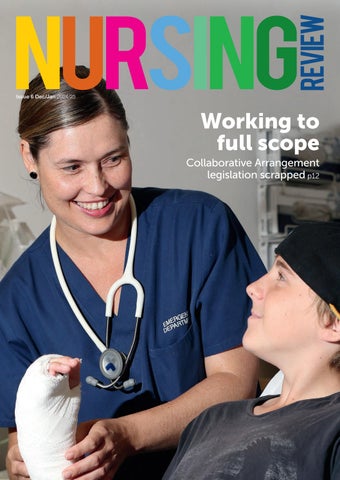
Working to full scope Collaborative Arrangement legislation scrapped p12
Discover flexible online courses designed to fit around your life Graduate Certificates
Graduate Diplomas
> > > > > > > > > > > > > >
> >
Aeromedical Retrieval Clinical Education Epidemiology Health Services Management Infectious Disease Prevention and Control Maternal Critical Care Medical Nursing Mental Health Nursing Midwifery Studies Perioperative Nursing Primary Health Care Nursing Renal Nursing Safety and Quality in Health Service Delivery Surgical Nursing
Find your course CRICOS Provider No. 00300K | RTO Provider No. 0373 | TEQSA Provider ID PRV12069
Child and Family Health Midwifery
Masters > > > >
Aeromedical Retrieval Clinical Nursing Nursing (Nurse Practitioner) Nursing Practice (Pre-Registration)
contents
news
MANAGING EDITOR
Rebecca Cox rebecca.cox@news.com.au
2
Here’s what the new LNP govt in Qld has promised for health
HEALTH EDITOR
6
Albanese pledges free TAFE to help ease workforce shortages
8
Child vaccination rates decline for the third year in a row
Stefanie Schultz stefanie.schultz@news.com.au SALES MANAGER
Sarah Licence sarah.licence@news.com.au SUBSCRIPTIONS MANAGER
Lee Burrell lee.burrell@news.com.au
10 Dementia drug rejected by TGA
03
06
12 COVER STORY Collaborative Arrangement laws scrapped so more nurses can work to full scope
COVER
Nurse Practitioner Renee Graco treating patient Owen Barnett for his broken wrist in the emergency department of Gold Coast University Hospital. Picture: Glenn Hampson
16 Lessons for the next pandemic: where did Australia go right and wrong in responding to Covid?
workforce
PUBLISHED BY
Nationwide News Pty Ltd GPO Box 4245 Sydney NSW 2001 ABN 98 008 438 828 Print Post 100008043 ISSN 1836-1501 OCLC 536881479
20 Gender pay disparity still rife in nursing
08
12
22 ‘National scandal’: Only 1-in-100 rentals are affordable for essential workers
24 Primary care involves more than GPs. A new review shows how patients can better access care
PUBLISHER’S NOTE
© Copyright. No part of this publication can be used or reproduced in any format without express permission in writing from Nationwide News Pty Ltd. The mention of a product or service, person or company in this publication, does not indicate the publisher’s endorsement. The views expressed in this publication do not necessarily represent the opinion of the publisher, its agents, company officers or employees.
industry & reform
clinical practice
26 Genome sequencing
developed to trace Covid is now protecting babies in intensive care from infectious diseases
16
24
26
28
28 Drug-resistant infection looming threat to global health
nursingreview.com.au | 1
Take your nursing career to the next level with a Graduate Certificate in Nursing Study 100 per cent online with the leaders in rural and regional health education – at Australia’s most experienced online university. We have more than 40 years experience leading the way in nursing education, so you know you’re in safe hands.
Apply now to save up to $10,000 on your course fees with a Commonwealth supported place – and you could also apply for HECS-HELP.*
Complete your certificate in just eight to 10 months of part-time study. Choose your specialisation: • Aged care • Clinical education • Leadership and management • Rural and remote nursing
Learn more study.csu.edu.au/pg-nursing 1800 275 278
*Fees and savings are indicative only and are subject to change. © 2024 Charles Sturt University - TEQSA Provider Identification: PRV12018 (Australian University). CRICOS Provider: 00005F. M3063.
News
LNP leader David Crisafulli during the party function in Brisbane. Picture: NCA NewsWire/Tertius Pickard
‘Fresh start’ Here’s what the new LNP govt in Qld has promised for health By NCA Newswire and Stefanie Schultz
D
avid Crisafulli has led the Liberal National Party to victory in the Queensland state election, ending the Labor government’s nine-year reign. The new premier has promised the state a “fresh start”, with election promises centred on the state’s youth crime rates and health accessibility. Upon his victory Mr Crisafulli thanked those who had supported his campaign and said that the state had voted for “hope over fear.” “This result is a vindication of a hell of a lot of hard work and ahead of a little strategy, and I want outline how large this achievement is,” he said. “Of the last 12 general elections in this state, we have only won one on election night, and tonight we get to celebrate the biggest achievement we have had in over a decade.” The last time the LNP was voted into power in Queensland was in 2012 with Campbell Newman at the helm.
During his election campaign Mr Crisafulli gave himself a bold 100-day deadline to improve both victim of crime numbers and elective surgery delays. “[Also] within 100 days, you will see what’s happening in your hospital in real time, and you will have doctors and nurses back in charge of those hospitals,” he said. The LNP’s $590 million Easier Access to Health Services Plan is based on a three pronged approach: • Diagnose • Treat • Cure
1. DIAGNOSE The party plans to identify the areas that need government funding the most by establishing the collection of accurate and consistent real-time hospital data in a bid to ease, what they are calling, a “health crisis” for the state’s hospitals. The LNP has said that this will allow them to provide staff and resources efficiently and effectively. Most importantly, perhaps, is the self-imposed deadline for the project of just 100 days.
Griffith University politics lecturer Dr Paul Williams said the premier has possibly made “a noose for his own neck,” predicting that favour will turn back to the Labor party if the LNP’s promises are not kept.
2. TREAT The incoming government has said they will improve triaging in Emergency Departments, reduce ambulance ramping to below 30 per cent in four years and fasttrack elective surgeries. Foundational to such lofty goals, the LNP said, are more doctors, nurses and paramedics, “contemporary models of care” and, of course, real-time hospital data. The Royal Australian College of GPs (RACGP) Queensland chair Dr Cath Hester congratulated Mr Crisafulli on his election win while also urging the new premier to prioritise access to affordable healthcare and tackle ongoing workforce shortages with targeted incentives. “The LNP’s commitment to delivering real-time health data for the state’s hospitals is an important first step to improve information sharing across acute and primary care providers,” she said. > nursingreview.com.au | 3
News
David Crisafulli and his wife Tegan placing their votes in Springwood on Saturday. Picture: NCA NewsWire/Tertius Pickard
<
“We want to help the government empower general practice to reduce the strain on our emergency departments, make healthcare more affordable, and keep more Queenslanders out of hospital in the long term. “We also urge the LNP government to continue measures to grow the GP workforce, including providing incentives for GPs in training. We know incentives work – this funding resulted in an immediate boost in GPs in training in Victoria. “While fast-tracking trainee clinicians into paid work is commendable, we’re seeing fewer students choosing medicine as a career, and even fewer opting for general practice. Incentives are key to remove the main barrier for GPs in training, which is the pay cut they take when leaving hospital and going into private practice.”
3. CURE Lastly, LNP’s health services plan has committed to delivering 34,200 extra health workers by 2032, with its home-grown health workforce strategy. The party has also promised a boost to diagnostic screening access across 4 | nursingreview.com.au
the state, the delivery of more dedicated mental health facilities, and early delivery of hospital upgrades. In a significant commitment to women, families and First Nations communities, both the LNP and Labor made a pre-election promise to reopen regional maternity wards in Biloela and Cooktown. Rural Doctors’ Association of Queensland (RDAQ) president Dr Danielle Allan said the return of birthing services to Cooktown will benefit the entire Eastern Cape community, as locals have been required to travel four and a half hours to Cairns for birthing services. “It means women can access safe, collaborative birthing services closer to home and on Country. The broader population will also benefit from the additional medical staff and skills in emergency medicine and anaesthetics which having a local birthing service brings.” Labor’s Minister for Health, Mental Health and Ambulance Services Shannon Fentiman said: “We understand how important it is for First Nations women
“The LNP’s commitment to delivering real-time health data for the state’s hospitals is an important first step to improve information sharing across acute and primary care providers to have the option to give birth on, or as close to, country.” “We know from reopening services in Weipa, that when we have the right facilities, the right leadership, and the right models of care, we can attract specialists to our most remote locations.” As David Crisafulli is set to be sworn in as the 41st Premier of Queensland, voters will now turn their attention towards the delivery of the LNP’s healthcare promises. “It is a crisis, and Queenslanders know it, and they are living it,” Mr Crisafulli said. “This plan is thorough, it is detailed, and it is well-planned. Health workers are calling for it, patients are calling for it.” ■
Embark on an unforgettable locum journey with Rural LAP Travel, meet new people, and develop your skills while working in some of Australia’s most stunning locations, from charming countryside towns to the breathtaking outback. As a Rural LAP locum, enjoy a competitive hourly wage plus superannuation, a generous $150 incentive per working day* and a $100 travel allowance. We also arrange and pay for your travel and accommodation so you can focus on what you do best. Join us and turn your career into an adventure!
*Inclusive of superannuation
1800 RURAL LAP (78725 527) | enquiries@rurallap.com.au
Apply Now
news
Australian Prime Minister Anthony Albanese addresses the Labor campaign rally in Adelaide. Picture: NCA NewsWire
Election promise Albanese pledges free TAFE to help ease workforce shortages By Stefanie Shultz and NCA NewsWire
P
rime Minister Anthony Albanese has unveiled Labor’s first election promise at a major campaign rally in Adelaide last month, saying he is “determined to win the election next year”. Addressing supporters, Mr Albanese said his government came to power with an array of “challenges”. “We came to office knowing this is a time of serious and urgent challenges for global economic uncertainty,” he said. “A worldwide surge in inflation and energy prices. And Australia’s relationships with our own region under strain. “And at home, aged care was in crisis, Medicare under threat, bulk billing in free fall, real wages going backwards not by accident but as a deliberate design feature of the economic architecture. “Our energy grid had been run down by years of ideology and neglect. “And skills and manufacturing hollowed out to the point that in the midst of a global pandemic we nearly ran out of masks and could not make any more here. “These are the challenges we have had to face. This is the mess we have worked to clean up.” Mr Albanese confirmed that education was at the core of his government’s vision for a second term.
6 | nursingreview.com.au
‘FREE’ TAFE PLEDGE Among the Prime Minister’s first election promises is a pledge to pass laws making TAFE education free for 100,000 students each year from 2027. During the Adelaide rally Mr Albanese unveiled the plan to “lock in free TAFE and make it permanent nationwide.” “TAFE and university are equally important to our workforce and equally vital to our future,” he said. “And the choice to enrol in one or the other should be driven by one consideration alone – what is best for the student.” Mr Albanese said the proposal would help more people get the skills they need in the modern Australian economy. “More tradies to build more homes. More apprentices getting a start. More carers to look after our loved ones, whether they be young or old,” he said. “More opportunities for Australians to train and retrain in a changing economy. “TAFE gives our country and our people all of this, and as long as there is a Labor government, free TAFE is here to stay.” The pledge builds on the 180,000 feefree TAFE places already secured since Labor was elected in May 2022. The Australian Nursing and Midwifery Federation (ANMF) has welcomed the proposal, with union federal secretary Annie Butler saying the move has the potential to address skills shortages in the nursing and aged care workforces. “TAFE courses have proven to be a success in providing students with
“In a cost-of-living crisis, the Albanese government’s commitment to continue with free TAFE courses will save a student nurse thousands of dollars a year ‘hands-on’ training and placements in relevant healthcare settings, helping build the nation’s nursing and aged care workforce, to meet the needs of our growing, ageing population,” Ms Butler said. “In a cost-of-living crisis, the Albanese government’s commitment to continue with free TAFE courses will save a student nurse thousands of dollars a year in course fees. For example, in Queensland, a student enrolled in a Diploma of Nursing course would save almost $16,000. “We need to urgently grow the next generation of high-quality health and aged care workers and removing cost-barriers like these will continue to attract students into care industries which are still struggling to find suitably-trained staff. “Fee-free TAFE courses will help recruit new enrolled nurses into the profession and deliver a pipeline of suitably trained job-ready workers and the ANMF commends the government on its commitment to supporting the health and aged care workforce.” ■
WELCOME TO THE UNIVERSIT Y OF NOTRE DAME AUSTR ALIA
Embrace your options. Embrace knowledge.
APPLY NOW to study in 2025
notredame.edu.au
CRICOS: 01032F
More subsidised places for Nursing and Midwifery postgrad study at Notre Dame University’s Melbourne Clinical School in Werribee.
news
The rate of measles/mumps/rubella vaccination has declined significantly between 2020 and 2023.
Going down Child vaccination rates decline for the third year in a row By Stefanie Schultz
D
ata shows that vaccination coverage rates for Australian children have dropped for the third straight year, sparking concern from the nation’s immunologists. The National Centre for Immunisation Research and Surveillance (NCIRS) has released their 2023 annual report which shows rates of fully vaccinated children decreasing overall, at all three standard age assessment milestones: 12 months, 24 months and 60 months. Rates among Indigenous children at the 12 and 24 month mark also showed larger decreases than children overall. Associate Professor Frank Beard, associate director, surveillance, coverage, evaluation and social science at NCIRS, said that although Australian vaccination coverage is high by global standards, it is crucial that those in charge of public health do not become complacent. “While these declines are relatively modest, the ongoing decreasing trend is concerning,” he said. The downward trend seems to have been at least partly triggered by the Covid-19 pandemic, as the country
8 | nursingreview.com.au
experienced years of increasing vaccination coverage prior to 2020. Similar decreases have been seen in other OECD countries, including the United Kingdom and New Zealand. The report details both acceptance issues, like vaccine fatigue and increased scepticism, and access issues, such as the cost of a GP visit, are contributing to the decline. The report also shows that parents and guardians are not getting their children vaccinated on time (within 30 days of the recommended aged), with timely doses of the diphtheria/tetanus/whooping cough vaccine and the measles/mumps/rubella vaccine both showing significant decline between 2020 and 2023. While child vaccination is not compulsory in Australia, both state and federal governments have put measures in place to ensure a high level of uptake. For example, Services Australia will not approve applications for the Family Tax Benefit unless children meet immunisation requirements and, in many cases, the children of “conscientious objectors” are unable to be enrolled in child care. However, the drop in rates is not just limited to children. The NCIRS found that ongoing declines applied to adolescents and adults, too, possibly related to Covid-19 related restrictions. There has been a drop in the number of individuals who have received at least
“Although Australian vaccination coverage is high by global standards, it is crucial that those in charge of public health do not become complacent one dose of the HPV and the diphtheria/ tetanus/whooping cough vaccine by 15 years of age. Meningococcal jabs are also down amongst 17 year olds. Stats amongst adults are a little more complex, with coverage increasing for pneumococcal but decreasing for influenza and shingles. Experts at NCIRS are now calling for the development of national strategies designed to understand the reasons behind falling vaccination rates and reverse the decline. “Vaccination coverage is clearly suboptimal for all adult vaccines across all adult age groups,” Professor Beard said. “Regular monitoring of vaccination coverage is important, but it doesn’t tell us why vaccination uptake is low or declining. “It is therefore critical to identify the barriers to vaccination uptake and implement evidence-based approaches to address them.” ■
news
‘Safety risks’ Dementia drug rejected by TGA By Stefanie Schultz
T
he Therapeutic Goods Administration (TGA) has decided not to register Alzheimer’s drug lecanemab (LEQEMBI) on the basis that “the demonstrated efficacy did not outweigh the safety risks associated with the use of this medicine.” Lecanemab is an antibody infusion therapy developed by pharmaceutical company Eisai as a treatment for slow cognitive decline for individuals in the early stages of Alzheimer’s disease. The drug is administered intravenously and works by clearing amyloid plaque (a sticky protein that can disrupt cell function) that has built up in the brain of the patient. While the drug’s effectiveness has been debated, testing has shown a slower rate of cognitive decline in those receiving treatment. However, in a statement made by the TGA, it said its reasons for rejecting the drug are based on harm to benefit ratios. “Clinical study data demonstrated that patients treated with LEQEMBI experienced a reduction in disease progression compared to those given a placebo, however, this difference was not deemed significant enough to provide a meaningful clinical benefit or to outweigh the associated safety risks.”
10 | nursingreview.com.au
“In particular, the TGA delegate considered the frequent occurrence of amyloid-related imaging abnormalities (ARIA) in patients treated with LEQEMBI.” Dementia Australia has expressed its disappointment at the decision, calling the rejection a blow for Australians living with Alzheimer’s disease. “While we respect the TGA as Australia’s medicines regulator, should this decision be upheld it will be a blow to Australians who may be able to benefit from Lecanemab. Dementia Australia is disappointed that Australians living with Alzheimer’s disease in its early stages may be unable to access the same choice of treatments as people living in other countries,” Dementia Australia chief Professor Tanya Buchanan said. “Alzheimer’s disease is a progressive and ultimately fatal neurological condition so slowing decline when people are experiencing mild symptoms is incredibly important in supporting people to maintain quality of life for longer.” “Lecanemab is not a cure and is not for all people with a diagnosis of Alzheimer’s disease. Like many medicines it also comes with some significant risks. It is however, widely seen as an historic first step towards reducing the huge impact of Alzheimer’s disease and for people living with the condition it signified hope.” This is not the first time, however, that lecanemab has been rejected by a national regulator.
“In a statement made by the TGA, it said its reasons for rejecting the drug are based on harm to benefit ratios While lecanemab is approved for use in USA, Japan, China, South Korea and Israel, the European Medicines Agency (EMA) refused to grant marketing authorisation for lecanemab for reasons similar to the TGA, saying the observed effects of the drug did not outweigh the risk of serious side effects such as swelling and bleeding in the brain. Similarly, in a whiplash decision, lecanemab was both approved and rejected within 24 hours in the UK. Following a review of the risks and benefits the Medicines and Healthcare products Regulatory Agency (MHRA) approved lecanemab for use in Great Britain in August of this year, yet later the very same day the National Institute for Health and Care Excellence (NICE) issued draft guidance not recommending lecanemab for use “because it is not a cost effective use of limited NHS funding.” Eisai has advised that they intend to request a reconsideration of the TGA’s decision. ■
Andrew, Nurses & Midwives Health member
At Nurses & Midwives Health, we value what matters most, supporting the health and wellbeing of our wonderful nurses, midwives and their families. Our great value health cover is designed to provide you with the support you need, to help you take control of your health and wellbeing.
See what value we can offer you.
To find out more call 1300 900 310 or scan the QR code. Eligibility criteria and conditions apply. Teachers Federation Health Ltd ABN 86 097030 414 trading as Nurses & Midwives Health. A Registered Private Health Insurer. NMH-NR-11/24
industry & reform
NP Renee Graco treating patient for a broken wrist in the Gold Coast University Hospital ED. An example of nurses taking on a greater role in the treatment of minor injuries. Picture: NCA Newswire/Glenn Hampson
‘Auspicious day’ Collaborative Arrangement laws scrapped so more nurses can work to full scope By Stefanie Schultz
L
egislation to remove Collaborative Arrangement laws that will allow nurse practitioners and endorsed
12 | nursingreview.com.au
midwives to work to their full scope of practice have come into effect. Scrapping the restrictive arrangements, which have been in place since 2010, means more experienced nurses will be able to deliver healthcare services autonomously. The laws have historically prevented nurses from providing
Medicare-subsidised services and prescribing certain medications available on the Pharmaceutical Benefits Scheme (PBS) without a supervising medical practitioner. The Health Legislation Amendment (Removal of Requirement for a Collaborative Arrangement) Bill 2024 was introduced to parliament in March this
industry & reform
WE SEE YOU SPECIALISE STUDY POSTGRADUATE MENTAL HEALTH NURSING
“The removal values, recognises and respects the advanced skills and high-levels of expertise of NPs and endorsed midwives “We hope this landmark change will help attract more Registered Nurses to become Nurse Practitioners, and more Midwives to become Endorsed.” The Australian Nursing and Midwifery Federation (ANMF) said that the collaborative requirements were “outdated” and “restrictive,” with federal secretary Annie Butler praising the Federation and other Australian nursing and midwifery peak bodies for their tireless work and campaigning over the past 14 years leading to this point. “We’ve seen the success and popularity of nurse-led clinics in Tasmania and the ACT and these reforms will now empower more NPs and endorsed midwives to work to their full skill-set, training and education, expanding the provision of healthcare in the community, continuing to support multi-disciplinary models of care,” Ms Butler said. “This will be particularly beneficial in rural and remote communities where chronic workforce shortages continue to impact care outcomes. “From our perspective, the removal of Collaborative Arrangements will not only improve access to health care for many currently underserved communities, it also values, recognises and respects the advanced skills and high-levels of expertise of NPs and endorsed midwives.” >
C_AD_2407_NursingReview_MentalHealthNursing_185x64
year, in the hopes that it would expand both the accessibility and affordability of high-quality healthcare, particularly for those living in rural and remote areas. The Bill also contributes to parallel Labor government initiatives such as the Nurse Practitioner Workforce Plan and Strengthening Medicare measures. The Bill was passed in the Senate on May 17, despite opposition from the Royal Australian College of General Practitioners (RACGP) and the Australian Medical Association (AMA). In a joint press conference, Health Minister Mark Butler, Health and Aged Care Assistant Minister Ged Kearney, and the nation’s nursing and midwifery leaders celebrated the “auspicious day.” “This really opens up the doors for endorsed midwives and nurse practitioners to operate independently, to set up their own small businesses, to provide the very best care to the community that we possibly can,” Ms Kearney said. “It’s great news for the community because it means increased access to healthcare at a time when we know that many people are struggling to get timely healthcare, particularly in our rural and regional areas, but also here in our cities.” Australian College of Nursing chief Professor Kathryn Zeitz FACN called the removal of the laws a “big win” for patients. “It will have a significant positive impact on health service delivery, especially for those who live in rural, regional, and remote communities, and other underserved communities,” Professor Zeitz said. “The removal of collaborative arrangements will provide nurses and midwives with much-deserved respect and acknowledgement of their clinical expertise.
APPLY NOW TO START ONLINE ANYTIME CRICOS: 00219C | TEQSA: PRV12073 | RTO: 40939
nursingreview.com.au | 13
industry & reform
Nurse practitioner Toni Slotnes-O’Brien checks a patient’s blood pressure at an Adelaide clinic after the announcement of a six-week pilot program expanding the number of nurse practitioners working in SA GP clinics. Picture: NCA Newswire/Mark Brake Newswire/Alex Coppel
<
While many within the healthcare sector have praised Ministers Butler and Kearney for the initiative, the nation’s medical peak bodies fear the move will discourage cooperation and potentially place patients at risk. The AMA expressed “significant disappointment” at the federal government’s decision to table the Bill in March, citing concerns that it would lead to a “fragmented, siloed approach to healthcare.” “Team-based models of care are the future of healthcare, with safety and quality underpinned by close collaboration between health professionals and strong clinical governance,” said Professor Steve Robson, AMA president at the time, in a letter to Minister Butler. “Collaborative practice with midwives is a key part of how we deliver care in my own specialty. 14 | nursingreview.com.au
“The planned removal of collaborative arrangement provisions that are intended to guarantee this, combined with the absence of any robust framework to operate in their place, will promote a siloed approach to care and is contrary to the original stated intent of the reforms. It is also contrary to the expert clinical advice of the MBS Review Taskforce.” However, as College of Nurse Practitioners chief Leanne Boase pointed out, the removal of collaboration laws is as much about the recognising and empowering the workforce, as it is about more Australians accessing subsidised healthcare. “[The public] will have access to the entitlements that they already pay for through the tax system. They will have access, particularly people who are struggling to access healthcare, will have better rebates, Medicare rebates available,
“It will have a significant positive impact on health service delivery, especially for those who live in rural, regional, and remote communities, and other underserved communities and more medicines will be subsidised,” she said. “Nurse practitioners and endorsed midwives will continue to work the same way clinically ... however, they will no longer need this collaborative arrangement in order for people to access subsidies, and that’s a crucial point.” ■
Not all formulas are the same, your recommendation matters. Nutricia® Aptamil® Gold+ and Nutricia® Aptamil® Sensitive contain: • a unique blend of scGOS/lcFOS (9:1) prebiotics* that has clinical benefits on gut and immune health1–3 • Bifidobacterium breve M-16V probiotic: works synergistically with scGOS/lcFOS to help nutritionally support gut and immune health4 *short-chain galacto-oligosaccharides and long-chain fructo-oligosaccharides in a 9 to 1 ratio
EVERYDAY IMMUNE SUPPORT
EVERYDAY GENTLE SUPPORT
Enrol in “A Spin-free guide to infant formula” module
CLICK HERE
IMPORTANT NOTICE: BREAST MILK IS BEST FOR BABIES: Professional advice should be followed before using an infant formula. Partial bottle feeding could negatively affect breastfeeding. Good maternal nutrition is important for breastfeeding and reversing a decision not to breastfeed may be difficult. Infant formula should be used as directed. Improper use of infant formula may affect the health of the baby. Social and financial implications should be considered. For Healthcare Professionals use only - not for distribution or sharing to the general public. Abbreviations: lcFOS: long-chain fructo-oligosaccharides, scGOS: short-chain galacto-oligosaccharides. References: 1. Scholtens PAMJ, et al. World J Gastroenterol. 2014;20(37):13446-52. 2. Arslanoglu S, et al. J Nutr. 2008;138(6):1091-5. 3. Bruzzese E, et al. Clin Nutr. 2009;28:158-61. 4. Schouten B, et al. J Nutr. 2009;139(7):1398–1403. Nutricia Australia Pty Ltd. The Zenith, Tower B, Level 12, 821 Pacific Highway, Chatswood, NSW 2067. Date of preparation: November 2024. NUAO32276W. Ward 6.
industry & reform
Lessons learned Police and Emergency services check cars and people crossing the Queensland/NSW border. Picture: NCA NewsWire/John Gass
Lessons for the next pandemic: where did Australia go right and wrong in responding to Covid? By Michael Toole, Steven McGloughlin, Tari Turner, Adrian Esterman, Hassan Vally, Guzyal Hill and Kim M Caudwell
W
ith Covid still classified as an ongoing pandemic, it’s difficult to contemplate the next one. But we need to be prepared. We’ve seen
16 | nursingreview.com.au
several pandemics in recent decades and it’s fair to expect we’ll see more. For the final part in a series of articles on the next pandemic, The Conversation asked a range of experts what Australia got right and wrong it its response to Covid. Here they share their thoughts on the country’s Covid response – and what we can learn for the next pandemic.
QUARANTINE The federal government mandated 14 days of quarantine for all international arrivals
between March 2020 and November 2021. During that period, 452,550 people passed through the system. The states and Northern Territory were given just 48 hours to set up their quarantine systems. The states chose hotel quarantine, while the Northern Territory repurposed an old miner’s camp, Howard Springs, which had individual cabins with outdoor verandas. The ACT had very few international arrivals, while Tasmania only had hotel quarantine for domestic travellers.
industry & reform
“These protocols need to be included in a national pandemic preparedness plan, which is frequently reviewed and tested through simulations Dedicated quarantine centres like Howard Springs already exist in Victoria and Queensland. Ideally, they should be constructed in every jurisdiction. By Michael Toole, Associate Principal Research Fellow at the Burnet Institut.
TREATMENTS
During the first 15 months of the program, at least 22 breaches occurred in five states (New South Wales, Victoria, Queensland, Western Australia and South Australia). An inquiry into Victoria’s hotel quarantine found the lack of warning and planning to set up the complex system resulted in breaches that caused Victoria’s second Covid wave of 2020, leading to almost 800 deaths. A breach at Sydney airport led to the introduction of the Delta variant into Australia.
In the next pandemic, mistakes from Covid need to be avoided. They included failure to protect hotel residents and staff from airborne transmission through ventilation and mask usage. Protocols need to be consistent across the country, such as the type of security staff used, N95 masks for staff and testing frequency. These protocols need to be included in a national pandemic preparedness plan, which is frequently reviewed and tested through simulations. This did not occur with the pre-Covid preparedness plan.
Scientists had to move quickly after Covid was discovered to find effective treatments. Many Covid treatments involved repurposing existing drugs designed for other viruses. For example, the HIV drug ritonavir is a key element of the antiviral Paxlovid, while remdesivir was originally developed to treat hepatitis C. At the outset of the pandemic, there was a lot of uncertainty about Covid treatment among Australian health professionals. To keep up with the rapidly developing science, the National Clinical Evidence Taskforce was established in March 2020. We were involved in its Covid response with more than 250 clinicians, consumers and researchers. Unusually for evidence-based guidelines, which are often updated only every five years or so, the taskforce’s guidelines were designed to be “living” – updated as new research became available. In April 2020 we released the first guidelines for care of people with Covid, and over the next three years these were updated more than 100 times. While health-care professionals always had access to up-to-date guidance on Covid treatments, this same information was not as accessible for the public. This may partly explain why many people turned to unproven treatments. The taskforce’s benefits could have been increased with funding to help the community understand Covid treatments. Covid drugs faced other obstacles, too. For example, changes to the virus itself meant some treatments became less effective as new variants emerged. Meanwhile, provision of antiviral treatments has not been equitable across the country. > nursingreview.com.au | 17
industry & reform
Long queues formed as people waited at a Covid-19 vaccination hub in Homebush, Sydney. Picture: NCA NewsWire/Dylan Robinson
<
Covid drugs have had important, though not game-changing, impacts. Ultimately, effective vaccines played a much greater role in shifting the course of the pandemic. But we might not be so fortunate next time. In any future pandemic it will be crucial to have a clear pathway for rapid, reliable methods to develop and evaluate new treatments, disseminate that research to clinicians, policymakers and the public, and ensure all Australians can access the treatments they need. By Steven McGloughlin and Tari Turner Steven McGloughlin is Director, Intensive Care Unit, Alfred Health and Professor, Epidemiology and Preventative Medicine at Monash University. Tari Turner is Director, Evidence and Methods, National Covid-19 Clinical Evidence Taskforce, and Associate Professor (Research), Cochrane Australia, 18 | nursingreview.com.au
School of Population Health and Preventive Medicine at Monash University.
VACCINE ROLLOUT Covid vaccines were developed in record time, but rolling them out quickly and seamlessly proved to be a challenge. In Australia, there were several missteps along the way. First, there was poor preparation and execution. Detailed planning was not finalised until after the rollout had begun. Then the federal government had overly ambitious targets. For example, the goal of vaccinating four million people by the end of March 2021 fell drastically short, with less than one-fifth of that number actually vaccinated by that time. There were also supply issues, with the European Union blocking some deliveries to Australia.
Unfortunately, the government was heavily reliant on the AstraZeneca vaccine, which was found, in rare cases, to lead to blood clots in younger people. Despite all this, Australia ultimately achieved high vaccination rates. By the end of December 2021, more than 94% of the population aged 16 and over had received at least one dose. This was a significant public health achievement and saved thousands of lives. But over the past couple of years, Australia’s initially strong vaccine uptake has been waning. The Australian Technical Advisory Group on Immunisation recommends booster doses for vulnerable groups annually or twice annually. However, only 30% of people aged 75 and over (for whom a booster is recommended every six months) have had a booster dose in the past six months.
industry & reform
There are several lessons to be learned from the Covid vaccine rollout for any future pandemic, though it’s not entirely clear whether they are being heeded. For example, several manufacturers have developed updated Covid vaccines based on the JN.1 subvariant. But reports indicate the government will only be purchasing the Pfizer JN.1 booster. This doesn’t seem like the best approach to shore up vaccine supply. By Adrian Esterman, Professor of Biostatistics and Epidemiology at the University of South Australia.
MODE OF TRANSMISSION Nearly five years since SARS-CoV-2 (the virus that causes Covid) first emerged, we now know airborne transmission plays a far greater role than we originally thought.
In contrast, the risk of SARS-CoV-2 being transmitted via surfaces is likely to be low, and perhaps effectively non-existent in many situations. Early in the pandemic, the role contaminated surfaces and inanimate objects played in Covid transmission was overestimated. The main reason we got this wrong, at least initially, was that in the absence of any direct experience with SARS-CoV-2, we extrapolated what we believed to be true for other respiratory viruses. This was understandable, but it proved to be inadequate for predicting how SARS-CoV-2 would behave. One of the main consequences of overestimating the role of surface transmission was that it resulted in a lot of unnecessary anxiety and the adoption of what can only be viewed in retrospect as over-the-top cleaning practices. Remember the teams of people who walked the streets wiping down traffic light poles? How about the concern over reusable coffee cups? Considerable resources that could have been better invested elsewhere were directed towards disinfecting surfaces. This also potentially distracted our focus from other preventive measures that were likely to have been more effective, such as wearing masks. The focus on surface transmission was amplified by a number of studies published early in the pandemic that documented the survival of SARS-CoV-2 for long periods on surfaces. However, these were conducted in the lab with little similarity to real-world conditions. In particular, the amounts of virus placed on surfaces were greater than what people would likely encounter outside the lab. This inflated viral survival times and therefore the perception of risk. The emphasis on surface transmission early in the pandemic ultimately proved to be a miscalculation. It highlights the challenges in understanding how a new virus spreads.
“But as the pandemic continued, tensions gave way to deeper ideological fractures between jurisdictions and individuals health policy. Meanwhile, different jurisdictions came together to deliver a range of measures aimed at supporting businesses and workers affected by Covid restrictions. But as the pandemic continued, tensions gave way to deeper ideological fractures between jurisdictions and individuals. The issues of vaccine mandates, border closures and lockdowns all created fragmentation between governments, and among experts. The blame game began between and within jurisdictions. For example, the politicisation of quarantine regulations on cruise ships revealed disunity. School closures, on which the Commonwealth and state and territory governments took different positions, also generated controversy. These and other instances of polarisation undermined the intent of the newly established National Cabinet. The Covid pandemic showed us that disunity across the country threatens the collective work needed for an effective response in the face of emergencies. The Covid response inquiry, due to release its results soon, will hopefully help us work toward national uniform legislation that may benefit Australia in the event of any future pandemics. This doesn’t necessarily mean identical legislation across the country – this won’t always be appropriate. But a cohesive, long-term approach is crucial to ensure the best outcomes for the Australian federation in its entirety. ■
NATIONAL UNITY
By Guzyal Hill and Kim M Caudwell Guzyal Hill is Associate Professor, Faculty of Arts and Society at Charles Darwin University. Kim M. Caudwell is Senior Lecturer – Psychology, and Chair, Researchers in Behavioural Addictions, Alcohol and Drugs (BAAD) at Charles Darwin University.
Initially, Commonwealth, state and territory leaders were relatively united in their response to the Covid pandemic. The establishment of the National Cabinet in March 2020 indicated a commitment to consensus-based public
This article is part of a series on the next pandemic and is republished from The Conversation under a Creative Commons license. Read the original article at theconversation.com/au.
By Hassan Vally, Associate Professor, Epidemiology, at Deakin University.
nursingreview.com.au | 19
Workforce
Same old story Gender pay disparity still rife in nursing By Stefanie Schultz
N
ew data has shown that the gender of an Australian nursing graduate has a profound effect on how much they will be paid and how quickly their career will progress. Researchers from Edith Cowan University (ECU) have published The gender pay gap in the Australian nursing workforce: A retrospective observational study, examining the ongoing disparity experienced by female nursing graduates across all Australian universities. Using data from a national graduate survey commissioned by the Department of Education, ECU researchers analysed the career progression of 4,250 graduates who had completed a Bachelor of Nursing or Bachelor of Nursing Honours degree (excluding midwifery), at six months and three years post-grad. Key findings show that male nurses are being paid around four per cent more than their female colleagues six months after graduation, with the gap widening to approximately 13 per cent at the three year mark.
20 | nursingreview.com.au
ECU research fellow Dr Gemma Doleman said that men are also more likely to get promoted sooner than women. ”In this study, men at three years earned $39.50 per hour compared to women who earned $38 per hour,” Dr Doleman explains. Research on nursing career trajectories suggests that men experience a faster rate of career progression compared to women and are over-represented in senior positions. Another contributing factor to these results is the increased likelihood that male nurses will work more hours per week and opt-in to non-sociable hours. ”In addition, the cohort of men had an average age of 35 years in this study, which may also suggest that they have undertaken previous study and work that resulted in them reporting being overqualified more than women upon graduation,” Dr Doleman said. Yet the pay disparity cannot simply be attributed to a difference in age or work experience between genders, with the study showing that female nurses aged over 26 experience an increased wage gap of five to 16 per cent. Dr Doleman said that the Australian healthcare industry needs to deliver a
“In this study, men at three years earned $39.50 per hour compared to women who earned $38 per hour wider choice of working arrangements for female nurses if it hopes to retain experienced staff and address ever-increasing workforce shortfalls. “There are a range of flexible work environments that can be considered, including alternative shifts away from the traditional eight to 12 hours – shorter shifts, or job sharing could offer more opportunities,” she said. “The introduction of new roles in telehealth, which offers nurses the possibility of remote working, or using experienced nurses to on-board new graduates at family friendly times can also be used to support the workforce. “Nurses may not enter the workforce anticipating large salaries, but they do wish to be paid appropriately, and research has long shown a strong association between pay rates, job satisfaction and retention of nurses within the workforce.” ■
Discover Dementia Training Packages That Meet Your Team’s Unique Needs Dementia Training Australia works with organisations just like yours, to create relevant customised training. Our training will help you improve the lives of people living with dementia. Funded by the Australian Government, we deliver a range of training opportunities for the Australian workforce. Whether you need an online course, trainer resource, face-to-face workshop or an in-depth consultancy, we have a level and format to suit your organisation’s needs.
For more information visit dta.com.au/commissioned-training or call 1300 229 092.
Scan this code for more information about DTA’s commissioned training program.
Workforce
Nothing to rent Since 2023 the number of affordable rentals has increased marginally for aged care workers, firefighters, school teachers and social workers. Picture: NCA NewsWire/Max Mason-Hubers
‘National scandal’: Only 1-in-100 rentals are affordable for essential workers By NCA NewsWire
B
arely one-in-100 rentals in Australia are affordable for the average nurse, construction worker, early childhood educator or hospitality worker. Anglicare Australia has crunched the numbers and found essential workers who can get a rental have essentially no money left to live their lives. The research surveyed more than 45,000 rental listings across the country in March. For an ambulance worker, 2.2 per cent of the rentals are affordable. It is all downhill from there for aged care workers, nurses, early childhood educators, construction workers, and then lastly 0.8 per cent of rentals are affordable for hospitality workers.
22 | nursingreview.com.au
“It should be a national scandal that so few of our essential workers can afford to keep a roof over their head,” Anglicare Australia executive director Kasy Chambers said. Wages have grown at four per cent in the past 12 months to mid-2024, while rents have increased seven per cent. The Anglicare analysis measures affordability against the adult award wage for each industry. It is no mystery why essential industries are severely short-staffed, Ms Chambers said. “Virtually no part of Australia is affordable for aged care workers, early childhood educators, cleaners, nurses and many other essential workers we rely on.” “It’s no wonder so many critical industries are facing worker shortages.” While rents have increased 7.3 per cent in the past year, housing as a whole has
increased 5.2 per cent. House prices have fallen in half of Sydney’s suburbs, and the Melbourne median house price is coming down. But the Anglicare research shows moving to the regions – once a reliable option for someone to buy a home, or rent cheaply while they work and save some money – is barely more affordable than the cities. Measured against an average cleaner’s wage, there were two affordable rentals in Cairns in March; March is outside of the traditional tourist period in the North Queensland hotspot. At the same time, the Illawarra just south of Sydney had three rentals a cleaner could afford, Mandurah on the southern edge of Perth had one, and the Mornington Peninsula outside Melbourne had three. There were zero listed rentals a cleaner could afford on the Central Coast and
Workforce
“We are also calling for tax reform to put people in need of homes, not investors, at the centre of our system
Clare O’Neil was given the reins as Housing Minister in July. Picture: NCA NewsWire/ Martin Ollman
Shoalhaven in NSW, the Gold Coast, Whitsundays, Toowoomba and Moreton Bay in Queensland, southeast Tasmania, or in the northern half of the WA outback. Anglicare points out workers in the care industries have likely invested in their education, accepted they are working essential roles for minimal wages and are now being forced to forgo food to afford a place to live. Social and affordable housing is the solution, Ms Chambers said. “Building general homes and hoping affordability will trickle down simply isn’t working.” “We are also calling for tax reform to put people in need of homes, not investors, at the centre of our system.
“Momentum is building to change this system once and for all. These results are dire, but they are also an opportunity for change.” Last month, the Prime Minister and Treasurer were in the Sunshine State on Tuesday, to announce funding to build 1100 general, social, affordable and rental homes in and south of Brisbane. Federal Housing Minister Clare O’Neil was given the portfolio in a shake-up in July. The holder of a Master’s in Public Policy from Harvard has been at the helm of the government’s latest reform push, which saw its Help to Buy Bill reintroduced for a second time, after the Greens thwarted the scheme in the Senate. The government’s home guarantee scheme has however had a positive effect. Labor’s expanded home guarantee scheme helped 43,800 people – including over 11,000 key workers – buy a home in the most recent financial year, up 34 per cent. ■
subscribe for less than $2 Per week The laTesT news for nursing and healThcare professionals Nursing Review is essential reading for anyone involved in the healthcare sector in Australia. It provides unrivalled coverage of specialist topics from features and opinion pieces, to international news and profiles. • Latest news and resources for all healthcare professionals • Comprehensive coverage of a diverse range of topics • Analysis of the major issues facing the health sector as a whole • Delivered free of charge to your home or place of work monthly
Please email edmedia.subscriptions@news.com.au to find out more nursingreview.com.au | 23
Workforce Physiotherapists could refer directly to an orthopaedic surgeon rather than needing to go via a GP.
Unleash potential Primary care involves more than GPs. A new review shows how patients can better access care By Stephen Duckett
A
ustralians today are more likely than previous generations to live with complex and chronic diseases, such as diabetes, heart disease and depression. This means they’re more likely to need health care from a variety of different providers, such as nurses, podiatrists, psychologists and physiotherapists, as well as GPs. This is known as “multidisciplinary care”. It works best when the skills of all these professions are available to the patient in a co-ordinated way. But the roles of health professions, and the way they’re funded, have been frozen in legislation and policy for decades. Any change has been incremental and disjointed. It has mostly involved adding more items
24 | nursingreview.com.au
to the Medicare schedule, with each professional practising separately. The result has been greater inequity of access. Because fewer than half of allied health fee-for-service visits are bulk-billed, most patients pay almost A$70 for each consultation – and sometimes much more. Those who can’t afford the out-of-pocket costs and can’t find a bulk-billing practitioner miss out. To assess how the government can remove barriers to team-based care and get health professions working to their full potential, or their full “scope of practice”, last year the government commissioned an independent review. The final report, released in November, sets a new path for the primary care workforce. This could make multidisciplinary care within reach of all Australians.
USING HEALTH-CARE WORKERS’ FULL POTENTIAL The review involved extensive consultation, including on two issues
papers. The report itself incorporates feedback from the consultations, including sceptical comments, reflecting a divergence of opinions. Reflected the report’s title, Unleashing the Potential of our Health Workforce, its main emphasis is to change the rules and regulations imposed by state and federal governments. These stymie health professionals and limit their ability to use their full skills and knowledge to manage their patients’ care. To the disappointment of most allied health professions, the review does not recommend more Medicare payments for them to practise independently. Rather, the review recommends payment to general practices for them to expand multi-disciplinary teams. This would see professionals working together, rather than in competition or isolation. The review also recommends changing the rules about referrals by health professionals, allowing qualified health professionals to refer directly to non-GP medical specialists in similar areas. This
Workforce
“To assess how the government can remove barriers to team-based care and get health professions working to their full potential, or their full “scope of practice” As with many other recommendations, the review points to where this is done already internationally and how it can nestle into other policies and frameworks to aid implementation. In releasing what he referred to as a “landmark” report, Health Minister Mark Butler noted the complexity of implementation, which would require collaborative action with states and territories. He noted the need for further consultation, but nevertheless took a supportive tone.
CAN THIS REVIEW PROMPT REAL HEALTH REFORM?
means your psychologist could refer you directly to a psychiatrist if needed, or your physiotherapist could refer you directly to an orthopaedic surgeon rather than needing to go back to your GP. This will weaken the role of the GP as a “gatekeeper” and also potentially undermine the more holistic care that GPs provide. But from a patient’s point of view, eliminating the intermediate step saves them out-of-pocket costs. An important recommendation recognises that the health system evolves and rules and regulations need to evolve too. It therefore supplements its recommendations for changes now, with an approach for continuous review through an independent mechanism. This would provide evidence-based advice and recommendations about: • significant workforce innovation •e merging health care roles •w orkforce models that involve significant change to scope.
WHEN WILL WE SEE CHANGE? The review sets out a loose timeline for implementation, described as short, medium and long term. And it assigns responsibility for each element of its recommendations to appropriate bodies and governments.
As almost all the recommendations require legislative change, and many require agreement between the Commonwealth and the states, it’s unlikely any of the changes will take effect this financial year. The review recommends change be implemented in a systematic, evidence-based and safe way. Implementation would start in areas of greatest need such as in rural and remote Australia and also in practices most ready for the change, such as Aboriginal Controlled Community Health Organisations or Victoria’s Community Health Centres Over recent decades, health professionals’ education has improved. So professionals are capable of doing more than previously. Yet the rules and regulations have not advanced and so inhibit professionals from making those skills and knowledge available. The review argues this contributes to career dissatisfaction, and to people leaving various health professions, exacerbating workforce shortages. The review proposes a new way of documenting and describing what can be done by a profession through what it calls a National Skills and Capability Framework and Matrix.
Overall, the review charts a middle course between letting health professionals roam free and the tight and inappropriate rules and regulations which constrain patient care today. It also sets out the practical steps to achieve its goals. The one downside of the report is the emphasis on harmonisation of state and territory approaches. This would replace the current approach, where each state and territory decides, for example, on what vaccines can be administered by which professionals and what pharmacists can dispense without a medical practitioner’s prescription. One of the benefits of a federation is the potential for state- and territory-based innovation and cross-border learning. Harmonisation will limit that experimenting, and may lead to more of the stasis seen in health workforce policy in the past. ■ Stephen Duckett is Honorary Enterprise Professor at the School of Population and Global Health, and Department of General Practice and Primary Care, at The University of Melbourne This article is republished from The Conversation under a Creative Commons license. Read the original article at theconversation.com/au nursingreview.com.au | 25
clinical practice
Infection control Genome sequencing developed to trace Covid is now protecting babies in intensive care from infectious diseases By Rhys Thomas White, David Winter and Suzanne Manning
A
nyone who has spent time inside a neonatal intensive care unit (NICU) knows it’s intense. For the tiny babies cared for in these wards, any infection could prove fatal. Great care is taken to prevent the spread of pathogens, but outbreaks still occur. Traditionally, detecting outbreaks within a NICU has been reactive – only after multiple babies fall ill at the same time. Our research is advancing the use of whole-genome sequencing technologies to detect outbreaks early and stamp out bacteria before they threaten more babies.
26 | nursingreview.com.au
FROM REACTIVE TO PROACTIVE NICU outbreak surveillance usually involves monitoring rates of illness and identifying spikes and long-term trends that may point to a pathogen circulating on the ward. When a potential outbreak is identified, bacteria may be cultured and retrospectively sequenced to determine if they can be linked to a shared source or transmission on the ward. Wellington Regional Hospital in New Zealand has changed its approach to infection surveillance in the NICU. Rather than waiting for infants to fall ill, they are using the same sequencing technology we developed at the New Zealand Institute of Environmental Science and Research (ESR) for genomic contact tracking during the Covid pandemic. Infants in the unit have diagnostic swab samples taken as part of routine practice. If any key bacteria are cultured from these samples, they are sequenced promptly to identify possible transmission events in
near real time. This allows us to monitor the situation closely and respond quickly to emerging outbreaks. Because not all infants carrying a particular bacterial strain will experience a severe infection, this proactive approach can detect an outbreak before any babies fall ill. And because whole-genome sequencing decodes the entire genetic makeup of bacteria, it also provides the NICU team with information on how pathogens are related to each other. This allows them to differentiate oneoff cases imported to the unit from any circulating within it. This level of detail allows for precise infection monitoring and fast, informed decisions on outbreak control.
A CASE STUDY This shift was recently tested when proactive genomic surveillance showed two infants in the NICU had eye infections caused by the same organism, an
clinical practice
This proactive approach to infection surveillance provides an early-warning system. It means the NICU team can be confident an outbreak is underway and act quickly to contain it.
MRSA IN NEW ZEALAND
uncommon strain of methicillin-resistant Staphylococcus aureus (MRSA). MRSA is notorious for its resistance to common antibiotics, making it particularly dangerous in hospitals. The onsite sequencing showed the two cases were likely linked. The priorities were to establish whether other infants were affected and limit the pathogen’s spread as quickly as possible. Screening of infants in the NICU found six more carrying the same strain of MRSA (though none with serious illness). This meant these infants could be isolated rapidly and the outbreak contained before any others developed a significant infection. ESR’s experience as genomic contact tracers helped establish how these infections spread in the unit. An outbreak response takes up resources and involves multiple steps, from the initial confirmation of the infection and its transmission route to communication with parents.
The power of genome sequencing extends beyond immediate outbreak control. By comparing the genomic data generated in the lab to that collected in national surveillance projects, our team was able to show the strain that caused the eye infections may have emerged in the early 1990s. This strain has slowly accumulated the genes required to evade first-choice antibiotics, underpinning the risk of antibiotic-resistant bacteria in Aotearoa New Zealand. We also highlighted the power of genomics to reveal connections when we found the MRSA strain causing illness in the NICU was related to bacteria collected from cattle. This discovery underscores the concept of “One Health” – the idea that human health, animal health and environmental health are inextricably linked. The data suggest bacteria from a cow milk tank and from babies in a hospital may have shared a common ancestor at some point.
FUTURE FOCUS As we continue to unravel the complex world of microbes, tools like wholegenome sequencing offer hope in the ongoing battle against infectious diseases. The work at Wellington Regional Hospital’s NICU is just the beginning. From protecting our most vulnerable newborns to uncovering unlikely
“Because not all infants carrying a particular bacterial strain will experience a severe infection, this proactive approach can detect an outbreak before any babies fall ill connections between farm animals and hospital patients, genomic technology is changing how we combat infectious diseases. As this technology continues to evolve, it promises to play an increasingly crucial role in safeguarding public health, one DNA sequence at a time. In the face of growing antibiotic resistance and emerging pathogens, this proactive, genomics-based approach to infection control may well be our best defence. ■ We would like to acknowledge the contributions by Max Bloomfield and the teams at Awanui Labs, and Emma Voss and team at Livestock Improvement Corporation. Rhys Thomas White is Scientist, Genomics and Bioinformatics at ESR; David Winter is Science Leader, Genomics and Bioinformatics at ESR, and Suzanne Manning is Technical Lead, Social Systems at ESR This article is republished from The Conversation under a Creative Commons license. Read the original article at the conversation.com/au nursingreview.com.au | 27
clinical practice
Drive change Drug-resistant infection looming threat to global health By NCA NewsWire and Stefanie Schultz
A
new study published in The Lancet has forecast that drug-resistant infections will be the direct cause of tens of millions of deaths by the middle of the century. The Global Research on Antimicrobial Resistance Project (AMR) predicts that by 2050 there will be approximately 1.91 million global deaths attributable to AMR annually and a further 8.22 million annual deaths associated with AMR. The conclusions in the study are based on data from 204 countries and territories. The researchers estimated the number of deaths that could be blamed on antimicrobial resistance from 1990 to 2021, and then forecast how many would occur from now up until 2050. “Antimicrobial medicines are one of the cornerstones of modern healthcare, and increasing resistance to them is a major cause of for concern,” said the study’s chief author, Dr Mohsen Naghavi. “These findings highlight that AMR has been a significant global health threat for decades and that this threat is growing.” In light of the global study, the United Nations General Assembly scheduled a high-level meeting on AMR, for only the second time in its 79 year history. World leaders came together in New York in September to “collectively address the looming threat AMR poses to global health, food security and achieving the 2030 Sustainable Development Goals.”
28 | nursingreview.com.au
Those in attendance committed to a declaration with the aim of “reducing the estimated 4.95 million human deaths associated with bacterial antimicrobial resistance annually by 10 per cent by 2030.” “The rise of antimicrobial research poses a profound challenge to modern medicine, potentially reversing decades of medical progress,” Dr Naghavi said. AMR will be most damaging in south, southeast and east Asia, Oceania, and sub-Saharan Africa, the study’s authors predict. Combatting the issue will require the development of new forms of antibiotics, widespread vaccination, and various measures designed to lessen the risk of infection. The widespread use of antibiotics to treat infection has presented a relentless catch-22; modern medical advancements have relied heavily on the use antibiotics, yet the more that doctors prescribe, the quicker microbes will develop resistance. Australian national science agency CSIRO has reported that AMR currently claims the lives of over 1600 Australians per year. In a bid to combat AMR effects locally, the agency has collaborated with the Department of Agriculture, Fisheries and Forestry, and the Department of Health and Aged Care in the development of a new online resource: AMR Action and Insights, but it comes with a warning. The site explains that “if we do not slow the rise of antimicrobial resistance, we will return to the dark ages of medicine where surgery becomes inherently risky, and currently treatable infections and injuries kill once again.”
“These findings highlight that AMR has been a significant global health threat for decades and that this threat is growing “AMR is one of the greatest threats facing humanity,” it added. Professor Branwen Morgan, lead of Minimising Antimicrobial Resistance at CSIRO, said the site will both inform the public but also hopefully drive much needed change. “Fragmented knowledge and misconceptions about AMR are major issues hindering effective action. The new website aims to bridge these gaps and foster a more unified understanding of AMR,” Professor Morgan said. “Information is often siloed within different sectors, leading many people to believe that AMR doesn’t affect them or that they can’t do anything about it. They might think it’s not relevant because they don’t take antimicrobials, or they mistakenly believe there are new drugs in the pipeline that will solve the problem. “This project seeks to break down these silos by showcasing perspectives from all sectors. We have taken a one-health approach, which recognises the interconnection between people, animals, and the environment. “We hope AMR Action and Insights will highlight how Australia can be a leading player in mitigating AMR and encourage decision-makers at all levels to consider AMR as a critical factor in their activities.” ■
The laTesT news for aged care professionals
IN OUR VOLATILE INDUSTRY, AGED CARE INSITE KEEPS YOU UP TO DATE ON ALL THE LATEST NEWS Aged Care Insite provides the best in original journalism, and is the authoritative source of news and analysis for the residential and community care sectors. We pride ourselves on being at the forefront of what's happening in the ever-changing aged care sector. We provide an independent source of news, and cover the issues relevant to you.
• Comprehensive coverage of a diversity of topics affecting the aged care sector • News and information on medical matters and products • Analysis of the major issues facing the aged care sector as a whole • 6 issues per year • Editorial integrity and industry relevance • Keeps industry professionals up-to-date on the politics and policy that matter • Tax deductible
Please email edmedia.subscriptions@news.com.au to find out more
SubScribe for leSS than $2 a week
The laTesT news and resources for healThcare professionals Nursing Review is essential reading for anyone involved in the healthcare sector in Australia. We provide unrivalled coverage of specialist topics from features and opinion pieces, to international news and profiles of industry leaders and those at the coal face. At Nursing Review we pride ourselves on being at the forefront of the ever-changing healthcare sector, with all the latest on industry reform, pay issues, clinical updates, what's happening in the workforce, and technology.
• Analysis of the major issues facing the health sector today • Can be used as a professional development resource • 6 issues per year • Interviews and opinion pieces from professionals in the industry • Written by an independent voice • Tax deductible
Please email edmedia.subscriptions@news.com.au to find out more