Advocating for the disability sector for 45 years
June-July 2026
Volume 36 Issue 3
IN THIS
Driving and disability
Assistive products for all Wheelchair travelling
Advocating for the disability sector for 45 years
June-July 2026
Volume 36 Issue 3
IN THIS
Driving and disability
Assistive products for all Wheelchair travelling













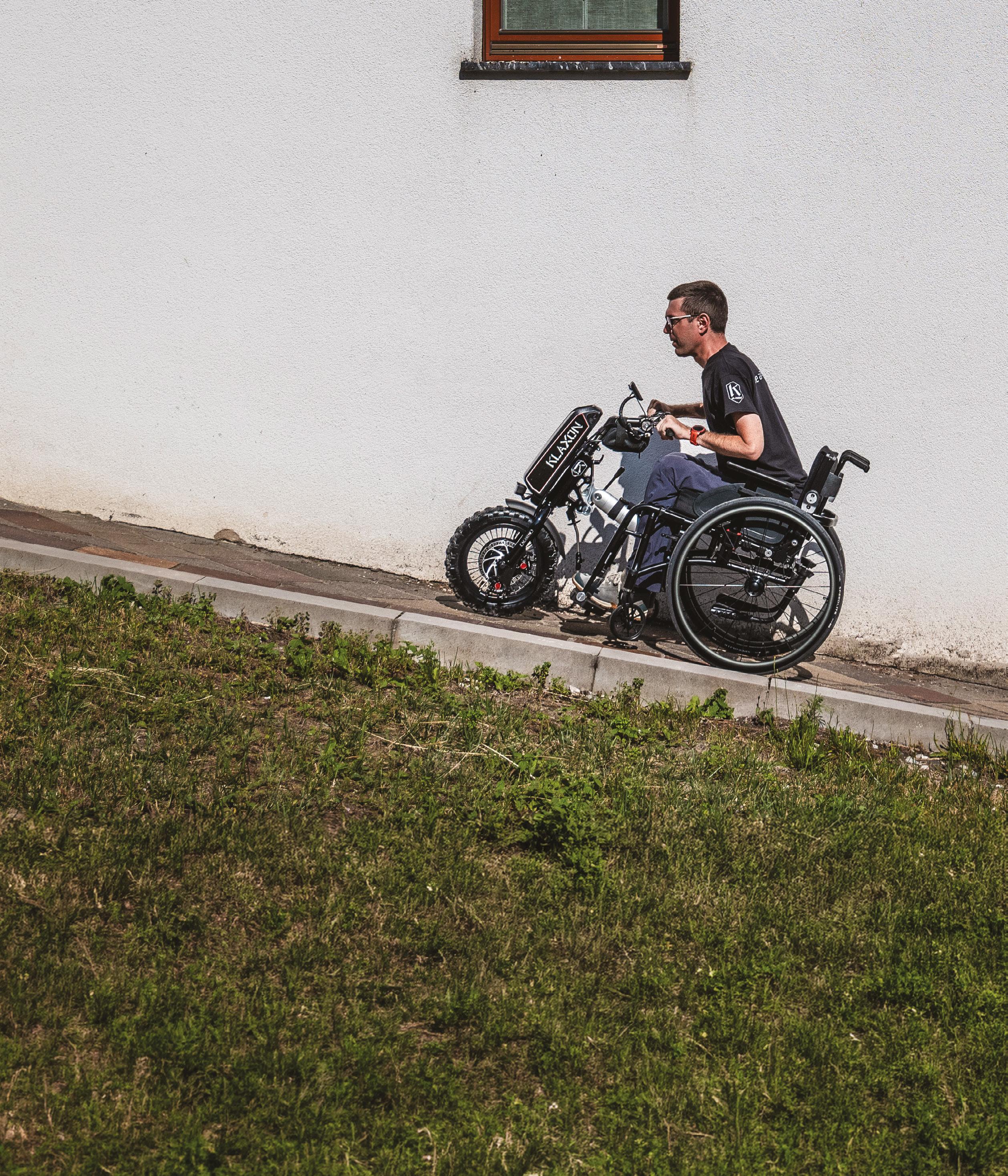

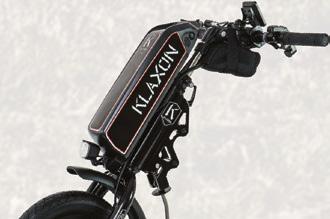
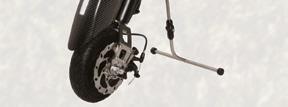
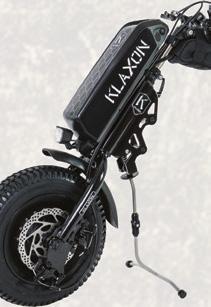
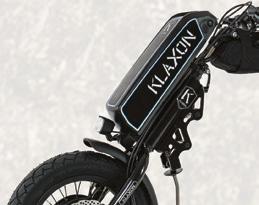
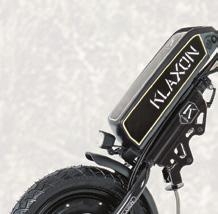
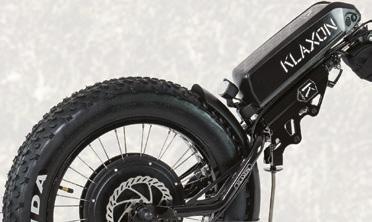
Empowering mobility starts with the right power add-on. Klaxon Mobility leads the way with world-class solutions that elevate independence and freedom. Designed for performance, style, and ease of use, Klaxon power add-ons rede ne mobility—delivering effortless travel across diverse terrains while maintaining the exibility of a manual wheelchair.
Every Klaxon product is crafted with precision and care, combining innovation, quality, and safety to meet the everyday needs of wheelchair users.



































































Assistive Technology That Fits You Perfectly





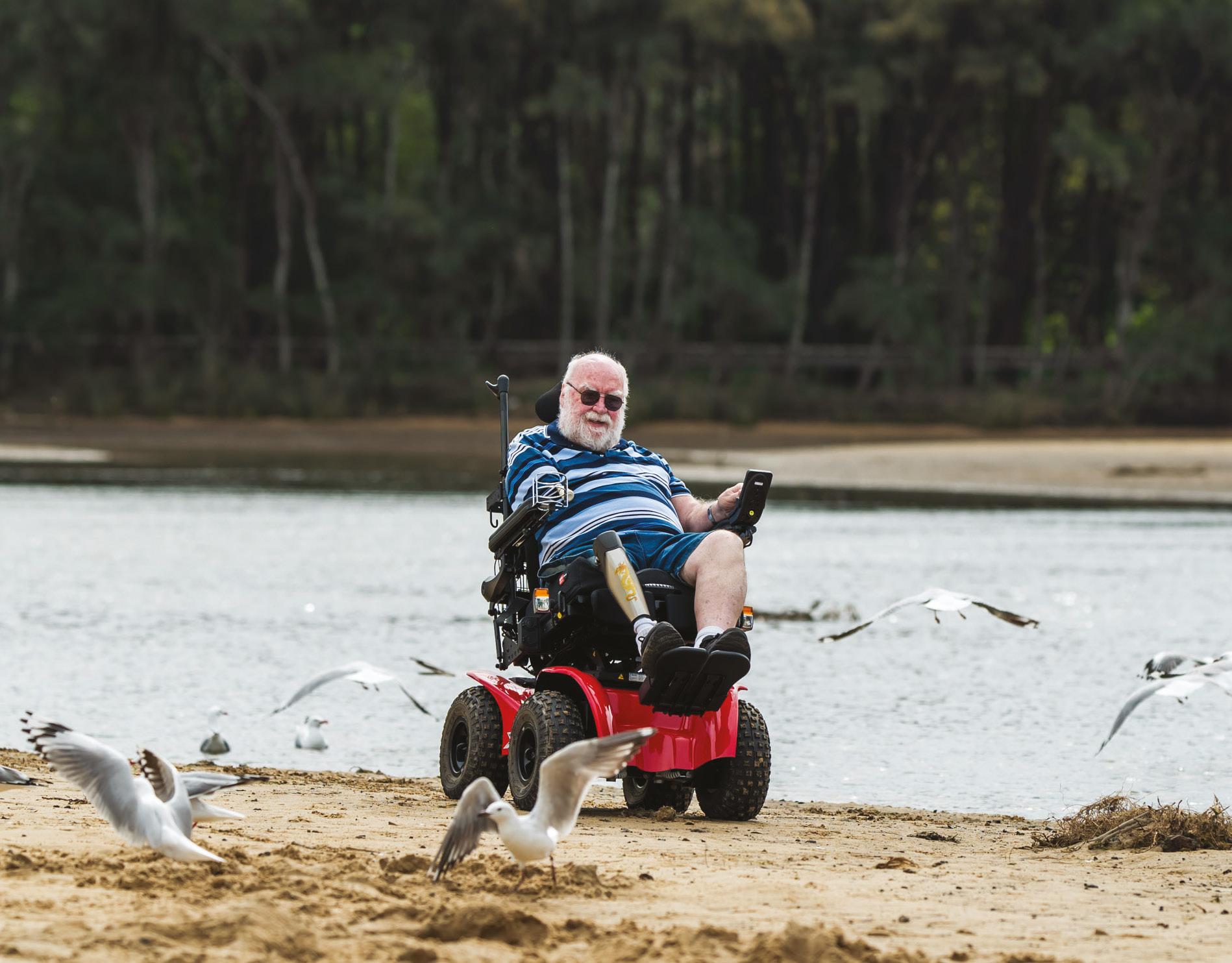
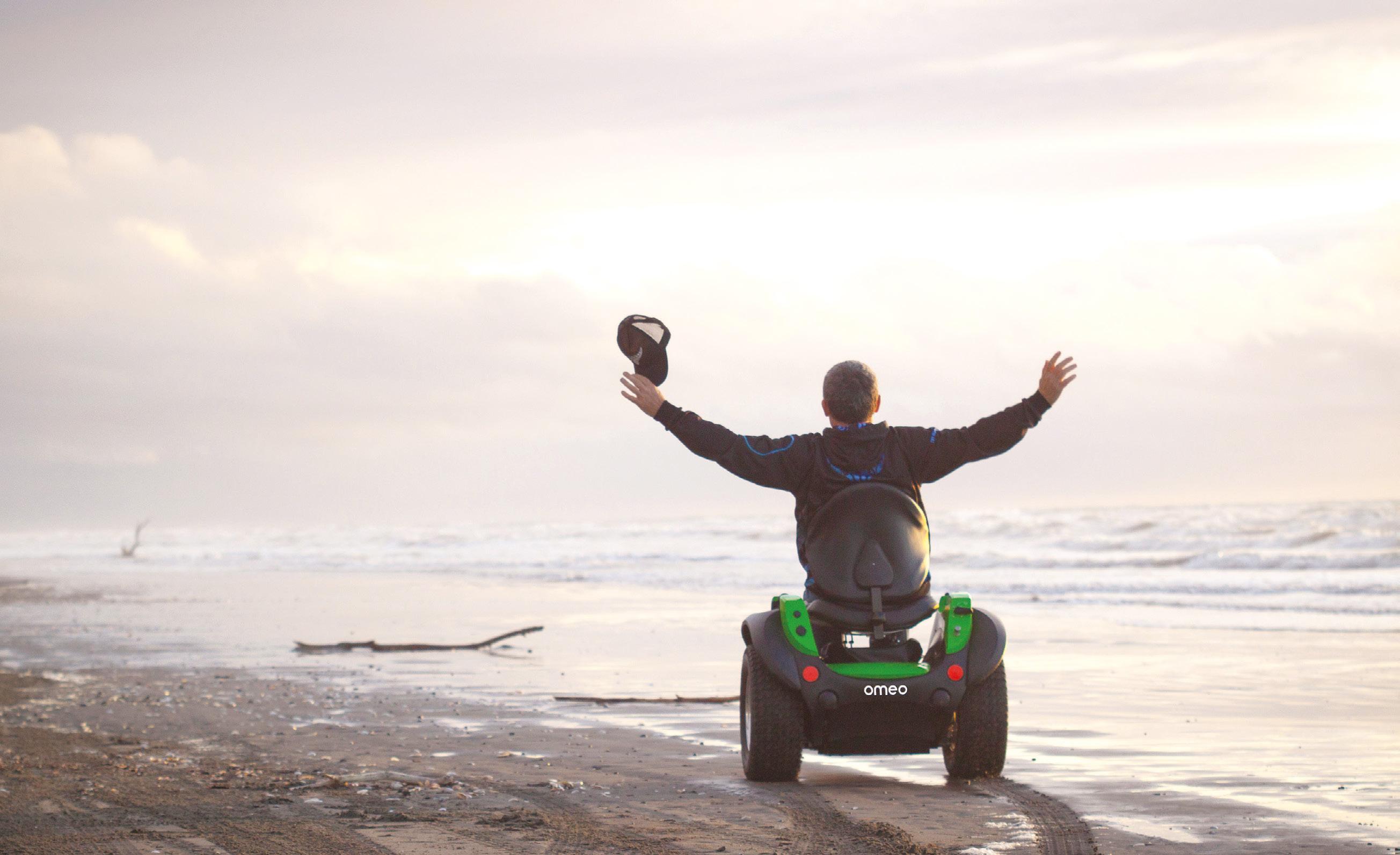
Greg loves nothing more than heading to the beach with his fishing rod. But navigating soft sand had always been a challenge, making it difficult to reach the water’s edge and enjoy the experience fully.
With the right power wheelchair, everything changed. Designed to handle uneven terrain, it gives Greg the confidence to move smoothly across the sand and get back to the places he loves most. What once felt out of reach is now part of his everyday.
Looking for your perfect fit?
Let’s get to know you and get it right.










Now, Greg can cast a line, feel the ocean breeze and enjoy the simple pleasure of time by the water - independently and on his terms.



















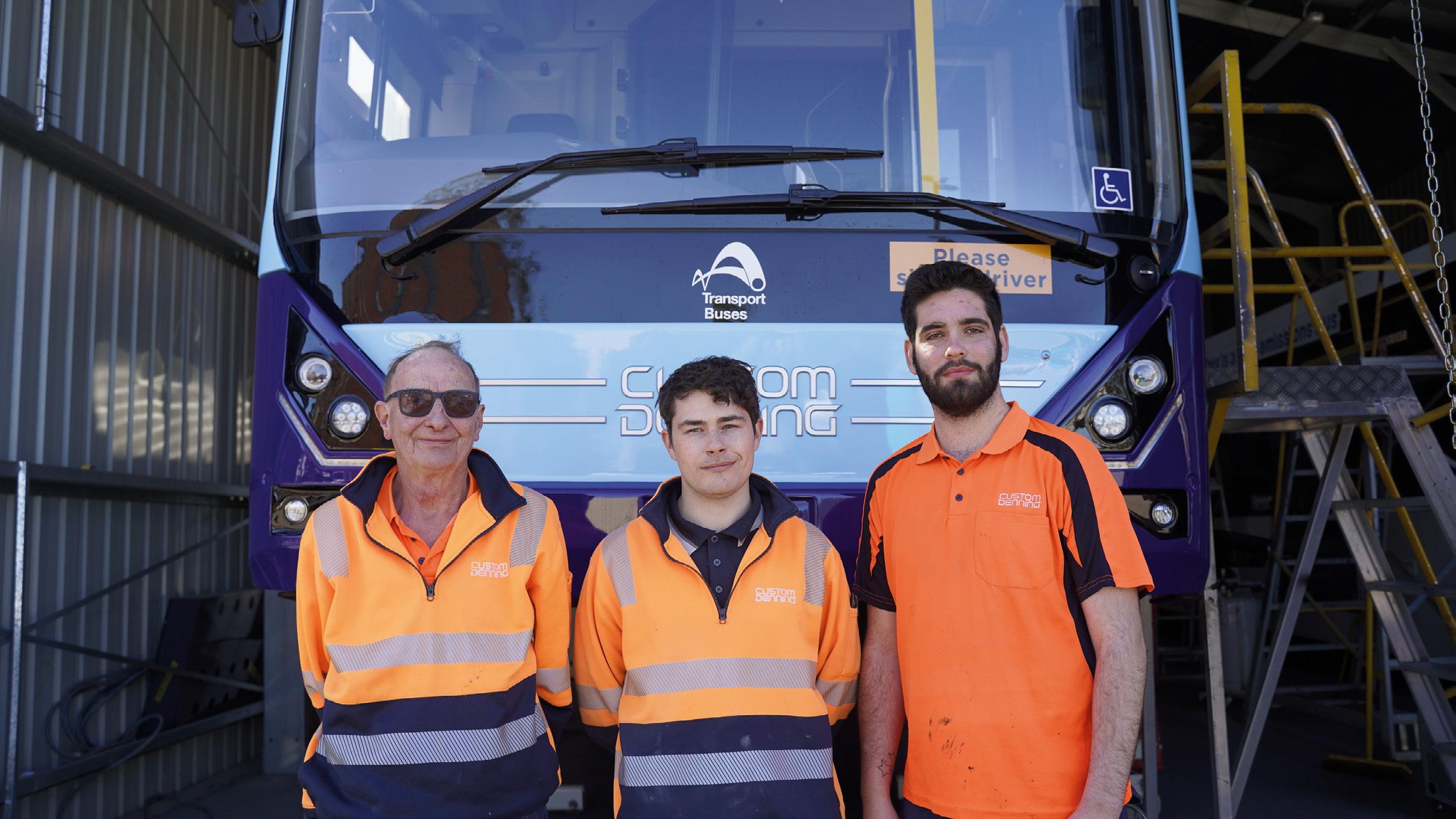
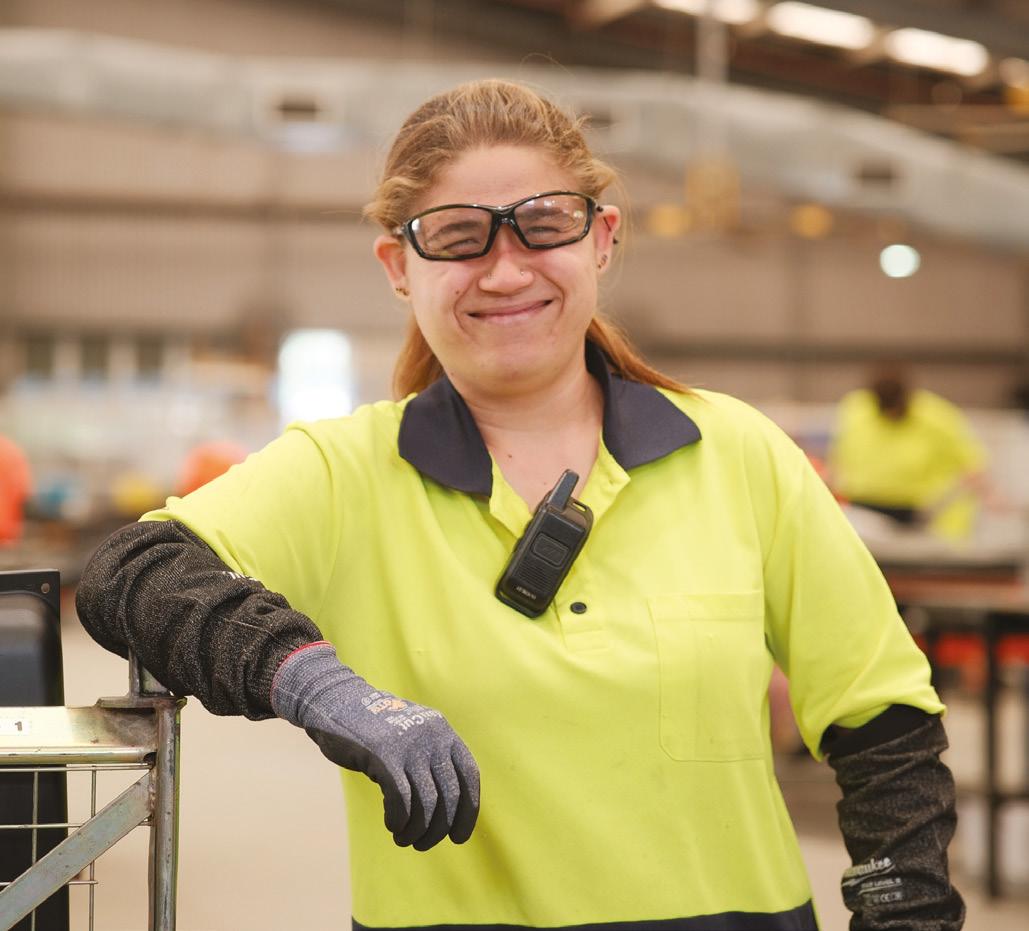
Having a diverse workforce really creates an opportunity for everyone to collaborate their unique set of skills and experience that they bring into the team. NOVA have been fantastic.
Sarah - Head of People & Culture –Custom Denning



Group Publisher
Mark Ryu
Executive Advisor
Simon Cooper
Editors
Heidi Bain
hbain@intermedia.com.au
Kymberly Martin
kymberly@intermedia.com.au
Advertising
Michelle Stevens
mstevens@intermedia.com.au 0419 822 717
Design Leanne Hogbin
Prepress
Tony Willson
Production Manager
Jacqui Cooper
Subscribe
To subscribe visit www.intermedia.com.au
P: 1800 651 422 or E: subscriptions@intermedia.com.au www.linkonline.com.au
Link is published six times a year by Positive Impact Media Pty Ltd
ABN: 51 063 279 630
A: 41 Bridge Road, Glebe NSW 2037 P: +61 2 9660 2113
Reprints from Link are permitted only with the permission of the publisher. In all cases, reprints must be acknowledged as follows: ‘Reprinted with permission from Link Magazine’, and must include the author’s byline.
The opinions expressed in this publication are those of the authors and do not necessarily represent those of the publisher.
The Intermedia Group takes its Corporate and Social Responsibilities seriously and is committed to reducing its impact on the environment. We continuously strive to improve our environmental performance and to initiate additional CSR based projects and activities. As part of our company policy we ensure that the products and services used in the manufacture of this magazine are sourced from environmentally responsible suppliers. This magazine has been printed on paper produced from sustainably sourced wood and pulp fibre and is accredited under PEFC chain of custody.
PEFC certified wood and paper products come from environmentally appropriate, socially beneficial and economically viable management of forests. PEFC/21-31-119
With LINK’s long-established industry presence as a masthead that brings community voices and industry news to light, I’m excited to join the team at this pivotal moment in its evolution.
I bring a blend of experience in children’s rights, social impact and the corporate world, and I aim to bring a fresh perspective to LINK’s brand and digital presence. I look forward to continuing to bring readers the innovations and expertise from health professionals, together with inspiring, real-life stories from our community.
Together with Kymberly as contributing editor and producing feature projects, we look forward to collaborating with partners, organisations, and representative bodies for our mutual aim, to offer insights and inspiration that nurture wellbeing and enrich lives.
Our digital readers may have already seen LINK’s revamped website. Additionally, with our Facebook page now rebooted, we encourage you to join discussions and share your ideas. To stay informed between LINK’s print issues, I also invite you to subscribe to our Thursday e-newsletter at: www.linkonline.com.au
Now, onto this issue.
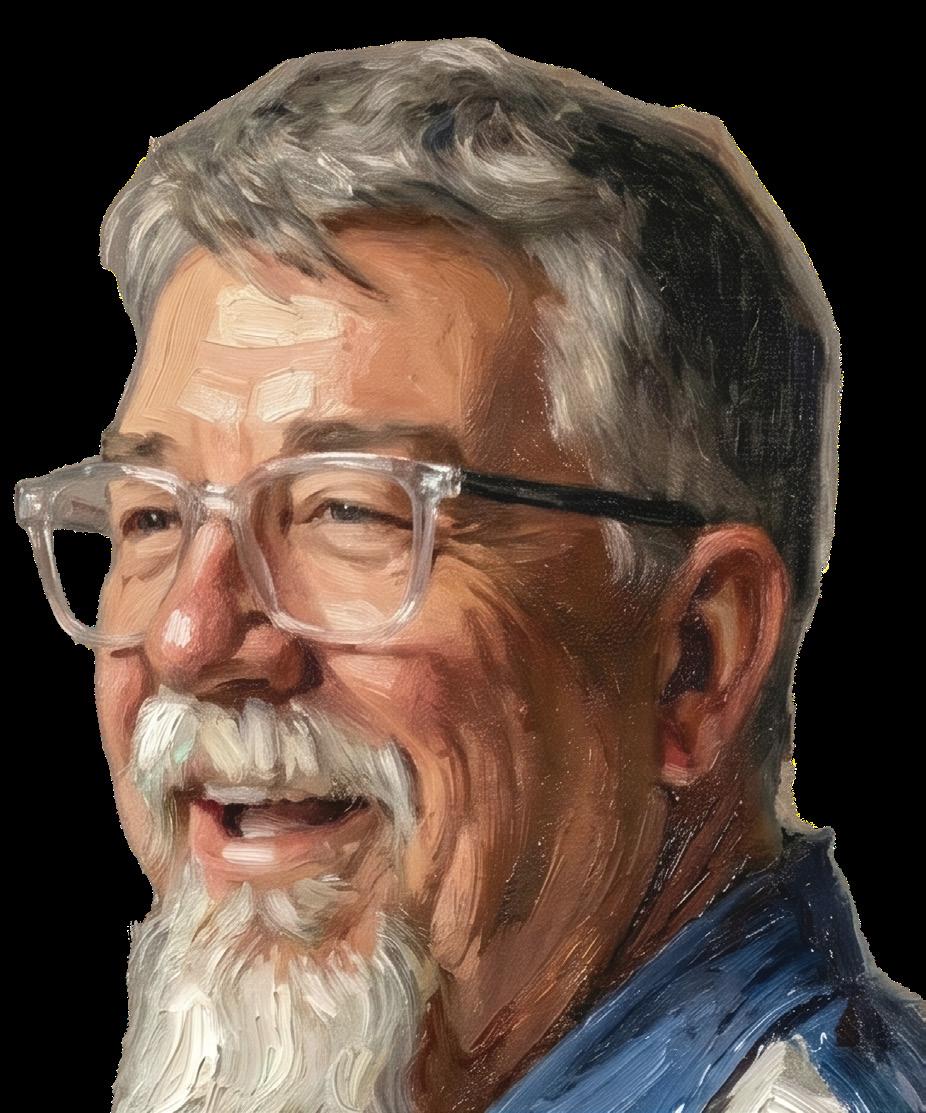
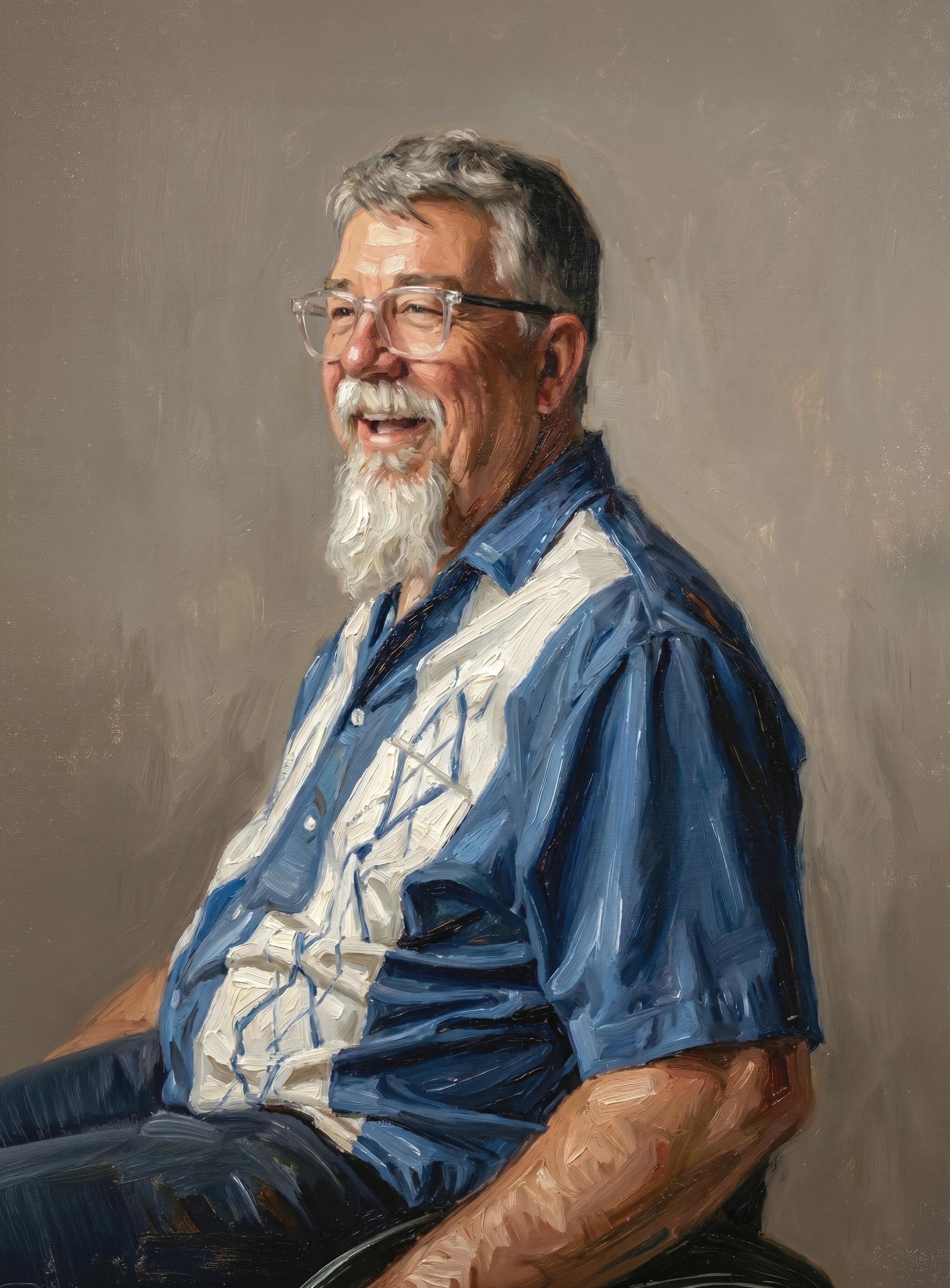
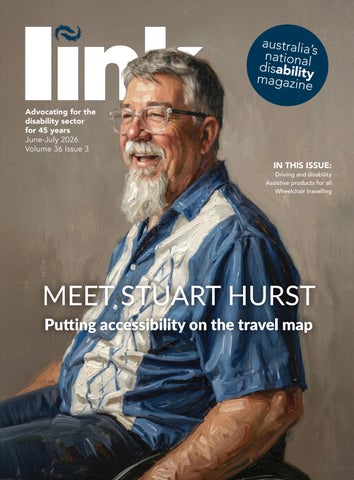
Travel accessibility is an increasingly hot topic as councils, governments and corporates reassess to become truly inclusive for all travellers. Our cover, Stuart Hurst, shares what he has learned from his experiences with wheelchair travelling and his work to change perceptions and build solutions with airlines (page 8). A case study of council action (page 48), and a holiday park with accessible extras (page 50) round out our coverage.
Under assistive technology, we have panned out for a global view. AT scale is an organisation campaigning for AT access for all, particularly for citizens in low-income countries (page 14).
You can also read the experience of having, loosing, and then reclaiming a driver’s licence (page 38), as well as what disability advocates predict will be issues as consumers trend toward electric vehicles (page 40).
Heidi Bain Editor, LINK
• Specialist disability accommodation (SDA)
• Home support
Advertising booking date: June 26, 2026
Advertising material deadline: July 3,2026
Publication date: July 31, 2026
For article proposals, contact the Editor: hbain@intermedia.com.au
For advertising, contact the Advertising Manager: Michelle Stevens 0419 822 717 mstevens@intermedia.com.au

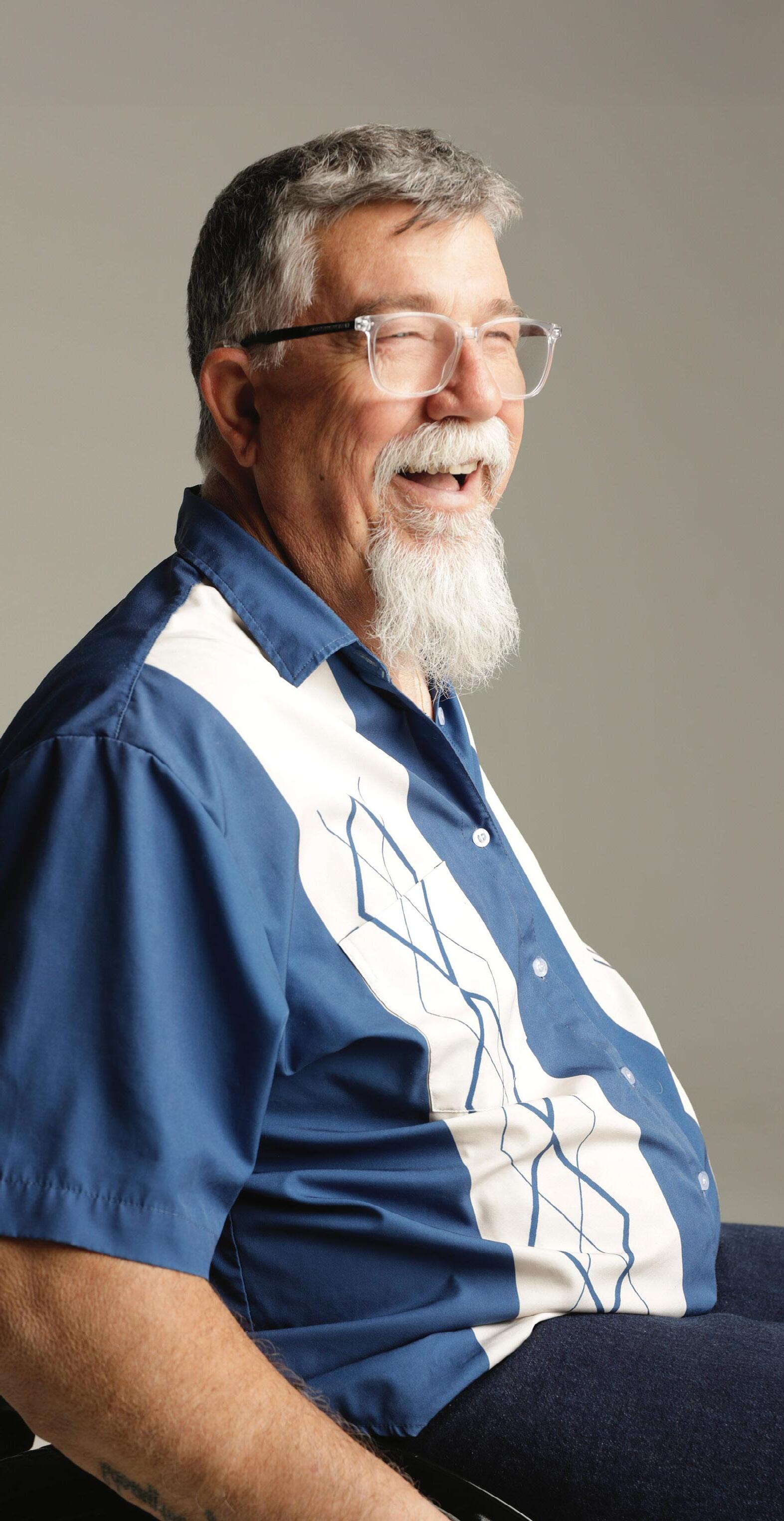
By Heidi Bain
An overseas family holiday when Stuart Hurst was 12 years old was the experience that launched his love for travel and adventure. It was a passion he pursued until a motorbike accident during an adventure trip in Nepal eight years ago left him a quadriplegic. Yet for Hurst, that was merely a brief intermission in his travels.
After time to recover and adjust to his new reality, Hurst was back out there, yet he found his initial return to travel stressful. “My first time getting on a plane was nerve wracking. Then at the hotel where I’d booked an ‘accessible room’, I couldn’t get my wheelchair into the bathroom,” he told LINK
Hurst has had challenging experiences and learned that what might be called accessible in one city, is not the same in another. From hotel rooms to public access spaces across the tourism spectrum, there are no reliable benchmarks. It’s up to the individual, their support networks, and a significant amount of trip preparation.
“Experiences like the one in a hotel bathroom is why I recommend people ask for measurements of doorways and photos that show the whole area” he said. In another example, during a London visit, hotel staff were worried that their older-style hotel’s narrow hallways and cobblestone access points might cause Hurst problems, so they transferred his booking to their modern sister hotel, all before he arrived.
Guided by his experiences, Hurst started The Travelling Para website as a resource of tips and tricks for people with disability so they can best prepare for travel and reduce the fear often associated with it.
Tips like how helpful it is to pre-arrange for staff to position the hotel bed against the wall so that it won’t budge. He recalled, “In one hotel, I tried to move myself from my wheelchair onto the bed, but I didn’t quite make it. Then the bed moved and I ended up on the floor. I had to call the staff, who were wonderful, and put me back into my chair.”
To improve his confidence and to have the dedicated physical support he needs, Hurst calls on day-hire support providers, like Hire Up in Australia and My Care in New Zealand. “It’s also important to think beyond the flight element of the journey. Remember that you’ll need an accessible taxi at the airport to get you to your accommodation. Depending on where you’re going, the ease of access for these varies,” he said.
Accessibility and wheelchair safety can also vary. In Hurst’s understanding, even from suburb to suburb. “It only takes a stone to throw you out of your chair, and I’ve been thrown maybe 20 times. It might be a wheelchair ramp in the streets that’s too steep, or just the Australian heat buckling parts of a path,” he said. To combat these accidents, Hurst suggests the addition of a front wheel. “I use a front wheel now when I’m rolling down to my local shops. It alleviates so much stress, and I don’t have to keep looking down to avoid a twig or a stone that could set me off.”
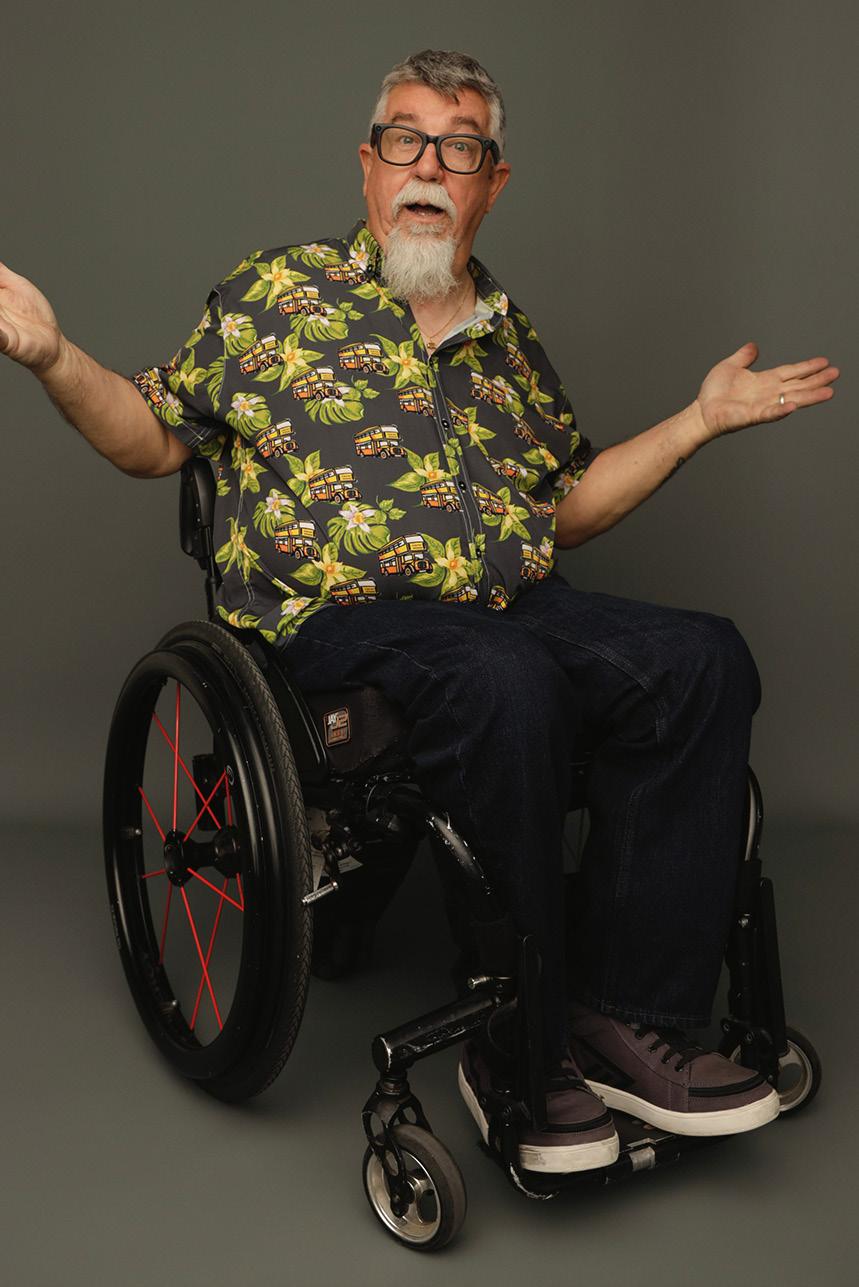
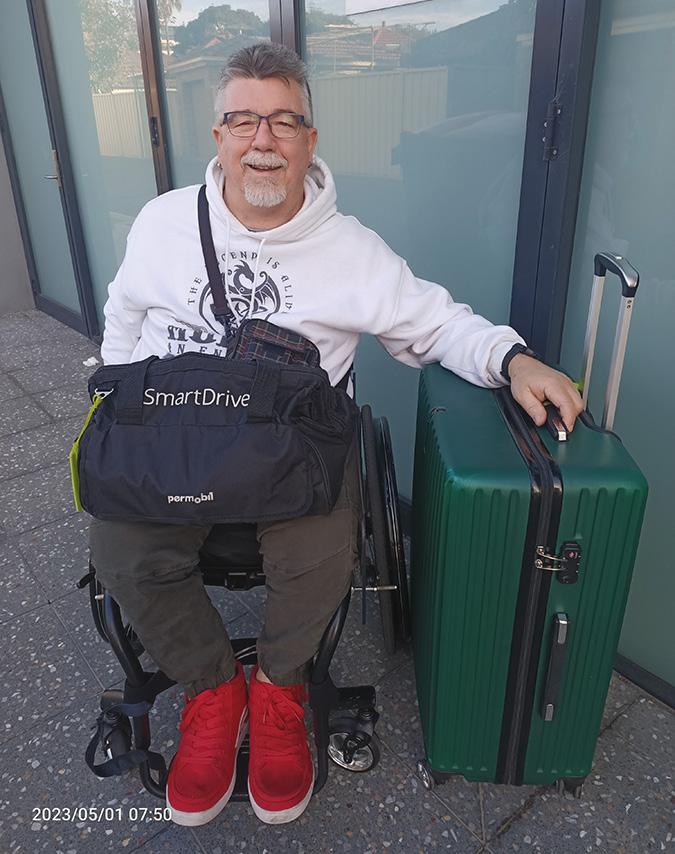
Hurst’s travel checklists include advice on taking wheel pumps and spare batteries, if your chair is electric, but he warns to always check the airline’s regulations. Due to the lithium batteries, airlines have strict regulations to manage the amounts they can carry. As a regular traveller, and to smooth his flying experience, Hurst has a dangerous goods certificate with some Australian airlines.
For most people with disability, daily medications are an essential part of life. Moving medications through customs and airports can cause difficulties as pharmaceutical regulators in different countries stipulate what is permitted and what volumes you are allowed to carry. Hurst suggests having a note from your doctor that verifies what you take and in what quantities, and having a calculation written out on how much that equates to for the duration of your trip.
Beyond being well prepared, travel with disability can be emotionally trying, particularly for first-timers. In Hurst’s experience with the disability community, fear is the main deterrent. People find themselves questioning ‘what if something goes wrong and I panic?’ or ‘what if the airline staff don’t know what to do with me?’
Hurst said, “It’s helpful to know that 98 per cent of people are wonderful and kind. If you make sure all your ducks are in a row before you head out, that greatly reduces any fears.”
He highlights that planning from your front door, right through to getting into bed that night, will allow you to enjoy the ‘getting there’ part of a holiday experience as well.
An additional hurdle faced is the incidence of a wheelchair or scooter being damaged in transit. Hurst connects with baggage handlers to reframe any perceptions of wheelchairs and humanise the importance they have in someone’s life. “When I give talks to the baggage staff, I encourage them to think about it. It might seem like just a chair, but there’s a person on the plane that needs it to live their life. So to please treat it with the respect that it deserves,” he said. Hurst gives these talks in staff training videos that are viewed by all Qantas baggage handlers globally.
Hurst recalled he has always been a patient person, even before the accident small things like being stuck in traffic didn’t bother him. After the accident Hurst was in a coma for nine months, followed by a long recovery and life adjustment to being paraplegic. He puts his determination to achieve equal travel conditions for people with disability down to his patient nature and love for travel.
He has a motto that a mate said to him 23 years ago: ‘You’re a long time dead’. He’s lived his life by this code ever since, no matter what challenges life throws at him.
Everyday life presents a range of challenges for people with disabilities, whether at home, in transit, or in daily functional and recreational activities. Independent living is therefore more than a concept; it is a framework that enables people to live autonomously, with dignity and minimal reliance on daily assistance.
At its core, independent living is closely tied to the design of inclusive environments. Private homes within communities, supported by shared amenities and social infrastructure, can reduce isolation and strengthen
participation. Well-designed living spaces prioritise safety, comfort and accessibility, while technology increasingly enhances these environments through smart home automation, remote monitoring and wearable solutions that support independence and reduce caregiver burden.
This growing focus on inclusive living reflects a broader shift across global markets. Accessibility is no longer viewed as a set of individual solutions, but as an interconnected system, linking housing, mobility and support
services. Increasingly, these elements are being designed to work together to enable participation in everyday life.
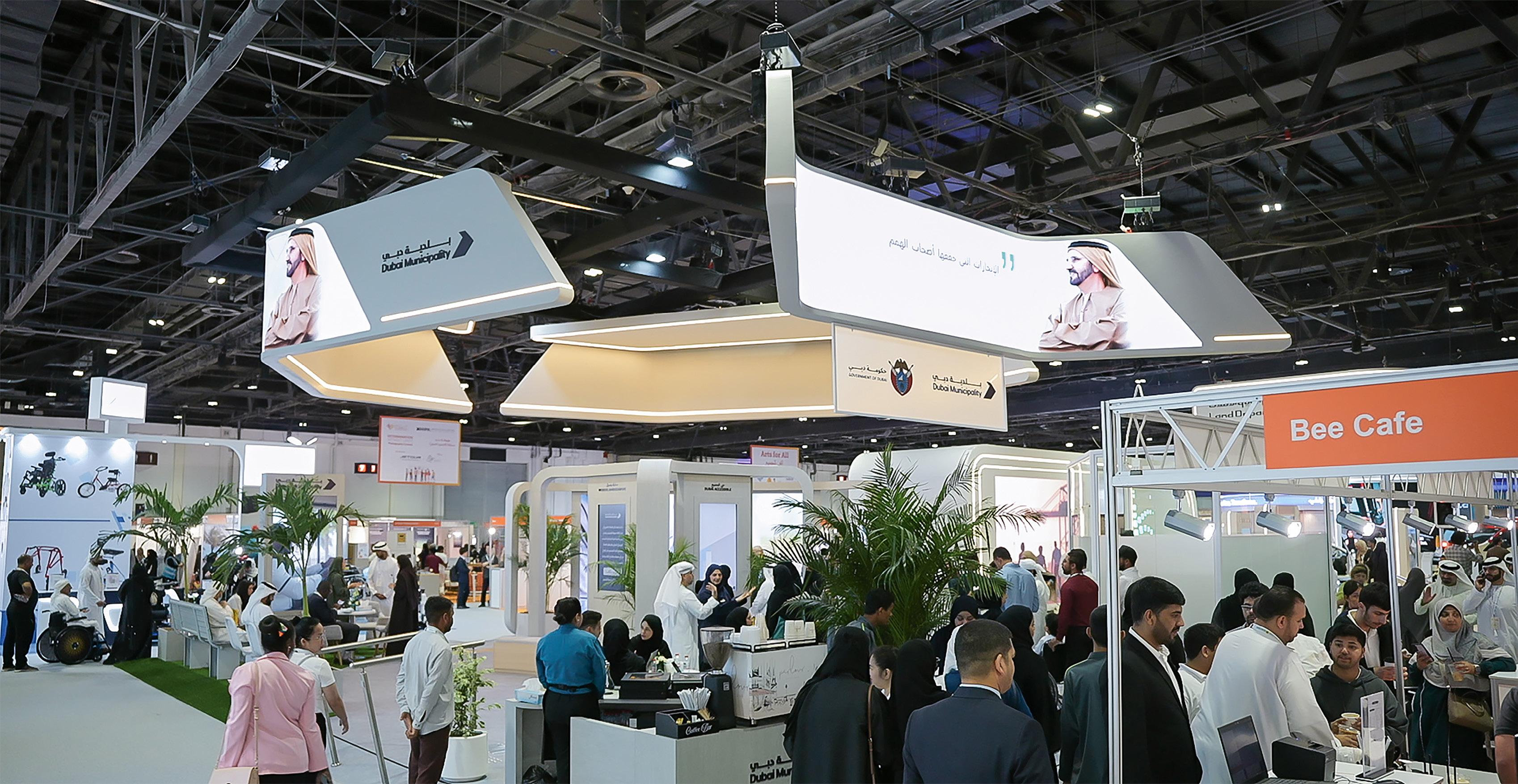
International platforms play a key role in advancing this integrated approach. The AccessAbilities Expo (AAE) in Dubai, taking place from 19 to 21 October 2026, serves as a leading regional platform for accessibility and inclusion across the Middle East, North Africa and South Asia. With more than 300 exhibitors from over 70 countries and more than 18,000 visitors, the event brings together solution providers, policymakers and
end users to exchange knowledge and explore innovations.
As part of the expanding REHACARE global network, AccessAbilities Expo is closely connected to REHACARE INTERNATIONAL in Düsseldorf, Germany, the world’s leading trade fair for rehabilitation and inclusion, bringing together more than 800 exhibitors and tens of thousands of visitors each year. Together, these platforms foster international exchange and collaboration across regions, supporting the development of more connected and inclusive systems worldwide.
This shift towards more integrated and globally connected approaches is particularly relevant at a time when access and demand remain uneven. Currently, only one in 10 people worldwide have access to assistive technology, while demand continues to rise significantly. According to WHO estimates, more than 1.3 billion people today require assistive technology. A figure expected to reach 2 billion by 2050.
At the same time, markets for accessible products and services are expanding rapidly. In the UAE alone, the wheelchair market is projected to
reach $122.28 million by 2031, while the mobility aid medical devices segment is expected to reach $189.93 million. Globally, the market for accessible mobility is forecast to grow to $21.30 billion by 2034, with vehicles for persons with disabilities increasing from $6.69 billion in 2026 to $9.05 billion by 2031.
Accessible transport and mobility solutions remain a central component of independence. From wheelchairaccessible vehicles and customised modifications to app-based booking systems, mobility services are becoming more flexible and usercentric. Increasingly, digital platforms are integrating public transport, ridehailing and specialised services into unified systems.
However, mobility alone is not enough. Its value depends on what it connects to. Accessible transport has limited impact if living environments remain restrictive, just as well-designed homes can still isolate without reliable mobility options. The relationship between movement and place is therefore critical.
In parallel, accommodation and home support systems are evolving to better reflect diverse needs. Inclusive housing incorporates universal design principles, assistive technologies and adaptable layouts. Smart home systems, ergonomic controls and intuitive interfaces simplify everyday tasks, while thoughtful design elements, such as lighting, acoustics
and spatial organisation, enhance usability and comfort.
Adaptive housing concepts further support independence by enabling environments to respond to changing needs over time. Flexible layouts, modular structures and multifunctional spaces allow living environments to evolve alongside their users. These approaches not only improve physical accessibility but also contribute to emotional well-being by creating a sense of safety and control.
Home support services remain equally important. From personal care and meal preparation to medication management, these services provide essential assistance that enables people to live independently within their communities.
Across all these developments, one principle is becoming increasingly clear: independence is not defined by a single product or solution. It is shaped by how systems interact, how mobility connects to living environments, how technology supports daily routines, and how services enable participation.
As the industry continues to evolve, the focus is shifting from isolated innovation to connected ecosystems. Platforms such as REHACARE INTERNATIONAL and AccessAbilities Expo play a central role in this transformation. Bringing together global expertise, regional insights and practical solutions to advance inclusion worldwide.
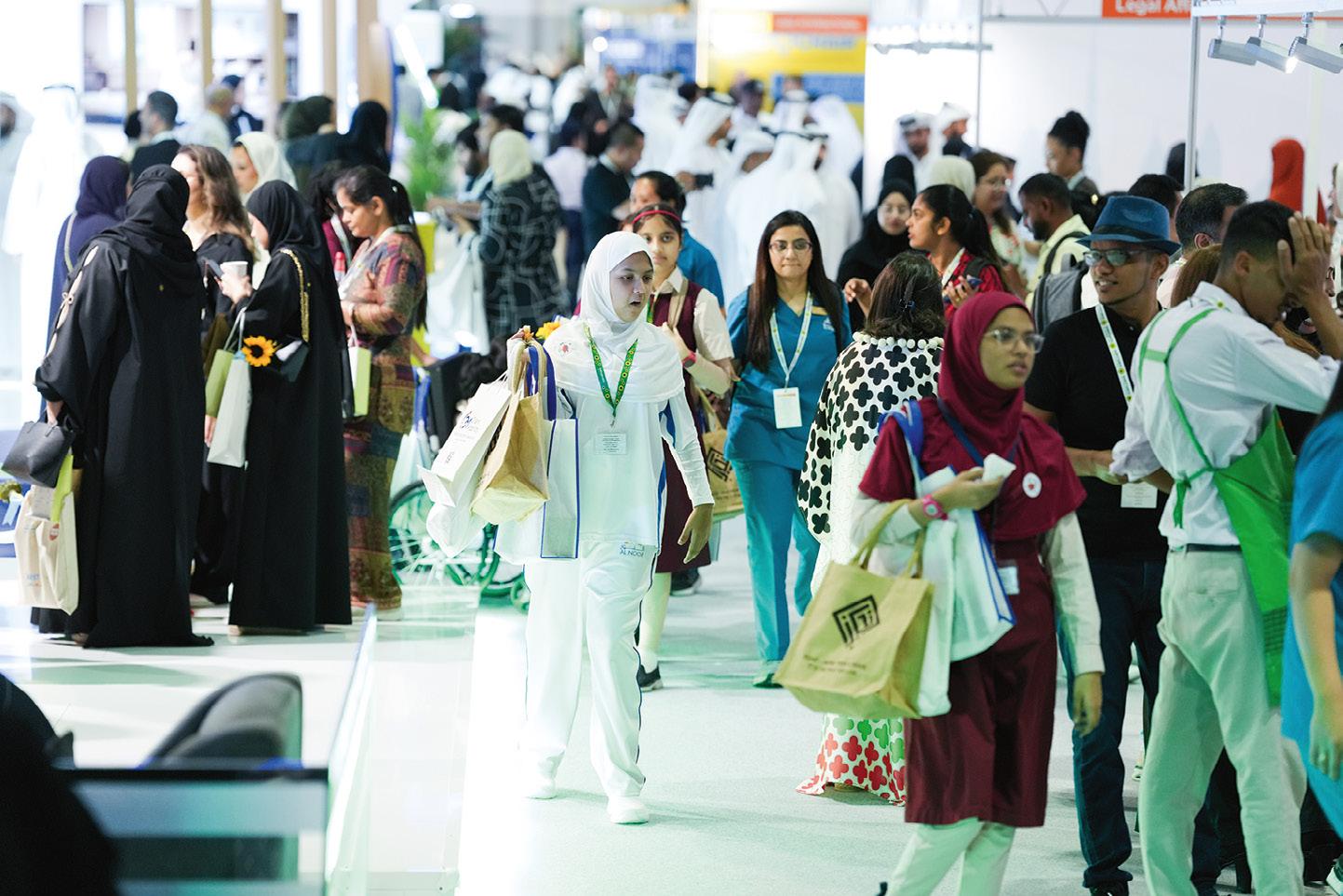
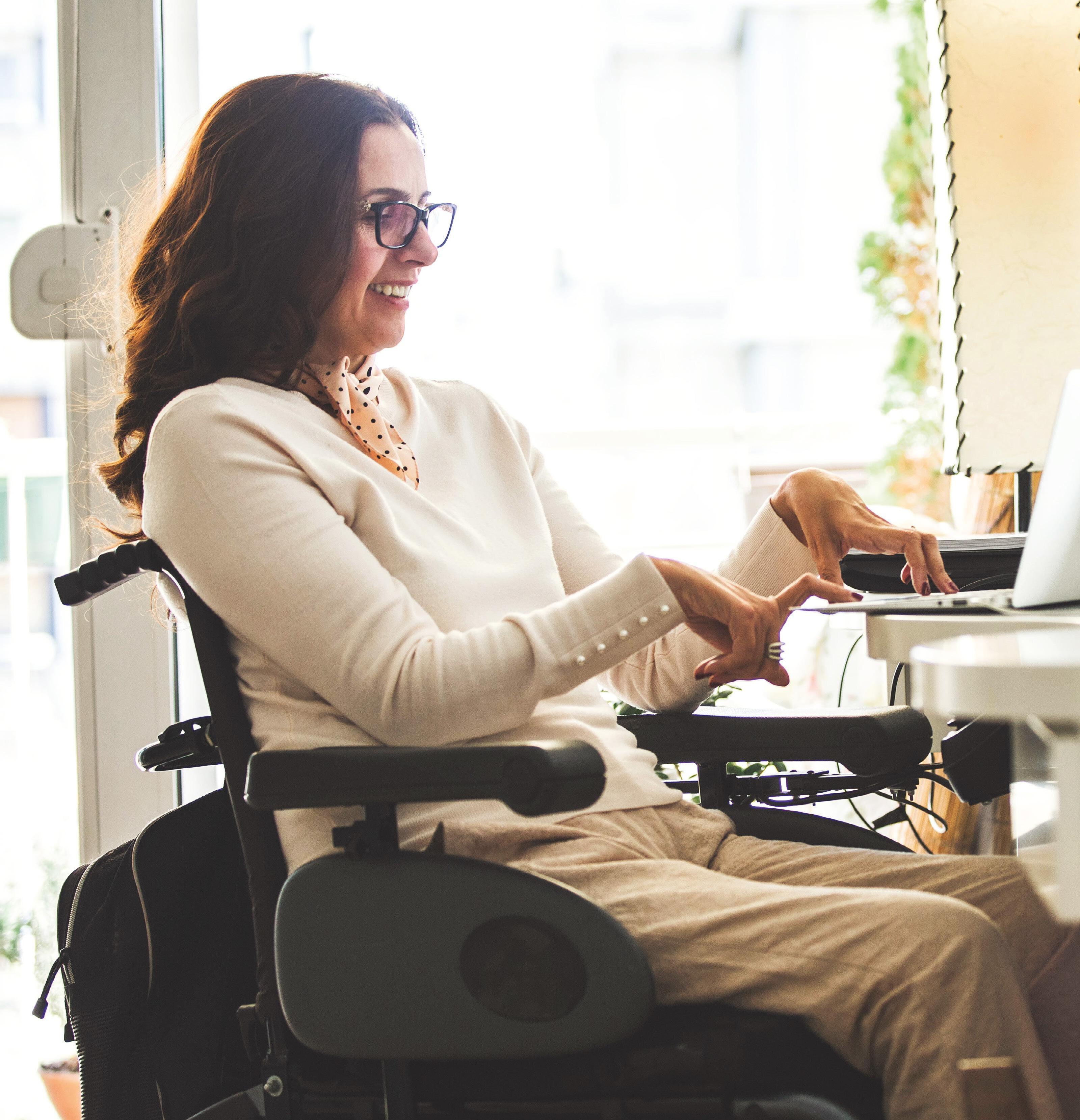
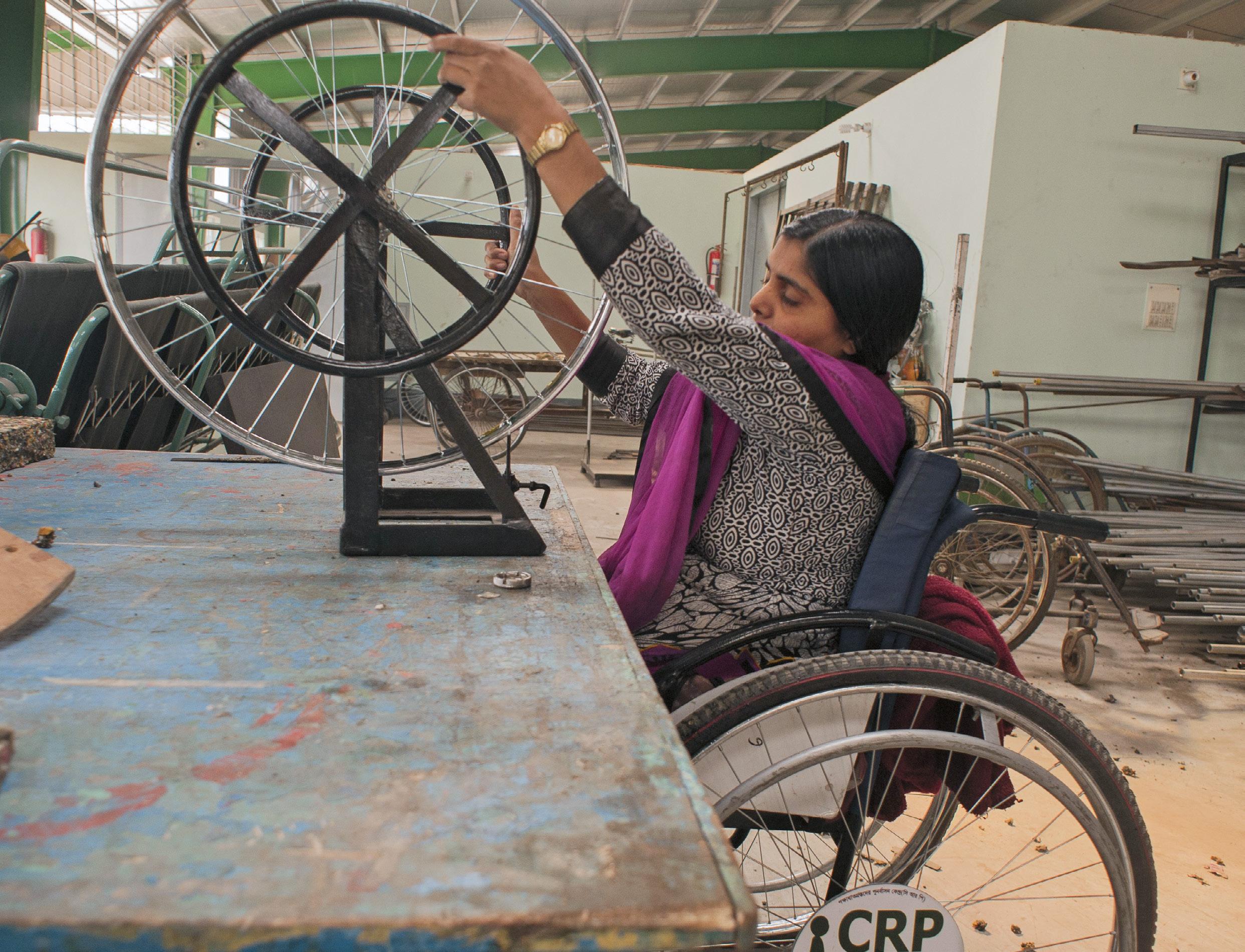
With government structures like the NDIS, Medicare and My Aged Care, many Australians have access to assistive technology products. Whether requiring them for short term to recover from an accident or temporary health condition, or living with disability, an Assistive Technology (AT) product is a vital part of their life, allowing them to work, connect with friends, and engage within the community. These include products as simple as eyeglasses, or mobility products like a walking frame or wheelchair.
For citizens of many other nations, accessing these products is a more complex journey.
An estimated one billion people worldwide lack access to the AT they need. In low-income countries, only 10 per cent of the population has this access.
This lack of life-changing products can cultivate inequities based on age, disability, gender, type of functional difficulty, living environment and socioeconomic status.
The impact of in-action in prioritising supportive products leads to detrimental consequences on human rights, and the economic development needed to succeed with global initiatives like the Sustainable Development Goals.
ATscale predicts that today’s estimated one billion will rise to 3.5 billion by 2050 as populations age and incidents of chronic disease are predicted to rise.
ATscale is a global partnership for AT that aims to ensure that everyone, everywhere, can access and afford the AT they need. Items like hearing aids, wheelchairs, eyeglasses, prostheses, and assistive digital technology are among the prioritised products.
“One billion people worldwide lack access to the assistive technology they need.”
To help achieve this, ATscale support organisations in low-income countries, develop resources to help those countries progress with reliable, affordable and quality products, and champion initiatives that advocate for change.
It’s World Day for Assistive Technology on June 4, an initiative to raise awareness about the magnitude of the products and the urgent need to improve access for the world’s citizens.
ATscale’s ‘Unlock the Everyday’ campaign sets out for global health and development stakeholders to back the campaign objective to increase access to assistive technology, especially in low- and middle-income countries.
Alongside the ‘Unlock the Everyday’ is the user focused campaign under the hashtag #MeAndMyAT. Participants can communicate the positive impact products have on their lives through social media platforms, to bring forward the human faces of those living better lives thanks to their access to assistive technology and sharing the reach of this key message more widely.
To open the campaign to as many nationalities as possible, materials are available in 11 languages, with options for social media banners, downloadable photo templates and more.
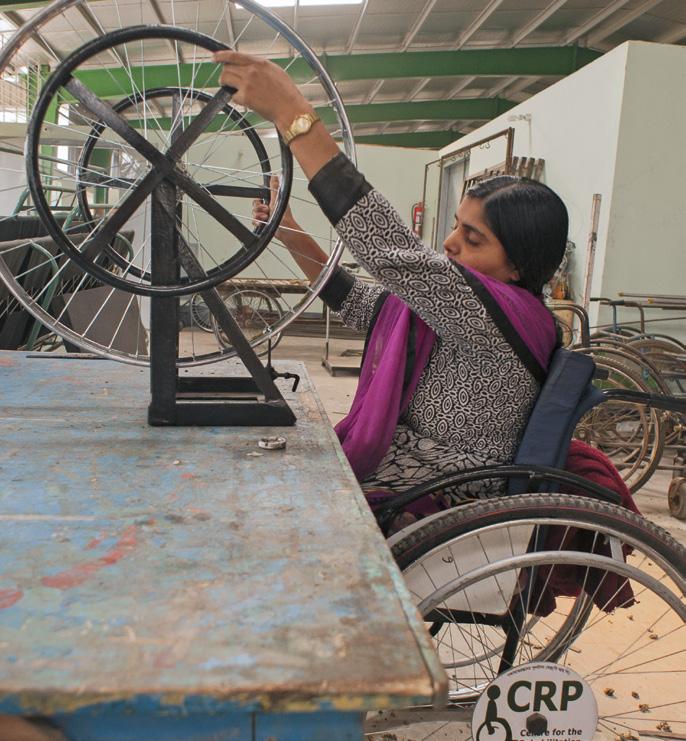
In Bangladesh, the Disability Development Trust champions for the rights of people with disability, including rehabilitation health services and assistive technology. They are leading action across the region to demand universal access to AT by providing subgrants to organisations of persons with disability in Bangladesh, India, Nepal, Pakistan, and South Africa. Their collective action will rally voices though social media, regional webinars and mock hearings.
In a creative twist to their advocacy, mock hearings will bring together influential representatives to the discussion table in a compelling format. Representatives from government, civil society, users of AT, and disability centric organisation are invited to serve as jury. Three AT users will present how disrupted access to needed products has impacted their lives. Members of the jury will then present their arguments against each case before rendering a fictitious verdict as a group.
This format aims to draw attention to the issue in a playful atmosphere, with an onflow effect to hopefully engage mainstream media and to communicate their core message; the demand of universal access to AT.
Voices from across the world will be heard in support of these campaigns. Botswana-based disability rights advocate Tsaone Mosweu lends her support to World AT Day. As a blind woman, she wants her lived experience to be part of the bigger story that helps the world understand just how vital supportive products are to her life, and the lives of so many others, “We want to ensure that the people who access different kinds of services, be it health services, education and AT products are what help people to better their lives and sustain themselves,” she said.
For more about the campaigns visit, www.unlocktheeveryday.org and for ATscale’s work visit www.atscalepartnership.org
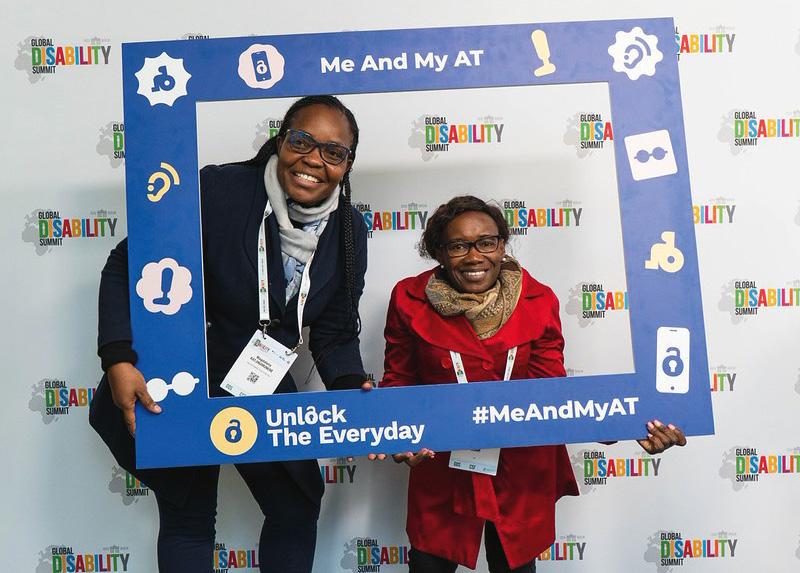
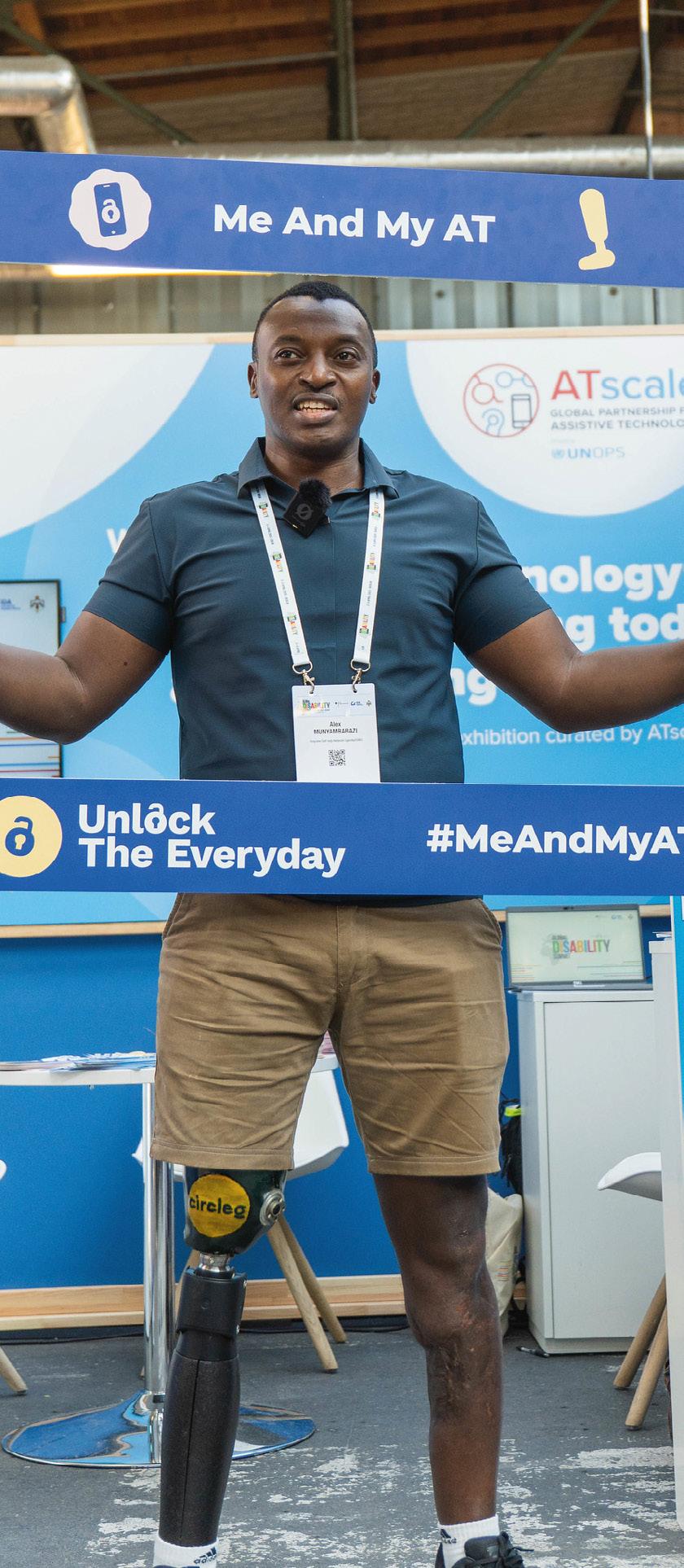
“We want to ensure that the people who access different kinds of services, be it health services, education and AT products are what help people to better their lives and sustain themselves”
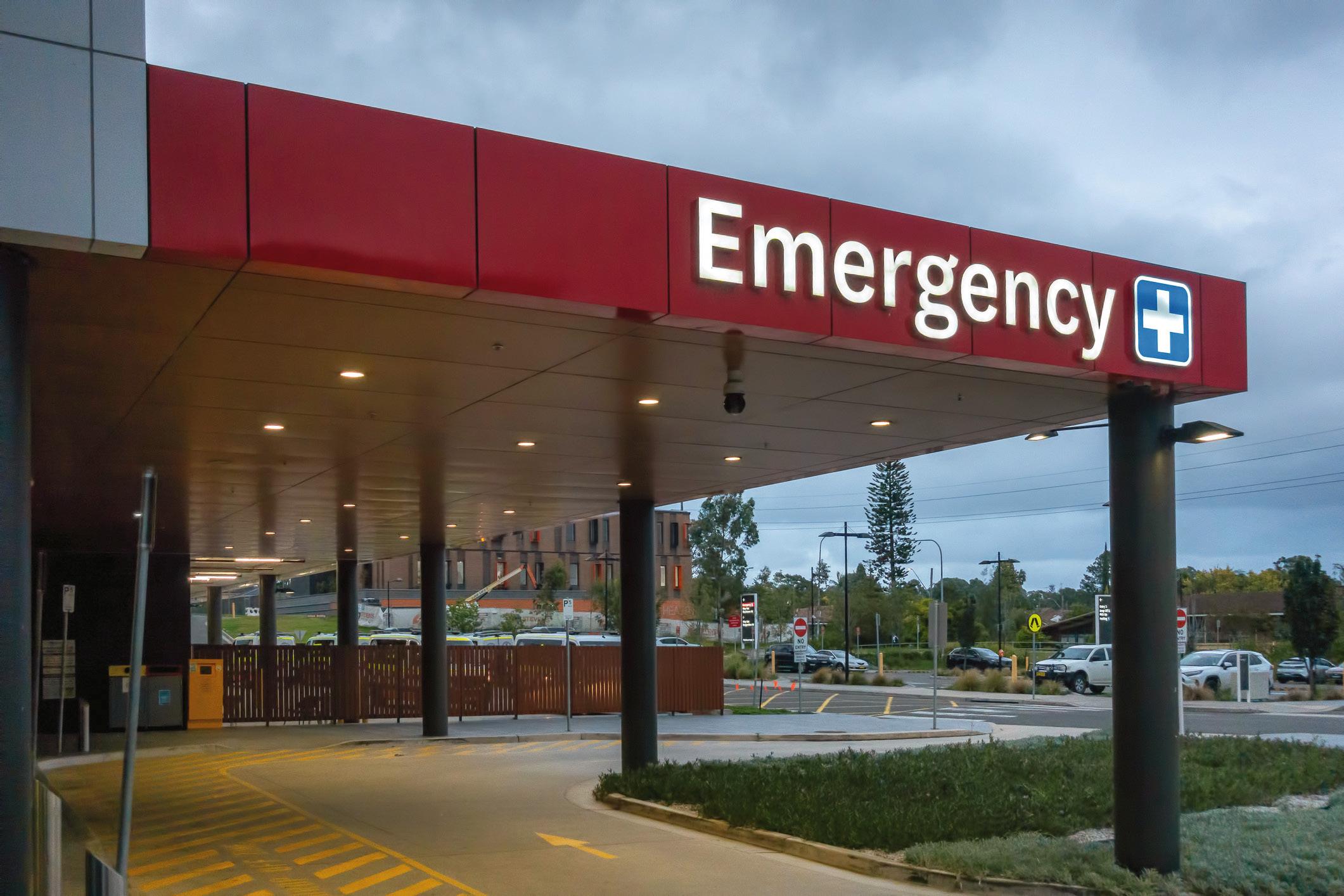
Emergency room environments in hospital are particularly difficult for people with psychosocial distress, often leaving them without the care they need, new research from Adelaide University has found.
The nationwide study focused on the experiences and outcomes for people with psychosocial disability when presenting to hospital emergency departments, combined with the views of the clinicians involved in their care.
The results showed that individuals felt overwhelmed, unsafe and traumatised in the emergency hospital setting. Clinicians responsible for caring for them reported feeling under-skilled, under resourced and unprepared to effectively care for them with a therapeutic approach.
This research indicates how Australians with psychosocial disability are falling
between services and missing out on the care and support they need.
Dr Heather McIntyre said, “A psychosocial disability is when a mental health condition limits a person’s
“84 per cent of emergency department presentations by people in distress occur after hours, when communitybased supports are unavailable.”
ability to engage in everyday life. From going to work, to living safely and independently and it’s shaped by the world around them.”
This study found that 84 per cent of emergency department presentations by people in distress occur after hours, when community-based supports are unavailable.
Often nowhere else to go, they arrive at emergency rooms that are intense environments filled with bright lights, long wait times and no personal space, which can amplify symptoms and distress levels.
Research participants reported being disbelieved, having their physical health concerns overlooked, and not being included in decisions about their care. Just 25 per cent of patients were asked what information could share their support networks and 34 per cent were asked if they had a NDIS plan.
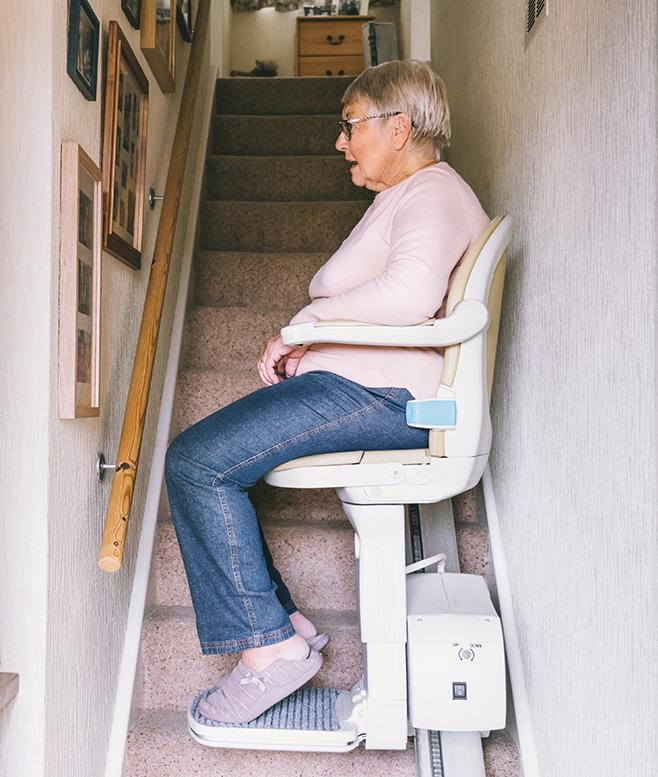
Rising demand: 1.3 billion people today, 2 billion by 2050
Independence is often understood through individual moments, moving through a city, returning home, managing daily routines. In practice, these experiences are closely connected. Mobility, accommodation, and support systems influence one another in ways that directly affect participation.
Across global markets, there is increasing recognition that accessibility must extend beyond individual solutions. Mobility, housing, and home support are gradually being viewed as interconnected systems rather than separate domains. This integrated perspective is also reflected in industry platforms that bring together stakeholders across sectors.
As part of the REHACARE network, AccessAbilities Expo in Dubai, taking place from 19 to 21 October 2026, serves as a global meeting point, connecting solution providers, policymakers, and professionals to exchange insights and explore developments across accessibility, mobility, and inclusive living.
With global platforms such as REHACARE INTERNATIONAL in Düsseldorf, Germany, the world’s leading trade fair for rehabilitation and inclusion, bringing together more than 800 exhibitors and tens of thousands of visitors each year, and AccessAbilities Expo in Dubai, the leading accessibility and inclusion event for the region, fostering exchange between solution providers, policymakers and end users, the industry is moving steadily toward a more connected and inclusive future.
This shift is particularly relevant at a time when access and demand remain uneven. Currently, only one in 10
people globally has access to assistive technology, while demand continues to rise significantly. According to WHO estimates, over 1.3 billion people today require assistive technology, a figure expected to reach 2 billion by 2050. In parallel, markets are expanding across regions. In the UAE alone, the wheelchair market is projected to reach $121.49 million by 2031, with the mobility aid medical devices segment expected to reach $262.83 million. Globally, accessible mobility is forecast to grow to $29.4 billion by 2034, with vehicles for persons with disabilities increasing from $9.25 billion in 2026 to $12.52 billion by 2031.
Mobility remains a central component of independence. Advances in automotive services, including adapted vehicles, accessible transport platforms, and digital mobility systems, are enabling more flexible movement. At the same time, mobility is no longer defined solely by ownership, with on-demand and service-based models becoming more prominent in urban environments.
Yet mobility alone is not sufficient. Its value depends on what it connects to. Accessible transport has limited impact if living environments remain restrictive, just as well-designed homes can still isolate without reliable mobility options. The relationship between movement and place is therefore central.
Across the MENASA region, accommodation and home support are evolving in parallel. Living spaces are increasingly being designed or adapted to support independence, through step-free layouts, assistive technologies, and integrated systems that simplify everyday tasks.
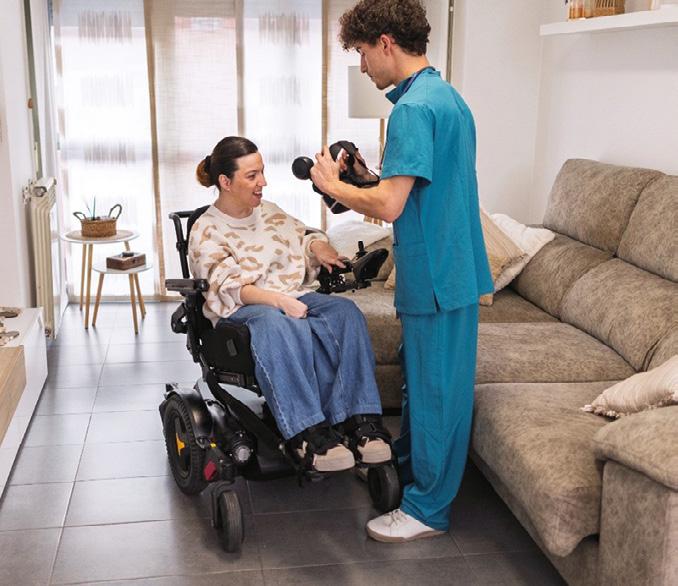
These developments may appear incremental, but their combined effect is significant in daily life.
Technology continues to bridge these domains. Smart home systems, remote support tools, and connected mobility solutions are enabling more responsive and adaptable environments. Rather than functioning independently, these technologies are beginning to intersect, linking transport, home, and support services into more cohesive systems.
As one industry expert notes, “The future of accessibility lies in integration, where mobility, housing, and support services are designed to function together, not separately.”
Challenges remain, particularly around affordability, infrastructure alignment, and long-term implementation. However, the direction is becoming clearer. The focus is not only on developing new solutions, but on ensuring that they connect effectively across systems and environments.
Independence, in this sense, is not defined by a single product or service. It is influenced by how systems interact, how mobility leads to opportunity, how environments support daily life, and how these elements come together to enable participation.
By Olivia Karaolis
During Deafblind Awareness Week, Vision Australia is inviting Australians to reflect on connection in its most fundamental form, through touch. The theme for 2026, Connected by Touch: Breaking Barriers, Building Bridges asks people to consider what it means to experience the world when the two senses many rely on most are limited or absent.
“A person who is deafblind has a unique experience of the world. For people who can see and hear, the world extends outward as far as their eyes and ears can reach. For a young child who is deafblind, the world is much narrower, it extends only as far as the fingers.” (Miles, 2008, 2022)
This idea is deeply human. Imagine a child reaching out, not for toys across a room or voices calling their name, but for the reassurance of presence. A handheld is not simply comfort, it is communication, safety and understanding all at once. Without touch, there can be isolation, not because connection isn’t desired, but because it is harder to access.
Deaf blindness, often referred to as dual sensory loss, affects up to 500,000 Australians. Yet numbers alone cannot capture the lived experience. It can mean missing the subtle cues others take for granted, the smile across a room, the tone of a loved one’s voice, the background sounds that signal belonging and a sense of place. Instead, the world is built through texture, movement, vibration and trust in others.
For families, this often creates a profound shift in how relationships are formed. Parents may learn to “listen” with their eyes and hands - reading small changes in posture, breathing, or facial expression. Communication
becomes slower, more intentional and often more intimate.
Children who are deafblind develop their own ways of engaging with the world. Some use gestures, others use pictures, while many rely on touchbased systems such as tactile Auslan. In tactile Auslan, communication happens hand-to-hand, feeling the shape, rhythm, and movement of language. It requires patience, mutual trust and time. But it also creates a uniquely close form of interaction, where both people are fully present with one another.
In educational settings, this human connection becomes even more critical. Teachers are not just delivering lessons,they are building bridges into the world. This might involve guiding a student’s hands through a concept, using textured books, or marking spaces so these can be navigated independently.
An example of this can be seen at Tenambit Public School, home to Australia’s first Deafblind class and a Deaf teacher. Here, learning is built on understanding, respect, and the belief in the rights of every child to an education, to connection and community.
Despite this, many families still face fragmented systems and limited support. Recognising this gap, Vision Australia is launching a pilot program designed to bring services together, making it easier for children and families to access coordinated, informed support. For many, this represents more than convenience; it signals understanding and the possibility of a more connected future.
Deafblind Awareness Week, from June 22-28, is also an opportunity for the wider community to step into this experience. At Newcastle Museum, an interactive exhibit created by the
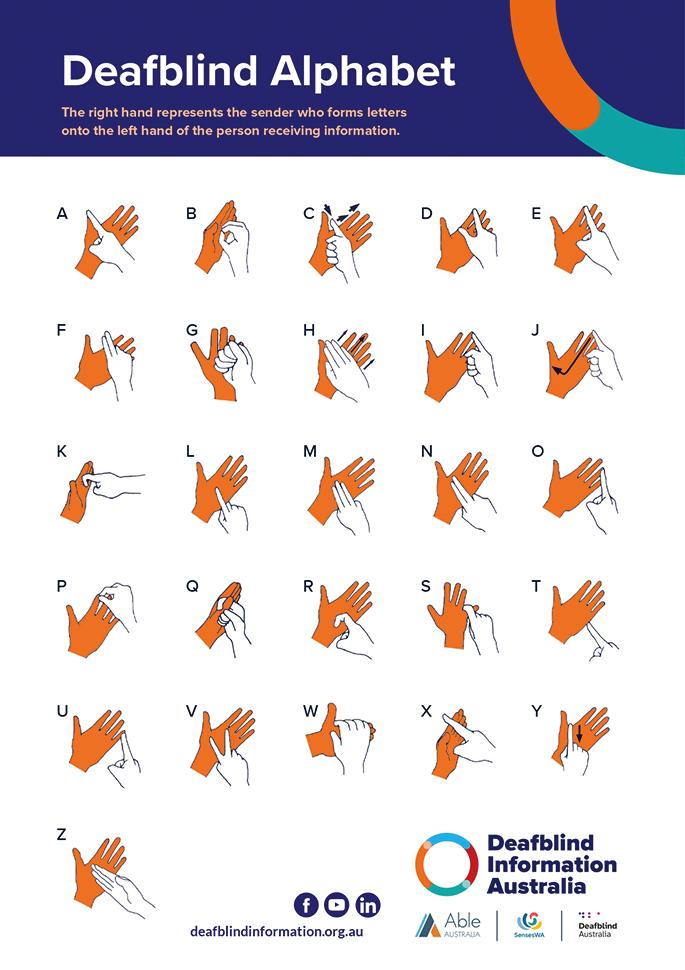
deafblind community invites visitors to engage without relying on sight or sound. State Library Victoria is reimagining storytelling through programs like Touch and Tune and Sensory Storytime, where stories are felt as much as they are told.
These events are not about simulating loss, they are about building understanding, reminding us that communication is far richer than words or images. It exists in presence, in shared space, in the simple act of reaching out and being met.
Ultimately, deaf blindness challenges us to rethink connection itself. It asks us to slow down, to notice and engage more deliberately. In a world that often prioritises speed and noise, there is something powerful in this quiet, tactile way of being. Because for some, the world begins not with what can be seen or heard, but with what can be touched.
Dr Olivia Karaolis, senior lecturer, Special & Inclusive Education, University of Notre Dame.
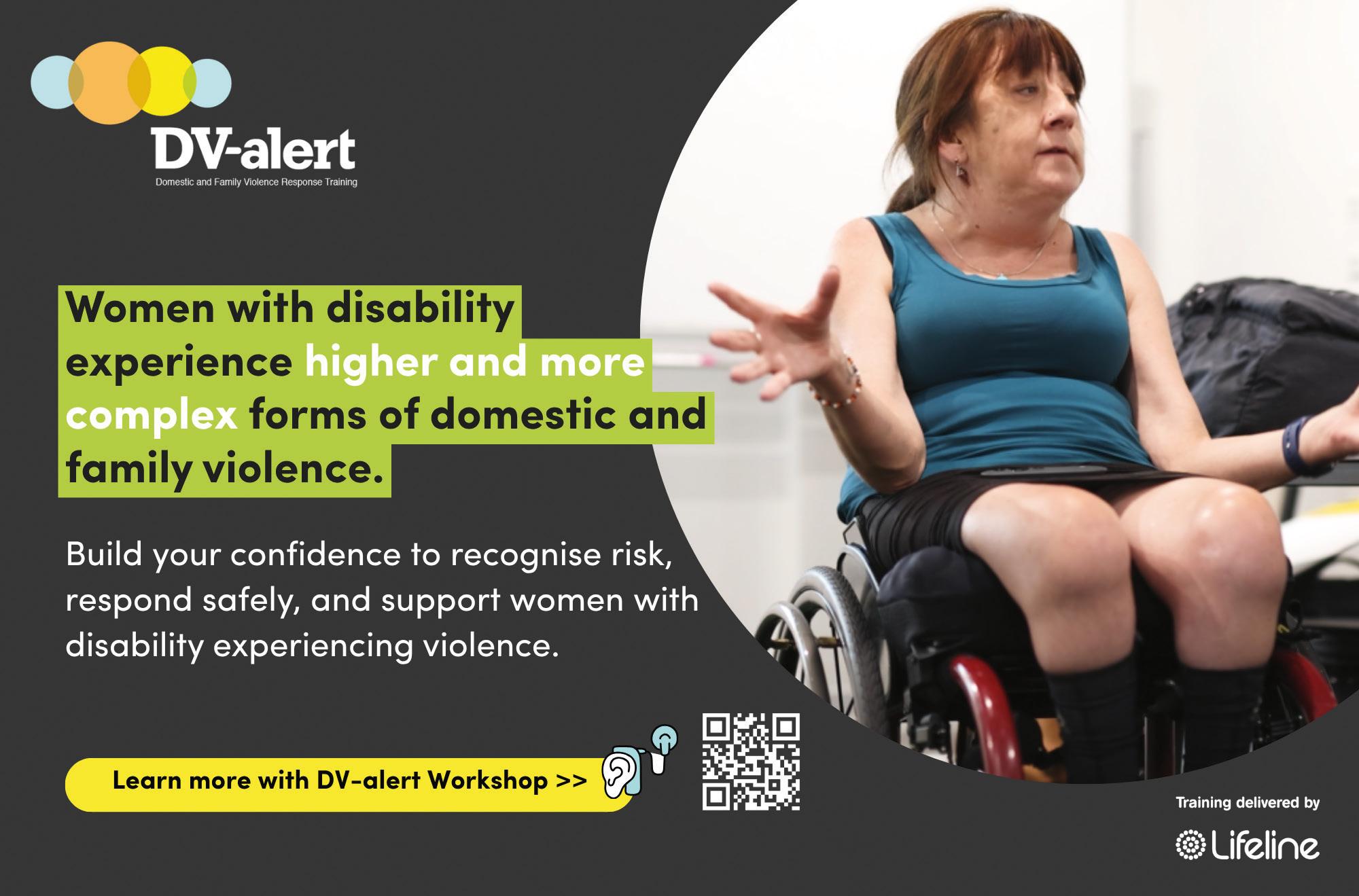
Domestic and family violence is not experienced equally. For women with disability, the risks are higher, the abuse is often more complex, and the barriers to support can be significant.
Research shows that women with disability experience domestic and family violence at higher rates than women without disability. In Australia, an estimated 64 per cent of women with disability have experienced violence, compared to 45 per cent of women without disability (Australian Institute of Health and Welfare, 2022).
The violence itself may also look different. It can occur across multiple settings and may involve a wider range of people who choose to use violence, including partners, carers, family members, or support workers.
In practice, this can make recognition more difficult. Abuse may be subtle, embedded in everyday interactions, or linked to dependency on care and support. Women may also face additional barriers when seeking help, including inaccessible services, fear of losing essential support, or not being believed.
For frontline workers, this means that responding effectively requires more than awareness. It requires an understanding of how disability can shape both the experience of violence and the pathway to support.
DV-alert’s 1-Day Women with Disability Focused Workshop is designed to build on existing knowledge and support frontline workers to deepen their response. The workshop explores how domestic and family violence may present for women with disability,
the barriers they may face, and how to respond in ways that are safe, respectful, and appropriate.
The goal is not to have all the answers, but to recognise when something may not be right, and to respond in a way that supports safety and dignity.
Because sometimes, what matters most is not what is said but what is recognised.
DV-alert is funded by the Department of Social Services and delivered on behalf of Lifeline Australia. Training is offered at no cost to eligible frontline workers, with financial assistance for travel reimbursement or staff backfill available in some circumstances.
To learn more about upcoming workshops and delivery options, visit www.dvalert.org.au

Recent data indicates a trend in parents and families choosing education methods that sit outside the mainstream system in New South Wales. Families whose children have specific needs are choosing schools that incorporate this in the learning model.
Data from the Department of Education shows enrolments in a multi-category selection which include children with complex needs, grew from 6,584 in 2020 to 9,833 in 2024. A near 50 per cent increase in four years.
Homeschooling data indicates that the second most common reason parents choose to register for homeschooling, rather than having their child in the mainstream education system is ‘special learning needs’. This increased from 17.7 per cent in 2021 to nearly 22 per cent in 2024.
These findings, along with the NDIS supporting more than 324,000 children and young people with autism (up from 230,100 in two years) are “indications of a system failing to invest in supports that keep children well and engaged before they reach crisis point,” said Chris Gambian from Australians for Mental Health.
Gambian said, “the transition from the NDIS to the $4 billion Thriving Kids program makes urgent investment in community-based alternatives critical.” The original vision was that there would be a broader ecosystem of supports outside the NDIS. That never materialised, and the scheme became the only lifeboat for many families. If we don’t get this next phase right, we risk repeating the same mistake – shifting people out of one system without building the supports they need to land safely.”
He added that the structure of schooling has changed little in decades, despite major shifts in both society and our understanding of child development and mental health.
“We’ve responded by adding more subjects, pressure, and complexity, without fundamentally rethinking how learning environments support wellbeing.
“For many children, this is actively contributing to distress, disengagement and ultimately, withdrawal from the system altogether.”
Australians for Mental Health is calling for government investment in community-led, non-clinical models as part of a broader approach to wellbeing, including a Wellbeing Act to drive accountability across government.
Parenting can be deeply meaningful, but for many autistic fathers, it is also shaped by experiences that often go unseen. While research into autistic parenthood has grown, fathers’ perspectives have largely been overlooked.
A new Australian study from the Aspect Research Centre for Autism Practice (ARCAP) is helping to change that. It offers one of the first in-depth explorations of autistic fatherhood, highlighting both the rewards and the gaps in support that can leave fathers feeling invisible.
Dr Chris Edwards of ARCAP and lead researcher on the project, said the findings challenge common assumptions. “Autistic fathers are raising children, building families and
contributing incredible care and insight, but we rarely hear about them,” he said.
Based on interviews with 19 autistic fathers, the study found fatherhood is often experienced as deeply meaningful and identity-shaping. For some, becoming a parent led to a deeper understanding of themselves, including recognising their own autistic identity.
Sean Hynes, an autistic father and advisor on the study, said supporting his son helped him better understand his own needs. Many fathers also described choosing to parent differently from how they were raised, placing greater emphasis on emotional openness and connection. At the same time, daily life was often described as a balancing act. Managing sensory sensitivities alongside family demands
could feel like walking a “tightrope”, with many fathers relying on structure or quiet time to stay regulated.
Importantly, the research found many challenges stem not from being autistic, but from systems that are not designed with autistic fathers in mind. From early parenting services to schools, fathers are often not recognised or supported.
Edwards says listening to these experiences is key, “When we include autistic fathers in the conversation, we can design better supports for entire families.”
Find out more about this research and Aspect’s work supporting autistic people and families at aspect.org.au
Built on research and the lived experience of Autistic people, the Aspect Autistic Pregnancy and Parenthood Hub is co-designed to provide valuable insights and resources for Autistic parents and healthcare professionals.
Explore our new resources:
• Tips for healthcare professionals
• Stories from Autistic fathers
• Autistic father’s guide to parenting
• Autistic fatherhood research (Easy Read available)
Visit: aspect.org.au/new-parents

Find out more

Over the 11 years running Australia’s largest disability expo program, there were numerous requests to host an expo in the south-east of Melbourne and in March headed to the Cranbourne Racecourse.
Thousands braved the chilly Victorian weather to connect with providers, learn from experts, find a community and most importantly, have some fun.
The highlight was expo ambassador Ashlee Morton. A para ice hockey pioneer, Ashlee also leads operations at With Wings, an organisation whose mission is to make flight accessible for everyone, supporting over 80 scholars with disability to take flight since its inception.
Hunter Disability Expo in Newcastle was headlined by James ‘Chappo’ Chapman. Chappo, who was born with Pseudoachondroplasia, a rare form of dwarfism, is known worldwide for his message ‘difference is dope.’
During his onstage interview, Chappo noted “Difference needs to be celebrated and not hidden. We weren’t made to stand in…we were made to stand out.”
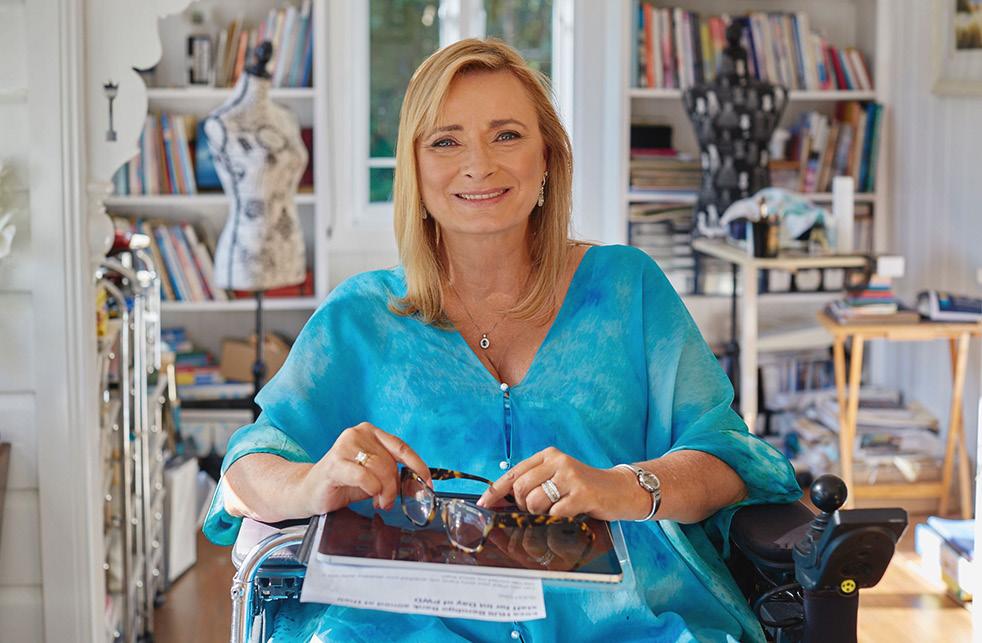
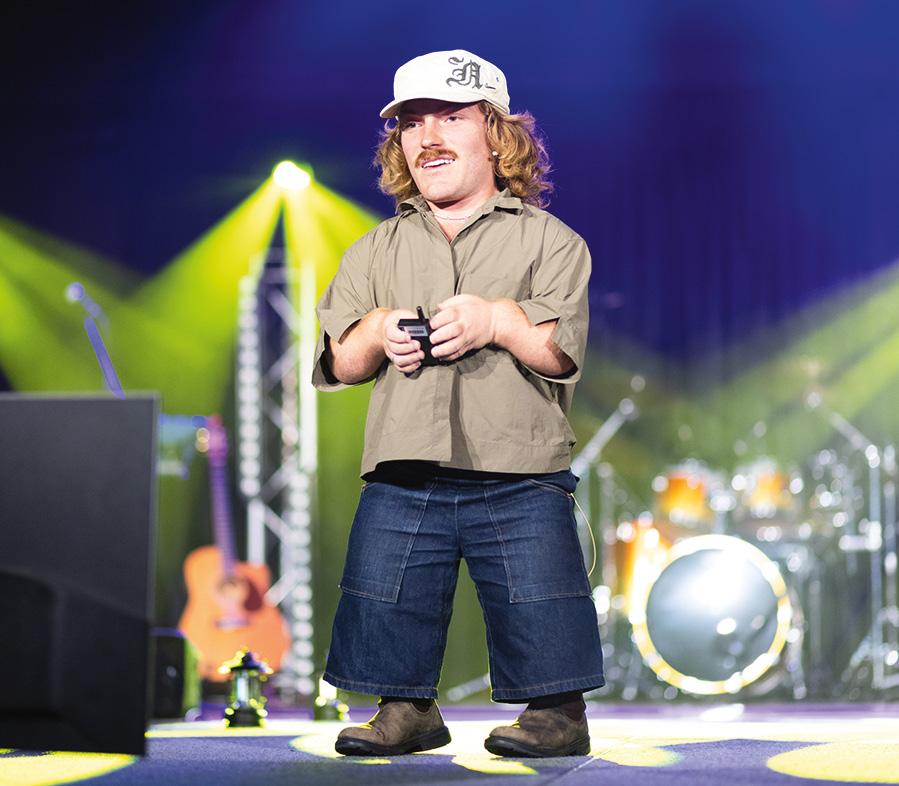
In June, the team will head to the Gold Coast and Adelaide, events which will be headlined by Carol Taylor and Racheal Leahcar respectively. Awardwinning lawyer, artist, and the world’s first quadriplegic fashion designer, Carol is a bold advocate for disability inclusion. Racheal is most well-known for wowing the judges on the first season of The Voice and is a seasoned public speaker and advocate.
Since the inception of the program, My Future, My Choice expos have connected over 250,000 people with more than 1,000 businesses. During that time, have seen a shift from dedicated disability support organisations to more ‘main stream’ organisations joining. Organisations such as Hunter Water, SES, Rural Fire Service, Portable Long Service Authority and Services Australia amongst others acknowledge the importance of connecting with the community.
My Future, My Choice expos showcase a variety of exhibitors, offering everything from accessible travel and transport, aids and equipment, allied health and support services, housing, mental health, technology, transport, financial
and legal services. There is also a continued focus on education, training and employment.
Expos are designed to be fully accessible, creating a welcoming environment where everyone is valued and supported.
From wide aisles, accessible bathrooms, wheelchairs to rent at no charge, Auslan interpreters, live captioning, assistance animal friendly zones to quiet sessions for those with sensory sensitivities, to ensure all attendees can enjoy the experience at their own pace.
Join an inclusive community that celebrates diversity, connection and possibility.
The next events for 2026 will be:
Gold Coast – 5 - 6th June
Adelaide – 26 - 27th June
Sydney – 7- 8th August
Canberra – 25 - 26th September
Brisbane – 30 - 31st October
Melbourne – 20 - 21st November
If you want to get in front of thousands of people with disability and showcase your product or services at one of our expos, please contact the team at events@impactinstitute.com.au
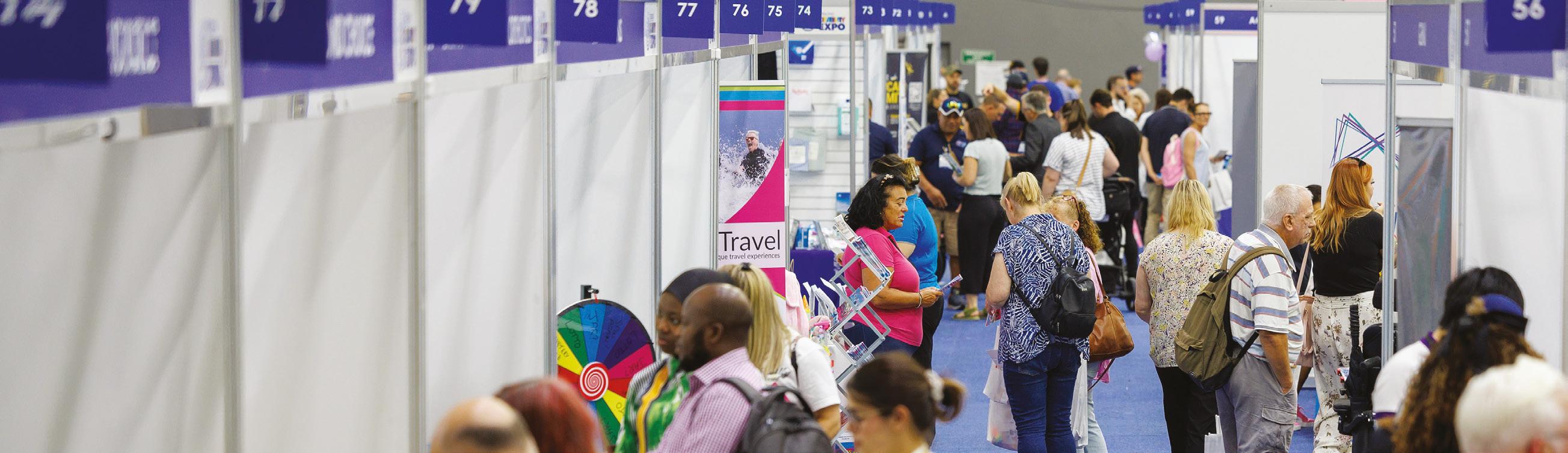
Get ready for an unforgettable year of connection, empowerment, and opportunity as ImpactInstitute proudly presents the 2026 My Future, My Choice Disability Expo series - now bigger and better than ever!
We’ve expand to two exciting new locations: South East Melbourne (held earlier this year) as well as Adelaide coming up in June. Join us for:
What is SKAFIT thermal silver clothing used for?
SKAFIT clothing with silver yarn is designed for individuals with chronic skin conditions where reduced circulation and cold related complaints play a role. Examples include rheumatoid arthritis, systemic sclerosis, and Raynaud’s phenomenon. Thanks to the unique properties of silver, these garments can stimulate circulation, support skin recovery, and significantly reduce cold related discomfort.
The SKAFIT range of thermal silver clothing is designed to be as functional and as comfortable as possible. Where possible, seams and pressure points have been avoided, so the skin receives no further stress, making it ideal for sensitive skin.
The range includes:
• T-shirts
• Pants
• Socks
• Gloves
• Headwear
Contrary to popular belief, these garments have been designed for year-round wear, supporting you not only in the colder months but also when circulation assistance is routinely needed. The SKAFIT range is soft, comfortable and durable.
SKAFIT thermal silver clothing works best when worn as a base layer, but due to its durability can be worn comfortably on its own indoors. To maximise the benefits of SKAFIT, it is important that the silver is fitted snugly against the skin, enhancing its conductive and reflective properties. For extra insulation against the cold,
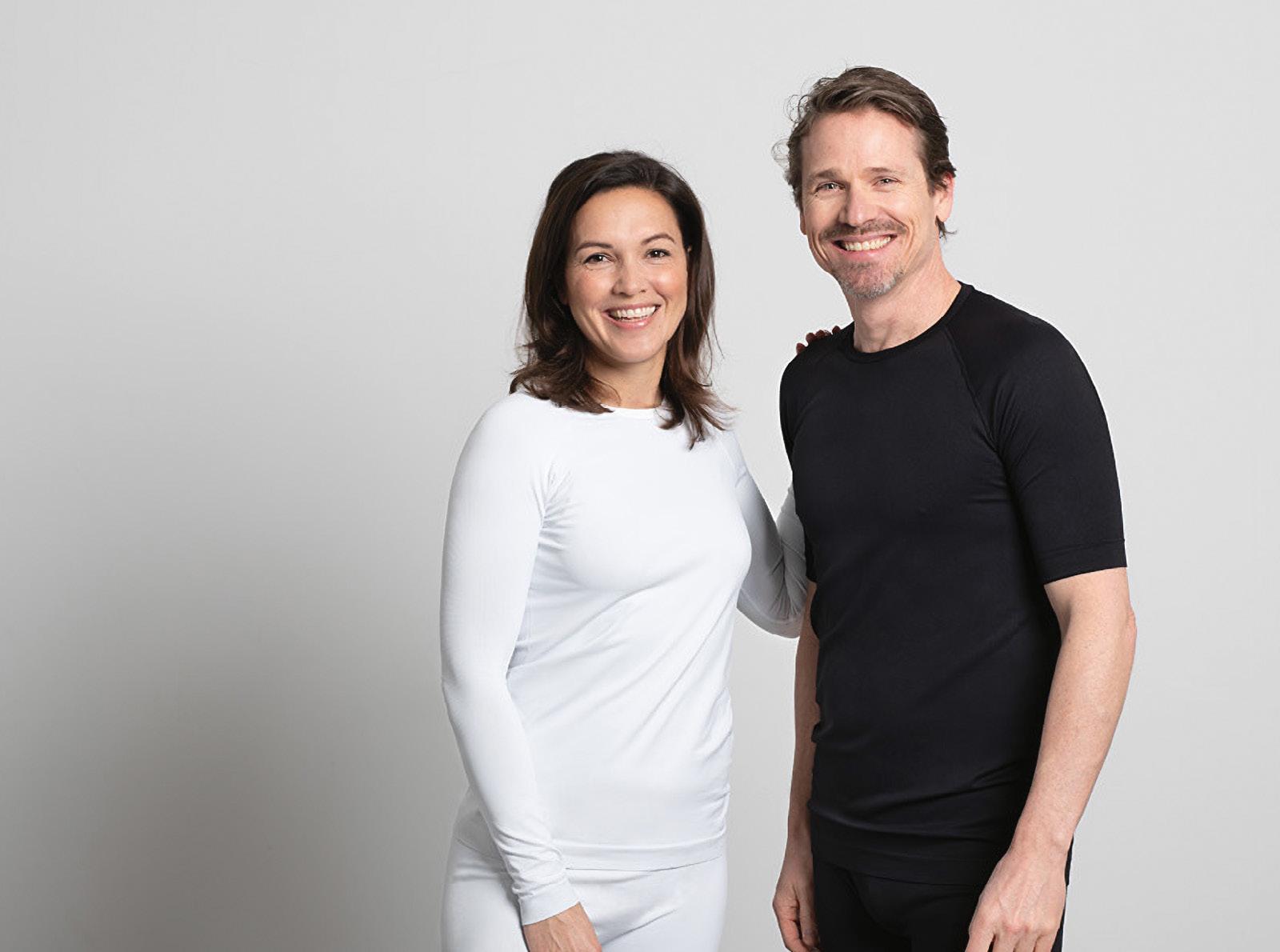
wearing additional layers over the clothing is highly recommended.
The silver in SKAFIT garments is unique; a special material that supports circulation and the skin and can greatly assist in temperature regulation. The silver yarn works to reflect your body heat back to the skin, reducing heat loss and keeping you warm. Because silver is an efficient conductor of heat, it spreads warmth quickly over the body.
Another important property is SKAFIT’S antibacterial effect. Silver can inhibit bacteria and fungi, greatly reducing the risk of infection. It also wicks away moisture, keeping the skin dry. This combination provides warmth, circulation, moisture regulation, and hygiene, protecting the skin effectively.
SKAFIT thermal silver clothing is low maintenance being easily machine washed at 40°C. There is no need for fabric softener as this can insulate the silver yarn and reduce its effectiveness. The garments must be air-dried only, avoid the use of both a tumble dryer and iron, as these can significantly damage the silver yarn.
All SKAFIT products are exclusively available in Australia via WILA Innovations.
For more information visit: www.wila-products.com.au or email: info@wila-products.com.au



Q uality of life enhanced through innovation in assistive technology
A specialised activity chair designed to enable you to maintain your usual level of activity and independence at home and in the workplace.
The very best in design, comfort and functionality. Offering independence and versatility for your child.
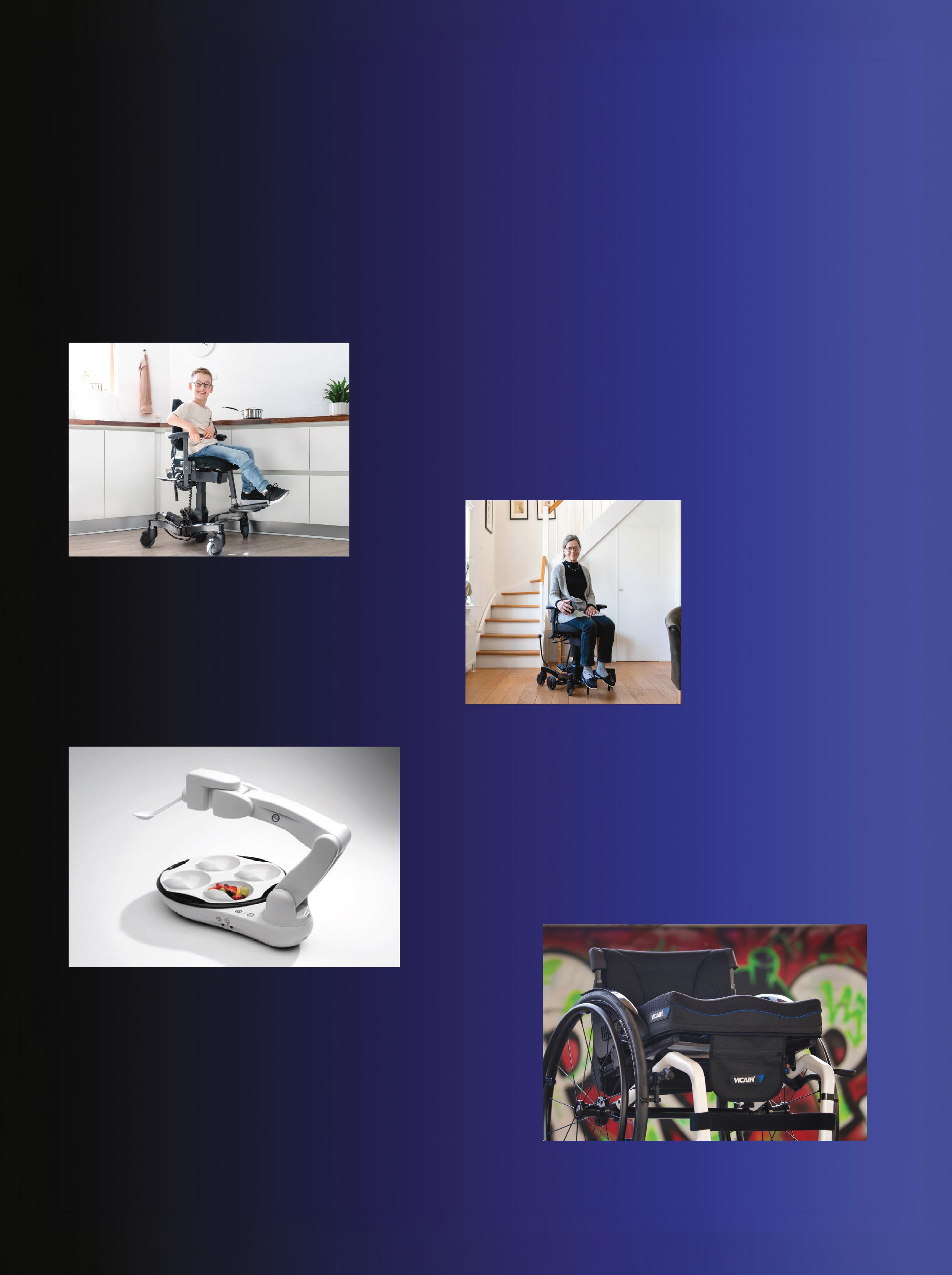
VELA POWERWHEELS
An excellent addition to the Vela 700E and 600ES.
RELIEF BY AIR
Wheelchair cushions that combine advanced technology with thoughtful design - maximising comfort and protection
A revolutionary adaptive eating devicethe first of its kind. Independence is possible!
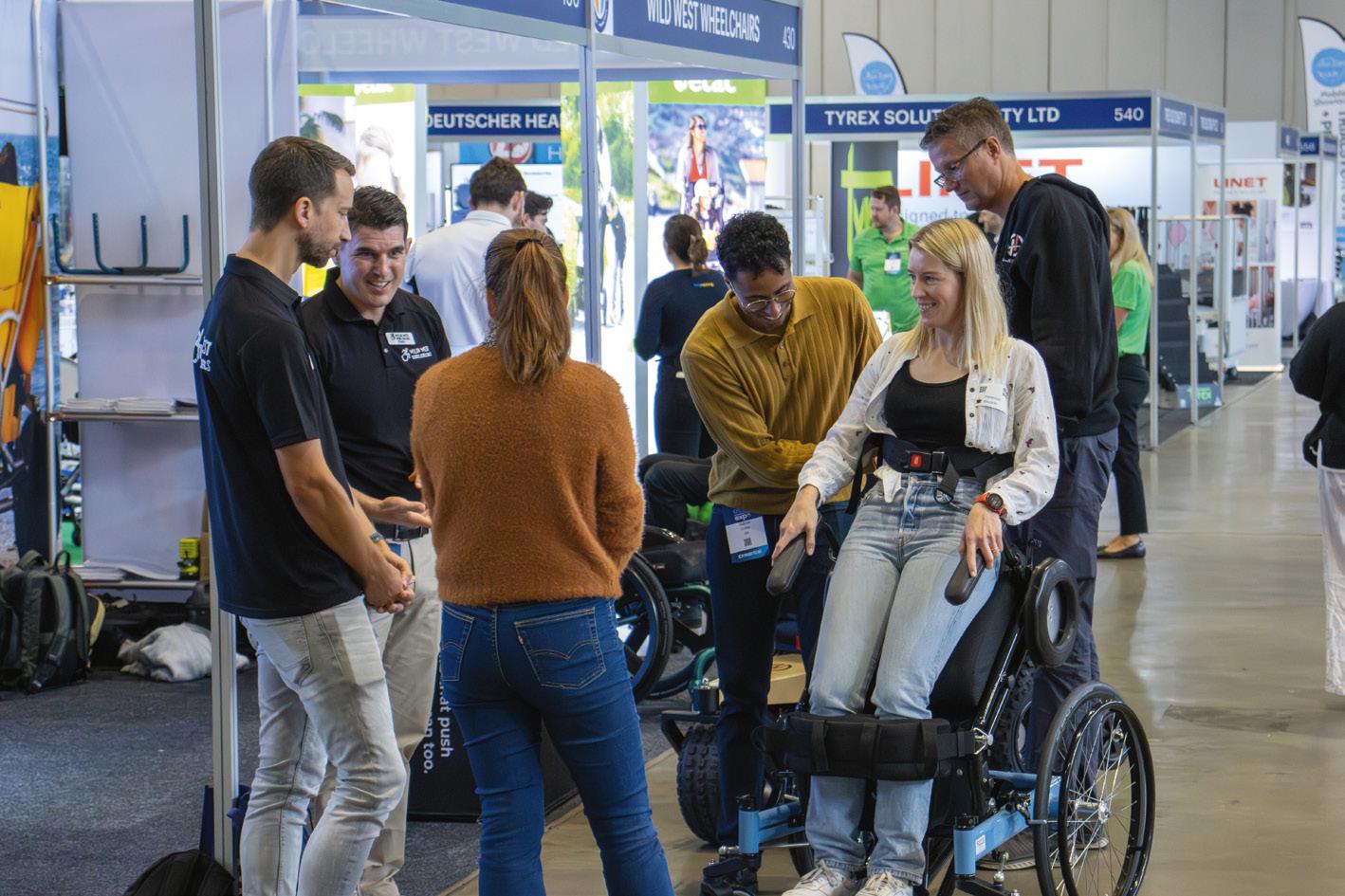
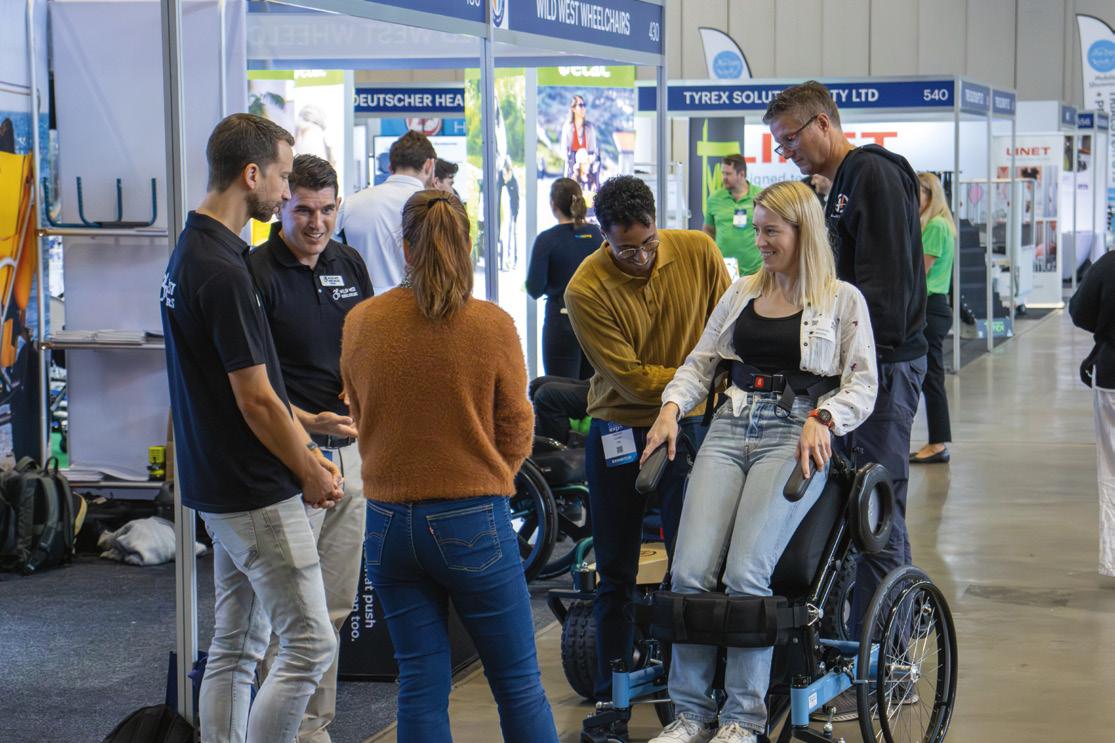
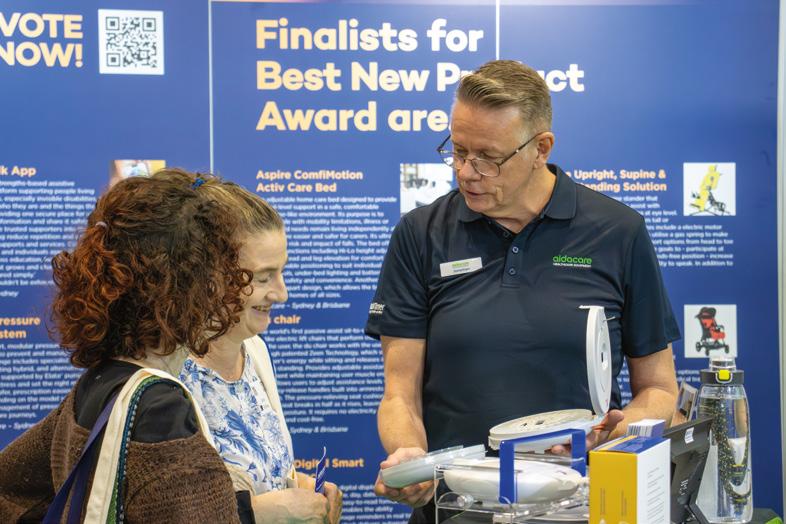
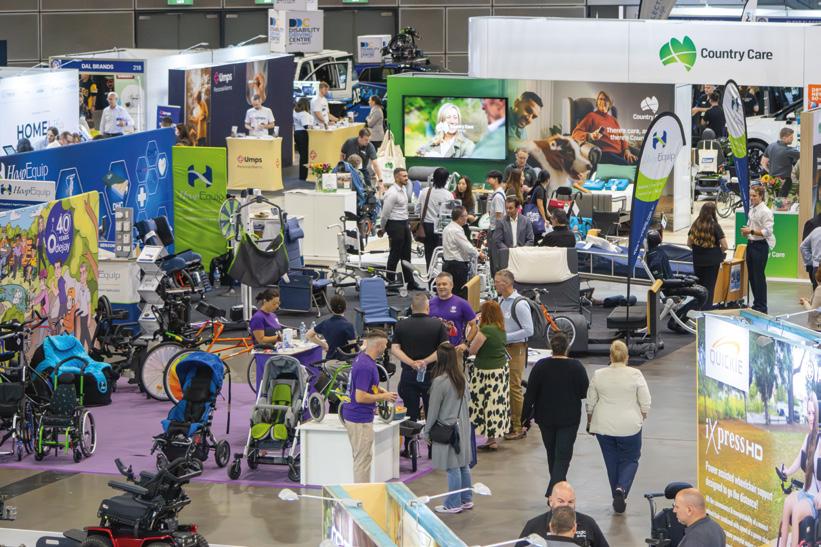
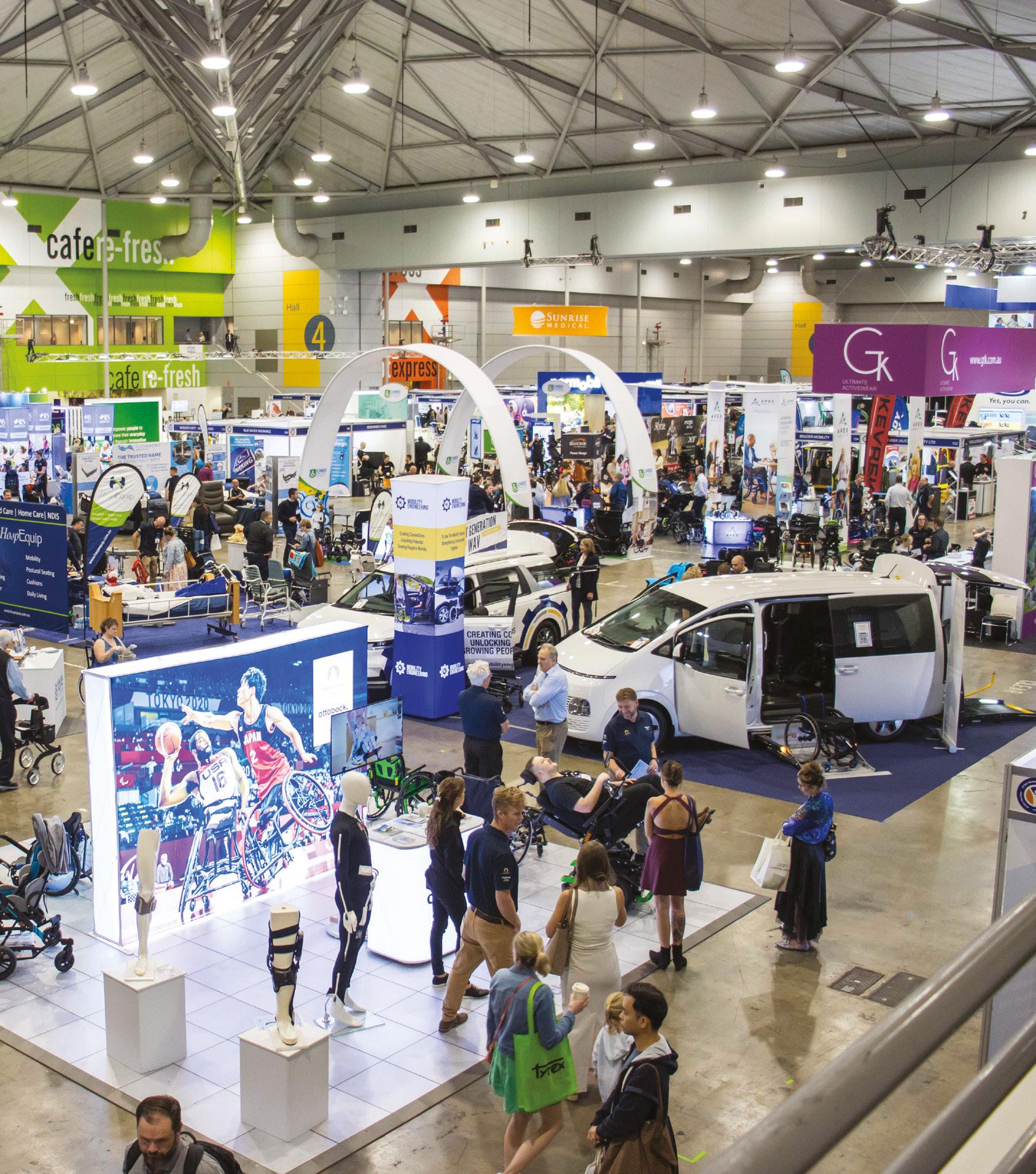
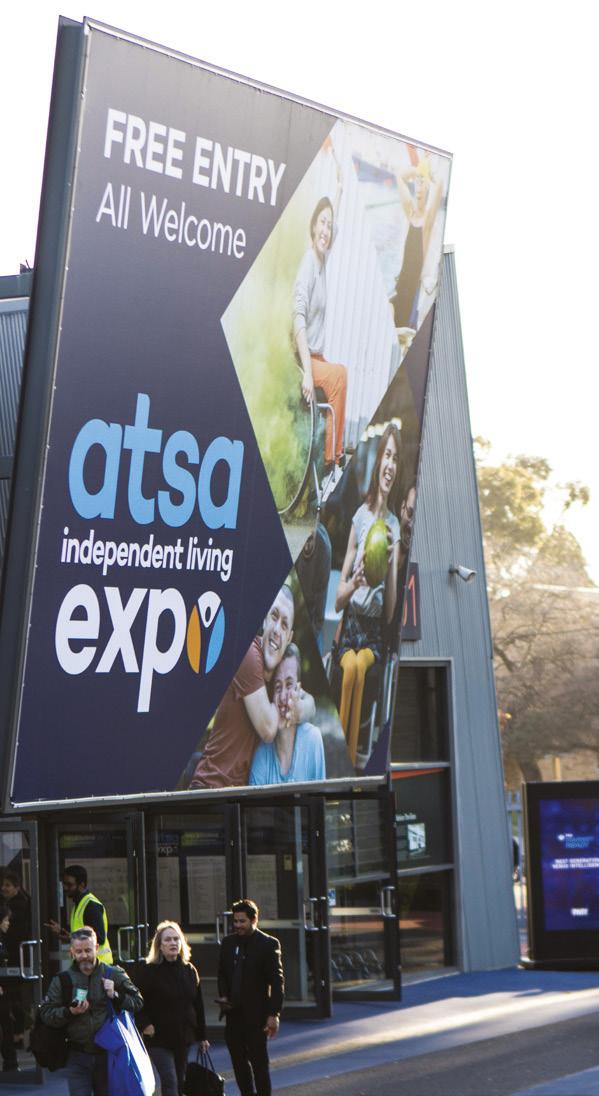
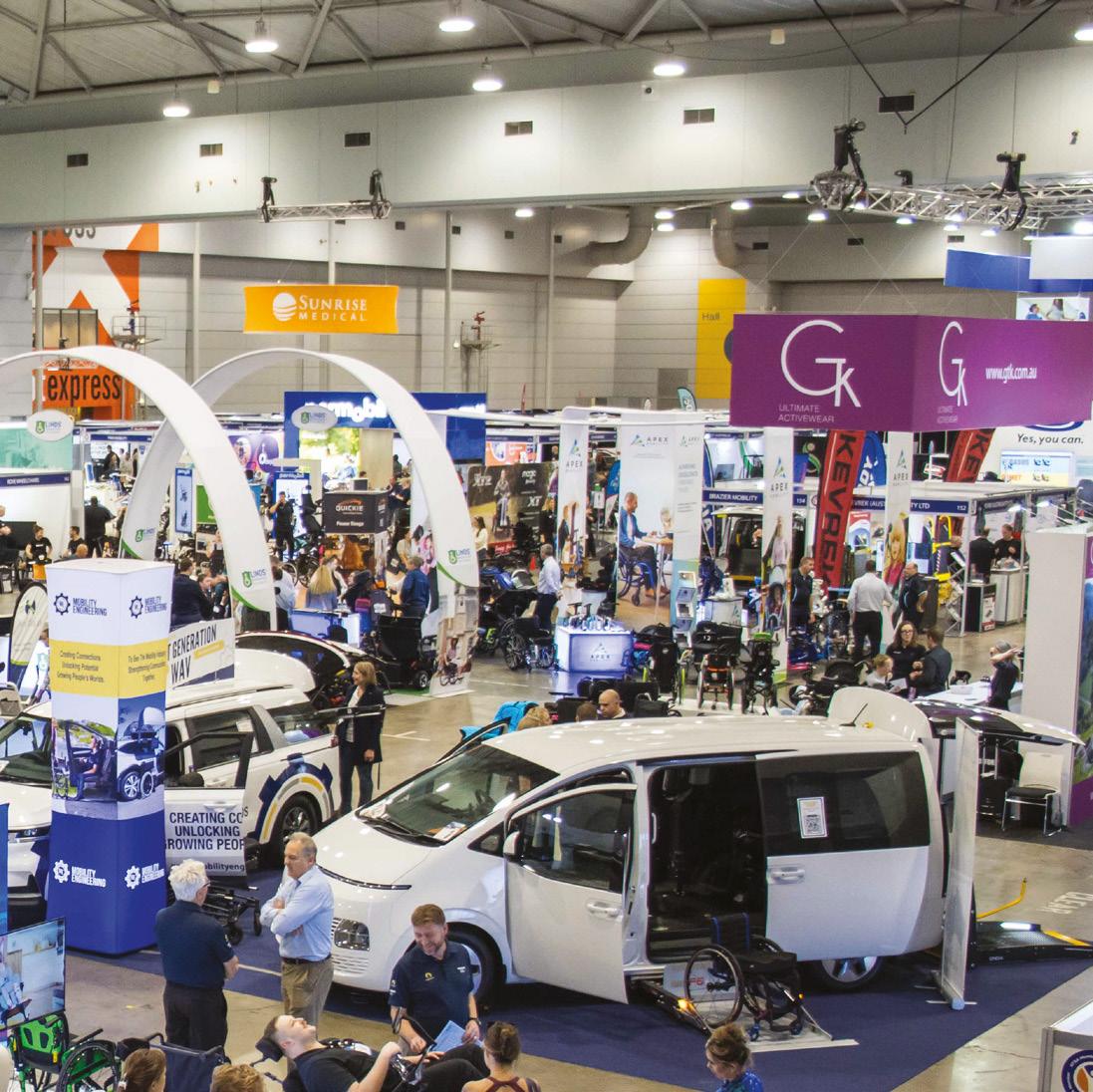
Sydney came alive this May as the ATSA Independent Living Expo welcomed thousands of clinicians, suppliers, support coordinators, families and industry professionals for two inspiring days of innovation, education and connection.
From cutting-edge mobility solutions and home modifications to pressure care, adaptive technology and vehicle innovations, the expo showcased the very best of assistive technology designed to increase independence and improve quality of life.
For many attendees, the experience went far beyond traditional professional development. One visitor described ATSA as “the Disneyland of assistive technology,” highlighting the value of being able to test equipment firsthand, speak directly with suppliers and better understand the real-world outcomes participants strive for every day.
The event also delivered a strong education program, with presenters sharing practical insights, lived experience and emerging ideas shaping the future of assistive technology and support services. Sessions exploring topics such as supporting informal carers resonated deeply with audiences and sparked meaningful conversations that continued well beyond the seminar rooms.
Across the exhibition floor, the overwhelming theme was collaboration.
Exhibitors and attendees alike spoke about the importance of partnerships, shared learning and bringing the sector together to improve outcomes for people with disability.
“It’s always amazing to see so many like-minded organisations coming together with a shared focus on improving care,” said one exhibitor.
Another reflected, “Sometimes the most valuable thing you take home from a conference is not the professional development. It’s the connection.”
From reconnecting with familiar faces to forming new partnerships and exploring the latest innovations, ATSA Sydney 2026 once again demonstrated why these events remain such an important part of the assistive technology industry calendar.
A huge thank you to all exhibitors, presenters, attendees and supporters who made the event such a success.
Events in 2027 include Hobart, Perth and Melbourne. For more details visit www.expo.atsa.org.au or to learn more about ATSA visit www.atsa.org.au
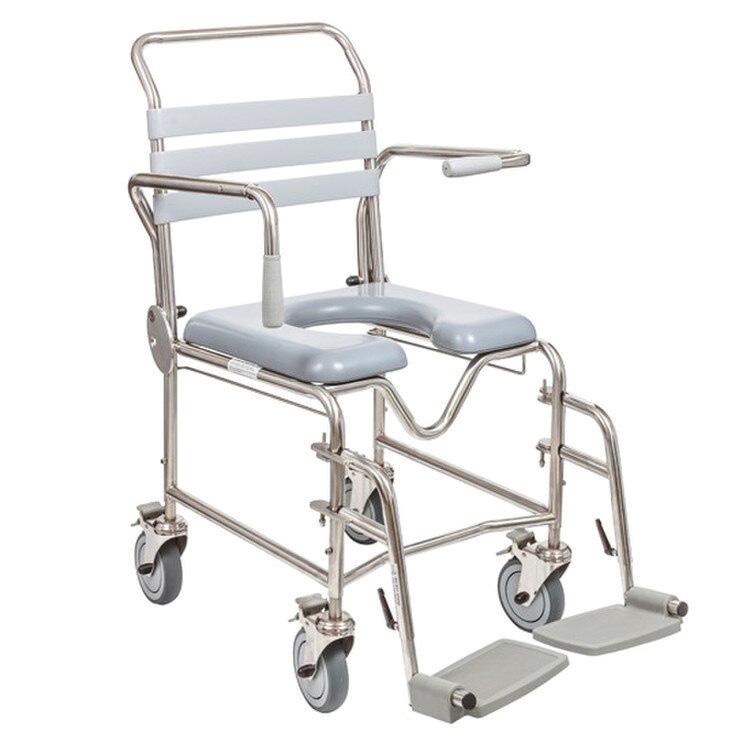
There is a conversation happening too late, in too many home assessments. It starts with a phone call from a client or their carer three weeks after equipment has been delivered. The shower commode does not fit through the bathroom door, the bed rail interferes with the pressure care mattress, or the ramp gradient is too steep for the client to self-propel. The equipment was available, it was funded, it was delivered on time, yet it still was not right.
For the occupational therapist or support coordinator who prescribed it, this is more than an inconvenience. It is a clinical risk, an administrative burden, and a blow to the trust they have built with their client. Returns and reorders cost time. Workarounds compromise safety. And the client, the person at the centre of all of this, loses confidence in equipment that was supposed to give them more independence, not less.
The uncomfortable truth is that sourcing home independence equipment has become more complex, not less. Product ranges have expanded enormously. Funding pathways have multiplied e.g. NDIS, TAC, SWEP, WorkSafe, each with different processes, pricing expectations, and reporting requirements. The Support at Home program is reshaping aged care procurement and through all of this, the prescribing therapist is expected to navigate an increasingly crowded market and land on the right product, for the right client, in the right home environment, funded through the right scheme.
“We are not simply a distributor with a warehouse, we are a team that understands the clinical context behind every order.”
This is where the conversation about suppliers needs to shift. The question is not who can deliver a product fastest or cheapest, the question is who can help you get the selection right in the first place.
At Crescent Healthcare, we have played this role for more than 40 years. We are not simply a distributor with a warehouse, we are a team that understands the clinical context behind every order. When a therapist calls us about a shower commode, we ask about the bathroom dimensions, the client’s transfer method, and whether the doorway will accommodate the chair. When someone enquires about a ramp, we want to know the gradient, the surface, and whether the client is self-propelling or being assisted. We work with a carefully selected range of trusted brands. Not because breadth is the goal, but because different clients need different solutions, and having the right options matters more than having the most options.
We are registered across all major Victorian funding schemes: NDIS, TAC, SWEP, and WorkSafe. But registration is a baseline. What sets a supplier apart is whether they make the prescriber’s job easier and the client’s outcome better.
If you are an OT or support coordinator sourcing equipment for clients in the home, from bathroom to bedroom to the front door and beyond; we would welcome the chance to work alongside you. Not to sell you a product, but to help you find the right one.
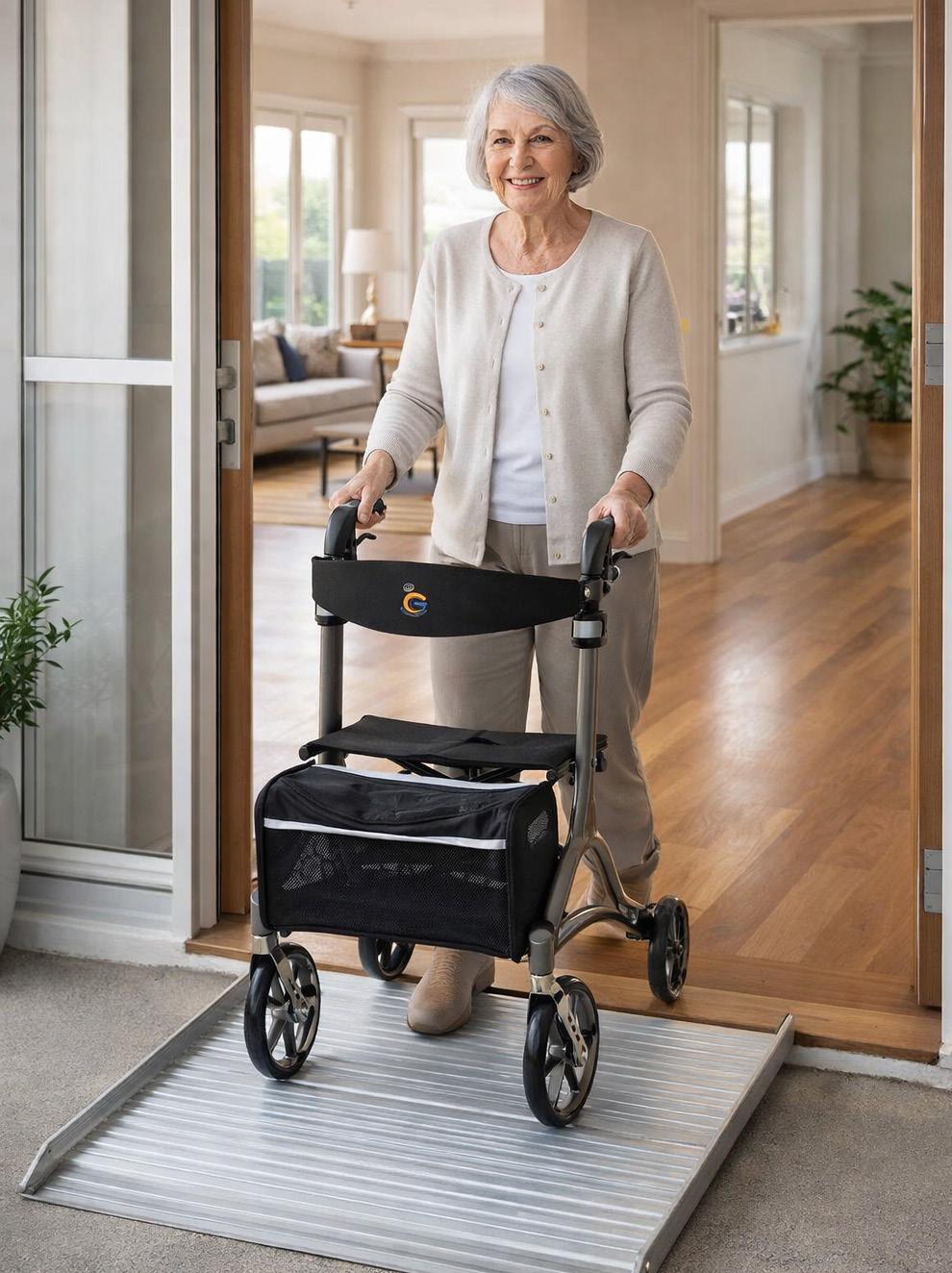
From the bathroom to the bedroom, the kitchen to the car — we supply the equipment that helps people live safely, comfortably, and independently at home.
Crescent Healthcare provides a comprehensive range of equipment to support safe, independent daily living — including pressure care, mobility, bathroom safety, patient handling and home access solutions.

Whether it’s setting up a home for the first time or adapting one for changing needs, we work alongside therapists and support coordinators to ensure every solution fits the client, the space, and the funding pathway.


Maintaining independence at home and in the community is something most of us value deeply. Whether it’s walking to the local café, moving safely around the house, or travelling to appointments, the right mobility support can make all the difference. For many people, particularly those accessing home support services or adapting their living environment, a well-designed rollator is more than just a walking aid, it’s a gateway to confidence, safety and everyday freedom.
The Gemino walker range has been developed with exactly this in mind: supporting real people in real environments, from living rooms and hallways to footpaths, shopping centres and beyond.
One of the standout features across the Gemino range is its thoughtful balance between lightweight design and stability. Built from high-quality aluminium, these walkers are easy to manoeuvre without compromising safety. This is particularly important in home settings where tight spaces, thresholds and varying floor surfaces can present daily challenges. The compact turning radius and smooth handling make navigating indoor environments feel less restrictive, while still offering the support needed to move with confidence.
For those who split their time between home and community, portability becomes key. Gemino walkers are
designed with a simple fold-click system, allowing them to collapse into a compact size for storage or transport. Whether it’s fitting into a car boot for a trip to an appointment, or storing neatly in a hallway cupboard, this feature supports a more flexible, onthe-go lifestyle.
Comfort is another area where the Gemino range excels. Ergonomically designed handles with a memory height adjustment ensure the walker is always set to the correct position, promoting better posture and reducing strain during use. When it’s time to rest, the integrated seat provides a safe and convenient place to pause. Something that can be invaluable when out in the community or even moving around larger homes.
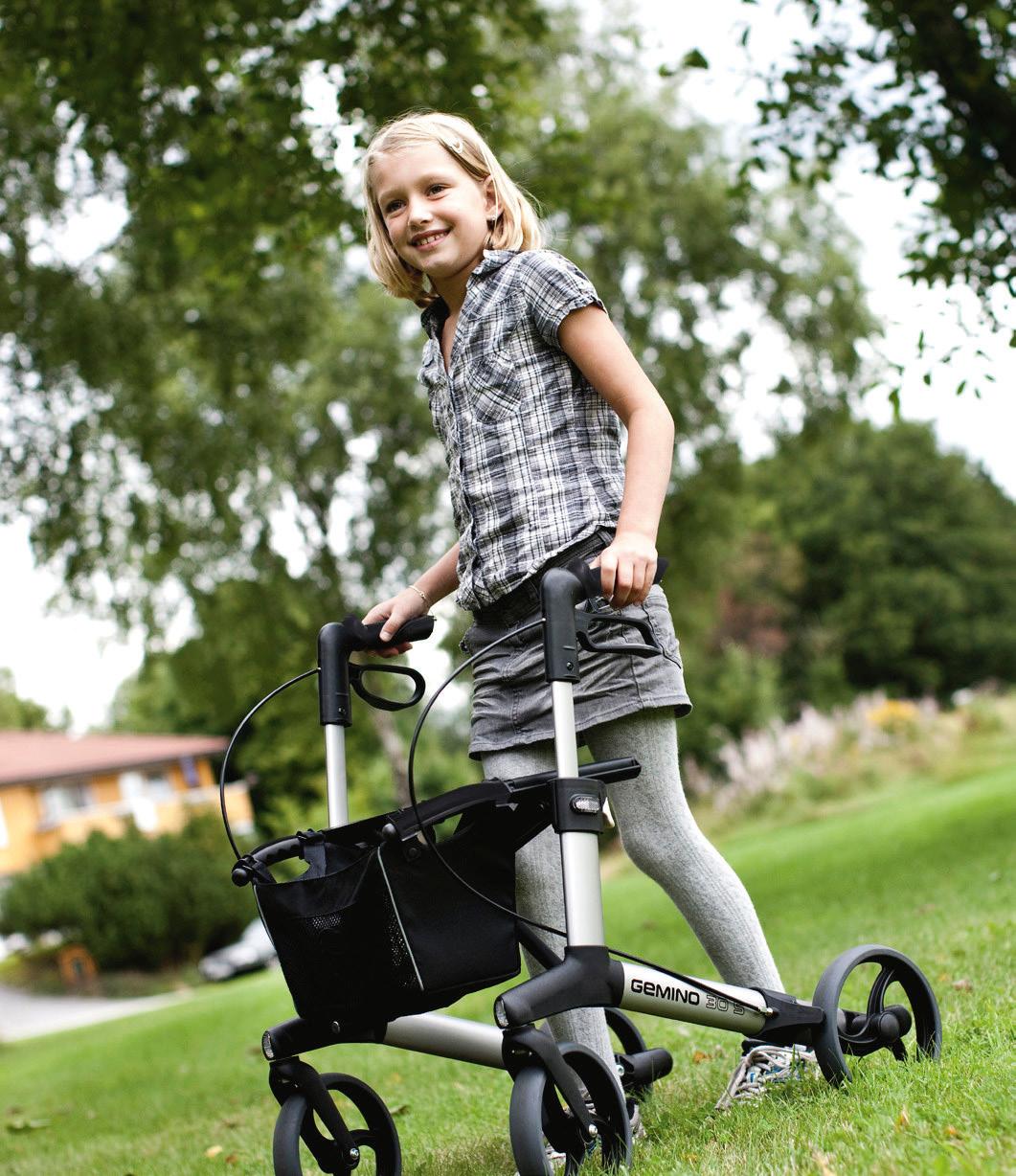
Different environments call for different solutions, and the Gemino range reflects this with a variety of models tailored to individual needs. For everyday use, lightweight models offer excellent manoeuvrability and ease of use. For more active users, or those navigating uneven outdoor terrain, options with larger, softer wheels provide improved shock absorption and stability, making paths, kerbs and grassed areas far more accessible.
For individuals requiring additional support such as those undergoing rehabilitation or experiencing reduced balance, Gemino also offers walker variants with forearm supports.
These provide enhanced stability and promote a more upright walking position, which can be particularly beneficial for gait training or longer periods of mobility.
Safety features are integrated throughout the range. Easy-tooperate braking systems require minimal effort, while reflective elements improve visibility in lowlight conditions. An important consideration for those who value independence outside the home. Advanced options, such as dynamic braking systems, can help regulate walking speed, reducing the risk of falls and supporting a steadier gait.
Importantly, the Gemino range recognises that mobility aids are not one-size-fits-all. With multiple frame sizes, weight capacities, and a wide selection of accessories, from storage bags to back supports, users can tailor their walker to suit their lifestyle, environment and personal preferences.
In the context of home support and independent living, the right equipment should adapt to the user—not the other way around. The Gemino walker range embodies this philosophy, offering practical, adaptable solutions that empower people to move through their day with greater ease, safety and confidence.
Because when mobility feels effortless, life opens up again.
Award-winning design combining high indoor maneuverability with outdoor performance.
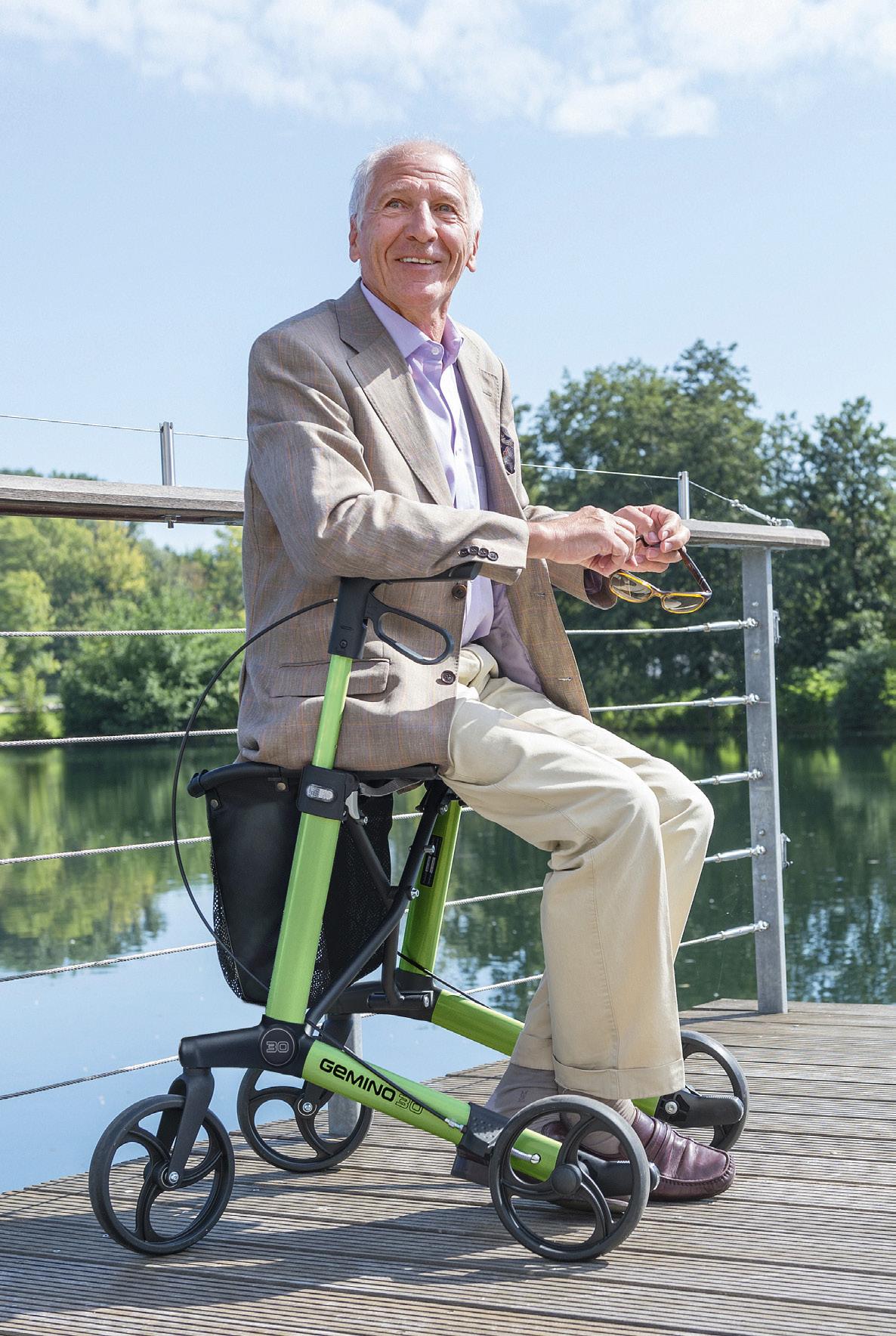

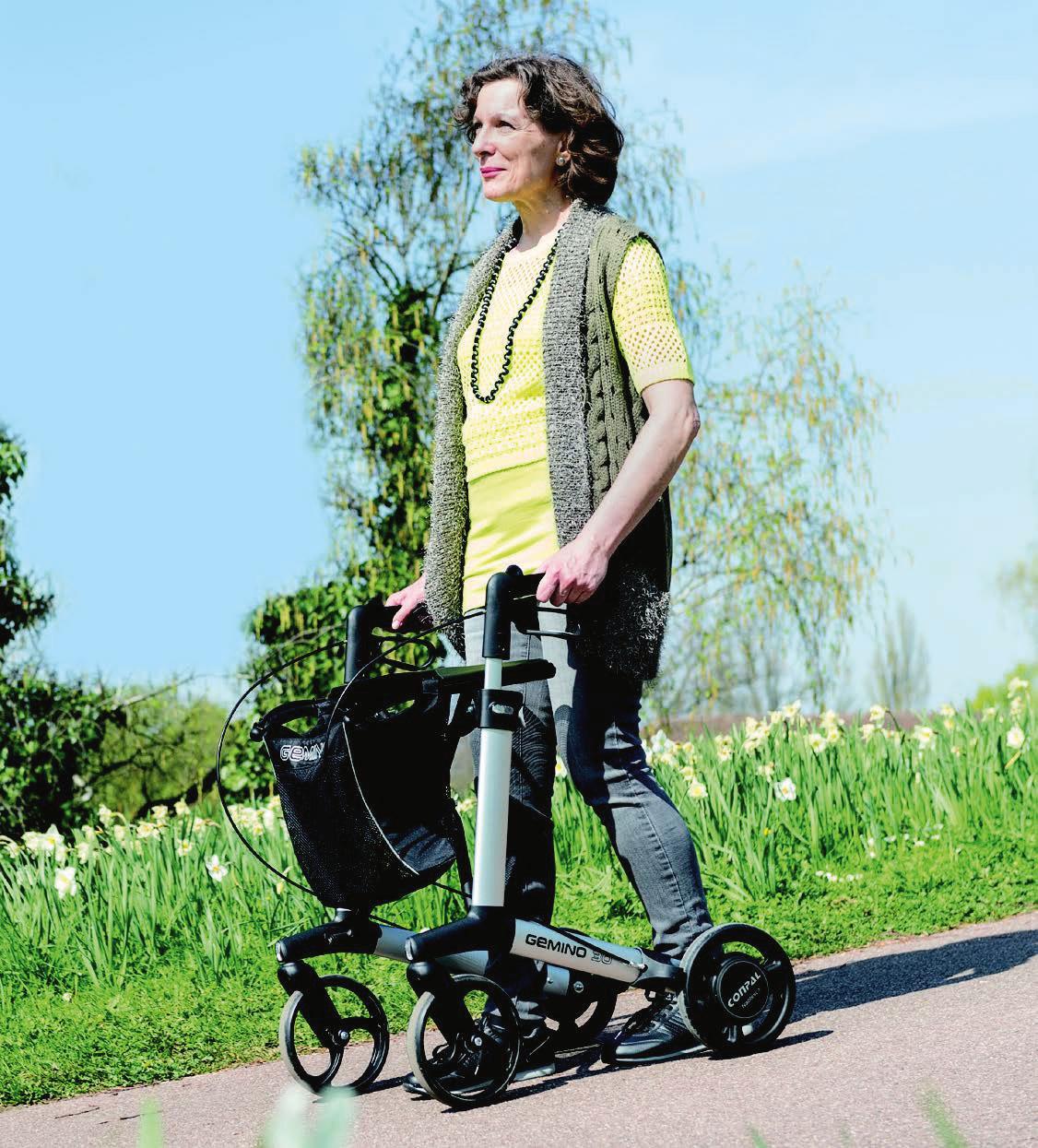
Lots of colour options and accessories for easy personalisation
Gemino30 & Gemino60 available in 7 flexible conf igurations
www.lindsrehab.com.au
sales@lindsrehab.com.au
1800 501 601
By: Allan Hunter & Stephen Hales on behalf of
Australian Rehabilitation and Assistive Technology Association
Advances in technology, alongside decreasing costs of solar photovoltaic (PV) panels and lithium battery systems, are making reliable backup power more accessible than ever, offering protection during outages while also reducing energy costs over time.
This article explores the practical application of backup power supplies to support essential medical equipment and assistive technology in the home.
To illustrate this in practice, consider an individual who desired a backup power solution capable of supporting a continuous positive airway pressure (CPAP) machine and an air pressure relief mattress overnight, along with operating the electric bed, if mains power failed.
The CPAP machine was measured to draw approximately 30-watts (W), while the pressure relief mattress required around 32W. This results in a combined continuous load of 62W. The electric bed was also assessed, drawing just over 200W when operated with a 105kg occupant. However, as the bed
In practice, to cover a range of considerations, it is advisable to include a safety margin. Adding at least 50 per cent to both values provides a more robust specification.
is only used intermittently for short durations its impact on overall battery requirements is minimal.
To determine the required energy storage, the duration of use must be considered. For an 8-hour overnight period, the system must supply at least: 62W × 8 hours = 496 watt-hours. The maximum instantaneous power draw - if all devices were operating simultaneously -would be: 30W + 32W + 220W = 282W.
If you are unfamiliar with the distinction between power (W) and energy (Wh), a simple analogy may help. Power is the total load being supplied, similar to the power of a car engine (measured in horsepower/W). Energy storage, is like the size of the car’s fuel tank (measured in litres/Wh).
In practice, to cover a range of considerations, it is advisable to include a safety margin. Adding at least 50 per cent to both values provides a more robust specification. In this case, a system with a minimum power rating of 450W and 750Wh storage capacity would be appropriate, or more if budget allows.
A range of portable power stations, designed for travel or off-grid use, can meet these requirements. These systems typically range from around $800 to $1,800, depending on capacity and features. Larger units offer extended runtime and, in some cases, the ability to expand storage capacity for greater flexibility.
When selecting a backup power solution, the following considerations are essential:
1. Identify which items are essential and require backup
2. Determine the size of the load (W or volt-amps [VA])
3. Define the required duration of use (minutes, hours, or days)
4. Establish a realistic budget, and
5. Compare available options, including portable power stations and uninterruptible power supplies (UPS).
Regardless of the solution, common sense applies. Always read the user manual and verify performance under real conditions:
• Does it charge within the expected timeframe?
• Can it supply the required load?
• Does it last for the expected duration when mains power is switched off?
This is a rapidly evolving market, with increasing competition and a wide range of products. While many units are built to meet cost constraints, retailers and suppliers are conscious of the need to maintain good after-sales support in the event of any problems.
For those building a new home, or with the resources to modify an existing one, integrating solar PV panels and batteries can provide a more resilient backup solution.
With sufficient investment, this can enable near-continuous power availability.
Looking ahead, the integration of electric vehicles (EVs) as part of a home energy system may further expand these possibilities.
ARATA: Phone 03 9586 6075. Email: office@arata.org.au or www.arata.org.au
Highly active wheelchair users need seating that keeps up, offering reliable support during every transfer, every push, every challenge. The new Jay LitePro cushion meets that demand with uncompromising performance. Using a state-of-the-art multi-zone elastomer insert, the LitePro provides pressure relief, breathability, and stability in a durable, low-profile, ultra lightweight cushion.
OF THE LIGHTEST AND LOWEST-PROFILE CUSHIONS ON THE MARKET
At just 900 grams and only 2” thick, the Jay LitePro is one of the lightest and lowest-profile skin protection cushions on the market. Its slim design integrates seamlessly into the wheelchair without adding bulk, ideal for active users who value performance without extra weight.
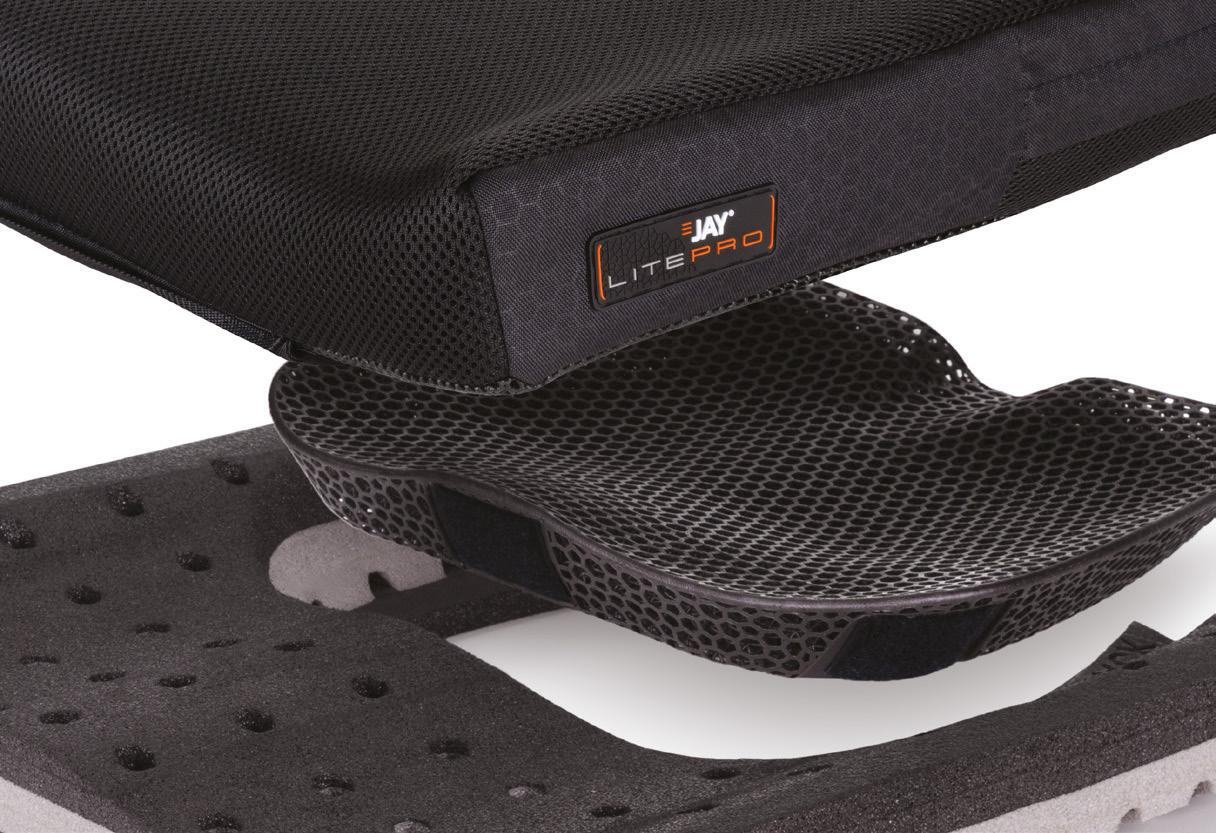
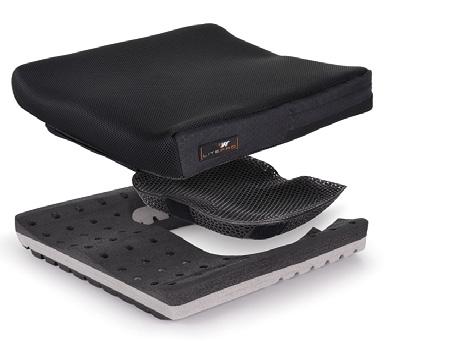
THE CUSHION WORKS THROUGH TWO KEY COMPONENTS:
1. A contoured, multi-layer, closed cell
foam base that delivers postural support and stability while keeping the cushion lightweight.
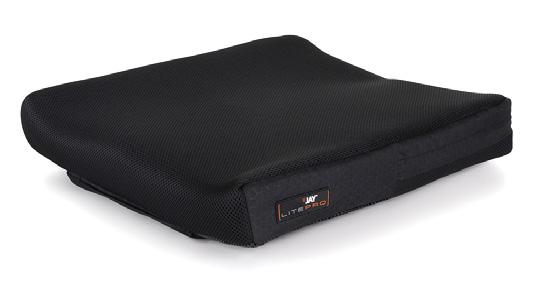
2. The immersive multi-zone insert balances pressure relief with targeted support where it’s needed.
Together, they promote stable pelvic positioning to improve propulsion, posture, and transfers. With more than twice the stability of a traditional air cushion, the Jay LitePro promotes functional positioning and confidence during daily activities.
The Jay LitePro cushion is built for durability and simple upkeep. Its materials are designed to withstand active daily use, while the easy clean design means clients spend less time on maintenance and more time on the move.
Interchangeable pressure management pods make it possible to tailor pressure
Scan the QR code to visit the Jay Lite Pro webpage
relief. They can also help support mild obliquity, promoting better alignment and a more balanced distribution of pressure.
COOL, DRY, AND COMFORTABLE ALL DAY
Skin health starts with moisture control. With 45 per cent better humidity transfer than a traditional air cushion, the Jay LitePro cushion helps keep skin cooler and drier throughout the day. Reduced moisture buildup supports stronger, healthier skin and lowers the risk of skin breakdown, especially during long sitting periods.
The Jay LitePro cushion is uncompromising performance!
Visit www.sunrisemedical.com.au/ Seating/Jay/wheelchair-cushions/JAYLitePro for more information and to book your trial.

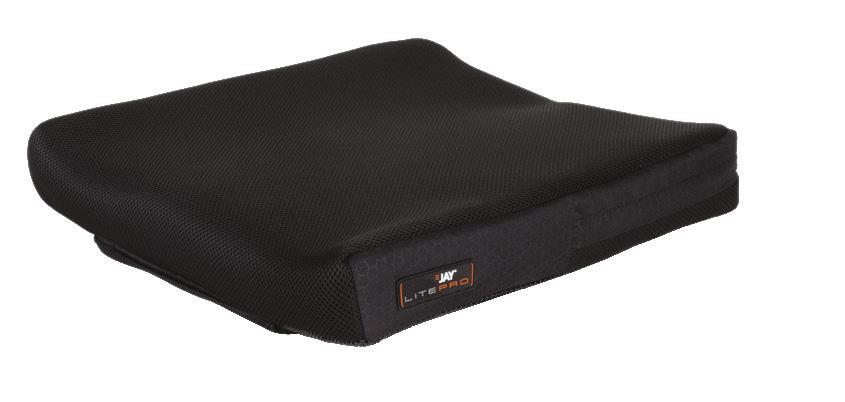
Highly active wheelchair users need seating that keeps up, offering reliable support during every transfer, every push, every challenge! The NEW JAY LitePro cushion meets that demand with uncompromising performance. Using a state-of-theart multi-zone elastomer insert, the LitePro provides pressure relief, breathability, and stability in a durable, low-profile, ultra lightweight cushion.
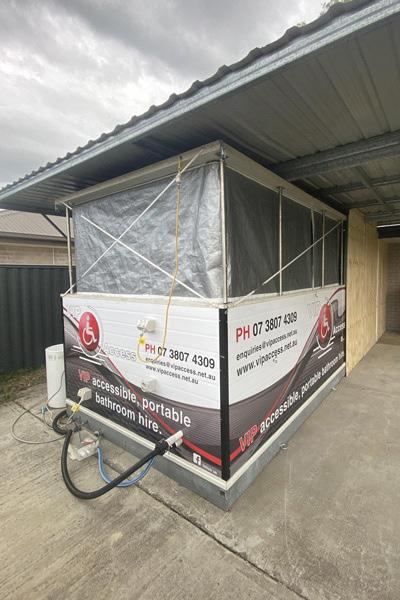
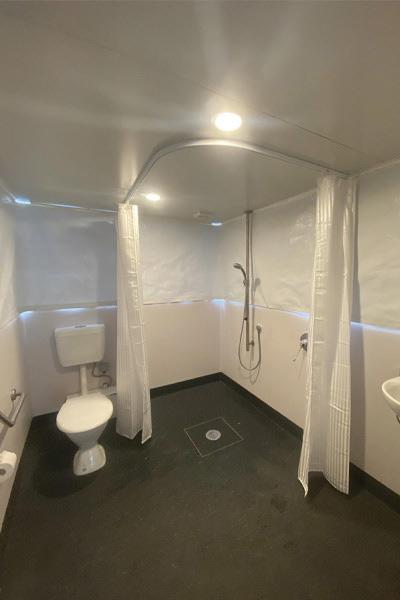
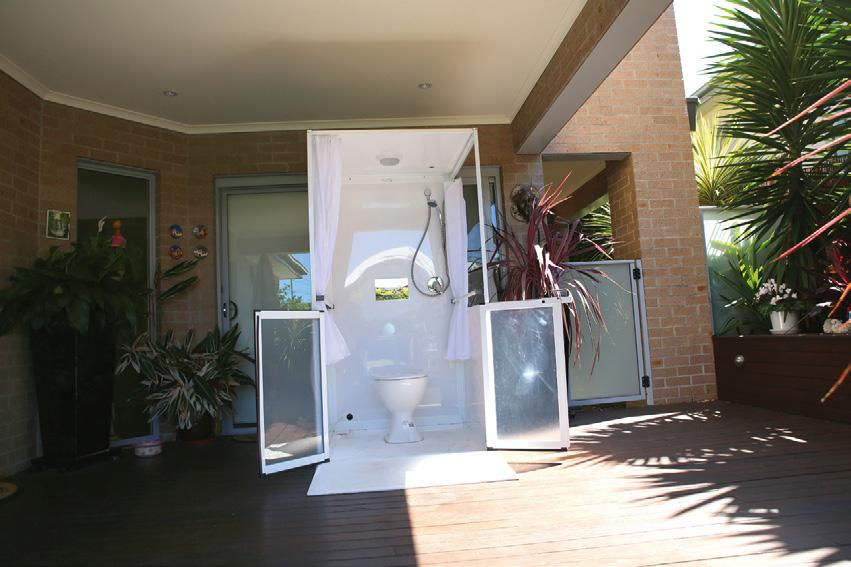
The Access Pod offers a convenient and innovative solution, designed for easy delivery and installation right to your home in south-east Queensland.
• Full wet floor including toilet, hand basin and 1.2m x 1.8m walk in shower area
• Portable bathroom dimensions: 3m long x 2.2m wide x 2.3m high
• The enclosure provides a warm area to shower and dress in
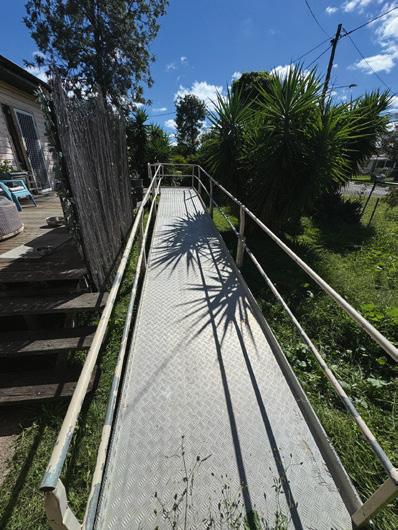
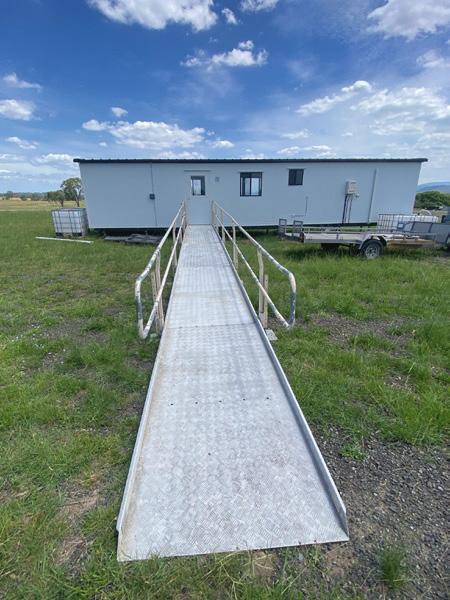
• We can design and deliver a custom ramp to access the Access Pod safely
The Careport is an accessible solution, available in three different sizes designed to make life more comfortable, and VIP Access is Queensland’s sole distributor.
Designed with optimal comfort in mind,
the portable Careport unit can be provided as either a standalone shower or a toilet and shower combination. It can be installed in and removed from a home quickly, with minimal disruption.
BOTH OF THE ABOVE SOLUTIONS CAN SOLVE MANY ISSUES:
• Avoiding the need to leave home, and possibly entering respite care, while a bathroom renovation is undertaken
• Staying in hospital unnecessarily while renovation work is underway
• Reducing long stays in hospital while waiting on funding for home modifications
• Palliative care solution
• Assisting people living in rental properties who cannot modify the bathroom.
Whether you’re staying home during renovations or returning from hospital,
our solution ensures you can fully enjoy your home with ease. Thanks to their unique pod design and portability, our team can set these up quickly without sacrificing comfort, convenience, or safety. They are completely self-contained, simply placed on the floor of your garage or patio and connected to the nearest power, water and sewer points.
All our Careports and Access Pods are safe, easy to clean, conform to the relevant Australian plumbing and electrical standards, and can include an optional self-contained, thermostat controlled hot water unit.
To learn more about how the Careport and Access Pod can enhance independence for you or your clients, reach out to our team at 07 3807 4309, or visit our website at www.vipaccess.net.au.



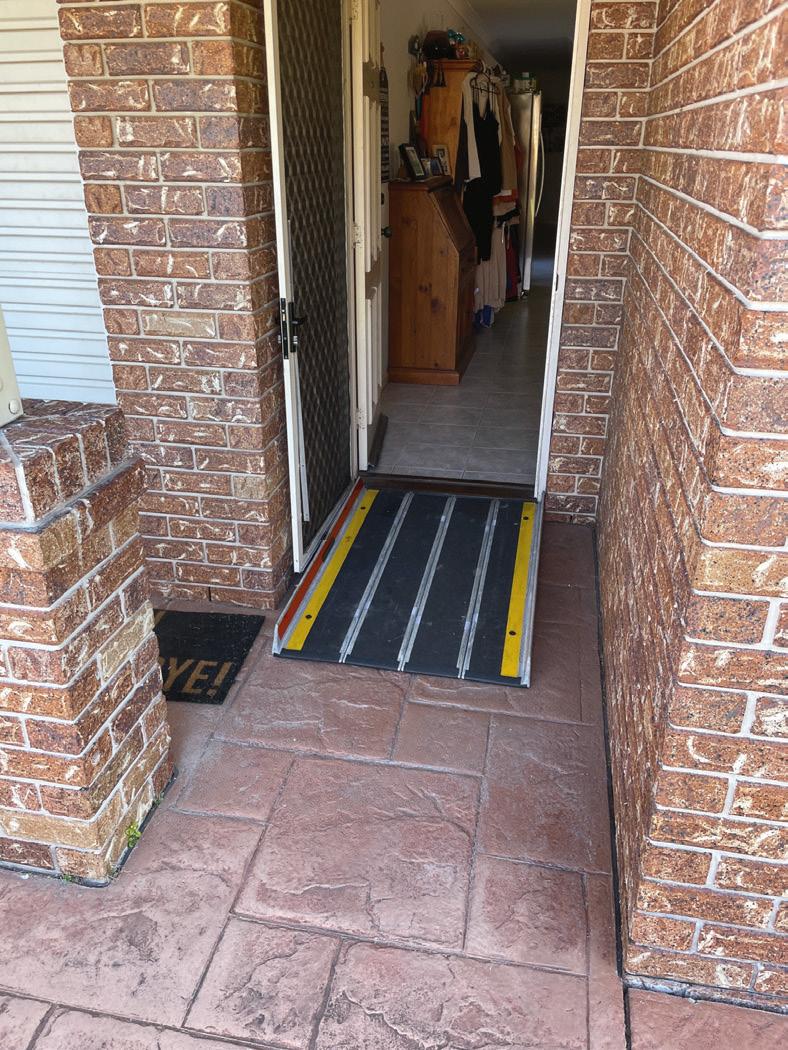
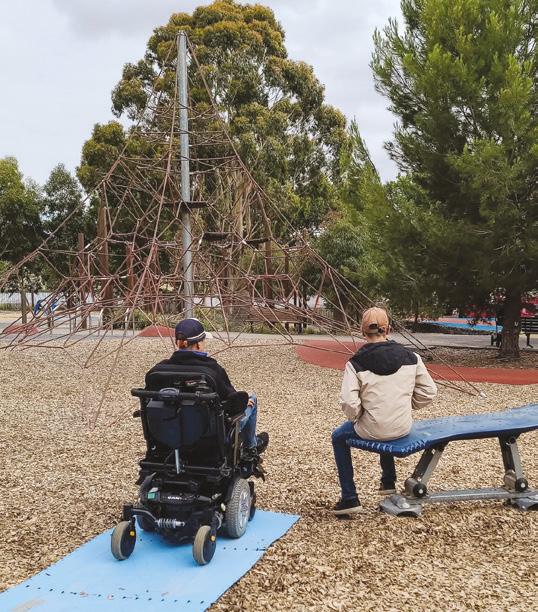
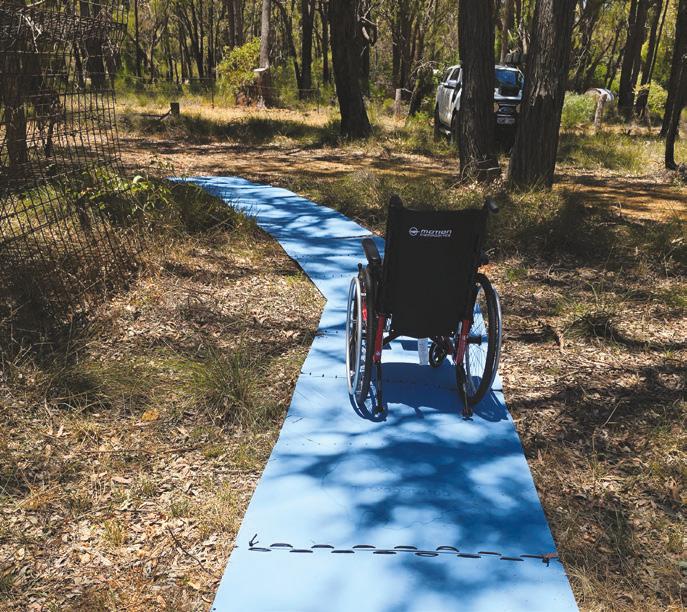
True accessibility means more than meeting minimum requirements, it means creating environments where everyone can move confidently, safely, and independently. For wheelchair users, temporary or uneven surfaces such as grass, gravel, sand, or wet ground can present unnecessary barriers at events, public spaces, and community venues.
GOtrax access matting is designed to remove those barriers and make inclusive access achievable wherever it’s needed. The matting provides a smooth, stable, and slip-resistant surface that supports wheelchair users, mobility scooters and carers.
By transforming soft or uneven ground into reliable pathways, GOtrax enables individuals with
mobility challenges to navigate spaces with ease and dignity.
Whether used at outdoor events, festivals, parks, or temporary public installations, the system helps ensure that access is not an afterthought but a priority.
A key strength of GOtrax is its adaptability. The mats can be installed quickly and adjusted to suit different layouts, gradients, and site conditions. Interlocking panels create seamless routes that reduce vibration and resistance, improving comfort for wheelchair users and reducing strain for those assisting them.
This flexibility allows organisers and facility managers to respond to changing needs without compromising accessibility standards.
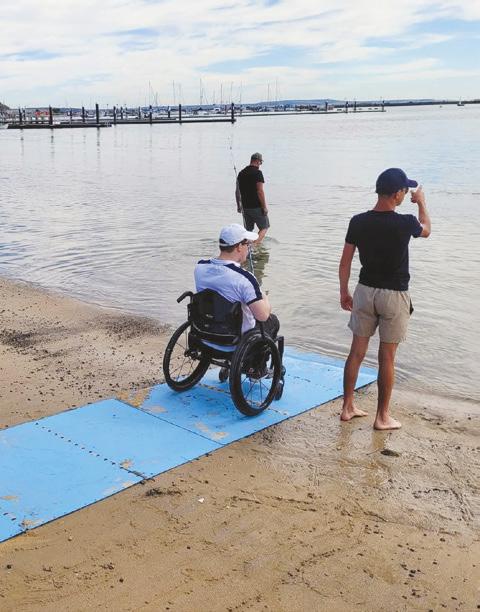
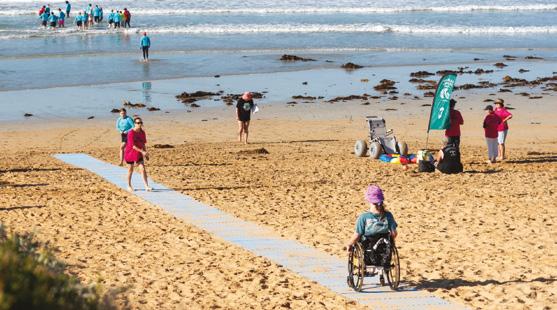
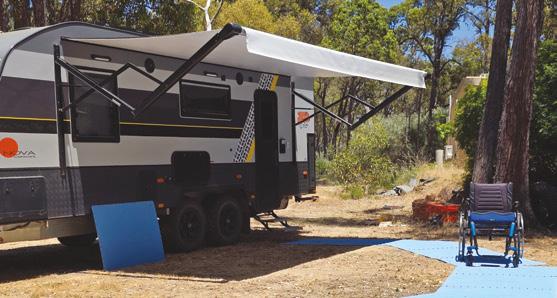
Sustainability also plays an important role in the GOtrax solution. Reusable and durable, the matting offers an environmentally responsible alternative to disposable or damaging access methods. By protecting underlying surfaces while providing dependable access, GOtrax supports inclusive design without sacrificing environmental care.
As awareness of accessibility and inclusion continues to grow, practical solutions are essential.
GOtrax access matting delivers a simple yet powerful way to ensure that everyone, regardless of mobility can fully participate in the spaces and experiences around them.
Phone 0488 375 223 or email enquiries@uniquiphealth.com.au

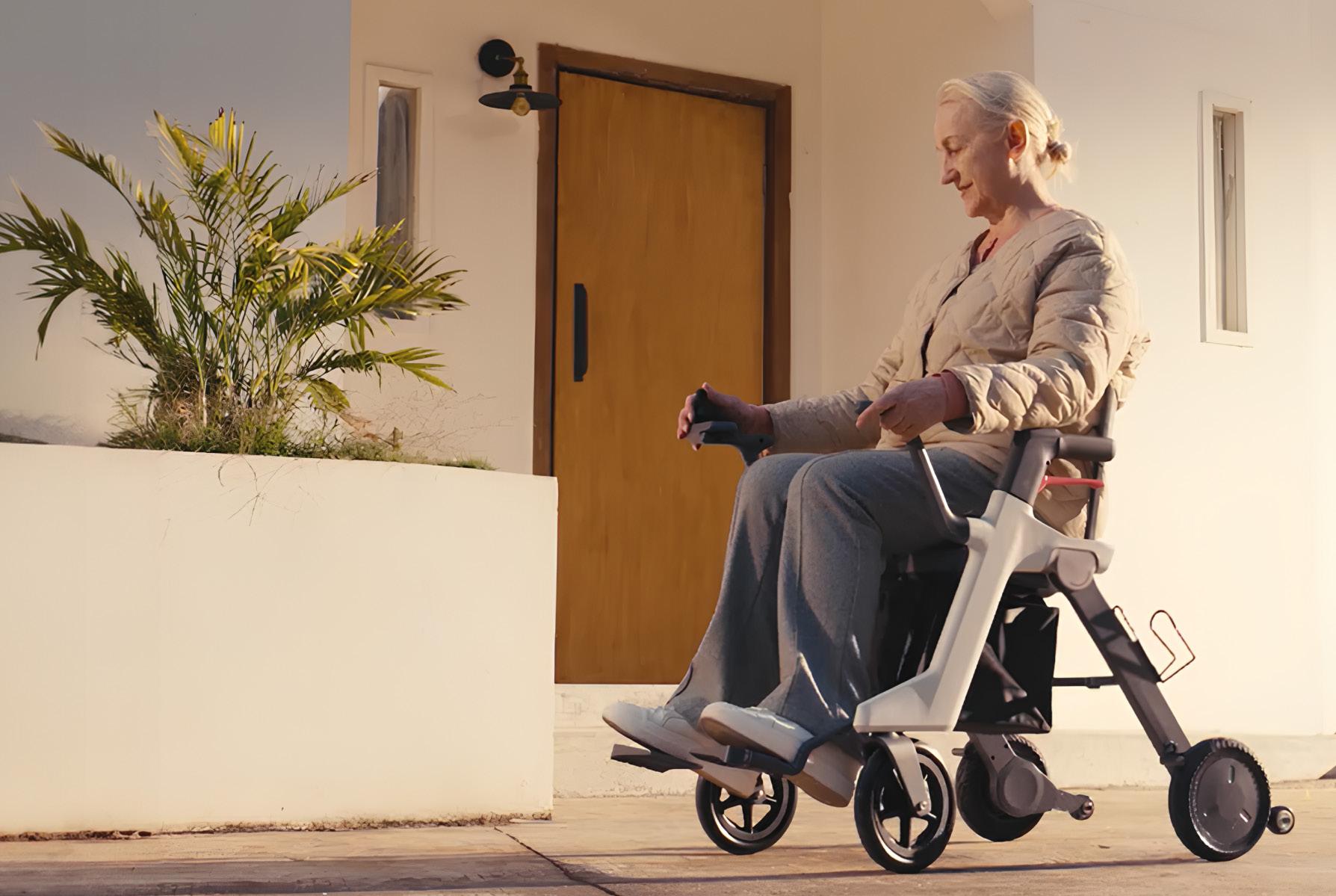
The landscape of personal mobility is evolving, with a growing emphasis on flexibility, portability, and usercentred design. A recent entrant to the Australian market, the Roamate 3-in-1 mobility device, ‘your ultimate travel companion’ as described by the manufacturer, is now supplied locally by Freedom Motors Australia. This device illustrates this shift by combining multiple mobility functions into a single platform.
Roamate is designed to operate as an electric wheelchair, an assisted transport chair, and a rollator. This hybrid approach reflects a broader trend in assistive technology: reducing the need for multiple devices while supporting users whose mobility requirements vary throughout the day. For individuals managing fatigue, fluctuating conditions, or recovery from injury, the ability to transition between walking support and powered mobility without changing equipment may offer practical advantages.
Weighing around 14 kilograms, Roamate is comparatively lightweight for a powered mobility device. It features a folding frame intended to simplify storage and transport, addressing one of the common barriers to mobility device use- portability. For users who travel frequently or
rely on carers to assist with lifting and transport, this design element may be particularly relevant.
The device incorporates dual electric motors and a rechargeable battery system, with a stated travel range of up to 20 kilometres under typical conditions. As with most powered mobility equipment, actual performance will depend on factors such as terrain, user weight, and usage patterns. The assisted braking and stability features emphasise safety, particularly when navigating slopes or uneven surfaces.
From a usability perspective, Roamate’s capacity to shift between modes is central to its design. In rollator mode, users can walk with support, potentially maintaining strength and balance. When fatigue sets in, the device can be converted into a powered chair, allowing continued participation in daily activities. Transport mode enables carers or companions to push the device manually, offering an additional layer of flexibility in shared mobility situations.
For clinicians and assistive technology professionals, devices like Roamate raise important considerations. While multifunctionality can reduce the need for multiple aids, it also requires careful assessment to ensure suitability for individual users. Factors such as posture support, control
interfaces, environmental context, and long-term durability are critical in determining whether a hybrid device meets a user’s needs.
The introduction of Roamate to Australia via Freedom Motors Australia expands the range of mobility solutions available locally. As demand grows for adaptable, travel-friendly assistive technologies, products that bridge the gap between traditional categories may become increasingly common.
Ultimately, the significance of devices like Roamate lies not only in their technical specifications, but how they align with users lived experiences. Mobility is rarely static, and solutions that acknowledge this variability, while maintaining safety and usability, represent an important direction for the sector.
As with any assistive technology, informed choice, trial opportunities, and professional guidance remain essential. However, the arrival of hybrid mobility devices such as Roamate signals a continued move toward more personalised and flexible mobility support in Australia.
Further information about the device, including trial availability, can be obtained through Freedom Motors Australia. Visit www. freedommotorsaustralia.com.au

By Heidi Bain
Having a driver’s licence brings a sense of freedom. The ability to pop down to the shops when bread or milk runs out, or to arrange an impromptu afternoon coffee with a friend.
For people with disability, this freedom factor is crucially important for remaining social, active and independent. The process of getting a driver’s licence varies depending on the person’s condition, the symptoms that condition presents, and whether they are first-timer applicants or returning to the road after an injury.
Karen Larsen-Truong, policy officer from ATSA told LINK , “For someone returning to driving after a brain injury or other health condition, the process is about reassessing capacity and rebuilding skills. For new learners, particularly those who are neurodivergent or have cognitive differences, the pathway may involve more structured and tailored learning approaches than for those with physical disability, where identifying and trialling appropriate vehicle modifications is the primary focus.”
For everyone, the journey starts with an assessment by an occupational therapy driving assessor (OTDA), who will conduct in-clinic and on-road assessments to understand a person’s physical, cognitive and sensory driving abilities. Then, the OTDA’s recommendations will translate into practice through a specialised driving instructor, and the technical work of a vehicle modifier, if required. All work closely with the client to ensure the vehicle, training and learning pace align with the individual.
Toni Mieres, who became an upper limb amputee two years ago, found the sudden change of not being able to drive was not only stressful but put a strain on her family as well. “I have two kids and there’s a lot of running around after them and suddenly that just stops. My husband took on more and we relied on friends to help with the taxi duties.”
“Our local closest shops are about a two-kilometre walk, so one bonus was I walked more, but it takes a lot of extra time when you just need milk,
so it became frustrating how much it took out of my day for simple family errands,” she said.
For Bob Grant, a health condition led him to develop peripheral neuropathy, which deadens the nerves in the hands and feet. When medical professionals recommended the cancelation of his licence, he understood their position, but was devastated nonetheless. He told LINK, “You don’t realise how important it is until you lose it. Bus transport is not too bad where I am, but it changes your life. To get on the bus to buy a loaf of bread means that you’ll just not go. Ultimately it means that you’re stuck at home much more often.”
To help individuals get back to their lives and find the best driving solutions for them, a key element is the collaboration. OTDAs act as a bridge between clinical assessment, practical instruction and technical modification, working together with the individual. LarsenTroung said, “they also help set realistic expectations. In some cases, this means supporting a person to achieve their licence. In others, it involves exploring alternative transport options where driving is not safe or achievable.”
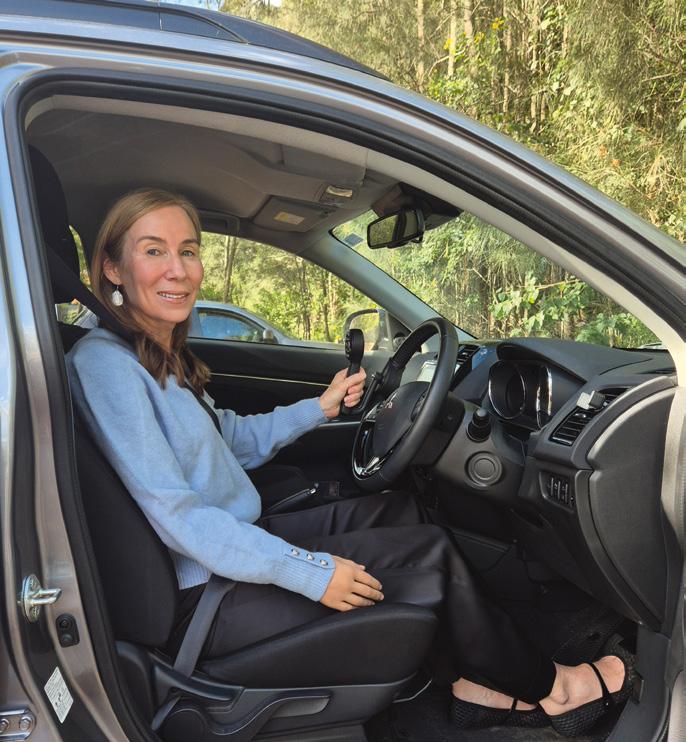
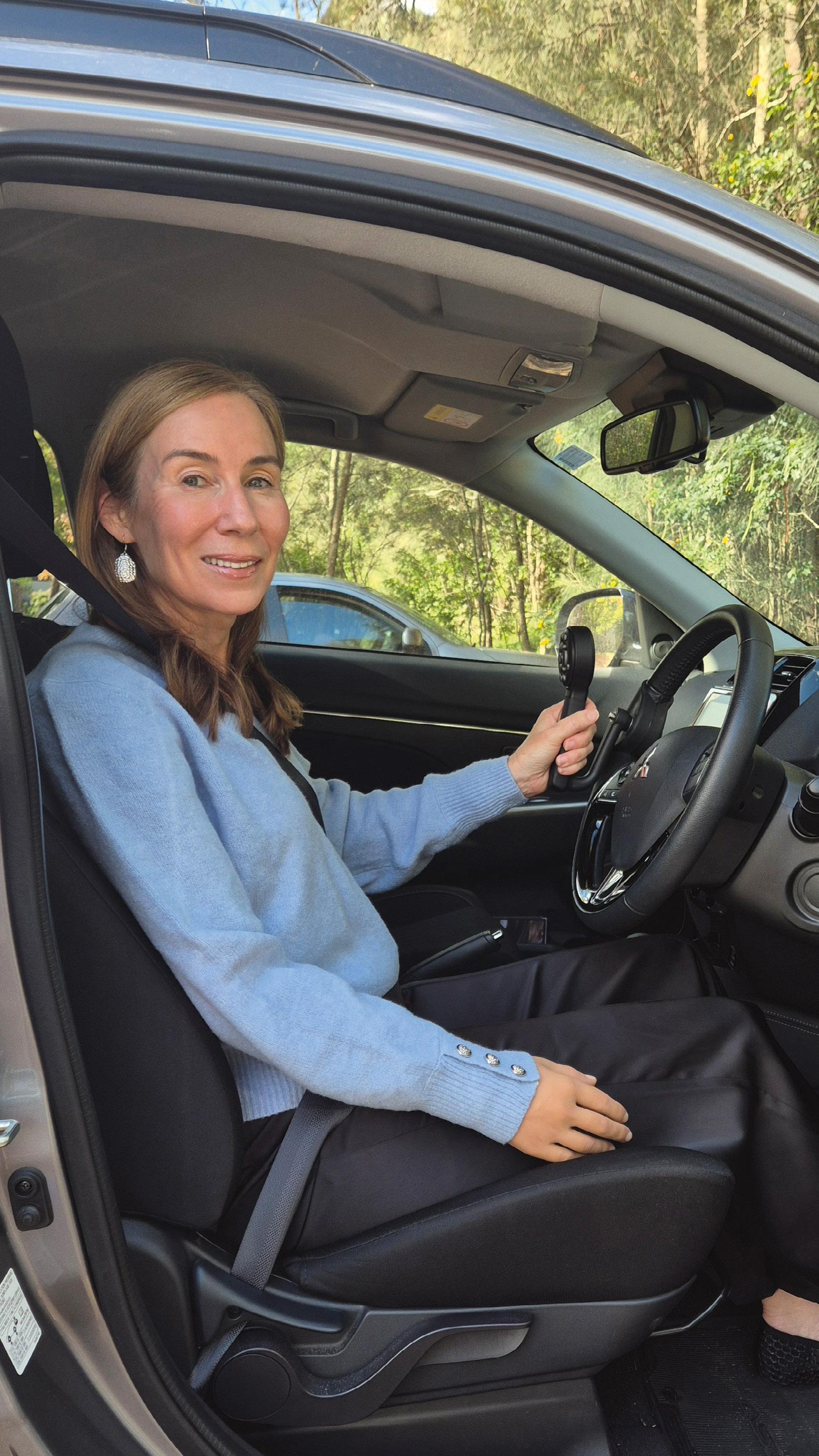
For individuals who are new to a disability there are many emotional and habitual elements of driving to adjust to. Mieres said: “when you’ve been driving with two arms for a long time, it’s difficult to understand how to do it with one. It was when I first sat in that dual-control vehicle to do the assessment that I realised how the spinner wheel modification would control the vehicle. Before that I couldn’t really comprehend it.”
Larsen-Truong says that OTDAs often hear that the biggest challenge for individuals is knowing where to start in getting their licence or getting it back. “The confusion is often over who can initially help them understand their options and obligations. Early input from an OTDA can help identity abilities and strengths, facilitate the trial of vehicle modification options, and oversee rehabilitation through individualised driving lessons.”
For Mieres, after that first assisted lesson with the spinner wheel, sitting and passing the driving test and trading
in her manual car for an automatic that could be modified took over 12 months to be back on the road.
Both Grant and Mieres had been driving for decades before a physical condition changed that. So going through the process again after not sitting a driving test for decades was an experience in itself.
Mieres quickly realised how things had changed since her original in-car driving test. Even after 10 or more professional driving sessions, she admits she was nervous for the formal driving test when the day came. “I was excited that I did pass on the first go, but things were different from when I first got my licence. Like when stopping at a stop sign, I had always remembered that we must stop for three full seconds whereas now, as long as the car is at a stop, under three seconds is fine.”
Grant realised that even though he’d been driving for 65 years, manoeuvring a modified car was going to be a complete change for his driving muscle memory, well before he could think about sitting the test again. “You should have seen me on that first lesson, I was like a silly child! The coordination
between hand and hand is so different to hand and foot. But anyway, I had about 10 lessons because I wanted to be absolutely certain I’d mastered it before going for the test,” he said.
For people with a new disability, there is an array of life adjustments that are projected upon them. A driver’s licence might not seem overly important, but in can heavily impact a life. Mieres remembers the relief she felt when in the hospital, the nurses told her that she would be able to drive again. “I guess driving for over 30 years and then all of a sudden not being able to was really hard. But the medical staff said I didn’t have to wait for the prosthetic arm, I could drive with one hand thanks to car modification equipment.”
“It was amazing to be able to drive again, it means independence and not relying on others or public transport. That sense of freedom is empowering” she said.
For Grant, getting his licence back he said, “it simply gave me my life back. I can go to Woollies or the butcher like I used to. I don’t have to think about an Uber or anything. And that’s such a better option than just staying at home.”
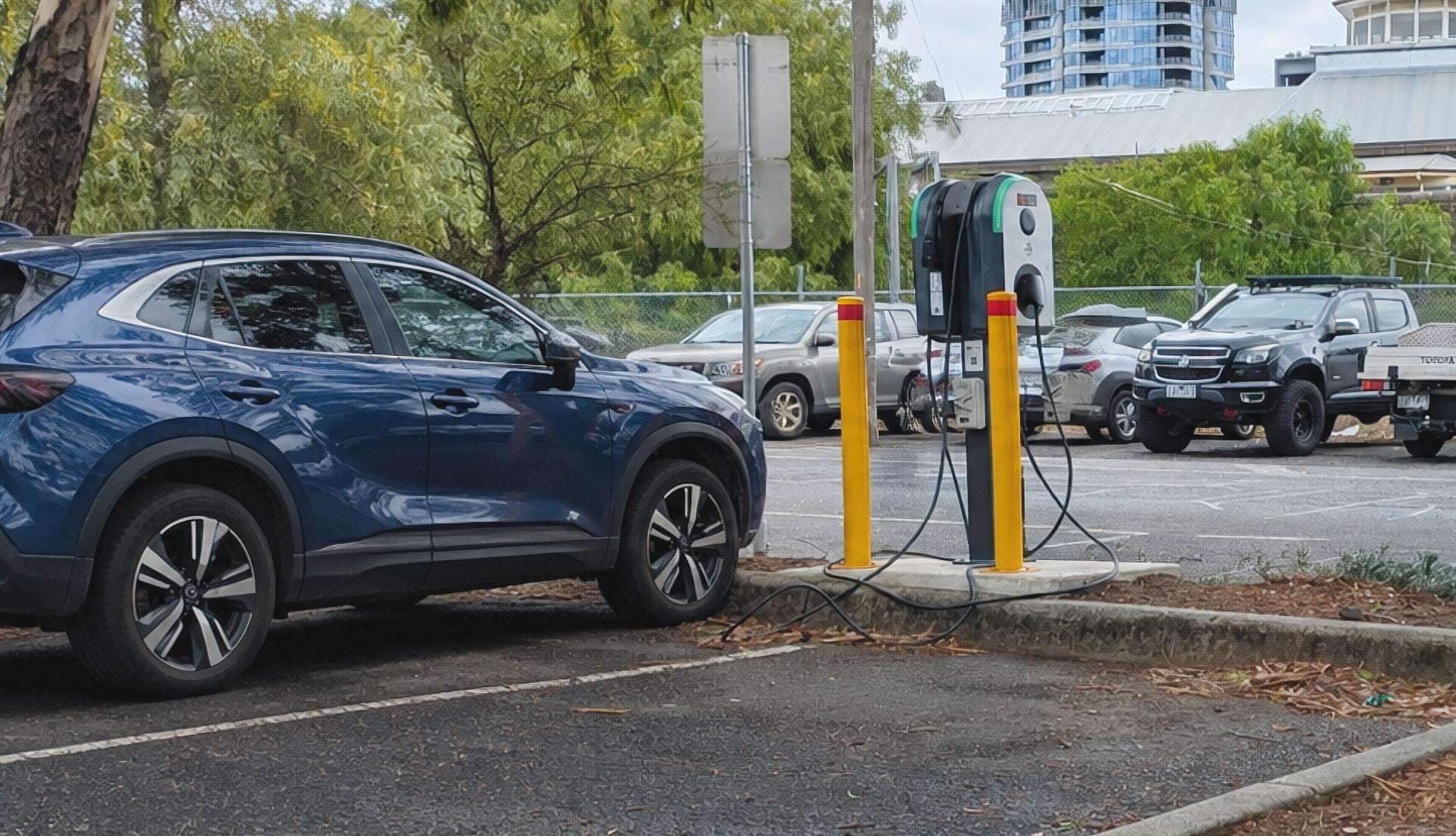
Electric vehicle planning leaves Australia’s disability community behind.
As petrol prices surge globally, governments are looking toward energy systems that are selfsufficient and reduce reliance on fossil fuels. This is bringing the purchase and infrastructure of electric vehicles back into public discussions.
Australian consumers are showing a rekindled interest in the electric options, as automotive industry data shows the category is growing. Electric vehicle sales accounted for 16.4 per cent of all new vehicle sales in April 2026, or around one in every six vehicles sold, which is an increase of 2.2 per cent from the same month in 2025.
Yet electric vehicle charging stations are not being designed with everyone in mind. A recent report by Austroads identified areas where charging station accessibility is lacking and provided practical steps to facilitate accessibility and inclusion for all drivers.
In response to these findings, Physical Disability Australia, a national peak
body, is calling for inaccessible charging infrastructure to be addressed before inequality is further embedded into the nation’s transport system.
“If Australia is serious about an electric future, it must be a future that includes everyone,” said Suzanne Gearing, CEO of Physical Disability Australia. “Accessible charging cannot be an afterthought. It is essential infrastructure. When disabled drivers are forced to rely on one bay being available, and not misused, that is not equality. It is exclusion by design.”
Physical Disability Australia is calling on governments, councils, developers, and charging operators to make universal design the standard by retrofitting existing sites, and introducing enforceable measures to protect access.
“This is a chance to build the right system from the start,” Gearing said. “We need leadership, urgency, and a commitment to dignity, safety, and equal access. This innovation will,
like the curb cut, become a welcome addition to recharging stations, and benefit not just to people with disability, but a significant portion of the community.
As Australia builds the transport network of the future, accessibility must be built in, not bolted on.”
Exploring the gap between receiving a wheelchair and achieving meaningful outcomes through reasoning, configuration and real-world use.
Access to a manual wheelchair is often described as life-changing, and rightly so. For individuals who rely on wheeled mobility, a wheelchair opens pathways to independence, participation, and connection with the world around them. Programs such as Wishes for Wheels, which is delivered in Australia by APEX Mobility in partnership with Motion Composites, play an important role in improving access for individuals who may otherwise go without life-changing mobility solutions.
However, access alone is not the endpoint, it’s just the beginning. In practice, the difference between having a wheelchair and having the right wheelchair is significant. A poorly fitted or generically prescribed wheelchair may meet an immediate mobility need, but it can also introduce longer-term challenges such as reduced propulsion efficiency, increased fatigue, compromised posture, and in some cases, secondary injury.
This is where the concept of appropriateness becomes critical. A manual wheelchair is not a passive device. It is an extension of the user’s body, influencing how they move, interact, and function across various environments. Decisions around seat dimensions, frame configuration, rear wheel position, and support components all contribute to how effectively a person can propel, transfer, and remain active throughout the day.
For example, a chair that is too heavy or poorly configured may require significantly more effort to move, particularly across common household surfaces such as carpet or thresholds. Over time, this increased demand can lead to
fatigue, reduced participation, and strain on the upper limbs. Conversely, a well-configured, lightweight setup can improve efficiency, enabling users to move more freely within their homes and communities, while managing tasks such as vehicle loading with greater safety and ease.
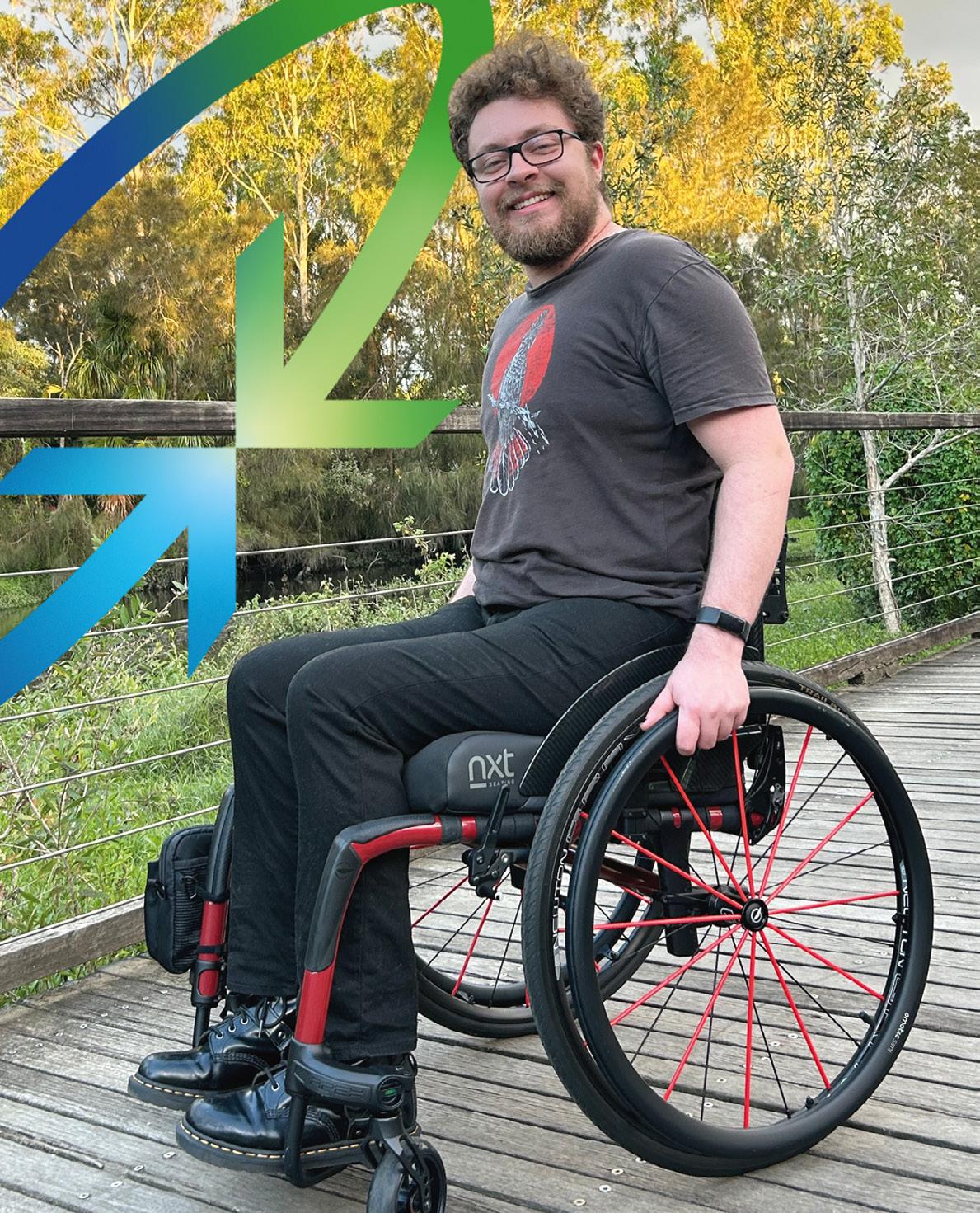
Postural considerations are equally important. Without appropriate support, individuals may adopt positions that impact comfort, pressure distribution, and long-term musculoskeletal health. These outcomes are rarely immediate, but accumulate over time, reinforcing the importance of getting it right from the outset.
Programs like Wishes for Wheels provide a valuable opportunity to bridge gaps in access. They also highlight the broader responsibility within the sector – to ensure that provision is not only timely, but also appropriate. This requires more than the delivery of equipment. It requires comprehensive assessment and thoughtful configuration and ongoing review.
The role of collaboration is central to this process. Clinicians bring expertise in assessment, goal setting and functional outcomes. Suppliers contribute detailed knowledge of product design and configuration options. When these perspectives are combined, the result is a tailored, efficient and sustainable solution for the individual.
Importantly, appropriateness is not a fixed state. As environments, goals, and physical capacities change, so must the wheelchair setup. Regular review and adjustment are essential to ensure that the equipment continues to support the user over time.
For the individual, the impact of this approach is tangible. A wheelchair that is well-matched to both the person and their environment can support participation in daily routines, reduce the physical cost of movement, and contribute to long-term health and independence. It shifts focus from simply getting by to actively engaging in life.
This perspective underpins the approach at APEX Mobility. While initiatives such as Wishes for Wheels are an important step in improving access, our focus remains on ensuring that every wheelchair provided can be configured to support meaningful and sustainable outcomes in real-world environments.
Because when it comes to mobility, access is essential – but appropriateness is what determines whether it works.
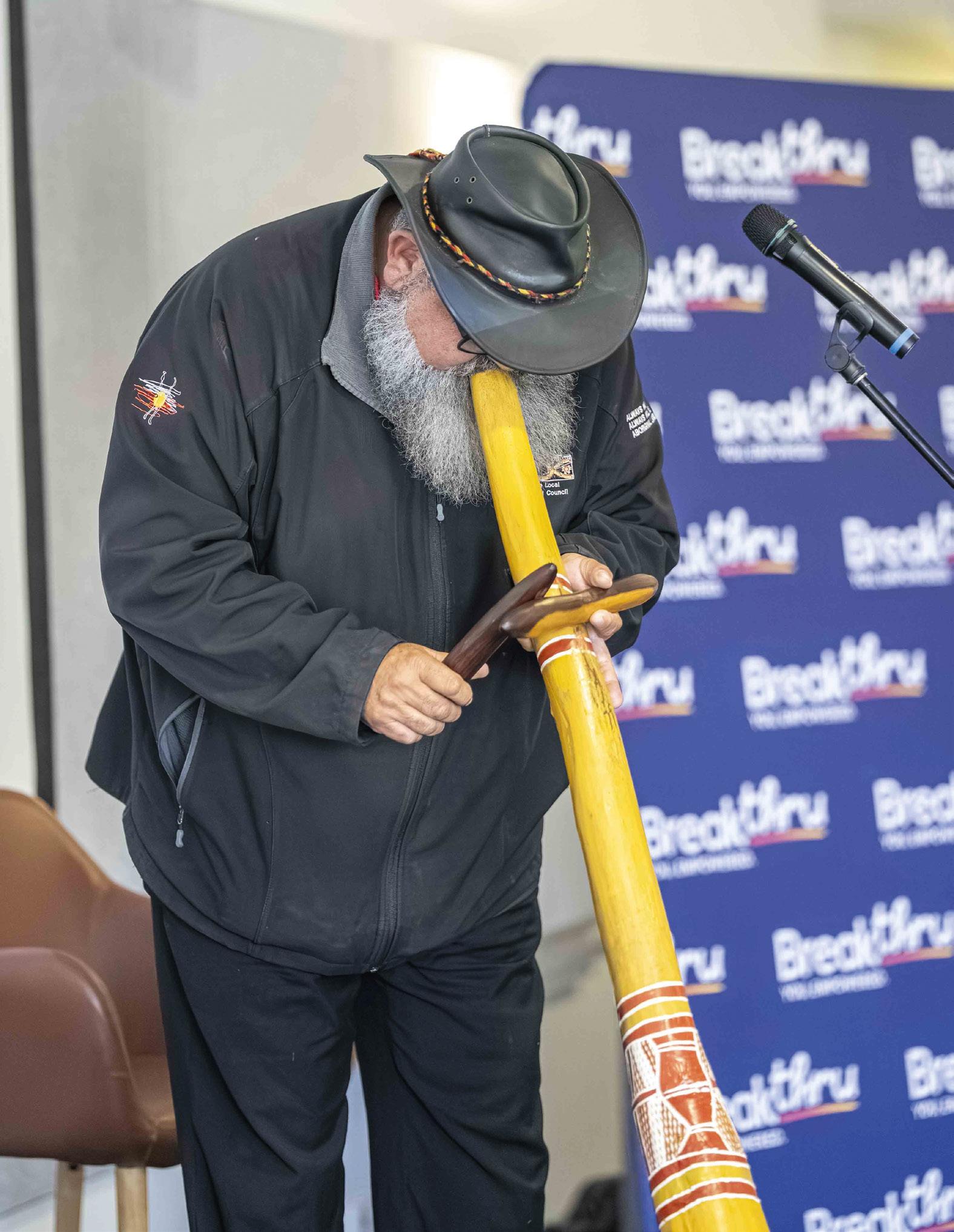
By Kymberly Martin
The Royal Rehab Group is offering employment support to people with disability, injury or health conditions, providing 30 new employment centres across the east coast of Australia, including several regional hubs.
Operating under the new Inclusive Employment Australia (IEA) program, Breakthru represents a major shift in how disability employment support is being delivered.
It will offer flexible, tailored support aligned to each person’s skills, interests and long-term goals to help people build meaningful, lasting careers,” Royal Rehab Group CEO Matthew Mackay said.
“Meaningful employment can have a powerful impact on a person’s life, helping foster independence, valuable skills and a sense of purpose. With expanded reach across New South Wales and Queensland, Breakthru will connect more people to meaningful work and collaborate with employers to build stronger, more inclusive communities,” he said.
The 30 new employment hubs will support more than 1,800 clients to build the life they choose, focusing on personalised, practical support that helps people with disability find work that compliments their existing skills and supports their long-term goals.
Among the first of Breakthru’s Tuggerah clients transitioning to the IEA program
was Shardan Whittaker, a 37-year-old living with multiple sclerosis, a spinal disorder and depression.
Prior to joining Breakthru in November 2025, Shardan’s previous employment support service secured her a role with Able Me Care, which offers domestic assistance, home maintenance and transport to help the elderly wanting to stay in their own homes for as long as they can.
For 15 years, Shardan struggled to find employment facing prejudice from employers who were reluctant to give her an opportunity because of her disabilities.
Now working part-time and choosing her own hours, Shardan’s title is admin and scheduler with her responsibilities including scheduling clients, assigning tasks to other employees and filing. The financial stability, routine and purpose her job offers has had knock-on effects, also aiding her depression.
Approaching a year in her role at Able Me Care, Breakthru offers Shardan ongoing support in the form of financial support for work attire and check-in’s with both her and her employer.
In addition to working part-time, Shardan is a self-professed nerd who enjoys video games, crocheting and K-Pop.
“My role at Able Me Care is the perfect job for me, and I couldn’t imagine working anywhere else. Ever since I started my job at Able Me Care, everyone around me said I’ve become a different person in a good way,” she said.
“My self-worth has completely transformed. Not only do I now have a sense of purpose and routine, but I feel that the work I’m doing is making a real difference with my favourite part of the job the gratitude our clients show me.”
She said the job has also given her invaluable financial security and peace of mind, aiding her depression and providing some comfort that when the time comes to invest in future care, such as mobility aids and neurologists.
For Cairns local, 25-year-old Julian
Visintin, who lives with autism spectrum disorder and a visual impairment, his full-time job with Nexar Security helped him develop his professional confidence, providing him with a purpose and sense of direction.
Prior to joining Breakthru in November 2025, Julian’s persistent work ethic was on full display, achieving personal goals that included losing almost 100 kilograms and beginning a security training program.
With Breakthru’s support, Julian was determined to achieve more of his goals which included obtaining his driver’s license and securing a job, with an eventual aim to work for the NDIS.
Taking into account Julian’s existing skill set and passions, the Breakthru team leveraged its network, identifying Nexar Security as a diverse company open to job carving and creating specific roles that met operational needs and created opportunities for Breakthru clients.
Working closely with the Breakthru team, Julian prepared for his job interview and obtained his security licence, blue card and yellow card with Breakthru financially supporting the endeavour.
With increased confidence, Julian impressed the Nexar Security team and was offered a position five minutes after his interview and was even asked to work his first shift later that night.
In addition to working full time at Nexar Security, Julian volunteers with several charitable organisations, including The Junction Clubhouse and disaster relief support, while continuing his fitness training with a triathlon coming up in July and a 300km charitable bike ride planned for September.
“Unlike other employment services I had previously worked with, Breakthru took a much more personal approach, taking time to understand my passions and qualifications, and continuing to check in with me even after I had retained employment, he said.
“I’m incredibly proud to be working full time at Nexar Security, with the job helping me grow my professional confidence and conflict resolution skills, while providing me with a
“My passion lies in mental health and disability support, with an eventual goal to work as a participant support officer for NDIS.”
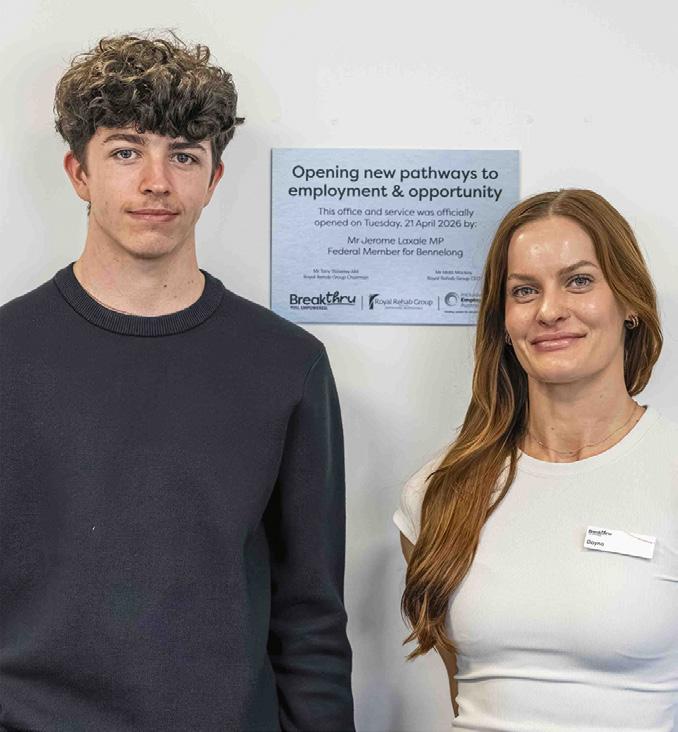
purpose and sense of direction. My passion lies in mental health and disability support, with an eventual goal to work as a participant support officer for NDIS, and this job has not only helped me develop the necessary skills but given me the opportunity to meet someone at NDIS by working in a corporate building.”
He also needs to have corrective eye surgery for keratoconus which affects his vision, “so I want to work while I can and save up for the surgery.”
Also shifting to the IEA program was 19-year-old Jack McGuire, who worked with the Breakthru team to fulfill his dream of becoming a Ford car salesperson. Among the first Breakthru clients transitioning to the IEA program is Jack McGuire, a 19-year-old living with ADHD and dyslexia whose passion for cars fuelled his dream of becoming a Ford car salesperson.
Feeling stuck in his former job and struggling to find a career he was passionate about with other employment support services,
Breakthru worked closely with Jack to identify jobs that aligned with his lifelong love for cars.
Determined to help him pursue the career he truly wanted, working with his partnership coach, Dayna, he visited dealerships across Sydney and the Northern Beaches until finally finding one open to a conversation, despite not actively hiring.
After persistently following up, addressing some of the employers’ initial concerns and advocating for Jack’s strengths, Dayna secured an interview for him.
In addition to improving Jack’s resume to more effectively appeal to car dealerships, Breakthru also arranged a practice job interview with a former car salesperson to grow his confidence.
With this preparation, Jack impressed the dealer, turning what began as a casual chat into a genuine opportunity. At the end of his recent interview, Jack was offered a role on the spot with Ford – his dream employer.
In addition to working three days a week at Ford, he also works at Services NSW two days a week and enjoys tennis and mountain biking outside work.
“I am beyond thrilled to be working at my dream job and hope to continue working in car dealerships, eventually working my way up to manager. My typical day-to-day involves helping customers, supporting the salespeople and taking customers on test drives.,” he said. “Having a job offers me financial security while keeping things interesting and allowing me to learn more about cars. I previously worked with another employment support service which did not offer opportunities that aligned with my passions, whereas within a month of joining Breakthru, I had an interview for my dream job.
“Even after securing employment, Breakthru continues to offer frequent support, checking in with both me and my employer, and identifying ways I can continue to strengthen my skills. Throughout my time at Breakthru, the team has really listened to me, working closely with me to tailor support and opportunities to my interests and skill set.”
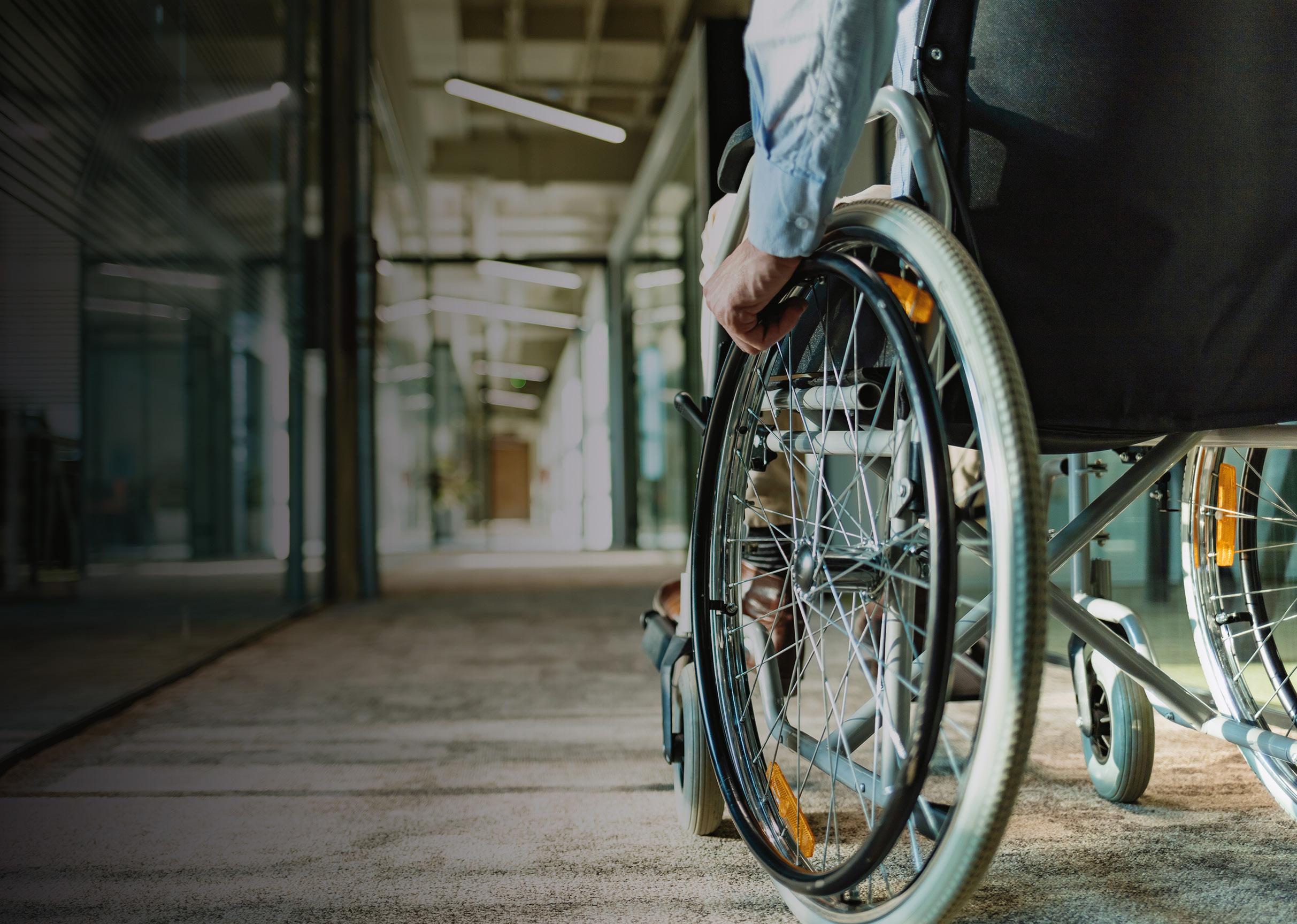
Australian Policy Online has released a paper that considers the labour market for people with disability and the employment challenges they face. It identifies the specific elements where change will be most impactful and will lead to greater workforce participation and inclusion for the community.
Statistics from the report indicate that there is a sizeable, jobready cohort within the disability community that is underutilised by the broader employment market:
• The participation rate for people with disability increased from 53 per cent in 2018 to 60 per cent in 2022.
• People with disability have a lower participation rate (60 per cent) and a higher unemployment rate (7 per cent) than those without disability.
• Around 260,000 people with disability are not employed but are potentially job ready.
• Commonly cited barriers include a lack of suitable jobs, transport problems and a lack of workplace adjustments, rather than reasons related to the individual’s disability.
Given these statistics and the barriers people with disability face, there are several employment programs designed to help.
One such initiative is the Supported Employment Advocacy Project that can help with employment advice, understanding rights, exploring employment options, and supporting individuals to make the best employment decisions for themselves.
This project is led by the Disability Advocacy Network Australia and Inclusion Australia, along with their nationwide group of members and intends to help people already working, young people with high support needs transitioning from school, families and carers.
“Around 260,000 people with disability are not employed but are potentially job ready.”
The project team will work with participants in stages, starting with a plan to gather accessible information to help them understand their opportunities and rights. This followed by workshops and information sessions (face-to-face, online or via easy read resources) concludes with individual advocacy support.
More information can be found at www.everyonecanwork.org.au/ workshops
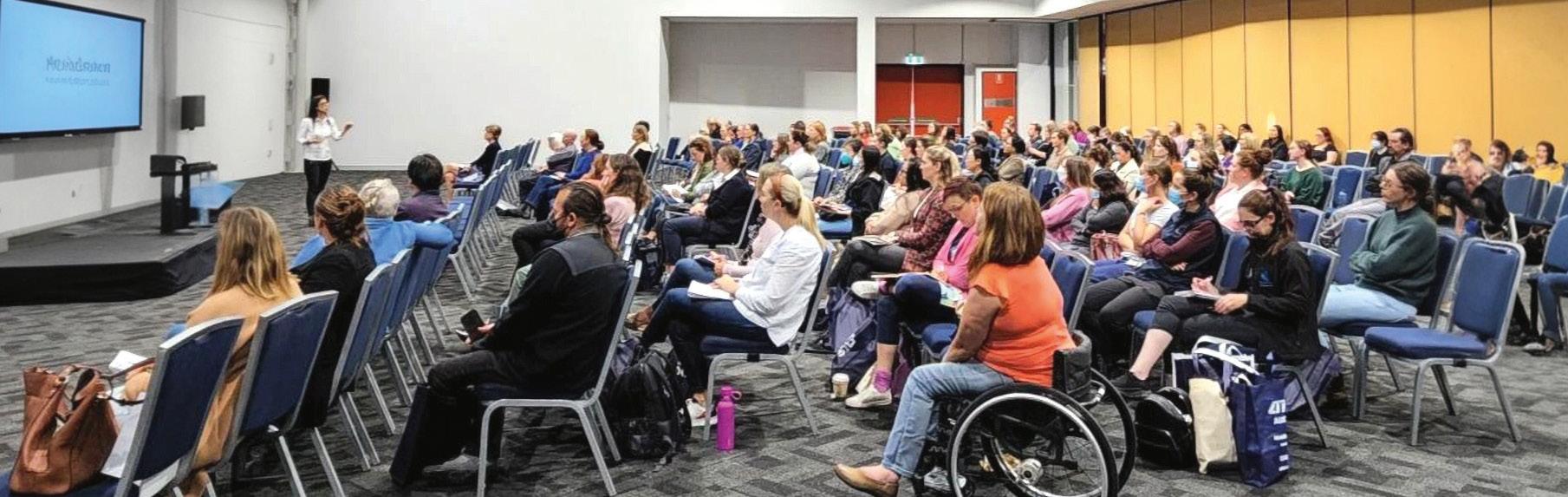
Technology is changing the everyday experience for people with disability and the professionals that work with them to plan their care. We are at a point of intersection where technology, and how it is used to treat and improve lives, can greatly impact the disability community and the direction of clinical treatment going forward.
The OT Lab offers occupational therapy professional guidance, training and support to help them make the most informed decisions possible for their clients that they can. LINK spoke to founder Joana Santiago who has 20 years of international experience in postural management, wheelchair seating, and assistive technology for her thoughts on the current position of technology and what she hopes the sector’s direction will be.
IN SEATING AND POSTURE HEALTH FOR PEOPLE WITH DISABILITY, WHERE IS TECHNOLOGY WITH PROGRESSING AND DOES THE CURRENT TRAJECTORY APPEAR TO BE POSITIVE?
We’re moving in a positive direction. Importantly, some of what we used to consider ‘future technology’ is already here, featuring cushions that are far more than just body supports, but pieces that can actively respond to the user.
For many people who cannot readjust their seated position themselves, there are pressure management systems for air positioning cushions that adjust in real time. Based on the person’s movements and adjustments, these systems redistribute pressure more effectively.
Smart sensors and pressure mapping are becoming more common and
are extremely helpful for clinicians in understanding what’s happening for their clients at home while going about their day. These insights, combined with overall more adaptive systems mean we can be more responsive which is changing how we approach seating and pressure care.
ARE THERE POTENTIAL DRAWBACKS TO CONSIDER WITH TECHNOLOGY BOOMING FORWARD?
Technology can create a false sense of security. Even the most advanced systems still need to be correctly set up, interpreted and reviewed over time.
In my experience, I’ve seen how attempts to apply a ‘one size fits all’ or ‘recipe’ approach can lead to poor outcomes. It’s critically important to maintain individualised, person-centred care. At the end of the day, it’s the conversations between the client and their clinical, (clinician) led by how they feel and what they are experiencing that makes the real difference to their lives.
Technology is fantastic at giving us access to objective, real-time information which is incredibly empowering for both users and clinicians and helps to drive decision making but can’t replace it.
ARE THERE ANY STAND-OUT ASSISTIVE TECHNOLOGY PRODUCTS ON THE INTERNATIONAL MARKET THAT MAY SOON HIT THE AUSTRALIAN MARKET?
Technologies like wearable sensors and early AI-driven systems are impressive on how they can recognise posture patterns and support personalised responses from clients. These are no longer just concepts, they are on
the market and are practical tools in pressure care.
Technologies such as Functional Electrical Stimulation (FES) and Exopulse are also becoming more widely used, supporting muscle activation, function ability and overall wellbeing which is quite exciting.
IF YOU COULD INVEST IN ONE CONCEPT THAT WOULD CHANGE OUTCOMES AND CARE FOR YOUR CLIENTS, WHAT WOULD IT BE?
Rather than creating something entirely new, I believe the real opportunity lies in a centralised system that combines AI and other intelligent systems, with the technology we have to improve everyday life.
We already have many of the building blocks, it’s about integrating them in a way that is meaningful and usercentred. For example, initiations like seizure detection with caregiver alerts, improved communication devices, and adaptive mobility solutions.
The future is exciting, but the real impact will come from the skill of combining smart technology with clinical expertise.

Students from the Master of Food Science and Agribusiness program at Monash University received a Gold award in the inaugural Accessible & Inclusive Packaging Design category at the WorldStar Student Awards for their Chun Accessible Water Bottle.
The water bottle was designed by students, Chun Ming Tsang, Queenie Wu and Keith James to support individuals with neurological impairments, particularly post-stroke users who experience limited mobility.
Chun Ming Tsang suffered a stroke in childhood, which caused a loss of mobility to his left side. Through daily experiences he realised how challenging it can be to perform simple tasks like opening a traditional water bottle, which typically requires twisting the lid with two hands. The design aims to address that barrier by enabling single-handed and even handsfree operation, empowering users with limited mobility to drink water independently and safely.
The bottle was developed under the inclusive design and accessibility category, guided by criteria such as
ease-of-use, ergonomic function and sensory guidance. Key innovative features include a spring-loaded, mouth-activated opening that allows users to push down with their top lip to drink and once released, automatically seals to prevent leakage. A bayonet-style twist mechanism replaces the traditional multi-turn cap, requiring only a short turn with one hand.
“Receiving the WorldStar Student Award is a tremendous honour. The idea behind this innovation was inspired by my own stroke recovery journey and the challenges of using everyday packaging with reduced mobility,” Chun Ming Tsang said. “I hope this recognition encourages the industry to place greater focus on accessible and inclusive packaging design that supports a wider range of consumers.”
For Keith James winning the award validates the importance of accessible design in everyday products. “As I pursue a career in assistive technology design, focused on developing devices that support people with specific needs, this award reinforces my commitment to inclusive, human-
centred design. It motivates me to continue creating thoughtful solutions that empower individuals and promote greater independence in their daily lives,” he said.
MINT RECYCLABLE TOOTHPASTE TUBE RECEIVES TWO AWARDS
Also picking up an award was Robin Luo, a student from the Industrial Design School, UNSW. He received a Gold Award in the Health and Personal Care category and a Bronze Award in the inaugural Accessible Packaging category for his project Mint Recyclable Toothpaste Tube.
The Mint toothpaste tube was designed in response to the significant waste and environmental impact caused by traditional toothpaste tubes.
“Mint is a fully recyclable toothpaste tube made from polypropylene and was inspired by my experience working in the waste industry, where I often saw large numbers of toothpaste tubes being ‘wish-cycled’ despite not being recyclable,” Luo said.
There were 246 entries from 90 education institutions across 23 countries for the 2026 awards.
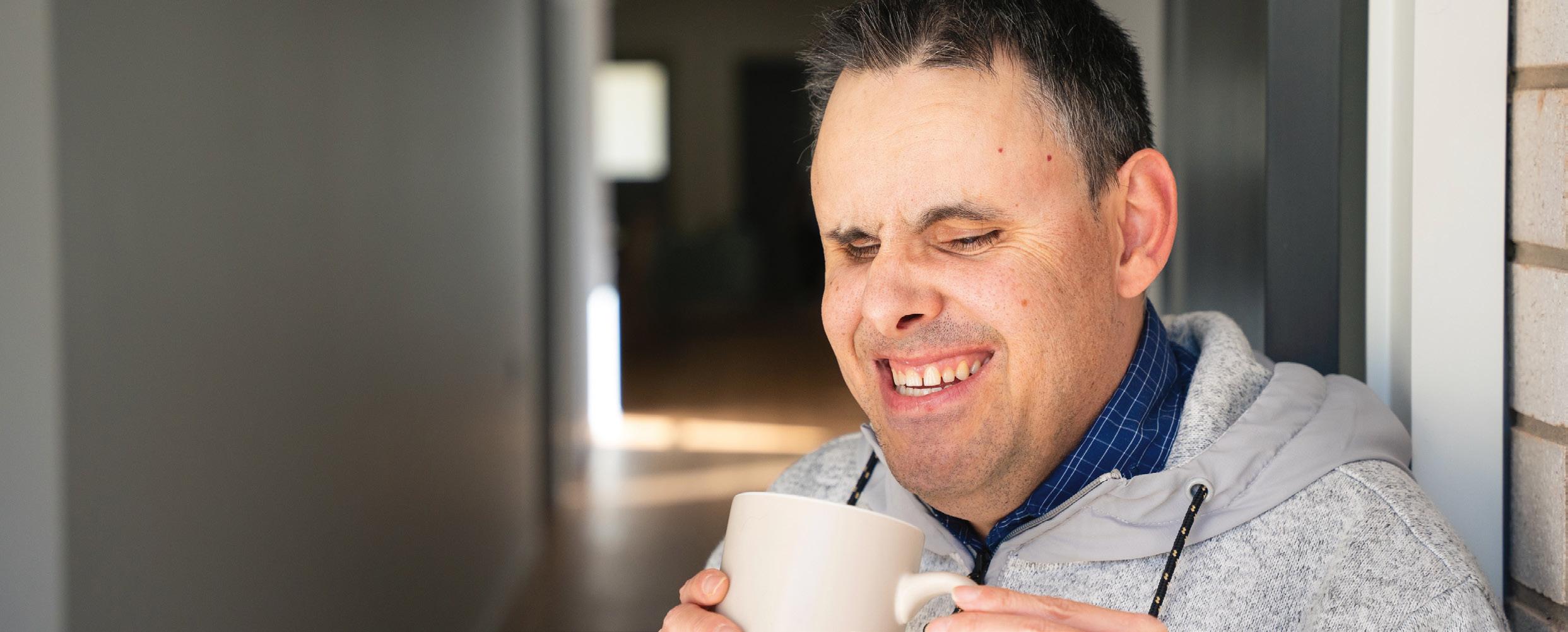
There is always something happening in Cameron Fetter’s world, whether it is playing music, catching up with friends over coffee, or heading out into the community.
Cameron, who is vision impaired, has been part of the Endeavour Foundation community since he was 15.
Over the years, he has built a full and active life through Learning and Lifestyle programs, community access, and regular social dinners, forming strong connections along the way.
“Being part of Endeavour Foundation means everything to me,” Cameron said. “I feel safe and fantastic.” As Endeavour Foundation celebrates 75 years, Fetter’s story shows what choice, control and the right support can make possible.
A major milestone in Fetter’s journey was moving into his current supported home in Toowoomba, a space designed to suit his needs and support his independence in everyday life. “I was very excited,” he said. “I have a flat driveway that is safe for me to walk to the taxi, wider hallways to move around the house freely and enough space in my bedroom for my keyboard, so I can practice when I have time.”
The accessible layout has made a noticeable difference, with Fetter’s daily routine.
“Having vision impairment aids like the kettle tipper and liquid level beeper means I can make my coffee independently,” he said. Support worker Awien Thiik, who has worked with Fetter since 2022, has seen
that growth firsthand. “Cameron uses aids to make his own tea or coffee. He moves freely to the fridge, fixes himself lunch and manages his laundry with minimal support,” Thiik said.
Fetter’s home is part of Endeavour Foundation’s My Home, My Life (MHML) program - an initiative that creates accessible homes to give people with disability greater choice, independence, and security.
Since 2020, Endeavour Foundation has invested $33 million in the MHML program, creating more than 60 new or renovated homes and benefiting the lives of more than 200 people who now proudly have a place of their own.
The impact of that thoughtful design is clear in Fetter’s day-to-day life. He moves freely, completes tasks independently, and enjoys a space that reflects his personality - a space of his own where he can relax and do what he loves.
SHARING HIS LOVE FOR MUSIC
Music is at the heart of Fetter’s story and something that brings him, and those around him, a great deal of joy. He began playing instruments at just three years old and has built his skills over time. From keyboard and guitar to the ukulele, music has always been a constant in his life.
“I enjoy the noise of the instruments,” he said. Fetter regularly shares his talent with others, performing weekly at a nursing home where his music lifts the spirits in the room.
“I play every Friday at the nursing home. I enjoy playing for other people,” he said.
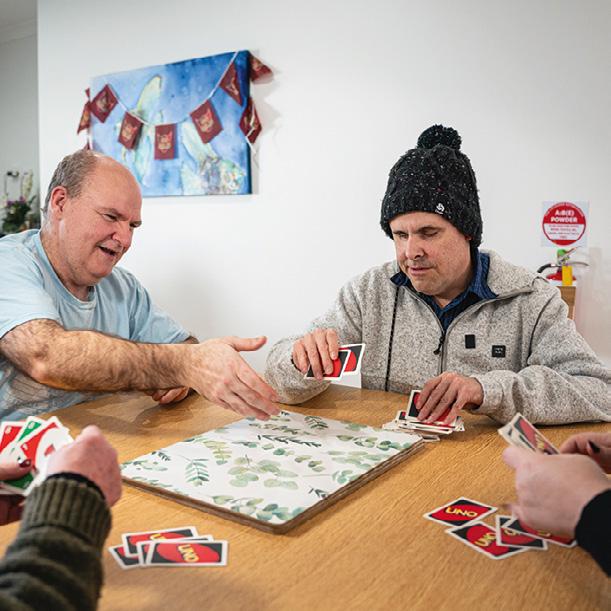
At home, his keyboard is never far away, ready to play, practice, or simply enjoy the moment. “Even if I am visually impaired, this does not stop me from living my life,” Fetter said. “I’m talented. I play the keyboard very well and can sing rock and roll, and country music.”
Outside the home, Fetter has a busy and social life and makes the most of every opportunity to stay connected. He spends time with friends, heads out for coffee or lunch, and takes part in community activities.
Thiik said it’s incredible to see the confidence he has out in his community.
“Cameron likes to know who is supporting him. He appreciates respect, staff who understand his routine, and being allowed to make his own choices,” Thiik said. “Working with Cameron, you can see he is confident, independent, talented and very social.”
Looking back, Fetter is clear about the role Endeavour Foundation has played in his life.
“Endeavour Foundation keeps me safe and healthy, supports me to be independent, and the people I live with are like my family.” Fetter’s story shows what is possible when people are supported to live life their way, with choice, control, and the freedom to follow what they love.
If you’re looking for a place to call home where you can feel supported and live more independently, explore what’s available near you.
Powering regional tourism where accessibility is firmly in mind.
“We have done a lot of work over the past five years to improve accessibility as accessible tourism is an $8 billion dollar industry in Australia. We should be catering to that market while at the same time recognising it is important journey to be taking,” Bathurst Regional Council Cultural & Community Services director, Daniel Cove told LINK
“Across the visitor information network accreditation and accessibility is what most regions aspire to for this growing industry,” he said. “It’s a very important part of what we do in Bathurst. We are


and delivery area to improve wheelchair access by lowering counter heights.
Cove said funding remains the biggest challenge to core business but there is no downside when it comes to improving accessibility for promoting the region.
an accessible friendly destination that is Accessible Tourism Accredited.”
The centre has launched a Guide to Accessible Bathurst, to make the visitor experience easier. Available in digital and print formats, it is reviewed and updated regularly as local businesses improve their accessibility offerings. The centre has a free electric wheelchair recharging station, accessible toilet facilities and accessible parking.
Depending on funding, the centre plans to redesign its service counter
“Few tourism campaigns have focused on this and accessibility was usually an afterthought, but that is changing. A decade ago, no one was talking about accessible tourism, it was a subset of the industry but is now a keynote at travel conferences.”
This thriving regional centre has historic villages and motor sport racing to attract visitors. It is also the regions first energy-positive facility with sustainability across all operations that includes NRMA and Tesla superchargers and public water refill stations.
For details on accessible attractions and accommodation go to: www.bathurstregion.com.au/aboutbathurst/accessible-bathurst
Finding out your travel supports aren’t funded in your NDIS plan can feel discouraging, especially if you’ve already started planning.
In many cases though, it’s not a firm “no”, but a sign that something needs to be clarified, better aligned or documented differently.
NDIS funding doesn’t cover “holidays” as such. What it may fund are the supports you need while away - the same kinds of supports you receive at home.
Funding sometimes gets declined when:
• Travel isn’t clearly linked to your goals
• Support needs aren’t well documented
• Travel costs and support costs are misunderstood.
The key distinction is the NDIS may fund disability-related supports, not the travel itself.
Supports during travel may be funded if they are reasonable and necessary, such as:
• Personal care or daily living support
• Assistance to participate in community or social activities
• Support workers required due to disability-related needs
• Skill building and development.
Flights, accommodation, and general holiday expenses are typically not funded unless there are specific circumstances.
Focus on clarity and collaboration:
• Link travel to your goals (e.g. skill building, independence, community participation, socialisation)
• Clearly explain what support is needed and why
• Plan ahead and gather quotes for plan reviews
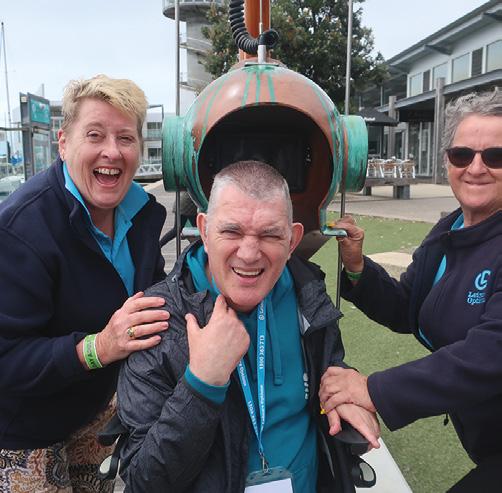
• Ask questionsunderstanding matters more than assumptions.
Working together with your coordinator:
• Your Support Coordinator and Plan Manager can help navigate this.
• Document your support needs clearly
• Clarify what is “reasonable and necessary”
• Explore how supports can be delivered.
If travel matters to you, it’s worth the conversation. With the right planning, what feels like a “no” can often become a “let’s look at how.”
For those unsure how to coordinate support while travelling, providers like Leisure Options can help align supports with your plan.
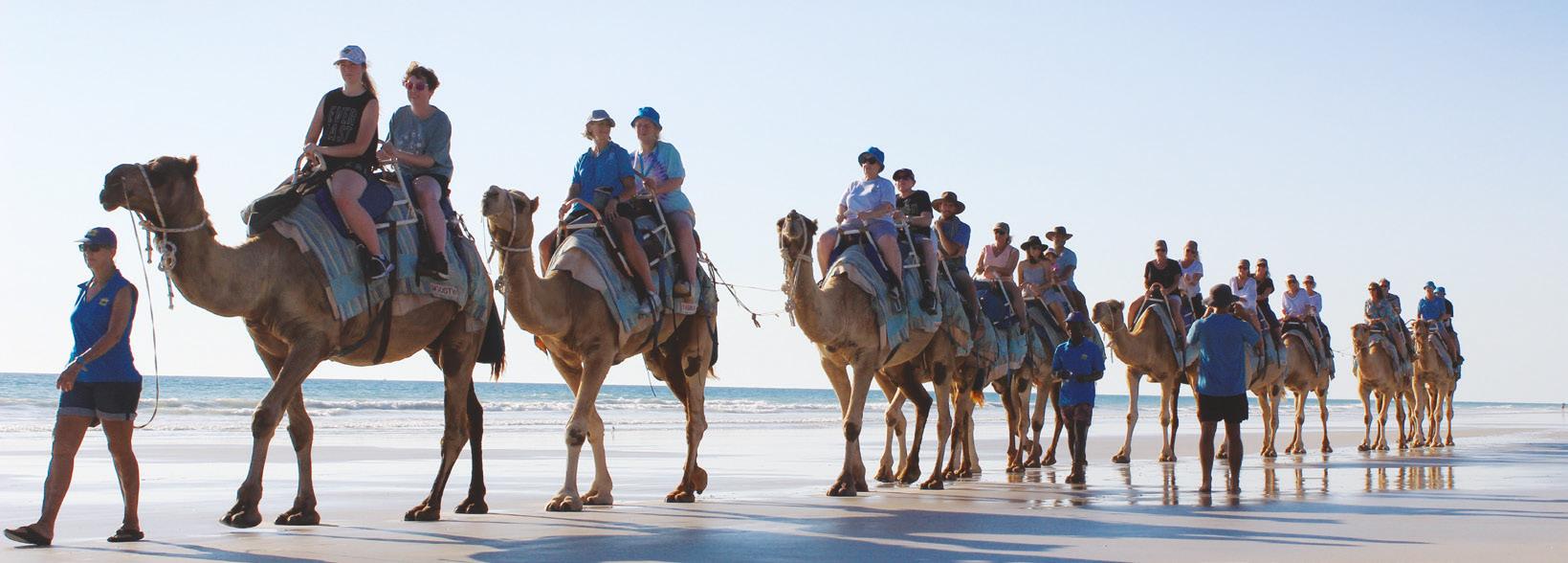
With more than 30 years’ experience in both the travel and disability industries, Leisure Options is
only national award-winning, accredited travel agent specialising in supported travel
• Focus on providing holidays that allow maximum choice, loads of fun, high staffing ratios, commitment to individual needs, and a supportive holiday environment
Choice of either group or individualised touring
Respite care offered in a stimulating and fun-filled environment
Over 80 departures annually to local, national and international destinations
• Passionate, energetic, and professional tour leaders with extensive qualifications and a world of experience
Registered service provider with the NDIS


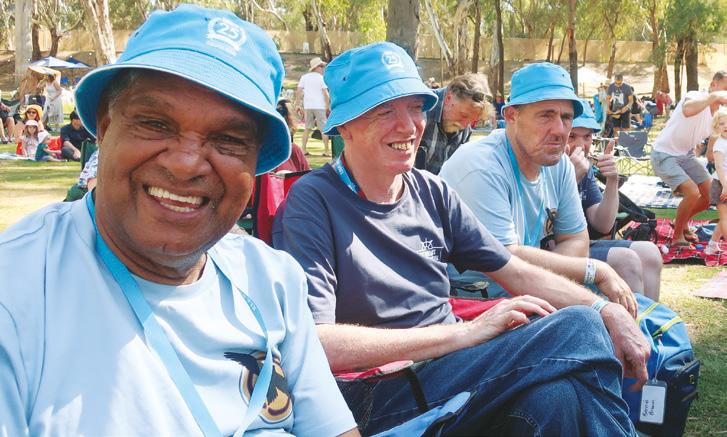
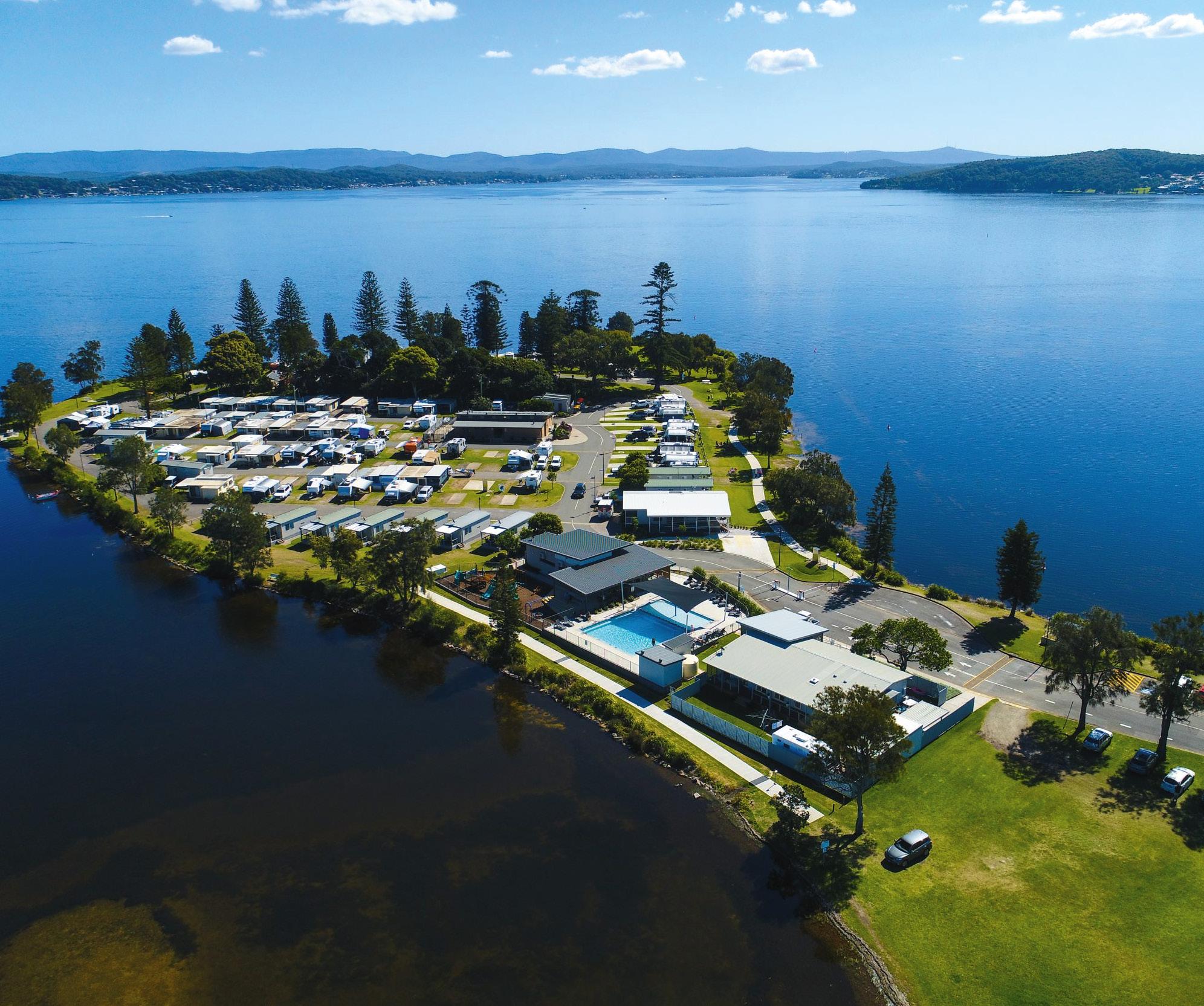
Sails Holiday Park in Lake Macquarie is expanding its inclusive holiday options for people with disability and their families, with new accessible camping and caravanning accommodation at Belmont on the NSW Central Coast.
The upgrades include two accessible cabins, an accessible safari tent and a family safari tent, improved accessible pathways and wheelchair-friendly ramps, a communal outdoor BBQ area, as well as a swimming pool hoist and aquatic wheelchair.
The accessible cabins and safari tent include adjustments like access ramps, automatic doors and blinds, motorised adjustable kitchen benchtops and accessible bathrooms.
Since its opening in late 2023, bookings for the inclusive cabins and safari tent have increased by nearly 22 per cent year-on-year, with over 800 travellers making use of the facilities.
“Since introducing the inclusive and accessible accommodation options we have seen a marked increase in visitation to the park and, despite wet conditions in 2024/2025 we received over 28,000 tourist guest nights,” according to Lake Macquarie City Council Holiday Parks coordinator Garry Ellem.
“While parks might not fit the typical mindset of a person with disability, the accessible bathrooms and footpaths improve their experience and also allow for an older generation of
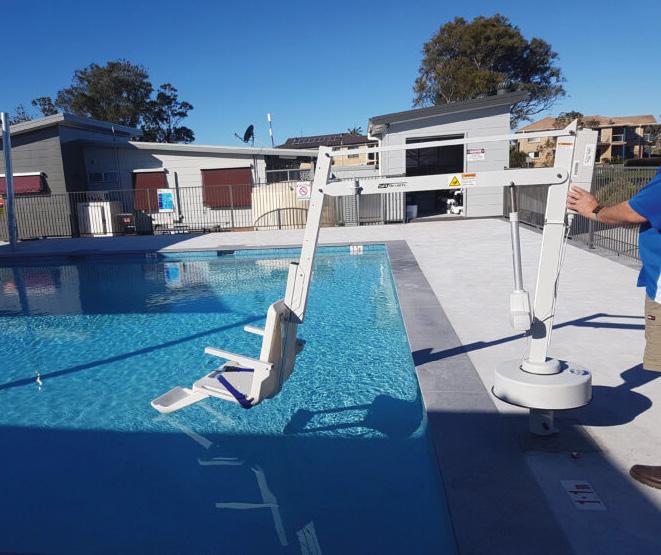
adventurers to continue to travel and explore the region,” he said.
For more information visit: www.lakemacholidayparks.com.au
While robots were the star attractions at the InnoEx and Electronics Fair there were other interesting innovations that caught LINK ’s attention.
Among them was the Haylo Assistive AI headband developed for neuro divergent children that founder Sachin Deshpande said is a standalone device that does not require a smartphone or app to use once it is fully connected. Developed in the UK, the glasses take an image of what the student is working on and can request it be read out, helping the user understand both spoken and written language. A protype was on display, but a 200-unit pilot through schools is scheduled with availability later this year.
The headband weights just 30g, can be comfortably worn all day, and expanded to fit students aged 7 to 15 years. It will be available in gloss and matte finishes in a range of colours and cost A$550 with a A$35 monthly subscription that gives students progress and updates.
Another exhibitor was WhalesBot, a leading provider of STEM education solutions for children and young students. It is the world’s first all-inone educational and robotics facility featuring a dedicated AI and robotics research laboratory and a global platform.
According to global business director Matthew Chou, STEM knowledge can be hard to understand for some young students and those with autism. “Our magnetic coding blocks with colourful pieces and hands-on coding simplify STEM concepts that brings life to their little robots.”
The range of educational resources have been available in Melbourne and Sydney high schools for several years. “Most of our solutions are for educators. How to make and build drones into the physical environment such as the low-altitude economy
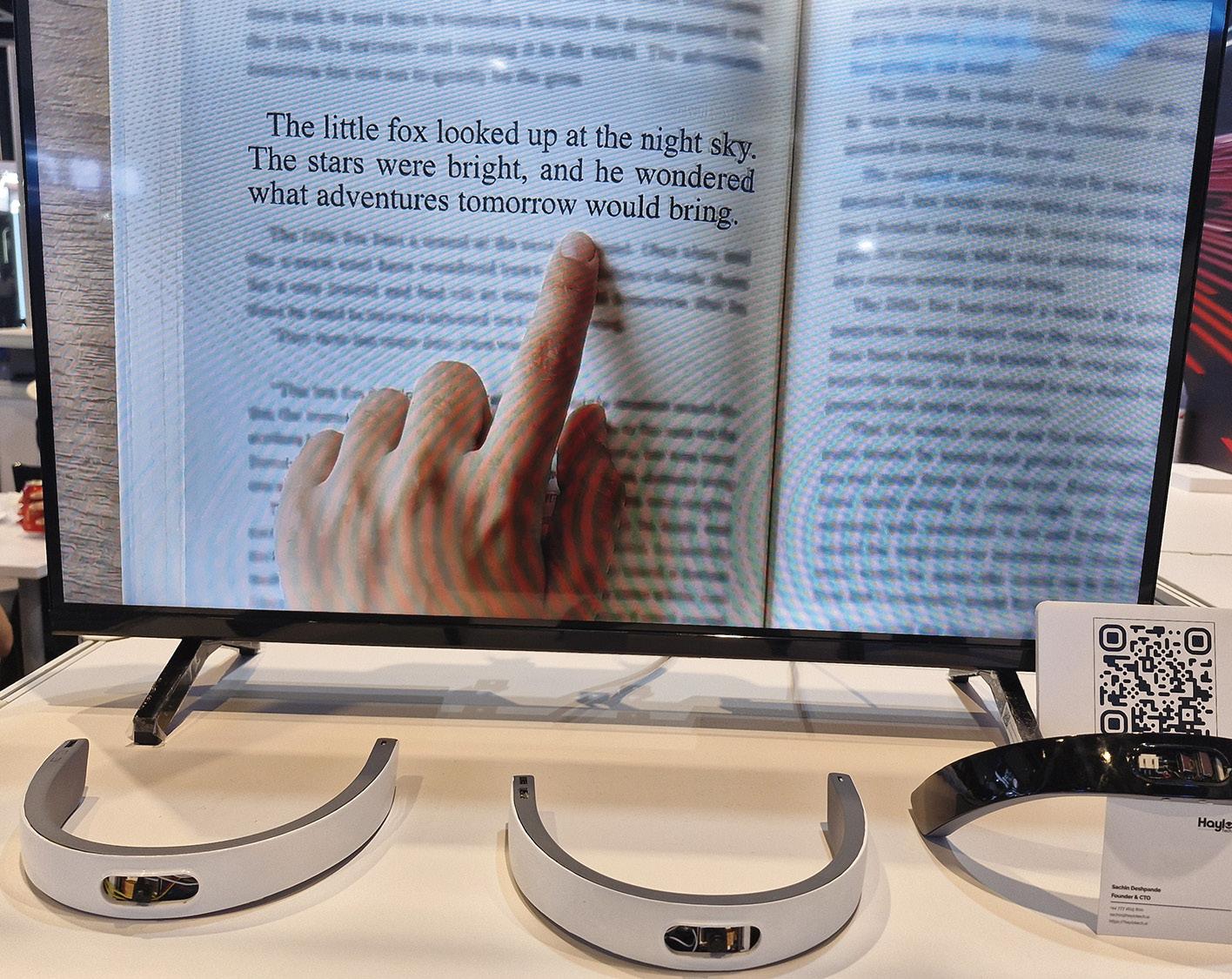
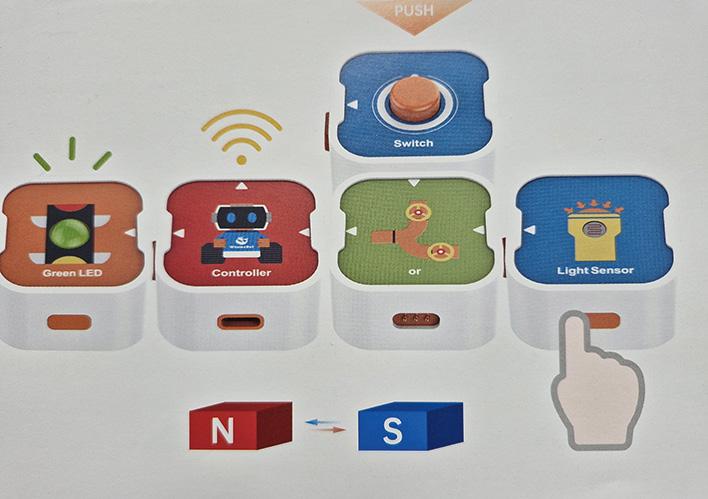
and a lot of concepts can be taught through engaging and hands-on activities,” he said.
In the beauty space was a hands-free hair dryer from the Goodwell Group that reduces the burden on shoulders and neck with a built-in ionic system that minimises frizz and static. Also applicable for pets and clothing.
Still in the pet space. Another company VGO introduced the Pet Hair Dryer that features a concentrator nozzle, a diffuser for adding volume and shape and a massage brush nozzle that dries and grooms at the same time.
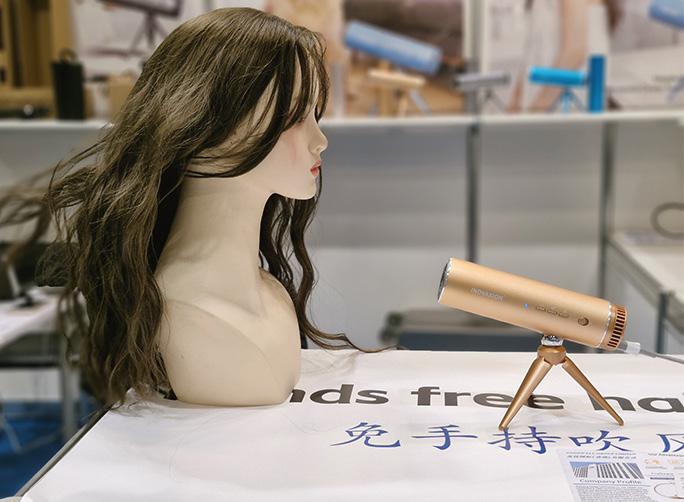
Focus on Ability brings Australia’s most inspiring stories to the big screen
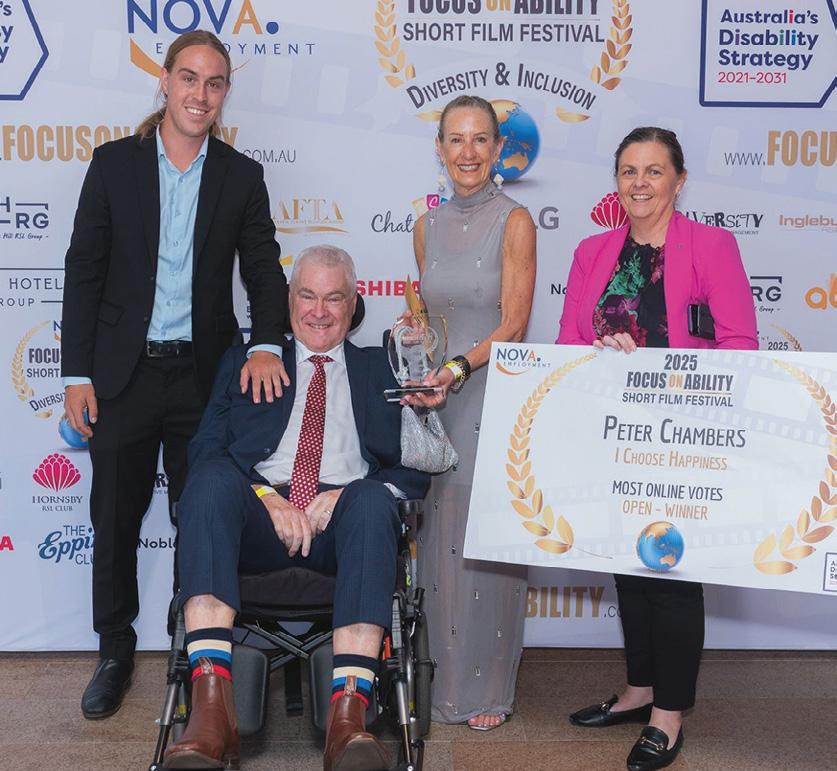
The Focus on Ability Short Film Festival is once again bringing powerful, real-life storytelling to audiences across the country with a series of free, inclusive screenings set to take place in cities nationwide. These events offer a unique opportunity for communities to come together and experience inspiring films that celebrate the talents, achievements, and everyday lives of people with disability.
Running throughout September and October the 2026 screening tour will visit major locations including Brisbane, Sydney, Canberra, Adelaide, Fremantle and Melbourne, before culminating in a red-carpet awards event in Sydney in October.
Each screening showcases a curated selection of short films and documentaries created by Australian and international filmmakers, all centred on the festival’s core message—shifting perceptions by focusing on ability, not limitation.
What makes these screenings particularly special is their accessibility and inclusivity. To ensure that cost is never a barrier to participation, all events are completely free to attend. However, due to strong demand, registration is essential via the official
website, www.focusonability.com.au
This simple step helps organisers create welcoming, well-supported environments for all attendees.
Audiences can expect more than just a film screening. These events are designed as shared community experiences. Spaces where people can connect, reflect, and engage with stories that challenge stereotypes and highlight resilience, creativity, and human connection. From school students and emerging filmmakers to industry professionals and families, the screenings attract a diverse audience united by a common goal: celebrating inclusion.
The films themselves are the heart of the experience. Each one offers a glimpse into the lives of individuals with disability, showcasing not only challenges but also achievements, ambitions, and unique perspectives. Many viewers leave with a renewed understanding of inclusion and a deeper appreciation for the power of storytelling. The festival has a proven track record of changing attitudes, with millions of viewers worldwide impacted by its films over the years.
In Brisbane, audiences will have the chance to attend both daytime and evening sessions, while other cities
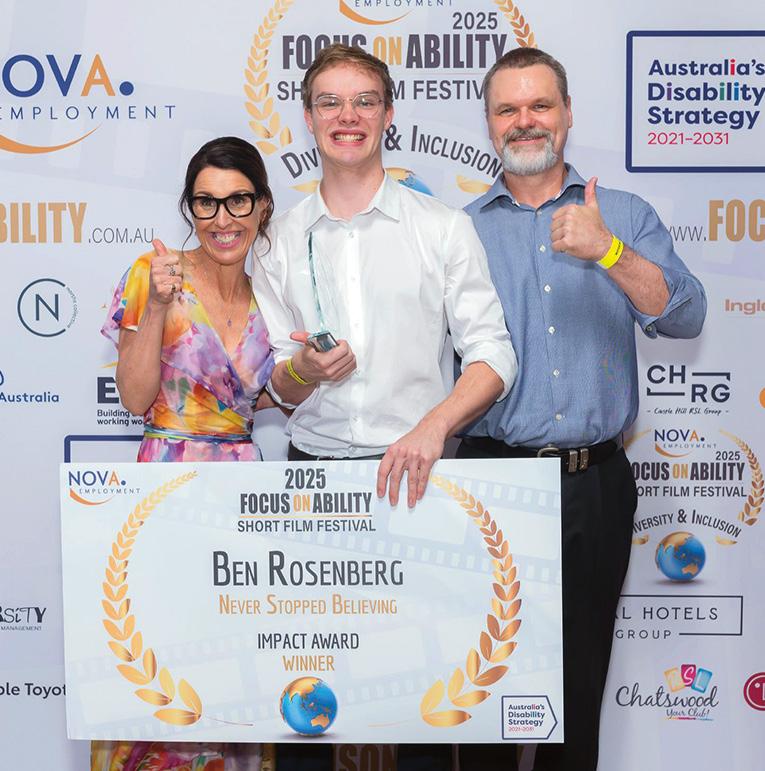
host dedicated screening events in accessible venues ranging from theatres to cultural institutions. This national reach ensures that communities across Australia can engage with these important stories locally, rather than needing to travel to a single central event.
The screenings also play a vital role in building momentum toward the festival’s prestigious awards ceremony. They provide filmmakers with the invaluable experience of seeing their work on the big screen, often alongside a live audience reacting in real time. For many, it’s a powerful and emotional moment that reinforces the importance of sharing these stories.
Ultimately, the Focus on Ability screenings are more than just film events—they are a celebration of community, diversity, and the belief that everyone has a story worth telling. By attending, audiences are not only supporting filmmakers but also contributing to a broader cultural shift toward greater understanding and inclusion.
To be part of this inspiring national event series, register your place and explore screening details at www.focusonability.com. au/2026screenings
Vision Australia Radio will change its services in Melbourne, Adelaide and Perth from AM frequencies to DAB+ (digital radio), effective July 1 2026.
From this date broadcasts in these cities will no longer be available on AM, however, services continue on DAB+, remaining free-to-air and accessible to listeners.
The transition marks a significant change for the network, which has supported people who are blind or have low vision to access information for more than 40 years.
According to Vision Australia the move is essential to modernise the service and ensure its long-term sustainability.
“Each month, more than 500,000 people listen to Vision Australia Radio. It’s a vital way for us to help people who are blind or have low vision stay informed and connected with their
communities,” said Vision Australia CEO David Williamson.
“We know how passionate our listeners are, and we’re committed to continuing their favourite programming. Moving from AM to DAB+ will significantly reduce operating costs, while maintaining our focus on locally produced, relevant content for the blind and low vision community.”
Although AM broadcasts will cease in these locations, listeners will still have multiple ways to access the service.
“Many listeners already use DAB+ and benefit from its clearer sound, but there are other options available,” he said.
All Vision Australia Radio content can be streamed via its website or through the Community Radio Plus app. Smart speakers, including Amazon Echo devices, can also play Vision Australia Radio, and podcasts remain available.
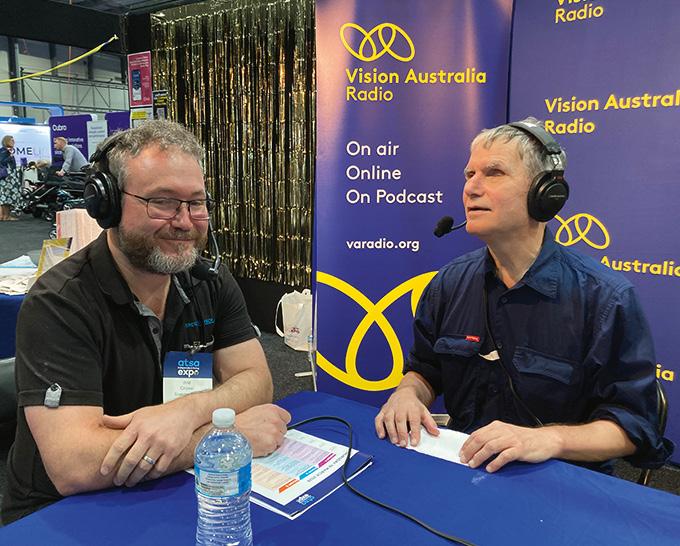
“We want all our listeners to continue tuning in. We’ll be sharing regular reminders across our broadcasts and other channels, along with information on how to keep listening. We can also assist anyone who is blind or has low vision to set up the best listening solution or device for them.”
More information is available on the Vision Australia Radio website, www.radio.visionaustralia.org or for practical support email: radio@visionaustralia.org
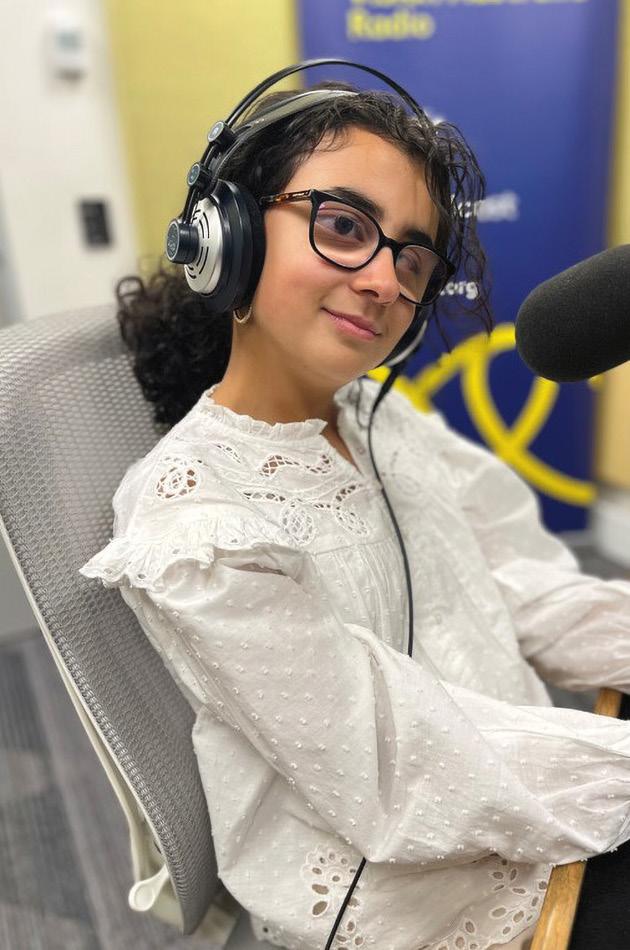
Where Is My Coffee? (WIMC) Nunawading café run by VMCH, has been recognised with a Whitehorse Excellence in Business Award in the NotforProfit/Social Enterprise category.
The café is part of VMCH’s wider Social Enterprise program, which includes cafés across Victoria, Op Shops, a horticulture team and a woodwork program.
Ryan, who joined WIMC Nunawading as part of VMCH’s job skills program recently secured employment as a transport assistant with Travellers Aid, a role that supports older people to travel safely and independently.
VMCH planned to open its sixth cafe at Bendigo TAFE in May.
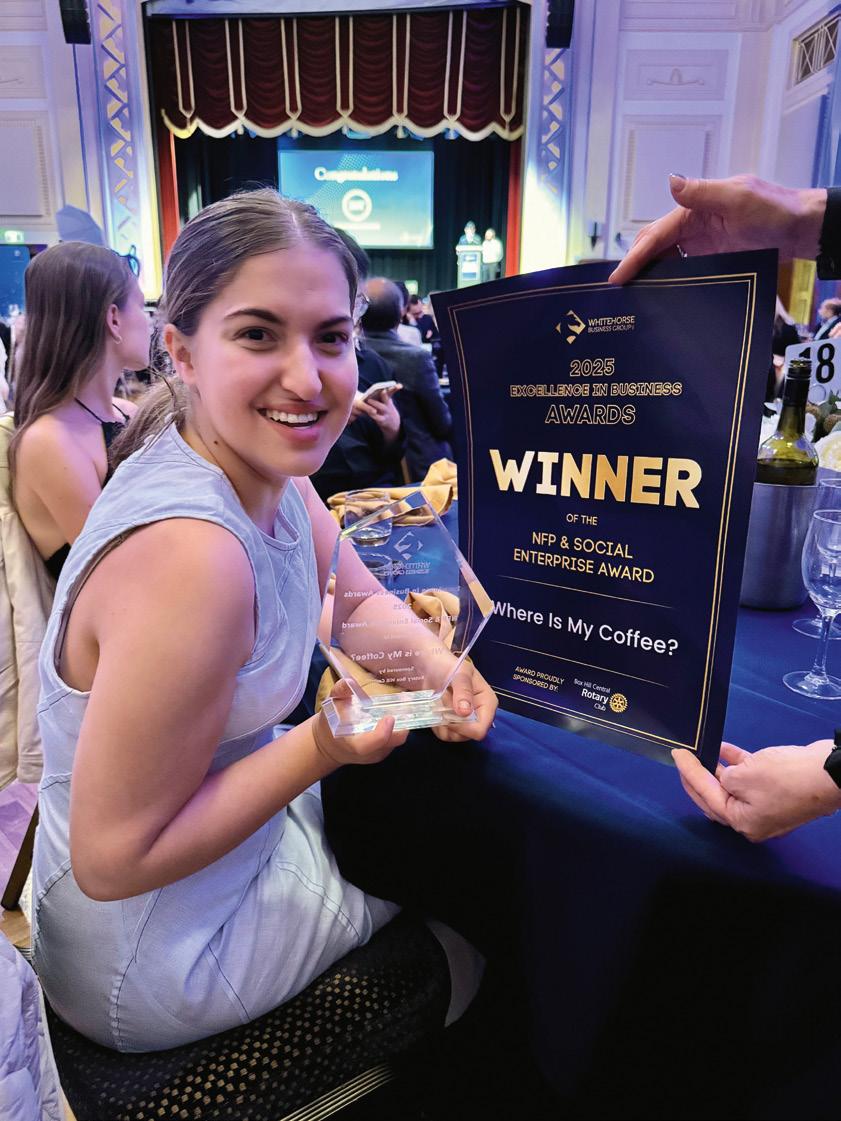
In an Australian first, athletes from Madeline Stuart Dance Company (MSDC), in partnership with the Australian Cheer Union have taken two gold medals at the Worldchampionships. In a major victory for the team and for Australia’s inclusive sports, the team won Gold in Special Abilities Hip Hop and Special Olympics Independent Hip Hop.
Across all senior categories, Australia secured a total of five gold medals, three silver medals, and two bronze medals, with MSDC contributing two gold medals to the national tally.
Australia finished second overall to the United States, however MSDC delivered a historic achievement as the only Australian team to defeat the US, who topped the medal table with 18 medals across all divisions.


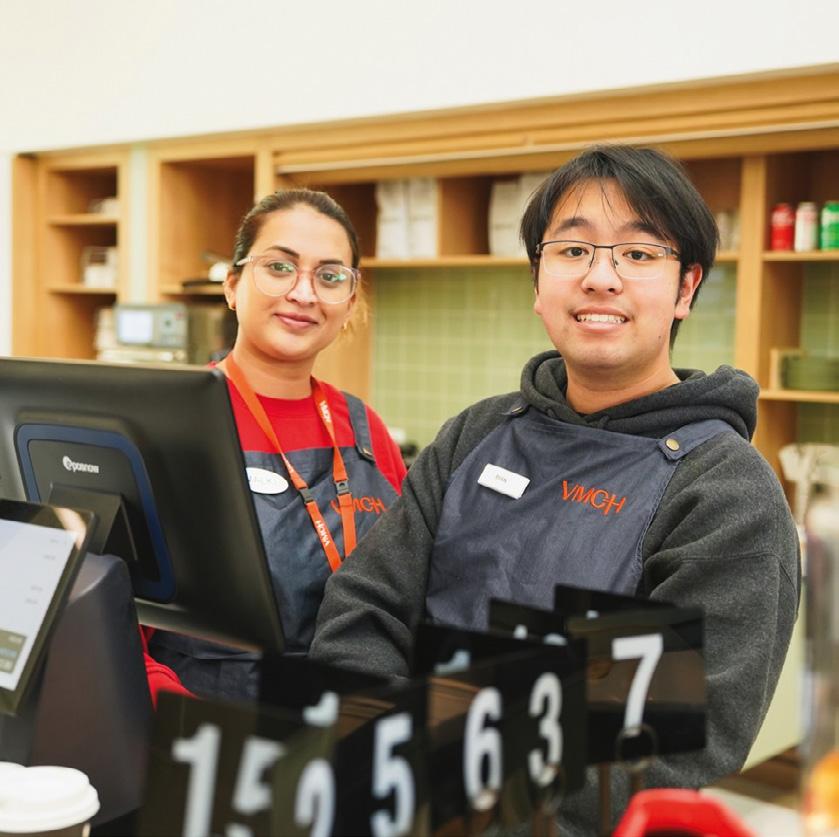
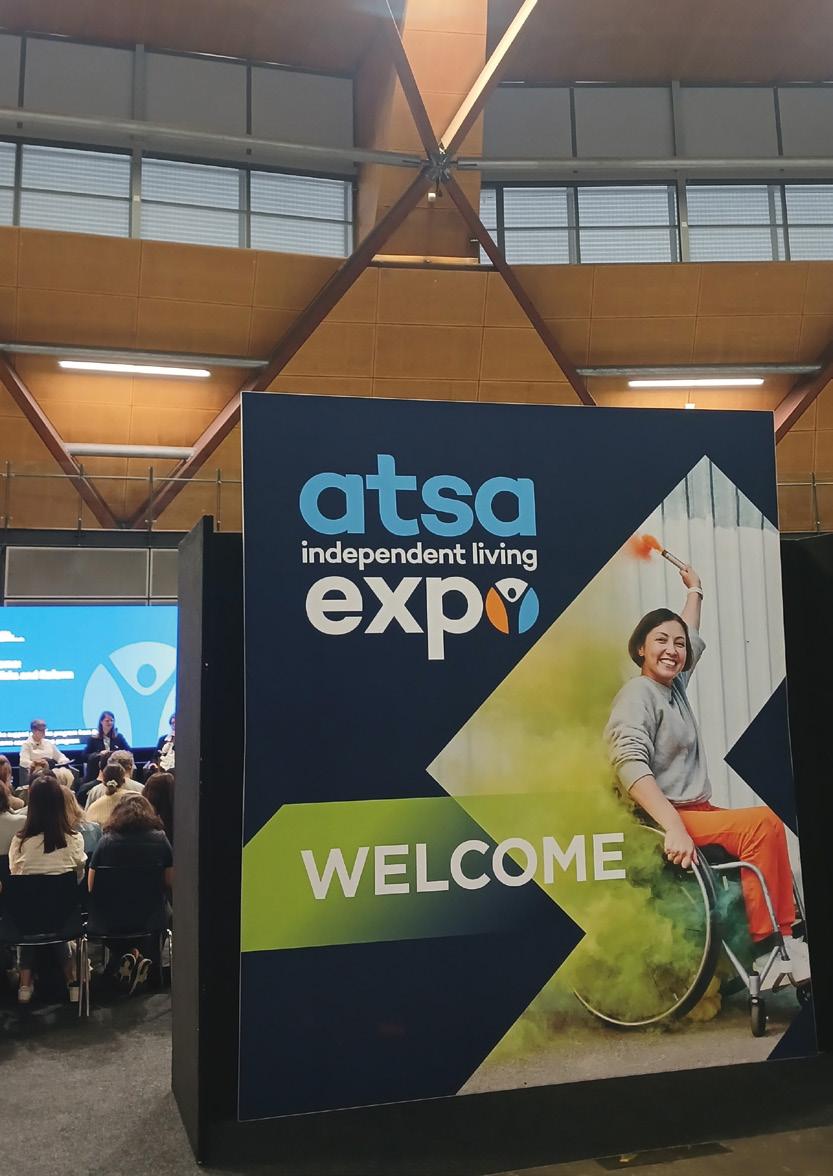
The expo hosted thousands of industry professionals, suppliers, clinicians, clients and families who connected through stand-side chats, seminars, and events over two days in May. Exhibitors did not disappoint, with interactive booths that showcased the best in core products and equipment, as well as the innovations shaping the future of disability.
LINK connected with clinicians incorporating neurocontrolled exoskeletons into treatments, and startups influencing how mainstream beauty brands view the disability community as a market segment. Through various seminars, we also learned how industries like airline travel are shaping up and listening to the community’s needs when it comes to travel.
Sign up for LINK’s e-newsletter for our ATSA Insights series and weekly news, inspirational stories, new products, and the trends influencing the disability sector. www.linkonline.com.au.
The Royal Australian Chemical Institute (RACI) has collaborated with Rebel Girls to create a book filled with short stores of the inspiring career journeys of scientists, engineers, teachers, statisticians, and astrophysicists from Australia and the world – all with disability.
STEM is a learning approach that incorporates science, technology, engineering and mathematics. It provides a structure to build critical thinking, computational thinking and data literacy. All of which are skills required to succeed in a modern employment environment, and these learning spaces are where children with disability are often left behind.
The e-book is available for free on the RACI website (www.raci.org.au/educationoutreach) Braille editions will soon be available from Braille House, Vision Australia, and VisAbility and paperback versions can be bought through online booksellers.
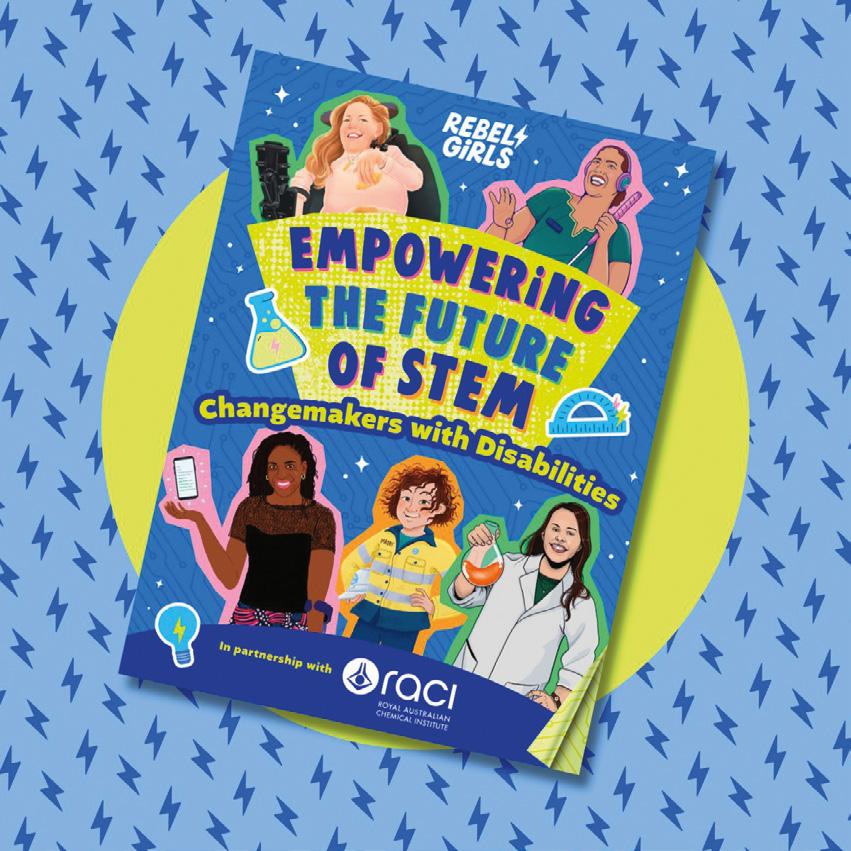

JUNE
5-6: Gold Coast Disability Expo www.goldcoastdisabilityexpo.com.au
Sink or Swim: A memoir of an athlete’s second chance
Alexa Leary was a champion triathlete until a horrific cycling accident left her with a severe brain injury, she was not expected to recover from. Leary faced a choice: to either sink under the weight of her trauma, or swim.
After relearning to walk and talk, she jumped back into the pool and found a new purpose. In 2023, she joined the Australian Paralympic Swimming Team and went on to win two gold and one silver medal at the Paris Paralympics, followed by the same medal tally again at the 2025 World Para Swimming Championships in Singapore.
Providing insights into what drives her and what challenges her most, Leary tells all in her memoir Sink or Swim. This highly anticipated read is now available in stores and online.
15-17: Disability Employment Australia Conference - Adelaide www.dea.cw3.events
23-24: OT Exchange 2026 – Brisbane www.otausevents.com.au
26-27: Adelaide Disability and Workability Expo www.adelaidedisabilityexpo.com.au