Advocating for the disability sector for 45 years
August-September 2026
Volume 36 Issue 4
Advocating for the disability sector for 45 years
August-September 2026
Volume 36 Issue 4












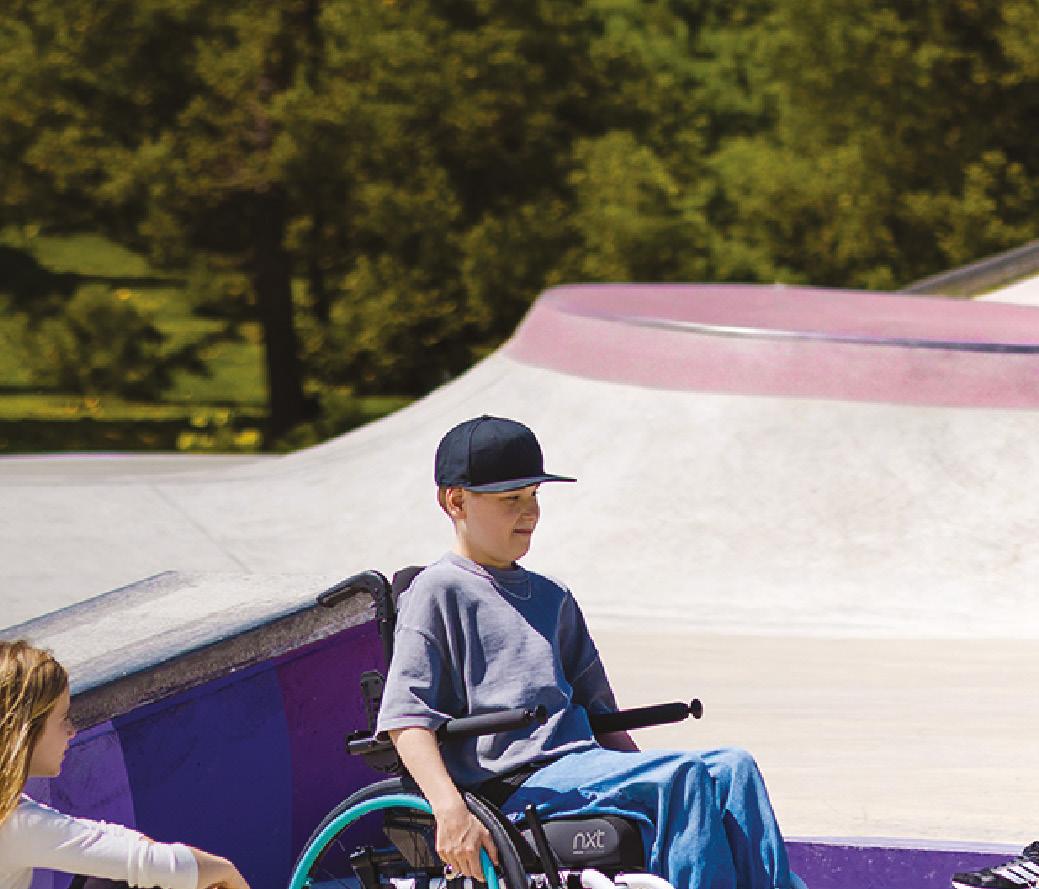
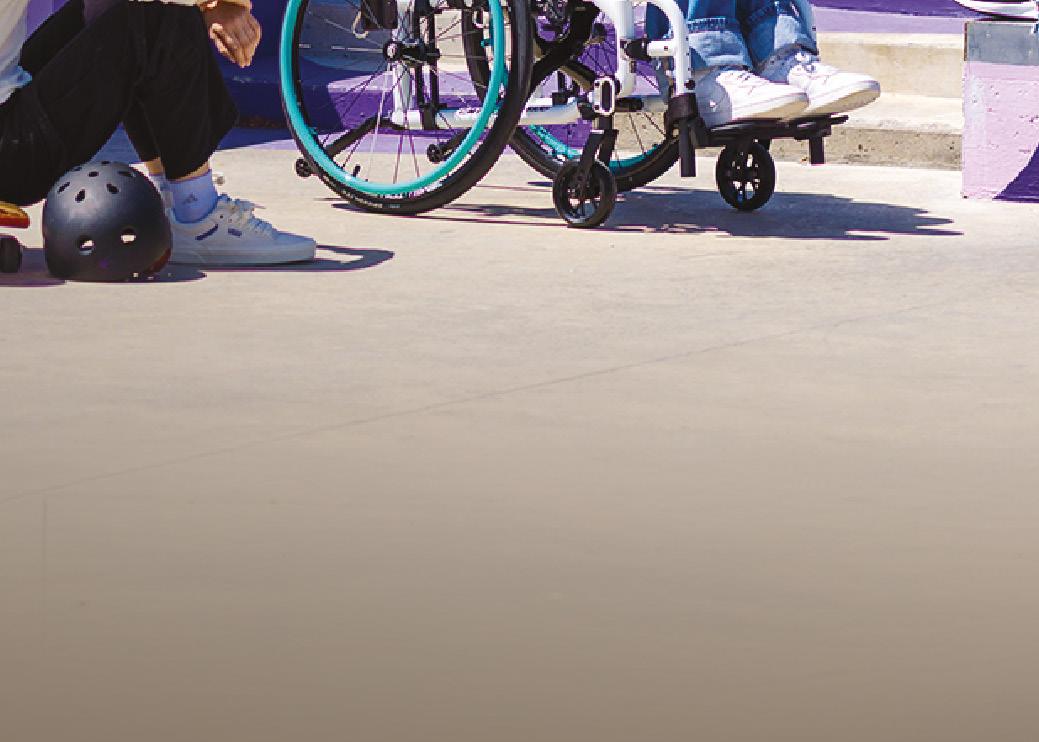
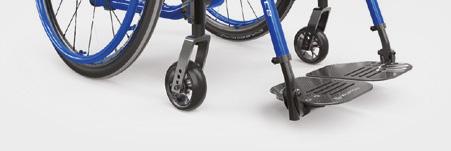
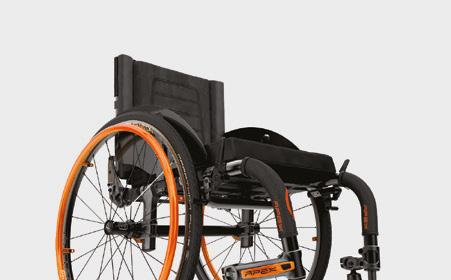
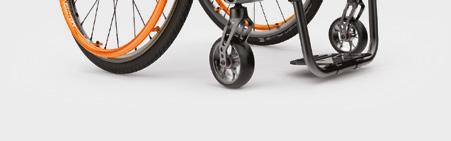
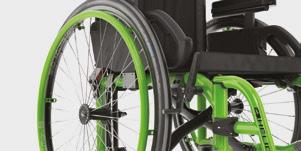
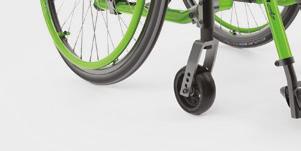
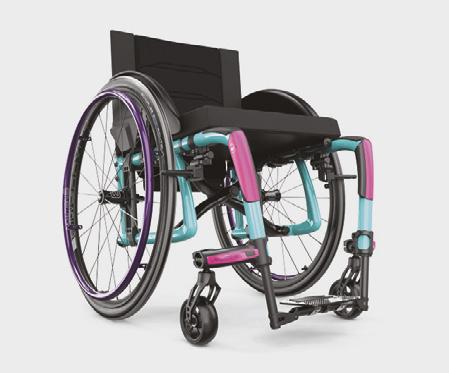
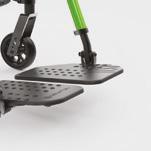
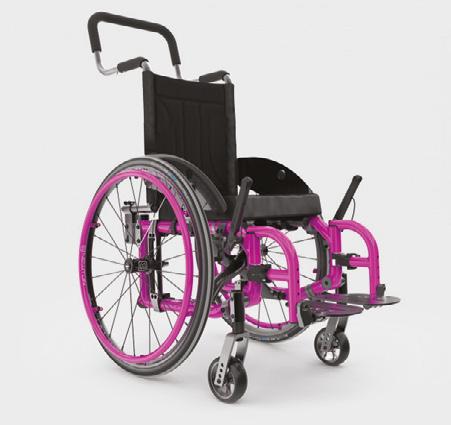
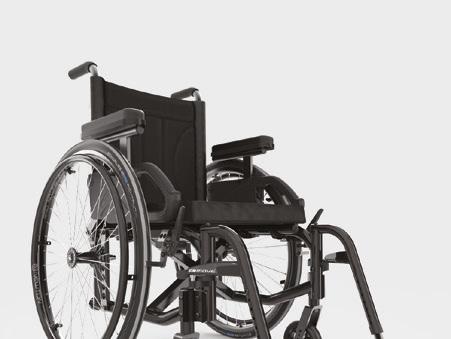
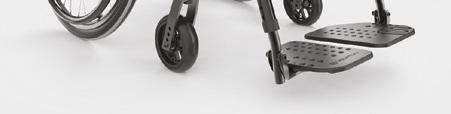
Mobility should never be a compromise. Motion Composites wheelchairs combine cutting-edge technology, premium materials, and precision craftsmanship to deliver exceptional performance, efficiency, and style. Lightweight yet ultra-durable, they’re designed to empower the user to move with freedom, confidence and ease.
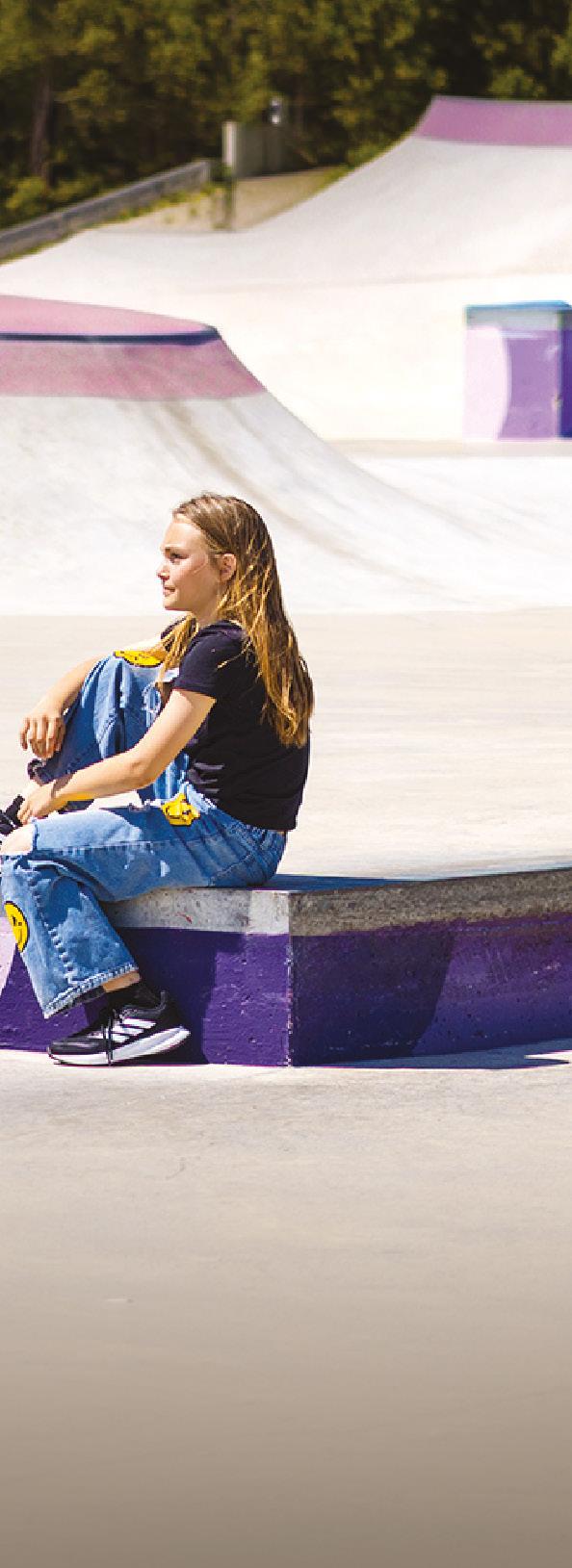
Renowned as a leader in ultralight manual wheelchair design, Motion Composites continues to push boundaries through innovation, creativity, and meticulous attention to detail — always keeping the user at the heart of every design.
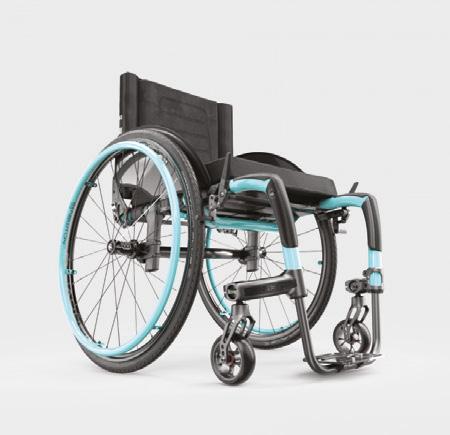
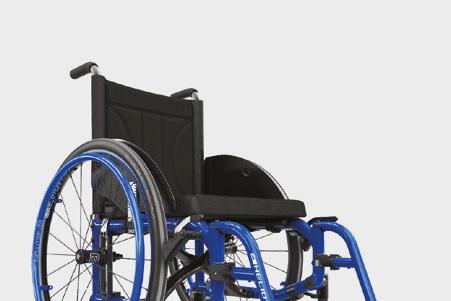





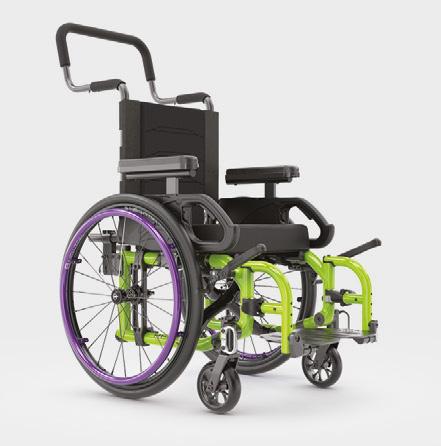
Explore the range




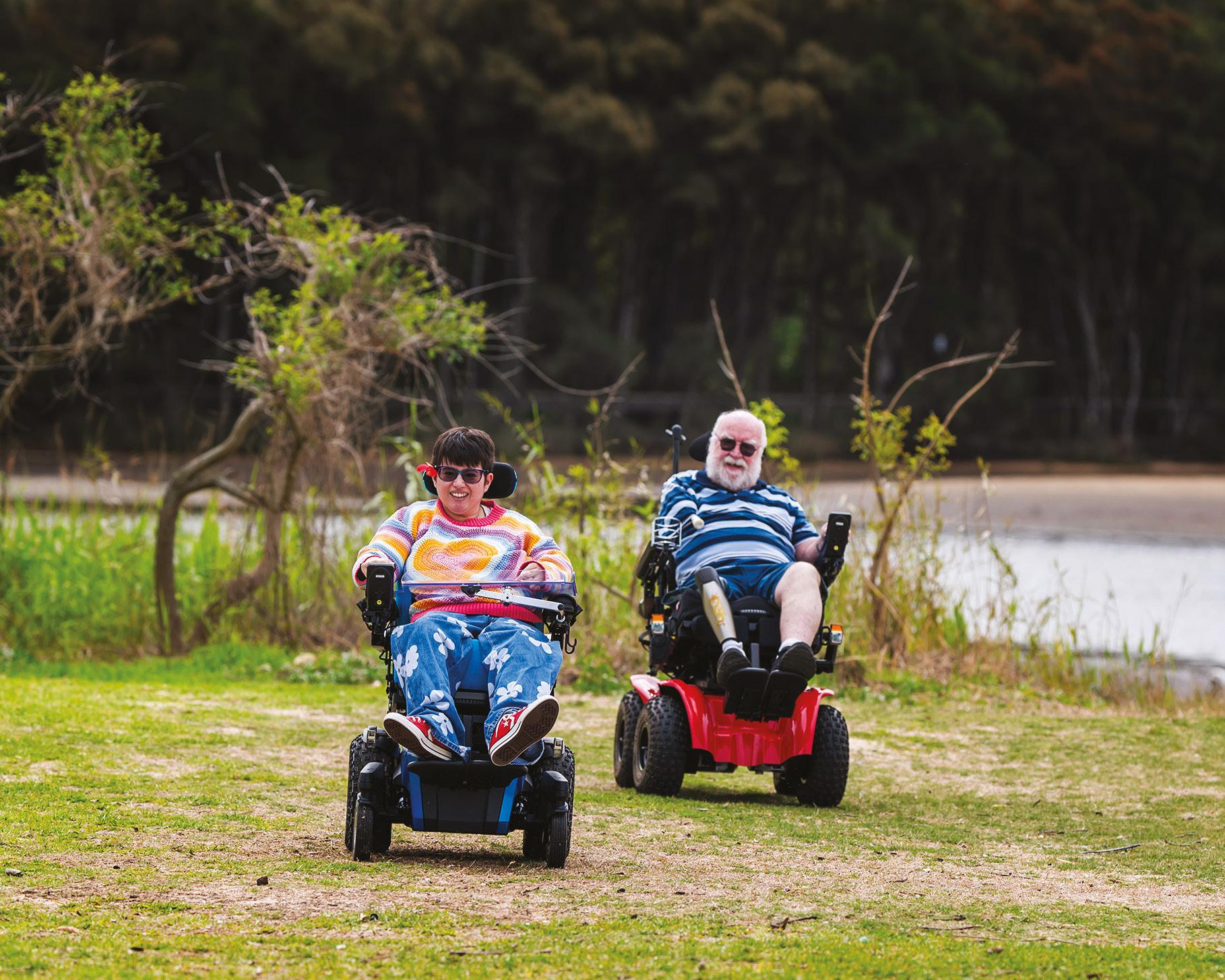


































For Greg and Maddy, getting outdoors means something different. For Greg, it’s reaching the beach and enjoying a day by the water. For Maddy, it’s exploring beyond the beaten track and embracing new adventures.

With the right power wheelchair, both can make the most of every day. From sandy beaches and grassy parks to everyday outings, they can enjoy greater comfort, confidence and independence wherever they go.

Looking for your perfect fit?
Let’s get to know you and get it right.













Because great assistive technology isn’t just about mobility. It’s about freedom, opportunity and getting back to the places you love.




















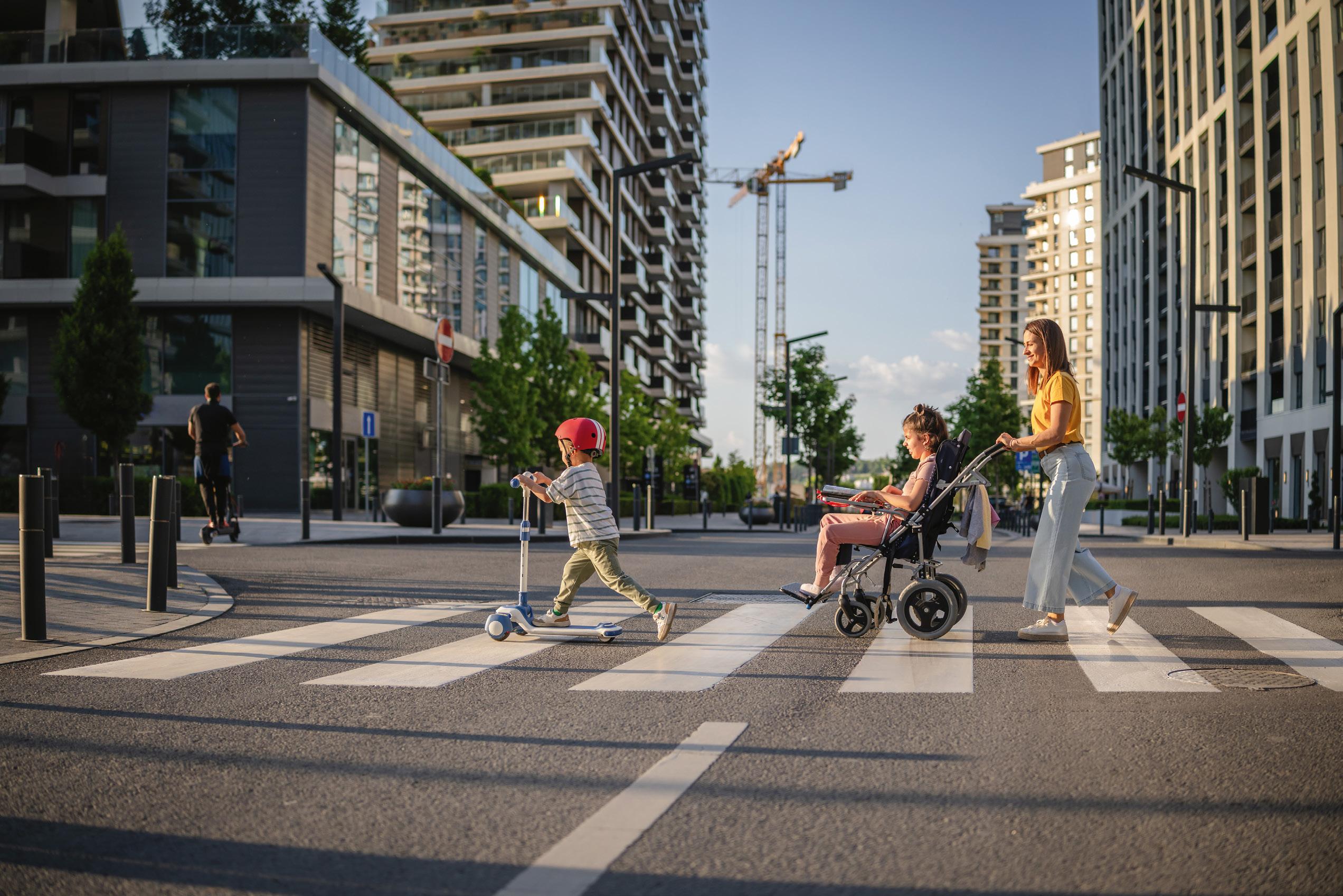
The proposed NDIS changes have dominated news cycles for weeks, and with good reason. Changes to packages will impact daily health, wellbeing, and the fulfilment that comes from connecting with our community. What’s more, the sector’s service providers face professional uncertainty, so it’s reasonable that nerves are currently strained.
For this issue, we aimed to spotlight the people and businesses on the leading edge of the NDIS. We bring you stories from the foundational importance of housing, along with how sport brings a shared sense of belonging as both topics carry significant weight in nurturing families and cohesive communities.
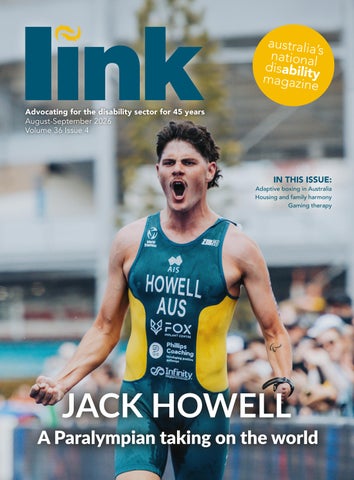
Our cover feature is Paralympian Jack Howell (page 8), who shares how growing up in able-bodied sports drove him to keep up and to never limit himself. Lived-experience contributor Emily Finn-Brumm conveys how sport changed her life (page 18) and author Tom Garrod explains what leaning into ‘adaptation’ has done for his life with ataxic cerebral palsy (page 45).
We also feature an emotionally driven interview on what adaptive
• Employment and careers
Group Publisher
Mark Ryu
Executive Advisor
Simon Cooper
Editors
Heidi Bain
hbain@intermedia.com.au
Kymberly Martin kymberly@intermedia.com.au
Advertising
Suzy Rashoo
srashoo@intermedia.com.au 0419 564 960
Design
Leanne Hogbin
boxing is bringing to participants in Australia (page 14). Additionally, the Maccallum family invites us to understand what a long-term SDA collaboration has done for their family’s harmony (page 30). Kymberly Martin brings us a review of an accessible housing-focused corporate collaboration (page 32), and she looks at a mobile clinic bringing product and service trial options right to participants’ front doors (page 28).
To stay connected with us and on top of NDIS updates, news and events, subscribe to our weekly newsletter at www.linkonline.com.au.
Heidi Bain Editor, LINK
• Sex and intimacy October / November 2026
Advertising booking date: 28 August 2026
Advertising material deadline: 4 September 2026
Publication date: 21 September 2026
For article proposals, contact the Editor: hbain@intermedia.com.au
For advertising, contact the National Partnerships Director: Suzy Rashoo 0419 564 960 srashoo@intermedia.com.au
linkonline.com.au
Prepress
Tony Willson
Production Manager
Jacqui Cooper
Subscribe
To subscribe visit www.intermedia.com.au
P: 1800 651 422 or
E: subscriptions@intermedia.com.au www.linkonline.com.au
Link is published six times a year by
Positive Impact Media Pty Ltd
ABN: 51 063 279 630
A: 41 Bridge Road, Glebe NSW 2037
P: +61 2 9660 2113
Reprints from Link are permitted only with the permission of the publisher. In all cases, reprints must be acknowledged as follows: ‘Reprinted with permission from Link Magazine’, and must include the author’s byline.
The opinions expressed in this publication are those of the authors and do not necessarily represent those of the publisher.
The Intermedia Group takes its Corporate and Social Responsibilities seriously and is committed to reducing its impact on the environment. We continuously strive to improve our environmental performance and to initiate additional CSR based projects and activities.
As part of our company policy we ensure that the products and services used in the manufacture of this magazine are sourced from environmentally responsible suppliers.
This magazine has been printed on paper produced from sustainably sourced wood and pulp fibre and is accredited under PEFC chain of custody.
PEFC certified wood and paper products come from environmentally appropriate, socially beneficial and economically viable management of forests.
By Amelie McIntosh
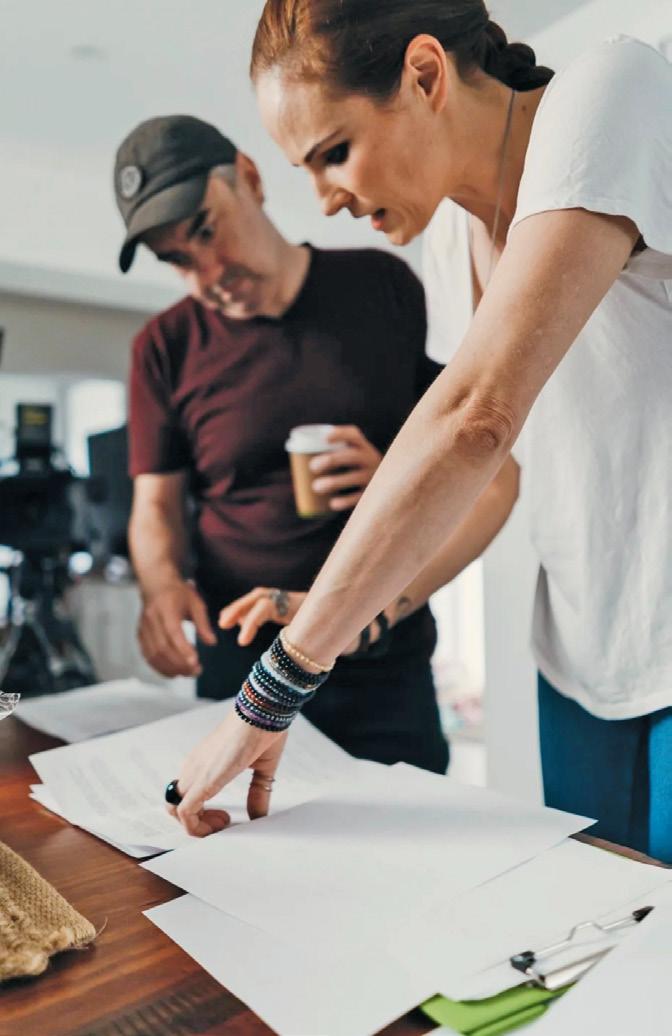
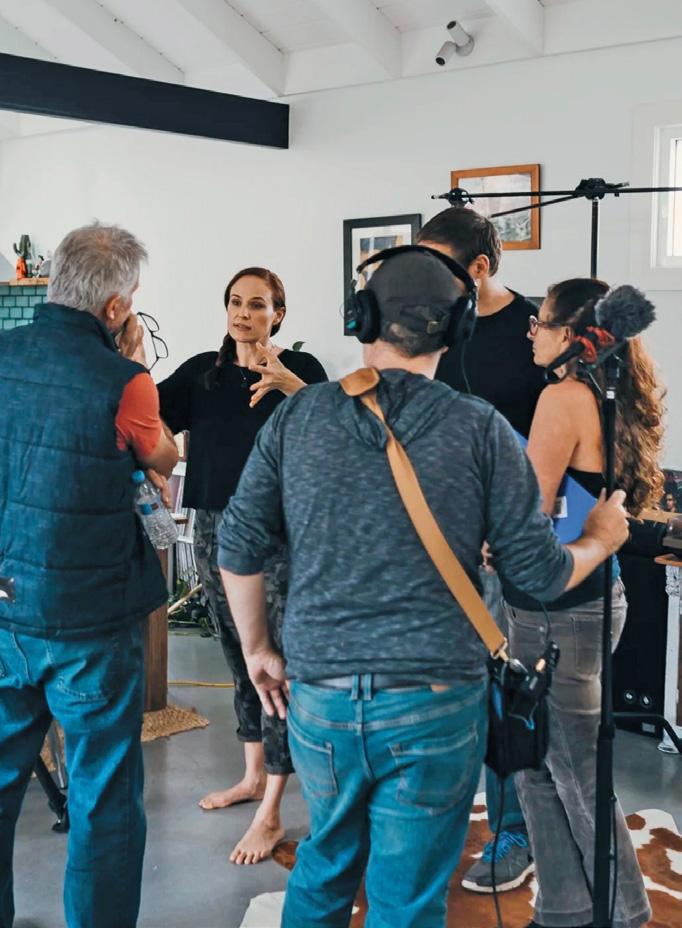
When Amelia Foxton amasses a crew for one of her film productions, the first thing she does is bring the cast together for a meal. “I’m a good cook, and through food, people can approach me,” Foxton said.
Underneath this gesture lies something deeper, something intertwined with Foxton’s own neurodiversity. Through food, and the conversations that come from sharing a meal, she can establish herself as someone approachable.
“In between every shoot, I’ll sit them down at my table, and we’ll become a family of sorts,” she said.
Through this, she establishes her film set as a space in which people can be their most authentic selves. As a director, she places high importance on working with as many neurodiverse creatives as possible, “Everything I write starts from a place of advocacy.”
“Because neurodiversity is such a wide spectrum, everyone has different challenges,” Foxton said. “It’s hard to make adjustments beforehand that will be universally appropriate. It’s about making the set feel fun and friendly, so when they do experience challenges, they feel comfortable approaching me, and we can work together to make them more comfortable.”
Growing up autistic on the Central Coast, Foxton often found herself dissociating from reality and overwhelmed by external factors presented in her school work. She frequently escaped into the comfort that stories brought her. “I would spend weeks living in these fantasy worlds,” she said.
Foxton still finds certain aspects of navigating society and understanding human behaviour challenging. Acting became for her a way of translating humanity into a vocabulary she could
understand, giving her radical pattern recognition that allowed her to express and learn human behaviour. “I saw it as kind of a study,” she said.
Now both an actor and a filmmaker, Foxton’s lived experience shapes how she approaches creating set environments. She is the content producer behind independent production company The Ninth Circle, alongside director and producer Glenn Fraser.
Having been recognised at Sundance, Edinburgh and Sydney Film Festivals, Foxton’s thoughtful approach to filmmaking is highlighted through her sustained career success. “Telling stories is my life,” she said. “My intention is to always focus on keeping the integrity of the characters, of the advocacy behind the story, and the overall quality.”
Having just been named the winner of the 2026 BizGiver $5,000 Small Business Grant, Foxton’s next venture is working on her comedy feature,
Cherry Poppins, focused around perimenopause and the way society devalues women as they age.
When she returned to film work after having children, she realised the lack of raw, authentic roles for middle-aged women. Helming a production from the writing stage through to acting, directing, editing, and sound design gives her full creative control to make sure her films have all of the facets she finds important.
“It was the first time in my life, I felt like I was absolutely doing the right thing, and I knew that was where I belonged,” she said.
As her career continues to grow, Foxton’s careful approach to filmmaking is emboldened by her autism rather than hindered. She hopes to use entertainment as a way of educating and opening the hearts and minds of her audience.
“I hope to inspire a cultural shift to create a better world for my children,” Foxton said, “and if my work does so, that’s all I can ask for.”

By Heidi Bain
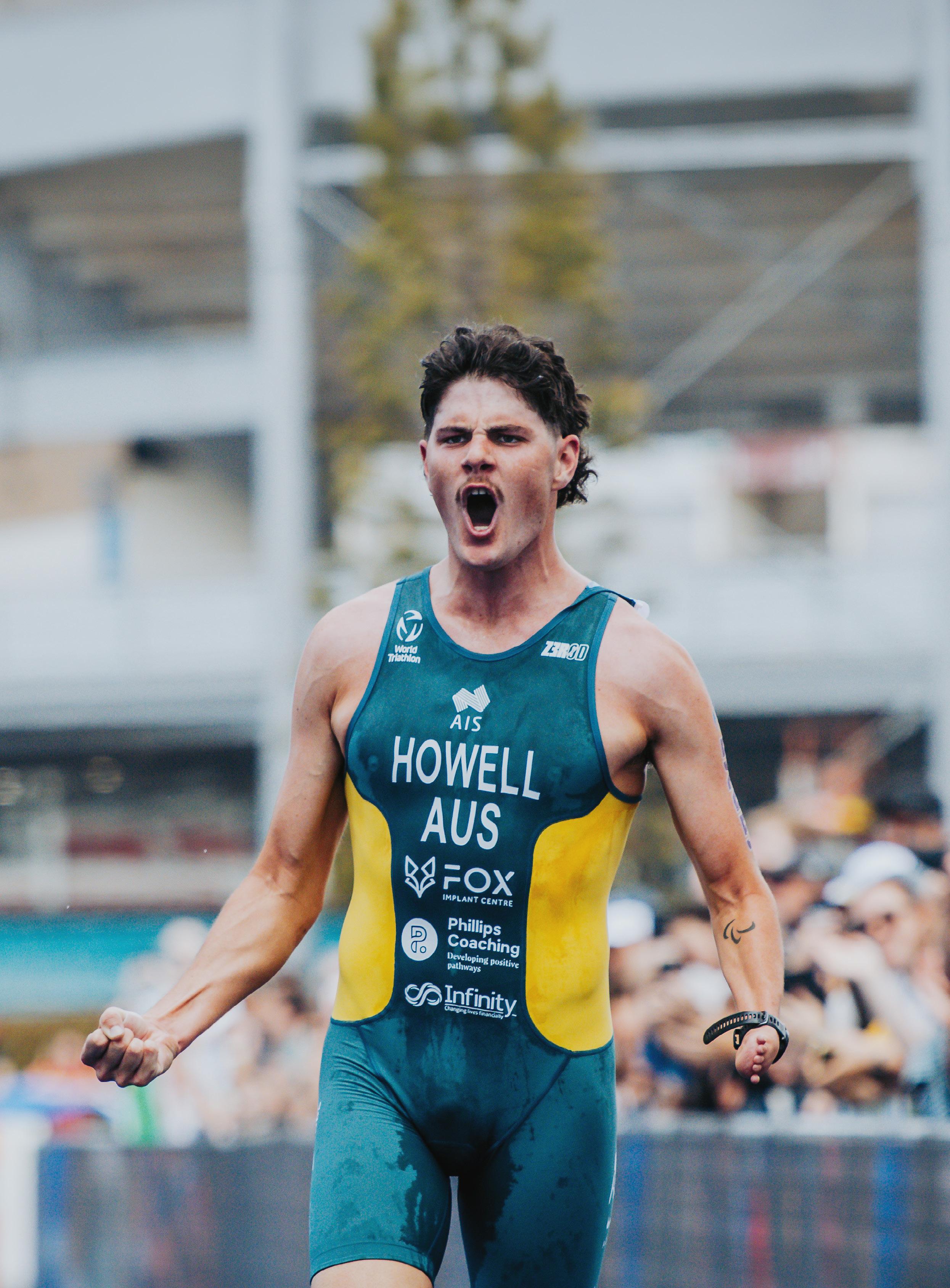
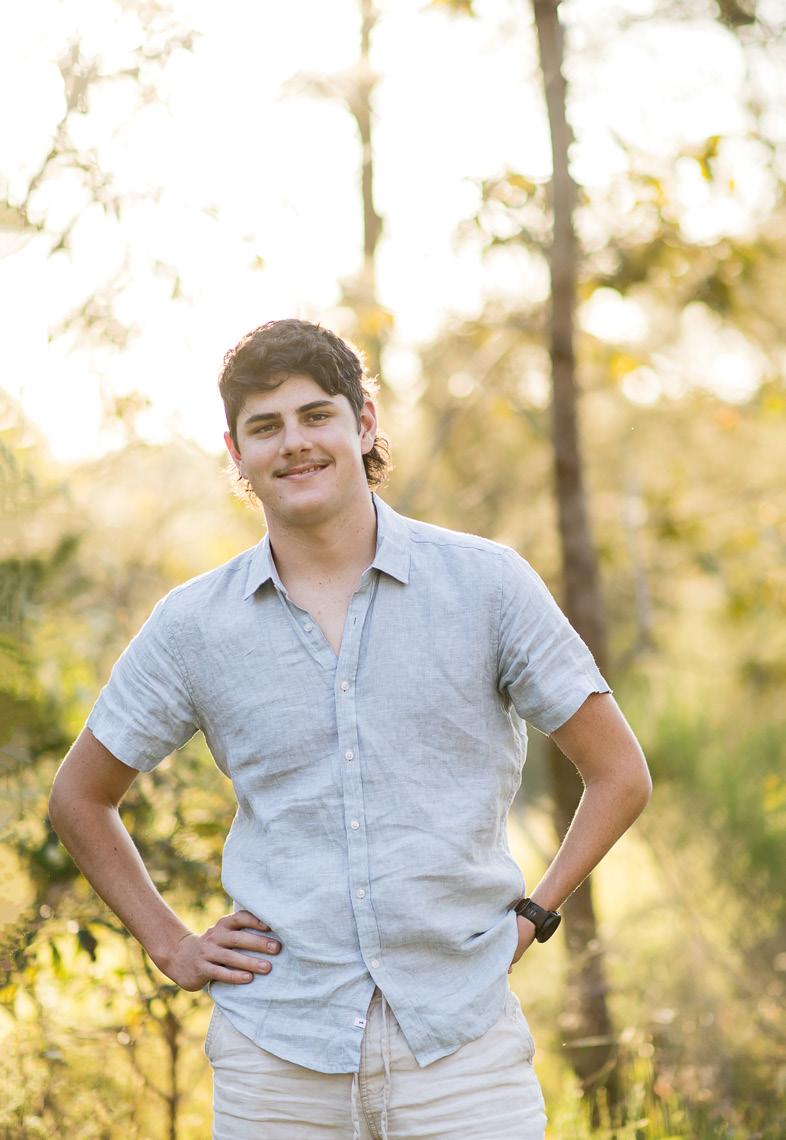
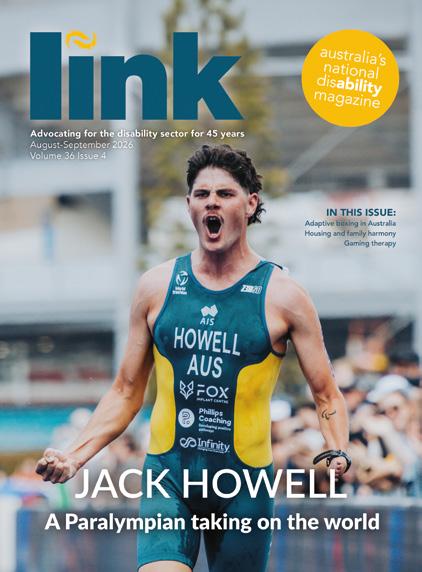
Jack Howell tried it all as a kid. Auskick, cricket, athletics, cross country and swimming.
His early love for sport may be the hidden energy that’s wired him to be the athlete he is today.
At just 22 years old Howell is the world number one in his division (PTS5 Para Triathlon category) placed seventh at the 2024 Paris Paralympics. With symbrachydactyly, a limb deficiency that in his case impacts his left hand, disability does not impact his determination to succeed. Being a self-confessed ‘larrikin’ and sports mad, his need to have fun while competing makes for a Paralympian that Australians love to support.
A Para Triathlon race is a 750m swim, 20k bike ride and a 5k run. When Howell isn’t training, or competing at home or internationally, he is studying a Bachelor of Education with a sports major to become a physical education teacher. “I want to guide kids to find their love of sports and participation. To help them strive to be their best and hopefully, have a lifetime love of sports,” he told LINK
Many young athletes like Howell grow up playing school sports with their peers before moving to a para-athletic career. Howell said, “Growing up in able-bodied sports I was just one of the guys. I adapted around my disability and was always mentally driven to keep up with my mates and never be limited. This helped me be an adaptable competitor in para-triathlon.”
Adaptation and resilience are essential attributes for para-athletes. Studying, family commitments and a social life alongside a gruelling training regime is a lot to maintain. Yet for Australian athletes, they must also find time to make a living. To support themselves with everyday living expenses and the sometimes exorbitant costs associated with their sport.
Depending on the type of sport, paraathletes can have higher expenses than able-bodied athletes. Para wheelchair basketball or tennis, the packing and shipping of equipment and teams, can skyrocket expenses, leaving athletes with high budgets and intense pressure to sustain a sufficient income to meet them.
Until 2020, Australian Paralympians did not receive any prize money when they came home with a medal, whereas able-bodied Olympians did. On top of that, 46 per cent of Australian adult athletes have an annual income of less than $23,000 an Australian Sports Foundation report found. The income made is often unstable and comes from a combination of government grants, direct fundraising and corporate sponsorships.

A progression into the professional arena meant continuous development and refinement in the three sectors of a triathlon. Howell said it’s taken him years and many attempts at different techniques. “My swim technique has to be a highly centred stroke to keep my body balanced as I move forward in the water. For the ride, my bike has customfitted handle and tri bars with special carbon cups to help with stability, and a specialised braking unit designed to be operated with one hand. Many of my techniques during racing are adapted for one-handed manoeuvres.”
Howell doesn’t have a favourite section of the triathlon but said crossing the finish line during the last section - the run - feels great. “My swim is one of the fastest in my category and I work hard to stay ahead, yet the bike is weaker. So that’s my priority focus area to develop right now,” he said. “Also, running straight off the bike can be difficult due to leg fatigue so I work on getting just the right exertion level so that I have enough energy left for a good run to finish. I’m one of the fastest in transitions (changing from wetsuit to cycling gear, then cycling to running) for my division at around 30 seconds. But I’m always aiming to improve that, because it can mean critical seconds off my full race time,” he said.
The community in para-sport is important for keeping athletes driven, moving forward, and always egging each other on. “The para-community is full of characters, some more serious than others, some prefer to be alone, and others are extra outgoing. We’re all competitive, focused and want to do our best. We also share the same struggles with financing ourselves and balancing time for personal lives outside of intense training schedules.” Howell said.
Having Paralympians to look up to like Don Elgin, Jaryd Clifford, Michael Roeger and Dylan Alcott, who through his foundation has supported Howell, provides inspirational role models. “Athletes that have fun in their sport and strive for greatness inspire me to have fun and do my best too.”
LINK asked Howell if there are any general public misconceptions about para-athletes that he would like to speak about. He said, “Some people think of para-sports as less than, not as professional, or slower than the ablebodied sports. But most para-athletes are exceptionally professional and just
courses. At age 19, I was the national champion in both my able body age group and the Para champion, beating some of Australia’s best young twohanded triathletes. These types of comparisons are not really seen by the general public” he said.
With the 2028 Paralympics in Los Angeles in the not-too-distant future and Brisbane hosting in
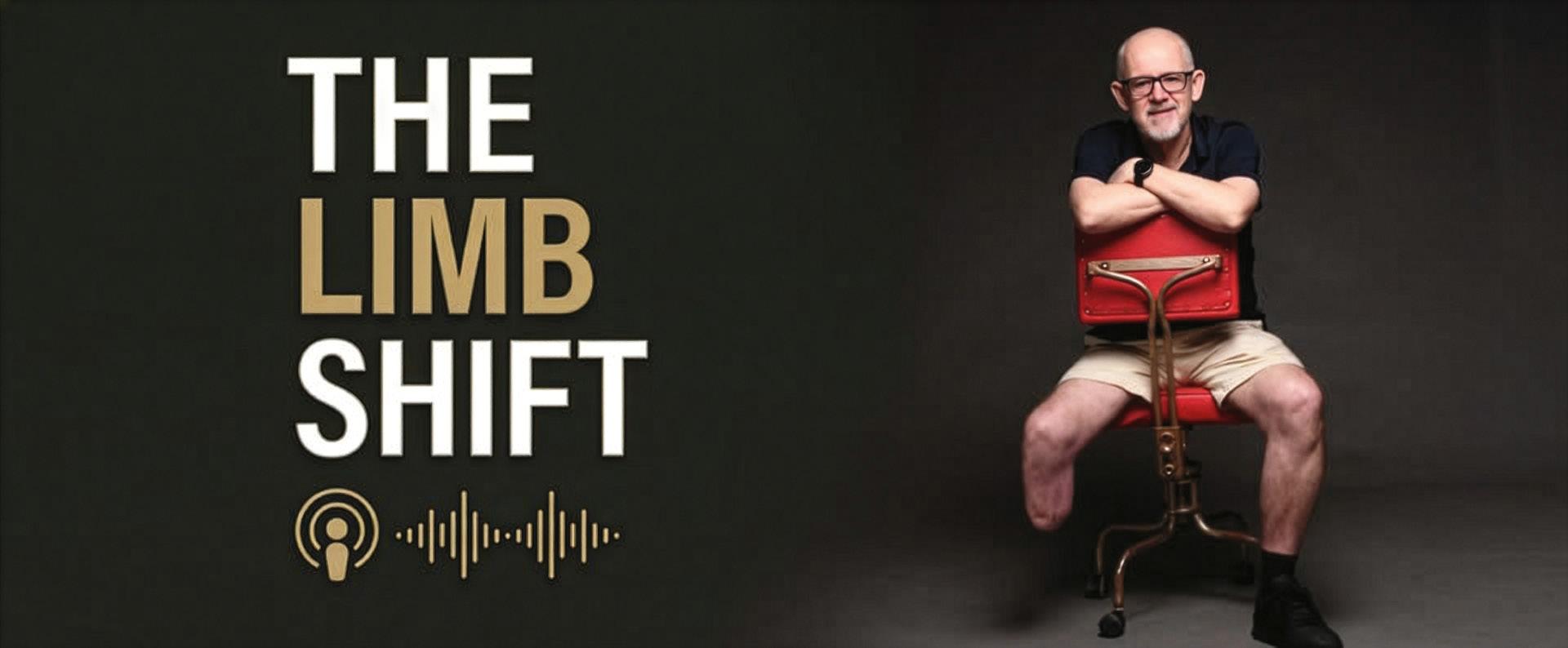
The Limb Shift is an innovative new podcast that moves beyond the traditional focus on the trauma and tragedy of limb loss. It explores the profound, and often overlooked, ‘mind shift’ that occurs in an individual’s aftermath and also speaks with people born with limb difference about their experiences.
Created by James O’Brien, a longtime radio journalist and manager who became an amputee three years ago, the series is a passion project born from his own journey through hospital and recovery. While O’Brien received excellent medical care and peer support during his hospitalisation, he searched for something more: the messy, honest, human stories of people who had navigated life before and after their amputations.
“The human stories are what matter the most,” O’Brien said. “It’s not the lectures or pamphlets about prosthetics or surgical techniques that resonate; it’s the personal, sometimes messy, human stories. They allow you to connect in whatever way you need”.
Among those featured is Sara Shams, a bilateral amputee born with limb difference who underwent amputations to improve her mobility with prosthetics. After years of hiding her disability, Shams has embraced her identity, becoming a vocal advocate for authentic representation in media and fashion.
“It’s okay for us to be different. It’s okay for us to ask for help,” Shams
“Everyone has an interesting story to tell, and we need more opportunities to tell them”
said. “If you’re listening to this podcast and you’re not an amputee, please learn more about amputees, about prosthetics, about limb difference, and use your privilege to see how you can become an authentic ally.”
The Limb Shift aims to bridge the gap in understanding and support for those navigating limb difference and limb loss. By sharing these stories, O’Brien hopes to support people currently preparing for or recovering from amputation while fostering greater community awareness about what it truly means to live with limb difference.
"Everyone has an interesting story to tell, and we need more opportunities to tell them,” O'Brien said. The podcast launches in October, bringing these vital conversations to the forefront.
Some of the stories, as well as an audio preview, are available now at www.thelimbshift.com, and the podcast will be available on YouTube, Spotify & Apple Podcasts in October.
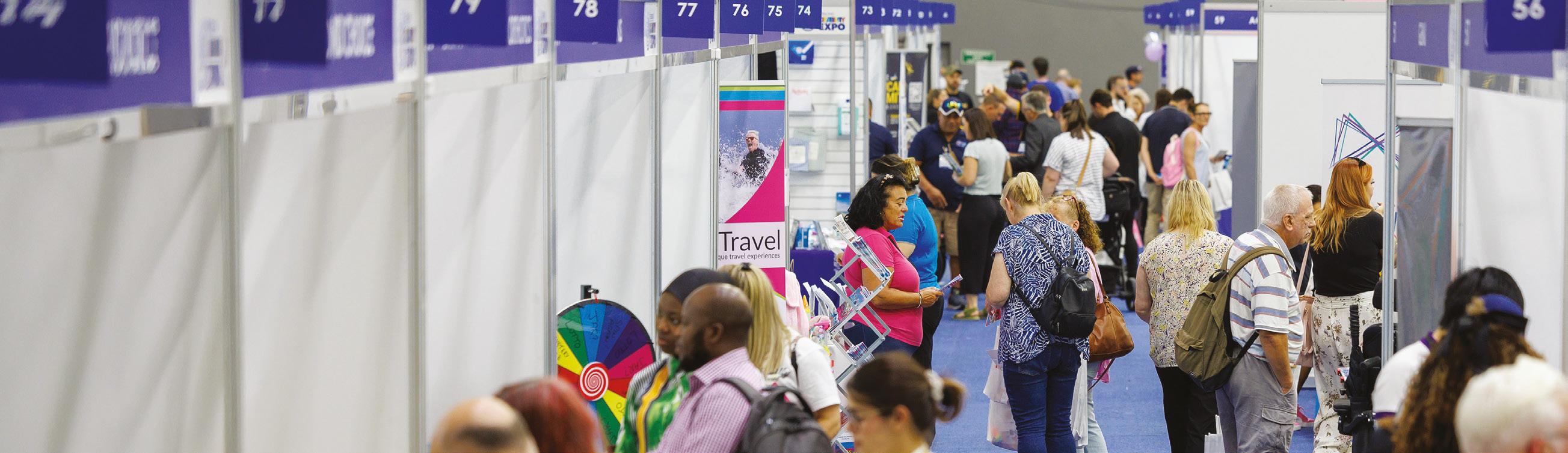
Get ready for an unforgettable year of connection, empowerment, and opportunity as ImpactInstitute proudly presents the 2026 My Future, My Choice Disability Expo series - now bigger and better than ever!
We’ve expand to two exciting new locations: South East Melbourne (held earlier this year) as well as Adelaide coming up in June.
Join us for:
Leading disability product and service providers
Fun, connections and entertainment
Informative presentations
with us - book now and save
Exhibitor spots are filling fast - don’t miss your chance to be part of it!
Book now and save up to $1000.
Secure your space today and showcase your services to a highly engaged audience.
“Excellent event showing the diversity of organisations offering pathways for people with a disability.”
“I’m new to the space and this expo was a great experience. I met so many wonderful people & service providers, leaving with a full bag of support service resources and a happy heart.”
“Great way to network and keep up to speed with the latest tech and offerings under one roof!”
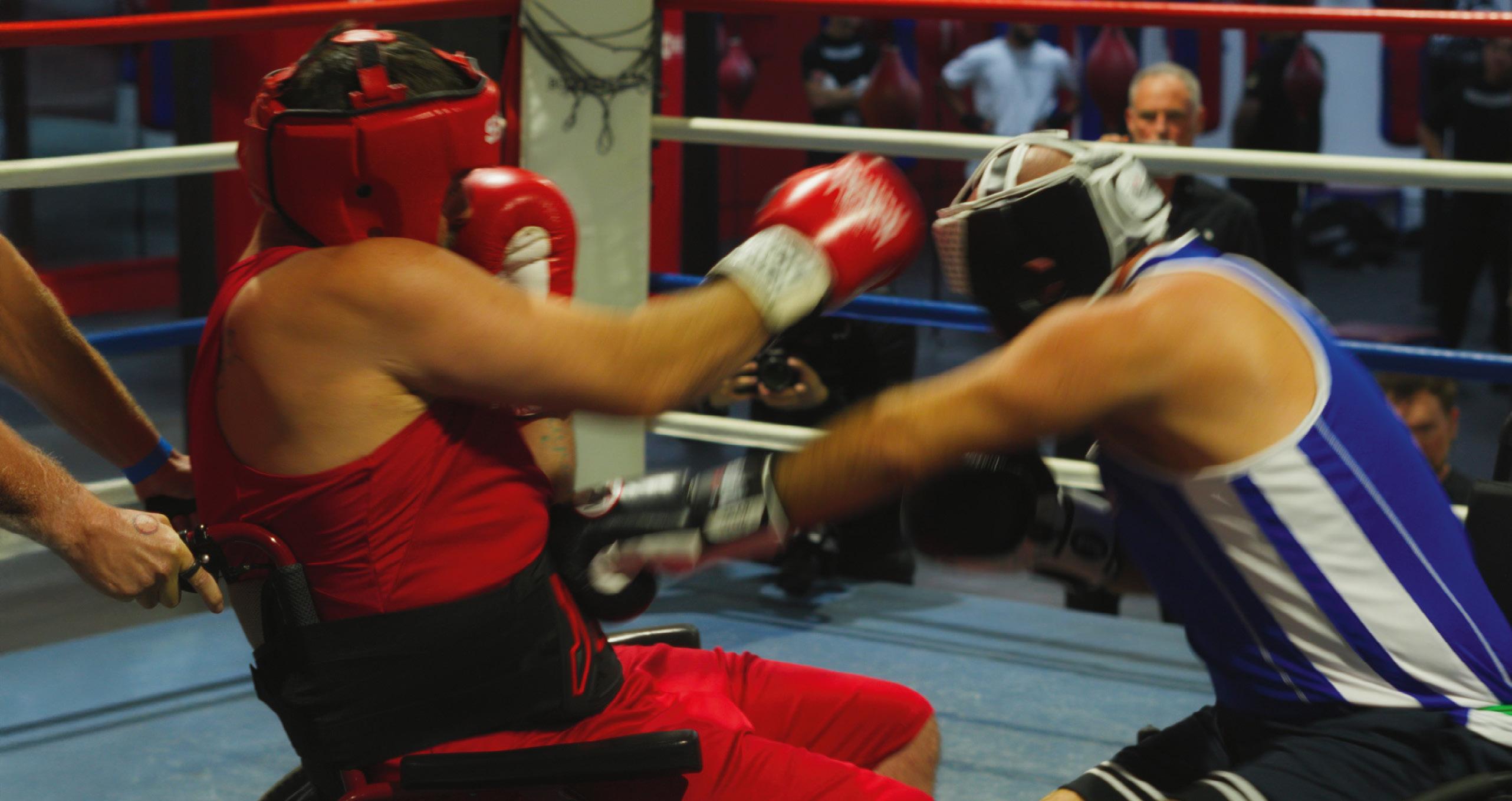
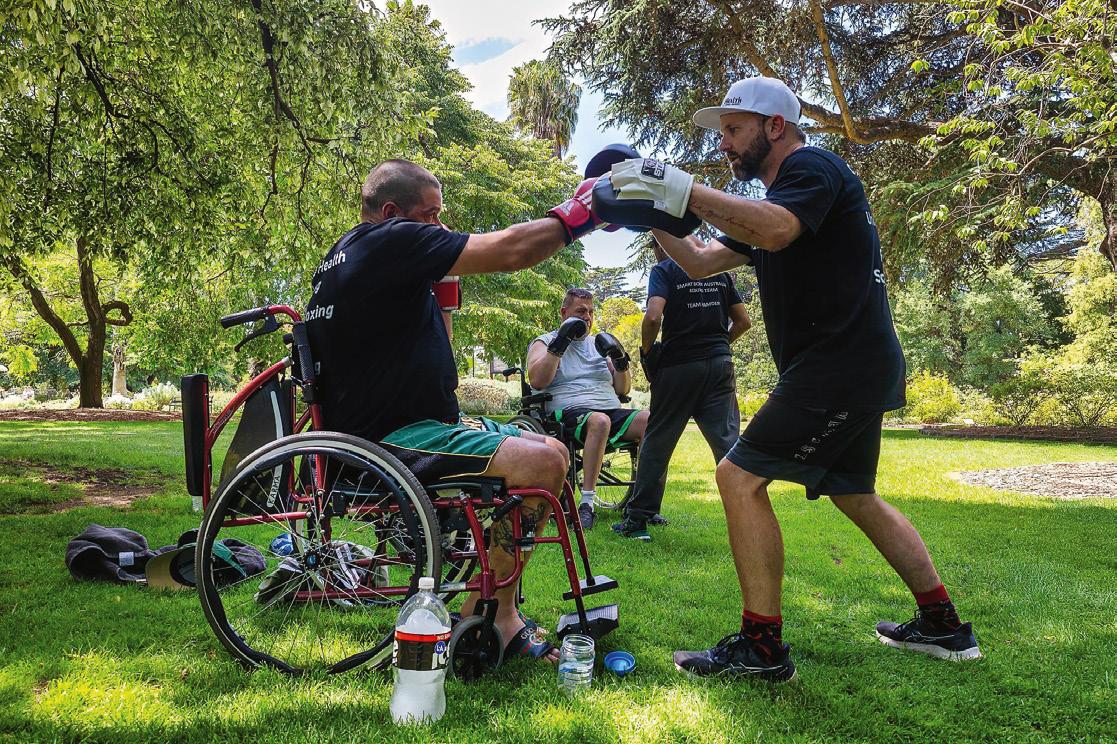
To be taken from the ring in a wheelchair is a worst-case scenario for a boxer. But on this night, Phil ‘The Boxing Yak’ Hulands and his opponent, Eddie Buttimore, enter the ring to fight in them. Both can weight bear long enough to slide under the bottom rope at Port Melbourne’s Boxing Fit gym, where they’re supported into their chairs, strapped in, fitted with headgear, mouthguards and 16-ounce gloves – boxing’s thickest. With Queen’s We Will Rock You blaring, their coaches push them to centre ring positioning them knee to knee. The referee points below their waistbands: no low blows. Gloves touch, they’re wheeled back to their corners, and the bell rings.
Hulands and Buttimore have waited years for these three, three-minute rounds. They swing hooks and straight punches; they suck in deep breaths. They do everything boxers usually do, except move around the ring, but midway through each round their coaches move them so they fight side on. The boxers work hard under the bright lights, their chance to show that disability is no barrier to staying fit and performing at their best.
Hulands was diagnosed with Behcet’s disease in 2007. Known as ‘the Silk Road Disease’, it’s rare and attacks the body with ulcers. In his case, these caused him to lose most of the mobility in his right leg, so most of his time is in a wheelchair.
His support worker, Luke Harrison, became his boxing coach in 2024 after Hulands showed interest in a class at Complete Health Geelong (CHG) that combined boxing with mindfulness. Nobody else in the class used a wheelchair, but Hulands wanted in. Working on focus mitts with Harrison up to four times a week gave him meaning, purpose and fitness he’d never had. When a fight with Eddie Buttimore, a former able-bodied boxer from Queensland who suffered a spinal injury twelve years earlier, was finally locked in, both men were thrilled.
“Everyone deserves a shot, a chance to try something and not be judged,” Buttimore said.
He meant, of course, judged for living with a disability. Because right now, three ringside judges are scoring the contest. And the first and biggest challenge for Australian boxers with a
disability is being conquered: a public exhibition bout between two evenly matched fighters.
People with disability have participated globally in sport for decades, but adaptive boxing has a short history. The first bout took place in 2015, when wheelchair fighters Paul Robinson and Phil Bousfield took to the ring in a London nightclub, off the back of Englishman Colin Wood’s founding of the World Adaptive Boxing Council (WABC) the year before. In the decade since, the sport has grown, particularly in the UK, Canada and the US. The sport is pushing for Paralympic status, but to achieve that, it must be widely practiced in 32 countries across four continents.
Australians with a disability have for years done supervised non-contact boxing training using focus mitts and bags. Alec Pritchard, a worldleading adaptive boxing coach with US-based DPI Adaptive Fitness Gym, said boxing skills help improve handeye coordination, reaction time and mental clarity. Then there’s belonging: participants join a community of boxers and coaches who cheer them on as they develop self-confidence along the way.
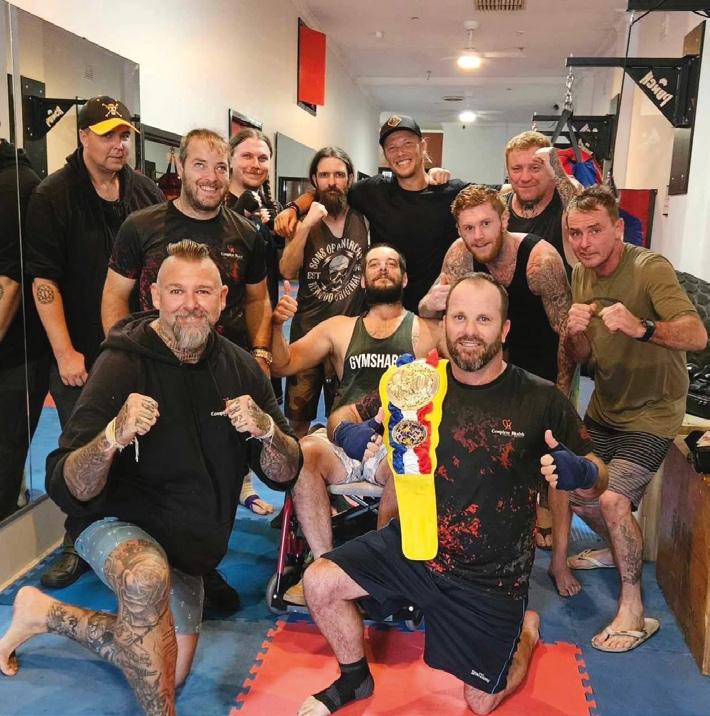
In Australia, there has been until now no governing body for the sport and little exposure. While organising Hulands and Buttimore’s bout, Harrison discovered there were more adaptive fighters locally than anyone realised, with many wanting to get in the ring. Harrison co-founded the Australian Adaptive Boxing Council (AABC) this year with Barry O’Keefe and Catherine Hutchison from Boxing Fit, and Troy Koerntjes from CHG. As yet unfunded, the AABC does have a powerful ambassador: four-time world boxing champion, Jeff Fenech.
“I couldn’t imagine how proud these guys are to get out there and compete when nobody has given them the chance,” Fenech said. “These guys are such inspirations to everybody.”
For Fenech, the key to the sport gaining traction and achieve Paralympic status is fighter safety. The AABC is aware some people will be against disabled competitors risking their physical health. That’s why Hulands and Buttimore wear headgear, heavily padded gloves, and are well strapped into their chairs, with doctors and coaches monitor their welfare. The AABC will develop local safety regulations modelled on international bodies, where fighters spar in US boxing-certified headgear and wheelchairs are secured to ring platforms.
Despite this, contact sports worldwide deal with legal challenges over head trauma, and the Australian Medical Association wants boxing banned at Olympic and Commonwealth Games level. However, not all experts agree. James Donnelly, psychology lecturer at Southern Cross University, said that when a sport’s safety is properly evaluated, the
risk factors can be managed rather than used to justify a ban.
By round three Hulands and Buttimore are tiring despite weeks of training. Buttimore looks for body punches then protects his head; Hulands leans back and picks his shots. But both fighters are trying to apply boxing’s great life adage: you have to give more than you take.
Hulands said the sport had given him more than he could have imagined. Better mobility at home, renewed confidence and, with Harrison’s help, a way out of depressive moments. At first, Hulands was sometimes asleep when Harrison came to collect him. Once boxing began, Hulands’ said, “Seven o’clock, I’m in the shower, then in the garage with the door open, waiting for my coach!”
For Buttimore, maintaining boxing from his wheelchair and now fighting competitively, has sustained his fitness and sense of purpose. “People don’t have to go down the competitive
avenue,” he said, “but you can chuck on a pair of gloves, meet new people.”
The final bell rings to whoops of approval from the two-hundred-strong crowd. This night's close win goes to Buttimore, but it’s obvious from the smiles on both fighters’ faces that there are two clear winners.
“It’s been nearly 20 years since I last competed,” Buttimore said after the fight. “The support was absolutely amazing.”
Hulands agreed, saying the crowd’s enthusiasm showed just how new and exciting adaptive boxing is for Australian audiences. “The support means a lot. I’m grateful to everyone helping grow the sport.”
Barry O’Keefe said they plan to continue to do exactly that. An early aim is a fight card consisting entirely of adaptive boxing, open to anyone with a disability, whether in a wheelchair or not. “Our motto,” O’Keefe said, “is that we’re going to include the unincluded.”
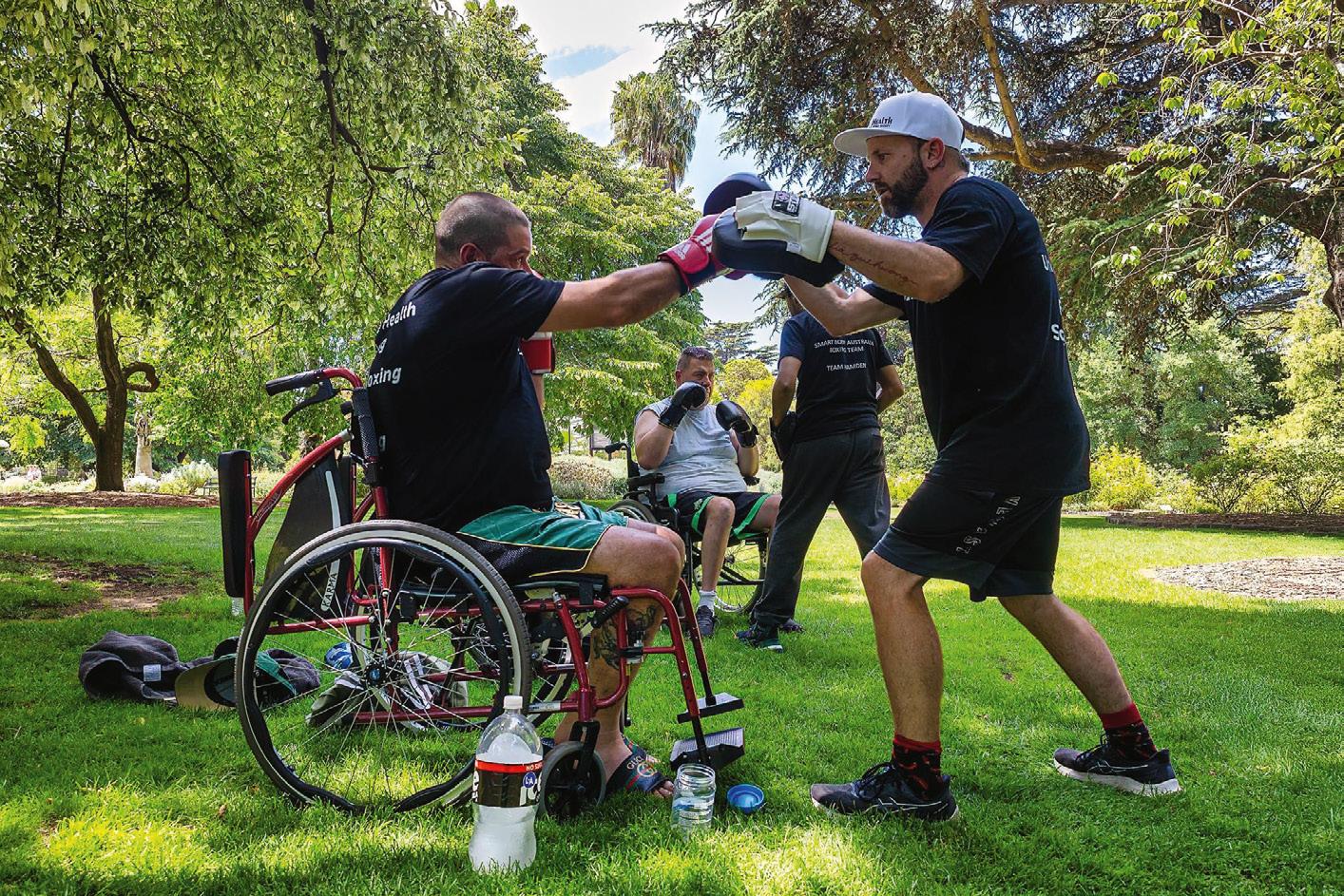
“Not all people with a disability want to play tennis, basketball or do athletics. New to Australia, adaptive boxing is giving athletes with a disability the chance to compete in the sport they love, or just keep fit.”

Online gaming grew significantly for many young Australians, particularly when social lives could only continue through screens and gaming when Covid-19 lockdowns switched off face-to-face interactions outside the family home. Many played video games with their friends and schoolmates from the bedroom computers or tablets to fill the many non-school hours stuck inside.
A 2025 Australian Bureau of Statistics report found that almost a quarter of young people aged 15-24 reported playing video or mobile games daily. While gaming and social media serve as a fun social outlet for many, for Australians with disability these channels to the outside world offer something far deeper. They provide a gentle, low-pressure way to start friendships. Acting as a connecting bridge, especially for those with minimal verbal communication skills. For people with physical disability inperson interactions can be difficult, and for people with an intellectual disability, these digital spaces can foster a sense of belonging and community that might otherwise feel out of reach.
Gaming therapy, or therapeutic gaming, is a practice where video games are used as part of a structured plan to help individuals achieve specific psychological, social or physical goals.
To find out how it works in practice spoke to Tim Durrant from Lightmare Studios. This NDIS eligible game studio and social enterprise offers guided online programs where a staff member accompanies a participant into the digital game. The staff member encourages their interaction with others and supports their game progress, all while helping them have fun, learn skills, build confidence and make connections in a supervised and safe digital space.
Durrant said, “We found success in helping participants with social anxiety, selective mutism, and other communication barriers overcome some of their initial challenges by using their existing interests and providing a safe, supportive digital environment.”
In a recent study researchers evaluated a program using ‘Minecraft’ by interviewing autistic youth, facilitators and caregivers. They found that leveraging strengths, sharing power and placing youth in the ‘expert role’ helped them learn naturally. It also helped them communicate their needs and wants, as well as develop social connections, independence and emotional regulation.
Durrant gave an example of a young participant who joined their studio in 2024. “At the time, they were considered high needs because of their very limited verbal communication he would respond with single word answers, which made it difficult for staff and participants to connect.
“The team knew Age of Empires II was a favourite, so a staff member played alongside him weekly for months building trust over time. Then other participants began to join the games and his social interactions grew.
“As confidence grew, he remarkably, started to engage with other gamerswithout being prompted by staff. Then explored different channels within our community and even joined sessions. Feedback from the participant’s family was that offline, his verbal
communication went from single words to speaking in full sentences.”
Digital spaces can ease social anxiety and allow people time to develop social skills online in their own time, which they can then further develop in their family and community networks. Yet a rise in Artificial Intelligence (AI) and the emergence of AI companions unearths a social dilemma.
An eSafety report found that 79 per cent of Australian children aged 10 to 17 have used an AI companion or assistant, with eight per cent having specifically used an AI companion. These companions mimic real friendships, a romantic partner or an anime persona. Their digital appearance and seemingly natural ability to respond to questions posed on feelings, life challenges, and mental and physical health raises concerns for children and vulnerable individuals.
Durrant said, “AI can be a useful tool for education and creativity, serve as a communication aid and even help some individuals to organise their thoughts or practice social interactions. However, I don’t recommend relying on AI as a replacement for personal relationships, or any form of evidencebased therapeutic services.”
From a niche, creative concept, gaming therapy is becoming a mainstream complement to professional treatments. When incorporated by health professionals into a holistic treatment plan, gaming therapy can be the creative solution to reframe how some people with disability, or their families think about the connection. Potentially opening up to contemporary alternatives like gaming that can lead to improved communication skills, connection to community and a sense of autonomy and self-determination for the gamer.
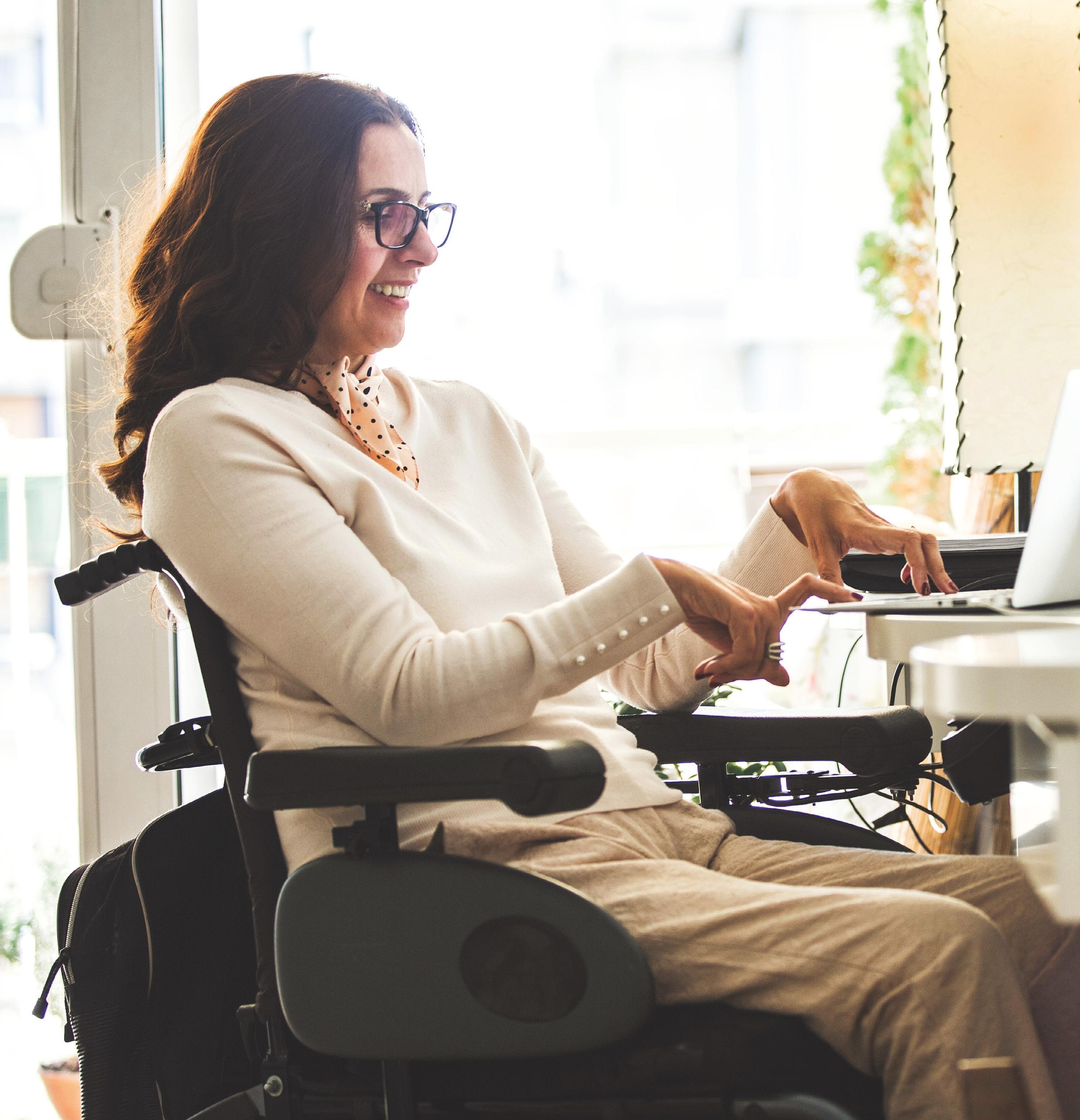
Domestic and family violence can affect anyone, but women with a disability often experience unique forms of abuse and face additional barriers when seeking support. These barriers may include inaccessible services, communication challenges, reliance on family members or carers, and social attitudes that can make abuse recognition and disclosure, harder.
For frontline workers to effectively respond requires more than understanding domestic and family violence. It takes an awareness of the social and systemic factors that shape the experiences of women with disability, and the confidence to respond in ways that are accessible, trauma-informed and person centred.
Building this capability across the frontline workforce is important to help
ensure women with a disability are seen, heard and supported safely.
DV-alert offers Women with Disability a one-day focused workshop developed with subject matter experts. Through evidence, practical activities and case studies, the workshop explores how domestic and family violence may present for women with a disability and provides participants with practical strategies they can apply in their everyday work.
Learners explore how discrimination and inequality can influence experiences of violence, recognise patterns of abuse and coercive control, and develop skills to respond safely while supporting informed choice and appropriate referrals.
The workshop is designed for frontline workers across a range of sectors, including disability, health, community
services, housing, mental health and other support services. Learners do not need to work exclusively in the disability sector - anyone who may support women with disability in their role can benefit from the learning.
Creating safer pathways to support begins with building understanding, confidence and capability across the services that women with disability engage with every day
DV-alert is funded by the Department of Social Services and delivered on behalf of Lifeline Australia. Training is offered at no cost to eligible frontline workers, with financial assistance for travel reimbursement or staff backfill available in some circumstances.
To learn more about upcoming workshops and delivery options, visit www.dvalert.org.au.
By Emily Finn-Brumm
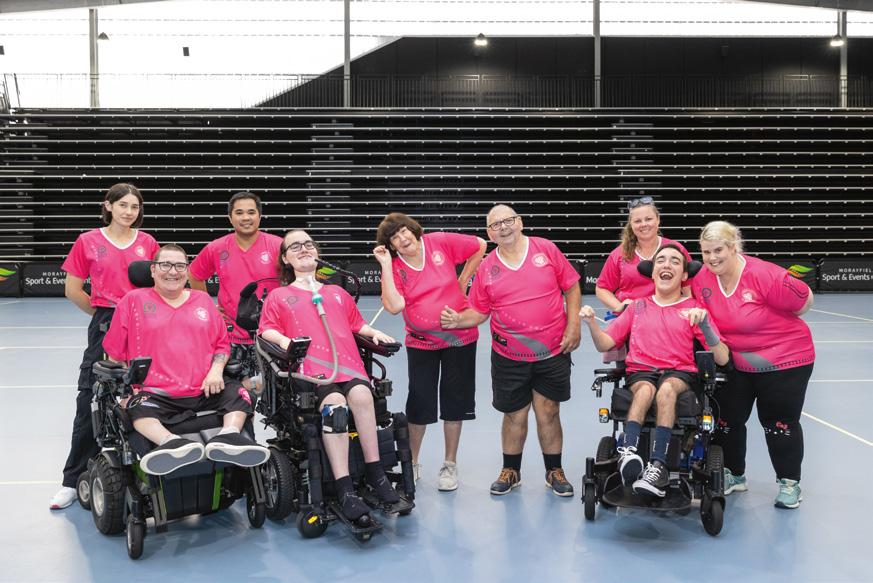
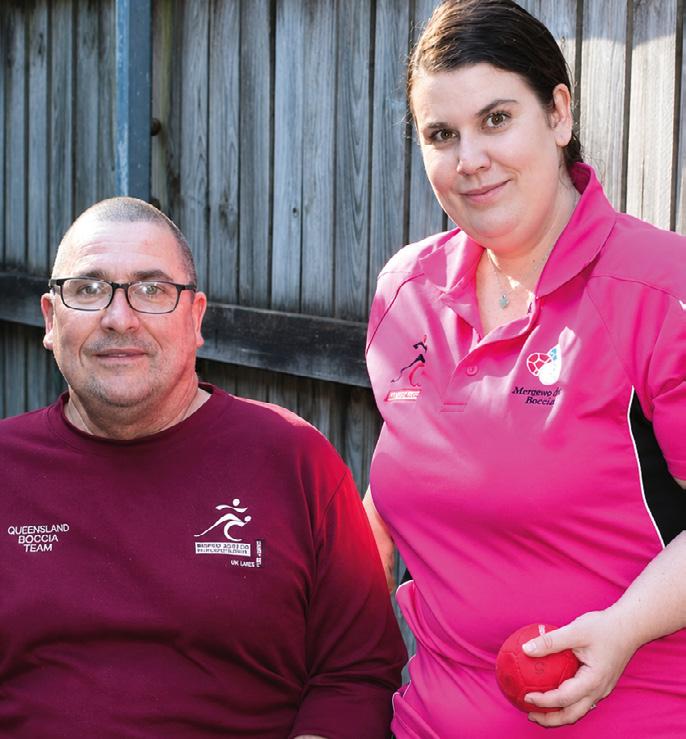
When I went to my first Boccia session in 2015, I never imagined it would change the course of my life. In fact, I wasn’t even there for myself.
My dad was a lifelong sports coach. He spent decades helping others participate and succeed in sport, including coaching many of his own teams and my younger brothers. Yet he never found a sport he could play himself.
I went along just to help Dad get his wheelchair out of the car on that first Boccia session. What began as support for Dad, quickly became something much more for me.
The more I learned about Boccia, the more fascinated I became. Every athlete was playing the same game, yet no two players approached it in the same way. Their abilities, strategies and decisionmaking created a unique style of play.
For those unfamiliar with the game, Boccia is a precision ball sport where players aim to place coloured balls as close as possible to a white target ball, the jack.
Originally designed for people with physical disabilities, it is now played from community clubs through to the Paralympic Games. While it may look simple, Boccia is a game of strategy, accuracy, patience and problem-solving.
As my passion grew, I wanted to learn every aspect of the sport. I first became a Level 1 Boccia referee, developing a deeper understanding of the rules
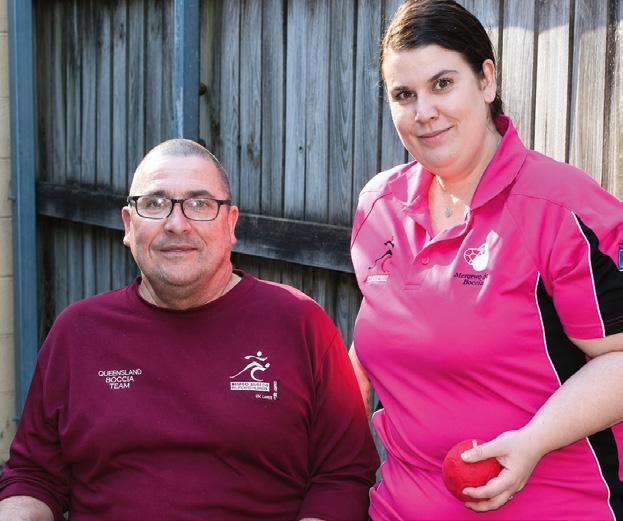
and competitive environment. I took over running our local club, which would later become the Moreton Bay Bugs Boccia Club, and began coaching athletes. A year later, I became Queensland’s first female Boccia coach.
Stepping into that role was both exciting and challenging. There was no roadmap to follow and very few women in coaching positions within the sport. I had to learn, adapt and trust my own leadership style. Looking back, I realise how important representation is and how powerful it can be for others to see someone like themselves leading from the front.
At the same time, I was navigating significant challenges away from the court. Living with a progressive disability meant constant adjustments to my bodies changes and to learn my physical boundaries. Alongside this, I was managing endometriosis and adenomyosis; conditions that brought chronic pain, fatigue and uncertainty. There were times when simply showing up felt like a victory.
Those experiences shaped the leader I am today. They taught me that leadership is not about being the strongest person in the room. Sometimes it is about adapting, persevering and continuing to move forward when the path ahead is unclear.
Rather than stepping away from sport, I found strength through it.
Boccia became more than a game.
It became my community, a purpose and a place where disability was understood rather than questioned.
Over the years, my journey expanded from local participation to state, national and international opportunities. I had the privilege of coaching the Queensland Boccia Team for five years. To support athletes to develop their skills, confidence and competitive pathways. In 2023, I was honoured to be selected as the Australian Boccia Coach for the World Dwarf Games, representing Australia on the international stage.
My passion for inclusion has also grown beyond the Boccia court. Through education, advocacy and practical support, I help organisations remove barriers and create environments where everyone feels they belong.
Through every opportunity, I have witnessed the power of sport to transform lives. I have seen athletes gain confidence, build friendships, discover new possibilities and find a sense of belonging.
When I look back now, it is remarkable to think that this journey started with helping Dad with his wheelchair.
Boccia has given me far more than a sport. It’s given me a community, a voice and the privilege to help others discover their own potential. Most importantly, it has shown me that inclusion is not about changing people to fit sport. It is about changing sport, so everyone can participate, contribute and thrive.
If there is one lesson my Boccia journey has taught me, it is that when people are given the chance to belong, extraordinary things happen.
Lives are changed, barriers are broken and communities become stronger.
Through this sport, my mission to ensure everyone, regardless of ability, has the chance to belong, compete and discover what they are truly capable of.
Sport has the power to improve physical and mental wellbeing, build confidence and create meaningful social connections. Yet for many people, barriers can make participation more difficult.
This can be particularly true for autistic and LGBTQIA+ individuals. Research has highlighted a significant overlap between the autistic and LGBTQIA+ communities, with studies suggesting that autistic people are more likely than non-autistic people to have diverse gender identity and sexual orientation.
Creating sporting environments that are both autism-friendly and LGBTQIA+ affirming can help more people feel welcome, respected and able to take part.
To help achieve this, Aspect Autism Friendly has partnered with the Queer Sporting Alliance (QSA) to support
sporting organisations in creating spaces where everyone feels welcome, respected and able to participate.
A key outcome of the partnership has been the development of practical resources for sporting organisations, including a Gender Inclusion in Sport Tip Sheet for coaches and officials and a supporting policy guide. These resources provide practical advice that helps create welcoming, respectful and inclusive sporting environments.
Some of the tips include initiatives such as developing visual stories to help participants understand what to expect, creating quiet spaces for people who may become overwhelmed, providing autismspecific training for staff and volunteers, and encouraging flexible participation options.
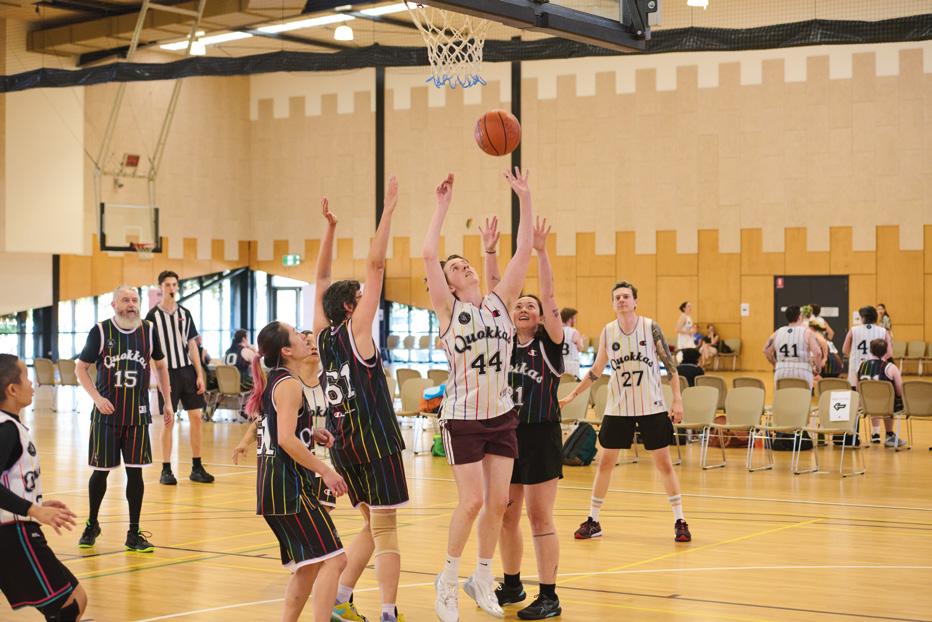
The goal isn’t to treat people differently, but to recognise that people have different needs and experiences. When sporting clubs take these into account, more people can participate, contribute and enjoy being part of the game.
Aspect is a not-for-profit organisation working in partnership with people of all ages on the autism spectrum to co-develop, co-produce and codeliver supports and services that are individualised, goal driven and grounded in evidence-based practices.
Inclusion starts with belonging.
Aspect Autism Friendly works with organisations to build more inclusive experiences for Autistic people and their families. Using lived experience and evidence-based practice, we help organisations create meaningful change.
We support:
• Sporting clubs, competitions and programs
• Events, conferences and public experiences
• Systems, policies and processes
• Staff capability and confidence. Together,
we can create a more autism-friendly Australia.
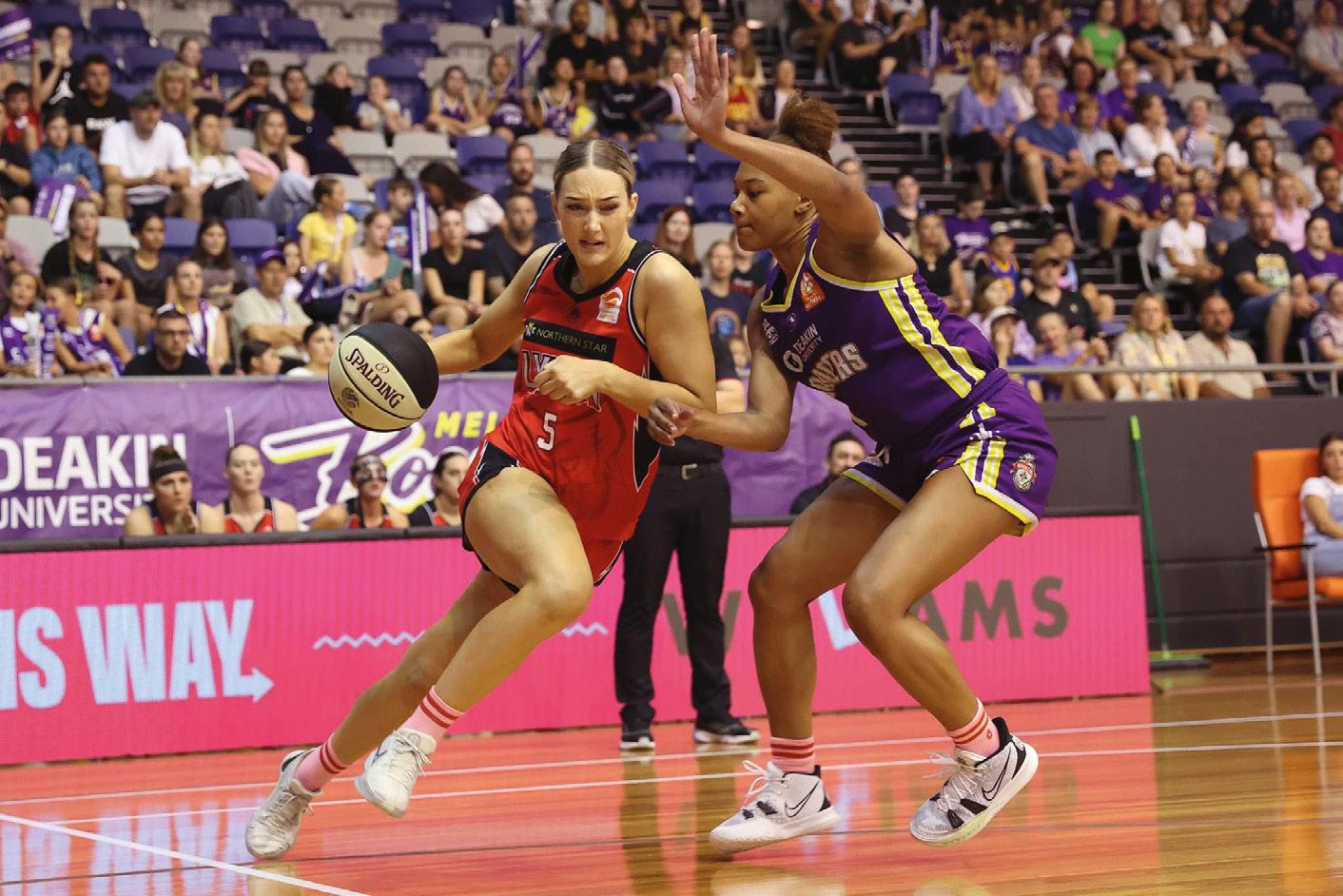
Oresearchers to question if this minimal participation rate is influenced by the added hurdles that menstruation presents for women with disability, ranging from insufficient access to period products to a lack of awareness of when to change hygiene products or the physical capability to do so.
To investigate the underlying cause for these women, Share the Dignity and the Institute of Health and Sport at Victoria University designed a study that surveyed 273 women aged between 15 and 53 living in Australia’s cities, regional centres and rural towns. The data showed that 68 per cent skipped sport directly because of their period, with many indicating that a lack of access to adequate period products was a primary reason.
KEY
• Of those surveyed, over 69 per cent of respondents indicated having a psychosocial, neurological, or a physical condition, with 48 per cent saying their neurological condition’s severity was ‘moderate’.
• When asked specifically about their disability, approximately half said they were born with it, while 47 per cent said they acquired it later in life.
• The survey asked respondents about their level of activity. Eighty per cent said they exercised regularly, and 19 per cent considered themselves infrequent exercisers.
because of their period, with 37 per cent skipping sport because they did not have the period products they needed.
CHALLENGES FOR PERIOD MANAGEMENT WITH DISABILITY
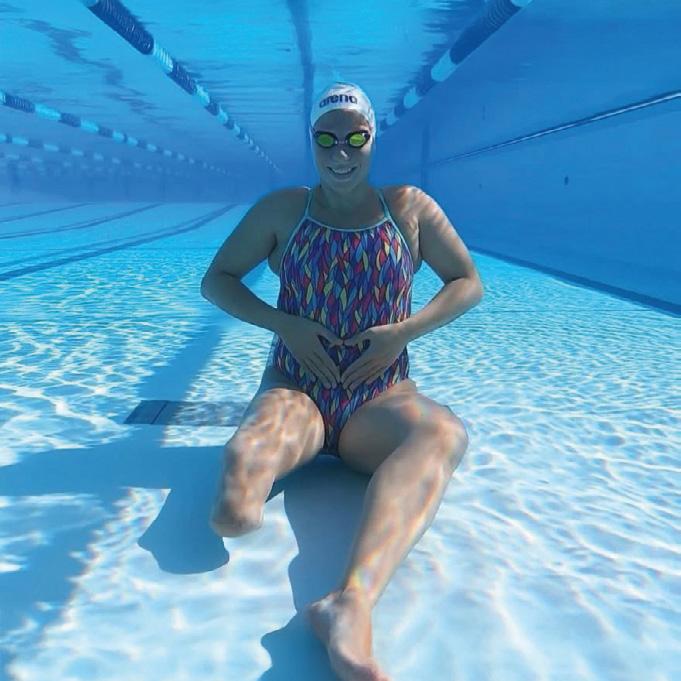
For women with conditions that have physical implications, like a limited range of motion or reduced hand and wrist function, the use of internal period products like tampons and menstrual cups is not possible. This leaves women with certain conditions more likely to avoid sports entirely. Conversely, it also makes the reverse side, leaving certain sports like swimming particularly avoided.
Neurodiverse individuals who may prefer period underwear because it avoids the sensory triggers of disposable products might struggle with the time management needed to ensure products are changed at set intervals.
Rochelle Courtenay, founder of Share the Dignity, told LINK , “Many people surveyed faced barriers around accessibility, independence, education and support. This reinforces that menstrual equity isn’t just about access to products, it’s about ensuring everyone can manage their period with dignity, choice and independence.”
With educational campaigns that start discussions and bring periods out of
the realm of taboo for the betterment of all women, disability advocates are pushing for changes such as:
• Promoting period products that are available under the NDIS.
• Period-friendly communication in sports, coaches and trainers can understand more about period needs and the challenges disability groups face.
• Uniform flexibility, specifically shifting away from white uniforms that deter women who may love the sport, but whose disability leaves them at a higher risk of embarrassing period leaks.
• Update accessible bathrooms with a shelf to make period management easier.
The Australian disability sector could gain from global commercial markets with product innovations that could alleviate challenges. “We’re seeing more innovation globally around accessibility, including adaptive period underwear, easier-open packaging and products designed for people with disability,” Courtenay said.
These are products that can lead to more exercise for stronger bodies and better health, as well as participation in community sports that inspire friendships and a stronger sense of belonging for everyone.
The Powering Participation report can be found on www.sharethedignity.org. au website.
Growing older doesn’t mean giving up the activities that bring joy to everyday life. Whether it’s meeting friends for lunch, attending community events, travelling, or simply enjoying a walk through the local park. Maintaining independence is important.
Designed and built with an ultralightweight carbon fibre frame, the S50 Carbon is designed to make everyday mobility easier and more enjoyable. It’s one-piece moulded carbon fibre frame ensures durability and a secure, safe ride while delivering exceptional comfort and manoeuvrability.
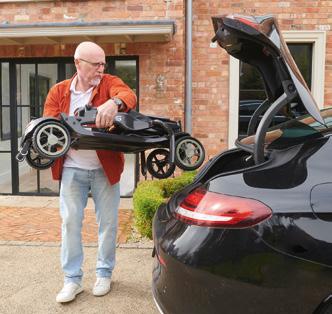
To lift a scooter in and out of the car is a challenge. The ultra-lightweight carbon fibre frame has just two folds, no removable pieces. At 13 kgs, it’s easy to lift into the car and its handle makes moving around simple and easy.
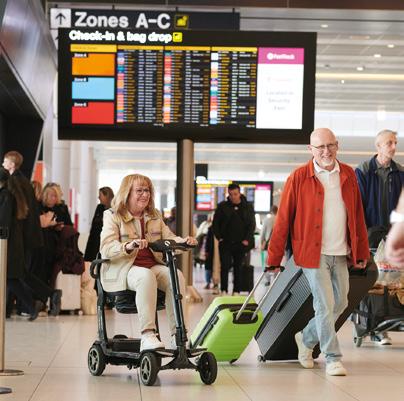
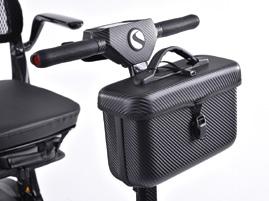
Perfect for airline travel, the S50 Carbon scooter is available with a hardshell carry case. And the lithium battery is approved for airline travel.
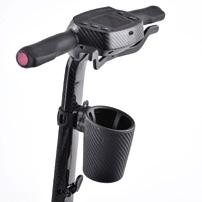
The benefits extend beyond convenience as the S50’s beautiful design, ergonomic seating, and responsive handling provide confidence both indoors and out. It features turn assist which gently adjusts speed during a corner. The adjustable tiller
ensures a safe and comfortable drive too.
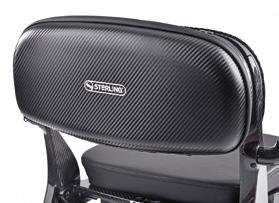
Its contemporary design is another welcome departure from traditional scooters. Sleek, modern and discreet, the S50 reflects the growing expectation that assistive technology should not only perform exceptionally well, but also complement an active lifestyle. Add a front carry bag, cupholder, rear bag and phone holder and the day has no limits.
Because staying active isn’t about slowing down, it’s about having the confidence and freedom to continue living life on your own terms.
Sterling S50 Carbon Scooter – Premium lightweight foldable scooter designed for independence.
Learn more about the S50 Carbon scooter at: www.sunrisemedical.com. au/s50-carbon-1
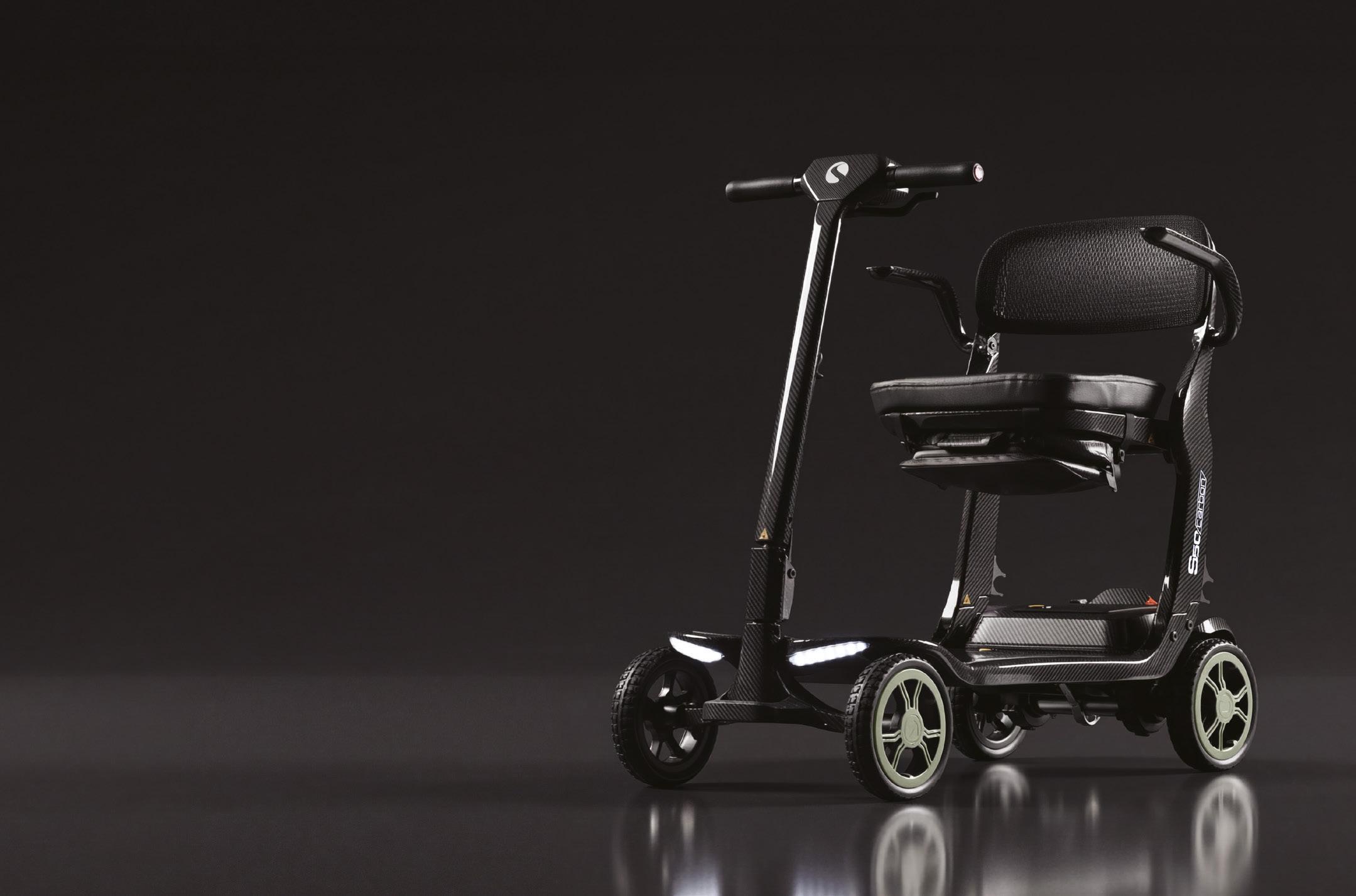
• Brilliantly simple one-piece folding design
• 100% carbon fibre frame
• Weighs just 13 kg (battery removed)
• Up to 19.2 km of range
Beyond the physical benefits, mobility provides profound psychosocial benefits. It enables children to interact with peers, participate in play and educational activities, and develop independence, confidence, and self-efficacy.
Creating the joy of movement for a child with physical challenges is a shared goal for families, therapists, and Assistive Technology (AT) providers.
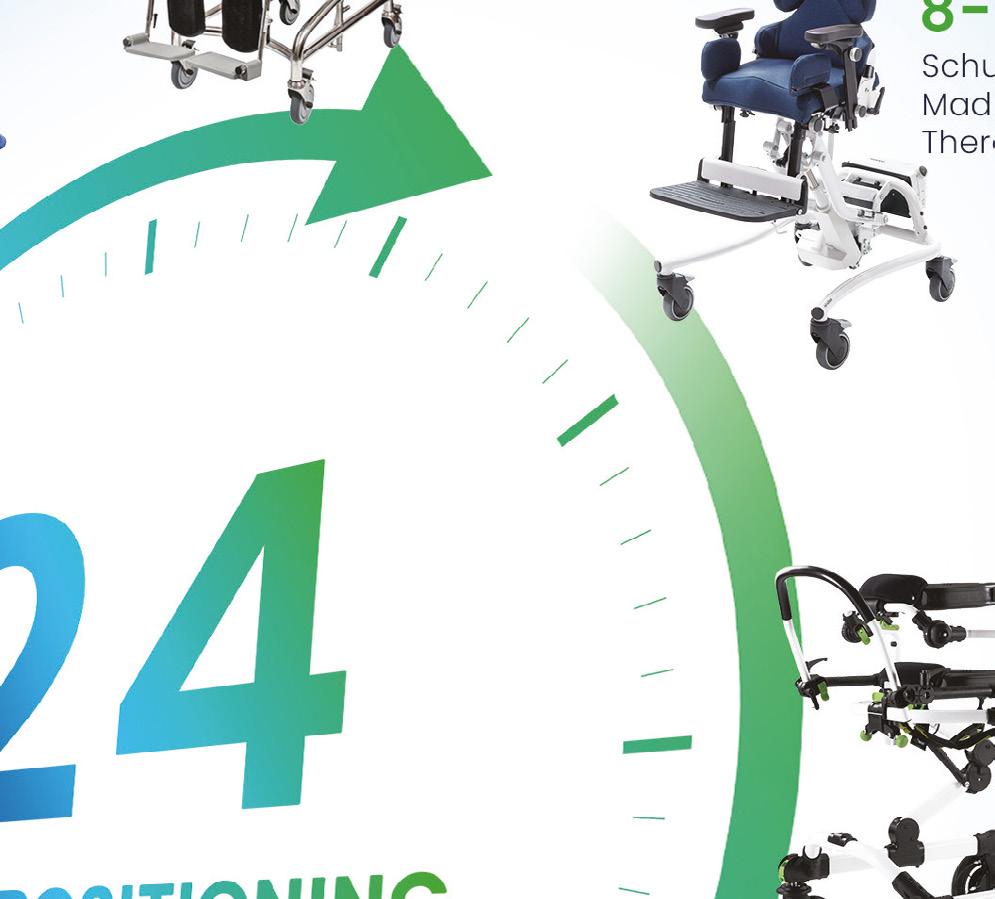
Assisted gait training aims to promote functional mobility, participation, and long-term musculoskeletal health. Programs are guided by a child’s therapy team through comprehensive assessment and thoughtful assistive technology selection to support these goals.
Gait trainer choice plays a vital role. From basic walkers to high-support gait trainers and advanced robotic systems, each option serves a different purpose depending on the child’s abilities, goals, and therapeutic needs. However, all share a common aim: to promote mobility, participation, and weight bearing.
A thorough, child-centred assessment underpins successful gait training. This may include evaluation of muscle strength and weight-bearing ability, capacity for reciprocal stepping, tone, range of motion, selective motor control, balance, endurance, and postural alignment. Environmental and psychosocial factors, including motivation, family goals, and access to support, are also critical.
The right AT can enable safe and effective gait practice. So, where do you start?
For children assessed as having mild to moderate mobility impairments, basic walkers can support independence and
functional mobility. This allows them to explore their environment and engage in daily activities with greater autonomy.
The Schuchmann Marcy and Schuchmann Malte can be considered within this low-support category. Through frame configuration, orientation options, and a range of accessories, they may provide additional support for balance and coordination during gait.
For children with more complex needs, high-support gait trainers may provide greater weight-bearing support
and postural control, depending on assessment findings. Features such as trunk and arm supports, pelvic harnesses, and adjustable weightbearing systems may support the introduction of upright mobility while allowing positioning and assistance levels to be tailored to the child’s needs. Assessment is key.
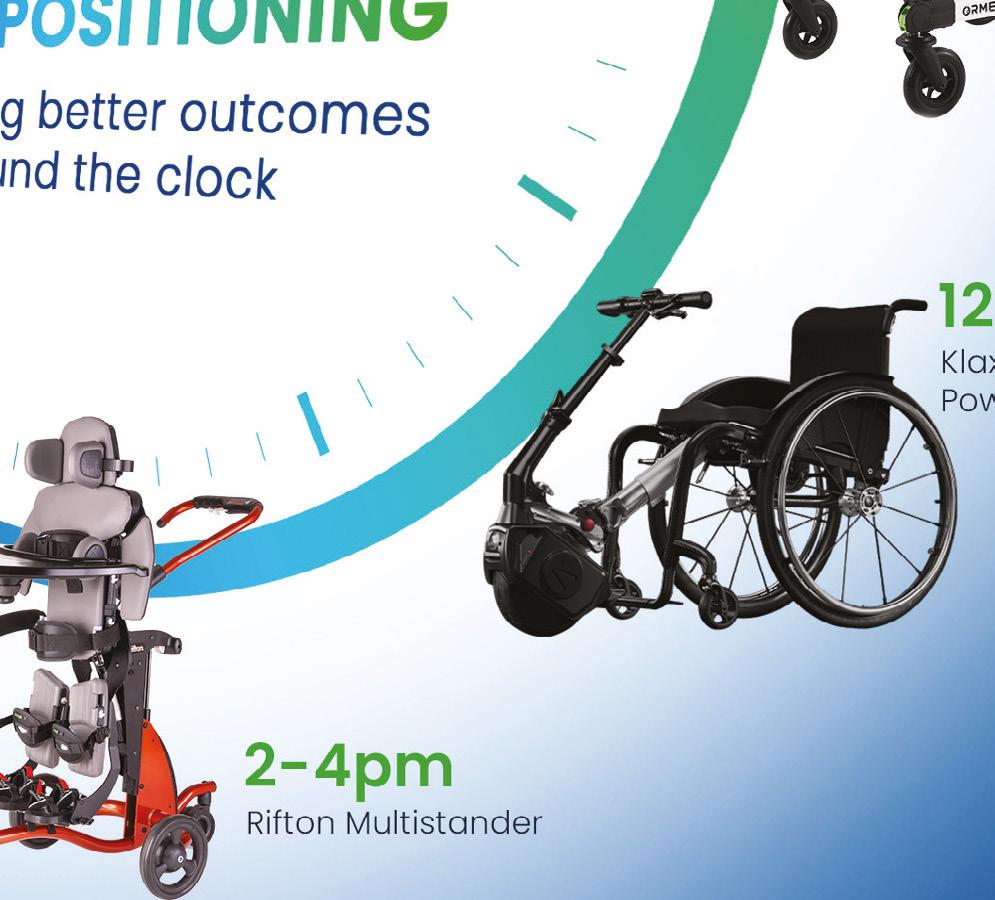
The Rifton Pacer and Ormesa Grillo are highly configurable gait devices that may be considered for children with complex postural and mobility requirements. It also offers a wide range of accessories and adjustment options.
Even with the most supportive gait trainer, achieving enough practice to create meaningful change can be challenging. Emerging technologies such as robotic gait trainers assist movement by providing repetitive, task-specific gait training and enabling stepping patterns that may not otherwise be achievable.
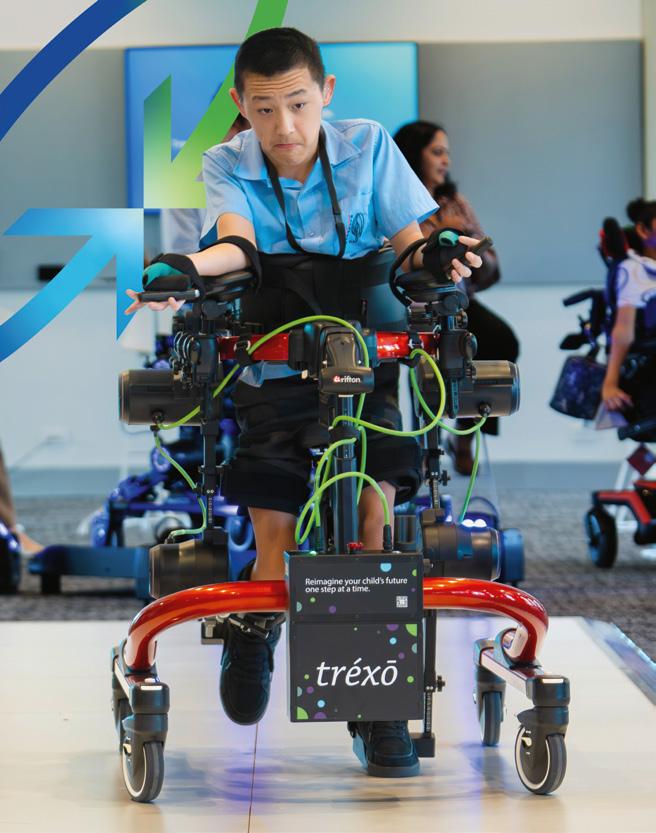
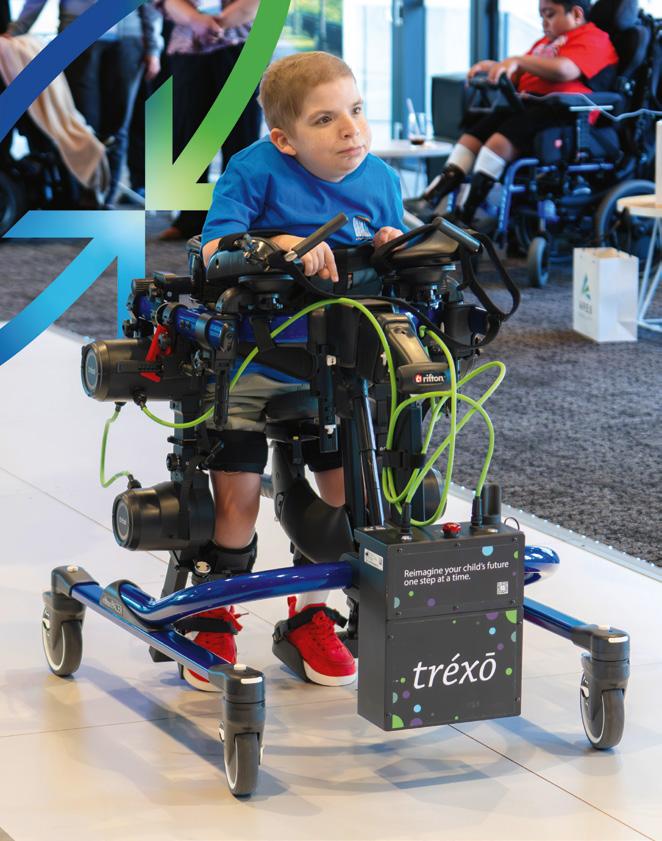
The Trexo Robotic Exoskeleton, used with the Rifton Dynamic Pacer, combines adjustable support with robotic technology. While not suitable for every child, its customisable support levels, joint angles, and step cadence allow it to be tailored to a range of individual needs.
Gait trainers remain an important assistive technology option for children with physical disabilities. Whether using a basic walker, a high-support gait trainer, or an advanced robotic system, these devices can create opportunities for movement, exploration, and participation when appropriately matched to a child’s needs and goals.
To learn more about gait training options, or to discuss whether any of the products featured in this article may be suitable for your child or client, contact APEX Mobility at sales@apexmobility. com.au or call 1300 212 192.



By Dr Bronwyn Morkham
Having a roof over your head, a home to live in, is not only essential to health and well-being; it’s fundamental to a sense of belonging and connection to community.
Australians with disability have the same expectation. To live with dignity, independence and genuine connections to the people and places around them. Yet factors like poverty, ableism and inaccessible housing, continue to be structural barriers in achieving that.
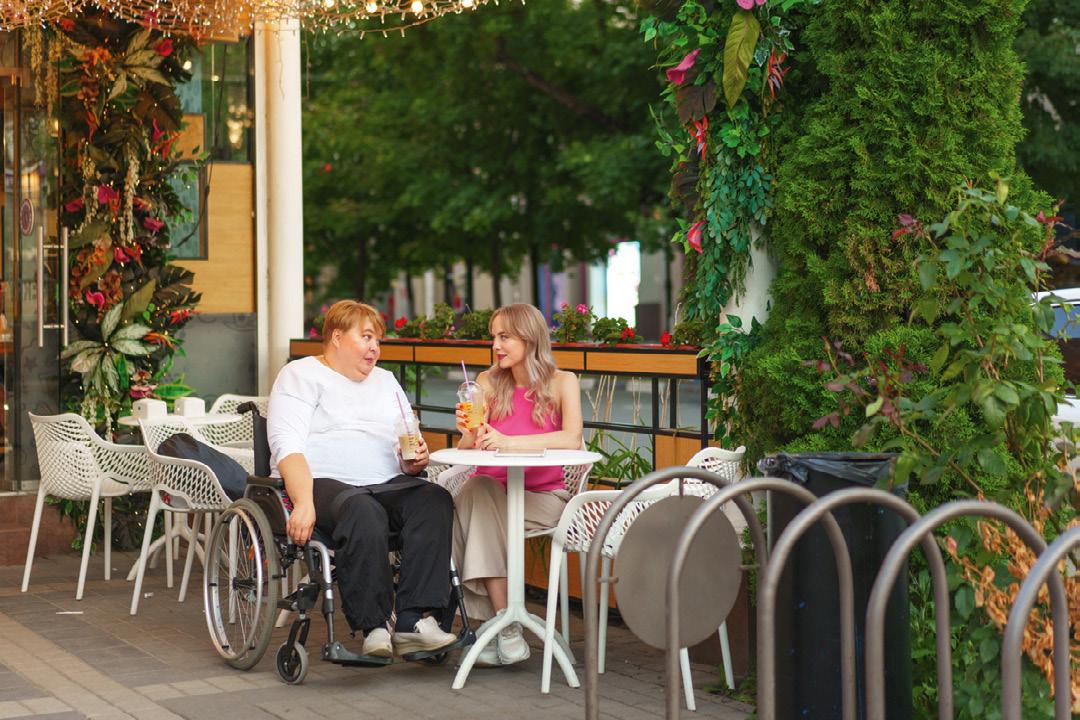
Equating mere community living with true inclusion slows progress. To view disability housing as a service delivery issue, rather than a way to build broader community connections, only worsens the problem. Simply developing new housing does not facilitate connection or participation. In fact, if the built environment is not designed to enable people with disability to live and interact, social isolation will remain.
The provision of disability housing has largely shifted from social policy to the private market. Stock of accessible apartments may have grown, but the locations for builds of segregated group homes is chosen by developers.
These settings are developed as atomised living settings where regulations only demand accessibility behind the front door, without a thought given to community connection.
The capacity to belong in a place and not merely be present in it, is what leads to genuine inclusion. A sense of belonging is formed through the ordinary rhythms of everyday life, like having a coffee with a neighbour, bumping into someone at the library or meeting in the town square.
For people with disability, these interactions depend on the accessibility of the precincts. These forethoughts are critical in town planning and community development, yet they are not priorities for private developers in a rush to deliver profitable units of stock.
It’s clear that the current system of housing development for people with disability tends to segregate rather than include. It’s also clear that this approach ignores international evidence about accessible precinct development showing that community inclusion can be ‘designed in.’
The Five Dock development in Sydney is a case in point. The developer wanted more apartment floor spaces. The local council was prepared to grant it, if the developer incorporated inclusive design principles; a neighbourhood library, accessible apartments and upgraded public plazas where all community members could come together.
These inclusive inclusions went ahead, with no cost to the council.
Canada Bay Council transformed a supermarket car park into a mixeduse development that draws people into these shared spaces every day. Inclusive precinct design means easy access to shops, cafés, and community services. A style of community connection that disability-specific accommodation rarely achieves.
The Australian government’s recent NDIS announcements show its intention to cut community access supports. It intends that community and ‘mainstream’ programs will organically support people through inclusion and informal connection.
This won’t happen without major policy shifts that prioritise inclusion
and deliver serious investment in community development.
Simultaneously, the NDIS continues to incentivise the provision of grouped and segregated living for people with disability. Entrenching old fashioned segregation. As policy signals pivot to where the money and market are focussed, something has to give.
Replacing these failed ‘disability housing only’ imperatives with holistic approaches that locate precinct development, should be fundamental to any housing development.
What’s required is neighbourhoods with integrated community facilities and public spaces, where community engagement and wellbeing are foundational.
To achieve this, accessible housing must no longer be an afterthought. Accessible design needs to be a non-negotiable baseline. Not only to develop inclusive communities, but accessible and adaptable homes built upfront, are far cheaper than retrofitting down the track.
We need a new-build mandate where accessible housing and inclusive precinct design are central to urban planners, architects and local government.
This means that all governments must commit to accessible and adaptable design features in all residential building codes. It means local and state planners, not disability departments or the NDIS, should take responsibility for housing development and a built environment that includes people with disability, from the beginning.
And it means de-linking support funding from housing, so that where someone lives is a choice — not a consequence of what they can access. Where the built environment includes accessibility and inclusive precinct design, it makes that choice genuinely possible.
An advocate and policy practitioner, Dr Bronwyn Morkham is CEO of the Young People In Nursing Homes National Alliance.
SKAFIT clothing with silver yarn is designed for individuals with chronic skin conditions where reduced circulation and cold related complaints play a role. Examples include rheumatoid arthritis, systemic sclerosis, and raynaud’s phenomenon. Thanks to the unique properties of silver, these garments can stimulate circulation, support skin recovery, and reduce cold related discomfort. The silver yarn works to reflect your body heat back to the skin, reducing heat loss and keeping you warm.
The SKAFIT range of thermal silver clothing is designed to be functional and comfortable. Where possible, seams and pressure points have been avoided, so the skin receives no further stress, making it ideal for sensitive skin. The range includes t-shirts, pants, socks, gloves and headwear.
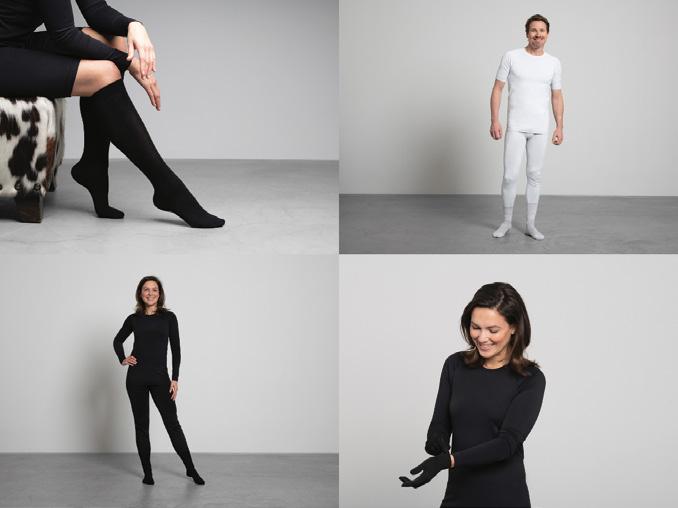
To maximise the conductive and reflective properties of the silver and for optimal effect, it is important that the silver fits snugly against the skin. Therefore, SKAFIT thermal silver clothing works best when worn as a base layer.
For extra insulation against the cold, wearing additional layers over the clothing is recommended.
Another important property is SKAFIT’S antibacterial effect. Silver can inhibit bacteria and fungi, greatly reducing the risk of infection. It also wicks away moisture, keeping the skin dry. This combination provides warmth, circulation, moisture regulation, and hygiene, protecting the skin effectively.
SKAFIT thermal silver clothing is low maintenance being easily machine washed at 40°C. There is no need for fabric softener as this can insulate the silver yarn and reduce its effectiveness. The garments must be air-dried only, avoiding both the use of a tumble dryer and iron.
All SKAFIT products are exclusively available in Australia via WILA Innovations.
For more information visit www.wila-products.com.au or email info@wila-products.com.au
By Dr Jane Bringolf
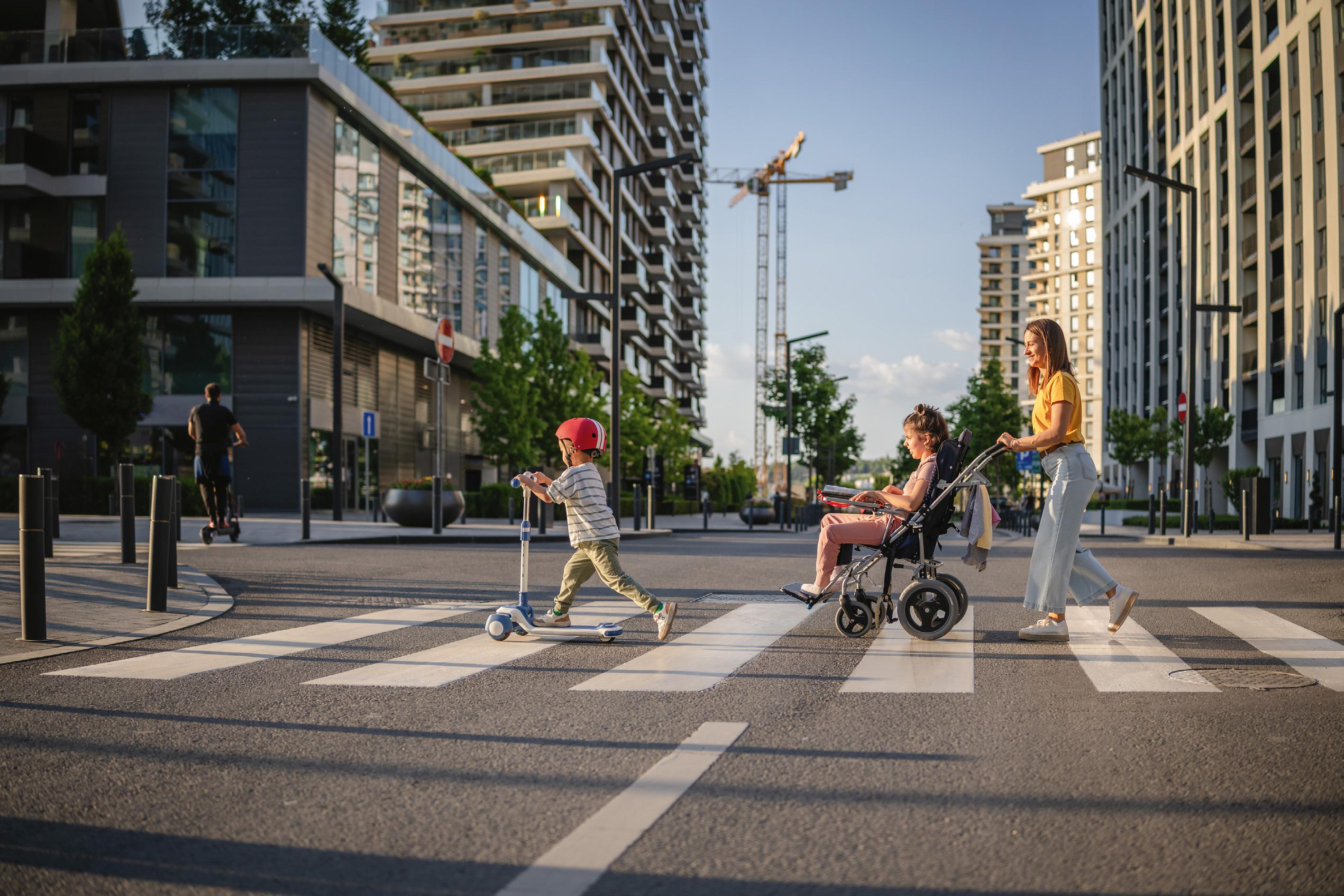
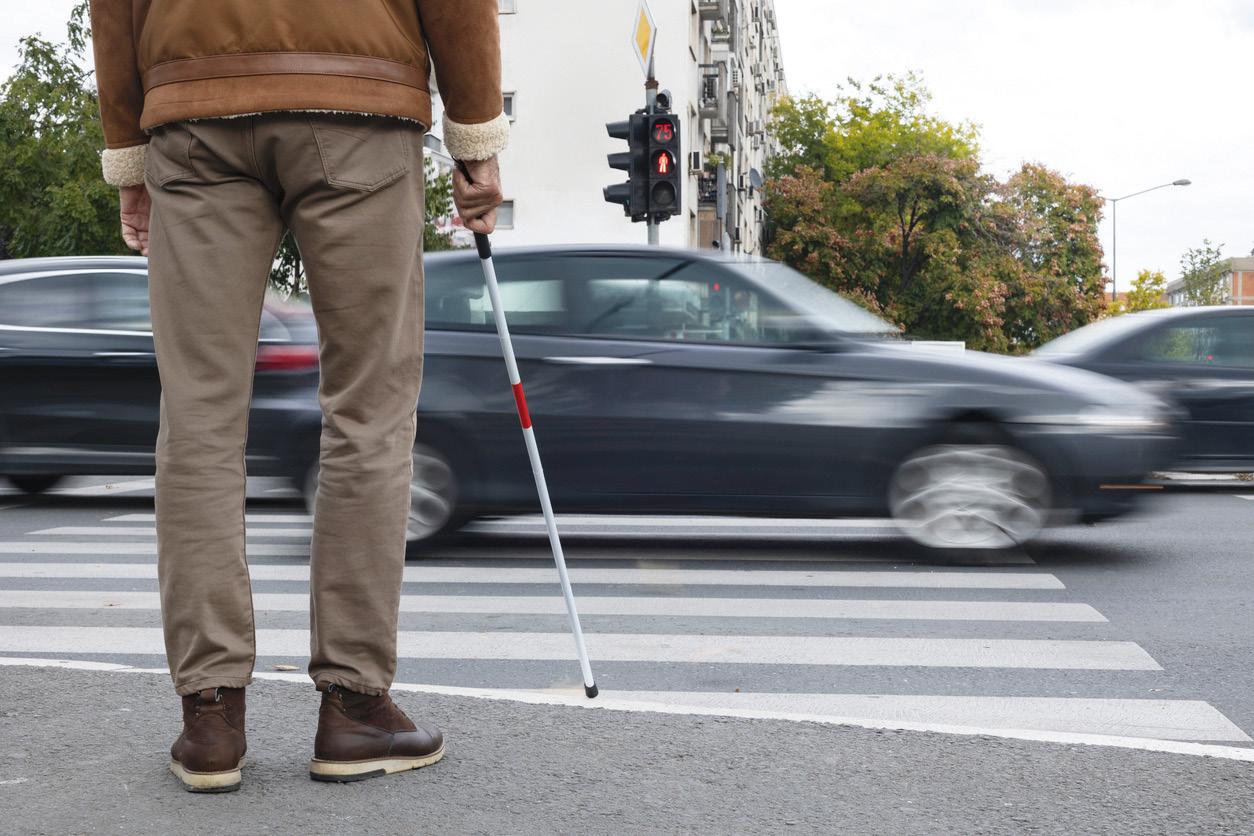
We are encouraged to use the car less often. To walk more and reconsider public transport to get us about. However, this is not as simple as it seems. A journey from home and back again has many parts that form a ‘journey chain’.
If one piece of the chain is broken or missing, it can prevent us from making that journey. A missing piece might be a signalised crossing, an uneven or narrow footpath, a busy road with lots of traffic, or a kerb without a ramp. Or it could be that the public transport information is not in an accessible format.
In transport language, people in cars are ‘drivers’ and people not in cars are ‘pedestrians’. For planning purposes, both are a viewed as statistics. When people become statistics, the real lives of people and the community become lost.
In urban design images, pedestrians are depicted as ageless adults, all walking. However, pedestrians come in all shapes and sizes, ages, genders, and levels of capability.
pedestrian planning is challenging the idea that pedestrians are mostly all the same. One of the authors of the report was transport planner and engineer Tim Judd.
In preparing the report for Austroads’ Judd changed his mind set about pedestrians. Initially, it was the statistics on disability and long-term health conditions, then it was hearing the lived experiences of people with disability during the project’s consultation phase.
Judd said, “I never saw those statistics before, that up to 40 per cent of the population with either a disability or long-term health condition could be impacted by road and street design. It really hit home to me.”
The lived experiences of pedestrians with disability have been missing from transport professional training.
Judd also said that the transport network has to plan and design for our lifespan. “As a child you need assistance from your parent who in turn wants an accessible system. As an adult you can break your leg and need good accessibility, and as you get older your needs evolve and change again.”
The Austroads’ report introduced a new term for pedestrians. It collectively refers to pedestrians as ‘people walking and wheeling with and without assistive devices.’
‘Wheeling’ can be any device with wheels: a pram, shopping trolley,
wheelchair, or mobility scooter. An assistive device might be a cane or wheeled walker.
The authors of the report chose this term to serve as a reminder that pedestrians are diverse. It stems from a universal design approach to transport planning which I was able to bring to the review project as a co-author.
Being safe is one thing, but people want to feel safe. For example, wide crossings in heavy traffic are scary if you have a wheeled device or walk slowly – even when the crossing is signalised.
Impatient drivers also make slow walkers feel unsafe and a nuisance.
A key point in the Austroads’ report is that drivers need more education to understand traffic rules in relation to giving way to pedestrians.
The crossing time for pedestrians at signalised crossings is based on 1.2 metres per second. However, not every pedestrian can walk at this speed, a point raised by disability and ageing advocates during consultations for the report.
Safety is a concept that transport professionals take seriously. Consultations with professionals for the Austroads report revealed that a universal design approach was a new concept. However, the Safe System approach was not.
Judd said, “Within pedestrian planning, the safe system approach is probably the biggest policy tool we can use. So, we were able to use this as the hook to drive everything else.” And that included a universal design approach.
The Movement and Place Framework is about improving the liveability of suburbs, activity centres, and business districts.
However, safe, comfortable and pleasing pedestrian infrastructure is needed between places, not just within places such as shopping and dining precincts. Decent footpaths, seats at regular intervals, and shade can encourage more walking for more people in local neighbourhoods too.
During the consultation with advocacy groups, the issue of ‘journeys not made’ was a regular feature. These are trips that people want to make but either cannot or choose not to make. Several factors contribute to this.
Poorly designed or missing footpaths and kerb ramps become barriers, and signalised and other crossings can feel unsafe. The weather and other aspects of discomfort including shared paths also prevent people from getting out and about.
The journeys not made impact mental health and general wellbeing. Avoiding a journey impacts daily life and reduces incidental socialisation.
“One of the report findings was an acknowledgement of the level of journey avoidance. State governments generally understand the concept, but not as an industry,” said Judd. He noted that transport professionals don’t have the tools to measure avoidance, and he suggested that Austroads commission a separate project specifically for this.
For my part in this project, I found support and acknowledgement for improved accessibility and inclusivity depended greatly on who was
represented in the working groups and decision-making committees. Consequently, not all recommendations were welcomed by all.
However, this report paves the way for pedestrians (people walking and wheeling with and without assistive devices) to be considered more broadly in future updates to Austroads’ publications.
Amy Naulis of Austroads’ said, “By embedding safe system, universal design and movement and place thinking into future updates of the Guide to Traffic Management, we can better support every person walking or wheeling to move independently, confidently and safely through our streets.”
The good news for pedestrians is that this term and similar references will be used when reviewing Austroads’s documents.
The full report with recommendations is available on the Austroads website.
Dr Jane Bringolf is founder, Centre for Universal Design Australia, and is Honorary Fellow at the Melbourne Disability Institute.
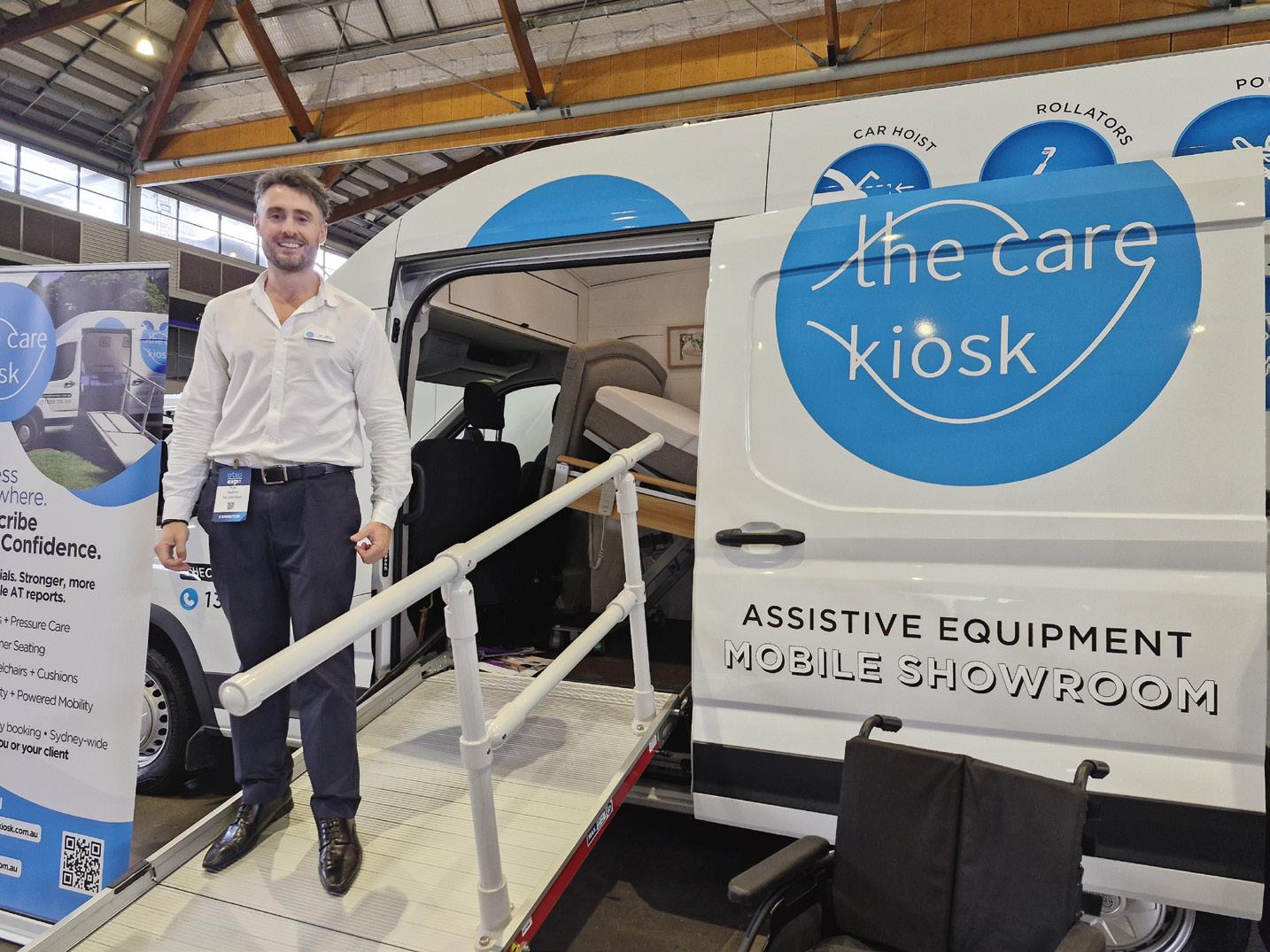
For Care Kiosk clinical specialist Ryan Hesford, the ATSA expo in Sydney was a first as an exhibitor.
Care Kiosk has been operating its mobile showroom for eight years, originally with mobility scooters and power wheelchairs to hire and purchase.
“In the past year we have moved our mobile sharing model into a more advanced clinical assistive technology market in collaboration with occupational therapists in the home, delivering a full pathway of equipment,” Hesford told LINK
“Initially it was homecare with beds, recliners, commodes and pressure care services but now we are into power, manual and ultra-light wheelchairs and scooters and more.”
Everything can be transported in the van which a client and OT can easily access via a ramp to trial products. Equipment such as a bed or wheelchair can also be taken into the house or driveway to trial. The van can hold up to four mattresses, multiple wheelchairs, a power chair and two recliners.
“We bring out the larger, more complex pieces of AT, which to get that kind of a trial requires a showroom or an extended ‘at home’ community trial,” he said.
Equipment is taken to the participant’s home so trials can occur within the setting where it will ultimately be used. “We will go anywhere but our main footprint is Greater Sydney, from Penrith and Campbelltown up north to Hornsby and down south to Wollongong.”
However, for a larger scale trial Hesford recently visited a client at Taylors Flat, a small rural community in the NSW Southern Highlands. “A 350k trip to the middle of nowhere with 20k of dirt road off the Hume Highway. A woman with high needs, who needed equipment, living with her son and no one nearby, but she had been in contact with an OT she had not met.
“When I arrived at the property the OT joined via Starlink because there was no phone reception. This remote coordination with the OT and client went on for nine hours, over two days with my boss booking me into a hotel 50k away.
“The client wanted a big power wheelchair for getting across her two properties and while covering the property she mentioned there were snakes around and I was left thinking maybe the noise will scare them off. We ventured further to see the cows and
had a break for a couple of hours. Then back to the property to demonstrate the bed and the mattress. Then I set off back to Sydney, dodging kangaroos.
“With so many different pieces of interactive equipment we were not just prescribing products we were prescribing a pathway. And to get through the NDIS the process had to be justified. It was like conducting a full scale AT trial remotely with many moving parts, but we made it work.
“For some OTs to get their report over the line they need to show how this equipment works in the home environment or places where they live.”
The company is now moving into commodes and manual wheelchairs along with manual and powered hoists, because as Hesford said it was important to see how multiple equipment goes from the bed to the living room to the outdoors.
“We are not here to replace the traditional showroom model as there is a place for that as well. We provide another option for OTs where sometimes getting a trial conducted in the showroom is difficult.”
What he heard frequently from OTs at the expo was the increasing pressure being placed on them to provide clear and defensible reasoning for AT recommendations, while also dealing with growing funding scrutiny and admin issues.
“It’s becoming crucial to not just identify suitable equipment, but to demonstrate why it’s appropriate within the participant’s actual environment and support context, which is where the mobile showroom has been so valuable.
“It allows clinicians to observe outcomes around transfers and mobility, positioning and pressure care, manual handling, equipment compatibility, environmental constraints and access considerations," he said.
As Australia continues to embrace inclusive design, the need for safe, reliable and compliant accessibility solutions has never been greater. Whether it’s enabling an older Australian to remain in their own home, improving access to a commercial building, or supporting people living with a disability, quality access products play a vital role in creating safer, more inclusive communities.
For more than 35 years, Envirorubber Solutions has been committed to manufacturing practical accessibility products that meet the evolving needs of the building, healthcare and community sectors. Proudly Australian made, their products are designed with durability, safety and performance in mind. Providing confidence to builders, occupational therapists, architects,
facility managers and access consultants alike.
Compliance remains a cornerstone of every successful accessibility project. Envirorubber’s products are designed to support the requirements of AS 1428 for both domestic and commercial applications to help ensure projects deliver safe, functional outcomes while giving specifiers confidence in their product selections.
As a wholesale supplier, Envirorubber Solutions is dedicated to supporting trade and healthcare professionals through an established network of approved and accredited resellers Australia-wide. This national distribution model provides consistent product availability, expert technical advice and local service, while ensuring customers receive the right solution regardless of their location.
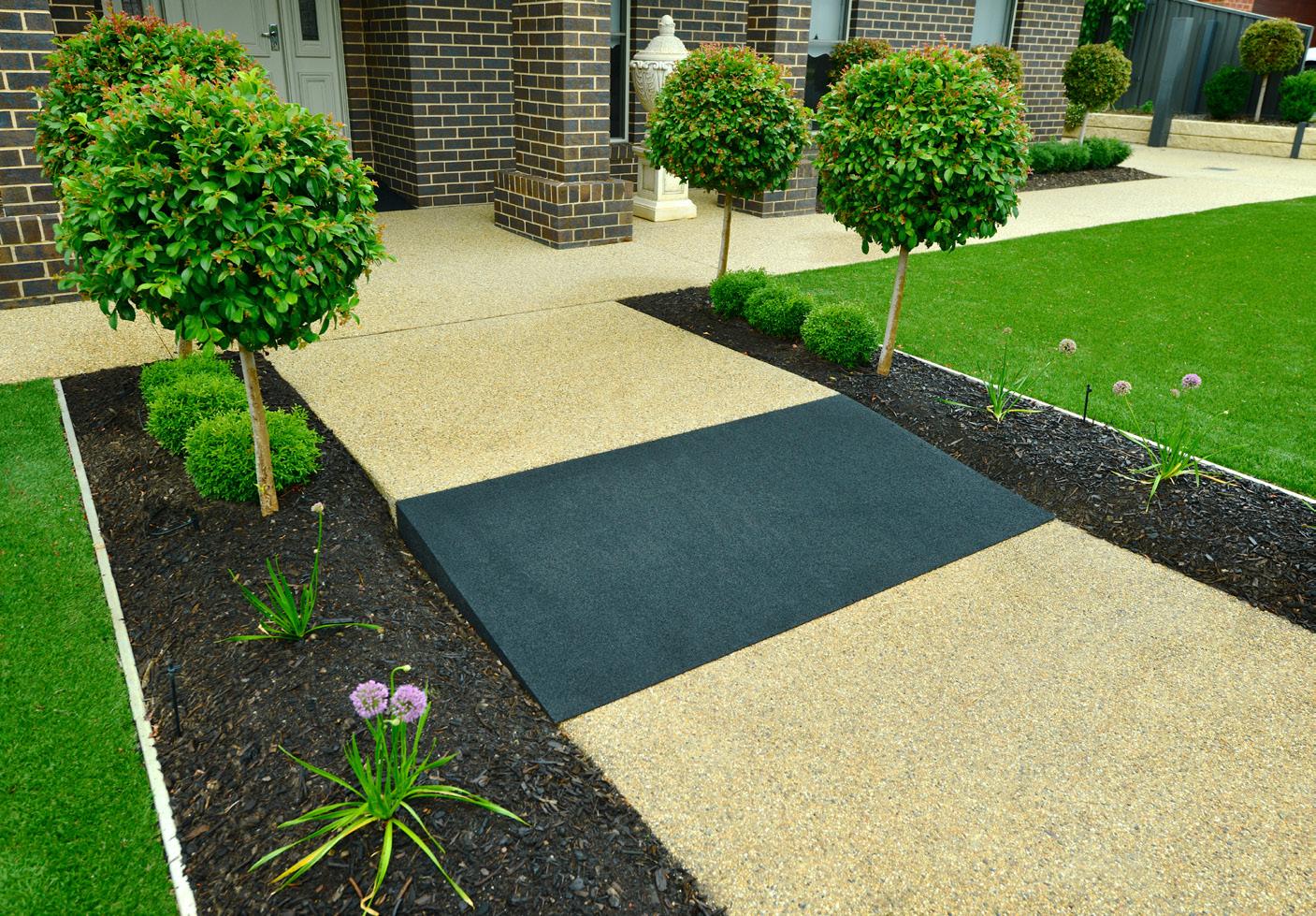
Sustainability is equally important. By manufacturing durable products from recycled rubber, Envirorubber helps divert valuable materials from landfill while delivering long-lasting access solutions that perform in Australia’s demanding conditions.
True accessibility is achieved through collaboration. When manufacturers, resellers, builders and healthcare professionals work together, the result is more than a compliant project; it’s greater independence, improved safety and enhanced quality of life for the people who use the space every day.
Together, we can continue building an Australia where accessibility is not simply a requirement, but an expectation built into every project from the ground up.

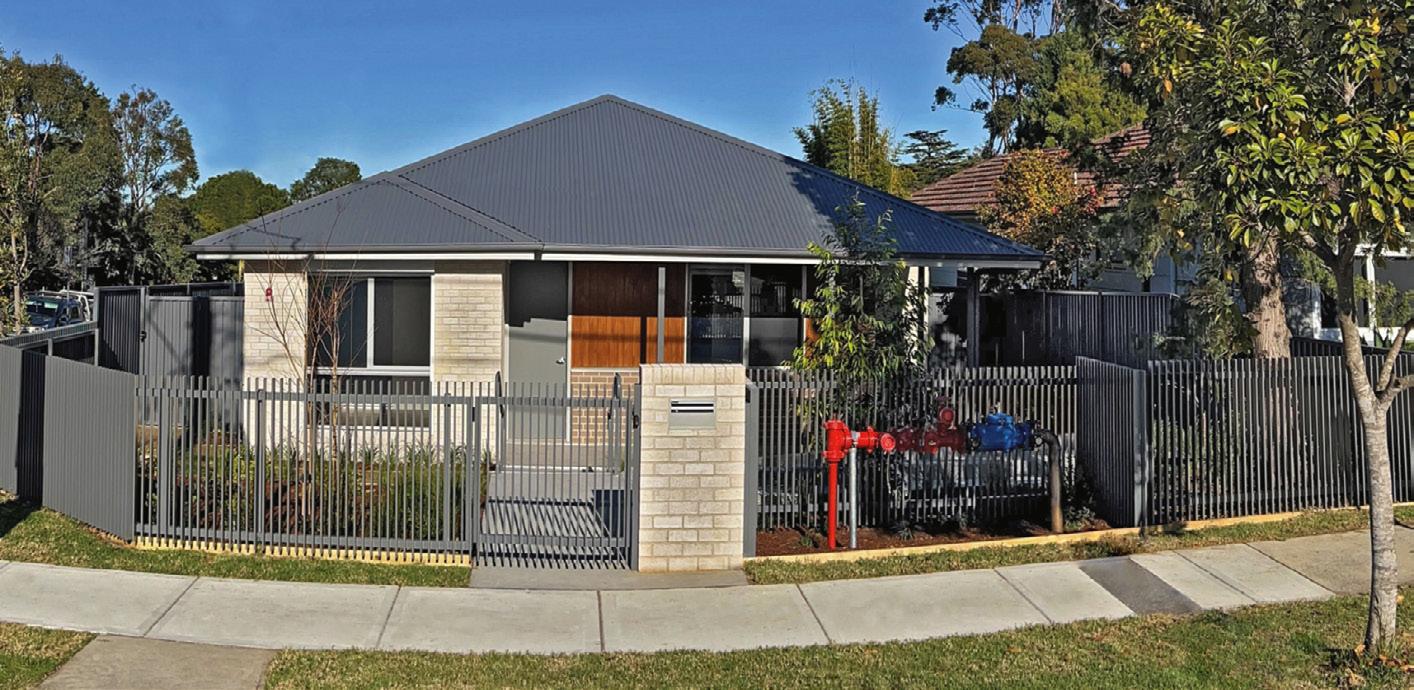
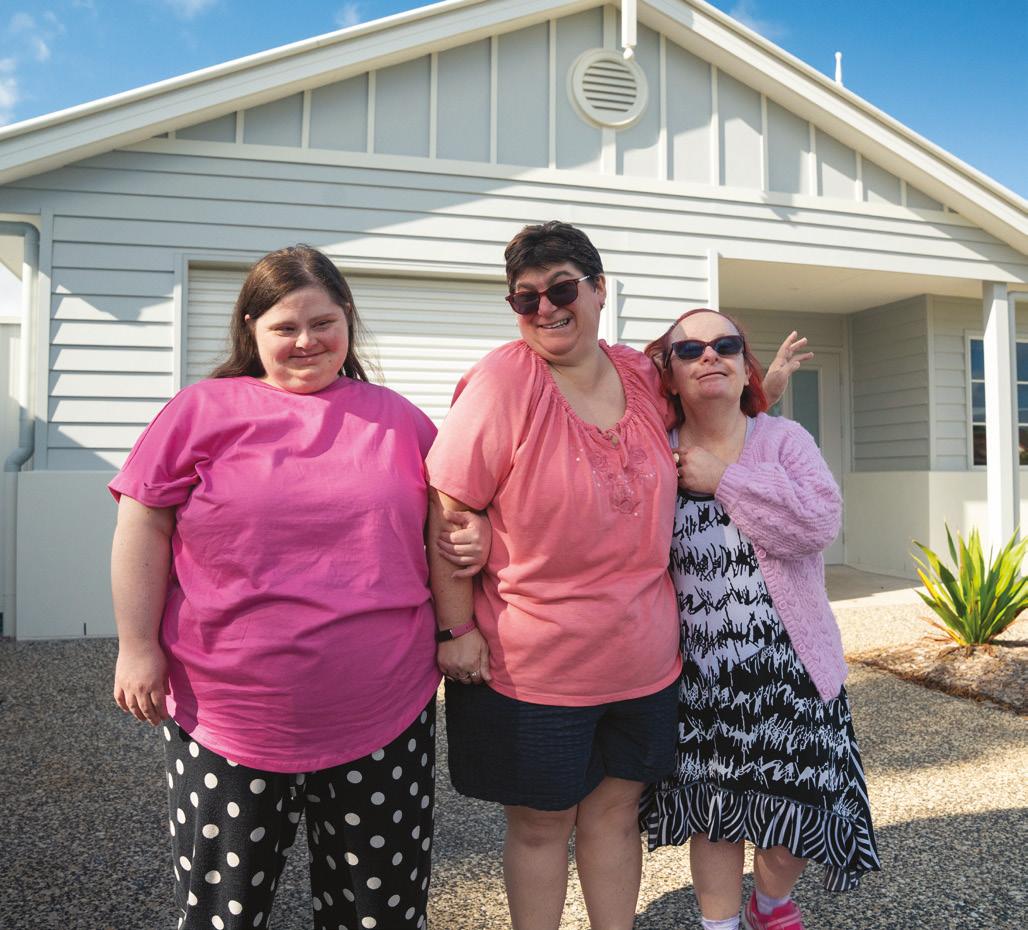
For the Maccallum family, and the two other families that form the CESIL House Cooperative, Specialist Disability Accommodation (SDA) has redefined family life. This is true not only for their loved ones, who are now cared for in a forever home that has been purpose built for their needs, but for all family members who have experienced the harmonious family environments, once the daily pressure was alleviated.
Families of participants classified as having high needs, along with specialist providers that manage their care, can operate under a co-operative group, in some circumstances. In the case of Leanne Maccallum and her 29-year-old daughter Caitlin, who has level 3 autism, they collaborated with the families of two other high-needs women to establish CESIL House. The name ‘CESIL’ being a combination of the residents’ initials.
BlueCHP is a not-for-profit community housing provider that worked with the Supported Independent Living Cooperative (SILC) and their support provider to build the ‘forever home.’ LINK spoke to Michelle Northcote from BlueCHP to understand the SDA structure. “You can have a participant living alone with their own care, or with two other participants under a Supported Independent Living (SIL) arrangement, with that SIL provider looking after the three housemates’ care. We have built the property for them specifically, yet the ongoing contract is like a standard rental agreement.”
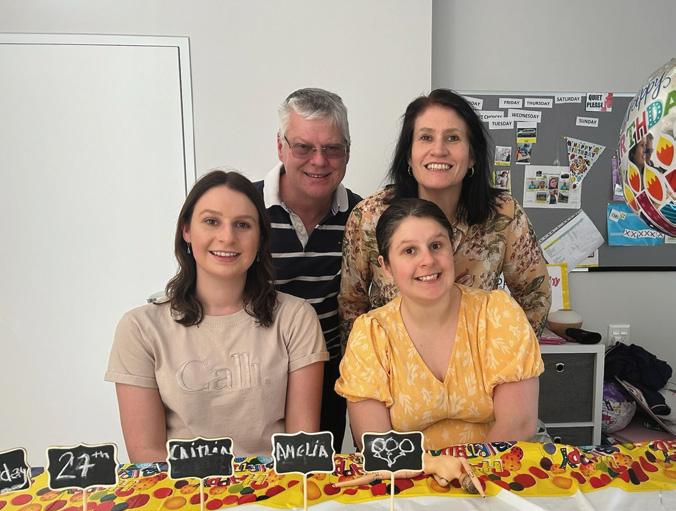
The cooperative setup means that BlueCHP could design and construct the house specifically for the women’s needs. These modifications were possible because combining the three SDA funds, each carrying a 20-year lease agreement, effectively gives the residents a collective 60-year commitment to the home. Maccallum said, “The process of getting it designed was complicated with lots of red tape and council regulations, but it’s been worth it and a real relief for our whole family.”
A bespoke build meant they could modify the property with consideration for the women’s needs. “Caitlin is quite sensitive to sound, and adding soundproofing to the house helps to relax, which in turn helps to manage her behaviour,” Maccallum said. The cooperative management–the residents’ parents–paid for a swimming pool themselves, “because the girls love to swim and it’s difficult for them to do so in public swimming places. With a pool at home, they get more time outside, they enjoy barbecues, and their carers get together too. Some staff were not
confident swimmers, so we arranged swimming lessons for them. Having the 60-year lease gives us the security to make decisions like these for our girls.”
As Caitlin grew older, and her physical stature strengthened, managing her behaviours within the day-to-day routine of the family home became progressively harder. During those years Caitlin’s sister Amelia was studying at university, where quiet focus time was vital, yet frustrating to find at times. “It was a strain on our family when she was living with us, now we can go away for a weekend or even go out for dinner. Before, one of us would have to stay home while the other went out because we struggled to find carers who could manage her” Maccallum said.
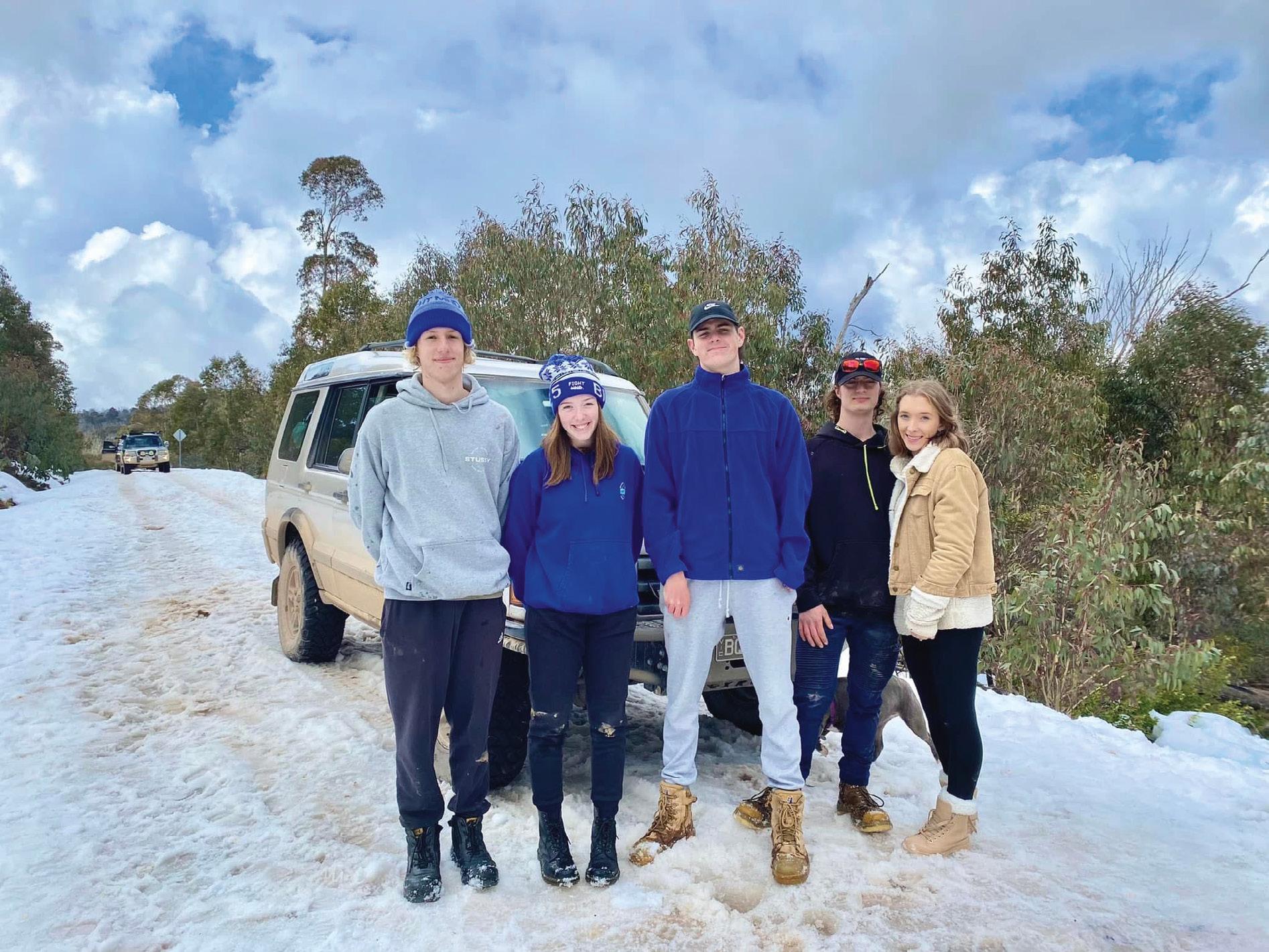
The family had previously tried scenarios where Caitlin lived close by. “She’s been through a few changes as we tried different living arrangements. But now things are finally stable, and she has a better quality of life. Caitlin goes to various things with her house group and support staff. She writes a shopping list and the staff take her supermarket shopping and she gets out more, is less isolated and a part of the community now.”
A persistent topic of conversation for parents of children of high needs, is the uncertainty of what will happen to their child when they pass away. There is a deep apprehension about the responsibility falling onto siblings or other remaining family members. “It’s a relief for us that in this SDA-centred cooperative, not only will Caitlin will be taken care of, but for Amelia, there is no major financial or care burden that she needs to worry about for her sister,” Maccallum said.
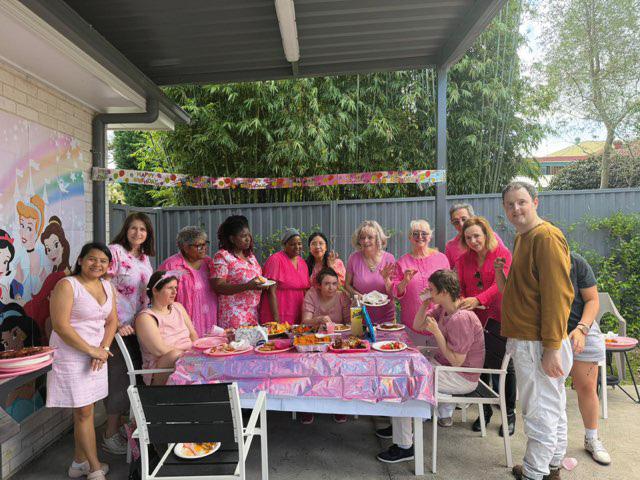
VIP Access provides a comprehensive, end-to-end service tailored to meet the needs of participants. Collaborating with occupational therapists to deliver effective solutions for complex home modifications.
Their approach is based on a collaborative and team-oriented model, backed by years of experience. Since 2008, they have worked with various government programs, including, but not limited to, the DVA, NDIS and My Aged Care.
VIP Access specialises in delivering complex home modifications in partnership with occupational therapists, ensuring client goals are met. Examples of their work include:
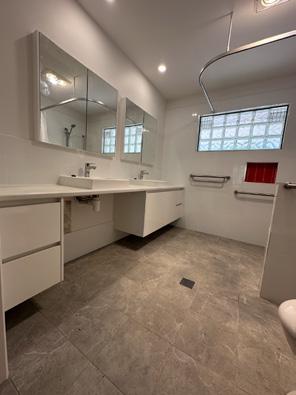
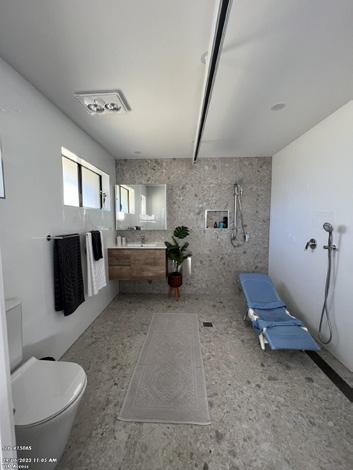
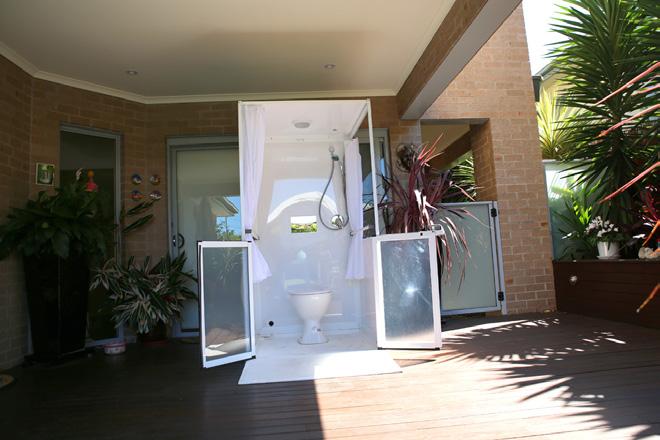
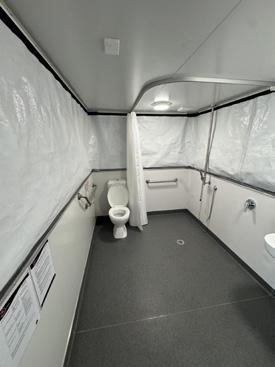
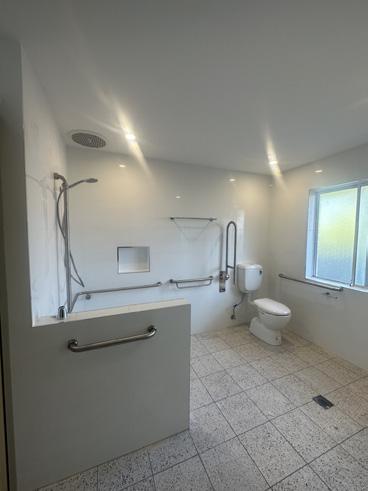
Bathroom modifications: Accessible bathrooms or wet rooms, level-access showers, wheelchair accessible vanities and ambulant toilets.
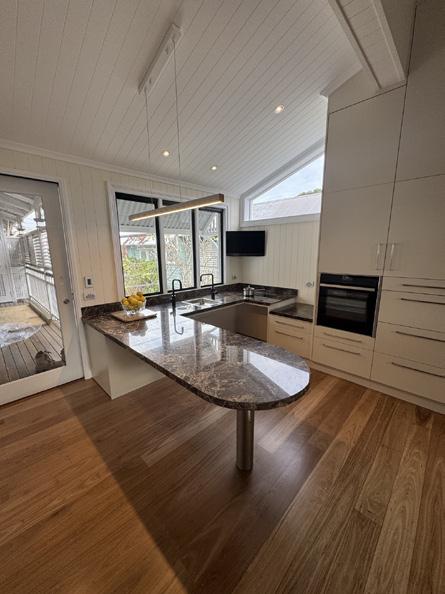
Kitchen modifications: Wheelchair accessible cabinetry, installation of pull-out pantry systems, and accessible appliances.
Access modifications: Widening front doorways with built-up landings to establish level-access door frames, and ramps to compensate for stair access.
The VIP Access team brings in-depth knowledge of design standards and regulations related to accessibility, including:
• NDIS Specialist Disability Design Standards (2019)
• AS1428.1 Design for Access and Mobility
• Universal Design principles
Their service model provides a seamless experience from start to finish by acting as a single point of contact for complex home modifications.
For over 15 years, VIP Access has been helping people live more freely and safely in their own homes. From major renovations to small changes, we specialise in home modifications that make a real difference.
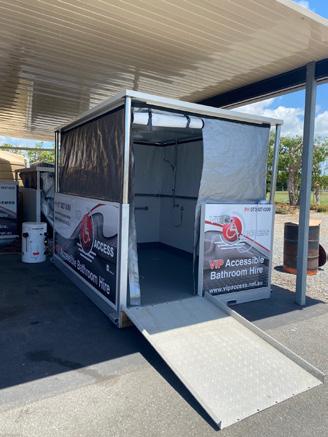
We also offer flexible rental options for essential equipment, including accessible bathrooms, ramps & more – delivered and set up with care.
Led by Scott, who brings personal insight into every project, we focus on practical, tailored solutions that remove barriers and empower independence.
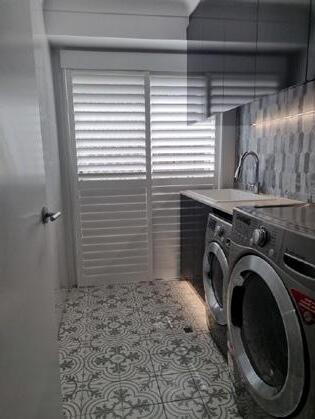
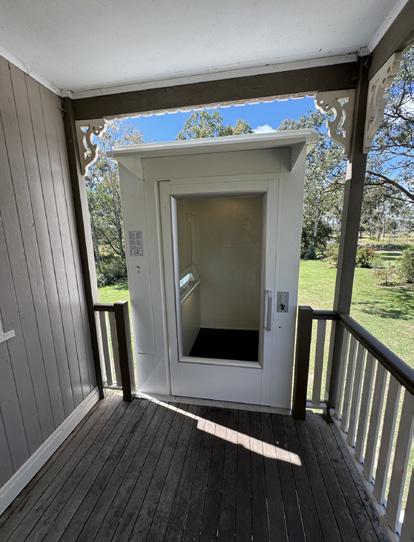
This early involvement helps ensure compliance with design standards and building regulations while maximising value within funding guidelines.
1. Referral and consultation: Submit your request via enquiries@vipaccess. net.au for an initial site assessment upon payment confirmation.
2. Assessment and planning: A collaborative approach working with the OT and the participant or their family to develop compliant plans and specifications.
3. Project delivery: On confirmation of funding, our team manages the construction and collaborates with the participant or their family to ensure a smooth process.
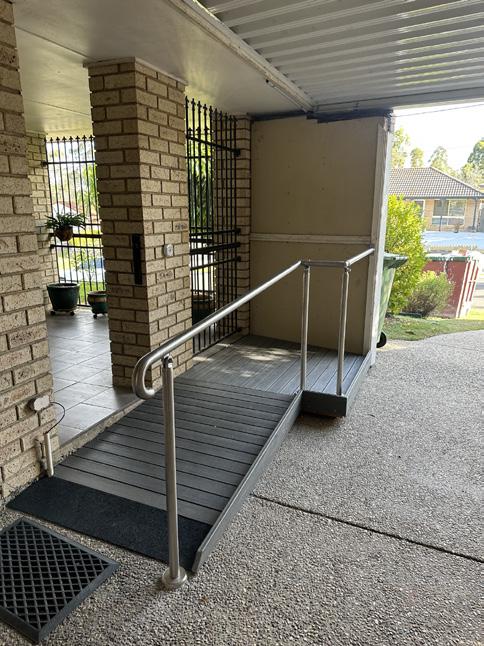
VIP Access is ready to assist with your home modification needs, and we look forward to collaborating with you and your clients.
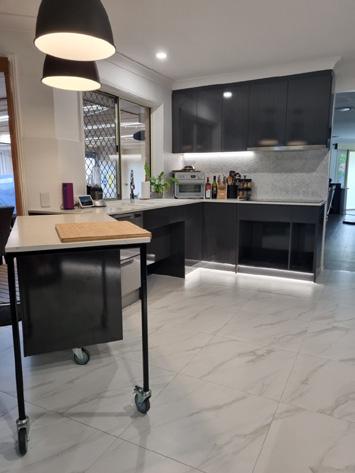


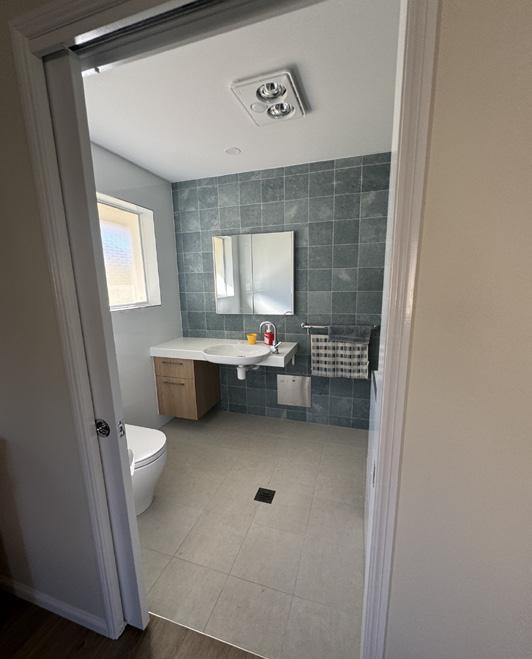
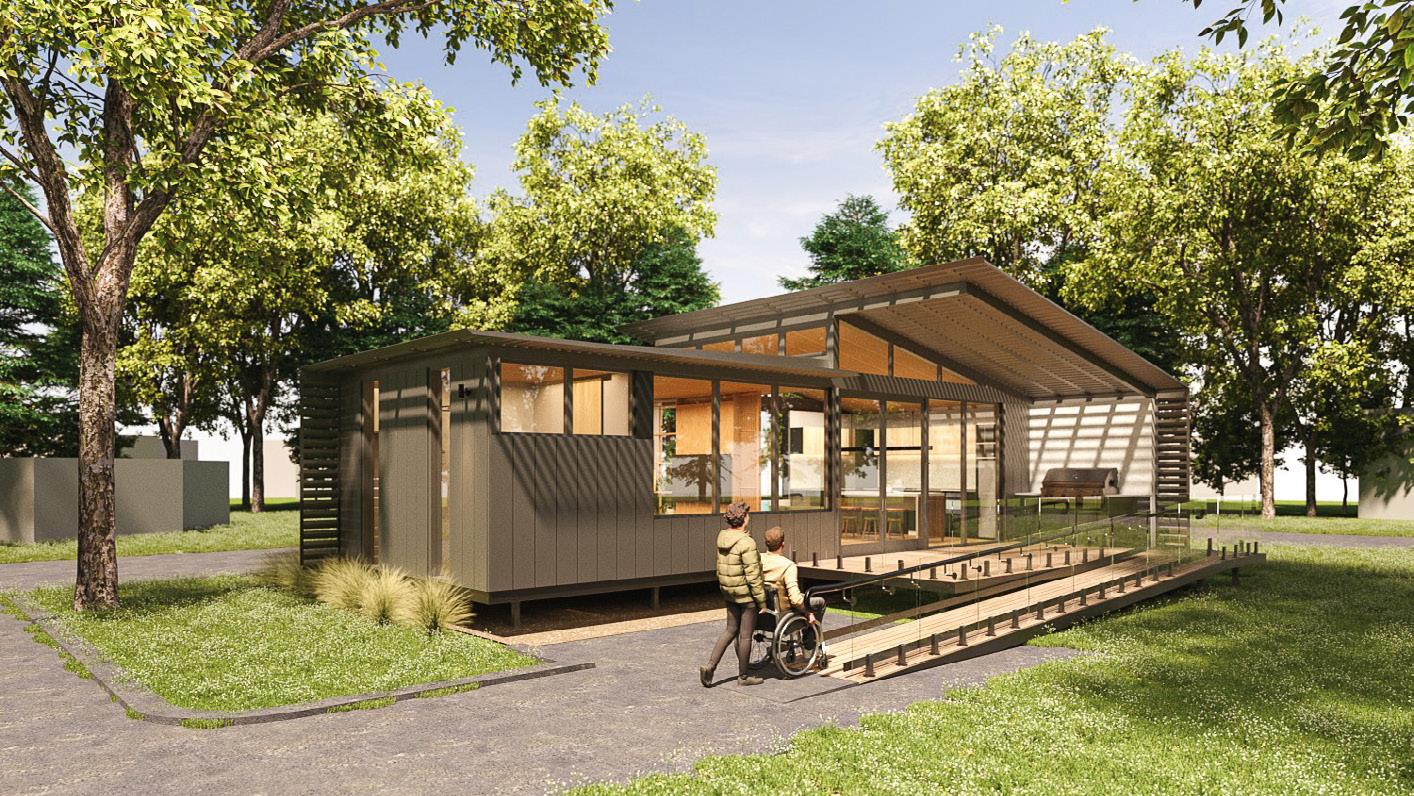
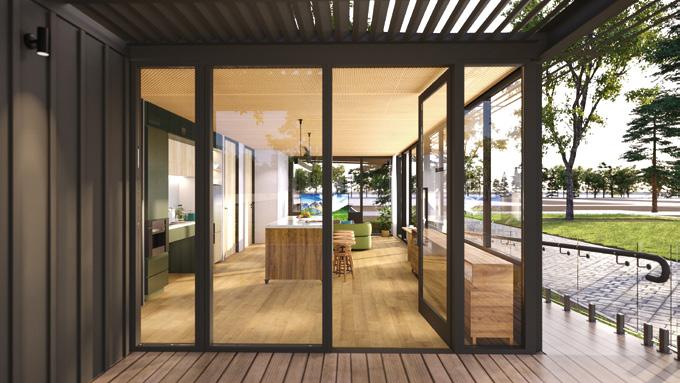
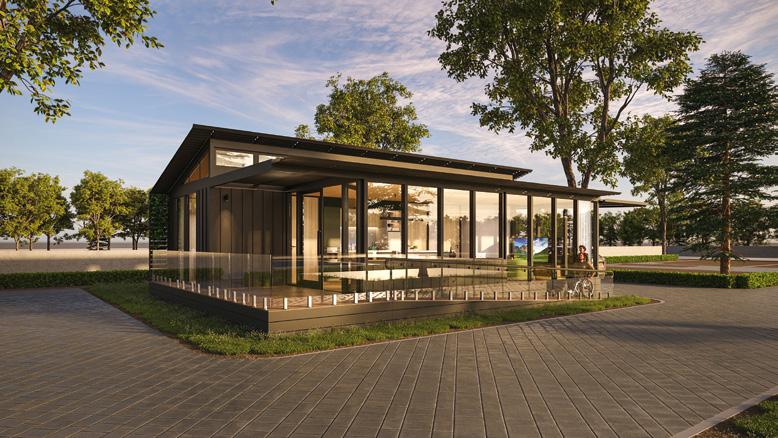
LG Electronics Australia and Greater Homes have partnered in a pilot program to address accessible housing supply.
Greater Homes operates within the modular and offsite construction market Australia. The groups general manager Charlie Angley confirmed the inclusion of accessible design in the pilot.
“We have been working with an SDA provider to achieve all four levels of disability accommodation in our homes,” he told LINK . “The home automation that LG provides will allow Greater Homes to cater to people with disability, with standard features such as bolt-on ramps, zero-threshold entries and wider doorways that allow for ease of movement and full accessibility,” he said.
There are four types of SDA comprising: Improved Liveability – with a focus on modifications that enhance accessibility and independence; Fully Accessible – that incorporates physical access provisions for people with functional impairment; High Physical Support – designed for people with complex needs who require ongoing assistance and special equipment; and Robust – to meet the needs of people with sensory impairment or highly complex requirements.
At scale, modular systems can deliver 20–30 per cent construction cost efficiencies, significantly reducing site risk exposure, and minimise material waste through controlled factory environments.
Greater Homes’ model focuses on National Construction Code (NCC) compliant quality-driven modular construction targeting 7-star energy rating performance under the Nationwide House Energy Rating Scheme, built with over 80 per cent recyclable or reusable materials at end of life, designed to support developers seeking improved delivery certainty, faster project turnover and reduced holding costs.
“Australia’s housing challenge is not just about supply volume, it’s about delivery certainty and feasibility,” according to Bob Angley, founding partner at Greater Homes. “We believe combining factory-based construction with integrated AI energy optimisation allows us to tackle both build speed and long-term household affordability at the same time. This pilot is about proving that scalability and quality can coexist by creating something genuinely new in the Australian market.”
PILOT OBJECTIVE
The pilot will assess whether combining factory-based housing delivery with embedded energy optimisation can improve project feasibility for developers, while reducing ongoing energy exposure for residents.
“Individually, both Greater Homes and LG are strong businesses with compelling products. Together, we believe the combination of scalable factory built housing and integrated energy technology creates something new in
the Australian market: a housing solution designed from the ground up for speed, quality sustainability and liveability. The pilot will test this proposition,” he said.
Greater Homes and LG Electronics Australia see the pilot as an opportunity to contribute to the broader conversation around housing delivery and long-term household resilience.
“We recognise the scale of the challenge facing Australia,” Angley added. “We’re not aiming for a universal solution but rather to test whether a more integrated approach, combining offsite construction methodology, energy intelligence and appliances-devices integration, can support better outcomes. If it demonstrates measurable improvements, we hope it can add constructively to discussions across industry and policymakers.”
He believes that the partnership reflects a belief that housing delivery and household energy performance should be considered together.
The modular and offsite construction market currently represents approximately 8 per cent of total national building activity, according to Urban Land Institute Melbourne. Industry research indicates offsite construction models can reduce build timelines by 20–40 per cent, with production cycles typically ranging from 10–16 weeks compared with
Soft ground, grass, gravel, sand, and uneven surfaces can create significant mobility challenges around the home, at outdoor events, in community spaces and at the beach. For people using wheelchairs, mobility scooters, walking aids, or even prams, these surfaces can quickly become barriers that limit participation and independence.
As communities across Australia continue to embrace inclusion, event organisers are increasingly recognising that accessibility is not simply about compliance, it’s about ensuring everyone can participate fully and confidently.
Whether it’s a community festival, sporting event, agricultural show, outdoor market, or school function, temporary venues often present access challenges. What may seem like a minor inconvenience for some can become a major obstacle for others, preventing them from enjoying the experience alongside family and friends.
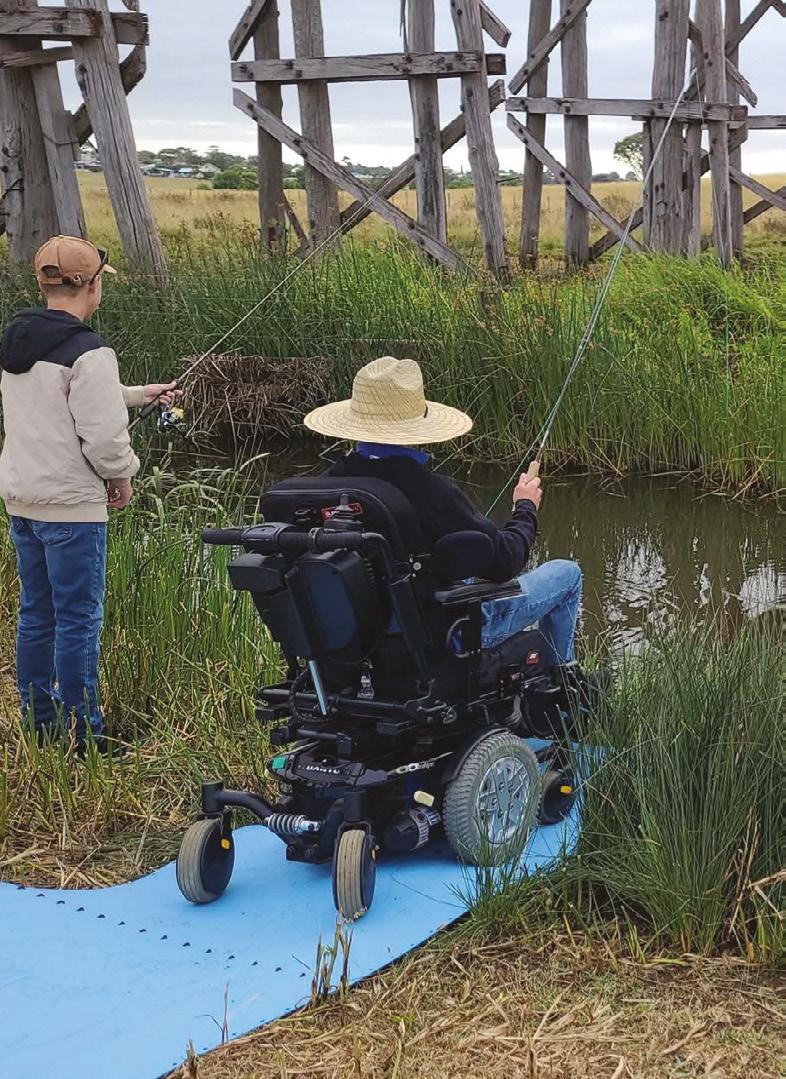
GOtrax access matting provides a practical solution by creating stable, slip-resistant pathways across challenging terrain.
Designed for temporary and semipermanent installations, GOtrax transforms inaccessible areas into safe and reliable routes, helping visitors or individuals move confidently and independently.
Beyond improving physical access, accessible pathways contribute to something equally important— a sense of belonging.
When people can navigate an event without assistance or concern, they can focus on participating, socialising, and enjoying the experience rather than managing obstacles.
The versatility of GOtrax makes it suitable for a wide range of applications, from sporting events and community festivals to beach access
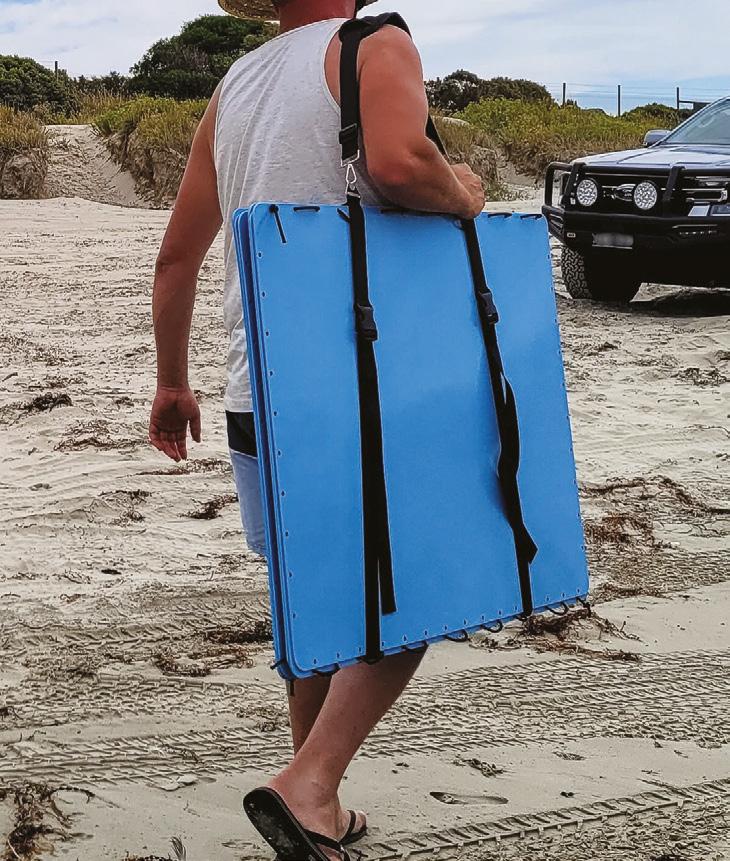
programs and outdoor exhibitions. The modular design allows organisers to create customised pathways that can be installed quickly and adapted to changing site requirements.
As Australia continues to prioritise inclusion and community engagement, practical accessibility solutions are becoming an essential part of successful event planning.
By investing in accessible infrastructure, organisers send a clear message that everyone is welcome.
GOtrax believes that access should never be an afterthought.
Every pathway created is another opportunity for someone to participate, connect, and experience their community with dignity and independence.
For information about GOtrax access matting, call 0488 375 223 or email enquiries@uniquiphealth.com.au
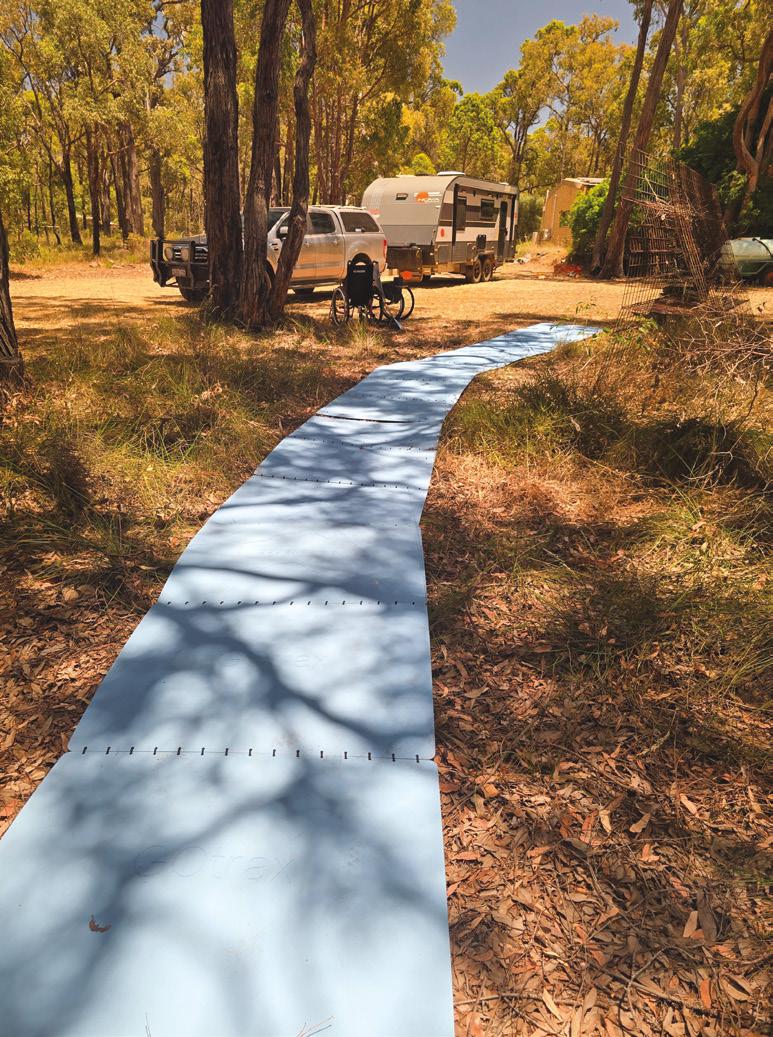

Choosing a wheelchair accessible vehicle can feel like a big decision — because it is.
For some people, the process begins after months of research and comparison. Others are completely new to the journey and simply want to know their options. After nearly 30 years modifying vehicles, Freedom Motors finds that choosing an accessible vehicle is rarely about the car itself; it’s about how that vehicle will support everyday life.
Every person, family and mobility journey is different, but these questions consistently lead to better outcomes.
1. WHO WILL ACTUALLY BE TRAVELLING IN THE VEHICLE?
The wheelchair user is the starting point, but they are rarely the only person to consider.
Parents, carers, support workers, children and other family members can all influence what setup will work best. Thinking about who travels and how often they do so can change the ideal solution and the features that become most important.
2. AM I CHOOSING BASED ON ASSUMPTIONS OR EXPERIENCE?
A common mistake is becoming attached to a vehicle before physically experiencing it, or ruling one out entirely based on appearance. Freedom Motors encourages customers to sit inside, bring their wheelchair and take a test drive if possible. Vehicles like the Hyundai Staria and Kia Carnival often feel very different in person from what people expect from specifications or photos alone.
3. DOES MY PREFERRED SETUP ACTUALLY SUIT MY NEEDS?
Many people have a clear vision of what they want, which can be a great starting point. But sometimes what is pictured isn’t what will make daily
life easier. A thorough consultation that explores routines, independence goals and practical use, rather than just delivering a pre-conceived setup, is advised. Choosing the right options is about what works best for the people who will be travelling in the vehicle.
4. HAVE I INVOLVED THE WHEELCHAIR OR MOBILITY EQUIPMENT IN THE PROCESS?
Every wheelchair setup is different, particularly for power chairs and specialised seating.
Testing with actual equipment rather than relying on measurements alone can reveal important details like turning space, loading, positioning and comfort.
5. WHAT WILL EVERYDAY LIFE LOOK LIKE IN THIS VEHICLE?
Think beyond appointments and imagine an average week.
Consider things like:
• School or childcare drop-offs
• Work and commuting
• Shopping and community access
• Weekend outings and travel
• Loading equipment and navigating parking
The best solutions are usually the ones that fit naturally into everyday life rather than requiring routines to change around the vehicle.
6. HAVE I PROPERLY EXPLORED FUNDING OPTIONS?
One misconception is that the NDIS won’t contribute to vehicle modifications.
While every case is different, outcomes can vary after a thorough trial process, clear justification and strong documentation. Working with the right occupational therapist and ensuring functional needs are properly demonstrated can make a significant difference in what’s possible.
7. AM I PLANNING FOR TODAY ONLY, OR FOR THE FUTURE AS WELL?
Vehicle modifications are a significant investment, so it’s worth considering what life may look like in the future.
Future planning might include:
• Changes in mobility needs
• Different equipment requirements
• Growing families
• Increased independence goals
8. HOW IMPORTANT IS QUALITY AND FINISH?
Accessibility should feel integrated, not tacked on. Customers are often surprised at how natural the finished vehicle feels. They expect a result that looks heavily modified or clinical but instead felt that everything felt original. Great modification work should feel intentional and preserve the integrity of the original vehicle.
9. WHAT SUPPORT WILL I RECEIVE AFTER DELIVERY?
Receiving the keys shouldn’t be the end of the relationship. The best outcomes come from ongoing support. Whether that means servicing, answering questions, adapting needs over time or helping plan for the next vehicle years down the track. Freedom Motors sees its role starting at the initial enquiry and continuing well beyond delivery.
10. DO I FEEL LISTENED TO?
This may be the most important question of all. Accessible transport is deeply personal, and no two journeys are identical. The right process should make space for questions, testing ideas and changing direction when needed.
The best outcomes happen when people stay open-minded, explore options and take the time to understand what will support their independence and lifestyle.
Because in the end, a wheelchair accessible vehicle isn’t simply about transport — it becomes part of everyday life.
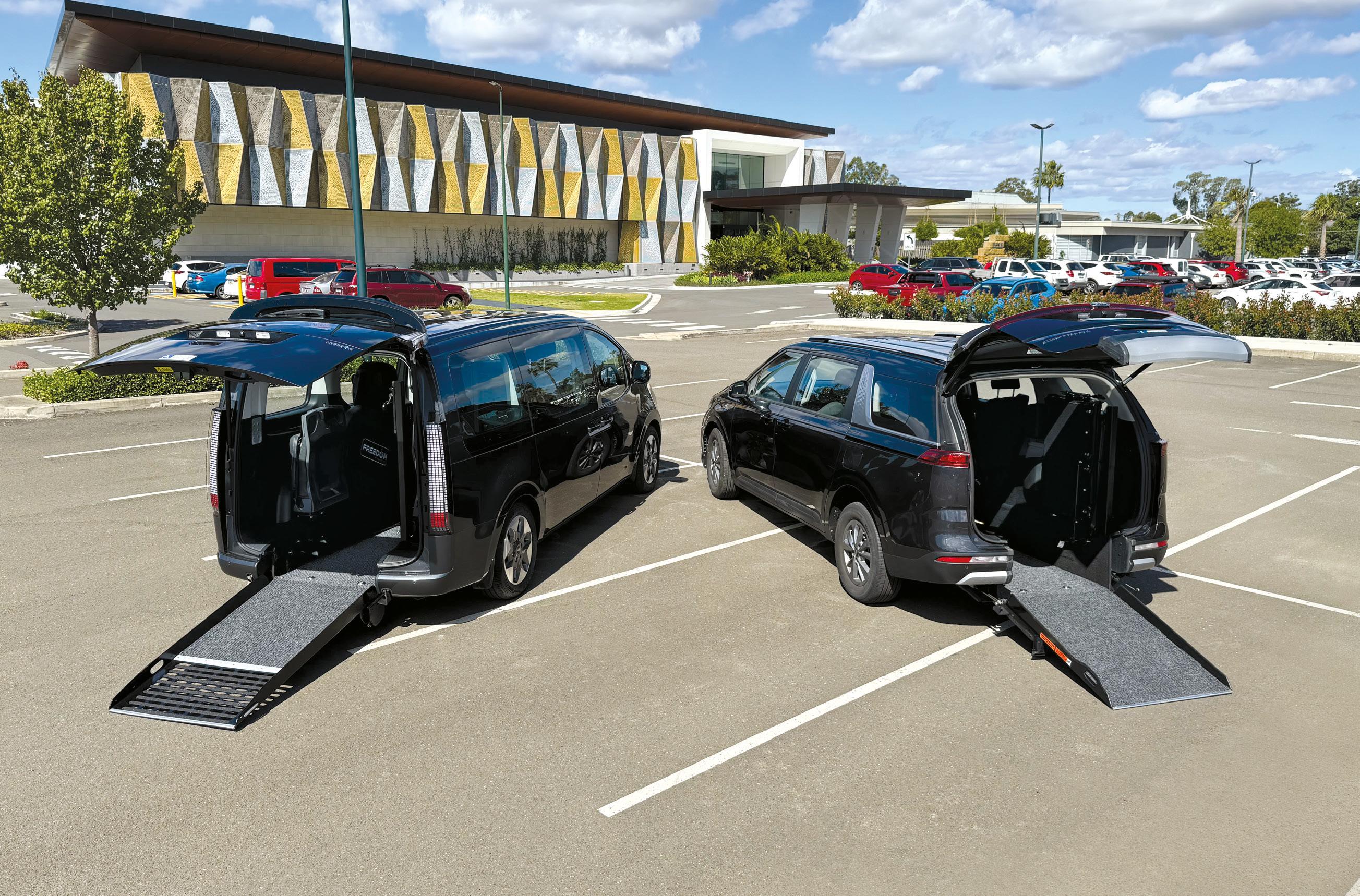
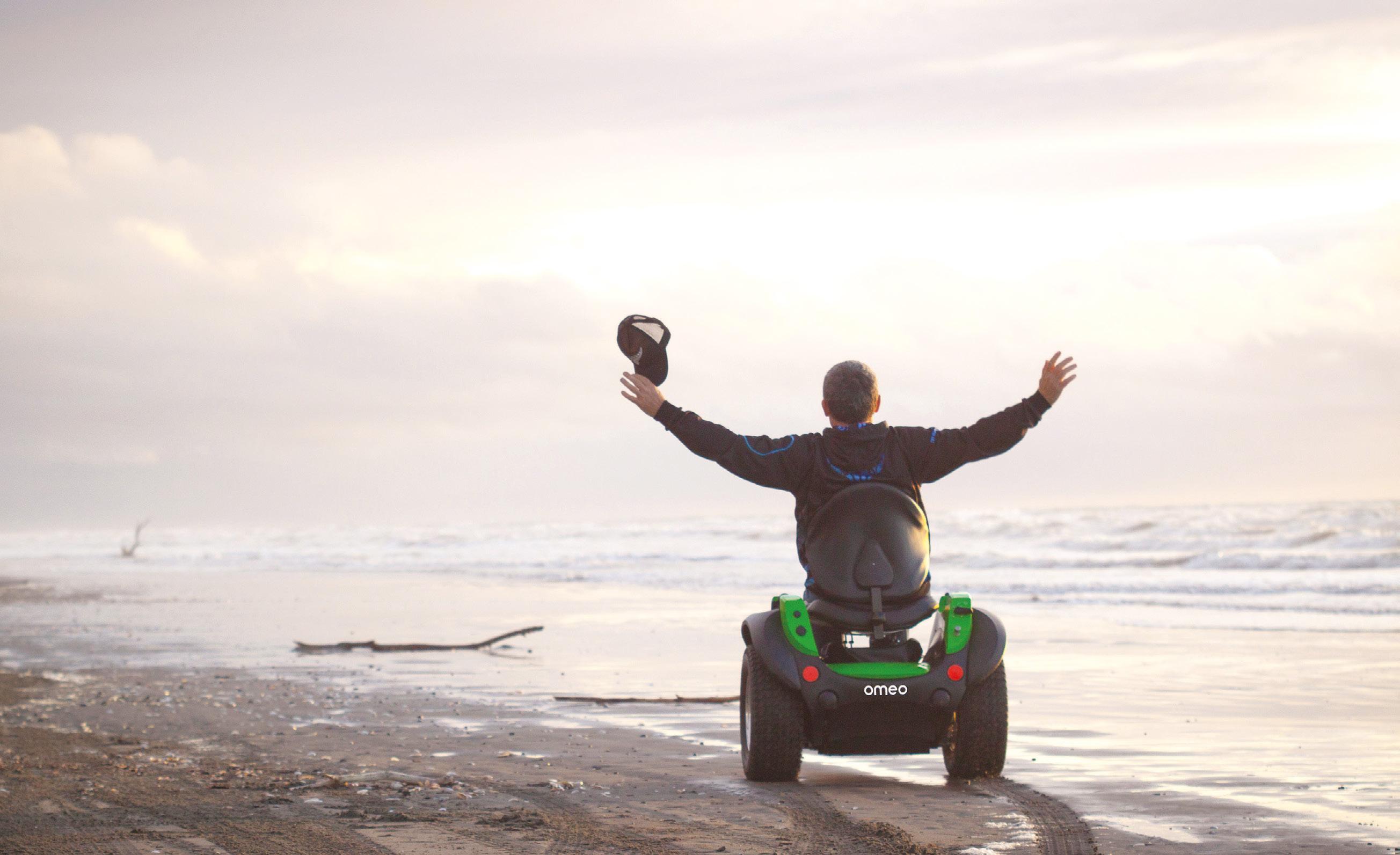

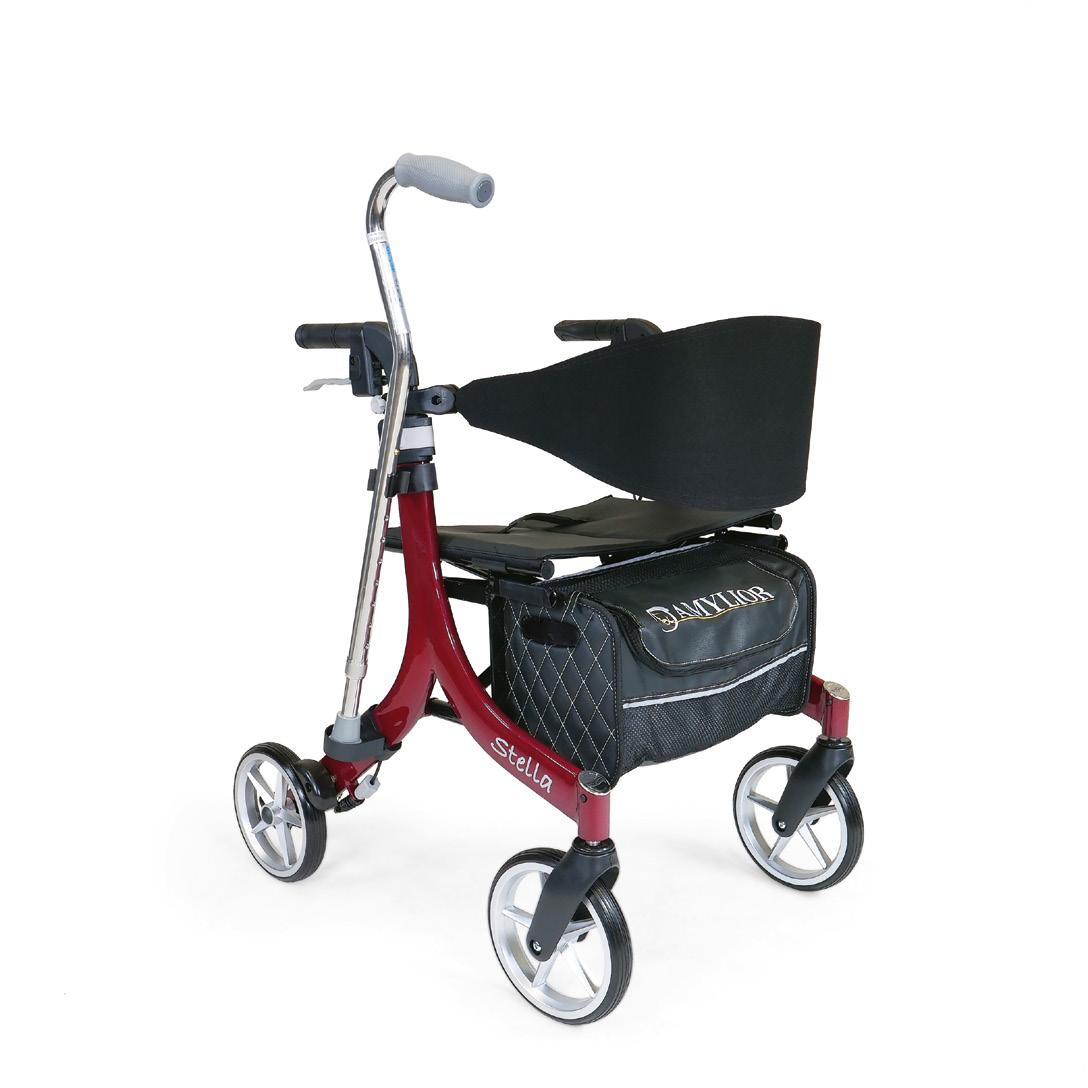
For many people with disability, maintaining independence isn’t just about where you live, it’s about how confidently you can move through your home, your community, and your everyday life.
Whether transitioning into Specialist Disability Accommodation (SDA), receiving home support services, or simply looking for ways to remain active and engaged, having the right mobility equipment can make a significant difference. A properly aligned mobility aid doesn’t just provide support; it can help people continue doing the things that matter most to them.
The STELLA Rollator has been designed with exactly that goal in mind.
Combining lightweight construction with practical everyday functionality, the STELLA offers users a reliable mobility solution that promotes confidence, comfort and independence. Weighing just 6.7 kg in its standard configuration, the STELLA is easy to manoeuvre both indoors and outdoors, making it an ideal choice for people who need support while remaining active in their daily routines.
Its lightweight aluminium frame makes transportation and storage
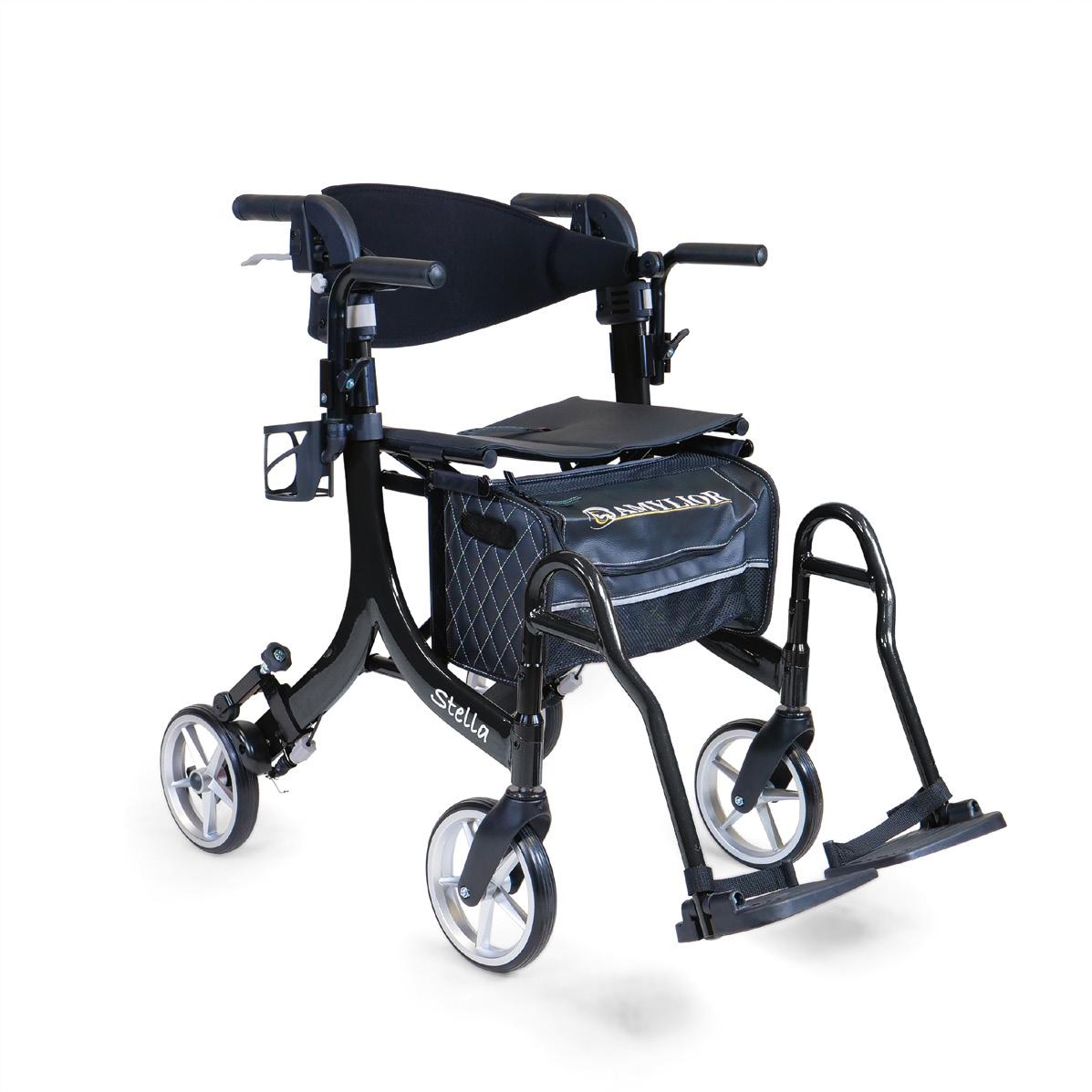
simple, while a locking system when folded provides added security when travelling or moving between locations. For individuals living independently or with support, these features can make day-to-day mobility easier and less physically demanding.
Comfort has also been carefully considered. The STELLA features an oversized, height-adjustable backrest strap that provides enhanced support and stability when seated. A reinforced seat offers a secure resting place whenever users need to take a break, whether they’re moving around the home, attending appointments, shopping, or enjoying social activities.
The rollator’s four, eight-inch casters with smooth urethane tyres deliver a comfortable ride across a variety of surfaces, helping users navigate different environments with greater ease. Stronger brake cables, 25 per cent thicker than standard designs, provide reliable stopping power and peace of mind.
Recognising that every person’s needs are different, the STELLA can also be customised with a range of optional accessories. Armrests and footrests can be added to enhance support and comfort, while slow-down brakes offer
greater control for users who require additional assistance when walking. A transport bag is also available, making travel and storage even more convenient.
Practicality is built into every detail. The STELLA includes a removable storage bag for personal belongings, along with an integrated cane and cup holders so users can carry everyday essentials without compromising safety or convenience.
As more Australians seek solutions that support independent living and community participation, mobility equipment continues to play a vital role in achieving these goals. Whether living in SDA, receiving home support services, or simply looking for a dependable mobility aid, the STELLA Rollator offers a thoughtful combination of comfort, functionality and flexibility.
Because independence isn’t just about where you live, it’s about having the confidence to move through life on your own terms.
Contact Linds Rehab team to learn more about the STELLA Rollator, its features, accessories and support options.
Only 6.7 kgs
Reinforced seat & oversized backrest
Height-adjustable handles
Foldable
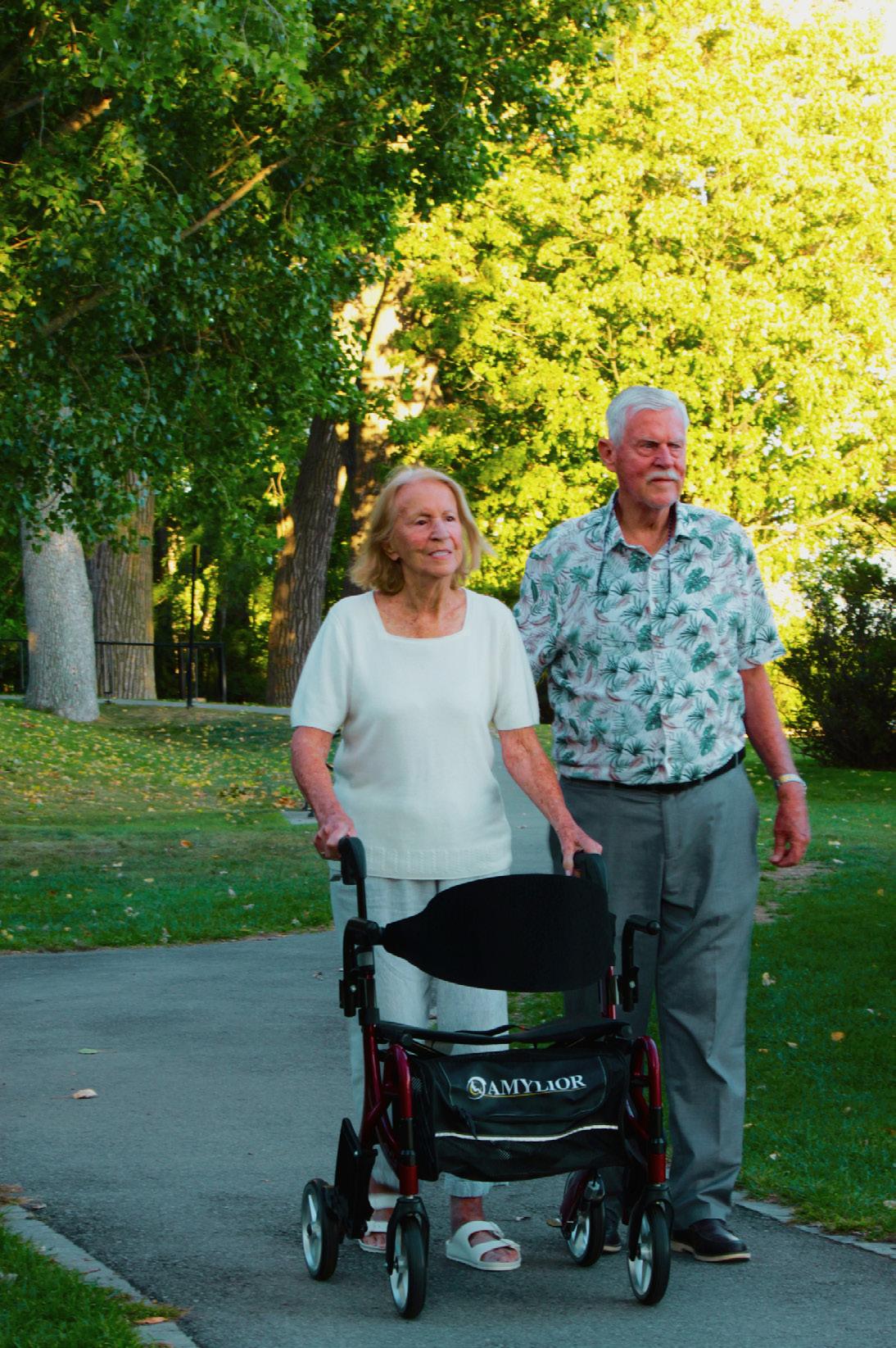
Optional: armrests, footrests and slow-down brakes
Designed
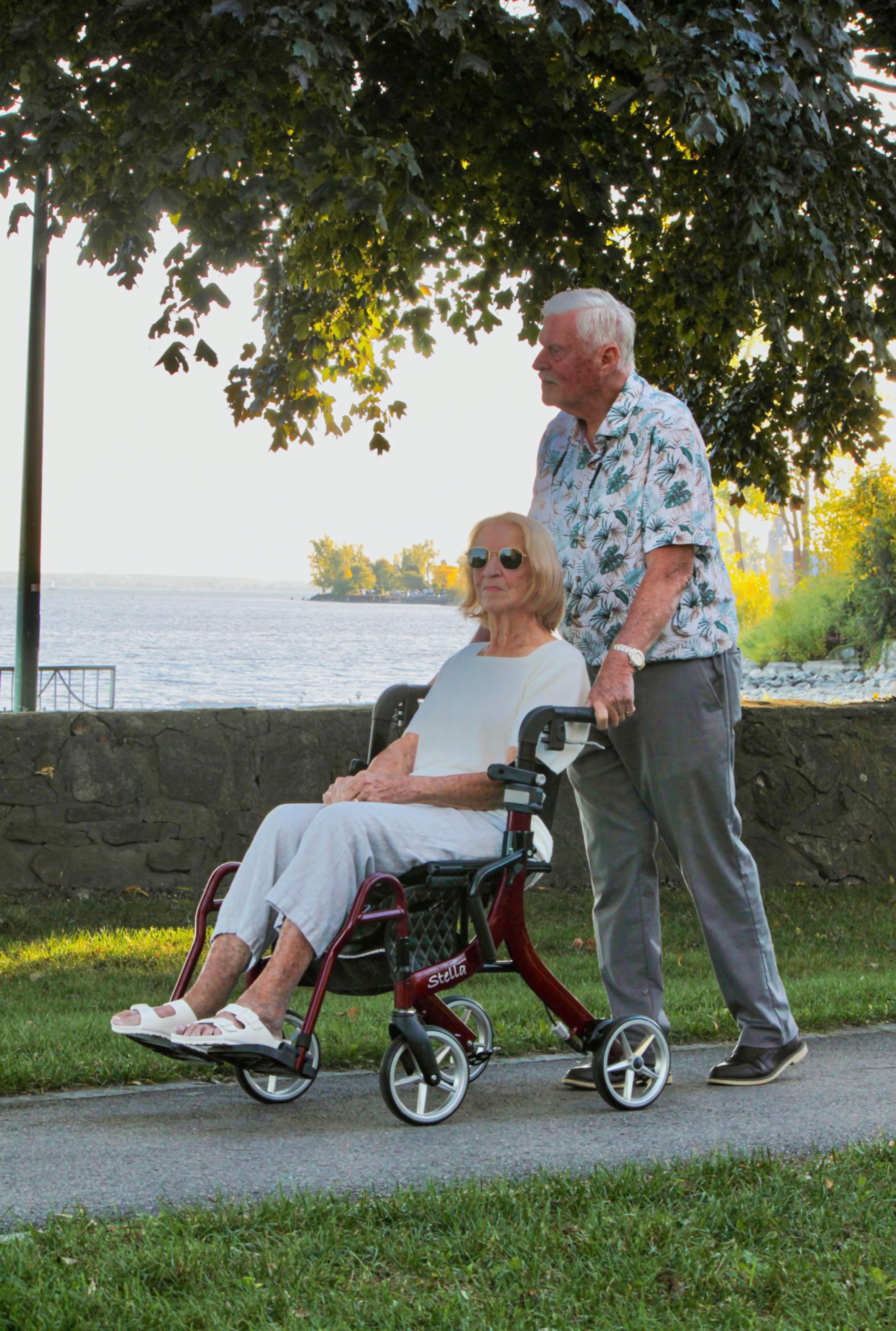
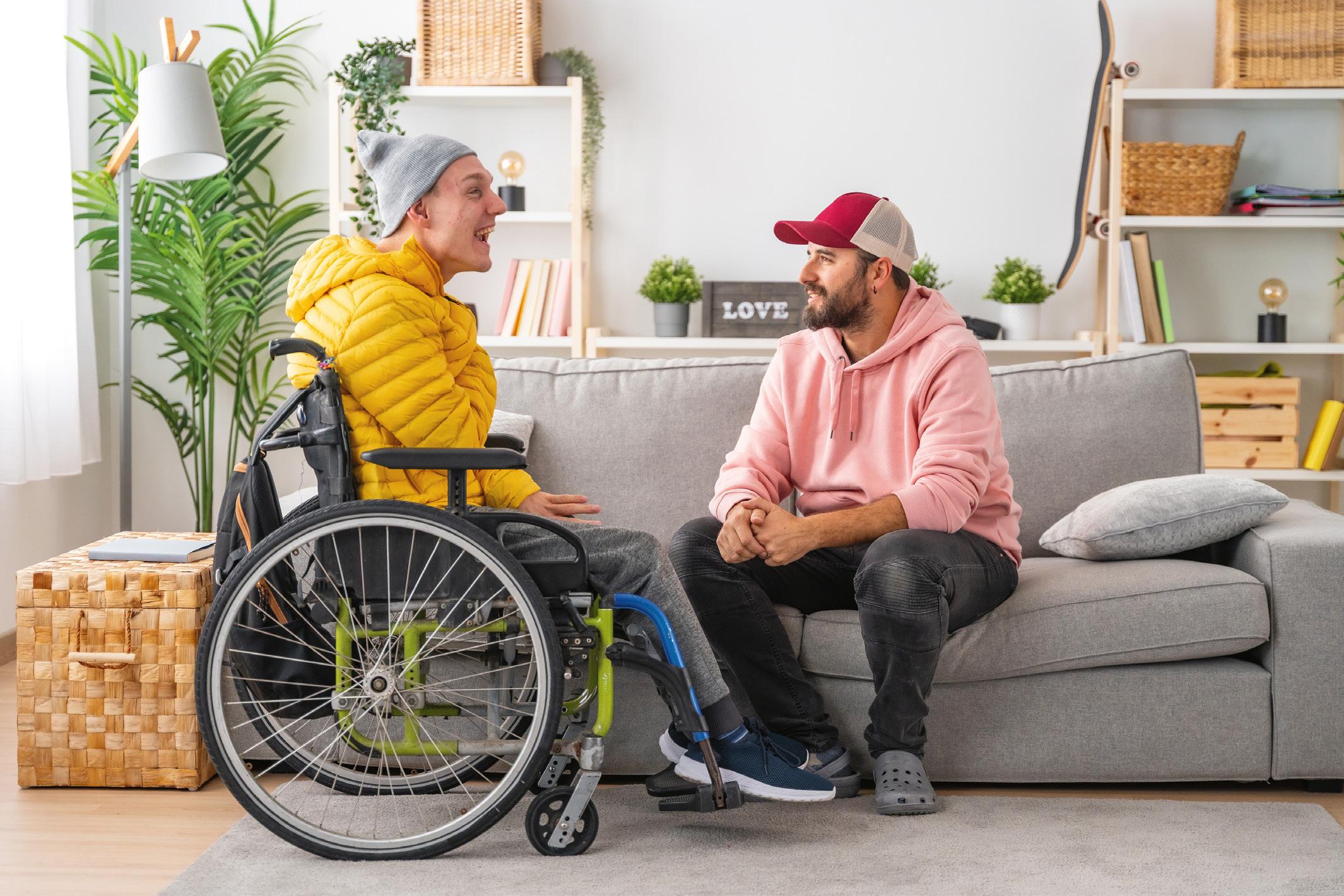
Wstep. We picture ramps, wider doorways, a bathroom that works. All of that matters. But a home is not the destination. For most people, a home is the place you leave each morning and return to each night. The real question is whether it sets you up for the life you want to live beyond its walls.
That is how Crescent Healthcare thinks about the homes they help equip. A well-considered home is a launch pad for living life to its fullest, a place that supports each person’s full potential, aspirations and wellbeing. Get the foundations right and everything else, including sport, recreation, work and time with friends, becomes possible.
START WITH THE EVERYDAY Independence is built in the ordinary moments. Getting in and out of bed without strain. Showering safely, moving from room to room with confidence. When the right equipment is matched to the person and the space, those moments stop being obstacles and start being routine.
using it. Height-adjustable change and shower equipment, the right transfer aids, and seating that fits the individual all make the difference between a home someone copes in, and a home someone thrives in.
It also changes carers and support workers day to day life. Less manual handling, less risk, and more energy left for the parts of care that are about the person rather than the task.
BUILD FOR THE LIFE, NOT JUST THE DIAGNOSIS
The best homes are designed to grow with the person. Needs change. A good fit-out anticipates that, so the home keeps working over years rather than needing a costly rethink every time something shifts.
When we plan equipment with an occupational therapist or an SDA provider, we try to ask a simple question early like, what does this
the logistics.
Equipment that supports those ambitions, rather than just the clinical minimum, is what turns a compliant house into a home that participates in someone’s life.
Crescent does not design the home or write the care plan. Their role is to support the people who do. With more than forty years working alongside clinicians, allied health professionals and providers, they help match the right equipment to the right person and space, so the home does its quiet, essential job.
When the foundations at home are right, the door is open. What someone chooses to do once they walk through it, whether that is sport, recreation, work or simply more good days, is entirely up to them.
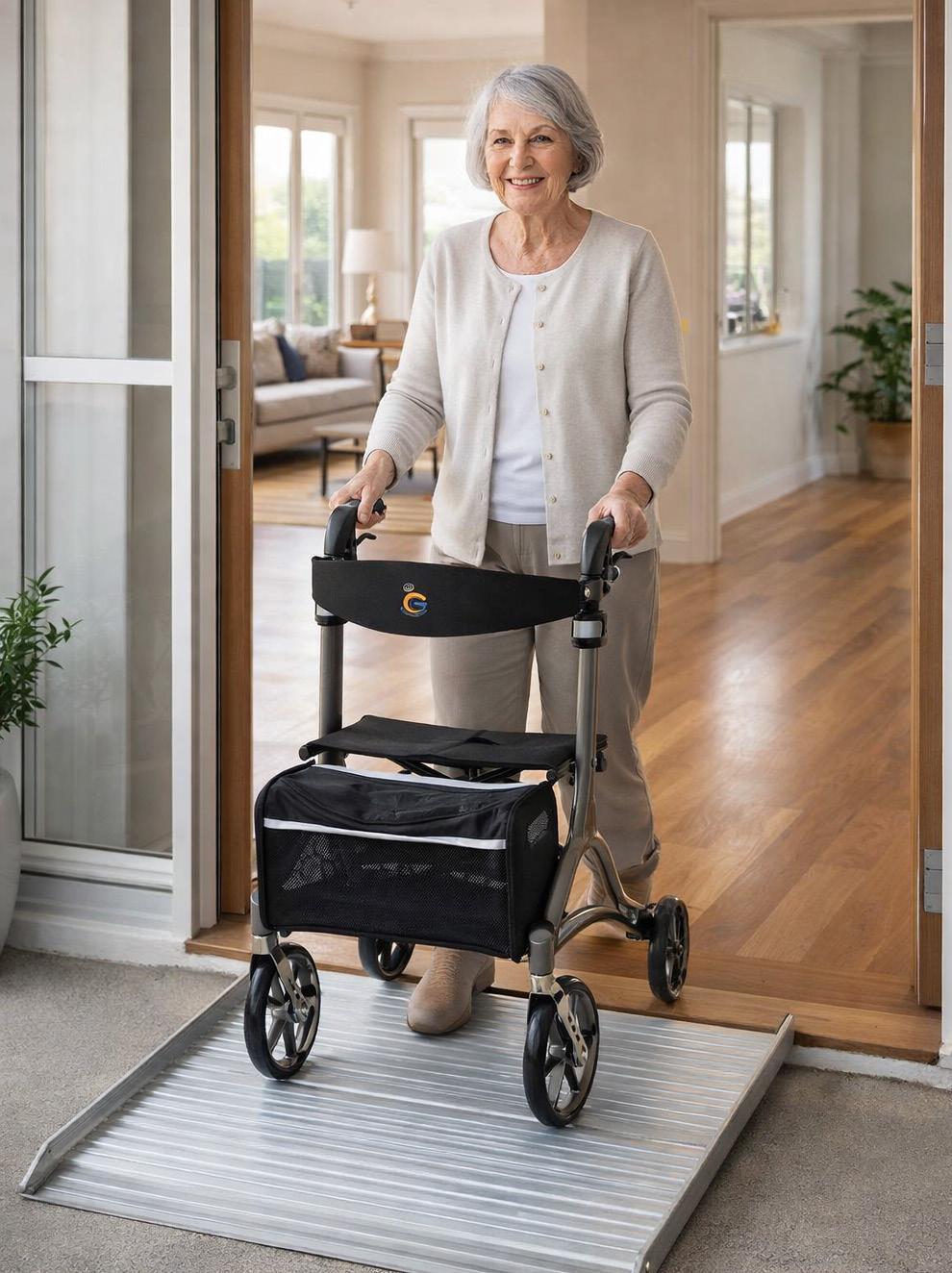
From the bathroom to the bedroom, the kitchen to the car — we supply the equipment that helps people live safely, comfortably, and independently at home.
Crescent Healthcare provides a comprehensive range of equipment to support safe, independent daily living — including pressure care, mobility, bathroom safety, patient handling and home access solutions.

Whether it’s setting up a home for the first time or adapting one for changing needs, we work alongside therapists and support coordinators to ensure every solution fits the client, the space, and the funding pathway.


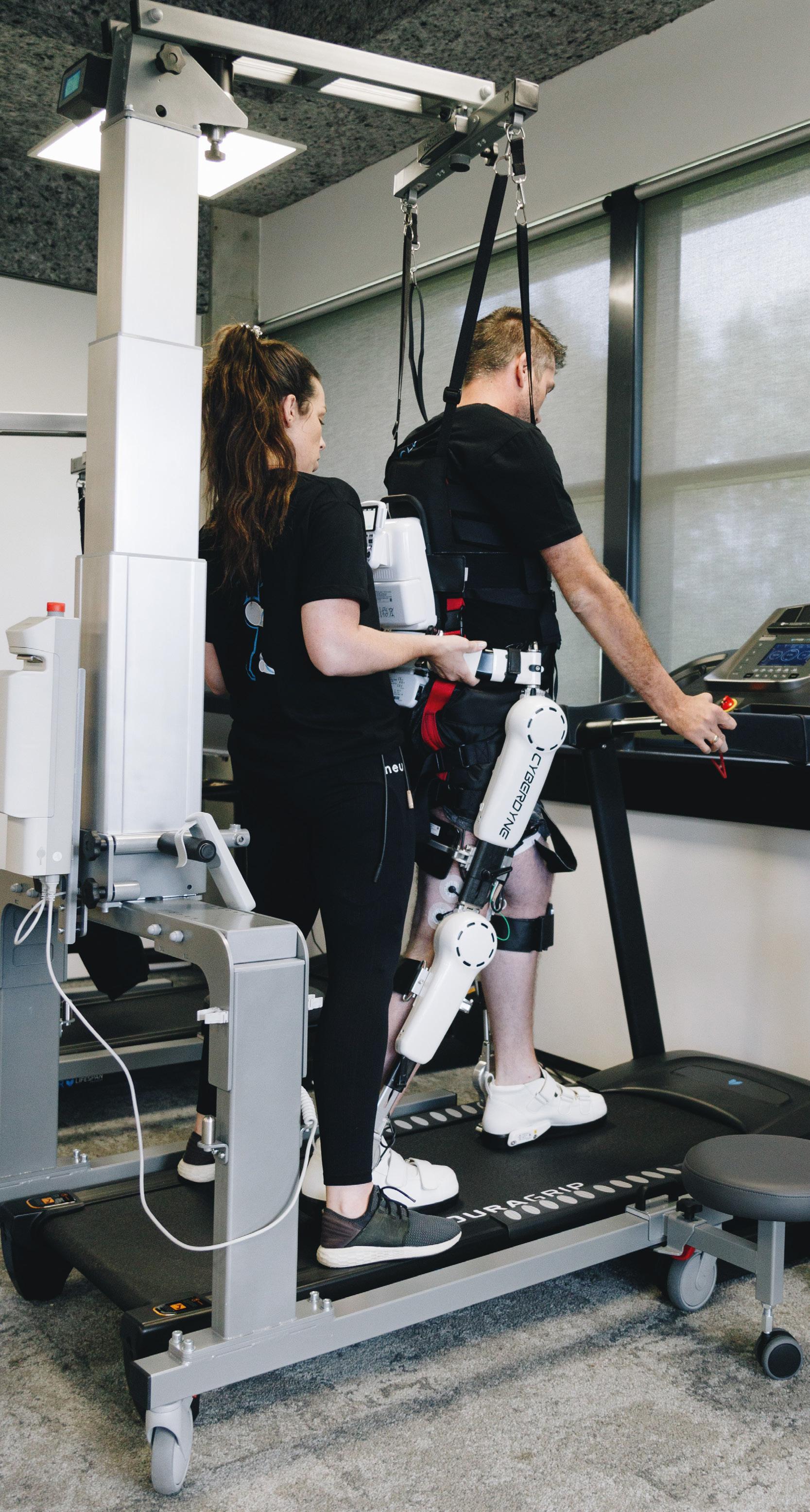
By Heidi Bain
The intriguing exoskeleton design drew attention at ATSA Expo in Sydney, and paired with the business name ‘RoboFit’ this exhibitor represented the technology and physical treatment thread that wove through the exhibition halls.
To understand how this futuristiclooking frame helps people with medical conditions or physical disability, and how it entered the Australian market, LINK spoke to RoboFit’s founders, husband and wife team Maryanne Harris and Daniel Hillyer, a C4-5 incomplete quadriplegic.
“This device is a gait training tool. It’s neuro-controlled and picks up the bioelectrical signal going from the brain to the muscle and assists the wearer to complete a movement such as a step,” Hillyer said. “We use a body weight support system and a harness as a force preventative, and people will use this device to learn to walk or stand on a treadmill or over ground.”
This hybrid assistive limb exoskeleton (HAL for short) is Australia’s first neurocontrolled exoskeleton-rehabilitation tool that helps people regain mobility, independence and strength.
Hillyer explained that the device has two settings. It can function as described above, or it can work for a wearer who has no voluntary movement at all. This latter setting is based on weight shifting and putting kilos of pressure through the sensor shoes, which will complete the step for them.
“The niche part about the device is the neuro-control, where electrodes are placed on the main muscle group. We connect them to the device and it picks up the intention to move.
When you think about a move and you’ve got, say, 50 per cent function in your left leg and you take that 50 per cent step, the device will kick in and do the rest.
There is a handheld monitor that connects to a TV screen, where we can see which muscles are firing and when. From there we can make any adjustments needed, either an increase or a decrease” Hillyer said.
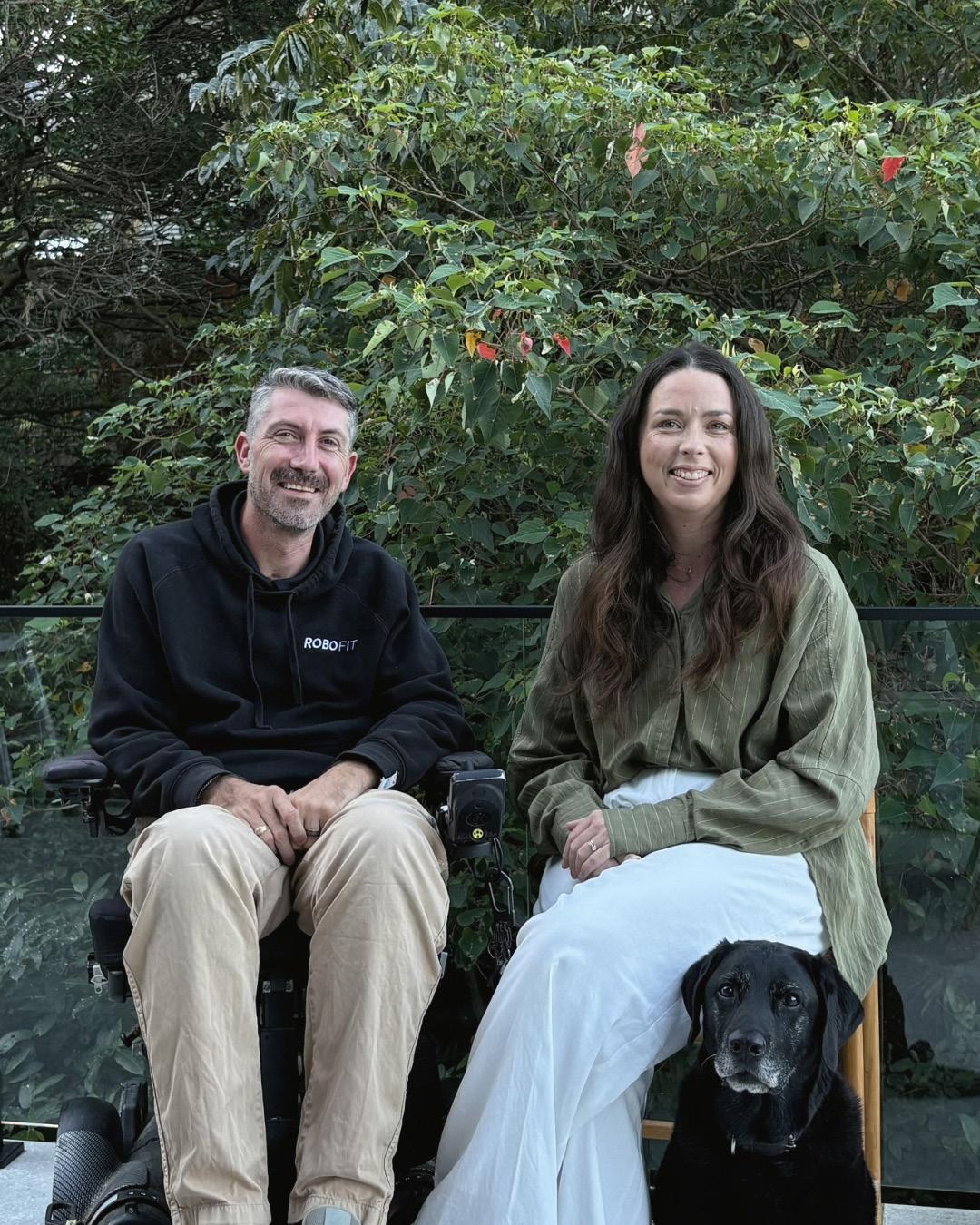
HAL’S JOURNEY TO AUSTRALIA
Hillyer and Harris have incorporated HAL into their personal treatment journey since an accident in 2010 left Hillyer C4-5 quadriplegic.
With an exercise science degree part of Harris’s background, she attended a conference in Germany where she first came across the Japanese technology developed by Cyberdyne. She was excited about the potential of adding neuro-controlled technology into Hillyer’s physical treatment, and so began her journey learning about the system and its potential.
The pair travelled to Japan where Daniel underwent 21 days of training with the HAL equipment. At the beginning of the 21 days, he could walk assisted for about 7 or 8 metres. After the 21 days, he successfully completed three laps of a 26-metre walking track. “A huge amount of progress over the short training period,” he said.
They were keen to continue treatment back home after such an impressive start in Japan. To their disappointment, Cyberdyne was not then ready to expand into the Australian and New Zealand markets.
Back at home, Daniel returned to his neuro training gym and then returned
to Japan for another session in 2014. This time around, he experienced slight bladder function sensations and even greater improvements in his gait and walking pattern.
With Harris’s professional background combined with Hillyer’s condition and their experience in the gains he’d already made, they realised there was an opportunity to help others with similar conditions.
They set out to bring HAL home to Australia.
It wasn’t until 2019 that serious discussions to bring the technology to Australia materialised. After some Covid-related delays, a partnership was sealed, then Harris took on intensive master training, and HAL arrived in Australia in 2021.
The duo opened their first clinic in Wollongong in 2021. HAL become a high-tech tool for the clinic’s specialists to the condition centric treatment for the RoboFit team to offer to clients.
In just five years RoboFit has expanded from their first Wollongong branch to centres in Brisbane, Sydney (Mascot), Western Sydney and Melbourne and are looking for more professionals to join their team.
“People with neurological conditions come to see us. That includes conditions like stroke, spinal cord injury, MS, CP, Parkinson’s, FND and brain injuries. People come to our clinics for our physiotherapists, but they also utilise the tech in their sessions. This tech is one of the rehabilitation tools used to treat a client’s condition” Hillyer said.
To treat clients in their clinics, they have HAL versions that are single joint units, to focus attention on the ankle, knee or wrist. And a lumbar support device, which is used for standing posture balance and fall prevention.
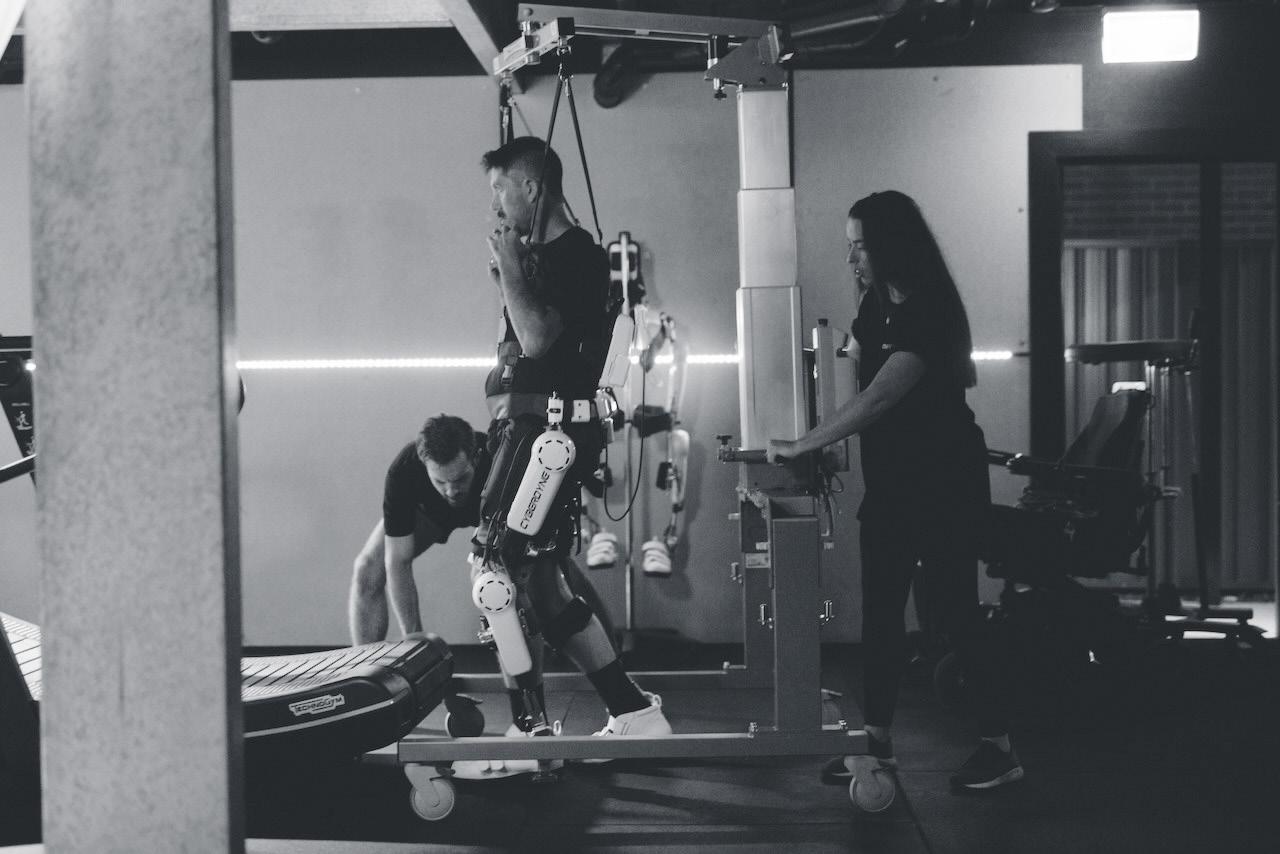
By Kymberly Martin
The 37th World Congress of Audiology (WCA) was held in Seoul, Korea in May with 1500 audiologists and hearing professionals attending from 71 countries.
Speaking to LINK at the event was Karen Hirschausen, principal audiologist for commercial clinical services at Hearing Australia who said the WCA was a valuable opportunity for bringing audiologists from around the world together. “While we’re all working towards the same goal, helping people achieve the
best possible hearing outcomes, we often approach it in different ways depending on the country or setting. Being able to share those different perspectives and learn from each other is important and something I always take a lot from.”
She added that it was always interesting to see what hearing aid manufacturers are doing and how they’re responding to different client needs and walking around the exhibition stands was a great way to get a feel for where things are heading.
“There’s a real focus on improving the listening experience in everyday situations, which is exciting to see.”
One session that stood out was the introduction to Future Perspectives in Audiology and AI. “AI is such a big topic now, and to hear different views on how it could support audiology practice. What I found particularly valuable was the balanced discussion, and not just the opportunities, but also where we need to be thoughtful and careful in how we use AI alongside clinical expertise.”
But there are challenges facing the sector and one is keeping up with how quickly technology is evolving, while still maintaining strong clinical foundations. “There’s a lot of opportunity with new advancements like AI, but it’s important we use them in a way that complements our clinical judgement, rather than replaces it. There’s also still work to do globally to ensure consistent access to hearing care, and conversations at events like WCA do help,” she said.
A highlight was attending the GN Hearing event and watching
pioneering K-pop band Big Ocean perform along with a Seoul jazz band. “This was a chance to experience Auracast firsthand, and being able to listen to music so clearly without any interruption made the whole experience incredibly immersive. It really brought to life the potential this technology has for enhance real-world listening.”
GN Hearing was among the exhibitors with its range of audio and gaming solutions that include Jabra and ReSound. Visitors to their booth could check out their latest hearing solutions and speak with GN’s local and global audiology and technology experts.
Principal engineer for the Danish group Thomas Olsgaard, told LINK there were two important things to consider in the sector. One is being able to understand speech, “because if you cannot it becomes very hard to socialise at events and gatherings and this is where AI comes in. The other is being connected. “It’s a world of digital connectivity which is where Auracast allows people to experience sound in a different way. Every sound becomes accessible, delivering clear audio directly to hearing aids that enables participation in social activities such as concerts. And more is happening in this area as the world becomes noisier, and for the hearing impaired it means being part of the conversation or not having a conversation,” he said.
There is no NDIS equivalent in Denmark although basic hearing aids and accessories are free. “It is an expensive technology that requires tiny chips sets and batteries making it necessary to drive down the size of products. Investment in miniaturization of sound processor chips and improved connectivity and batteries are scenarios being looked at.
“The industry is also working towards developing a new digital standard that needs to be supported by companies like Microsoft, Google and Samsung,” he said. “This is being mostly driven by the hearing aid industry,” he said.
Olsgaard recently joined an EU Commission group advising on the development of laws for wireless connectivity.
SYDNEY TO HOST 2030 CONGRESS George Dempster, commercial manager at the International Society of Audiology, described the World Congress of Audiology as the “World Cup of Audiology”.
“We work six years in advance with the WCA 2028 to be held in Edinburgh, Scotland.” And here is one for your diaries…Audiology Australia has won the bid for 2030 in Sydney.
According to Dempster special technologies like AI are drivers for the future. “We have set up a Computational Audiology Network, comprising a group of young engineers, audiologists and speech therapists using new technologies and AI to come up with ideas.
“Training is important too, but it depends where you are in the world. Unfortunately, there are no international guidelines, but the World Health Organization is putting guidelines together for underdeveloped areas and lowincome countries where there are no audiologists, to help give people a basic understanding about hearing issues and what to do about them.
“The WCA is great for global networking with the top people in hearing care from across the world here. And what brings them here are the scientific programs,” he said.
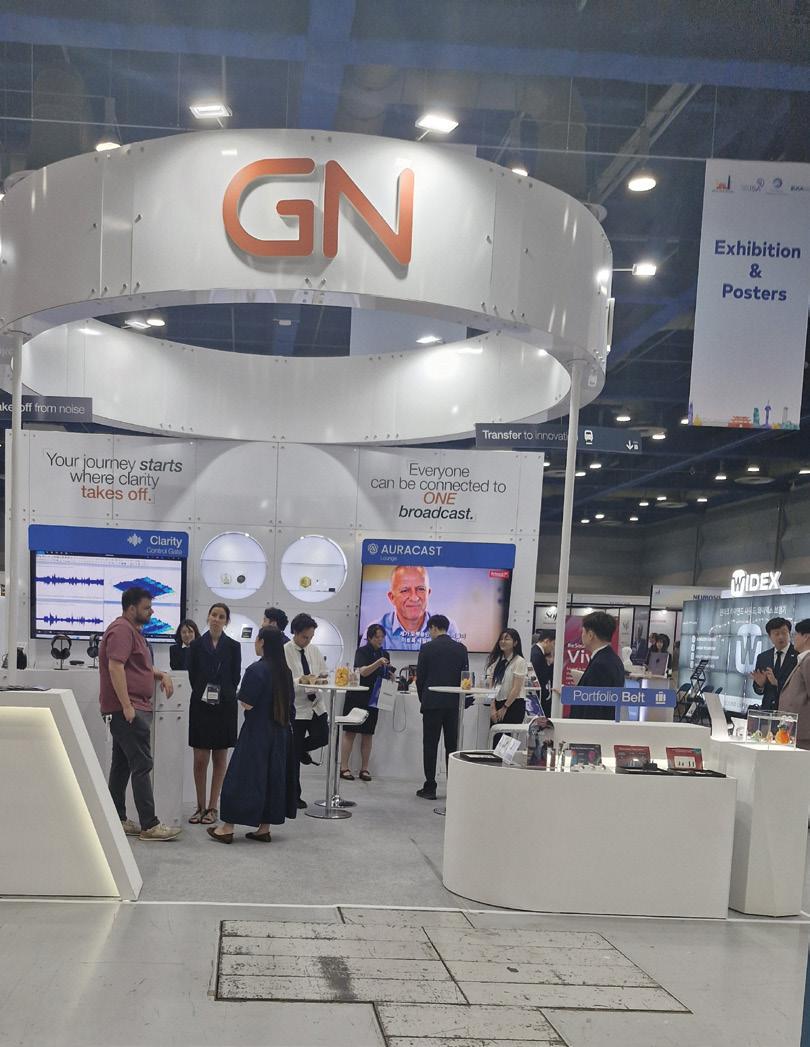
Print Radio Tasmania is redefining what accessible media can be.
Known for decades as a radio reading service, the organisation is evolving into a disability-led media platform that reflects the experiences, perspectives and aspirations of people with disability.
Since 1982, Print Radio has provided accessible news, information and entertainment for people who face barriers to accessing printed material. While that mission remains at its core, the station is broadening its focus, creating opportunities for people with disability not only to access information but also to create content, share stories and shape community conversations.
The transformation extends beyond programming. Print Radio has set a goal that 50 per cent of its committee members, volunteers and staff will have
lived experience of disability, or a close connection to disability.
Meanwhile, new training and mentoring programs are helping volunteers with disability develop broadcasting and production skills, including through audio production software adapted for people who are blind or have low vision.
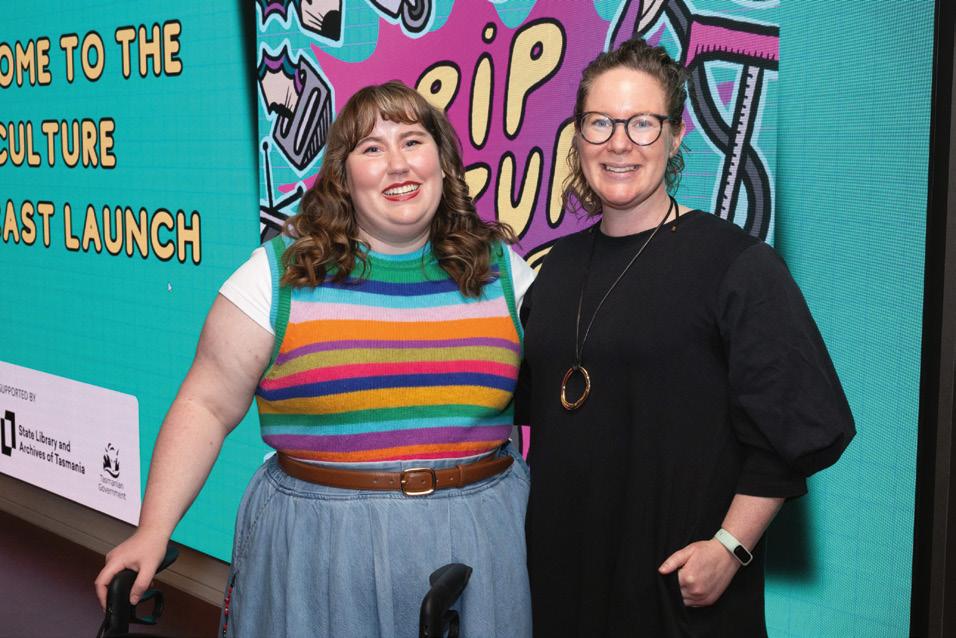
Partnerships with disability organisations, education providers and community groups are creating pathways into volunteering and media production for young people with disability and people from culturally diverse backgrounds. The aim is to build confidence, skills and community connections while strengthening representation in Tasmanian media.
One of Print Radio’s most significant recent projects is Crip Culture, a
disability-led podcast that places lived experience at the centre of storytelling. The station has also collaborated on Literacy Legends and Building Inclusions, podcast series that showcase stories and perspectives often overlooked by mainstream media.
Today, Print Radio Tasmania reaches audiences through AM, FM and DAB+ radio, online streaming and podcasts.
For more information about volunteering contact station@printradiotas.org.au
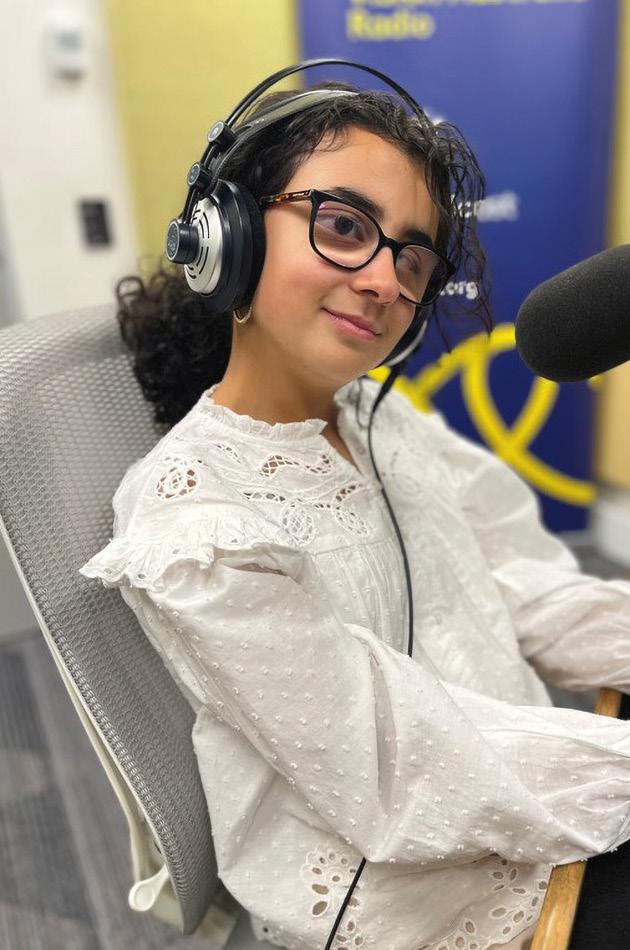
By Tom Garrod
People with disability are often praised for being resilient, but resilience is only part of the story. Sometimes the wiser skill is adaptation: recognising what your body, mind or circumstances actually need, then shaping your day around that reality.
That might sound like a small shift, but it isn’t. Adaptation is the difference between forcing yourself through a plan that was never designed for you and creating one that leaves you with enough energy to enjoy the life you’re living, not just survive it.
Living with ataxic cerebral palsy has taught me that support is not a confession of failure. Pacing is not laziness. Asking for help is not weakness. Changing how something is done does not make the achievement any less meaningful. More often than not, it is what makes the achievement possible.
As my life has evolved, so too have the ways my disability shapes it. As I have grown more ambitious, pushed boundaries and worked to break down barriers, the demands have shifted, revealing new challenges alongside new possibilities. Adaptation is not something you learn once. It is something you keep learning as your life changes.
One way of doing that is to look honestly at where your energy is going. A useful question to ask yourself is this: Where am I spending energy pretending something is easier than it really is? The answer might be a commute, a working pattern, a social event, cooking a meal, attending a medical appointment, or feeling obliged to explain your access needs over and over again.
Once you’ve found that point of friction, don’t begin with self-judgement. Begin with design. What would make this easier? What could be prepared in advance? What could be done
sitting down, online, more slowly, with someone alongside you, with proper rest built in, or perhaps not at all? What information would help someone support you without expecting gratitude for something that should have been accessible in the first place?
This matters because disabled life is not defined only by barriers. It is also shaped by expertise. Disabled people become experts in friction. We learn where systems waste energy, where dignity is lost, and how small changes can prevent enormous exhaustion. As new technologies such as AI emerge, that lived expertise becomes even more valuable because accessibility cannot be learned from data alone.
The aim is not to chase an endless state of positivity. It is to cultivate a deeper honesty about what it means to live well, and to shape a life that aligns with that truth. Some days that truth calls for ambition and forward motion.
Other days it asks for stillness, for rest without apology.
This tension is not unique to disabled people; it is part of being human. Yet there is a particular habit, often learned through experience, of locating every difficulty within the body itself, as though the presence of disability must always be the explanation. Perhaps the greater challenge is to question the illusion that a life has value only when it appears effortless from the outside.
Tom Garrod is the author of How to be Disabled. He lives with ataxic cerebral palsy, and writes with on adaption, dignity and how to access and build a life that genuinely fits. You can read more about him and how to access his book here www.howtobedisabled.com Adaptation is a form of intelligence. Access is a form of care made visible in everyday life. A life that fits is not a lesser life, but one shaped with honesty, intention and dignity.
By the AATC Conference Committee and ARATA Board
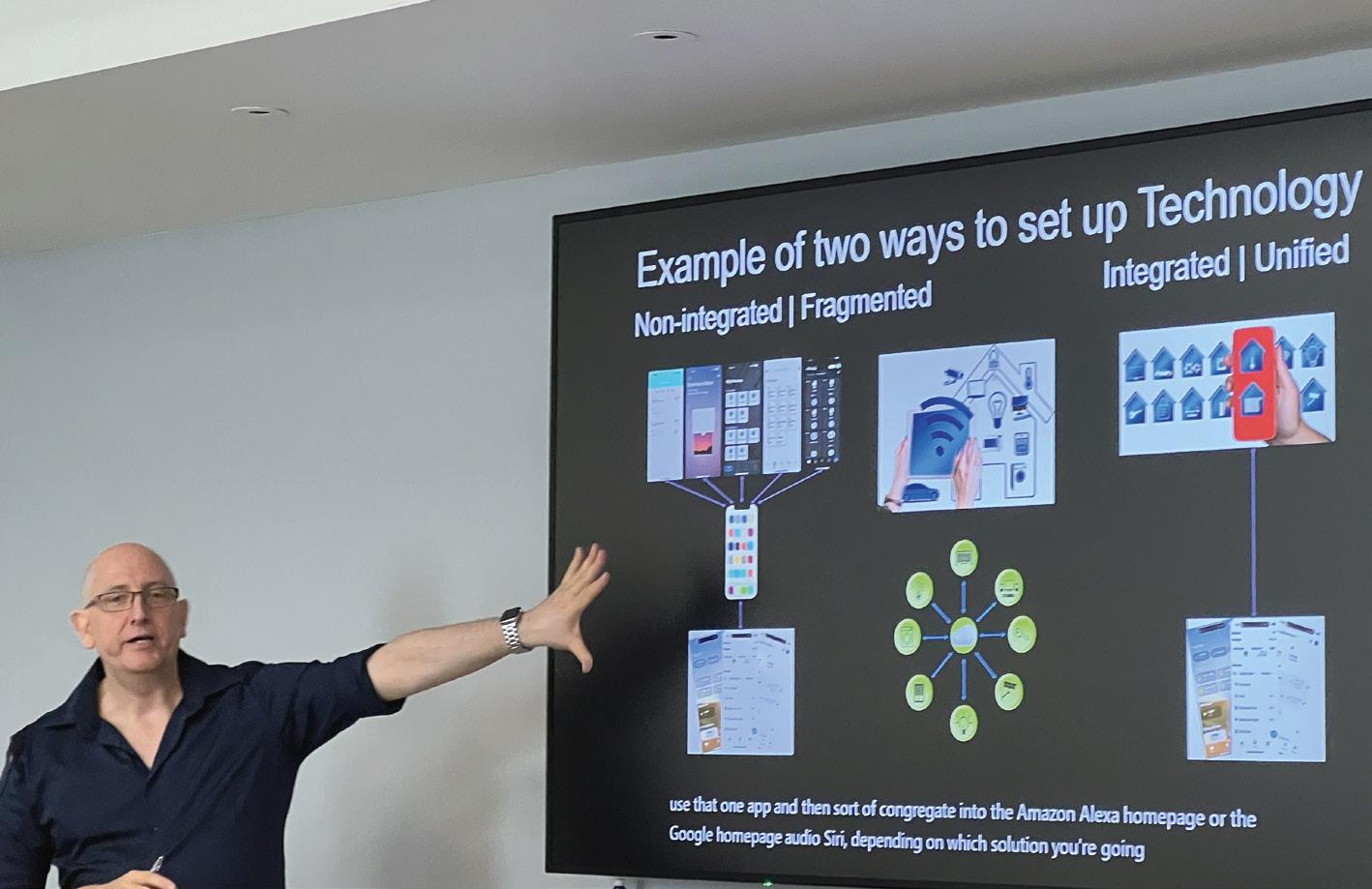
If assistive technology is part of your life, your work, or both, mark your diary now: the Australian Assistive Technology Conference is coming to Melbourne, and this time it’s landing somewhere pretty special.
ARATA, the Australian Rehabilitation and Assistive Technology Association, announced earlier this year that AATC2026 will be held at the Melbourne Cricket Ground from 11 to 13 November 2026. Yes, that MCG. As the organisers put it, the ground is to Melbourne what the Eiffel Tower is to Paris and for three days in November, it’ll be home to the biannual foundational Australian AT community gathering of consumers, providers, suppliers, researchers, educators, and developers.
The conference runs across three days: a pre-conference workshop day on 11 November, followed by the two-day conference on 12 and 13 November. This year’s theme is “Real Solutions for Real Life,” and it’s exactly what it sounds like. Rather than chasing shiny tech for its own sake, AATC2026 is about practical assistive technology that really makes a difference. Sharing and critiquing everything from useful, low-tech tools through to innovative
home automation, robotics, and manufacturing. The thread running through it all is the lived experience of AT, with many papers presented by users themselves.
That is worth dwelling on for a moment because it’s the heart of what ARATA does well. Since the mid-1990s, ARATA has been the meeting point for Australia’s AT community. As the association organisation where AT users sit alongside the people who recommend, supply, design, fund, research and educate about assistive technology, and actually talk to each other. The conference program has been shaped by an organising committee that deliberately reflects ARATA’s full membership base: AT users, prescribers, suppliers, ma researchers and educators all had a seat at the table when it came to deciding what AATC2026 would look like. That crosssection is exactly why the conference works - nobody’s perspective gets to dominate the agenda.
The call for abstracts has closed, and with the program finalised attendees can start getting a real sense of what three days at the MCG will look like. One stream worth flagging for LINK readers
is the dedicated home modifications content running through the program. Housing and AT are deeply intertwined - from ceiling hoist provisions to smart home automation. The right assistive technology is often what makes a home, including a Specialist Disability Accommodation (SDA) property, truly work for the person living in it. For anyone working in or around SDA design and delivery, this stream looks set to be one of the immensely practical and useful parts of the conference, integrated into the broader “Real Solutions for Real Life” program.
For suppliers and providers, take note: exhibition space at AATC2026 has already sold out, a sign of just how much appetite there is to connect with this audience in person. If you missed out, it’s worth getting in early for the next one.
Registrations for AATC2026 are now open, with the full program available at aatc2026.com. If you’ve got questions about the conference, the convenor and committee is reachable directly at aatc@arata.org.au.
Three days, one iconic venue, and a community that has been supporting Australia’s AT sector for more than thirty years. Worth the trip to Melbourne.
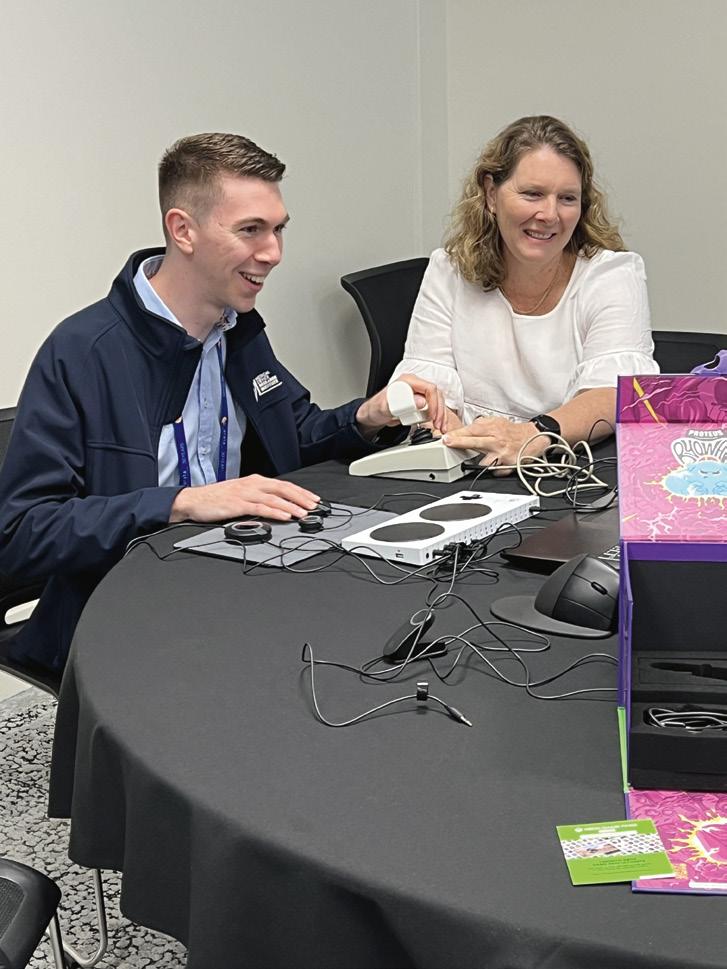
International eyewear group
EssilorLuxottica held a media event in Sydney for its new Nuance Audio smart glasses that carry open-ear technology to enhance hearing, particularly in noisy environments. The TGA registered device has been developed for adults with mild to moderate hearing loss.
EssilorLuxottica ANZ director of audiology Naomi Nicolinas said this innovative solution with its smart eyewear design is helping to break down the barriers associated with mild to moderate hearing loss, estimated to affect 5.86 million people in Australia.
“Two of the most important sensors are vision and hearing loss, and both are impacted by age and lifestyle factors and if left untreated have a significant impact on social and emotional wellbeing,” she said. “There can be issues with clarity of speech, where they can hear the person talking but cannot understand what is said, particularly in noisy environments competing with background noise,
such as restaurants, meetings and family gatherings. While these hearing difficulties become more common with age, we are seeing this happening earlier due to noise exposure.”
The event was hosted by television presenter Osher Günsberg who spoke about his challenges in dealing with hearing loss and its impact on his life that he ignored for seven years believing he could live with it and get by. “I accepted fewer dinner invitations because sitting at the table made me feel disengaged. I was unable to follow conversations, so avoided restaurants and movies but did not connect any of this with my hearing loss. Once I did my world became very different.”
Directional microphones, a noisereduction function and open-ear speakers are seamlessly integrated into the frames of the new eyewear that come with a wireless charging pad and USB-C charging cable. An app is available for audio calibration, firmware updates and hearing preferences.
The smart glasses are available in two designs and three colours and worn with prescription-ready or nonprescriptive lenses.
The device is being reviewed for NDIS and health funds support and available through selected optometrists. A national television campaign is currently backing the eyewear.
Autism Awareness Australia has unveiled a new identity, now Autism Association of Australia, intended to shift national focus from awareness to action.
The announcement comes at a pivotal moment for autism policy in Australia, as governments implement the National Autism Strategy, reform the National Disability Insurance Scheme and roll out new initiatives such as the Thriving Kids Autism Helpline and Information Supports program.
The reforms present a once-in-ageneration opportunity to improve outcomes, but only if the voices of autistic people and their families remain central to policy and decisionmaking, according to the organisation.
Founder and CEO Nicole Rogerson said the new name reflects both how Australia has changed and how the organisation has evolved.
“When we established Autism Awareness Australia in 2007, awareness was desperately needed. Autism simply wasn’t part of the national conversation in the way it is today. Awareness changed attitudes but it didn’t change systems.
“Families are still fighting for timely diagnosis, appropriate supports, inclusive education and services that work. Autistic adults continue to face barriers to employment, health care and community participation,” she said.
“While Australia has made enormous progress in recognising autism, we
“We will continue providing the trusted, evidence-based information Australian families know us for”
need to ensure the systems around autistic people work better.”
Speaking further on the changes Rogerson said the organisation’s new name better reflects the role it plays nationally.
“An association doesn’t simply observe. It brings people together. It represents and advocates. It works alongside governments, researchers, professionals, autistic people and families to create lasting change. We empower families navigating autism and work with governments, researchers, and sector leaders to improve the systems those families rely on.
“We are particularly focused on the transition to Thriving Kids, and how we can support both autism families and the government to get this program right and deliver the best outcomes for Australian families.
“We will continue providing the trusted, evidence-based information Australian families know us for, while strengthening our national advocacy to ensure policy translates into practical improvements in people’s lives.”
Autism Association of Australia will continue to deliver evidence-based resources, webinars, and education programs, including Autism: What Next? that supports more than 48,500 new users annually through the diagnosis pathway and Navigating Autism in the Early Years, that trains early childhood educators.
More information is available at www.autismaustralia.org.au. Existing Autism Awareness Australia website links will automatically redirect to the new website.
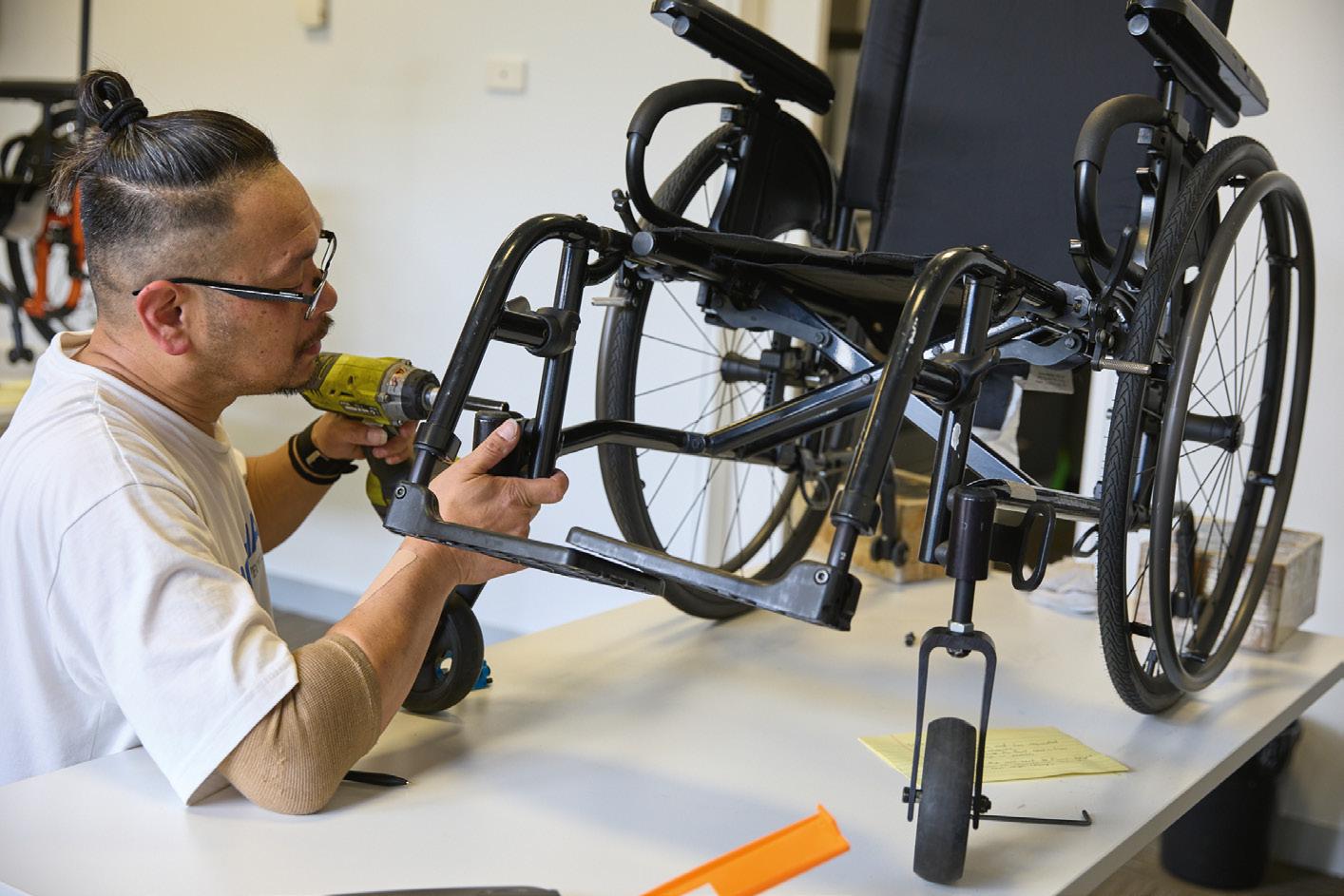
Assistive Technology Suppliers Australia (ATSA) is expanding its support for Australia’s assistive technology community with the launch of a new suite of AT education courses, designed to strengthen knowledge, capability and confidence across the sector.
As demand for assistive technology continues to grow, so does the need for practical, accessible training that supports the many professionals involved in the AT journey. Suppliers, retail and support staff, support coordinators, allied health professionals and emerging AT practitioners all play an important role in helping people access safe, appropriate and effective assistive technology and services that meet their individual needs. ATSA’s new education offering has been developed to help meet that need.
Following on from the hugely positive response to our initial course offering for AT technicians, the program now adds two key additional learning pathways.
The first, Foundations in Assistive Technology, is a new online course providing a practical introduction to core AT knowledge. It is designed for people working in, or entering, the AT industry and covers essential topics including disability awareness, AT terminology, communication within the AT team, scope of practice, diagnoses and impairments, understanding client needs, safety and compliance, and introductions to AT within the NDIS, aged care and other funding systems. This short course is just being finalised, and is expected it to ‘go live’ by the end of August 2026.
ATSA has also established an exclusive partnership with the International Registry of Rehabilitation Technology Suppliers (iNRRTS) to offer the AT Supplier Certificate Program. This internationally linked program is designed specifically for supplier and manufacturer representatives, as well as allied health professionals interested in developing their skills in seating and mobility assessments.
The course focuses on seating and wheeled mobility equipment solutions and is internationally approved for continuing professional development credits (through IACET).
Level 1 (Courses 1–10) provides foundational knowledge in Complex Rehab Technology, including terminology, physiology and diagnoses. Course 11 offers an in-depth paediatric focus for both AT equipment suppliers and therapists.
Through these courses, ATSA is taking an important step in supporting betterinformed practice, stronger collaboration and improved outcomes for people who rely on assistive technology every day.
For further information, or for options to meet individual organisation’s specific needs, please reach out to ATSA’s Education Manager Lois Brown via email at education@atsa.org.au to check your requirements.
All current course information and pricing can be found on the ATSA website – www.atsa.org.au/ educational-courses/
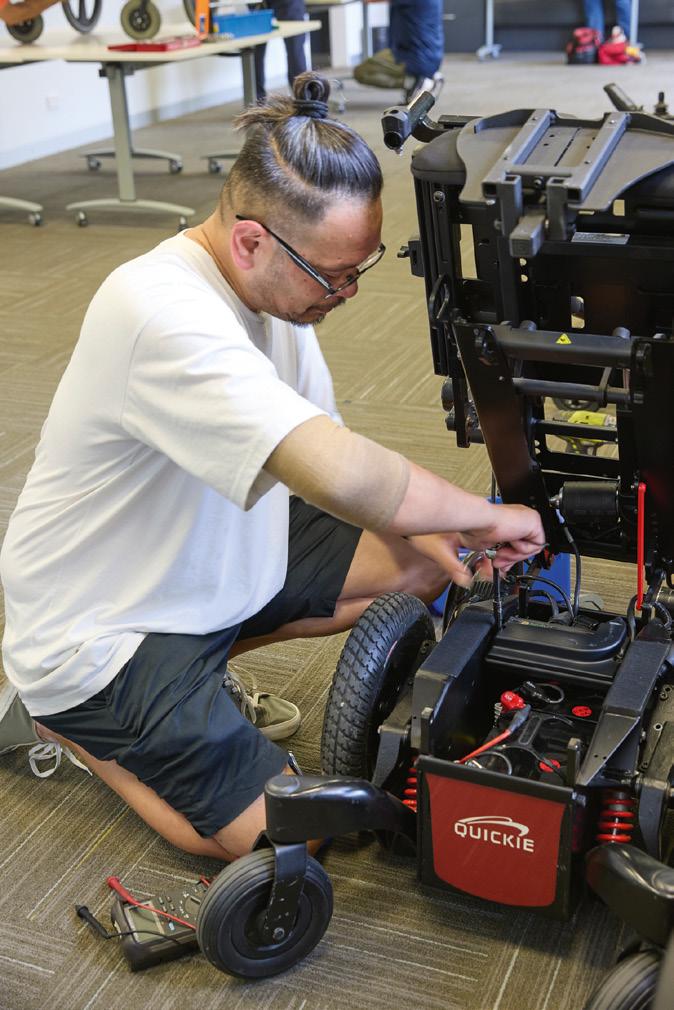
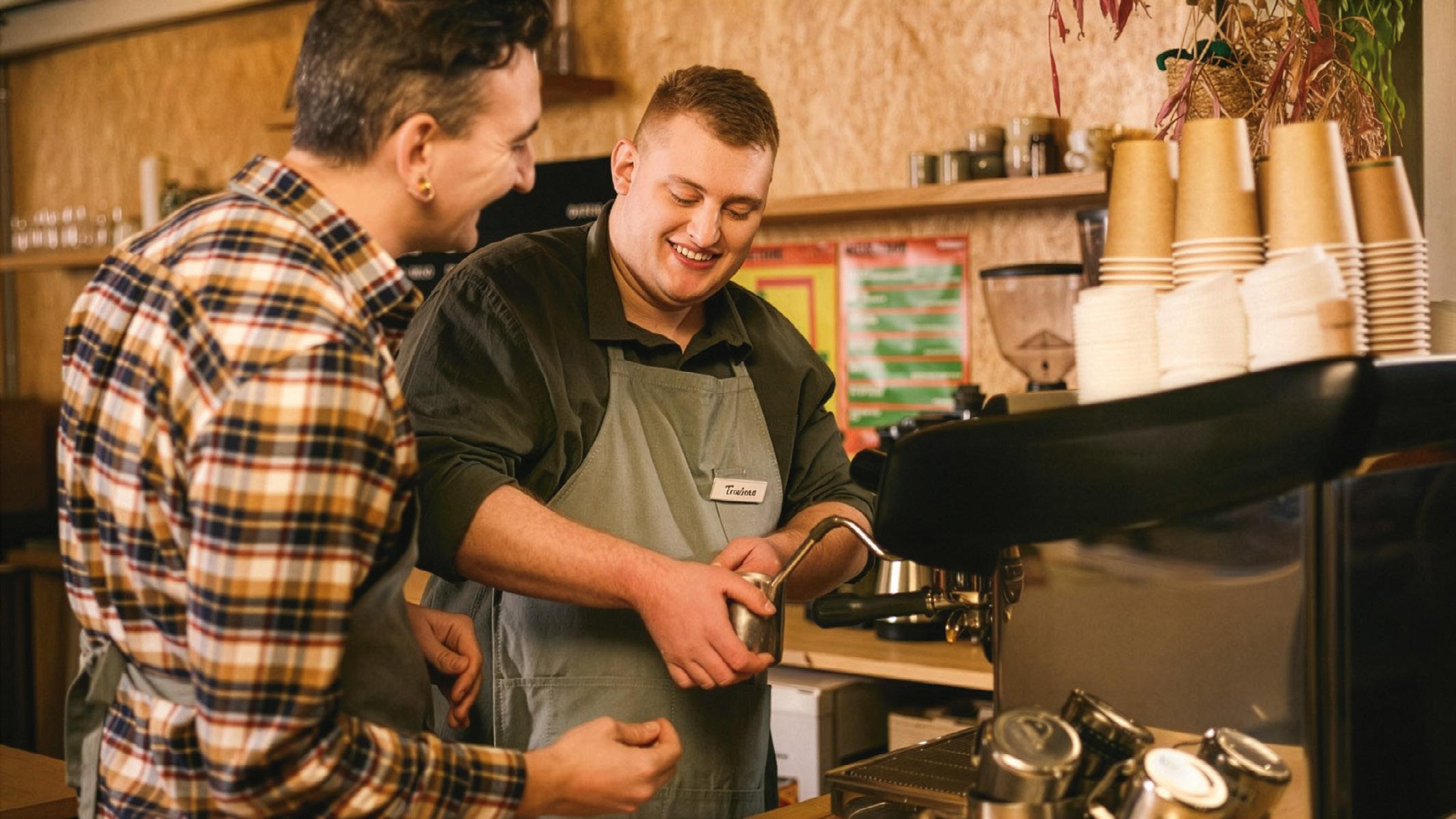
Intellectual disability service provider Minda has expanded its services in Adelaide with the roll out of its MyPath capacity building program.
MyPath is designed to support people with intellectual disability to develop skills, from navigating post-school transitions through to finding employment and staying active well into retirement.
Minda chief executive, Dr David Panter, said the expansion into the northern suburbs reflects Minda’s commitment to supporting people with intellectual disability across the state.
“MyPath provides opportunities for people moving into the next stage of their life, whatever that may be,” he said. “Whether someone is moving from school into work, building their independence or finding their place in the community, we have the right supports to help.”
Operating out of the Golden Grove North East Hockey Club, the program is delivered in group settings or oneon-one, delivering practical learning in a supported environment.
Each participant’s program is shaped around their own goals and takes into consideration where they are in life, with structured pathways across four modules of service delivery.
“MyPath provides opportunities for people moving into the next stage of their life”
These cover daily living skills like budgeting, grocery shopping and managing personal responsibilities; employment readiness around resume writing, interview preparation and learning skills through volunteering; social support exploring new hobbies and shared interests; and staying active, engaged and connected to their community.
Outcomes include working towards a Certificate I, II or III qualification, for securing employment, forming new social connections and maintaining independence.
To support new participants in getting started, Minda is offering free ‘Come and Try’ sessions at MyPath Golden Grove, with sessions available on request, booked by contacting Minda directly.
People with disability often miss out on travel. Not because it’s impossible, but because funds were not set up correctly, or didn’t align with their goals.
NDIS plans changed in May 2025, so it’s worth a quick check on how the new format impacts you before you book.
If your plan has been reviewed since May 2025, your budget is no longer available all at once, it’s released quarterly. Support hours for a trip need to fall within the funding period covering those dates. Check with your plan manager that the timing works before confirming a booking.
CANCEL REGULAR SERVICES EARLY Services you won’t be using back at home while you’re off travelling must
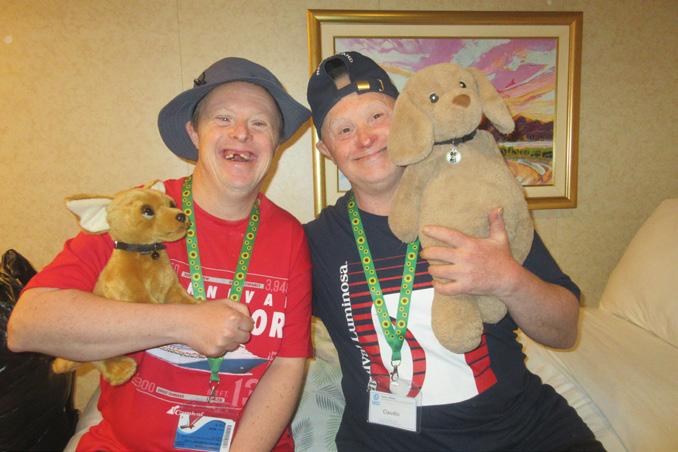
be cancelled with at least seven clear days’ notice - not seven days before departure, but seven clear days before the first session that you will miss. Clear days exclude the day you give notice and the day of the service. Without giving enough notice, providers can charge for sessions you didn’t attend.
CHECK YOUR SERVICE AGREEMENTS ARE CURRENT
Your regular service agreements with support workers, therapists and similar providers are legal contracts and must be fair. Under Australian Consumer Law,
providers of scheduled support services can’t require more than seven days’ notice to cancel a session. If they’ve written in a longer notice period, it’s not enforceable. Cancellation policies for holiday bookings, where flights, accommodation and supplier costs are involved, are separate and will vary by provider.
To note, the NDIS does not fund the holiday itself. Flights, transport, accommodation, activities and meals are separate costs. But with the right planning, it can fund the support needed while away.
Leisure Options has been helping Australians with disability travel for over 30 years. As a registered NDIS provider, they can help you plan with confidence.
Visit www.leisureoptions.com.au or call 1300 363 713.
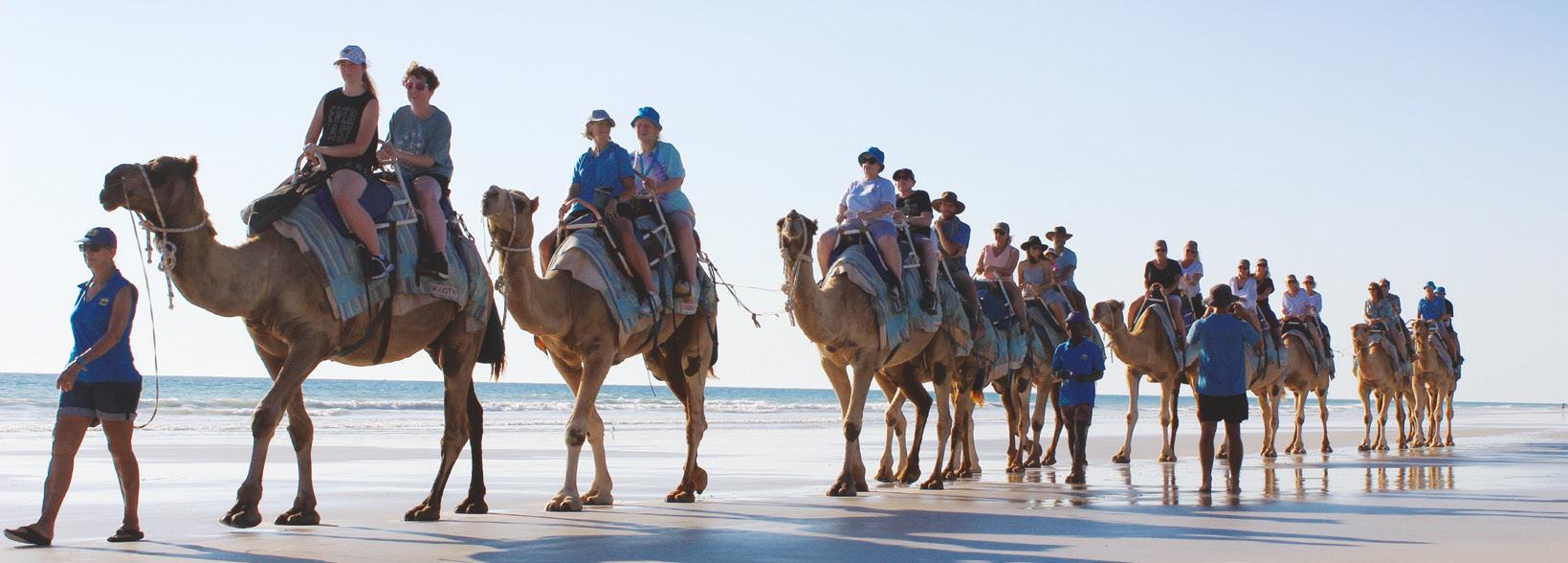
With more than 30 years’ experience in both the travel and disability industries, Leisure Options is Australia’s only national award-winning, accredited travel agent specialising in supported travel for the disability sector.
• Focus on providing holidays that allow maximum choice, loads of fun, high staffing ratios, commitment to individual needs, and a supportive holiday environment
Choice of either group or individualised touring
Respite care offered in a stimulating and fun-filled environment
Over 80 departures annually to local, national and international destinations
• Passionate, energetic, and professional tour leaders with extensive qualifications and a world of experience
Registered service provider with the NDIS


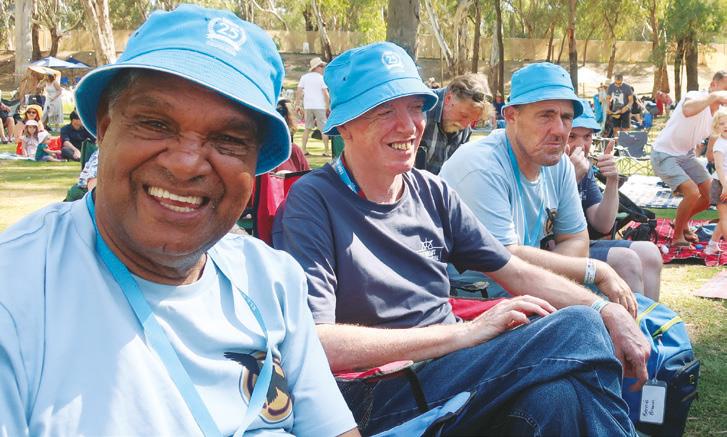
For more information call
or visit our website
After eight years with Intermedia, Ben Cooper is moving on and the LINK team wishes him the very best in his next career steps.
Ben came on board to join Intermedia’s events team, yet a year later, when Interpoint acquired LINK, his digital skill set was called upon. At the time, the masthead’s digital structure was less automated and needed manual management to centralise its functions. Ben stepped up and into this role seamlessly, taking over the digital production and delivery.
As LINK underwent its rebuild, the digital component grew. The newsletter frequency doubled and LINK New Zealand was born. Ben also took LINK’s sister publication Freedom2Live, under his banner and managed the disability sector’s two powerhouse brands.
With the team recalling that Ben has ‘the patience of a saint’, his solutions mindset made him a greatly missed team member.
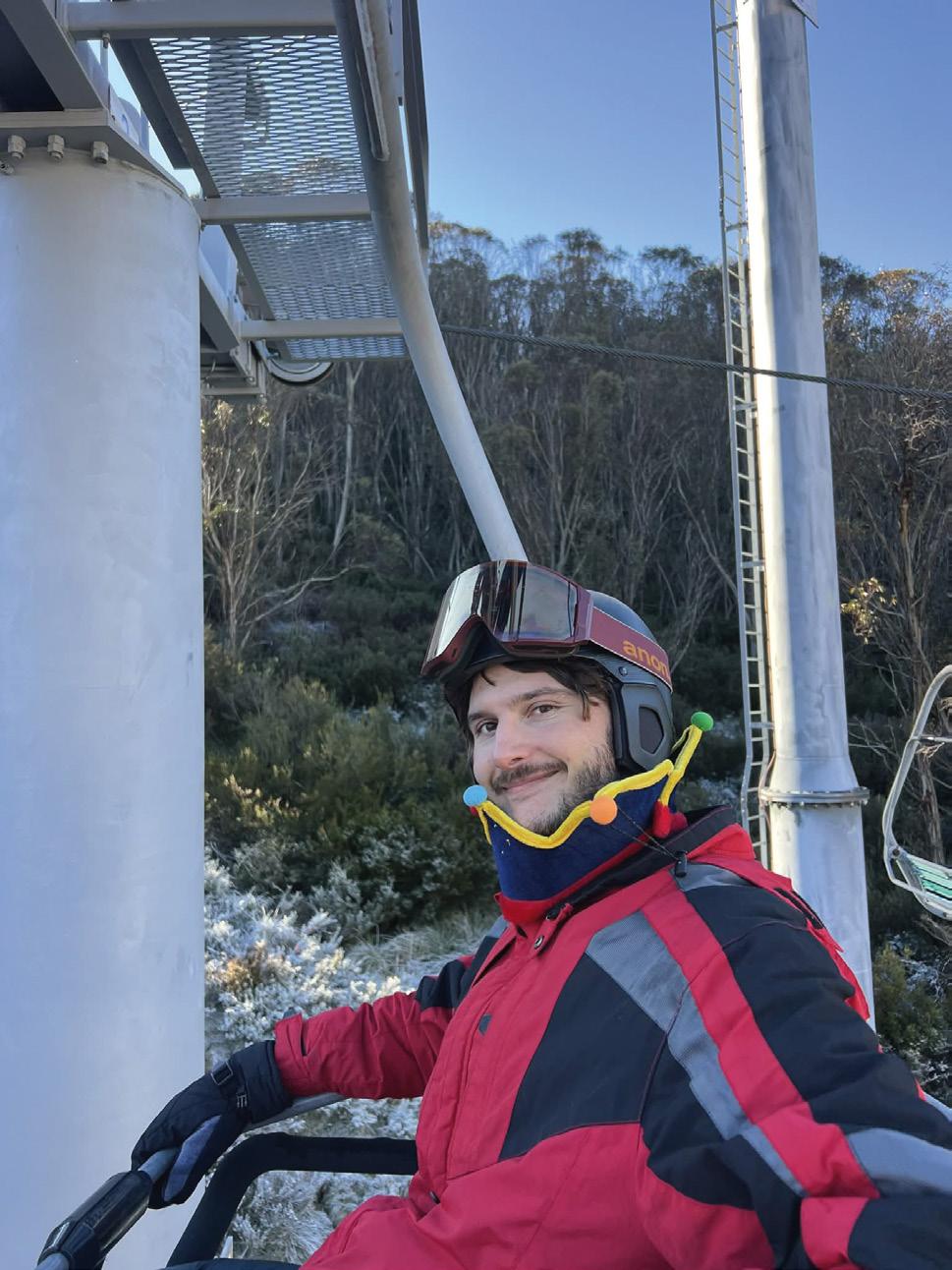
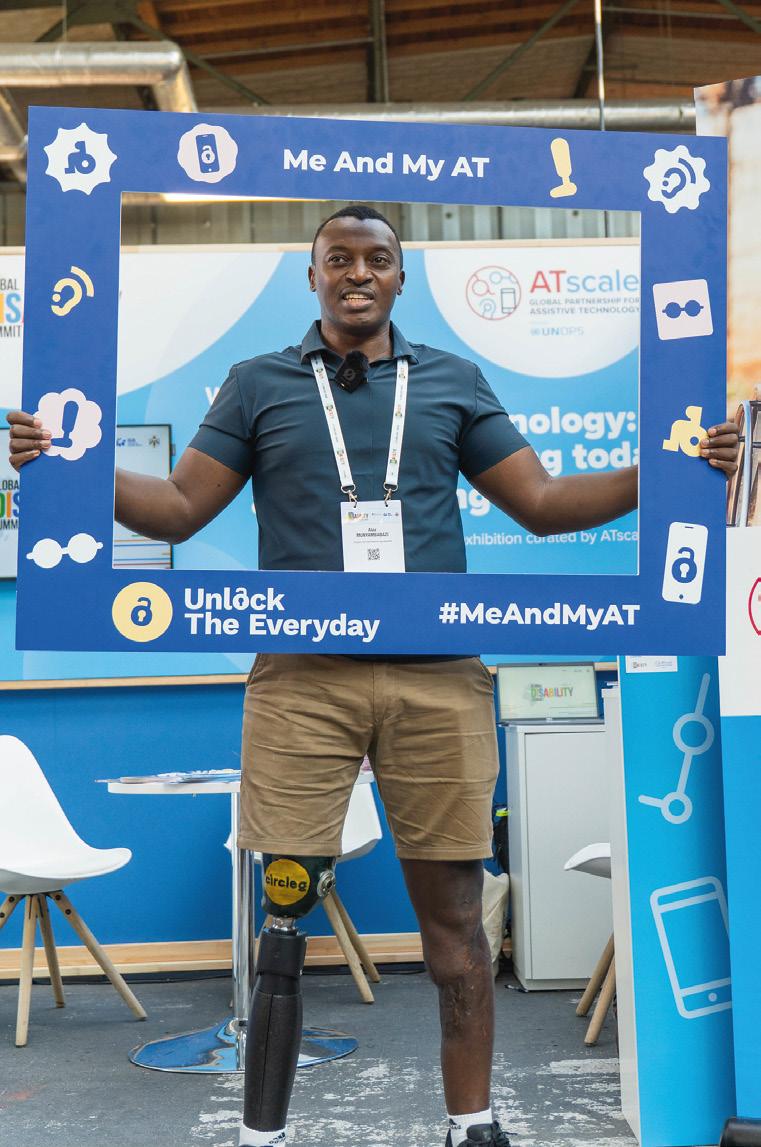
Out of the 2.5 billion people worldwide who need one or more assistive products, more than 1 billion are without access to them–especially those living in low to middle income countries.
World Day for Assistive Technology took place on 4 June, and organisations in Australia and around the world partnered to advance government strategies and raise community voices through global campaigns.
ATscale, a Geneva-based organisation, drives campaigns like #UnlockTheEveryday to amplify community voices, communicate the importance of these products to people’s lives, and strive for a deeper global focus on reducing equity gaps.
With social media hashtags like #ATChangesLives and the backing of organisations behind the supply of products like eyeglasses, hearing aids, prosthetics, and wheelchairs, 2026 was another highly successful awareness raising year.
AUGUST
7 – 8: Sydney Disability Expo www.sydneydisabilityexpo.com.au
22: Variety Big Top Ball www.wa.variety.org.au/big-topball-2026
20 - 22: Mundi Mundi Bash, Broken Hill NSW www.mundimundibash.com.au/ patrons-with-a-disability
SEPTEMBER
17 - 18: National Disability Summit www.informa.com.au/event/ conference
12: Canberra Disability & Workability Expo www.canberradisabilityexpo.com.au
Fiona kept her deafness a secret for over 25 years, to avoid jeopardising job opportunities, or being socially outcast.
She once tried hearing aids and was shocked at how the world sounded and vowed to never wear them again. After an accident to her hand, she discovered that sign language could change her life, and that Deaf culture could be part of her identity.
The Shape of Sound is Fiona Murphy’s story of how she learned to listen to her body.
Blending memoir with healthcare industry The Shape of Sound
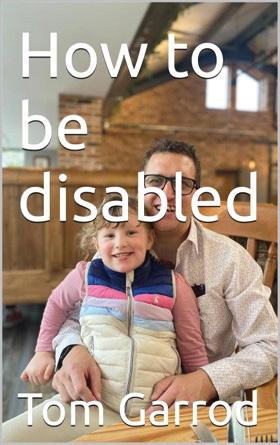
On page 45 author Tom Garrod shares with readers his perspective on adaption for people with disability. In his book ‘How to be disabled’ he presents his experience-driven scenarios, their impact on him, and action the reader can transform to their personal context.
Garrod was born with Ataxic Cerebral Palsy and has written this book for others with disability. Not as a guide to ‘overcome’ disability, but as a framework of practical ways to help people look at their lives, view them honestly, and to live truly from this standpoint. To live their best possible lives with the body they have.
To find out more or to order Garrod’s book, visit www.howtobedisabled.com

This year, St Edmund’s College Wahroonga celebrates a remarkable milestone – 75 years of educating, supporting and empowering young people with disabilities.
Founded in 1951, the College began as a small school for nine boys with vision impairment. Today, it is a vibrant co-educational community supporting more than 110 students with diverse learning needs across Years 5 to 12.
St Edmund’s mission has remained steadfast; to honour the dignity of every student, foster independence and equip young people for meaningful lives beyond school.
Students include those with mild to moderate intellectual disability, autism and sensory impairments. Small class sizes, low student-to-staff ratios and a multidisciplinary team ensure each student receives the support they need to thrive.
Learning extends beyond the classroom. The College delivers the NESA Life Skills curriculum through personalised plans and hands-on learning across maths, science, technology, creative arts and music. Work experience, community access programs and VET courses in hospitality, retail services and work skills help students build confidence, develop practical skills and prepare for employment and community participation. This reflects the College’s commitment to a liberating
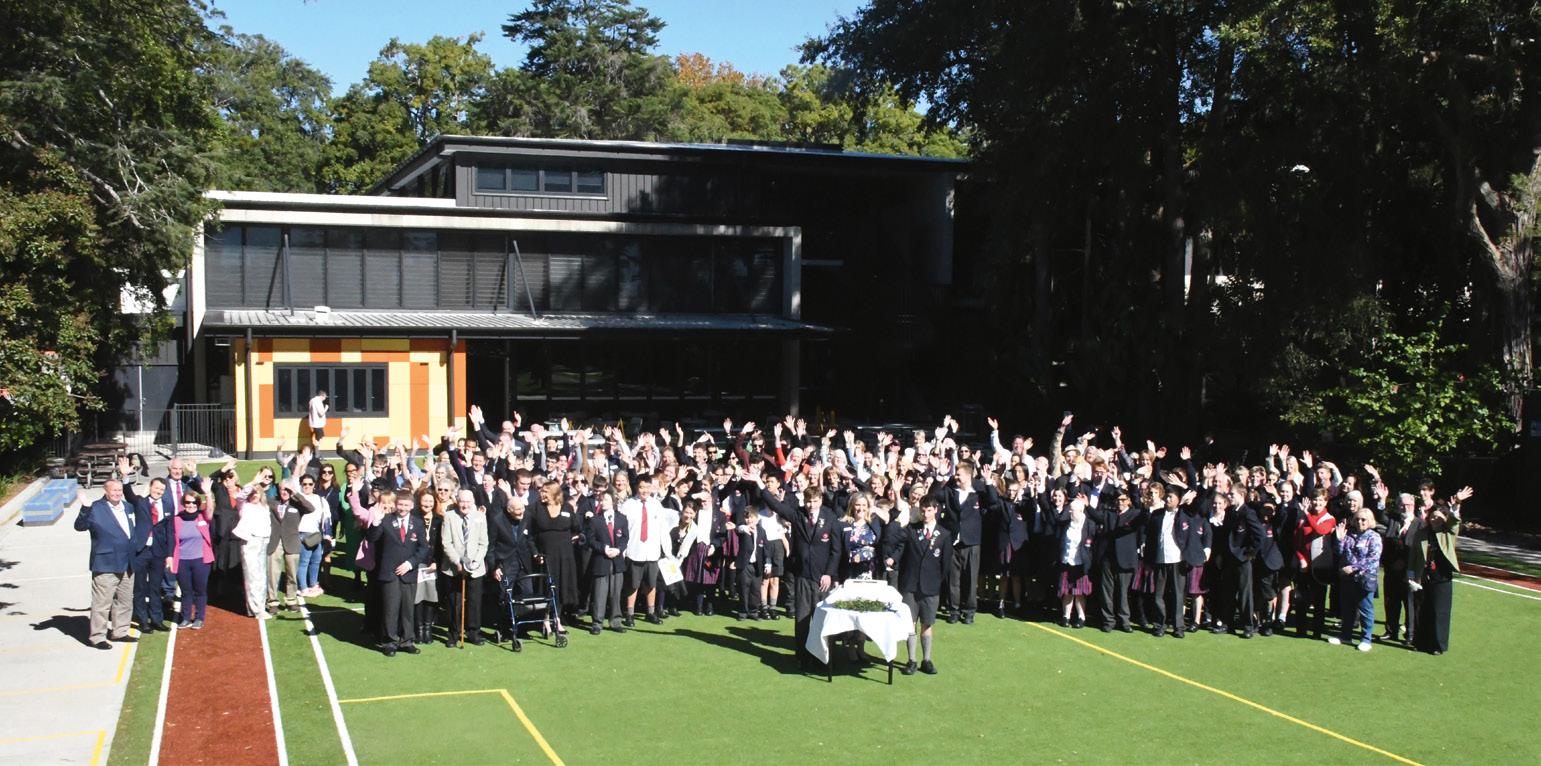
education that empowers young people to recognise their strengths and contribute meaningfully to society.
A defining feature of St Edmund’s is its strong sense of belonging. Students are known, valued and supported within a safe, caring environment shaped by dedicated staff. The College’s Safe Relationships Framework promotes respect, inclusion and wellbeing.
The school day is structured yet nurturing, with lunchtime clubs celebrating students’ interests, from Lego and Minecraft to art and Key Word Sign choir. Student voice and leadership are encouraged through peer mentoring, partnerships with neighbouring schools and representative sporting opportunities. Many students travel significant distances to attend, supported by assisted school transport, while transition programs help ensure a confident move from primary to secondary schooling.
These values were on full display during the College’s recent 75th anniversary celebrations. On Edmund Rice Day, students, families, alumni, staff and supporters gathered for a joyful day of reflection and community spirit.
The celebration began with a Mass led by Fr David Ranson and Fr Gaspar Mushi, followed by the ceremonial cutting of the anniversary cake, a
sausage sizzle, college tours and market stalls featuring student-designed merchandise. The day concluded with performances by current and former students. Distinguished guests from across the education and disability sectors joined the festivities, celebrating the College’s journey.
As St Edmund’s enters its next chapter, its focus remains on the future. The College continues to build pathways that support students to develop independence, pursue meaningful goals and participate fully in their communities through employment, further education, training or active citizenship.
Seventy-five years after opening its doors, St Edmund’s remains true to its founding vision: providing an education that empowers young people with disabilities to flourish, contribute and lead lives filled with purpose and possibility. In celebrating its Diamond Jubilee, the College honours not only its remarkable past, but also the bright future of the young people whose lives continue to be transformed through education, opportunity and belonging.