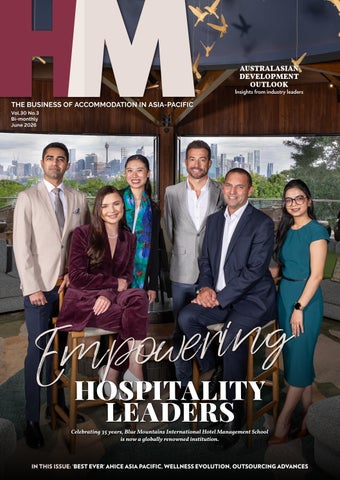
Empowering HOSPITALITY LEADERS
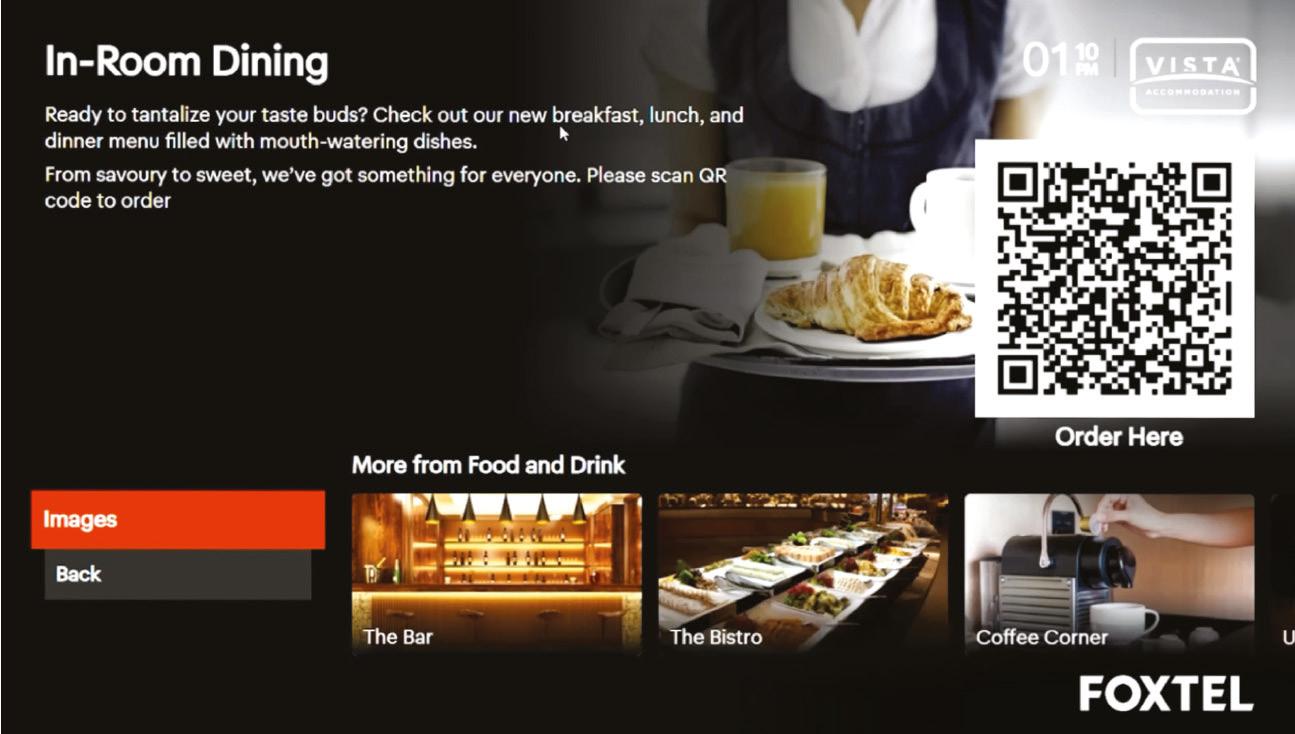

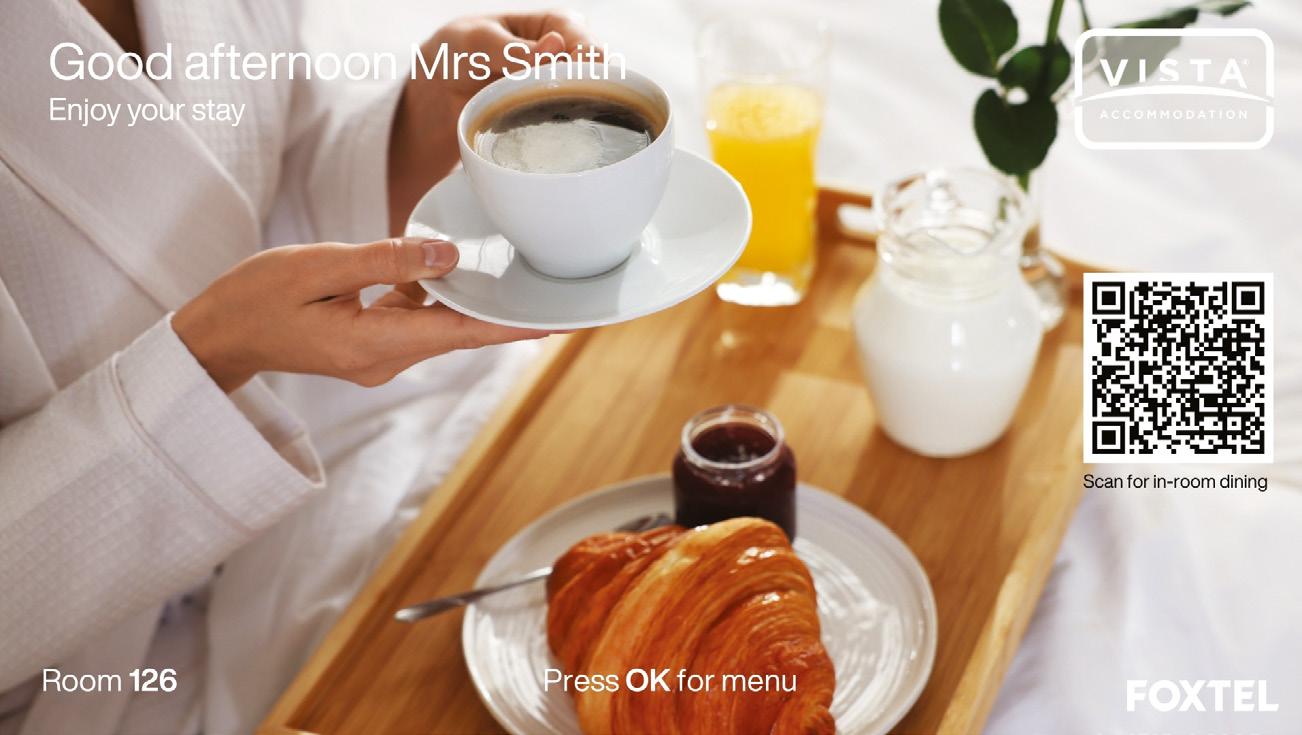
Here’s how it works:

Add your own channels such as a welcome channel

9 - Thursday 11 June


Thanks to our 2026 Partners & Sponsors
Co-Hosted By












JUNE 2026
Vol. 30 No. 3
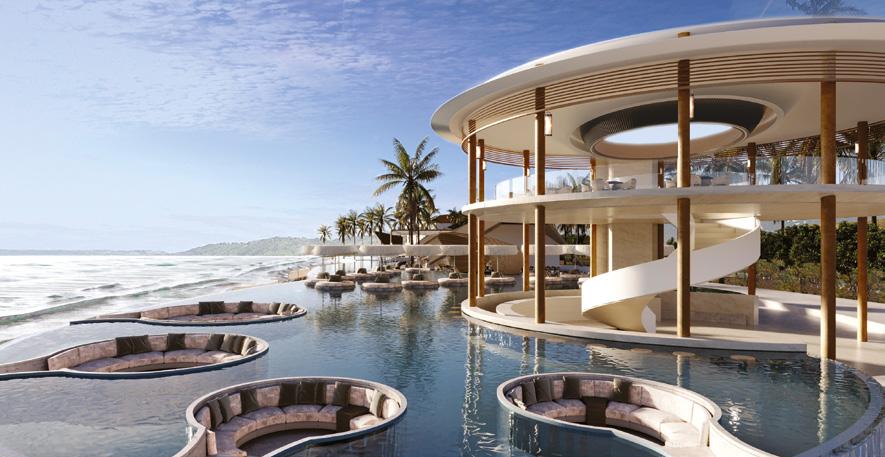
Wellness offerings across luxury hospitality groups are evolving.
What are the latest trends in outsourcing, when hotels are juggling efficiency, guest satisfaction and profitability?
AHICE Fiji Investment in Tourism Conference is set to return for another stellar event.
The hot trends, new developments, and essential market analysis revealed at AHICE Asia Pacific 2026.
Hotel leaders reveal major developments and projects during AHICE
Hospitality leaders and interior experts unpack the latest trends at the Design Inn Symposium and reveal the Australasia-Pacific Hotel Design Awards winners.
INN Tech, the mini–hotel technology summit, provided a sharp overview of hotel technology, from revenue management to on-property systems.
Future Leaders Forum puts talent, technology and resilience centre stage.
74 ISLAND TIME
Experts unpack Fiji and the Pacific Islands' opportunities for value-added repositioning and inventory expansion amid volatile energy markets.
HM Q&A
26 STAR-STRUCK
Off the back of its strongest-ever year of signings in Southeast Asia, The Ascott Limited Chief Commercial Officer, Tan Bee Leng, unpacks partnerships, agentic AI, and football legends.
28
Radisson Hotel Group's Jens Brandin delves into why Manchester became a test case for verified net zero.
30
With strong momentum, portfolio growth and major collaborative wins, Choice Hotels Asia-Pac CEO Trent Fraser unpacks the group’s success.
32
Far East Hospitality enters a new chapter under the leadership of Mark Rohner as Managing Director.
REGULARS
08
LETTER
James Wilkinson reflects on the success of AHICE Asia Pacific.
10
12
Leaders unpack
evolving hotel development landscape.
Legal insights into what hotel owners need to know.
14
LETTER
Daisy Melwani takes advantage of VIP access.
Snapshot of the most essential stories you need to know.
Blue Mountains International Hotel Management School (BMIHMS) has evolved to a global institution.
Full Page AD

South Australia commands the headlines
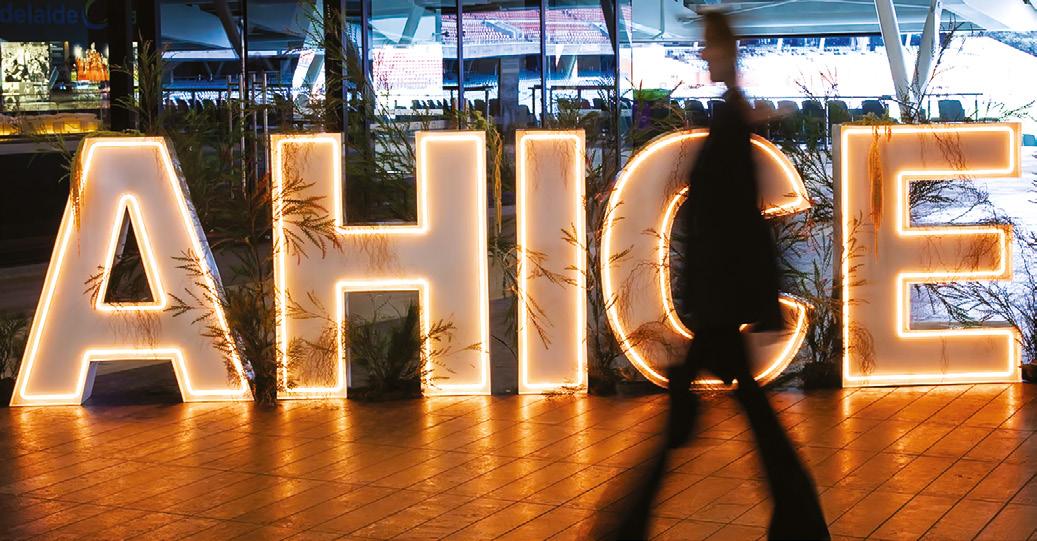
The 17th annual Asia Pacific Hotel Industry Conference and Exhibition (AHICE), held in Adelaide last month, created an incredible buzz in the industry thanks to a record crowd with over 1850 tickets sold, all-new networking events, including a farewell rock concert and, to our absolute thrill, even more new hotel projects being announced for South Australia.
One of the things I’m incredibly proud of over the past five years of hosting AHICE Asia Pacific in Adelaide has been what the event has helped do – put South Australia on the map for global accommodation industry investment.
During this year’s event, a leading investor said to me, “Adelaide has become a recognised destination on the global hotel investment map, and AHICE has played a meaningful role in that shift”.
We are proud that AHICE has helped bring that investment focus to South Australia, and when we hear of new projects signed and other hotels upgraded, we know we made the right choice to host the event in Adelaide again.
What we saw again at AHICE was several new projects announced, headlined by the all-new Hilton Adelaide East End, set to open in 2031 and developed by Auriga Investments and operated by Trilogy Hotels under a franchise agreement.
The 150-key InterContinental Barossa Resort and Spa was also given a green light for planning approval during AHICE, with South Australia Premier, Peter Malinauskas, announcing the news on both projects.
There are 15 hotels currently in various stages of development across Adelaide, including 11 in the CBD alone, headlined by Hilton Adelaide East End, Crystalbrook Sam, Little National Adelaide, Treehouse Hotel Adelaide, The Westin Adelaide, Wyndham Grand Adelaide and Veriu Adelaide.
Malinauskas, who was a keynote speaker at AHICE, said South Australia was growing across multiple industries, particularly the accommodation sector.
“Our state is experiencing undeniable economic momentum,” he said. “People are looking to South Australia to invest in.
“This unprecedented growth in the accommodation sector is a direct result of our investment in major events, including MotoGP.”
Malinauskas said AHICE Asia Pacific, being held in Adelaide, was having a firm impact on the state’s hotel sector.
“This is where the industry comes together, partnerships are formed, and hotel deals are done,” he said.
In this issue of HM, you’ll find a comprehensive wrap-up of AHICE Asia-Pacific, plus fantastic features, the latest news and a preview of our next event in Fiji, and I hope to see you there.
Yours in hospitality,
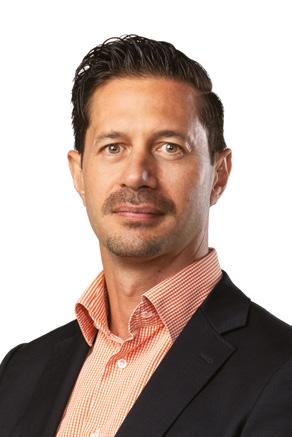
James Wilkinson Editor-In-Chief, HM magazine Chair & Convenor, AHICE
global conferences
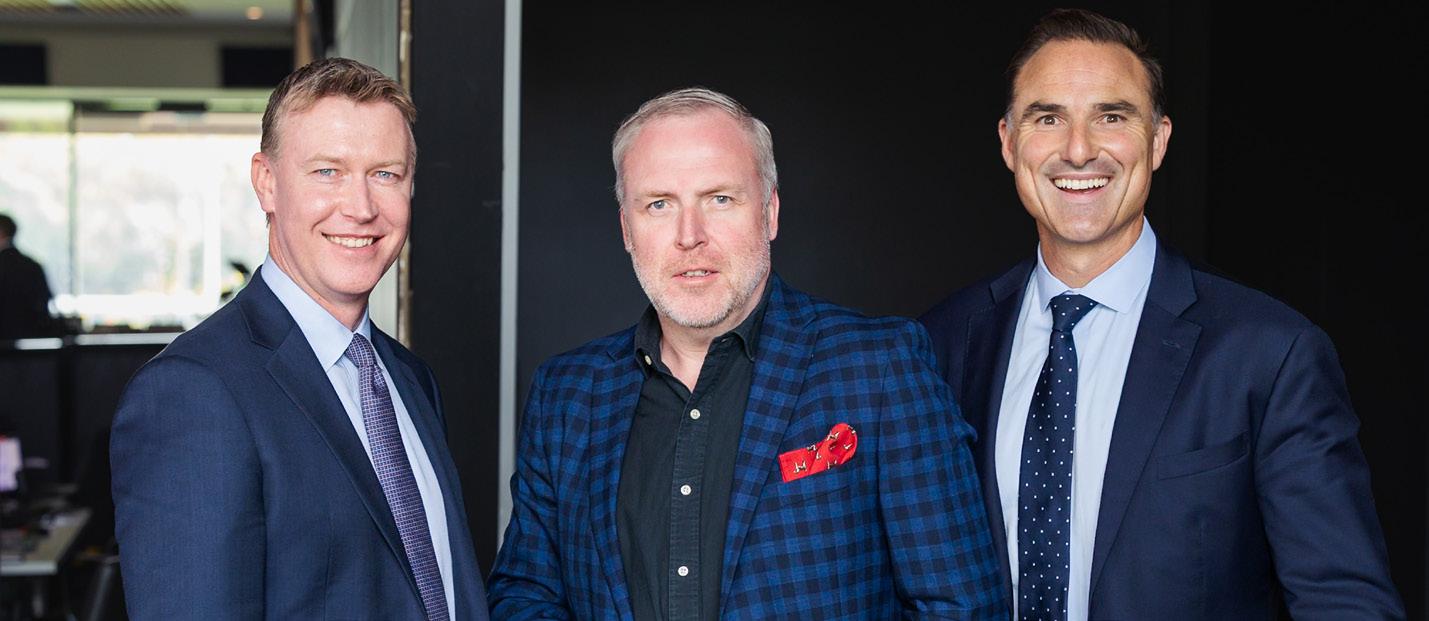
Industry leaders were in Adelaide in May to attend the region's largest and most influential conference in Asia Pacific
Hotels around the world capturing our attention this month.
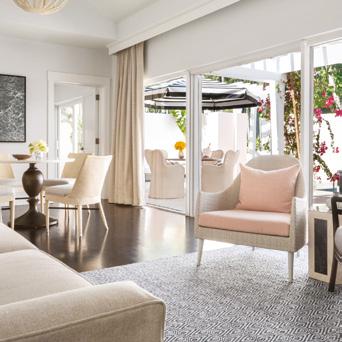
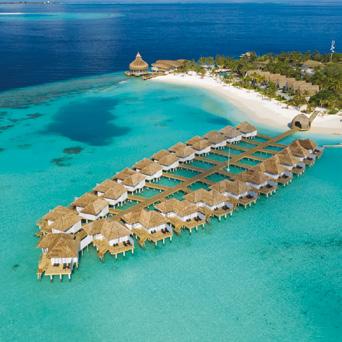
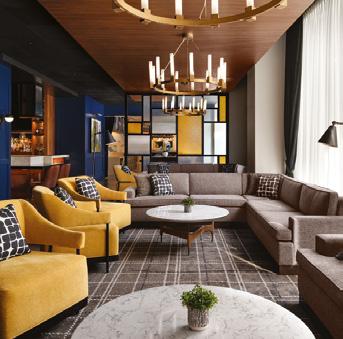
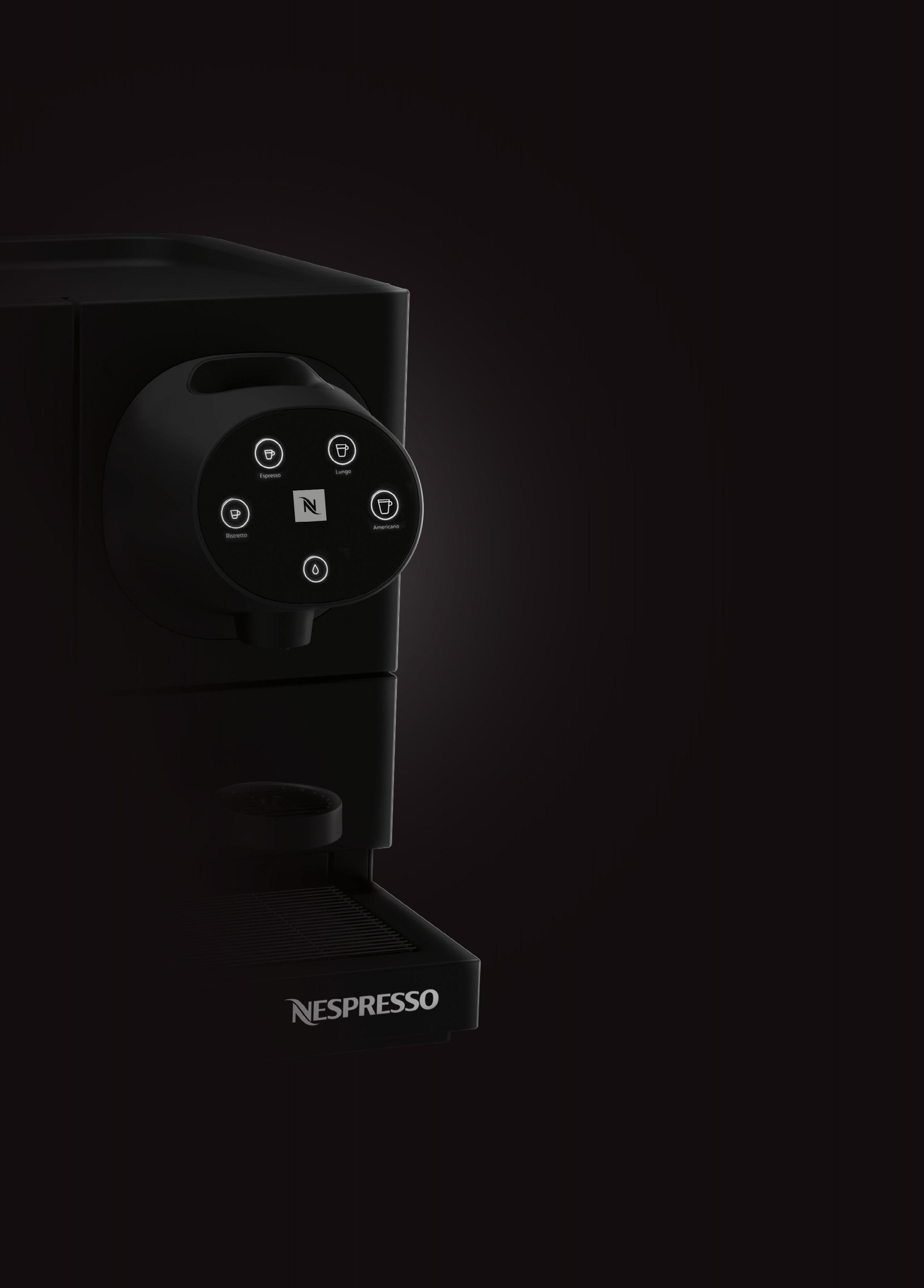
VIP Access
It’s been a busier-than-usual couple of months. From Vietnam to Adelaide, I’ve quickly learned that conferences and hotel tours are best tackled in flat shoes.
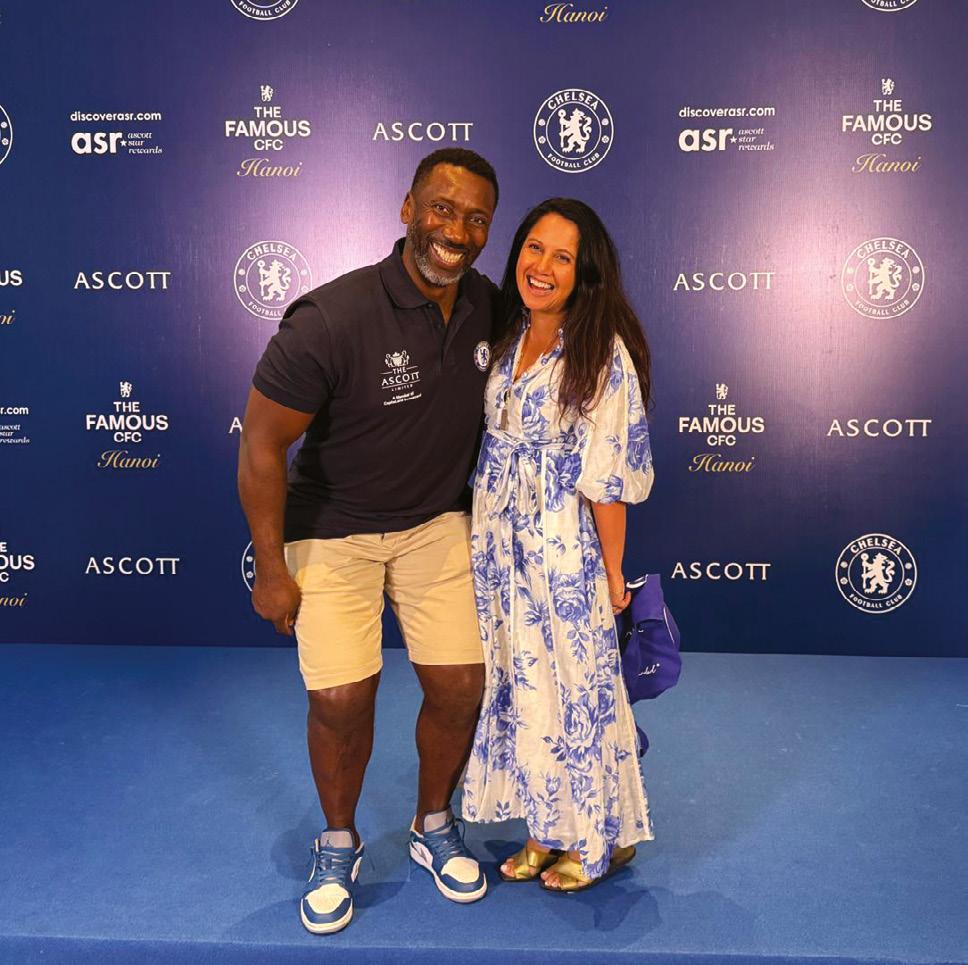
In April, I was privileged to meet The Ascott Limited’s executive leadership team and get the inside scoop on the group’s ambitious plans for future growth, particularly across Southeast Asia. The visit also coincided with Ascott’s partnership with Chelsea Football Club, which made the chance to meet football legend Jimmy Floyd Hasselbaink in Hanoi a memorable bonus.
AHICE Asia Pacific in Adelaide in May was another major highlight, marking my first AHICE event. From reconnecting with familiar faces (many of whom have been featured in HM) to speaking with suppliers, owners and delegates across the industry, the energy throughout the conference was undeniable. The panels sparked frank and open conversations around the challenges facing hospitality, while also showcasing the resilience and optimism driving the sector forward.

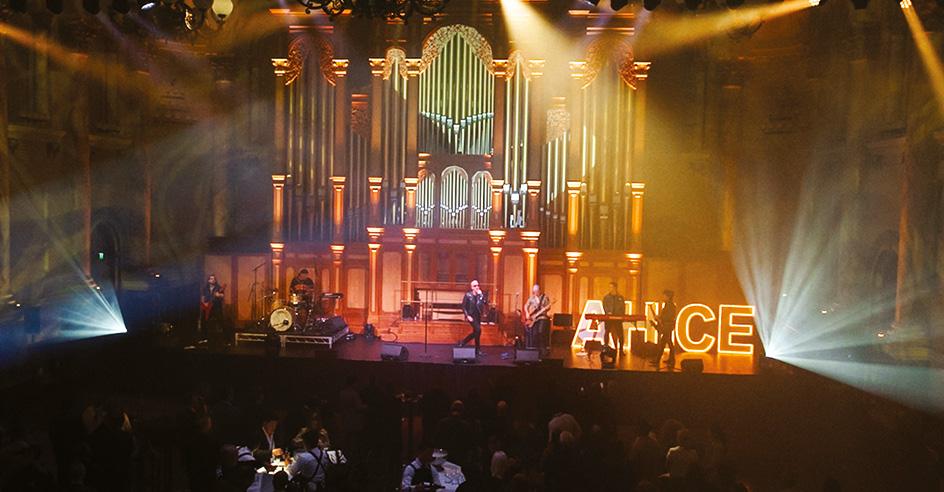
And what a way to close an event! The incredible Toby Rand and INXS’s Garry Gary Beers headlined a rock concert like no other typical conference farewell, and judging by the crowd on their feet, many would agree. It’s little surprise it has been hailed as the best AHICE yet.
More than anything, these events are a timely reminder of how valuable face-to-face connections really are, and of building relationships beyond the screen.
I look forward to the conversations ahead.
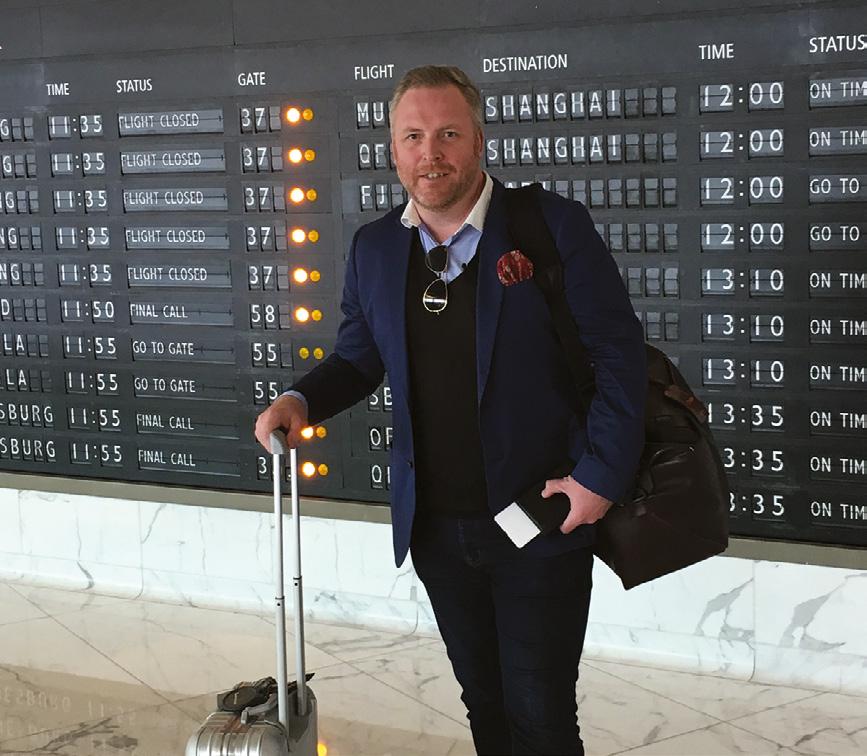
Daisy Melwani Editor, HM Magazine
What a treat: meeting football legend Jimmy Floyd Hasselbaink in Hanoi
MEET THE HM TEAM…


Managing Director Simon Grover
Publisher James Wells
Editor–In–Chief James Wilkinson jwilkinson@intermedia.com.au
Editor Daisy Melwani dmelwani@intermedia.com.au
Group Commercial Manager
Tara Ducrou tducrou@intermedia.com.au
Production Manager Jacqui Cooper jacqui@intermedia.com.au
Graphic Designer Ryan Vizcarra
Photography Cover photography by Oneill Photographics
Subscription enquiries 1800 651 422
Subscribe to HM Magazine –6 issues for AU $88 (inc. GST) subscriptions@intermedia.com.au
Published by
41 Bridge Road, Glebe NSW 2037, Australia. (PO Box 55, Glebe NSW 2037, Australia) Tel: +61 (0) 2 9660 2113 Fax: +61 (0) 2 9660 4419 ABN 940 025 836 82 In association with


James Wilkinson Editor-in-Chief
Renita Collins Director, Events and Marketing
Tara Ducrou Group Commercial Manager
James Wells Publisher
NEED TO KNOW
The essential hotel and travel industry news and trends from across the globe. Read more at hotelmanagement.com.au
Future of luxury
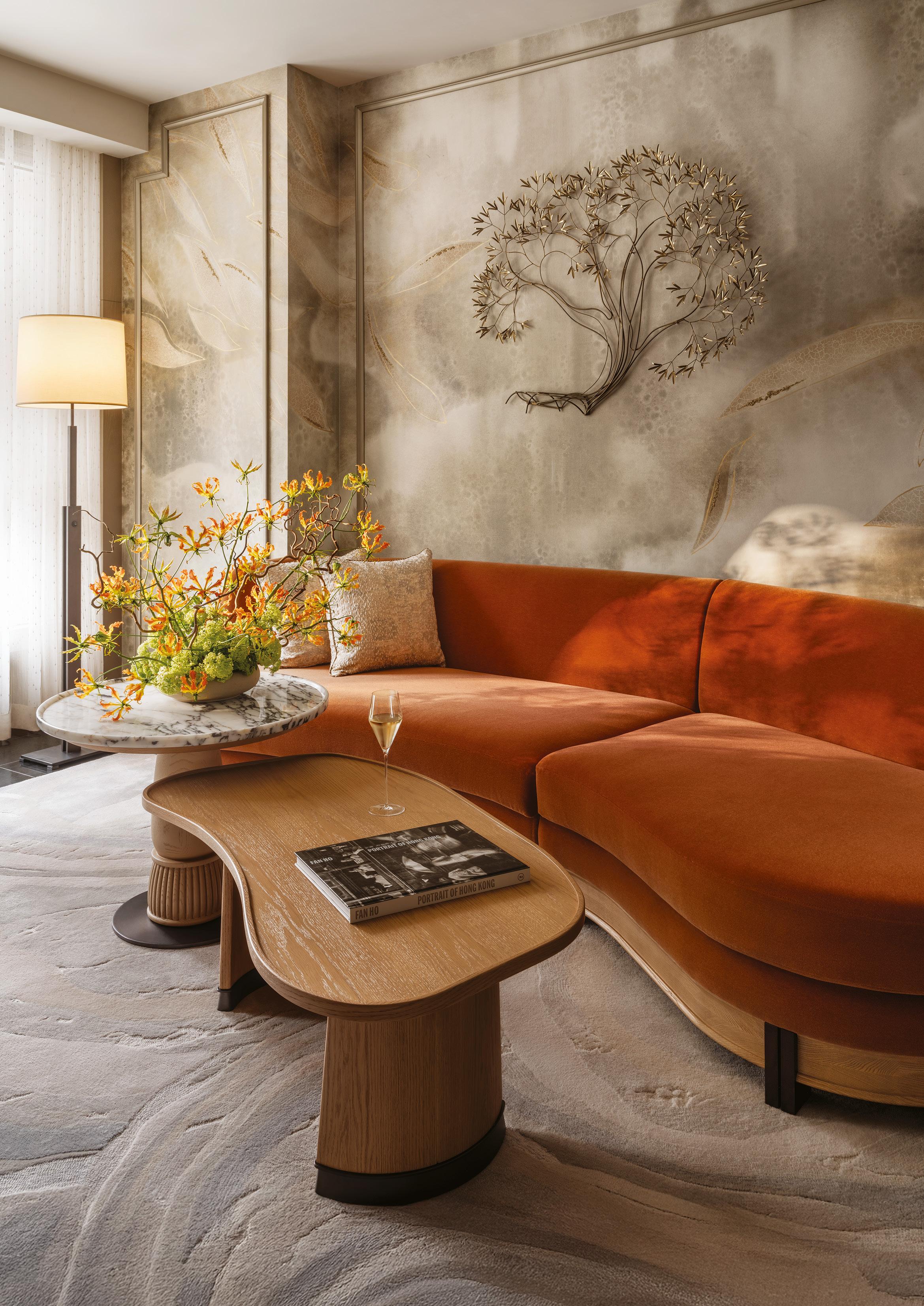
Mandarin Oriental The Landmark, Hong Kong, reopens in June, marking a new era for the iconic Asian property.
THE MANDARIN ORIENTAL The Landmark, Hong Kong, returns in June with a renewed arrival experience, refreshed rooms and suites, and expanded culinary and wellness offerings.
“This reopening marks an important moment for Mandarin Oriental The Landmark. More than a return, it introduces a renewed vision for the hotel – more personal, more deeply connected to Hong Kong, and more considered in every detail. It is a confident step into the next chapter of this much-loved property,” Mandarin Oriental The Landmark, Hong Kong General Manager, Michael Groll said.
The arrival sequence, designed by Hong Kong interior architect Joyce Wang of Joyce Wang Studio, draws on the grand residences of Hong Kong’s past, featuring terracotta tones and deep greens, blending Asian and Western influences.
“For this latest renovation, we were inspired by the identity of our hotel as a pied-à-terre for our guests to feel the pulse of Hong Kong.
Curated pieces are windows into expressions of our city through the lenses of both local and international, and emerging and established artists. As you journey through the hotel, we hope these storied perspectives fill you with curiosity and contemplation, at the ready to strike up conversations,” Wang said.
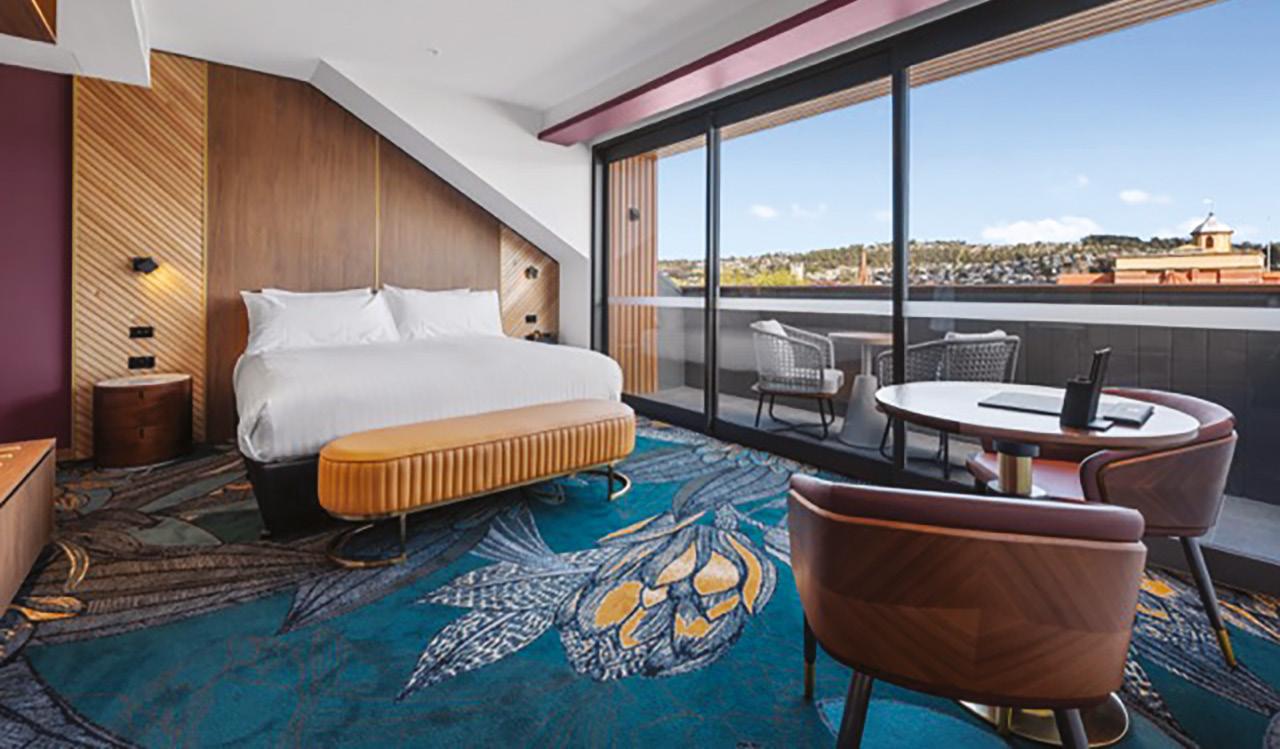
The hotel’s 109 rooms and suites have been entirely refreshed, and starting at 42 square metres, rooms are conceived as spacious urban sanctuaries, featuring lightened timber floors, patinated walls, Fromental silk wall coverings and custom rugs, inspired by historic brickwork patterns found across the city.
King or twin beds feature sculpted quilted leather headboards, while suites retain the hotel’s signature curved, glass-walled bathrooms, centred on its iconic seven-foot round bathtub.
At 167 square metres, the Entertainment Suite is a refined residence, equally suited to intimate gatherings. It features a state-
of-the-art entertainment wall, a Gaggenau kitchen, private dining for eight, and a master bedroom equipped with the FreshBed climatecontrolled sleep system.
Mandarin Oriental The Landmark, Hong Kong offers fine-dining outlets under the leadership of Culinary and Food and Beverage Director Richard Ekkebus.
Amber, the flagship restaurant, holds three Michelin stars and a Michelin Green Star. Heightening the experience is the introduction of The Cellar Immersion, an immersive food and wine journey held within Amber’s cellar.
On the same floor as Amber are threeMichelin-starred Sushi Shikon, Michelinstarred Kappo Rin, and contemporary French bistro Somm. The hotel will also unveil its new champagne bar Blanc de Noirs, dedicated to premium cuvées. Also new is Commune, an artisan coffee atelier in the lobby.
Following the June opening, Mandarin Oriental Landmark will unveil its revitalised Spa and Wellness offering in July.
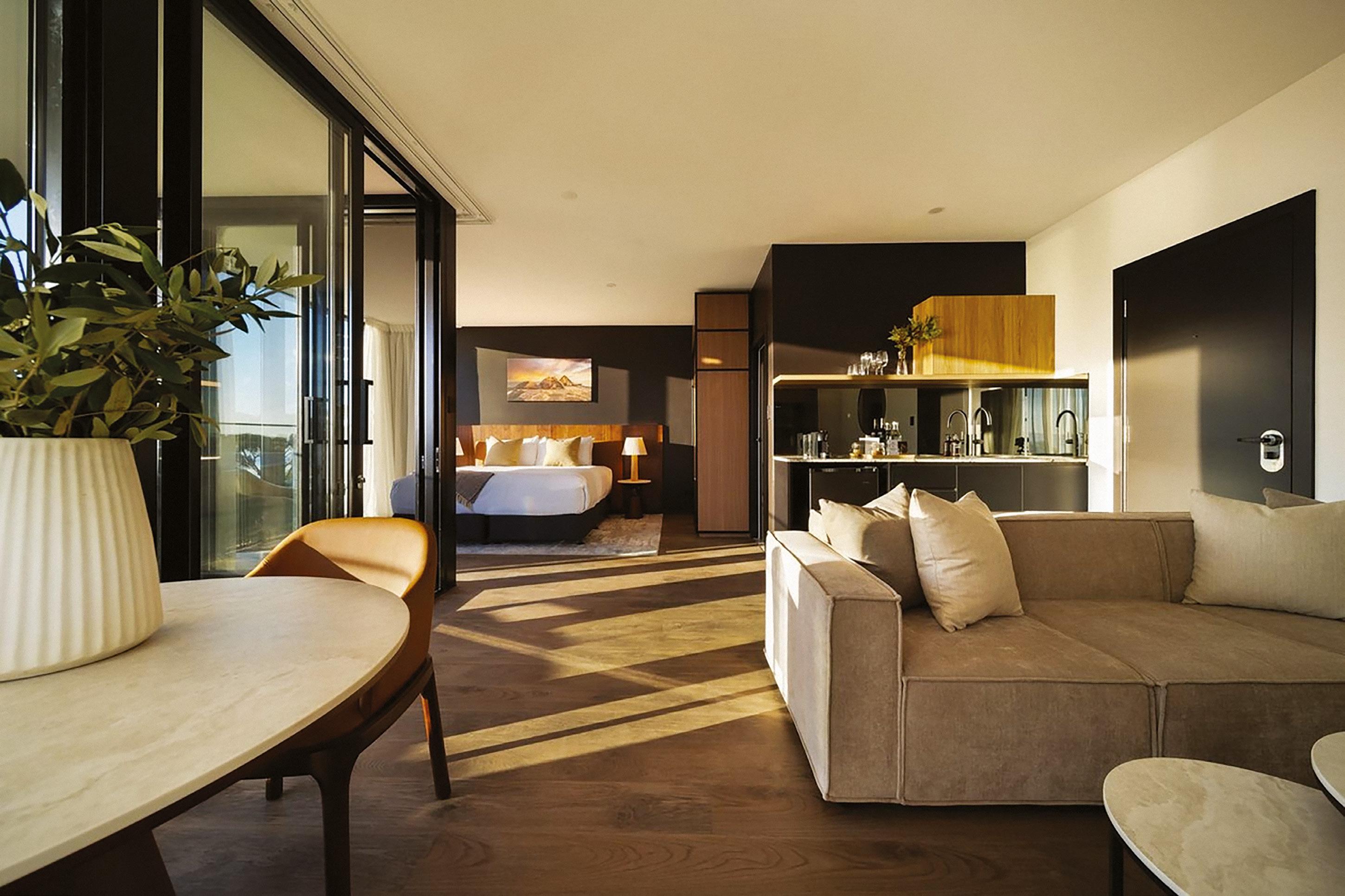
Mandarin Oriental's rooms and suites are conceived as spacious urban sanctuaries






EMPOWERING HOSPITALITY LEADERS
35 years of BMIHMS: evolving with hospitality.
By Professor Simon Pawson.
Thirty-five years ago, Blue Mountains International Hotel Management School (BMIHMS) began with 84 students in Leura and a clear vision to deliver internationally recognised hotel management education in Australia and to graduate the kind of leaders our industry would be proud to hire.
Today, BMIHMS has grown into a globally connected institution with more than 9,000 alumni working across hotels, tourism, luxury brands and service industries around the world in senior hotel, tourism and hospitality roles
Reflecting its global reputation, BMIHMS is now ranked number one in Australia and Oceania, number three in Asia and 21st globally for Hospitality and Leisure Management in the QS World University Rankings by Subject.
The school’s long-standing Three Pillars approach – combining academic study, practical industry experience and personal development – alongside strong industry partnerships and international reach, continues to shape graduates who come from diverse backgrounds to become leaders in a rapidly evolving global hospitality industry.
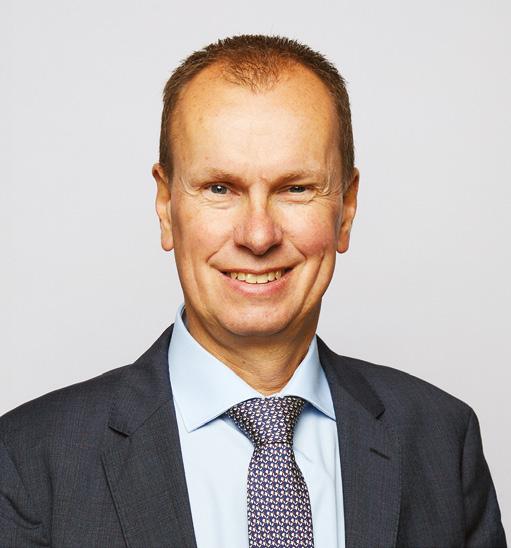
Professor Simon Pawson
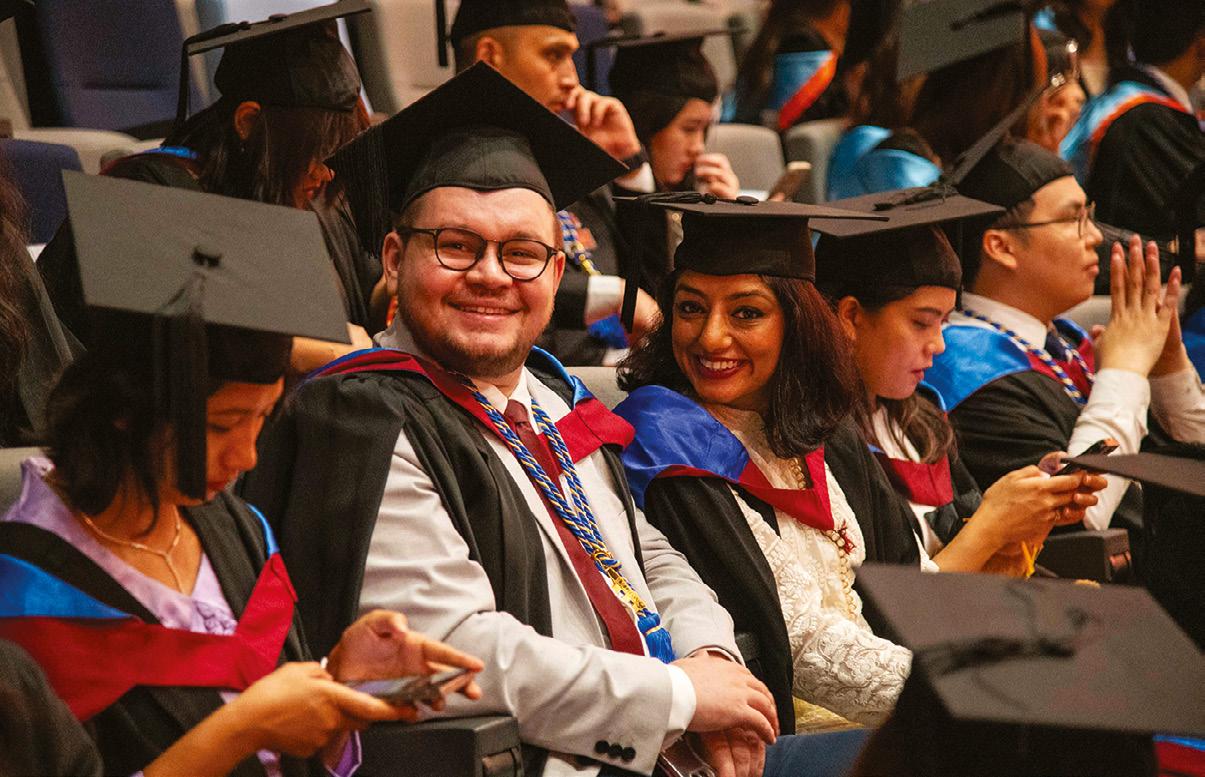
BMIHMS graduates marking their graduation milestone
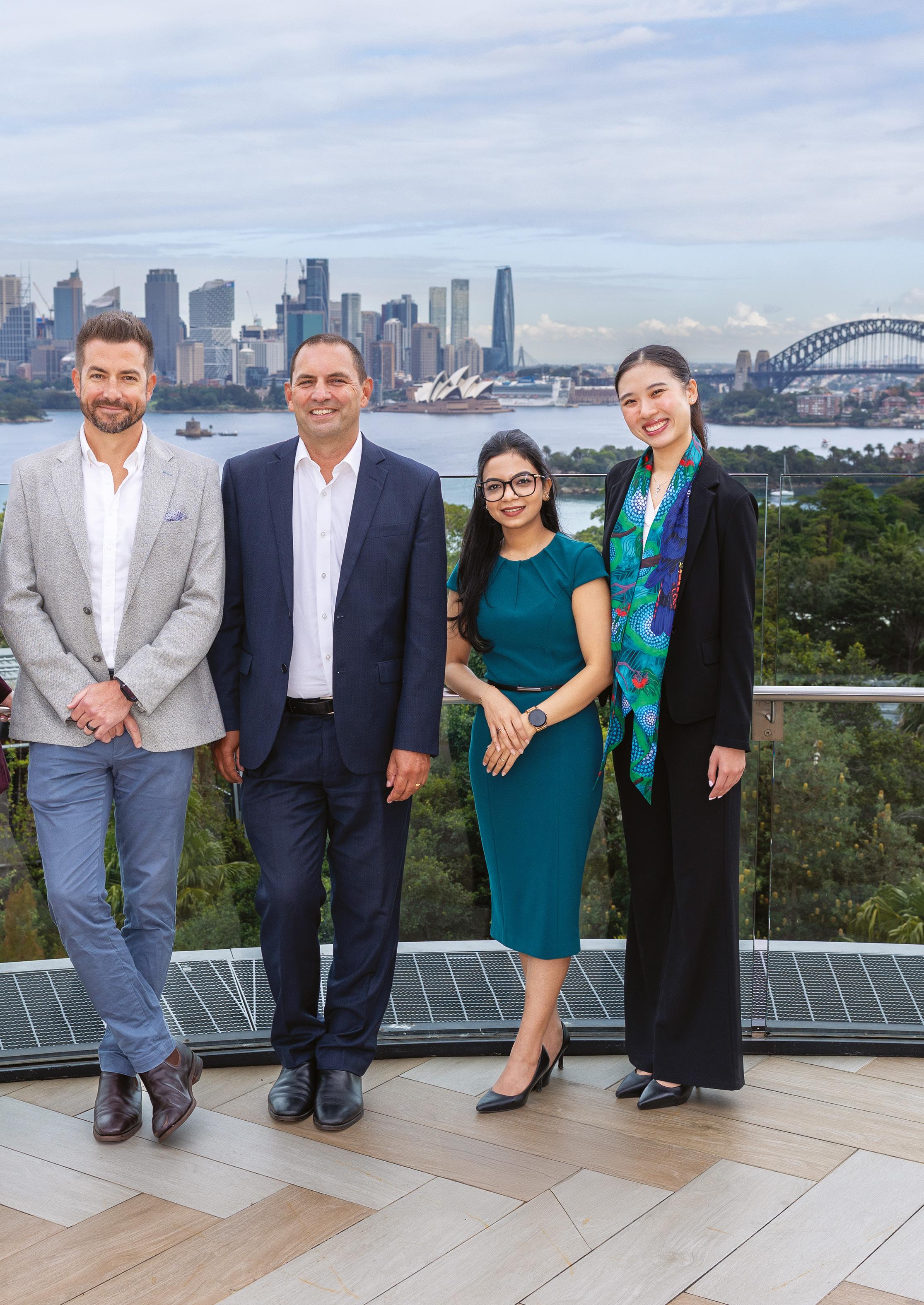
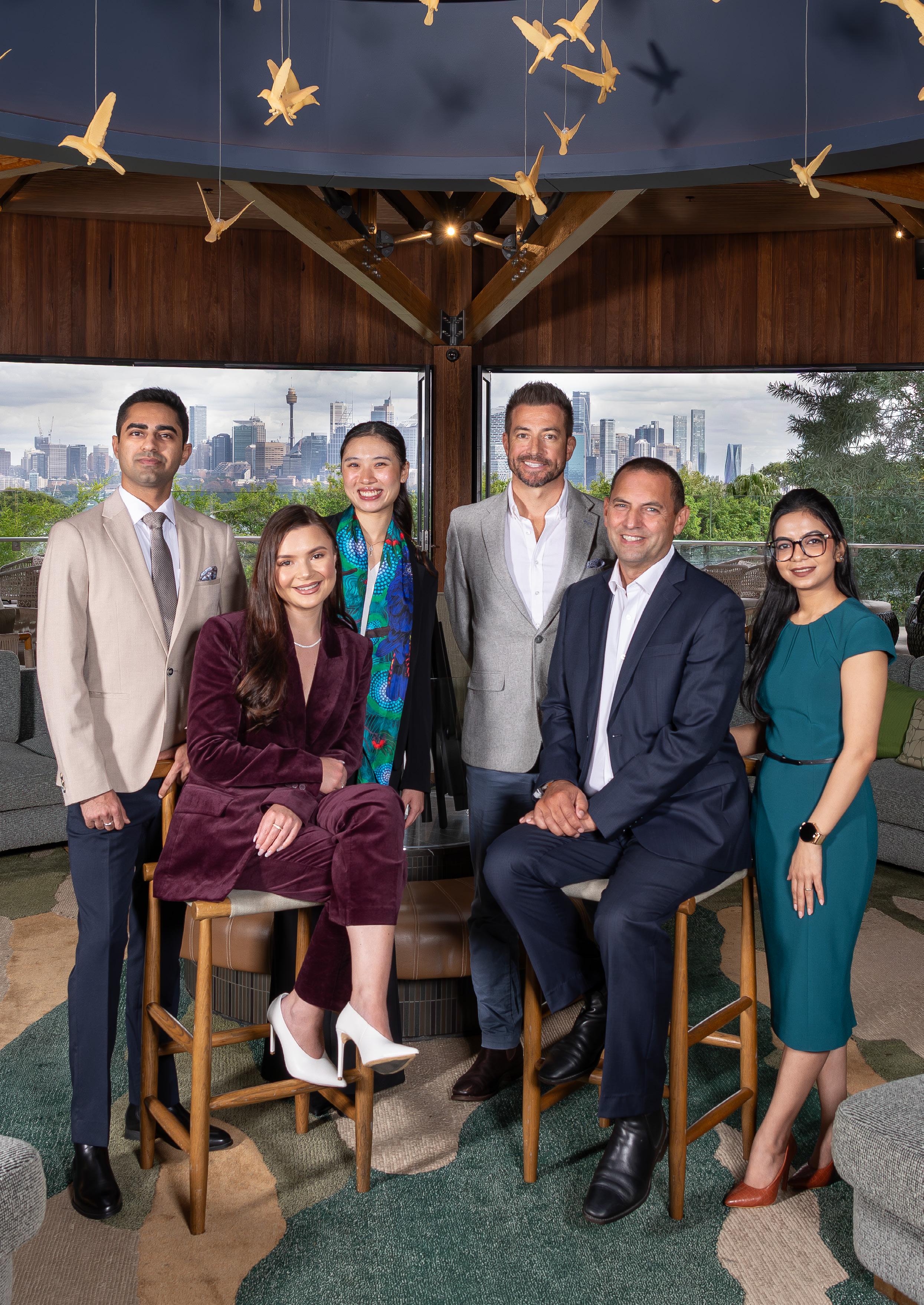
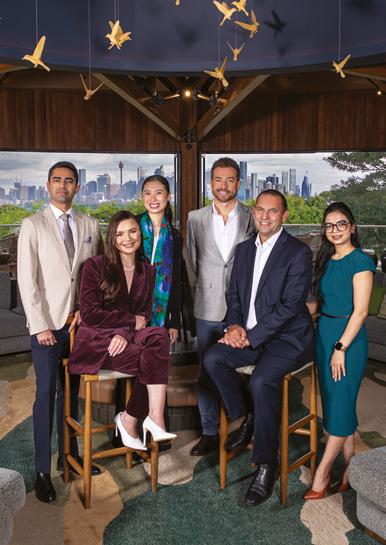
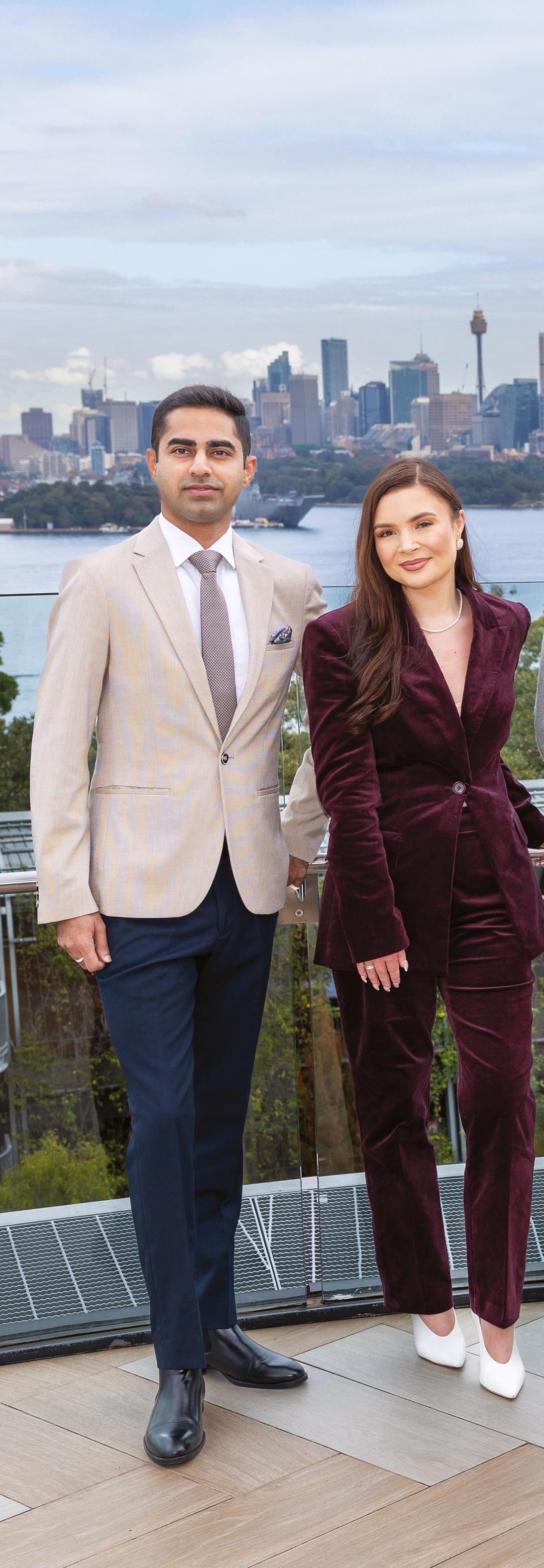
Maanvick Ganesh BMIHMS Postgraduate student, Elise Hofman BMIHMS alumna Talent Acquisition Assistant Manager at Four Seasons Hotels and Resorts, Brenden van Blerk BMIHMS alumus Regional General Manager, APAC at Urban Rest, Tish Nyar BMIHMS alumus Senior Director of Operations, ANZ at TFE Hotels, Kritty Ghosh Learning facilitator and PhD candidate, Phoebe-Jane Yap BMIHMS Bachelor student. Special thanks to Wildlife Retreat at Taronga for hosting the photoshoot.
A CHANGING LANDSCAPE
The hospitality industry is more global, competitive and culturally complex than it was in 1991. Guest expectations have shifted, luxury has become more experience-driven and hotels are under increasing pressure to deliver service that feels personal rather than standardised. As technology continues to reshape the guest experience, the industry is placing greater value on adaptability, cultural intelligence and human connection.
In Sydney, new hotel development, major events, international tourism, and aviation growth are reshaping the city’s hospitality landscape. The NSW Visitor Economy Strategy 2035 predicts $91 billion in annual visitor expenditure, 8.5 million additional airline seats, 40,000 additional hotel rooms and 150,000 new jobs by 2035. Growth on that scale means that hospitality education needs to move beyond operational capability to providing leaders who are adaptable and have the knowledge and cultural intelligence to serve guests from anywhere in the world.
BUILT WITH INDUSTRY
Sydney has become a live training ground for the industry itself –internationally connected, culturally diverse and closely tied to the broader Asia Pacific hospitality market – and at BMIHMS, industry connection has always been fundamental to how the school operates. Its Graduate Privileged Partner network brings global hotel brands into the learning experience through curriculum input, mentoring and graduate opportunities – most recently welcoming Capella Sydney, ranked among the world’s top 12 hotels, reflecting the school’s sharpened focus on premium and luxury markets. Those relationships help ensure students graduate with a clear understanding of the pace, expectations and professionalism that shape global hospitality environments.
BMIHMS research is increasingly focused on the workforce pressures hotels are navigating – attracting talent, retention, developing leadership, inclusive workplaces, wellbeing and guest experience.
HOSPITALITY’S FUTURE OUTLOOK
As hospitality becomes more global and complex, the industry will increasingly demand leaders who can move across cultures, lead diverse teams and respond to change without losing sight of the people at its centre. BMIHMS has played that role consistently – as a talent pipeline, a partner to industry and a contributor to hospitality leadership development. Thirty-five years on, the ambition is unchanged. Staying relevant to the industry has always required adaptation and responsiveness – and BMIHMS continues to evolve alongside it. n
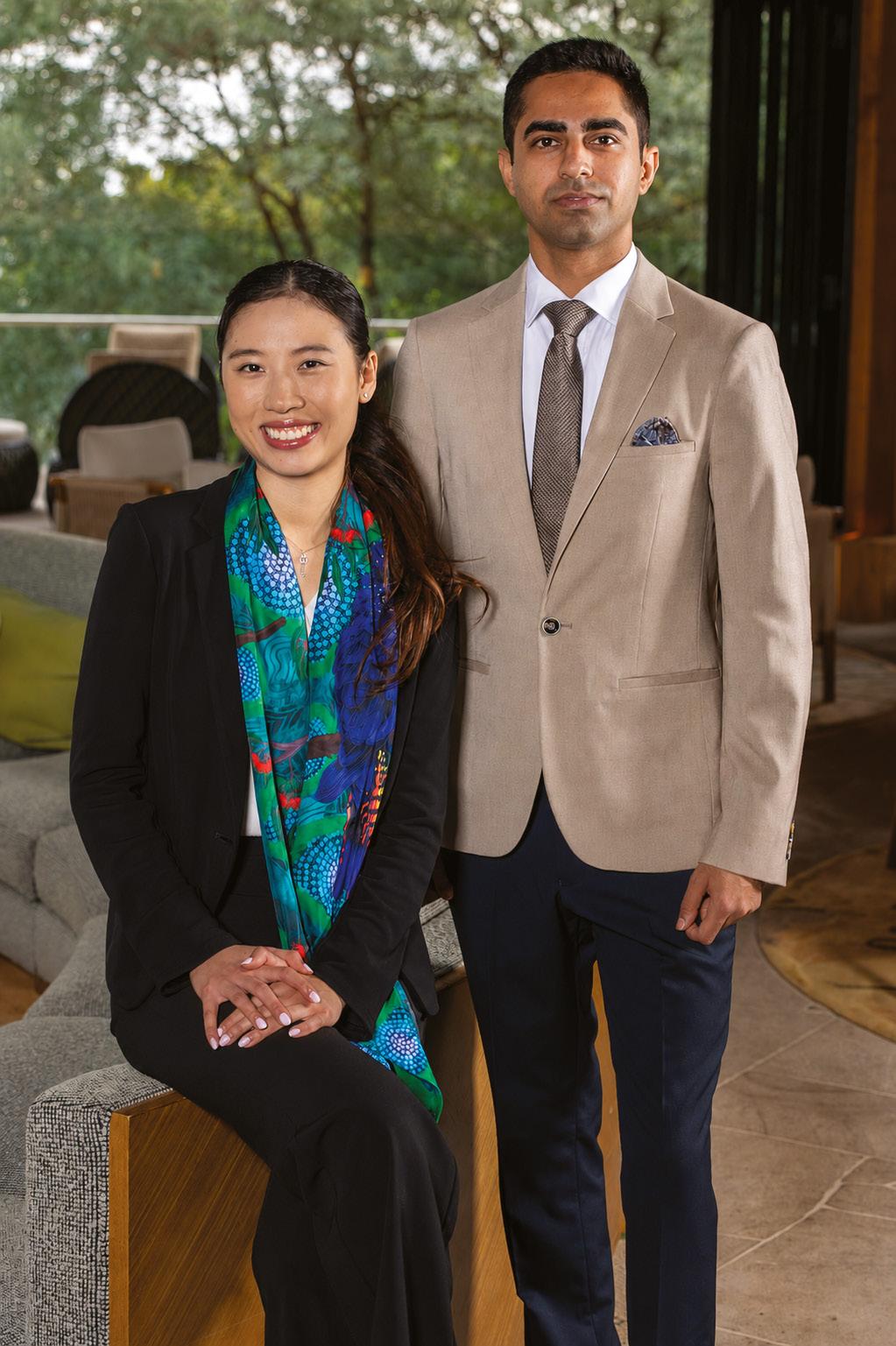
Current students Phoebe Yap and Maanvick Ganesh
BMIHMS began with just 84 students in 1991
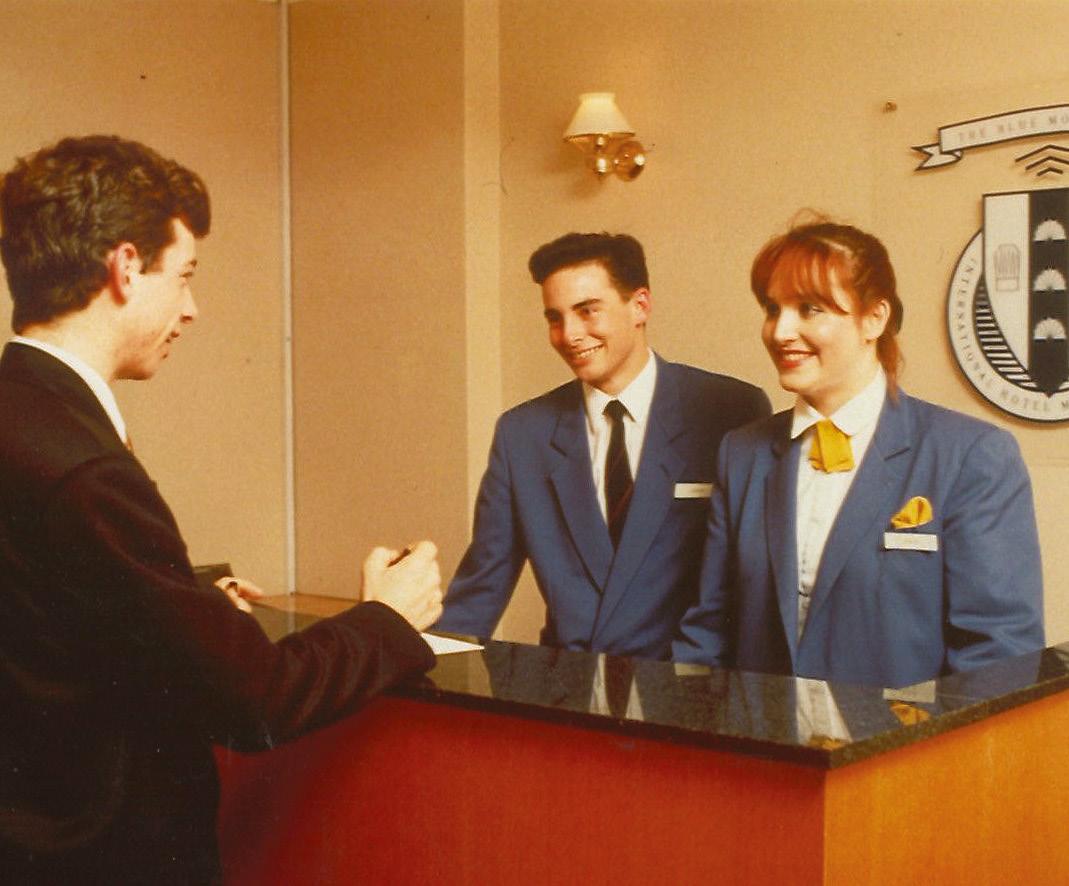
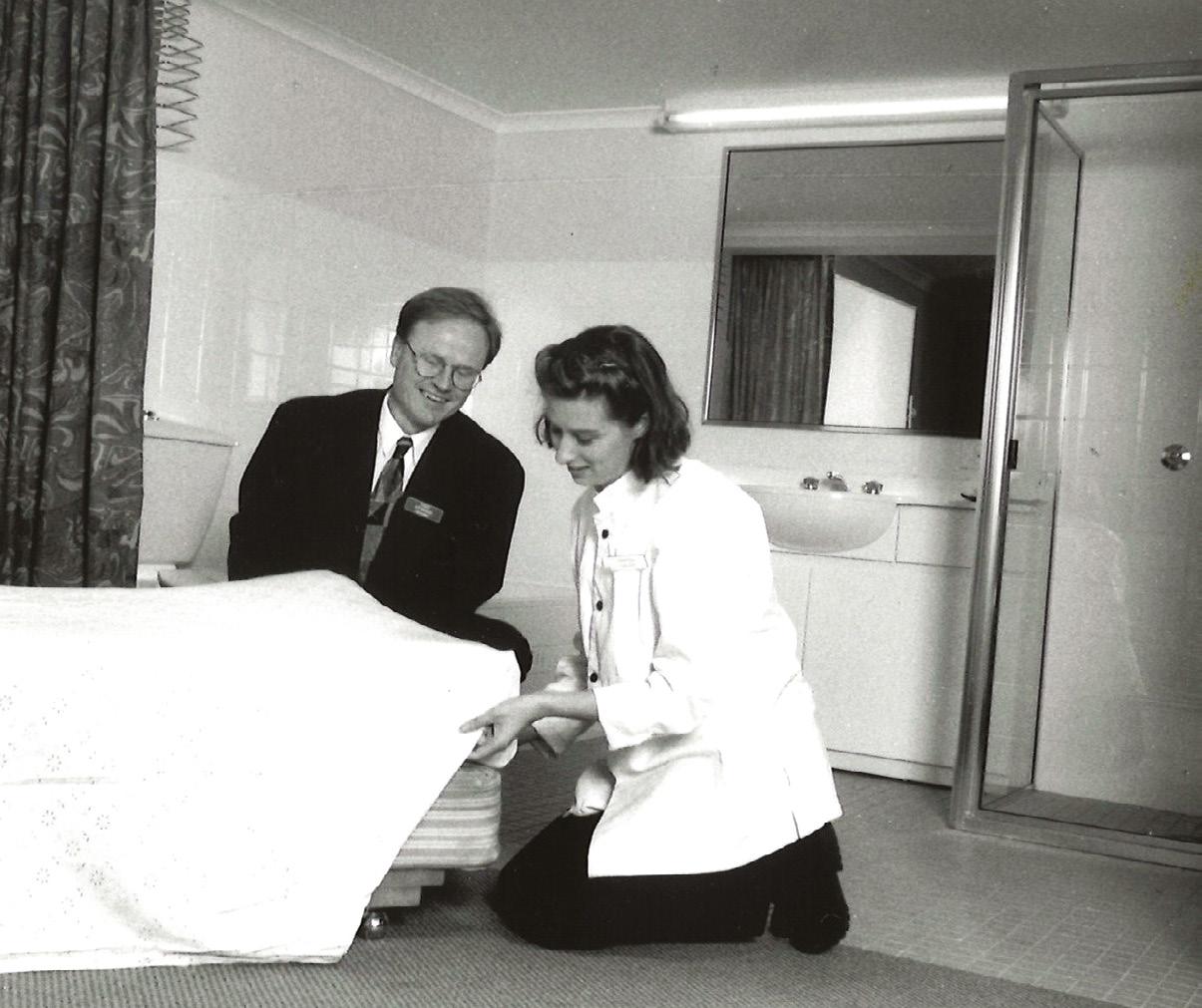
Training in the early days of BMIHMS


Accor strengthens New Zealand regional strategy
Mercure Tauranga will join the Accor network following a rebrand and multi-million-dollar developer-led refurbishment.
THE SIGNING MARKS the group’s arrival in Tauranga and a significant milestone as the city’s first internationally branded hotel.
Formerly Hotel Armitage and Conference Centre in Tauranga’s CBD, the 80-room hotel has been rebranded as Mercure and is in the final stages of a multi-million-dollar refurbishment to guest rooms, public spaces and food and beverage outlets to bring it in line with the group’s brand standards.
Further enhancements, including
Accor’s New Zealand portfolio now spans 49 hotels with continued growth in high-potential regional destinations such as the Bay of Plenty
conference facilities and recreational amenities, are planned for later stages to further strengthen its appeal across multiple market segments.
Accor’s New Zealand portfolio now spans 49 hotels with continued growth in high-potential regional destinations such as the Bay of Plenty.
Accor’s Chief Operating Officer in the Pacific region, Adrian Williams, said the opening reflects strong confidence in Tauranga and its evolution as a key regional hub.
Adina Perth slated for multi-milliondollar refurb
TFE Hotels is investing in a new contemporary West Australian redesign for its apartment-style Adina Perth property.
THE HOTEL WILL be operational throughout the rolling refurbishment taking place between May to October, which is expected to reposition the hotel to the group’s evolving design philosophy to meet modern expectations.
TFE Hotels Group Chief Operating Officer Chris Sedgwick said the refurbishment is expected to cater to a broad mix of travellers, but with Adina’s apartment-style flexibility, will appeal to corporate and MICE markets.
“Adina Perth on Mounts Bay Road is exceptionally well positioned for the corporate market, sitting directly beside the Perth Convention and Exhibition Centre (PCEC) and a stone’s throw from Perth’s key
“Tauranga has been a focus for us for some time. Tourism earnings rose by 5% last summer, underscoring the Bay of Plenty’s strong fundamentals and increasingly important role in New Zealand’s tourism and business landscape,” Williams said.
“As the first internationally branded hotel in the city, Mercure Tauranga represents a significant milestone for the local industry. It allows us to bring global standards, distribution and loyalty to the market, while supporting the continued evolution of Tauranga as a compelling destination for both domestic and international travellers.”
This latest Accor addition comes as the Bay of Plenty rebuilds momentum following recent weather events, including Cyclone Vainu. The introduction of an international midscale brand is expected to strengthen accommodation supply, support visitor growth, and bolster long-term regional confidence.
Accor’s New Zealand portfolio spans across Auckland, Queenstown, Christchurch, Wellington, Rotorua and Lake Tekapo, with 17 brands currently in operation across the country.
office precincts along St Georges Terrace,” Sedgwick said.
“The apartment-style layout, onsite meeting facilities and easy access to major corporate headquarters make this hotel an ideal base for business travellers and conference delegates.”
“We’ve created welcoming public spaces where guests can comfortably pause for a quick meeting or conversation,” he said. “At the same time, our apartment-style rooms give travellers the flexibility to open their laptop or easily separate work from downtime during extended business stays.”
Melbourne-based interior design specialists Studio del Castillo, led by Penny del Castillo, will
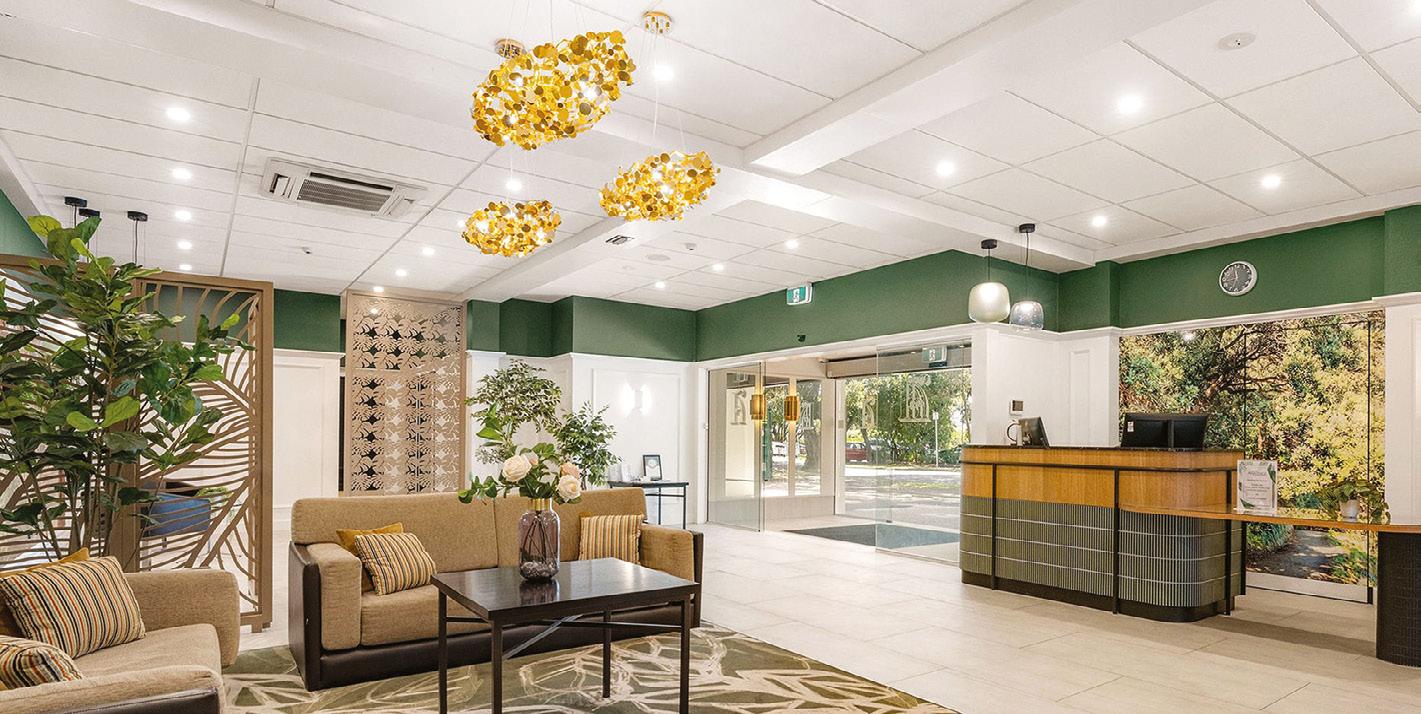
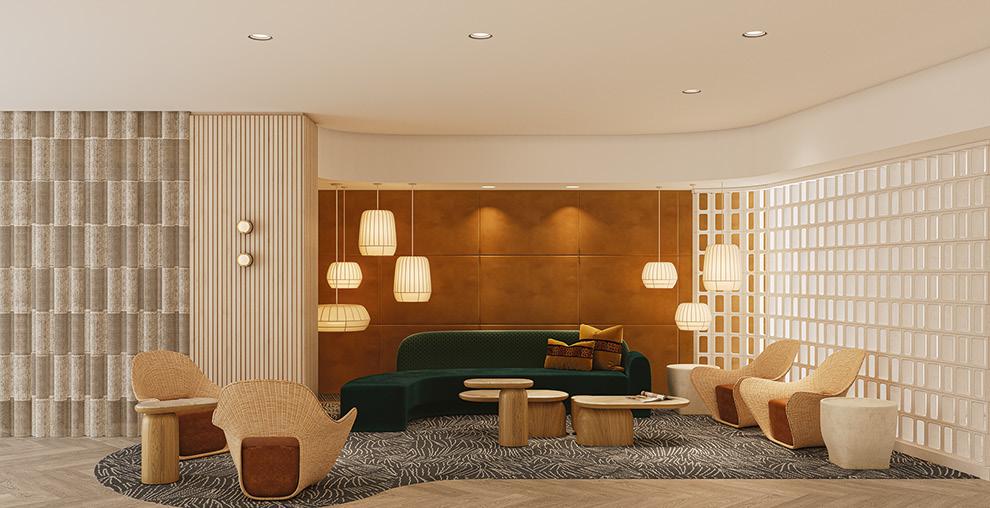
Adina Perth’s new interiors blend calming neutrals, rich textures, and soft tonal layering to create a warm, contemporary atmosphere across guest rooms and public spaces like the lobby.
spearhead the redesign, drawing inspiration from Perth’s immediate surroundings and the broader landscapes of Western Australia.
The refreshed design will start with the Adina Perth lobby, which is expected to showcase a sculptural stone reception desk, breezeblock detailing, stone finishes, and a restrained palette of whites, timber, and soft metallic accents.
Guestrooms adopt the same West Australian narrative, with arched green headboards referencing opal hues, subtly patterned carpets in a complementary palette, and curved detailing across mirrors, artwork, ottomans, and furnishings, the group stated.
UNSTOPPABLE DRIVE
Strong signing momentum reinforces IHG’s Australasian growth outlook.
IHG Hotels & Resorts continues to strengthen its position as a market leader in development across Australasia & Pacific, with the past 12 months marked by significant signings momentum across the luxury, premium and essentials segments.
Across the Division, IHG now has 83 open hotels and an extensive pipeline spanning gateway cities, regional markets and resort destinations across Australia, New Zealand and the South Pacific.
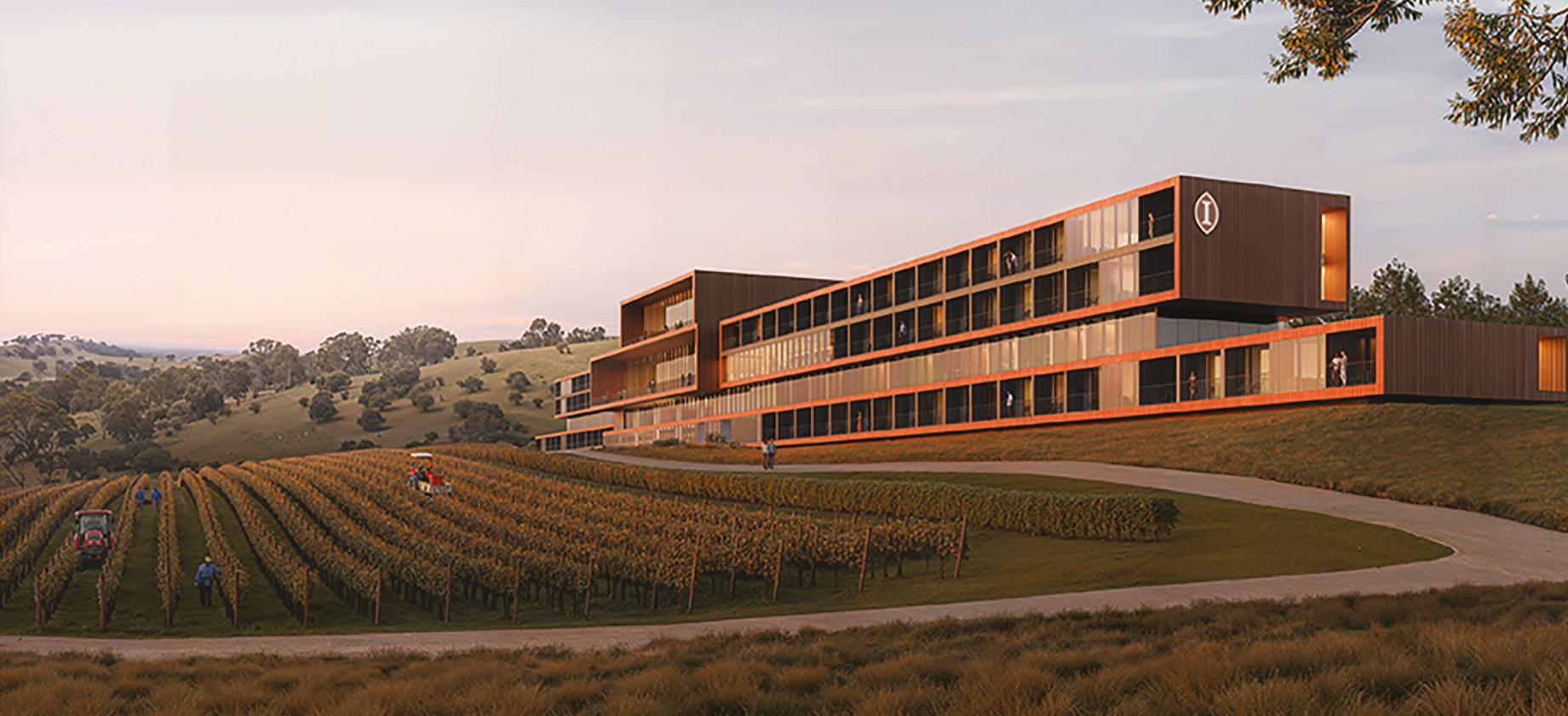
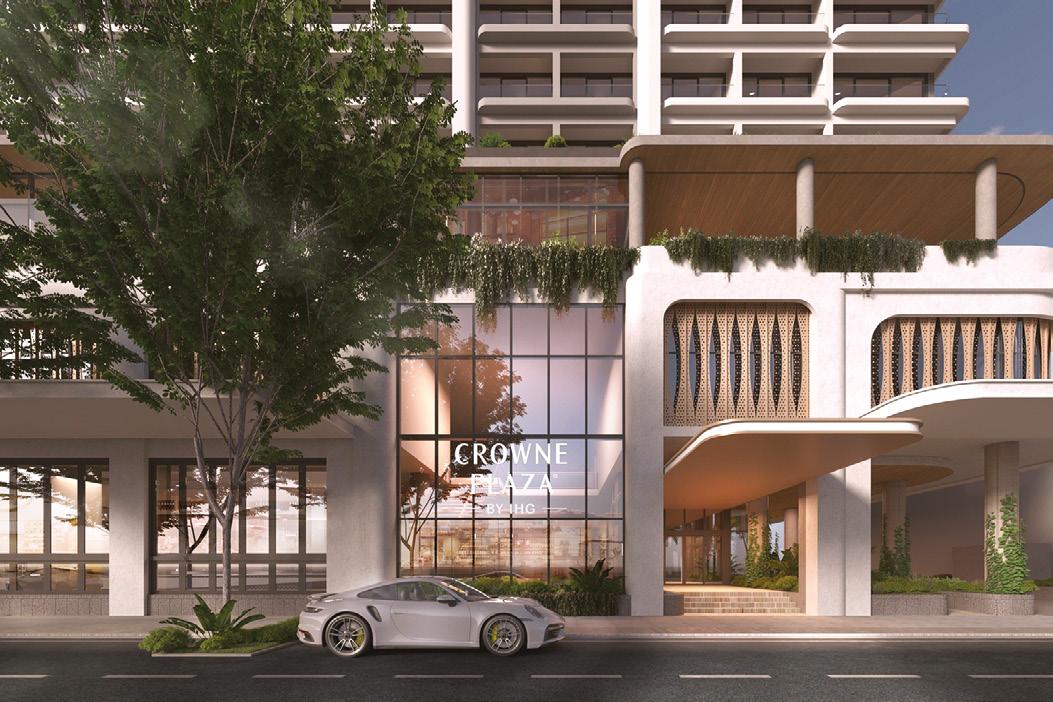
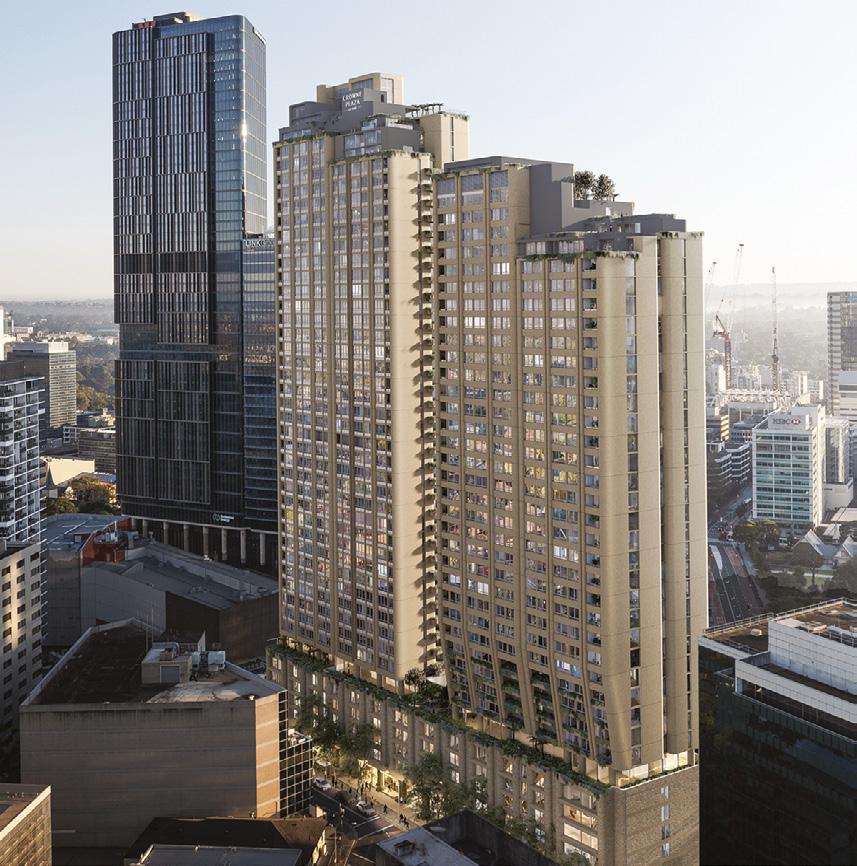
Recent signings reflect both the diversity of opportunity across Australasia & Pacific and the evolving priorities of hotel owners. Major projects announced over the past 12 months include InterContinental Brisbane, Kimpton Mayfair Adelaide, InterContinental Barossa Resort & Spa, Regent Melbourne, InterContinental Port Moresby, Crowne Plaza Sydney Parramatta, Holiday Inn Express Perth Cockburn Central, voco Darwin Suites and Holiday Inn Townsville.
“As market conditions continue to evolve, we are seeing owners increasingly focused on the strength of brands, enterprise capability and the ability to drive long-term performance,” said Matt Tripolone, Managing Director, Australasia & Pacific, IHG Hotels & Resorts.
“The momentum we’ve seen across Australasia & Pacific over the past 12 months reflects strong confidence in the market, the continued growth of branded accommodation, and the value owners see in partnering with global hospitality brands.”
Conversion activity also continues to accelerate as owners seek faster pathways to market and opportunities to unlock greater asset value. Recent projects, including voco Queenstown and Holiday Inn & Suites Sunshine Coast, highlight the growing appeal of repositioning existing assets through internationally recognised brands that deliver scale, loyalty and commercial performance.
returns on investment,” said Cameron Burke, Director of Development, Australasia & Pacific, IHG Hotels & Resorts.
“Owners are increasingly looking for flexible growth pathways that combine the strength of global brands with the speed to market and commercial advantages conversions can provide.”
“We are working closely with owners to identify opportunities where strategic conversions and asset repositioning can unlock latent value and accelerate
Importantly, this momentum is not limited to major capital cities. Regional Australia continues to emerge as a significant growth opportunity, supported by infrastructure investment, resilient domestic tourism and increasing demand for quality branded accommodation.
IHG’s growth momentum has also been supported by landmark openings, including the dual-branded Hotel Indigo Melbourne Little Collins and Holiday Inn Melbourne Bourke Street Mall, voco Gosford, Crowne Plaza Geelong and voco Darwin Suites, with Holiday Inn Townsville and Crowne Plaza Shell Cove set to open in the coming months.
With strong demand fundamentals, growing owner appetite for global brands and a clear strategic focus on conversions, luxury and high-growth markets, IHG continues to see significant opportunity across Australasia & Pacific. As market conditions continue to evolve, IHG’s focus remains on working closely with owners to unlock long-term asset value and deliver sustainable performance. n
South Australian Premier Peter Malinauskas MP announced planning approval for InterContinental Barossa Resort & Spa at AHICE Asia Pacific
Construction for Crowne Plaza Maroochydore commenced in May
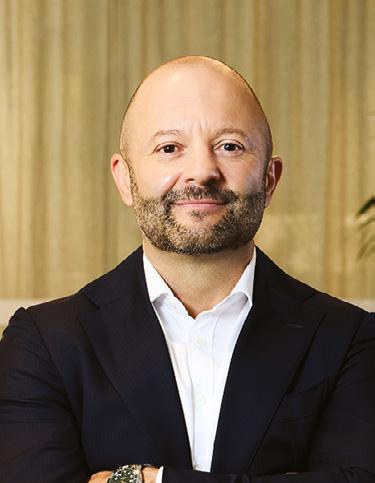
Matt Tripolone, IHG Hotels & Resorts
The new 217-room Crowne Plaza Parramatta is expected to open in 2029 within a landmark mixed-use development
Champagne, Caviar, Coogee
InterContinental Sydney Coogee Beach unveils oceanfront pool deck.
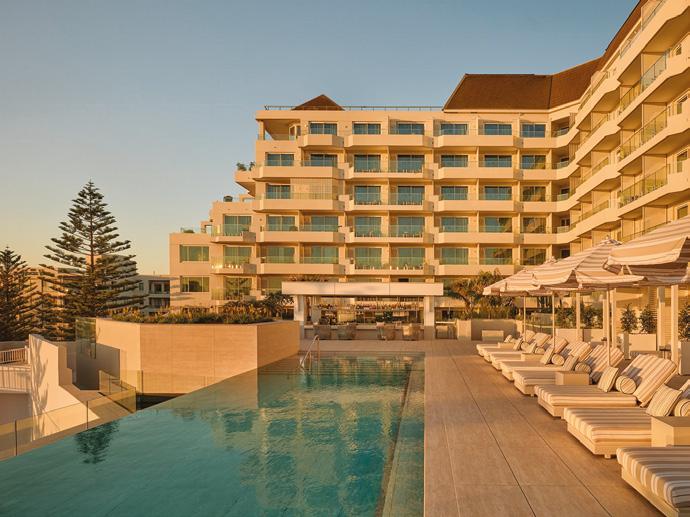
OWNER PAUL SALTER of Salter Brothers, Matthew Tripolone from IHG Hotels and Resorts, Dr Marjorie O’Neill MP, key stakeholders, and industry partners attended the recent unveiling of InterContinental Sydney Coogee Beach’s oceanfront pool deck, marking a key milestone in the hotel’s phased launch.
Opening to guests in late 2025, the hotel has
nearly completed its major redevelopment of the former Crowne Plaza Coogee Beach, transforming it into a luxury InterContinental hotel set to redefine the city’s luxury accommodation landscape. Design firm Woods Bagot was appointed to oversee the hotel’s transformation.
This next chapter introduces a new layer of guest experiences, including the ocean-facing infinity pool and terrace, Club InterContinental and pickleball courts, with its Èliva Spa set to follow.
Èliva Spa is being designed as a “holistic sanctuary” guided by the pillars of rest, recovery and invigoration, with the experience moving beyond the traditional spa model to offer a more immersive and personalised approach to wellbeing.
“These new experiences reflect our vision to create a refined yet relaxed coastal retreat
Veriu unveils new identity alongside dual-brand integrated tower in South Australia
Adelaide will be home to Australia’s first dual-brand development.
VERIU GROUP HAS revealed a new brand identity, LiveStay, and is breaking ground on Australia’s first dual-brand development combining co-living with an apartment hotel in Adelaide.
The move brings together the organisation’s portfolio of Living Sector brands – Veriu Hotels and Suites, Punthill Apartment Hotels and UKO, a third-party operator of Co-living and Buildto-Rent Properties – under a unified identity to reflect its expanded capabilities across short, medium and long-term living.
The new platform is said to have been developed to respond to growing demand for more flexible, tailored accommodation and living solutions across hotels, co-living, apartment living and build-to-rent.
Described as a platform built for scale, LiveStay launches with 90 sites currently operating or under construction, comprising over 5950 keys, with a further 6 sites to begin construction in 2026 and 2027. Recent activity includes the opening of Punthill Narrabundah
in Canberra, alongside a pipeline of new developments across Adelaide, Ryde, Epping, Shepparton, South Yarra and Albury.
LiveStay is expected to bring capability across planning, operations, revenue management and asset optimisation to operate complex and nonstandard assets with a focus on long-term value rather than short-term yield.
“This isn’t a new business – it’s the natural evolution of what we’ve been building over many years,” LiveStay CEO Zed Sanjana said.
“LiveStay better reflects who we are today: a fully integrated platform operating across the entire living spectrum.
“The lines between hotels, serviced apartments and residential living have been blurring for some time,” Sanjana said.
“What LiveStay represents is our ability to operate seamlessly across those categories and deliver the right solution for each asset.”
LiveStay’s first dual-brand development, Veriu Adelaide on Wakefield, is scheduled to open in 2028 and will feature 120 Veriu
where guests can connect with Coogee’s natural beauty while enjoying a truly elevated stay. From the year-round heated pool to the ocean-facing terrace, we have designed spaces that invite both locals and international visitors to linger, unwind and experience the rhythm of the coastline,” General Manager of InterContinental Sydney Coogee Beach, Melinda Lampier said.
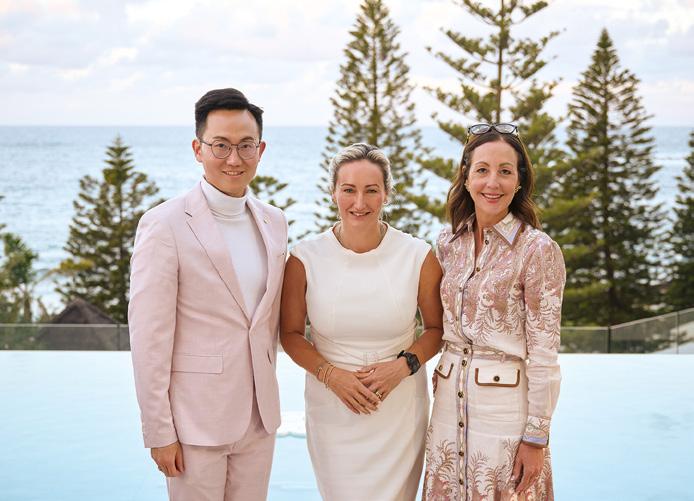
Marcus Chan, Director of Commercial, InterContinental Sydney Coogee Beach, Dr Marjorie O’Neill MP, Member for Coogee, Melinda Lampier, General Manager of InterContinental Sydney Coogee Beach
apartment hotel keys and 120 UKO co-living residences, representing the first fully integrated expression of the LiveStay model.
The project has been designed to cater to a broad mix of demand, from overnight corporate travellers through to extended-stay guests and long-term residents.
“Wakefield Street is a strong example of where the market is heading,” Sanjana said.
“By combining different living models within one asset, we can create more resilient, higherperforming developments that respond to multiple demand streams.”
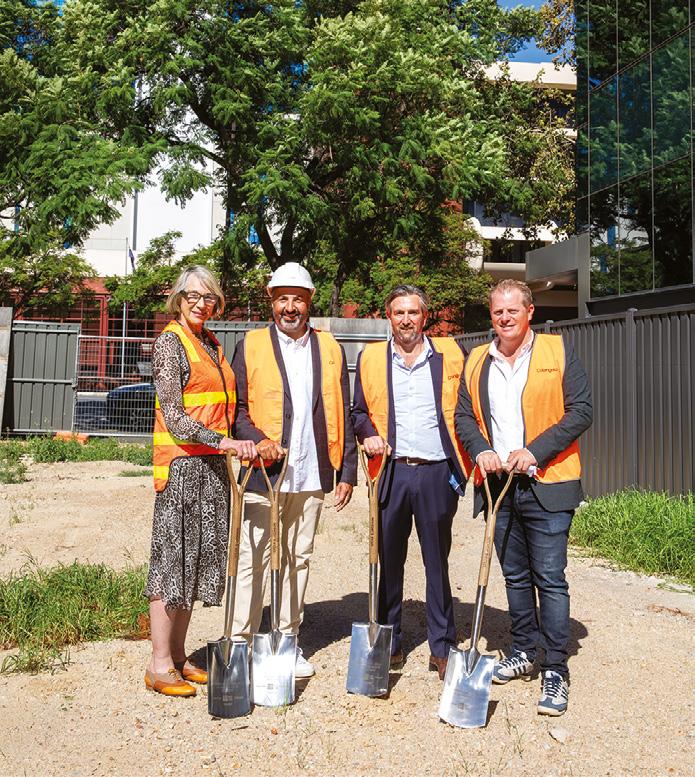
The project’s official sod-turning ceremony with Adelaide’s Lord Mayor Dr Jane Lomax-Smith AM, Group CEO Zed Sanjana, developer Rob Colangelo and Group Founder Rhys Williams
A refined yet coastal retreat vibe at the InterContinental Sydney Coogee Beach
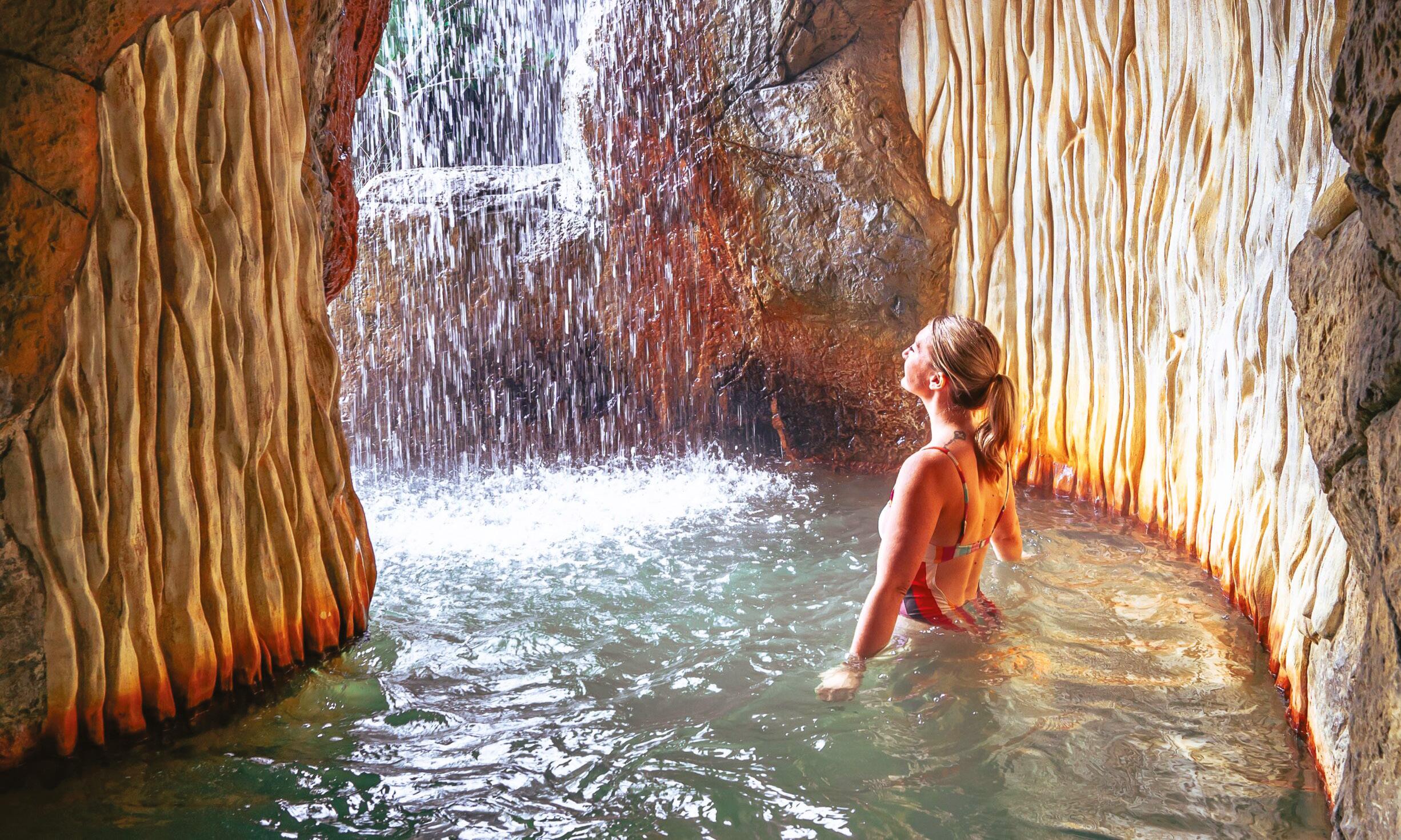
WELLNESS WITHOUT WIRES
How integrated hospitality tech is redefining the guest journey.
WHEN TECHNOLOGY IS FELT ONLY BY ITS ABSENCE
In hospitality, the most powerful technology is often the kind guests never see. At Deep Blue Hotel & Hot Springs in Victoria, a behind the scenes digital transformation is quietly reshaping operations – while preserving the sense of calm and immersion that defines a premium wellness retreat.
Known for its geothermal hot springs and restorative experiences, Deep Blue has gone live with a fully integrated suite of Agilysys hospitality solutions. The decision reflects a growing reality for destination resorts: experiential travel demands sophisticated systems, but the experience itself must remain effortless.
THE OPERATIONAL CHALLENGE OF EXPERIENCE LED RESORTS
Wellness resorts operate differently from traditional hotels.
Accommodation is only one piece of a far broader offering that includes spa services, hot springs sessions, dining, curated activities and gifting. When each element is managed on separate systems, inefficiency creeps in – impacting staff workflows and, ultimately, the guest experience.
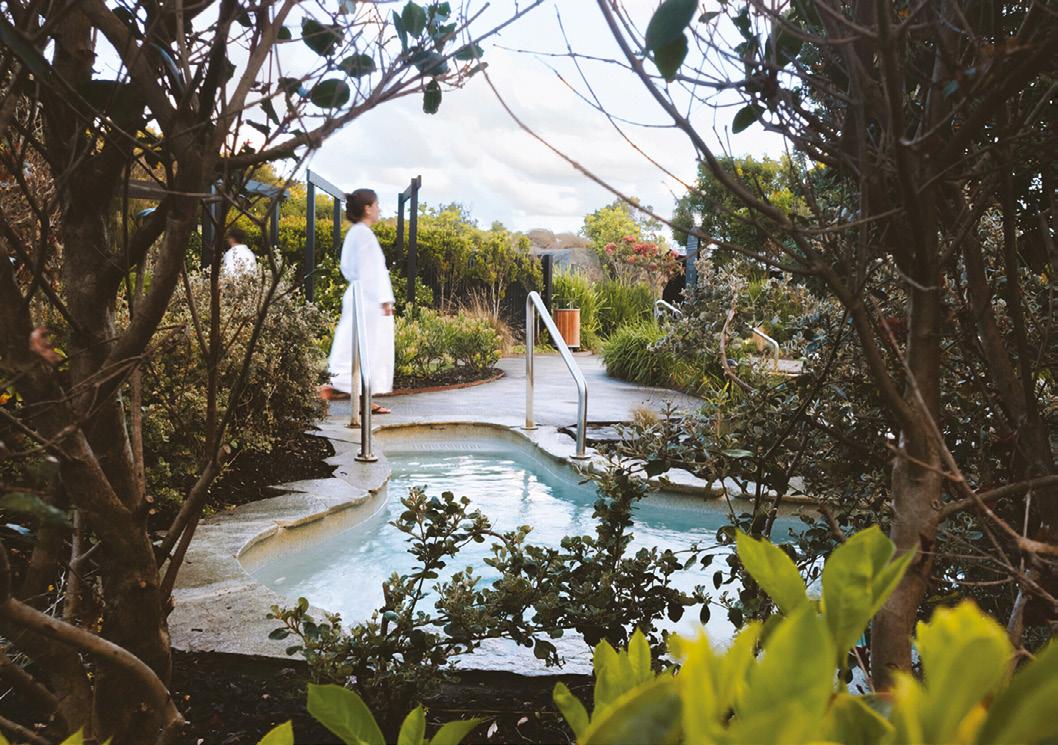
Deep Blue’s leadership recognised that to deliver truly seamless stays, it needed to unify operations across the property. The goal wasn’t more technology, but better alignment – allowing teams to work from a single source of truth while guests move fluidly between experiences.
ONE PLATFORM, MULTIPLE TOUCHPOINTS
By implementing the Agilysys ecosystem, Deep Blue consolidated property management, food and beverage, spa operations, reservations, bookings, inventory and digital marketing into one integrated framework. Agilysys Versa now anchors the guest profile journey, while InfoGenesis POS streamlines dining and charging across venues.
Purpose built modules such as Agilysys Spa, Reserve and Book support real time scheduling, capacity control and online bookings for wellness services. The result is a coordinated operation where data flows between departments, reducing friction for staff and delays for guests.
PERSONALISATION AT SCALE, WITHOUT THE BURDEN
For guests, the benefits manifest as simplicity: smoother bookings, accurate billing, flexible scheduling and relevant communications before, during and after their stay. For staff, it means less manual administration and more time spent delivering personalised service.
Owner Gene Seabrook describes the shift as transformative but unobtrusive. With integrated systems working quietly in the background, teams are free to focus fully on guest wellbeing. In his words, care now “flows as naturally as our geothermal waters”.
A FUTURE READY MODEL FOR WELLNESS HOSPITALITY
As wellness and lifestyle resorts continue to grow in complexity, Deep Blue’s approach offers a clear blueprint. Integrated platforms are no longer optional add ons; they are foundational infrastructure for experience led hospitality.
The takeaway for the industry is clear: when technology is thoughtfully deployed, it doesn’t intrude on hospitality’s human essence – it protects it. And in a wellness setting, that may be the most valuable outcome of all. n
Deep Blue Hotel & Hot Springs in Victoria has undergone a digital transformation
Deep Blue has a fully integrated suite of Agilysys hospitality solutions
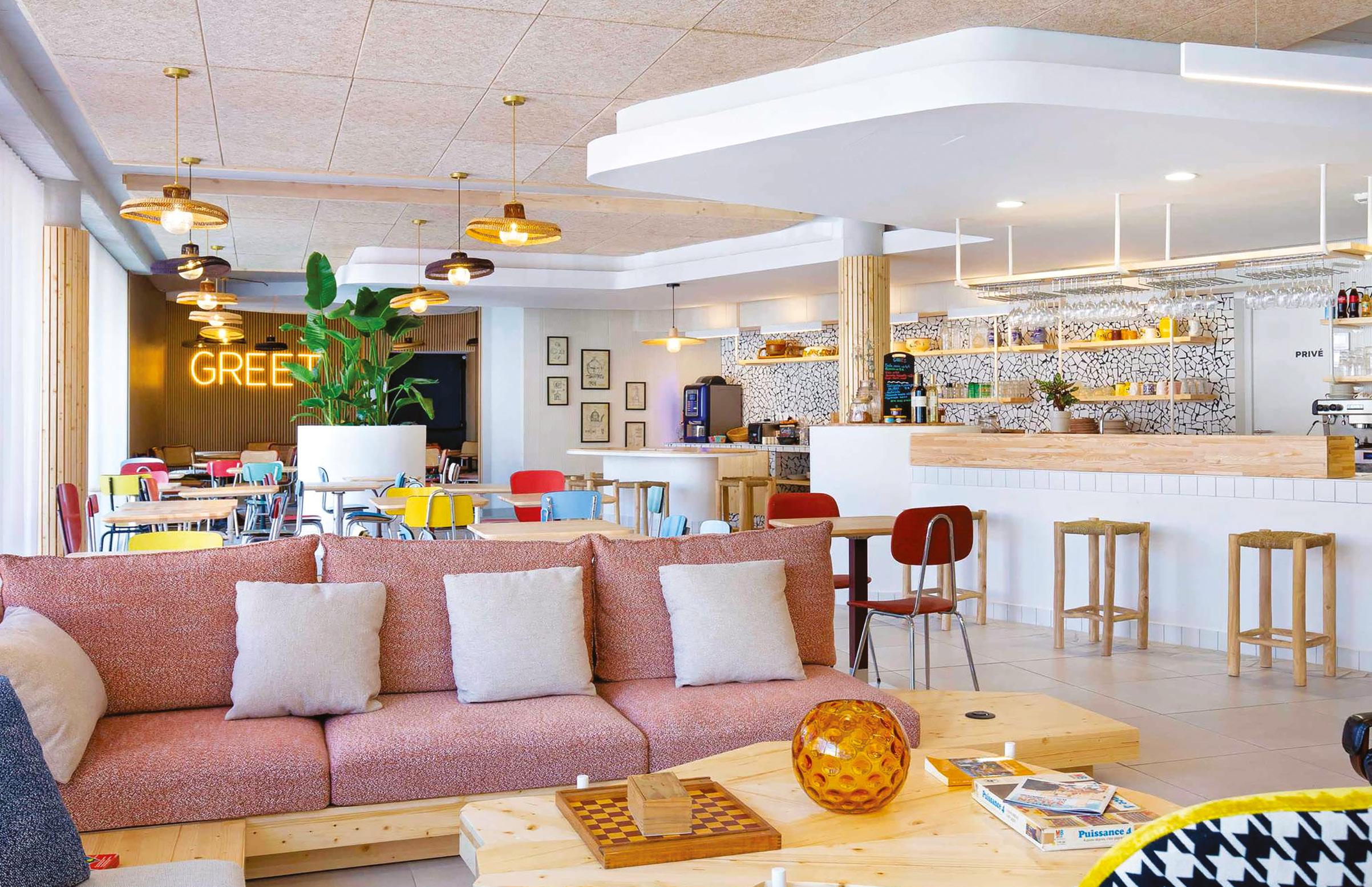
greet ARRIVES WITH A FEEL-GOOD OPPORTUNITY FOR THE PACIFIC
Built around a flexible conversion-first approach, greet offers an exciting opportunity for owners and developers across the Pacific.
As traveller expectations continue to evolve across the Pacific, hotel owners and developers are increasingly searching for brands that do more than simply provide a place to stay. Today’s travellers are drawn to experiences that are uplifting and full of personality – for hotels that deliver comfort while still creating a genuine emotional connection.
With a dynamic portfolio spanning every segment of hospitality, Accor continues to shape the future of travel through brands designed around the changing lifestyles and expectations of guests. Now, the Group is preparing to introduce one of its most distinctive and fastgrowing concepts to the Pacific for the very first time: greet. greet is a fresh hospitality concept built around personality, positivity and great value. Launched in France in 2019, the brand was created for travellers seeking quality and comfort without inflated price tags. greet believes that feeling good should not cost a fortune. That philosophy comes to life through meaningful essentials done right: a comfortable bed, a great shower, a tasty breakfast, reliable Wi-Fi and warm, genuine hospitality that feels relaxed from the moment guests
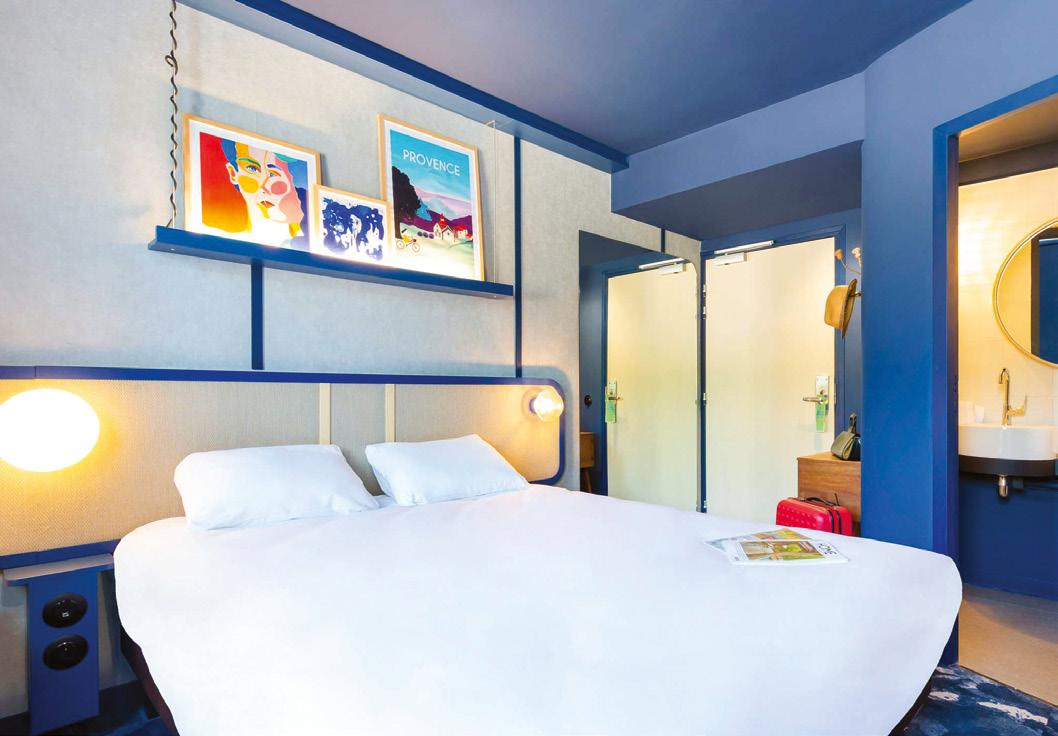
greet focuses on creating spaces that feel simple and full of energy
arrive. Rather than chasing formality or standardisation, greet focuses on creating stays that feel simple, satisfying and full of positive energy.
Accor sees enormous opportunity to bring this philosophy to the Pacific.
“greet represents a significant growth opportunity for the Pacific because it aligns so naturally with where both travellers and hotel owners are heading,” said Lindsay Leeser, Accor’s Chief Development Officer in the Pacific region. “Travellers increasingly want hotels that
Accor sees enormous opportunity to bring greet to the Pacific. Pictured greet hotel Salon-de-Provence, France
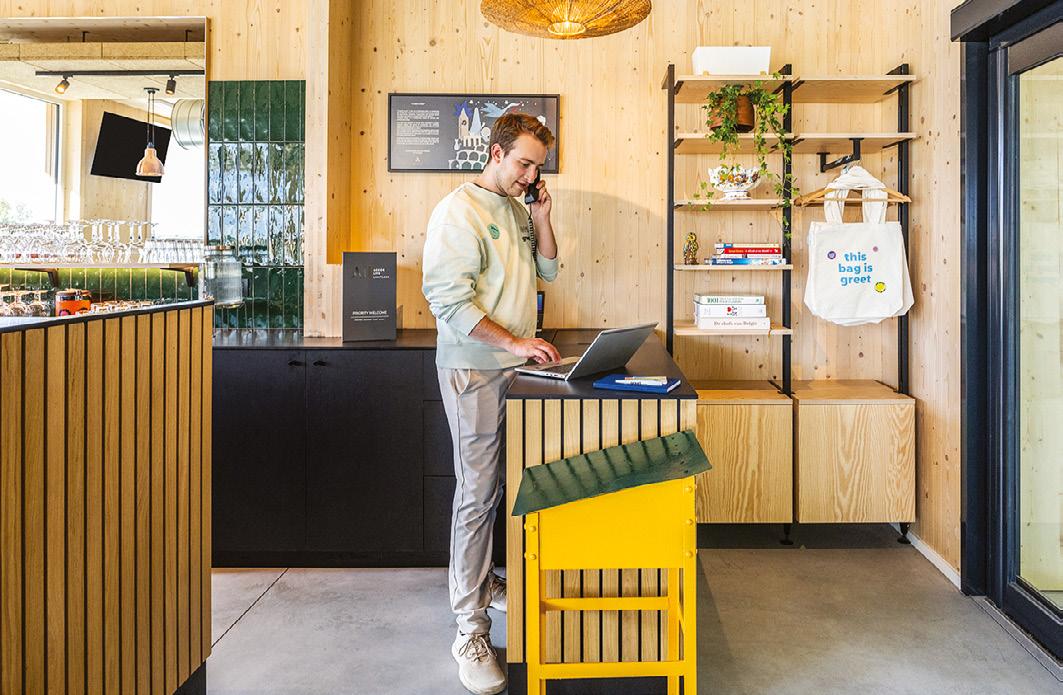
greet is a fresh hospitality concept built around personality, positivity and great value as seen at greet Hotel Brussels Airport Zaventem
feel relaxed and approachable, while owners are looking for flexible and conversion-friendly brands that make commercial sense. greet manages to deliver both. It is a brand with a strong personality and operational simplicity, but also one that gives owners the freedom to create something genuinely local and distinctive.”
Every greet hotel is intentionally different, shaped by its building, its people and its neighbourhood. Instead of rigid design rules, the brand embraces eclectic interiors, playful details and welcoming social spaces that feel real, colourful and effortlessly approachable. Vintage furniture sits beside local objects, relaxed communal spaces encourage guests to connect and unwind, and every address carries its own sense of personality.
Built around a flexible conversion-first approach, greet offers a compelling opportunity for owners and developers looking to reposition existing assets through a model that is commercially smart, operationally efficient and highly adaptable. Across the Pacific, the brand is being targeted for city, metropolitan, regional and leisure destinations throughout Australia, New Zealand and Fiji.
“greet is one of the most exciting conversion opportunities in the market today because it offers owners incredible flexibility while still
delivering a very clear and differentiated identity,” said Adrian Williams, Accor’s Chief Operating Officer in the Pacific region.
“The brand feels optimistic, approachable and refreshingly uncomplicated. It is big on personality, low on fuss, and highly adaptable across different destinations and asset types. We see very strong potential for greet in our region as owners increasingly look for brands that combine efficiency, sustainability and emotional connection.”
Sustainability is not treated as a standalone initiative – it is embedded into everyday hotel life. greet hotels focus on practical and accessible actions that make a positive difference without compromising comfort. This includes eco-certified operations, locally sourced breakfast products, reduced food waste initiatives and the brand’s playful “wonky veg” philosophy, which embraces imperfect produce and transforms it into feel-good food and beverage experiences.
Across Europe, greet has already demonstrated the strength and versatility of the concept.
greet Hotel Beaune, the original flagship property, established the foundations of the brand through eclectic interiors, reused furnishings and relaxed social spaces. Meanwhile, greet Hotel Marseille Centre Saint Charles showcases how an existing urban hotel can be transformed into a vibrant hospitality experience full of local character and creative energy. Hotels such as greet Hotel Brussels Airport Zaventem further demonstrate the brand’s ability to adapt across urban and airport locations.
Today, the network spans more than 40 hotels across Europe, with expansion continuing into new markets such as Spain, Greece and Poland.
For the Pacific region, greet signals far more than the introduction of another hotel brand. It represents a fresh and highly adaptable hospitality concept designed for the realities of modern travel - one that values authenticity over uniformity, personality over excess, and meaningful essentials done right.
As travellers across Australia, New Zealand and beyond continue seeking experiences that are approachable, uplifting and full of character, greet is perfectly positioned to unlock a new era of feel-good hospitality. n
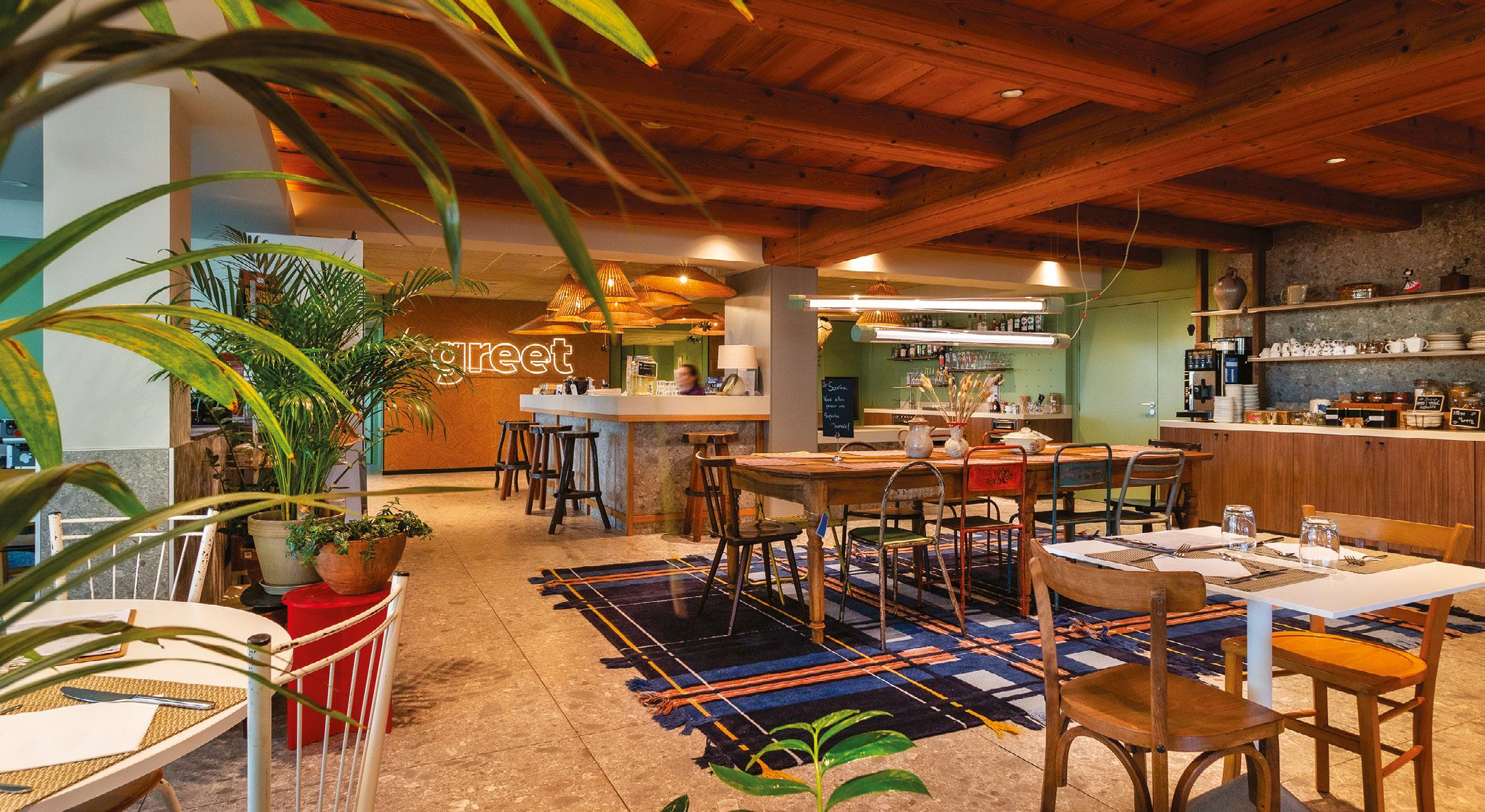
greet hotels focus on practical and accessible sustainable goals
Ongoing uncertainty is starting to bite
Trends show consumers have less confidence in travelling, impacting member properties.
By James Goodwin, CEO, Accommodation Association
YOU WOULD HAVE to be either very brave or very foolish to make a long-term prediction about the state of our sector at the moment.
Not since the pandemic has our industry been impacted by far-off events we have no control over.
The latest occupancy and forward booking data show the ongoing uncertainty in the Middle East is starting to bite.
It is clear that consumers have less confidence to travel, and member properties are feeling the effects.
Confidence is hard won and easy to lose. We need all governments to work with tourism operators to continue to promote Australia to new and existing international markets.
In times of turmoil around the globe, we should be doubling our efforts to highlight Australia as a safe and affordable travel destination.
On the domestic front, the rising costs and lack of availability of petrol and diesel have also affected regional and remote member properties.
Clear messaging and improved fuel information will go a long way to getting people back out on the road, and we recently partnered with other tourism groups to draw attention to the issue.
There was no confirmation in the Federal Budget that the fuel excise cut will be extended beyond 30 June, but this would also be an
Uber and Airbnb: what’s the difference?
Raising concerns over the regulation of short-term accommodation platforms.
By James Doolan, Strategic Director, Hotel Council Aotearoa
GLOBALLY, UBER AND Airbnb are often spoken about in the same breath. Both are platform businesses. Both disrupted incumbents when they launched almost 20 years ago. Yet in New Zealand, regulators treat them very differently.
Uber facilitates billions of trips each year in more than 70 countries. Airbnb is similarly vast, listing millions of properties globally and accounting for a material share of visitor nights in many cities. In both cases, the technology matters less than the activity being enabled.
In transport, regulators grasped that point early. Carrying passengers for financial reward is a commercial activity, regardless of whether a booking is made through an app. As you would expect, ride sharing drivers must meet higher standards than private motorists: passenger endorsements, police vetting, commercial insurance and stricter
vehicle checks. It is the commercial activity that triggers regulation, not the clever software overlay.
Short term accommodation has gone the other way.
important confidence boost for regional tourism and the ‘drive’ market.
Workforce pressures also remain across the country, emphasising the importance of the AA managed ‘eeger’ platform, which now has close to 16,000 registered job seekers.
While the uncertainty and challenges will continue, our members can be certain of one thing.
The accommodation sector is resilient, and member engagement and support have been strong to help manage the headwinds.
With Airbnb and similar platforms, we have thousands of individual owners acting in concert through a single branded marketplace, selling nightly accommodation to travellers. In substance, this is a highly coordinated commercial activity and not much different from investing in a strata title hotel. Yet much of short-term rental accommodation is still rated, regulated and monitored as if it were incidental household use rather than a business.
For almost five years now, a coalition spanning all accommodation types (including Airbnb and Bookabach) has asked the New Zealand Government to introduce a national register of short term rental accommodation. This is not complicated legislation or complicated technology, and some Australian states have it already. It is a basic tool that would allow councils to identify STRA properties and owners, and actually enforce existing bylaws and rates differentials.
Local councils are increasingly arguing for new tourism taxes, yet many are not even fully collecting the correct property rates from commercial scale STRA activity today.
Regulating Airbnb, the way we regulate Uber, would not stifle innovation. It would simply acknowledge reality: when activity is commercial, the rules should be too.
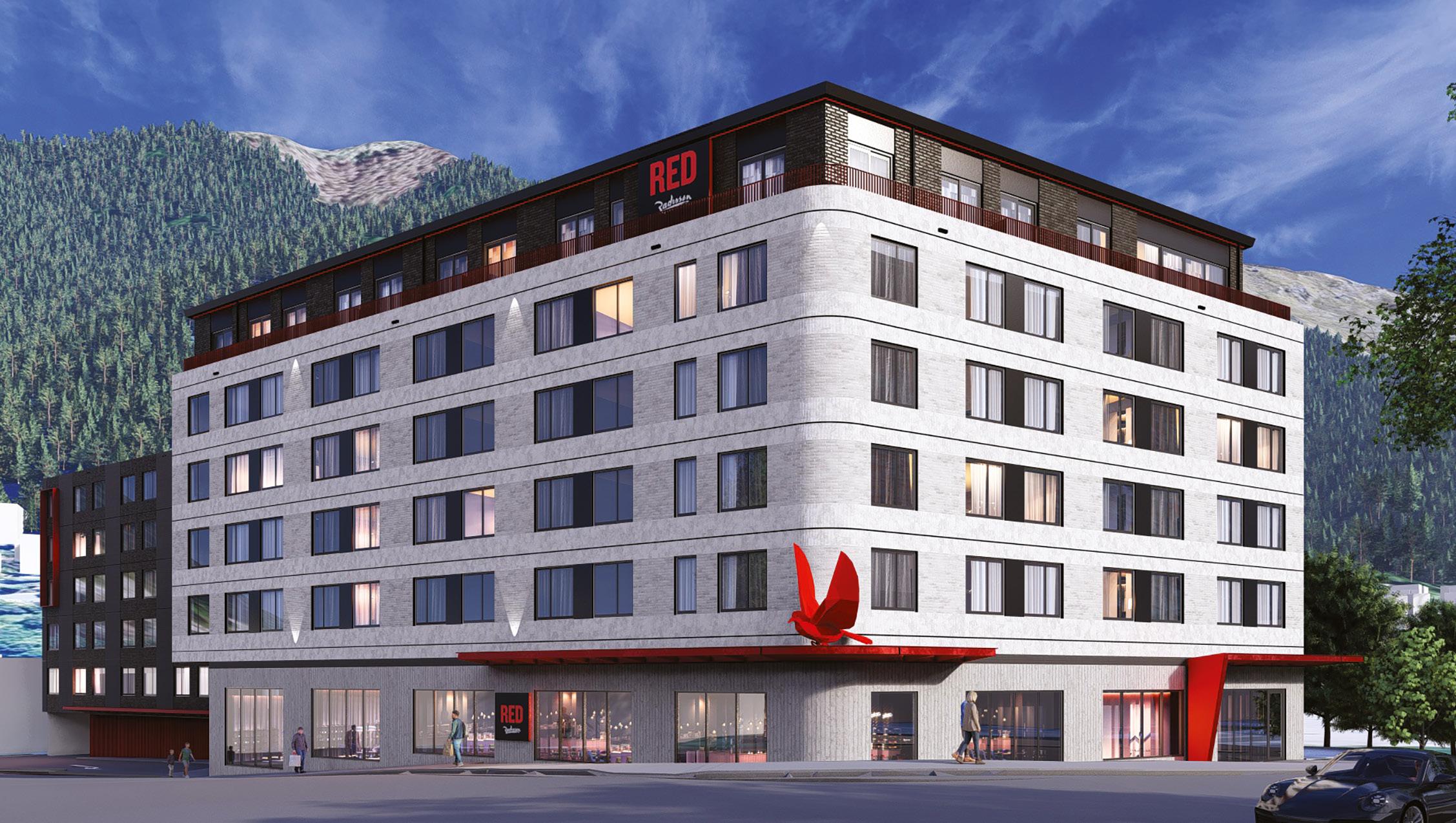
Leveraging its lifestyle range, Radisson RED Queenstown is currently under construction and will appeal to leisure travellers
TAILORED APPROACH
Radisson Hotel Group unlocks hotel opportunities in Australasia through the right brands, partnerships and platforms.
Australasia remains one of the most exciting growth regions for Radisson Hotel Group, supported by strong fundamentals across Australia, New Zealand and the Pacific. Demand continues to be shaped by domestic travel, improving international arrivals, major events, infrastructure investment and the continued appeal of lifestyle-led destinations.
For hotel owners and developers, the opportunity is clear, but the path to delivery has become more complex. Higher construction costs, tighter financing conditions and changing guest expectations mean every project needs to work harder commercially from day one. Rather than applying a one-size-fits-all model, Radisson Hotel Group works closely with owners to understand the asset, location, demand drivers and longterm ambition behind each project.
That partnership-led approach is already helping unlock opportunities across a diverse range of markets. Radisson RED Auckland recently opened, bringing the Group’s bold lifestyle brand to New Zealand, while Radisson Blu Resort Fiji Naisoso Island is expected to open late next year. Radisson RED Queenstown is also under construction, strengthening the Group’s presence in a globally recognised lifestyle leisure destination.
Conversions are also playing an important role in the Group’s regional growth strategy, particularly as owners look for faster, more flexible routes to market. Canterbury International Hotel Melbourne, a member of Radisson Individuals, Return to Paradise Resort Samoa, a member of Radisson Individuals, and Radisson Resort Mana Island Fiji, a member of Radisson Individuals, are all progressing as part of
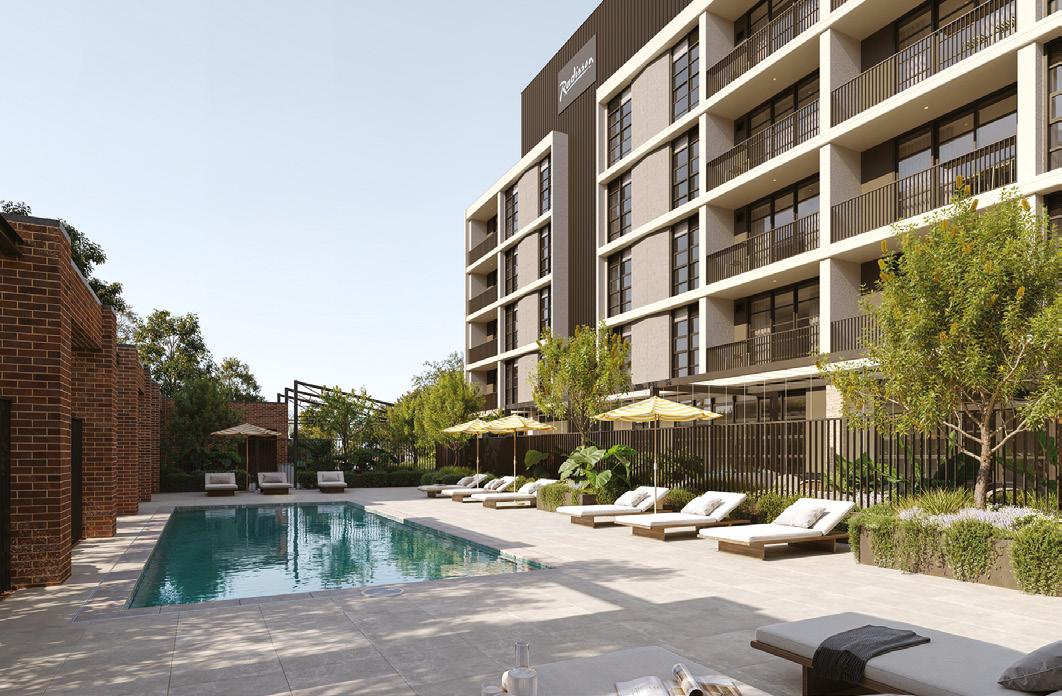
and lifestyle destinations
this momentum. In Australia, The Merchant Hotel, Brisbane, a member of Radisson Individuals, and Radisson Hotel Perth are also expected to open this year, further expanding the Group’s footprint in key urban and lifestyle destinations.
“Our growth in Australasia is being driven by the relevance of our brands, the strength of our commercial platforms and the trust we build with owners,” said Lachlan Hoswell, Managing Director, Australasia, Radisson Hotel Group. “Every opportunity is different, so our focus is on finding the right solution for each asset, whether that is a conversion, a new-build hotel, a lifestyle brand, or a softer affiliation model. What matters most is creating hotels that are operationally efficient, commercially competitive and positioned to deliver strong long-term returns for owners.”
Radisson Hotel Group’s success in the region is supported by its strong commercial ecosystem. EMMA, the Group’s integrated technology platform, connects key hotel systems and supports smarter operations, distribution and performance. This is complemented by Club of Revenue, Club of Sales, and Club of Voice, which help hotels strengthen revenue management, sales performance, and guest engagement.
As Australasia continues to evolve, Radisson Hotel Group sees an opportunity to grow through the right partnerships, the right brands, and a clear focus on owner value. n
Radisson Hotel Perth is slated to open this year, further expanding the Group’s footprint in key urban
Starstruck
Launching just seven years ago, Ascott’s loyalty program has grown to eight million members. How central are partnerships to Ascott’s growth strategy over the next five years?
Eight million members is a meaningful milestone for Ascott Star Rewards (ASR), and it makes us think harder about what comes next. We are targeting 15 million members by 2028, and we are confident of getting there. In 2025, member revenue rose 23% year-on-year, with members contributing more than 90% of our online direct bookings and over 60% of repeat stays. These numbers reflect real loyalty.
Sustaining that momentum requires understanding what keeps members coming back to the programme. And increasingly, that goes beyond hotel stays to include flights, experiences and destination activities. Partnerships are how we extend our reach into those areas, and the ones we pursue are built on a shared commitment to delivering genuine value to members. That is the standard we set for every collaboration.
Tell us more about the expanded airline loyalty partnerships program, and how Ascott will manage members using points toward airfares, rather than hotel stays?
Most trips start with a flight booking, not a hotel search. If we want ASR to be useful from
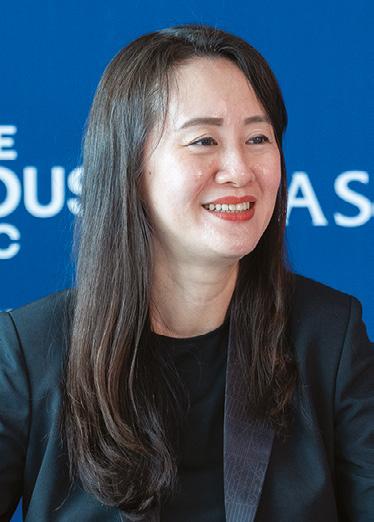
OFF THE BACK OF ITS STRONGEST-EVER YEAR OF SIGNINGS IN SOUTHEAST ASIA, SPANNING MORE THAN 200 OPERATING PROPERTIES WITH A FURTHER 150 IN ITS PIPELINE, THE ASCOTT LIMITED IS DOUBLING DOWN ON ITS LOYALTY PROGRAM. CHIEF COMMERCIAL OFFICER, TAN BEE LENG, TALKS TO DAISY MELWANI ABOUT PARTNERSHIPS, AGENTIC AI AND FOOTBALL LEGENDS.
the very beginning of a trip, we need to be present at that stage too. That is the thinking behind our airline partnerships with AirAsia, ANA, Singapore Airlines and soon, Cathay Pacific, which joins us from June 2026.
Whether members use points on flights or stays, we see it as part of the same relationship. A member who feels rewarded at every stage of their trip is a more engaged member, and a more engaged member books more stays. That is what the data consistently tells us.
How do you measure ROI on experiential partnerships like Chelsea FC?
Brand loyalty today is harder to earn than it has ever been. Travellers are more platformagnostic, more price-sensitive and more willing to switch. In that environment, the things that genuinely differentiate a brand are rarely the ones that can be discounted
away. Exclusive experiences, especially those that money-canʼt-buy, are among the most powerful tools available to us.
Through our Ascott Privilege Signatures programme, members gain VIP access to prestigious global events, including Premier League football matches, renowned tennis tournaments, and elite gastronomy and lifestyle experiences. When a member has had one of those moments through ASR, that stays with them. That association with Ascott is the return we are looking for. It is not always the easiest thing to put a number on, but it shows up in membership sign-ups (more than doubling every two years) and repeat bookings over time (over 60%).
Are collaborations now replacing traditional marketing and distribution channels?
No, and we are not trying to replace them.
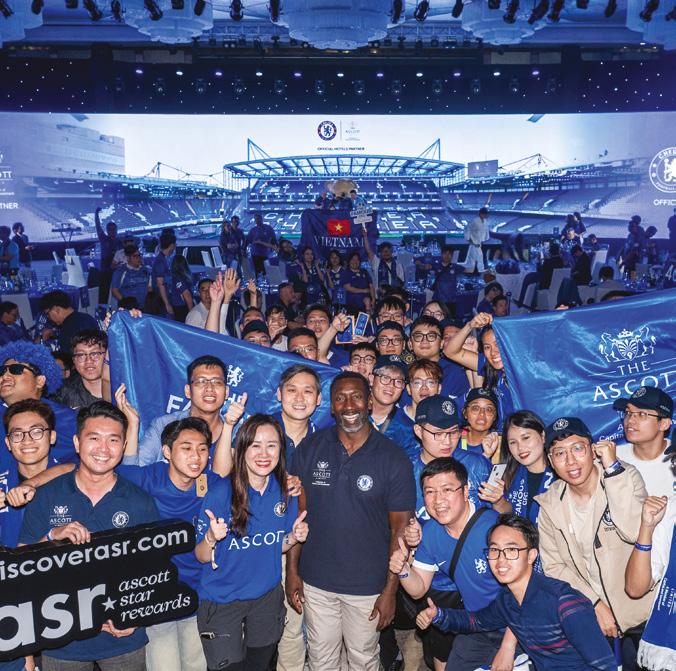
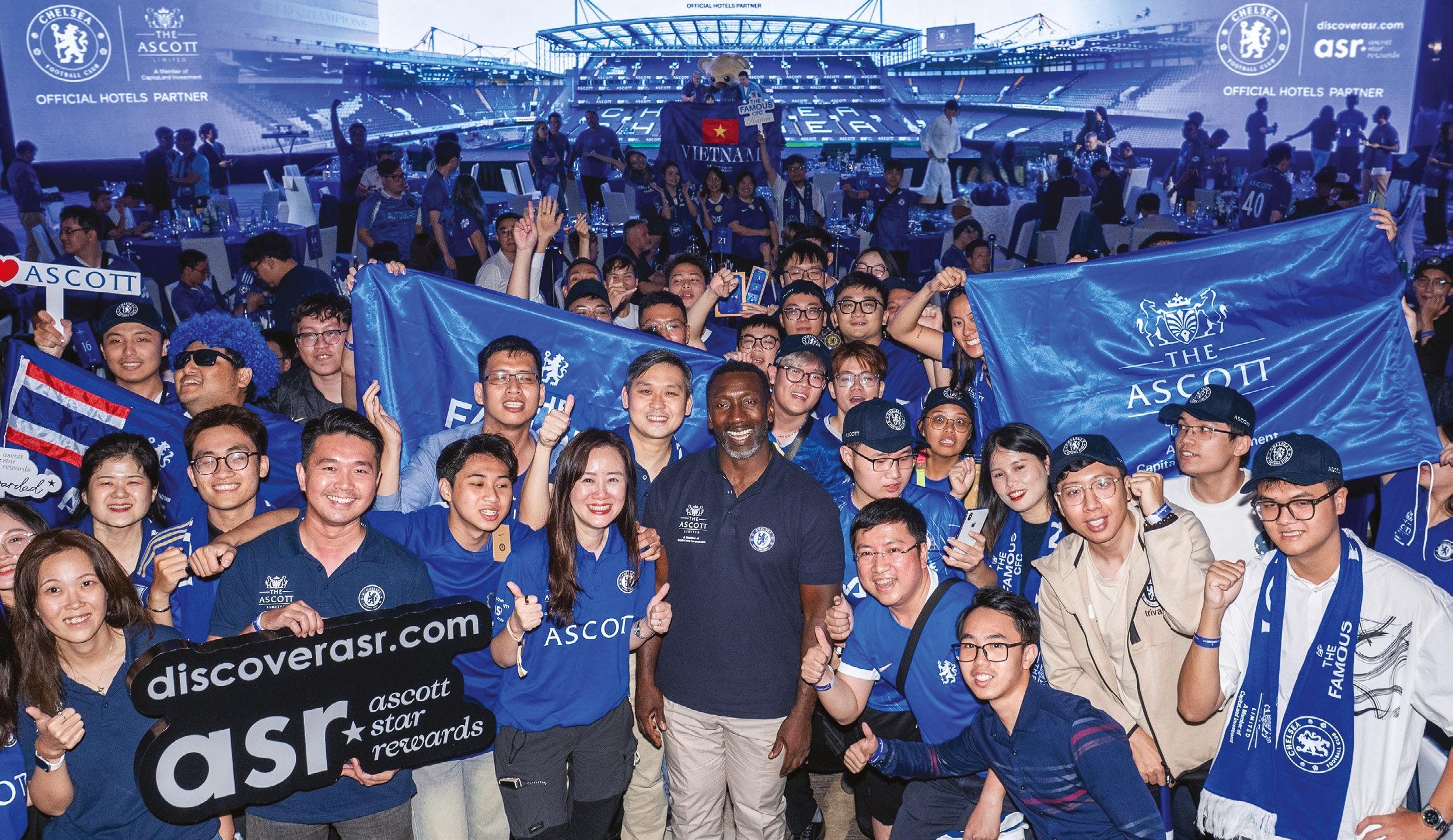
Over 350 Chelsea fans and ASR members gathered at Ascott Tay Ho Hanoi for A Night with the Blues. Chelsea legend Jimmy Floyd Hasselbaink (centre) headlined an evening bringing the spirit of Chelsea Football Club to the heart of Hanoi with Ascott’s Tan Bee Leng (left) and attendees
Tan Bee Leng, Chief Commercial Officer
Traditional channels still do important work. They keep us visible and make sure Ascott comes to mind when someone is ready to book.
That said, visibility alone does not create preference. When most brands are running similar campaigns on the same channels, it gets harder to stand out. Collaborations give us a different way in. They let us show up in parts of our members’ lives that go beyond a hotel stay – whether that is earning airline miles, attending a tennis match or meeting a football legend. That kind of presence builds something that a search ad cannot.
Traditional channels create awareness to enable our members to see us, while the collaborations create memories which motivate our members to choose us. The two approaches work best in combination. Traditional channels build reach, and collaborations build meaning.
What makes a partnership successful versus purely promotional?
The distinction comes down to whether a partnership creates genuine, lasting value for the guest. A promotional activation is transactional. It drives a short-term spike and once the campaign ends, so does the impact. A successful partnership embeds itself into the guest’s experience of the brand. It creates memories for our members they cannot get elsewhere and associate with Ascott long after the moment has passed.
The best collaborations work on multiple levels at once: rewarding existing members, attracting new audiences through a partner’s brand equity, and reinforcing Ascott’s identity as more than just a place to stay. Through these partnerships, our members are rewarded for their stays at Ascott properties worldwide, with elevated experiences and enhanced membership privileges. We also
want them to stay rewarded with a sense of satisfaction and fulfilment. This combination of depth and reach is what we look for to foster a sense of belonging and loyalty that is inherently rewarding.
What has been the most commercially successful activation or partnership so far?
Our global partnership with Chelsea Football Club is the one I would point to. Chelsea has a fanbase of over 600 million people, with more than 60% in Asia Pacific. For Ascott, whose home and largest market is right here, that alignment is clear.
The partnership works on a few levels. For ASR members across this region, we bring The Famous CFC fan engagement programme to cities where the Chelsea fanbase runs deep and where Ascott has a strong presence. These included Jakarta, where Gary Cahill, former England international and Chelsea club captain, unveiled Asia’s first Chelseathemed hotel suites at Ascott Sudirman Jakarta and Citadines Sudirman Jakarta. And most recently Hanoi, where Jimmy Floyd Hasselbaink, a two-time Premier League Golden Boot winner, helped launch Ascott Tay Ho Hanoi’s new international convention centre. Each edition gives members access to Chelsea legends, fan experiences and exclusive meet-and-greets that are hard to come by, and includes a community football session where beneficiaries get to meet the Chelsea legend in attendance – a small but meaningful expression of #AscottCARES in the communities we operate in.
Secondly, for members who travel to London, the partnership opens doors at Stamford Bridge itself with match tickets, private training ground visits, VIP stadium tours and access to the ASR hospitality suite.
For Australian members specifically, this came to life through a recent campaign offering a VIP trip to London to watch Chelsea FC Women take on Manchester United.
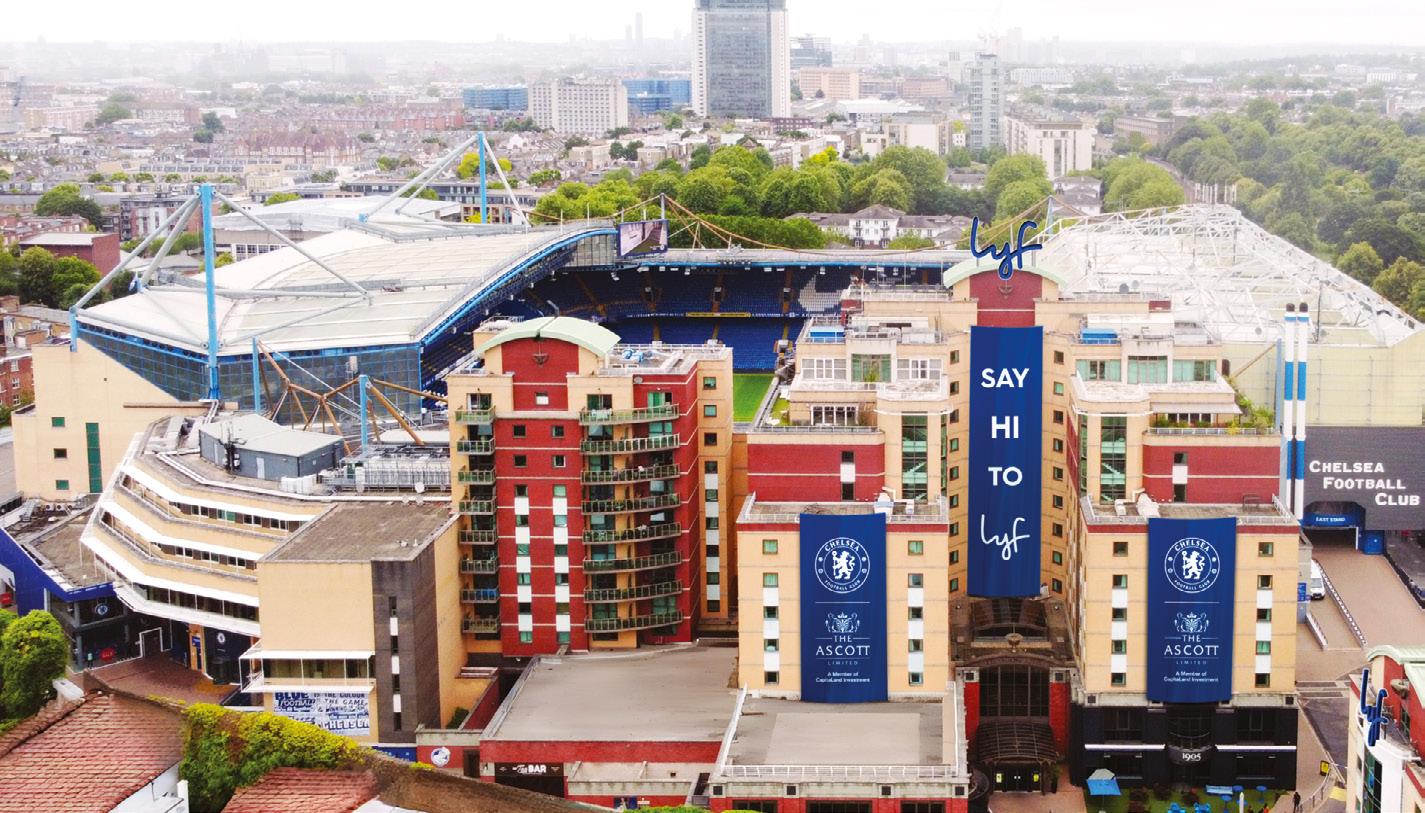
And then there is lyf Chelsea London. Ascott has assumed management of the 232-unit Stamford Bridge Hotel London, to be rebranded to lyf Chelsea London in the second half of this year. This hotel management agreement puts Ascott at the centre of one of football’s most iconic addresses, giving us the opportunity to showcase our hospitality to fans from around the world who make the pilgrimage to Stamford Bridge.
Since the partnership launched in July 2024, ASR has grown from 4.5 million members to more than 8 million, with member revenue up 23% year-on-year in 2025.
Tell us which other ways Ascott will embark on to grow its loyalty program?
One area we are particularly excited about is our expansion into more resort destinations, such as Phuket, Phu Quoc and Labuan Bajo. This broadens the leisure options available to ASR members, opening up new destinations where they can earn and redeem their rewards. It is a natural complement to our urban and extended-stay footprint, giving members more reasons to reach for ASR.
We are also expanding into destination experiences, allowing ASR members to earn and redeem points for tours, sporting events and lifestyle activities. This extends the programme beyond the hotel stay and into the fuller arc of how people actually travel.
Beyond that, we are investing in making the ASR platform itself more intelligent through our collaborations with Accenture, Amadeus and EHL Hospitality Business School. We are building the infrastructure for agentic commerce so that members can benefit from smarter, faster booking experiences that draw on their preferences and history, surface the most relevant options, and apply rewards in ways that make sense for their trip. Whether they book directly, through Cubby or via an AI agent, their preferences and member benefits should be recognised at every step. The experience should feel less like a transaction and more like being welcomed by someone who already knows you.
That is ultimately what we are building ASR towards. More destinations, more partnerships, more experiences, all served by an increasingly intelligent platform. Every strand connects back to the same goal: a loyalty programme that helps members Stay Rewarded at every stage of travel. n
Ascott assumed management of the 232-unit Stamford Bridge Hotel London, to be rebranded to lyf Chelsea London in the second half of this year
NET ZERO HERO
IN AN INTERVIEW WITH RADISSON HOTEL GROUP’S JENS BRANDIN, HE DELVES INTO WHY MANCHESTER BECAME A TEST CASE FOR VERIFIED NET ZERO. TRISTAN RAYNER REPORTS.
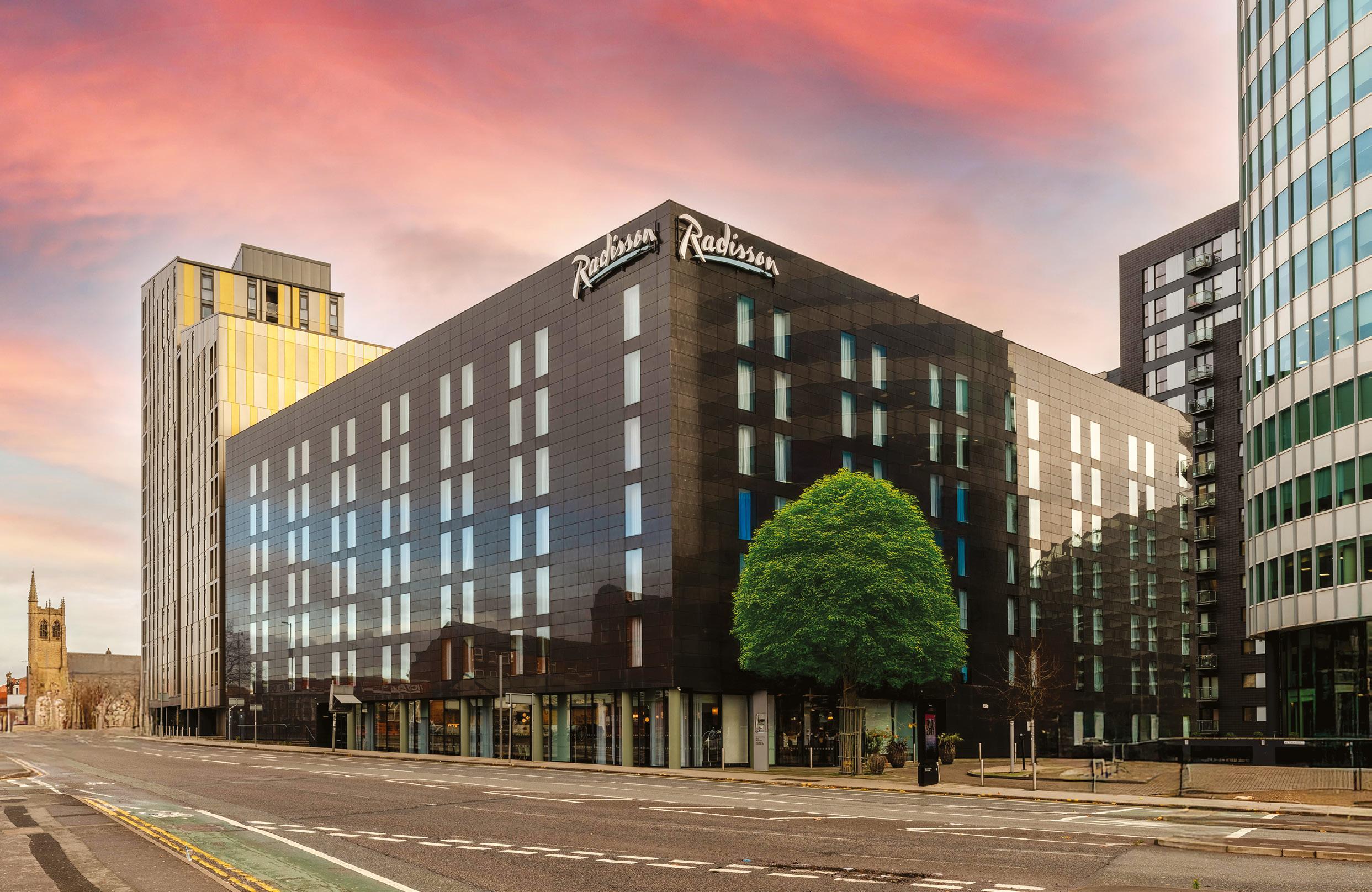
The relaunch of Radissonʼs Manchester City Centre property was a refurbishment and rebrand, while also serving as a live test of whether a lower-carbon hotel model can work for owners, for travellers, for corporates, and for the long term. Jens Brandin, Cluster General Manager at RHG, dives deep into what it means after a year of real data as RHG expands the mission.
When Radisson Hotel Group reopened as a verified net zero hotel, it was not a brand exercise. For Brandin, it was simpler and harder than that: could you actually run a lower-carbon hotel and have the numbers make sense?
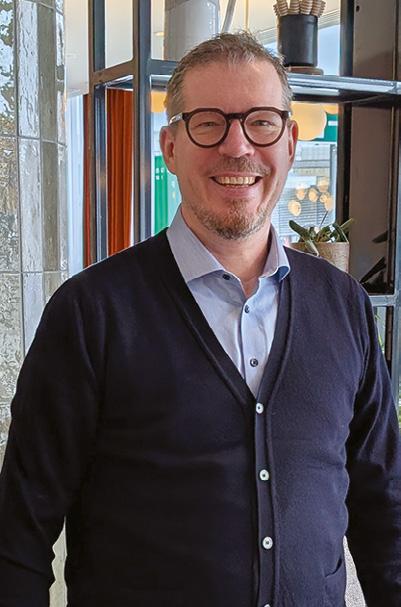
Brandin has been with Radisson since 1999, starting in Berlin and working across Europe and Africa in the years since. In conversation about the Manchester hotel, he doesn’t talk about sustainability abstractions but about the actual decisions around heat pumps, electricity costs, menu changes, supplier negotiations, and what you can put in front of an owner on a P&L.
The property, which had been operating as a Park Inn, was repositioned under the Radisson brand alongside a renovation worth some £4 million to £5 million, or somewhere around AUD$10 million at the time. Doing both at once wasn’t just convenient, but served as the point.
As Brandin explains, major infrastructure decisions in hotels play out over 20-year cycles. And if the industry is going to understand what net zero costs and what it delivers, someone has to go first.
“Whatever milestone year people are working toward, the investment cycle for major hotel infrastructure can be up to 20 years,” he said. “That means the industry needs to be testing and proving these models now. If we wait too
long, we miss the window to make meaningful changes.”
RHGʼs leased portfolio, where the operator controls energy purchasing and building decisions directly, made Manchester a practical choice for that kind of test. But Brandin is clear about why the exercise mattered beyond the asset in what may become England’s second city, judging by the cranes and high-rise in the city.
“This project is so important because we need to be able to show owners, within a one-year P&L, what happens when you make these investments,” he said.
The hotel carries a “Verified Net Zero” designation (or VNZ), which appears on both on RHG’s own sites but also booking sites, where potential guests see it as they search for a suitable stay in Manchester.
Brandin is careful to explain VNZ rather than oversell: under the definitions, Scope 1 and 2 emissions are those that have been addressed directly; the remaining verified footprint is offset through a UK carbon capture agriculture programme. TÜV Rheinland independently verified the result, one of the most trusted brands in Europe.
That leaves Scope 3 emissions, which include the supply chain, food and beverage, the outsourced laundry service – and this is a different challenge entirely.
“Scope 3 is really the most difficult part, because we cannot solve that by ourselves,” he said. “The supply chain has to move with us, whether that is laundry, suppliers, or food and beverage.”
Again, he isn’t soft on being realistic on timelines.
“I think fully net zero, without carbon offsets, will take at least another 20 years,” he said.
It’s a refreshing insight from one of the insiders within RHG’s flagship sustainability project. Brandin compares
Radisson Manchester City is a verified net zero hotel
Jens Brandin has been with Radisson since 1999
the trajectory to free-range eggs; niche and expensive until enough buyers pushed the whole supply chain to shift.
“The more businesses ask for these products, the more suppliers will offer them,” he said.
The commercial pressure is already visible in the RFP process. Corporate clients are increasingly including sustainability criteria as part of procurement decisions either by choice or through compliance, and Brandin said that is not going away regardless of how the broader public conversation around climate shifts.
“Even when the public conversation changes, there is still a strong underlying expectation that businesses should reduce their environmental impact,” he said. “People may not always talk about it loudly, but the demand is there and it continues to shape decision-making.”
Brandin indicated early performance from Manchester is holding up, with guest awareness of the VNZ designation as tracking above 70 per cent, with around one in five guests indicating it directly influenced their booking decision.
There is also a workforce argument that can be overlooked. For a hotel in the UK, in a post-Brexit, postCovid environment where hospitality recruitment has been a persistent pressure, Brandin says a “highly credible sustainability proposition can help a property compete for staff as well as bookings”.
On the numbers: May 2026 will mark a full year of trading data for the hotel in its current configuration. Brandin said the model is currently costing “a little bit more than a normal hotel”, but not dramatically so. The bigger operational challenge has been the heat pump.
“The biggest challenge at the moment is electricity,” he said, gesturing to the rooftop where the large heat pumps are installed. “We have a relatively new prototype heat pump, and the supplier is learning with us, so the savings are not coming through as quickly as we originally assumed.”
That kind of specific, useful detail is where Brandin shines, detailing the nuts and bolts of how sustainability announcements are maintained in the day-to-day operation of the hotel.
Within the hotel rooms themselves, there are few indications that anything is operating differently. Core comforts remain indistinguishable in the form of modern showers and large smart TVs. Instead, there are quiet removals of plastic water bottles, replaced by refillable glass carafes, and menus and hotel info are QR-code or app-based, while amenities can be requested rather than provided by default.
PILOT BECOMES A KEY PROGRAMME
Manchester was joined by Oslo’s Radisson RED in 2025 as its two Verified Net Zero properties across RHG’s portfolio of some 1,520 hotels in operation and under development. While at the time of the interview Brandin could only hint at more to come, the group made its next step with its VNZ ambitions in March this year at the International Hospitality Investment Forum in Berlin.
At the Forum, RHG announced it is scaling its Verified Net Zero programme from pilot into a multi-year rollout, starting with 10 more VNZ properties in 2026, and targeting 100 properties by 2030. The company said its 2026 expansion begins in Norway and the UK before moving into Denmark, Sweden and South Africa. Germany, Austria and Spainʼs Canary Islands were also referenced as markets in the five-year pipeline.
Inge Huijbrechts, RHGʼs Chief Sustainability and Security Officer, said the results gave the group the confidence to move from proof-of-concept to programme.
“I think fully net zero, without carbon offsets, will take at least another 20 years.”
Jens Brandin Radisson Hotel Group
“The hotels show strong carbon reduction across all emission scopes, high guest awareness, and clear support for sustainable meetings and events,” she said. “They also provide hotel owners with a practical pathway to futureproof their properties.”
For asset owners who are interested but will want to keenly be aware of the capital expenditure, Huijbrechts told this publication that the investment case extends well beyond sustainability credentials, listing fossil fuel price volatility, tightening EU green building regulation and growing investor appetite for ESG-credentialled assets are all converging.
Huijbrechts noted that research from CBRE found that 79 per cent of European institutional investors said they would pay a premium for assets with strong ESG credentials, a figure the group is able to put in front of franchised and managed hotel owners as it builds out the programme.
Back in Manchester, Brandin hinted that an expansion would validate the approach, and the decision to start before anyone was entirely sure how it would go.
“We had to start somewhere,” he said. n
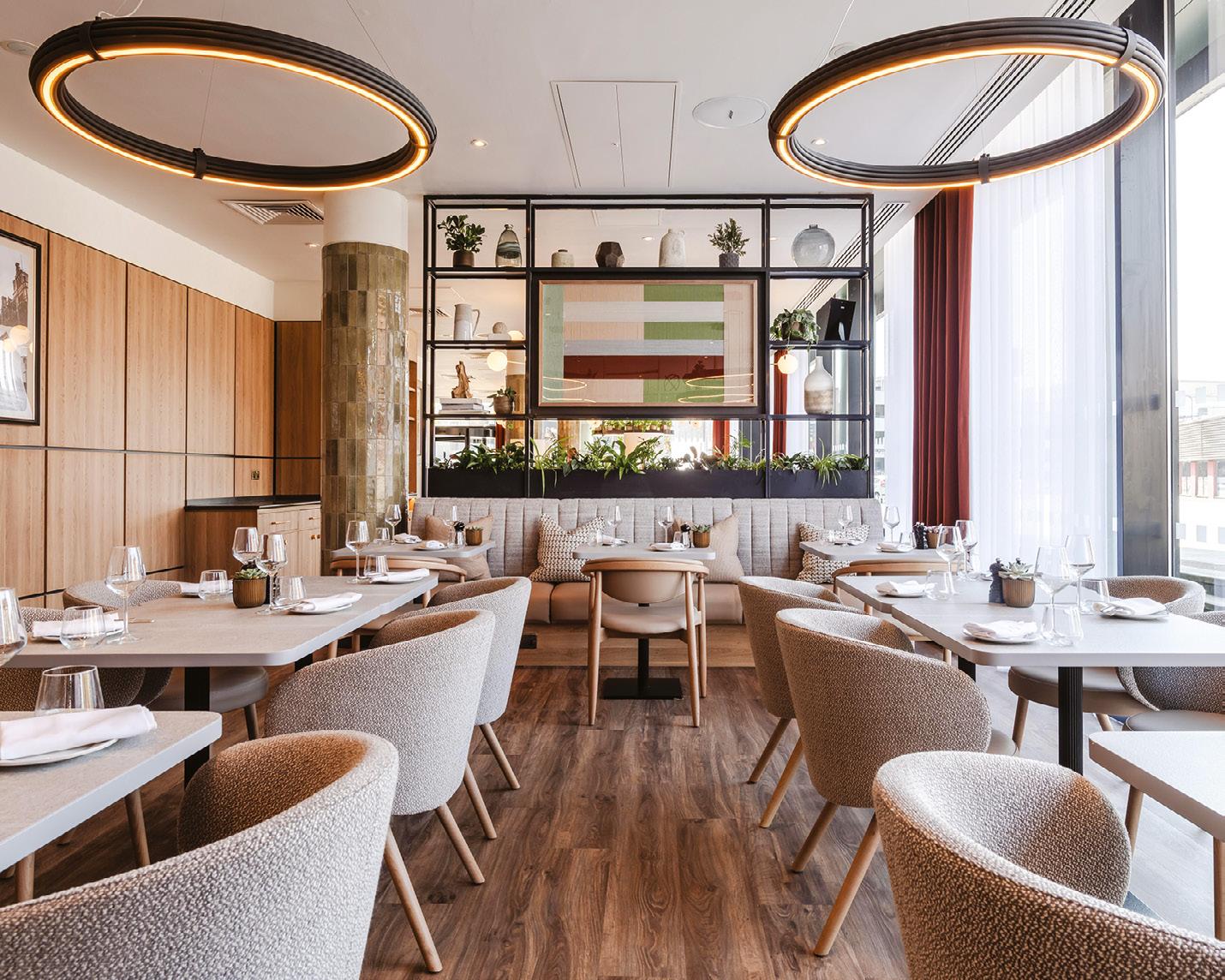
F&B has been a different challenge in the hotel’s verified net zero scope
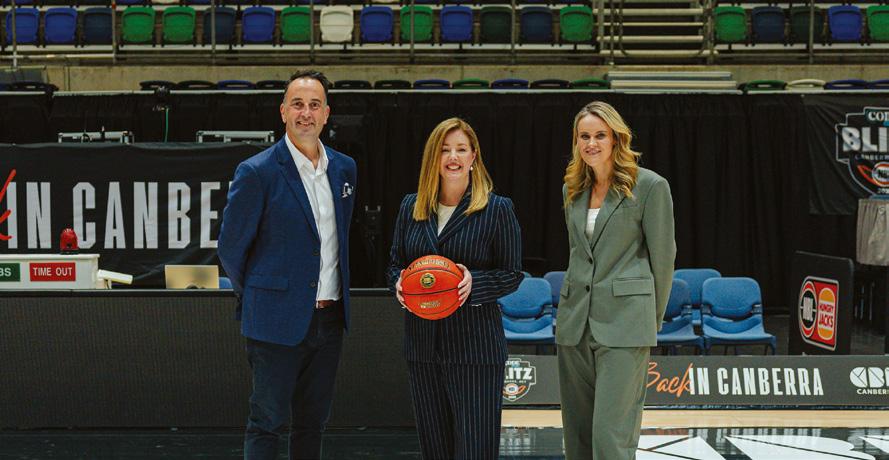
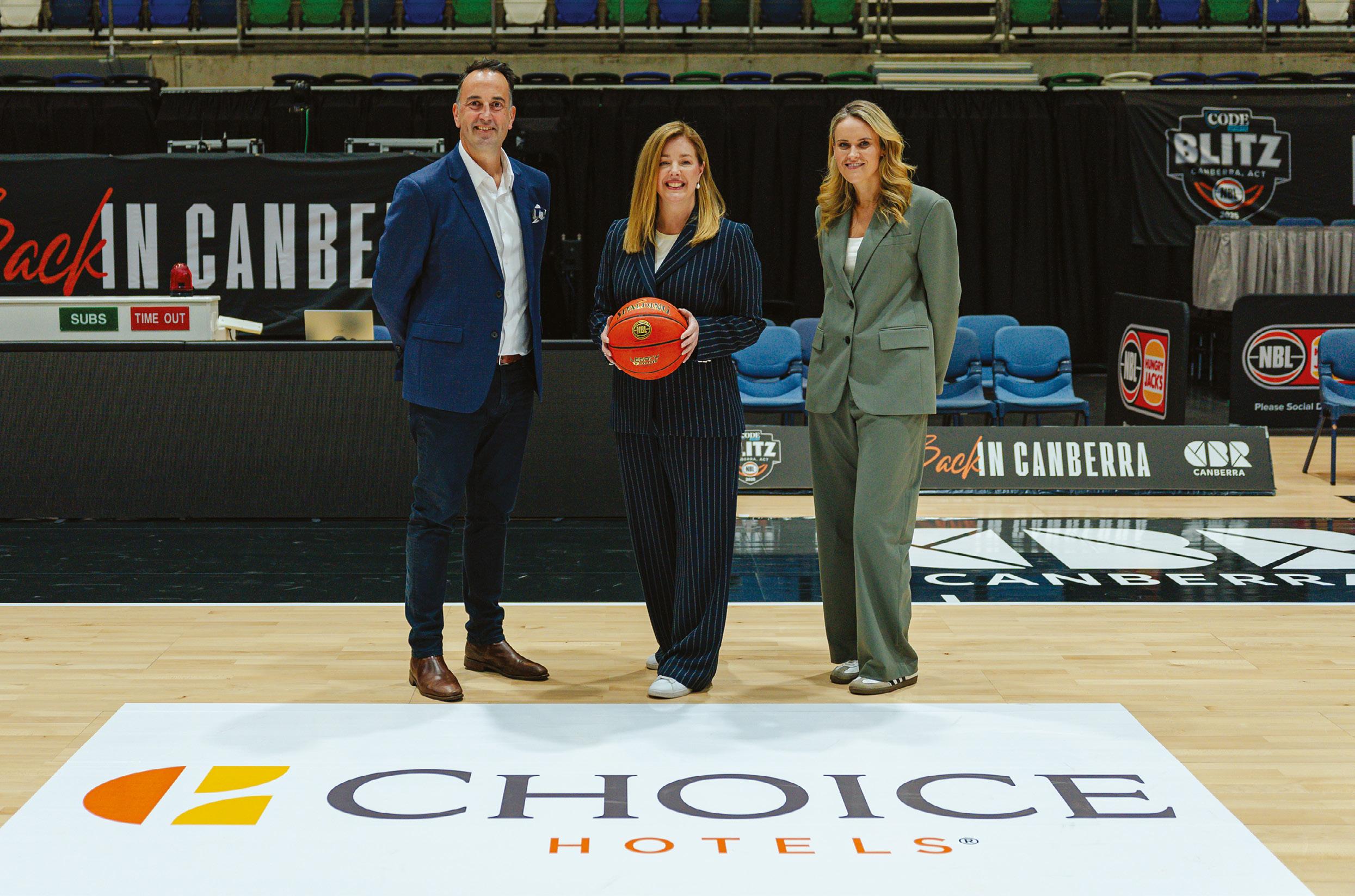
Partnership with NBL and NBL1 has amplified Choice Hotels’ profile on a national stage David Stevenson, CEO NBL Group, Kari Hunter, Senior Director Commercial and Revenue Management, Choice Hotels Asia-Pac and Shenae Beus, Chief Partnerships Officer NBL Group at the NBL Blitz in Canberra in 2025
POWER OF
Choice
With 68 upscale properties joining the Ascend Collection through the SSAW Hotels and Resorts agreement, and a further 100 new hotel builds on the cards, Choice Hotels is scaling rapidly in Asia. How do you ensure brand consistency while expanding at a rapid pace?
Scale only works when it’s intentional. The agreement we signed with SSAW Hotels & Resorts last year is a master franchise and distribution arrangement built around long-term alignment – not rapid expansion for its own sake.
SSAW is a highly experienced owner-operator with a deep understanding of its domestic market. Bringing 68 existing SSAW properties into the Ascend Collection allows us to expand our upscale presence in China while preserving the individuality that
Asia-Pac
WITH STRONG MOMENTUM, PORTFOLIO GROWTH AND MAJOR COLLABORATIVE WINS, CHOICE HOTELS ASIA-PAC CEO, TRENT FRASER, UNPACKS THE GROUP’S SUCCESS WITH DAISY MELWANI.
defines a soft brand. At the same time, SSAW’s exclusive rights to develop 100 new Comfort and Quality hotels support disciplined growth in the midscale segment, where consistency and strong operating fundamentals matter most.
Brand consistency is maintained through clear standards, repeatable systems and shared accountability. Comfort and Quality are designed to scale, with clearly defined guest expectations and proven operating models, while Ascend provides flexibility for local character within a strong brand framework. When growth is underpinned by alignment with owners who place equal value on brand integrity and commercial performance, scale becomes a strength rather than a risk.
Following the launch of MainStay Suites in Australia, is it filling a gap in the market or creating a new category for investors and developers?
Launching MainStay Suites in Australia was a considered move, driven by sustained demand for longer-stay accommodation across business, government and project-based travel.
Choice Hotels
CEO, Trent Fraser
Guests are increasingly seeking more space and functionality over extended periods. MainStay Suites is purpose-built for that need, combining a residential-style experience with the reassurance of a recognised hotel brand.
Working with Extended Stay Australasia has enabled us to introduce an established extended-stay operating model to the Australian market. For guests, it delivers flexibility and comfort over longer stays. For owners, it offers a stable demand profile and a cost-efficient operating structure.
For investors and developers, MainStay Suites presents a compelling entry into the extended-stay segment, supported by a clear operating model and strong brand platform.
Tell us about projects like LOAM Hotel in Stawell, and how regional destinations fit into your growth strategy.
Regional growth has long been a strength for Choice, and it’s becoming even more relevant as travel behaviours continue to shift.
The LOAM Hotel in Stawell is a good illustration of that approach. Once completed, the 77-room, four-star Ascend Collection hotel will be the largest in the Grampians region and a meaningful addition to the local visitor economy. Beyond the hotel itself, the project is forecast to deliver significant long-term economic value, supporting employment, tourism and surrounding businesses.
What we’re seeing is sustained demand for regional travel. Cost-of-living pressures, flexible work arrangements and a renewed appreciation for local destinations are driving shorter, more frequent trips closer to home.
For owners and developers, regional locations offer resilient demand, lower barriers to entry and strong ties to their communities. Our role is to provide the brand, systems and
distribution to help those destinations reach their potential – while preserving the character that makes them distinctive.
How is the rise of white label management changing franchising, and what will ownership look like in five years?
Franchising is becoming more flexible, and that’s a positive shift. We’re seeing growing interest in white-label or third-party management models, particularly from owners who want to stay focused on asset performance and growth rather than day-today operations. For many, it’s about bringing in specialist operational expertise while still retaining the benefits of a global brand and franchise system.
Our agreement at Comfort Resort Leura Gardens, where the hotel is owned by Schwartz Family Company and operated by Trilogy Hotels, is a strong example of how these models can work effectively when roles and responsibilities are clearly defined.
Looking ahead, I expect that franchise ownership is likely to become more flexible. Owners will increasingly draw on a combination of brand, management and operational support that best suits their
individual assets and objectives, with greater emphasis on simplicity, performance and long-term value.
How do partnerships like the NBL deliver measurable value to franchisees?
Our approach to partnerships is grounded in practical outcomes rather than profile alone.
The agreement with the NBL and NBL1 provides a way to connect our hotel network with a large, highly engaged travel audience that spans metropolitan and regional markets. The value isn’t just visibility; it’s relevance at a local level and the ability to convert that engagement into real demand for hotels.
From a franchisee perspective, the benefit comes through increased exposure to group travel, repeat stays and stronger links to local communities. Sporting organisations travel frequently and regionally, which aligns well with the geographic spread of our network.
More broadly, it reflects how we think about partnerships as a way to support occupancy, strengthen brand preference and reinforce Choice’s position as a practical accommodation provider with strong community connections.
Off the back of a milestone year, what decisions made the biggest difference to growth?
One of the defining features of 2025 for us was a more measured approach to growth.
Rather than pursuing expansion in isolation, we focused on arrangements that were aligned both strategically and commercially with our long-term objectives. Whether it was our work with SSAW in China, the introduction of MainStay Suites alongside Extended Stay Australasia, or initiatives such as the NBL, each decision was taken with a clear view of how it would create value for franchisees, guests and the broader network.
Sustainable growth is built on shared ambition and proven capability. That mindset underpinned our momentum in 2025 and continues to shape how we think about expansion across Asia-Pacific. n
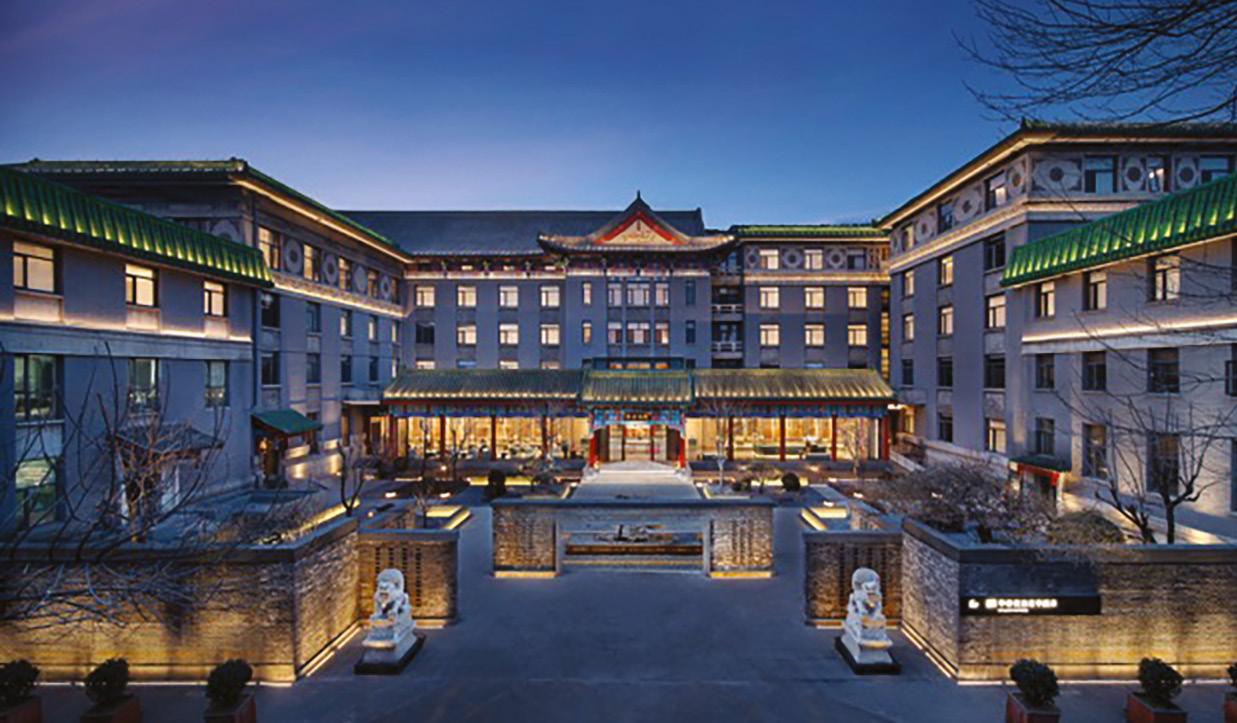
SSAW Boutique Hotel Yangzhou, an Ascend Collection Hotel, is part of the group’s plans to upscale its presence in China
The George Hotel Launceston is an Ascend Collection Hotel
New leader, new playbook
FAR EAST HOSPITALITY ENTERS A NEW CHAPTER UNDER THE LEADERSHIP OF MARK ROHNER AS MANAGING DIRECTOR. ON A WHIRLWIND TRIP TO AUSTRALIA, HE SAT DOWN WITH DAISY MELWANI TO SHARE HIS PLANS FOR THE SINGAPORE-BASED GROUP.
Far East Hospitality is eyeing ambitious expansion across Southeast Asia and Japan, with Australia also part of the company’s long-term growth strategy as it targets 10,000 keys by 2030.
Taking the reins from long-time leader Arthur Kiong at the end of 2025, Managing Director Mark Rohner has his eyes firmly on scale to increase the group by 3000 keys, with Japan becoming a major focus following the opening of two new properties in Osaka last year, adding to its established properties in Tokyo and Yokohama, as well as a regional “mini corporate office”.
“Japan has been very intentional,” Rohner said, revealing the group is now targeting expansion into Kyoto, Fukuoka, and Hokkaido, driven by strong inbound tourism growth and increasing demand from both Singaporean and Australian travellers.
“We think within the mid-tier in Japan is a very attractive space to be because itʼs not as congested as the upscale, upper, upscale, luxury space,” Rohner revealed.
Far East Orchard’s 50-50 joint venture with Australia’s Toga Group to form TFE Hotels in 2013 has also driven scale, accounting for over 9,000 keys across Australia, New Zealand, Germany, Denmark, and Hungary.
It cements Australia as central to the group’s strategy, driven by hotel ownership, upgrades, and the expansion of Australian brands across Asia.
Far East Hospitality debuted the Adina brand in Singapore in 2022 following a conversation, a move Rohner described as “a very successful transformation”.
“Adina has a lot of potential for us to grow the Adina brand in parts of Asia,” he said.
The company is also exploring opportunities for Vibe Hotels in Asia, alongside potential Australian expansion opportunities for Far East Hospitality’s own Village and Quincy brands.
“Vibe also could have legs,” Rohner said. “Australians kind of see that as an Australian brand.”
The group is also evaluating locations for additional Quincy projects in Australia, adding to its existing Melbourne hotel.
“We are looking at opportunities,” Rohner said. “Hopefully in Sydney, at some point.”
The group’s Australian investment strategy also includes significant upgrades to existing assets. At Rendezvous Hotel Melbourne, Far East Hospitality completed a major refurbishment in 2021, repositioning the historic property for stronger long-term performance.
“I think Melbourne is at a very interesting point now in the cycle,” Rohner said. “The demand has been maintained.”
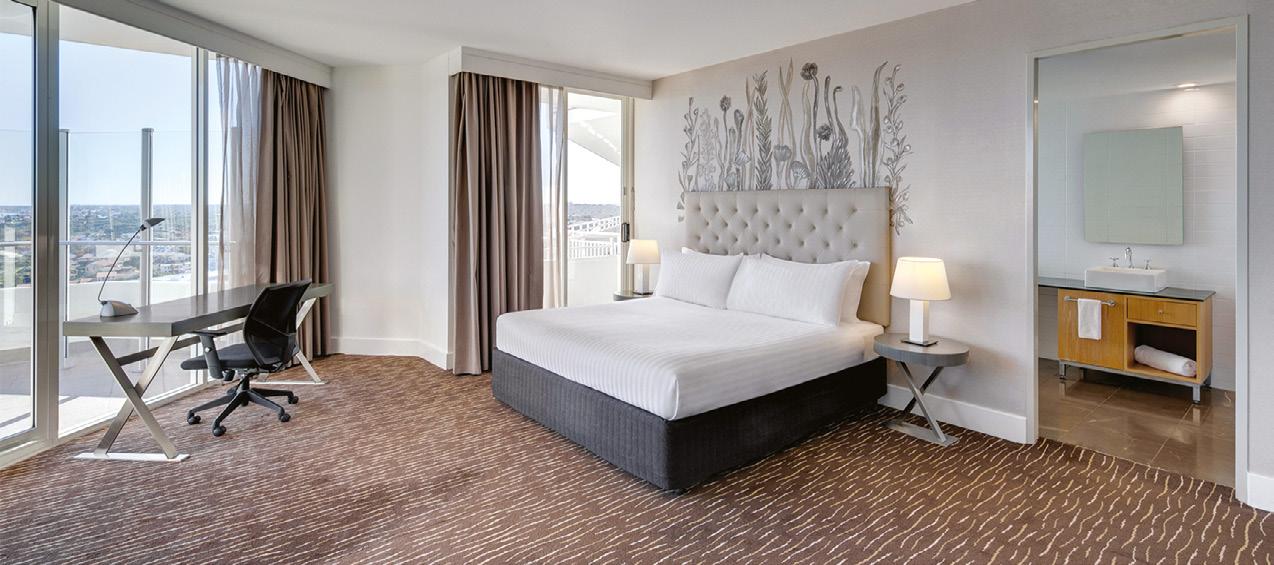
Meanwhile, the group is undertaking a multi-year refurbishment program at Rendezvous Hotel Perth Scarborough, including upgraded guestrooms and plans for a major redevelopment of the pool precinct.
“We’ve seen really strong performance of our Scarborough property now, post renovations,” he said.
Sustainability is also increasingly important in the company’s operations, with the group achieving a major milestone by attaining Global Sustainable Tourism Council (GSTC) Certification for all 16 of its hotels in Singapore, spanning over 4,000 rooms.
After four months in the new role, Rohner said his key focus was to “pivot and transform ourselves from a Singapore company to a regional hospitality company to build our capability”.
“I’m very excited about the future of Far East Hospitality,” he said. n
Japan is becoming a major focus, with the Far East Village Hotel Osaka Namba one of two new openings in 2025
Rendezvous Hotel Perth Scarborough has recently unveiled new guest rooms
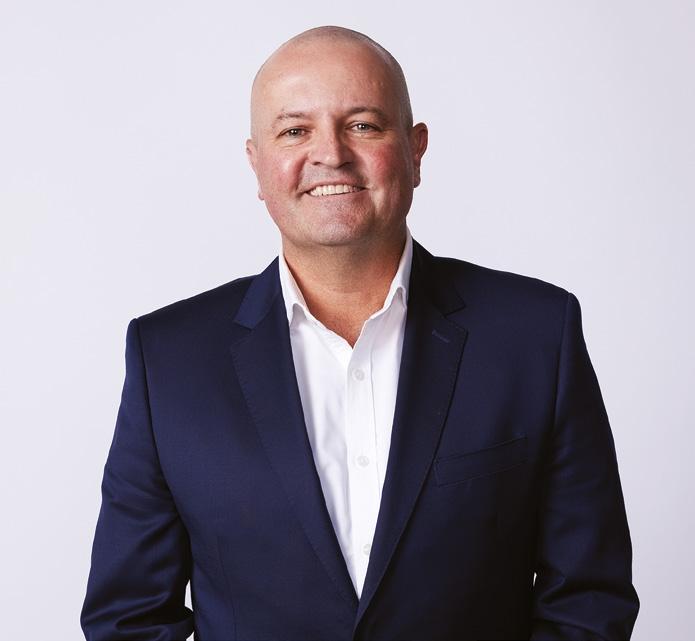
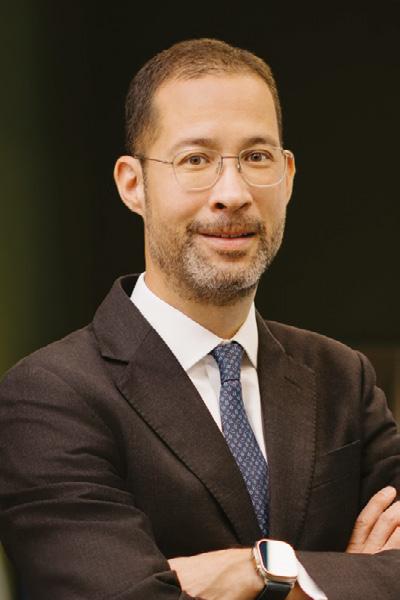
Mark Rohner has taken over the reins as Far East Hospitality Managing Director



Wellness redefined
WELLNESS OFFERINGS ACROSS LUXURY HOSPITALITY GROUPS ARE EVOLVING, WITH HOTELS NOW OFFERING EXPANDED SERVICES THAT GO WELL BEYOND TRADITIONAL SPA TREATMENTS OR YOGA WORKSHOPS. DAISY MELWANI EXPLORES THE LATEST TRENDS.

I’m the type of traveller who peruses the hotel spa menu instead of in-room dining offerings, but that’s what happens when you’ve been spoiled with decadent hotel spa experiences. As with many elevated hotel services driven by guest demand, the faithful spa is getting a luxury treatment of its own, shifting from pedicures to a personalised philosophy.
“Travel is now a profound opportunity for guests to maintain rhythm, restore balance, and engage in experiences to support their lifestyle,” Fairmont Hotels and Resorts Global VP, Spa and Wellness, Emma Darby tells HM.
Describing wellness as a journey, the groupʼs new ‘Wellness Without Walls’ campaign redefines well-being beyond traditional spaces, drawing inspiration from Kylian Mbappé’s “no excuses” philosophy.
The campaign is “driven by the philosophy that the world doesnʼt simply need more wellness spaces; it needs more space to be well,” Darby explains.
“Our new focus extends beyond just spa treatments, reflecting a broader expectation that wellness should be present, relevant and easy to access for every guest.”
Fairmont is going above and beyond for guests to adopt wellness during their stay, with ALL Accor members able to access high-quality Nike workout gear, including tops, bottoms, and shoes, delivered directly to their room.
Smaller, luxury boutique hotels are also enhancing offerings, and in January, Salter Brothers Hospitality
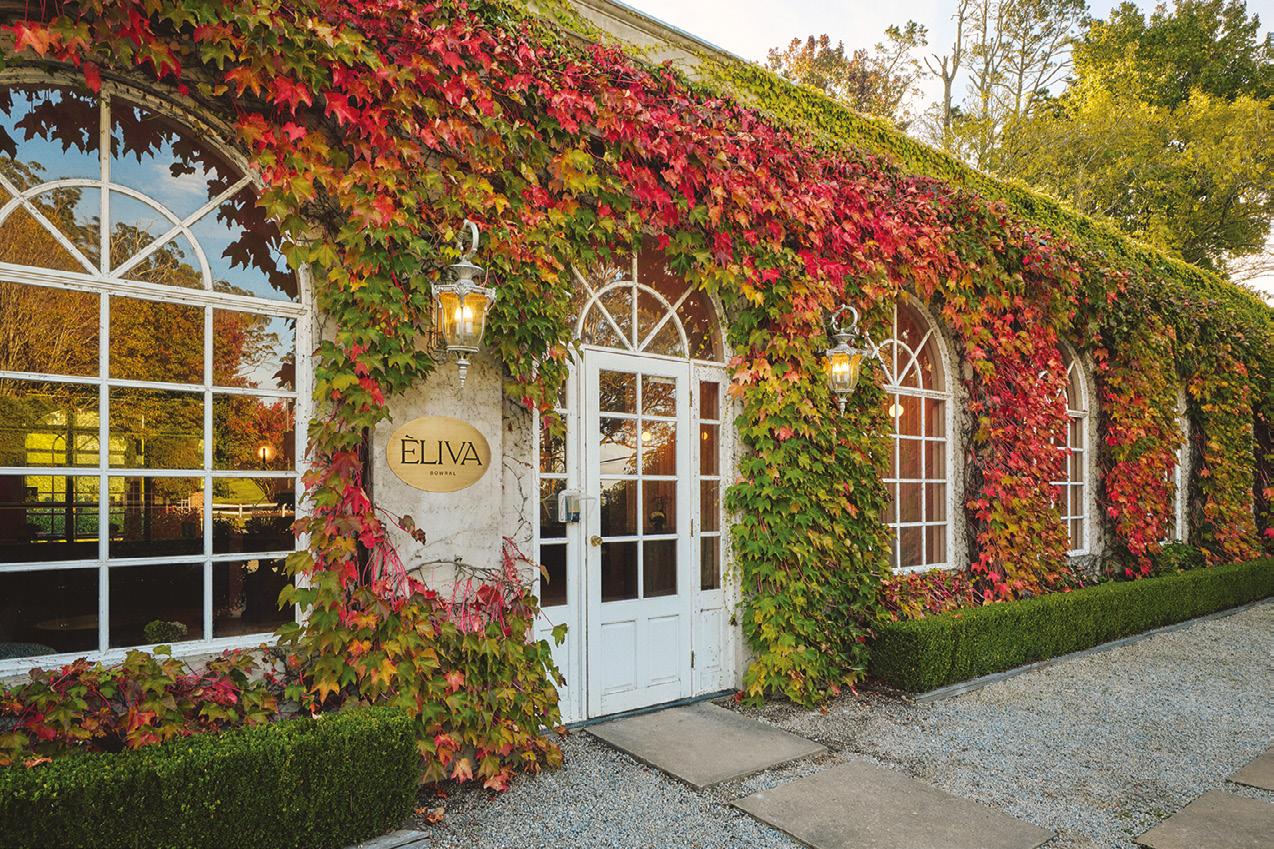
(SBH) ushered in a new era of wellness by launching Èliva, an exclusive day spa brand.
SBH Creative Director Brand and Design, Kate Greenwood explains that the evolving luxury hospitality guest is now seeking fully integrated lifestyle experiences.
“Guests are increasingly seeking personalised, restorative and sensory-led experiences that support how they want to feel throughout their entire stay – not just during a treatment,” Greenwood tells HM.
“From both a brand and guest perspective, wellness is shifting away from transactional experiences and toward
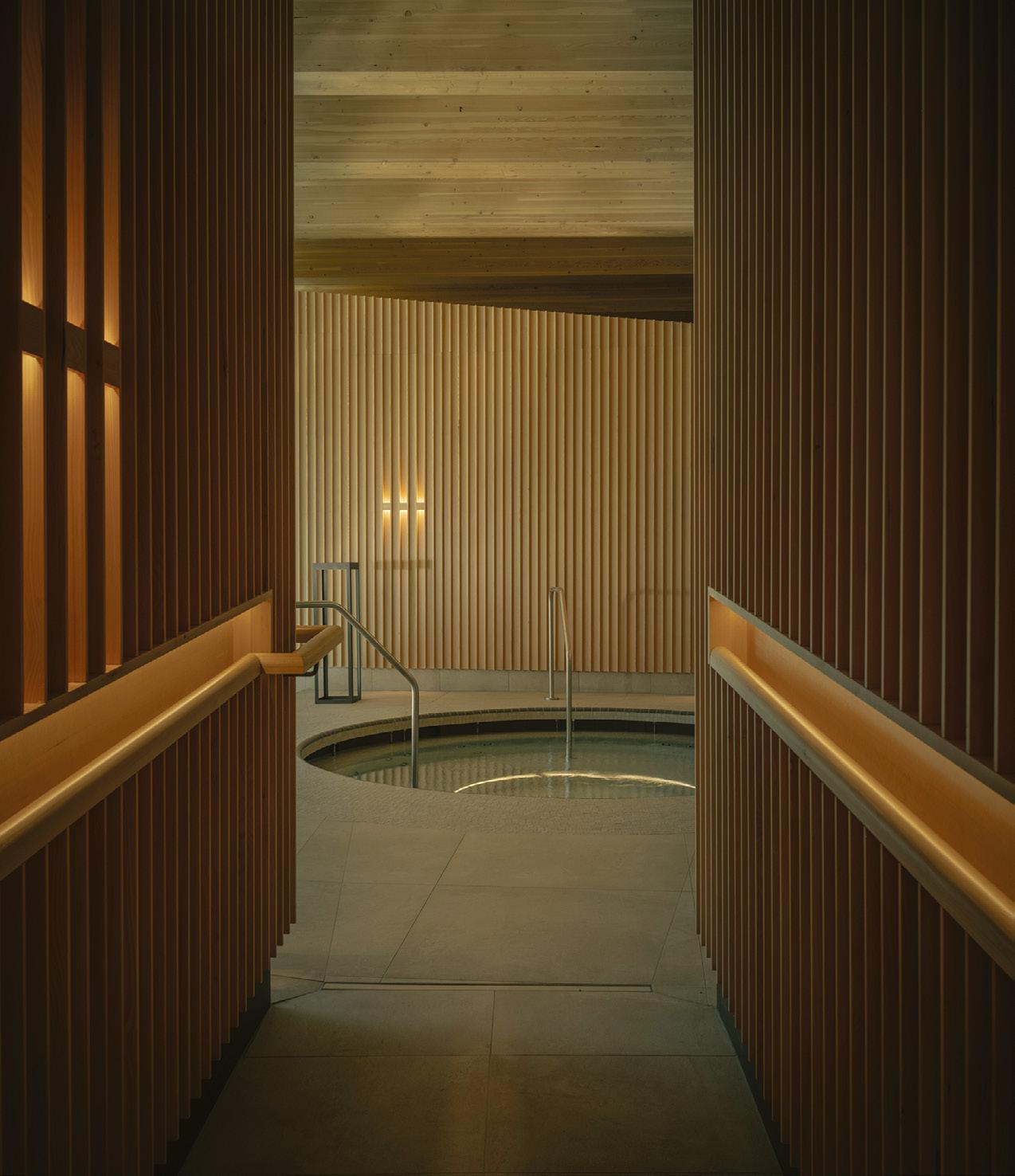
Basin Glacial Waters, a transformative thermal wellness facility at Fairmont Chateau Lake Louise
Salter Brothers Hospitality ushered in a new era of wellness with Èliva, launching the spa brand across three flagship NSW locations, with an additional three in development
Fairmont’s ‘Wellness Without Walls’ campaign redefines wellbeing beyond traditional spaces
something far more personal, emotional and holistic. Guests are looking for wellness offerings that feel intuitive, connected and integrated into the overall travel experience rather than isolated to a single spa appointment.
“Wellness has become part of the overall hotel decision-making process, influencing length of stay, guest loyalty and repeat visitation,” Greenwood claims.
La Bottega Collective is a global, multidisciplinary group creating exclusive products and services for the luxury hospitality sector. Rheinberger said the brands they partner with have moved beyond traditional amenity programs, investing in bedside rituals designed to improve guest experiences.
“This includes elements such as sleep sprays, recoveryfocused skincare, and tactile details that create a deeper sense of comfort and restoration,” Rheinberger explains.
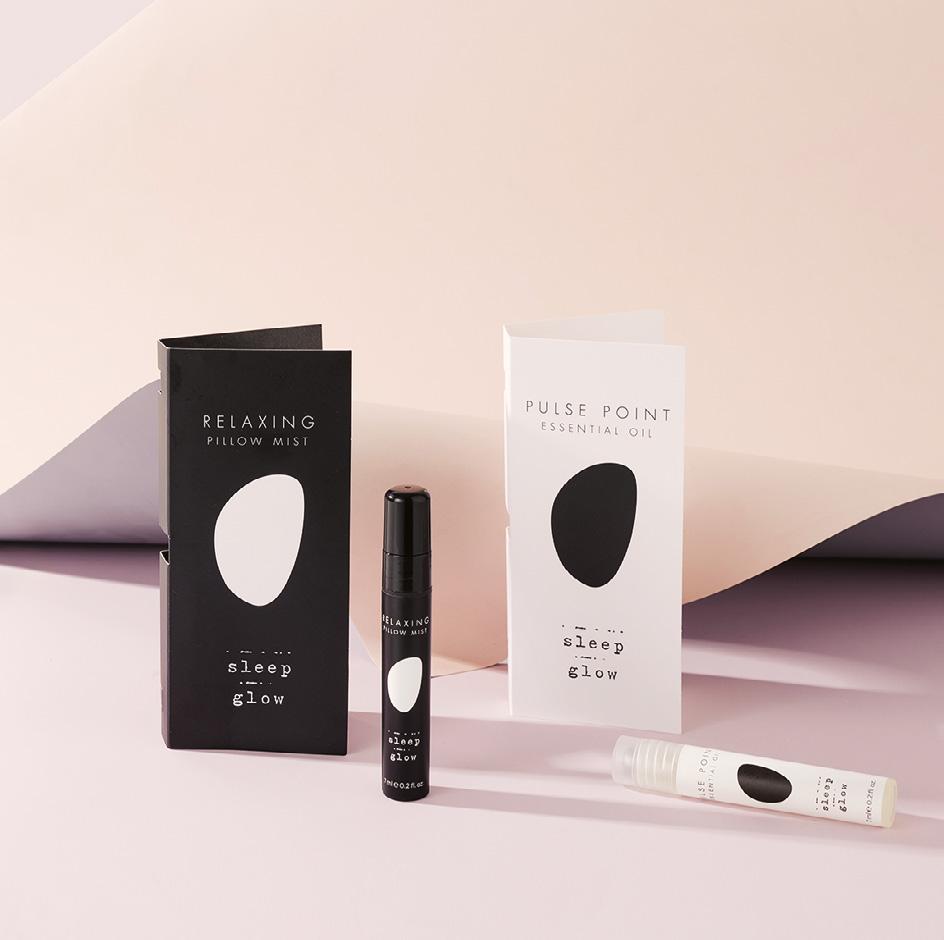
The group created an entire brand, Sleep Glow, within its beauty essentials pillar as a result, designed to offer “small but meaningful wellness rituals”, Rheinberger said.
Other shifts shaping hospitality wellness, according to Rheinberger, include material intelligence and skin health.
“This is driving greater interest in performance-led fabrics and consciously designed textiles,” she said. Greenwood concurs with the sentiments, saying the group has also recorded growing interest in recoveryfocused wellness, with thermal experiences and longevityinspired treatments on the rise.
For Èliva, this is reflected in its personalised treatment approach, anchored by the Èliva Oil Bar.
“Every treatment begins with a bespoke oil consultation, where guests select from a curated collection of organic Èliva oils blended to suit their mood, needs and intentions for the day.” Greenwood said.
“The next evolution is extending that philosophy throughout the wider hotel journey – influencing everything from movement and recovery to sleep, social connection and the overall emotional atmosphere of a stay.”
Transferring wellness from an in-house spa to an in-room ritual is also growing, with hotels realising restoration continues well into the night.
“Hotels are recognising that some of the most meaningful moments of restoration happen privately, particularly in the evening, where sleep quality and skin health have become two of the strongest areas of guest focus,” La Bottega Collective Director Global Communications and Marketing Activations, Naomi Rheinberger tells HM.
La Bottega Collective created an entirely new brand, Sleep Glow
Meanwhile, at Fairmont, wellness is now embodied in its brand promise.
“Fairmont offers travellers a breadth of well-being experiences while embracing the incredible destinations, cultures and communities in which they reside. Developing this integrated approach to wellness is crucial; it differentiates Fairmont, delivers authentic impact and strengthens our brand promise of creating unforgettable, revitalising moments,” Darby said. n
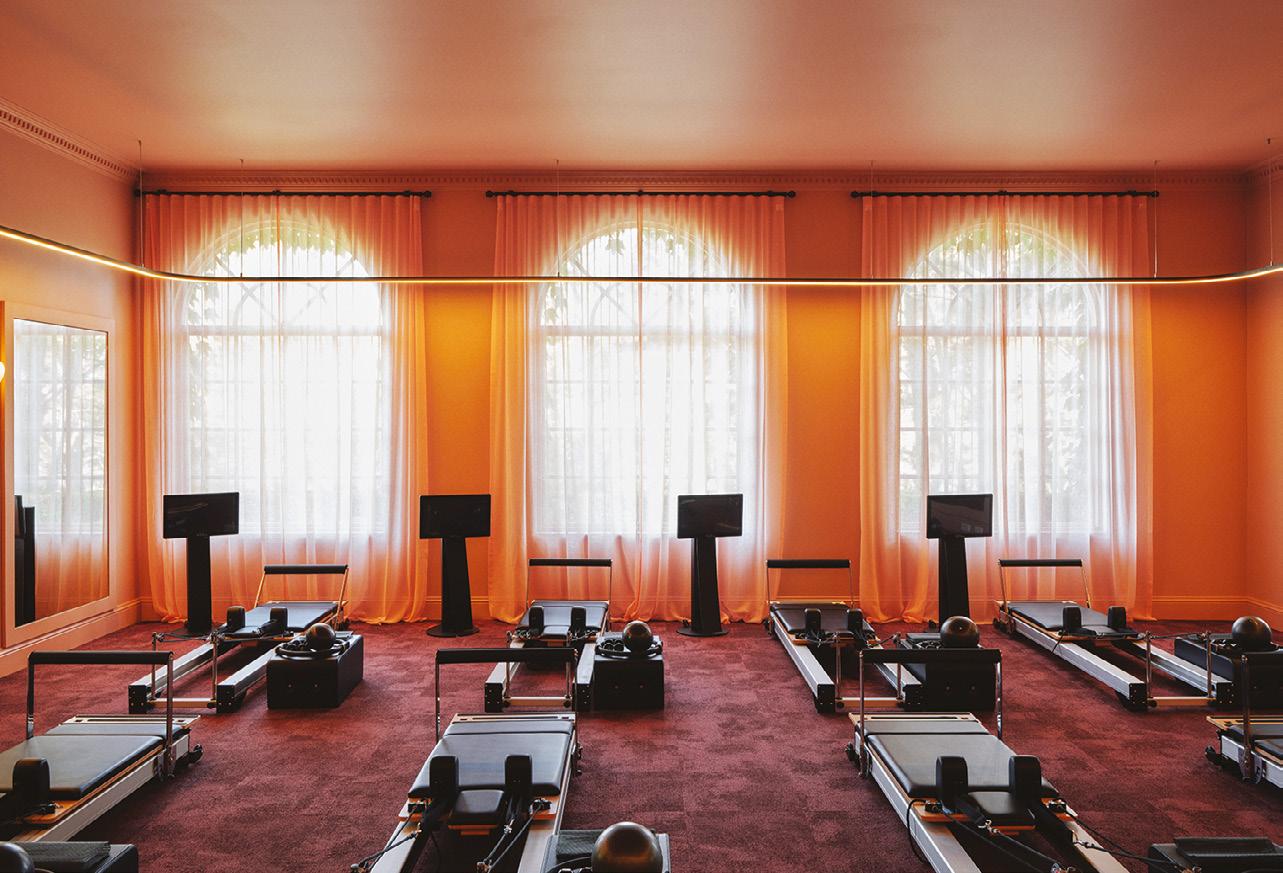
For guests staying at Ardour Milton Park Bowral, wellness has become part of the overall hotel decision-making process

A NEW
Blueprint
JUGGLING EFFICIENCY, GUEST SATISFACTION AND PROFITABILITY ARE DAILY EXPECTATIONS WHEN RUNNING A HOTEL, SO WHERE DOES OUTSOURCING SIT? DAISY MELWANI EXAMINES THE BENEFITS IT PROVIDES.
Hoteliers today are facing increasing operational pressures and labour challenges, coupled with the highest-ever level of guest expectations – circumstances that by all accounts, are set to stay. To balance these pressures, flexibility and scalability are becoming essential, and outsourcing to external service providers is an area in which hotels can respond dynamically to ongoing demands.
“Hotels are increasingly evolving how they approach housekeeping, with outsourcing shifting from a support function to a more integrated and strategic solution,” AHS Hospitality Managing Director, Leanne Graham, tells HM.
“Outsourcing provides budget certainty, with fixed and variable costs aligned to occupancy,” she notes, allowing operators to better align resources with demand while maintaining efficiency.
Established in 1993, AHS Hospitality was
the first business to provide outsourced housekeeping services to hotels in Australia and New Zealand, and has since worked with core brands including Accor, IHG Hotels and Resorts and Marriott International.
Partnering with an outsourced provider also offers operators underlying benefits such as moving from fixed labour costs to a more flexible, demand-driven model, “supporting more agile and sustainable operations”, AHS Hospitality General Manager Victoria, Karl Unterfrauner tells HM.
The results are tangible, according to International Hotel Services (IHS), which claims housekeeping and stewarding can deliver measurable operational and financial benefits while reducing the burden of recruitment, training, and workforce management.
“In-house costs are far more than wages alone, but outsourcing bundles all the extras into a predictable rate,” IHS Chief Executive Officer, Alastair Stagg tells HM.
Beyond housekeeping, outsourcing is growing but remains underutilised in areas such as guest amenity programs.
“Guest fitness is an underutilised outsourcing opportunity in the accommodation sector,” Viva Leisure Limited National Manager Revenue and Partnerships, Craig Wagstaff tells HM.
“Properties often treat in-house gyms as capital commitments, to build, equip, staff and maintain, with the ongoing cost rarely justified by the return. Most facilities cannot match what guests increasingly expect, the high-standard and inclusions within a commercial gym.”
Hotel.fitness is a new product from Viva Leisure, which connects guests to one of 135+ commercial gyms across Australia via a hotel-issued digital pass. In this model, outsourcing can also provide an ancillary revenue stream for operators.
“Outsourcing changes the equation entirely. Rather than owning and operating on-site infrastructure, properties focus on what they do best, hosting guests, while a dedicated gym operator manages an existing commercial facility to a professional standard, including all compliance requirements,” Wagstaff explains.
Outsourcing valet services frees hotels from operational stress and enhances the guest experience
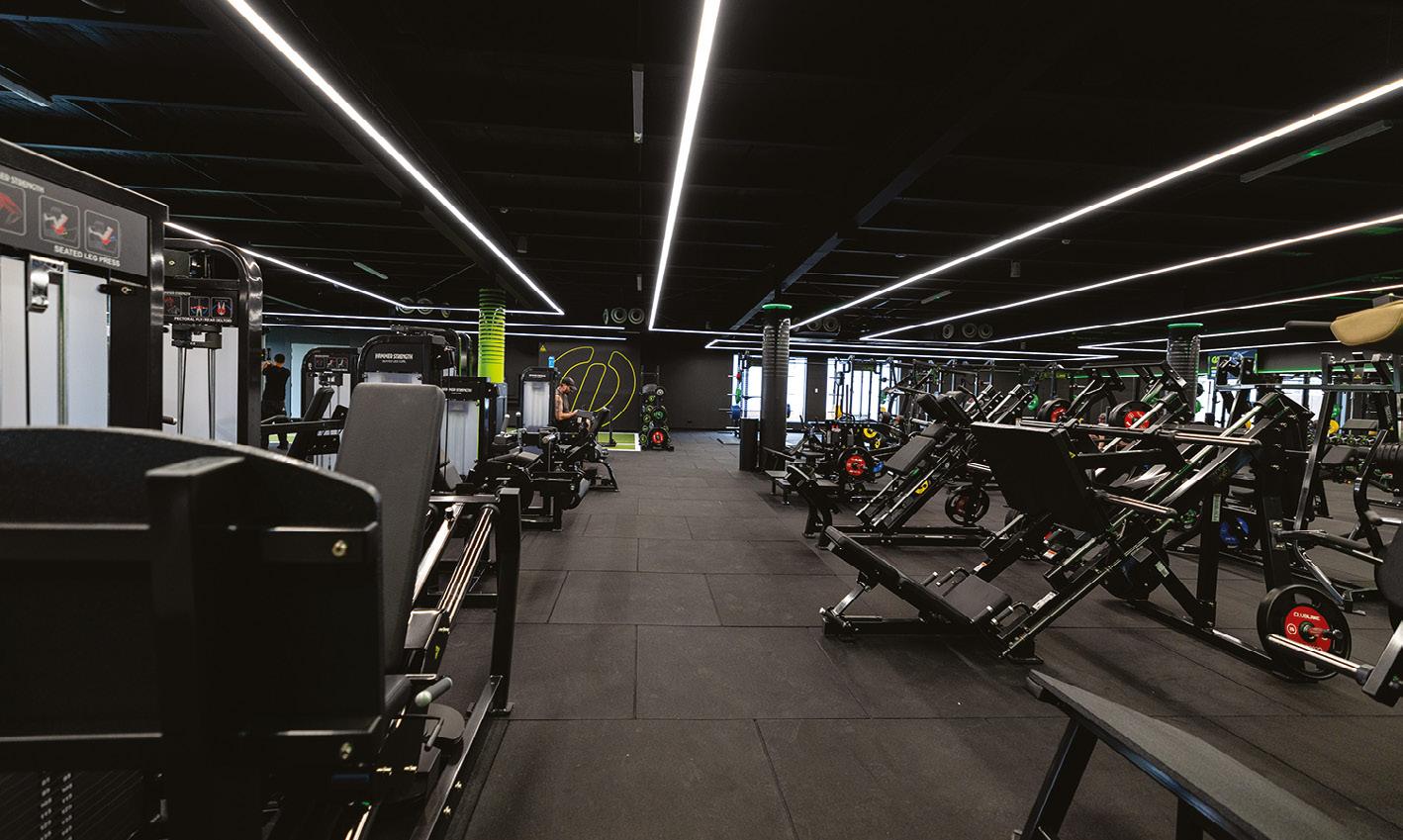
“Guests gain access to a better and more comprehensive gym than most in-house offerings. The property carries no financial risk, no subscription commitment, and no operational burden.”
An argument some hotel operators raise is how to ensure a high level of brand standard is maintained when outsourcing services.
“The hotel.fitness model ensures the guestfacing experience remains squarely within the propertyʼs brand, with no visible seam,” Wagstaff said.
Stagg adds that access to trained specialists, standardised processes, and up to date hygiene practices also enhances consistency and service quality.

“To protect brand standards, IHS treats outsourcing as a partnership. Brand alignment isn’t assumed – it’s engineered into delivery. Embedding supervisors aligned to the hotel’s culture and setting measurable KPIs ensures outsourced teams consistently deliver to brand expectations and guest experience standards.”
What’s next on the horizon for outsourcing services? AHS Hospitality believes the next phase will be shaped by technology and data, using predictive workforce planning based on occupancy trends and real-time performance tracking.
“Structured processes combined with realtime insights enable stronger accountability and more consistent service delivery,” AHS Hospitality General Manager NSW/ACT, Ashish Rai tells HM.
“Looking ahead, outsourcing will continue to evolve as a technologyenabled partnership, one that not only supports operations but actively drives smarter decision-making and enhanced guest experience.” n
Full-service Outsourcing


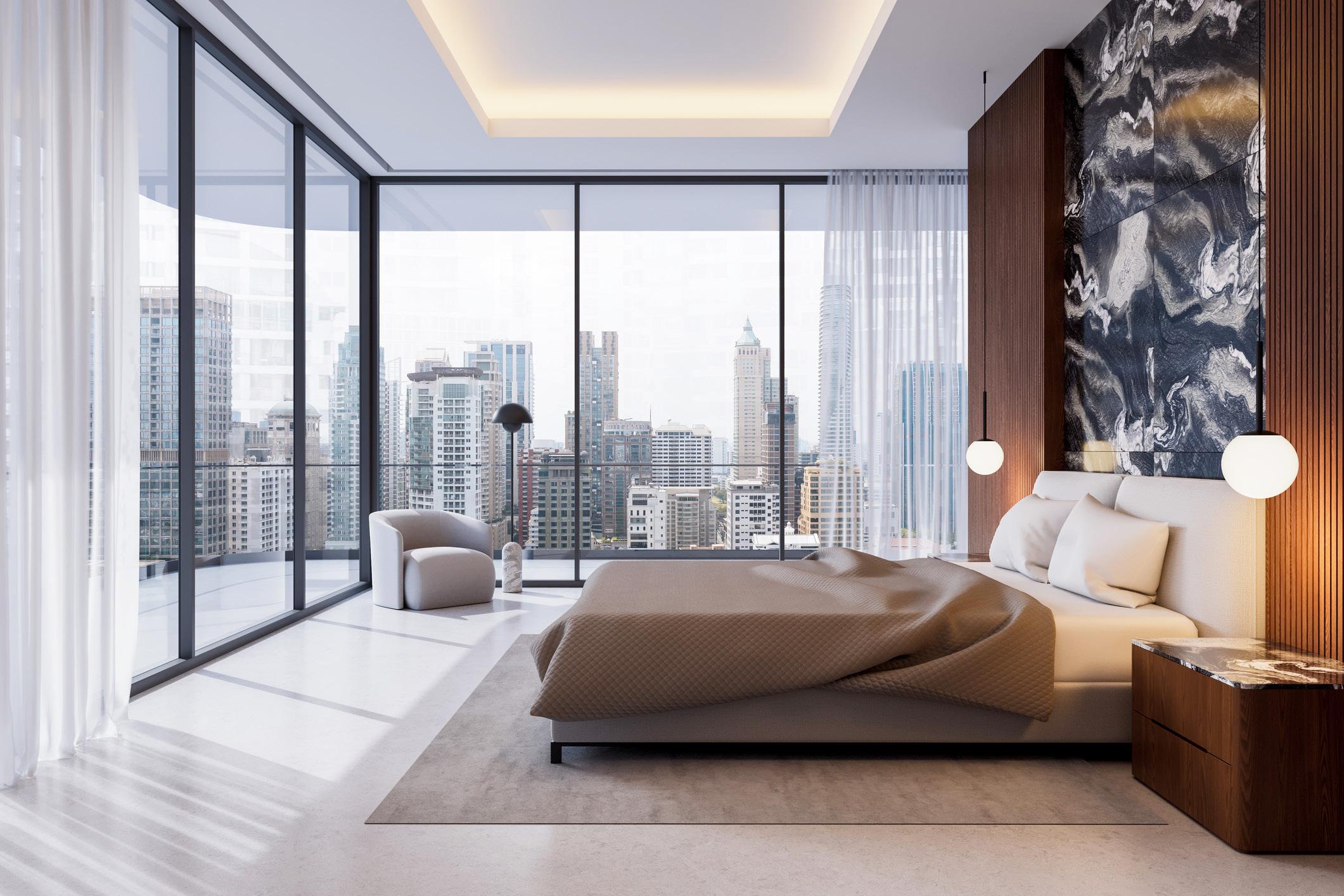
Guest fitness is an underutilised outsourcing opportunity in the accommodation sector. Pictured a Club Lime 24/7 gym
FANTASTICFiji
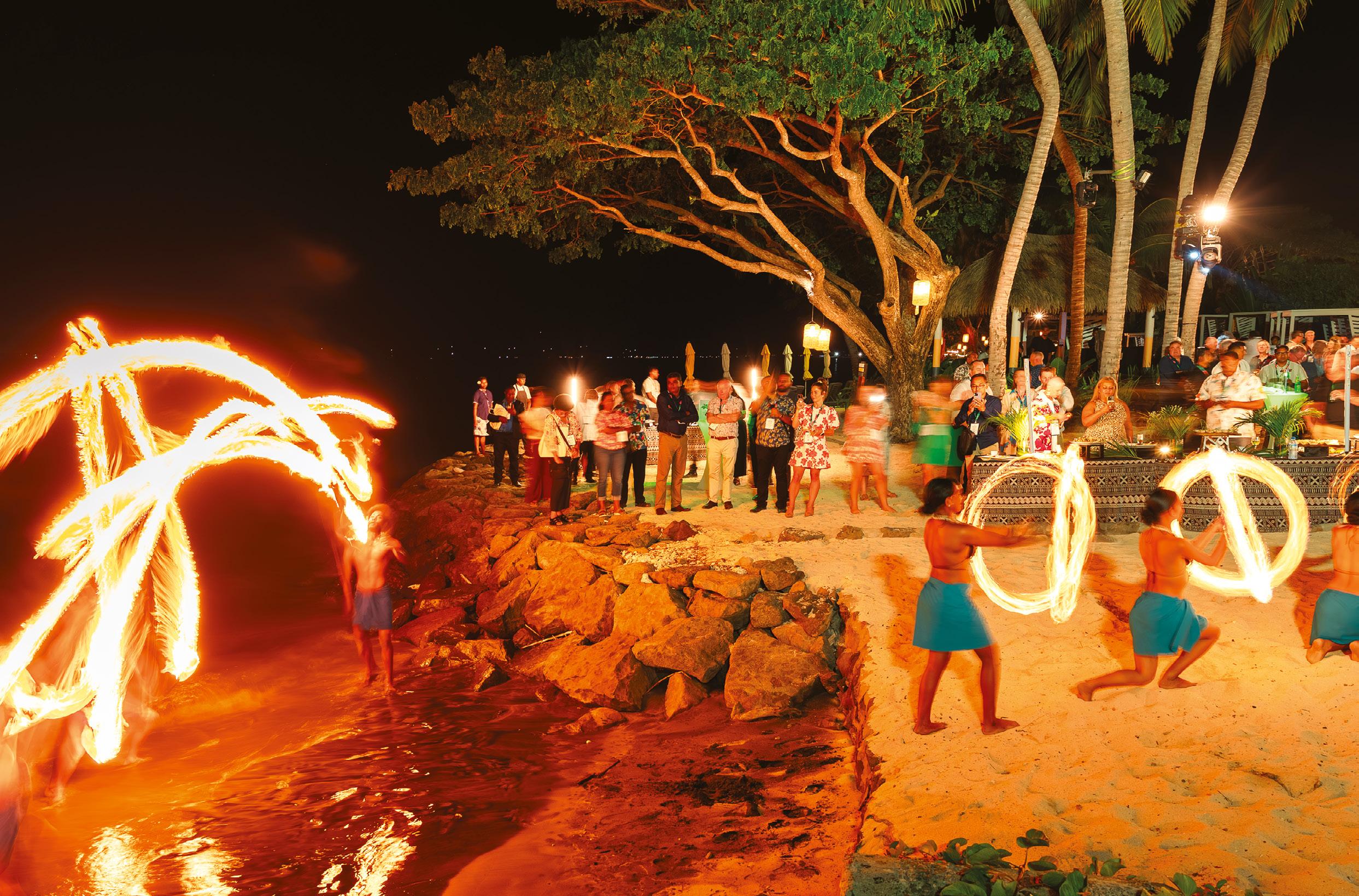
WELL ESTABLISHED NOW IN ITS THIRD YEAR, THE ASIA-PACIFIC HOTEL INDUSTRY CONFERENCE AND EXHIBITION (AHICE) FIJI INVESTMENT IN TOURISM CONFERENCE IS SET TO RETURN FOR ANOTHER STELLAR EVENT.
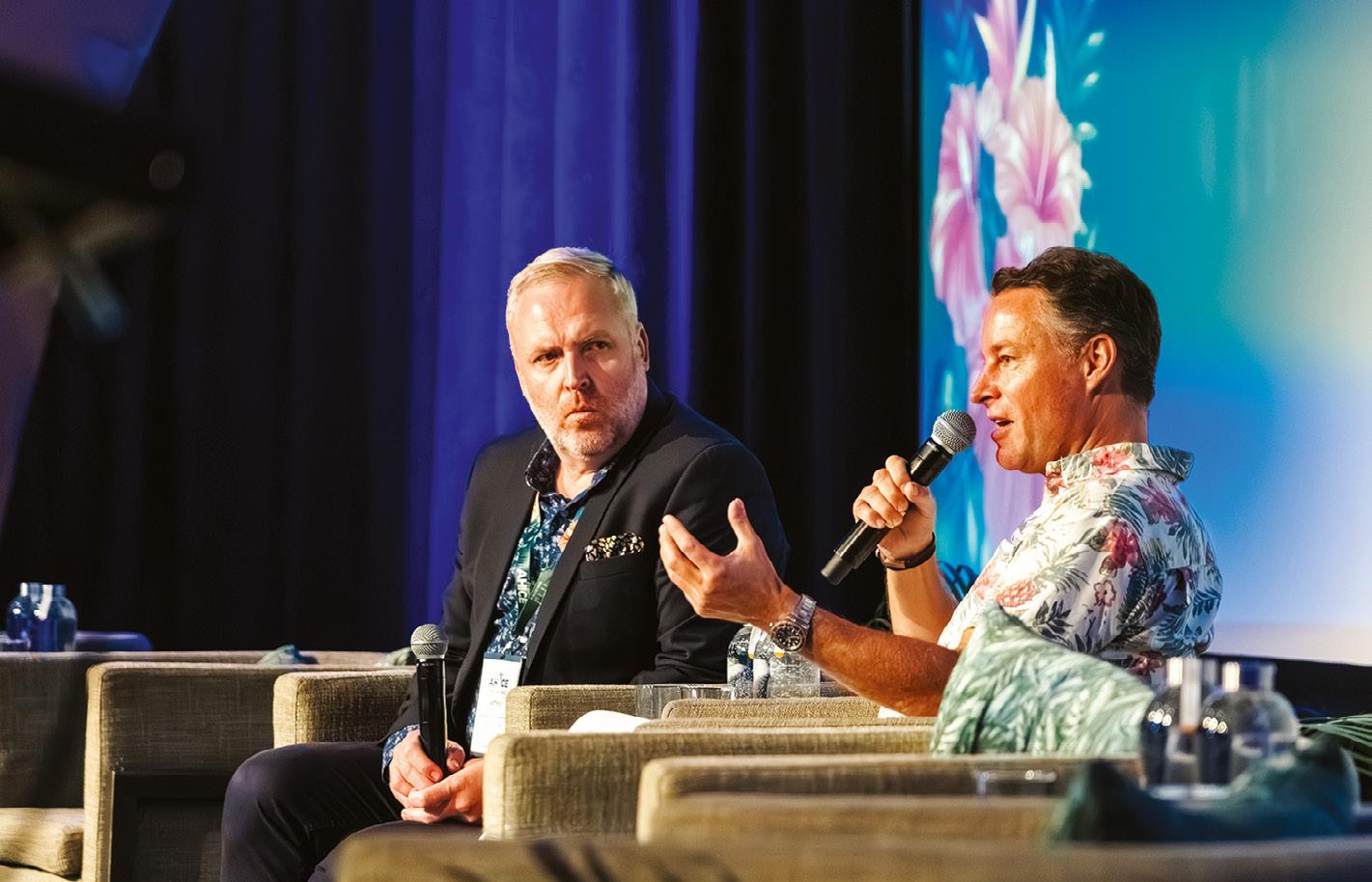
AHICE Fiji Islands Investment in Tourism Conference is set to bring together hundreds of leading owners, investors, operators, suppliers and advisors over three days in the island paradise.
Featuring an expanded program of events this year, taking place from June 9-11, will offer delegates several networking opportunities, leisure activities, and engaging conference sessions.
The event kicks off on Tuesday with an AHICE Charity Golf Day at Denarau Golf
and Racquet Club, followed by an evening of culinary delights at an exclusive networking De Beaurepaire Winemaker Dinner.
On Wednesday, delegates will pack the Crowne Plaza Fiji Nadi Bay Resort and Spa for a day of informative discussions, including a keynote from STR Regional Director Asia Pacific, ex-China, Matthew Burke.
Also set to take the stage is Jay Singh, owner of Crowne Plaza Fiji Nadi Bay Resort and Spa, who will be in conversation with AHICE President and HM Editor-in-Chief, James Wilkinson. Their discussion will be featured
Delegates can expect top entertainment and networking opportunities
alongside other exciting panels sharing insights on franchising, development, and interior design.
Ready to welcome everyone to Fiji, the evening concludes with a gala networking night and site tours of the Crowne Plaza Fiji Nadi Bay Resort and Spa.
Thursday 11 June will include a full day of AHICE conference sessions at Sofitel Fiji Resort and Spa, starting with a new mustattend Technology Breakfast Masterclass focusing on AI essentials and more.
Delegates can expect keynote presentations, insightful Q&As, in-depth market analysis, and topical panel sessions featuring some of Asia-Pacific’s leading hotel owners, investors, operators, executives, advisors and suppliers.
To name just a few, delegates will hear insights from Accor Chief Operating Officer in
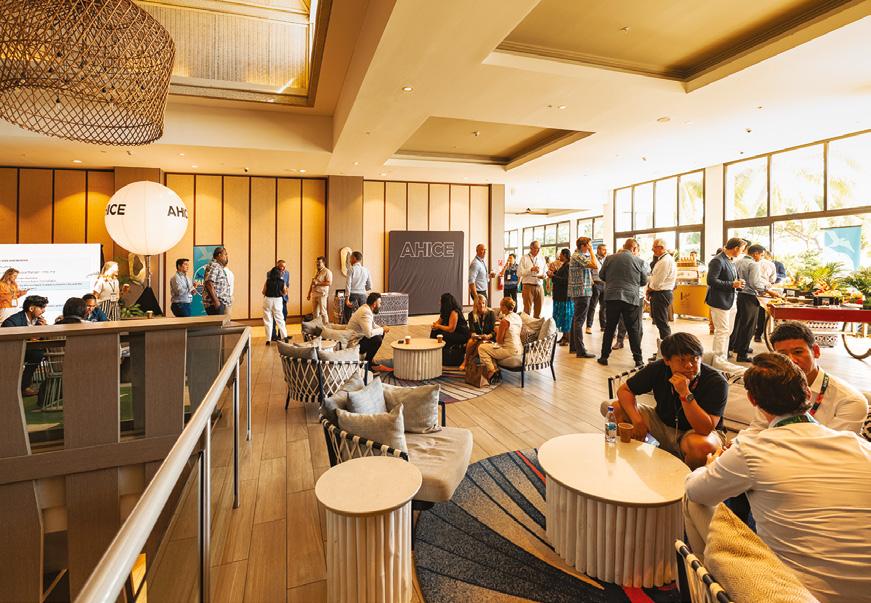
Attendees will enjoy hearing from a wide range of suppliers at the Exhibition Showcase
Marriott International’s Richard Crawford will be back to discuss the group’s latest developments
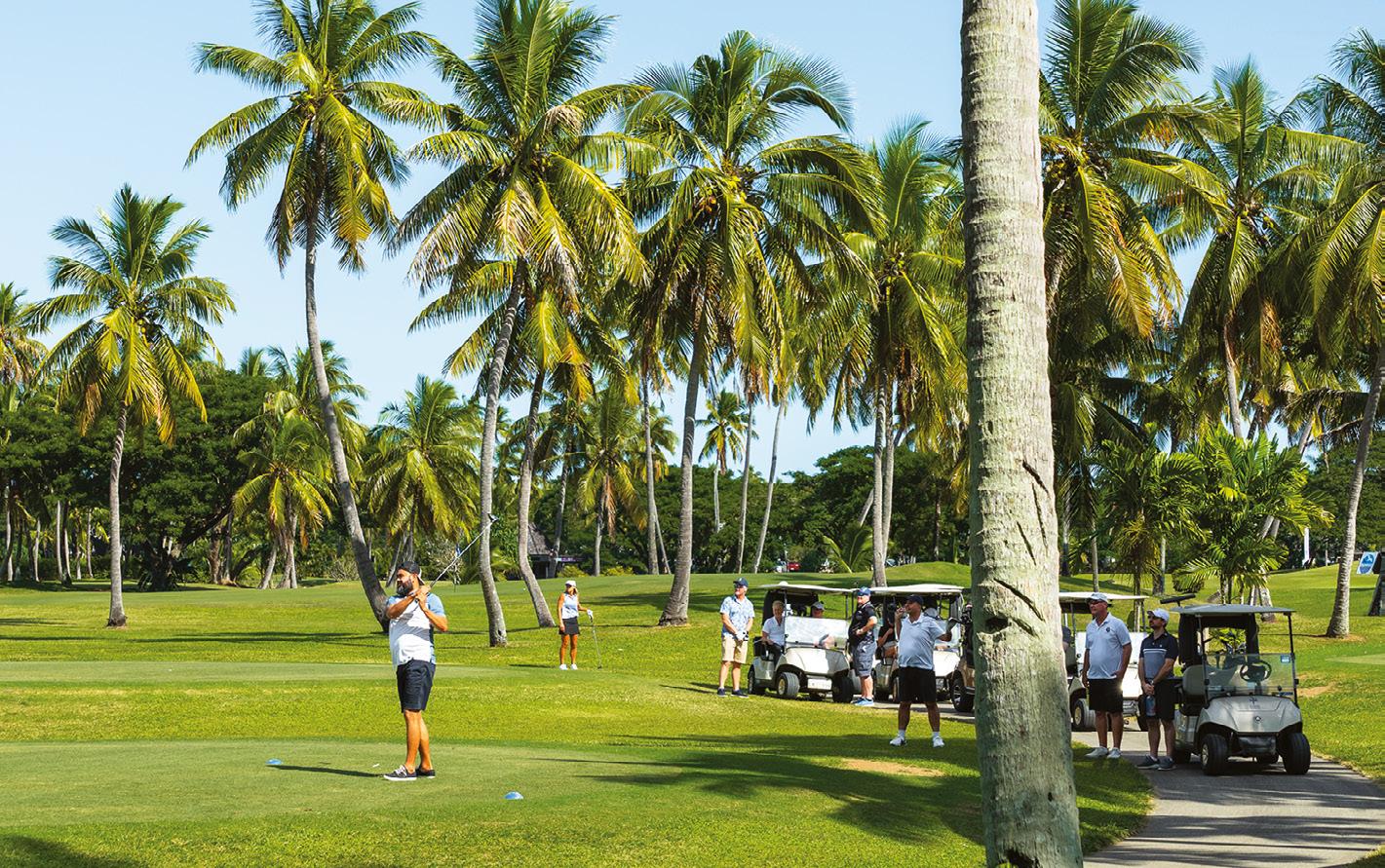
the Pacific region, Adrian Williams, Candela Regional CEO Asia-Pacific, Björn Antonsson, IHG Hotels and Resorts Managing Director Australasia and Pacific, Matthew Tripolone, Marriott International Vice President Hotel Development, Australia, NZ, and Pacific, Richard Crawford, plus many more.
The conference will also include an Exhibition Showcase, where a wide array of suppliers will feature the latest in hospitality services and products.
The event closes with a Gala Networking Reception at the Sofitel Fiji Resort and Spa, featuring entertainment and culinary delights,
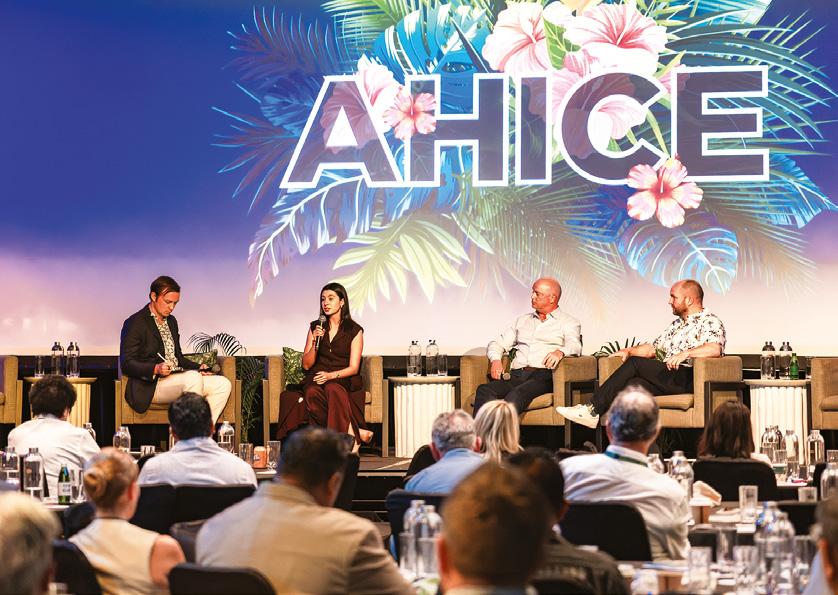
presented by Accor, Tappoo, De Beaurepaire Wines and Dilmah.
But the festivities do not end there, with more networking opportunities at an AHICE After Dark at Club Wyndham Denarau Island.
The AHICE Fiji Investment in Tourism Summit builds on the success of the flagship Asia-Pacific Hotel Industry Conference and Exhibition (AHICE), which marked its 17th edition in Adelaide this May.
AHICE Fiji Islands is hosted by HM Magazine and co-hosted by Tourism Fiji and Investment Fiji. n






This year’s event kicks off on Tuesday with an AHICE Charity Golf Day
This year’s program includes a new Technology Breakfast Masterclass
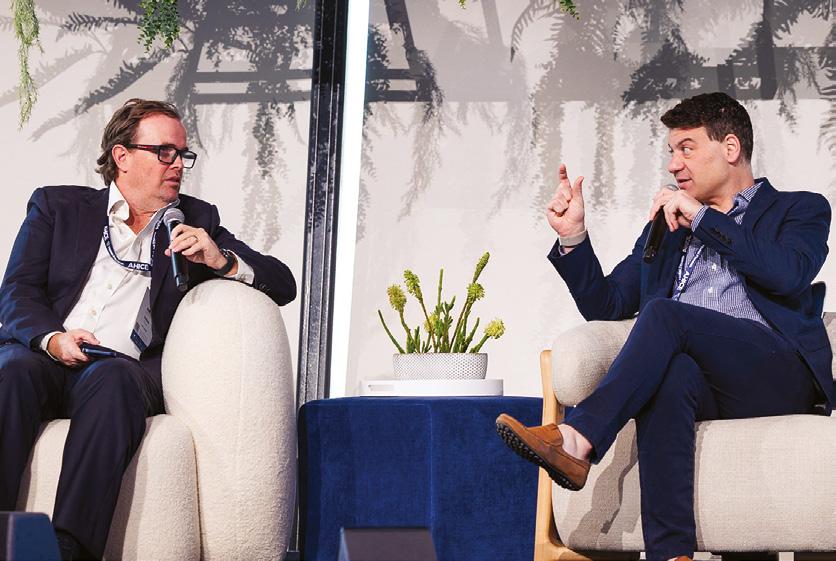
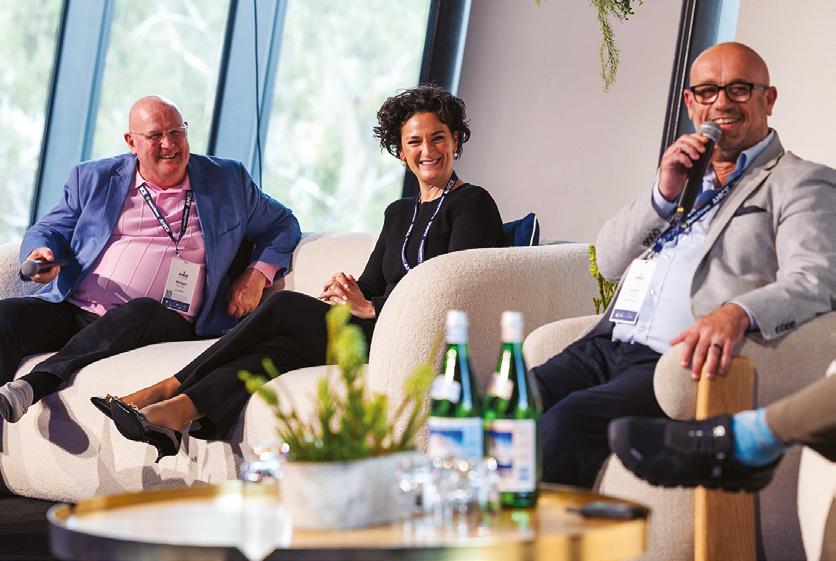
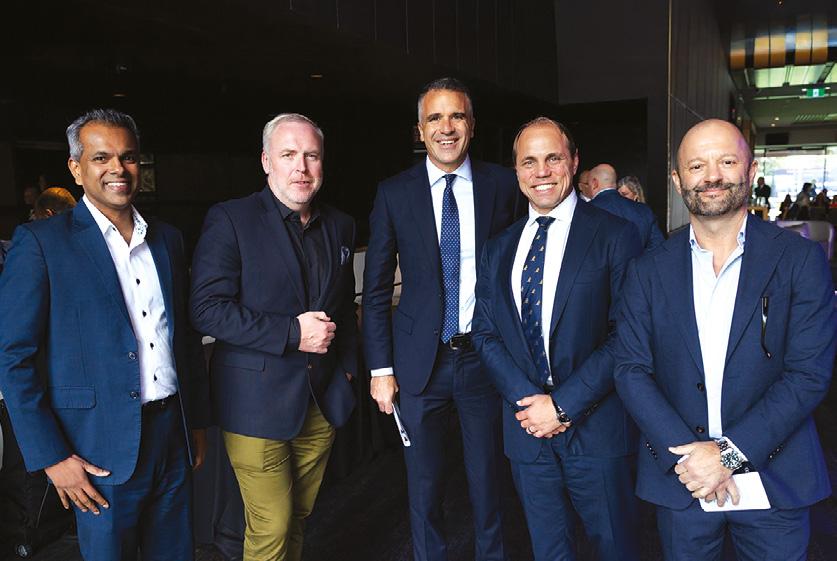
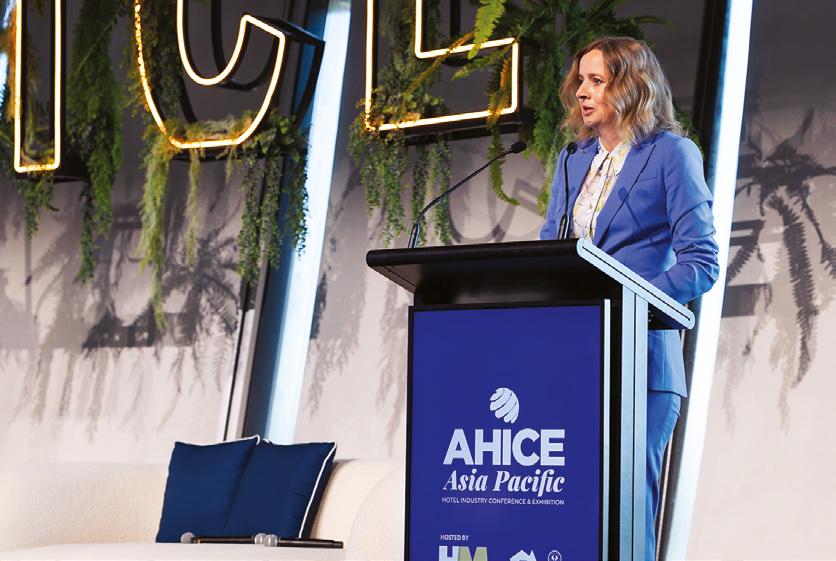
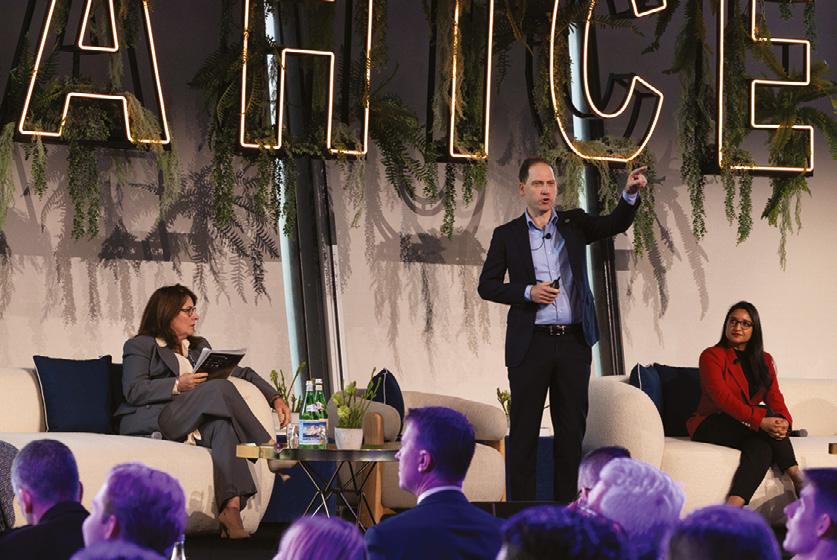
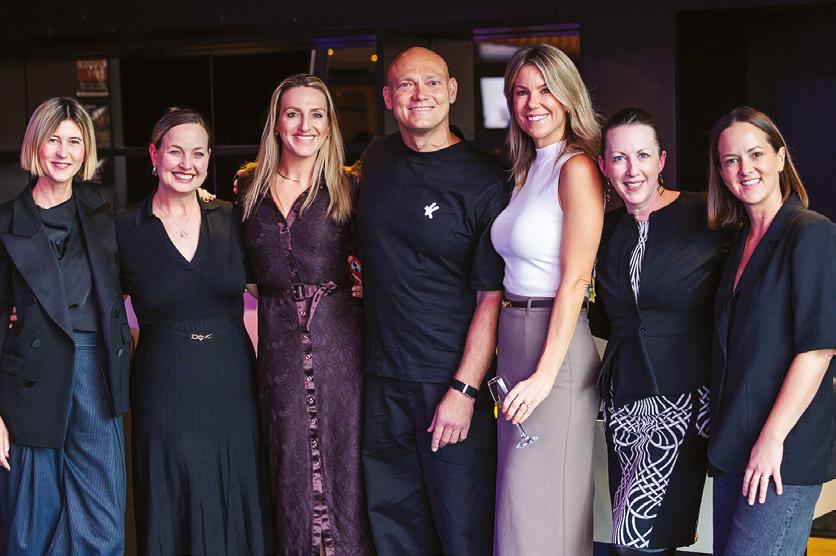
Optimism for growth
WITH OVER 1850 TICKETS SOLD, INDUSTRY LEADERS, SUPPLIERS AND 200 GLOBAL AND LOCAL SPEAKERS WERE IN ADELAIDE IN MAY TO ATTEND THE REGION’S LARGEST AND MOST INFLUENTIAL CONFERENCE IN ASIA PACIFIC. RODERICK EIME REPORTS.
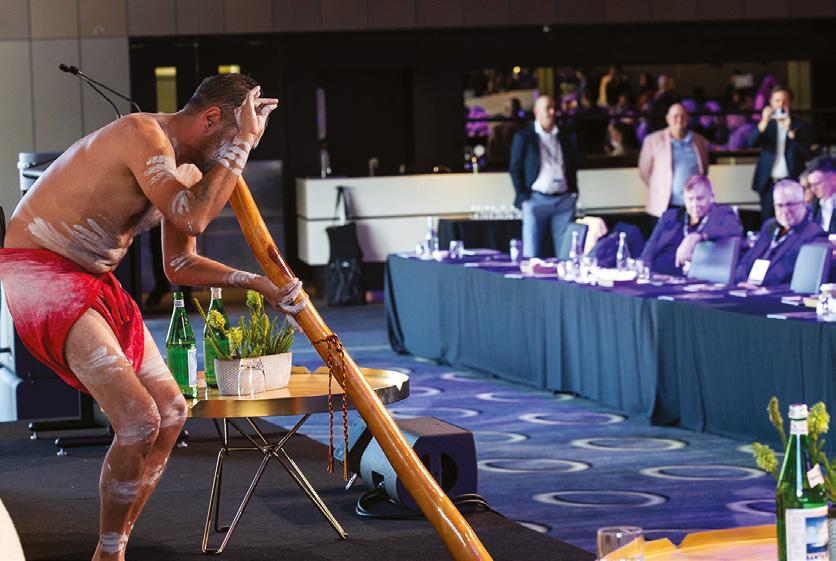
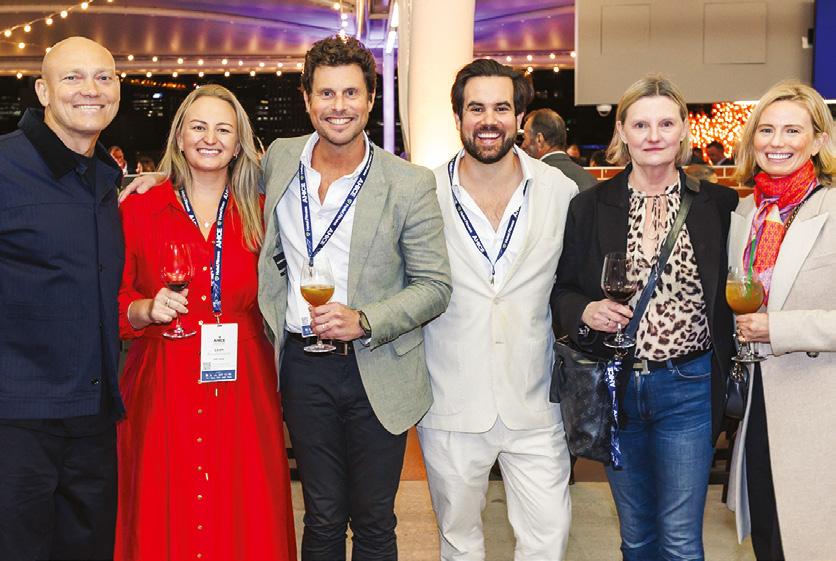
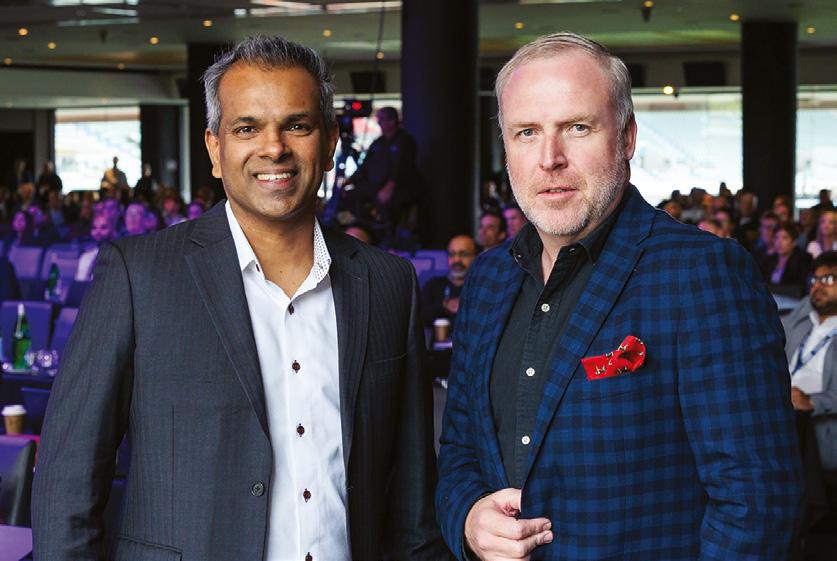
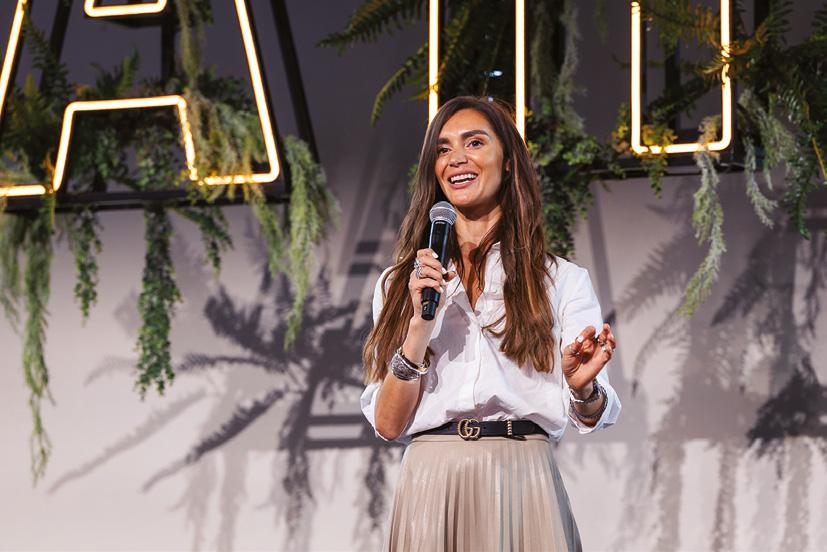
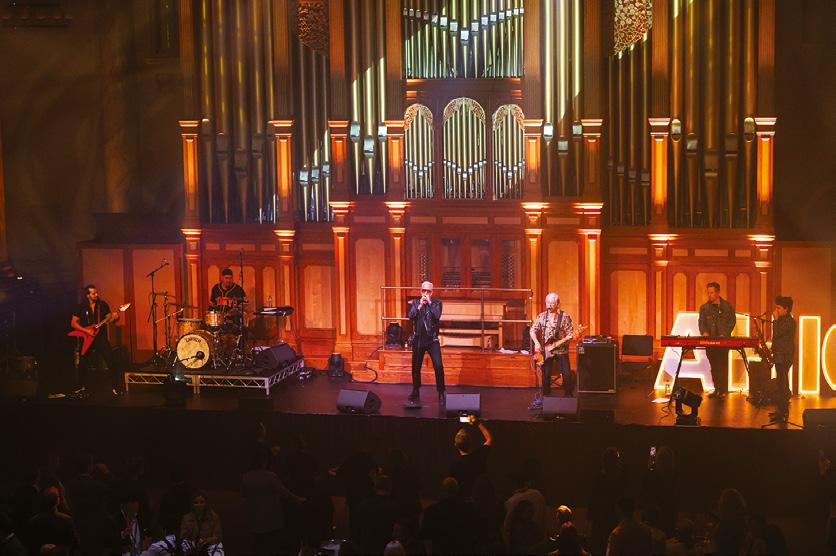
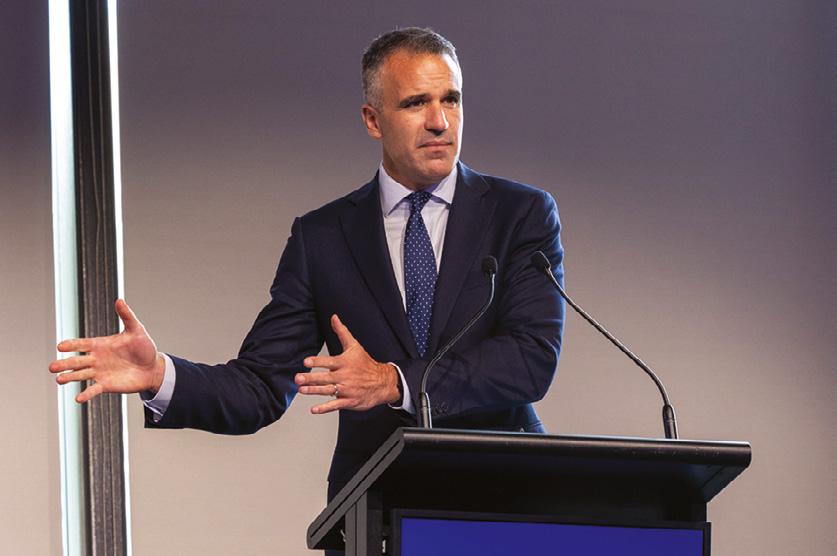
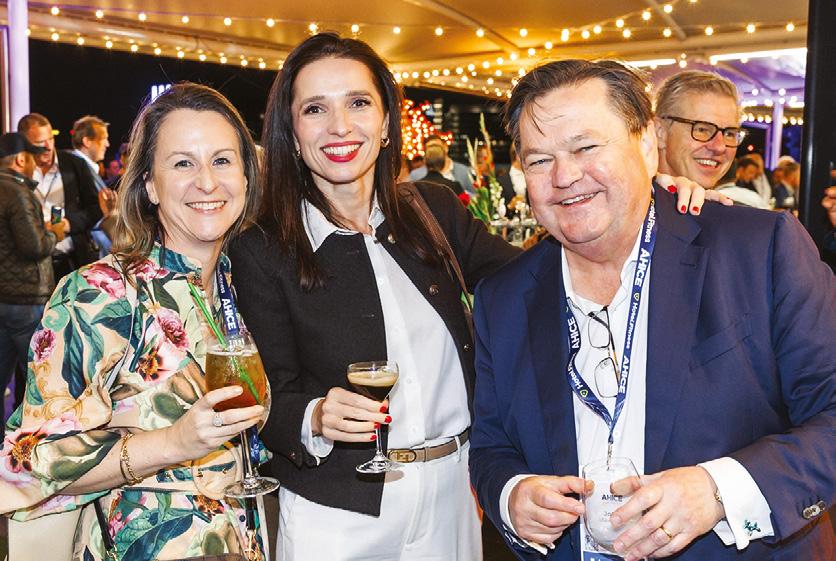
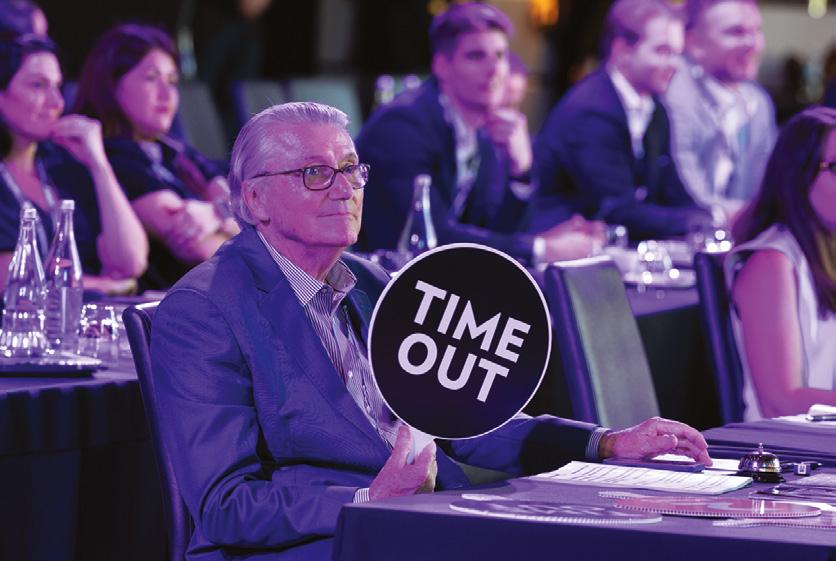
AHICE Asia Pacific was heralded ‘the best ever’
The 17th annual AHICE Asia Pacific 2026 opened with a market outlook for Australasia and the wider AsiaPacific region. Hosted by Jennifer Davey of Horwath HTL, the “by the numbers” session made it clear that Asia-Pacific hotel markets remain fundamentally strong despite short-term volatility caused by geopolitics, fuel costs and shifting aviation capacity.
Demand appeared to be softening, but not collapsing, with domestic travel and major events supporting performance. Matthew Burke of STR said reduced supply growth was becoming a critical factor. “We’ve got reduced supply growth coming into the market,” he said, “which means that if demand does grow, we’re able to get occupancy growth and ADR off the back of that.”
Supply constraints emerged as the defining structural trend. New hotel development has slowed sharply amid rising construction costs, favouring existing assets and supporting rate resilience. Profitability is improving, although labour and operating costs remain persistent challenges. Ally Gibson of CBRE summed up the investment backdrop: “Demand shocks come and go, but supply constraints are structural.”
Expedia’s Darren Karshagen outlined the scale of the group’s global marketplace, connecting more than three million properties with travellers through B2C brands and a 70,000-partner B2B network. Expedia, he said, powers loyalty, corporate and airline channels while targeting high-value travellers who stay longer, spend more and book premium rooms.
In Industry Talks, IHG Hotels and Resorts’

Co-Host Message
Hon Emily Bourke MLC, Minister for Tourism

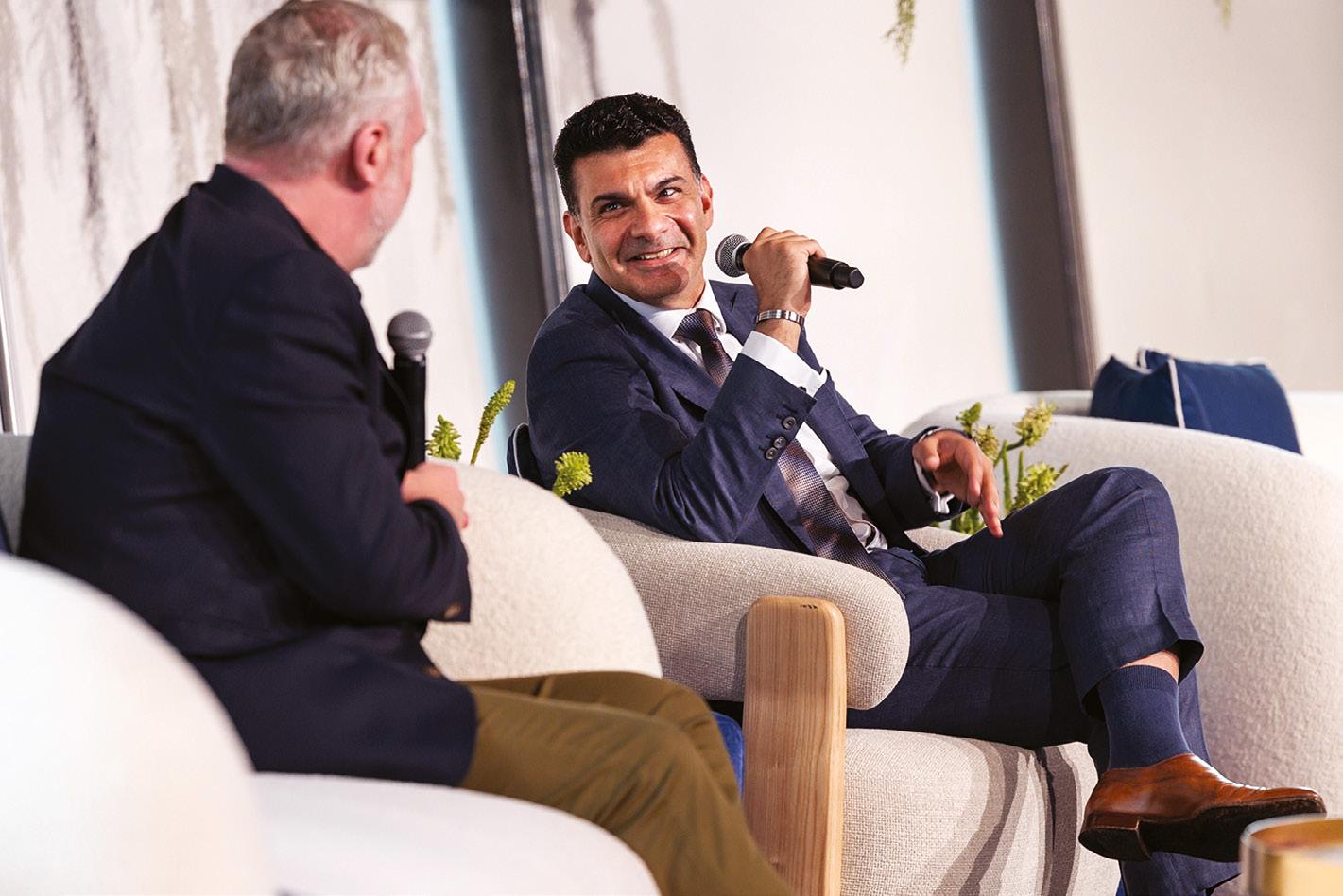
Emma Hynes joined Accommodation Australia CEO James Goodwin for a discussion on the Australian accommodation sector. Goodwin said the industry faced mixed conditions, with strong recent performance offset by geopolitical disruption, fuel costs and declining consumer confidence. “If there are two voices, nobody’s listening,” Goodwin said, emphasising Accommodation Australia’s position as the leading industry lobby group. Domestic travel behaviour, he added, was shifting towards shorter, later bookings, while workforce shortages, migration, surcharge bans and possible energy efficiency mandates remained key issues.
A regular AHICE highlight, South Australian Premier Peter Malinauskas received a rock star welcome following his re-election victory. In a
HOSTING THE ASIA Pacific Hotel Industry Conference and Exhibition (AHICE) for the sixth consecutive year is a great privilege for South Australia.
With more than 1,500 leading industry delegates in town, AHICE allowed us to showcase firsthand why South Australia is a leading destination to live, work, and play.
The record hotel investment in South Australia is a testament to our growing visitor economy, which is currently at a record $11 billion.
In total, our current hotel pipeline will see approximately an additional 2,000 rooms added to Adelaide’s accommodation offering alone. Exciting developments underway include the Hilton Hotel East End, continuing the global hotel’s long-standing presence in our city, Amora Hotels and Resorts investing $40 million
largely unscripted address, the Premier framed South Australia’s economic trajectory as being reshaped by global disruption, strategic investment and structural opportunity.
“The global challenge of our time is very much South Australia’s opportunity,” he said. Malinauskas said geopolitical tensions, particularly around fuel security, reinforced the need for sovereign capability and resilient policy settings. He positioned South Australia at the centre of national growth through defence spending, submarine construction and demand for copper, of which the state holds the majority of Australia’s reserves. Defence, resources and infrastructure, he argued, were driving the nation’s fastest state economic growth, with accommodation a critical enabler through business travel and leisure
upgrading the former Hilton site, and the highly anticipated opening of the Treehouse Hotel, Adelaide Central Market.
Regional development continues with the successful opening of Monarto Safari Resort’s Safari Lodge, IHG Hotels and Resorts Barossa granted planning approval, and luxury accommodation developments on Kangaroo Island.
Our unique tourism offerings and calendar of events continue to attract visitors from interstate and abroad and it is important our accommodation sector grows with our status –which we have seen as hotel occupancy records continue to be broken.
I have no doubt the connections and experiences had at AHICE 2026 will result in further exciting investment for South Australia.
Accor’s Camil Yazbeck joined AHICE President and HM Editor-in-Chief James Wilkinson for a Global Q&A
demand. Priorities included faster planning approvals, major events and investment facilitation, highlighted by approval of the InterContinental Barossa development.
“There is a direct correlation between decisions to unlock economic growth that informs living standards,” he said. In a followup conversation with HM Editor-in-Chief, and AHICE President, James Wilkinson, the Premier addressed voter sentiment, the rise of minor parties such as One Nation, energy security, sovereign capability, infrastructure and investor confidence.
A keynote Q&A followed when IHG Hotels and Resorts Australasia and Pacific Managing Director Matthew Tripolone invited Rugby Australia CEO Phil Waugh to the stage. The former Wallaby drew parallels between elite sport and business, emphasising culture as the defining factor in performance and leadership as its driver. Strategy matters, he said, but success depends on execution, momentum and the ability to pivot without abandoning core plans. “You can find your strategy, you can detail the strategy, but ultimately it’s about the execution,” Waugh said. At Rugby Australia, his focus had been rebuilding trust, aligning stakeholders and resetting strategy for longterm growth.
The Asia-Pacific Investment Outlook panel, hosted by JLL’s Gus Moors, brought together David Toomey of Deltine Capital, Dr Jerry Schwartz, Lucia Grambalova of Hotel Capital Partners, Nigel Greenaway of Crystalbrook Collection and Ross Pelligra. Investors, the panel found, were navigating volatility with divergent but disciplined strategies. Buyers were targeting yield-driven opportunities
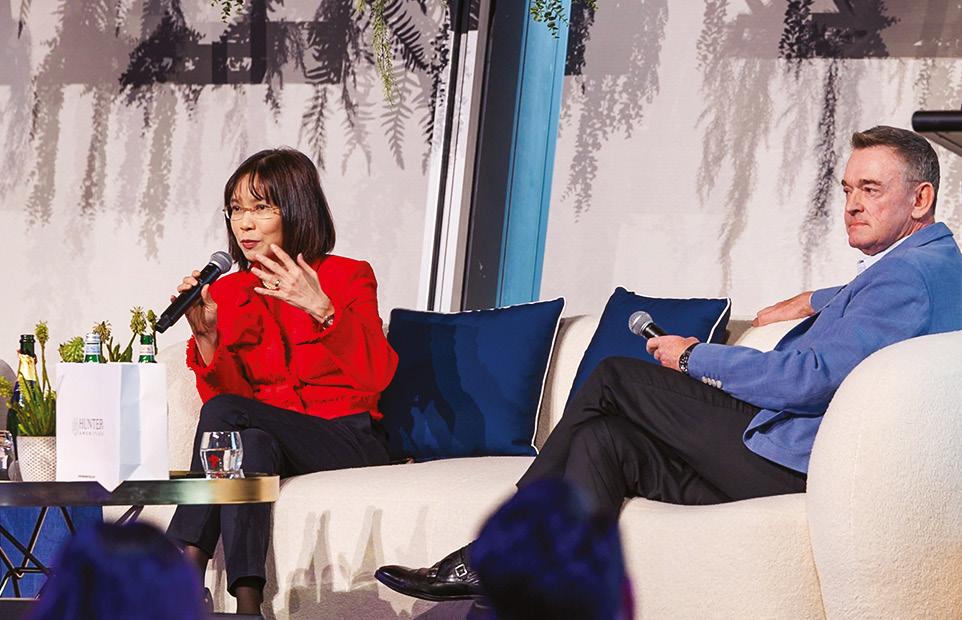
and flexible repositioning, including co-living conversion. Operators pursued scale through consolidation, developers emphasised longterm land value, and sellers recycled capital to fund expansion, particularly ahead of the Brisbane Olympics. “Volatility in a market creates dislocations, which create opportunity,” Grambalova said.
Marriott Asia-Pacific President Rajeev Menon joined Wilkinson for a Hotelier Q&A. Menon highlighted strong regional fundamentals despite short-term volatility and said travellers were “refocusing their travel plans and starting to stay close to home”. He remained bullish on Australia, with new developments underway and owners seeking expansion. Brisbane faced infrastructure and timing pressures ahead of the Olympics, but broader demand remained supported by intraAsia travel and “hyper-localisation”.
“Asia Pacific remains a decadeslong growth story,” he said, driven by demographics, middle-class wealth and travel aspirations.
Marriott Bonvoy remained central, driving occupancy and shifting towards experiential

Principal Partner Message
Rodney Harrex, Chief Executive Officer
AHICE 2026 ONCE again highlighted the strength, resilience, and collaborative spirit of the Australian hotel industry. Bringing together owners, operators, investors, and industry leaders from across the region, the conference provided valuable insight into both the challenges and opportunities shaping our sector.
While current market conditions have created some softness across parts of the industry, the long-term fundamentals underpinning hospitality in Australia remain strong. Demand for quality accommodation, tourism investment, and well-positioned hotel assets continues to provide confidence for owners and operators alike.
rewards.
Talent acquisition and retention was tackled by Professor Simon Pawson of Blue Mountains International Hotel Management School. The panel reframed hospitality’s labour crisis as a systems failure driven by weak talent pipelines, leadership gaps and poor industry perception. Declining enrolments, visa restrictions and generational expectations were compounding shortages, particularly in middle management. “This isn’t simply a recruitment issue anymore, it’s a pipeline issue,” Pawson said. Nicole Downs of Ovolo said Generation Z demanded quality leadership, work-life balance and career clarity, yet often encountered underprepared managers. Solutions included stronger industry-education collaboration, redesigned roles, clearer career pathways and investment in training.
After lunch, a franchising panel hosted by Ruwani Weerasinghe of La Vie Hotels examined franchising as a capital-efficient growth model. Mature markets were seeing owners seek scale while retaining control, with conversion opportunities allowing hotels
What continues to stand out at AHICE is the willingness of the industry to openly share ideas, insights, and experience. In a changing operating environment, that spirit of collaboration has never been more important.
At 1834 Hotels, we remain focused on delivering strong operational performance, supporting our owners, and creating sustainable long-term value across our growing portfolio. We continue to see opportunity across both regional and metropolitan markets, driven by evolving traveller demand and the resilience of the tourism sector.
We were proud to again support AHICE 2026 as a Principal Partner.
The Ascott’s Serena Lim talked of the group’s focus on a flex hybrid model
to lift performance with minimal capital expenditure. “Franchising comes into its own during tough times,” said Accor’s Danesh Bamji. Third-party operators and white-label managers were enhancing returns, while flexible “plug-and-play” models appealed to owners. Growth was strongest in regional and secondary markets, with midscale and premium segments benefiting from valueconscious demand.
Accor’s Chief Development Officer Camil Yazbeck joined Wilkinson for a Global Q&A, reflecting on a career that moved from hotel management into private equity, where he acquired 60 hotels, before joining Accor six years ago. Yazbeck said Accor had signed 86,000 hotel keys globally the previous year and was the largest hotel group outside the US. He emphasised local teams, owner focus, 46 brands, 115 million loyalty members, partnerships with Uber and airlines, and the growing importance of AI in efficiency and customer experience.
Looking beyond capital cities, Andrew McEvoy hosted a regional tourism outlook panel with Craig Hooley of Minor Hotels, Rod Munro of BWH and John Zeckendorf of Mandala Management. Panellists noted that of 108,000 jobs in regional areas, one in five was in tourism. Hooley said Minor Hotels had more than 70 properties and a strong regional focus, including acquisitions in Geelong and alpine areas. Zeckendorf said Mandala, with 40 properties, saw better returns and less competition in regional markets. Community engagement, demand from government and

mining, and insurance and zoning reform were key themes.
Wilkinson’s next Leadership Q&A featured Barry Robinson, President and Managing Director of international operations at Travel and Leisure Co. Robinson reflected on 25 years of growth in Asia, the sophistication of the Chinese market, timeshare demand in the US, acquisitions in Australia and Japan, ski-field opportunities and potential new Asian brand launches. “Up in Asia, all of our products are in double-digit growth rates,” Robinson said.
The Asia-Pacific development outlook followed, hosted by Tony Ryan of Trilogy Hotels with John Sutcliffe of TFE Hotels, Maria Ariizumi of Hilton, Mark Wong of SLH, Omar Romero of Minor Hotels and Ramzy Fenianos of Radisson Hotel Group. The panel discussed office conversions, lease models and branding challenges. Converting offices into hotels was difficult, particularly with 15-square-metre rooms. The discussion also covered small luxury hotels, Hilton’s partnership with SLH, soft branding, F&B and
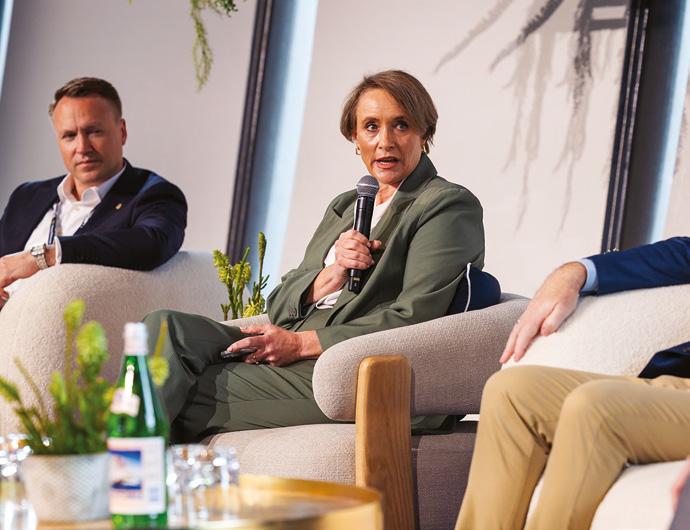
Principal Partner Message
Adrian Williams, Chief Operating Officer, Pacific
profit potential. Flexible branding models and global distribution were positioned as key tools in a market focused on profitability and smart asset strategy.
OTAs, distribution and AI were examined in a panel hosted by Hilton’s Daniella Tonetto. Telena Frost of Choice Hotels said AI was changing booking behaviour. “AI is absolutely here,” she said. “We’re moving from scrolling and searching to prompts and curated recommendations.” Trust remained crucial, with Darren Karshagen of Expedia noting that 68% of travellers preferred trusted platforms. “If you can’t manage the trust, then you’re not going to win the transaction,” he said. Domestic travel remained strong, Australians were increasingly value-conscious, intra-APEC travel was robust and European travellers were cautious.
New Zealand and the Pacific received attention in a snapshot session led by consultant Nick Thompson. The panel highlighted Auckland’s increased supply and strong regional performance in Queenstown and Christchurch. The first quarter showed robust growth, with 50 hotels in New Zealand and more planned. A stable Reserve Bank OCR and attractive tax incentives were drawing international capital into Hamilton, Rotorua and Taupo. Fiji was booming despite Middle East-related challenges, while PNG and the Pacific were seen as expansion opportunities.
In a keynote Q&A that crossed into entertainment, INXS bassist Garry Gary Beers joined Accor Chief Operating Officer in the Pacific region, Adrian Williams, to discuss
AHICE ASIA PACIFIC 2026 once again demonstrated the incredible momentum and optimism driving our industry forward. From investment and development through to technology, wellness, music and talent, the conversations across the event reflected a sector that continues to evolve at pace while staying deeply connected to people and place.
What stood out most this year was the strong focus on regional growth, mixed-use development, branded residences and creating hotels that genuinely connect with their communities. There was also great energy around the role of technology in enhancing – not replacing – hospitality, helping our teams deliver more personalised and meaningful guest experiences.
For Accor, AHICE remains one of the most important gatherings on the industry calendar. It’s where owners, operators, investors and future leaders come together to challenge thinking, share ideas and shape what comes next for hospitality across Asia Pacific.
It was fantastic to see Adelaide once again hosting such a dynamic event, with so many diverse voices and perspectives represented on stage. Thank you to HM Magazine and the AHICE team for bringing the industry together for another exceptional conference. We’re already looking forward to the conversations and opportunities the next 12 months will bring.
AHICE Asia Pacific 2026 featured over 200 speakers
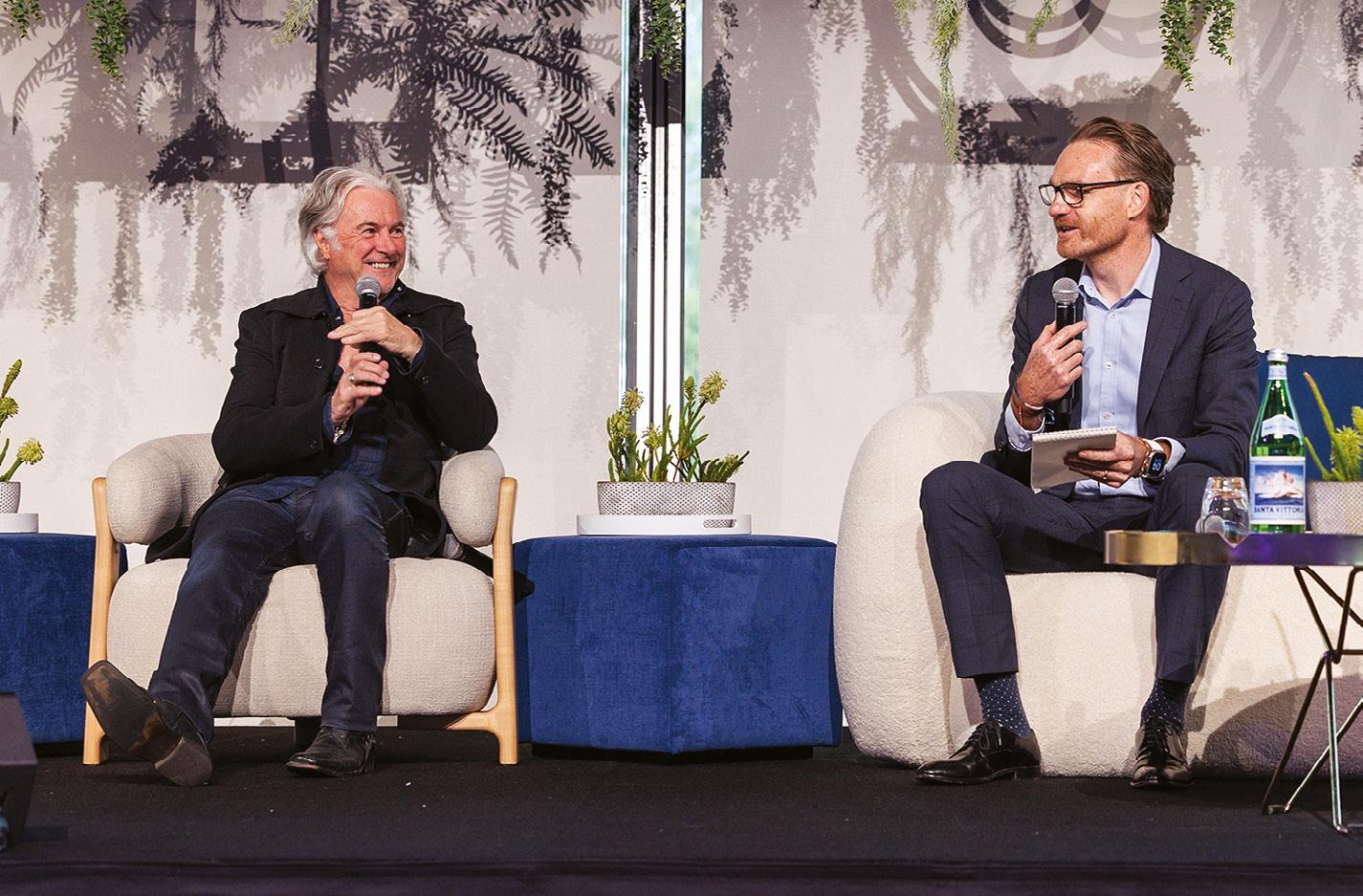
music, touring and hotels. Beers reflected on INXS’s 75 million records sold, the band’s early days, first single “Big Simple Simon”, relocation to Perth and blend of American funk and Australian rock. “All the bus boys at the hotels hated us because we had so much luggage,” Beers joked.
Minor Hotels CEO Dillip Rajakarier joined Wilkinson for another Leadership Q&A, discussing luxury brand expansion, including Anantara and NH Collection. Rajakarier highlighted South Australia’s $30 billion defence investment, the opening of two NH hotels in Sydney, and the launch of Wolseley and Colbert Collection hotels. He also discussed European travel resilience, expansion in Europe and Australia, F&B’s role in guest experiences and demand for sustainable, wellness-focused products.

Food and beverage was the focus of a panel hosted by Steve Finlayson, general manager of the Playford Adelaide. Panellists said F&B was evolving from a hotel add-on to a revenue driver, experience platform and brand identity tool. Curated, premium and localised offerings were growing, with wellness, low-alcohol options and experiential dining shaping demand. “It’s not an add-on, it’s actually a revenue driver,” said Dominic Rose of EVT Group. Standalone restaurants and bars were increasingly acting as destination anchors for guests and local communities.
As CinCin cocktails were served, EVT’s Mathew Duff joined CBRE’s Michael Simpson to discuss EVT’s acquisition of 15 hotels with 3,200 rooms in Australia. Completed in December, the deal involved more than 1,000 employees and was executed smoothly,
Principal Partner Message
Craig Dennington, Sales Director, ANZ
AHICE APAC 2026 delivered exactly what our industry needs right now: informed conversation, practical insights and genuine connection. Bringing the region’s hotel leaders together at Adelaide Oval once again reinforced why AHICE remains one of the most influential hospitality forums in Asia Pacific. The energy across INN Tech was particularly strong. Conversations around AI, data and integrated systems have clearly moved beyond theory and into action. Hoteliers are no longer asking if technology should be adopted, but how it can drive measurable returns, elevate guest
Duff said. Performance had been strong, with constructive relationships with IHG and Accor. Duff emphasised maximising each asset and focusing on execution before expansion beyond Australia and New Zealand.
Third-party management companies were examined in a panel hosted by Robert Williams of Watson Farley and Williams. The discussion covered the impact of the EVT deal on more than 80 hotels, including Rydges, QT and Atura. Panellists stressed performance differentiation, new-build deals, longer runtimes, brand-operator fit, accountability, data-driven decision-making, owner referrals, adaptability and local decision-making.
Outrigger Hospitality Group president and CEO Jeff Wagoner joined Wilkinson for a Leadership Q&A, beginning with the $100 million renovation of the flagship Waikīkī property. Wagoner said Outrigger planned further expansion in Hawai’i, including Maui and Kauai, and a partnership with Roy Yamaguchi. Restaurant brands were a major strength, with Duke’s generating $35 million to $40 million annually. The company was exploring expansion in Japan and Thailand through partnerships and acquisitions. “It’s just a matter of time before we’ll find the right asset,” Wagoner said.
The final panel hosted by Dora Stilianos of Baker McKenzie, found hotel operators across Australia and Asia-Pacific navigating demand volatility, cost pressures and talent retention challenges while maintaining generally strong trading. General managers were focused on forecasting uncertainty, simplifying operations and reinforcing culture, service quality and staff engagement. Rising costs were squeezing
experience and support teams in a challenging operating environment.
What stood out most was the openness of delegates to challenge legacy thinking. The message was consistent: the wrong technology is a cost, but the right technology is an investment with real upside.
AHICE Asia Pacific continues to be where ideas turn into decisions, and where partnerships are formed that genuinely move our industry forward. I look forward to seeing the outcomes of these conversations unfold across the year ahead.
INXS’s Garry Gary Beers revealed secrets to success with Accor’s Adrian Williams
margins. “We’ve all got the margin pressure,” said Jeff York of Crystalbrook. “Our ability to just lift pricing, what’s that going to do to trading?” Loyalty programs, rate protection and disciplined execution were key priorities.
AHICE Day 1 wrapped with networking events at the Adelaide Oval rooftop, followed by After Dark at the Playford Adelaide.
AHICE DAY 2
Day 2 began with a Sales Agreement masterclass hosted by Sebastian Busa of Baker McKenzie. Stephen Burt of Hotel Capital Partners and Liz Collinson of Travel and Leisure Co. examined how transactions were evolving. The conversation focused on legal complexity, compliance, fine print, warranties and claims during the purchase process.
South Australian Tourism Minister Emily Bourke MLC reinforced the state government’s support for tourism and investment, saying South Australia was building momentum through major events, record hotel development and international recognition. Bourke highlighted more than 2,100 hotel rooms in development, record airport passenger numbers, the Adelaide Central Market renovation, Kangaroo Island and the Flinders Ranges. She cited 1834 Hotels founder Andrew Bullock and Kangaroo Island entrepreneur Yen as examples of people investing in the state’s future.
Luxury hotels were discussed in a panel convened by Dr Anita Manfreda of Blue Mountains International Hotel Management School. She said luxury continued to
Principal Partner Message
Callum
Group General Manager, Hotels & Resorts Operations
outperform despite construction costs, talent shortages and higher guest expectations. “Luxury is a good news story,” said Richard Crawford of Marriott. “Guests are younger and happy to accept higher room rates.” Crawford said “500 is the new 300” in Australia, although ADRs of up to $5,000 a night in Asia and Europe were not yet realistic locally. Australian luxury, he said, came through lifestyle, gastronomy and landscape.
The mid- and upscale segments were examined by Arnaud Millécamps of Gatehouse Hospitality with Alex Thorpe of Veriu, Brett Forer of Accor, David Silcock of Choice Hotels and Gadi Hassin of Helios Hospitality Management. The panel said demand remained strong from corporate and government accounts, as well as leisure and
bleisure travellers. Regional Australia and suburban districts were key growth areas.
“At the end of the day, we’re just trying to provide guest experiences that are unique and wonderful at different price points,” Forer said.
Luxury Escapes CEO Adam Schwab joined Lancemore CEO Julian Clark, for an Industry Talk, discussing the company’s growth and criticising the Victorian Government as “criminally inept”. Despite that dispute, Schwab said Luxury Escapes had tripled since 2019.
The Australasian Capital Markets Outlook panel, hosted by STR’s Jesper Palmqvist, focused on recent deal flow. Sam McVay said waning demand for office space was shifting capital towards hotel and branded residential projects, with lenders becoming more agnostic.
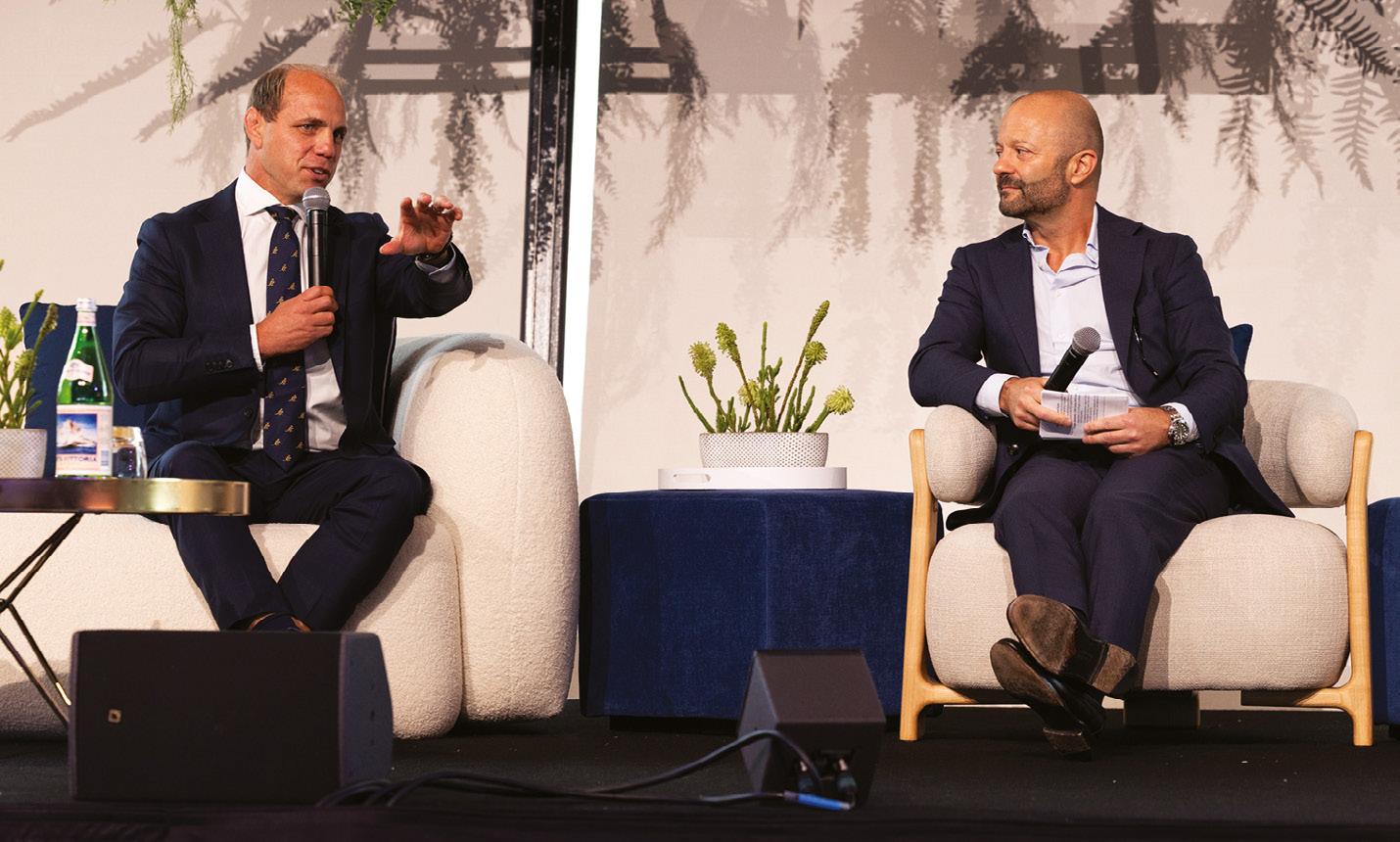
OUR EVT LEADERS were proud to be part of a conference that continues to set the agenda for our industry at a time of significant change and opportunity.
For us, AHICE APAC is about practical conversations, not theory, but how hotel businesses are being operated, invested in and evolved on the ground. With nine EVT leaders contributing across keynotes, panels and hosted discussions, the program reflected the depth and diversity of experience shaping today’s market.
Three themes stood out from our contribution to the program. First, that loyalty is earned through an elevated guest experience, not pitched in a deck. Just look at QT – every touchpoint from our Directors of Chaos greeting on arrival, to the feel of your room, delivers the brand promise and exceeds expectations. Second, that F&B is a core commercial driver,
not a support function. Our restaurants are designed to stand on their own, loved by locals – the community we sit in, as much as guests. Third, that innovation and technology should remove friction, not replace hospitality. AI should be invisible, handling check-in and pre-arrival comms, while our people handle the feeling and the connection that keeps guests coming back.
Hosting parts of AHICE APAC at our Independent Collection’s Oval Hotel was a reminder of the importance of place, design and experience in shaping future hotel demand.
We thank the AHICE team for bringing the industry together to share insights, challenge thinking and collectively shape what comes next. With construction well underway for Rydges Wailoaloa, we look forward to the upcoming conference in Fiji.
Kennedy,
IHG’s Matthew Tripolone and Rugby Australia CEO Phil Waugh in a one-on-one chat
Karen Wales of Colliers said most capital was coming from overseas in a “spikey” market.
TFE Hotels CEO Antony Ritch joined Time and Place Creative Director Edward Pearse to discuss the Hannah Street hotel project. Pearse said the Melbourne project had faced challenges but aimed to create something deeply tied to place. “There are plenty of hotels in Melbourne,” he said, “but no hotels of Melbourne.” Hannah Street, he said, was designed to be timeless rather than trend driven.
Sustainability returned in a panel hosted by Caspar Schmidt of QCC Collection. The panel agreed greenwashing remained a concern, while Donovan Stevens of Ecolab said water was critical. “Water is everything,” he said, citing washing, drinking and food preparation. Wateruse reduction, he added, would immediately affect a property’s bottom line.
In a memorable session, Dr Jerry Schwartz and Surfers Paradise Hilton General Manager Fiona Pryde dressed in skeleton suits to illustrate the hotel’s refurbishment, comparing hotels to “repurposed humans”: transformation
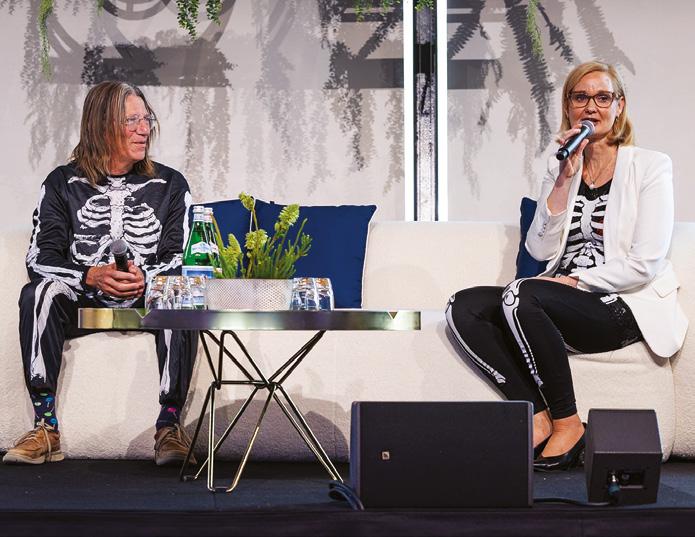

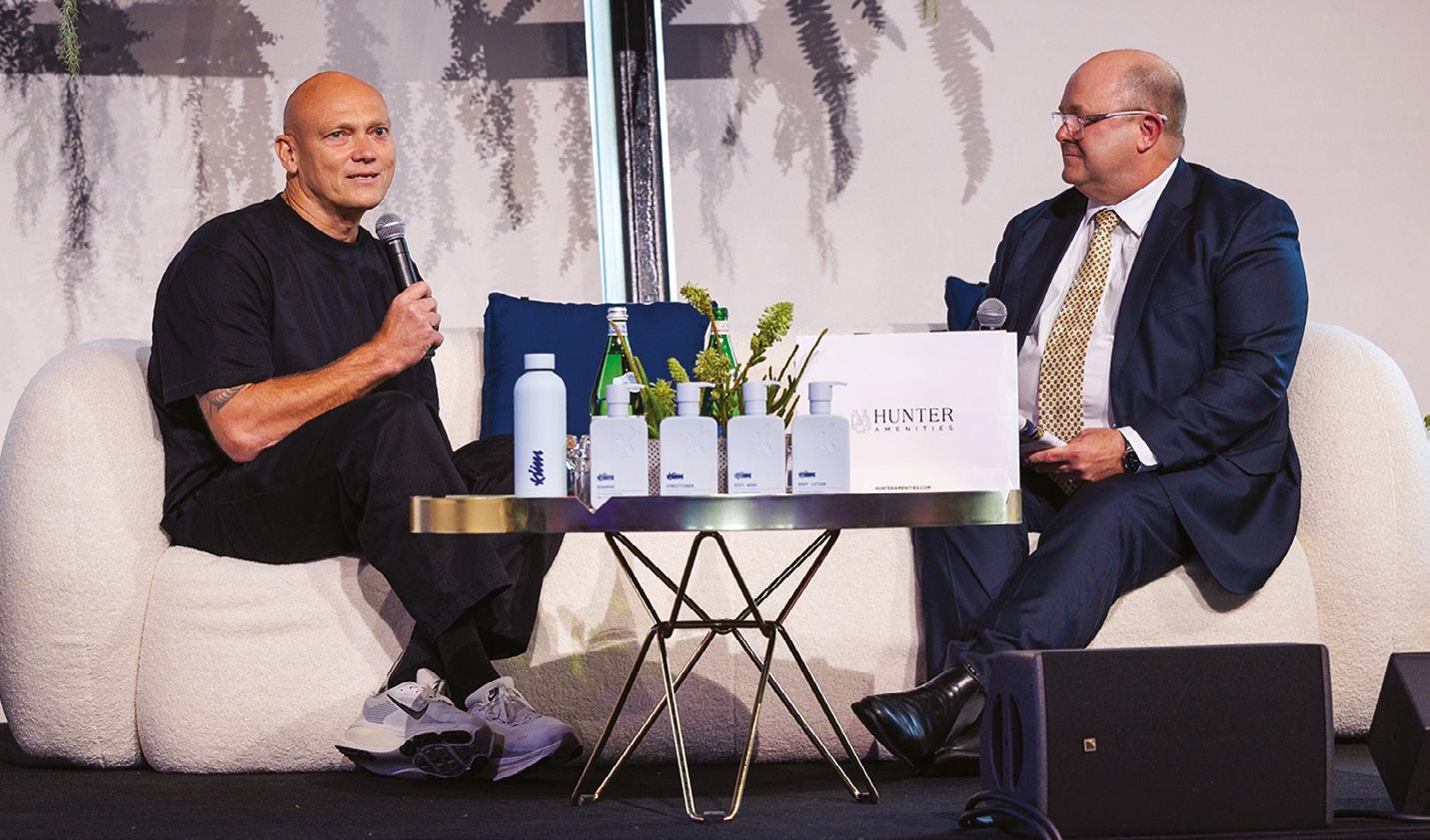
is possible if the “bones” are sound and the right structural engineer, or surgeon, is involved.
Aviation was examined in a panel hosted by Accommodation Australia CEO James Goodwin. The panel discussed workforce expansion, supply constraints and fuel supply. Adelaide Airport’s growth had been affected by the Middle East conflict but remained strong, with international travel up 26%. New hotels near Western Sydney Airport and potential international routes were noted, along with the need for government support on fuel security and consumer confidence.
After lunch, Ian Wilson of Title Hospitality hosted a capital flow and debt panel looking towards 2026 and beyond. Wilson said valuations were more optimistic than expected, with credit providing 60% to 70% stretch lending on one-times ICR, and fund managers were positive about current assets.
Principal Partner Message
A People & Culture panel hosted by Luke Butler of Hastings People focused on talent retention. Flexibility and individualised value propositions were seen as essential. Jeremy Samuels, general manager of Sofitel Adelaide, said employment could no longer be transactional. “It’s not just about providing a wage,” he said. “You’ve got to provide a sense of belonging.”
Sleep expert Olivia Arezzolo delivered a wellbeing keynote, arguing that sleep was a strategy for clarity, energy and productivity. Reflecting on her near-fatal burnout, she said: “Rest is not optional. Rest is essential. Rest is non-negotiable, and rest cannot be put off for later.”
In an Industry Talk, Wyndham’s Matt Holmes spoke with Ovolo’s Shivang Jhunjhnuwala about their franchise partnership. “Ovolo is still 100% independent,”
Paul Hutton, Area Vice President and Head of Australasia
THE AHICE CONFERENCE continues to be an important forum for Australia’s hotel and accommodation industry, bringing together owners, operators, developers, and brands to exchange insights and perspectives. The 2026 event maintained a practical and measured tone, with discussions focused on market conditions, investment activity, operational performance, and the evolving expectations of guests.
This year also marked an important milestone for Hilton with the signing of a new agreement for Hilton Adelaide, reinforcing our ongoing commitment to the Australian market and the strength of our long-term partnerships across the region.
As the industry continues to adapt to shifting economic conditions and changing travel patterns, the importance of collaboration and informed decision-making has become increasingly important. AHICE provides a valuable platform for these conversations, enabling stakeholders to share knowledge, challenge assumptions, and identify opportunities for sustainable growth. Hilton remains focused on supporting our owners and partners, strengthening our portfolio, and delivering consistent, high-quality guest experiences. We look forward to continuing our engagement with the industry and contributing to its long-term development.
Olympian Michael Klim joined 1834 Hotels CEO Rodney Harrex for a keynote on leadership in sport and business
Dr Jerry Schwartz and Fiona Pryde compare hotels to “repurposed humans” in a lively one-on-one
Jhunjhnuwala said. “We get to decide what we want our brand to look and feel like, but we have the ability to plug into Wyndham.”
Ruwan Peiris of THSA hosted a lifestyle hotels panel, noting the projected growth of 34% by 2027. David Fraser of Accor said food and beverage gave lifestyle hotels their “heartbeat and pulse” in the community and warned that without it, a hotel risked being merely quirky or gimmicky.
The asset managers’ panel, hosted by Grant Alchin of Trilogy Hotels, examined investment in technology, particularly AI. David Bark of Mulpha discussed partnerships with IHG and Accor, Sonya LeFevre of Hotellerie praised South Australia’s commitment to project announcements, Rodger Powell of THSA emphasised cost management and recovery strategies, and Howard Kemball noted the post-COVID profitability gap between operators and owners. All agreed on the importance of general managers in driving business and culture. “We’re a 24/7 business, and it’s those that pivot quickly in good times and tough times,” LeFevre said.
Wilkinson’s next Leadership Q&A featured Wyndham Hotels and Resorts’ Asia-Pacific President Joon Aun Ooi, who said Ovolo filled a strategic gap for Wyndham. “A third of our deals annually come from repeat owners,” he said. He also discussed the Melbourne Marathon sponsorship, the Tryp brand and new locations in Malaysia and Laos.
Olympian Michael Klim joined 1834 Hotels CEO Rodney Harrex for a keynote on leadership in sport and business. The two-time gold medallist and six-time world champion discussed his transition into entrepreneurship, including Milk and Co and
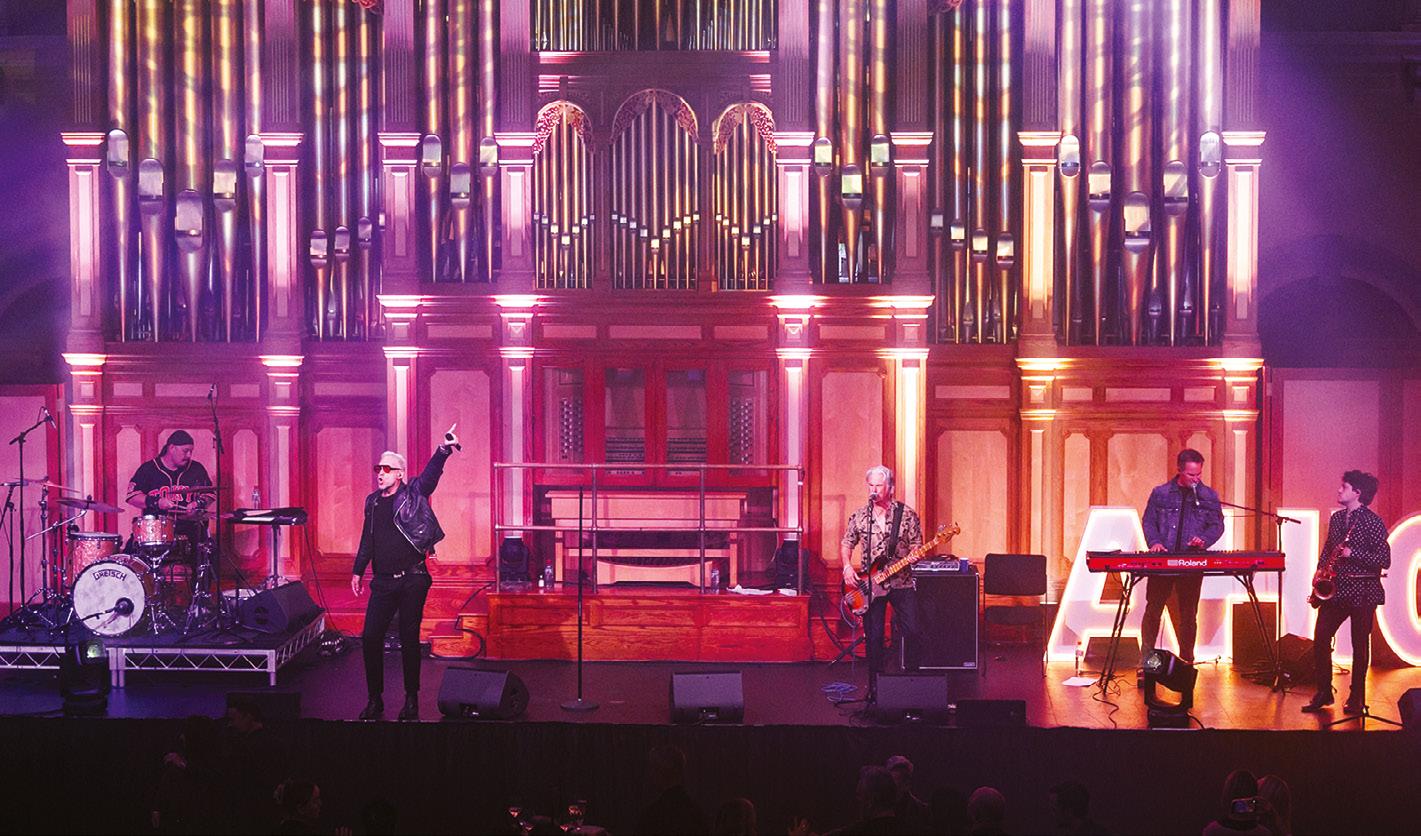
his new wellness-driven skincare line KLIMA with Hunter Amenities. Klim also spoke about teamwork, continuous growth and his battle with CIDP, which sharpened his focus on wellness and lifestyle.
A PR panel hosted by Gaynor Reid of TravMedia explored consistent brand messaging and emotional storytelling in driving higher room rates and loyalty. Naomi Hammond of Accor highlighted newsjacking
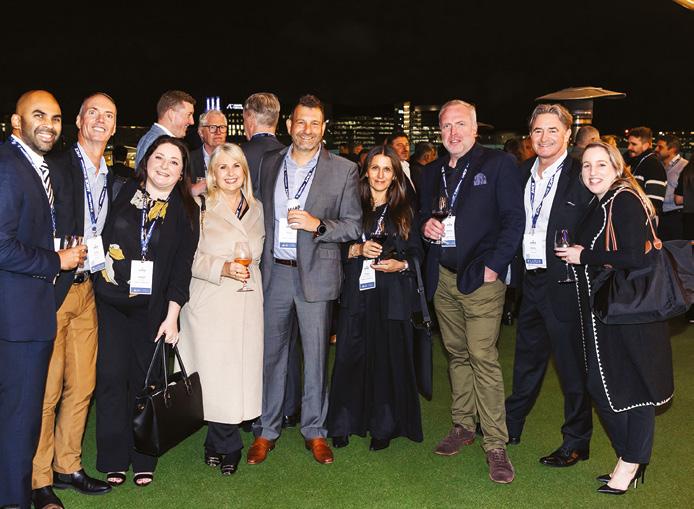
Delegates had ample opportunity to network at one of the many events held across the two-day conference, including the popular After Dark
Principal Partner Message
David Elia, Chief Executive Officer
as a tactic. “Newsjacking is when you insert a brand or spokesperson into something that’s already trending,” she said.
In the closing bell session, hosted by Kevin Croley of Global Hotel Alliance, industry leaders reflected on the year ahead. The global industry was valued at about $11 trillion and had proven resilient despite geopolitical events. Serena Lim of Ascott said the group’s focus was on “flex hybrid”, combining short, mid-term and extended stays on the same operating platform to build resilience and optimise costs.
To close the conference in style, delegates were treated to an extravagant farewell rock concert headed by Toby Rand and INXS’s Garry Gary Beers alongside local musicians at the Adelaide Town Hall, followed by a final After Dark networking event at the Playford Adelaide.
AHICE returns with Design Inn Symposium on Tuesday 4 May, followed by AHICE Asia Pacific on Wednesday 5 and Thursday 6 May 2027 at the Adelaide Oval. n
SINCE 2016, HOSTPLUS has proudly partnered with AHICE to deliver the premier hotel and accommodation industry event in the Asia Pacific, bringing together leaders and professionals shaping the future of the industry.
Hostplus supports the hotel and accommodation industry by delivering for our employers and their staff every day. Representing almost 2 million members, and with more than $150 billion in funds under management, Hostplus’ size and scale help us deliver greater value and financial outcomes for our members.
Driven by an active investment strategy, the Balanced (Mysuper) option has a track record of delivering strong investment returns over the long term.
Thank you to our loyal members and employer partners for choosing Hostplus, we are grateful for your continued support.
Toby Rand and INXS bassist Garry Gary Beers wowed crowds with a farewell rock concert at the Adelaide Town Hall
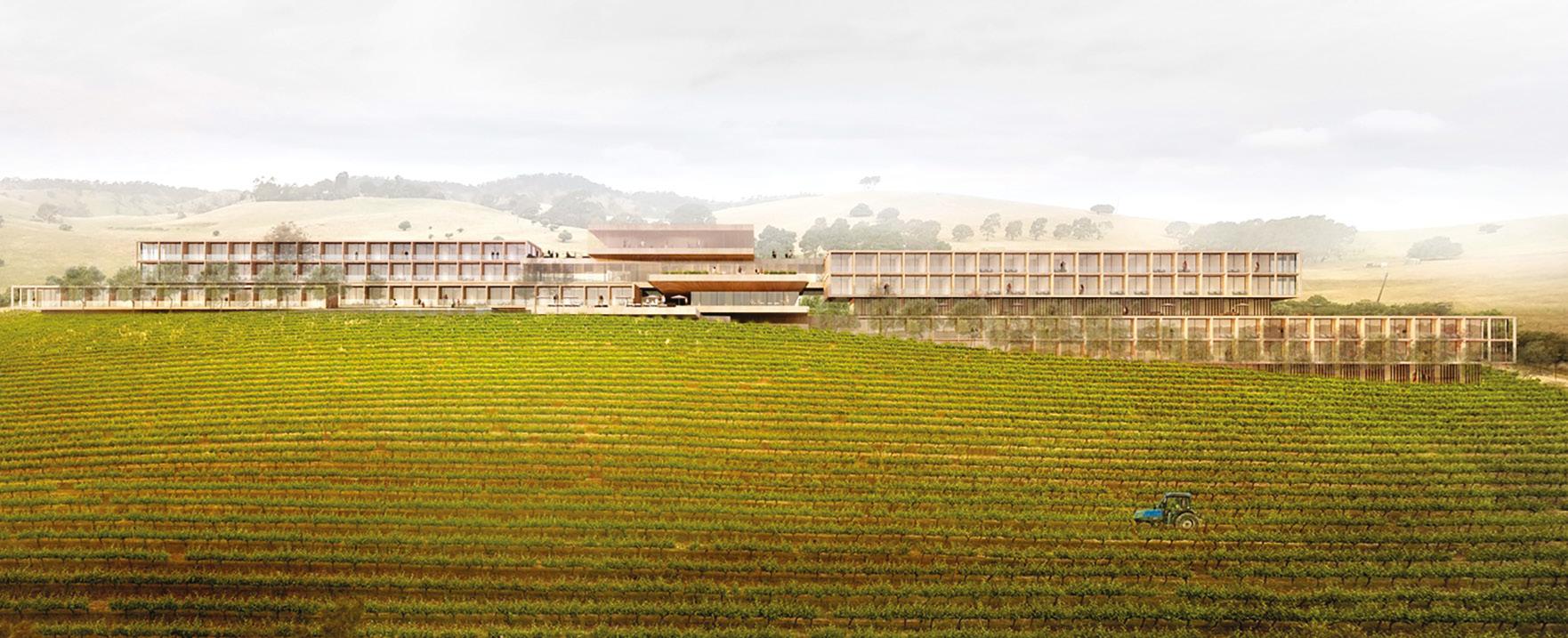
Barossa boost
IHG gets green light for InterContinental development.
South Australia’s Minister for Planning has approved IHG Hotels and Resorts to bring its luxury InterContinental brand to the region’s celebrated wine country through a partnership with Strategic Alliance.
The 150-key InterContinental Barossa Resort and Spa is slated to open in 2028 and will be the first international-branded luxury hotel in South Australia’s wine region.
Once operational, the hotel, which will also include a restaurant and function facilities, is anticipated to create $70–$100 million in annual economic benefits for the Barossa, the South Australian government revealed.
The proposal was declared a Major Project last year and classified under the most stringent level of assessment within the South Australian planning system.
“This approval has been earned through the most stringent assessment process available under South Australia’s planning system,” South

Principal Partner Message
Matthew Tripolone, Managing Director - Australasia & Pacific
Australia Minister for Housing and Urban Development, Nick Champion said.
“Community voices were heard, key issues were carefully examined, and independent expert advice was considered every step of the way.”
“This is the right outcome for the Barossa and South Australia,” Champion said, calling the development a “vote of confidence in South Australia”, with economic benefits expected to “flow through the Barossa for generations to come”.
The project is also expected to provide a major boost to tourism in the region.
“The InterContinental Barossa Resort and Spa would be an exciting addition to our state’s accommodation sector and help connect the Barossa with the brand’s global customer base,” South Australia Minister for Tourism, Emily Bourke MLC said.
“This is another example of the growing
THIS YEAR’S AHICE once again highlighted the strength, confidence and long-term opportunity across the hospitality industry, and it was fantastic to connect with so many owners, partners and industry leaders in Adelaide.
At AHICE, I joined Rugby Australia CEO Phil Waugh on stage for a conversation on leadership, culture, the importance of execution in driving performance and the value of long-term partnerships. IHG has proudly partnered with Rugby Australia for almost 25 years, and the discussion reinforced the importance of strong relationships, shared values and high-performance cultures in delivering sustained success.
Rajit Sukumaran, IHG’s SVP & Managing Director, East Asia & Pacific, also shared his perspective with James Wilkinson on the evolving growth landscape across East Asia & Pacific, reflecting the scale of opportunity
confidence in South Australia as not only a global destination of choice but as an attractive place to invest and do business.”
“We are experiencing record growth in the accommodation sector, supported by our investment in major events and strong tourism offerings.”
Developers, Strategic Alliance Directors, George Economou and David Cook said the announcement now allows the project to progress to the next stage of development.
“Our team is committed to delivering a high-quality hotel that contributes to South Australia’s tourism offering and supports local jobs,” the directors stated.
“We are also grateful for the constructive engagement with various state government and regional agencies throughout the planning pathway and take this opportunity to thank them, our project team and everyone we have engaged with on this journey.”
emerging across the region and IHG’s strong momentum within high-growth markets. Discussions throughout the week reinforced the continued acceleration of conversions, the strength of Luxury & Lifestyle expansion, and the increasing importance of global brands and enterprise platforms in supporting owner performance.
A particularly exciting moment for South Australia and for IHG was Premier Peter Malinauskas announcing planning approval for InterContinental Barossa Resort & Spa on stage at AHICE, an important milestone for what will become an exceptional luxury destination.
Thank you to the HM and AHICE team for bringing the industry together for another exceptional AHICE, and I look forward to the continued growth, collaboration and opportunity across the year ahead.
Render of the InterContinental Barossa Resort and Spa
Trilogy to manage new Courtyard by Marriott in Sydney
Deicorp, in partnership with hotel operator Trilogy Hotels and Marriott International, are set to launch Courtyard by Marriott to anchor the developer’s $640 million Falcon and Alexander project in Crows Nest.
The project, designed by Turner Architects + Interiors, will launch a “vertical village” combining residences, hospitality and retail in a new integrated destination.
Alongside 212 apartments, the anticipated 100-key Courtyard by Marriott Sydney Crows Nest hotel will dominate the first three levels of the development and offer a suite of amenities to guests when it opens in 2027.
“Crows Nest has always attracted people who value connectivity, great food and a strong village atmosphere. Bringing Courtyard by Marriott back to Sydney as part of Falcon & Alexander is a natural fit for this location. The brand speaks to today’s travellers – efficient, design-led and deeply connected to place, and adds another layer of activity and amenity to the precinct,” Deicorp Founder, Fouad Deiri OAM said.
The hotel is expected to offer a “refined yet relaxed hotel experience”, with guestrooms designed as smart, spacious retreats, combining flexible workspaces, ergonomic furnishings and high-speed connectivity to support both short stays and longer visits.
The hotel’s food and beverage venues are said to reflect the local culture, alongside
Principal Partner Message
Jason Nuell, Regional Vice President, Australia, New Zealand and Pacific
a distinctive bar and a suite of amenities, including meeting spaces and fitness facilities.
Marriott International Director of Hotel
Development for Australia, New Zealand and the Pacific, Tristan Cooper, said the signing reflects the strength of demand for globally recognised brands in well-connected urban locations.
“Sydney remains one of our most important markets in Australia, and the return of the Courtyard by Marriott brand to the city is a significant milestone,” Cooper said.
“We believe the hotel will generate strong demand and contribute to precinct activation through its contemporary guest offering, and we look forward to seeing the entire precinct come to life.”
The move follows Deicorp’s partnership with Trilogy Hotels and Marriott International to deliver Sydney’s first AC by Marriott as part of its Hyde Metropolitan project, announced in February.
“Trilogy Hotels is proud to again be working with Deicorp, alongside Marriott International as franchise partner, to manage the Courtyard by Marriott Sydney Crows Nest. Sydney’s North Shore is rapidly becoming a vibrant extension of the CBD through new transport connections, and this hotel will deliver for our owners, create opportunities for our teams, and provide experiences for guests in one of Sydney’s most dynamic emerging precincts,” Trilogy Hotels CEO, Scott Boyes said.
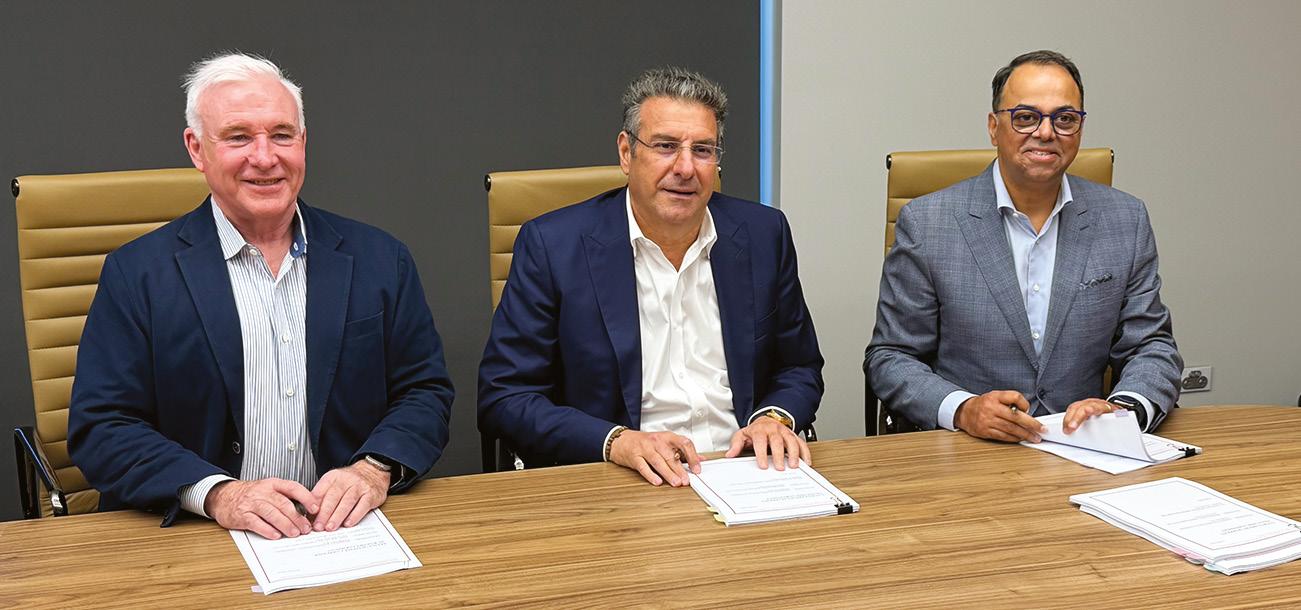
MARRIOTT INTERNATIONAL WAS proud to return to Adelaide as Principal Partner of AHICE Asia Pacific in May, sharing insights together with other industry leaders and reflecting on evolving market dynamics and the opportunities shaping the future of hospitality across Asia Pacific. Adelaide provided a fitting backdrop for these discussions.
Our Adelaide Marriott Hotel continues to perform strongly, driven by sustained leisure and business demand, major events, and the city’s growing reputation as a premium yet accessible destination.
Looking ahead, the planned opening of The Westin Adelaide in the coming years represents a significant milestone, further strengthening our presence in South
Australia and reflecting more broadly our strategy to continue to expand across regional and emerging markets in ANZP, with brand debuts in new markets such as Adelaide, Queenstown and Christchurch, as we align our portfolio with changing travel patterns and guest expectations.
Central to this growth is our commitment to people and culture. We remain focused on developing local talent, creating meaningful career pathways across the region, and fostering inclusive, high-performing teams that deliver exceptional guest experiences that Marriott is known for. We value the conversations and connections formed at AHICE in Adelaide and look forward to continuing this momentum with our partners.
Tony Ryan, Executive Chair, Trilogy Hotels, Fouad Deiri, Founder and Chairman, Deicorp, and Rajeev Menon, President, Asia Pacific (excl China), Marriott International
Hilton signs new-build flagship 27-storey Adelaide Hotel
Hilton Adelaide East End marks the brand’s re-entry into the South Australian market, with the signing coming just weeks before the group exits its Victoria Square site after more than 40 years.
The new property set to open in 2031 is being developed under a franchise agreement with Auriga Investments and will be operated by Trilogy Hotels. It will form part of Arcadia, a contemporary mixed-use project set to revitalise the eastern end of Adelaide CBD.
The move follows Hilton Adelaide on Victoria Street’s soon-to-be-complete transition to Amora Adelaide in July, after completing a multi-million-dollar transformation.
“The return of Hilton to Adelaide is both a symbolic and strategic milestone,” Hilton Australasia, Director of Development, Tushar Raniga said.
“This project allows us to reintroduce Hilton Hotels & Resorts as a modern, designled flagship aligned with Adelaide’s growth and evolving skyline. Auriga’s vision and the site’s exceptional location make this an ideal opportunity to re-establish Hilton’s presence in South Australia in partnership with Trilogy Hotels.”
Spanning 27 stories on 299 Pirie Street, the Hilton Adelaide East End, a 251-key new-build hotel just 1km from Rundle Mall, is said to be intentionally designed with vibrant spaces.

It is expected to be well-suited for both leisure and business travellers, with the area surrounded by dining and nightlife and convenient tram access.
Hilton Adelaide East End will offer guest rooms ranging from 31 to 140 sqm, a recreation deck, multiple food and beverage venues, and 303 sqm of meeting space. Amenities will include a fitness centre and pool.
“For more than four decades, Hilton has played a defining role in Adelaide’s hospitality landscape, and Auriga is honoured to be part of its rebirth. Arcadia was conceived as a place where community, design and city life come together – a precinct that blends a new residential neighbourhood with a flagship
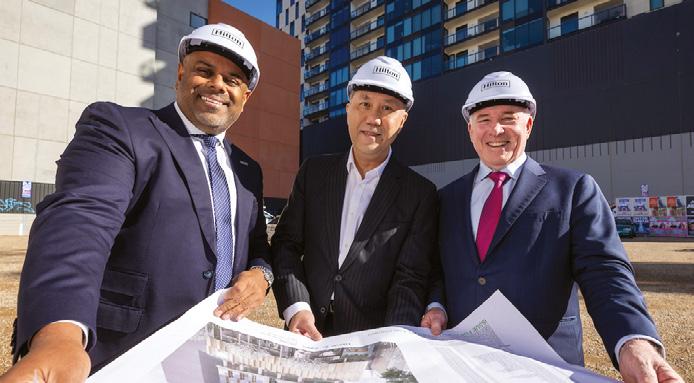
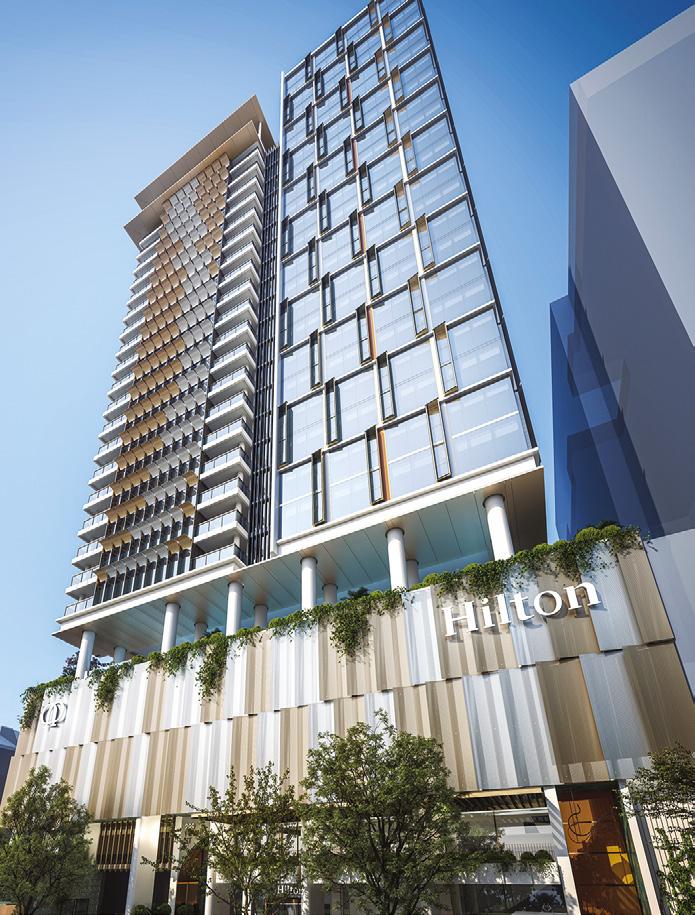
Hilton hotel,” Auriga Investment Group Pty Ltd, Director, Eric Luk said.
“Together, they will create a destination that draws locals back into the CBD and supports the year-round calendar of events that make Adelaide unique. This is a long-term investment in the city’s future, and we are committed to delivering a precinct that elevates Adelaide for generations to come.”
As a purpose-built development, the hotel features contemporary architecture and has been designed with sustainability and operational efficiency at its core, the group stated.
“Every great city needs a Hilton hotel, and we are honoured to have been appointed by Auriga Investments as operator of the new Hilton Adelaide East End,” CEO of Trilogy Hotels, Scott Boyes said.
“This landmark project underscores Trilogy’s dedication to maximising performance for hotel owners while creating memorable stays for our guests. By combining Trilogy’s local expertise and disciplined operations, along with Hilton’s powerful loyalty program, the hotel will set a new benchmark for quality and service in Adelaide.”
Principal Partner Message
Craig Hooley, Chief Operating Officer
AS A PROUD Principal Partner of AHICE, Minor Hotels was delighted to once again support one of the Asia Pacific region’s most important hospitality industry events and join leaders from across the sector in Adelaide for a week of valuable discussion, insight and connection.
This year’s conference reinforced the strong momentum continuing across the Australasian hospitality market, driven by resilient travel demand, evolving guest expectations and growing confidence in the long-term outlook for tourism and hotel investment across the region.
At Minor Hotels, we continue to see significant opportunity across both gateway cities and regional destinations, with conversions, mixed-use developments and experience-led hospitality continuing to reshape the market. Over the past year, we have continued to expand our footprint across Australasia, including the forthcoming debut of NH Collection Sydney and the continued growth of Avani across key lifestyle destinations, including Avani Mooloolaba Beach Hotel.
AHICE continues to play an important role in fostering collaboration across the industry, and it was fantastic to see such strong engagement and forward-thinking discussion throughout the program.
Tushar Raniga, Hilton Australasia, Eric Luk, Auriga Investment Group and Tony Ryan, Trilogy Hotels on the site of 299 Pirie Street, credit: Kelly Barnes Photos
Render of the Hilton Adelaide East End
Accor conversion to bring forth Mövenpick Hotel Adelaide
Accor has expanded its Mövenpick presence in Australia with the rebranding of Peppers Waymouth Adelaide. The deal signed just ahead of AHICE Asia Pacific 2026.
The conversion reflects the brand’s growing momentum across the Pacific, with Mövenpick Hotel Adelaide to debut in December 2026 following enhancements.
The Mövenpick brand has evolved from its origins as a restaurant concept in Switzerland in 1948, to now operating 140 hotels across more than 40 countries, “with a dynamic pipeline driving sustained growth”. The latest signing will become the fifth Mövenpick property across Australia and New Zealand.
The hotel on Waymouth Street, Adelaide, has undergone a significant multi-million-dollar refurbishment in recent years, including a full guestroom redesign, the introduction of new suites and family rooms, and the addition of a restaurant and upgraded meeting spaces.
Further enhancements planned over the coming months include upgrades to corridors and guestrooms, “ensuring a seamless transition into the Mövenpick brand while maintaining a highly efficient conversion approach”, the group stated.
“This reflects one of Mövenpick’s core strengths: an adaptable design philosophy that enables capital-efficient conversions while

elevating guest experience and commercial performance,” Accor stated.
“We are proud to partner with Accor to bring Mövenpick to Adelaide,” Mattioli Group Founder Domenic Mattioli said.
“The hotel has already undergone a significant transformation, and this next chapter allows us to build on that investment with a brand that is globally recognised for its warmth, quality and ability to bring people together. Mövenpick’s focus on generous hospitality and meaningful guest experiences aligns closely with our vision for the property and its role within the city.”
The Adelaide signing forms part of a broader growth trajectory for Mövenpick across Asia Pacific, where the brand is gaining strong traction among owners. Mövenpick Singapore is slated to open later this year and will become the largest Mövenpick in the region, alongside additional developments currently under negotiation.
“Adelaide is a dynamic city with a strong cultural and culinary identity, making it a natural fit for Mövenpick. This signing allows us to introduce a brand that resonates with today’s travellers,” Accor Pacific Chief Operating Officer, Adrian Williams said.
Principal Partner Message
Dulanka
Jayaweera, Chief Executive
Officer
AHICE 2026 ONCE again proved why it remains one of the most valuable gatherings in the hospitality industry calendar. Held in Adelaide, the event brought together owners, operators, investors, and hospitality leaders from across the Asia-Pacific region for meaningful discussions around the future of hospitality, operational challenges, workforce strategy, and industry growth.
As a Principal Partner and participant in this year’s panel discussions, Ozone Hospitality Services were proud to contribute to conversations shaping the industry while also gaining valuable insights from leaders
Globally, Mövenpick is projected to grow its network by more than 70% over the next five years, driven by strong performance and efficient development pathways.
“Across the world, we are seeing strong demand for brands that offer both emotional connection and commercial performance,” Accor Global Chief Development Officer, Camil Yazbeck said.
“Mövenpick delivers on both fronts. Its focus on joyful reconnection, combined with a highly adaptable and efficient model, makes it particularly compelling for conversion opportunities such as Mövenpick Hotel Adelaide. This signing reflects the brand’s growing momentum in the Pacific and our confidence in its long-term potential.”
Other Mövenpick properties in Australia and New Zealand include Mövenpick Hotel Melbourne on Spencer, Mövenpick Hotel Hobart, Mövenpick Hotel Auckland and Mövenpick Hotel Wellington.
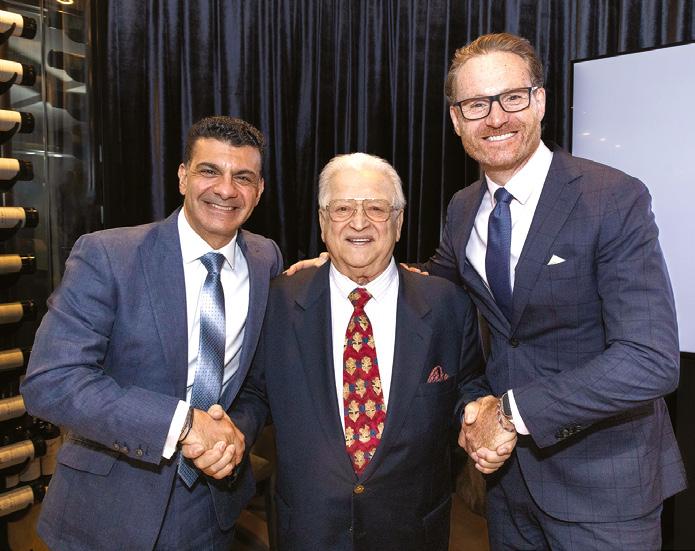
across different sectors and markets. One of the standout aspects of AHICE was the opportunity to connect with people throughout every level of hospitality, sharing experiences, understanding common challenges, and exploring ideas that support long-term success across the industry.
Beyond the formal sessions, the event created genuine opportunities for collaboration, networking, and relationship-building. Many of the most valuable takeaways came from conversations between sessions, reconnecting with industry peers, and meeting new faces helping drive hospitality forward.
Thank you to everyone who connected with us throughout AHICE 2026. We’re grateful to have been part of the conversations and connections that made this year’s event so worthwhile.
Sealing the deal is Camil Yazbeck, Domenic Mattioli and Adrian Williams
Wyndham and Ovolo to launch Perth boutique hotel
The Bennett by Ovolo Perth a Wyndham Hotel marks the first new hotel development under Wyndham’s strategic partnership with Ovolo Group in Asia Pacific.
Construction for the new hotel development located at 180 Bennett Street in East Perth is scheduled to commence in the third quarter of 2026, with an anticipated opening in March 2028. The property will feature 111 guest rooms, along with a bar, restaurant and fitness centre.
The Bennett by Ovolo Perth a Wyndham Hotel is the first new franchise signing under Wyndham and Ovolo Group’s strategic partnership, announced last year, which aligns Ovolo’s design-led boutique hotels with Wyndham’s global scale, distribution and loyalty program.
The hotel will join the existing portfolio of four Ovolo by Wyndham hotels in Australia, further expanding the partnership’s presence in Australia and strengthening its collection of distinctive, design-led stays in the region.
“This signing marks an exciting milestone

Principal Partner Message
Barry Robinson, President and Managing Director, International Operations
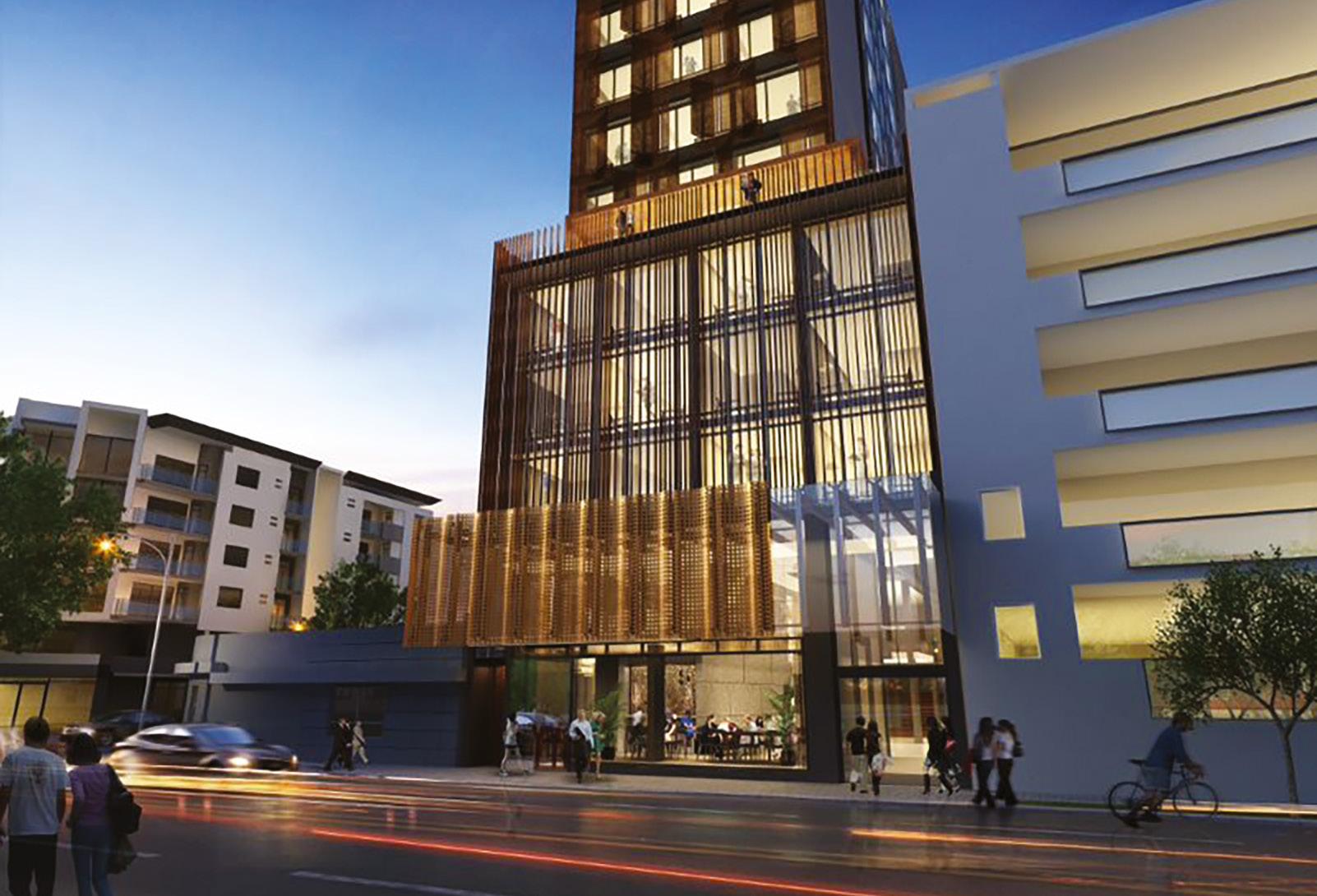
in our partnership with Ovolo Group and reflects exactly why we chose to collaborate with them. Ovolo brings something genuinely distinctive to the market – a design-led brand with a loyal following, a strong identity, and a guest experience that resonates with modern travellers. Perth is a dynamic and growing destination, and The Bennett by Ovolo Perth a Wyndham Hotel is designed to stand out in that market,” Wyndham Hotels & Resorts VP of Business Development, South East Asia & Pacific Rim, Matt Holmes said.
“Wyndham’s global distribution, commercial infrastructure and Wyndham Rewards loyalty platform amplify what Ovolo has built, and together we are creating real value for owners and guests alike.”
The new hotel is also said to mark a step in proving Ovolo’s brand and guest experience can be delivered at scale through the franchise model.
“The Bennett by Ovolo Perth a Wyndham Hotel represents everything we believe a hotel should be – full of character, energy, and visually stunning. As our first franchise signing under this partnership, it is a significant moment for Ovolo and proof that our brand and ethos can scale. This will not simply be a hotel that looks like an Ovolo – it will feel like one,” Ovolo Group Chief Operating Officer, Shivang Jhunjhnuwala said.
“From the design language to the service philosophy, every signature touchpoint that defines the guest experience across our properties will be present here. We are committed to ensuring that every guest who walks through the doors of The Bennett by Ovolo Perth a Wyndham Hotel experiences the same warmth, creativity and spirit that Ovolo is known for.”
WE WERE HONOURED to once again be a principal partner at the recent Asia Pacific Hotel Industry Conference and Exhibition (AHICE) in Adelaide. Congratulations to James and the HM team on delivering a strong program of insightful discussions to set the agenda for the hospitality and accommodation sector in 2026.
This year’s “flight to quality” theme closely aligns with Travel + Leisure Co.’s own focus on investing in our assets and elevating the guest experience. We have invested heavily in our newly rebranded Club Wyndham Patong Hill, Wyndham Surfers Paradise, Club Wyndham Mission Beach, and The Sebel Pinnacle Valley. We also continue to invest in enhancing our Lifestyle program, which offers our vacation club owners and members a growing range of destinations, tours and bespoke experiences beyond their club portfolios.
As property owners and developers increasingly demand higher performance from their assets, we see even greater potential for vacation ownership. With occupancies across our vacation ownership portfolio approaching 90 per cent, the model continues to demonstrate strong benefits for the everexpanding range of mixed-use hotel and branded residence projects.
We continue to explore new markets for both Club Wyndham and Accor Vacation Club. We have identified significant opportunities in the Middle East despite geopolitical headwinds, and further growth Asia for Accor Vacation Club Asia Pacific.
We look forward to continuing the conversation and collaboration with our hospitality colleagues at the next AHICE event.
Render of the hotel in East Perth
Radisson Perth to open in new West Perth precinct
Radisson Perth, operated by Mandala Hotels and Resorts, will launch within the landmark Sydney Charles Quarter in West Perth, marking the group’s Western Australia debut.
The upscale 120-key hotel developed by APPL Group, is expected to open later this year and will form a key part of the mixed-use SCQ development, which will include residential, commercial and lifestyle elements, the group announced at AHICE Asia Pacific.
The hotel will feature a mix of rooms and studios, a rooftop bar and restaurant, meeting
spaces and a swimming pool, and will focus on guest engagement through art and curated experiences.
“Radisson Perth is a strong addition to our growing presence in Australia and reflects our focus on partnering with high-quality developments in key urban locations. We are particularly pleased to mark our entry into Western Australia with such a prominent project, in partnership with APPL Group, whose vision and commitment to delivering a standout precinct have been instrumental in bringing this opportunity to life,” Radisson Hotel Group Director of Development, Australasia, Danilo Curcuruto said.
Commenting on the signing, APPL Group Director, Michelle Prater describes the new SCQ precinct as a “modern connected village”.
“We were seeking a brand that stands apart in the market, with a strong identity and the ability to enhance the overall positioning of the village, and Radisson was a natural fit.”
Located on the western fringe of Perth’s CBD, the hotel is well connected to Perth Airport and major transport infrastructure.
Ongoing infrastructure investment and urban renewal projects, including developments across West Perth and the CBD, are expected to drive sustained demand for well-positioned hotel assets.
“Radisson Perth is an important milestone in Mandala’s national growth strategy and a clear example of the contemporary, experience-led hotels we are committed to operating across Australia. SCQ is reshaping West Perth, and this hotel will play a defining role in creating a connected, design-forward precinct that appeals to both corporate and leisure travellers. Its location, product mix, and brand alignment create strong fundamentals for long-term performance,” Mandala Hotels & Resorts Chief Operating Officer, Gemma McCourt said.
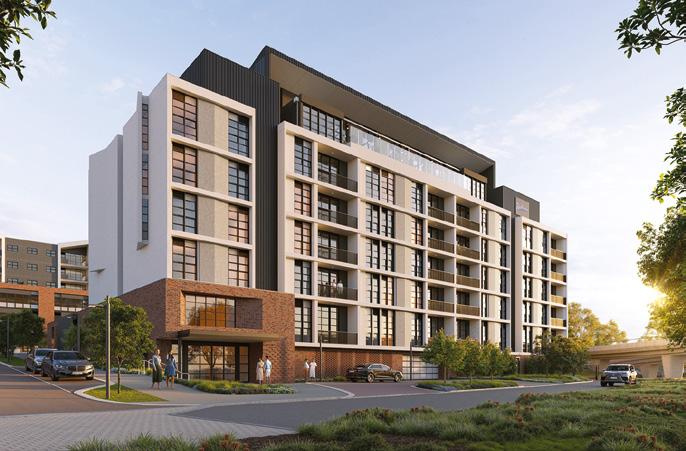















Radisson Perth Exterior render
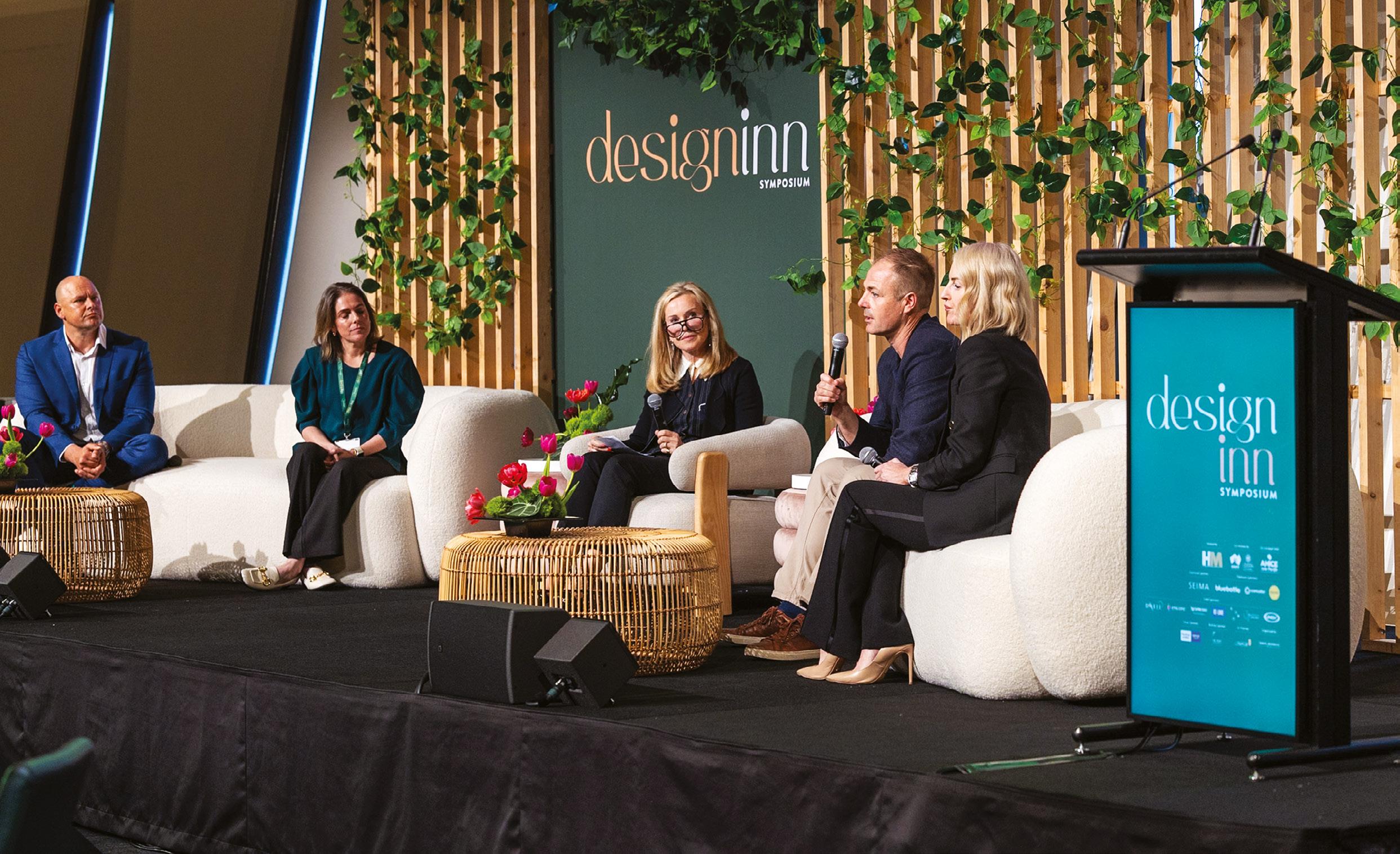
DARE TOFlair
HOSPITALITY LEADERS AND INTERIOR EXPERTS UNPACKED THE LATEST TRENDS AT ASIA PACIFIC’S DESIGN INN SYMPOSIUM. RODERICK EIME REPORTS.
Aconsistent theme at recent AHICE events has been the growing influence of artificial intelligence across tourism and hospitality, and Design Inn Symposium 2026 was no exception.
Moderated by Ivan Sunde, the opening AI panel examined the role of technology in design practice. Andrew Lymn-Penning from UniSA noted that, despite the appeal of experimentation, his students’ “desire was to design, not to learn software”. The panel framed AI not as a disruptive “Terminator” force, but as a practical toolset based on statistics, pattern recognition and workflow acceleration.
Julie Ockerby stressed that AI remained “the tool” and did not replace designers “as the artists”. Peter Rudl agreed, saying AI could “cut down production time” but not necessarily the design process itself. He compared the technology to giving “a novice driver a Formula 1 car”, noting that skill still determines the result. The panel concluded that AI would not replace designers, but would reshape their roles by accelerating iteration, expanding capability and freeing designers to focus on judgement, authorship and cultural sensitivity.
REDEFINING COMMUNAL ACCOMMODATION
Lylo’s Tim Alpe then delivered a keynote on how the brand has redefined the hostel model. Alpe positioned Lylo as a response to a neglected segment of hospitality: communal accommodation. Rejecting the old “build it and they will come” mindset, he argued instead
Design trends and technology were consistent themes throughout the conference
that “if you build it with them, they will stay”. Lylo, he said, had been developed through direct guest engagement, feedback and AI insights, rather than outdated assumptions.
Alpe identified three design pillars: security, particularly important for solo travellers, who account for 70% of guests; privacy, which addresses major hostel pain points; and community, which enables social connection. Lylo’s sleeping pods feature privacy screens, charging, ventilation and lockers. Alpe said the model reflected a shift toward datainformed, user-generated hospitality design that combined efficiency with authentic human connection.
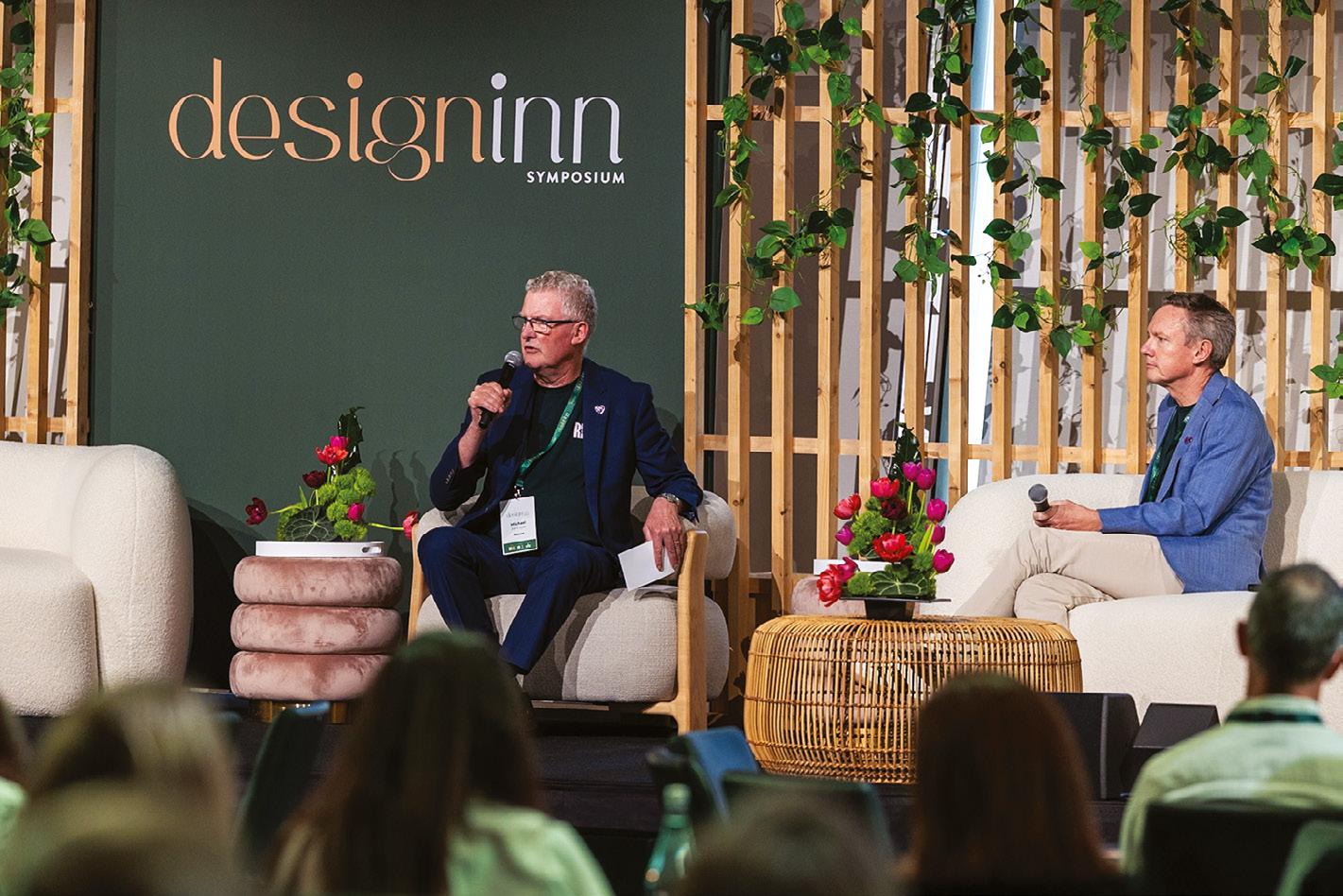
ReLove charity Ambassador, Michael Johnson, with ReLove Founder, Ben Stammer, urging hotels to donate unwanted furniture
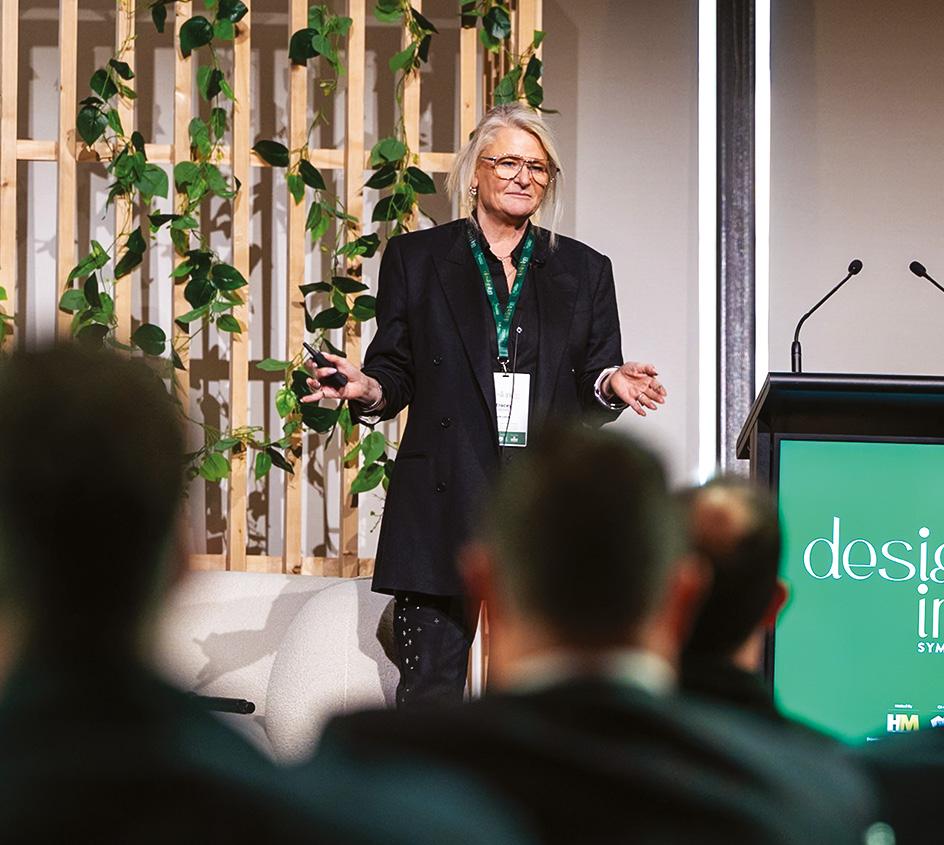
INSPIRING DESIGN SHOWCASE
The first design showcase featured Shelley Indyk of INDYK Architects and Tracey Wiles of Woods Bagot, who discussed the transformation of a former Paddington cinema into 25hours The Olympia Hotel, Sydney’s first 25hours property.
Indyk described a narrative-led transformation rooted in the building’s heritage as a theatre and cinema. The design evokes “larrikins, mavericks, ratbags, poets, painters and musicians”, with the lobby unfolding “like a film”. Rooms avoid uniformity and are divided into two archetypes, Dreamer and Renegade, allowing guests to “align with an identity” rather than simply occupy a room. The project, she said, marked a move from conventional hotel design to immersive narrative architecture.
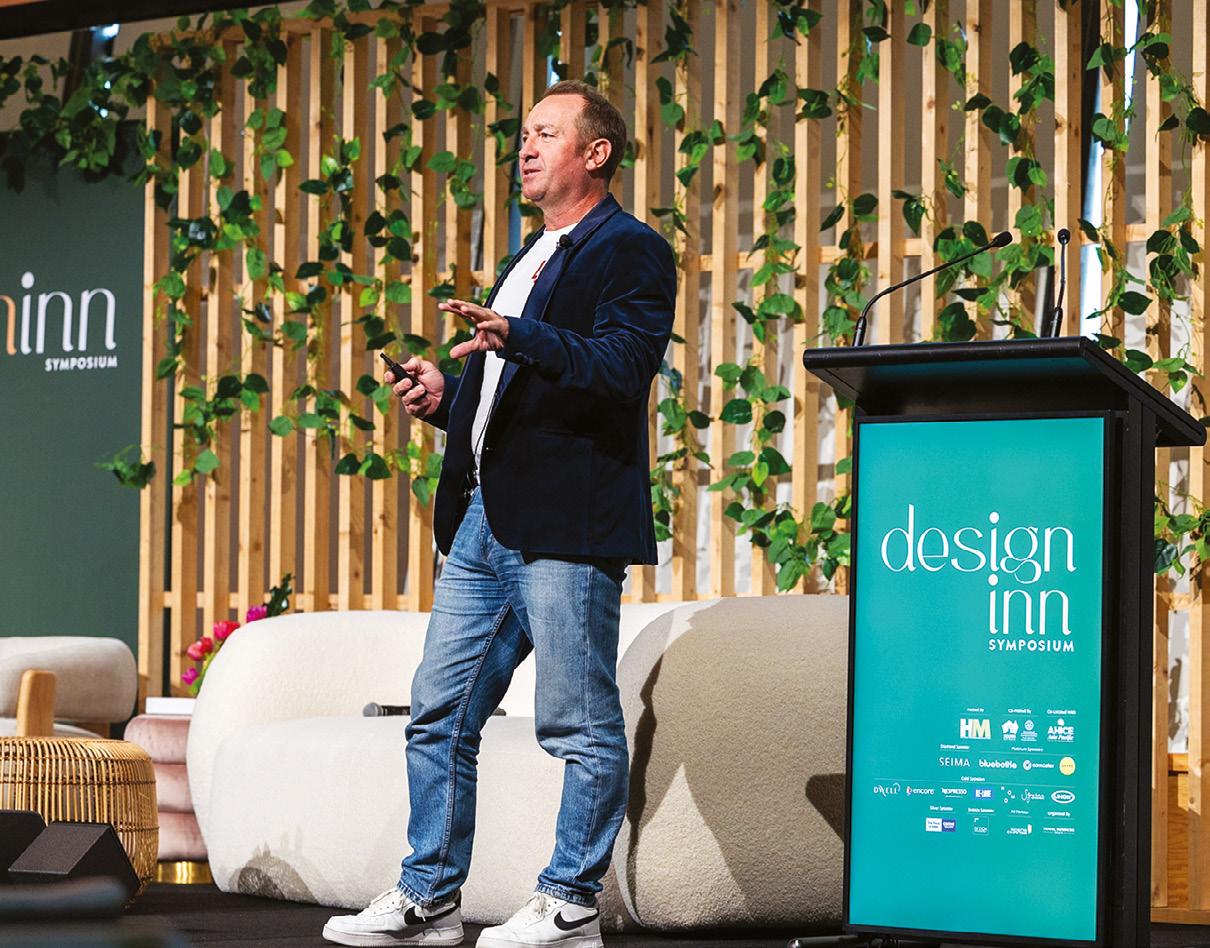
Wiles focused on the food and beverage spaces, describing a complex collaboration between owner operator Ennismore, the 25hours brand and international partners, including Studio Paskin. The aim was to inject a “new social spirit” into the heritage site through venues that were “individually expressive, yet collectively playful”. The F&B design was conceived as a social connector, with street-facing cafés, communal bars and courtyards softening the intensity of Oxford Street.
CONTEMPORARY HOTEL DESIGN MASTERCLASS
Ahead of the SEIMA-sponsored networking lunch, Michael Hyde of Comcater hosted a Masterclass panel with Monique Lane and Nathan Toleman of Mulberry Partners and
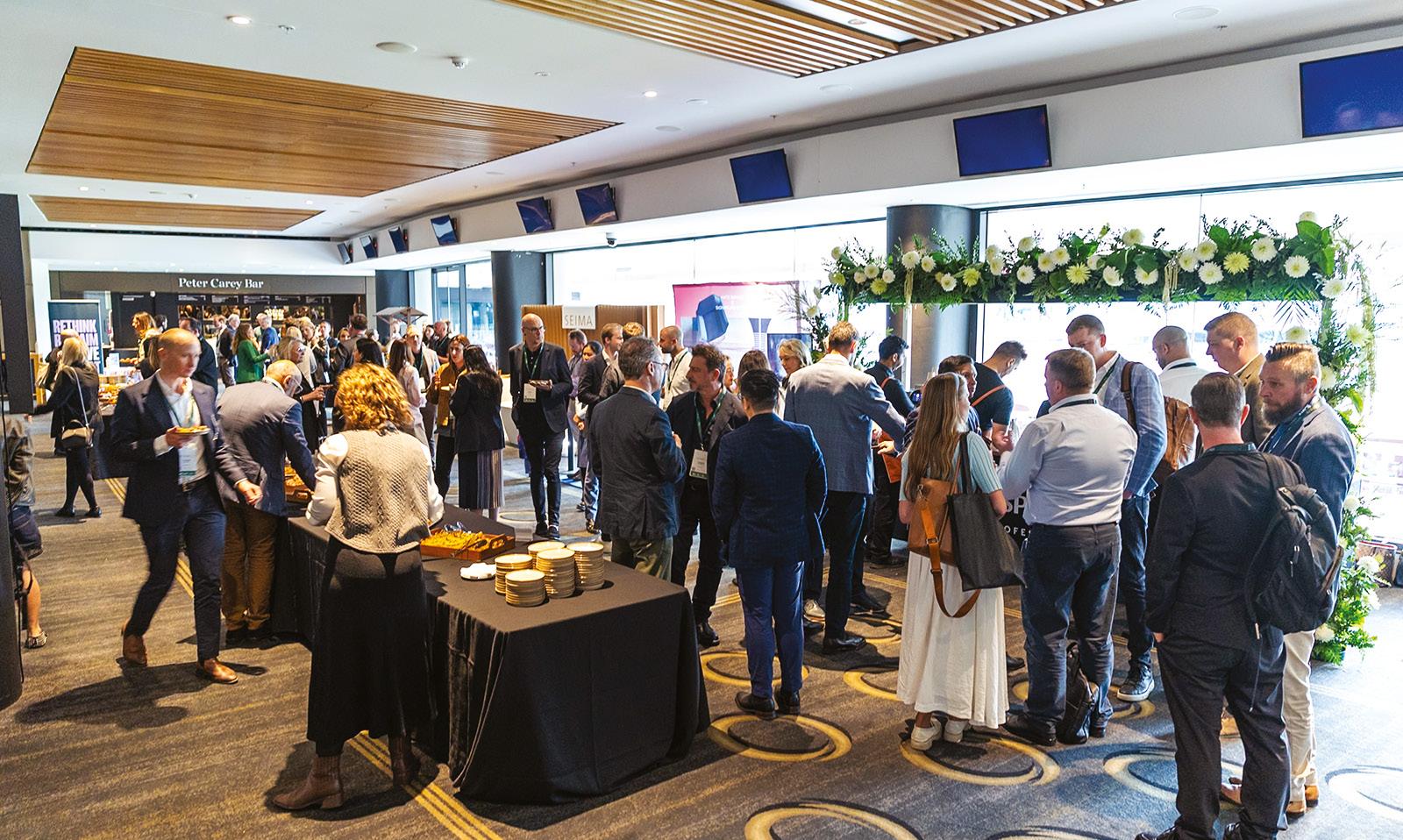
John Thomas of Sangster Design Group. The discussion focused on the operational realities of contemporary hospitality design, particularly efficiency, early collaboration and commercial outcomes.
Toleman highlighted the complexity of adaptive reuse, warning that heritage issues could add “an extra six months” and “potentially another 10%” to a budget. Lane advocated a back-of-house-first approach, saying, “we actually start with the loading dock and work backwards”. Poor planning, she warned, drove labour costs and reduced profitability. Thomas argued that efficiency should be a design driver, especially in Australia, where labour costs are high. “We should not be doing half marathons in the kitchen,” he said, calling for compact, intelligent layouts.
GIVING BACK
Ben Stammer presented an update on ReLove, a project that redirects surplus furniture and fittings from landfill to families displaced by domestic violence. Stammer said ReLove now supported more than 80 charities across Sydney. “In the last year, we’ve supported over 780 families, providing over $10 million worth of furniture and saving football fields from heading to landfill,” he said. The organisation is now looking to expand into Melbourne and Brisbane and is set to receive surplus fittings from the Hilton Adelaide redevelopment.
THE EVOLUTION OF HOTELS AND CITIES
The following panel, Living Galleries: Art, Design and Cultural Space, explored how hotels are evolving into cultural platforms. Hosted by Phillipa le Roux of Hilton, the panel included
Tracey Wiles of Woods Bagot outlined the transformation of an iconic former cinema into the 25hours The Olympia Hotel
Hundreds of delegates attended the Design Inn Symposium 2026 at the Adelaide Oval on 5 May
Lylo’s Tim Alpe shared insights into communal hotel design
CONFERENCES
Cory Hartono of Accor, James Brown of 2049 and Léo Terrando of Studio Terrando. Terrando defined a living gallery as being “really about people and how we connect with each other”, while Brown emphasised the visceral impact of spaces that “make you feel alive just through paint”. The panel agreed that art, culture and interaction were increasingly shaping hospitality spaces, often with greater impact than over-designed environments.
Rebecca King of Antica Projects then examined how Brisbane is developing a global identity ahead of the Olympic Games. King argued that international hotel design had drifted into sameness through risk-averse, repeatable models that produced beautiful but interchangeable spaces. “Travellers now seek authenticity,” she said, arguing that Brisbane should lean into its climate, nature and relaxed lifestyle rather than imitate other cities. Memorable hotels, she said, prioritised atmosphere, texture and cultural connection over polish, creating “places that feel alive”.
Another Masterclass, hosted by Andrew Pickering of SHAPE, examined the live refurbishment of the former Hilton Adelaide into the new Amora Hotel. The panel included Narej Farik of Amora Group, Sean Carrick of RCP, Kasey Wilson and Jonny Tanoto of Cottee Parker Architects, and Will Paley of SHAPE. Operating during construction was the central challenge. Farik said guest safety, guest experience and timing were critical, alongside budget pressures and supply uncertainty. Carrick added that “you cannot underestimate how challenging a live operational building is”. The project highlighted the importance of early collaboration, adaptive delivery and a clear vision when balancing construction demands with a functioning hotel.
WELLNESS ERA
Wellness was another major theme. Juliet Ashworth of Chada hosted The Next Frontier of Wellness with Emily Addison of Studio Tate, Douglas Drummond of Weaving Waters Collective, Neil Owen of Spa Vision and wellness consultant Emma McGrady. The panel discussed the evolution of hotels into wellness environments, including bio-optimisation, recovery and regenerative living.
McGrady said Australia’s wellness economy was worth $200 billion annually, driven by wellness tourism and an ageing population. She also noted a 33% rise in wellness tourism in Australia. Owen cited a rural New South Wales project combining traditional bathing with high-tech recovery equipment. The panel also explored bathhouses, AI diagnostics and neuroesthetics, but warned against superficial wellness gestures. “Don’t bolt it on,” Addison said. Wellness, she argued, must be embedded “through the fibre of the project”.
The next design showcase focused on Hannah Street Hotel in Melbourne, presented by Edward Pearse of Time & Place. Pearse argued that great cities deserved hotels that reflected their real identity rather than generic comfort. Hannah Street, he said, was “a hotel of Melbourne”, shaped by the city’s intellectual, contradictory and quietly confident character. The project rejected trenddriven design in favour of timeless attitude, local collaboration, curated art and meaningful food and beverage. Its ambition was to become part of Melbourne’s daily rhythm.
WHEN TECHNOLOGY AND DESIGN MEET
The final Masterclass examined Guest Room Management Systems, or GRMS, a
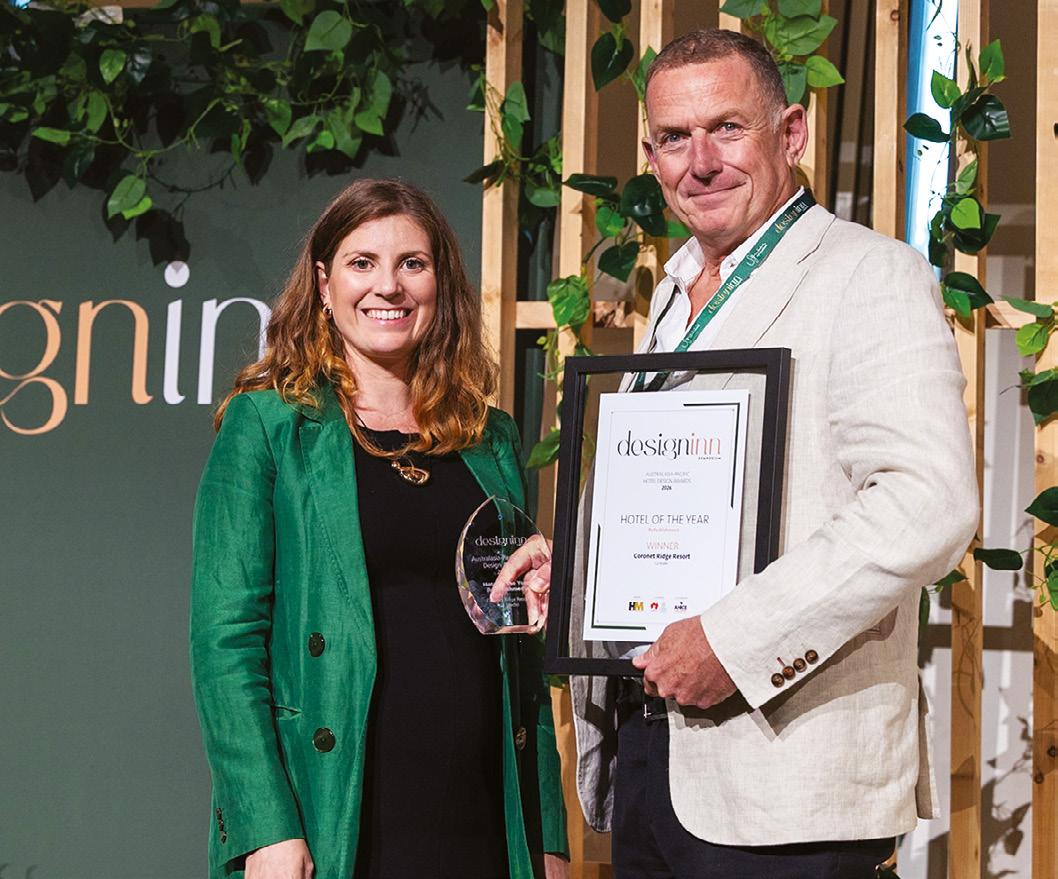
technology often dismissed as complex or costly. Jay Bhattacharya of bluebottle led the session with Christopher Caruana and Nick Gilbert of bluebottle, Stephen Craggs of Signify Dynalite and Alicia Lynch of Marriott International.
The panel said GRMS could deliver electricity and resource savings of at least 30% by monitoring and adjusting room power usage, while also improving labour efficiency for housekeeping and room service. Lynch said dismissing GRMS was a shortterm mistake that created long-term expense. The technology could also improve guest experience through mood lighting matched to circadian rhythms. Caruana said hotels wanted to deliver luxury while retaining cost effectiveness, making GRMS a practical part of future hotel design.
THE BEST IN DESIGN
The Australasia-Pacific Hotel Design Awards winners were announced at the conclusion of the Design Inn Symposium, which recognised exceptional hotel interior design projects completed and opened during 2025 that demonstrate creativity, design innovation, a commitment to sustainable design practices, accessibility and outstanding guest experiences across Australia, New Zealand and the South Pacific (including Hawaii).
Hotel of the Year New Build: One Hotel Melbourne designed by FK (Fender Katsalidis) for architecture and ODO for interior design.
Hotel of the Year Refurbishment: Coronet Ridge Resort designed by G2 Studio.
2025 Paul Davis award for the Australasia Pacific Hotel of the Year: One Hotel Melbourne. Architecture by FK (Fender Katsalidis), and Interior Design by ODO. n
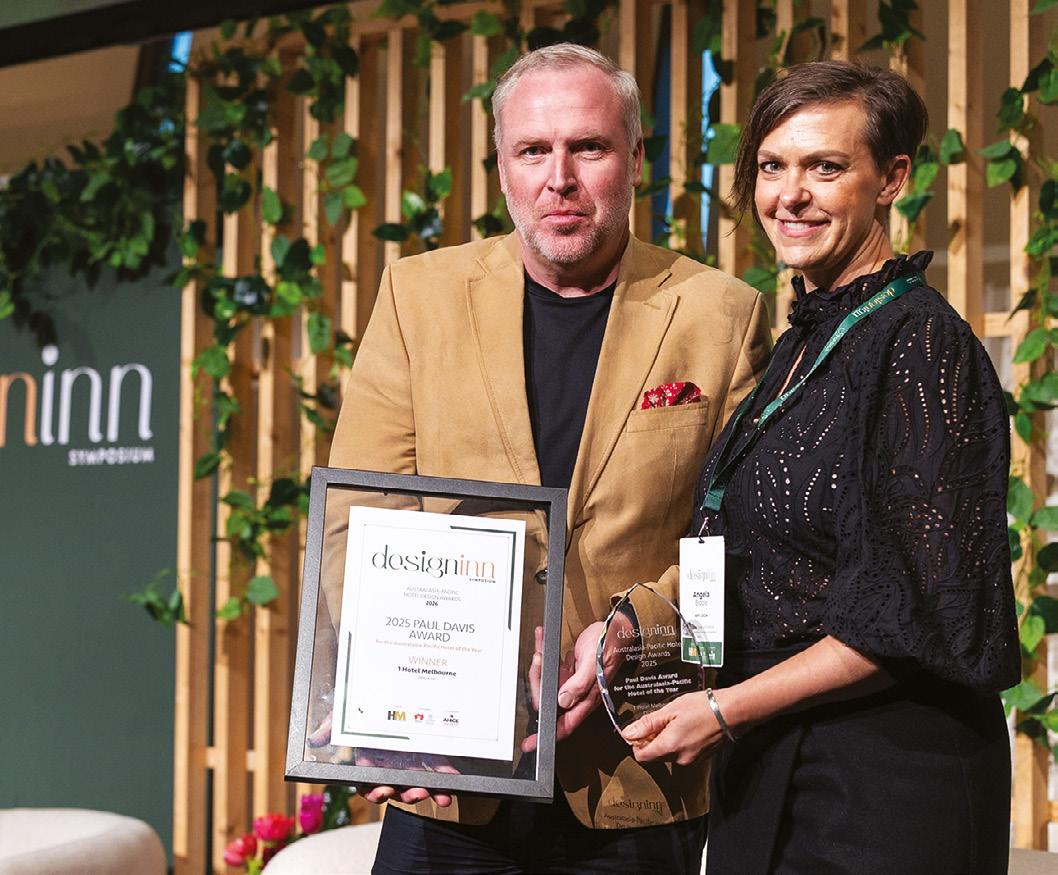
Hotel of the Year Refurbishment winner Graham Crust with Katherine Cameron, Enzyme Consulting, who contributed to the programming of Design Inn Symposium 2026
Winner of two awards, Hotel of the Year New Build and the 2025 Paul Davis award for the Australasia Pacific Hotel of the Year, Angela Biddle with James Wilkinson, HM Editor-inChief and Design Inn Symposium Founder
FUTURE TECH
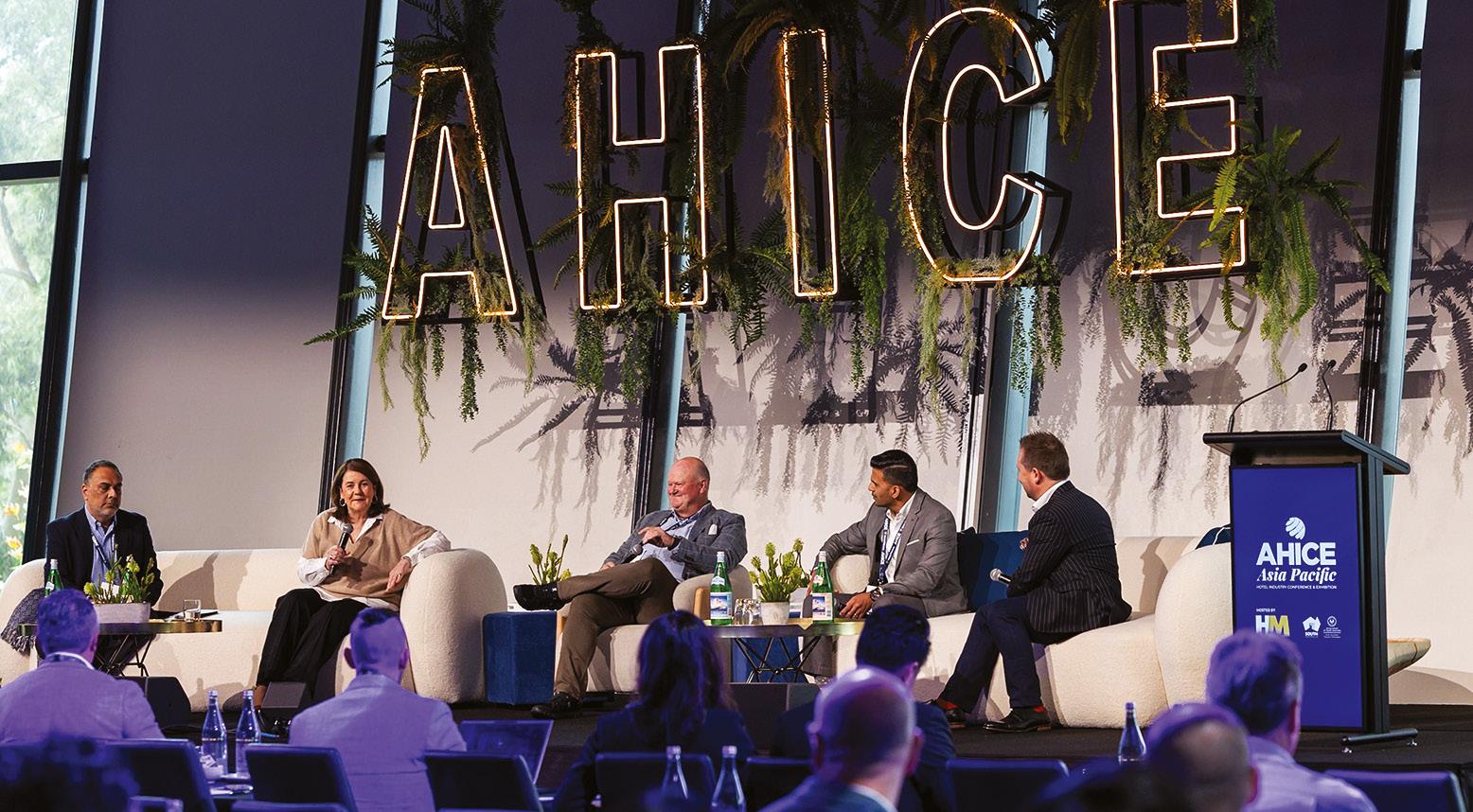
Andrew Cameron, founder of Enzyme Consulting, opened with ‘Designing a Frictionless Guest Journey’, examining how hotels are connecting booking, CRM, messaging and in-room experiences through emerging AI. The panel said artificial intelligence, automation and integrated tech stacks were reducing friction across pre-stay, in-stay and post-stay interactions, from multilingual messaging to automated bookings and concierge services.
“Technology is great, but we should not make it complicated either; keep it really simple,” said Peter Dias of T+L Co.
Speakers said guests increasingly expected seamless communication across WhatsApp, SMS and voice channels, while operators needed to preserve authentic hospitality and guest choice. Automation worked best, they argued, when it removed repetitive administration and allowed staff to focus on personalised service.
“It’s about fitting AI into your business, not necessarily fitting your business into AI,” said Michael Jones of Deltine Capital.
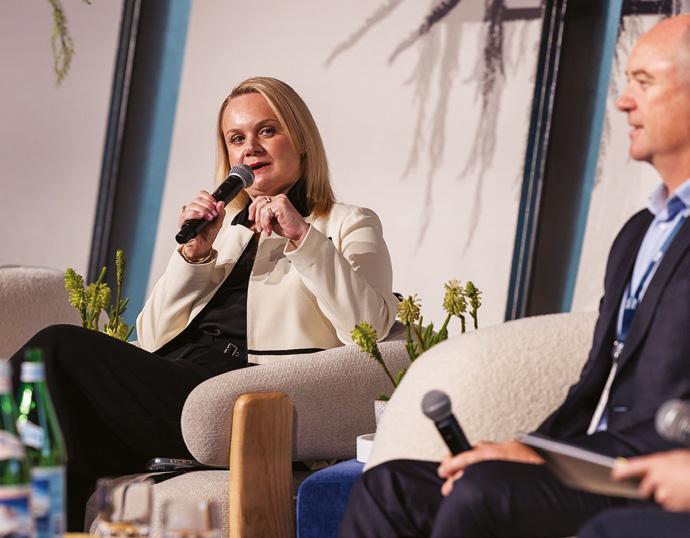
INN TECH, THE MINI–HOTEL TECHNOLOGY SUMMIT PRESENTED BY AGILYSYS, GAVE AHICE DELEGATES A SHARP OVERVIEW OF HOTEL TECHNOLOGY, FROM REVENUE MANAGEMENT TO ON-PROPERTY SYSTEMS. RODERICK EIME REPORTS.
“Everything now is all about hyperpersonalisation,” said Dennington.
The next session, ‘Turning Experiences into Revenue: Next-Gen Profit Optimisation’, hosted by Benjamin Krieg of Metro Global, featured Amit Peshawaria of Duetto, Anne Gill of Accor, David Bark of Mulpha and Murphy Mathew of IDeaS Revenue Solutions. The panel said hotels were moving from technology adoption to practical deployment, with AI, automation and omnichannel interaction shaping both revenue strategy and guest experience. AI was already handling up to 80% of guest communications, freeing staff for service-led roles.
“Hospitality is about human capital. Hospitality is about relationships, and that cannot be replicated,” said Peshawaria.
In a Q&A, Craig Dennington of Agilysys and Ben Charlton of Mahala Projects said fragmented hotel systems were damaging guest experience and profitability. Disconnected booking engines, PMS platforms and guest databases prevented effective guest recognition and consistent service. Integrated systems, they said, were essential to hyper-personalisation, including recognition of preferences, allergies and behavioural patterns.
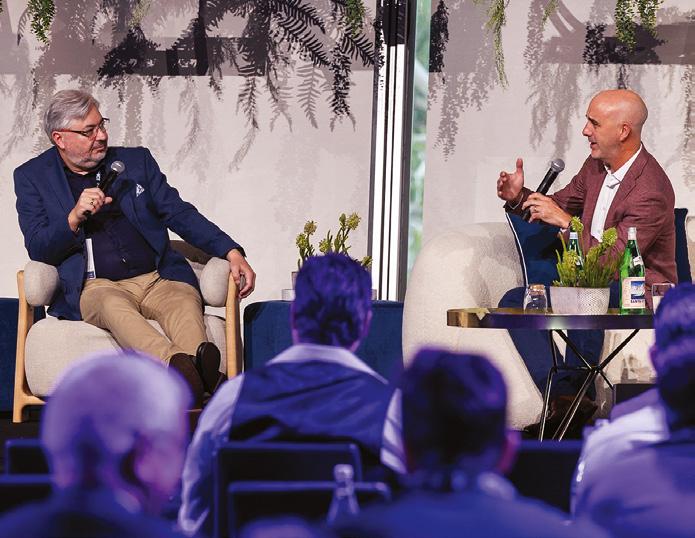
Andrew Turner of EVT then hosted “AI Inside the Hotel: From Hype to Everyday Impact”, with Anthony Stevens of Shiji, Carol Nesbitt of Flexkeeping, Eloise Rankin of Hub OS and Emma Fraser of Fraser Marketing International. The panel said AI was becoming embedded in daily hotel operations through multilingual communication, automated guest responses, reputation management, survey handling and workflow automation.
“We cannot lose that human touch, that human element,” said Nesbitt. Rankin added: “AI should essentially be invisible to the guest and invaluable to the operation.”
Rodger L. Powell of THSA Hotel Advisors closed with ‘Future Proofing Your Hotel’, warning that “tech, instead of being a facilitator, can be today an inhibitor”. Panellists from Honeywell, Infor, Assa Abloy and SiteMinder said integration, machine-readable systems, customer-controlled data, Wi-Fi, energy management and AI-enabled revenue optimisation were future priorities.
“AI without a strategy… is just tech debt and cost,” said Michael Kinloch of SiteMinder.
INN Tech 2026 closed with a clear message: AI is reshaping hospitality through automation, hyper-personalisation and datadriven operations, but human interaction remains central. Future hotel workers will need stronger digital skills, while hotels must stay connected without losing relationshipdriven service. n
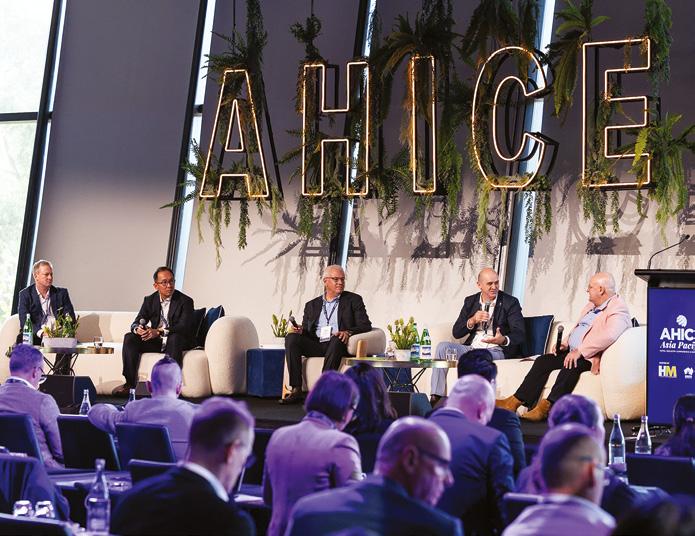
Emma Fraser of Fraser Marketing International spoke about AI advancements
Speakers from the ‘Turning Experiences into Revenue: NextGen Profit Optimisation’ panel
Craig Dennington of Agilysys and Ben Charlton of Mahala Projects
‘Future Proofing Your Hotel’ panellists provided insight into what to expect in 2027
Empowering
THE NEXT GENERATION
FUTURE LEADERS FORUM PUTS TALENT, TECHNOLOGY AND RESILIENCE CENTRE STAGE, RODERICK EIME REPORTS.
The 2026 AHICE Future Leaders Forum examined career pathways, leadership resilience, hotel development, operations, technology and industry networks, with speakers saying future hotel leaders would need commercial discipline, adaptability and strong people skills as AI, constrained supply and changing guest expectations reshaped the sector.
Hosted by Professor Simon Pawson, Associate Dean of the Blue Mountains International Hotel Management School, the Forum was framed by the school’s role in developing industry-ready talent. Pawson said industry input remained essential, while the school’s growth from its 1991 origins to campuses in Sydney, Melbourne and Adelaide underlined the need for executive education, applied management training and research-led partnerships.
The first panel, hosted by Tristan Cooper of Marriott International, explored careers in hotel property and development. Speakers from Colliers, CBRE, JLL, Accor and Trilogy Hotels said many had entered the hotel industry indirectly through property, valuations, law or operations. Sam Abel of Colliers described hotels as “a sub-sector almost in its own little area of property”, while Taylor Morris of CBRE called the sector “dynamic” and “such a beautiful asset class”.
Josie Hungerford of Trilogy Hotels said her first major multi-hotel deal showed that “no deal has been structured the same, and every deal has been different”. The panel agreed hotels
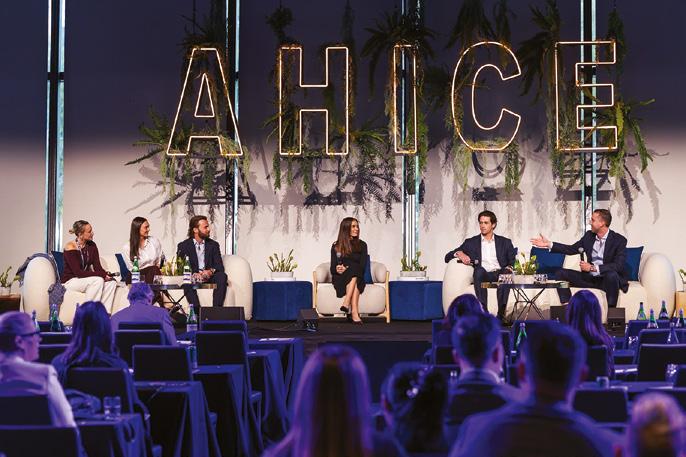
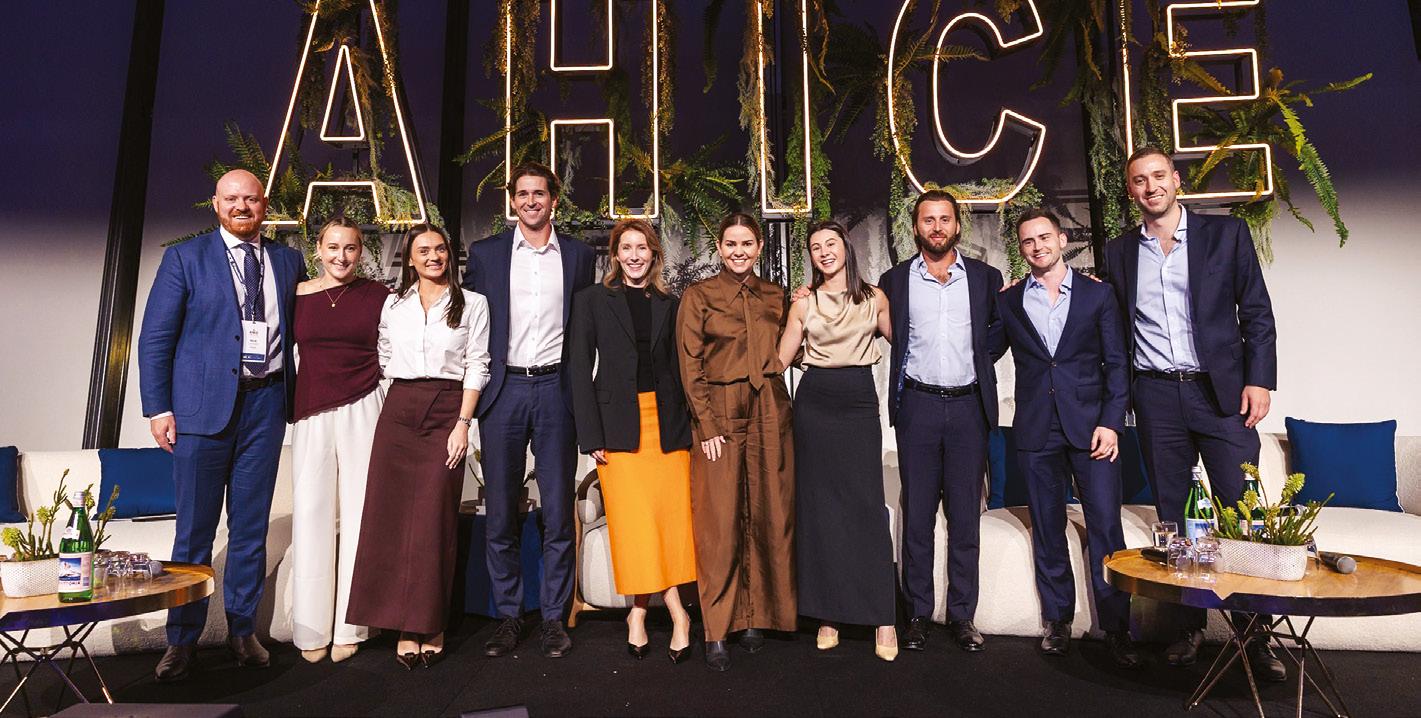
demanded technical knowledge and human skills, with valuations providing a foundation for understanding KPIs, value drivers and investor expectations. Hungerford said her legal background had helped with “conflict resolution, negotiation, communication”, and relationship building.
Looking ahead, panellists identified AI, constrained supply, mixed-use development and branded residences as defining issues. Chris Boyd of JLL said AI would affect “every realm within our industry, from ops to brokerage”. Morris said rising construction and labour costs would restrict new supply, supporting occupancy, rates and existing asset values.
A leadership discussion with 1834 Hotels Executive Chairman Andrew Bullock, interviewed by Amelia Perez of Serene Capital and Nick Hill of CBRE, focused on uncertainty and resilience. Bullock compared the GFC and COVID, saying both reinforced the importance of balance sheet strength and calm decision-making. His advice to younger leaders was that “there is always a way through” and to “keep going, keep the line, keep your head up and just try and make good decisions every single day”. AI literacy,
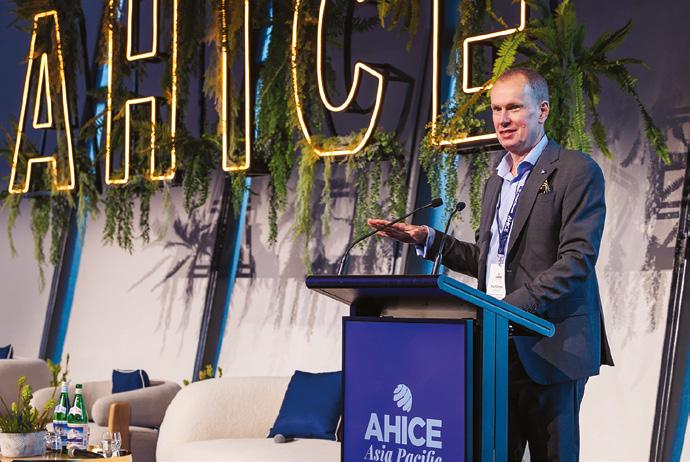
he said, would become “one of those absolute key skills”.
The final panel, led by Scott Barton of EVT, examined operations and career pathways. Nick Lockyer of Accor said hotels had allowed him to turn “pulling beers into a career” before moving into development. Jessica James, General Manager of QT Canberra, said she knew from age 15 that she wanted a career in hotels and became a GM at 24 after taking regional and international opportunities. James Clark of Ovolo Hotels cited an internal “Shark Tank” concept where staff contributed ideas, including a rooftop beehive that produced 45 kilograms of honey.
The closing Young Hotel Leaders update reinforced networking as a career accelerator, with speakers from Brisbane, Canberra and Adelaide describing YHL as a practical network across operations, valuation, legal, construction and investment. Its expansion to Adelaide reflected a sector investing in its next generation.
The Forum’s message was clear: future hotel leaders will need resilience, curiosity, commercial understanding and confidence with technology, while the industry must keep investing in talent, mentoring and networks that support long-term careers. n
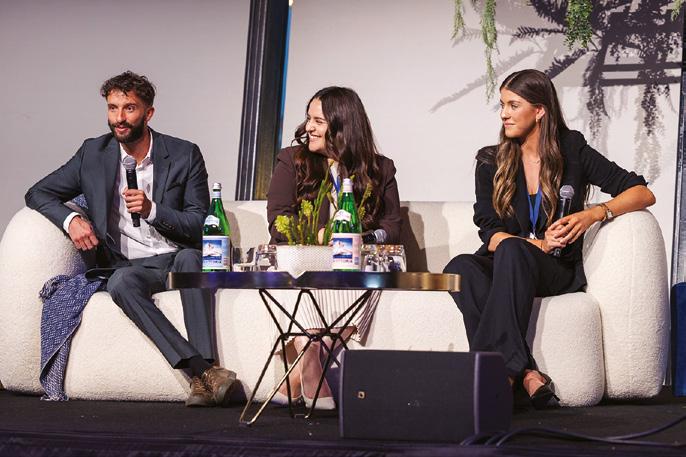
The Future Leaders Forum marked its fifth edition in 2026
Panellists shared their perspective on future hotel leadership
The Forum was hosted by Professor Simon Pawson, Associate Dean of the Blue Mountains International Hotel Management School
The Future Leaders Forum was part of AHICE Asia Pacific 2026

2026Australasian DEVELOPMENT OUTLOOK
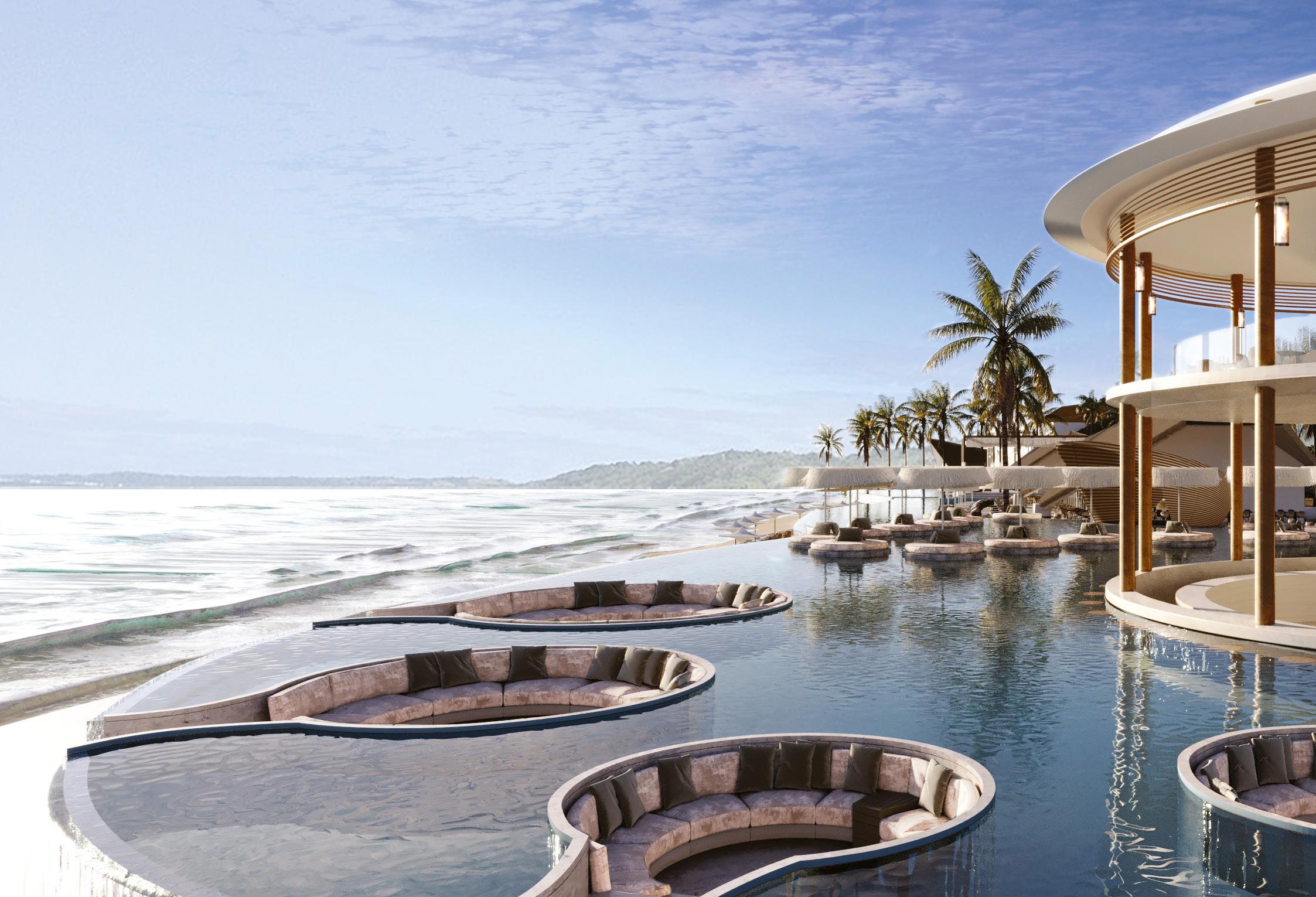
LEADERS UNPACK AUSTRALASIA’S EVOLVING HOTEL DEVELOPMENT LANDSCAPE.
ACCOR
Lindsay Leeser, Chief Development Officer, Pacific
From new hotel builds and landmark conversions through to airport precinct developments, our industry keeps powering forward. Hospitality across Australasia is being fuelled by resilient travel demand and by owners who remain deeply engaged in the sectorʼs long-term potential.
As the region’s largest hospitality group, with diverse brands across all segments, our network continues to grow at pace. Combined with the strength of ALL Accor, our partnerships and local operating expertise, this scale creates significant value for both guests and owners.
Guests are increasingly seeking experiences that feel more local, social and purposeful. Hotels are no longer simply places to stay; they are becoming hubs for dining, wellness and connection. That shift is creating strong momentum across lifestyle hospitality, mixed-use developments and branded residences.
We are seeing this play out across multiple brands. The signing of Mövenpick Hotel Adelaide in May reflects the growing appetite for premium conversion opportunities with strong commercial fundamentals. Handwritten Collection is also gaining excellent traction as more independent owners look to retain character while accessing global distribution and loyalty platforms. In the luxury segment, MGallery Collection continues to build momentum with distinctive openings in 2025, such as Elysium Noosa Resort and The Brighton Hotel Sydney.
At the same time, lifestyle hospitality continues to accelerate. Through Ennismore – the fastest-growing lifestyle hospitality company in which Accor owns a majority share – we have introduced brands such as Mondrian, Hyde and 25hours to the Pacific, with further growth still to come, including Australia’s first The Hoxton in Melbourne.
What owners are looking for today is adaptability, strong local support and brands that can adapt to changing market conditions. That is why franchise continues to grow strongly across the region, supported by local teams, operational expertise and the strength of Accor’s global platforms.
The Pacific remains one of the most dynamic hospitality regions in the world. There is enormous opportunity ahead, and we remain incredibly optimistic about the next chapter of growth for our industry.
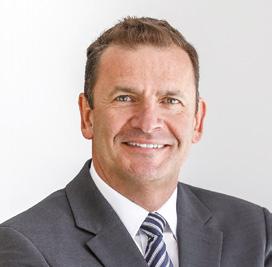
ASCOTT AUSTRALASIA
David Mansfield, Managing Director
Hospitality in 2026 is no longer defined by the divide between the corporate hotel and the regional escape. Today’s traveller is seeking greater flexibility, connection and personalisation, wanting accommodation that effortlessly blends work, leisure and lifestyle without compromising on space, experience or location. At Ascott Australia, we see this evolution as one of the most significant opportunities shaping the future of travel.
Our strategy is focused on combining our strong regional footprint with a major expansion across Australia’s eastern seaboard CBDs. Through our portfolio of brands, including Quest Apartment Hotels, Lyf, Citadines and Oakwood, we are building a network designed around the needs of the modern ‘bleisure’ traveller, allowing guests to stay where and how they want to live, work and explore.
Our CBD presence is entering an exciting new phase. The openings
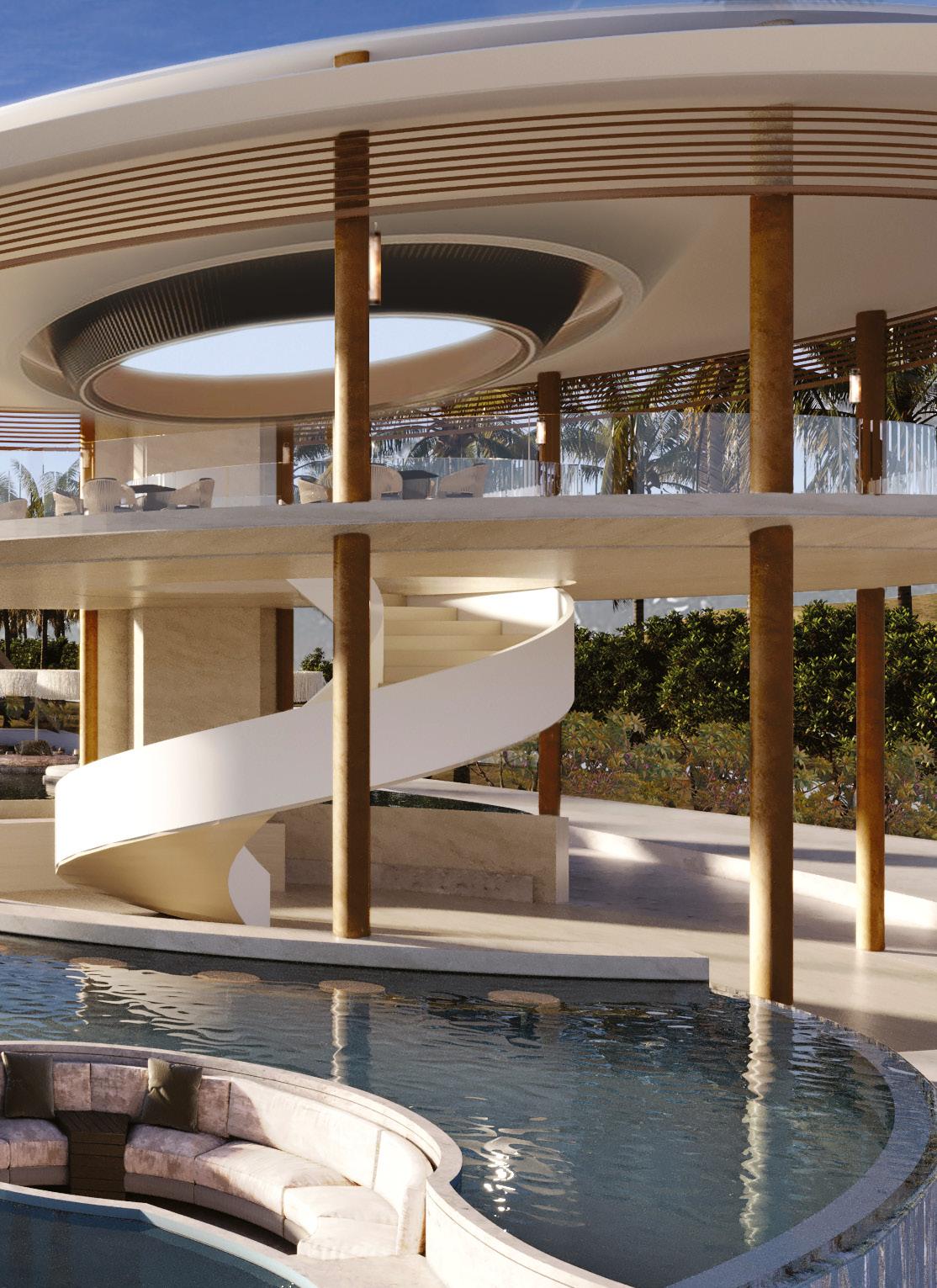
of Lyf Bondi Junction, Sydney and Lyf on Elizabeth Street, Melbourne in 2025 represent an important step forward, alongside upcoming developments including Oakwood Epping, Melbourne and Citadines Elizabeth Street Pier, Hobart in late 2026. Looking ahead, a new Oakwood Premier in Adelaide is also planned for 2027.
Importantly, growth today is about far more than simply adding rooms. ESG, technology and personalisation are increasingly shaping guest expectations and investment decisions alike. Across our brands, we are investing in smarter digital experiences, AI-enabled guest journeys, more sustainable operations, and stronger local community connections to create long-term value for both guests and partners.
Quest Apartment Hotels continues to play a critical role in that strategy. Over 37 years, the brand has built one of Australia’s strongest accommodation networks, underpinned by trusted local ownership and deep corporate demand across metropolitan and regional markets alike.
The momentum across our brands reflects our long-term confidence in Australia’s accommodation sector and our ambition to continue expanding with purpose for the next generation of travellers and investors alike.
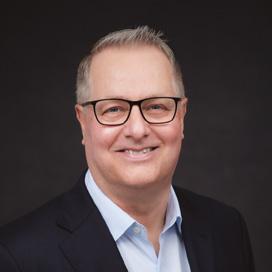
BWH HOTELS AUSTRALASIA
Rod Munro, Managing Director
Despite cost-of-living pressures and ongoing geopolitical uncertainty, the outlook for hotel development across Australasia remains broadly positive, albeit more measured, with several structural shifts shaping future pipelines.
While travel demand continues to show resilience, supported by strong domestic markets, these external factors are influencing consumer behaviour, reinforcing demand for value, flexibility and longer-stay options. At the same time, new supply is tightening, as
escalating construction costs and challenging funding conditions delay or deter new builds. As a result, the market is increasingly turning toward repositioning existing assets and exploring adaptive reuse opportunities, creating a more conversion-led development environment. The luxury and upper-upscale segments continue to attract developer and investor interest, underpinned by strong rate performance and evolving demand from younger, experiencedriven travellers.
Against this outlook, BWH Hotels is actively aligning its growth strategy to capitalise on these evolving dynamics, with a dual focus on brand innovation and strategic partnerships.
A key example is the launch of WorldHotels Backdrop, marking a significant evolution of the WorldHotels brand and responding to the emerging trend of immersive, nature-led travel. The collection brings together a curated mix of upscale outdoor retreats and luxury glamping experiences, allowing guests to reconnect with destination, environment and self, without compromising on comfort or service. From safari-style tents near Zion National Park to riverside cabins, WorldHotels Backdrop reflects a broader shift towards more meaningful and restorative travel experiences.
Importantly, the concept presents strong potential within Australasia, where Australia and New Zealand’s diverse landscapes, from coastal escapes to regional and wilderness destinations, are ideally suited to the WorldHotels Backdrop model. With several exciting opportunities already in play across the region, WorldHotels Backdrop is wellpositioned to support future growth and further diversify the WorldHotels portfolio locally.
Complementing this is the commencement of BWH Hotels’ partnership with Central Apartment Group, beginning with the launch of Best Western Plus Canberra Central Apartments. This milestone represents a strong first step and sets the tone for a broader rollout across CAG’s 25-property portfolio. It strengthens BWH’s presence in key markets and expands its extended stay offering, one of the
Hilton Adelaide East End, slated to open in 2031, marks the brand’s re-entry into the South Australian market following the July exit of its Victoria Square site after more than 40 years
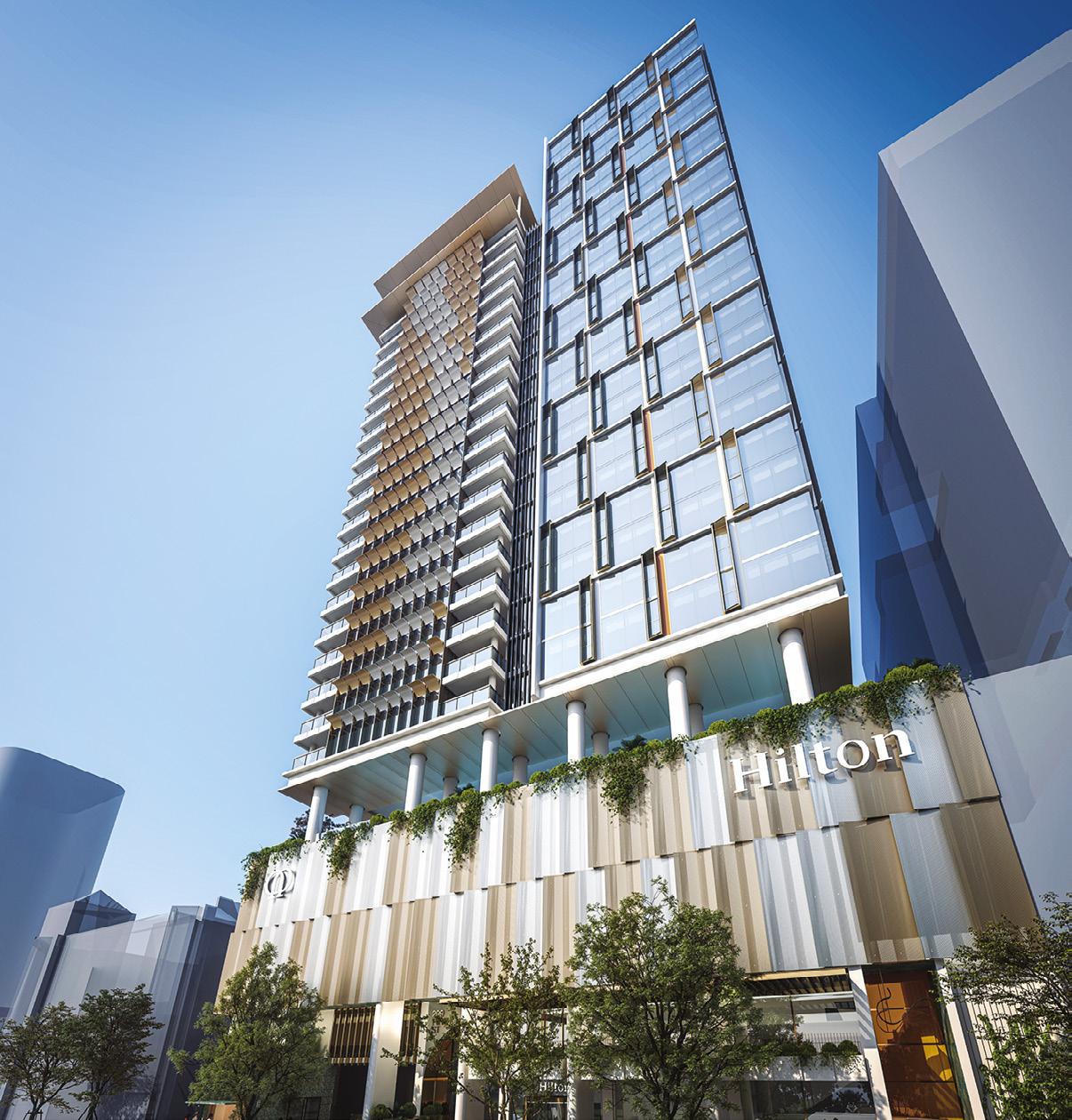
The Ritz-Carlton Fiji, Namuka Bay will bring a new level of luxury to Fiji’s Coral Coast, marking the luxury brand’s debut in Fiji
Marriott International plans to bring Sheraton Hotels and Resorts to Christchurch, with the 240-room development expected to become a flagship destination within the city’s revitalised CBD when it opens in 2027
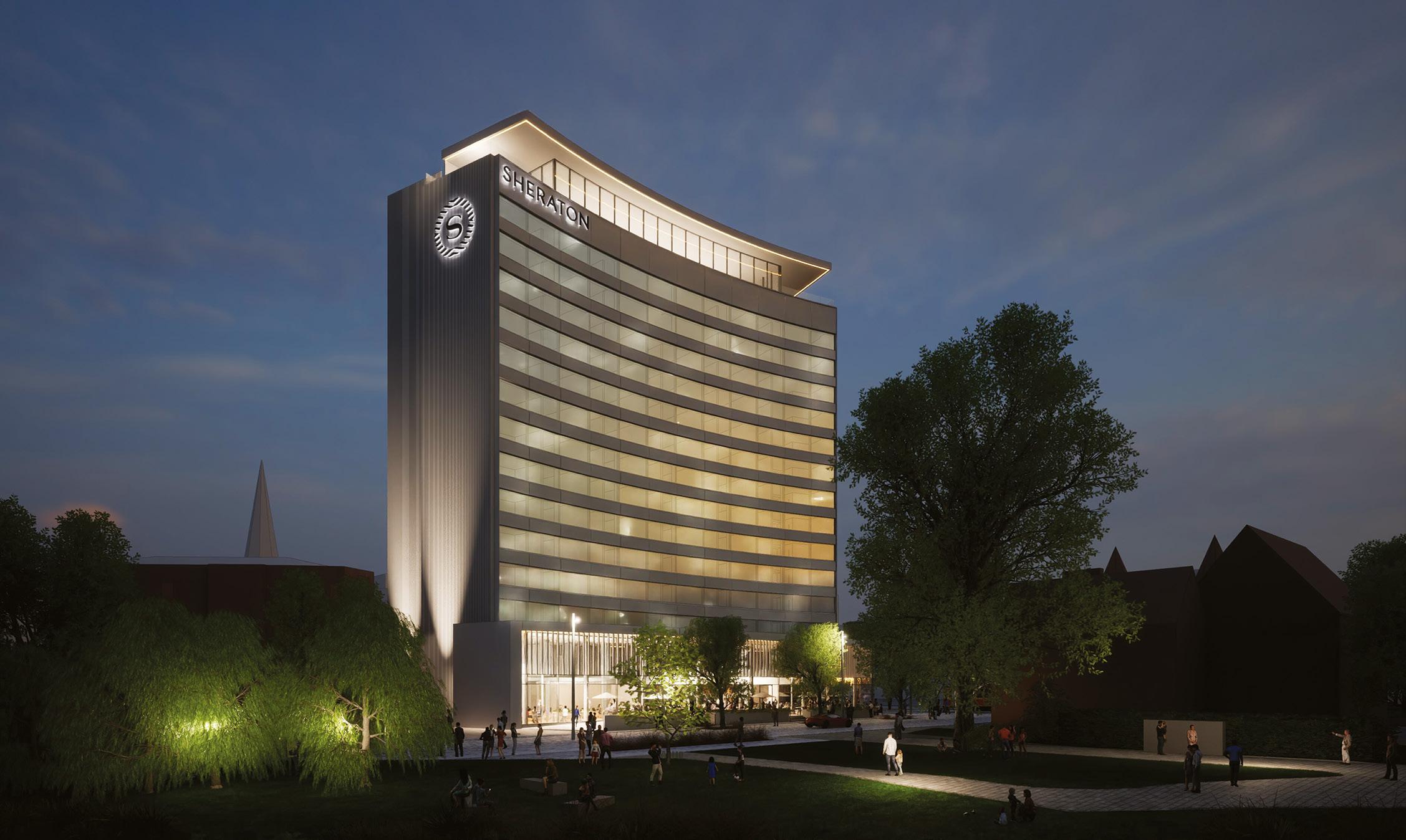
fastest-growing segments, while delivering immediate access to global distribution channels and a powerful loyalty base. Together, these elements are expected to drive incremental demand, broaden the group’s reach across key traveller segments, and support long-term performance for owners.
Together, these initiatives demonstrate how BWH Hotels is responding to changing market conditions, leveraging conversion opportunities, partnerships and emerging travel trends to support sustainable growth across Australasia and beyond.

CHOICE HOTELS ASIA-PAC
Trent Conroy, Head of Investments and Portfolio Growth
Long-term feasibility is increasingly shaping hotel investment decisions as owners and developers look beyond short-term performance to build resilience against market cycles, seasonality and evolving demand patterns. In an environment characterised by supply chain disruptions, cost pressures and labour challenges, capital deployment is becoming more cautious, and the importance of sustainable income streams and operational efficiency is heightened.
Against this backdrop, Australia’s extended stay accommodation segment continues to gain momentum as a resilient alternative to traditional hotel models. By catering to corporate, project-based and relocation demand, extended stay properties typically benefit from longer average lengths of stay and consistent occupancy profiles. These characteristics are commonly associated with more stable operating conditions, particularly during periods of disruption, when transient and leisure driven demand can be more volatile.
Location plays a key role in determining long-term feasibility. Regional centres and secondary markets, particularly those with strong government, infrastructure or corporate activity, are often well-suited to extended stay formats when compared with more competitive CBD markets. Australia continues to boast many locations that are desperate for their first, or additional extended stay accommodation inventory.
Finally, brand and operational capability play a crucial role in unlocking the full potential of extended stay assets. Alignment with a global extended stay brand and experienced operator supports revenue delivery, efficient operations and ultimately drives profits, reinforcing extended stay accommodation as a compelling option for those seeking durability and long-term value in Australia’s evolving hotel landscape.
CRYSTALBROOK COLLECTION
Geoff York, CEO
In 2026, the Australian hotel sector finds itself at a crossroads. The days of operating with a degree of insulation from global volatility have passed; today, Australia is increasingly behaving as a globally exposed market. We are navigating a structurally challenging landscape defined by rising costs, capital constraints, and softer international conditions, all while managing local cost structures and constraints. This makes operational agility and adaptability more important than ever.
For Crystalbrook Collection, this shift has turned operational discipline into a critical priority. Success in this climate will come from smarter and more focused operational decision-making. We are becoming far more deliberate about understanding what is core to our operations so we can remove unnecessary operational complexity to focus on what genuinely drives guest value. Today’s operators are balancing a difficult tightrope: rising guest expectations and heightened public scrutiny – amplified by reviews, social media, and AI-driven recommendations – against the very real pressures of labor shortages and inflation.
To thrive, we must empower our teams with clearer, more actionable data and foster a deeper commercial understanding across every level of the business through a “decision to impact” mindset. We view technology not as a distraction, but as a driver of efficiency; AI and operational data are already improving our forecasting and resource allocation, as well as the speed of decision-making across hotel operations.
Despite market volatility, smart growth remains a core pillar of our strategy. Crystalbrook Collection continues to see significant
opportunities in strategic markets like Adelaide and Canberra, while remaining disciplined in how investment decisions are made.
As we look toward the future, the operators who succeed in the Australian market will be those who can balance operational discipline with genuine guest experience and long-term value creation. By simplifying our operations and leveraging innovation, we ensure our teams can focus on what matters most: delivering the high-value experiences and “Responsible Luxury” that define the Crystalbrook brand.

EVT
Norman Arundel, Director
of Hotels and Resorts
In 1989, as the pilotsʼ strike brought Australian tourism to a standstill, some minister – I canʼt recall, famously described the impact on the industry as a blip. The backlash was swift and predictable; he was forced into an industry-wide apology. As it turned out, the strike ended, the planes flew, and the industry resumed its upward trajectory. Plot it on a line graph over the long term, and the disruption is exactly as he said – a blip. Itʼs a lesson worth keeping in mind during the current period of market uncertainty.
Because whatever the headlines suggest, activity in the hotel development space tells a different story. Customers want to travel more than ever, and the next generation traveller is curious and flexible, seeking meaningful experiences that deliver loyalty. New hotels continue to be built, existing properties continue to be redeveloped, and new concepts and brands continue to emerge. The pipeline is very much alive.
At EVT, weʼre continuing to back that momentum. Two new managed properties opening in the next six months: Atura Oran Park and QT Parramatta. Both represent our ongoing commitment to supporting asset owners in bringing distinctive, high-quality design-led hotel experiences to growing markets.
EVT, as a hotel owner, is also investing in the likes of Queenstown, by making perhaps our most considered statement yet in the transformation of our former QT and Rydges properties into a single, purpose-built next-generation QT. Itʼs a project we believe will set a new benchmark for luxury lifestyle hotels in this region and one weʼre confident will earn its place as a genuinely iconic property. LyLo Gold Coast is next, a new build recognising the high demand from a new generation of travellers.
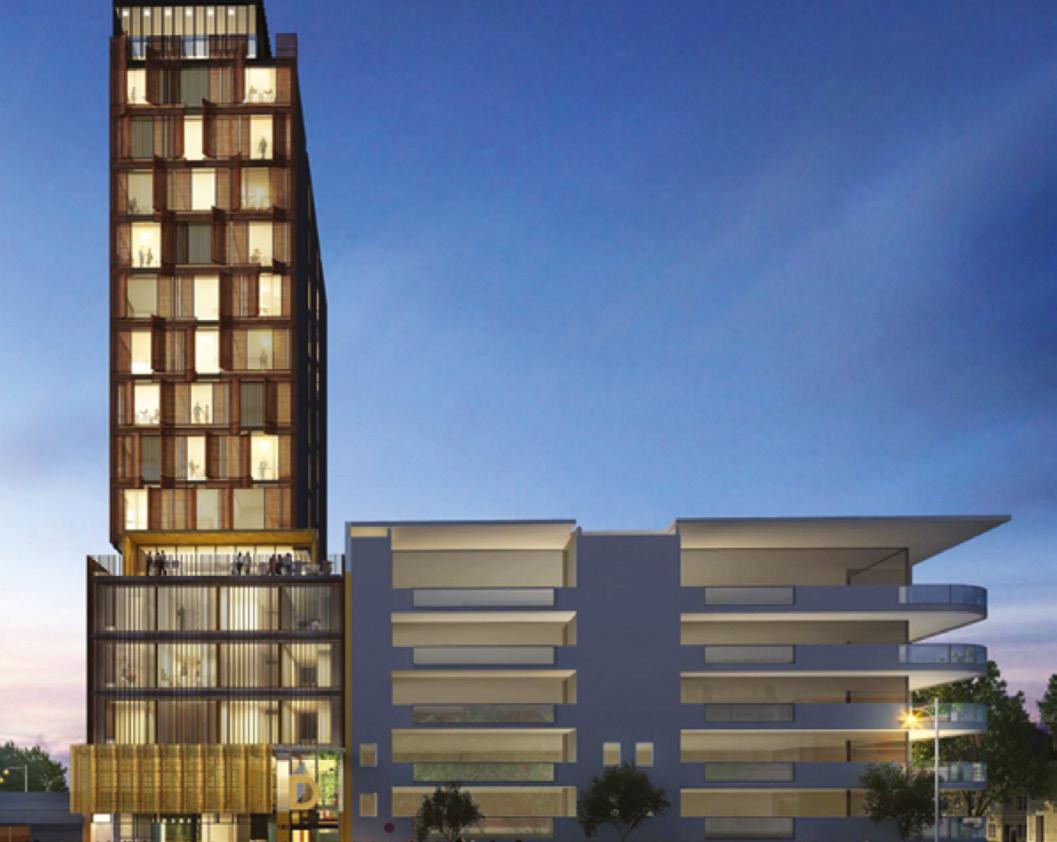
The second trend we are immersed in, less a trend than a longestablished pattern reasserting itself, is the enduring appetite
Australians have for international travel. Even in the current environment, outbound demand is booming. For EVT, the strategic response is straightforward: follow our guests. Weʼre in advanced discussions to bring our brands into several major international cities where our guests travel most frequently. We will have more to say on that in the months ahead.
The third trend is AI. From GEO and AEO to agentic commerce, AI is redefining how customers find, choose and book a hotel. With automation reshaping reservations, finance and the guest experience, including voice agents changing the in-room and enquiry experience. EVT is investing to be ahead of the game, reflected in our Mastercard partnership, delivering the first agentic commerce transaction in Australia and New Zealand, the future for hotel guests.
The short-term challenges are real, but so is the underlying strength of this industry. As that long-forgotten minister might say – itʼs a blip.

HILTON
Paul Hutton, Area Vice President and Head of Australasia
Hotel development across Australia, New Zealand and the South Pacific is entering a more disciplined phase. With construction costs and capital still elevated, owners are being far more rigorous on feasibility, risk allocation and the path to stabilised cash flow. Delivery timing, labour availability and fit-out costs remain key pressure points, so projects need clear positioning and an operating model that can perform through the cycle.
For the next 12–24 months, I expect three themes to stand out. First, we’ll see more conversions and rebrands as owners look for faster-tomarket outcomes and greater cost certainty than many new-builds. Second, management, franchise and hybrid structures will keep evolving, with operators and owners seeking the right balance between control, brand systems and distribution power. Third, the focus is shifting from “more amenity” to “better experience” and smarter operations, where sustainability initiatives can reduce energy and water costs while also improving access to funding and approvals. Our recent signings, such as Motto Sydney, LXR Gold Coast and Hilton Adelaide East End, illustrate how owners are targeting the right brand in the right location with aligned partners and operating structures.
By segment, focused service remains compelling for many owners due to operational efficiency, staffing flexibility and broad demand. At the same time, luxury and lifestyle brands continue to gain momentum where differentiation and experience-led travel can support rate, and our planned opening of Waldorf Astoria Sydney in 2027 is a good example of the confidence we’re seeing at the top end of the market. Full-service developments can still stack up in markets with proven meetings and events demand and the right mix of corporate and premium leisure. Geographically, interest remains strongest in CBD with resilient commercial activity, alongside selected regional and leisure destinations where demand is durable and new supply is constrained. Regions such as far north Queensland are a great example of this, where we have Hilton Palm Cove Cairns Resort and Spa slated for opening this year.
Ultimately, the projects most likely to proceed will align brand, product strategy and capital early, then execute with speed and certainty. For owners and operators, the goal isn’t simply to add keys, it’s to deliver hotels that fit their market, run efficiently in today’s cost environment and stay relevant for the next decade.
Wyndham and Ovolo are set to launch a Perth boutique hotel in 2028, marking their franchise partnership debut. Render of The Bennett by Ovolo Perth a Wyndham Hotel
IHG HOTELS AND RESORTS
Cameron Burke, Director of Development, Australasia and Pacific Across Australasia, the hotel development landscape is continuing to evolve, with conversions increasingly emerging as one of the most compelling strategic pathways for owners looking to unlock value, reduce risk and accelerate returns.
While new-build developments remain an important part of the market, construction cost escalation, financing constraints and extended delivery timelines are continuing to challenge the feasibility of many greenfield projects. As a result, we continue to focus on high-quality new build projects whilst also working closely with owners to identify opportunities to reposition existing assets through adaptive reuse and strategic brand conversions that better align with the evolution of market demand and long-term performance objectives.
We are seeing strong momentum in this space across a range of market segments and locations, particularly as owners look for flexible pathways to improve asset performance while reducing development risk and time to market.
In some cases, conversions are enabling owners to reposition assets into higher-value segments and unlock latent value, as seen with projects such as InterContinental Brisbane. In others, independent hotels are recognising the growing importance of global distribution platforms, loyalty ecosystems and brand recognition in driving longterm performance, exemplified by Kimpton Mayfair Adelaide.
Adaptive reuse is also becoming an increasingly attractive pathway, particularly where owners are looking to optimise returns on existing infrastructure while responding to evolving traveller expectations.
Projects such as Voco Darwin Suites demonstrate how conversions of buildings with historically different uses, in this case office, can efficiently bring high-quality branded accommodation into key markets. Importantly, this trend is not limited to major capital cities. Regional markets are also presenting compelling opportunities, particularly where strong domestic demand, infrastructure investment and tourism growth are supporting long-term confidence. Holiday Inn Townsville is a strong example of how conversions can align with regional market needs while delivering quality branded supply backed by the power of an international system.
Looking ahead, conversions will continue to play an increasingly important role in the Australasian development landscape. They are no longer viewed as secondary to new-build developments, but as a sophisticated strategic asset play enabling owners to move faster, unlock long-term value and respond more effectively to changing market conditions and guest expectations.

LA VIE HOTELS AND RESORTS
Ruwani Weerasinghe, Director of Asset Management and Acquisitions
Australia and New Zealand’s hotel sector is entering a more commercially driven phase of growth and requires an operator’s ability to drive stronger profitability, maximise asset performance and create longterm value for owners.
At La Vie Hotels and Resorts, we are seeing a significant shift in owner expectations across Australasia and Southeast Asia. In the current economic environment, owners are increasingly focused on operators who can think beyond traditional management models and deliver
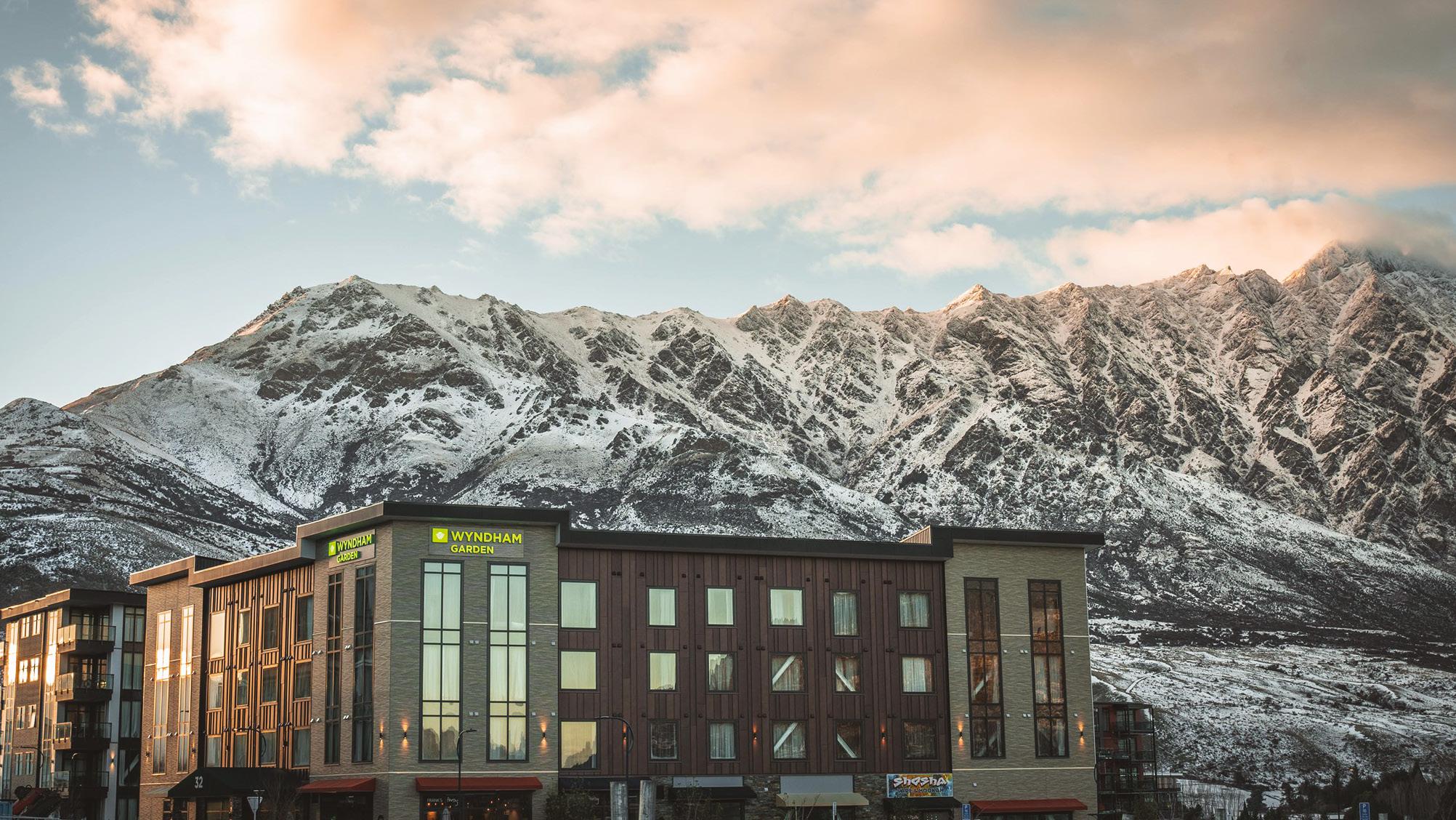
Wyndham Garden Queenstown, managed by the Marsden Group, which recently completed a merger with Capstone Hotel Management, creating New Zealand’s largest locally owned hotel management platform
more agile, commercially focused and performance-led strategies. The emphasis today is on driving smarter operational structures, stronger sales and marketing execution, more effective distribution strategies, and ultimately achieving better flow-through to the bottom line.
One of the strongest trends continuing across the region is the rise of franchise and third-party operating models. Owners are seeking the benefits of global distribution and loyalty platforms, while maintaining greater operational flexibility and closer alignment with asset performance objectives. This approach is becoming increasingly relevant as hospitality assets face rising operating costs, labour pressures and more competitive trading environments.
At the same time, guest expectations continue to evolve. Lifestyleled hospitality, curated experiences and stronger local identity are becoming key differentiators in driving rate premium and market positioning. Hotels can no longer compete on product alone; execution, experience and commercial strategy are now equally important.
As a business, La Vie Hotels and Resorts continues to focus on sustainable growth across key gateway and leisure markets throughout the Asia-Pacific region. As the largest independent hotel operator across Asia-Pacific, we remain highly owner-centric and performancedriven in our approach, with a strong focus on driving profitability, operational efficiency and long-term asset value for our partners. Our strategy centres around combining global brand capability, agile operational execution and deep hospitality expertise to deliver smarter, more commercially resilient hotel solutions for the future.
LIVESTAY
Zed Sanjana, Chief Executive Officer
There is no doubt that the headwinds of the past few years are moving towards a crescendo. Challenges around construction costs, weakening capitalisation rates and reduced end valuations, increasing interest rates and geopolitical uncertainty are all playing their part in limiting the feasibility of future supply across the property sector. Most projects cost more to build than they are valued. With the risk-free rate continuing to climb, this means innovation is the only pathway forward at this stage of the property cycle.
Demand remains strong for now, particularly across corporate, extended-stay and project-driven segments, and thus the gap between demand and supply will continue to widen as it has for over two decades in the Australian market.
Our focus remains on CBD, suburban and regional markets, which are underpinned by corporate travel demand. In many of these markets, we find investment remains strong from locals who are prepared to take a longer-term view of asset values and invest in their communities.
With all the above said, our business has accelerated its growth trajectory with over 10 projects under construction across Australia and a further 20 in the pipeline, growing our LiveStay platform from 60 to 90 assets under lease or management by 2030. The flexibility of our living sector platform has enabled us to partner with developers to find innovative solutions to their developments. Whether that be through offering leases on hotels to enable financing, converting otherwise redundant office buildings to serviced apartments, offering branded residence products within Build-to-Sell developments or creating dual-use and branded assets, has enabled the business to expand, in a market where the lines between hotels, serviced apartments and residential living have been blurring for some time.
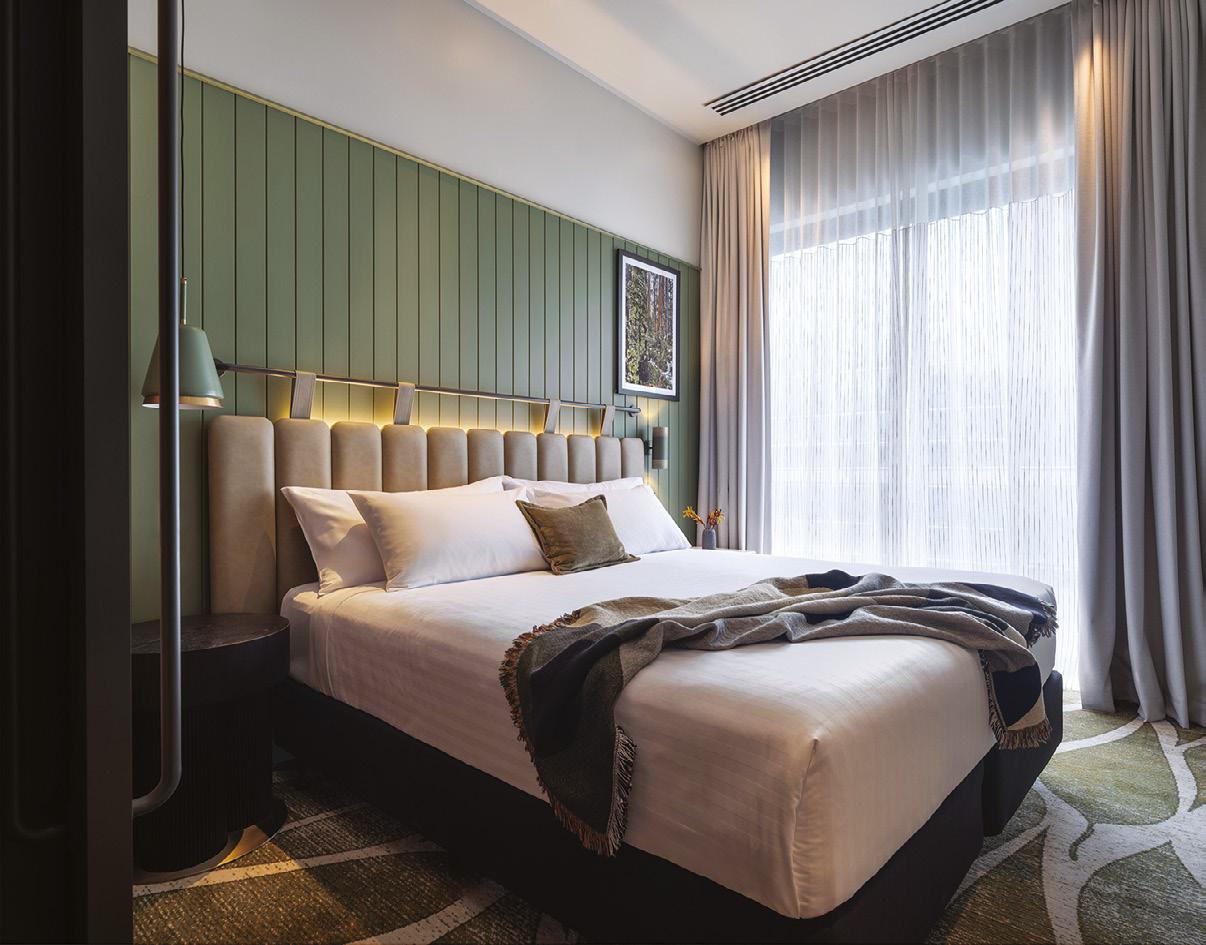
Making its debut in February, Adina Hobart Owner and Developer Richard Doedens said he wanted to craft a hotel that feels intrinsically connected to Tasmania
Ultimately, the opportunity is there for those who can think beyond traditional asset classes and are able to focus on long-term value.
MARRIOTT INTERNATIONAL
Richard Crawford, Vice President of Hotel Development, Australia, New Zealand, and the Pacific 2025 was an important turning point in operating performance and capital market activity across Australasia’s hotel sector. Pleasingly, for the second consecutive year, Marriott International achieved double-digit RevPAR growth across our portfolio in the region – and outperformed the market.
It has been well documented that strong hotel development headwinds across Australasia have seen many new hotel projects paused or abandoned in recent years. Interest rate hikes, inflation, a significant increase in construction costs, constrained availability of debt, and scarcity of building contractors have resulted in developers taking a “wait and see” approach. The same factors are seeing hotel investors favour acquisitions of existing hotels ahead of engaging in hotel development (with hotels transacting at 20% to 40% below replacement cost).
Despite these challenges, 2025 was a record year of hotel signings for Marriott International in the Australia Pacific region, with multiple new footholds secured in Sydney and Melbourne, plus the Gold Coast, Fiji, New Zealand, and Wolgan Valley. Our new signings spanned all tiers of accommodation, under our Ritz-Carlton, St. Regis, Sheraton, Marriott, and AC by Marriott brands, plus inaugural market entries for Fairfield by Marriott and Apartments by Marriott Bonvoy.
For Marriott International, an important current trend is our advancement in the franchising sector, fuelled by our strengthening relationships with Australia’s major independent hotel management companies. Recent and imminent signings in this space are enabling Marriott International to expand our reach into secondary and tertiary accommodation markets, and see our brands applied to smaller-scale hotels than we would typically operate under hotel management agreements.
In 2026, only around 2,000 new hotel rooms will enter Australia’s accommodation market, which is notably only half of the new supply added in 2023. And 55% of this new supply will be in the luxury and
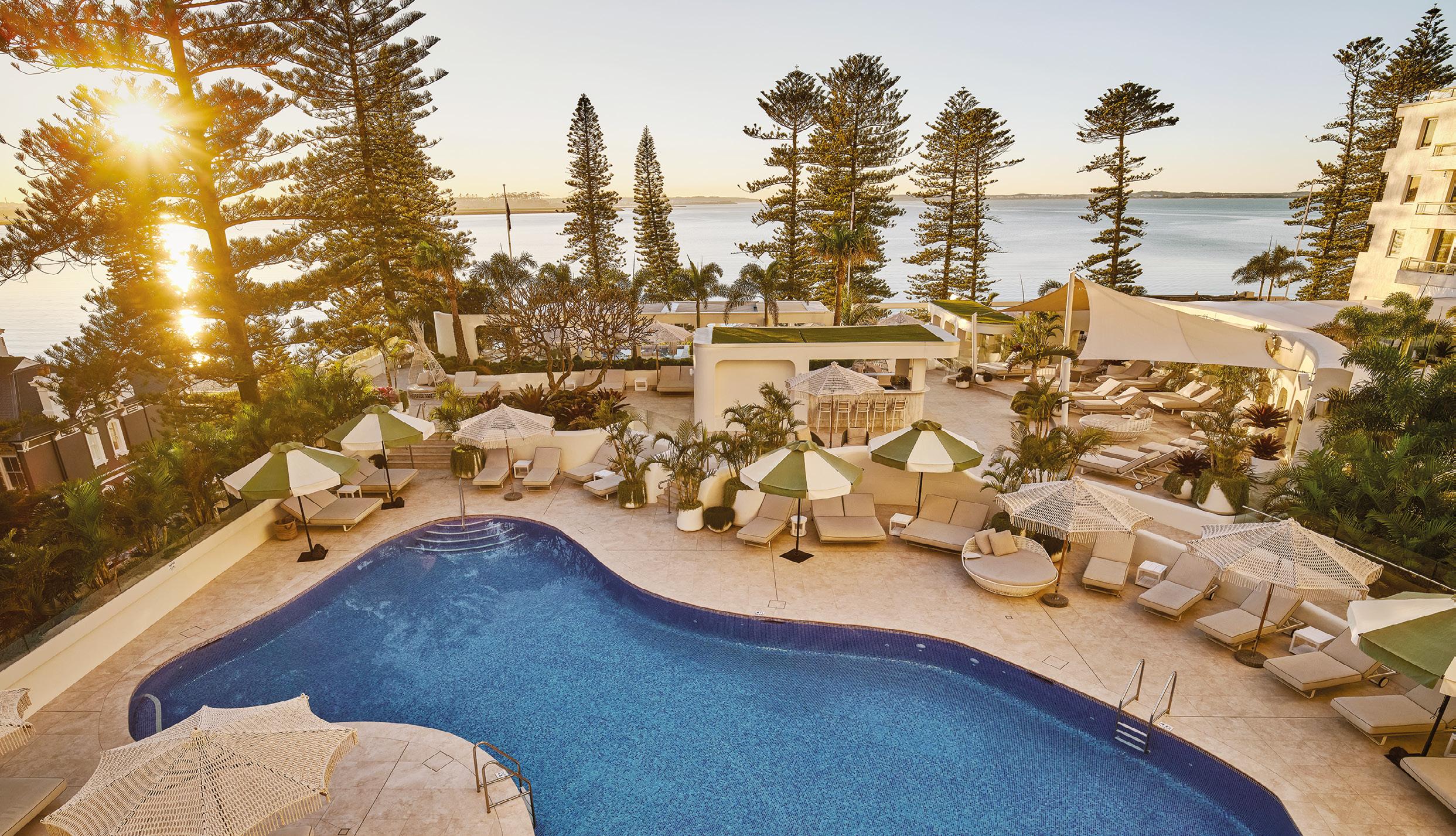
upper-upscale segments. This outlook points to a favourable near-term supply and demand landscape for our industry and demonstrates a preference by hotel developers to deliver product with the potential to capitalise on the growing propensity for travellers to pay more for quality offerings.
MARSDEN GROUP
Sajad Bassam, Chief Executive Officer
New Zealandʼs hotel sector continues to show resilience despite geopolitical headwinds. We’ve seen mixed trading conditions in some markets, but the underlying tourism fundamentals mean we are well placed for future growth.
As international visitation and air access continue to improve, demand remains robust across both key gateway cities and regional leisure destinations. Mixed-use and flexible accommodation offerings are performing particularly well.
Owners and investors are showing considerably more appetite for conversions and repositioning of existing assets than for ground-up development. The operational agenda has also sharpened considerably. Technology integration, direct bookings and GOP performance are front of mind for every owner we work with, and thatʼs creating real demand for experienced third-party operators who can deliver on those priorities.
Weʼre also seeing a shift in how owners think about who they want in their corner. International brands remain important to the sector, but locally owned operators are increasingly valued for what we bring day-to-day: agility, owner relationships and on-the-ground market knowledge that global platforms simply canʼt replicate at the same speed. Thatʼs contributing to consolidation across the management space, with scale becoming more critical for systems, procurement, distribution and talent attraction.
The broader Australasian region remains a compelling proposition for investors, and the relationship between the two markets, particularly around capital flows and management opportunities, continues to deepen.
Our merger with Capstone Hotel Management, creating New Zealandʼs largest locally owned hotel management platform, puts Marsden Group in a strong position to meet that demand. We continue to actively assess opportunities across management agreements, leases, acquisitions and strategic partnerships in both urban and regional markets. The headwinds are real, but so is the opportunity, and we approach the period ahead with confidence.
MINOR HOTELS AUSTRALASIA
Craig Hooley, Chief Operating Officer
Australasia continues to present a compelling development landscape, underpinned by resilient demand fundamentals, evolving traveller expectations and a growing appetite for diversified hospitality assets.
While macroeconomic pressures and elevated construction costs remain, they are accelerating a more strategic approach to development. Conversions, adaptive reuse and mixed-use integration are becoming central to unlocking value, particularly in supply-constrained urban markets where speed to market and capital efficiency are critical.
At Minor Hotels, we see a strong opportunity across both gateway cities and high-performing regional destinations, reflected in a number of recent and upcoming developments across our portfolio. Projects such as NH Collection Sydney, NH Sydney Airport and NH Port Adelaide demonstrate continued confidence in key urban markets, while new market entries, including Avani Wollongong and the inaugural signing of Anantara Perth, highlight the strength of both regional destinations and the growing depth of the luxury segment in Australasia.
These developments are underpinned by favourable fundamentals across markets such as South East Queensland and regional New South Wales, where infrastructure investment, population growth and sustained domestic demand continue to drive performance. More broadly, coastal growth corridors and drive markets within two hours of major capital cities are emerging as increasingly attractive opportunities, supported by consistent leisure demand and improving year-round visitation as international travel continues to recover.
Following a major, multi-year, multi-million-dollar refurbishment, The Brighton Hotel Sydney – MGallery Collection was unveiled in October 2025.
Our multi-brand platform enables us to align each opportunity with the right segment and demand profile. Anantara sits at the pinnacle of our luxury offering, while NH Collection and NH Hotels provide strong coverage across the up to upper-upscale segment, particularly in urban markets. Avani continues to resonate with design-led, experience-driven travellers, offering flexibility across both city and resort environments.
Critically, Oaks is evolving beyond its legacy perception as an apartment-only offering into a broader hotels, resorts and suites brand. This repositioning reflects a more contemporary midscale proposition, combining the space and flexibility guests value with a more consistent, design-led and experience-driven approach. It enables Oaks to play across a wider range of asset types and locations, from urban hotels to resort destinations, while continuing to appeal to both short-stay leisure and longer-stay demand.
Brand clarity, operational efficiency and distribution strength are increasingly important for owners navigating a more complex market. Our ability to operate across management, franchise and lease models provides flexibility to meet varying investment strategies while maintaining strong brand integrity.
Looking ahead, we expect continued momentum in conversion-led growth, selective new builds in high-demand corridors and increasing interest from offshore capital seeking stable, income-generating assets. The opportunity in Australasia remains significant for those who combine disciplined investment with clear brand strategy and execution excellence.
NAUMI GROUP
Paul Stoker, Group Chief Operating Officer
At Naumi Group, we see the development outlook across Australasia remaining particularly strong for lifestyle and design-led hospitality
concepts that offer individuality, flexibility, and a strong sense of place. We’re seeing growing interest in projects that move beyond conventional hotel models, from adaptive reuse developments to mixed-use spaces that blend hospitality, dining, wellness, art, and community experiences.
A key market we see significant long-term opportunity in is Brisbane and the broader South East Queensland region, particularly as momentum builds toward the 2032 Olympic and Paralympic Games. The Olympics are accelerating infrastructure investment, global visibility, and tourism confidence, while also highlighting the growing need for quality accommodation supply across premium and lifestyle segments.
At the same time, traveller expectations continue to evolve. Guests increasingly want hotels that feel connected to their destination rather than purely transactional places to stay. This is driving demand for experience-led hospitality with thoughtful design, authentic storytelling, and locally inspired experiences at its core. We’re also seeing continued momentum across regional leisure destinations such as the Sunshine Coast and Gold Coast, where strong domestic and international demand is creating opportunities for differentiated hospitality offerings. Looking ahead, we believe the future belongs to hotels that combine strong operational fundamentals with distinctive identity, creativity, and memorable human connection.
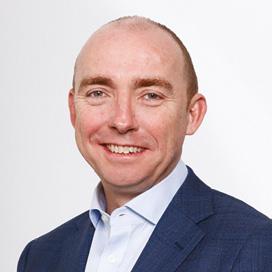
OVOLO HOTELS
Chris Batterham, Chief Development Officer
Despite recent international challenges and ongoing global uncertainty, the hotel development landscape across Asia Pacific is evolving rapidly, and from where we sit at Ovolo, the future has never looked more exciting.
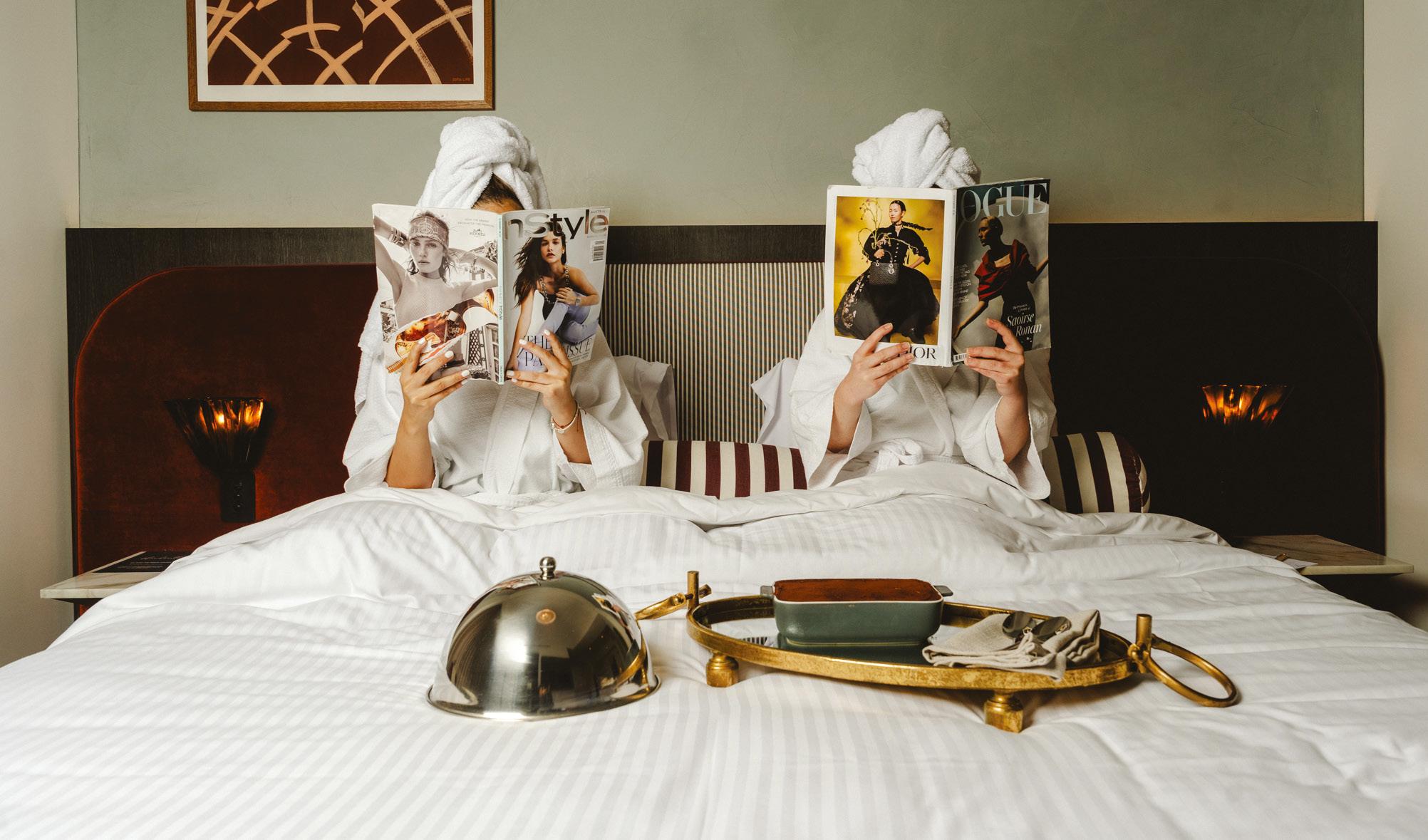
Hotel Morris Sydney is part of Accor’s Handwritten Collection, which has gained traction as more owners look to retain character, while accessing global distribution and loyalty platforms
While the fundamentals of hotel growth remain strong, construction costs, financing pressures and delivery challenges are reshaping the path to expansion. Rather than slowing opportunity, these conditions are redefining it.
At Ovolo, we see the next era of growth being driven by a dual-track strategy: pursuing high-quality new builds while unlocking value through the repositioning and conversion of existing assets. We are currently undertaking a major renovation of Ovolo Sydney, reinforcing our belief that existing hotels can be transformed into even more compelling lifestyle destinations through bold design and elevated guest experience.
New builds remain critical to our long-term vision, allowing us to fully express our design-led philosophy from the ground up. At the same time, one of todayʼs most compelling opportunities lies in transforming generic accommodation into vibrant, lifestyle-led experiences – repositioning well-located assets through design, programming and brand to create something far more relevant for the modern traveller.
Consumer behaviour has shifted decisively. Todayʼs guests are no longer simply booking a room; they are buying into an experience and a feeling. Lifestyle is no longer niche – it has become a powerful driver of preference and performance.
This is where Ovolo has always been ahead of the curve. Lifestyle is not a trend for us; it is our foundation.
Our partnership with Wyndham Hotels and Resorts combines global scale with Ovoloʼs distinctive proposition, allowing us to grow without compromising what makes our brand special. The Bennett by Ovolo Perth a Wyndham Hotel, our first franchise property, demonstrates that lifestyle-led hospitality can scale while maintaining authenticity, design integrity and commercial performance.
For Ovolo, growth will come from identifying exceptional new build opportunities, reimagining existing assets, and partnering with owners who understand that lifestyle is not simply a design aesthetic – it is a commercial advantage.

PAN PACIFIC HOTELS GROUP
Kate Loh, Head of Development
A key challenge shaping the Australasian hotel landscape is the slowdown in new supply, driven largely by construction cost escalation, labour shortages and financing constraints. As a result, we expect to see a continued pivot toward adaptive reuse and conversion opportunities, alongside development activity shifting beyond traditional prime CBD locations into emerging urban precincts.
This constrained pipeline presents a clear opportunity for existing assets. With limited new competition, well-positioned hotels are increasingly able to drive rate growth and optimise performance. At the same time, value creation is shifting toward repositioning and asset enhancement. Owners are seeking partners who can unlock upside in ageing or underperforming properties. At Pan Pacific Hotels Group (PPHG), this is a core strength, demonstrated through the successful repositioning of Pan Pacific Perth into a leading MICE-focused hotel with advanced meeting capabilities.
Sustainability is also becoming a defining investment criterion. As the first hotel group with GSTC certification across all Australian properties, PPHG is well placed to partner with ESG-focused institutional investors and government-linked developments.
From a demand perspective, two key trends stand out. First, the continued strength of leisure travel, particularly in regional and resort destinations, driven by a growing preference for experience-led travel. Second, the resurgence of meetings, incentives, conferences
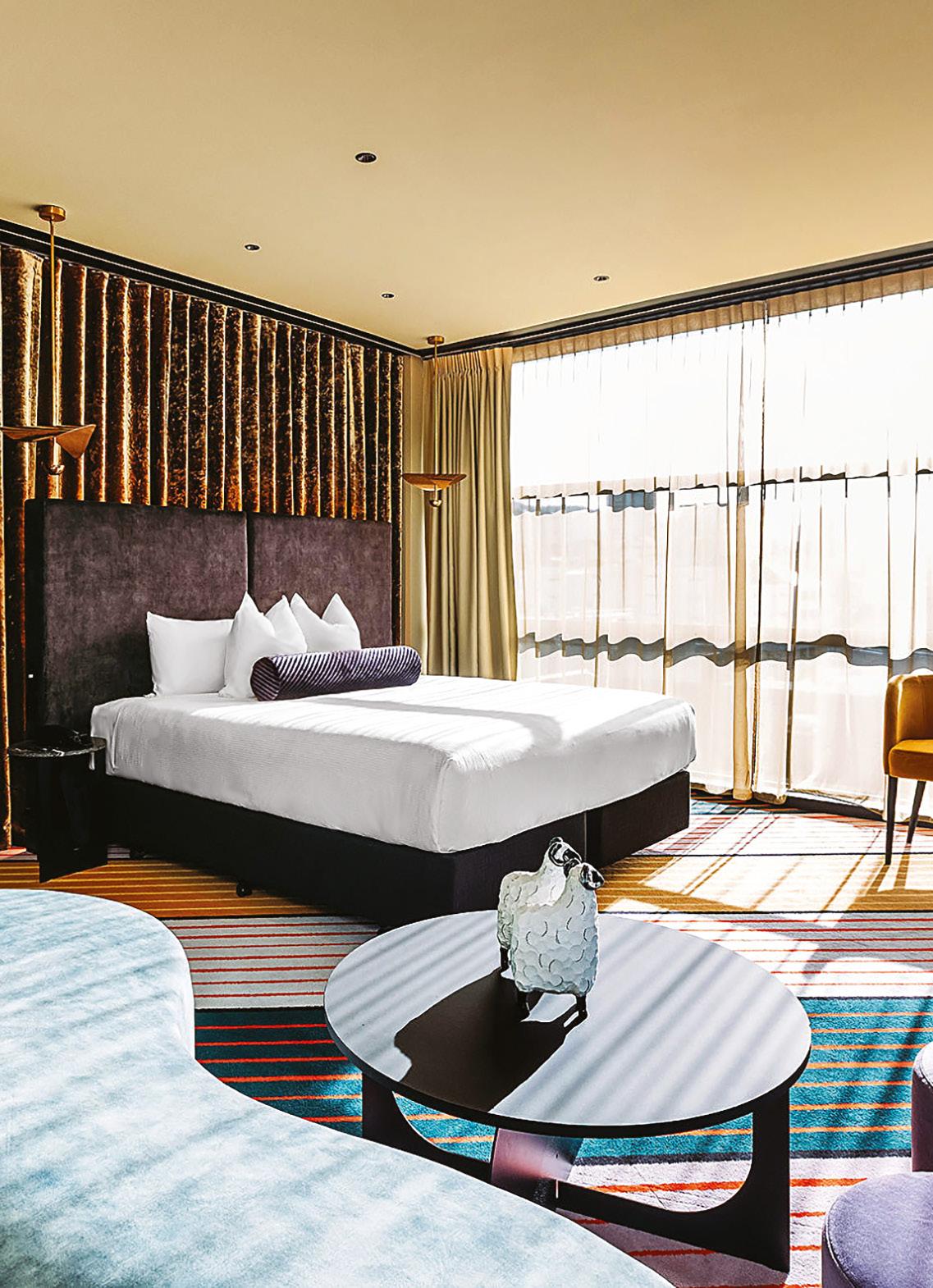
and exhibitions (MICE), benefiting hotels in major cities with strong corporate and events infrastructure.
In terms of development focus, PPHG is prioritising growth in established markets including Sydney, Melbourne and Perth, while actively exploring opportunities in Brisbane, Adelaide, Margaret River, Tasmania and New Zealand. Across these markets, we see strong alignment with our three brands, Pan Pacific, Parkroyal Collection and Parkroyal, each catering to distinct owner and guest expectations.
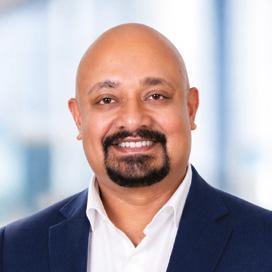
PANACHE HOTEL GROUP
Thomas John (TJ), Vice President Strategy and Development
The next two years will be an important test for hotel development across Australasia. There is opportunity in the market, but it is not the kind of environment where growth can be pursued casually. Owners are looking more closely at risk, returns and operating discipline, and they are asking harder questions about what each model, brand or management structure actually delivers.
Cost pressures aren’t new to this industry. Labour, insurance, utilities and capital costs have been part of development conversations for some time. What has changed is the broader environment around them. Global uncertainty, trade disruption and shifting economic confidence are adding another layer of complexity that operators cannot ignore.
The good news is that hotel performance across the region remains solid. Occupancy is holding up well, and underlying demand is still there. The fundamentals are sound – but that is not a reason for complacency.
No operating model is downturn-proof. The best protection is discipline before conditions tighten: disciplined asset selection, sustainable commercial structures, transparent owner relationships,
Naumi Hotel Wellington represents a definitive hospitality style
fast decision-making, strong reporting, cost and cash control, and flexible labour models. In a tougher market, rigid models get exposed. Agile ones respond faster.
That is something we have taken seriously at Panache Hotel Group. Our model is built around keeping costs lean, performance focused and returns real. From how we structure support functions to how we apply technology in revenue management, the focus is on operating efficiently without compromising the guest experience.
We also believe the owner-operator relationship needs to be more transparent and adaptable. Not every asset needs the same answer. Some require a stronger brand platform, others need a sharper operating model, a light repositioning, or simply more disciplined management.
In terms of opportunity, midscale and upper-midscale extended-stay assets in city and secondary markets continue to make sense. Demand is solid, competition from major institutional players is lower, and many of these markets are benefiting from infrastructure investment, corporate demand, events and lifestyle-led travel.
It is shaping up to be a busy couple of years – but a disciplined one. The operators that stay commercially honest and genuinely aligned with owners will be the ones that come out ahead.
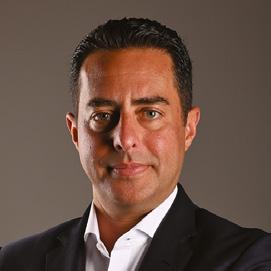
RADISSON HOTEL GROUP
Ramzy Fenianos, Chief Development Officer, APAC
The Australasian hotel development market continues to move through 2026 with a selective, yet still highly compelling outlook for the year ahead. While long-term investor interest remains strong, the current environment continues to be shaped by broader global economic uncertainty, tighter financing conditions, rising construction and operating costs, and more cautious transaction activity.
These pressures are making new hotel developments more complex to finance and deliver. For owners and developers, the focus is no longer only on growth, but on identifying the right structure, brand, and operating model to support long-term performance.
At Radisson Hotel Group, collaboration remains central to this approach. We are working closely with owners and development partners to understand the specific challenges they face and to develop solutions that help strong projects move forward. In the current climate, flexibility, local market understanding, and commercial discipline are more important than ever.
One of the clearest trends across Australasia is a continued rise of third-party operators. Groups such as Mandala Hotels and Resorts, Trilogy, and La Vie are gaining traction in the market through their bespoke management solutions. We are working with these groups, and this is creating new opportunities for RHG as we meet the needs of owners looking to have their hotels operate under Radisson brands but managed by a third-party operator.
For Radisson Hotel Group, our focus remains on key city locations in Australia and New Zealand, particularly capital cities, as well as premium oceanfront and resort destinations throughout the Pacific Islands. Recent highlights include Radisson Hotel Perth and The Merchant Hotel Brisbane, a member of Radisson Individuals, both in partnership with Mandala Hotels and Resorts, as well as Radisson Resort Mana Island, Fiji, and Return to Paradise Resort, a member of Radisson Individuals.
Our pipeline also continues to progress, with Radisson Blu Resort, Fiji Naisoso Island, targeting a likely opening in late 2027, and Radisson RED Queenstown anticipated to open towards the end of 2028.
We are also excited by the recent opening of Radisson RED Auckland, which has already received outstanding guest feedback, particularly for its rooftop bar experience. Looking ahead, the market will remain selective, but opportunity is still very much present.
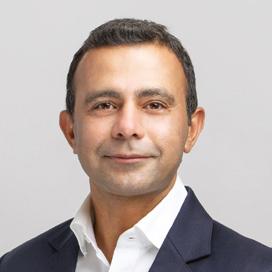
SALTER BROTHERS
Rahul Ghai, Managing Director, Asia
The current market environment is marked by increased borrowing expenses, worldwide unpredictability, and evolving geopolitical factors. According to JLL, it projects APAC hotel investment volumes to reach around US$13.3 billion in 2026, an increase from US$11.9 billion in 2025, with hotels securing roughly 8% of global CRE investment that year.
The sector remains inherently cyclical, and as capital becomes more expensive, institutional fund activity has moderated. Business travel is likely to be the first segment to contract under such conditions, creating a ripple effect across occupancy and rate performance.
These same constraints reinforce hotelsʼ fundamental appeal as real assets. Rising construction costs, planning complexities and financing limit new supply, creating a disciplined pipeline.
Salter Brothersʼ vertically integrated model provides a distinct competitive advantage. By aligning asset, development and revenue management in-house, they unlock genuine value-add opportunities, ensuring operational efficiency, sharper execution and superior investment outcomes.
Several key trends are redefining the development and investment landscape across the region:
CONVERSION-LED GROWTH
The shift away from greenfield development toward refurbishment and conversion strategies is accelerating. Rising costs and tighter feasibility margins are driving investors toward repositioning existing assets, particularly in the upscale segment where targeted capital investment can deliver better returns. This is an area where deep operational expertise and design-led thinking are critical. Conversion strategies also align with the growing institutional focus on embodied carbon and adaptive reuse, strengthening their ESG profile relative to greenfield alternatives.
PREMIUMISATION AND PERFORMANCE POLARISATION
A clear divergence is emerging between mid-market and high-end assets. Luxury and ultra-luxury hotels are demonstrating sharper performance resilience, supported in part by strong domestic demand across Asia. This premiumisation trend is reshaping the competitive landscape, with high-net-worth travellers seeking differentiated experience-led offerings.
THE RISE OF WELLNESS
What’s happening right now is more than just an industry trend; it’s a fundamental shift in how people value hotels. Hotels are no longer just places to sleep. They are becoming more of a wellness experience platform. The experience is now the core demand driver. It’s no longer confined to real estate or room inventory. It’s about wellness and intentionally designing reasons for people to choose you, return to you, and advocate for you. The most valuable hotel brands today aren’t just selling rooms; they’re creating cultural relevance and
emotional connection. This trend is particularly compelling in the ultra-high-net-worth segment, where demand for wellnessoriented living environments is expanding rapidly and attracting sustained capital interest.
SEGMENTS AND LOCATIONS OF FOCUS
Salter Brothers continues to prioritise high-performing gateway markets alongside select high-growth regional hubs.
In Australia, our strategic focus includes Sydney, Melbourne, and key destinations across Queensland underpinned by strong tourism fundamentals, infrastructure investment and diverse demand drivers. The new Sydney airport is anticipated to generate substantial economic uplift in both tourism and business activity across the broader Sydney area.
In the Asia Pacific region, Salter Brothers operates established offices in Singapore and Japan and is committed to broadening its market footprint by leveraging the experience and expertise from its Australian operations.
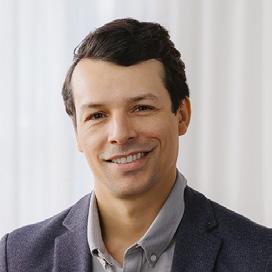
SALTER BROTHERS HOSPITALITY
Raphael Antonini, Chief Development Officer
The outlook for 2026–2027 remains positive, with RevPAR growth supported by gains across both occupancy and ADR in key markets. While higher construction costs, financing pressures and extended planning timelines continue to slow new supply, those same conditions are creating stronger trading environments for existing assets and well-positioned developments.
The opportunity is in disciplined, design-led projects located in markets where demand continues to outpace supply – particularly lifestyle-driven regional destinations with strong domestic appeal and limited premium accommodation options.
EMERGING TRENDS
We continue to see strong momentum in experience-led travel, with wellness, sustainability and slower, more intentional travel choices increasingly shaping both guest demand and development strategy.
From an operating perspective, this is driving greater focus on integrated wellness experiences, authentic food and beverage concepts, and hotels that feel genuinely connected to their local environment rather than offering a standardised luxury experience. These trends are supporting premium pricing, stronger guest engagement and longer stays, particularly across regional markets.
SEGMENTS AND LOCATIONS OF INTEREST (URBAN AND REGIONAL)
Drive markets from Sydney and Brisbane continue to perform consistently, supported by domestic leisure demand and growth in the corporate and events sector. These locations remain highly attractive for boutique and luxury developments where limited new supply, strong lifestyle positioning and differentiated guest experiences support pricing power and year-round demand.
From an urban perspective, Sydney and Brisbane also continue to demonstrate resilience, with forecast RevPAR growth, reinforcing their role as stable, lower-risk markets within broader development and investment portfolios.
MAJOR DEALS
While transaction activity remains measured, we are seeing continued capital deployment into smaller-scale, high-quality boutique and luxury assets – particularly those able to differentiate through design, wellness and strong destination appeal.
Development activity is most compelling where projects are closely aligned to underlying demand fundamentals rather than scale alone. There is a clear shift toward regional and resort-led opportunities capable of driving premium-rate growth, strong utilisation and longterm brand relevance.

TFE HOTELS
John Sutcliffe, Director of Development
Itʼs a genuinely interesting time to be developing hotels in Australasia, and TFE Hotels is well placed to make the most of it.
Thereʼs been a lot of discussion about challenging build costs, expensive debt and constrained new supply, and these issues are real. But as owners and developers of our own hotels, we understand the economics better than most. This unique position means we know whatʼs needed to make a deal stack up, where the pressure points are, and how to structure something that works for a developer across various commercial arrangements, including leases.
As a result, weʼve had a strong run of openings and a growing pipeline. The Eve Hotel Sydney and Hannah Street Hotel have both come to life, earning their place alongside our other Collection by TFE properties as some of the most recognised hotels in Australia, something that the awarding of Michelin Keys to all our established Collection hotels speaks to perfectly.
Adina Chermside Brisbane and Adina Hobart are the next cabs off the rank, timing their openings perfectly with our ongoing refresh of the broader Adina portfolio. The Hobart hotel is particularly exciting as it demonstrates our ability to reposition alternative-use assets. It will occupy previously unused commercial space in the same building as our existing Vibe Hobart, maximising efficiencies and, most importantly, the ownerʼs returns. Thatʼs the blueprint for how we approach every development opportunity.
Thereʼs plenty more to come. Across all our brands, we have some genuinely exciting announcements in the pipeline over the coming weeks, growing existing brands and introducing new ones.
2026and 2027 is shaping up to be a big couple of years for TFE Hotels.
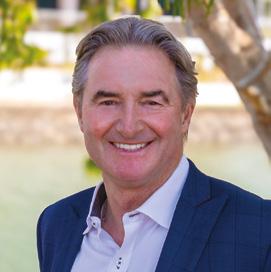
TRAVEL AND LEISURE CO.
Barry Robinson, President and Managing Director, International Operations
If 2026 has reinforced anything, it is that adaptability is no longer optional; it is a competitive advantage.
The most resilient operators have built flexibility into their business models, allowing them to pivot quickly and capture demand as conditions shift. Despite ongoing macro uncertainty, demand remains robust, with around three-quarters of Australians still intending to travel this year, supporting a continued strength in domestic markets.
A consistent theme emerging from AHICE is a clear “flight to quality”, with owners prioritising asset enhancement, conversions and repositioning over new development. This reflects a broader shift toward capital discipline and maximising returns from existing portfolios.
Vacation ownership is well aligned to this environment. With average occupancies approaching 90 per cent, it provides a stable and
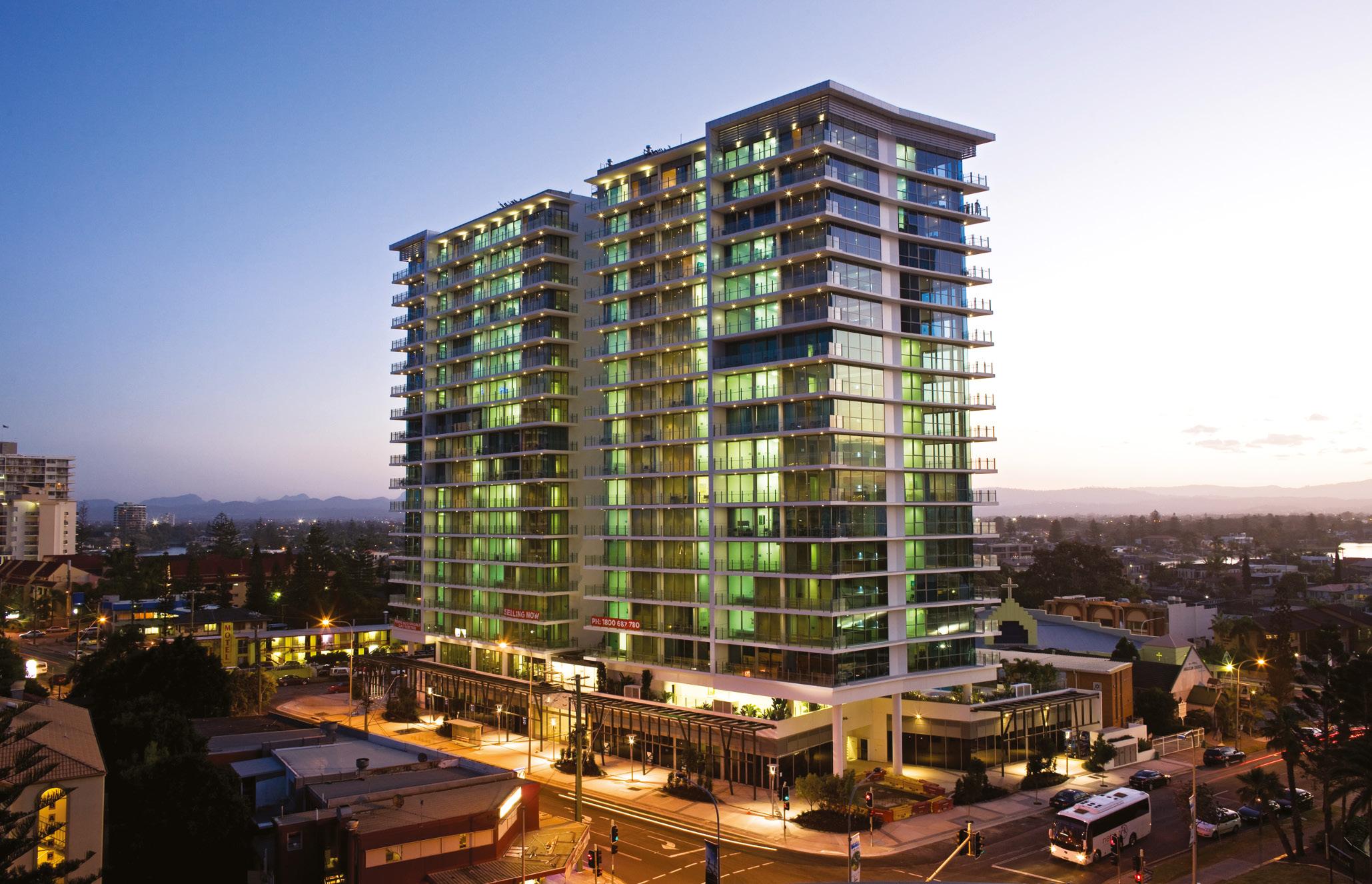
recurring demand base within mixed-use assets, supporting long-term performance. At the same time, it delivers value certainty for consumers through prepaid holidays, combined with the flexibility of points-based travel across a global network.
While higher interest rates may slow new supply, we are seeing increased focus on reinvestment. Over the past year, we have prioritised upgrades across our portfolio, including a major refurbishment at Club Wyndham Patong Hill Phuket, a $5 million club room enhancement at Wyndham Surfers Paradise, and the renewal of Club Wyndham Mission Beach.
Demographic shifts are also reshaping the sector. Millennials now represent the largest travelling cohort globally, with nearly 60 per cent based in Asia. This group is driving demand for experience-led, flexible and personalised travel, trends that align strongly with the evolution of vacation ownership and broader lifestyle-driven offerings highlighted at AHICE.
At the same time, the continued rise of subscription-style travel models reflects a growing consumer preference for prepaid, membership-based experiences. Vacation ownership sits naturally within this shift, offering structured flexibility through annual points or credits.
As we look ahead, our focus remains on disciplined growth through targeted partnerships, selective acquisitions, and continued investment in our existing portfolio to enhance both customer experience and asset performance.
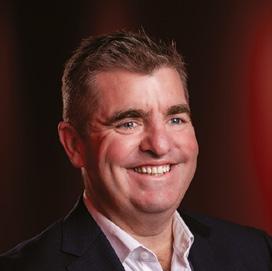
TRILOGY HOTELS
Scott Boyes, Chief Executive Officer
Australasia’s hotel development landscape is being reshaped by an industry-wide shift in how hotels are branded, managed and powered by technology platforms. That shift is creating a very specific window for specialist third party operators like Trilogy Hotels. Across the region, we see three converging forces.
Firstly, the traditional full management model is giving way to brand franchising and flexible structures, as major brands drive their franchising platforms and owners seek stronger alignment between operating performance and investment returns. STR data indicates that for Australian hotels with more than 50 rooms, only a minority operate under traditional brand management agreements, with a rapidly growing share now franchised and the vast majority independent. This is a structural gap that white label operators are beginning to fill.
Secondly, the maturity of cloud-based distribution, revenue, and property management platforms means owners can now separate “brand” from “operations”, combining global brand engines with local, focused, independent, data-driven management to unlock EBITDA.
Thirdly, capital is increasingly focused on execution: in a market where new supply, construction costs and financing conditions remain challenging, investors are seeking partners who can deliver growth and outperformance at the asset level.
For Trilogy, this is the moment for which we were built. As a pureplay independent management platform, we work with our brand partners and owners to curate an environment with the right brand, tech stack, and on-property leadership team for each asset, while remaining entirely focused on owner returns, growing careers, and guest experience.
We are seeing strong interest from city, urban, and regional owners who want big-brand demand engines without sacrificing local agility, whether that’s a major conversion like Courtyard by Marriott Darwin or bespoke strategies for investment-grade independents. Over 2026 and 2027, we expect Australia’s under-penetrated third party management segment to expand rapidly. This will be driven by more complex brand and deal structures, deeper adoption of integrated management platforms, and a clear premium for operators who can translate this complexity into sustainable EBITDA growth for owners, care for teams, and experiences for guests. n
Wyndham Surfers Paradise Gold Coast is undergoing a multimillion-dollar refurbishment

PATH TO PROFIT
HOTEL OWNERS IN THE CURRENT CLIMATE MUST ENSURE THEY CAN MAXIMISE HOTEL OPERATING PROFITABILITY EVERY DAY.
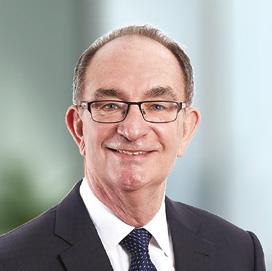
BAKER & MCKENZIE
Graeme Dickson Of Counsel
Devising a successful hotel project in Australia has always been challenging, but never more so than in the current economic climate, particularly in major city CBD locations. It is a daunting task to find a suitable location and then deal with eye-watering property acquisition costs, skyrocketing construction costs, government taxes and charges and ever-escalating operating costs. In the face of these substantial costs, hotel viability necessitates that owners maximise hotel operating profitability each operating day, day after day.
Fortunately, hotel owners and their advisers are an ever-resourceful group formulating very inventive ways to deal with these realities. Standalone hotels, particularly in CBD locations, are giving way to mixed-use consisting of hotel, residences (potentially branded and linked to the hotel), and other potential uses such as retail and/or commercial. This can substantially decrease the land acquisition cost for the hotel.
White label hotel management is becoming an increasingly relevant option offering very competitive terms, fees and premature termination options, including termination on sale. An ownerfriendly management agreement can go a long way to minimise the risk of unprofitable operations. This can also be coupled with a franchise agreement from one of the many international management companies operating in Australia, providing a wellrespected brand, established reservation systems and other services. There is also increased attention
being given to split management, where an experienced hotel manager handles the accommodation component and a well-respected local restaurateur handles the food and beverage components. By creating a destination look and feel, the likelihood that food and beverage will generate substantial demand from the public generally is enhanced, augmenting rooms revenue and overall hotel profitability.
We look forward to adding to this list of exciting innovations and developments.
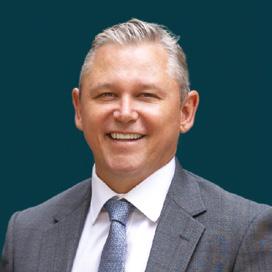
KEIGHRAN LEGAL + ADVISORY
Duane Keighran, Managing Director
The Australian hotel sector enters 2026–2027 with strong long-term fundamentals despite short to medium-term economic, operational, and geopolitical pressures hovering over the broader market. Activity across the region continues to accelerate, driven by franchising (alongside both white-label operators and owner operators), an increasing pipeline of acquisitions and diversified investment strategies, as the hotel asset class has become of interest to sophisticated institutional investors.
When dealing with operators, owners and their advisors are becoming increasingly sophisticated in negotiating hotel management agreements (HMAs) and driving more owner-friendly terms than has been achievable in years gone by.
“The ongoing turmoil in the Middle East will continue to place upward pressure on fuel costs and construction costs long after the conflict is resolved on the ground.”
Duane Keighran, Managing Director Keighran Legal + Advisory
In particular, Australia continues to demonstrate more ownerfriendly commercial terms than many other Asia Pacific markets, particularly regarding key money arrangements, termination rights (including vacant possession on sale), and performance-based provisions. Where an HMA has been decided as the preferred operating model, flexibility within HMAs is becoming increasingly important as hotel assets are now trading more frequently and will continue to do so as market liquidity improves. Emerging operational structures such as white label management, split management models and “manchise” agreements are also continuing to reshape traditional owneroperator relationships. We are also seeing an increase in outsourced food and beverage models, as owners require the food and beverage offering to contribute to the destination, and not merely become an add-on to room sales. This in itself brings a whole new dynamic with an additional party that requires careful legal structuring and ongoing relationship management. Whilst there is some positivity, the sector continues to face several challenges. Labour
shortages remain a significant concern, increasing reliance on overseas recruitment and employer-sponsored visa programs, which allow employers to understand their legal sponsorship obligations and how to minimise their compliance costs. Additionally, as hotel businesses become increasingly experienced and brand-driven, proactive intellectual property governance and compliance will become increasingly important.
The ongoing turmoil in the Middle East will continue to place upward pressure on fuel costs and construction costs long after the conflict is resolved on the ground. This will continue to cause price difficulties with development projects, with builder/developers being best placed to deliver new projects. In an inflationary environment, this will also place upward pressure on the value of existing assets, making it an ideal time to buy existing stock over the coming period. We are already seeing increased transaction activity as a result, as local interest rate pressure incentivises owners to transact before the cost of capital escalates further.
SQUIRE PATTON BOGGS
Mark Palermo, Partner
The Australasian hotel sector continues to attract strong long-term interest from investors and operators, and the development environment has become increasingly selective. While market fundamentals in many locations remain positive, hotel projects are
now competing more directly for capital against alternative asset classes, including student accommodation, build-to-rent developments, logistics and data centres.
At the same time, elevated construction costs, labour shortages, planning complexity and financing pressures continue to challenge project feasibility across the region. As a result, investors and developers are placing greater scrutiny on how hotel projects are structured, funded and operated from the outset.
Despite these pressures, quality hotel developments are still proceeding, particularly where sponsors have a clear understanding of market demand and long-term operational strategy. What is changing is the level of sophistication required to bring these projects to market. We are increasingly seeing more complex investment and delivery models involving joint ventures, foreign capital partnerships, fund-through arrangements, mixed-use components and alternative ownership structures.
With more parties involved in funding and delivering projects, the legal side is also becoming more complex. Issues around operator arrangements, foreign investment approvals, project risk and governance are now being worked through much earlier in the process, particularly on larger or mixed-use developments.
Competition for investment across the real estate sector is unlikely to ease in the near term. Hotel projects that have a clear commercial rationale, realistic delivery model and strong operator backing are generally in a better position to attract capital and move forward. n




Island time
EXPERTS UNPACK FIJI AND THE PACIFIC ISLANDS’ OPPORTUNITIES FOR VALUEADD REPOSITIONING AND INVENTORY EXPANSION AMID VOLATILE ENERGY MARKETS.
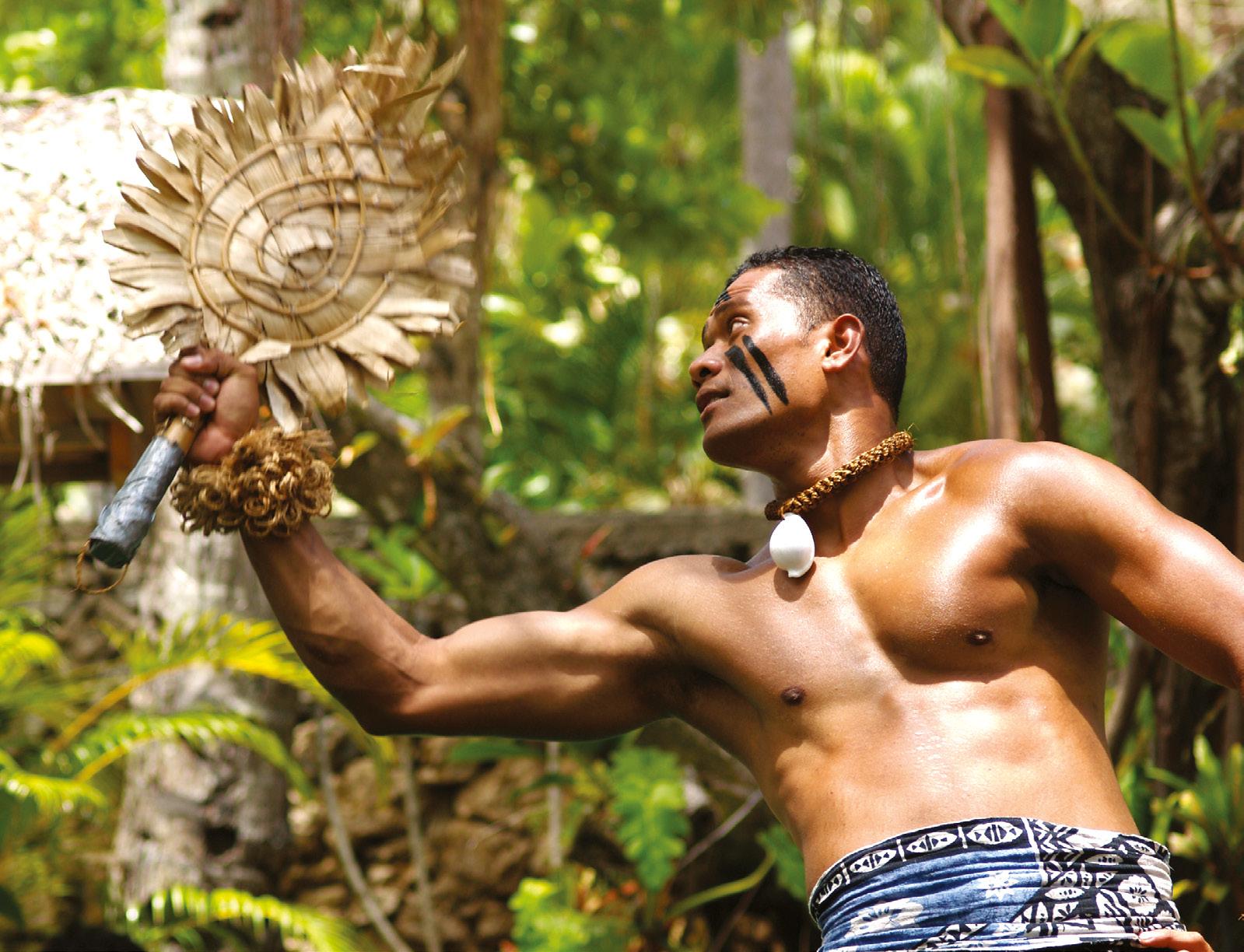
SAVILLS AUSTRALIA AND NEW ZEALAND
Nick Lower, Managing Director, Hotel Capital Markets, Co-Head, Hotels and Hospitality
Fiji’s real estate market continues to attract growing investor attention throughout 2025 and into 2026, supported by the ongoing recovery in tourism, rising foreign investment, and major infrastructure developments. A key catalyst has been the proposed FJ$200 million Google data centre project, which is expected to stimulate employment growth and increase demand for residential, commercial, and executive accommodation, particularly in Suva and surrounding urban markets.
At the same time, Fiji’s economy continues to face challenges from elevated construction costs, infrastructure limitations, global economic uncertainty, and rising fuel prices, all of which may place pressure on tourism, aviation capacity, and operating costs.
Several emerging trends are shaping the market. Demand for short-term accommodation, beachfront homes, and lifestyle-oriented properties continues to grow, driven by both international buyers and tourism-related demand.
Fiji’s tourism and hospitality sector is also evolving toward higherquality and more diversified offerings, including eco-tourism, wellness retreats, boutique resorts, experiential luxury, and cultural and adventure-based travel experiences.
Urban demand remains strongest in Suva, Nadi, and Lautoka, where population growth, infrastructure investment, and expatriate demand continue to support residential and commercial activity. Meanwhile, tourism-led regional markets such as Denarau, Pacific Harbour, the Coral Coast, Mamanuca Islands, and Naisoso Island remain attractive for resort, beachfront, and holiday accommodation developments.
The market has also seen several notable developments and transactions in recent years. Major hotel and tourism projects include the Hilton Garden Inn Suva, Radisson Blu Mirage Resort on Naisoso Island, and Vatu Talei “The Jewel” at Sofitel Fiji Resort and Spa. In addition, the acquisition of Beachcomber Island Resort by Australiabased Vision Hotels highlights continued offshore investor confidence in Fiji’s long-term tourism and hospitality outlook.
Looking ahead, while development activity in the near term may be tempered by higher construction costs and tighter financing conditions,
Fiji’s medium- to long-term outlook remains highly positive. Strong tourism fundamentals, a limited supply of institutional-grade assets, and increasing international investor interest are expected to support transaction activity.

JLL HOTELS & HOSPITALITY GROUP
Wesley Milsom, Executive Vice President, Head of Asset Management & Strategic Advisory ANZ
Amid global instability and aviation disruptions, the Pacific Islands continue to experience a robust influx of arrivals from their primary source markets, Australia and New Zealand. Driven by stable occupancies and resilient ADR growth, regional RevPAR is reaching all-time highs. However, inflationary pressures, escalating material import costs, and critical spikes in fuel and utility expenses continue to impact operational margins.
The market presents opportunities for value-add repositioning and inventory expansion of existing assets, as well as select greenfield development. Prominent projects currently underway in Fiji include the soon-to-open five-star 175-key Vatu Talei and the 116-key four-star Na Tomba resort (both developed by the Yavu Collective), alongside the anticipated relaunch of The Westin Fiji Golf Resort and Spa on Denarau Island. Looking further ahead, the planned 249-key Ritz-Carlton, Namuka Bay represents a significant development for the destination.
Crucially, regional connectivity and transport remain tied to volatile energy markets. The South Pacific fuel supply is currently navigating a state of regional emergency, a critical vulnerability given that imported petroleum accounts for up to 80% of regional energy costs. While deploying capital directly into renewable infrastructure is essential to mitigate soaring utility costs, pivoting away from fuel dependency remains a distinct challenge for outer-island properties reliant on maritime logistics.
Cross-border institutional investment remains constrained into the Pacific Islands. Global funds have historically been deterred by operational volatility, limited market depth, and complex customary leasehold structures. This leaves clear opportunities for specialised, opportunistic investors or major players such as FNPF, who acquired the Starwood Portfolio, which included premium properties such as the Sheraton Fiji Golf and Beach Resort, The Westin Denarau Island Resort and Spa and the Denarau Golf and Racquet Club. n
The Pacific Islands continue to experience a robust influx of arrivals from Australia and New Zealand





















THREE BIG WINS FOR YOUR SUPER Compare Hostplus
Three respected awards, one clear result. Money magazine, Finder and Mozo have all called it: Hostplus is their Best Super Fund winner. That’s three big wins for your super. That’s a plus.