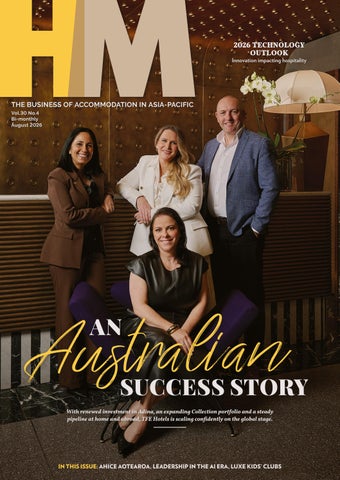
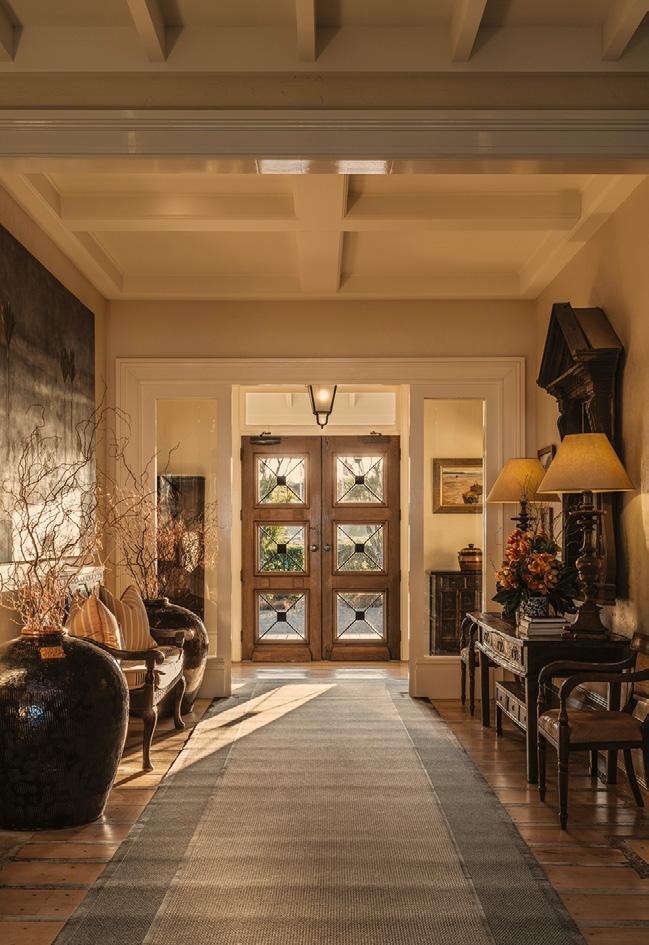
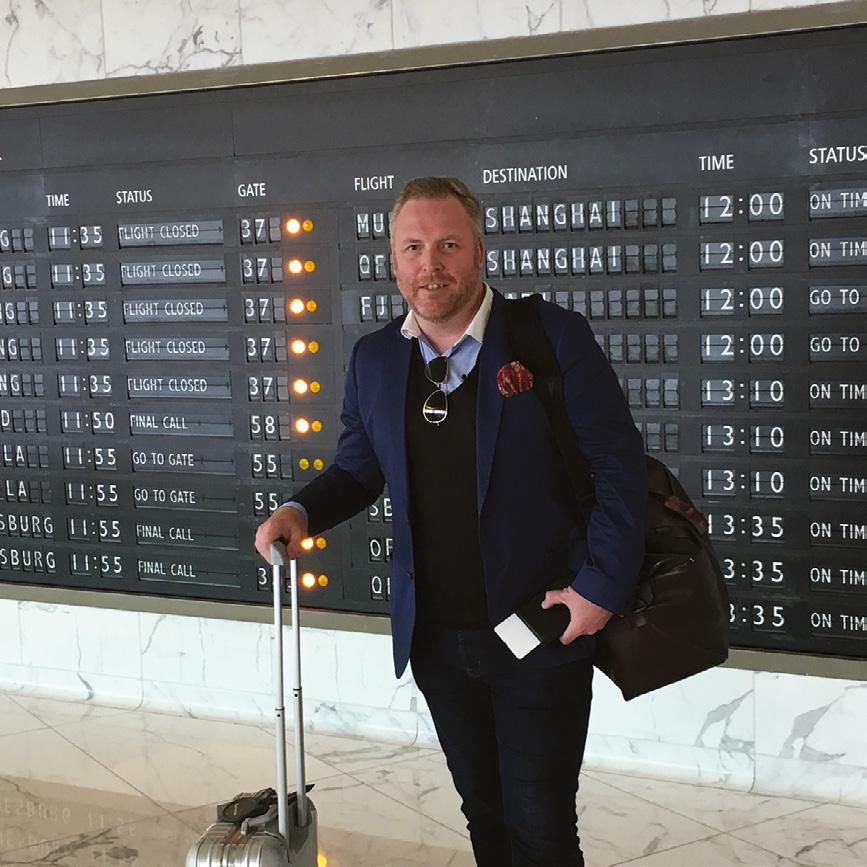
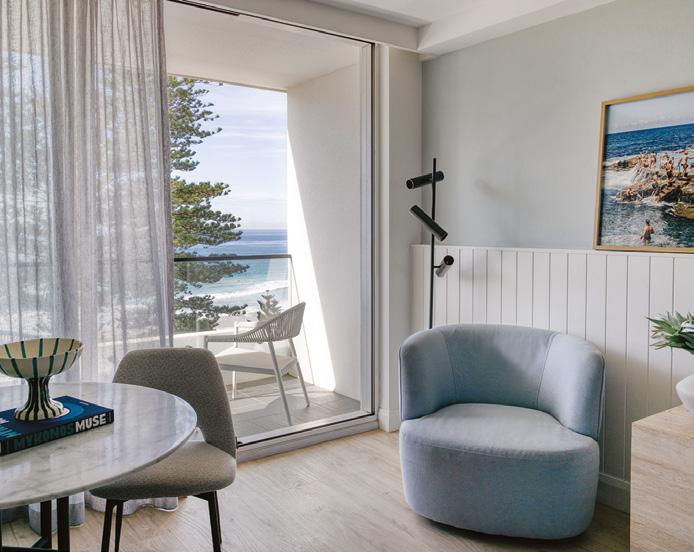
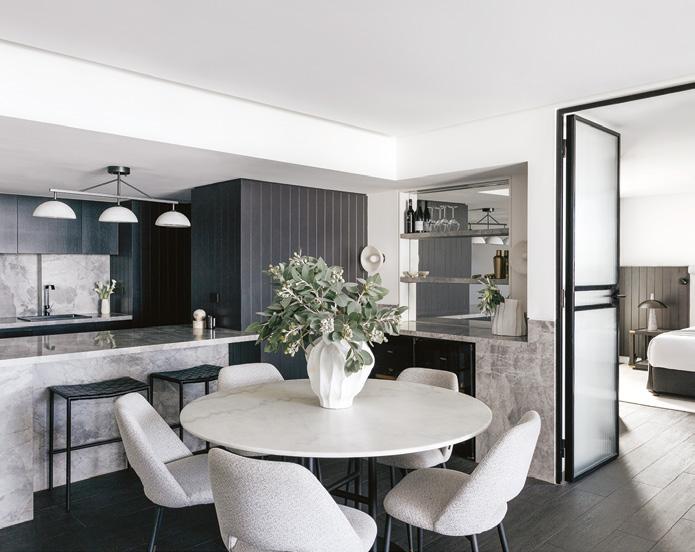
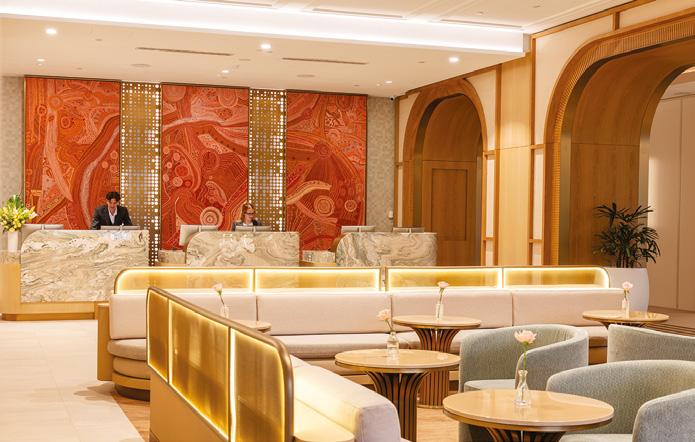
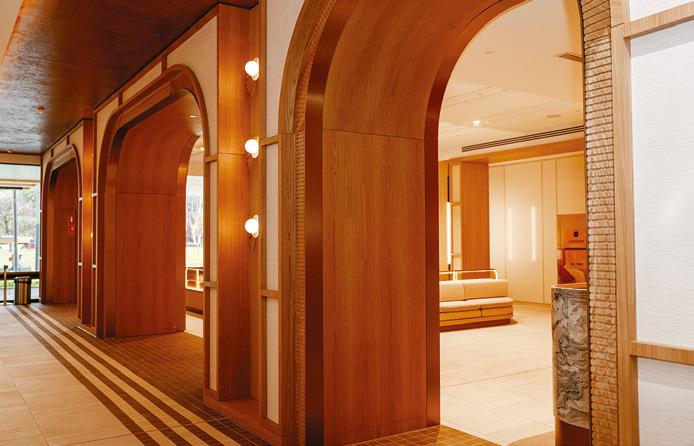
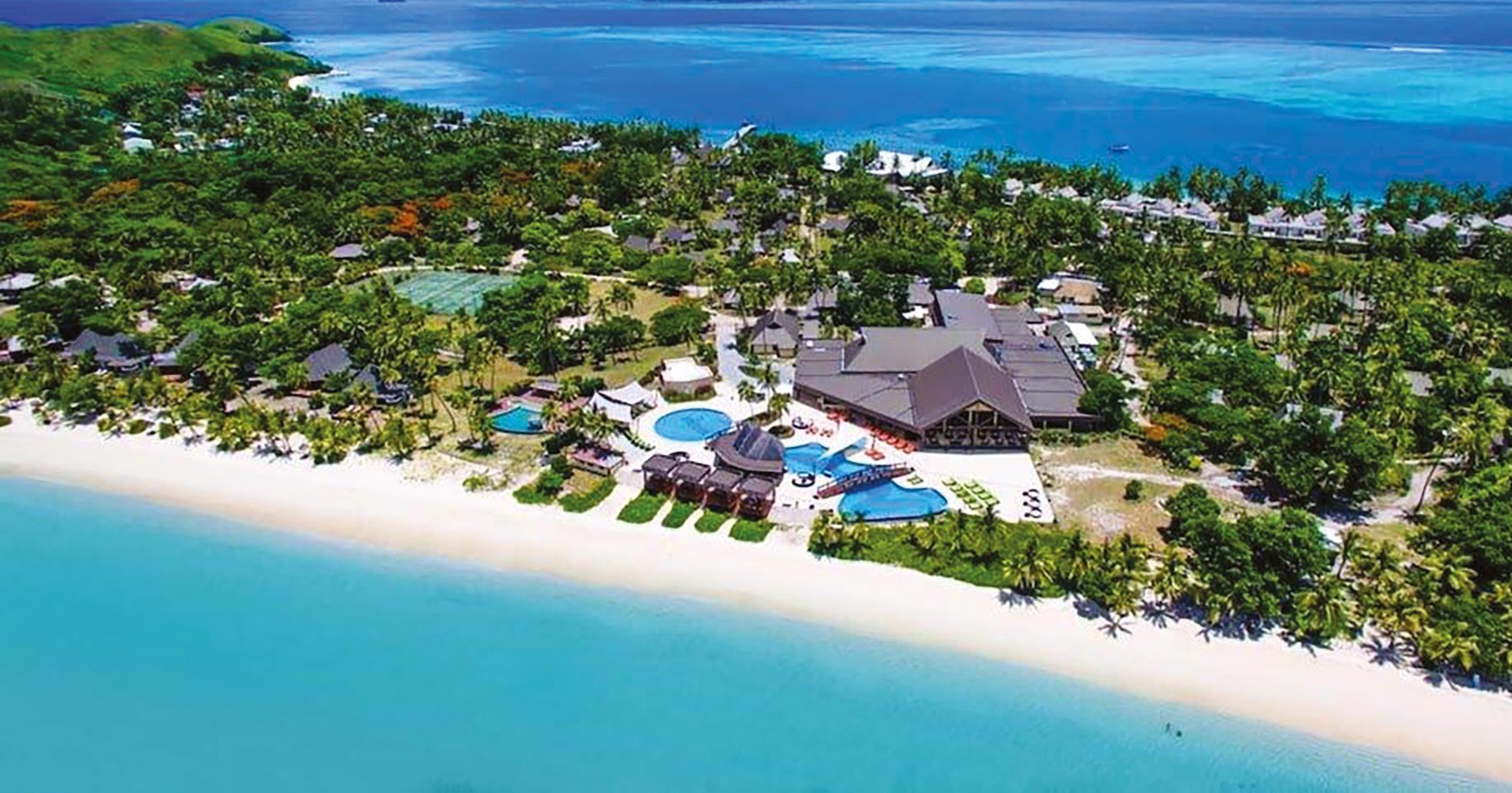
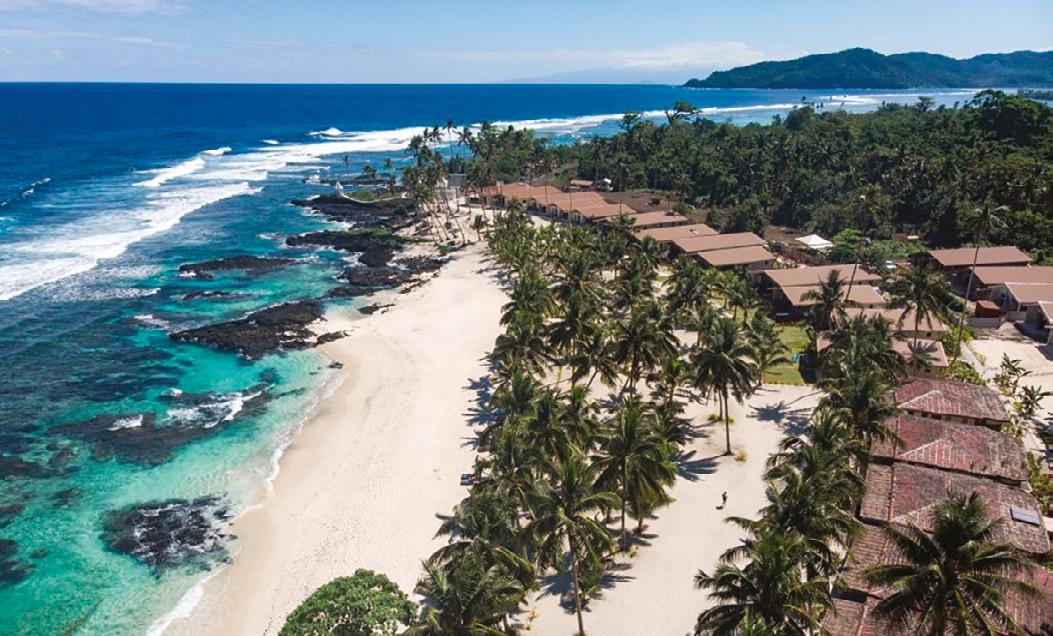
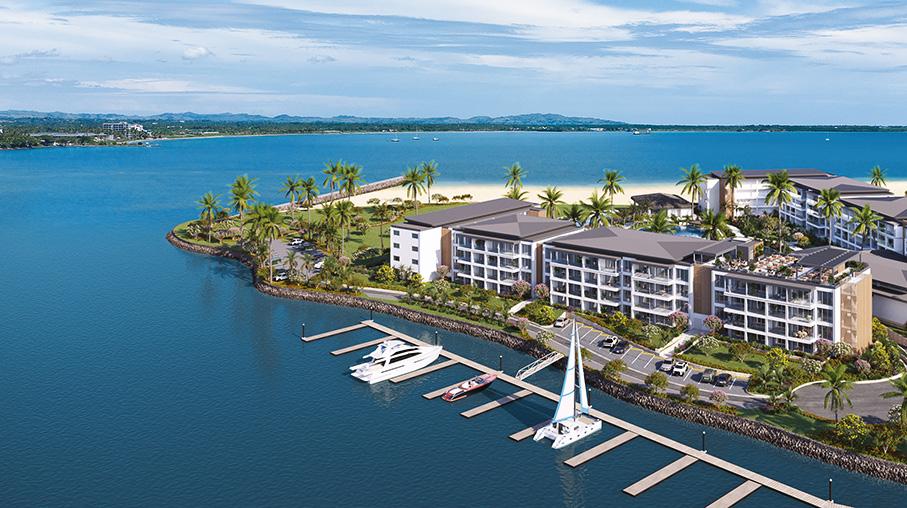
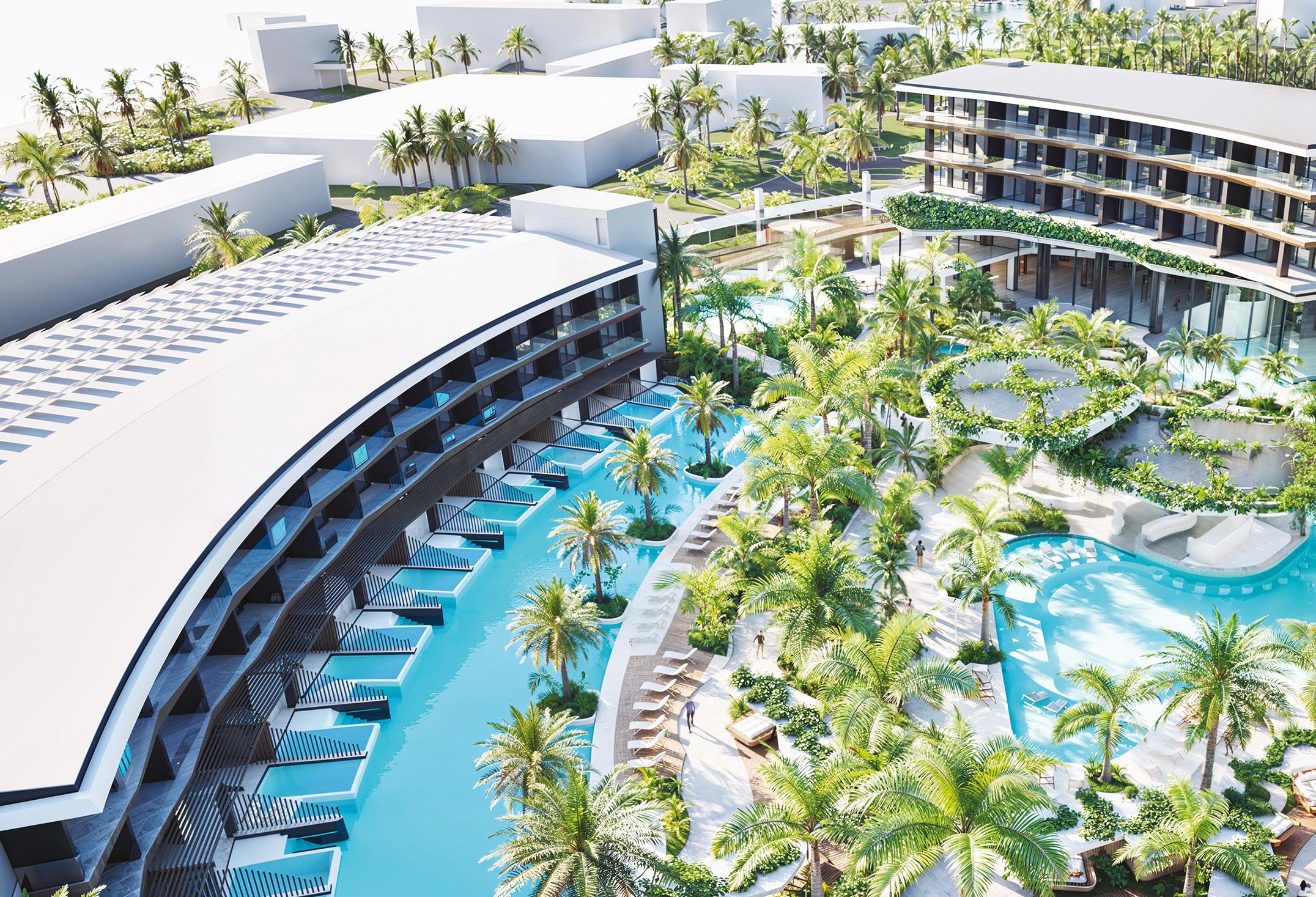
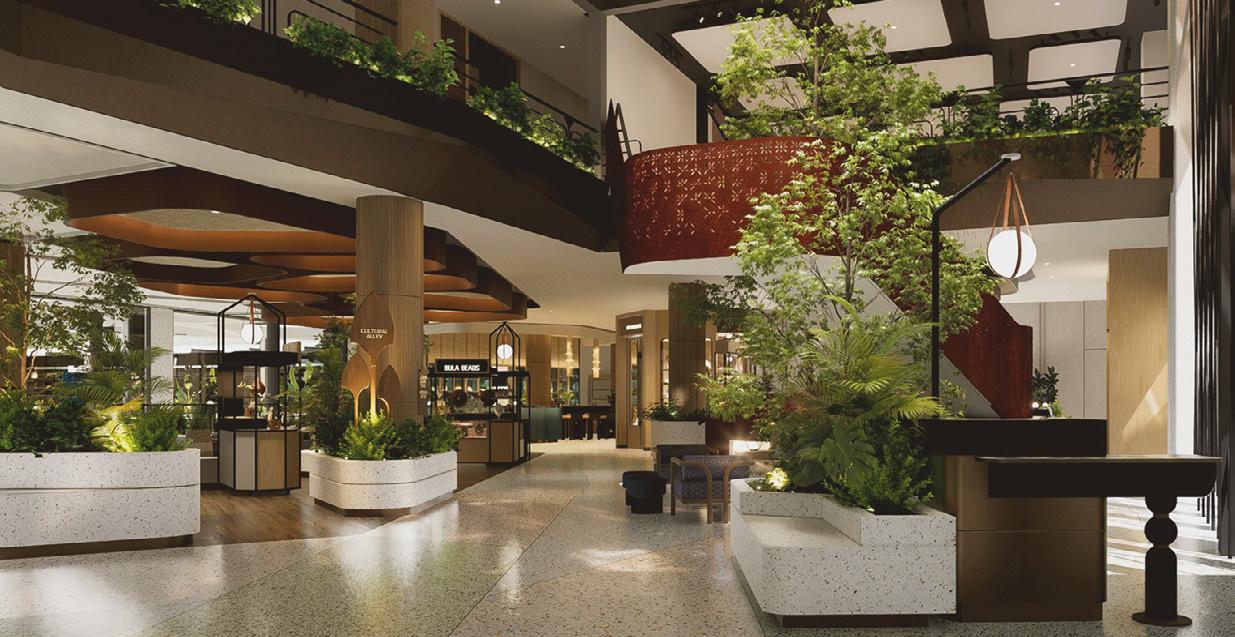
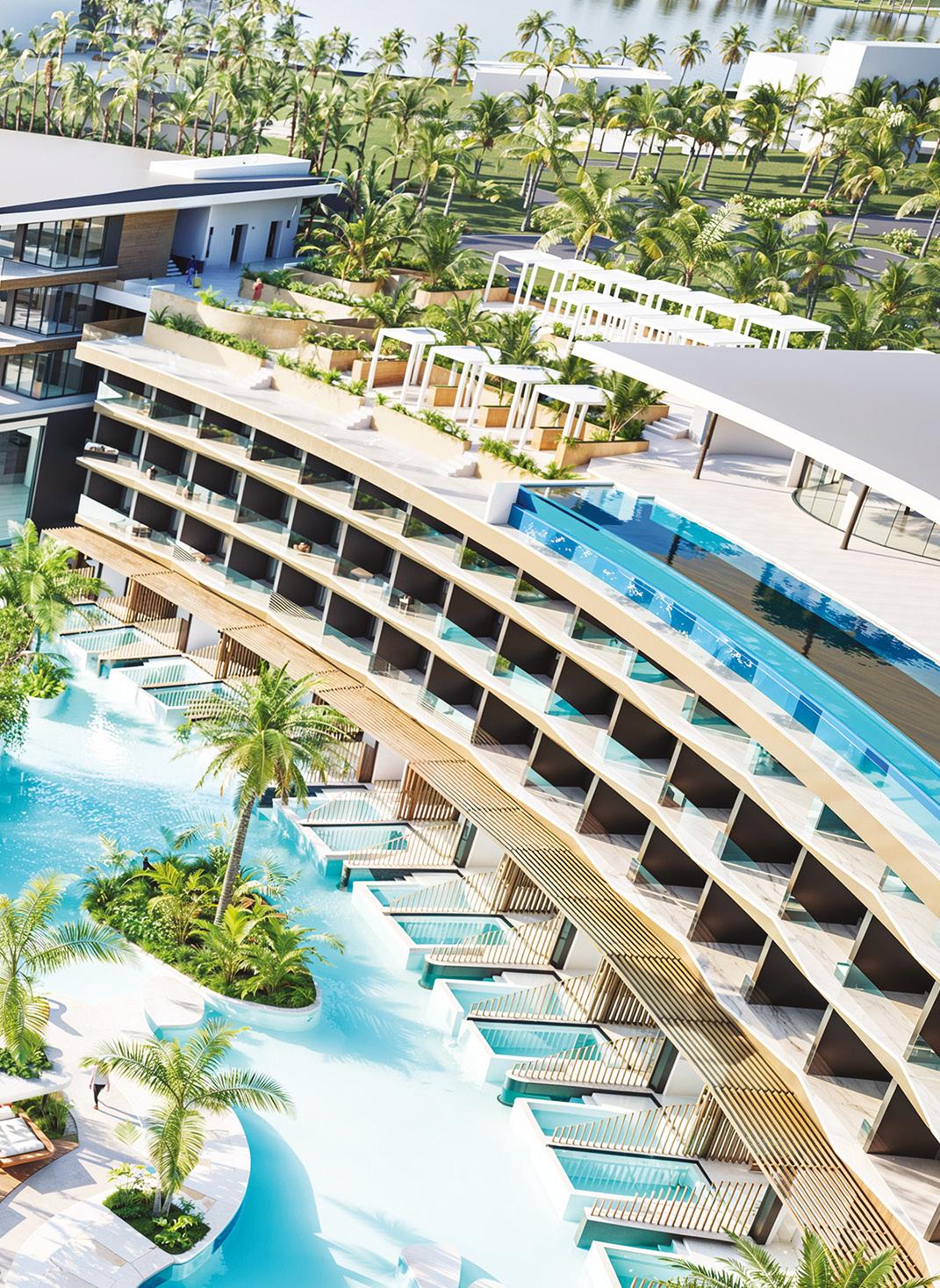
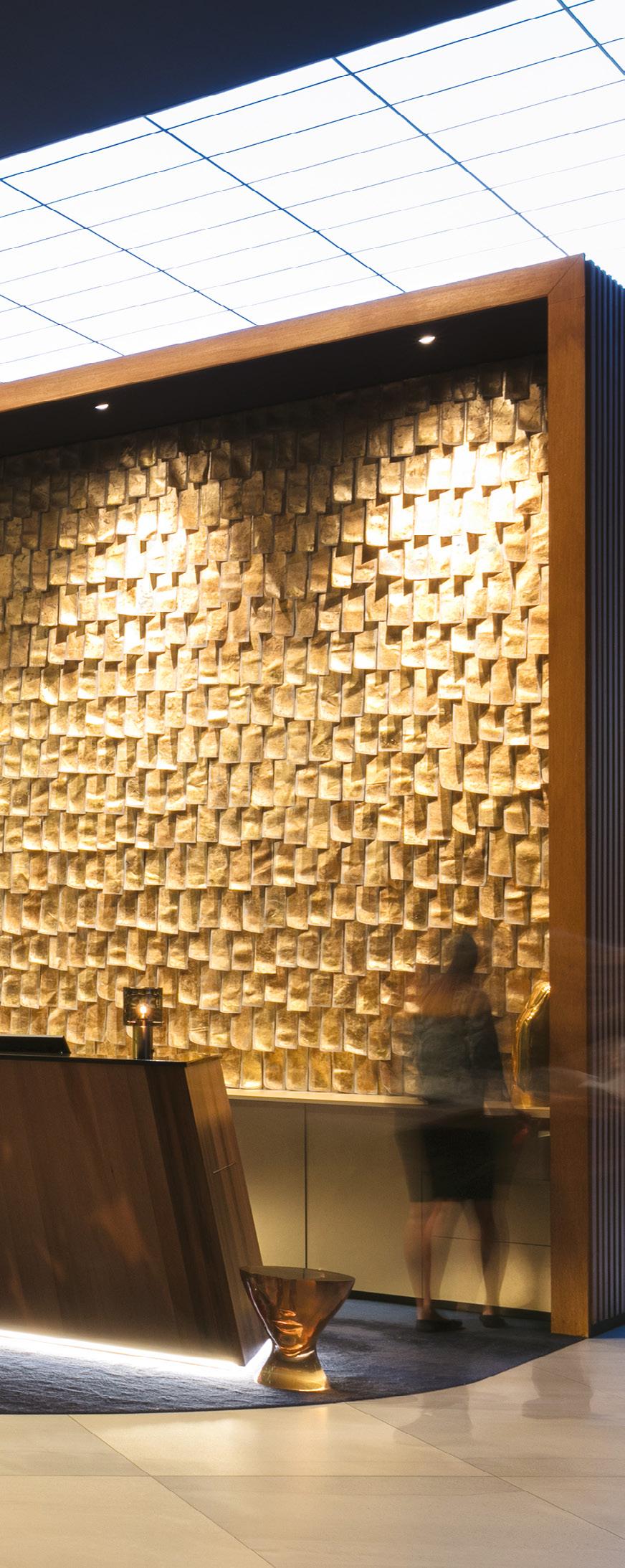
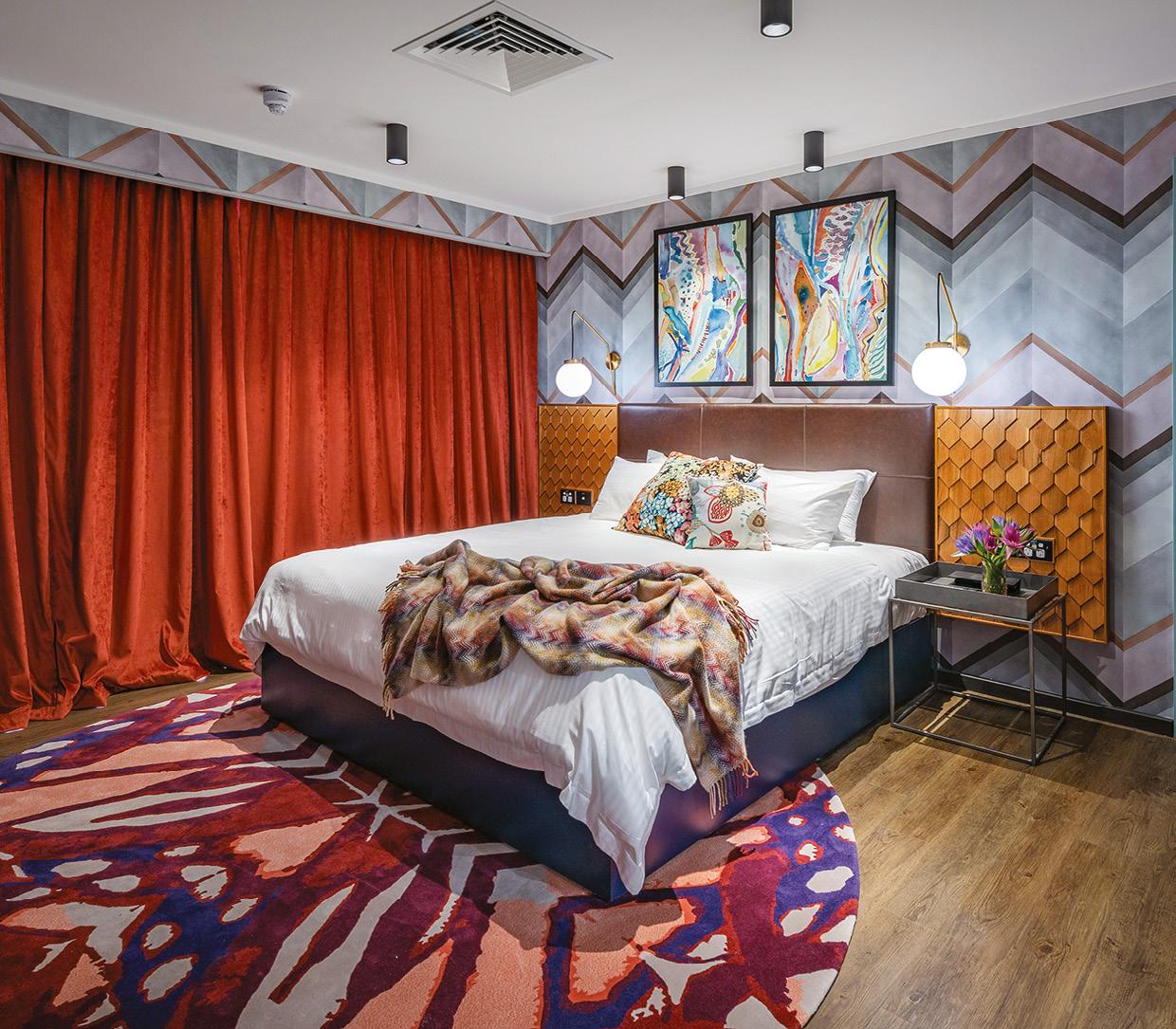
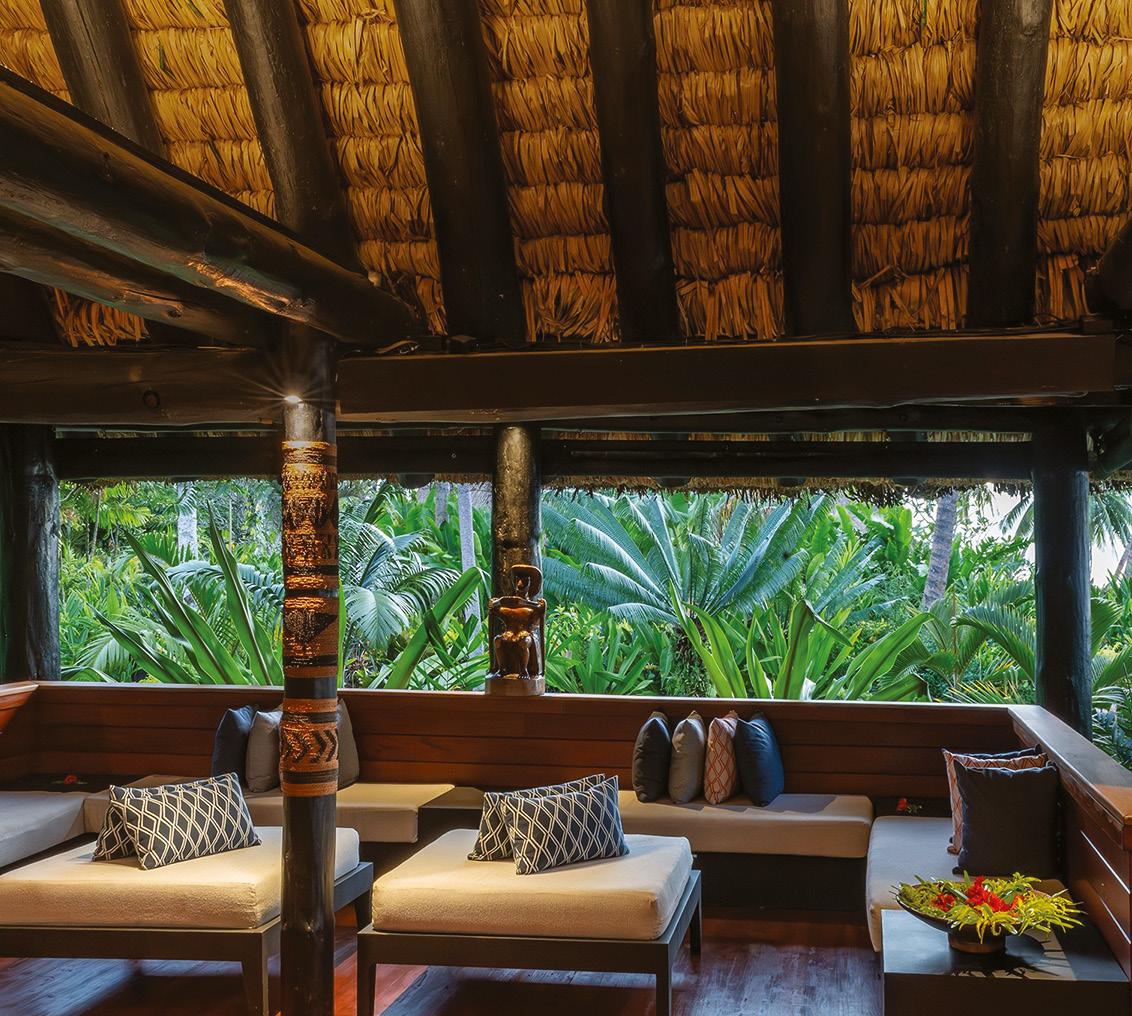
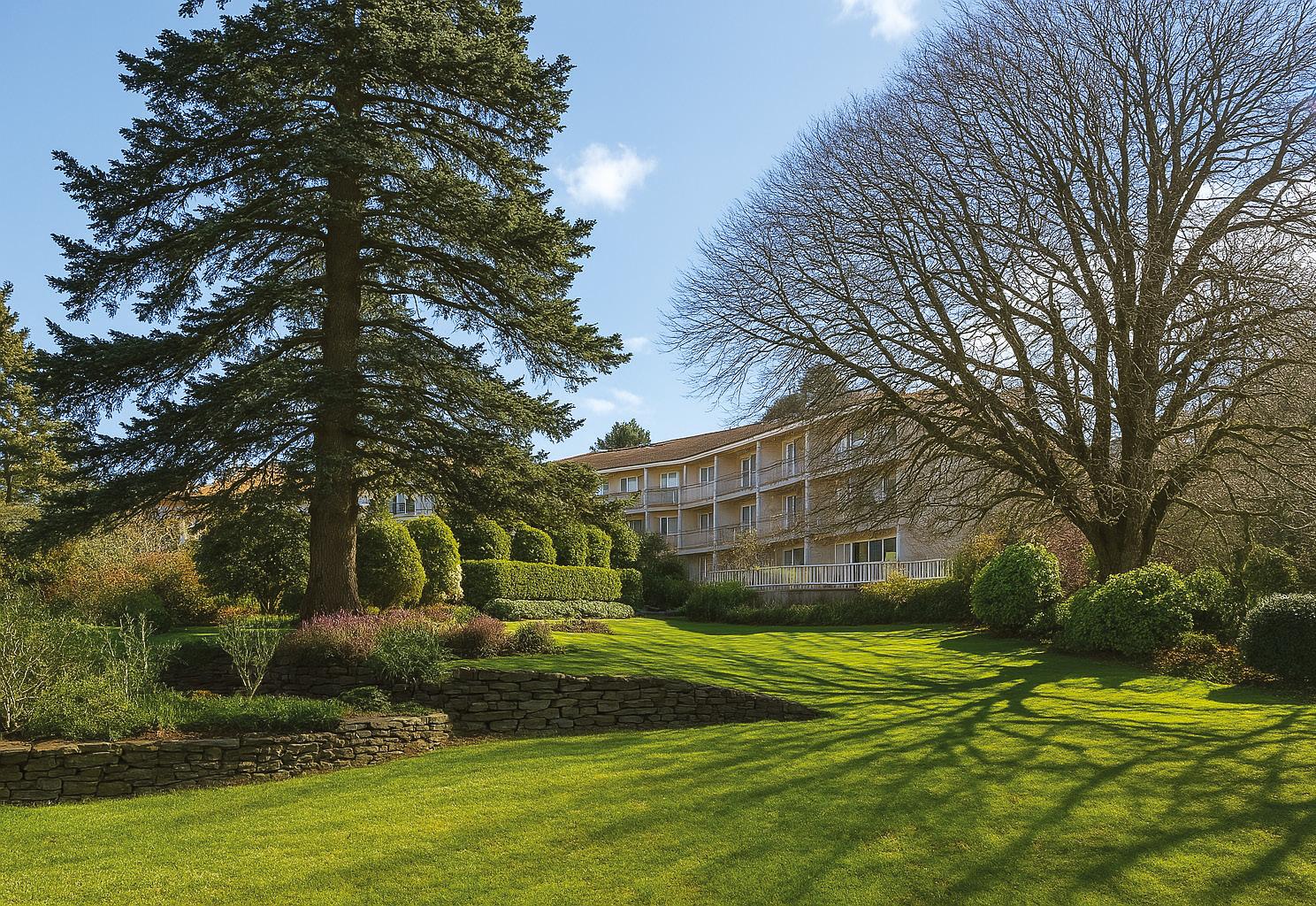
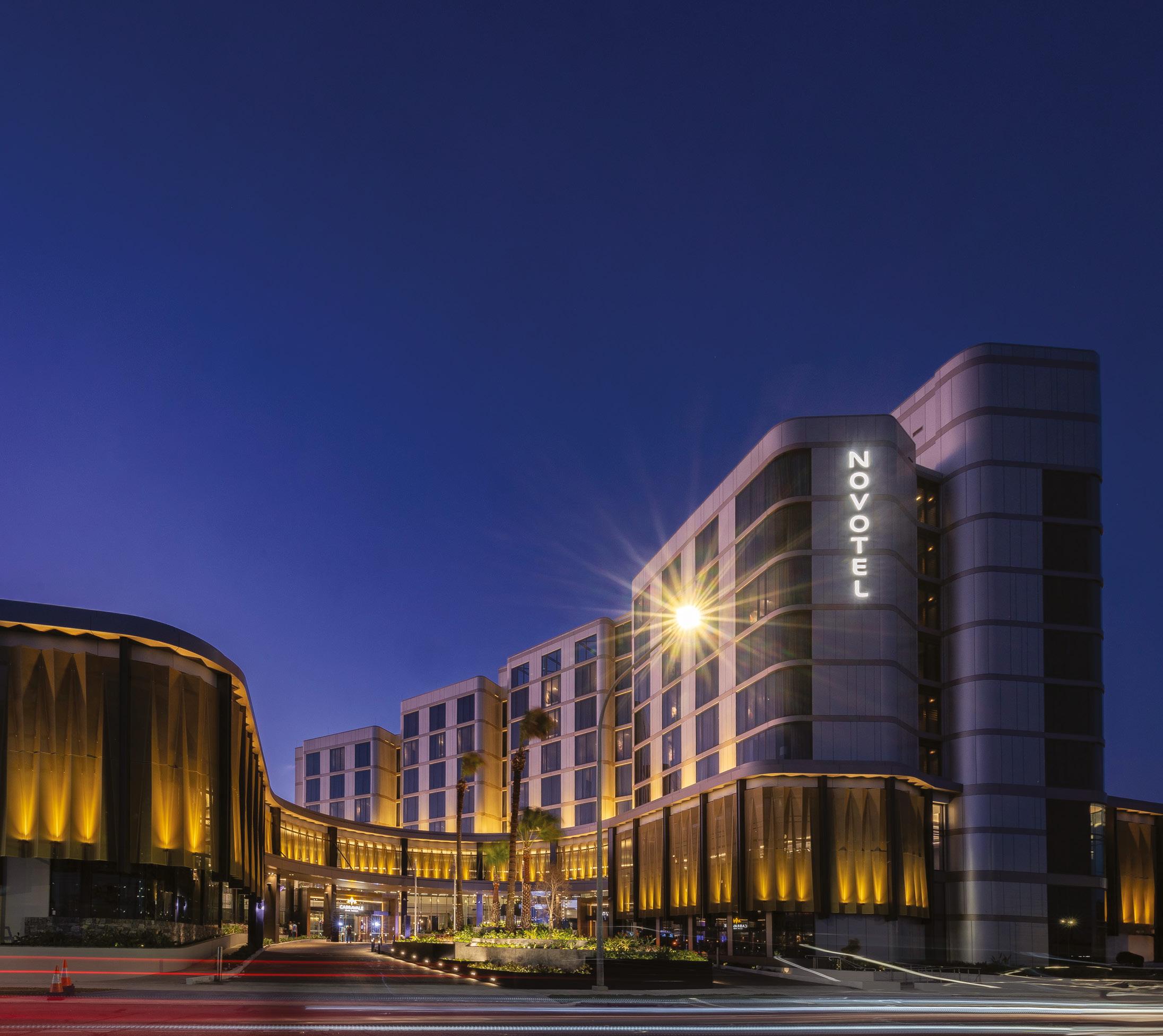
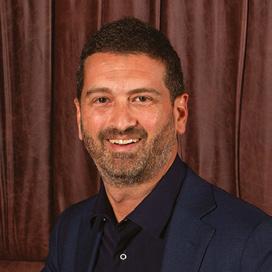
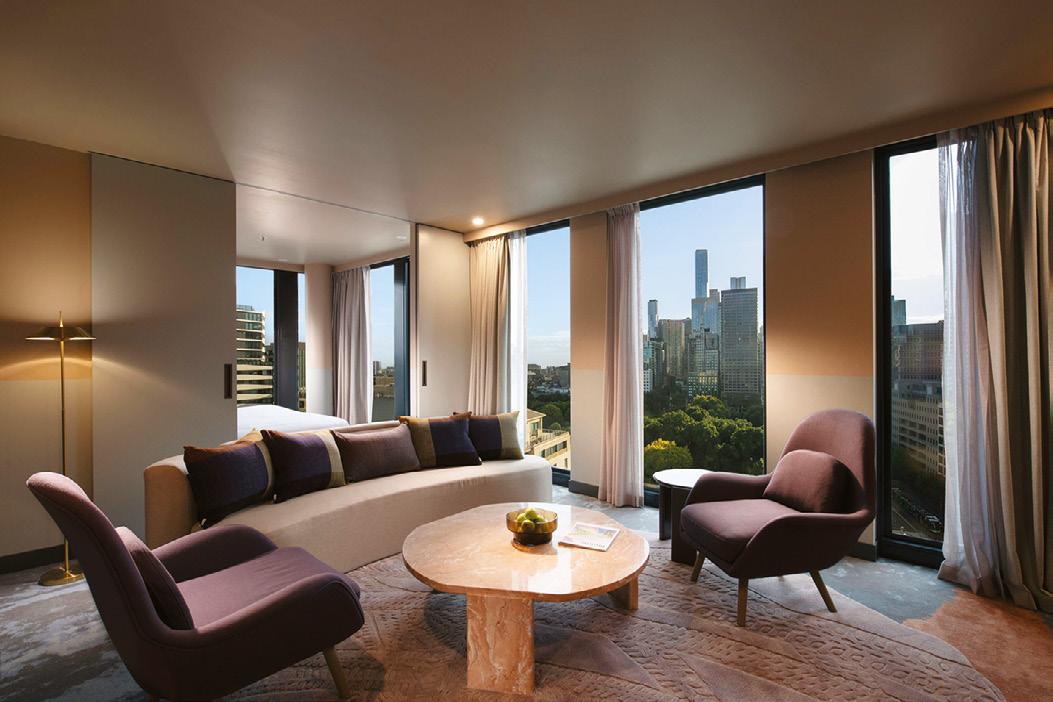
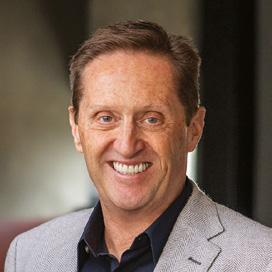
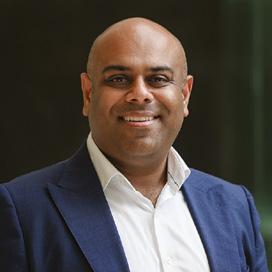
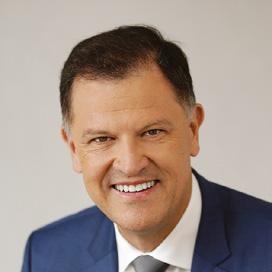
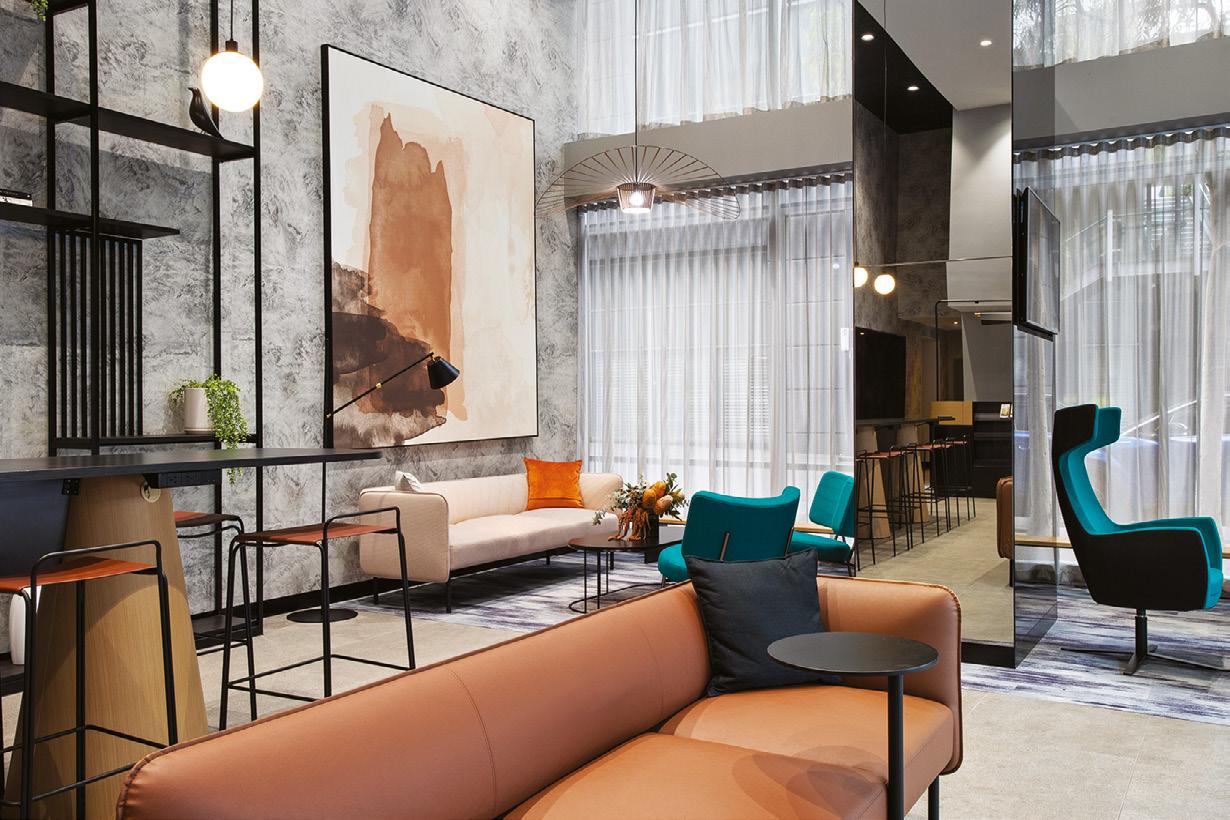
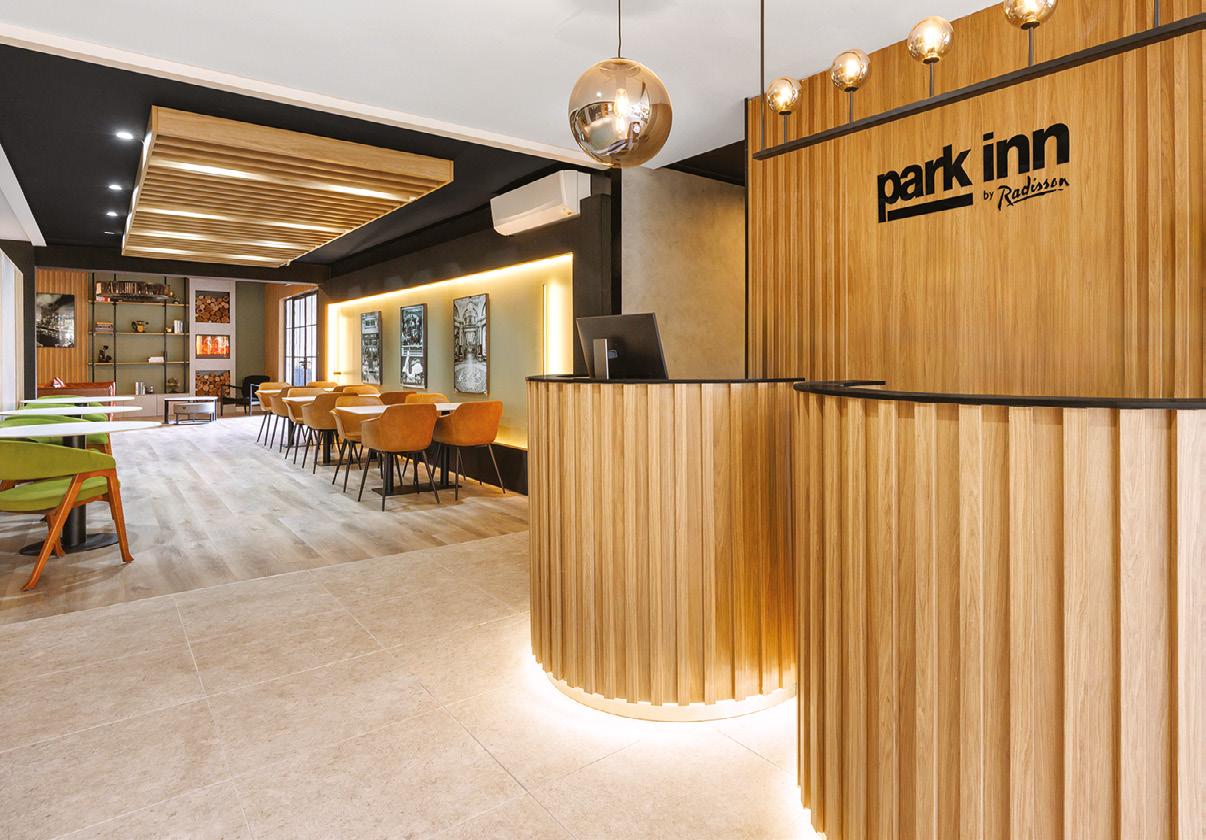
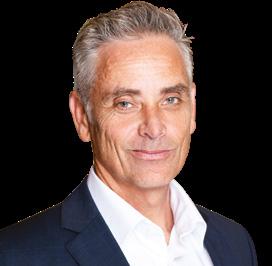
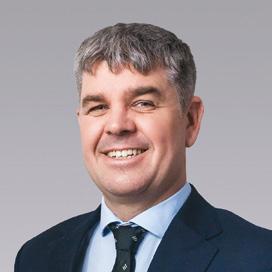
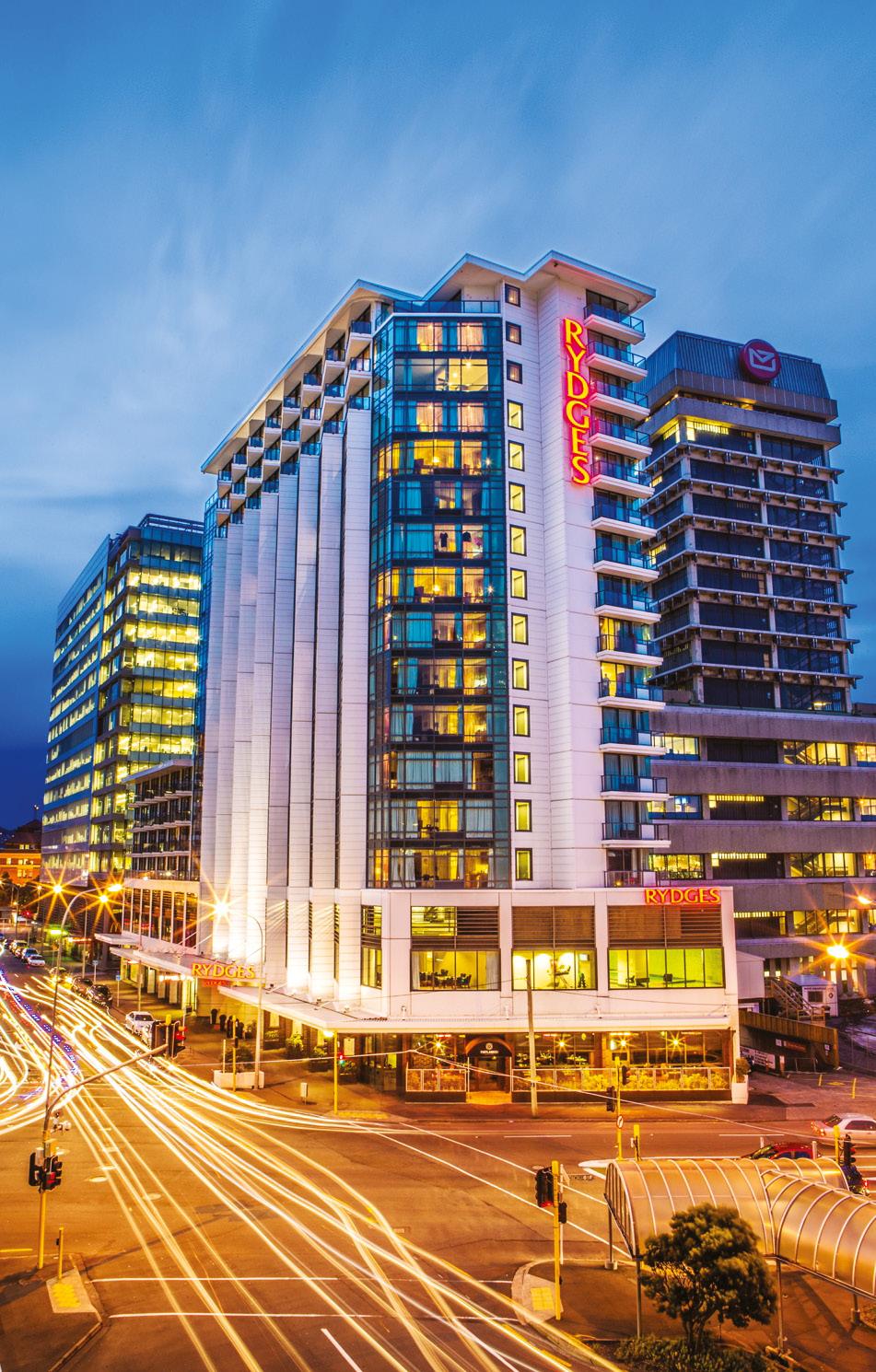
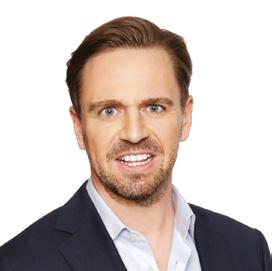
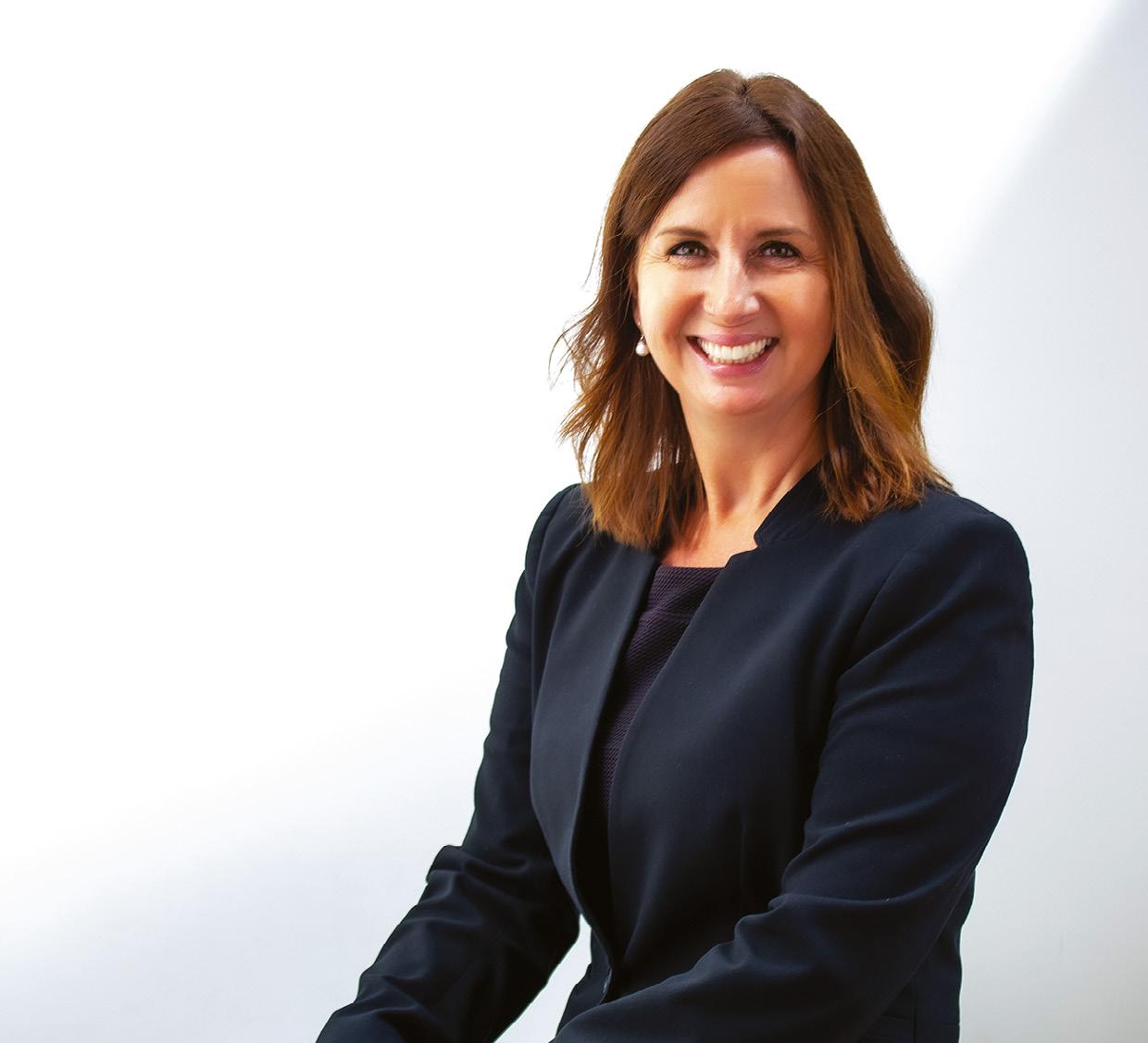
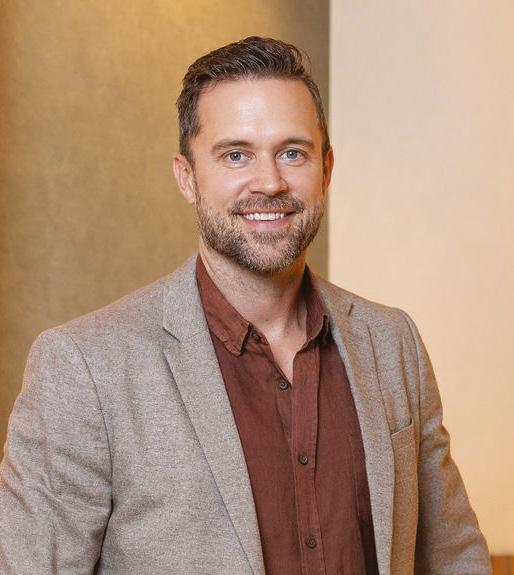
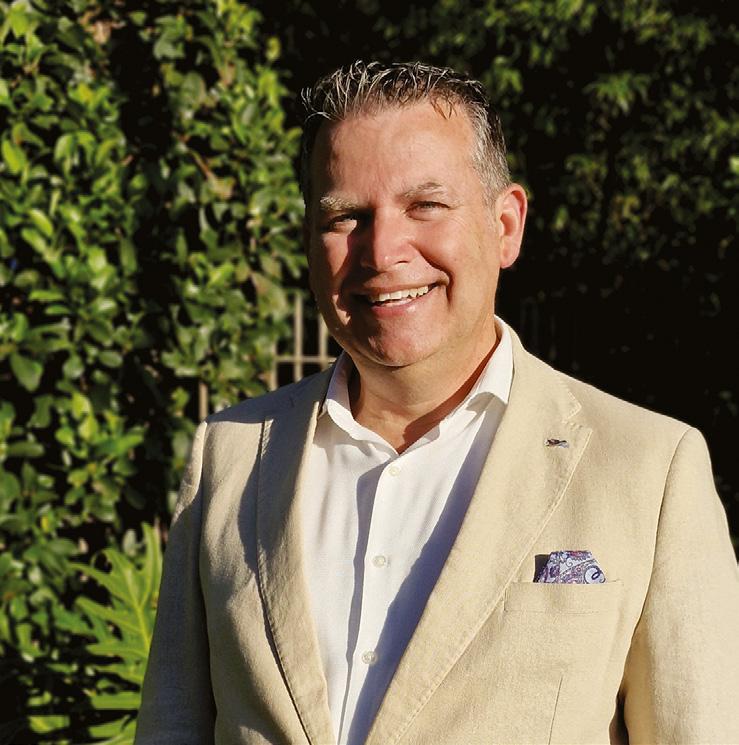
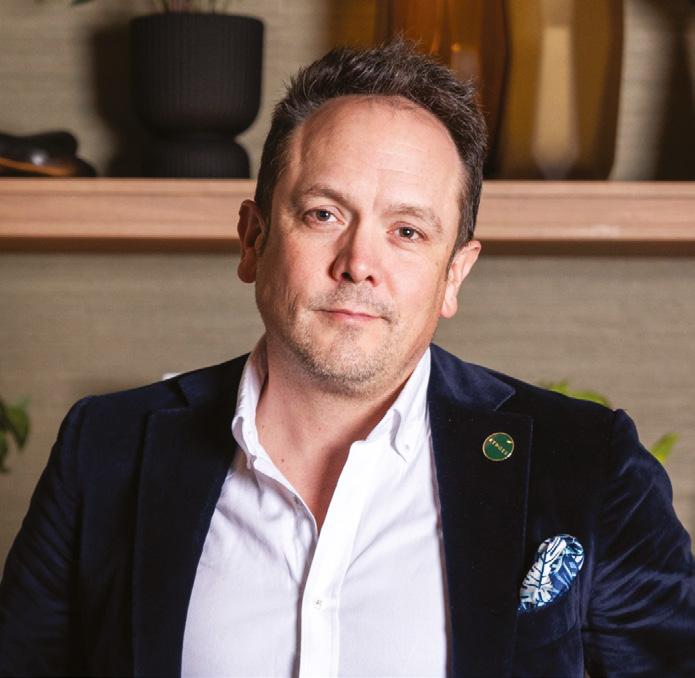
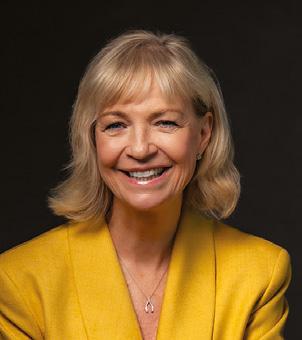
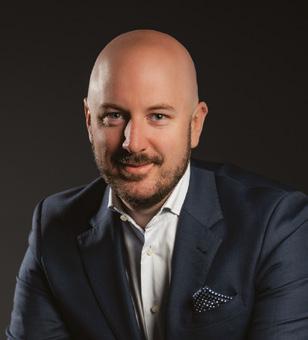
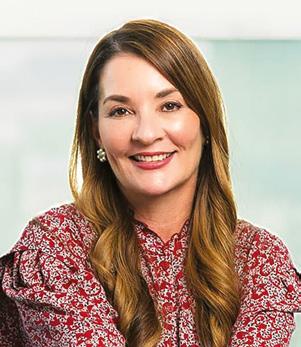
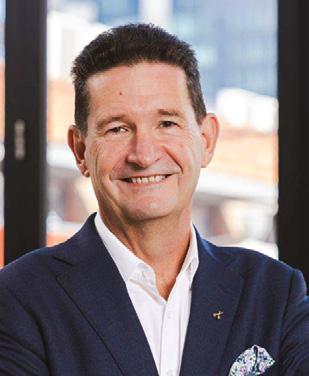
With renewed investment in Adina, an expanding Collection portfolio and a steady pipeline at home and abroad, TFE Hotels is scaling confidently on the global stage.
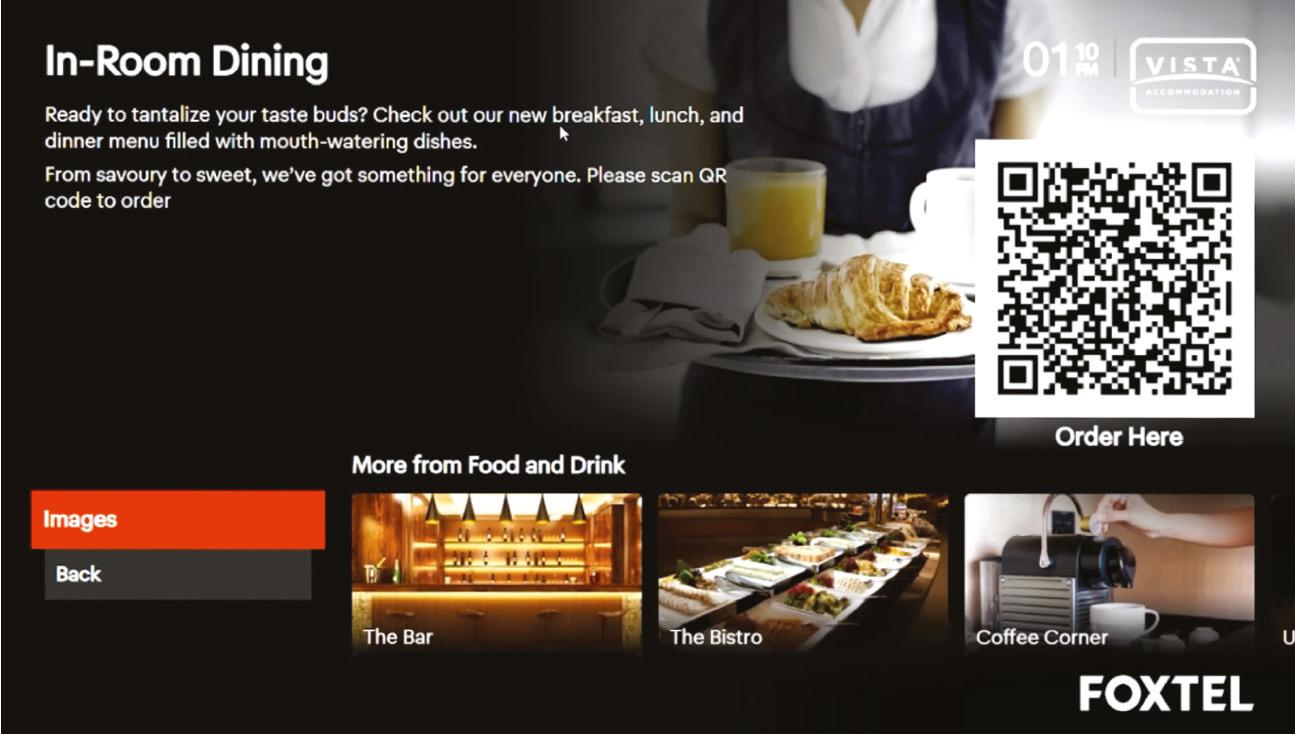
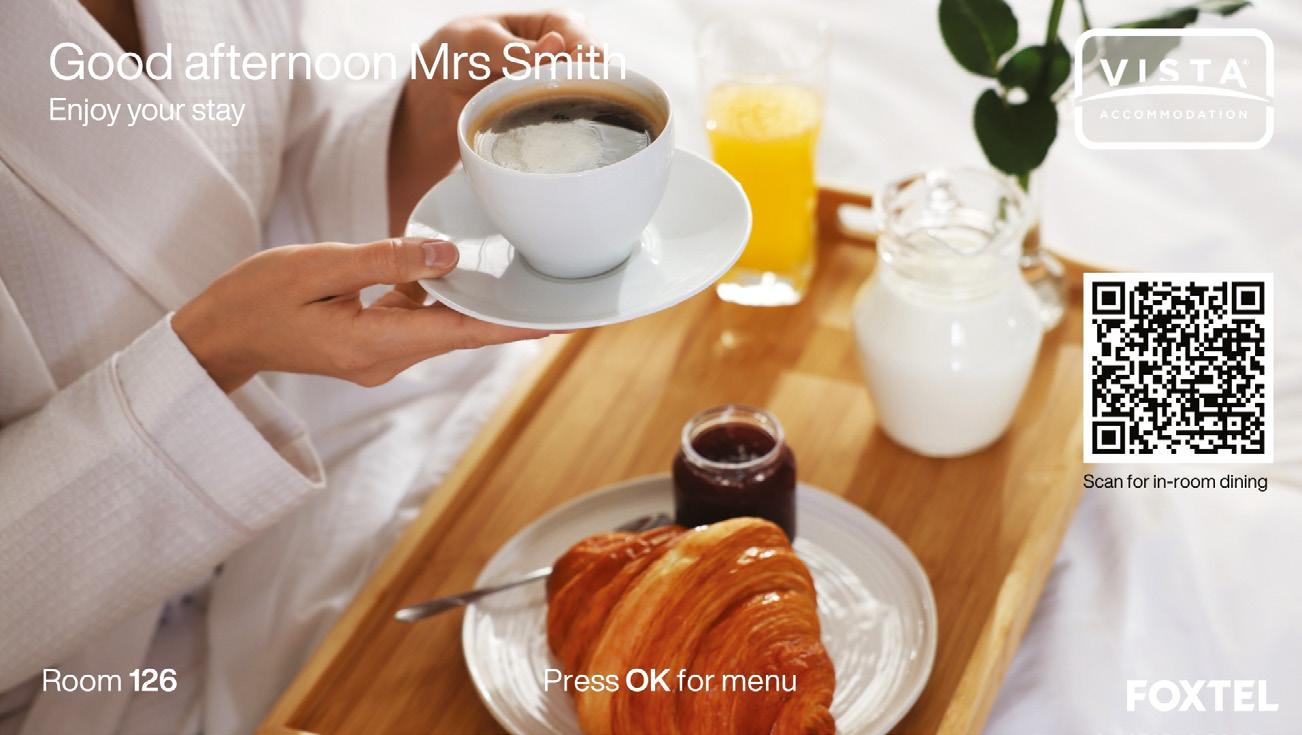
Here’s how it works:
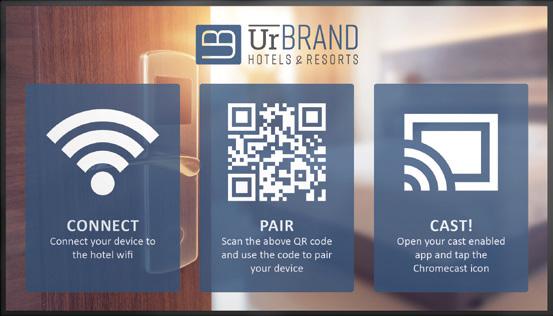
Add your own channels such as a welcome channel
The rise of the ultra-luxe
Hotels are embracing their status as cultural producers using bespoke design.
New technologies are reshaping hotel and hospitality landscapes.
The latest technology trends in health and beauty.
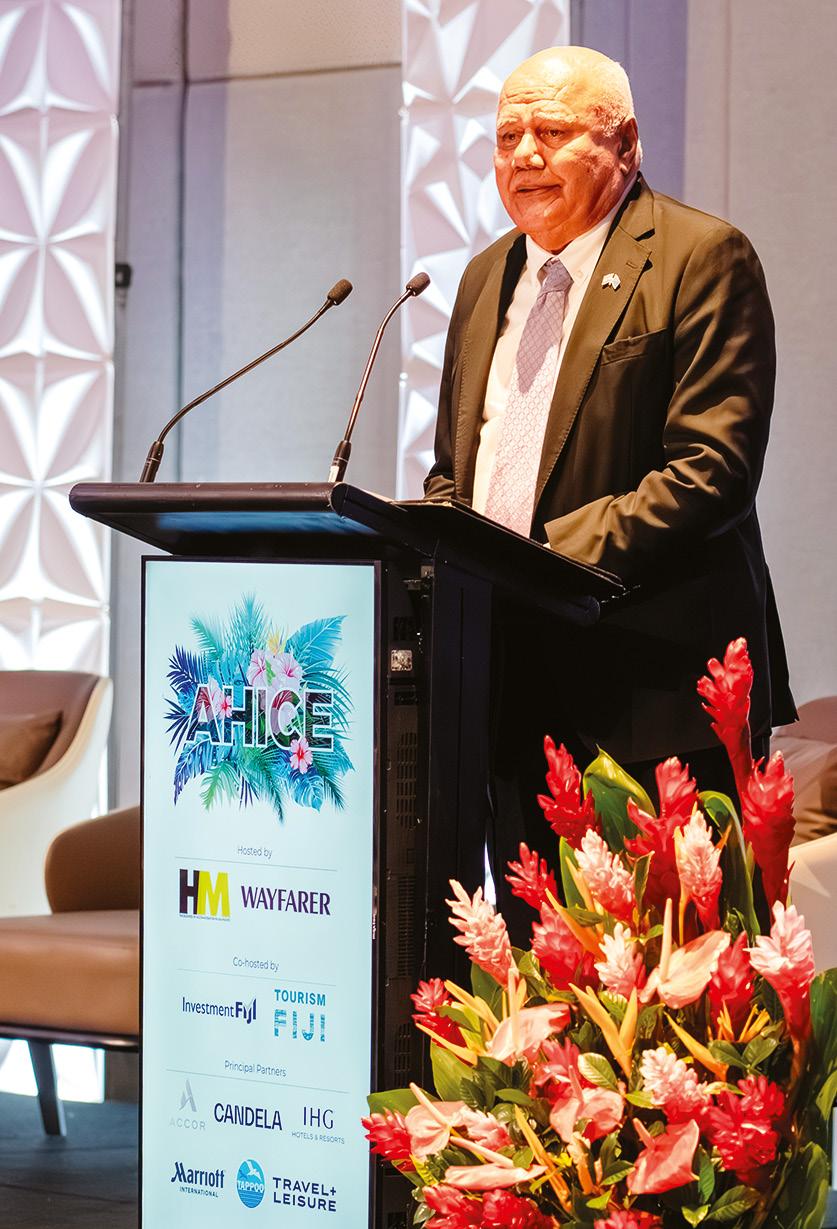
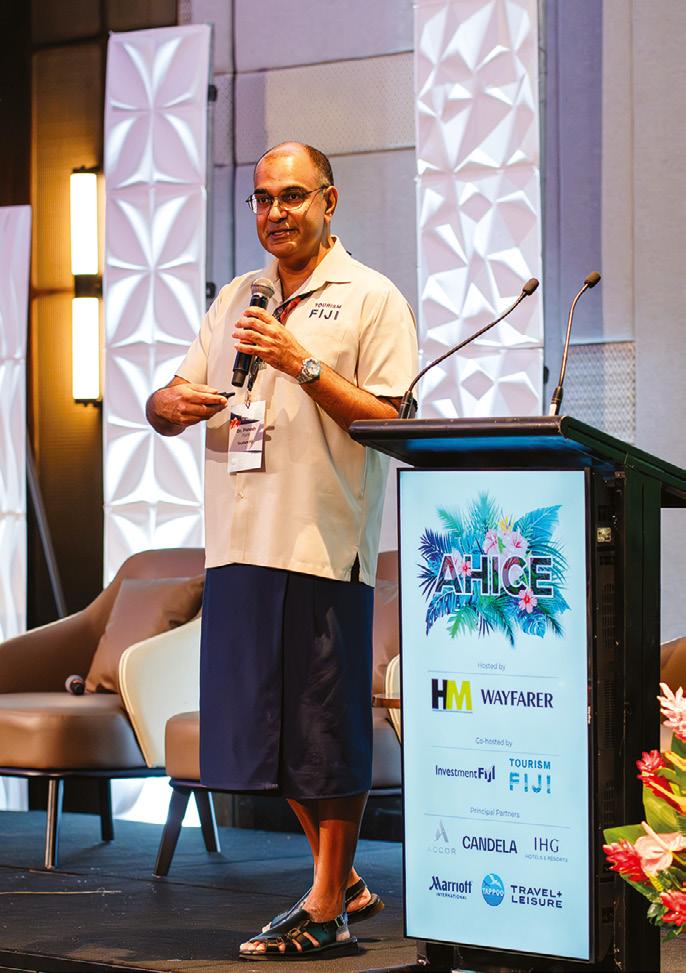
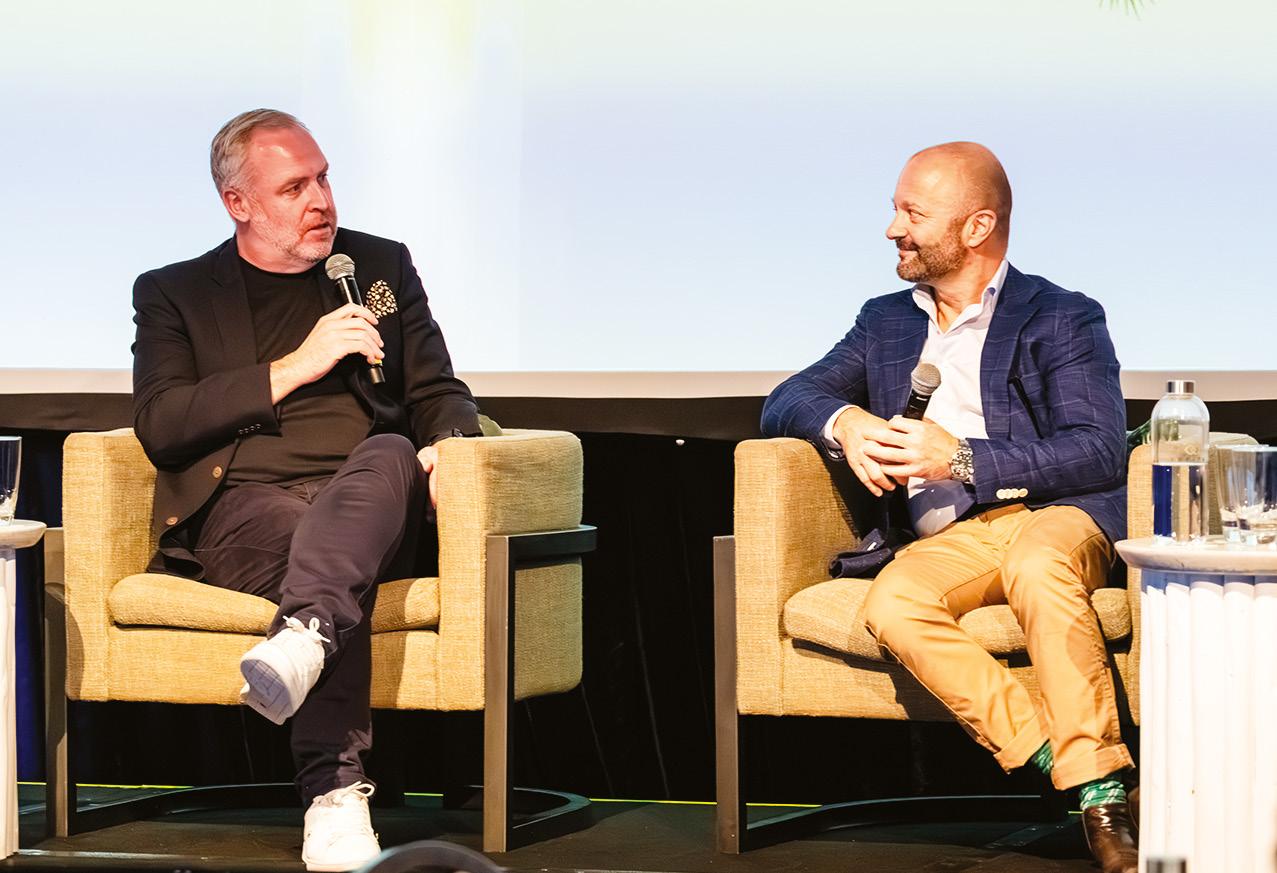
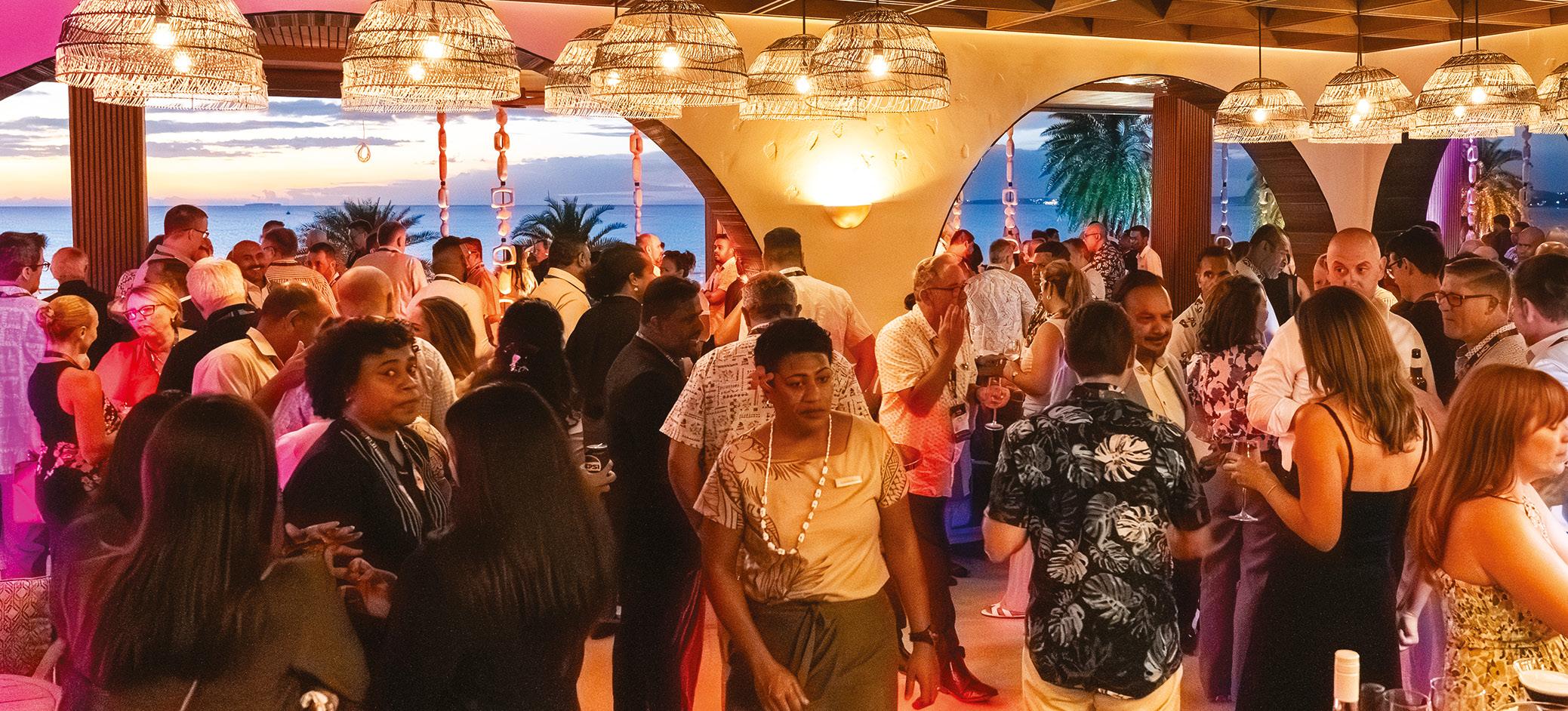
The hot trends, new developments, and essential market analysis revealed at the AHICE Fiji Investment in Tourism Conference 2026.
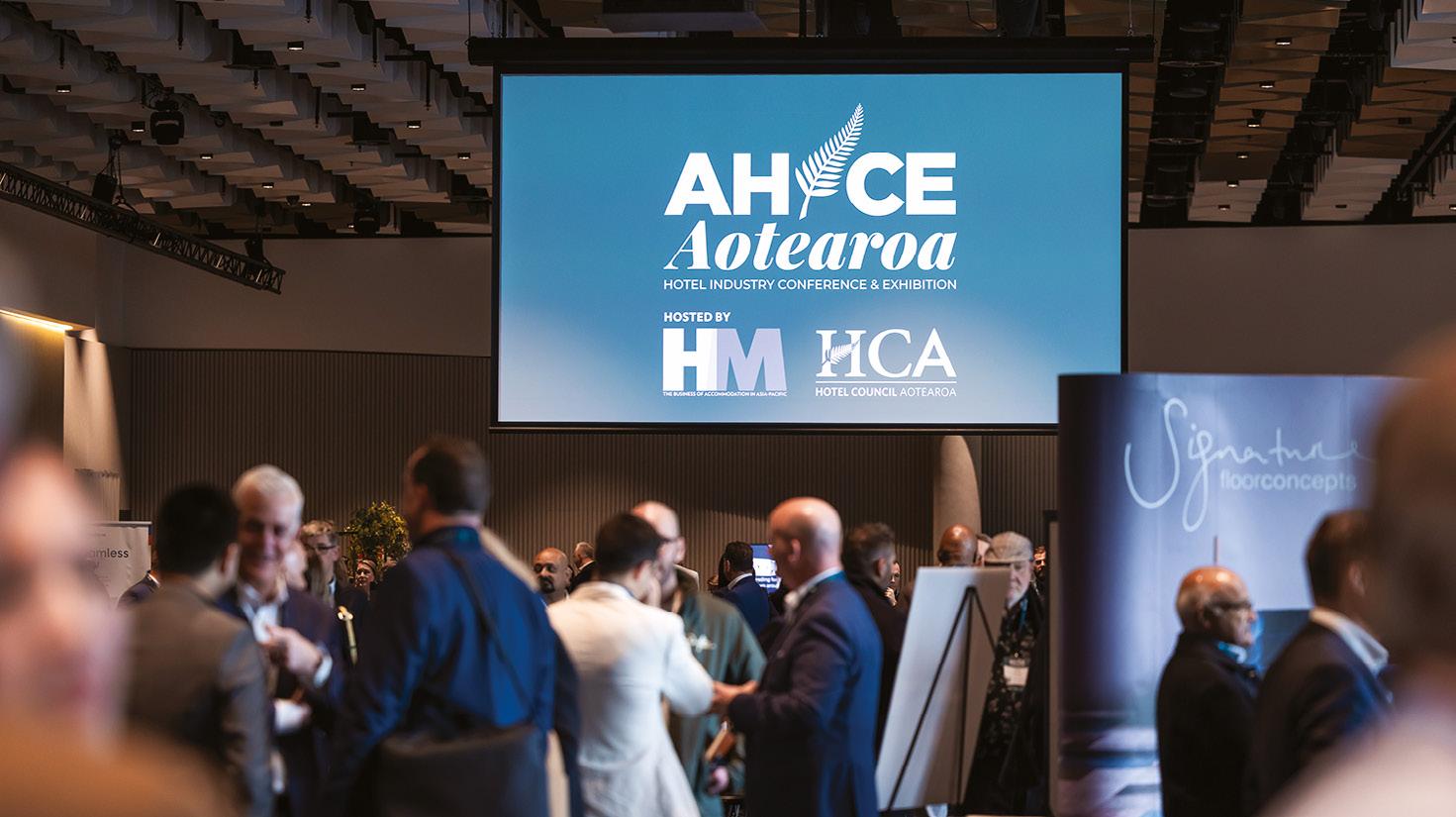
Excitement builds for the largest ever AHICE Aotearoa in Christchurch.
The region’s midscale hotels segment is in a compelling phase. 78
New Zealand’s hotel sector is poised for growth.
Meet some general managers making their mark.
The latest key appointments across the hotel industry.
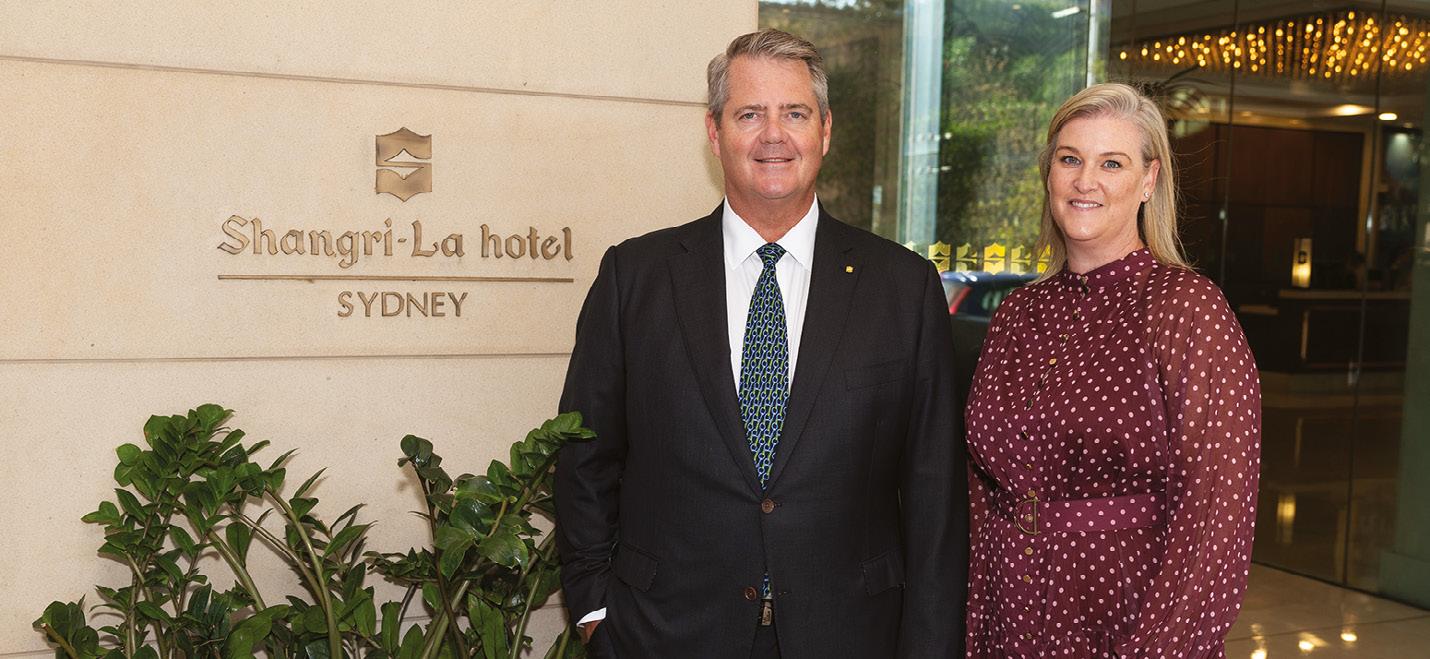
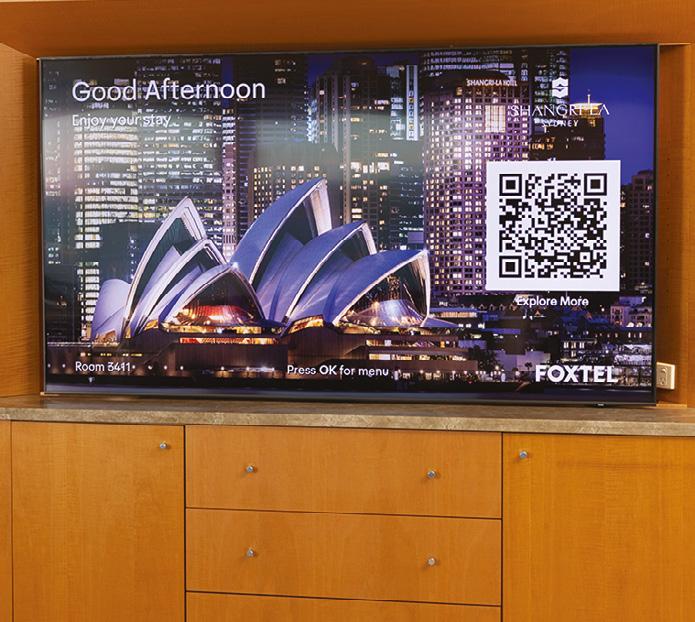
Shangri-La Sydney tailors services to meet the high standards of luxury travellers, complemented by its partnership with Foxtel.
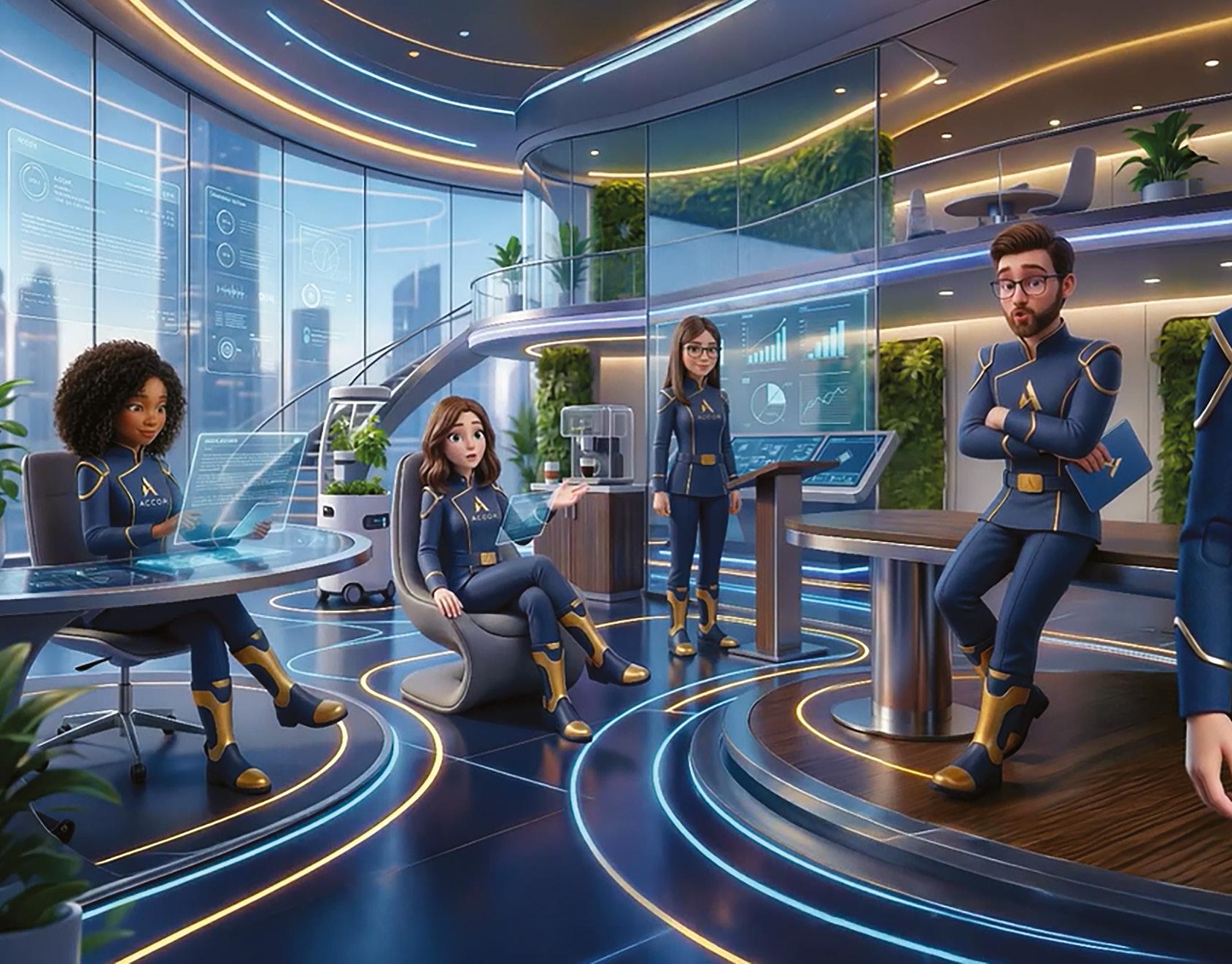
Accor is leveraging AI to transform bookings, loyalty and brand engagement.
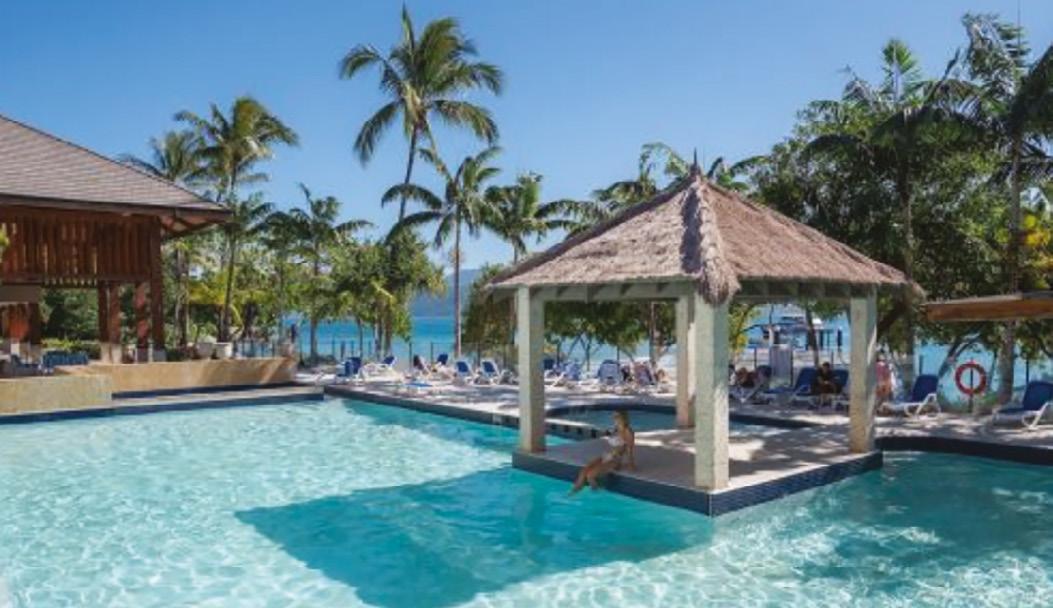
Castaway Island
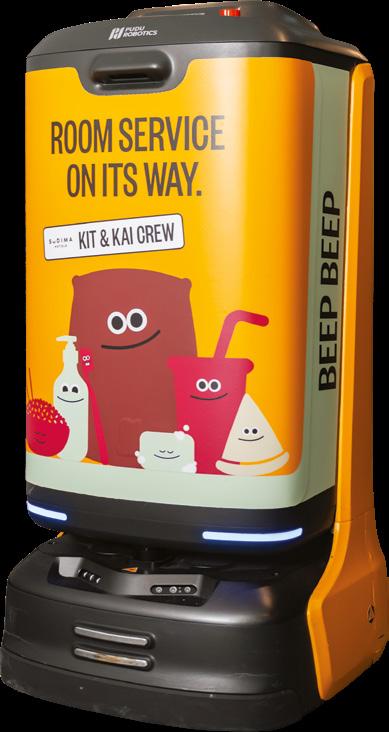
The latest in innovation and technology across the hospitality landscape
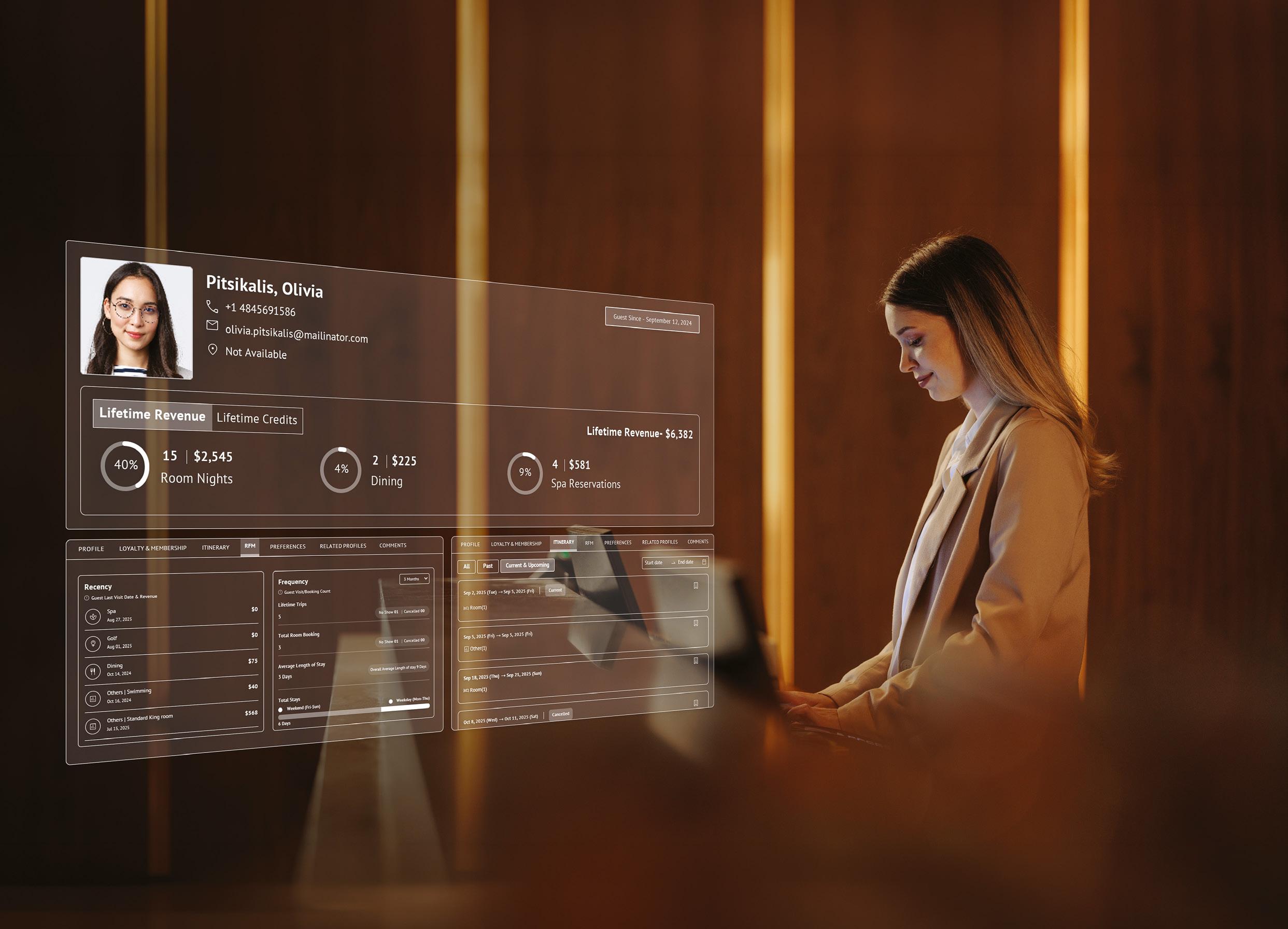
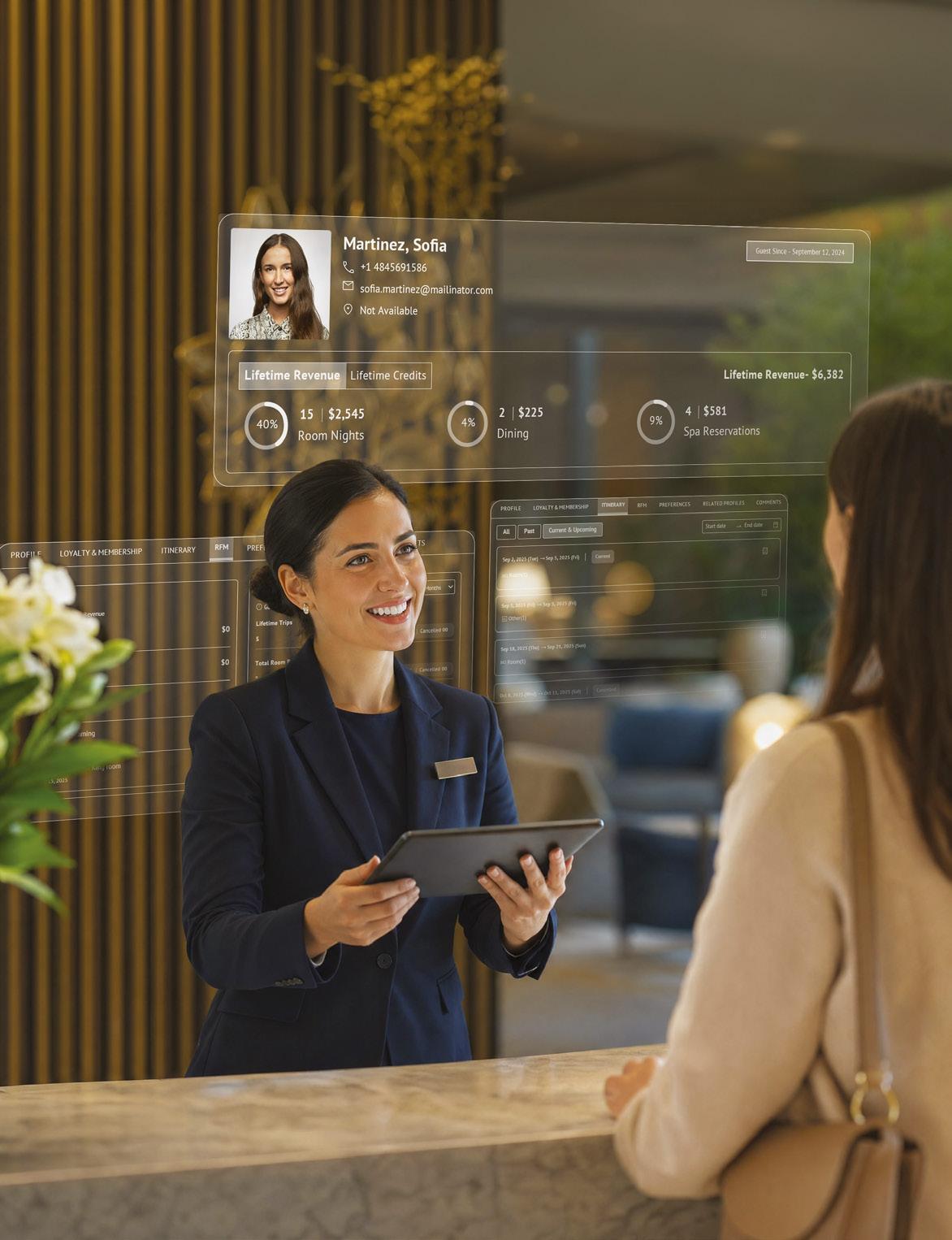
Fuel faster guest engagement with Cendyn CRM.
Let’s talk about Fiji
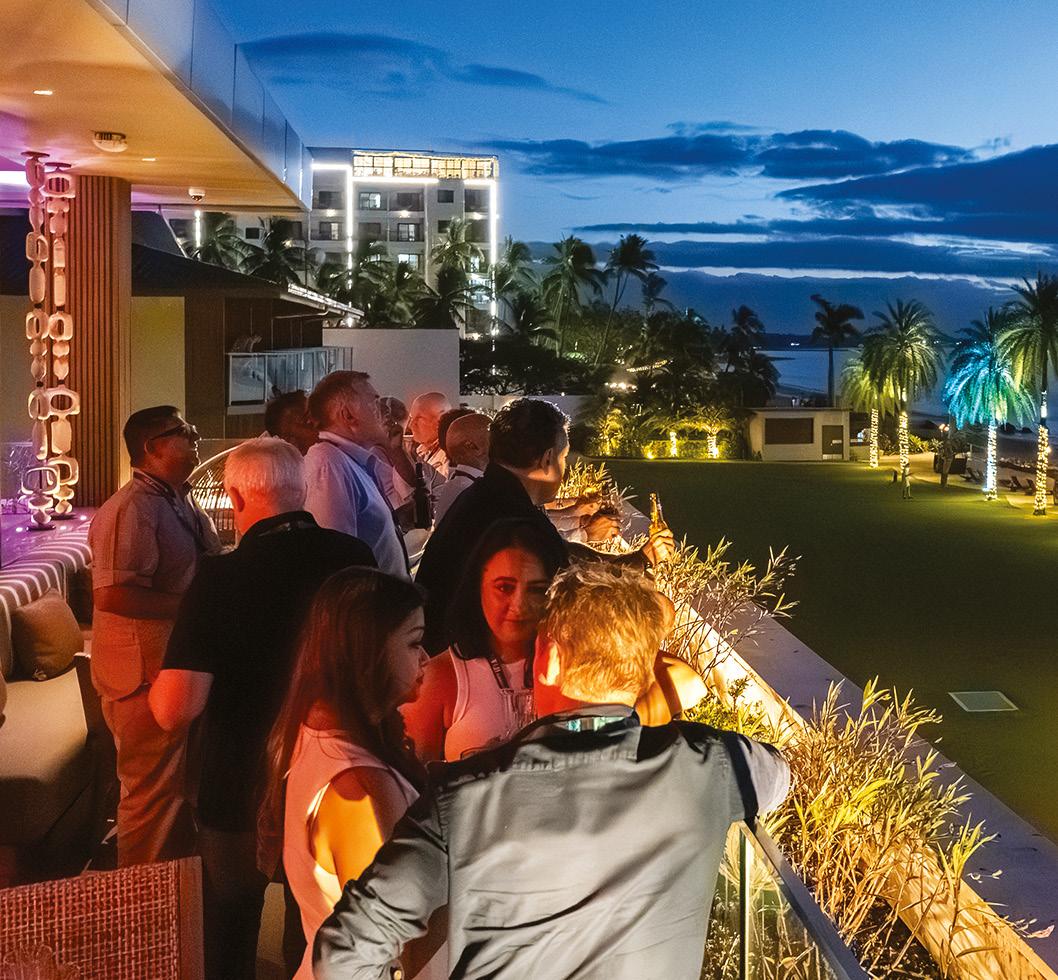
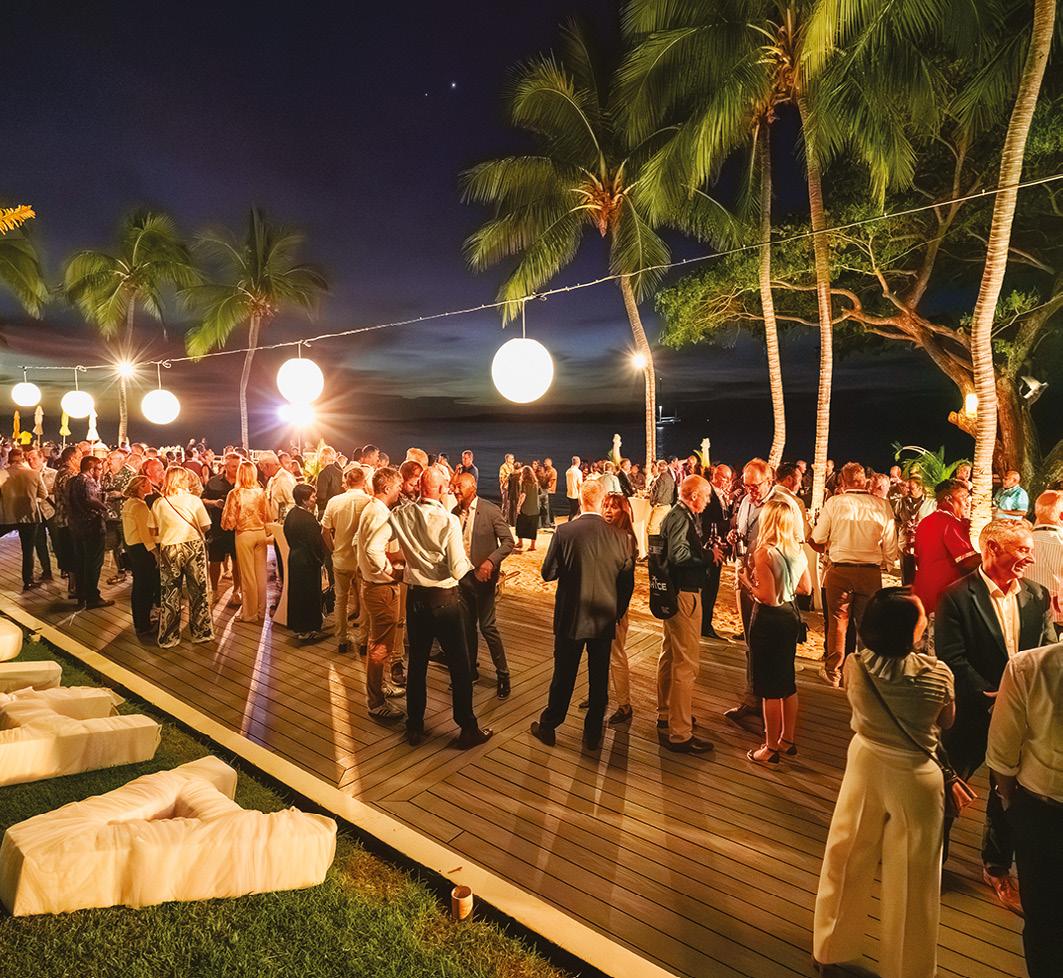
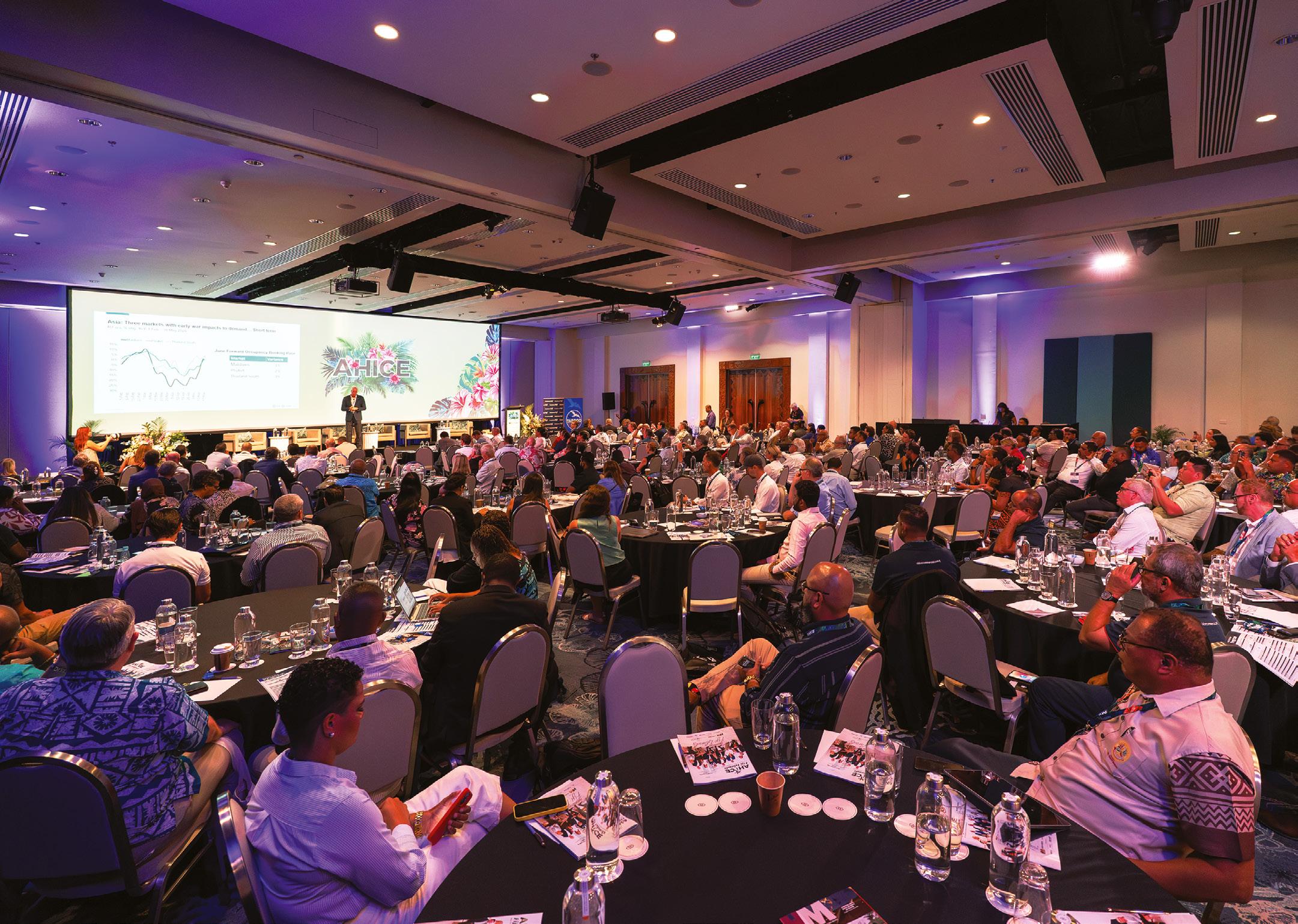
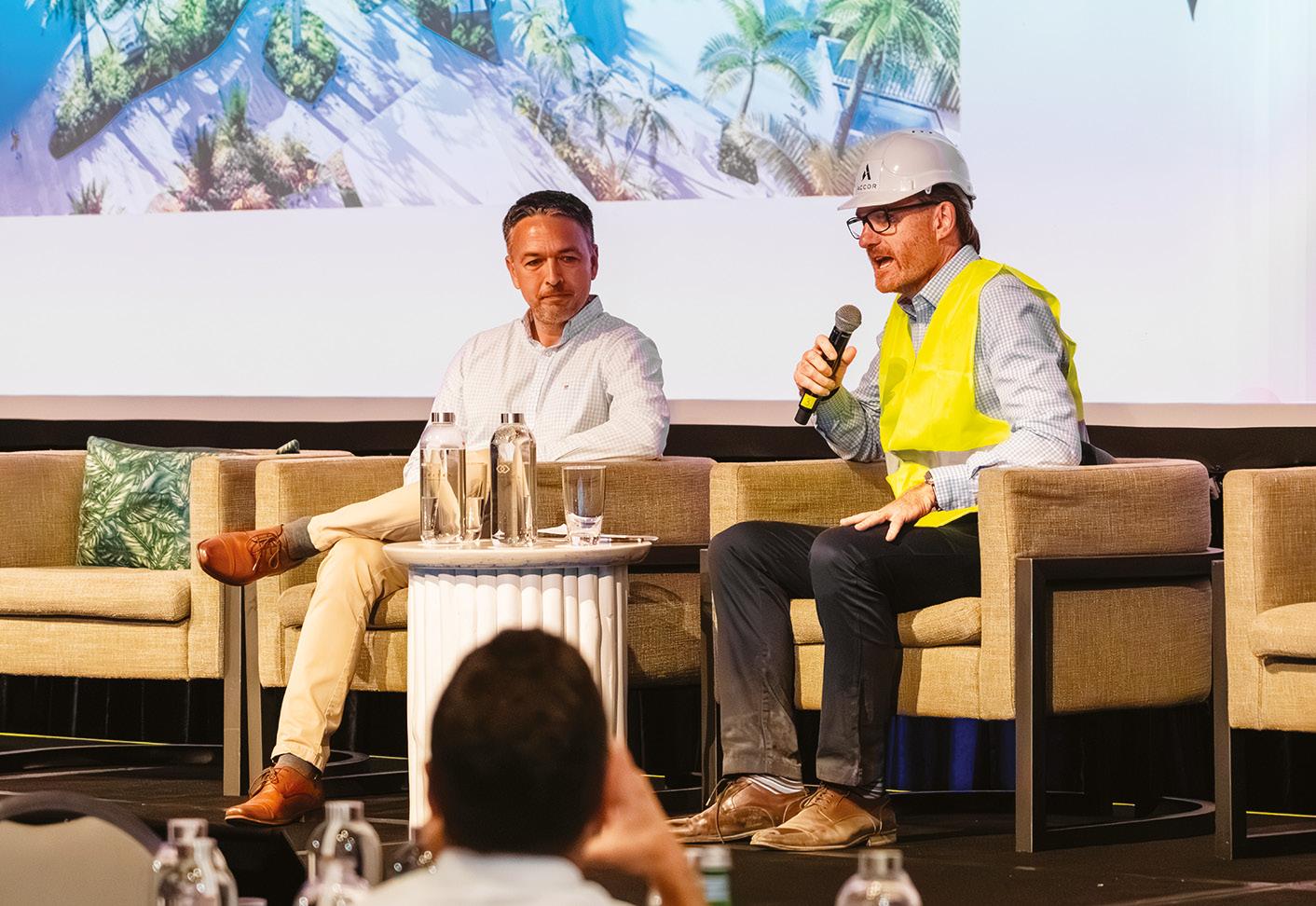
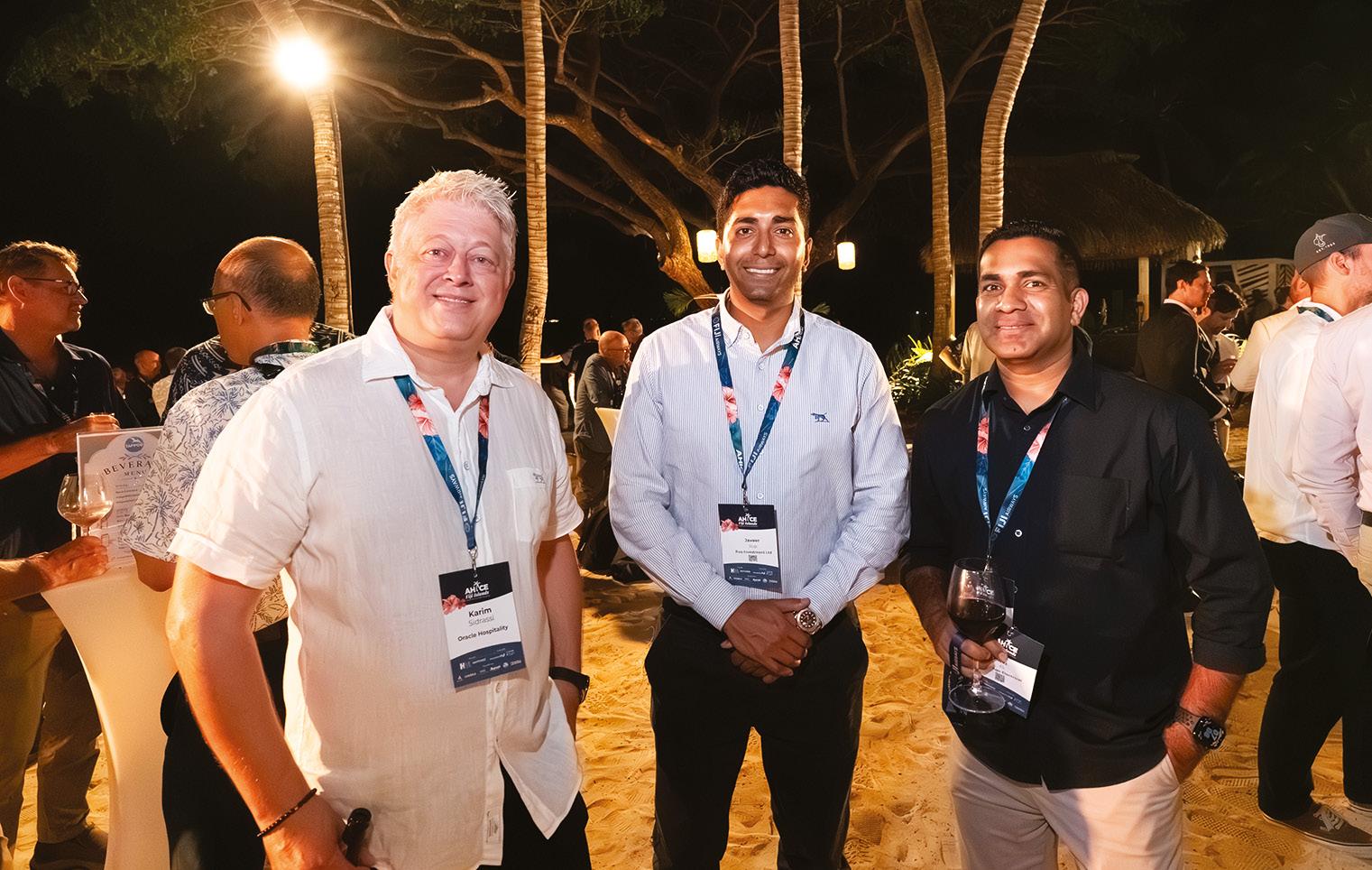
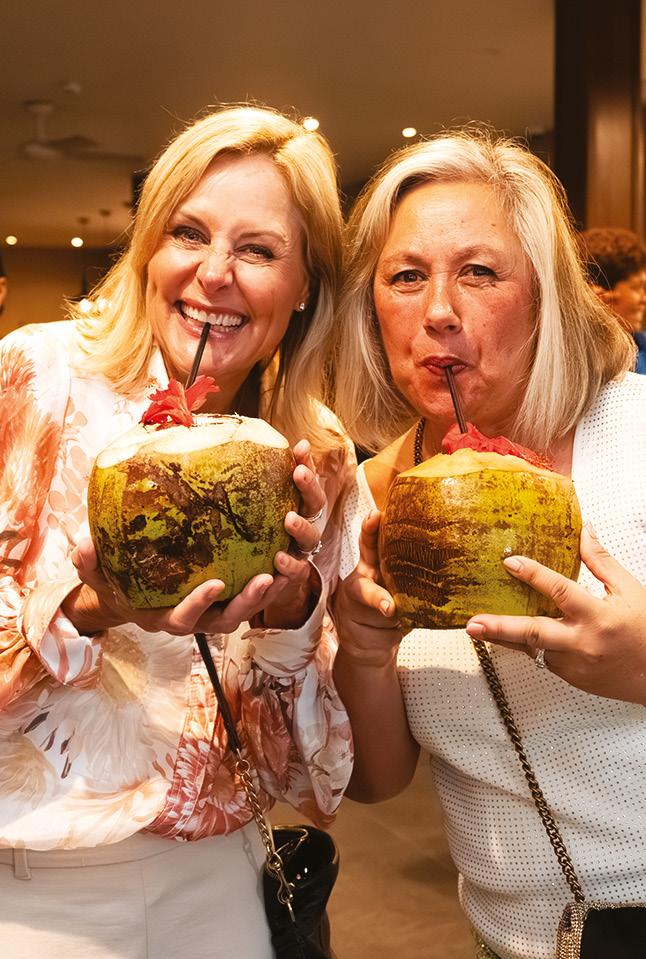
During June, we held our third annual AHICE Fiji Islands Investment in Tourism Conference and this year saw a record crowd, our highest number of sponsors and another incredible speaker program.
The event has turned into one of the most highlyanticipated annual events on our global calendar now, thanks to the hunger from both local and international investors to develop projects in the South Pacific nation.
One of the main reasons for this is the astounding performance numbers that have been solid since the end of 2021 and it’s why we have seen more investors and global brands attend the event each year.
Across the nation, according to the latest data from STR, occupancy averaged 77.2% in the trailing 12 months to April, with year-to-date levels up 10.9% compared to 2025.
That comes off the back of an impressive full calendar in 2025 and the nation does not have a shoulder season, with solid numbers being posted year-round.
Since 2021, Fiji has been in a period of rapid rate growth and now STR expects that to turn into a “more stabilised performance environment, characterised by moderating ADR and strengthening occupancy” according to STR’s Regional Director – Asia Pacific ex China, Matthew Burke.
“With over 1,000 rooms scheduled to open across the country within two years, the market is expected to continue evolving within a demand-supported framework.”
With limited supply coming on – there was an increase of 1.9% over the 12 months to April 2026 – Fiji’s hotels will continue to thrive thanks to increased international arrivals, which jumped 4.6% in the same period, led by Australia (43% share) and New Zealand (17%), plus a notable increase in amount of visitors from Canada who are opting to vacation in Fiji instead of Hawaii.
It's fantastic to see the Fiji market consistently performing well and I have no doubt the next AHICE Fiji Islands event in June 2027 will again see an increase of attendees, which was around 30% up in 2026 compared to last year.
In this issue of HM, you’ll find a comprehensive wrap-up of the 2026 AHICE Fiji Islands Investment in Tourism Conference and I’m sure you will now have the event on your calendar.
Up next we have the Aotearoa Hotel Industry Conference and Exhibition in Christchurch and I hope to see you there.
Enjoy the issue and I look forward to your feedback as always.
Yours in hospitality,
James Wilkinson Editor-In-Chief, HM magazine Chair & Convenor, AHICE global conferences
The HM global hot list
Hotels around the world capturing our attention this month.
ONE: The Ritz-Carlton Bangkok @theritzcarltonbangkok
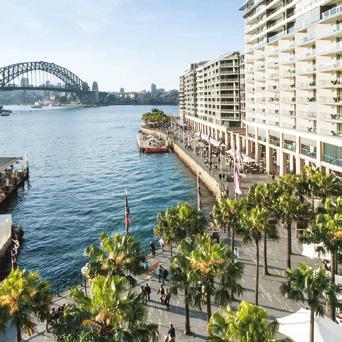
THREE: Pullman Grand Quay Sydney Harbour @pullmanquaygrand
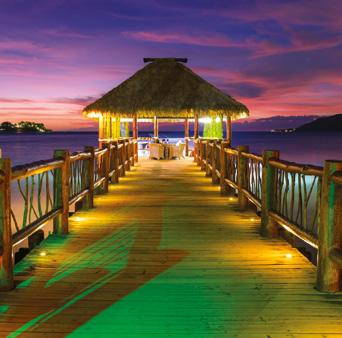
Tropica Island Resort, Fiji @tropicaislandresort
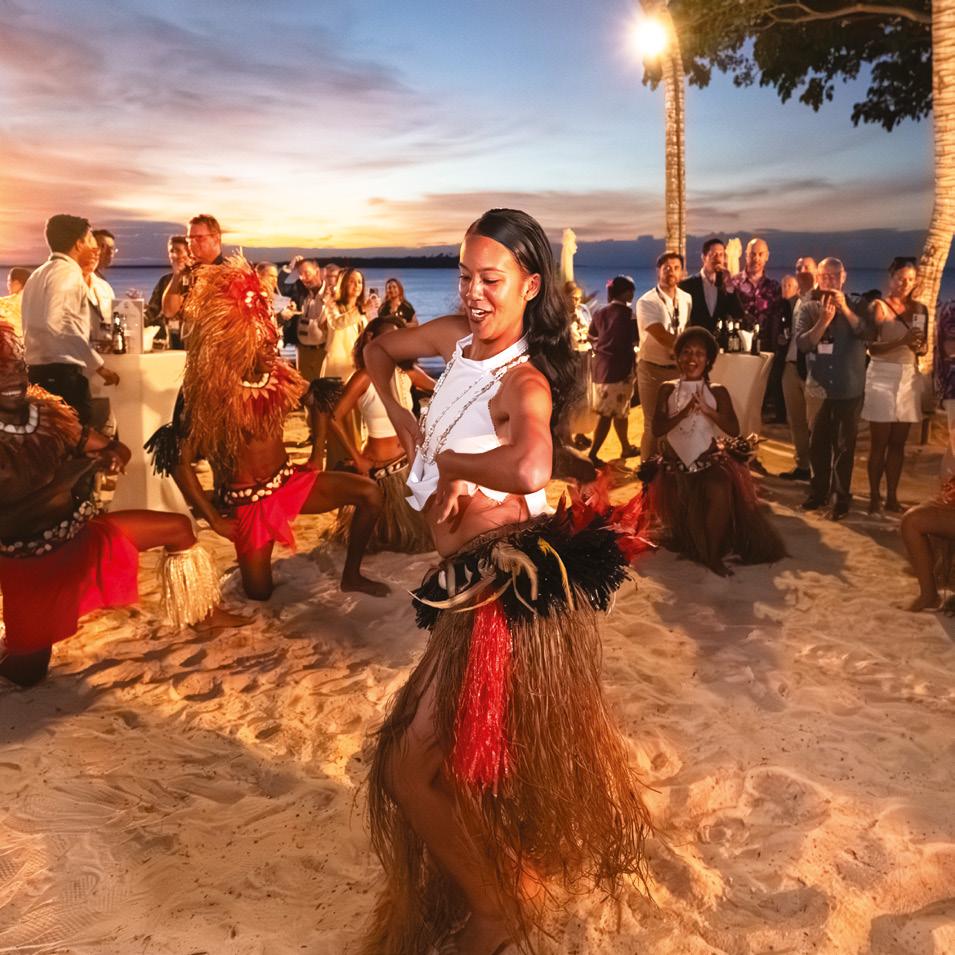
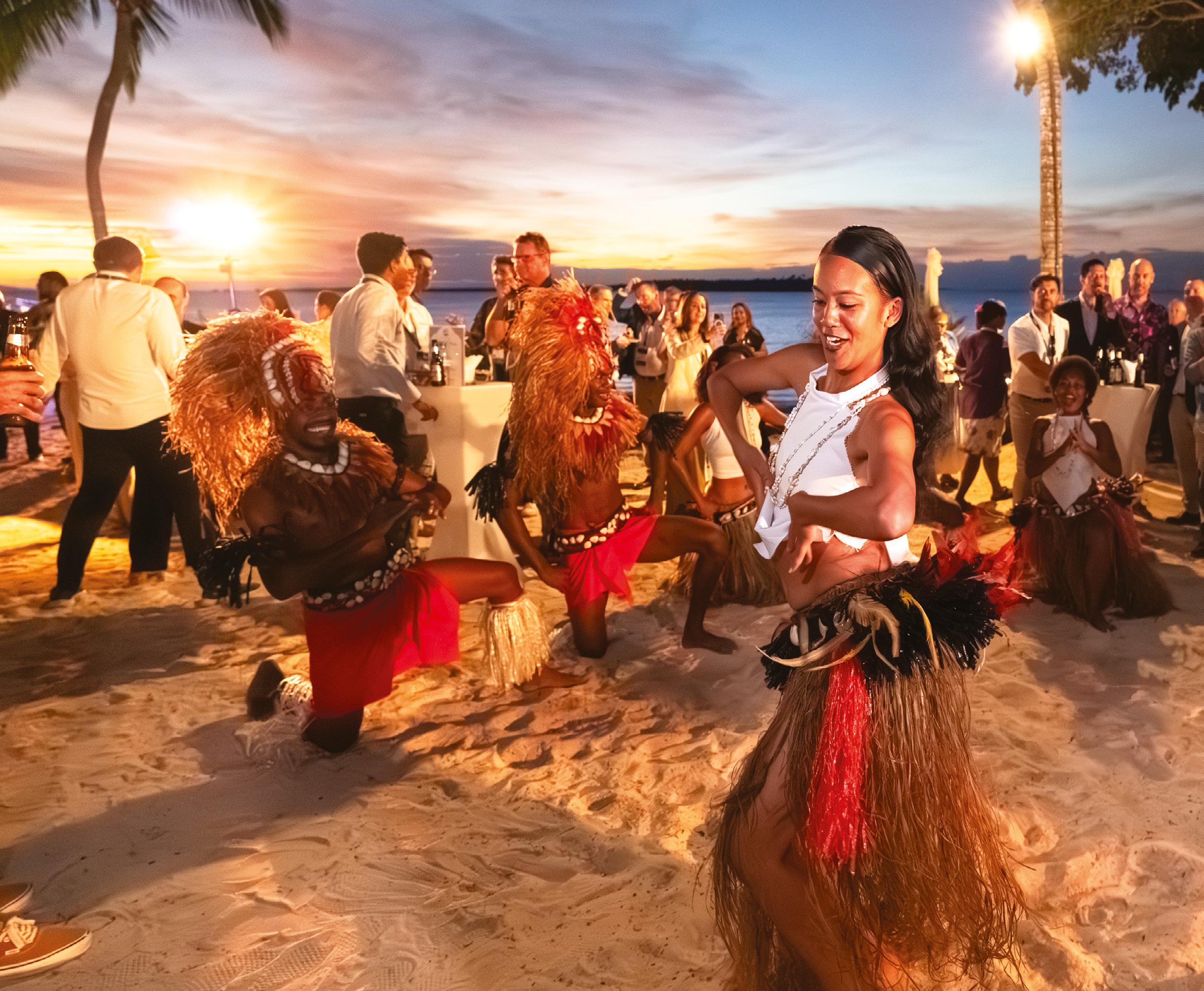
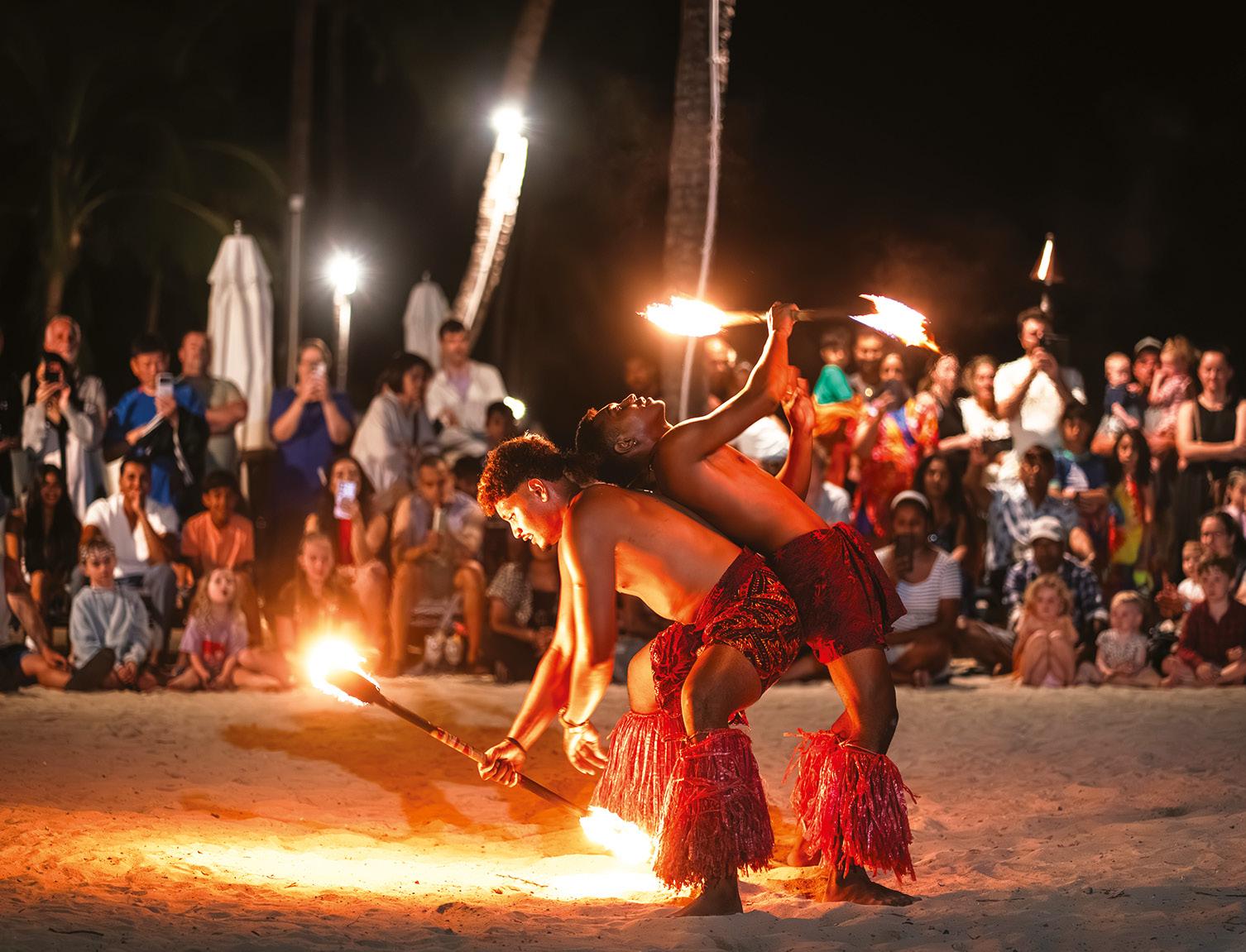
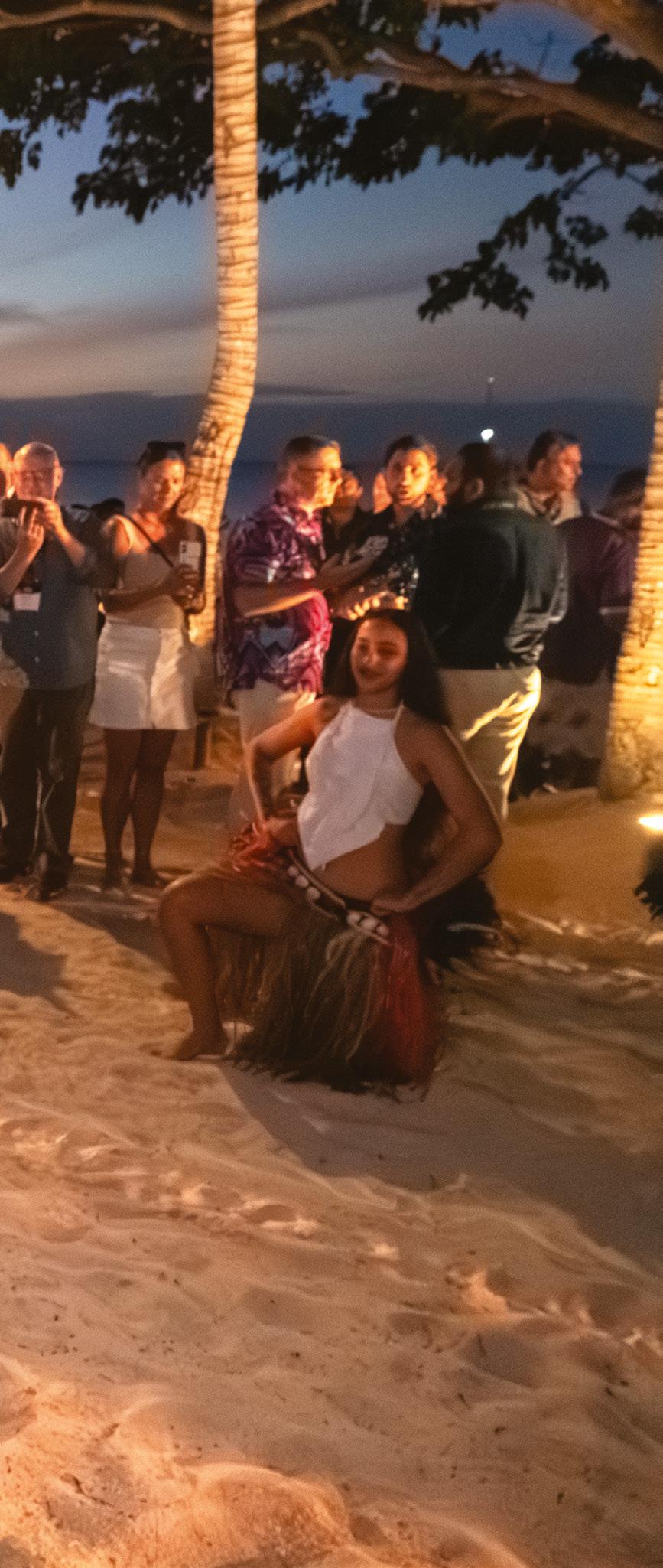
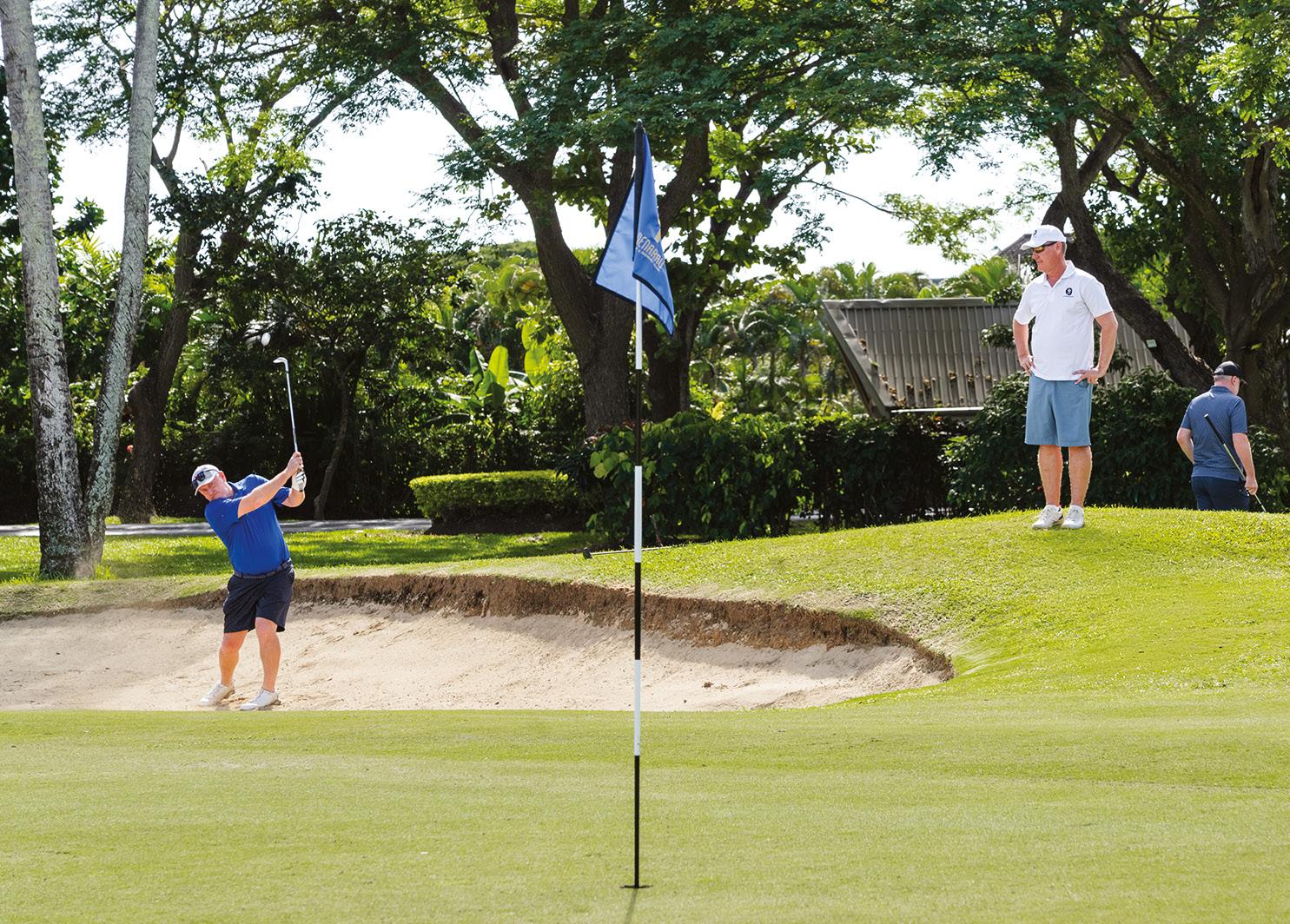
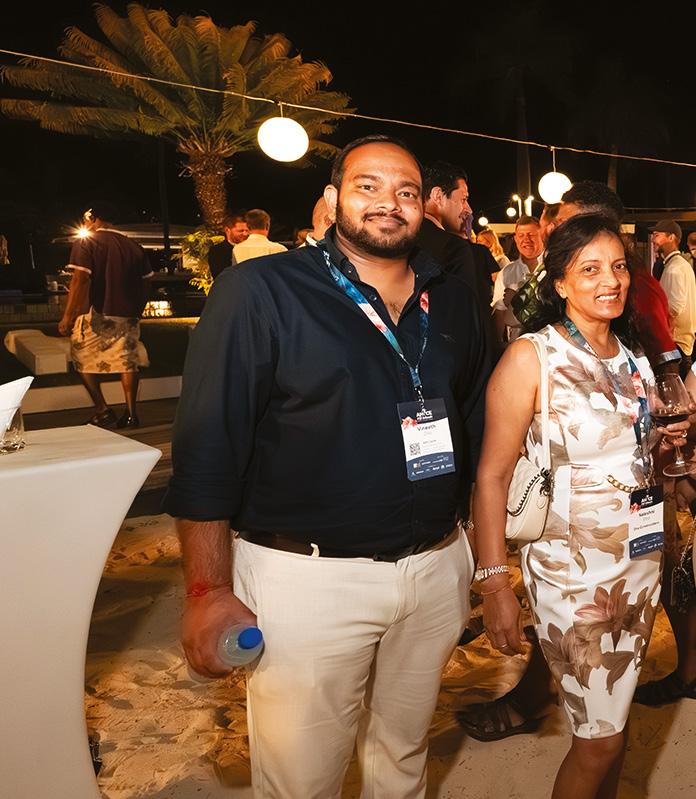
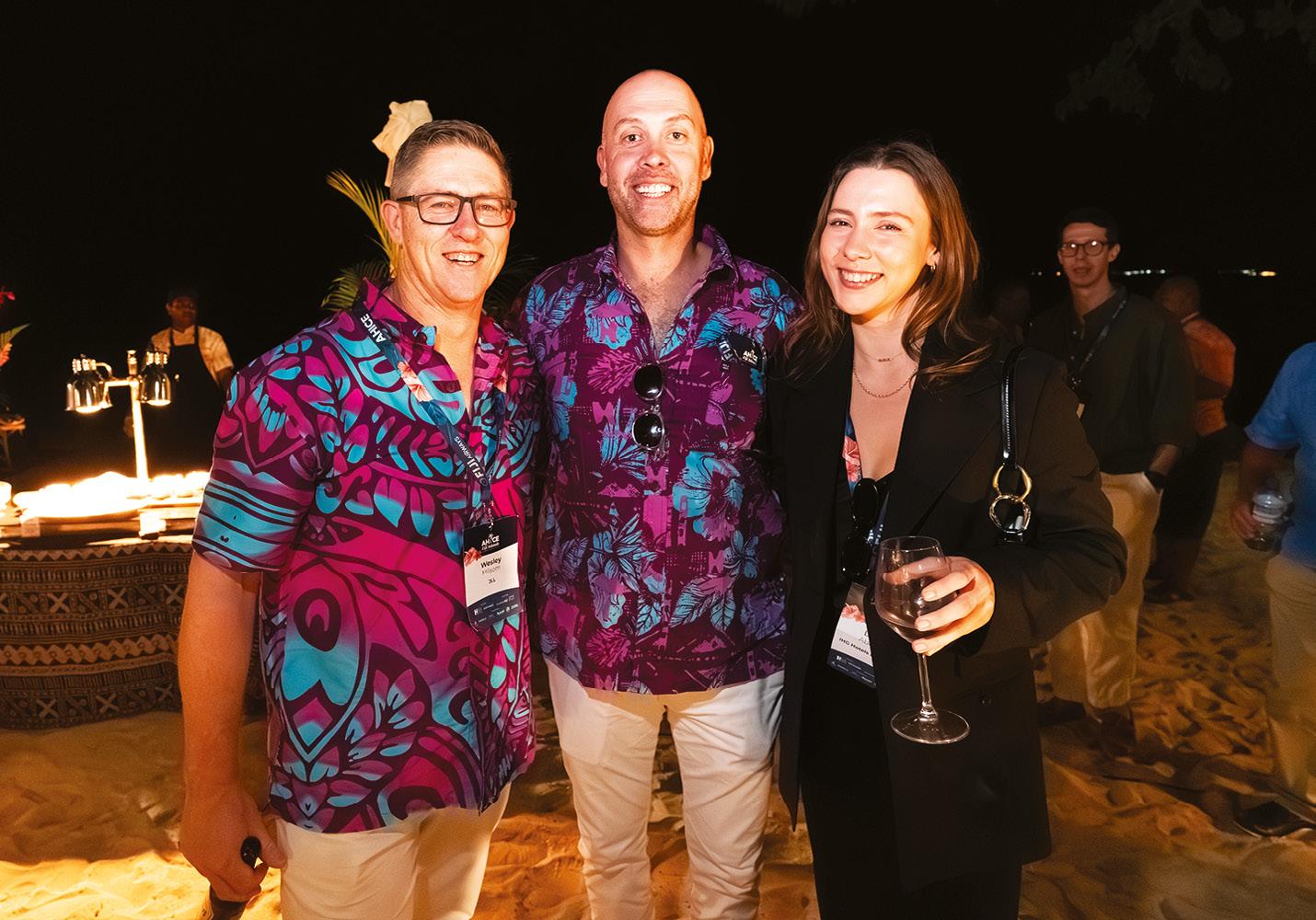
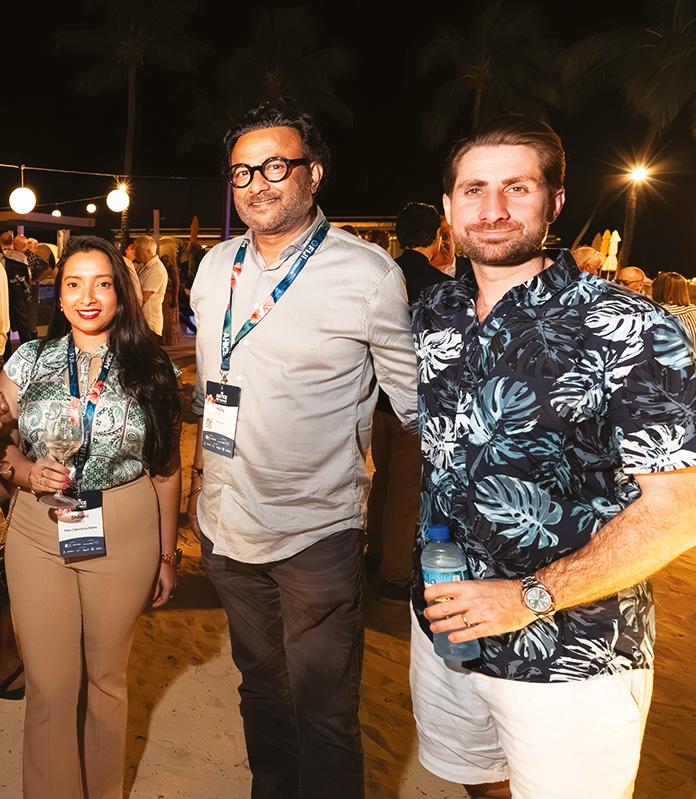
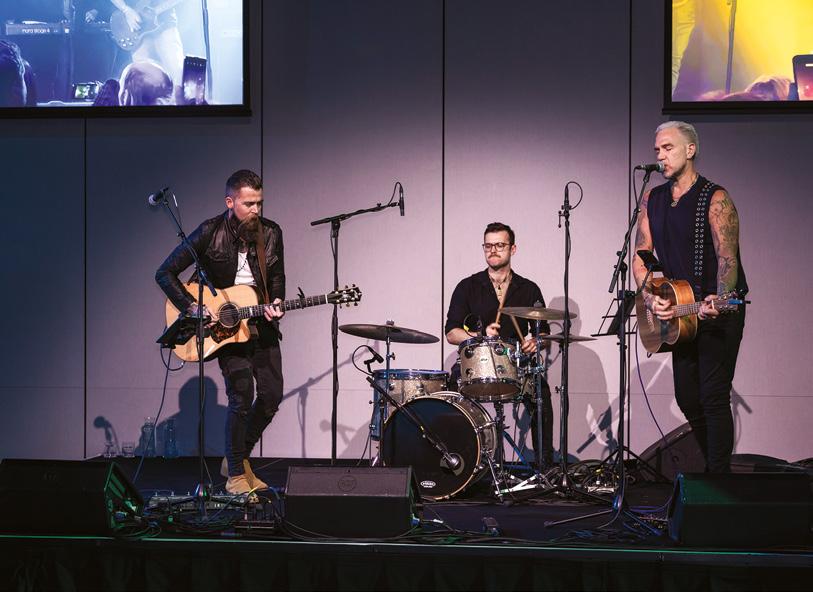
The AHICE Fiji Investment and Tourism Conference was held in Nadi from Tuesday 9 to Thursday 11 June 2026
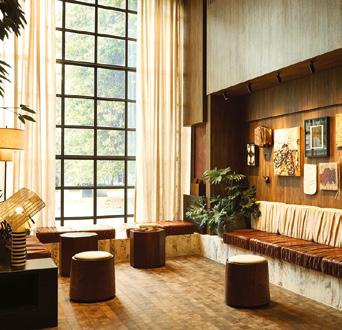
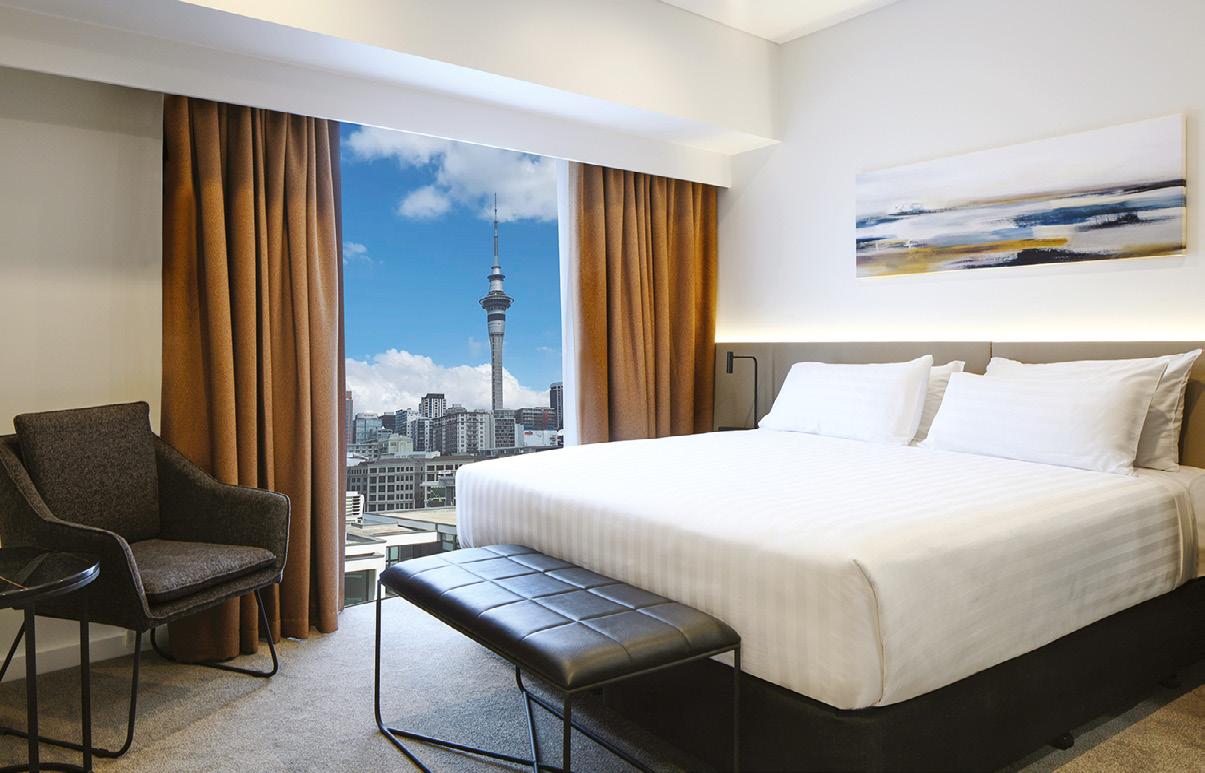
FIVE: Hotel Indigo Auckland @hotelindigoauckland
FOUR:
Playing to win
As I write this, the FIFA World Cup 2026 has just wrapped up with Spain securing victory. The result wasn’t quite what I had hoped for – my team managed a respectable bronze medal finish. Although being married to an Englishman, I use the term “my team” rather loosely.
Watching the tournament with my young brood has been one of the highlights of the past few weeks. Beyond the goals, pitch drama and nail-biting finishes, it has been a wonderful family bonding experience. Judging by the crowds that descended on the United States, Canada and Mexico, we weren’t alone.
Major sporting events have always showcased the powerful connection between tourism and hospitality, and the recent month-long celebration of sport was no exception. Hotels across host cities enjoyed a significant boost as fans travelled across the globe to support their teams. According to CoStar data for the week ending 11 July, Miami recorded the highest increase in ADR and RevPAR (almost 38% up on both counts), while Boston also enjoyed strong gains – results attributed to the cities’ hosting of quarter final games. The economic impact of these events is undeniable, but they also highlight how travel continues to bring people together.
Technology, too, has played a starring role. With more than a billion people tuning in worldwide, the World Cup once again demonstrated how innovation is transforming sport, with VAR becoming an accepted part of the game. Whether spectators are watching from the stands, their living rooms or mobile devices, technology is enhancing every aspect of the experience.
The same could be said for hospitality.
Technology is no longer simply an operational tool to be used behind the scenes. It is increasingly shaping the guest journey, from discovery and booking through to personalisation and loyalty, with the latest innovations unpacked (page 44). Artificial intelligence is quickly moving from experimentation to implementation – trickling down to affect leadership (page 80). In this issue, I also had the chance to sit down with Accor’s Chief Commercial Officer, Kerry Healy (page 30), to explore how the group is leveraging AI to drive innovation across its ecosystem. It is a glimpse into how one of the world’s largest hotel companies is preparing for the next phase of growth.
Yet while technology continues to evolve at pace, one thing remains constant: travellers are seeking meaningful experiences. Technology may be changing how we travel, book and interact, but the goal remains the same: creating moments that will be remembered long after the final whistle blows.
I look forward to the conversations ahead.
Daisy Melwani Editor, HM Magazine
Chief Commercial Officer, Kerry Healy, on Accor’s AI play (page 30)
The latest in technology in hospitality (page 44)
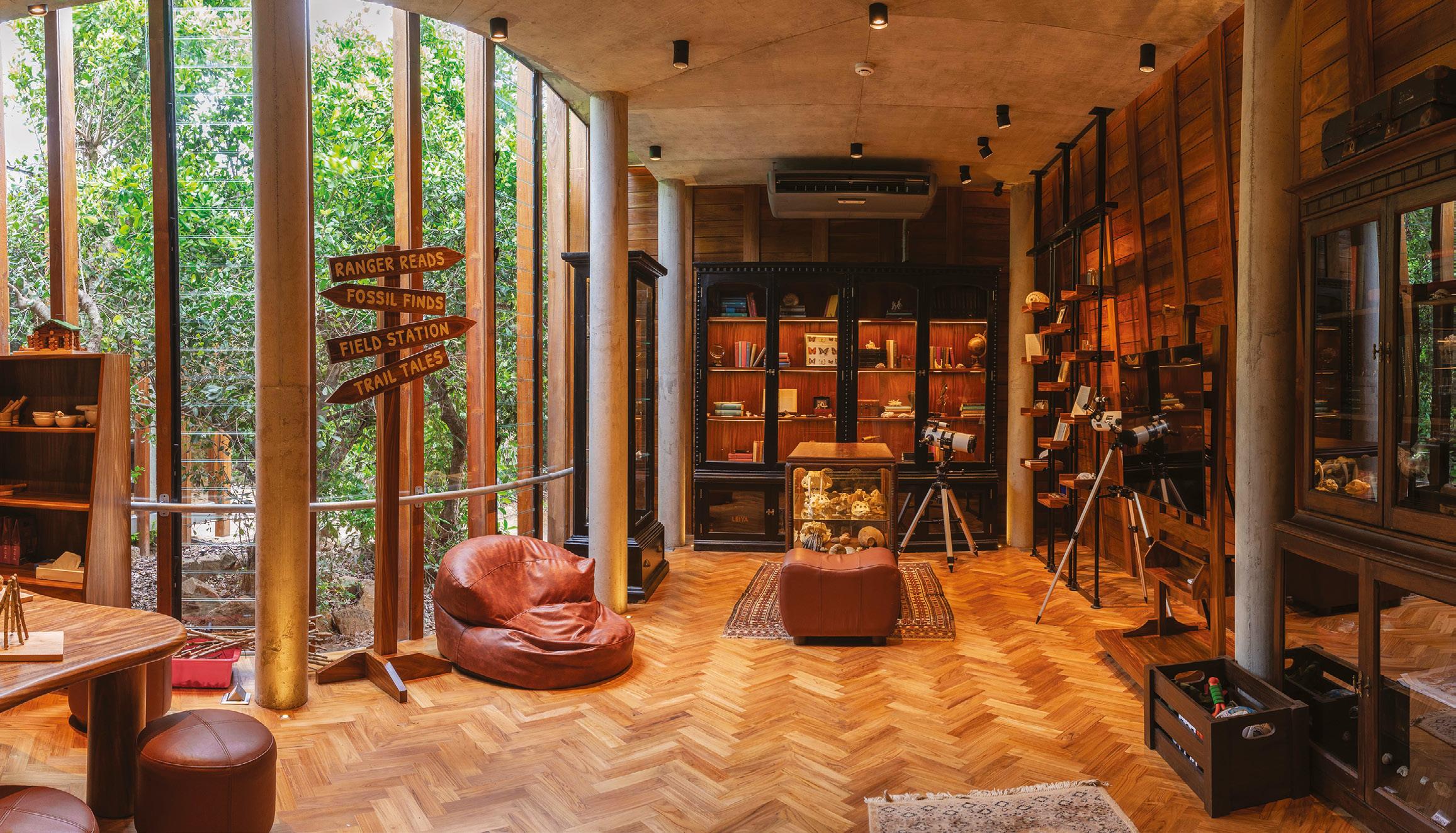
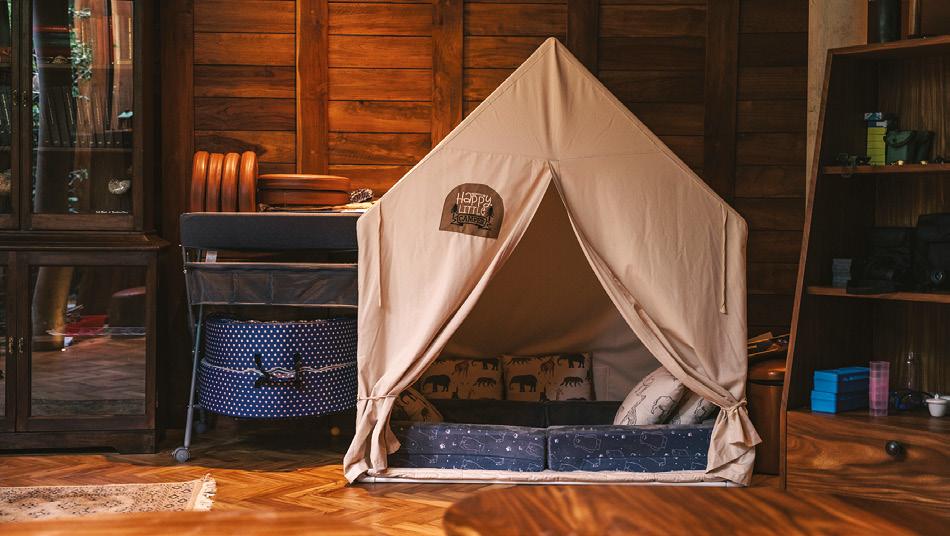
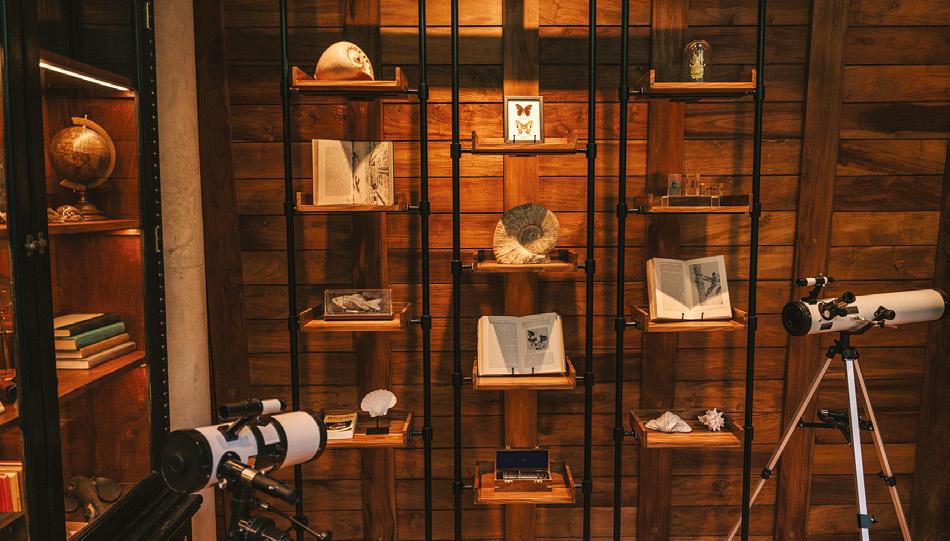
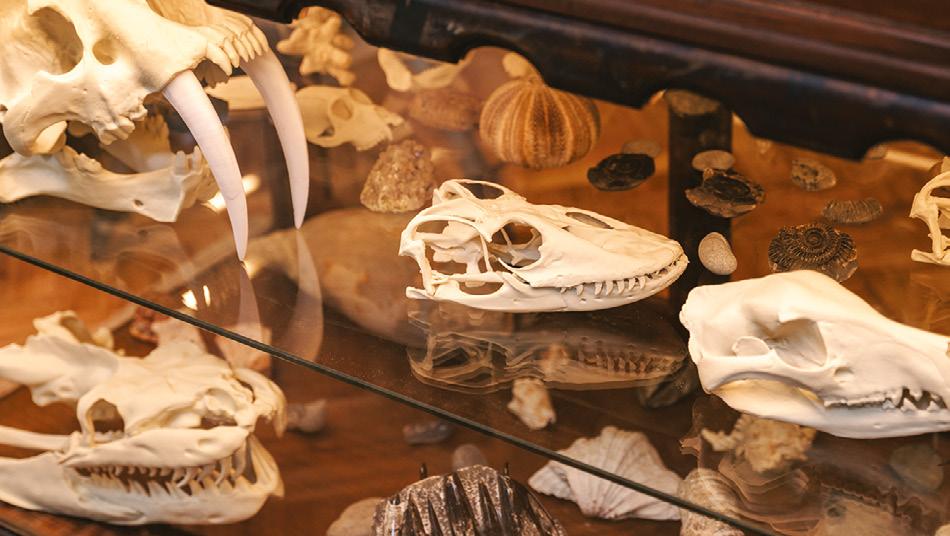
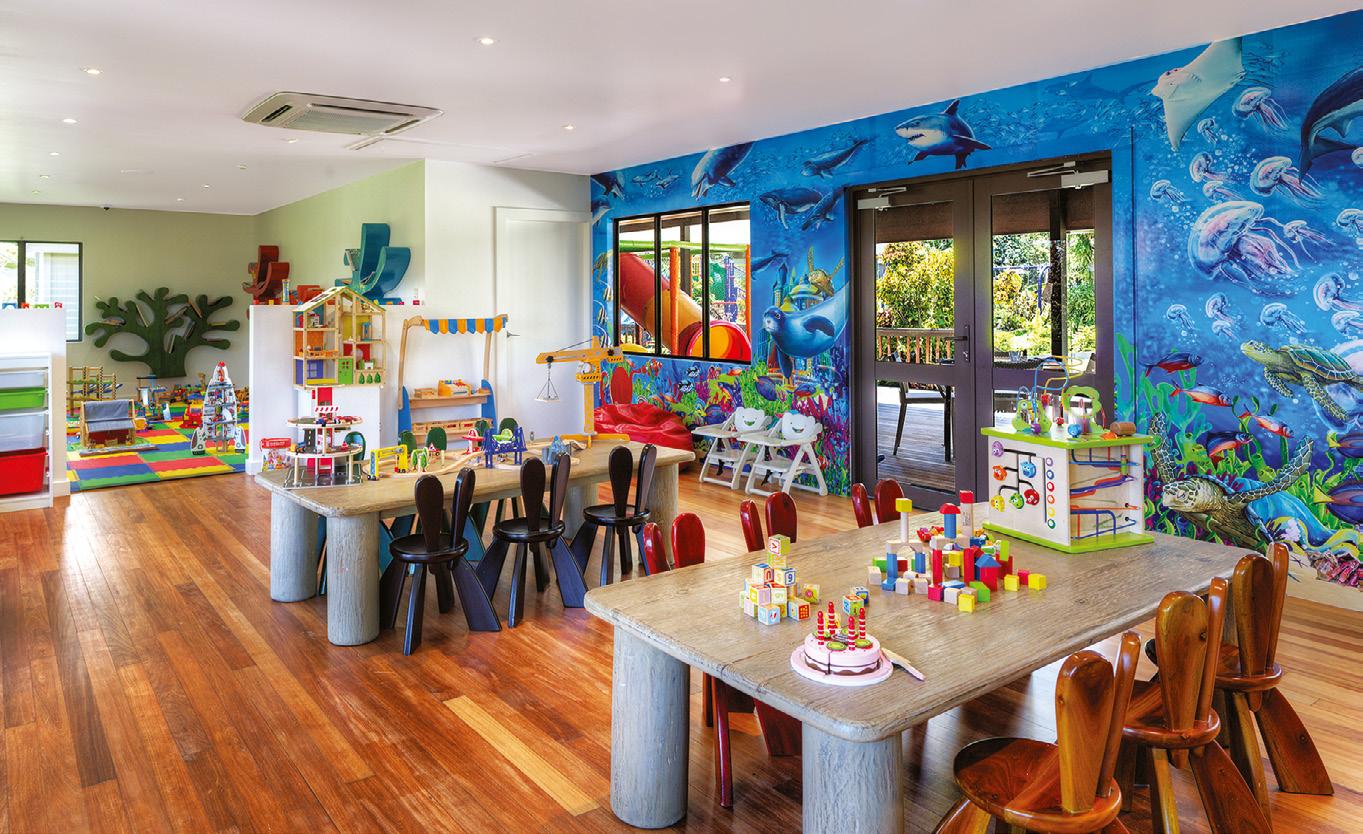
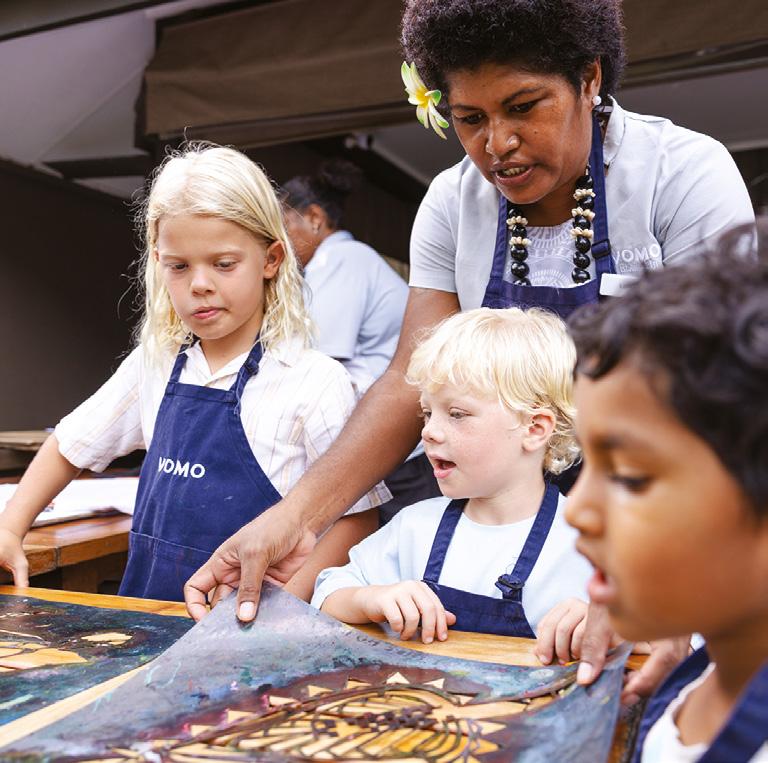
We unpack the rise of luxe kids’ clubs, where design and programming cater to younger guests (page 38)
MEET THE HM TEAM…
Managing Director Simon Grover
Publisher James Wells
Editor–In–Chief James Wilkinson jwilkinson@intermedia.com.au
Editor Daisy Melwani dmelwani@intermedia.com.au
Group Commercial Manager Tara Ducrou tducrou@intermedia.com.au
Production Manager Jacqui Cooper jacqui@intermedia.com.au
Graphic Designer Ryan Vizcarra
Photography Cover and cover story photography by Kristoffer Paulsen
Subscription enquiries 1800 651 422
Subscribe to HM Magazine –6 issues for AU $88 (inc. GST) subscriptions@intermedia.com.au
The essential hotel and travel industry news and trends from across the globe. Read more at hotelmanagement.com.au
Icon reimagined
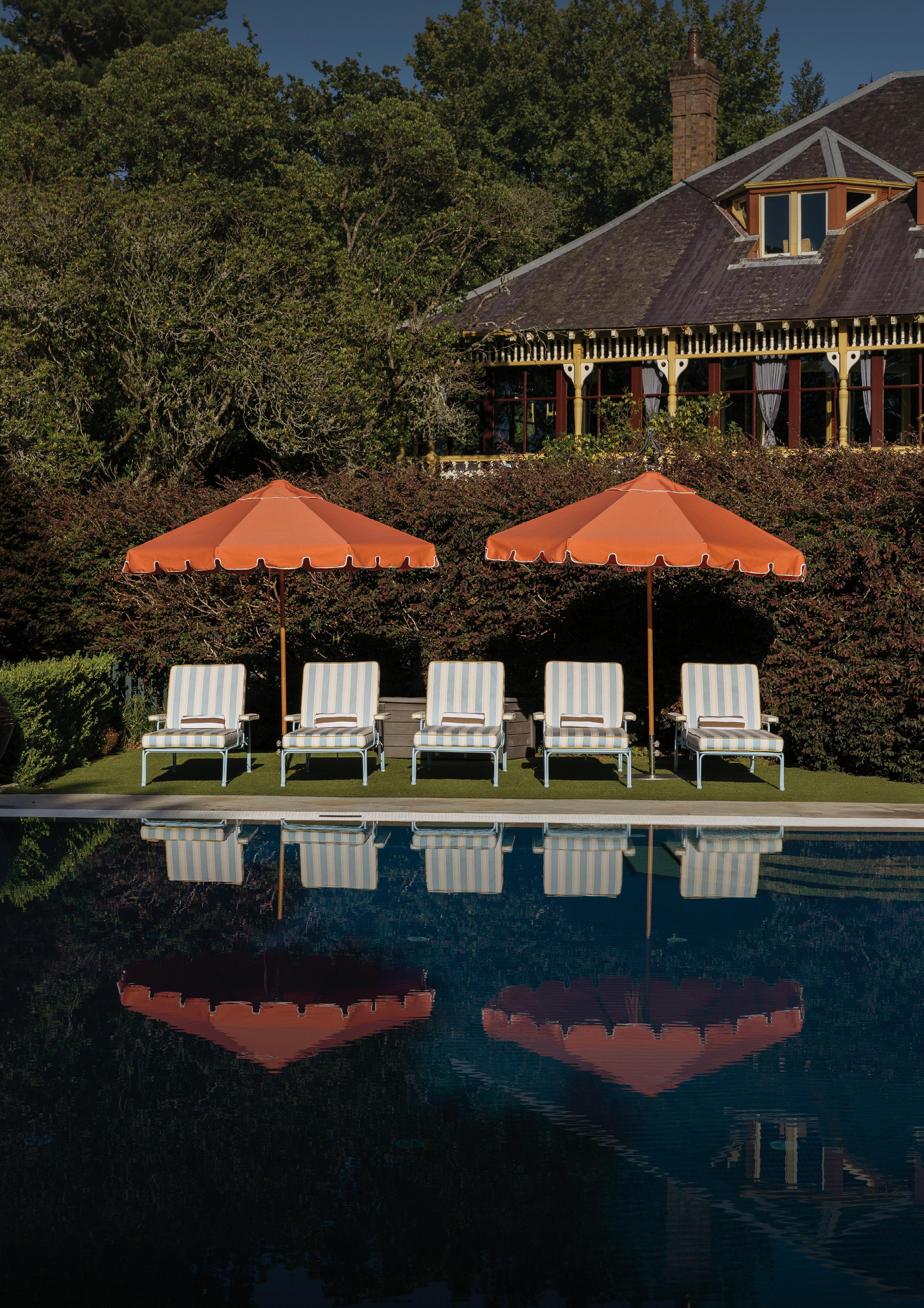
Salter Brothers Hospitality has unveiled Ardour Lilianfels Blue Mountains following a rebrand and a multi-million-dollar transformation, ushering in a new era of contemporary luxury.
LOCATED IN NSW’S Blue Mountains, the 89-room property was previously Lilianfels Blue Mountains Resort and Spa and is the second heritage estate in SBH’s Ardour Hotels and Estates collection, following the launch of Ardour Milton Park Bowral earlier this year.
Originally built in 1889 as the grand summer residence of Sir Frederick Darley, the estate holds a storied history as a high-society icon, long celebrated for its late Victorianearly Federation architecture, English gardens and views overlooking the famous Jamison Valley.
“Lilianfels embodies the very essence of
Australian mountain luxury. For decades, it has welcomed generations of families, dignitaries, socialites, and celebrities, whilst standing as a beloved icon for the Blue Mountains region. This spectacular legacy is exactly what makes the estate so deserving of this thoughtful transformation,” Salter Brothers Hospitality CEO, Tash Tobias said.
“Our vision for this project was guided by a profound responsibility to honour Lilianfels’ history and preserve its original character, whilst introducing world-class luxury hospitality,” she said.
Award-winning Australian firm Luchetti
Krelle led the property’s design, drawing inspiration from eccentric English garden estates. The refresh includes new colours, striking details and statement furniture to enhance the property’s original character.
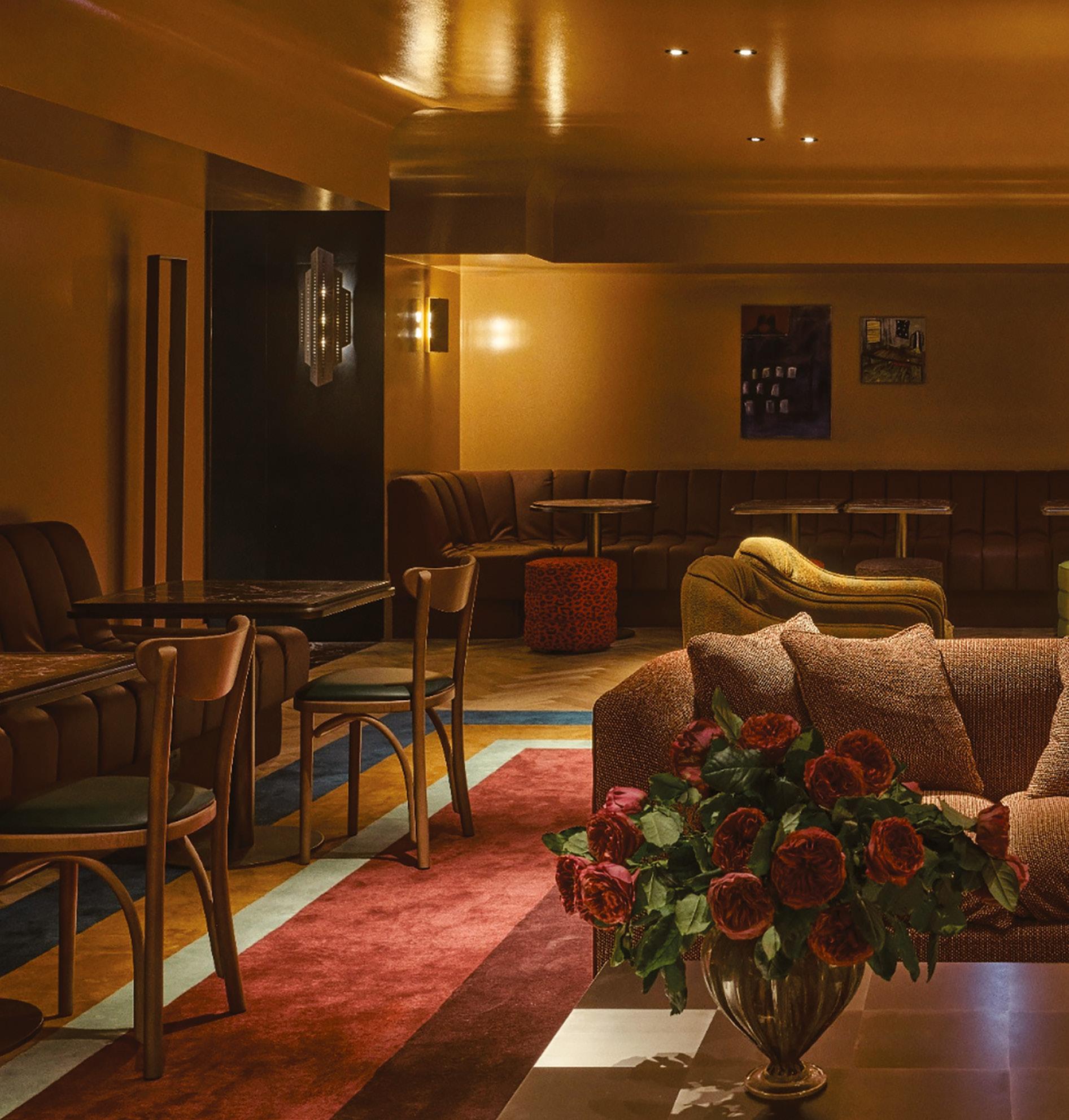
The newly designed reception and common areas include a striking wine wall, new bar, The Lounge, and experiential dining inclusions such as Caviar Service, all of which aim to offer guests an intimate dining experience.
The hotel will soon open Èliva Spa, the group’s luxury day spa and wellness brand, complementing the resort’s surrounds.
Lilianfels was originally built in 1889 as the grand summer residence of Sir Frederick Darley
A 550-million-year-old
Desert luxe
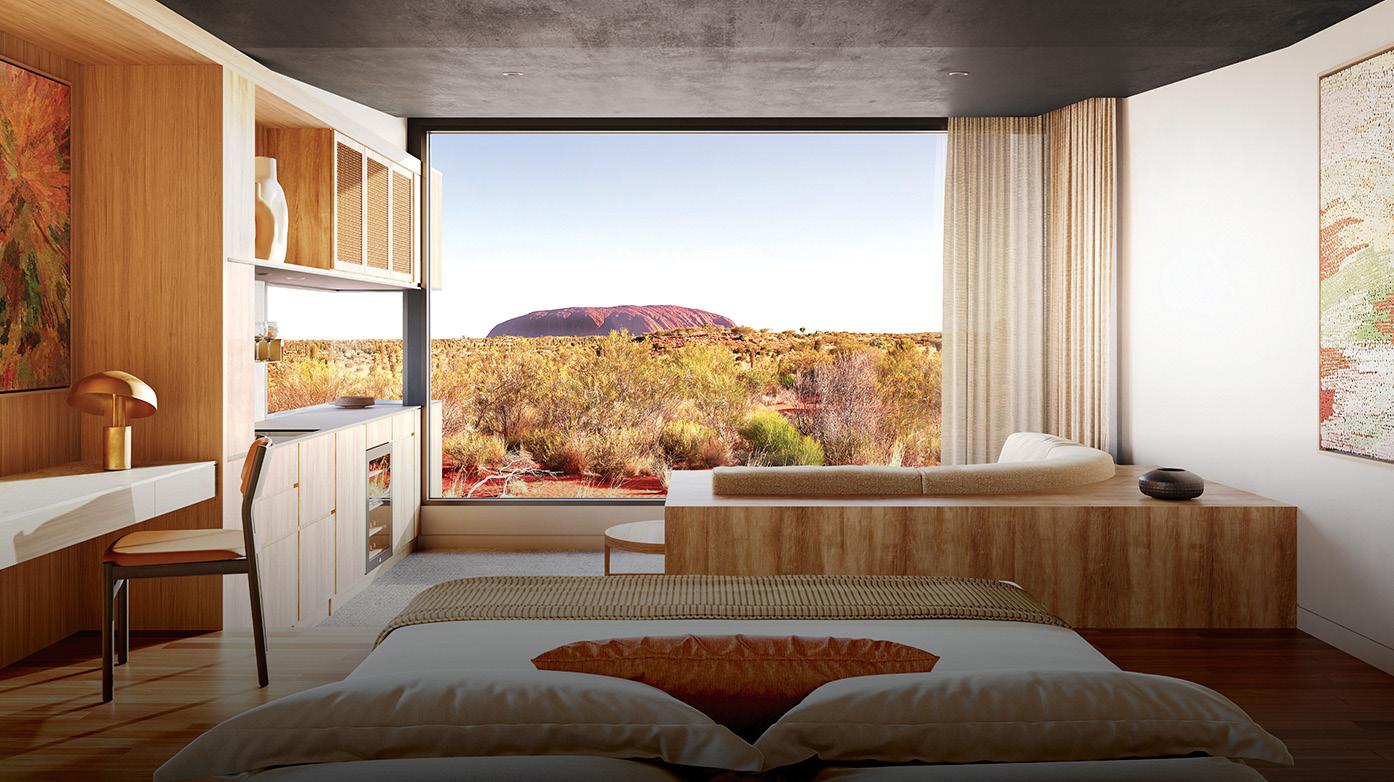
FEATURING JUST NINE suites, each with private plunge pools, Beckons’ latest multimillion-dollar luxury desert retreat will launch in Australia’s Red Centre in 2028.
The retreat, its name yet to be revealed, will comprise eight desert rooms and one multiroom desert pavilion, and is the first new build for the portfolio since the brand’s launch in March 2026.
Plans for its 2028 debut are already underway, having been approved following consultation with Traditional Custodians, and when opened, it will be the closest luxury accommodation to Uluṟu.
“One of the world’s most powerful and spiritually significant landscapes, Uluṟu-Kata Tjuṯa is an extraordinary place to deepen our presence in Australia and grow our global
footprint,” Beckons Chief Executive Officer Michael Crawford said.
“At Beckons, the most memorable journeys create a genuine connection to place. Here, that means personally guided experiences that reveal the ancient stories of Country and sky, and the living heritage of this remarkable landscape.”
The lodge will offer unrivalled views of Uluṟu from the restaurant, bar and lounge and from every one of its nine guest suites. Promising guests immersive First Nations cultural experiences, the new offering will be more intimate in scale than Beckons’ Longitude 131° luxury resort.
Designed by Australia-based JAWS Architects, the property will feature tones and textures drawn from the landscape of the Red Centre and First Nations art and culture will be central to the guest experience.
Each room features a unique commissioned work interpreting Kungkarangkalpa (Seven Sisters), a significant Aṉangu Creation story told in the stars above the Central and Western Deserts.
Beckons to launch a new ultra-luxury lodge at Uluru-Kata Tjuta.
view from Beckons’ Desert Suite Bedroom (render)
Culinary coup
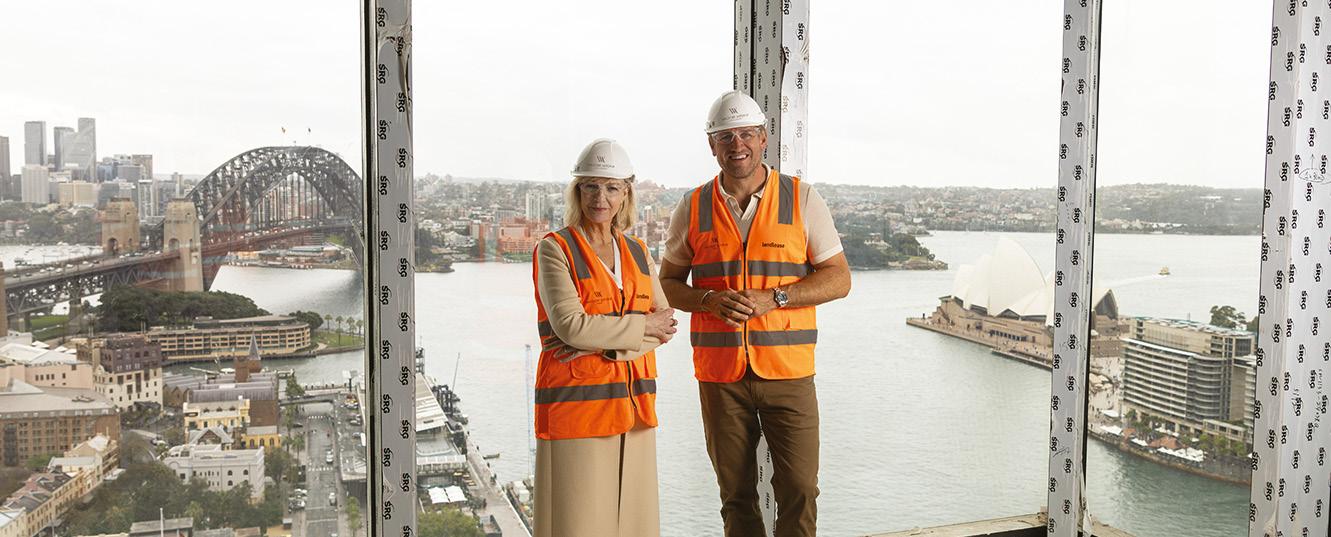
Celebrity chef Curtis Stone to open his first Australian restaurant at Waldorf Astoria Sydney.
MELBOURNE-BORN CELEBRITY CHEF
Curtis Stone will lead the culinary vision for Waldorf Astoria Sydney when it opens its dining experiences in 2027.
The move marks US-based Stone’s first restaurant project in Australia and is expected to bring a distinctly Australian culinary experience to the country’s first Waldorf Astoria hotel.
Owned and developed by Fiveight, the hotel will feature two original dining experiences opening in 2027 at One Circular Quay, both of which will be shaped by Stone exclusively for the hotel.
Extended tries
IHG seals Rugby Australia partnership to 2028.
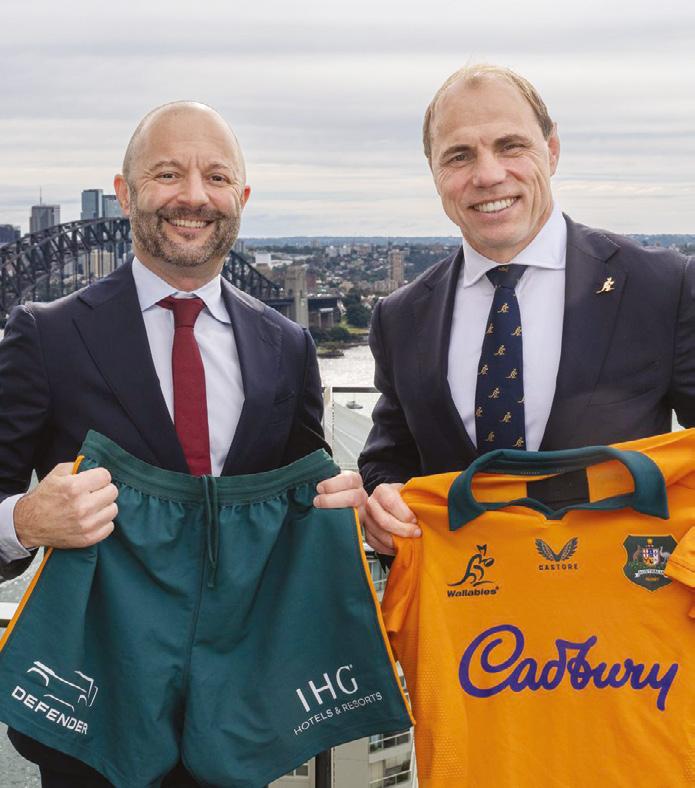
IHG HOTELS AND Resorts has extended its 24-year-long-standing partnership with Rugby Australia for a further three years through to 2028.
The renewal cements the hotel group’s support of Australian Rugby as it continues to welcome players, team management and Rugby Australia colleagues across the globe while helping fans stay close to game action across Australia and New Zealand.
Off the back of IHG’s support of the 2025 Lions Tour, it continues to support Rugby Australia across Australia and New Zealand through its hotel network, offering IHG One Rewards members match-day moments, stays and money-can’t-buy rugby experiences.
As major sporting events continue to drive engagement beyond the field, IHG said the partnership reinforces the connection between sport, hospitality and destination visitation as
“Coming to Australia to create something of this scale is incredibly meaningful for me. These dining experiences are deeply personal projects, inspired by the producers, seasons, and hospitality culture I grew up with,” Curtis Stone said.
“To partner with Waldorf Astoria Sydney and bring these ideas to life overlooking one of the world’s most spectacular harbours is both an honour and a milestone in my career.”
Waldorf Astoria Sydney’s recently appointed General Manager, Marlene Poynder, said the move marks a “defining moment” for the hotel.
“To work with a chef of Curtis’ calibre makes this especially meaningful. Together, we’re creating a destination where exceptional hospitality, world-class dining, and perhaps one of the world’s most remarkable harbourfront settings come together to deliver an unforgettable guest experience,” Poynder said.
“Culinary excellence has always been integral to Waldorf Astoria, bringing together exceptional talent, iconic destinations, and a deep sense of place. Partnering with a globally renowned Australian chef like Curtis Stone for our Australian debut reflects our commitment to creating unforgettable dining experiences that are unmistakably Waldorf Astoria,” Hilton Vice President Luxury Brands, Asia Pacific, Candice D’Cruz said.
Waldorf Astoria Hotels and Resorts’ legacy dates back more than a century to Waldorf Astoria New York, the first hotel to offer 24-hour room service, and the birthplace of classics including the Waldorf Salad, Eggs Benedict, Red Velvet Cake, Thousand Island Dressing, and the Rob Roy cocktail from Peacock Alley.
Australia prepares for a significant period of international rugby.
“Rugby Australia has been part of IHG’s story for 24 years, and we are incredibly proud to continue a partnership that means a great deal to our business partners, hotel teams, colleagues and guests,” IHG Hotels and Resorts, Managing Director, Australasia and Pacific, Matt Tripolone said.
“Rugby is a truly international sport, with a unique ability to bring people together across countries and communities, which makes it a natural fit for IHG and our world of travel and hospitality.
“As the game continues to build momentum, this renewal gives us the opportunity to keep supporting Rugby Australia, the Wallabies, the Wallaroos and the fans who follow them, while creating even more value for our guests and IHG One Rewards members.”
Rugby Australia CEO Phil Waugh said the renewal seals one of Australian Rugby’s most enduring partnerships.
“IHG is one of Rugby Australia’s longeststanding partners, and this renewal speaks
to the strength of a relationship that has been built over more than two decades.
“The best partnerships are grounded in shared values and long-term outcomes, not short-term visibility. IHG has consistently shown up for Rugby Australia, welcoming our teams, management and people across Australia and New Zealand, and playing an important role in supporting both the game and the fans that follow it,” he said.
Matt Tripolone with Phil Waugh at the signing of IHG and Rugby Australia’s continued partnership
Curtis Stone with Waldorf Astoria Sydney’s recently appointed General Manager, Marlene Poynder
Going for gold
Westin Gold Coast is set to
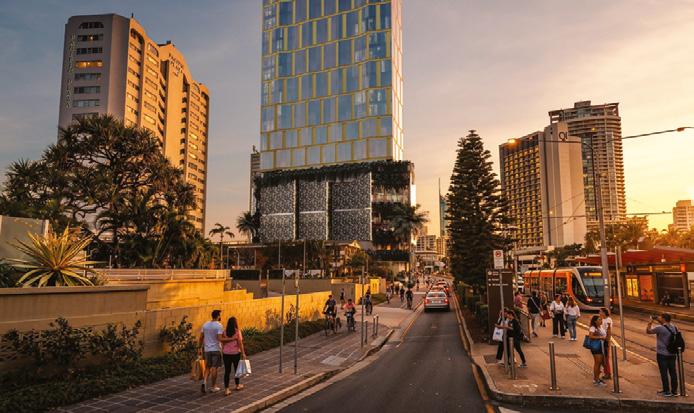
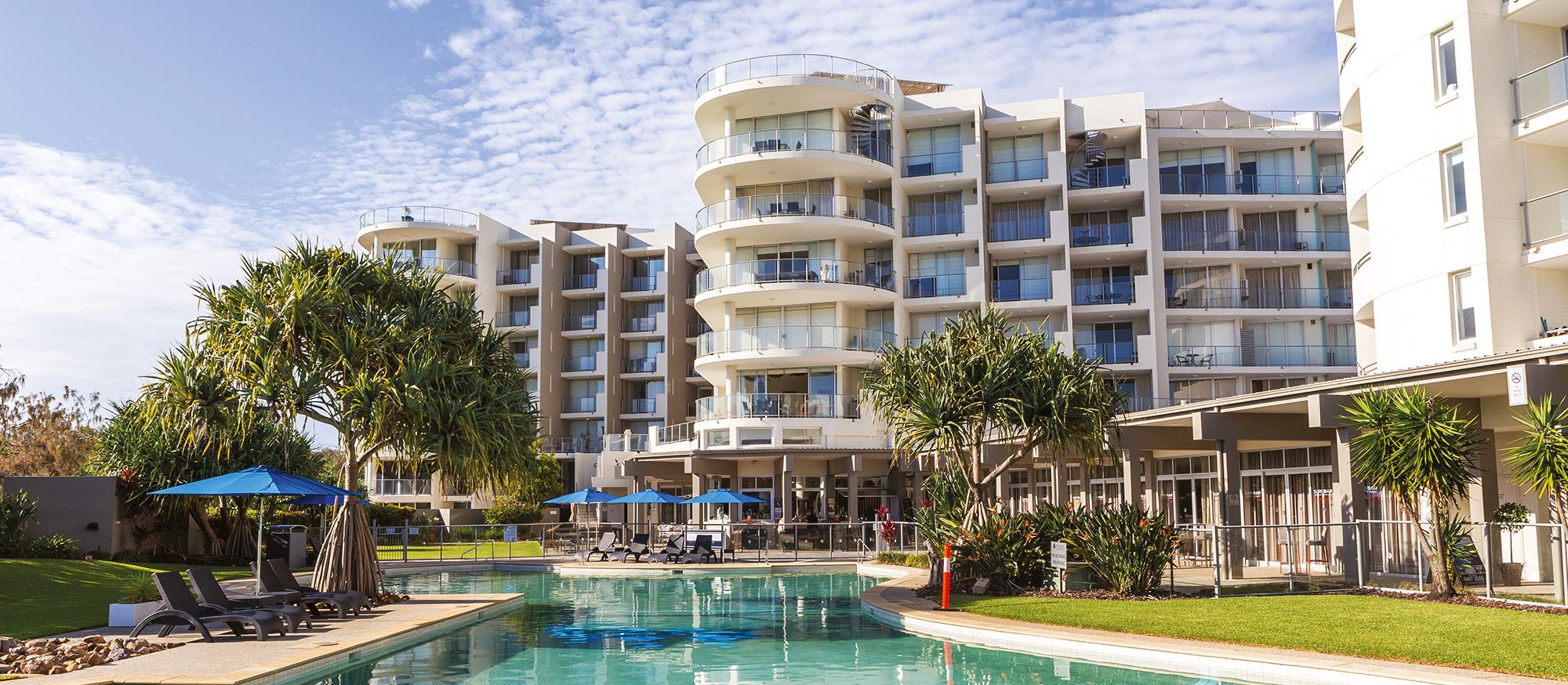
MARRIOTT INTERNATIONAL HAS signed La Vie Hotels and Resorts as the hotel management company for the future development of the first Westin Hotel on the Gold Coast.
Developed under a franchise agreement with Australian-based M Property, the new-build Westin Gold Coast is slated to open in late 2029. The hotel is expected to occupy levels 6 to 25 of the new-build mixed-use development, with 115 rooms and 23 suites.
The move marks the Westin brandʼs entry into the Gold Coast, complementing Marriott International’s existing portfolio of Gold Coast hotels, JW Marriott Gold Coast Resort and Spa and Sheraton Grand Mirage Gold Coast.
“Being appointed to manage Westin Gold Coast is a proud milestone for La Vie Hotels and Resorts and a strong endorsement of the platform we have built across the Asia-Pacific
region,” La Vie Hotels and Resorts Chief Executive Officer, Jerry Xu said.
“We have tremendous respect for the vision that the M Property team have brought to this development, and we are honoured in the trust they have placed in La Vie to bring that vision to life. This landmark signing with Marriott International reflects the quality of the project and the continued growth of La Vie as a leading independent hotel management platform. Together with our partners, we look forward to
delivering a world-class hotel experience and setting a new benchmark for hospitality on the Gold Coast.”
Marriott has a further four properties on the Gold Coast in the pipeline: AC Hotel Gold Coast set to open in 2026, The Ritz-Carlton Gold Coast slated to open in 2027, a luxurious St Regis Hotel Gold Coast in 2027 and Marina-Mirage Gold Coast to open in 2028.
“The Westin Gold Coast represents a natural fit between brand and location, and we already see strong performance across our existing Westin portfolio, both in key domestic and international source markets for the Gold Coast. We are excited to welcome Westin to the Gold Coast and introduce a genuine point of difference to the market,” Marriott International Director of Hotel Development, Australia, New Zealand and Pacific, Tristan Cooper said.
Designed to cater to both leisure and business travellers, the hotel is expected to feature a signature restaurant and bar, conference and meeting facilities, an infinity pool and pool bar, fitness studio and the brand’s signature Heavenly Spa by Westin.
Marriott has a further four properties on the Gold Coast in the pipeline
TFE HOTELS IS SCALING NEW HEIGHTS
Investment in Adina, growth across Europe, a Collection of MICHELIN-Keyawarded hotels and tech innovation all point to an Australian hospitality company expanding with purpose, while staying grounded in the markets and experiences that made it a success.
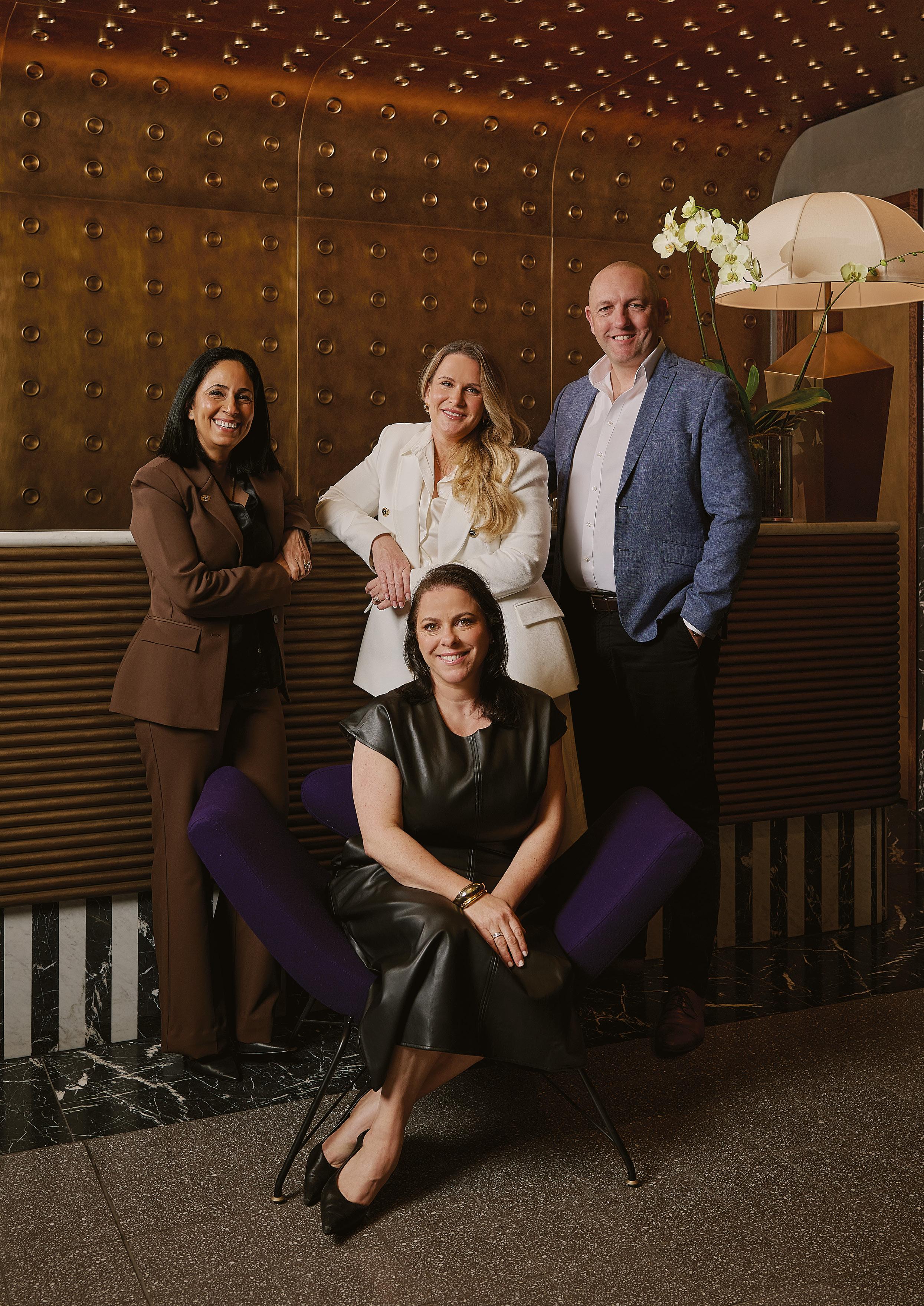
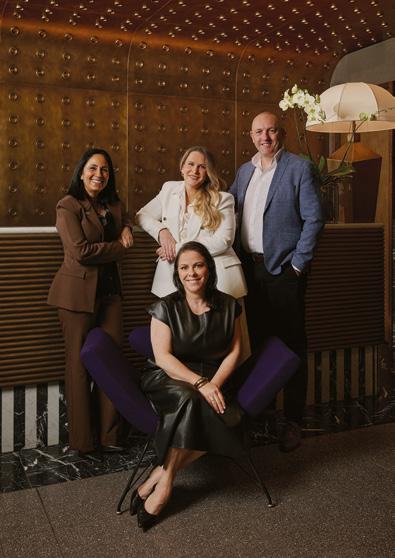
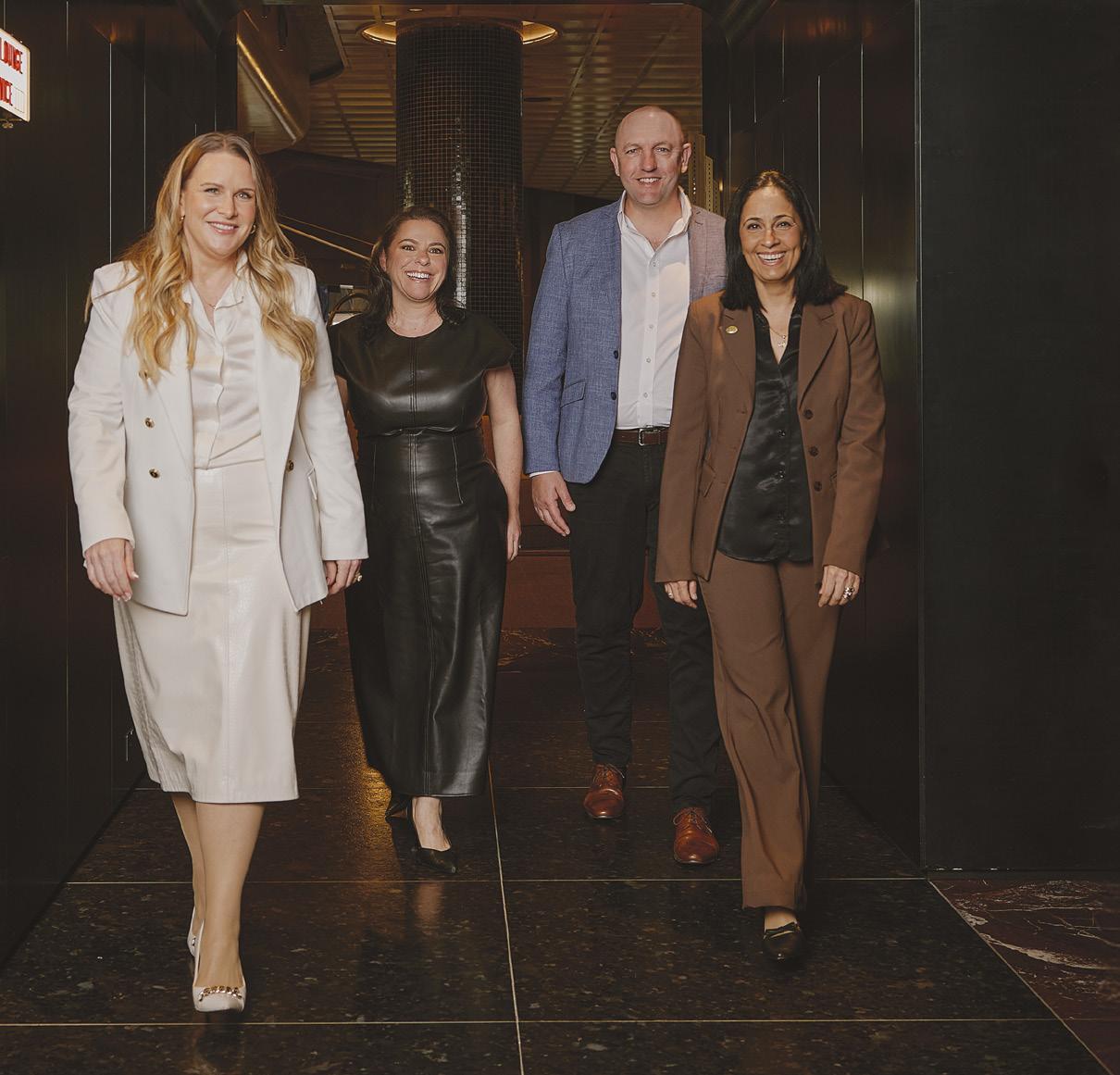
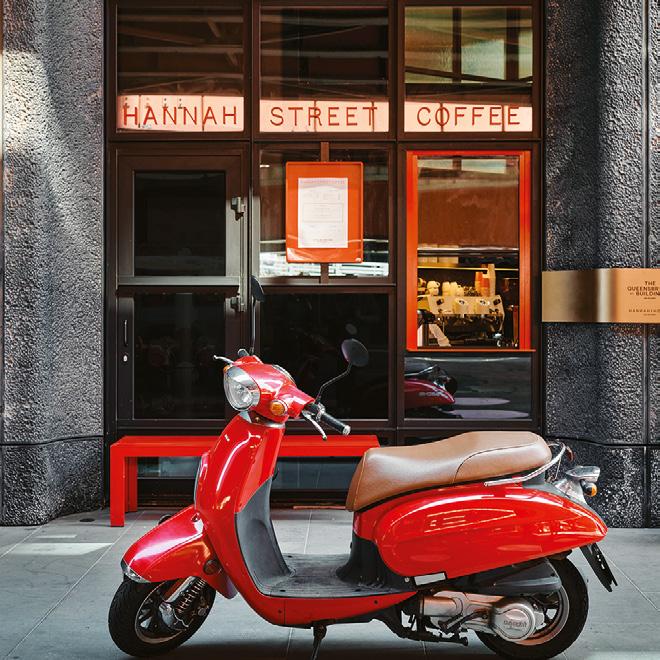
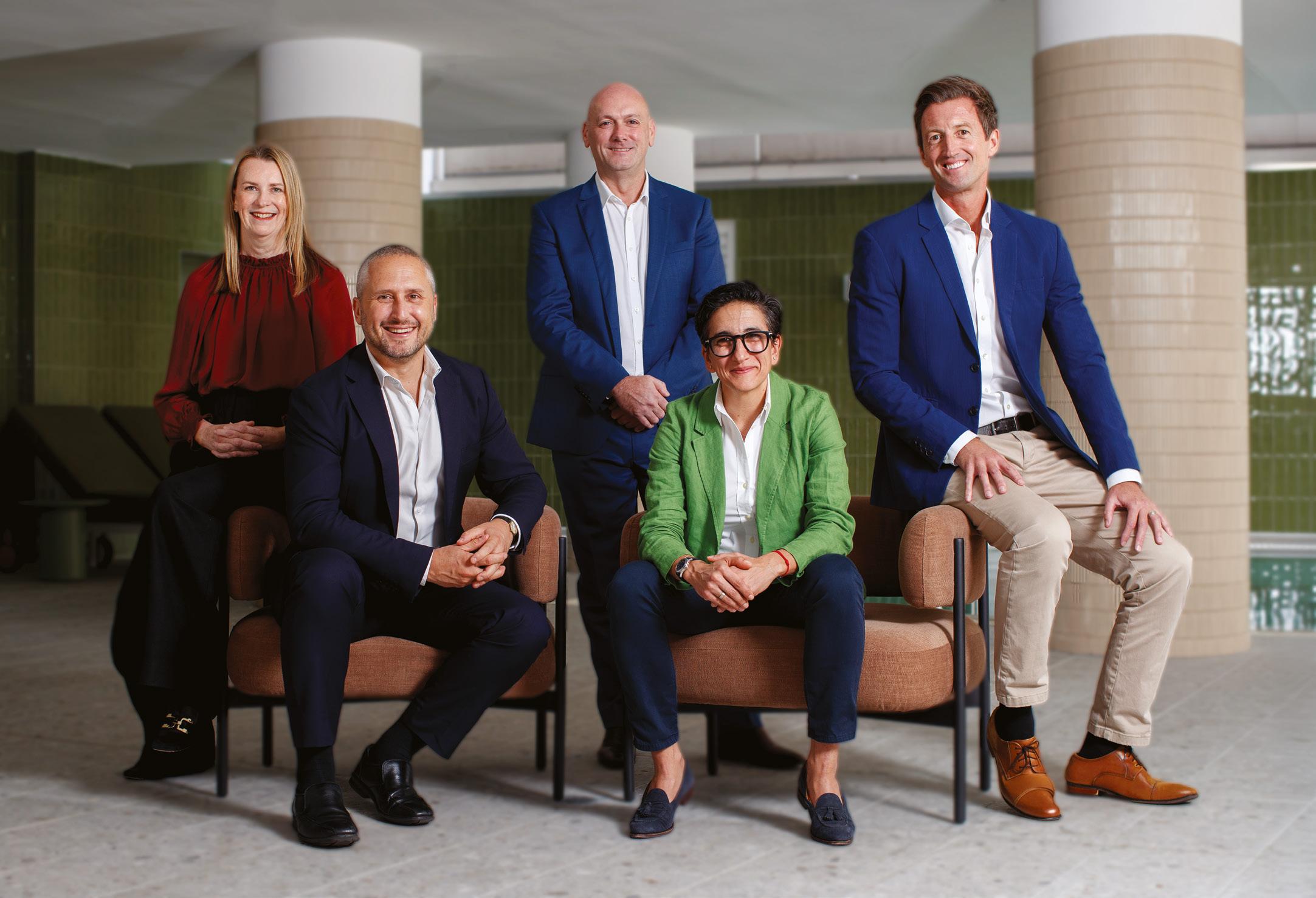
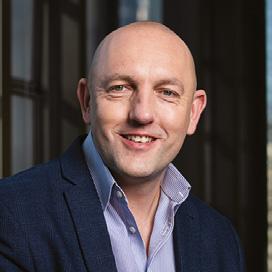
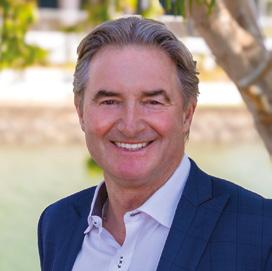
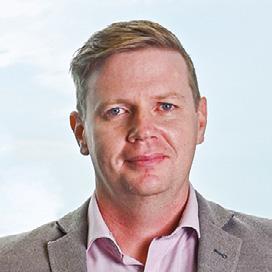
TFE Hotels’ Australian-based senior executives Amanda Hoolihan, Global Revenue Officer, Katia Giurtalis, Global Marketing Officer, John Sutcliffe, Director of Development, Shahnaz Bakhshay, Global Sales Officer at TFE's newest Collection property, Hannah St Hotel
Ayear on from HM’s 2025 cover story, TFE Hotels is focused on the fundamentals: refining its brand mix, investing in guest-facing technology, and creating hotel experiences that feel connected to their neighbourhoods.
“We’re focused on building exceptional experiences, timeless designs and sustainable business models for all our owners,” says TFE Hotels Chief Executive Officer, Antony Ritch. “This foundation allows our teams to focus on being great hosts and building hotels that become destinations in their own right.”
That thinking can be seen across the business, from the ongoing evolution of the Adina portfolio, through to the growth of Collection by TFE Hotels and the rollout of a digital Guest Experience Platform (GXP).
“We’re focused on building exceptional experiences, timeless designs and sustainable business models for all our owners.”
Antony Ritch, Chief Executive Officer
PARTNERSHIP
CREATIVE PARTNERSHIPS
F&B is another area where TFE Hotels is doing things a little differently.
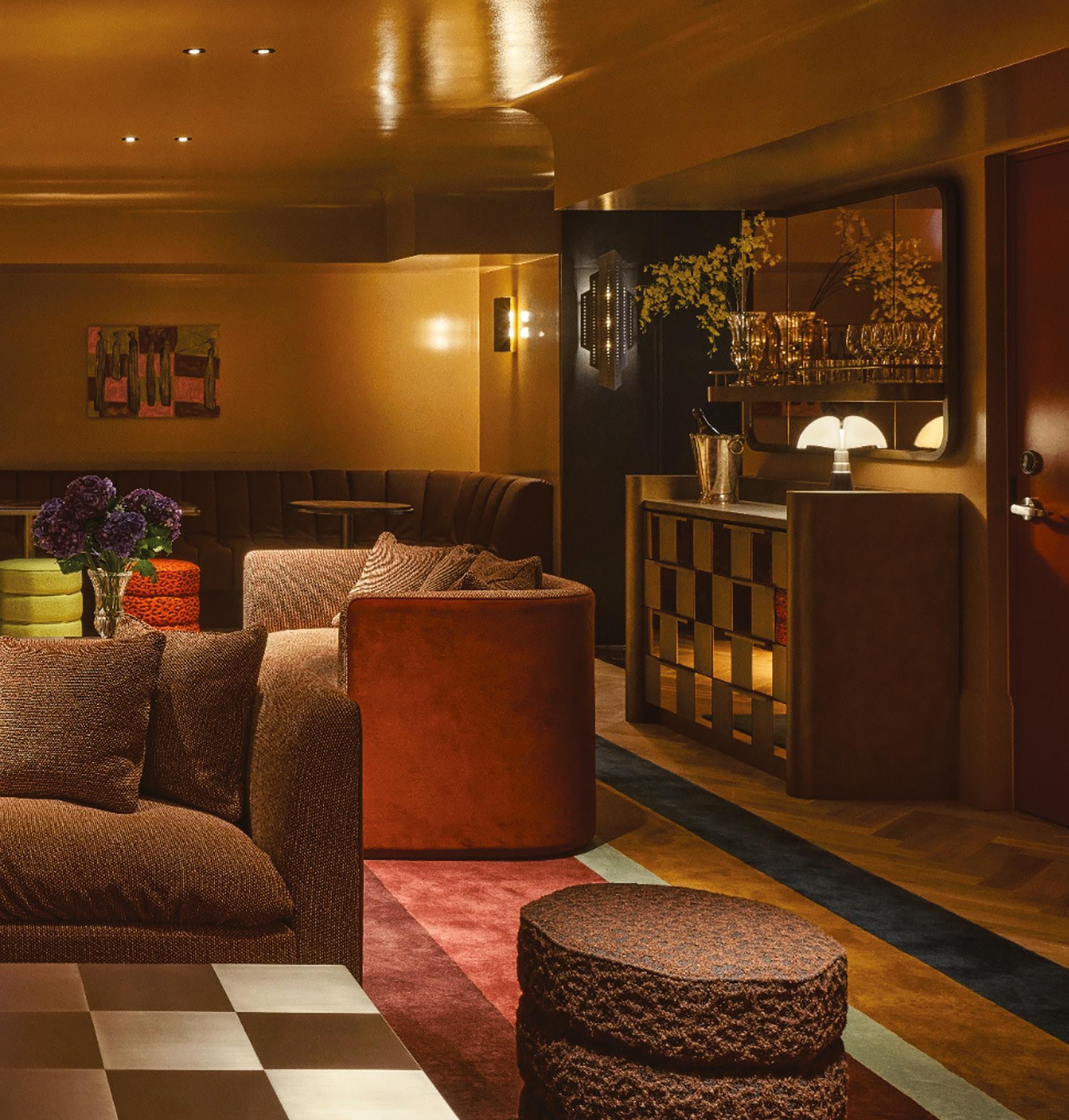
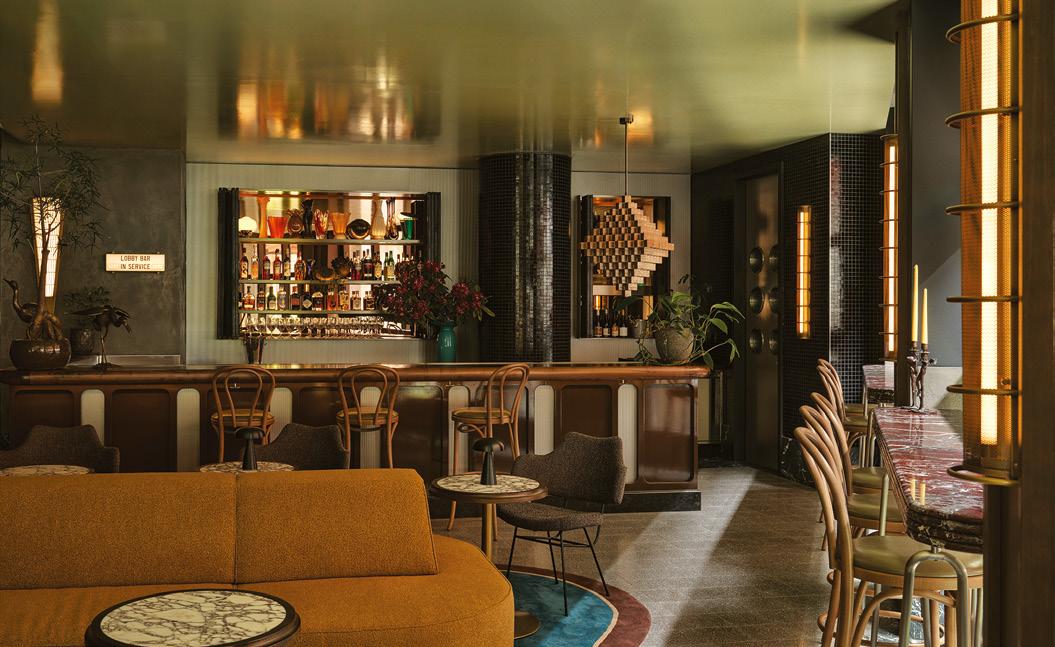
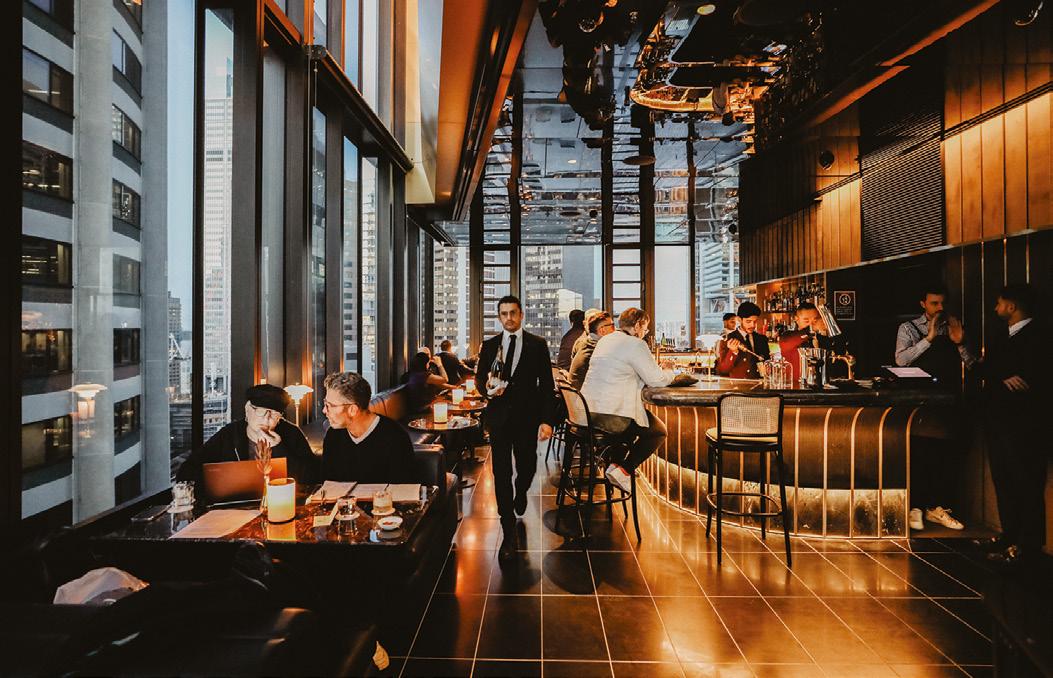
Across the portfolio, the group is working with some of Australasia’s most respected hospitality operators to create venues that have a life beyond the hotel itself. Partnerships with groups including Maybe Sammy (Dean & Nancy on 22 at A by Adina Sydney) and The Mulberry Group (Coupette Bistro and Bar at Hannah St Hotel) bring specialist expertise in creating venues people genuinely want to visit.
It’s an approach that reflects TFE’s broader thinking around destination hotels. While they operate restaurants across the globe, the company also collaborates with operators that understand their market and know how to create venues that connect with both guests and locals.
This model can work across different ownership structures, whether that’s supporting owners to identify and manage hospitality partners under service agreements or working alongside specialist operators within leased environments.
As Antony Ritch says, the focus is less about the operating model and more about creating the right experience for the property.
“For TFE, strong food and beverage isn’t an afterthought,” he said.
“It’s often what gives a hotel its energy and creates another reason for people to walk through the door.”
Technology is playing an ever-increasing role in how TFE connects the guest journey. The GXP platform, currently being rolled out across the network, is designed to remove friction throughout the stay – from booking and arrival through to in-room services and poststay engagement.
Guests can check in and out on their phone, receive tailored offers, book local recommendations, and communicate with hotel teams in real time.
Global Marketing Officer Katia Giurtalis said TFE Hotels was working towards a more personalised experience for guests while providing hotel teams with better tools and insights to manage repetitive administrative tasks.
“What we’re learning from our MM:NT Lab in Berlin is shaping how we connect the physical hotel with the digital experience,” Giurtalis said. “The goal is to make things easier for guests while giving our teams the best tools to deliver great hospitality.”
While technology is helping shape the guest experience, TFE remains equally focused on the physical hotel experience. A great example of that is Collection by TFE Hotels, which has established itself as one of the most distinctive portfolios in the Australasian market.
Collection brings together independently owned hotels that maintain their own identity while benefiting from TFE’s operational expertise, distribution networks, and commercial support. The model is built around celebrating individuality and a strong sense of place.
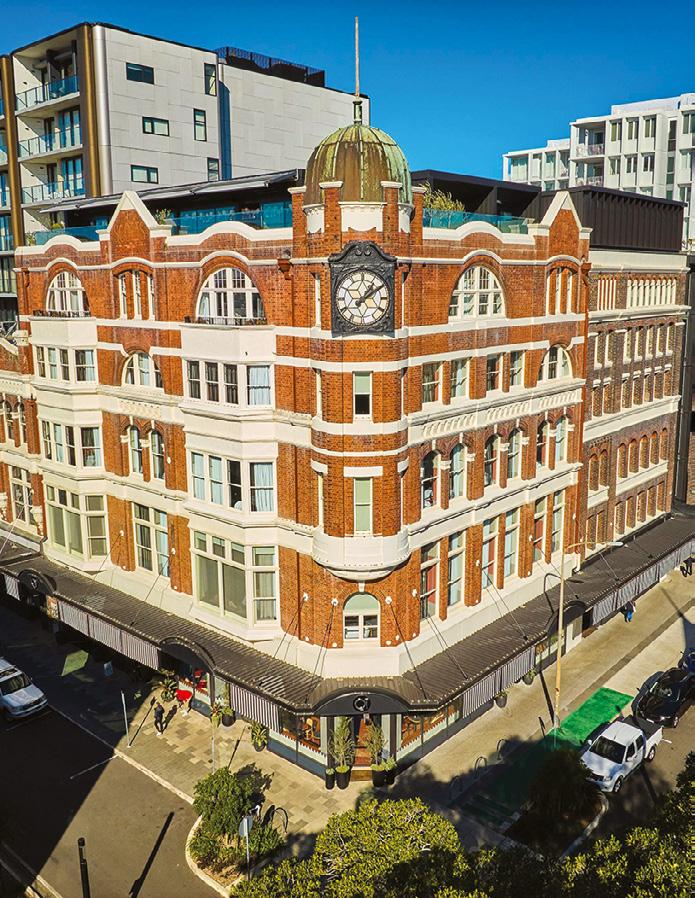
The portfolio now includes three Michelin Key hotels – Brisbane’s The Calile Hotel, Auckland’s The Hotel Britomart and Sydney’s The EVE Hotel – and, most recently, Melbourne’s Hannah St Hotel, which opened last summer.
TFE Hotels Group Chief Operating Officer, Chris Sedgwick, says the success of the Collection brand reflects growing demand for hotels that are genuinely connected to their communities.
“Collection is about bringing people and neighbourhoods together. With Collection, each hotel has its own story and personality, but it’s supported by a platform that helps it perform.”
Alongside Collection, TFE is continuing to invest heavily in its casual living brands, with Adina driving global growth. The Hobson Cambridge by Adina and The Wellington Glasgow by Adina – which joined the global portfolio late last year – marked the first step in TFE’s strategic
Dean & Nancy on 22 is a decadent cocktail bar and restaurant inside
A by Adina Sydney
The Mulberry Group helps drive the culinary experience at Hannah St Hotel
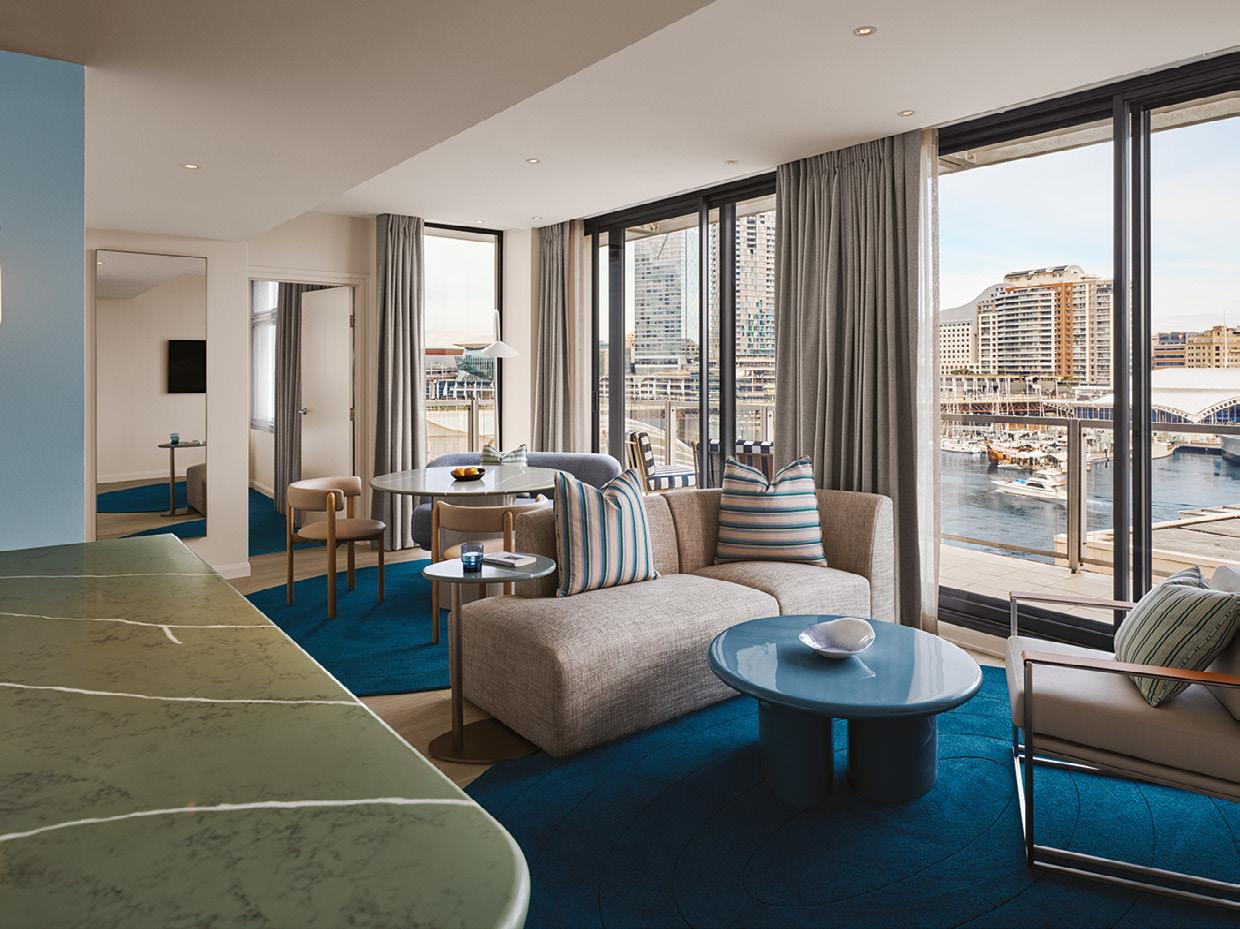
Adina Sydney Darling Harbour has undergone a multimillion-dollar refurbishment and will open this month
expansion into the UK market and built on the company’s growing presence across continental Europe and Asia.
Closer to home, Adina Chermside Brisbane and the soon-to-open Adina Hobart underscore TFE’s commitment to its home market and delivering thoughtful design and a genuine sense of place.
“At Adina, we want every hotel to reflect the city they’re in. Whether it’s Chermside’s relaxed subtropical character or Hobart’s connection to the Tasmanian landscape, both hotels have been designed to reflect the communities they’re part of,” Ritch said.
Adina’s growth opportunities across Australia, the UK and Europe are supported by a $100 million refurbishment program of hotels across Australia, New Zealand, and Europe.
A by Adina continues to strengthen the premium end of the portfolio, with the 161-key A by Adina Berlin Kurfürstendamm set to open on Berlin’s most distinguished shopping avenue in 2027.
MM:NT – TFE’s sustainable micro–apartment lab and brand – is helping TFE explore new opportunities with the next generation of travellers.
“MM:NT is a direct response to what we’re seeing across global travel – a shift towards more purposeful, experience-led stays,” Ritch said. “MM:NT is about relevance. And, if you design around that honestly, you end up with a product that is simpler, more efficient, and inherently more sustainable.”
Within TFE’s local experience and lifestyle brands, Vibe delivers Australian hospitality and design; Rendezvous brings together landmark destinations; Travelodge is a “simply refreshing” brand that delivers great value; and Quincy brings the vibrancy of South-East Asia to each stay.
Each brand has a clear role to play, giving TFE the flexibility to operate across different markets while remaining focused on what it does best.
“We’ve got a clear view of what each brand needs to do and where it sits within the portfolio,” Ritch said. “That gives us confidence to keep investing in the guest experience, supporting our owners and growing in the best markets for these brands.”
TFE’s next chapter is rapidly taking shape – building hotels people actively want to spend time in and creating sustainable businesses around them. n
TFE Hotels’ Global Executive Team, led by Antony Ritch, is driving the purposeful expansion across Australia and Europe. Front row: Antony Ritch, Chief Executive Officer, and Asli Kutlucan, Chief Executive Officer Europe. Back row: Australian-based executives, Michelle Bevan, Chief People Officer; Chris Sedgwick, Group Chief Operating Officer; and Brian Delaney, Chief Financial Officer
The Hobson Cambridge by Adina marks the first step in TFE’s strategic expansion into the UK market
Coastal cool
Manly Pacific enters a new era as Elysium.
ELYSIUM HOTELS WILL make its Sydney debut following the transition of Manly Pacific to the luxury Australian hospitality brand in August.
The upgrade is a natural progression for Manly Pacific, following in the footsteps of its flagship sister property, Elysium Noosa Resort, which transitioned from a Sofitel last December.
Both hotels are owned in partnership between the Karedis and Laundy families. Elysium Hospitality independently manages Elysium Manly, while Elysium Noosa Resort is managed by Accor, as part of the MGallery Collection of luxury hotels.
Manly Pacific’s transition will continue the evolution of the property, which completed a
refurbishment valued at close to $40 million in 2025.
The 213-key beachfront property’s transformation also included a $30 million refurbishment of its guestrooms and suites, led by design-house Coco Republic. While the hotel design will remain, a series of “thoughtful enhancements” will be made to enhance the guest experience.
The investment also spanned the $8.5 million creation of Cibaria, an acclaimed Italian restaurant by Alessandro and Anna Pavoni, designed by award-winning interiors studio Luchetti Krelle. The enhancements have boosted business, with the hotel recording its strongest occupancy, average daily rate and revenue performance to date.
Amore for Amora
Elysium Manly will continue to operate under the leadership of General Manager Dylan Cole.
“Manly Pacific has built a strong reputation as one of Sydney’s most iconic hotels in the Australian landscape, and this next chapter allows us to build on that foundation with a more considered expression of coastal luxury,” Cole said.
“The investment made across accommodation, design, dining and service has transformed the guest experience. Elysium brings those elements together under a singular vision, while continuing to deliver the warmth, authenticity and sense of place that our guests value most. Our guest focus remains the same: delivering a seamless, high-quality experience while refining the details that make a stay here truly meaningful.”
In-room amenities will align with the Elysium standard, featuring brands including Parisian house Hermès, ESPA and Grown Alchemist.
Beyond the guest rooms, Elysium’s sensory signatures will include bespoke floral installations curated by florist Saskia Havekes of Grandiflora, a distinctive fragrance designed to create a lasting sense of arrival, and a carefully considered soundscape developed by music curator Mitchell Wick that evolves throughout the day.
Amora Adelaide opens, ushering in a new era for the iconic hotel
THE HILTON ADELAIDE has officially changed hands after 40 years, with the new Amora Hotel Adelaide taking its place taking its place following a $73 million ongoing transformation.
Amora Hotels and Resorts in Adelaide’s Victoria Square unveiled the first stage of its refurbishment, which includes a completely redesigned lobby and a new concierge arrival experience.
In the months ahead, Amora Hotel Adelaide will unveil Victoria’s Table and the revitalised Coal Cellar and Grill, while continuing its renovations in stages.
The lobby opening comes at a pivotal time for Amora, with the hotel positioned alongside the Adelaide Central Market precinct and broader transformation of the city’s southern core, the group stated.
Amora Hotels and Resorts CEO, Earp Siriphatrawan, said the unveiling of the new signage and soft opening of the lobby marks an important milestone in the property’s transformation.
“The building has been part of Adelaide’s skyline and story for over 40 years,” Siriphatrawan said.
Located in Adelaide’s CBD, the group last year acquired the five-star property, now becoming its fourth Australian hotel in its growing portfolio, which includes hotels across Australia and Asia.
The hotel will continue to operate with works progressing in stages for a full transformation expected to be completed by mid-2027.
Amora Hotel has unveiled its redesigned lobby and concierge arrival experience
Manly Pacific recently completed a multi-million-dollar transformation
Elysium Manly will become the first for the brand in Sydney
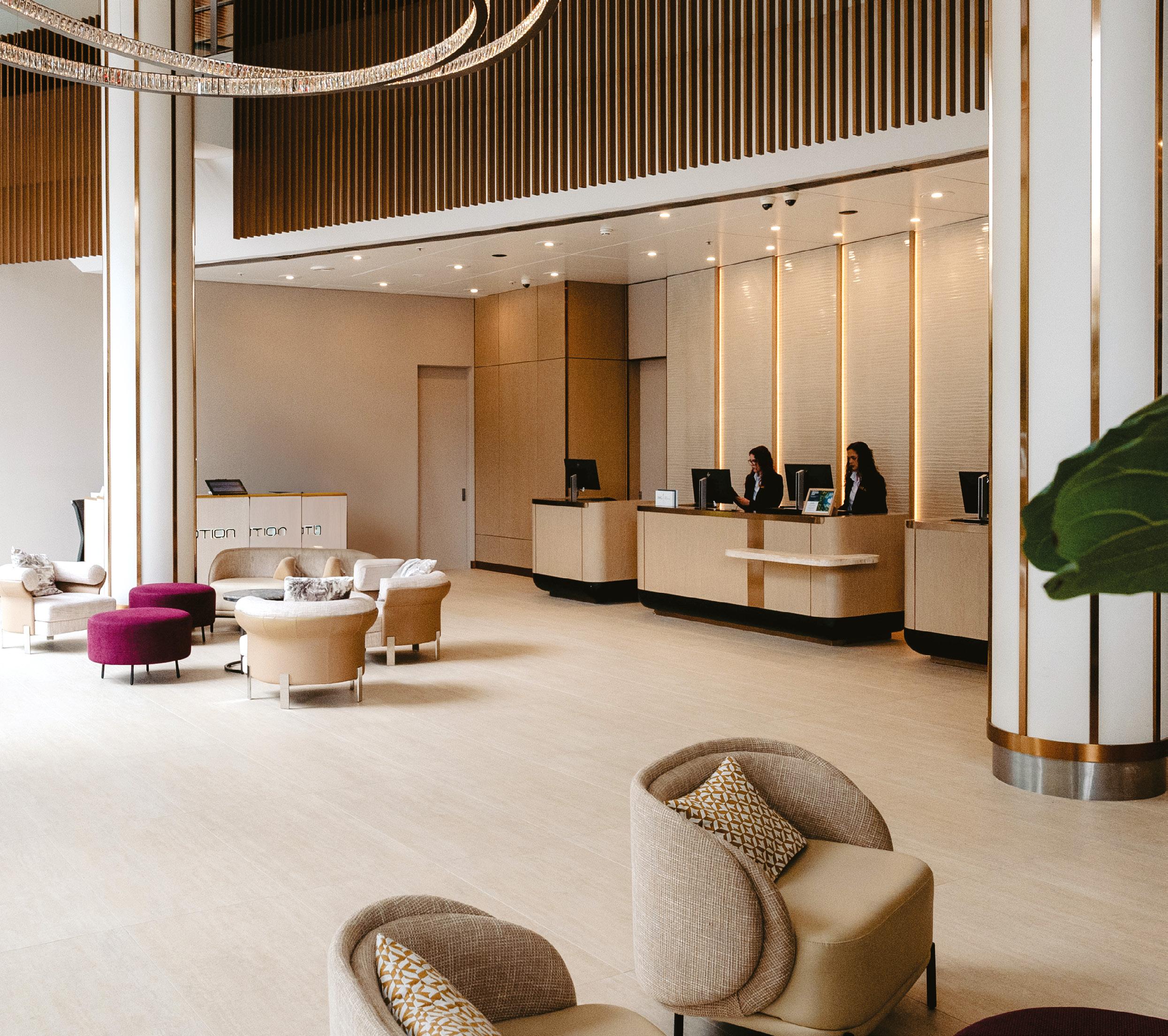
Amora Hotel Adelaide's new lobby and concierge
PACIFIC POWER
Radisson Hotel Group builds momentum across the South Pacific.
Radisson Hotel Group is building momentum across the South Pacific as it expands its presence in experience-led leisure destinations known for their natural beauty, culture and strong sense of place.
The Group’s growth in Fiji continues with the announcement of Mana Island Resort & Spa Fiji, a member of Radisson Individuals, joining its portfolio. Located in the Mamanuca Islands, the resort will combine the individuality and local character of an independent island retreat with Radisson Hotel Group’s global distribution, commercial systems and international brand platform.
extending its
This follows the announcement of Radisson Blu Mirage Resort, Fiji Naisoso Island, a major beachfront resort development near Nadi scheduled to open in 2027. The project will further strengthen Radisson Blu’s presence in Fiji and reflects the Group’s long-term confidence in one of the South Pacific’s most established and resilient leisure markets.
Fiji’s tourism fundamentals remain compelling, supported by strong demand from key source markets including Australia, New Zealand and North America. With its natural beauty, warm Fijian culture, strong air access and reputation as a safe and welcoming destination, Fiji remains well-positioned for both short-stay getaways and longer leisure escapes.
Radisson Hotel Group is also extending its South Pacific network into Samoa through Return to Paradise Resort & Spa, a member of Radisson Individuals. The 117-room resort will retain its Samoan ownership,
heritage and character while benefiting from Radisson Hotel Group’s international distribution, loyalty platform and brand systems.
Samoa’s tourism sector continues to show positive momentum, supported by steady visitor demand from key regional source markets and growing interest in authentic, culture-led island experiences.
The expansion aligns with a broader shift in traveller demand across the region. Today’s leisure guests are increasingly seeking boutique, authentic and nature-led resort experiences, with a stronger focus on wellness, culture, local dining, soft adventure and genuine connection to place. Curated, experience-led accommodation continues to be one of the strongest-performing areas of the hotel market, supported by demand for immersive travel and premium leisure experiences.
“Across the South Pacific, we are seeing a clear shift toward authentic island resorts with a strong sense of place,” said Danilo Curcuruto, Director Development Australasia, Radisson Hotel Group. “Travellers want more than a traditional beach holiday. They want destinations with identity, culture, wellness, nature and a genuine connection to the local community. That aligns strongly with our brand portfolio and our focus on supporting owners while preserving what makes each destination unique.”
Beyond Fiji and Samoa, Radisson Hotel Group continues to explore further opportunities across the South Pacific, including Fiji, Vanuatu, the Cook Islands, French Polynesia and Papua New Guinea. With marketaligned brand architecture and a growing understanding of the region’s opportunity, Radisson Hotel Group is well-positioned to support owners seeking global reach while preserving the individuality that makes South Pacific resorts so compelling. n
Mana Island Resort & Spa Fiji will join the group as a member of Radisson Individuals
Danilo Curcuruto, Radisson Hotel Group
Radisson Blu Mirage Resort, Fiji Naisoso Island is a major beachfront resort development near Nadi that is scheduled to open in 2027
RHG is
South Pacific network into Samoa through Return to Paradise Resort, a member of Radisson Individuals
Franchising with flexibility
Supporting owner growth through flexible operating models, leading brands and global enterprise.
IHG Hotels & Resorts works with owners across Australasia & Pacific through a range of management and operating models, recognising that the right approach depends on the asset, market and long-term objectives. From managed hotels to franchise agreements, this flexibility helps owners access the brand, structure and support that best suits their hotel and investment strategy.
That flexibility is increasingly important as owners look for partners who can support different asset types, investment strategies and stages of growth. Whether developing a new hotel, repositioning an existing property, converting an asset or entering a new market, owners are looking for brands with clear positioning, strong commercial platforms and the experience to support long-term performance.
Franchising is becoming an increasingly important part of that landscape, providing owners with another pathway to access IHG’s
The 252-room Crowne Plaza Sydney Airport was recently redesigned to deliver a premium experience for business and leisure travellers alike.
Holiday Inn Townsville
brands, commercial platforms and global enterprise. As of the end of March 2026, 36% of IHG’s estate across Australasia & Pacific operates under franchise agreements, giving owners access to distinct brand propositions across different market segments.
While franchising continues to grow across the Division, it has long been embedded in IHG’s global operating model, with approximately 85% of IHG hotels globally operating under franchise agreements. For owners, this means access to a model backed by significant global experience, established systems and the scale of the wider IHG enterprise.
Matt Tripolone, Managing Director, Australasia & Pacific, says owners are increasingly focused on selecting partners who can deliver long-term value.
“Owners have always looked beyond brands alone. They look at commercial capability, loyalty, distribution and a partner’s ability to deliver performance over the long term. Our role is to help owners unlock the full potential of their assets by connecting them to the scale and capabilities of the global IHG enterprise, while ensuring we have the right model in place for each hotel.”
One of the strengths of franchising is its flexibility. Across Australasia & Pacific, IHG partners with a broad range of ownership structures, from single-property owners and family businesses through to major developers and institutional investors.
Some owners choose to work directly with IHG, while others appoint third-party operators. This flexibility allows owners to select the operating structure that best suits their investment strategy while still benefiting from the strength of IHG’s brands and systems.
The model is equally suited to new-build developments, conversions, adaptive reuse projects and hotel repositioning.
Supporting owners throughout that journey is a dedicated franchise team led by Director of Operations Sam Davies. Working closely with owners, operators and general managers, the team helps hotels maximise performance through operational support, commercial expertise, new hotel opening support and access to the wider IHG enterprise. This local support is backed by the scale of IHG’s global systems, distribution channels and loyalty platform, helping owners access both in-market expertise and global capability.
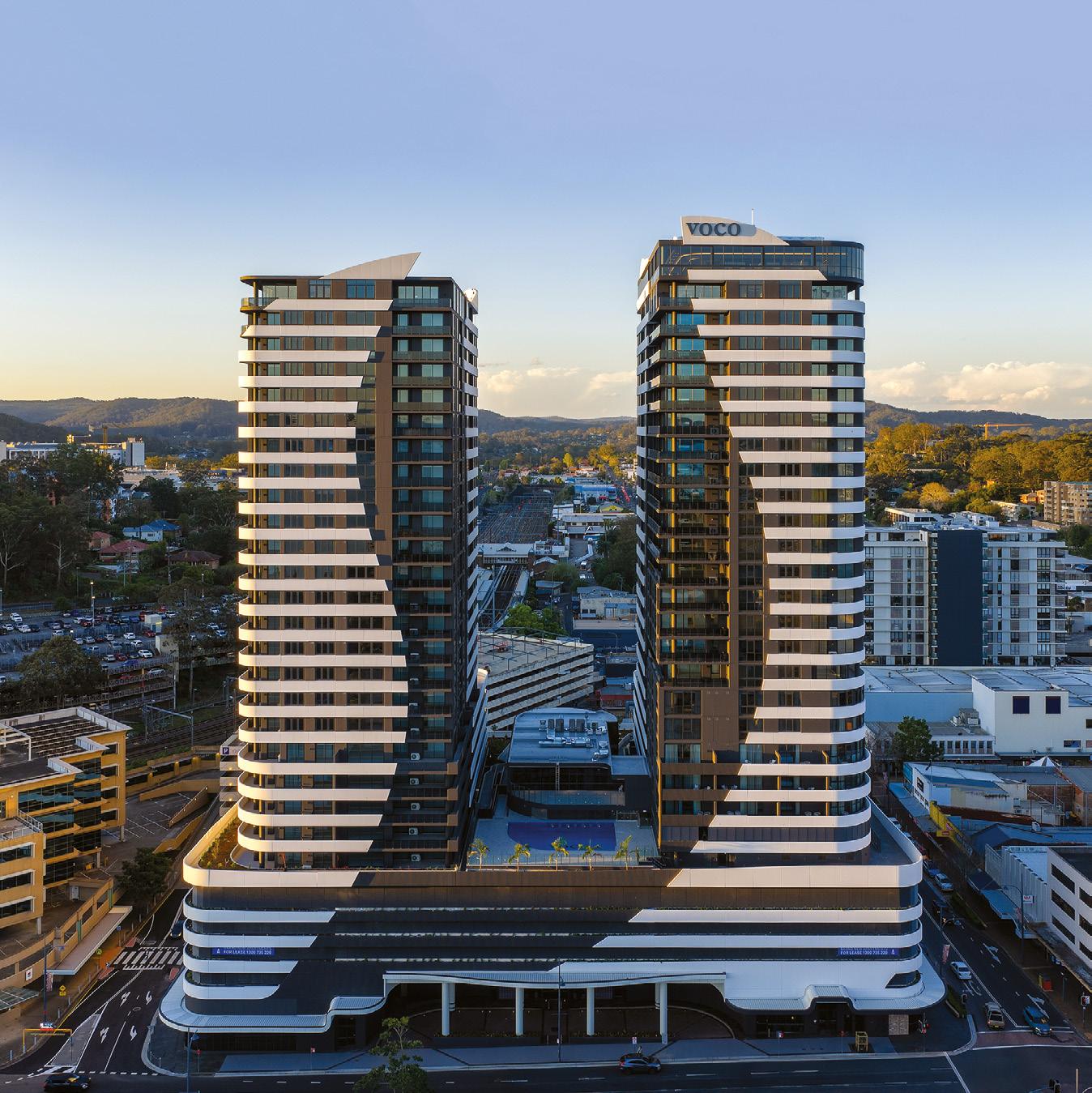
For Signature Hotel Management Group (SHMG), which partnered with IHG to deliver voco Gosford as part of the Archibald by ALAND precinct, the decision to work with IHG reflected the importance of brand strength, commercial capability and long-term alignment.
“When selecting a brand partner, we’re looking for more than a name above the door. We’re looking for a partner with the scale, systems and commercial expertise to support longterm performance. IHG’s global enterprise, powerful distribution channels and loyalty programme provide a compelling proposition for owners and guests alike,” says Dimitri Karam, CEO of SHMG.
“Our role is to help owners unlock the full potential of their assets by connecting them to the scale and capabilities of the global IHG enterprise.”
Matt Tripolone
As owner expectations continue to evolve, IHG remains focused on helping owners unlock long-term value through the operating model that best suits their asset, supported by the strength of its brands, commercial platforms, local expertise and global enterprise. n
Director of Operations
Recent franchise growth has spanned metropolitan, regional and resort markets.
Sam Davies, IHG
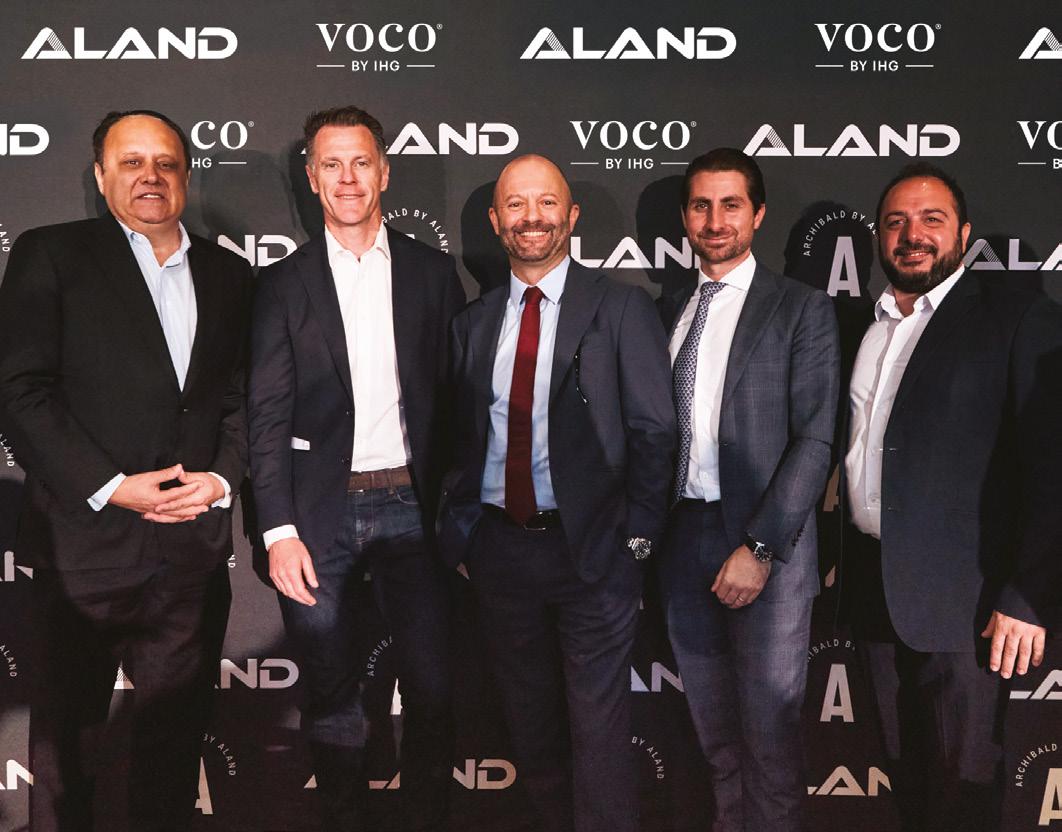
Andrew Hrsto, Founder and CEO, ALAND; The Hon. Chris Minns MP, Premier of New South Wales; Matt Tripolone, Managing Director, Australasia & Pacific, IHG Hotels & Resorts; Cameron Burke, Director, Development, Australasia & Pacific, IHG Hotels & Resorts; and Dimitri Karam, CEO, Signature Hotel Management Group, at the opening of voco Gosford
voco Gosford is part of the landmark Archibald by ALAND precinct
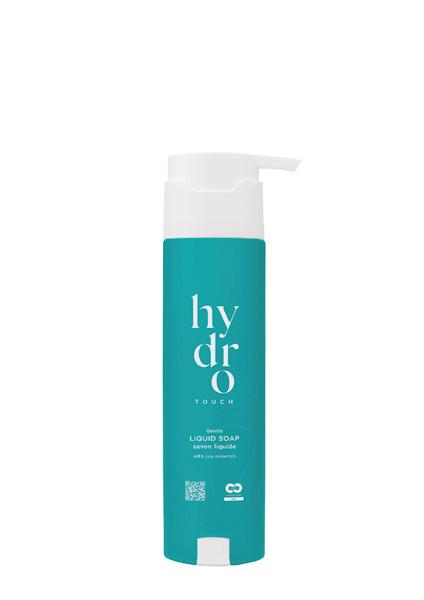
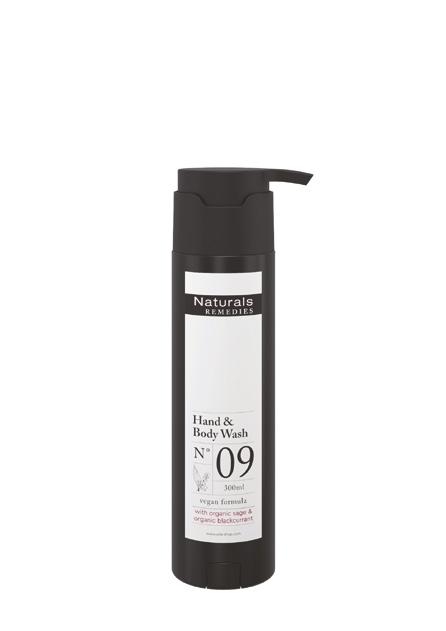
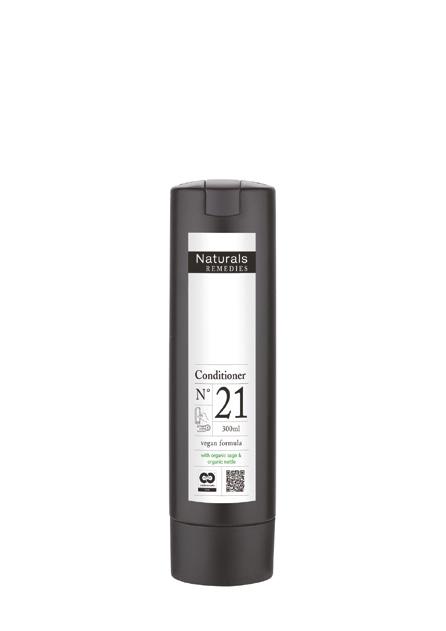
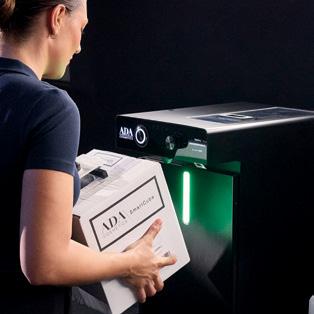
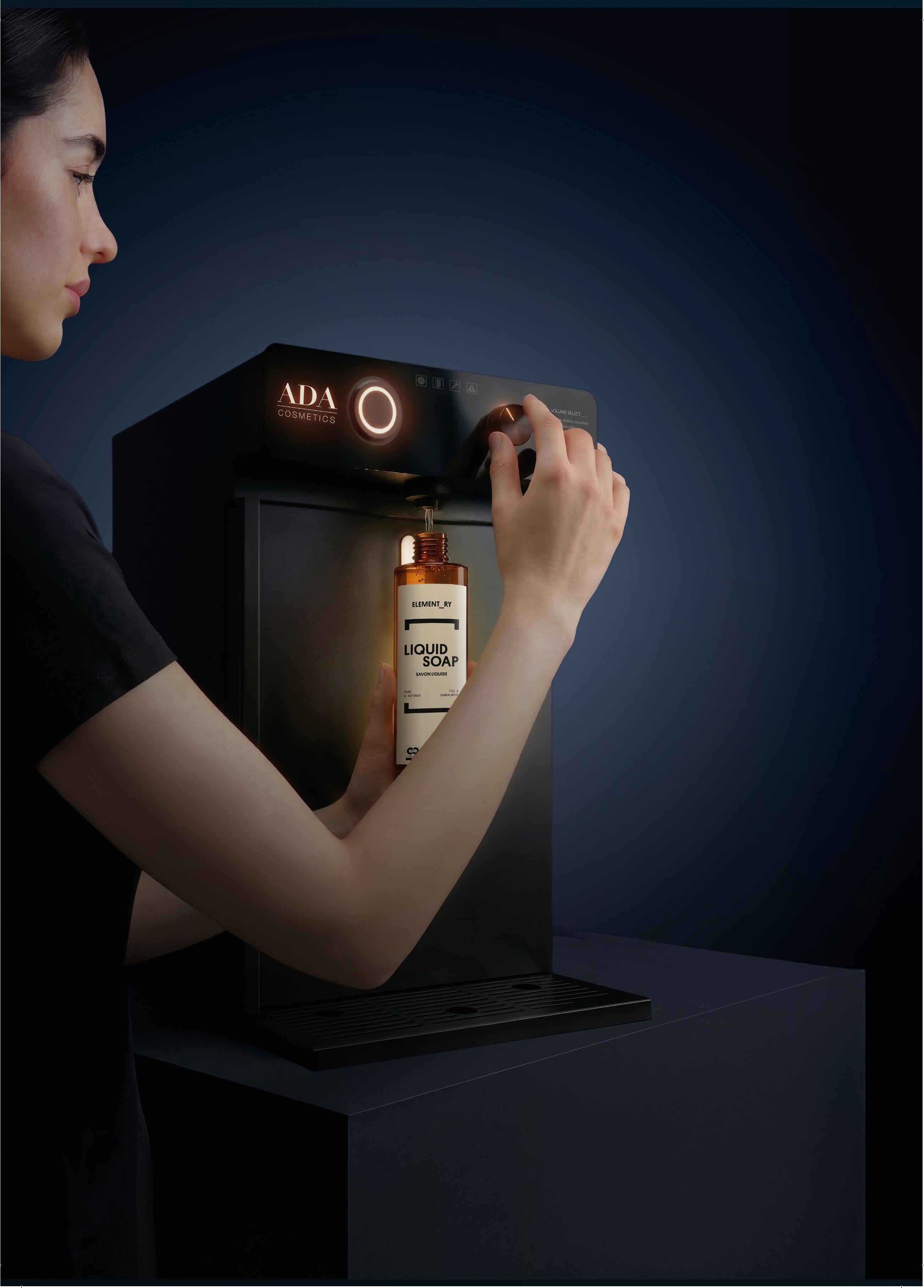
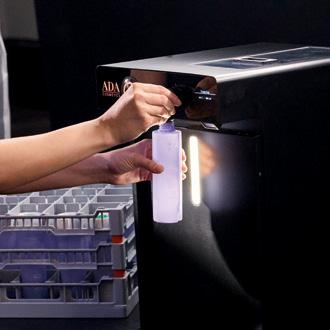
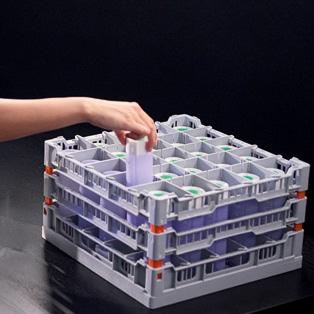
ONE SYSTEM. ONE MONTHLY FEE. SERVICE & MAINTENANCE INCLUDED. ELEVATING HOUSEKEEPING EFFICIENCY TO A NEW LEVEL.
Batch traceability down to every individual bottle.
Certified by TÜV SÜD for full compliance with: - ISO 22716 for GMP - EU Cosmetics Regulations 1223/2009 for batch traceability
Accor’s landmark multi-hotel deal with Yavu Collective ushers in a new era of hospitality in the island paradise.
For decades, Fiji has been one of the Pacific’s most enduring tourism success stories. Extensive air connectivity, worldrenowned hospitality and strong appeal among Australian and New Zealand travellers have made it one of the region’s most established leisure destinations.
While those foundations remain unchanged, the expectations of today’s travellers continue to evolve. Guests are increasingly seeking experiences that feel more personal, accommodation that suits different styles of travel, and destinations that offer greater choice while maintaining a strong sense of place.
That changing landscape is reflected in Accor’s latest signings with Yavu Collective, which will see three new hotels introduced to Fiji over the next 12 months. Accor and Yavu Collective have worked together for more than two decades, since the opening of Sofitel Fiji Resort & Spa in 2005. The latest agreement expands that long-standing collaboration, bringing together three distinct brands – Sofitel, The Sebel and TRIBE –across Denarau Island and Nadi.
Opening in early 2027, Sofitel Fiji Vatu Talei will become Sofitel’s second address in Fiji. Paying homage to Fiji’s Highlands and the iconic Sleeping Giant mountain range through its design, the resort combines contemporary architecture with stories drawn from Fijian culture, creating an experience that balances Sofitel’s signature French zest and local culture. Set across 10 acres on Denarau Island, the resort will feature 176 rooms, expansive lagoons, a lazy river, rooftop infinity pool, adults-only retreat and a collection of dining and leisure experiences designed to encourage guests to immerse themselves in the island’s culture. As Sofitel continues to evolve globally, the brand remains one of
Accor’s most recognised luxury brands, attracting discerning travellers seeking authentic and culturally connected experiences.
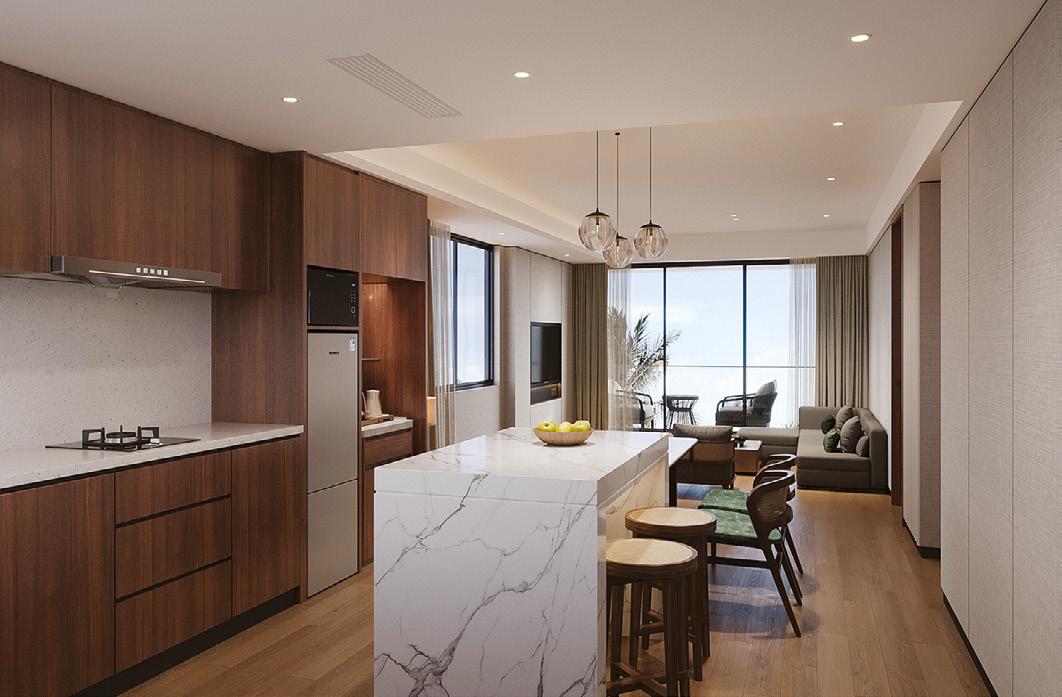
The Sebel will make its Fiji debut in Nadi with The Sebel Nuku Loaloa, responding to growing demand for premium extendedstay accommodation. Increasingly, travellers are choosing longer holidays, combining work and leisure, or travelling as families and groups who value the additional space and flexibility apartment-style accommodation provides. Featuring fully self-contained apartments and villas, together with wellness facilities and convenient access to Denarau Island, the development broadens Fiji’s accommodation offering while reflecting changing travel patterns.
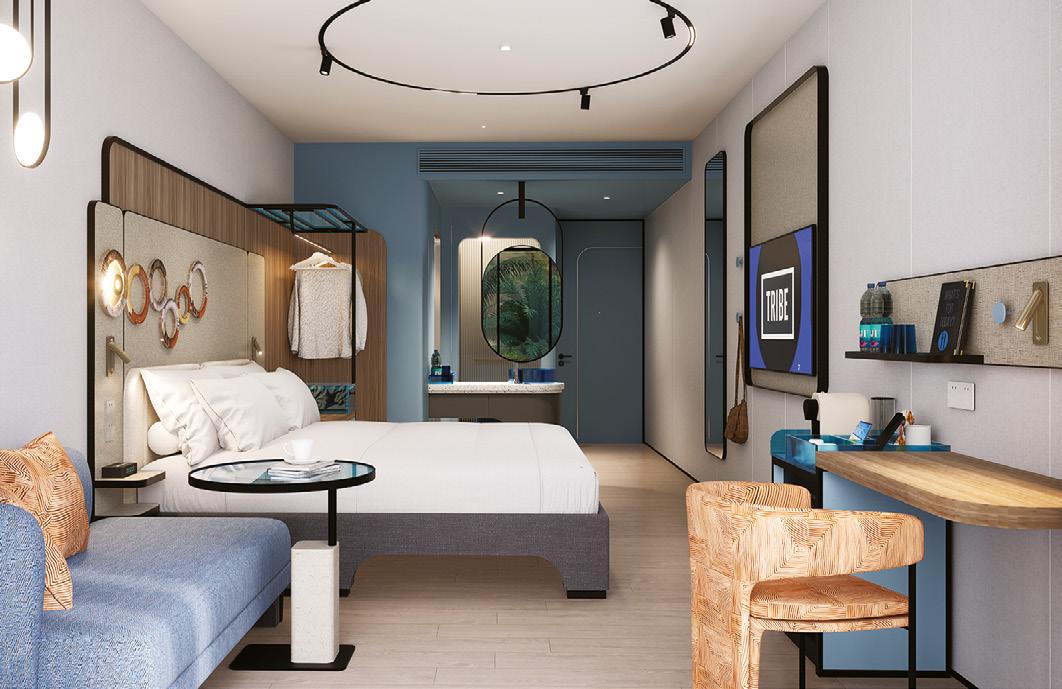
TRIBE Na Tomba will introduce one of Accor’s fastest-growing brands to Fiji for the first time. Known for modern design and lively social spaces, TRIBE has established itself as a brand for travellers seeking flexibility, strong food and beverage experiences and spaces for social moments. Its arrival will introduce a unique style of hotel to the destination, complementing Fiji’s existing resort offering while attracting a different type of guest.
Sofitel Vatu Talei will pay homage to Fiji’s Highlands and the iconic Sleeping Giant mountain range through its design
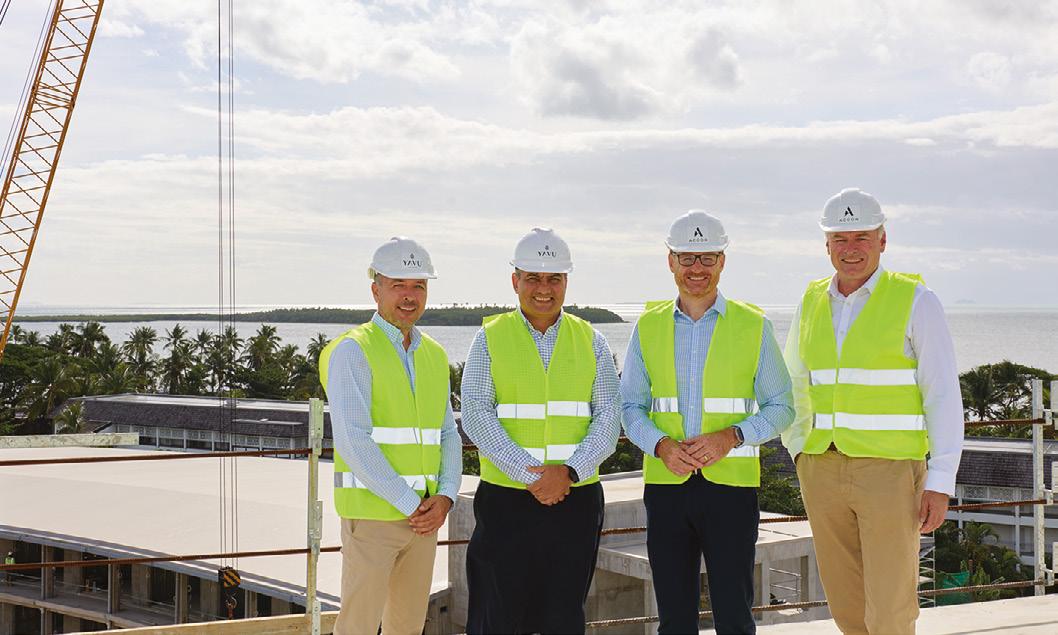
Collective’s Vincent Macquet, BSP Life Fiji’s Michael Nacola with Accor’s
and David Fraser at the Sofitel Fiji Vatu Talei site in June
personalised experiences across a global network of luxury hotels has become a meaningful factor in where and how they choose to travel.
Across the Pacific, member engagement continues to grow through stronger repeat visitation and deeper participation across dining, experiences and lifestyle partnerships. Australia and New Zealand remain Fiji’s largest leisure source markets, making loyalty an increasingly valuable driver of repeat travel and longer-term destination engagement.
Adrian Williams, Accor’s Chief Operating Officer in the Pacific region, said: “Together, the hotels demonstrate the value of offering greater diversity within a destination. Today’s travellers rarely fit into a single category. A guest visiting Fiji for a couple’s escape may later return with family, while others may extend their holiday to work remotely or simply spend more time exploring the islands. Providing accommodation that responds to these different travel occasions creates greater choice for guests while strengthening the destination’s longterm appeal.”
Alongside changing traveller expectations, loyalty is also playing an increasingly influential role in shaping tourism demand. With more than 100 million members globally, ALL Accor has become one of the hospitality industry’s largest booking platforms and loyalty programmes. Increasingly, members are choosing destinations not only for their inherent appeal, but for the personalised experiences, recognition and rewards that accompany their stay.
For luxury travellers in particular, loyalty is increasingly driven by recognition and access as much as reward. The ability to enjoy
For owners, this creates an additional advantage. Highly engaged loyalty members tend to travel more frequently, return more often and participate more actively across food and beverage, wellness and other on-property experiences, supporting the long-term performance of hospitality assets.
Yavu Collective, owned by BSP Life and Fiji Airways, continues to play a significant role in shaping Fiji’s tourism industry through locally led investment and development, underpinned by a continued commitment to sustainable tourism growth.
Vincent Macquet, Chief Executive Officer of Yavu Collective, said: “Our latest agreement with Accor reflects our shared ambition to develop hospitality experiences that celebrate Fiji’s culture while contributing to the country’s long-term tourism economy. It also reinforces the importance of partnerships between global operators and local owners in delivering projects that are both internationally competitive and deeply connected to place.”
As the Pacific’s largest hospitality group, Accor continues to see strong opportunities across the region. This Fiji announcement reflects that confidence, while also demonstrating how development is becoming more considered, with greater emphasis on offering complementary brands, responding to evolving guest expectations and creating destinations that encourage travellers to return. n
Render of the Sofitel Vatu Talei, which will become the Sofitel’s second address in Fiji when it opens in 2027
Yavu
Adrian Williams
Render of The Sebel Nuku Loaloa Two Bedroom Apartment, designed to appeal to guests seeking premium extended-stay accommodation in Fiji
Render of TRIBE Na Tomba which will feature modern design and lively social spaces
SavvyENGAGEMENT
SHANGRI-LA SYDNEY TAILORS SERVICES TO MEET THE HIGH STANDARDS OF TODAY’S LUXURY TRAVELLER, AND COMPLEMENTED BY ITS PARTNERSHIP WITH FOXTEL, IT CONTINUES TO DELIVER A PREMIUM ENTERTAINMENT EXPERIENCE. SHANGRI-LA GROUP AREA GENERAL MANAGER AUSTRALIA, ROB WEEDEN, DELVES INTO THE PLATFORM’S SUCCESS AND WHAT IT MEANS FOR THE BRAND.
What made you choose Business iQ again?
At Shangri-La Sydney, every aspect of the guest experience is considered through a luxury lens, and in-room entertainment is no exception. Today’s luxury traveller expects seamless access to premium content, global news, live sport, movies and lifestyle programming as a standard part of their stay experience.
We undertook extensive research before selecting our platform partner and ultimately returned to Business iQ because it consistently delivers the level of functionality, reliability and premium content our guests expect. The platform allows us to provide a sophisticated entertainment experience through live television, on-demand content libraries and premium international programming, all delivered through an interface that is simple and intuitive for guests to navigate.
For many guests, particularly international travellers, the in-room television becomes an important touchpoint during their stay, whether that is keeping connected to global events, relaxing after travel, or enjoying major sporting events and entertainment. Business iQ supports that expectation exceptionally well.
What customisation tools have been most useful?
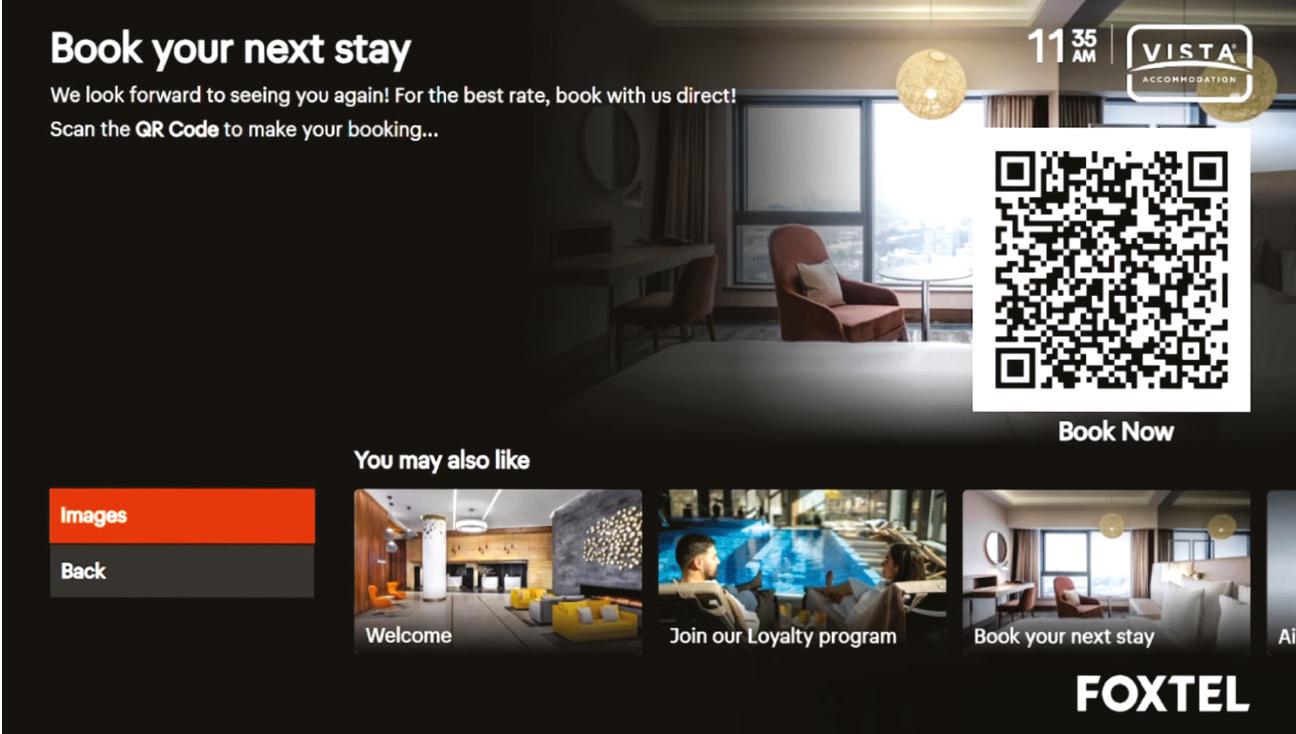
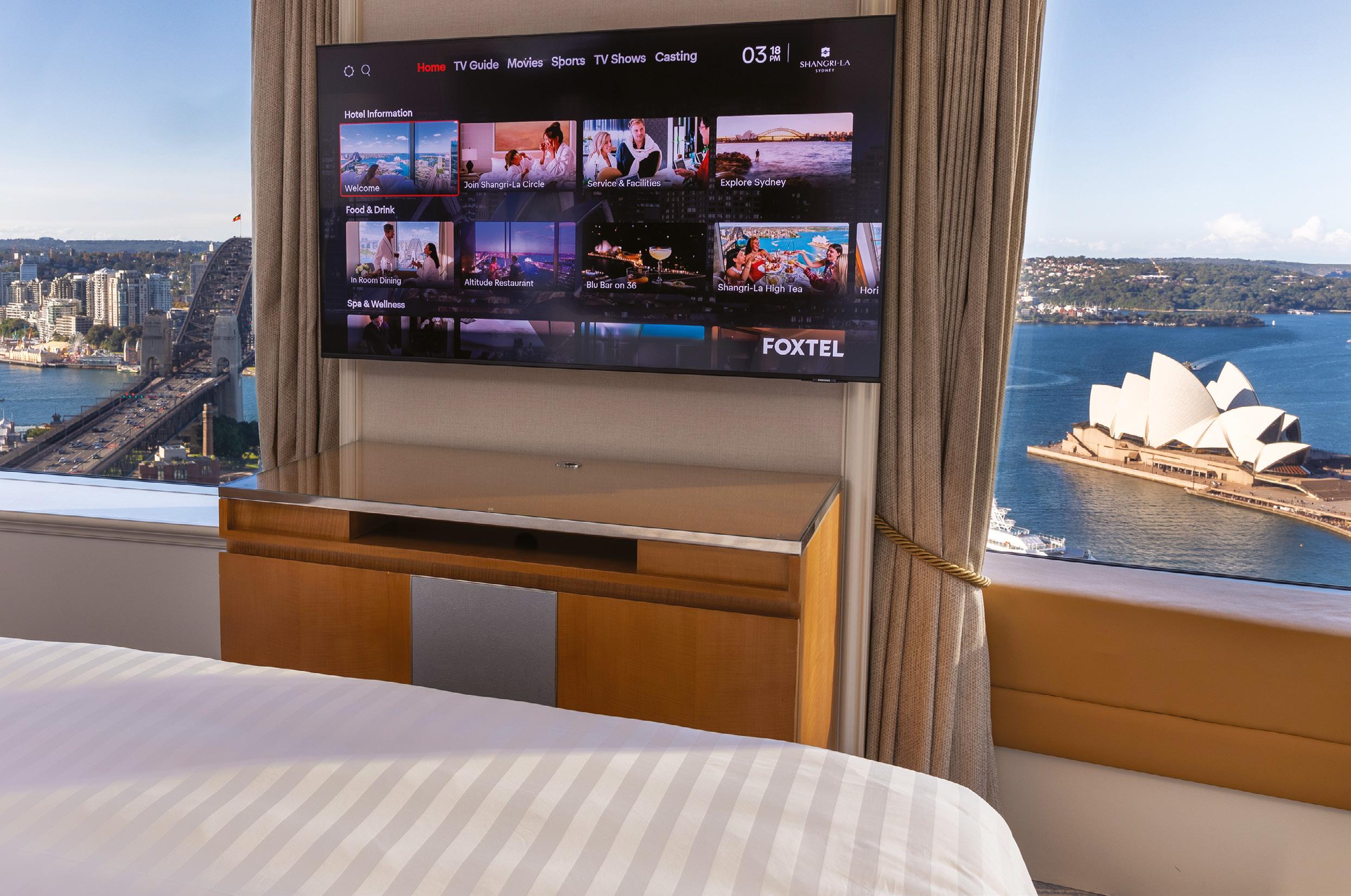
One of the strongest aspects of the platform is its flexibility and ability to integrate seamlessly into the guest journey. The customisable welcome screens allow us to present the Shangri-La Sydney brand experience from the moment guests turn on the television, while the digital compendium functionality has modernised how we communicate hotel information and services.
The live ticker and guest messaging capabilities have been particularly valuable
operationally and commercially. They allow us to communicate important information in real time, promote dining experiences, spa offers, seasonal activations and hotel events, or provide targeted messaging to specific guest segments.
Combined with property management system integration and cloud-based updates, the platform provides both operational efficiency and a highly polished guest experience.
How are you using interactive features to engage guests?
The platform is exceptionally intuitive for both our guests and our operational teams, which is critical in a luxury environment where simplicity and ease of use matter. We use on-screen promotions, QR codes and messaging functionality to guide guests toward experiences across the hotel, whether that is dining at Altitude Restaurant, cocktails at Blu Bar, treatments at Chi Spa or special seasonal activations.
The ability to deliver timely and relevant communication directly through the television creates a highly effective engagement channel without being intrusive. We are also able to tailor content based on audience behaviour and viewing preferences, which makes messaging feel more personalised and relevant to the guest experience.
Operationally, features such as fast channel
Business iQ is picture perfect against Sydney Harbour views
Shangri-La Group, Area General Manager Australia, Rob Weeden with Foxtel Business, Business Development Manager, Carly Gibson in Sydney
changing, interactive program guides, integrated app support and bespoke in-house content channels contribute to a premium and contemporary entertainment experience.
Have you seen opportunities to drive incremental revenue?
Absolutely. The platform has created meaningful opportunities to drive incremental revenue and guest engagement across multiple areas of the hotel. The live ticker functionality in particular is incredibly effective because it allows us to communicate targeted offers to different audience segments rather than relying on generic blanket messaging.
For example, we can promote cocktails and sporting event experiences to guests watching live AFL or NRL, while simultaneously presenting wellness or dining offers to guests engaging with lifestyle or entertainment content. That level of targeted communication is extremely valuable in a luxury hotel environment.
We also use the platform to support upselling initiatives across dining, spa, room upgrades, loyalty programs and curated hotel experiences. The immediacy and visibility of the platform make it a very effective commercial tool.
How are you using video or dedicated channels?
Luxury hospitality is fundamentally about storytelling and creating emotional connection, and the in-room entertainment platform plays an important role in that. We use Business iQ to showcase the broader Shangri-La experience, both globally and here in Sydney.
Through dedicated channels and video content, we are able to highlight experiences such as Chi Spa, Altitude Restaurant, Blu Bar, wellness offerings, sustainability initiatives and special events taking place throughout the hotel. It allows guests to discover more about the property and the brand in a highly visual and engaging way.
Importantly, it also reinforces Shangri-La’s positioning as a global luxury hospitality leader while creating a stronger sense of connection with the destination and the experiences available within the hotel.
Which features do guests value most?
Live sport is consistently one of the most talked-about features, particularly AFL, NRL and cricket, which remain incredibly important for Australian travellers. International news channels are also highly valued, especially by overseas guests who want to remain connected with events in their home countries.
Interestingly, we have also seen very strong engagement with lifestyle programming, movies and entertainment channels, which reinforces the importance of offering a broad and premium content mix within a luxury hotel environment.
How did Business iQ meet brand-level requirements?
As a global luxury brand, privacy, security and compliance are critically important considerations for us. The Foxtel commercial and legal teams were highly professional throughout the process and worked collaboratively to ensure all brand, legal and privacy requirements were appropriately addressed.
The platform demonstrated the operational reliability, security framework and scalability
we would expect from a partner supporting a luxury international hotel brand.
How was the installation and onboarding?
The installation and onboarding process was extremely smooth and well-managed. Importantly for a luxury hotel operating around the clock, the rollout was completed with minimal disruption to both guests and hotel operations.
The support provided during implementation was highly professional, and the transition for both guests and team members were very straightforward.
How is Foxtel’s ongoing support?
Outstanding. The responsiveness, professionalism and operational support from the Foxtel team have been excellent throughout the partnership.
For a hotel environment, reliable support is critically important, and the Business iQ team has consistently demonstrated a strong understanding of operational priorities and guest expectations within luxury hospitality.
Is Business iQ supporting guest satisfaction and repeat stays?
It certainly is. We now regularly receive positive feedback regarding the quality of our in-room entertainment experience, particularly around content availability.
Importantly, many of the frustrations traditionally associated with connectivity and streaming within hotels have effectively been eliminated. In a luxury environment, removing friction points from the guest journey has a very real impact on overall satisfaction and brand perception.
What would you say to other hotels considering Business iQ?
Every hotel must make decisions based on its own brand positioning and guest expectations; however, it is important to consider the opportunity cost of underinvesting in the inroom entertainment experience.
Today’s travellers increasingly view premium entertainment, intuitive technology and seamless connectivity as essential components of a quality hotel stay, particularly within the luxury segment.
A platform such as Business iQ not only enhances the guest experience but also creates valuable opportunities for engagement, storytelling, operational communication and incremental revenue generation across the hotel. n
Business iQ consistently delivers reliability and premium content that guests expect
Accor’s AI Leap
ACCOR IS LEVERAGING AI TO TRANSFORM BOOKINGS, LOYALTY AND BRAND ENGAGEMENT. CHIEF COMMERCIAL OFFICER KERRY HEALY SHARED INSIGHTS ON THIS “PIONEERING INNOVATION” WITH DAISY MELWANI.
Accor is accelerating its investment in artificial intelligence, conversational search and digital innovation as it reshapes the way guests discover, book and engage with its brands globally.
Chief Commercial Officer for Accor’s Premium, Midscale and Economy divisions in the Middle East, Africa, Turkey and Asia Pacific, Kerry Healy, spoke to HM at the recent Accor Pacific Franchise Conference in Sydney about how the company is embedding AI across its operations and outlined plans for future technological advancements.
“Our focus is on pioneering innovation,” Dubai-based Healy said.
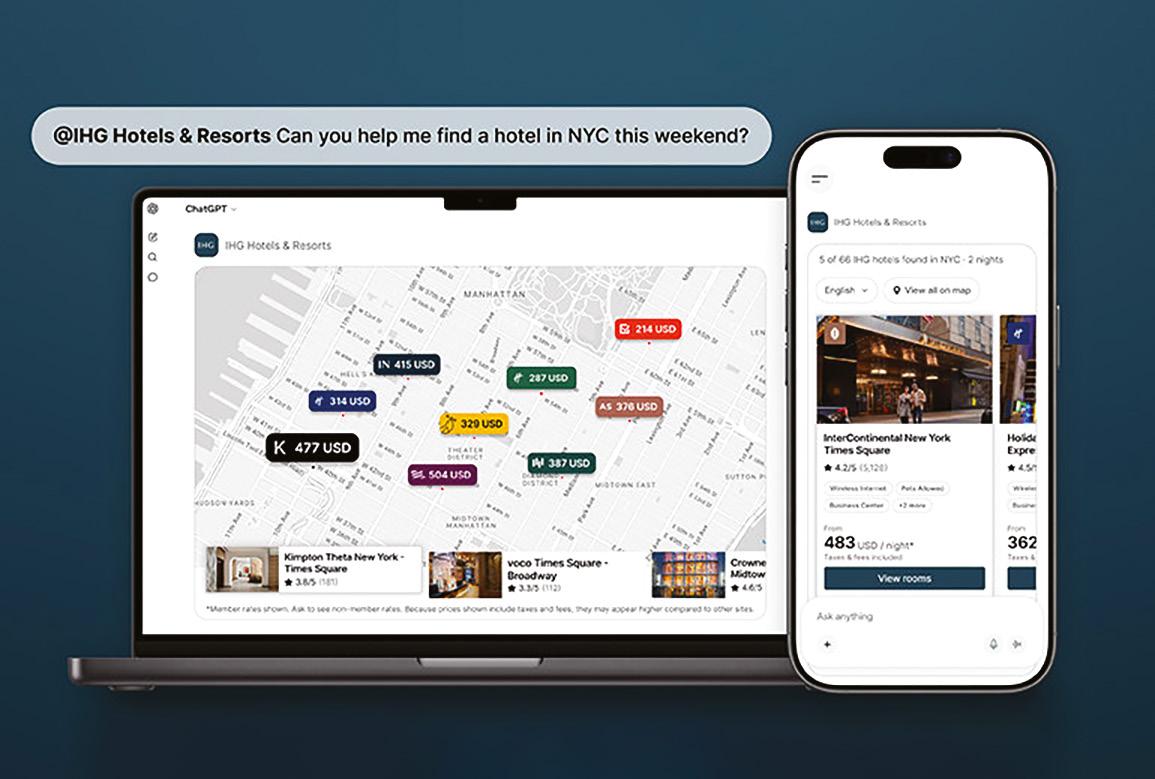
“We’ve been first to market with advancements like OpenAI/ChatGPT integrations and our AI conversational booking journey.”
Healy confirmed Accor’s AI investments were broad, extending beyond its global booking platform and loyalty website, ALL.com, to its commercial ecosystem, enterprise solutions and commercial workforce augmentation and operations.
Having integrated booking functionality into ChatGPT, the hotel giant is investing heavily to prepare its digital platforms and boost performance across its 5,800 properties in more than 110 countries under 45+ brands. Kerry Healy, Accor
The group is also in the process of changing its central reservation systems over the next 18-24 months, with Fairmont the first brand to use it. The new CRS will significantly impact distribution across all channels, and as Healy noted, AI readiness is built into the process from the ground up.
SEARCH EVOLUTION
The way guests search for hotels is changing, and for Accor, that shift represents as much opportunity as it does challenge. “Agentic AI is happening now. We’re looking at how hotel, brand, and destination content needs to stack up to be well received in those LLMs,” Healy said.
The group is making a “significant investment” in modernising its brand and partner websites to support more detailed content and personalised search capabilities. Pullman and ibis have been relaunched, with Novotel and Mövenpick Hotels and Resorts to follow this year.
“What you’ll find if you go to the site is that because you’re getting ready for conversational search, there’s much richer hotel information,” she explained.
Healy remarked that as the group enriches its content and migrates off its legacy CRM platform, an evolution over the next 12-18 months will allow guests to fine-
tune amenity searches and request specific desired experiences as well, driving higher relevance and conversion within the booking journey.
Using the example of a guest searching ChatGPT or Accor’s website for a room with a bathtub and a view, Healy said the company is investing in technology to answer detailed requests.
“There are certainly chatbots in the booking journey, but it’s actually more about how the information that sits inside the content layer of the website is going to correspond to [detailed requests],” Healy said.
“Agentic AI is happening now. Weʼre looking at how hotel, brand, and destination content needs to stack up to be well received in those LLMs.”
Kerry Healy, Accor
RISE OF AGENTIC AGENTS
In addition, Accor is simultaneously deploying AIpowered support systems across its reservations and customer service operations using a combination of physical agents and agentic agents.
“The agentic agent, or the bot, is helping the person deliver a more personalised experience to you. They’re operating faster behind the scenes and pushing suggestions to help that customer,” Healy explained.
The technology is already delivering measurable results in overflow reservations for hotels switching from manual reception teams.
“The results of that are higher average rates, better RevPAR for the hotels, huge results, and it was across a very diverse range of countries,” she said.
Behind the scenes, Accor is also building internal AI tools designed to service franchisees and give hotel teams greater ability to access information more efficiently.
“We are actively working on building another chatbot,” Healy said.
“In the Pacific market, they’ve had a central platform repository where hotels could go into under the subject and try and find it and distil it, so we’re evolving that.”
The global project, to be led across MEA APAC, will overhaul the storage and tagging of information across
AI Agents work across Accor CRM multi-channel campaigns, onboarding, rate configuration and more
Render of The Sebel Parramatta, slated to open in September
Accor’s e-commerce, revenue management, training programs and more.
“The second layer is that it will be so sophisticated that when it can’t solve something, or when it knows that the real problem needs fixing, it already raises the ticket to the right department,” Healy said.
Describing its already-embedded agentic agents as “active team members” working across the group’s e-commerce platform, Healy said AI will increasingly become embedded across every department.
“Every department will have a team of agentic agents taking out, dare I say it, monotonous, boring, or very detailed work that takes a lot of time, or people.”
Healy said she hoped leaning into AI would allow teams to be more effective in better supporting franchisees or managed hotels “in a far more fluid capacity”.
BRAND INTEGRITY
AI is also proving valuable in strengthening brand consistency across the group’s portfolio, explains Accor Vice President, Brand Marketing and Brand Management, Middle East, Asia and Pacific, Nick Parmar.
“When you think about brand consistency, there’s a lot of human elements in that,” Parmar told HM
“Everything we’re doing to clean up our information about each of the brands is now going to be put into an AI. We’ll have an agent that is able to help onboard team members in a brand way.
“It doesn’t denigrate the brand value or the importance of brand. If anything, it actually just makes it easier to tell people the brand story, both through real-life examples, but also through the marketing we do,” he explained.
The new system will support marketing departments to efficiently create campaigns that align with brand standards while reducing manual workloads. The technology will be particularly valuable to streamline consistency across a global portfolio – “an ongoing challenge”, Parmar said, for any hotel group.
“If you’re a Marcom Director at a Pullman Hotel and you need to do a promotional… it will give it to you back in a Pullman brand lens with the correct digital identity,” Parmar explained.
The company is also using AI-powered analytics to better understand guest sentiment and drive operational improvements, and is working with Travelsify, an Augmented Brand DNA Intelligence platform that creates Hotel Brand DNA.
“Travelsify uses AI to analyse millions of online mentions, reviews, social posts and online sentiment. Their brand DNA engine calculates what’s most important to consumers for each brand and then measures how well the actual experience stacks up in each hotel,” Parmar explained to delegates at the conference.
“Our data shows that a 10-point lift in your brand DNA consistency score can give you an average of a 2.5% uplift in your RevPAR.”
HARNESSING THE VALUE OF LOYALTY
Healy believes AI is helping the hotel giant finally capitalise on one of its biggest assets – customer data.
“I think for the first time we now have the tools to deal with the volume of data that we have,” she said.
“You can’t do that at the pace that AI can do that.”
For its loyalty program, ALL Accor, the ability to better understand its 100 million+ global members’ preferences is creating opportunities for increasingly personalised marketing and loyalty experiences, as customer expectations amplify.
“The technology will be particularly valuable to streamline consistency across a global portfolio –ʻan ongoing challengeʼ.”
Nick Parmar, Accor
“We’ve become better at finessing, and we understand what tech stack and what marketing stack works for us, and we’ve been bullish about making changes along the way,” she said.
As conversational search, predictive personalisation, and AI-driven engagement continue to reshape how travellers choose where to stay, Healy said she was “looking at it from one small angle”, with AI programs widespread across the business, which is only expected to continue to evolve. n
Accor’s Nick Parmar explains to delegates at the Accor Pacific Franchise Conference the power of AI in improving brand consistency
The Sebel brand refresh will be completed in Q1 2027
Heading for a second-half victory
Despite ongoing economic pressures, the hotel sector has demonstrated its ability to navigate uncertainty.
By James Goodwin, CEO, Accommodation Association
IT FEELS LIKE we have been through a year’s worth of change already, but we are only now entering the second half of 2026.
I don’t think we should let the milestone pass without reflecting on the resilience and strength of Australia’s accommodation sector.
Despite ongoing economic pressures, global instability, workforce challenges and changing market conditions, our industry continues to adapt, innovate and deliver great experiences for guests.
The hotel sector has once again demonstrated its ability to navigate uncertainty while continuing to invest in people, properties and communities.
Political engagement – across all parties
– remains a key focus so our issues are front and centre at a time of fragmented community debates.
I’ve recently had a few meetings with Assistant Minister for Immigration Matt Thistlethwaite, and despite the noise about migration, he understands the importance of migration to the hotel industry and the economy.
Governments across the country are struggling to balance the books. The New South Wales Budget was another tough one with a cut to Destination NSW funding.
This was short-sighted but not as bad as it could have been. We realise cuts need to be made somewhere, but tourism is not a nice-tohave; it is essential.
Local and state economies rely on the tourism economy, and in the current climate, we need to be investing more into bringing visitors here, not cutting back.
But despite these challenges, there is a lot to look forward to in the second half of the year.
In Queensland, it is encouraging to see planning and funding for the 2032 Olympic sites confirmed. The RBA has kept interest rates on hold, which is hopefully a sign that inflation is getting under control. And the first flights from Western Sydney International Airport will officially take off on October 25.
The new airport, which will serve up to 10 million passengers annually, will provide a much-needed boost to hotels right across NSW.
More aviation access and capacity mean more international tourists, more jobs in the accommodation sector, and cheaper airfares for all.
It’s not only good news for Sydney but also for the rest of the country, with most international tourists often travelling to multiple states while on holiday down under.
A welcome signal – and important next steps
The release of New Zealand’s first Tourism Policy Statement is a significant milestone for our industry.
By James Doolan, Strategic Director, Hotel Council Aotearoa
MINISTER LOUISE UPSTON deserves credit for providing something tourism has often lacked: a clear statement of direction from central government about how the visitor economy should grow, who is responsible for what, and how decisions should be coordinated across the system. Hotel Council Aotearoa (HCA) was closely involved throughout the consultation process and many of the themes we advocated for are reflected in the final document.
Perhaps most importantly, the policy statement recognises tourism as a national economic priority. It sets an ambitious goal of doubling tourism export earnings by 2034 and acknowledges that achieving this will require a genuine partnership between central government, local government, industry and communities.
There are several areas of particular relevance for hotels.
The commitment to progress a national visitor accommodation strategy is welcome.
New Zealand needs the right quantity, quality and mix of accommodation if we are serious about growing high-value tourism and attracting investment.
Equally significant is the Government’s commitment to consider options to improve transparency in short-term rental accommodation, including the possibility of a national register. HCA has consistently argued that policymakers cannot effectively manage
accommodation supply, housing impacts, infrastructure demand or regulatory settings without knowing the scale and location of commercial short-term rentals. A register is a practical and sensible first step.
The policy statement also points toward future accommodation levy discussions. Here, HCA’s position remains unchanged: if new visitor accommodation levies are introduced, they should be nationally consistent, transparent and equitable. A patchwork of local schemes would create unnecessary complexity for both operators and visitors. National challenges require national solutions. No policy statement solves every issue overnight. But this document provides an important framework for future decisions and, notably, signals a much stronger role for central government in tourism leadership than we have seen in recent years.
For an industry that has long called for greater clarity and coordination, that is a positive place to start.
Onsen appeal
Hyatt’s luxurious Alila set to debut in Japan.
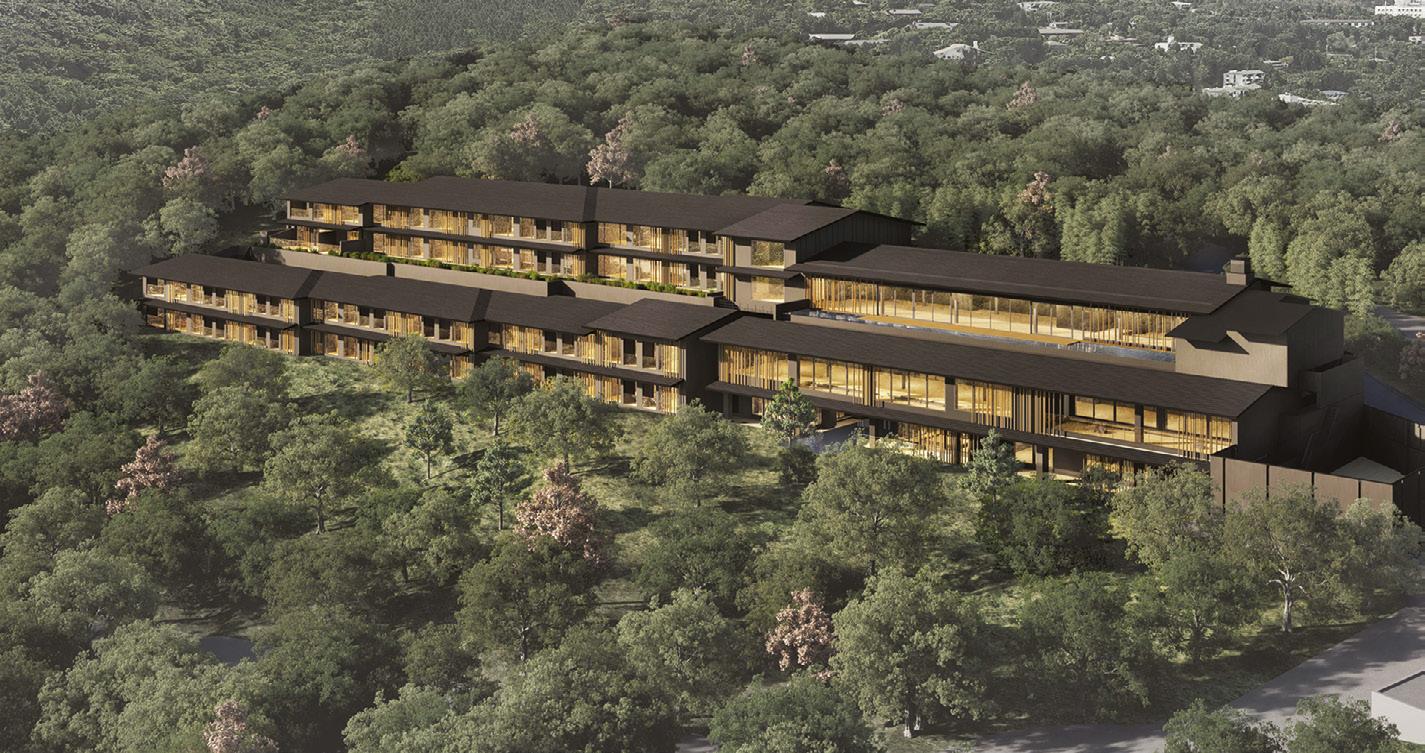
JAPAN’S ONSEN REGION will welcome an immersive resort shaped by nature and hot springs in 2028, marking the Alila brand’s debut in the country.
As part of an agreement with Fujita Corporation, the exclusive 60-key Alila Sengokuhara Hakone will open as a luxury retreat in the highland district of Hakone known for its mineral-rich hot springs. The property is also poised to cement itself as a wellbeing resort, featuring private onsens in each of its 11 suites.
“With 19 properties globally, including 13 in Asia, we are excited to announce plans
to introduce the Alila brand to Japan,” Hyatt Group President, Asia Pacific, David Udell said.
“We are grateful to President Okumura of Fujita Corporation and everyone else involved in bringing the Alila vision to this market. The debut of the Alila brand in Japan will expand travel choices for both domestic and international guests, offering experiences that reflect the brand’s deep connection to culture and the environment.”
The design of Alila Sengokuhara Hakone will be guided by harmony with nature and respect for the site’s mountain setting. The
Mega deal
Redcape seals Hunter hospitality portfolio in circa $500m acquisition deal.
JLL HAS BROKERED Australia’s largest freehold going concern hotel deal, completing Iris Capital’s divestment of its Hunter Region hospitality portfolio to MA Financial’s Redcape Hotel Group.
The transaction portfolio includes six established Hunter Region hotels alongside the 104-room QT Hotel Newcastle and two Sydney-based hotels, making it the largest freehold going concern hotel transaction in Australian history.
The acquisition includes: Argenton Hotel, Edgeworth Tavern, Hotel Elermore, Gunyah Hotel, Pedens Hotel, QT Hotel Newcastle and Sports bar, Sydney Junction Hotel, Revesby Pacific Hotel and Crown Hotel Revesby.
The circa $500m transaction ends Iris Capital's decade-long presence in the Hunter Region and allows the group to now concentrate on expanding its Sydney portfolio and large-scale property development
pipeline, which includes its recently acquired St Ives Shopping Centre development and the future Revesby Pacific redevelopment site.
“This transaction represents the successful completion of a strategy we commenced more than a decade ago to identify exceptional regional opportunities, invest with conviction and unlock long-term value through active ownership and development,” Iris Capital Founder and CEO, Sam Arnaout said.
The deal, brokered exclusively by JLL’s National Hotels & Hospitality operatives, John Musca and Ben McDonald, is said to represent a vote of confidence in the Hunter Region and Greater Newcastle, and unlike traditional long-term lease arrangements, the acquisition comprises operating businesses underpinned by freehold property ownership.
The acquisition includes several assets which already carry approved development applications for residential projects, including
The luxury retreat will open in the highland district
property will embody minimalist architecture by internationally acclaimed Kengo Kuma and Associates, and will follow the site’s elevation changes, allowing for the surrounding forest and mountains to become part of the guest experience.
“We are designing a hotel that will blend seamlessly into Hakone’s magnificent natural setting,” Kuma said. “Our architecture will become part of the landscape, flowing with the site’s elevation changes and integrating natural light to achieve a seamless connection with the environment.”
There are currently 22 Hyatt hotels across nine brands in Japan. The introduction of the first Alila hotel in Japan will bring Hyatt’s Japan portfolio to 10 brands, supporting Hyatt’s broader ambition to double its portfolio in the country over the next decade.
the Gunyah Hotel (114 apartments approved) and Sydney Junction Hotel (272 apartments approved).
“This deal exemplifies the maturation and sophistication of Australia’s hotel investment market,” JLL Executive Director Hotels and Hospitality Group, John Musca said.
The 60-key Alila Sengokuhara Hakone render
of Hakone
Redcape seals Hunter hospitality portfolio in circa $500m acquisition deal.
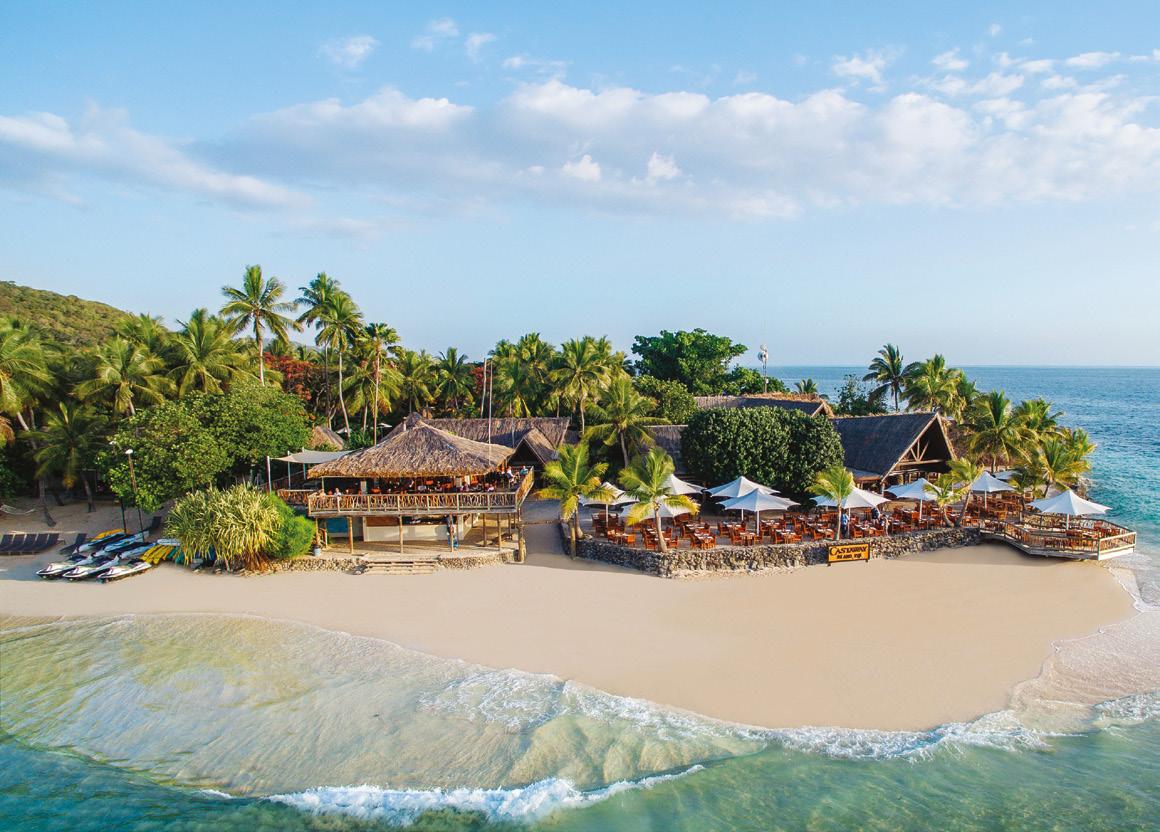
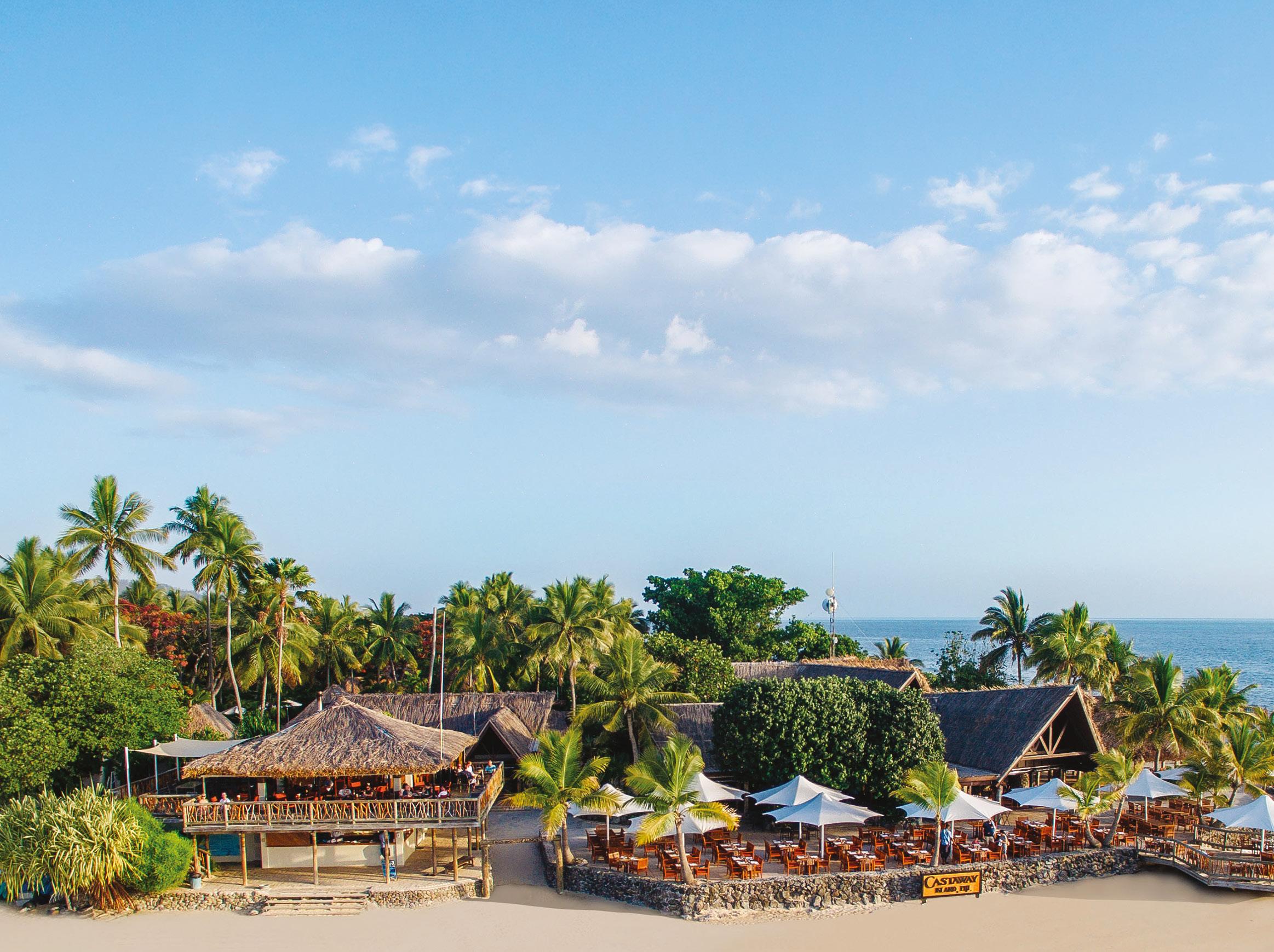
Castaway celebrates 60th anniversary
CELEBRATING 60 YEARS, CASTAWAY ISLAND CONTINUES TO CEMENT ITSELF AS ONE OF THE MOST POPULAR ISLAND PROPERTIES IN FIJI. JAMES WELLS SAT DOWN WITH GM STEVEN ANDREWS, WHO CONTINUES DELIVERING PREMIUM GUEST EXPERIENCES AS WELL AS HIGHLY PERSONAL AND AUTHENTIC FIJIAN HOSPITALITY.
“Over my 21 years at Castaway, I have experienced four ownership changes. When I arrived, Geoffrey Shaw was the owner of the property and he sold the property to Outrigger under the Kelly family in 2014 after 22 years of ownership. The property was then sold in 2016 to KSL and then the Asia Pacific portfolio of properties was sold off in 2018.
“Over this entire time, the property has remained well-established and stable and always traded in a very healthy position,” Andrews said.
“Australia is a major source for Fiji in general and we also are very popular with Australian families. We have a large number of guests from the East Coast of Australia primarily from Sydney, Brisbane and Melbourne.
“We also hold one of the highest rates of returning guests in the local Fiji tourism industry. What we have seen is a lot of generational returnees who may have initially come as a couple and in some cases are coming back with the families as grandparents and even great grandparents and bringing with them three or four generations of guests. That
loyalty speaks volumes about the emotional connection guests have with Castaway,” Andrews says.
The property employs 190 staff, that can grow to 210 staff depending on the service requirements at busy times. The property has enjoyed an enviable annual occupancy of 80 per cent and consistently boasts over 90 per cent occupancy during the school holidays in Australia and New Zealand. In 2027, a large number of school holiday dates –which can represent up to three months of the year – are already completely booked out.
In addition to generational returning guests, Castaway also has generational staff members.
“We are blessed with natural surroundings, but it is our people that are our greatest asset. Like me, many of them have devoted
the majority of their working years to this property. Genuine Fijian hospitality remains at the heart of our operations and this is what our guests continue to come back to. I believe it is our team that creates the magic.
“Over my time, I have seen several generational staff members – some have retired and their children have continued to work here in our front desk and activities team, our maintenance team and our food and beverage team.”
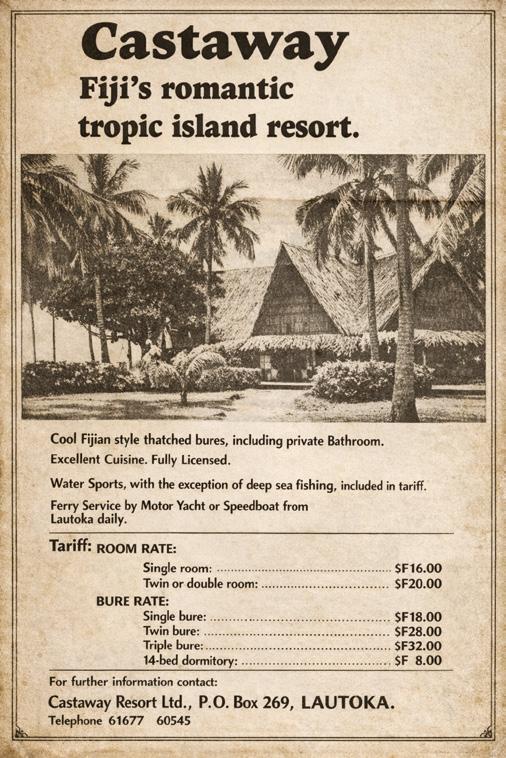
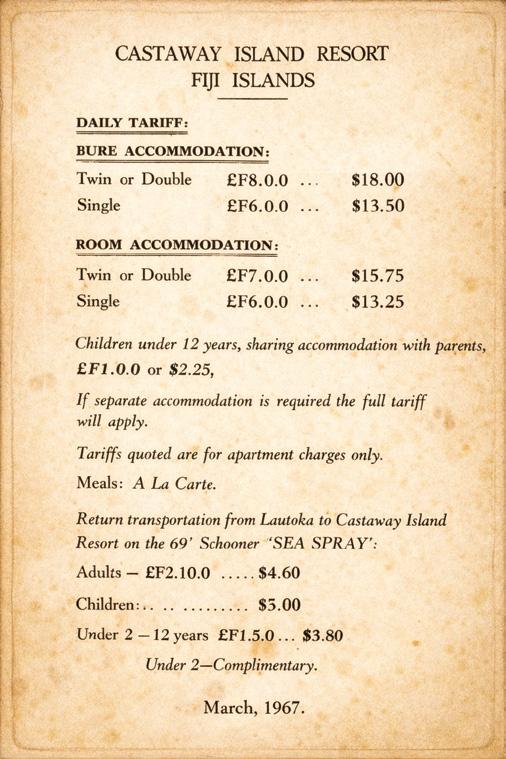
(Left) An original advertisement from 1973 (Right) From the Castaway Island archives - a rate card from March 1967
“In a few places, the property is showing its age in its current aesthetic. We are perceived as a premium resort and there is an expectation for our guests in terms of comfort and service. We have planned renovations that will take place in phases and we are awaiting confirmation on a commencement date, but it is likely as early as 2027. We are a very busy and successful resort and because of that success we have been holding back on renovations for a little while.
“Our property improvement plans include renovations to all guest common areas as well as our signature restaurant 1808 which we will start work on this year. We will also look at a dedicated arrival area to reinforce the whole first impression experience which is very important.
“It allows us to celebrate all of the challenges we have navigated including economic downturns, global travel disruptions, the Covid pandemic as well as cyclones and hurricanes.
“Our 60th birthday reaffirms what we have gone through together and how this has strengthened our team who have been a very important part of this journey.
While we are proud of our heritage, we are equally excited about the future. Our focus is on ensuring that future generations of guests can enjoy the same natural beauty, hospitality and sense of escape that have defined Castaway for 60 years."
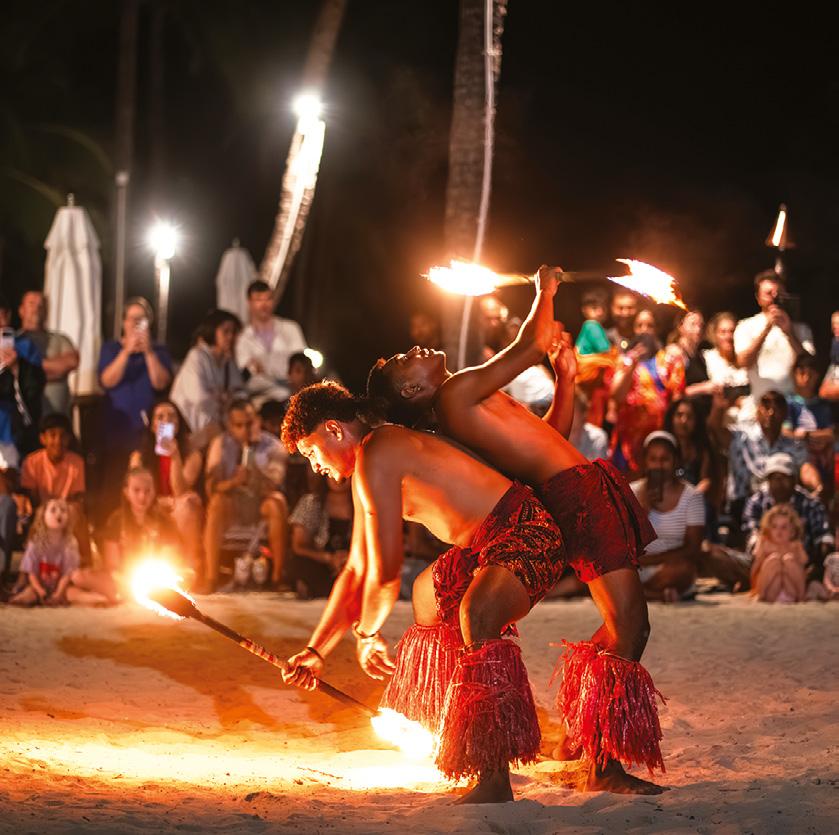
Between now and the end of 2026, Castaway Island, Fiji will be winding back the clock, opening the doors to its archives and encouraging guests past, present, and future to experience the charm of its beachfront location. n
FIJIAN HOSPITALITY
One of the secrets to the success of Castaway Island is the unique culture that is nurtured by the staff – who are proudly described as ‘hosts’.
“We call them hosts because this is the best description for their role in the industry. It resonates with service and wanting to be there for our guests. We are not just there to do the work, we are there to host.”
Andrews believes another important element that has sustained the success of the property has been the Outrigger ownership.
“The values of Outrigger very much embody what Castaway is all about which is quite important. Outrigger is a corporate organisation, but its values are guest-focused and host-focused and very much in line with what we offer here. As a people-oriented organisation, they allow the hosts to be the best they can be and there are not many corporates like this in the industry.
“Jeff Wagoner, the CEO of Outrigger, is a great leader and he is also very people-focused. He has visited Castaway and appreciates that we exist within a greater family and shows genuine concern for the people as well as the property.”
Andrews has confirmed there are plans in place to upgrade the property’s facilities.
“Other planned renovations are across the entire frontage of the resort, including a dedicated covered seating area within a new reception area as well as upgrading the main restaurant, buffet and bar area. Bathrooms, showers and toilets are also scheduled to be renovated across all guest rooms.
“We are also looking to increase inventory with additional family category accommodation offering larger space with adjacent rooms,” Andrews said.
The 60th anniversary of Castaway Island is officially 6th July, but like the 50th birthday that HM attended in 2016, celebrations will be delayed to the quieter month of November.
The celebration programme includes a Traditional Fijian Welcome Ceremony, a Returnee Guest Appreciation Day, a Management Cocktail Evening, an Environment Day centred on coral planting and the Coral Gene Bank, and a Cocktail Gala on 27 November as the centrepiece event, expected to welcome government dignitaries, returning guests, and community partners. In a nod to the island’s cultural roots, a commemorative sulu will be worn throughout the celebrations.
“Sixty years is more than a milestone; it’s a celebration of the people, stories and memories that have made Castaway Island such a special place for generations of travellers. 60 years also allows us to celebrate six decades of resilience in the industry,” Andrews said.
Castaway Island is one of the longest continually operating beachfront resorts in Fiji, welcoming travellers to its white sand beaches, thatched-roof bures, and turquoise waters, all with warm Fijian hospitality for over six decades. Fiji’s tourism industry was still charting its place in the world when Castaway Island first opened on Qalito Island by Australian businessman Dick Smith. The property was carved from the island’s foliage, with workers clearing scrub with bush knives to build the bures that would define an entirely new kind of South Pacific escape, quietly opening with just four bures for fisherman to stay overnight.
In 1992, the resort was transformed by the arrival of new owner Geoffrey Shaw, an icon in Fiji’s tourism industry. Under Shaw’s stewardship, Castaway Island Fiji became synonymous with authentic, barefoot island hospitality, a blueprint that drew guests back year after year and established the resort as one of the defining properties in Pacific tourism. That legacy endures in the resort’s hosts, some of whom have worked on the island for more than 30 years, and in the guests who have made Castaway Island, Fiji a family tradition across generations.
Castaway Island, Fiji celebrates 60 years on July 6, 2026
The stunning Fiji island, pre-resort
VOMO's Worldwide Kids accreditation, a Pacific first, sets a precedent for a new standard of childcare and luxury hospitality in the region
THE FUTURE OF
play
ATRADITIONAL PLAYROOMS ARE BEING TRANSFORMED INTO IMMERSIVE, CULTURAL AND EDUCATIONAL HAVENS. DAISY MELWANI EXPLORES THE RISE OF THE ULTRA-LUXE KIDS' CLUBS.
s hotels and resorts leaned into the profitable family market, offering parents the promise of a relaxing holiday required consideration. Thus, the kids club concept was born: to entertain children, while parents could relax, sans guilt.
But today, this ‘babysitting’ concept has come a long way, with resorts now offering unique programs designed to incorporate cultural experiences and even teach kids new skills.
YOUNG EXPLORERS
Set between the Indian Ocean and Yala National Park, Resplendent Ceylonʼs Wild Coast Tented Lodge has unveiled a new immersive childrenʼs space inspired by the islandʼs prehistoric natural history and spirit of exploration.
“Todayʼs family travellers are increasingly seeking meaningful experiences that appeal to every member of the family,” Resplendent Ceylon Senior Vice President, Brand and Marketing, Chamindra Goonewardene told HM.
“Families increasingly value programmes that combine learning with adventure, whether through conservation, sustainability, science, culture or outdoor exploration.”
With three luxury resorts under the Resplendent Ceylon mast and the sole Sri Lankan member of Relais and Châteaux and hospitality arm of Dilmah, Goonewardene said luxury trends showed a shift from traditional hotel playrooms toward immersive, educational experiences that are connected to the destination.
The result for Resplendent Ceylonʼs Wild Coast Tented Lodge is its new childrenʼs space, The Fossil Room, conceived as more than a traditional kidsʼ club.
“Inspired by the spirit of exploration and the surrounding wilderness, it is designed as a miniature natural history and discovery centre where learning happens through play,” Goonewardene said.
The space combines curated artefacts, including animal skeletons, preserved specimens, maps, telescopes and compasses, with hands-on scientific tools such as microscopes, litmus papers and creative art materials for curious-minded youth travellers.
“Rather than separating children from the destination, The Fossil Room helps them engage more deeply with it, encouraging curiosity about wildlife, ecology and conservation in a way that feels immersive and exciting,” he explained.
According to Goonewardene, offering a more comprehensive experience is a win-win for guests and the resort, including an uptick in bookings.
“A thoughtfully developed childrenʼs programme allows parents to enjoy moments of relaxation while knowing their children are engaged in enriching activities. More importantly, it transforms a family holiday into a shared journey of discovery,” he explained.
“We are seeing growing demand from parents with children of all ages seeking experiences that go beyond conventional childcare offerings.
“While travellers may not book solely because of a kidsʼ club, they are increasingly influenced by the quality and thoughtfulness of familyfocused experiences when choosing a destination.”
At Wild Coast, activities draw inspiration from the surrounding ecosystem and encourage children to become young naturalists, explorers and conservationists
LITTLE ISLANDERS
Strengthening its commitment to luxury family hospitality, VOMO Island Fiji has become the only resort in the Pacific region to boast the Worldwide Kids Tier I qualification and become a fully accredited member of the Luxury Childcare Association.
The resortʼs General Manager, Leon Pink, told HM VOMO has always catered to young families and multi-generational travellers, with the recent accreditation now central to their family offering.
“A program that meets international accreditation standards while delivering authentic cultural connection gives VOMO a genuine point of difference in the Pacific market,” he said.
The resort offers younger guests access to Kidsʼ Village – a dedicated, complimentary childcare space featuring a playroom, cubby house, craft tables, dress-up wardrobe, climbing frames and a dedicated BBQ and dining area, with a Kidsʼ
Village Chef preparing daily meals for “Little Islanders”.
“Outside of the Kidsʼ Village, however, children are embraced across the Island by the generous spirit that has always made Fiji so special as a family holiday destination,” Pink explained.
“That spirit extends across the whole resort – the VOMO team naturally engages with children and are often seen singing traditional Fijian nursery rhymes to our little guests as they arrive.
“Cultural activities are woven throughout the Kidsʼ Village program too – with activities such as basket weaving from palm fronds, participating in traditional Meke dance performances and connecting children with the islandʼs culture through hands-on activities.”
Pink said the resort was seeing a shift in the traditional kidsʼ club offering from “just supervision” toward “enrichment and experience”.
“Todayʼs luxury family travellers expect kidsʼ programs to have a strong and authentic educational element that is culturally immersive and held to the same standards as the rest of the premium resort experience. VOMOʼs Worldwide Kids accreditation, a Pacific first, reflects that shift, setting the precedent for a new standard of childcare and luxury hospitality in the Pacific,” he said.
TENDER TOUCH
The rise of family travel has spurred the need for luxury hotels and resorts to elevate their in-room offering for their youngest clientele.
The Appelles Kids Collection, developed by Vanity Group, a member of La Bottega Collective, has been specifically designed to meet these needs and create meaningful experiences for travelling children and their families.
“Offering gently formulated body products and bath accessories alongside playful packaging, the collection brings a sense of fun and inclusion to the guest experience,” La Bottega Collective General Manager, ANZ, Brittany Lettoof told HM.
“The range has since expanded to include a dental kit, puzzle, colouring packs, and slippers, creating thoughtful touchpoints throughout a family’s stay.
“Much more than a colourful bottle, the collection also encourages independence through self-care rituals, while simultaneously providing peace of mind for parents,” Lettoof said.
The collection features nourishing extracts, vitamins and essential oils, complemented by an iconic Koala Bear mascot.
“As hotels continue to place greater value on family-friendly experiences, Vanity Group also collaborates with global hotel partners to develop bespoke kids’ collections incorporating signature characters and designs that align with local culture and regional storytelling,” Lettoof said.
An Australian-born brand, the Appelles Kids collection is available globally and available at key hotels including IHG Hotels and Resorts, W Melbourne, Crown Resorts, Hyatt and more.
Local Canvas
HOTELS ARE EMBRACING THEIR STATUS AS CULTURAL PRODUCERS, WITH INTERIOR DESIGNERS HANDPICKING LOCAL ART AND MURALS TO OFFER GUESTS A DEEPER SENSE OF PLACE. DAISY MELWANI EXPLORES HOW HOTELS USE BESPOKE DESIGN TO REFLECT THEIR UNIQUE CULTURAL HERITAGE.
Hotels are striving to elevate the guest journey through authentic design by embracing local culture to create unique environments and giving guests a sense of place.
Stepping into the lobby of the Naumi Hotel Auckland, thereʼs no mistaking where you are. Featuring the New Zealand Tui Bird as its primary design inspiration, the hotelʼs striking 24-carat gold-leaf textured wall, proudly displayed behind the check-in area, mimics the feathered nape of the native creature.
The overarching Tui motif anchors the hotelʼs subsequent design choices, complementing its mid-century modern furniture, local artwork, and whimsical art installations to provide a warm, gallery-like feel steps away from the international airport.
“Culture is thoughtfully woven into the guest experience through art, design, and community collaboration,” Naumi Hotel Auckland Airport General Manager, Akash Sood told HM.
Inspired by the iridescent hues of the Tui Bird, Sood described how the hotelʼs interiors feature rich textures, bold colour palettes, and commissioned artworks that celebrate Aucklandʼs natural landscape.
“We work closely with artists to create spaces that feel distinctive, expressive, and deeply connected to place,” he said.
Explaining its approach, Sood said luxury travellers were seeking more than wellequipped guest rooms, and increasingly,
Naumi Hotel Auckland features a 24-carat gold-leaf textured wall inspired by the Tui Bird
Rosewood Kauri Cliffs features local culture front and centre
feedback reflected greater value to authenticity, storytelling and meaningful connections with the destination.
“Design has the ability to evoke emotion, inspire curiosity, and create lasting memories,” he said.
Demonstrating how hotels can champion both cultural expression and environmental responsibility, the property showcased recycled artworks by local artists as part of its Earth Hour partnership with Waitakere Arts.
“We anticipate a growing focus on locally commissioned art, indigenous narratives, and purpose-led collaborations,” Sood said.
The sentiment is also reflected at Rosewood Kauri Cliffs, where local culture is front and centre through art, design and architecture throughout the property, despite being set amidst the natural Northland beauty of New Zealandʼs Bay of Islands, where the hotel could stun guests by resting on its natural attributes alone.
“Rosewood properties are never ʼcookiecutterʼ. Each property is a reflection of its location; this is part of the Rosewood DNA,” Rosewood New Zealand, Managing Director, Stephane Massarini told HM.
“In New Zealand, the Rosewood lodges are filled with local art so that guests feel a true immersion into the country, its people, and its local landscape.”
The hotelʼs diverse art collection is a mindful tribute to the countryʼs artistic talents, with some of New Zealandʼs finest represented within the main lodge and adjacent Ownerʼs Cottage.
“With each piece selected by lodge founders Julian and Josie Robertson and carefully sighted within warm and inviting roomscapes, the result feels more like a personal collection than a museum, though several works would be contenders for such a home,” Massarini explained.
“The first work guests see upon entering the front doors is the large landscape to the left of the spacious and wide foyer by Stanley Palmer (b. 1936).
“This level of local art continues throughout the lodge.”
According to Massarini, Rosewood is forging the way to evoke a sense of place for guests, and properties that donʼt provide any clue as to where they are located “will be left behind as modern travellers are more knowledgeable and curious about the world”.
The newly renovated Jean-Michel Cousteau Resort Fiji has also adopted these trends, incorporating local culture into its redesign ethos.
“Culture isnʼt an addition to the guest experience; itʼs at the heart of it,” Jean-Michel Cousteau Resort Fiji General Manager, Nigel Fisher told HM.
“During our recent renovation, we incorporated traditional Fijian craftsmanship, natural materials and locally inspired design details that reflect the spirit of Savusavu.
“This is important because todayʼs travellers are looking for a genuine connection to place. Great design should tell the story of a destination and create a deeper understanding of its people, traditions and environment.” n
Whimsical art installations are thoughtfully included in guest rooms at Naumi Hotel Auckland
Traditional Fijian craftsmanship on display throughout JeanMichel Cousteau Resort Fiji
TECH HORIZON
NEW TECHNOLOGIES ARE RESHAPING HOTEL AND HOSPITALITY LANDSCAPES; HERE, DAISY MELWANI UNCOVERS THE LATEST TRENDS IN THE 2026 TECHNOLOGY OUTLOOK.
UNLOCKING FREEDOM
In an Australian hotel first, Leura Gardens Resort has adopted digital wallet keys, allowing guests seamless access to rooms and facilities with a tap of their phone.
Powered by Vingcardʼs cloud-based Vostio Access Management technology, the resortʼs cuttingedge locks automatically generate digital walletcompatible keys that are securely delivered to guestsʼ devices via advanced encryption.
Without the need to download or open an app, the digitalised room keys are automatically activated when a guest checks in electronically and are stored in a wallet on their iOS or Android phone.
“Vingcard – ASSA ABLOY has been working with the Schwartz Family Company to provide the latest solutions to their hotels for many years, and we are proud to bring the latest innovation – wallet solutions to Leura Gardens Resort, with more to come in the second half of this year,” ASSA ABLOY Global Solutions Australia, Managing Director Michael Benikos told HM.
Leura Gardens Resort owner, Dr Jerry Schwartz, plans to roll out the new technology across the Schwartz Family Company portfolio, believing it will enhance the guest experience.
“One of the great advantages in working with Jerry Schwartz is his willingness to embrace new technology to improve guest experience and operational efficiency in his hotels,” Benikos said.
According to Dr Schwartz, the result has proven to be “less time spent queuing at reception”, allowing for more time for guests to enjoy the stay.
“From a hotel industry perspective, by automating routine administrative tasks, hotel teams are freed to focus on the parts of hospitality that matter most: welcoming guests, providing local knowledge and delivering more personalised service throughout the stay.”
Vingcard – ASSA ABLOY worked with the Schwartz Family Company to provide the latest solutions to their hotels
Leura Gardens Resort has adopted digital wallet keys
Strong cybersecurity minimises disruptions and builds customer trust
The rise of performance engineering.
Duetto VP of Sales, APAC, Amit Peshawaria shares Duetto’s vision for the evolution of revenue management.
APAC significantly outperformed the rest of the world on flow-through in 2025 (91% versus 18% in the Americas), and Australia and New Zealand have posted months of consistent revenue and profit growth. Growth or decline, the commercial leaders staying ahead of their competition are asking the same question: is my hotel performing to its full potential, given the conditions right now? And they don’t look to room revenue alone to answer it. They look at overall performance: profitability and where they sit in the market.
Why isn’t RevPAR alone enough anymore?
RevPAR has become a vanity metric in most markets. Once it was the only performance KPI available through limited hotel technology, and this worked for a time: RevPAR had a strong correlation with profit, so measuring one meant measuring the other. Today, the same RevPAR can mean very different profit outcomes. Technology provides granular performance metrics, and looking at RevPAR alone only gives you a fragment of that picture. For example, ancillary revenue often rivals room revenue, something RevPAR doesn’t capture at all.
What sets Australia and New Zealand’s most profitable hotels apart?
The most profitable hotels aren’t staying complacent. Even when top-line growth is strong, they’re focused on fine-tuning what the hotel actually keeps. They compare their overall performance to their strongest competitors, so they can push their hotel further. This style of revenue management is what we call performance engineering: a discipline that shifts hotels from fixating on RevPAR to measuring the full spectrum of performance, aligning teams, metrics, and tools around what actually drives profit.
See your hotel performance in 3D and put performance engineering into practice.
Performance engineering requires putting profit at the centre of your commercial strategy. It’s achieved through four key shifts:
1. A wider profit-focused dataset (e.g. GOPPAR, CPOR, GOP Index) that gets analysed with the same rigour as RevPAR;
2. A shift in mindset, so every commercial team (e.g. revenue, sales, and marketing) is operating with profit in mind;
3. A skillset that connects thinking to action, making profit considerations part of daily habits, workflows, collaboration, and decisions;
4. The toolset to make it possible at scale: technology that connects decisions to your bottom-line impact, allows you to compare your performance to your competitors, and enables faster, more profitable decisions. That’s what we’re building at Duetto with our Revenue & Profit Operating System.
Performance engineering is how Australia and New Zealand’s most profitable hotels stay that way, and it’s the difference between leading the market and just trying to keep pace with it.
PRICE MATCH 2.0
Radisson Hotel Group has marked its latest major milestone by launching AI-powered real-time hotel price-matching technology, establishing a new benchmark for price transparency and easy direct booking across the hotel industry.
“AI is fundamentally reshaping how travellers discover, compare and book hotels. Search is becoming more intent-driven, digital assistants are guiding decision-making, and guests increasingly expect experiences that are personalised, instant, and effortless,” Radisson Hotel Group Global Chief Commercial Officer, Gianni Di Fede told HM.
“In this new landscape, trust, transparency, and simplicity are becoming decisive competitive advantages.”
The new feature automatically detects lower publicly available rates for Radisson properties on third-party booking platforms and instantly matches them on its own website.
“Price Match removes one of the most common frustrations in travel booking: the uncertainty of whether a better rate exists elsewhere.”
“Rather than comparing multiple websites or submitting claims after booking, guests automatically receive eligible lower publicly available rates in real time.
“The result is a faster, simpler, and more transparent booking experience, one that gives travellers the confidence to book directly with Radisson Hotels, knowing they are receiving a competitive rate every time.”
According to Fede, introducing Price Match is a “strategic step” for the group to strengthen its direct channel, but its impact will flow throughout all aspects of business.
“By removing friction and reinforcing price confidence at the point of booking, we expect to improve conversion, enhance loyalty engagement, and support a healthier, more efficient distribution mix for our hotels.
“Beyond the immediate commercial benefits, it reflects a broader ambition: to make direct booking the most trusted, transparent, and rewarding way to stay with Radisson,” he said.
Guests booking hotels like Radisson RED Auckland will automatically receive eligible lower publicly available rates in real time
Fitzroy Island Resort will leverage additional Agilysys modules to support conservation and sustainability initiatives
FRICTIONLESS IN THE TROPICS
How Fitzroy Island Resort is Redefining Guest Connection Through Technology.
For a resort nestled between a lush ancient rainforest and the vibrant Great Barrier Reef, the primary objective is simple: ensure guests connect with the natural world. However, for Fitzroy Island Resort, the operational reality was often far from simple, characterised by a complex “paper-clipped” network of disparate software programs. To solve this, the resort has successfully deployed a fully unified ecosystem from Agilysys, moving toward what leadership calls “The Frictionless Island Experience”.
OVERCOMING ISLAND INFRASTRUCTURE
The transition wasn’t without its hurdles. Operating in a remote, tropical environment presents unique infrastructure challenges, particularly the balance between on-premises and cloud-based requirements.
According to Shaun Gamble, Owner of Fitzroy Island Resort, the decision to partner with Agilysys was driven by the need for an all-inone ecosystem that eliminated botched interfaces.
“At Fitzroy Island, our heart is in the Great Barrier Reef,” Gamble said. “Agilysys hasn’t just replaced our software; they’ve given our staff the freedom to focus on the magic of the island.”
MEASURABLE EFFICIENCY GAINS
The impact of the new system – often described by staff as “a joy to use” –has been immediate. The most striking metric is found in the night audit process. Previously a gruelling manual task, it has been streamlined to save four hours of labour per shift, effectively cutting the workload in half and allowing staff to prioritise high-value guest interactions.
Efficiency has also extended to the finance department. The accounts receivable team no longer needs to log into the PMS manually. Instead, they rely on scheduled reports that Gamble can set up in under five minutes. Despite typical “teething problems” during the initial rollout, staff adoption has been so high that the team has flatly refused to consider a rollback to the old software.
TECH-DRIVEN CONSERVATION LOOKING AHEAD
Fitzroy Island Resort plans to leverage additional Agilysys modules to support conservation and sustainability initiatives. By tracking visitor numbers more accurately and streamlining volunteer and marine biologist bookings, the resort aims to strengthen reporting to the Great Barrier Reef Protection Agency and support programs such as its Turtle Rehabilitation Centre.
CEO Penny Priest noted that the unified foundation is essential for future-proofing their luxury operations. “This digital transformation is about ensuring every part of our operation is supported by a reliable ecosystem,” Priest said. n
Fitzroy Island Resort partnered with Agilysys for an all-in-one technology ecosystem
Technology can help futureproof luxury operations
Agilysys has embedded advanced AI capabilities across a suite of products
ORCHESTRATING HOSPITALITY
Hospitality technology is experiencing a “profound evolution,” according to Agilysys, as the industry moves past simple digitisation toward “true orchestration”.
Agilysys Sales Director ANZ, Craig Dennington, told HM today’s operators are prioritising cloud-native, integrated ecosystems to eliminate labour friction and deliver seamless, tailored experiences across every touchpoint.
“The modern tech stack is defined by AI-driven personalisation, unified operational platforms, automated payments, mobile-first guest journeys, and predictive revenue optimisation,” he said.
In response, Agilysys has embedded advanced AI capabilities across its entire suite of Property Management Systems (PMS), Point of Sale (POS), reservations, and F&B operations.
“As the industry navigates the core pressures of 2026, namely surging labour costs, fragmented legacy systems, and escalating guest expectations, Agilysys provides a unified answer.
“By bridging the gaps between PMS, POS, spa, golf, and activity management, this cloud-native, AI-enabled ecosystem allows operators to optimise pricing, capture incremental revenue, and seamlessly manage the entire guest journey from a single, integrated platform.”
At the core of the ecosystem is a centralised, intelligent Guest Profile, which Dennington explains tracks guest preferences and sentiment insights while supporting “conversational booking, unified one-cart purchases, and automated workflows”.
“By pairing intuitive itinerary planning with predictive revenue optimisation, the goal is clear: reduce manual effort, personalise service at scale, and empower operators to make faster, higher-value decisions.”
ROBOTS WELCOME
Checking into a mid-tier to high-end hotel in Mainland China or Japan, you could be greeted by a humanoid receptionist, have your bags delivered to your room by an autonomous bellhop, or accept your in-room dining courtesy of robotic room service (tipping is discretionary).
While these may be common sights across some parts of Asia, despite labour shortages and skyrocketing wages, robotics are rarely seen at hotels across ANZ, strictly reserved for back-of-house roles.
One group embracing the robotics era is Hind Management, one of New Zealand’s largest hotel owner-operators behind the Sudima Hotels brand and Novotel Christchurch Airport.
“Robotics has become part of our dayto-day operations, supporting our teams by taking on routine tasks and allowing
them to spend more time with guests,” Hind Management Chief Strategy and Sustainable Growth Officer, Kanika Jhunjhnuwala told HM.
Across selected Sudima Hotels and Novotel Christchurch Airport, robots are used to assist with room service and amenity deliveries, restaurant service and public-area cleaning, Jhunjhnuwala explained.
Robotics has become part of Hind Management’s dayto-day operations
“FlashBots handle guest deliveries, BellaBots support restaurant teams during busy service periods and CC1 autonomous cleaners maintain public areas and corridors.”
Jhunjhnuwala said implementing robotics has resulted in “measurable” operational benefits.
Safety guests sense, not see
Connected fire, safety and access systems that protect without disrupting experience.
Scan the QR code to learn more.
“A FlashBot can complete 40 to 50 deliveries on a busy day, reducing the time our teams spend walking items around the hotel and giving them more opportunity to focus on guest interactions. Guests also tend to enjoy the experience, particularly families and younger travellers.”
While the use of robotics has been successful, Jhunjhnuwala points out that they are used to support hotel teams, rather than replace them.
“We see robotics as another operational tool. It helps improve efficiency and consistency while allowing our people to focus on the aspects of hospitality that matter most and where human interaction makes the greatest difference,” she said.
SOPHISTICATED CONTROL
Data drives any modern hospitality business, so it’s expected that advancements are being made to Revenue Management Systems. What is surprising, though, is the slow uptake of new technology across many hotels.
Before joining Duetto as Director of Sales ANZ, Madhavi Nagarajan led revenue at The Ascott Limited in Australia, supporting Quest, Citadines, Lyf and Oakwood brands, and gained an understanding of the complexities of managing multiple brands, properties and stakeholders.
“Having been in hotel revenue management for nearly 19 years, so many functions have evolved, yet the industry still relies heavily on manual reporting, which makes revenue managers reactive by default,” she told HM.
“That experience is why I’m direct with ANZ hoteliers: labour costs are up 20% since 2019, OTA commissions keep climbing, and RevPAR no longer guarantees profit.”
Nagarajan notes that a modern RMS “isn’t a nice-to-have” but essential to get ahead of the competition.
“For years, hoteliers have operated with a frustrating blind spot.
“Modern revenue management systems give properties sophisticated
control over demand forecasting, dynamic pricing, and pace tracking, but revenue is only half the story.
“A room sold at a strong rate can still erode profit if labour costs, distribution expenses, and departmental inefficiencies are not accounted for,” Nagarajan explains.
According to Nagarajan, profitability benchmarking platforms fill that gap, offering granular P&L data line by line, department by department, and indexed against competitive peers.
“Separately, each tool is powerful. Together, they tell the full story, shifting the conversation from occupancy and ADR to margin and total profitability.
“This gives operators a unified view that connects commercial decisions directly to financial outcomes.”
And, the statistics stack up. Globally, properties using Duetto alongside HotStats achieved a 6.8% GOPPAR increase in 2025, Nagarajan reveals.
“The shift we are most focused on is performance engineering, making profit, not just RevPAR, the north star for every team that touches the P&L.
“The question has changed. It’s no longer ʻshould I have an RMS?’ but it’s: ‘how do I make it work across the whole business?’”
Duetto offers hoteliers a unified view
EVENTS EVOLVED
The MICE industry is undergoing its own tech overhaul, with AI revolutionising this space to offer enhanced meetings and events. Reportedly, over 60% of organisers are investing in AI tools, including the use of AR/VR integrations.
By using these tools, event planners can look beyond standard virtual site tours toward 3D layout planning and immersive simulations, allowing venues to showcase spaces fully decorated for past events using VR.
Breakthroughs in waveguide optics and MicroLED tech have paved the way for new gadgets entering the market, moving from the clunky ‘helmet-style’ VR headsets toward sleek, stylish AR smart glasses that weigh about the same as your favourite pair of sunglasses.
Users can receive live spatial subtitles that translate a keynote speaker’s voice into their native language in real time. These glasses are also handy for navigating large venues, using passive wayfinding to display digital arrows without forcing users to fumble for their phones.
As futuristic as this sounds, it is already on its way to a conference near you. Holographic keynotes driven by multi-user spatial collaboration are actively transpiring, transporting a single keynote speaker in 3D form onto stages across the globe. Stay tuned.
AI and new age technology is revolutionising the MICE industry
DIGITAL ELEVATED
As hotels across the region move quickly to embrace technology to exceed guest expectations, savvy travellers are looking beyond standalone technologies toward connected digital experiences to enhance their stay.
“From digital signage in lobbies and meeting spaces to in-room IPTV and personalised guest communications, today’s hospitality technology needs to be intuitive, secure and seamlessly integrated,” Uniguest APAC Sales Director, Ben Donald told HM.
“Just as importantly, it must help hotels improve operational efficiency while creating new opportunities to engage guests and generate revenue.
“Uniguest’s Hotel Hub platform brings these experiences together through a single, centrally managed solution, enabling operators to deliver consistent branding, personalised messaging and real-time content across their properties.”
To modernise guest communications and digital experiences, Uniguest has recently deployed solutions at Fairmont Singapore, Novotel Sunshine Coast Resort, and SO/ Auckland.
“Whether supporting luxury resorts, business hotels or large multi-property groups, the focus remains the same: technology that simply works, allowing hotel teams to concentrate on delivering exceptional hospitality,” Donald said.
Uniguest’s Hotel Hub platform offers a single, centrally managed solution
ADVANCED ECOSYSTEM
Built exclusively for the hospitality industry, the latest AI-powered Cendyn CRM helps hotels transform guest data into measurable business growth – bringing together loyalty, marketing and sales into a single connected ecosystem.
Unifying information from across the guest journey into a single, intelligent profile, the CRM also gives hotel teams insights to deliver more personalised experiences, Cendyn Enterprise Sales Director APAC, Michael Bongiovanni, explained to HM.
Cendyn CRM user Paradise Resort Gold Coast Sales and Marketing Manager, Alicia Szerszyn, told HM that adopting the technology has been integral to improving its client communications.
“What stood out about Cendyn CRM wasn’t just the platform itself, but how seamlessly it integrated with Mews.
“That connection completely changed the way we communicate with guests before arrival,” she said.
Szersyzn revealed the platform has also enabled teams to work more efficiently by optimising workflows and advancing guest expectations.
“We replaced paper vouchers and manual emails with a fully automated, digital process where coupons are generated through Cendyn using Mews data and delivered at exactly the right time.
“Guests can access them on their phones, redeem them on property, or even book experiences before they arrive.
“Beyond improving the guest experience, the automation has significantly reduced manual work and the risk of human error, giving us a scalable, consistent process that better supports both our team and our guests,” Szerszyn revealed.
Powered by AI, Cendyn CRM has been built for the hospitality industry
New AI technology can assist hotels with answering every call
ALWAYS ANSWERING
A high percentage of calls to hotel front desks remain unanswered, resulting in a potential loss of revenue and guest dissatisfaction. Answering the call for better performance, several technology companies are developing AI agents to fill the engagement gap.
AI assistants can now be integrated within a hotel’s tech stack to act as a front desk assistant,
a virtual concierge, or even a reservations agent. One US-based technology company has recently launched an AI Voice platform that can answer calls and respond to guests’ needs appropriately and immediately – offering quick replies to an array of queries from directions to the local coffee shop or whether the hotel pool provides towels.
THE AGENTIC SHIFT
The race is on for hotels to adopt agentic capabilities, with many groups paving the way by introducing advanced conversational AI search features through Large Language Models (LLMs) such as ChatGPT, Claude, or Gemini.
IHG Hotels and Resorts has launched an IHG app in ChatGPT and will soon add AI-powered conversational search within IHG.com and the IHG One Rewards app in a bid to help drive forward IHG’s broader technology and AI-driven strategy, boost hotel performance and advance corporate innovation.
“As travellers increasingly use conversational AI to plan trips, IHG Hotels and Resorts is focused on making hotel discovery simpler, smarter and more direct,” IHG Hotels and Resorts Managing Director, Australasia and Pacific, Matt Tripolone told HM
The new features are to complement its current digital platforms, with the app in ChatGPT allowing users to search, compare and explore more than 7,000 IHG hotels in over 100 countries using natural language, with real-time availability, pricing, maps and amenities before being guided to IHG’s direct booking channels.
“This sits alongside broader work to make IHG’s hotel content more AI-ready, with richer, more structured information that can be better understood by guests and emerging AI-powered search tools,” Tripolone revealed.
IHG Hotels and Resorts has launched an IHG app in ChatGPT
“IHG is also investing in a new content platform to make hotel information easier to upload, update and merchandise, with more engaging content types such as videos, virtual tours and floor plans, alongside AI-enabled translation capabilities.”
Tripolone said the response has been largely positive to the group’s investment in new technology.
“For hotels and owners, this matters because visibility in the next era of travel search will depend not just on brand scale, but on the quality, consistency and accessibility of hotel data.
“The opportunity is clear: better discovery for guests, stronger direct engagement for IHG, and more effective digital pathways to conversion,” he said.
Having access to secure EV Charging facilities is top of mind for travellers
POWERED STAYS
In the current climate, it’s no surprise that electric vehicle ownership in Australasia is surging. Without any easing of ongoing fuel price concerns, tax incentives and a vast number of Chinese-brand entries have pushed EV ownership in the region to record highs, and the accommodation industry has responded. Having easy, secure and overnight access to EV chargers across hotels and resorts has shifted from a ‘nice to have’ to almost an ‘essential’, as more electric cars flood the market.
According to some providers, travellers are responding by checking whether a hotel offers charging facilities before they book, across both metropolitan and regional destinations. A simple convenience of being able to wake up to a fully charged vehicle is quickly becoming as important as a hotel offering Wi-Fi and trumps a free breakfast perk.
AI BITES WASTE
Spurred by an idea during the pandemic, former Accor data scientist Hassan-Ali Chaudhary witnessed firsthand food waste while working with hotel restaurants. Keen to create a technology solution that went beyond forecasting and into AI-driven guidance, Accor’s Innovation Lab supported the development of Fullsoon.
This start-up business enables hotels to anticipate food needs, optimise inventory and lower carbon emissions. A bonus – the technologydriven solution also improves hotel margins and guest experience.
“We started working with Fullsoon to bring AI-powered demand forecasting into our kitchen operations, and the results have been significant,” Accor Chief Design, Technical Services and Innovation Officer for the Premium, Midscale and Economy Division, Damien Perrot told HM.
Backing its success, Accor implemented the AI platform across several properties, including Molitor Hotel and Spa Paris – MGallery Collection, Mama Shelter, and Jo&Joe.
Perrot revealed that food waste at participating properties dropped by a third due to smarter ordering recommendations directly integrated into kitchen workflows.
On a sustainability front, kitchens can enter recipes into Fullsoon to calculate the carbon footprint for each dish, with the system recommending ingredient swaps to reduce environmental impact.
“The system anticipates demand fluctuations based on occupancy, day of week, local events, and seasonality, so our kitchen teams order what they actually need rather than what they assume they’ll need.
“It removes a lot of the guesswork that used to lead to both over-ordering and last-minute shortages. Our teams spend less time on procurement decisions and more time on the food itself,” Perrot added.
Despite tight industry margins, implementing Fullsoon has proven to deliver significant financial gains that extend beyond improved team performance and sustainability.
“The margin improvement has been meaningful. We’re seeing an average of six additional margin points on food costs across properties using the solution – which, in a business where food margins are notoriously tight, is a substantial gain,” Perrot said.
Molitor Hotel and Spa Paris – MGallery Collection uses Fullsoon to reduce food waste
WELLNESS 2.0
INNOVATIVE WELLNESS TECHNOLOGY IS NO LONGER RESERVED FOR HIGHEND SPAS; HOTEL ROOMS NOW OFFER GUESTS THE ABILITY TO PLUG INTO NEW-AGE DEVICES AS PART OF THE IN-ROOM EXPERIENCE. DAISY MELWANI EXPLORES THE LATEST TECHNOLOGY TRENDS IN HEALTH AND BEAUTY.
Hyperbaric oxygen therapy is offered at COMO Singapore
TECH GLOW
Cutting-edge science meets skincare with ADA Cosmetics’ newly released iSPA, the first spa-level skincare powered by active mineralised water.
Powered by a patent-pending fusion of skin-revitalising minerals, this breakthrough spa-quality line delivers the unique Mineralised Complex™ for advanced, tech-inspired skincare.
“Hoteliers can now offer their guests an immersive wellness experience, even without having their own spa area,” ADA Cosmetics CMO, Gerd von Podewils said.
“Delivering on our promise to put beauty into travel, iSPA is a spaquality amenities line that will elevate guest experience to the next level.”
According to the company, liquid cosmetics contain up to 80% purified demineralised water, which serves only as an inactive carrier compound.
“With iSPA, ADA Cosmetics’ skincare scientists draw on more than 30 years of expertise to achieve something that the biggest cosmetics companies have yet to accomplish – the creation of a state-of-the-art technology that turns water into an active ingredient,” the company stated.
ADA Cosmetics claims its Mineralised Complex™ is extracted “from the depths of the earth, where water and minerals intertwine, magnesium from olivine and zinc from smithsonite are injected into the purified water and turn it from an inactive carrier into an active ingredient”.
These extracts purportedly boost cell renewal and skin’s stress resistance, maintain the skin’s biomechanical properties, and most importantly, slow the signs of ageing.
STATE-OF-THE-ART DREAMS
Como Metropolitan Singapore has installed SleepHub®, an innovative, neuroscience-led sleep tech across its 156 rooms and suites –becoming the first hotel in Asia to offer sleep technology to every guest.
The technology is fully customisable, and works in harmony with the brain’s natural rhythms, using low-frequency sound waves to gently guide the brain into following a natural slow-wave sleep.
“Sleep has emerged as one of the clearest markers of modern wellbeing, and we treat it as an essential component of the guest experience,” Como Metropolitan Singapore, Director of Marketing Communications, Ikram Zainy told HM.
The device offers guests a choice of four distinct modes: Deep Sleep, Easy Sleep, Fall Asleep and Power Nap, with users reporting deeper, more uninterrupted sleep when using the device.
“The result is a genuinely restorative night’s rest – guests fall asleep more easily, stay asleep through the night, and wake feeling more refreshed,” Zainy said.
The positive feedback has spurred the hotel to create a Sleep Dreams package: a dedicated two-night, three-day sleep-focused stay that approaches rest as a complete wellness programme.
“Guests begin with an online sleep evaluation conducted by The ENT, Voice, and Snoring Clinic, before a curated programme of treatments including a 60-minute hyperbaric oxygen therapy session, heat therapy, and a signature COMO Shambhala massage,” Zainy explained.
The move comes in response to shifting demand, with savvy travellers now seeking more immersive experiences.
“Travellers are now paying more attention to the technologies, environments, and rituals that support better quality rest,” Zainy said.
“For hotels, this means moving well beyond a comfortable bed.
“The next wave of sleep hospitality will be defined by science-backed programmes and immersive experiences specifically designed to help guests recover, recharge, and perform at their best.”
ADA Cosmetics’ iSPA is powered by active mineralised water
Como Metropolitan Singapore has installed SleepHub®, an innovative sleep tech in every guest room
FLAIR WITH AIR
Savvy guests are checking into luxury hotels with lofty expectations. A top-notch, personalised, authentic experience must be seamlessly woven throughout, including in the bathroom.
“In a market filled with lookalikes, the original still sets the standard. Hotel guests remember the details,” Swisstrade Head of Sales and Marketing, Jenna Szymanski told HM.
“The quality of the hair dryer, the cleanliness of the room and the overall feeling of comfort all shape how they perceive their stay.”
As the exclusive hotel distributor for Dyson in Australia, Swisstrade notes a shift within the premium hospitality market for its range of high-end products. Dyson products are part of the guest experience for those checking into QT Hotels, The Ritz-Carlton Melbourne and Crystalbrook Riley, to name a few, with Swisstrade saying The Supersonic™ blow dryer
NEW ERA OF WELLNESS
Exclusive day spa and wellness brand, Èliva, made its debut this year at InterContinental Sydney Coogee Beach, a Salter Brothers Hospitality property. Developed with leading spa and wellness experts, Èliva promises holistic wellbeing practices to deliver a complete wellness eco-system, setting a new bar for luxury wellness in a hotel environment.
“At Èliva, we are redefining the role of wellness within luxury hospitality as a fully integrated, experience-led offering,” Salter Brothers Hospitality Chief Development Officer, Raphael Antonini told HM.
At its flagship InterContinental Sydney Coogee Beach, Èliva boasts several spa-firsts (for an Australian hotel setting), including a vibroacoustic bed with a zero-gravity design which uses low-frequency sound to calm the nervous system and support deep restoration.
“We have designed experiences at Èliva Coogee Beach and across the portfolio that integrates technology to enhance, not replace, the human experience, balancing advanced modalities with intuitive, personalised care,” Antonini explained.
“Our approach is grounded in recovery and performance.
“In a luxury hotel setting, it also responds to evolving guest expectations, enabling flexible, low-touch wellness that can be experienced entirely at their own pace.”
Technologies including infrared PEMF, LED therapy and Vitamin C-infused showers, Antonini explains, are intentionally integrated to reflect its philosophy of ‘science meets nature’.
According to Antonini, guest feedback has been “overwhelmingly positive”, particularly from the high level of personalisation provided to each customer.
“The next wave of trends is centred on flexibility and integration. Guests are seeking seamless journeys that combine thermal bathing, recovery technologies and personalised treatments, rather than isolated services.
“The ability to engage with wellness intuitively and independently, without reliance on therapist-led interaction, has emerged as a defining strength of the Èliva experience,” he said.
has evolved from a luxury amenity into an expected in-room experience.
Swisstrade reports that operators are also looking beyond the guest room for products that combine exceptional performance with thoughtful guest experiences.
“Airblade™ hand dryers can cost up to 99% less to run than paper towels, while cordless vacuums give housekeeping teams the flexibility to improve productivity,” Szymanski said.
“The next frontier is air quality, with compact purification technology extending hotel wellness offerings beyond the spa and into guest rooms and shared spaces. It’s a strong example of technology that enhances the guest experience while supporting operational efficiency and sustainability.”
The Supersonic™ is one of Dyson’s most popular products
Èliva incorporates technology into wellness, credit: Ryan Linnegar
Thermal spa steam room
Airblade™ hand dryers can cost up to 99% less to run
Unstoppable Fiji
A RECORD-BREAKING AHICE FIJI HIGHLIGHTS THE REGION’S BOOMING INVESTMENT POTENTIAL, RODERICK EIME REPORTS.
Marking its third year, the 2026 AHICE Fiji Investment and Tourism Conference, held in Nadi across three days in June, opened to a 420-strong crowd at the Crowne Plaza Fiji Nadi Bay Resort and Spa, where delegates gathered to unpack tourism, investment, aviation and hotel development across Fiji and the wider South Pacific.
After a welcome from AHICE Group
President James Wilkinson, Fiji’s Deputy Prime Minister and Minister for Tourism and Civil Aviation, the Hon. Viliame Gavoka, underlined tourism’s central role in the national economy. Fiji welcomed 986,267 visitors in 2025 and
AHICE Fiji drew a 420-strong crowd this year to unpack tourism, investment, aviation and hotel development across Fiji and the wider South Pacific
generated FJ$2.81 billion in tourism earnings, up 10.9%, while the first four months of 2026 delivered 276,301 arrivals, an increase of 4.6%.
Hotel turnover has reached FJ$1.63 billion, average daily rates are around FJ$601, and occupancy is close to 80%. Fiji is targeting 1.25 million visitors and FJ$4 billion in tourism earnings by 2027, requiring about 4,000 additional rooms. 53 tourism projects worth FJ$3.1 billion are already in the pipeline.
Gavoka said the Tourism Bill 2026 would provide stronger governance and greater certainty for investors, while airport upgrades, incentives and improved mobile connectivity would support expansion. But growth had to be responsible.
“Your success is Fiji’s success,” he told delegates, inviting investment that protected the environment, respected culture and benefited communities.
Tourism Fiji Chief Executive Dr Paresh Pant said Fiji’s next phase of growth must move beyond Nadi, Denarau, the Coral Coast and the Mamanuca Islands. Regional dispersal could
spread income, ease pressure on established destinations and create opportunities in lessdeveloped provinces.
Pant identified demand for quality twoand-a-half to four-star hotels, family rooms and suites, alongside luxury resorts. He also pointed to agritourism, food tourism, soft adventure, small-ship cruising and MICE. Fiji Airways, carrying more than 70% of inbound traffic, remained critical to growth.
A regional hotel investment panel chaired by Peter Harper of JLL Hotels and Hospitality Group shifted the focus to development realities across Fiji, Vanuatu, Tonga and New Zealand. New Zealand developer Pinar Piso said hotel investment demanded courage because no developer could foresee every obstacle.
“Ignorance is bliss,” he said, adding that investors might think twice if they knew every challenge in advance. Even so, “It’s a great place to be bold now, so you can reap the rewards in a few years.”
Tal Milfirer, owner of Vanuatu’s Havannah Marina Project, outlined plans for a mixeduse development on Efate incorporating a 150-berth marina and tourism facilities. Helen Watson, Chief Financial Officer of Hind Management, remained positive about tourism’s long-term outlook, while Steve Howard of Vanua Ora Ranch near Momi described a 20-key wellness and farm-to-table resort grounded in authenticity.
The panel agreed that patience, local knowledge and strong partners were essential. Adaptive reuse offered another route to supply,
though Piso warned: “It’s like renovating a home, but over 17 stories.”
Air access took centre stage when Fiji Airways Chief Revenue Officer Shalen Nair joined Wilkinson for a Q&A. Nair said network decisions were being shaped by demand, aircraft economics and Fiji’s growing role as a regional hub.
The new Gold Coast service had begun strongly, with the first inbound flight more
Fiji’s Deputy Prime Minister and Minister for Tourism and Civil Aviation, the Hon. Viliame Gavoka kicked off proceedings
The AHICE Fiji Investment and Tourism Conference was held in Nadi from Tuesday 9 to Thursday 11 June 2026
Delegates took part in a charity golf game at Denarau Golf and Racquet Club where over FJ$2400 was raised for Nadi-based children’s orphanage, Treasure House Fiji
Tourism Fiji Chief Executive Dr Paresh Pant said Fiji’s next phase of growth must move beyond Nadi, Denarau, the Coral Coast and the Mamanuca Islands
A number of networking events were held across the conference
Fiji provided the perfect backdrop for networking
AHICE President James Wilkinson in conversation with IHG Hotels and Resorts, Managing Director Australasia and Pacific, Matthew Tripolone
attended AHICE
than 80% full, while capacity removed from the suspended Dallas (DFW) route had been redirected to Vancouver, San Francisco and Hong Kong.
Premium traffic remained commercially vital. Business Class passengers represented only six to seven per cent of travellers but generated 25% to 30% of revenue.
Franchising emerged as another major theme. A panel moderated by Ruwani Weerasinghe, Director of asset management and acquisition at Navi Hotels and Resorts, examined the maturing relationship between owners, operators and global brands.
Danesh Bamji of Accor described franchising as a way for owners to access a brand’s systems, loyalty network and distribution while retaining control of the asset. Sam Davies of IHG Hotels and Resorts said the model allowed owners to be “in business for yourself” while also being “in business with someone else”.
Danilo Curcuruto of Radisson Hotel Group called the brand the “commercial engine”, while Shaun Ormsby of 1834 Hotels offered a memorable analogy: the hotel was “like an orange”, the brand was “the juice”, and the operator was “the juicer”.
Bamji warned that franchising was “not a passive play”. Like a gym membership, owners had to use the systems available: “Are they coming to the gym every day? Are they lifting the heavy weights?”
Crowne Plaza Fiji Nadi Bay Resort and Spa owner Jay Singh provided a practical example.
In conversation with Wilkinson, Singh said returning to invest in Fiji was both commercial and personal.
“There’s nothing like returning back home,” he said.
Singh confirmed work had begun on a neighbouring 240-room lifestyle luxury hotel,
AHICE Fiji’s biggest news was Accor’s landmark multi-hotel deal with Yavu Collective, which will bring Sofitel, The Sebel and Tribe brands to Fiji, with the latter two brands new to the country
Delegates
Fiji across two hotels, the Crowne Plaza Fiji Nadi Bay Resort and Spa and the Sofitel Fiji Resort and Spa
designed to sit “about two steps above” Crowne Plaza while sharing operational synergies.
He also highlighted a gap in Fiji’s accommodation mix. The country had strong luxury and resort supply, he said, but far less product in the two-and-a-half to three-and-ahalf-star range.
“There’s a big chunk in the market that’s left,” Singh said.
Limited mid-market competition had helped drive high room rates: “We are really getting a premium on the product. I’m not sure if a lot of us deserve that premium.”
The first day closed with a design and wellness panel hosted by Ginni Post of GP Communications. Richard Dalman of Dalman Architects argued that wellness should influence the entire hotel.
“Wellness is not an add-on anymore,” he said.
Monique Enoka-Davidson of Space Studio said resorts should be grounded in “people, land, culture and community”, while Furniture Partners Founder Kate Ifould warned: “Save once, pay twice.”
Day two moved from ambition to execution at the Sofitel Fiji Resort and Spa. A breakfast masterclass on artificial intelligence by MyMA.
AI Co-Founder and Chief Executive David Thompson was held under Chatham House Rules, leaving delegates to keep its more revealing details to themselves.
The first major panel, hosted by Ruwan Peiris, Chief Executive of THSA Hotel Advisors, returned to the midscale segment. Matt Holmes of Wyndham Hotels and Resorts described midscale as the company’s “bread and butter”, combining broad appeal with attractive returns.
was unglamorous.
“We actually think making money is pretty sexy,” he said.
Suresh Subramaniam, Head of Development for New Zealand and the South Pacific at BWH Hotels, said conversions could unlock the large stock of unbranded hotels across the region. Holmes added that gross operating profit margins for midscale hotels in Fiji could reach 50% to 60%, supported by simpler operations and lower cost structures.
Investment Fiji Chief Executive Kamal Chetty said Fiji remained well-placed despite global uncertainty, labour shortages, approval delays, infrastructure constraints and fuel risks.
“People are looking for safe places to invest,” he said.
Fiji attracted 45% of Pacific Island investment, while Investment Fiji was managing 254 projects, including 55 tourism developments and an expected 5,502 rooms. Technology was another recurring theme. A showcase hosted by Björn Antonsson, Regional Chief Executive, Asia-Pacific, at Candela, explored electric hydrofoils, artificial intelligence, and integrated hotel systems. Antonsson said Candela’s vessels could cut drag by up to 80% to 90%, reducing emissions, wake, noise and operating costs. Alistair Robertson of Honeywell said agentic AI would enable buildings to “think, decide, act in real time”, while he said the greatest benefit of revenue management technology was time.
Andrew Bullock, Executive Chairman of 1834 Hotels, rejected any suggestion that the segment
Development executives remained upbeat. In a panel hosted by Damien Little of Horwath HTL, Holmes said Fiji’s construction pipeline was “actually looking pretty strong”.
Cameron Burke of IHG Hotels and Resorts said only about a third of Fiji’s hotels were branded, leaving “real pockets of opportunity” in midscale and lifestyle accommodation.
Lindsay Leeser of Accor said Fiji was no longer cheap but had become a quality destination.
“There’s not a more exciting time to be in Fiji,” she said.
STR’s Paul Hammond said Fiji’s hotel market had moved beyond recovery into a mature and resilient cycle, with demand “bigger and stronger than ever before”. His advice was to stay “close to the data” and focus on pricing rather than volume, with about 45 cents of every additional revenue dollar flowing to profit.
Yet the tourism outlook panel sounded a note of caution. Brad Rutherford, Chief Executive of South Sea Cruises Group, said bookings remained steady, but fuel and import costs were rising.
“Fiji’s been through a lot of shocks before,” he said, urging a medium- to long-term view.
Paul Gorman of Luxury Escapes warned that booking windows had shortened, the length of stay was falling, and search demand had softened.
“You have to work harder to get the same conversion,” he said.
Marriott International Area General Manager for Fiji, John Douglas, said investment across the group’s portfolio, including Sheraton Tokoriki, Momi Bay, and the anticipated reopening of the Westin, reflected continued confidence.
The United States market remained “very strong”, while MICE leads for 2027 and 2028 had “never been stronger”. Guests increasingly wanted culture and local experiences.
“They want to experience the food, the culture,” Douglas said.
Food and beverage, luxury and sports tourism rounded out the programme. Anand Prakash Ravi, Director of Food and Beverage at Crowne Plaza Fiji Nadi Bay Resort and Spa, said local ingredients should make “the Fijian ingredient a hero of the plate”.
Former New Zealand cricketer Scott Styris said better facilities could grow sports tourism: “If you do provide those first-class facilities, then the people will come.”
Richard Crawford of Marriott International
said luxury development remained viable despite high construction costs.
“The antidote to high construction costs is high room rents,” he said, predicting smallerscale resorts, hyper-personalisation and “money-can’t-buy moments”.
IHG Hotels and Resorts Managing Director Australasia and Pacific Matthew Tripolone said Fiji’s appeal was inseparable from its people.
“Fijians can deliver luxury,” he said. “And we do it the Fijian way.”
The final sessions returned to pressure on profitability. Mahesh Mistry, Director of Finance at Radisson Blu Resort Fiji, said demand was not the problem, but rising costs were “hitting up the bottom line”.
Lee Pearce, Chief Executive of Raffe Group, said offshore resorts were especially exposed to diesel, water, laundry and logistics expenses, while Accor’s Rob McIntyre reminded delegates that “everything is cyclical”.
In closing, Fiji Assistant Minister for Commerce and Business Development, the Hon. Sachida Nand, said tourism investment had to deliver more than visitor numbers. Sustainable tourism, he stressed, was “not simply an option, it is a necessity”.
Across the conference, the message was clear. Fiji has strong demand, rising yields, improving air access and a substantial development pipeline. But its next phase will depend on disciplined investment, broader regional dispersal, more mid-market supply, smarter technology, stronger infrastructure and deeper links with local culture and communities.
The opportunity is significant, but so too is the responsibility to ensure growth remains authentic, inclusive and resilient. n
Hosted By
Co-Hosted By
Sponsors
Sponsors
ALL EYES ON
Aotearoa
EXCITEMENT BUILDS FOR THE LARGEST EVER AHICE AOTEAROA IN CHRISTCHURCH.
The Aotearoa Hotel Industry Conference and Exhibition (AHICE), the largest and most influential hotel investment and operations summit in the nation, returns to Christchurch on Tuesday 11 and Wednesday 12 August 2026, as New Zealand’s hotel sector enters one of its most dynamic periods of growth, investment and development.
Hosted by HM Magazine and Hotel Council Aotearoa (HCA), AHICE Aotearoa 2026 will take place at Te Pae Christchurch Convention Centre, drawing over 500 of Australasia’s leading hotel owners, operators, consultants, and suppliers for two days of networking, panel sessions, hotelier Q&As and keynote discussions shaping the future of New Zealand’s hotel industry.
In a show of major endorsement for the event, AHICE Aotearoa 2026 has the support of over 75 sponsors and supporters – headlined by Principal Partners Accor, Agilysys and EVT and Supporting Partner Tourism New Zealand – and the event has attracted sponsorship from leading global and local hotel chains and suppliers alike.
HCA Strategic Director, James Doolan, said the conference has earned its place as the essential gathering for New Zealand’s hotel sector.
“AHICE Aotearoa has become the most influential conference for the hotel sector, covering investment, operations and policy,” he said.
“The connections made here have real consequences for New Zealand’s hotel sector and the tourism industry as a whole.”
The conference will feature keynote addresses from distinguished leaders and experts, panel sessions covering topics such
as investors and developers’ outlook, regional growth, white-label management, industry trends, design innovations, hotel technology and more.
“New Zealand’s hotel sector is at an inflexion point with new supply and renewed investor
on industry trends, design innovations, hotel technology and more
confidence, and we look forward to bringing the industry together at Te Pae Christchurch to tackle the opportunities and challenges that will impact the next chapter for New Zealand tourism,” AHICE Global Conferences Group President, James Wilkinson said.
The conference will feature keynote addresses from distinguished leaders and experts
AHICE Aotearoa returns to Christchurch in August
AHICE Aotearoa will feature discussions
“We have a fantastic speaker line-up led by global and local executives, with executives flying to Christchurch from Singapore, Auckland, Sydney, Wellington, Brisbane, Queenstown and more, and the event promises to provide the hotel industry with the latest data, trends, analysis and what to expect for 2026 and beyond.”
The fifth annual AHICE Aotearoa builds on the success of previous events, establishing itself as the premier gathering for the country’s hotel industry. It is an extension of the Asia Pacific event held in Adelaide, which was attended by a record 1,600 delegates from over 50 countries, making it the largest accommodation industry event in the APAC region.
AHICE Aotearoa 2026 will take place at Te Pae Christchurch Convention Centre
Delegates can expect to enjoy fantastic networking events
opportunityMIDSCALE
THE REGION’S MIDSCALE HOTELS SEGMENT IS IN A COMPELLING PHASE, WITH UNDERSUPPLY PROPELLING BRANDS TO DELIVER STRONG RETURNS FOR INVESTORS.
1834 HOTELS
Shaun
Ormsby,
Vice President of Growth
Midscale hotel development is no longer just a question of location, brand and feasibility. Increasingly, the stronger question is how the hotel will operate once it opens.
As labour costs rise and operating environments become more complex, owners are placing greater emphasis on whether an asset can be operated efficiently and profitably over the long term. This is particularly important in midscale hotels, where the balance between guest experience, cost control and return on investment is critical.
Destinations with diverse demand drivers remain attractive, particularly those supported by a mix of corporate, leisure, events, government and infrastructure-related demand.
At the same time, the conversation around operating models is becoming more sophisticated. Brand selection remains important, but owners are increasingly considering how the asset, brand, management structure and operator work together.
The strongest development outcomes will come from hotels designed not only to be built, but to operate well from day one.
ACCOR
Lindsay Leeser, Chief Development Officer, Pacific
The midscale sector continues to be one of the strongest performers across the Pacific, supported by sustained domestic and regional travel demand and a broad mix of leisure, corporate and MICE business. In many key leisure destinations, regional centres and gateway cities, demand continues to outpace available supply, creating compelling opportunities for hotel development.
Across Accor’s midscale portfolio, brands such as Mantra, Novotel and Mercure are seeing strong pipeline momentum, reflecting both owner confidence and guest demand for quality accommodation that delivers flexibility, consistency and a strong connection to local destinations. Recent openings, including Mantra Mount Gambier, Novotel Sydney Cabramatta and Mercure Melbourne La Trobe Street, demonstrate the continued strength of the segment.
From a development perspective, franchise and conversion opportunities remain a significant driver of growth, complemented by ongoing expansion through hotel management agreements. While
Novotel Cabramatta is part of Australia’s first integrated club resort, heralding a new benchmark for hospitality when it opened in November 2025
construction costs, planning timelines and labour availability continue to present challenges, opportunities in adaptive reuse, extended stay formats and experience-led sustainable design are opening new pathways for growth.
BWH HOTELS
Rod Munro, Managing Director Australasia
Australia’s extended stay market is experiencing strong and sustained growth, driven by changing travel behaviours and evolving guest expectations. Serviced apartments and apartment-style hotels are at the forefront, offering more space, kitchen facilities and greater flexibility, often at a more cost-effective rate than traditional hotels.
Demand is particularly strong across major gateway cities such as Sydney, Melbourne and Brisbane, supported by resilient domestic corporate travel and the ongoing return of international business activity. At the same time, the rise of “bleisure” travel, where guests combine work and leisure, continues to extend average lengths of stay, with Australian business travellers staying longer than global averages.
In response to these trends, BWH Hotels has introduced @HOME by Best Western, a midscale extended-stay brand tailored to this growing segment. Designed with a modern, streamlined approach, the brand embraces an “options, not mandates” philosophy, giving owners flexibility while maintaining a consistent and high-quality guest experience.
Positioned to meet the needs of both developers and travellers, @HOME by Best Western focuses on efficient operations, strong commercial returns and comfortable, apartment-style living, aligning with the increasing demand for flexible, long-stay accommodation options in today’s market.
EVT
Norman Arundel, Director of Hotels and Resorts Operations
There’s a curious thing about the current development pipeline: scan it, and you’ll find it’s dominated by luxury and upper upscale hotels. If airlines built their fleets the same way, every plane would be all first and business class, with a tiny economy section squeezed in at the back. Which, of course, points squarely to the opportunity.
Good midscale hotels have a place right across the map, any city or regional location with three or four solid demand drivers, think corporate and government activity, healthcare or regional tourism, is a candidate. The fundamentals haven’t changed; what’s changed is the quality of product the market now expects.
At EVT, our midscale focus centres on Atura, a brand we see as a compelling conversion play for owners wanting a credible flag without a costly repositioning, and we’re pushing further with the innovative Atura Snuggy room concept – a compact, character-rich room from 12m² with a King Dream Bed, ensuite, and clever cabin-like design at an affordable price. LyLo, our lifestyle economy brand, is also making its presence felt in the mid-market, with ensuite and private rooms attracting guests who want personality and value in equal measure.
What ties it together? At EVT, we aim to ensure the warmth of hospitality is identical across every segment. Guests in our midscale hotels get exactly the same genuine welcome as any luxury property in our portfolio. That’s not a marketing line, it’s just how we operate.
HILTON
Tushar Raniga, Director Development Australasia
The momentum behind the midscale segment is being shaped by a simple reality: owners want brands that are efficient to deliver, flexible to operate and relevant to a broader mix of guests. We’re seeing that play out across both urban and regional markets, where demand is being supported by a blend of leisure travel, corporate movement and a steady return of small-to-mid-sized meetings and events.
What’s becoming more pronounced is the appeal of operating models that allow owners to match brand strength with the level of control they want, whether that’s franchise, white label or management.
At the same time, higher development costs are prompting a more creative approach to growth, with conversions, adaptive reuse, and more efficient design models becoming a bigger part of the conversation. For us, the opportunity in midscale is not just about filling a market gap; it’s about delivering the kind of product that reflects how owners want to invest and how guests want to travel today.
IHG HOTELS AND RESORTS
Cameron Burke, Director of Development Australasia and Pacific
For hotel owners, branded midscale continues to offer a compelling path to growth, particularly in a market where construction costs and financing remain elevated. Whether through new-build development, mixed-use projects, conversion or adaptive reuse, the segment offers owners a practical and efficient way to respond to evolving guest demand while unlocking long-term asset value.
At IHG, this is where the Holiday Inn brand family has real strength. As the world’s largest hotel brand family, Holiday Inn is well understood by owners and guests, with broad appeal across corporate, leisure and project-driven demand. Combined with IHG’s distribution, IHG One Rewards loyalty program, sophisticated operational expertise, and mature franchisee support framework, these brands provide owners with a proven platform for performance.
The appeal is clear. Midscale brands like Holiday Inn and Holiday Inn Express offer efficient development models, broad guest appeal and resilient returns, while providing flexible pathways for owners to develop new assets, including as part of mixed-use precincts, or acquire, convert and reposition existing hotels. For ageing independent hotels, the Holiday Inn brand can help unlock latent value through stronger distribution, clearer market positioning and greater guest confidence – as we have seen with the recently opened Holiday Inn Townsville. For new-build projects, particularly in high-growth suburban, regional
Opened in March, a suite at Mercure Melbourne La Trobe Street
and infrastructure-led locations, both Holiday Inn and Holiday Inn Express can provide a commercially disciplined way to meet demand without overcapitalising – with the soon-to-open Holiday Inn Express Cockburn expected to be a prime example.
Through our extensive experience in new-build development, conversion, adaptive reuse and refurbishment, we are helping owners identify the right pathway for their asset and market.
Across both new-build and conversion opportunities, owners are choosing IHG to deliver the brand strength, commercial platform and operational support needed to unlock stronger performance, clearer market recognition and long-term asset value.
MARRIOTT INTERNATIONAL
Richard Crawford, Vice President Hotel Development, Australia, New Zealand, Pacific
As the world’s largest hotel company, Marriott International manages and franchises hotels across all tiers of accommodation. In recent times, we have increased our focus on the midscale segment, as part of our global strategy to offer more choice to our loyal customers.
Importantly, in a high-cost construction environment, midscale hotels with small footprints, compact rooms, scaled-down facilities, and limited GFA, are game-changing ingredients for the viability of new-build hotel projects.
For Marriott, the midscale segment is exciting new territory, with our City Express, Four Points Flex by Sheraton, and Series by Marriott brands being rolled out globally.
Notably, Series by Marriott is a midscale collection brand that
allows independent hotels to retain their own identity while benefiting from the full power of Marriott’s global distribution platforms. This benefit will be central to our focus on securing more conversions of existing hotels, particularly in tier two and tertiary markets across Australia.
The trend towards midscale brands speaks to the “less is more” appetite of travellers and hotel owners alike, whose respective needs are changing the face of hotel development, at a time when more than ever, ingenuity and adaptability are keys to hotel investment success.
MARSDEN HOTEL GROUP
Sajad Bassam, Chief Executive Officer
The midscale sector is where we’re seeing the most consistent opportunity right now, across New Zealand’s major cities and regional centres. Travellers want genuine value without compromising on experience, and owners want partners who understand how to run hotels profitably. What’s shifted is the operating model conversation.
Owners are more sophisticated now; they want flexibility, whether that’s franchise, management or something in between. Our job is to find the structure that maximises their return and deliver a hotel that guests want to come back to.
What gives us confidence is that the fundamentals are strong. New Zealand domestic travel has held up well, inbound demand is recovering, and there’s still an undersupply of well-branded, well-run midscale product in key markets. The operators who move decisively now, with the right partners and the right model, are going to be very well positioned over the next five years.
Ramada Resort by Wyndham Rotorua Marama taps into midscale demand, which is growing beyond major gateways
MINOR HOTELS AUSTRALASIA
Craig Hooley, Chief Operating Officer
Minor Hotels is strategically strengthening its midscale presence in Australasia through a complementary portfolio of Oaks, iStay and the planned introduction of NH in 2027. Together, these brands create a cohesive ecosystem that reflects evolving traveller expectations across guest experience, space, flexibility and service.
Oaks will anchor the segment with a new look, full-service hotel, resorts and suites accommodation offering, while iStay provides a more accessible option in key urban markets. The arrival of NH will introduce a second contemporary full-service offer, bridging the hotel experience for business and leisure travellers alike. This portfolio evolution is supported by growing demand for more asset-light models, including HMA and franchise partnerships, enabling scalable expansion. At the same time, Minor Hotels is seeing strong momentum across both major CBDs and regional gateway destinations, where midscale demand continues to deepen.
Collectively, this positions Minor Hotels to capture a broader spectrum of midscale travel across Australasia with clarity, flexibility and growth potential.
PANACHE HOTEL GROUP
Thomas
John, VP Strategy and Development
Midscale used to mean a trade-off – guests accepted a duller room and fewer extras in exchange for a lower rate. That’s not the deal anymore. The best midscale hotels today are tech-forward, well-designed, often boutique in feel, with the comforts guests use – just without the premium extras most people never needed in the first place.
That shift matters more in this cost environment, not less. For guests, it’s affordable without feeling like a compromise. For owners, the numbers stack up too: lower construction and fit-out costs than upscale, faster paths to opening, and returns that hold up well against the spend.
We’re also seeing the strongest opportunities move away from CBD sites. Satellite and regional locations, where land and construction costs are typically lower, often come with their own demand engines –hospitals, universities, infrastructure projects, government investment – that don’t depend on one seasonal story to keep rooms filled.
We stay brand agnostic through all of this. Sometimes the big global
brands bring exactly the distribution and guest trust an asset needs. Other times, an independent identity is the smarter play. The decision should follow the asset, not the other way around.
RADISSON HOTEL GROUP
Lachlan Hoswell, Managing Director Australasia
In 2025, the strongest midscale opportunities were in markets with diversified, repeatable demand rather than relying on a single segment.
Sydney, Brisbane, Perth and Melbourne’s city-fringe locations stood out, supported by demand from corporate travel, events, education, healthcare, leisure and visiting friends and relatives. Hobart, Adelaide and key lifestyle markets such as the Gold Coast also demonstrated strong fundamentals, particularly where occupancy growth and limited new supply supported rate resilience.
For midscale hotels, the opportunity lies not only in the highestrated markets but in destinations where guests are value-conscious and owners require efficient, flexible operating models. This is where Park Inn by Radisson is particularly well-suited. Our Carlton opening reflects the strength of Melbourne’s city fringe demand, where a contemporary, approachable and internationally recognised midscale brand can capture multiple demand segments while remaining commercially disciplined for owners.
TFE HOTELS
John Sutcliffe, Director of Development
Australia and New Zealand’s midscale hotel sector is in a compelling phase, and at TFE Hotels, we’re seeing sustained demand with our Travelodge Hotels continuing to outperform expectations. Travelodge remain one of the most recognised and trusted midscale brands across ANZ, and with developer interest across the region remaining strong and refurbishment programs about to start in some original Travelodges, the future is bright.
We’re seeing Travelodge opportunities emerge across a broad range of markets, from CBD urban cores where corporate and MICE demand underpins performance, to leisure destinations where cost-conscious travellers want a reliable, consistent product. Perth, Brisbane and New Zealand are particularly active markets for the brand right now, reflecting both strong trading fundamentals and an undersupply of quality midscale product in those locations.
Park Inn by Radisson Melbourne Carlton is located close to Melbourne’s CBD
Travelodge is one of the most recognised midscale brands across ANZ. Pictured, Travelodge Docklands Melbourne
Travelodge Hotel Auckland
Wynyard Quarter was sold as part of a larger NZ$55 million deal to Singaporean fund manager, RP Financial, in December 2025
For owners, the Travelodge HMA proposition is attractive, with access to an established brand with strong distribution, a loyal repeat customer base, and an operating model that consistently delivers market-leading returns. In today’s tighter feasibility environment, where construction costs and debt pricing remain elevated, the performance certainty that comes with a proven brand like Travelodge can be the difference in getting a project across the line.
Undersupply in the midscale tier across ANZ means the well-located Travelodge product will continue to deliver strong, consistent returns for long-term investors.
TRAVEL + LEISURE CO.
Barry Robinson, President and Managing Director, International Operations Travel + Leisure Co. is one of the world’s largest resort owners and a leading global property manager, operating across the Accor and Wyndham portfolios through long-term strategic partnerships.
Recent market focus has concentrated on luxury, making midscale development an area of opportunity. Developers and body corporates are driven by a need for the certainty, operational expertise and global distribution that established brands can provide in a higher-cost, higher-risk environment.
Growth opportunities are strongest in secondary and tertiary markets and in destinations driven by ‘bleisure’ demand.
Internationally, Japan stands out due to favourable exchange rates, alongside value-led tourism markets such as Bali and Phuket, where demand remains strong despite continued luxury development.
The fundamentals underpinning the midscale opportunity are compelling. Australian hotels continue to benefit from constrained supply, with RevPAR growth exceeding 8% in many major cities and ADR remaining high. At the same time, hotel giants are seeing growing traveller demand at more accessible price points.
Together, these dynamics position midscale as the next structural growth wave.
WYNDHAM HOTELS AND RESORTS
Matt Holmes, Vice President of Development, South East Asia and Pacific Rim
Across Asia Pacific, midscale demand is growing beyond the major gateways, particularly in regional centres, transport hubs and domestic leisure destinations where travel is frequent, but branded hotel supply remains limited. These markets are often driven by everyday travel needs, including families travelling domestically, business travellers moving between regional centres, and smaller corporate or group stays that need reliable, well-priced accommodation.
That demand is changing what owners look for in a brand. In markets where rate sensitivity is high and build costs remain under pressure, owners need brands that can convert efficiently, operate simply and connect quickly to established channels. For Wyndham, brands such as Wyndham Garden, Ramada by Wyndham and La Quinta by Wyndham are well-placed in this space because they bring clear positioning, distribution, loyalty reach and on-ground owner support.
This is also why franchising is gaining relevance in midscale development. It gives owners access to Wyndham’s brands, systems, technology and channels, while allowing them to keep local control of daily operations. As costs rise and margins are squeezed, the real opportunity lies in matching the right brand and model to assets that can reach peak performance sooner. n
Ramada by Wyndham Marcoola Beach is situated near the popular holiday destination Noosa
Momentum regained
NEW ZEALAND’S HOTEL SECTOR IS POISED FOR GROWTH AMID STRONG VISITOR VOLUMES AND IMPROVING ECONOMIC CONDITIONS, EXPERTS REVEAL.
CBRE
Michael Simpson
Managing
Director, Hotels
New Zealand’s hotel sector is well-positioned for growth in 2026-2027, supported by recovering international tourism following a stellar summer period in 2025-2026, major events and business travel demand growth with the opening of the New Zealand International Convention Centre, and improving economic conditions.
While there are some headwinds through inflationary impacts on operating cost margins, improving visitor volumes are translating into higher occupancy rates with strengthening average daily rates, bolstering property-level income.
There is growing interest from domestic and offshore capital to invest in New Zealand hotels, as evidenced by a series of recent major transactions by global investors in Auckland, including HPL, YTL, EVT, together with Brookfield’s recent major acquisitions of the Sofitel Queenstown and the Rydges Wellington. New Zealand is seen as a premium destination for global leisure travellers with its pristine environment, diverse natural landscapes and rich Māori culture in a safe, uncrowded environment.
COLLIERS NEW ZEALAND
Nick Thompson National Director Hotels
New Zealand’s hotel sector enters 2026-2027 with strong long-term fundamentals despite some nearterm uncertainty around the upcoming general election. Accommodative interest rates, growing tourism demand, and increasing offshore investment activity are creating a positive environment for hotel owners and investors.
International arrivals are around pre-pandemic levels, supporting stronger occupancy performance across much of the country, particularly in Queenstown and Christchurch. Wellington is experiencing a period of softer demand, but the capital remains wellpositioned for recovery as business activity strengthens.
New visa settings are helping drive investment interest, encouraging more offshore buyers to commit capital to New Zealand and reinforcing confidence in the country’s long-term prospects. We continue to see significant hotel transactions involving offshore capital, reflecting a long-term trend of international investors recognising the value of New Zealand’s accommodation sector. We expect this appetite to persist across both major and regional centres, supporting ongoing market confidence.
Brookfield’s recent major acquisitions of the Sofitel Queenstown and the Rydges Wellington are some of the biggest transactions in New Zealand this year
JLL HOTELS AND HOSPITALITY GROUP
Adam Bury Executive Vice President
New Zealand’s hotel sector is continuing to attract discerning capital as fundamentals converge favourably. Limited future supply, near-complete international visitor recovery, and nascent economic improvement are sharpening investor focus, particularly from a growing band of international groups keen to deploy capital in the market.
Queenstown exemplifies the nation’s premium tourism credentials. Delivering sector-leading RevPAR growth, this resort market benefits from a maturing luxury ecosystem recently amplified by Michelin Guide recognition for several of its leading restaurants. Brookfield’s acquisition of the Sofitel Queenstown underscores institutional conviction in the destination’s trajectory, and the lengthy list of institutional and private investors seeking to enter the market continues to grow.
Auckland presents the contrarian thesis. While trading performance lags most ANZ markets, patient capital is positioning strategically in the nation’s international gateway. JLL’s record NZ$180m InterContinental sale to Singapore’s HPL signals confidence among seasoned investors. Much like Melbourne across the ditch, Auckland suffers from overwrought pessimism. The supply cycle has concluded, quality inventory exists, and economic recovery looms. For investors with appropriate time horizons, current valuations may offer compelling entry points before sentiment inflects. n
YOUR EXCLUSIVE HOTEL AND ACCOMMODATION
IN THE AGE OF AI Leadership
FORWARD-THINKING LEADERS ARE EMBARKING ON WAYS TO FOSTER A BETTER WORK ENVIRONMENT TO TRAIN, RETAIN AND DEVELOP TEAMS IN THIS TECH ERA. MEET SOME GENERAL MANAGERS MAKING THEIR MARK.
EMBRACE TECHNOLOGY WITH CONFIDENCE
At Hyatt Regency Sydney, we see AI as a tool that helps our colleagues spend more time doing what matters most: caring for our guests.
Across our hotel, we are using a range of technologies to support both guests and colleagues. This includes tools such as ChatGPT Enterprise and Microsoft Copilot to help teams work more efficiently, as well as analytics platforms that provide insights into guest preferences, hotel performance and service opportunities. We also use AI-assisted guest care and loyalty recognition capabilities that help our teams deliver more personalised experiences.
The biggest benefit is that these technologies reduce time spent on routine administrative tasks and provide faster access to information, allowing colleagues to focus more on engaging with guests and delivering great service. While technology can help make a stay more seamless, hospitality remains fundamentally human. A returning guest being recognised, a thoughtful recommendation from a colleague or a warm welcome after a long journey are the moments people remember. AI can support those interactions, but it cannot replace them.
As a leader, my focus is on helping colleagues embrace new tools with confidence while ensuring technology enhances the personal care and human connection that sit at the heart of hospitality.
Jane Lyons
General Manager
Hyatt Regency Sydney
CULTURE AT THE CORE
We use a range of technology platforms across reservations, guest communications, revenue management and operations to improve efficiency and personalise the guest experience. We’re also exploring AI tools that help our teams access information and streamline administrative tasks.
EMBRACE INNOVATION WITH CURIOSITY
There’s no denying that AI and new technology are rapidly reshaping hotel operations, but at Novotel Sydney Darling Square, the real opportunity we see is how these tools can support our teams to deliver better guest experiences.
Across the property, we have adopted a range of AI-powered solutions, including tools for onboarding, communication, forecasting, revenue management, guest services and operational reporting. These platforms are helping us streamline repetitive tasks, improve efficiency and make faster, more informed decisions.
The greatest benefit is that technology creates more time for meaningful human interaction. By automating administrative processes and simplifying day-to-day operations, our leaders and frontline teams can spend more time on the floor, engaging with guests and delivering memorable experiences. Technology should enhance hospitality, not replace it.
As leaders, we are also evolving. Embracing innovation requires curiosity, adaptability and a willingness to
Technology helps remove manual processes, improves communication between departments and most importantly, allows our team to spend more time focused on guests.
Hospitality is fundamentally about people. We see technology as a tool to enhance service, not replace it. The goal is to free our team to have more meaningful interactions with guests, not fewer.
It has made us more datainformed and agile, but leadership still comes down to people. Technology helps us make better decisions, while culture and relationships remain at the centre of how we lead. We focus on training our team to use technology confidently while continuing to develop the interpersonal skills that great hospitality is built on. The combination of both creates stronger career pathways and a better guest experience.
continually review how we work. Together with our team, we regularly explore opportunities where technology can improve productivity while maintaining our service culture.
Just as importantly, we are investing in our people. Moving traditional paperbased training and onboarding into engaging digital formats has improved accessibility and relevance for our teams. As the next generation enters hospitality, creating a workplace that embraces technology while remaining deeply human will be critical to attracting, developing and retaining great talent.
BUILD GENUINE RELATIONSHIPS
Hospitality has always been a people business, and that hasn’t changed. What is changing is how EVT uses technology to give our teams more time to focus on what matters most – creating memorable guest experiences.
At Rydges Melbourne, we’ve embraced AI with AI-powered voice agents enhancing our guest journey through assisting with inbound and outbound enquiries, reservations and pre-arrival conversations that help us better understand why guests are travelling and curate their stay in our signature Rydges way.
We’re also exploring AEO and GEO guestfacing tools and analysing sentiment data to make us agile to what our customers want and need in real time. Earlier this year, EVT’s technology team, led by Andrew Turner and in partnership with Mastercard, demonstrated the first agentic commerce transaction, an important step toward more intuitive and personalised guest experiences in the future.
For us, the real benefit of technology isn’t efficiency alone. It’s about freeing our people to do what technology can’t – build genuine relationships, solve complex problems, show empathy and create the moments guests remember long after they leave.
As a leader, my role is to foster curiosity rather than pretend to have all the answers. Technology is evolving rapidly, so we’ve focused on being open, adaptable and transparent about what we’re introducing and why. We consistently reinforce that AI handles the repetitive so our people can own the meaningful.
The future of hospitality isn’t technology replacing people. It’s technology empowering people. The hotels that succeed will be those that combine innovation with the warmth, judgment and personality that define great hospitality.
Lee Davey General Manager
Rydges Melbourne State General Manager Victoria and Tasmania Hotels and Resorts
Scott Wright General Manager
Avani Mooloolaba Beach Hotel
Matthew Hill
General Manager
Novotel Sydney Darling Square
ON THE
YOUR ROUNDUP
MOF THE LATEST KEY APPOINTMENTS ACROSS THE HOTEL INDUSTRY.
WALDORF ASTORIA SYDNEY
MARLENE POYNDER HAS been appointed General Manager of Waldorf Astoria Sydney, the brand’s first hotel in Australia, set to open in 2027.
In her role, Poynder will lead the hotel’s end-to-end pre opening strategy, spearheading team building and capability development, shaping a distinctive service culture, and overseeing all elements of operational readiness and launch execution to ensure a successful market debut.
Poynder brings more than 30 years of international experience across the United States, Asia and Australasia at some of the world’s most celebrated hotels. She has held senior leadership roles at landmark properties, including Waldorf Astoria Beijing and Chicago, Conrad New York Downtown, and Park Hyatt Sydney. Most recently, she served as managing director of The Carlyle, A Rosewood Hotel in New York.
“Marlene is a highly respected leader with an exceptional track record of guiding iconic luxury hotels in some of the world’s most competitive markets. As an Australian and with a deep connection to the Waldorf Astoria brand, coupled with a strong understanding of this region, she is uniquely positioned to lead this landmark hotel as we prepare for Waldorf Astoria’s highly anticipated debut in Australia,” Hilton Area Vice President and Head of Australasia, Paul Hutton said.
Widely regarded as a trusted custodian of luxury brands, Poynder’s leadership philosophy centres on craftsmanship, emotional connection and people development.
“Waldorf Astoria is a brand defined by legacy, elegance and a deep sense of place. To be entrusted with introducing Waldorf Astoria Sydney is both an honour and a responsibility. I look forward to working with our partners and team members to create a hotel that feels distinctly Sydney, while remaining unmistakably Waldorf Astoria,” Poynder said.
TRILOGY HOTELS
TRILOGY HOTELS HAS tapped Benjamin Nesbitt as Director of Operations.
In the role, Nesbitt will report to Grant Alchin, Chief Operating Officer at Trilogy Hotels and will work closely with the group’s general managers, owners and hotel leadership teams.
Nesbitt brings more than two decades of hotel leadership experience to the role, including over 10 years in general manager and senior operational roles across branded, independent, serviced apartment, and large-scale precinct environments. His career includes working with brands such as Accor, Frasers Hospitality, Meriton Suites, SKYE Hotels & Suites, Stamford Hotels & Resorts, and IHG.
Most recently, Nesbitt served as Precinct General Manager at Accor’s Sydney Olympic Park Hotels, overseeing the Pullman, Novotel, and Ibis properties and in 2025, took home the title Australian General Manager of the Year at the HM Awards.
“At Trilogy Hotels, good people are at the centre of everything we do. Our focus is always on building strong teams and backing our people to succeed, and Ben brings this same mindset,” Alchin said.
RYDGES HOTELS AND RESORTS
CHANTEL MESSAOUDI HAS been appointed General Manager of Rydges South Bank Brisbane, as the property marks its 30th anniversary.
Messaoudi brings 30 years of global experience across the Middle East, Asia Pacific, the UK and Australia, including 11 hotel openings and senior commercial leadership across sales, marketing and revenue. Most recently, she worked as General Manager at a Bahrain luxury hotel.
The appointment marks a return to Rydges, where Messaoudi previously held a national sales role.
“Chantel brings a strong track record of leadership, commercial acumen and guest-focused excellence, making her exceptionally well placed to lead the hotel into its next phase of growth and success,” EVT Group General Manager of Hotels and Resorts, Callum Kennedy said.
Messaoudi said the milestone creates a clear platform for growth, with a focus on lifting performance across revenue, guest experience and team culture.
CRYSTALBROOK COLLECTION
AHEAD OF THE luxury hotel’s opening in Adelaide later this year, Kelvin Dodt has taken on the role of General Manager at Crystalbrook Sam.
With more than 20 years’ experience across Australia’s hotel, tourism and integrated resort sectors, Dodt will lead the pre-opening and launch of Crystalbrook Sam.
Dodt joins the group from his most recent position at The Star Brisbane, where he served as Chief Operating Officer and led the pre-opening planning and launch of the $3.6 billion Queen’s Wharf development. His career with The Star Entertainment Group also included senior leadership roles as Chief Operating Officer of Treasury Brisbane and General Manager Hotels, Queensland. Before this, he spent more than a decade with Accor and Mirvac Hotels and Resorts in operations, commercial and resort leadership roles.
“Crystalbrook’s arrival in Adelaide marks an exciting new chapter for the group, and Kelvin brings exactly the experience we were looking for as we prepare to open our first South Australian property. He has an exceptional track record leading major hotel openings, building high-performing teams and delivering outstanding guest experiences, making him the ideal person to lead Crystalbrook Sam,” Crystalbrook Collection CEO, Geoff York said.
“Opening a new hotel is a rare opportunity, and Crystalbrook Sam is set to become one of Adelaide’s most exciting new hospitality destinations,” Dodt said.
“Adelaide’s hospitality scene continues to go from strength to strength, and I’m looking forward to introducing Crystalbrook’s style of contemporary luxury to South Australia.”