04 marketing using social media to drive in-store purchases
08 inspired home show at-home-entertaining & gia winners
16 ciff furniture and homewares from China
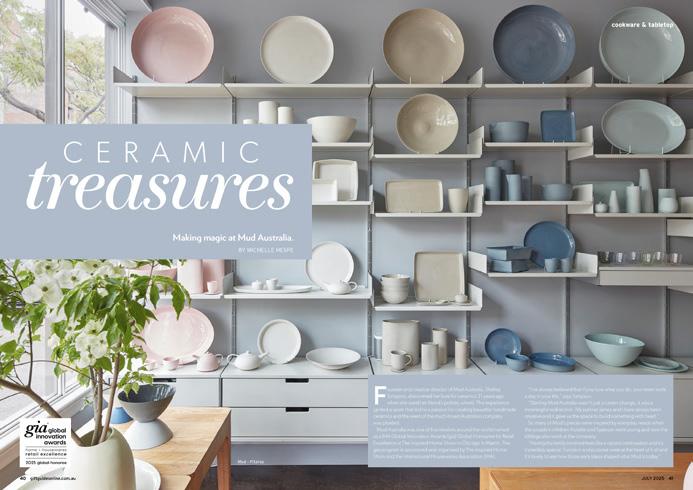
22 cookware & tabletop Australia’s cooking habits & new products
26 trends creating spaces that feel welcoming
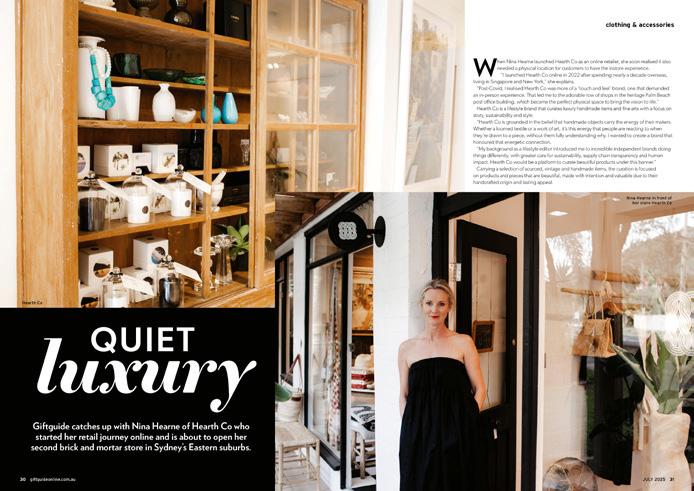
30 HK lifestyle fairs gifts, homewares & fashion accessories
36 technology how AI raises the bar for digital shopping
38 winter warmers products to take your store from autumn into winter
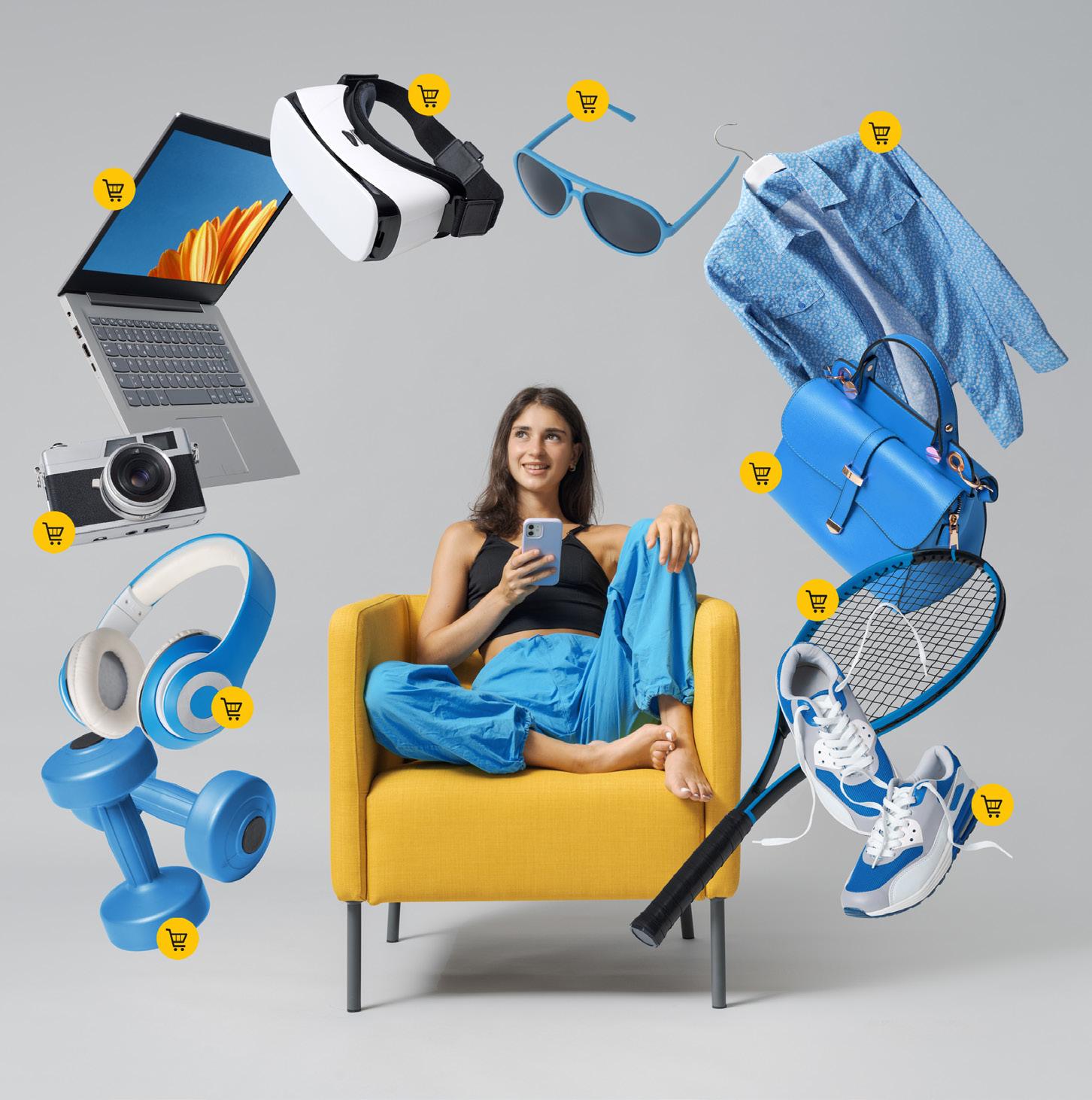
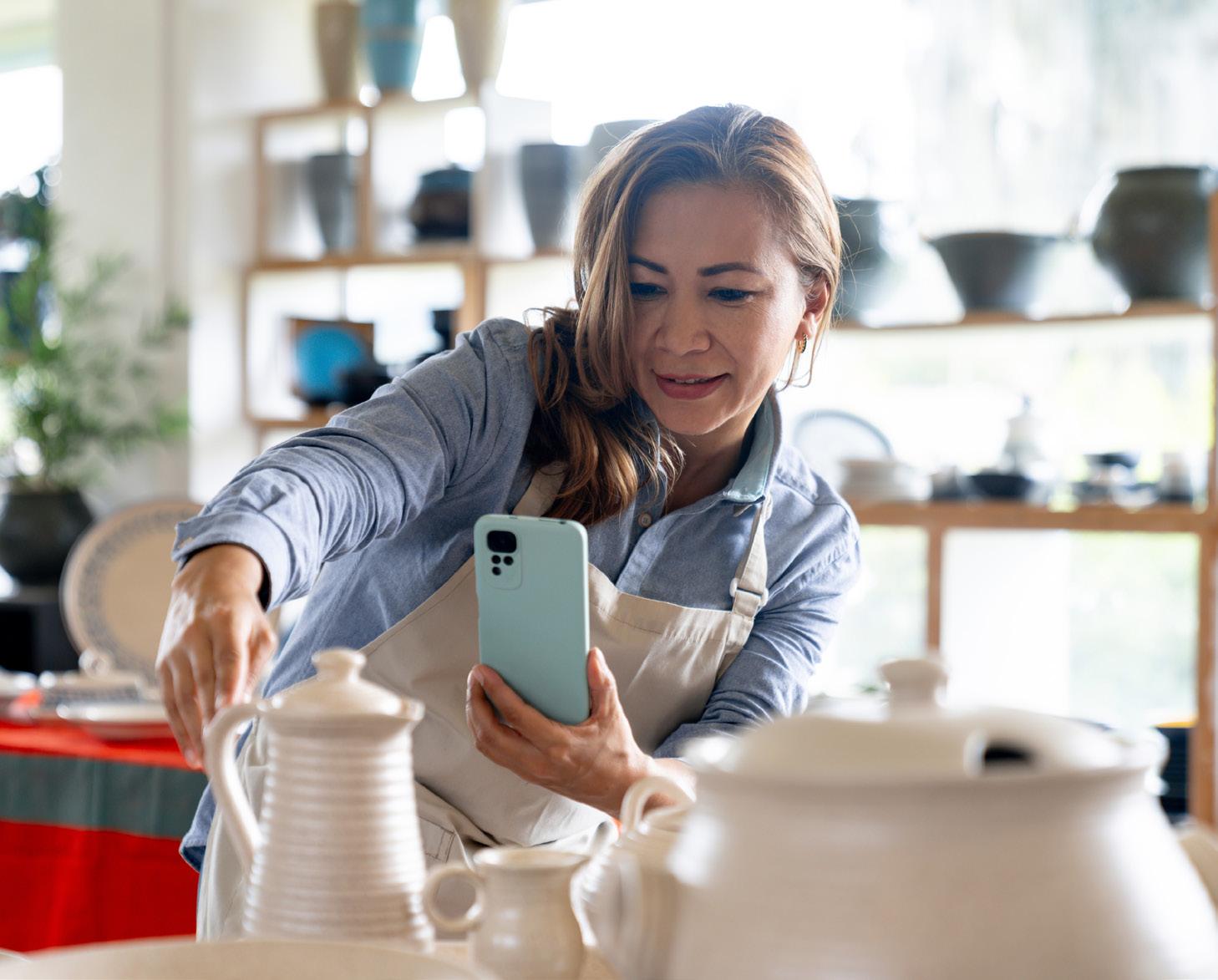
How to use social media to drive in-store purchases in 2026.
In 2026, your customer’s journey begins long before they walk through your door. What makes customers buy from retailers they love, how do you drive foot traffic and increase average order value and why does every store today need to think like a media brand in order to stand out and thrive?
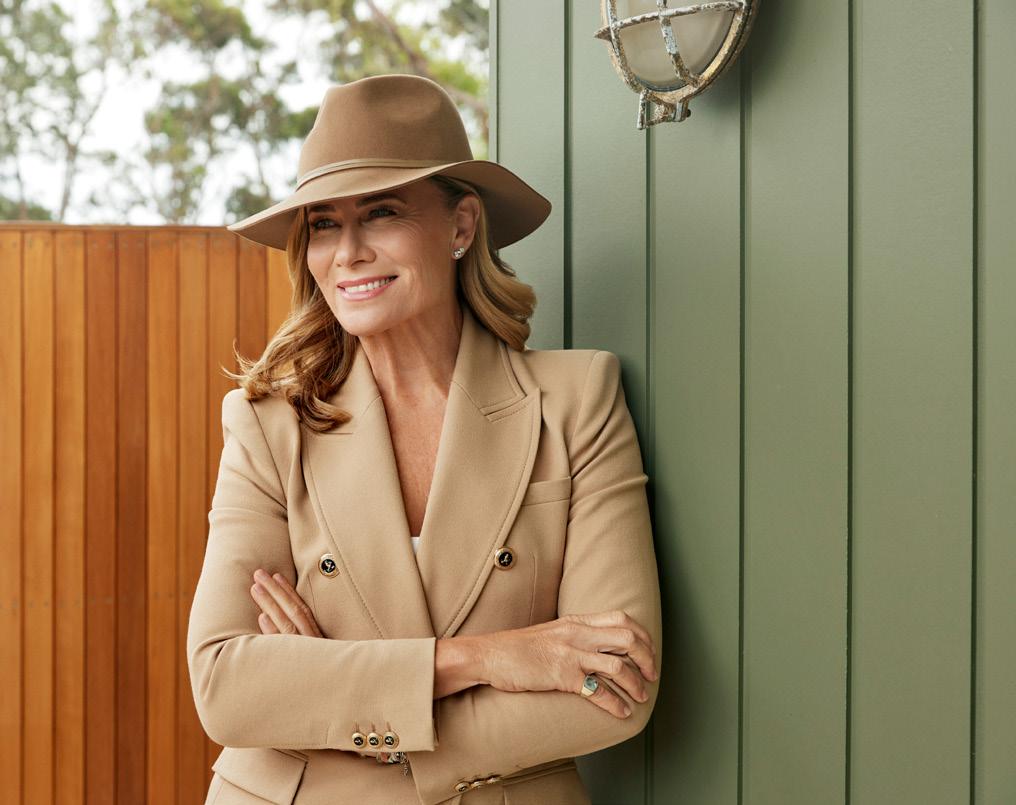
Giftguide had a chat to marketing strategist Emily Osmond, who spoke at AGHA Gifted Melbourne earlier this year, about how retailers can use social media to spark emotional connection, build brand loyalty and turn online followers into loyal in-store shoppers.
1. WHAT ARE YOUR TOP TIPS FOR RETAILERS ON HOW TO USE SOCIAL MEDIA FOR THEIR BUSINESSES?
Get strategic about social search.
Social search—finding information, products or services by searching within social platforms rather than using traditional online search engines—is well and truly here to stay. In fact, Sprout Social’s Q2 2025 Pulse Survey found that nearly one third of consumers skip Google and head straight to their favourite social media platform—whether that’s TikTok, Instagram or YouTube—to search. So, if you are not already, it’s now time to prioritise keyword integration in your content to get your store discovered and your products in front of more target customers.
Personality
packs a punch.
Any store can share product photos. So how do you truly stand out? Your people are your point of difference. Put yourself and/or your staff front and centre. Let them share their expertise, their favourite products and the stories behind what you sell. For instance, a ‘top 3 picks this week’, a ‘here’s what customers always ask me’ or a comparison between two popular items. These moments not only build trust with
your brand, but also help customers make discoveries and decisions before they even arrive in store.
Deadlines drive decisions.
Deadlines are powerful decision drivers. Use stories and posts to remind your audience that your bestsellers are down to the last few units, that your sale ends in three days or that you have just received a small batch of something impossible to restock. A simple ‘only six left—message us to hold’ can turn passive views into immediate sales.
Collaborate to expand.
A sure-fire slow way to grow an audience is to go it alone. Instead, look at partnering with other creators and brands to reach new customers fast via win-win collaborations. For instance, engage a local stylist to create ‘gift ideas under $50’ series in your store; invite a food blogger to shoot a ‘hostess gifts that impress’ segment or collaborate with a nearby café for a giveaway that drives foot traffic to both locations.
Media-first retailers.
The retailers winning right now don’t just promote: they publish. Create short styling tutorials (‘three ways to style this vase’), gift guides (‘what to buy for the person who has everything’), behind-the-scenes setups (‘how we build our Christmas window’) or customer spotlights. When your content educates, entertains or inspires, people follow you because they want to consume more of it. Then? Naturally, the sales follow.
2. WHAT ARE THE FIVE SOCIAL MEDIA MISTAKES BUSINESSES MAKE?
Mistake one: ignoring the metrics
Many retailers post blindly, without checking what their audience actually responds to. Get into the habit of checking your analytics regularly—these will tell you exactly what content people are saving, sharing, watching and clicking. If your ‘staff picks’ video gets triple the views of a product photo, turn it into a series, do a weekly version or create variations. Consistency around what works compounds your reach and engagement. And just remember: you will get bored of it long before your audience.
Mistake two: forgetting your big selling point
Don’t forget one of retail’s biggest advantages: customers can compare products in real life. They can see the true colour, feel the fit and choose the size or cut that suits them best. Bring those comparisons into your content: show items side-by-side, highlight fit and colour differences and remind your audience why visiting your store offers an experience online shopping can’t match.
Mistake
three:
sharing static content instead of scroll-stoppers
A static grid of still images simply doesn’t cut through in 2026 and if people don’t engage, Instagram won’t show your posts to more users. Motion is what stops the scroll and even three seconds of movement makes a difference. Reels, quick product demos, walk-throughs, behind-the-scenes clips, unboxings and staff interactions all outperform flat images. If your content looks like a catalogue, people will treat it like one…and flip past it.
Mistake four: treating social media as an afterthought
Many businesses post 10 times a year and wonder why nothing happens or have a ‘set and forget’ approach to content that they never experiment with. Social media is no longer a ‘nice to have’ or a box to tick: it’s a core part of the modern retail strategy. It drives foot traffic, discovery and sales and when it is not maintained or invested in, it reflects poorly on the retailer.
Mistake five: inconsistent brand experience
Social media is a key brand touchpoint. If your tone, visuals, captions and content shift week to week, customers won’t know what your brand stands for, eroding recognition
and trust. A clear style, recognisable voice and cohesive visuals will make your account feel curated and premium, helping customers to feel confident to buy from you online or in-store.
The benefits of social media for retailers are immeasurable and endless. It can drive foot traffic and sales, build loyalty and connection with your brand, allow you to reach new customers at low or no cost and give you a place to test ideas or promotions before committing to stock or campaigns. For retailers willing to adapt and experiment as the social media landscape evolves, it is an incredibly powerful and underused tool.
3. WHAT ARE THE CURRENT TRENDS IN SOCIAL MEDIA?
According to Sprout Social’s Q2 2025 Pulse Survey, consumers want two things most from brands on social media: meaningful audience interaction and original, recurring content series. Content series—think episodic stories—tap into our natural desire for connection and storytelling. They let brands explore topics in depth, break information into bitesized pieces and create familiar themes or characters, much like our favourite streaming shows. We’re also seeing a growing trend of brands investing in private communities to engage, nurture and retain their audiences more effectively.
4. WHERE DO YOU SEE (THE USE OF) SOCIAL MEDIA FIVE YEARS FROM NOW?
In five years, we’ll likely see new platforms, deeper virtual experiences and more AI-driven content, but one thing won’t change: social media will remain a core way for consumers to discover and experience your products online. Retailers can’t sit it out or hope it disappears. The brands that stay curious, adapt early and lean into what’s next will be the ones customers follow— everyone else risks being left behind. G
Consumers are looking for original content series on social media
MOVING BUSINESS FORWARD
Participants at the Inspired Home Show take advantage of top-level connections, products, trends and new insights.
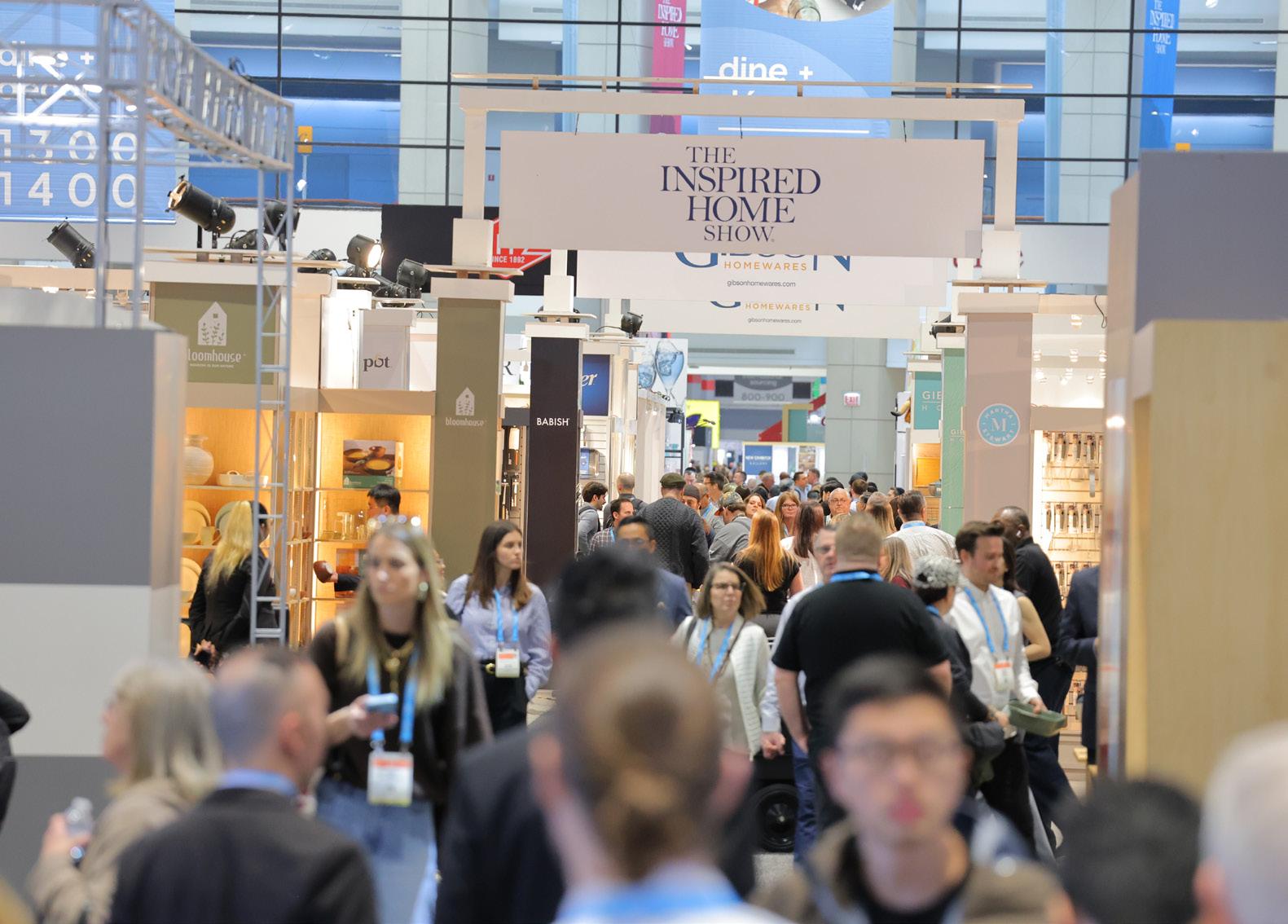
Home and housewares buyers and sellers from around the world gathered in Chicago for the Inspired Home Show to discover new products, explore the latest trends and make invaluable connections.
More than 1,000 exhibitors showcased thousands of unique brands and hundreds of thousands of products to attendees from over 100 countries at Chicago’s McCormick Place from 10 to 12 March 2026.
“It’s no secret that geopolitical and economic uncertainties have created challenges for retailers and suppliers,” notes Derek Miller, IHA president and CEO.
“But these uncertainties also come at a time when consumers are increasingly looking to their homes for cooking, entertaining, comfort, wellness and so much more.
“Senior leaders from both the supplier and buyer sides are telling us how invaluable it was for them to connect inperson at this year’s show and identify new partners, products, trends and ideas that will help them gain a competitive edge in the year ahead.”
In addition to key global retailers such as Carrefour and Fenwick and countryspecific market leaders including Crate & Barrel and Bloomingdale’s, the show also attracted over 1,000 smaller independent retailers. Participating exhibitors included everyone from industry leaders and legacy brands to emerging companies and startup entrepreneurs.
“Buyers consistently tell us how much they appreciate the opportunity to meet with decision-makers from the biggest players in the industry, but also to discover new, emerging brands from all over the world. This diverse mix of buyers and sellers creates meaningful opportunities for everyone at the show.”
This year also marked the first year of the Inspired Home Show’s new midweek date pattern. Feedback for the
Inspired Home Show 2026
new Tuesday to Thursday pattern, which was a result of industry polling, was overwhelmingly positive.
“We’re very excited to debut the new Tuesday to Thursday pattern, marking the first time the show is not taking place over a weekend,” Miller enthuses.
“The ability to fly in on Monday and home on Friday without sacrificing a weekend has been received positively by most, if not all.”
The industry came together for the faceto-face interaction that is so desperately needed in this digital age with plenty of new products on display.
“We know that consumers today are craving innovative solutions, while also injecting connection, joy and wellness into their daily lives.”
Aussie retailer scoops two global awards in Chicago
Aussie homewares retailer Kabinett dominated the IHA Global Innovation Awards (gia) held in Chicago during the show by winning two major awards.
Being awarded the Martin M. Pegler Award for excellence in visual merchandising and named one of the five global honourees came as quite the surprise to owner Melissa Macfarlane.
“When Kabinett was announced as the Australian winner I was already completely thrilled,” she enthuses.
“That alone felt like an enormous honour. Then at the gia awards in Chicago, when Kabinett was recognised with two of the global awards as well, it was genuinely surprising. I certainly wasn’t expecting that. To go from hoping the store might resonate with the judges to hearing Kabinett called twice that evening was quite surreal.
“The recognition feels less like a single moment and more like an acknowledgement of years of careful work—the buying, the displays, the relationships with makers and customers and the belief that a small regional store can create something meaningful. To have that recognised internationally was both surprising and deeply encouraging.”
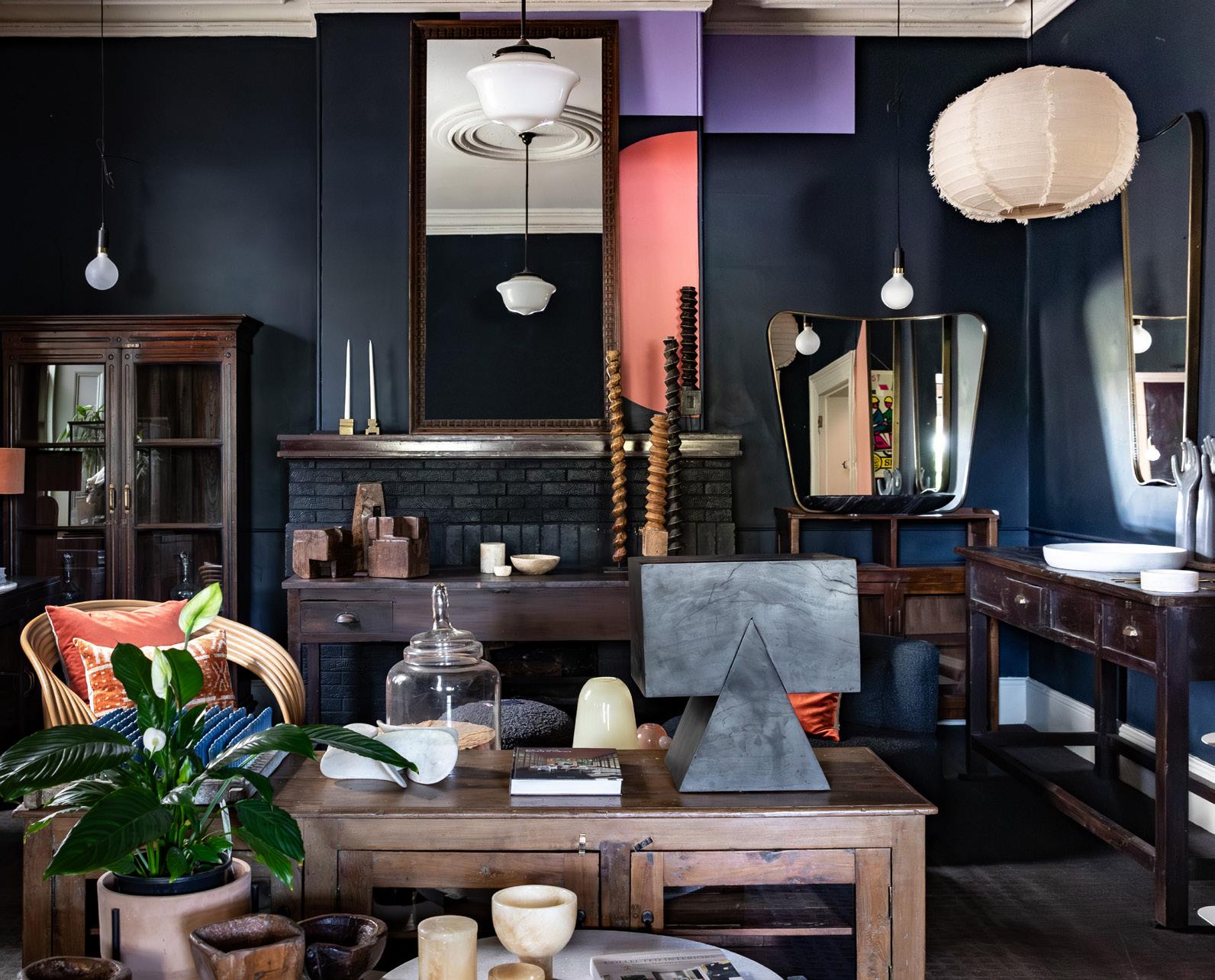
Occupying a heritage Australian pub, Kabinett has been reimagined as a layered
Occupying a heritage Australian pub, Kabinett has been reimagined as a layered retail landscape where history, atmosphere and contemporary shopping coexist.
retail landscape where history, atmosphere and contemporary shopping coexist.
The store operates as a source room and modern department store, blending vintage and contemporary furniture, fragrance and globally sourced objects. A connected cocktail, vermouth and amari bottle shop extends the journey from object to ritual, merging retail, hospitality and social experience.
“Receiving this recognition internationally suggests that thoughtful, considered retail still resonates with people. It also shows that a small regional store can contribute something meaningful to the wider conversation about design, presentation and the experience of shopping,” she says.
“For Kabinett, it feels less like a single achievement and more like a moment that acknowledges years of careful building— the buying, the displays, the relationships
with makers and customers and the belief that a store can be both beautiful and deeply personal.”
The gia program was created by IHA and the Inspired Home Show to foster innovation and excellence in home and housewares retailing throughout the world. This year, 31 national gia winners from 30 countries were selected and all were automatically entered in the global competition at the Inspired Home Show in Chicago.
The 2025-2026 gia winners were announced at a gia awards dinner held at the Palmer House Hotel in Chicago.
“The gala itself is quite extraordinary,” Macfarlane notes.
“You’re surrounded by retailers from all over the world who care deeply about their stores—people who have poured years of work into their concepts, their
Kabinett
buying, their displays and their teams. You quickly realise how much dedication sits behind each nomination. The level of thought and effort that goes into these awards is very genuine and being part of that room felt very special.”
While exploring retail in the big city itself, Macfarlane managed to find some wonderful stores.
“We came across some beautiful design-focused shops as well as a few very carefully curated vintage stores, which was a real pleasure to see.
“What was especially encouraging was discovering a few kindred spirits along the way—retailers who approach their stores with the same sense of care and curiosity. You could see the thought that had gone into the objects, the displays and the atmosphere of the spaces.
“It was a lovely reminder that thoughtful retail exists all over the world and that there are people in many different places who care deeply about how objects are chosen, presented and experienced,” she adds.
Other global honourees included Kitchen Center (Chile), SCHÄFFER (Germany), The Culinary Institute of America——Marketplace at Copia (USA) and Casa Cuesta (Dominican Republic), which also won the Martin M. Pegler Award for excellence in visual merchandising.
Let me entertain you…again
The 2026 IHA at-home entertaining survey shows that bringing people together in familiar spaces continues to grow in appeal, even after recent yearon-year increases. Twenty-eight per cent of respondents anticipate hosting more at-home gatherings in 2026, compared to 24 per cent in last year’s poll. (50 per cent said they plan to host the same amount, while 19 per cent thought it would be less.)
Younger consumers are leading the momentum: Gen Z tips the scales with 47 per cent planning to host more at-home gatherings; Millennials are close behind at 39 per cent. Gen X’s at-home entertaining intent declined by four points, while Boomers’ remained relatively stable.
The desire to spend more time with friends and family tops the list of
BE | LIVING founder and creative director Belinda Peeters-Wahono Inspired Home Show 2026
“Cook well, live well. BE | LIVING is about being intentional, achieving wellbeing and living fully. My personal touch on every piece reflects my belief that cookware is an extension of your kitchen ritual and your values.”
BE | LIVING FOUNDER AND CREATIVE DIRECTOR BELINDA PEETERS-WAHONO
motivations (51 per cent), but having a specific event to celebrate is also a factor (37 per cent) as is the fact that entertaining at home tends to be less expensive than holding an event at a restaurant or other public venue (31 per cent).
“In the midst of economic uncertainty and dissonance in the larger world, our homes are becoming an even more valued refuge,” notes Miller.
“These surveys demonstrate the increasing appeal of hosting at-home gatherings and how home and housewares are becoming more prominent as gifts to celebrate key moments.”
Trends don’t happen in a vacuum and the revival of home entertaining is no exception, says Tom Mirabile, principal, Springboard Futures, consumer and lifestyle trend analyst and curator and author, InSight Trend Index.
“From shifting values to cultural resets, countless forces are reshaping how we gather,” he notes.
“The modern host isn’t chasing perfection; they’re creating spaces for connection. Hospitality has evolved
from showmanship to sincerity, from performance to presence. We’re entering an era of intentional entertaining, where simplicity carries new style and meaning while elevating the experience for both hosts and guests.”
Half of consumers say they occasionally purchase products to create a certain aesthetic.
“In this new mindset, hospitality is not about wowing guests with a flawless presentation but creating an environment for sharing and interaction. Designing for mood, storytelling and experience is increasingly important, but so is the ‘sharing’ aspect. This new perspective sees hosting as an opportunity to genuinely share our space, time and attention,” adds Mirabile.
BE | LIVING is a European cookware brand created for today’s home chefs who care about performance, wellness and modern design. The brand made its US debut at the Inspired Home Show.
“BE | LIVING isn’t just about providing non-toxic, radical-free cookware,” says founder and creative director Belinda Peeters-Wahono.
“We’re creating a wellness-first lifestyle with premium design and intentionality. Every pan, pot and handle is engineered to reduce friction in home kitchens—both literally and metaphorically. We believe cooking should be a joy, not a struggle.
“Our tagline says it all: ‘Cook well, live well’. BE | LIVING is about being intentional, achieving wellbeing and living fully. My personal touch on every piece reflects my belief that cookware is an extension of your kitchen ritual and your values.”
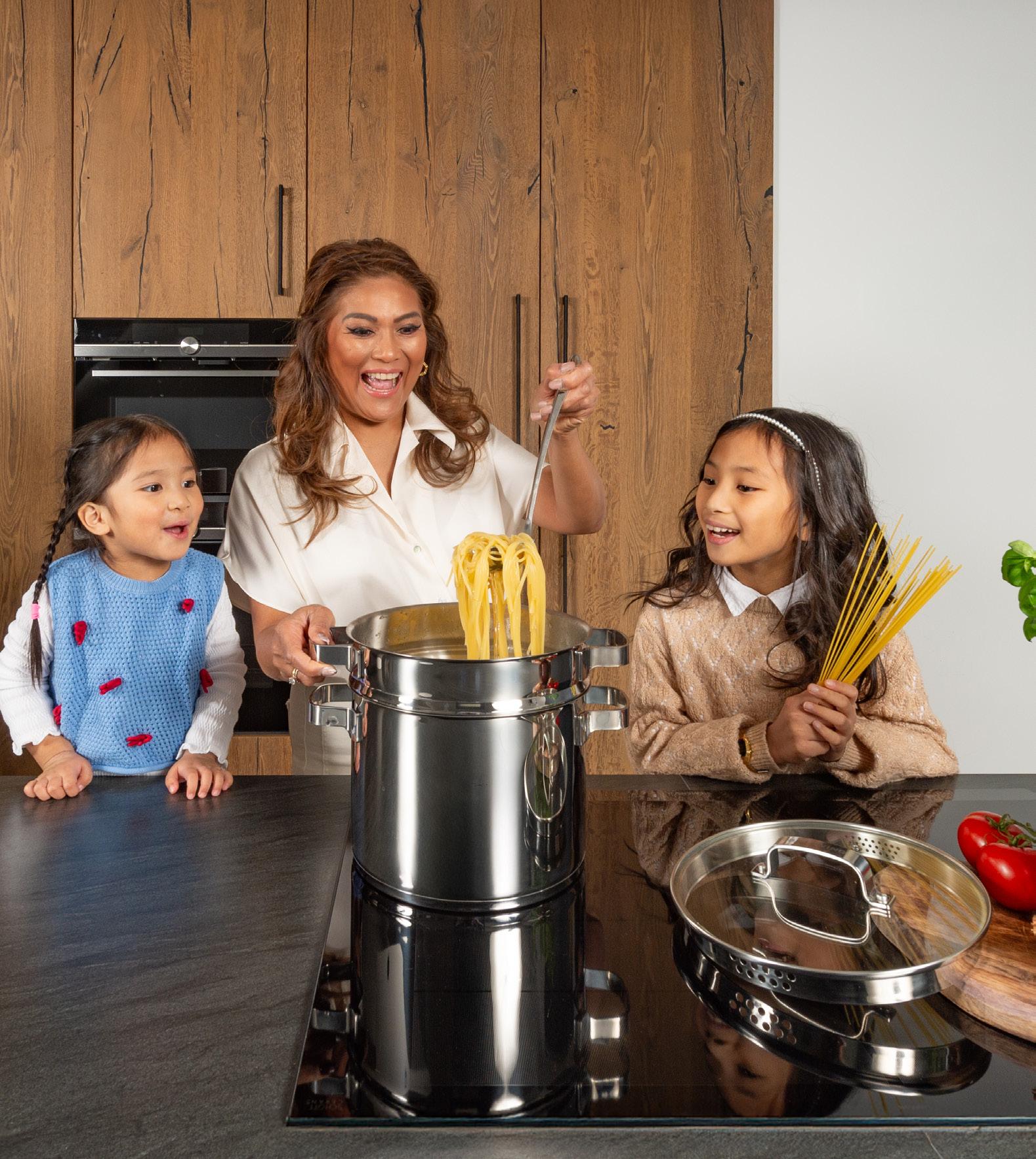
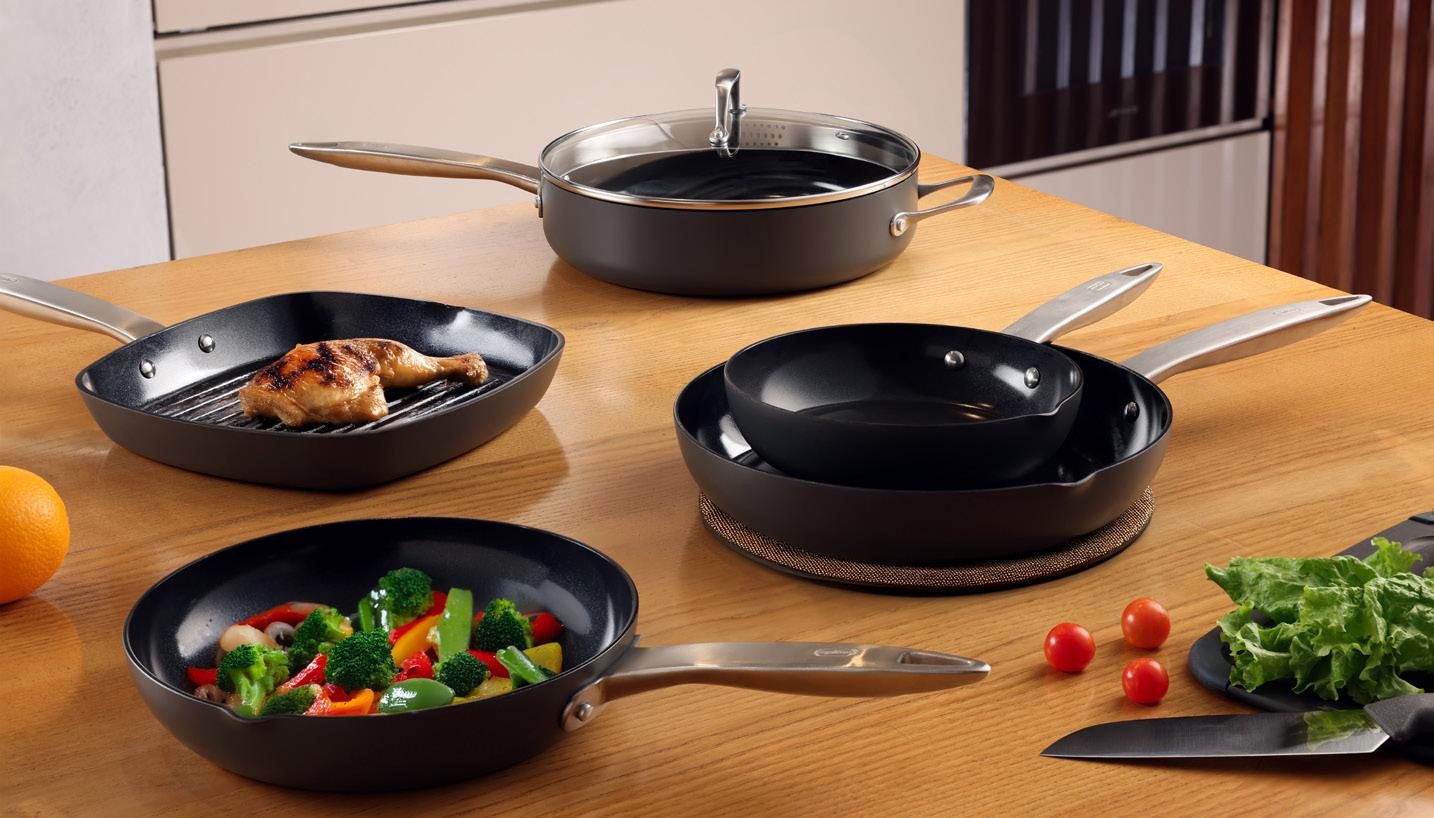
Ten lines were introduced at the show including Circlad, a new line of premium hybrid cookware crafted from tri-ply stainless steel; Eon, a professional-grade line that uses titanium as the inner layer (engineered for extreme durability and stability); the Delight line focuses on effortless everyday cooking with lightweight pans and easy-clean ceramic non-stick surfaces (ideal for smaller households and quick meals) and Vita is designed for health-conscious cooks, supporting fresh, nutrient-focused meal preparation.
At-home entertaining is not just about cooking but also about aesthetics
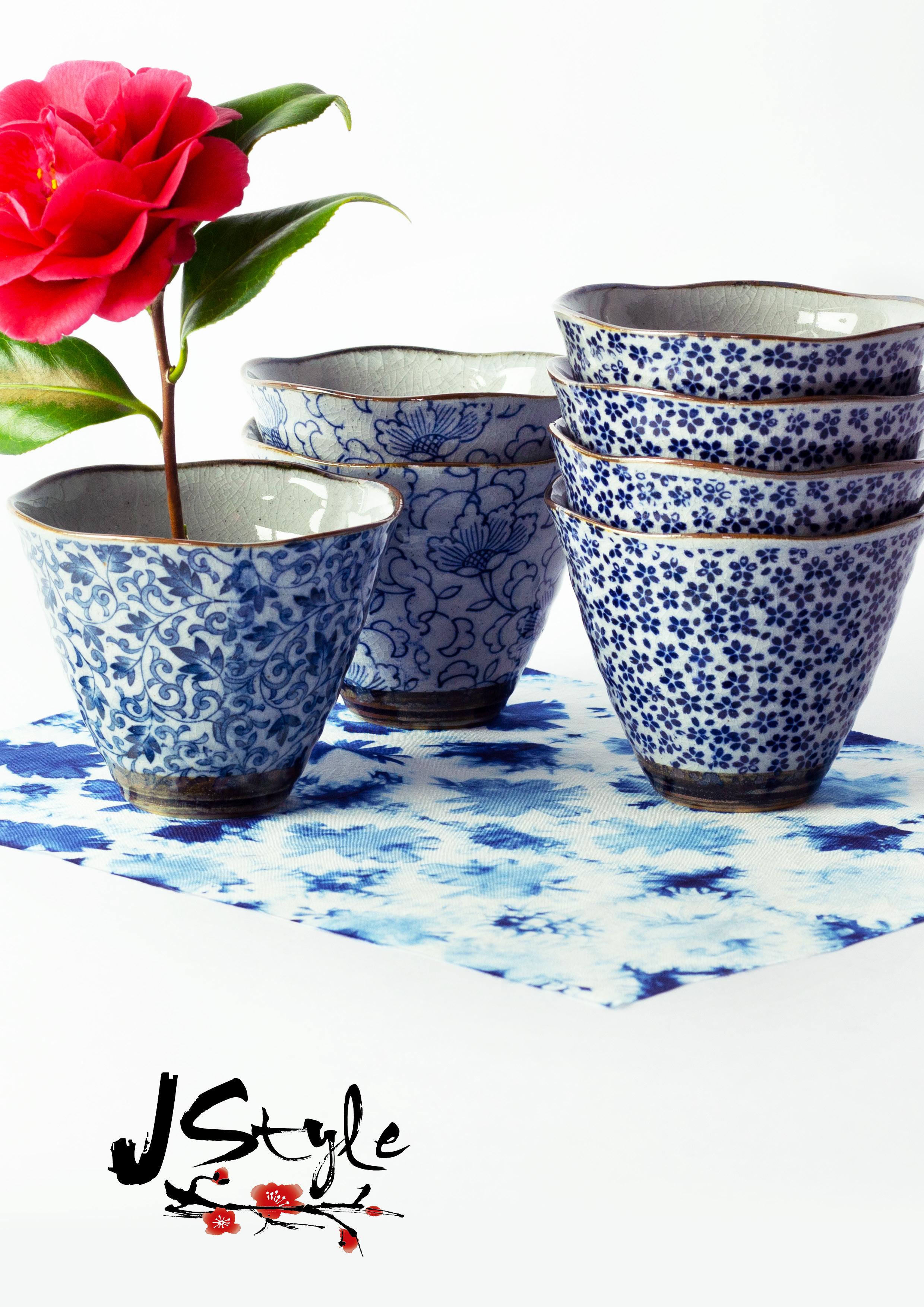
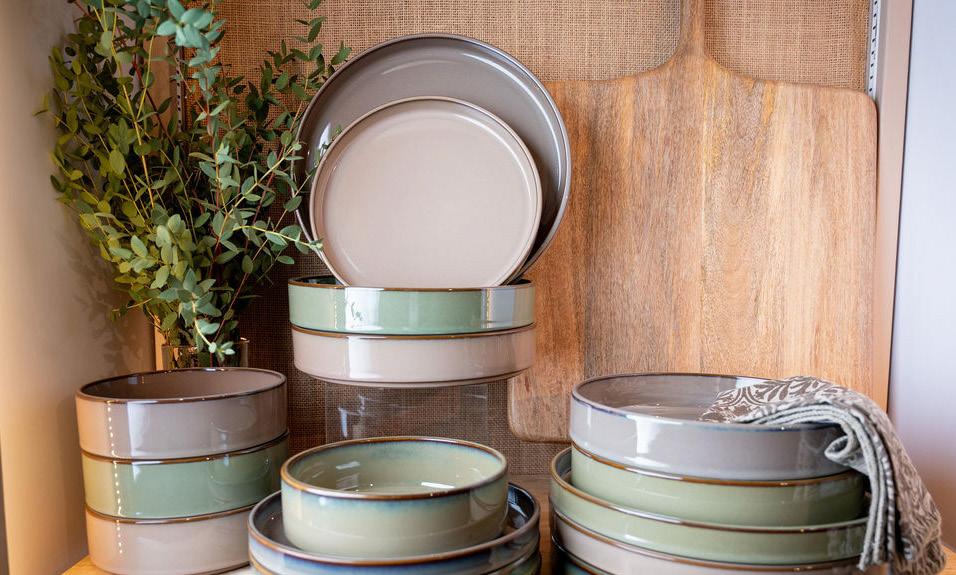
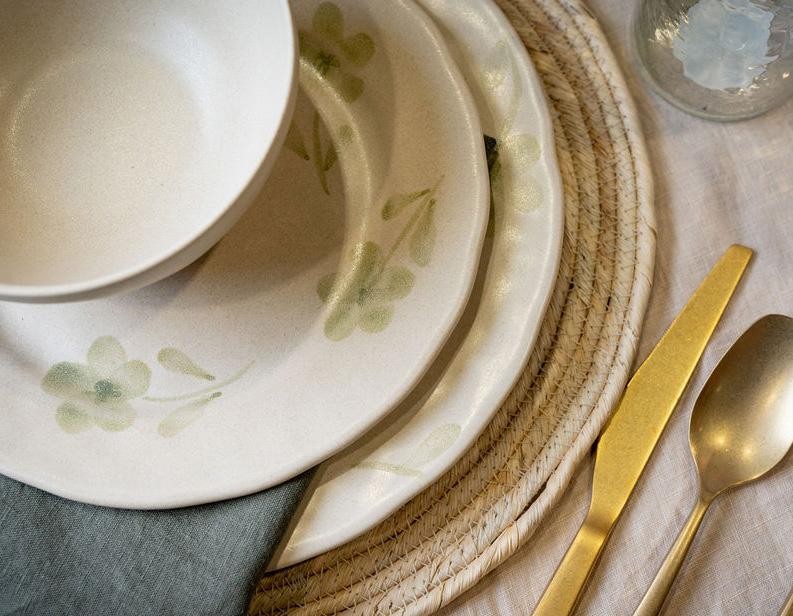
Plenty of tableware was on offer at the Inspired Home Show
“We combine human-centered design with clean materials technology to empower people to cook better, live healthier and feel more connected to the ritual of food preparation. Our minimalist forms and neutral palettes eliminate chaos from the kitchen. Each product is crafted to make cooking accessible, beautiful and meaningful—transforming daily routines into moments that become family memories.”
Dining out may be getting more expensive, but dining in is having a moment. From weeknight pasta nights to full-blown dinner parties, home entertaining is back in a big way and if you’re setting the table, you might as well set it well.
Enter Davanti by Frieling premium placemats. Designed and manufactured in Chile since 1999, these placemats are stepping out of the commercial dining room and onto the home table, bringing durability, design and serious hygiene credentials with them, according to the brand.
“Crafted in a state-of-the-art factory in Casablanca, Chile, Davanti placemats are made with high-quality, phthalate-free materials and
produced using solar-powered processes with zero water use,” notes the team.
“Yes, they’re beautiful. Yes, they’re practical. And yes, they’re engineered with intention.
“But here’s where it gets interesting: during production, copper nanoparticles are added directly into the material. Copper isn’t just a buzzword—it’s the first and only solid antimicrobial material registered by the US Environmental Protection Agency. Studies show copper can kill 99.9 per cent of harmful bacteria within two hours of contact. Translation? These placemats don’t just look good—they work hard behind the scenes.”
For home entertainers, that means added peace of mind when hosting everything from birthday brunches to holiday dinners. Davanti placemats wipe clean with a damp cloth and mild soap and are heat resistant up to 70°C, protecting tables from hot plates, serving dishes, scratches and everyday wear.
Built to withstand the kind of daily use that would make ‘lesser placemats curl up in defeat’, they can be stored flat or rolled
Solidteknics
Lifetime Brands’ Rabbit
Solidteknics
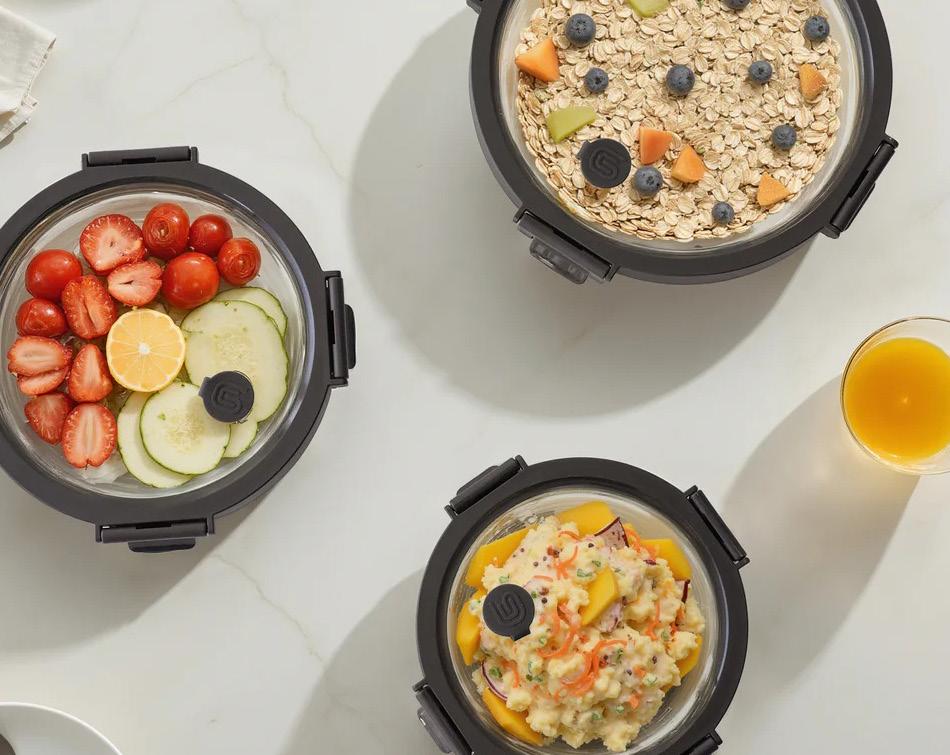
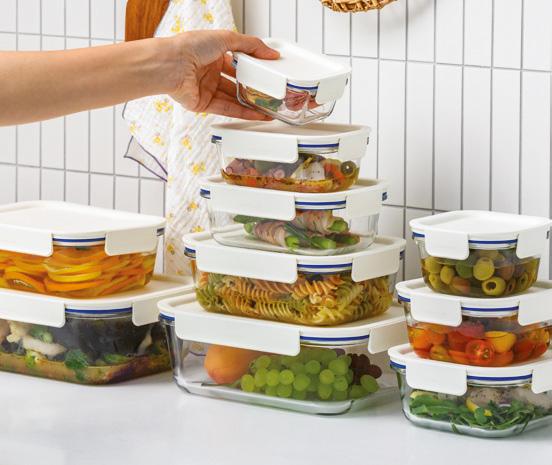
KEY SHIFTS IN KITCHENWARE AND GLASS STORAGE
Durability, heat resistance and food safety are now considered baseline requirements in glass food storage. What differentiates products today is not function alone, but how clearly that function improves daily routines.
Retailers also note growing interest in vacuum systems that combine performance with thoughtful design, particularly those that have received third-party recognition such as international design awards.
Retailers are increasingly asking whether a product reduces friction in food prep, storage or organisation and whether its value can be understood at a glance.
Health is no longer positioned as a secondary marketing story. Buyers are paying closer attention to materials, longevity and how products support healthier food habits over time. Retailers are prioritising solutions they can confidently recommend for everyday use, particularly those aligned with a more quality-driven, mindful consumer mindset.
Kitchenware is no longer hidden away. Products increasingly live on countertops, open shelving and inside visible refrigerators, making visual harmony a part of perceived value. Retailers are evaluating whether products contribute to a sense of order, calm and cohesion in the kitchen and whether they integrate naturally with contemporary home aesthetics. Across channels, buyers are moving away from fragmented product lines in favour of tighter, more focused selections. Products that are easy to explain—both in-store and online—are gaining preference.
Looking ahead, the common thread retailers emphasise is clarity: solutions that combine efficiency, health and visual consistency without unnecessary complexity. These expectations are increasingly shaping how brands develop and refine their kitchenware and food storage collections for the year ahead.
Source: Genicook
and are ready for the next gathering. An anti-slip backing keeps each placemat securely in place.
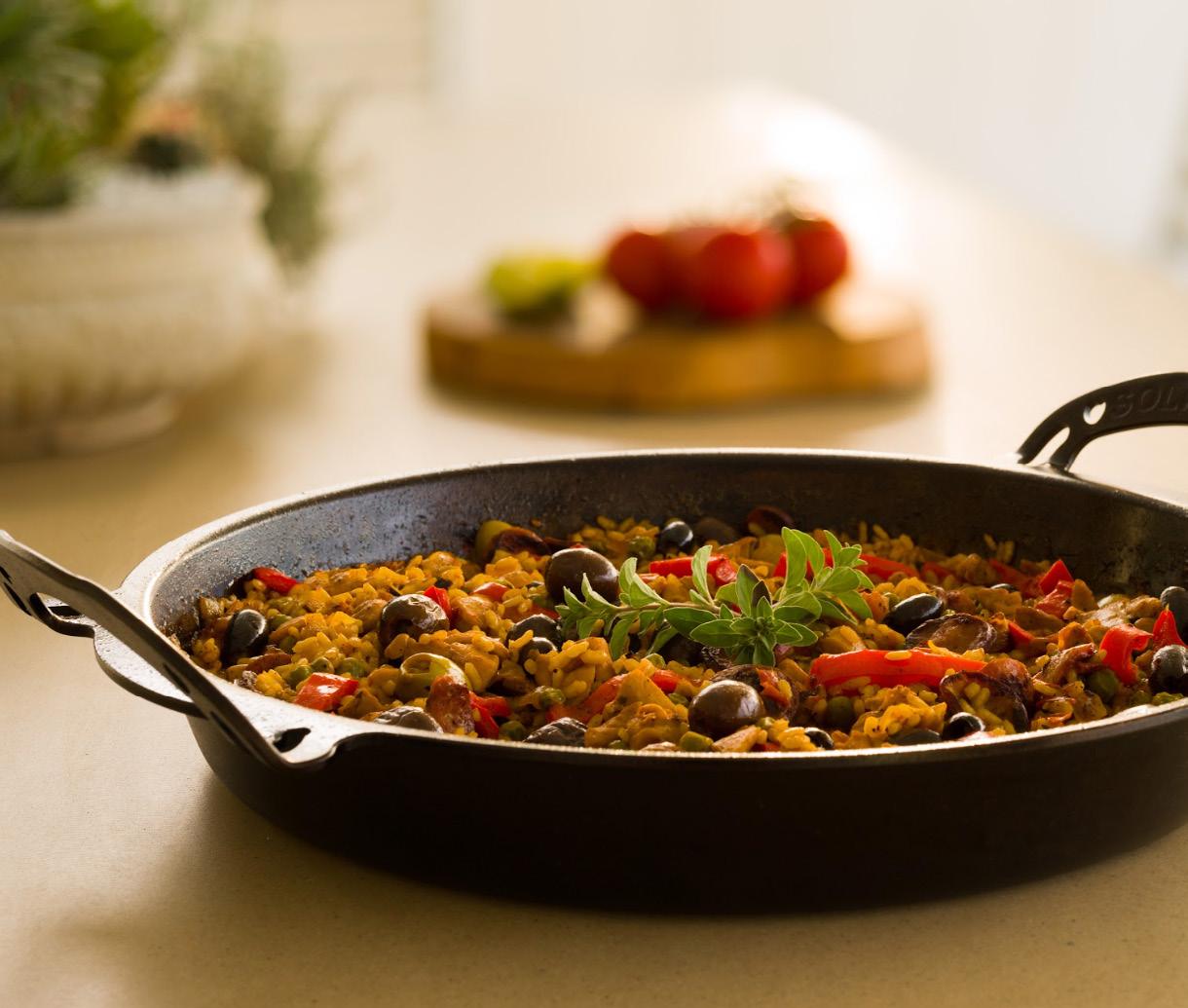
Aussie cookware brand Solidteknics presented its full lineup of AUS-ION cookware at the Inspired Home Show, offering buyers a firsthand look at its Australian-made iron pans alongside a preview of an upcoming stainless steel collection slated to launch later in 2026.
“Visitors to our booth experienced the brand’s signature AUS-ION cookware range, a lightweight iron skillet line engineered for fast heating, exceptional browning and long-term durability,” a spokesperson says.
“Forged in Australia from clean 2.5mm iron, these pans are designed to perform like professional cookware while remaining lighter and easier to handle than traditional cast iron.”
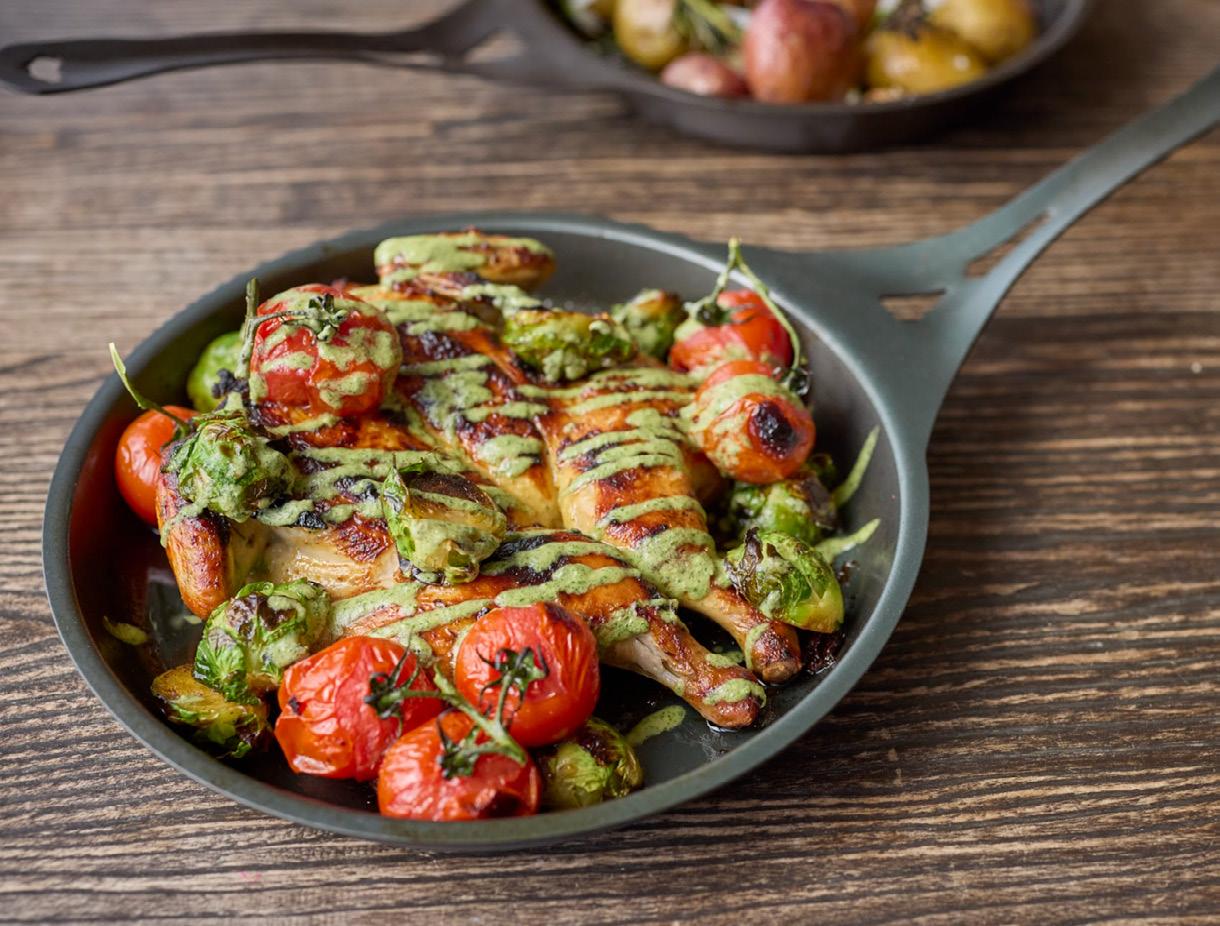
Built to last for generations, AUS-ION cookware is suitable for all heat sources—from stovetop to oven to open flame—and develops a naturally improving seasoning over time. The AUS-ION Lightning skillet line is available in 8-inch, 9.5-inch and 10.2-inch sizes, while the Lightning oven-to-table collection offers versatile cookware designed to transition seamlessly from cooking to serving.
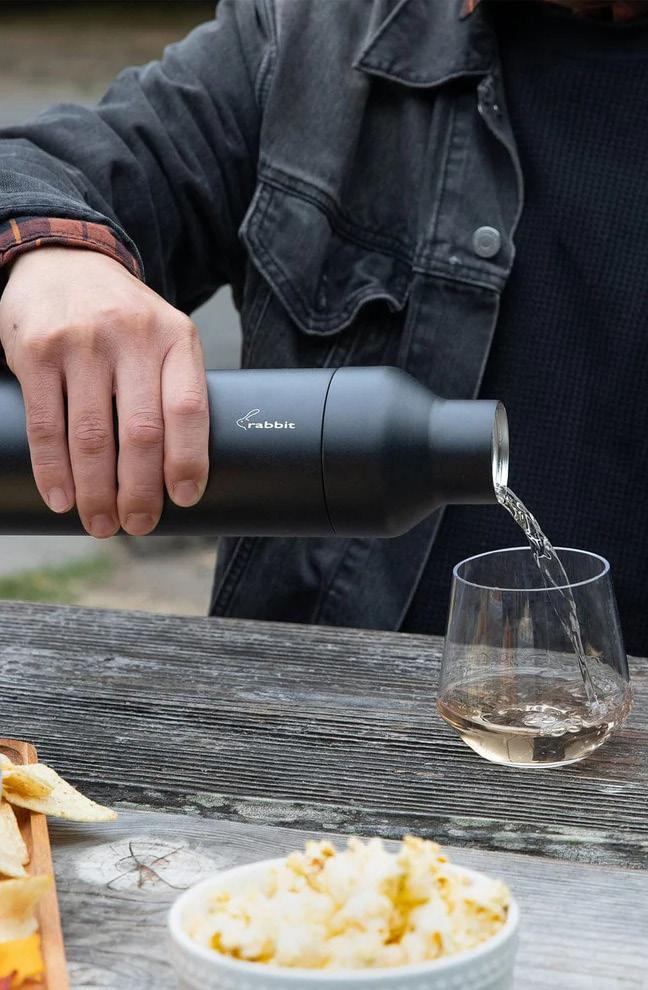
Lifetime Brands introduced various new collections at the Inspired Home Show including the Rabbit insulated wine bottle and cocktail shaker, which combines two essential functions into one sleek, dual-purpose design, appealing to both wine and cocktail enthusiasts.
With a generous 750mL capacity, it’s ideal for serving wine or shaking up craft cocktails, keeping beverages perfectly chilled (or hot) while ensuring mess-free enjoyment wherever life takes you.
Consumer expectations for kitchen and tableware are shifting towards multi-functionality and enhanced dining experiences, adds Lifetime Brands president, tabletop and food service, David Mackrell.
“Consumers are seeking durable and dishwasher-safe products and looking for multifunctional items that cater to modern living,” he says.
“They also expect aesthetics that are shareable on social media and designs that contribute to a complete, multi-sensory dining experience.”
The Inspired Home Show 2027 will take place from 9 to 11 March and will again be held on a Tuesday to Thursday schedule. G
Under the theme Connect-Create, designers, buyers and manufacturers teamed up for CIFF’s latest edition.
Despite the conflict in the Middle East and global market uncertainty, close to 65,000 overseas visitors attended CIFF Guangzhou, an increase of 13.2 per cent.
Held across two phases (18–21 March and 28–31 March 2026), the exhibition spanned 850,000 square metres across 90 halls, bringing together over 5,100 brands
from 36 countries and regions, reaching a new record in exhibitor participation.
“The success of CIFF Guangzhou 2026 reflects a broader transformation of the furniture industry towards a more designdriven, technology-enabled and globally connected ecosystem,” say the organisers.
“With record international participation and continuous evolution, CIFF
Guangzhou confirms its role as the platform where the future of the furniture industry is actively taking shape.”
Under the theme Connect-Create, CIFF Guangzhou continues to evolve beyond the traditional trade fair model, positioning itself as a platform where design, manufacturing and global trade converge, the organisers add.
“Its strength lies not only in scale, but in its ability to bring together a complete ecosystem of resources, enabling business development, industry exchange and innovation across the entire furniture value chain.
“The participation of 1,582 new exhibitors (31.8 per cent of the total) reflects the dynamism of the platform and its growing capacity to attract new market players alongside established international brands.”
The secret life of pets
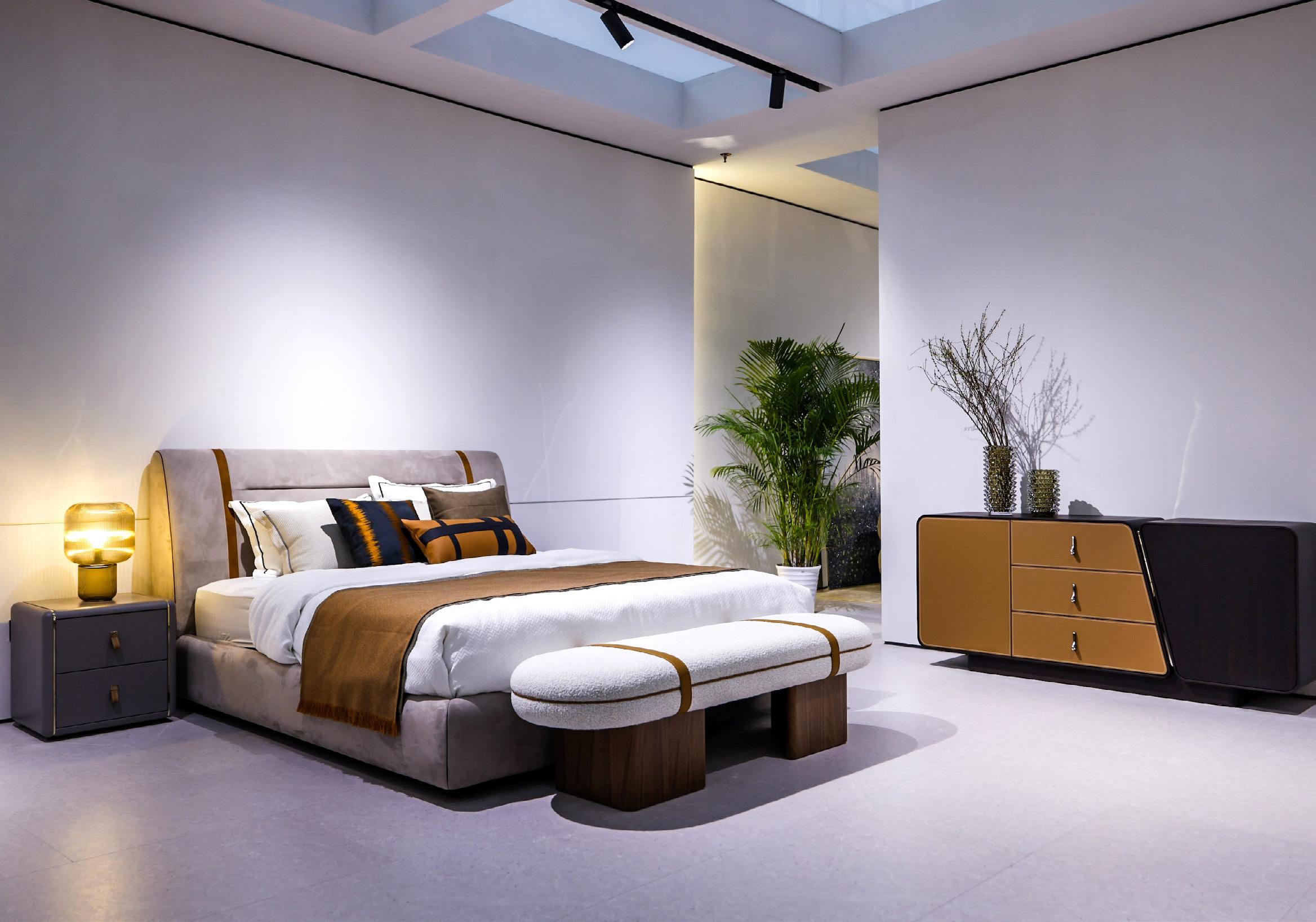
The 2026 edition placed strong emphasis on emerging lifestyles and evolving consumer needs. Within the Home
Furniture exhibition, new thematic zones— healthy aging, pet home, massage chairs/ function sofas and new retail—highlighted key directions shaping the market.
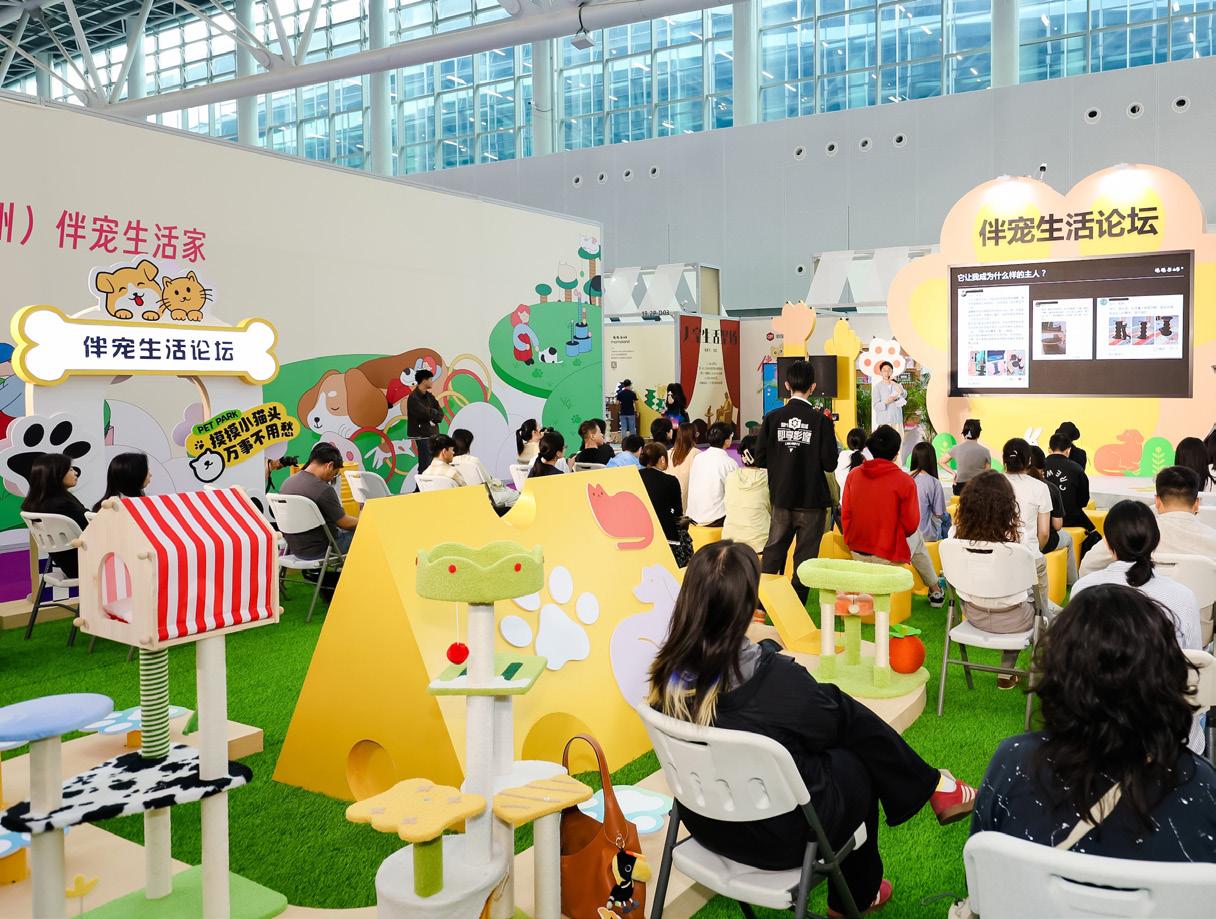
Living with Pet (pet home and supplies themed exhibition) with around 40 companies showcased the expanding petrelated sector, covering the entire supply chain from furniture and smart devices to accessories and services and proved to be one of the most popular segments at CIFF.
Items such as cat trees designed with furniture textures and multifunctional coffee tables that also serve as cat play platforms showcased how pet products are becoming part of home living spaces in a seamless way.
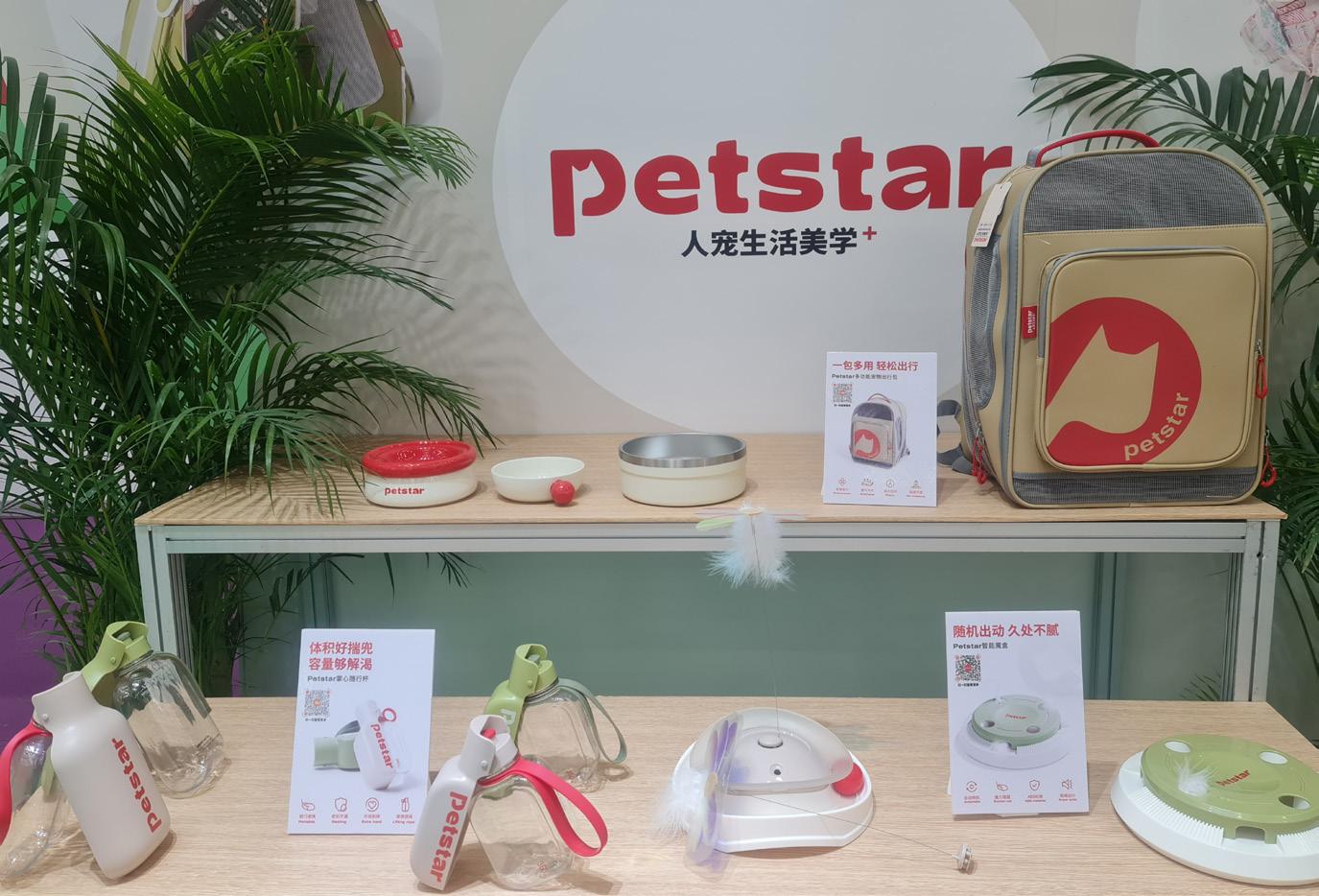
Tianyuan Pet (Petstar) presented a full portfolio built around the ‘human-pet co-living’ concept with products such as infrared sensor water dispensers, APP-controlled automatic feeders and interactive monitoring devices.
“These solutions address key pain points in daily pet care including feeding
convenience and remote interaction,” the brand states.
Petstar also introduced portable water bottles, travel carriers and other mobilityfocused products designed for pets’ indoor living as well as outdoor activities.
“CIFF Guangzhou is not just a showcase of products, it is a preview of how home living is evolving.
“As the bond between humans and pets continues to deepen, ‘co-living’ is becoming a new standard of modern households. This shift is creating a powerful convergence between the home furnishing and pet industries, opening up a new era of integrated lifestyle innovation,” the brand adds.
Made in China
For years, the phrase ‘Made in China’ has been synonymous with factory production lines, cost efficiency and manufacturing scale. But China’s furniture industry is now undergoing a visible shift, moving away from production-led systems towards
design-driven creative ecosystems and from simply fulfilling orders to actively proposing new ways of living.
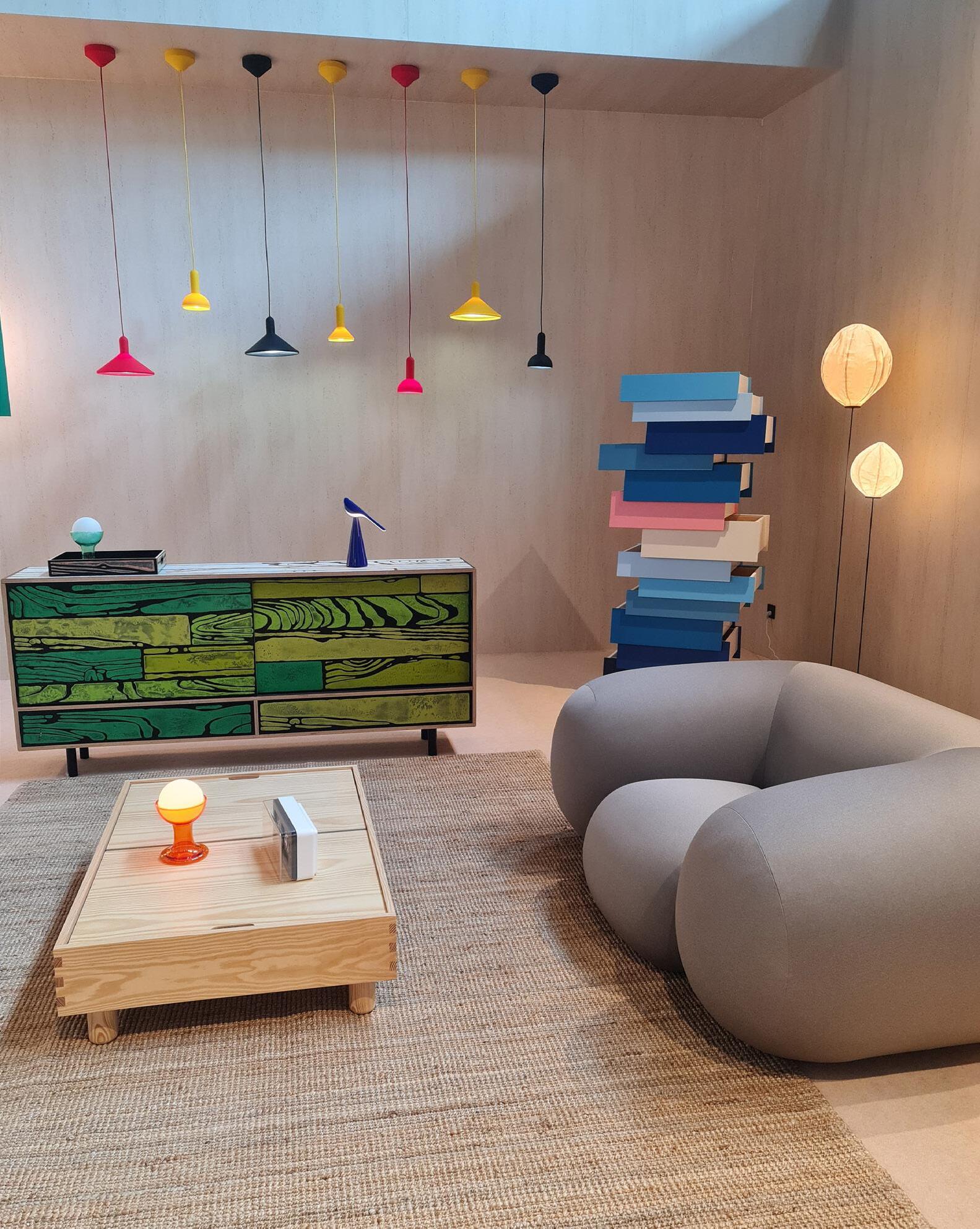
Creating quite the buzz at CIFF was Established & Sons’ Stack by designer Shay Alkalay. Challenging the conventions of a traditional drawer unit, Stack consists of individual, multicoloured drawers that appear suspended above one another and open in both directions, creating an irregular but visual display.
Appreciated from all angles as a sculptural object as well as an entirely functional, practical item of furniture, Stack creates a rich and wonderful spectacle of colour and form, notes Alkalay.
“I think chests of drawers look more intriguing when the drawers are left partly open.”
Originally designed in the 1960s as a wired table lamp, Carlo Nason and Established & Sons have redeveloped Gelato into a portable glass lamp, bringing the Italian designer’s artistic philosophy into 21st Century technology.
Petstar
Home Furniture
CIFF Guangzhou 2026
Gelato features a colourful glass vase or cup that holds an orb of frosted glass and is charged directly on the orb using a USB-C magnetic charging cable. With a wink to its Italian heritage, Gelato comes in four finishes including Spritz (orange), Mint (green), Azure (blue) and Smoke (grey) and makes for a great and unique gift.
Design in China is no longer treated as an imported concept to be executed locally. Instead, it is becoming a core capability led by domestic brands. From material research to spatial storytelling, Chinese designers are building their own design platform, supported by an increasingly mature commercial design ecosystem.
More brands are now building in-house design and R&D teams, gradually reducing reliance on overseas aesthetics. Design is increasingly used to communicate culture and lifestyle, reframing ‘Made in China’ as an integrated output of design intelligence, craftsmanship and lived experience.
CAMERICH’s X System exemplifies this shift. It is a modular furniture system that is precise, flexible and versatile developed in collaboration with Mario Tsai Studio. Built around X-section aluminium profiles produced through extrusion processes, the modular framework allows furniture to expand and adapt over time. Intersecting lines form x-shaped joints that dissolve traditional point-based structures, creating a sense of visual continuity and structural strength while enabling flexible reconfiguration, according to the company.
HC28 maison demonstrates how far domestic design capabilities have evolved. Centred on a ‘full-scene lifestyle’ approach, the brand dissolves boundaries between loose furniture and bespoke systems through collaborations with Ma Yansong, Yabu Pushelberg, Marcel Wanders and Pearson Lloyd— combining both eastern and western influences.
Outdoor living
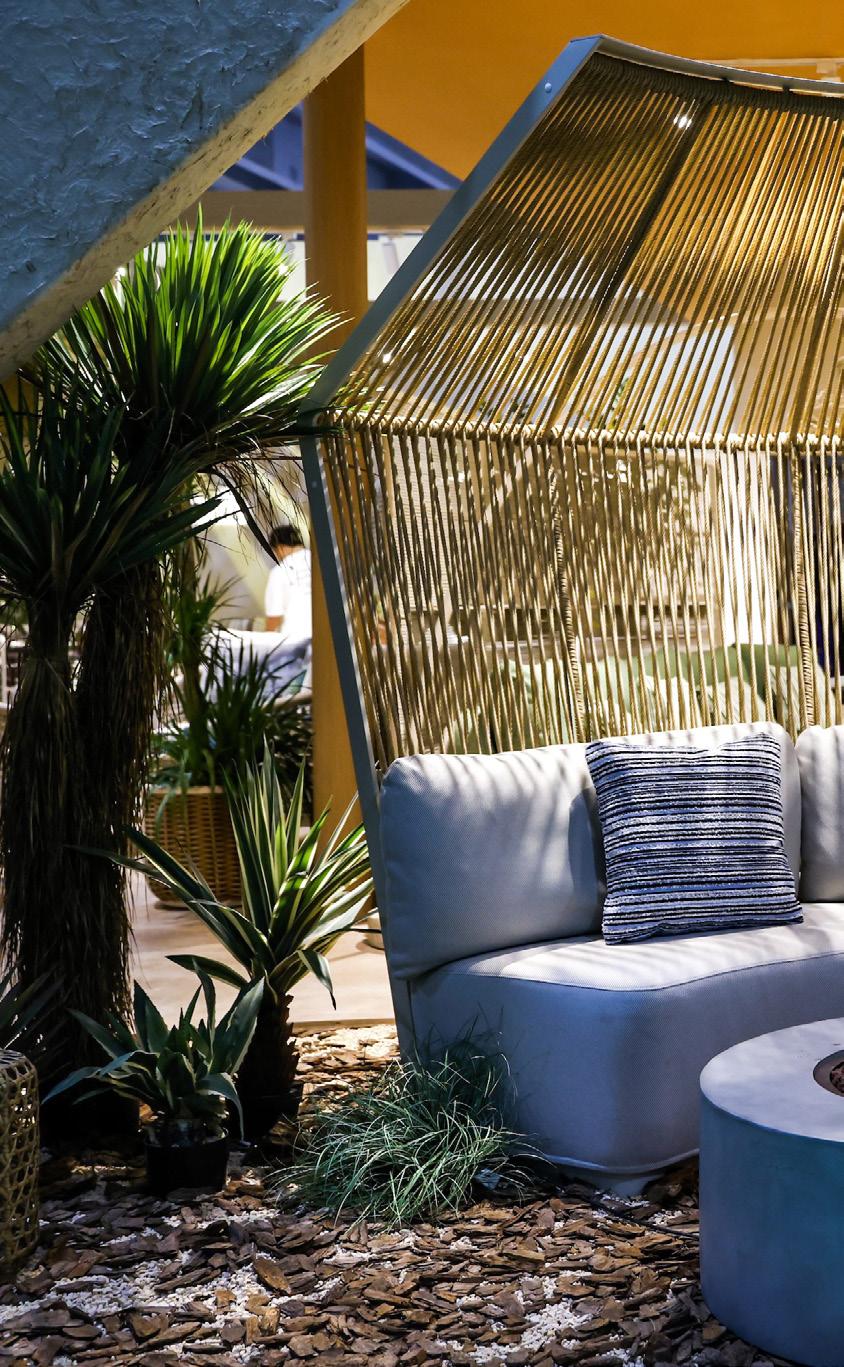
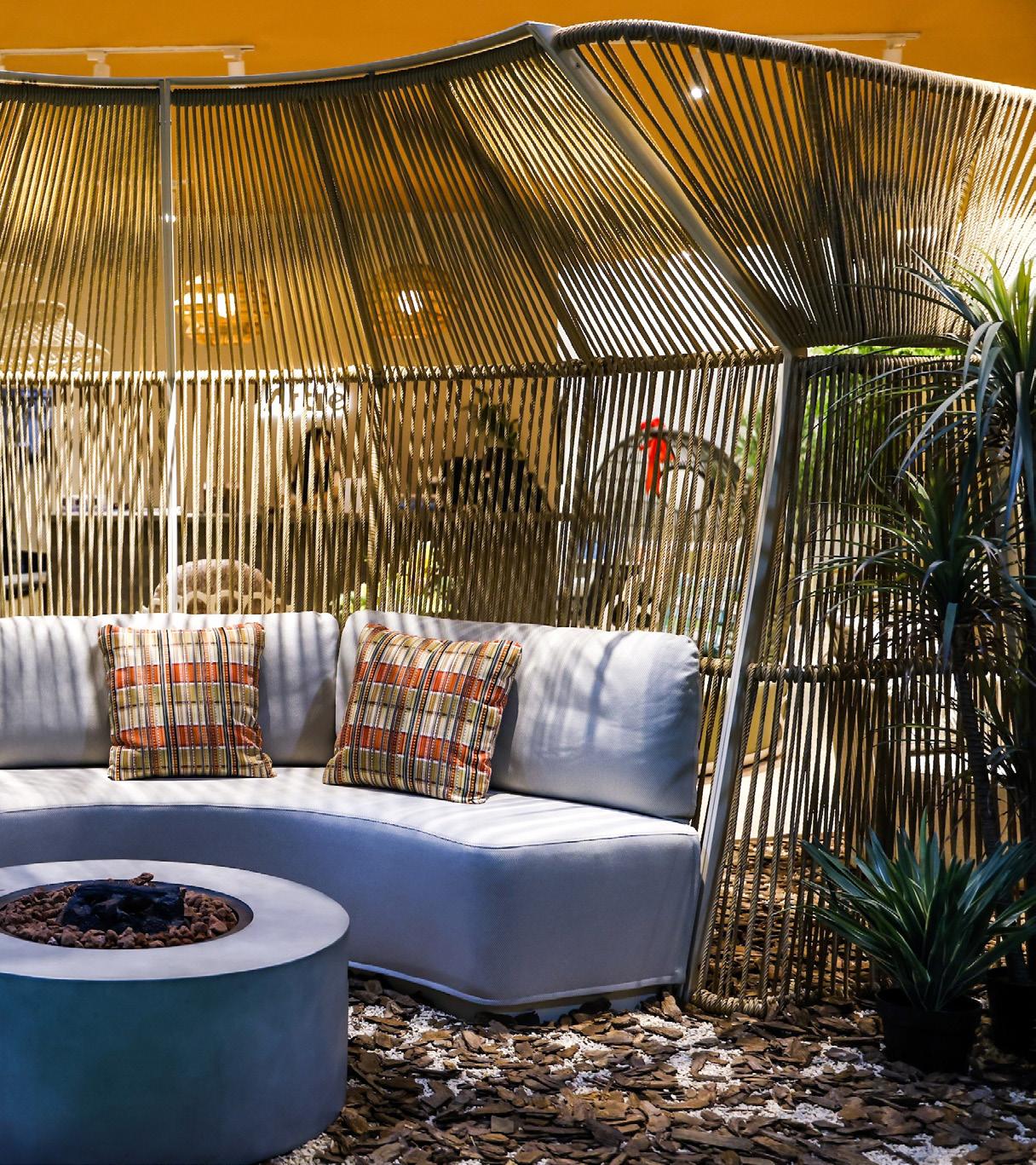
As global lifestyles increasingly extend beyond interior spaces, CIFF has responded with a strong emphasis on outdoor living. From outdoor seating and shading systems to grills and camping equipment, the zone presented a complete picture of large-scale outdoor living.
The third edition of the ‘Nature’s Echo’ special exhibition added a more experimental layer, showcasing material innovation and advanced craftsmanship that point toward the next phase of outdoor lifestyle design.
Themed around ‘Co-Grow’, this area was curated by artist and designer Yuan Yuan, aiming to create a ‘touchable, breathable and stayable wild field’ in the hustle and bustle of modern life. Through an immersive experience, it encouraged the audience to rethink the relationship between humans and nature and to feel the serenity and strength of life taking root downward and meeting the light upwar, he says.
“We live our lives at such a frenetic pace that we scarcely have time to realise what it is we are losing,” notes Yuan Yuan.
Outdoor Living
Established & Sons
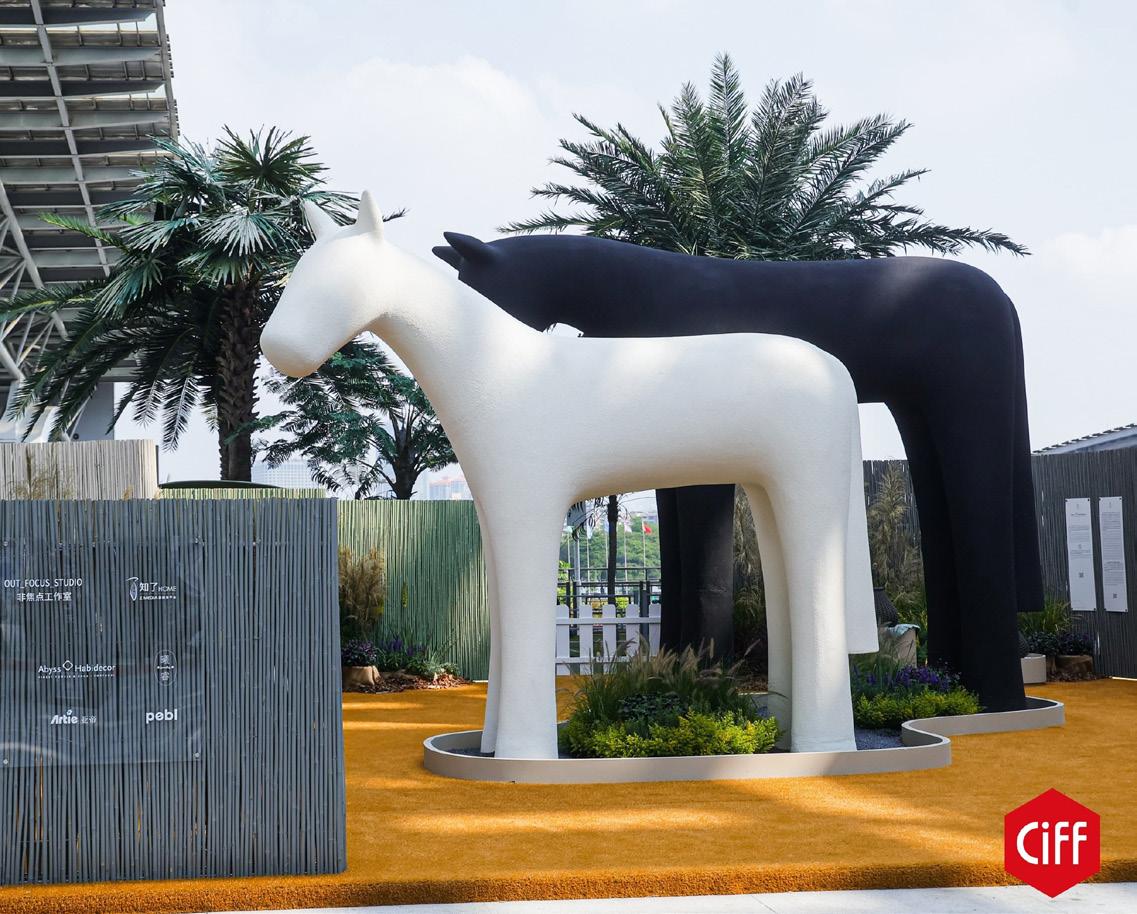
According to the curator, the golden trees standing tall in hall 12.1 echoed the upward growth force with their upright posture. The two horses on the platform between Area A and Area B represented the vitality of life running freely and visitors would find their own pace amidst the hustle as they move through the scenery.
“This year’s special exhibition placed greater emphasis on life and nature, utilising a lot of recyclable and nature-friendly materials to integrate sustainable concepts into space design and product presentation. Through touchable, traversable and interactive
immersive experiences, viewers were no longer mere observers but became a part of the natural environment, experiencing the aesthetic symbiosis of art and nature.”
International brands represented in Nature’s Echo included Italian home furnishing brand Kartell, Danish design brand HAY, American high-end lighting brand Visual Comfort&Co and Portuguese luxury home textile brand Abyss&Habidecor.
Chinese domestic original design brands such as XUE, SING CHAN, Femo Design and Out Focus Studio as well as professional brands in the outdoor furniture industry like HIGOLD, VINEKO, Artie, MYX, pebl, KUNDESIGN also made an appearance.
The show also introduced a dedicated garden and landscapefocused zone. Spanning nearly 3,000 square metres, the zone brought together around 40 exhibitors, covering garden furniture, tea spaces, landscape design and hospitality-related outdoor solutions.
Technology rules
Wellbeing is one of the top priorities for people these days and sleep is increasingly being reframed as part of everyday health management. Across the industry, brands are integrating sensing technologies, algorithms and structural design to create beds that respond to sleeping posture, body support and relaxation rhythms in real time.
This shift made smart sleep one of the key focuses at CIFF Guangzhou this year. Inside the Smart Sleep Ecosystem Pavilion, visitors experienced a complete lifestyle system built around health sleep technology ranging from smart mattresses and adjustable beds to sleep-monitoring systems, massage chairs and multifunctional sofas.
Among the highlights is the brain-computer interface AI mattress jointly developed by SLEEMON and BRAINCO. Using non-invasive sensors to detect relaxation signals from brainwaves, the system adjusts sleep parameters in real time through AI algorithms.
Meanwhile, KUKA HOME’s AI mattress series uses multidimensional sensors and sleep data models to fine-tune support
Pet Life
Nature’s Echo
based on body posture, with control available via voice, remote or mobile app. Custom sleep systems by SANCI go further, calculating mattress firmness using BMI data, body-type profiling and pressure distribution across six body zones.
At the same time, MLILY’s L7 ZeroPressure Smart Bed has been integrated into HarmonyOS’ smart home ecosystem, allowing users to switch between reading and sleep modes with a simple voice command while automatically generating sleep reports.
Beyond sleep, rest itself is being redefined. At CIFF, furniture is no longer designed around form or single functions alone, but around support, ergonomics and intelligent adjustment, addressing everything from solo relaxation to social interaction.
LINSY’s ‘Tipsy’ sofa, for example, translates the in-between emotional state of modern urban life—somewhere between alertness and release—into seating comfort, using its Sense+ 2.0 system and proprietary mechanism to support virtually any posture.
SKYLINE’s Yunxiang adjustable series uses zero-gravity motors to simulate weightless comfort, paired with wall-hugging designs
that suit compact apartments, allowing users to watch, read or unwind comfortably even in small spaces.
Elsewhere, NICE HOME embeds heightadjustable functionality into walnut-finished desks, enabling effortless transitions between sitting and standing. YESWOOD takes a different approach, concealing technology within craftsmanship—its electric storage bed preserves natural wood aesthetics while introducing
motorised structures to increase storage flexibility for smaller homes.
Furniture is increasingly designed to move in sync with daily routines. Desks rise and fall intuitively, sofas adapt to changing postures and domestic spaces begin to behave less like static interiors and more like environments that actively support everyday life.
The 59th CIFF Guangzhou will be held from 18 to 21 March 2027. G
Home Decor
Home Furniture
HIGHLIGHTS
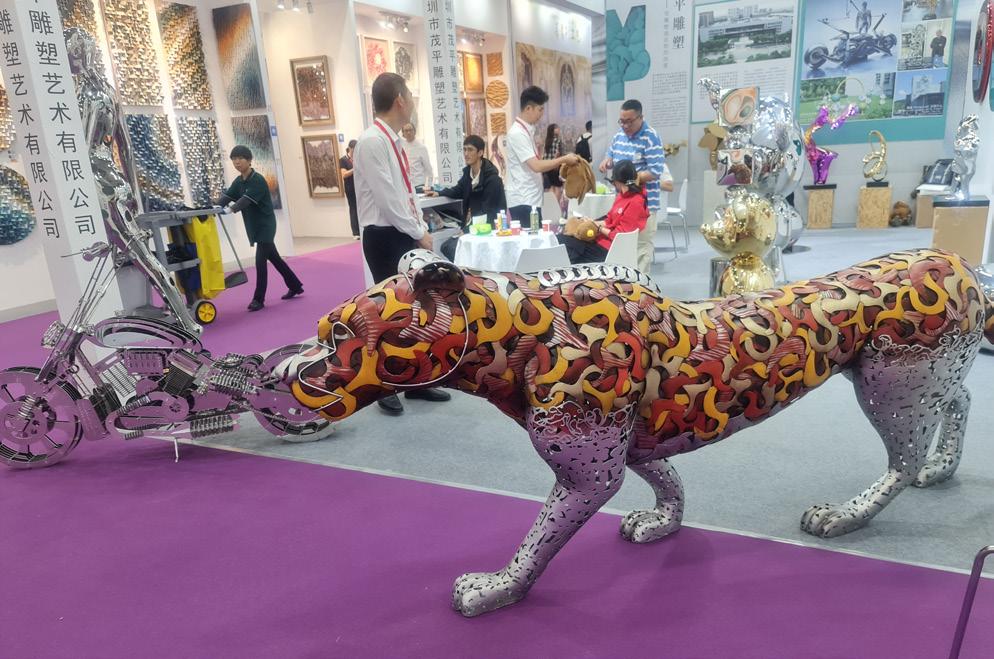
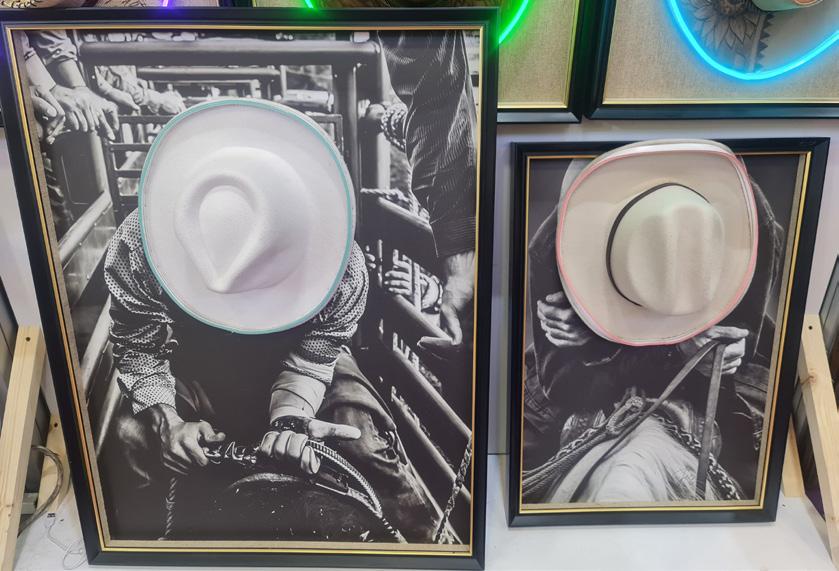
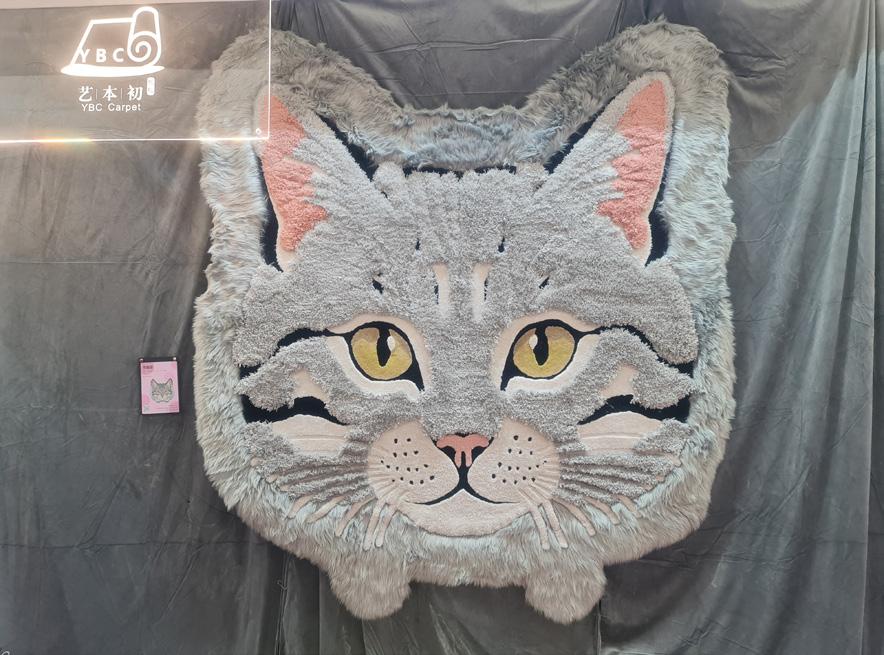
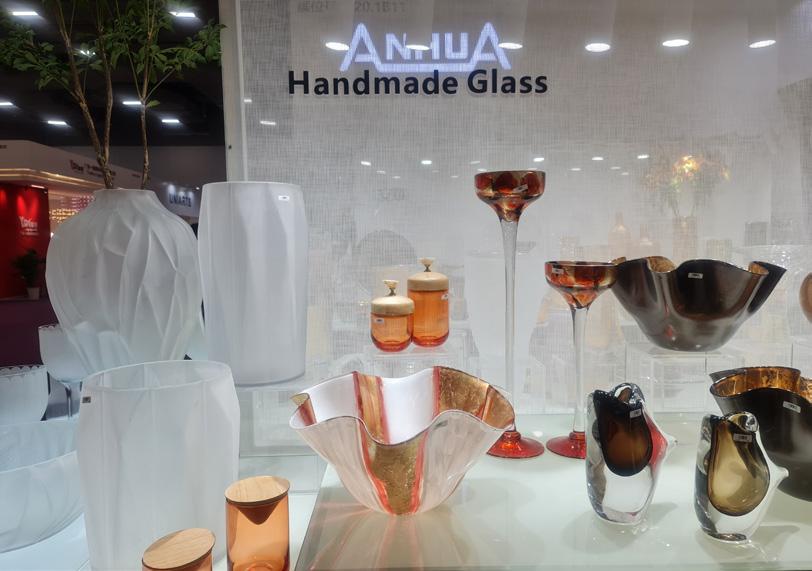
These pieces made quite the impression at CIFF
How one character can create such an amazing display. Either on the wall as a statement piece or on the floor as a rug, this kitty cat will make an impression in any home.
Beautiful handmade glass ware.
Wall art with a twist. A bit quirky. A bit different. A bit weird.
KITCHEN CONFIDENTIAL
Microwaves, markets and the ‘death’ of the kitchen table? Australia’s cooking habits buck the global trend.
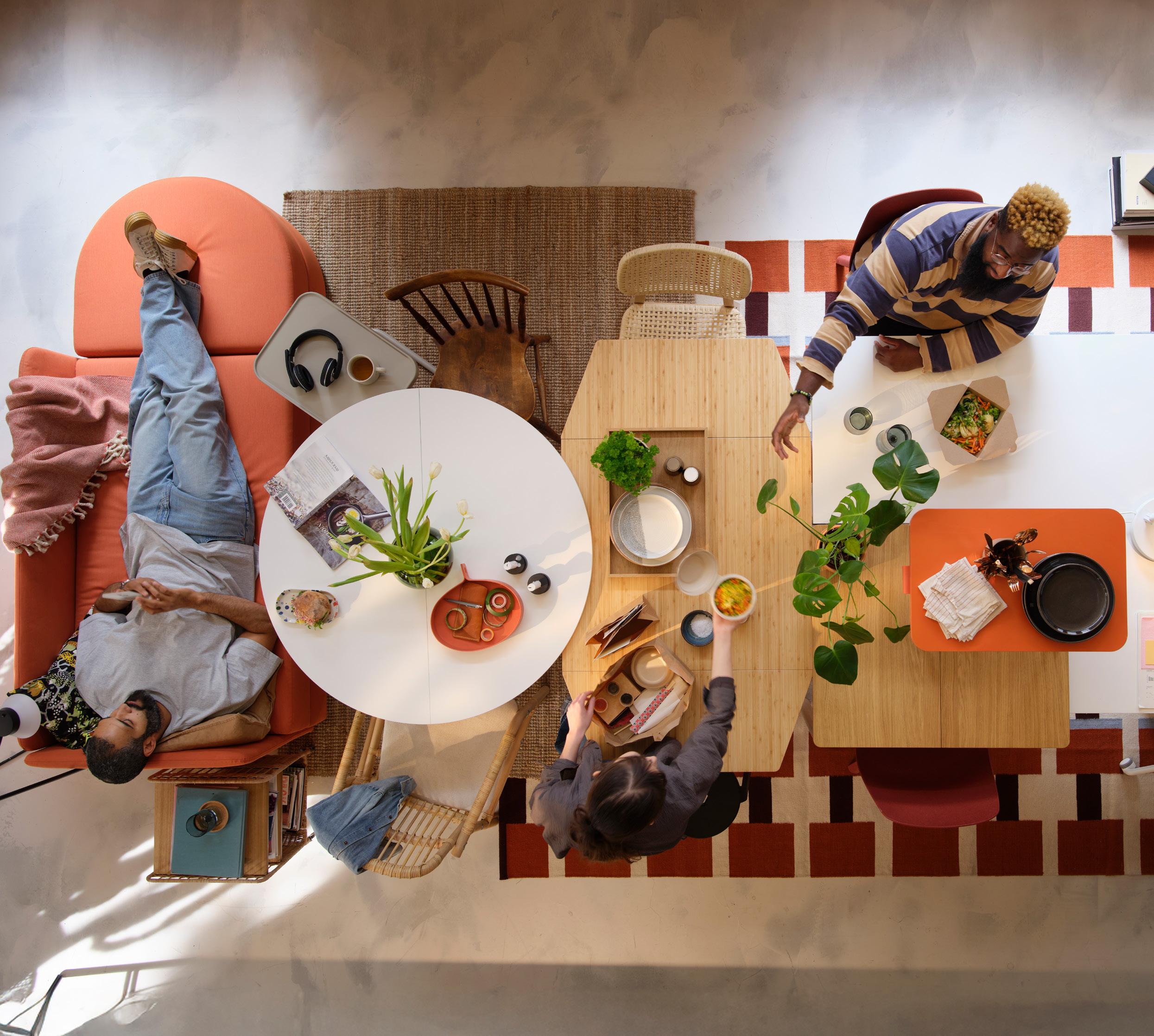
Earlier this year, Ikea released a State of the Nation snapshot of how Australians are cooking and eating at home compared the rest of the world. The report that interviewed more than 30,000 people from over 31 countries, reveals a uniquely Aussie blend of cooking from scratch alongside clever shortcuts
and a shift away from dinners at the kitchen table, with Australians ranking among the most likely to eat dinner on the sofa.
The cooking and eating report reveals that while Australians feel more confident cooking (42.3 per cent vs 34.1 per cent), they are also much more likely than our friends overseas to embrace timesaving
tools like the microwave (50.2 per cent vs 34.6 per cent) and air fryer (41 per cent vs 31.2 per cent).
As well as time saving, we have one of the earliest dinner times worldwide, but while we are earlier to eat, we don’t want to spend a long time doing it, with 23 per cent spending less than 19 minutes enjoying their evening meals.
“Australians are rewriting the dinner rulebook, especially when we compare the habits from around the world,” explains Josh Cooling, range manager dining and outdoor at Ikea.
“While we are confident in our ability in the kitchen and cooking from scratch, the report shows that convenience is a big factor in Aussies’ lives, from our use of appliances through to eating on the sofa while watching TV.
Confident cooks, from scratch pride and smart short-cuts
The results show just how unique Australians are in their cooking habits in the kitchen. More than one in two cook from scratch, which is 10 per cent more than the global average (56.2 per cent vs 45.9 per cent), but at the same time aren’t afraid to lean on appliances to support meal prep and admit to having less than 10 dinners on rotation (27 per cent). We’re also not afraid to opt for a microwave meal
Australia is one of the countries with the earliest eating times in the world.
(23.6 per cent vs 15 per cent globally and 4.9 per cent in China) and order takeaway more often (1.4 vs 0.9 times per week).
The report reveals:
• Aussies feel confident cooking: 42.3 per cent AU vs 34.1 per cent global
• Aussies cook at home 5.6 times/week
• Older Aussies (45+) are more likely to embrace fast appliances like microwaves (58.1 per cent vs 40.3 per cent) and air fryers (48.3 per cent vs 37.3 per cent) over Gen Z
• While we are leading the global average on air fryer usage, our friends in the UK are even bigger fans with almost one in two (48.7 per cent) owning the appliance, compared to 41 per cent in Australia
• When it comes to what we’re cooking, 57 per cent prefer simple recipes and 29 per cent batch cook
Phygital food shopping
Shopping habits also reflect Australia’s desire to combine convenience with local, fresh ingredients. We are eight per cent more likely to order our groceries online than the global average (17 per cent AU vs 8.9 per cent globally and just 6.3 per cent in Sweden), but at the same time prioritise local markets 23.2 per cent vs 16.4 per cent globally and just 9.3 per cent in the UK. Younger generations (30.9 per cent of millennials and 29.6 per cent of Gen Zs) prefer shopping at local markets compared to just 16.5 per cent of older Australians.
The sofa shift
The report shows that while the rest of the world is 17 per cent more likely to enjoy dinner time at the kitchen table (26.6 per cent vs 44.4 per cent globally and a huge 75 per cent in China), Australians are much more likely to:
• Eat alone in front of the TV (64.4 per cent vs 53.7 per cent)
• Eat sitting on the sofa (30 per cent vs 18 per cent)
• Eat on a table in the bedroom (seven per cent vs three per cent)
• Eat in bed (four per cent)
In Australia, women are more likely than men to favour eating on the sofa (women 34.8 per cent vs men 25.6 per cent) and Gen Zs are more likely to embrace dining in bed (7.4 per cent). However, while Aussies are big fans of comfortable eating locations, our Kiwi friends across are even bigger fans of dinner time on the sofa (34 per cent) and our American friends in bed (8.6 per cent).
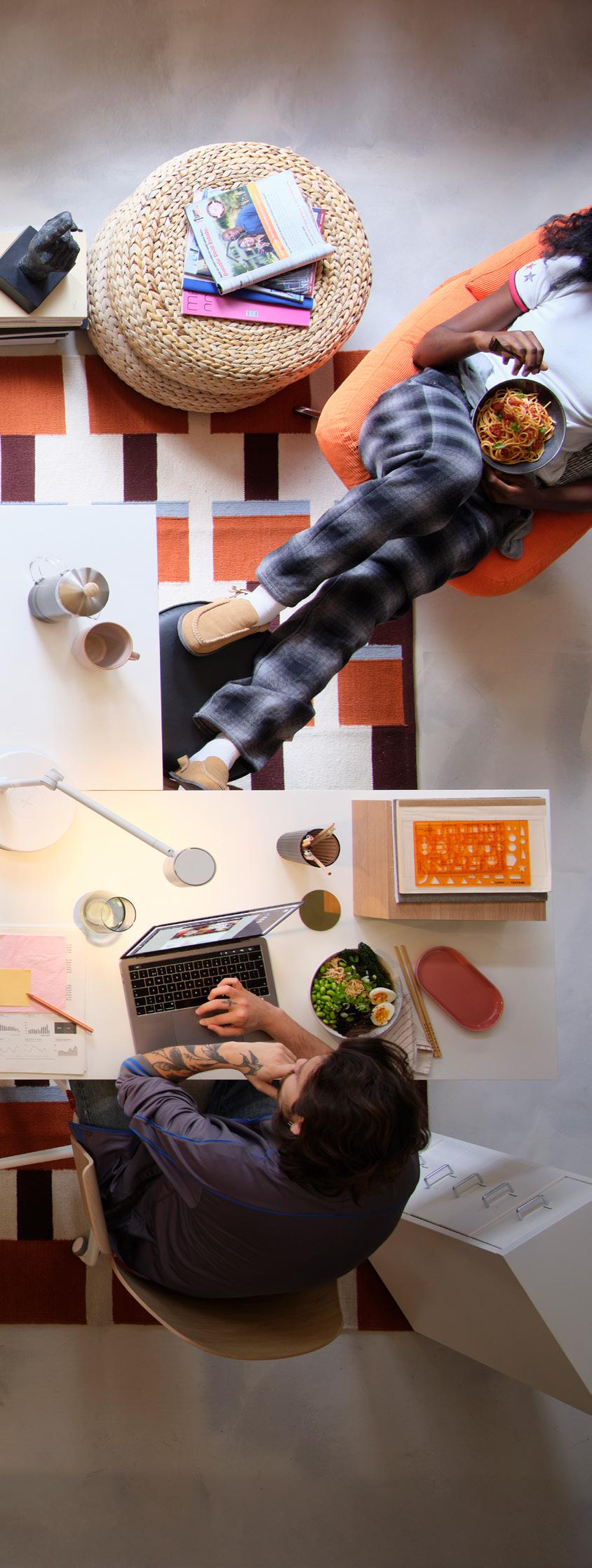
We’re also more likely to utilise our dining tables for tasks that have nothing to do with eating with 70 per cent using the dining table for non-meal tasks including work (8.7 per cent), homework (9.2 per cent), creative hobbies (20 per cent) and games/entertainment (19.8 per cent).
Dinner time?
Australia is one of the countries with the earliest eating times in the world with 40 per cent of Australians opting for a 6pm start time—just 28 per cent of global respondents chose the same. And while 10 per cent of respondents globally admitted to having dinner times after 9pm, just three per cent of Australians claim to eat this late in the evening. This contrasts sharply with our Spanish counterparts, where 48.5 per cent eat dinner after 9pm and a further 22.7 per cent dine after 10pm.
However, while we are early, we are also very efficient with 23 per cent eating in less than 19 minutes and our average duration just 28 minutes, compared to India with a slightly more leisurely average of 30 minutes.
“As leaders in life at home we understand that while our range remains the same around the world, how our customers want and need to use our range at home is different. That’s why we have the biggest range of cooking and eating solutions to help all customers from Aussies and Kiwis to the French and Brits, to create their very own, better life at home,” Cooling adds. G
Convenience is a big factor in Aussies’ lives including their use of appliances and eating in front of the TV Image: Ikea
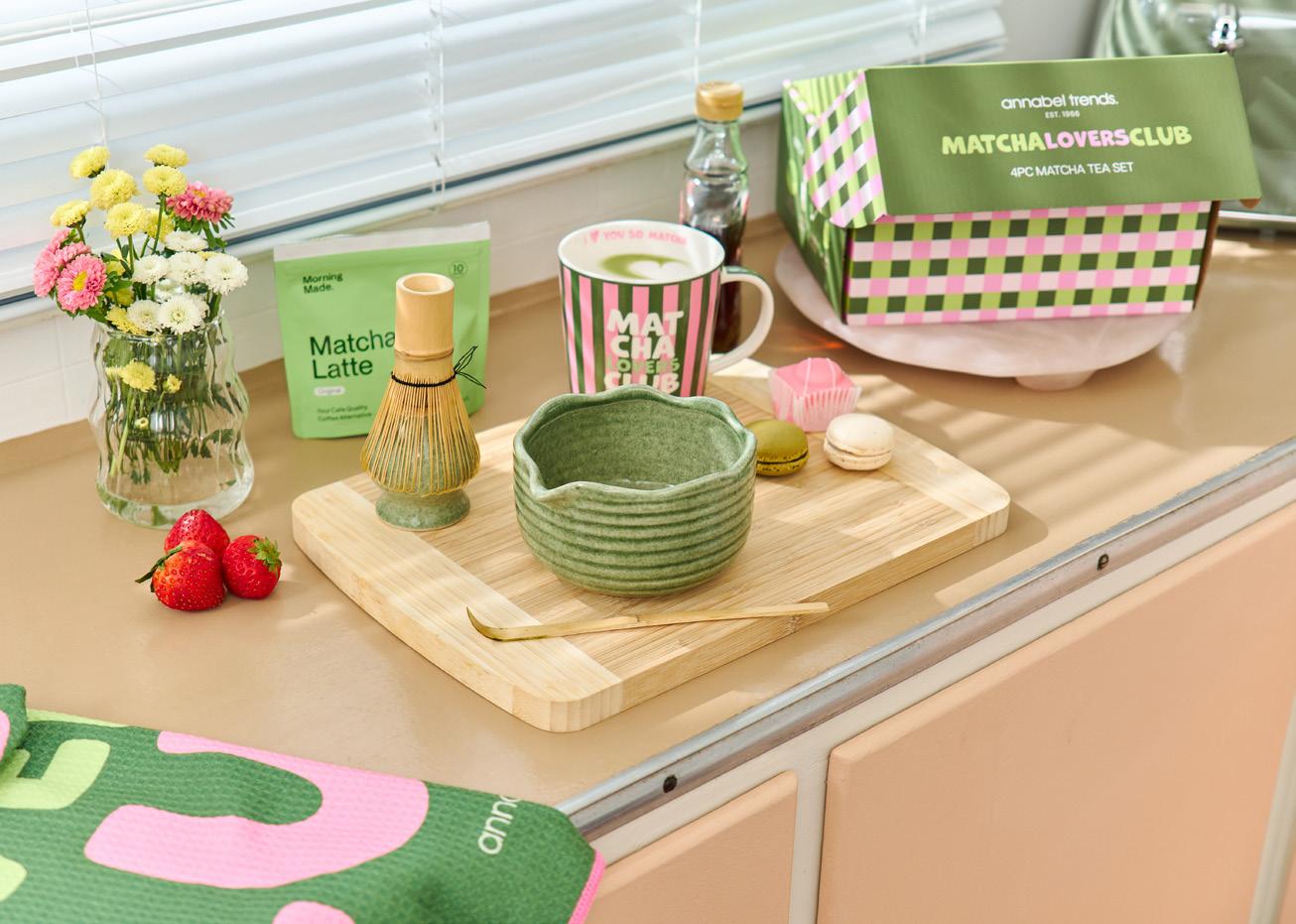
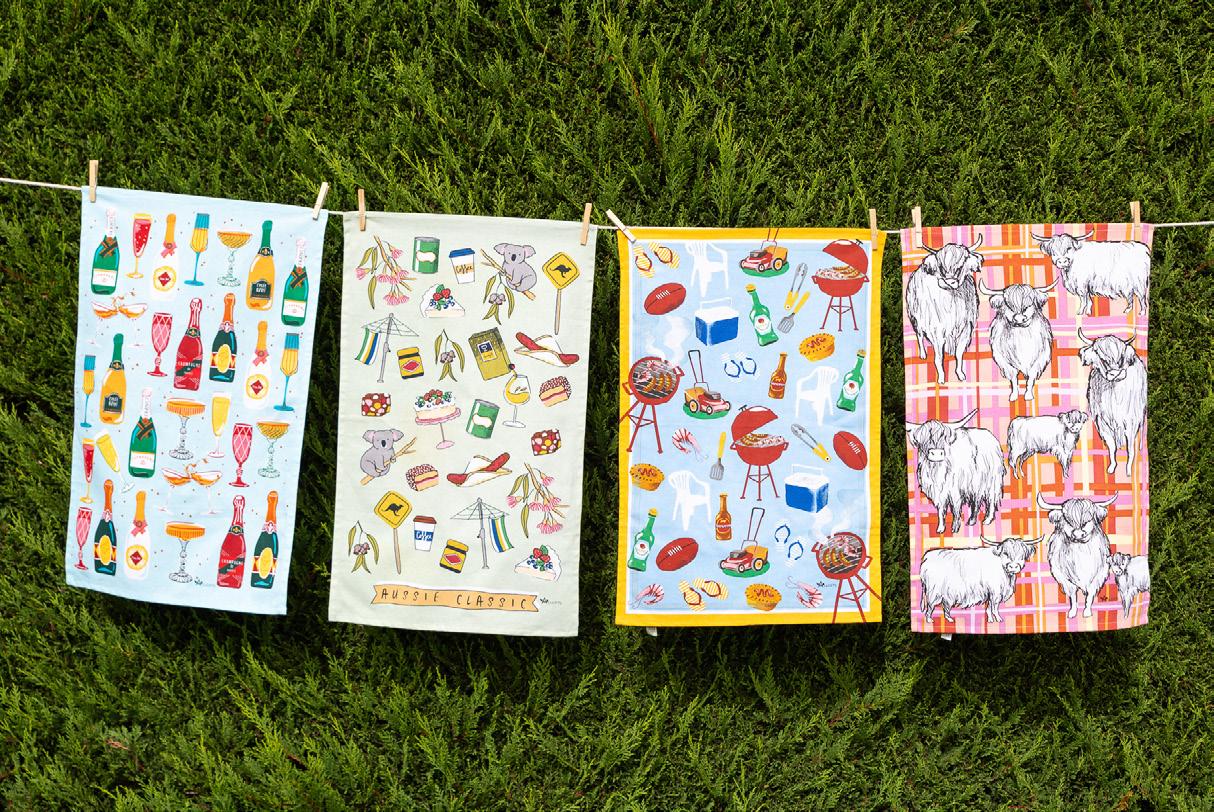
Annabel Trends Matcha range (wholesale $6.40-$25.72). info@annabeltrends.com, www.annabeltrends.com, www.instagram.com/annabeltrends
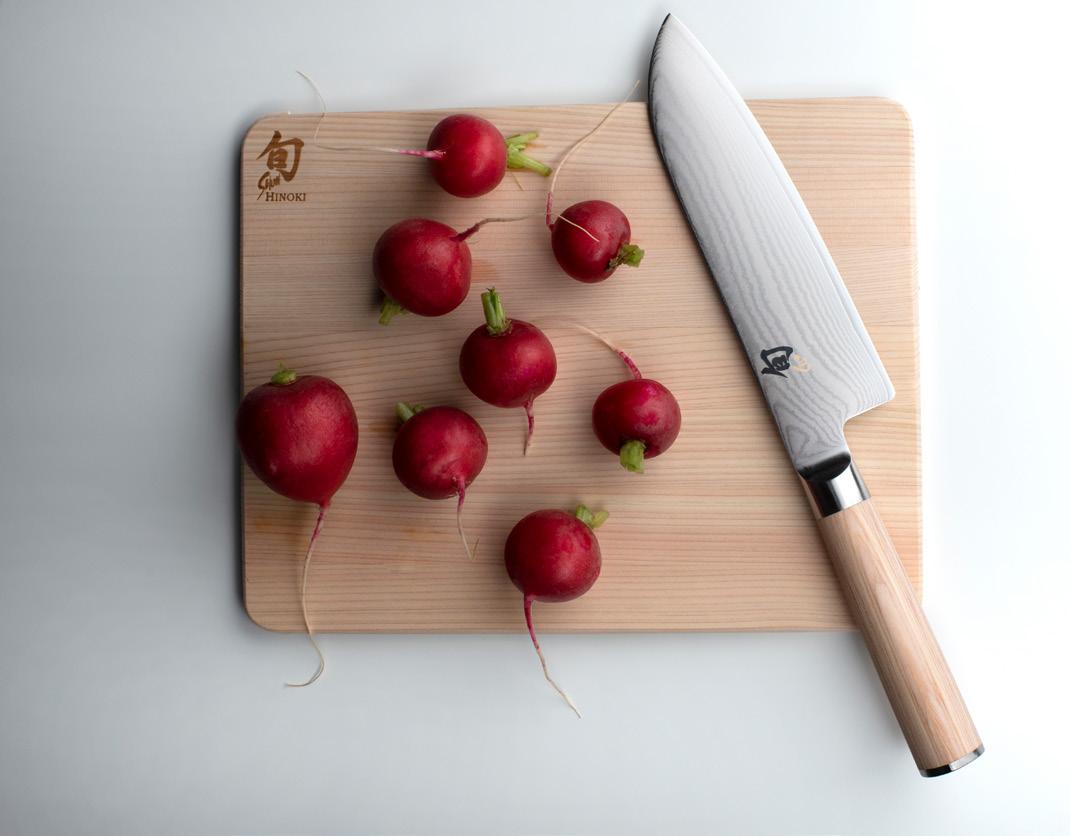
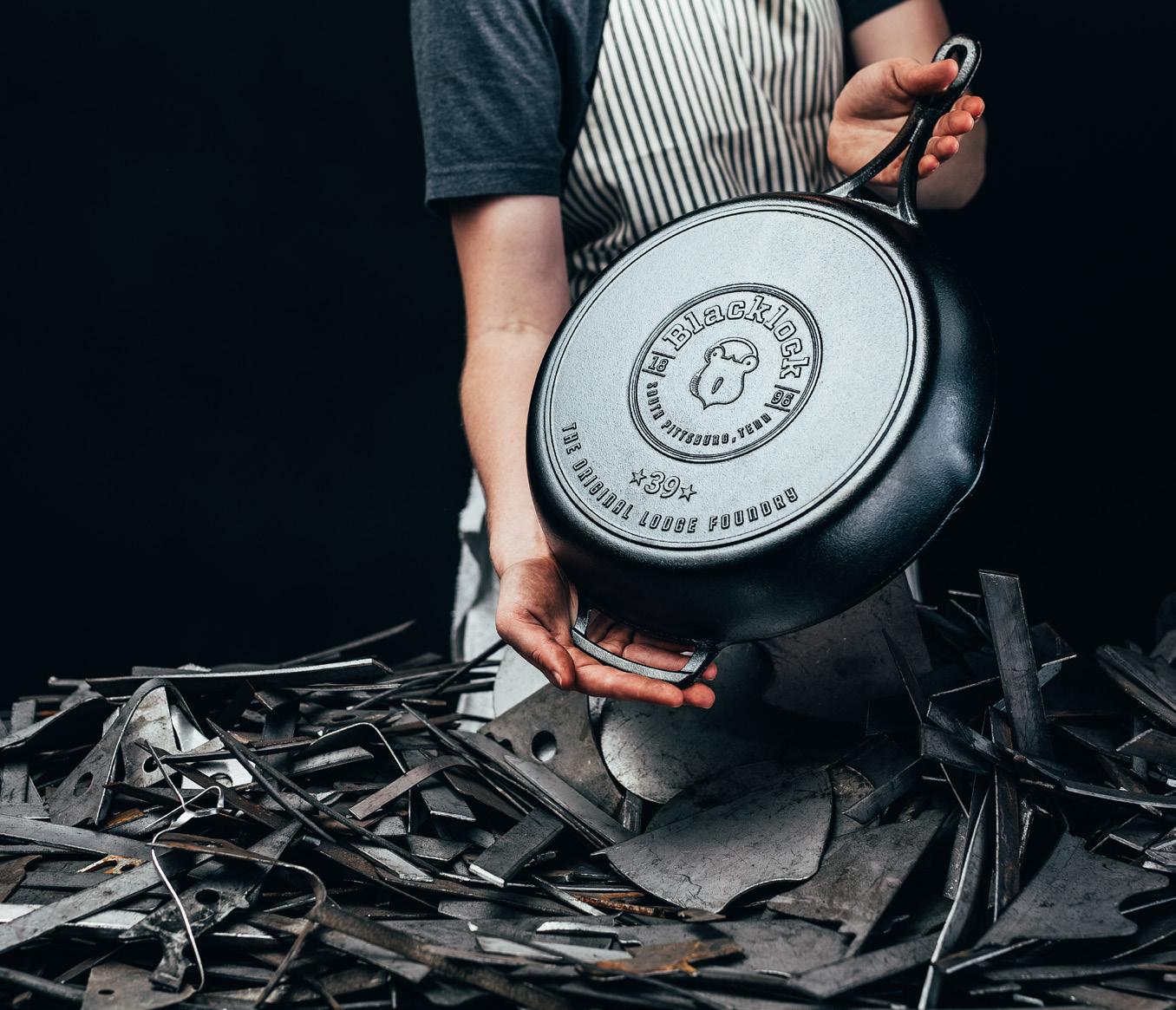
Hale Imports Lodge Blacklock 12-inch cast iron skillet (wholesale $160). orders@haleimports.com.au, haleimports.com.au
NEUTRAL GROUND
Creating spaces that feel welcoming, comfortable and made for real life.
Long weekends are one of the most popular times to tackle jobs around the home. Last year 6.2 million Aussies had planned a DIY project over the Easter period, with painting, gardening and organising the garage appearing in the list of top jobs to get through.
Lauren Treloar, Dulux colour and design manager explains that a fresh coat of paint is an inexpensive way to completely transform the look and feel of a room.
“However, with so many shades to choose from and as we’ve seen Australians’ appetite for warmer whites and neutral tones really start to increase over the last few years, it can be a challenge to know which shades work best together to create a cohesive colour scheme for your home,” she notes.
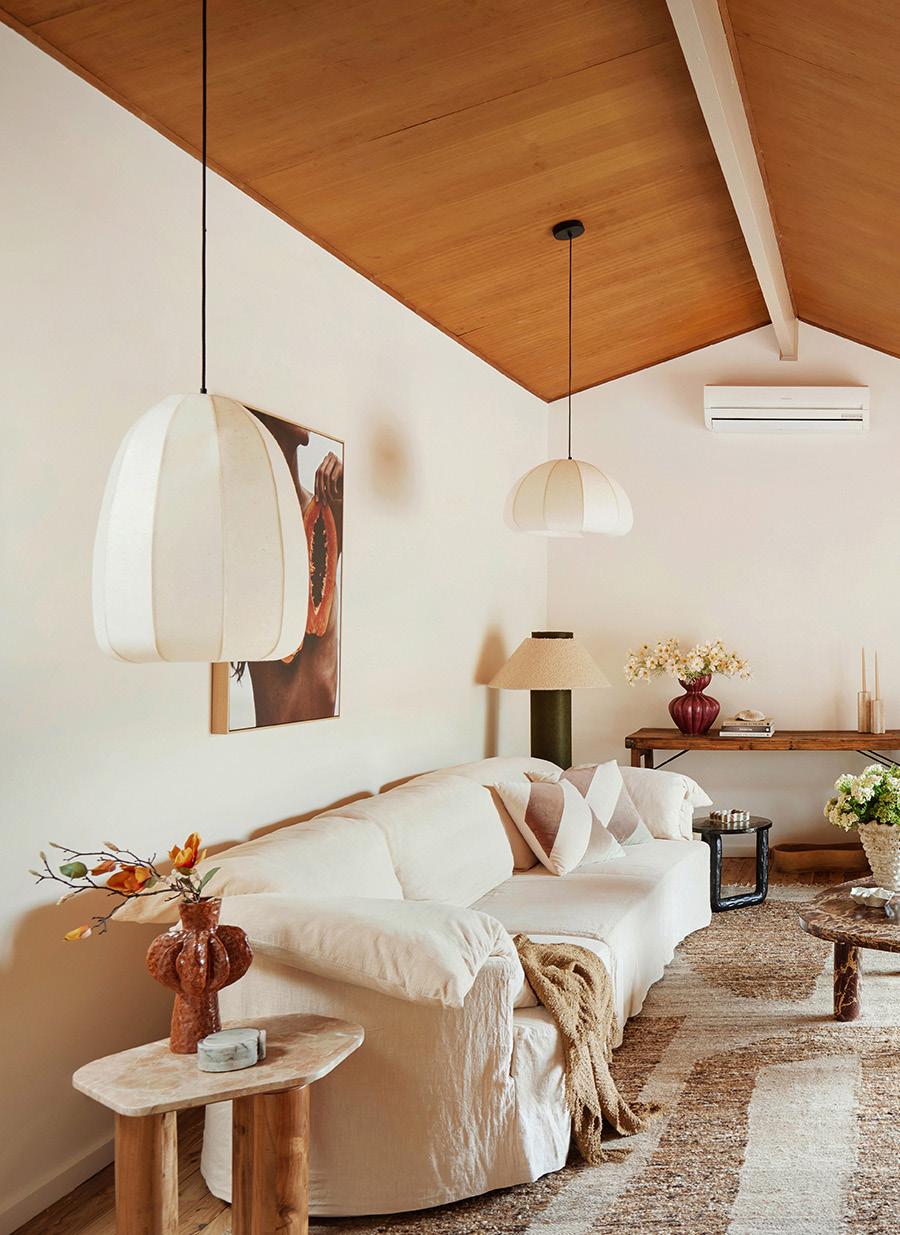
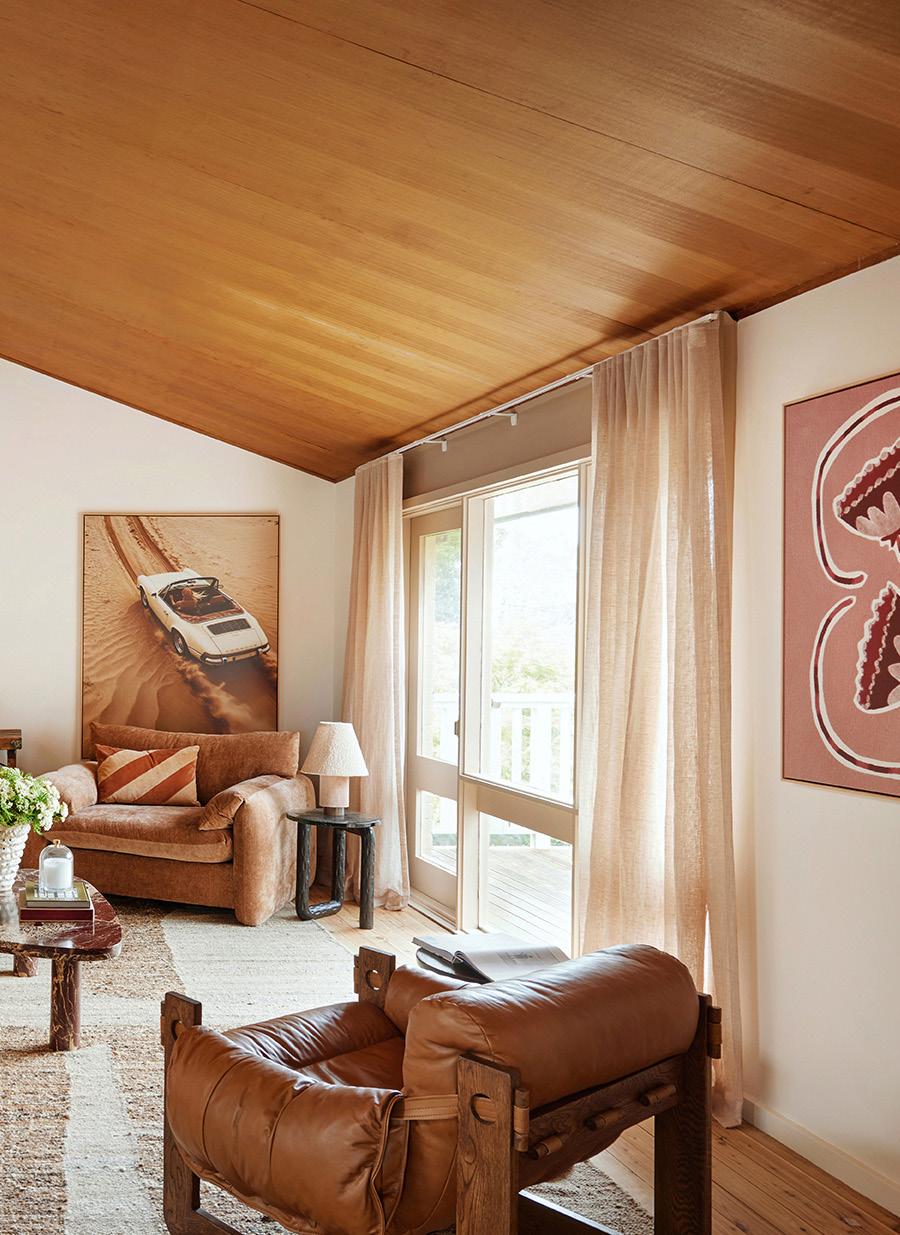
With Pantone’s colour of the year being Cloud Dancer, demand for neutral and warmer white tones has only increased. Dulux recently partnered with design experts Three Birds Renovations, who are known for their transformations.
“In the past, neutrals might have been considered a ‘safe’ option, but these days, incorporating colour into our homes has very much become a design decision,” says the team at Three Birds Renovations.
“We’ve found ourselves leaning into softer, warmer and more layered neutrals that add depth and soul to a space. The result are homes that still feel timeless, but also warm, relaxed and liveable.
“It’s less about crisp, gallery-style minimalism and more about creating spaces that feel welcoming, comfortable and made for real life.”
When it comes to pairing neutrals with colours, the Three Birds Renovations team advises that there are some key considerations to keep in mind.
“Undertones are everything. A tiny shift from warmer or cooler tones can completely change how a space feels, especially once natural light gets involved.
“We also always look at the bigger picture. Timbers, stone, tiles and metals all play a part in how a colour looks, so your neutrals need to work with them, not against them.”
When people initially think of neutral colours, soft beige, greys, taupes and cream tones might be the first shades that come to mind and they’ll always be a great base for people to start with, but there is a wave of new neutrals that are becoming fast favourites.
“Neutral colours are absolutely having their moment and it’s easy to see why. They make homes feel calm, soulful and good to be in, the kind of spaces you want to come home to at the end of a long day.”
With a nod to nature, green shades instantly calm and work effortlessly with natural light. They feel fresh yet timeless, a balance that can be tricky to perfect. The team also notes that warm yellows, earthy blues and clay-based hues are emerging.
“These colours are sophisticated and add personality without overwhelming a space. They’re perfect for people who want a touch of sophisticated colour, but in a considered, liveable way.
“Our top priority when designing homes is that they feel as good as they look and these are the colours we keep coming back to. Calm, nurturing shades that are a pleasure to live with.
“There are no hard rules for which colour suits which style, just thoughtful choices that work together to tell one cohesive story.” G
COLOUR TIPS TO STYLE A HOME, STORE OR WORK SPACE
• Play around with shades: Don’t be afraid of using multiple whites or different strengths of the same colour within the same space. When done right, they work together beautifully to create a tonal look.
• The ultimate foundation: A neutral is a great staple from which to build your space to really let its contents shine whilst remaining a blank canvas for you to play with over time. With a white or neutral base, you can change the space seasonally to suit your mood without having to repaint.
• Colour drenching and the fifth wall: When you’re considering bringing colour into a space, don’t forget to involve the ceiling; painting them in a colour can instantly make a space feel cosy and intentional. If using a soft, neutral green, pink or yellow shade, you can also have some fun by colour drenching an entire room. Painting the walls, ceilings, doors and trims in the same shade is a great way to add a unique bit of personality to a space.
• Your home experience matters: Flow plays a large part in colour choice, especially in open plan spaces. Colours should move effortlessly from room to room to create a sense of cohesion throughout the space.
• Use your vision board: The Three Birds Renovations team always comes back to their vision board for that specific project when planning their colours. Once the overall colour story is clear, the neutrals are there to support it.
• Start small: If you’re feeling a little nervous, start small so you can build confidence with colour. These spaces allow you to have fun and experiment before you make the leap to the rest of the home, store or workspace.
• Test, test and test again: The time of day and positioning of a room can make the same colour look totally different. The team likes to use a sample pot to observe the colour on the walls before making a decision. If that seems too daunting, you can also order some A4 colour stickers to put up.
THE MAIN EVENT
Growth potential for exhibitors and buyers at HK fairs as sales prospects look promising for the next two years.
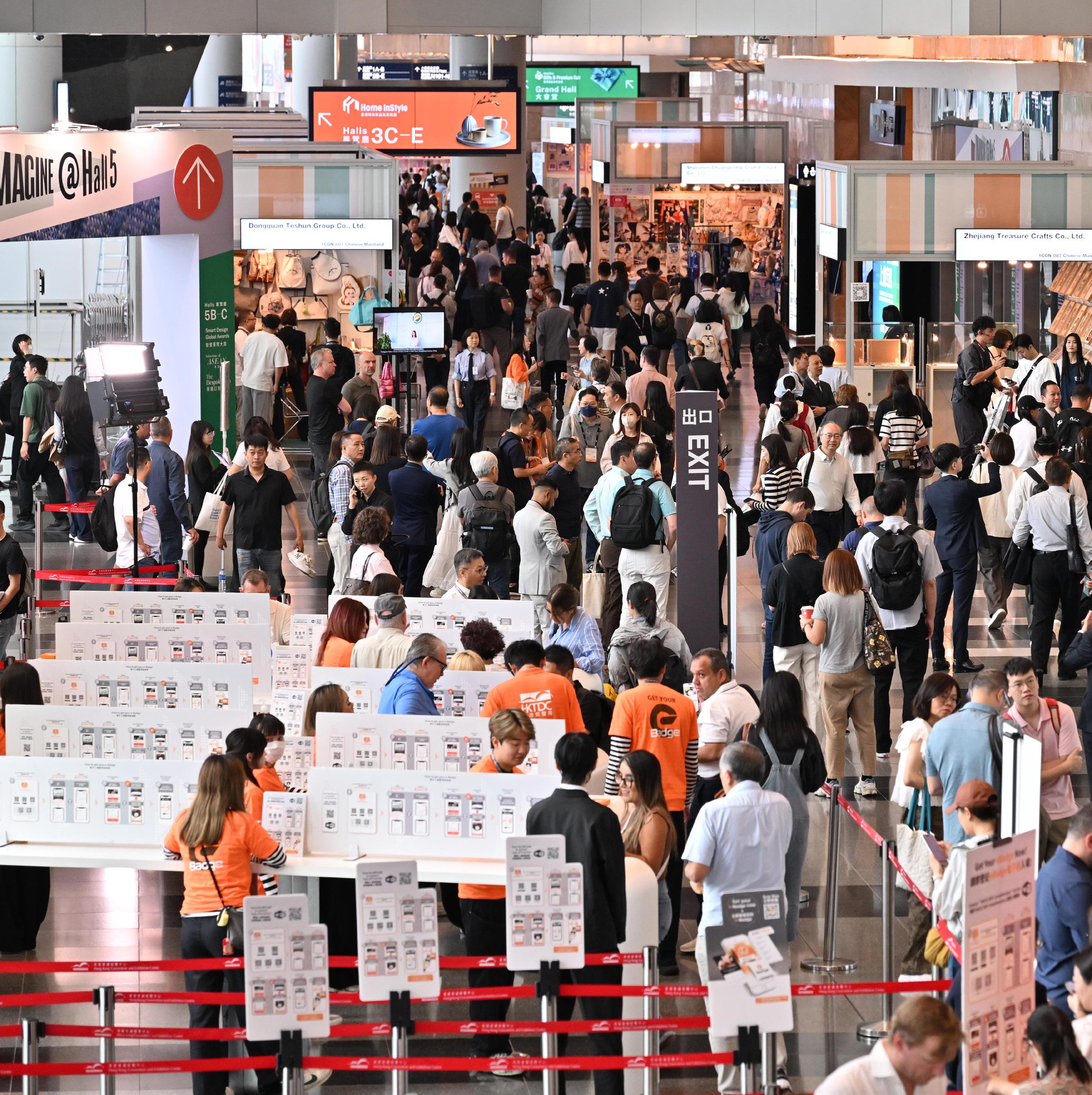
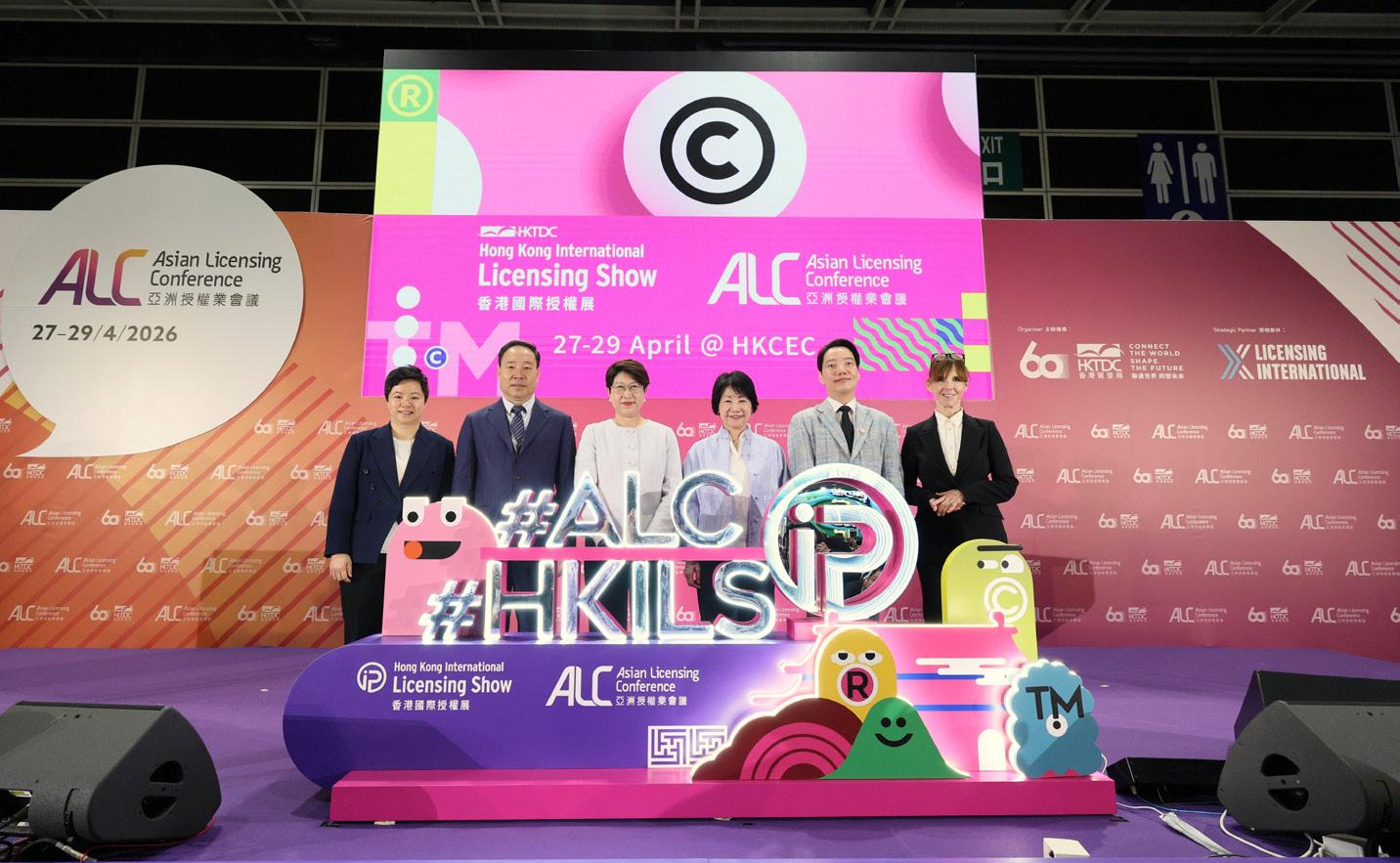
The Hong Kong Trade Development Council (HKTDC) successfully ran seven flagship lifestyle and licensing events, attracting over 95,000 buyers from 134 countries from 27 to 30 April 2026.
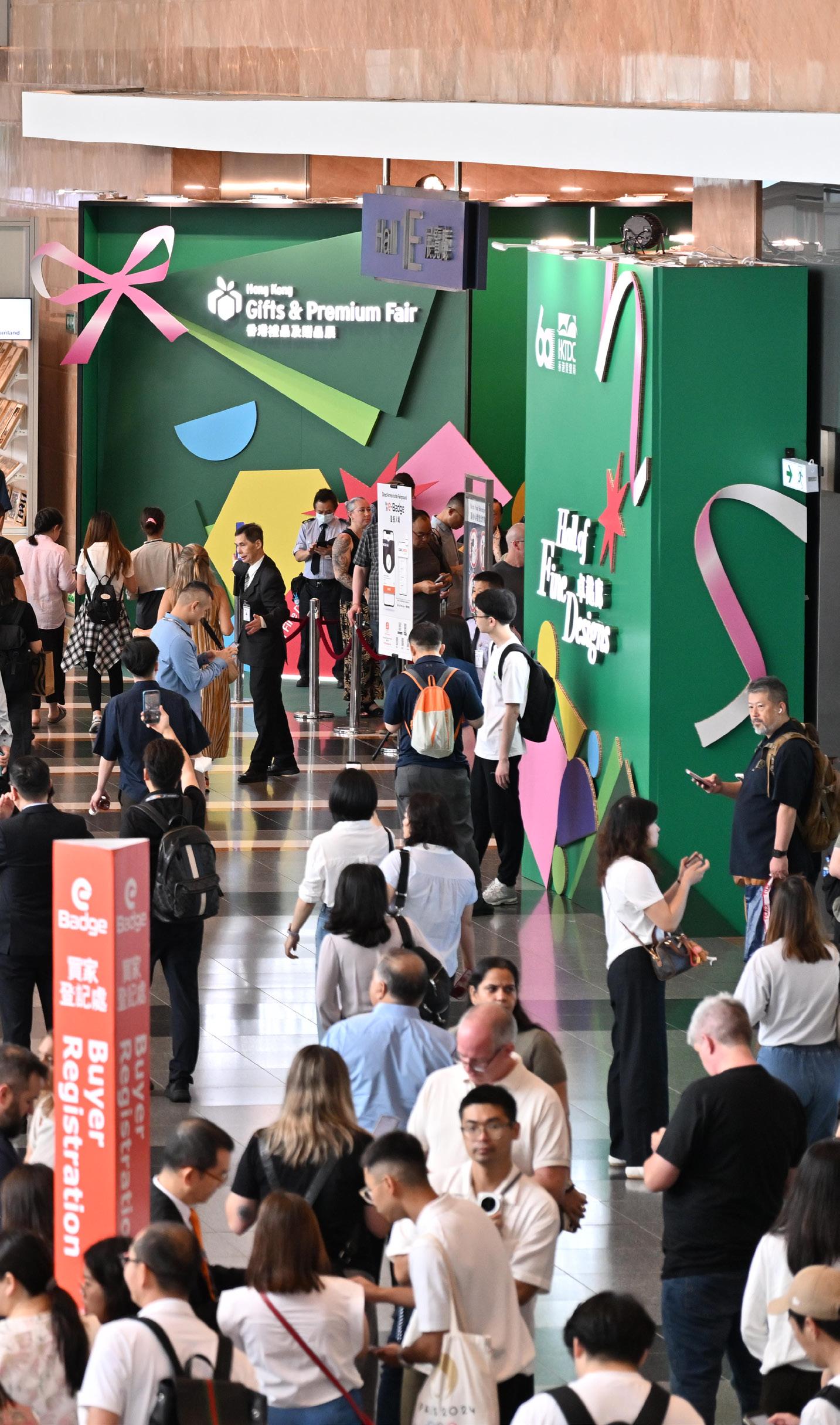
Over four days at the Hong Kong Convention and Exhibition Centre, the Hong Kong Gifts & Premium Fair attracted over 32,000 buyers, Home InStyle drew some 20,000 buyers and Fashion InStyle gathered 12,000 buyers.
“In alignment with the national 15th five-year plan, Hong Kong will continue to actively develop its role as a regional intellectual property trading hub, further enhancing its international competitiveness in the cultural and creative industries and IP transactions,” says Jenny Koo, HKTDC deputy executive director.
“The seven flagship events fully showcased Hong Kong’s distinctive strengths in lifestyle, cultural and creative design, brand development and intellectual property, offering global buyers a rich and diverse array of sourcing options, while connecting exhibitors with international buyers and partners to unlock business opportunities.”
Despite global tensions and supply chain issues, both exhibitors and buyers remain optimistic about the future. According to a HKTDC survey, nearly half (49 per cent) of respondents expect their overall sales will rise in the next one to two years, while 44.6 per cent foresee sales will remain stable. The markets that exhibitor respondents are actively exploring include Europe (34 per cent), ASEAN countries (18.3 per cent), North America (16 per cent), Middle East (13.6 per cent) and Australia (12.8 per cent).
When it comes to product trends, in the gifts and premium market respondents believed the strongest growth potential lies in cultural gifts (19.7 per cent), sustainable gifts (18.6 per cent) and tech gifts (18.6 per cent).
In the furniture and home products market, designer furniture and houseware products (27.3 per cent), interior decoration and handicrafts (27.1 per cent) and smart home technology (23 per cent) are considered to have the most growth potential.
The Middle Eastern conflict didn’t stop the UAE from making its debut at the Gifts & Premium Fair this year.
“On the first day alone, we connected with around 40 new clients from Asia, Europe, the United States and Africa and received enquiries for customised products,” Mohammed Alayat, founder of Dubai exhibitor Alpha Art, says.
HK lifestyle fairs
Opening ceremony HK lifestyle fairs
“We anticipate total orders as a result of the fair to total around US$1 million.”
Wei Yit Vacuum Flask Manufactory debuted the Camel Brand MINI20 thermos blind box, created by Hong Kong illustrator Pen So and Hong Kong contemporary artist Jerry Cho. With the Camel brand celebrating its 85th anniversary, the exhibitor also launched another special co-branded thermos to mark the occasion.
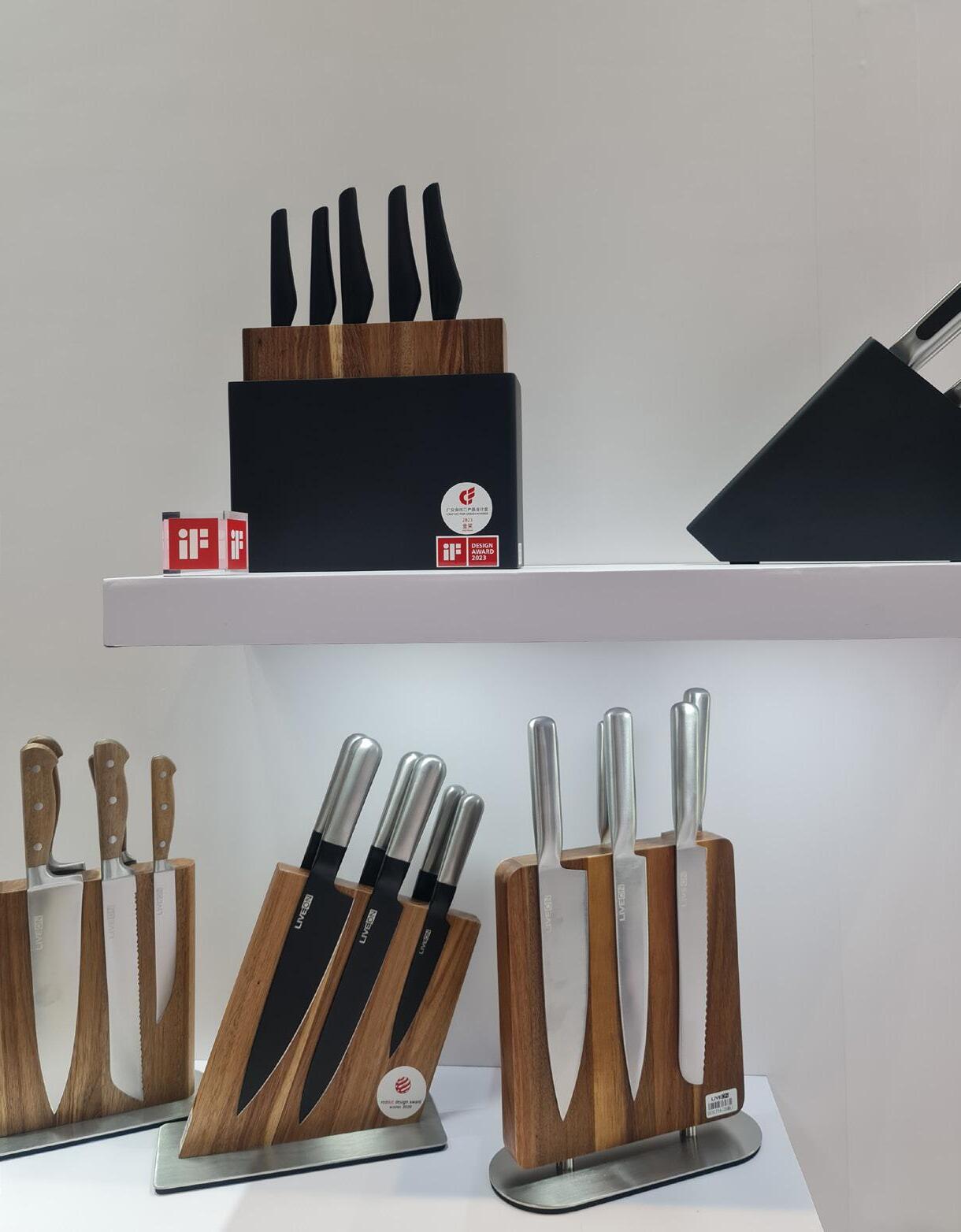
Liveon Kitchen introduced an innovative knife set where the handles are interchangeable, creating a more personal cooking experience.
“The interchangeable handles come in two different woods and weights, so the knives can be customised to what the user prefers,” a spokesperson says.
“It’s very easy to change the handle and we’ve noticed acacia wood is the most popular in Australia. Also, the consumer seems to prefer the lighter weight knife while professional chefs usually go for the heavier one.”
The company focuses on using eco-friendly materials for both its products and packaging.
“More and more customers are looking for eco-friendly packaging as well as sustainable materials. For example, all the information needed for how to use the product is on the box so there is no extra paper used to print the instructions.”
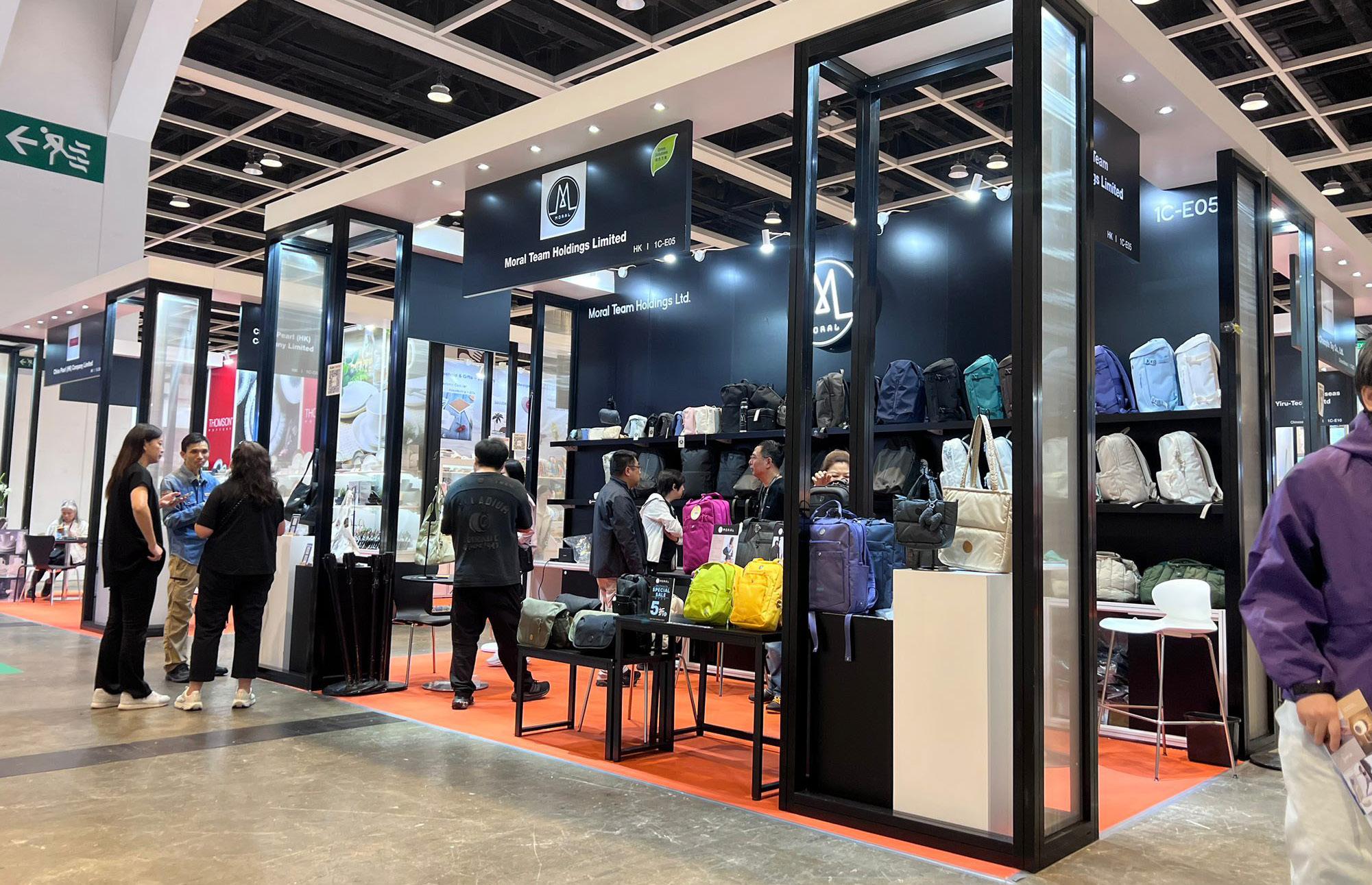
Star Industrial presented the Red A ‘Made in Hong Kong’ mini-series blind boxes with a focus on Hong Kong daily life from the 1960s to the 1990s through iconic household items, while Moral Team Holdings introduced the new-generation Umago Ronin Backpack for the first time. It features an accordion-style compartment system, a three-layer structured shoulder strap for better support and expandable capacity from 21l to 25l.
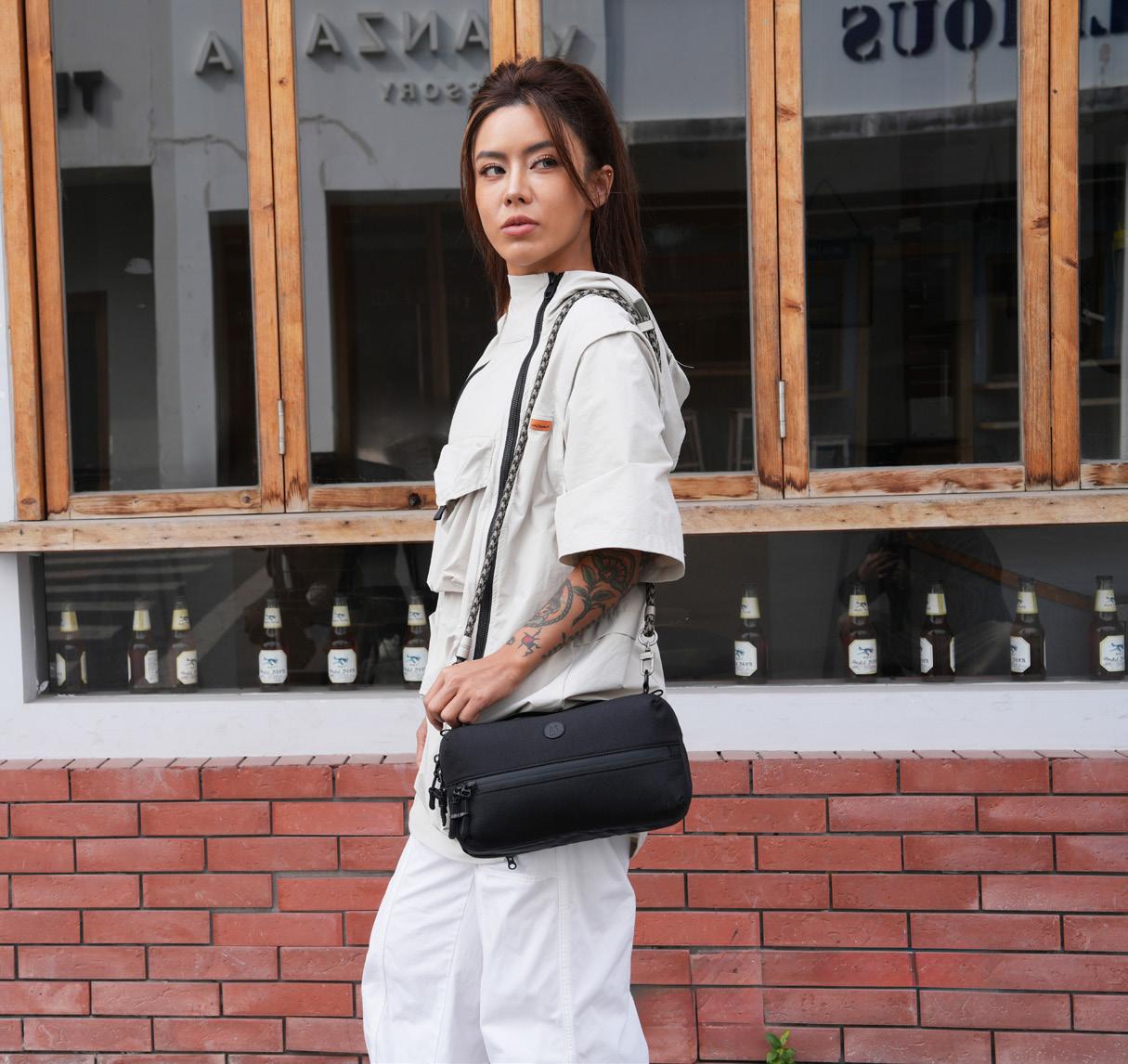
The brand also launched the Umago Ronin Sling, which includes an independent extra-wide water bottle compartment, four compartments in total and innovative washed nylon fabric with strong water- and stain-resistant properties. It’s compact but highly functional.
Moral has been a regular Gift & Premium exhibitor and this year the team noticed more new buyers from Australia and New Zealand as well as Japan, Taiwan, Singapore and Southeast Asia, says marketing manager Charlotte Chui.
“Traffic was strongest during the first three days and overall the buyer quality was strong and aligned with our expansion plans.
“With ongoing geopolitical tensions, we saw fewer buyers from the Middle East compared to previous years. That said, Japan is a key focus market for us in 2026. Through HKTDC’s networking opportunities we connected with several supportive Japanese buyers and are now moving forward with a new collaboration, which was a great outcome from the fair.”
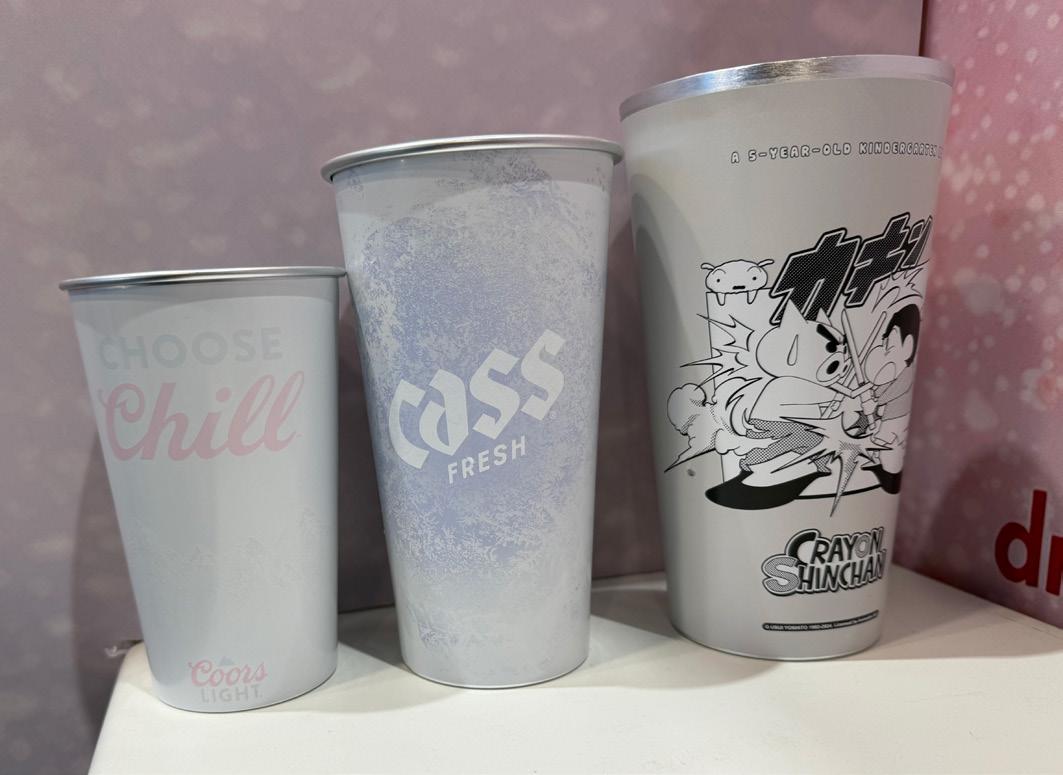
Visitors also loved Dragonfly Manufacturing’s colour-changing aluminium cups, especially when they saw the colour change with cold drinks during the live demonstrations, enthuses managing director Tal Emanuel.
“If you remember, back in the 90s there were mugs where an image would appear when you poured in a hot drink,” he notes.
“Our product takes this concept to a whole new level because it works with cold drinks which are much more popular, especially in warmer countries and features full-colour designs and logos that completely surprise people when activated. We were busy throughout all fair days and received a lot of strong interest from buyers.
“It was great meeting international buyers and discussing different custom design possibilities. Visitors travel from all over the world to attend this fair, leaving behind their families and
Umago Ronin Sling
Liveon Kitchen
businesses because they are looking for something new and different. Nobody wants to fly all the way to Hong Kong to see the same products again and again. Our product really stood out as something fresh, innovative and memorable.”
Emanuel believes the product is a great fit for the Australian market with its huge outdoor and social lifestyle culture—beaches, festivals, sporting events, tourism, bars and beverage promotions are all perfect environments for Dragonfly’s cups.
“Australians also appreciate fun, innovative and reusable products with a strong visual impact. Our colour-changing effect creates an interactive experience that naturally attracts attention and encourages social sharing, making it ideal for promotional campaigns, events and branded merchandise. In addition, the aluminium material makes the cups lightweight, reusable and more premium compared to standard plastic drinkware.”
This year Home InStyle introduced innovative materials for homewares and home textiles for the first time. Hong Kong exhibitor Lotux International Holdings presented biodegradable cutlery and food containers made from lotus stems, alongside deodorising cat litter made from lotus fibre.
“Our innovative eco-friendly materials and pet products attracted strong interest from visitors,” Daphne Wan, the company’s sales director, comments.
“We are currently in discussions with a houseware company on the joint development of eco-friendly straws. The Hong Kong Furniture and Decoration Trade Association has also expressed interest in using our sustainable materials in furniture production.”
Henry Huang, vice president, global product development at Umbra identified around 20 potential suppliers from Hong Kong, the Chinese Mainland, Thailand and Taiwan, offering products such as photo frames, desktop novelties and shoe racks.
“We also joined six business matching meetings during the fair and expect total orders to reach up to US$100,000.”
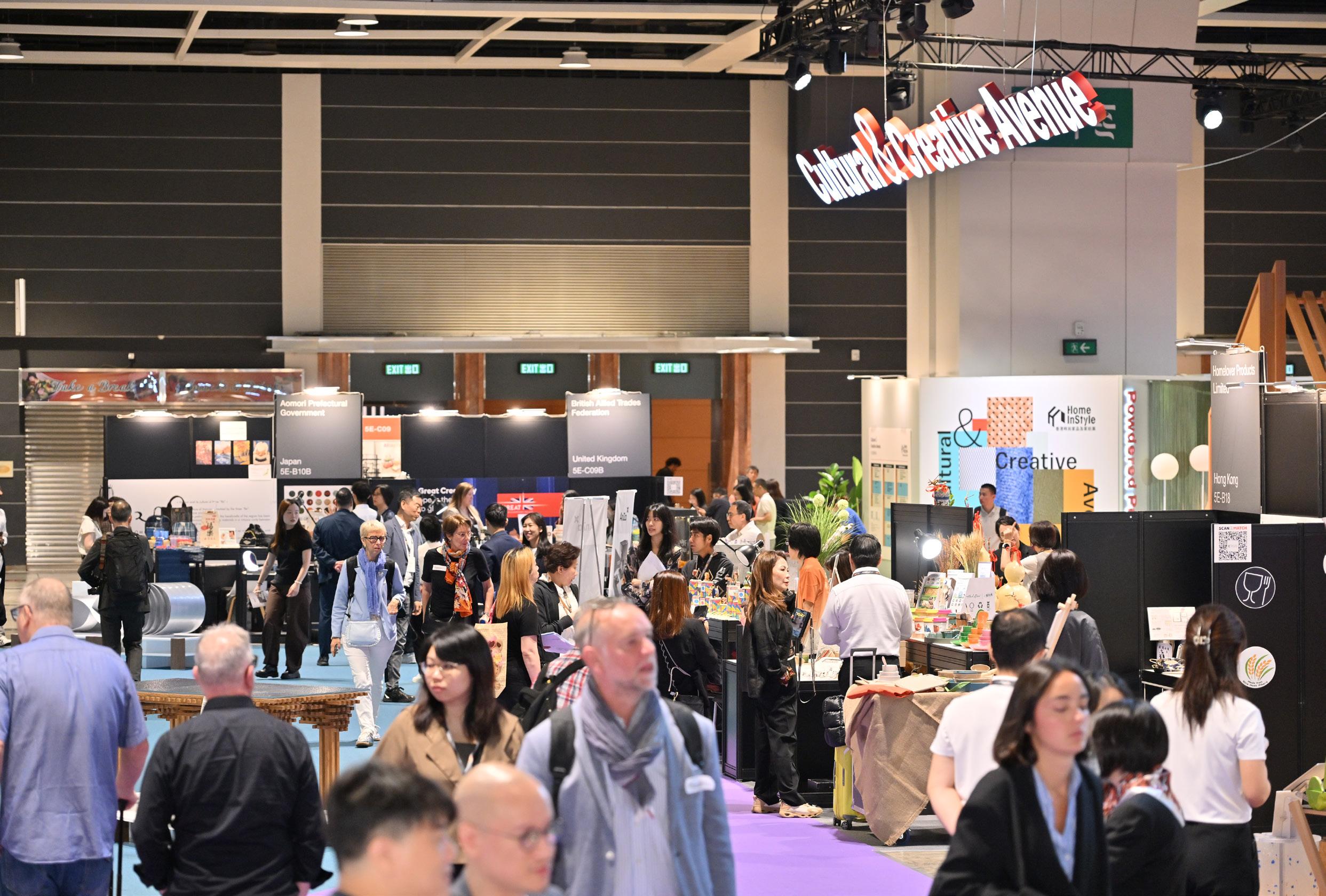
Additionally, the Reimagine themed floor, which brought together innovative brands from Gifts & Premium and Home InStyle, offered a single platform to explore the latest trends in innovative materials and home lifestyle.
Jaime Gonzalez, commercial director of Mexico’s Promo Life and a buyer at the Gifts & Premium Fair notes that the Reimagine themed floor brought together cultural creative, innovative and design elements, enabling buyers to capture market trends and evolving lifestyle in one place.
He added that featured zones such as the Smart Design Global Awards, Selection of ASEAN and The Bespoke Hub also helped buyers discover design-led, customised and regionally inspired gift ideas.
Moral Team Holdings
Dragonfly Manufacturing
“Hong Kong has long served as the key gateway for global businesses connecting with the Chinese Mainland, playing the role of super connector and super valueadder that bridges the Chinese Mainland’s vast market with the rest of the world.”
“HKTDC will continue to leverage Hong Kong’s unique advantage of connecting Chinese Mainland with the rest of the world, foster cross-sector international trade collaboration and reinforce Hong Kong’s status as an international trade hub,” adds Koo.
Fashion InStyle featured the returning NEXT@Fashion InStyle (NEXT), a key highlighted zone organised by HKTDC and sponsored by the HKSAR Government’s Cultural and Creative Industries Development Agency.
Textile Library from Hangzhou returned to NEXT this year after successfully connecting with a Thai exhibitor at last year’s edition. It also collaborated with Hong Kong designer brand Ponder.er, applying its patented, self-developed epoch-poly fabrics to create new designs.
“This year, we have brought two of the latest self-developed materials to Hong Kong—warp-print fabrics and the ice-crack series of crackle finishing—showcasing the perfect fusion of traditional craftsmanship and modern technology,” Mary Ma, founder of Textile Library, states.
“The materials drew strong interest
and praise from international buyers and have already yielded several concrete cooperation intentions and promising follow-up business opportunities.”
Vanessa Tirol Lacerda, creative director of Brazilian ecommerce fashion brand Amaro, says the diverse range of innovative materials was highly inspiring, especially the salmon skin leather and pineapple fibre fabrics. She has already established partnerships with exhibitors from India and Chinese Mainland, with an expected initial order of approximately US$100,000.
“Hong Kong has long served as the key gateway for global businesses connecting with the Chinese Mainland, playing the role of super connector and super value-adder that bridges the Chinese Mainland’s vast market with the rest of the world,” HKTDC executive director Sophia Chong says.
“Backed by its solid strengths, well developed innovation ecosystem and robust intellectual property infrastructure, Hong Kong is the ideal base for companies to grow their businesses, pursue creativity and innovation and bring them to commercial fruition.” G
HOW TO TURN TRENDS INTO BEST-SELLERS
• When it comes to trends, ask yourself, is it worth the effort for a short-term trend or is it better to put your money into something else, which might not be as strong as a fast-moving trend but eventually will last you longer.
For example, animals are a solid move and have longevity. Short term trends are usually based on internet memes or pop culture and these trends go up really quick but come down a lot quicker.
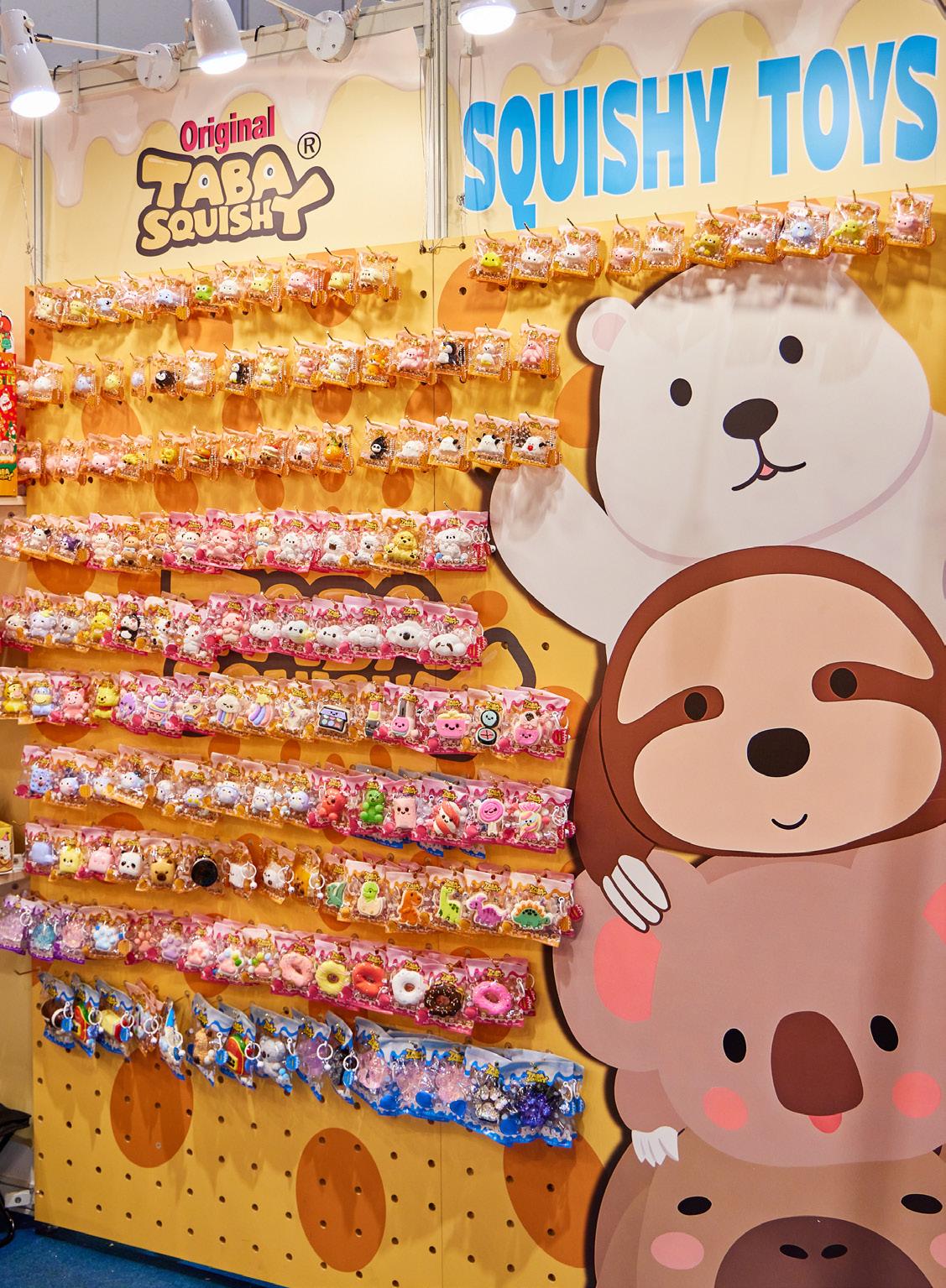
At the moment the squishy is doing really well and while they have been around for about three to four years, the last six months sales have gone through the roof. Summer Mo, director of B2B development at TabaSquishy can attest to that with a successful showing at Hong Kong Gifts & Premium.
“Visitors were immediately drawn to the unique, ultra-soft texture of our food-grade silicone squishies,” she enthuses.
“Many buyers, especially from Europe, Japan and Australia, commented that they had never felt anything quite like our taba squishy texture. The safety aspect (BPA-free, non-toxic, 100 per cent handmade) was a major selling point for retailers serving families. Several trial orders were placed on the spot and we have since been following up with strong leads across multiple markets including Australia.
“Australian toy shops, gift stores, museum shops and online marketplaces actively seek unique, tactile, screen-free products and Australian consumers value safe, durable products and our food-grade silicone exceeds global standards (CE, CPC, UKCA). Our silicone offers a longer-lasting, more satisfying sensory experience.”
Mo adds that TabaSquishy was invited to exhibit at the Pre-Festival House 2026 in Beverly Hills last month. This year’s theme was ‘Gimme Gummy!’, which aligned perfectly with the brand’s Gummy Bear series.
“The organisers specifically reached out to us because they felt our product line fit the theme so well and wanted to showcase a high-quality, food-grade silicone alternative to traditional gummy-themed items.”
The Japanese blind box has been really big over the last couple of years and will continue for at least another year or so. And of course Labubu is a trend that’s currently very strong and has inspired many copies.
• Retailers are constantly looking to stock their shelves with items that feel fresh and modern and are always wanting that next big thing, so when it comes to trends you have to make sure it will last for at least two to three years to make it worth the investment.
• Packaging is extremely important and how you present that product has a big impact such as the title and the tagline, which are what catches the buyer’s eye. You want to make sure that within three seconds of seeing the product the buyer knows exactly what it is and who they are buying it for. You grab the buyer ‘at the front’ and ‘sell at the back’ ie create visual interest for someone to pick up the product and on the back is where you explain the item with more information.
• Time to market is very important for (hot) trends so if there is a trend and you can match it to a product that exists in a range you have, this means the supply chain and manufacturing are already set up and will save you a lot of time.
• The consumer decides if a product is a success and you’ll know within the first six months whether a product is a ‘hit or miss’. However, sometimes an item isn’t selling well for a while and then out of ‘nowhere’ takes off—this is all due to social media. So now the success of a product on social media (going viral or being available on TikTok shop) can push retailers to bring it into their stores.
Source: Courtney Wood of Bubblegum Stuff and Rachel Tallentire of Boxer Gifts
TabaSquishy at Gifts & Premium
TabaSquishy in Beverly Hills
GREAT EXPECTATIONS
New research reveals poor website search is costing Australian retailers customers and revenue as AI raises the bar for digital shopping experiences.
Sixty-nine per cent of Australian online shoppers have literally shouted at a website search bar. Not metaphorically. Not ‘expressed frustration’. Shouted. At a box on a screen.
According to new research from Elastic, that number tells you something genuinely interesting about where we are in 2026: AI tools like ChatGPT have quietly reset what people expect from the internet and most of Australia’s retailers have no idea the bar has moved.
The real tension here isn’t technical. It’s a loyalty story. Australian retailers are spending billions on brand-building, loyalty programs and customer acquisition and then haemorrhaging customers through a search bar that hasn’t kept pace with what people now expect after two years of living with generative AI.
The 25-34 cohort is the leading indicator: more than half are already typing full conversational sentences into retail search bars (‘a gift for my dad who likes fishing and hates fuss’) and getting back results built for a 2015 keyword world. They’re the most likely to leave and the most likely to pay more to go somewhere better.
Key findings include:
• 72 per cent of Australian shoppers abandoned a brand due to poor website search
• 55 per cent would pay more on competitor websites for a better search experience
• 62 per cent turn to external search engines when website search fails
• Of those shoppers, 78 per cent are redirected to competitor brands
• 11 per cent permanently abandon a brand after a single failed search
“Your search bar has become your biggest competitor’s best salesperson,” says Jeremy Pell, country manager ANZ at Elastic.
“Search is no longer a utility feature. It is a revenue driver. Retailers that can’t understand customer intent across structured and the messy, unstructured data trapped in PDFs, emails, images and text messages that traditional systems can’t easily read, are actively directing shoppers to competitors.”
The commercial cost: search as a revenue driver
Convenience has become a premium commodity, with Australian shoppers now
willing to pay a price gap to avoid the friction of a poor search experience. For brands, the penalty for failing to deliver intuitive search is immediate: a direct migration to competitors or external search engines, resulting in measurable revenue loss.
• 55 per cent of shoppers will pay more for products on competitor sites if the search experience is easier
• When on-site search fails, 62 per cent of customers immediately turn to a search engine of whom 78 per cent are directed to competitive brands and products
• 52 per cent of shoppers aged 25-34 now use full-sentence, natural-language queries rather than keywords and are among the most likely to pay more for, or permanently leave, a brand based on their search experience
The AI expectation gap: GenAI has changed the way people search
The rapid rise of GenAI has fundamentally reshaped the digital landscape, triggering a large shift in consumer expectations. Shoppers are moving away from restrictive keyword-matching and toward natural language, demanding intelligent,
conversational search results that mirror the sophisticated tools they use every day.
• 62 per cent of shoppers now expect or wish that brand search bars were as intelligent as ChatGPT
• 52 per cent of shoppers aged 25-34 now try to search using full sentences and natural language, not keywords
• 60 per cent of customers instantly judge brands as ‘technologically behind’ when shown irrelevant results
• 76 per cent of shoppers want photo or voice search options, with 28 per cent calling it a potential ‘gamechanger’
Friction and the erosion of brand loyalty
Search frustration is no longer a minor digital friction point, it’s a threat to brand loyalty. The research shows that Australian consumers are increasingly abandoning brands that fail to meet their AI-driven expectations, with search-induced anger now translating into immediate revenue loss. As shopping behaviours shift toward mobile-first interactions, the assumption that brand affinity can survive a poor search experience is being fundamentally dismantled.
• 56 per cent of shoppers have abandoned a brand temporarily or permanently because they couldn’t find what they wanted within seconds
• 69 per cent of Australian shoppers admit they have shouted at a website search bar when results failed them
• Poor search quality now ranks as the third biggest reason customers never return to a website, behind only data breaches and bad customer service
• 11 per cent of consumers will permanently abandon a brand after just one failed search experience
Shoppers aged 35-44 report the highest frustration levels, while even 17 per cent of shoppers aged 65+ report shouting at website search bars when filters fail.
The path forward: AI-powered search as competitive advantage
The research makes clear that intelligent, AIpowered search is a competitive necessity and a direct driver of revenue retention.
“The brands that will win in 2026 and beyond are those that treat search as a
strategic revenue driver, not a technical afterthought,” notes Pell.
“AI-powered search that understands natural language, learns from behaviour and delivers instant relevance is table stakes. Customers are fleeing now. The question is whether you’re ready to stem the tide.”
A new study from The Navigators reveals that generative AI (gen AI) is fundamentally reshaping how Australians discover, compare and choose brands.
AI Brandscape 2026 shows how gen AI is already embedded in everyday decisionmaking. With 43 per cent of Australians now regularly using AI tools and a further 20 per cent having tried them, the research shows AI has rapidly shifted from an emerging technology to a mainstream tool influencing consumer behaviour, often before a brand’s website, app or retail environment is ever reached.
“Our research shows generative AI is no longer a fringe influence or aid for work or study, but a growing force shaping consumer behaviour,” Dean Harris, director at The Navigators says.
“This new generation of Australian ‘AI shoppers’ is already relying on these products to guide decisions across categories, with adoption only set to increase. For brands, the challenge is in understanding how trust and visibility are shaped inside these systems and adapting their marketing strategies to ensure they stay relevant.”
AI and purchasing decisions
When Australians use AI to help make purchasing decisions, it is most commonly acting as a comparison and confidencebuilding layer to simplify decision making. Across categories, AI Shoppers say they use AI to:
• Compare brands and options (80 per cent)
• Discover new brands or products (72 per cent)
• Compare or understand prices (56 per cent)
• Receive recommendations of brands or options (48 per cent)
• Find where to buy a product (37 per cent) “This is a fundamental shift for brands,” notes Harris. “AI is now actively shaping
shortlists and recommendations, with consumers increasingly bypassing traditional funnel mechanics.
“As AI-enabled purchasing begins to emerge, marketers need to plan for a future where AI plays a direct role in buying decisions. In that world, visibility inside AI systems becomes critical at the moment of choice. Brands will win by how they show up there, not just through traditional channels.”
Gender differences in AI-driven purchasing behaviour
• Men are more likely to be regular AI users (50 per cent of men vs 38 per cent of women), meaning they are more likely to encounter brands and recommendations via AI tools earlier in the decision journey
• Women are more likely to have never used AI (38 per cent of women vs 30 per cent of men), indicating a slower overall entry into AI-assisted decision-making
• Among those who do use AI, women engage across a broader range of use cases, averaging more use cases than men, even though they are less likely to be frequent users
“What we’re seeing isn’t just different levels of AI use, but different decisionmaking pathways.
“As AI increasingly determines which brands are surfaced and trusted, men and women may be navigating entirely different brand landscapes and brands need to understand those pathways if they want to influence choice.”
Trust and credibility in an AI-mediated customer journey
• 41 per cent of Australians pay attention to AI-generated search summaries, indicating strong behavioural reliance
• Yet only 29 per cent say they trust AI search summaries, highlighting a clear trust gap between use and belief
“Consumers are using AI to guide decisions, but they’re far from blindly trusting it. In a market flooded with misinformation and low-quality content, AI systems are becoming far more selective about what they surface. For brands, building credibility through trusted sources and third-party endorsement will play a critical role in increasing visibility and trust,” Harris adds. G
1
6
5
2
The latest products to take your
3
4
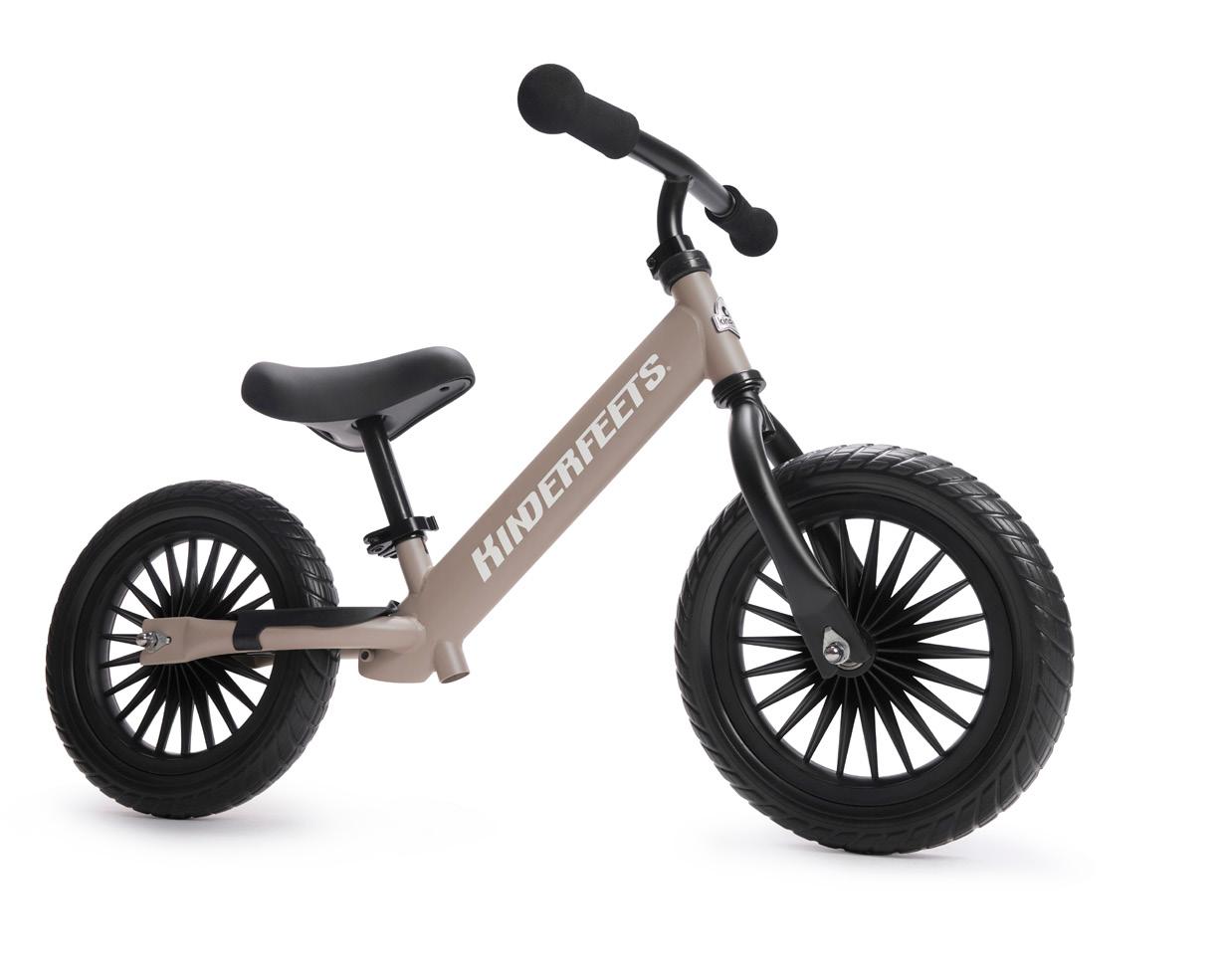
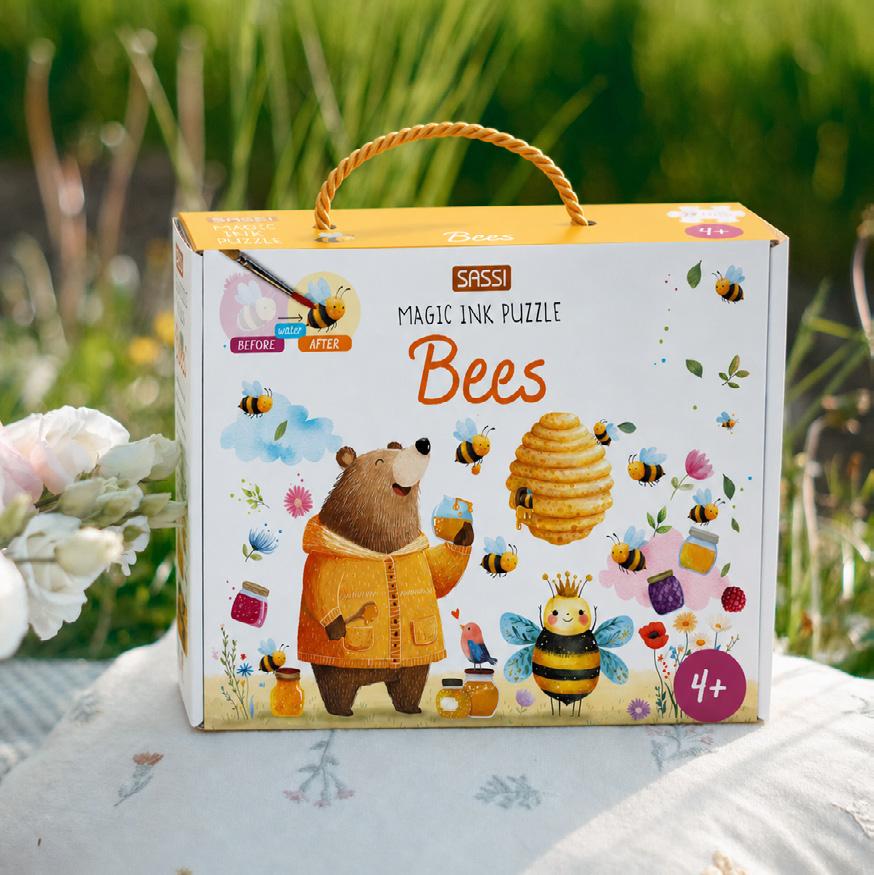
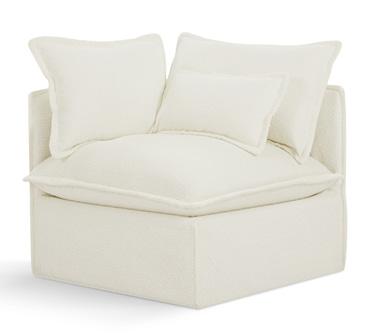
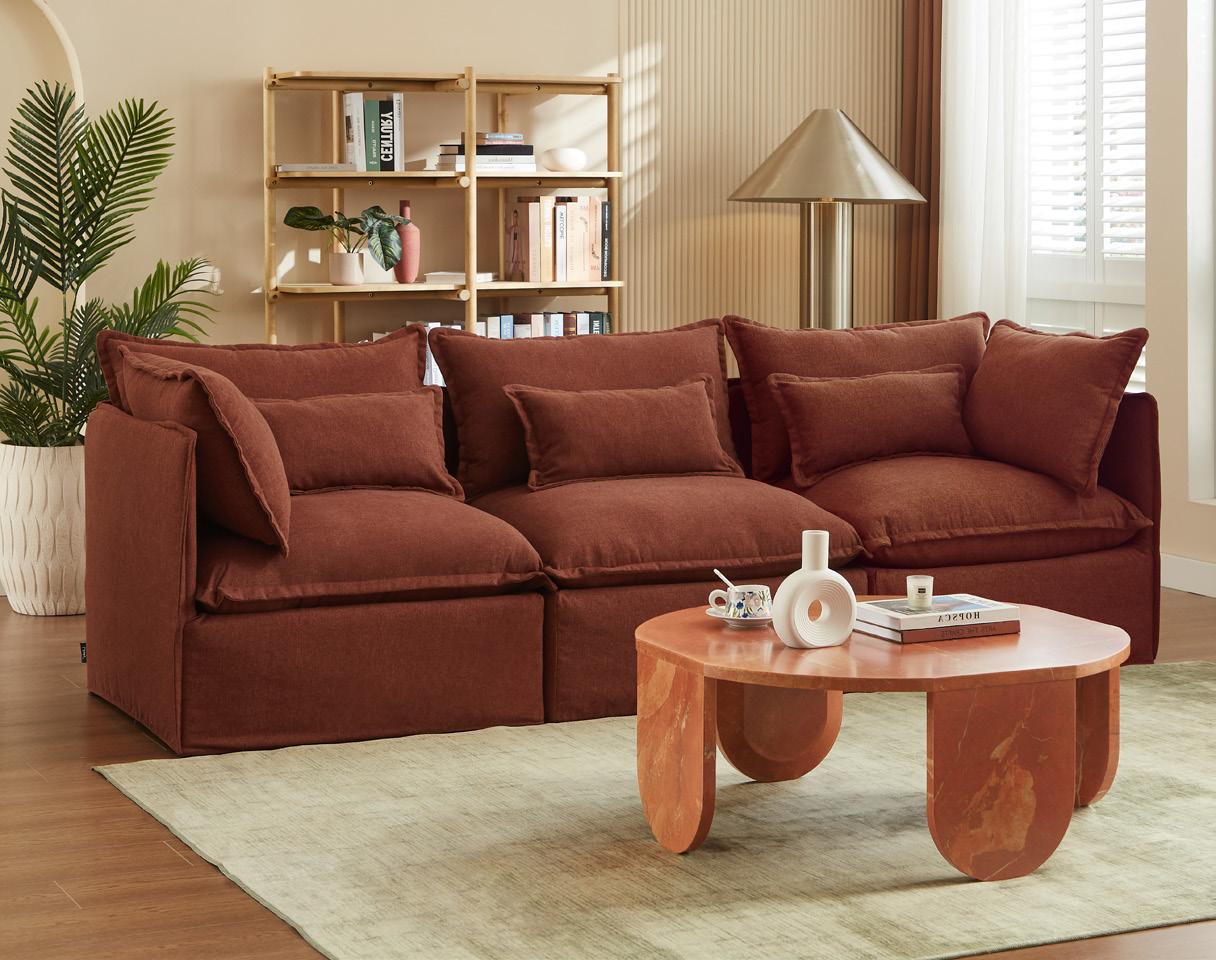
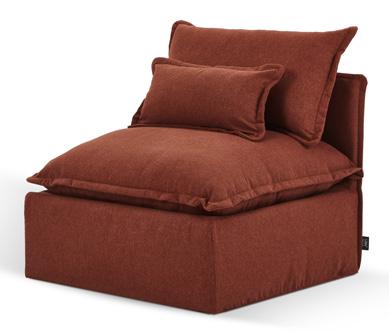
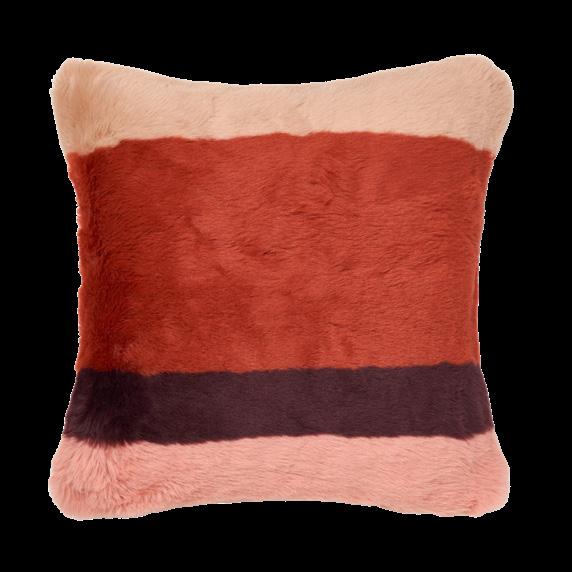
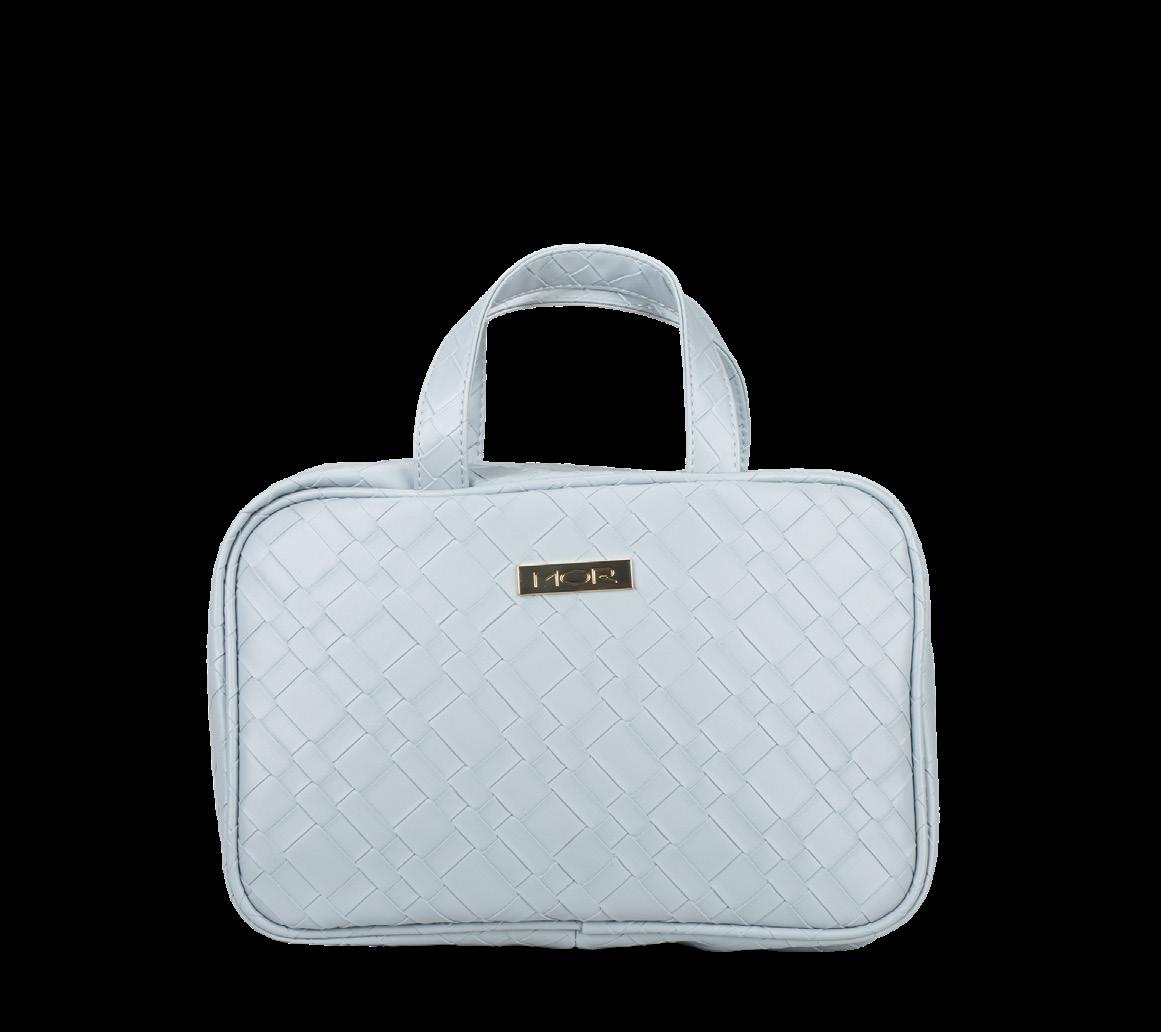
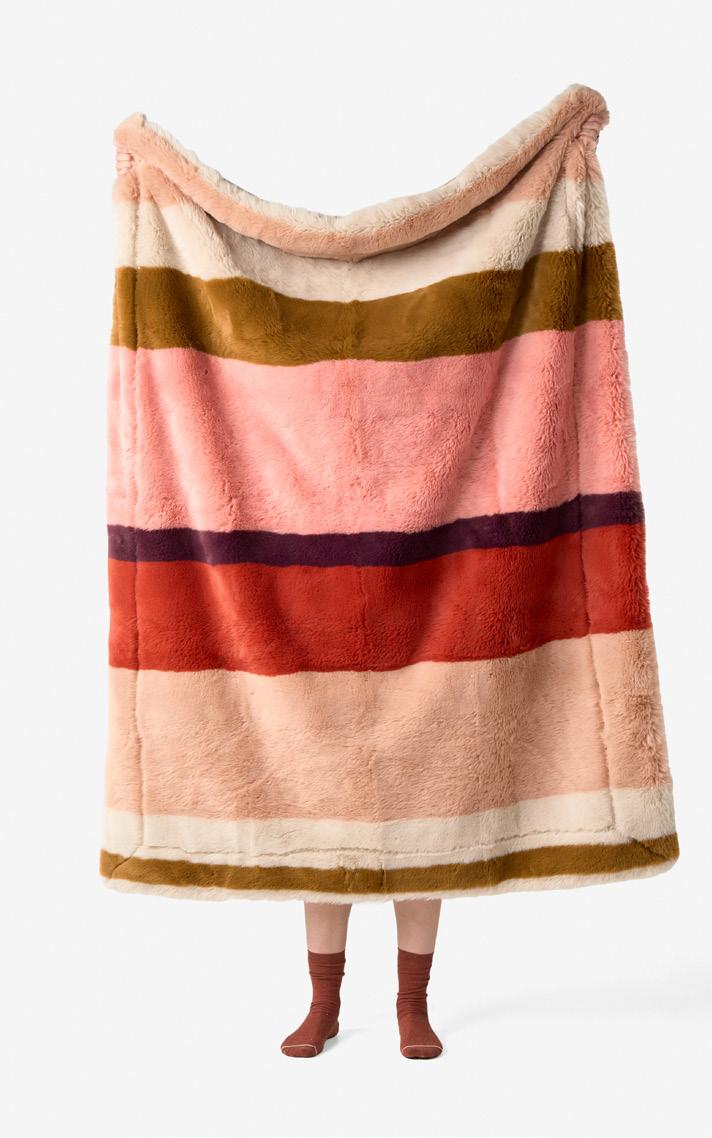
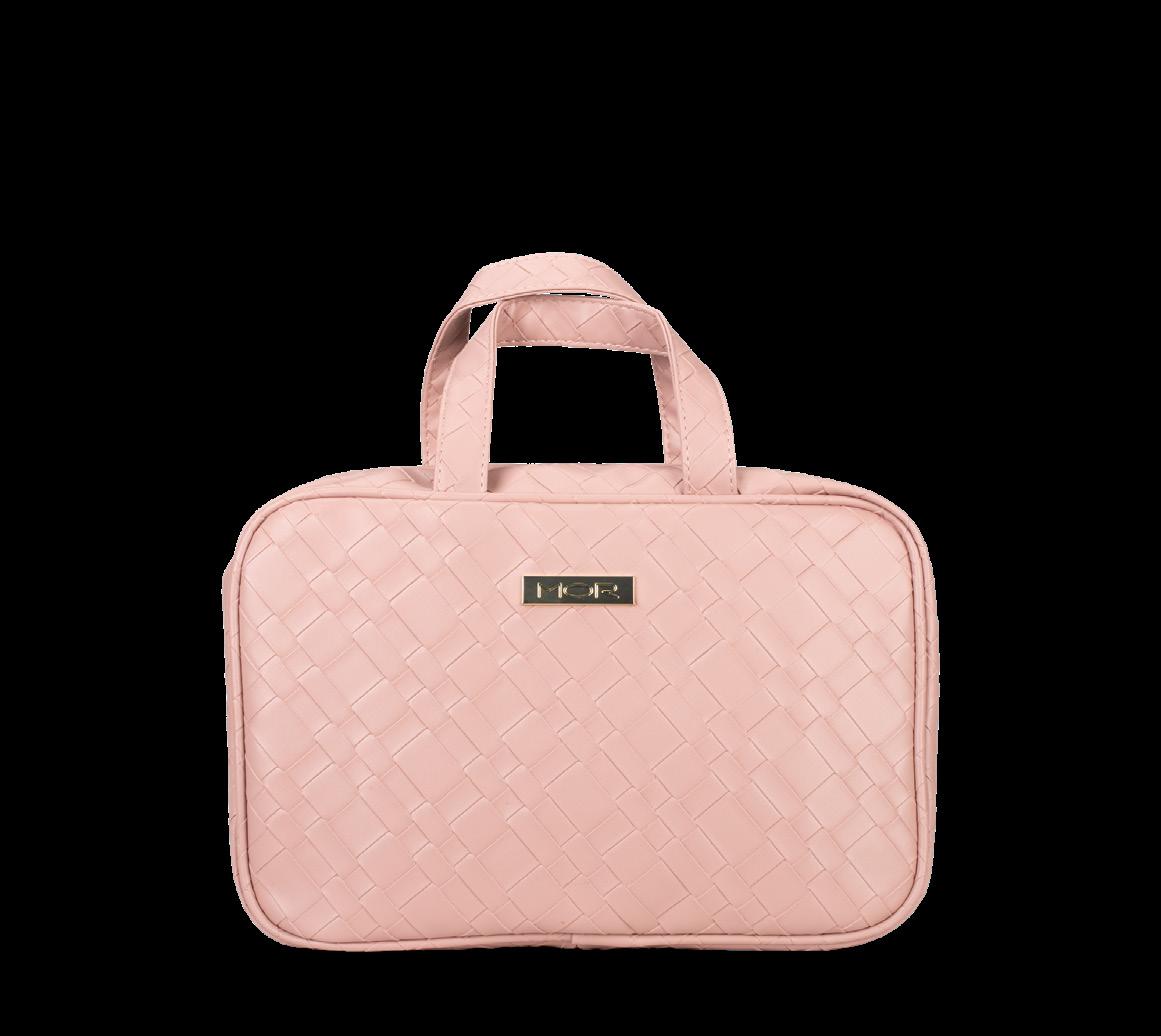
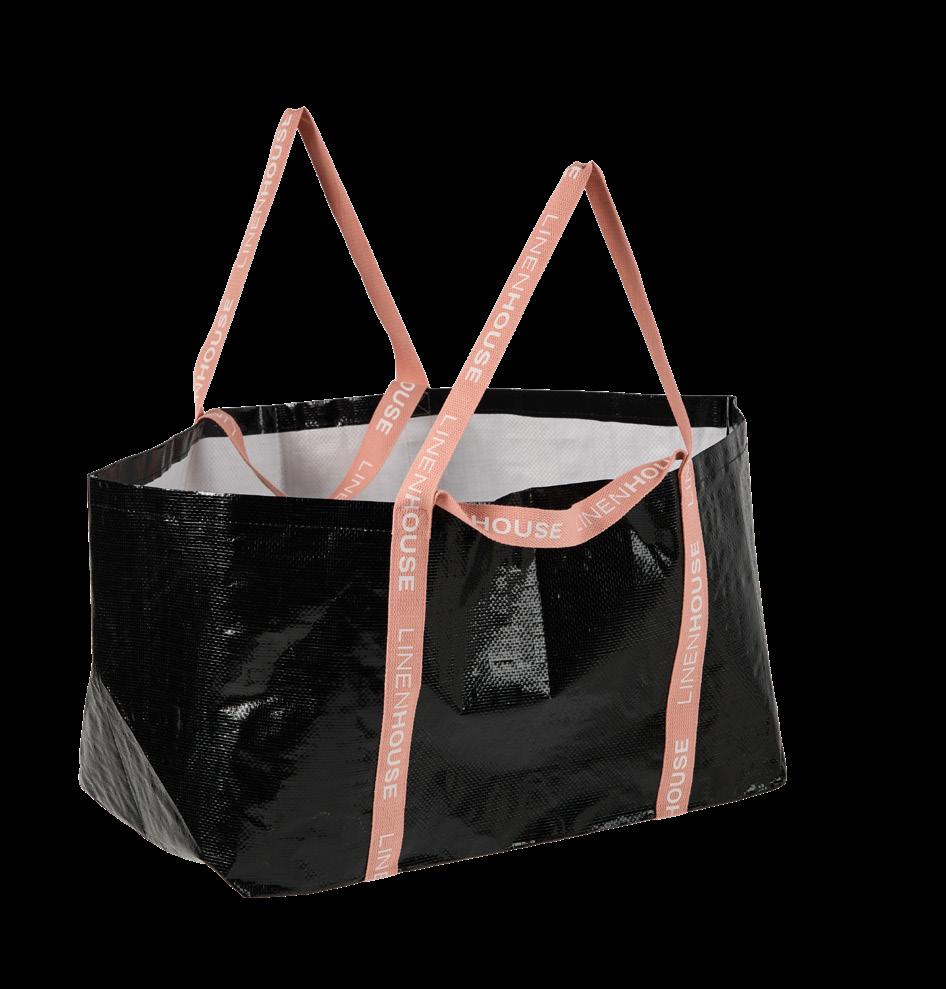
1. Kinderfeets trail bike slate grey, wholesales for $68. Artiwood Australia, 02 8294 3030, info@artiwood.com.au, www.artiwood.com.au, www.facebook.com/artiwoodaustralia, www.instagram.com/artiwoodaustralia 2. Rust modular sofa, POA. Lifely, hello@lifely.com.au, lifely.com.au, www.facebook.com/lifelyhome, www.instagram.com/lifelyhome 3. Dunkeld Chilli cushion and throw, RRP from $69.99 to $189.99. Linen House, 1300 350 886, sales@linenhouse.com, linenhouse.com, www.facebook.com/linenhouse, www.instagram.com/linen_house 4. Malta hanging woven fold-out bag, RRP $59.95. MOR, 03 9600 4599, info@mor.com.au, morboutique.com, www.facebook.com/MORboutiqueau, www.instagram.com/morboutiqueau 5. Nol Corp Hello Kitty air freshener, wholesales for $5.40. Living and Dining, 03 8679 5419, info@livinganddining.com.au, www.livinganddining.com.au, www.instagram.com/livinganddiningaus 6. Sassi bees magic ink puzzle, wholesales for $16.55. Axis Toys & Gifts, 02 9986 3456, admin@axistoys.com, www.axistoys.com, www.facebook.com/AxisToys, www.instagram.com/axis_toys
1
6
5
2
3
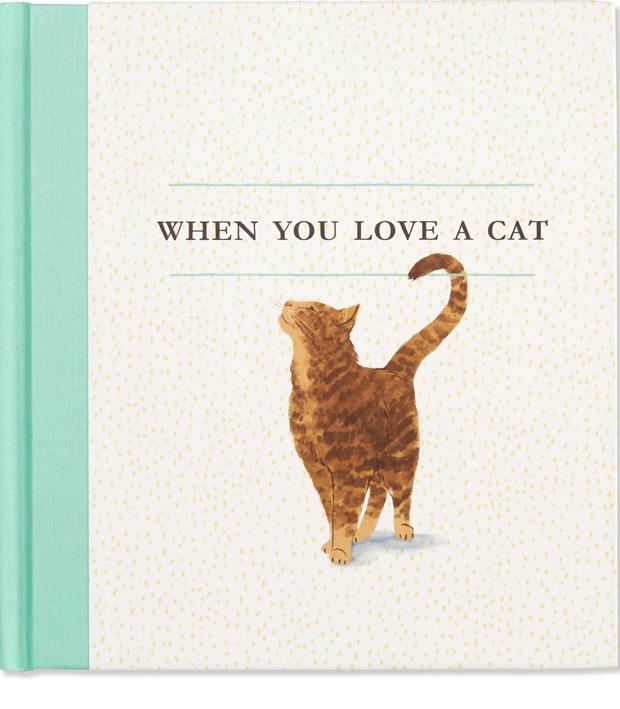
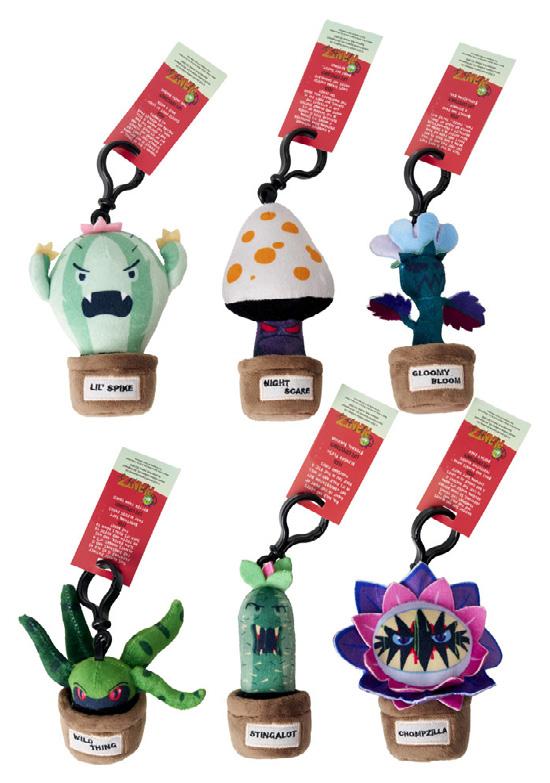
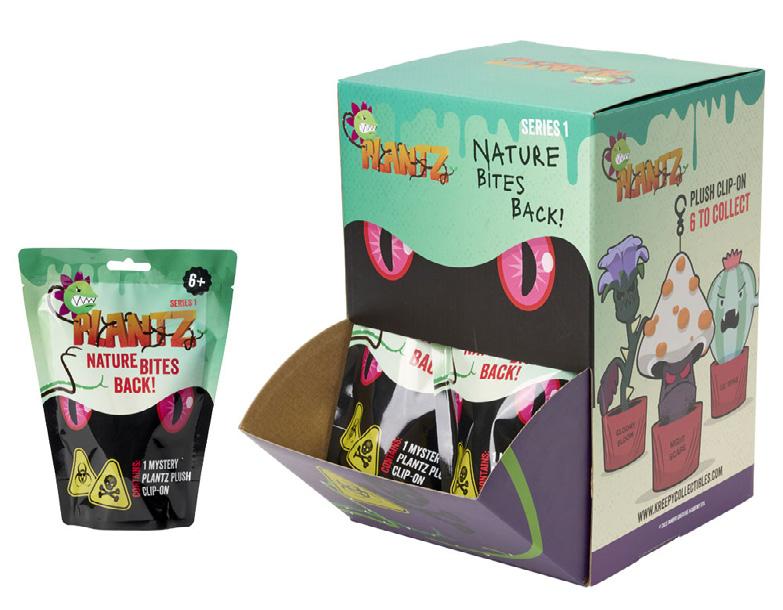
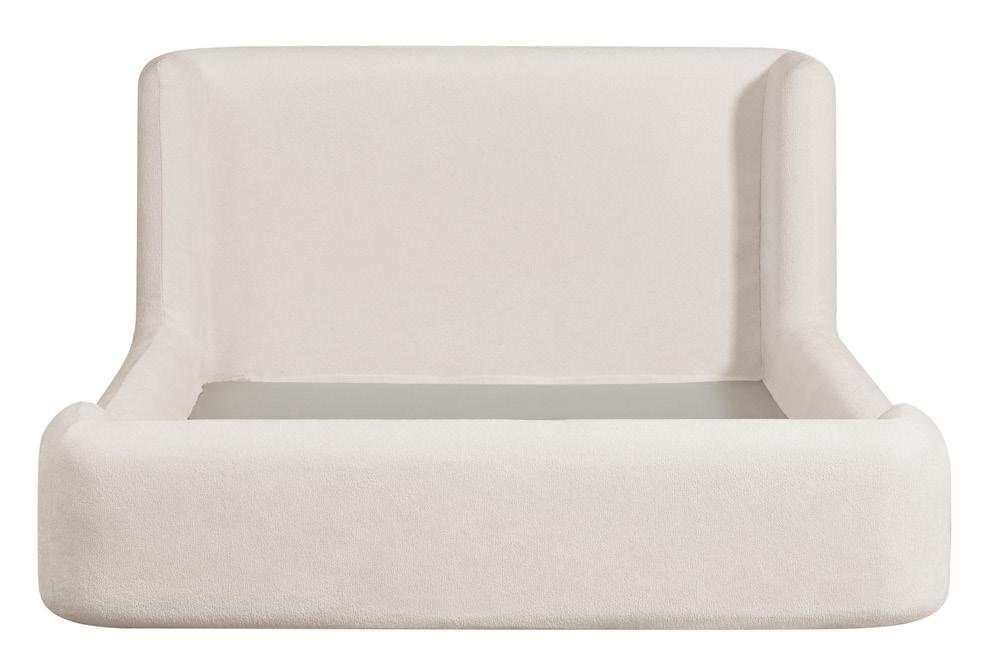
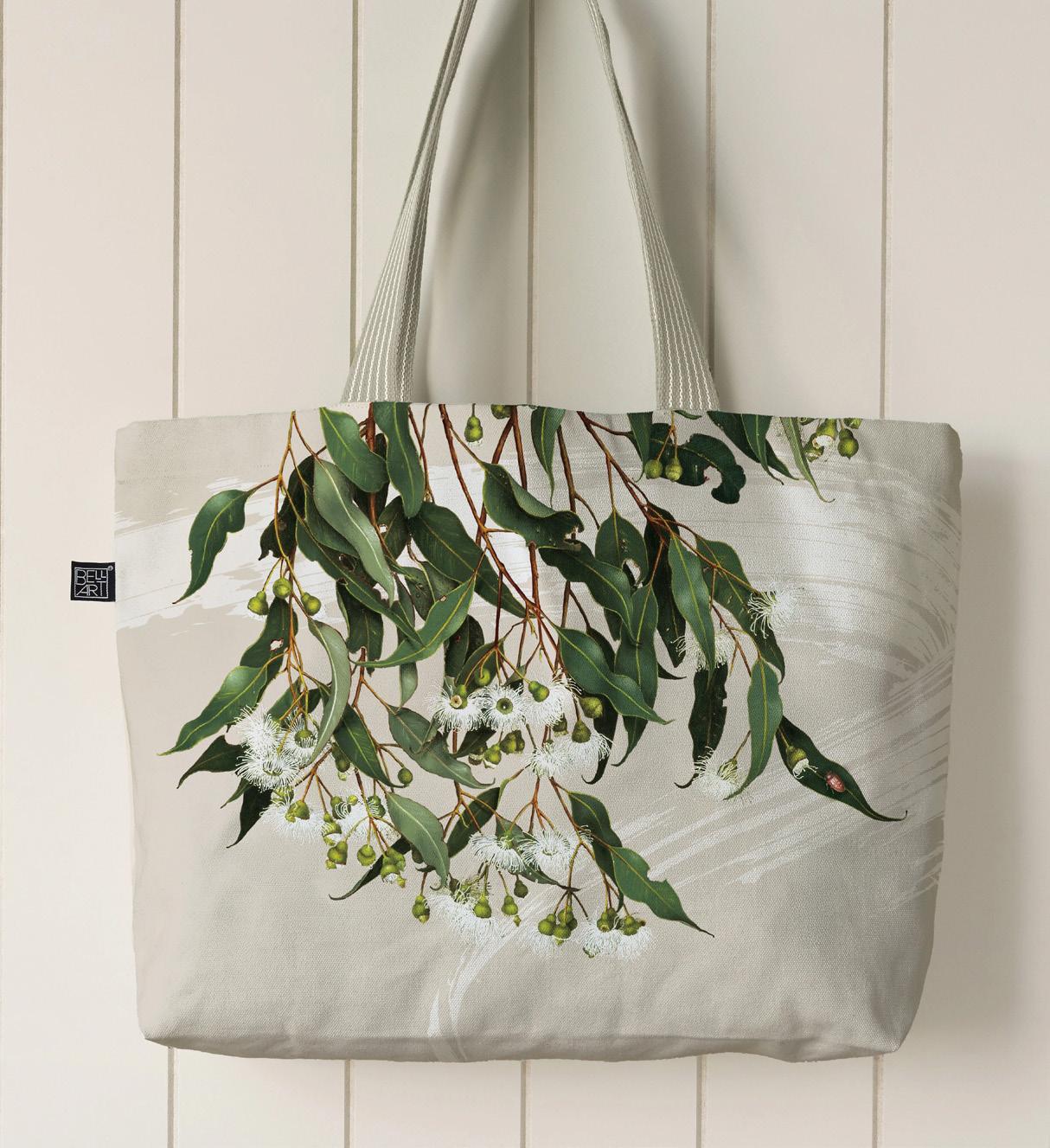
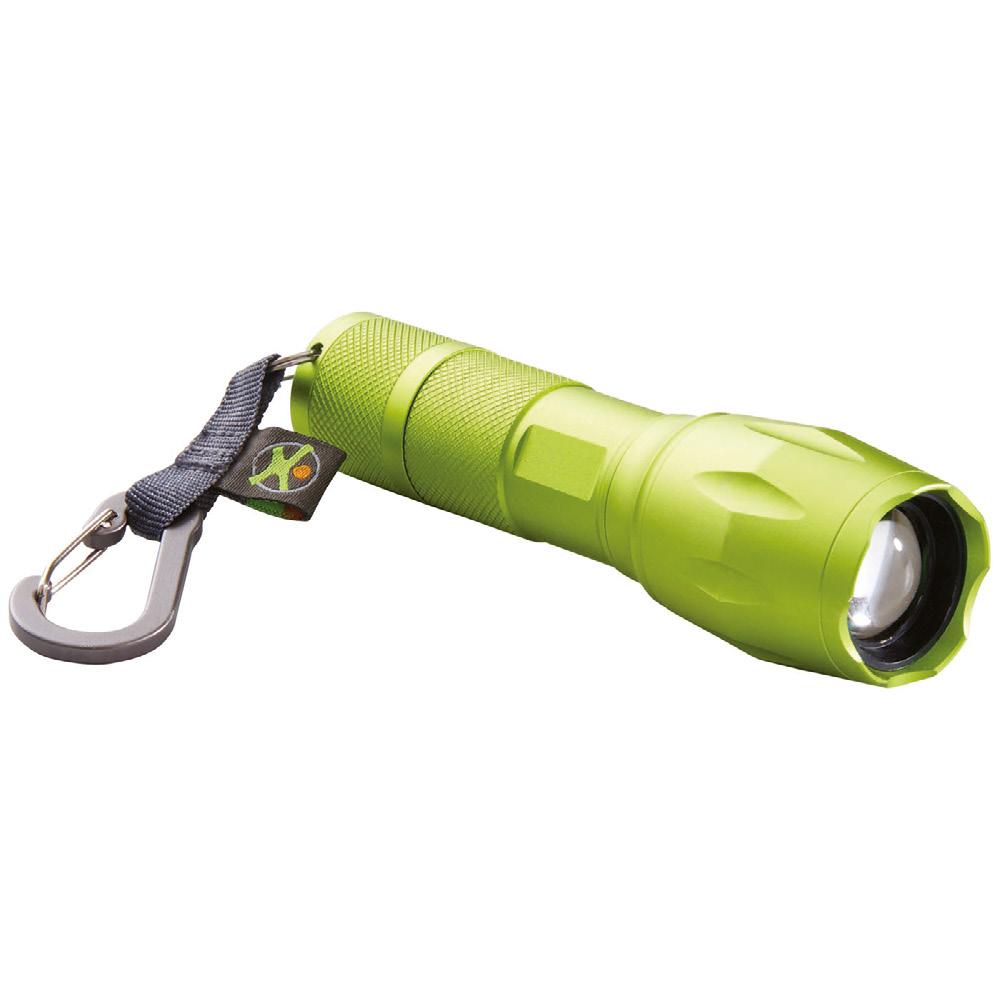
1. When You Love A Cat/When You Love A Dog, wholesales for $13.10. Compendium, 1300 304 569, admin@compendium.com.au, www.compendium.com.au 2. Marri gum tote bag, wholesales for $27.25. Bell Art Australia, 0402 030 953, sales@bellart.com.au, www.bellart.com.au, www.facebook.com/bellartaustralia, www.instagram.com/bellartaustralia 3. HABA Terra kids torch, wholesales for $20.75. Bright Wonders, 08 7425 1400, info@brightwonders.com.au, www.brightwonders.com.au, www.instagram.com/brightwonders_au 4. Courtyard Living bird bath and feeders, wholesale from $12. The Gardeners Gift Imports, 03 5441 1080, sales@courtyardliving.com.au, courtyardliving.com.au, www.instagram.com/courtyardlivingwholesalers 5. Cocoon bed, RRP from $1099. Lifely, hello@lifely.com.au, lifely.com.au, www.facebook.com/lifelyhome, www.instagram.com/lifelyhome 6. Plantz blind bags, RRP $14.95. Jasnor (Australia), 03 9562 9900, sales@jasnor.com, www.jasnor.com.au, www.facebook.com/JasnorAUS, www.instagram.com/jasnoranz