80% 0

80% 0
1
I’ve had a chance to open the boxes and I’m absolutely thrilled with the quality. The print colour, detail and finish are all beautiful, and the textured stock looks fantastic.
Thank you for all your help throughout the process. It’s been a pleasure working with you.
Amanda 3/7/26
2
Thanks Hero Print for the incredible business cards and fliers. Love the raised holographic foil. Also the long edge printing services and die cut services are excellent too, items that are not available everywhere. Great value and fast service.
I couldn’t be happier.
Alayna 27/5/26
3
Thank you & your team so very much for your help with this job. The progress tracker and your efficiency has been excellent.
The product was delivered to the client yesterday afternoon, very happy!
Thank you again!
Stacey 14/5/26
4
Everyone was happy with the finished job. I was impressed with both communication, speed and price.
I appreciate all efforts made to get this job sorted out under a tight deadline. Well done to you and your team.
Cayne 17/6/25


































































































There’s something worth celebrating about longevity in business – especially in an industry that has seen its fair share of ups and downs.
Reaching a major milestone isn’t just about keeping track of the number of years it has been in existence; it’s about the people, innovation, and determination that have kept a company moving forward through changing technologies, shifting markets, and battling challenges along the way.
This issue highlights two such achievements. Durst is celebrating an incredible 90 years of innovation, while Australian print powerhouse IVE Group marks 105 years in business – a remarkable testament of its ability to evolve and grow, while continuing to back the local printing industry.
These milestones remind us that success isn’t built overnight. It comes from continually investing in customers, people, and new ideas. This issue celebrates that enduring spirit, reflecting on rich histories and the exciting future of the print industry.
We hope you enjoy the read.
Managing Director
James Wells / 0414 995 104 james@intermedia.com.au
Subscriptions / (02) 9660 2113 subscriptions@intermedia.com.au
Subscription rate (5 issues) Australia $79
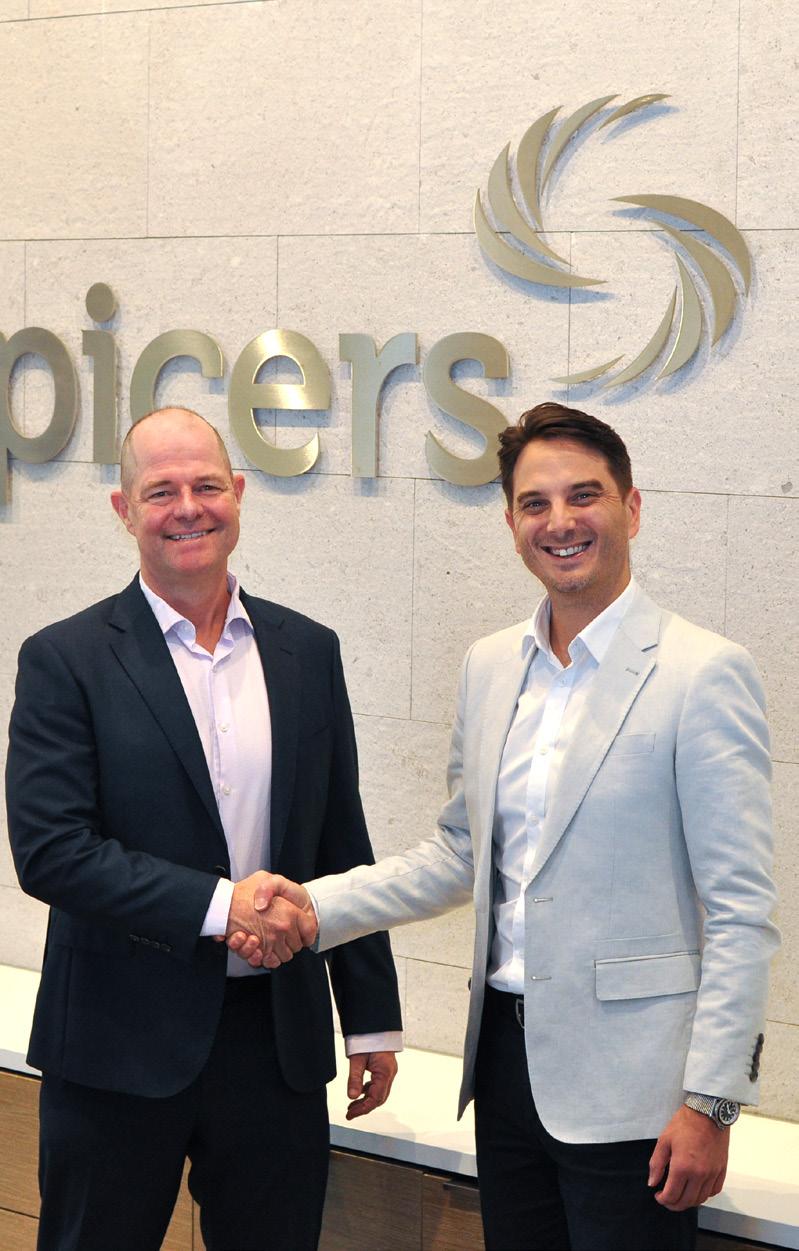
Spicers Australia has announced its intent to combine its operations with Spandex Australia into a single integrated business, with implementation expected on or around 5 October 2026. The new combined entity will be known as Spicers Sign & Display.
The announcement follows Spandex Australia’s recent transition to ownership under Spicers
Editor Hafizah Osman / 0431 466 140 hosman@intermedia.com.au
Printed by Hero Print Alexandria, NSW, 2015
Australia, which was announced in April. At that time, it was said that the companies will operate independently, but that decision has now been reviewed.
Signet and Visual Communications executive general manager Darren Milligan said, “Since April, we have taken the time to carefully assess the best way to position the business for long-term success. What has become clear is that together we are stronger than either business would be independently.
“Bringing our businesses together will simplify how customers engage with us while strengthening our ability to support them. Customers will benefit from easier access to a broader portfolio of leading brands, deeper technical expertise, and enhanced service and support.”
In addition, Spicers Australia said bringing the two businesses together has required organisational changes, resulting in several roles transitioning out of the business.
Combined, there are approximately 300 employees between Spicers Australia and Spandex Australia today. Milligan confirmed that 20 positions will be made redundant when the businesses combine due to operational efficiencies, with limited changes to personnel in customer facing positions.
Spicers Australia and Spandex Australia will continue to operate as normal through to early October, when the new organisation will be formally established under the leadership of Ben Clarke, general manager of the combined business.
Milligan also confirmed that the current Spicers Sign & Display general manager David Rowland will leave the business at the end of the year and that Spicers Australia remains committed to consulting with and supporting all affected employees throughout the process.
National Sales & Partnerships Manager
Carmen Ciappara / 0410 582 450 carmen@proprint.com.au
Mailed by D&D Mailing Services Wetherill Park, NSW, 2164
Design and Production Manager
Sarah Vella / 0406 967 559 svella@intermedia.com.au

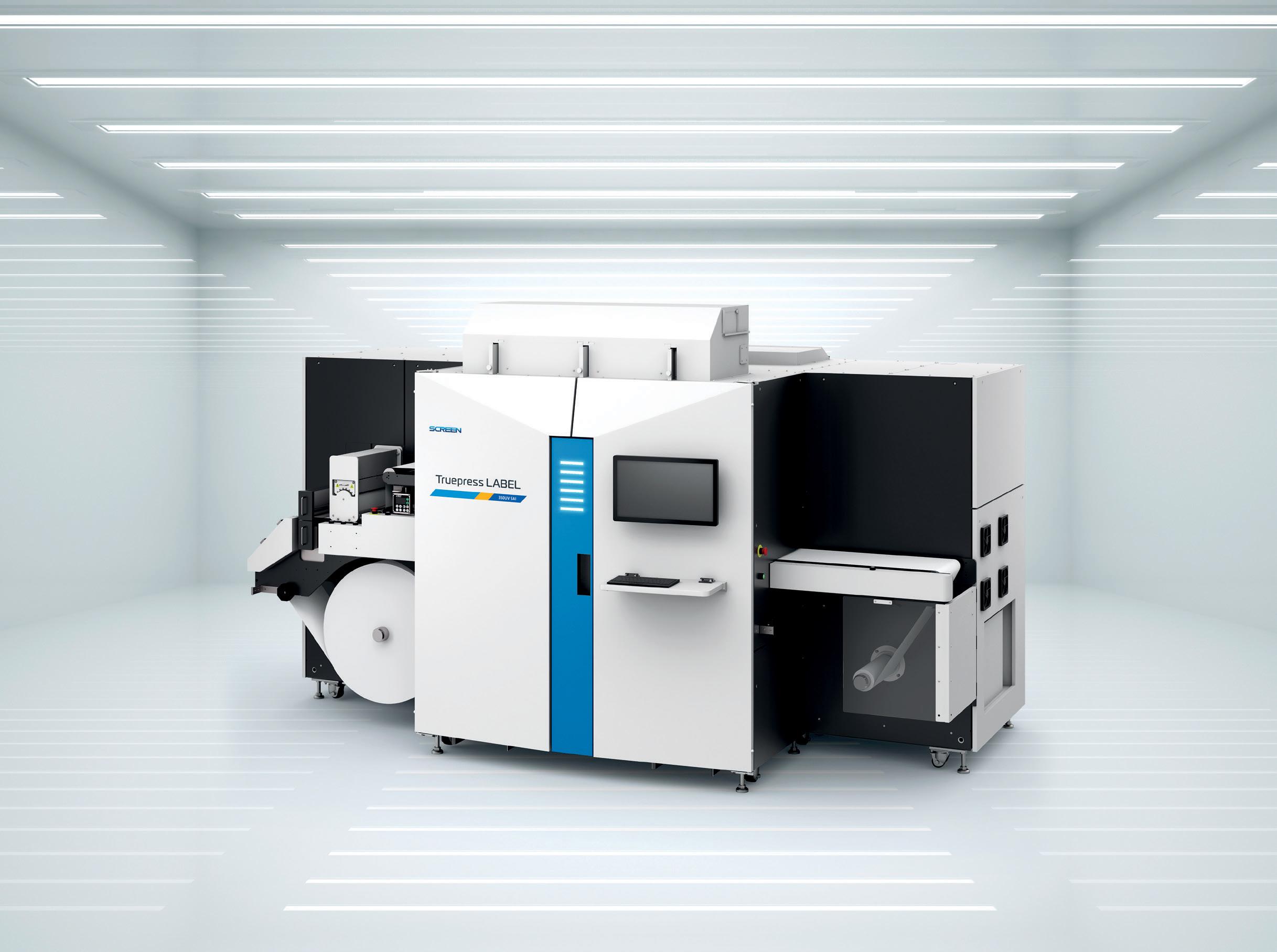
RELIABILITY
•Dependable performance
•Trusted platform
•Easy maintenance
PRODUCTIVITY
•High machine uptime
•High volume label printing
•Consistently high print speed

AUTOMATION
•Seamless integration
• Streamline production
• Maximum efficiency



After seven impactful years with the company, Currie Group has confirmed that its commercial HP Indigo A/NZ national sales manager Anthony Jackson (AJ) has left the business.
Currie Group said Jackson’s contribution within the commercial market segment has been instrumental in driving its continued growth of digital print across the region, through his close work with customers, partners, and colleagues.
Currie Group CEO Rob Mesaros thanked Jackson for his contribution to the business and acknowledged the role he has played in supporting customers and the wider commercial print market.
Mesaros said, “AJ has made a significant contribution to Currie Group and to our Commercial HP Indigo business across
Industry veteran and Kissel+Wolf Australia general manager for metal decoration Greig Wood has announced his retirement, marking the close of a 46-year career in the Australian and global print industry, including 33 years with the company.
Wood assumed the part-time role of general manager for metal decoration in preparation for his retirement after stepping down from the position of managing director at Kissel + Wolf Australia in 2023.
Wood’s journey in the industry began in 1980 as an apprentice at Colin Martyn Packaging in East Brunswick, Victoria. Over the following decades, he built his expertise across some of the industry’s most respected names, including VISY Pre-Print, Collie Cooke, Douglas Colours, Yorkshire Chemicals, SIAS Australia, Intergraphic Technologies, and Sefar AG, before joining Kissel+Wolf Australia in 2019, when he went on to serve as managing director.
Across his career, Wood helped guide businesses through significant

Australia and New Zealand. We thank AJ for his commitment and wish him all the very best for the future”.
As of 1 July, responsibility for Currie Group’s commercial digital portfolio, commercial finishing equipment, and lithographic consumable products will sit within the company’s newly combined business unit, led by Paul Whitehead – the general manager of commercial/sign and display.
Mesaros said the structure provides a clear and connected path forward for customers across Currie Group’s product offering.
“Paul’s role provides clear leadership across these complementary product categories, ensuring customers continue to have access to the expertise, support and market focus they expect from Currie Group,” he said.
“It also reflects our confidence in the commercial print market and our commitment to supporting customers across Australia and New Zealand as they continue to invest, adapt and grow.”
Currie Group added that it remains strongly committed across Australia and New Zealand and will continue to work closely with customers and partners to support investment, innovation, and longterm success across the sector.
technological shifts, market evolutions, and creative breakthroughs, consistently focused on keeping operations viable and competitive for the long-term.
He described navigating the everchanging landscape of the print industry as one of the most exhilarating and satisfying challenges of his working life.
His tenure was also notable for its family connection. Wood had the privilege of working alongside his parents, his four brothers, and in more recent years his son, Jordan – a thread he counts among the highlights of his career.
“Greig’s partnerships spanned continents, built on a consistent dedication to
excellence and the lifelong friendships formed along the way. He leaves the industry widely respected by colleagues, suppliers, and partners both locally and internationally,” Kissel+Wolf Australia said.
“On behalf of everyone at Kissel+Wolf Australia, the company extends its sincere thanks to Greig for his outstanding contribution, dedication and leadership over more than three decades.
“His experience and commitment have helped shape both the company and many of the people who have had the privilege of working alongside him, and his influence will be felt across the industry for years to come. KIWO wishes Greig and his family well in this next chapter.”
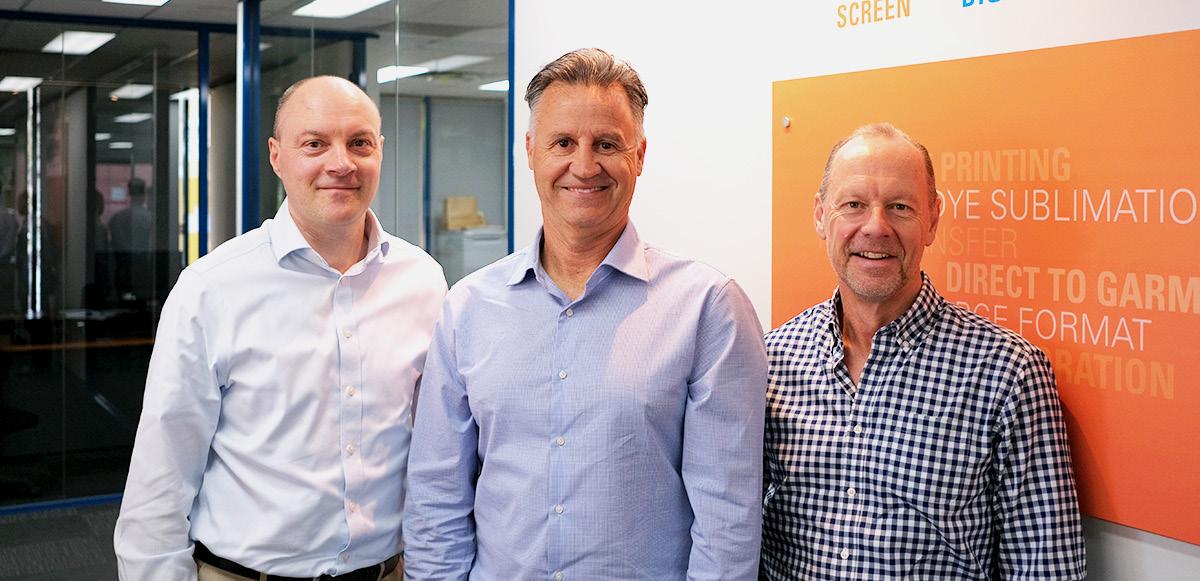
Former FUJIFILM Business Innovation (BI) Australia national sales manager Roger Labrum has joined Epson Australia as its A/NZ B2B marketing manager.
In this role, Labrum will oversee the B2B marketing strategy for the business inkjet range.
“Collaborating closely with product managers and specialists, I ensure a cohesive approach to delivering complete solutions that include hardware, print management software, and finishing. My
The Reacon Group has appointed Vin Gulati as its new sales and growth lead. Vin has built his career across several major brands in Australian business, with his most recent role being at Fujifilm.
Reacon Group director Vik Gulati said he welcomes his son Vin to the business adding, “Vin brings a genuine passion for helping businesses grow through smarter print and communications partnerships”.
When asked if Vin’s appointment is all part of Reacon’s succession plan, Vik said, “Yes absolutely – this is something both Vin and I are genuinely excited about and have spoken about openly as a family. Succession planning is something I feel strongly about, and having Vin step into this role is the beginning of a structured, long-term transition rather than something that has happened by chance.
“Vin has been around the business his entire life, spending school holidays helping out at Westman in whatever capacity was needed – from packing and off-siding to accounting – and returning between study and other roles to do the same.
“Over the years, he has built experience across some big names, which I believe makes him far better equipped to lead this business than if he had simply come straight through the family door.”

Roger Labrum is now A/NZ B2B marketing manager at Epson Australia
focus is on aligning our offerings with market demands to drive customer satisfaction and business growth,” Labrum said.
Labrum made the move to Epson Australia after a 16-year stint at FUJIFILM BI

Vik said that he wants Vin to “… earn the respect of the team and our clients on his own merits, and I have every confidence he will. At some point down the track, yes, I would love to step back knowing the business is in good hands. But we’re in no rush and are building this properly”.
On being appointed in his new role, Vin said, “Joining Reacon feels like coming full circle in the best possible way. I grew up in and around the set-up – spending school holidays as an offsider at Westman and finding myself back on the floor between jobs and study placements. That foundation is something I wouldn’t trade for anything, and it shapes how I think about this business and what it is capable of.
“At the same time, I’ve been fortunate to have worked and studied in a variety of environments where I was lucky to be learning from people who think differently, move quickly and hold themselves to a very high standard. I am bringing all of that into Reacon with a clear purpose – helping the business grow by pairing its world-class
Australia, where he served in several roles. He joined the business in 2009 as its key account manager and moved up the ranks from there.
In 2015, he became its solutions marketing manager and was then promoted to the senior marketing manager role in two years. In 2020, he became its commercial national print sales manager and within two years became its national industrial print specialist.
In 2023, Labrum took a hiatus from the business for a few months when he joined Gyeon Australia but went back to Fujifilm Australia as its analogue sales and marketing manager. He held this role for a year before becoming its national sales manager in April last year.
Labrum officially left FUJIFILM BI Australia in March 2026.
production capability with smarter, more tech-centred commercial thinking.
“The opportunity in print right now is genuinely exciting. Physical communications is having a real renaissance as brands look for cut-through in an increasingly noisy digital world. The businesses that will define the next era of this industry are those who invest in the right software and systems, think strategically about how they reach and retain customers, and back their people to execute. Reacon is positioned to be exactly that kind of business, and I’m extremely excited to see it come to life.”
Reacon has gone through some challenges recently and Vik said the past 12 months have been among “… the most demanding, and ultimately most rewarding, of my career in this industry”.
Vik explained that they have worked on a way to move forward, restructuring the business from the ground up and placing a deliberate consolidation plan in place that positions Reacon for serious, sustainable growth.
“A significant part of that plan is generational,” Vik added. “I have always believed that the best businesses are built to outlast their founders, and bringing Vin into this role is a deliberate step in that direction.
“This industry’s next era will belong to those who combine deep operational experience with fresh commercial thinking and a genuine willingness to invest in the software and systems that unlock the full potential of their people and their machines. That combination is exactly what we are building at Reacon.”
The family-owned Victorian print business marks two decades of growth built on carbonless books, customer service, and strong family values
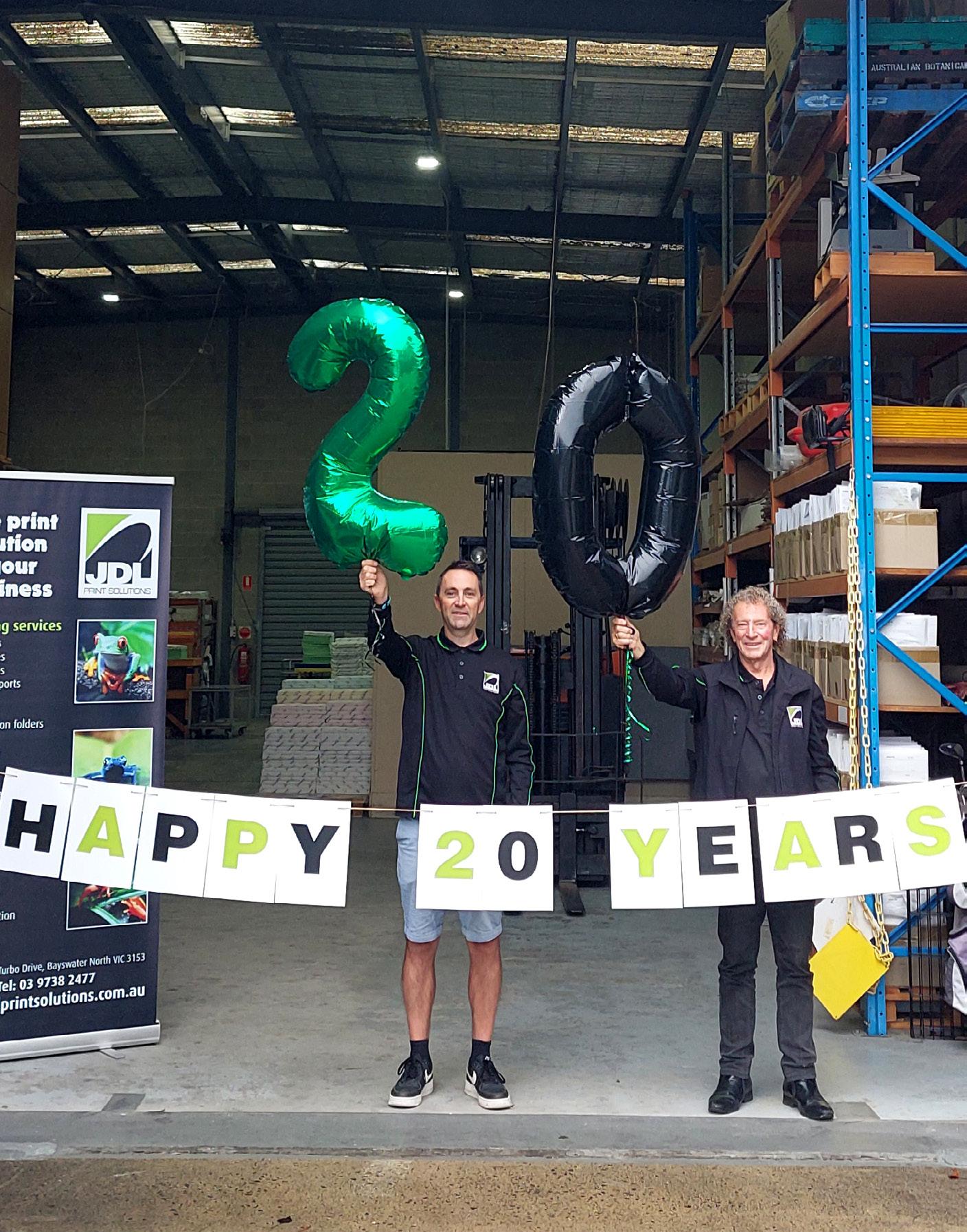
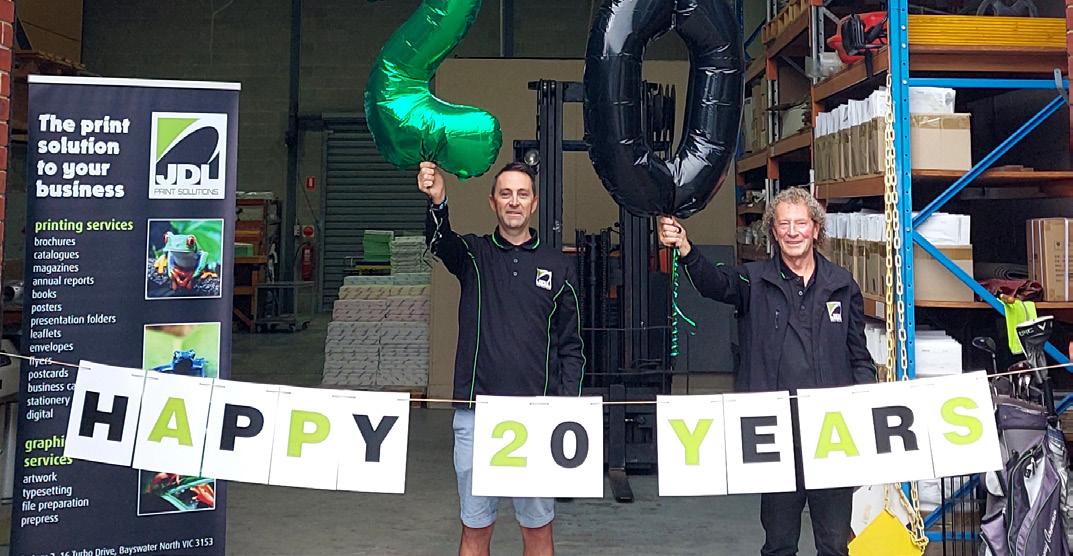
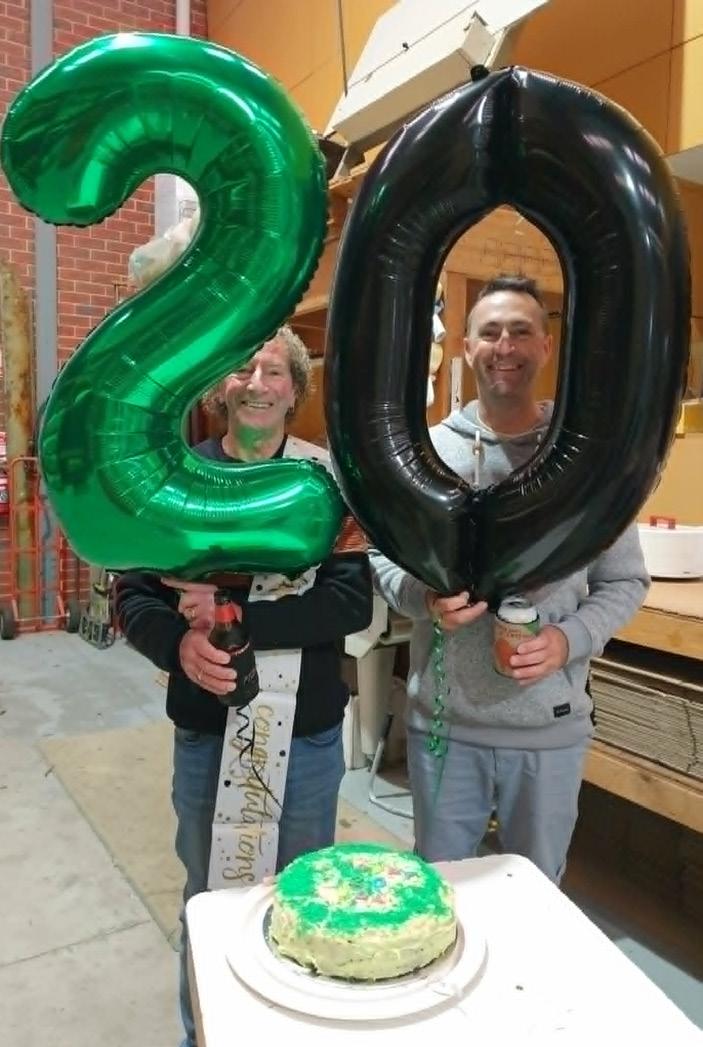
JDL Print Solutions recently celebrated its 20th anniversary in May, marking two decades in business for the familyowned and operated Melbourne printer.
Managing director Luke Daniel told Australian Printer it has been a great 20 years, adding that the milestone is particularly significant as the business was founded by his father, John Daniel, after a lifetime spent in the printing industry.
“My dad, John Daniel, started the business on his birthday, 8 May, 20 years ago,” Luke said.
“John Daniel had spent over 30 years working at the Victorian Government Printing Office and then found himself looking for a new direction after its closure. Following a decade working with several commercial printers, he decided it was time to establish a business of his own.”
That decision led to the creation of JDL Print Solutions.
John said, “I’ve loved it, to be honest. I started in 1965 as an apprentice working at the Victorian Government Printing Office when I was 15 years old.
So, I’ve been working in this industry for 62 years and I’m still doing it because I still really enjoy what I do.”
Luke added, “My father started the business with his best mate and business partner, Alan Wheeler, who unfortunately is no longer with us. So, the name comes from John Daniel who is known as ‘JD’ and ‘AL’ which is what everyone called Alan. That’s where the ‘JDL’ comes from. Coincidentally, my name is Luke, so when I stepped into the business – JDL still worked!”
Today, the company employs eight staff in addition to Luke and John, with several family members continuing to play active roles in the business.
“My father met my mum while working at the Victorian Government Printing Office where his brothers also worked, so it really is in our blood. When Dad started JDL, he brought me into sales and my brother in as a printer,” Luke said.
“My mum works here part-time in bookkeeping, and my wife, Nicky, also works part-time in bindery and marketing. Coincidently, her father ran his own print business in England for 40 years and only retired recently, so she has always enjoyed being part of our business.
“It’s very much a family business – familyowned and family-run – with a great team of people helping us along the way.”
Carbonless books remain a cornerstone for the business
While JDL Print Solutions produces a wide variety of print products, carbonless books have remained the foundation of the business since day one.
“It has always been carbonless books that’s our main line of work,” Luke said.
The company began with a single Heidelberg GTO 46 before expanding its production capacity with a second GTO 46 and later upgrading to two GTO 52 presses. Further investment followed with the addition of a Shinohara offset press and a Fuji Xerox digital press.
“With great clients and repeat business, the word-of-mouth referrals started to
grow. As we grew, we added staff, brought on a full-time salesperson and invested in more equipment,” Luke said.
Despite repeated predictions that NCR and carbonless products would disappear, demand has remained remarkably resilient. Today, around 75 per cent of the company’s output is centred on carbonless products, including substantial trade work for other printers.
“We’re not really what you’d call a trade printer, but we certainly do a lot of work for other printers, particularly in the carbonless space,” Luke said.
“We print thousands of NCR books every week. When you add that up over a year, and then over 20 years, that’s a lot of carbonless books.”
The remaining 25 per cent of production includes stationery, forms, books, calendars, advertising materials and a wide range of colour work. The addition of digital printing has also strengthened the company’s short-run capabilities.
“When we brought in a Fuji Xerox digital press, it really enhanced our ability to produce short-runs and provide even faster turnaround times,” Luke said.
Reflecting on the past two decades, Luke says one of the most rewarding aspects of the journey has been building the company alongside family members and great staff.
“Initially, I was living overseas when dad told me he was starting the business, and that’s what brought me home,” he said.
“At first it was simply a means to an end, but then I realised how much I enjoyed working with my brother, my dad, and my mum. Starting something from scratch together has been very rewarding.”
Like many businesses, JDL Print Solutions has faced its share of challenges, including navigating the Global Financial Crisis not long after starting.
“There were some tough times through the GFC in 2008 and 2009 and we had to rebuild after that,” Luke said. “But overall, it has been a great journey.”
One significant change came when Luke’s brother eventually left the industry, requiring the company to expand beyond family members.
“One of the things we’re most proud of is the team we’ve built. Our company is made up of great people who genuinely care about the business, our customers and each other, and that’s made all the difference over the years,” Luke said.
“The success of JDL also comes down to the people we’ve surrounded ourselves with – from our loyal customers and dedicated suppliers to industry partners who have supported us throughout the journey. People like Sean Hansen at Spicers have been part of that story, and those strong relationships have played a significant role in helping us grow over the past 20 years.”
While the industry continues to evolve, Luke remains confident in the company’s ability to adapt while maintaining its core strengths.
“NCR is our world. It’s what we know, what we believe in and what we’re very good at. We’re happy in our lane, and it has been working for 20 years,” he said.
Beyond business success, Luke values the lifestyle and family connections the company has provided.
“The work is there, the happiness is there and the work-life balance is great,” he said. “My kids love coming into the factory and seeing what we’re doing, and they get to spend time with nanna and pop at the same time.”
With John Daniel gradually approaching retirement, Luke says the next chapter is already taking shape.
“Dad is getting older and there will come a time when he wants to finish up, but we certainly plan to keep carrying it on in his name,” Luke added.
Asked whether he would do the same things that he did over the past 20 years again, Luke’s answer was immediate.
“Absolutely, I’d do it all again,” he said. “We pride ourselves on great customer service, attention to detail, and the relationships we have with our staff, clients, and suppliers.
“Printing wasn’t necessarily where I thought I’d end up, but sometimes your path finds you. That’s what happened with me.
“Twenty years in business has taught us that change is inevitable, but so is opportunity. As long as we continue to adapt, invest in relationships, and focus on our customers, we’re confident the best chapters of the JDL story are still ahead.”
Calli McCool from MMT Print & Omnigraphics is dedicated to helping women understand the opportunities in print and encourages greater female participation across the industry

Recently appointed Queensland state patron for Women in Print
Calli McCool told Australian Printer she takes the role seriously, driven by her passion for the print industry and a strong desire to give back to the sector that has given her so much.
“Women can give back by being visible, vocal, and willing to mentor. I try to be someone others can look to by sharing my knowledge, encouraging people who doubt themselves, and championing career development over just ‘having a job’,” she said.
“My goal is to show that this industry offers genuine, long-term careers, especially for women willing to lean in. I lead by example and make sure opportunities are visible to everyone. One of the most tangible shifts I’ve seen is women working on our factory floor – previously an almost entirely male environment – and our production manager being a woman who grew through various roles in the business. Showing the next generation what’s possible, and actively supporting their development, is something I take seriously every day.”
McCool started in the print industry 24 years ago, with no prior knowledge and no experience. She joined MMT in 2002 as a receptionist, returning to the workforce after having her second son.
“I didn’t arrive with a print background – I arrived with a willingness to work. From there, I moved into customer service in 2004, then into an account executive role in 2006. What started as stepping back into the workforce became the beginning of a career I’m incredibly proud of,” she said.
“My growth has been gradual but consistent. Receptionist, customer service, account executive, state sales manager, and now national sales manager – each step built on the last.”
McCool said going for the state sales manager role in 2010 was a turning point for her career because it showed her she could lead, not just perform.
Being promoted to national sales manager in 2024, following Jarrod Whyte’s move to CEO has been a career highlight she’s still growing into.
As a woman in print, McCool said she has been inspired by many people during her career.
“I’ve had so many people believe in me over the years. Back in 2003, as a receptionist, I was left to manage a sales executive’s accounts with no idea what I was doing – but that executive, who went on to become our national sales manager,
saw something in me I didn’t see in myself,” she said.
“He appointed me as an account executive, which is really where my career began. Having people back you like that shapes not just your career, but how you show up for others in return.
“The biggest gift my mentors have given me is belief. When I was offered the account executive role in 2006, I didn’t think I was suited to it – but I was encouraged to try. That trust changed everything. Having colleagues and leaders who backed me gave me the confidence to back others in return. That ripple effect matters.”
Print is a lucrative industry
Moving forward, McCool said her aim is to let more people know how great the print industry is, adding that her focus is on promoting print as an exciting, futurefacing industry – one with real career pathways, not just jobs.
“With continued technology shifts, there’s always room to pivot and grow. The industry never stands still and that constant evolution is what excites me most about its potential. Print isn’t a relic – it’s a dynamic, creative industry with real career pathways for people willing to embrace change,” she said.
“I also want to keep investing in the next generation of talent, support further education where I can, and continue building a culture at MMT Print & Omnigraphics where people, especially women, can thrive and lead.
“Technology continues to reshape what’s possible, which means there’s always an opportunity to learn, adapt, and find new solutions for clients. No two days are the same, and I genuinely love that.
“The problem-solving is what I find most energising. Being a genuine partner to a client’s business – understanding their challenges and finding the right solutions –gives me a real buzz. I also love the variety. Every client, every conversation, every brief is different. And sometimes that means having difficult conversations, but doing so with honesty and respect. That’s when you build real, lasting relationships.”
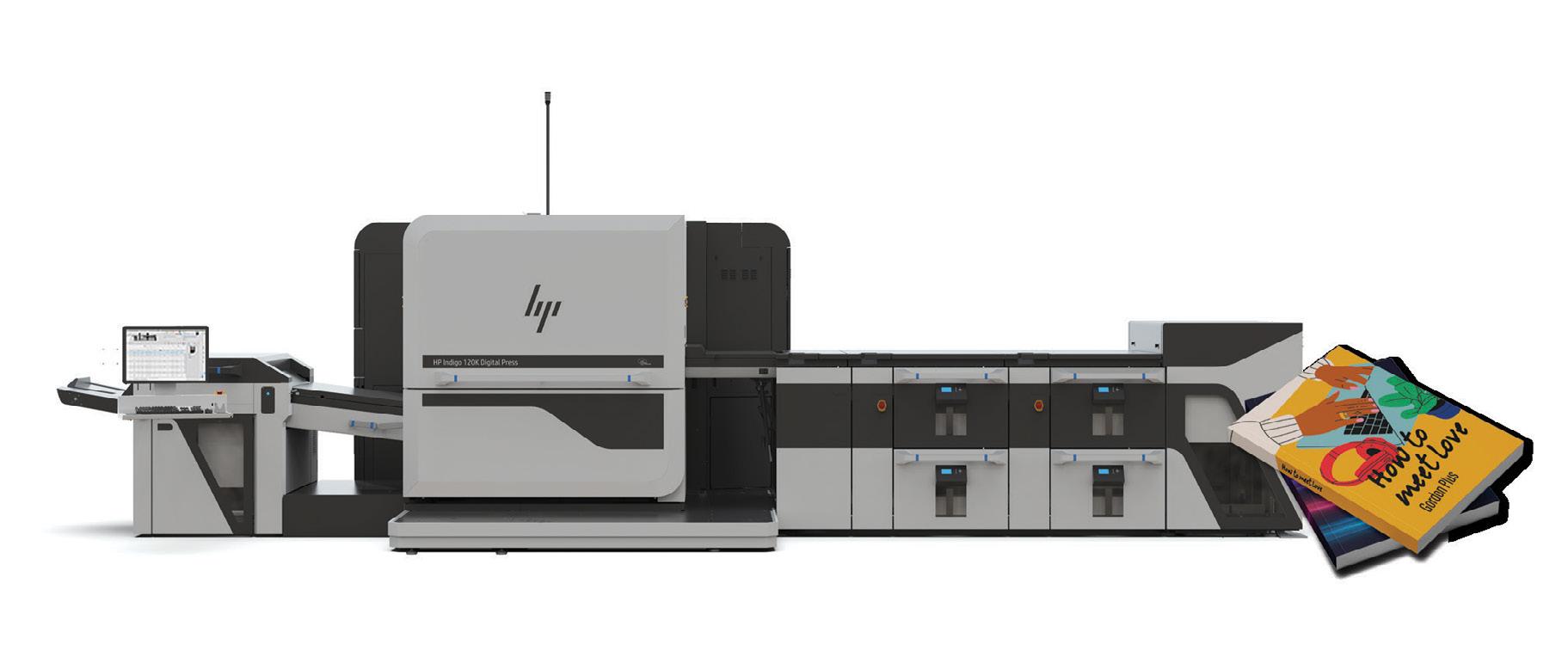
The P5 350 CORE, a 3.5 m hybrid digital printing platform, is your entry into the integrated Durst system. Engineered in Europe. Made in Durst. Built for your business.
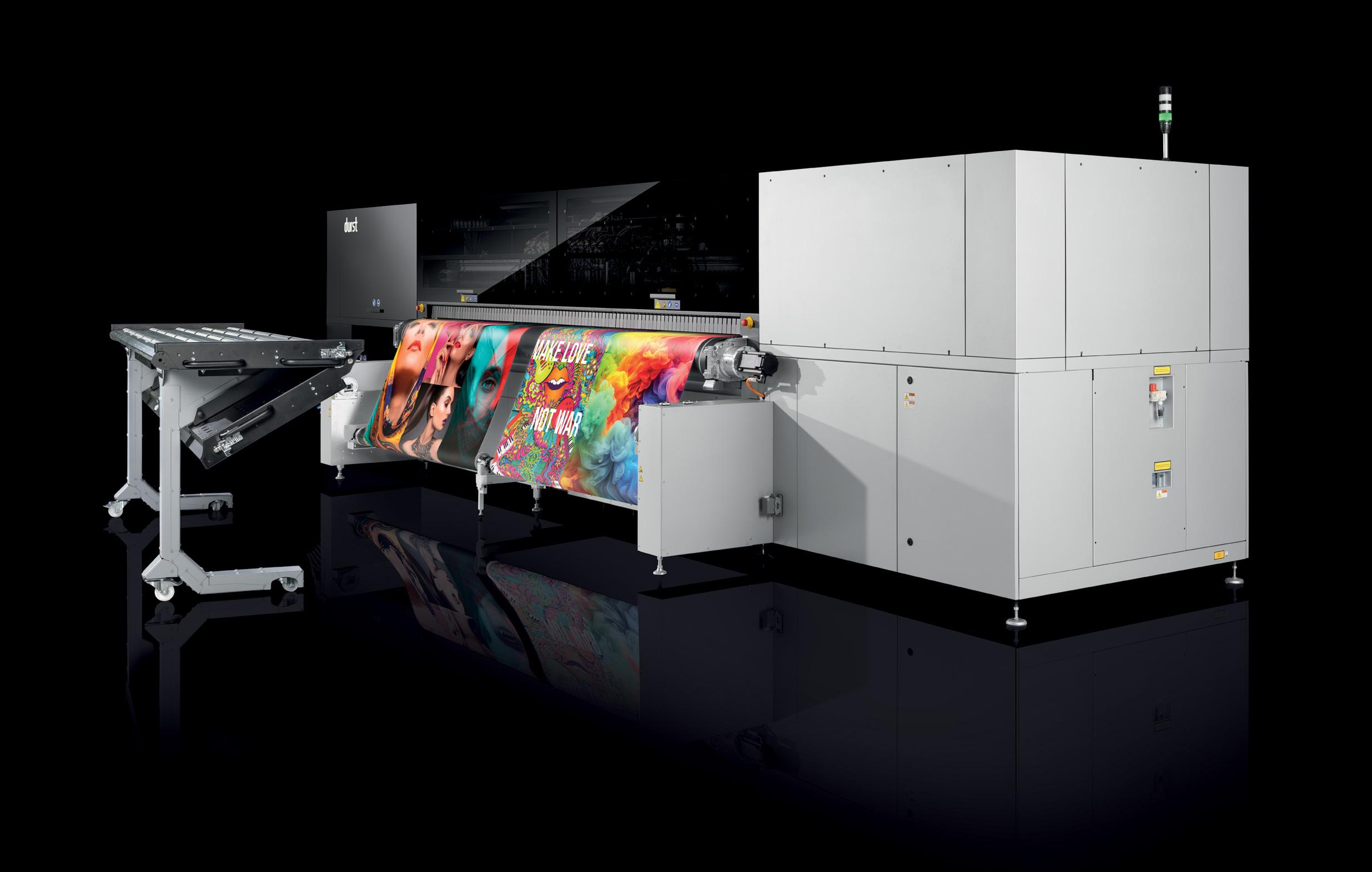
The Durst event signalled the direction the company will be taking to develop new technology platforms and innovate the printing industry globally
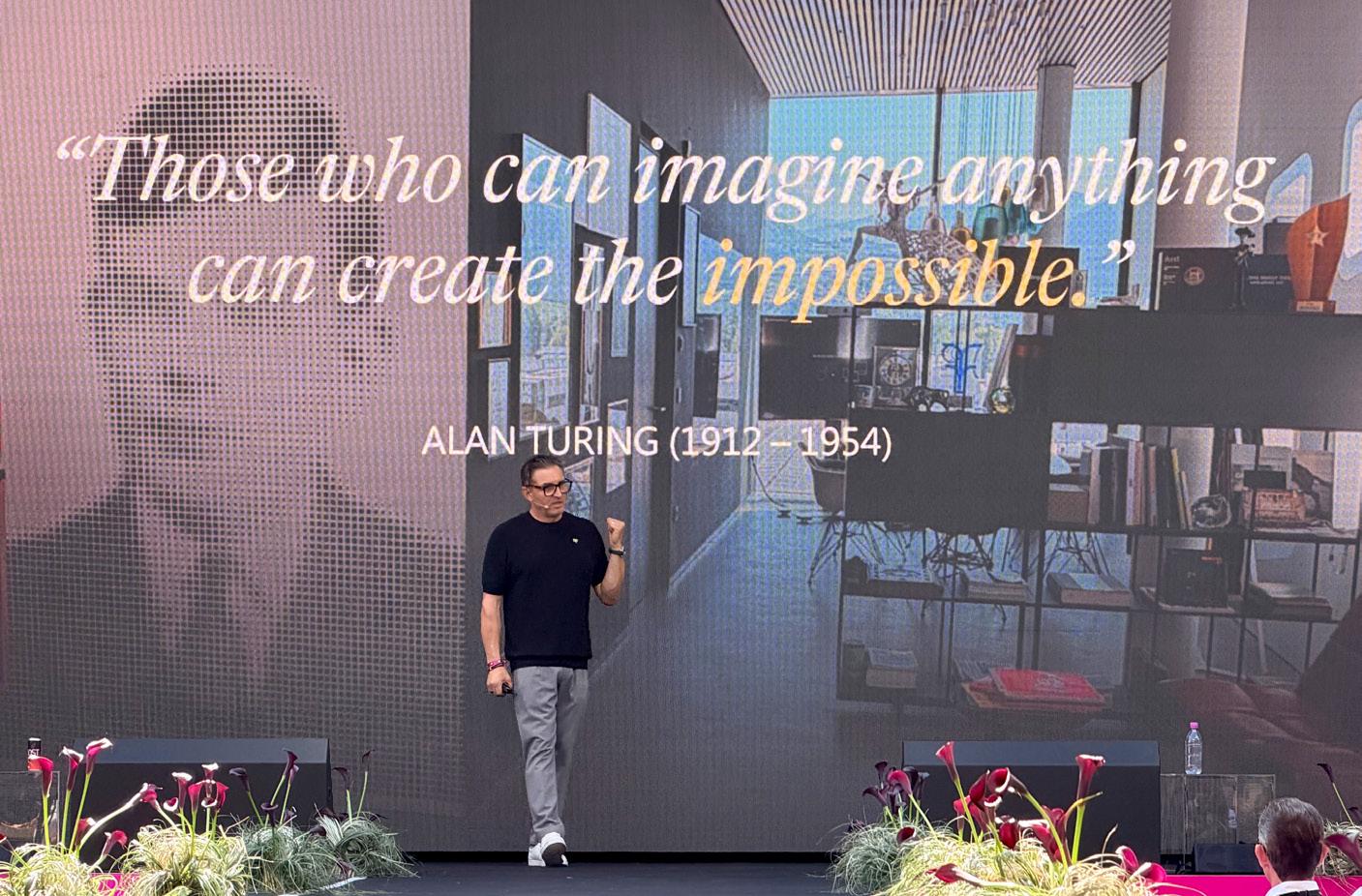
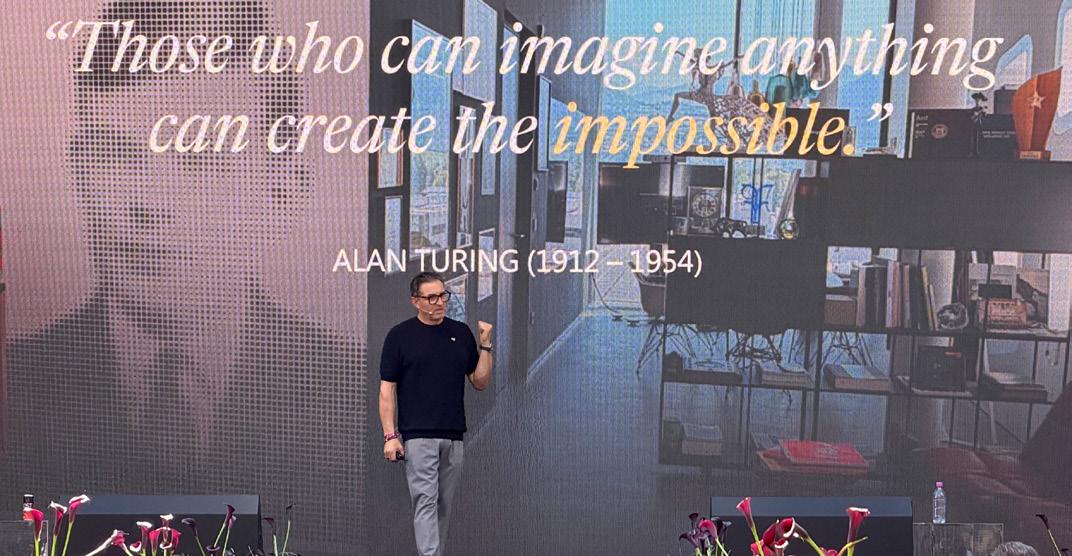
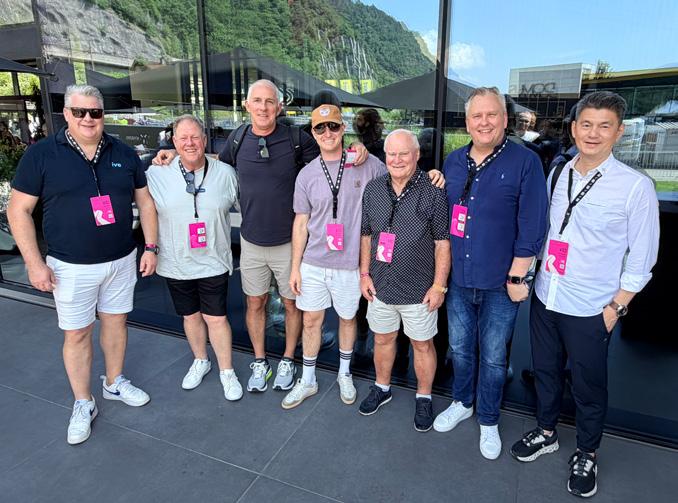
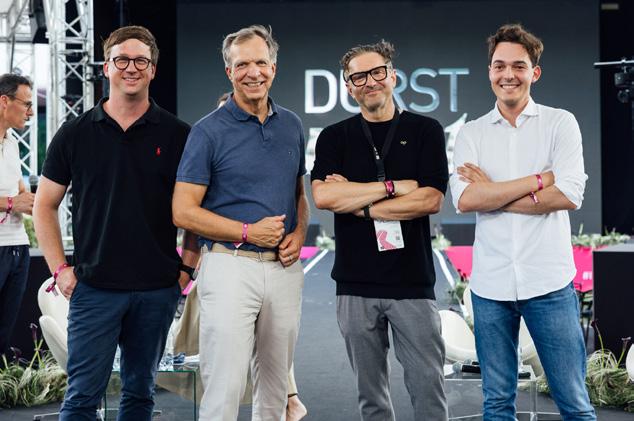
Durst Group recently brought together its employees, customers, and the local Brixen community to celebrate its 90th anniversary at the Durst NEXT Technology Festival, which took place at the company’s headquarters in Italy. Under the guiding idea ‘Our World is Printed’, the anniversary year reflects the company’s heritage while looking ahead to the technologies, partnerships, and ideas that will shape the next phase of industrial production.
On the first evening, an exclusive openair black-tie dinner was hosted on the grounds of the Brixen head office honouring outstanding customer success stories from within the global Durst community and recognising digital production excellence with the Durst NEXT Awards.
Local recognition on a global stage
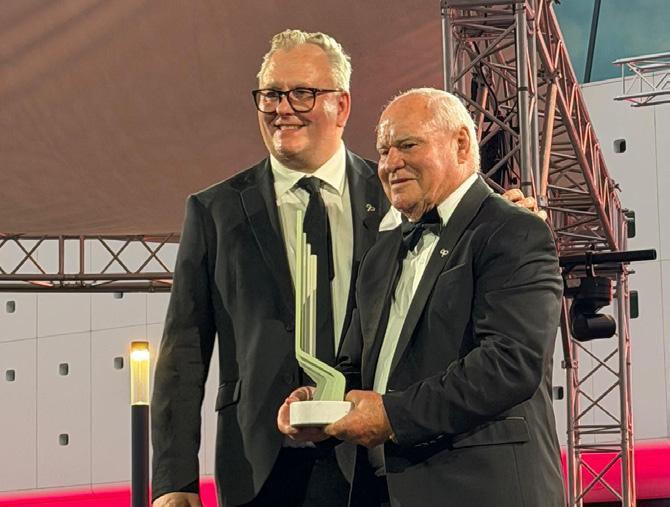
At the event, local print veteran Keith Ferrel from Cactus Imaging was presented with a special award from Durst Oceania managing director Matt Ashman in front of hundreds of guests.
“I am truly honoured to receive this award, but achievements like this are only possible due to the dedication of the entire team at Cactus. This award is a testament to their loyalty and professionalism. I did not start Cactus on my own. I was fortunate to have
co-founded the business 35 years ago with Warwick Spicer. Cactus would not be where it is today without his vision and business acumen. In fact, I went behind Warwick’s back to hire his son, Nigel, who I am privileged to work with today. Nigel, along with the dedicated and professional team, represents the future of Cactus,“ Ferrel said.
“Throughout my journey, I have been lucky to meet and be advised by many amazing people around the world, many of whom have taught me invaluable lessons. I consider myself fortunate to have been involved in the broader industry, with Dscoop and Fespa being two key components of my experience.”
Ashman paid tribute to Ferrel and his achievements in the industry, saying “[Cactus Imaging] has grown consistently and continued to innovate, always focused on delivering the best solutions for its customers and partners. That commitment to his customers has always been central to Keith’s mission, and it is a big part of why he is receiving this great honour.”
On the second day, the Durst NEXT Festival was described as both a celebration and a statement – reflecting the 90 years of industrial excellence while simultaneously opening a new chapter focused on digital intelligence, creativity, and sustainable production technologies. An entire suite of investments that Durst
has made in various technologies were on display including autonomous robots, drones managing agriculture, virtual universities, as well as a virtual twin of Durst CEO and co-owner Christoph Gamper.
According to Gamper, the typical print operation of today has a gap – machines from multiple vendors, software from multiple vendors, and files in multiple formats – which is all acceptable, but the knowledge remains with the human operator.
“The human, right now, is the middleware. This means, by not having a little bit more, we have waste again. And Durst was born to reduce waste and enable efficiency. If you look at this in terms of numbers, it equates to $10,000 in colour correction alone per quarter, two hours of preparation work before a handover, or five per cent of material loss. For 90 years, we asked machines to be faster. The next 90 years, we’re going to ask for something different – we’re going to ask for sense,” he said.
“Sense, not sensors. Sensors measure; sense understands. That moves into orchestration, not coordination. When machines don’t talk to each other, we need coordination. When machines start to talk to each other, we’re getting into orchestration, and that is what the future is all about – industrial intelligence. For digital production, industrial intelligence means a machine starts to learn from every single job. It means every run is optimised and it starts to teach the next, and explains why.”
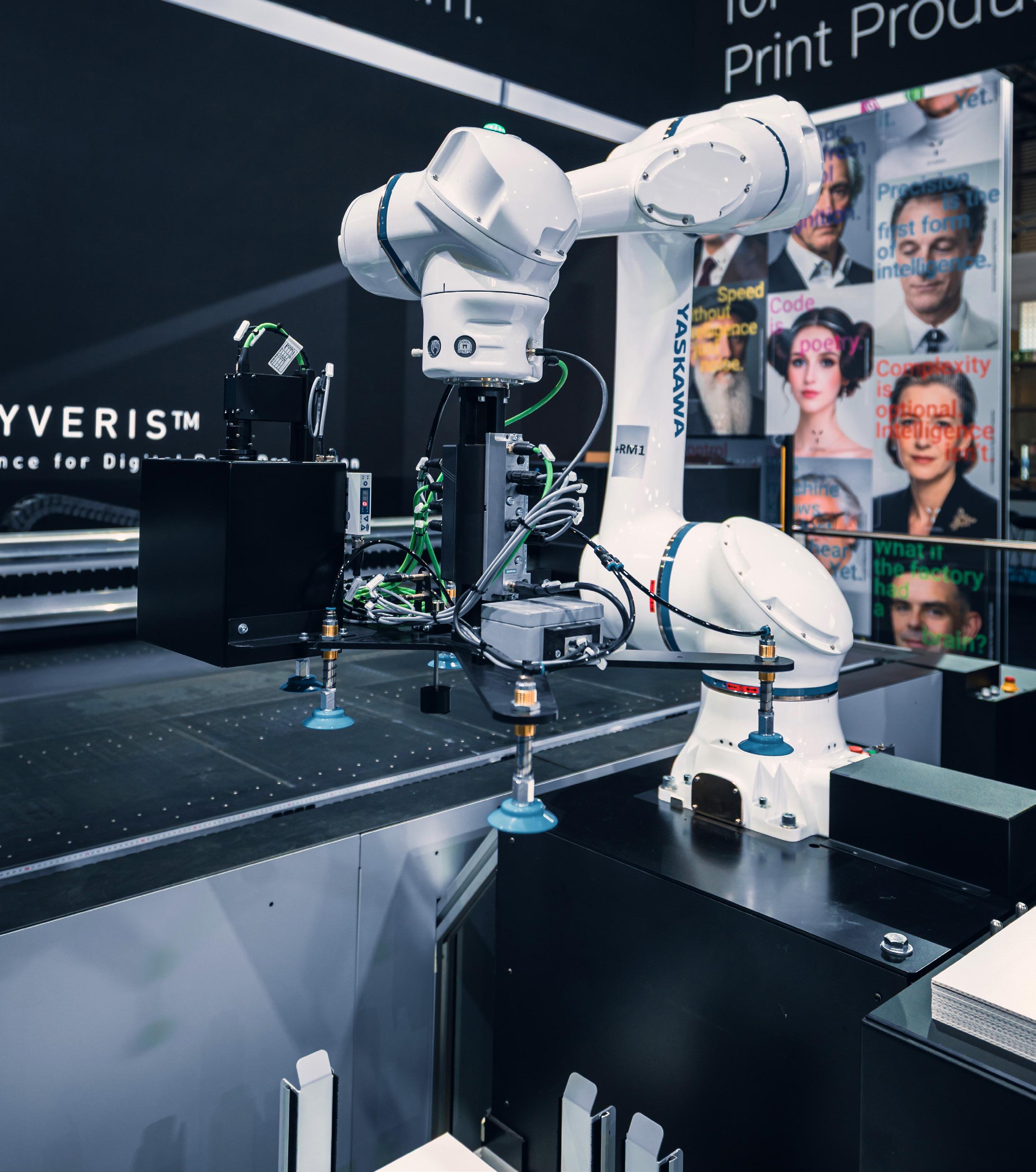
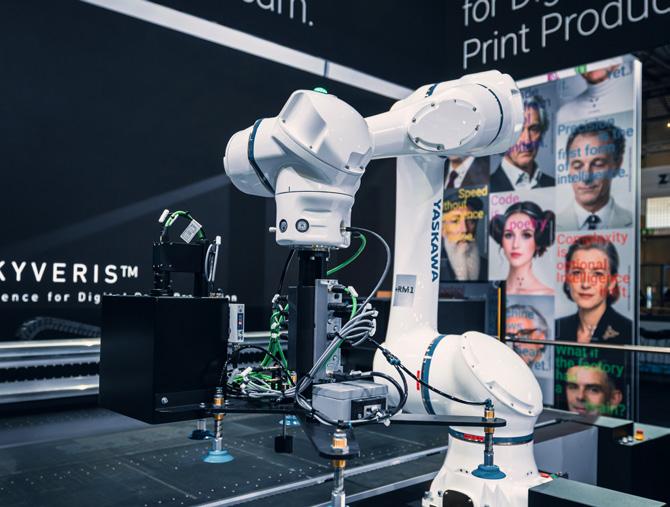
In bridging the gap between machines of today and the machines of the future, Durst recently launched Kyveris. At the NEXT Technology Festival, Gamper and other Durst executives deep-dived into the potential of the technology.
Gamper explained, “Kyveris is a system that learns. It is not AI. It learns on the edge of the machine and passes the learning to a Cloud. The Cloud then hands it over to the next location. I’m ready to make a commitment – by 2030, 600 of Durst’s machines will be connected by Kyveris.
“We’ll still be building the best machines in the world, but we’ll also be building the intelligence around them”.
At the event, Durst vice-president of Kyveris and software solutions Michael Deflorian also spoke about what print service providers can achieve with the industrial intelligence for print production.
“Our aim is to deliver to our customers a consistent output and sustainable production, meaning we are turning waste into margins and creating autonomy in the production process, so you don’t rely too much on the expertise that lies solely in the hands of your operators,” he said.
The first step in this process, said Deflorian, is Kyveris Sandbox – the engine room that questions, prototypes, and learns. Machines, jobs, materials, and production results are connected across systems, enabling continuous analysis, process optimisation, and measurable productivity improvements. Kyveris includes the Open Software Initiative (OSI), providing open APIs and documented interfaces for integration with MIS, workflow and finishing systems. This allows customers and partners to connect existing environments without proprietary lock-in.
“Kyveris Sandbox is the first proof of direction, where you see automation with robotics and digital twins that bring reality to a virtual world to direct abnormalities to planned production. It uses analytics and data transparency, as well as a recommendation system within the workflow on how to prepare data,” Deflorian mentioned.
“The next step, is then reproducibility, which is where Hawk Eye comes in.”
The innovative Hawk Eye technology utilises camera vision systems and artificial intelligence to automate print quality, significantly reducing waste and improving print quality. Durst Hawk Eye goes one step further than similar inspection systems available on the market. It corrects print mistakes, such as missing nozzles, in-line and in real-time, without any setup needed or operator intervention. Additionally, it aims to significantly reduce setup time and waste, enhancing efficiency and an even more competitive total cost of ownership (TCO).
Gamper summarised the direction Durst is heading towards in the coming years with its software technology, saying “The first connected machine is a product; the thousandth is an economy”.
As the company continues to celebrate its 90th anniversary for the rest of the year, Ashman reflected on the occasion.
At the event, Durst Group also announced a multi-year collaboration with TUM Venture Labs, a joint initiative of the Technical University of Munich and UnternehmerTUM, in the field of robotics, AI, and automation for industrial production.
As a platinum partner, Durst becomes part of the TUM Venture Labs ecosystem and the first Italian partner in this network.
“On behalf of Durst Oceania, I am so immensely proud to be part of such an incredible organisation that has stood the test of time – from postcard printing into photography to world class inkjet printing, and now 3D printing and AI-driven production software with Kyveris.
“Durst has always been able to pivot and understand what the next big thing will be in the industry – AI and automation are two of the next frontiers of technology in our industry and the companies that create partnerships and innovate in these areas are best placed to be the leaders of the future.
“Christoph is an amazing visionary and we trust him to continue to position Durst at the forefront of technology. When you think the Kyveris project started in January this year and it has made huge leaps – I think it is genuinely exciting. This is also technology that we need to lead – because if we don’t do it – someone else will.
“Coming to Durst headquarters is so important for our customers. When this event was announced, my customers immediately said ‘yes – we’re coming’. When you make the effort to travel to Durst in Brixen you realise that every Durst’ler is pushing in the same direction. This is what we do as it is in our DNA. Our customers see that and they become very passionate about that and they also love investing in a company that is moving in the same direction together.”
At the centre of the collaboration is the Robotics/AI Lab within TUM Venture Labs in Munich, one of Europe’s leading deep-tech ecosystems for robotics, artificial intelligence, embedded systems, and industrial automation.
For Durst, this creates a new interface with young companies, researchers, students, and industry partners working on solutions for intelligent robotics, autonomous systems, human-robot interaction, industrial automation, simulation, embedded AI, physical AI, and digital twins.
The engagement is a deliberate step from Brixen into the European robotics and AI network as with Kyveris, Durst is building an intelligent production system that connects machines, software, data, and artificial intelligence.
The goal is production that operates more efficiently, transparently and reproducibly. Through its support of TUM Venture Labs, Durst is able to collaborate more closely with talents, founders, and research teams in robotics, AI, embedded systems, and industrial automation.
aptured on
a
pr inted on Dur s t machine s
Dur s t L ambda introduce s l aser exposure and digit al file s into photogr aphic produc tion
E
From a small family workshop in 1929 to a global pioneer of industrial inkjet, Durst has always turned vision into innovation by inventing what others couldn’t. Today, Durst drives the future of digital manufacturing with intelligent, integrated production systems across industries.
As IVE marks its 105th anniversary, the milestone reflects not only the company’s longevity but also its ability to continually evolve with the changing landscape of marketing
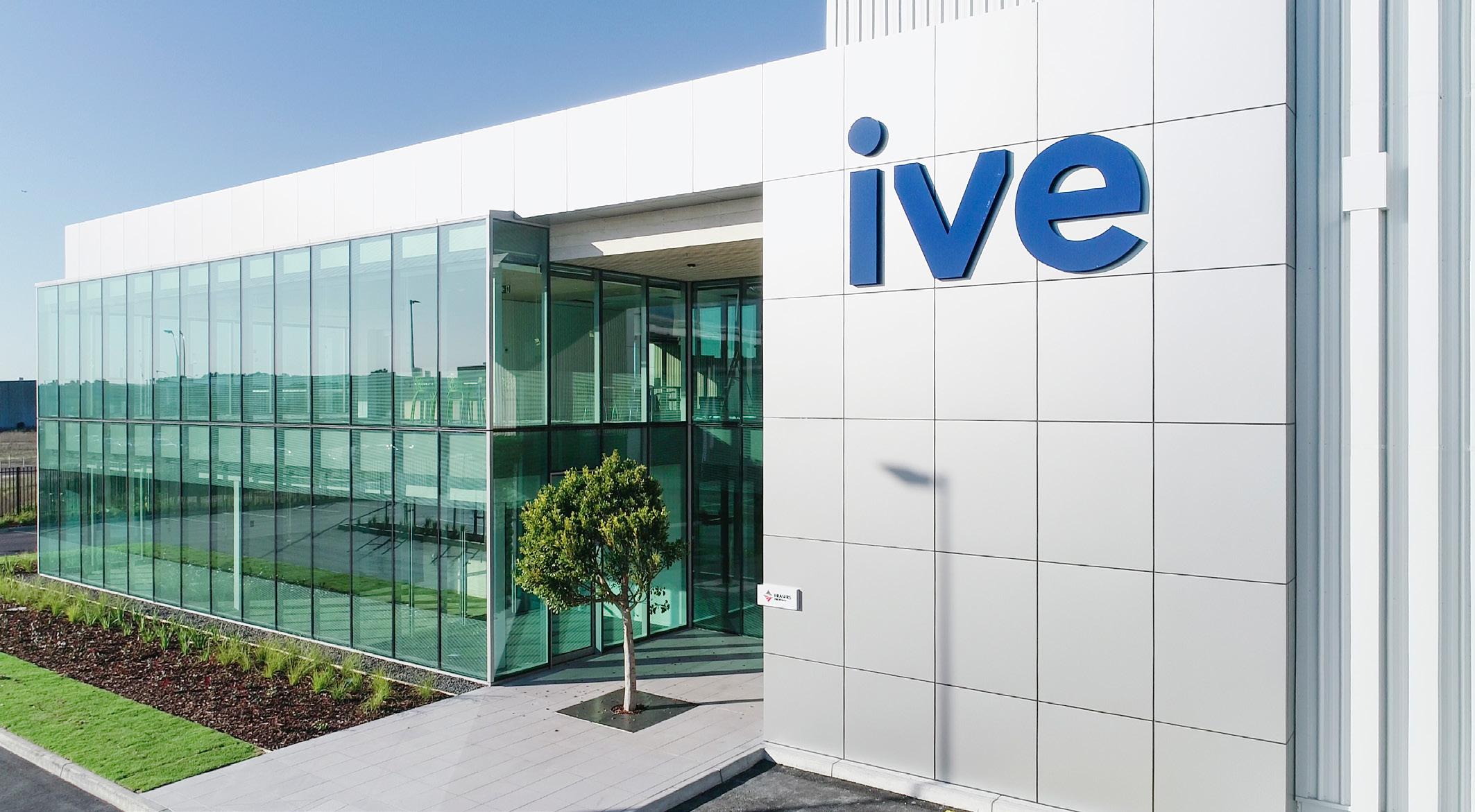
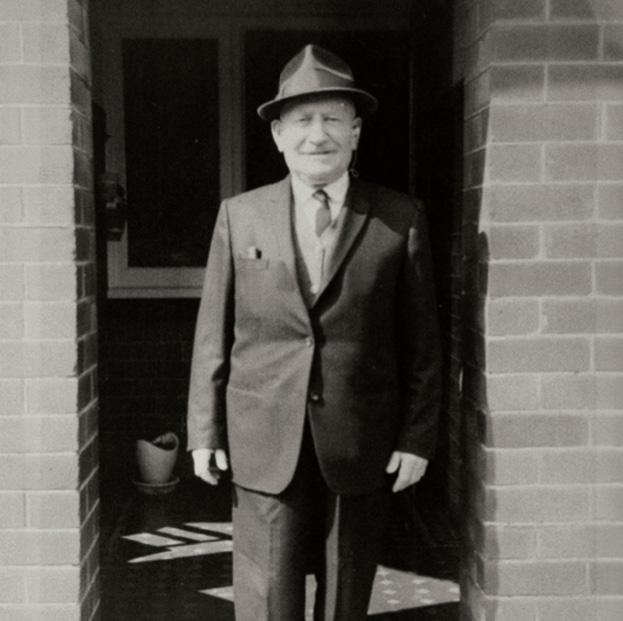
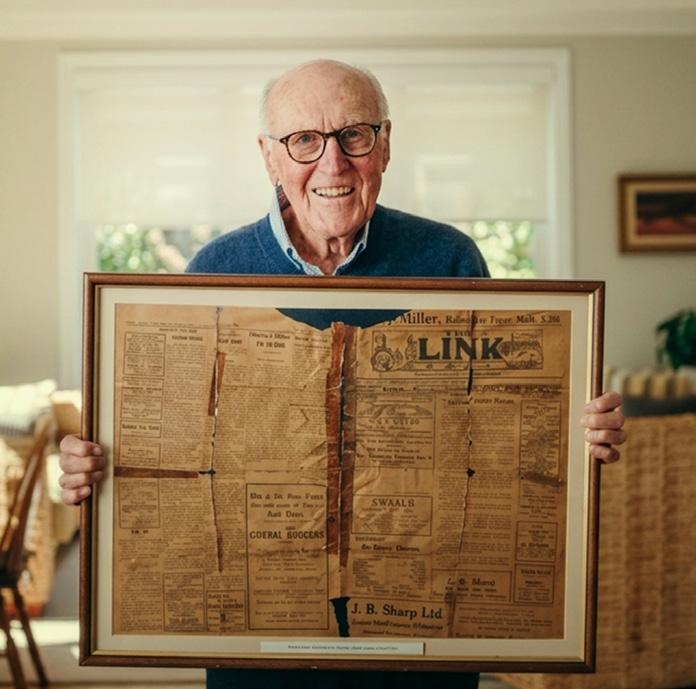
When Oscar Selig launched a small community newspaper called The Link in Balmain in 1921, the goal was straightforward: help local people feel connected to the world around them.
One hundred and five years later, that same philosophy is still driving IVE Group, although today the business reaches millions of Australians across personalised marketing communications, catalogues, retail experiences, packaging, content, distribution, and e-commerce.
As IVE marks its 105th anniversary, the company is positioning the milestone not simply as a reflection on longevity, but as evidence of its ability to evolve alongside the changing nature of marketing itself.
For a business that began in newspapers, that evolution has been significant. What started as a family-owned local publisher and printer has transformed across generations into Australia’s largest diversified marketing company, shaped by decades of expansion, reinvention and strategic growth.
Yet despite the scale and complexity of the modern business, IVE’s leadership says the core idea behind the company
has remained remarkably consistent. Connection still comes first.
“Marketing changes constantly but the need for meaningful connection never disappears,” says IVE managing director Matt Aitken. “That’s been true since the first issue of The Link and it’s still true today.”
The company’s story mirrors the broader transformation of Australia’s media, communications and retail sectors over the past century. By the 1960s, the Selig family had expanded beyond newspapers into commercial printing, responding to growing demand from

Australian businesses. Across the following decades, the operation continued to scale, particularly across western Sydney, where the business built strong manufacturing and print capabilities.
In the 1990s the business commenced its growth expansion, establishing a strong platform for the next stage of evolution.
Following a change in ownership in 2012, the business embarked on a growth-through-acquisition strategy that laid the foundation for the modernday IVE.
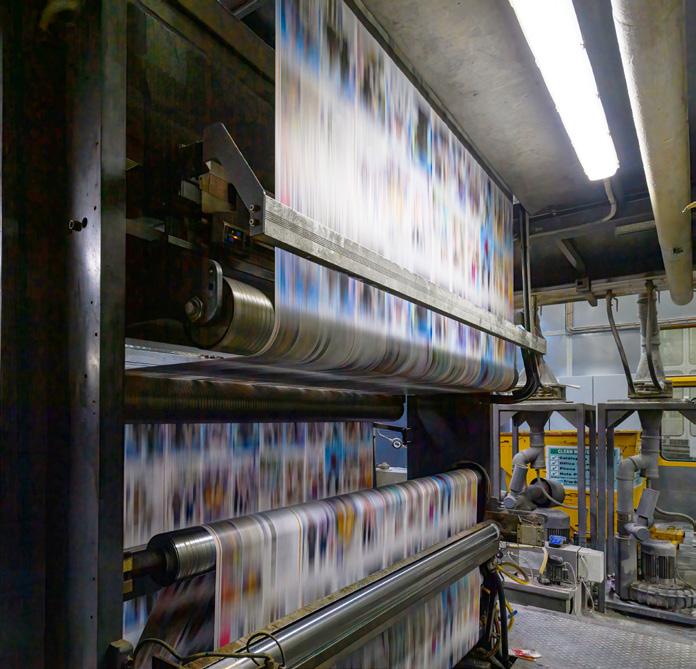
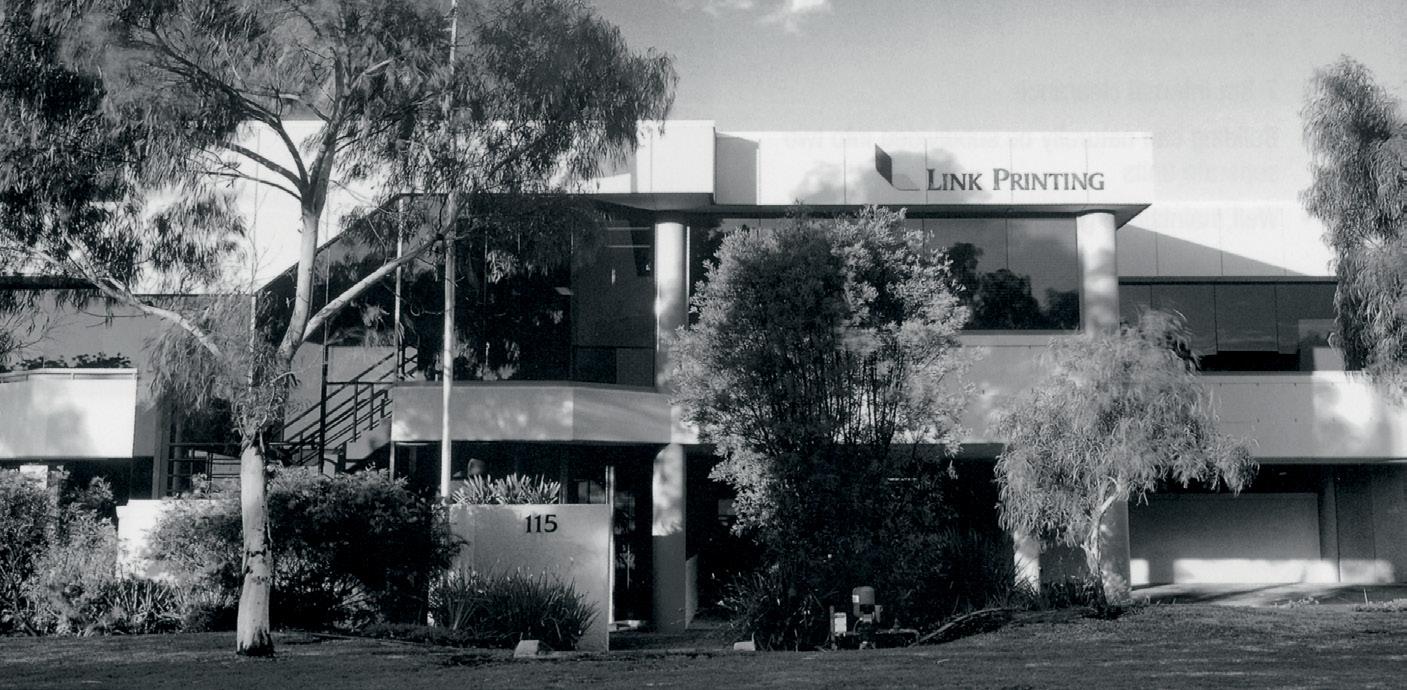
Rather than simply expanding its operations, the acquisitions also enabled IVE to deliberately transform its operations and branch out into new areas, repositioning itself to meet the evolving needs of the wider print and visual communications industry.
These acquisitions also enabled the company to diversify well beyond its traditional print heritage, building capabilities across retail display, merchandise and apparel, customer communications, data services, and largescale distribution. But scale was only part of the story.
As consumer behaviour became increasingly fragmented across physical and digital channels, IVE focused on
building a more connected model, one designed to bring together creativity, production, data, technology and distribution in a seamless way.
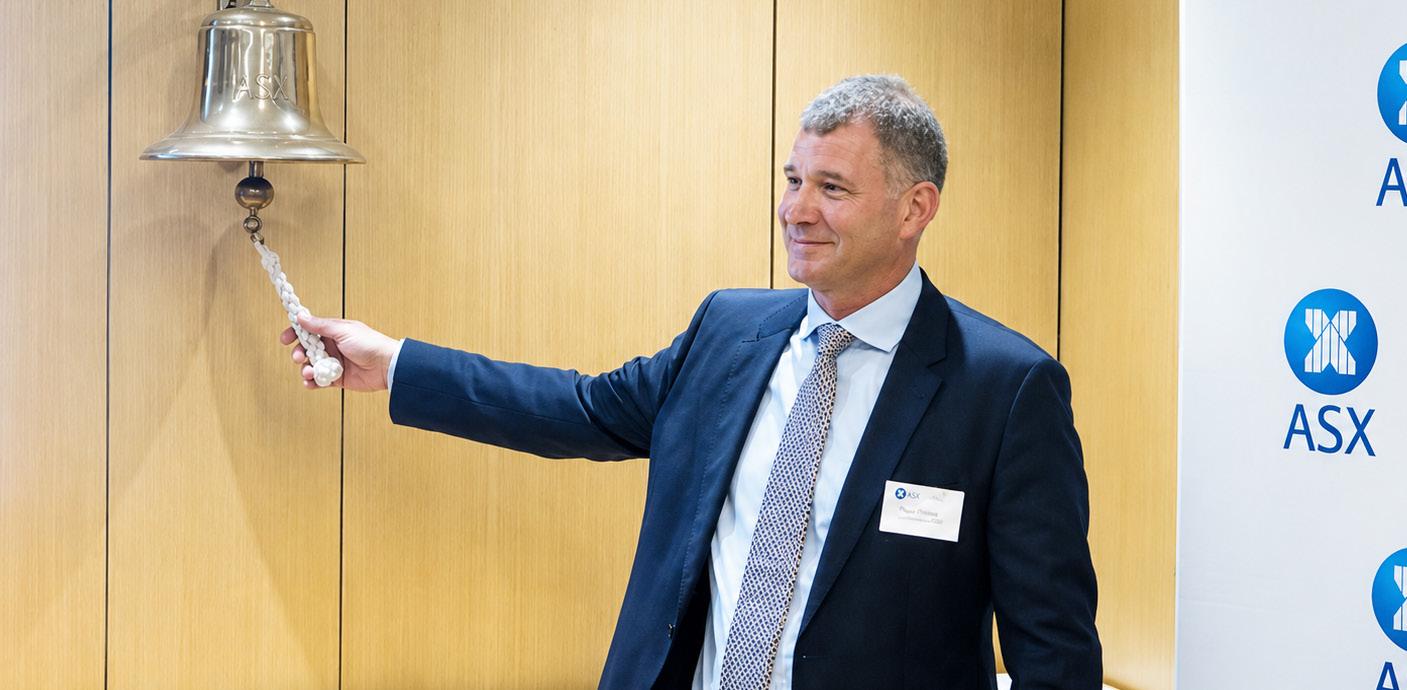
That shift became more defined in 2015, when IVE listed on the ASX, and again in 2019, when the company unified its offering under a single masterbrand. Together, those moves significantly expanded IVE’s capabilities in data-led marketing, customer engagement and distribution, helping position the business as a fully integrated marketing partner.
By then, IVE was no longer simply a print company. It had become a business focused on helping brands navigate an increasingly complex and fragmented marketing landscape.
That strategy continues to shape the company today.
In recent years, IVE has expanded further into areas aligned with the future of retail and customer engagement. The relaunch of Lasoo as an e-Commerce marketplace in 2022 signalled a move into digital shopping discovery, while the acquisition of JacPak in 2023 marked its entry into fibre-based packaging, reflecting growing demand for more sustainable solutions.
Sustainability has also become a defining focus for the business. In 2024, IVE transitioned to renewable electricity through its long-term partnership with Iberdrola, supporting its commitment to reducing environmental impact across its operations.
While the business has evolved significantly over more than a century, one of its defining strengths has been its ability to adapt without losing its identity. That identity has always been shaped by people.
Across generations, employees, clients and partners have helped guide the company through periods of enormous technological and market change, from traditional print and direct mail through to automation, datadriven marketing and connected commerce.
Few figures were more closely associated with that journey than former executive chairman Geoff Selig, whose contribution to the Australian print and marketing industry was widely recognised following his passing in 2024. Colleagues and peers have credited him with helping modernise the business while maintaining its strong people-first culture.
For the Selig family, the milestone is also deeply personal.
“I think dad would be really proud to see where the business has grown,” says Gordon Selig, Oscar Selig’s 89-yearold son.
As IVE enters its 106th year, the focus remains firmly on what comes next, from smarter customer experiences and data-led communications to sustainable manufacturing and integrated marketing solutions designed for an increasingly complex media landscape.
For a business that began with a local newspaper in Balmain, the transformation has been remarkable.
But in many ways, the mission remains unchanged.
One hundred and five years after The Link first connected a local community, IVE is not just connecting brands with people at scale – it’s redefining how brands connect with them altogether.
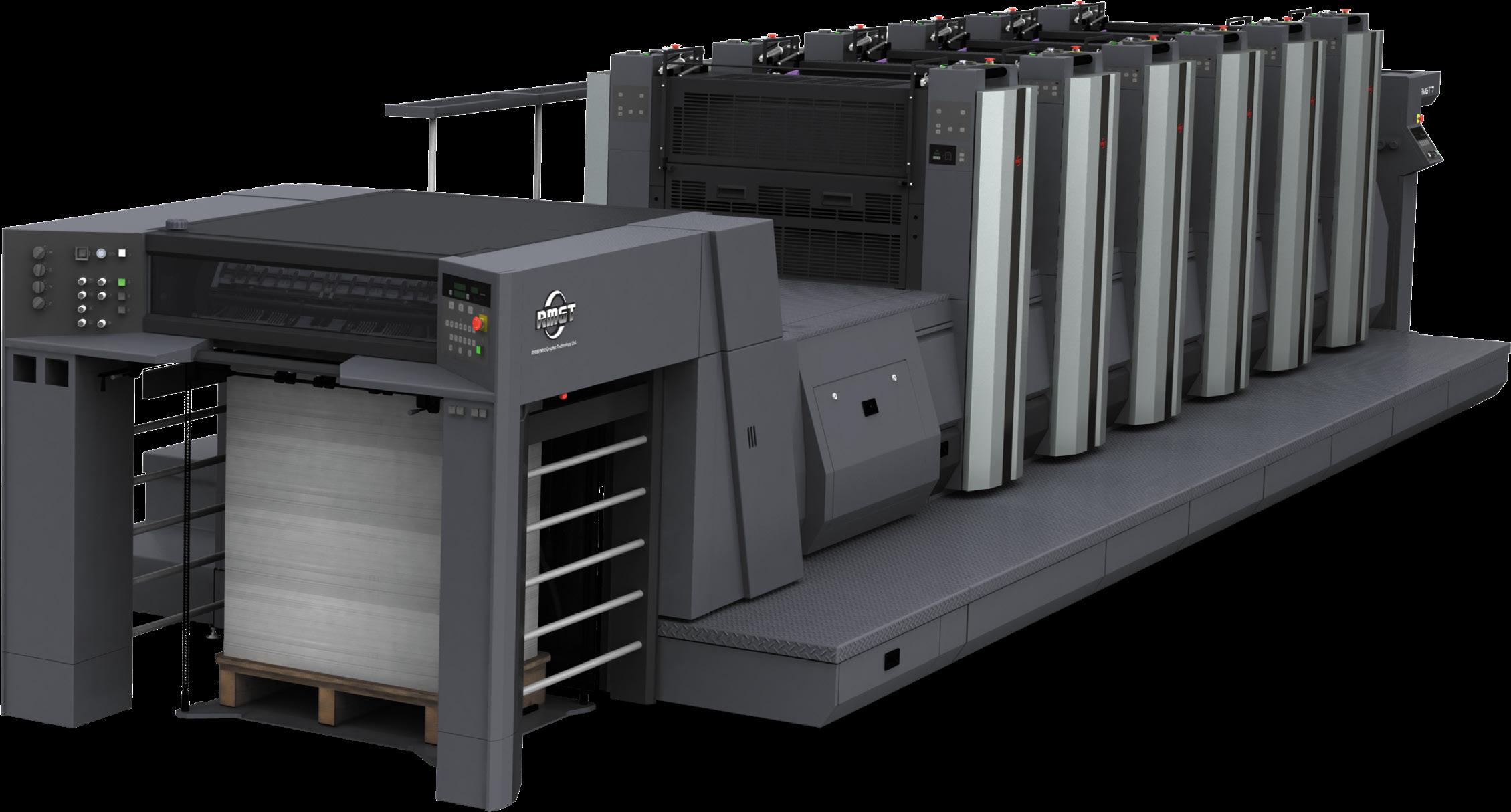
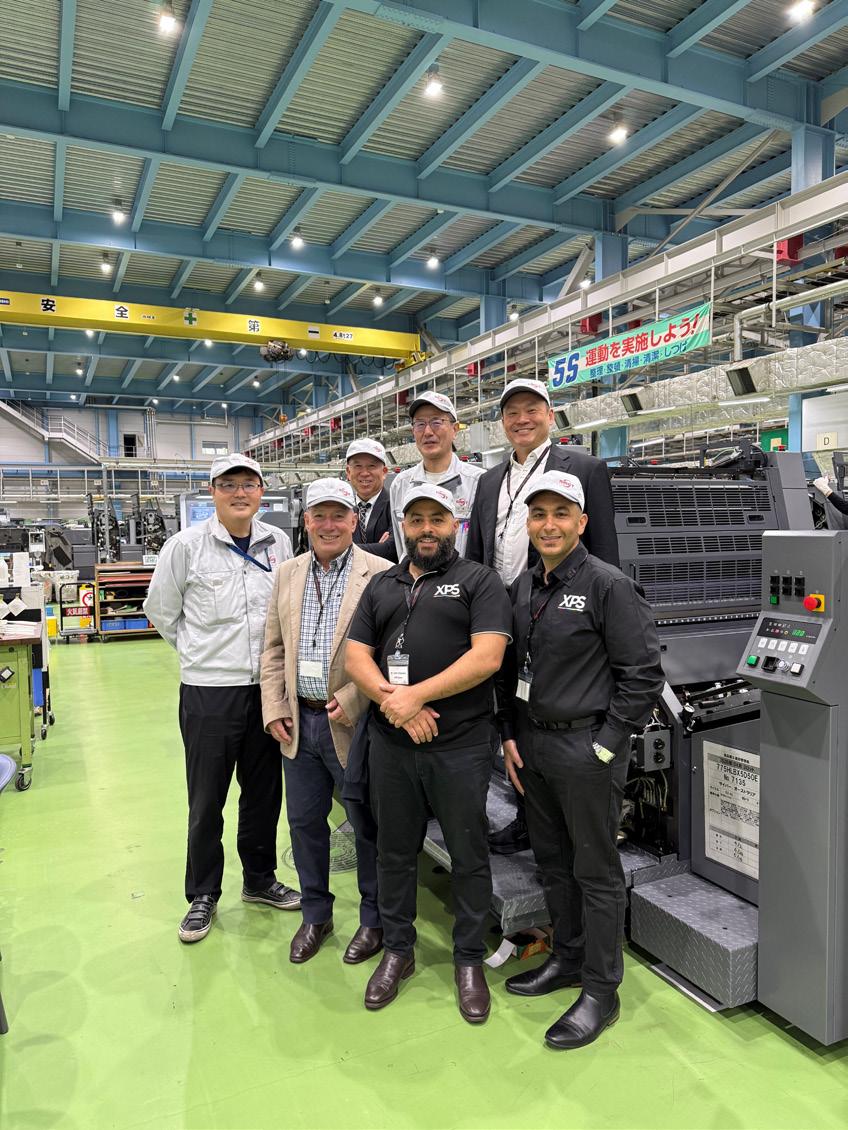
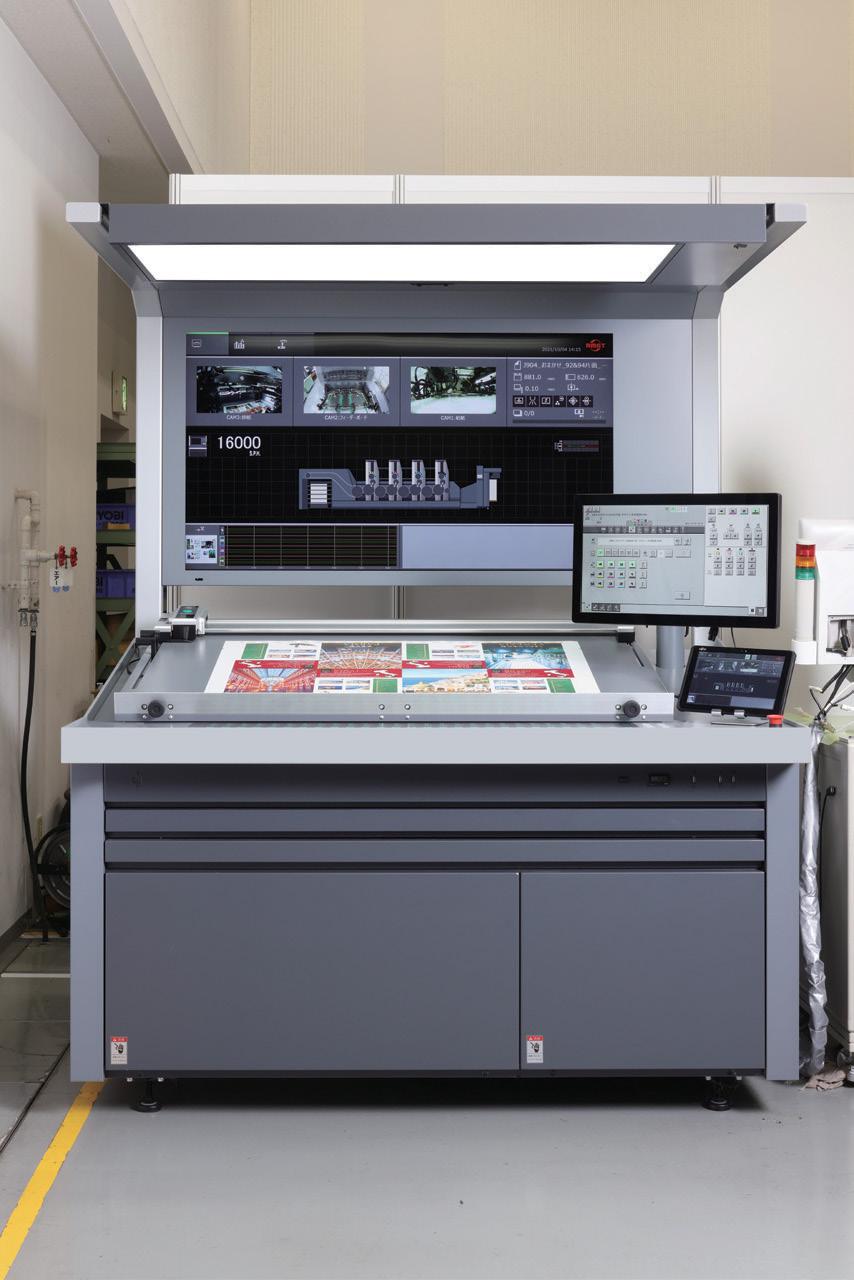
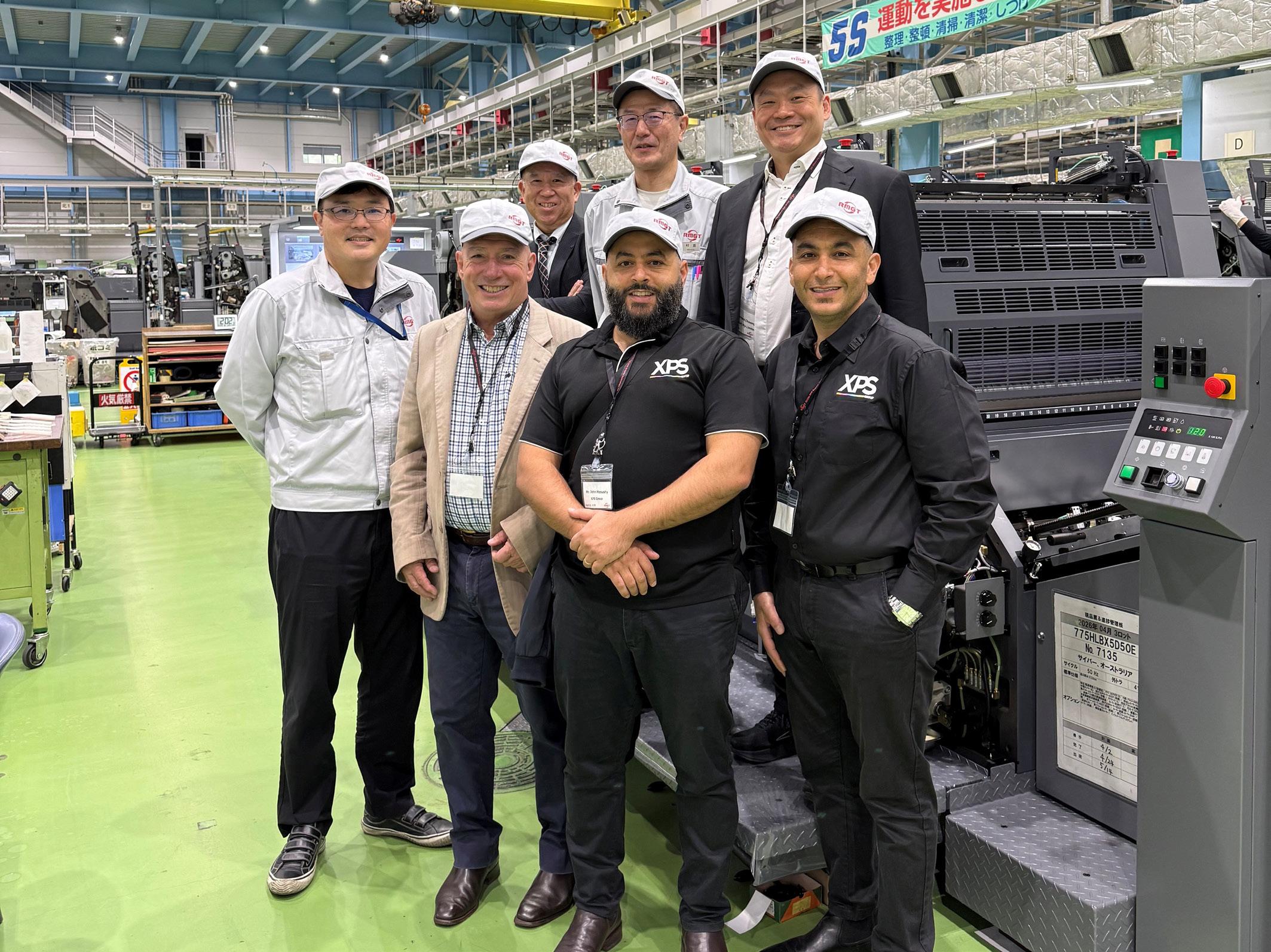
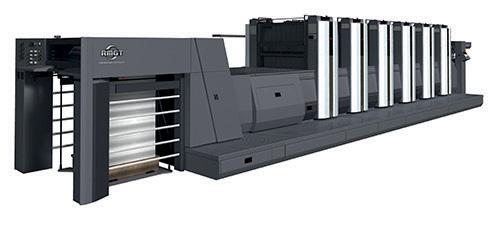
During the visit, XPS saw its new, finished RMGT 790ST-5 XL series press on the assembly floor, undergoing final testing before its departure
Sydney-based Exclusive Printing Solutions (XPS) is a rapidly evolving trade printer which recently doubled its offset capacity by investing in a new RMGT 790ST-5 XL series press.
Led by brothers Jason and John Meoushy, the family-owned business recently completed a strategic move to a new, larger facility in Ingleburn to accommodate its transition toward a highvolume, 100 per cent trade-only model.
The new five-colour press, supplied by RMGT distributor Cyber, marks a significant milestone as the company’s first brand-new offset investment.
The XL configuration provides a larger image area that allows XPS to expand
its reach into the folding carton and packaging markets.
This hardware is supported by a sophisticated digital workflow, including the Equios and Ink Volume Setter modules, which slash makeready times to just four minutes.
Reinforcing the partnership between printer and manufacturer, the Meoushy brothers recently joined Cyber’s Bernard Cheong and Rob Crough, as well as local RMGT management for a visit to the RMGT factory in Hiroshima, Japan.
During the visit, the Meoushy brothers saw their finished press on the assembly floor, undergoing final testing before its departure.
The machine is now on its way to Australia for installation, where it will run alongside the company’s existing Ryobi 755.
By focusing on the A2 sweet spot, XPS maintains a competitive edge through agility and rapid 24-hour turnarounds.
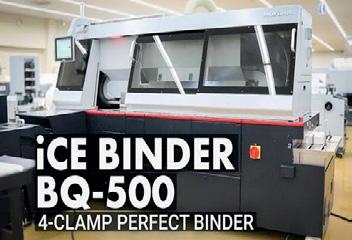
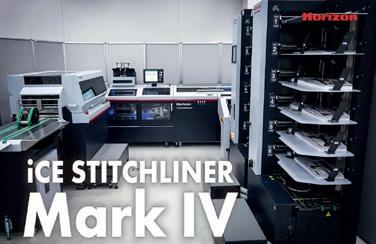
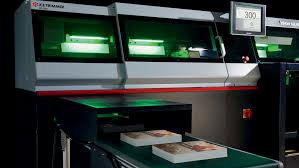
The investment in the RMGT 790ST-5, paired with a robust suite of Horizon finishing equipment, ensures that XPS can handle diverse substrates from 80 to 400gsm with ease.
With a young workforce and a commitment to reliability over the lowest price, XPS is positioned to capture increasing market share as the industry consolidates.













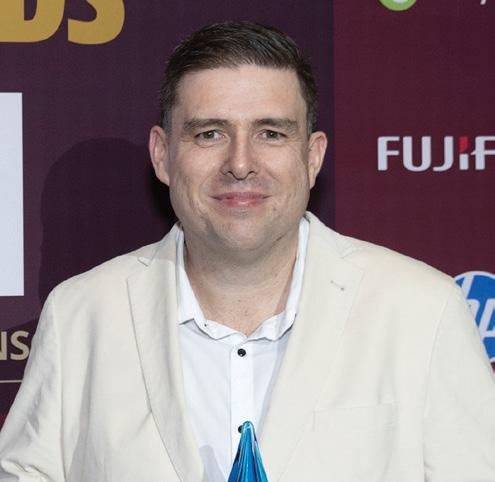
A night dedicated to celebrating the best of the best in the printing and packaging industry.

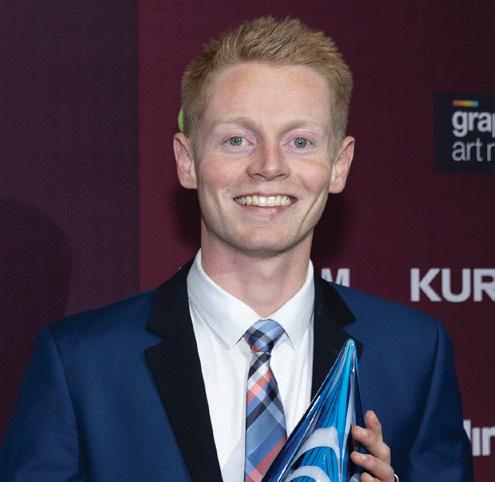


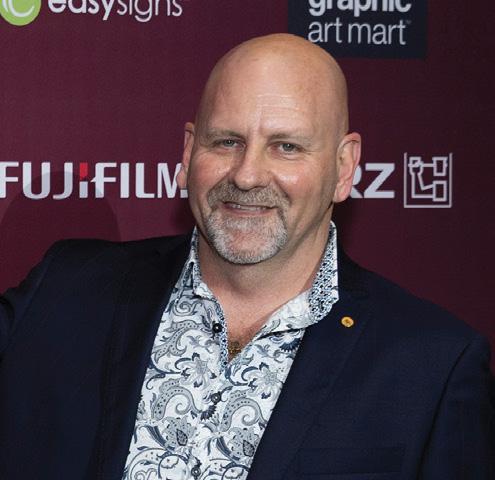

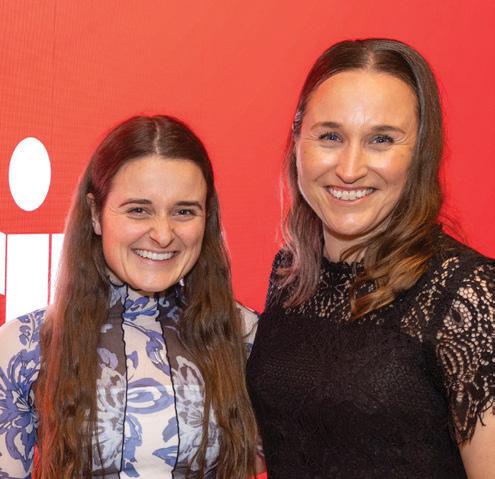
Proudly supported by
PLATINUM SPONSOR

GOLD SPONSORS


SILVER SPONSORS
COUNTDOWN TIMER SPONSOR
The decision to invest in a Canon Colorado represented a turning point for Gold Coast-based Stick it Signs as the machine has transformed how the business operates
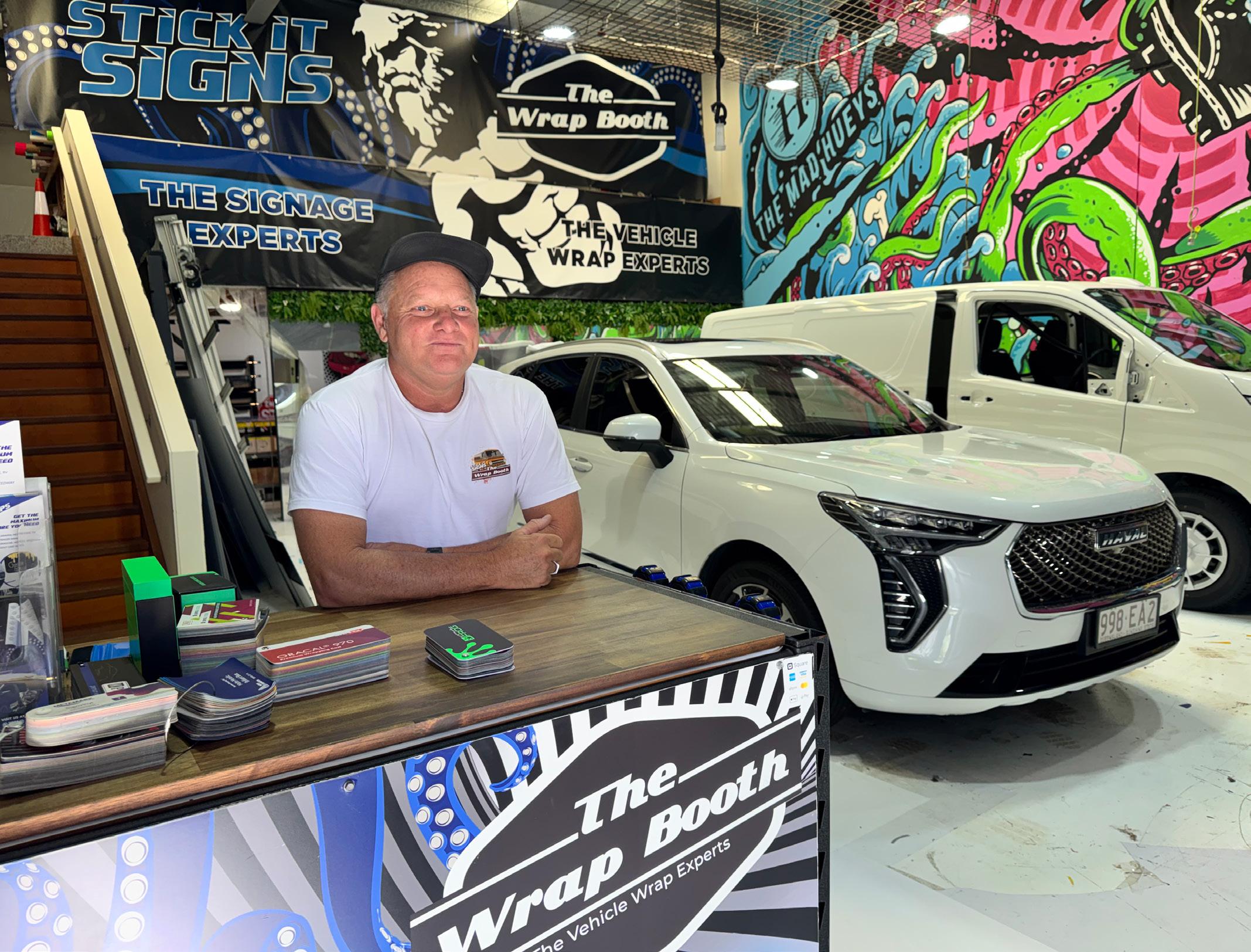
Gold Coast-based Stick it Signs, which also goes by the name of The Wrap Booth, has carved out a niche in high-quality vehicle wraps, fleet signage, and large-format graphics.
Founded by Drew Kruck in 2012, who transitioned from a background in car racing and family business management into the signage industry, the business grew by focusing on trades and fleet customers such as plumbers, electricians, and concreters.
The company is known for its willingness to take on challenging jobs, particularly large vehicles that other print shops cannot accommodate, supported by a large workshop and a “yes, we can” approach.
The company’s combined knowledge of business and attention to detail has allowed it to go from strength to strength. Its high-quality standards have also ensured that clients’ investments in professional signage is in safe hands.
However, before investing in a Canon Colorado UVgel printer, Stick it Signs faced significant operational challenges.
Printing a single vehicle wrap used to take up to five or six hours, which blocked other projects and limited daily capacity. Colour consistency for signage work was also sometimes unpredictable, creating uncertainty when delivering colourcritical work.
Additionally, material wastage was high, and lamination was often required to protect prints from scratching or damage, adding extra time and cost to projects. These factors constrained growth potential and made it difficult to scale the business while maintaining customer satisfaction.
The decision to invest in the Canon Colorado represented a turning point. The printer’s speed, reliability, and quality transformed operations, allowing the team to complete larger jobs in a fraction of the time.
This increase in throughput enabled the team to take on multiple jobs per day, improving productivity and creating opportunities for higher revenue.
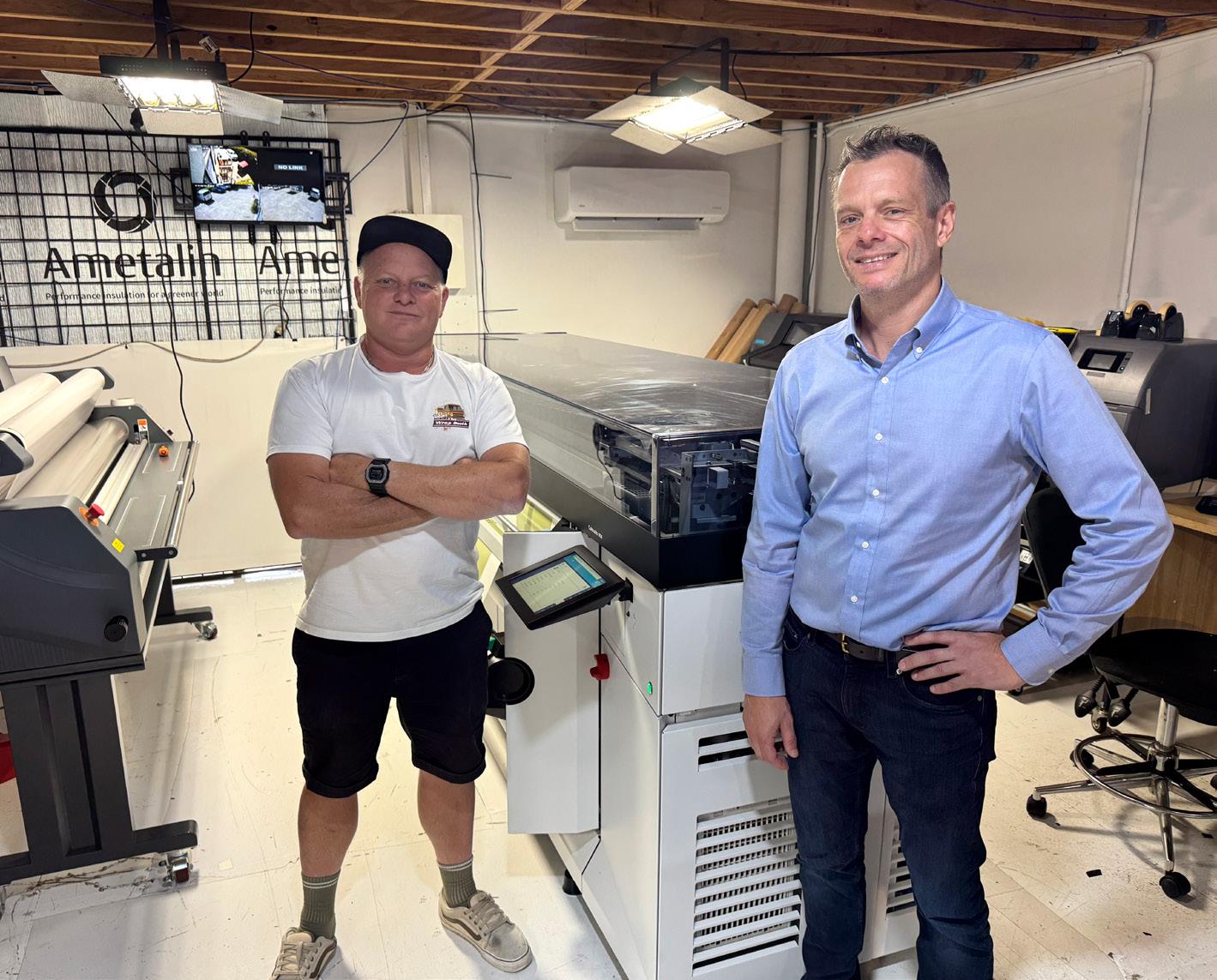
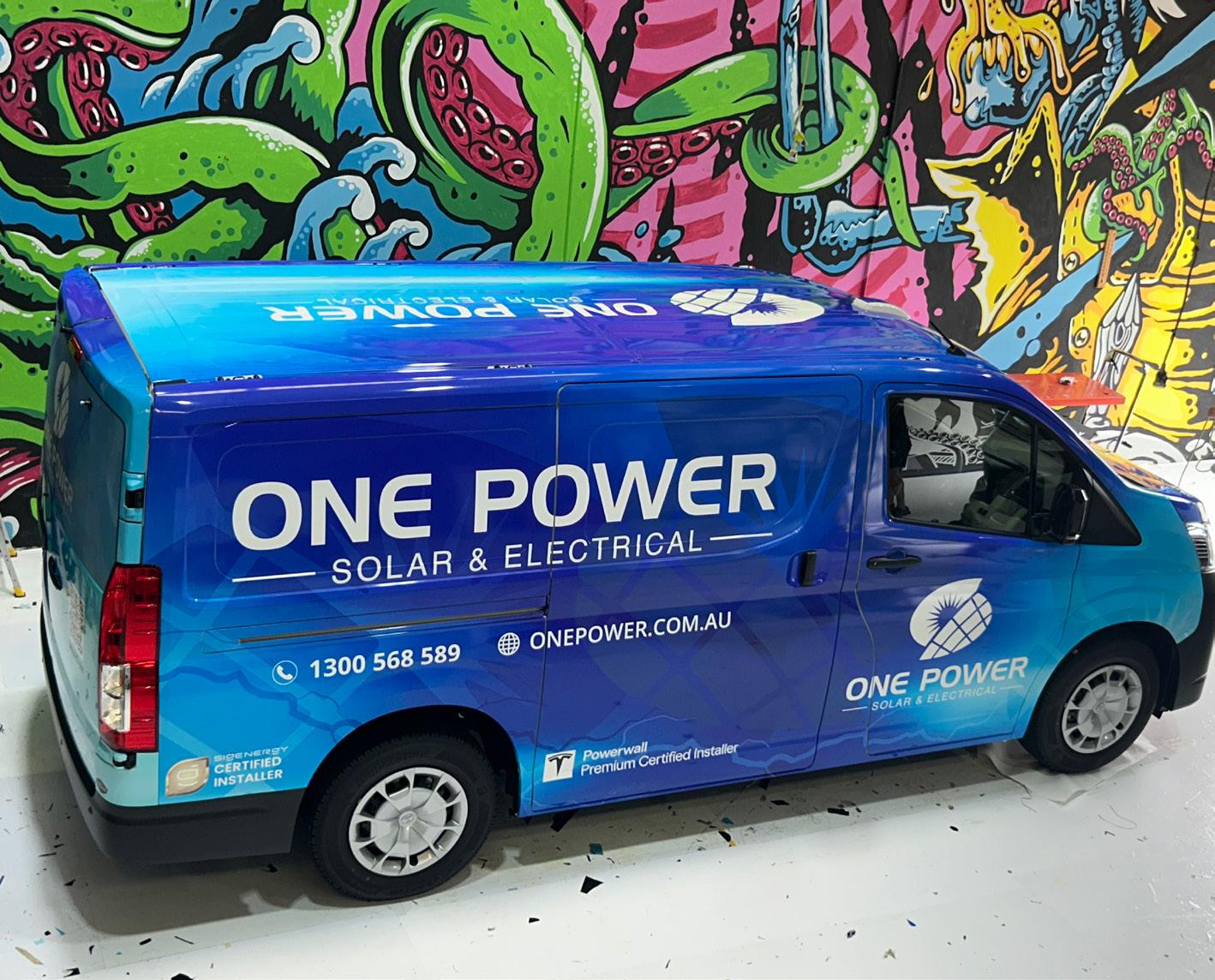
The UVgel technology also provided consistent, vibrant colours and durable, scratch-resistant finishes, which reduced reliance on lamination and minimised material waste.
Stick it Signs owner Drew Kruck said, “Speed changed everything for us. What used to take half a day now takes just a couple of hours, and that means we can take on more jobs, serve our customers faster, and grow the business like never before”.
Long-standing clients noticed the difference immediately, praising the
improved quality of labels and signage, and new opportunities emerged as wordof-mouth referrals grew.
Canon’s technical support and guidance further enhanced the impact of the new printer. Assistance with installation, profiles, and workflow integration ensured the team could maximise the machine’s capabilities from day one.
Canon Production Printing head of sales and professional services Steven Badger said, “The Colorado empowers businesses to increase capacity and productivity
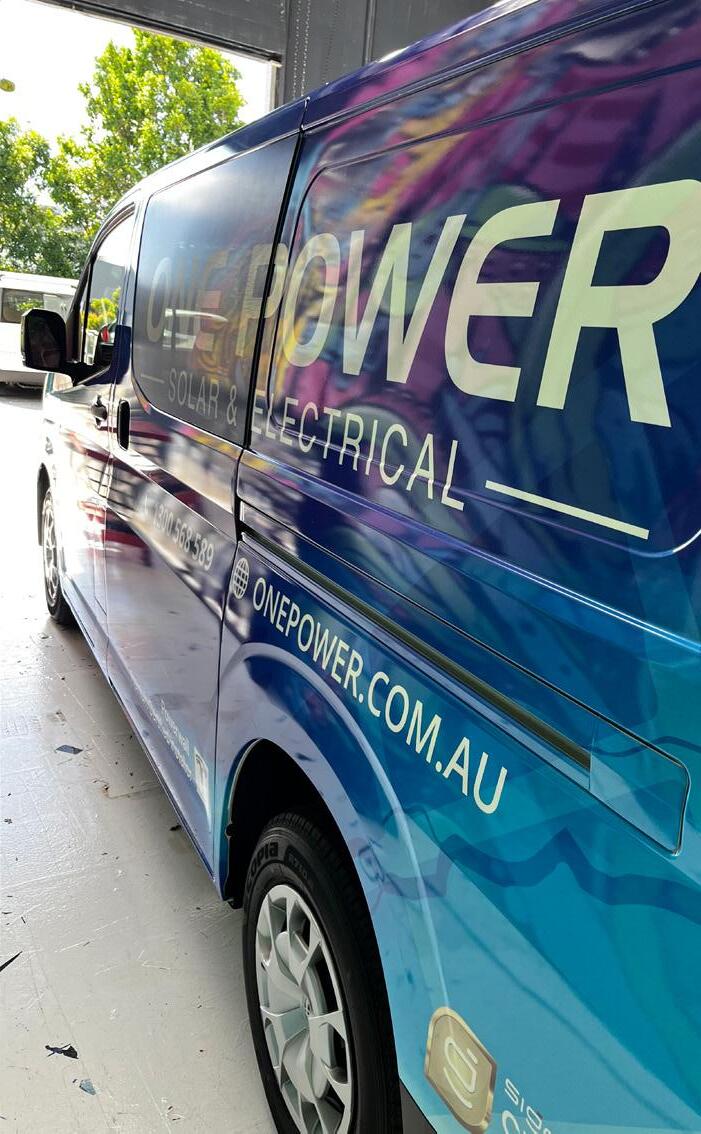
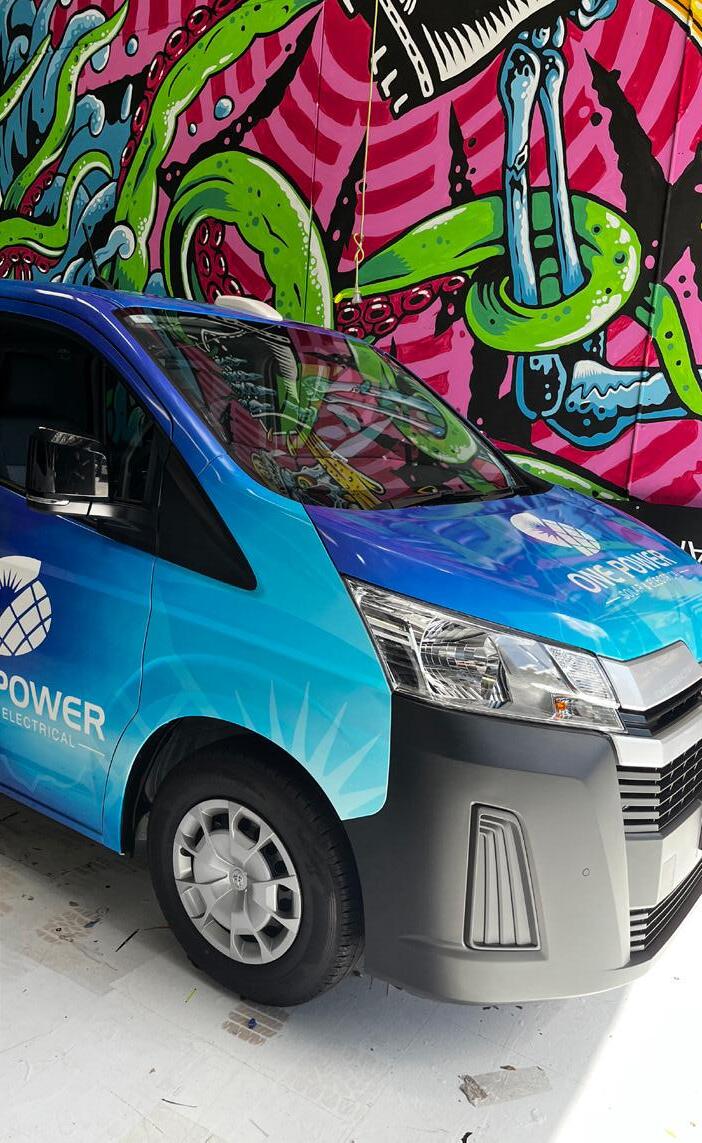
without compromising quality, helping them achieve growth and profitability”.
Today, the Canon Colorado is an integral part of the company’s operation. The team enjoys faster turnaround, improved colour consistency, reduced waste, and the ability to handle larger and more complex jobs than ever before.
By leveraging its speed, quality, and reliability, the business has strengthened its market position and set the stage for continued success in the years to come.
The investment has allowed the business to print direct to substrate and bring in-house some of the colour critical work that it had been previously outsourcing
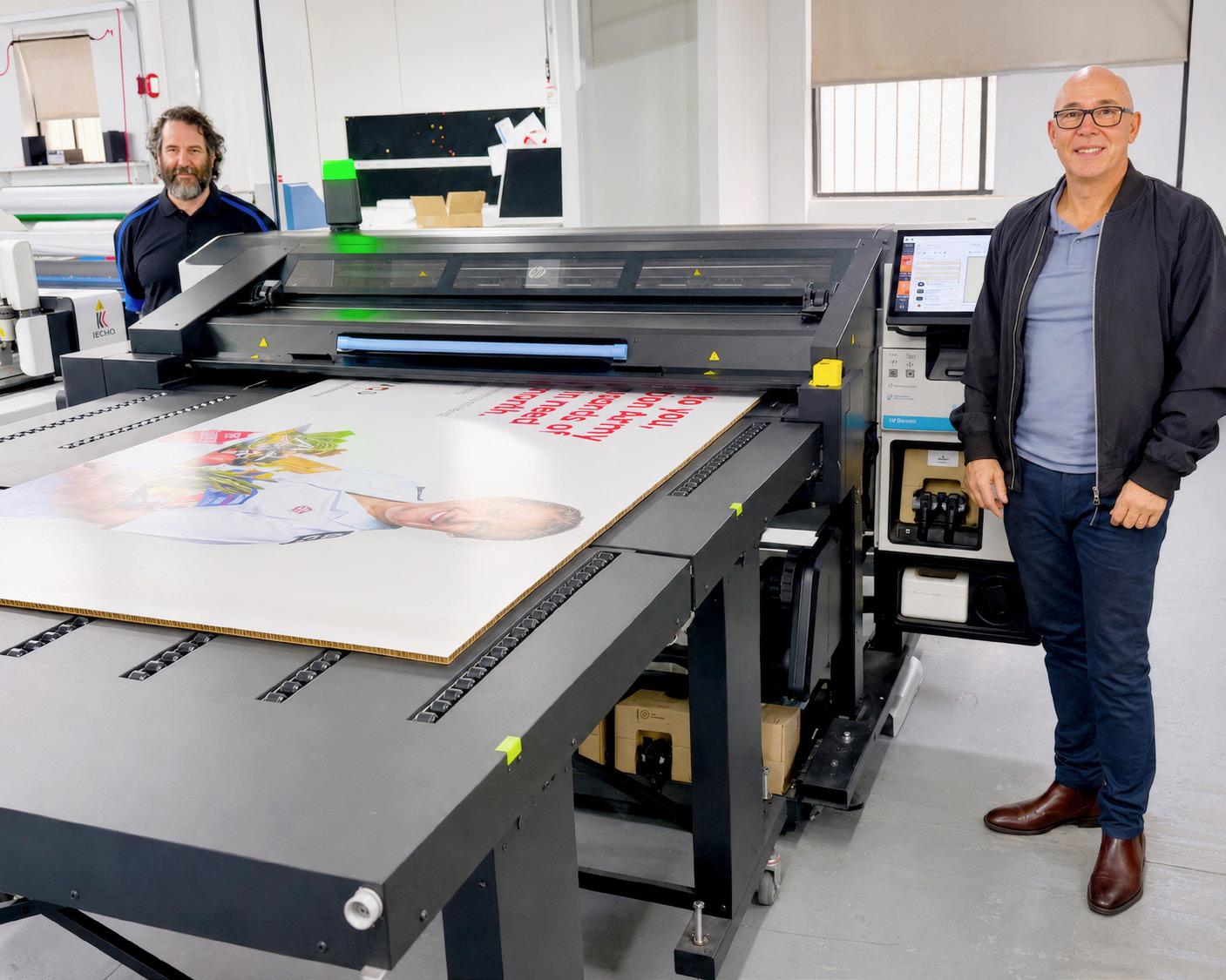
NSW-based SignAction has spent more than 55 years delivering signage, display, and branded solutions throughout Australia and internationally. Established in 1969 and now celebrating 30 years under its current ownership, the company has built a reputation for combining creative thinking with advanced manufacturing capabilities across premium travel retail, quick service restaurant (QSR), and commercial interiors.
Operating from its Sydney manufacturing facility, SignAction provides endto-end services including design, project management, large format printing, signage production, display manufacturing, retail fit-outs, digital signage and point-of-sale displays.
For many years, SignAction relied on outsourcing for some of its colour-critical rigid work. While the team recognised the value of bringing this capability inhouse, traditional flatbed systems were not a practical fit due to their size and the space constraints within the existing production environment.
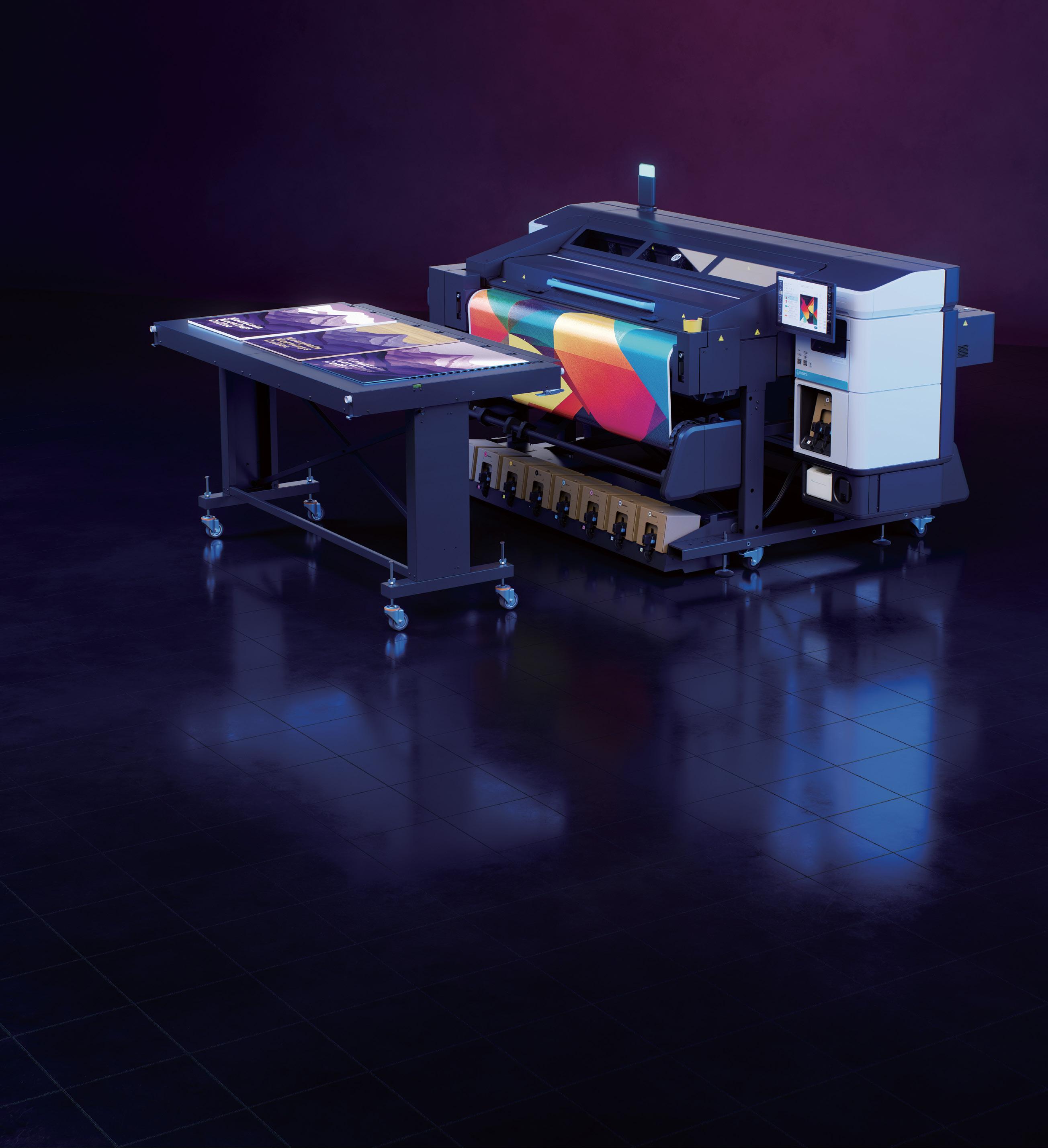
Its recent investment in an HP Latex R530 changed that equation, allowing
SignAction to introduce direct-to-substrate capability without requiring additional production space. SignAction is also among the first companies in Australia to adopt the platform.
Catering for premium retail and commercial environments means SignAction regularly produces colourcritical applications where consistency, presentation, and quality are paramount.
“The HP Latex R530’s compact footprint allowed us to bring this capability inhouse without compromising valuable production space, while still providing the flexibility to print both rigid and roll media. It also supports our sustainability goals through the use of water-based inks and direct printing to recyclable substrates, which many of our clients now require,” SignAction general manager Brendon Baker said.
Consistent, high-quality output across both rigid and flexible applications is essential for a business like SignAction operating in premium retail, interiors, and display environments. The HP Latex R530 enables the business to bring colour-critical work in-house, strengthening control and
consistency, while providing the flexibility to work across a broader range of materials such as acrylic and timber, and improving overall production agility.
Since installation, production has ramped up steadily, with the business averaging around 550 sqm of print per month and peaking at close to 800 sqm. Bringing more work in-house has also supported improved margins, reduced reliance on external suppliers, and improved turnaround times on key projects.
“We’re now able to take on a wider variety of work and serve a broader customer base,” Baker added.
SignAction’s decision to invest in the HP Latex R530, following its purchase at PacPrint and installation in August 2025, further strengthens its long-standing relationship with HP and its confidence in Latex technology. It also supports the business as it continues to expand its offering across retail, interiors and display environments.
“We’ve worked with SignAction for a long time, so this was really about finding the right fit for their business. The R530 gives them the flexibility to handle a broader mix of applications while fitting easily into how they already operate. Just as importantly, it delivers consistent output with their existing setup, which is critical for a business like theirs working on premium, colour-sensitive applications,” said Chris Bowden, HP large format production partner business manager.
“What we’re seeing with the HP Latex R530 is a real shift in how PSPs like SignAction are thinking about growth. It’s not just about adding another device – it’s about opening access to new applications, new substrates, and ultimately new revenue streams. The ability to move seamlessly between rigid and flexible media on one platform gives them the confidence to expand their offering and take on higher-value work,” said Craig Hardman, HP large format country manager for A/NZ.
HP will showcase the Latex R530 alongside its wider large format portfolio at Visual Impact Expo 2026. Visitors are invited to visit booth A1 to explore the latest applications and innovations.

Makes significant upgrades to its technology in its Brisbane site, enabling it to offer full PUR binding, along with modern photo recognition technology on its binding line
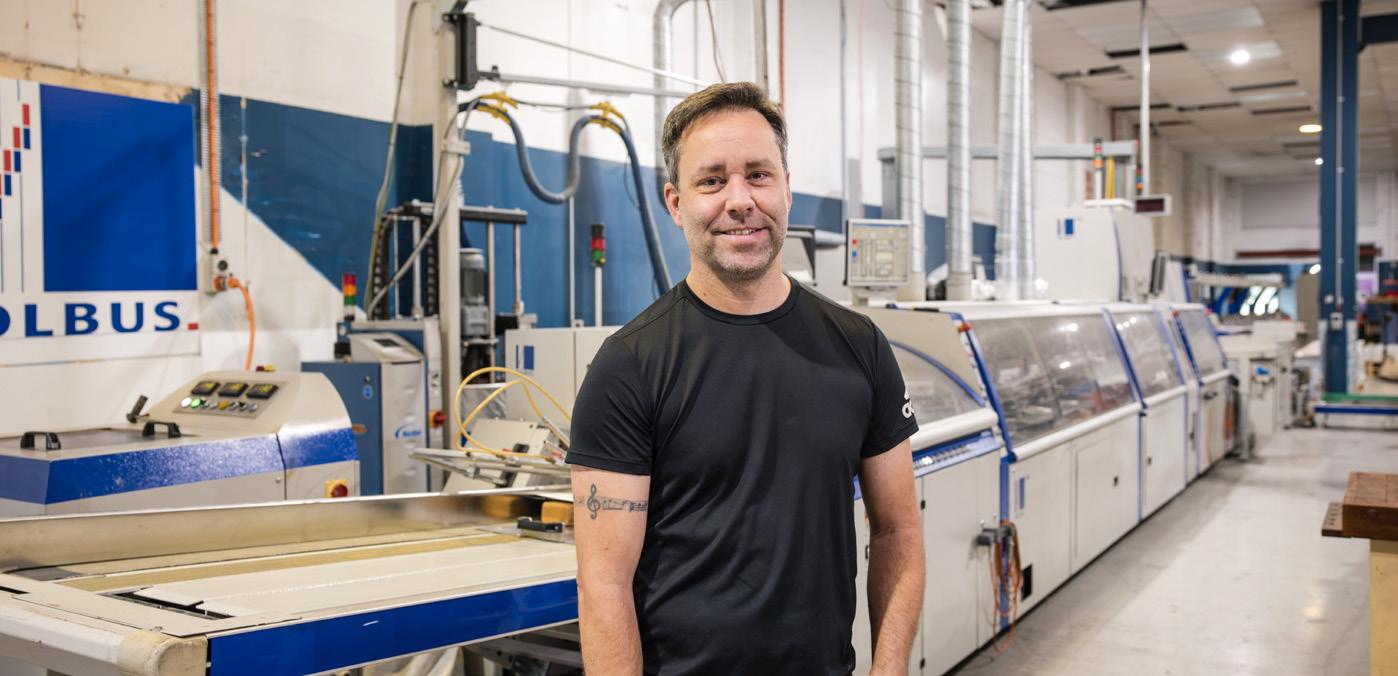
Print finishing company Auscote, the Brisbane-based division of well-respected trade supplier Avon Graphics, has responded to growing industry demand by expanding its range of binding solutions, recently investing in a suite of new technology to better support printers in the region.
Auscote general manager Warren Swinburne said the move is aligned with the company’s commitment to supporting industry businesses with the latest technology and most reliable solutions.
“We are the only tried, true and trusted trade house in Queensland, and our mantra is to always do the best we can for the industry,” Warren explained, alluding to the strong reputation the Avon Graphics group has established over almost 50 years as country’s leading specialist trade print and embellishment supplier.
“We have made significant upgrades to our technology here in Brisbane, and can now offer full PUR binding, along with modern photo recognition technology on our binding line. This improves workflow efficiency and greatly reduces the risk of errors, providing even faster and more reliable service to customers as they seek to meet the ever-increasing demand for high-quality, short-turnaround printed products.”
With these additional resources, Auscote can now offer binding with 20 hoppers, PUR and lock binding, cloth backing for hardcase books, and the ability to bind up to A3 portrait format with spine widths ranging from 2mm to 55mm.
“These upgrades have added some exciting new options for print service providers across Queensland, northern New South Wales, and other regions where our services are required,” Warren said.
“Combined with our newly enhanced folding equipment, it means they can rely on us for even greater flexibility, improved turnaround times, and increased production capability.”
While technology and expertise are an important part of the story, there’s another element which is perhaps even more critical for a trade supplier – and that’s trust.
“Being the last true trade binding house in Queensland, we understand the unique responsibility we have to our customers to maintain the integrity of the process and safeguard their client relationships, as well as to deliver results they can be proud to present as their own,” Warren said.
“Auscote remains committed to providing strong support to our print industry partners and our ongoing program of investment is an important part of ensuring we can continue to deliver.”
The Auscote association with Avon Graphics makes it part of a group that now includes five separate manufacturing operations across Melbourne, Sydney, and Brisbane – all committed to this ‘customer-first’ approach.
As a group, these companies provide print service providers right across the country with a unique solution to delivering not only specialist bookbinding services, but
also a complete range of embellishment and finishing options that are essential for the production of books and a wide range of other print and packaging products.
These services include foil stamping, embossing, celloglazing, flood UV coating, spot UV coating in both flat and high-build finishes, scratch-off applications, diecutting, diemaking, and more.
“Whatever you need, we’ll work with you to meet your requirements,” Warren said simply, “plus, we offer complete packing and labelling of finished work and can provide a white-label process where required – it’s your job, packed in our plain boxes, with your labels and delivery documentation.
“Essentially, it’s like having your own, comprehensive finishing division, ready at any time to provide the folding, foiling, binding, or embellishment that completes your customers’ projects – enhancing your offer while protecting your important customer relationships.”
Warren works closely with Avon Graphics managing director Tate Hone to ensure Auscote remains focused on the group’s longstanding commitment to being a “tried, true, and trusted” trade partner.
“Tate is very focused on building trust with Avon Group customers, and I am one hundred percent on board with that vision,” Warren added.
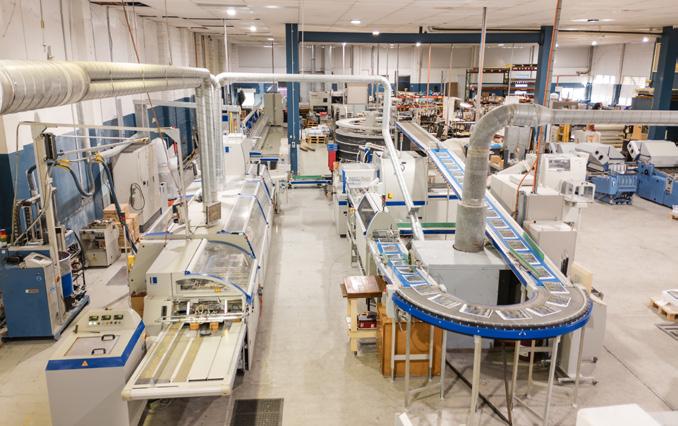
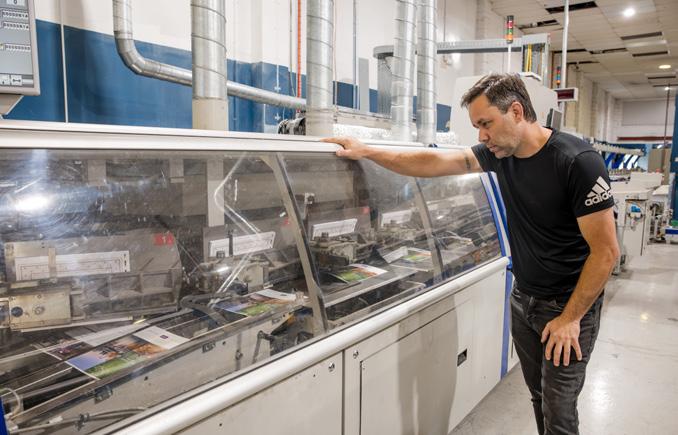
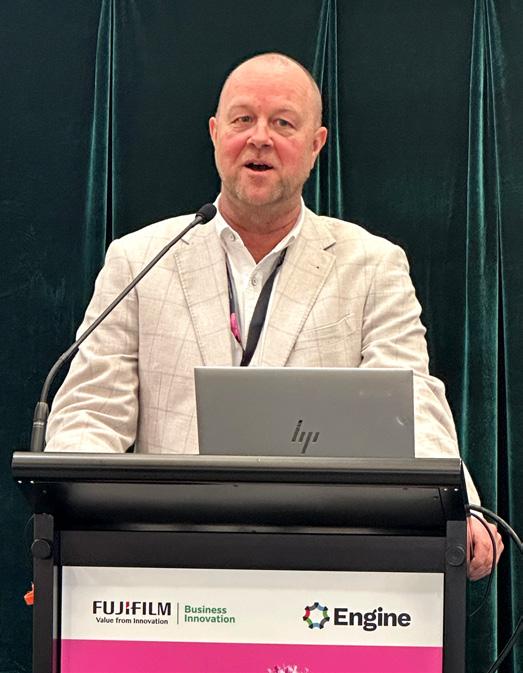
The company launched the flagship six-colour Revoria Press PC2120 in Melbourne, showcasing its advanced colour, automation, and AI capabilities to Australian PSPs
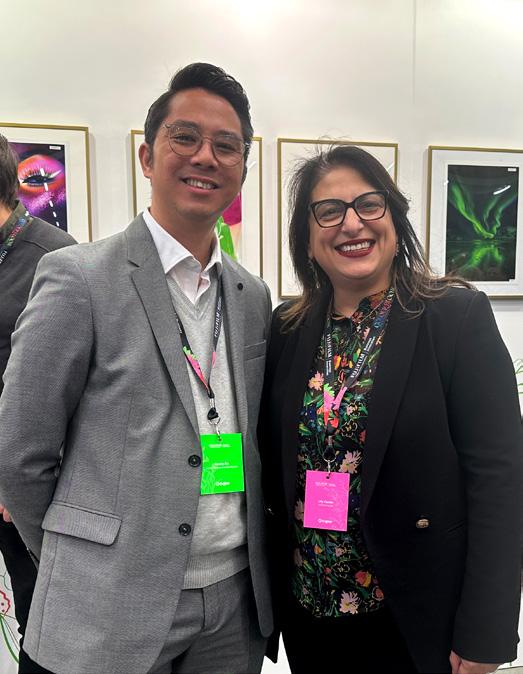
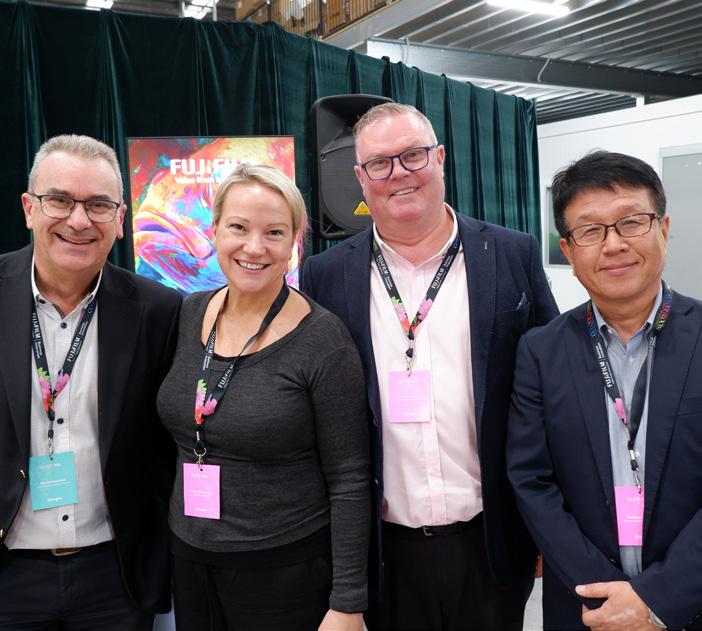
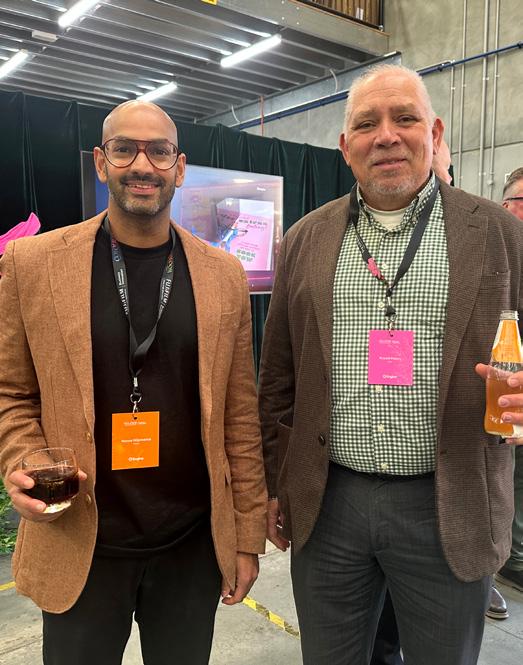
FUJIFILM Business Innovation Australia recently hosted a launch event for its Revoria Press PC2120, with the theme of “Colour Bloom: The Evolution of Brilliance”.
This exclusive event was held at Engine’s office in Dandenong South, Victoria, showcasing co creation in action – real, commercially viable print applications demonstrating how expanded colour,
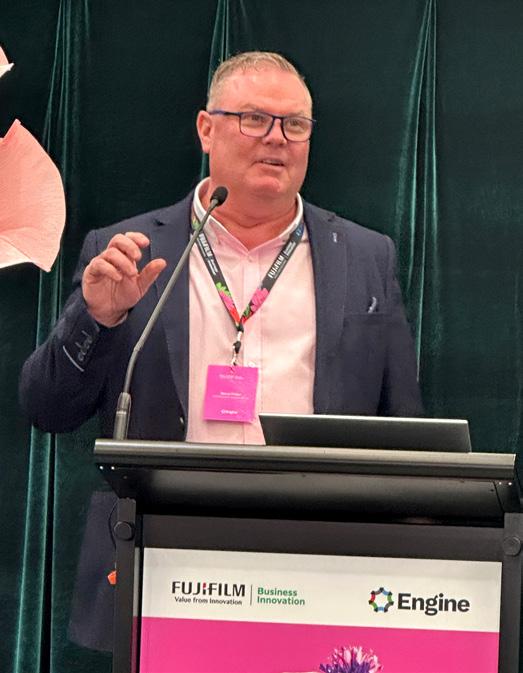
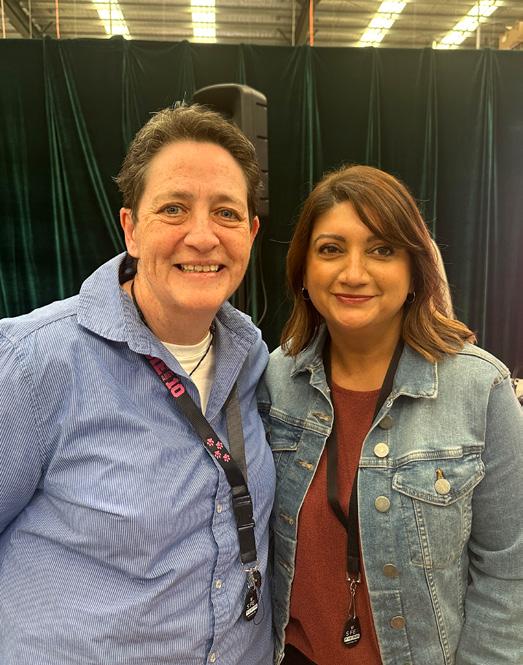
intelligent automation, and production performance unlock new creative and business possibilities.
The Revoria Press PC2120 is Fujifilm’s flagship six-colour digital production press that marks a major milestone for Australian print service providers seeking greater automation, AI capabilities, and confidence in colour-critical production.
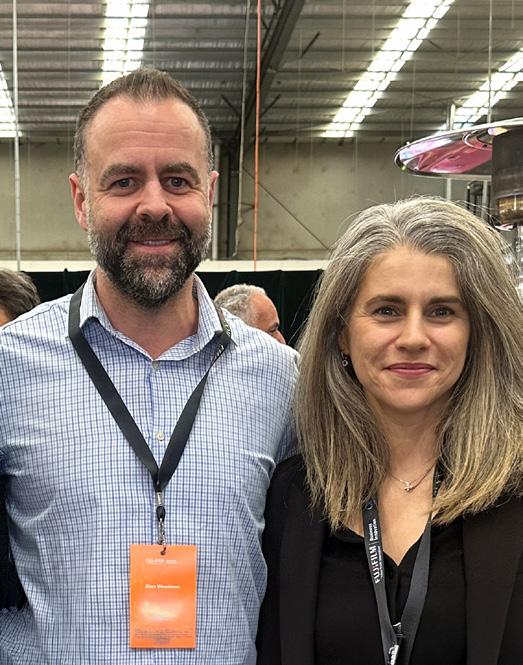
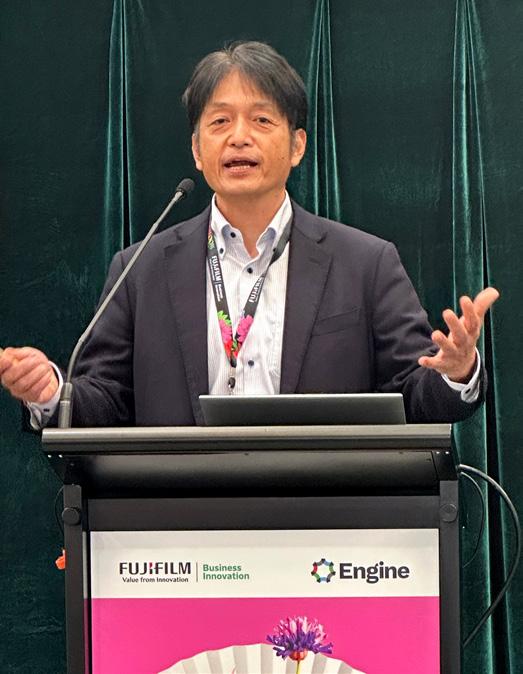
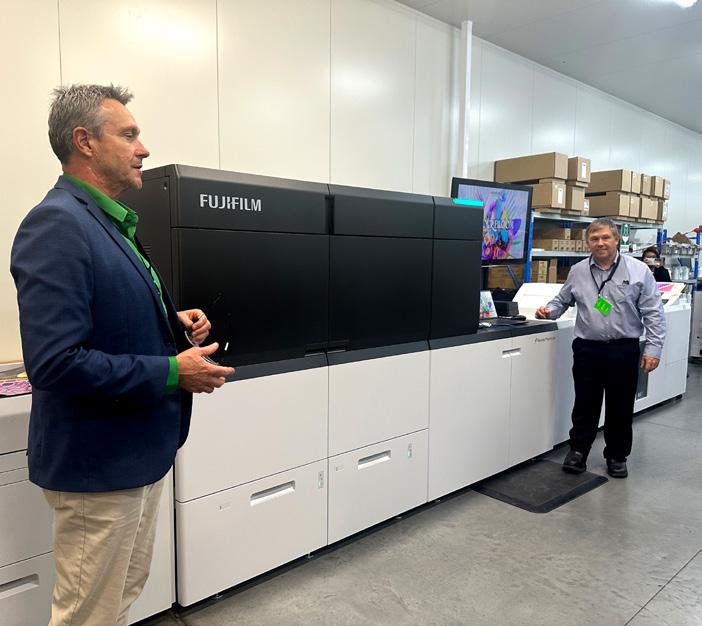
The press has already been given two international industry certifications – the Fogra Validation Printing System (VPS) Certification and the Printing United Alliance G7 System Certification, validating its colour accuracy, consistency and production reliability.
Here are some pictures from the Melbourne event.


AGeoff Selig Scholarship award winner, Corrective Services Industries’ Kathy Doan, travelled to Fespa Global Print Expo and visited Durst and Zünd in Europe, sharing the highlights from her time there
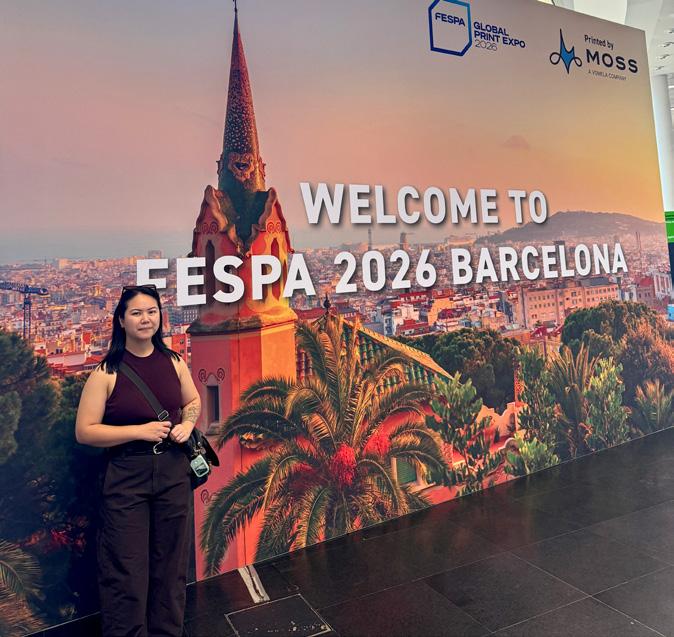
s the 2025 recipient of the Geoff Selig Scholarship, awarded at last year’s ProPrint Awards, Corrective Services Industries correctional officer Kathy Doan had the opportunity to travel to the recent Fespa Global Print Expo in Barcelona, then visited some leading suppliers in Europe where she explored the future of printing.
In this article, she shared her highlights from her time in Europe:
Zünd factory visit
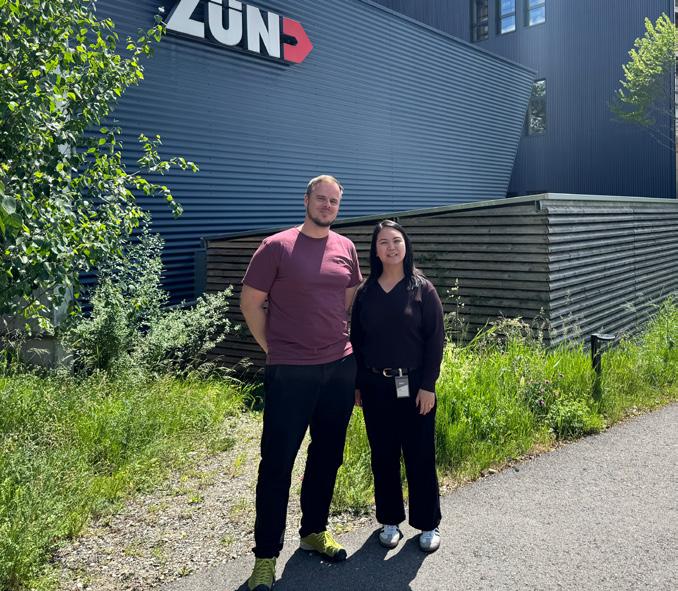
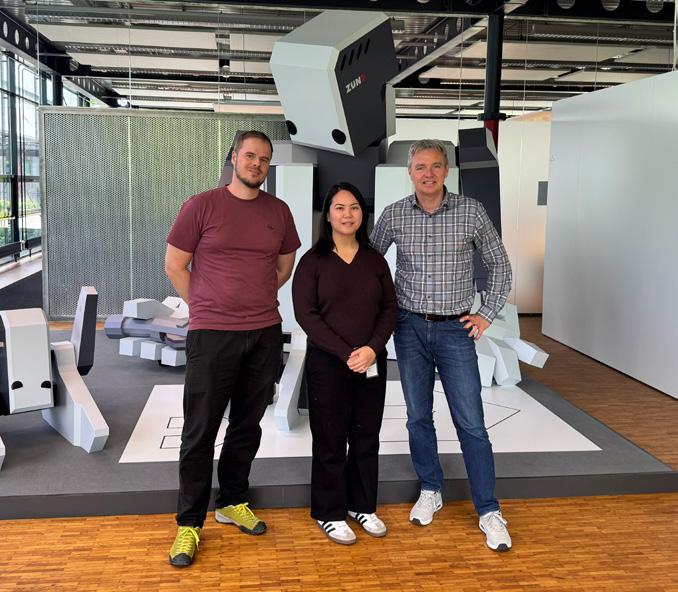
My study tour commenced in Altstätten, Switzerland, where Zünd Systemtechnik AG was founded and continues to operate after 42 years.
I met with Joachim Göhl, technical sales project manager, who facilitated the factory and introduced me to Lars Bendixen, global market manager. Before entering the factory, Joachim highlighted the greenery around the facility and explained how the
environment and sustainability is one of Zünd’s core values.
The Altstätten site was the first industrial site in Switzerland to meet the ‘Minergie’ or Minimum Energy standards. It was evident with the amount of green space around the factory, and Joachim explained that instead of destroying the oak trees while expanding the site, they were carefully replanted.
In my workshop, I was only familiar with the Zünd G3 cutter to cut signage and packaging. Joachim introduced me to other Zünd cutters and their applications in textiles and technical/automotive industries. It was explained that they have a partnership with swissQprint and have machines which both print and cut.
I was also introduced to Marco Kast, an applications specialist, who performed demonstrations of various Q Line cutters and their automation processes in material handling. He also explained robot-assisted board handling systems for compact cutters.
Joachim and Marco also gave me a sneak peek into the new router bits including a threading tool and new v-cutting bit which was showcased at Fespa Barcelona the following week. This bit was able to create threaded holes for easier installation of signage or joinery applications.
I was then shown the manufacturing area and was surprised to learn how the cutters were all built by hand by highly trained engineers. Joachim explained that all the hardware, software, and coding is all manufactured in-house or locally sourced within 30km of the Altstätten factory.
Joachim and I discussed the trends in the market for the cutters, and signage and packing still takes up two-thirds of the sales and the other third is equally shared with textiles and technical/automotive. There seems to be a small shift towards technical/automotive in the last 12 months with correlates to current affairs.
We joined Lars for lunch, where we discussed my recently completed apprenticeship and my experience
with signage and print. During lunch, Lars explained how all the vegetables and salads are grown on-site in Zünd’s garden and the plot is a public garden for the community.
Joachim then explained other core values of Zünd, which are Swiss quality and social responsibility. There are 500 employees worldwide in Zünd who are directly employed – from the gardeners to the engineers – and are given meaningful employment and purpose. Many employees tend to stay long-term which proves job satisfaction within the company.
After wrapping up, I was gifted a Swiss army knife which was beautifully packaged and printed on-site to remember my visit.
Durst factory visit
After some sight-seeing of the beautiful Swiss Alps, I made my way to Munich to meet with Durst Oceania.
I met with its managing director Matt Ashman and sales manager Graham Blackall, along with Cactus Imaging business development manager Karen Lawler and Omnigraphics managing director Janette Partington, before travelling to Kufstein, Austria, where we met the rest of our tour group including Durst Oceania sales manager Brett Addison, Hero Print production manager Karah Murray, and Print Force NSW sales manager Raymond Cavicchia.
The next day, we toured the Kufstein Fortress, which was built in 1205 and was used as a stronghold and prison.
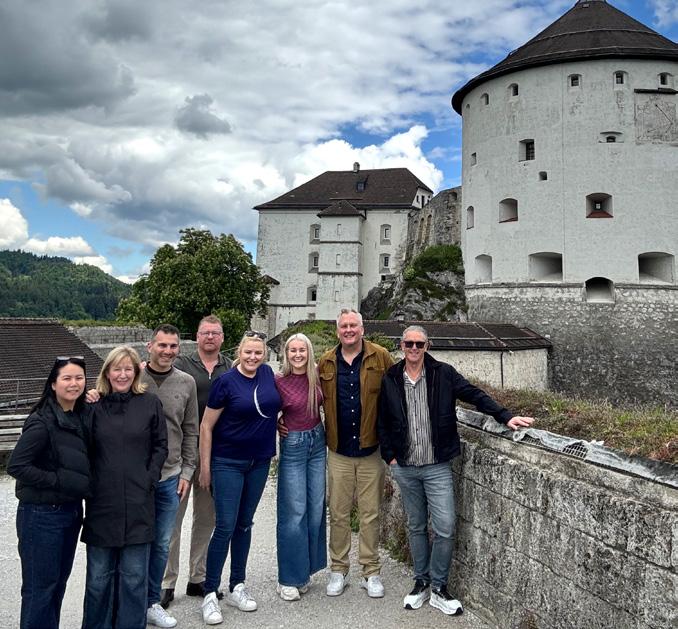
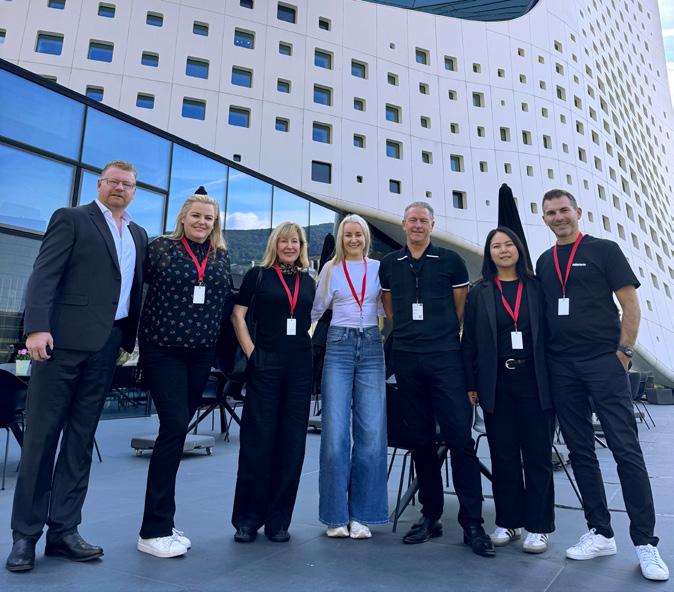
We walked around the historical site and learned about its purpose and use throughout the centuries.
After the tour, we had an ice-cream stop before heading to Brixen, Italy, for the night before visiting Durst headquarters not far from the stunning Dolomites the next morning.
At the Durst HQ, we started the tour with a presentation by Graham Blackall to explain the history of Durst, new products, systems, and ongoing innovations. An example of a new and upcoming innovation was its 3D scanning technologies which assist in the 3D printing, textures/relief printing.
In the presentation, Graham explained that Durst is set to open a new location in Lake Como, Italy, with a focus on textiles printing and fashion after acquiring Italian company, Aleph. Graham also presented information which was showcased at Fespa in the following days.
Durst had also acquired Hasler cutting systems which will be integrated into the Durst ecosystem to streamline printing and cutting on the Durst P5 500 TEX iSUB. Additionally, software solutions had been developed within Durst to create this ecosystem to work on all printers and eliminate the need for multiple software or programs. The software will be sold as a separate product from the printers and will allow businesses to automate many parts of their operations to manage orders, manage production, and pre-press and data management.
The software was very impressive, and it was something I wanted to bring to the attention of my manager when I returned. As we have a lot of rotating inmate workers, it would resolve the issue of upkeeping training on different software applications.
Graham also discussed the importance of sustainability within Durst and its achievements in using energy efficiently, reducing waste, and eliminating the use of CO₂. Examples were developing new drying systems to avoid too much water usage, and that all company fleet vehicles are electric.
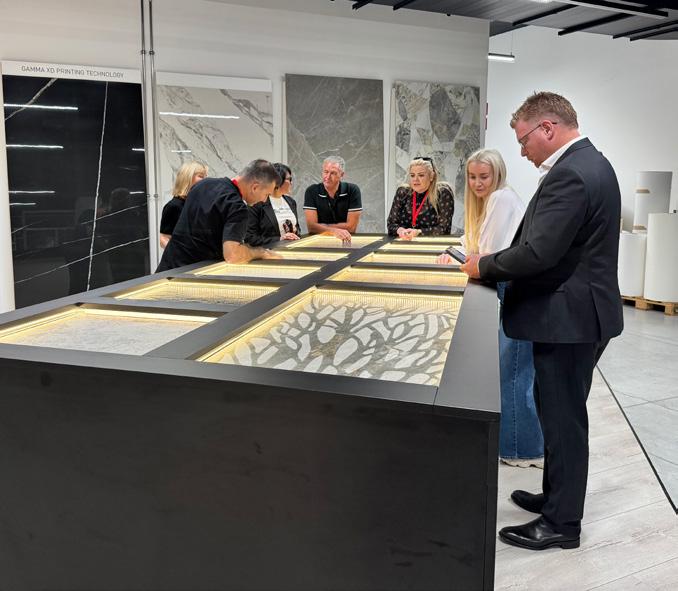
After the presentation, we met with Mathilde Winkler who led the group through various sections of the building. She explained the four industries which the printers cater for – wide format, textiles/fabric, ceramic, and labels. She pointed out that the floorboards and some of the wallpapers were printed on Durst printers within the facility, and that the 3D scanning technologies mentioned previously allow businesses to customise designs for their customers.
We were then guided to the manufacturing and assembly section of the factory where we observed many busy hands at work. It was explained that all Durst printers are manually put together by qualified engineers who work in teams to ensure quality assurance of the products.
Walking through the hallways, it was evident that Durst was proud of its history, signified by a display of its analogue film cameras and wall decals explaining its transition from film to print, and its innovations throughout the years.
Throughout the factory, all the printers were showcased, including the P5 350 Core and HS D4, P5 500 TEX iSUB and P5X flatbed, and were tinkered on by Durst engineers. Alongside each machine were sample prints, which allowed us to see the capabilities of the machines.
To end the walkthrough, the group had lunch at the Durst cafeteria, before making our way to the airport to travel to Barcelona for the Fespa Global Print Expo.
Attending the Fespa Global Print Expo in Barcelona
Upon entering the Fira de Barcelona where Fespa was hosted, I was quickly overwhelmed with everything that was showcased. There was everything from the traditional digital press, 3D printers, automated screen printing, vinyl wrapping, and more. I am used to signage and packaging and this really showed that there was a lot more than what I was used to in our print shop.
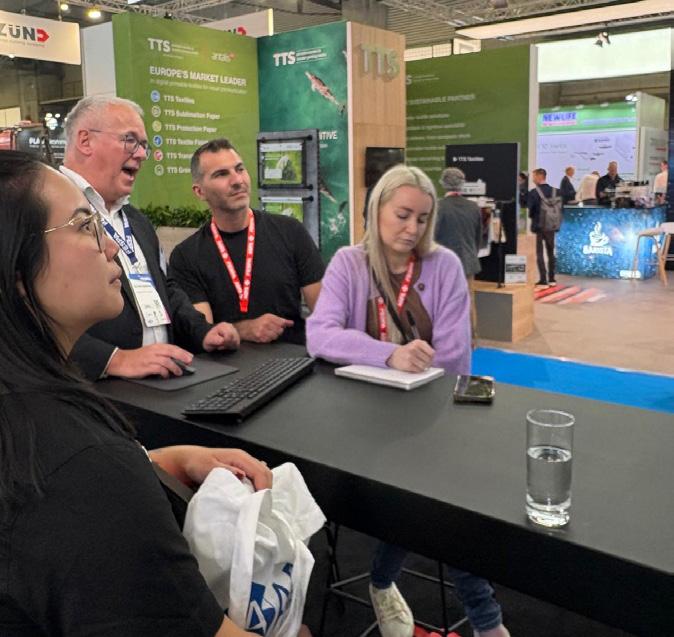
I got involved with some stalls with brands we had at work such as Zünd, PLASTGrommet, Mimaki, Canon, HP, and Epson to see how their newer machines and software compare to what we regularly use. I also had the opportunity to watch a live demonstration and coaching of the new Durst pre-press and production software solutions with my companions from Print Force.
I also had the pleasure to network with other professionals and industry leaders at the Fespa A/NZ event, as well as the Fespa After-Party.
My major takeaways from this experience were that by stepping out of my comfort zone, I was able to build my confidence, not underestimate my own strengths, connect with new people, and gain a broader understanding of the printing industry. It has significantly deepened my knowledge and appreciation of print, while also reigniting my passion for printing. I have learned that there is far more to print than I initially realised, with ongoing innovations continuing to improve processes, production, and quality.
This experience has been both rewarding and insightful, and I would highly recommend it to others in the ProPrint Emerging 50 who are considering applying for the Geoff Selig Scholarship, as it provides valuable opportunities for both personal and professional growth.
Konica Minolta is supporting operational success and the long-term sustainability of the industry’s workforce by helping businesses embrace technology while investing in people
As the print and visual communications industry undergoes rapid digital transformation, attracting the next generation of talent has become both a challenge and an opportunity. The sector is evolving far beyond traditional perceptions of print, with automation, datadriven workflows, software integration, and digital technologies reshaping how businesses operate.
Konica Minolta Australia is helping drive this change by combining technology innovation with industry-led workforce development, equipping businesses with the tools and skills needed to thrive in a modern production environment.
Through digital transformation, Konica Minolta enables businesses to streamline production, reduce manual intervention, and empower employees to work more efficiently.
As print environments become increasingly connected and software-driven, the skills required across the sector are evolving rapidly. Alongside traditional production expertise, there is growing demand for capabilities in workflow automation, data analysis, systems integration, and broader IT and digital literacy.
Today’s print professionals are increasingly responsible for managing end-to-end workflows, interpreting production data, and optimising automated processes rather than performing repetitive manual tasks.
At the same time, customer-facing and consultative skills are becoming more valuable as businesses seek partners capable of delivering solutions across both print and digital channels. The future workforce will be defined by adaptability, technical curiosity, and the ability to work across disciplines in a fast-moving, technology-led environment.
Automation is also playing a critical role in simplifying operations and reducing reliance on highly specialised labour. Konica Minolta’s digital print and workflow solutions are designed to remove repetitive manual processes while enabling faster, more consistent output. By automating job preparation, colour management, and workflow integration, businesses can improve productivity, accuracy, and
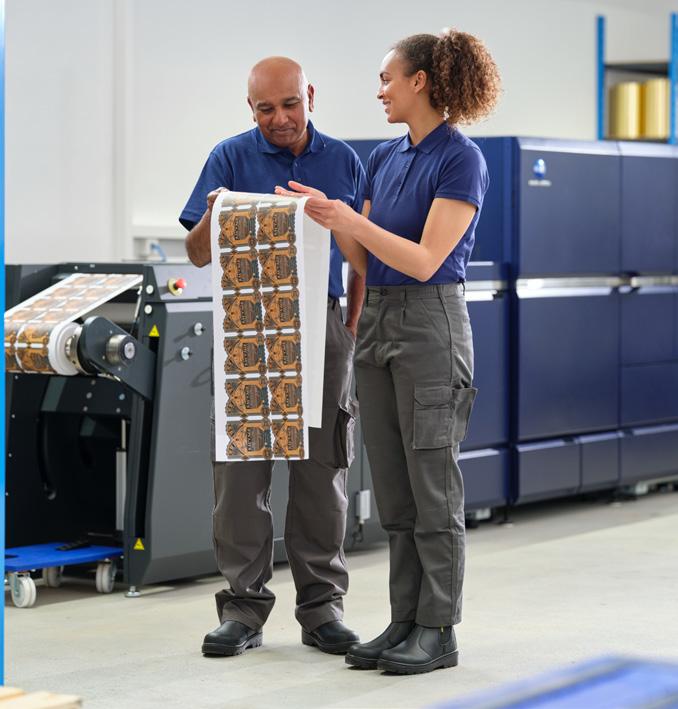
efficiency while reducing errors. This shift allows employees to focus on highervalue activities, creating opportunities for professional growth while supporting stronger business performance. Rather than replacing people, automation is helping redefine roles and enabling teams to contribute in more strategic and impactful ways.
To ensure customers maximise the value of these technologies, Konica Minolta provides a combination of formal training, on-the-job support, and industry engagement programs.
The company works closely with customers as a long-term partner, supporting every stage of technology adoption through workflow consulting, tailored training programs, and ongoing service support. Importantly, Konica Minolta encourages businesses to view technology investment and workforce development as interconnected priorities.
By aligning operational improvements with skills development, organisations can build resilient teams that are confident adopting new technologies and adapting to the changing demands of modern print environments. Beyond customer support, Konica Minolta is investing in the long-term future of the industry through strategic partnerships and talent development initiatives.
As a founding supporter and Platinum Partner of The Inkers Emerging Talent Program, delivered in partnership with the Visual Media Association (VMA), the
company is helping establish a national framework for developing future industry leaders through mentorship, professional development, and industry engagement.
The program supports early-career professionals with structured training, mentoring opportunities, and valuable industry exposure. By creating pathways for emerging talent across print, packaging, and visual media, it helps build a workforce equipped with both the technical and leadership capabilities required for future success.
Konica Minolta also supports initiatives that celebrate and elevate emerging talent. Alongside its involvement with The Inkers program, the company sponsors the Emerging Talent Award at the National Print Awards and supports the 7NEWS Young Achiever Awards.
These programs recognise outstanding young professionals while highlighting the diverse career opportunities available within the industry.
The Emerging Talent Award winner is also provided with the opportunity to participate in an international study tour, gaining valuable global insights and exposure to international best practice. Experiences such as these help develop broader industry perspectives while strengthening leadership potential.
Further reinforcing its commitment to workforce development, Konica Minolta partners with educational institutions including Macquarie University to provide internship opportunities that give students practical industry experience.
These programs help showcase print as an innovative, technology-driven and future-focused career path while creating valuable connections between education and industry. Together, these initiatives demonstrate Konica Minolta Australiaʼs commitment to building a sustainable talent pipeline for the print and visual communications sector.
By helping businesses embrace technology while investing in people, the company is supporting both operational success today and the long-term sustainability of the industry’s workforce for the future.






Creativity
Make a bigger print impact with unmatched colour
Deliver stunning, high-impact results with industry-leading colour stability, beyond-CMYK capabilities, and premium print resolution.
As workforce pressures continue, businesses that prioritise culture, flexibility, and potential alongside technical skills will secure and retain the talent needed for future growth

As skills shortages continue to affect the print and signage industries, specialist recruiter We Are Remix is helping businesses overcome one of their biggest challenges: finding and retaining the right people.
We Are Remix co-founder and talent partner Steph Horne said the industry faces a shrinking pool of experienced trade professionals. At the same time, fewer trade-qualified workers are entering the industry to replace those who are retiring or leaving the workforce. However, Horne believes the issue is not simply a shortage of candidates. Lengthy recruitment processes often cause businesses to miss out on quality applicants.
“The strongest candidates are off the market fast, often within days,” Horne said.
To improve hiring outcomes, businesses need to move beyond traditional job advertisements and focus on promoting what makes their workplace attractive. Company culture, career opportunities, structured onboarding, offering flexibility where possible, employee benefits, and creating a positive candidate experience throughout the hiring process are increasingly becoming important factors for candidates when choosing an employer.
Horne encourages businesses to treat interviews as a two-way conversation, giving candidates the opportunity to learn about the organisation while employers assess suitability. Facility tours can also play an important role in helping candidates understand the role, meet team members, and visualise themselves in the business.
When specialist industry experience is difficult to find, Horne recommends broadening the search to candidates with transferable skills from related sectors such as metal fabrication, shopfitting, manufacturing, or production.
While speed is important, the real issue is often inefficient hiring processes, including multiple interview rounds, delayed feedback, and unclear decision-making. In a competitive market, a slow recruitment process can signal broader organisational issues and drive candidates elsewhere.
Counteroffers also remain a significant challenge, with employers frequently attempting to retain staff once they resign. Horne says
the key is for the new business to be attractive enough that the candidate is already committed to the move, so a counteroffer isn’t enough to pull them back. Rather than searching for the perfect resumé, Horne also encourages employers to focus on capability, attitude, and potential.
“The perfect-on-paper candidate is increasingly a myth,” she said. “Time and again, candidates who didn’t tick every skills box but brought the right attitude have become some of the most valued people in a business.”
Depending on the role, assigning a mentor can be invaluable. This doesn’t have to be the direct manager – an experienced team member can provide guidance and answer questions when needed.
“Attitude is something you can’t teach,” she said. “Skills and upskilling you can.”
As workforce pressures continue, businesses that prioritise culture, flexibility, and potential alongside technical skills will be best placed to secure and retain the talent needed for future growth.
The strength of the print and visual communications industry lies in the diversity of opportunities available to those entering the workforce, says ACFIPS
Australia’s print, packaging, and signage industries are at a critical turning point. As automation, digital workflows, sustainability initiatives, and advanced production technologies continue to transform workplaces, businesses across the sector are facing a common challenge: ensuring the workforce has the skills needed to thrive in a rapidly changing environment.
As such, training pathways must evolve to keep pace with technological change and prepare both new entrants and existing workers for the future.
At ACFIPS, we believe the solution starts by listening.
As the NSW Industry Training Advisory Body (ITAB) representing the Arts, Communications, Finance Industries, and Property Services sectors, ACFIPS works closely with employers, educators, government agencies, industry associations, and training providers to understand workforce challenges and identify opportunities for improvement. By bringing together these voices, ACFIPS helps ensure training and workforce development initiatives remain relevant, practical, and aligned with industry needs.
One of the key initiatives supporting this work is the ACFIPS Digital Technology Cross-Industry Sector Project. Through this project, ACFIPS has developed a Digital Skills and Technology Software Tool that maps digital capability requirements, emerging technologies, and workforce trends across qualifications and occupations.
For the print and graphic arts sector, the tool provides valuable insights into how existing training products align with modern production environments. It highlights areas where current qualifications are meeting industry needs, while also identifying opportunities to strengthen digital literacy, technology adoption, and workplace readiness.
However, data and research are only one part of the equation.
Meaningful change occurs when industry has a seat at the table and an opportunity to influence the future direction of training and workforce development. Employers,
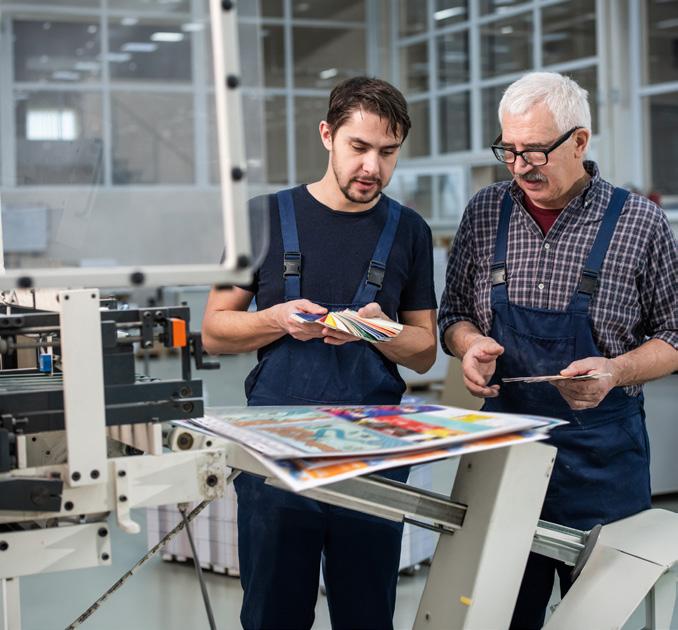

apprentices, trainers, suppliers, and industry stakeholders all bring valuable perspectives that can help shape more effective training pathways and ensure qualifications reflect the realities of modern workplaces.
To support this collaboration, ACFIPS is convening an online Print, Packaging and Signage Industry Forum on 21 July from 9:30am to 11:00am. The forum will bring together employers, training providers, industry representatives, and key stakeholders to discuss workforce needs, digital capability, apprenticeships, emerging technologies, and future training pathways.
The session will provide an important opportunity for participants to share their experiences, discuss current challenges, and contribute ideas that can help strengthen workforce development across the sector. Most importantly, it will provide a direct platform for industry voices to inform future workforce planning and training priorities.
The timing of this forum is particularly significant. The Manufacturing Industry Skills Alliance is currently undertaking a review of training products, creating a valuable opportunity for industry stakeholders to influence how qualifications and training packages evolve in the years ahead. Active participation now can help ensure future qualifications remain relevant, practical, and aligned with the technologies, processes, and business requirements shaping the industry.
Importantly, there is no single pathway into a successful career in print, packaging, or signage. The industry’s strength lies in the diversity of opportunities available to those entering the workforce.
Careers can begin through vocational education at TAFE, private registered training organisations (RTOs), university programs, manufacturer-led training initiatives, industry short courses, and structured workplace learning. For many people, apprenticeships and traineeships remain among the most valuable pathways, providing the opportunity to earn while they learn and develop practical, hands-on skills in a real workplace environment.
This diversity of pathways is critical to attracting the next generation of workers and ensuring businesses have access to the skilled talent they need to remain competitive.
ACFIPS executive director Max Wilson believes industry collaboration will be essential to achieving this goal.
“The strength of our industry sectors under our ITAB has always been the variety of pathways available to build a successful career,” Wilson said.
“Whether through formal study, practical workplace learning, or industry-led training, what matters most is that people gain the skills, confidence, and real-world capability to thrive.
“Our July forum is an opportunity for industry to come together, share its voice, and help shape the next generation workforce.”
For employers, educators, training providers, and industry stakeholders, now is the time to contribute, collaborate, and help shape the future skills pipeline for Australia’s print, packaging, and signage industries.
To learn more about the forum or discuss workforce development initiatives, please contact ACFIPS executive director Max Wilson at max.wilson@acfips.org.au or ACFIPS senior project manager Pamela Novo at pamela.novo@acfips.org.au.
Scan to register your interest for the online forum
By connecting industry, educators and government, ASGA is ensuring the next generation of sign professionals can thrive in a rapidly evolving sector
The Australian Sign & Graphics Association (ASGA), the peak industry body representing Australia’s signage, graphics, and wide-format printing sectors, is playing a critical role in strengthening workforce development and ensuring the industry remains equipped for future growth.
As businesses across the country continue to face skills shortages and increasing competition for talent, ASGA is leading initiatives designed to improve training pathways, modernise qualifications, and attract new people into the sector.
For many years, employers have identified workforce capability as one of the industry’s most pressing challenges. An ageing workforce, rapidly changing technologies, and limited awareness of career opportunities in signage have combined to create a growing skills gap.
Recognising the urgency of the issue, ASGA has made workforce development a strategic priority, focusing on practical, industry-led solutions that create clearer pathways into the profession and support ongoing skills development.
“The skills gap facing our sector is real – and growing,” ASGA vice-president, member and events manager, and education committee chair Damian Nielsen said.
“ASGA is addressing this by improving access to training, modernising qualifications, and connecting employers with new entrants.”
One of the association’s key workforce initiatives is its Apprentice Connections Portal, which helps connect prospective apprentices with employers across Australia. Over the past three years, the platform has facilitated more than 120 apprentice applications to ASGA member businesses, demonstrating strong interest from young people once they can clearly see a pathway into the trade.
The initiative highlights a key challenge for the sector: many potential recruits are simply unaware that signage and graphics offer rewarding, creative, and technically skilled careers. By providing a dedicated platform that links employers
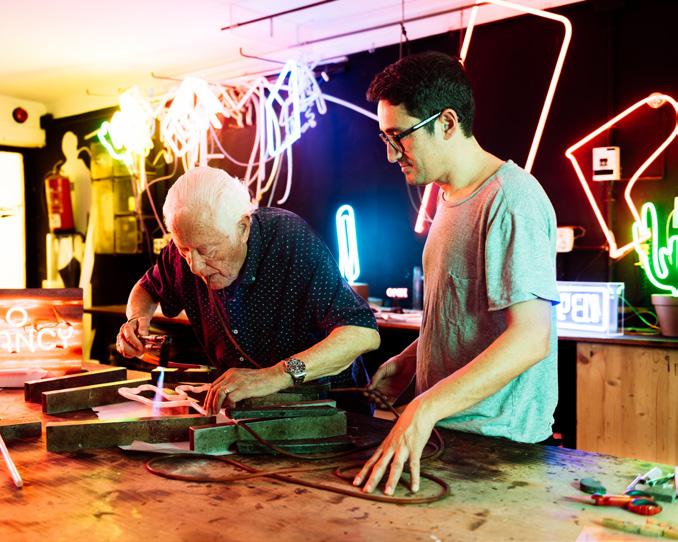

and apprentices, ASGA is helping to build a stronger pipeline of future talent.
While apprenticeships remain the foundation of workforce development, industry feedback has highlighted the need for more flexible learning opportunities alongside traditional qualifications. In response, ASGA has expanded access to professional development through a partnership with the International Sign Association (ISA).
Through the agreement, eligible ASGA members receive complimentary ISA membership and access to more than 60 online training courses covering design, digital signage, manufacturing, project management, materials, sales, business management, and leadership.
“These short courses provide rapid upskilling opportunities and support businesses that need training aligned with modern workflows,” Nielsen said.
The courses offer accessible learning opportunities for employees at all stages of their careers and enable businesses to develop skills in emerging areas quickly and efficiently.
Beyond individual training initiatives, ASGA is also helping shape the future of vocational education for the sector. The association has been actively involved in the review of the CPC Training Package, working alongside the Manufacturing Skills Alliance, Build Skills Australia, registered training organisations (RTOs),
and industry stakeholders to assess whether existing qualifications remain fit for purpose.
The collaborative process followed discussions with federal and state government ministers led by ASGA president Mick Harrold and has since evolved into a national working group focused on future workforce requirements.
“This has resulted in a working group which brings together relevant jobs and skills councils, industry registered training organisations and signage and wideformat businesses from across Australia,” Nielsen said.
The review is examining how qualifications can better reflect contemporary industry practices, emerging manufacturing technologies, and the evolving needs of businesses operating in increasingly sophisticated production environments.
“Signage in all forms, be it built, printed, or painted, is an essential part of Australia’s built environment; as we say, ‘signs make cities work’. Yet the industry is often overlooked as a career pathway,” Nielsen said.
“ASGA is shifting this narrative by directing its resources toward initiatives that strengthen capability, modernise skills, and showcase the industry’s future.
“Our focus this year includes supporting the integration of adaptive manufacturing technologies and ensuring the workforce is equipped for the evolving needs of the construction and fabrication sectors.”
An important part of this effort is raising awareness of industry achievements through the ASGA National Sign & Graphics Awards, which celebrate excellence, innovation, craftsmanship, and emerging talent.
“ASGA’s priorities remain clear: strengthen training pathways, expand access to highquality learning opportunities, modernise qualifications, and continue building a skilled and adaptable workforce. By bringing together industry, educators, training providers, and government, the association is helping ensure the next generation of sign professionals is equipped to thrive in a rapidly evolving industry,” Nielsen added.
In an era defined by technological change, developing capable leaders and a highly skilled workforce will be essential to the industry’s long-term success
As technology transforms the print, signage, and visual communications sector, the challenge is no longer simply keeping pace with change – it is developing the people who will lead it.
Automation, artificial intelligence, digital workflows, sustainability requirements, and evolving customer expectations are reshaping how businesses operate. In this environment, success depends not only on investing in the latest equipment and technologies but also on building the skills, leadership capability, and industry knowledge needed to navigate ongoing change.
FESPA Australia is addressing this challenge through leadership development, industry engagement, and initiatives designed to strengthen the sector’s future workforce. By creating opportunities for learning, collaboration, and professional growth, the association is helping ensure the industry remains innovative, competitive, and prepared for the future.
skills and leaders for a changing industry
A key pillar of FESPA Australia’s workforce development strategy is its commitment to professional learning and leadership growth through the highly regarded FESPA Leaders Program.
The program brings together emerging and established professionals from across the print, signage, and visual communications sectors, providing participants with access to leadership training, mentoring, strategic business insights, and valuable networking opportunities. Through workshops, presentations, and collaborative discussions, participants are encouraged to think beyond day-to-day operations and develop the skills required to lead successful businesses and teams.
The FESPA Leaders Program recognises that while technical expertise remains essential, leadership, communication, problem-solving, and strategic thinking skills are increasingly important in an environment where change is constant. By investing in leadership capability alongside technical knowledge, FESPA Australia is helping businesses build stronger teams, improve succession planning, and prepare the next generation of industry leaders.
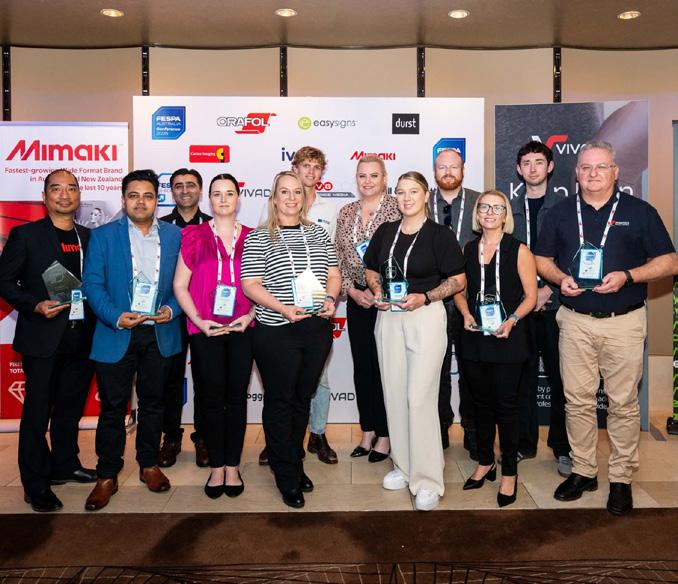

The program also creates lasting peer-topeer connections, allowing participants to learn from one another’s experiences and build professional networks that continue long after the program concludes. These relationships strengthen the broader industry by encouraging collaboration, knowledge sharing, and the exchange of new ideas.
Complementing the FESPA Leaders Program is a year-round calendar of seminars, workshops, and events focused on the issues that matter most to today’s business owners, managers, and emerging leaders.
As businesses face increasing pressure to adapt to changing market conditions, these educational initiatives provide practical guidance on topics including succession planning, leadership development, artificial intelligence, automation, workforce management, sustainability, and business transformation. The objective is to equip members with actionable insights that can be applied directly within their businesses.
By delivering education that is relevant, practical, and future-focused, FESPA Australia supports businesses of all sizes as they navigate an increasingly complex and competitive marketplace.
Industry engagement plays a critical role in workforce development. Learning does not happen exclusively through
formal training; it also occurs through conversations, shared experiences, and exposure to new ideas.
Through networking forums, educational events, and industry gatherings, FESPA Australia creates opportunities for members to connect with peers, suppliers, experts, and innovators from across the sector. These interactions help businesses gain fresh perspectives, identify opportunities, and better understand the trends shaping the future of print and signage.
Central to this engagement is the FESPA Annual Conference, a flagship event that brings together business leaders, innovators, suppliers, and rising talent from across Australia. More than just a conference, the event serves as a forum for collaboration, learning, and strategic thinking.
Attendees gain access to industry-leading speakers, business insights, case studies, and discussions that address both current challenges and future opportunities. The conference encourages participants to think strategically about their businesses while fostering connections that support ongoing professional development and industry growth.
Building a future-ready workforce
As workforce needs continue to evolve, FESPA Australia is positioning itself as a catalyst for industry growth and capability development. Through programs such as the FESPA Leaders Program, ongoing education initiatives, and the FESPA Annual Conference, the association is helping build a workforce that is not only skilled, but also adaptable, innovative, and prepared to lead.
By investing in people and creating pathways for professional growth, FESPA Australia is helping ensure the print, signage, and visual communications industry remains strong, resilient, and ready to embrace the opportunities of the future. In an era defined by technological change, developing capable leaders and a highly skilled workforce will be essential to the industry’s long-term success.
Applications for the 2026 FESPA Leaders Program will open in July 2026 – for more information contact membership@fespaaustralia.org.au.
Women in Print’s purpose has remained consistent: creating opportunities for women in the print and visual communications industry to connect, learn, and thrive
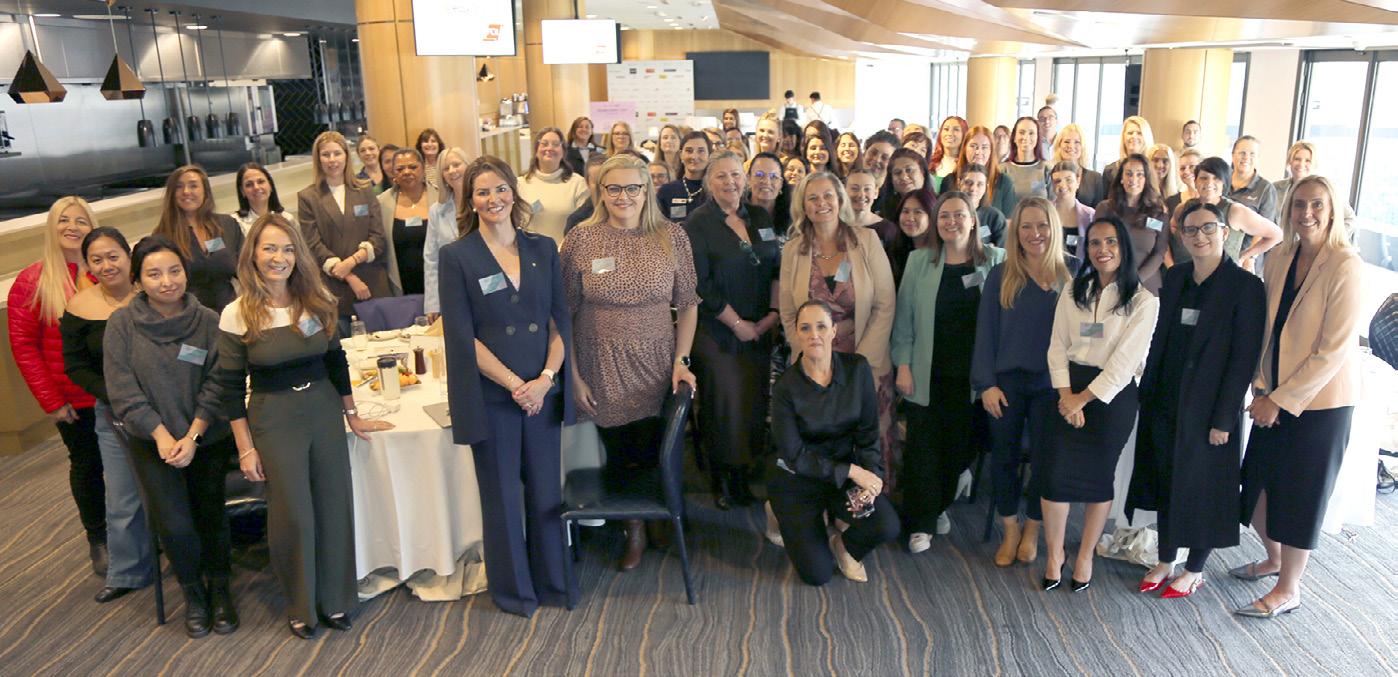
Women in Print Australia began as a grassroots community network more than 25 years ago. Built on the power of connection, it has grown into a national member association that helps shape a more sustainable and inclusive workforce across print, packaging, and signage.
While the industry has evolved significantly over the past two decades, Women in Print’s purpose has remained consistent: creating opportunities for people to connect, learn, and thrive. Today, the organisation supports members at every stage of their careers, providing pathways to develop skills, build confidence, expand professional networks, and pursue leadership opportunities.
As Australian manufacturing continues to face workforce shortages, changing technologies, and evolving skills requirements, attracting and retaining talented people has become a priority across the sector.
Women in Print contributes to this effort by helping individuals feel supported and equipped to build long-term careers within the industry. By working collaboratively with employers, suppliers, educators, and industry partners, the organisation connects people with opportunities that support career growth and workforce participation.
A key focus is professional development. Through a growing range of initiatives, Women in Print supports members in gaining both technical and leadership capabilities that strengthen career progression.
One example is the Women in Print HP Indigo Digital Press Scholarship, developed in partnership with HP and Currie Group.
Piloted in 2025, the scholarship was created to provide women and non-binary people working in, or seeking to enter, digital print production with access to accredited technical training.
The program addressed an important industry need by creating greater access to specialist digital printing skills and encouraging participation in technical career pathways. In its inaugural year, four scholarship recipients completed Level 1 HP Indigo Digital Press Operator Certification.
Participants reported increased technical confidence, a stronger understanding of digital print production, and a desire to continue their professional development through further training opportunities.
Developing future leaders is another important part of Women in Print’s workforce strategy. Recognising that technical capability alone is not enough to ensure career progression, the organisation piloted its Executive Leadership Program in 2025. Following positive participant outcomes, the program expanded nationally in 2026.
The Executive Leadership Program supports women as they progress through the sector, helping them build leadership capability, strengthen decision-making skills, and gain the confidence to pursue senior roles. By investing in leadership development, Women in Print is helping create a stronger pipeline of future industry leaders
while ensuring diverse perspectives are represented across the sector.
Careers, however, are not built through training alone.
Women in Print’s events, networking opportunities, and industry forums create spaces where members can connect with others who understand their experiences, share knowledge, and learn from different career journeys. These connections can be particularly valuable for those entering the industry, transitioning into new roles, or considering leadership opportunities.
Through its partnership with Girls Who Print, members also gain access to a global mentoring and networking community. This connection provides opportunities to engage with industry professionals around the world and learn from an international community facing many of the same workforce challenges.
At the heart of these initiatives is a commitment to inclusion and belonging. Creating a workforce where people feel valued and respected is essential to attracting and retaining talent. When individuals can see that their contributions matter, and when they see people like themselves succeeding in positions of influence, they are more likely to imagine a future within the industry.
Building industry resilience also means recognising the value of diverse career pathways. This includes supporting mature-age apprentices, career changers, and individuals bringing transferable skills from other industries. Retaining experienced workers while creating opportunities for new entrants strengthens capability across the sector and helps ensure critical knowledge is passed on to future generations.
Women in Print complements the work of employer associations and industry organisations by focusing on the individual experience and creating environments where skills, confidence, leadership, and connection can flourish.
The future strength of Australia’s print, packaging, and signage industries depends on businesses, educators, associations, and individuals working together to ensure talented people can enter the sector, build meaningful careers, and remain part of its future for years to come.
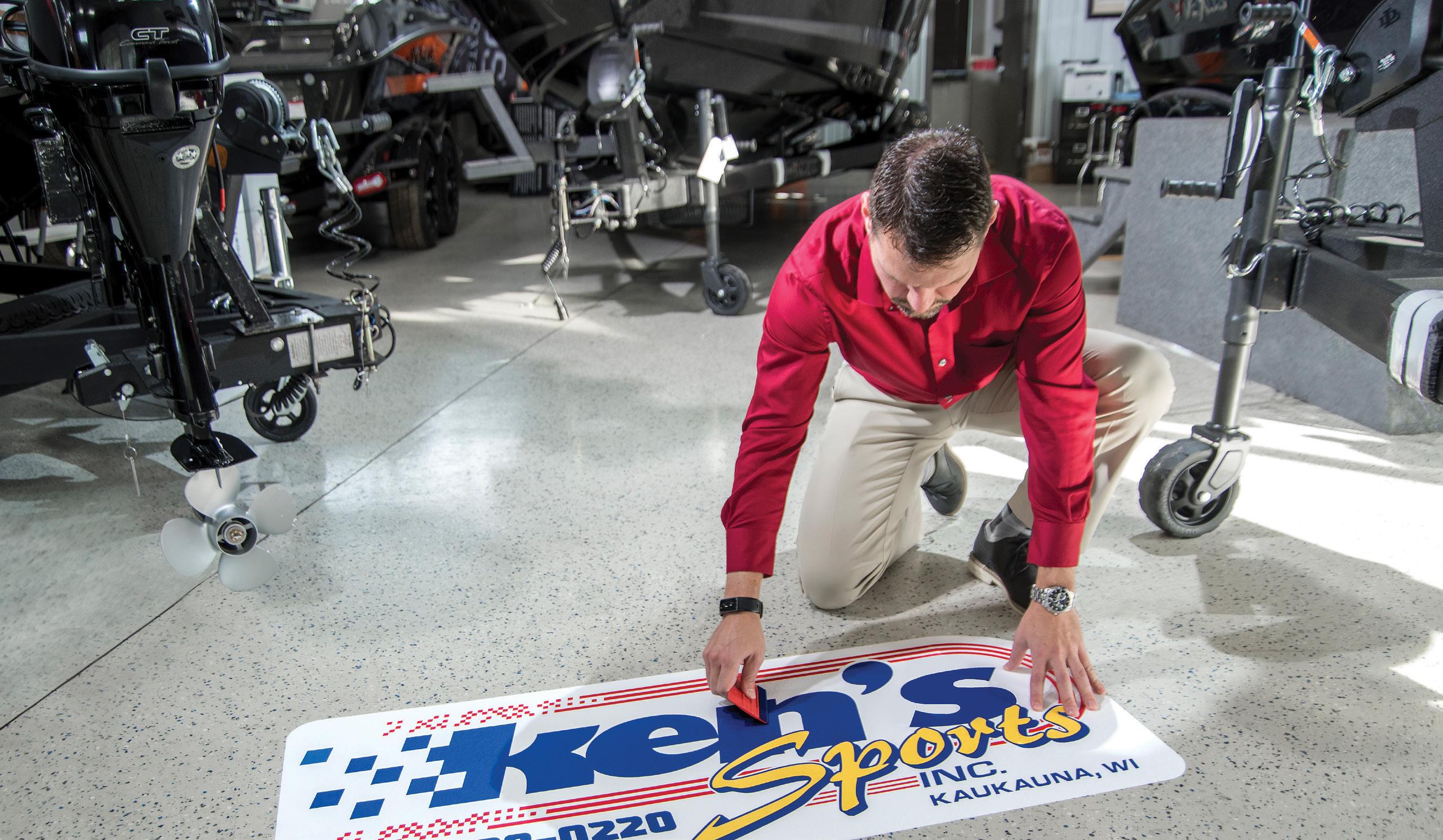
and environmental graphics made simple with Trifecta®.
Trifecta®
• Print. Apply. Done. – No overlaminate required, reducing production time, material costs, and labour for quick-turnaround jobs
• Three Textured Finishes impact across diverse environments
• Multi-Surface Solution – Performs on a wide range of smooth surfaces, including painted walls, wallpaper, wood panelling, sealed concrete, and polished stone
• Removable & Repositionable – Clean removal from a wide range of interior application surfaces within one year, without leaving a sticky residue
•
• Fire Rated Performance compliance
• Print Hardware Compatibility:
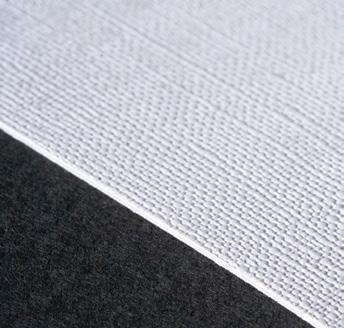
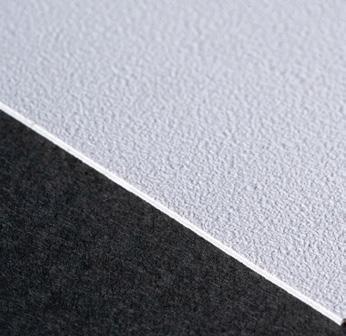
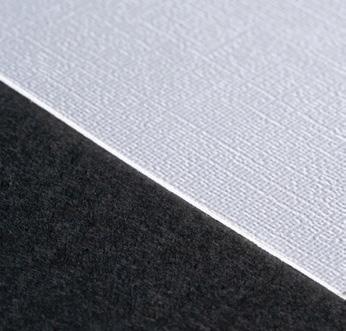

By strengthening internal processes and openly inviting partners into customer-facing conversations, printers can become the place where solutions come together

Customer collaboration has the potential to transform how printers position themselves, opening the door to becoming creative hubs for ideas, partners, and execution.
Printers are surrounded by customer relationships that are far more complex than a job ticket suggests.
Customers bring business goals, timelines, budgets, internal constraints, creative ideas, and outside partners into every engagement. What varies is not the presence of collaboration, but how intentionally it is designed.
For many printers, customer collaboration happens tactically. A file is reviewed. A problem is solved. A deadline is met. The interaction ends when the job ships. That approach works, but it limits what collaboration could enable.
The opportunity is not just to collaborate more, it is to collaborate differently.
That idea surfaced clearly in a recent episode of Podcasts From the Printerverse, Moving into Obsession with Tobias Degsell, founder of Combiner and the former Curator of the Nobel Prize Museum, whose work focuses on how innovation emerges across disciplines.
One insight from that conversation applies directly to print: meaningful progress rarely comes from isolated effort; it comes from creating the right conditions for collaboration early in the process.
Customer collaboration
Customer collaboration starts with how
printers structure engagement, not how they price jobs or scope services. It begins by asking where customers are being forced to manage complexity on their own and where earlier collaboration could prevent friction later.
Where are customers juggling designers, marketers, data providers, mailing requirements, the post office, shipping, and logistics teams without a central point of coordination? Where are decisions being made without production insight until it is too late to influence outcomes?
The goal is not for printers to take control of everything. The goal is to create a collaborative environment where customers are supported from idea to execution, even when multiple partners are involved.
This is where printers have the opportunity to function as creative hubs.
Not by rebranding themselves or claiming a new title, but by intentionally designing customer collaboration that brings the right people into the conversation at the right time.
That might mean introducing partners instead of handing customers off. It might mean hosting working sessions that align creative intent with production realities.
It might mean creating structured moments where customers, designers, and production teams can collaborate before work fragments into disconnected steps.
None of this requires printers to become agencies or consultants. It requires them to decide whether customer collaboration is incidental or strategic.
When customer collaboration is intentional, customers experience continuity instead of coordination fatigue. Ideas are developed with execution in mind. Fewer assumptions are made. Fewer revisions are needed. Outcomes improve because decisions are informed earlier.
Customer collaboration also reshapes how printers engage with the broader industry. Relationships with technology providers, manufacturers, associations, and service partners become more valuable when they are activated in service of the customer experience, not bolted on as afterthoughts.
The opportunity is not to compete with agencies, platforms, or technology providers, and it is not to pretend that one business can be everything to everyone. The opportunity is to own the middle of the customer experience, intentionally, visibly, and confidently.
Printers already sit at the intersection of ideas, execution, and production. The shift is recognising that customer collaboration can activate that position.
By strengthening internal processes and openly inviting partners into customerfacing conversations, printers can become the place where solutions come together, not just where jobs are produced.
This is where customer collaboration stops being abstract and starts being operational. Where partners are introduced, not hidden. Where capabilities are explained, not implied. Where customers are welcomed into a connected environment instead of being sent elsewhere to manage it alone.
The printers who lean into this mindset will not be defined by what they sell. They will be defined by what they enable for their customers.
Consider this question in your planning: Will you remain one piece of the puzzle, or will you become the place where the puzzle comes together?

Deborah Corn is the Intergalactic Ambassador to The Printerverse at Print Media Centr.
Printcraft explores how despite the dominance of digital media, print is experiencing an unexpected revival, with niche magazines attracting a growing audience
The media world has seen a remarkable shift in recent years. While digital content dominates, a surprising comeback is happening in print: niche magazines are gaining popularity.
These specialised publications focus on specific interests or communities, offering readers a unique experience that broad, general magazines often miss. For magazine publishers, graphic designers, creatives, and book lovers, this trend presents exciting opportunities and challenges.
The rise of digital media initially seemed to threaten print magazines. Yet, niche magazines have found a way to thrive by focusing on depth and quality over mass appeal.
Readers today crave content that speaks directly to their passions, whether it’s vintage book collecting, indie music, or sustainable living. Niche magazines deliver this by offering carefully curated articles, stunning magazine design, and a tactile experience that digital formats cannot replicate.
This resurgence is also driven by a growing distrust of mainstream media and a desire for authentic voices. Niche magazines often emerge from communities themselves, designed by creatives who understand their audience intimately. This connection builds loyalty and trust, encouraging readers to subscribe and support these publications.
The role of magazine design and quality printing
Magazine design plays a crucial role in attracting and retaining readers. Niche magazines often use bold, innovative graphic design to stand out on shelves and in mailboxes.
Unlike mainstream magazines, niche publications experiment with document size, typography, colour schemes, document size, and paper quality to reflect their unique identity.
Print quality also matters. Many niche magazines use high-grade paper and special finishes like matte or gloss to enhance the reading experience. This attention to detail appeals to book lovers
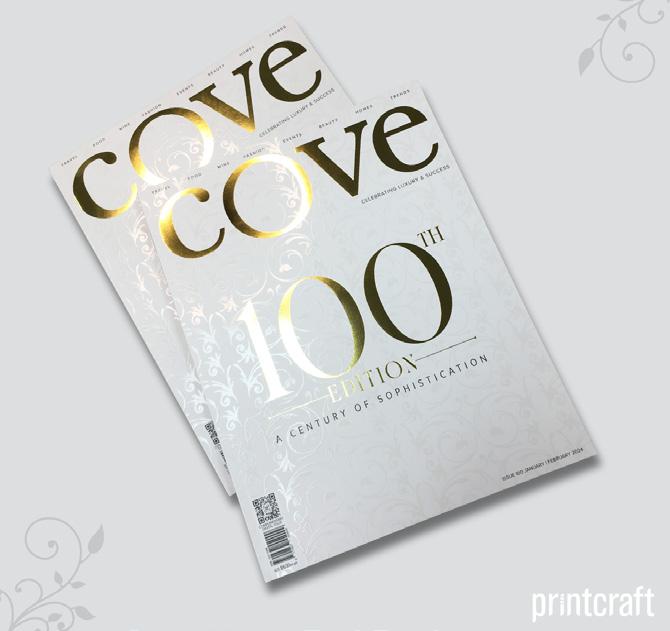
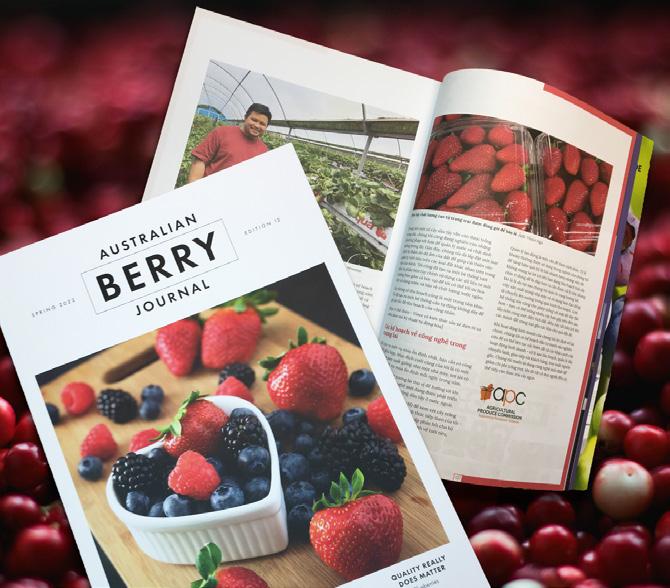

and collectors who appreciate a wellmade magazine. The tactile sensation of turning pages, combined with striking visuals, creates a memorable experience that digital screens cannot match.
For graphic designers and other creatives, niche magazines offer a playground for innovation. Unlike mainstream publications, niche magazines often have smaller teams and more creative freedom. Designers can experiment with layouts, illustrations, and typography without the constraints of mass-market appeal.
Magazine publishers can also collaborate closely with creatives to develop a consistent visual identity that resonates with their audience. This partnership is essential for building a magazine’s brand and ensuring every issue feels fresh yet familiar.
The future looks promising for niche magazines. As more readers seek meaningful, focused content, these publications will continue to grow. Advances in magazine printing technology will make high-quality production more accessible, while digital tools will help publishers connect with their communities.
For magazine publishers, embracing niche markets means tapping into passionate audiences and creating lasting relationships.
For creatives, it means opportunities to push boundaries and craft beautiful, meaningful work. For book lovers, it means access to unique stories and ideas presented in a form that honours the joy of reading.
Niche magazines prove that print is not dead. Instead, it is evolving to meet the needs of readers who want more than just information, they want connection, quality, and inspiration.
Our blend of skilled craftsmanship and the latest in print and binding technology, paired with our Australia Post Bulk Mail House accreditation and distribution solutions makes us an ideal partner for publications. In addition, our sustainable initiatives mean we can print your entire publication using Forest Stewardship Council (FSC) certified stocks.
We recommend meeting with one of our print experts as you are designing your magazine, so we can provide you with print design tips along the way.
We can often find ways to reduce costs or review designs and offer up techniques that will impress your audience and make your magazine stand out.
This is an excerpt from Printcraft’s blog
David Currie’s long association with the industry and his role and devotion in shaping the growth of Currie Group over decades has been recognised
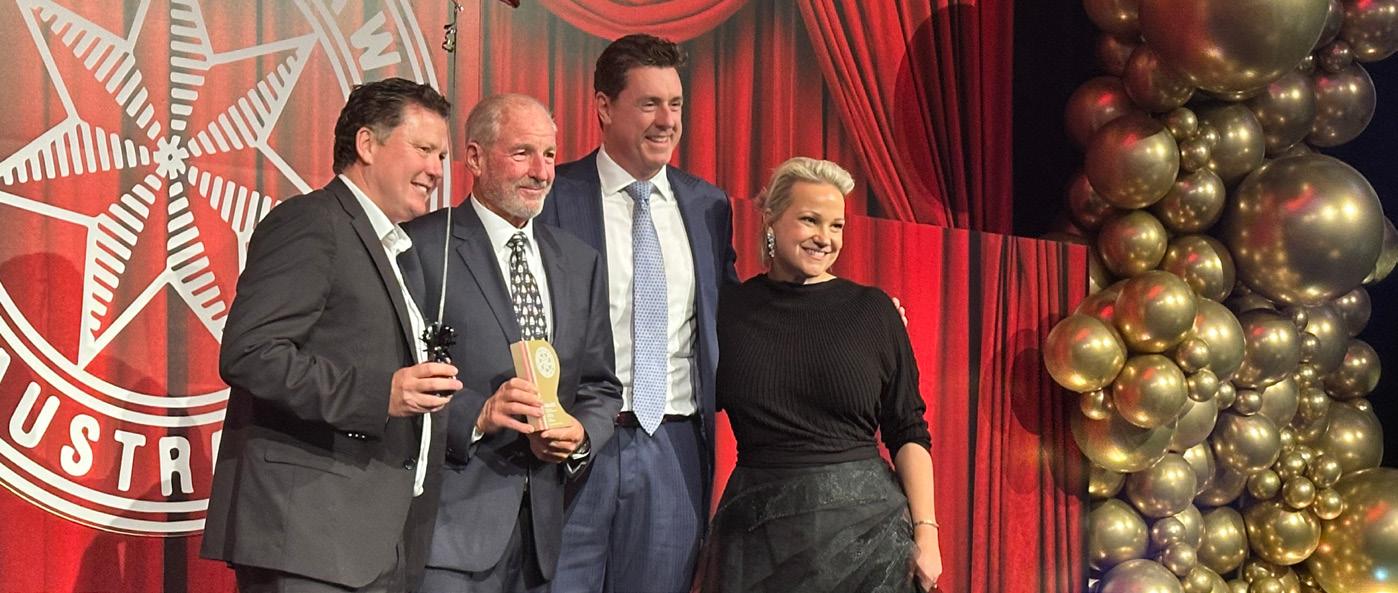
David Currie, one of the Australian print industry’s most respected figures, was honoured with the Lifetime Achievement Major Award at the 2026 National Print Awards (NPAs) in Brisbane.
The award recognises his decadeslong contribution to the advancement of print and visual media, during which he helped transform Currie Group from a traditional print engineering business into one of the region’s leading suppliers of print, packaging, finishing, and digital technology solutions.
On receiving his award at the gala dinner, Currie said, “Seventy-seven years ago my father started his little engineering company and 57 years ago I joined that company that eventually ended up where we are now.
“In my 57 years of being involved [in the industry], I’ve met wonderful people. I’ve seen many businesses rise and fall, and some with their backs against the wall through challenging times like recessions. But, the survivors have created a wonderful environment and people who say, ‘there’s not going to be any ink on paper’, have a look around. We’re still celebrating it.”
The NPAs celebrate excellence, innovation, and craftsmanship across Australia’s print, packaging, signage, and visual communications industries.
The full list of 2026 winners were:
• Major Award – Printer of the Year: Press Print
• Major Award – Workplace Culture & Well-being Achievement: Konica Minolta
• Major Award – Environmental Sustainability Achievement: Platypus Print Packaging
• Major Award – Industry Employee of the Year: Mark Rolls, IVE Group
• Major Award – Industry Supplier of the Year: Troy Stockings, Spicers
• Major Award – Industry Woman of the Year; Katherine Puttock, Lane Communications
• Major Award – Emerging Talent of the Year: tied – Angas Adcroft, MCC Labels and Laila Stevens, Eckersley Print Group
• Judges Award – Excellence in Craft: Press Print for Jordan & John Wedding Invite
• Commercial Print – Book Printing: Ellikon Fine Printers for National Gallery of Victoria, The Annual 2025
• Commercial Print – Leaflets, Flyers & Brochures: Lighthouse Print Group for Pyrmont Place
• Commercial Print – Catalogues & Magazines Publishing: Spot Productions for Gemlife Moreton Bay – Emerald Collection
• Commercial Print – General Print: Rawson Print & Packaging for Royal Australian Mint Six-Coin Year Set Boxes
• Commercial Print – Sign & Display; POS, Billboard, Exhibition, Fleet & Other: Cactus Imaging for House of Namatjira
• Commercial Print – Stationery: Taylor’d Press for Lucy Folk Stationery
• Commercial Print – Speciality & Misc: Spot Productions for Gemlife Moreton Bay Emerald Collection
• Creative Services & PrePrint – Design: Spicers for Spicers A Cut Above – The Splendourgel Collection, printed by Bambra
• Creative Services & PrePrint – MultiChannel Campaign: Visit Victoria and the IVE Group for Visit Victoria Official Visitor Guide to Melbourne and Victoria 2025
• Creative Services & PrePrint – Branding & Identity: Rawson Print & Packaging for Bell Art Multi-Piece Print Collection
• Packaging & Labels – Packaging: QLM Group for Australian Sweet Co. Cockatoo Range
• Packaging & Labels – Labels: Peacock Bros. for Shaws Vanilla Vodka 700ml
• Sales & Marketing – Self-Promotion: Styleprint for The Styleprint Express
• Sales & Marketing – Regional Printer: Breen Printing
• Sales & Marketing – Small Business Printer (up to 12 employees): Sunprint
• Digital Print – Book Printing: Carbon8 for 81 Yarranabbe The Penthouse Collection
• Digital Print – Leaflets, Flyers & Brochures: Press Print for North Turramurra Property Brochure
• Digital Print – Catalogues & Magazines Publishing: Revolution Print for Konica Minolta P21 May/June 2025 Cover
• Digital Print – Sign & Display; POS, Billboard, Exhibition, Fleet & Other: Styleprint for Kikki K Log Bench –Urban Explorer Window Display
• Digital Print – Stationery: Greenigo for Koh Living Birch Wood Cover Journal
• Digital Print – Event Printing: Press Print for Jordan & John Wedding Invite
• Digital Print – Promotional & Merchandise: Styleprint for Petstock – Turning Product into Theatre
• Digital Print – Paper, Binding, and Finishing Embellishment: Bambra for Aurecon Design Toolkit Brochure
• Digital Print – Speciality & Misc: Snap Underwood for Diabetes Australia Diabetes Yarning
• Commercial Print – Paper, Binding, and Finishing Embellishment: Carbon8 for Campbell & Hart
Got an event? Send an email to hosman@intermedia.com.au with all the details and we will put your event on the page
* event dates correct at time of publishing
Visual Impact Conference & Expo 2-4 September 2026 Sydney, Australia visualimpact.org.au
ASGA National Sign and Graphics Awards 3 September 2026 Sydney, Australia signs.org.au
LOUPE Americas 2026 15-17 September 2026 Chicago, US loupe-americas.com
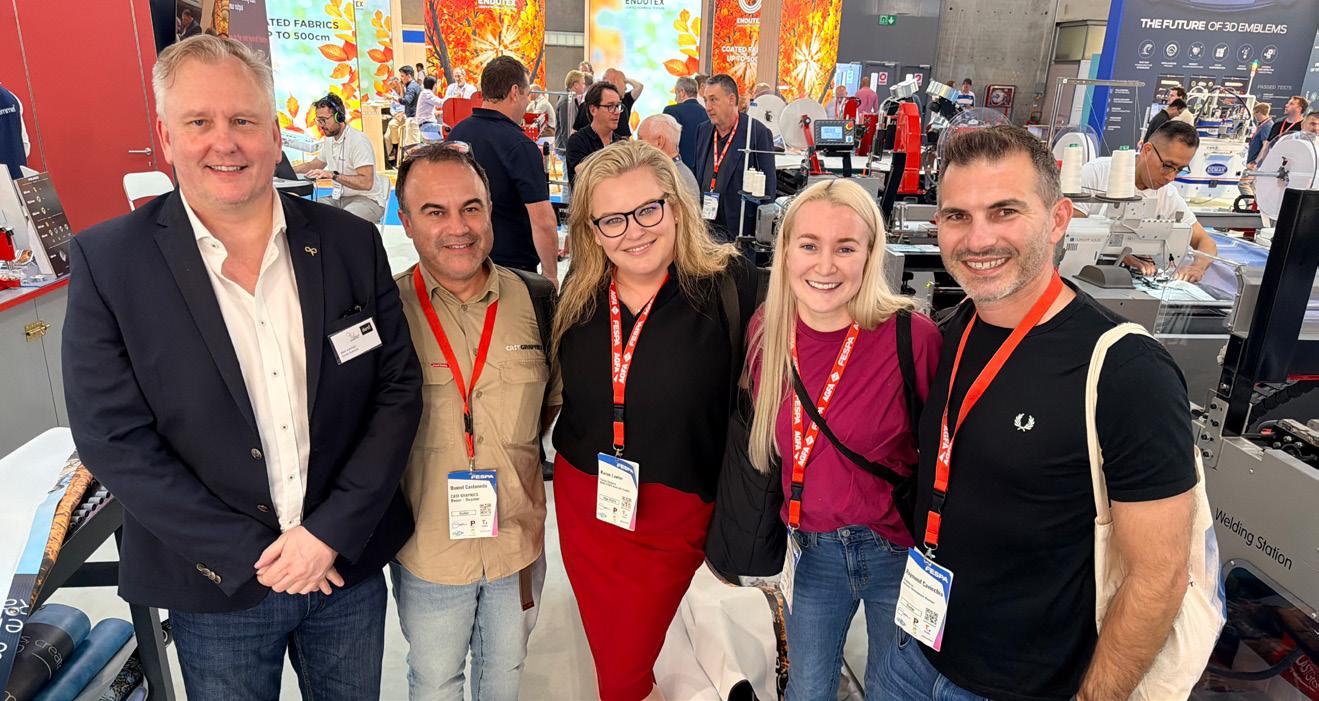
Printing United 23-25 September 2026 Las Vegas, US printingunited.com
All in Print China 12-16 October 2026 Shanghai, China allinprint.com
ProPrint Awards 16 October 2026 Sydney, Australia proprintawards.com.au
Fespa Global Print Expo 6-9 April 2027 Munich, Germany fespa.com
Print China 12-16 April 2027 Guangdong, China printchina.com
drupa 9-17 May 2028 Düsseldorf, Germany drupa.com
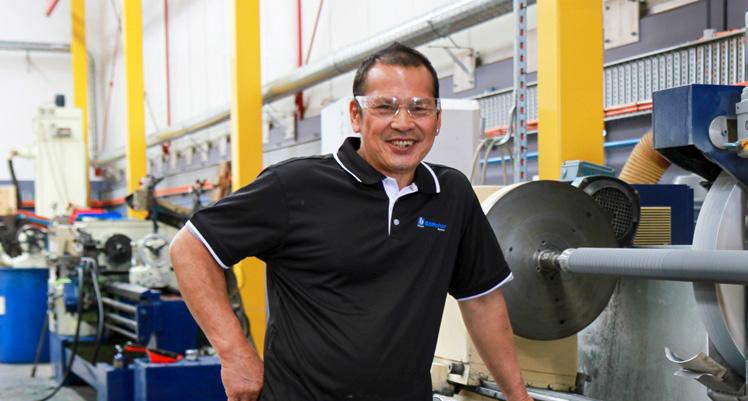




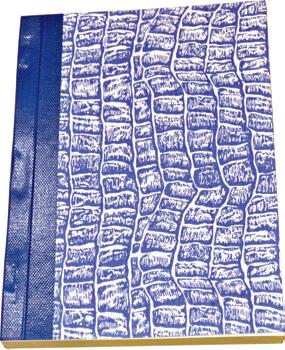



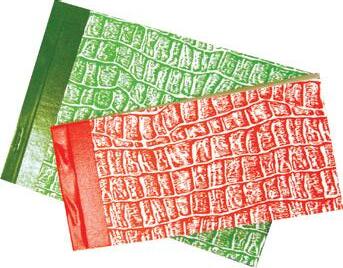




























































For enquiries, please contact: Carmen Ciappara, National Sales & Partnerships Manager
Direct: 0410 582 450 | Email: carmen@proprint.com.au
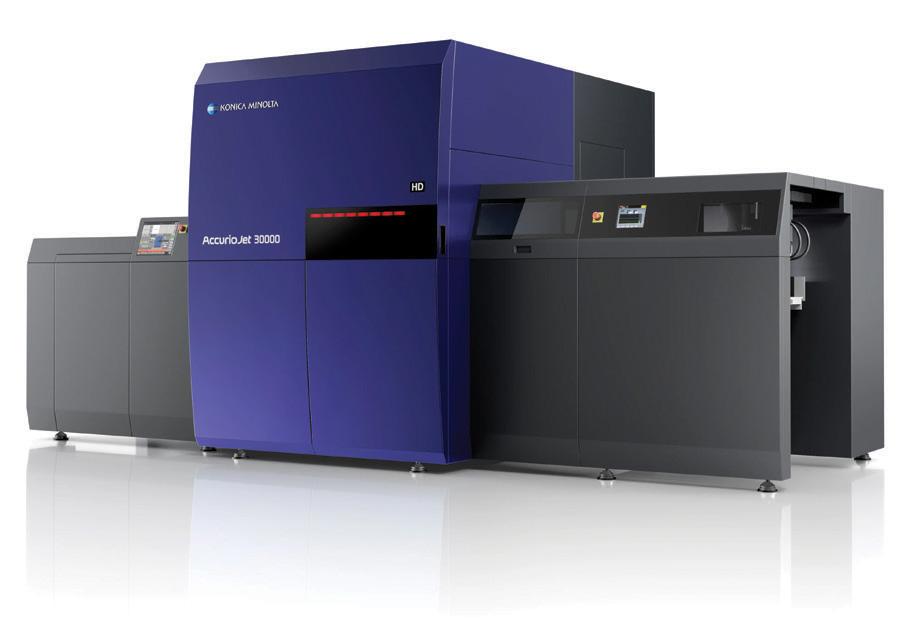

JTS Engineering servicing the industry for all machinery and engineering requirements, has partnered with Longer Machine Industrial Co Ltd to supply a specialised range of paper guillotines systems featuring high speed, precision and safety.
Due to a factory restructuring, an exceptional opportunity has become available to acquire a premium B2 digital press.
This outstanding machine is just 6 years old with an extended EOL. Presented in immaculate condition, and supported by an excellent service history, the KM-1 is renowned for delivering uncompromising quality and performance. This press is ideal for businesses seeking superior print results and reliability.
The KM-1 can print on stocks ranging from 75 gsm to 600 µm
432mm x 559mm (425mm x 544mm image area)
455mm x 650mm (448mm x 635mm image area)
501mm x 720mm (494mm x 705mm image area)
585mm x 750mm (578mm x 735mm image area)
Offered at an exceptional price and on terms that will be hard to refuse, this is a rare opportunity to secure a press of this calibre. This opportunity won’t last long at this sale price.
For pricing and further information, call Emmanuel today, opportunities like this don’t come around often.
EMMANUEL BUHAGIAR 0418 694 318 emmanuel@imaginationgraphics.com.au
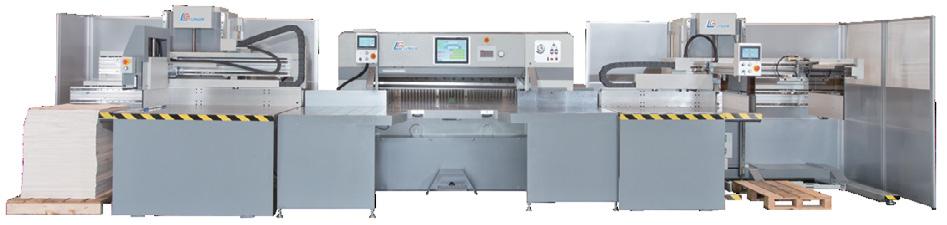
Contact us anytime for all service and guillotine requirements
JTS Engineering Services Pty Ltd
Jim Strounis, Owner
Mobile: 0433 100 243 Email: jim@jtsengineering com.au
Scott Mohammed, Service & Account Manager
Mobile: 0431 887 501 Email: scottm@jtsengineering com.au
Unit 5, 80-82 Seville Street, Fairfield, NSW, 2165 Web: jtsengineering.com.au
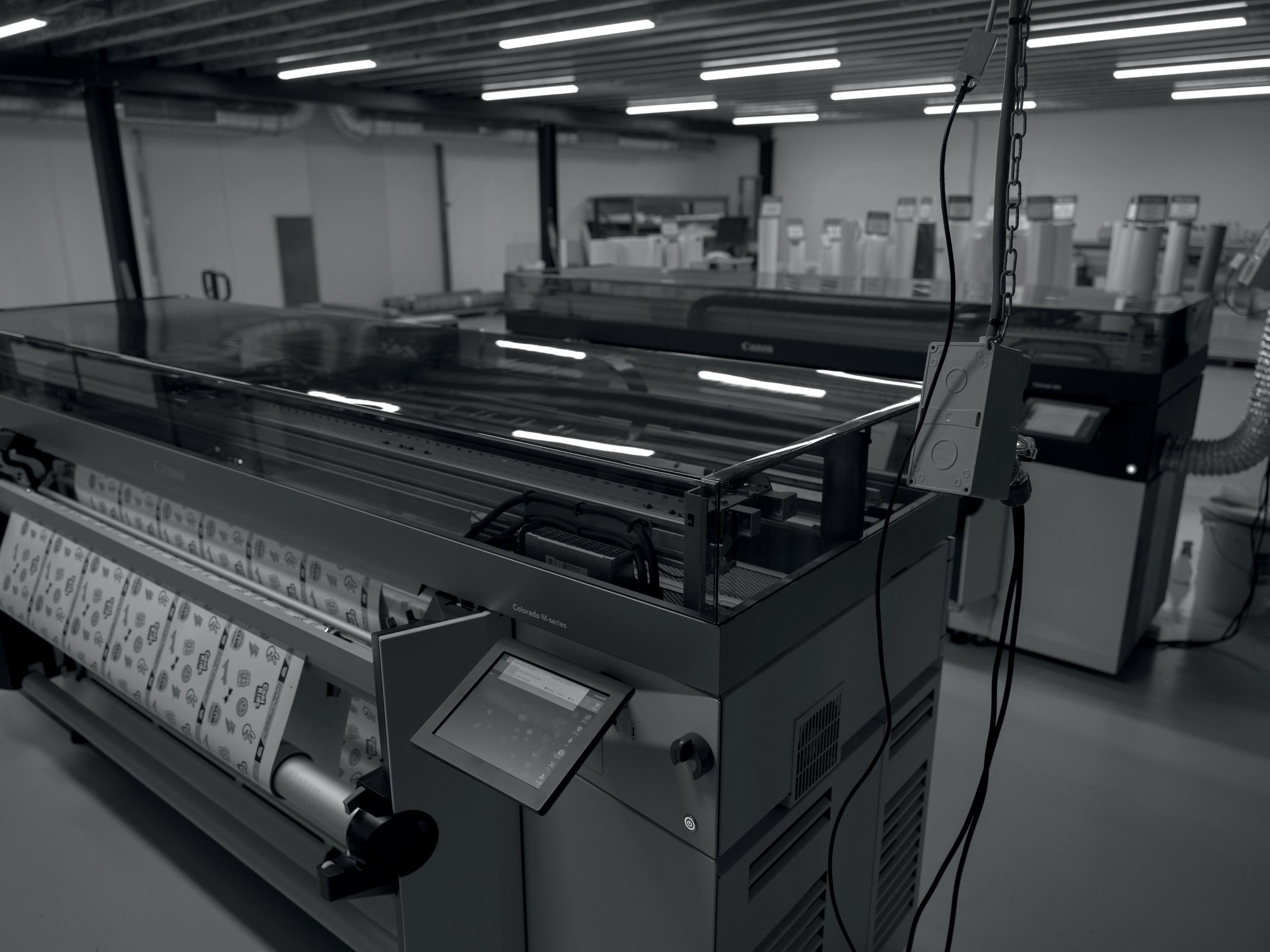
Trade-only large format and flatbed printing. No minimums.
24-hour turnaround. Nationwide.







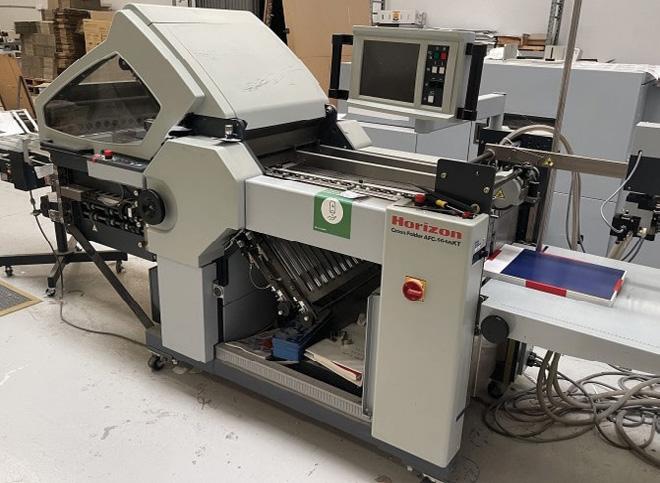
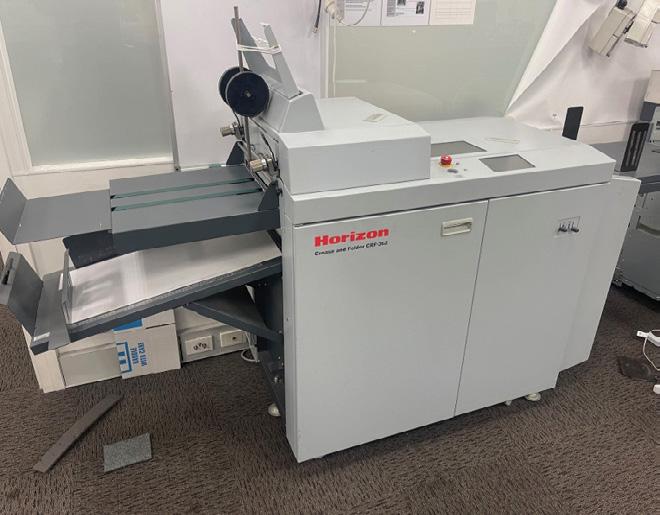
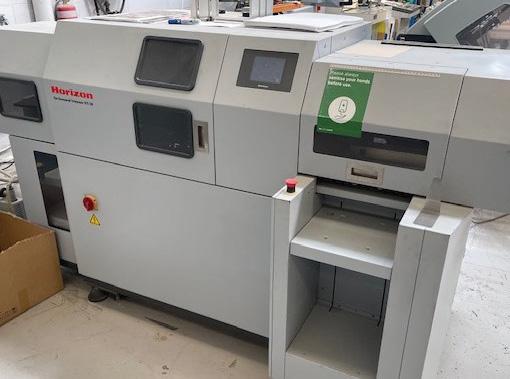
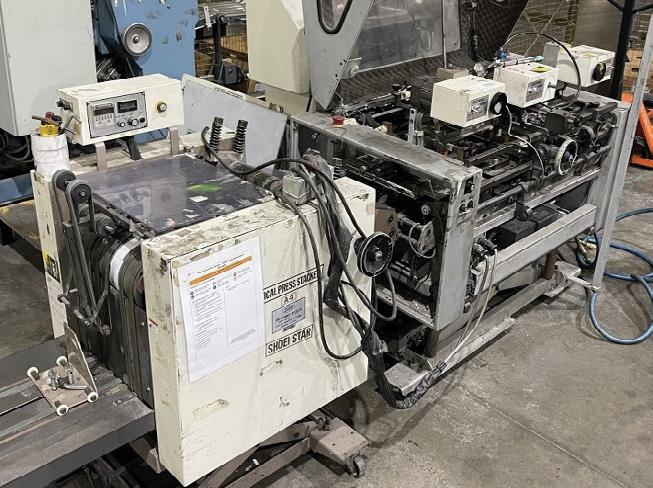
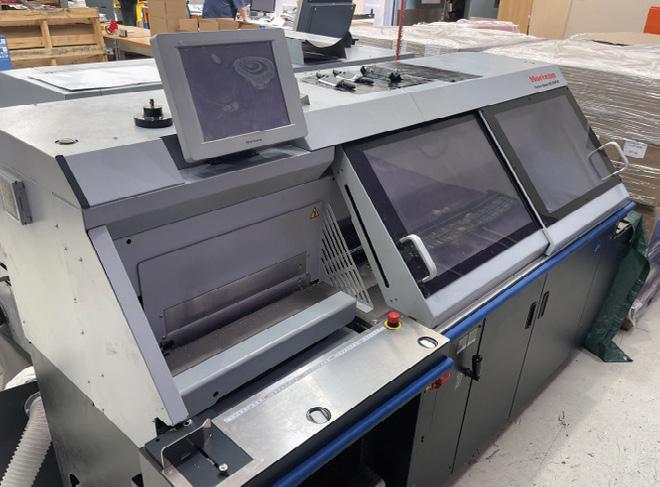


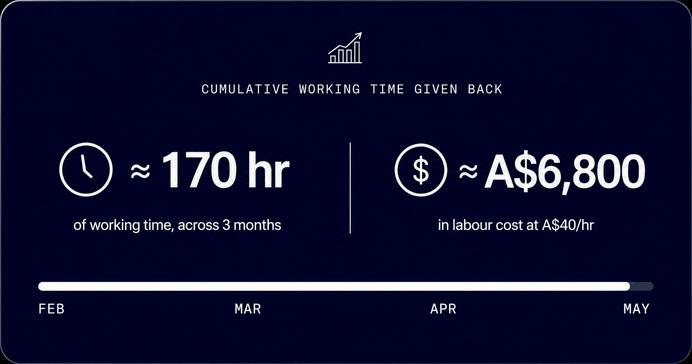



About Us
Celebrating 40 years as Australia's most trusted trade finisher, we deliver flawless results for high-volume production and short-run work, backed by reliable turnarounds and quality craftsmanship. From perfect binding to saddle stitching, hardcover binding to section sewing, we solve your toughest challenges.