

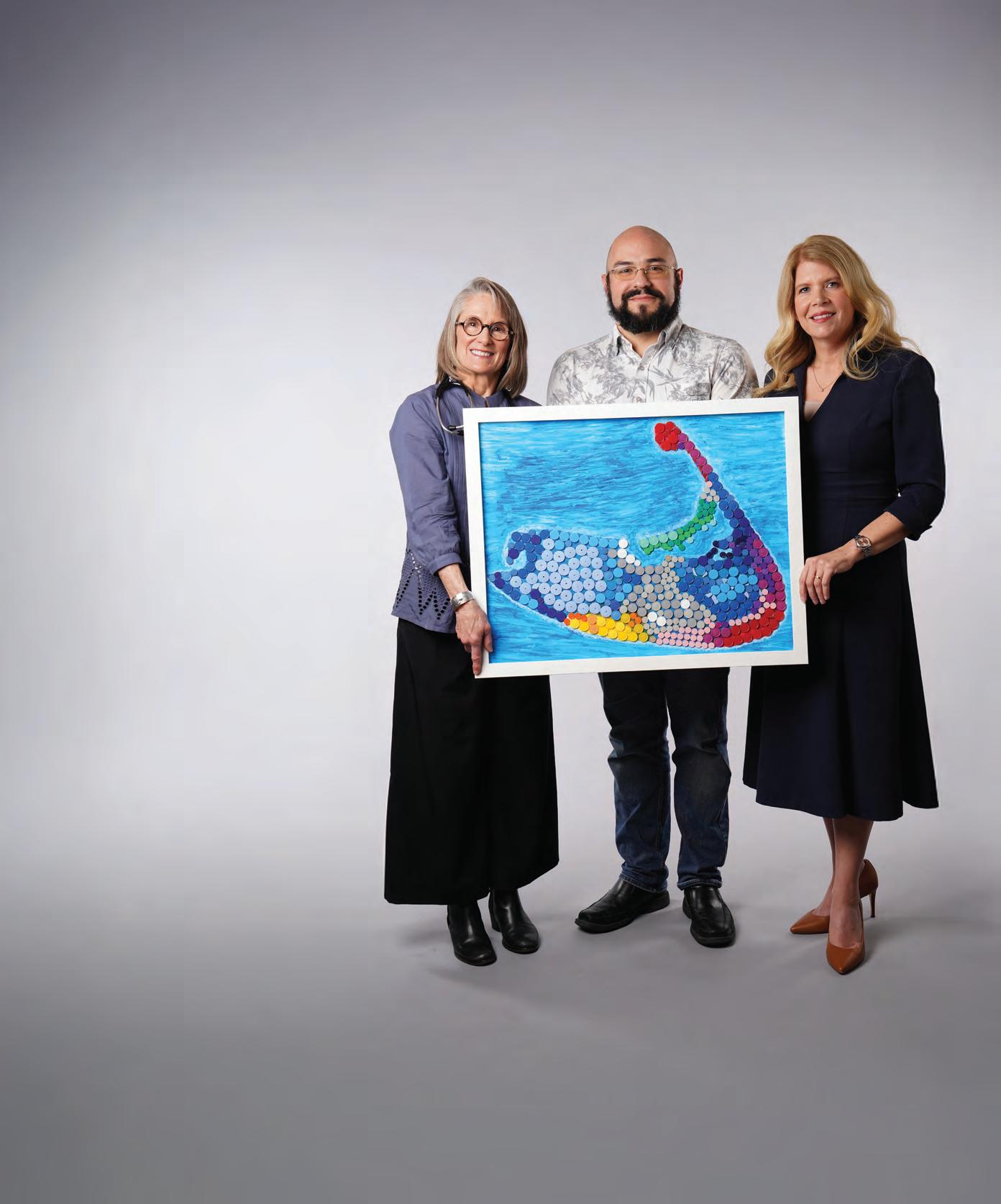
For more than 20 years, the Community Foundation for Nantucket has partnered with community leaders to address our island’s most critical needs.
Through generous donations to The Nantucket Fund, our grant making helps provide access to affordable childcare, after-school programs, behavioral and physical health services, shelter and food for those in need, and enrichment for our island’s seniors.

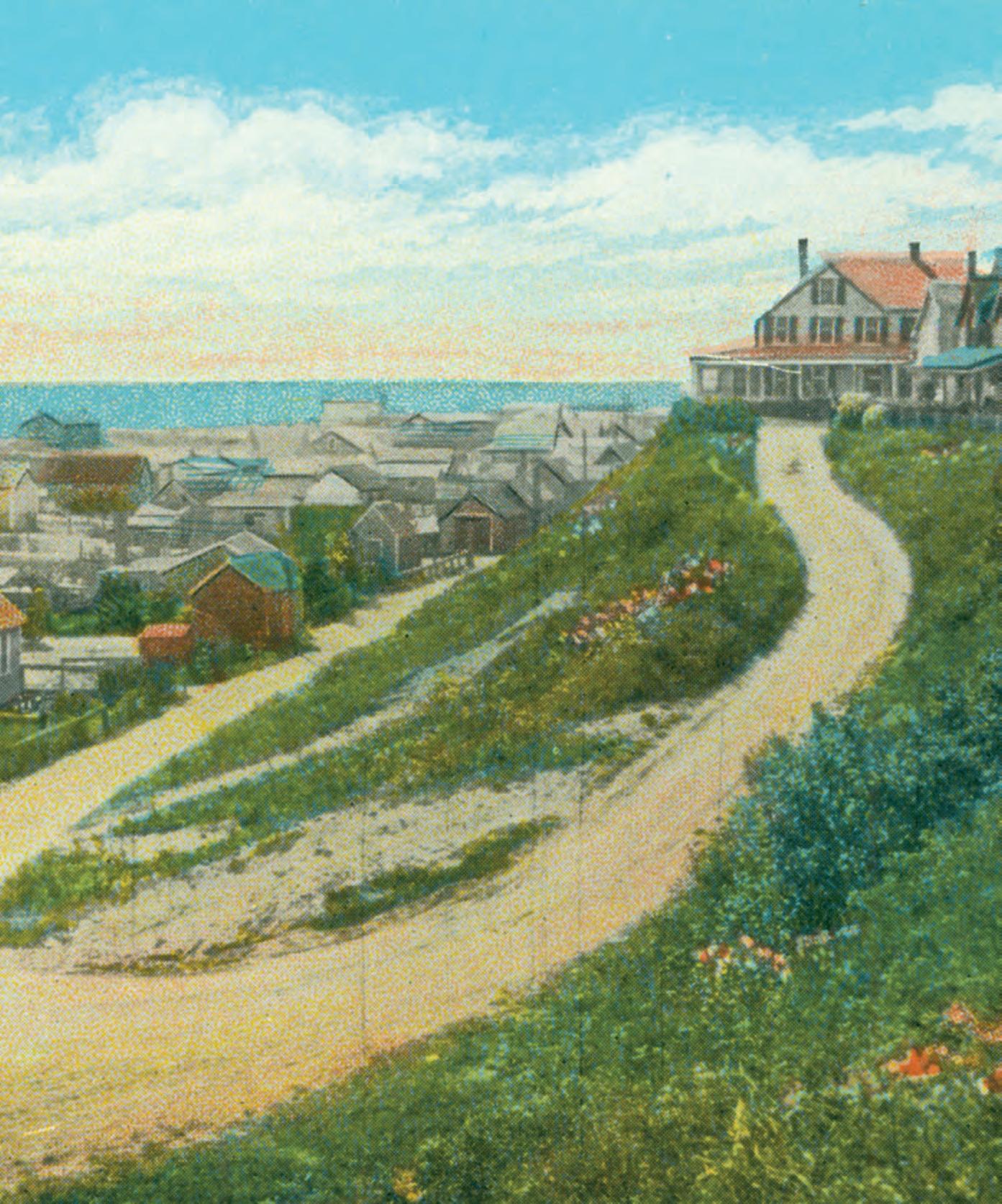
Escape. It’s an ethereal, elusive pursuit. For some takes the form of a long walk through the middle moors under a cloudless sky. For others, it’s getting lost in the pages of favorite novel, or the quiet contemplation of a painting in an art gallery. Others find their escape on the packed dance floor of a darkened bar with a rock and roll band pounding away at ear-splitting volume just steps away.
The island has long been a haven for those seeking all forms of escape: those looking to briefly unplug from the hustle and bustle of the 9-5, and those looking to disconnect completely from the trappings and responsibilities of the conventional world and disappear onto this spit of sand 30 miles out to sea that’s seemingly at the end of the earth when staring off at the point where the sea meets the sky on the south shore.
With summer in full swing, this issue of Nantucket Today is dedicated to all forms of escape and the therapeutic benefits they provide.
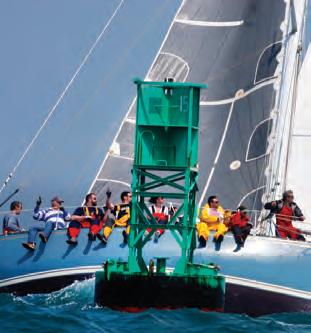
The power of the wind and sea provide National Book Award-winning island author Nat Philbrick all the escape he needs. A passionate sailor since his youth, there’s nothing he enjoys more than a day on the water of Polpis Harbor with nothing but gulls overhead and eelgrass below. Steve Sheppard sat down with Philbrick earlier this summer to talk about his love of sail, his search for the soul of history in each book he writes, and the parallels between today’s political turmoil in the nation’s 250th-anniversary year and the country at the dawn of the American Revolution. Check it out on page 10.
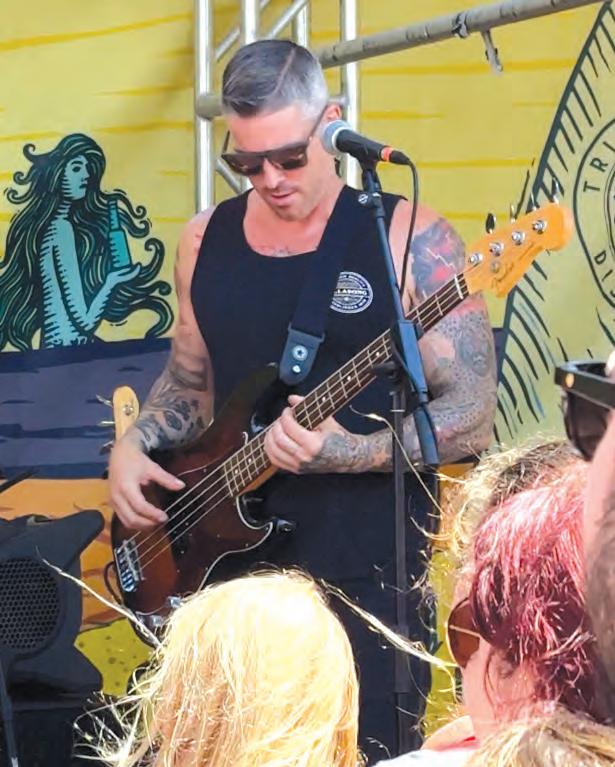
Julian Stanley found his escape – from the jungles of Vietnam in the late 1960s and the everyday toil of house-painting for nearly 40 years – in the bass guitar. He shares with his niece – and Inquirer and Mirror music writer Kendall Graham – the fulfillment it provides and the influence the legendary Thirty Acres bar, owned by his family, had on his decision to become a musician, on page 32.
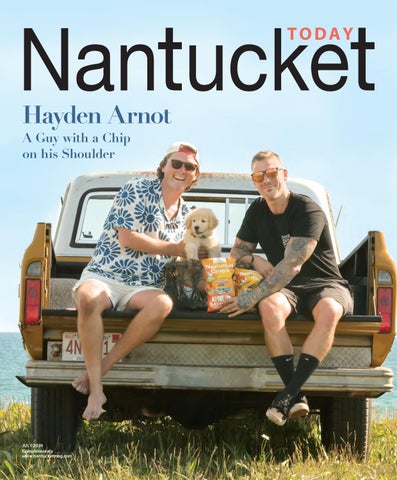
Those of us without a lick of musical talent can have plenty of opportunities to live out their rock star dreams at venues around the island this summer. Anna Popnikolova profiles Hayden Arnot – Nantucket Crisps founder and nascent music promoter – and his efforts to resurrect the vibrant band scene at The Muse on page 24. Graham pulls double-duty in this issue, offering her local knowledge and the inside scoop on the most popular spots to catch live music on the island, from the Brotherhood of Thieves and Cisco Brewers to the Gaslight, Chicken Box and The Rose & Crown. Read all about it on page 36.
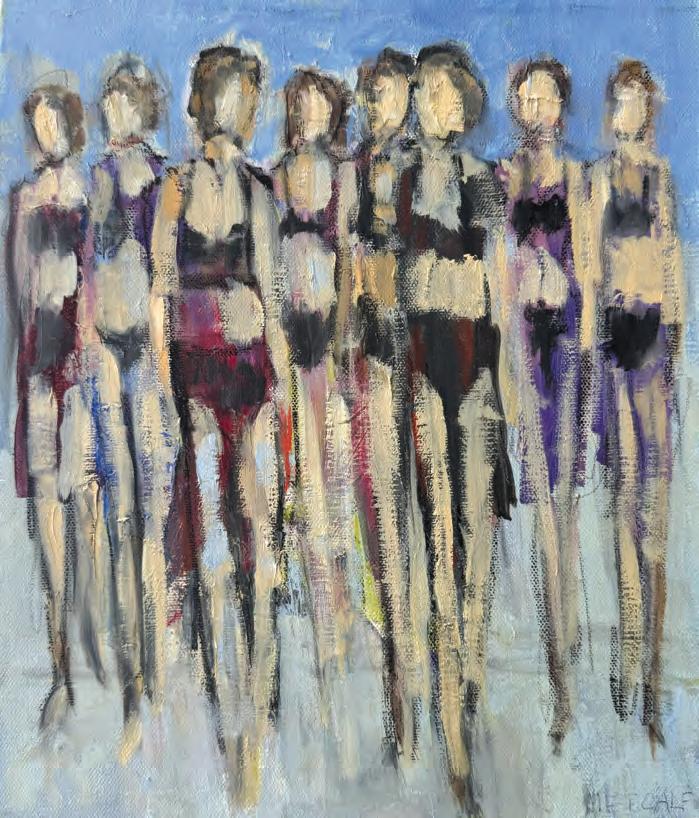
For those seeking quieter pursuits, Quinn Frankel sheds some light on the semi-impressionist work of island artist Jan Purdy Metcalf, whose sailboat paintings and historic streetscapes take on an atmospheric, otherworldly quality, on page 60.
Jim Waterbury has a true photographer’s eye. The images he captures of summer on the island become instant icons, reminding us all, even in the dead of winter, why Nantucket is so easy to come to, yet so hard to leave.
Escape into summer as best you can. Fall will be here soon enough.

Joshua H. Balling Editor
10 NAT PHILBRICK AND THE SOUL OF HISTORY
Author, sailor and community member Nat Philbrick discusses how history, books and spending time on the water impacted his life choices. by Steve
Sheppard
24 HAYDEN ARNOT: BRINGING THE ROOM BACK TO LIFE
From potato chip entrepreneur to music promoter, Arnot finds fulfillment in helping the community.
by Anna Popnikolova
32 STILL IN THE POCKET: HOW THIRTY ACRES SHAPED A NANTUCKET MUSICIAN
From an early age, Julian Stanley knew he wanted to make music. His family owned the gone-but-not-forgotten roadhouse Thirty Acres, where it all began.
by Kendall Graham
36 THE SOUNDS OF SUMMER
A local’s guide to Nantucket’s live-music venues. by Kendall Graham
44 SUMMER SCENES
Photographer James Waterbury captures the essence of Nantucket in the summer. by James Waterbury
60 COMMITMENT TO CRAFT: JAN PURDY METCALF’S ARTISTIC JOURNEY
Jan Purdy Metcalf discusses her artistic process, her love of painting and how retirement has finally allowed her to pursue it with the passion she’s always felt.
by Quinn Frankel
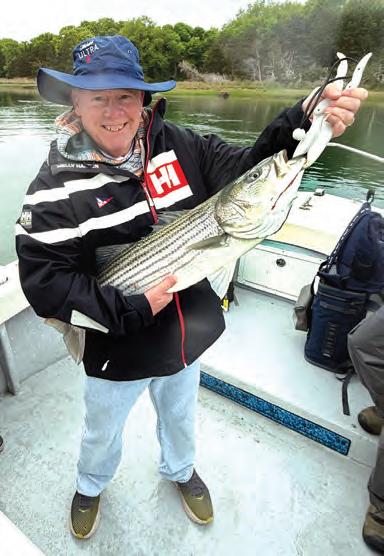
68 SANDBAR SHARKS NE W RESEARCH AND OLD TRADITIONS
How research and tagging of sandbar sharks are allowing the population to recover after being hunted to near extinction through the 19th and 20th centuries. by Ginger
Andrews
4 EDITOR’S NOTE
9 CONTRIBUTORS
82 WHO’S WHO IN REAL ESTATE
88 LAST LOOK

The Inky Local Journalism Fund was established to help maintain a vibrant, informed and connected Nantucket by ensuring the long-term strength and independence of local journalism at The Inquirer and Mirror, Nantucket’s trusted news source since 1821 and the island’s only locally-owned, independent, multi-platform news organization that incorporates print, digital and special publications into its content portfolio. The Fund supports reporting on the issues that matter most to our island community – including health, education, the environment, development, arts and culture. Your gift supports core priorities, including developing the next generation of storytellers through summer internships for high school and college students. This provides meaningful mentorship and hands-on newsroom experience at The Inquirer and Mirror while cultivating future leaders in journalism.
Through the Community Foundation for Nantucket, you can help make an impact on local journalism by making a tax-deductible contribution.
Nantucket’s Trusted News Source Since 1821





Published by The Inquirer and Mirror Inc. 1 Old South Road Nantucket, MA 02554 508 228-0001 nantucketmag.com
Publisher Robert Saurer rsaurer@inkym.com
Editor Joshua H. Balling jballing@inkym.com
Production Manager Meghan Luksic mluksic@inkym.com
Graphic Designer Louise E. Martling
Advertising Director Mary Cowell-Sharpe msharpe@inkym.com
Advertising Sales Alexandro Sforza asforza@inkym.com
Circulation Karen Orlando korlando@inkym.com
Contributing Writers & Photographers
Virginia Andrews
Quinn Frankel
Kendall Graham Anna Popnikolova
Contact Us:
Jim Waterbury
Patrick Power John Seip Steve Sheppard
Nantucket Today, P.O. Box 1198, Nantucket, MA 02554. Phone 508 228-0001. Fax 508 325-5089.
Advertising and subscription rates online at www.nantucketmag.com
© Nantucket Media Group. 2026 All rights reserved. Nantucket Today is published six times a year by The Inquirer and Mirror Inc. Subscription information: Annual subscriptions are available in the US for $49. For customer service regarding subscriptions, call 508 228-0001, ext. 10. All rights reserved. Reproduction of any part of this publication in any way is prohibited without written permission from the publisher. Printed in the USA. Send address changes to: P.O. Box 1198, Nantucket, MA 02554.
These are just some of the people who bring their talents to the pages of the July issue of Nantucket Today and allow it to reflect genuine island life.

Jim Waterbury divides his time between Nantucket and Greenwich, Conn. Most of his professional career was spent in corporate law at General Electric. Since retiring, he has been focused almost fulltime on pursuing his passion for nature and fine-art photography, traveling to all seven continents in search of inspiring images. He is currently secretary of the Nantucket Yacht Club and sits on the boards of the Artists Association of Nantucket and the Nantucket Historical Association. Nantucket has been his one constant for the past four decades.

Patrick Power is a freelance photographer specializing in portraits who originally discovered photography on Nantucket shooting landscape and street scenes which still hold a special place in his heart. Photography is a therapeutic art that enables him to live out this passion and capture moments that people will hold onto for a lifetime and truly cherish.

Steve Sheppard
Writer, editor, teacher, author, musician. Steve Sheppard has just about done it all in creating a life for himself and his family on Nantucket. A graduate of Bridgewater State University, he cut his teeth in journalism at The Inquirer and Mirror and the Quincy Patriot Ledger before embarking on a second career in music education while still finding time to hit the stage with his band The Shep Cats.

BY STEVE SHEPPARD | PHOTOS BY PATRICK POWER
Nantucket’s rich history is inextricably tied to the sea. As Herman Melville proclaims in “Moby-Dick,” “And thus have these naked Nantucketers, these sea hermits, issuing from their ant-hill in the sea, overrun and conquered the watery world like so many Alexanders . . . For the sea is his; he owns it, as Emperors own empires . . .”
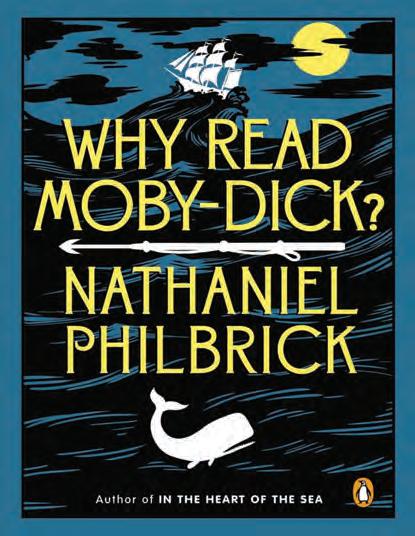
Nathaniel Philbrick understands this legacy well. He has explored Nantucket’s legendary past in several books, and like the island adventurers of yore, his curiosity has led him to farther-flung investigations of American history. He has even written a studied treatise on what is considered to be the great American novel: “Why Read Moby-Dick?”
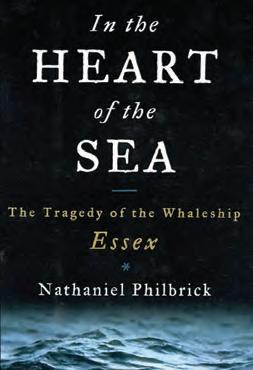
His 17 books include four about Nantucket, including the National Book Award-winning “In the Heart of the Sea: The Tragedy of the Whaleship Essex.” His highly-anticipated latest book, “The Rush: California Gold, the Civil War and the Making of the Modern World,” is scheduled for release Oct. 6.
Through his writings, Philbrick shines a light on the character of the island, a place where history and the wonders of the natural world blend in a special harmony. Nurtured and inspired by the surrounding sea, Philbrick is a true islander.
“In one sense, my love of the water has led me to a lot of these maritime topics,” he said.
In his youth, however, he lived a good six- to eight-hour drive from the ocean.
When Philbrick was growing up in Pittsburgh, Pa., a certain iconic story of the sea was a very real presence in his life.
“My dad was an English professor (at the University of Pittsburgh) who taught ‘Moby-Dick’ regularly,” Philbrick recalled. “On his desk was a big, battle-scarred copy of the book.”
When his father would expound on the glories of Herman Melville’s masterpiece, Philbrick sometimes wondered who would ever want to tackle such an enormous volume, never mind take pleasure in it.
Until he got to high school, where his AP English teacher,
Mr. Wells, assigned an all- too-familiar novel.
The weight of the assignment seemed as heavy as the ponderous book on his father’s desk. To the young Philbrick’s surprise, however, “I loved it. I think I was the only kid in the class who did.”
Beyond that, it was the perfect literary escape for “a kid who wanted to be a sailor in land-locked Pittsburgh.”
There was just a slight drawback. “It wasn’t easy as a 17-year-old high school student to have to admit my father had been right.”
For the future best-selling author and historian, the mind-opening prose of “Moby-Dick” became “something I would turn to for the rest of my life. I was primed, even though I wasn’t aware of it.”
At the time, Philbrick’s devotion wasn’t to writing or to history. He was captivated by sailing.
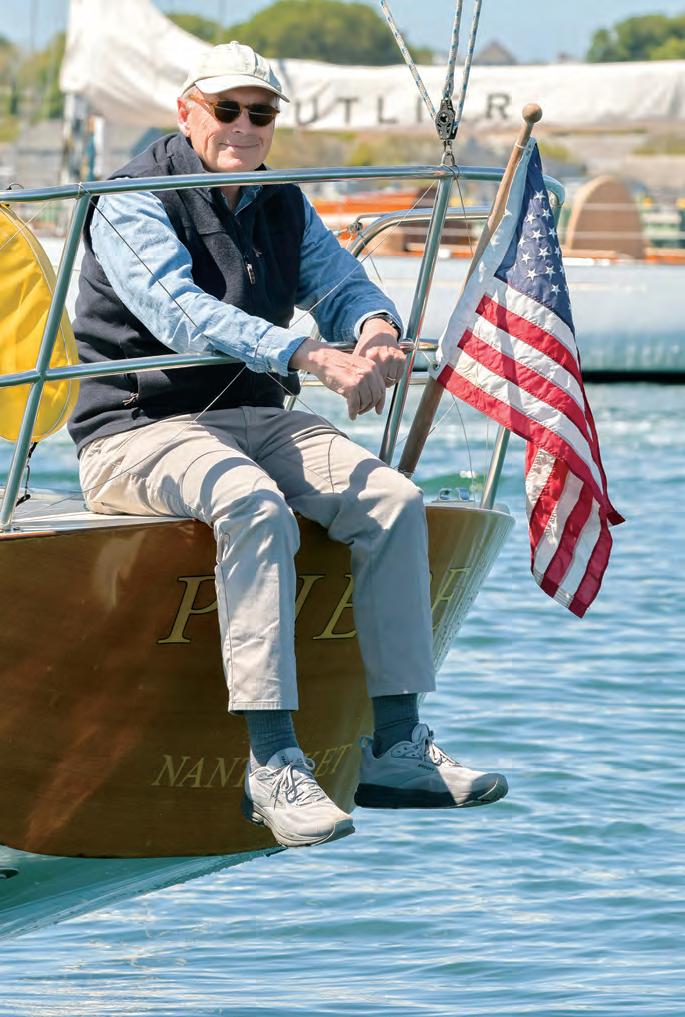
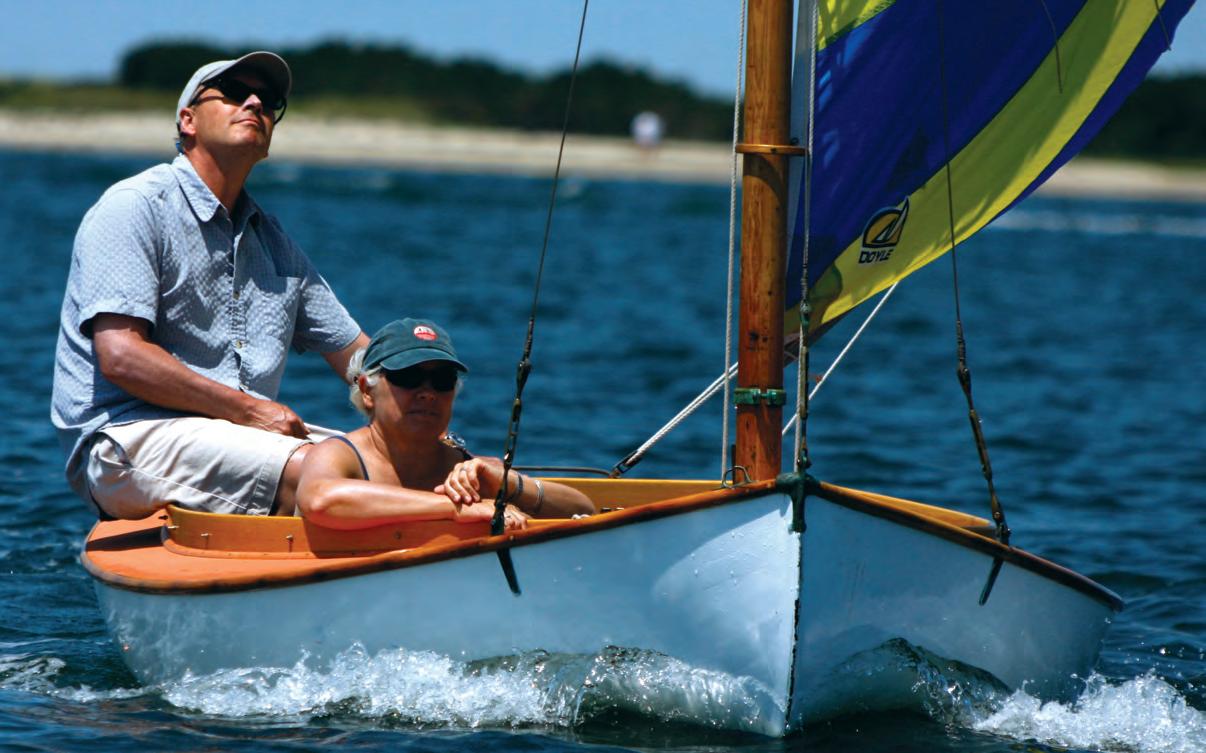
Philbrick learned to sail a Beetle Cat at his grandparents’ house in West Falmouth and was immediately hooked.
“For a shy kid who wasn’t into team sports, sailing delivered a sense of freedom and independence that was new to me,” he said.
Back in Pittsburgh, he and his brother Samuel nurtured their love of sailing on man-made Lake Arthur, developing skills on Sunfish sailboats which, with their 14-foot, board-like hulls, were ideal for both beginner and advanced sailors.
“My brother and I were so into sailing,” Nat recalls, that the family began spending summers in Pocasset. He eventually taught sailing at the Chapoquoit Yacht Club in West Falmouth, where he met fellow instructor and his future bride Melissa Douthart.
Philbrick poured his heart into sailing. At Brown University, in 1978, he was the school’s first intercollegiate All-American sailor. That same year, he won the International Sunfish Class Association North American championship in Barrington, R.I.
And it was sailing, in a way, that brought him to writing.
It was during a three-year fellowship at Duke University that Nat concluded he didn’t want to be an English professor.
“I realized this was my father’s profession, and I wanted to do something different,” he said.
A friend told him about an opening at Sailing World magazine. Nat left Duke with a master’s degree in English and began the chapter that would lead to his life’s work. “Working at Sailing World set me on my way,” he notes now. “It’s where I really learned to be a writer.”
When Melissa got a job as a lawyer in Boston they moved to the North End, where another book from his youth came to life.
“One of my favorite books as a kid was ‘Johnny Tremain’ by Esther Forbes. I wondered what it was like during Johnny Tremain’s time. On weekends, I went to the Boston Public Library and researched history, what Boston was like and how it evolved. It was the first time I really felt the tug of what it was like living in the past,” Philbrick said.
The knowledge he gleaned of Boston would be called upon in later years when he wrote “Bunker Hill: A City, A Siege, A Revolution,” the first book in his trilogy about the Revolutionary War.
Although Nat and Melissa were both seasoned sailors, their move to Nantucket was pure happenstance. Sitting on a stalled train to Boston, an ad in Lawyer’s Weekly caught Melissa’s eye, and led to her being hired by the law firm Vaughan and Dale.
Soon the Philbrick family, which now included two young children – daughter Jennifer and son Ethan – were on the ferry in two cars with a crib riding atop one of them.
“We didn’t know a soul,” Nat recalled of their September 1986 arrival. But, he reasoned, “What could be better than living at the port of the Pequod ?”
Melissa became enmeshed in the community, serving on several island boards, and was soon partner in the prestigious firm.
Nat, who took care of the kids during the day, wrote freelance for Sailing World and also began writing academic articles about Nantucket for New England Quarterly.
“I became fascinated with island history,” he said.
Serendipitously, a native Nantucketer was also fascinated with island history. Albert “Bud” Egan, who established and owned Marine Lumber and Marine Home Center, had already lent support to the preservation of the historic Coffin School on Winter Street.
Now, he was looking to document Nantucket history. Mitchell’s Book Corner owner Mimi Beman, the island’s literary lightning rod whose unwavering support of island writers was boundless, introduced Philbrick to Egan.
And the rest, as they say, is history, Nantucket history to be exact.
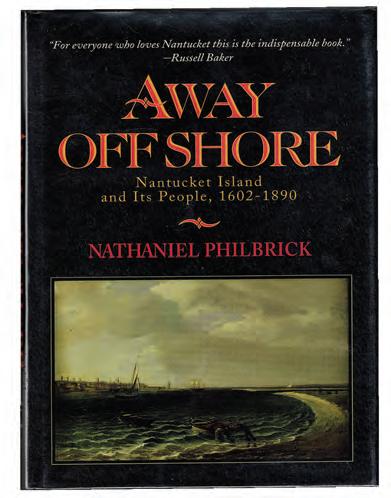
It was the fall of 1992. Having signed a contract with Egan to produce a manuscript, Philbrick was soon researching what would become his first book of Nantucket history: “Away Off Shore: Nantucket Island and Its People, 1602-1890.”
With the kids in school, Philbrick recalled, “I had until 2:30 every day to work . . . knowing I had to be done by June” when he resumed his duties as a sailing instructor at the Nantucket Yacht Club.
The newfound freedom of having several hours of his own spurred him to take on an additional challenge: Why not see if he still had championship-caliber sailing chops?
“I had spent 10 years with the kids and was working on ‘Away Off Shore.’ It had been 15 years since winning the Sunfish North Americans, and I started training for 1993,” he remembers.
He wrote and sailed all that fall and winter.
“I sailed on weekends. It was helpful for learning the geography of Nantucket while sailing those ponds,” he said. “I was exploring all these places I was writing about.”
His kids often accompanied him on these outings, what they called, “Daddy’s wild goose chases.”
His immersion into island history and renewed interest in sailing lent perspective to the recent Nantucket resident.
“I realized, wow, how lucky I am to be here, and how deeply embedded we are in the community,” he said.
“Away Off Shore” was published to glowing reviews in 1994.
“And that’s really where it all began,” Philbrick says now. “Bud couldn’t have been more supportive. With ‘Away Off Shore’ I found my niche.”
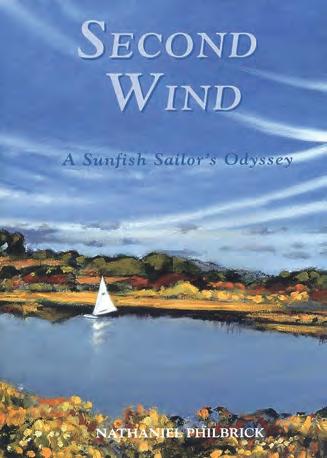
His Nantucket sailing excursions became the basis of a memoir, “Second Wind: A Sunfish Sailor’s Odyssey,” published in 1999.
Through his broader writing Philbrick explores issues of leadership and communities on the cusp of catastrophe: “ordinary people finding themselves in pretty extraordinary situations.”
He was drawn to write “Bunker Hill,” for example, when he noted that the Boston of 1775 had a population of around 15,000, roughly the same population as Nantucket at the time.
“ For me, there’s got to be a story there and if I’ve got that, it sort of drives everything else. . . . I have to rediscover a voice with each book: how to make what might be a familiar topic new.”

It led him to consider, “What would it be like to live in a community that experiences an outbreak of revolution?”
As the country commemorates the 250th anniversary of the Declaration of Independence, Philbrick’s historical examinations lend a well-informed insight and perspective.
He notes that “democracies and republics are always imperiled,” and that America has survived longer than any other such experiment.
Today, however, “I think the country is being tested in ways it hasn’t been in my lifetime. Unlike Vietnam or Watergate it feels different this time. It feels to me like we’re on the brink of something, and that’s what it was like during the revolution – not knowing where things were going. People were fearful,” he said.
“It was a turbulent, violent eight-year war that created a country with ideals we’ll probably never be able to live up to.”
He sees a connection to where the country was 250 years ago.
“I think we’re fortunate to have this overlay, with a nation that’s at a crossroads. It doesn’t feel like it’s happened in the past. It feels ongoing, and that’s a good and important thing given where our country and the world are at this moment. (The anniversary) allows us to reflect on how we got to this point. It gives us context to where we are now and where we feel the country should be headed,” Philbrick said.
His dedication to the island is wide-ranging. As the co-founder and first director of the Egan Institute for Maritime Studies (now the Egan Maritime Institute) he helped establish a new connection to the island’s maritime history and set the course for an organization renowned today for its decades of research and celebration of Nantucket’s seafaring heritage.
As an avid and accomplished sailor, he was part of the board that established Nantucket Community Sailing, introducing new generations of Nantucketers to the sea.
He’s been a research fellow of the Nantucket Historical Association for more than 25 years, and been involved in several NHA exhibits associated with “Away Off Shore” and “In the Heart of the Sea.”

He’s also served on the board of the Maria Mitchell Association, prompted by visits with his children to its science library.
As a member of the board of directors of the Nantucket Atheneum, he was part of the committee that worked in the mid-1990s to restore and refurbish the library and add a new children’s wing, the Weezie Library, to the venerable institution. At his suggestion, a pared-down Atheneum relocated to the Coffin School during the renovation.
Philbrick will be feted July 10 as the first recipient of the Atheneum’s Luminary Award, established to honor “extraordinary individuals whose work has enriched our national civic and cultural life.”
In acknowledgment of his work and commitment, the evening will celebrate ‘literature, community and the enduring spirit of Nantucket.’
His recognition by the Atheneum is a special honor.
“I love the Atheneum. My mother-in-law’s a librarian. I used to take my kids there. A library is the beating heart of a community,” he said. “I obviously owe the island a lot. I don’t know of any other small town in America with a history that had such a global reach.”
For a historian, the compactness of the town is a special bonus.
“All the significant research institutions – the NHA, Atheneum and town building are all within a short walk of each other. You almost take it for granted in a way, and then you realize how unique it is,” he said.
In all his books, Philbrick combines meticulous research with a story-teller’s heart. “My dad told me very recently that when I was a kid and the family went to the movies, we’d come home and, he said, ‘You’d spend the rest of the evening telling us what happened.’ Maybe that’s what I’m doing now. For me, there’s got to be a story there and if I’ve got that, it sort of drives everything else. . . . I have to rediscover a voice with each book: how to make what might be a familiar topic new.”
He recalled his feelings when he was writing “In the Heart of the Sea.”
“If I did it right, someone in the Midwest who’d never seen the sea would be captivated by the story. That’s when I realized local history isn’t limited, but has far-reaching appeal.”
Steve Sheppard is an island author, former journalist and retired music educator. He writes occasionally for Nantucket Today.

There’s a moment every Nantucket visitor knows. Standing at the ferry rail as the island slowly shrinks behind you, wishing you could fold it up and tuck it in your bag. The weathered shingles, the cobblestone streets, the particular quality of light over the moors in late afternoon. You can’t take all of it, of course. But you can come close.
This season, Nantucket Today went looking for the pieces that do exactly that. Objects chosen by the islanders who make and sell them, each one carrying a little of the island’s soul. They aren’t souvenirs. They’re keepsakes. And there’s a difference.
Pick something up for yourself, or for someone who needs a reminder that this place exists and that they’ve been lucky enough to find it.


Nantucket Looms 51 Main St. | (508) 228-1908 nantucketlooms.com
Nantucket Looms’ handwoven blankets are inspired by the beauty and spirit of Nantucket. Crafted from the finest all-natural fibers, in the same tradition since 1968, each piece is unique and designed to bring elegance and comfort to your home.

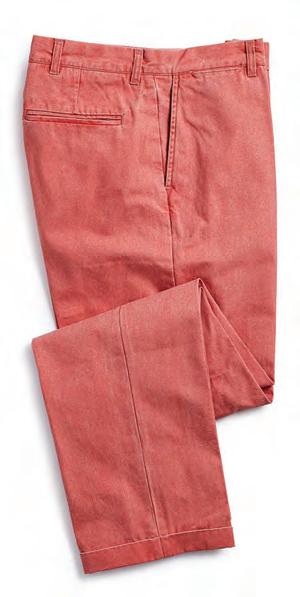

Murray’s Toggery Shop 62 Main St. | 508-228-0437 nantucketreds.com
At the top of Main Street on Nantucket sits Murray’s Toggery Shop. In the summer of 1963 Phil Murray began selling the now iconic Nantucket Reds™ made of a red cotton canvas cloth, meant to fade over time with wear. Interest and demand continues to grow for the faded red cotton items, originally inspired by the distinctive weathered sales that dotted the coast of Brittany, France.
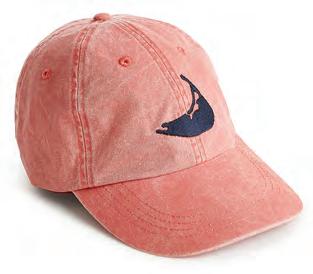
Stephanie’s 42 Main St. | 508-228-0624
stephaniesnantucket.com
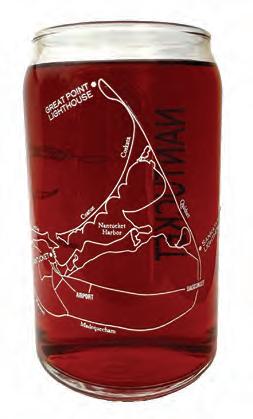
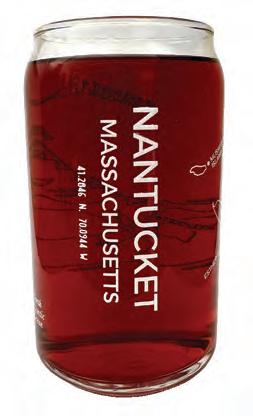
The Nantucket Map Glass, exclusively at Stephanie’s, is the keepsake that keeps giving. Enjoy a beverage in this classic beer-can-shaped glass featuring a beautifully detailed map of the island. It’s the perfect gift for anyone who loves Nantucket as much as you do.
Aunt Leah’s Fudge 16 Straight Wharf | 508-228-1017 auntleahs.com
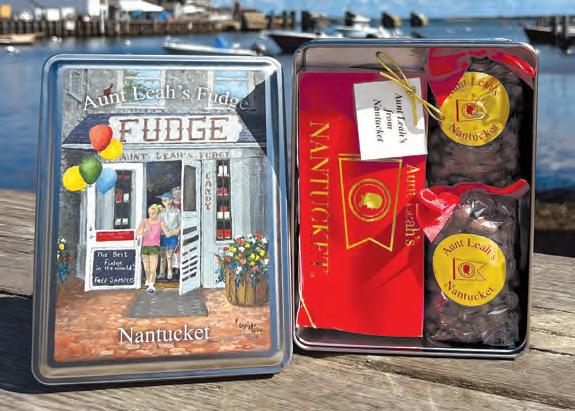
Celebrate the charm of Nantucket with Aunt Leah’s Fudge Summer Tin, featuring an image of iconic storefront. This elegant tin is perfect for gifting — or treating yourself! Tin may be filled with our legendary fudge, Native Nantucket cranberries covered in chocolate or other specialty treats.
Dippiton
508-332-6633 | 21 Appleton Rd. Nantucket, MA 02554
Heidi Weddendorf
Available at Erica Wilson, Artists Association of Nantucket 774-236-9064 | heidiweddendorf.com
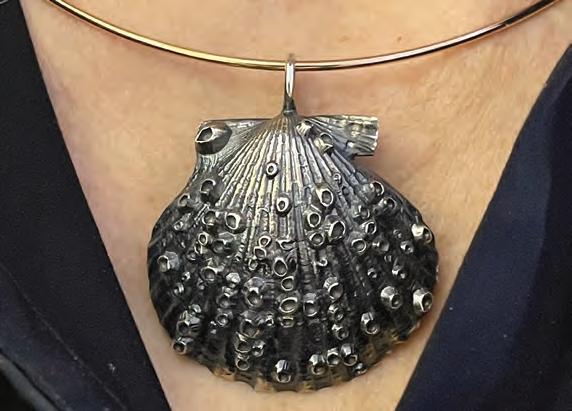
Heidi Weddendorf discovered this barnacle-flecked scallop shell while walking on Quaise Beach and knew it deserved a longer life. She cast it in sterling silver, then oxidized and buffed the surface to bring every detail to life. The result is a 2-inch pendant as textured and alive as the shore it came from. Available in antiqued or bright silver finish, it pairs beautifully with a neck ring, beads, pearls, or leather cord.

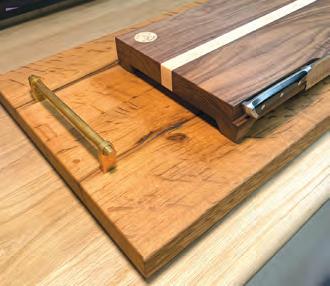
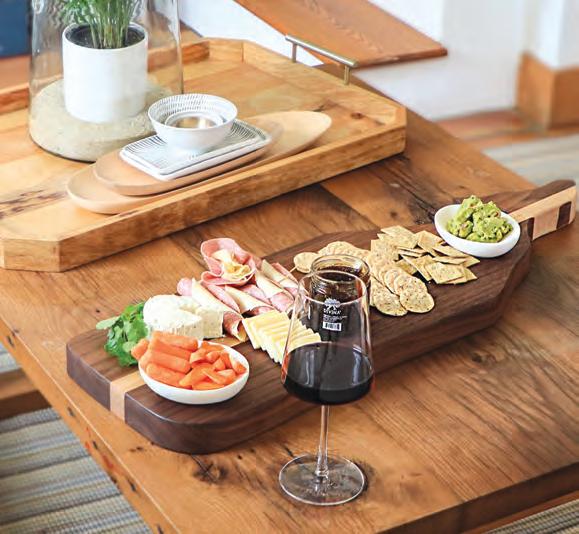
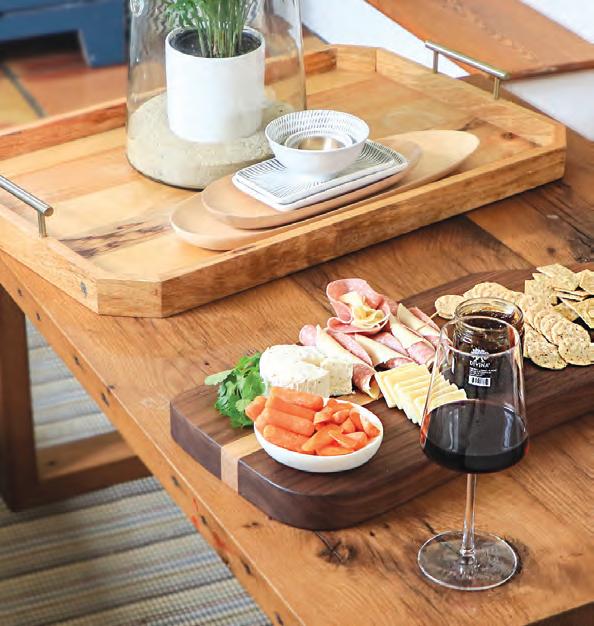
Handcrafted on Nantucket from maple and black walnut, Dippiton Woodwork’s cutting boards are built to earn a permanent place in your kitchen. Choose from a classic rectangular board, a sturdy everyday workhorse or the striking Nantucket Whale Cutting Board, whose hand-shaped silhouette makes it as beautiful on a table as it is useful on a counter. Every piece is finished with natural, food-safe oils.
Blue Beetle
2 Main St., Nantucket | 508.228.3227 bluebeetlenantucket.com
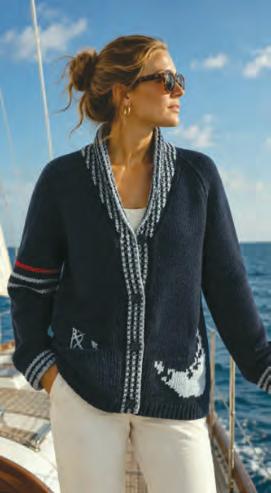
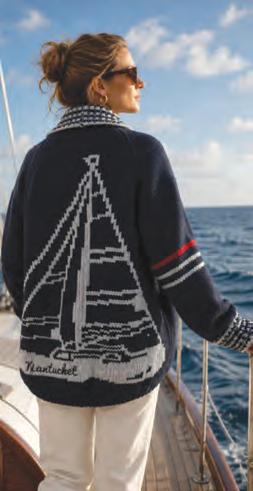
Our new Nantucket varsity cardigan is the perfect sweater for a summer evening and a great way to show your patriotic spirit. The back of the sweater features a light blue sailboat embroidered with “Nantucket” across the bottom, while the front showcases a light blue embroidered anchor coming out of the front left pocket and the shape of Nantucket Island on the right.
G.L. Brown Nantucket Lightship Baskets
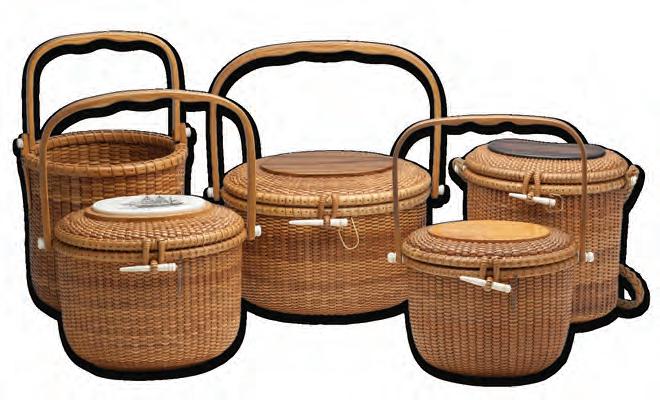
Available in Madaket by appointment 508-228-9344 | glbrownnantucketbaskets.com
A Nantucket tradition for more than five decades, Gerald L. Brown has long been recognized as one of the island’s most respected lightship basket makers. Formerly located on Old South Wharf, Jerry continues the tradition today, creating his signature baskets and offering custom orders, repairs and antique basket sales.
Grace Geier 16 Straight Wharf | Gracegeier.com
Stop by our family-owned shop this summer and enjoy a curated collection of cozy cashmere, vacation-ready attire and unique accessories. We are located in the Courtyard at 16 Straight Wharf.
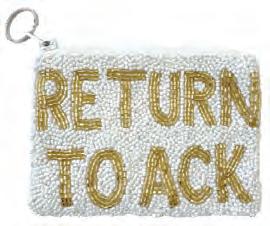
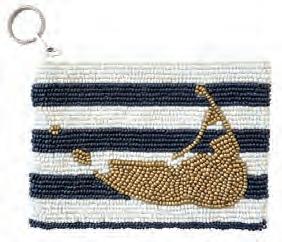
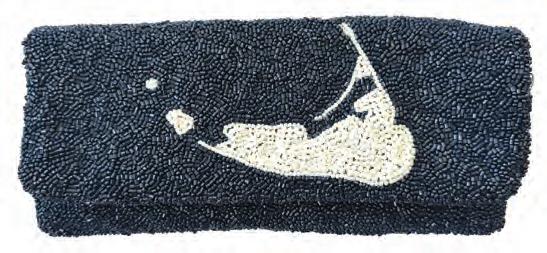
Nantucket Island Beaded Clutch
Made with a small interior pocket for cards and other valuables. Fits smartphone, keys and lip gloss. 100% handmade. 9.5” wide by 4” high.
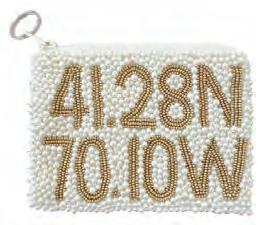
Beaded Coin Purses
This coin purse’s compact size and stylish color combinations make it a perfect, fashionable accessory for organizing essentials and daily use. A great reminder of the Grey Lady in your tote or hand bag! 100% handmade. 5” wide by 4” high.
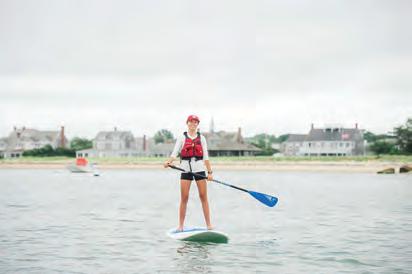
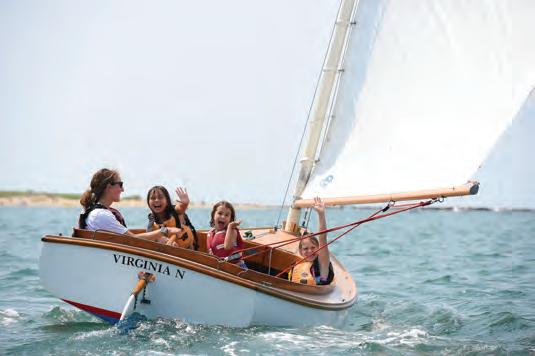
Stay for the day or purchase a season pass for the ultimate summer with Nantucket Community Sailing!

Toddler Lessons - $100
Youth Lessons - $200
Teen & Adult Lessons - $250
Single Kayak - $30
Double Kayak - $40
Paddleboard - $40
Sailboat - $175
Sailboat options include 420, Rhodes 19, and Marshall 15.
Join us for JSC Community Day
Experience free mini rentals and private lessons open to the community aged 2+ No experience or registration required
July 31 from 10 am4pm
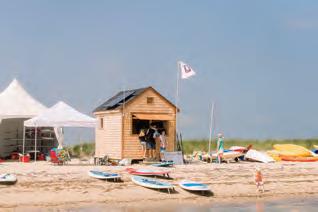


Nantucket Community Sailing | Jetties Sailing Center June 22- August 21, 2026 | Mon - Sat 9:30am - 4:30pm NCS Office: 508-228-6600 | www.nantucketcommunitysailing.org | @nantucketcommunitysailing

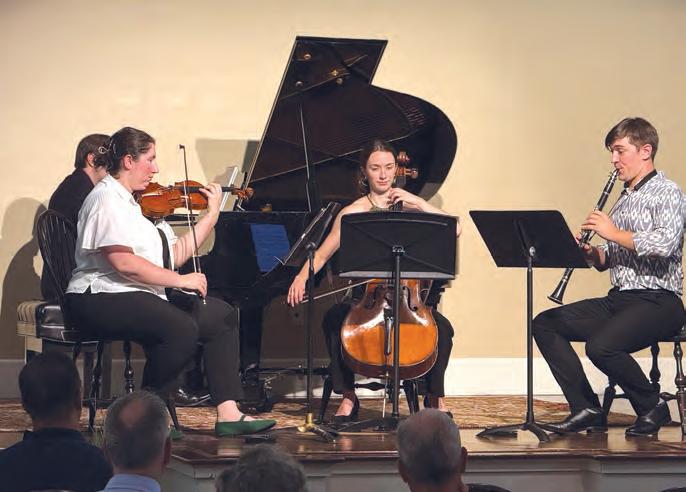


What is the Rossini Club offering this summer?
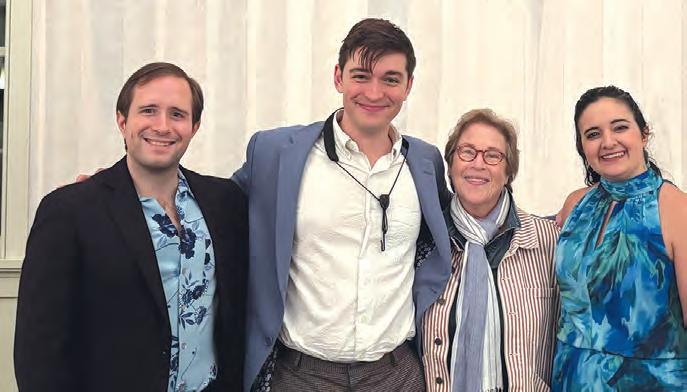
The Rossini Club invites audiences on a journey to the outermost edges of human expression — an exploration of the passion, resilience, and transcendent power of chamber music. The 2026 season, titled Ecstasy & Abyss, blends tradition with innovation, featuring works by Robert and Clara Schumann, Sergei Prokofiev, Ned Rorem, and more.
What are some highlights of the 2026 season?
The season includes Messiaen’s electrifying Quartet for the End of Time, Rebecca Clarke’s striking Piano Trio, Carl Nielsen’s deeply human Wind Quintet, and an original operatic production, Voices of Ecstasy, in which centuries of music — from Hildegard von Bingen to J.S. Bach to Gustav Holst — unfold into an unforgettable narrative.
Who is the featured artist this season?
Preeminent living Hungarian composer György Kurtág serves as featured artist for the 2026 season, on the occasion of his 100th birthday. Noted for his astonishingly concise works, his musical miniatures — sometimes lasting mere seconds — reverberate in emotional intensity long after the initial hearing.
What is the larger message behind this season’s programming?
With Ecstasy & Abyss, the Rossini Club shows how music can confront darkness, invite contemplation, and reveal enduring possibilities for hope, understanding, and connection.

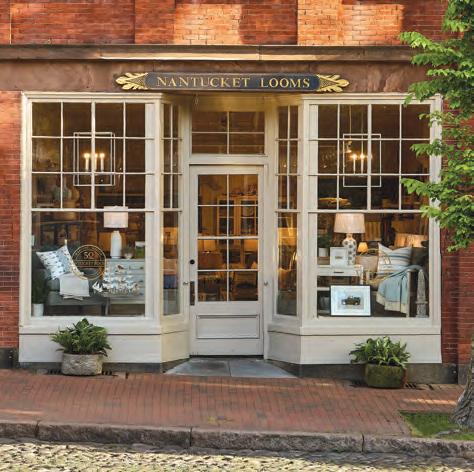
For more than five decades, Nantucket Looms has been introducing visitors and homeowners alike to the artistry, craftsmanship, and timeless design that have become hallmarks of Nantucket living.
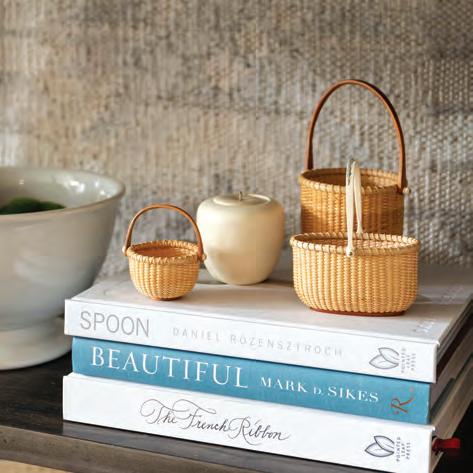
Founded in 1968 as a weaving studio, Nantucket Looms has grown into a destination for fine home furnishings, interior design, and handcrafted work by more than 75 artisans. The collection includes original paintings, photography, pottery, basketry, woodcarvings, and other works created by talented makers from Nantucket and throughout New England. Together, they reflect a region rich in artistic tradition and craftsmanship.
One of the most memorable parts of a visit is the weaving studio itself. Guests can watch skilled weavers transform all-natural fibers into beautiful textiles using techniques passed down through generations.

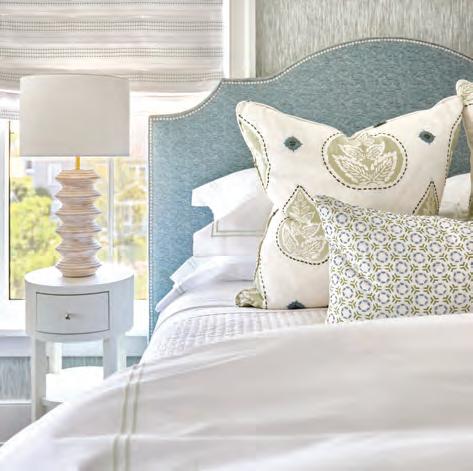
The sight and sound of the looms at work offer a rare glimpse into a craft that remains at the heart of the business.
Beyond the showroom, Nantucket Looms is home to a full-service interior design studio whose work can be found in homes both on and off the island. Inspired by Nantucket’s coastal landscape, rich maritime heritage, and enduring architectural traditions, the design team creates timeless interiors that balance elegance, comfort, and authenticity.
Today, Nantucket Looms continues to bridge the worlds of art, design, and craftsmanship. Whether searching for a one-of-a-kind piece, designing a dream home, or simply experiencing a cherished Nantucket tradition, visitors discover a place where creativity, quality, and enduring style remain woven into every detail.
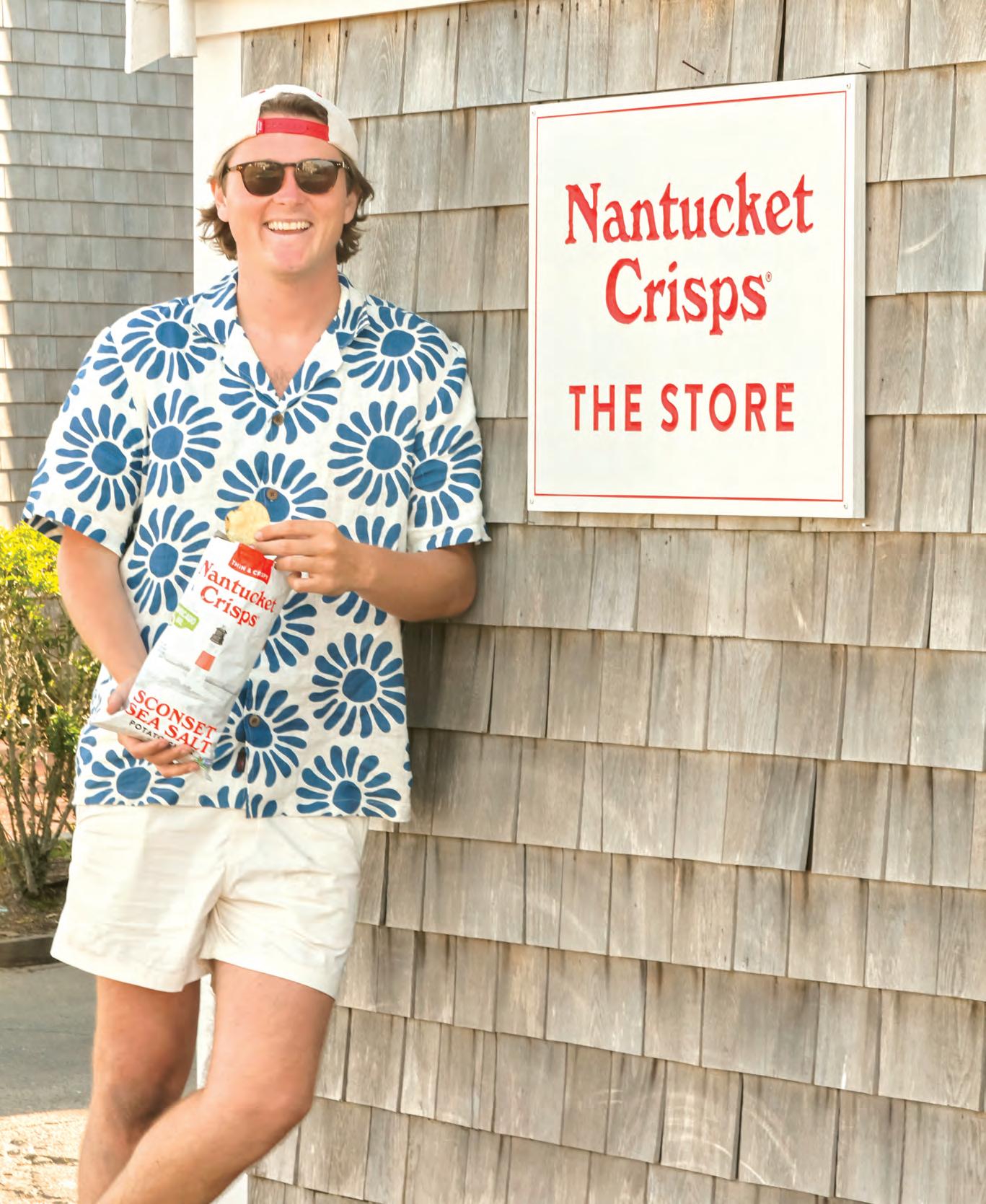
BY ANNA POPNIKOLOVA | PHOTOS BY PATRICK POWER
Hayden Arnot, founder of Nantucket Crisps and recently the Nantucket Music Foundation, launched this summer, is writing love letters to Nantucket. Without pen and paper, Arnot’s billets-doux have taken the form of potato chips and dad-rock bands.
“I never thought I’d be selling potato chips. It’s only because I love Nantucket so much, and this is my way of giving back. Nantucket Crisps was my love letter for the product to be enjoyed off-island, when you’re not here. And then my love letter on Nantucket right now is giving back by bringing the best artists I can for the community to enjoy,” Arnot said.
Growing up with the island, Arnot said his fondest memories were always rooted in music.
“It’s in the DNA of it all,” said Arnot, who calls the 1980s and 1990s, his dad’s concert days, the “yesteryears,” when the island was a hub for music. The Muse, especially, was an early stop for many of the biggest bands of the 1990s, perhaps most famously an early gig by the Dave Matthews Band in 1993 before it even signed with a record label. Over the years, however, Arnot witnessed the tradition slowly trickling out.
“We’re in a world where live music and small venues are dying every day and you’re never seeing them being revived. That’s what we’re doing here,” Arnot said.
Last summer, Arnot worked with The Muse owner Mike O’Reilly to bring music back to the iconic mid-island nightclub. Their efforts were not in vain. The venue indeed came back to life. The Muse’s summer 2025 lineup included popular 1990s and 2000s acts like The Spin Doctors, Stephen Marley, Mt. Joy, Sister Hazel, Wheatus, All Time Low and many others.
Unfortunately, as Arnot discovered, in the music business, especially on Nantucket, money’s tight. Finishing up the 2025 season, having put on a series of amazing shows for the community, at a loss with every one, he wasn’t sure if he could do it again.
“I walked away, like, I don’t know if it’s possible to really do amazing music on Nantucket. But then, at the backdrop of that, I had so many people on the island and locals being like, we love this, we can’t wait for next summer. Randomly I’d have people come up [and say] thank you so much for what you’re doing for the island,
and I’m like, I’m not a firefighter, I’m just bringing music out here.”
For the 2026 season, instead of throwing in the towel, Arnot decided to try a new approach. His new nonprofit, the Nantucket Music Foundation, is an attempt to bring out the same great bands, while relying on donations and underwriters to help make the events possible.
This way, Arnot said, he can do more to give back, like provide discounted tickets to essential workers, host free shows, give a percentage of proceeds to Fairwinds and even potentially host shows in the winter for year-rounders.
“It’s been really cool how much support it’s gotten, and how happy people have been to see The Muse come back to life and bring different people back together again. It’s everyone from The Fray, to Yellowcard, to The Head and The Heart, to Dispatch, who used to play the room back in the day, to Guster, who used to play the room back in the day. So, bringing them back is really unique,” he said.
The lineup for the 2026 season is bringing a lot of fan-favorites back, like All Time Low and Mt. Joy, alongside more favorites like Big Head Todd and the Monsters, Fountains of Wayne, Toad the Wet Sprocket, The Band Camino and others.
“A lot of the bands are coming right from MGM Music Hall, Leader Bank Pavilion, rooms from 5,000 to 20,000 people and we’re bringing them to The Muse, with a 375-max room, and we’re bringing this room back to life.”
– Hayden Arnot
“These bands like Yellowcard or Third Eye Blind, those bands were the soundtrack of my summer growing up. I find a lot of joy out of bringing these artists here, to our special place. They get to meet our special people that make this go around, they get to see why this place is so beautiful and what it has to offer, and we get to give something back to them, because they’ve made amazing music that has been the soundtrack of our lives.”

After bringing All Time Low to play on the island last summer, Arnot and the band began chatting about their childhood memories of New England, and the conversation ended with a new Nantucket Crisps All Time Low potato chip flavor:
“They’re from Maryland, they went crabbing as kids and I used to go crabbing, and “(we said) we could make a flavor out of this,” Arnot said.
In the island’s 2021 season of Nantucket Shark Tank, Arnot and his business partner Sara Jemison got on stage with their business pitch: inspired by other brands that started on Cape Cod, the idea was a Nantucket potato chip, each flavor carefully tailored to a unique part of island life.
“Going to the beach: sandwich, chips, drink, and that’s your day. One day during the pandemic on the beach, I was like, why the hell am I having Cape Cod chips? It’s owned by Campbell Soup. I thought, potato chips are a great blank canvas for creativity. You can tell so much with
flavor, you can do so much with packaging. So I thought, what if we did a company where every flavor is a different story of Nantucket?”
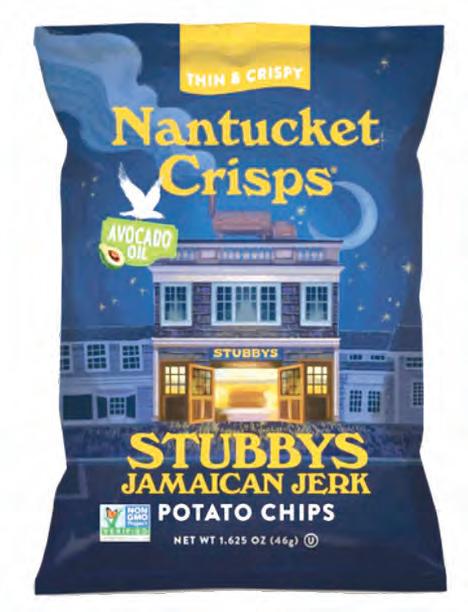
One of the company’s best-selling flavors, Stubby’s Jamaican Jerk, for example, tells the story of Jamaicans moving to Nantucket in the late 1990s. The island’s beloved Stubby’s opened with a Jamaican cook.
“He started cooking jerk chicken off menu, and it got so popular that everyone wanted it. All these bags are just amazing stories. If I could, I would have released 20 bags a year because I just want to tell the damn story of Nantucket, but I have to pace myself,” Arnot said.
With their idea, Arnot and Jemison won the blue ribbon: $10,000 to start the business. That was the genesis of Nantucket Crisps. Now, the colorful bags are everywhere, from Walter’s Deli to grocery stores from coast to coast. Winning the competition, Arnot said, was the kick he needed to take the company from a pipe dream to the real thing:
“When, like in high school, you go to do a pitch or something, you never win. You always get third place. But, we won. Then, everyone on island was like, we can’t wait for this to come out, and I said to my friends, oh shoot, I actually have to do this now.

You can kick the can down the road saying, it’s not ready, man, it’s not ready, it could take years,” he said with a laugh.
The thing about Nantucket, Arnot said, is when you pitch a product in September, you have to have it out by April’s Daffodil Festival.
“We spent the whole winter figuring out the flavors, the packaging, the nutritional, learning it all. We knew nothing about anything. By the skin of our teeth, we made our production run, and then it launched for Daffodil. We delivered door to door every day in my mom’s old sedan. I couldn’t even see out of the freaking window, it was just boxes everywhere. But, I wanted to go every day to Bartlett’s and Provisions and stock the shelves, and ask how do you like it? How can I help? Then distributors started picking us up,and they got bigger and now we’re in thousands of accounts,” he said.
Since starting Nantucket Crisps, part of Arnot’s mission has been to use the business as a platform to raise awareness for the North Atlantic Right Whale. Whale Jam is a concert series thrown by Nantucket Crisps and Cisco Brewers, the proceeds of which go to support whale and dolphin conservation efforts. The 2025 concert series brought out some great acts like Flipturn, Smallpools, Moon Taxi and others.
Potato chips and music may not seem to go hand in hand at first glance, but Arnot’s philosophy in approaching both businesses, no matter how different, is the same. All his work is inspired by his love for Nantucket, people, and telling stories.
“I would never have gotten into this if you told me I had to sell just a bag of chips that says Nantucket and nothing more, nothing less. Fun flavors and packaging, that’s not what it’s about. This is about storytelling. And us, we’re unconventional. We’re a freaking potato chip company as a store. People wearing potato chip merch. We’re throwing benefit concerts for whales. We do wild stuff. I’m trying to do something different and push boundaries, disrupt what the potato chip space looks like, because the potato chip space is boring,” he said.
“Potato chips are historically supposed to be the most fun damn thing in the world and they’re all owned by just big conglomerates. There’s nothing fun about a bag of Lays at all. I don’t mean to shame anyone, but it’s just not fun. When you pick up a bag of one of our flavors like South Wharf Cocktail Sauce and Seymour the Shrimp is on the bag, and it talks about old South Wharf and the flavor’s really good, it’s inspired by prawn cocktail chips in England,” Arnot said.
“Like there’s a story to be had. I got little kids running in my store, like, mom I want the shrimp chip. I’m like yeah, rock n’ roll. This is not about selling potatoes. It’s about selling a story and experience. That’s the same thing with the music. I like bringing people together. I like stories, I like packaging great things and having people enjoy it and coming together over things.”
Arnot understands islanders have a harder time accessing live music, especially during the summer months. Traveling to a concert, for many island residents, is just not practical, no matter how much they may love a band.
“Let’s say you live on Nantucket year-round and you want to see your favorite band in the summertime because that’s when summer tours are happening. You can’t, because your bread and butter season is the summer. So, we’re bringing these bands to you. If you have a job working, or you own a restaurant or a clothing shop, you can finish up and come over to The Muse and go see your favorite band,” he said.
In terms of ticket prices for local shows, even though he puts them on at a loss, Arnot said it’s very important to him that tickets stay affordable. Keeping prices in the $60 range, similar to what off-island venues would charge, means people of all different kinds can go see shows.
“We wanted to be in that range where it ends up being astronomically cheaper to see a band in your back yard than going to see them off-island,” Arnot said. “It’s a lot of moving pieces, but it’s worth it at the end of the day and it’s special. You know, bands like this don’t play rooms like this, ever.”
He doesn’t want the music foundation, Arnot said, to be “a flash in the pan.” Working with his team this summer, he hopes to build a lasting model for seasons to come. He is determined to crack the code of bringing great music to Nantucket, without breaking the bank. Meanwhile, as he expands his base for Nantucket Crisps, he hopes to build a great base for the company to thrive and retain its island spirit at heart, even as it expands.
“When I sell it, whatever year it is from now, I want to be able to look back and be like, those 10 years of my life, we built a brand that people love. We raised awareness, we created wacky flavors and shook up the potato chip industry. We created those core memories for those 5-year-olds on Nantucket going to Bartlett’s Farm with their family, buying a bag of chips and hanging out on the beach. What I want at the end of the day is to build some legacy that people have fond memories of their childhood about. That’s what’s key.”
Anna Popnikolova is a student at Harvard University, a former writer at The Inquirer and Mirror and a frequent contributor to Nantucket Today.

“And
us, we’re unconventional. We’re a freaking potato chip company as a store. People wearing potato chip merch. We’re throwing benefit concerts for whales. We do wild stuf f.”


alk into Dippiton Woodwork on any given day and you’re likely to hear music before you see the work.
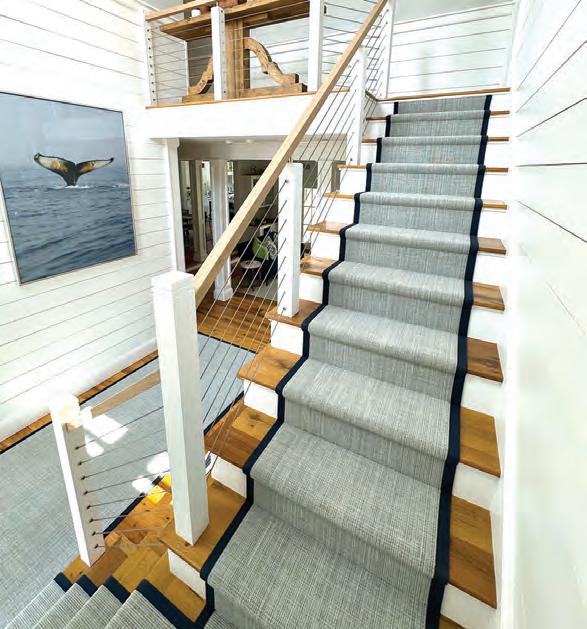
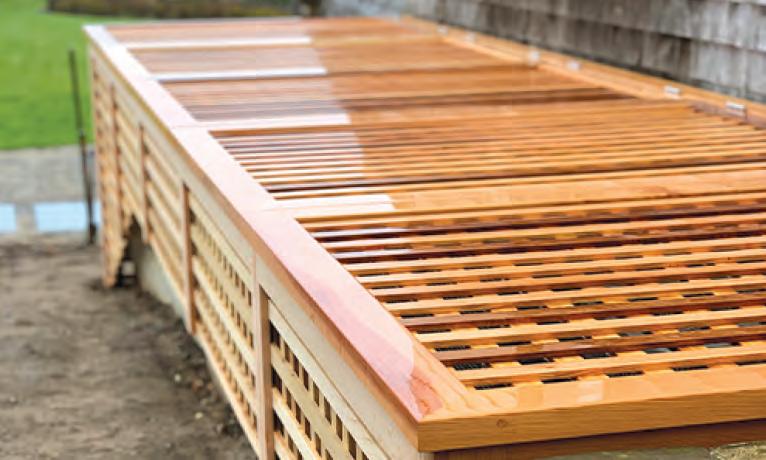
The sound of accordion-driven merengue típico fills the shop as sawdust drifts through the air and carefully selected hardwoods are transformed into cutting boards, cabinetry, furniture, architectural details, and one-of-a-kind custom creations. For owner John Dippiton, the music and the work spring from the same place: passion.

Born in the Dominican Republic and arriving in the United States in 2012, Dippiton has spent the last several
years building a reputation as one of Nantucket’s most talented woodworkers. Homeowners, builders, and designers have taken notice, drawn to a level of craftsmanship that feels increasingly rare in a world of mass production.
“Everything we do, we do it the right way,” he said. “We put a lot of love into it. When you see our boards, it’s like a piece of art. Nothing is perfect, but we try to get it perfect.”
That pursuit shows up in every project, from custom millwork and architectural woodworking to the handcrafted cutting boards that have become one of the company’s signature products. Celebrated for both their beauty and durability, the boards have earned a devoted following on the island. In over four years of business, not one has come back with a problem.

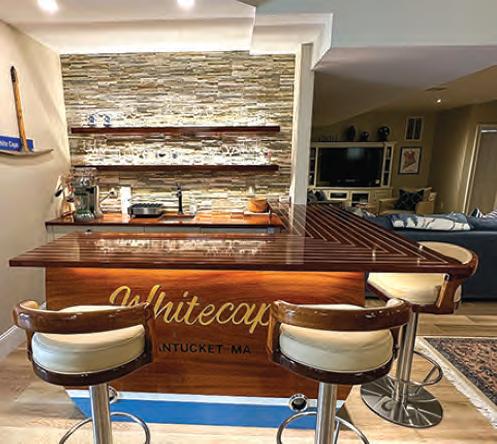
Recent work includes a replacement sign for the Nantucket Whaling Museum, completed under a tight deadline and impressive enough to earn a second commission. A custom veneer library on Darling Street and a boat stern-inspired bar on Hedgebury Lane speak to the full range of what the shop is capable of.
The work blends old-school technique with modern technology. Hand tools and chisels share space with CNC equipment, allowing Dippiton to deliver both precision and efficiency without giving up the handcrafted quality that defines every finished piece.
This summer brings new directions. An online store is launching soon, retail placement beyond Nantucket is in the works, and a new YouTube series called “Day Off, Time to Cook” will feature Dippiton preparing traditional Dominican recipes alongside the cutting boards and products made right in his shop.
“You always have to keep dreaming,” he said.
For Dippiton, the most rewarding moment still comes at the end of every project, when a customer sees the finished piece for the first time. That reaction, he’ll tell you, is the reason he keeps building.
508-332-6633

BY KENDALL GRAHAM
Imagine you are 10 years old, hanging out with a friend outside your family’s nightclub. You want to peer inside to see what the band is doing, what the crowd looks like, how excited everyone already is, but you’re not tall enough to reach the windows you’ve probably been told to stay away from.
You watch your father and his bandmates set up on the stage. You want to do what he does. You want to be like that. Moving crowds, expressing yourself, creating sound and connection and meaning with a guitar and some rhythm.
You and your friend come up with an idea to stack milk crates, one atop the other, so you’re tall enough to see what’s happening in there. The band begins to play. The crowd begins to move.
What you see when you watch that synergy unfold, and start to understand exactly what is happening in this exchange, inspires a feeling so strong that you vow to devote your life to the pursuit and practice and heartache and joy of it all.
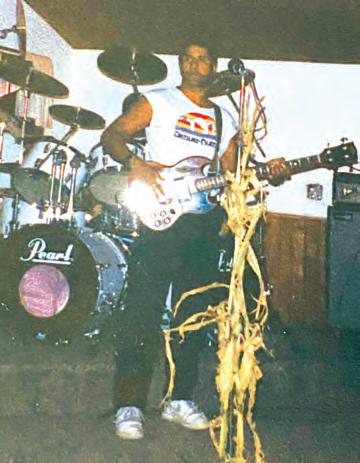
As a kid, those evenings spent just on the fringes of the Thirty Acres nightclub set the stage, pun intended, for Nantucket native and longtime musician
Julian Stanley’s lifelong career as a bassist and songwriter.
“When my dad would perform around the island, my mom would take me to hear him play,” he said. “I can remember being 8 or 9, going from table to table, saying ‘That’s my dad up there, I’m going
PHOTOS
to be a bass player just like him someday!’ It was such a thrill to look up and see my father playing, and that’s what I wanted to do,” Stanley said earlier this summer.
Stanley was born and raised on Nantucket, the eldest of nine children born to the late island musician and power-plant worker Gerald “Jerry” Stanley and the late island matriarch Mary Stanley.
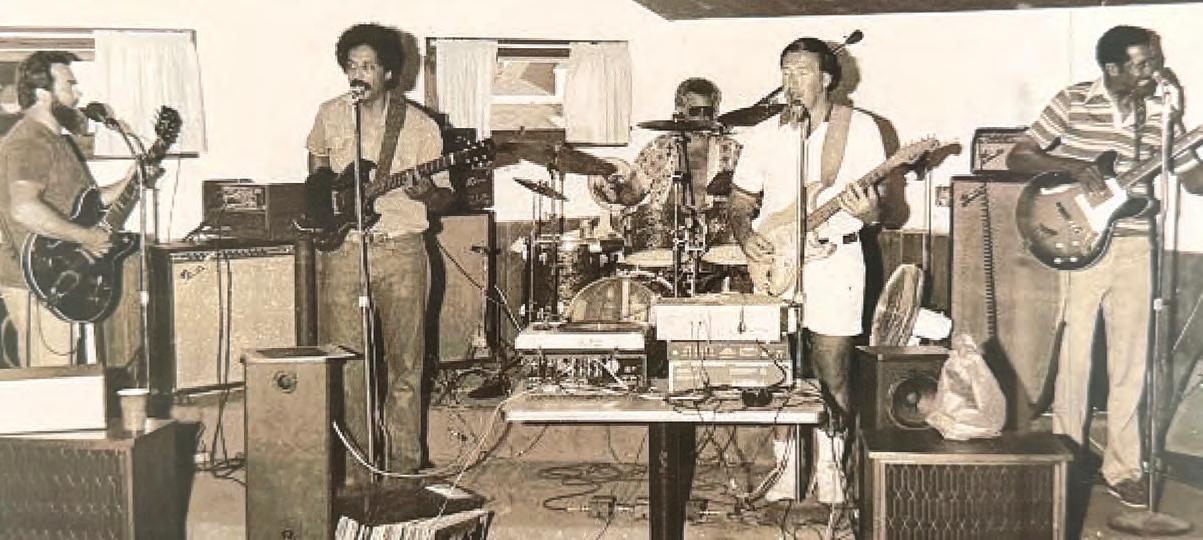
Jerry’s band, which performed without an official name, was considered the house band at Thirty Acres, playing regular shows to eager crowds of familiar faces and summer visitors.
Music was not some distant dream for Stanley. It was in the house, in the family, in the rooms he grew up around. It was there in his father’s hands, in the crowds at Thirty Acres, in the sound coming through the walls when he was still too young to be allowed inside.
By the time Stanley was old enough to step onto a stage himself, music had already become something larger than performance. It was memory, family, discipline, instinct and community all wrapped together. It was also something he would carry with him into nearly every chapter of his life, including some of the hardest ones.
Stanley served as a marksman in the U.S. Army’s 25th Infantry Division during the Vietnam War between 1967 and 1969. He was drafted in early 1967, completed an eight-week advanced infantry training course, then got leave home before shipping off to Southeast Asia that summer.
After leaving Vietnam in late summer 1968, he finished the remainder of his service at the U.S. Army Aberdeen Proving Ground in Aberdeen, Md.
Even then, even in the middle of war, music found him.
During a 10-day R&R in Hong Kong, Stanley was able to sit in as a session musician with a local band that played the Beatles, Rolling Stones and other popular rock acts of the 1960s.
During short stays back at base camp in Vietnam to clean weap-
ons and bathe properly, Stanley found a moment or two to play at the base’s Enlisted Men’s Club.
“It was like heaven for me, because I’d been out in the jungle so long,” he said. “We weren’t at base camp that often, but when we were, it was like two days. We’d be out in the jungle for 30 or 40 days, come in, then go back.”
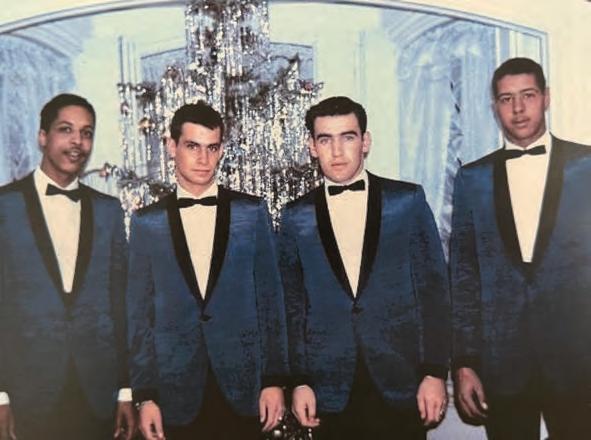
Back in civilian life, Stanley, along with his younger brother and fellow musician Neil, played parties and clubs around the island for years under the name Wall of Fame.
“We did that until May of 1981 when our record came out,” Stanley said, referring to a 45 featuring the songs “Twilight Zone,” written by another island musician, Robert Van Arsdale, and “Coming Around for You,” written by Neil Stanley.
“I just never stopped playing the whole time,” he said.
The reason, to him, is simple.
island at the time to have both indoor and outdoor bars, and was one of the first live-music establishments created by people of color on Nantucket.
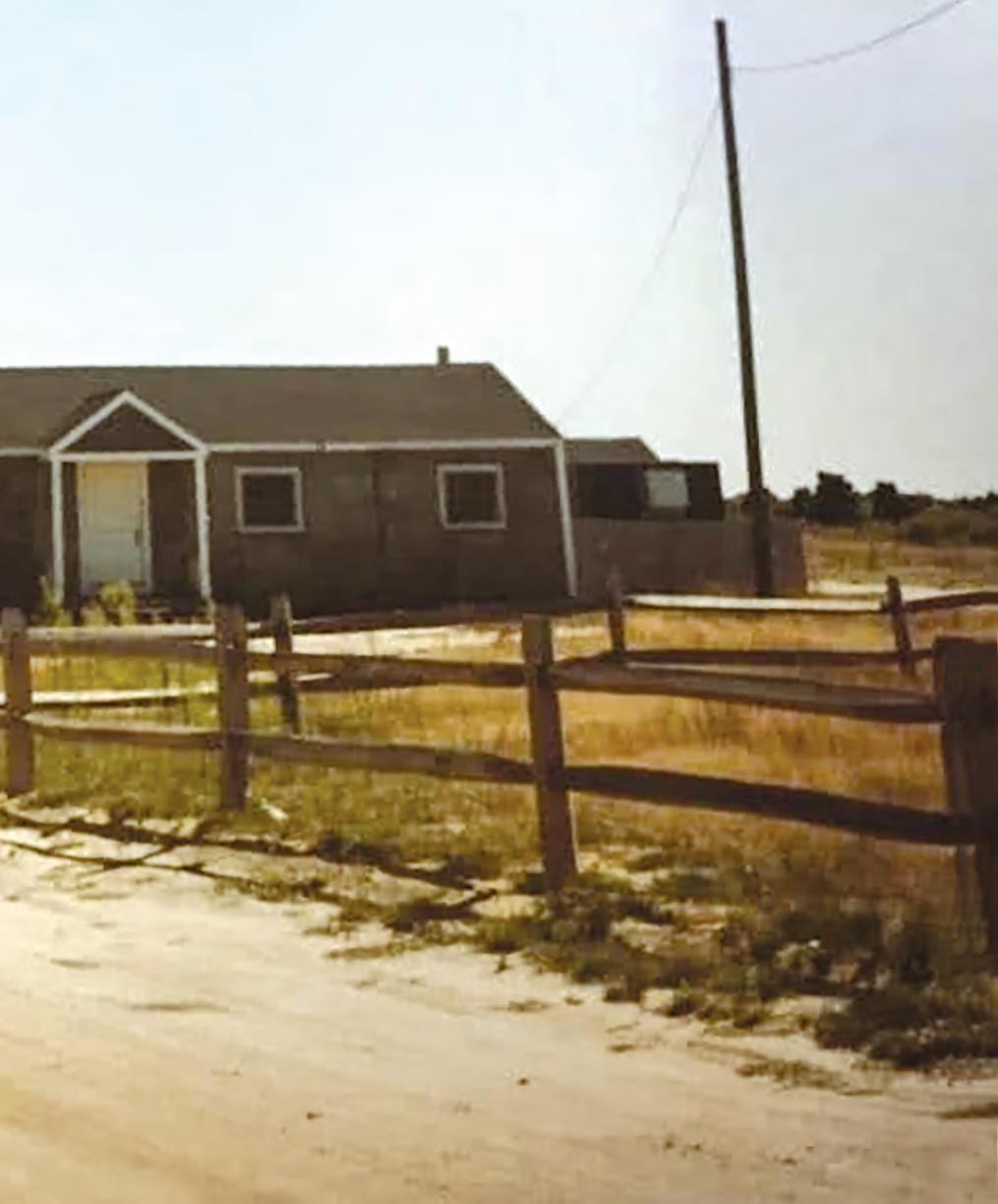
Situated just off Bartlett Road in the mid-island area, a winding dirt road brought you to a long, squat building on what was previously farm land owned by the Perry family. There was no proper sign identifying the place, giving it both an air of exclusivity and a hole-in-the-wall kind of grit.
That sense of community was not incidental. it was the engine of the place.
Thirty Acres was not just a stage and a bar. it was a room where people came to be together, to dance, to listen, to belong.
“It’s something I couldn’t do if I tried,” Stanley said. “You love something so much, and that’s just what happens.”
To understand Stanley’s life as a musician, it is impossible to separate him from Thirty Acres, the nightclub built by his family that became one of the island’s defining live-music spaces.
The building was put up in early 1957 by Stanley’s grandfather, Joseph Perry. It was part restaurant, part bar, part nightclub, all entertainment.
Perry’s wife Edith ran the kitchen. It was the only place on the
For Stanley, the place was both family inheritance and artistic birthplace.
“My friend Biffy (the late Shelby “Biff” Campbell) and I were 10 at the time and too young to get in to see the bands, so we would stack milk crates outside and look in and watch the bands,” Stanley said.
The venue saw early era-defining rock and roll groups like The Drifters, The Platters and the Everly Brothers grace its stage. By the mid-1960s, heavy rock bands were rising fast, and the place would soon become part of hard-rock lore.
The Canadian band Energy was in the middle of a set when the power went out because of an overworked air-conditioner and the power draw from the band’s equipment.
Drummer Corky Laing continued playing for over an hour to keep the audience entertained. He came up with some on-the-spot lyrics after seeing a pretty Southern woman dancing in the crowd. She became the titular “Mississippi Queen,” and the rest, as they say, is history.
Stanley’s uncle David Perry, a musician who toured as a guitarist with Laing’s subsequent band, hard-rock pioneers Mountain, took
over booking duties from the late 1960s through the 1970s.
Island band The Dionysians were a staple at Thirty Acres in its heyday. The band included Vaughan Machado, Perry, the late Nick Ferrantella and Campbell.
After Campbell died in 1998, the Dionysians re-formed with Stanley replacing him on bass. They performed several tribute concerts in Campbell’s memory, first in October 1998 at the Sconset Casino and again over the next two years.
Stanley first played at Thirty Acres when he was 17 years old.
“I believe that was probably the first place I ever played in public,” he said.
It was not effortless at first. He was young, nervous and still learning how to hold his place in front of a crowd.
“Being a kid at 17, you know, you’re nervous up there and you’re just hoping you don’t mess up and that you know what you’re doing,” Stanley said. “It was nerve-wracking and it was wonderful. That was my beginning.”
Before that, Stanley had never played to a crowd larger than about 10 people.
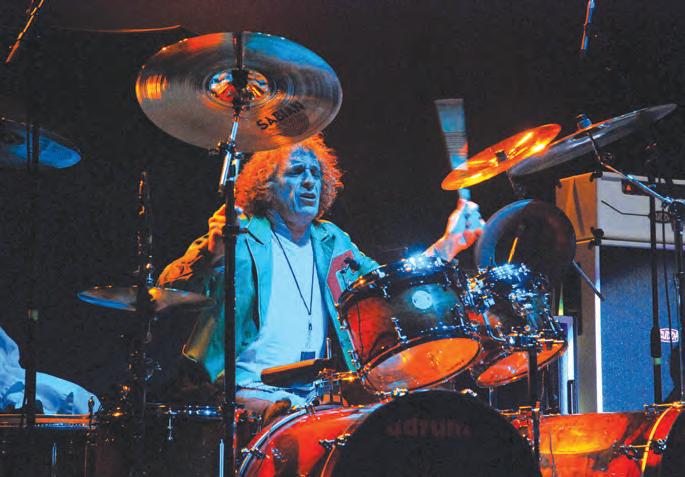
“It was great, I kind of cut my teeth on it at Thirty Acres,” he said. “It started in 1957 and now I’ve been playing for 69 years.”
It took him two or three years to shake the stage fright.
“When you’re young, you’re always wondering what people think of you, and I always thought, ‘Please don’t mess up,’ but then after you’ve done it so much, it’s second nature,” he said.
Stanley has played in so many places he can’t recall them all. In addition to Asia, his musical life has carried him through at least three corners of the United States, including California, Florida, Massachusetts, Baltimore and New York City, as well as Canada.
But while music was his life, it was not always his profession.
Stanley began painting houses at 15 and spent 60 years doing it. He has been retired from that work for 15 years now.
“I hated painting when I was young, and I ended up doing that for a living,” he said.
He worked nearly 10 years for the First Winthrop Corporation, the Boston-based real estate firm that originally owned the White Elephant hotel, and later for himself with his own small crew.
“That was my profession. My life is bass, but my profession was house-painting,” Stanley said.
It is an important distinction. Painting paid the bills. Bass gave shape to everything else.
Laing, who toured the world with Mountain and continues to play gigs most of the year, speaks about Thirty Acres and late-1960s Nantucket with the reverence of someone permanently marked by the experience, and says there is a unique gravitational pull to the island.
“It’s a magnet for a lot of musicians, even still, because once you get there, the vibe is very, very authentic, there’s no BS,” Laing said.
“Everybody was painting and creating, it was quite inspiring, so there was no choice but to collaborate,” he said. “Nobody in those days left Nantucket without being a changed person in some way, shape or form.”
Laing had driven down from Canada with Energy and first journeyed to Nantucket on the promise of summer gig work.
“I jumped at the chance, and we drove that night to the ferry,” he said. “It was all foggy, and it looked like we had landed in Disneyland because of all the cobblestone roads around. We woke up the next day and heard about this place called Thirty Acres.”
When the band arrived, the setup was humble but had a unique character.
“We walked in and started setting up, and it just said ‘Shack,’ there was no proper sign, and I remember looking at the guys and saying there’s no sound system, just a speaker,” Laing said. “And our dressing room was in the kitchen in the back of the place.”
Laing said the band was often pressured in those days to play pop songs rather than the hard rock for which they were known.
“We had gotten fired before because we didn’t play the pop songs, so that was the whole thing that we loved about Thirty Acres,
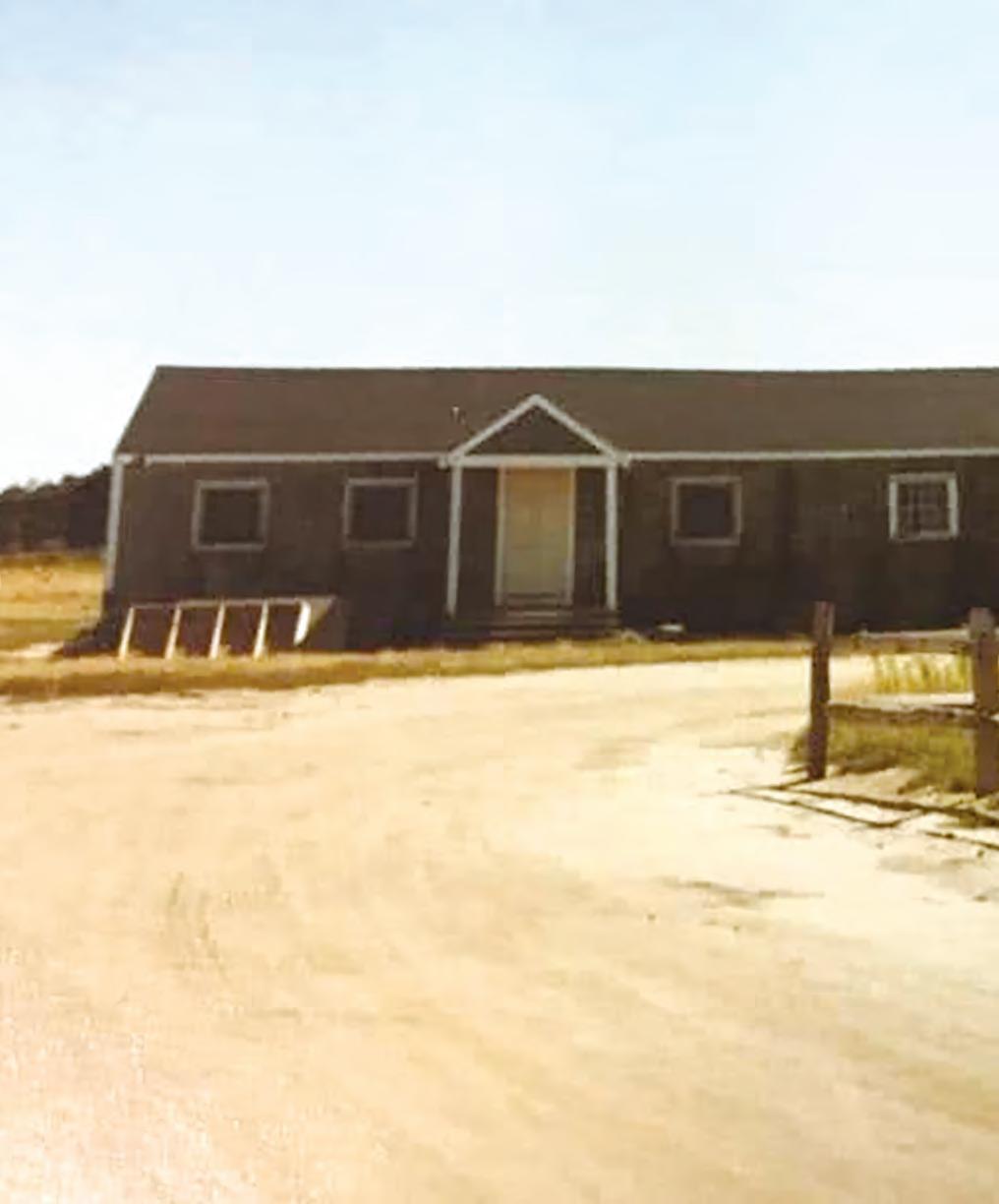
that we had the freedom to do whatever we wanted, and that was wonderful,” Laing said.
For Laing, the time he spent on Nantucket during the Thirty Acres era gave him access to a kind of undiluted creativity.
Asked once how much his music was influenced by the island, he did not hesitate.
“I told them all of my personal inspiration came from Nantucket,” he said.
Thirty Acres mattered not only because of who played there, but because of who felt welcome there.
“Yeah, it was a comfortable place for people of color, you know,” Stanley said.
“It meant a lot personally to have this place on the island that belonged to my family, watching my father play bass on these stages, then getting to do the same thing myself,” he said.
“Seeing people enjoying the space, and having a space where Black people and people of color, and people of all kinds, really, could enjoy community together, was wonderful.”
That sense of community was not incidental. It was the engine of the place. Thirty Acres was not just a stage and a bar. It was a room where people came to be together, to dance, to listen, to belong.
“That’s kind of how I grew up to be in bands, you know, that was the early part for me,” Stanley said. “It took me maybe three or four years to even be able to play with other people because I was terrible the first couple of years, man.”
“But like my mother said, ‘You stick with it,’ and I did, because it was my love,” Stanley said. “It still is.”
For Stanley, music has changed plenty over the decades, but rock and roll itself has remained fundamentally steady.
“In my opinion, rock and roll is consistent,” he said. “The bands change, some of the tunes change, but it’s like they say, it’s still rock and roll.”
In addition to rock, Stanley can play jazz, blues, country and “a little bit of everything,” he said.
“After 69 years of playing bass, I ought to, you know, that’s how I see it,” he said.
Stanley described his approach to playing with the clarity of someone who has spent a lifetime listening as much as performing.
“I play for the song, and anybody who’s been playing for a long time will tell you that, whether it’s blues, jazz, hip-hop, country, whatever,” Stanley said.
The bass, in Stanley’s hands, is about finding the center of the song and holding it there.
“For country, you have to lighten up, and it’s more single notes bass-wise, and rock and roll there are more intricate riffs and runs,” he said. “Like when I play with Corky, it’s a lot of heavy stuff to learn.”
Stanley and Laing have performed together for several years

on the island as part of an annual summer concert series celebrating Laing’s extensive discography as part of the bands Mountain, Energy, West, Bruce & Laing and as a solo artist. Alongside a cast of other island musicians, the two will host the fourth iteration of their concert in August at the Dreamland.
After nearly seven decades with a bass in his hands, Stanley still talks about music the way some people talk about first love: with gratitude, curiosity and a touch of disbelief that it ever found him in the first place.
The milk crates are gone. The nightclub exists now only in memory. Many of the musicians, family members and friends who shaped those early years are gone as well.
But Stanley is still here, still chasing the same feeling he first discovered as a child looking through a window at a room full of music.
For him, the magic was never really on the stage. It was in what happened between the people gathered around it.
Kendall Graham is the editorial assistant at The Inquirer and Mirror, and writes the MusACK column for This Week on Nantucket. She is a regular contributor to Nantucket Today.

BY KENDALL GRAHAM
Answer one question for me: is live music the greatest thing in the world, yes or yes?
There’s an extraordinarily singular thing about witnessing musicians doing what they do best: moving us, opening our eyes to new styles and new sounds. The experience extends well beyond entertainment by bringing together different types of people for the common purpose of community.
Nantucket’s music presence regionally and nationally is small but mighty. We get legacy acts, we unknowingly witness the births of new and rare talent, and if we keep our minds open for just long enough, we dis-
cover something that moves us enough to soundtrack the seasons of our lives.
The scene out here trends a little heavily toward rock and many of its “subgenres,” which is my wheelhouse, but it is also not a laborious effort to find music outside that sphere.
I will admit my experience with live music on the island is a little ironic: It is one of my all-time favorite activities, but I also get overwhelmed in large groups pretty quickly. Crowds and I are old adversaries most
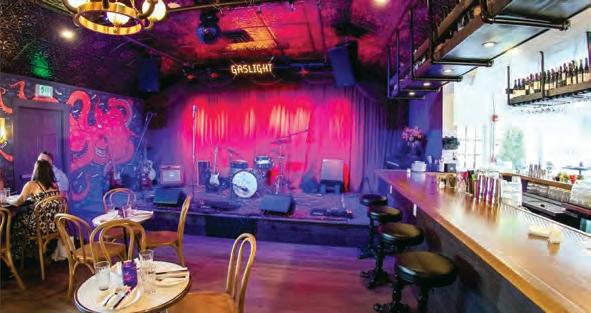
The Gaslight | 3 North Union St. www.gaslightnantucket.com
If Nantucket has a spiritual home for rock music, it might be The Gaslight. The stage area is relatively intimate, but the room rarely feels claustrophobic, even on busy nights. The venue leans heavily toward rock and its many offshoots, making it a reliable stop for anyone who prefers guitars, distortion and a little volume.
I’ve become a fan of more than one band that’s played here over the past few years. New York City’s Pan Arcadia is cool, and I’m very excited to see The Saint Cecilia next month, who hail from Costa Rica and are bringing something psychedelic and throwback-tinged to the table.
The venue’s karaoke nights deserve mention as well. Whether you’re brave enough to take the microphone yourself or simply enjoy cheering on strangers as they throw caution to the wind, the energy is infectious. When you need a breather, the outdoor patio provides a welcome escape from the action inside.
of the time. But when we’re all facing the same way, watching the stage with fluttering anticipation, I have never felt more at home.
What follows is a casual guide to Nantucket’s main live music venues: what you might experience in each environment and what music might appeal to you.
While all these spots could stand to diversify their lineups a bit, I recognize that this involves conversations about effort and scope that are too complex to outline solely on the page.
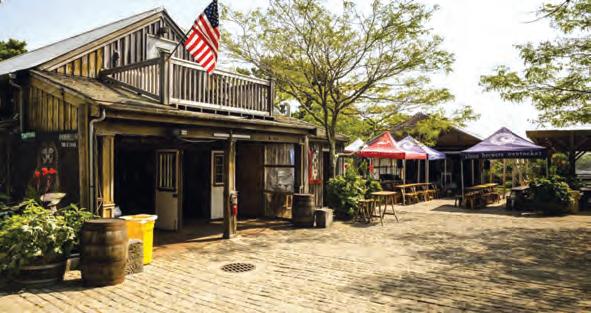
Cisco Brewers | 5 Bartlett Farm Road www.ciscobrewers.com
Few places on Nantucket offer the variety of Cisco Brewers. Depending on the day, you might find yourself watching a full-band rock show like Winyah, Angelus Hall or Steve Rondo; a strippeddown singer-songwriter set from Landon McNamara or Maddi Ryan; an electro-pop dance party like Smallpools or something in between.
The venue’s ability to accommodate wildly-different musical styles is one of its biggest strengths. The one time I’ve had to wait in line for a ticketed event, it moved quickly.
Cisco’s outdoor setting plays a major role in the experience. Open air picnic tables and food trucks create an atmosphere that feels equal parts concert venue, community gathering space and summer tradition. You will be spoiled for choice of adorable dogs, who are welcome while leashed. The venue is also surprisingly easy to navigate given its popularity. Multiple bars help keep lines moving and the layout prevents the space from feeling overly crowded even during busy events.
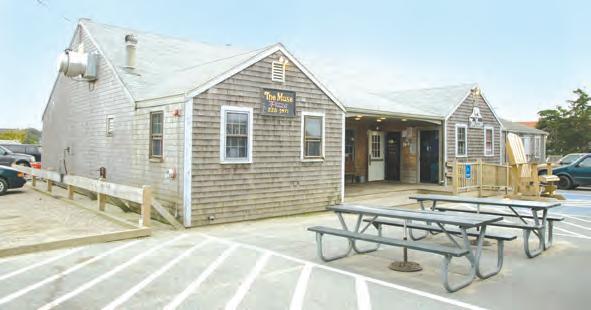
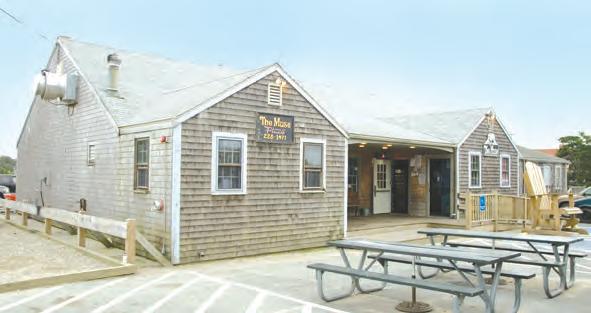
The Muse | 44 Surfside Road
www.themusenantucket.com
The Muse is undergoing something of a renaissance moment for live music. While the venue has long been part of Nantucket’s entertainment landscape, last year saw it reemerge as one of the island’s most ambitious concert venues. This is thanks in part to entrepreneur Hayden Arnot (Nantucket Crisps, the new nonprofit Nantucket Music Foundation) and his ability to book anyone from classic 1990s and 2000s alt-rock bands like Everclear, Better than Ezra and Toad the Wet Sprocket to pop-punk darlings The Maine and New Found Glory to folk- and psychedelic-adjacents like The Head and the Heart and Dope Lemon and pop songstresses Natasha Bedingfield and Jojo, both this month.
I’ve been to a sparsely-attended pop-punk show (The Paradox, out of Atlanta, whose Gen-Z members refer to themselves half-jokingly as “Black-182” and are pretty good at what they do) and many packed summer DJ sets (the incomparable Latin Night), and had the same amount of fun at each (a lot).
The Muse has been around for decades, but its first musical high point was probably the early 1990s, about the time the Dave Matthews Band recorded part of its first-ever live album at the venue. The food, available next door, with a take-out window peering into the actual club, is mostly very good, if you don’t mind a wait.

Some venues become institutions because they’ve earned the title, and The Chicken Box is one of them. Since opening in 1949, the venue has remained one of Nantucket’s defining live music spaces and one of the first music clubs on the island established by people of color.
Today, the Box is best known for the high-energy atmosphere that takes over during the summer season. It currently tends to favor cover bands and “party” bands, which are technically the same thing but marketed differently by the individual act.
Some cover acts I’ve had particular fun seeing are Seven Day Weekend and Pop Disaster, and outside of that, Felly and Andy Frasco & the U.N. were very good and incredibly energetic. Box shows run the gamut from covers to alt rock to reggae to country and the occasional EDM DJ.
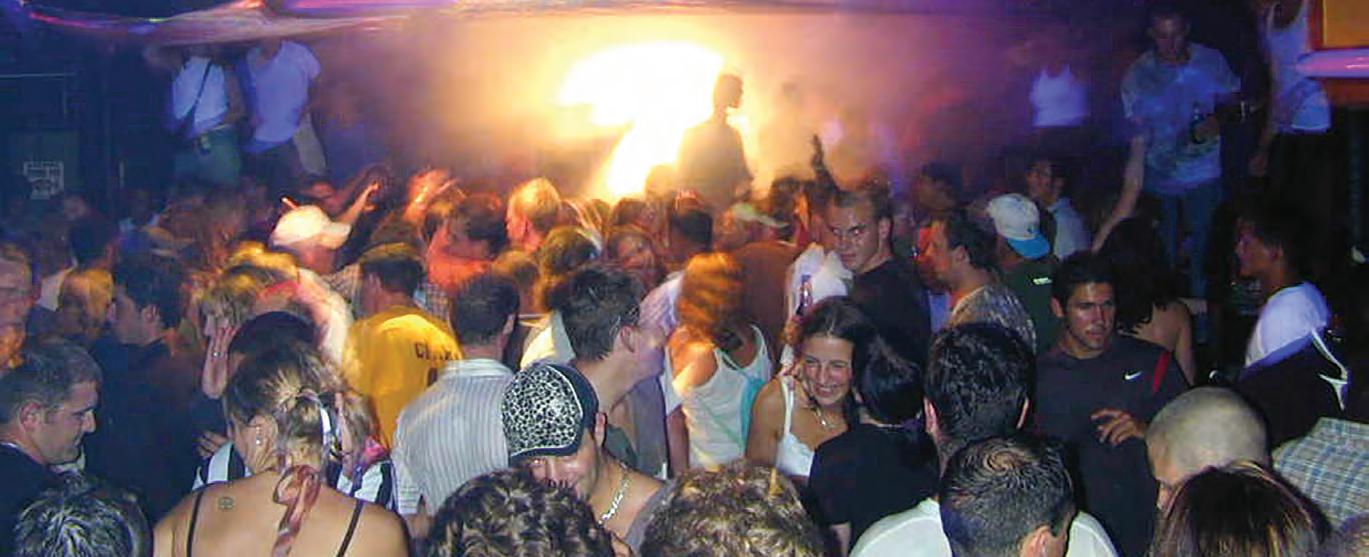
What separates The Chicken Box from other venues is the feeling that anything could happen. Even when it gets so packed you can’t move, and the only way is to release yourself to the autonomous sway of the crowd, now a living creature, it still feels like something special is happening to you. It is often loud and chaotic, but that’s part of the charm.
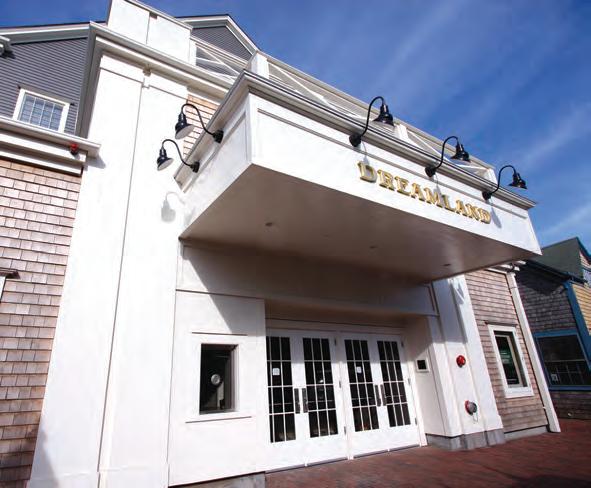
Dreamland | 17 South Water St. www.nantucketdreamland.org
The Dreamland has multiple options for catching live music, and each space offers a slightly different experience and a musically-diverse slate of concerts and performances.
The main theater can seat about 300, and has hosted a cappella pop outfits like Five O’Clock Shadow, rock bands like Wilderado and Mountain’s Corky Laing and all manner of singer-songwriters from Michael Marcagi to Chelsea Cutler.
The studio theater can hold about half as many, and has wonderful acoustics for anything soft, folky or ballad-tinged, like Vanessa Carlton and Creeque Alley, while the Harborview Room and terrace can hold around one-third of the main theater and appears to pivot easily between all of these musical styles. Its regular summer DJ sets have become stuff of local legend.
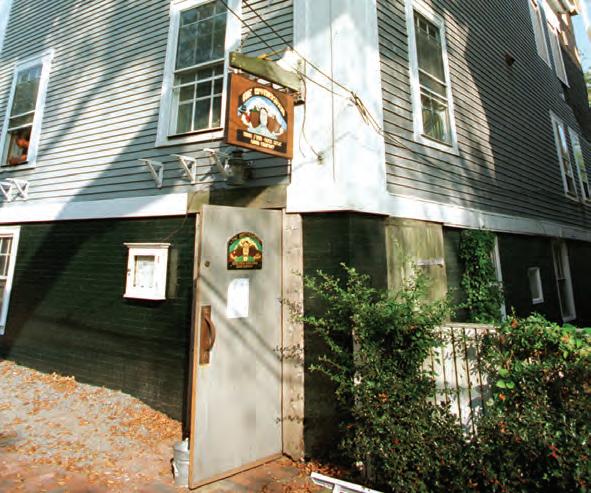
Upstairs at the Brotherhood of Thieves | 23 Broad St. www.brotherhoodnantucket.com
Tucked above one of Nantucket’s most recognizable restaurants, the Brotherhood of Thieves offers a live music experience built around intimacy. Most shows here skew acoustic, with performers tucked neatly into the corner of the upstairs room while diners and listeners settle in around them.
The Brotherhood also serves as an interesting complement to Cisco Brewers. Musical acts often seem to jump between the two spots in their Nantucket schedules. If an is act is playing Cisco in the afternoon – it closes by 7 p.m. – it may very well play the Brotherhood at night. This means you might be able to see both a full-band style concert and a stripped-down, acoustic gig from the same folks, sometimes on the same day.

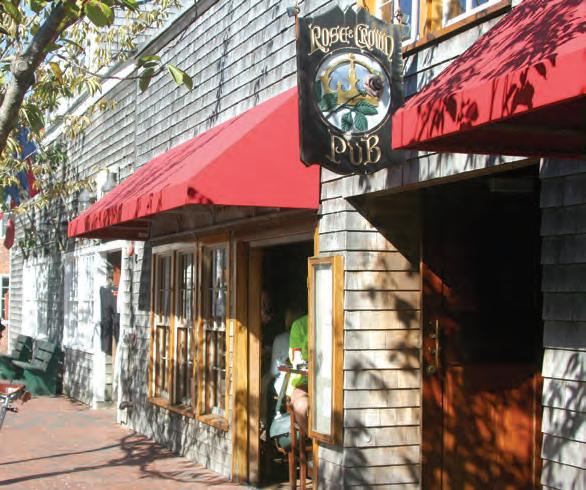
The Rose & Crown | 23 South Water St. www.theroseandcrown.com
If you are looking for some easy-listening, singer-songwriter music to accompany a meal or a drink, and to provide a slight buffer to the constant chatter of outside activity in the middle of downtown, I would call the Rose & Crown the best place for that. It’s the kind of place where live music enhances the experience rather than dominating it, making it equally appealing to dedicated music fans and casual listeners.
This is another of Nantucket’s venues that trades off between musical performances and karaoke nights for live entertainment. What The Rose & Crown may lack in theatrical production or largescale concerts, it makes up for in accessibility and location. You can easily stop in for a drink, stay for a set, and find yourself lingering longer than you planned.
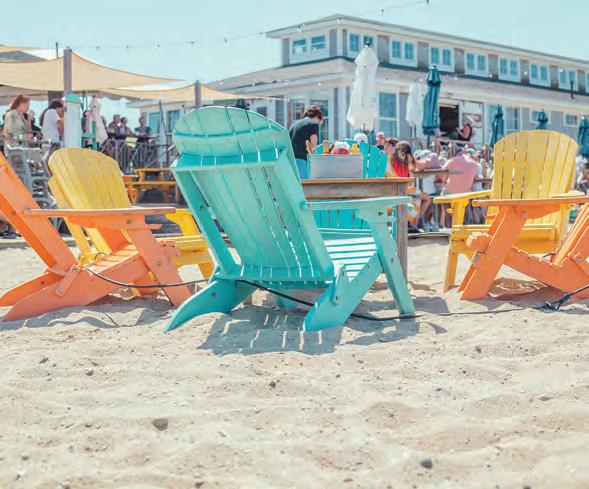
Sandbar | 4 Bathing Beach Road www.jettiesandbar.com
Live music on the beach. What can be better than that? Sandbar over the past half-decade has hosted any number of local acts and singer-songwriters on the porch overlooking Jetties Beach, but by far its most popular band is Cranberry Alarm Clock, the island Beatles tribute outfit whose standing Sunday afternoon gig is standing-room only and attracts die-hard local music fans and off-island visitors. The band is tight – the musicians take their jobs very seriously – and they’re fresh off an invitation-only appearance at last year’s Beatle Week festival in the U.K.






























508-772-0165
508-566-7237
info@latulipemusic.com @LaTulipeMusique
What is La Tulipe, and what makes it unique?
La Tulipe is built on a foundation of raw talent, deep musical connection and a shared passion for moving audiences. Fronted by the commanding presence of vocalist Nicole Miller and anchored by the profound artistry of pianist Jephte Elisca, we don’t just play songs — we recreate feelings, build connections and turn every event into an unforgettable celebration. Our sound is a seamless fusion of soulful ballads, funky beats, pop anthems and authentic reggae rhythms, all woven together into a vibrant musical tapestry.


Who is the voice behind La Tulipe?
Nicole Miller is a force of nature. As the lead vocalist, she captivates from the first note with a soulful tone and a commanding stage presence that fills the room. Her artistry was honed on international stages, touring extensively as a backing vocalist for Julian Marley — an experience that immersed her in the heart of reggae tradition and taught her the universal language of music. She channels every bit of that world-class experience into La Tulipe, delivering each song — whether a funky pop anthem or a heartfelt reggae ballad — with electrifying power and genuine heart.
Who drives the musical foundation of La Tulipe?
Jephte Elisca is the undeniable heartbeat of La Tulipe. A phenomenally gifted pianist, he doesn’t just play notes — he creates an entire atmosphere. His versatility is his superpower, moving effortlessly between funk grooves, soulful R&B harmonies, authentic reggae rhythms and pop classics. His ability to connect deeply with both the music and the audience makes him an exceptional accompanist and an essential architect of La Tulipe’s unique sound.
What can audiences expect from a La Tulipe performance?
Together, Nicole and Jephte form a creative synergy that is the engine of La Tulipe. Their connection is intuitive, their energy is infectious, and their shared goal is singular: to create a live music experience that celebrates connection, rhythm and the pure, unadulterated joy of a song played with heart. Welcome to La Tulipe — where every performance is a journey through the heart of music.
n Nantucket, where standards are high and hospitality is part of everyday life, finding the right bottle is about more than making a purchase.
Whether it’s a family gathering on the porch, a wedding overlooking the harbor, or a quiet evening after a day at the beach, what goes into the glass often becomes part of the memory itself. For years, one business has quietly established itself as the island’s premier destination for those moments.
There are liquor stores, and then there is The Islander.
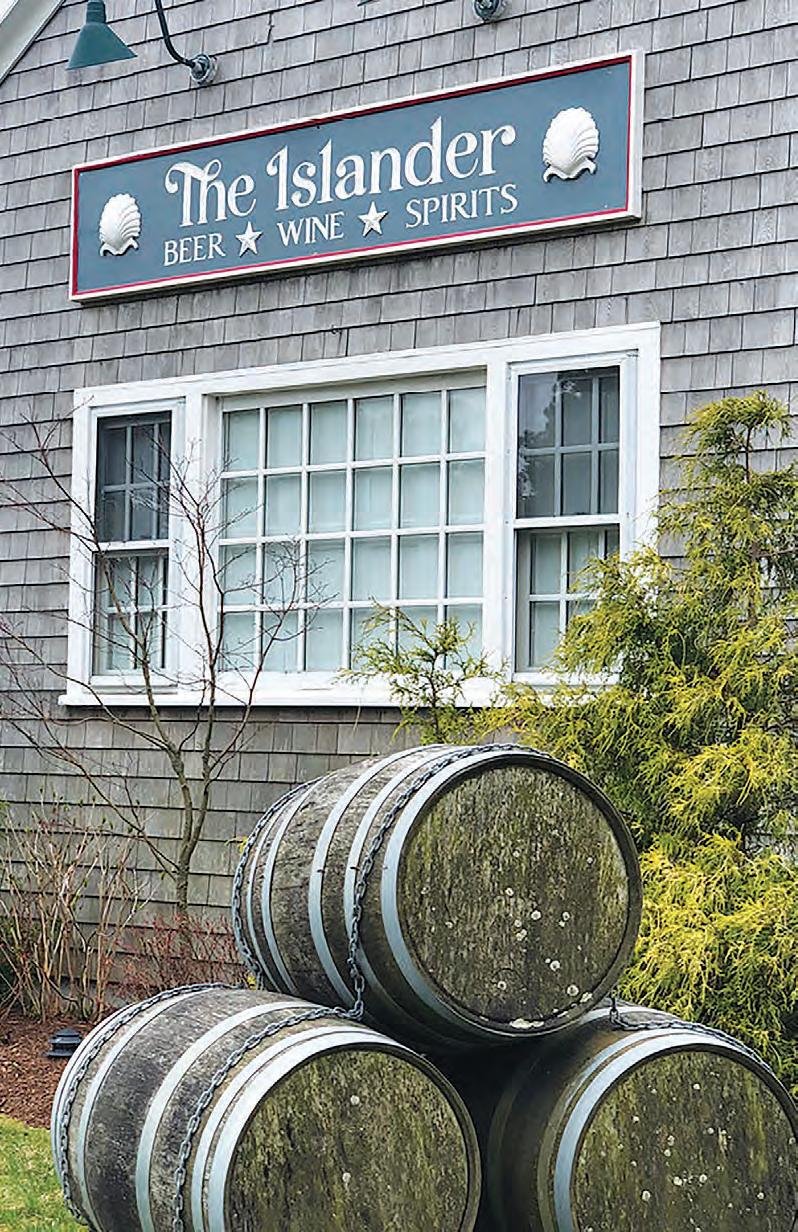
Located on Old South Road, The Islander has built a reputation that goes well beyond its shelveas. Visitors are drawn in by the selection, but what keeps them coming back is the expertise, the service, and a genuine passion for helping customers find exactly what they’re looking for.
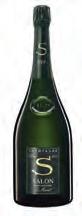
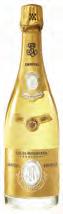
The wine room has become a destination unto itself, spanning celebrated regions from around the world. Whether you’re a collector seeking something cellar-worthy or simply looking for a recommendation for a dinner party, the staff guides without pretense. Home delivery and case purchases make it easy to stay stocked all season long.
The spirits department draws its own devoted following. Sought-after bourbons, rare Japanese whiskies, premium
Quality matters. Expertise matters. Relationships matter.
The Islander has built its reputation by understanding all three, one customer at a time.

tequilas, small-batch craft spirits, and an extensive single malt collection reflect the evolving tastes of serious enthusiasts and curious newcomers alike. Weekly promotions and custom ordering round out an experience that goes well beyond the expected.
Beer lovers have more than 300 imported and domestic options to explore, with a strong emphasis on New England’s craft brewing scene. Labels from The Alchemist, Bissell Brothers, Tilted Barn, Belleflower, and Stellwagen share space with imported classics, and frequent inventory turnover means everything on the shelf is at its best. For those who appreciate a fine smoke, The Islander carries hand-rolled cigars from Arturo Fuente, Cohiba, Ashton, Montecristo, Padrón, and other respected names, along with a full range of accessories.
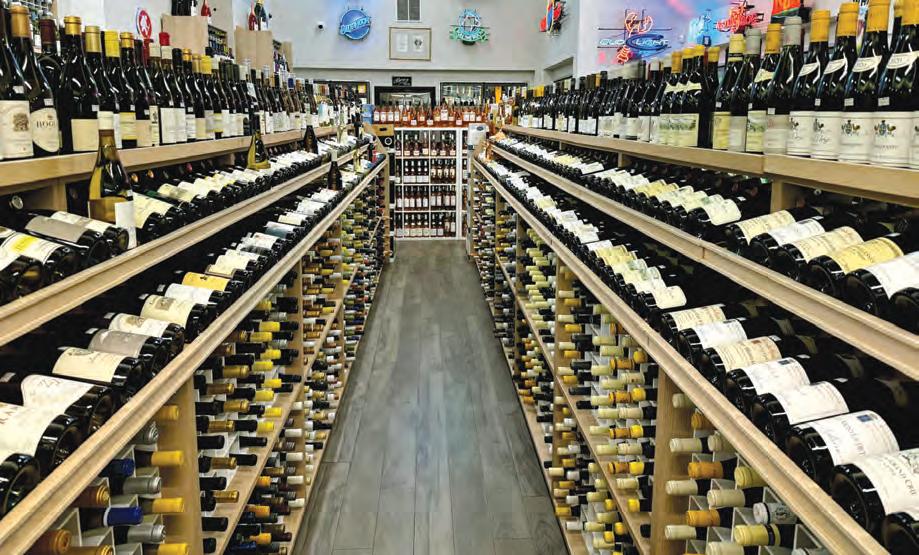
Beyond the retail floor, The Islander serves as a trusted partner for weddings, corporate events, fundraisers, and private celebrations of every size. The team works closely with hosts to build customized beverage programs that fit both the occasion and the budget, taking the guesswork out of event planning so everything runs smoothly when guests arrive.
Quality matters. Expertise matters. Relationships matter. The Islander has built its reputation by understanding all three, one customer at a time.


15 Old South Road
508.228.5855 www.theislandernantucket.com
PHOTOS BY JIM WATERBURY
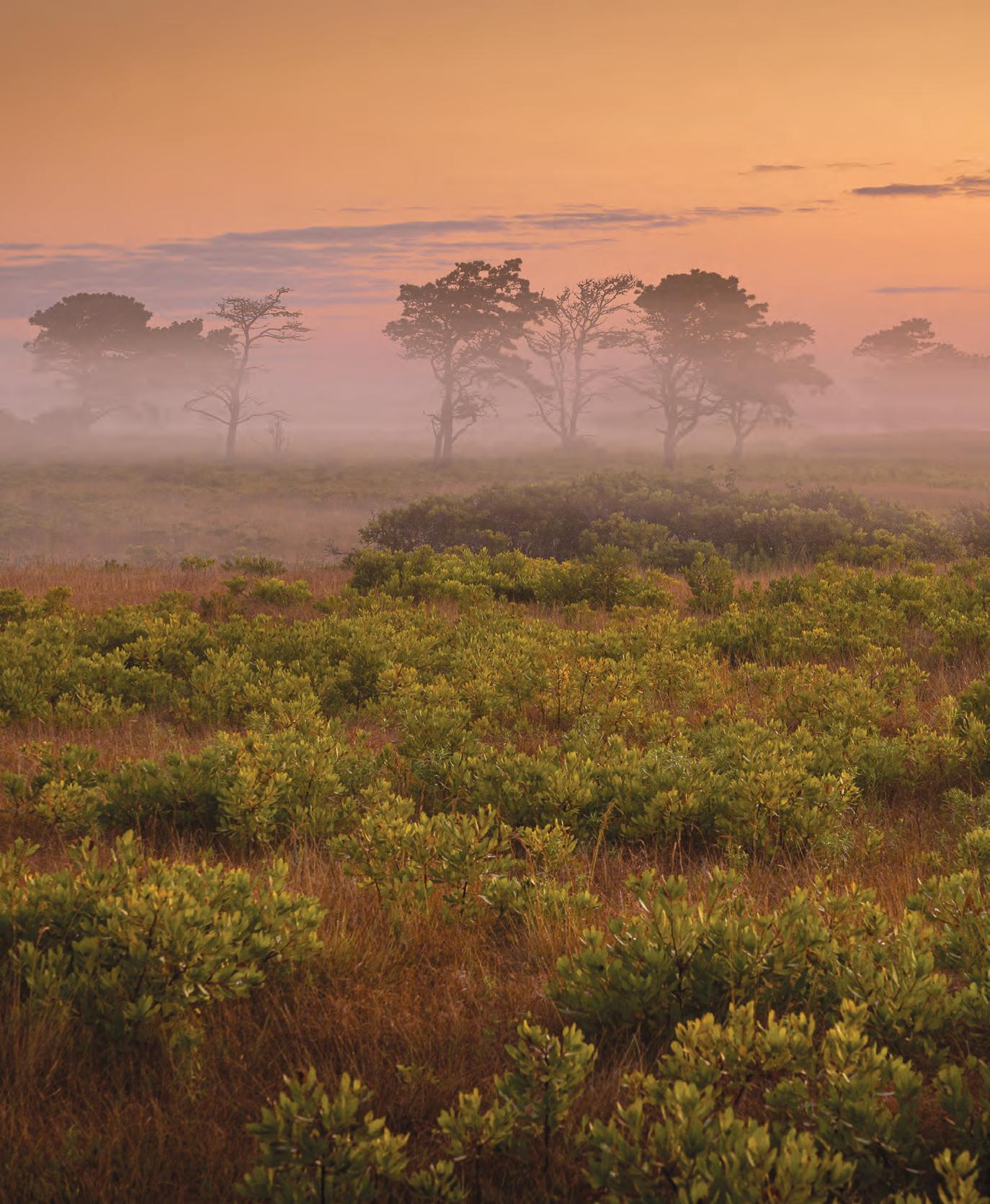
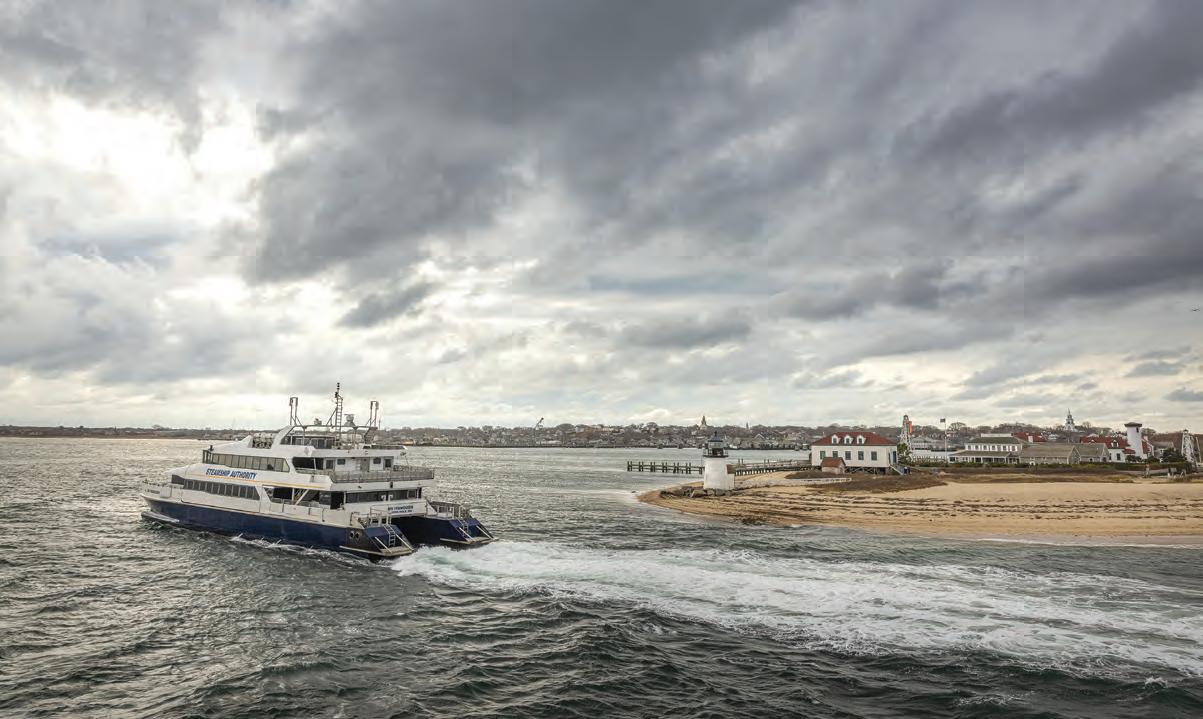
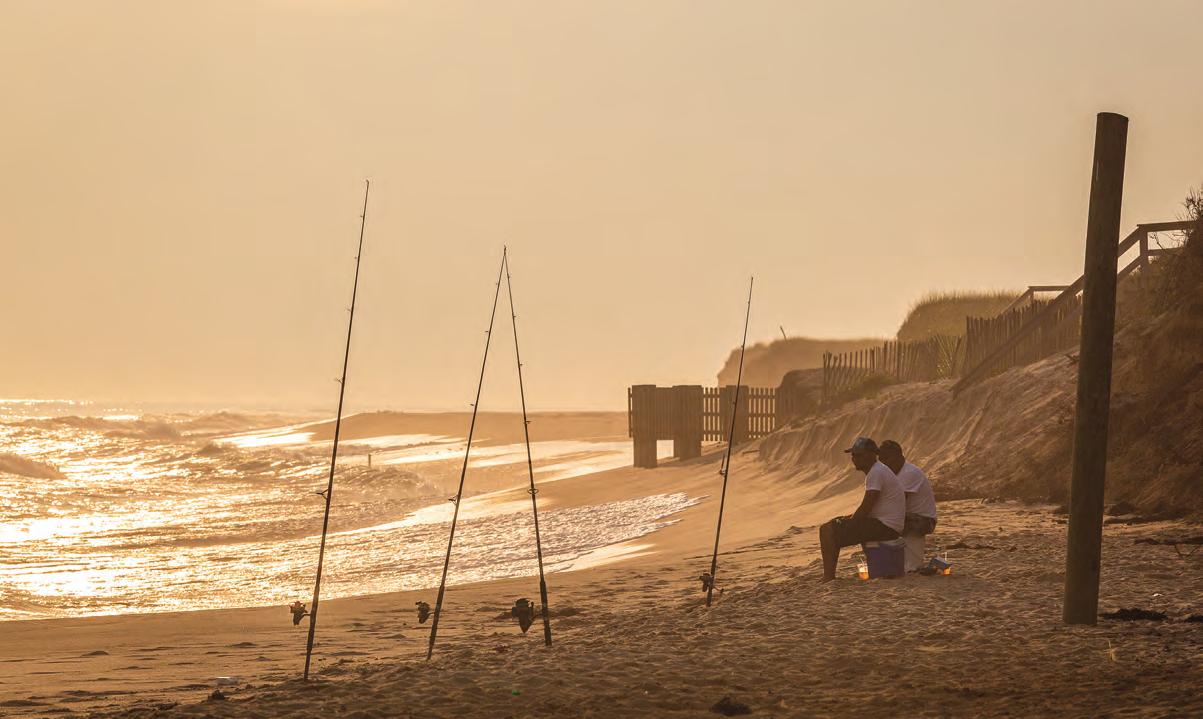
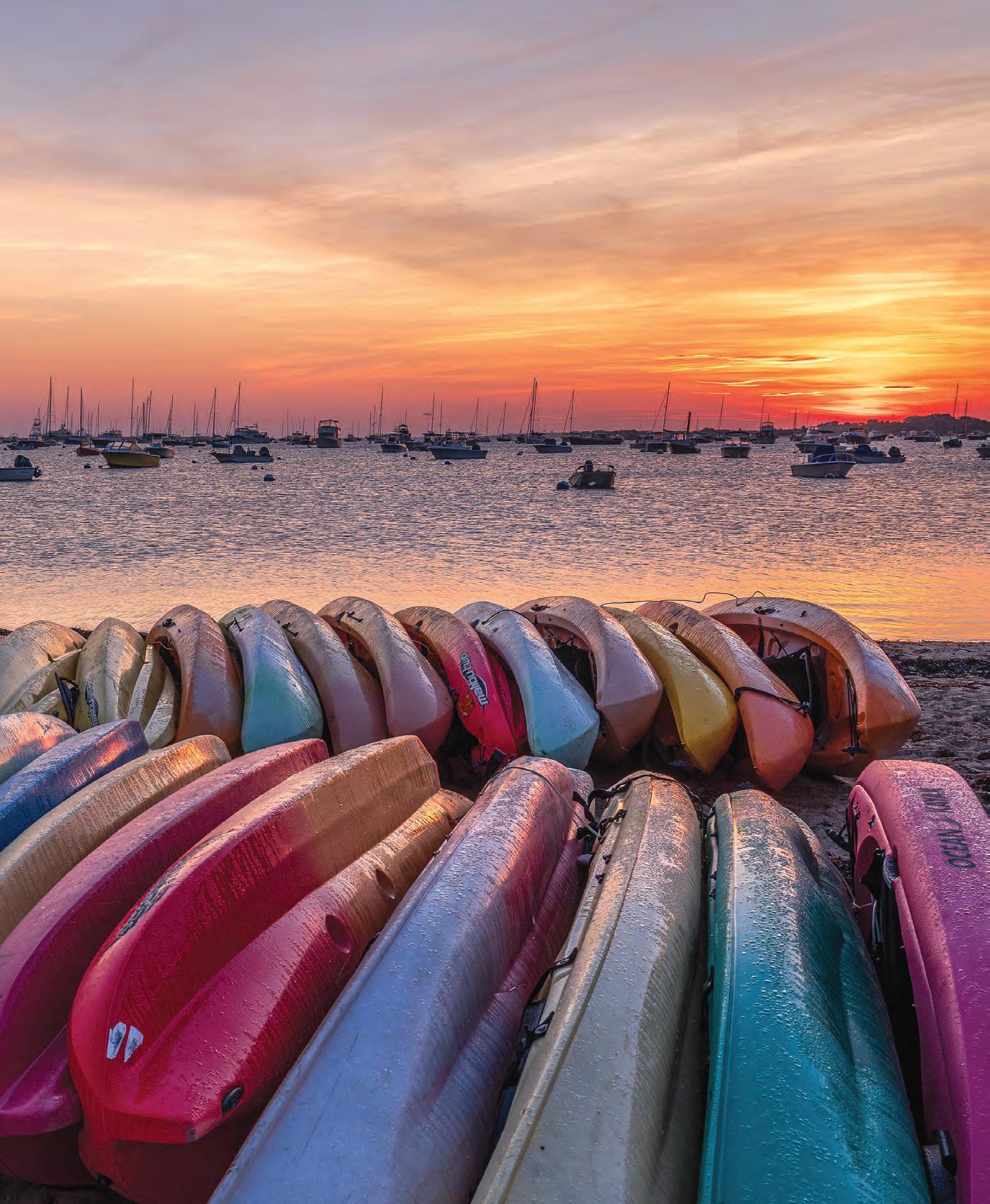
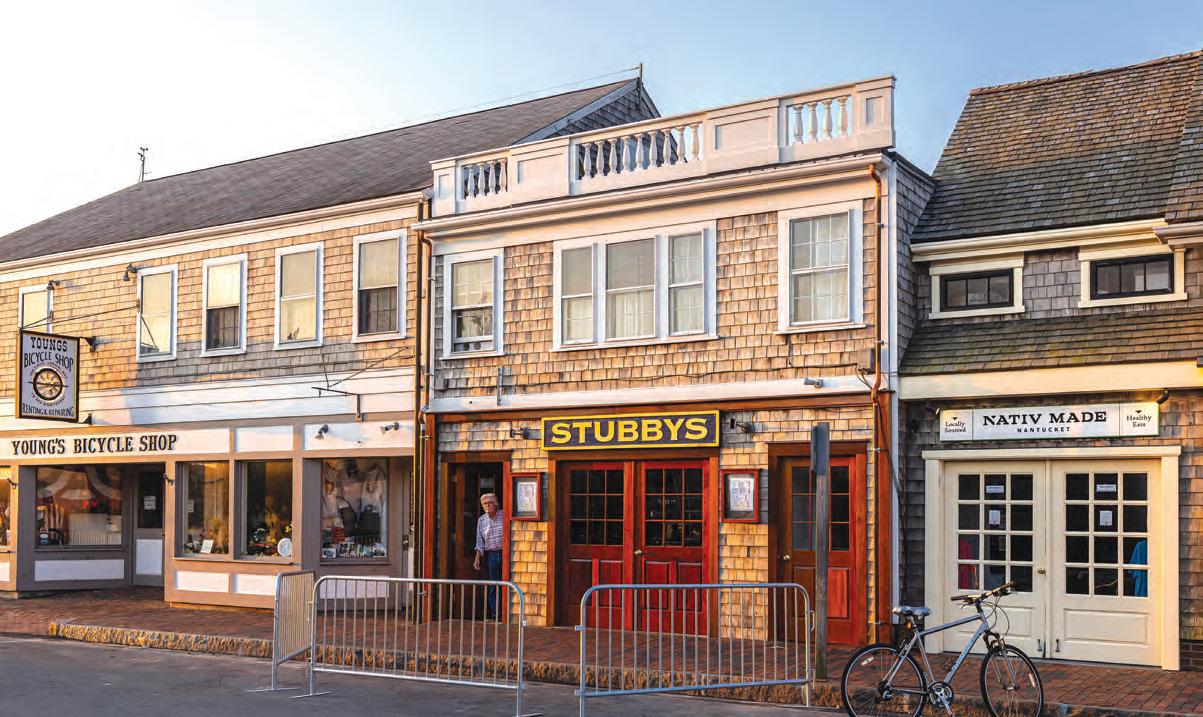
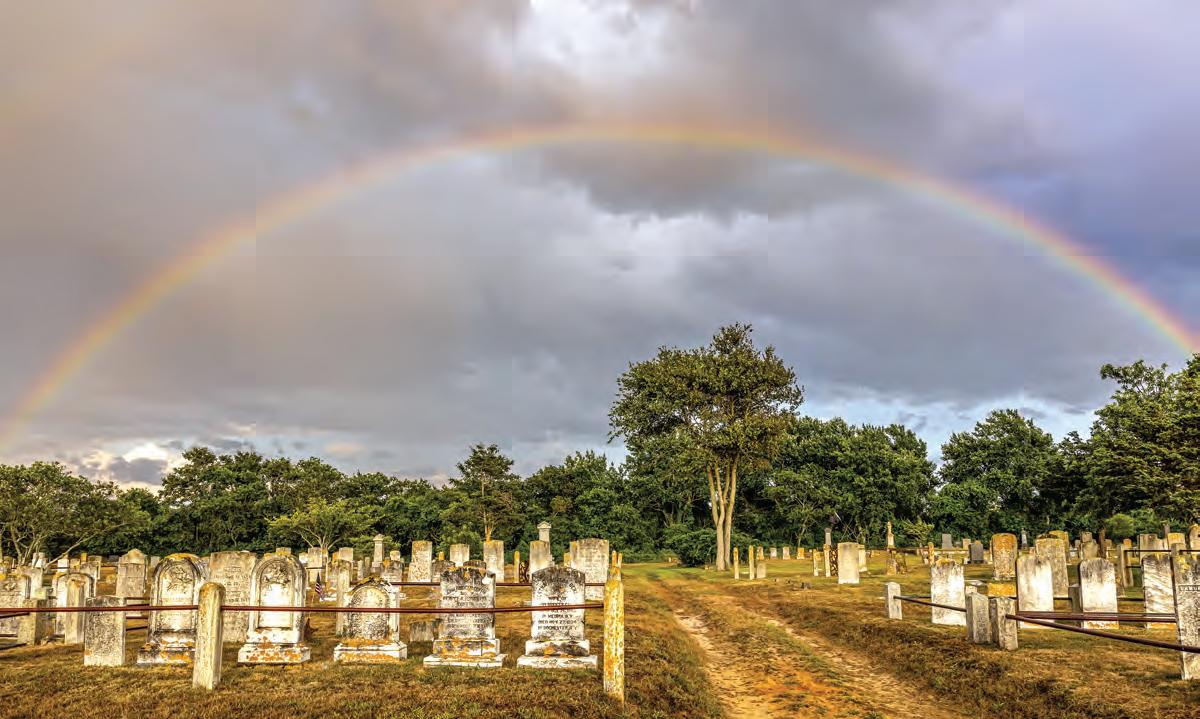
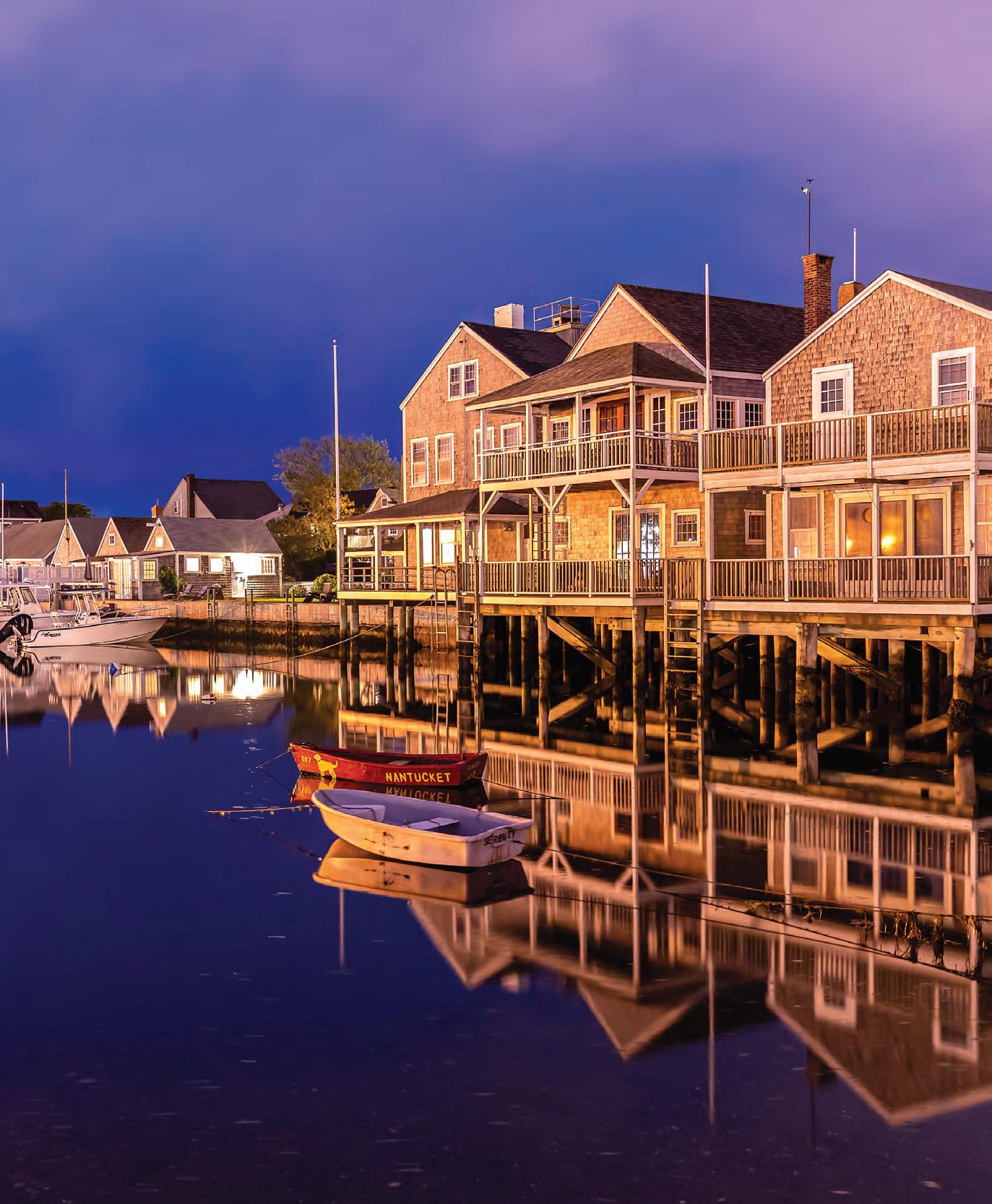
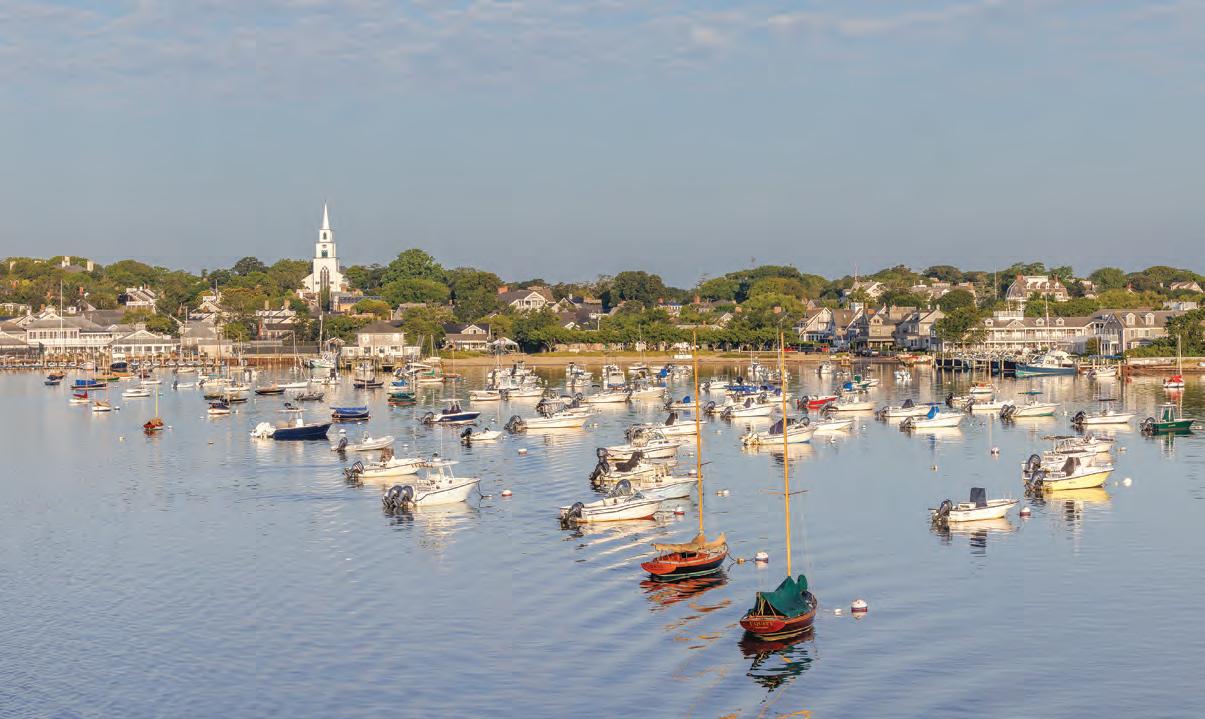
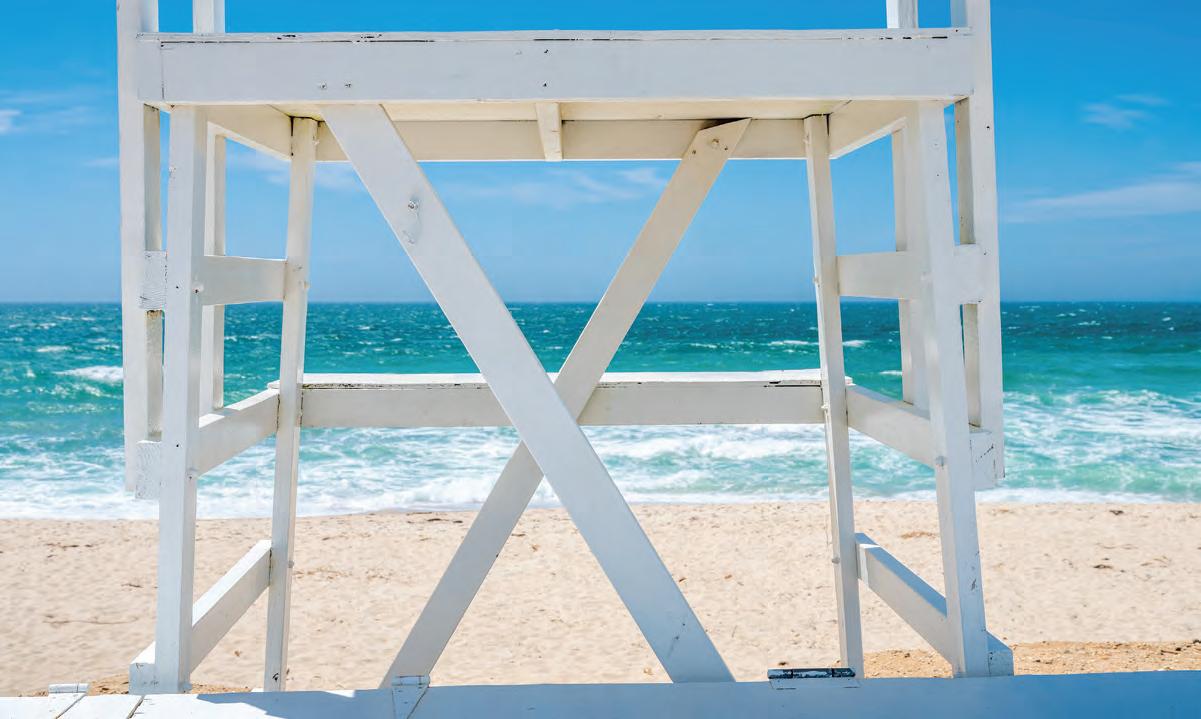
It’s not hard to find the beauty in a summer day on Nantucket. There are plenty of places to go off the beaten path, and right in the midst of the fray, to find it. But capturing it forever takes a certain skill. Jim Waterbury has that skill, and the eye of a true artist. Ever since retiring from corporate law, he’s pursued that beauty year-round in the island’s hidden open spaces, its quiet, empty streets just after dawn, and on the beaches that encircle our spit of sand 30 miles offshore. These photographs distill down, in a few perfectly composed images, what summer means on Nantucket.


For Fabricio Vieira, owner of FBO Construction, a project is never just square footage and schedules. It’s personal.
“There’s something really special about getting involved in a construction project from the very beginning and seeing it through to the end. When it’s all done and you step back and look at what you’ve built, you can’t help but think, ‘Wow, I actually did all of this.’ Sure, we all have bills to pay and the money matters, but honestly, at this point in my life, I do it because I genuinely love it.”
Based on Cape Cod and expanding steadily on Nantucket, FBO specializes

in custom home construction, large-scale renovations, additions and construction management. Vieira recently purchased a home on the island himself, deepening a connection that already includes several high-profile projects: a nearly 4,000-square-foot renovation on North Pasture Lane that sold for close to $10 million, an 8,000-square-foot renovation on Deer Run Road, and an 11,000-squarefoot residence in Tom Nevers, among others currently underway.
“Having spent so much of my career working on Cape Cod, I know exactly what materials hold up best in coastal environ-
ments. I always joke that the rain on Cape Cod and Nantucket doesn’t fall straight down like everywhere else. Out here, it comes at you sideways”
For Vieira, success starts with understanding what a homeowner hopes to create. When you sit down with the architect and start turning ideas into actual plans, that’s when the dream really takes shape. They pour their heart into every detail, and somewhere along the way that passion becomes contagious. It pulls you in too, and before you know it you care about the outcome just as much as they do.”
That partnership mindset extends

to how FBO manages client involvement, communication and transparency. The company photographs every project daily so clients can track progress from anywhere. Deadlines are treated as commitments, not targets. “We believe in being completely upfront with our clients. They deserve to know exactly where things stand, and when we commit to a deadline, we mean it. Fabricio takes that personally. If there’s any chance a project might run behind schedule, it keeps him up at night trying to figure out how to make it work. That’s just who he is, and honestly that’s
the standard we hold ourselves to,” said Larissa, Vieira’s wife.
“The last thing we want is to cause our clients unnecessary stress. We want the whole process to go smoothly. At the end of the day, we want our clients to be happy, and happy enough to call us again or send their friends our way.”
For a builder whose work is increasingly visible across Nantucket, that philosophy may be the most important foundation of all.


The earliest Nantucket-made art was primarily utilitarian, useful objects embellished by the hand of the giver: baskets and scrimshaw, samplers, walking sticks, pastry wheels, ditty boxes, swifts.
Though not considered fine art, each object carried the aesthetic of a material culture shaped by isolation, the sea and the rigorous disciplines of craftsmanship.
But as whale oil fueled the island’s robust 19th century economy, islanders’ sudden wealth quickly began to change things.
Perhaps Herman Melville said it best in 1851 in “Moby-Dick:” Nantucket (was) “a mere hillock, an elbow of sand; all beach, without a background.”
Then the whaling era catapulted the island’s 261-year-old settlement to an unfamiliar status: the wealthiest town in America. Grand homes were built and furnished with imported finery, their interior walls dressed in family member and ship portraits.
Yet by 1920, fishermen and wharf tradesmen barely eked a living. Since the decline of whaling, opportunity was thin. Much of the island’s built environment had become shabby and worse.
With the maritime economy depleted, clean air and natural vistas would become the resources to enable Nantucket’s economic recovery, offering ocean breezes and the allure of a slower-paced and authentic coastal lifestyle. Nantucket’s shores, moors and her charmingly kept but run-down townscape offered city-dwellers a healthy solution – and with them came opportunity.
Nantucket offered artists inspiration, clean natural light and enthusiastic patrons. The island’s near-vacant wharf shanties provided the perfect setting for a seasonal arts economy to flourish.
Florence Rand Lang purchased several of the shanties, renting them to visiting artists for lodging and studios. Her Candlehouse Studio, sidewalk art shows and the Easy Street Gallery evolved.
Frank Swift Chase (1886–1958) organized classes for aspiring artists, returning every summer through the mid-1950s. Nantucket artists Tony Sarg, Doris and Richard Beer, Jane Brewster Reed, Annie Barker Folger and Elizabeth Rebecca Coffin painted among their peers. Anne Ramsdell Congdon, Emily Hoffmeier, Elizabeth Saltonstall, Harriett Lord, Ruth Haviland Sutton and Isabelle Hollister Tuttle were all Chase’s students, and the island’s working waterfront was transformed.
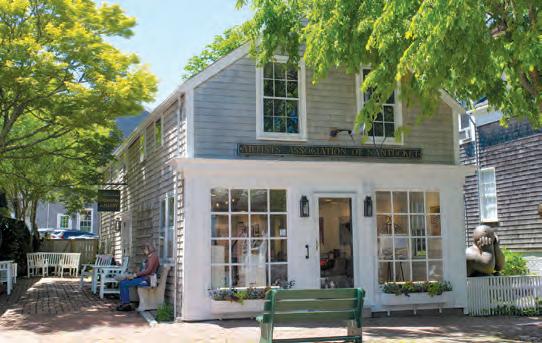
By 1945 the newly founded Artists Association of Nantucket occupied the vacant Macy warehouse, where barrels of spermaceti and whale oil had once been stored. Having chartered a fundamentally inclusive arts center, “There were candlelight readings by Thornton Wilder and Tennessee Williams. An exhibition of works on paper by Diego Rivera. A piano recital by Leonard Shure. An exhibition on loan from the Met that included Max Weber and Thomas Hart Benton. Lectures on modern art by members of the 45 Group . . .,” according to a history of the organization compiled by the AAN.
Today, that legacy continues with vigor. The Artists Association of Nantucket (www.nantucketarts.org) operates two vibrant venues, hosting world-class contemporary programming alongside beloved historic traditions.
The AAN’s primary exhibition space, the Cecelia Joyce & Seward Johnson Gallery, is located at 8 Federal St.
Its Visual Arts Center at 24 Amelia Drive hosts classes and exhibitions, changing member shows, featured artist exhibitions, artist demonstrations and lectures and special events.
The AAN’s signature summer fundraiser, its gala and live auction, will be held in July at the Great Harbor Yacht Club. This year’s honoree is Jan Purdy Metcalf.
Its “Eye of the Beholder: The Hale Juried Exhibition” will be held in August, where contemporary, multi-medium works have been curated for AAN’s major summer juried show.
Its sidewalk art shows are a beloved island tradition dating back to 1930 and returning to the Atheneum Garden and Dreamland Courtyard in July, August, and September and its 10-by-10 open exhibition in September features works by both AAN artist members and member of the community.
No institution has done more to preserve and celebrate the sweep of Nantucket’s artistic heritage than the Nantucket Historical Association (www.nha.org). Its landmark exhibitions – pairing a permanent collection with private island collections – have celebrated women painters, explored Sconset landscapes and reunited 1840s family portraits with the families who commissioned them.
Exhibitions such as “An Island Seen” – in partnership with the Artists Association – illuminated the women who drove the local arts colony and ran early island galleries, while “Anne Ramsdell Congdon’s Nantucket Renaissance” brought the works and digitized sketchbooks of one of the island’s finest 20th-century painters to a wide new audience.
Most of its exhibitions can be seen in the NHA’s Whaling Museum at 13 Broad St. Additional NHA properties include the Oldest House, Old Gaol (jail), Greater Light, Old Mill and Friends Meeting House.
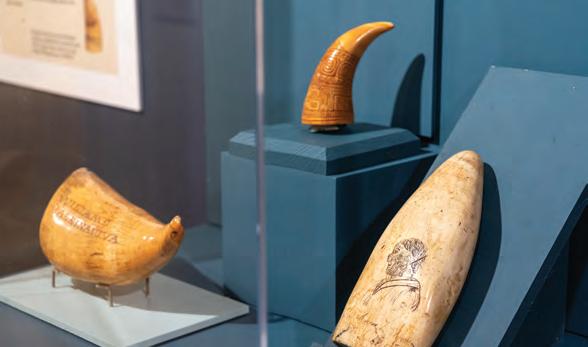
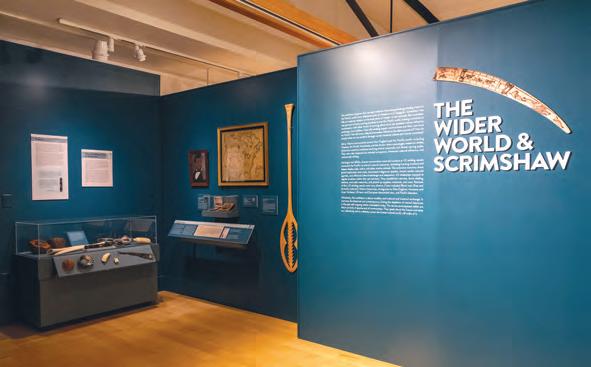
The AAN’s 2026 featured exhibition is The Wider World & Scrimshaw, at the Whaling Museum through Nov. 1. The NHA is the first venue to host this traveling exhibition organized by the New Bedford Whaling Museum with support from Art Bridges.
Surveying carving traditions that emerged along whaling routes in the Pacific and Oceana, the exhibition showcases over 300 objects and sets scrimshaw – the folk art made by whalers from whale bone and whale ivory – in conversation with carved decorative arts and material culture made by indigenous community members from across Oceana, the Pacific and the Arctic.
Organized in consultation with a diverse advisory board of artists, scholars and culture-bearers, The Wider World & Scrimshaw explores the rich cultural traditions, carving forms and material exchanges that emerged in cultural contact zones across the Pacific world and which continue to shape artistic practice and communities today.
The second half of the 20th century both solidified and expanded the impacts of the island’s artists’ colony. Commerce was alive and well among gallerists, dealers, auctions and design studios.
Over the years, both resident and visiting artists have made good use of Nantucket’s bounty: her inspiration, good light and now global patrons. Today, Nantucket’s art scene reflects the depth of its tradition via local, regional and globally recognized artists, each contributing a distinct sensibility to the island’s cultural conversation.
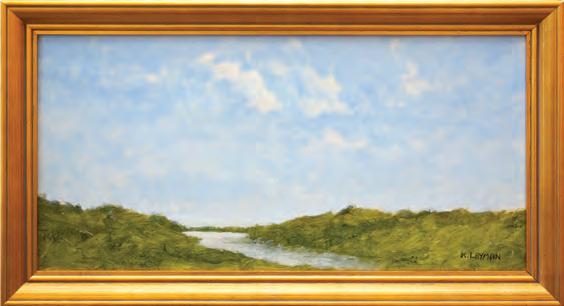
Nantucket Looms, 51 Main Street www.nantucketlooms.com
Founded in 1968 by Andy Oates’ and Bill Euler, Nantucket Looms has shaped tradition in the art of Nantucket living. Fine and scarce mohair, alpaca, linens, cottons and silks are hand-loomed on site by master weavers. There are daily deliveries of just-finished works from among 70 of the island’s finest artists and artisans. Look for furnishings, objets trouves, textiles and decor that radiate the island’s heritage: objects, collectibles and interior design services coveted by world tastemakers including Jacqueline Kennedy Onassis, Bunny Mellon and Billy Baldwin; all artfully staged in a welcoming shop.

• Hostetler Gallery, 42 Centre Street www.hostetlergallery.com
The 2026 exhibition celebrates the late David Hostetler’s centennial birthday/ Forest and Form: Wood Sculptures by David Hostetler pays homage to 100 years of vision, craft and the feminine muse, and features recently released works from the artist’s personal collection.
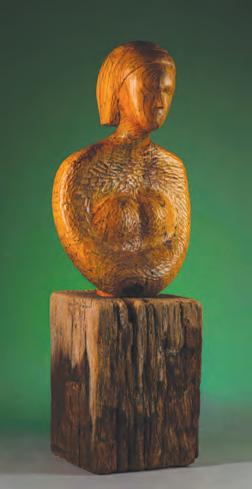
Gallery artists include Hostetler, Donnia Isham, Rose Hartman, Ellen Carey, Art Werger, Power Boothe, Mohamed Yakub, Alyssa Fortin, Michael Falco, Adi Oren and Daniel Sutherland.
Weekly exhibition receptions on Thursday feature wine specialists and more than just the artworks to savor. Featured exhibitions this season celebrate “All Things American” and “All Things Pink.”
“Asherah,” made of carved elmwood from The Coffin School, by David Hostetler
• The Gallery at 4 India, 4 India Street www.galleryatfourindia.com
A true fine-art destination established in 1989 by Kathleen Knight, the gallery presents Knight’s meticulously curated exhibitions featuring nearly 100 artists. American paintings, objects, photography and sculpture of local, regional and global interest are presented alongside American and European fine art glass curated by Gene Ingalls.
Scholarship and a disciplined eye shape the gallery’s consistently compelling exhibitions. Installation and/or resale of collections services are available to private and corporate collectors. The gallery welcomes inquiries for guidance in building collections of distinction.
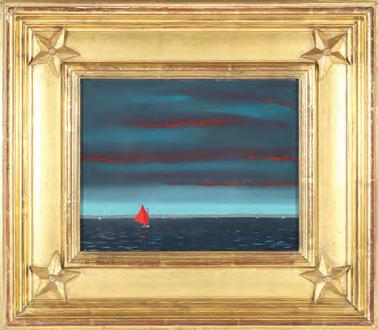
• Rafael Osona Auctions, Legion Hall 21 Washington Street www.rafaelosonaauction.com
Since 1980, Nantucket’s premier auction house reaches a global market. Online auctions follow Nantucket auction previews in Legion Hall. Osona has represented major private collections from Walter Beinecke (1990), Barbara Johnson (1993), Jean McCausland Collection (2001), Richard Mellon Scaife (2020, Linda Loring (2025) and Eddi Van Auken (2025). Prices realized include $123,000 for a Robert Stark Jr. painting, $110,000 for a Nantucket basket, $189,000 for a Ralph Cahoon Jr. painting, $123,000 for an Anne Ramsdell Congdon painting and $240,000 for a pink Ceylon sapphire ladies’ ring.
This season’s auctions include The John M. DeCiccio Collection of Rare Nantucket Baskets, The Herbert Sackett Walking Stick Collection and Fine Jewelry from the Estate Collection of a Nantucket Lady.
From Nantucket’s first whaler-carved scrimshaw to the gallery showrooms of today, art’s legacy is that of perpetual reinvention. Isolation that was once a liability became the crucible for creativity, drawing generations of artists – and patrons – to a society that has always thrived by looking outward, beyond the edge of the sea. It’s been a tradition vigorous, dynamic and open to all.
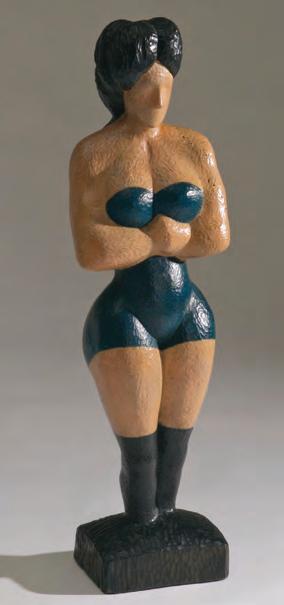

is proud to support our community with media sponsorships and contributions to many island institutions and events.
Over the last year we have provided more than $125,000 in media sponsorships to:



























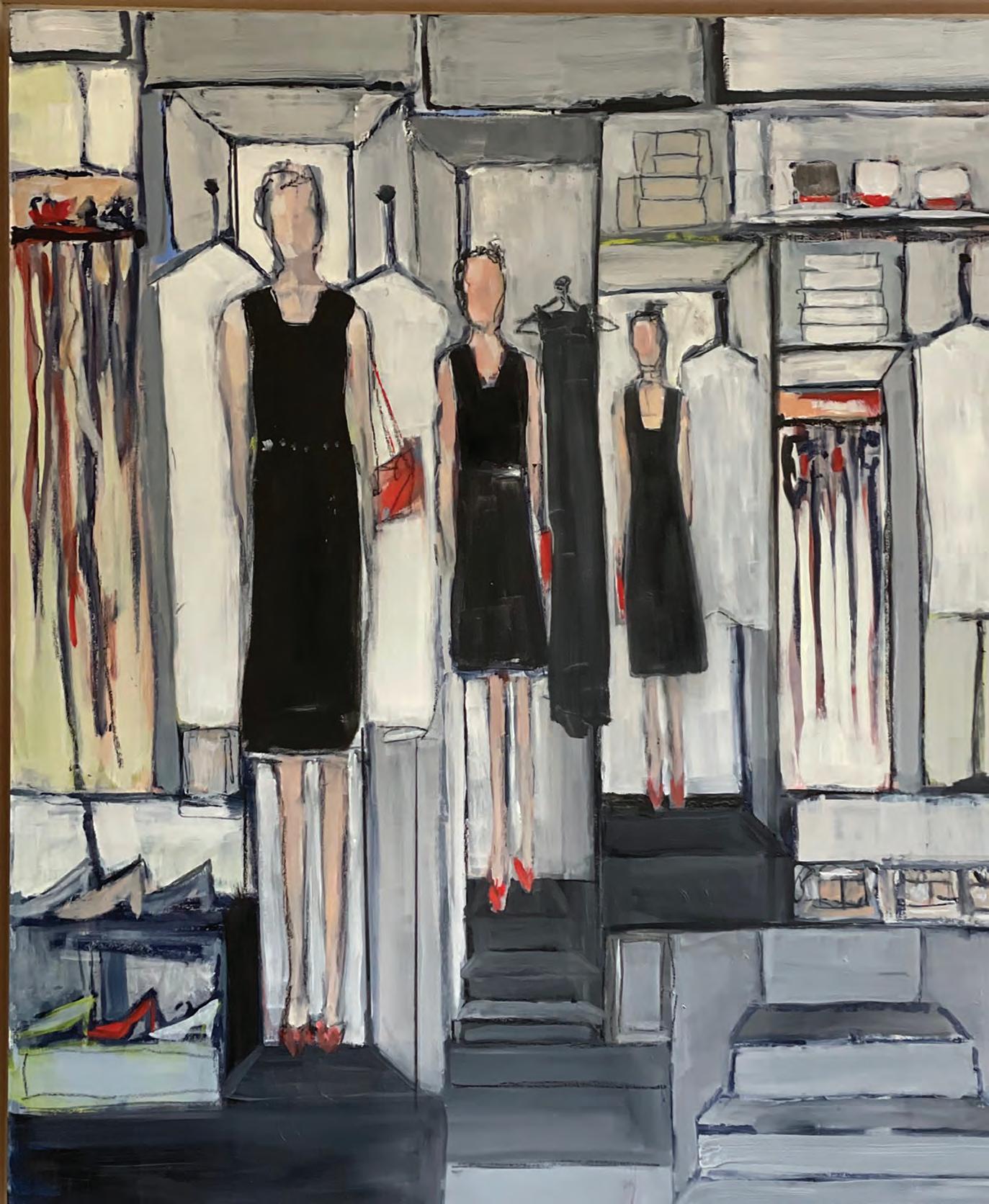
BY QUINN FRANKEL | PHOTOS BY PATRICK POWER
Since moving to the island in 2006, painter Jan Purdy Metcalf has cultivated an artistic practice devoted to capturing the essence of old Nantucket.
Her muted harbor scenes, weathered downtown streetscapes and distinctive silhouettes of sailboats cutting across the horizon have become indicative of a highly personal semi-abstract painting style, one that is dressed in a childlike nostalgia and lifelong fascination with maritime scenes.
“I love the idea of old towns and harbors,” Metcalf said.
Among Nantucket’s art enthusiasts, Metcalf is perhaps best known for her sailboat paintings, which balance spontaneity with careful composition and explore themes of verticality, light, space and water within the island’s coastal landscapes.
This summer, the Artists Association of Nantucket will honor Metcalf at its annual gala at the Great Harbor Yacht Club. As this year’s honoree, Metcalf will be recognized not only for an accomplished body of work that is deeply intertwined with Nantucket’s maritime and old-town streetscapes, but also for her longstanding involvement with the AAN and the island’s arts community.
The honor, however, reflects a journey that began long before Metcalf ever considered herself a professional artist. It speaks not only to the commitment to her craft that took shape after she made Nantucket her permanent home, but also to the role the Artists Association has played in fostering artistic growth and opportunity on Nantucket.
“I came here for the first time when I was a teenager, and then came back with my family for vacations,” she recalled. “I moved to the island permanently when I got remarried in 2006, and that’s really when my art relationship with the island began. I applied for membership at the Artists Association – terrified – and got in.”
“That sort of began the path of being involved in the art community here, which has been very rewarding. When I moved here in 2006 is when I really started reaching out to and meeting other artists.”
While Metcalf experienced a newfound dedication to her painting practice once becoming a permanent island resident, her relationship with creating art can be traced back to her childhood.
“I started painting when I was really young, in grade school. It was always something that I loved doing,” Metcalf said.
Although she was encouraged by her mother and took numerous art classes in high school, Metcalf chose a different path in college, earning a degree in advertising rather than fine arts.
“I felt like I couldn’t be an art major because my sister had already chosen that path. I always sort of painted as a hobby, but I never really concentrated on it until I moved to Nantucket, where there was a community to belong to and a reason to keep making art,” she said.

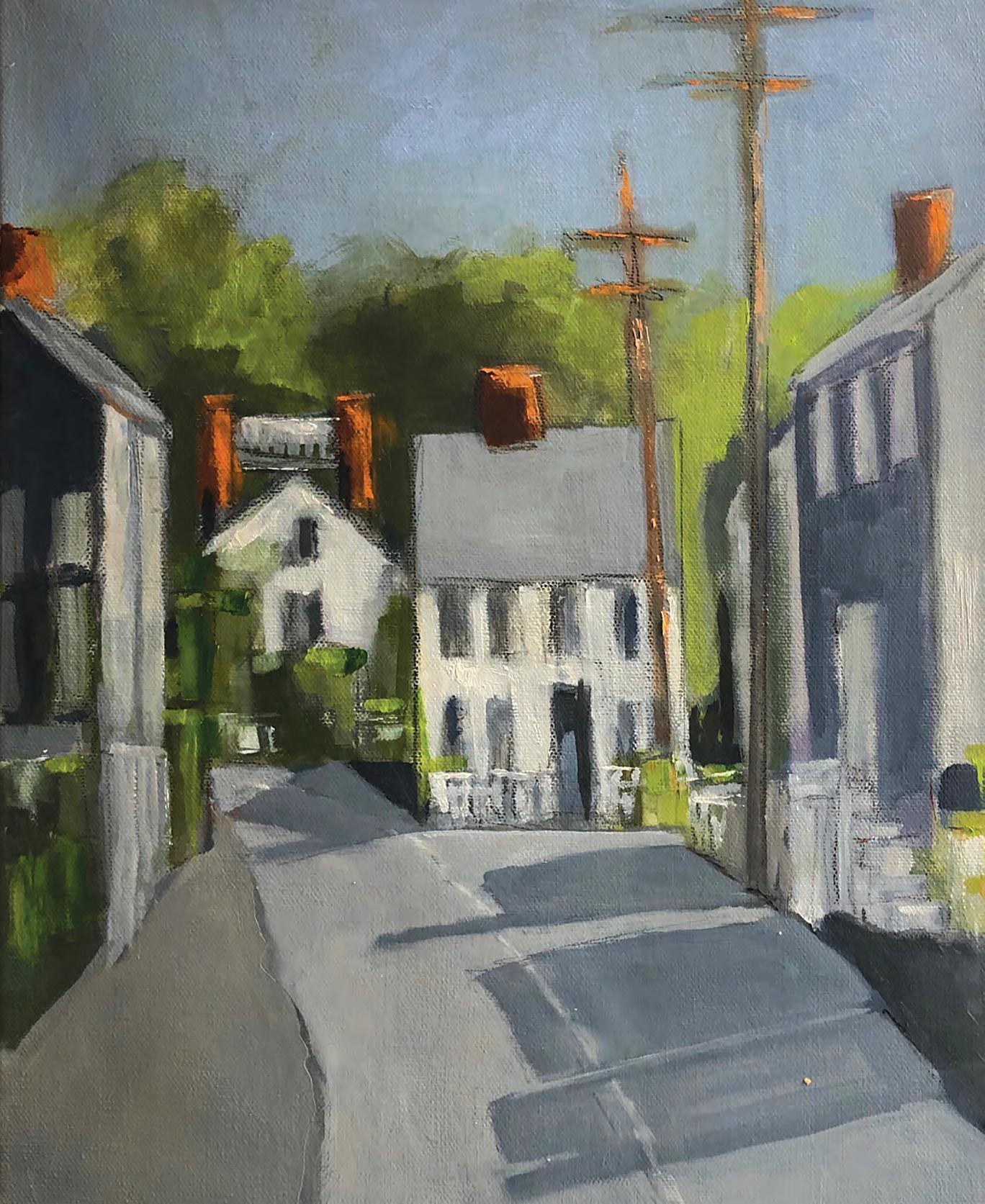
Metcalf spent much of her childhood on the water in Michigan and at her family’s home in the Bahamas, where she sailed and eventually worked as a sailing instructor.
“My choice of subject is just from my previous life,” she said. “I grew up on the water in Michigan and sailed and then taught sailing, which is why boats have had a lasting impact on me.”
“We also had a house in the Bahamas for 20 years, and it was right on the water, so there were a lot of little boat regattas that would go on right in front of the house. The impact of watching the sails go by and the boats flipping over with kids in them just sort of cemented that fascination with sails in my brain,” Metcalf said.
From a painterly perspective, this fascination with sails also hints at an enduring exploration of verticality and even humor in Metcalf’s artistic practice, further evident in her series of ballerina paintings.
“I just like verticals for some reason, and that idea of verticality. I did a series for a while of ballerinas, and they ended up being really vertical, too, which was sort of odd. I always like to have a sense of humor in my pieces. In the sailboat paintings, a lot of them have a crooked mast on purpose because I don’t want them to be perfect,” Metcalf said.
That same humorous sensibility inspired Metcalf’s “Little Black Dress” series.
“That series was really by accident. There was a picture in The New York Times years ago in one of those fashion sections. It was an opening at either the Met or MoMA, I can’t remember which one. There were women dressed in black dresses and three of them weren’t looking at the artwork, they were looking at their reflections,” she said.
“I just thought that was the funniest thing, so I started the first one and the series sort of evolved after that.”
W hile the subject matter of the “Little Black Dress” series strays far from Nantucket’s coastal and historic landscapes, the works remain unmistakably Metcalf, defined by their elongated forms and subdued, monochromatic palette.
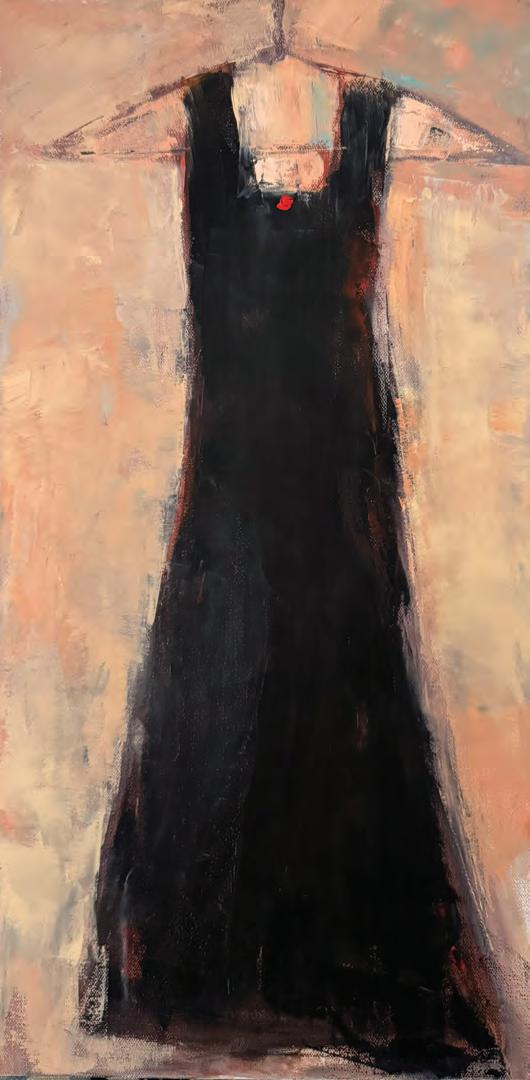
“I’m really monochromatic, so if I start a blue painting, it pretty much ends up being a blue painting,” she said.
Metcalf’s color choices also bring an impressionistic, atmospheric quality to her historic and maritime scenes.
“If I’m doing an old downtown Nantucket or old harbor piece, they tend to be really muted, with old shingles and old-timey colors,” she said. “My paintings aren’t very bright or cheery or happy. That’s why I don’t paint flowers. I’m always wanting to do every little pore on a petal, and I’m not cut out for that.”
Retirement from her career as an interior designer and children’s store owner has given Metcalf the freedom to delve into her artistic practice more fully than ever before.
“One thing about being retired is that you have time. It’s a wonderful feeling. If you wake up in the morning and say, ‘I feel like painting today,’ you don’t necessarily have to have an idea,” she said.
Instead, a philosophy of experimentation might be what drives Metcalf to paint on a given day.
“You might want to just throw something on a canvas, to make a mess and then try to make some sense out of it,” she said.
Metcalf credits AAN member and former instructor Ken Layman for helping her shape that mindset.
“Ken used to say that you need to paint and have the canvas tell you what you’re supposed to be doing,” she said. “I always thought that was really interesting. A lot of times, I make a mess and then try to put some order to it. I’m not abstract, I’m sort of semi-abstract.”
Like many artists, Metcalf continues to draw inspiration from others. She cites former island artist Anne Sutherland as well as Lisa Noonis as just two of many who have inspired her work.
“Anne Sutherland had a great influence on
me and a lot of my friends. She was very loose and had a wonderful palette. “Lisa is also unbelievable,” Metcalf said.
In honoring Metcalf, the Artists Association recognizes the work of an artist who has quietly distilled the island’s harbors, history and light into a lifelong study of place, memory and creative community.
Today, Metcalf remains a familiar figure within the AAN, serving on its board, continuing to exhibit her work and participating in classes. As this year’s honoree, her work will take center stage at the gala and art auction, the AAN’s largest annual fundraiser.
The live auction will feature works by 25 artists and helps support the AAN’s educa-
tional and community programs.
Metcalf holds the organization’s educational mission especially close to her heart.
“The Artists Association is just really important to the whole island because of its education and preservation programs. Everything we do is about outreach for people to appreciate art, whether that’s through education or preservation,” she said.
“Nantucket was an artists’ community in the 1920s and 1930s. People came here to paint because of how the island looks. Art is just really vital to Nantucket’s culture and heartbeat.”
The appeal, Metcalf said, is that the AAN
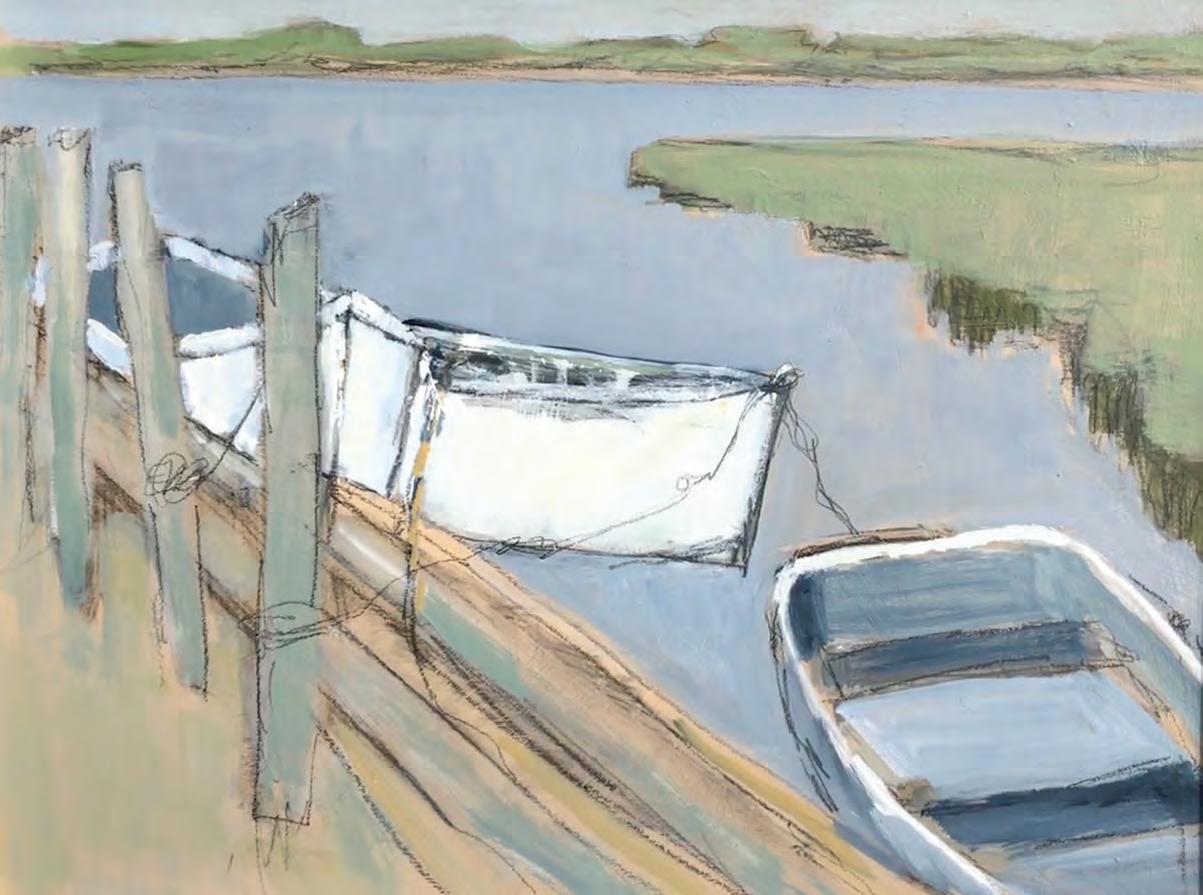
welcomes everyone.
“We teach little kids and we teach senior citizens. I’m taking classes there currently, just to keep my hand in. If I learn something, great, and if I don’t, then I’ve enjoyed being in the company of other artists,” she said.
Quinn Frankel is a freelance writer and frequent contributor to Nantucket Today.

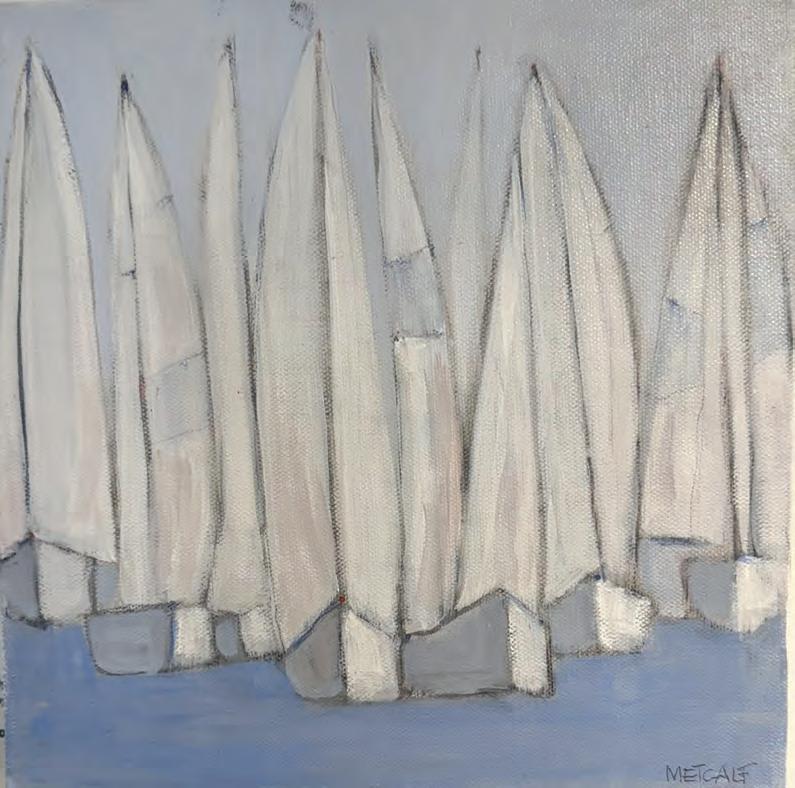
“ If I’m doing an old downtown Nantucket or old harbor piece, they tend to be really muted, with old shingles and old-timey colors. My paintings aren’t very bright or cheery or happy. That’s why I don’t paint flowers. I’m always wanting to do every little pore on a petal, and I’m not cut out for that.”
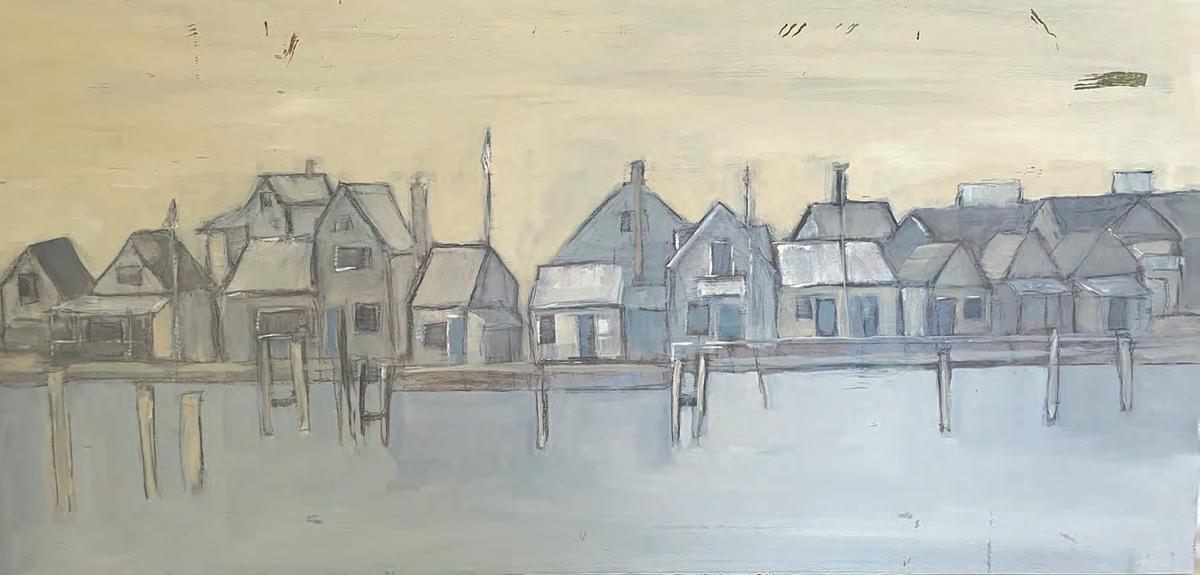
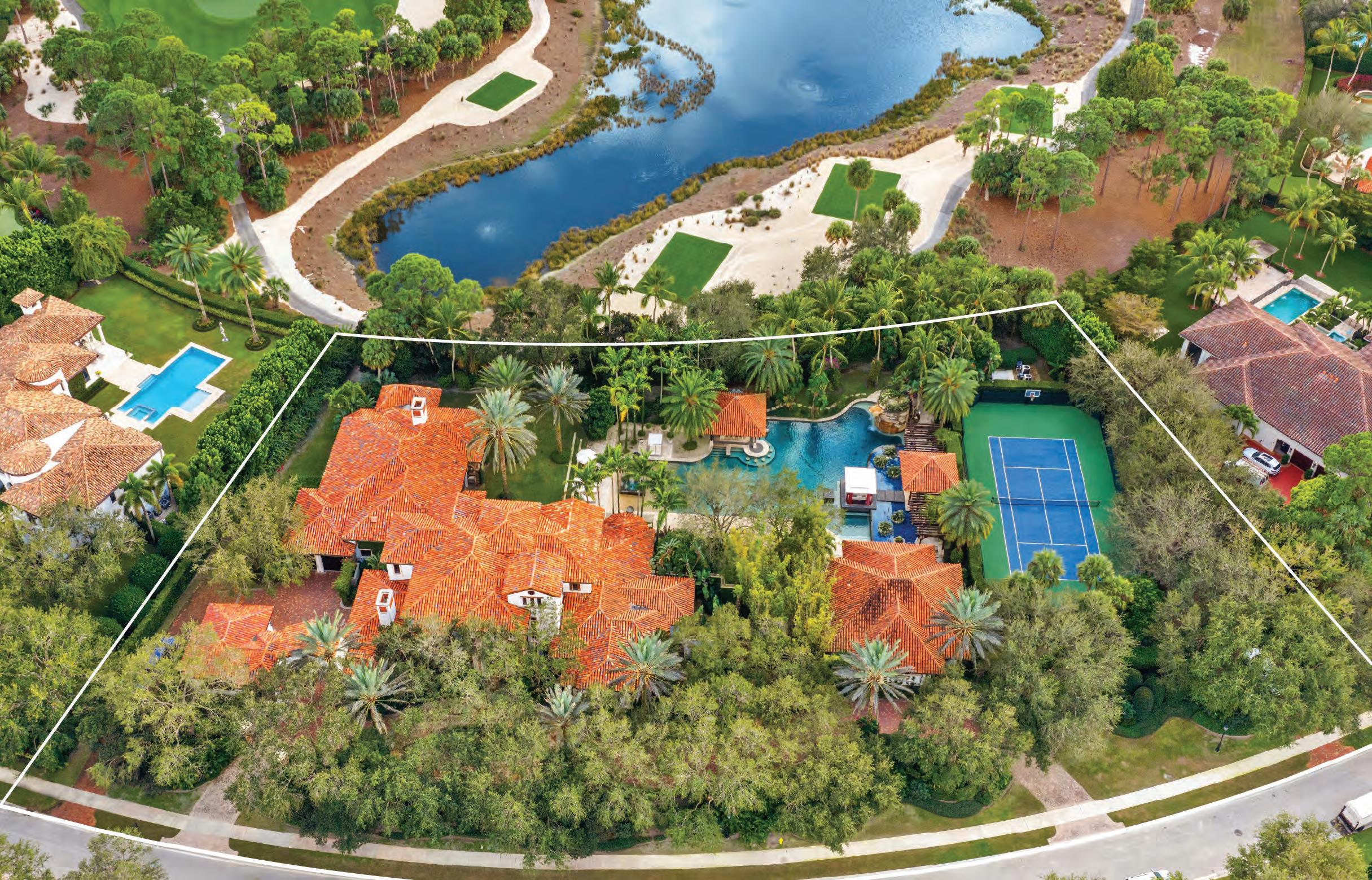
Spectacular Old Palm Estate on prime double lot featuring 6BR/8.2BA plus 2,000+/- square foot guest house/gym, tennis court with pavilion, and resort-style backyard with 110’ swimming pool, spa, dive tower, and fabulous swim-up pool bar. No detail has been overlooked with gorgeous design and finishes throughout. Beautiful living room with fireplace and wet bar. Chef’s kitchen with dual islands, butler’s pantry, and breakfast nook opens to great room. Fantastic home theater and game room. Stunning library with fireplace, built-in shelving, and wet bar. Outdoor loggia with beautiful brick detailing, fireplace, and summer kitchen.


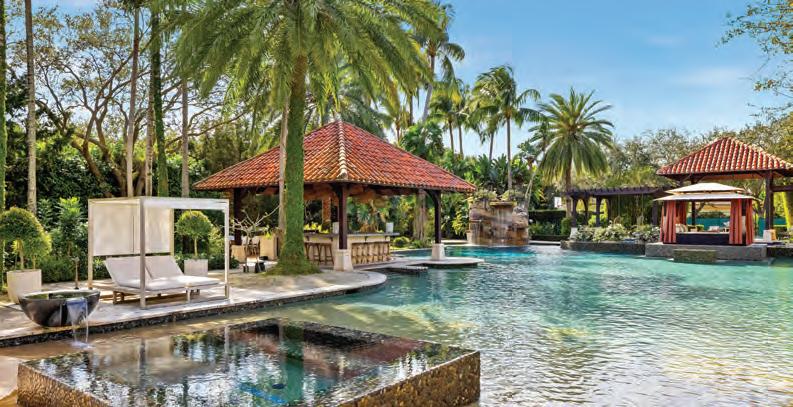

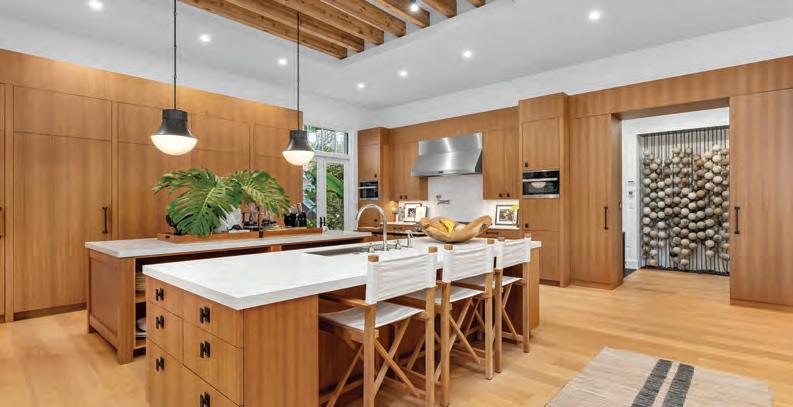

are getting a lot of attention these days.
Caroline Collatos, a Ph.D. candidate at the University of Massachusetts Boston who also works with the Anderson Cabot Center for Ocean Life at the New England Aquarium, has been studying them for the last five years.
Growing up on Nantucket with a love of the ocean, she noticed the absence of sandbar sharks. As a student, she built on research by Gregg Skomal, who studied their natural history from 1989 to 2002.
Skomal’s studies provided information crucial to saving the species. In the 1980s, sandbar sharks were fished commercially.
With Asian markets providing a strong demand for shark fins and a U.S. market for shark meat, they quickly lost approximately 80 percent of their population. They were legally protected in 2008. Now, 18 years later, they seem to be beginning a recovery.
But it was probably not the first time they suffered persecution. A July 1856 issue of T he Inquirer and Mirror noted that “sharking has not commenced yet in earnest but will come in a few days.”
Sharking? Yes, before there was birding, there was fishing and also “sharking.”
Scattered references in The Inquirer and Mirro r through the 19th century make it clear that “sharking” was a popular recreation for summer visitors.
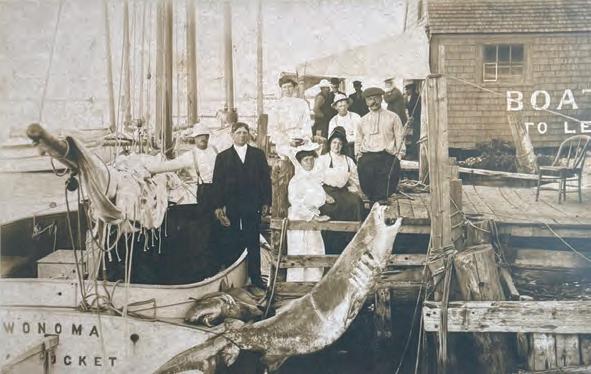

BY GINGER ANDREWS
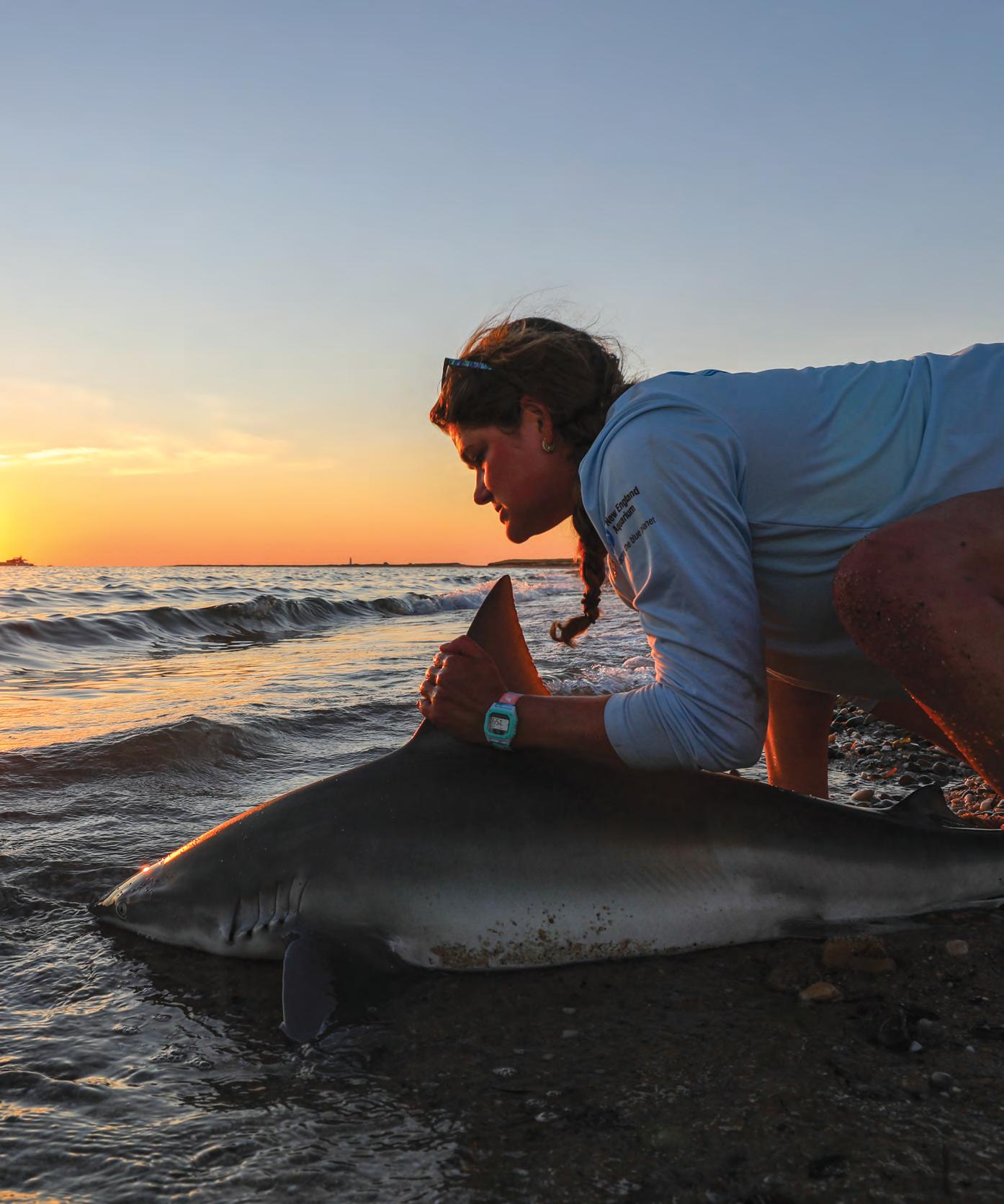
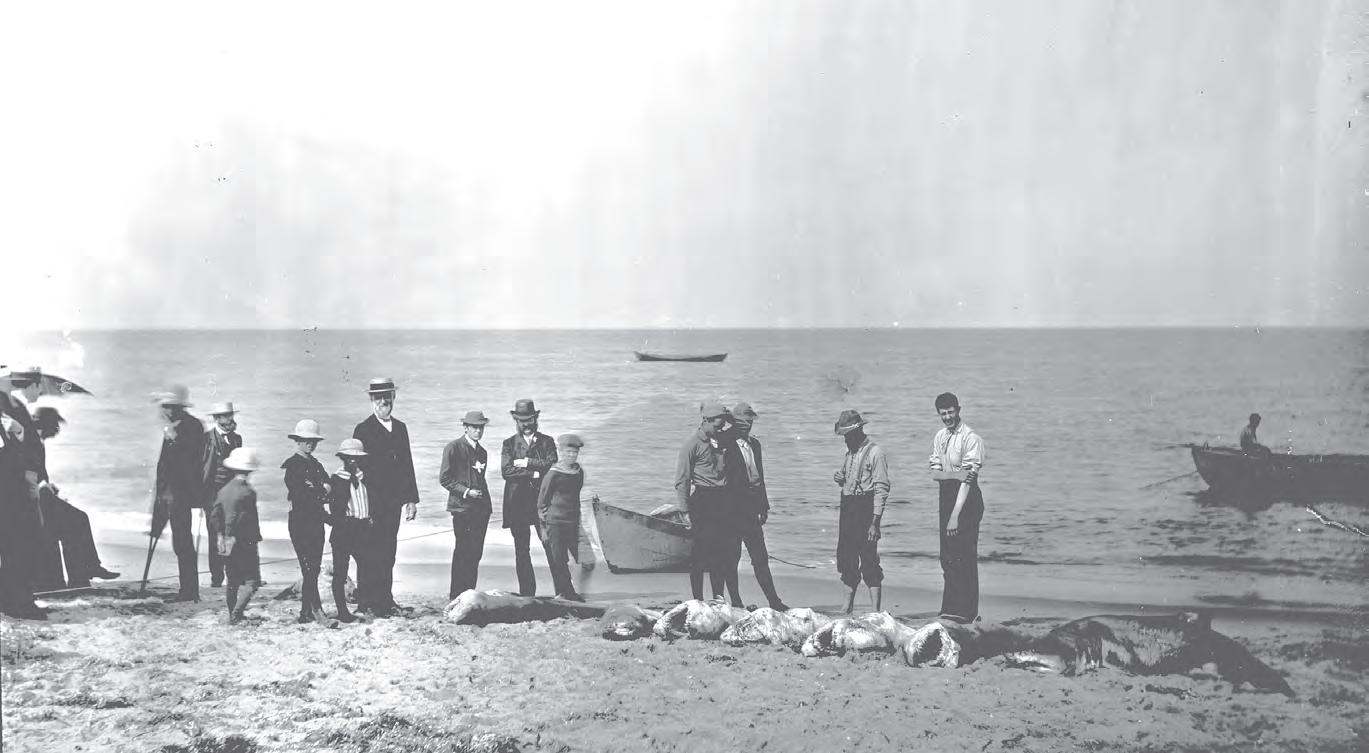
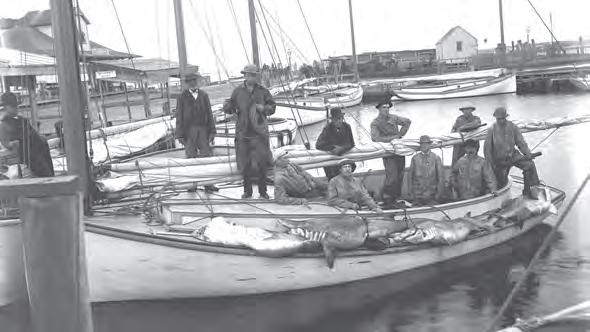
An 1869 reference to a summer resort handbook noted that Nantucket had “a first rate hotel, the Ocean House” and continued, “visitors fond of fishing will not go away disappointed. First there is shark fishing which is a sport almost equal in excitement to the hunting of the buffalo with a lasso.”
Was that popular? The article doesn’t say.
A story in January 1888 quotes A.J. Northrup in Cottage Life: “Even the man who cares nothing for ordinary fishing . . . finds in sharking a virile and barbaric delight and awakens whatever of the savage generations of civilization have left still uneradicated in his nature.”
In one also barbaric, somewhat less than scientific experiment in 1887, the would-be fishermen poured a bottle and a half of whiskey and two dozen bottles of beer down the throat of a large mackerel shark, before letting it wobble off with predictable instability.
The purpose of sharking, another concluded, was sharking. Often the species were not described, although the number and weight sometimes was.
It continued as a summer pastime into the early 20th century. Catboats took parties out to picnic, fish or go sharking. In “Fishing around Nantucket” my father, Clinton Andrews, noted that in July 1905 his father “had good luck sharking. Pa avoided fishing for sharks if possible because it was messy work all round. The sharks were chummed with refuse from the fish markets, and there was little sport with foot-long hooks, chain leaders and as many men as necessary to pull up the shark. Sharks had to be killed and taken aboard to be brought in to the pier for photographs, and then taken out and dumped. The smell lingered for several days and was not appreciated by later parties. Still, sharking was quite popular, and the fishing was best in late July when the bluefish went offshore to spawn.”
Commercial uses changed with time. A 1922 Inquirer and Mirror noted that “Steamer Pe trel came in with 34 sharks” and speculated that Petrel’s crew intended to sell the livers for oil. In 1923 there was “a market for shark skins with shark leather bringing a good price.”
Although exact data is lacking, it is more than likely that sandbar sharks suffered along with the rest.
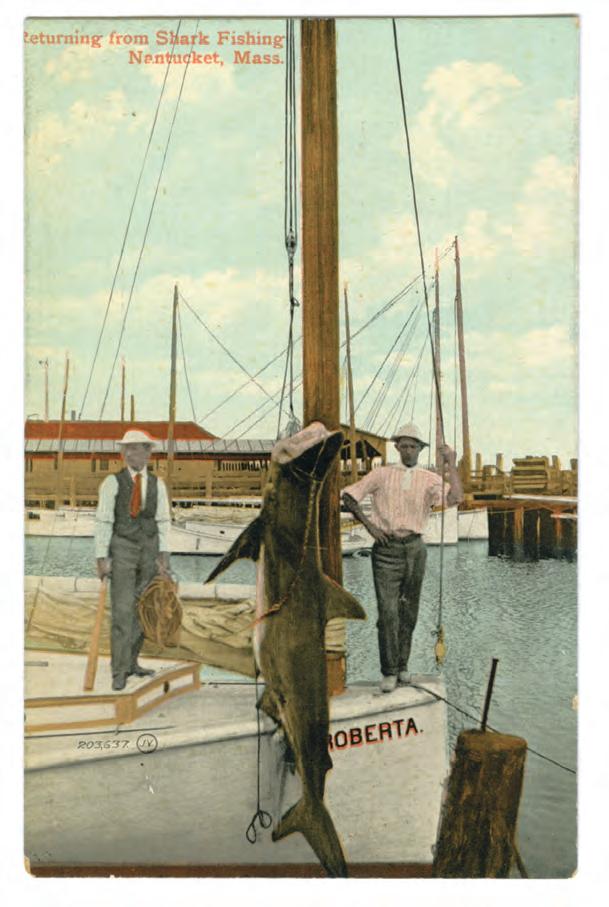
The pioneer assumption that natural resources are inexhaustible simply by virtue of being natural is still a difficult assumption to counteract.
It took complete extinction of some and serious reduction of other bird species, for example, to gain enough attention from sportsmen to be willing to accept protective limits.
In any case, in his 1973 “Annotated List of the Saltwater Fishes of Nantucket,” Clinton Andrews notes only two records of sandbar (or brown) shark, one caught on a haul line from his boat off Great Point in August 1951 and one found at Madaket in July 1963.
His comment that it “proved edible although not as good as a mackerel shark caught later,” indicates it was not commonly used as food.
Given that most sharks excrete liquid waste through their skins, it probably took some delicate cooking advice such as “marinate in orange juice” to gain a toehold in the domestic market.
Also called brown sharks, sandbar sharks have left fossils showing they have been around since the Miocene. Early fossils were found in Italy. Later fossils showed they were also native to the Atlantic and Indo-Pacific oceans.
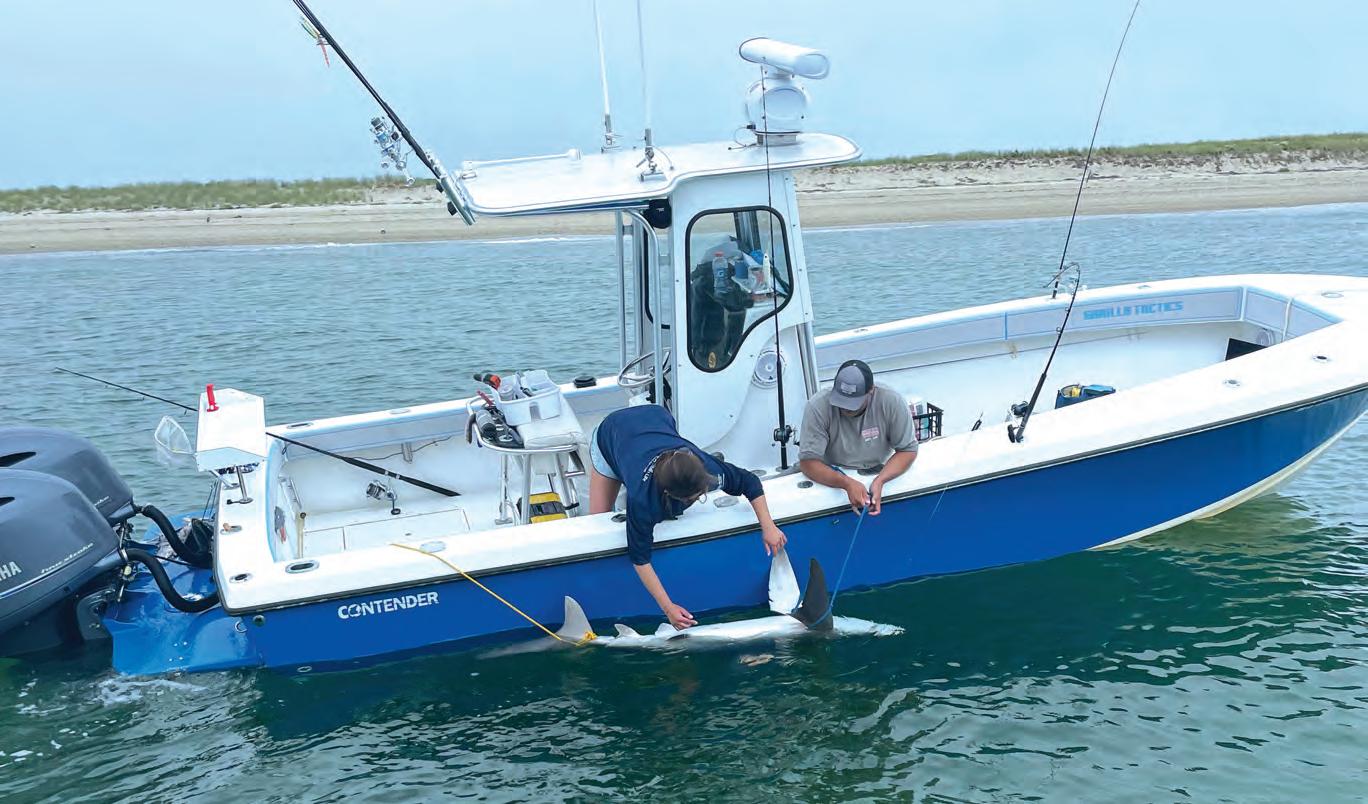
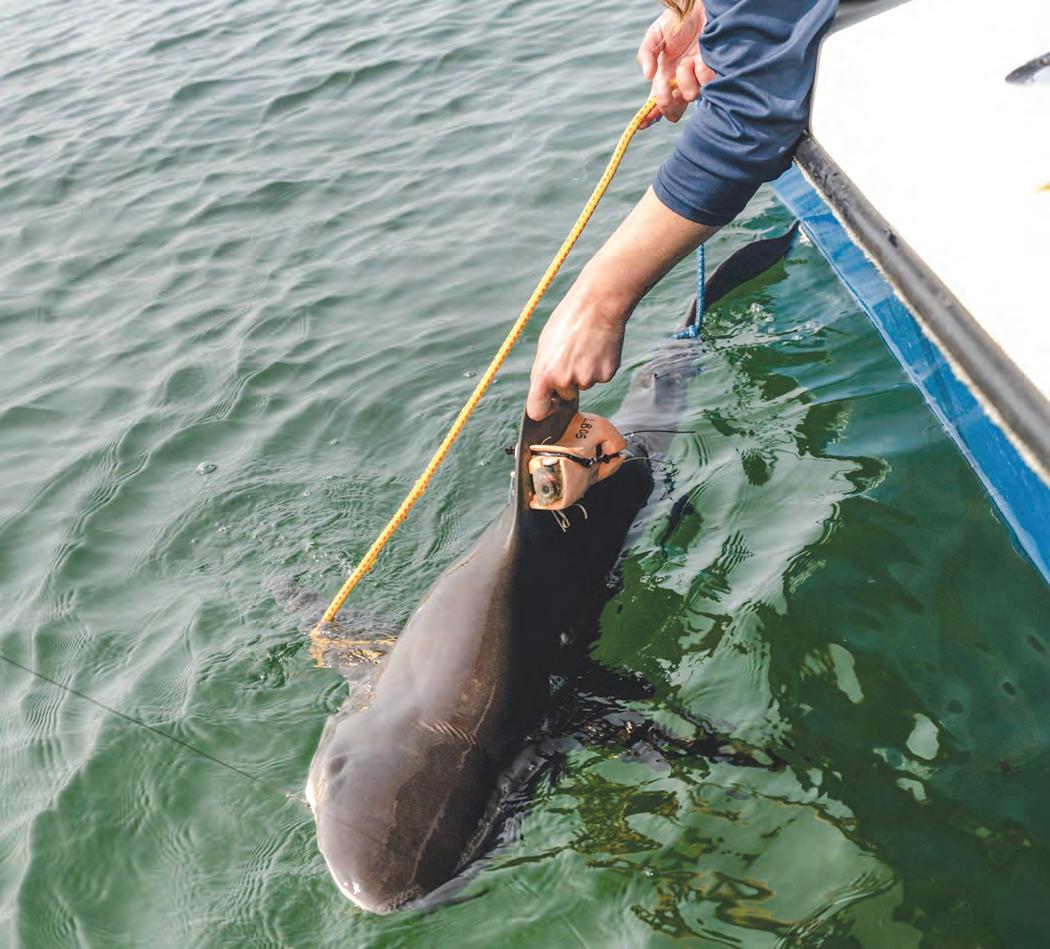


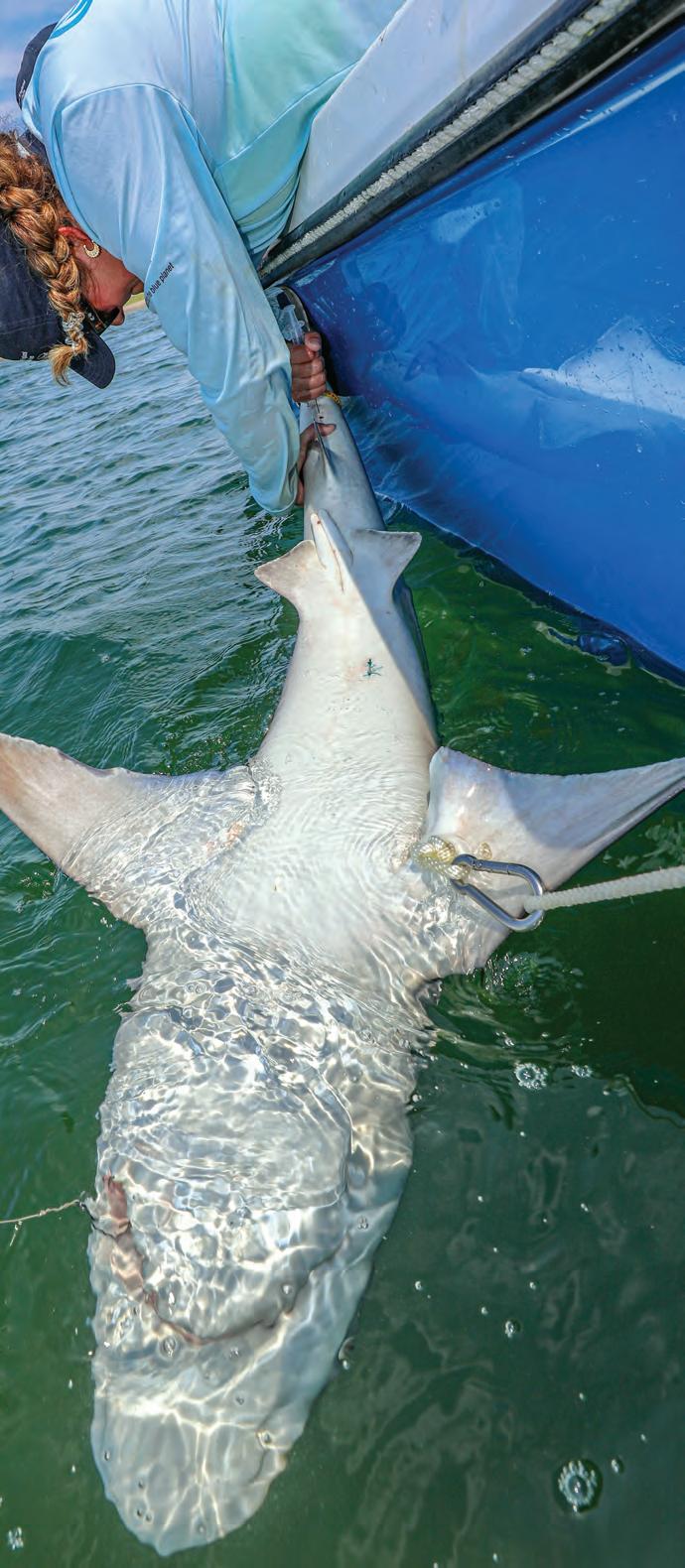
They favor shallow water with sandy or muddy bottom, so Nantucket Sound provides good habitat. They are migratory, arriving in waters around the Cape and Islands for the summer, and head south for the winter.
They range as far north as Massachusetts and as far south as Brazil. They eat a variety of fish, as well as crabs, rays, mollusks and squid. They are food, in turn, for great white sharks, among others.
With protection in 2008, sport fishing continued to be allowed, but strictly on a catch-and-release basis. Fishermen also contribute to research by tagging the sharks they release.
So, the excitement of “sharking” continues in a more benign fashion. Sandbar sharks are not considered dangerous to swimmers, and are popular aquarium exhibits. But bites have happened.
In July last year a man who hooked one from shore at Hoicks Hollow was bitten on the leg while trying to release it.
Given our past history, the shark really can’t be blamed for misinterpreting the gesture. And no matter how benign, caution is still advised around large wild creatures with sharp teeth.
Collatos catches her research subjects on an updated version of hook and line. She attaches conventional tags, like bird bands, as well as acoustic tags which ping when in proximity to a network of receivers deployed around Nantucket Sound.
This gives an accurate and timely picture of how the sharks are using the environment. Some sharks get accelerometers which track the actual body movement, giving more detailed insight into behavior. Her research is crucial to maintaining a healthy population of an important member of the aquatic life of our surrounding waters, the sandbar shark.
Ginger Andrews writes the weekly “Island Bird Sightings” column for The Inquirer and Mirror, Nantucket’s trusted news source since 1821, and is a regular contributor to Nantucket Today.
Caroline Collatos prepares to release a sandbar shark that’s been fitted with an accelerometer that will track the swimming behavior of the shark.
Photos courtesy of New England Aquarium
SALES & RENTALS OFFICES IN SCONSET & TOWN
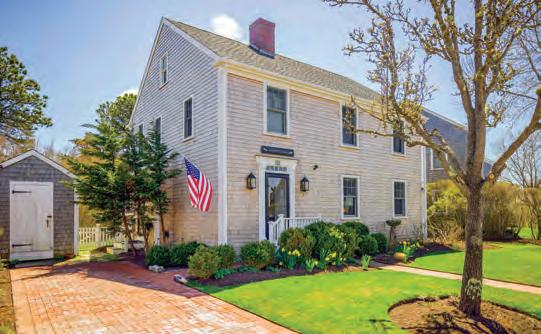
· 15 GOLDFINCH DRIVE · $2,250,000
Three-bedroom residence with lovely gardens and outdoor space.
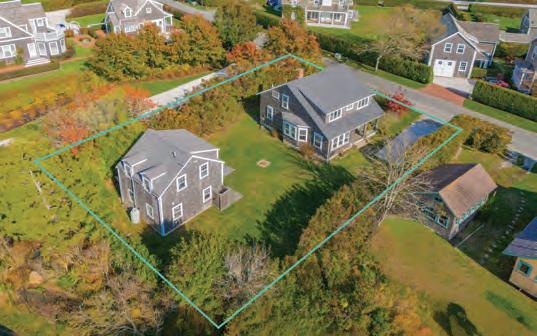
· 47 MOREY LANE · $3,900,000
five-bedroom summer home with a one-bedroom cottage.
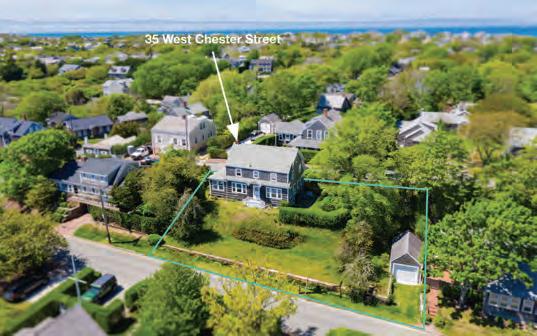
TOWN · 35 WEST CHESTER STREET · $3,800,000
Three-bedroom antique home and garage on an oversized lot.
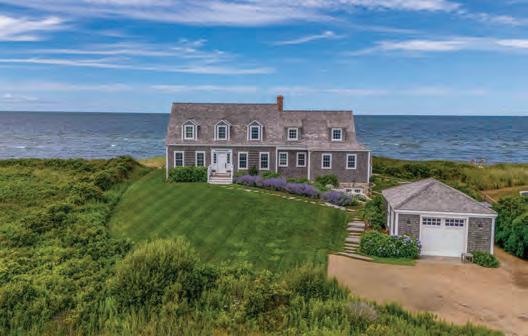
· 15 HALLOWELL LANE · $22,000,000
Private waterfront setting with sweeping views of the harbor.
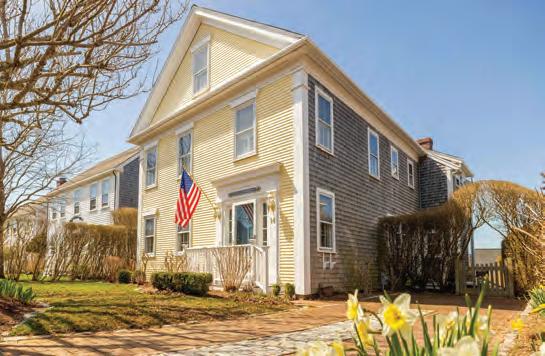
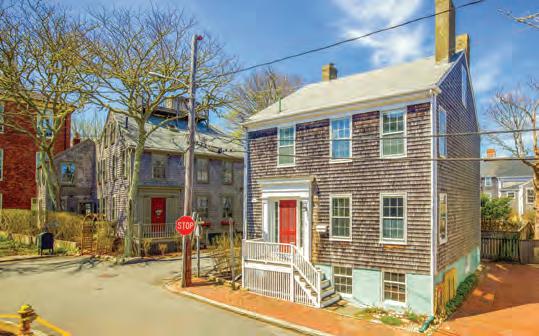
· 17 GAY STREET · $3,450,000
Historic four-bedroom home with Greek Revival architectural elements.
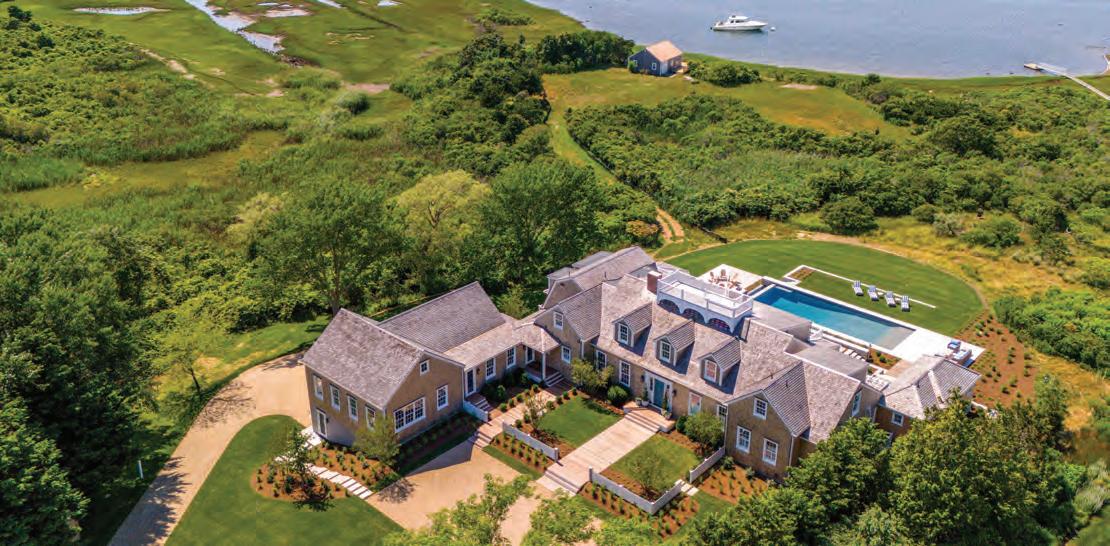
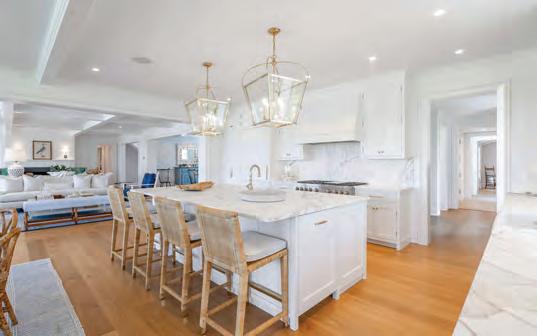
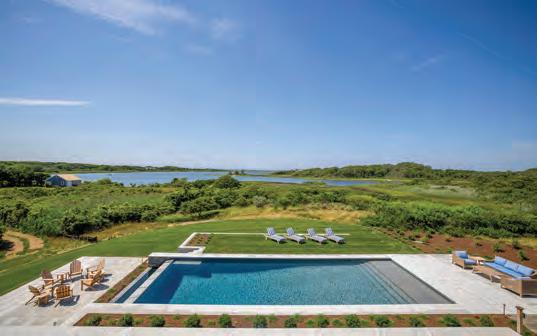
256 Polpis Road is an exceptional 6.42-acre legacy estate offering stunning views and direct water access to Polpis Harbor. At the center of the property stands a spectacular main house featuring 10 bedroom suites, 3 floors of finished living space, floor-to-ceiling windows that frame the exceptional scenery, an 18x48’ infinity-edge swimming pool, cabana, two-car garage, gym, movie theatre, and billiard room. The estate also boasts a two-story guest house and a rare, iconic boathouse. The residence is offered fully furnished.



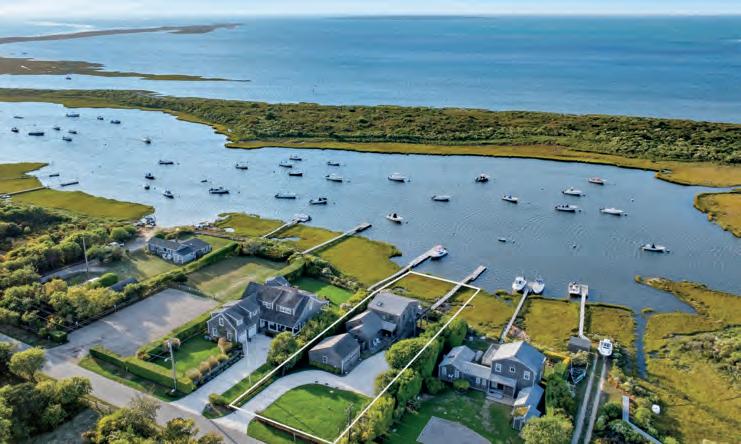
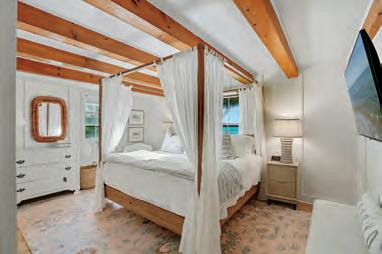





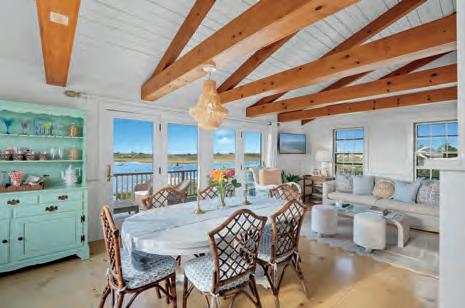
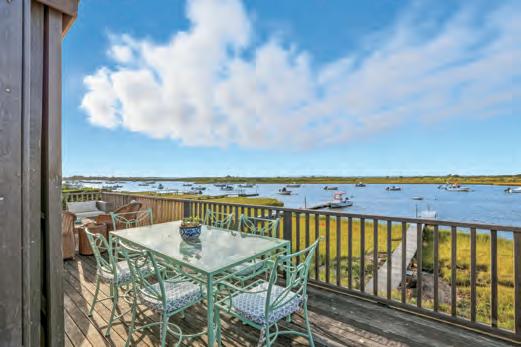
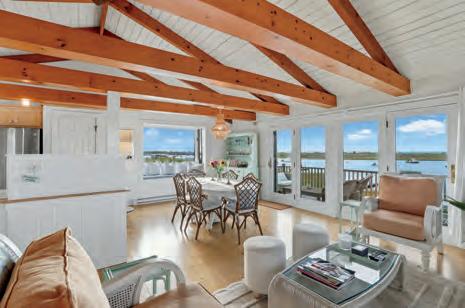
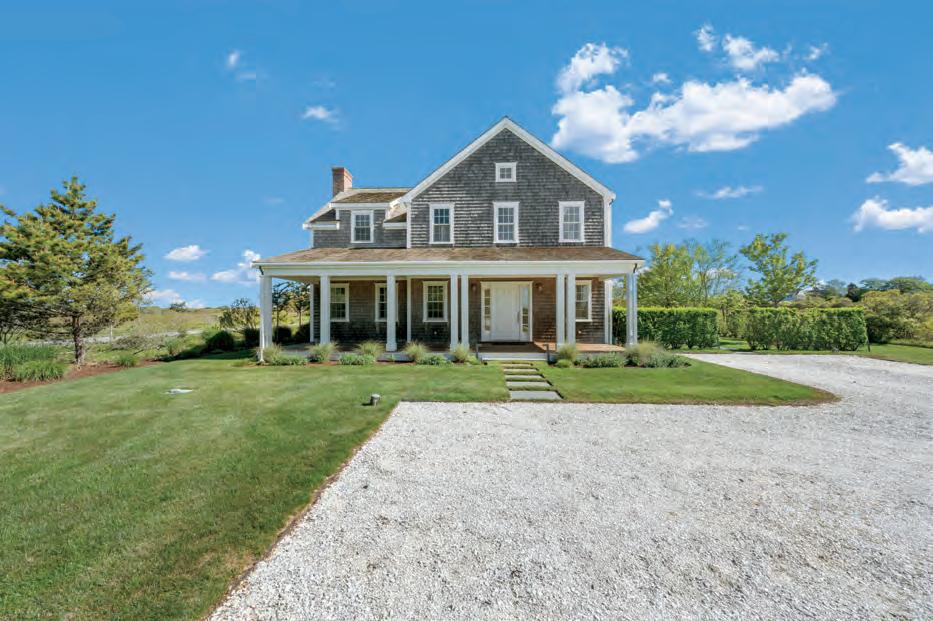

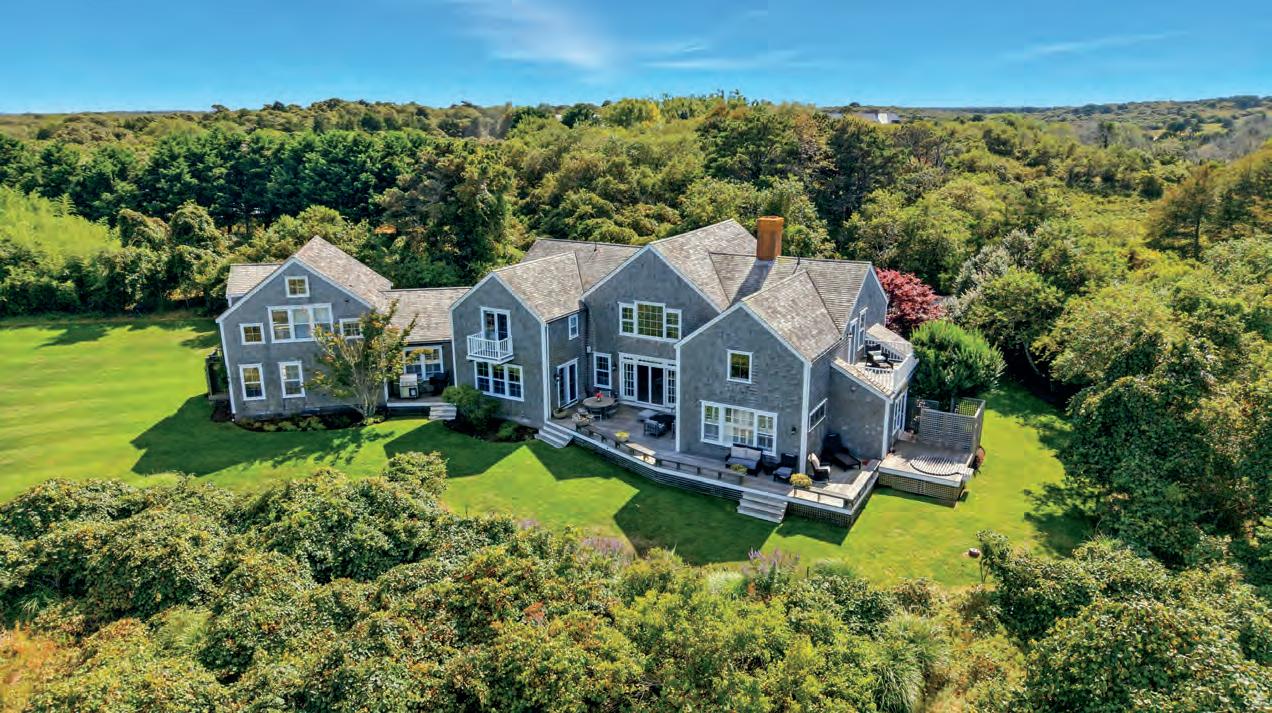
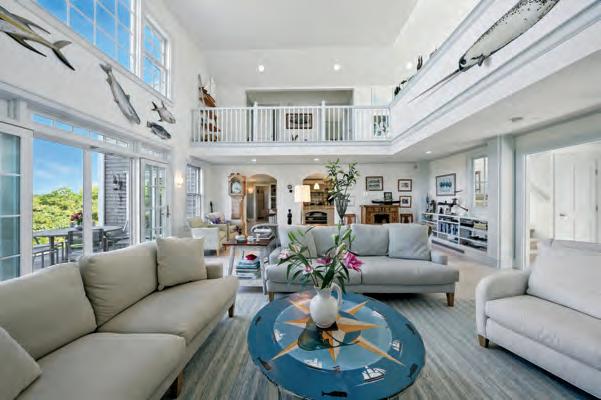
Polpis · 4 Bedrooms · 5 Full, 1 Half Baths · Gracious Living · Idyllic Setting Represented by Elizabeth Almodobar


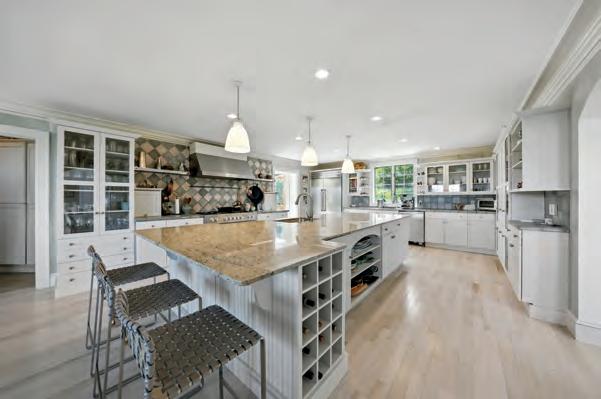



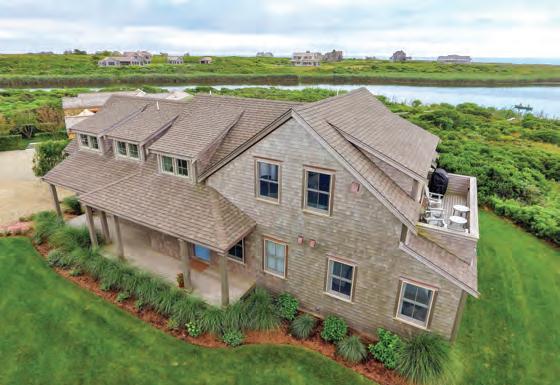
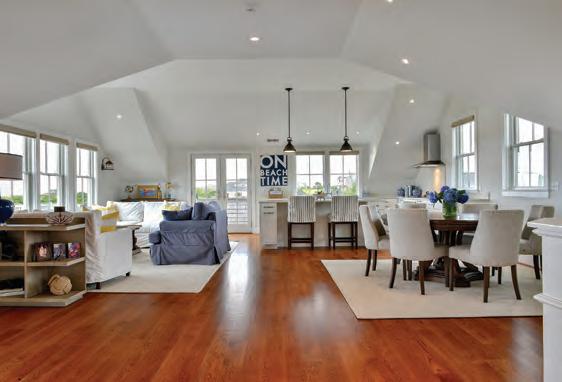
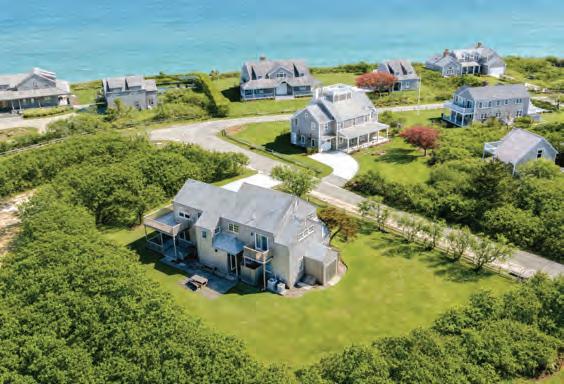
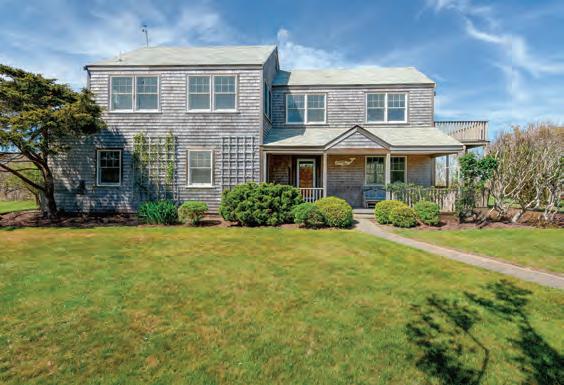

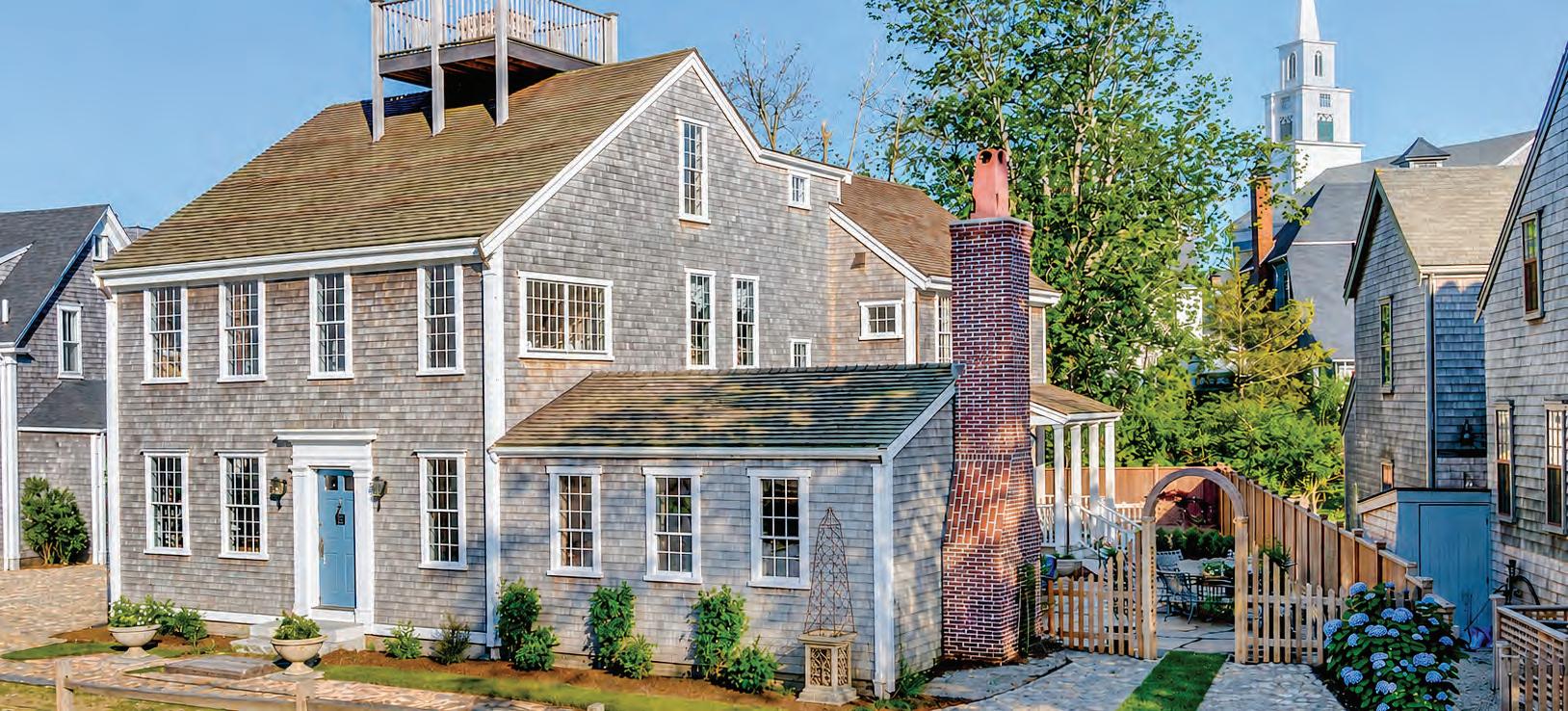
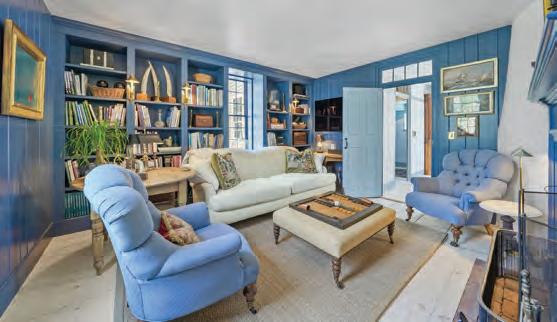
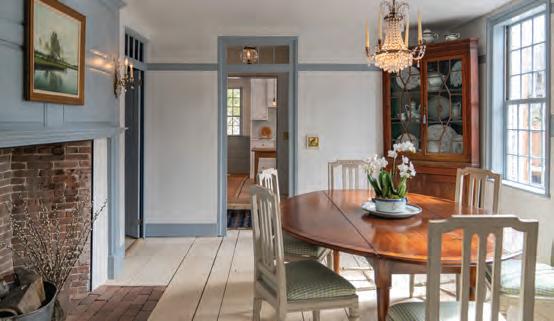
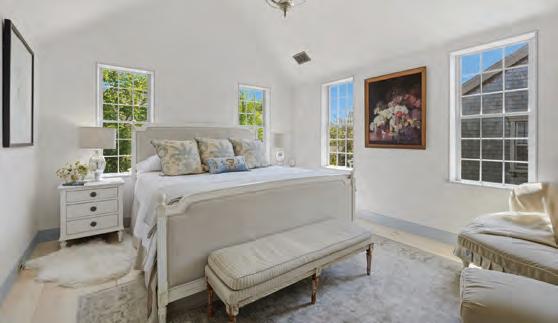
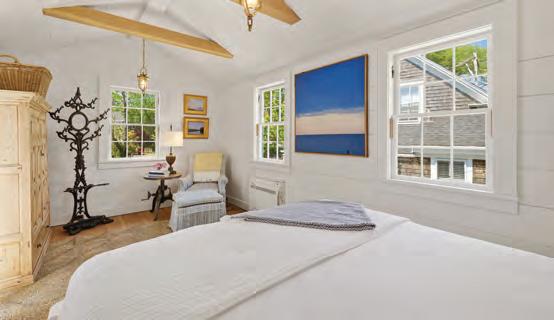





BROKER/PRINCIPAL, ABR, RSPS, SRS
Heidi@NantucketRealEstate.com
M: 508-325-2121
O: 508-228-7707 x 212

BROKER, GRI, CBR
Linda@NantucketRealEstate.com
M: 508-325-2700
O: 508-228-7707 x 235





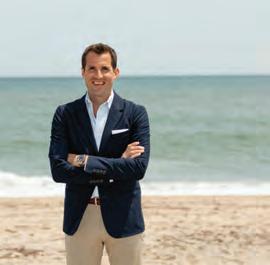
BROKER, GRI, ABR, RSPS, SRS, SFR
Mary@NantucketRealEstate.com
M: 508-221-2093
O: 508-228-7707 x 219

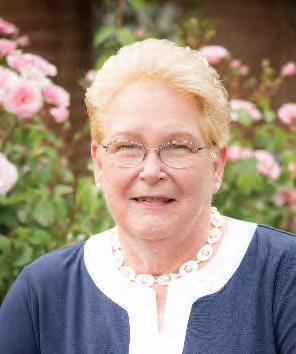

Elizabeth Almodobar
elizabeth.iprop@gmail.com mobile: 508-685-7703 office: 508-228-6999 ext 118

islandpropertiesre.com Sales & Rental Agent










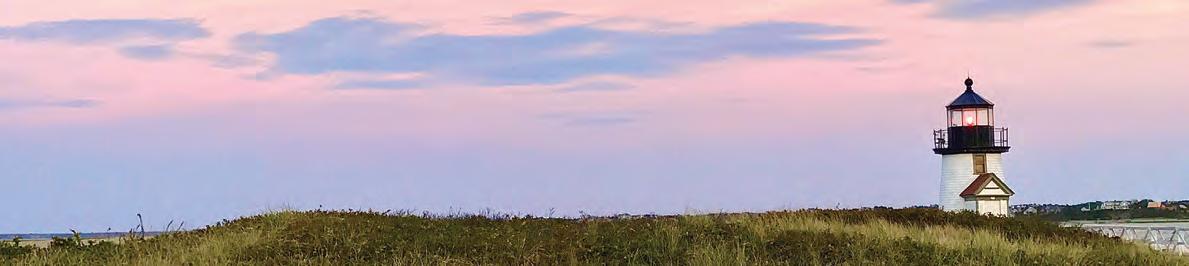


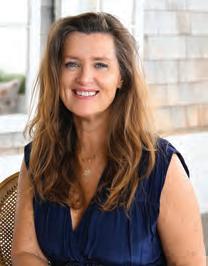




@susanchambersnantucket www.susanchambersnantucket.com 37 Main Street, Nantucket, MA 02554 maurypeople.com Susan


Sheila@maurypeople.com
Nantucket, MA 02554 maurypeople.com Mark